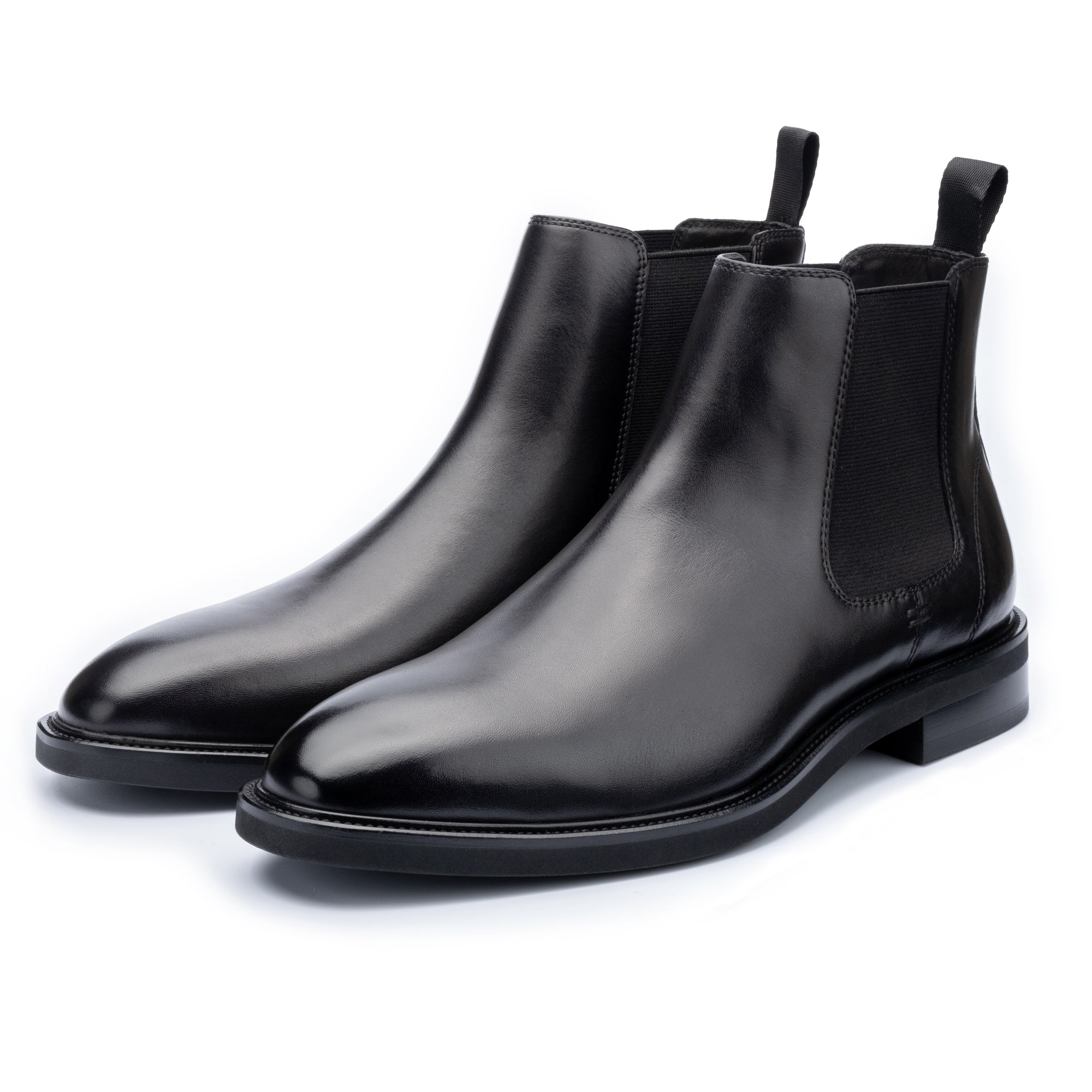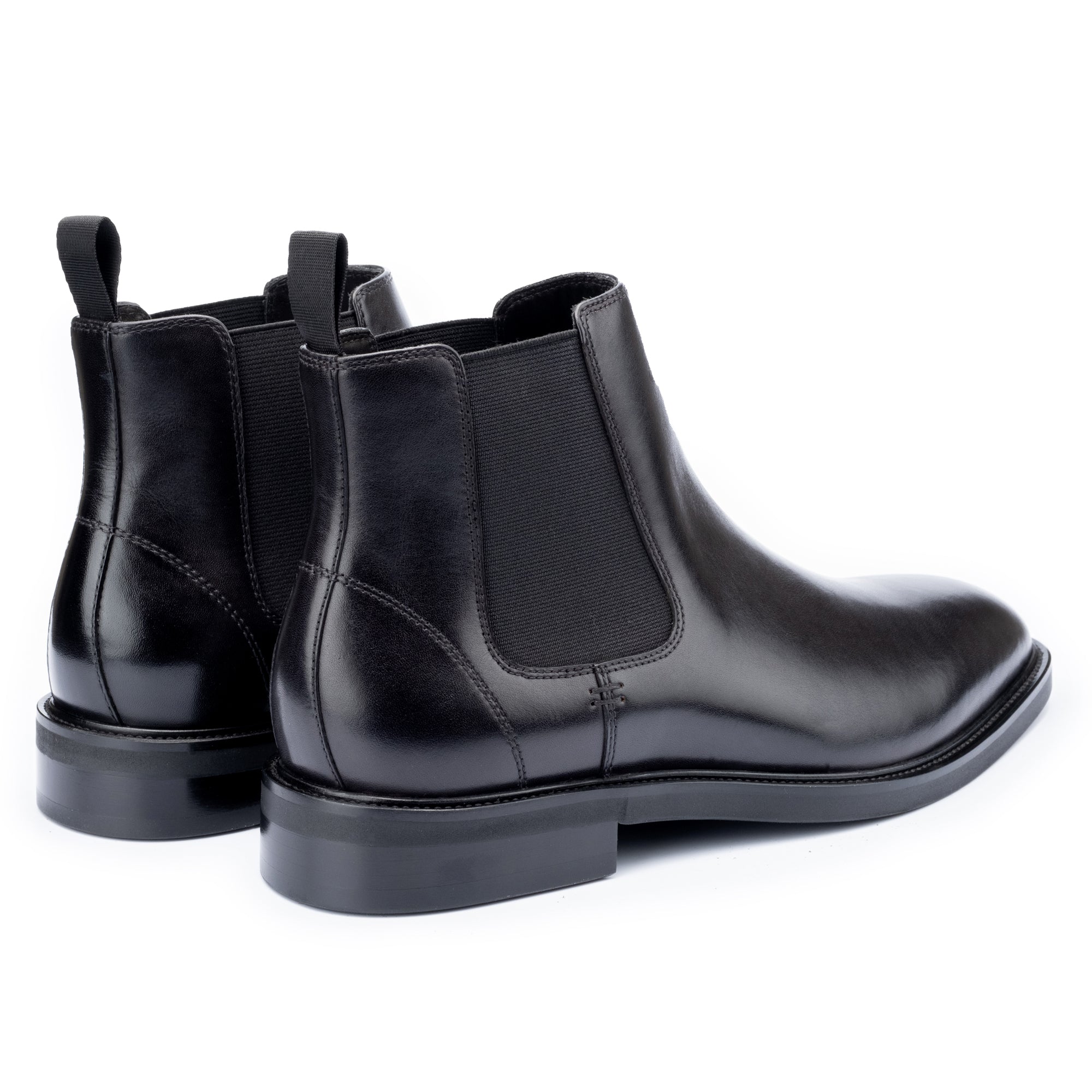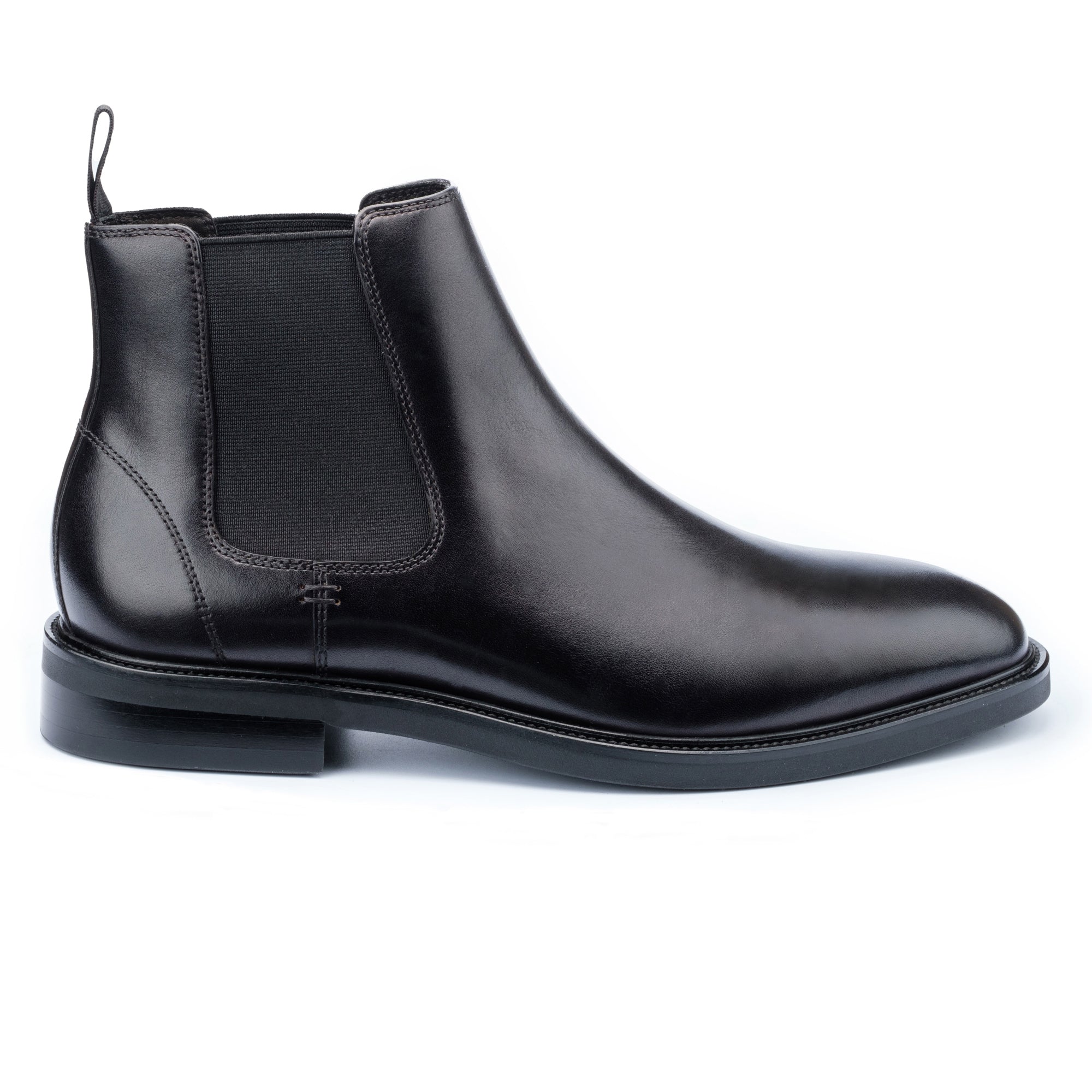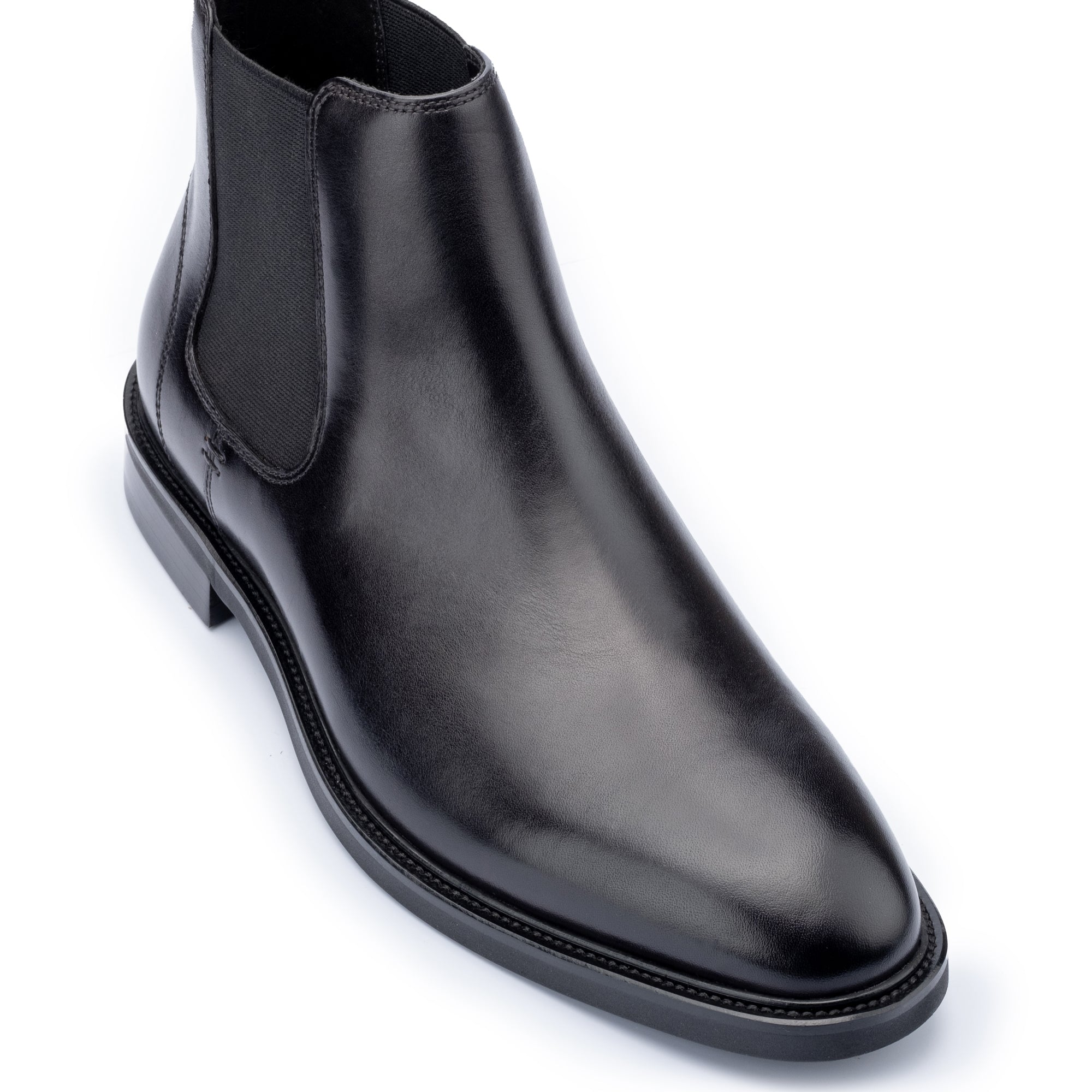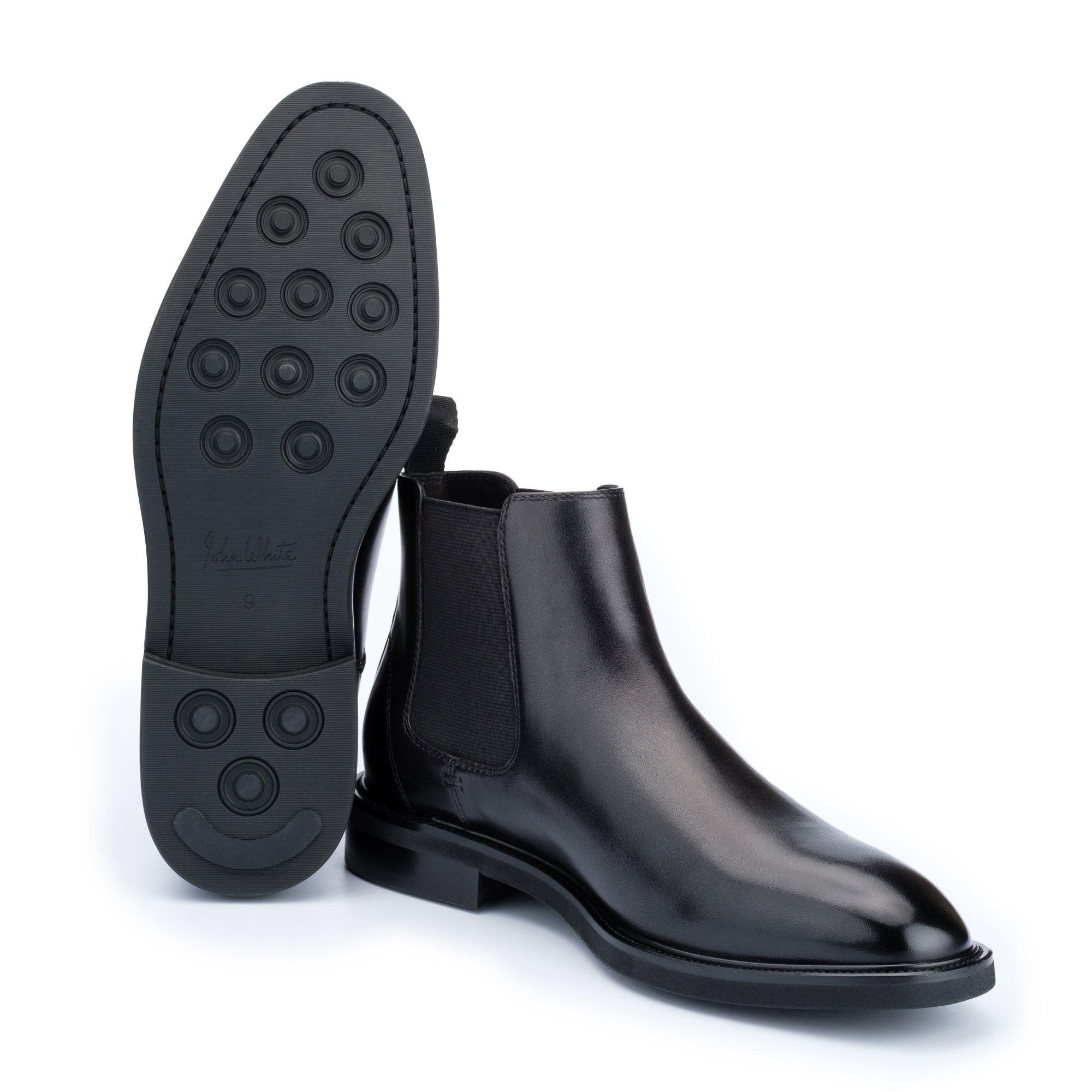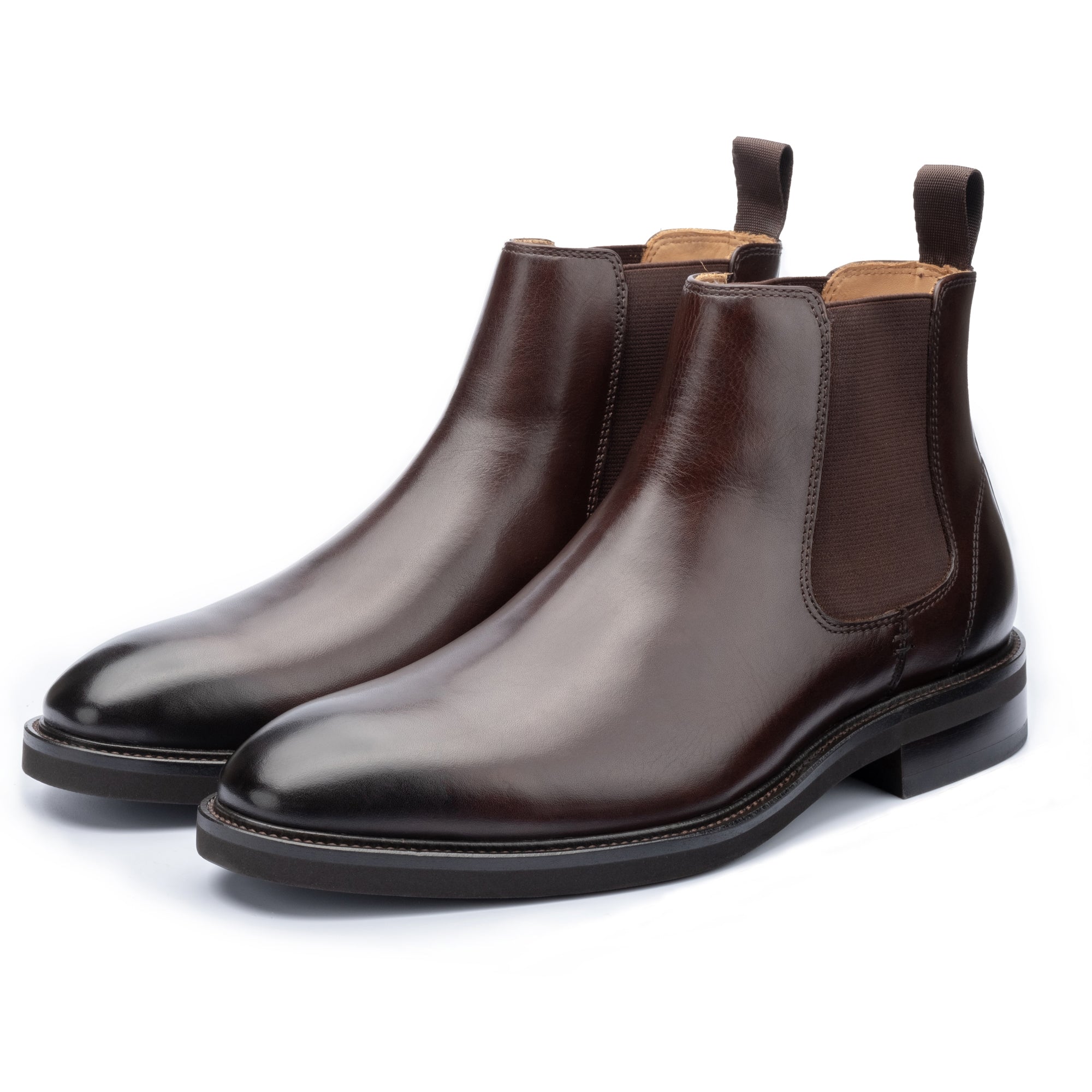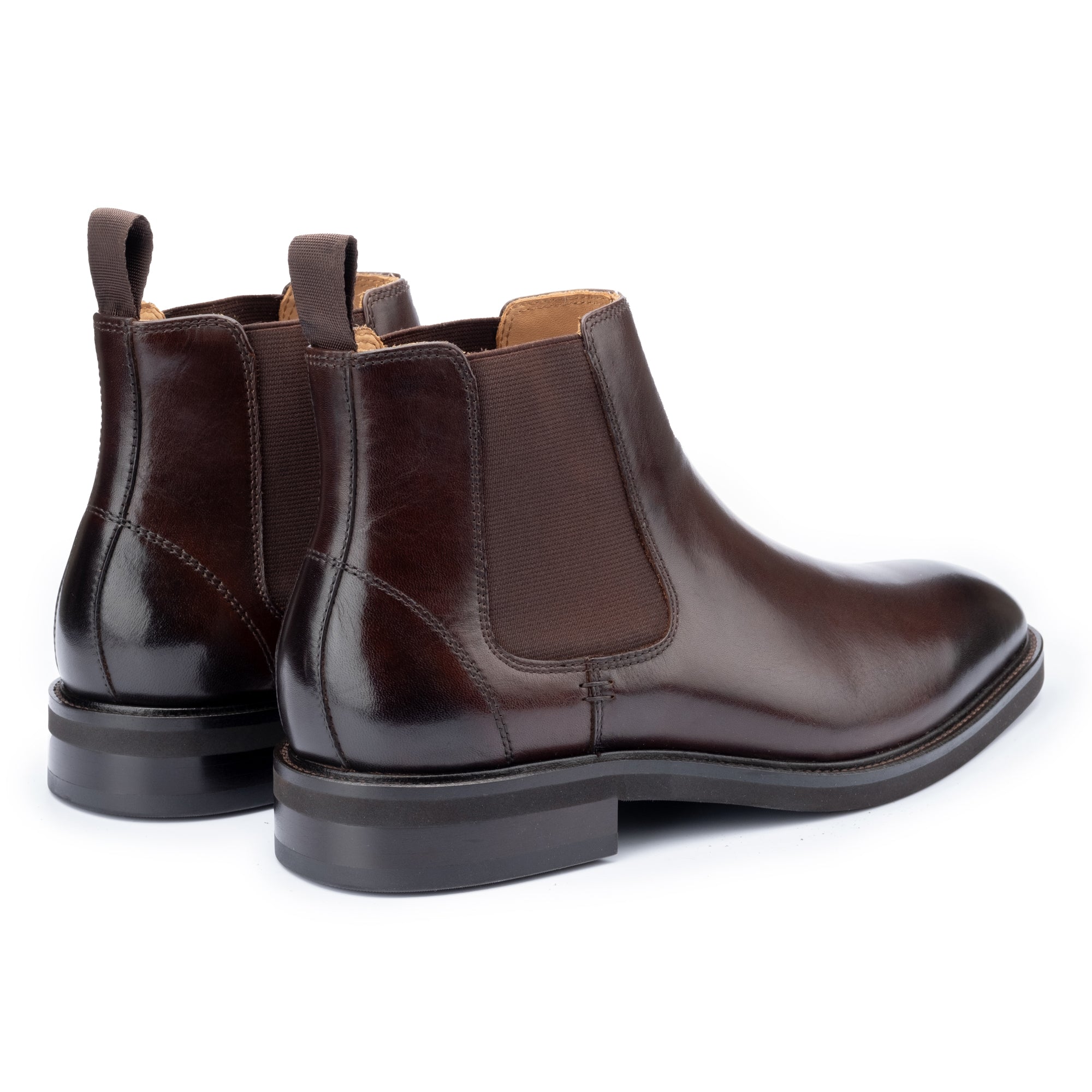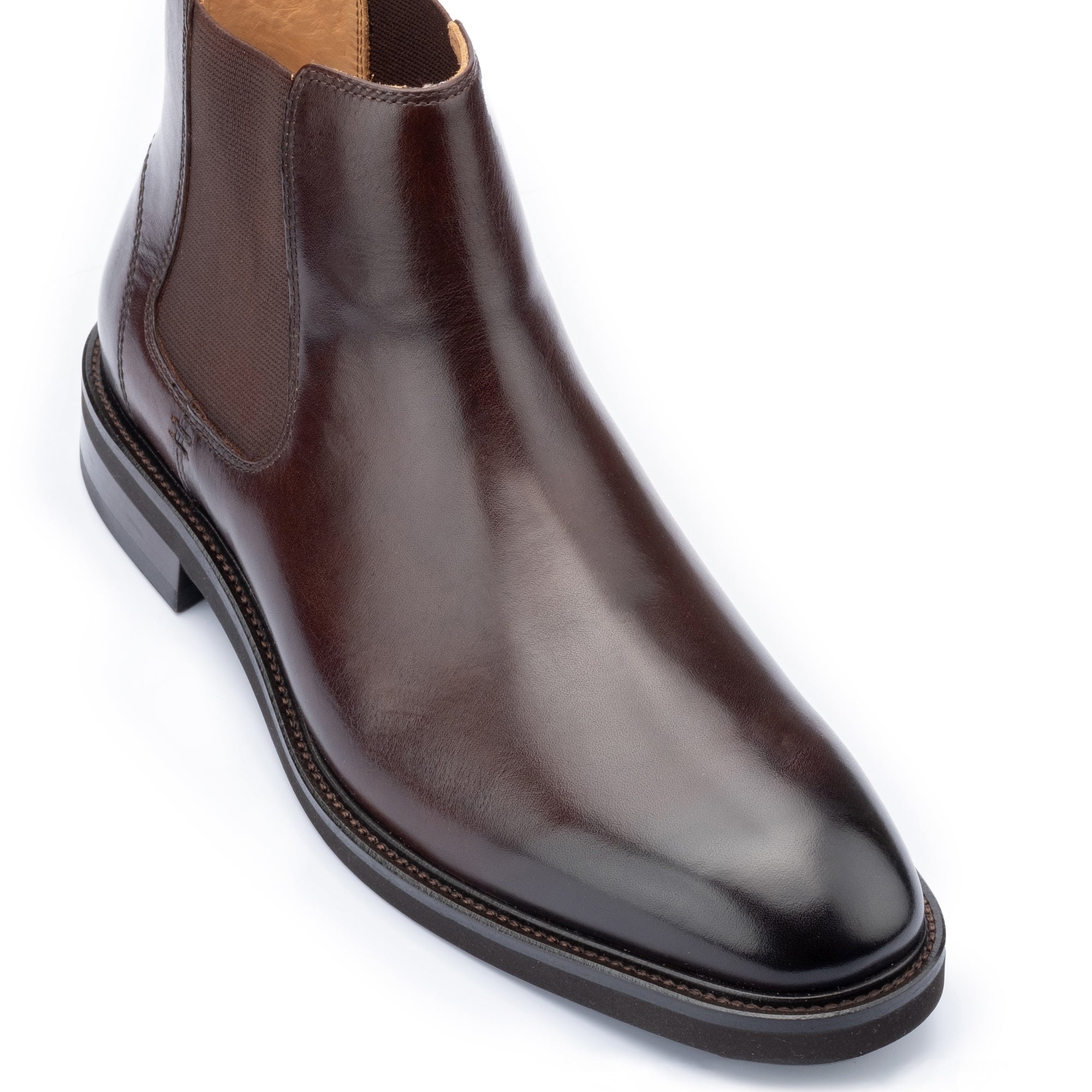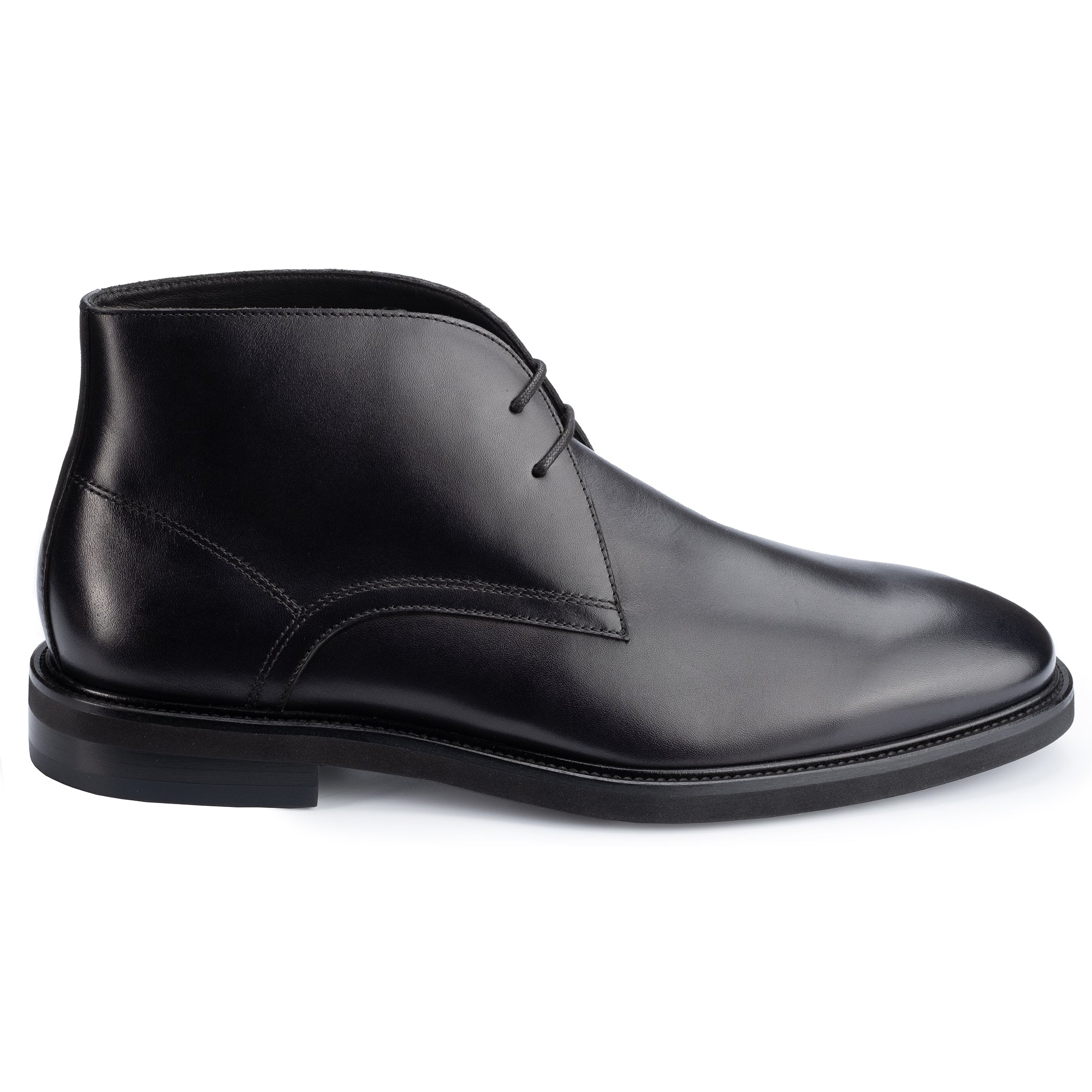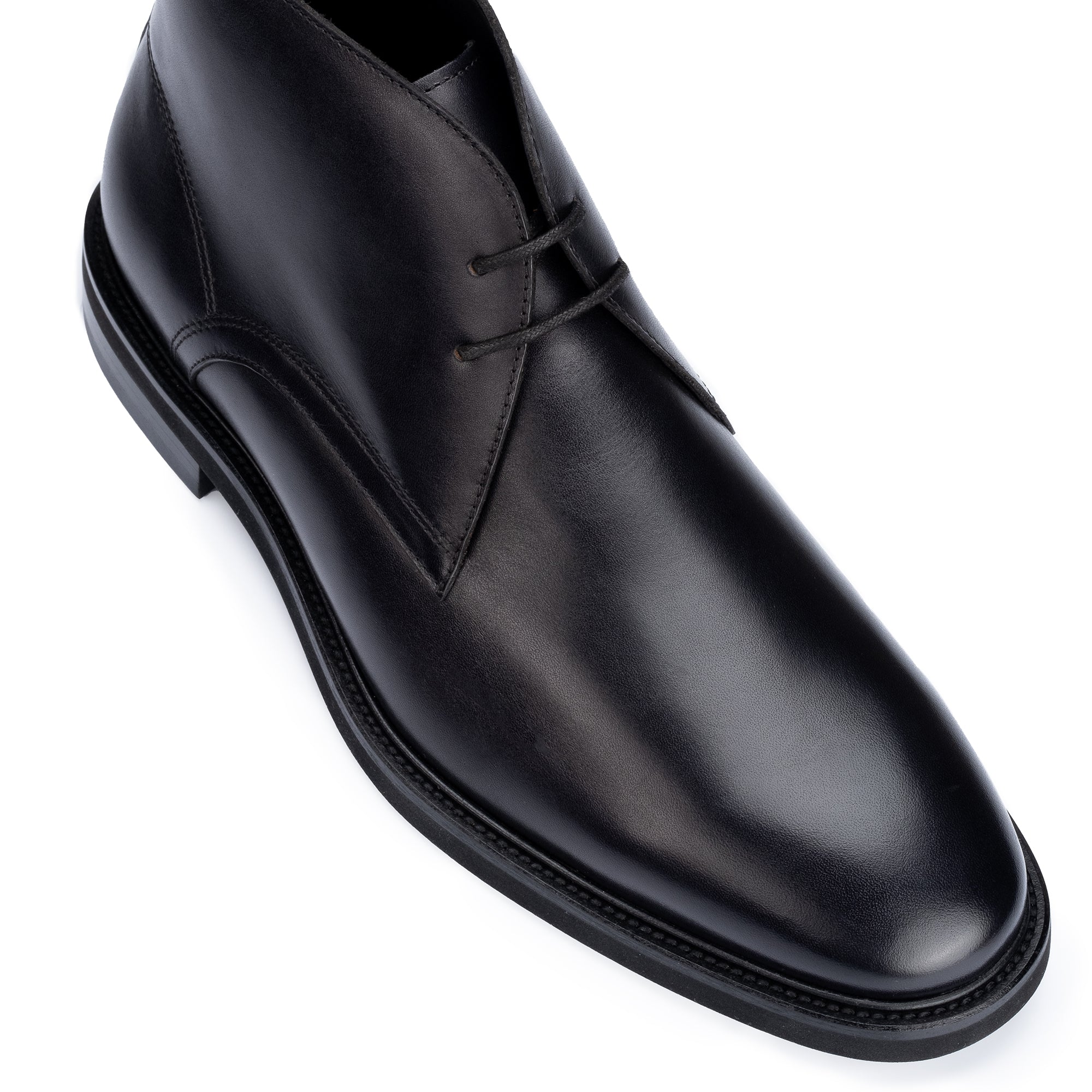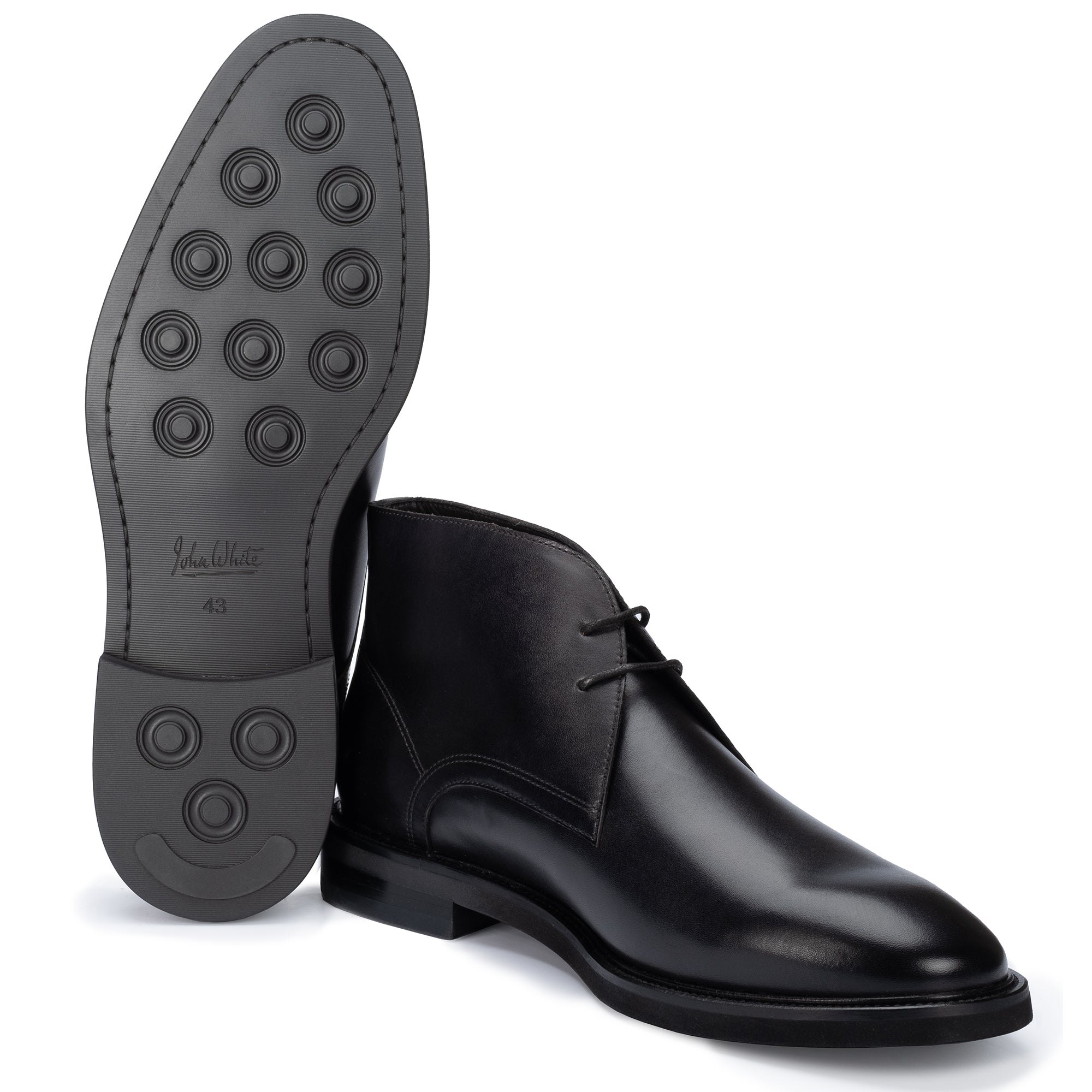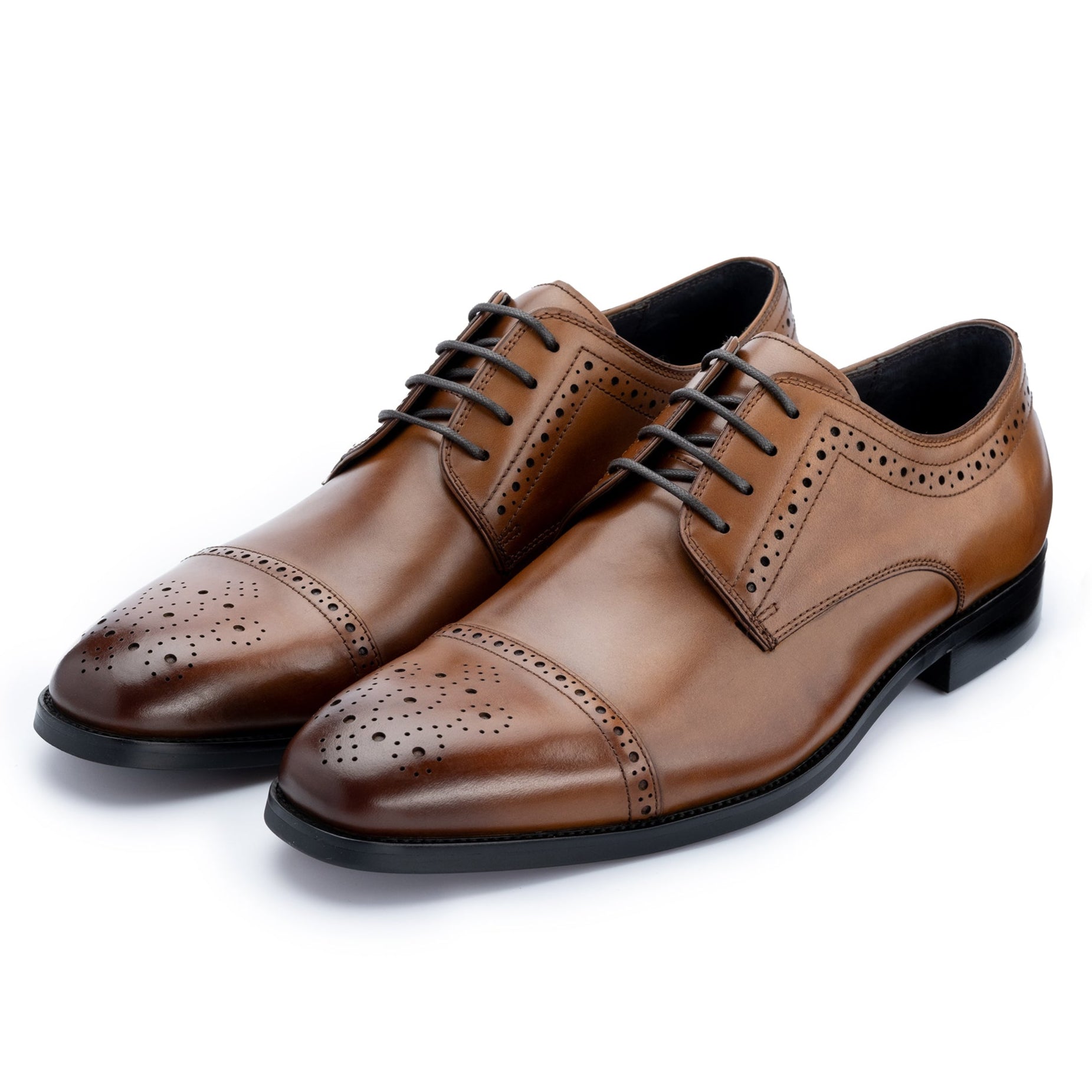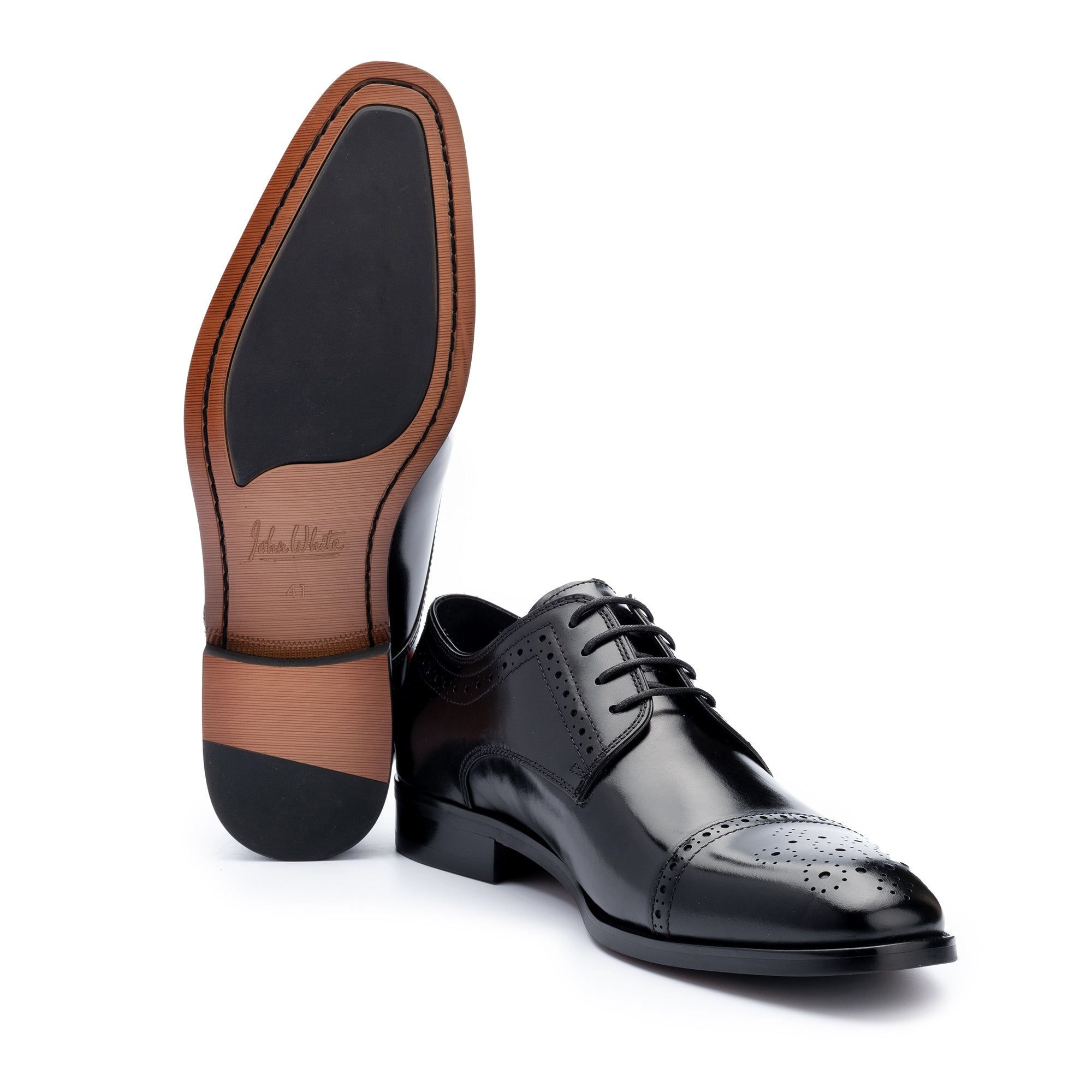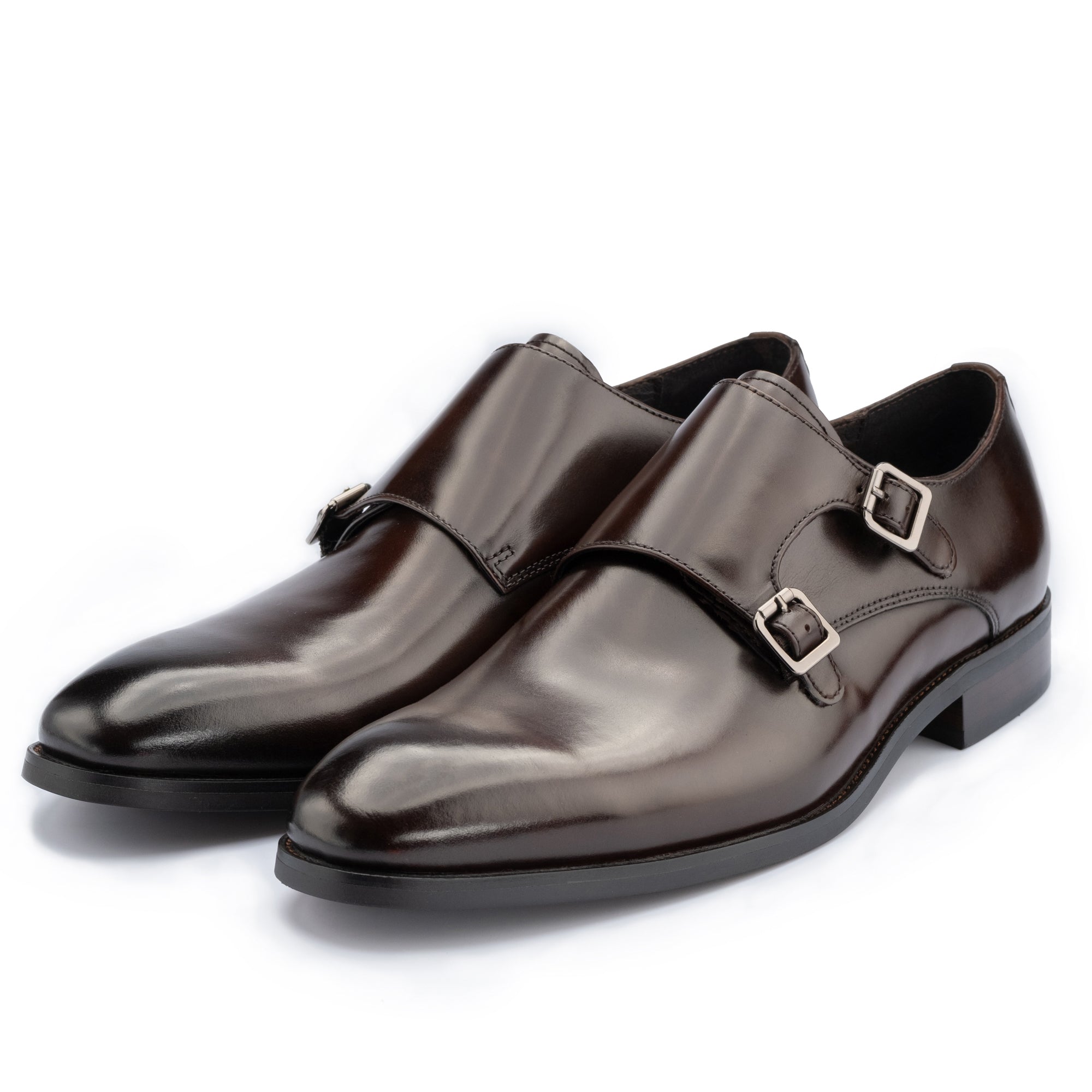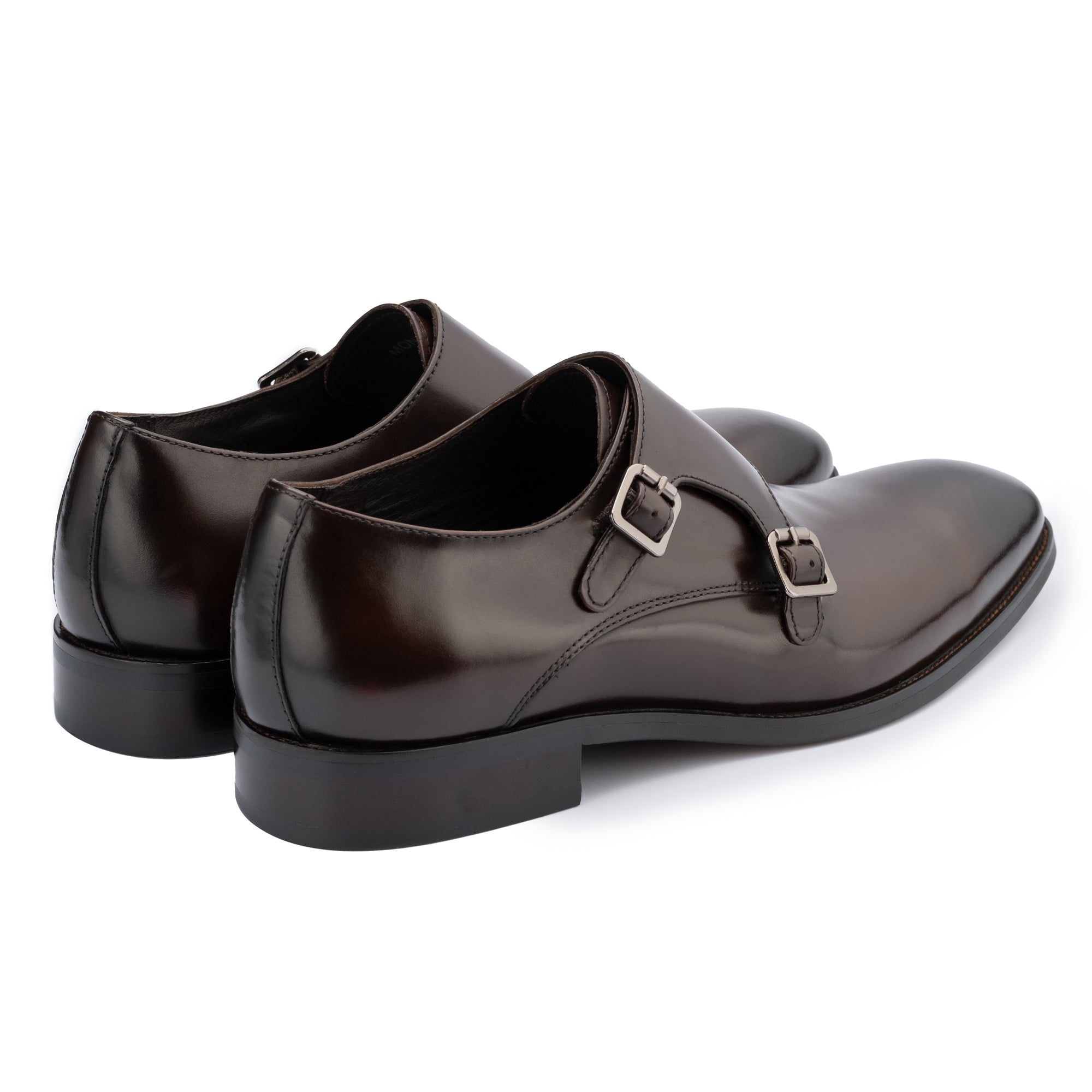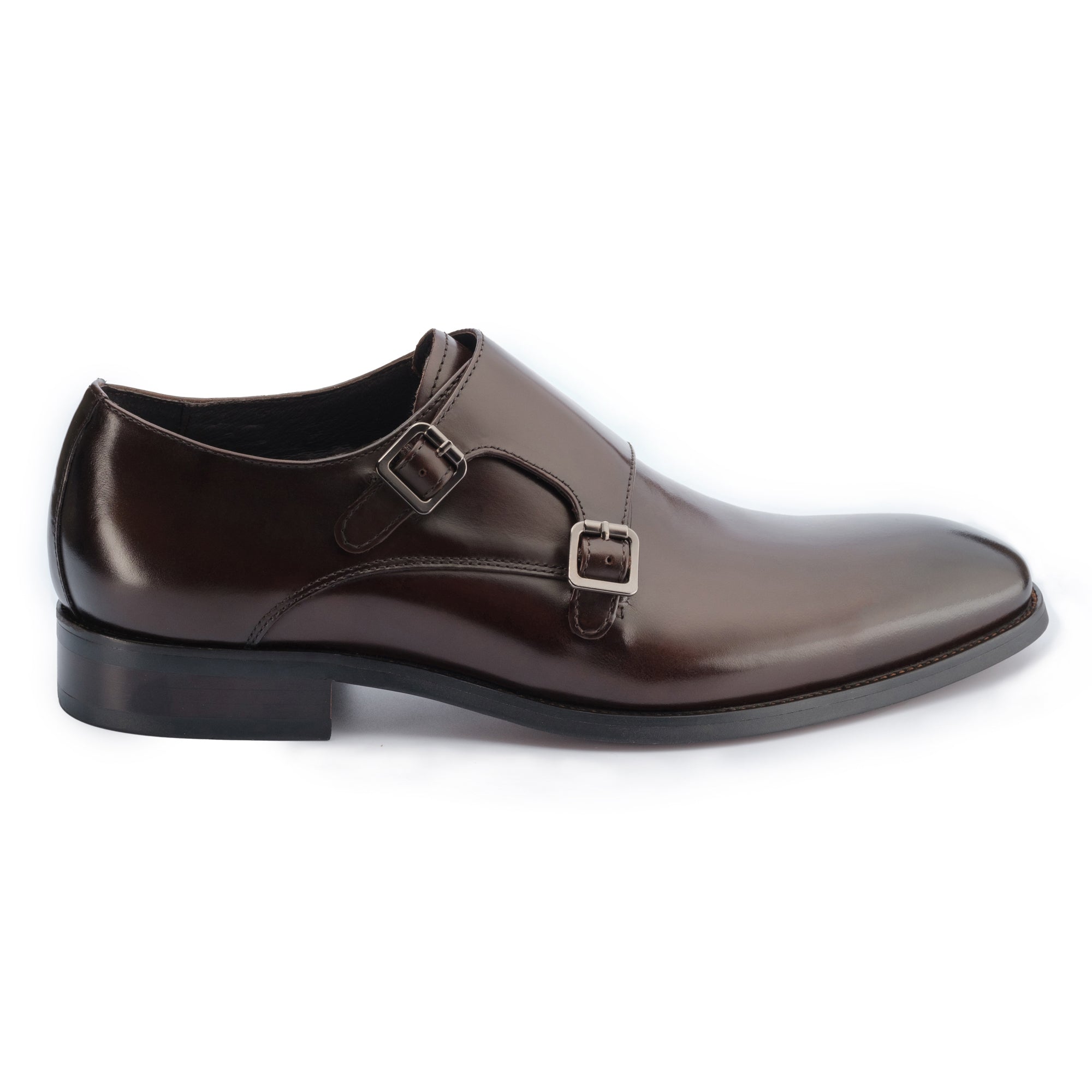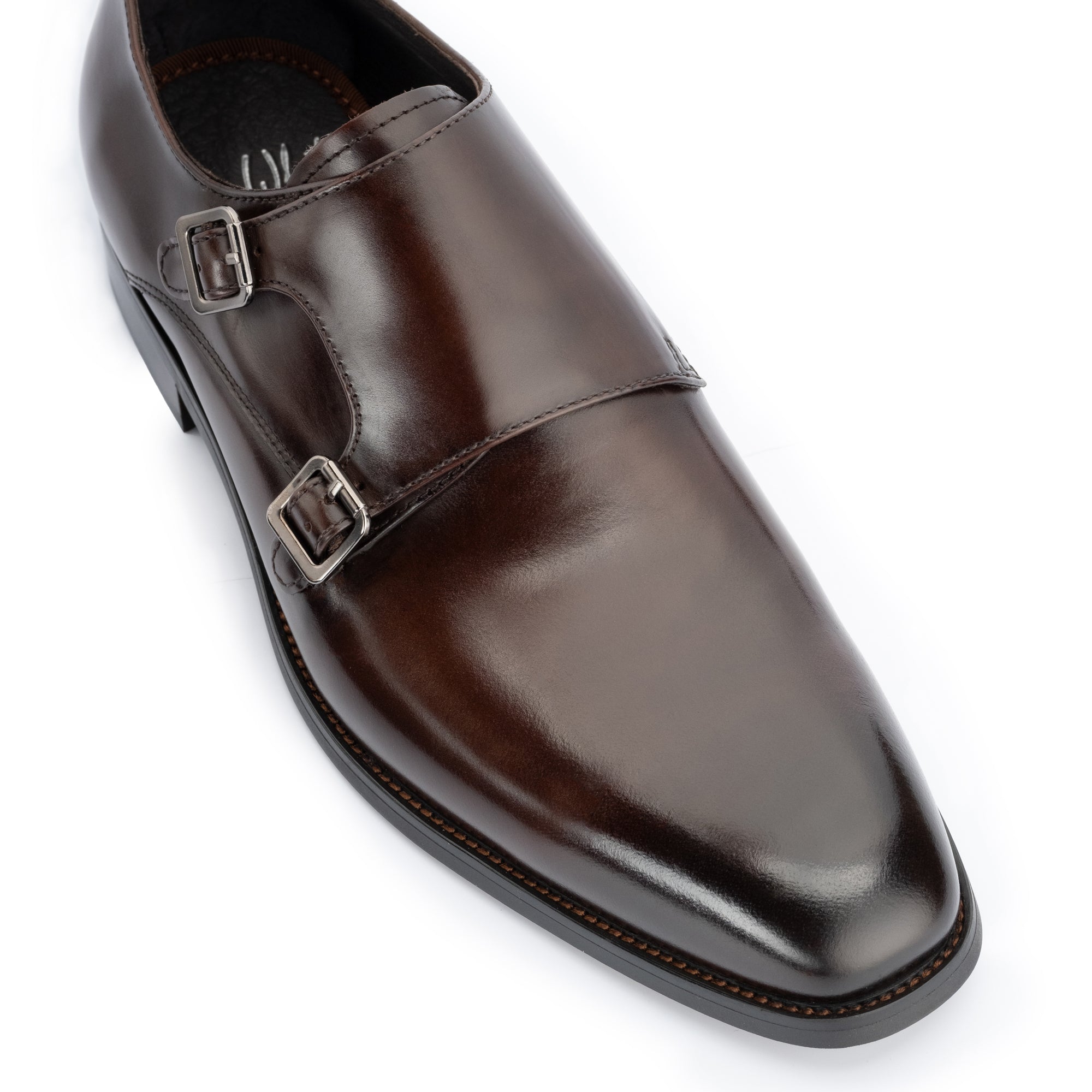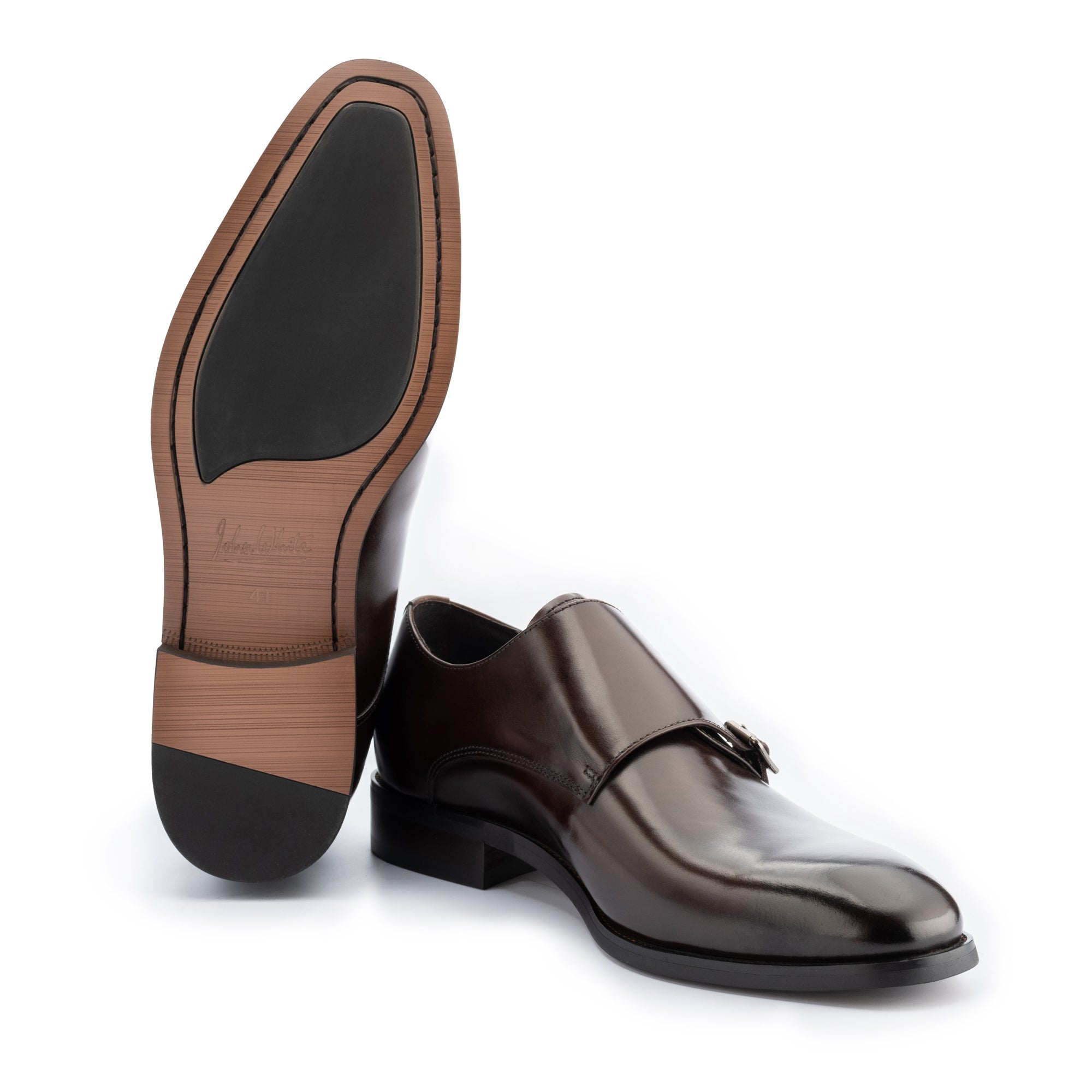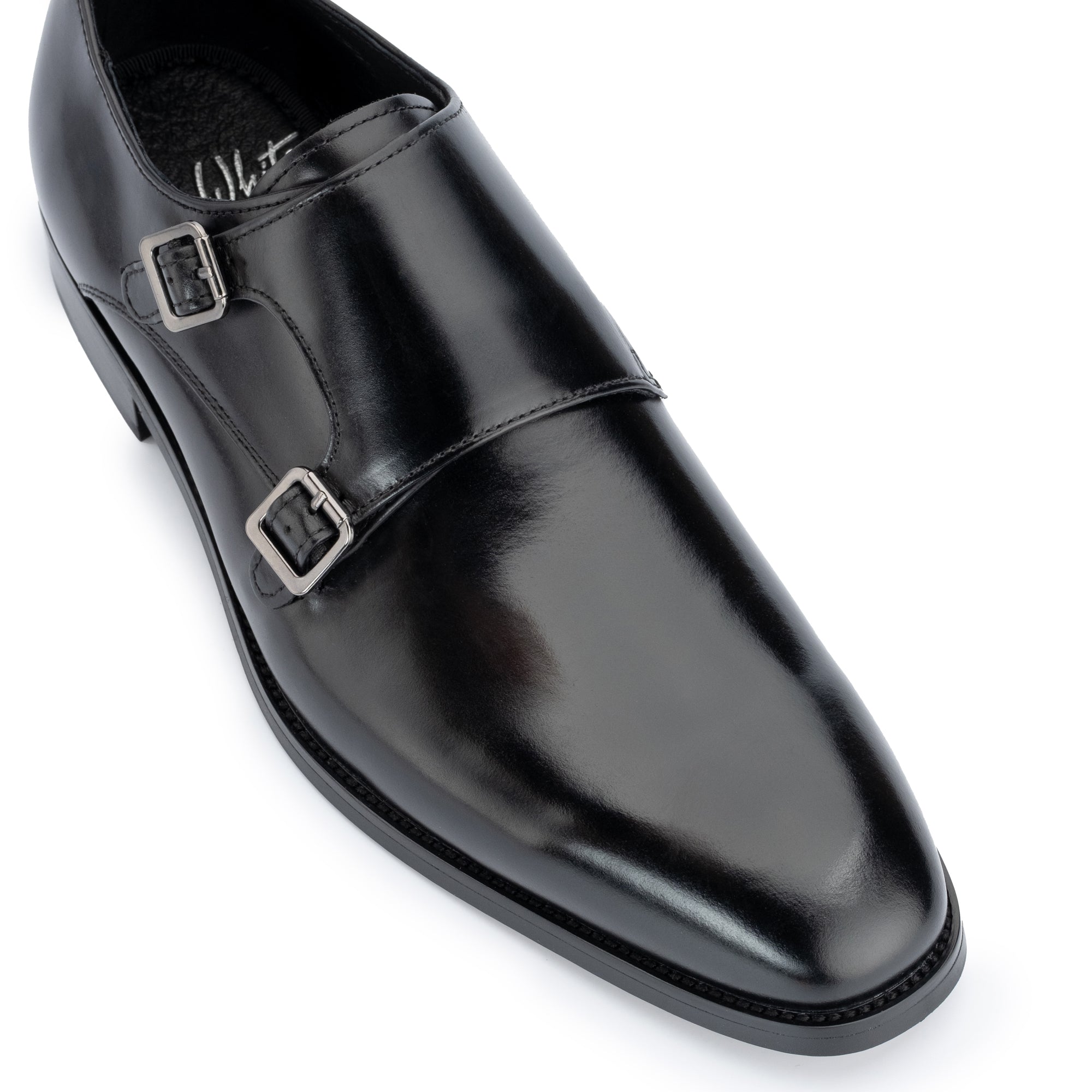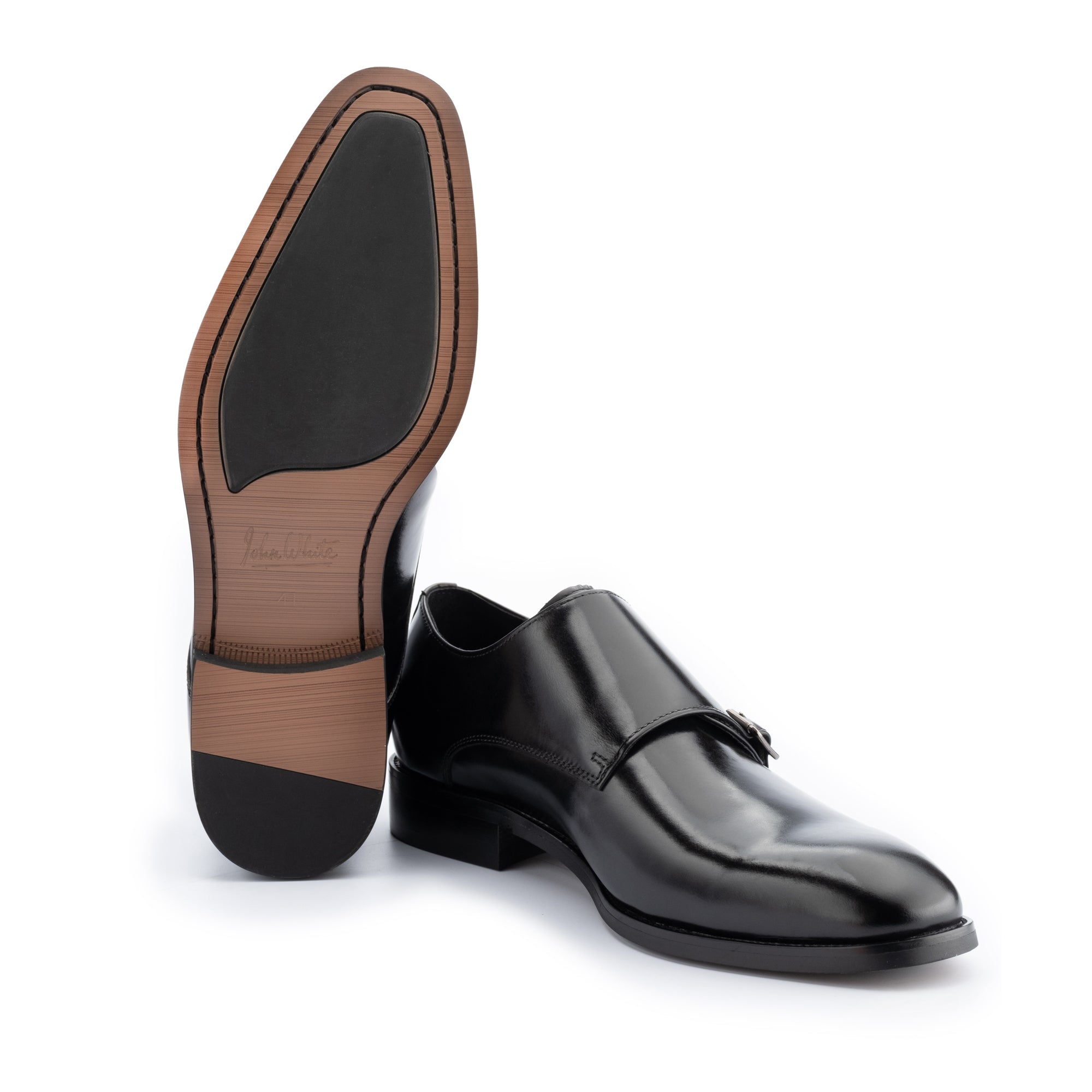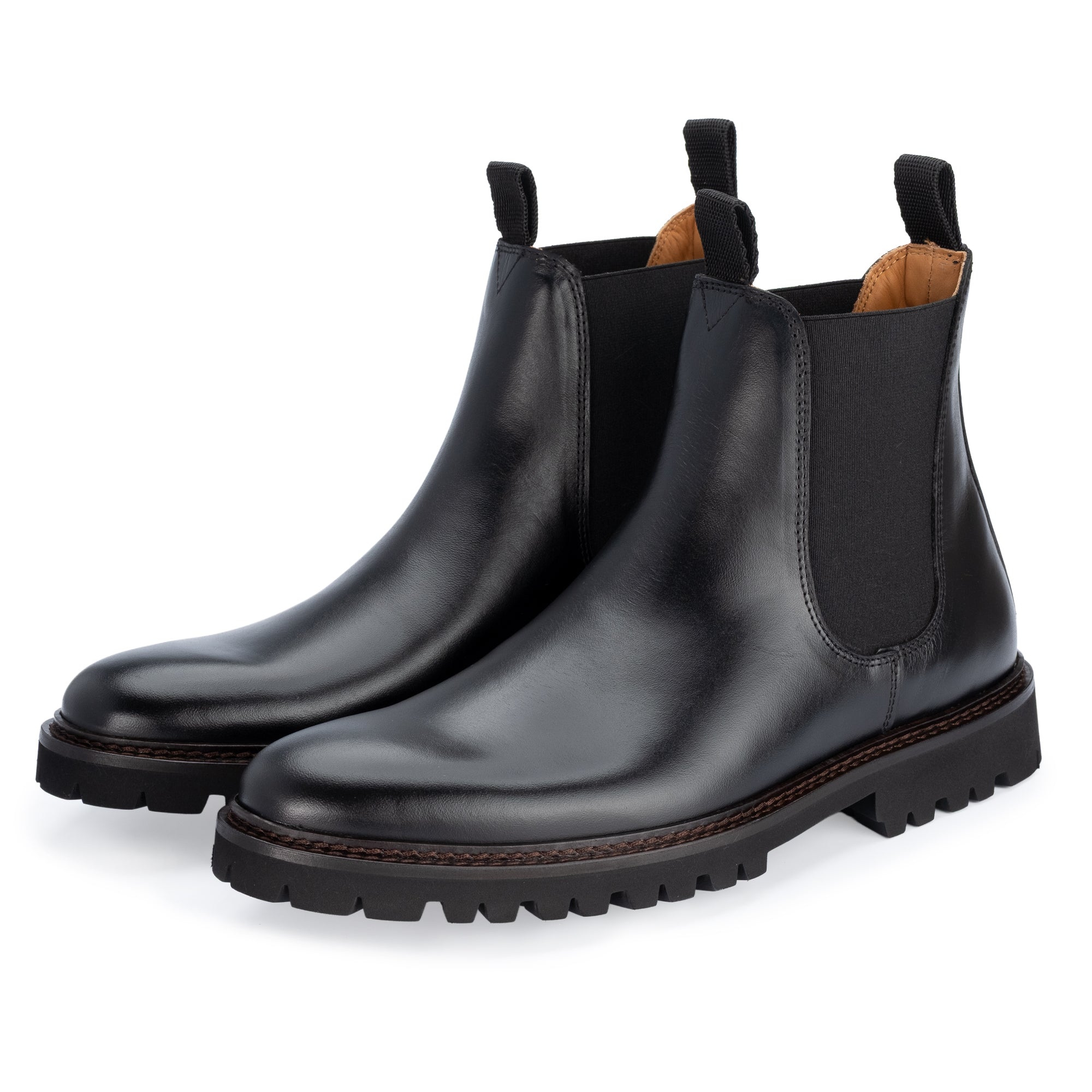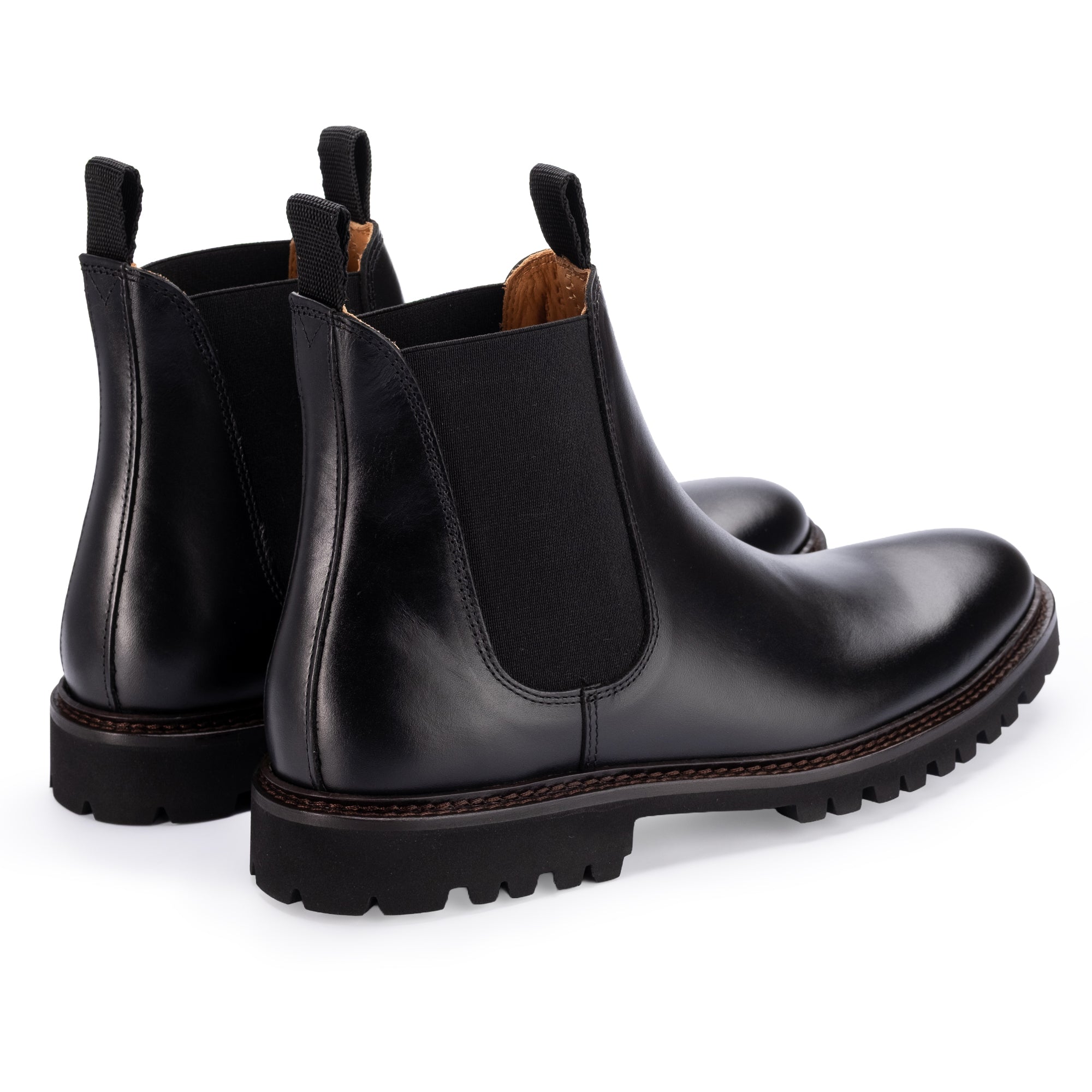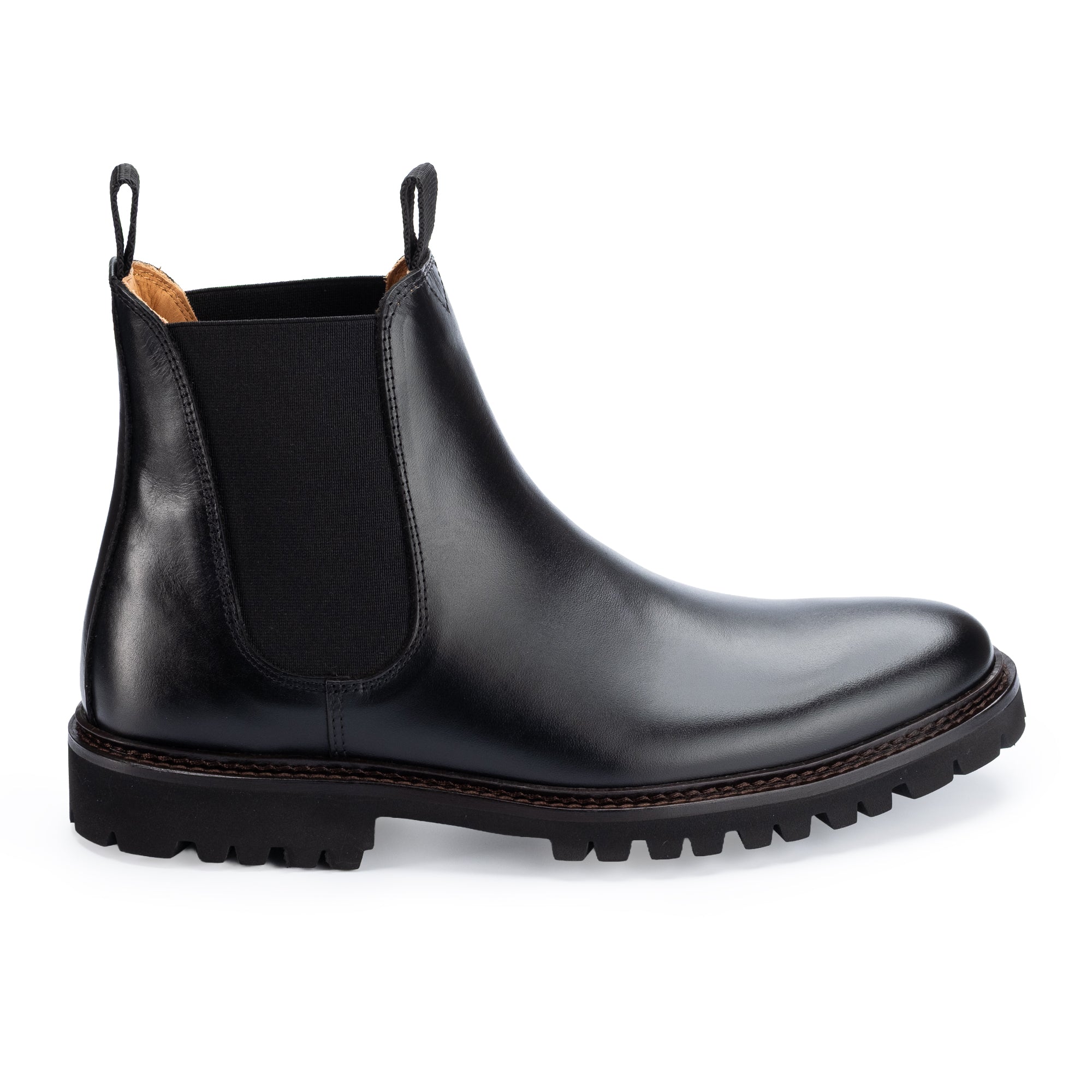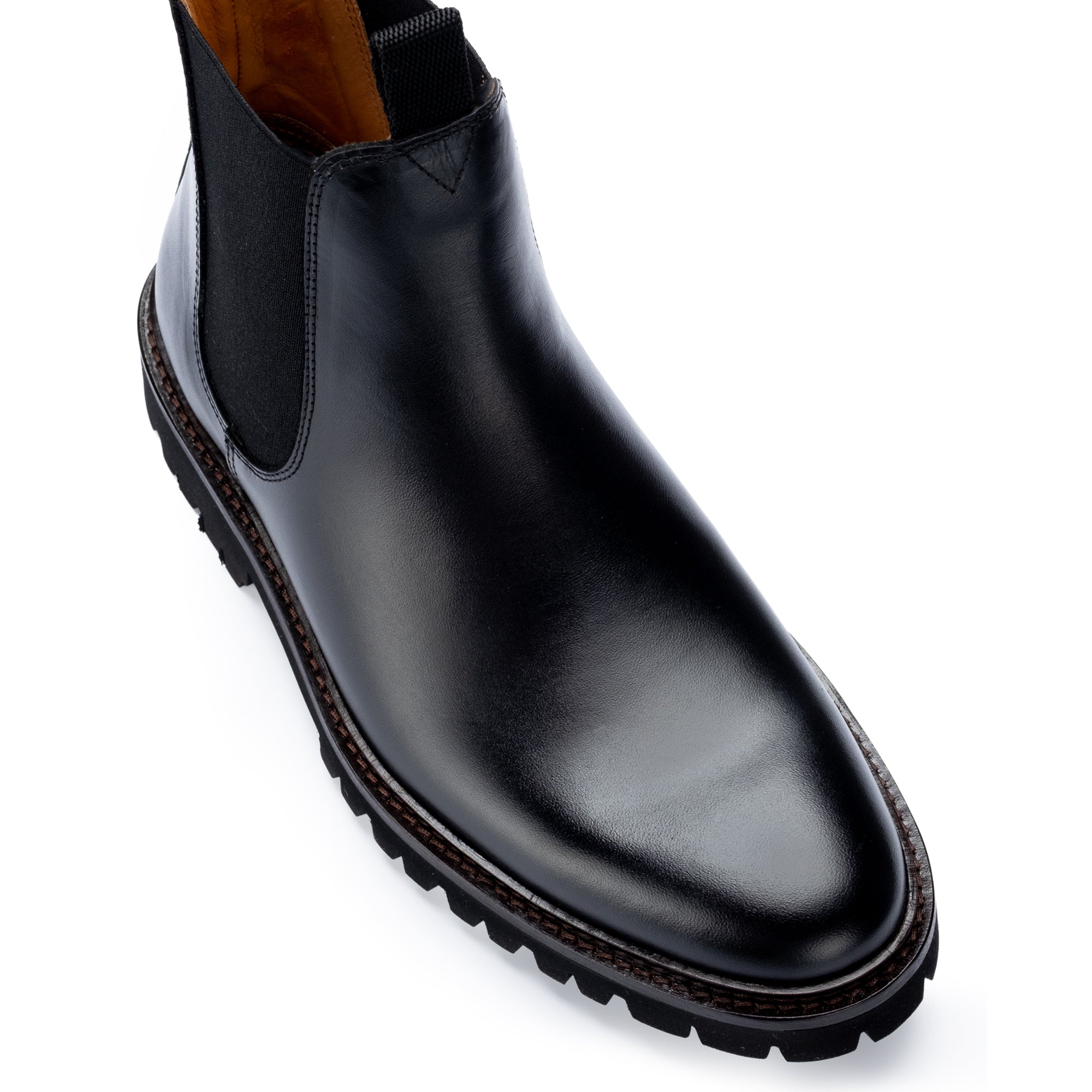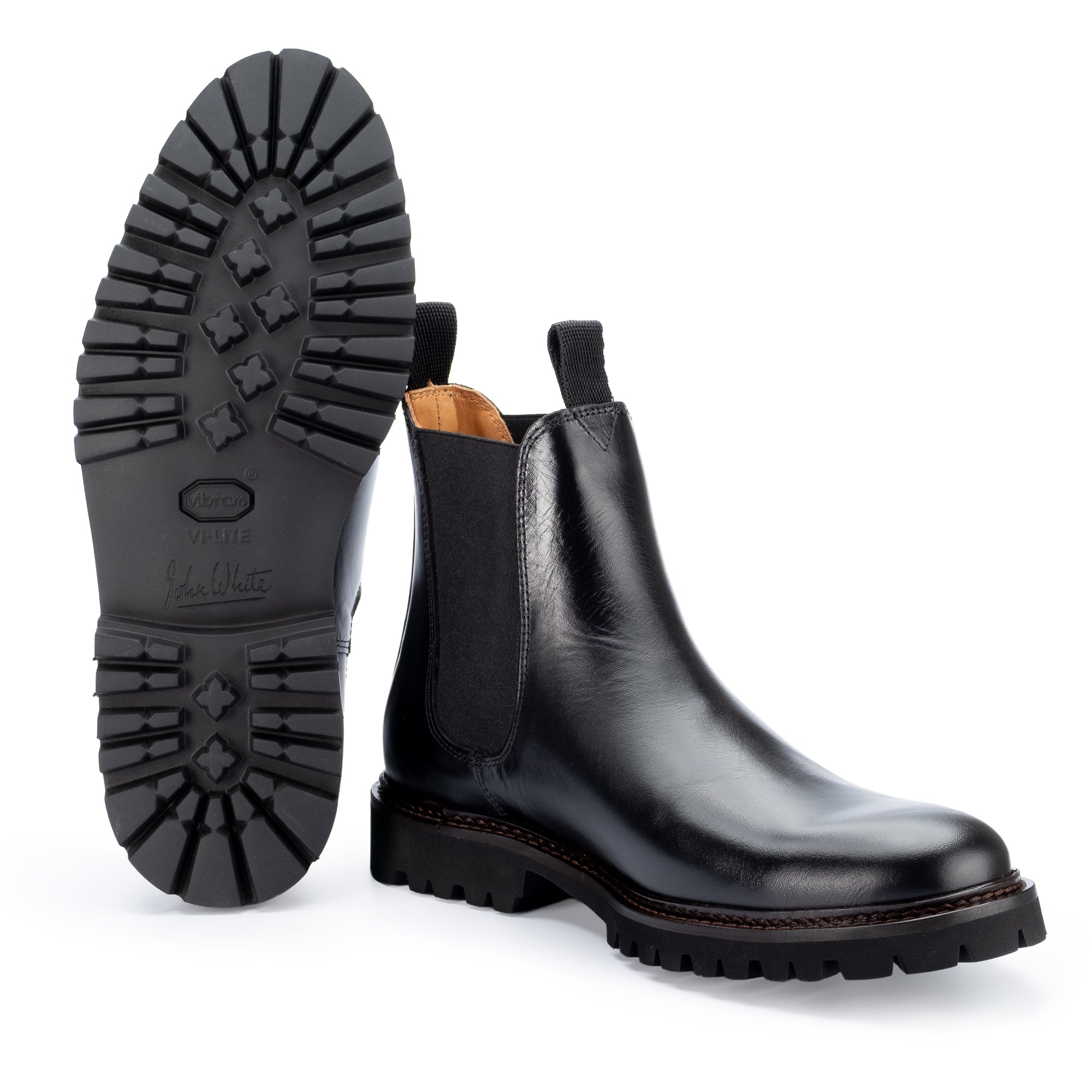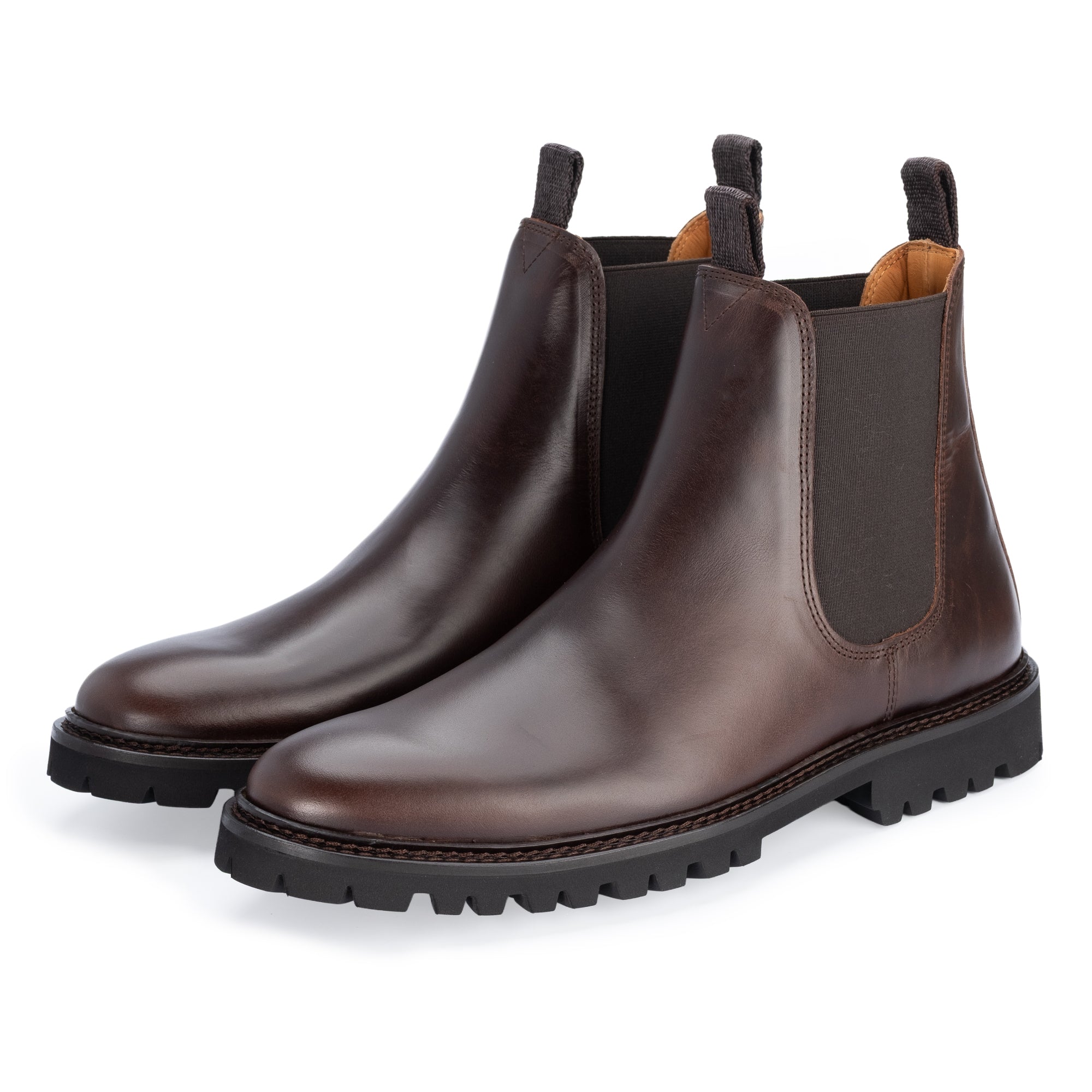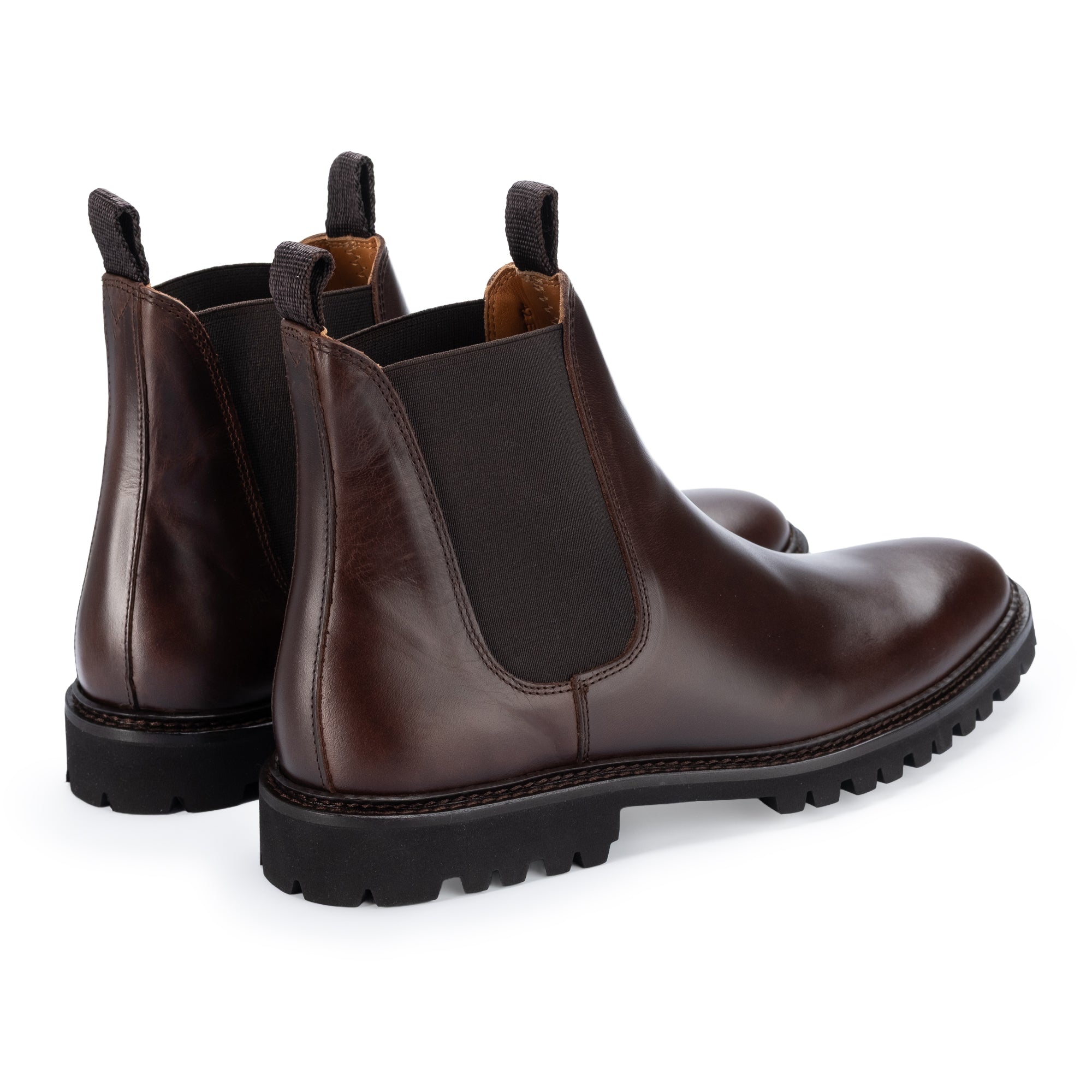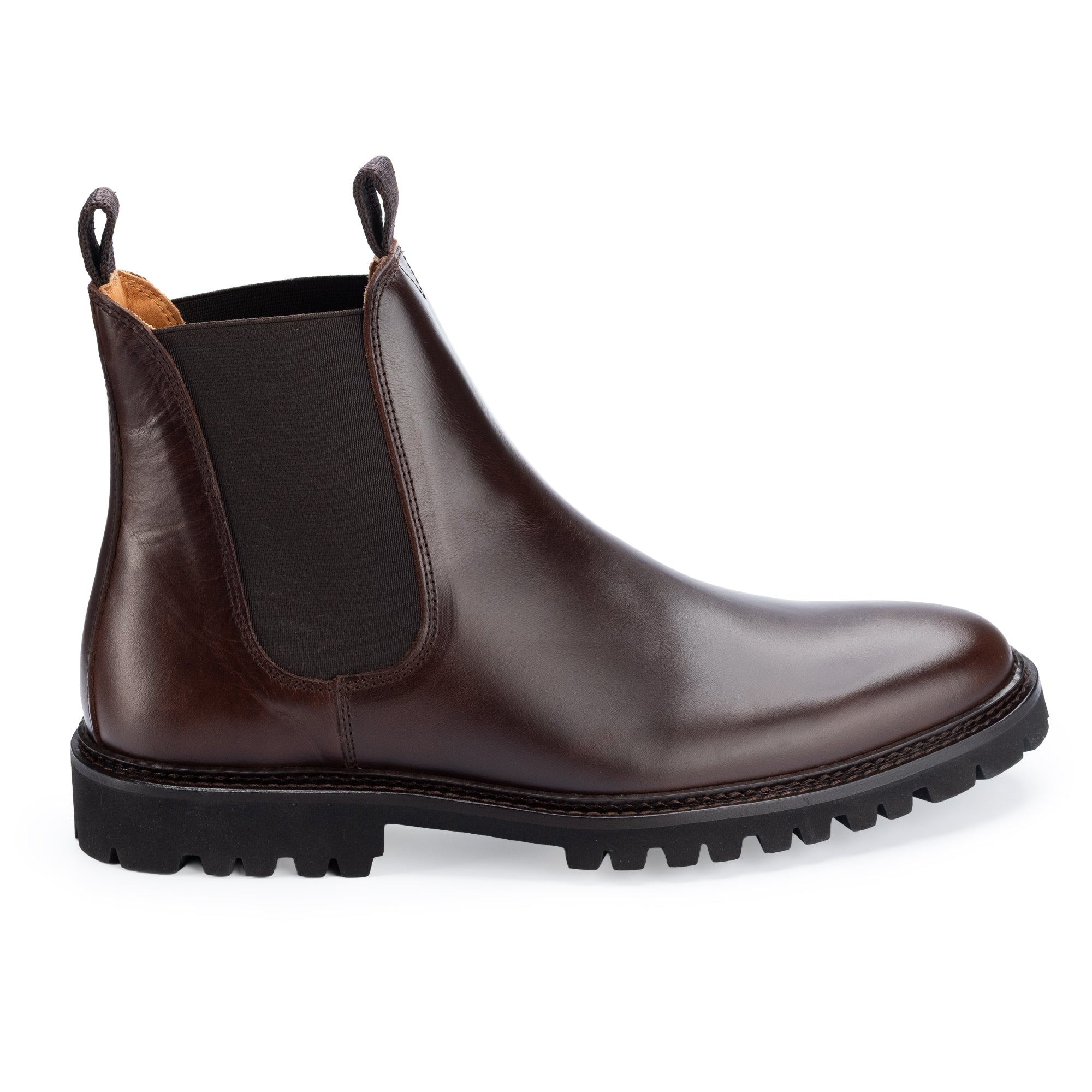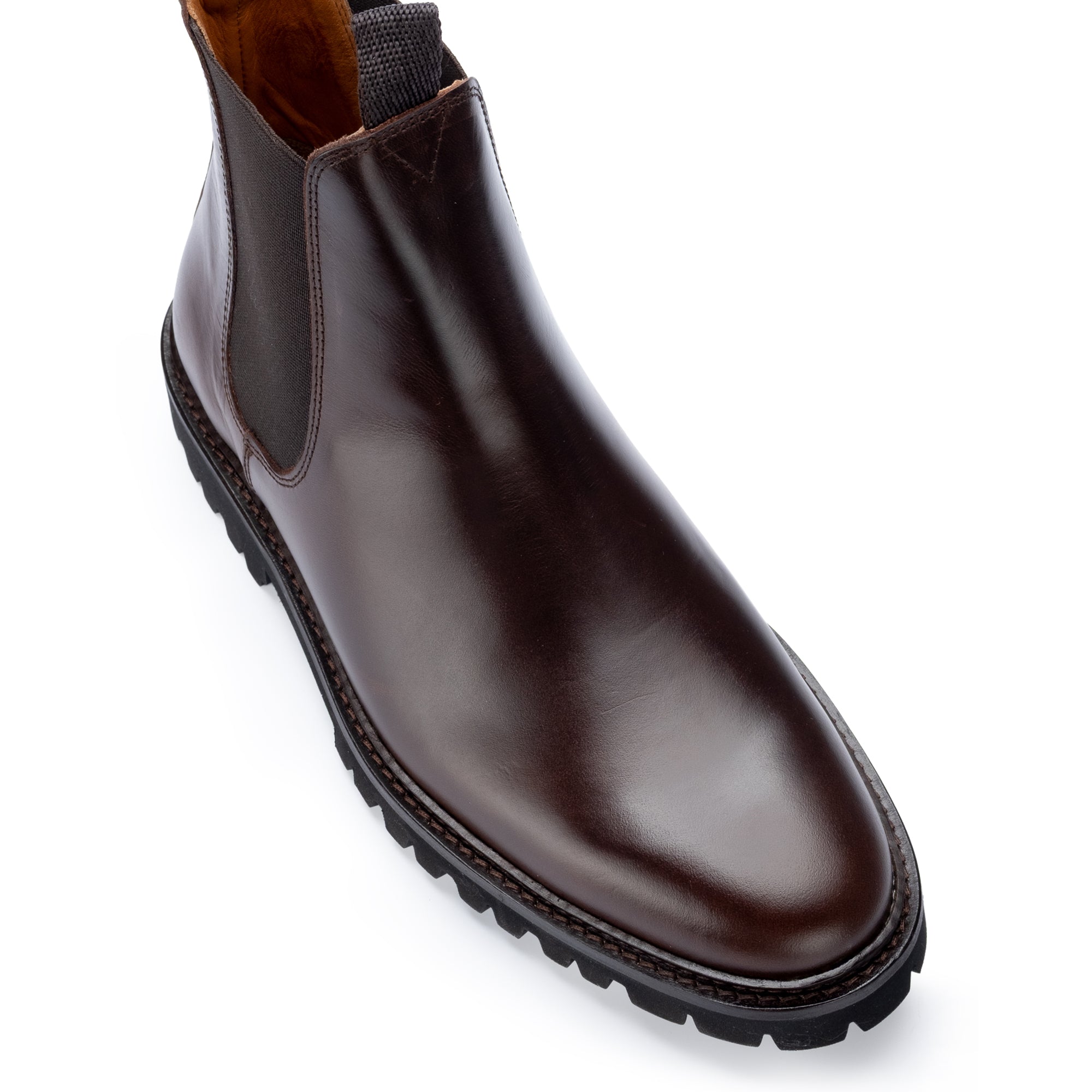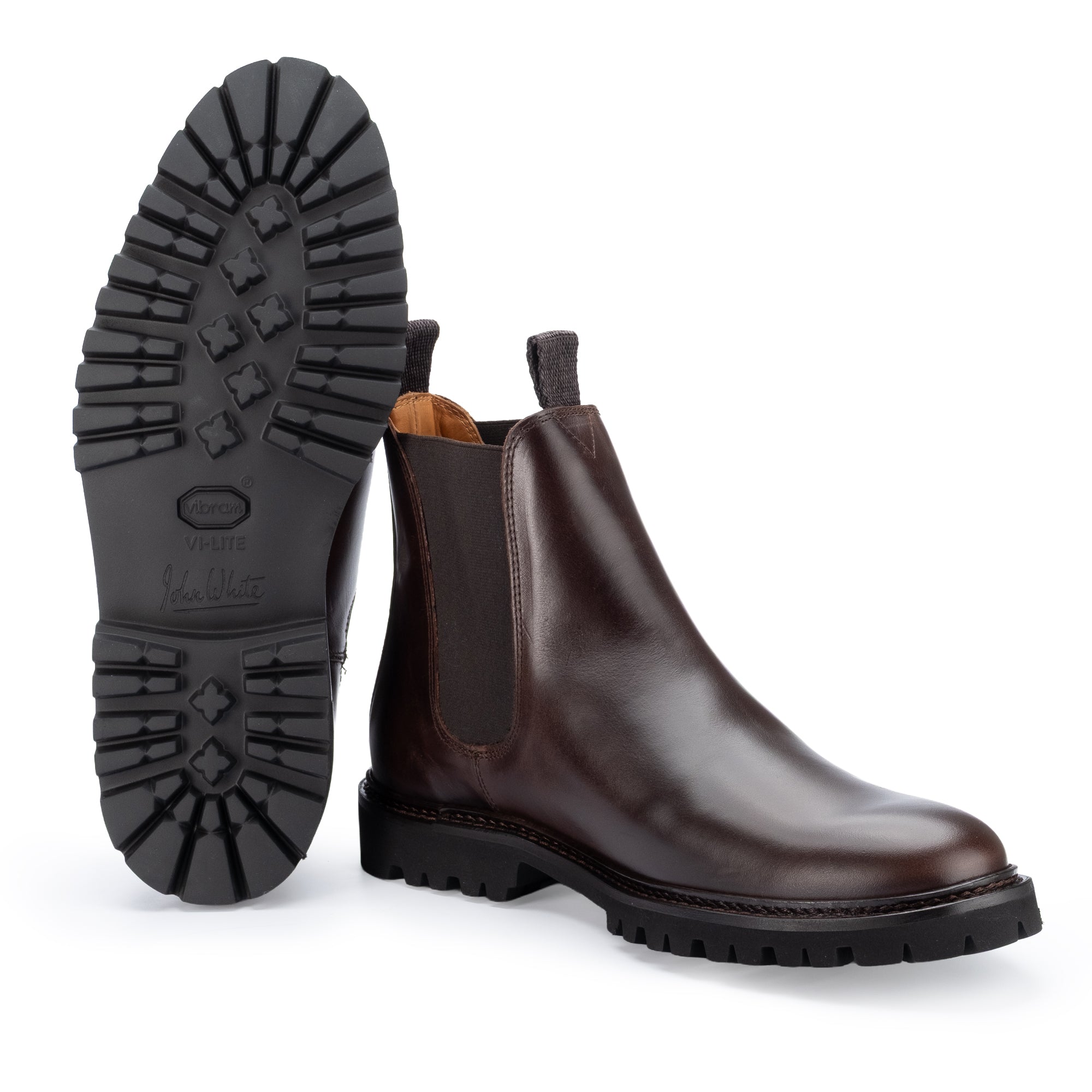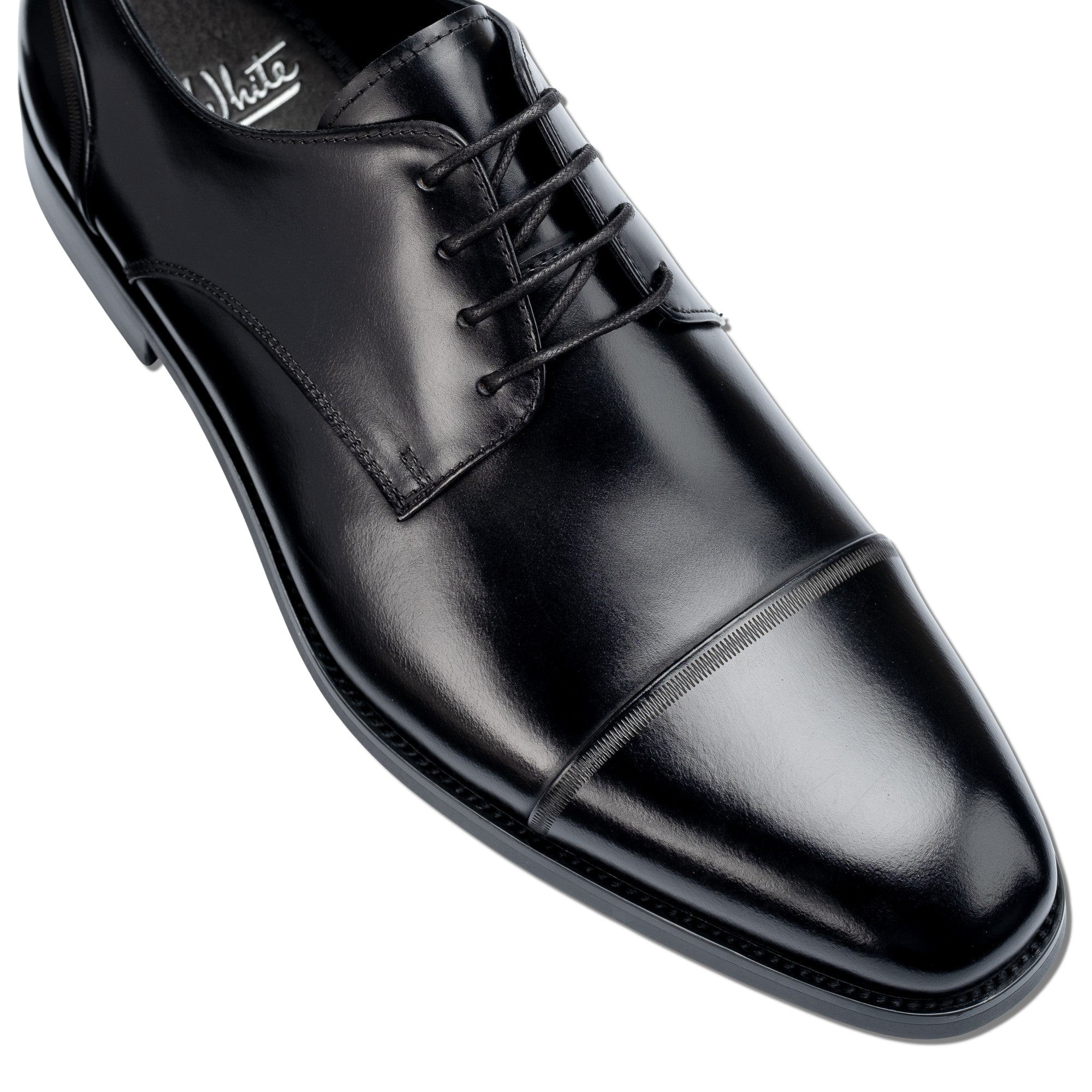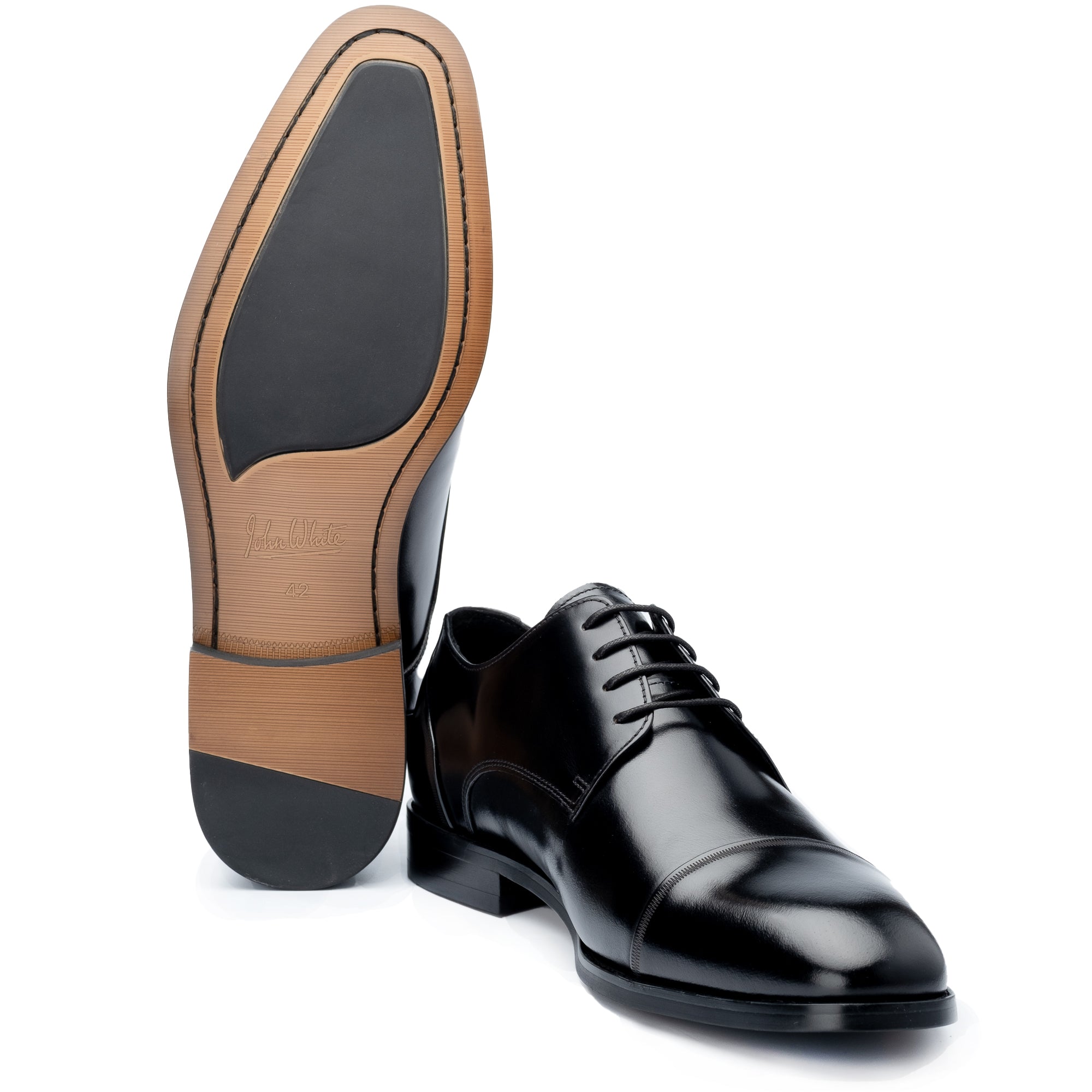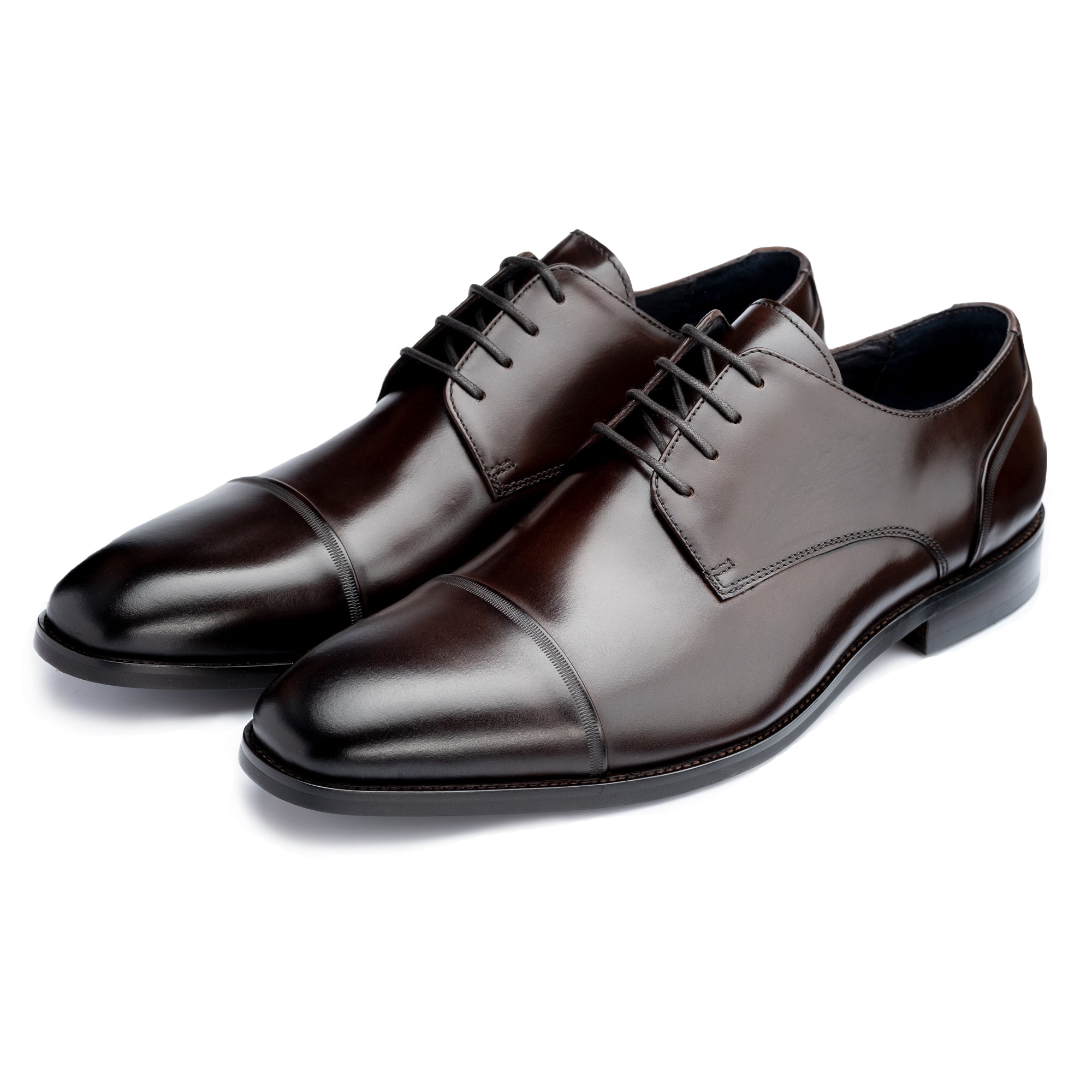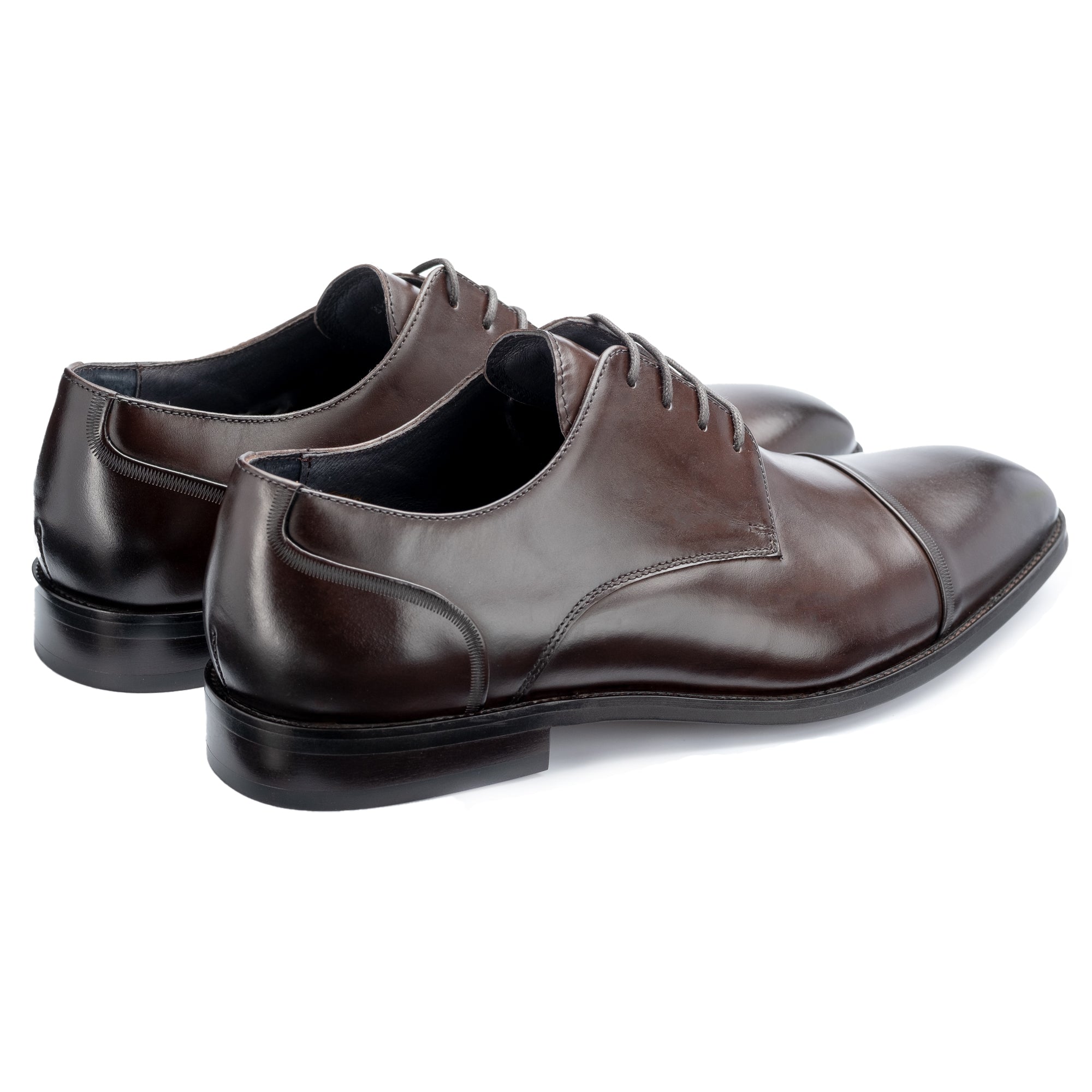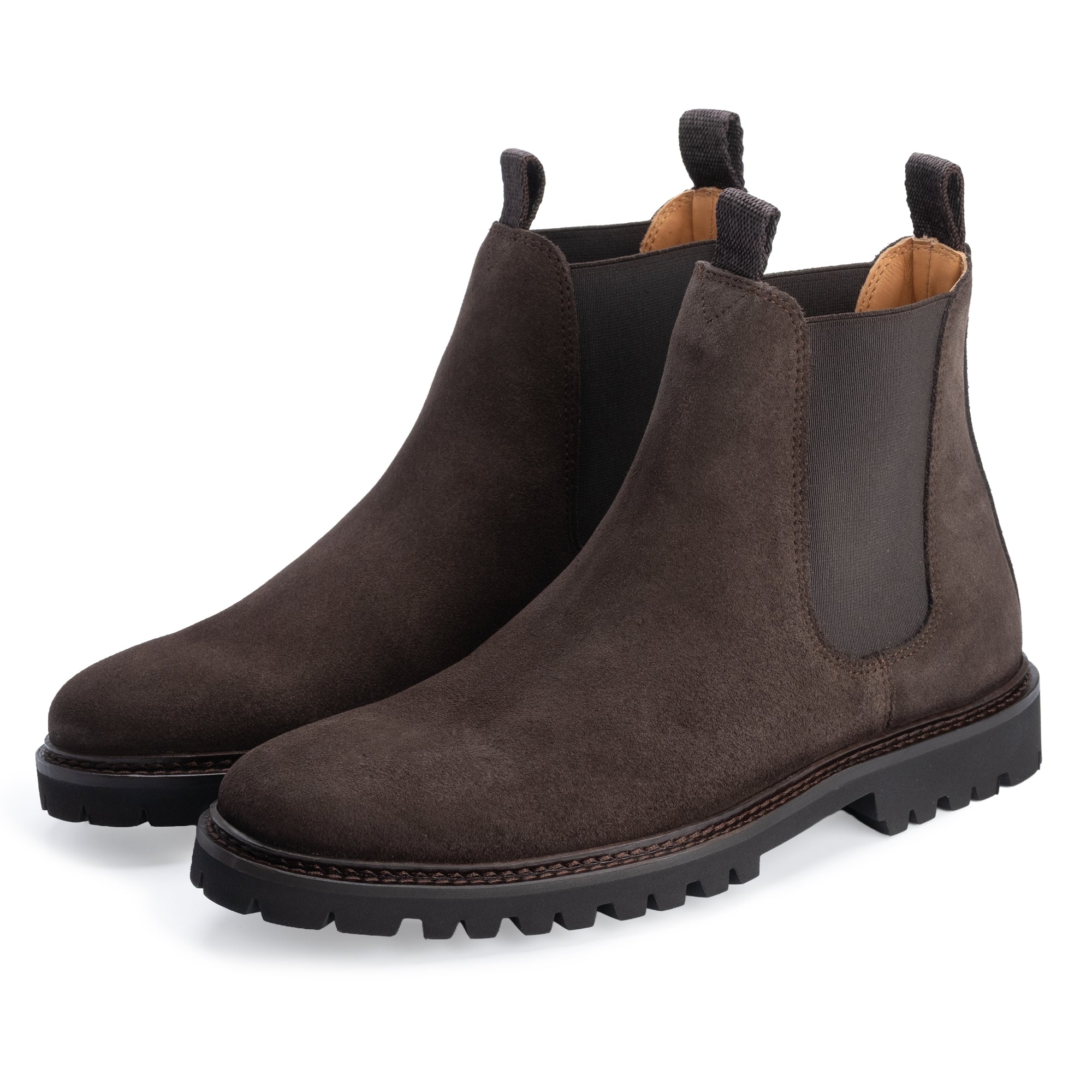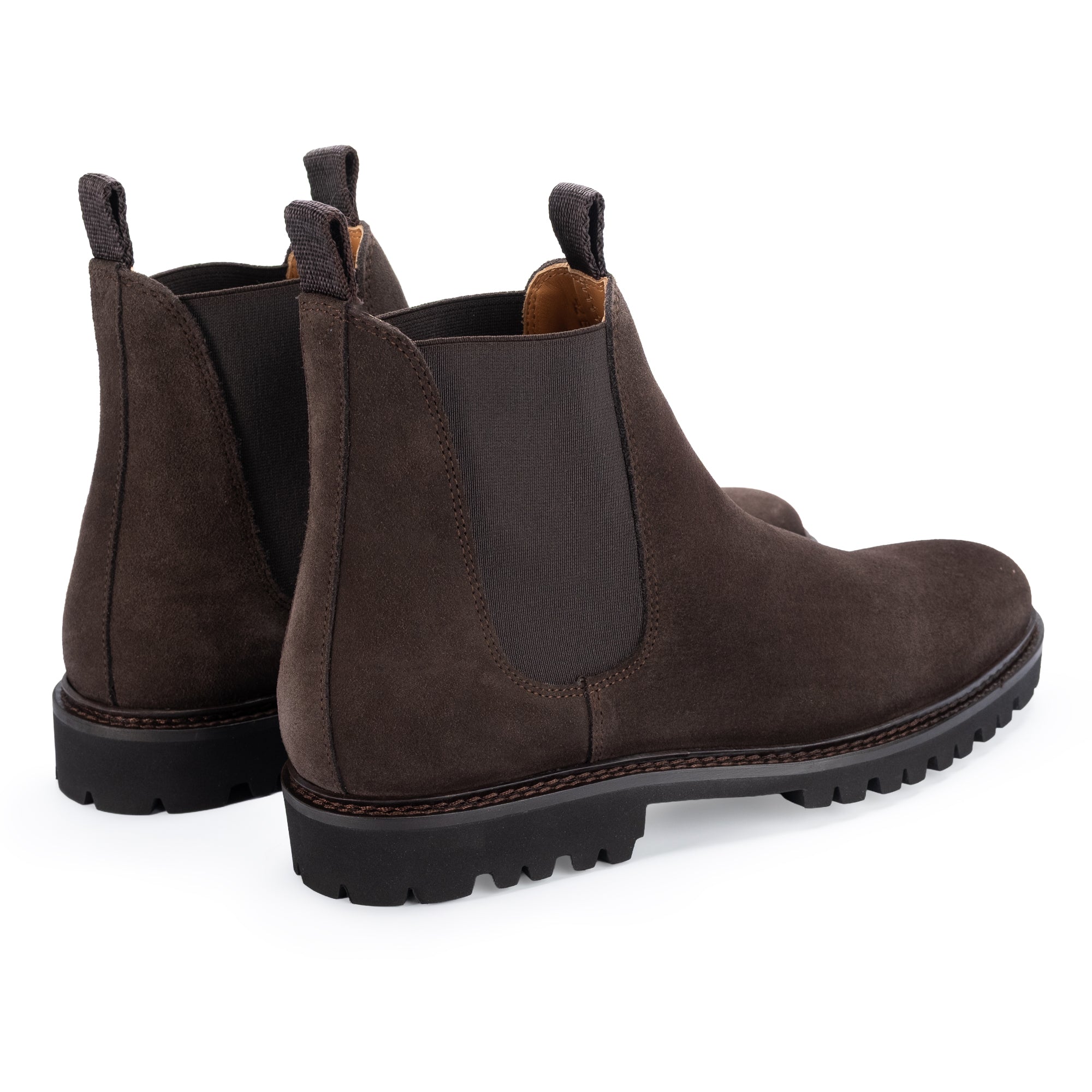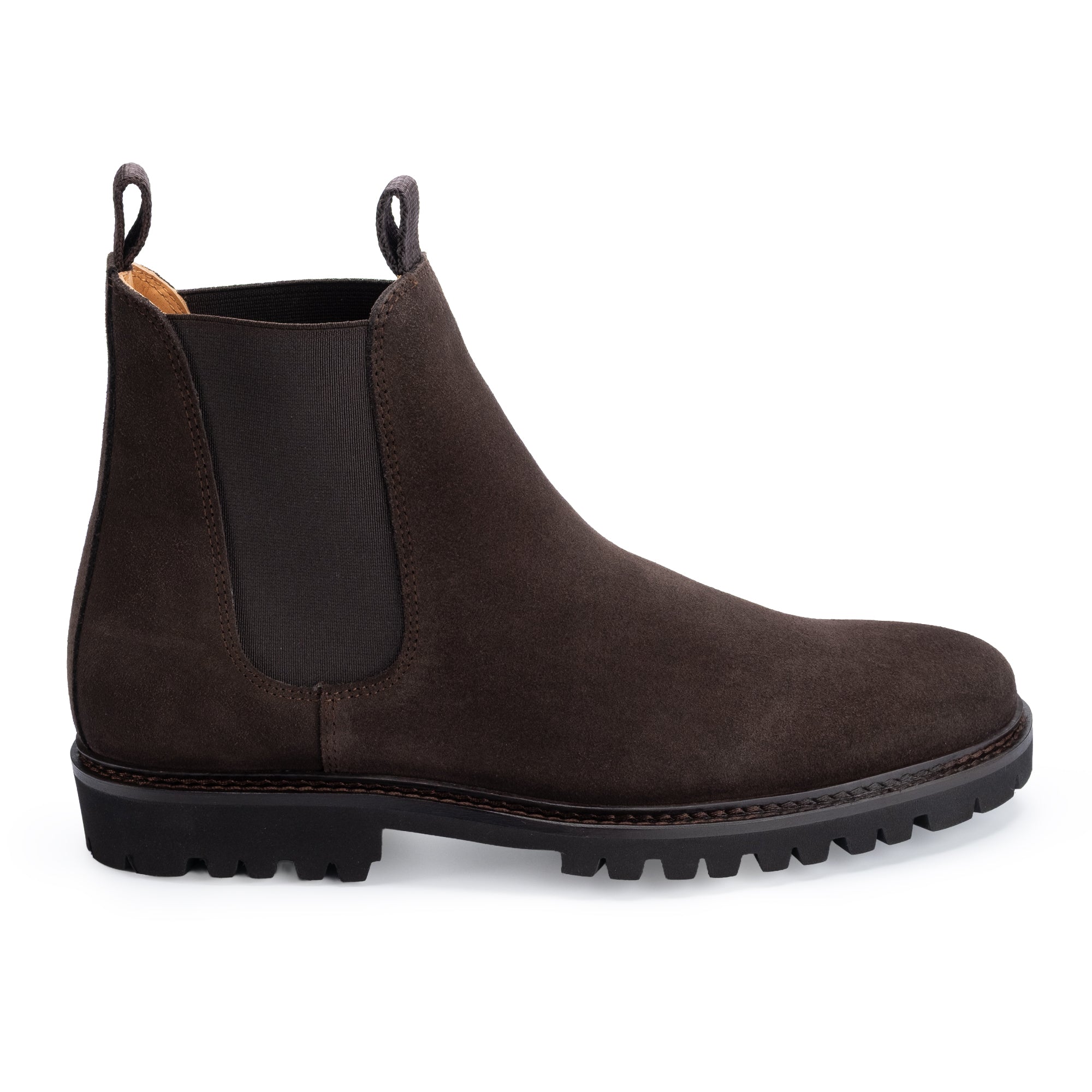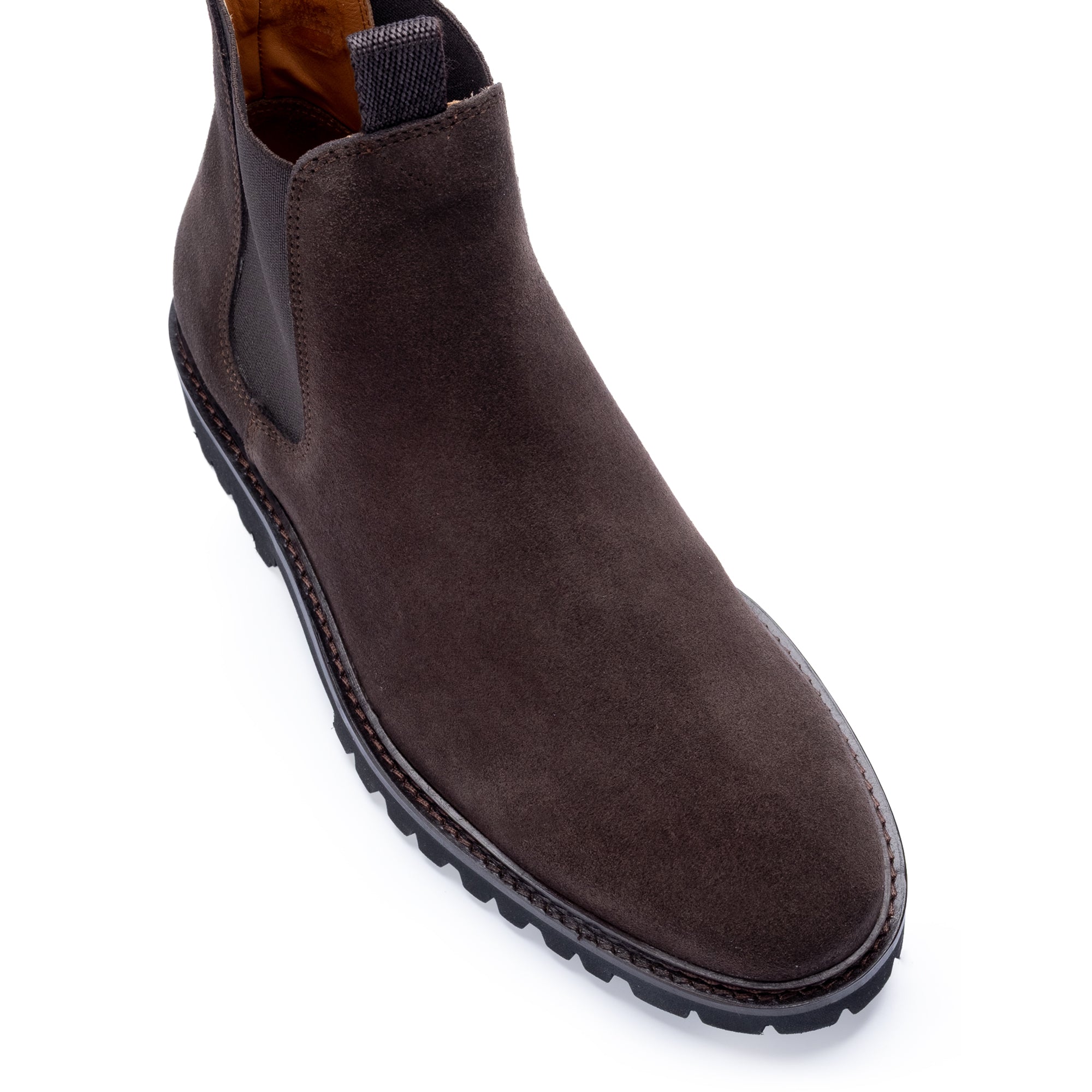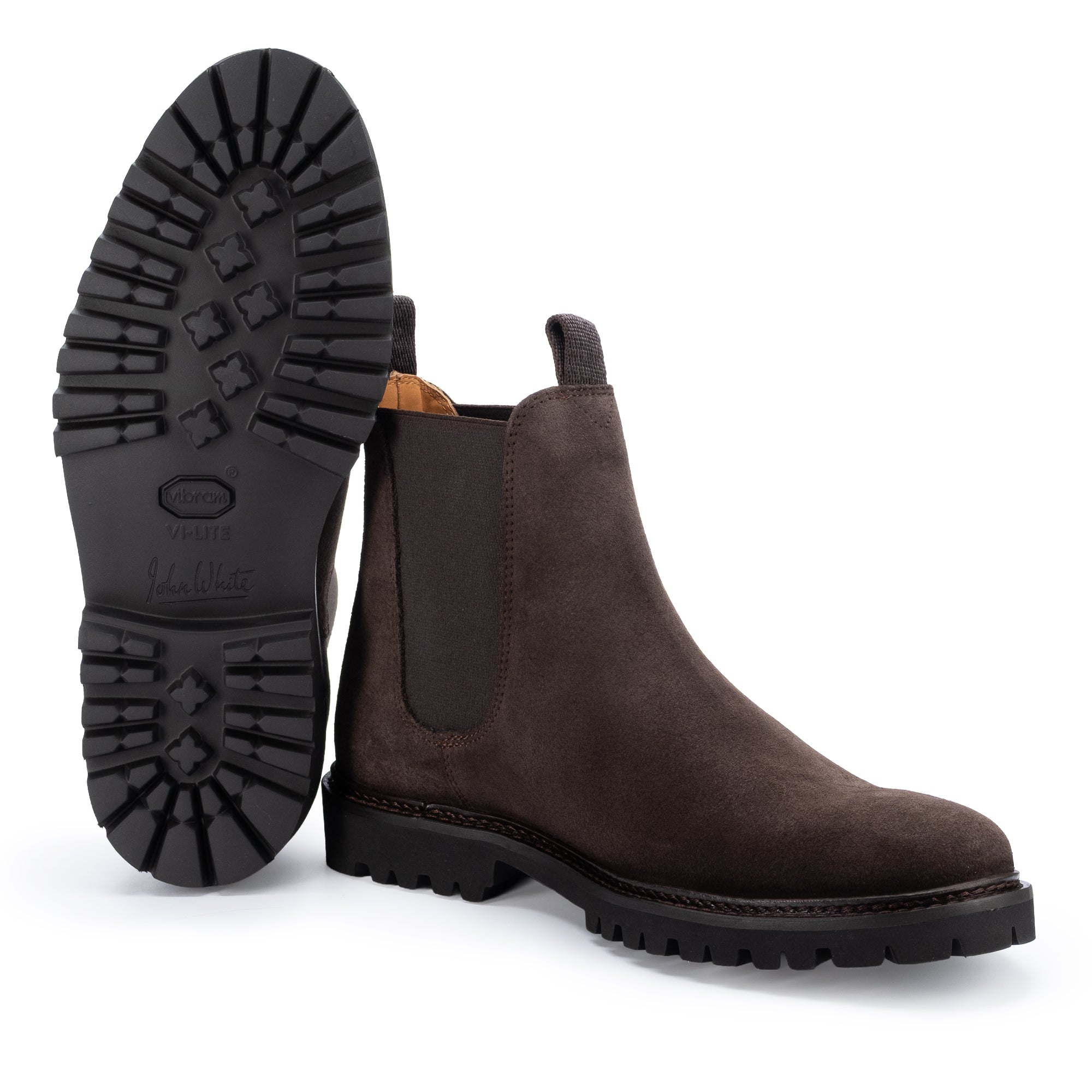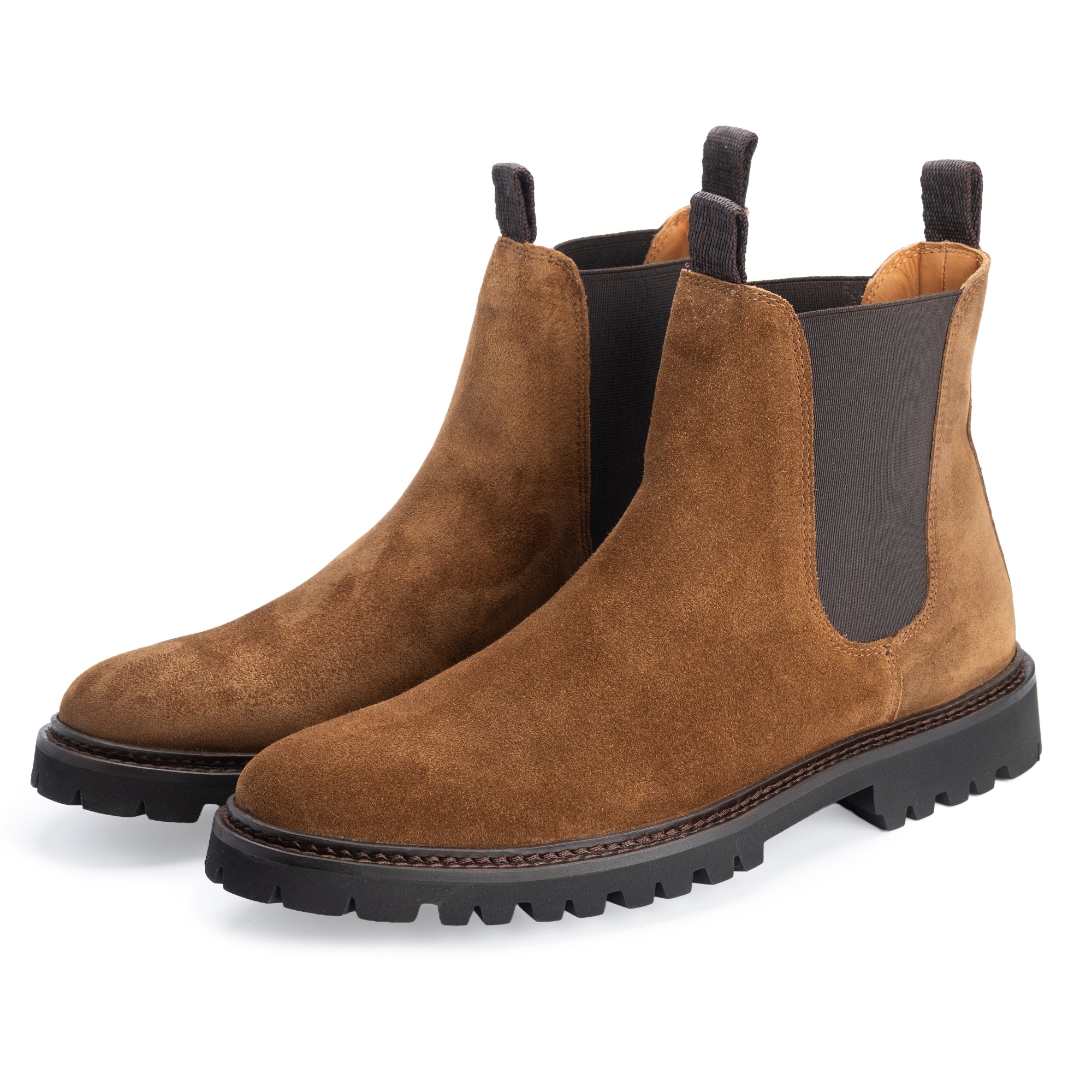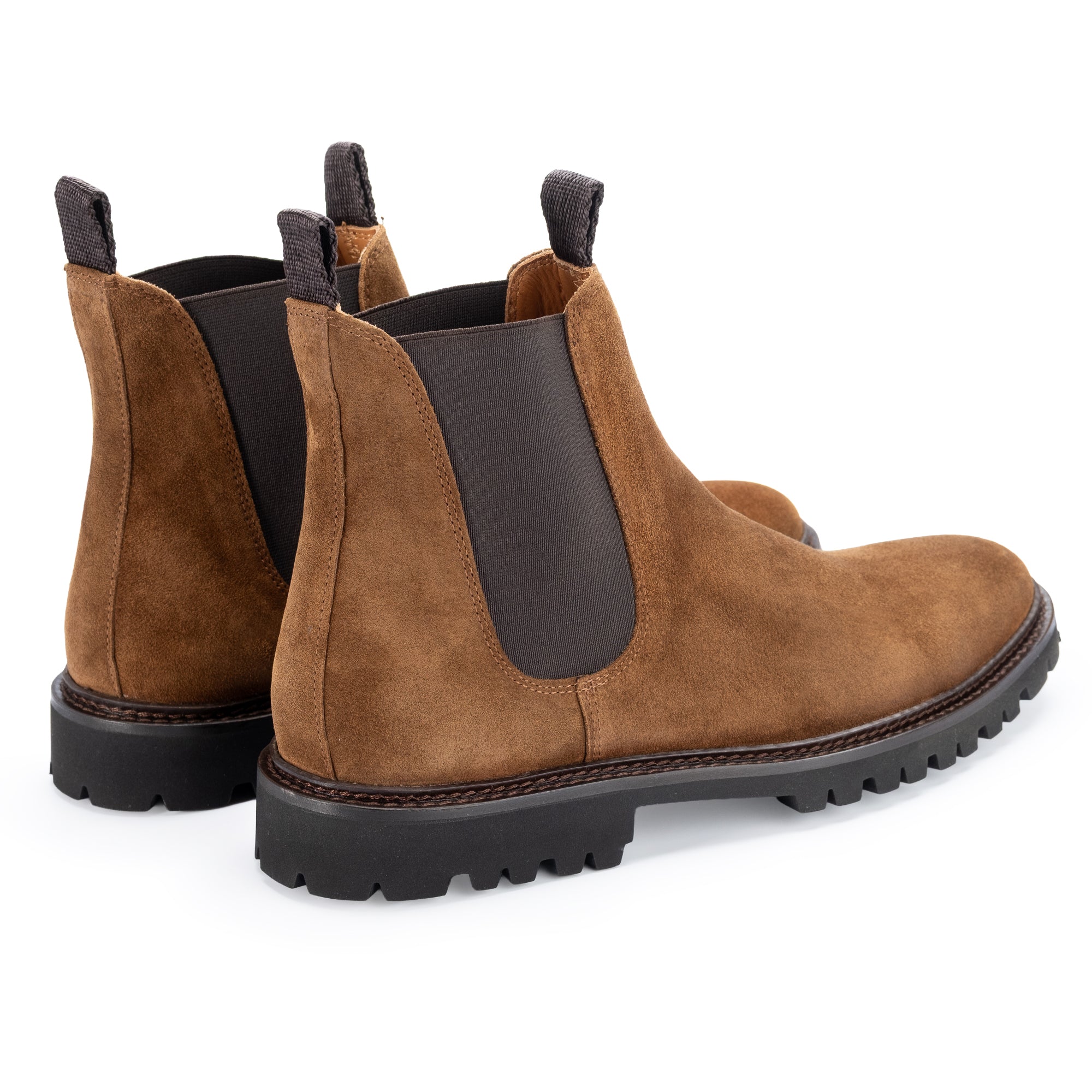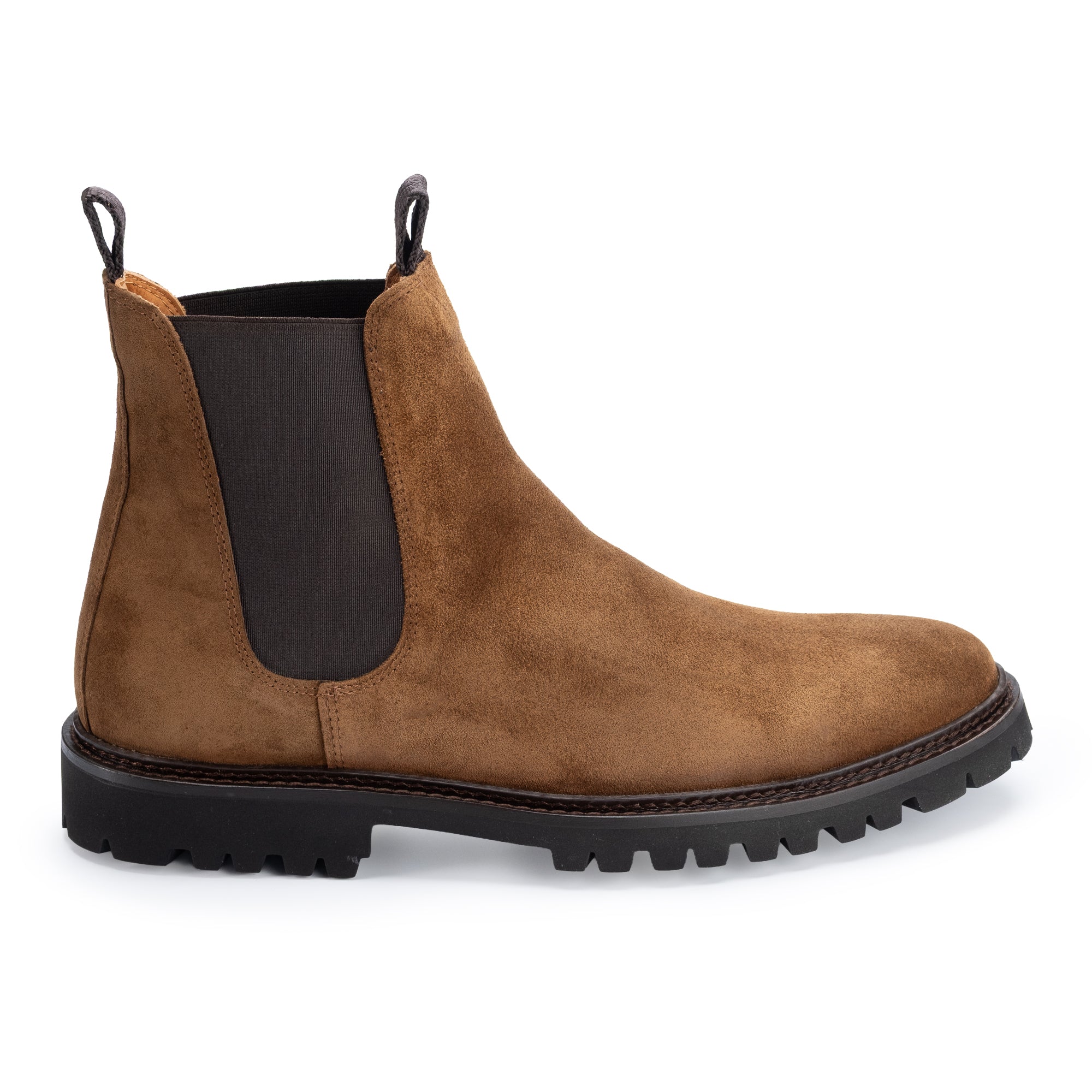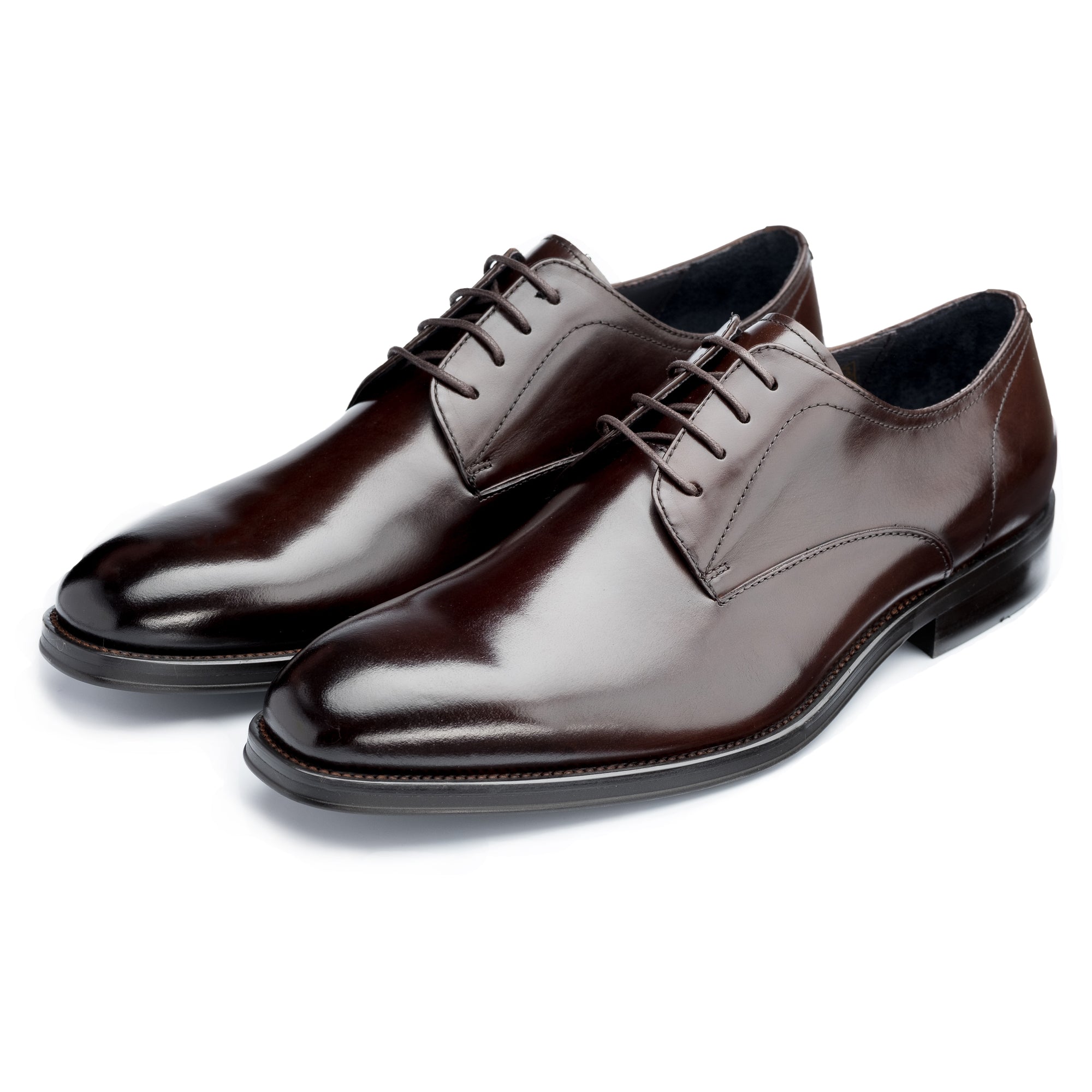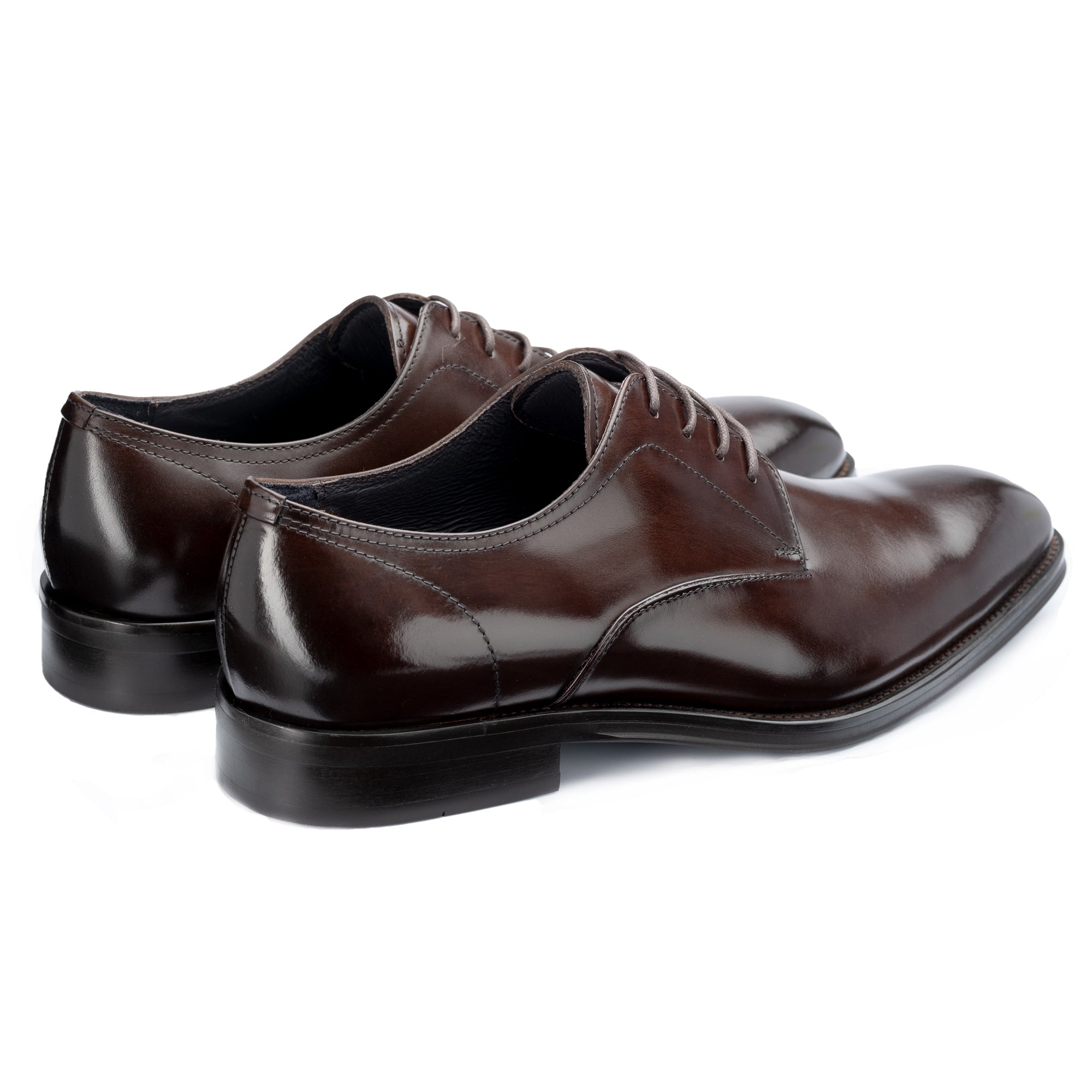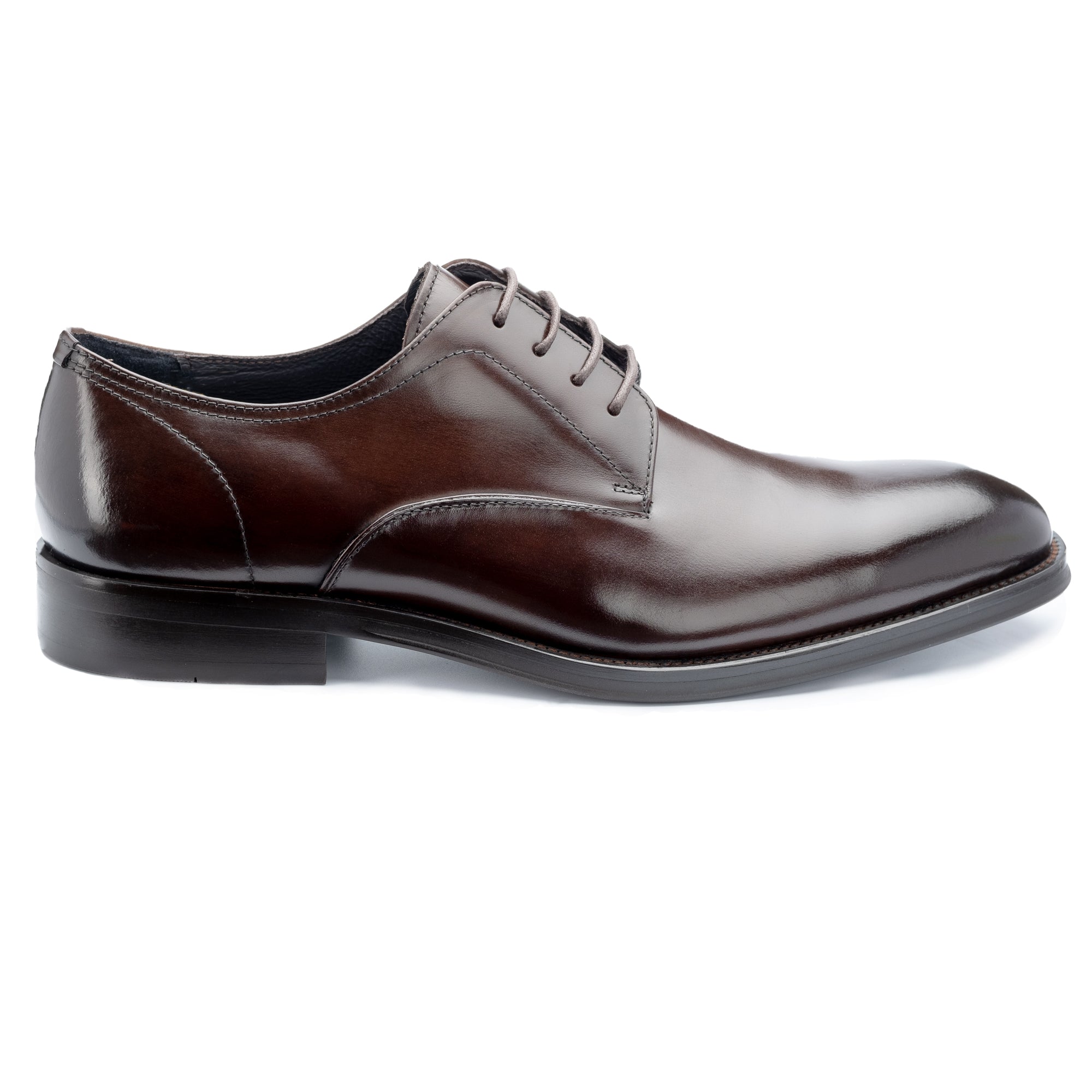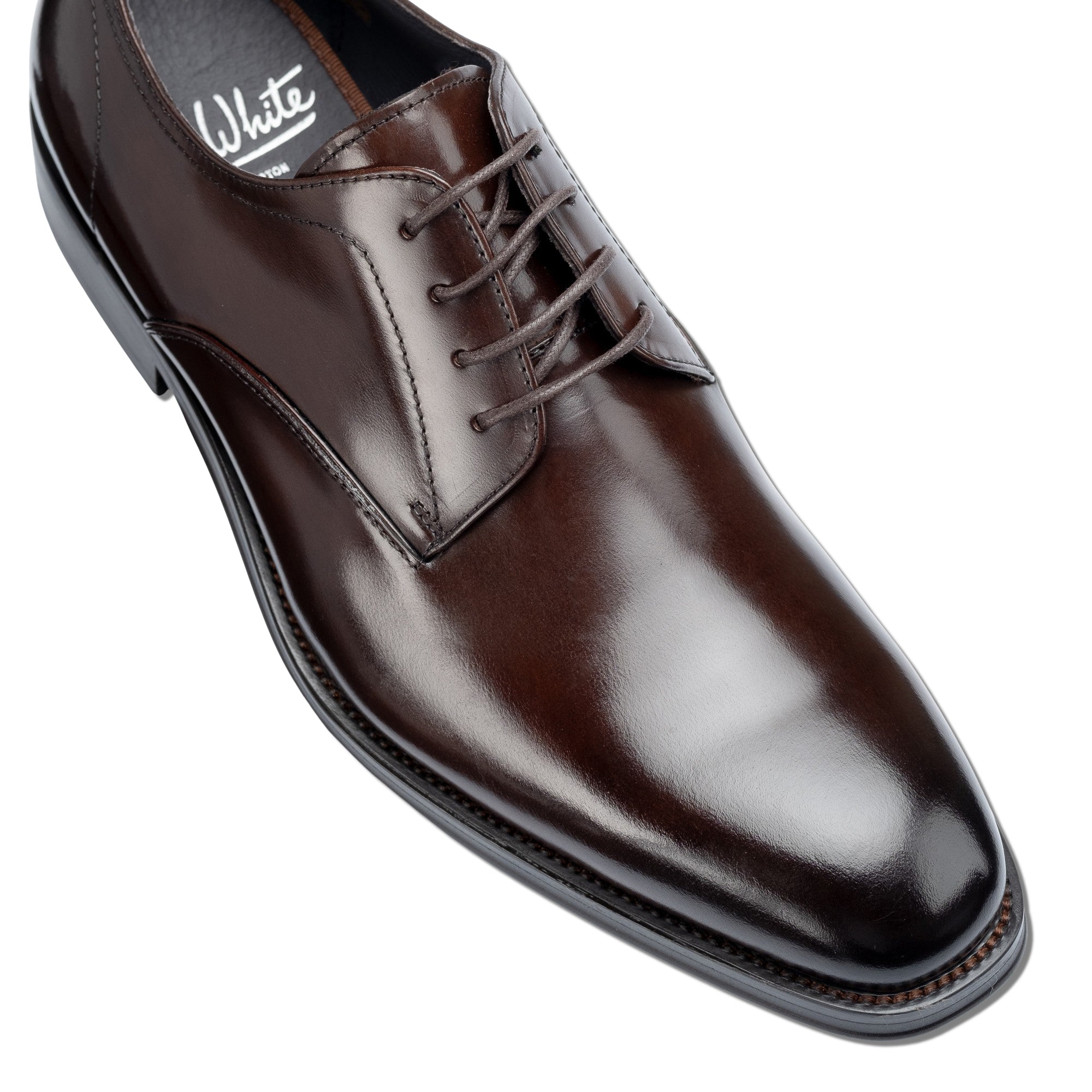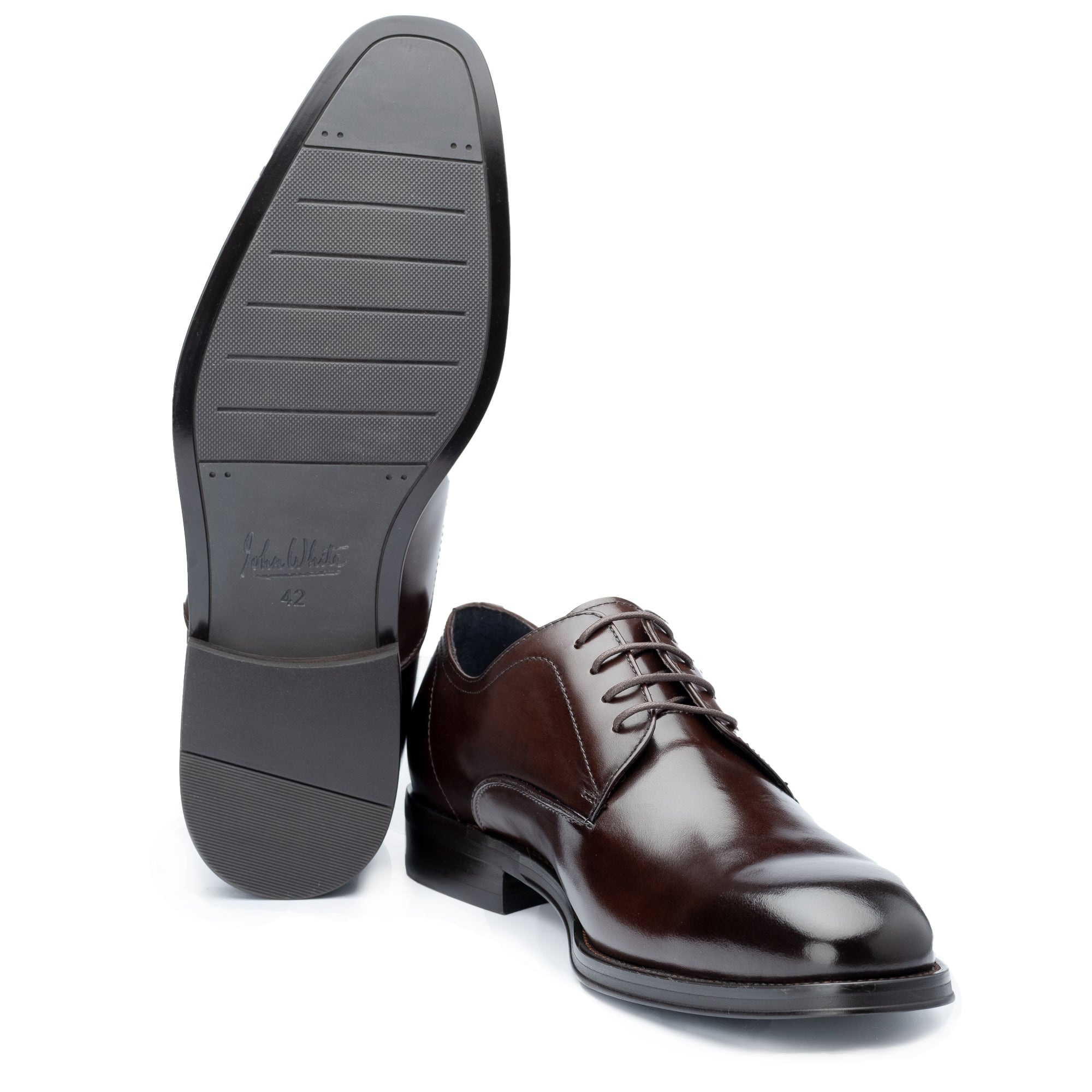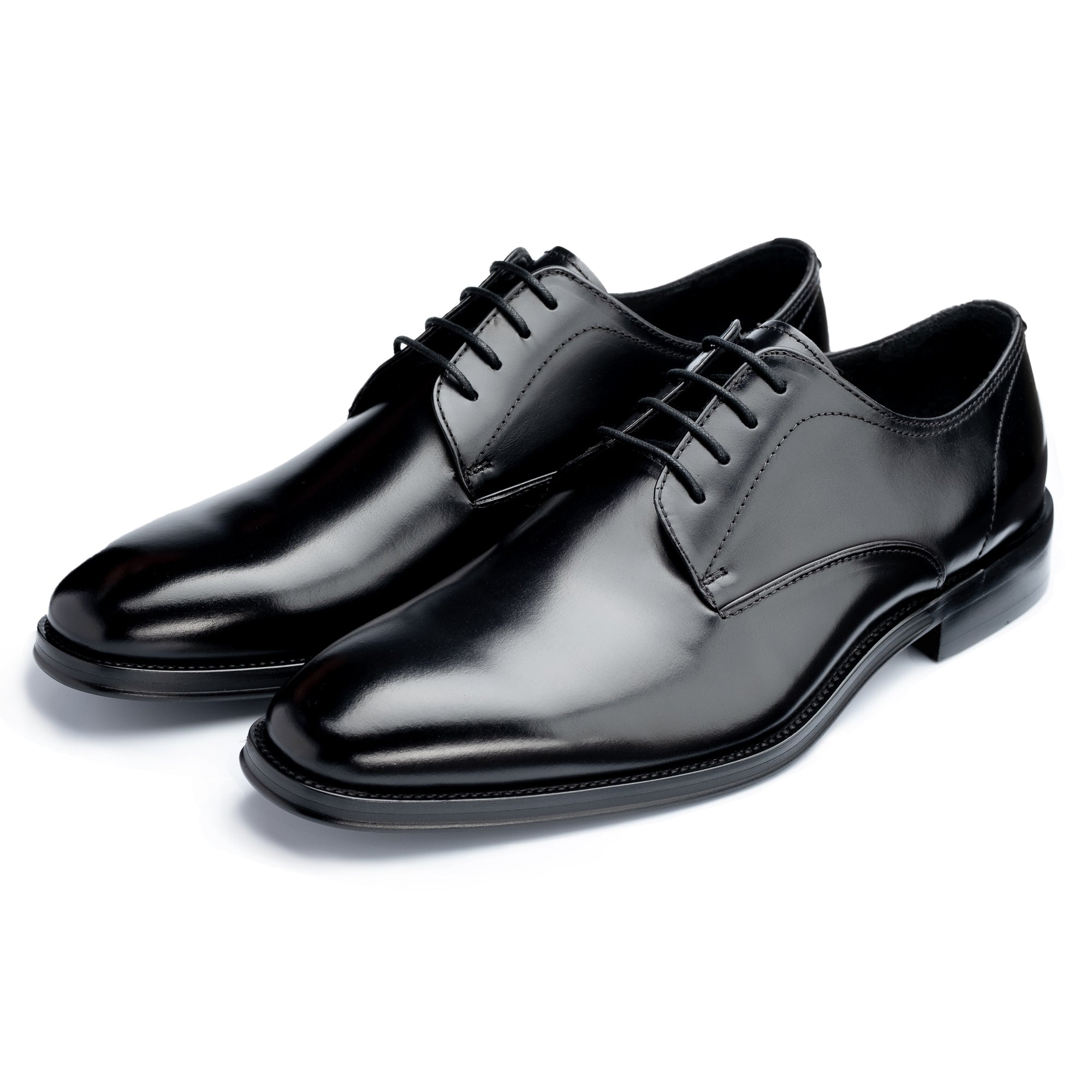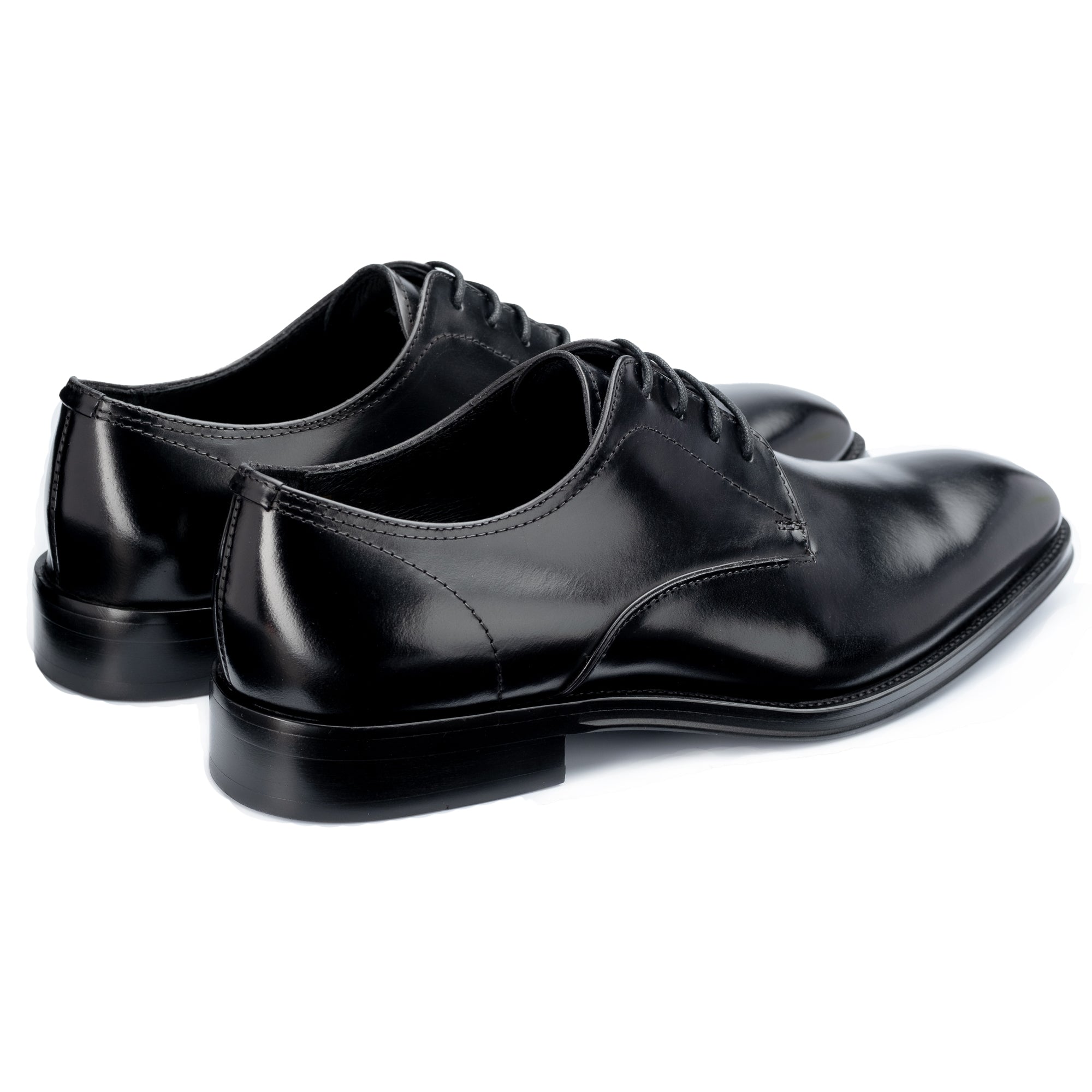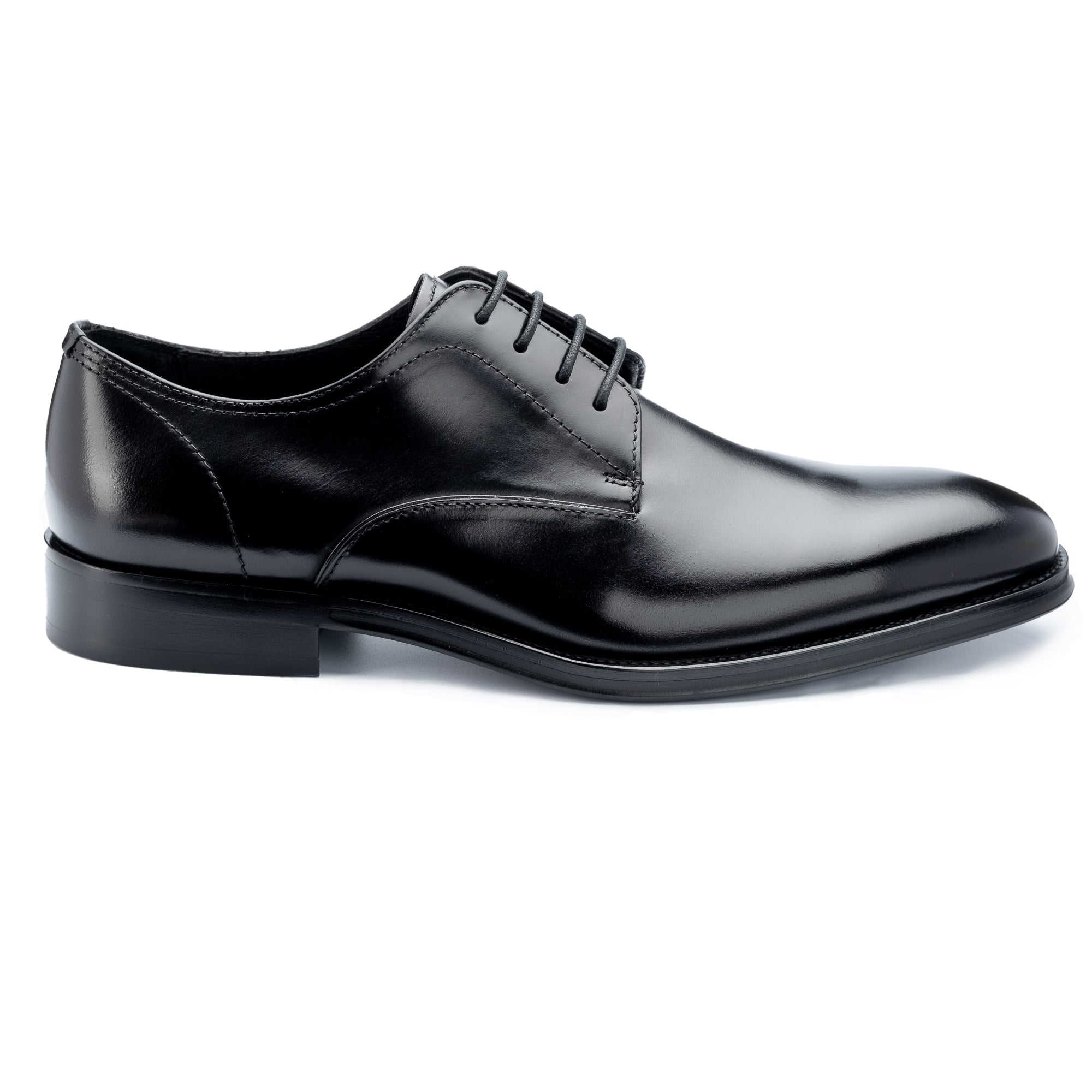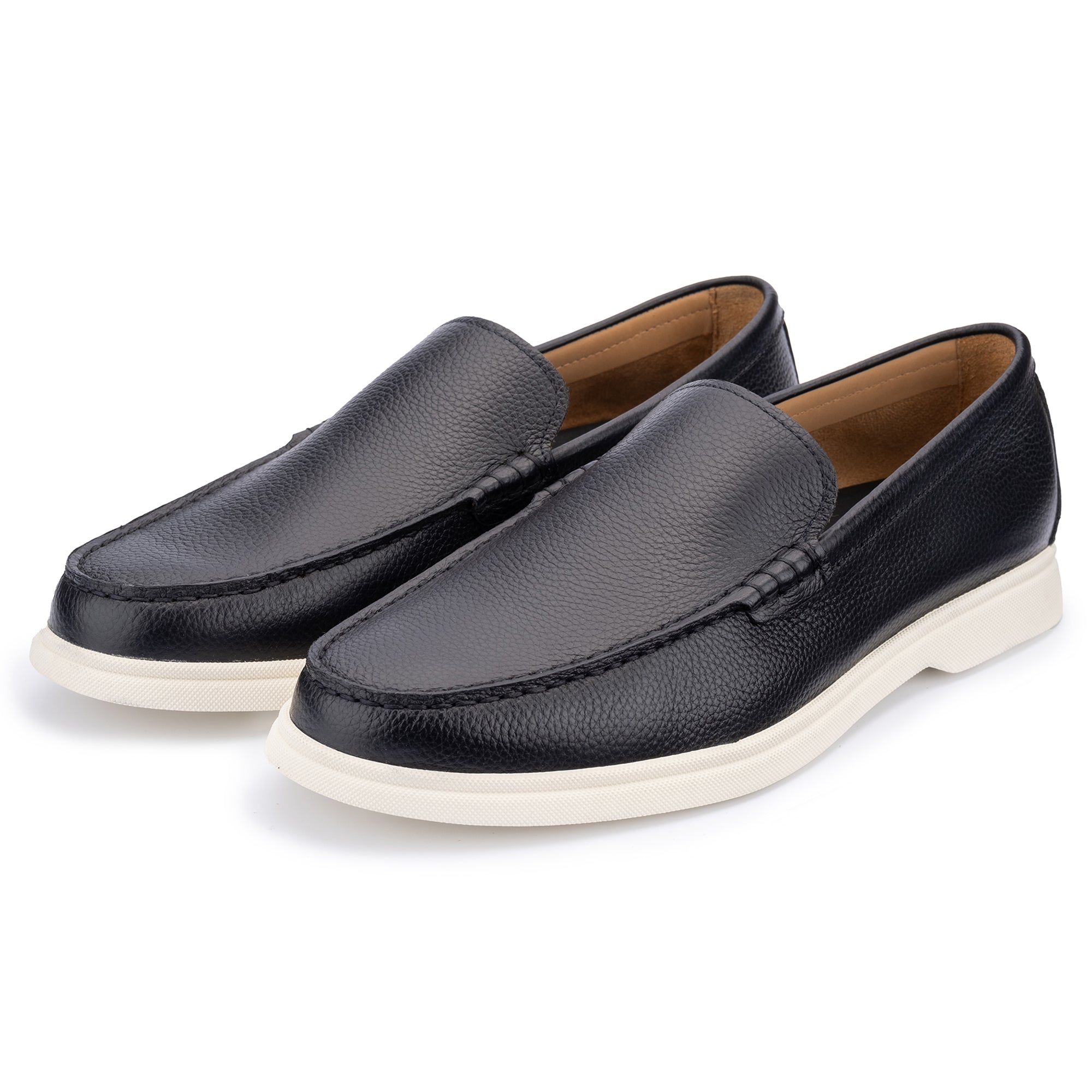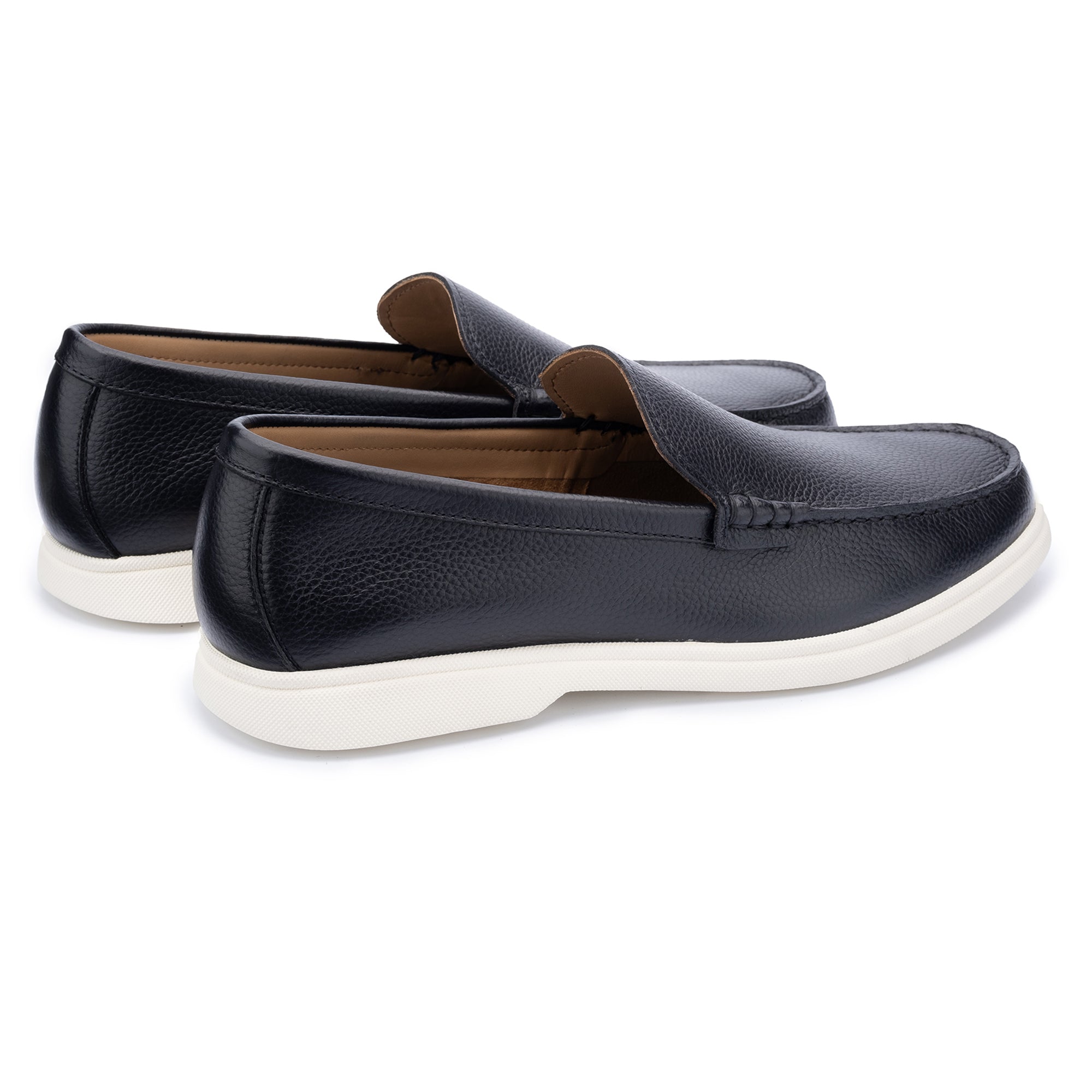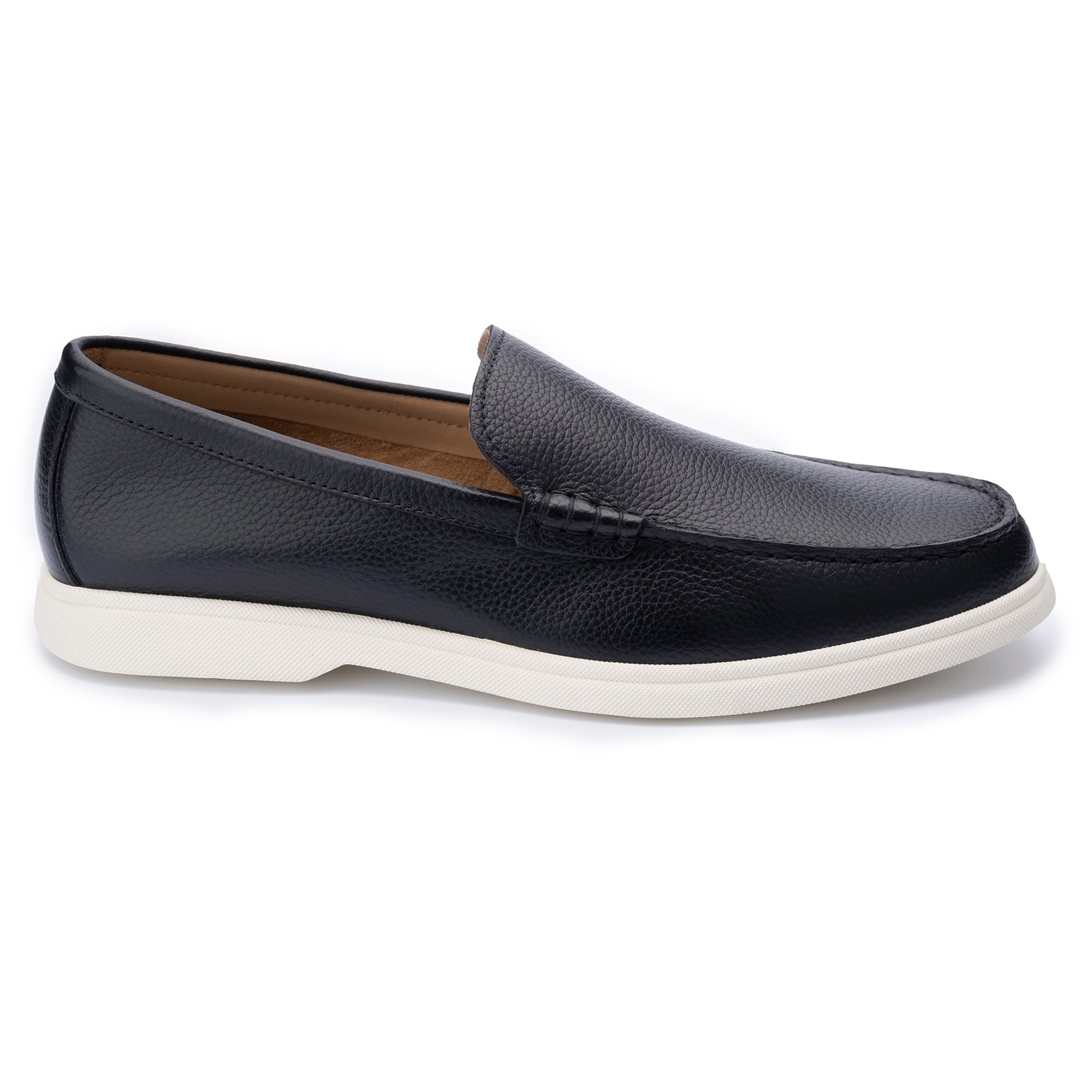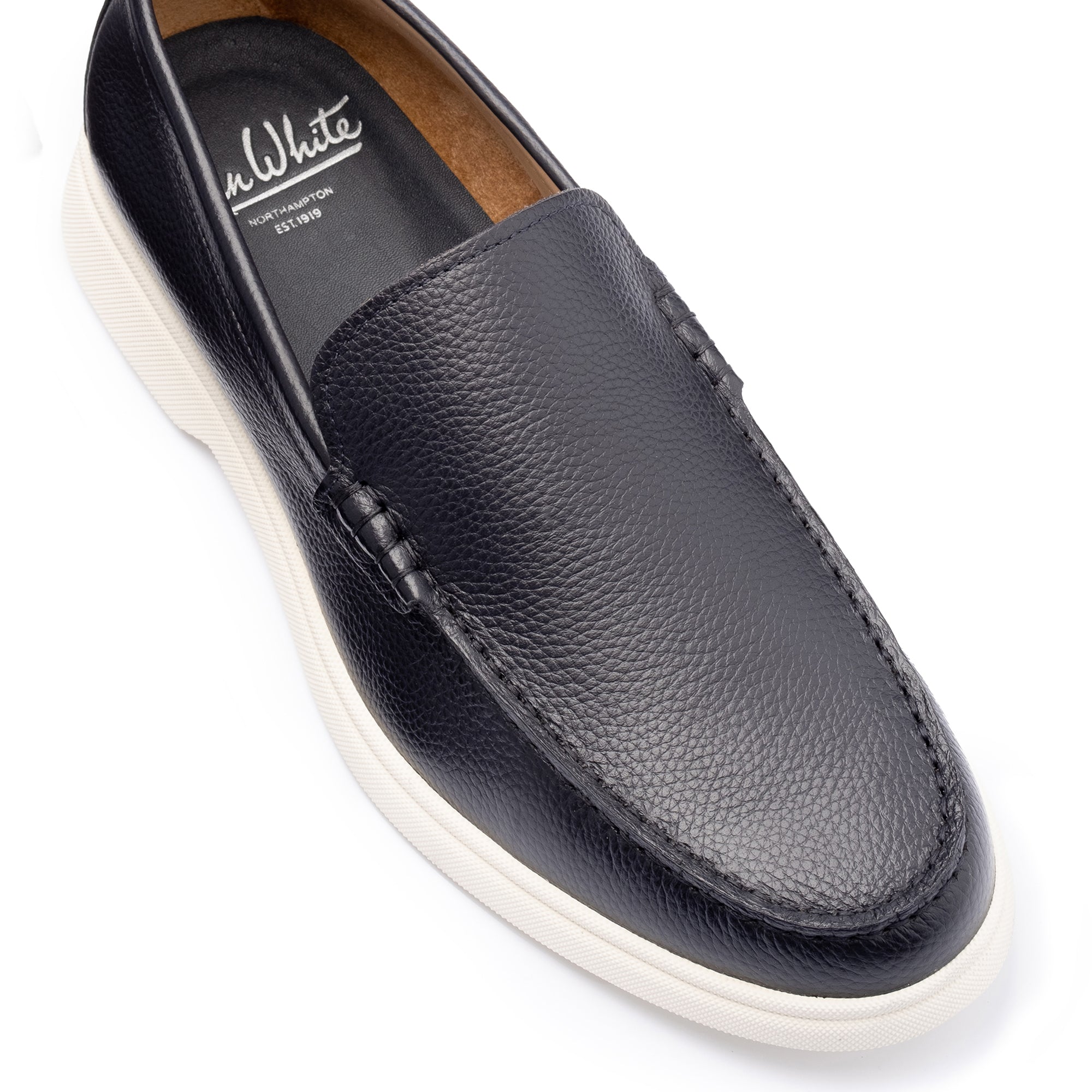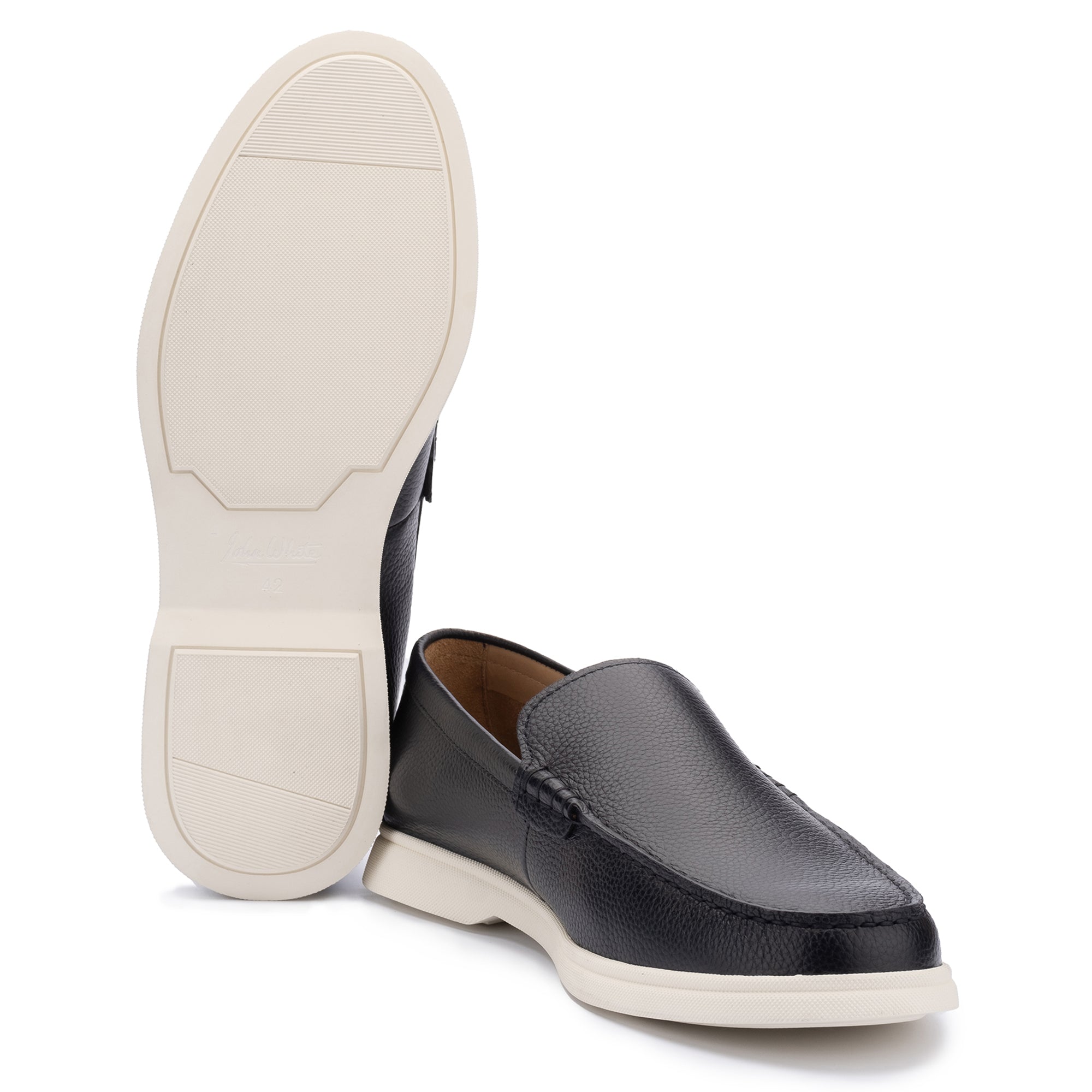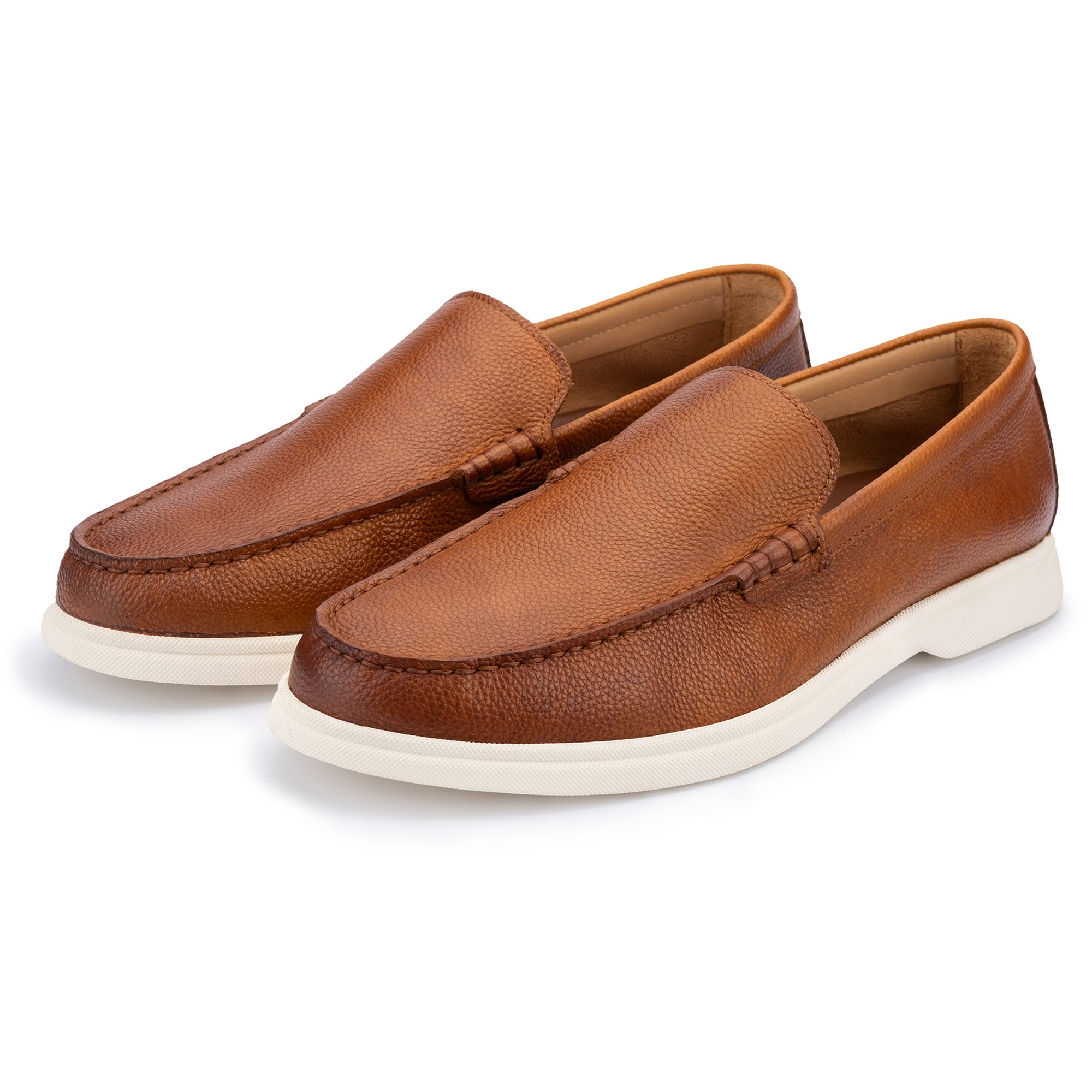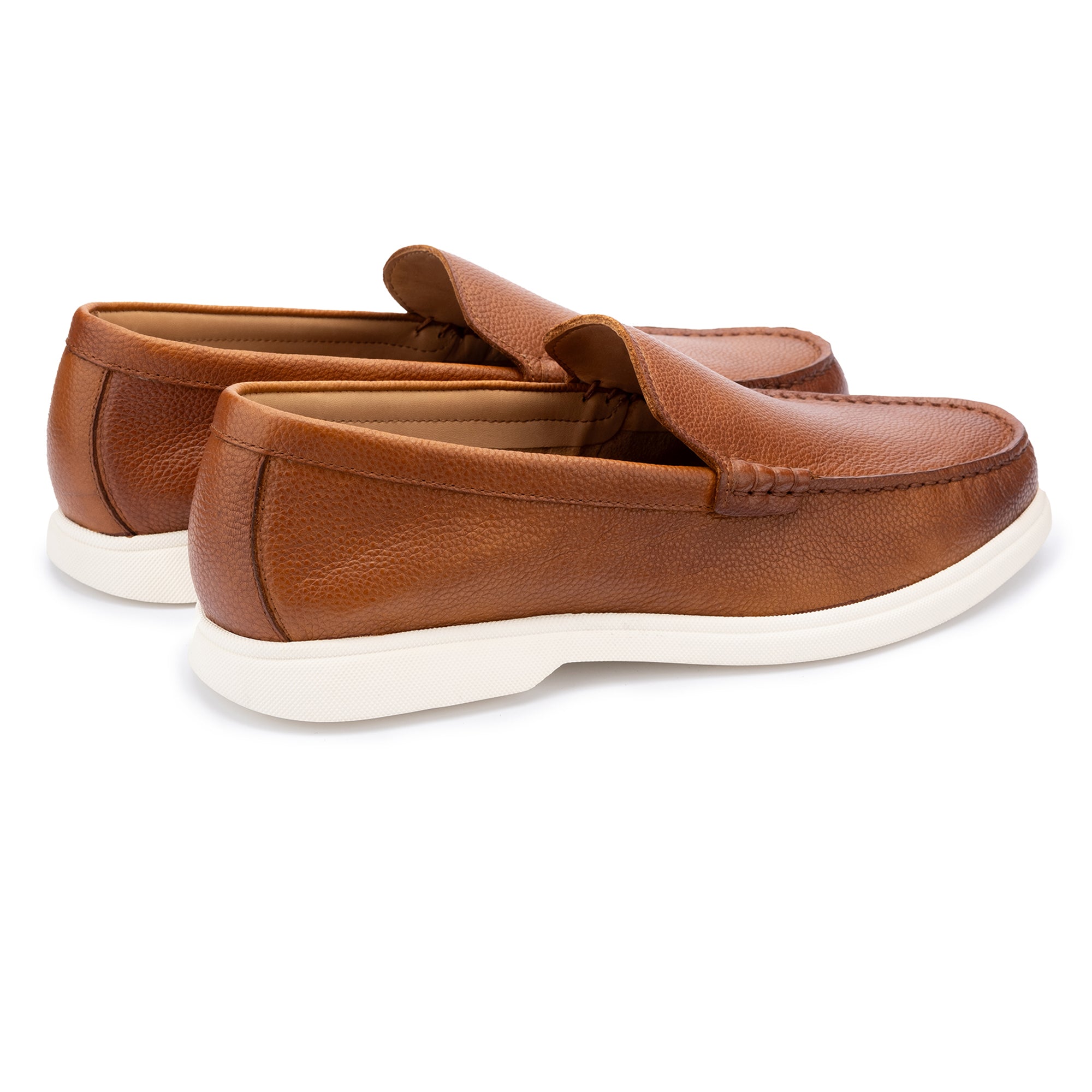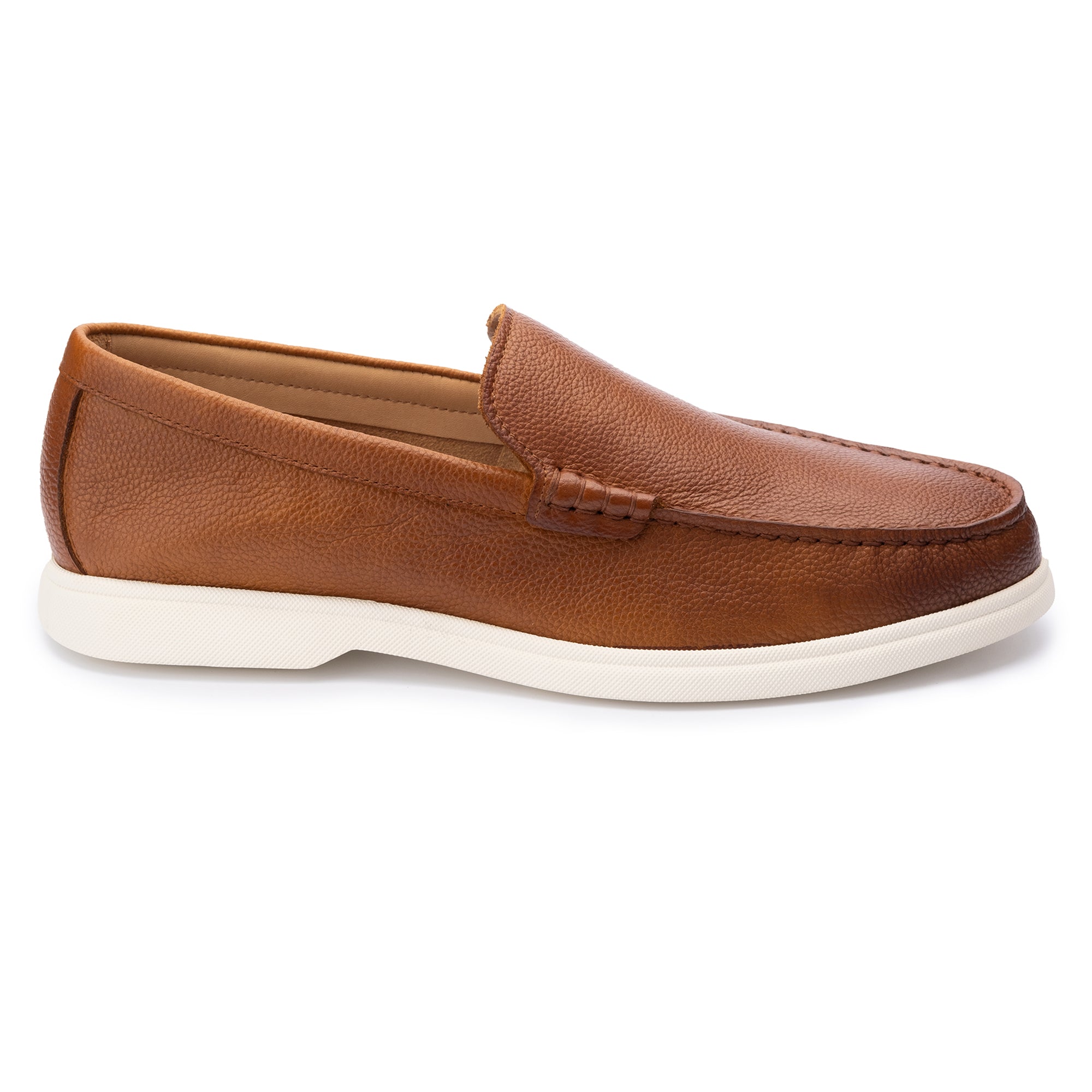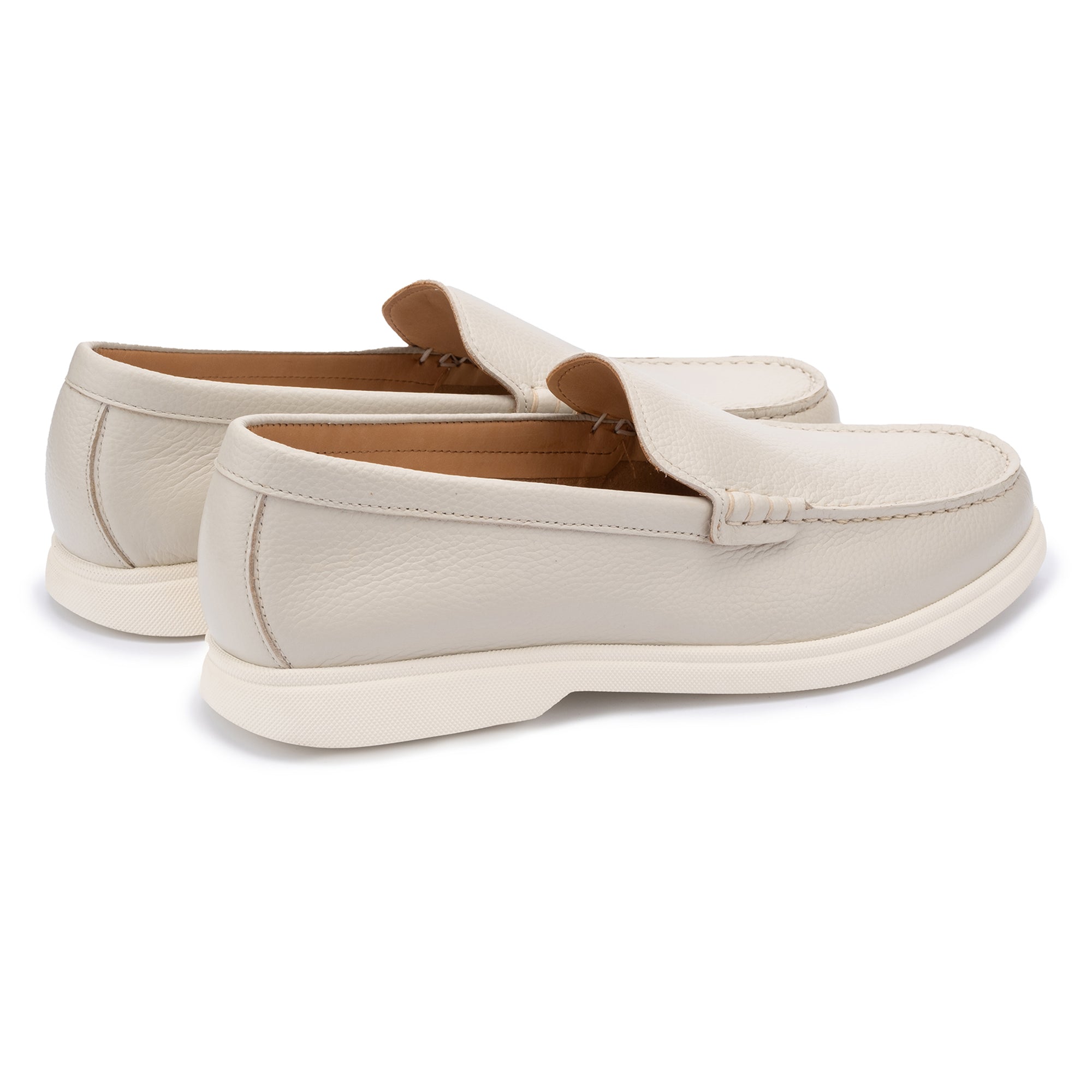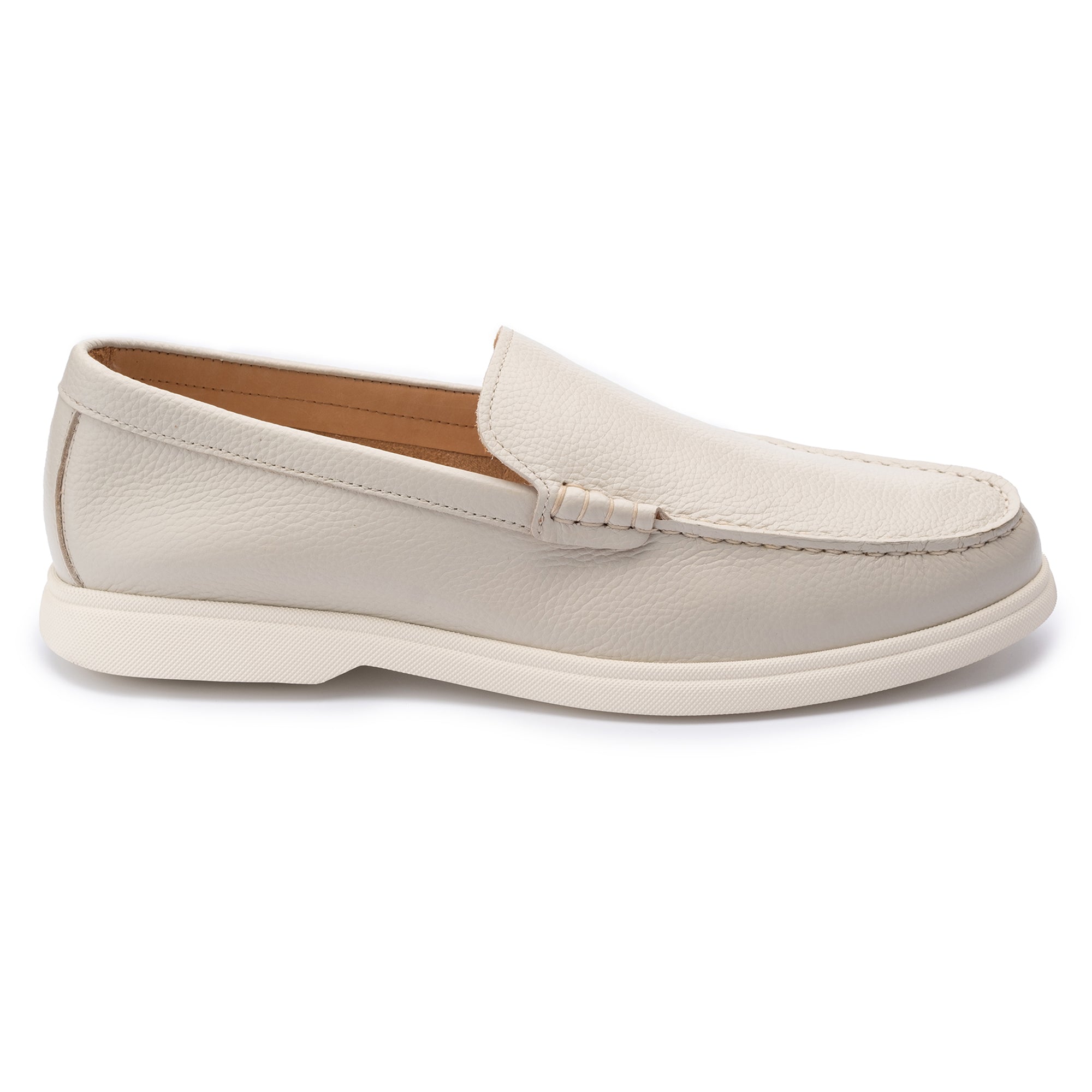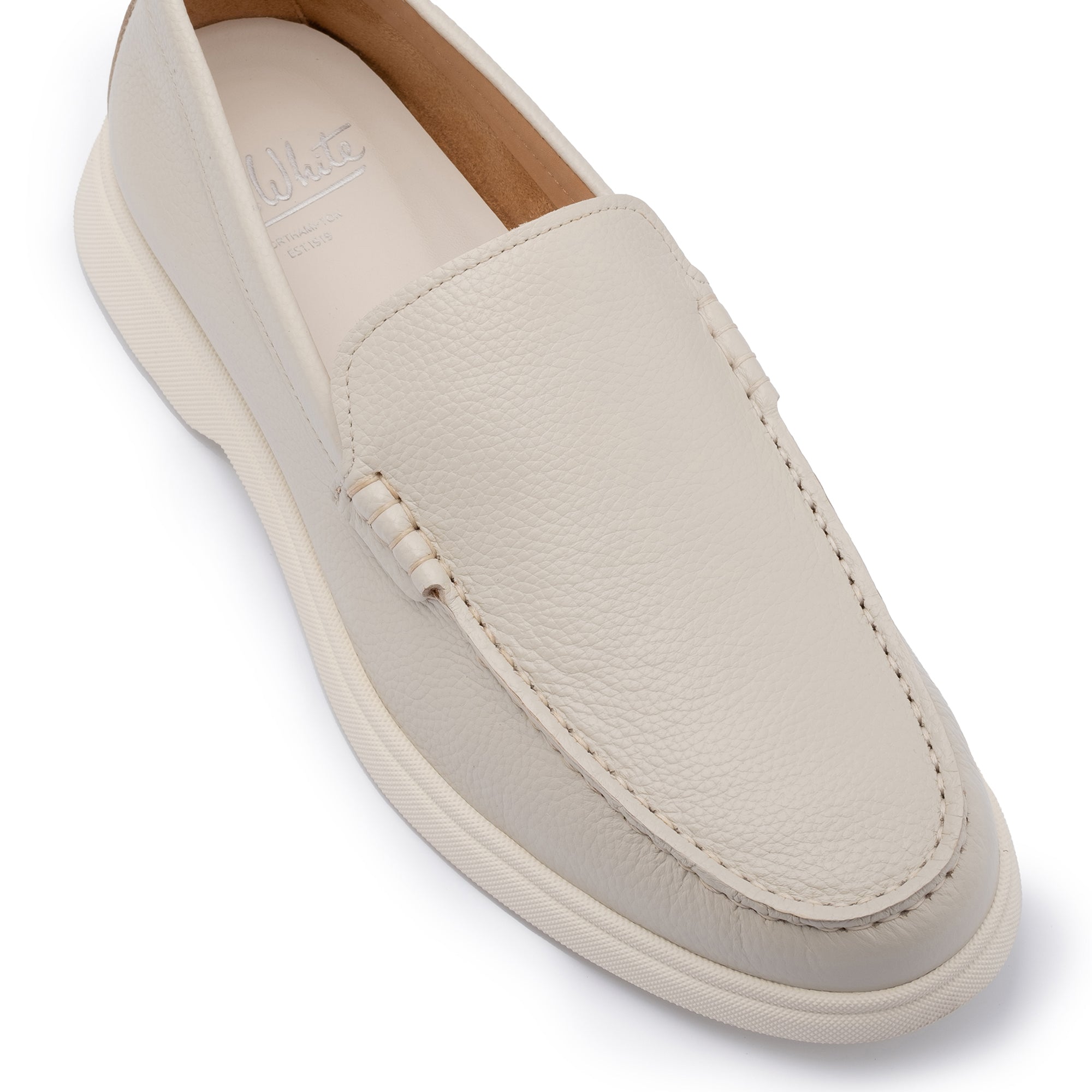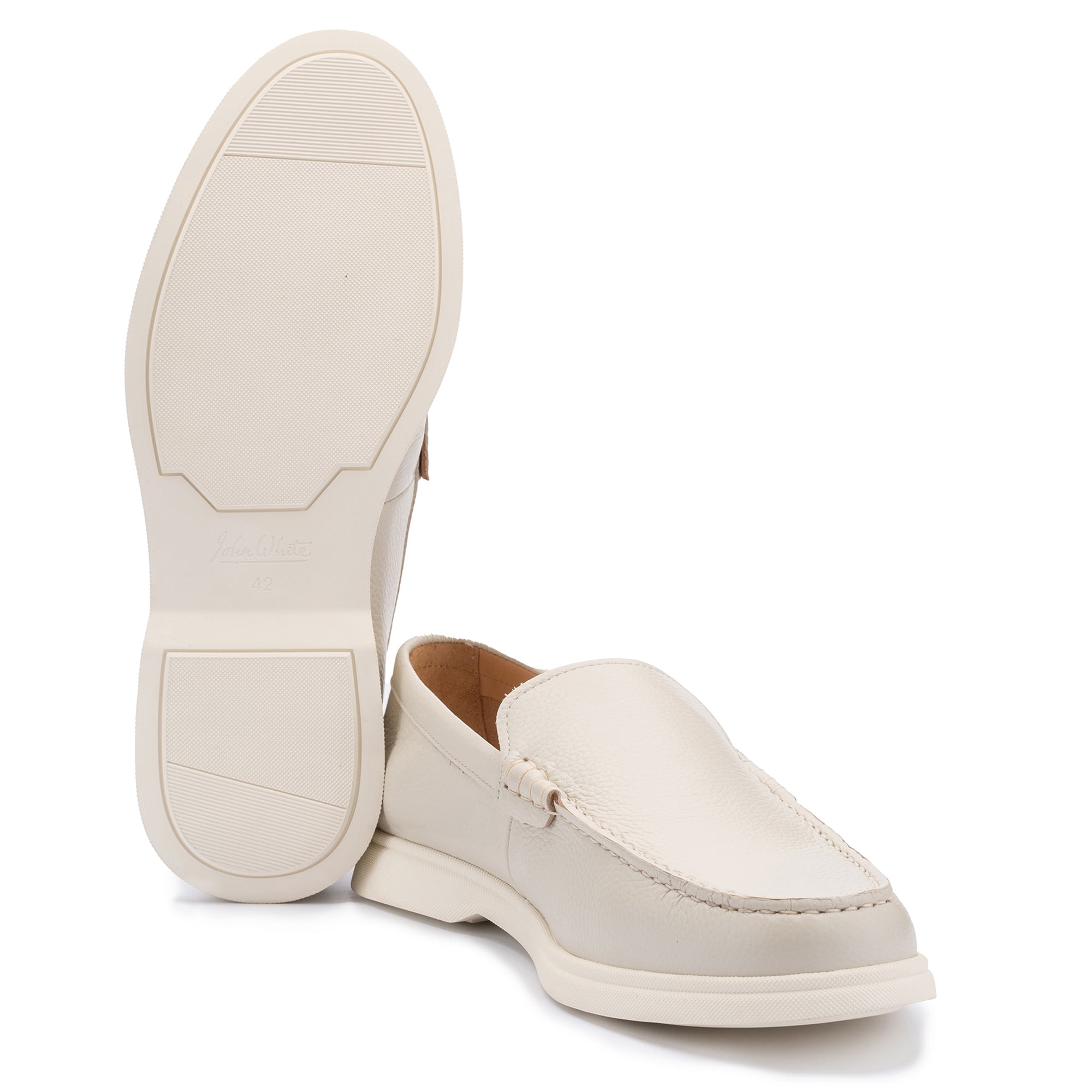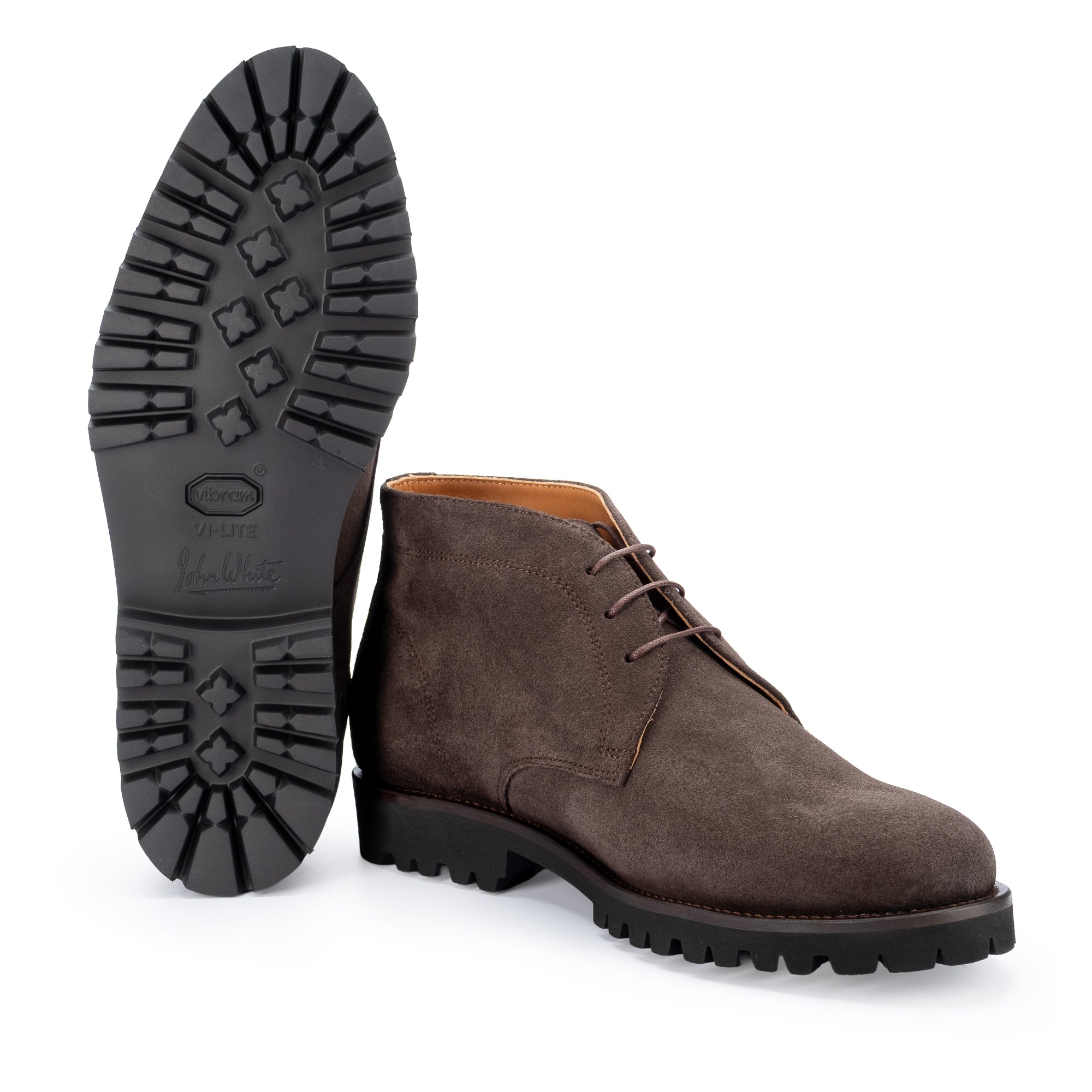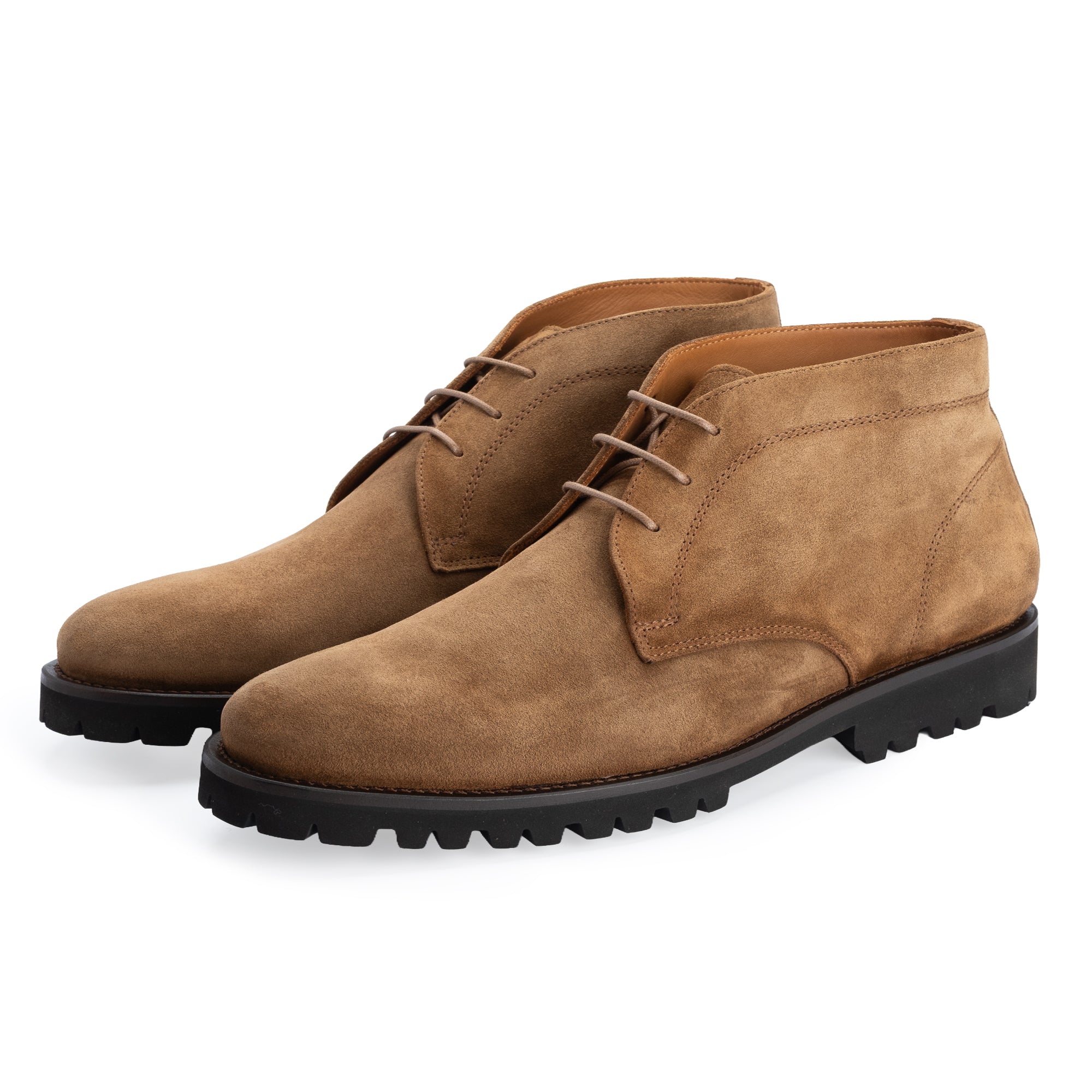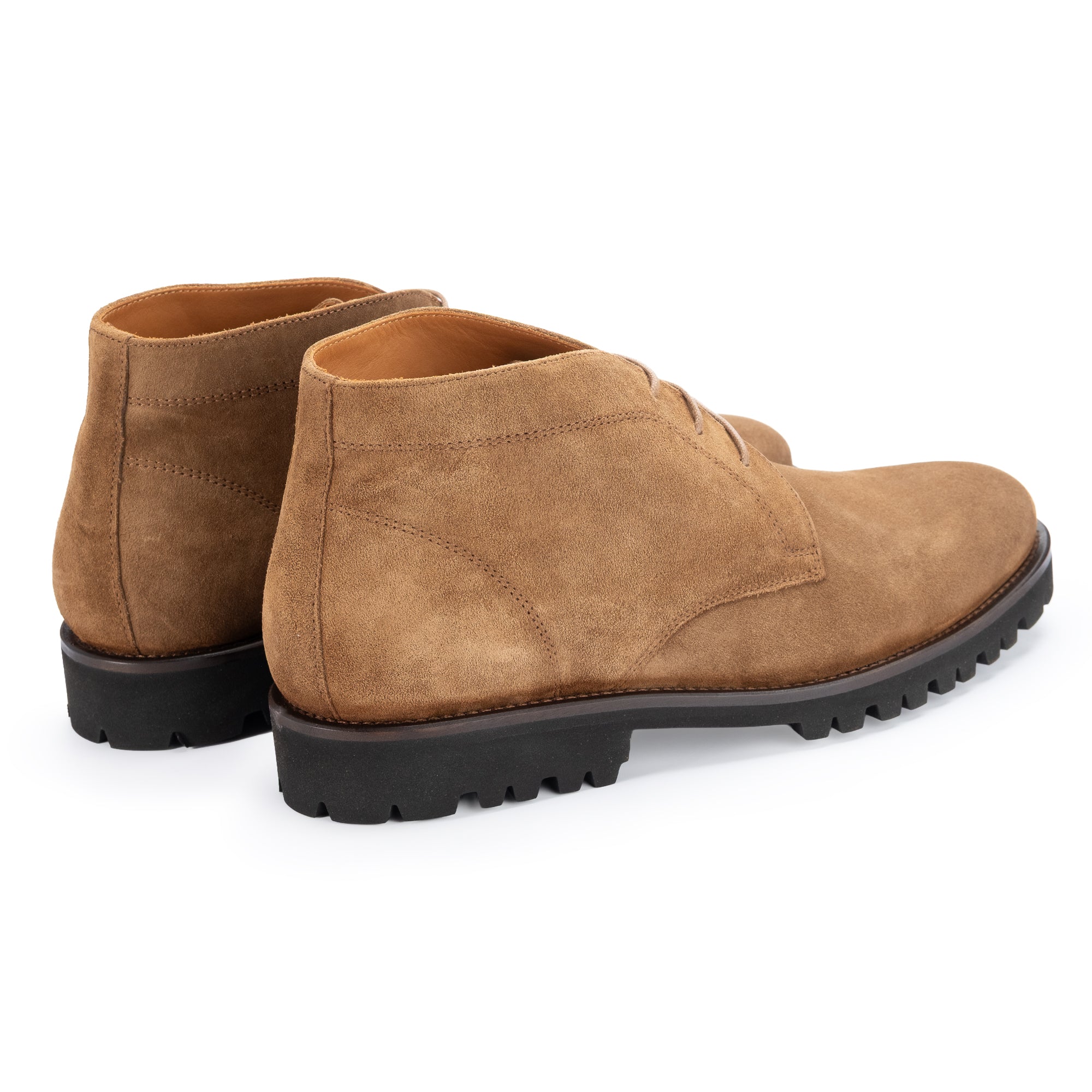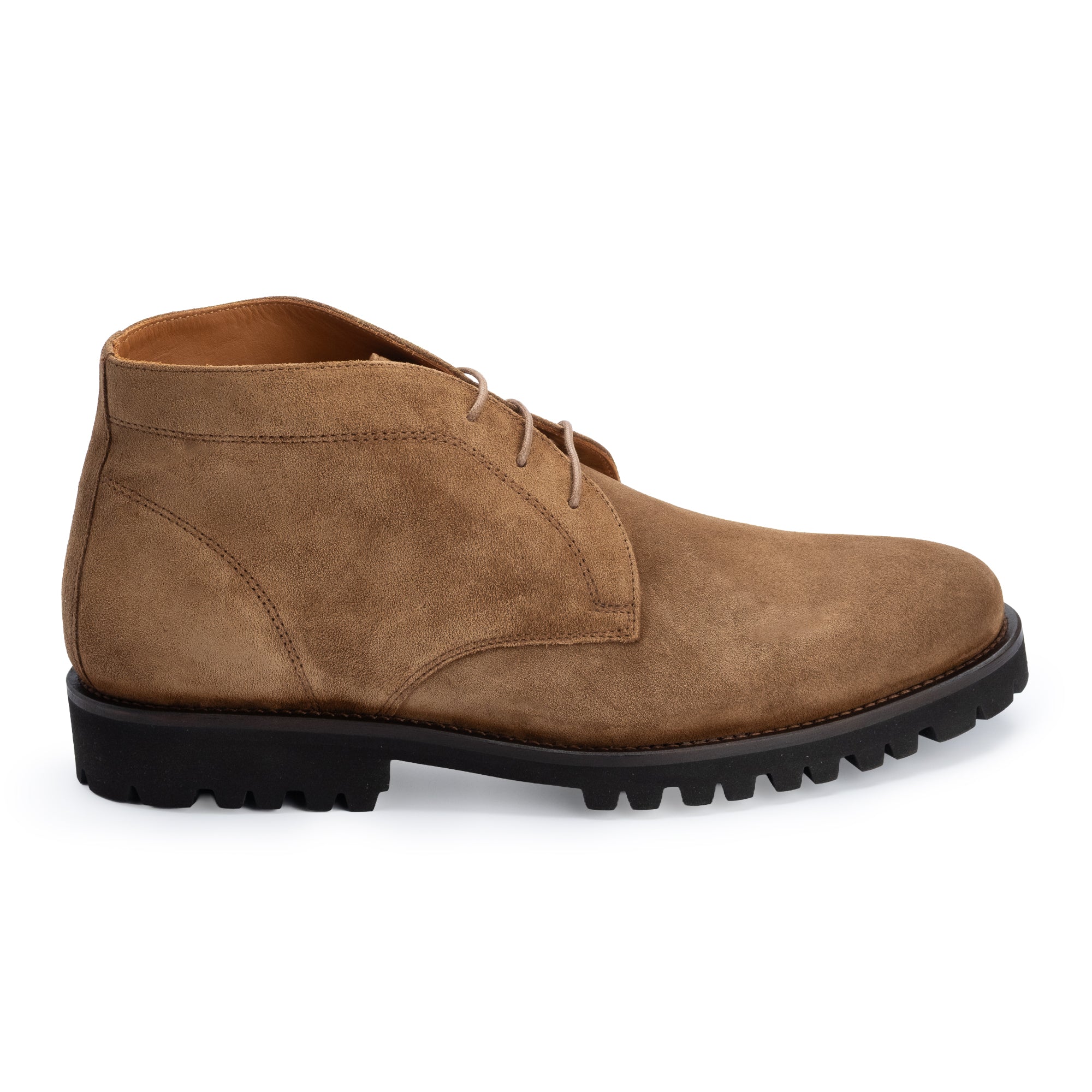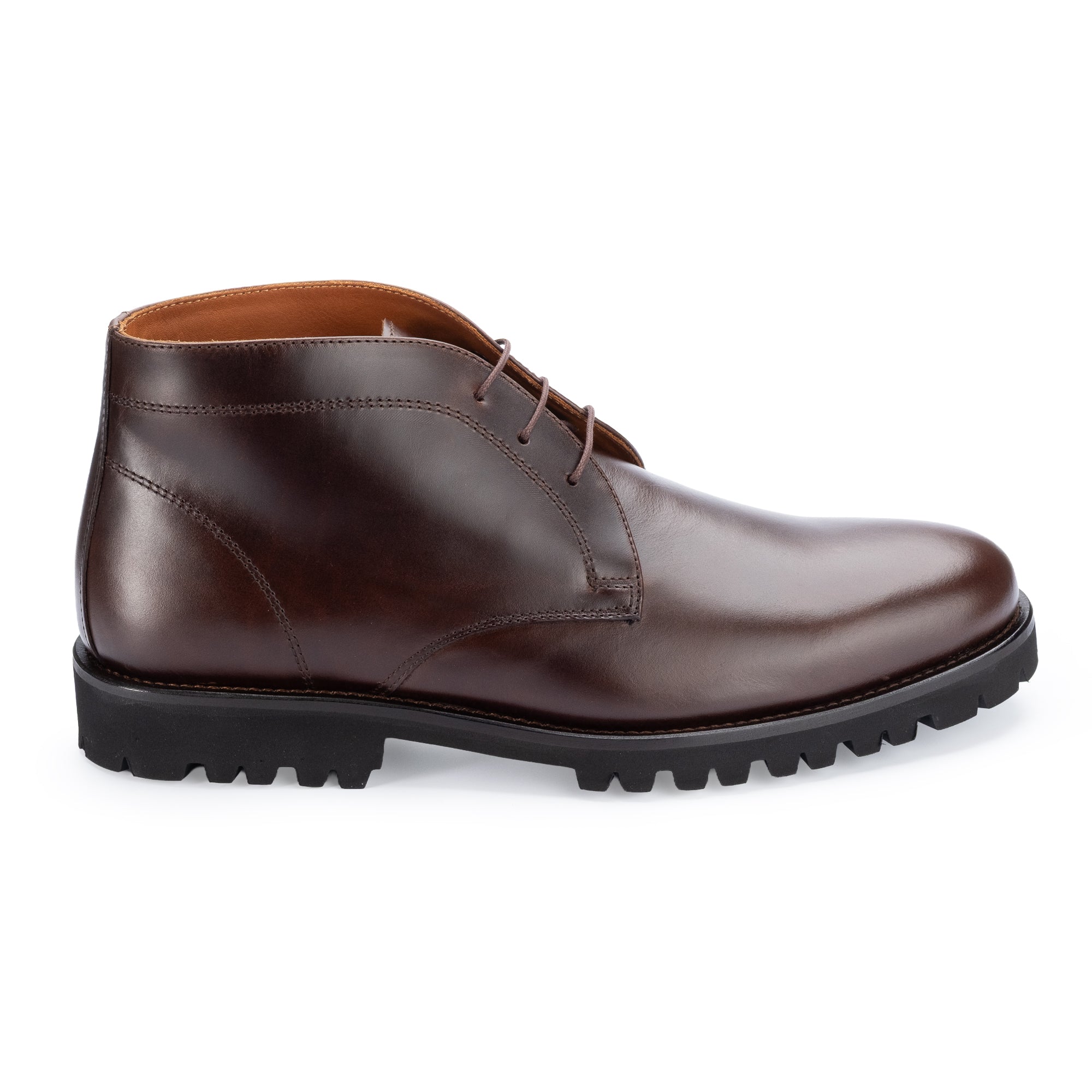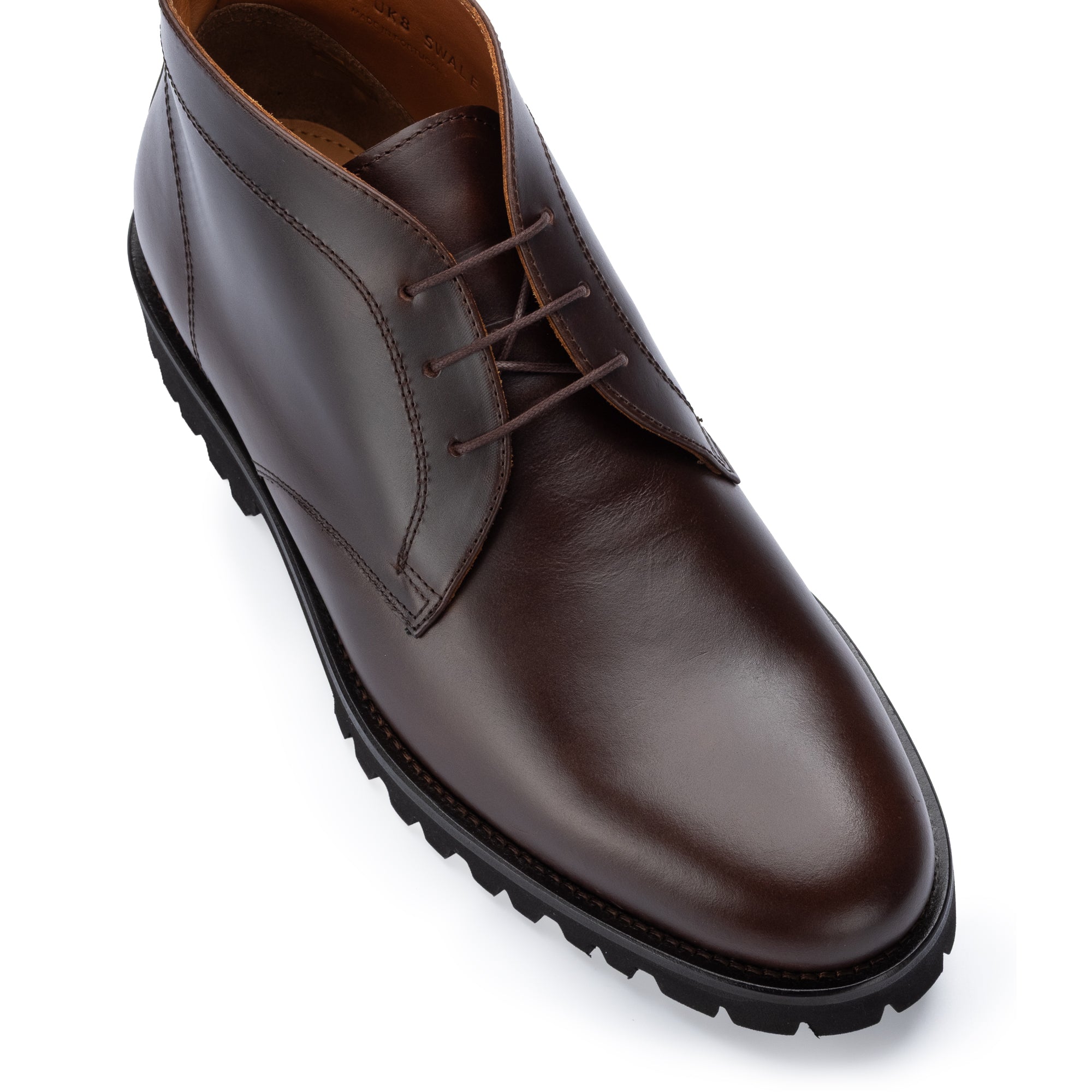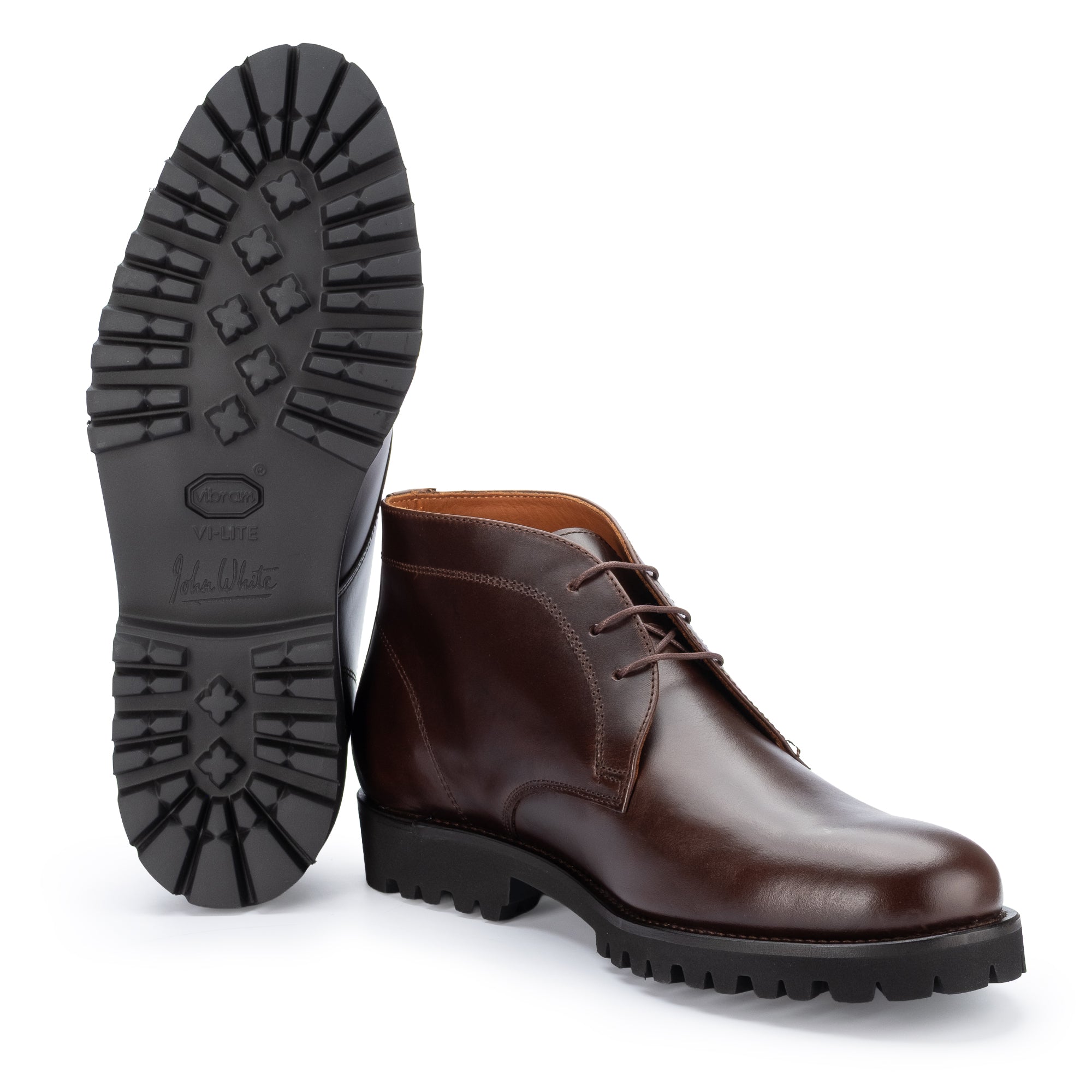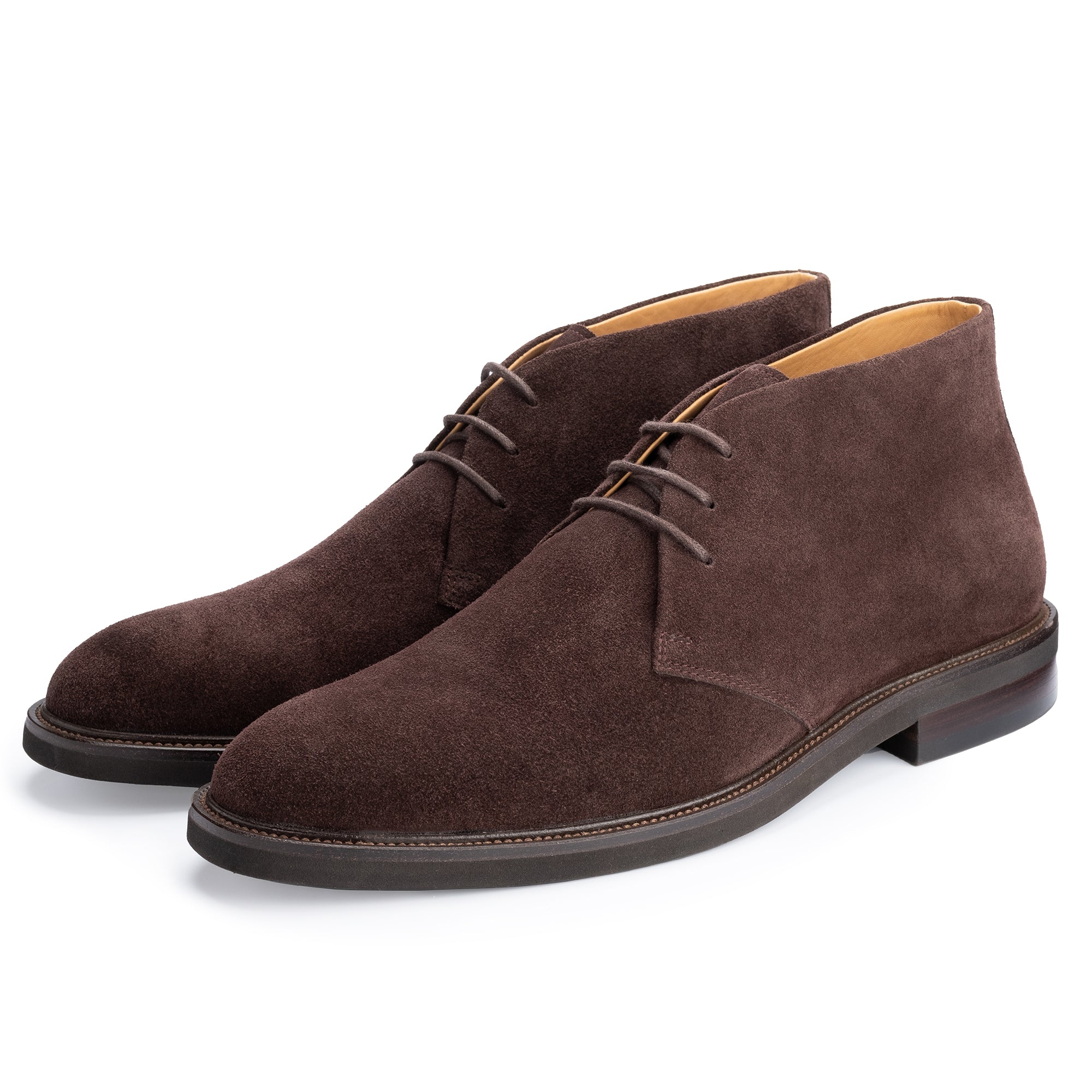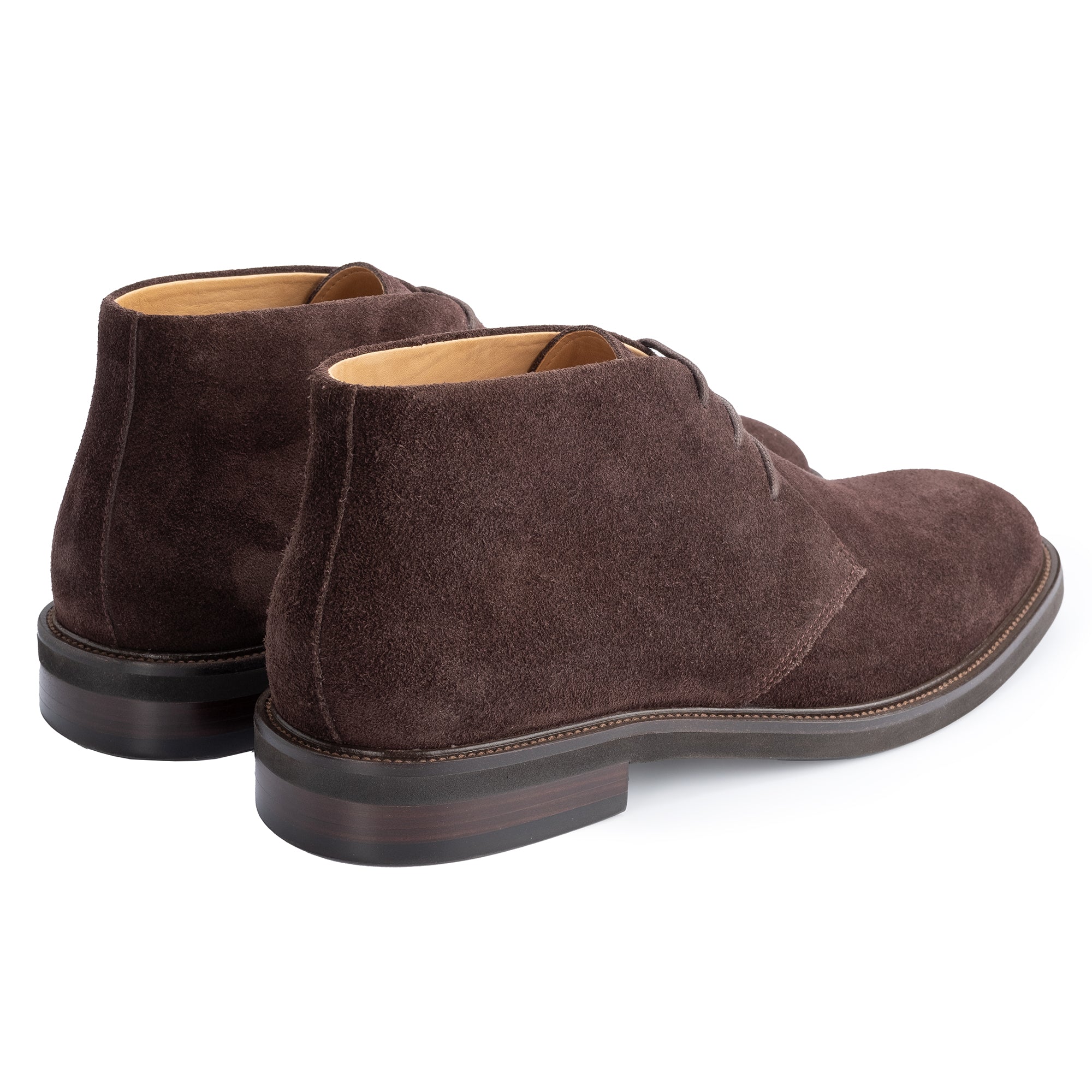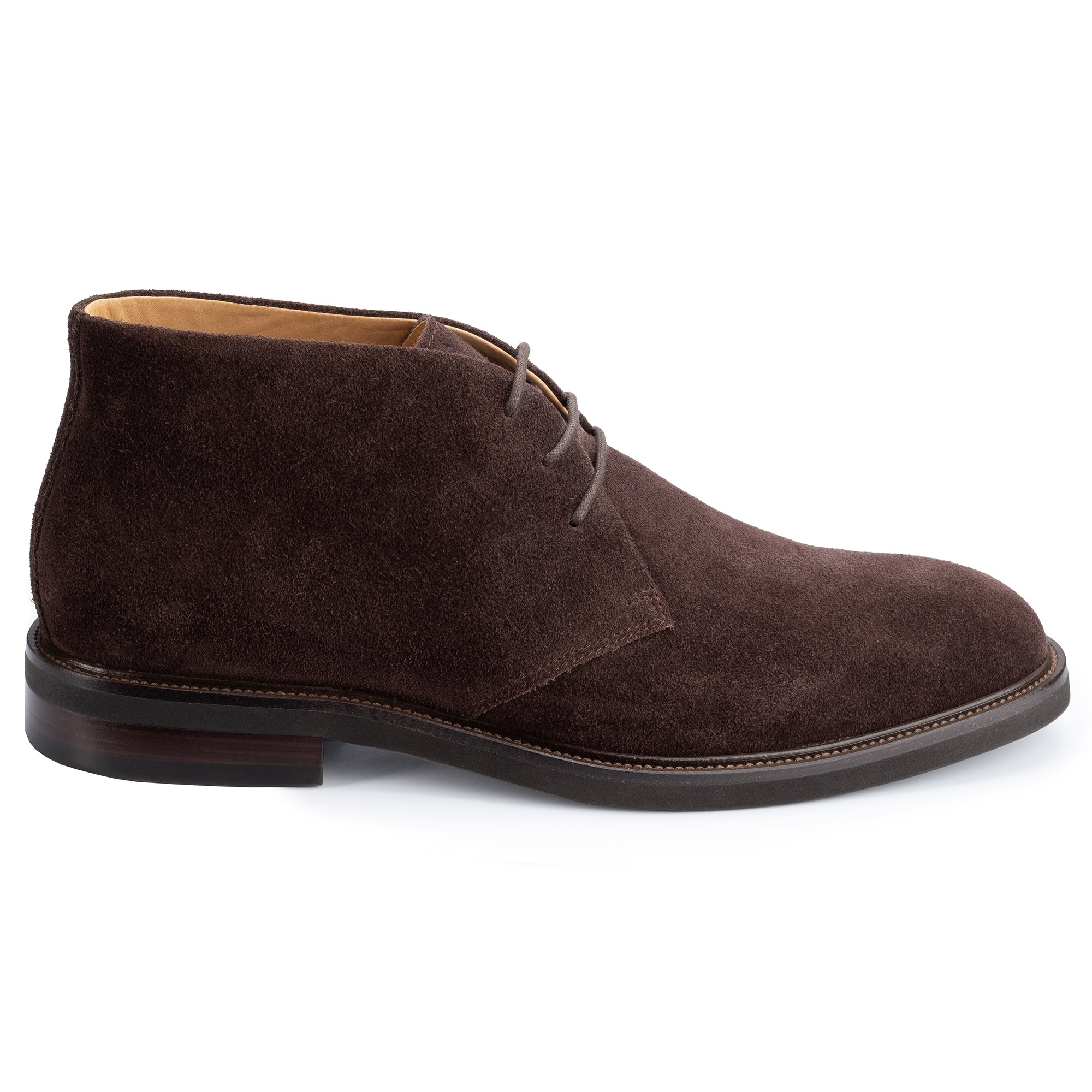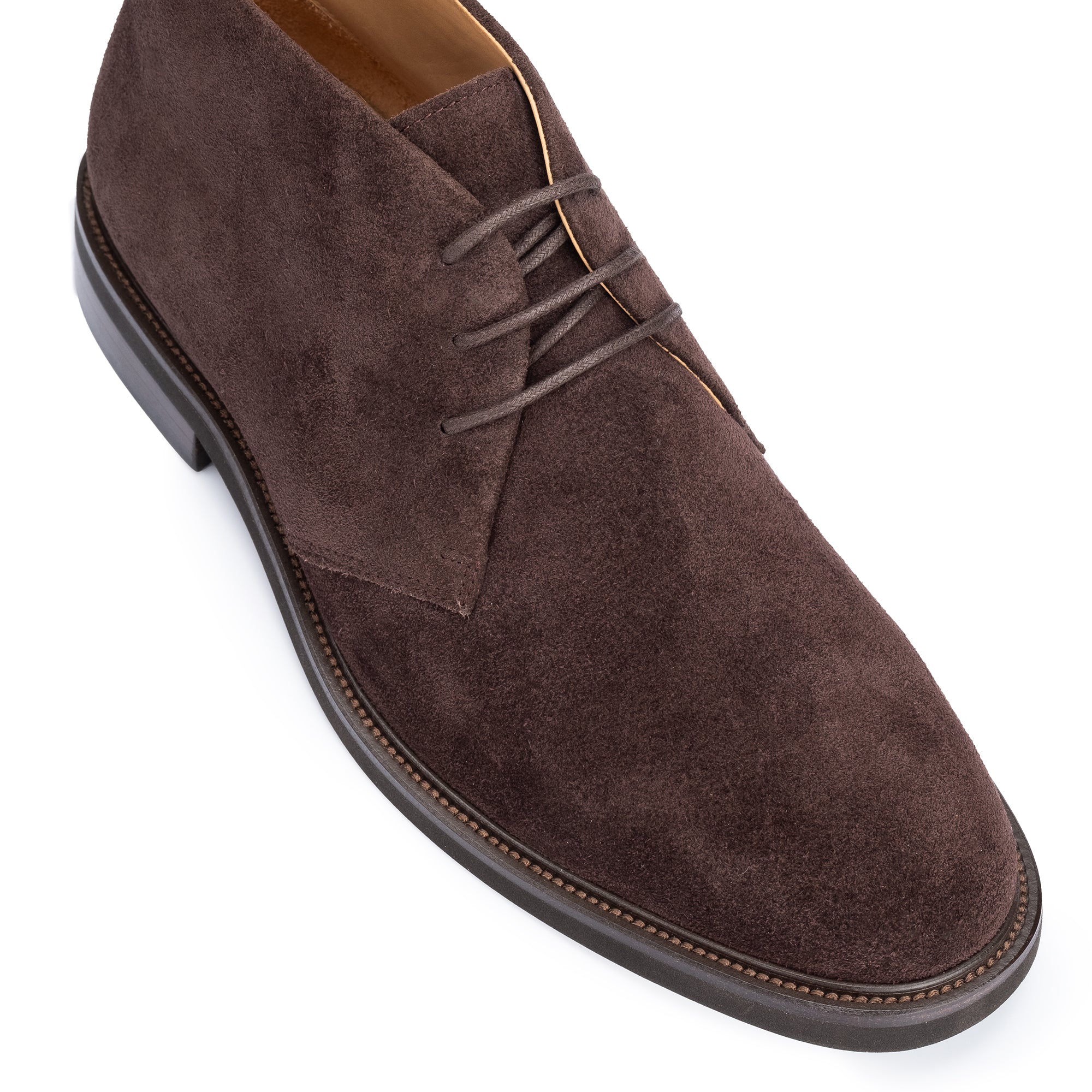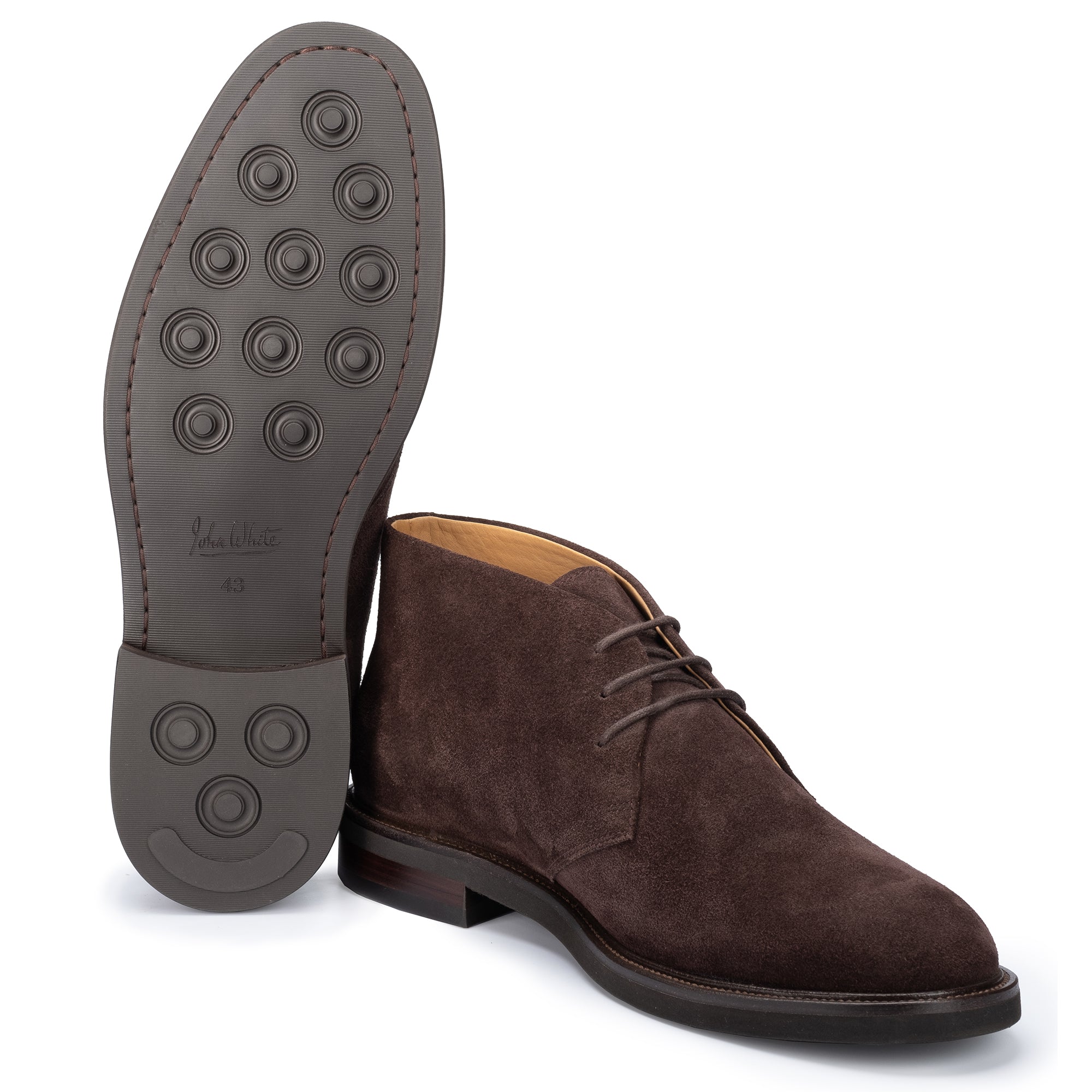

Conditioning Frequency for Leather Shoes: The Definitive Seasonal Schedule
Leather shoes should be conditioned every four to six weeks during winter and heavy wear, every five to six weeks through autumn and spring, and every eight to ten weeks in summer. A seasonal approach — with intensive treatment in autumn and spring — gives premium calfskin and Goodyear welted construction the consistent nourishment required to stay supple, accept polish, and resist cracking for decades.
In This Guide
- How Often Should You Condition Leather Shoes?
- Why Does the Season Change the Conditioning Frequency Leather Shoes Require?
- What Is the Seasonal Conditioning Schedule for Leather Shoes?
- Seasonal Conditioning Reference Table
- How Do Different Leather Types Affect Conditioning Frequency?
- What Are the Signs That Leather Shoes Need Conditioning Between Scheduled Applications?
- How Should You Apply Conditioner to Leather Shoes?
- Related Guides
- Frequently Asked Questions
Conditioning frequency for leather shoes is the most consequential — and most misunderstood — variable in a proper care routine. Too infrequent, and the leather dries, stiffens, and cracks at the flex point. Too frequent, and the fibres become oversaturated, producing a greasy surface that repels polish and attracts dirt. The correct conditioning frequency depends on the season, the leather type, and how often the shoes are worn. For a complete overview of leather care, consult our definitive guide to leather shoe care — this article focuses specifically on the scheduling question.
How Often Should You Condition Leather Shoes?
Conditioning frequency is a function of three variables: wear frequency, environmental conditions, and leather type. There is no single universal interval, but there is a structured framework that applies across premium footwear.
As a baseline: shoes worn daily require conditioning every four to six weeks. Shoes worn two to three times per week benefit from conditioning every six to eight weeks. Occasional-wear shoes need treatment every three months regardless of use.
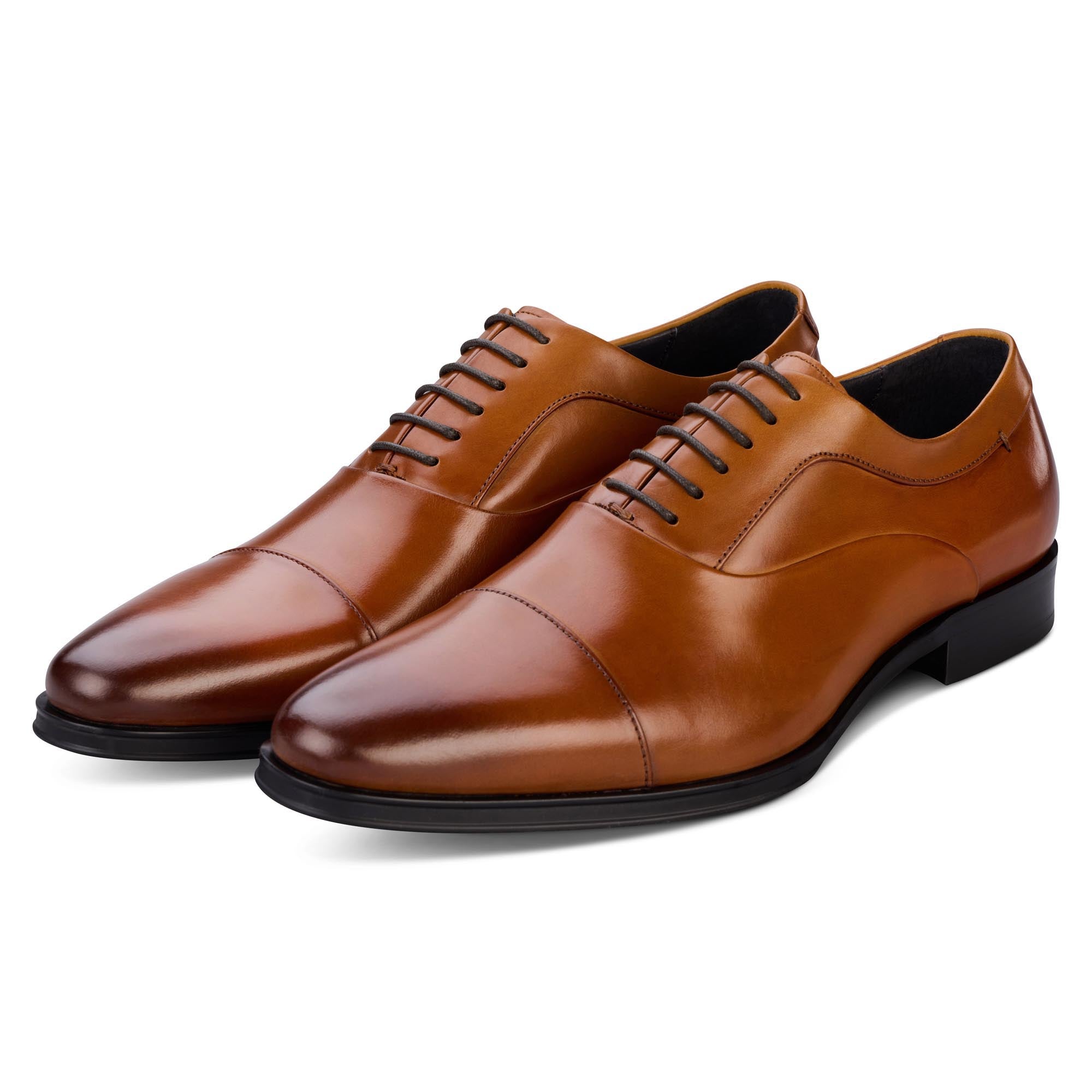
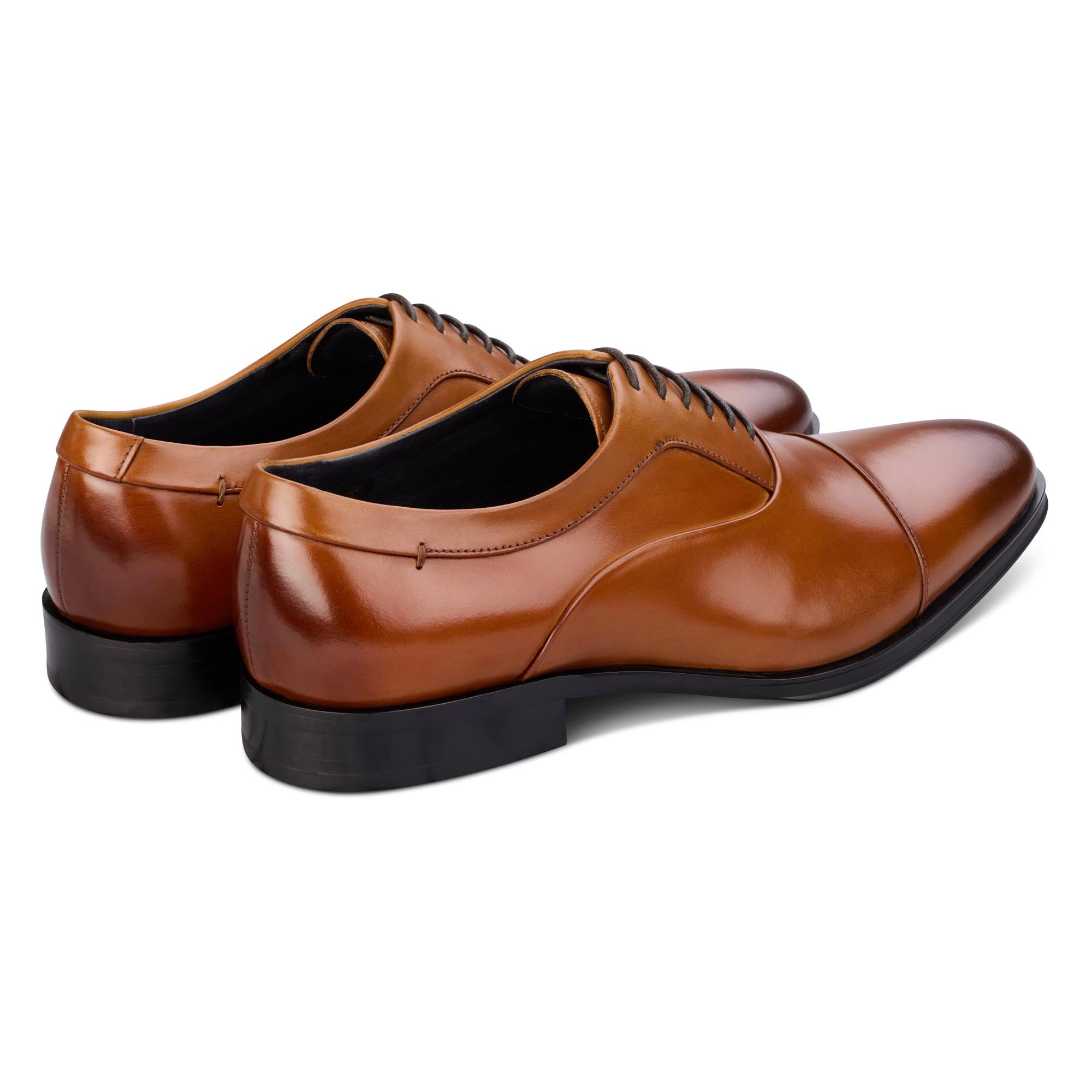
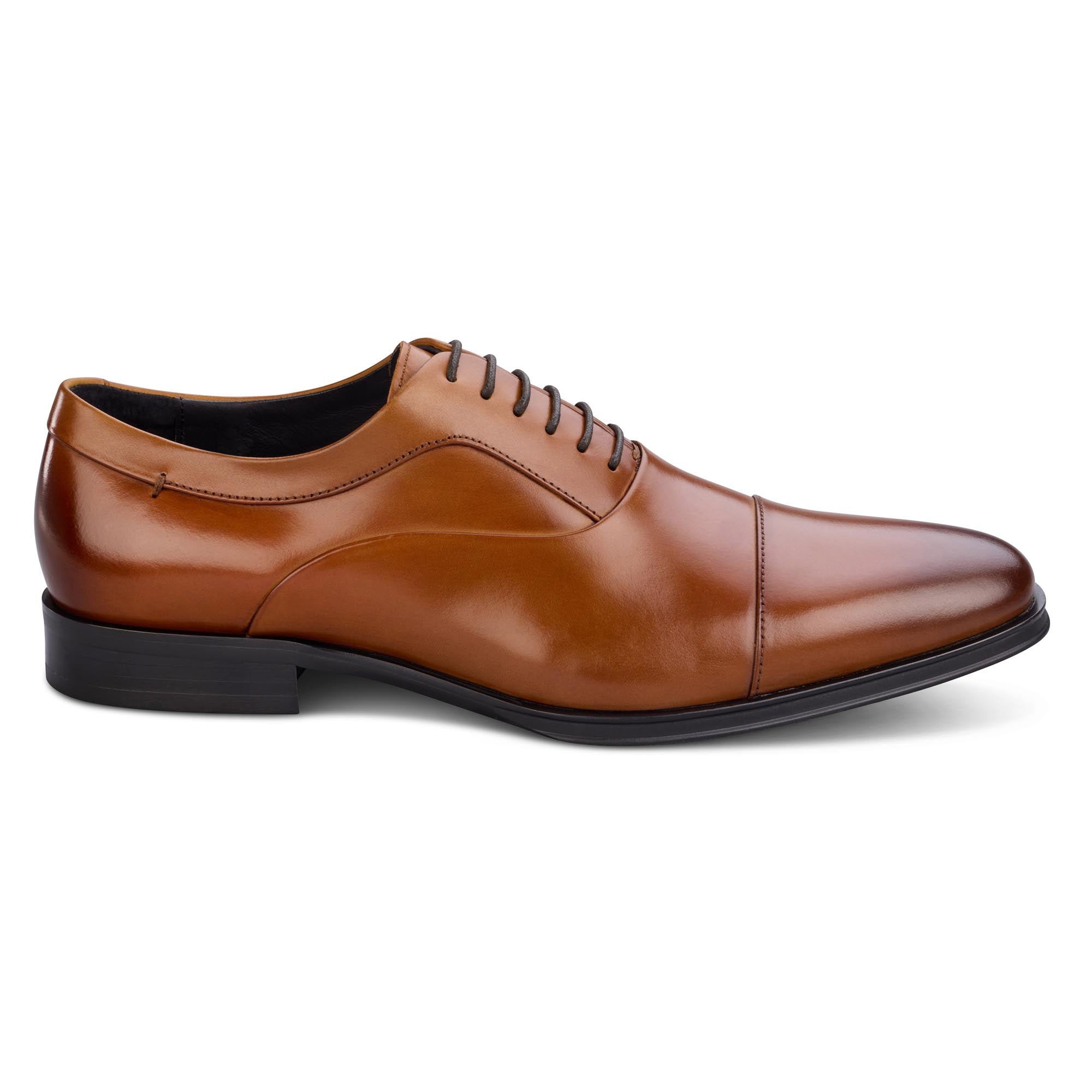
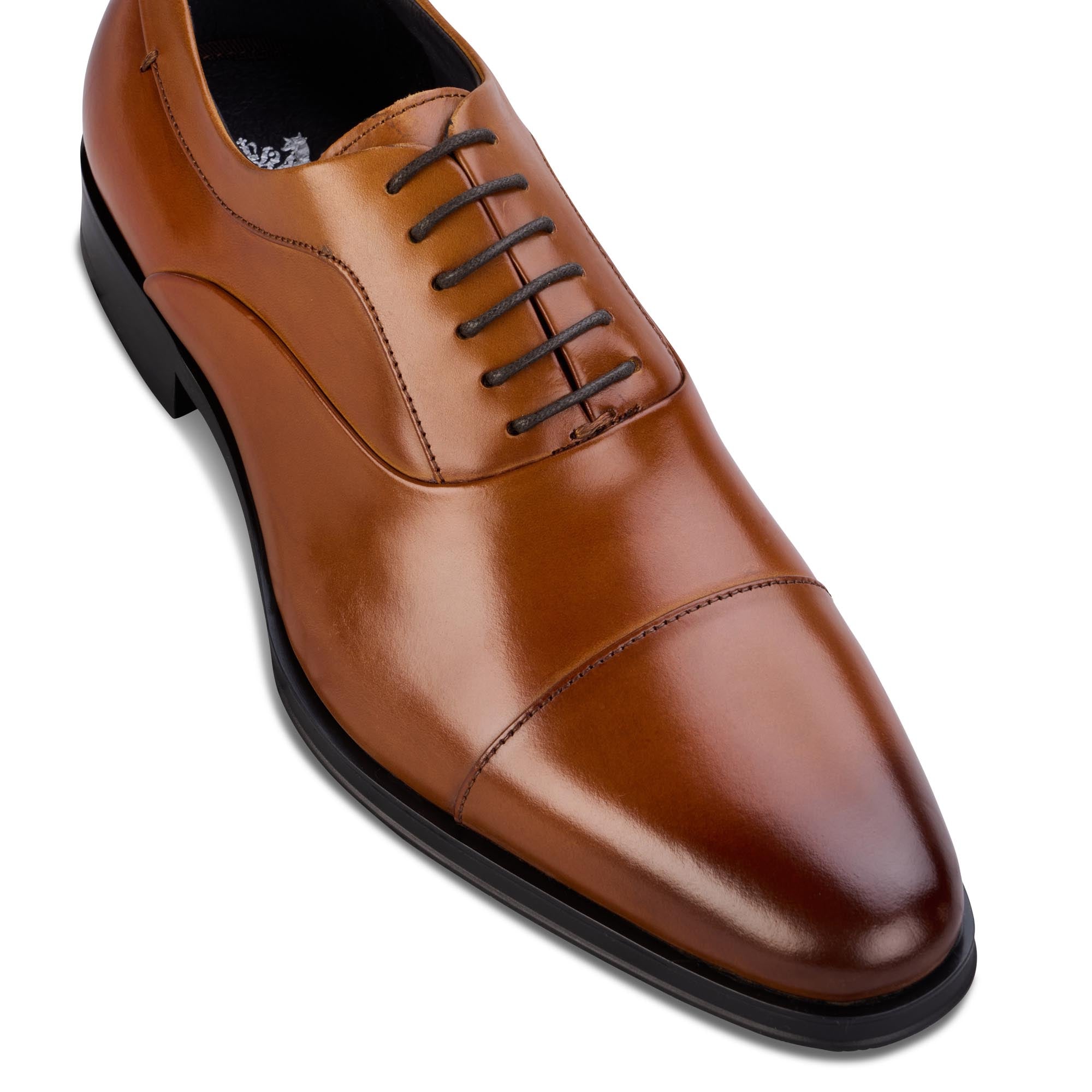
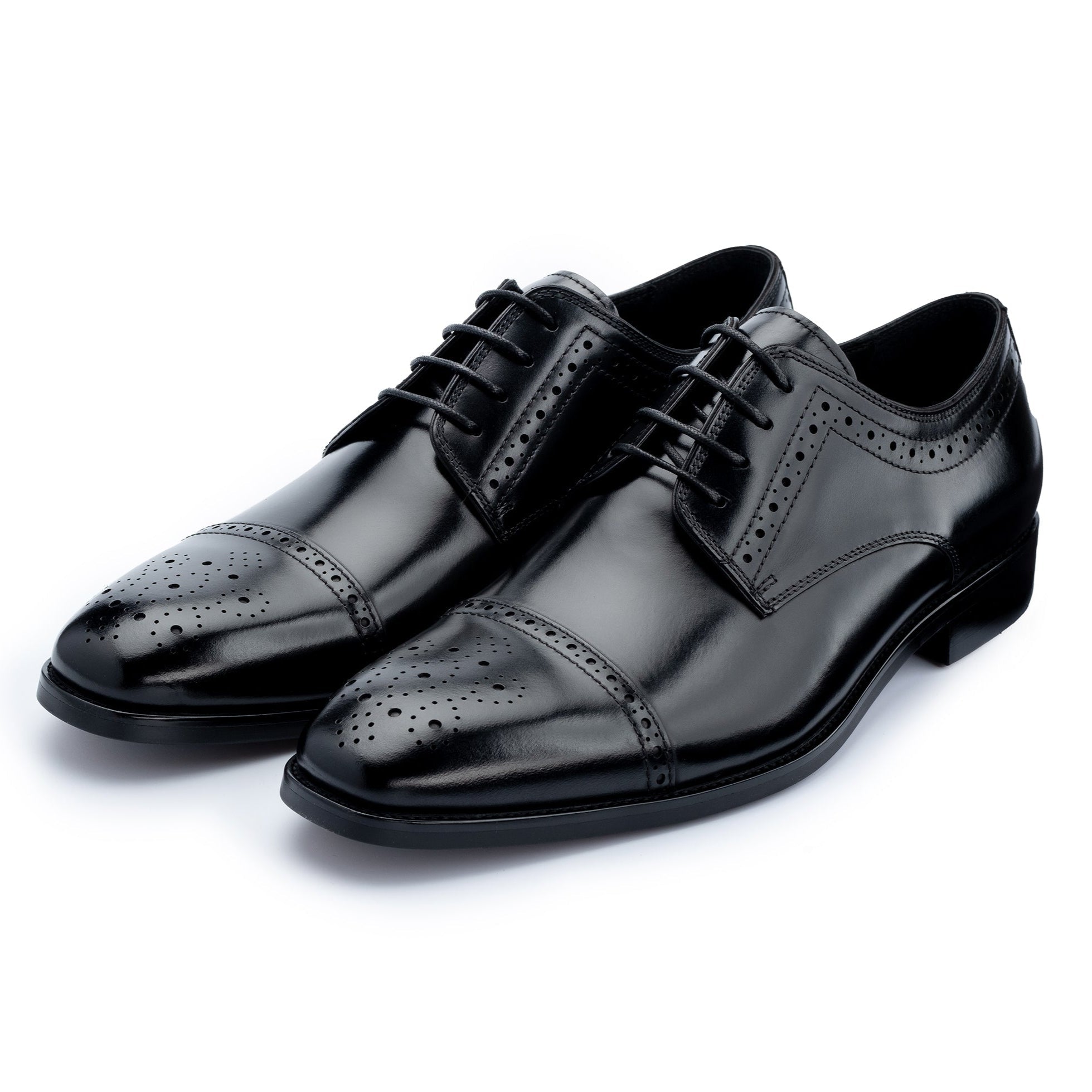
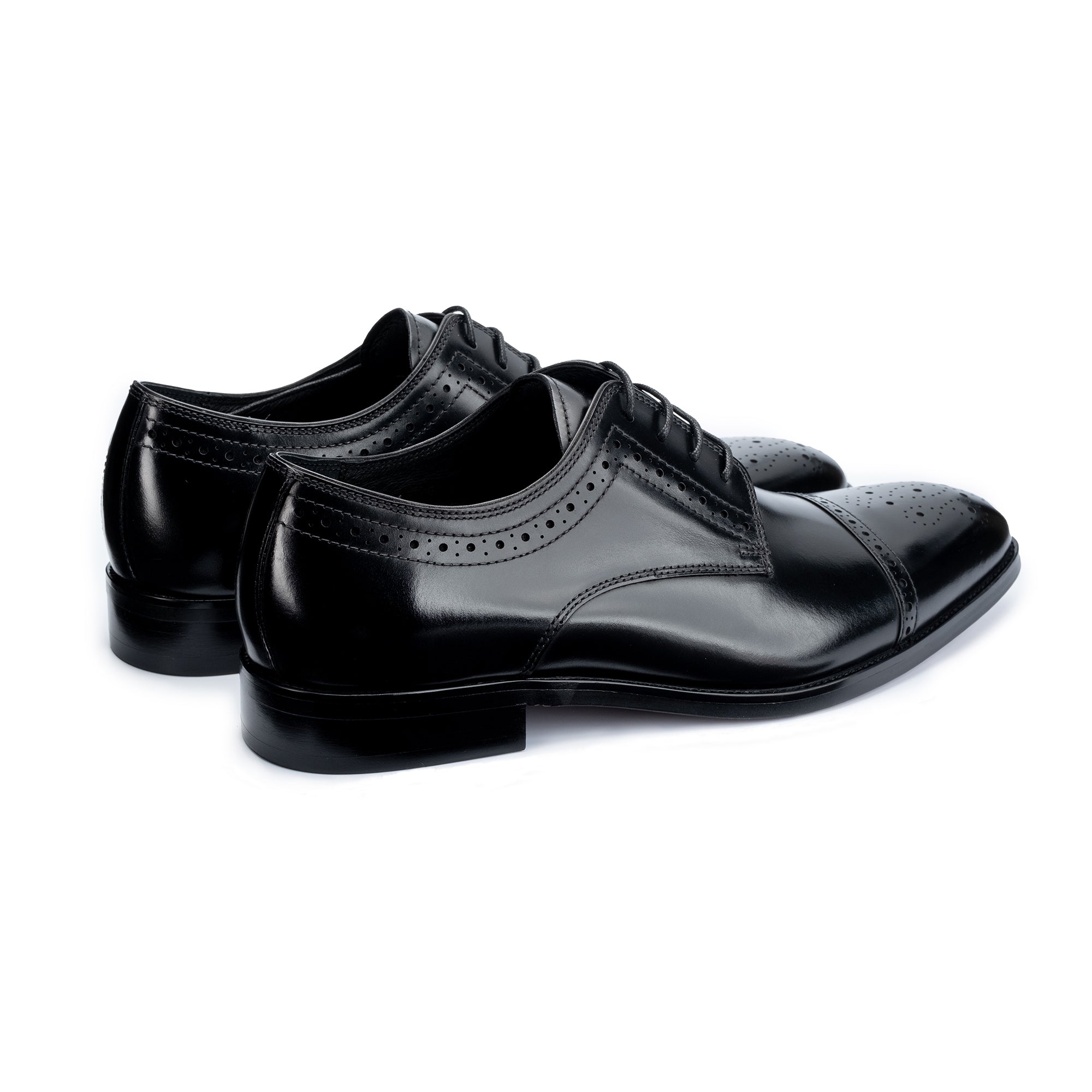
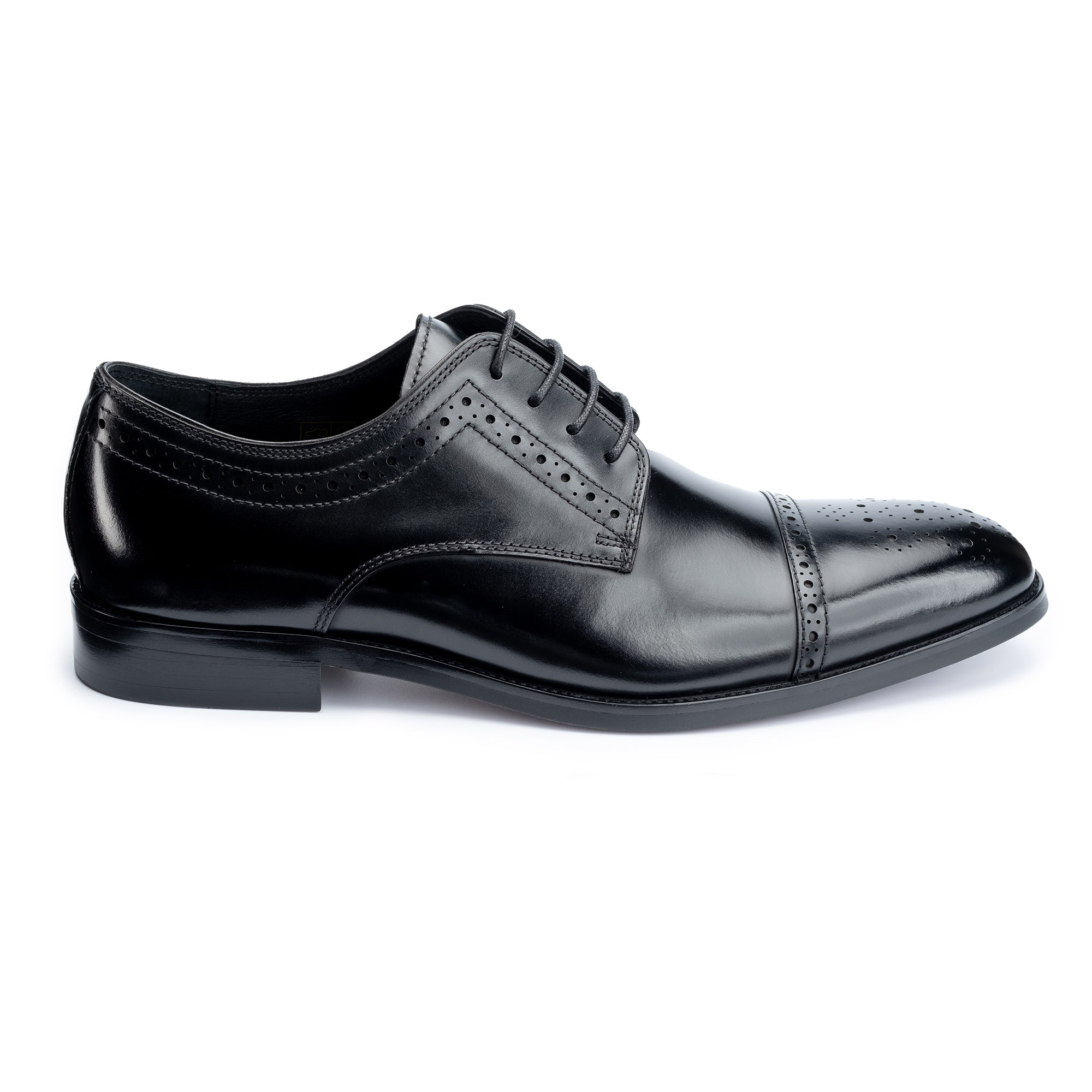
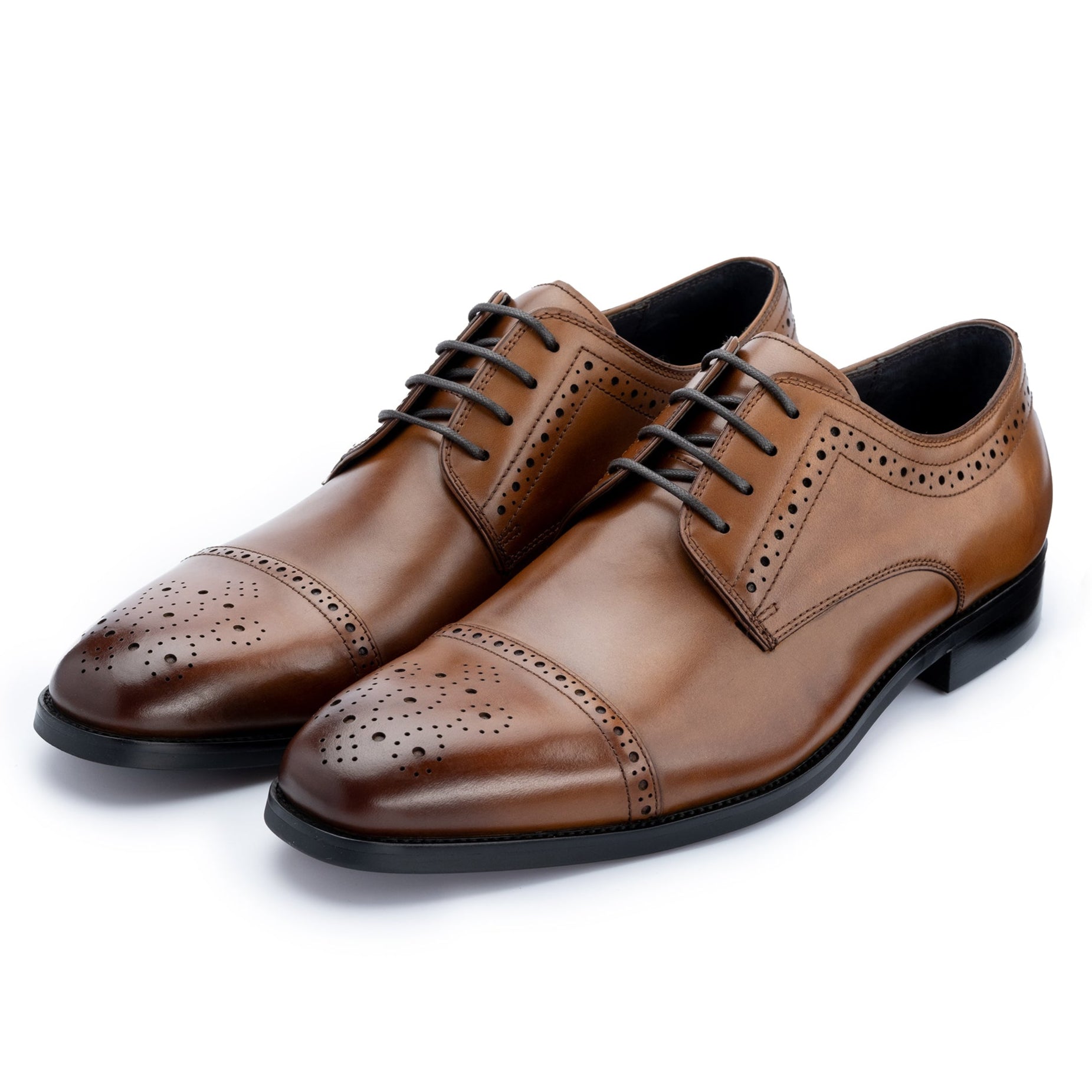
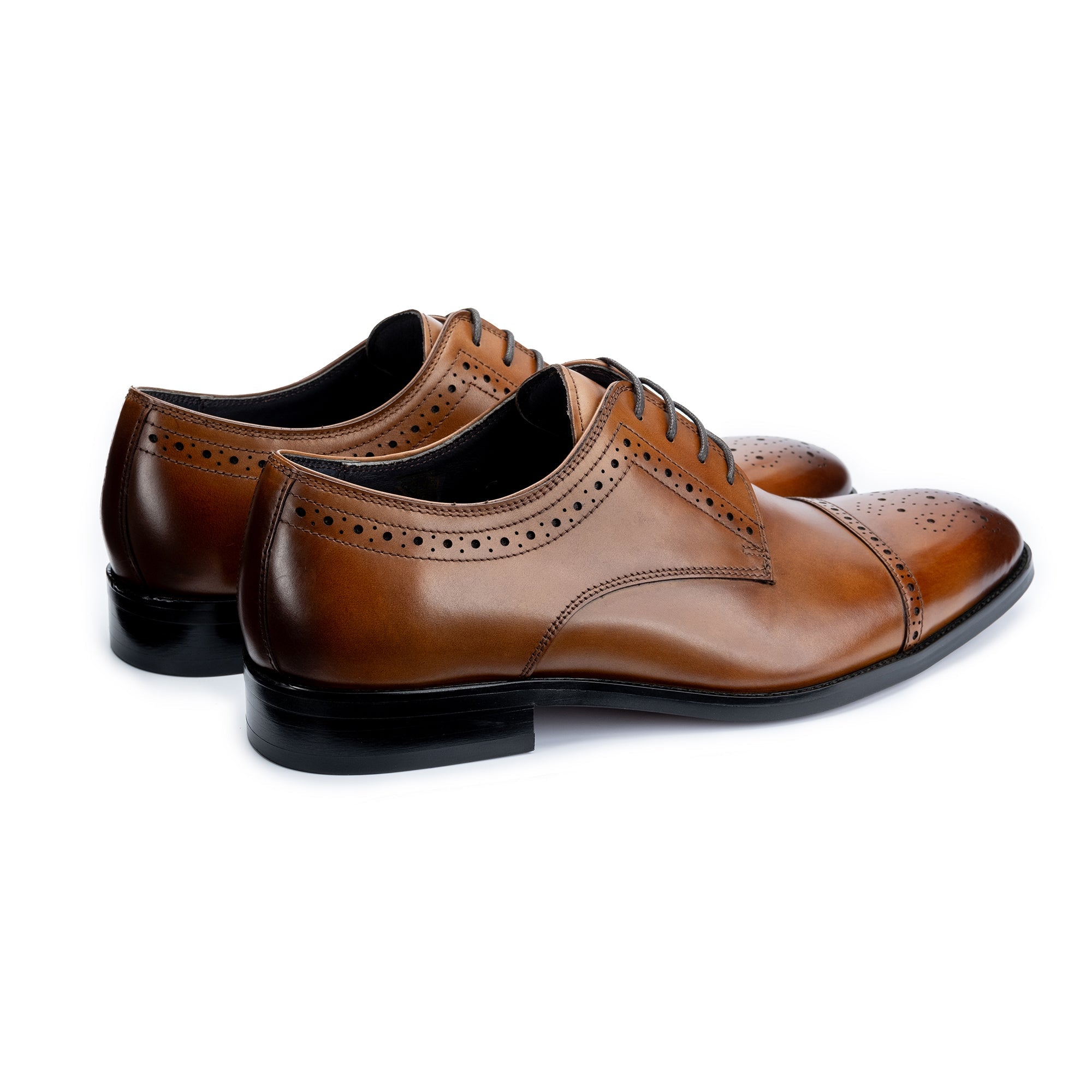
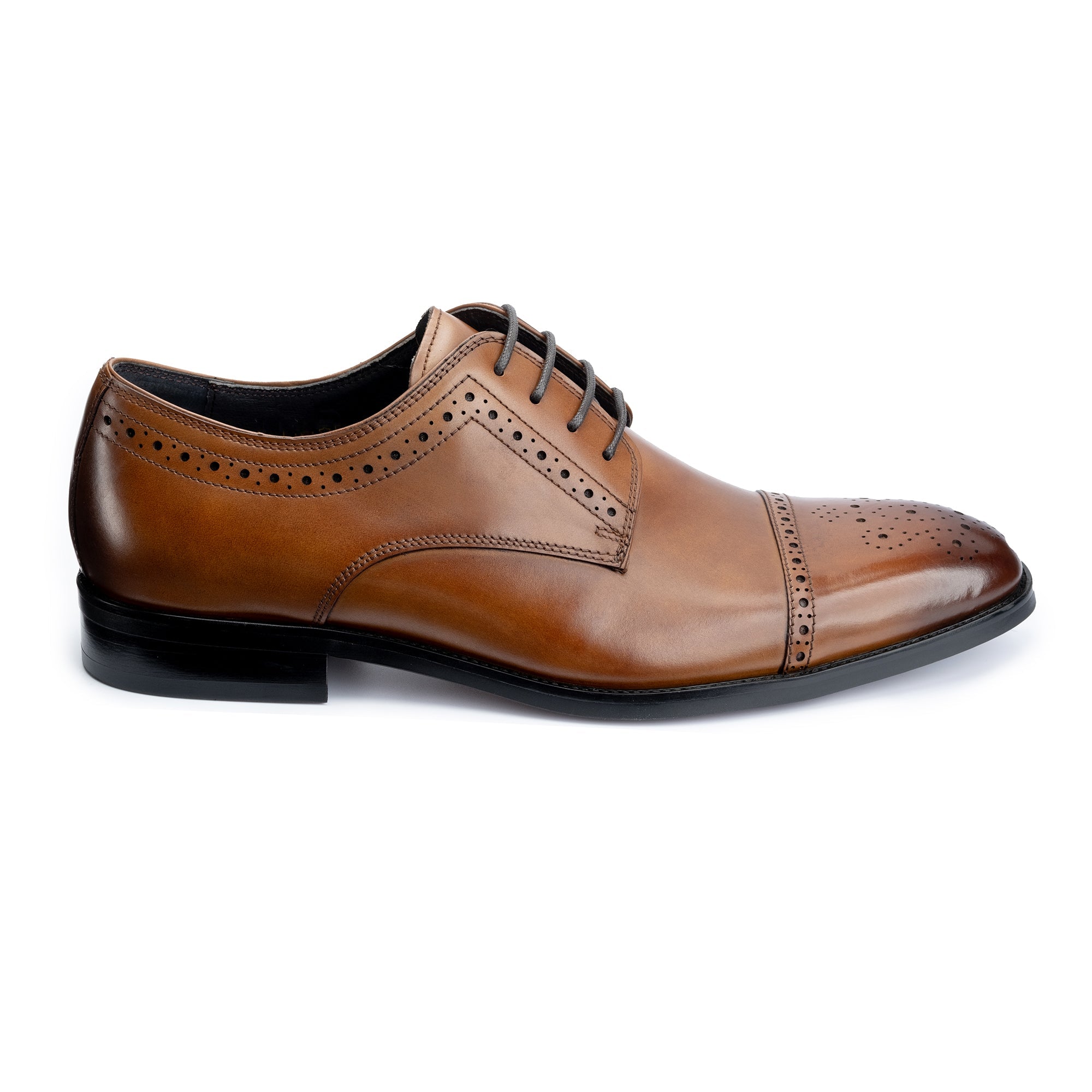
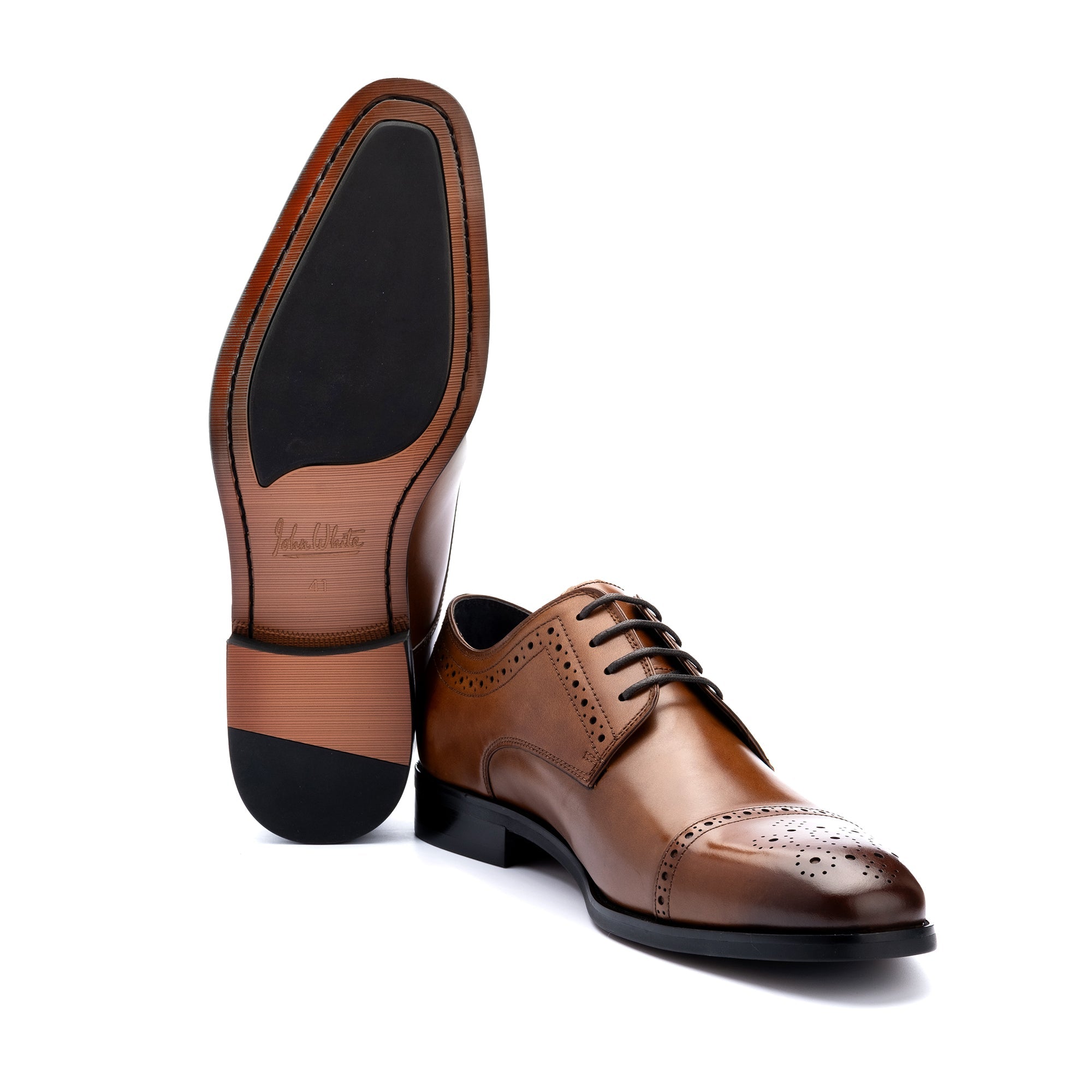
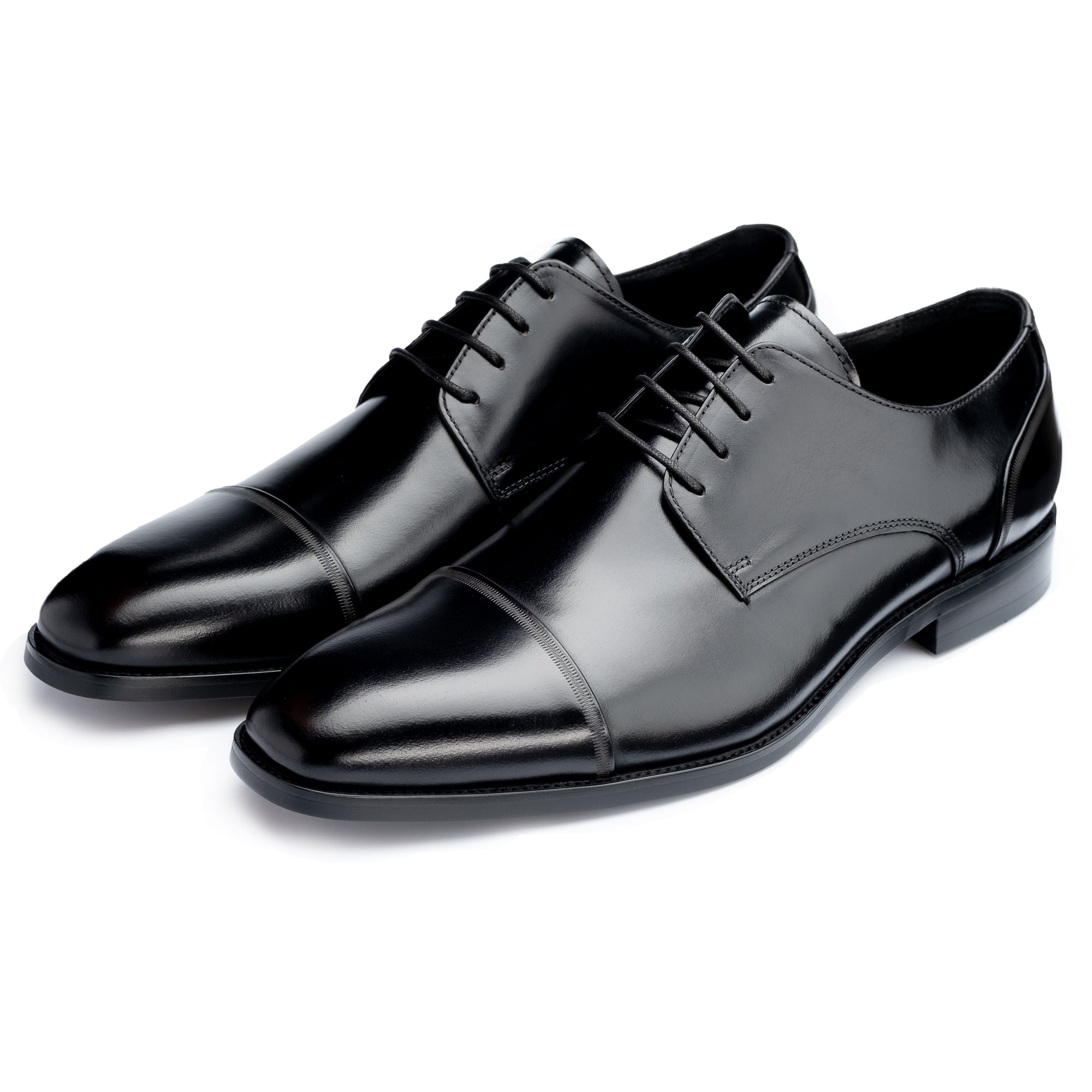
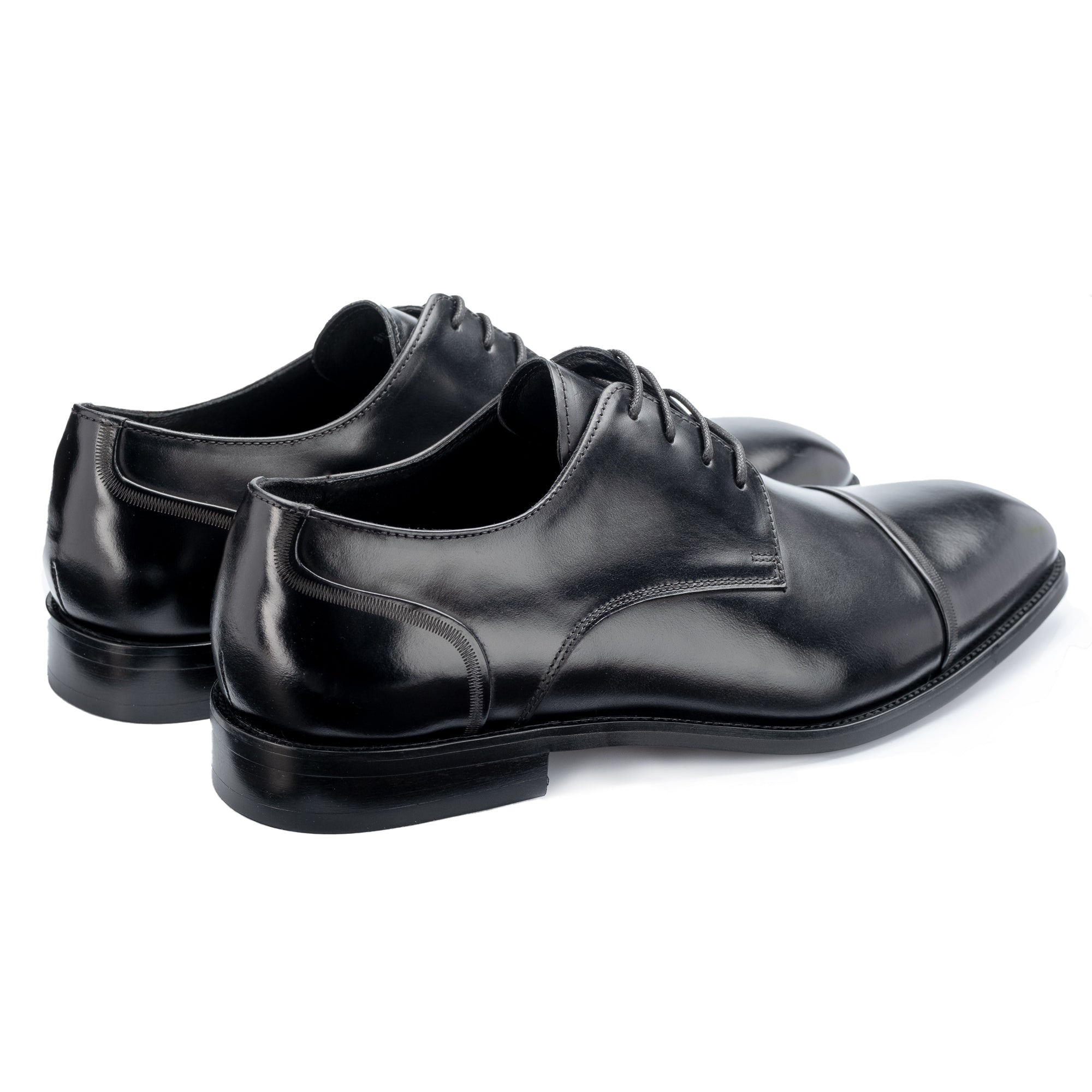
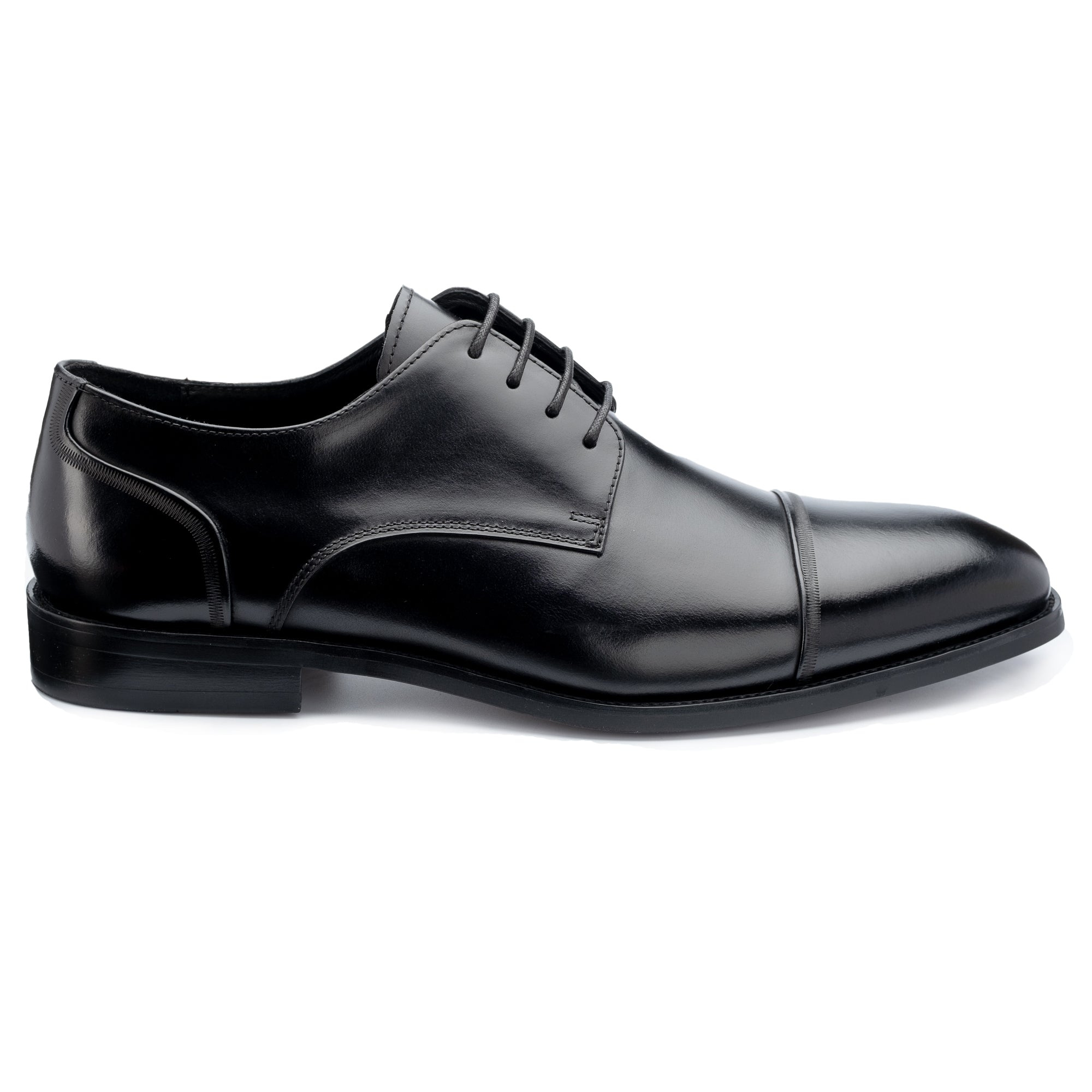
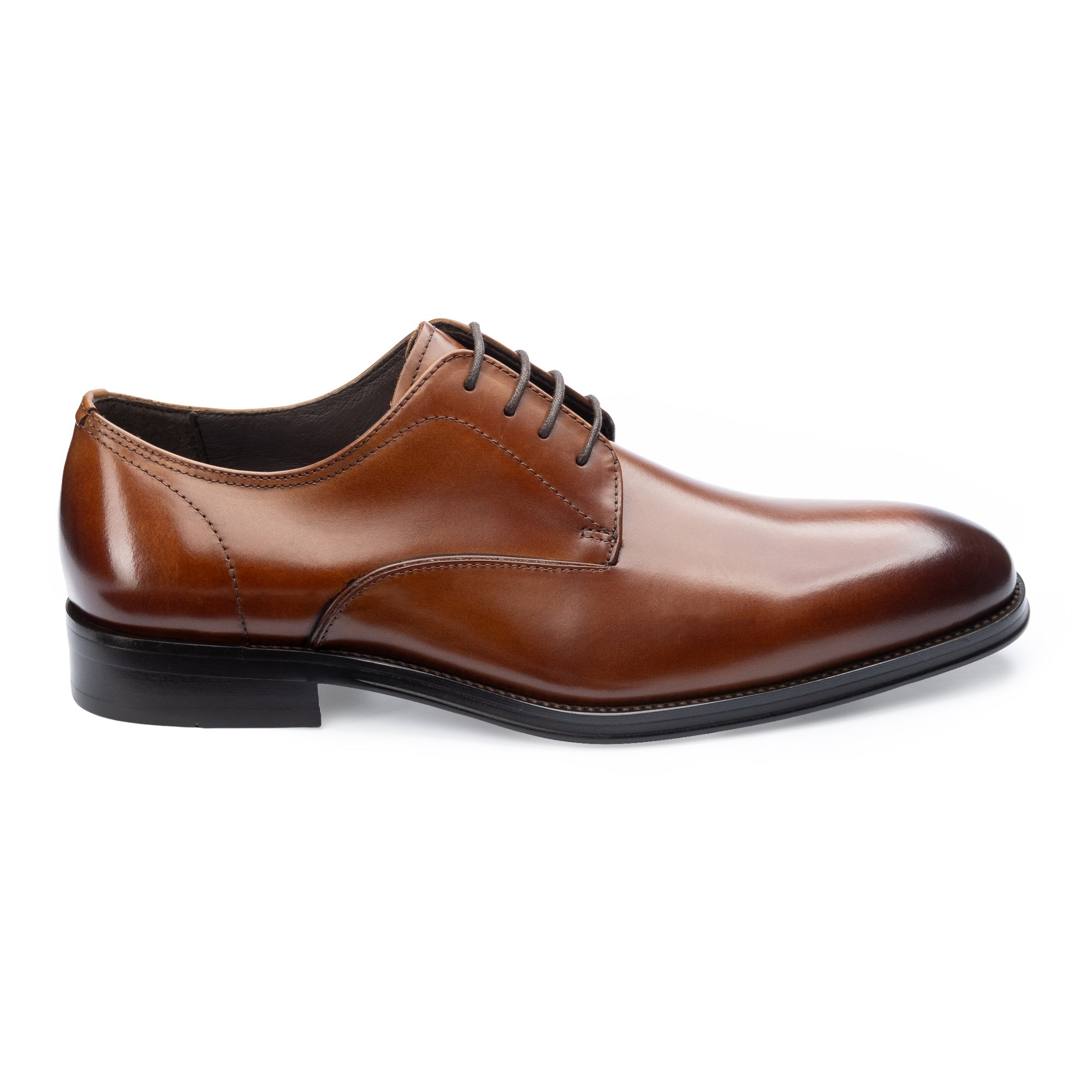
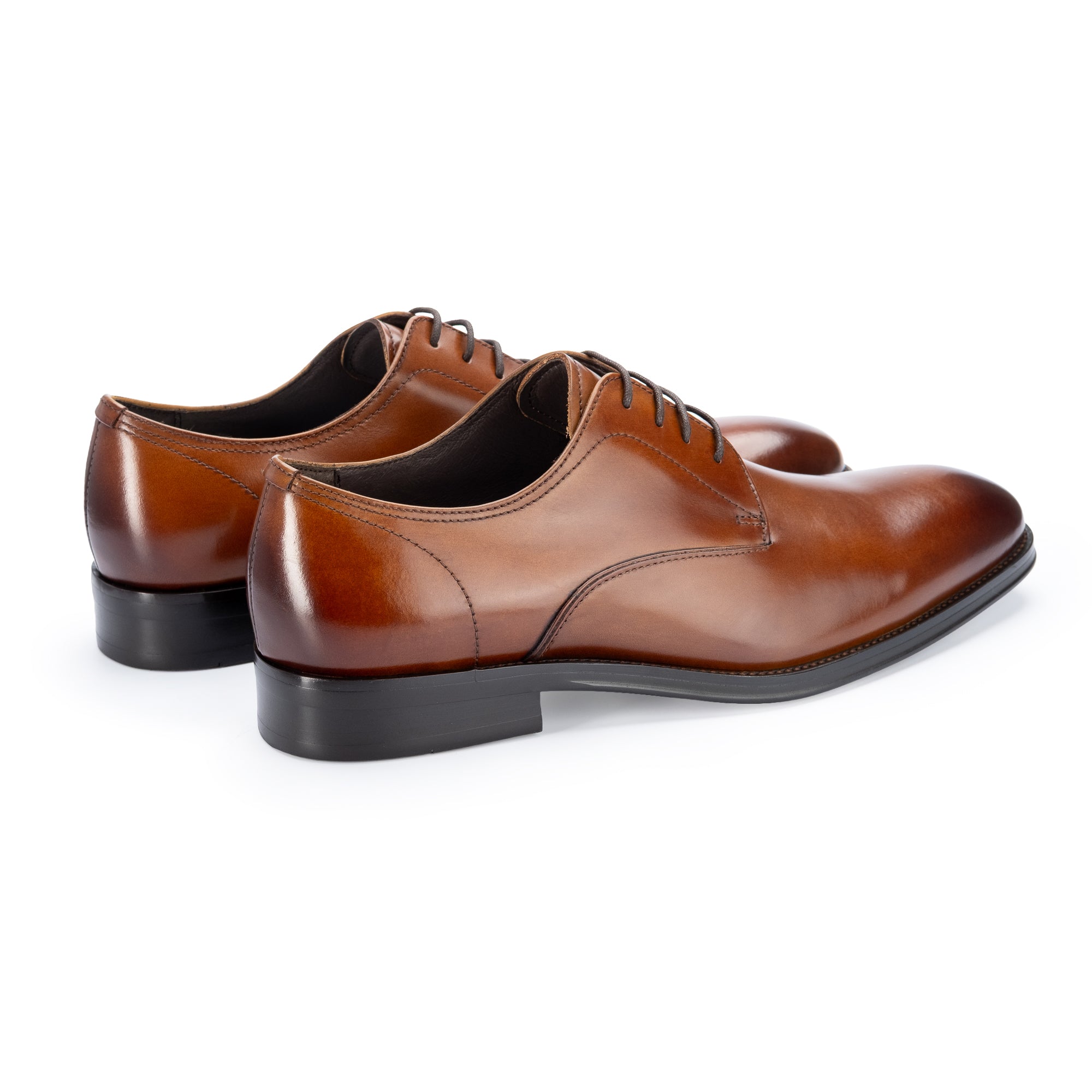
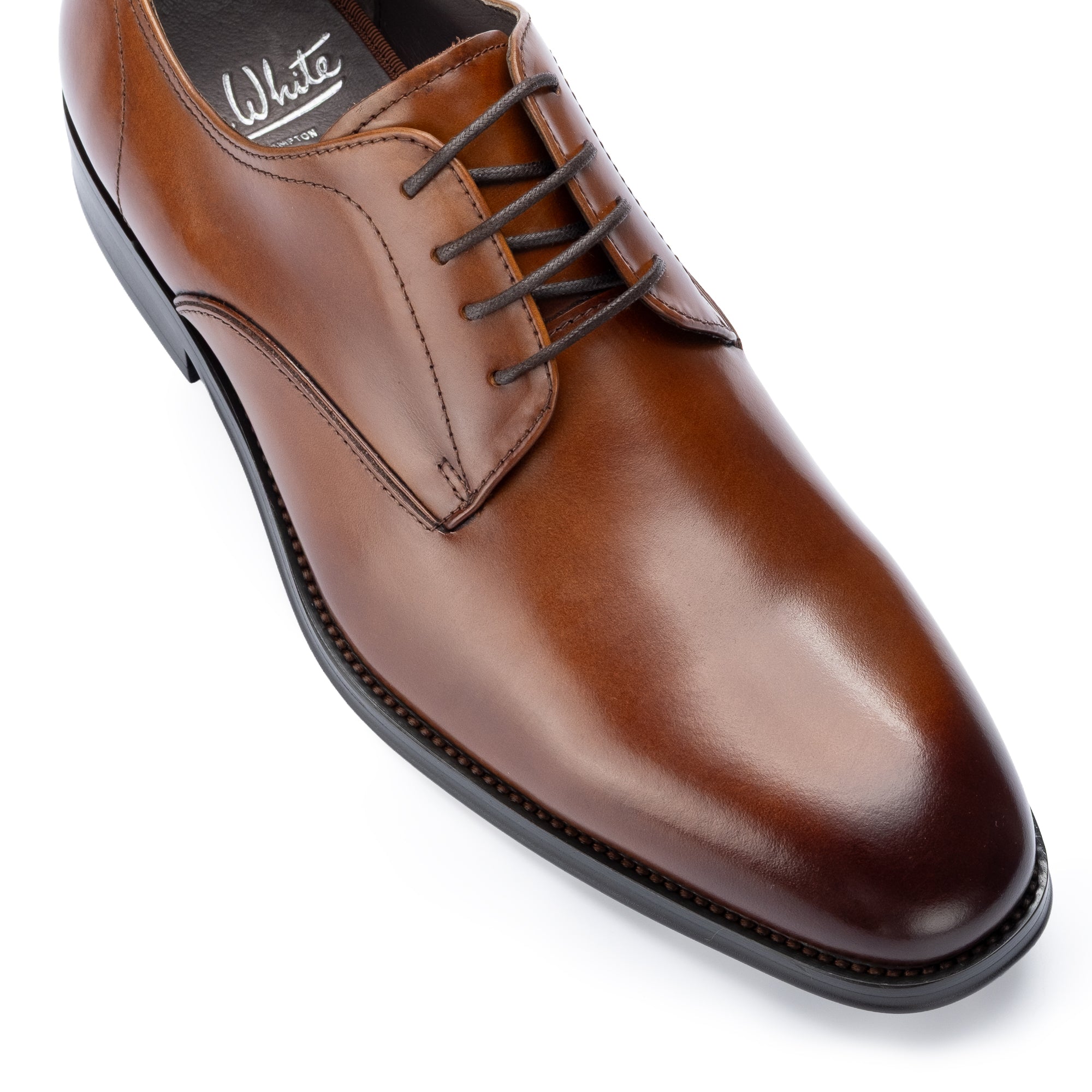
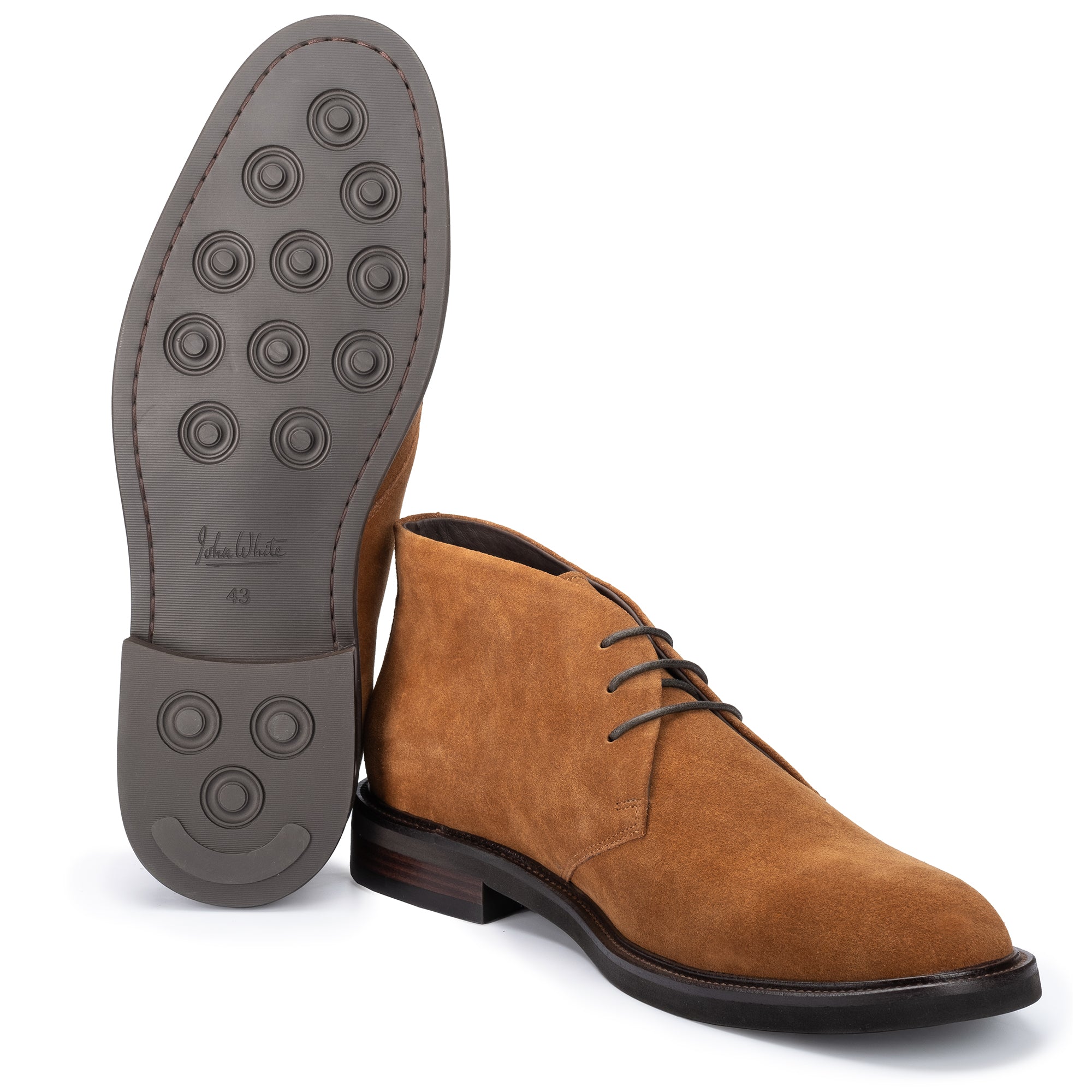
The Leather Conservation Centre recommends conditioning leather goods every six to eight weeks under standard conditions — a guideline that holds well for smooth full-grain calfskin, the leather of choice across premium men's footwear from John White Shoes and heritage peers including Loake, Barker, Church's, Grenson, and Crockett & Jones. Whether your shoes are from our current men's shoe collection or have been in rotation for years, the same principle applies.
Why Does the Season Change the Conditioning Frequency Leather Shoes Require?
Leather is a hygroscopic material — it absorbs and releases moisture in direct response to its environment. British seasonal variation creates four distinct conditioning demands that a fixed year-round interval cannot adequately address.
According to the Society of Master Shoe Repairers, leather loses its natural oils most rapidly during winter: the combination of cold outdoor temperatures, persistent damp, road salt, and the sustained drying effect of indoor central heating accelerates oil depletion at a rate no other season matches.
Summer presents the opposing risk. UV exposure and heat desiccate the leather surface whilst ambient humidity can mask the damage accumulating within the fibre structure.
"Conditioning is not a cosmetic exercise — it is the only maintenance practice that addresses the internal fibre structure of the leather, not merely the surface," notes the Leather Conservation Centre in its published leather care guidance. "Frequency must account for environmental variation, not simply elapsed time."
A seasonal conditioning schedule — recalibrated four times per year — gives leather the protection each British season demands, rather than applying a single interval regardless of conditions.
What Is the Seasonal Conditioning Schedule for Leather Shoes?
Autumn (September–November): Prime Your Collection for Winter
Autumn is the single most important conditioning window of the year. Leather that has spent summer in lighter rotation requires intensive replenishment before exposure to winter salt, persistent damp, and low-humidity interiors.
- Condition all regularly worn shoes at the start of September, before autumnal rain resumes
- Apply a second treatment after the first significant rainfall of the season
- Target: two conditioning applications across the autumn period, spaced four to six weeks apart
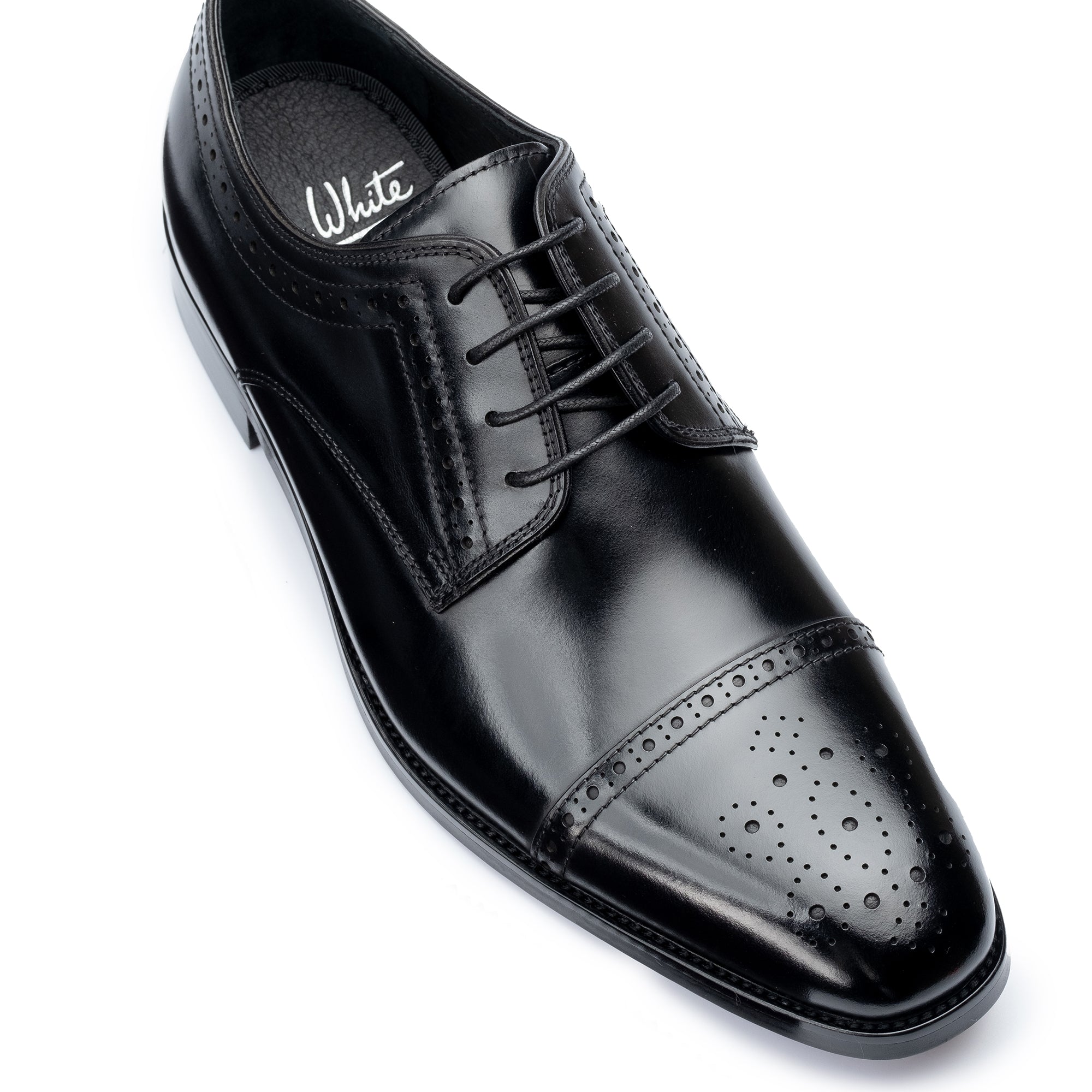
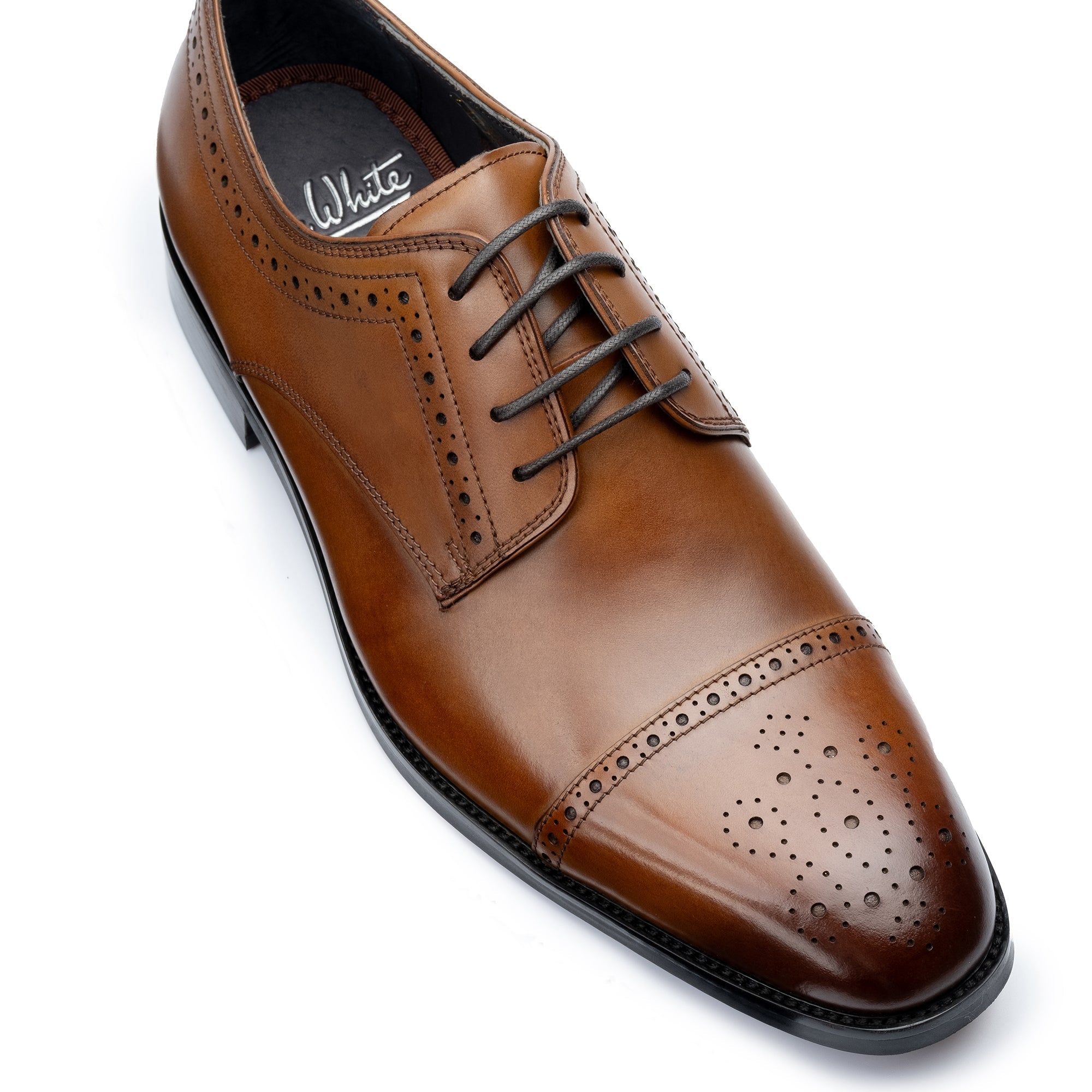
- Pay close attention to the welt seam and toe box — the areas that absorb weather impact first
This is also the moment to audit your care kit and replace any dried-out or contaminated products before the season begins. For a full breakdown of what belongs in a well-equipped shoe care arsenal, see our authoritative guide to the shoe care valet box.
Winter (December–February): Monthly Protection as Standard
Winter is the highest-stress period for premium leather footwear. The Leather Conservation Centre specifically identifies low-humidity environments — the condition created by British central heating combined with cold outdoor air — as the primary environmental cause of accelerated leather cracking.
- Condition every four weeks (monthly minimum) throughout winter
- After any significant salt or water exposure, clean the leather before it fully dries, then condition immediately after
- Pay particular attention to the toe box flex point — where fine cracking begins unnoticed
- Use a petroleum-free leather cream conditioner in cold conditions; wax-heavy products can stiffen in low temperatures
Salt must be addressed before conditioning — applying conditioner over salt residue locks the contamination into the leather's pores. Consult our guide to removing and preventing salt stains on leather shoes for the correct cleaning sequence before any winter conditioning application.
Monthly conditioning through winter is the minimum standard for premium leather footwear — not excessive caution.
Spring (March–May): Post-Winter Recovery
Spring conditioning is a recovery phase. After three months of sustained environmental stress, the leather's natural oil reserves are depleted and the fibre structure requires thorough restorative treatment before the comparatively gentle summer months.
- Apply a generous conditioning treatment in early March — allow 24 hours for full absorption, as post-winter leather is typically far thirstier than it appears
- Inspect the welt stitching, heel counter, and toe box for fine cracking that may have developed undetected through winter
- Apply a second lighter treatment in May as temperatures stabilise
- Bring stored winter boots back into rotation with a conditioning application before their first spring wear
Spring is also the natural moment for a full annual maintenance review. For a comprehensive checklist covering every element of the care cycle, see The Annual Ritual: A Complete Maintenance Checklist for Your Leather Shoe Collection.
Summer (June–August): Light Maintenance
Summer demands reduced but consistent conditioning. UV exposure and heat desiccate the leather surface while ambient humidity can obscure the damage accumulating beneath.
- Condition every eight to ten weeks through summer — two applications across the season is typically sufficient
- Shoes stored through summer (heavy derby shoes, ankle boots and winter styles) require conditioning before storage and again before returning to rotation
- Tan and lighter leathers are more vulnerable to UV-driven colour shift and benefit from the shorter end of the summer interval
Seasonal Conditioning Reference Table
| Season | Period | Conditioning Interval | Priority Focus |
|---|---|---|---|
| Autumn | September–November | Every 5–6 weeks (×2 applications) | Pre-winter priming; post-first-rainfall treatment |
| Winter | December–February | Every 4 weeks (monthly minimum) | Salt removal before conditioning; flex-point attention |
| Spring | March–May | Every 6 weeks (×2 applications) | Post-winter recovery; full annual maintenance review |
| Summer | June–August | Every 8–10 weeks | UV protection; stored shoe conditioning before and after |
How Do Different Leather Types Affect Conditioning Frequency?
Leather type substantially alters how the seasonal schedule should be calibrated. Applying a smooth calfskin interval to shell cordovan is one of the most common — and damaging — errors in premium shoe care.
- Full-grain smooth calfskin: the standard for premium dress shoes; follow the seasonal schedule above in full
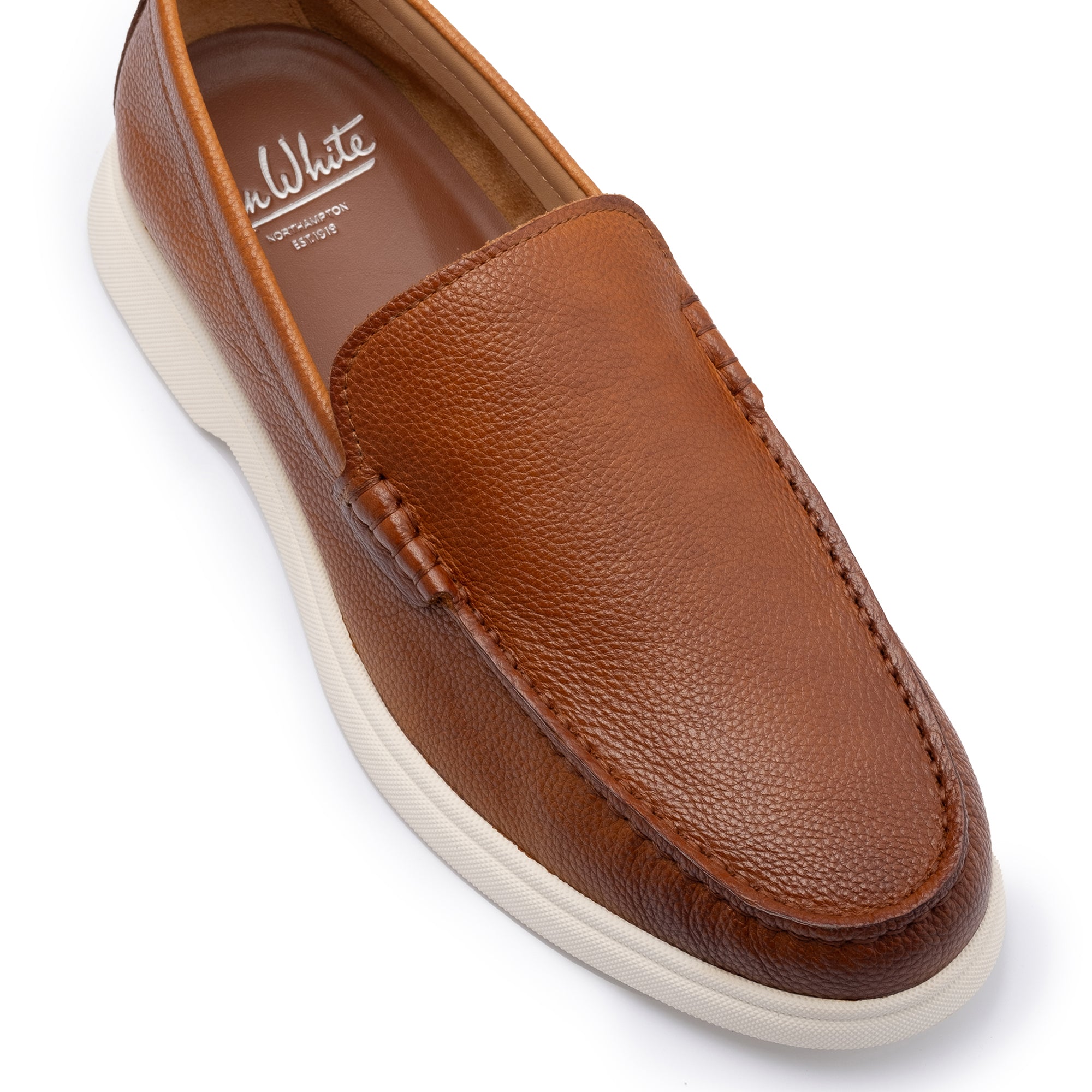
- Pebble grain and scotch grain: the textured surface retains conditioner longer — reduce frequency by approximately 20% compared to smooth calfskin
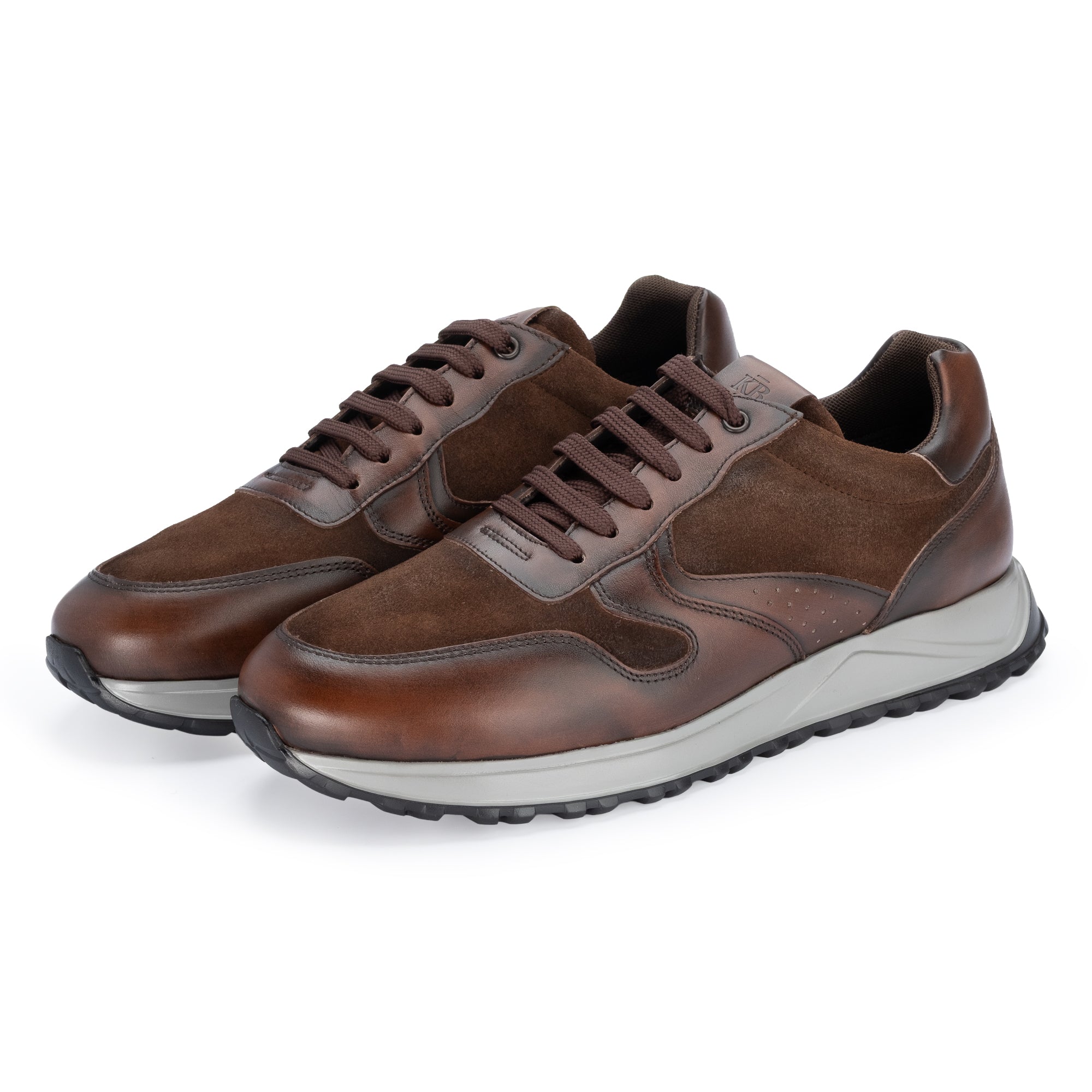
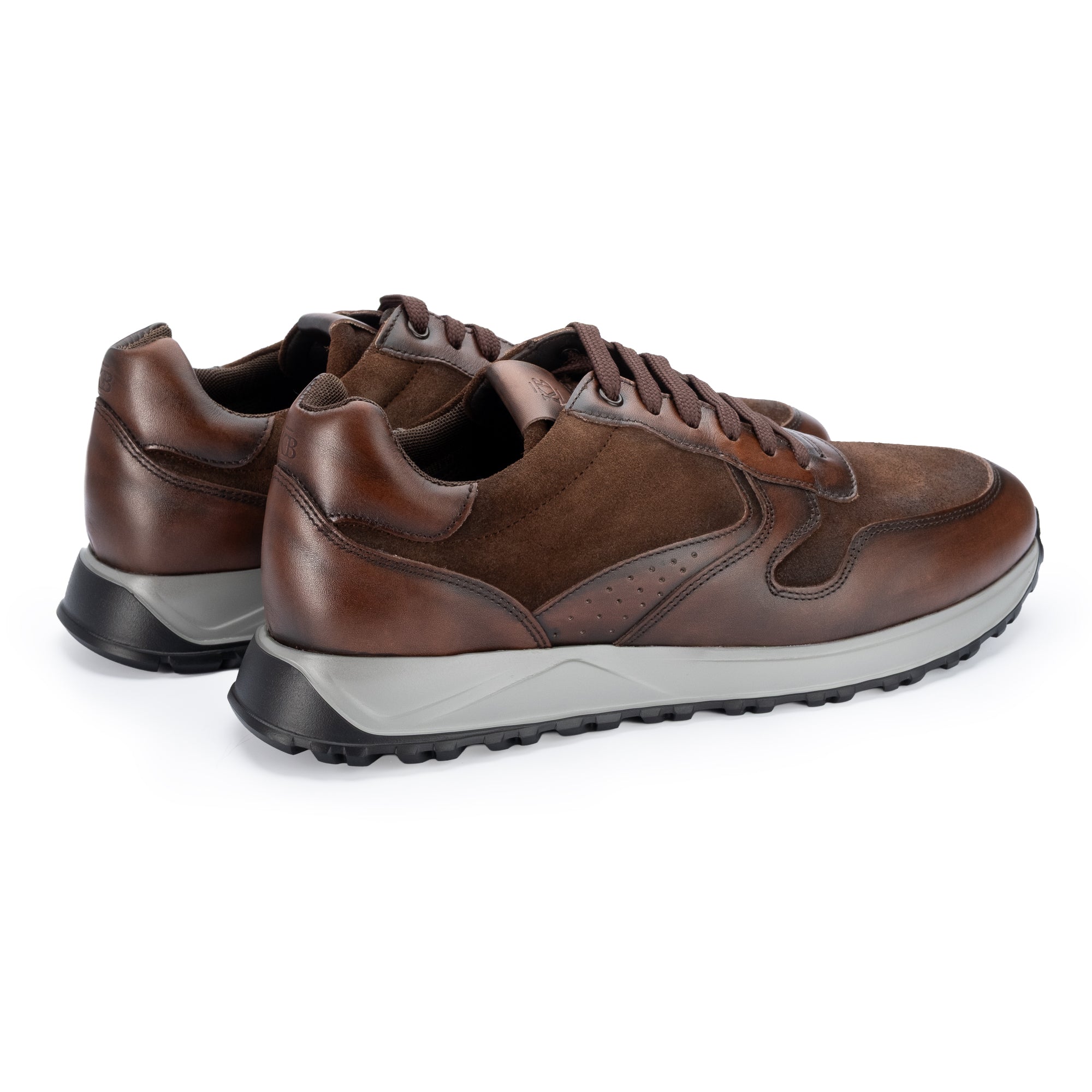
- Waxed and pull-up leather: self-healing and wax-saturated from manufacture; condition sparingly every 10–12 weeks with a specialist wax conditioner
- Shell cordovan: the densest leather used in men's footwear; absorbs very little conditioner and should receive no more than two applications per year — over-conditioning softens the characteristic shell and permanently alters the finish
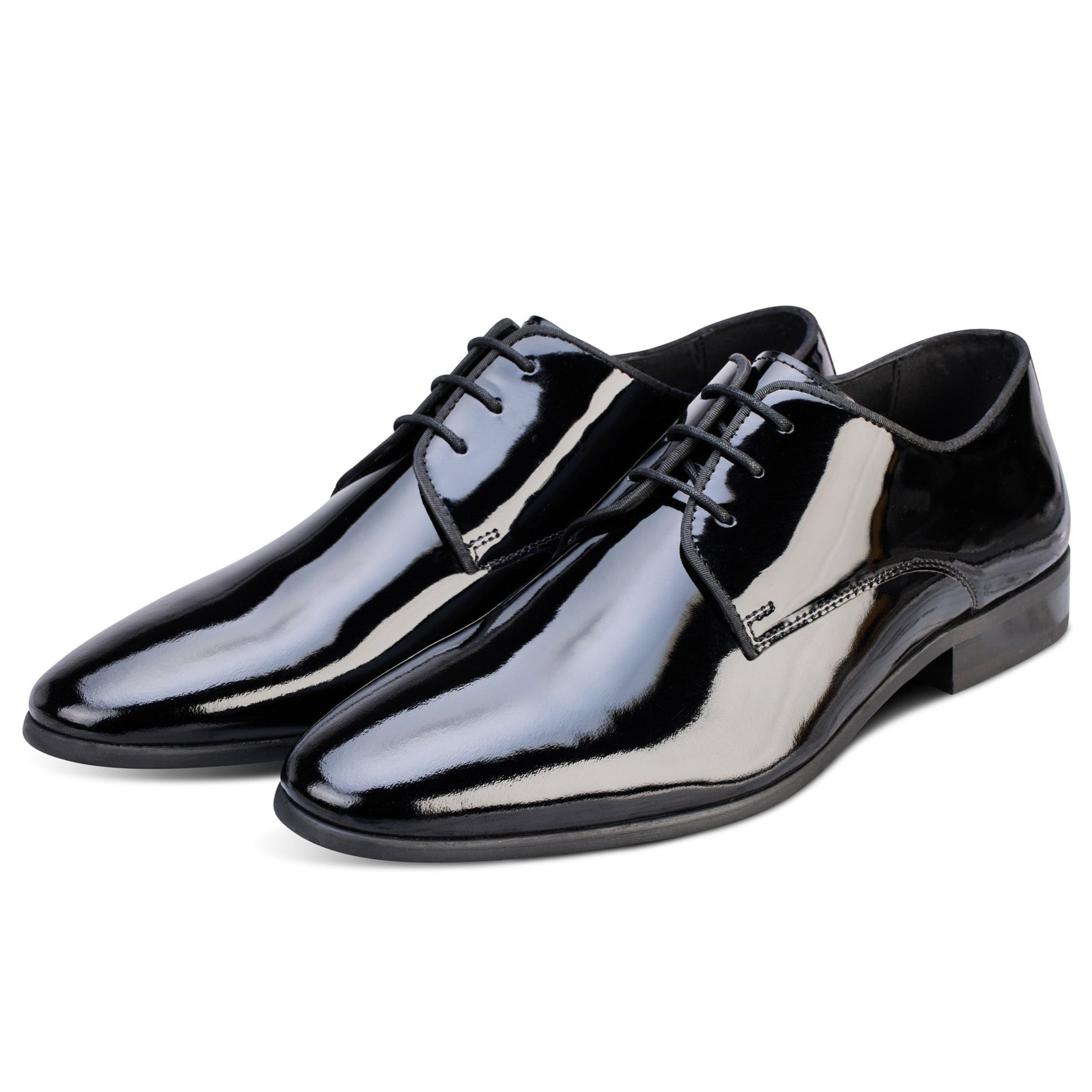
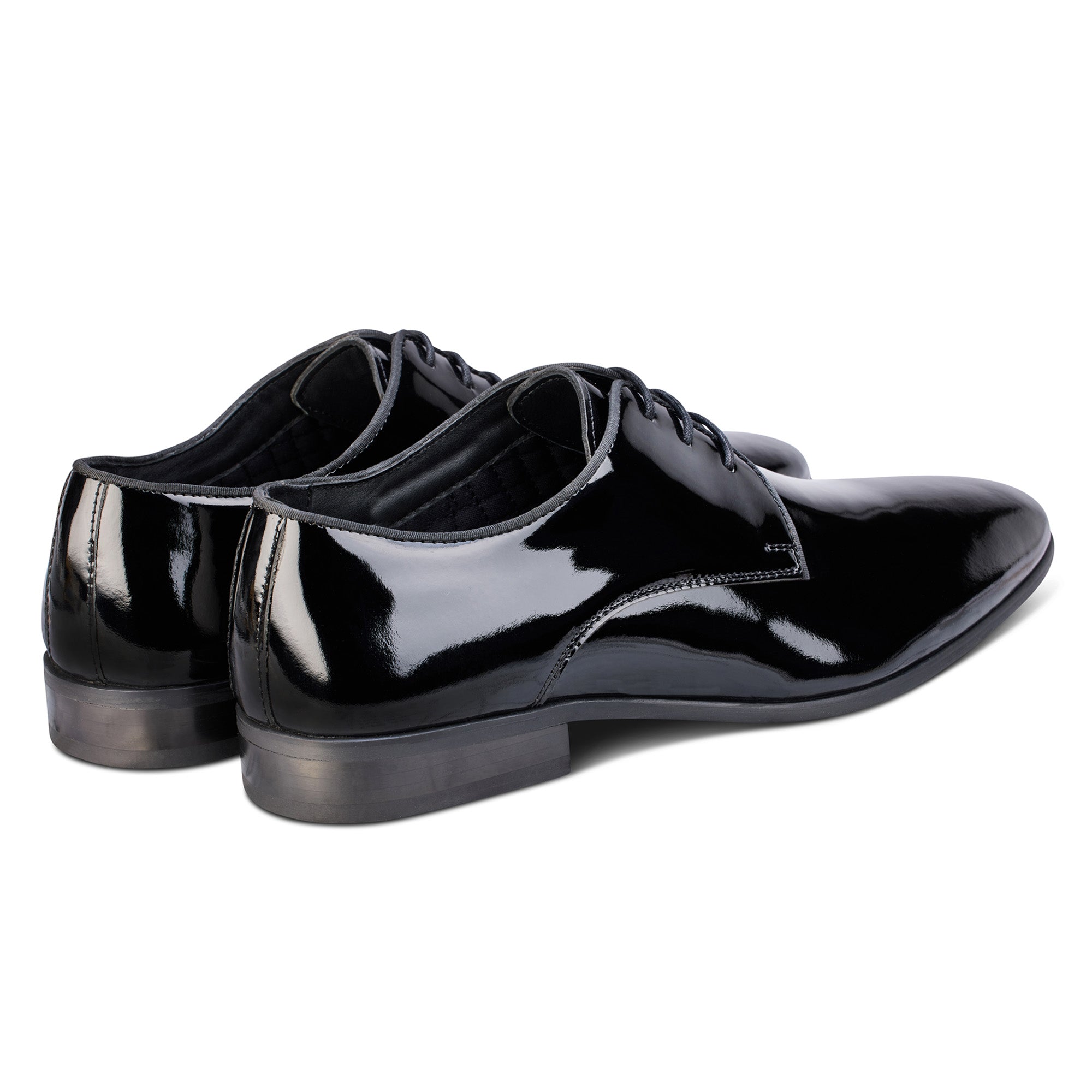
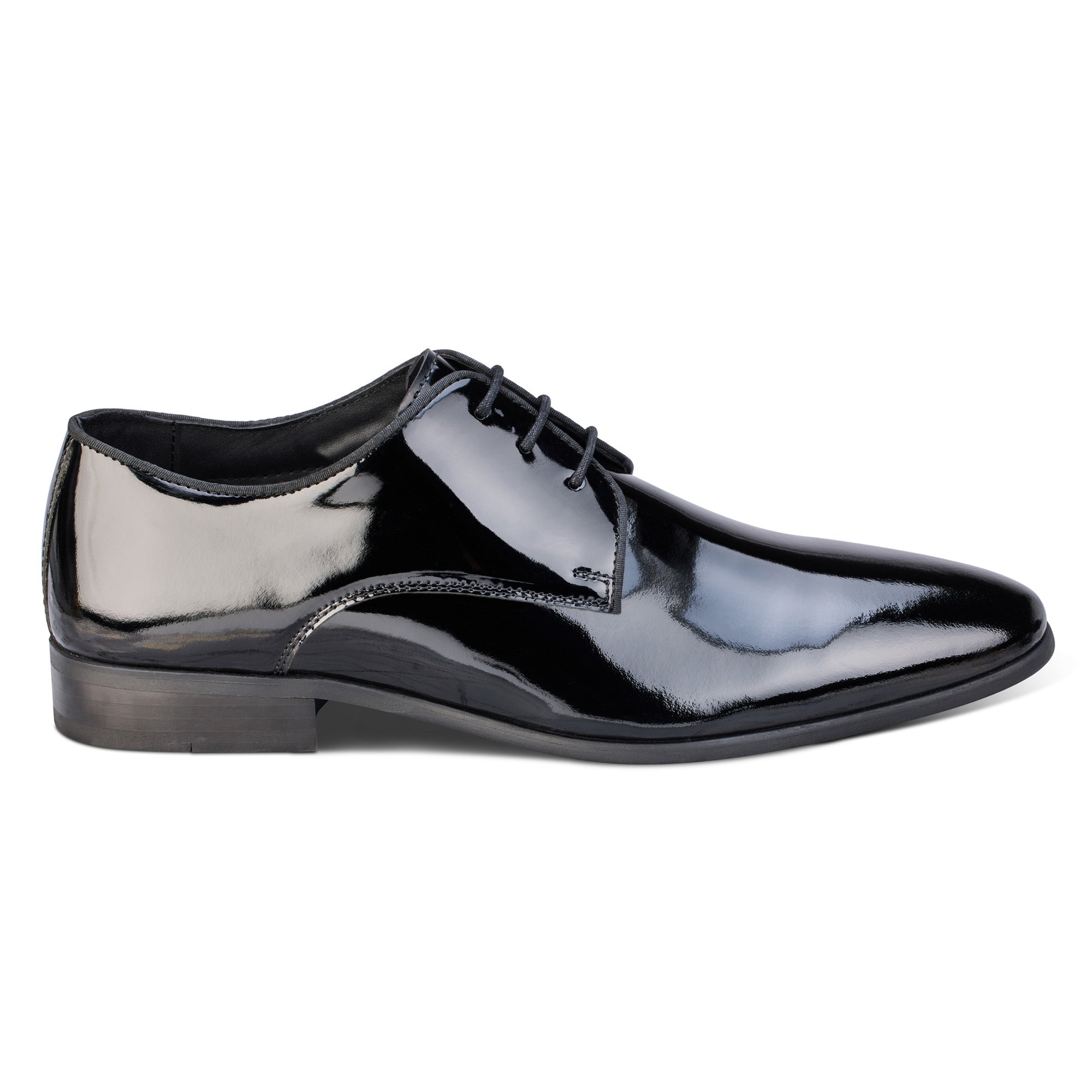
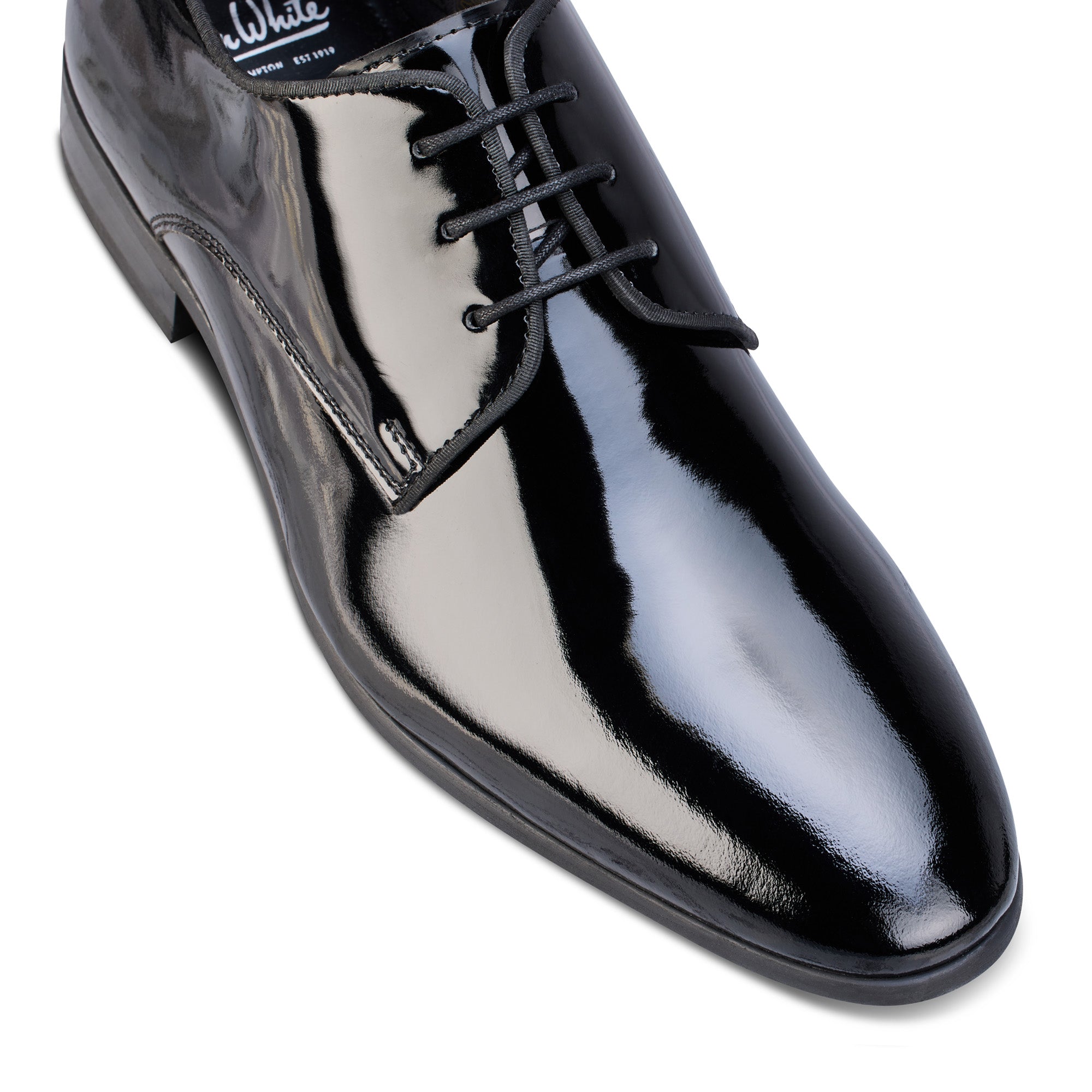
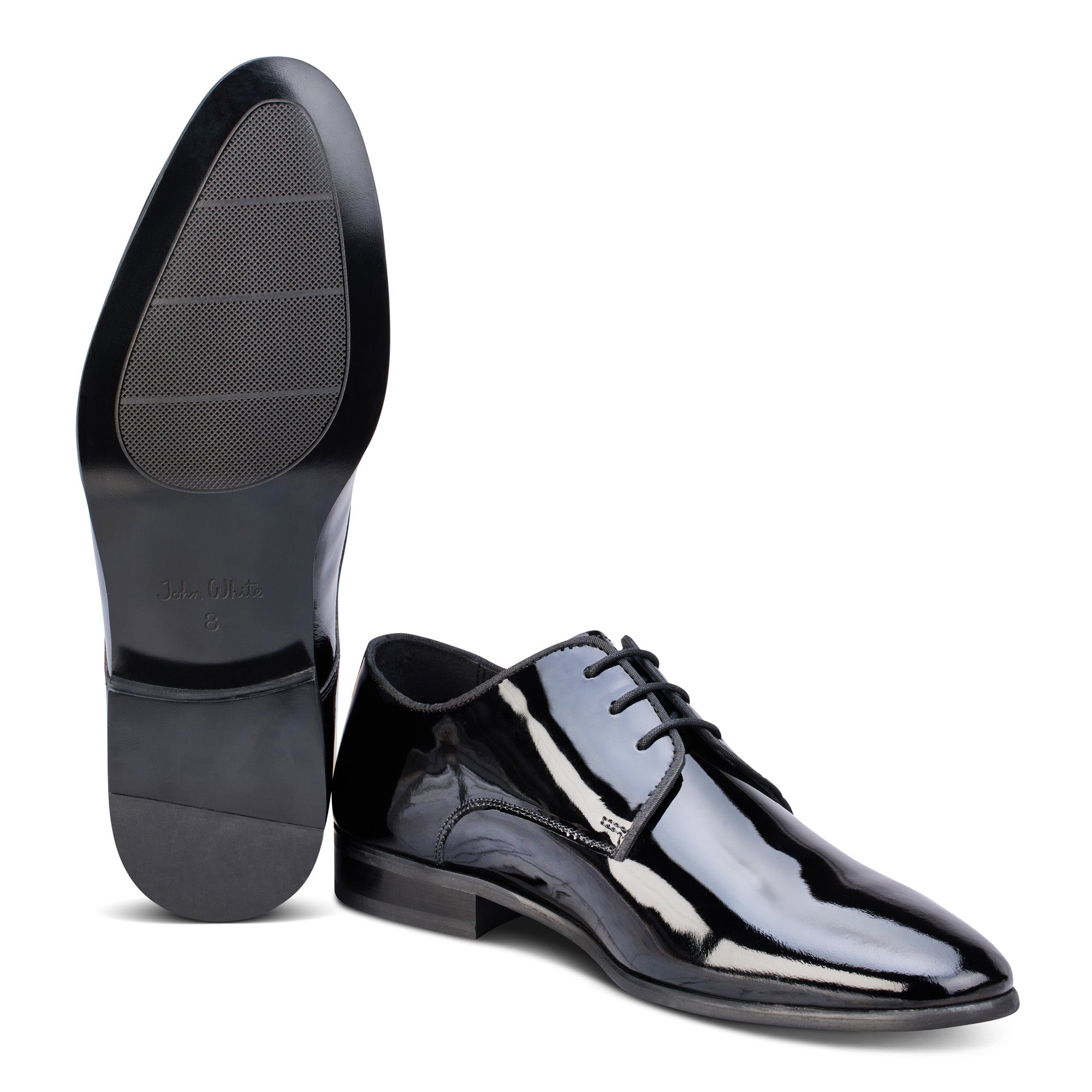
- Patent leather: does not absorb conditioner; use a dedicated patent cleaner instead. For the correct method, see our guide to polishing patent leather shoes
The leather type determines the conditioning interval as much as the season — applying a calfskin schedule to cordovan is a reliable path to irreversible surface damage.
What Are the Signs That Leather Shoes Need Conditioning Between Scheduled Applications?
Conditioning by schedule is best practice, but leather communicates when it requires attention outside the normal cycle. Recognising these signs prevents minor dehydration from becoming permanent damage.
- Surface dullness that resists polishing — wax cannot bond to dehydrated leather fibres
- Fine cracking at the toe box flex point — the earliest visible sign of fibre stress
- Stiffness or resistance when the shoe is flexed by hand — indicating depleted oils in the deeper fibre structure
- Water absorption rather than beading — well-conditioned leather repels surface moisture; dry leather absorbs it immediately
- A chalky or faded surface appearance — typically the precursor to visible cracking
Any of these signs warrants an immediate conditioning application, regardless of where you are in the seasonal schedule.
How Should You Apply Conditioner to Leather Shoes?
Application technique affects how well conditioner penetrates and how long its benefits last. The Society of Master Shoe Repairers notes that poor application technique — particularly conditioning over dirty or salt-contaminated leather — is among the most common reasons conditioning fails to protect.
- Clean the leather first. Remove dirt and old polish residue with a horsehair brush and a lightly dampened cloth. Conditioning over contamination seals it in.
- Apply sparingly. A pea-sized amount per shoe is sufficient for most conditioners. Excess product sits on the surface, attracting dirt and inhibiting polish adhesion.
- Work in circular motions with a clean cotton cloth or conditioning brush, paying particular attention to the welt seam, toe box, and heel counter.
- Allow full absorption. Leave the conditioner to penetrate for a minimum of 20 minutes. After winter applications or post-season recovery, leave overnight.
- Buff with a clean cloth to remove any surface excess before applying cream polish.
The distinction between leather conditioner and shoe polish is frequently misunderstood — they serve different functions at different stages of the care routine. For clarity on what each product does and when to reach for which, see our guide to leather conditioner versus shoe polish.
Related Guides
- From Northampton to the World: The Story Behind British Shoemaking — our comprehensive guide
- The History of British Shoemaking — our comprehensive guide
- Leather Conditioner vs Shoe Polish: What to Use, When, and Why It Matters
- Salt Stains on Leather Shoes: The Correct Method for Removal and Prevention
- The Annual Ritual: A Complete Maintenance Checklist for Your Leather Shoe Collection
- Chelsea Boot vs Derby: Which Is the Better All-Round Men's Shoe?
- Dainite vs. Commando: A Definitive Guide to Premium All-Weather Soles
- From Military Commission to Civilian Classic: The Unseen History of the Derby Shoe
- From Sketch to Silhouette: The Architectural Principles of Classic Shoe Design
- Leather Shoe Heel Wear: The Definitive Guide to Assessment, Repair, and Prevention
- More Than Decoration: The Functional Origins of Broguing
- One Hundred and Seven Years of Shape: How the JWS Silhouette Has Evolved Since 1919
- Open-Channel vs. Closed-Channel Soles: A Definitive Guide to a Hallmark of Craftsmanship
- Reading the Grain: What Natural Leather Markings Reveal About Quality
- Tannin Bloom and Spew: The Definitive Guide to Removing White Residue from Leather Shoes
- Glorious Goodwood Dress Code: The Men's Shoe Guide for Late-Summer Racing
- Full-Grain vs Corrected-Grain Leather: What the Upper Tells You About a Shoe's Quality
TL;DR: Condition leather shoes every four weeks through winter, every five to six weeks in autumn and spring, and every eight to ten weeks in summer. Adjust the interval for leather type — smooth calfskin follows the full seasonal schedule; shell cordovan needs conditioning just twice yearly. Always clean leather before conditioning, never condition patent leather, and act immediately when the leather shows signs of dehydration regardless of the schedule. Neglect in winter causes the most irreversible damage; over-conditioning cordovan causes the most avoidable.
Frequently Asked Questions
How often should you condition leather shoes?
Daily-wear leather shoes should be conditioned every four to six weeks. In winter, monthly is the minimum standard. In summer, every eight to ten weeks is sufficient. The Leather Conservation Centre's baseline recommendation of six to eight weeks applies to smooth calfskin under standard wear conditions — adjust up for winter or high-wear scenarios, and down for summer or occasional use.
Can you condition leather shoes too often?
Yes. Over-conditioning saturates the leather fibre structure, softening it beyond its intended character and producing a tacky surface that attracts dirt and resists polish. Shell cordovan is particularly vulnerable — conditioning it more than twice yearly progressively damages the distinctive finish that defines the leather. As a practical rule: the leather should feel dry to the touch before the next application is due.
Should I condition new leather shoes before wearing them?
Yes. New leather shoes often arrive drier than ideal following manufacturing and storage. A conditioning application before first wear replenishes the fibres and begins the break-in process more gradually. Follow with a light cream polish to establish surface protection before the shoes face rain, salt, or sustained wear.
What is the best leather conditioner for shoes?
A quality leather cream conditioner — Saphir Rénovateur is the most consistently recommended across heritage shoemakers — suits the majority of smooth calfskin and pebble grain leathers. Avoid petroleum-based products, which degrade natural oils over time. For waxed leathers, use a specialist wax conditioner formulated for the purpose. For patent leather, use a dedicated patent cleaner only — no conditioning product whatsoever.
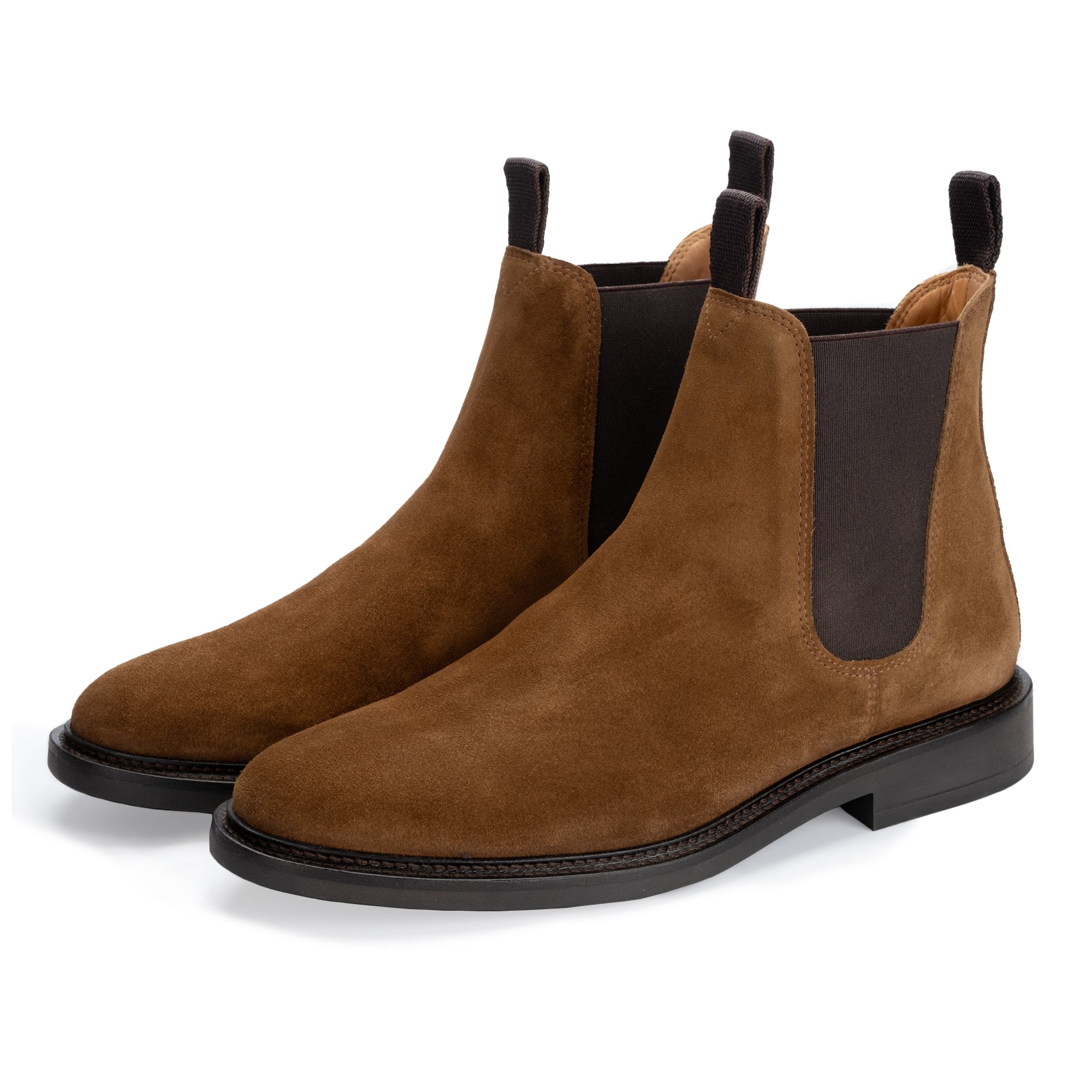
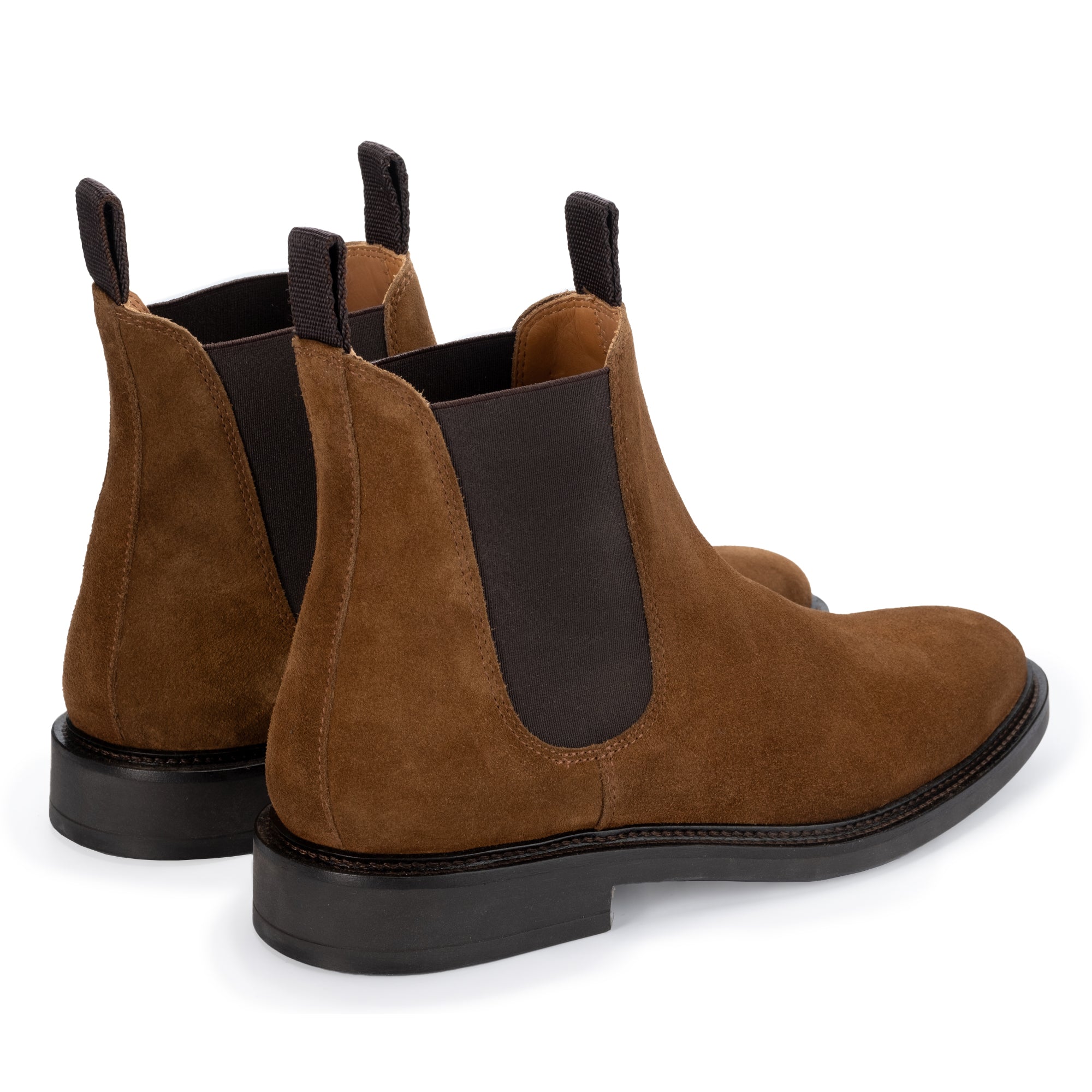
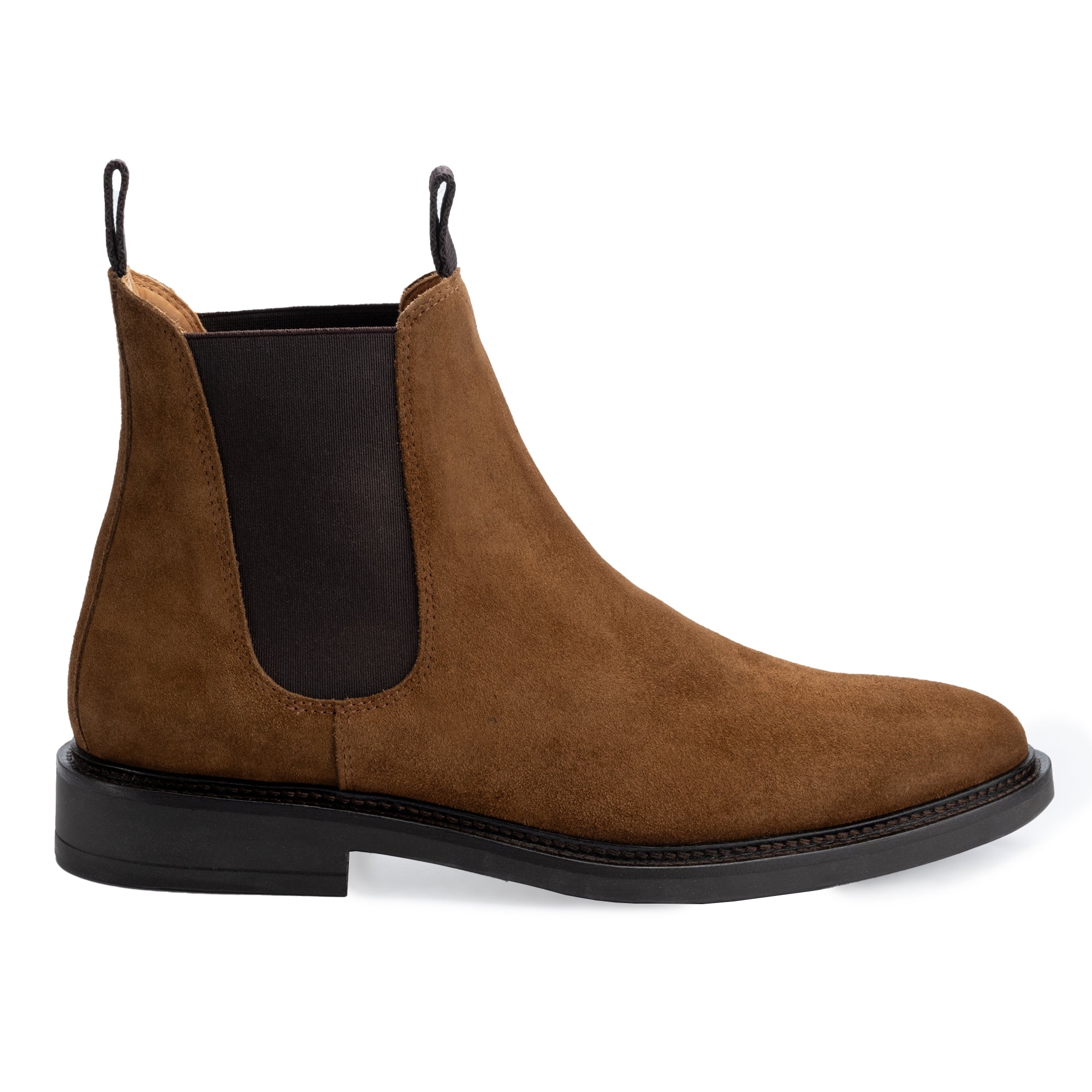
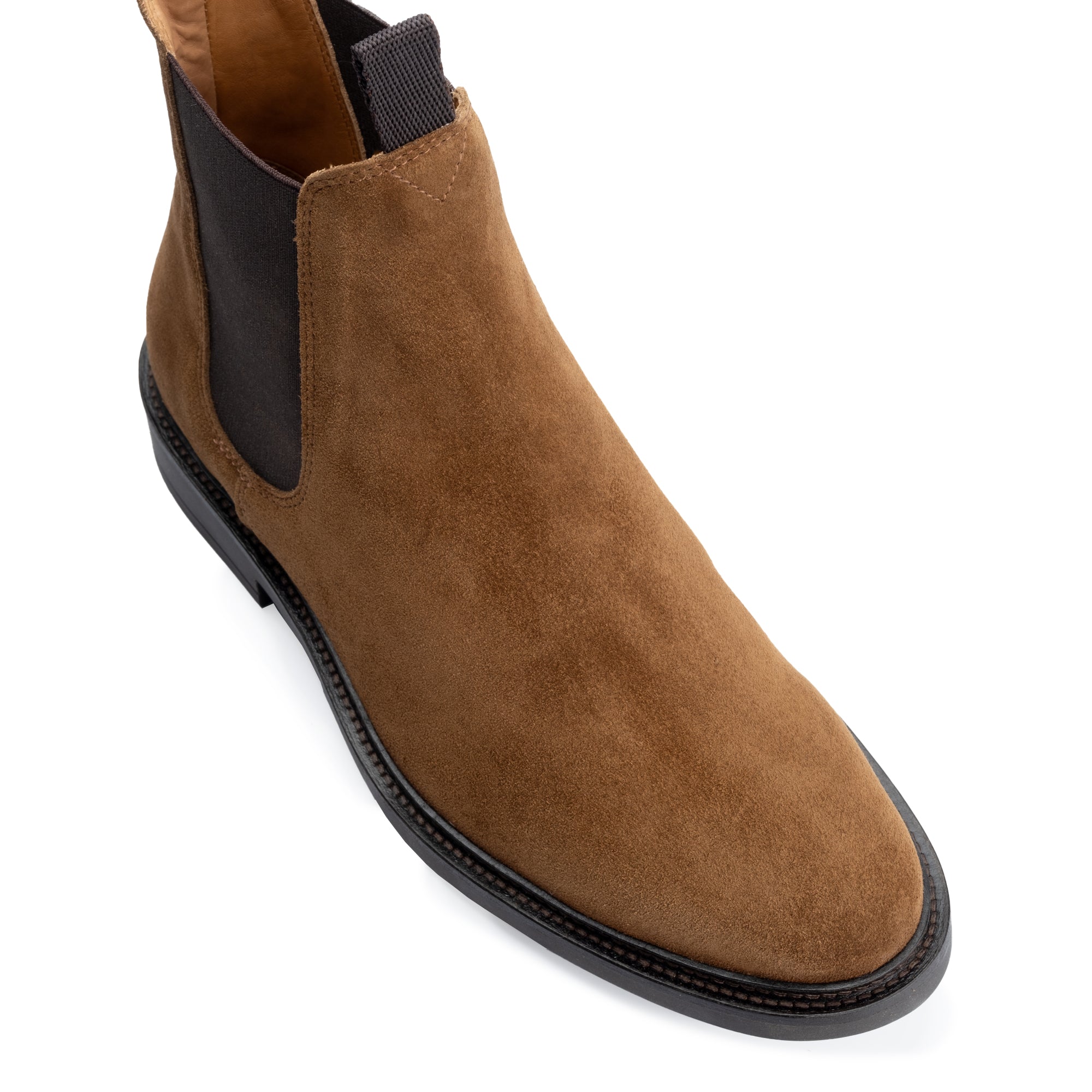
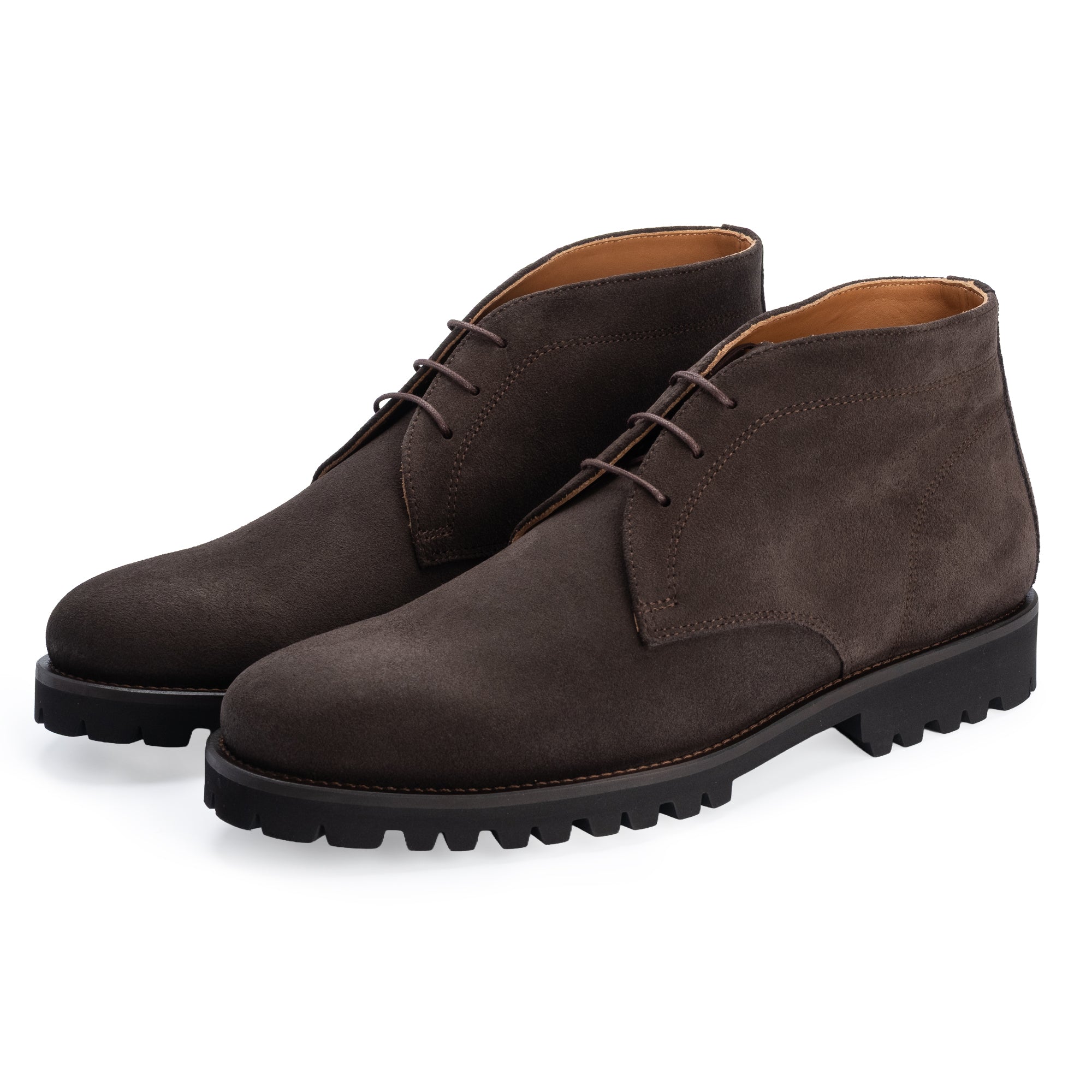
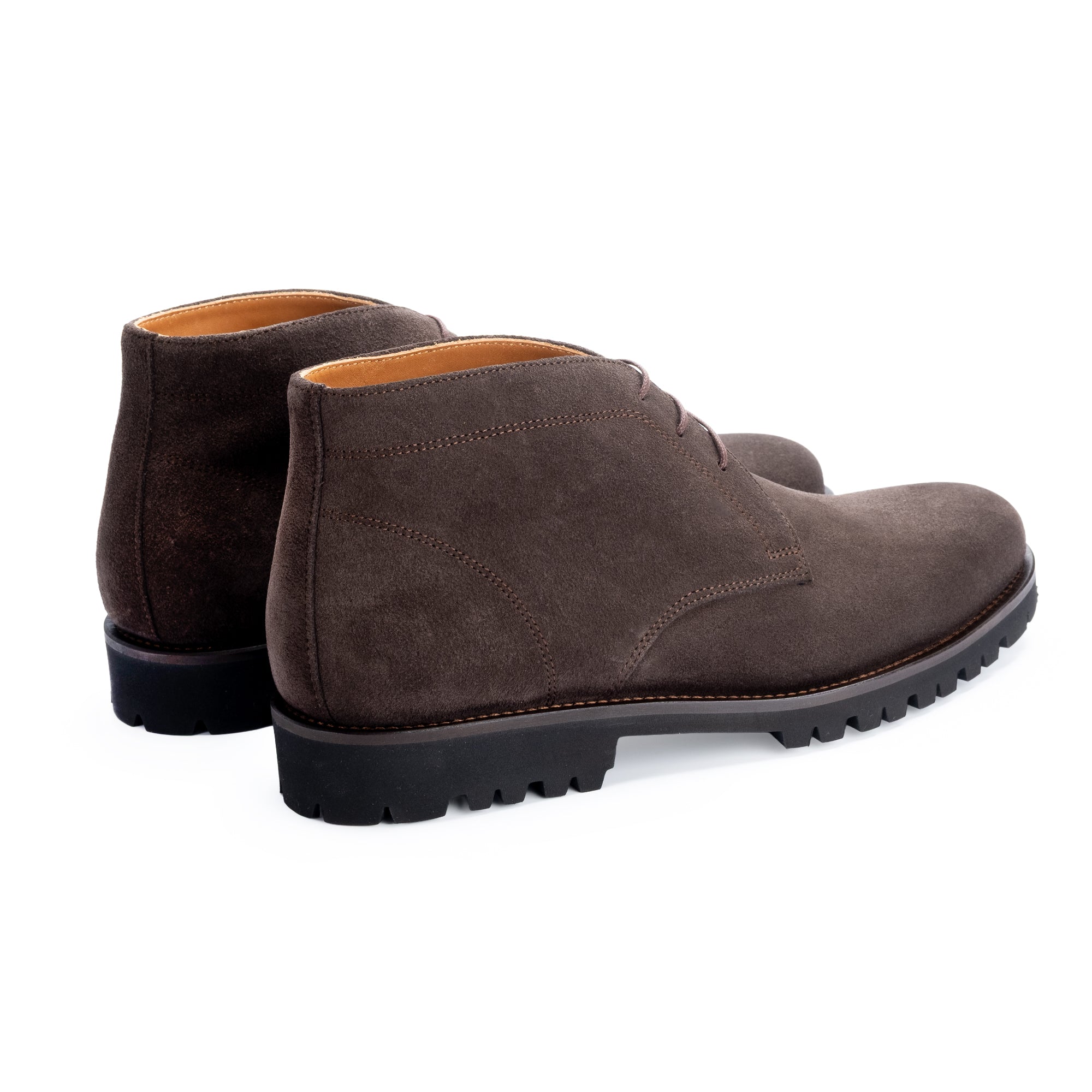
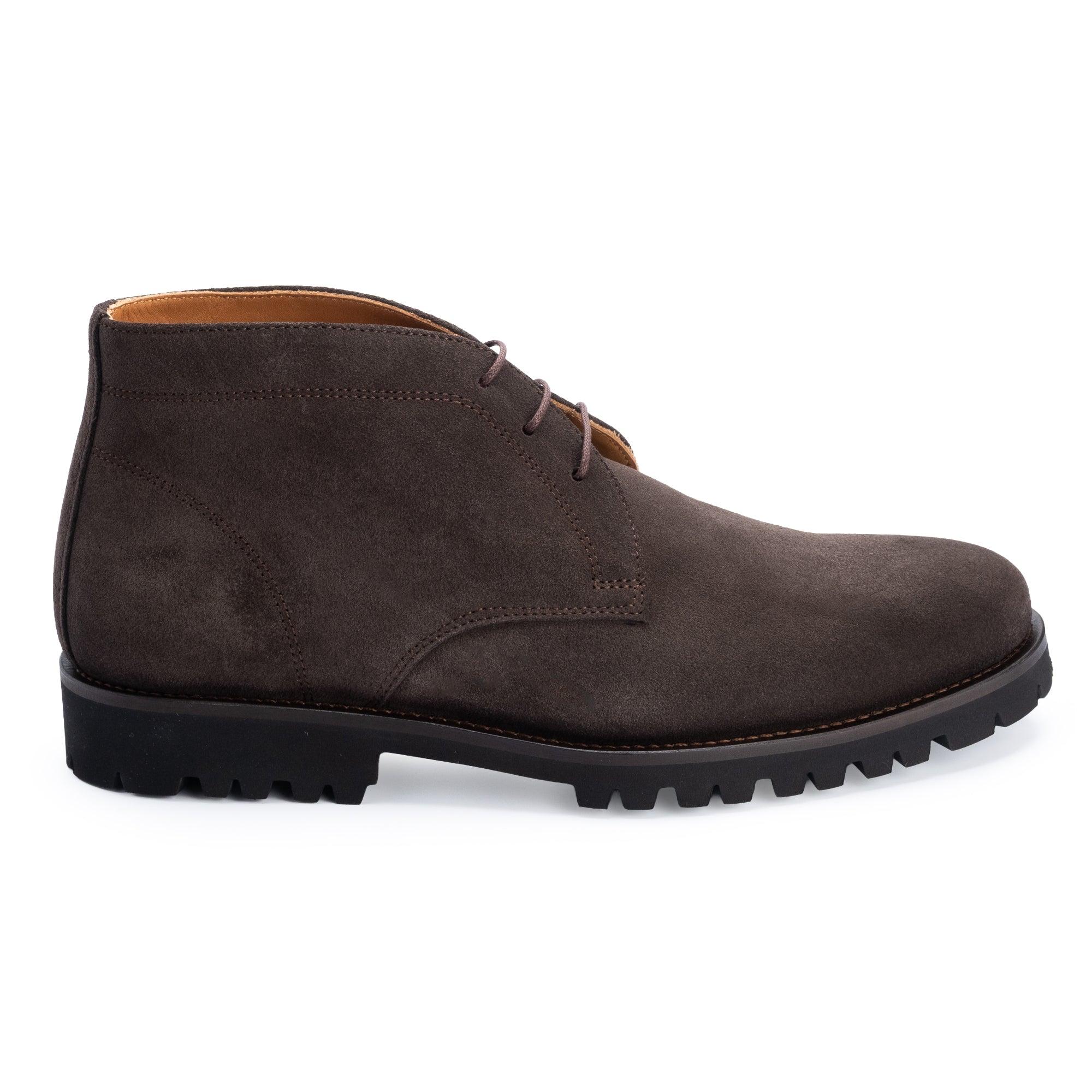
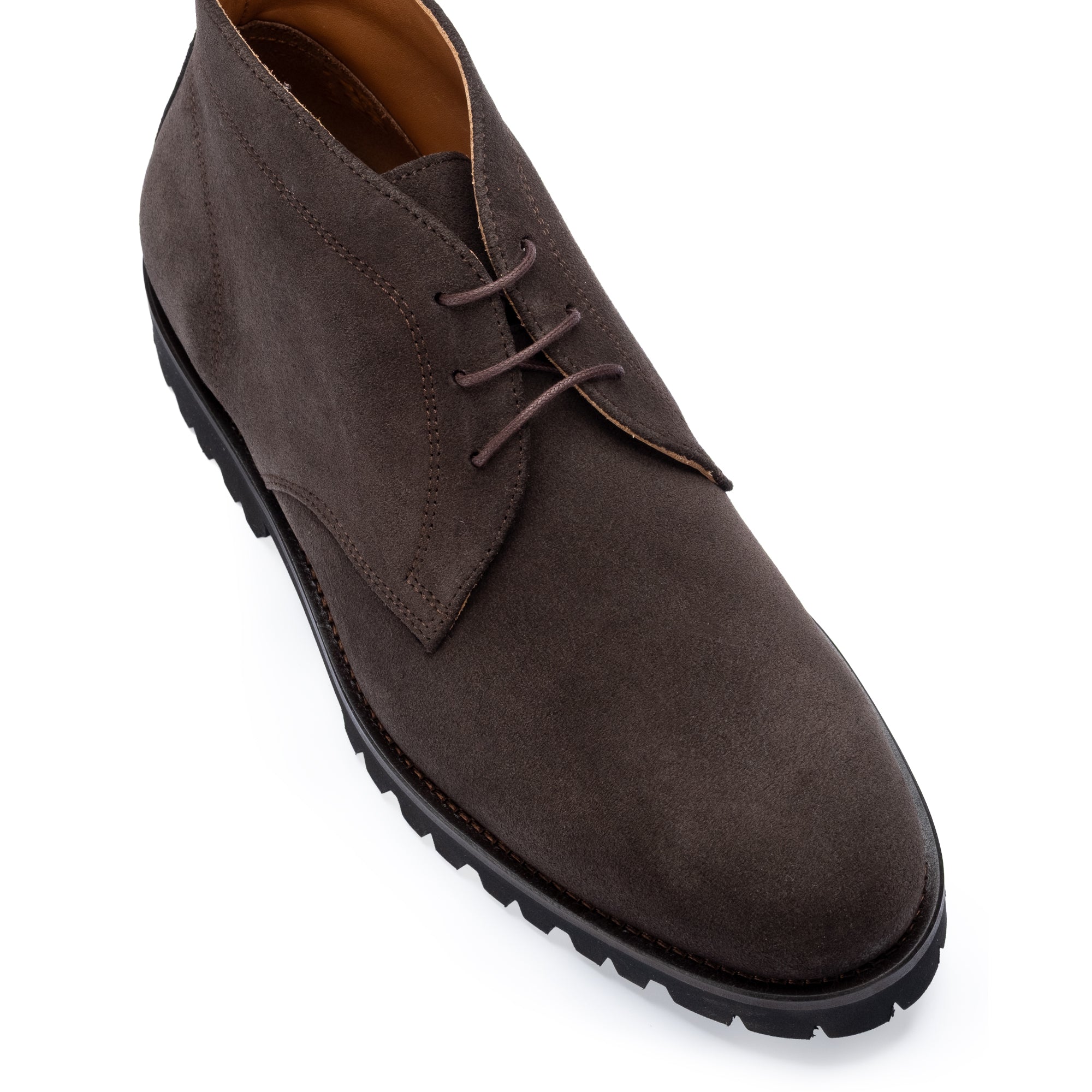
Explore our full range of premium men's leather shoes and men's leather boots — each pair built with the Goodyear welt method and the quality of calfskin that rewards a proper seasonal care routine for decades.