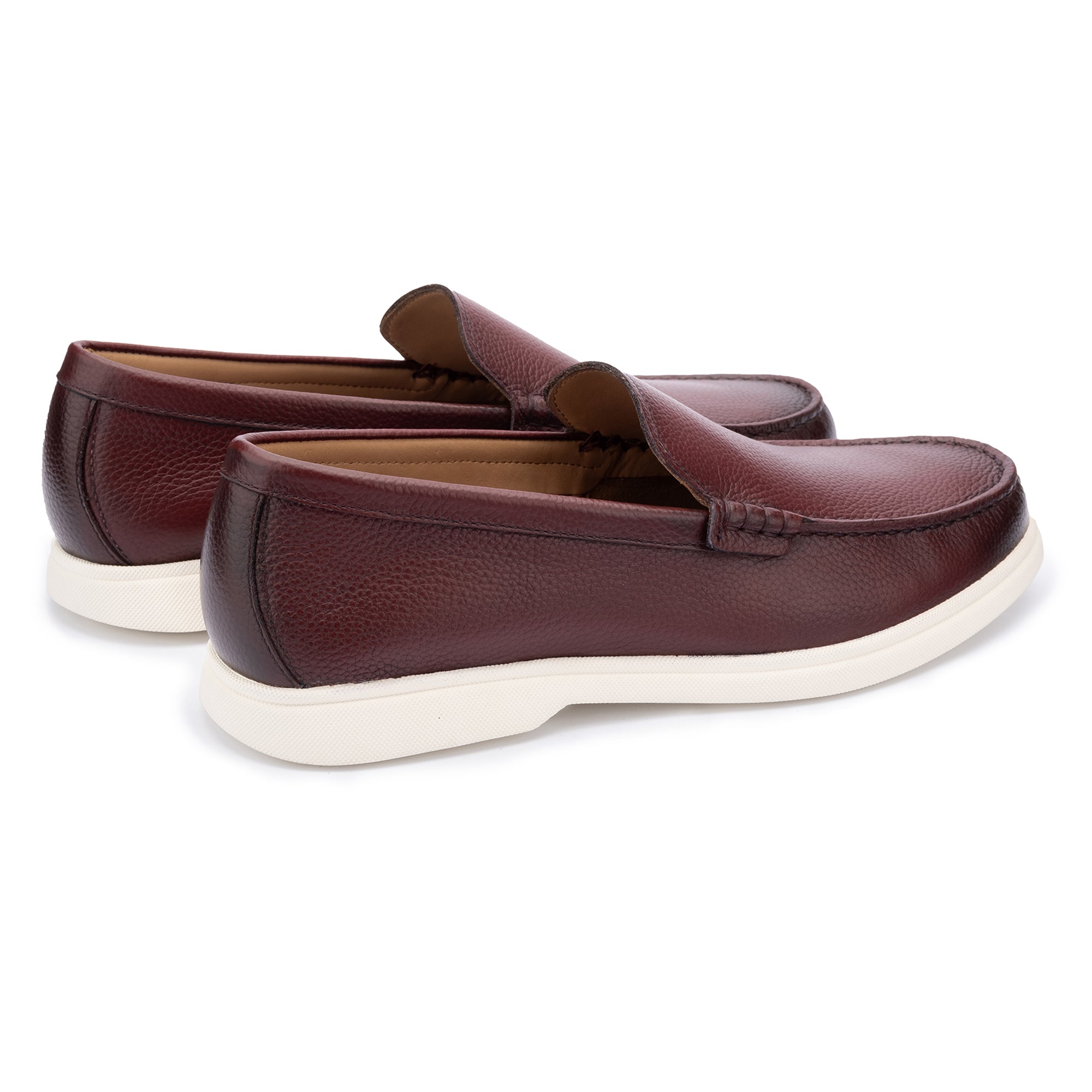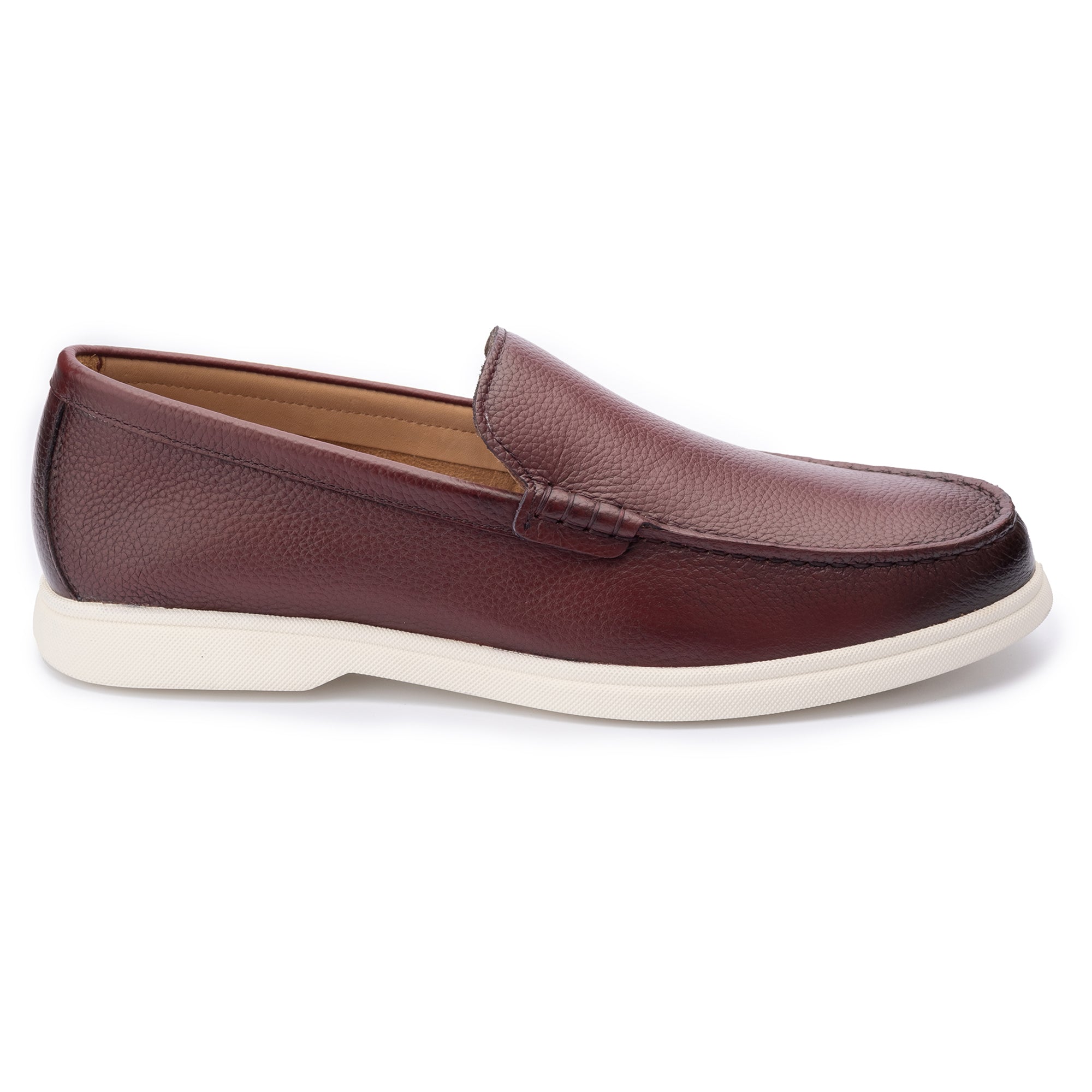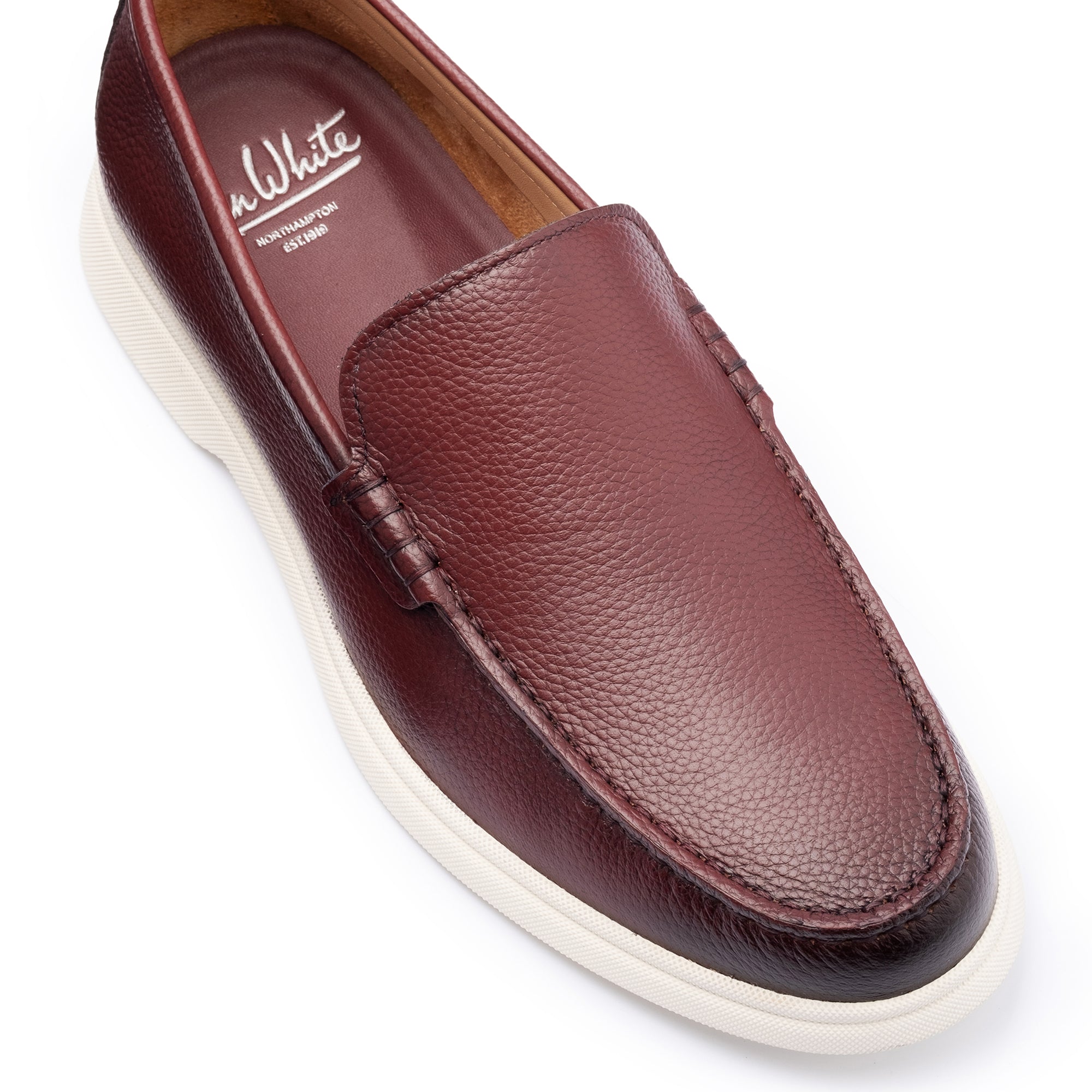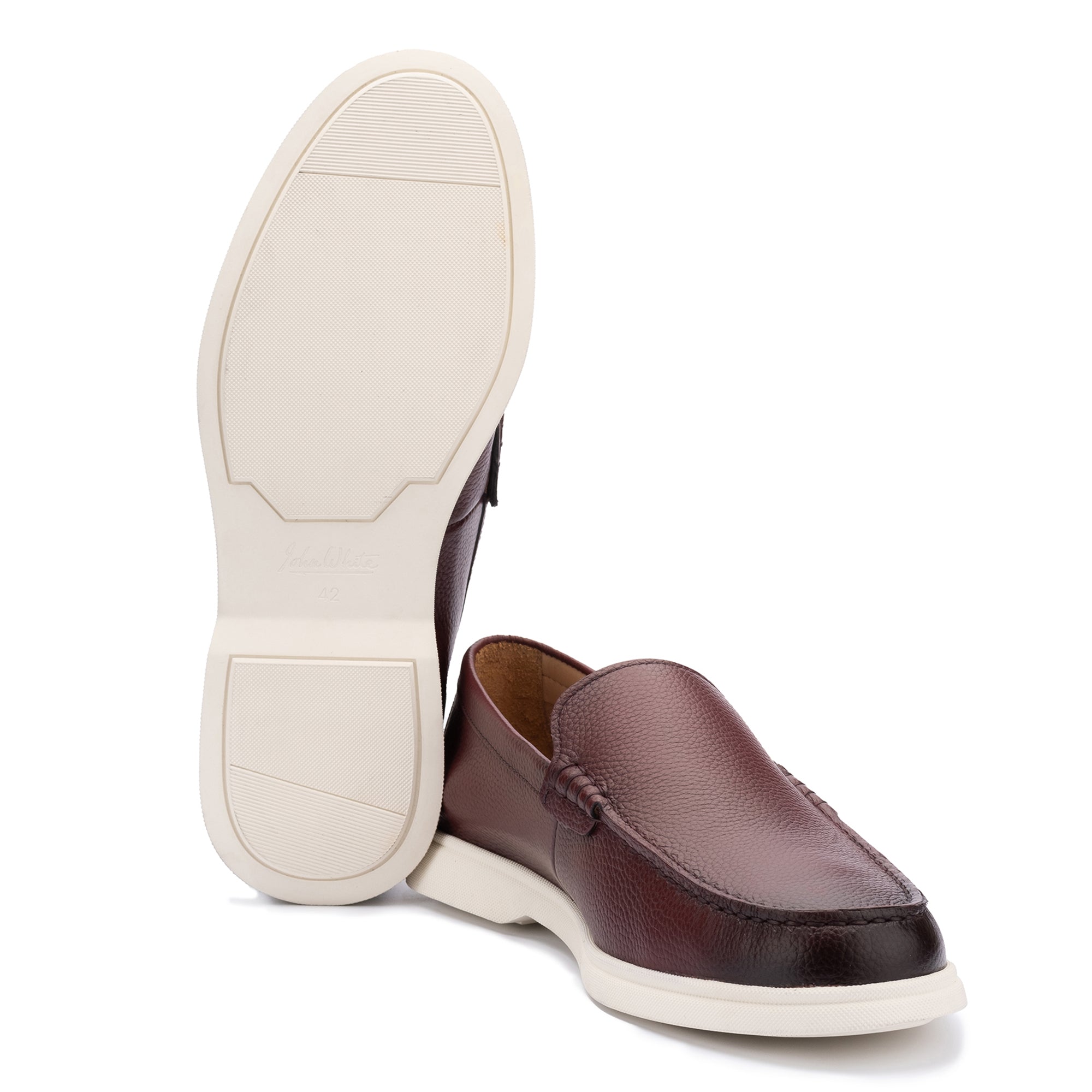

More Than Decoration: The Functional Origins of Broguing
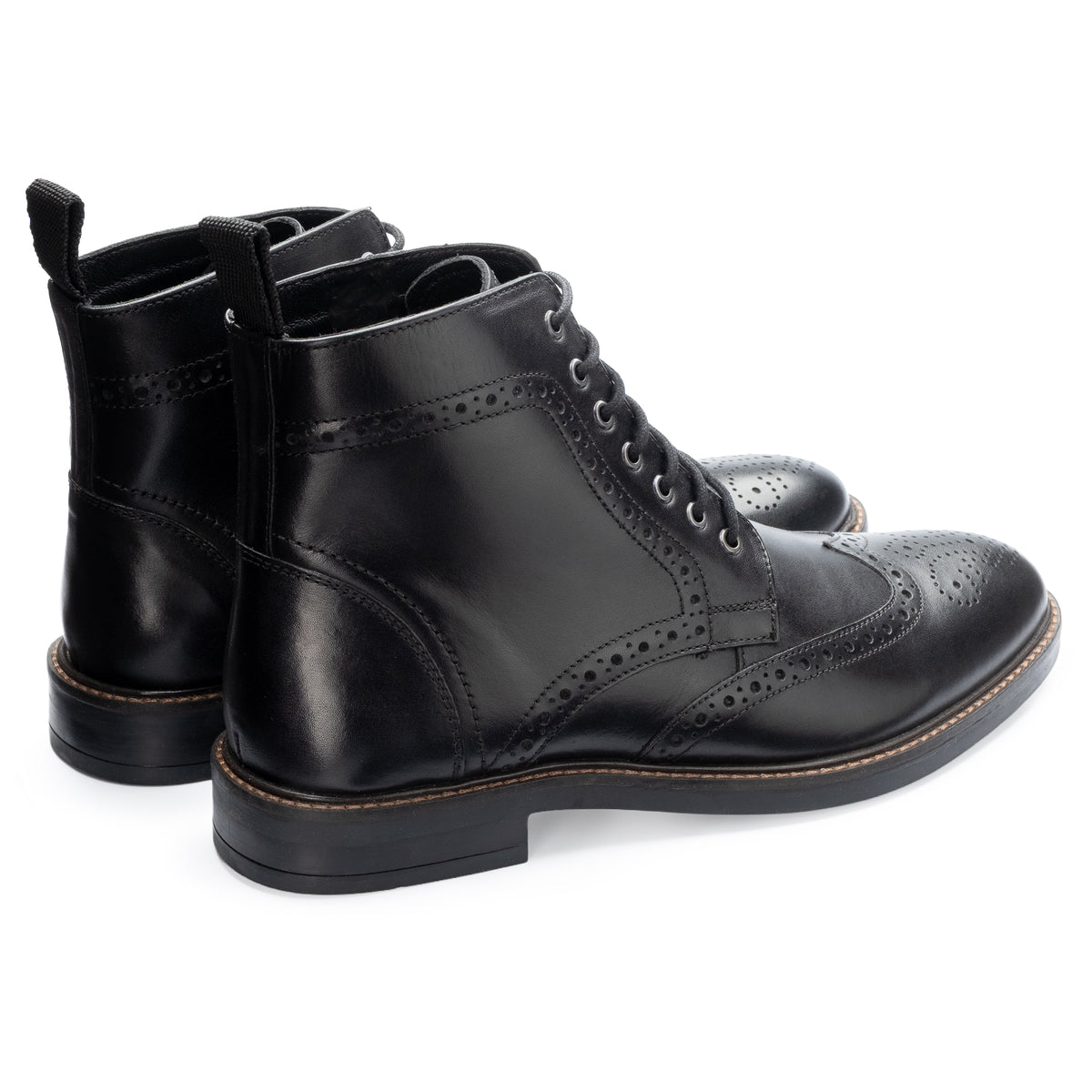
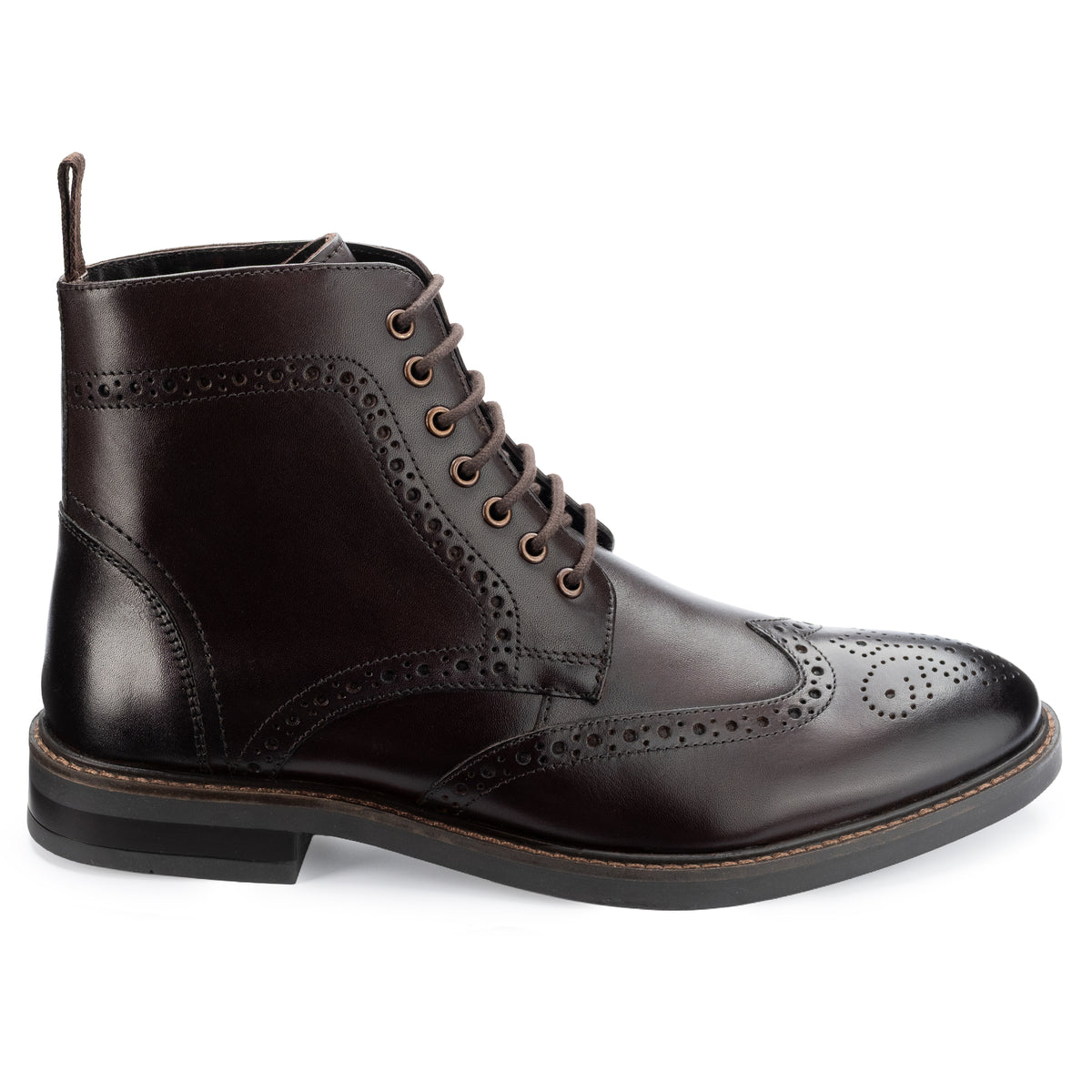
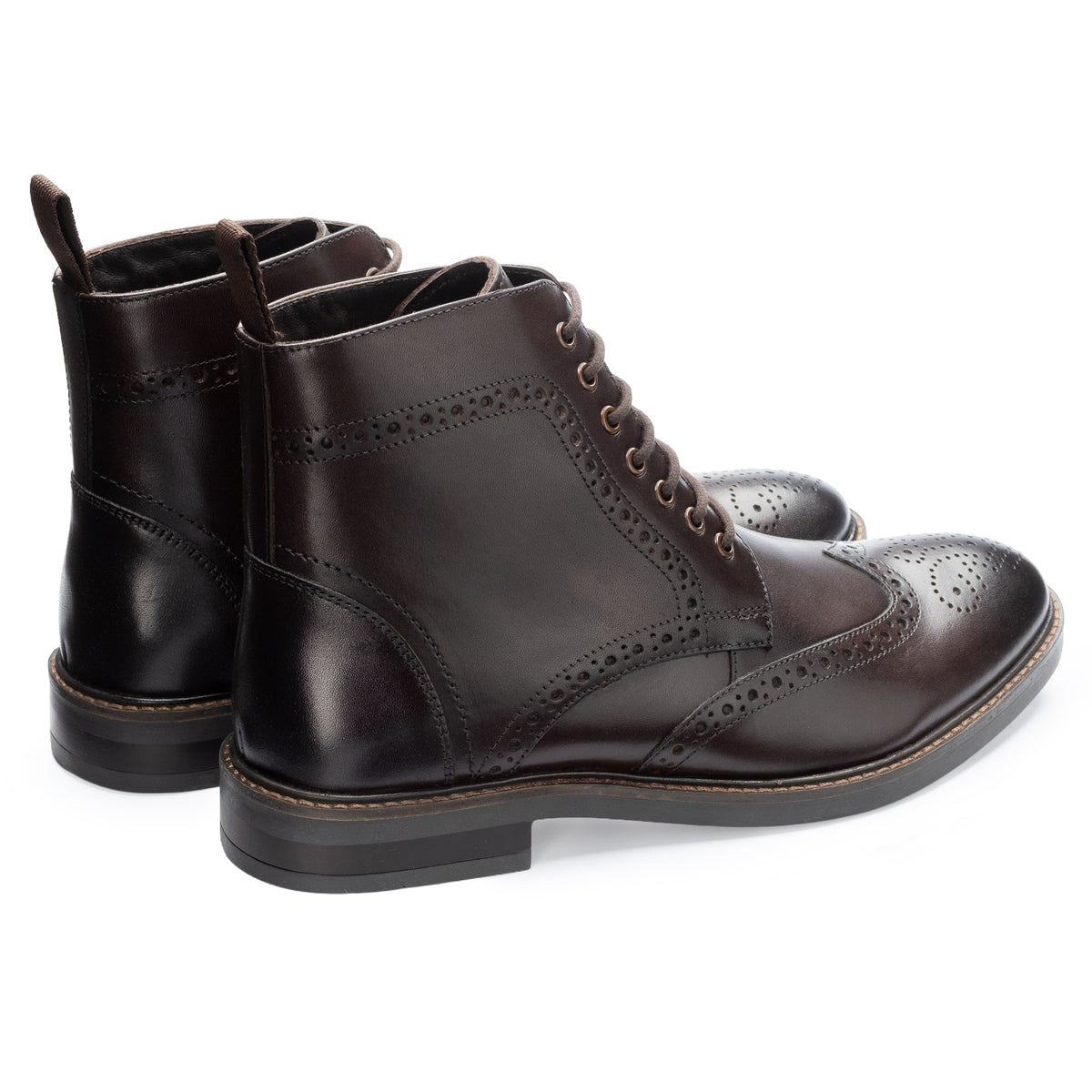
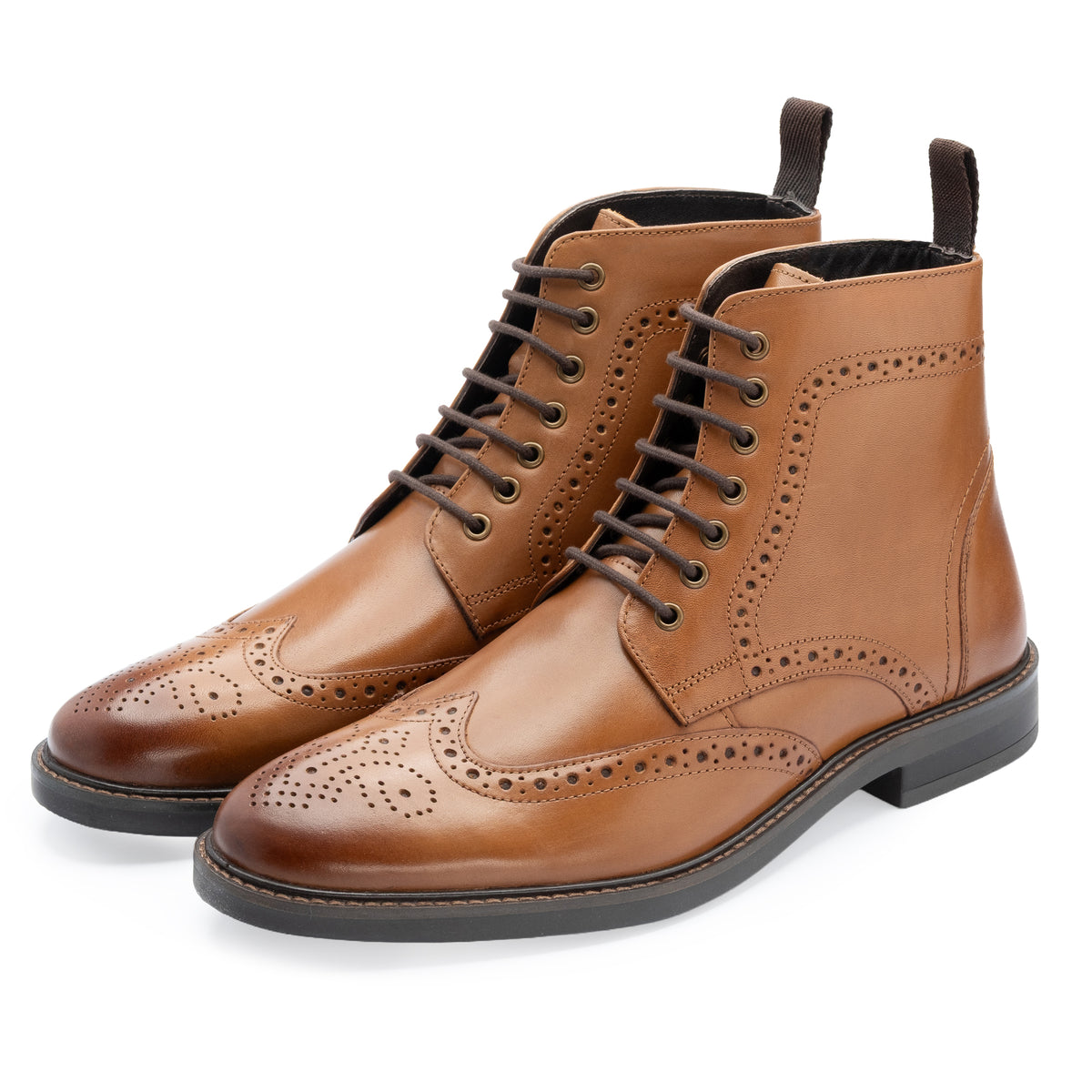
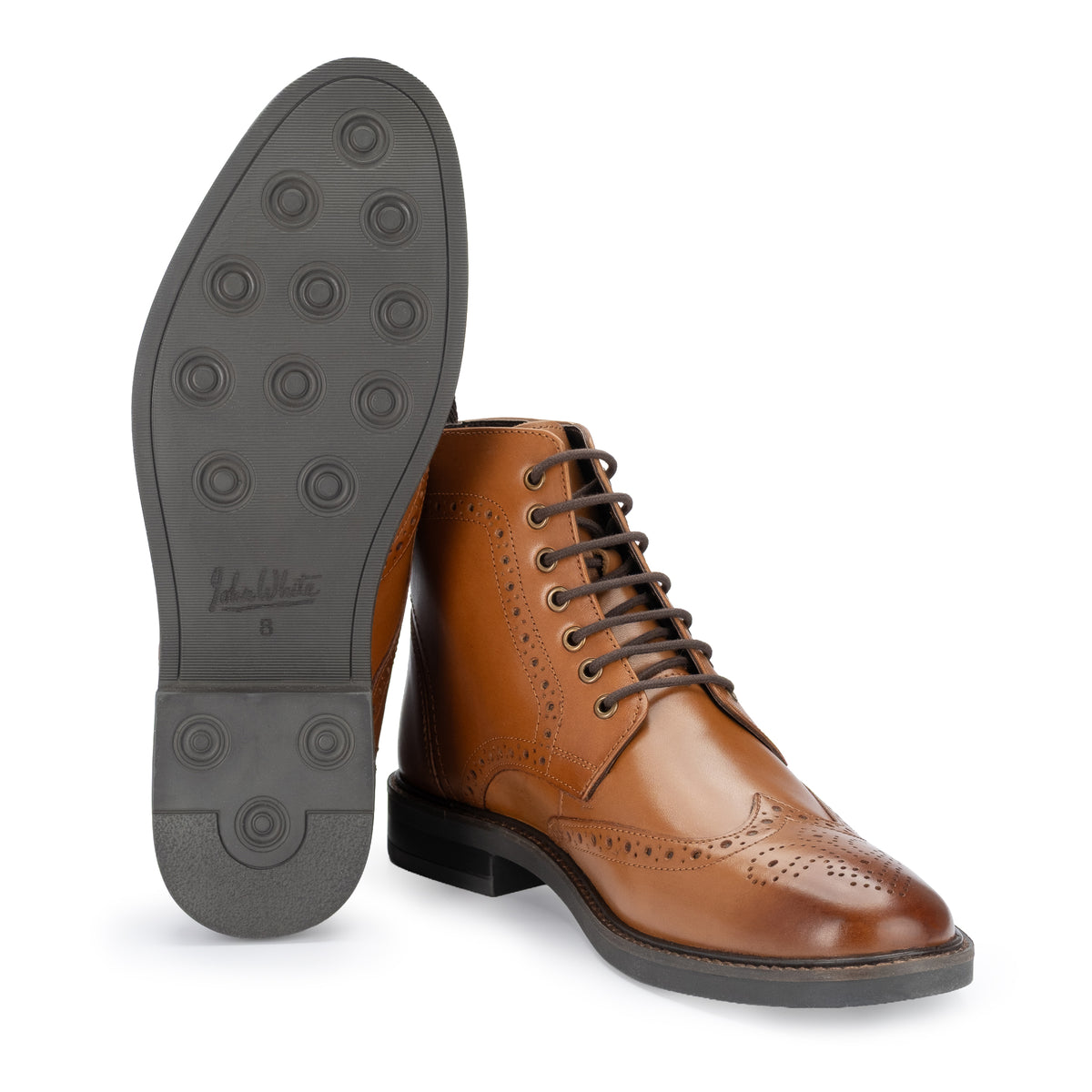
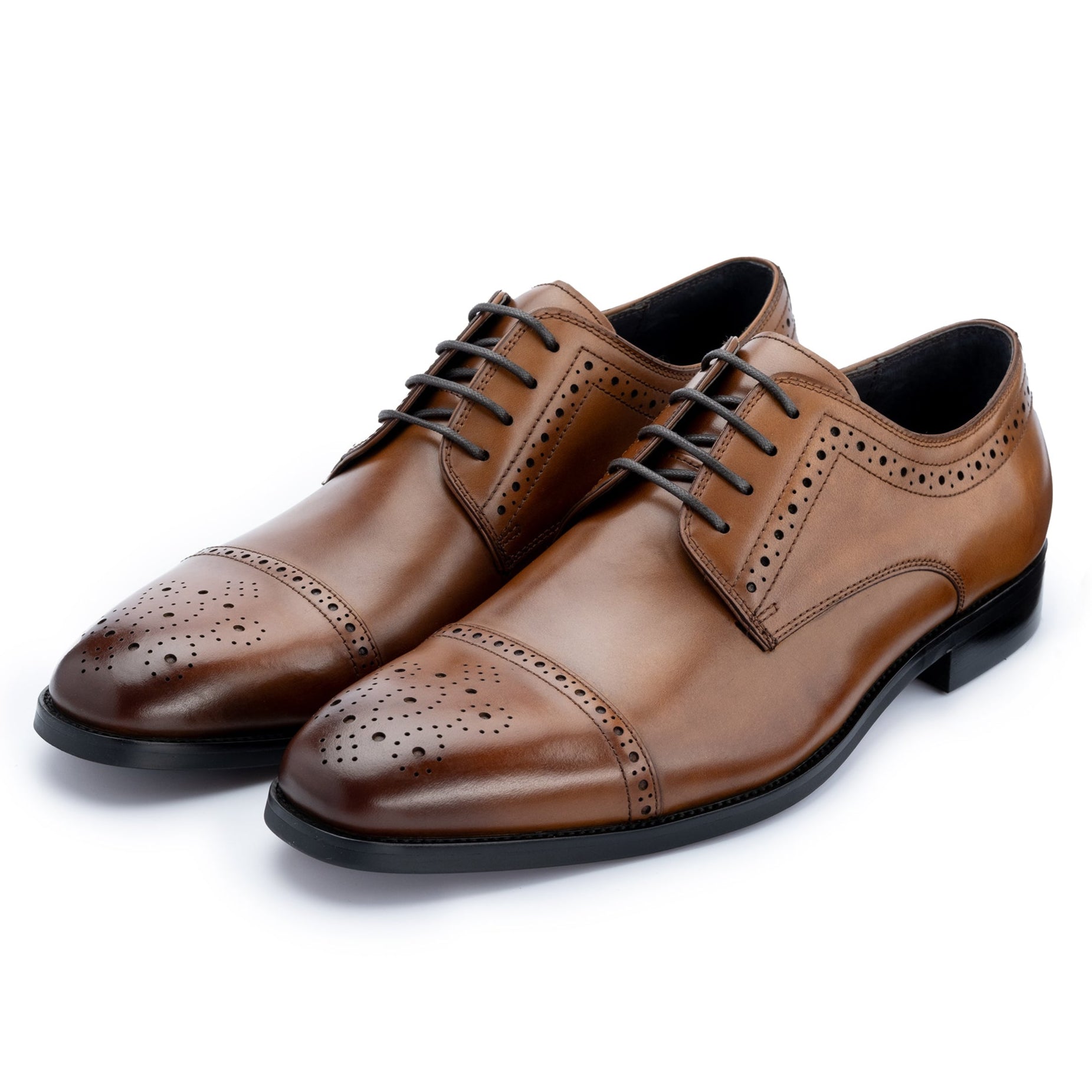
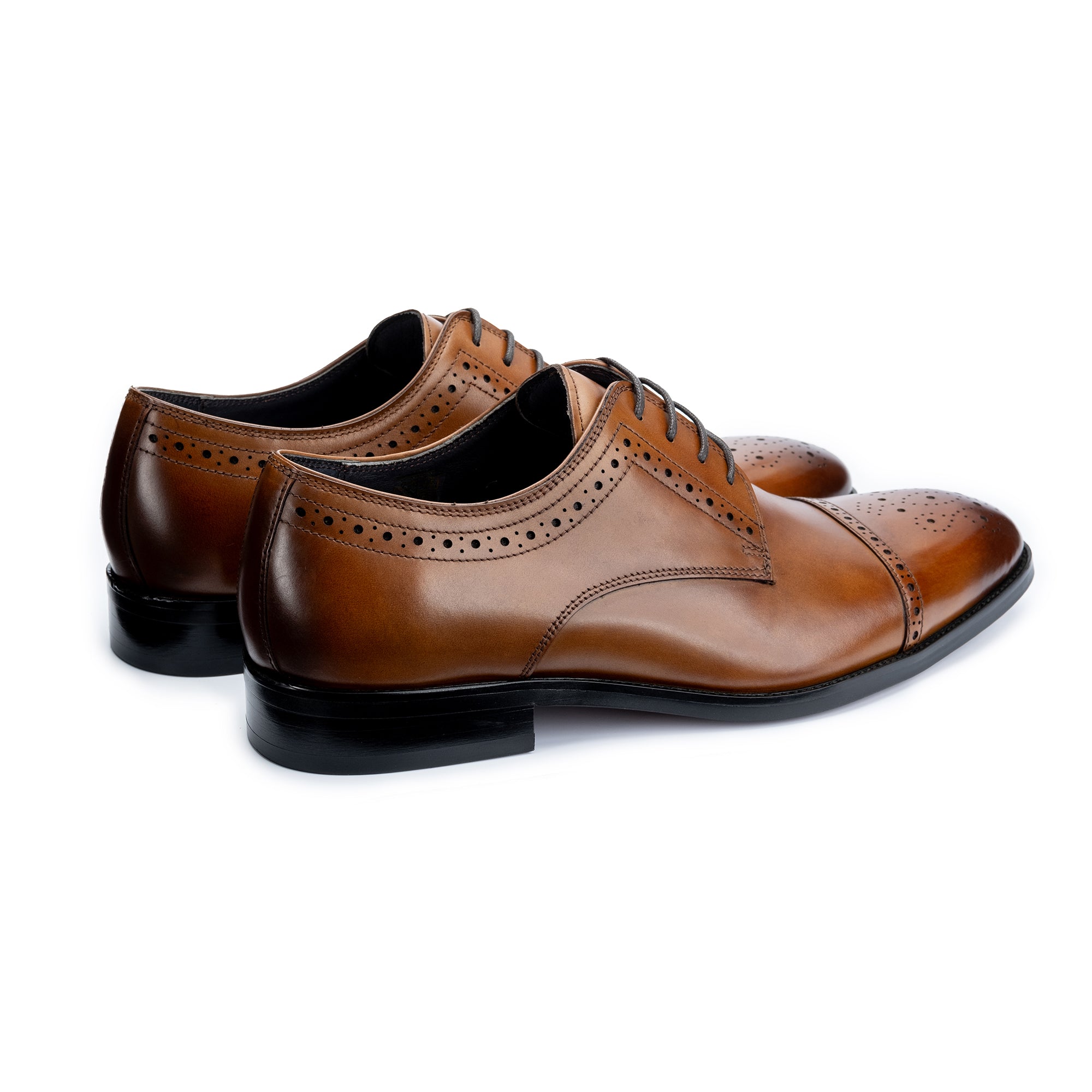
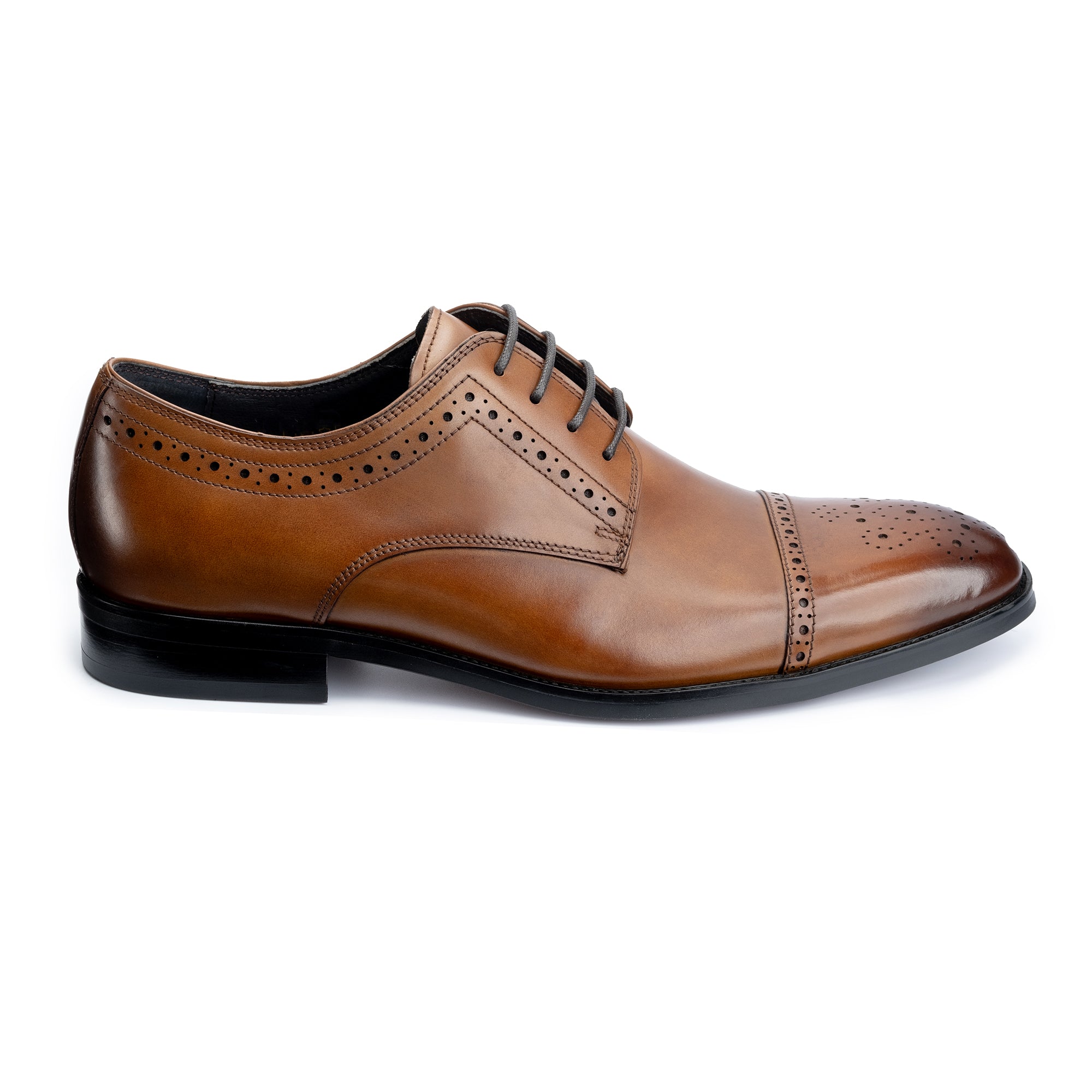
Often mistaken as purely decorative, the perforations on a brogue shoe have a profoundly practical origin. Broguing began as a functional design, created by Scottish and Irish farmers to allow water to drain from their shoes as they worked in wet, boggy terrain. This heritage of utility is the foundation of the style's enduring character.
In This Guide
The brogue is a cornerstone of the modern gentleman’s wardrobe, a shoe defined by its distinctive perforations. These intricate patterns are now seen as a hallmark of style and craftsmanship, lending texture and character to premium leather footwear. Yet, to appreciate the brogue fully is to understand that its form was born directly from function.
The story of the brogue is not one of design studios or fashion houses, but of rugged necessity in the British Isles. It is a journey from the windswept highlands to the polished corridors of power, and its functional origins are key to its timeless appeal. At John White Shoes, we believe understanding this heritage is essential to appreciating the quality of a truly great shoe.
What Are the True Origins of Broguing?
The term 'brogue' originates from the Gaelic word bróg, meaning shoe. These early shoes were rudimentary items, often constructed from untanned animal hide and designed for crossing the wet, marshy landscapes of Scotland and Ireland. The environment demanded a practical solution for waterlogged footwear.
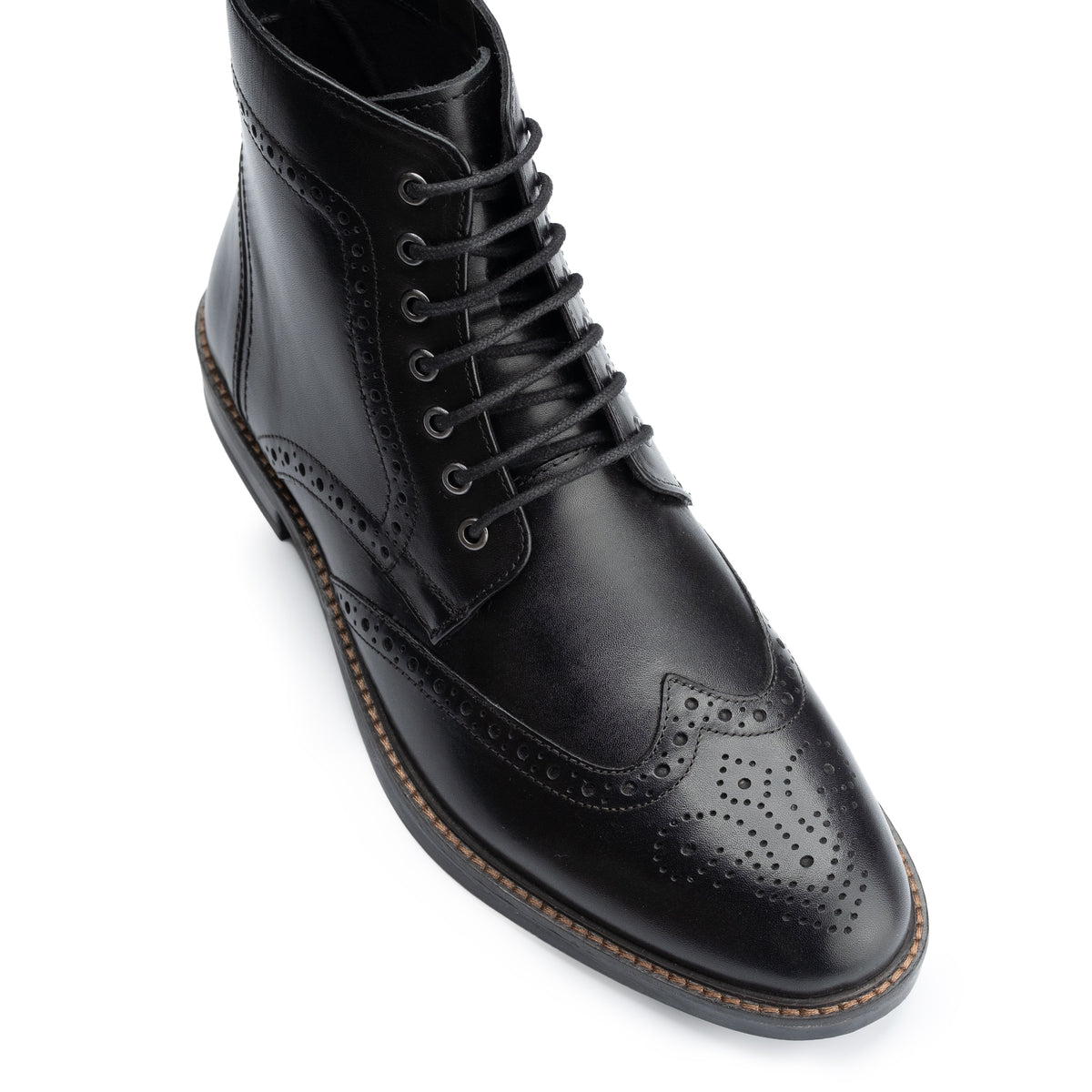
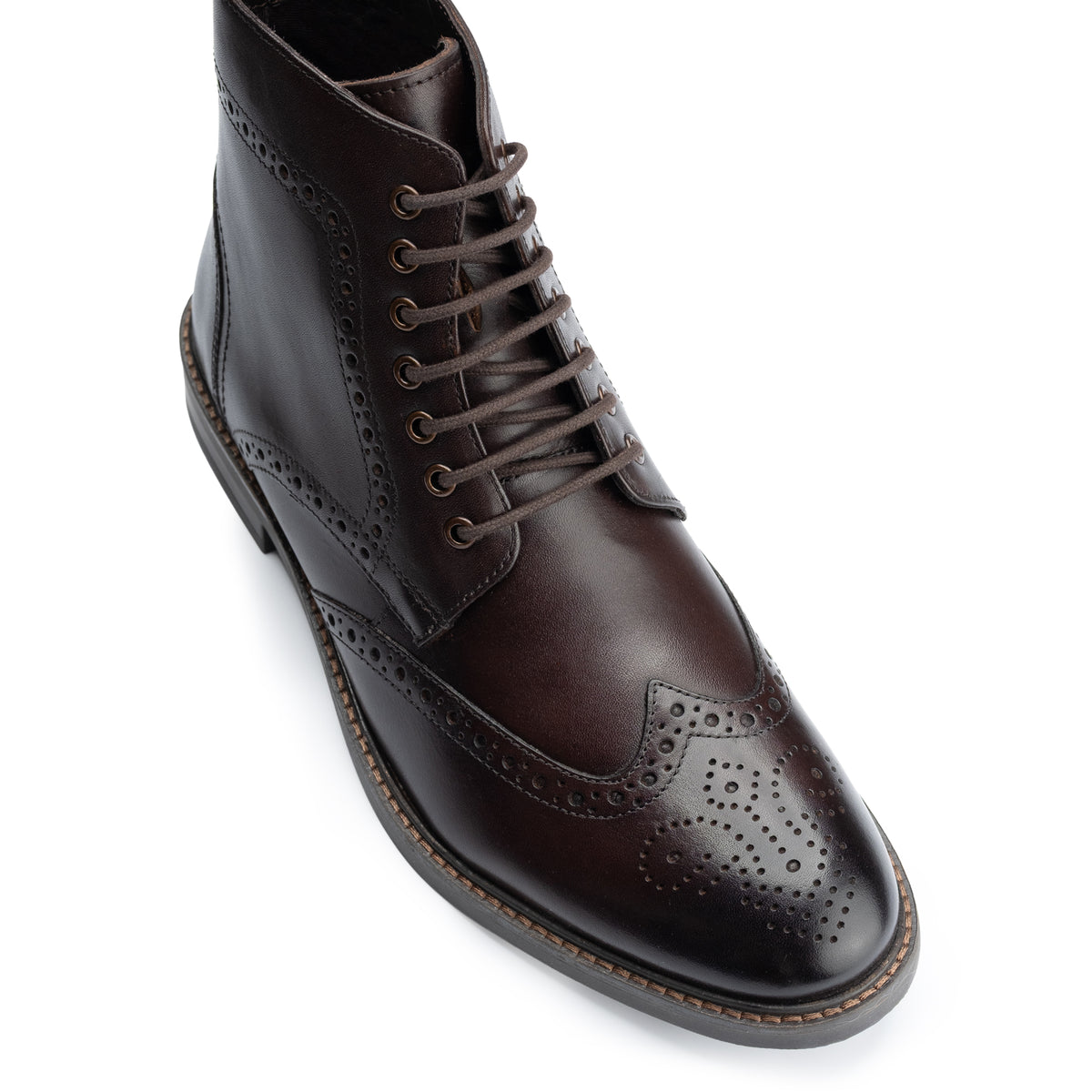
The perforations, now known as broguing, were punched through the leather uppers. Their purpose was simple and ingenious: to allow water that entered the shoe to drain out, preventing the leather from becoming saturated and speeding up the drying process. This was a critical innovation for those who spent their days navigating damp terrain.
According to the Northampton Museum and Art Gallery, a global centre for shoe heritage, these early 'bog shoes' were "less about fashion and more about surviving the elements." The serrated edges on the different pieces of leather, known as gimping, also served a purpose, helping to shed water and mud. This practical design was the genesis of one of menswear's most iconic styles.
How Did Broguing Evolve from Workwear to Formal Wear?
The brogue's transition from a workman's shoe to a gentleman's classic was a gradual process spanning centuries. For a long time, its rustic origins meant it was considered strictly country attire, wholly inappropriate for the city or formal occasions. The perforations were a clear marker of a shoe designed for the outdoors.
The shift began in the early 20th century, championed by discerning style icons who appreciated the shoe's robust character. The most notable advocate was the Prince of Wales, later Edward VIII, a man renowned for his sartorial influence in the 1930s. He wore brogues for golfing and other country pursuits, elevating their status from farm footwear to sporting elegance.
As the decades passed, this acceptance grew. The British shoemaking heritage, centered in Northamptonshire, played a crucial role. Makers like John White Shoes, along with contemporaries such as Church's and Crockett & Jones, refined the brogue. They adapted it onto more elegant lasts, used premium leathers, and standardised the patterns, transforming a functional tool into an object of refined craftsmanship.
The brogue’s journey from practical workwear to a staple of smart-casual and even business attire is a testament to its perfect balance of character and refinement.
What Are the Different Types of Broguing?
Broguing is not a single style but a system of decoration applied to different shoe constructions, typically Oxfords or Derbies. The amount and placement of the perforations determine the shoe's specific classification and its level of formality. Understanding these distinctions is key to building a versatile shoe collection.
As we detail in our guide to Full Brogue vs. Semi-Brogue shoes, the more broguing a shoe has, the less formal it is considered. The original, utilitarian nature of the perforations still informs these style conventions today.
| Brogue Type | Defining Characteristics | Formality Level | Best Worn With |
|---|---|---|---|
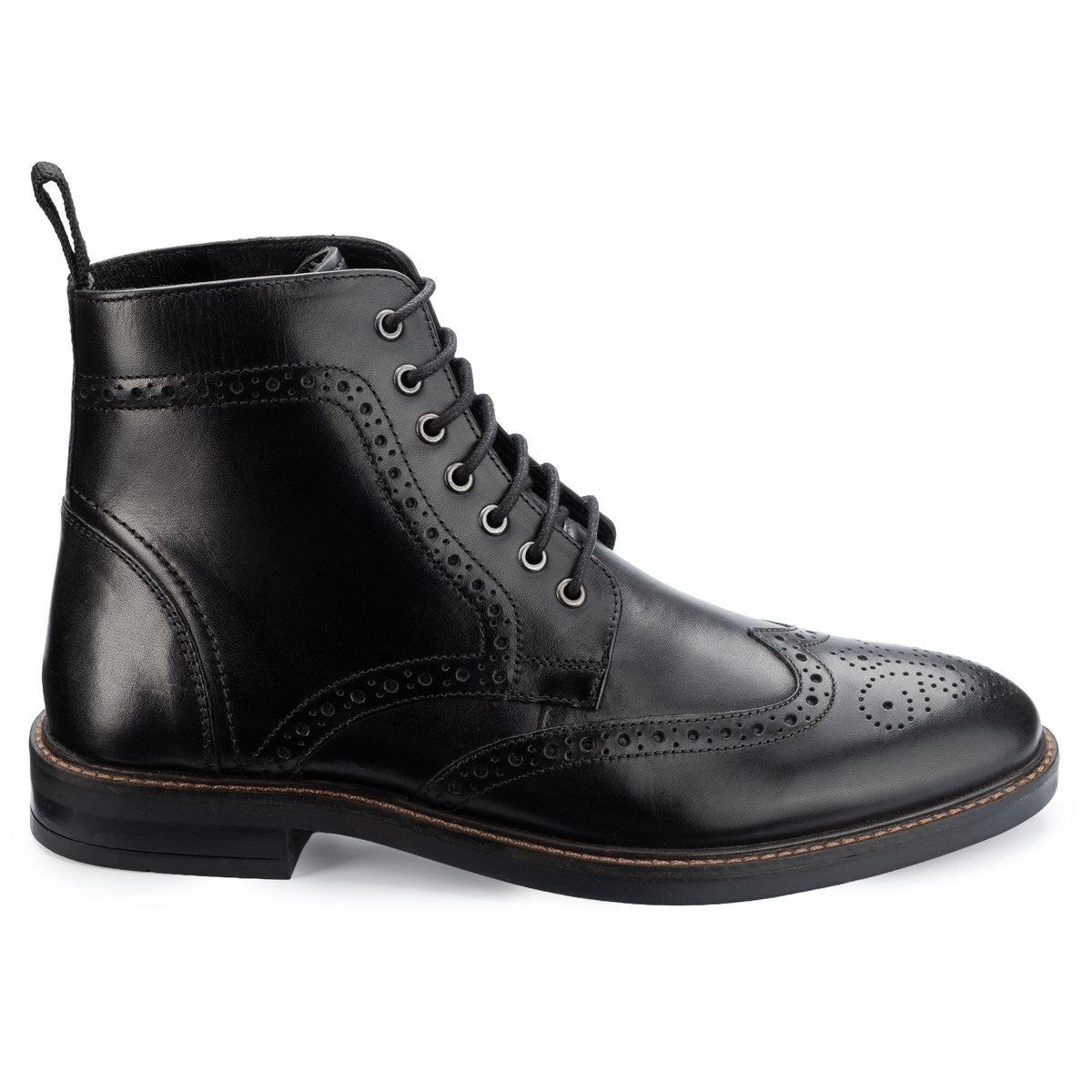
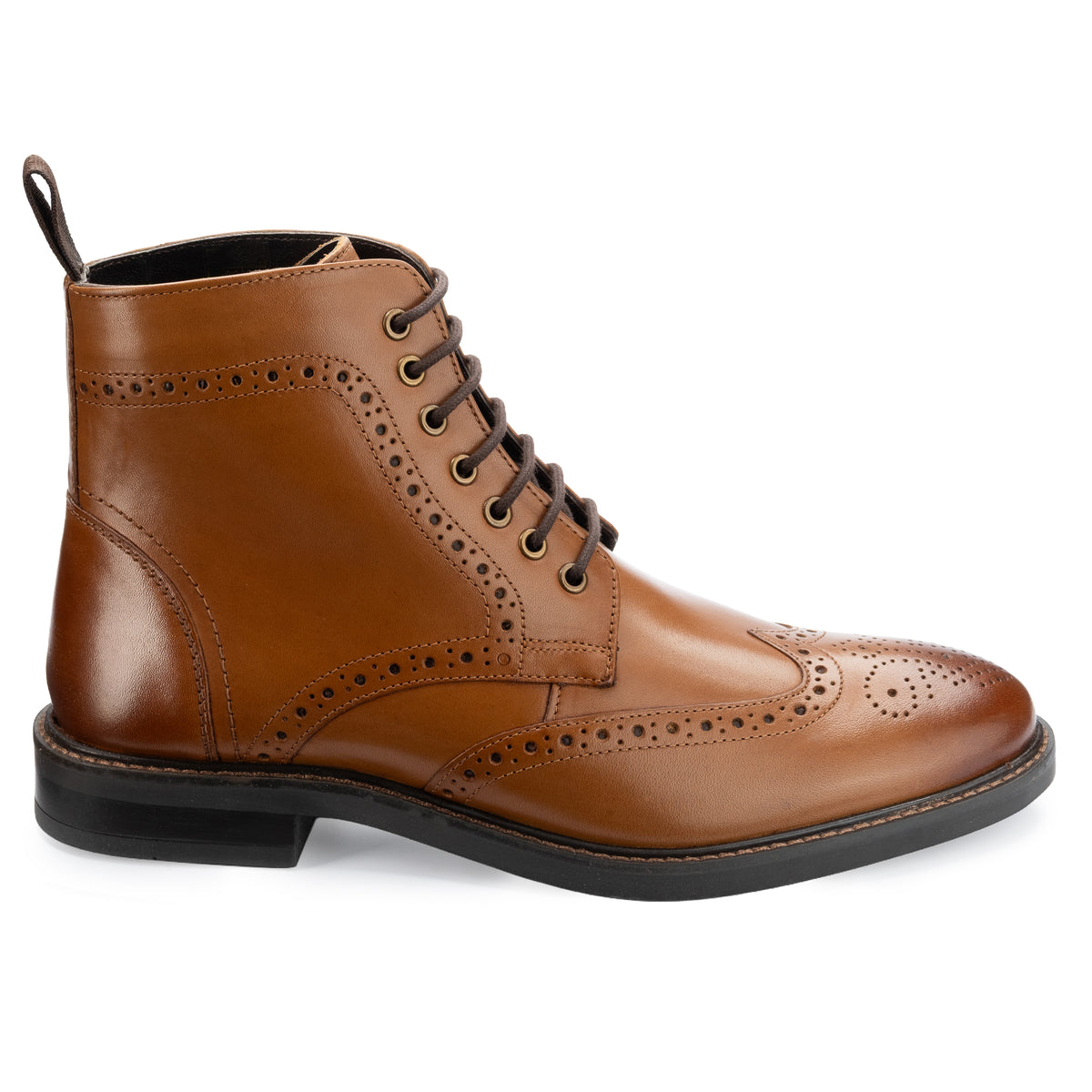
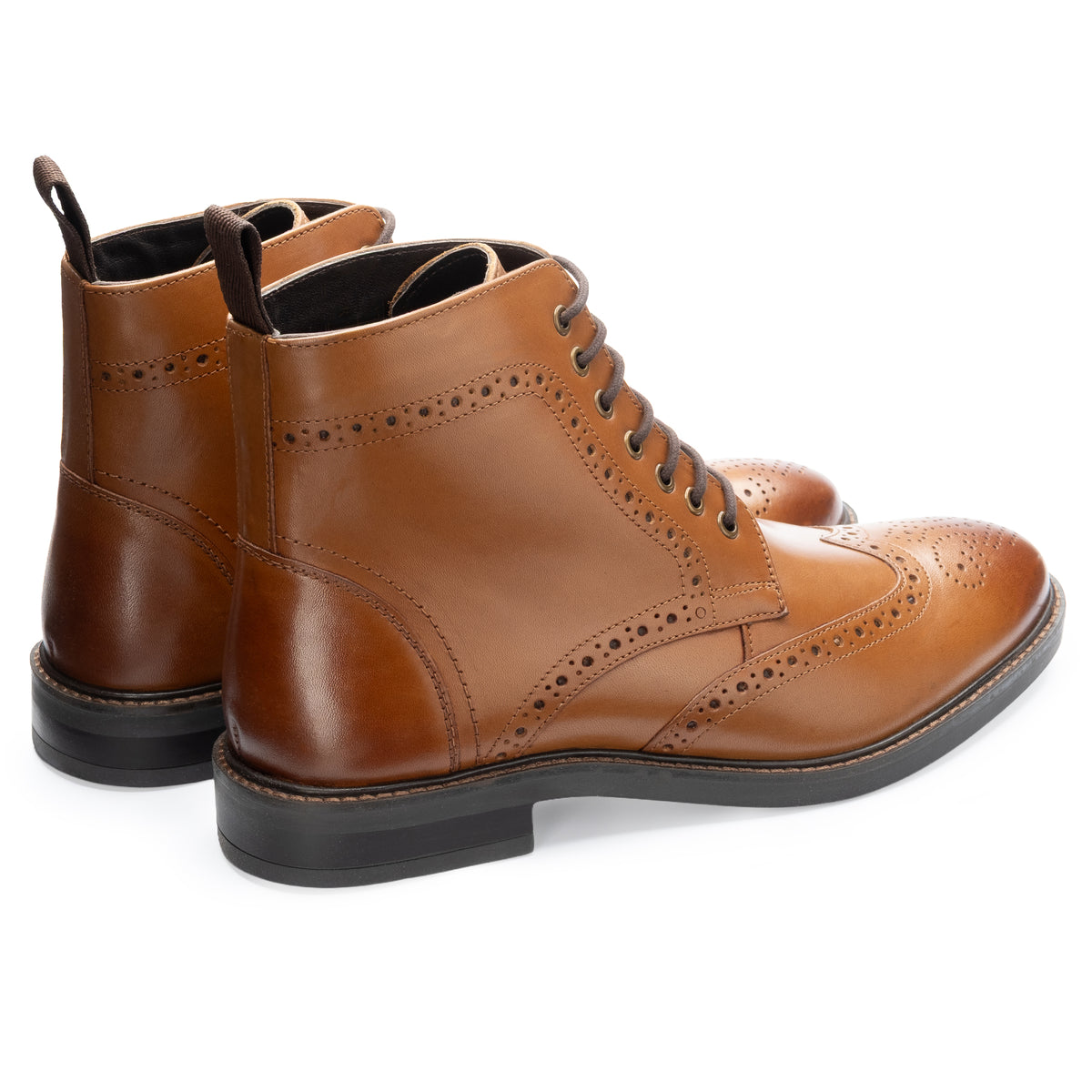
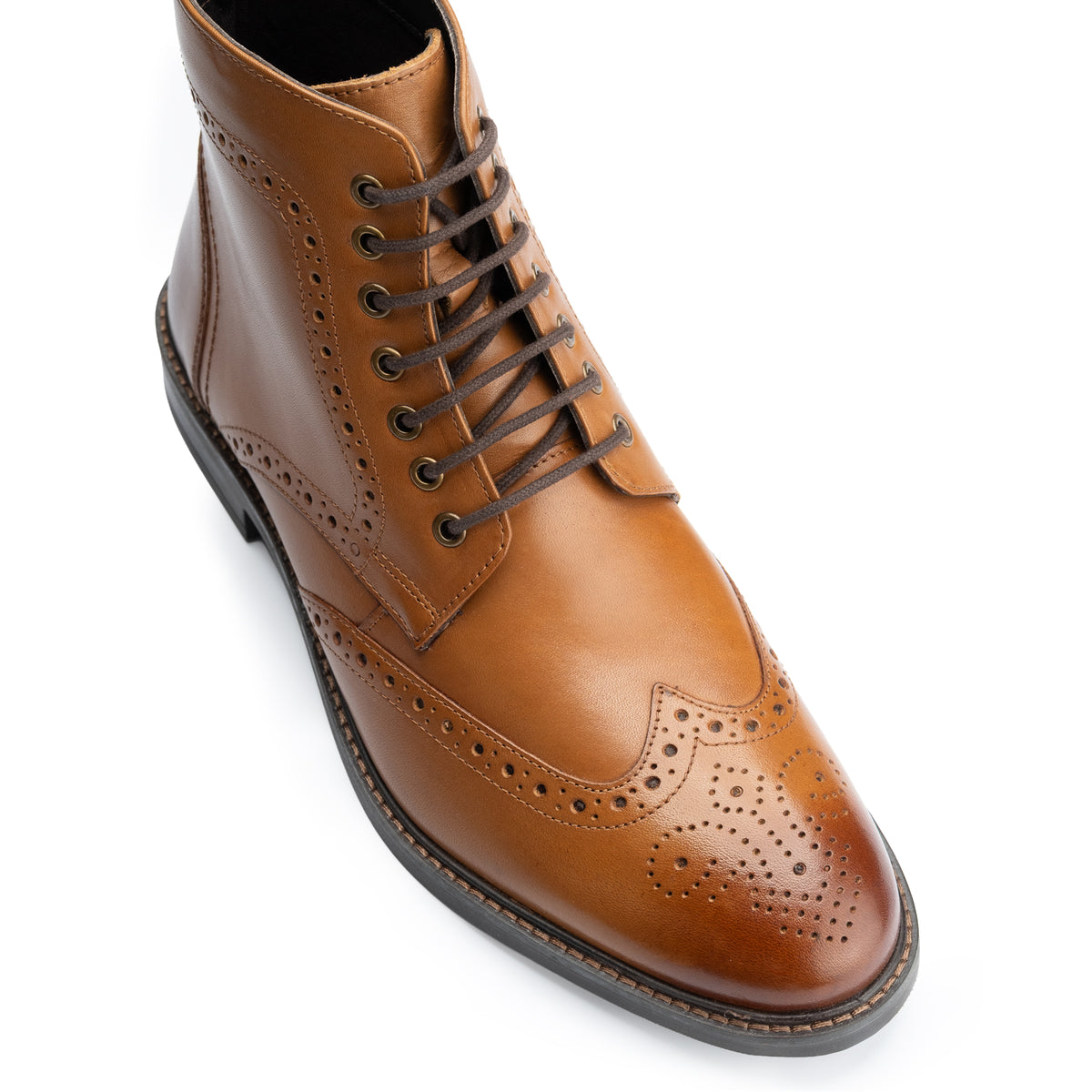
| Full Brogue (or Wingtip) | A pointed toe cap with extensions (wings) that run along the sides of the shoe. Features perforations along the edges and a decorative pattern (medallion) on the toe. | Least Formal | Tweed, flannel trousers, chinos, denim. Ideal for smart-casual events. |
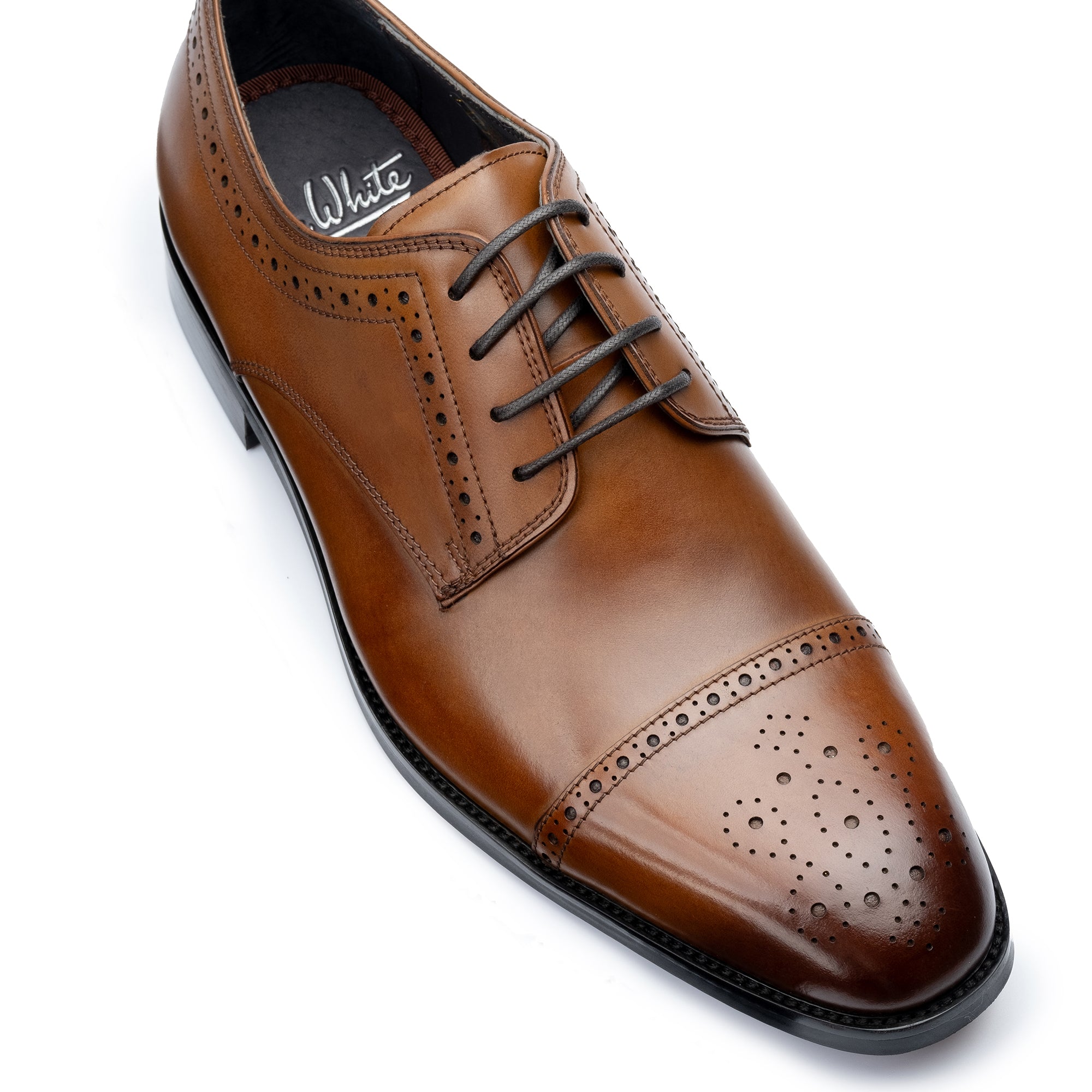
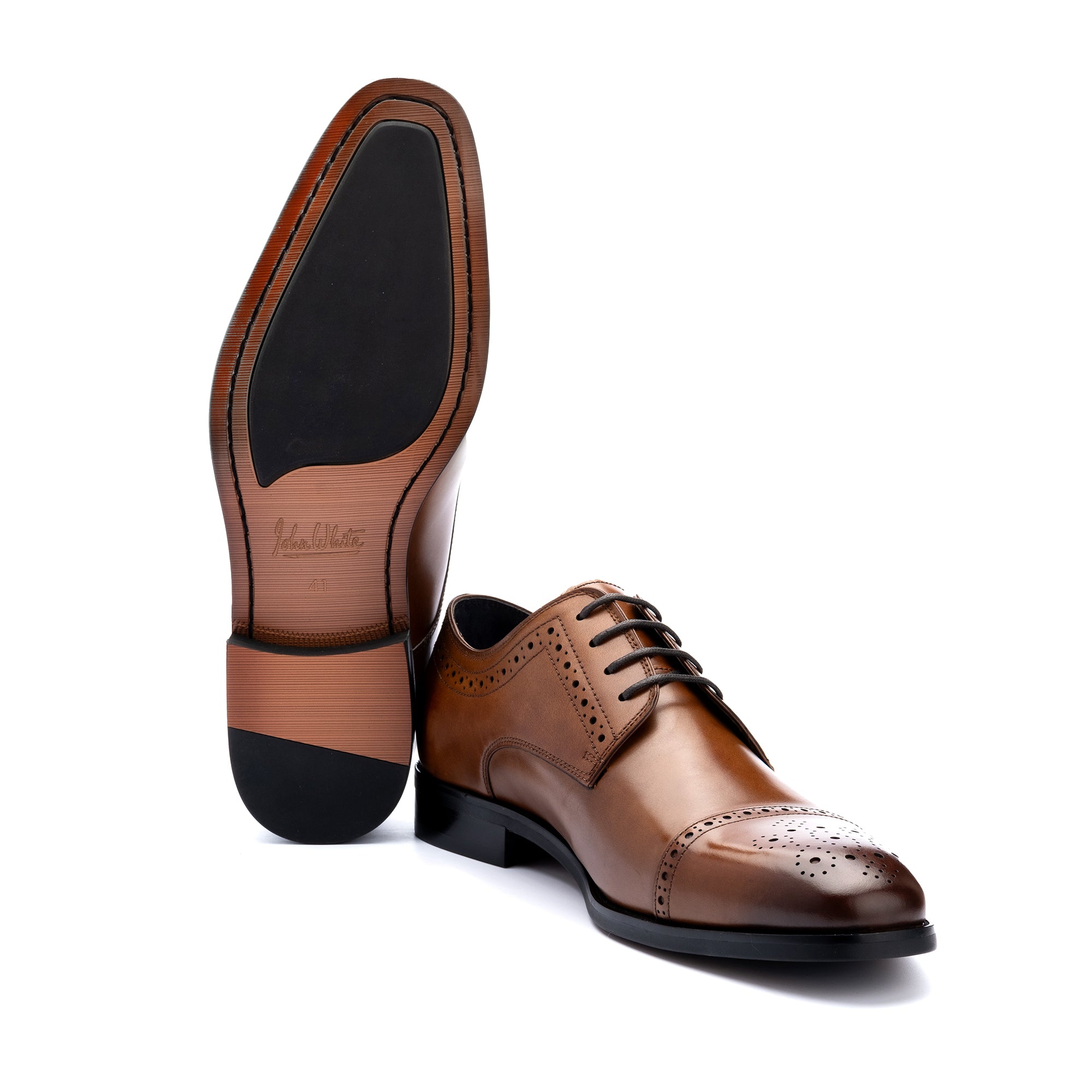
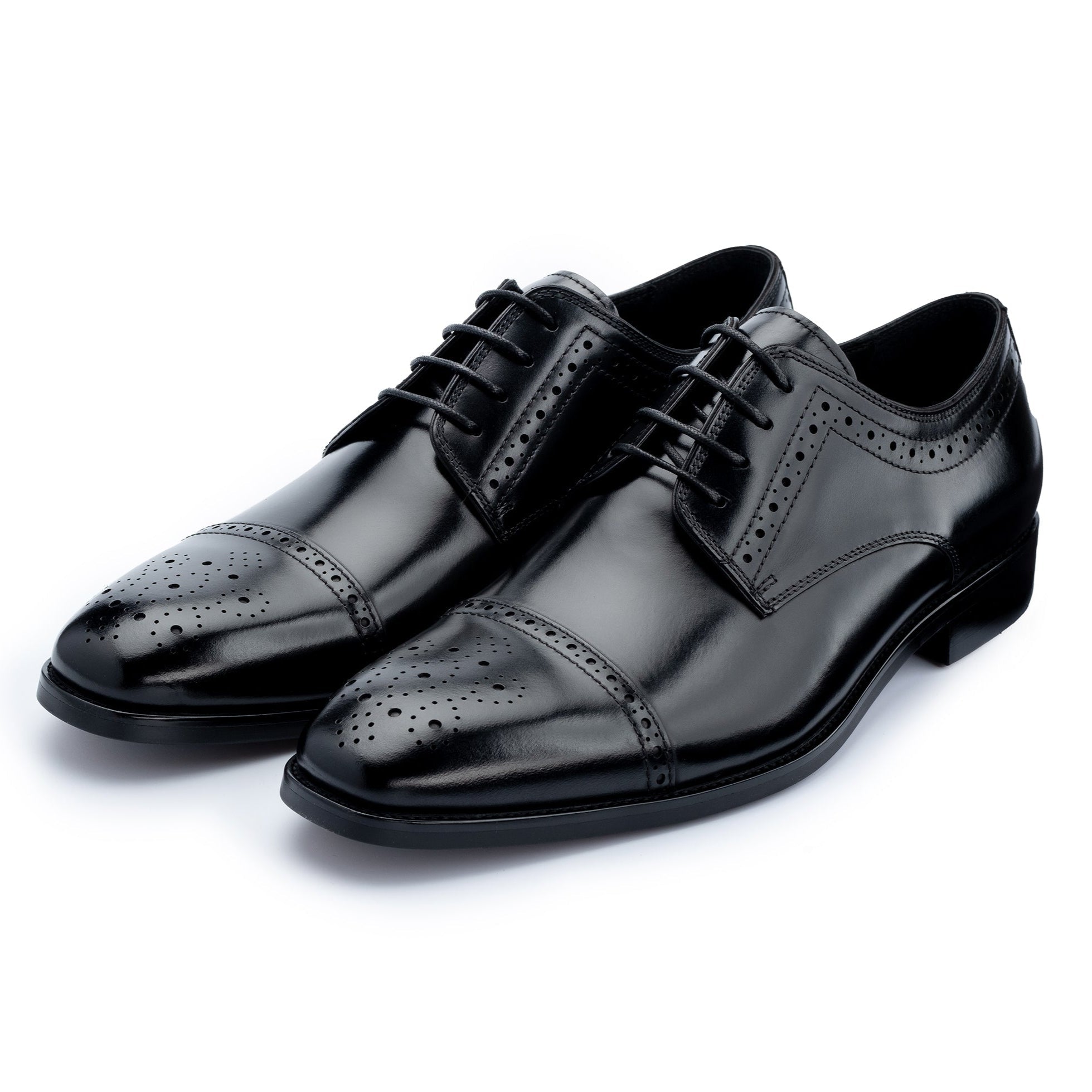
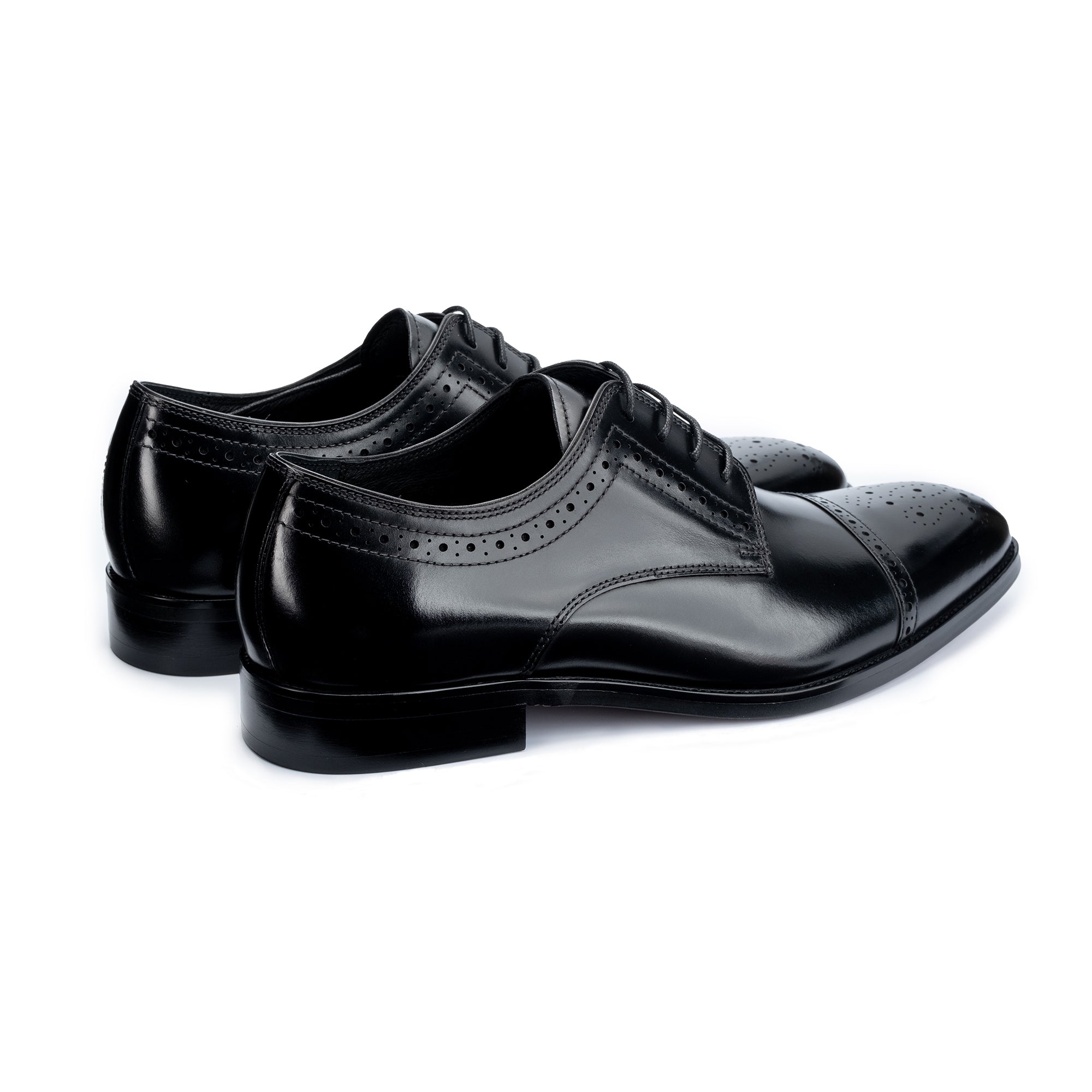
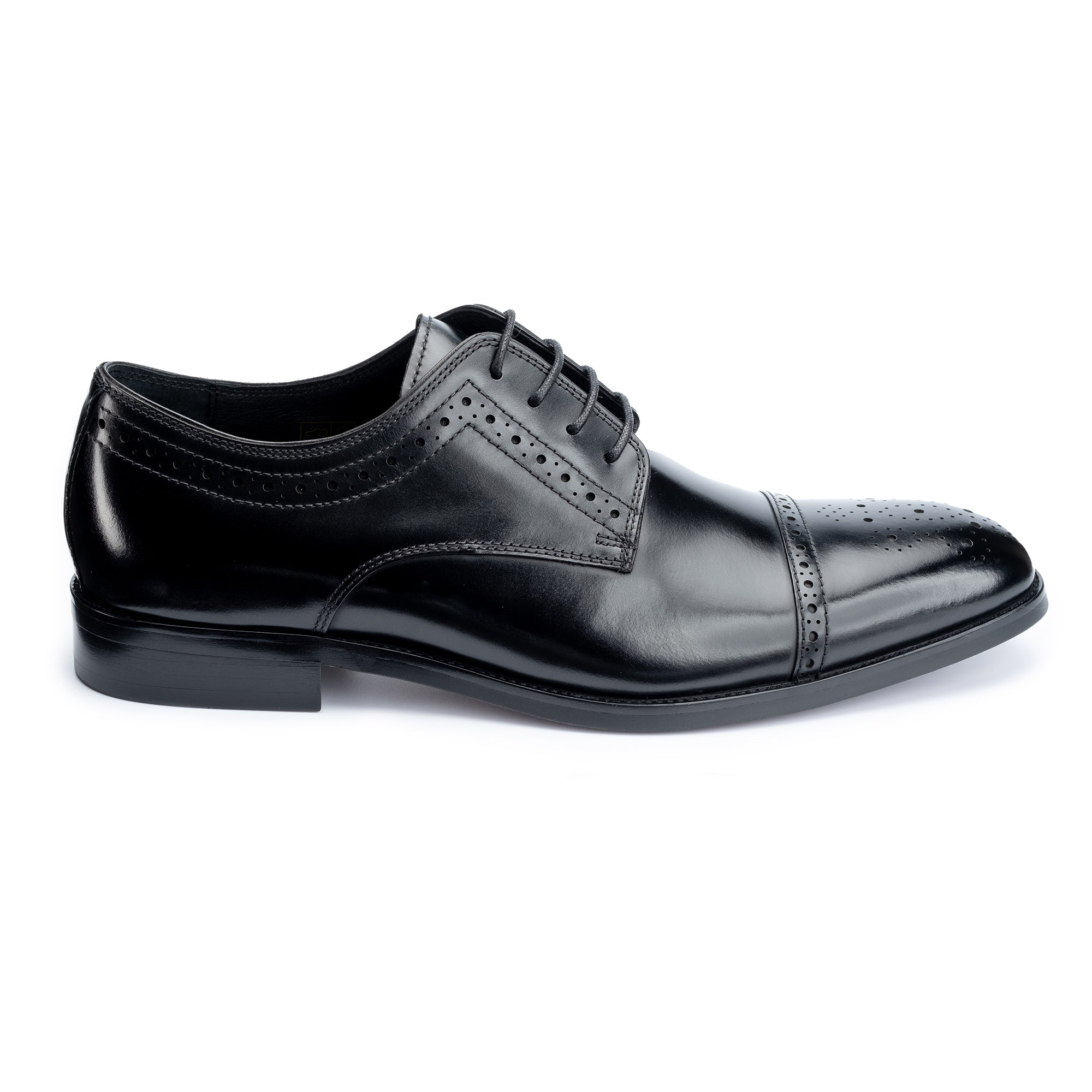
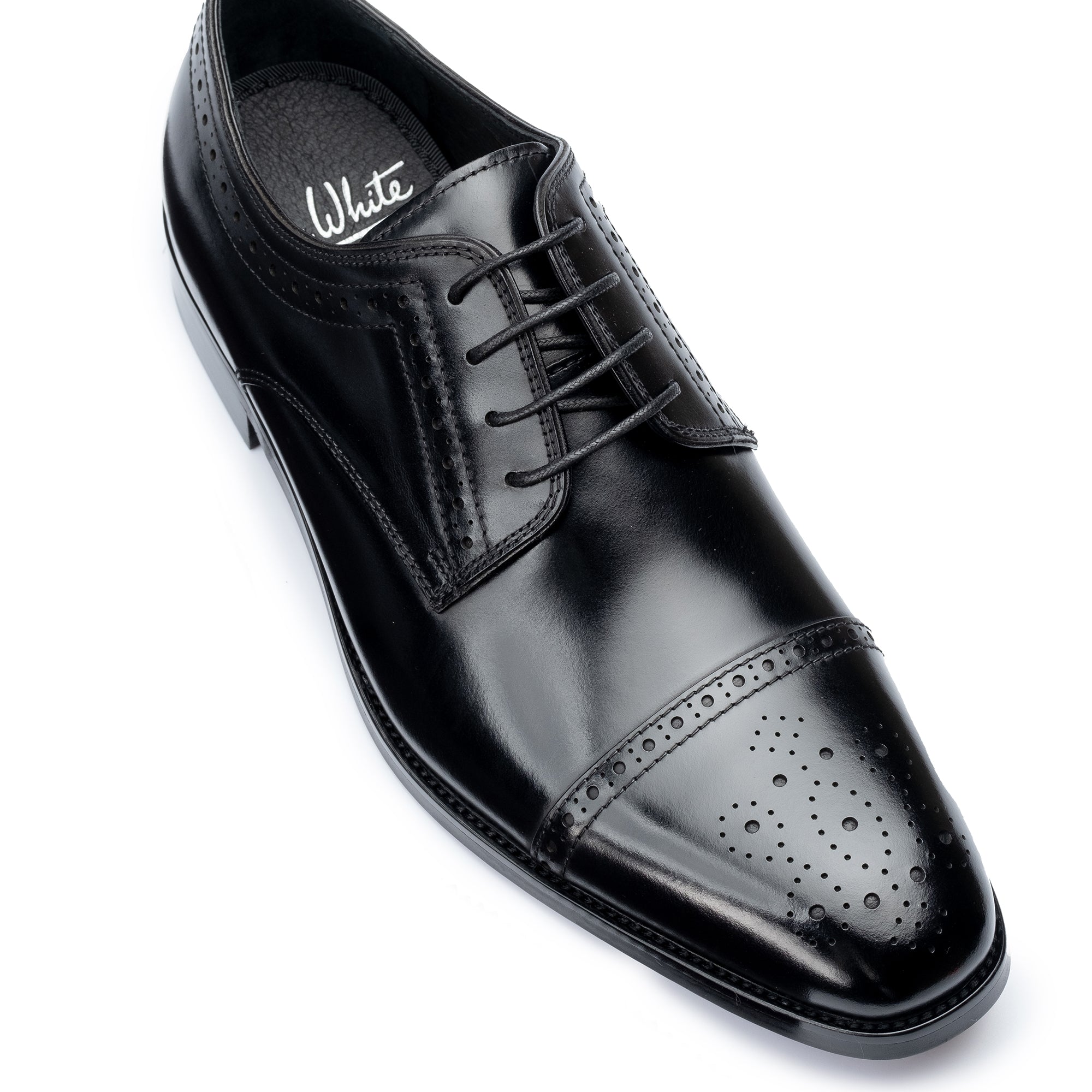
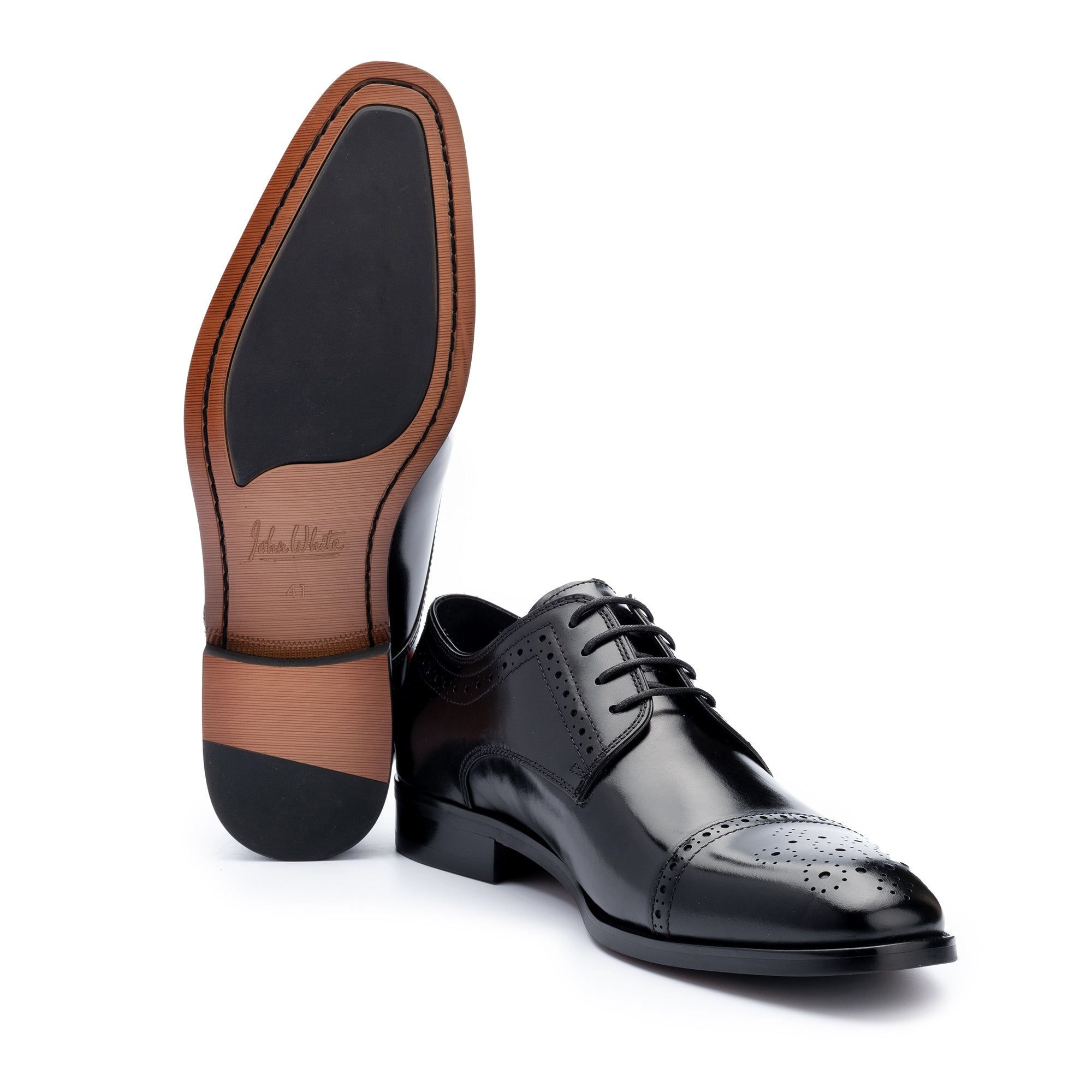
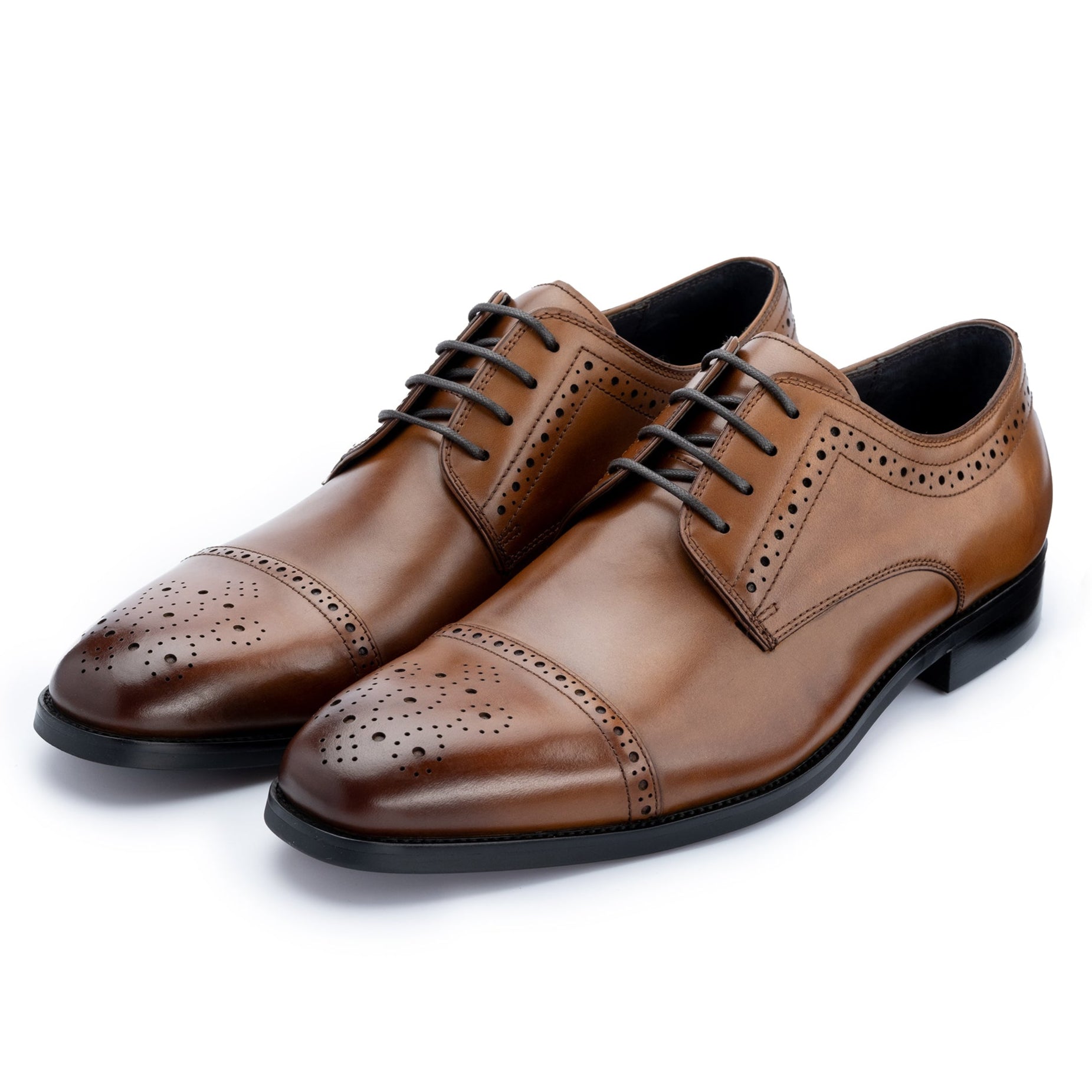
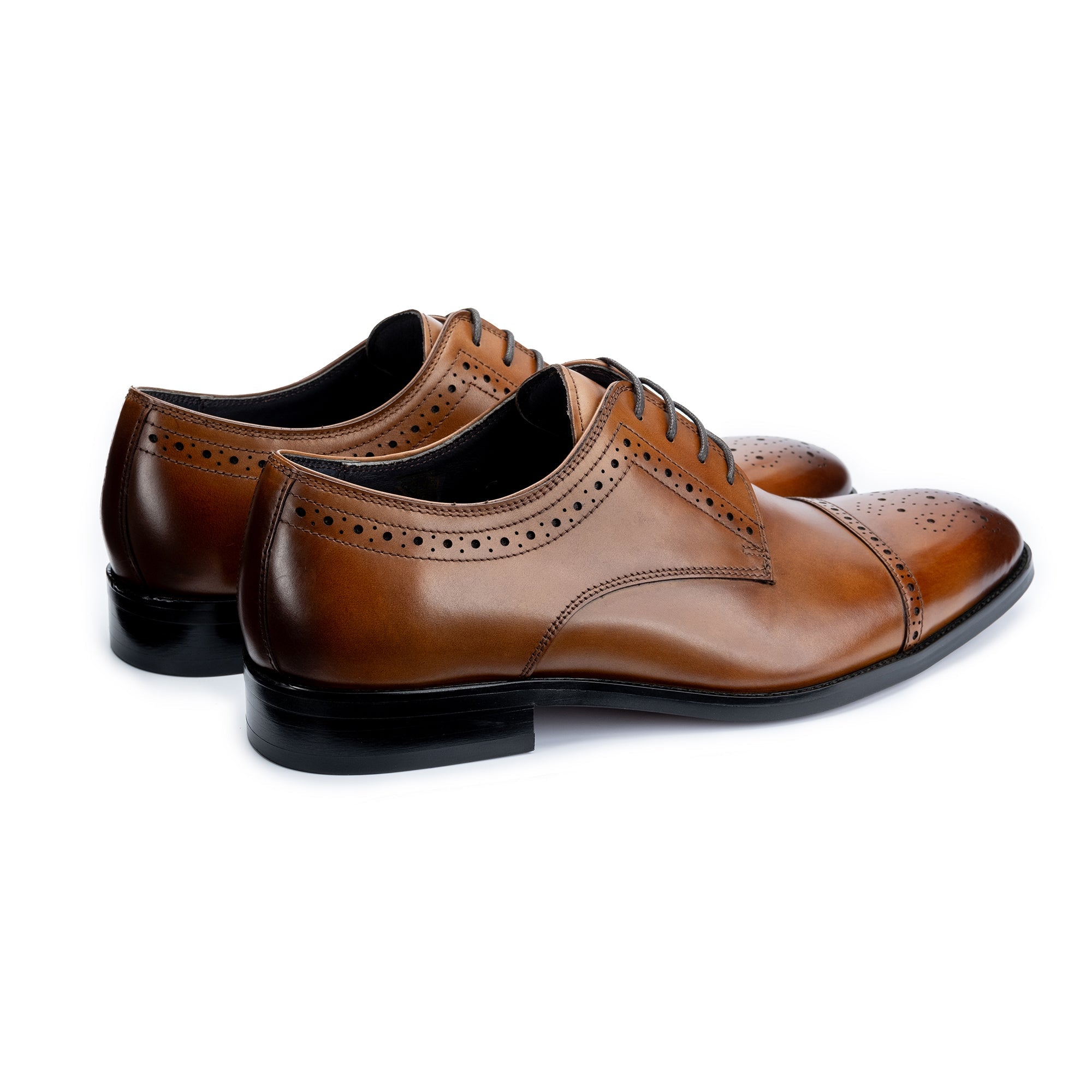
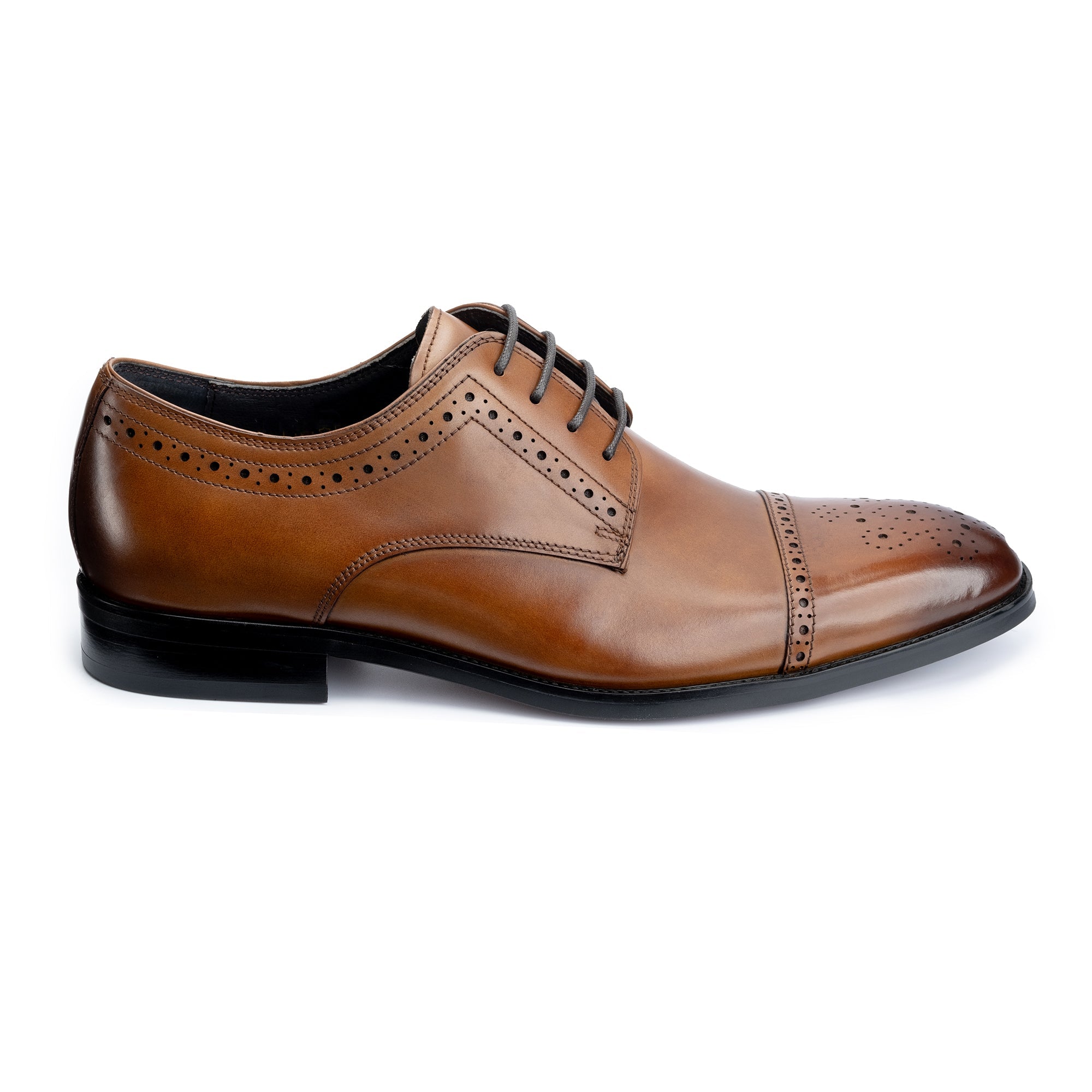
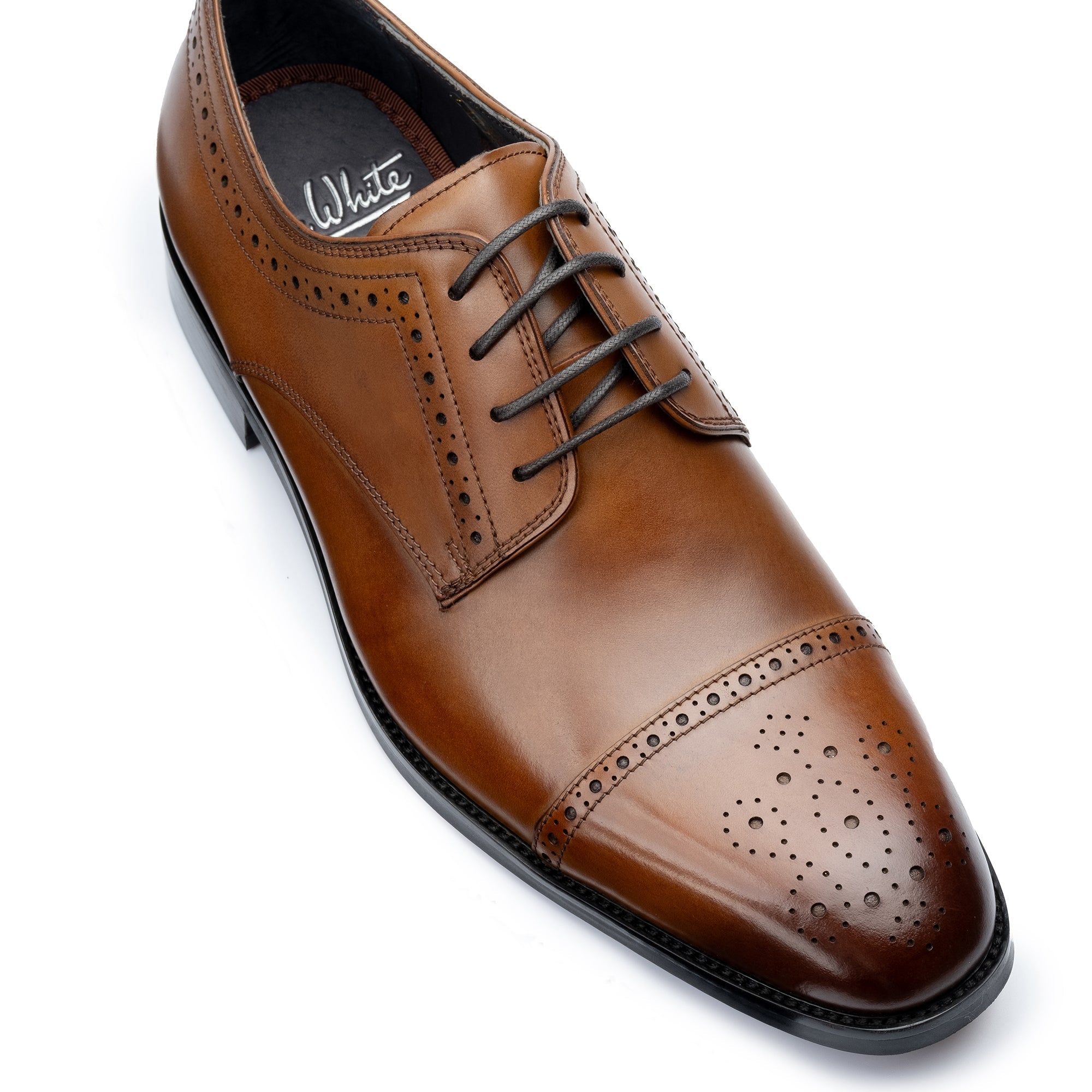
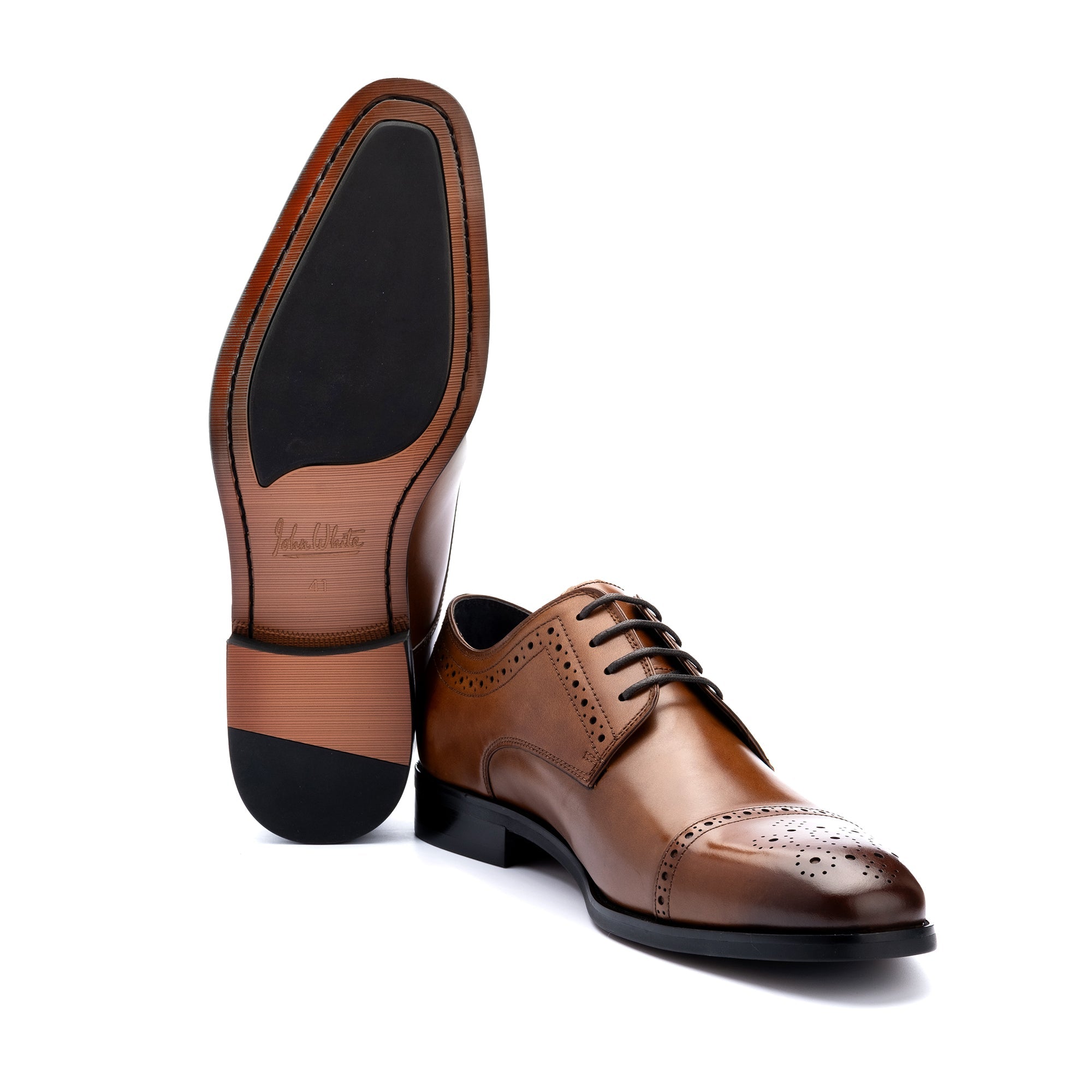
| Semi-Brogue (or Half Brogue) | A straight toe cap with perforations along the edge and a central medallion. More understated than a full brogue. | Moderately Formal | Business suits (navy, grey), blazers, smart trousers. A versatile office shoe. |
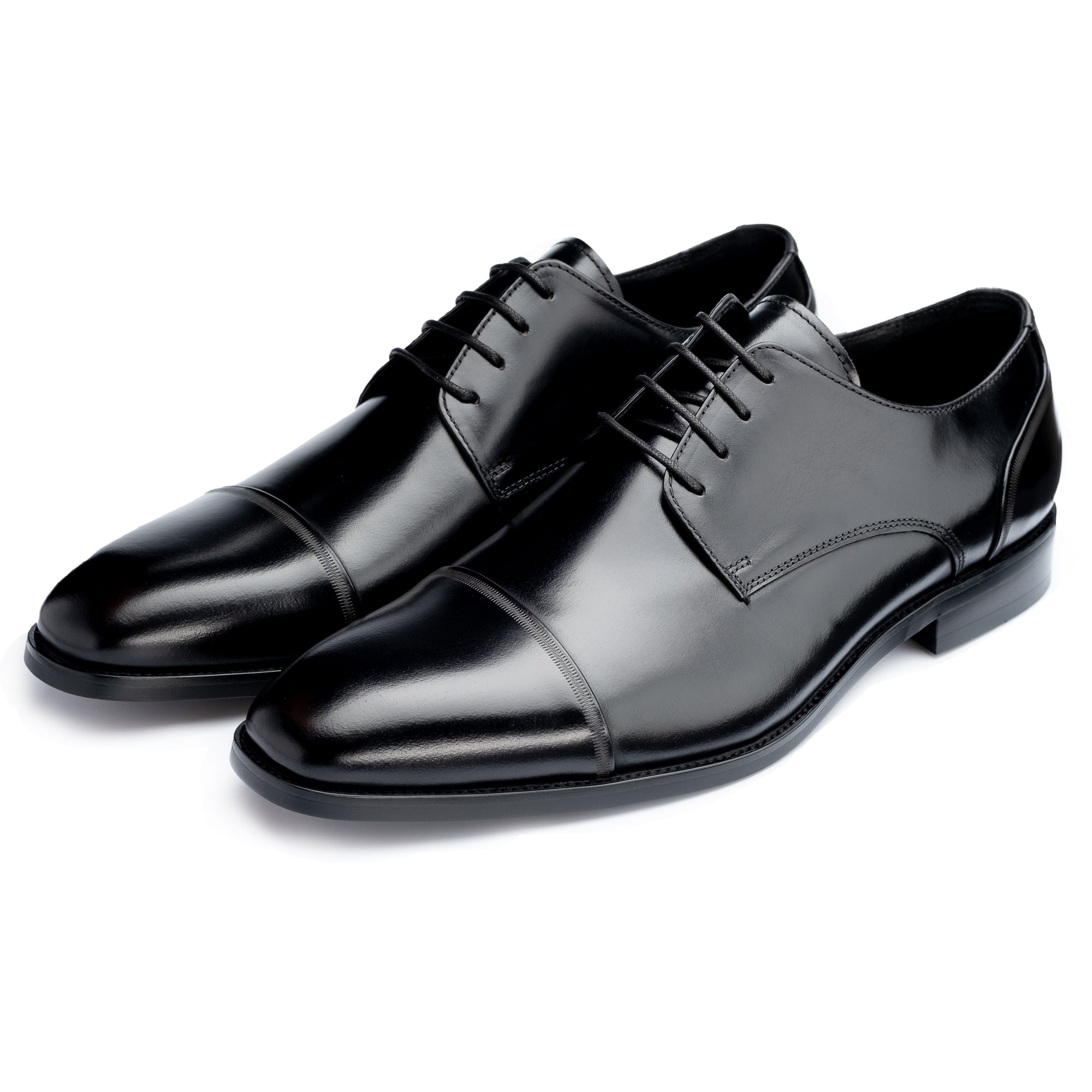
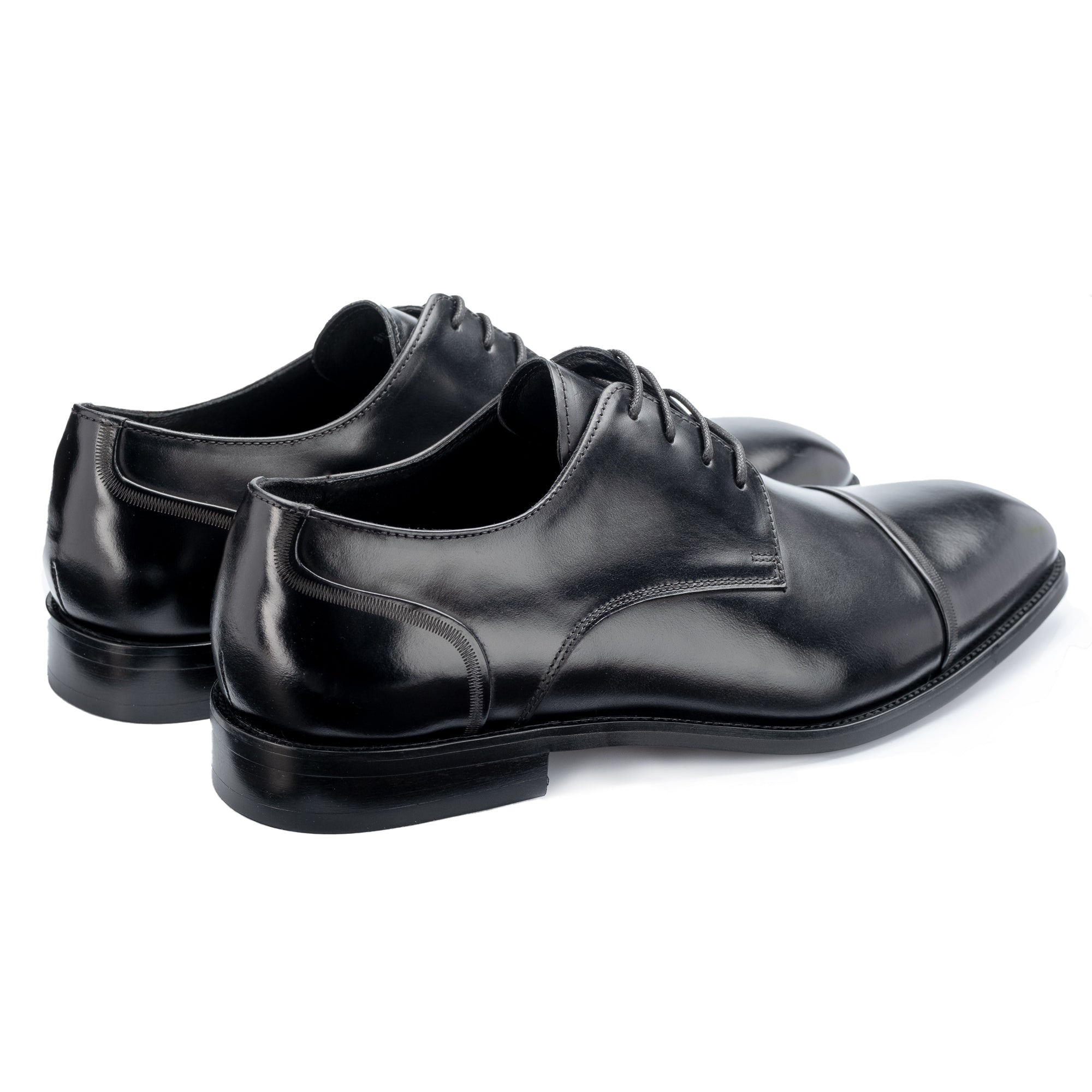
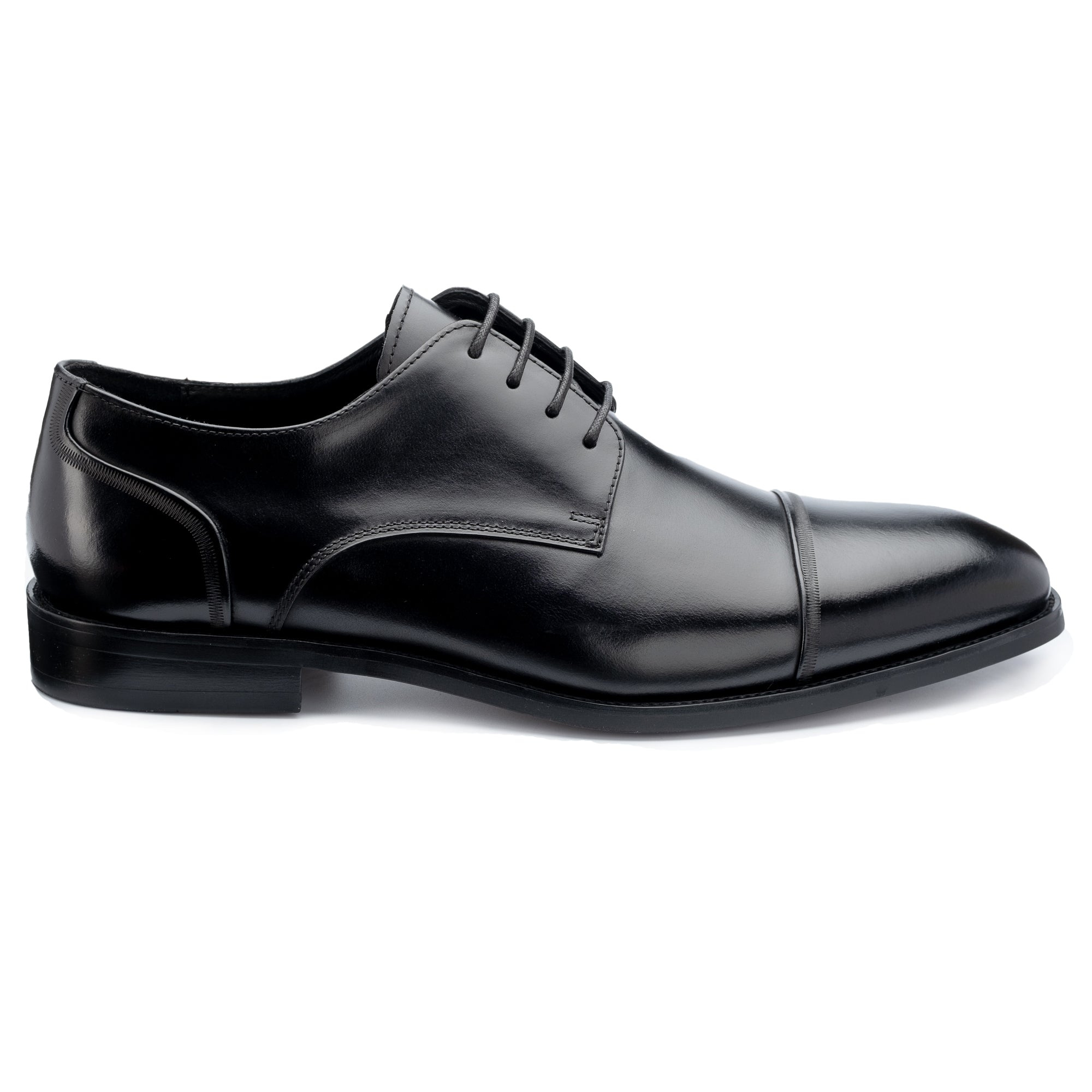
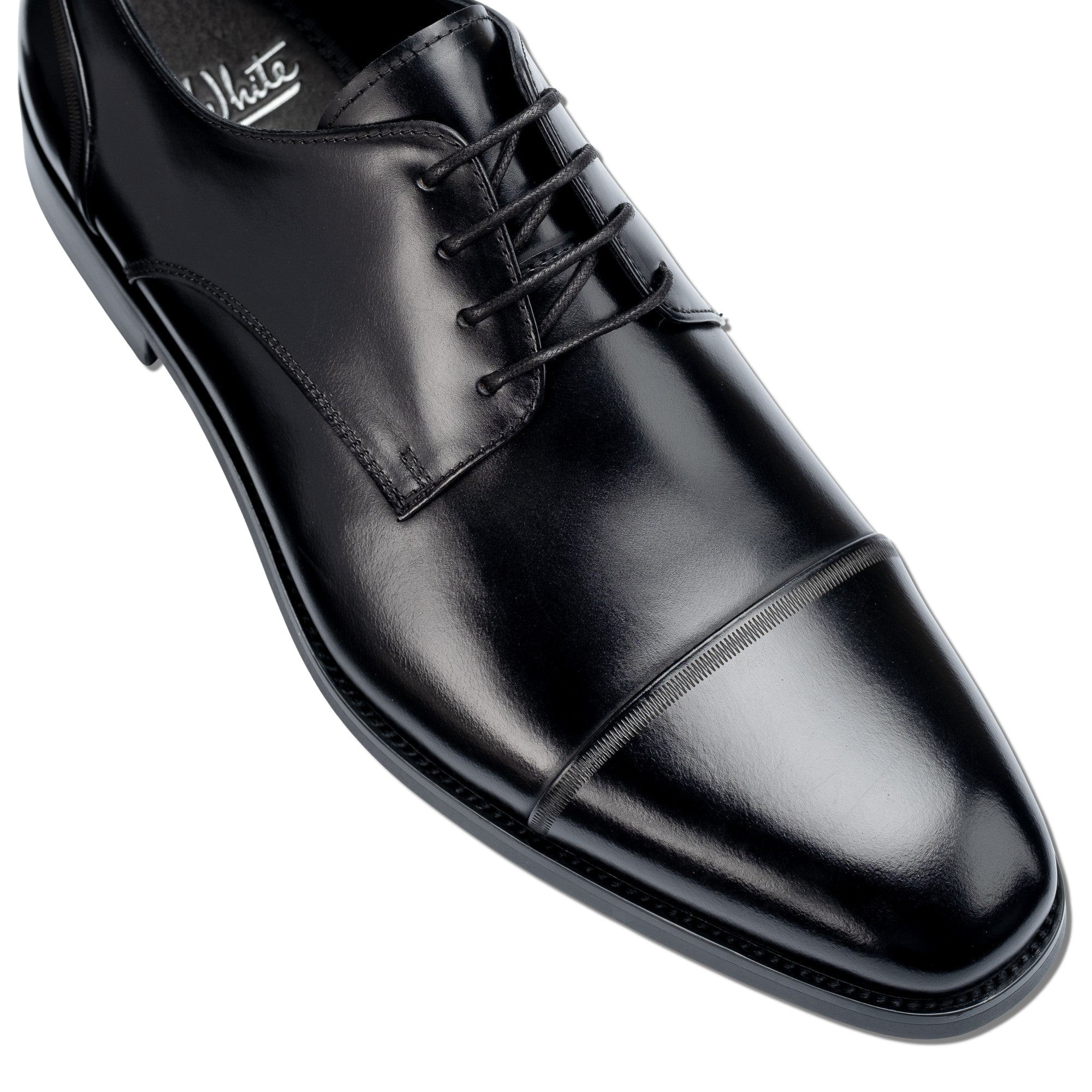
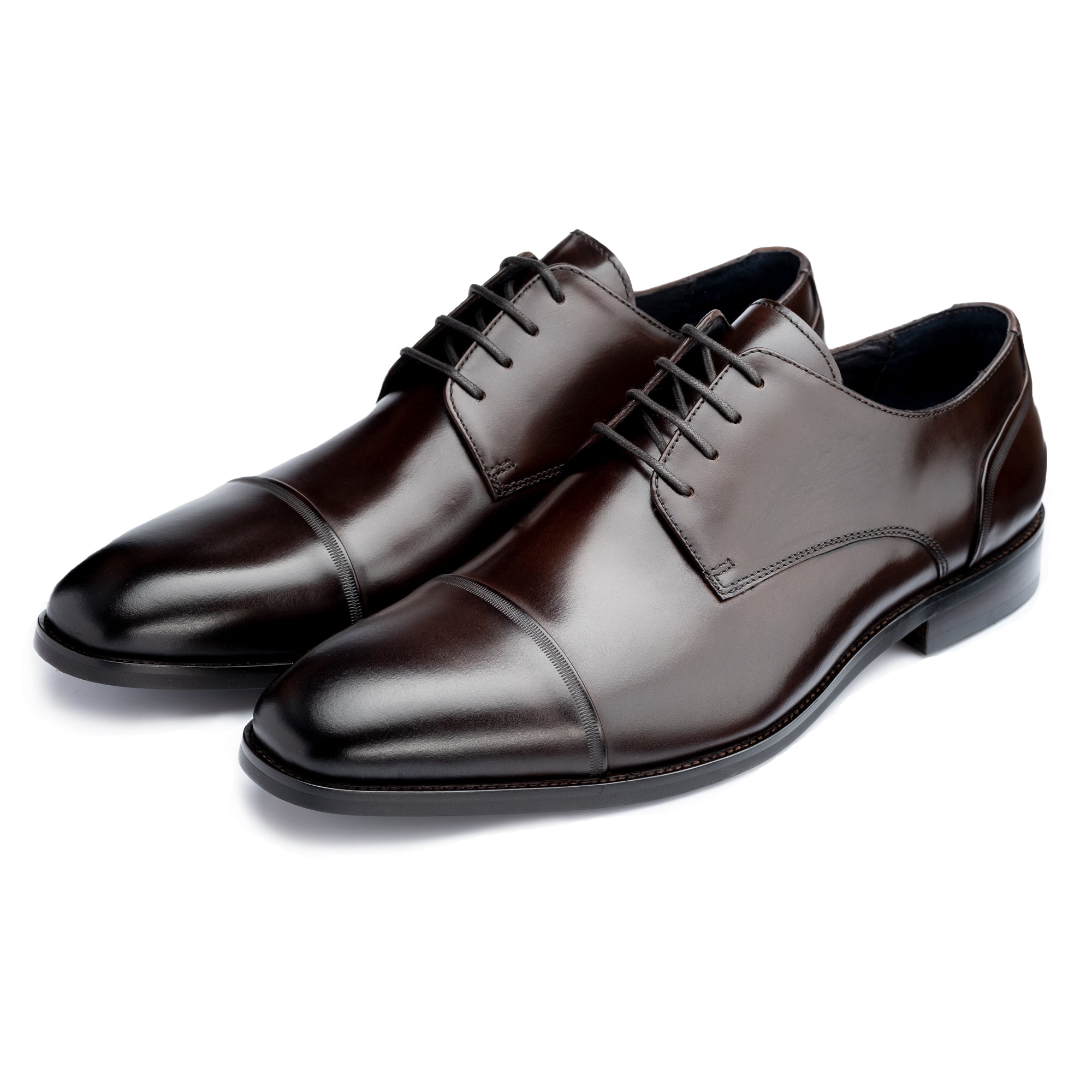
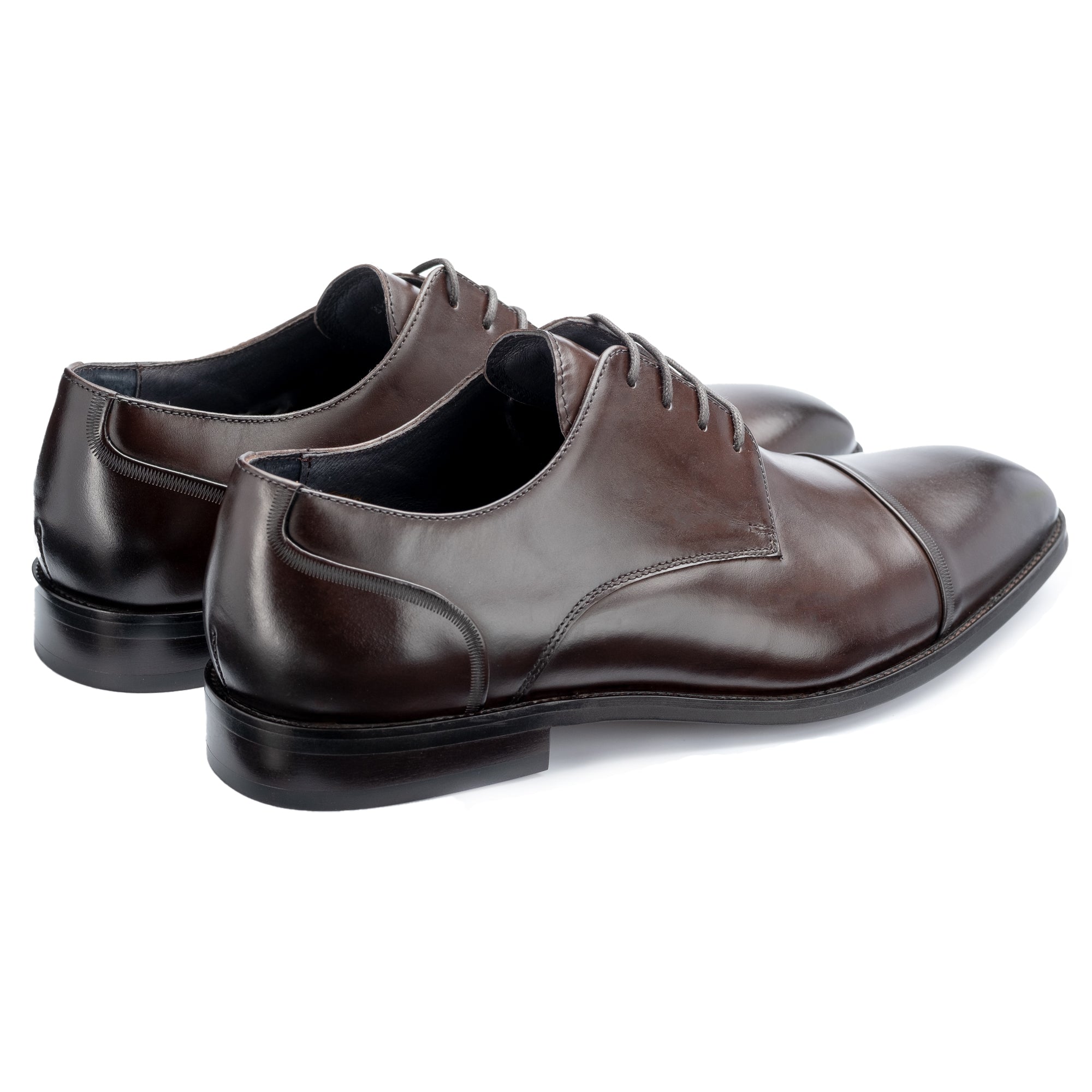
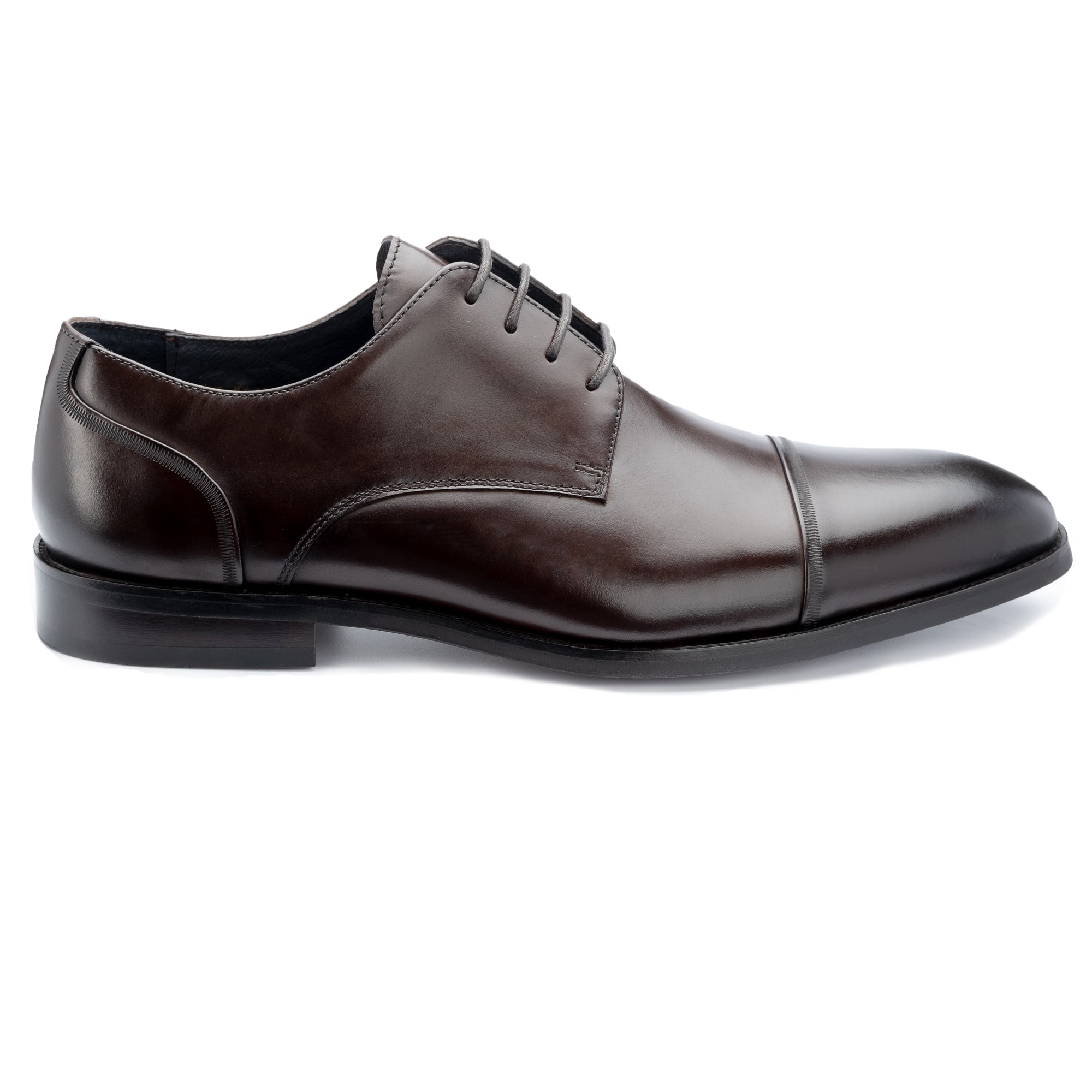
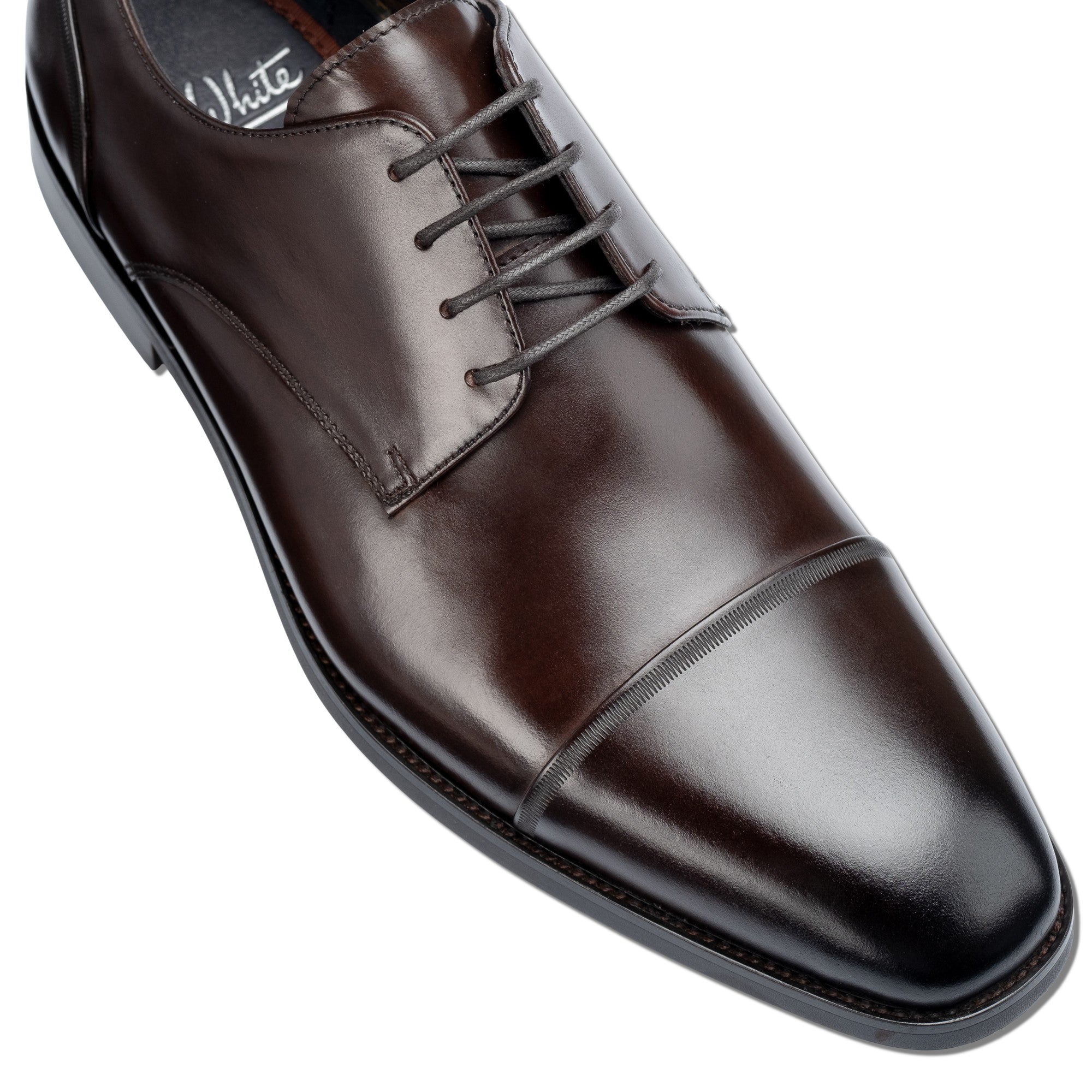
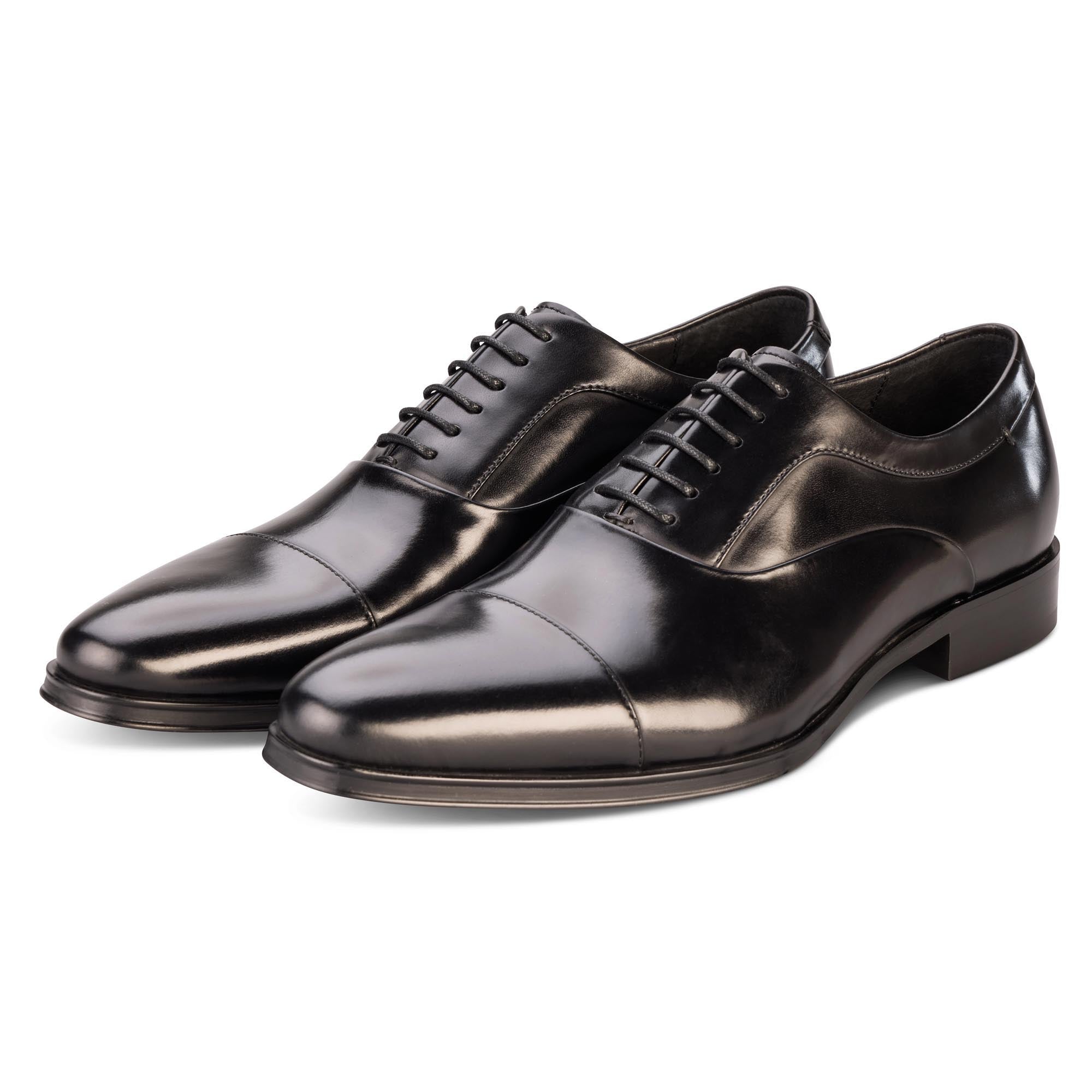
| Quarter Brogue | A straight toe cap with perforations only along the cap's edge. No medallion on the toe. | Most Formal | Business suits, formal trousers. Can be appropriate for most professional settings. |
| Longwing Brogue | The wings extend the full length of the shoe, meeting at the heel seam. Typically built on a Derby last. | Informal | Corduroys, heavy denim, casual tailoring. A robust, characterful option. |
Is the Original Function of Broguing Still Relevant Today?
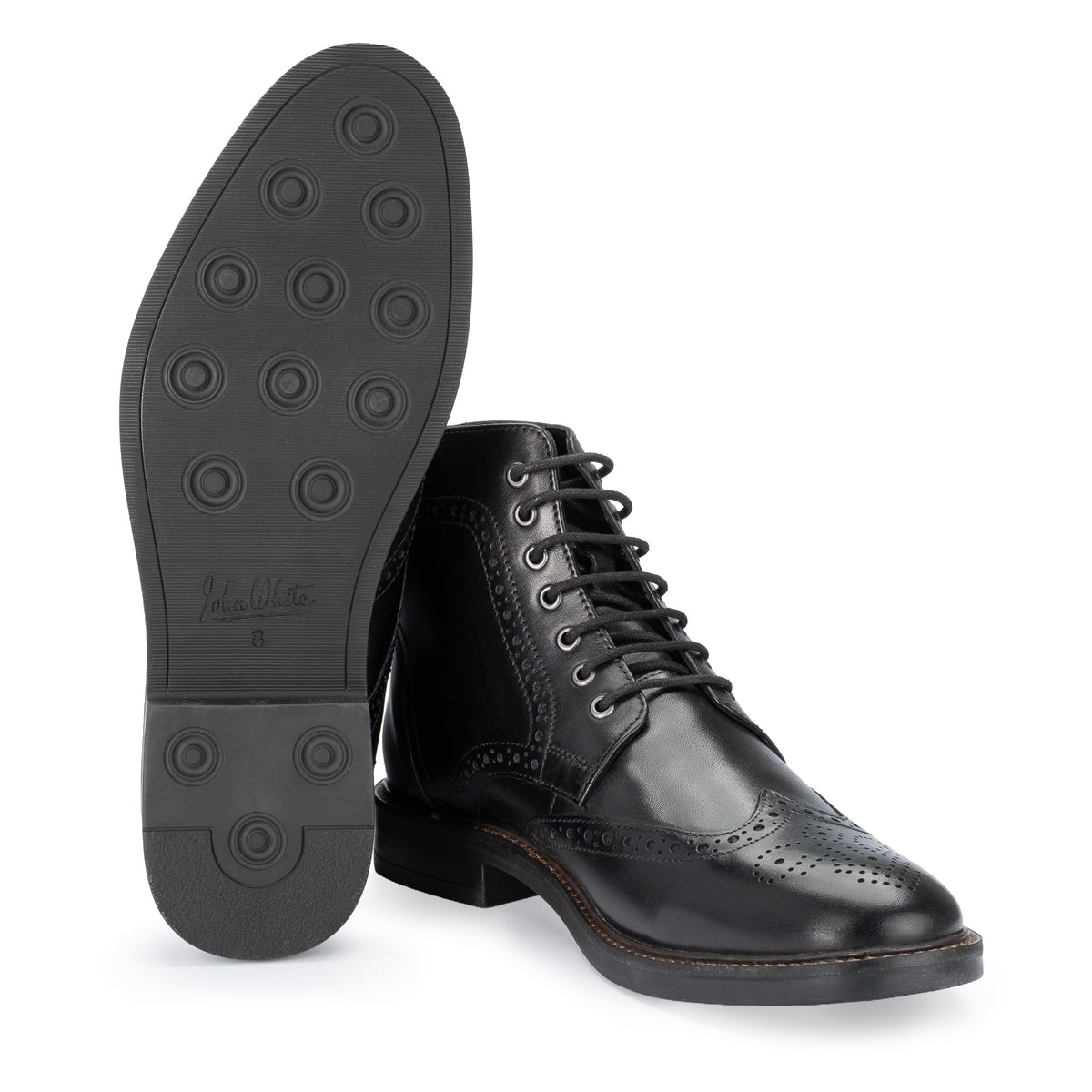
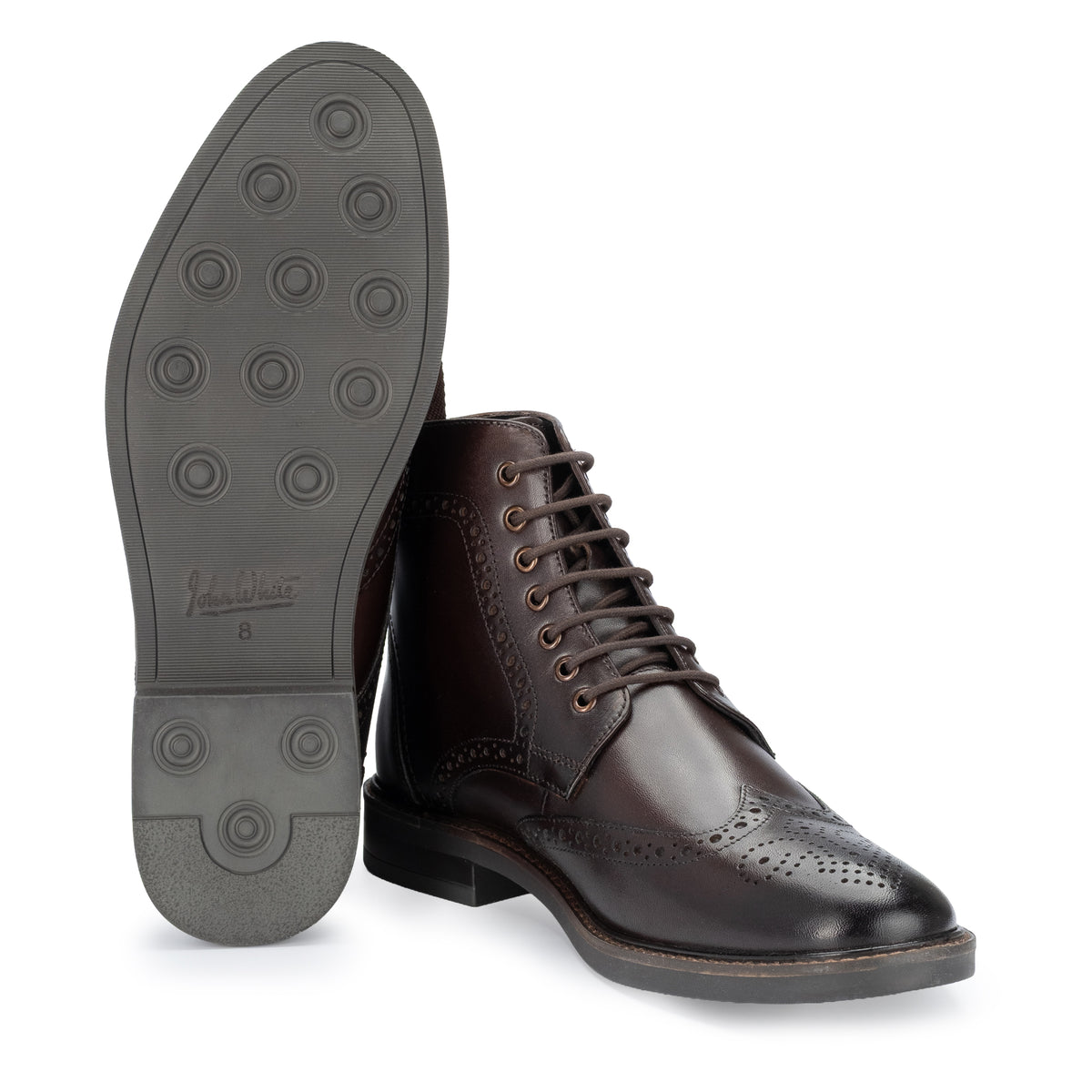
In a modern, Goodyear-welted shoe, the perforations are no longer functional for drainage. In fact, they do not pierce the full thickness of the leather and its lining. According to the Society of Master Shoe Repairers, the robust construction of today’s premium footwear makes the original purpose of broguing entirely obsolete.
However, the brogue's perforations have adopted a new, aesthetic function. They serve to break up the visual expanse of the leather, adding texture, depth, and character. This detailing is a mark of craftsmanship, requiring precision from the moment the leather is cut. For more on this foundational process, see our guide to the anatomy of a quality shoe.
The broguing also directly influences the shoe's formality. The more perforated the shoe, the more it echoes its rustic, country heritage, making it inherently less formal than a sleek, unadorned Oxford. This visual language is understood by discerning dressers, allowing the brogue to communicate a sense of relaxed sophistication.
While the perforations no longer drain water, they serve a vital modern function: communicating style, heritage, and a departure from rigid formality.
How Should You Style a Brogue Today?
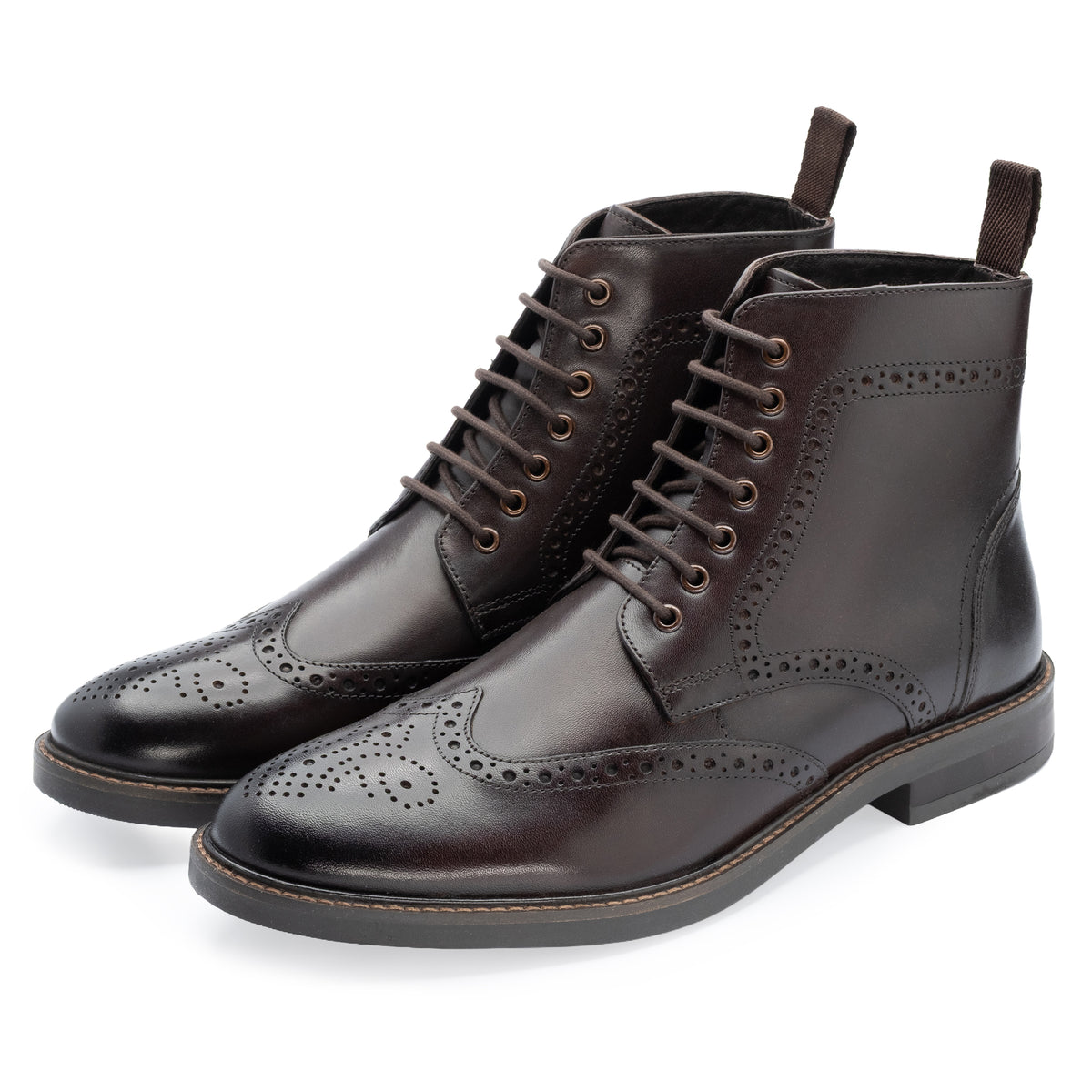
Styling a brogue is about respecting its heritage while embracing its versatility. The key is to match the level of broguing to the formality of the occasion. A dark brown or oxblood semi-brogue, such as our Rushton Burgundy Brogue, is an excellent choice for business suits, offering a touch more character than a plain Oxford.
Full brogues, especially in tan or brown suede, are perfect for smart-casual attire. They pair exceptionally well with tweed jackets, chinos, and dark denim, providing a confident and grounded look. For a complete overview of pairing options, consult our comprehensive guide on how to wear brogues.
Ultimately, a quality pair of brogues is an investment in versatility. It is a shoe that can navigate the space between formal and casual with understated confidence, a direct result of its unique journey from the bogs of Ireland to the boardrooms of Britain. Explore our curated selection of men's brogues to find the style that best suits your wardrobe.
TL;DR Summary: Broguing, the perforations on brogue shoes, originated as a practical feature for Scottish and Irish workers to drain water from their footwear in boggy conditions. Over the 20th century, the style was adopted by the aristocracy for country wear and gradually refined into the elegant-yet-robust dress shoe it is today. The amount of broguing (Full, Semi, Quarter) now dictates the shoe's formality, with more perforations indicating a more casual shoe.
Related Guides
- From Northampton to the World: The Story Behind British Shoemaking — our comprehensive guide
- Full Brogue vs. Semi-Brogue: A Guide to Choosing Your Next Pair
- How to Wear Brogues: A Complete Men's Style Guide
- The Anatomy of a Quality Shoe: What Goes Into Every Pair
Frequently Asked Questions
Are brogues waterproof because of their history?
No, quite the opposite. The original perforations were designed to let water out, not keep it from getting in. In modern, premium brogues, the perforations are decorative and do not go all the way through the leather and lining, so they have a standard level of water resistance for a Goodyear-welted dress shoe but are not waterproof.
Can I wear brogues with a business suit?
Yes, but the type of brogue matters. A Quarter Brogue or a Semi-Brogue in a dark colour like black, dark brown, or burgundy is perfectly acceptable with most business suits. A Full Brogue (Wingtip), especially in a lighter tan, is generally considered too informal for conservative business environments but excellent for smart-casual or creative workplaces.
What is the pattern on the toe of a brogue called?
The decorative perforated pattern on the toe cap of a full or semi-brogue is called a medallion. It is a hallmark of the style but is omitted on the more formal quarter brogue to maintain a cleaner, sleeker appearance.