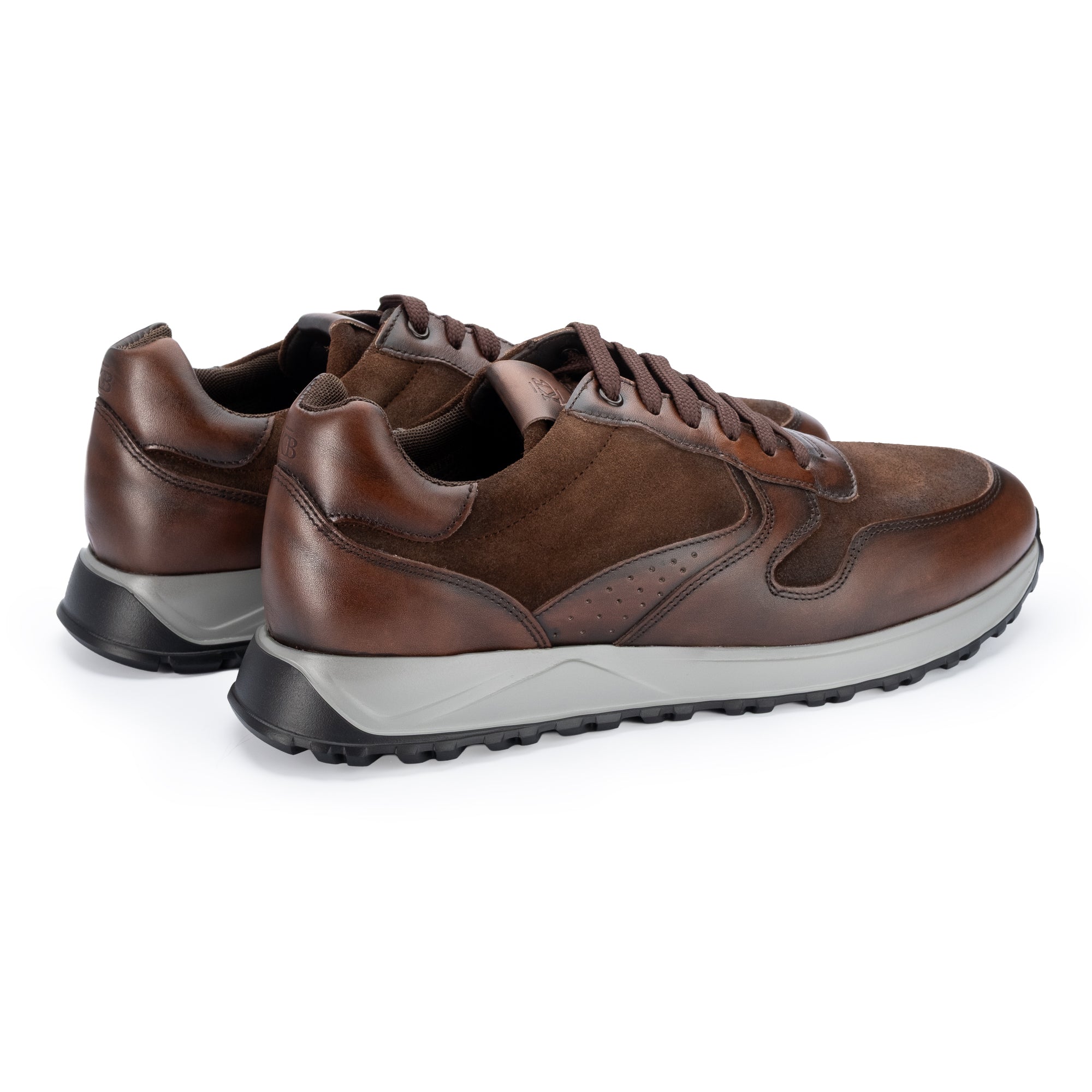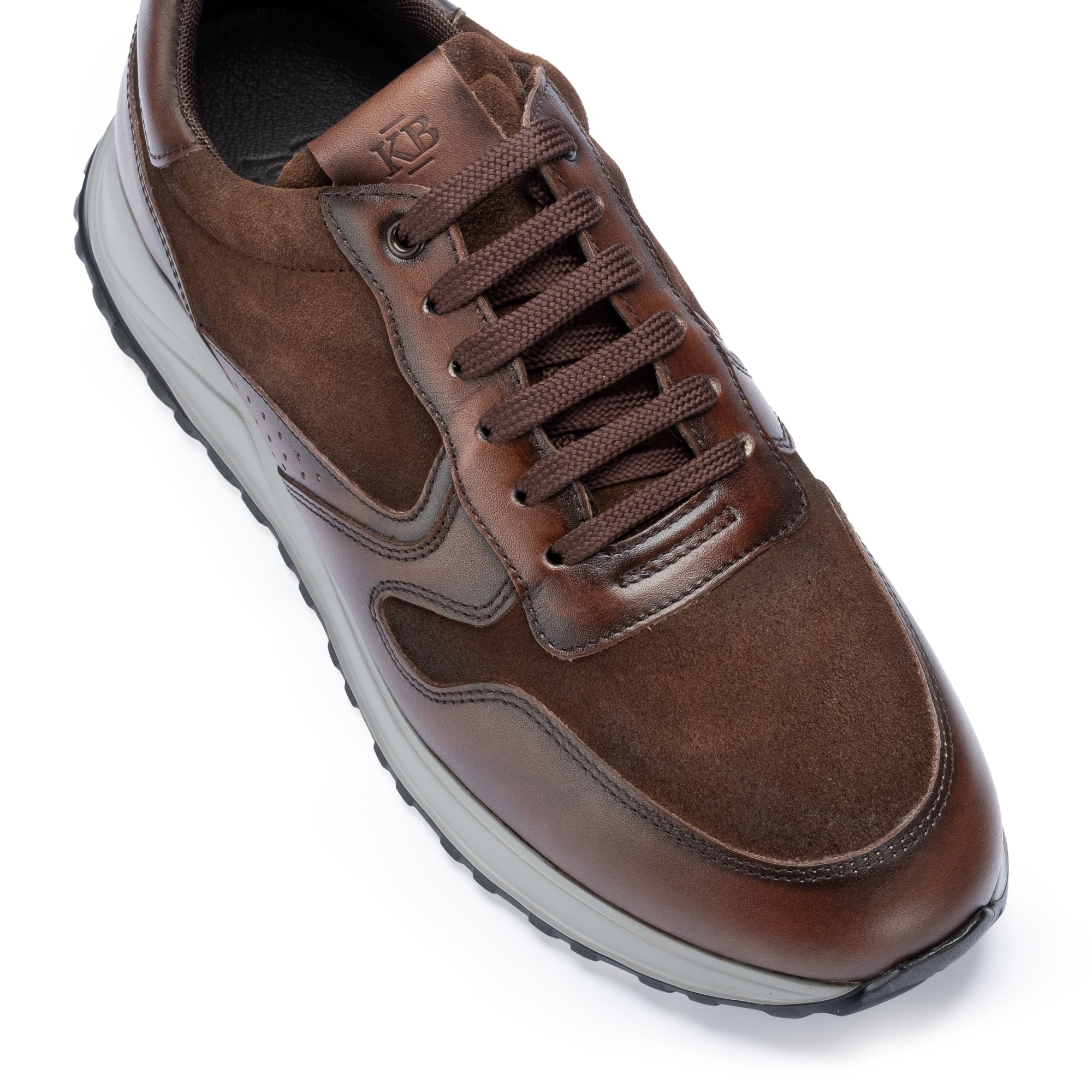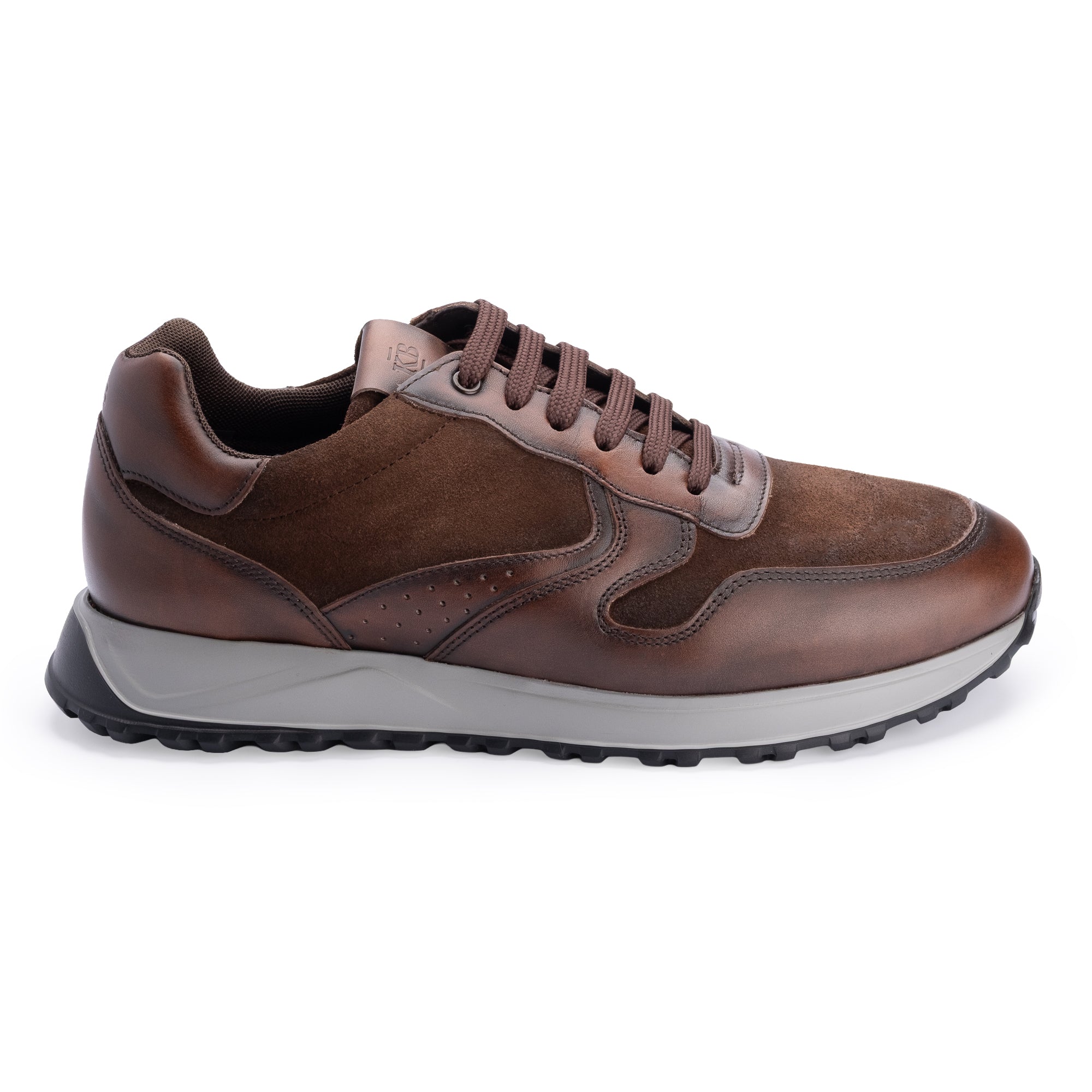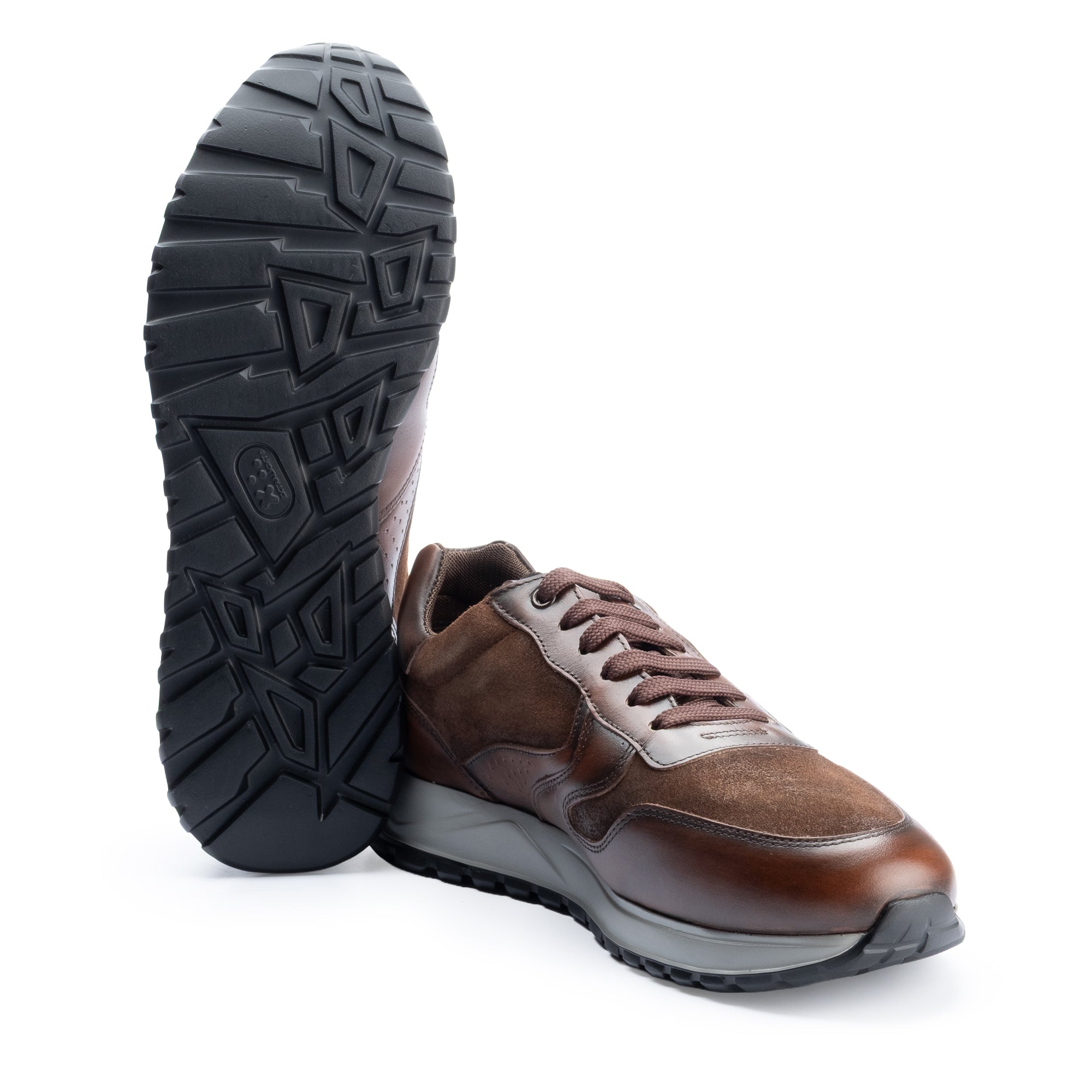

From Sketch to Silhouette: The Architectural Principles of Classic Shoe Design
A premium leather shoe is not merely made; it is architected. The enduring silhouette of a classic Oxford or Derby is the result of deliberate, time-honoured design principles, where the last serves as the foundation, and every line and proportion is meticulously calculated for balance, function, and timeless elegance.
In This Guide
Many men appreciate the quality of a well-made shoe, but few understand the architectural thought that informs its creation. A truly exceptional shoe is a work of structural art, a carefully engineered object designed to support the foot while projecting an air of refined confidence. It is a process governed not by fleeting trends, but by foundational principles that have been refined over more than a century of British shoemaking heritage.
To understand the difference between a simple shoe and a piece of premium footwear is to understand the difference between a mere structure and true architecture. It requires looking beyond the surface and appreciating the core elements of form, balance, and integrity that create a silhouette built to last. At John White Shoes, these principles are inherent in every pair we design, continuing a tradition of thoughtful craftsmanship established in 1919.
What Is the Foundation of All Classic Shoe Design?
The foundation of any classic shoe design is the last. The last is the three-dimensional form, traditionally carved from wood, around which the shoe is constructed. It is the single most critical element, dictating the shoe's volume, toe shape, heel height, and overall fit. It is, in essence, the blueprint and the chassis combined.
Unlike a simple mould of a foot, a last is an idealized, sculptural form. It incorporates crucial functional elements like 'toe spring'—the slight upward curve of the toe—which is essential for a natural walking motion. As we explain in The Art of the Last: Why Shoe Shape Matters More Than You Think, this wooden block is where the character and comfort of the shoe are born.
Master lastmakers, much like architects, must balance aesthetics with engineering. According to the British Footwear Association, the precise contours of a last can influence pressure distribution across the foot by up to 30%, directly impacting long-term comfort. A poorly designed last will result in a poorly balanced and uncomfortable shoe, no matter the quality of the leather used.
The last is the soul of the shoe, establishing the fundamental shape and fit that all other design elements must adhere to.
How Do Balance and Proportion Create an Elegant Silhouette?
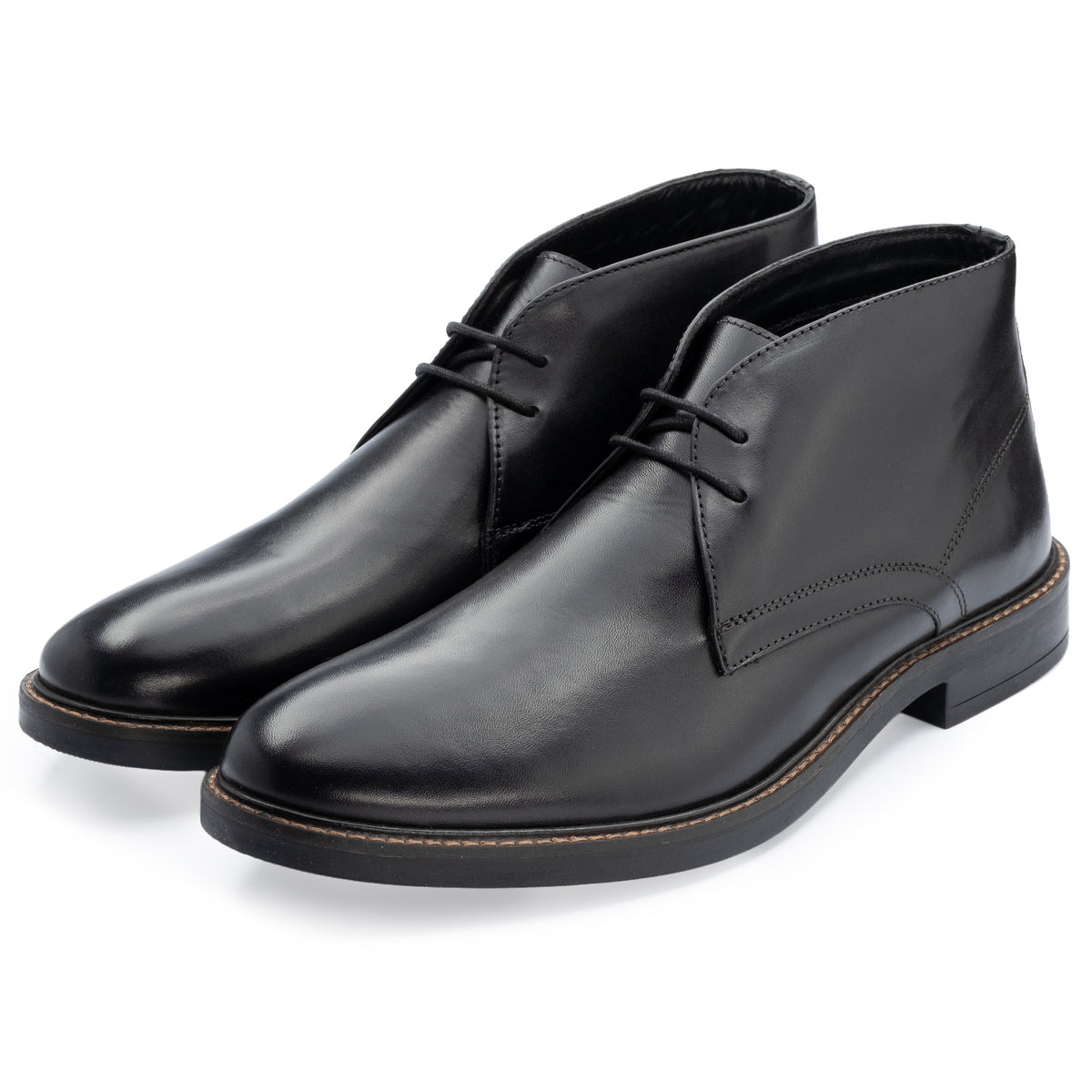
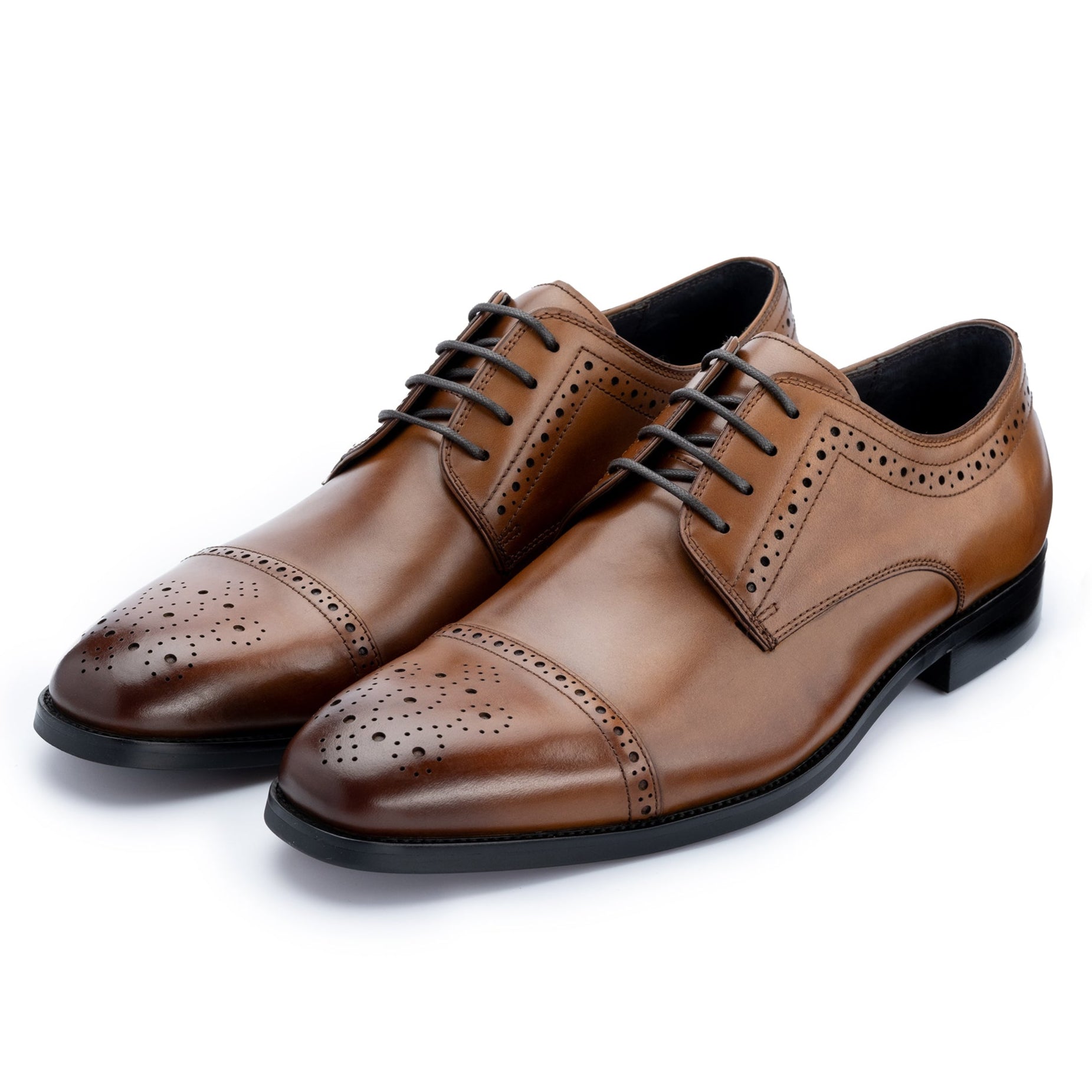
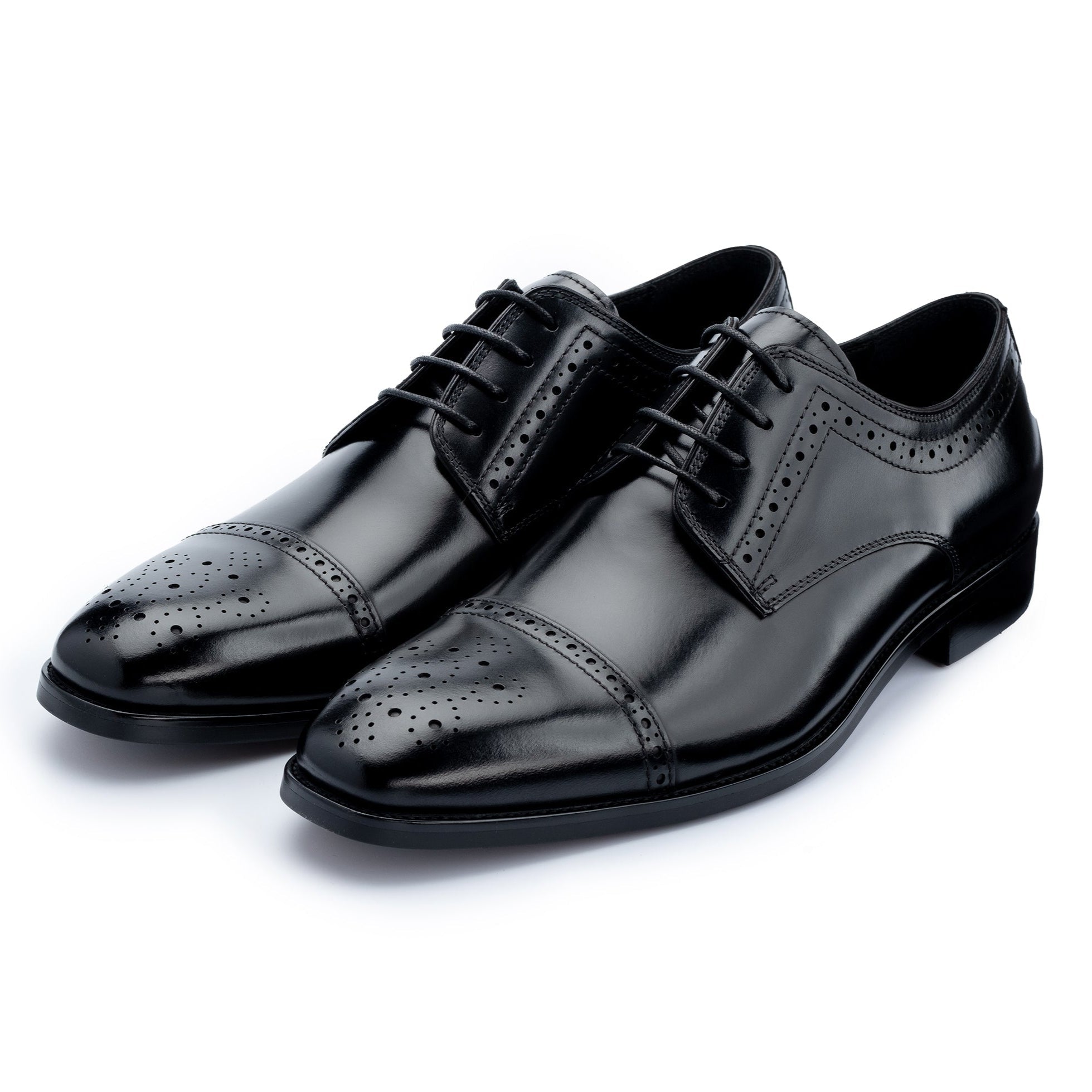
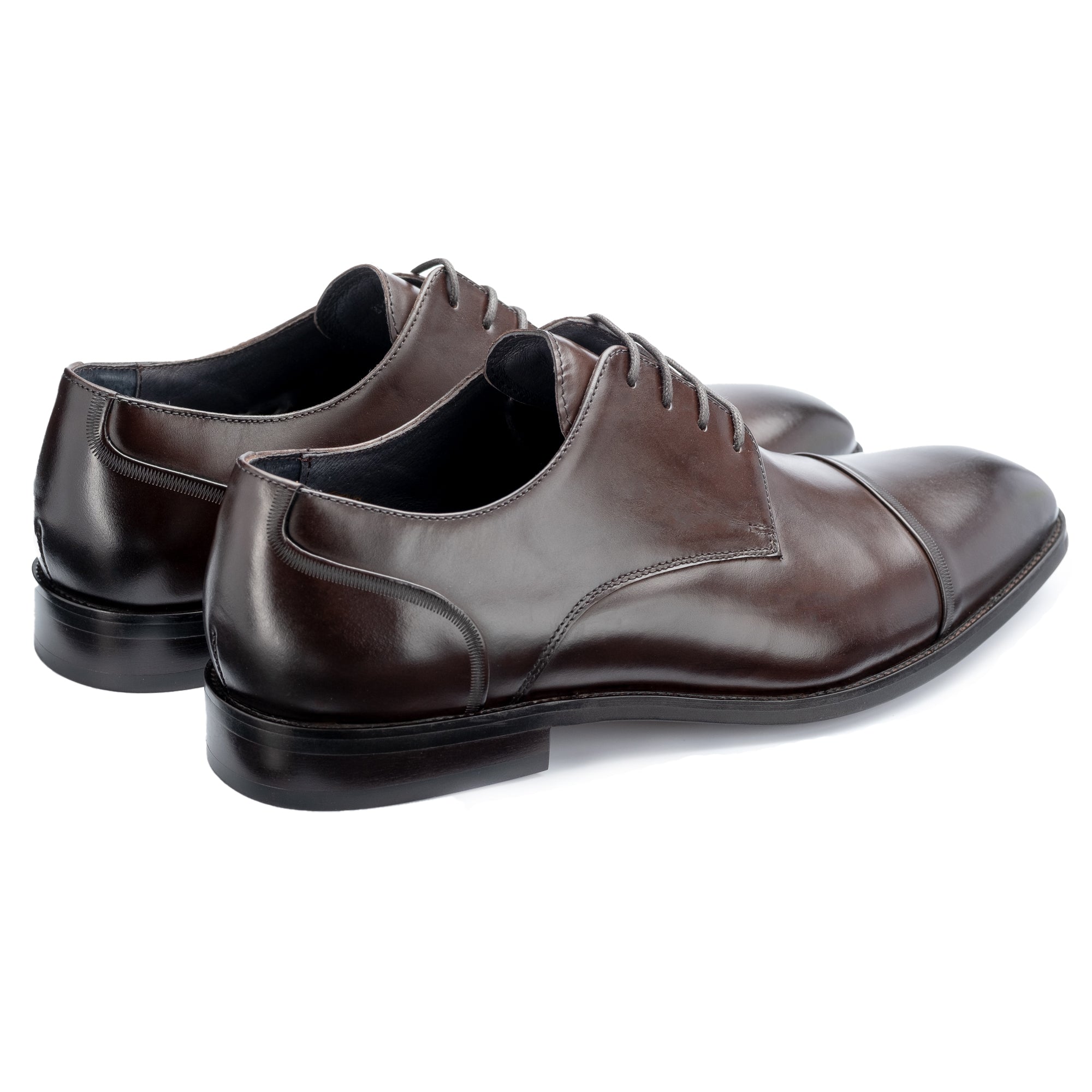
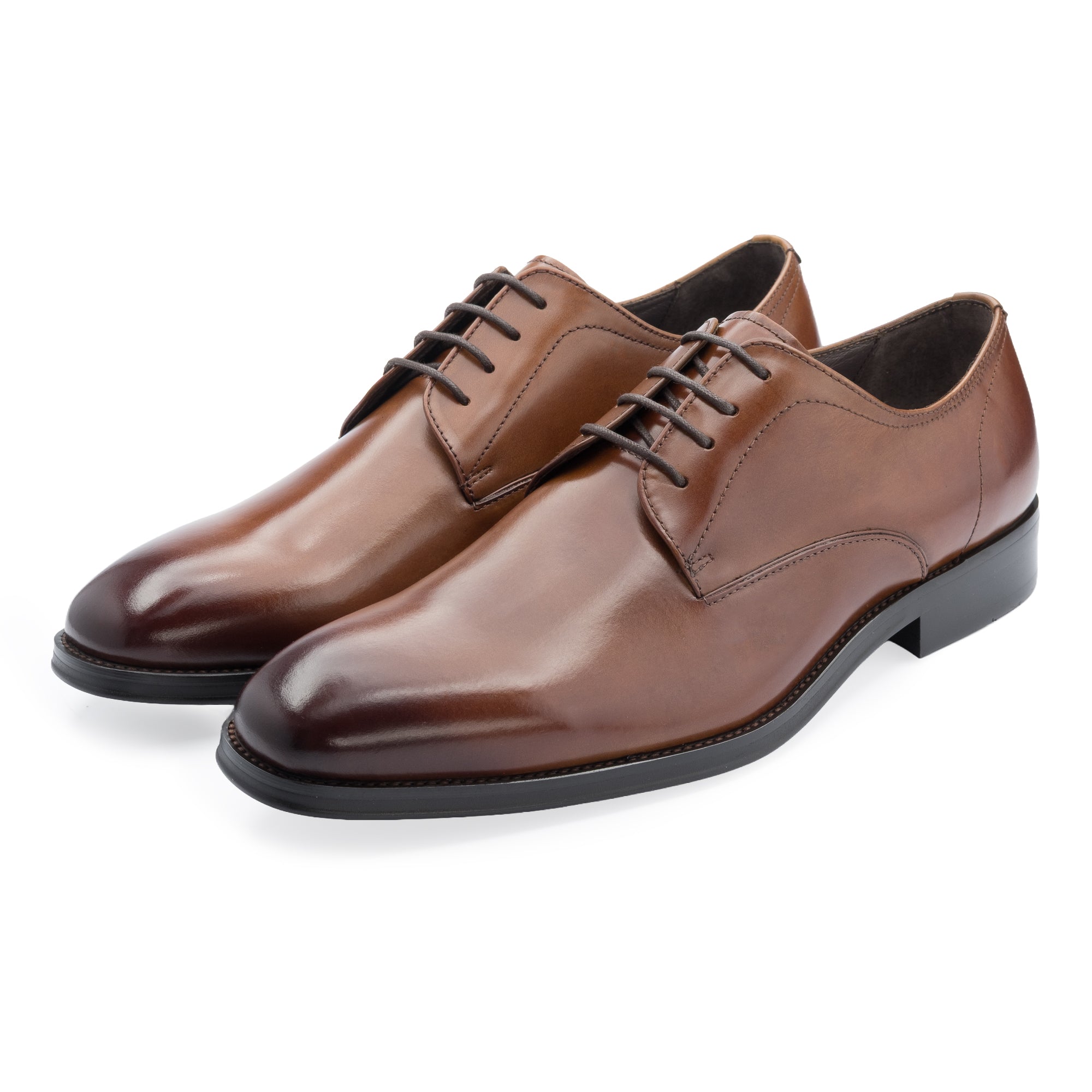
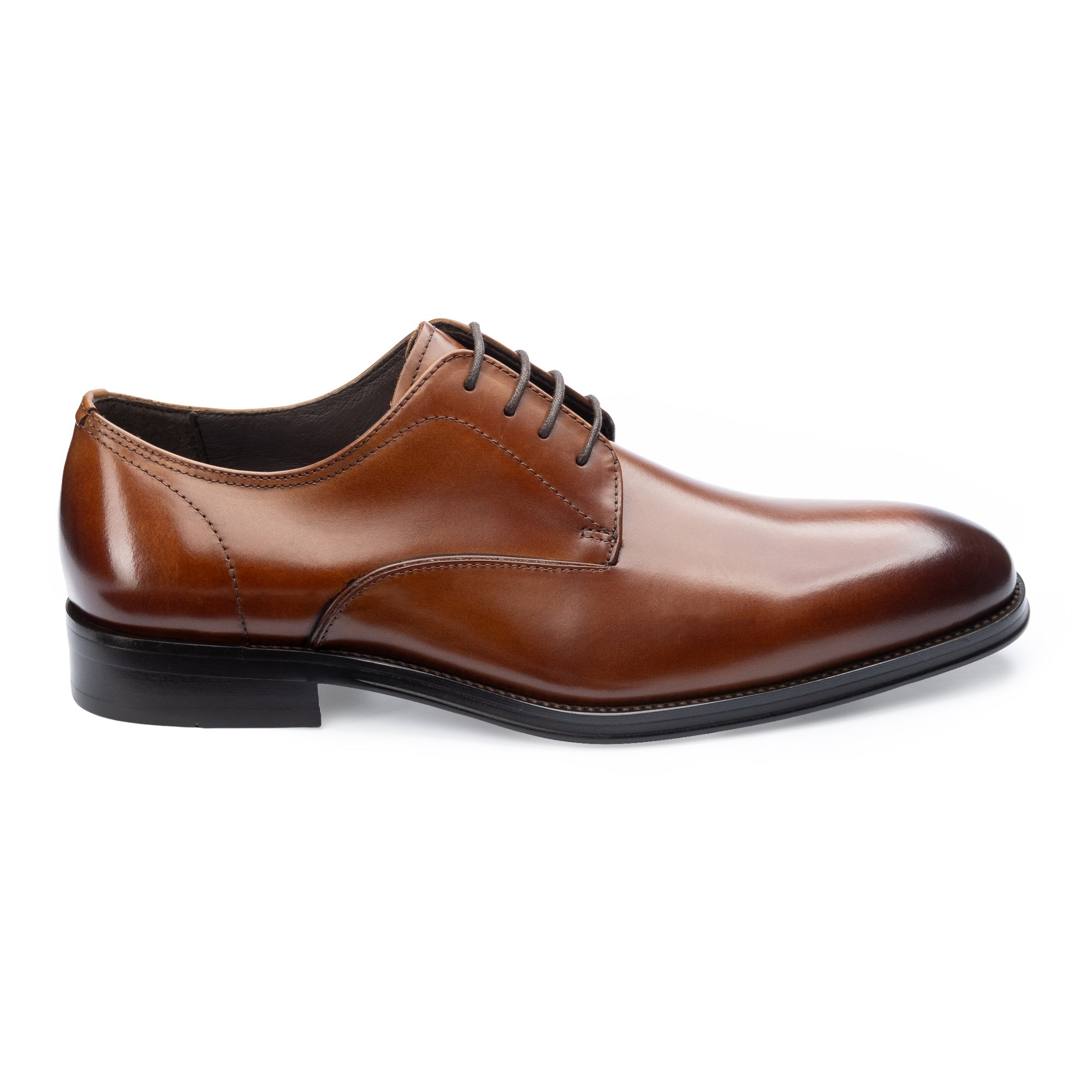
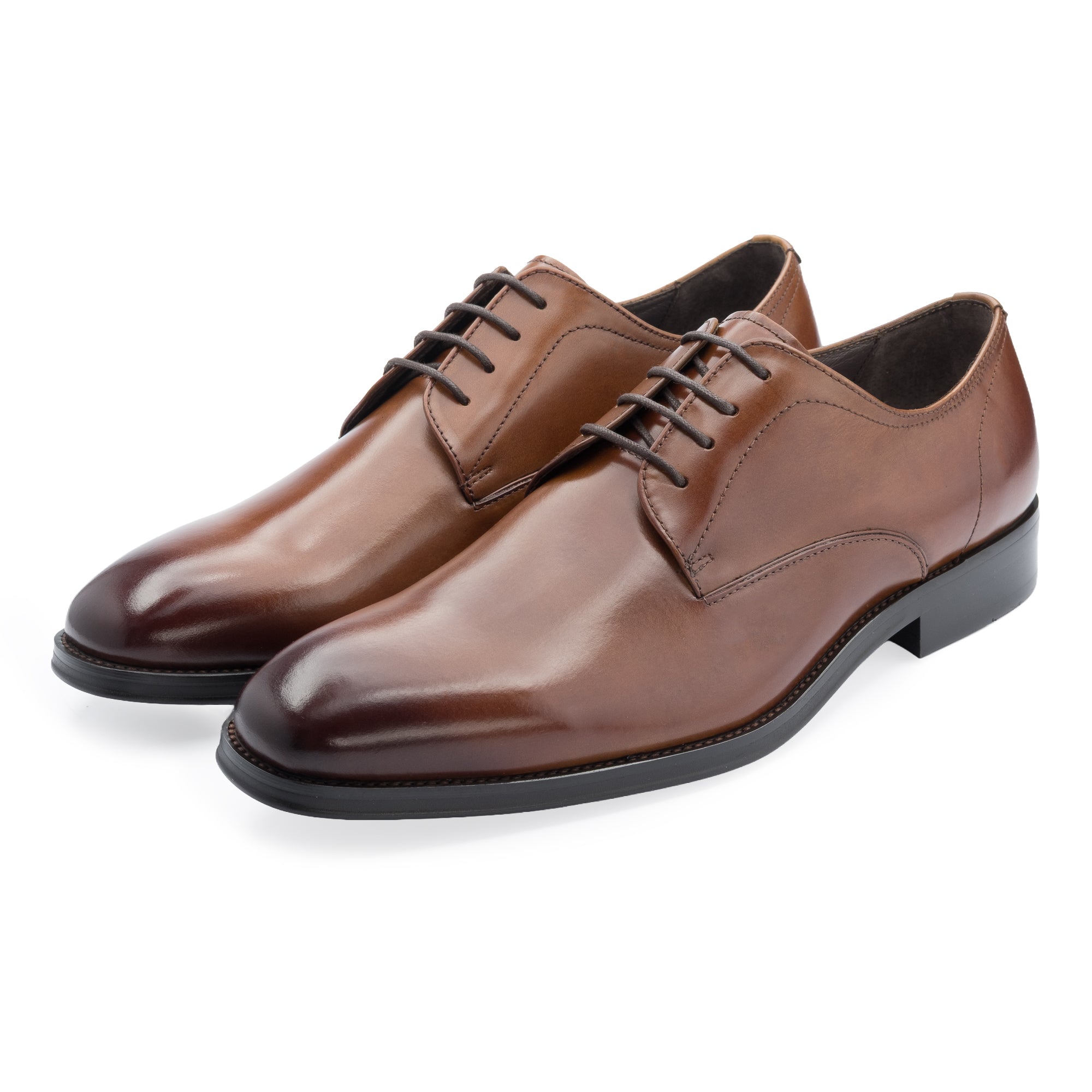
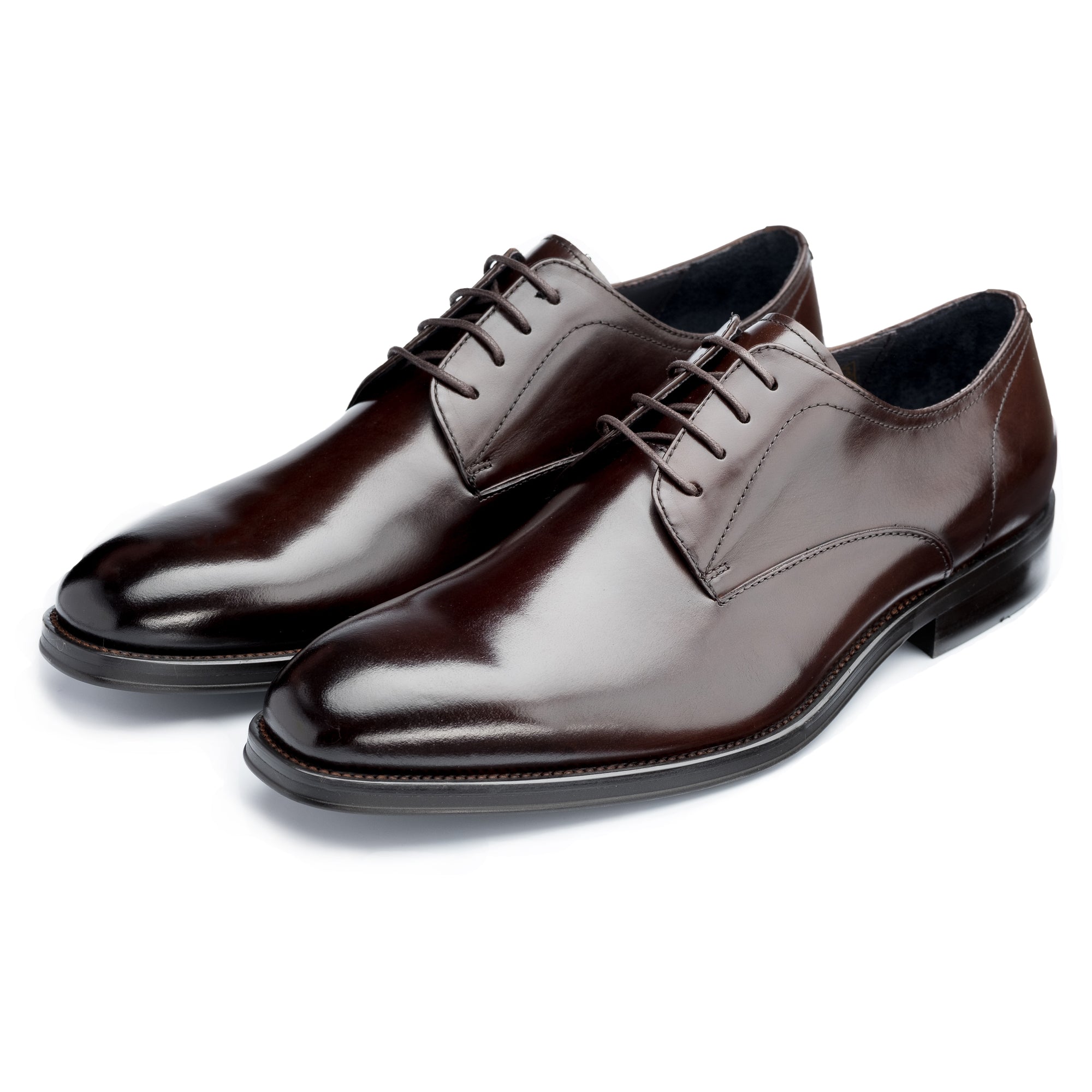
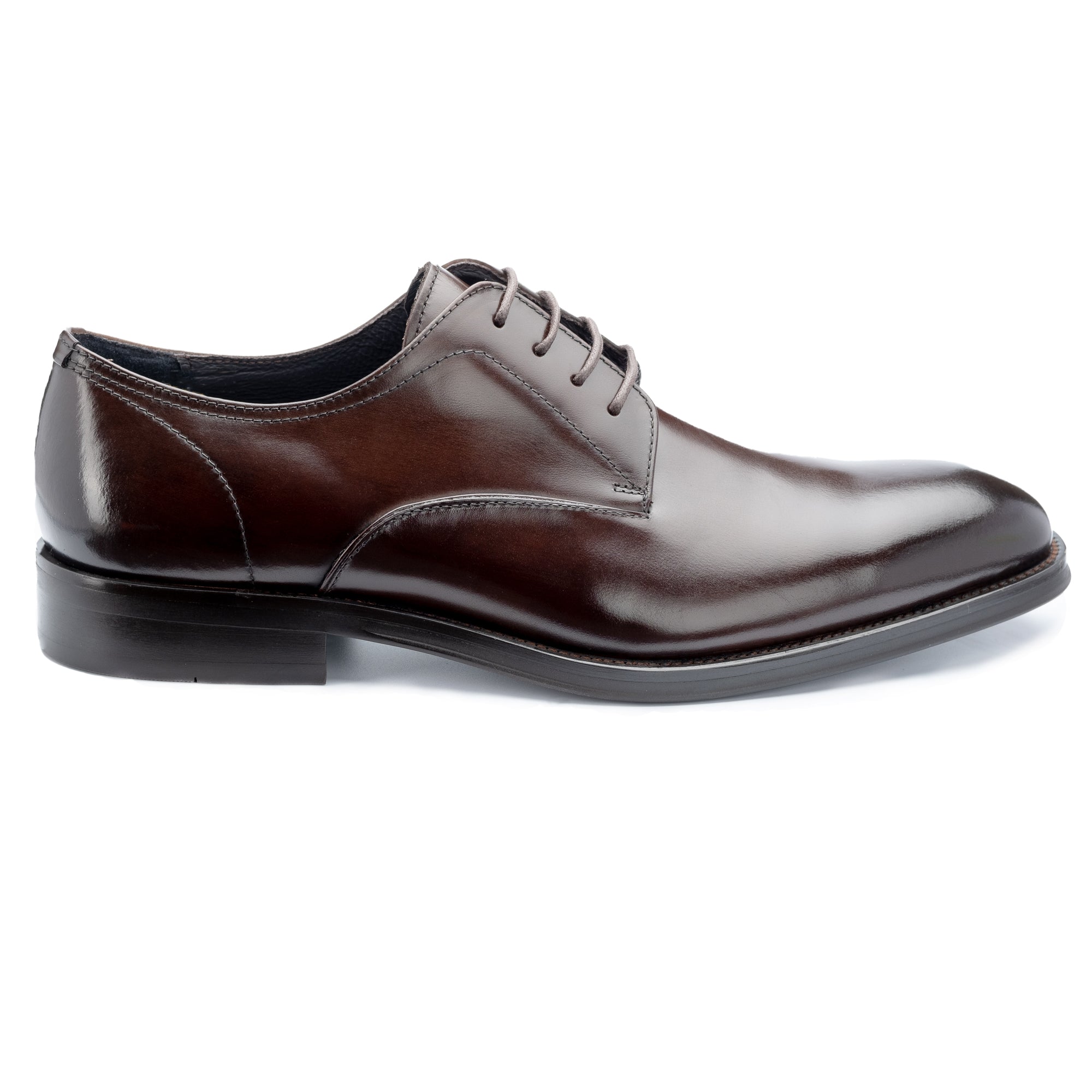
Balance and proportion in classic shoe design are the principles that separate an elegant shoe from a clumsy one. These are the subtle visual cues that create a harmonious and pleasing silhouette. The key relationship is between the length of the vamp (the front part of the shoe) and the quarters (the side and back parts).
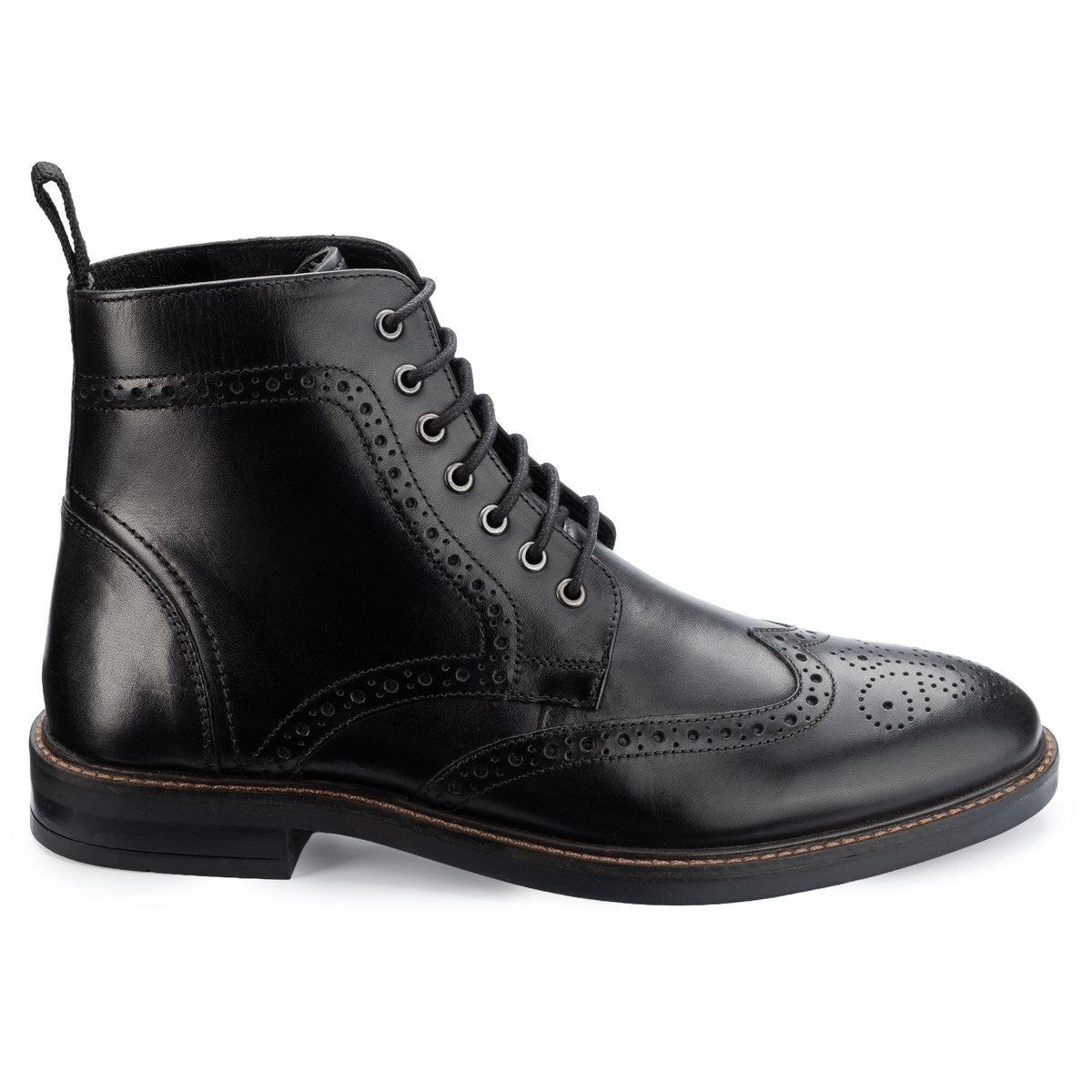
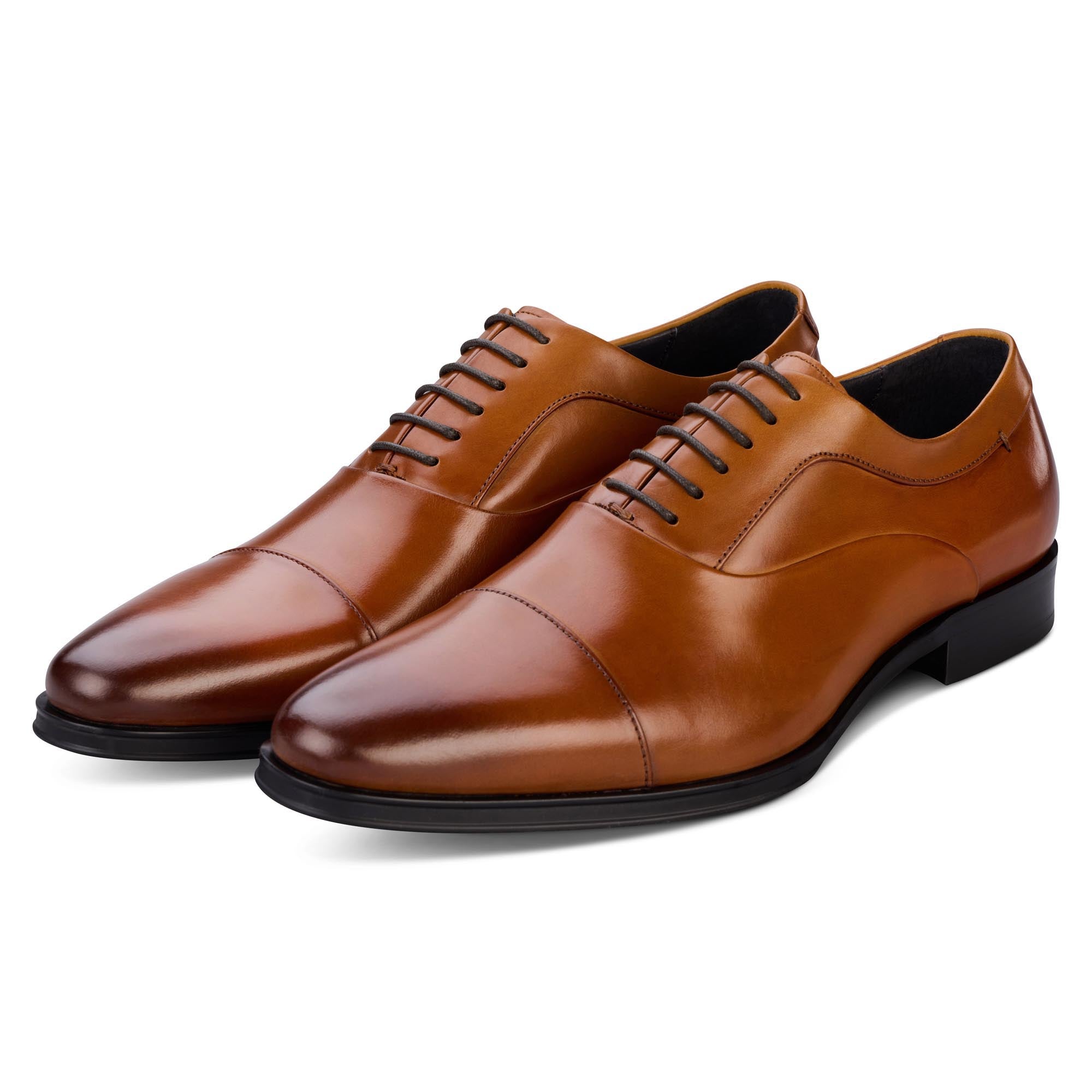
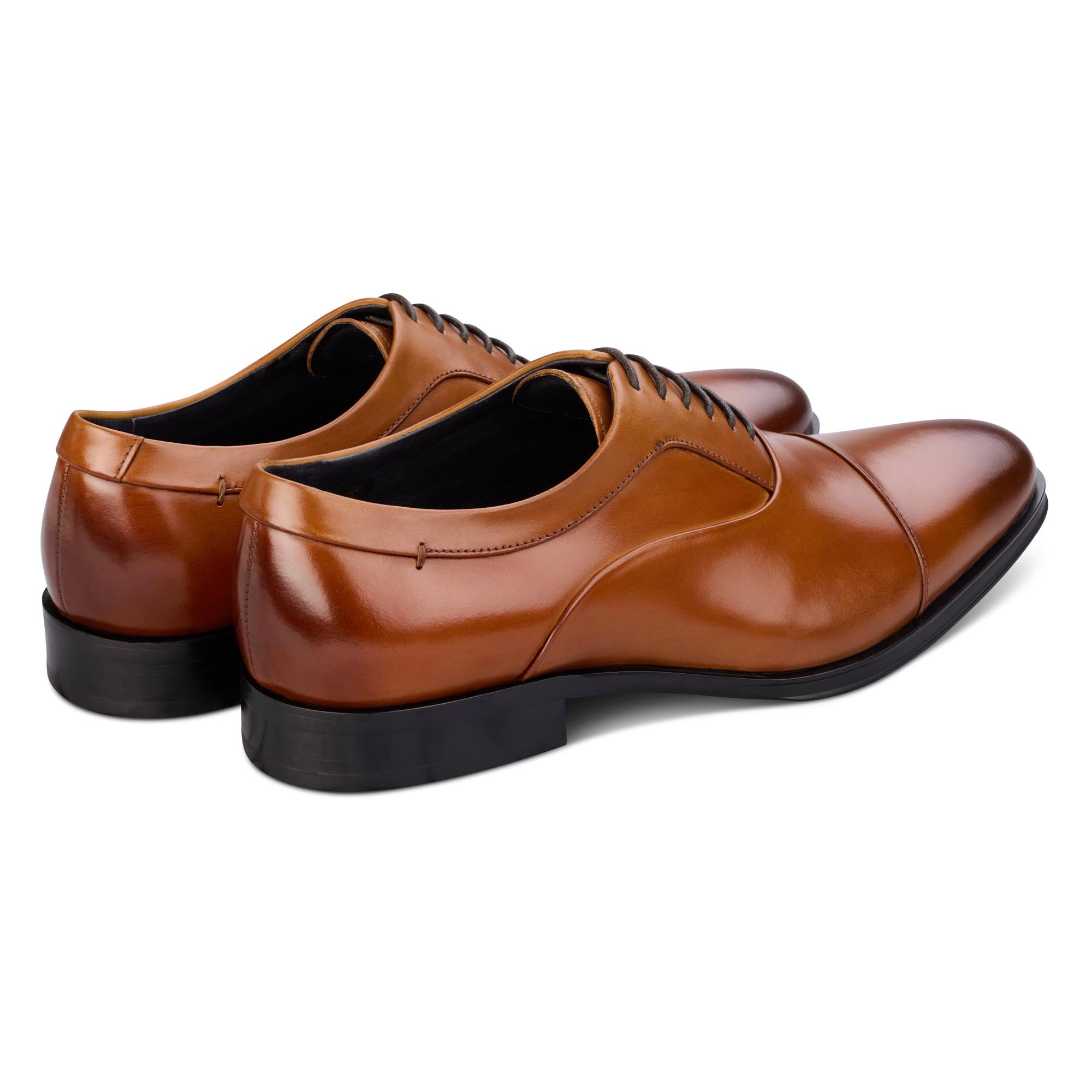
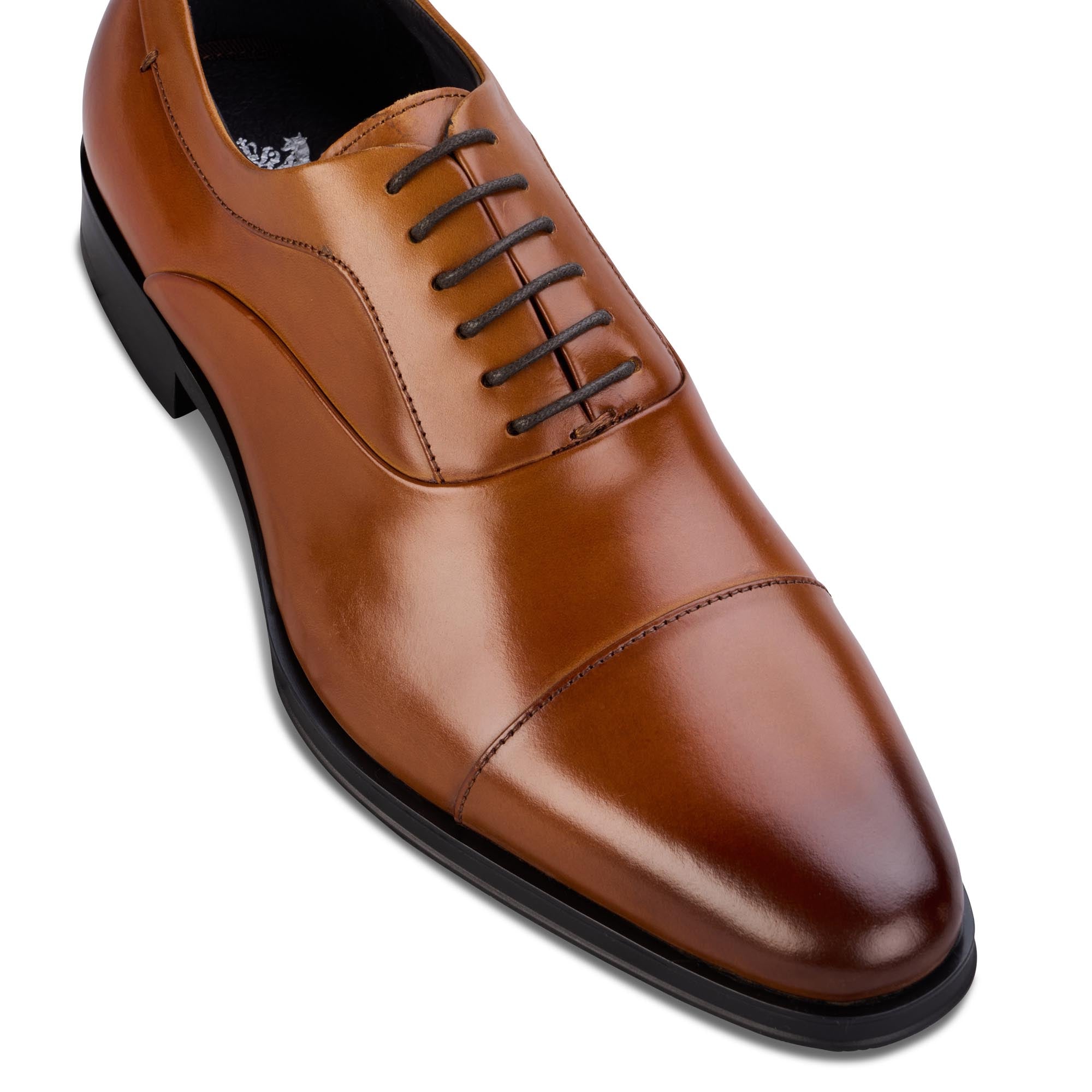
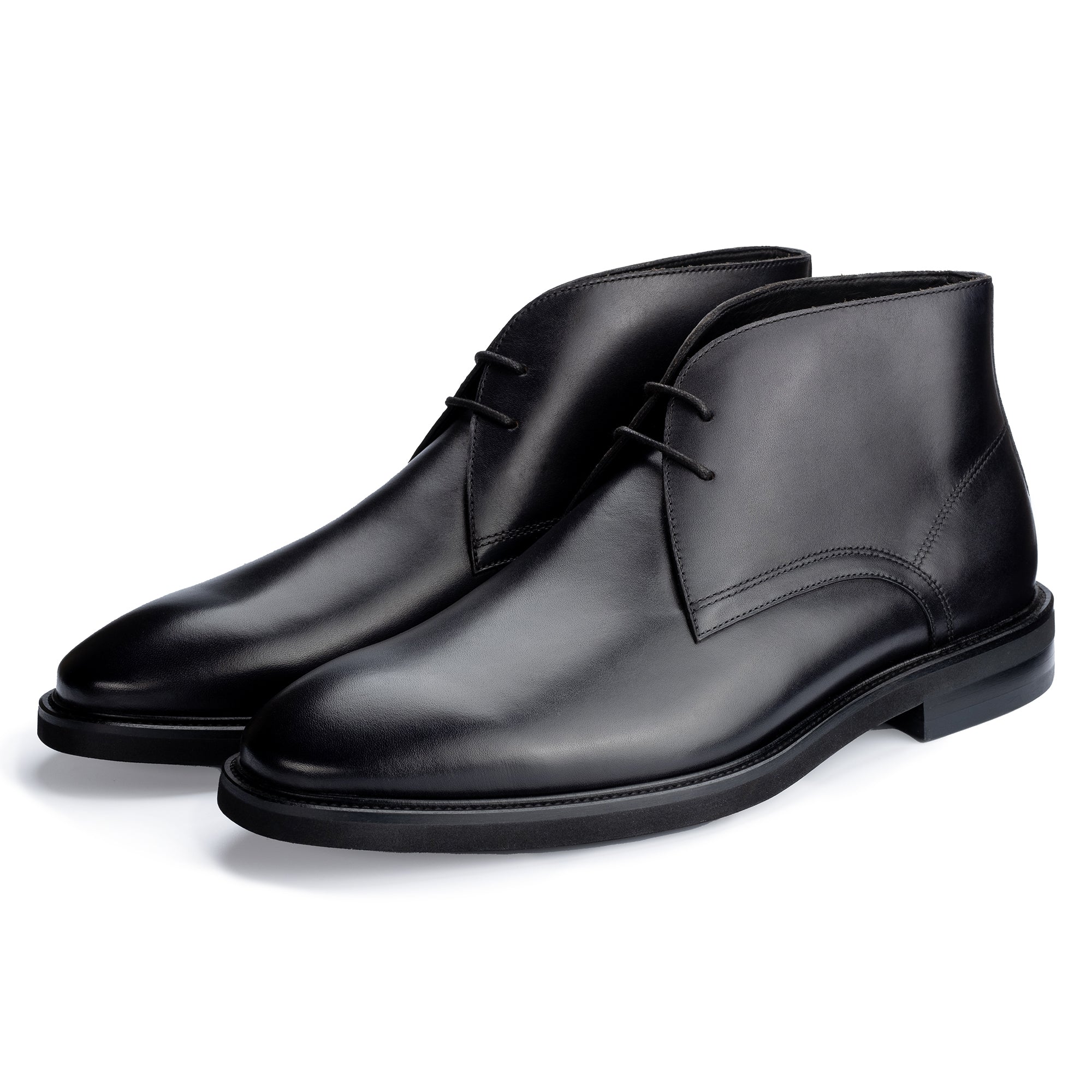
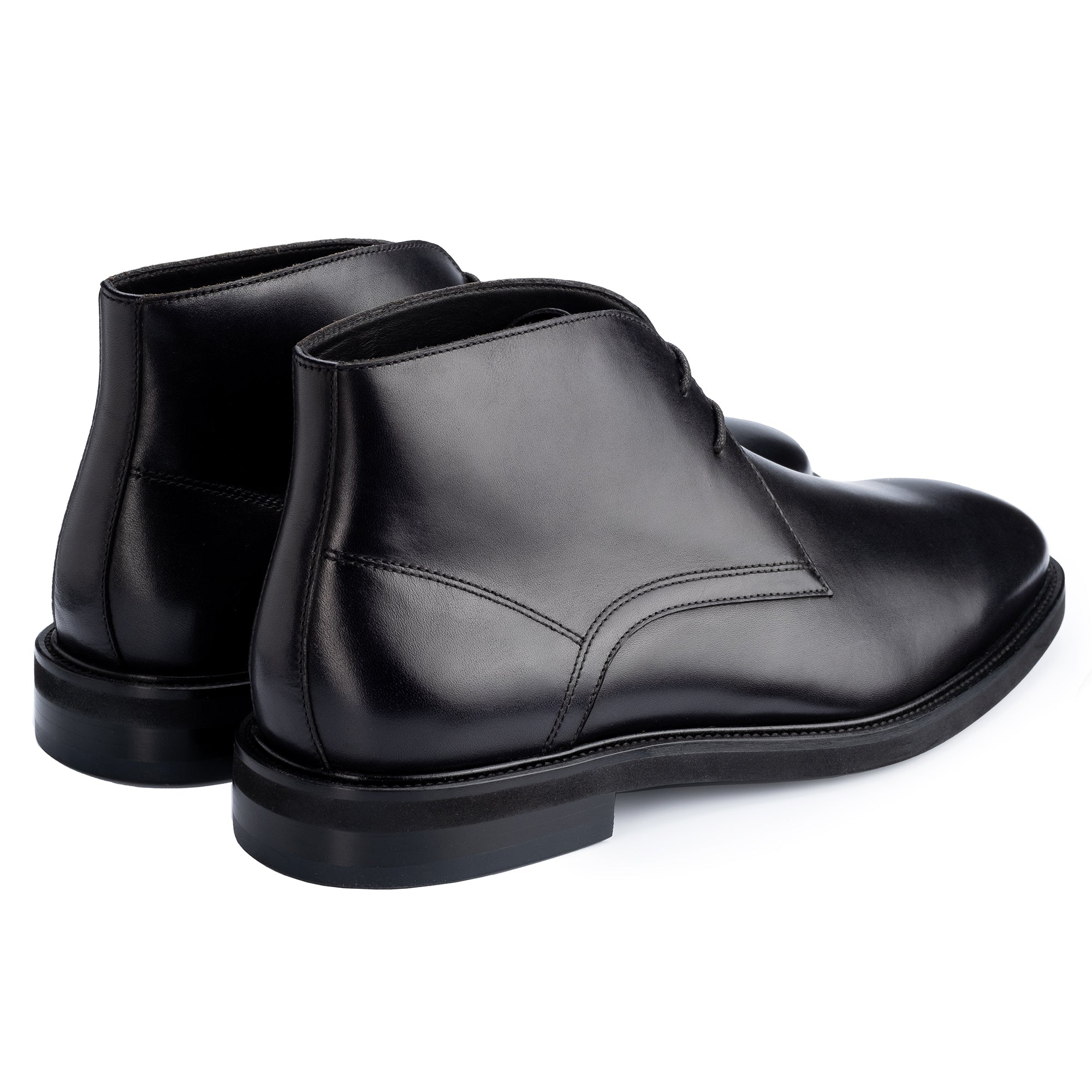
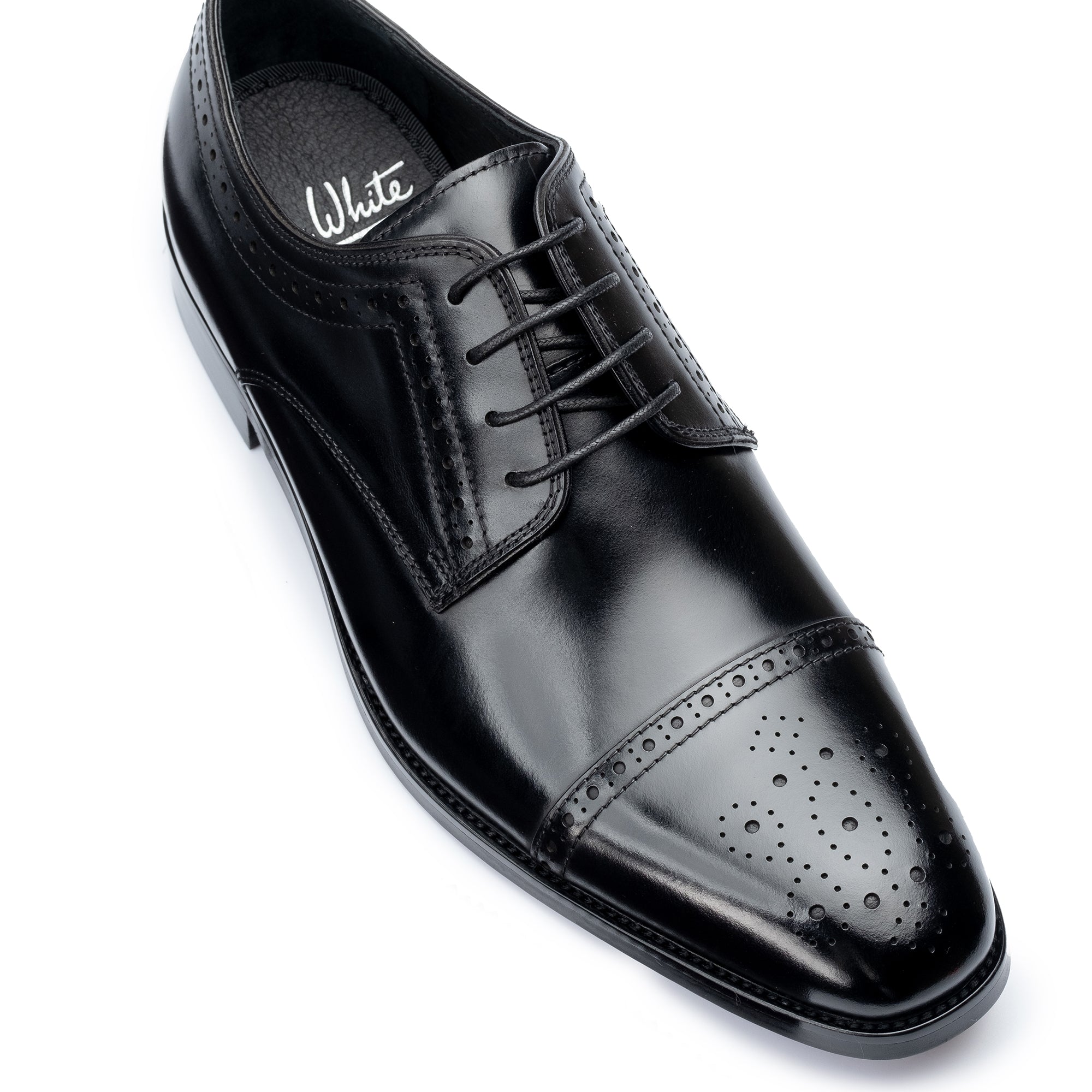
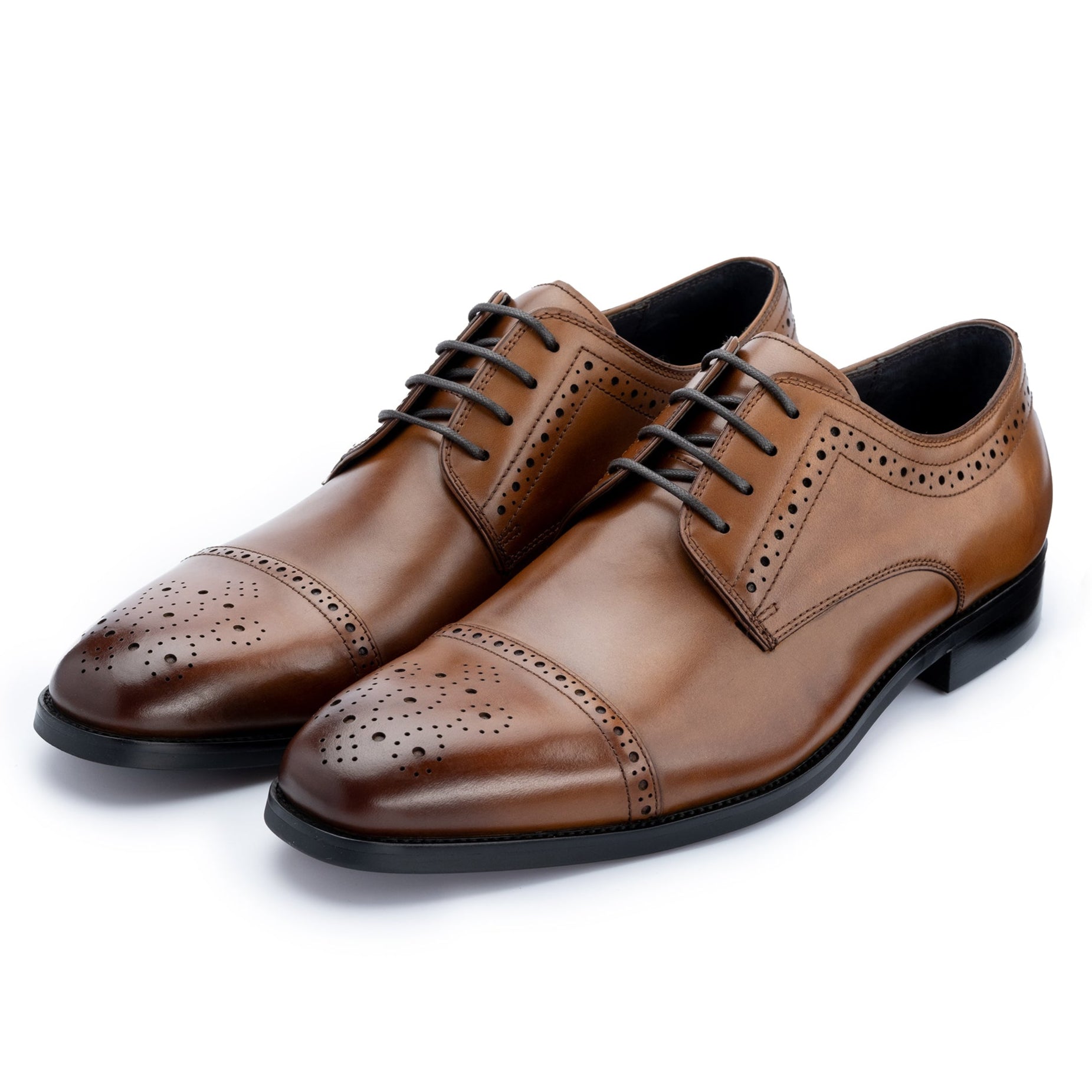
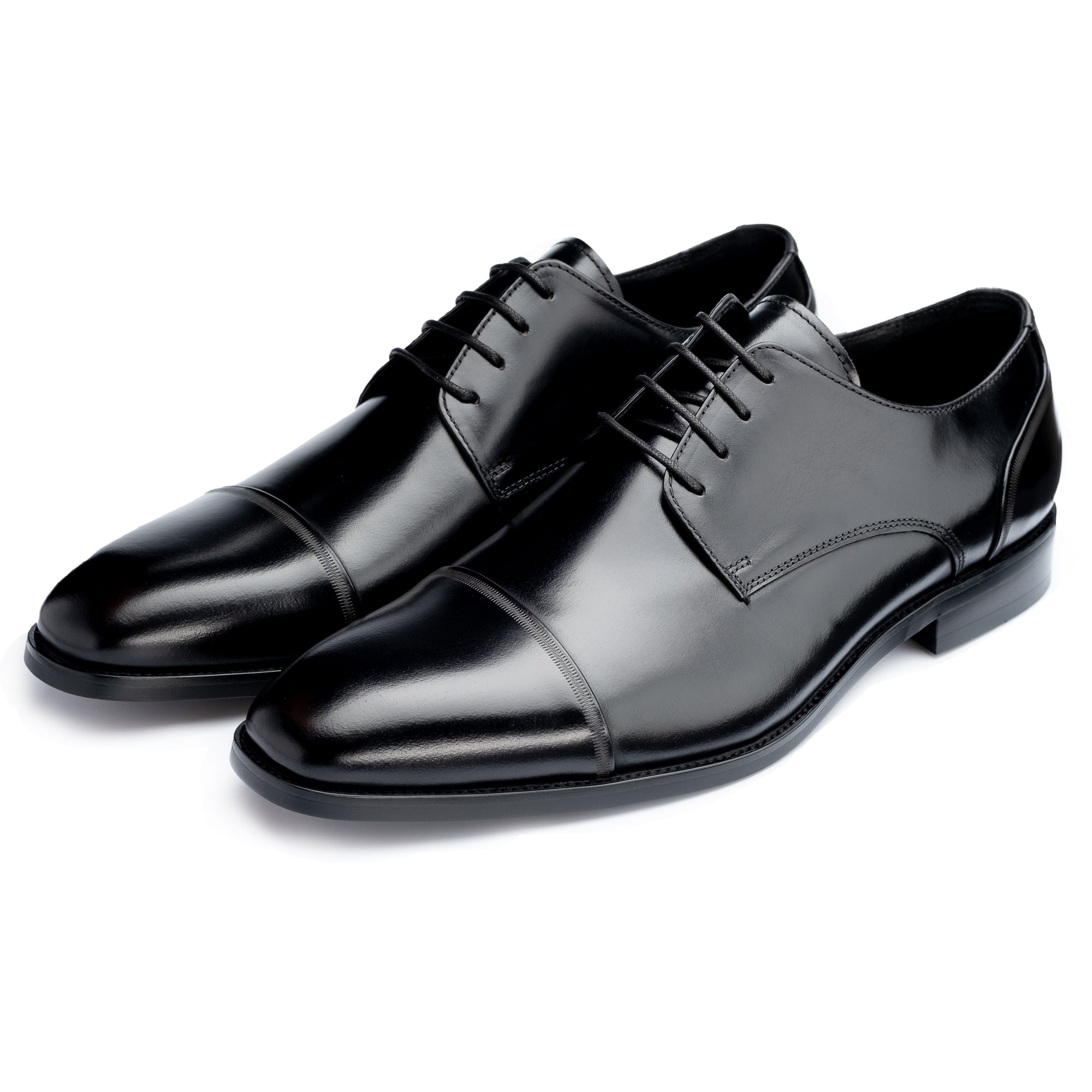
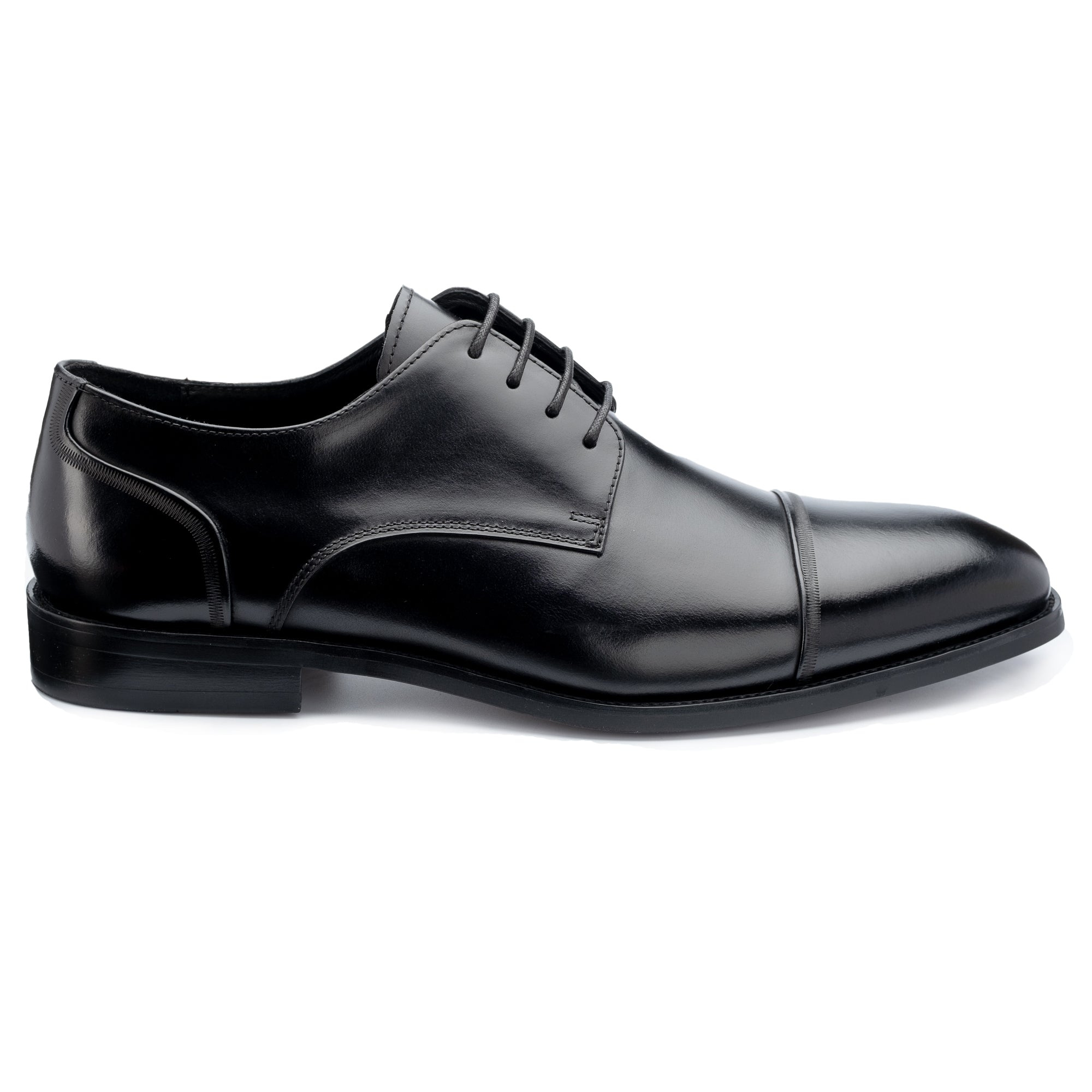
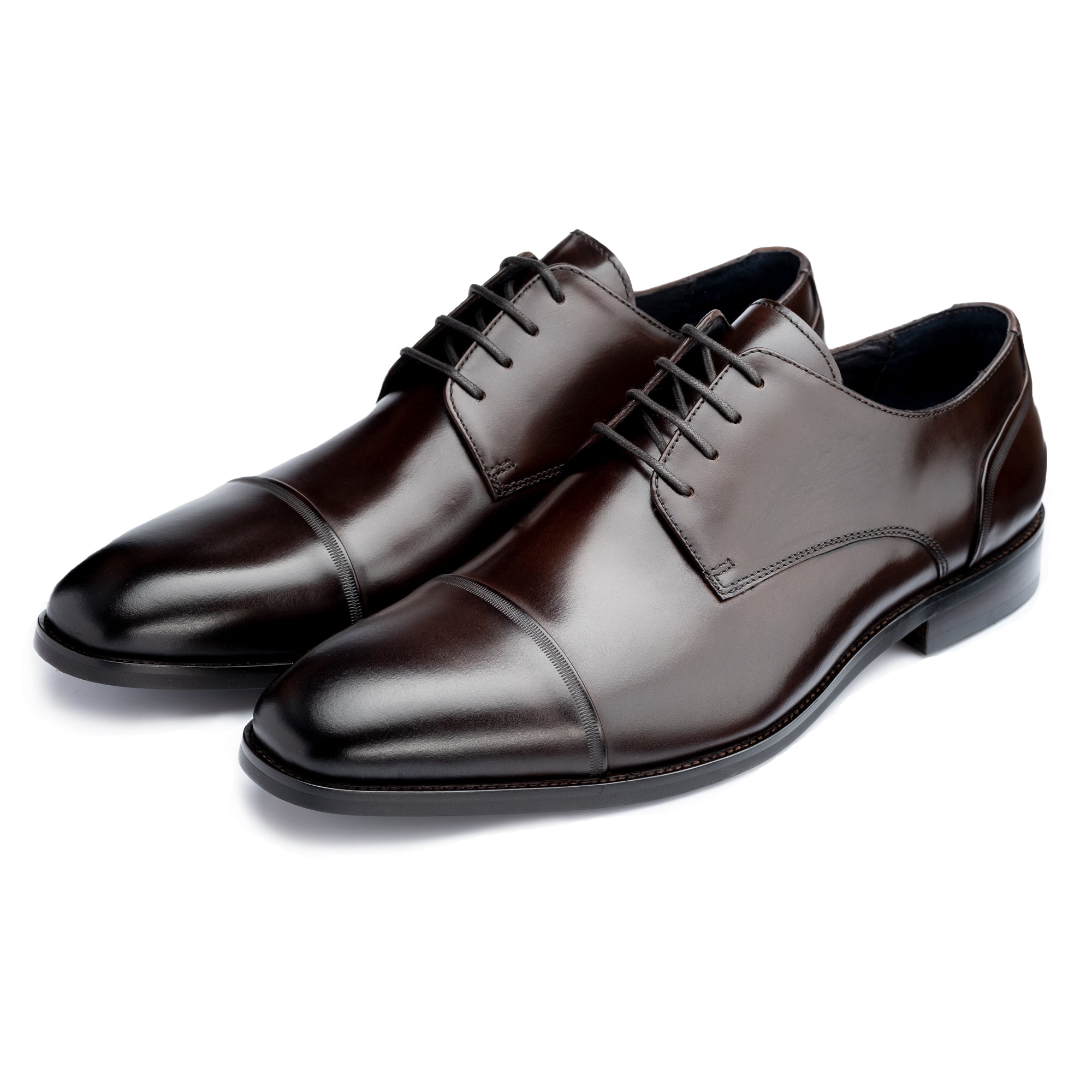
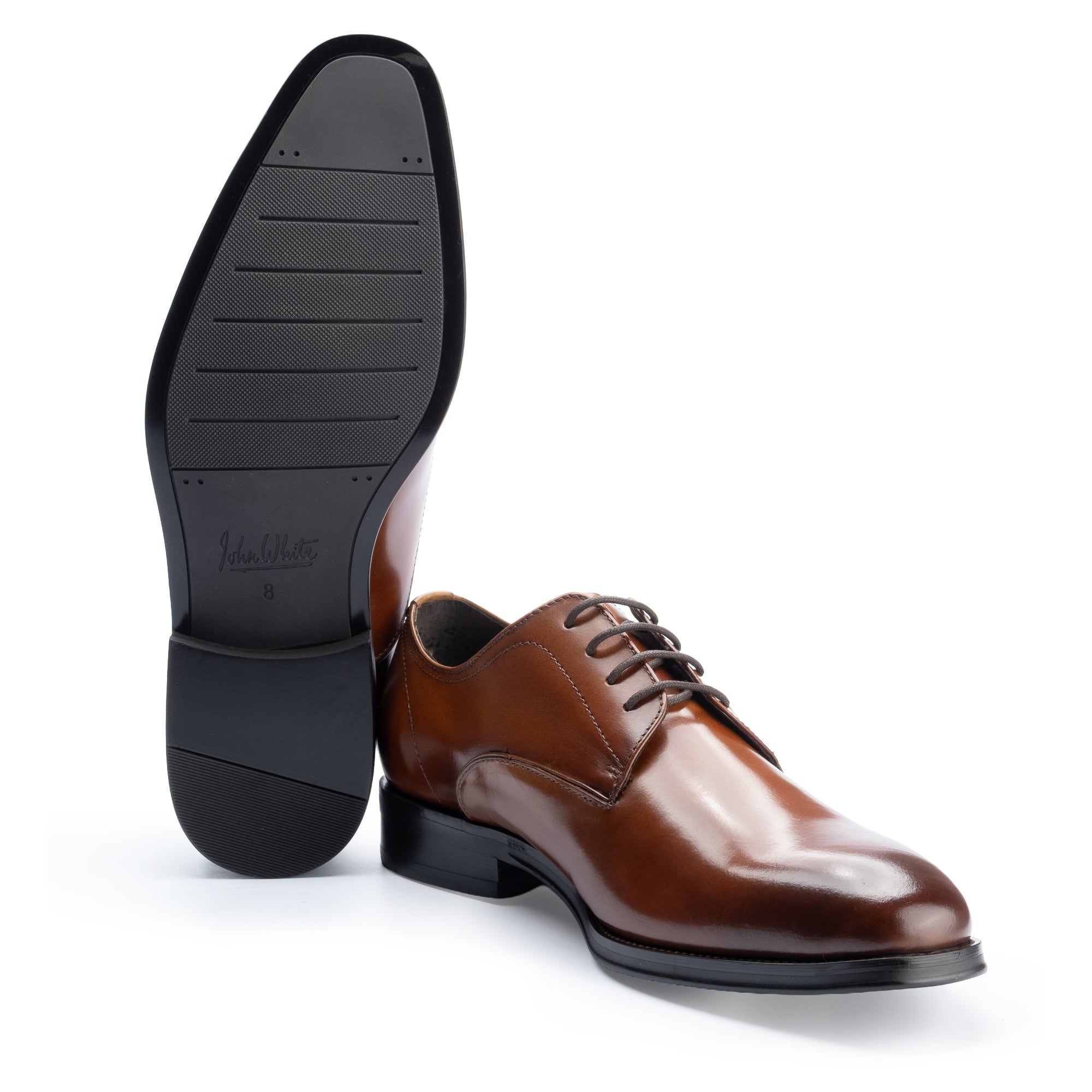
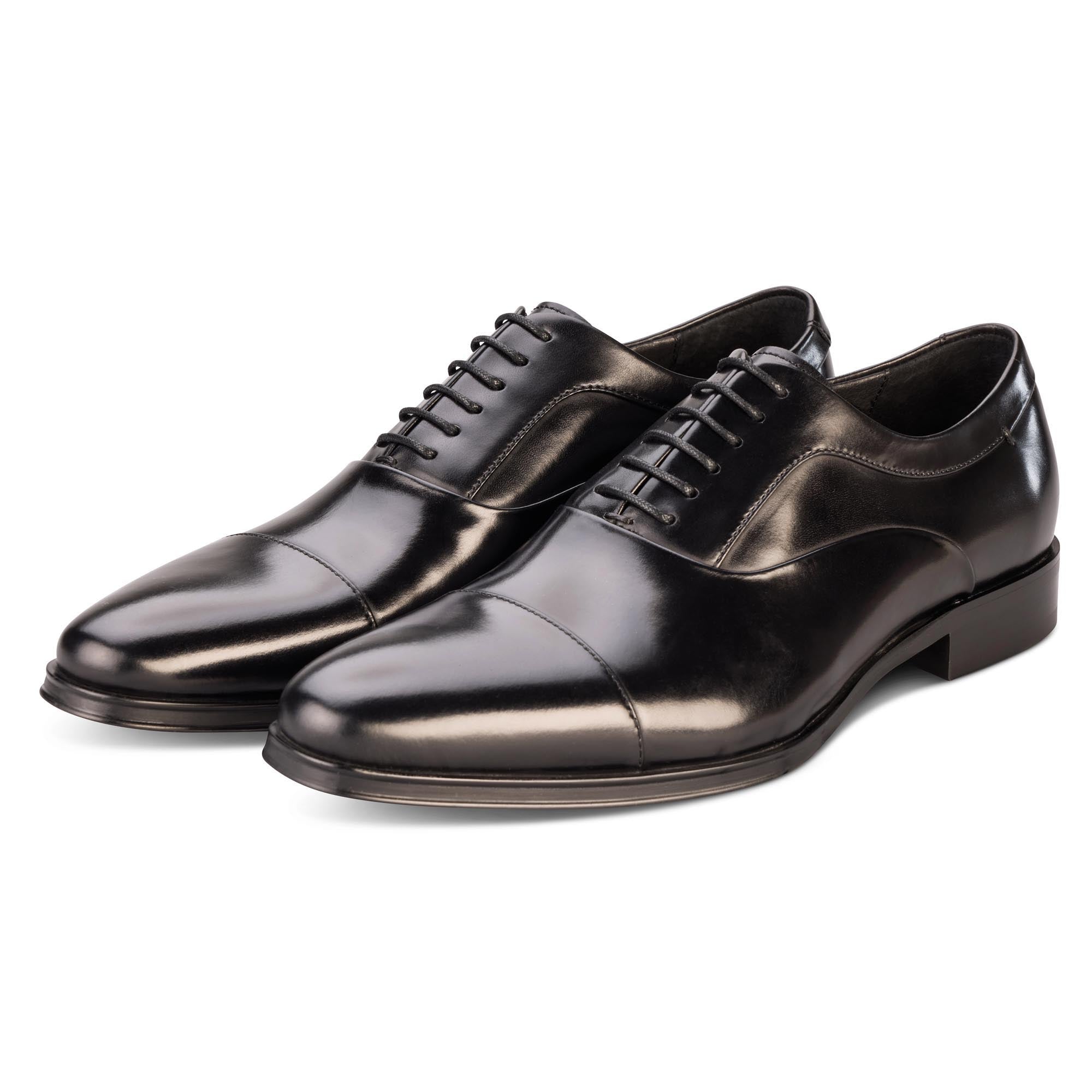
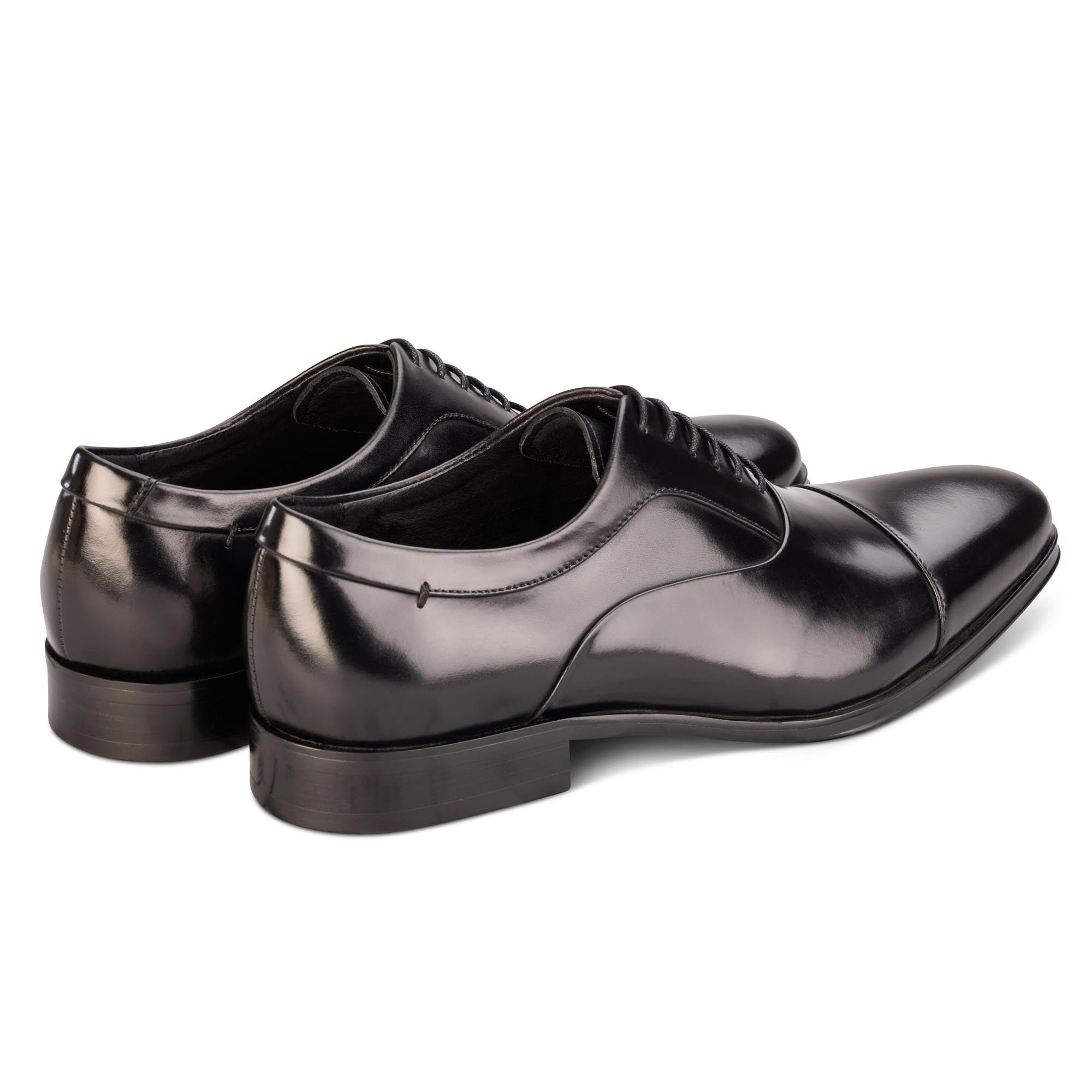
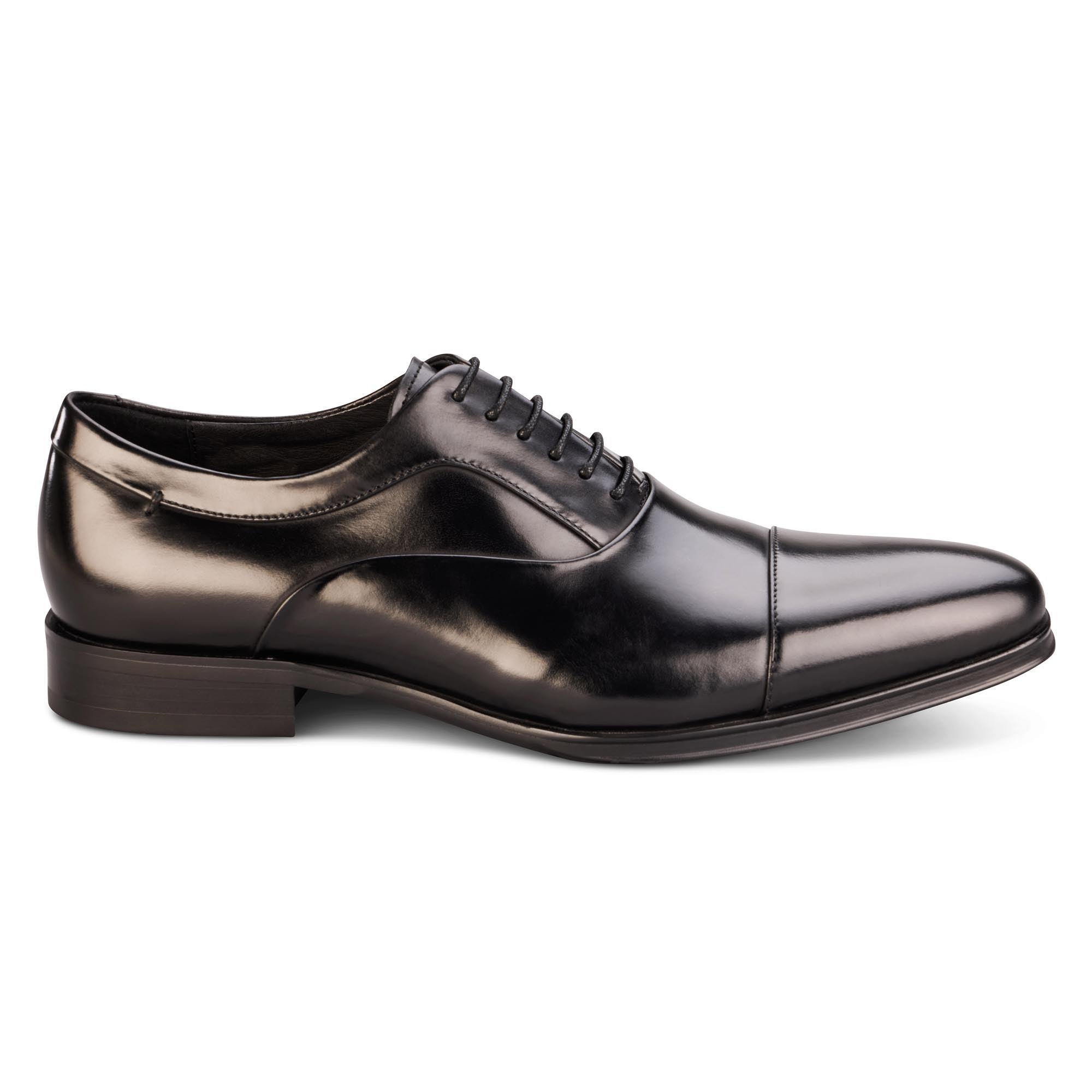
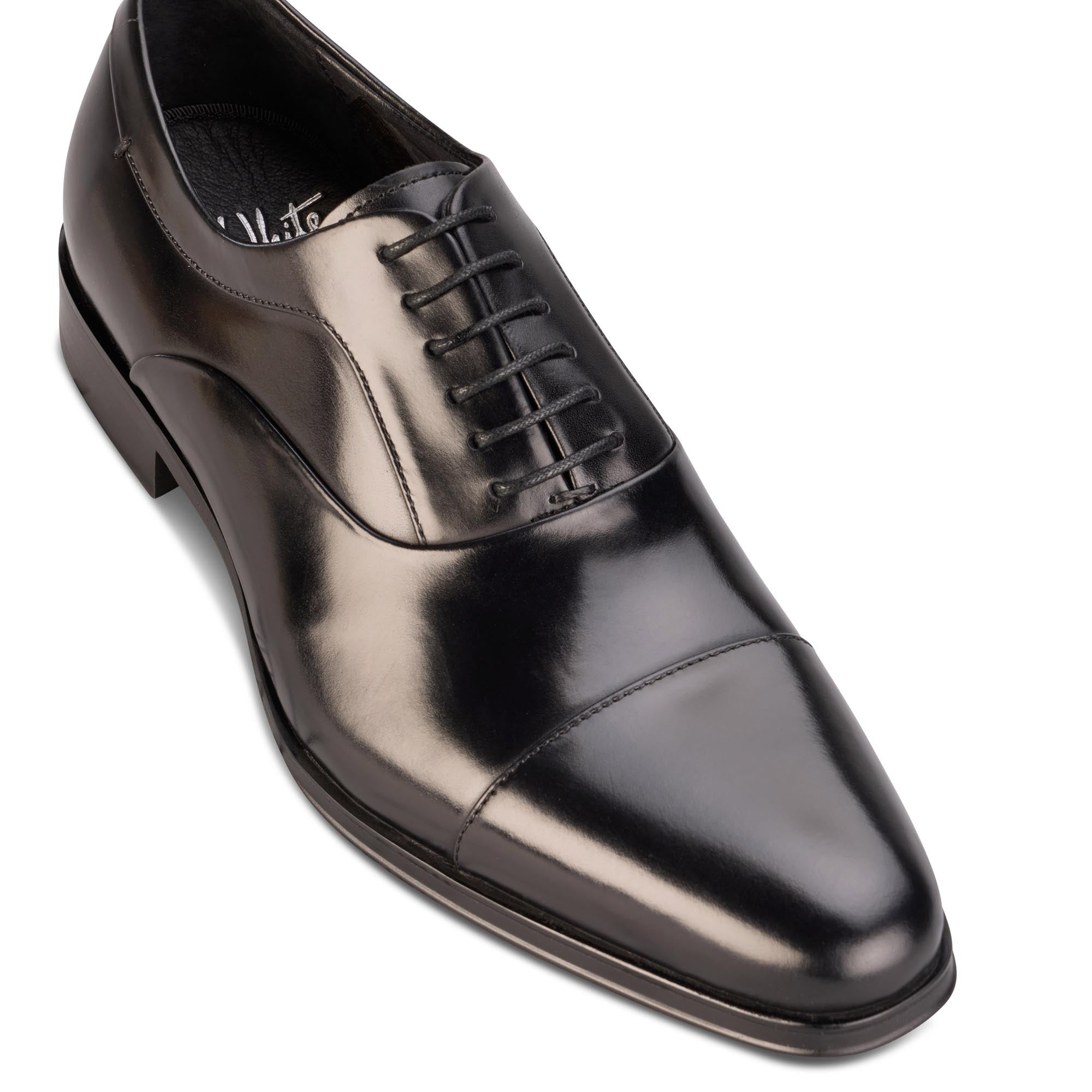
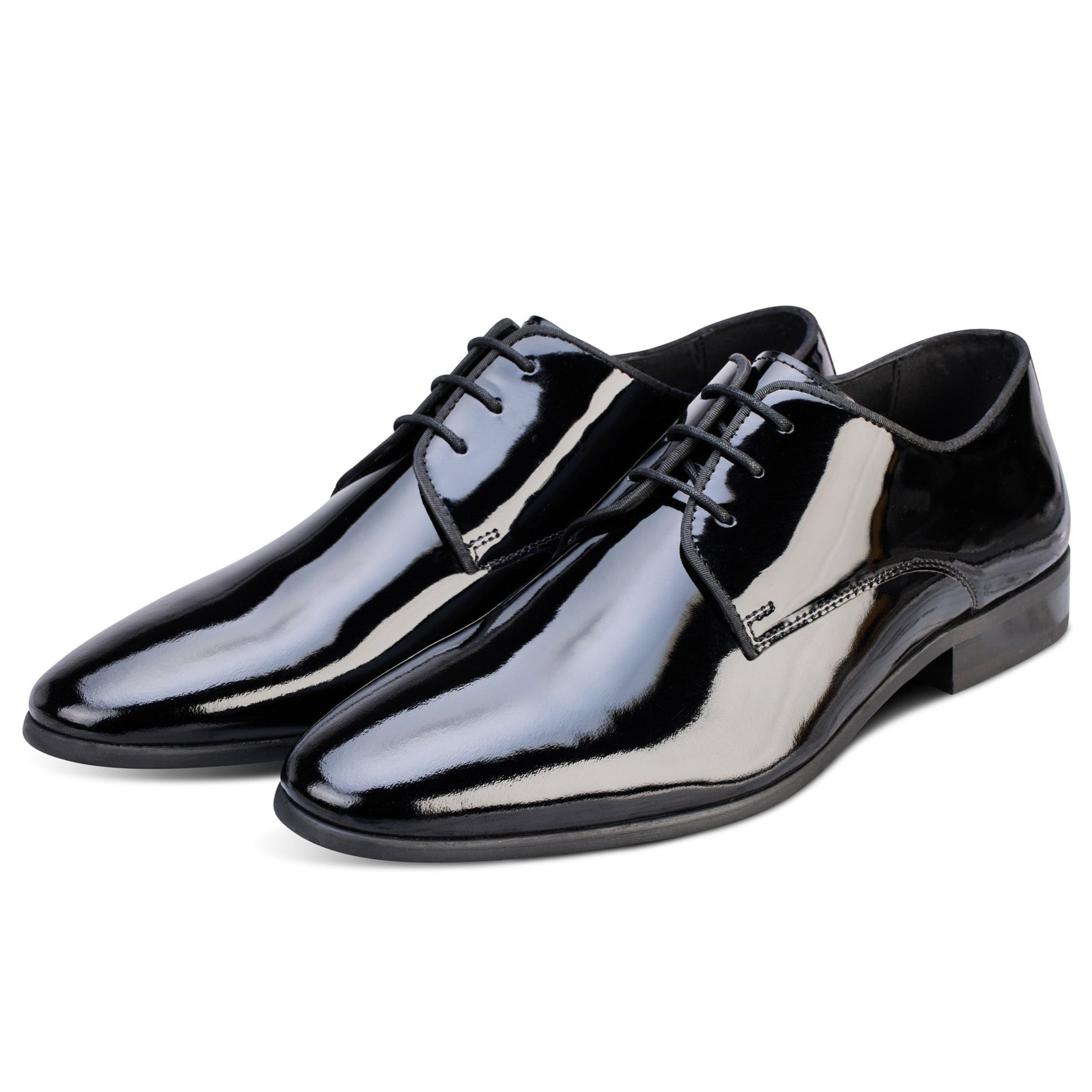
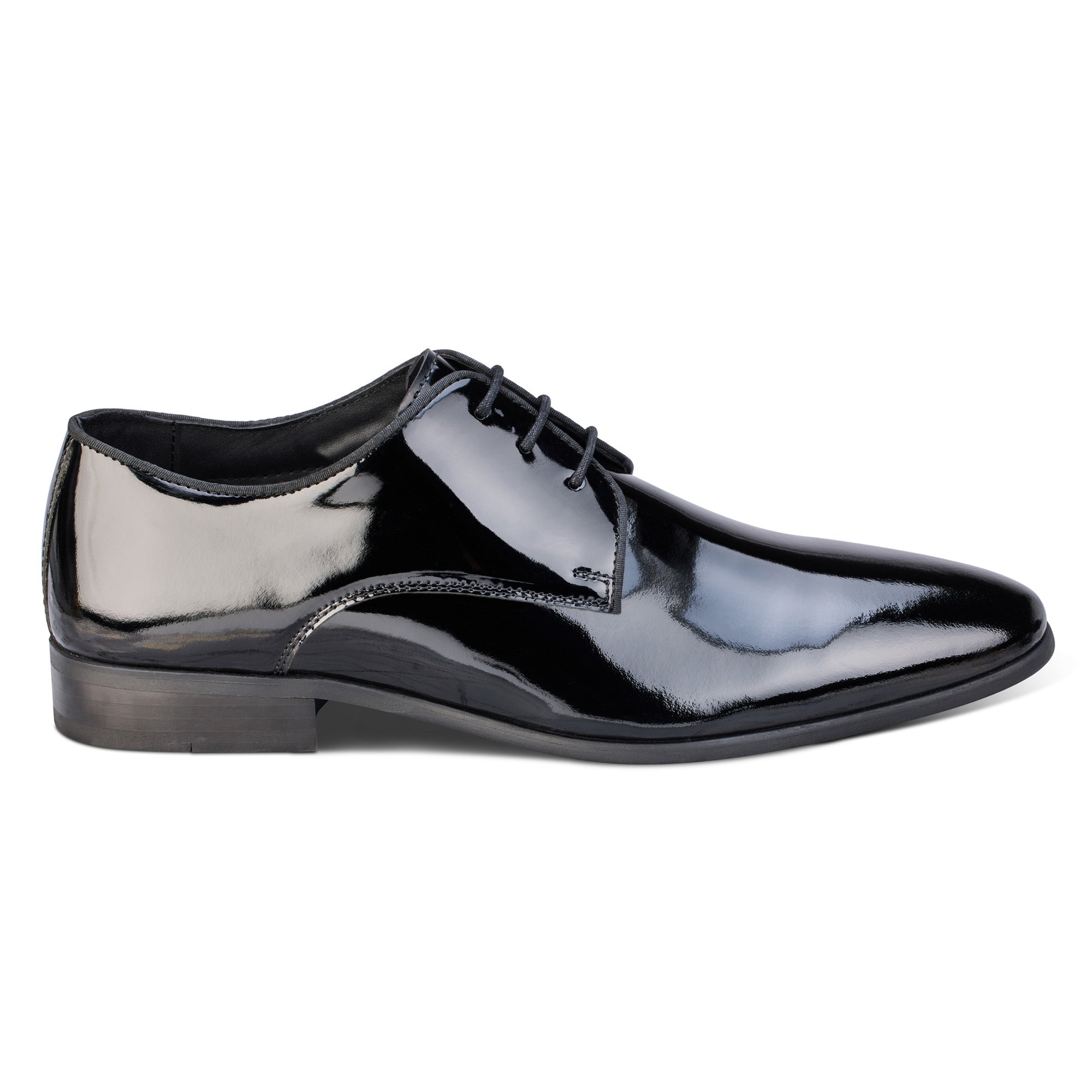
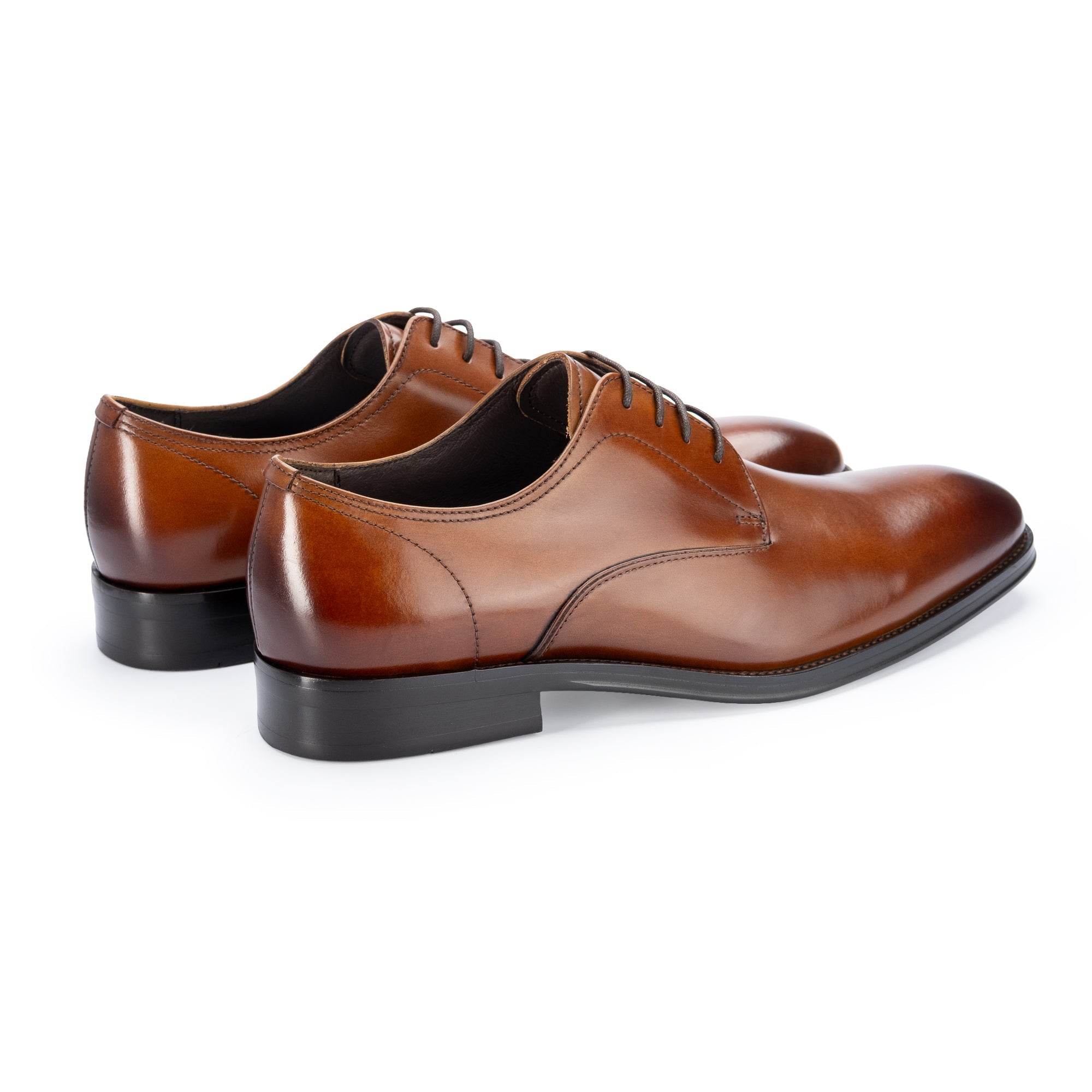
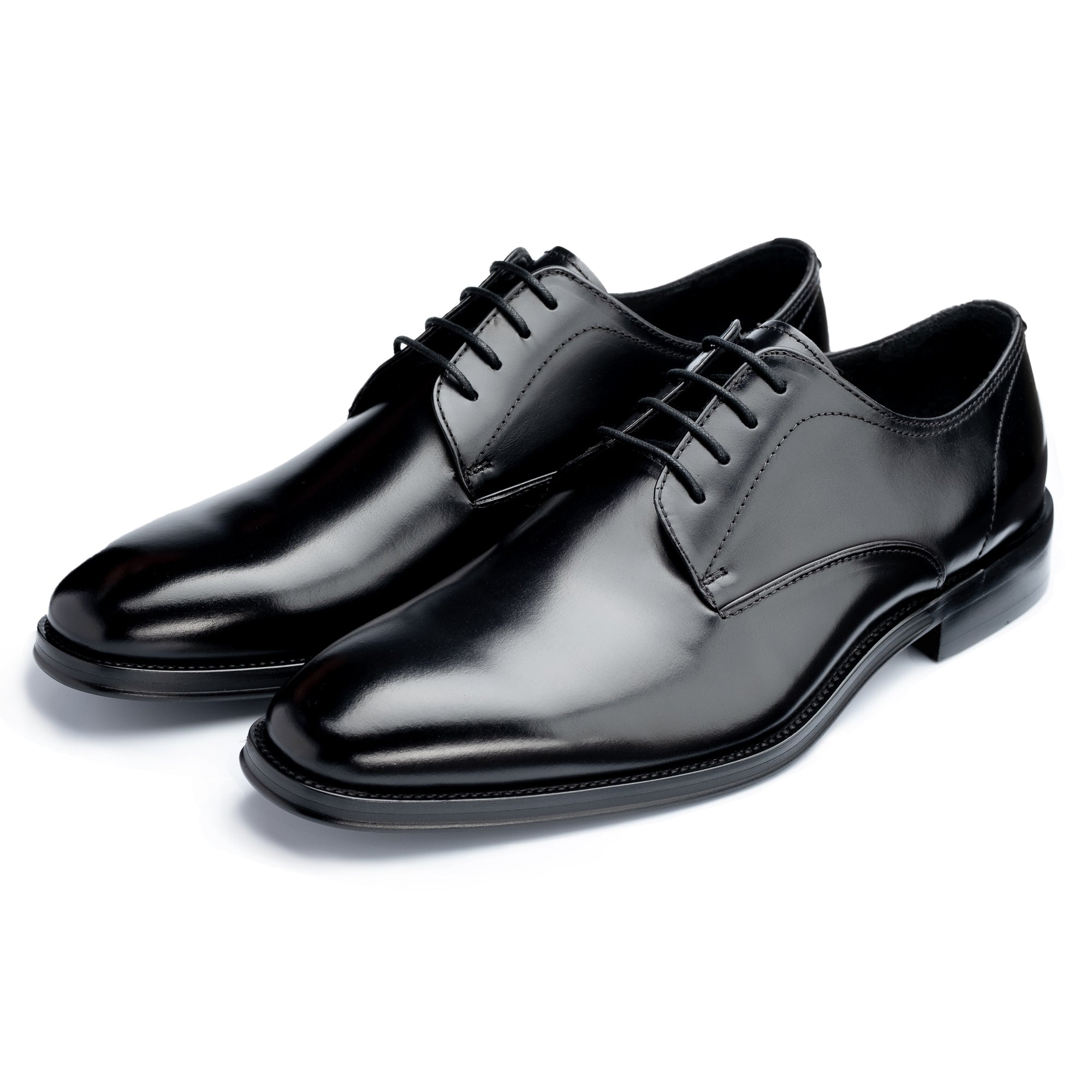
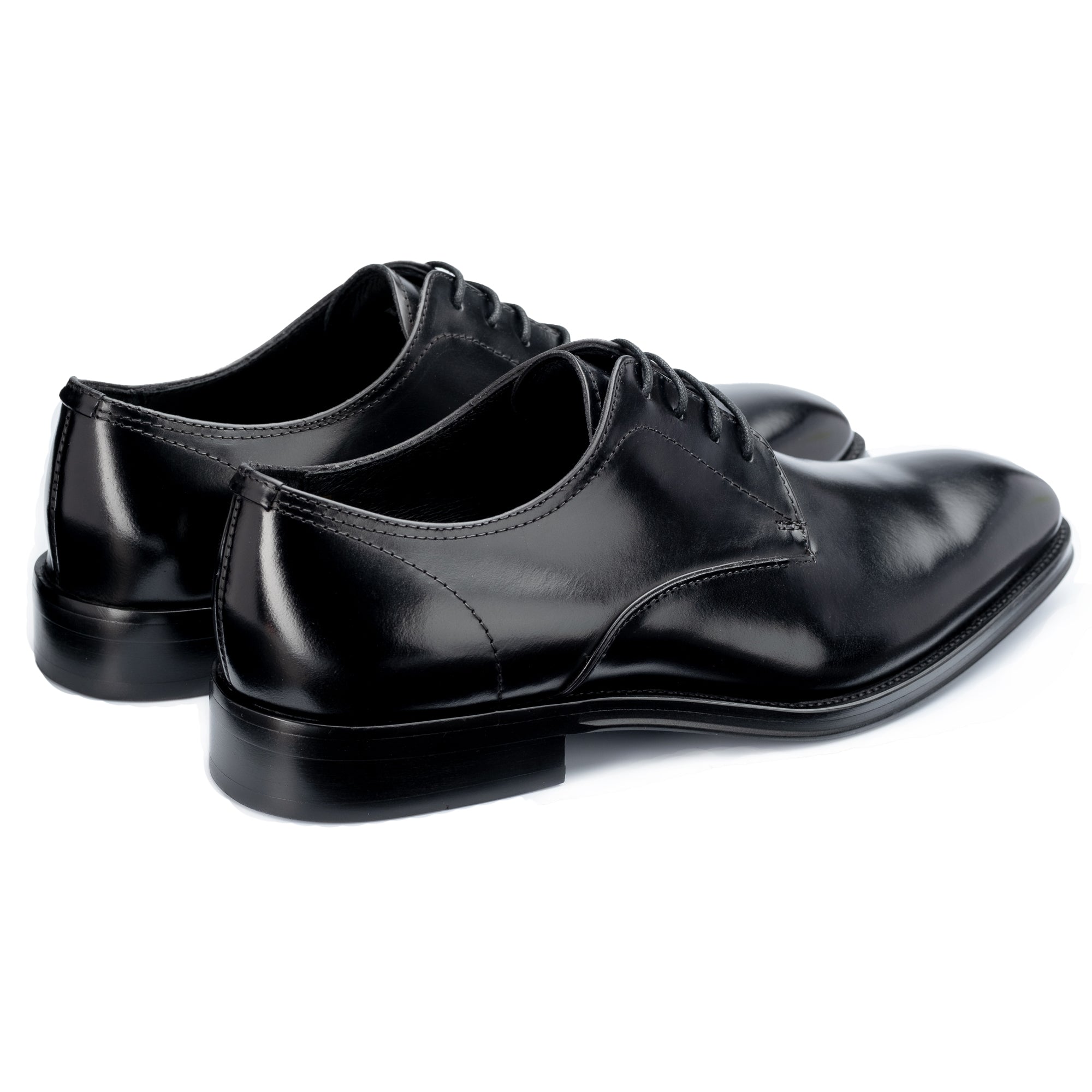
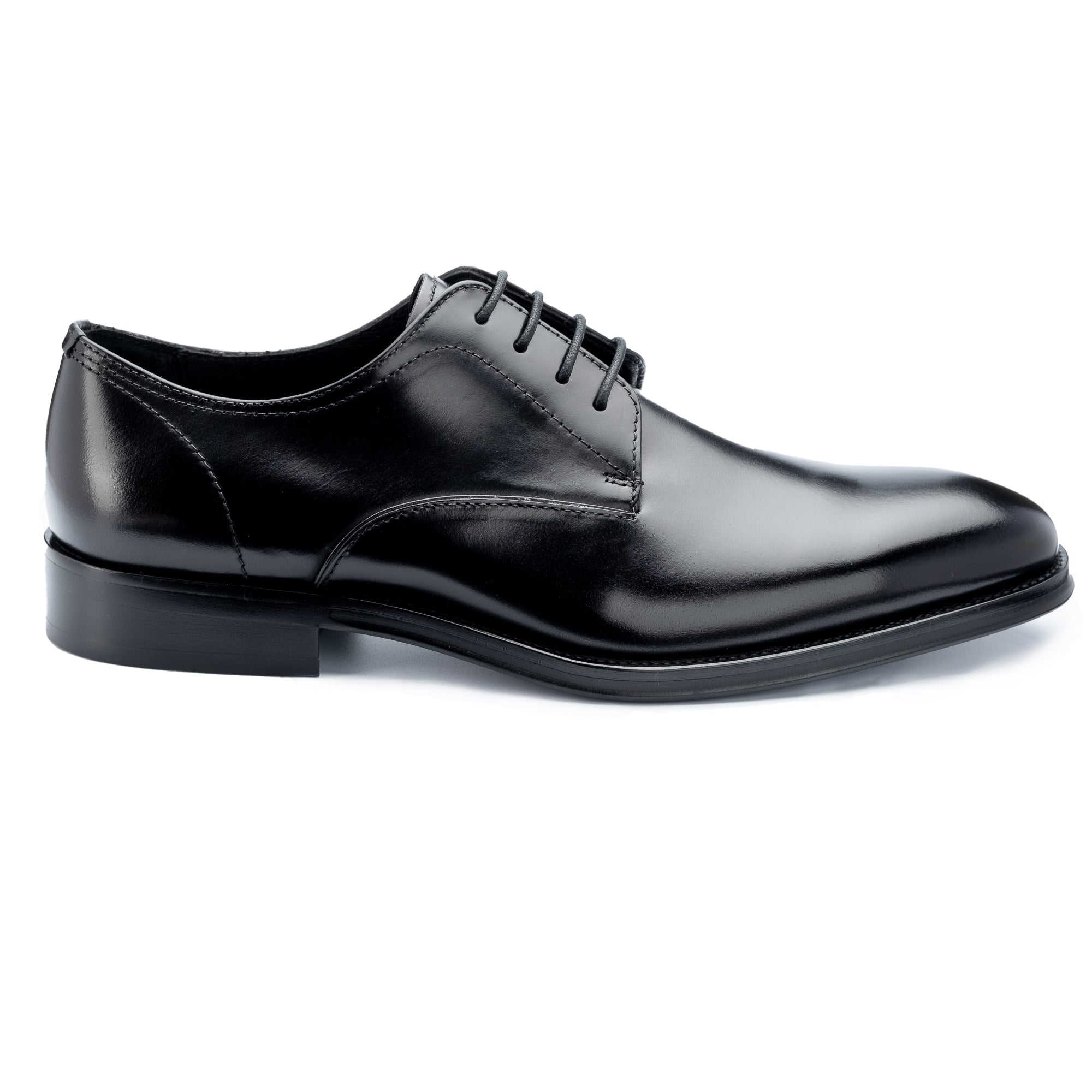
Consider a classic style like our Westbury Black Calf Oxford. The proportions are deliberate. The length of the toe cap, the height of the facing where the laces sit, and the curve of the waist are all in relation to one another. Historic shoemaking guilds established strict aesthetic ratios for these components, a practice that continues to influence the design of premium footwear by heritage brands such as Church's, Crockett & Jones, and John White Shoes.
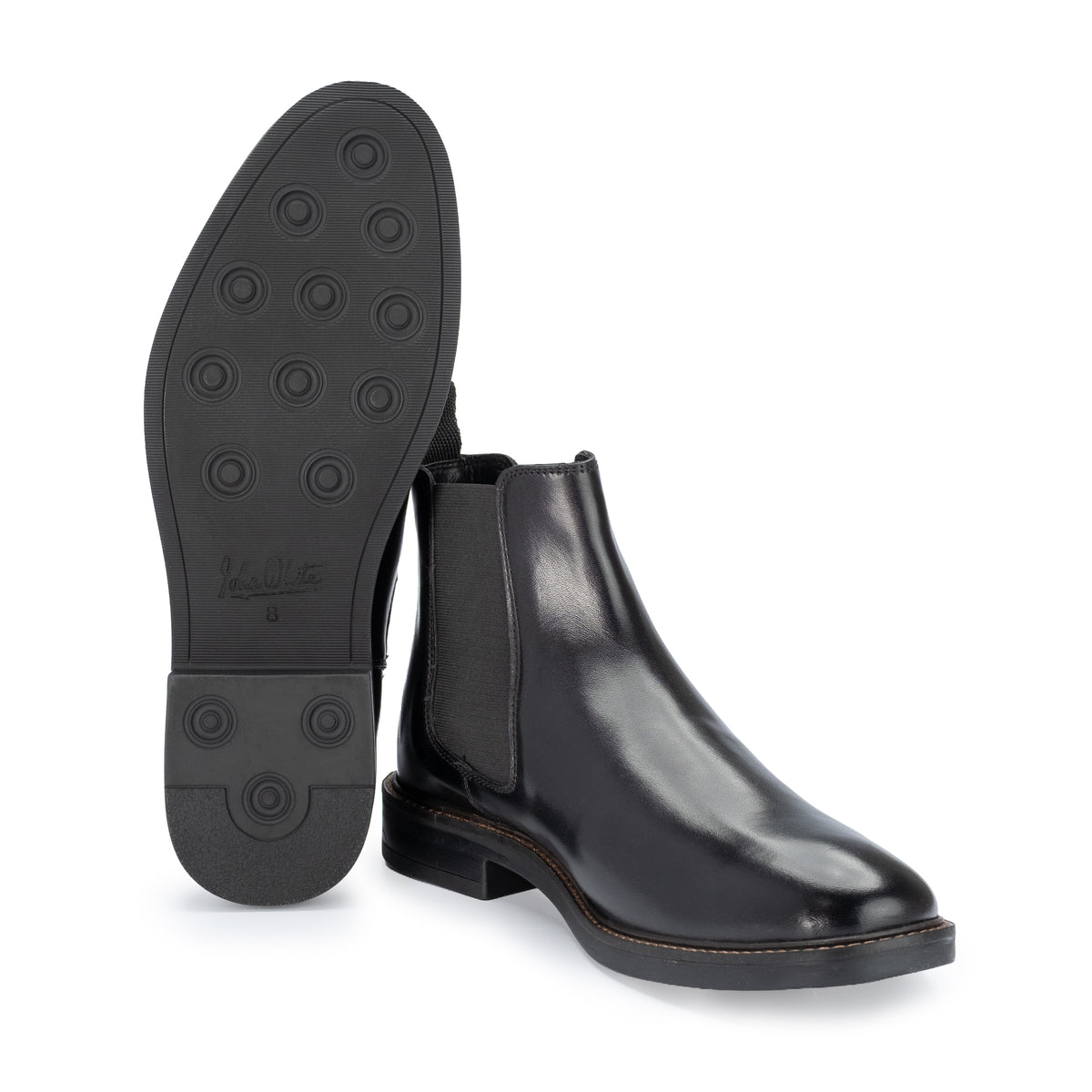
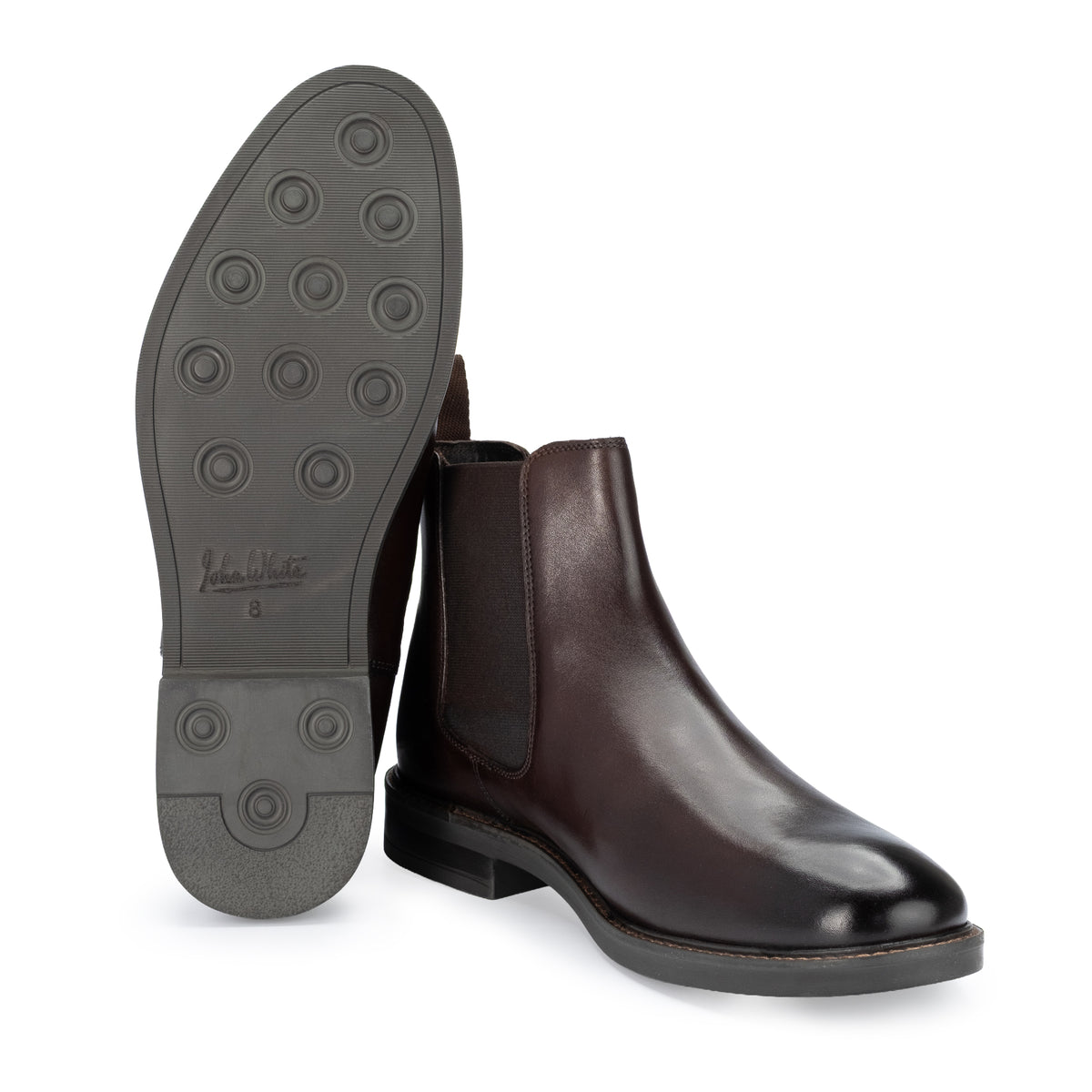
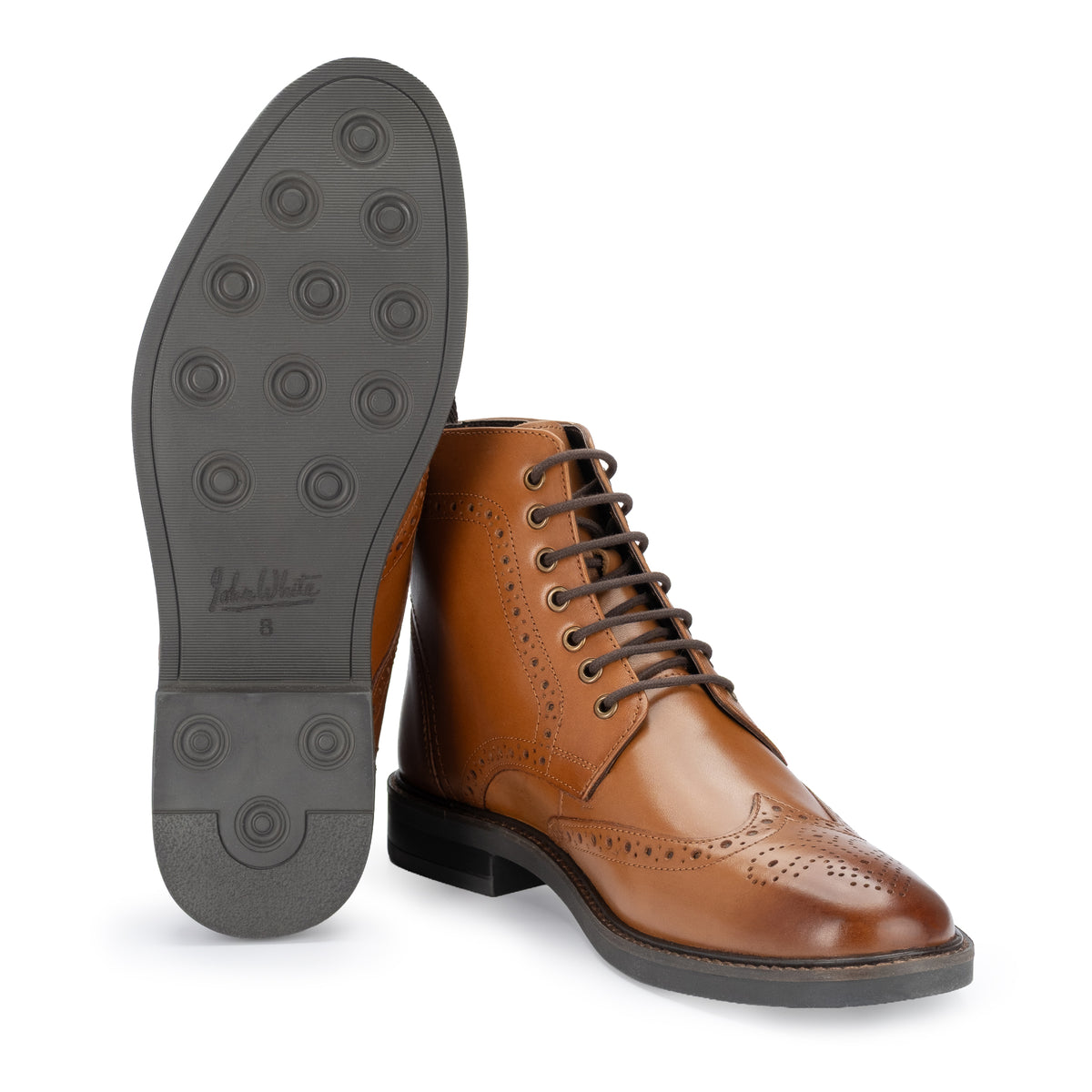
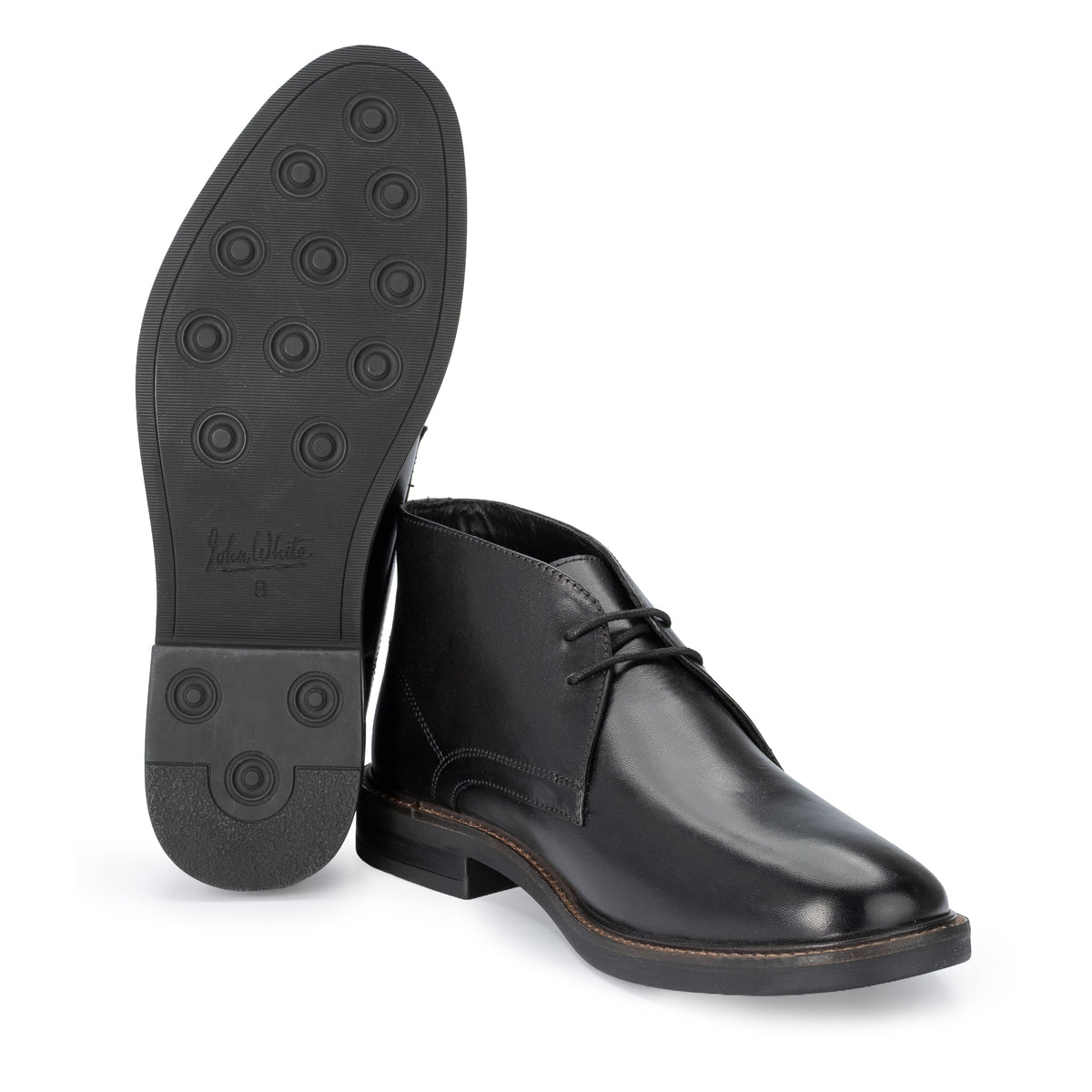
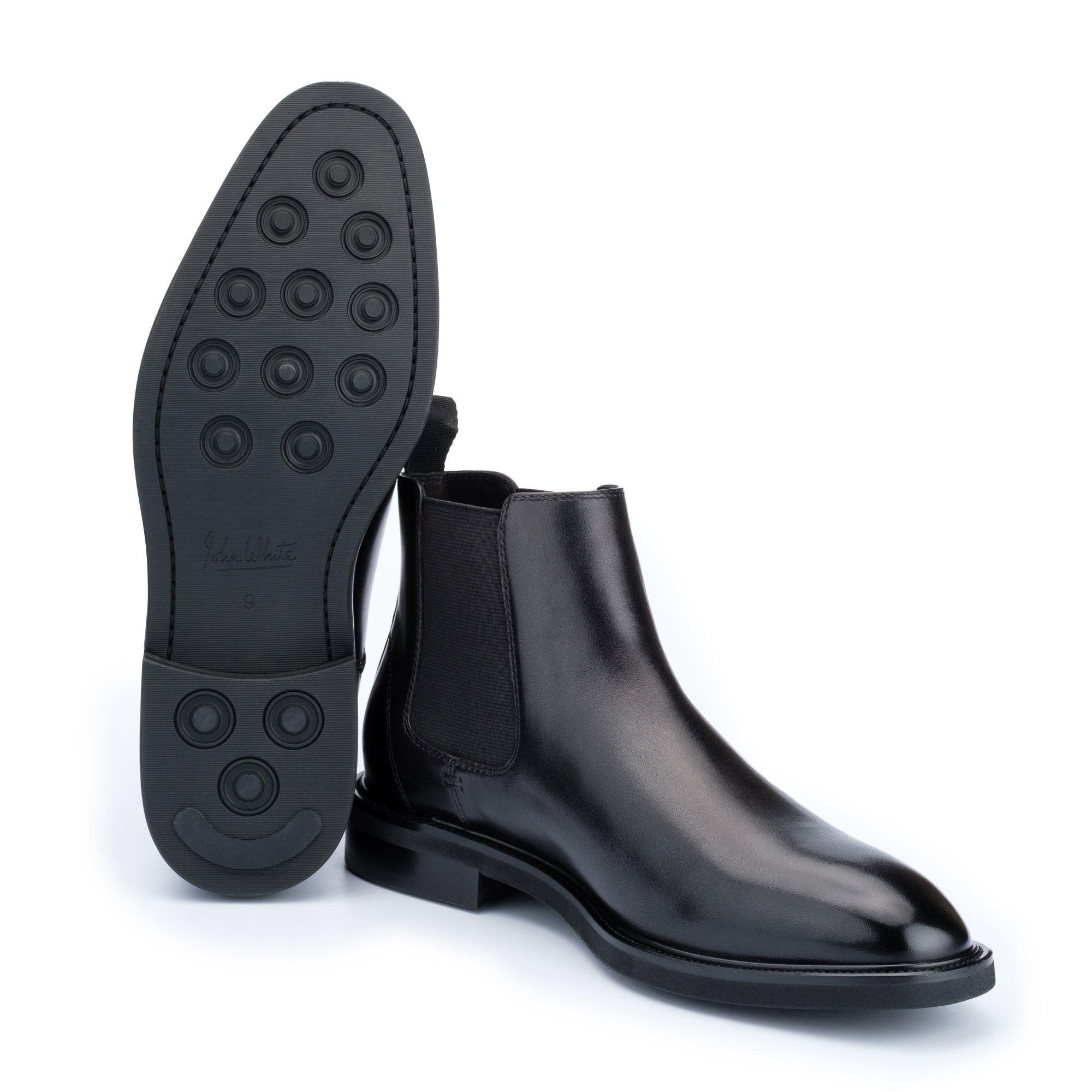
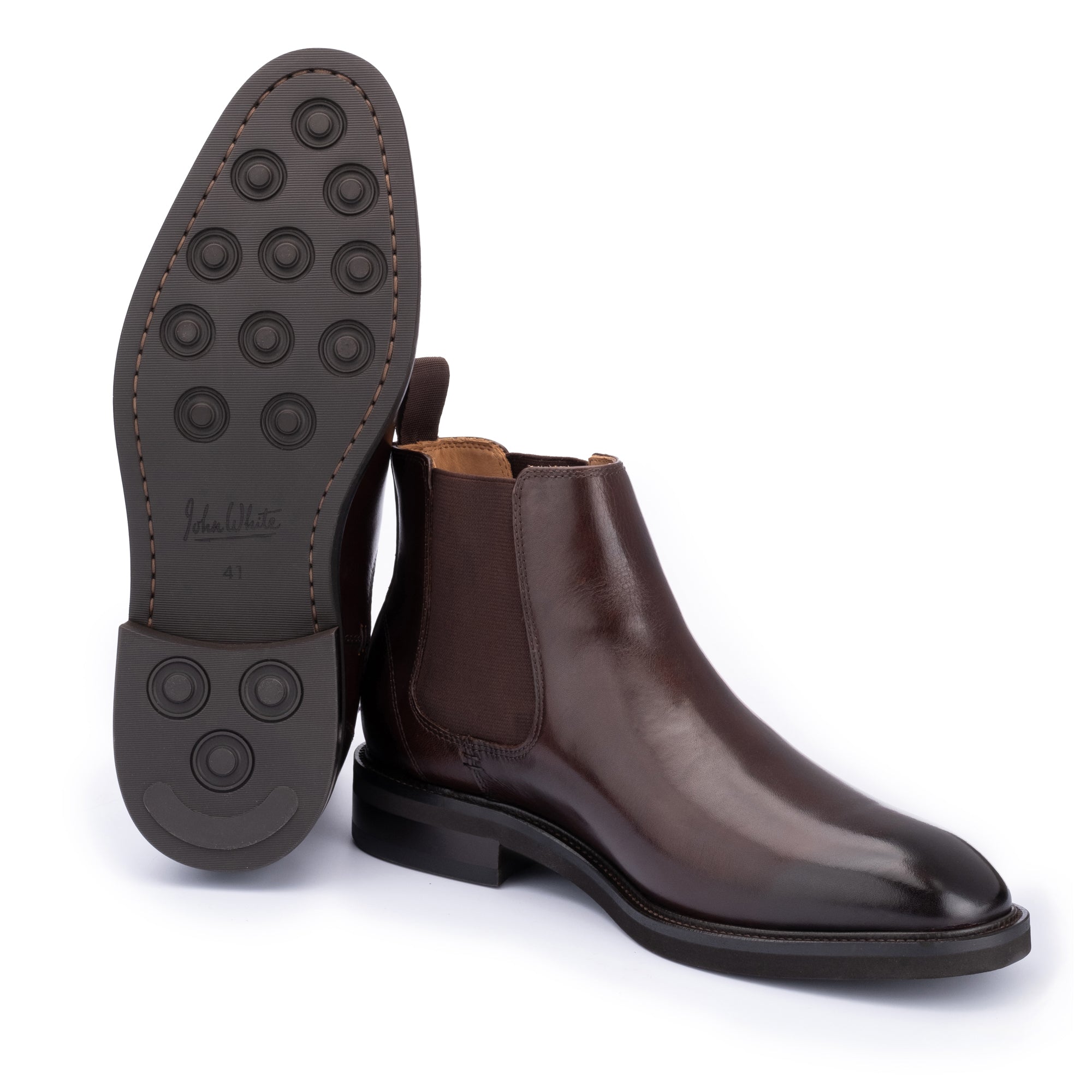
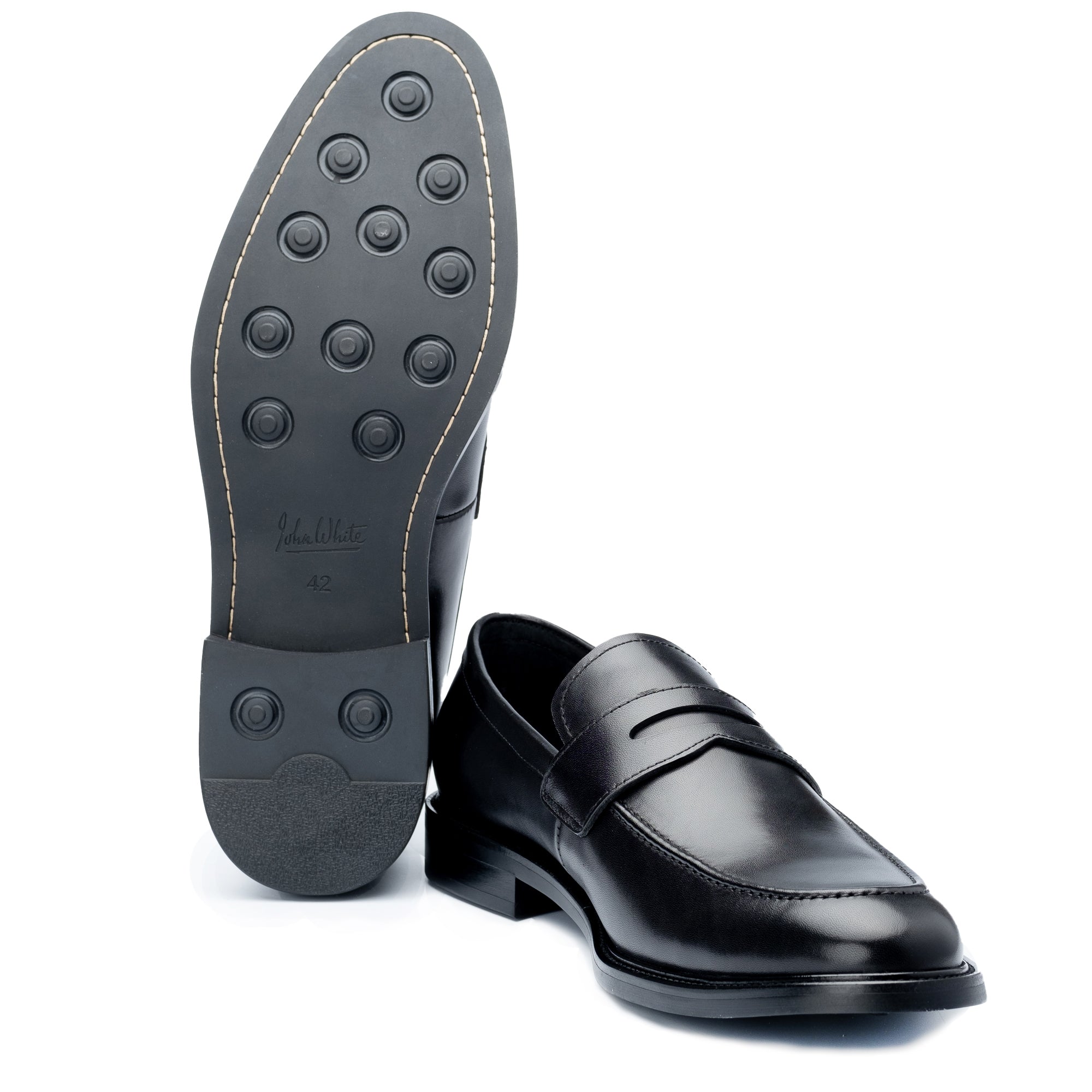
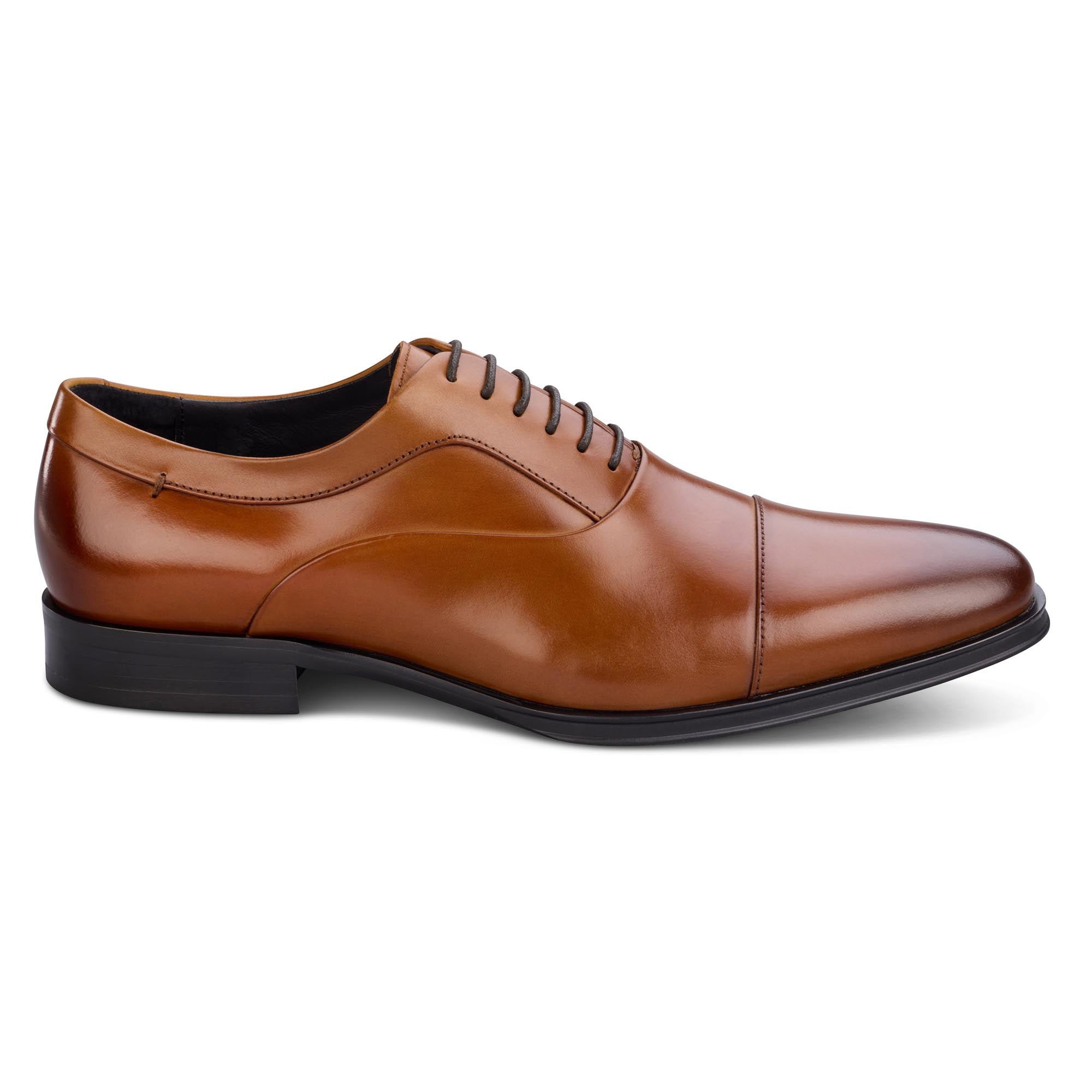
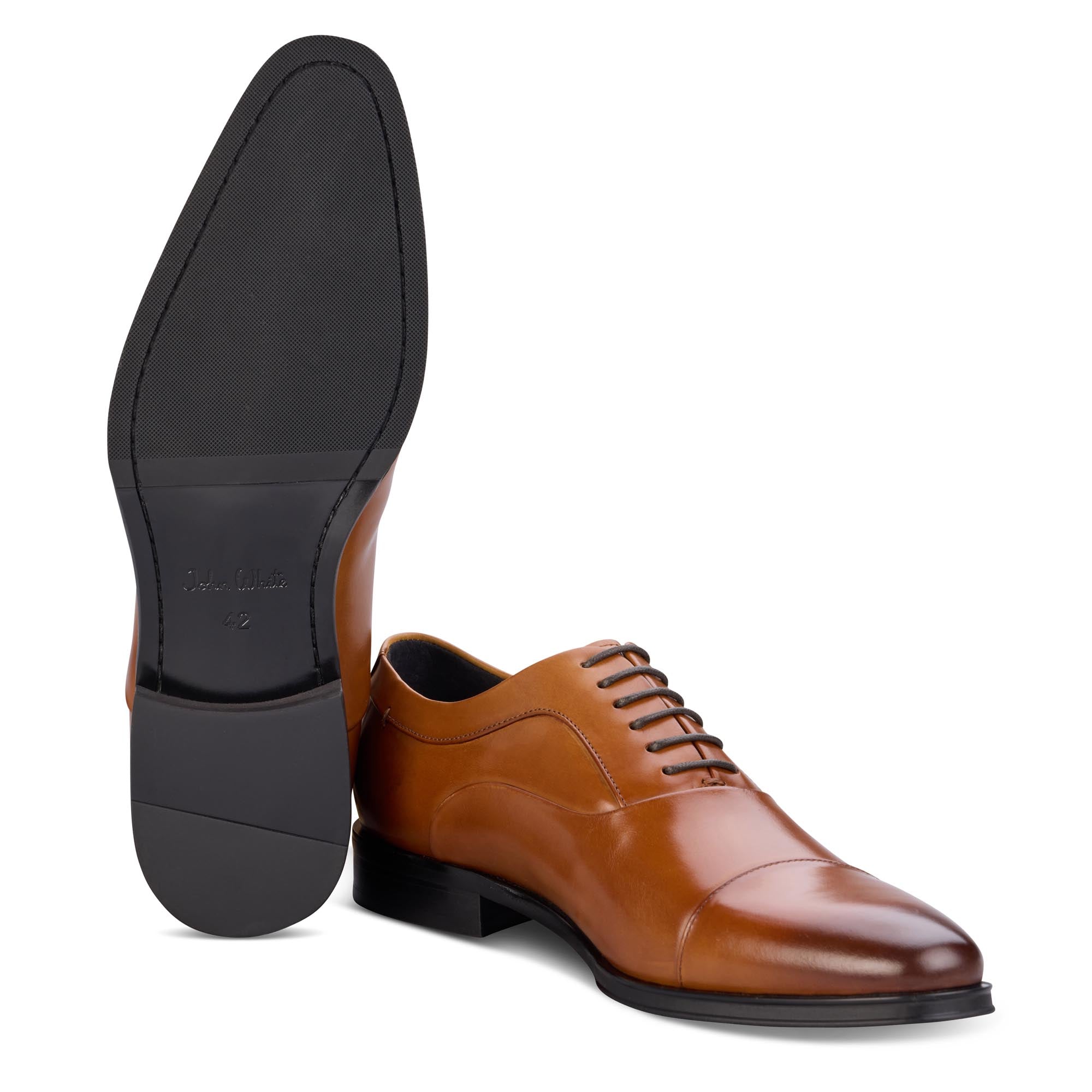
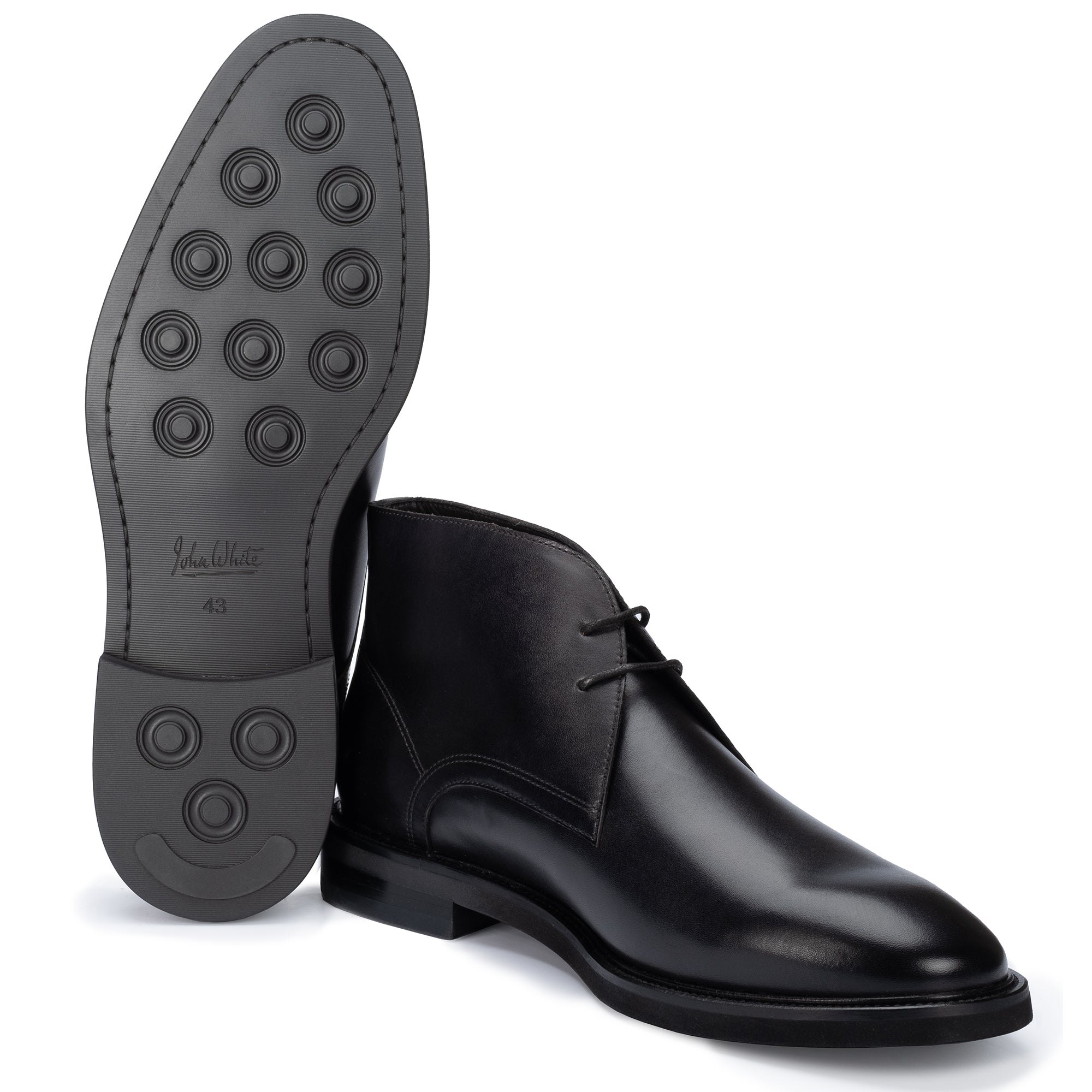
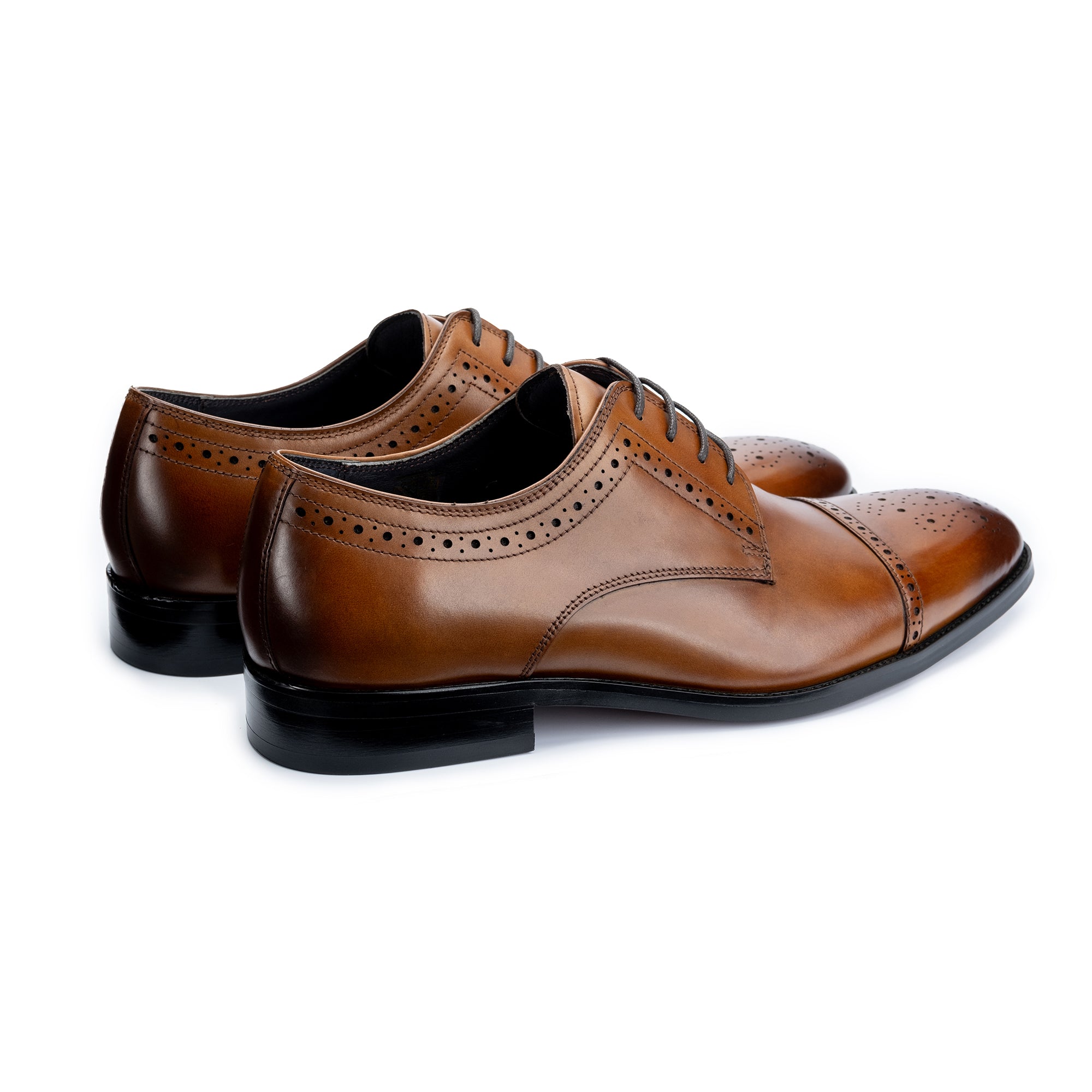
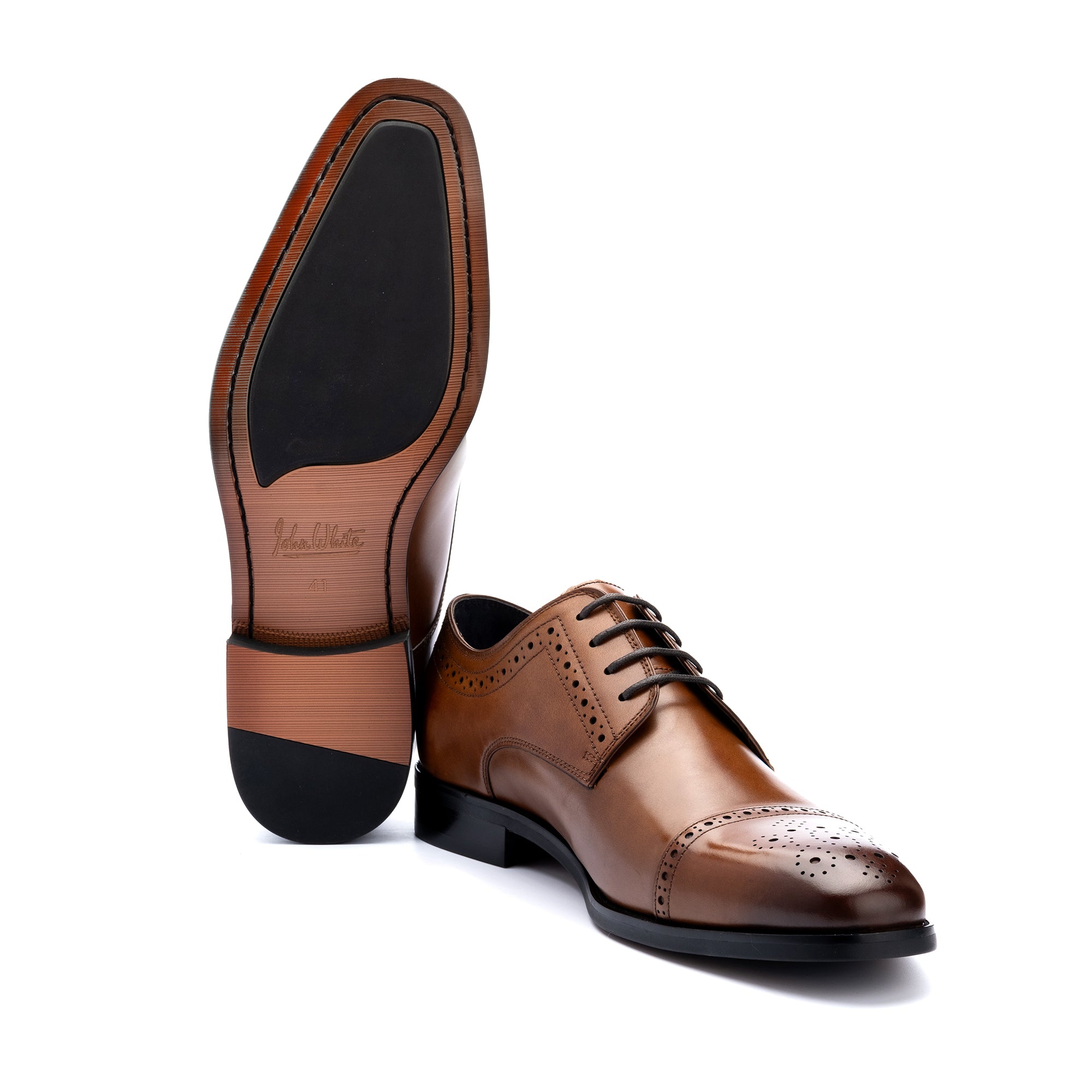
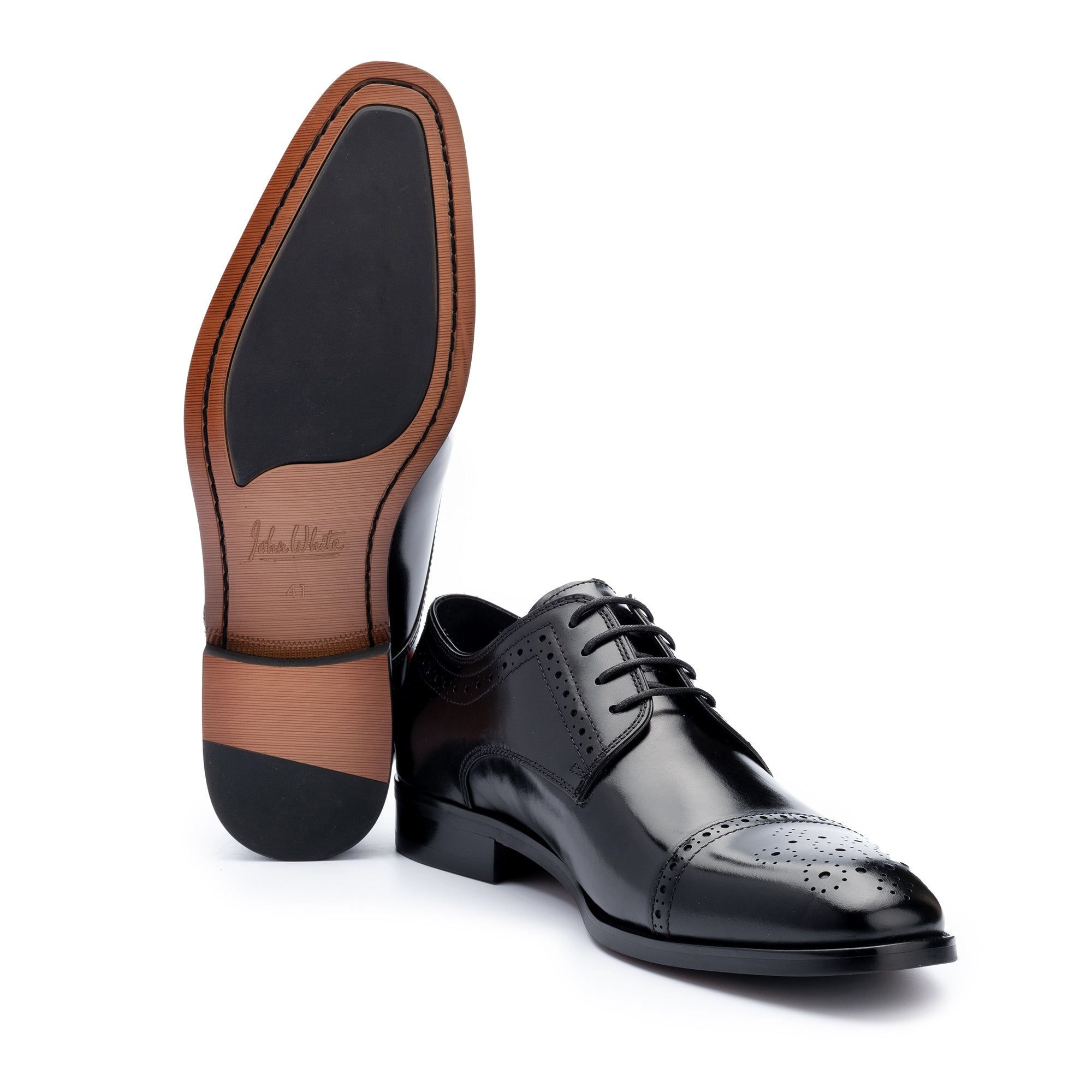
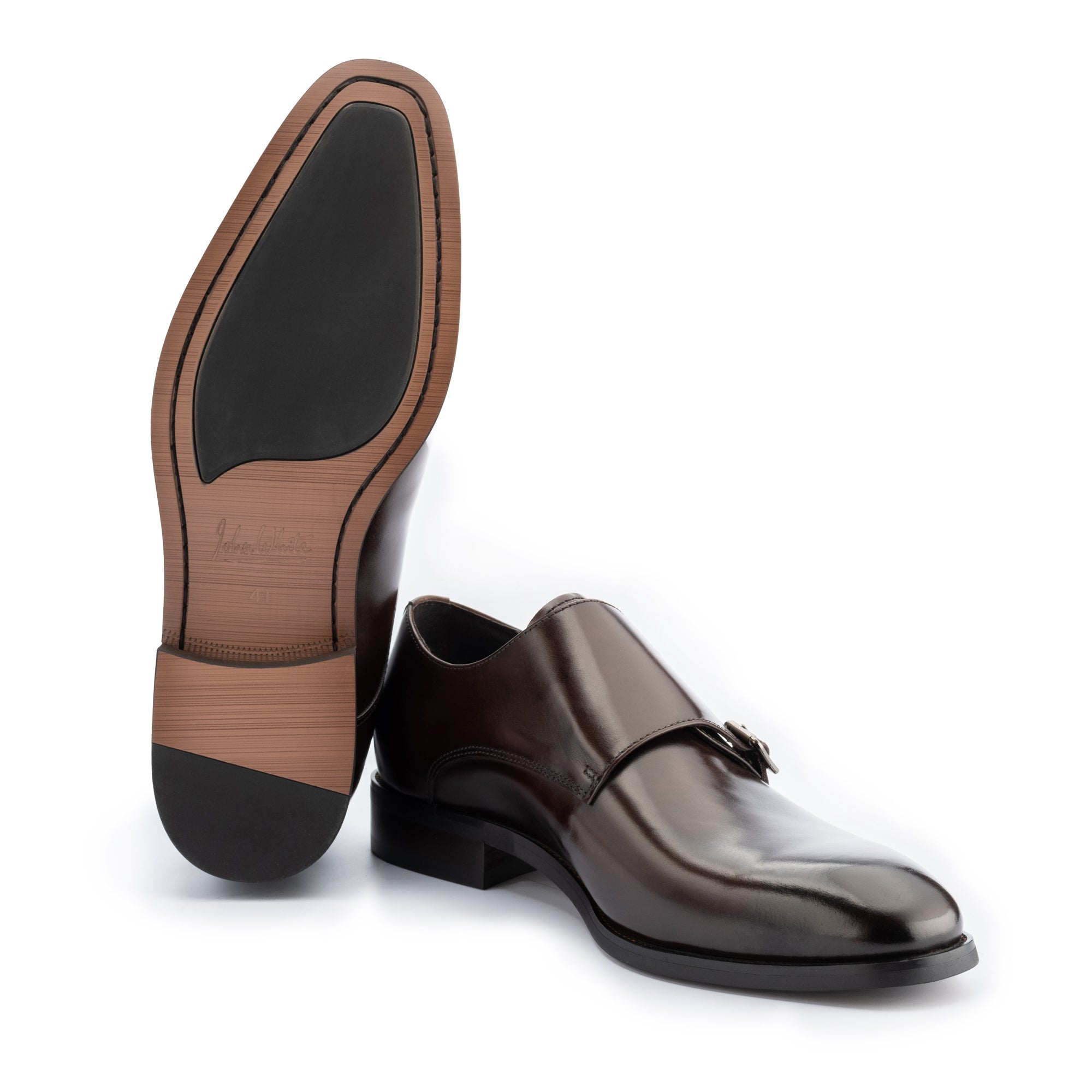
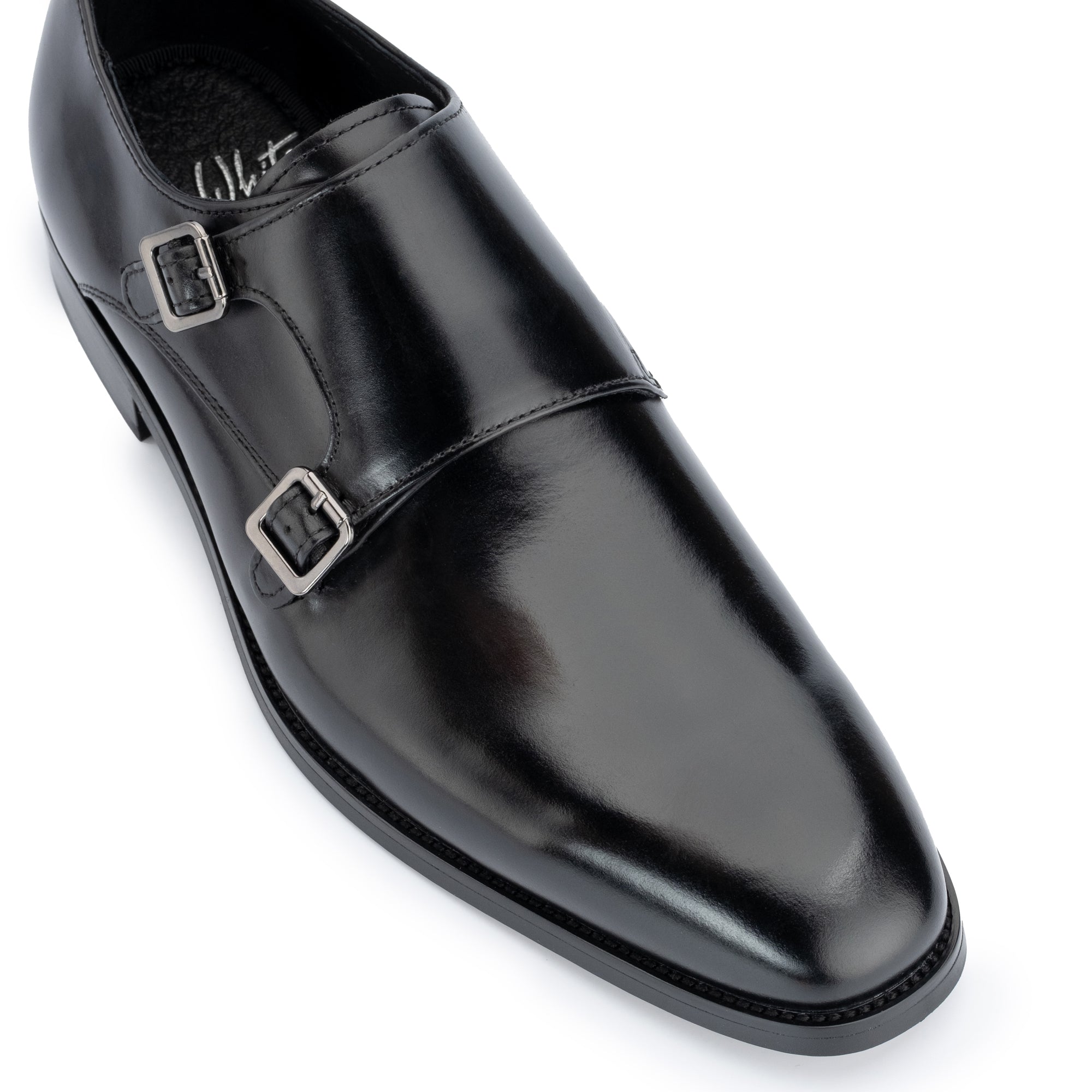
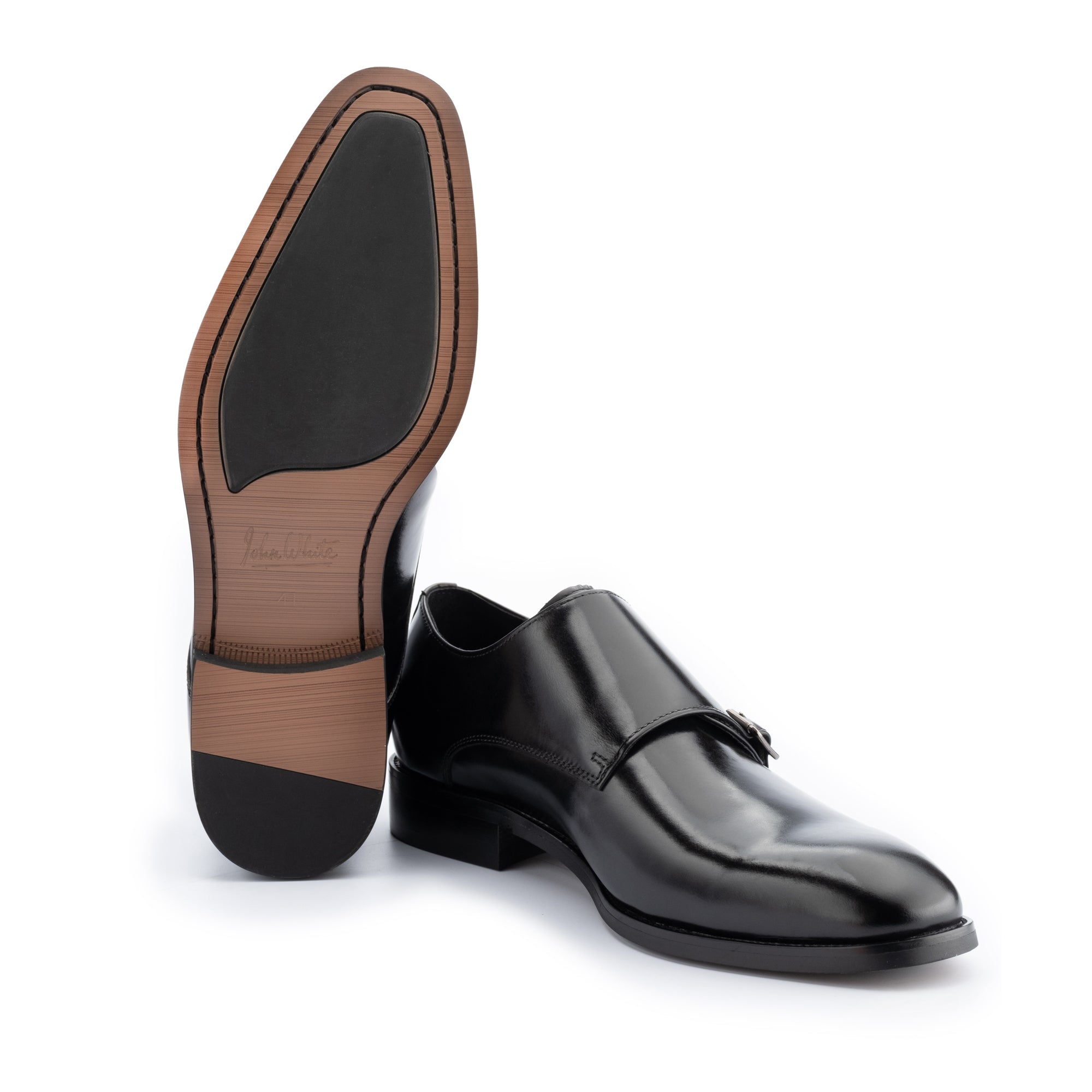
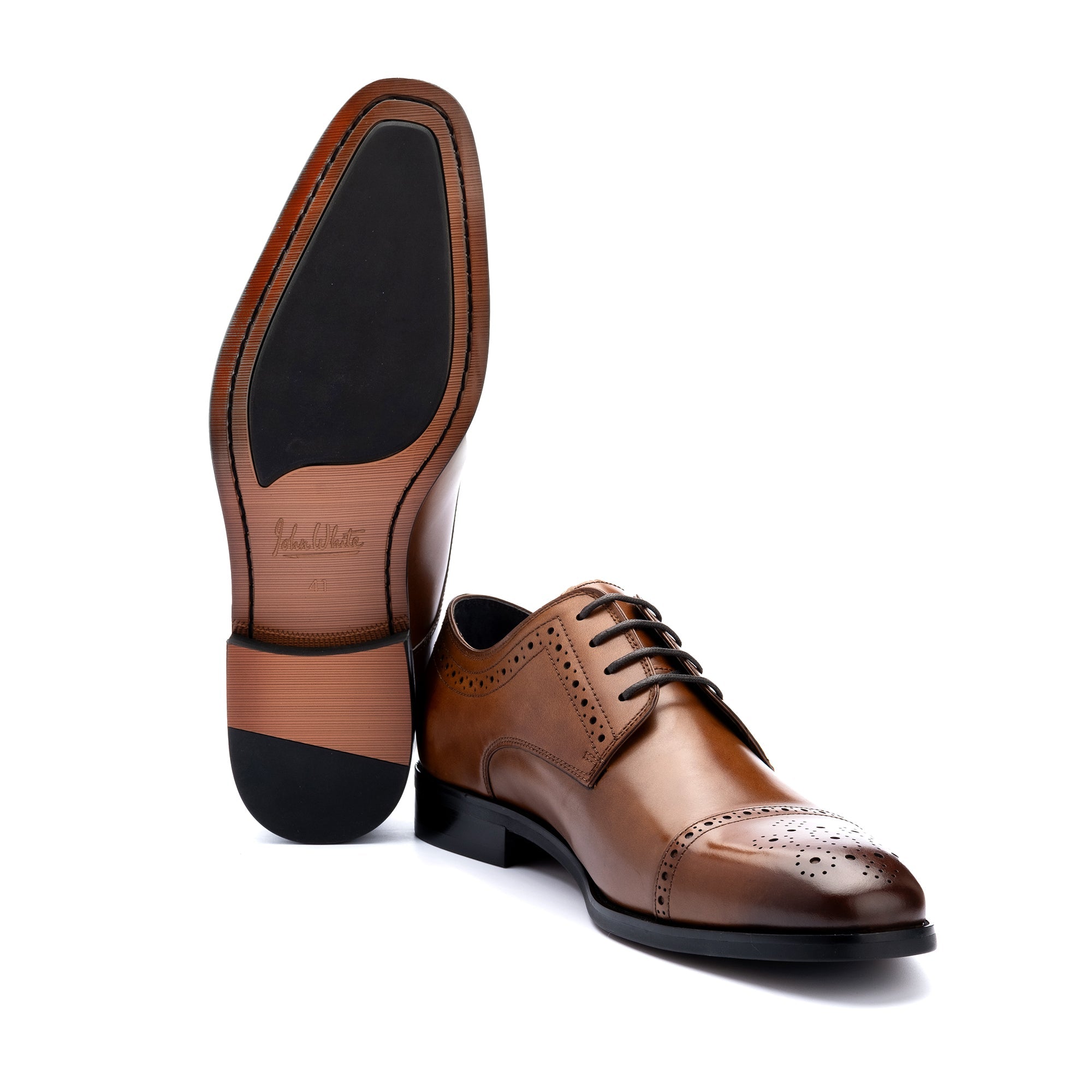
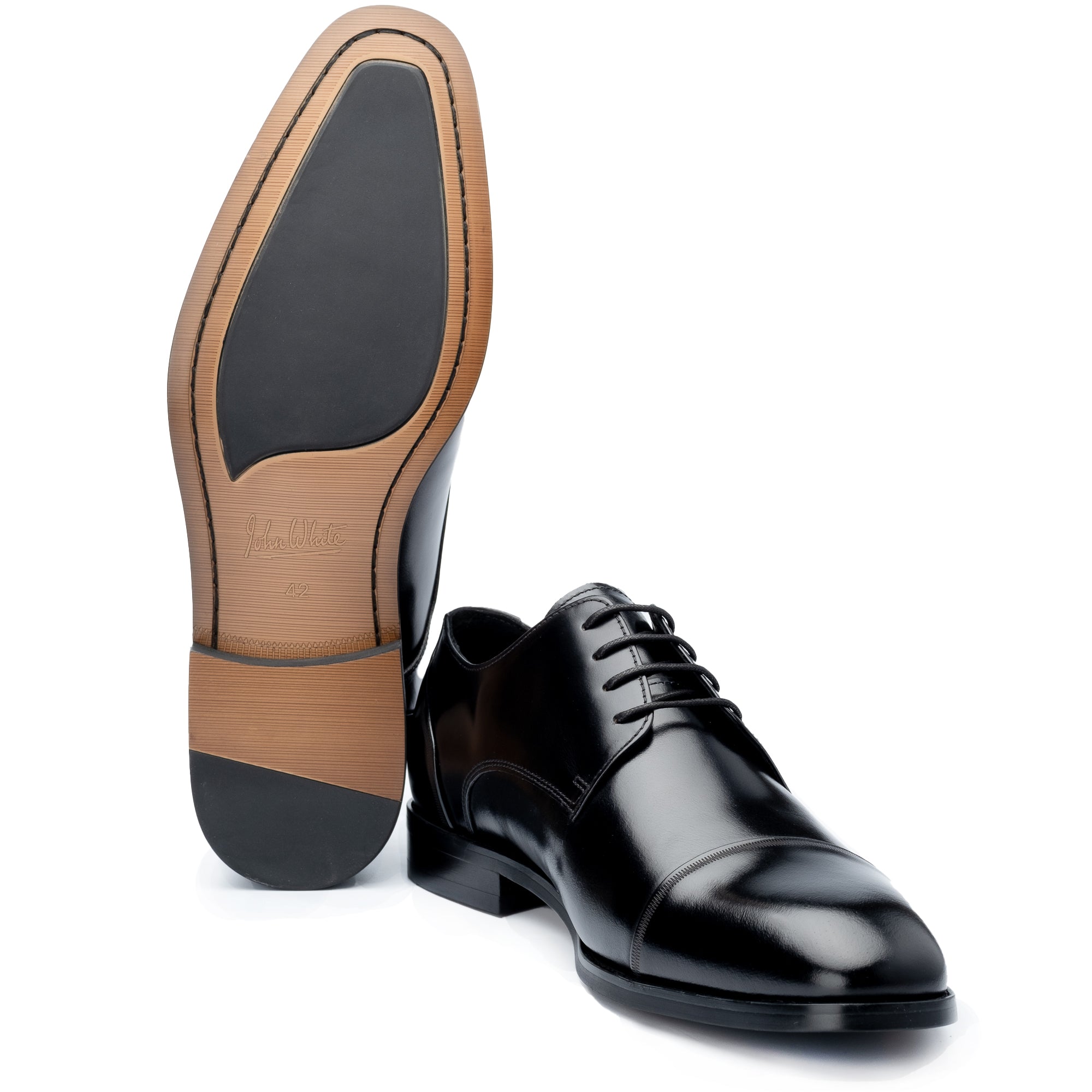
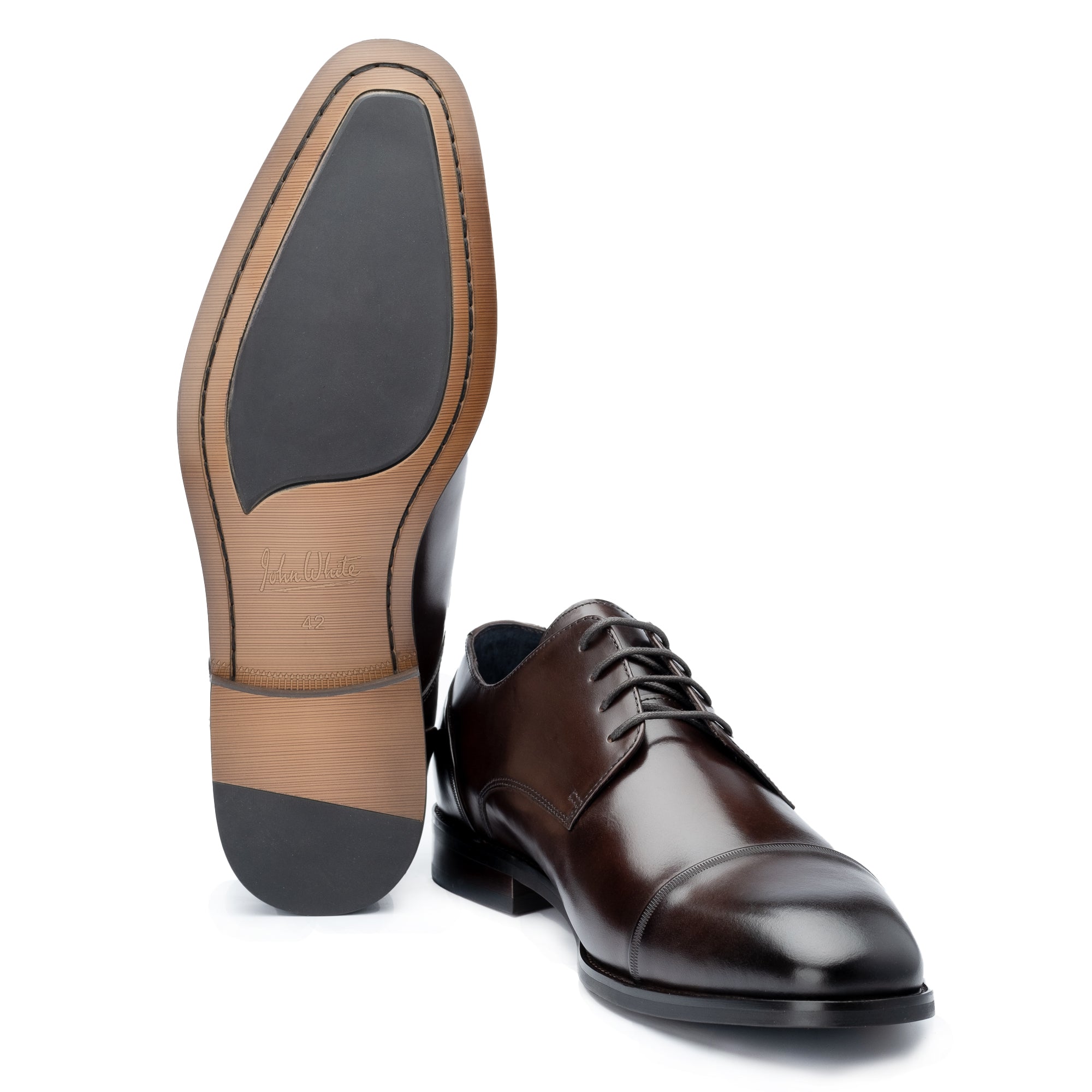
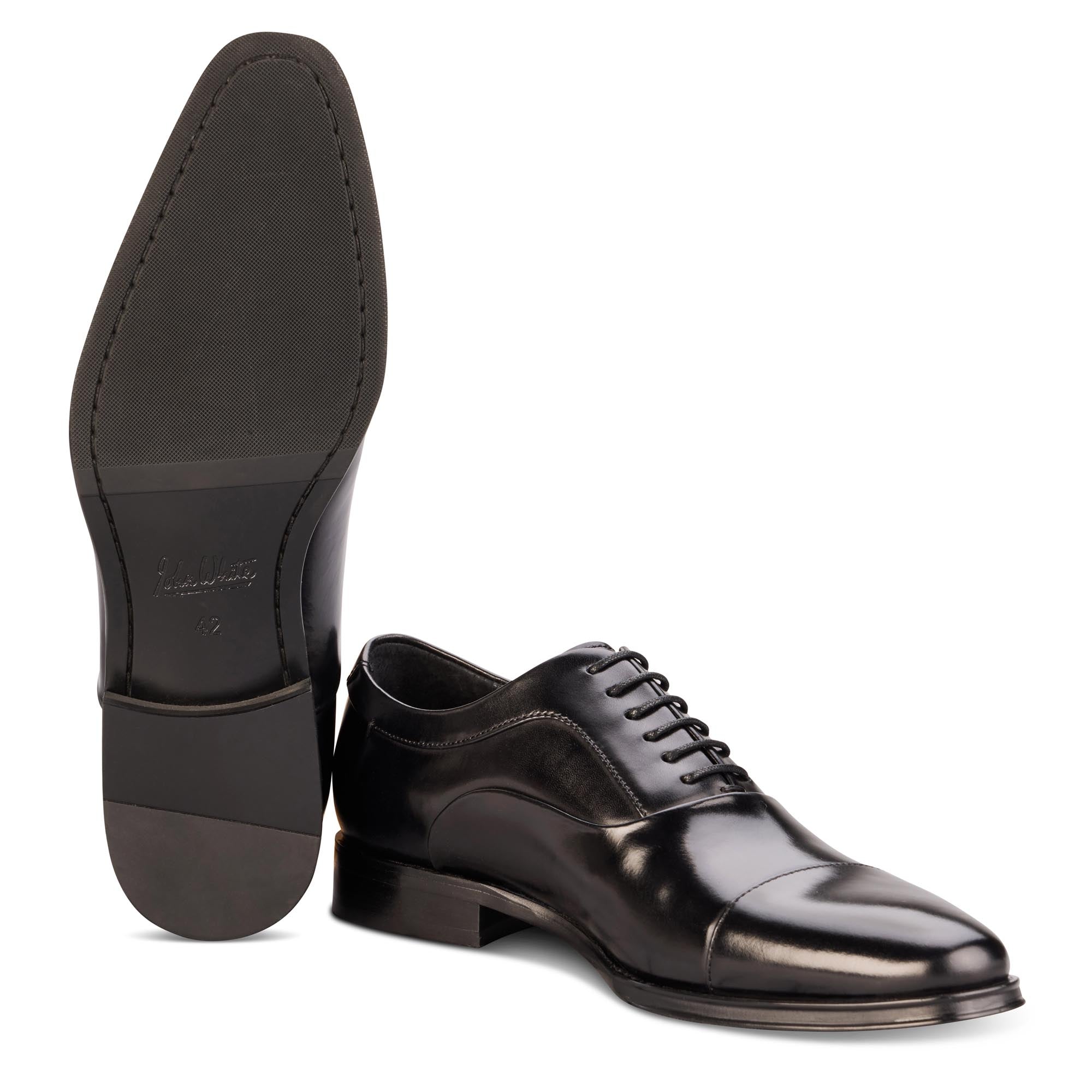
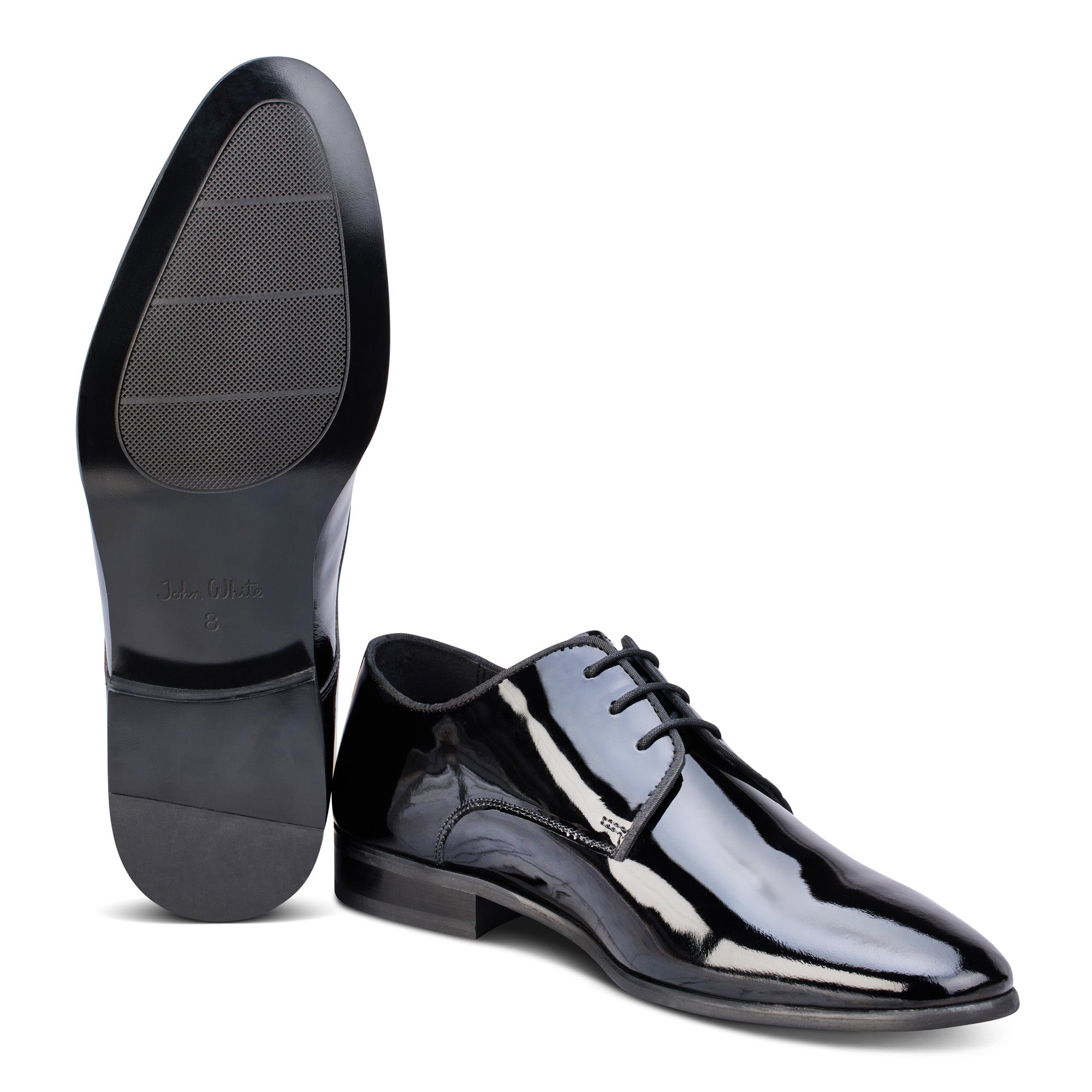
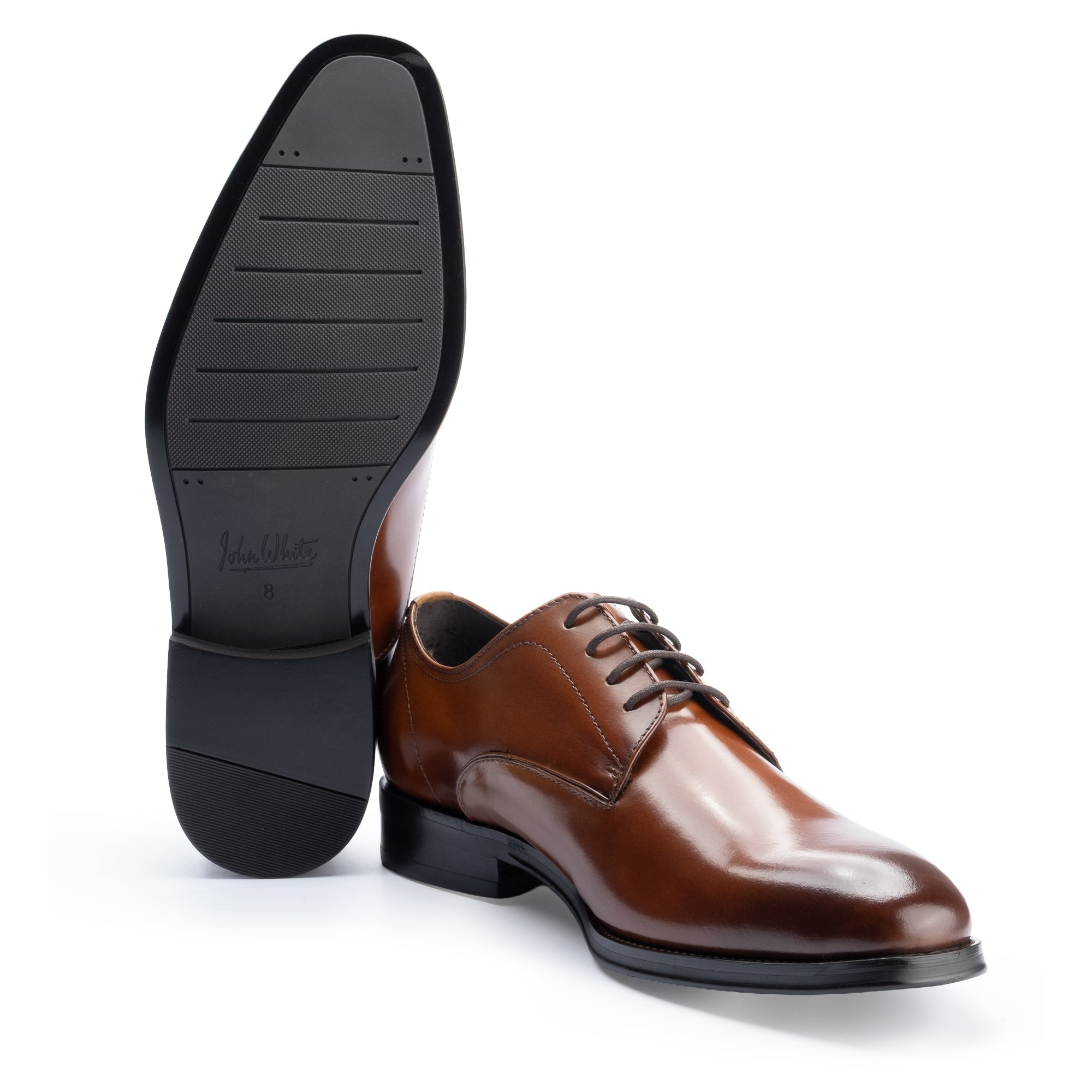
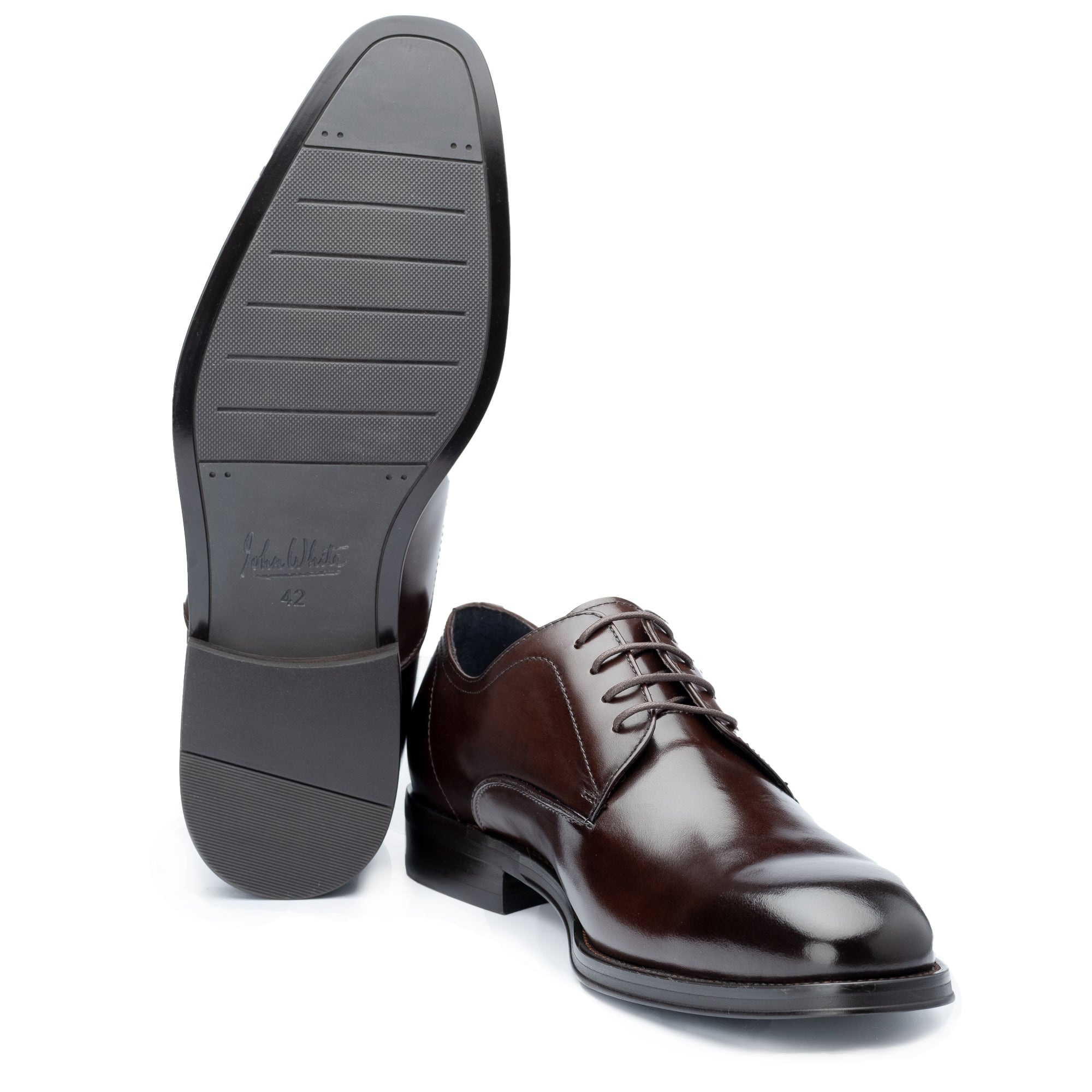
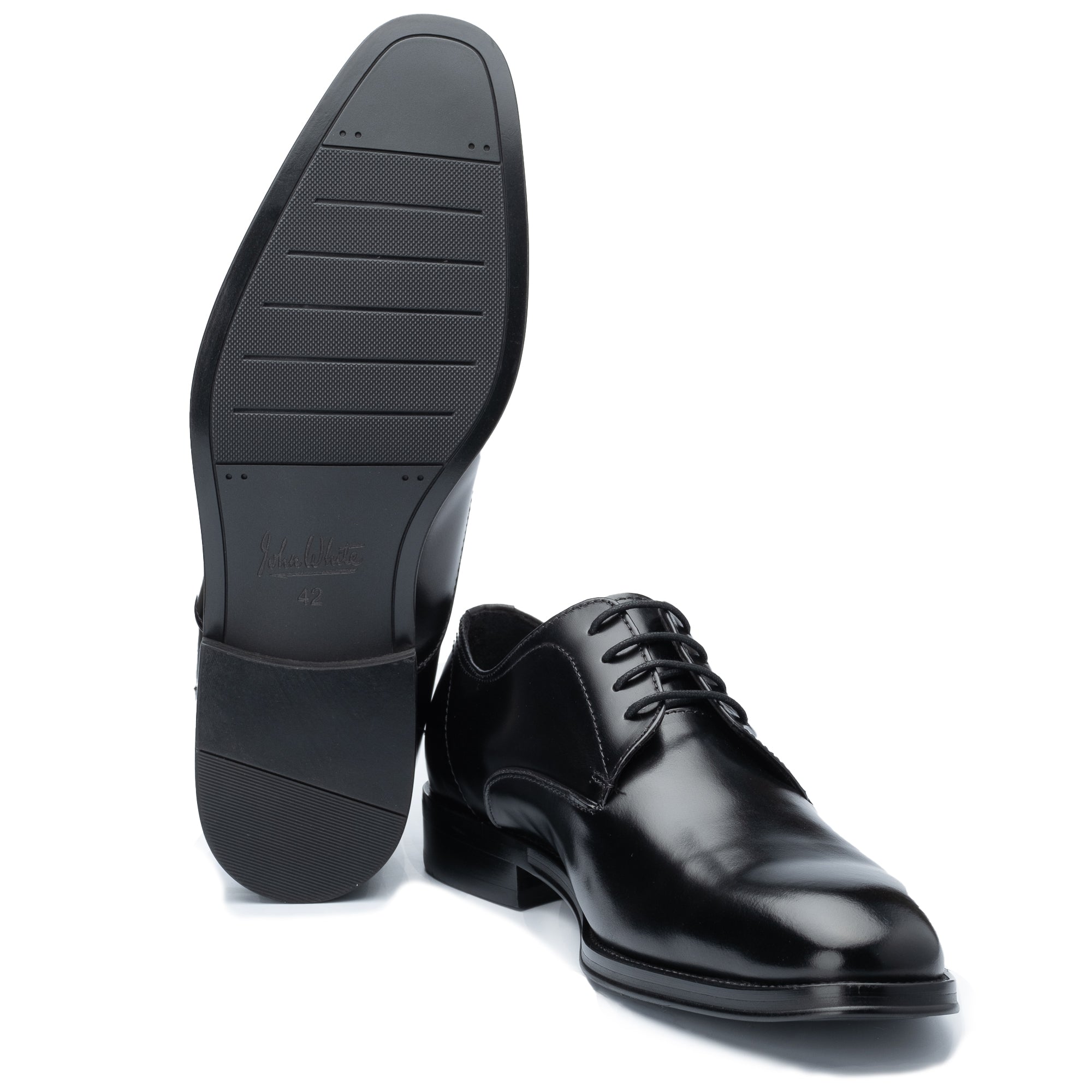
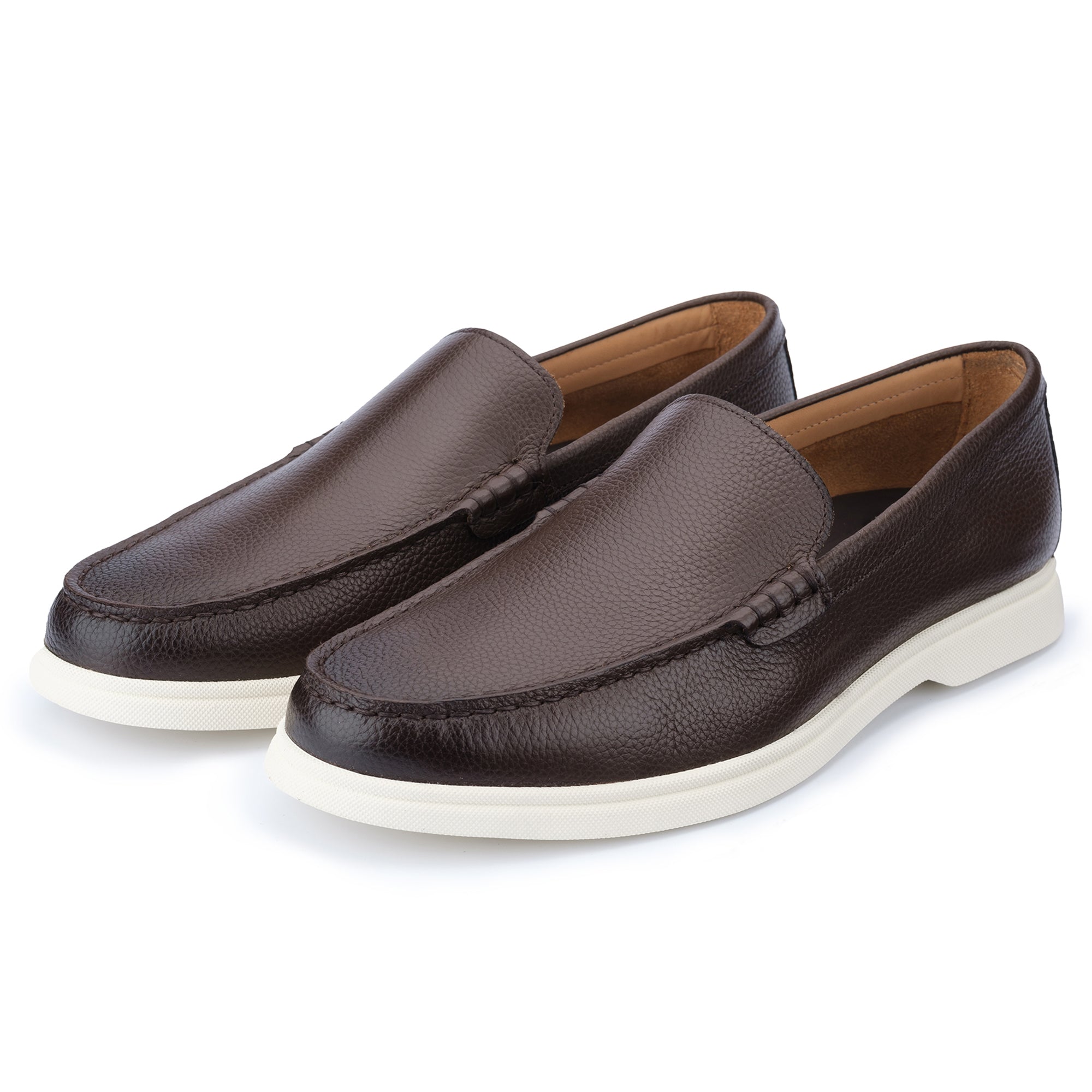
The 'waist' of the shoe—the narrowest part of the sole—is particularly important. A well-sculpted, narrow waist creates a dynamic and sophisticated profile, suggesting a lighter, more refined construction. This is an architectural detail that requires immense skill and is often overlooked in lesser footwear.
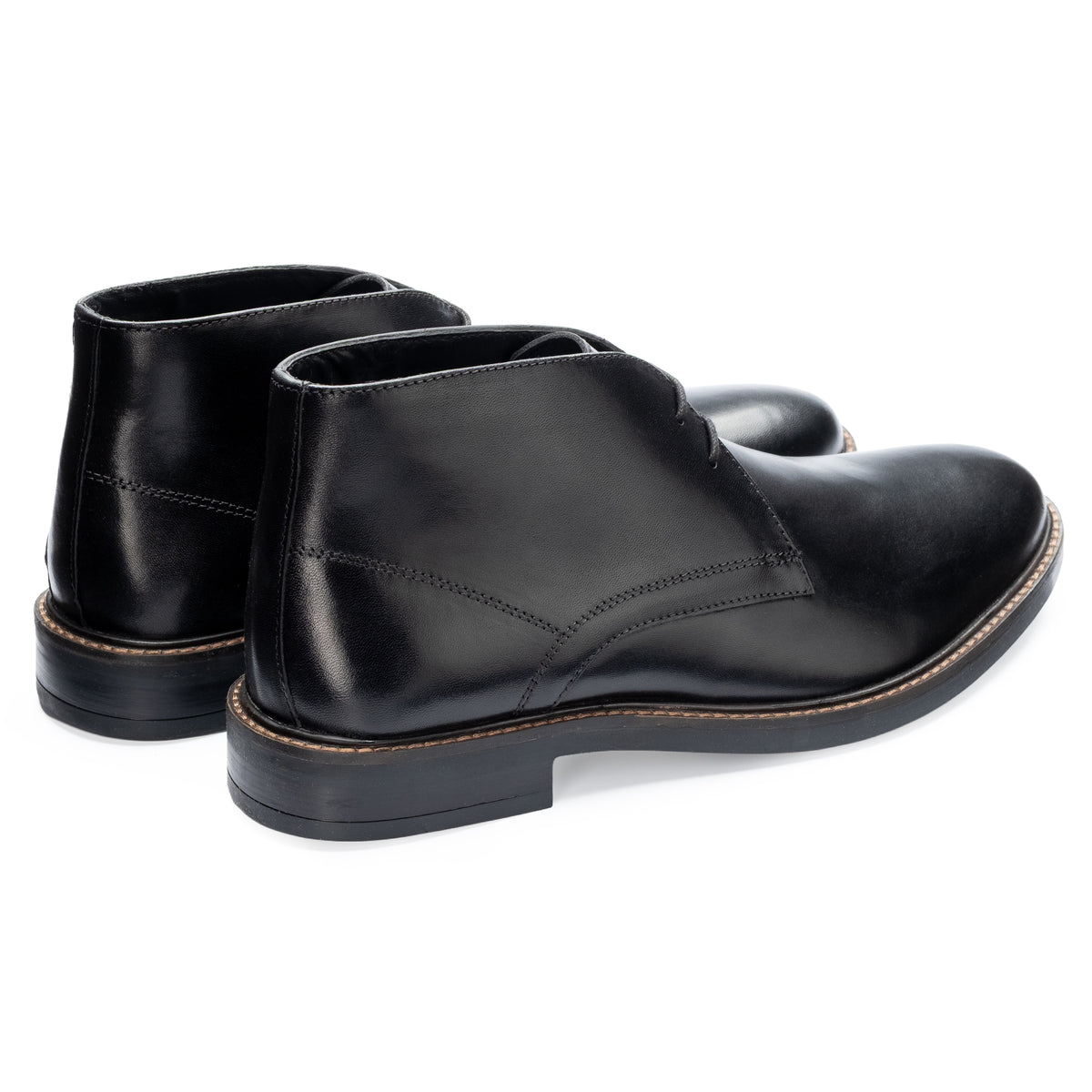
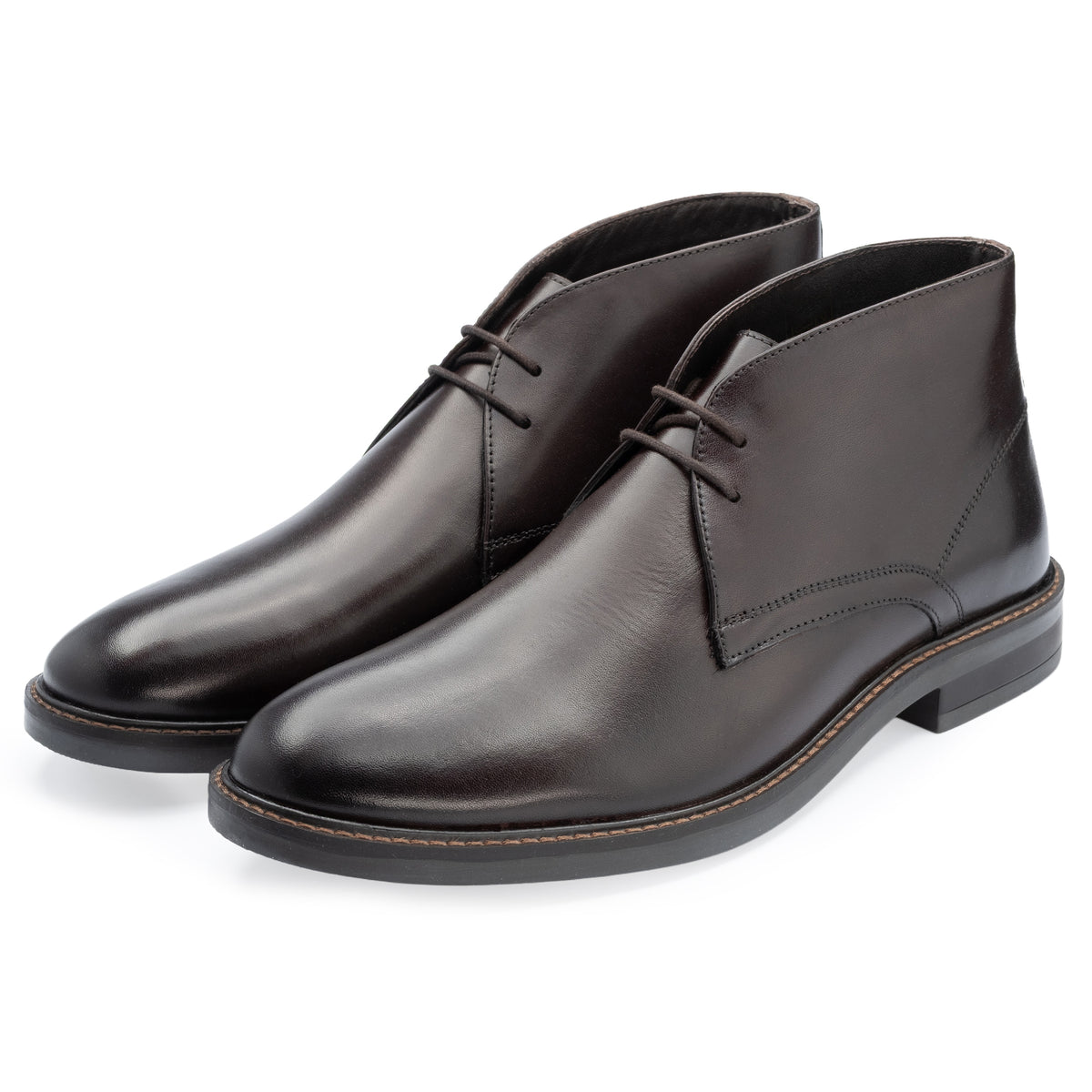
A perfectly proportioned shoe achieves a visual harmony that looks correct from every angle, creating a silhouette that is both grounded and elegant.
Why Is the 'Line' of a Shoe So Crucial?
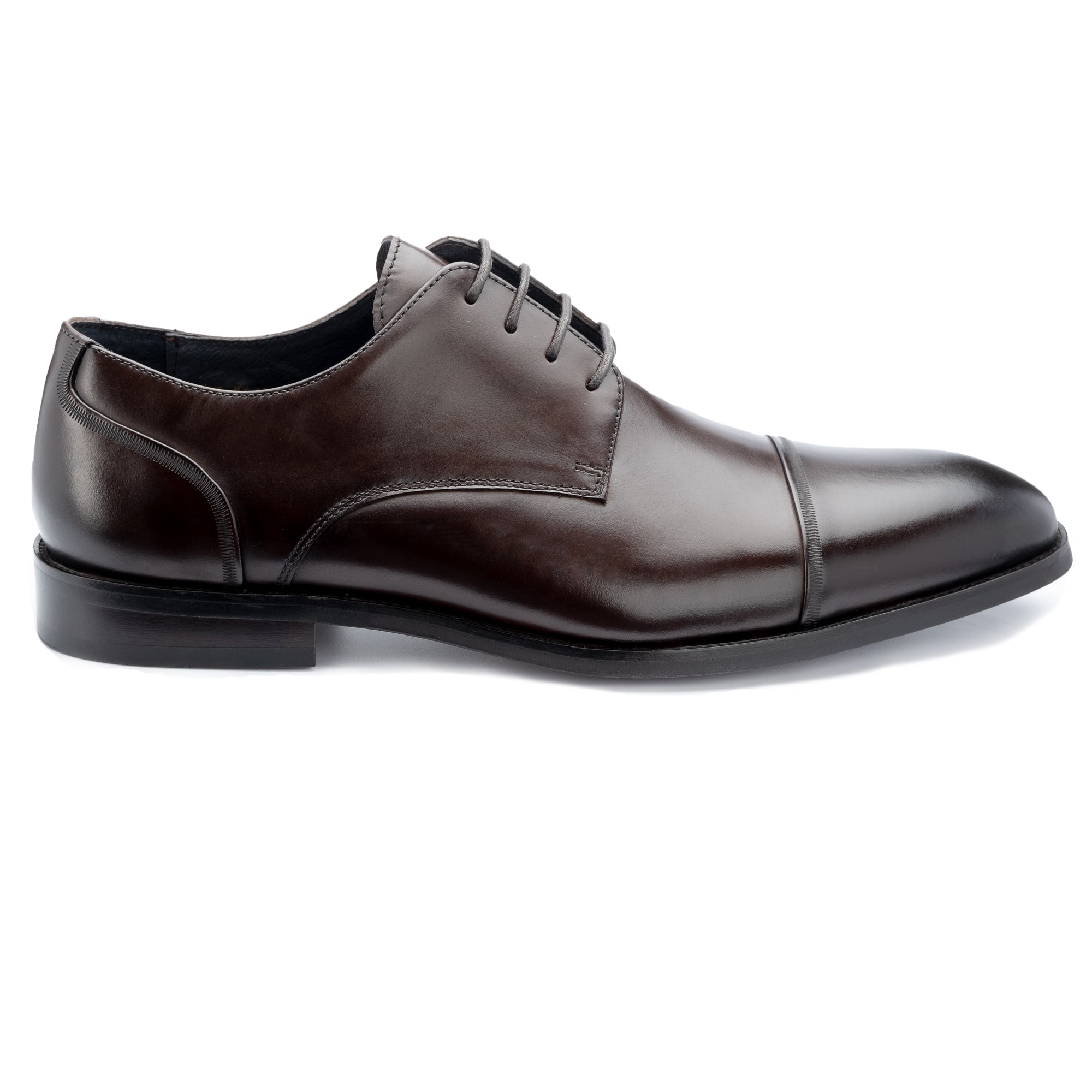
The 'lines' of a shoe are the defining contours that guide the eye and communicate the quality of the craftsmanship. There are several critical lines to consider:
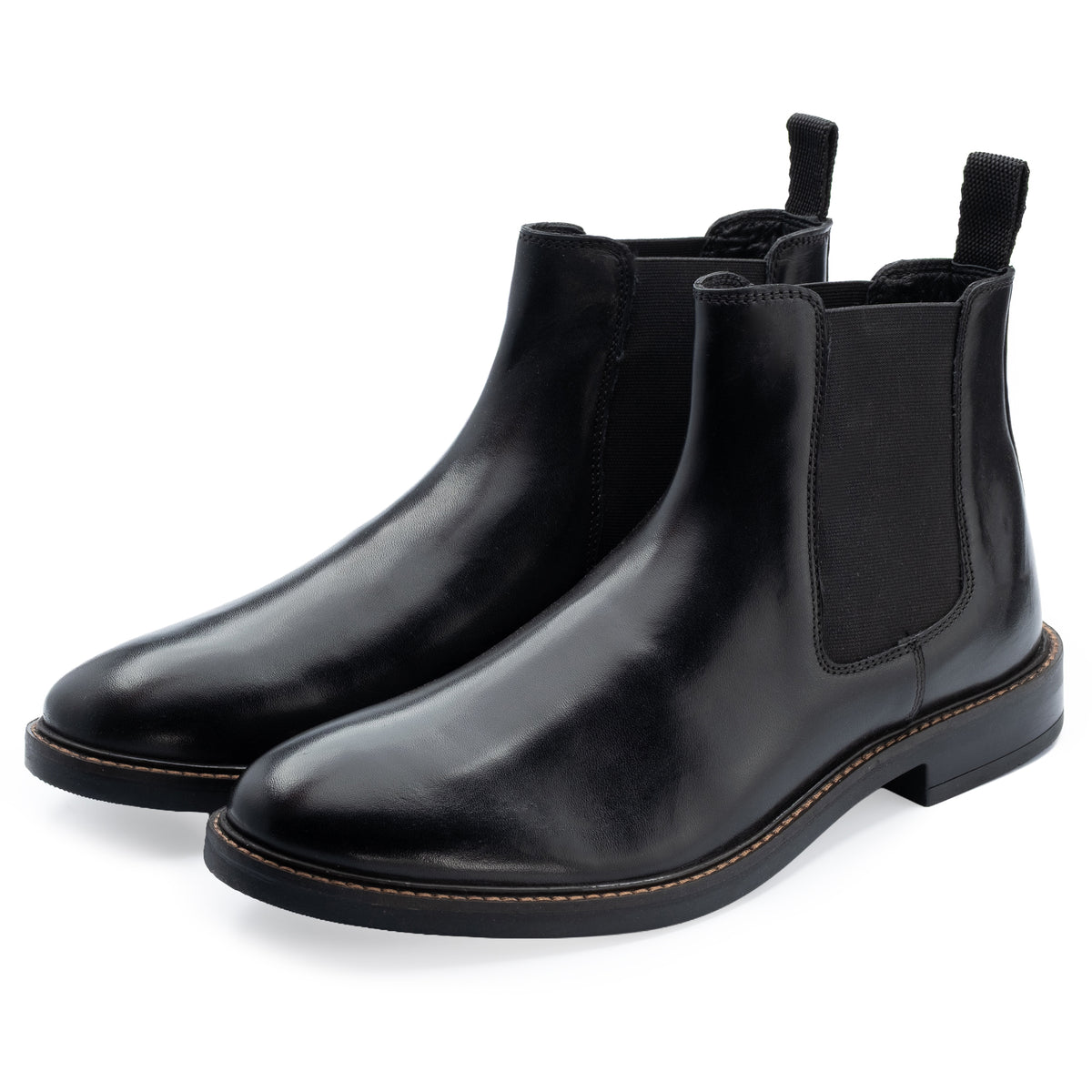
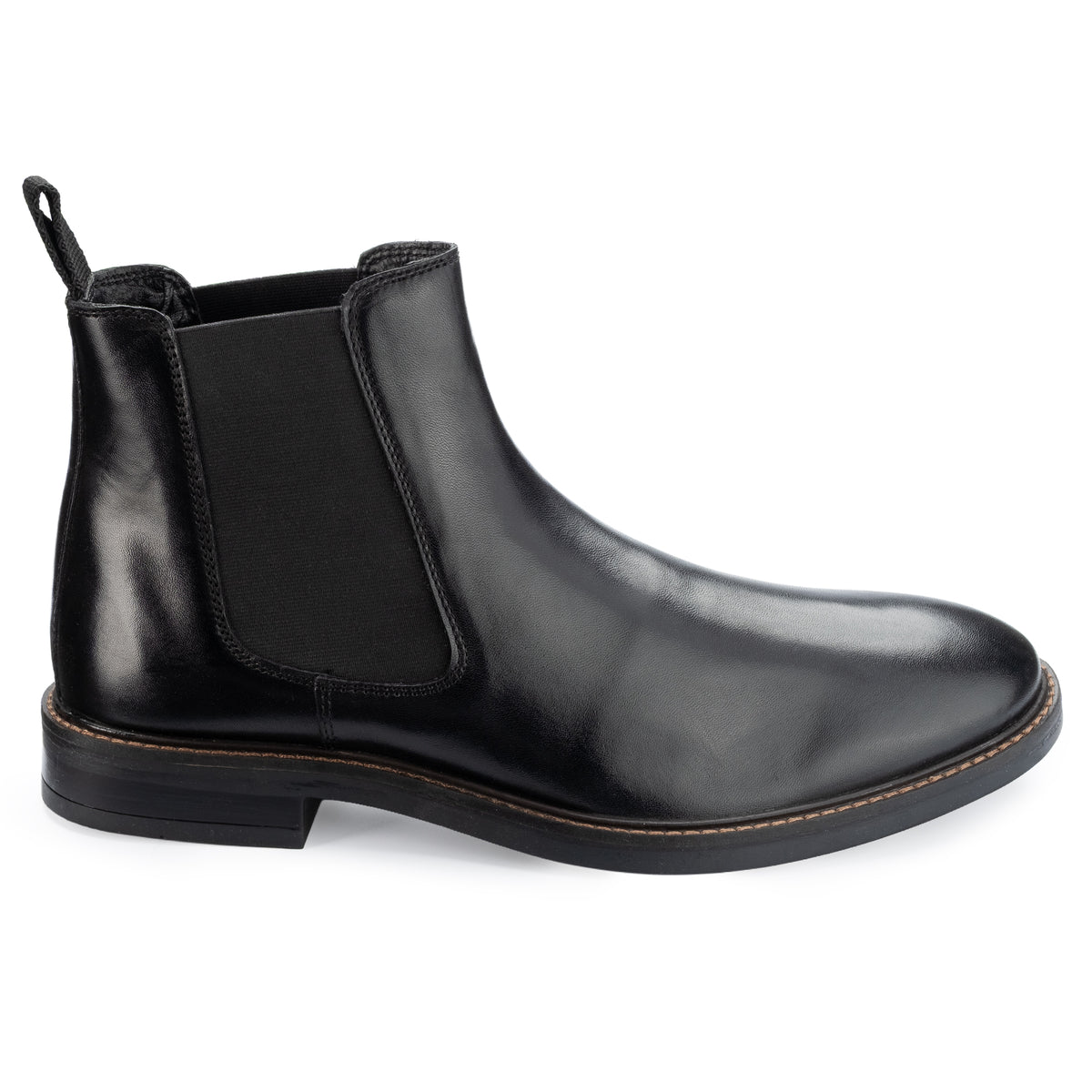
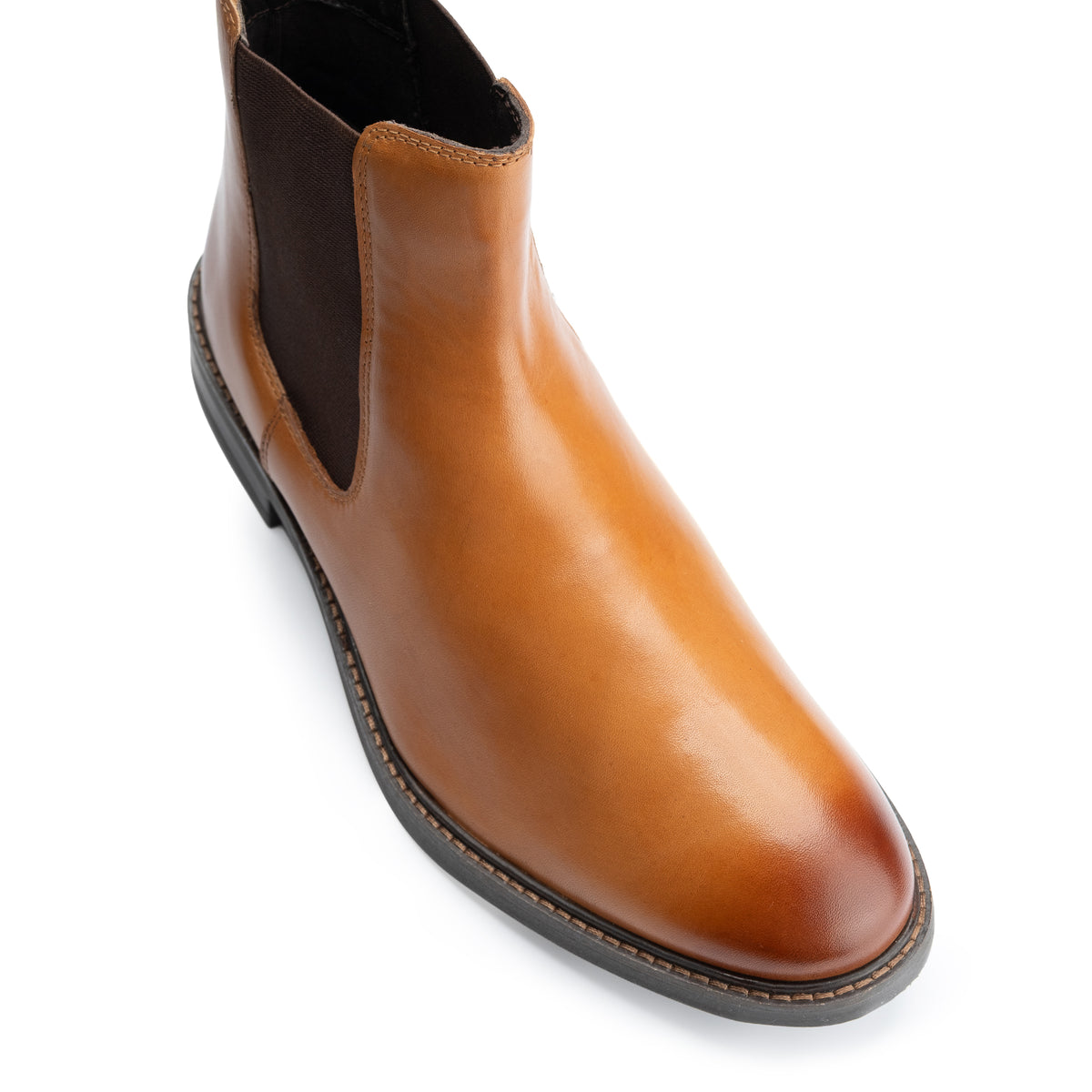
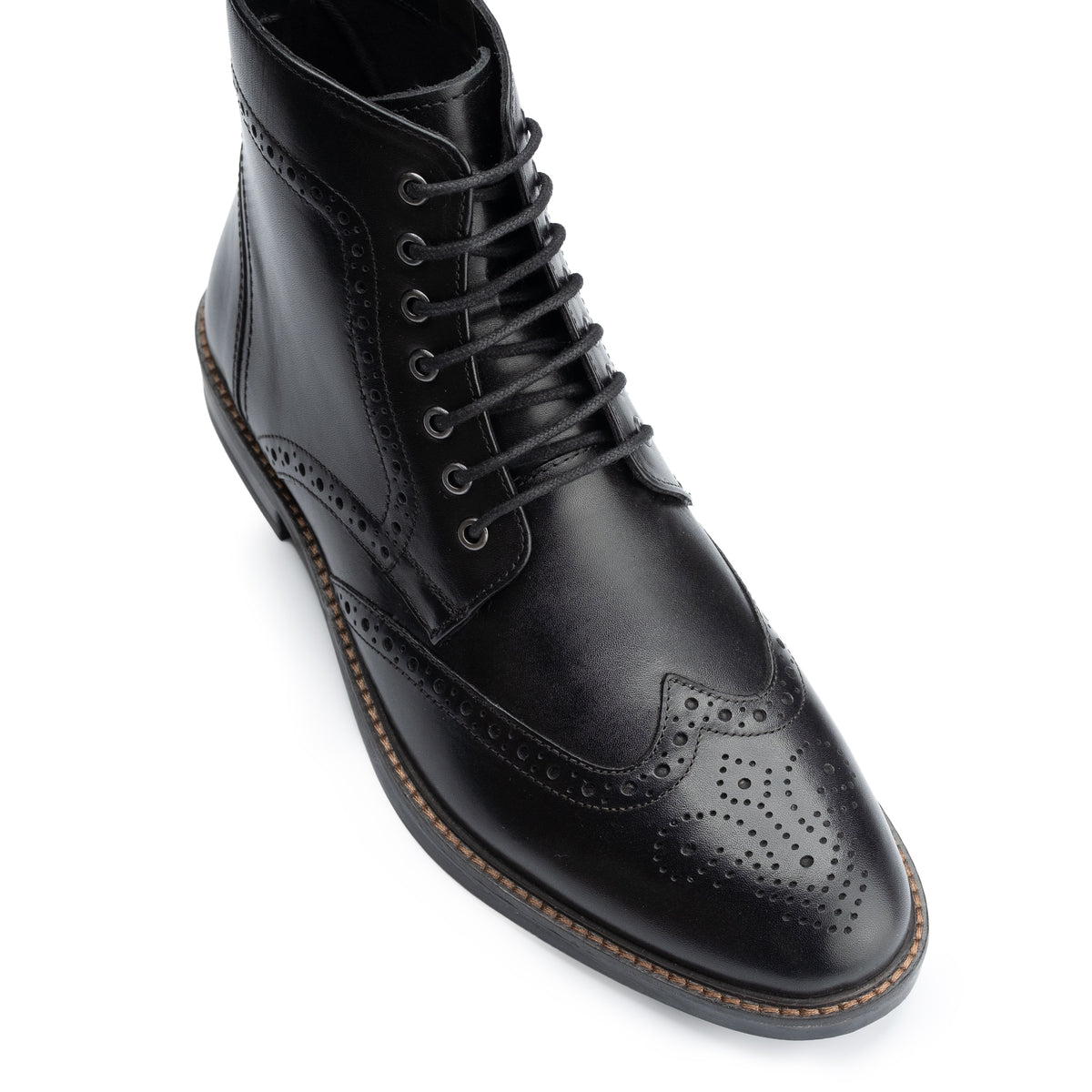
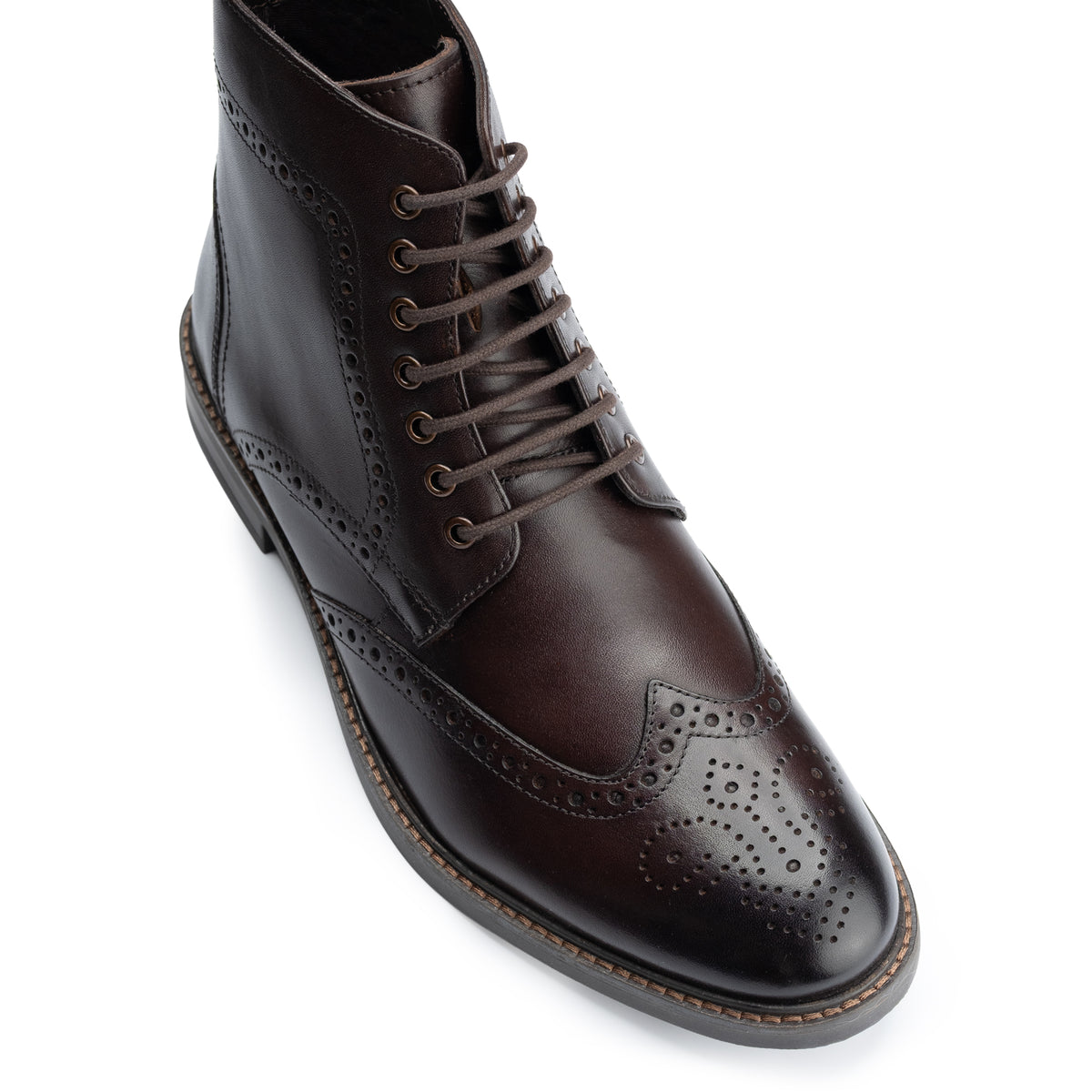
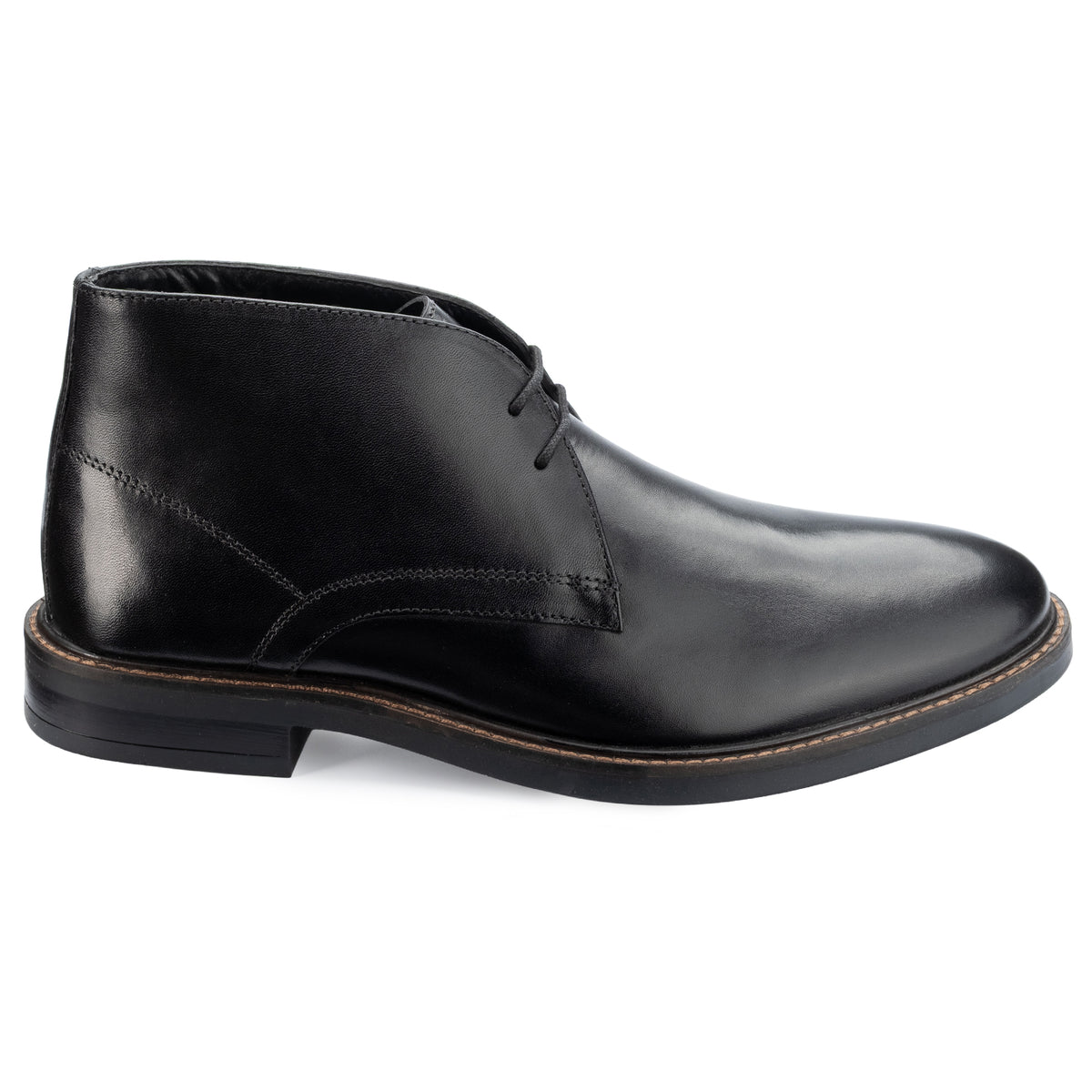
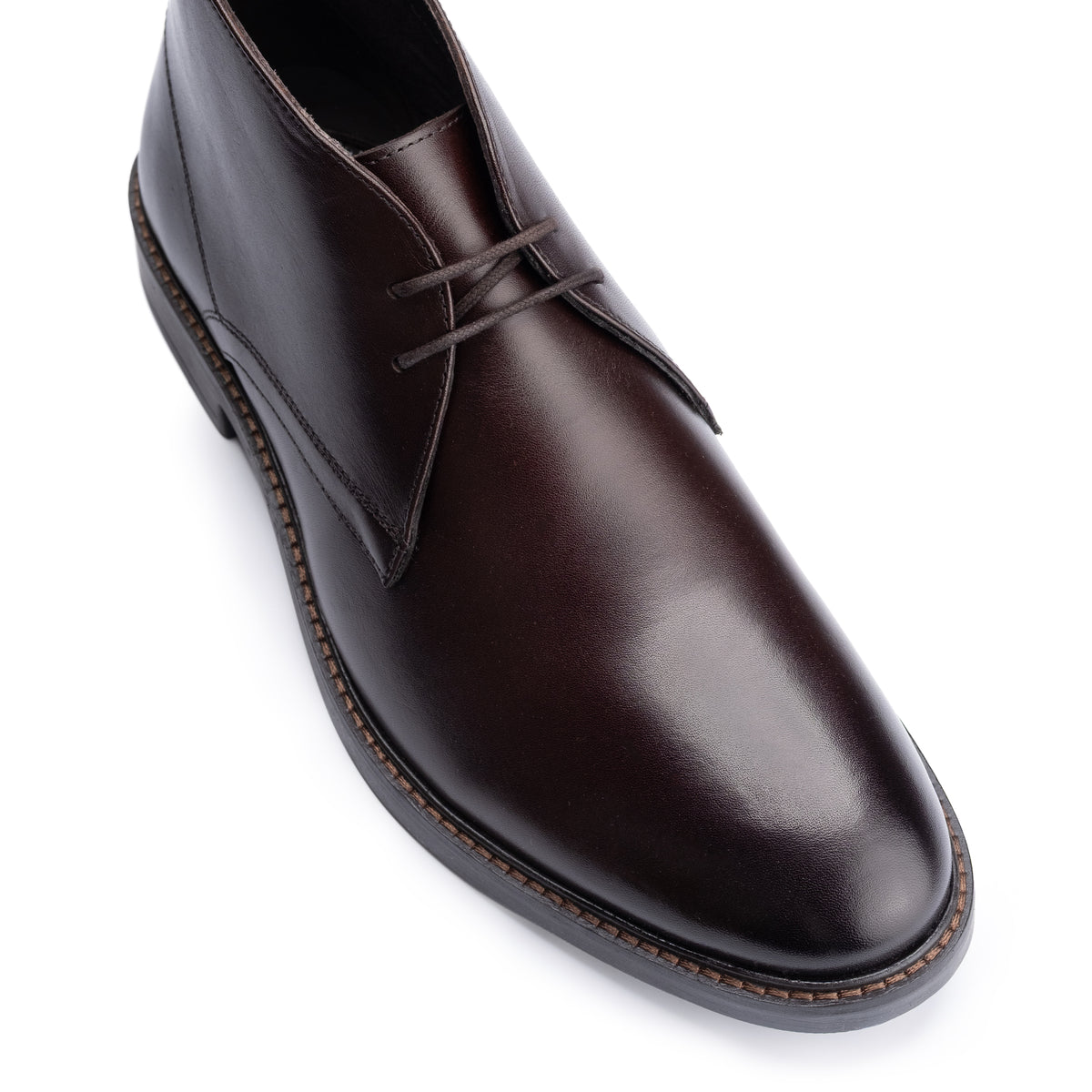
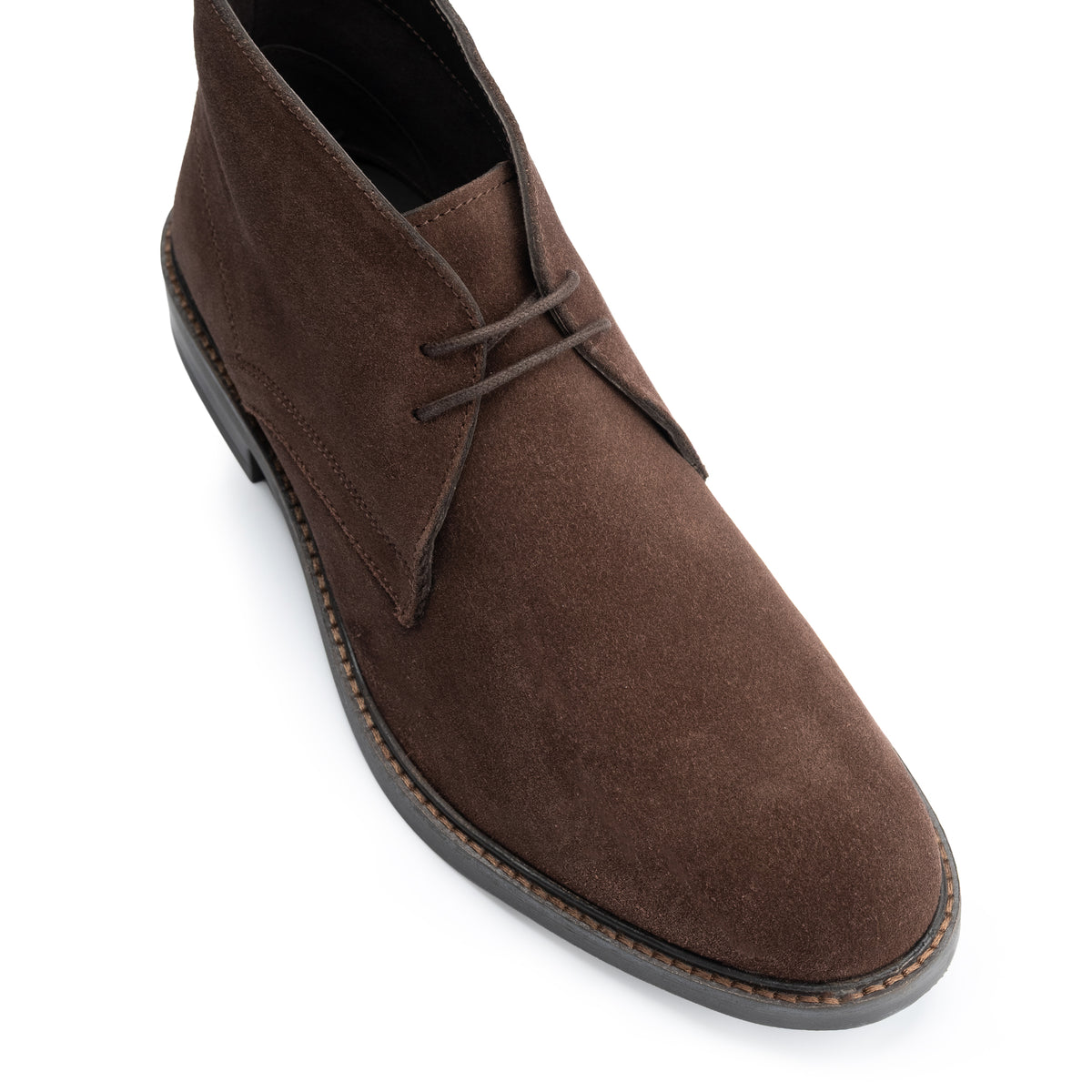
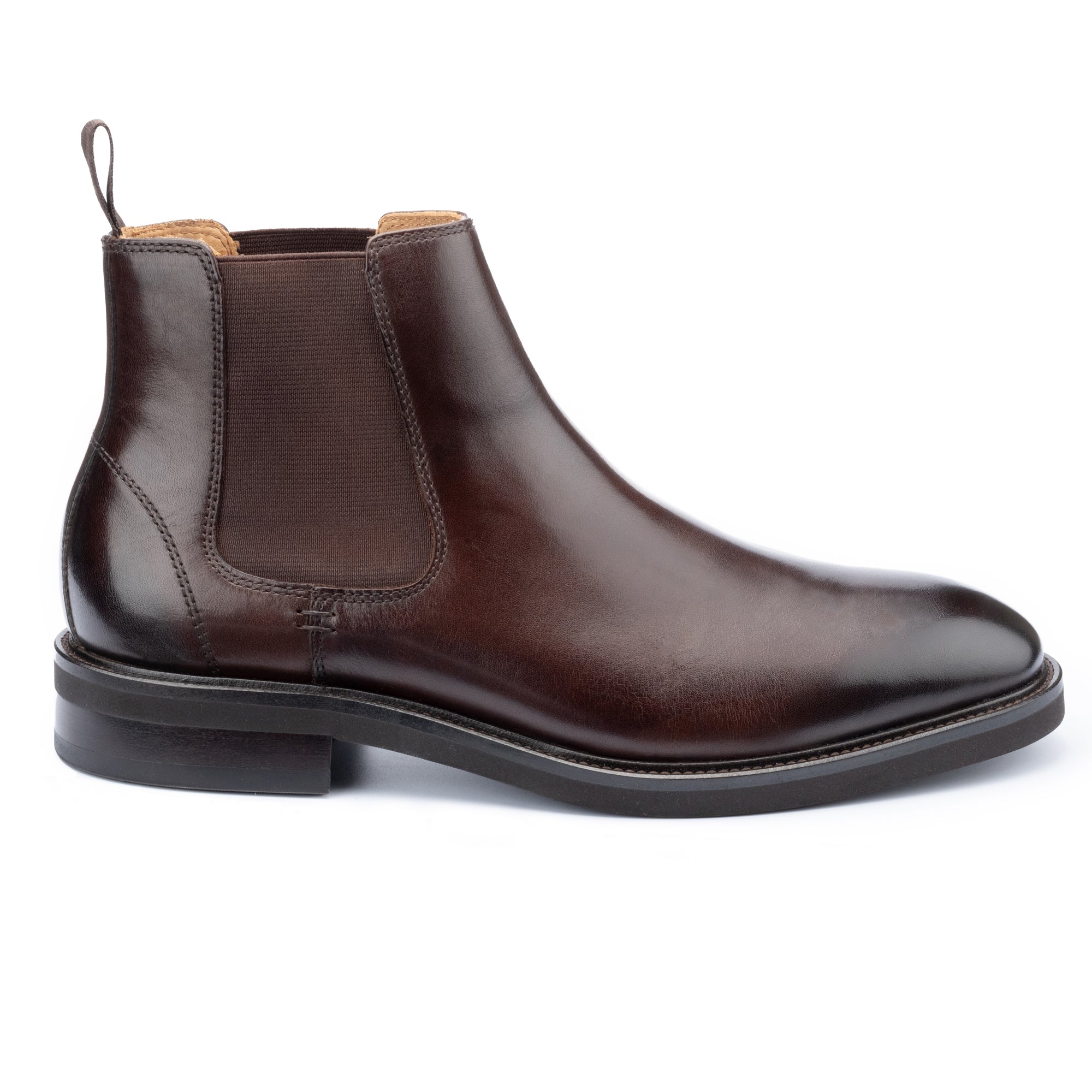
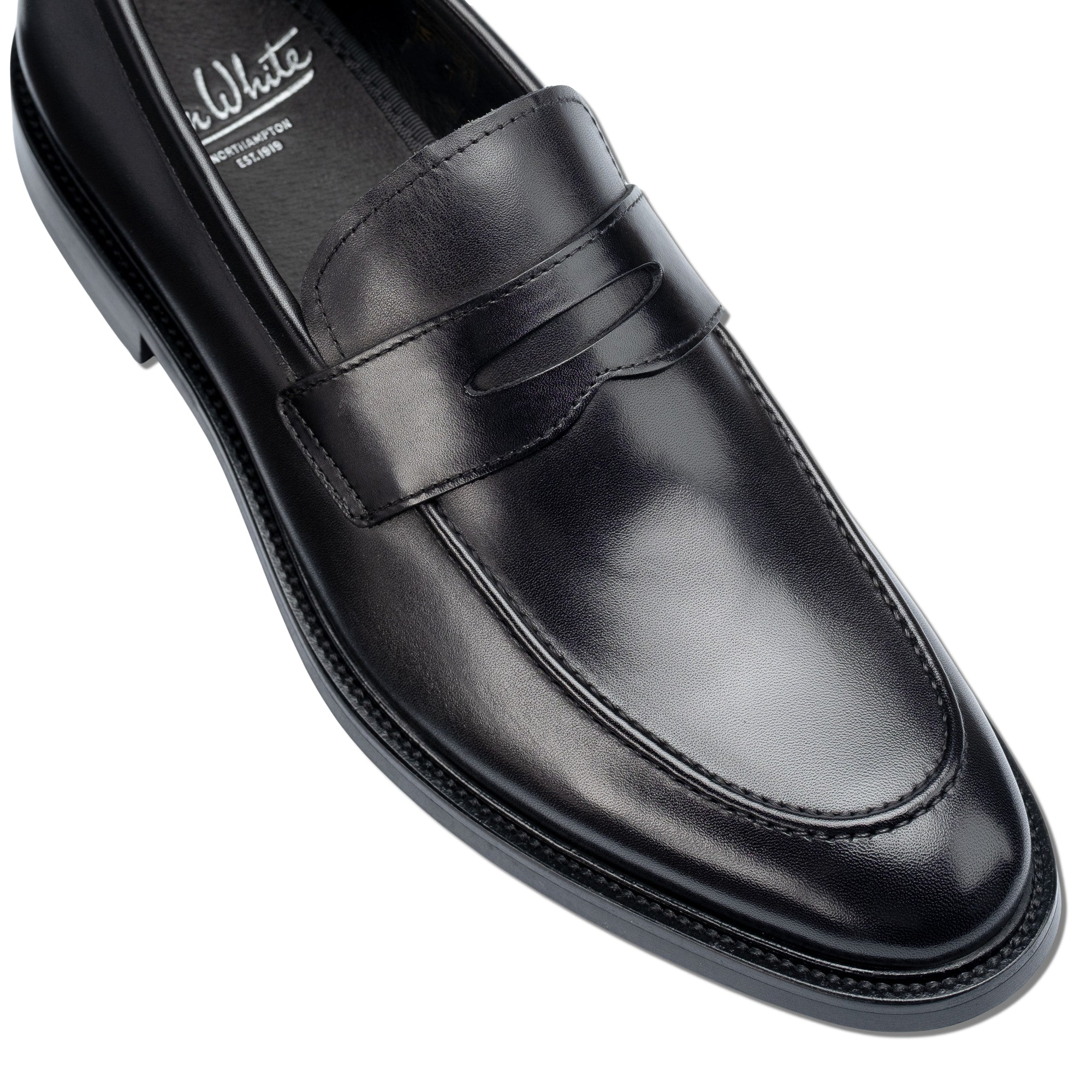
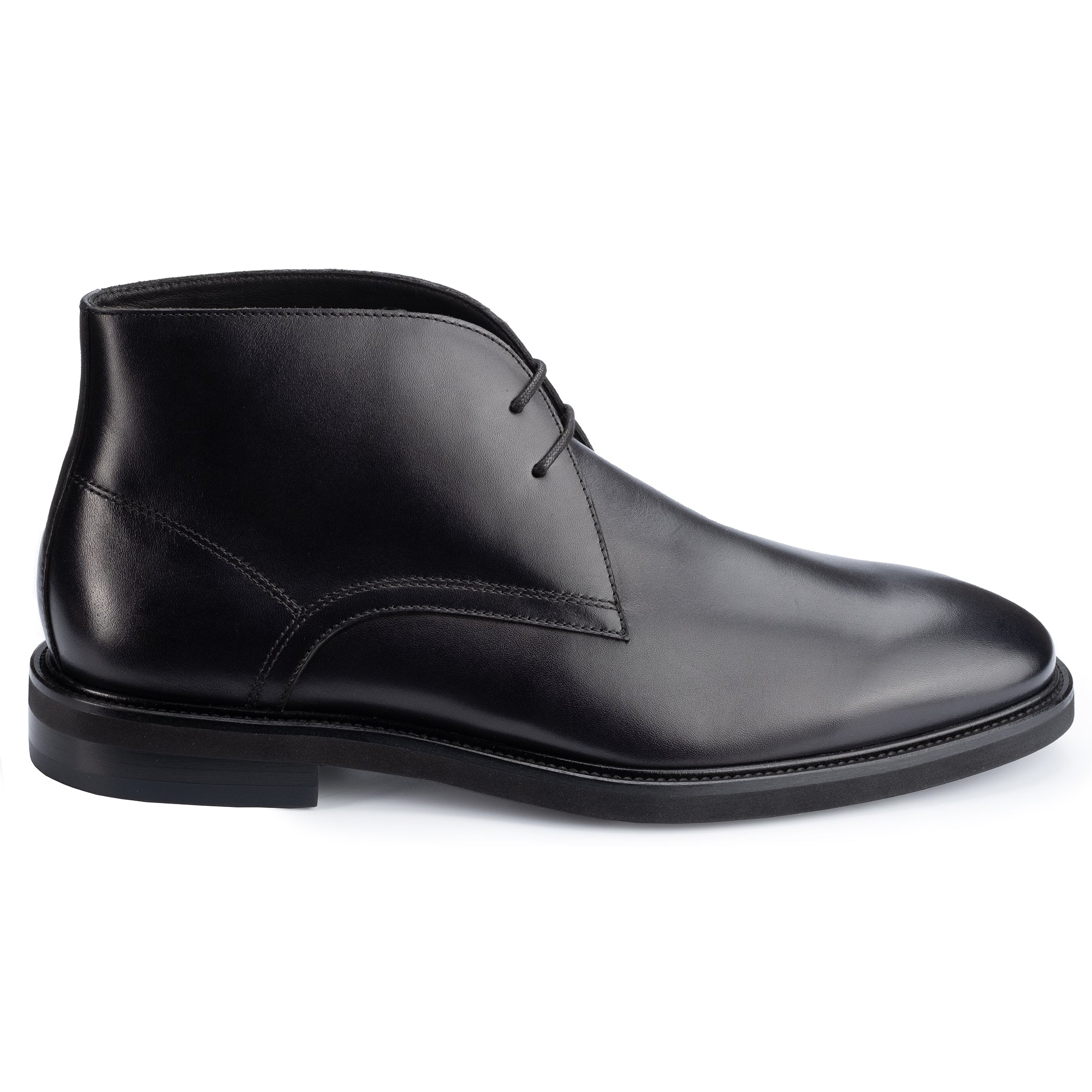
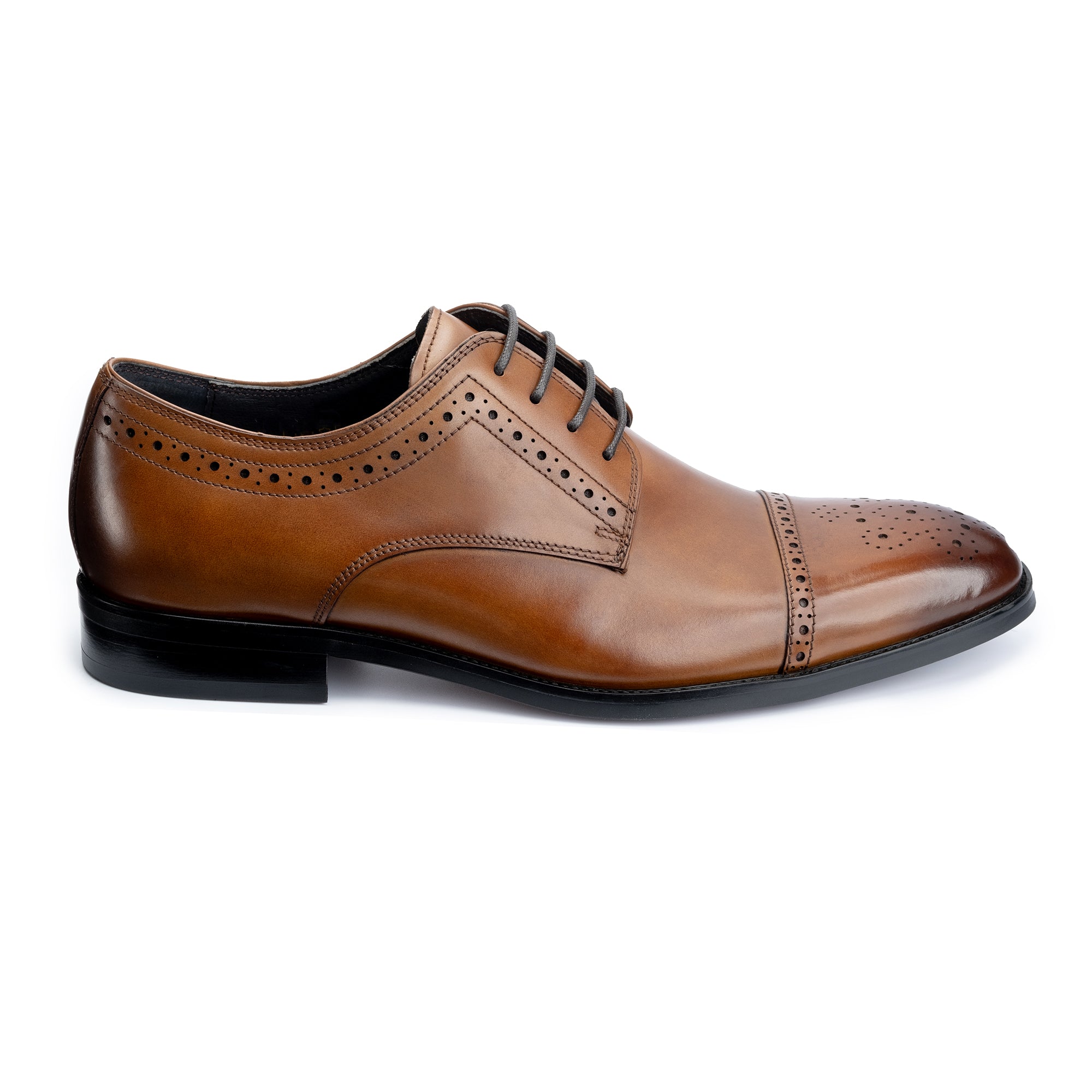
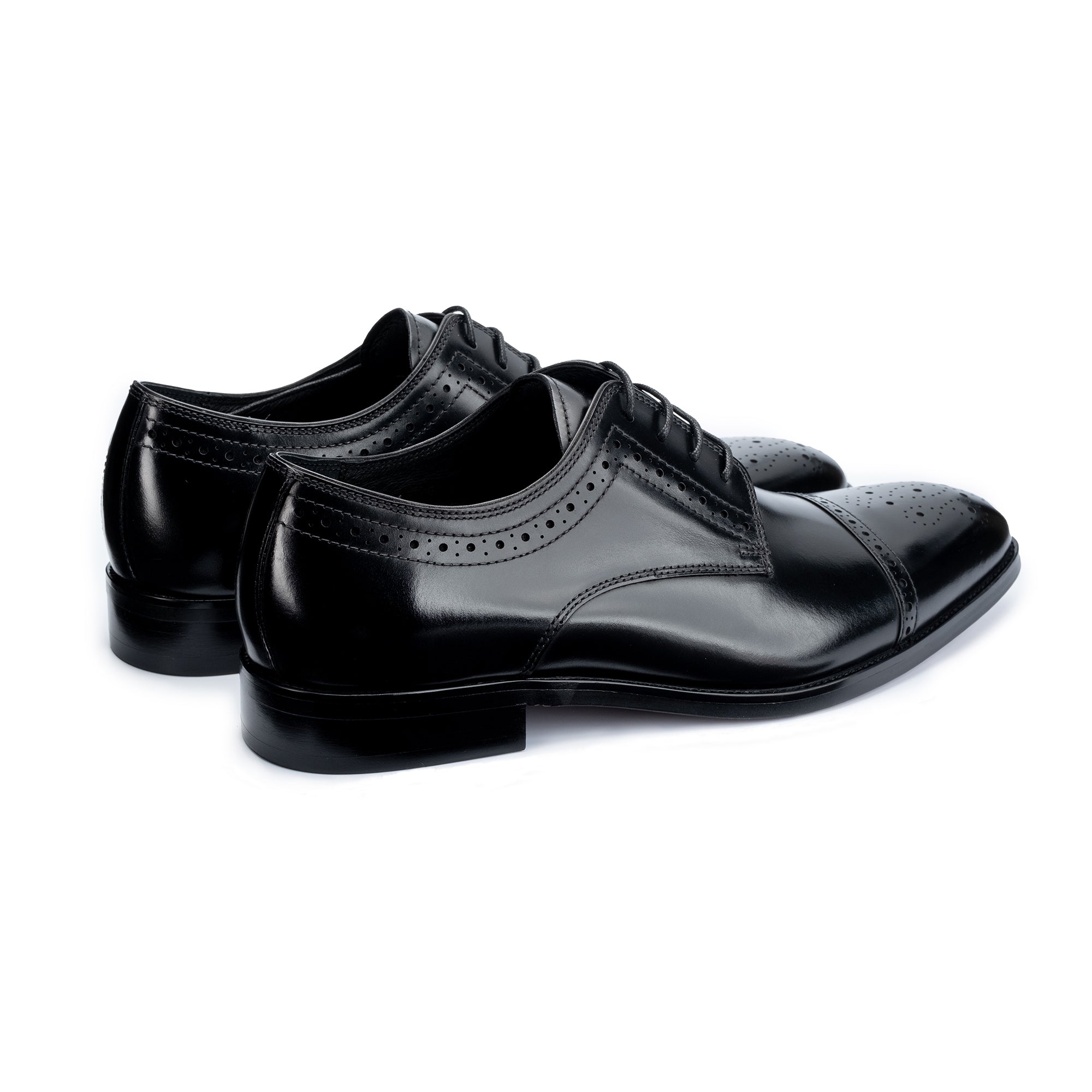
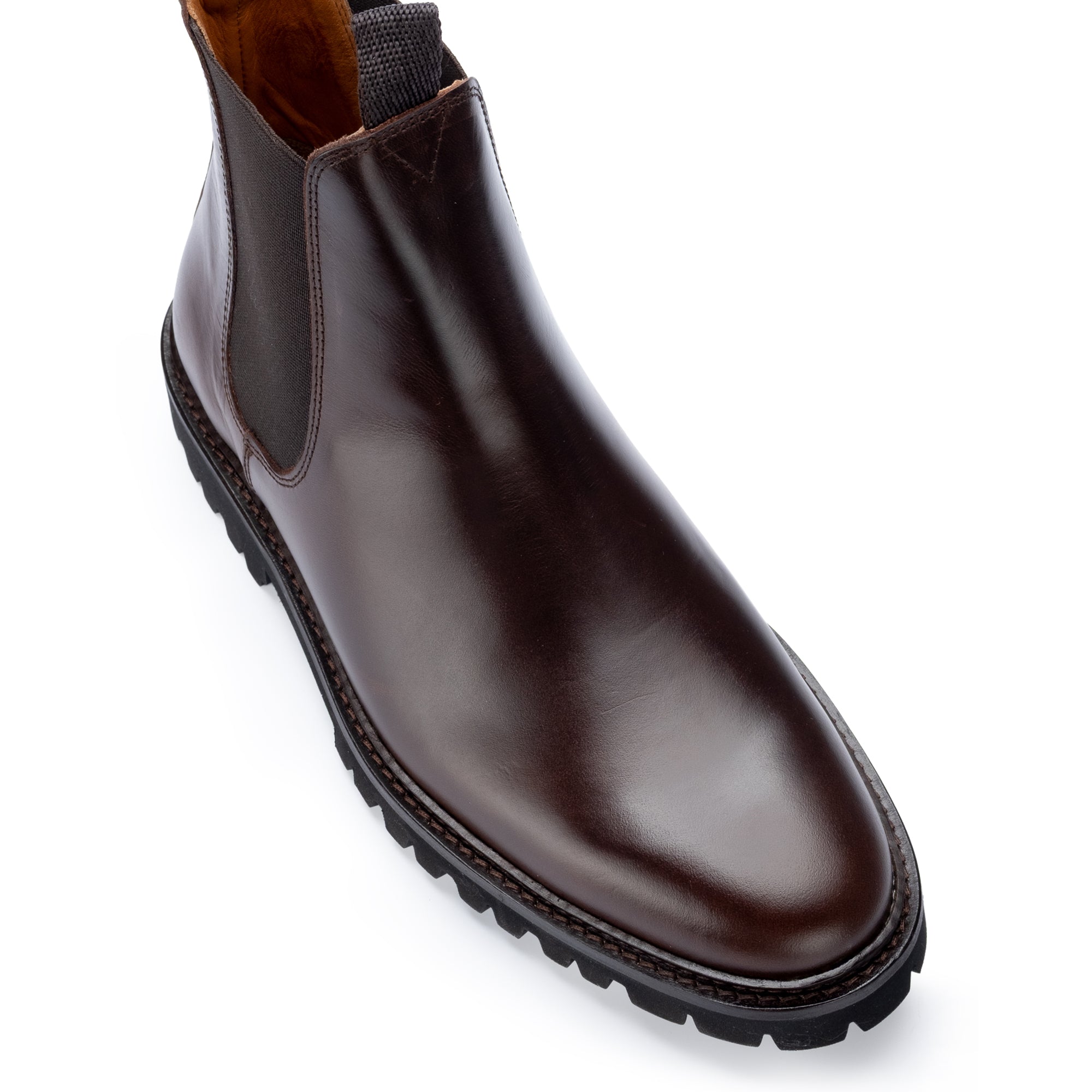
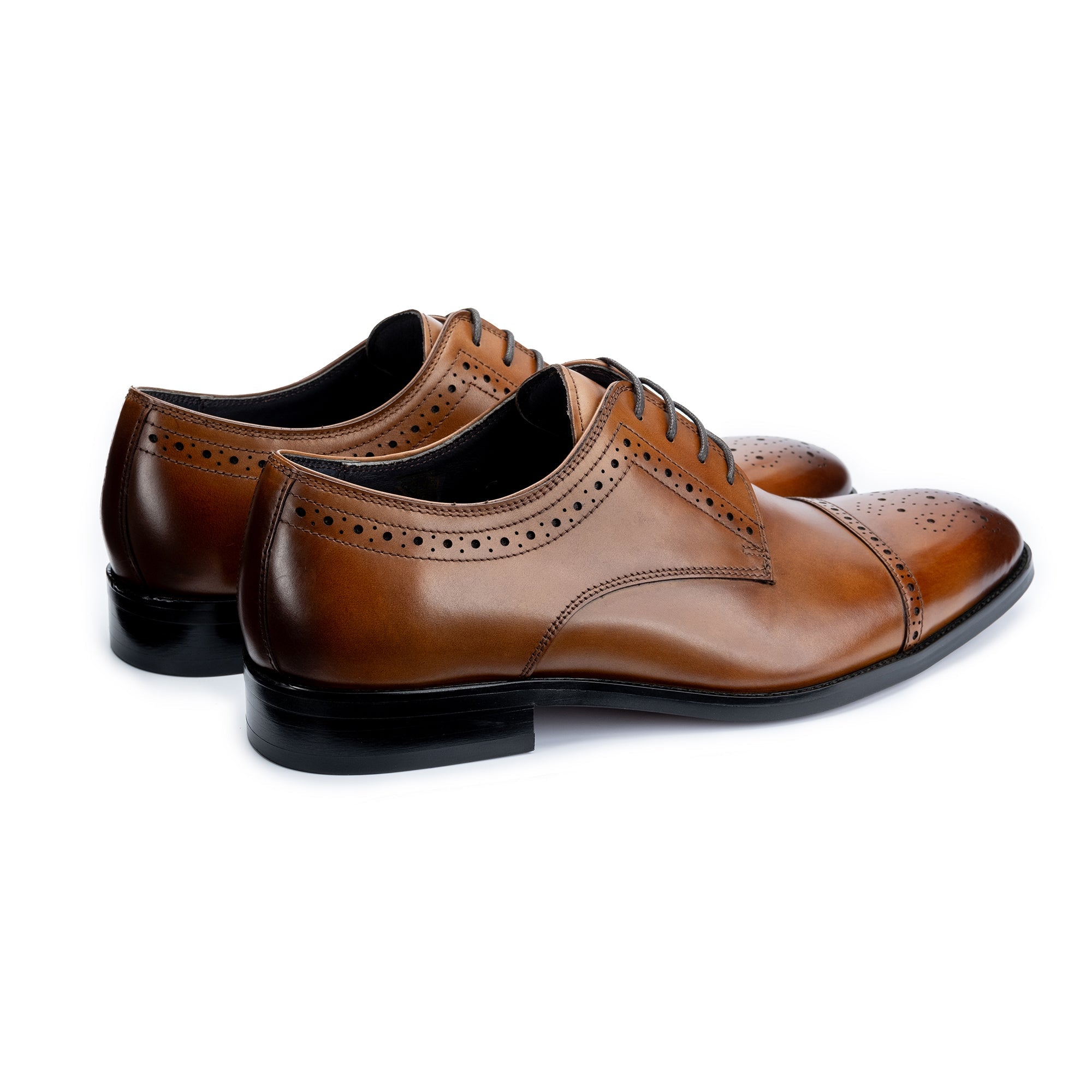
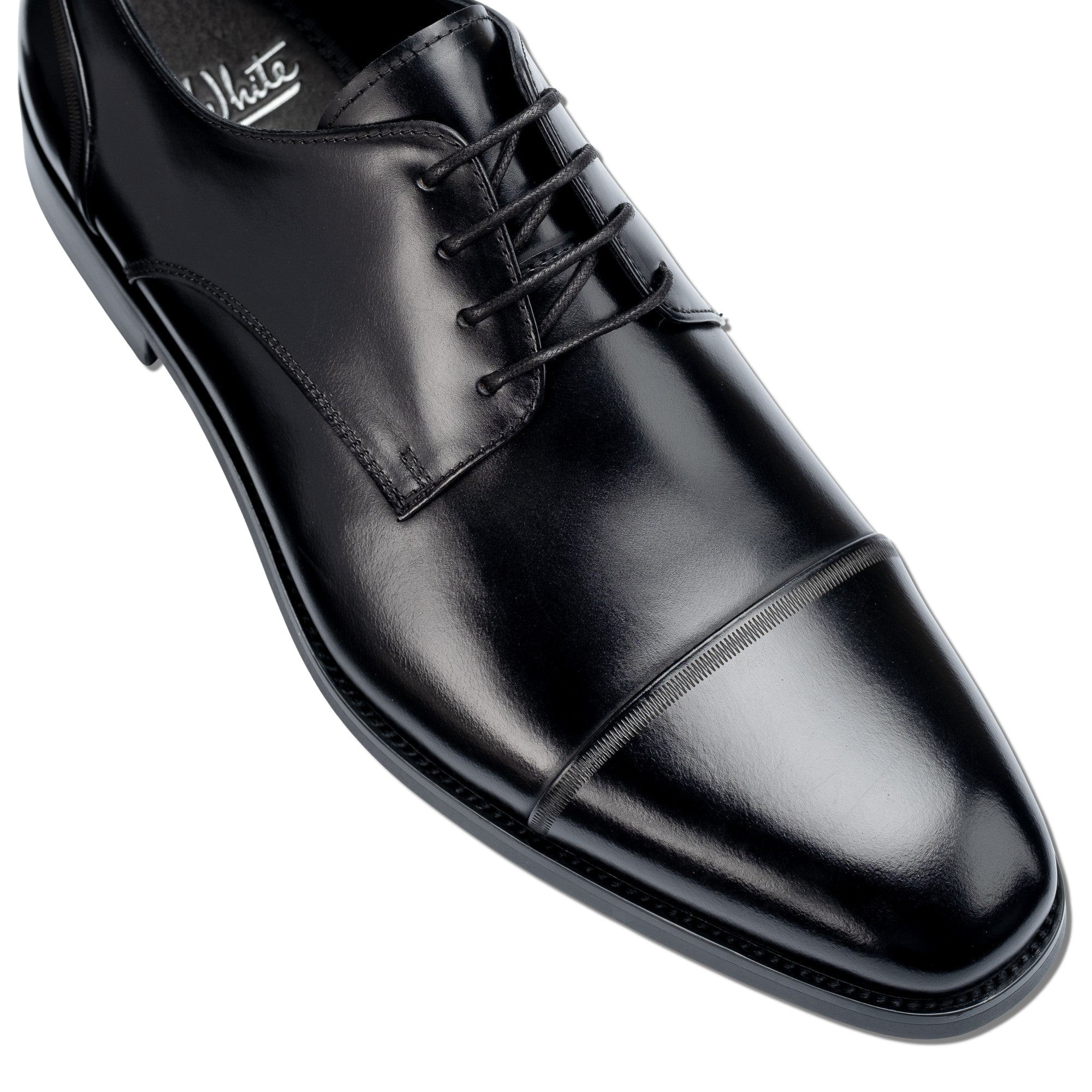
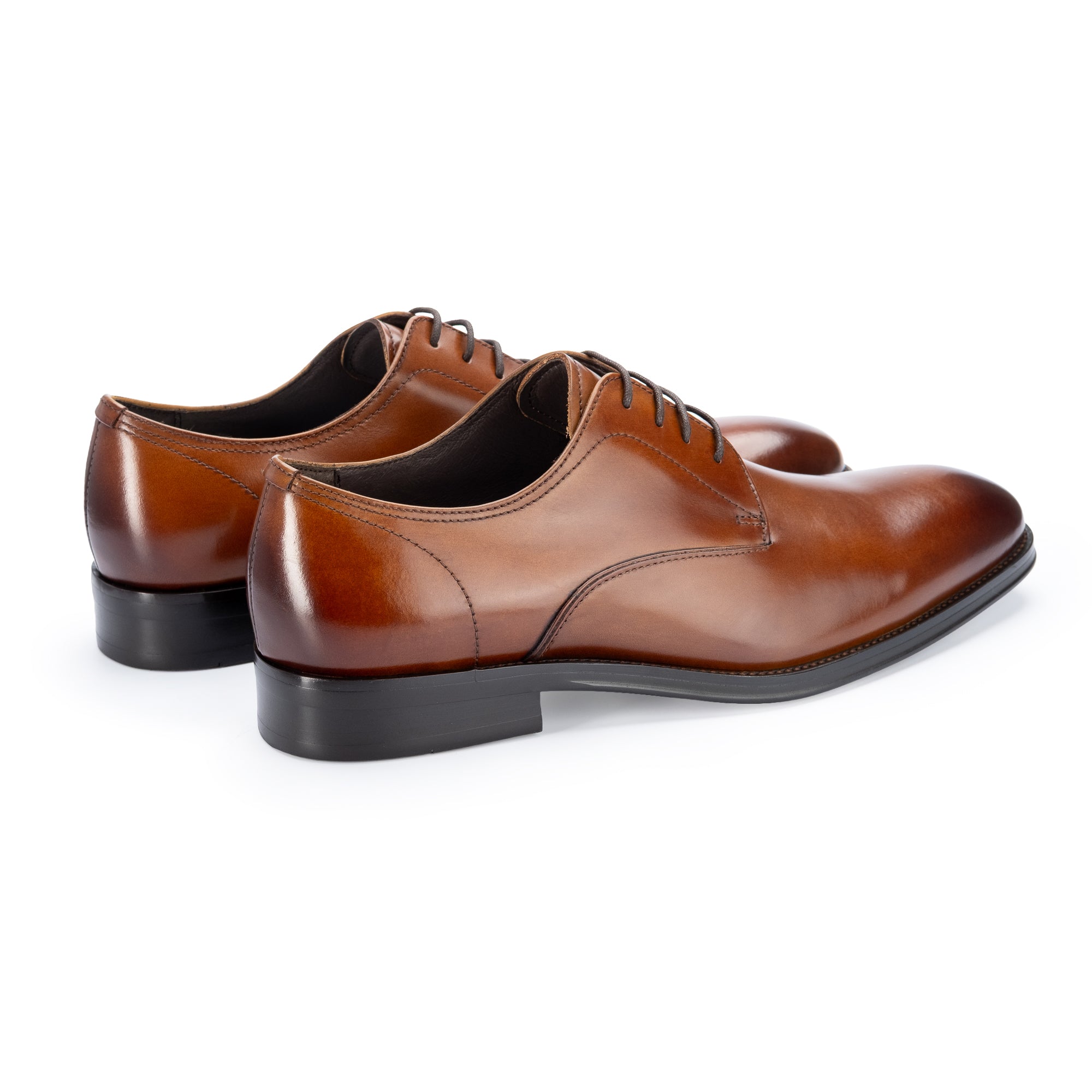
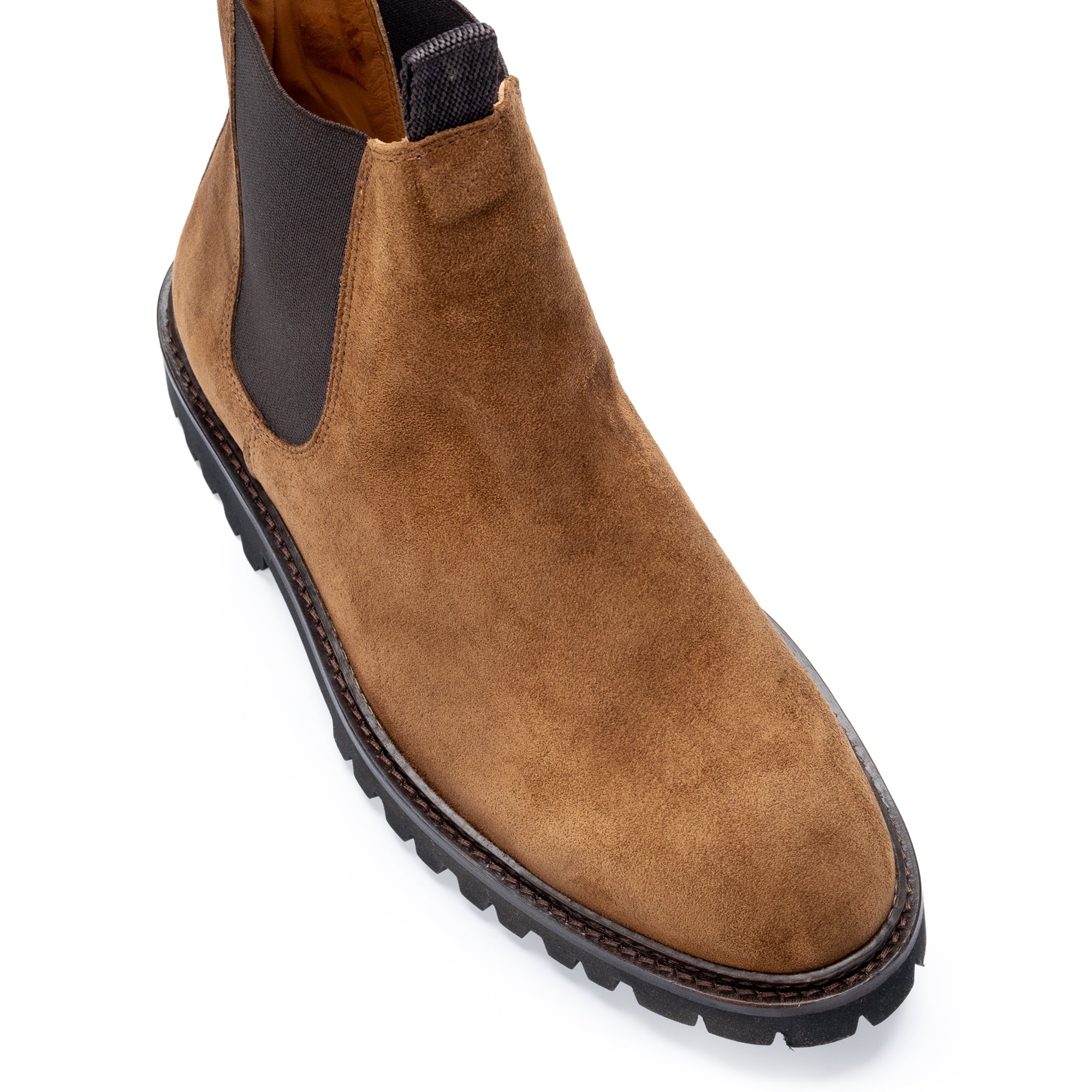
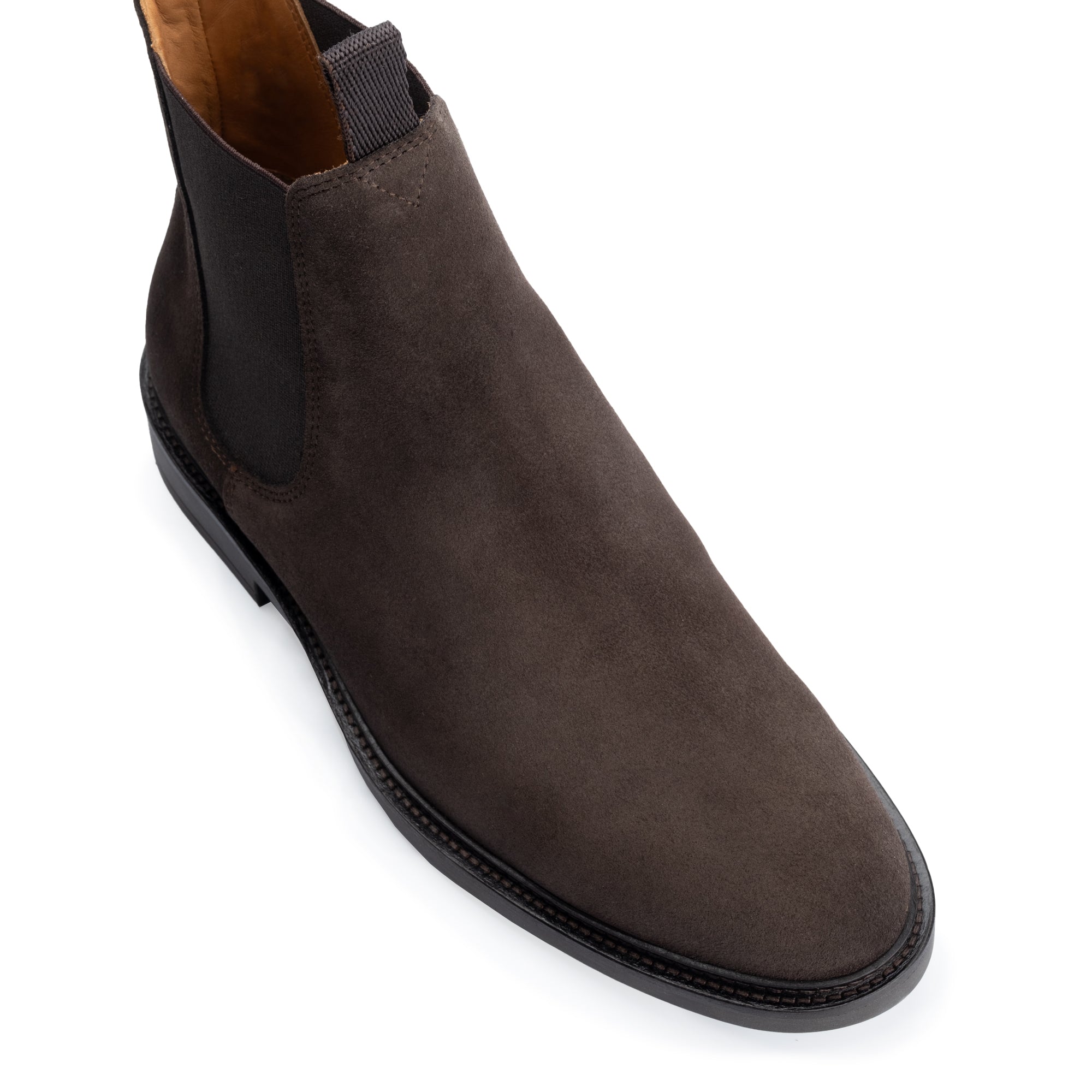
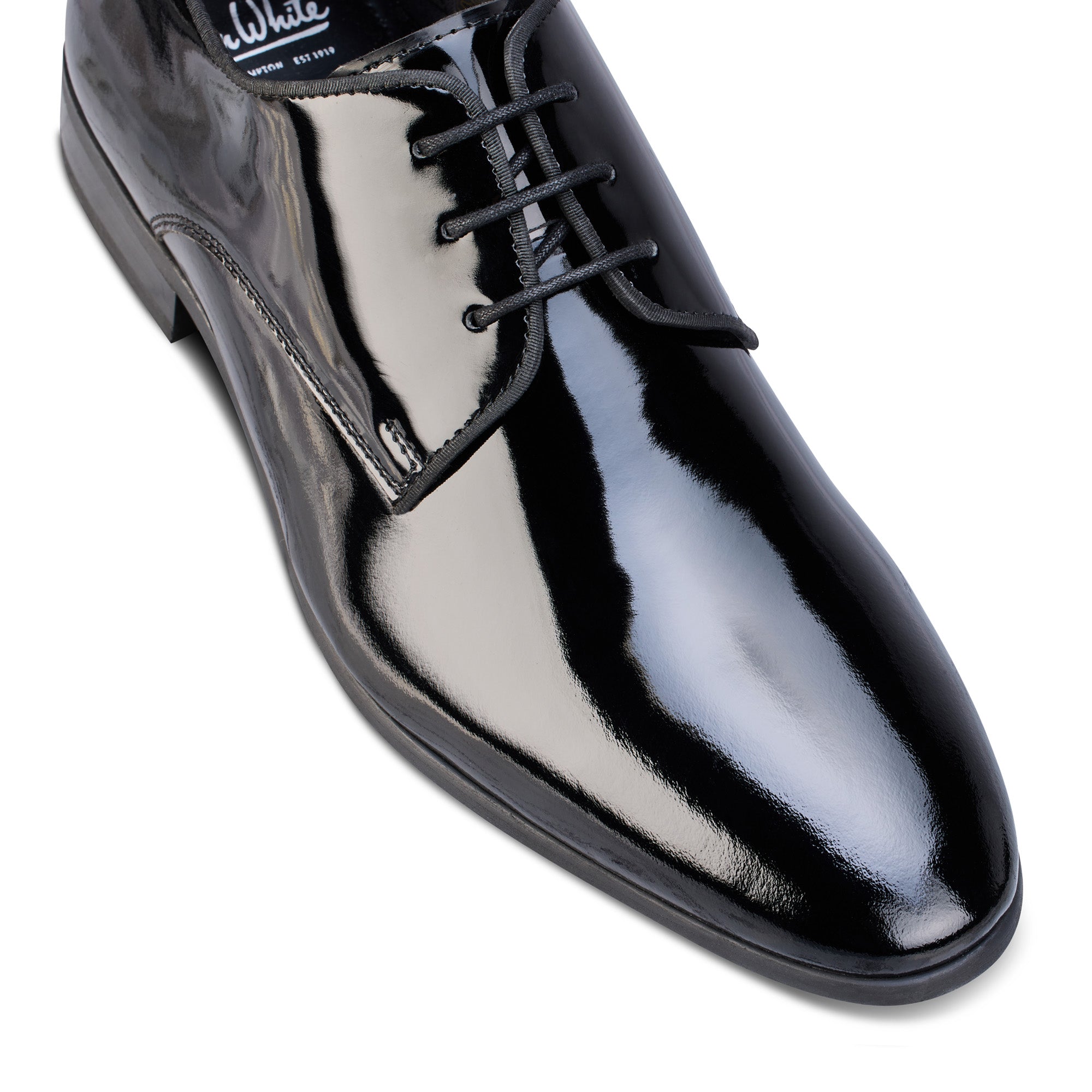
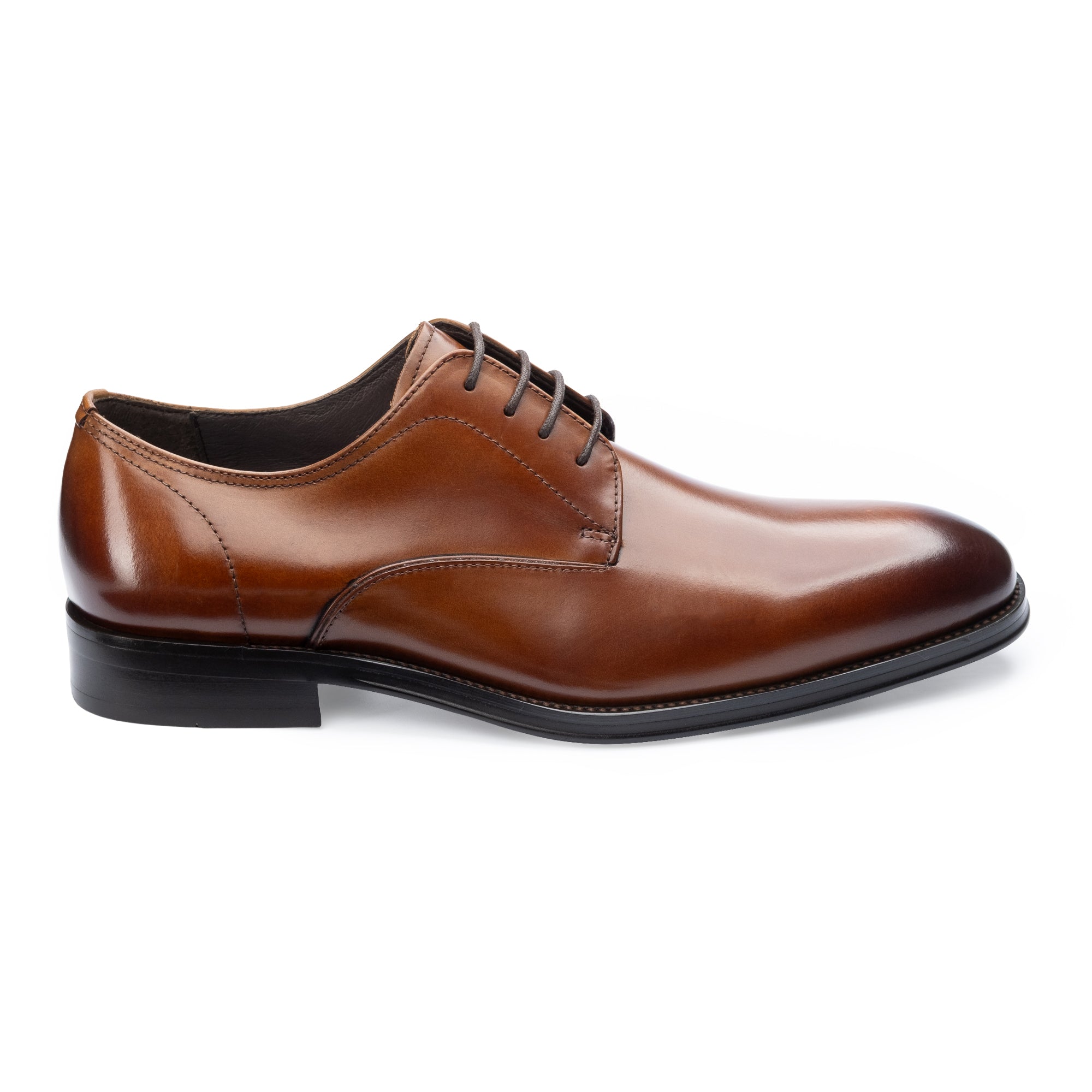
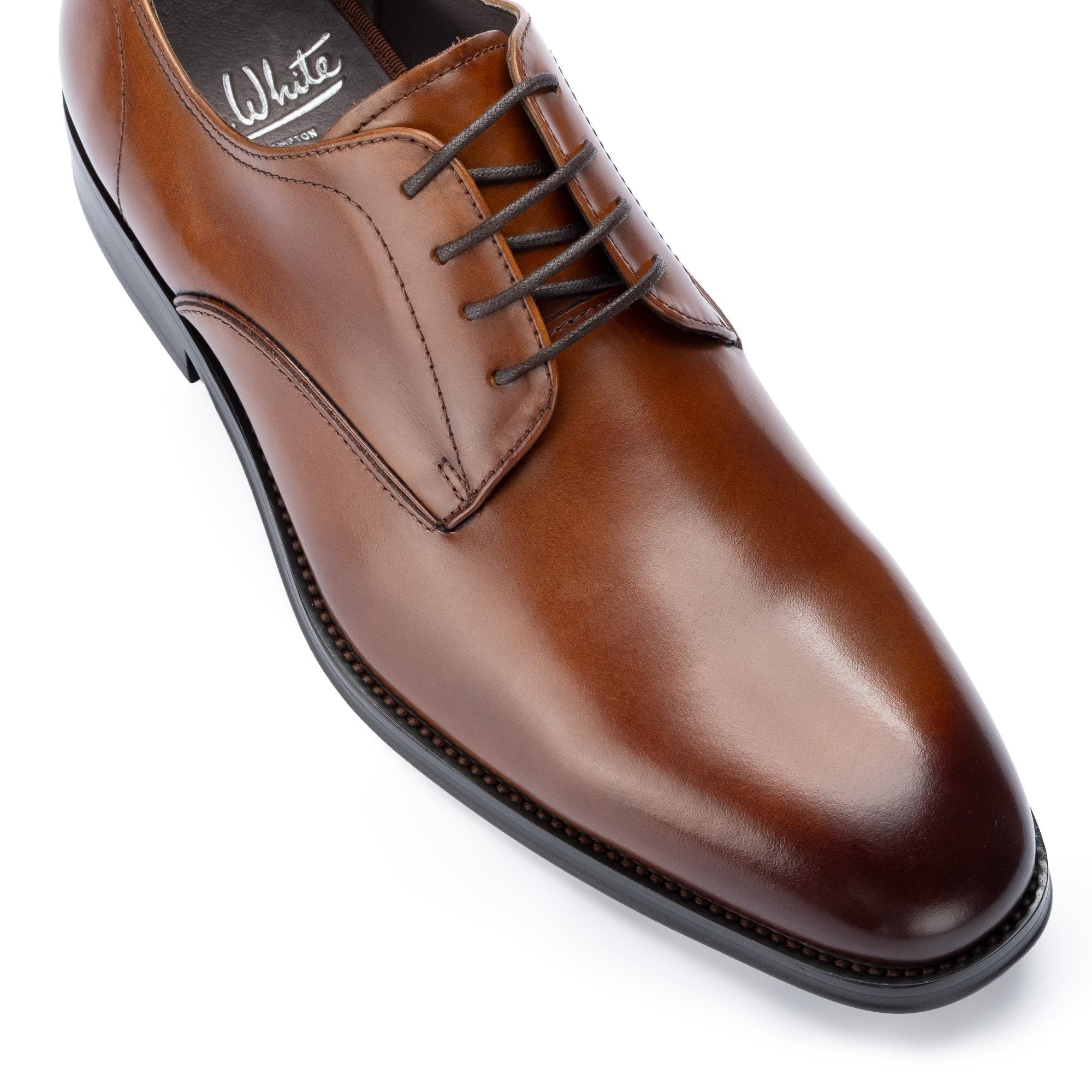
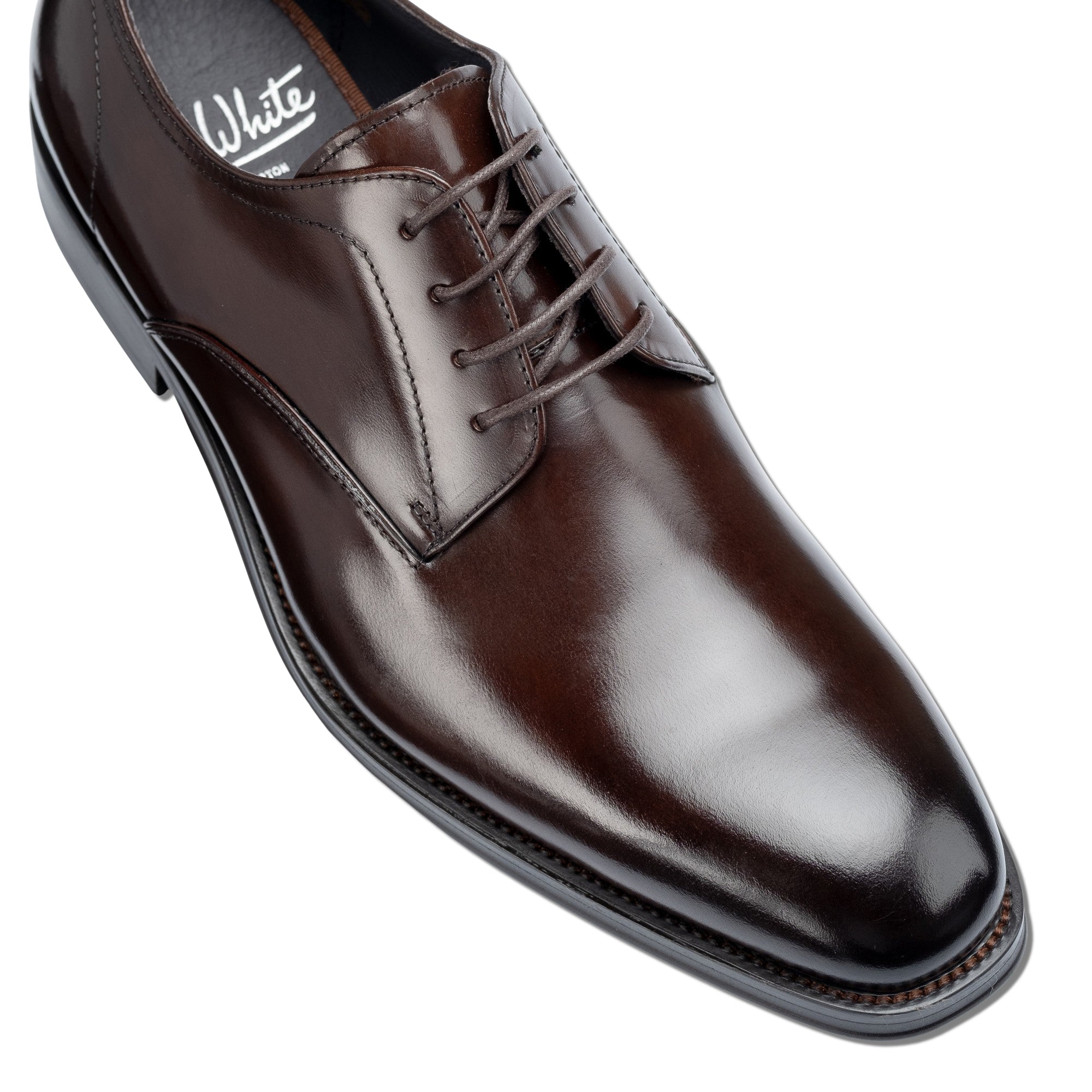
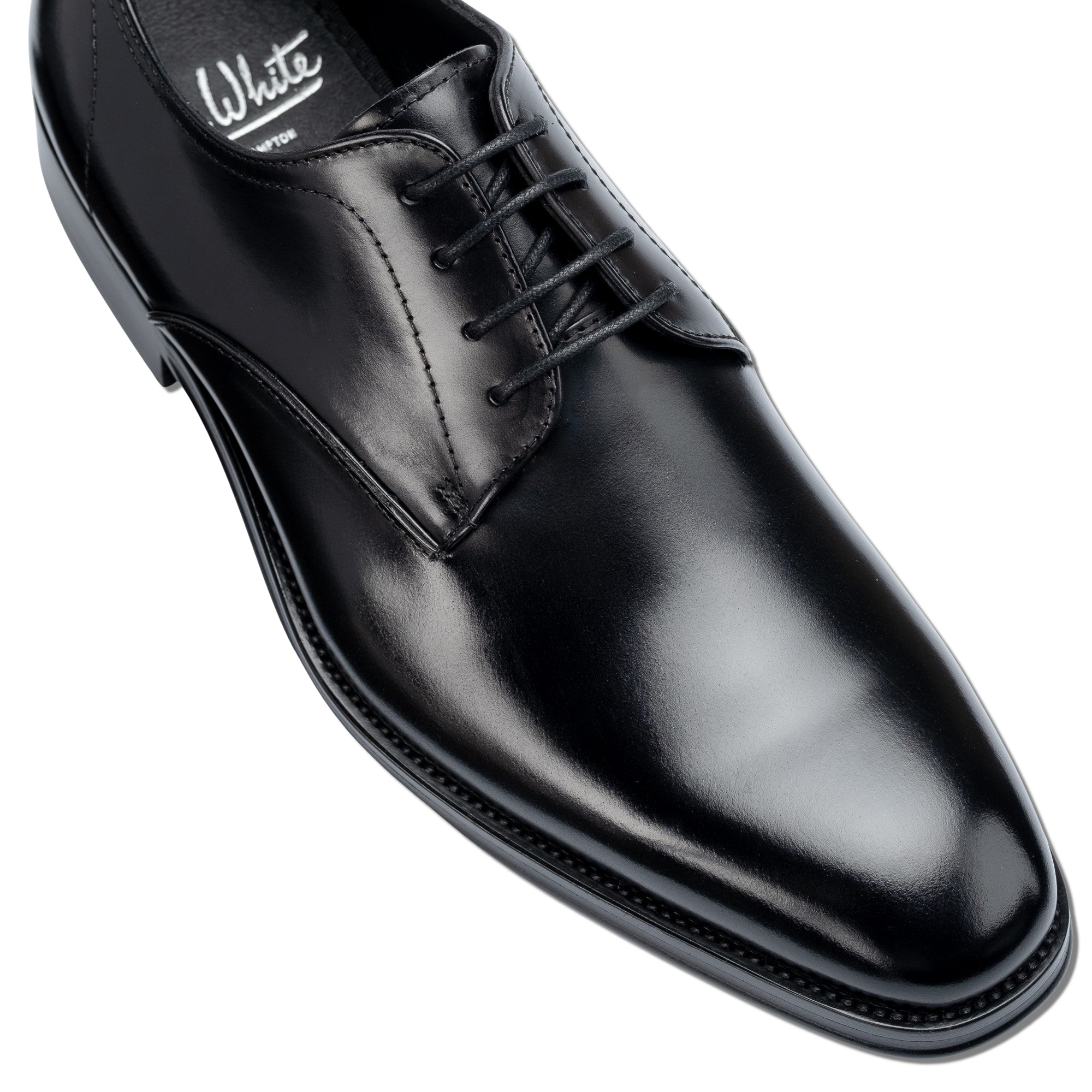
- The Top-line: This is the upper edge of the shoe's opening. On a quality shoe, this line should be clean, smooth, and symmetrical, sitting comfortably below the ankle bone without gaping or digging in.
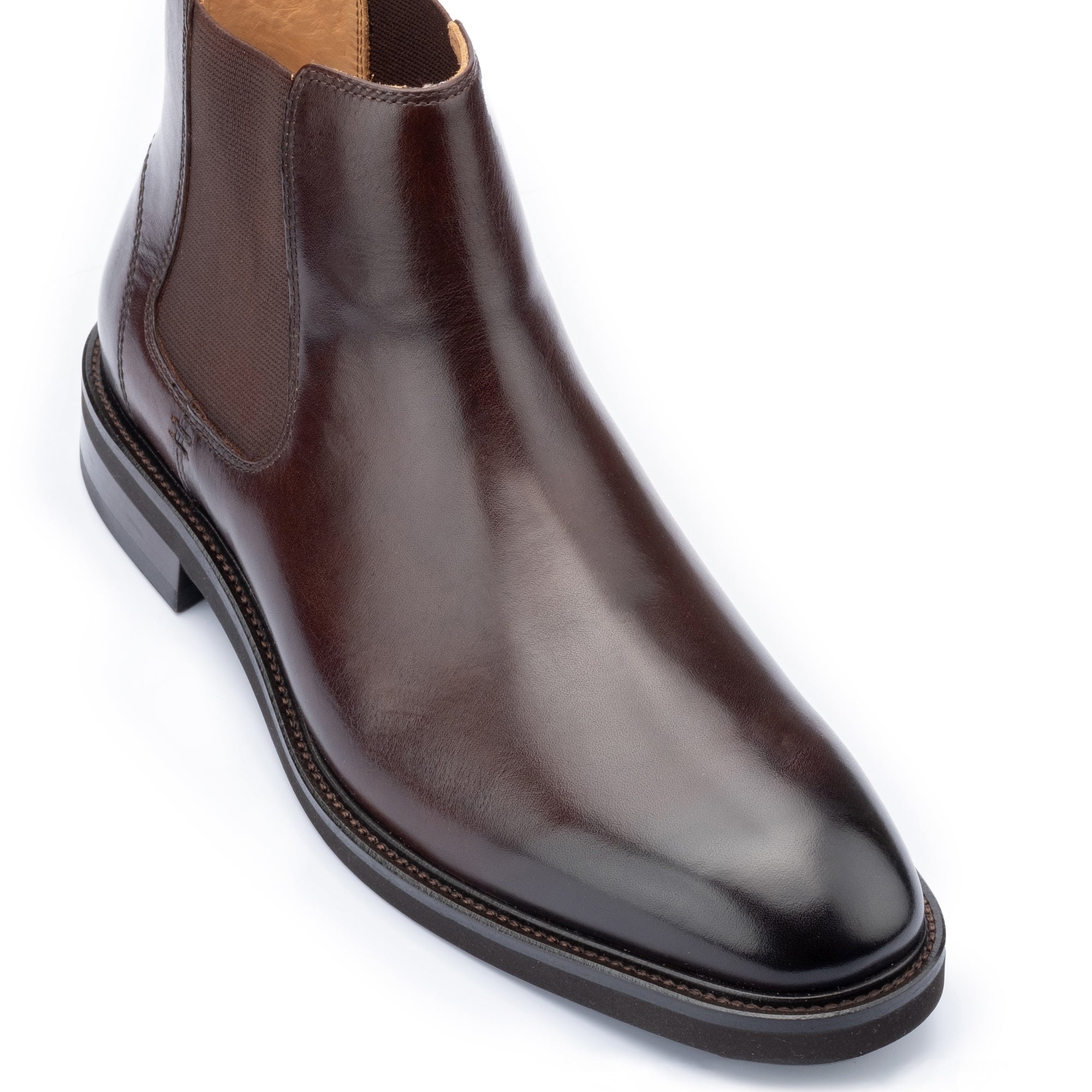
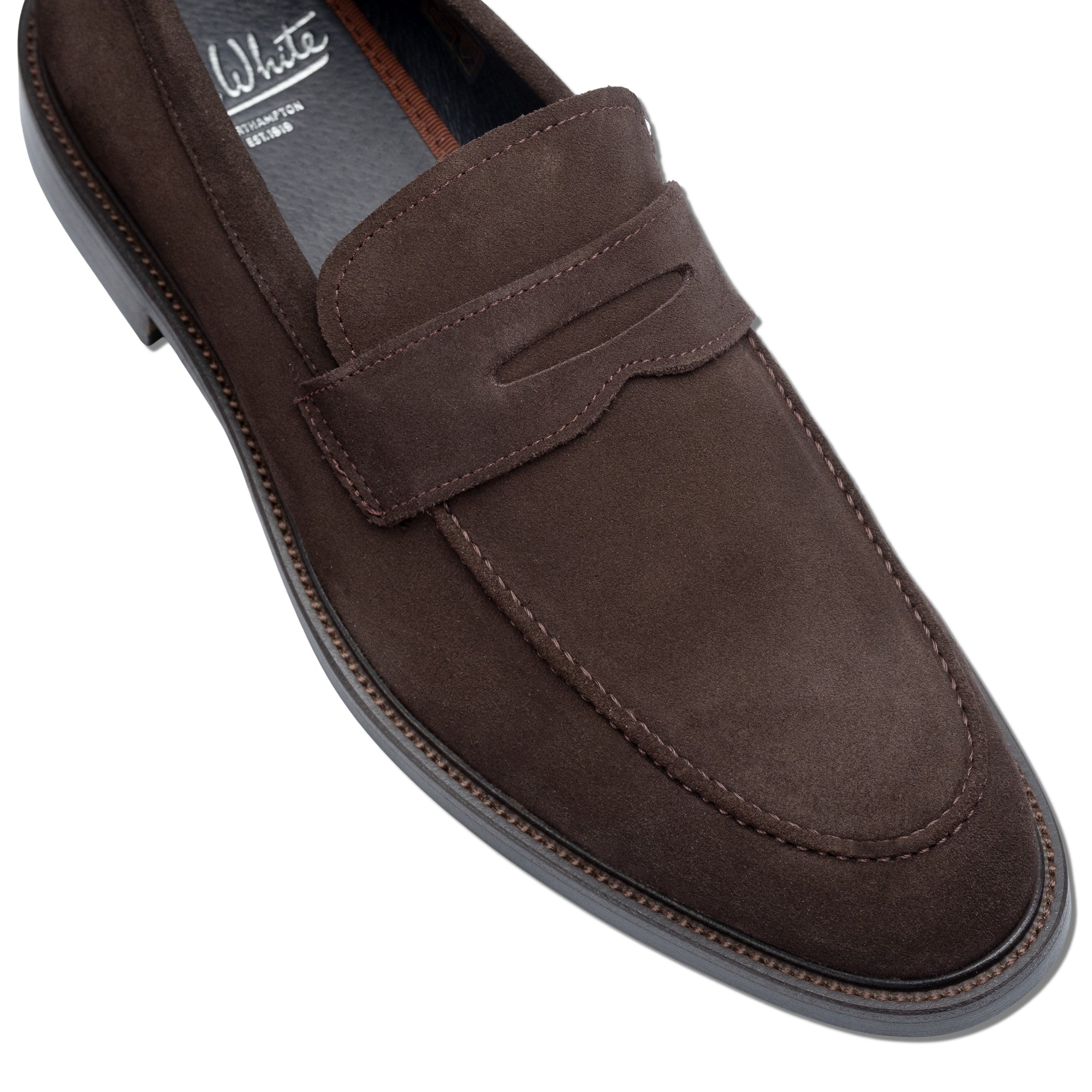
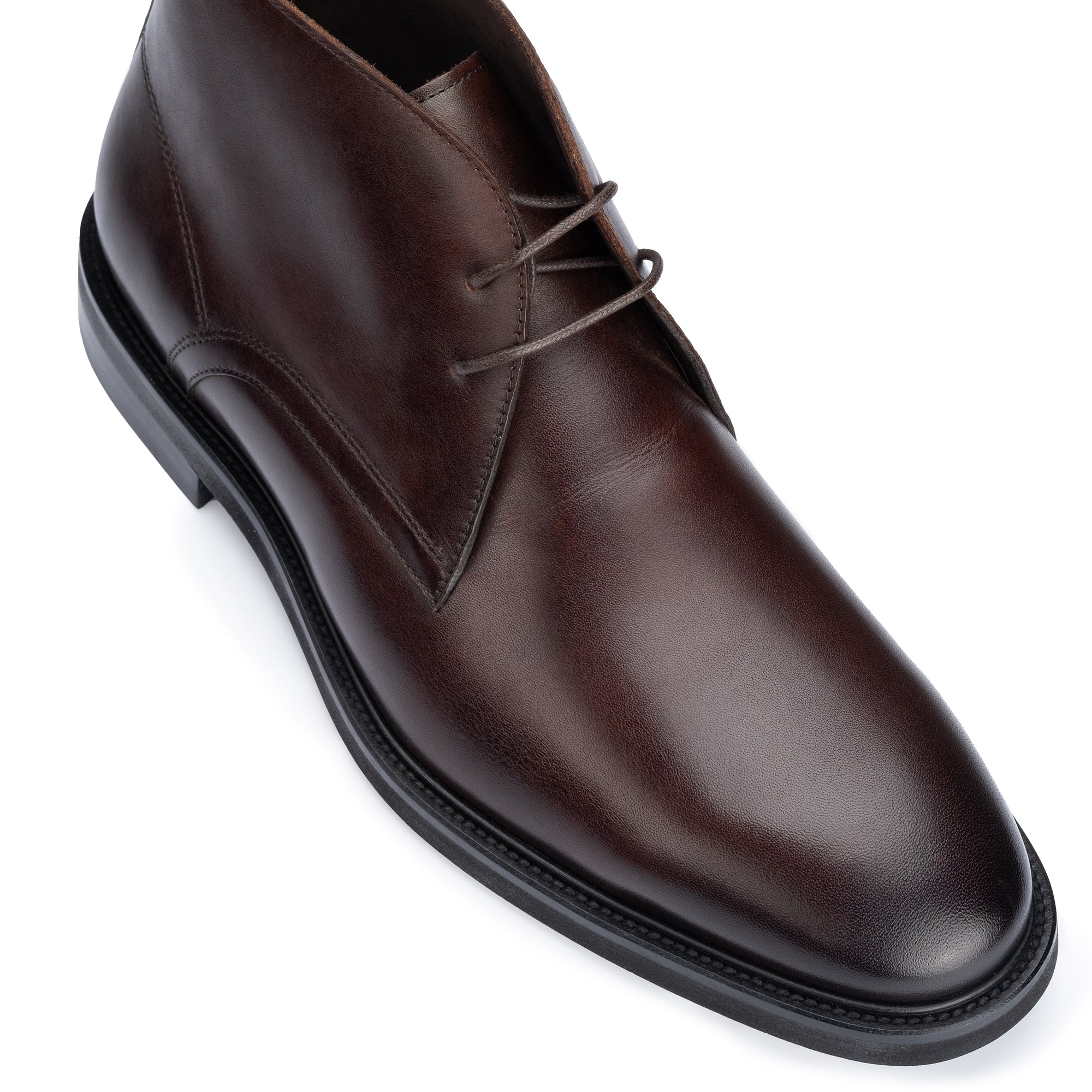
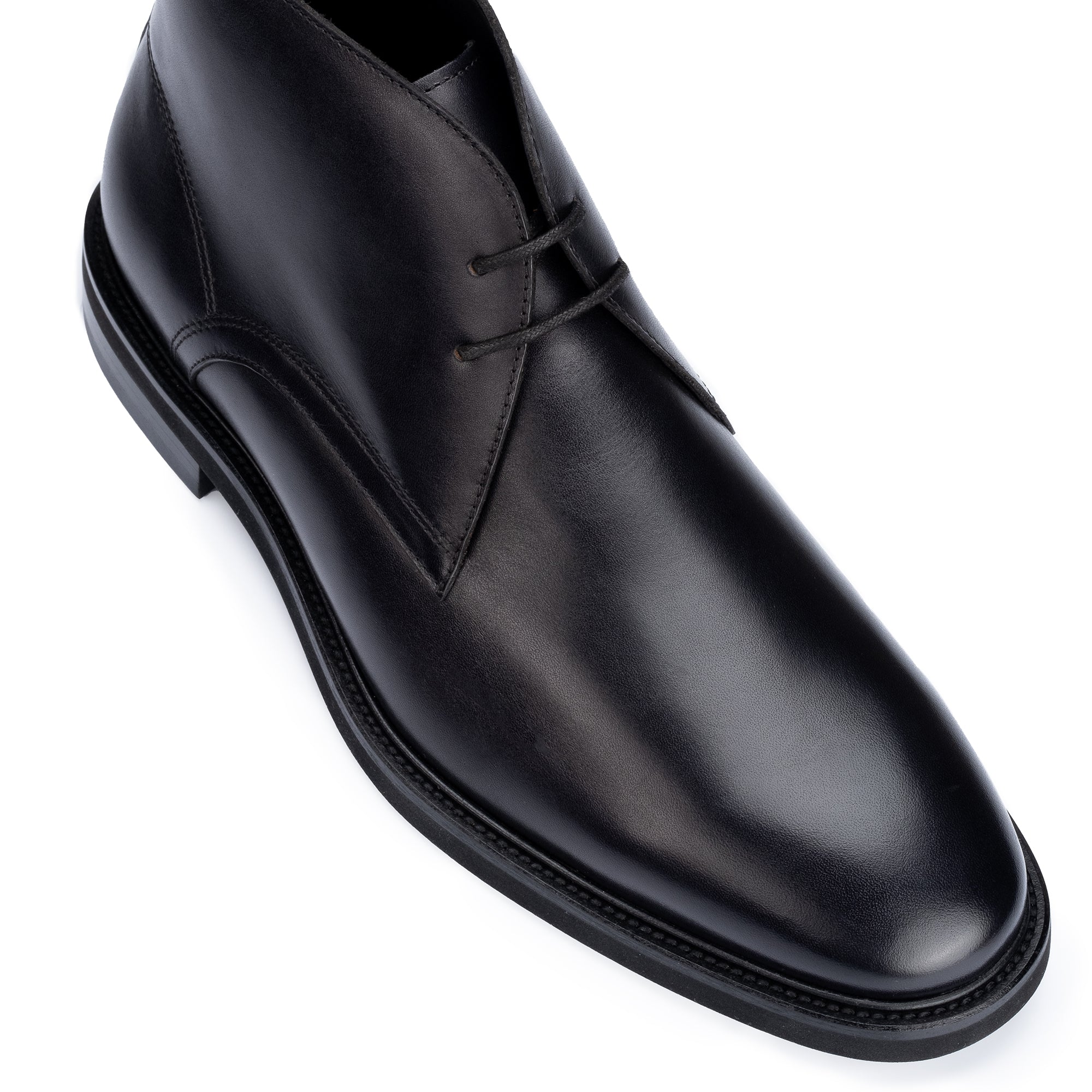
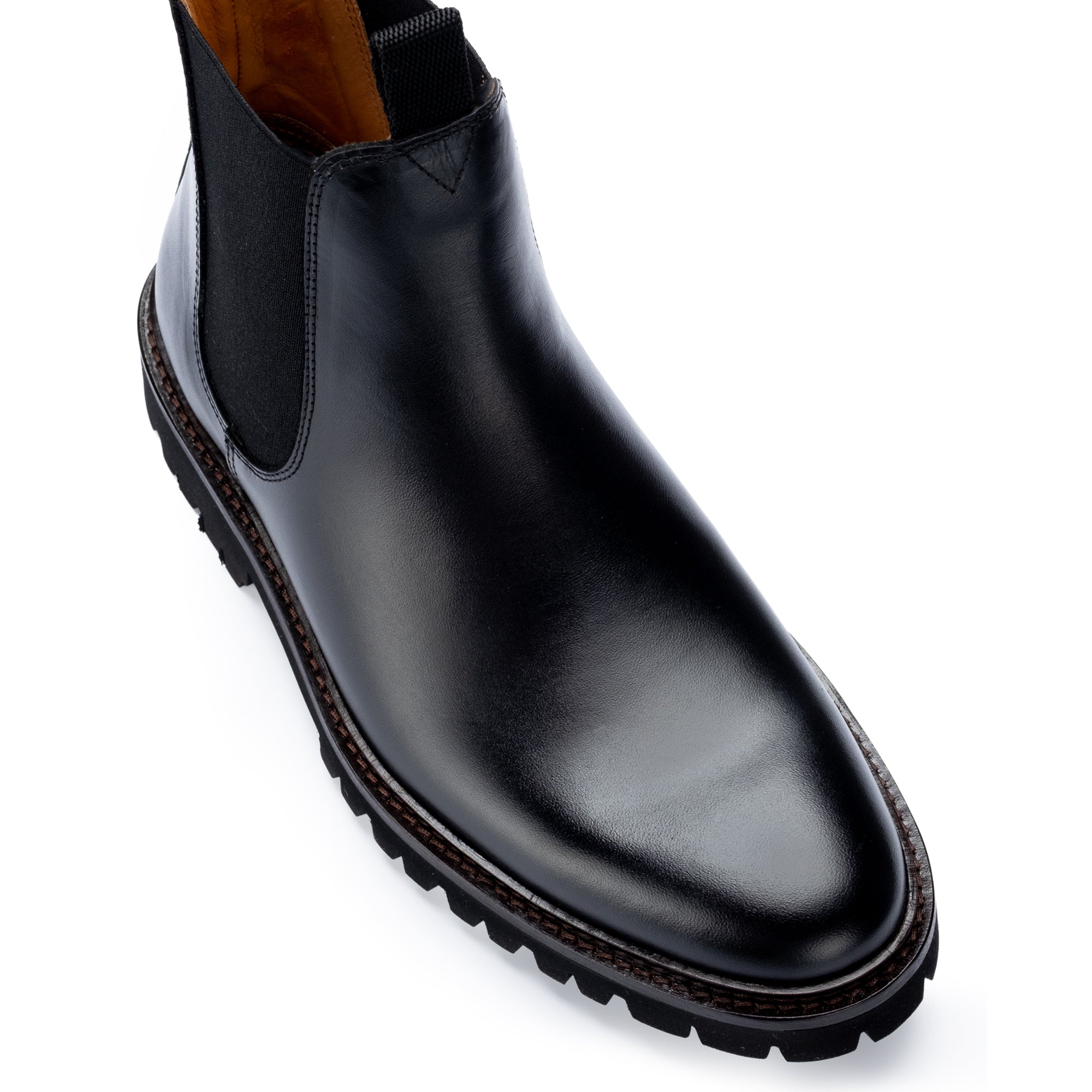
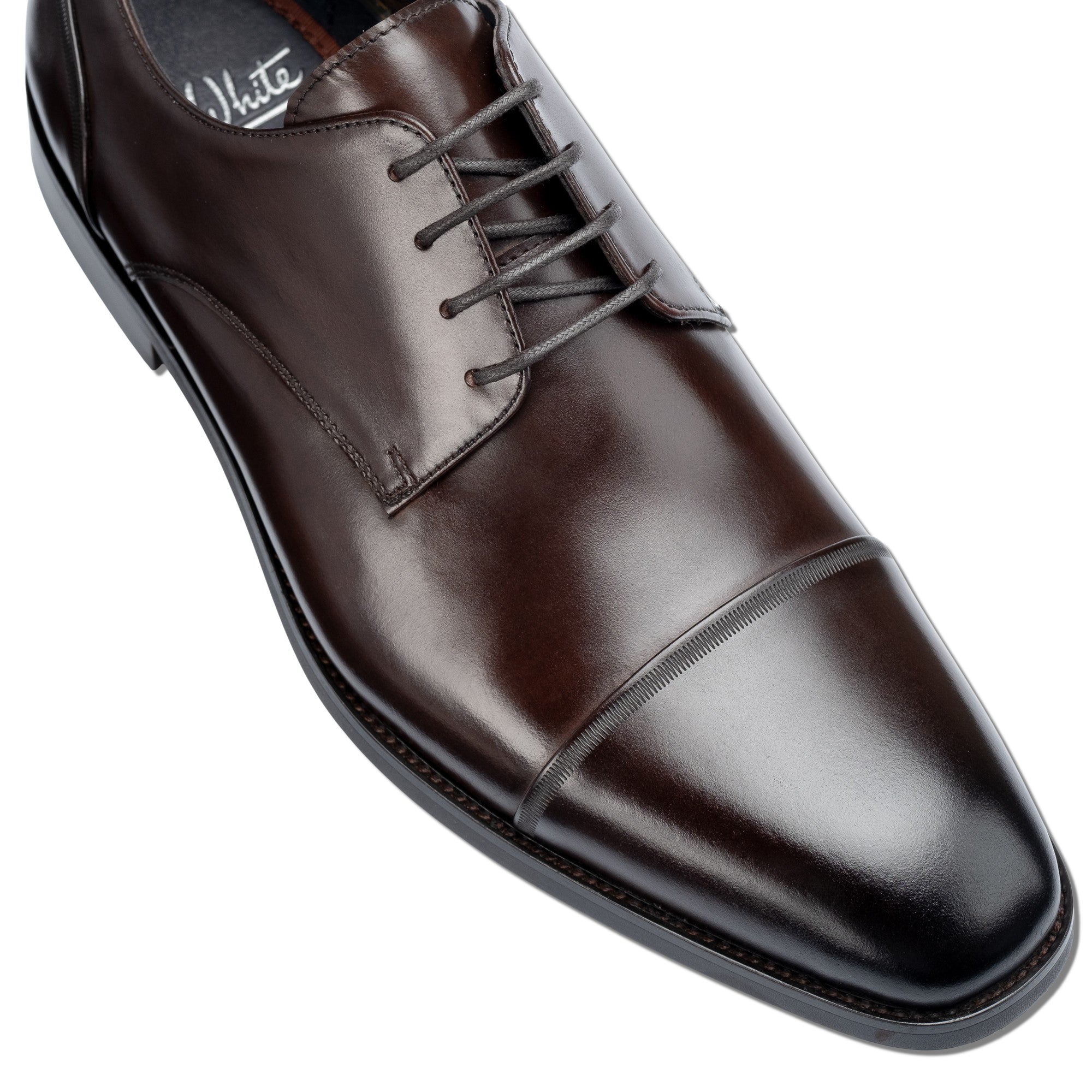
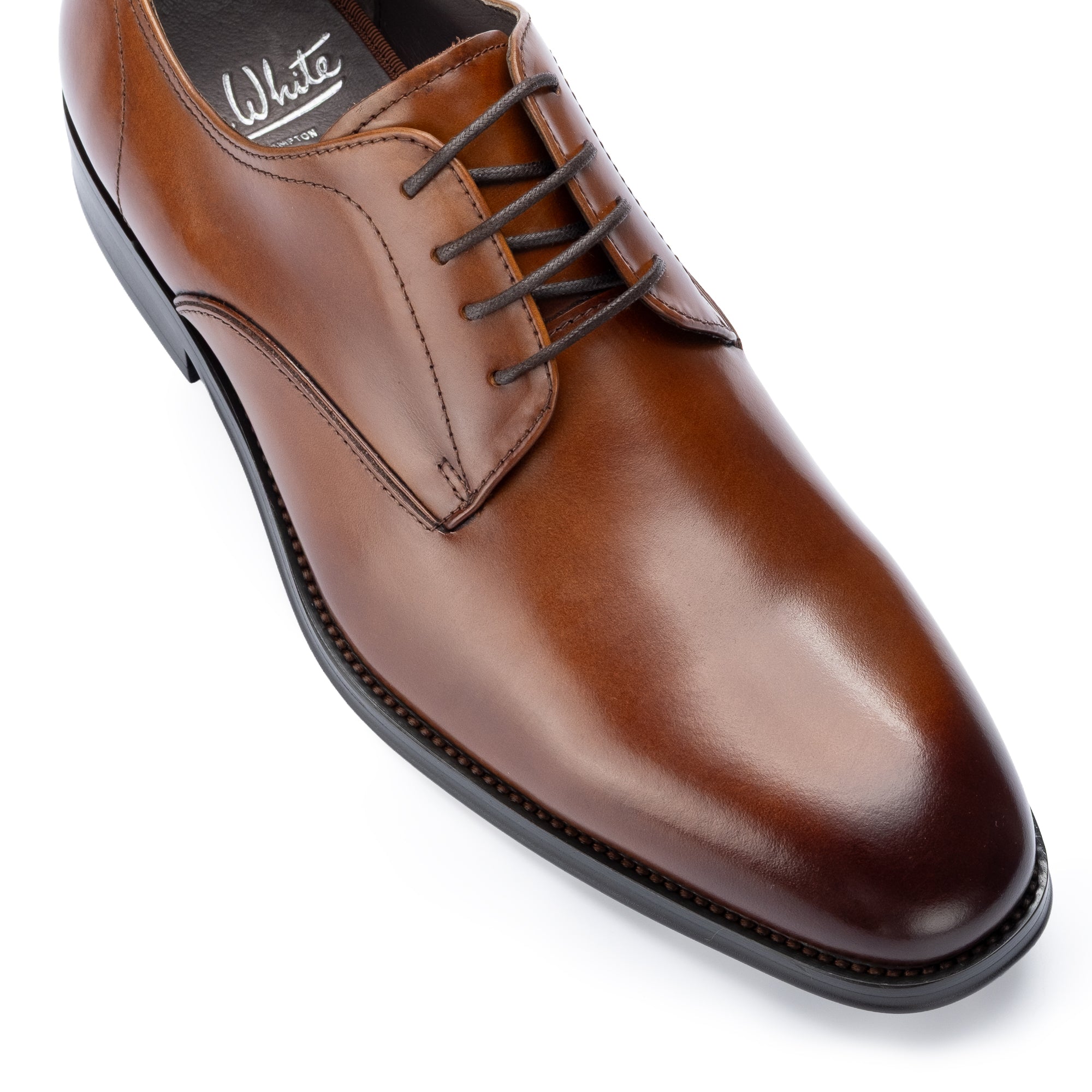
- The Feather Line: This is the all-important line where the shoe's upper is joined to the welt and sole. A precise, tightly trimmed feather line indicates a high degree of skill in the lasting and welting process.
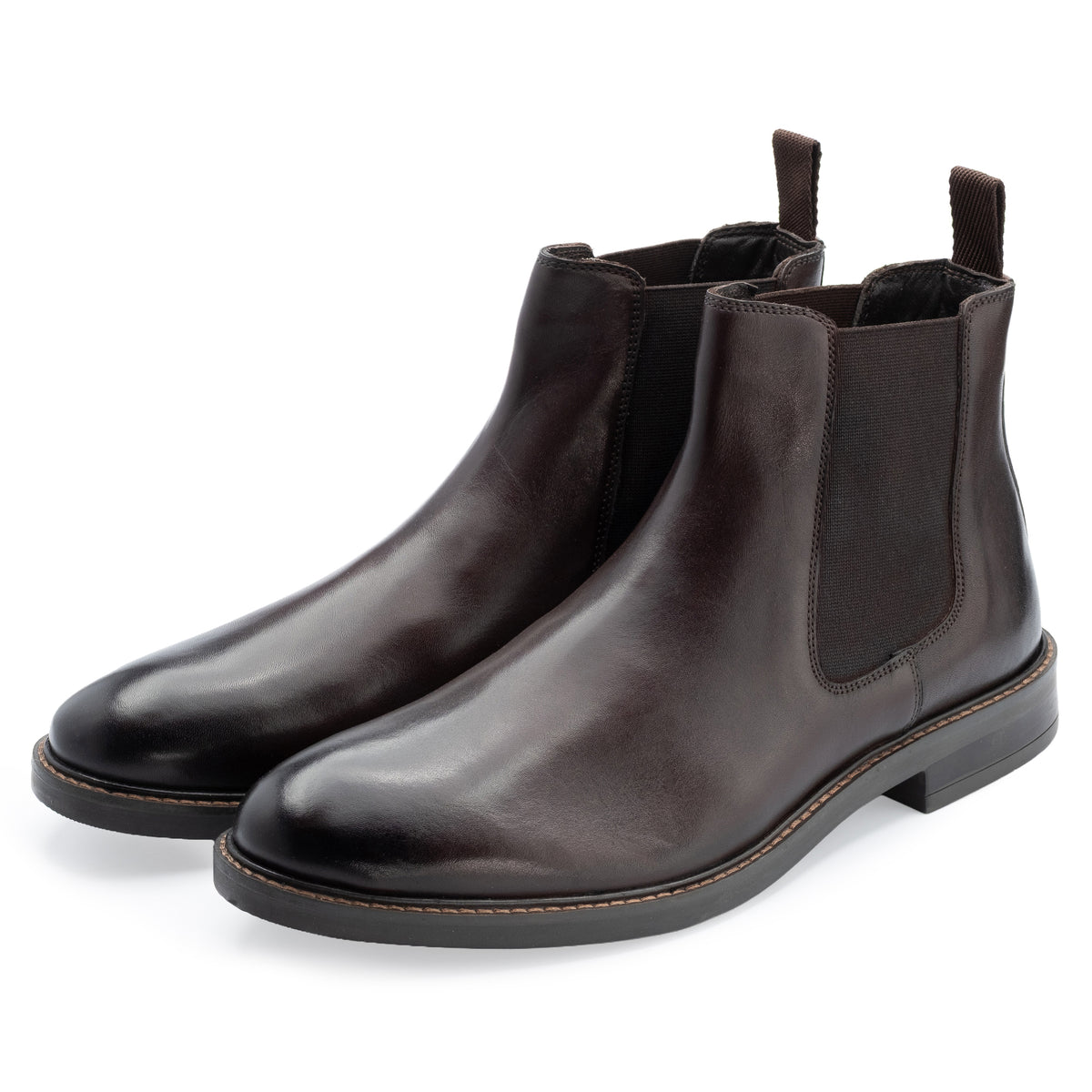
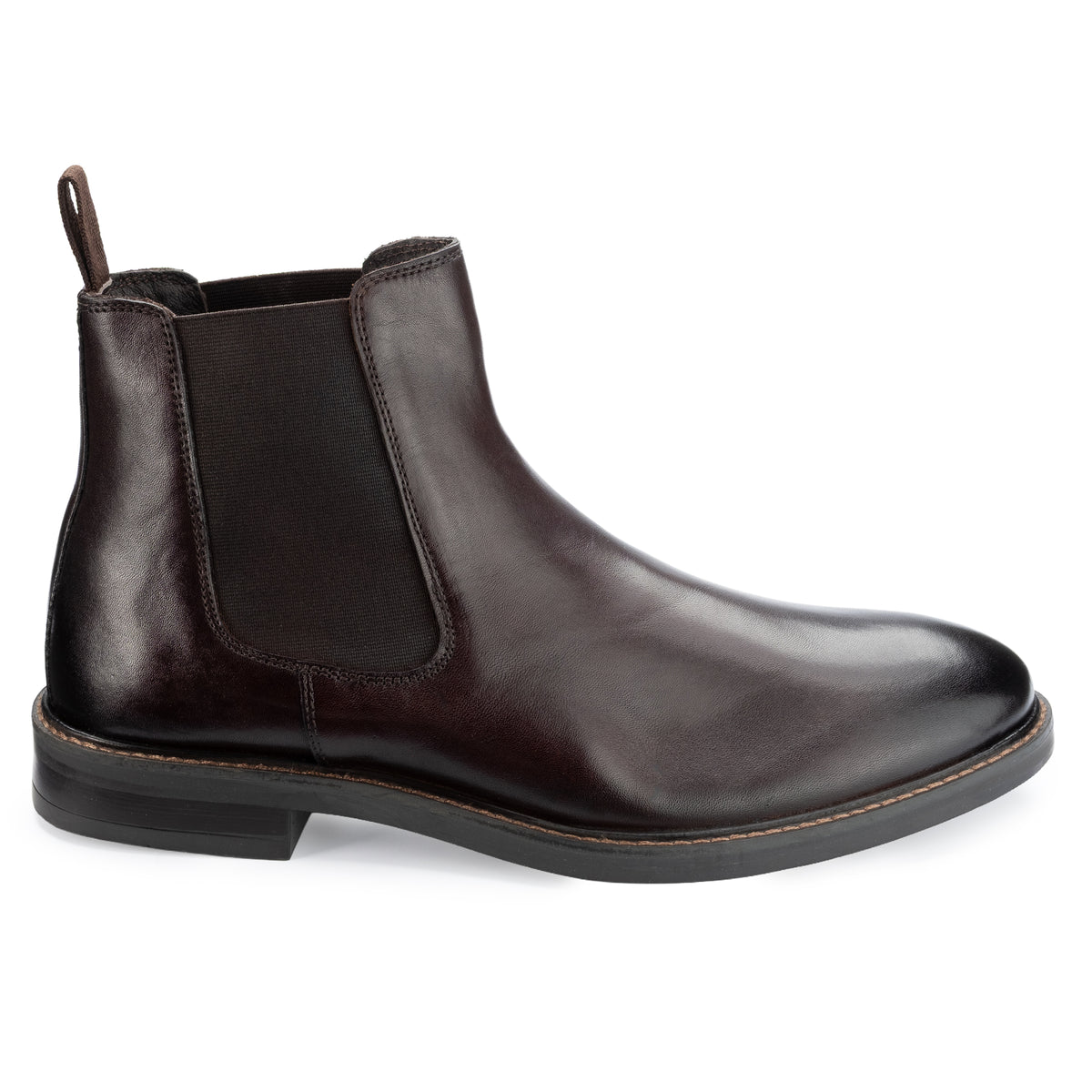
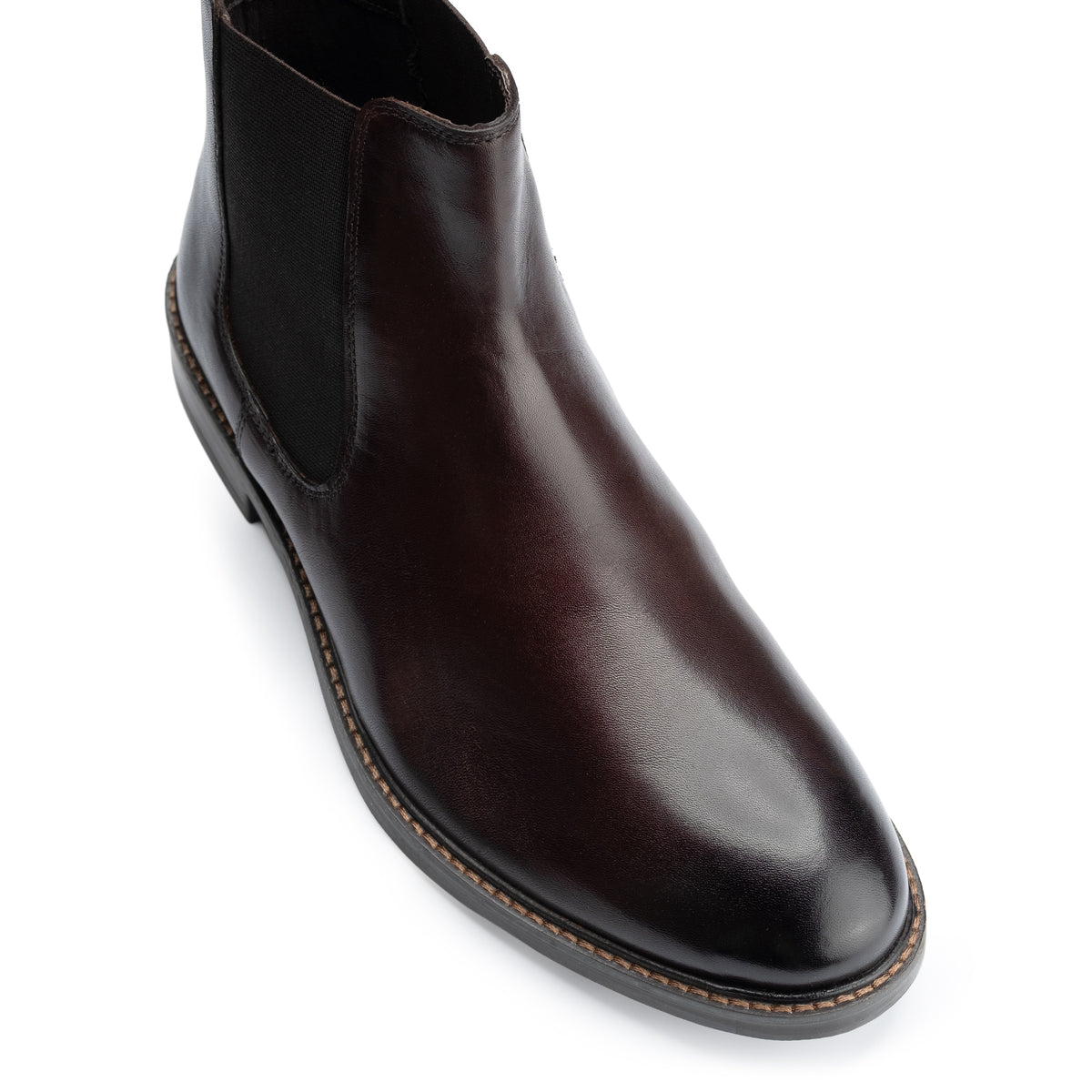
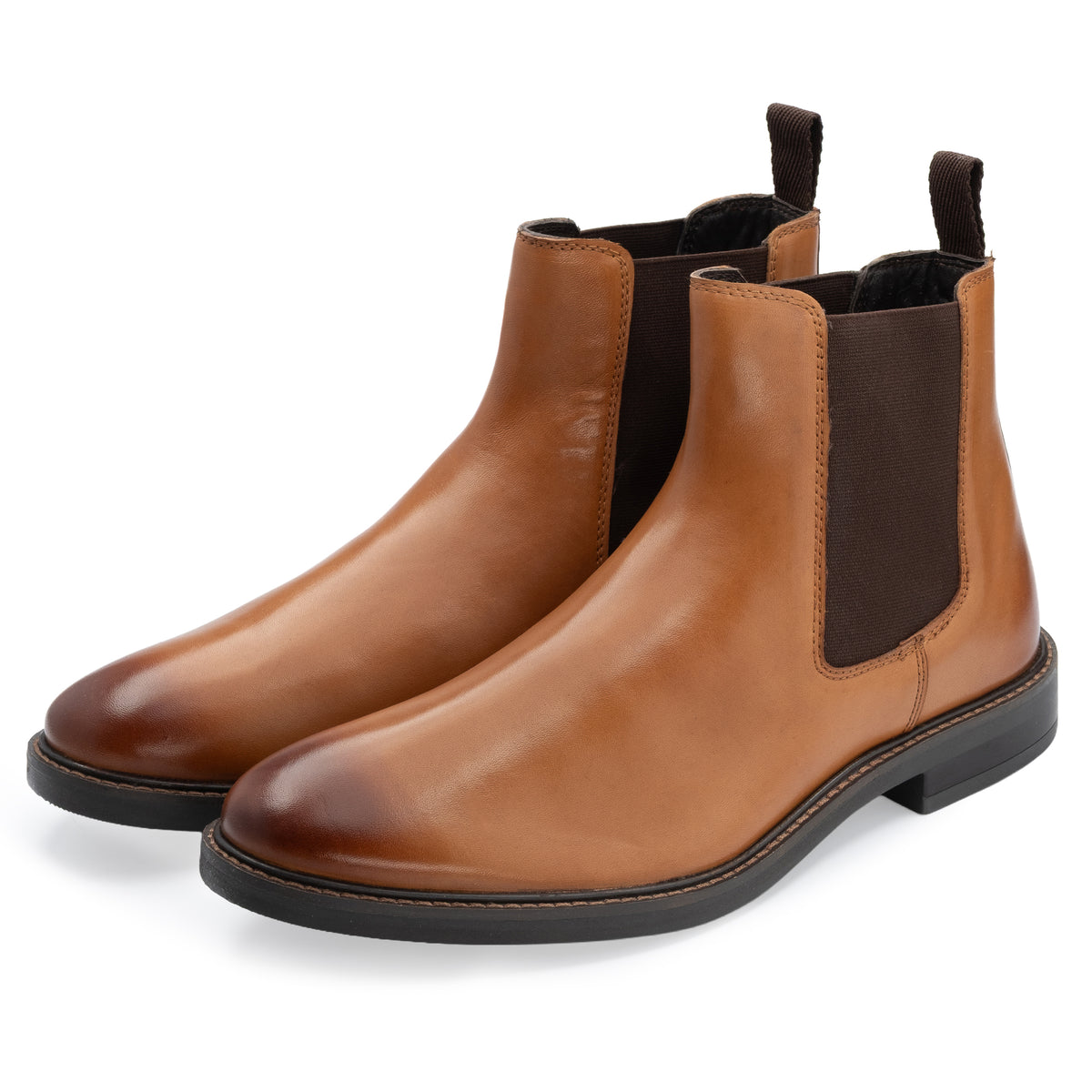
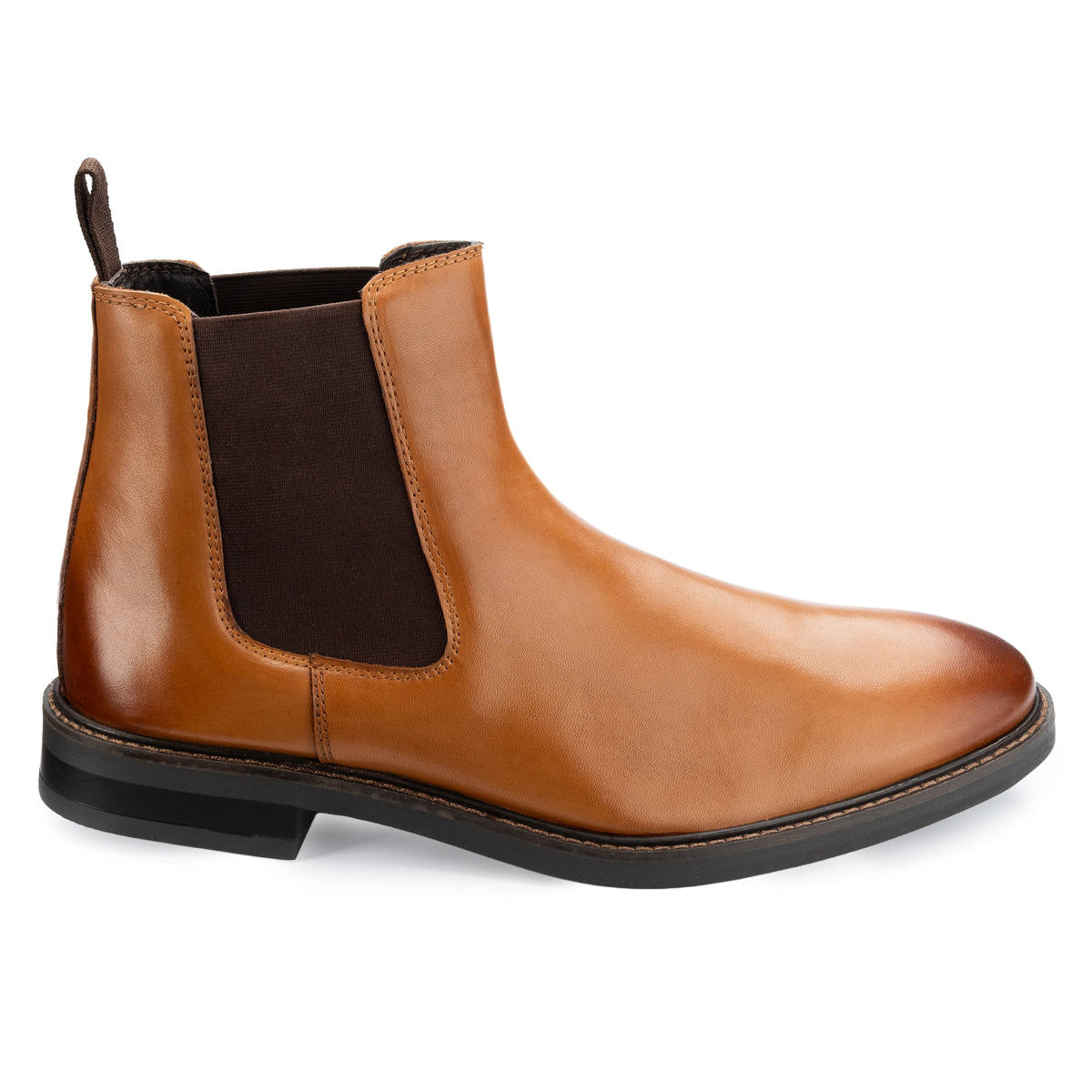
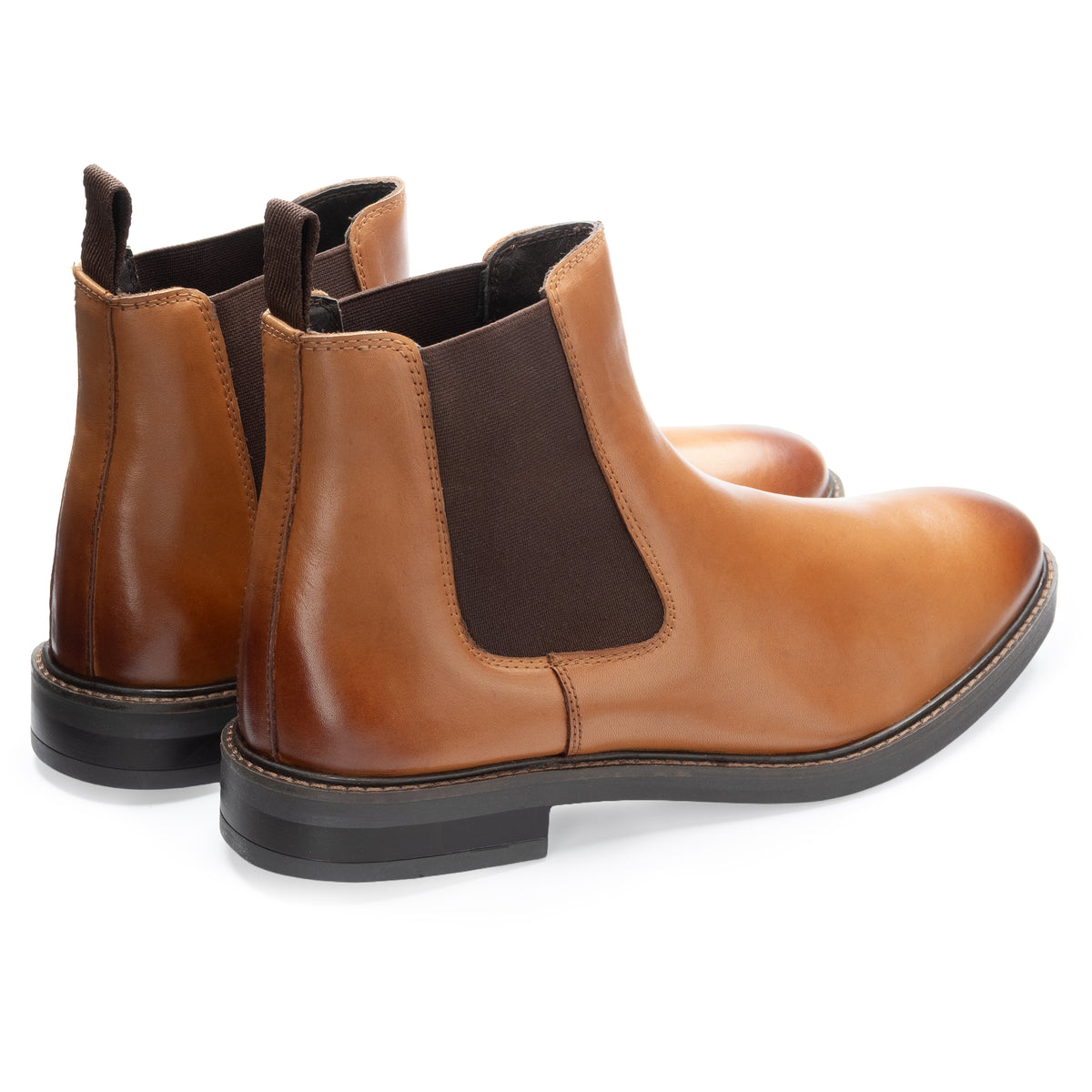
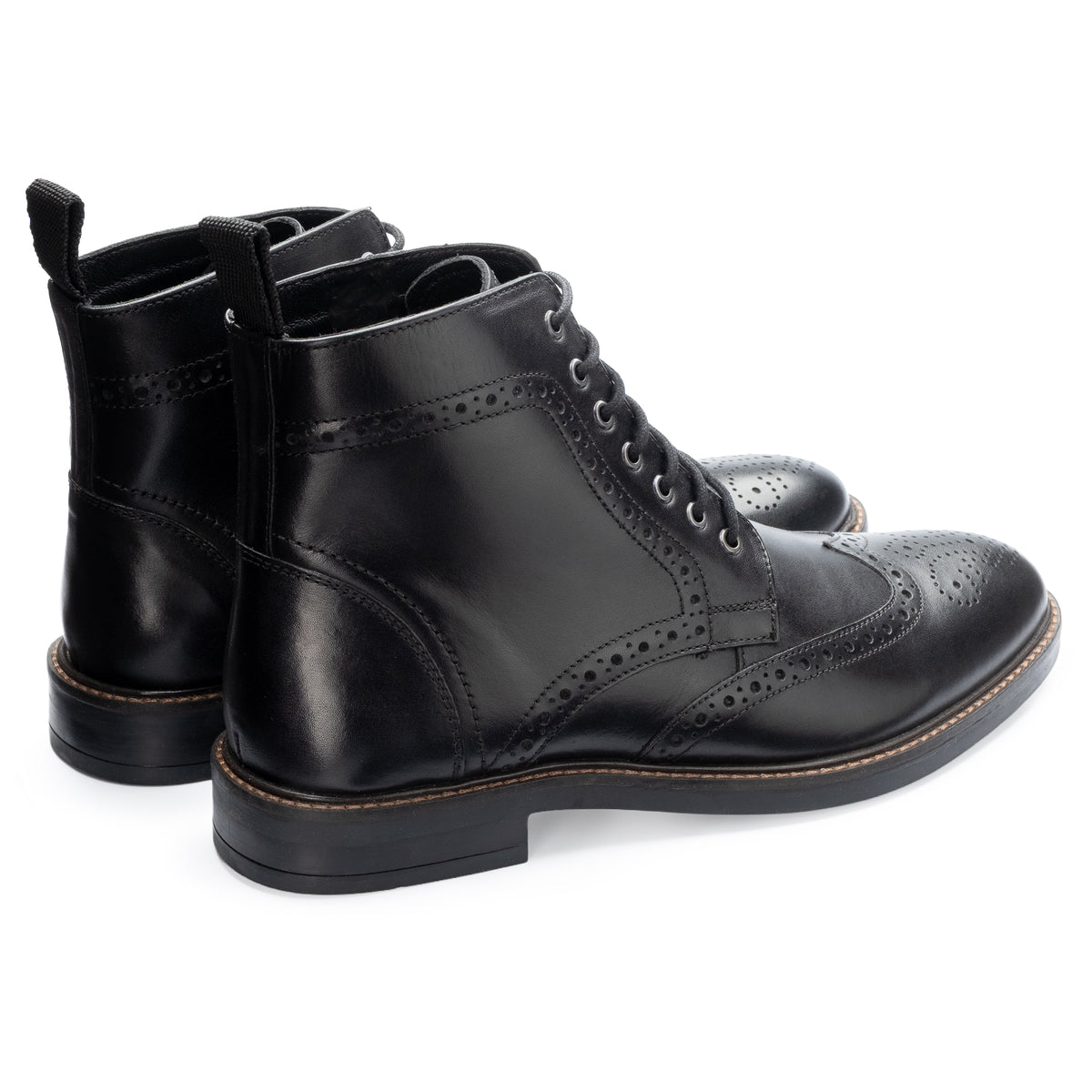
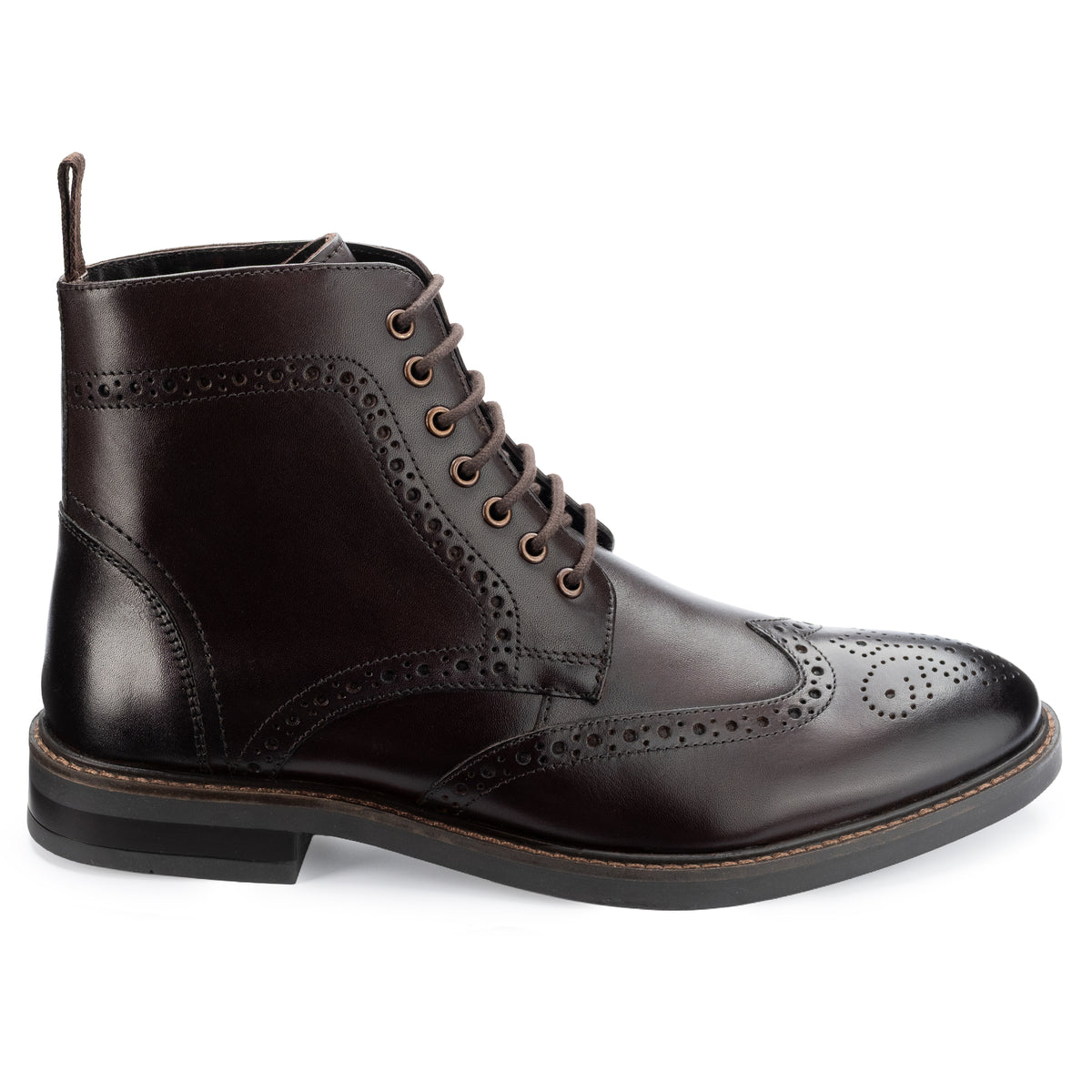
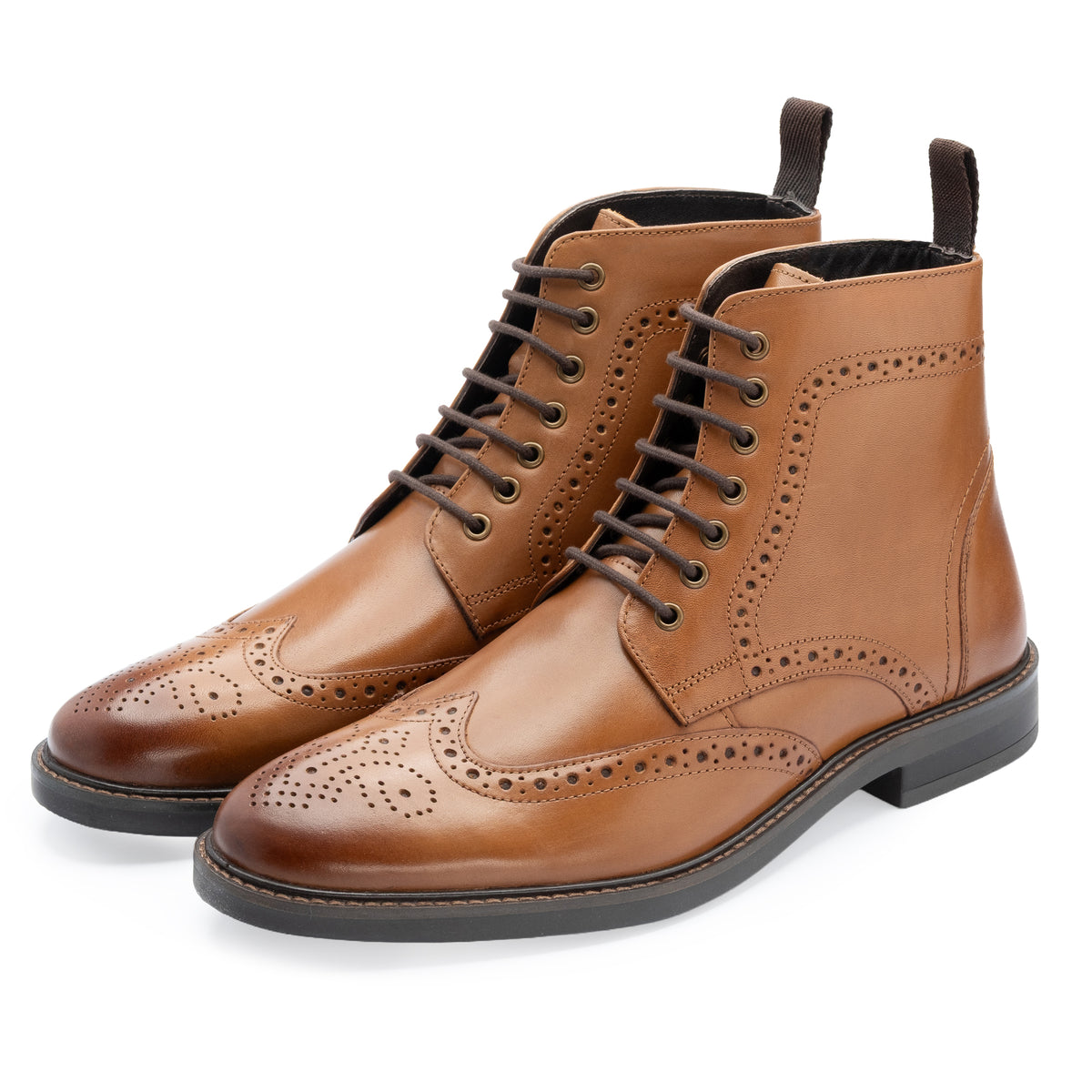
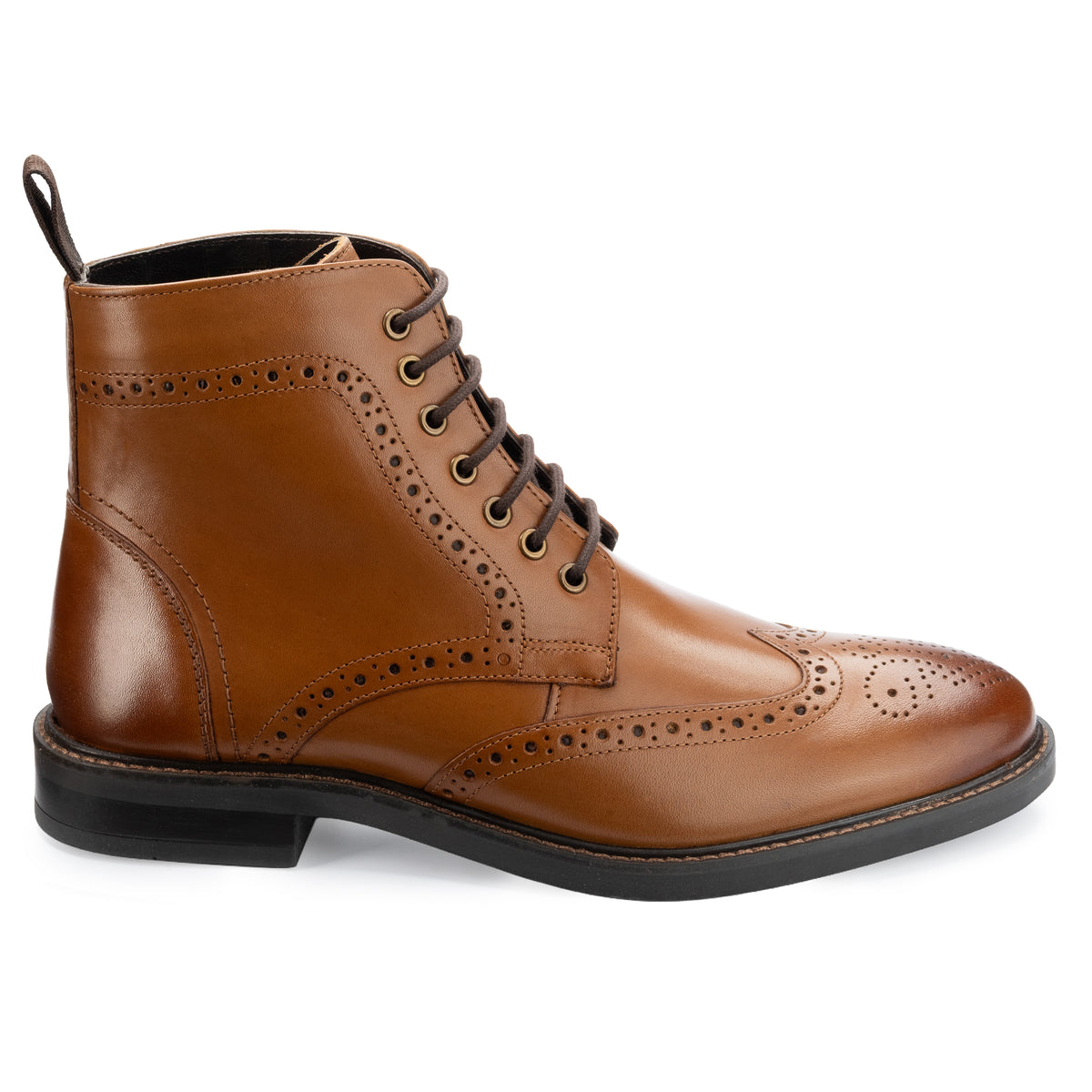
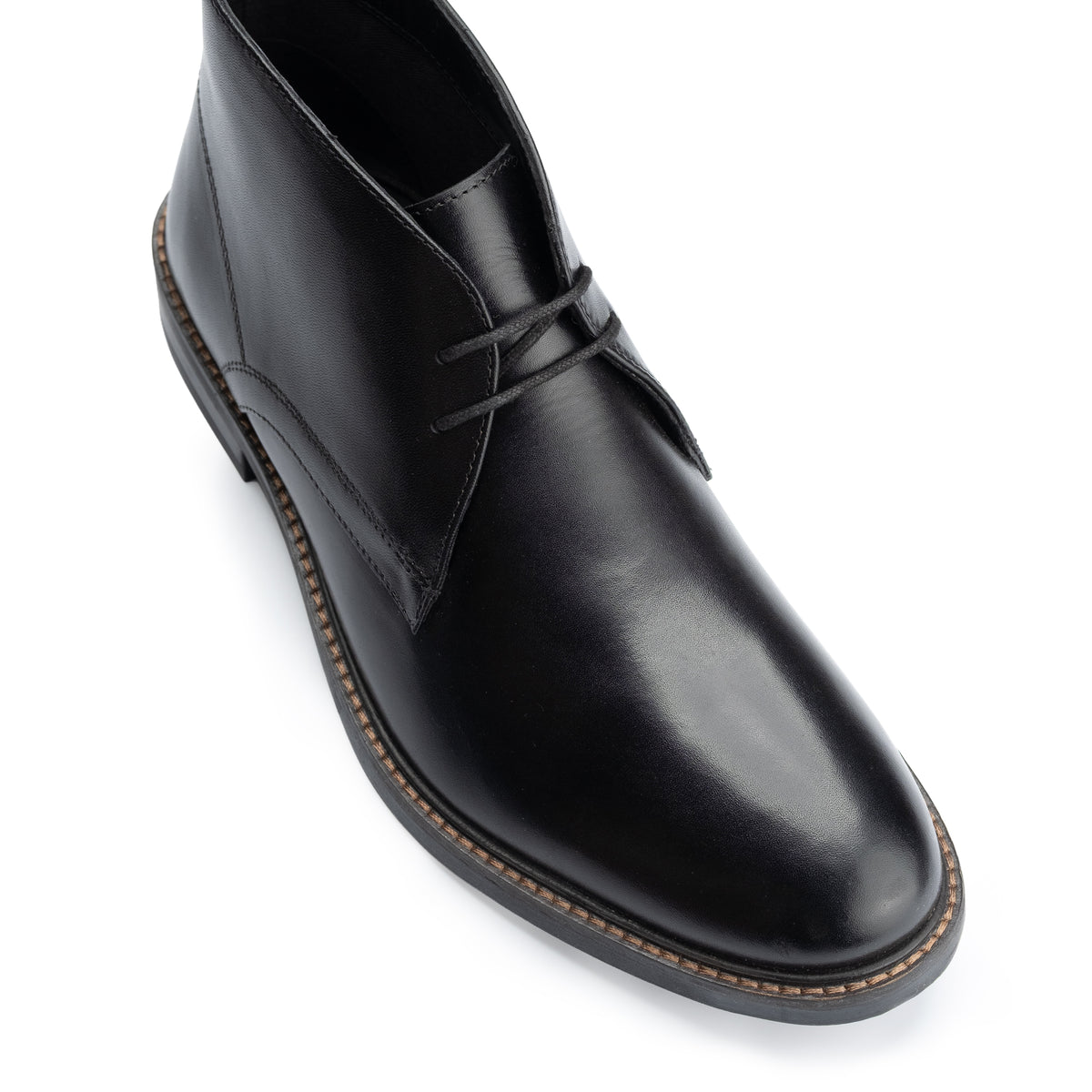
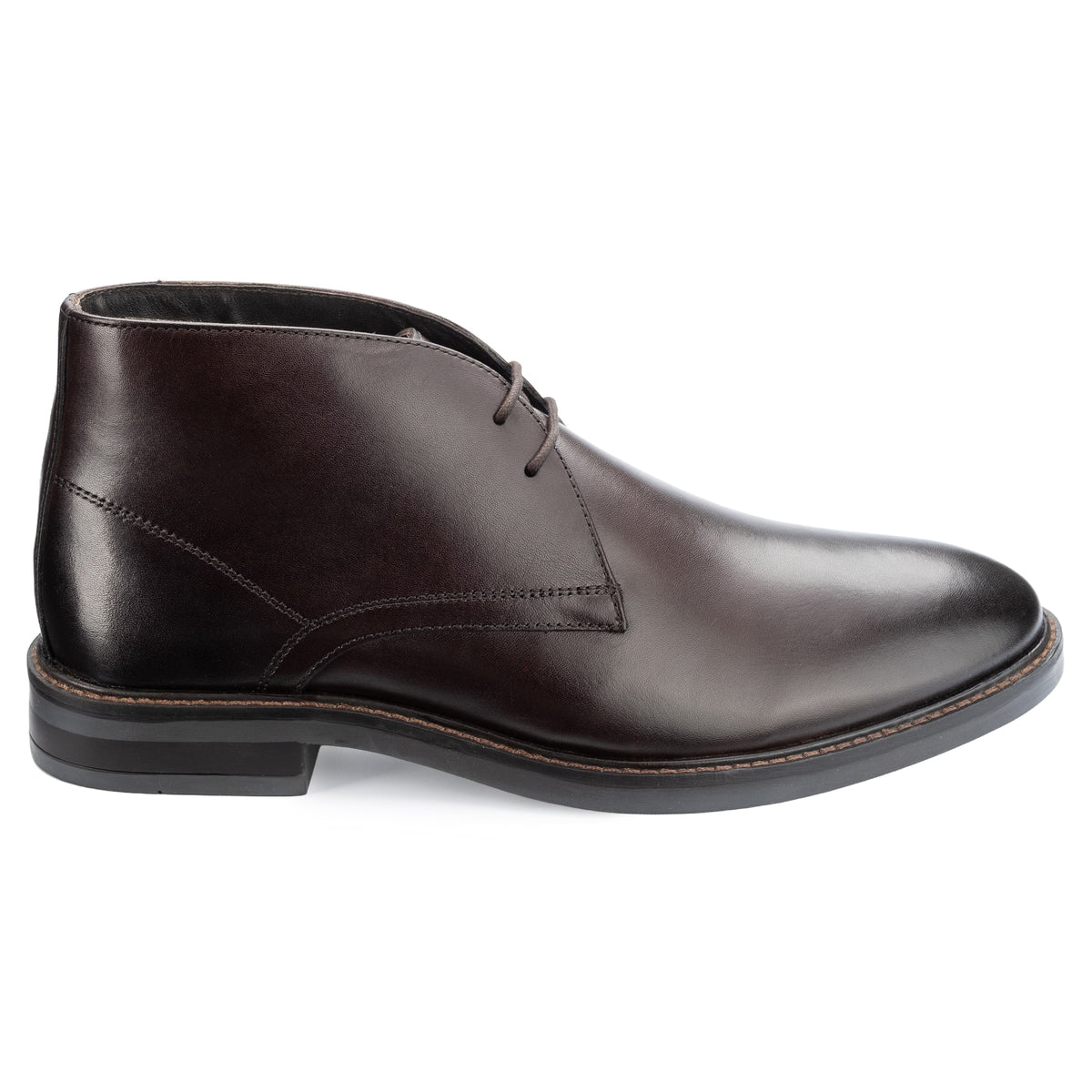
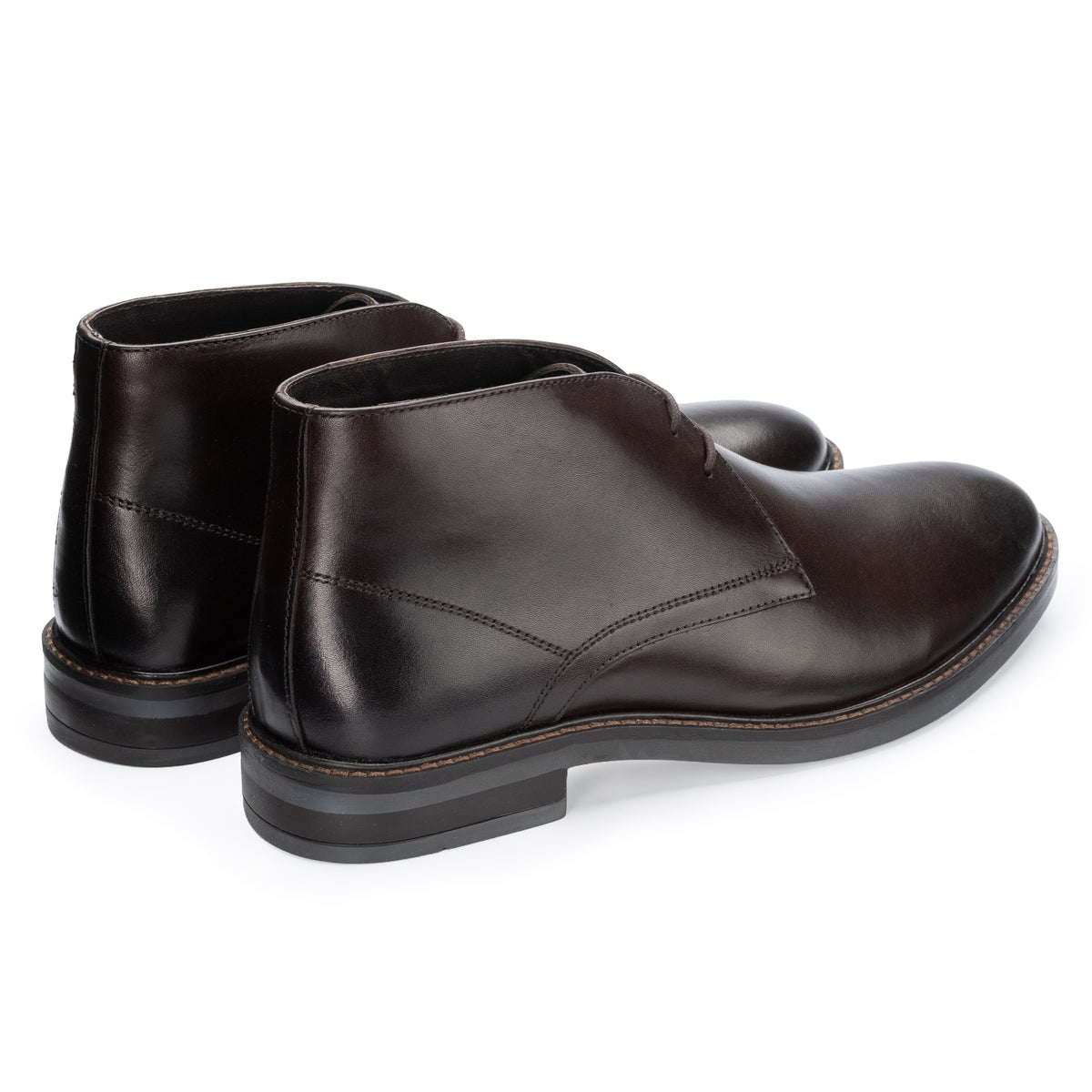
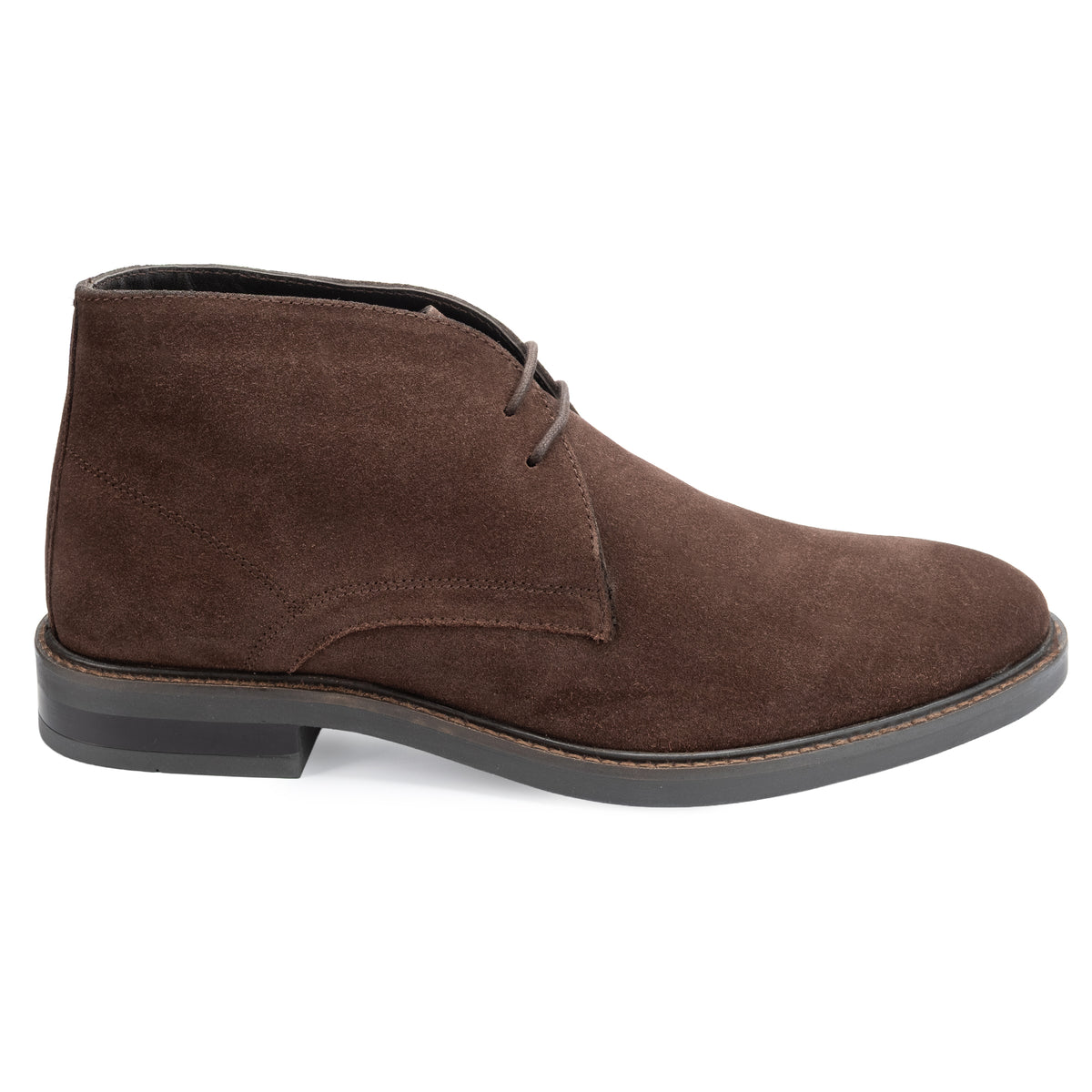
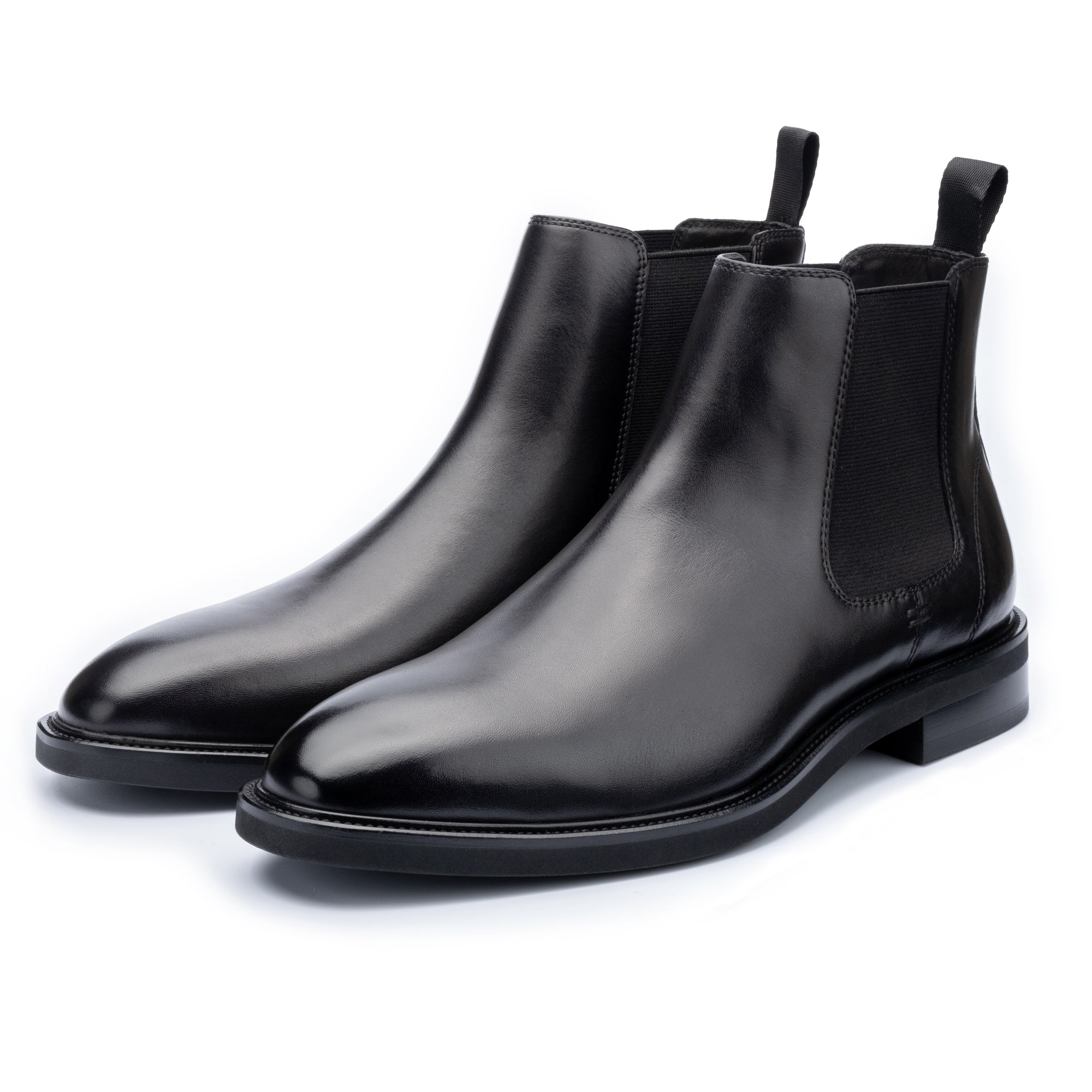
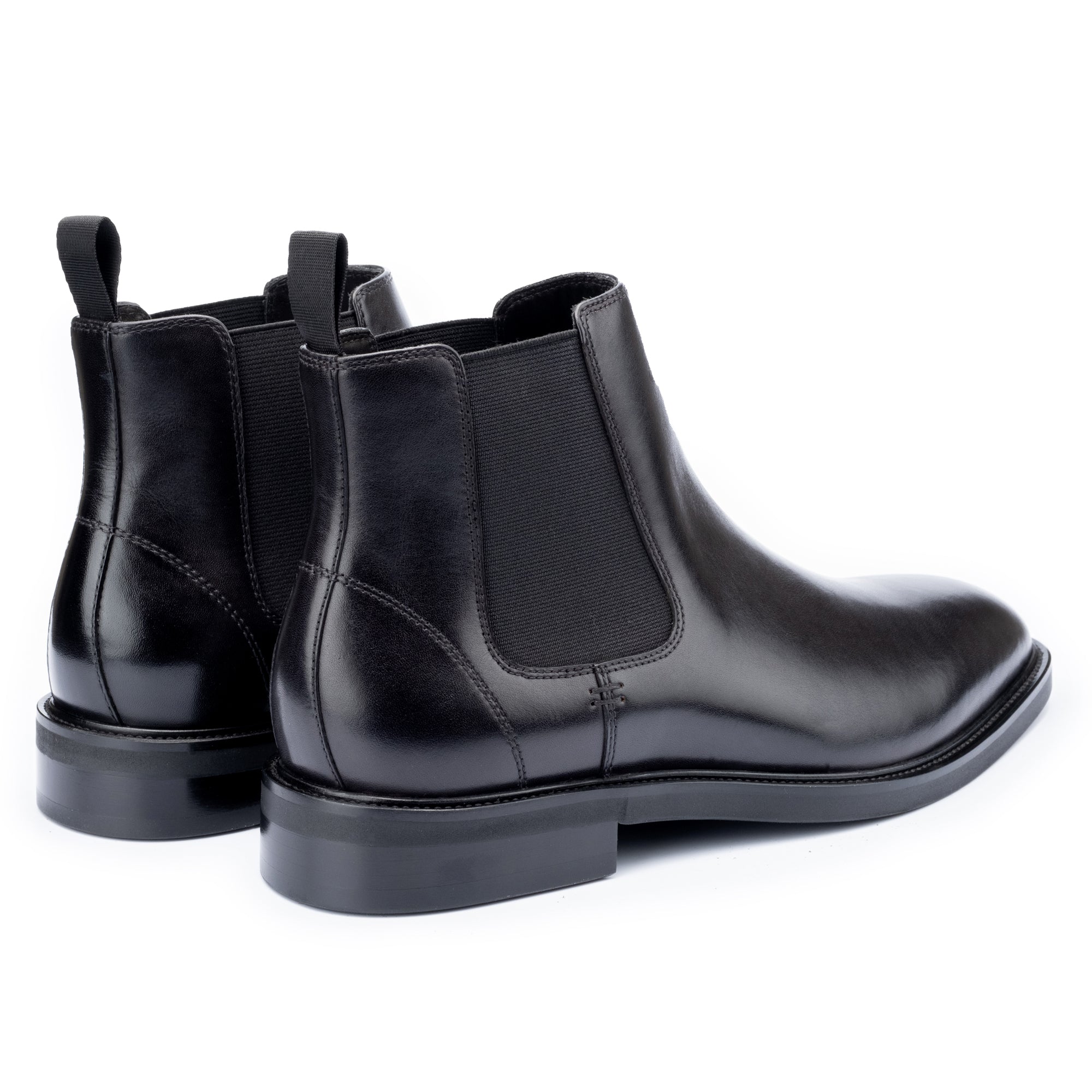
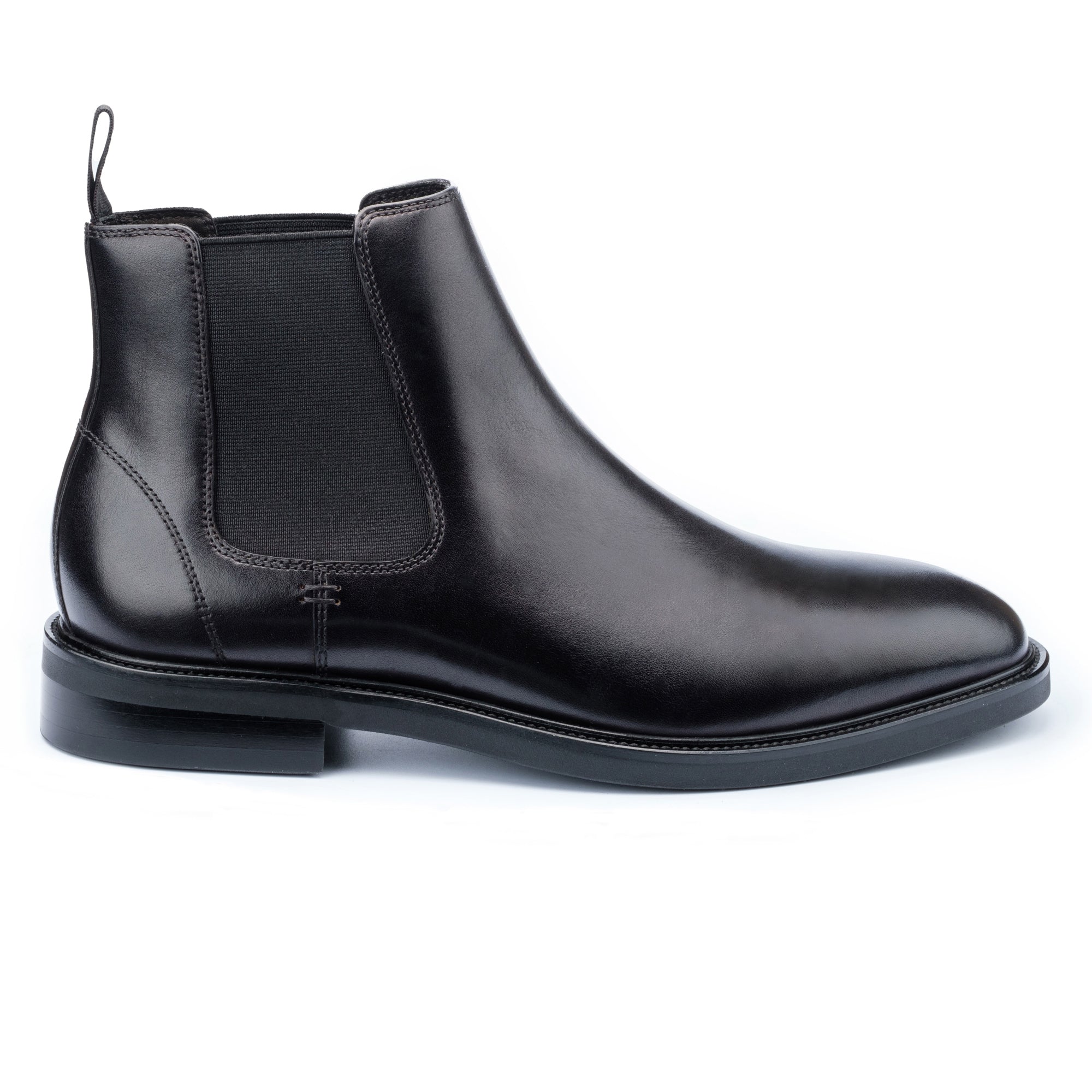
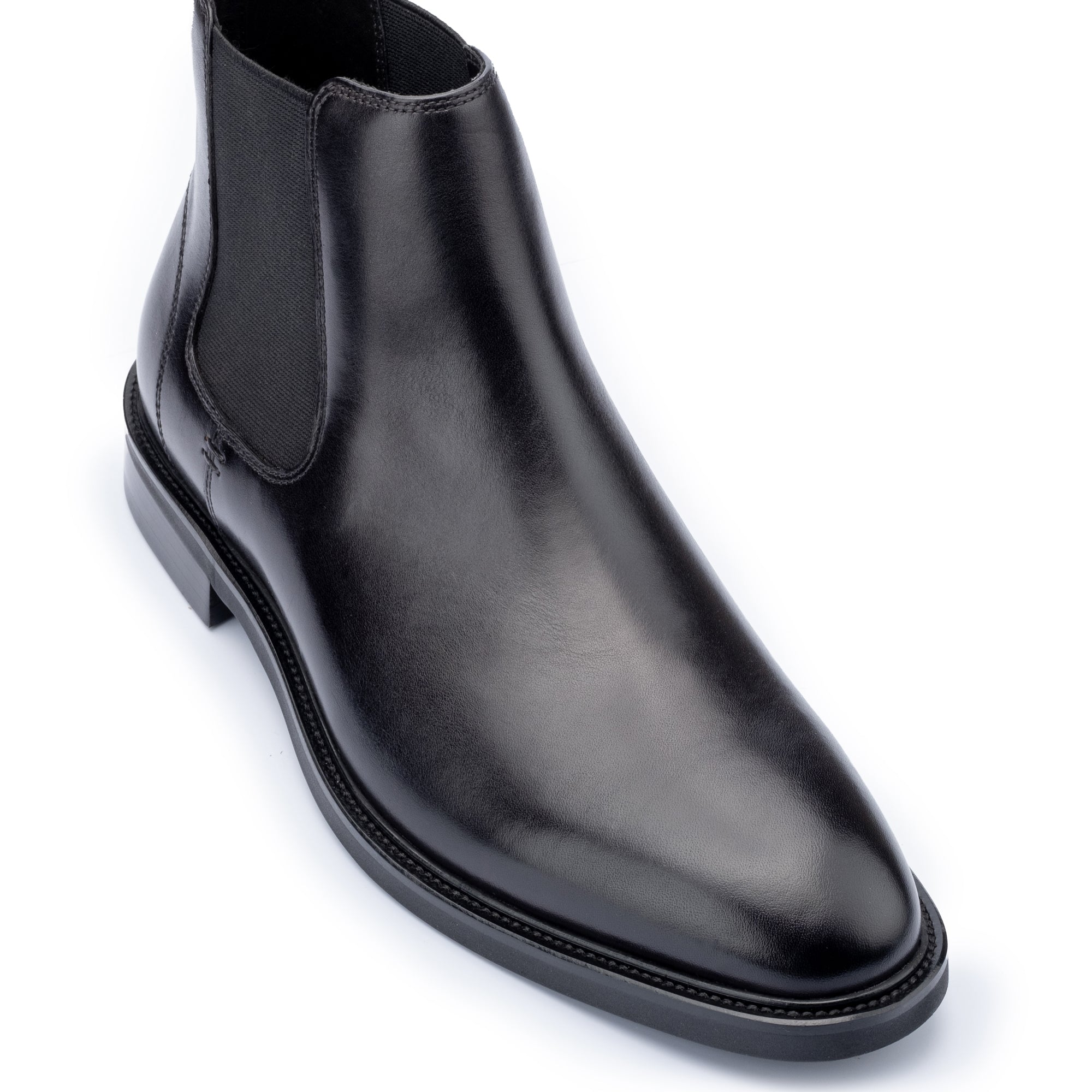
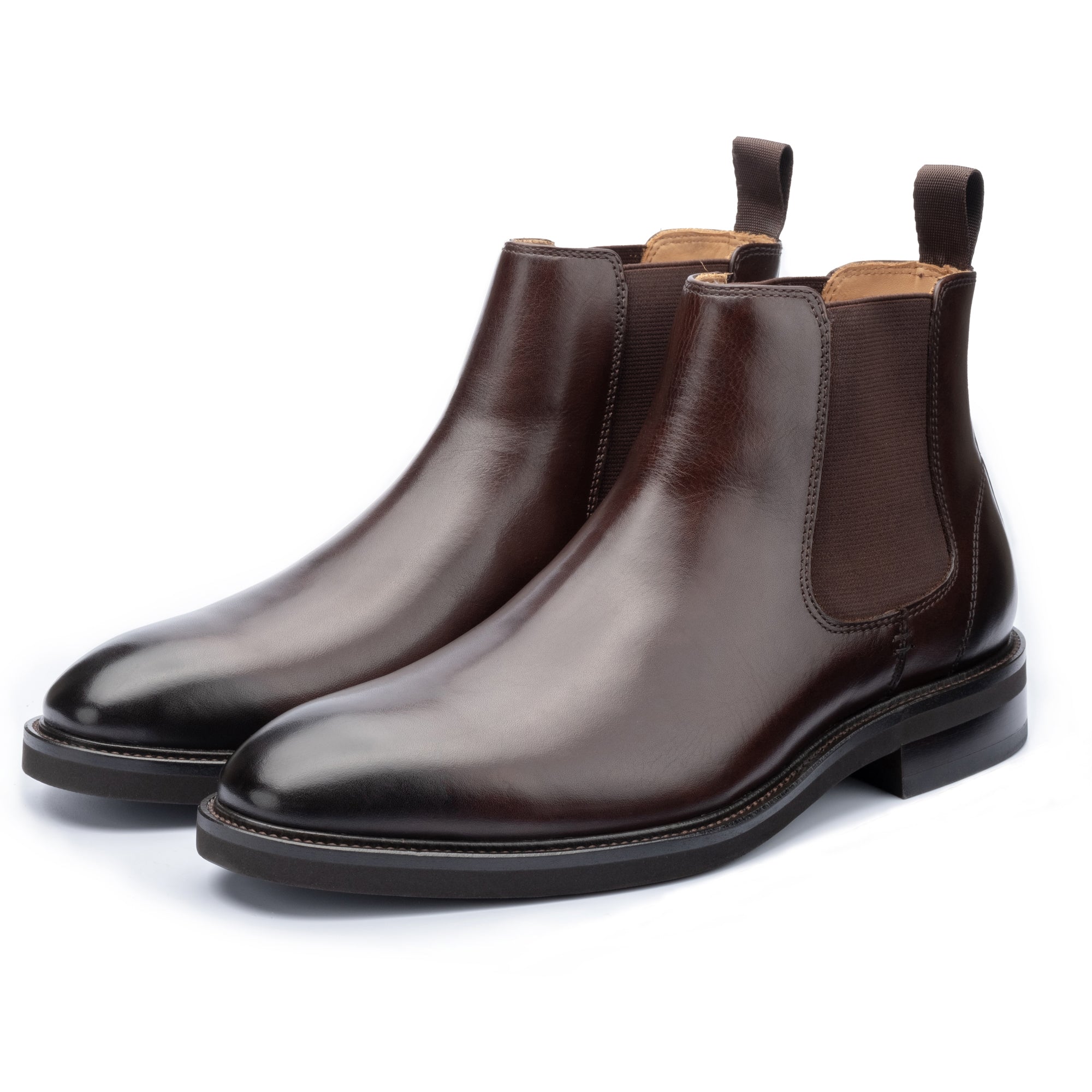
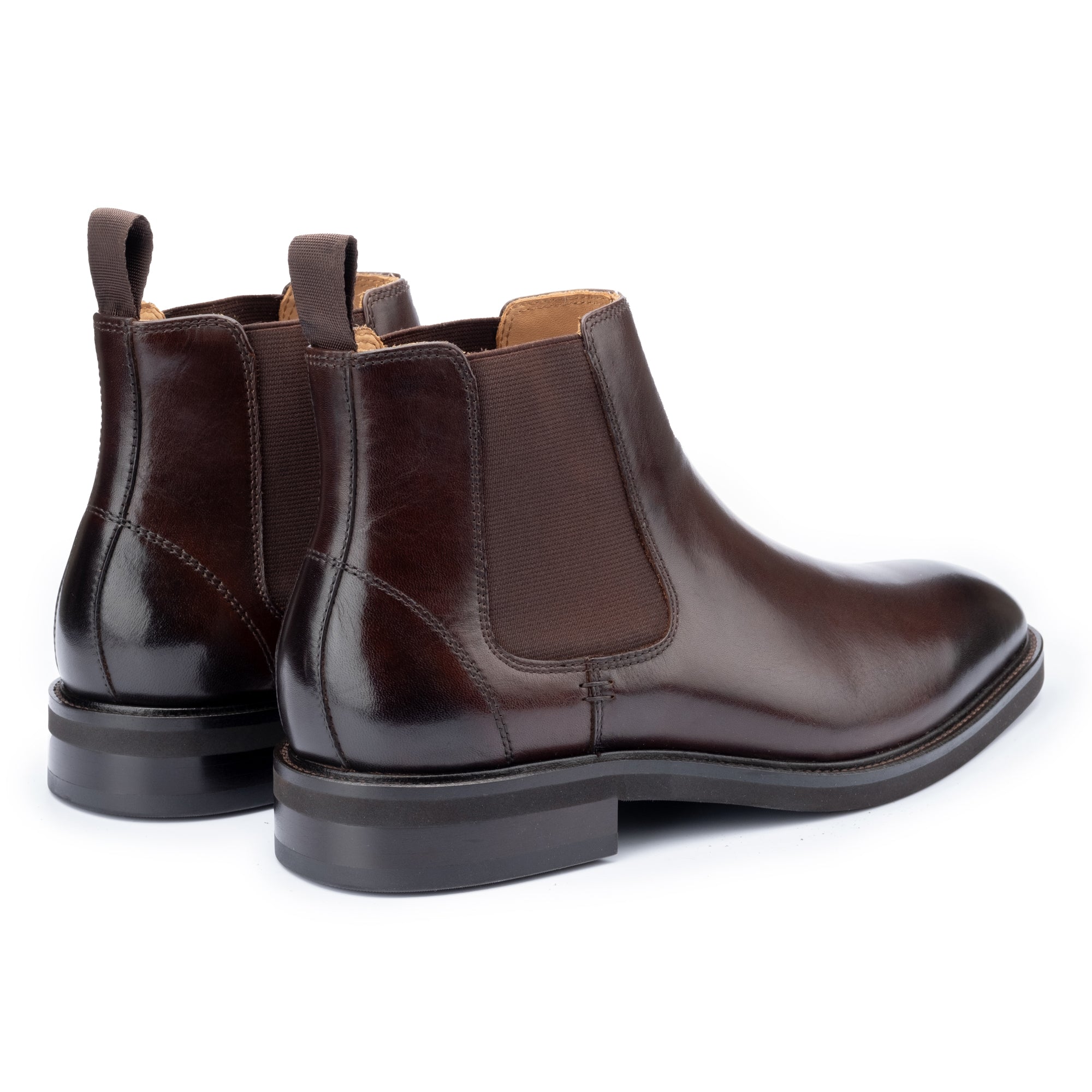
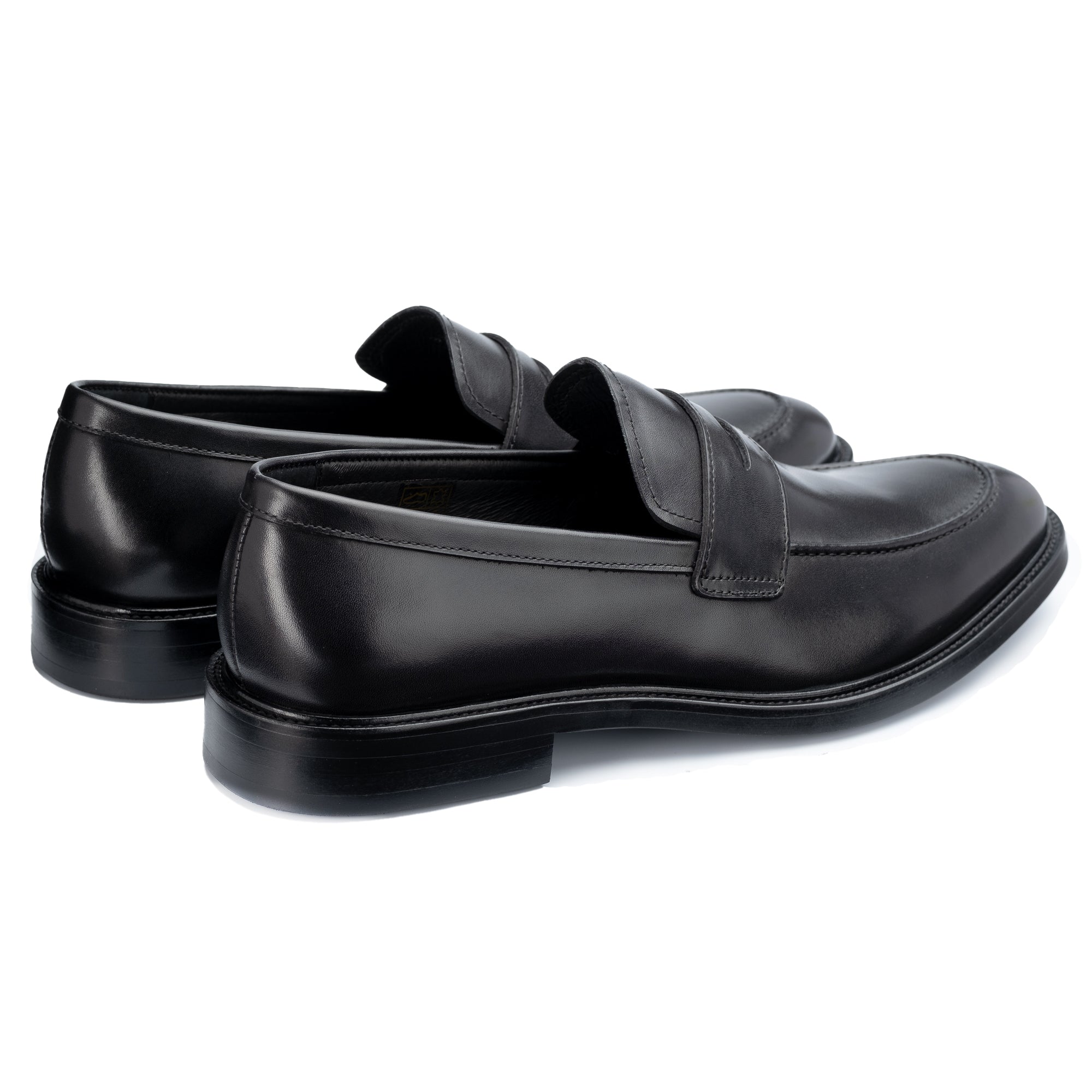
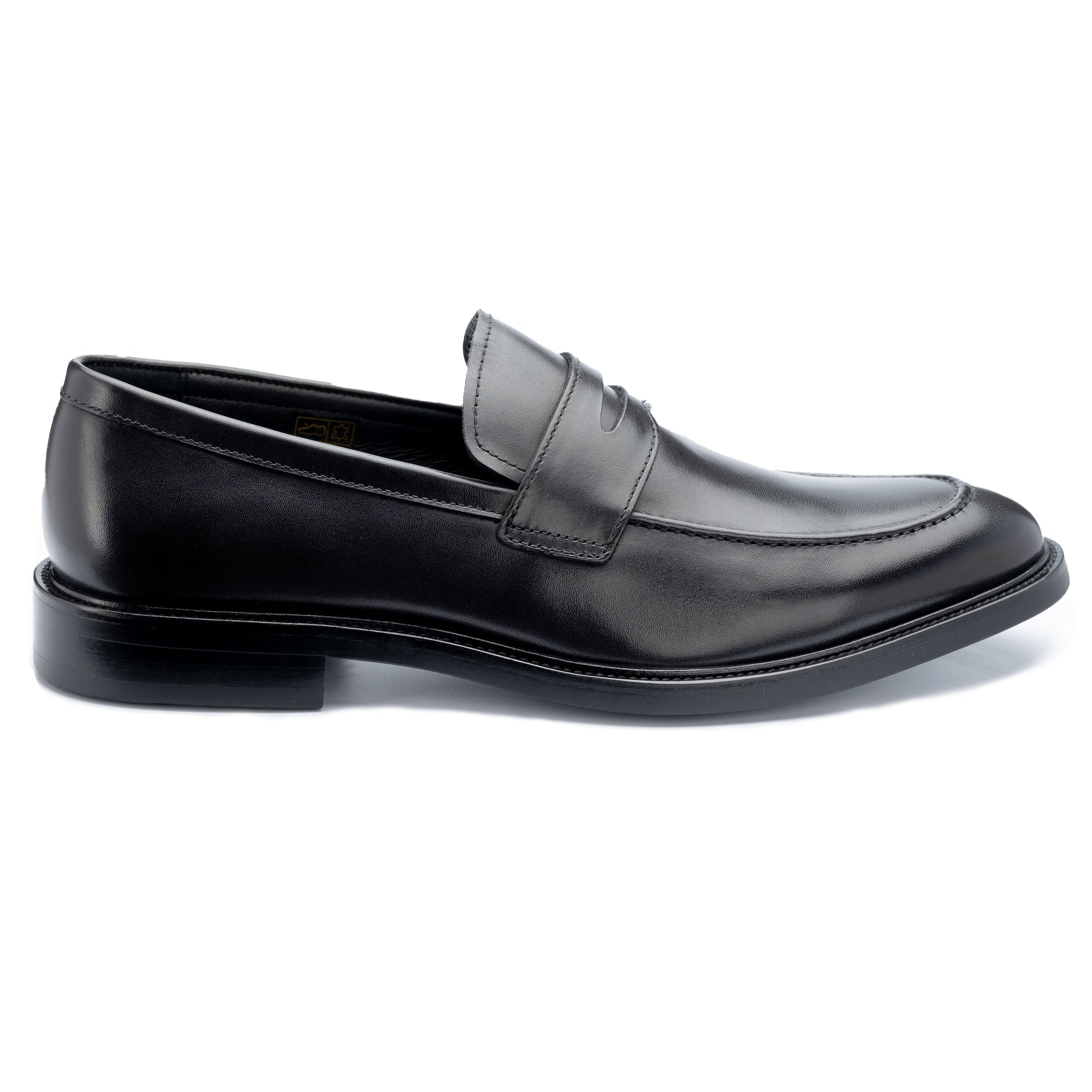
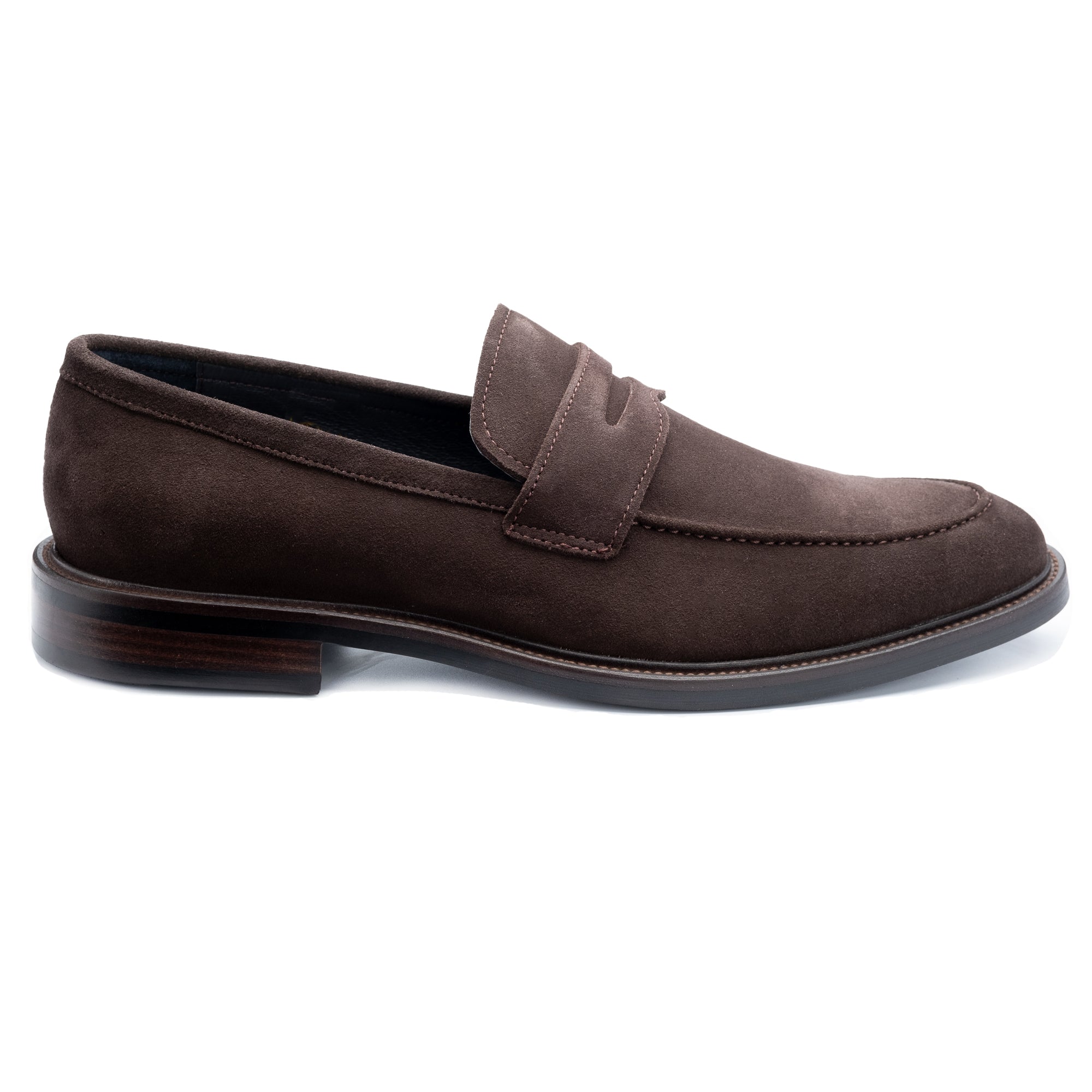
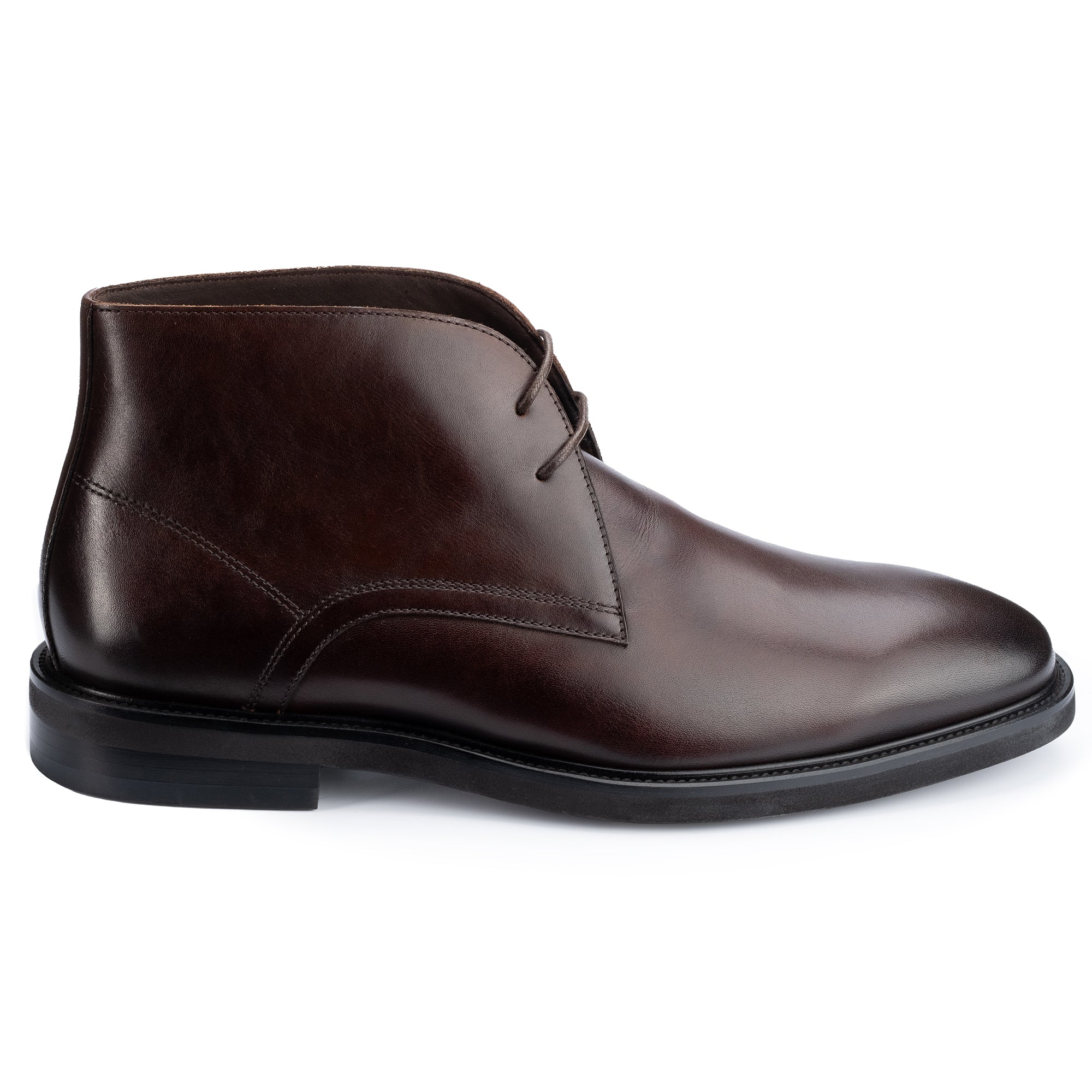
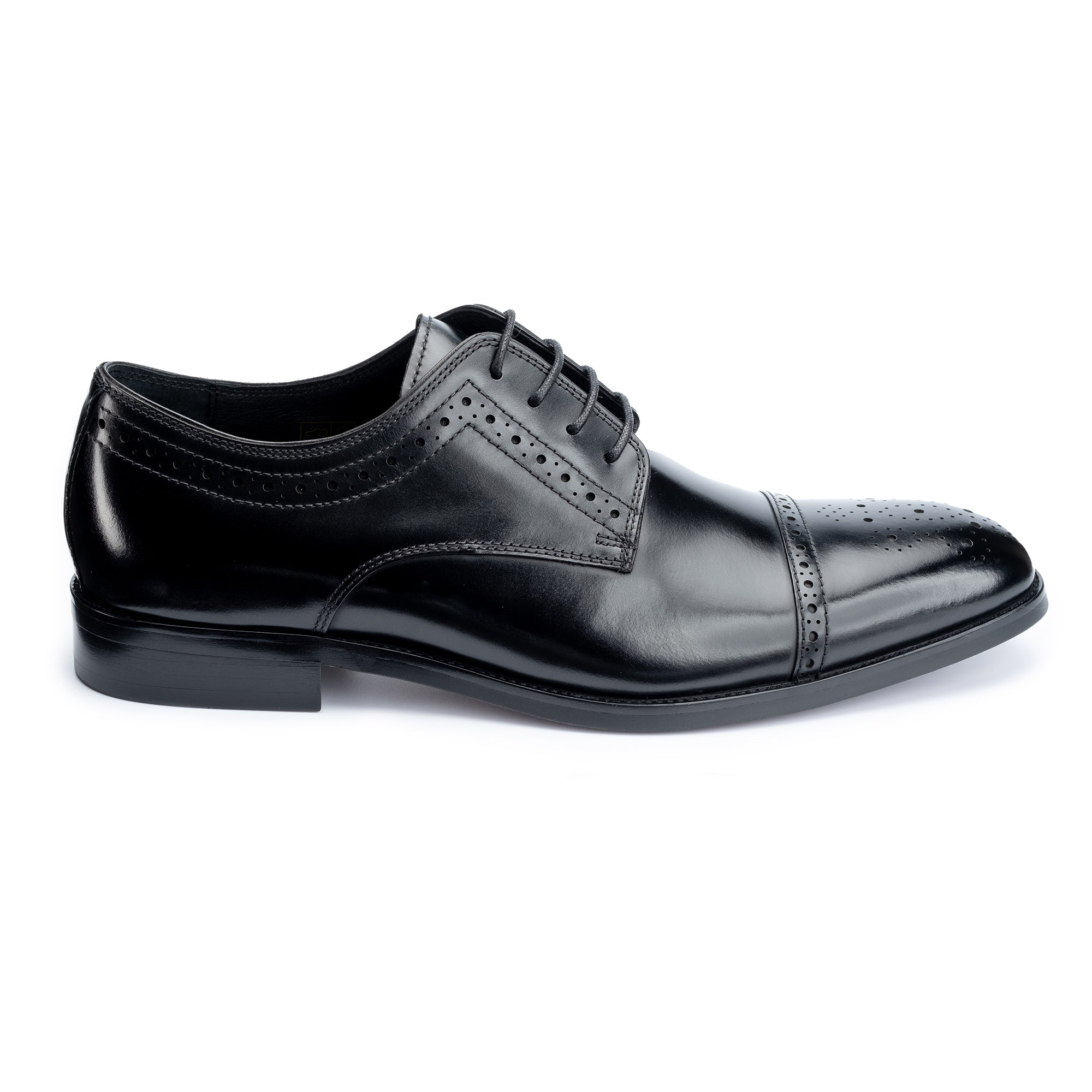
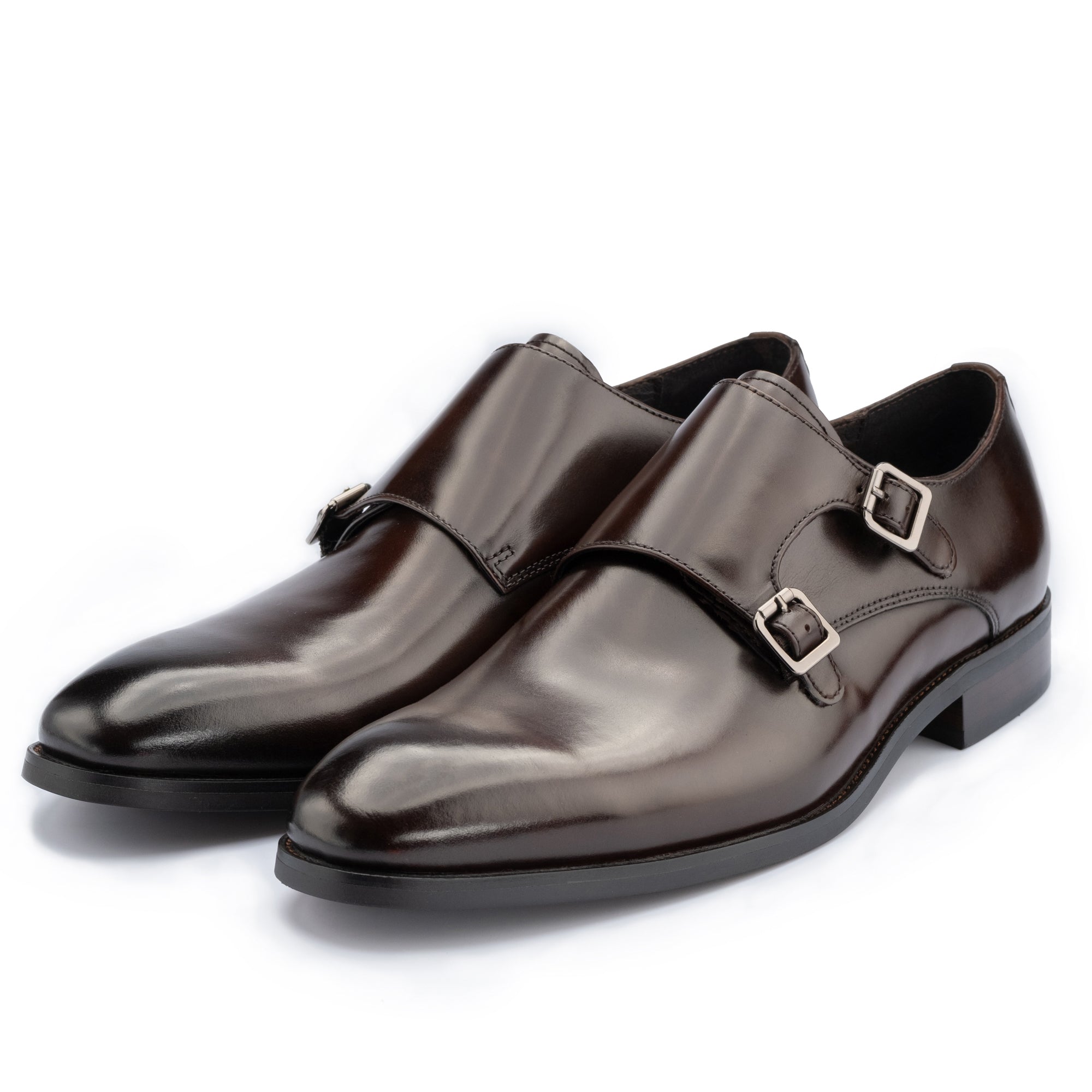
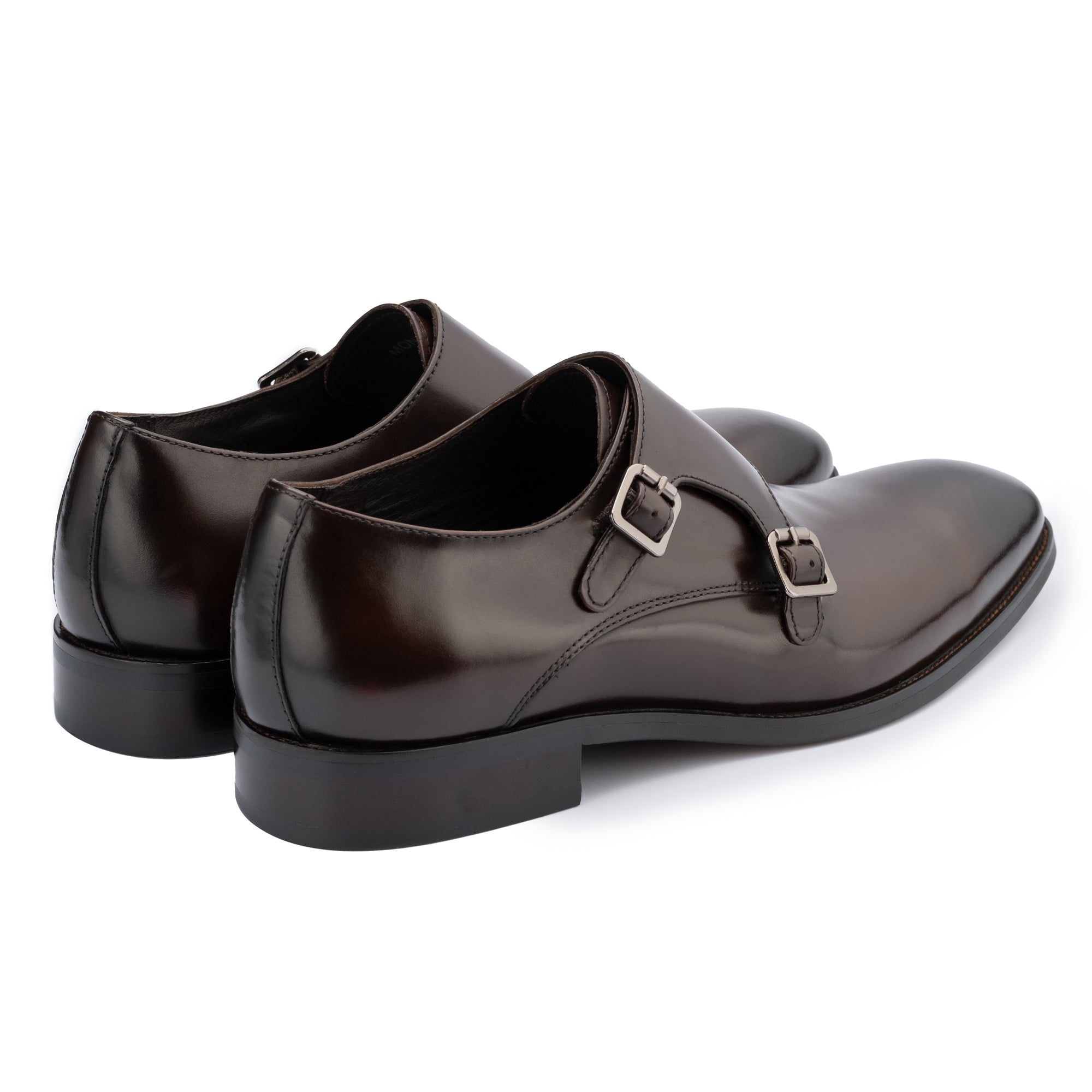
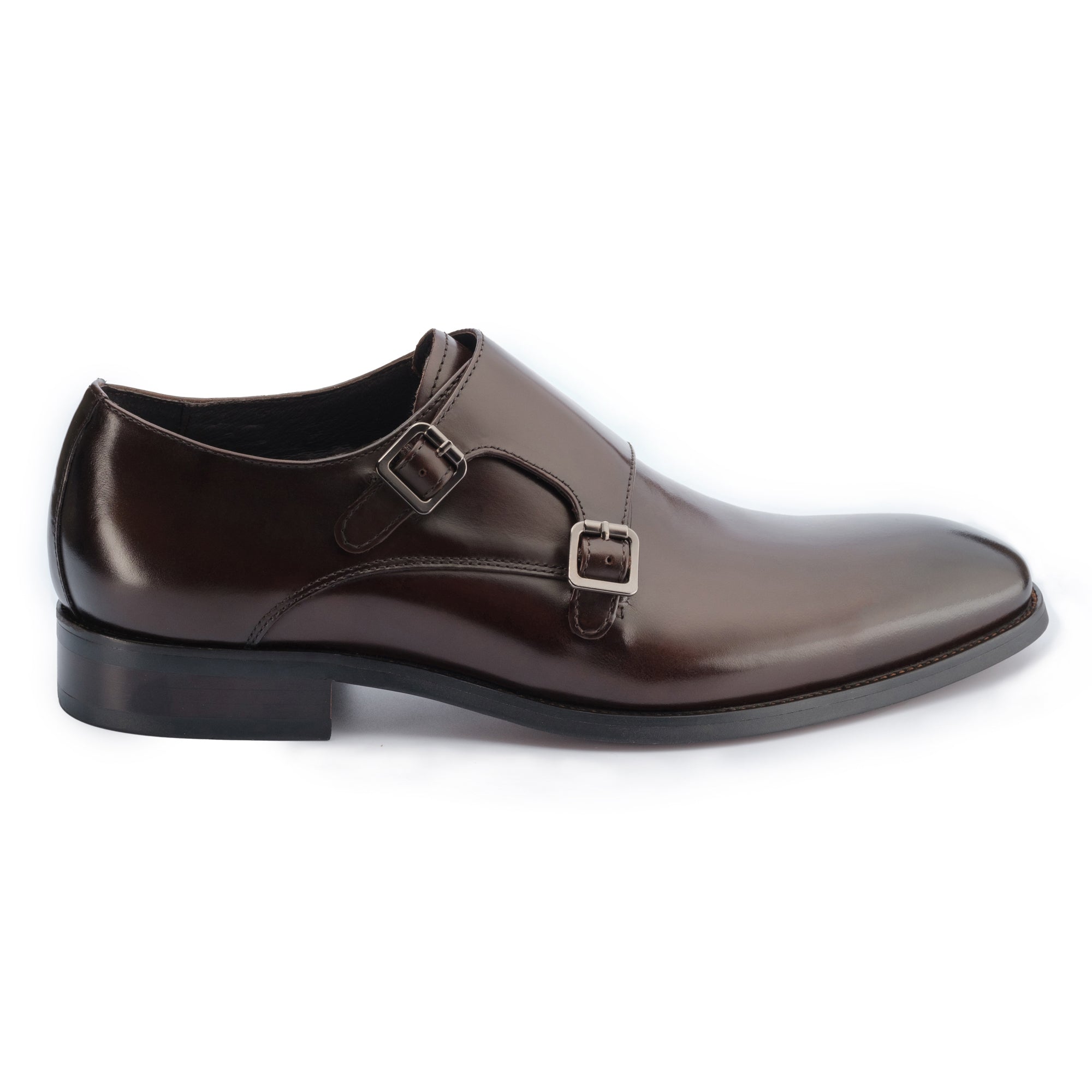
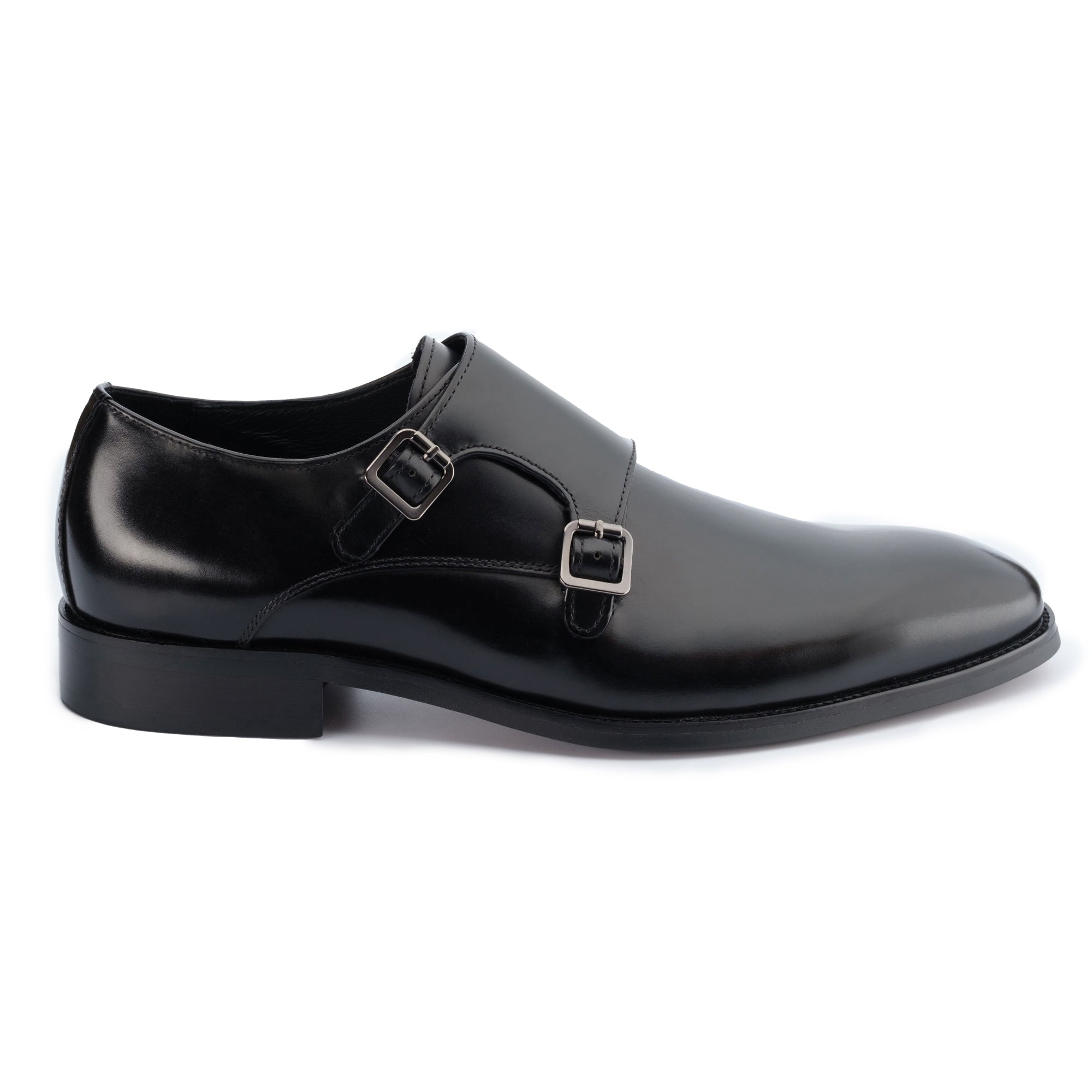
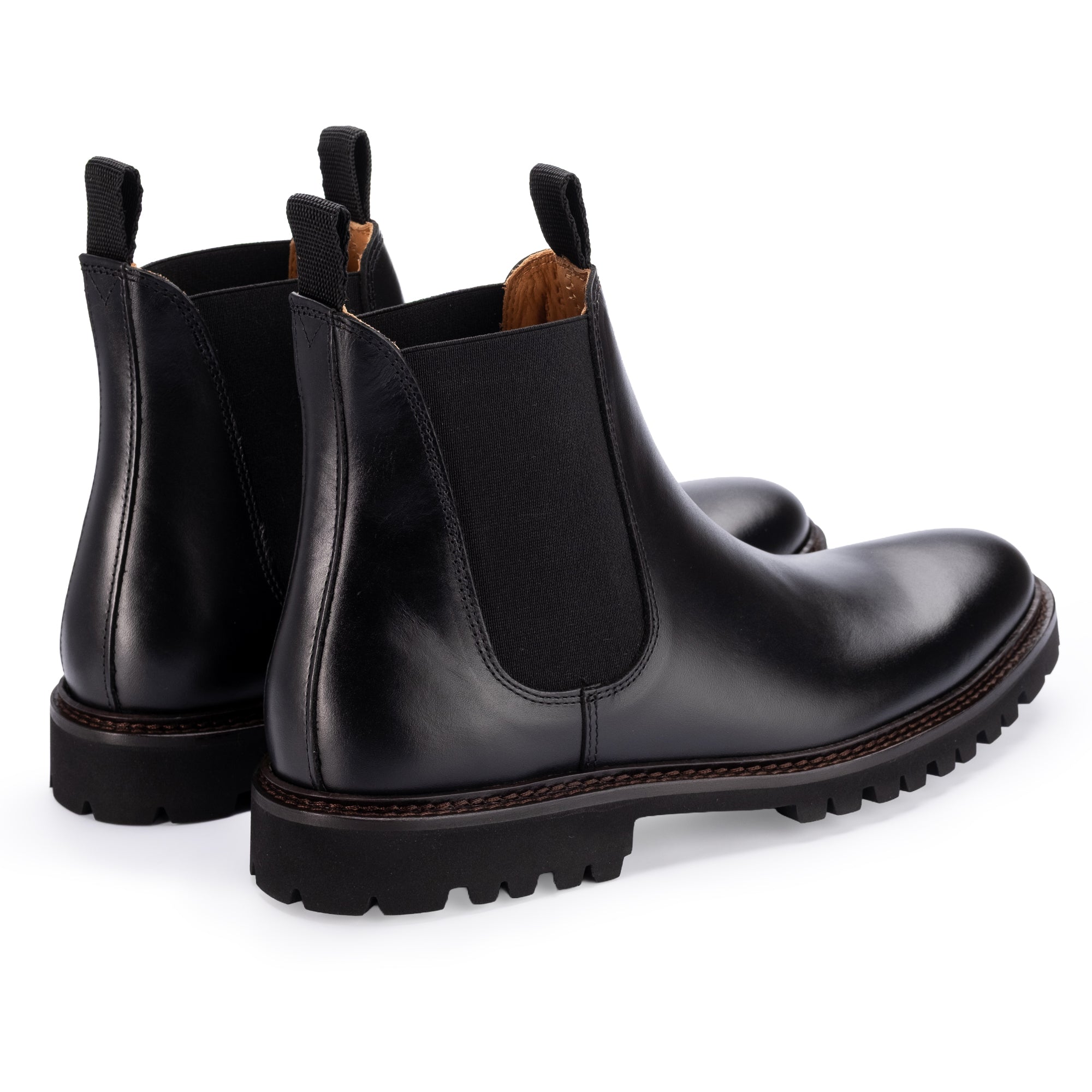
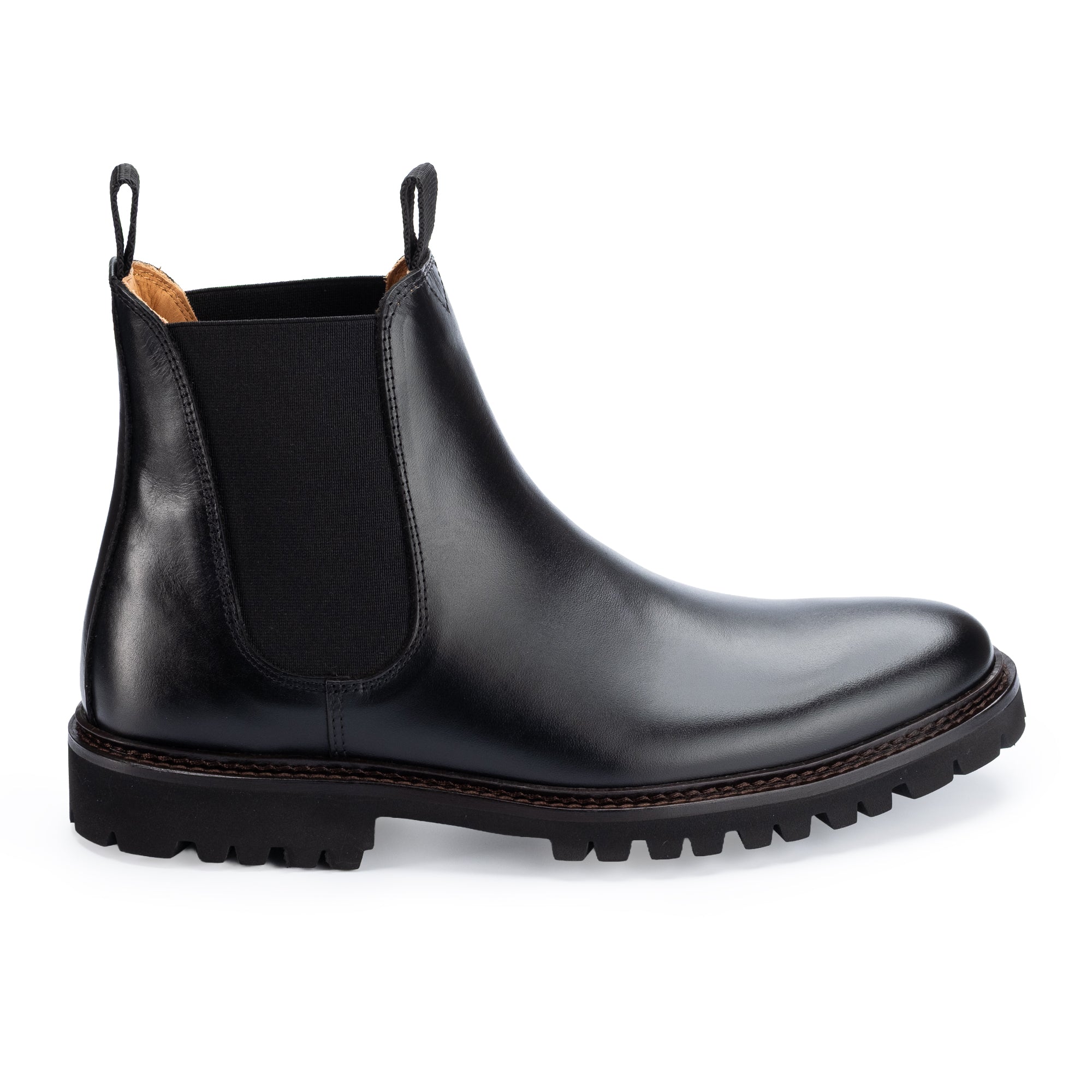
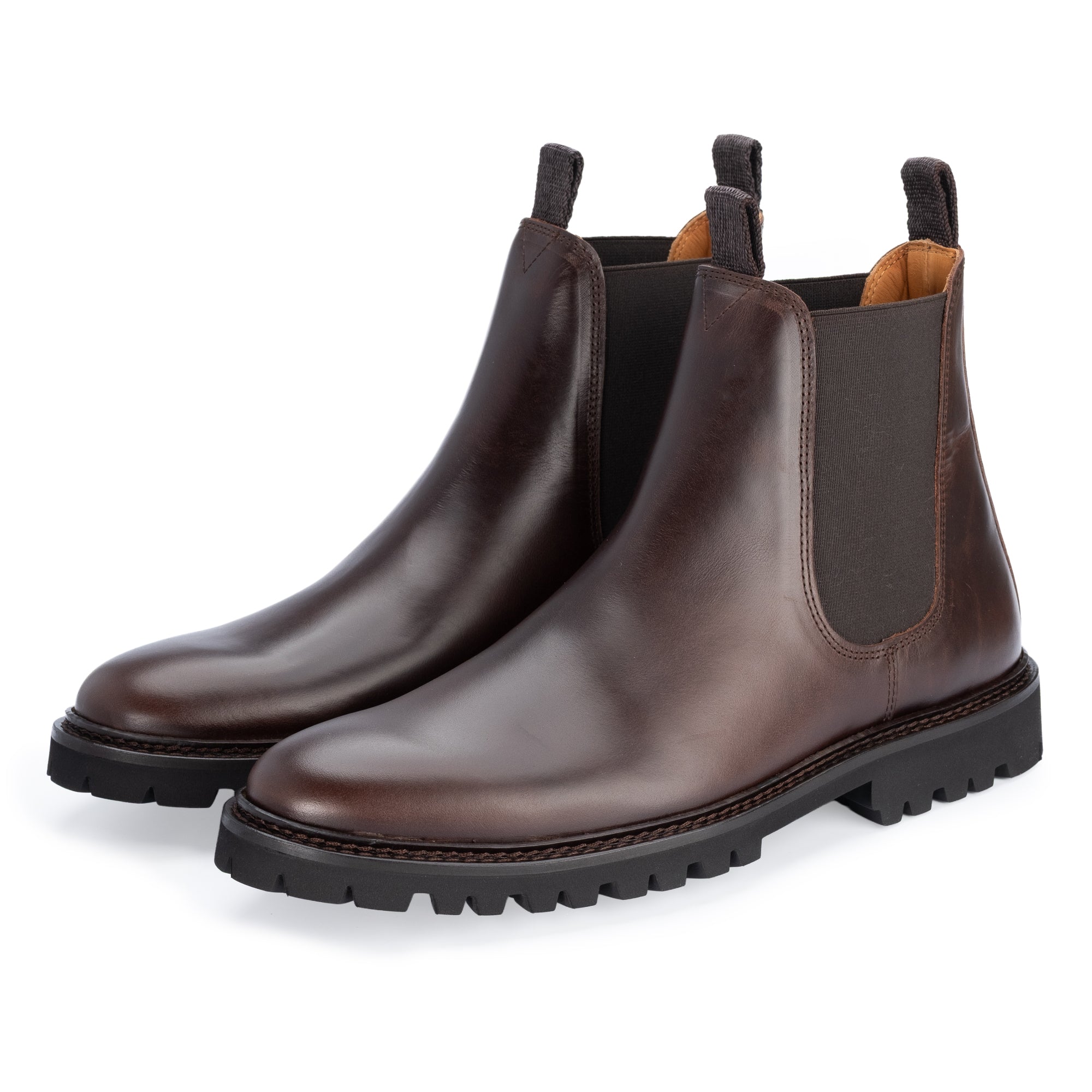
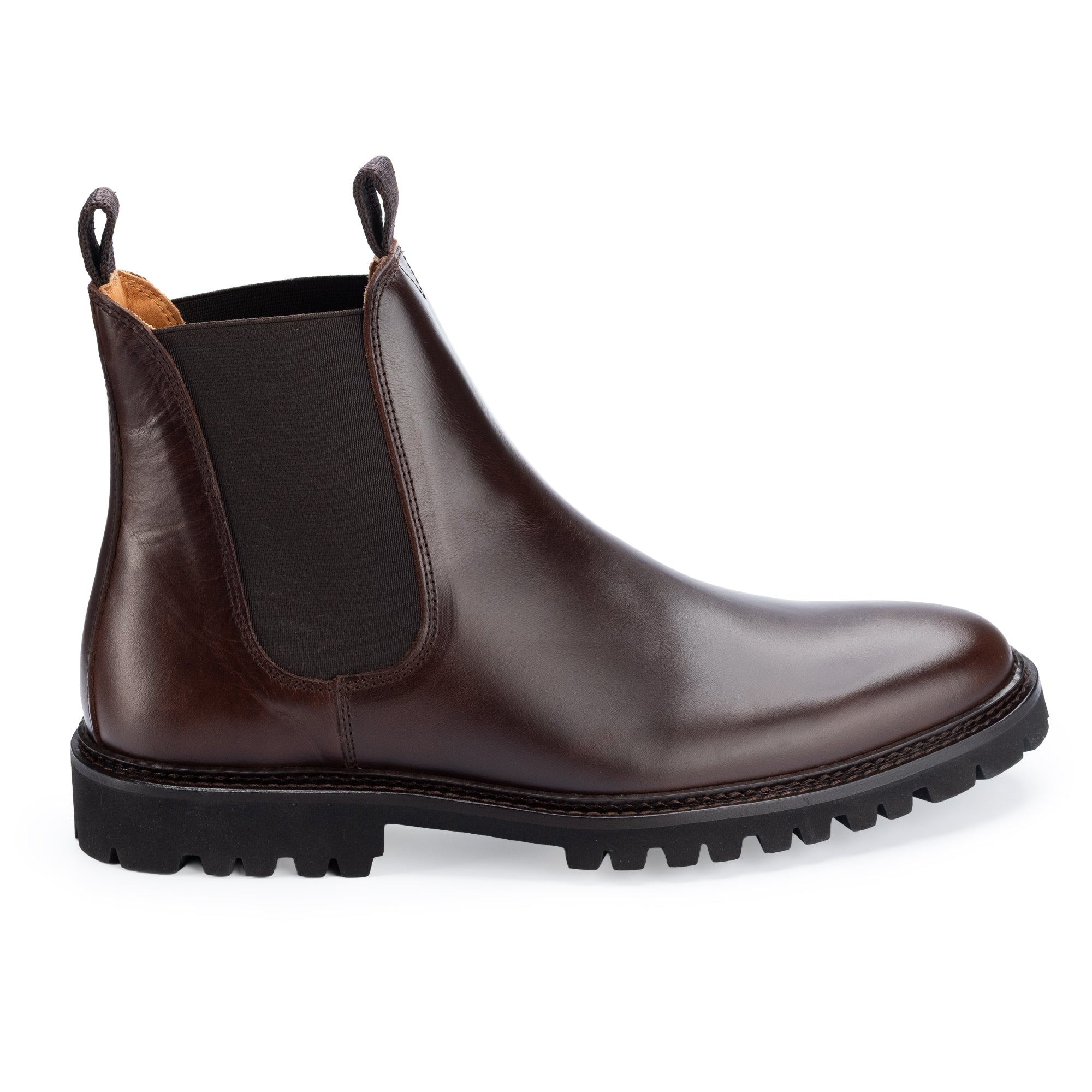
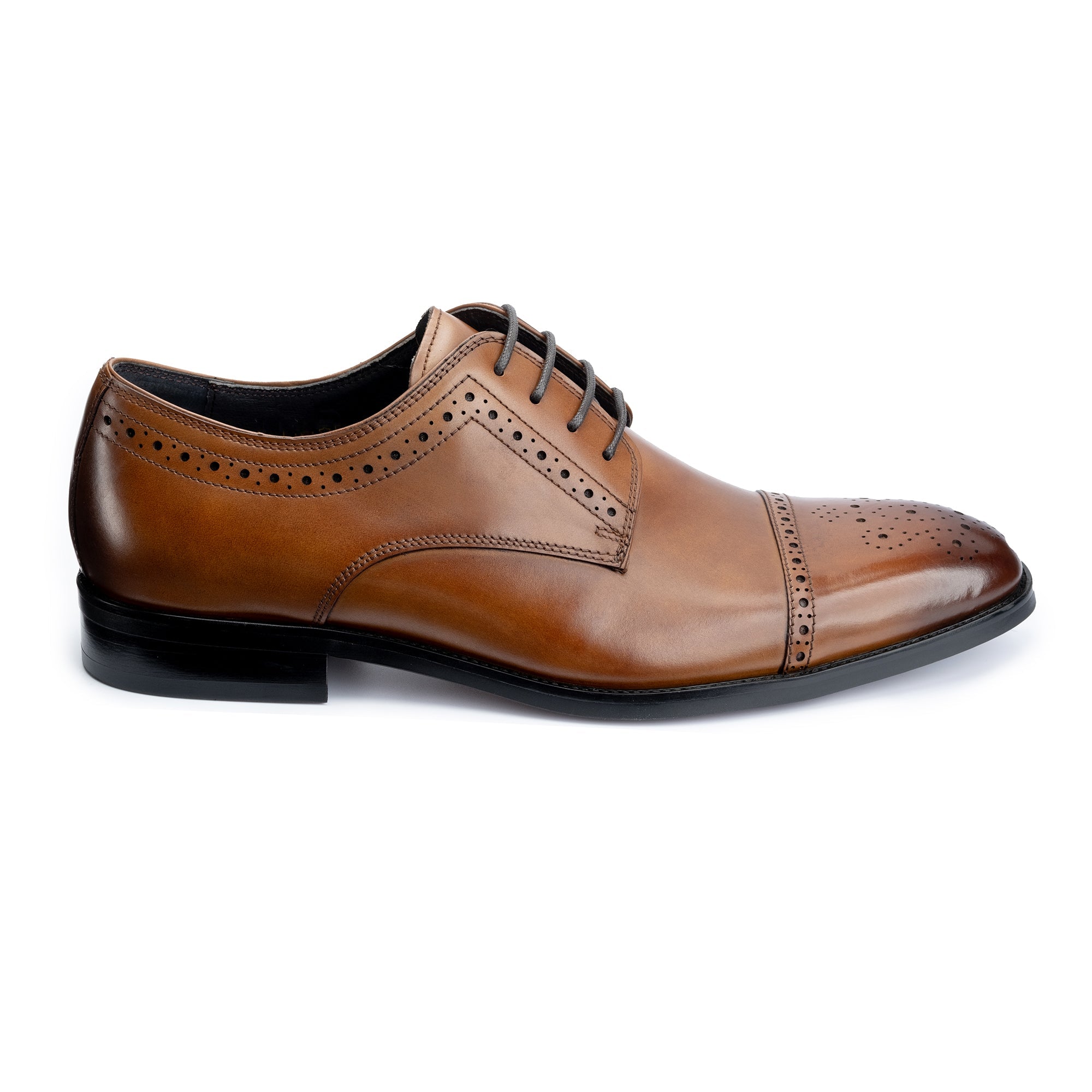
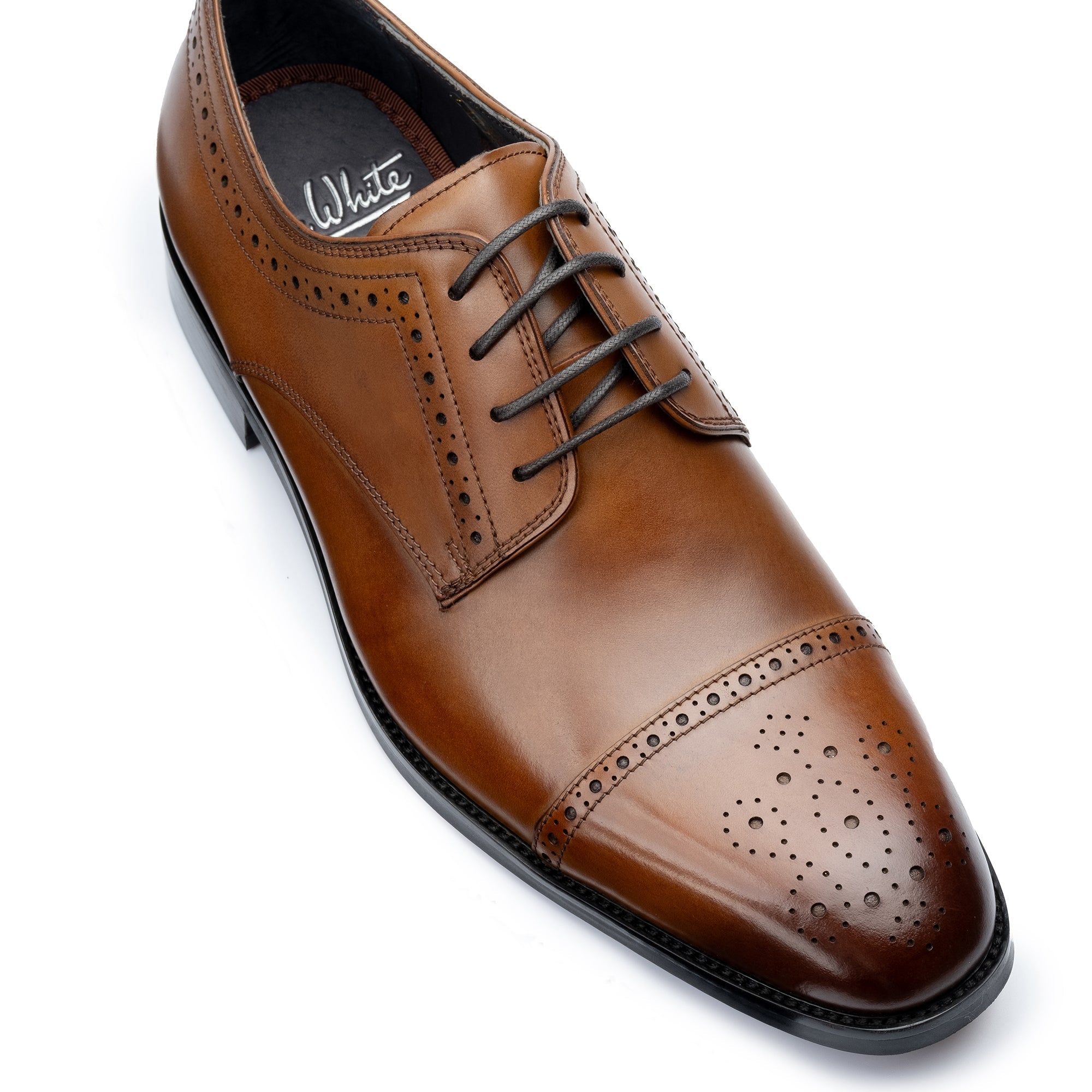
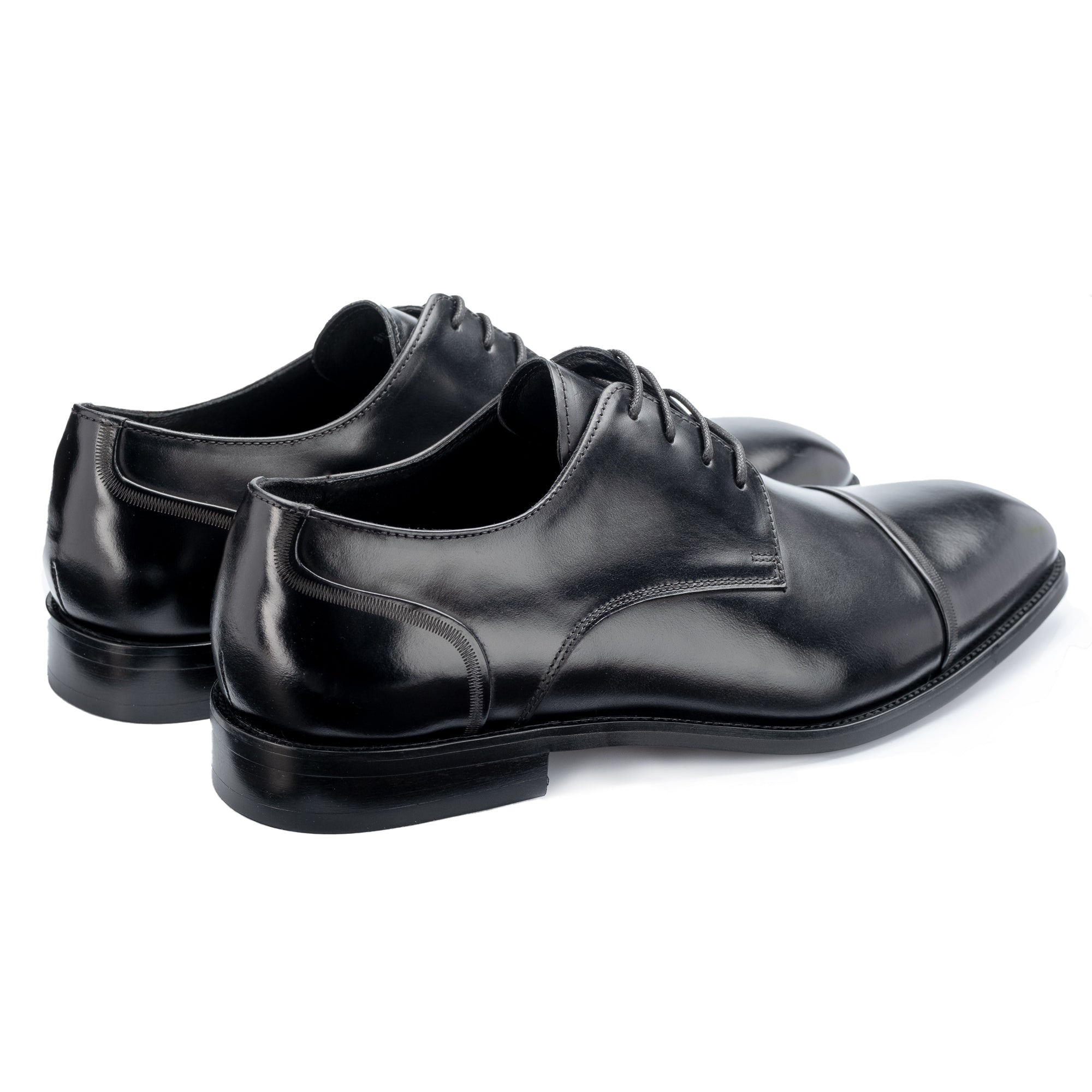
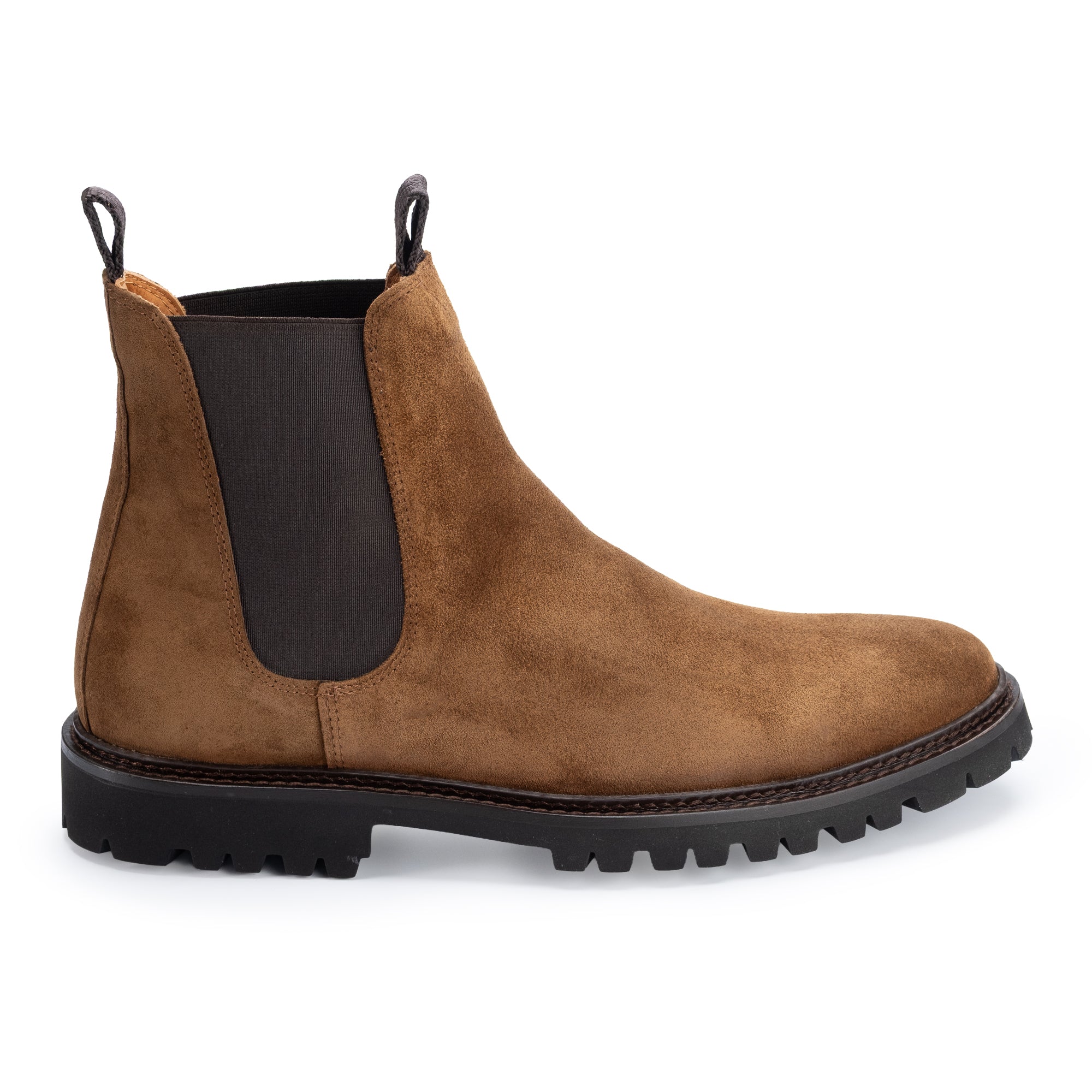
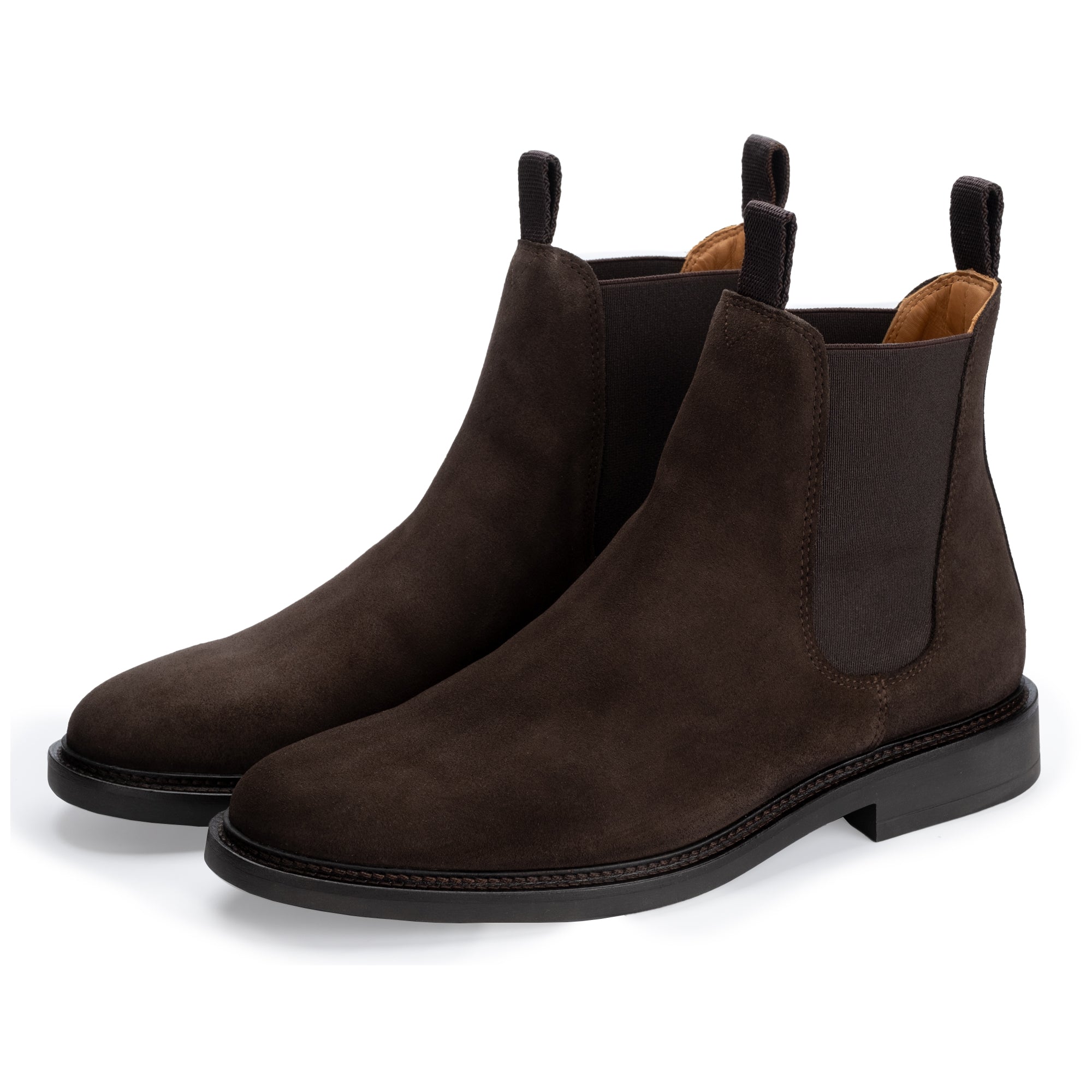
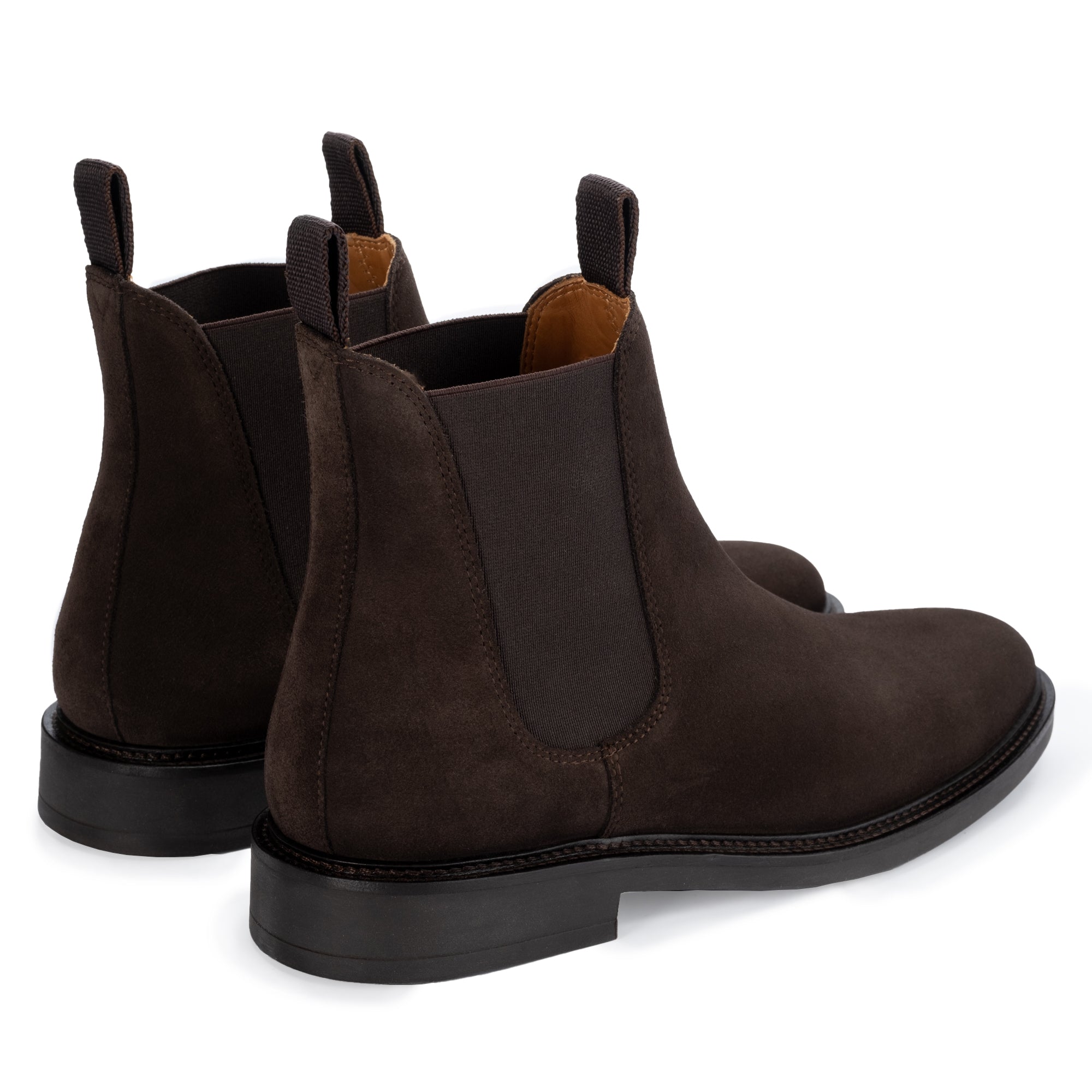
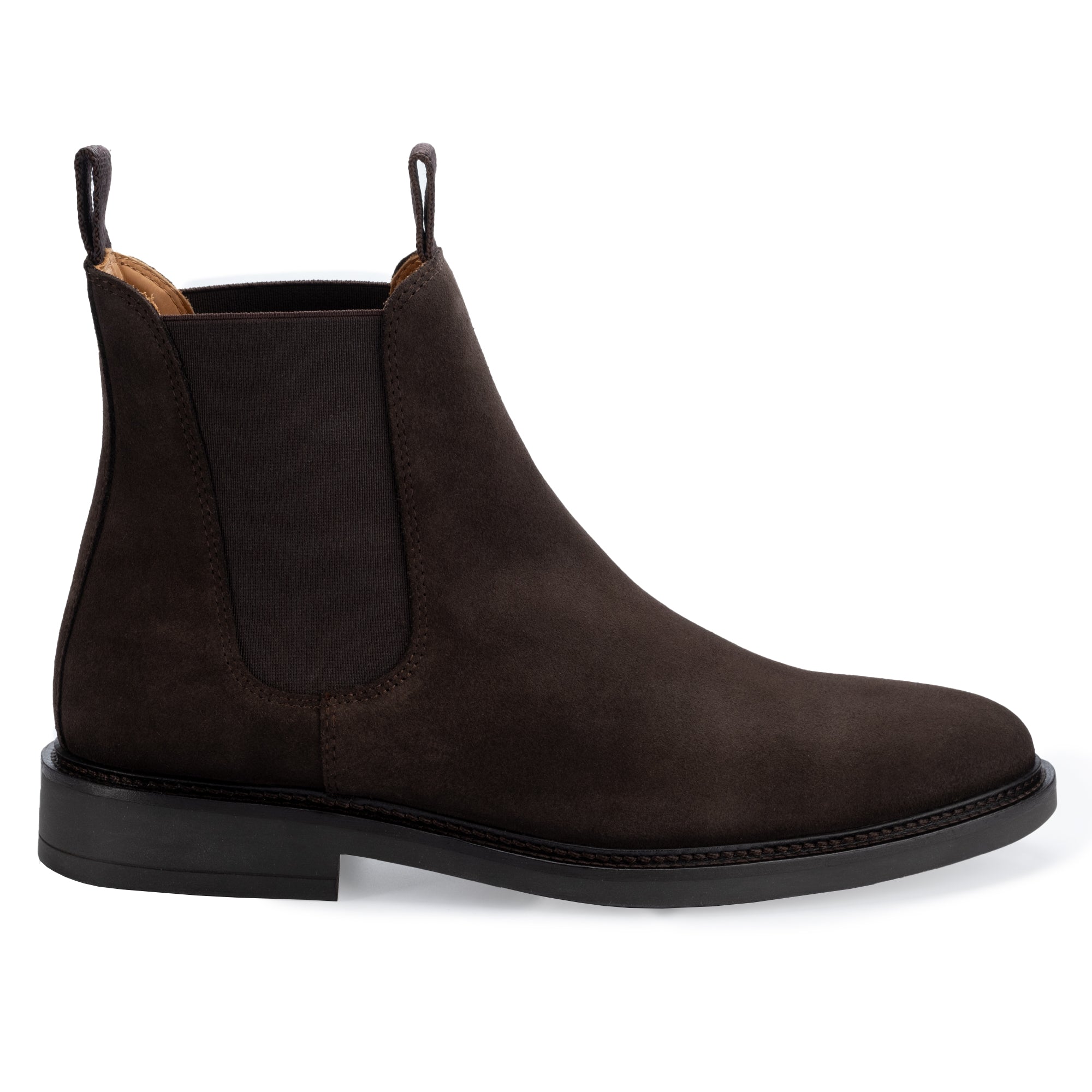
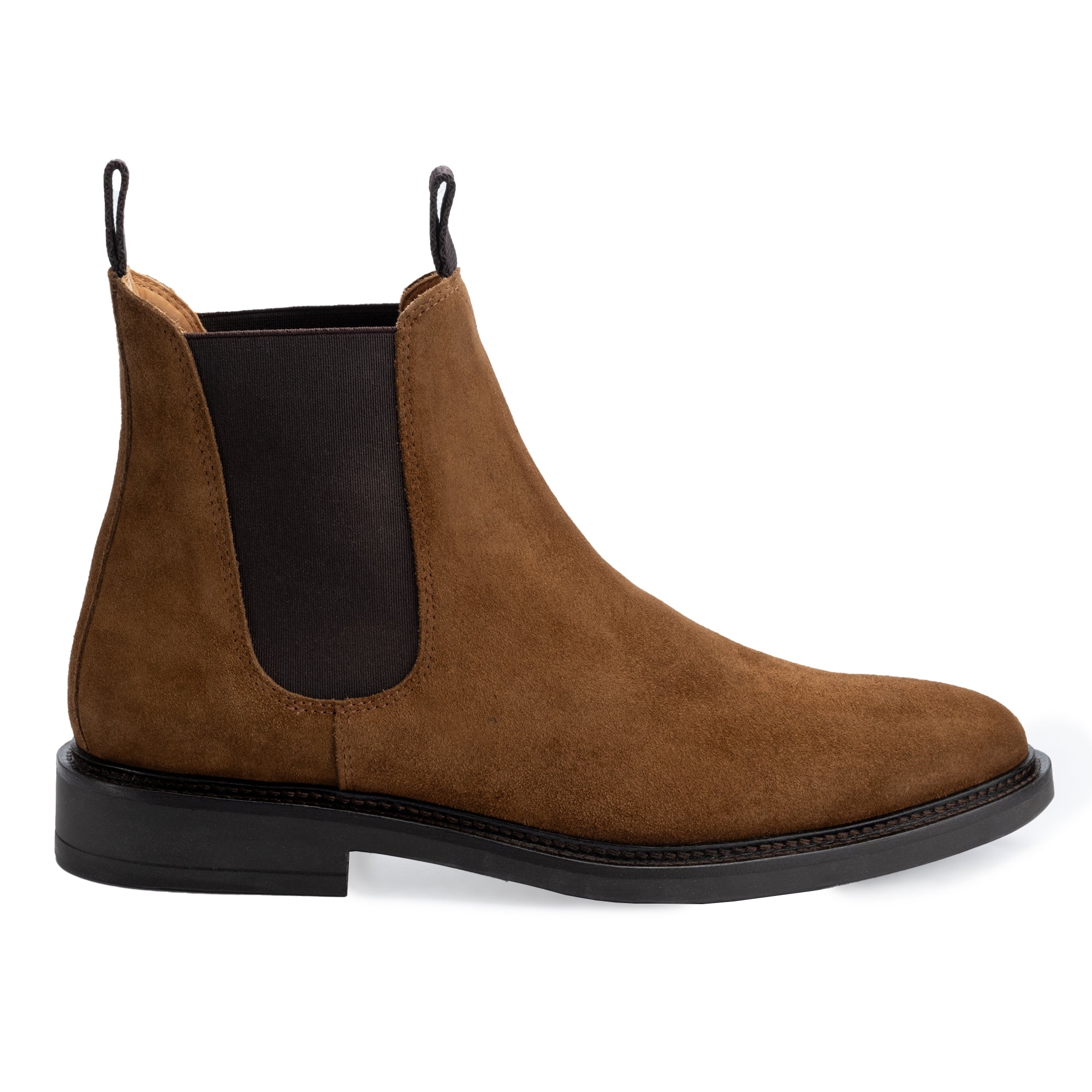
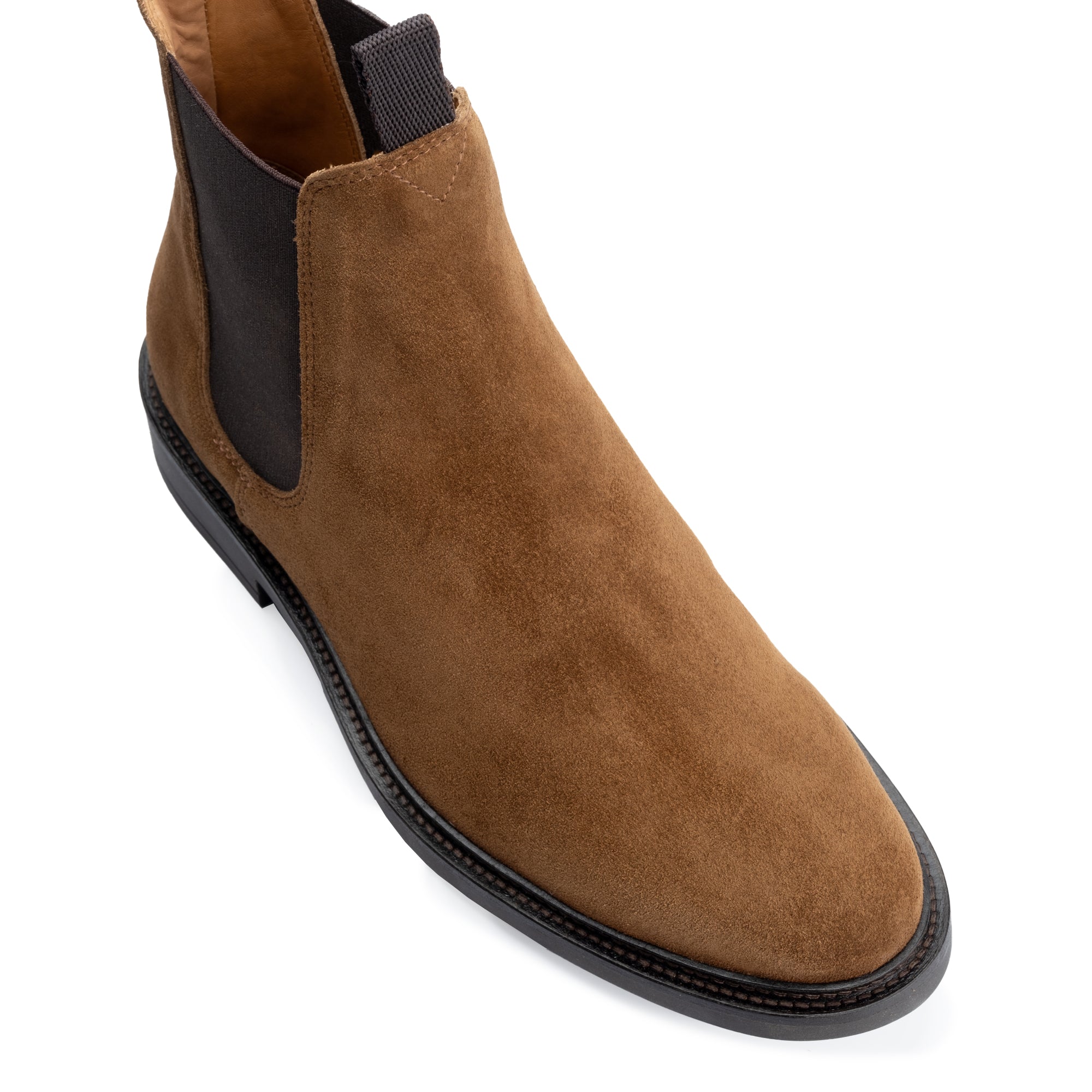
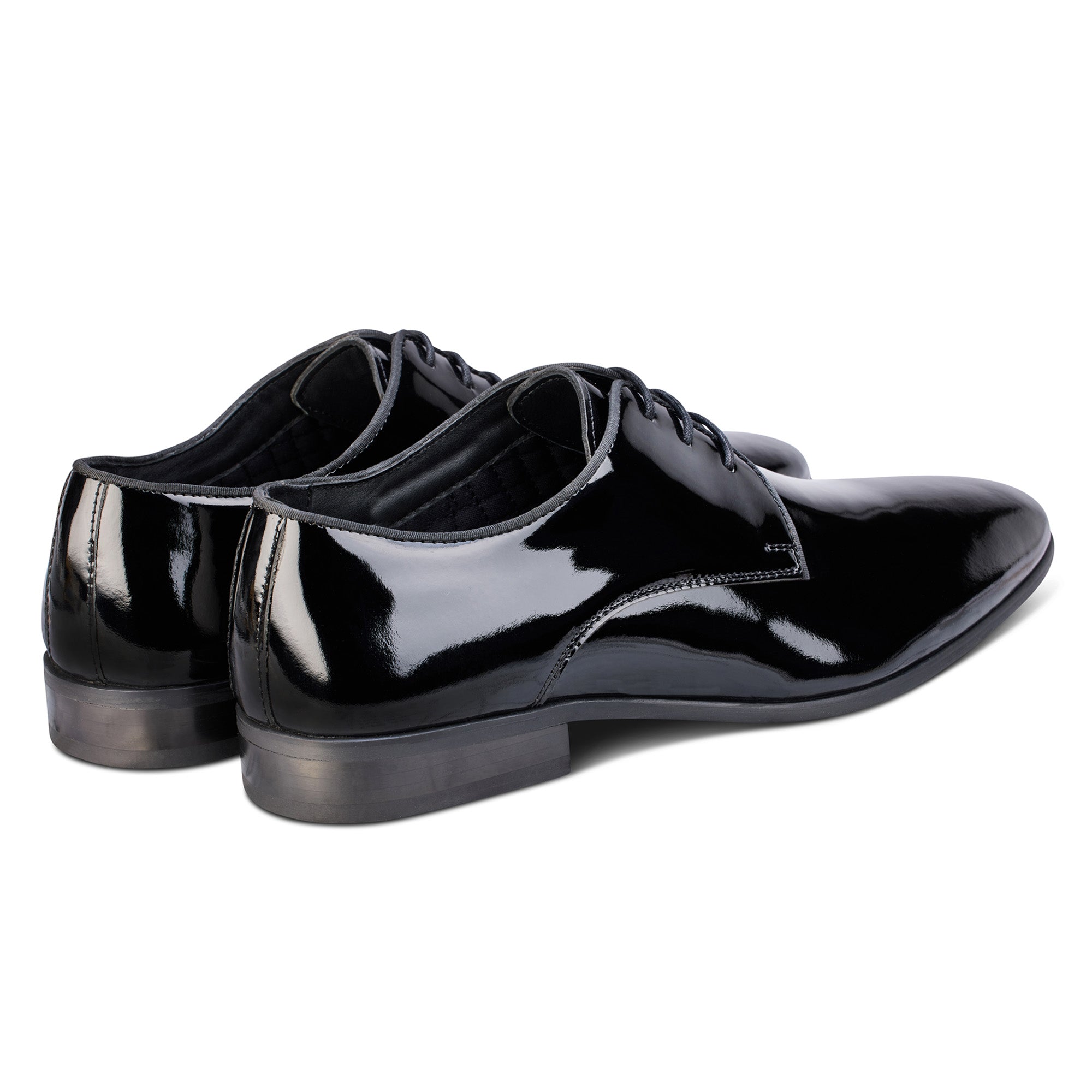
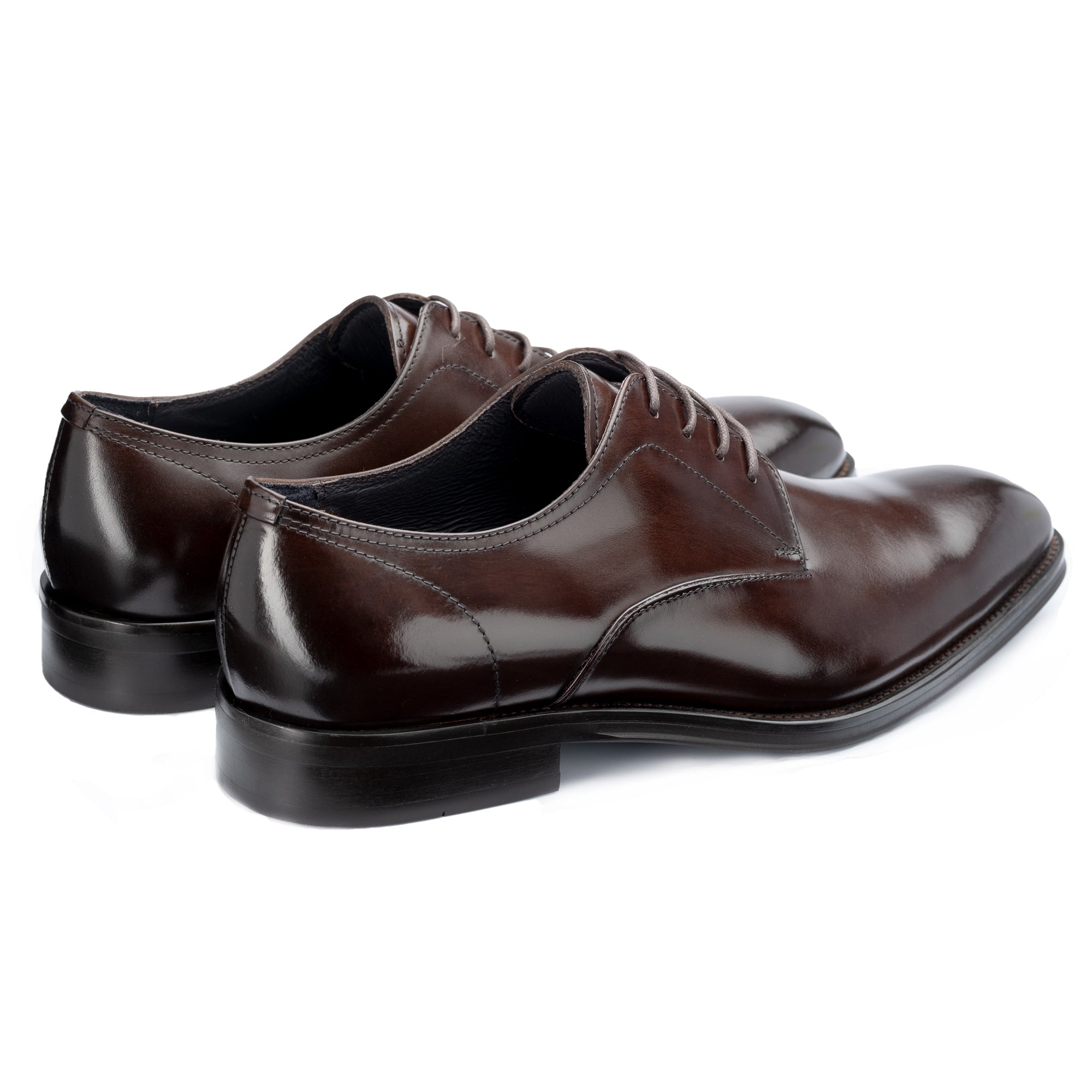
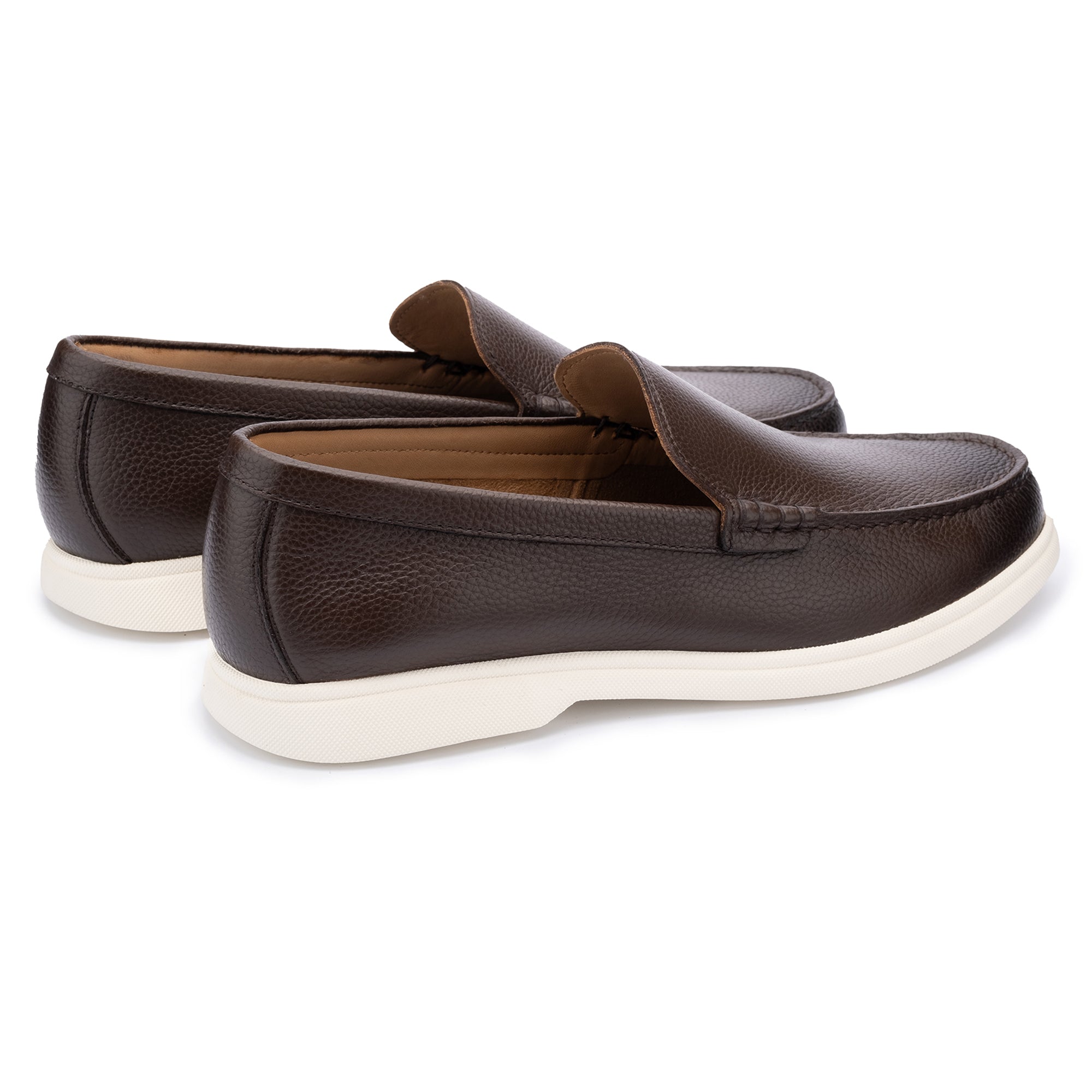
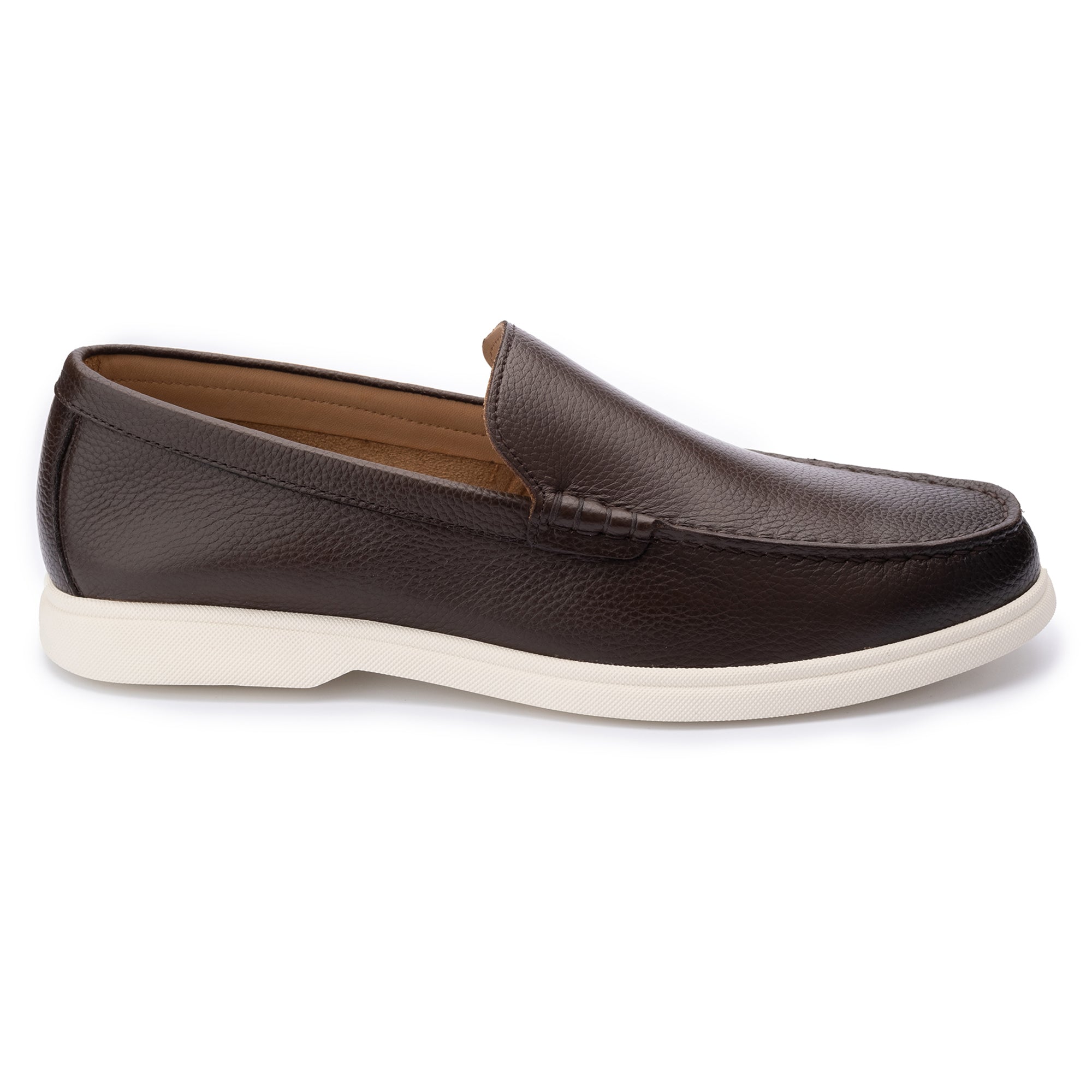
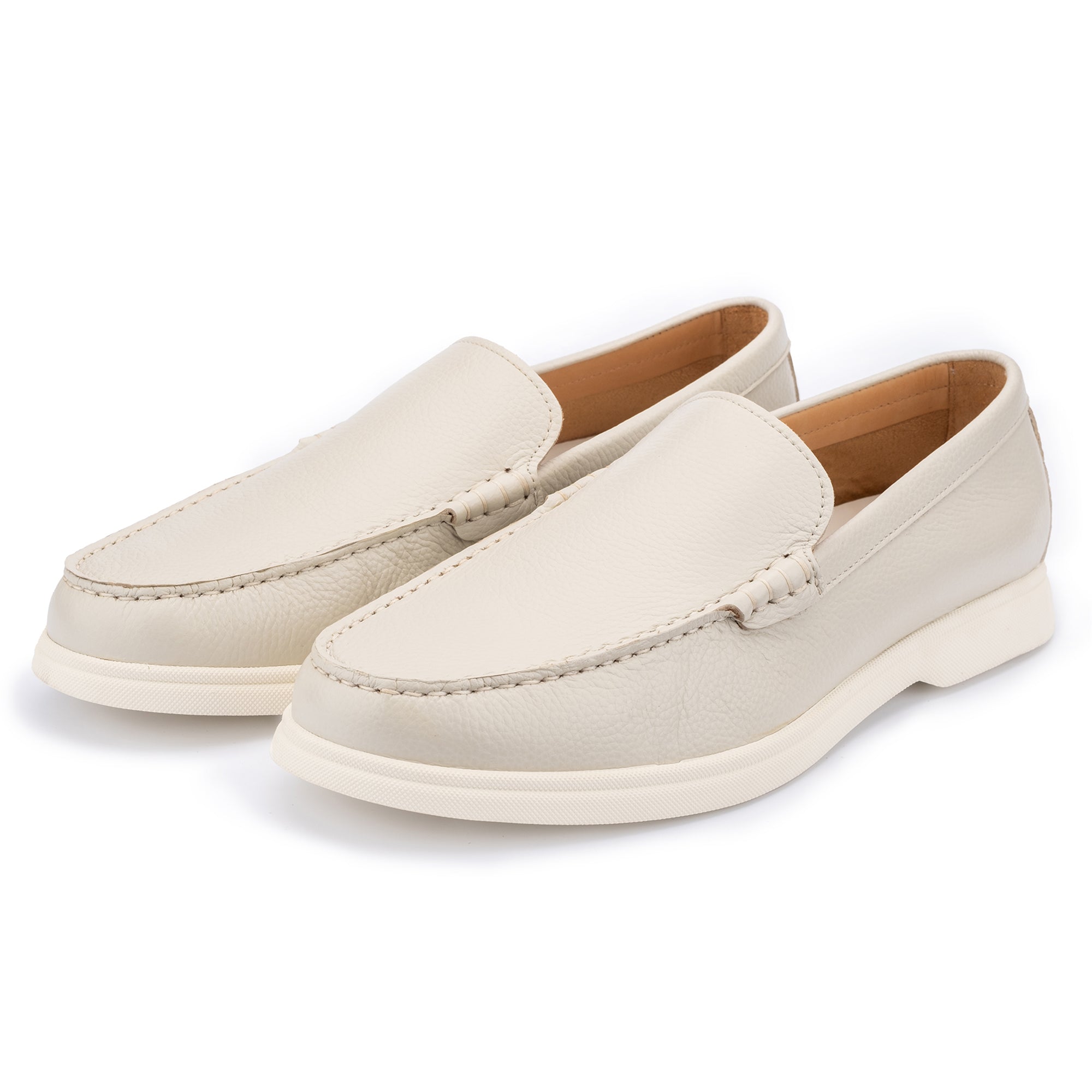
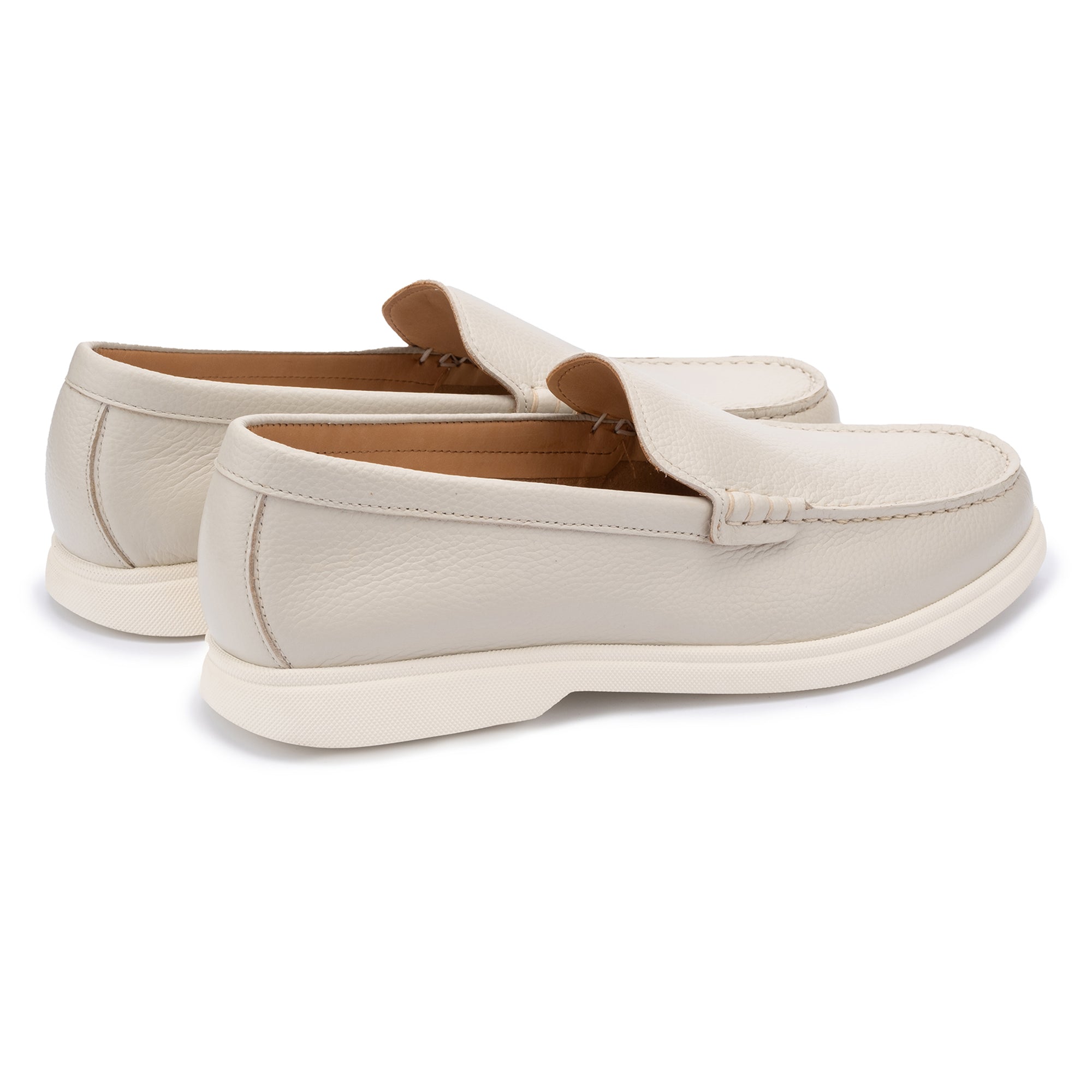
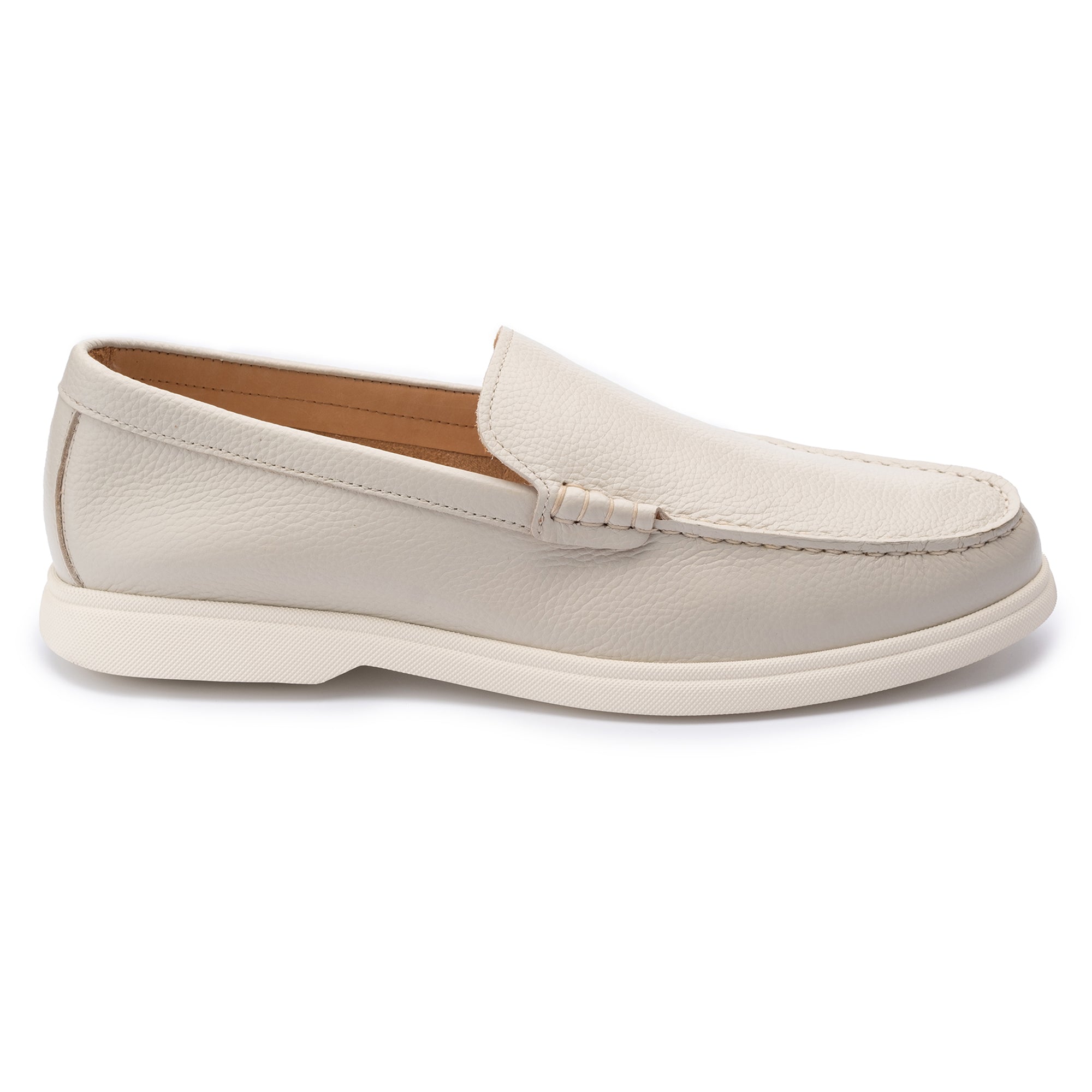
- The Profile Line: This is the overall silhouette from the side. It should flow seamlessly from the tip of the toe to the back of the heel, with a graceful curve at the instep and a solid, well-defined heel block.
Each of these lines must be perfect. Any deviation or inconsistency disrupts the architectural integrity of the design. A fluted or weak top-line, for example, suggests poor pattern cutting or lasting. More detail on how these pieces come together can be found in our guide to The Anatomy of a Quality Shoe.
The precision of a shoe's lines is a direct reflection of the maker's skill and commitment to quality craftsmanship.
What Role Do Materials Play in the Shoe's 'Structural Integrity'?
If the last is the foundation, the materials are the structural components. In premium shoemaking, full-grain leather is the material of choice for the upper, acting as both the facade and the load-bearing walls. Its natural fibre structure provides support, breathability, and the ability to conform to the wearer's foot over time.
However, the hidden materials are just as important. A full leather lining, leather insoles, and robust heel and toe stiffeners form the internal framework. This framework ensures the shoe retains its architected shape throughout its life. As the renowned cordwainer George G. B. Hoskins noted in his 1928 manual, "The shoe is a building for the foot; its foundation is the last, its walls the upper, and its integrity the welt. Neglect one, and the entire structure fails."
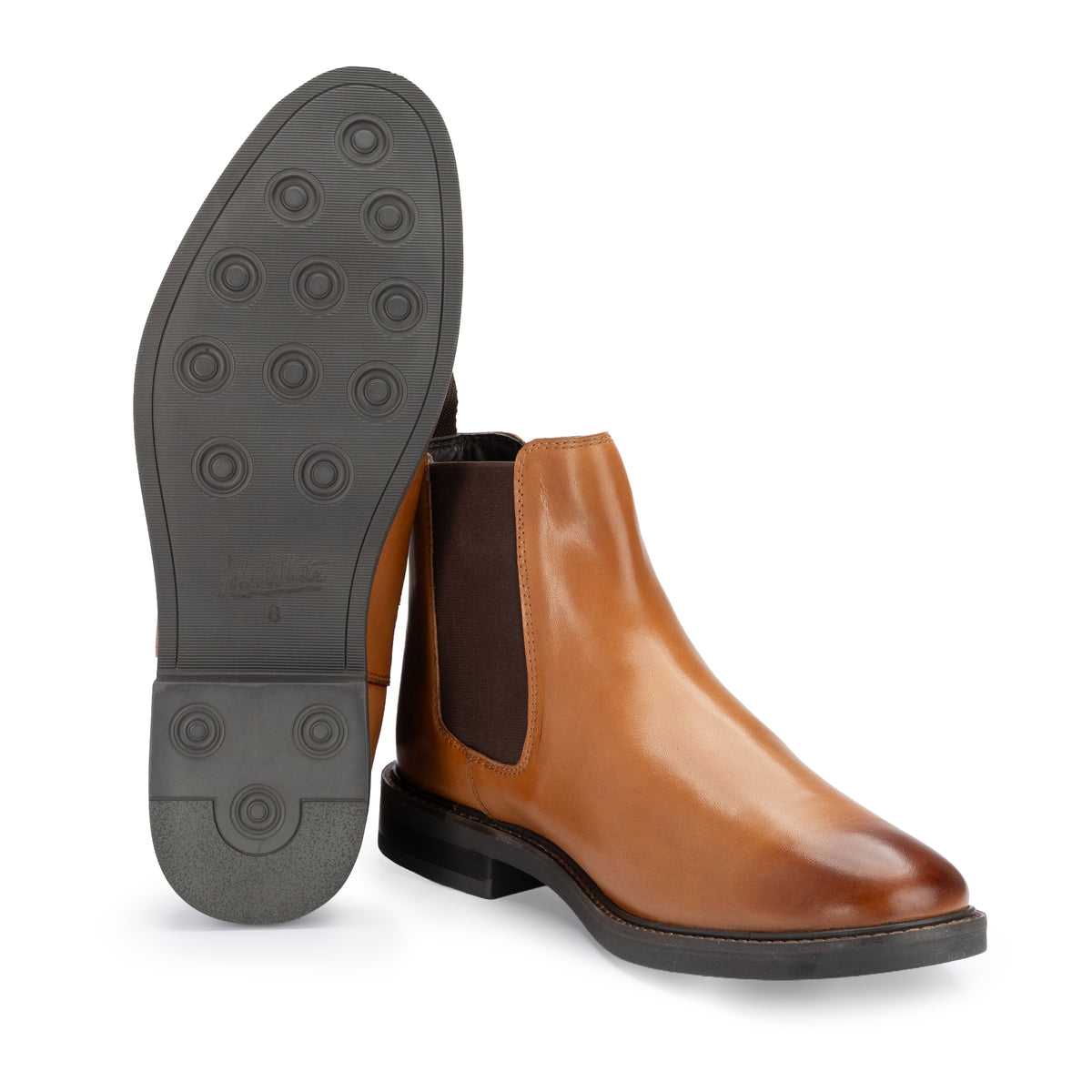
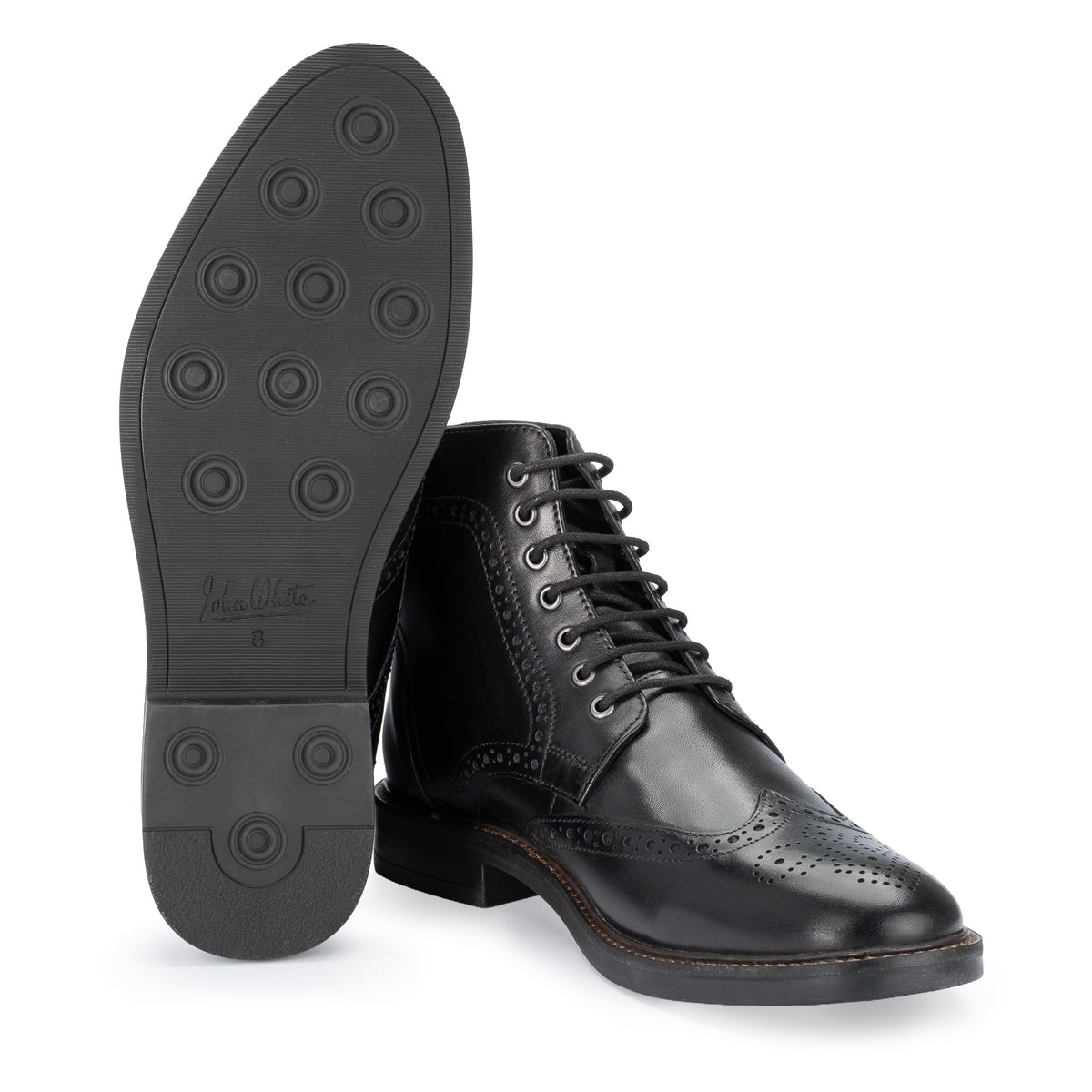
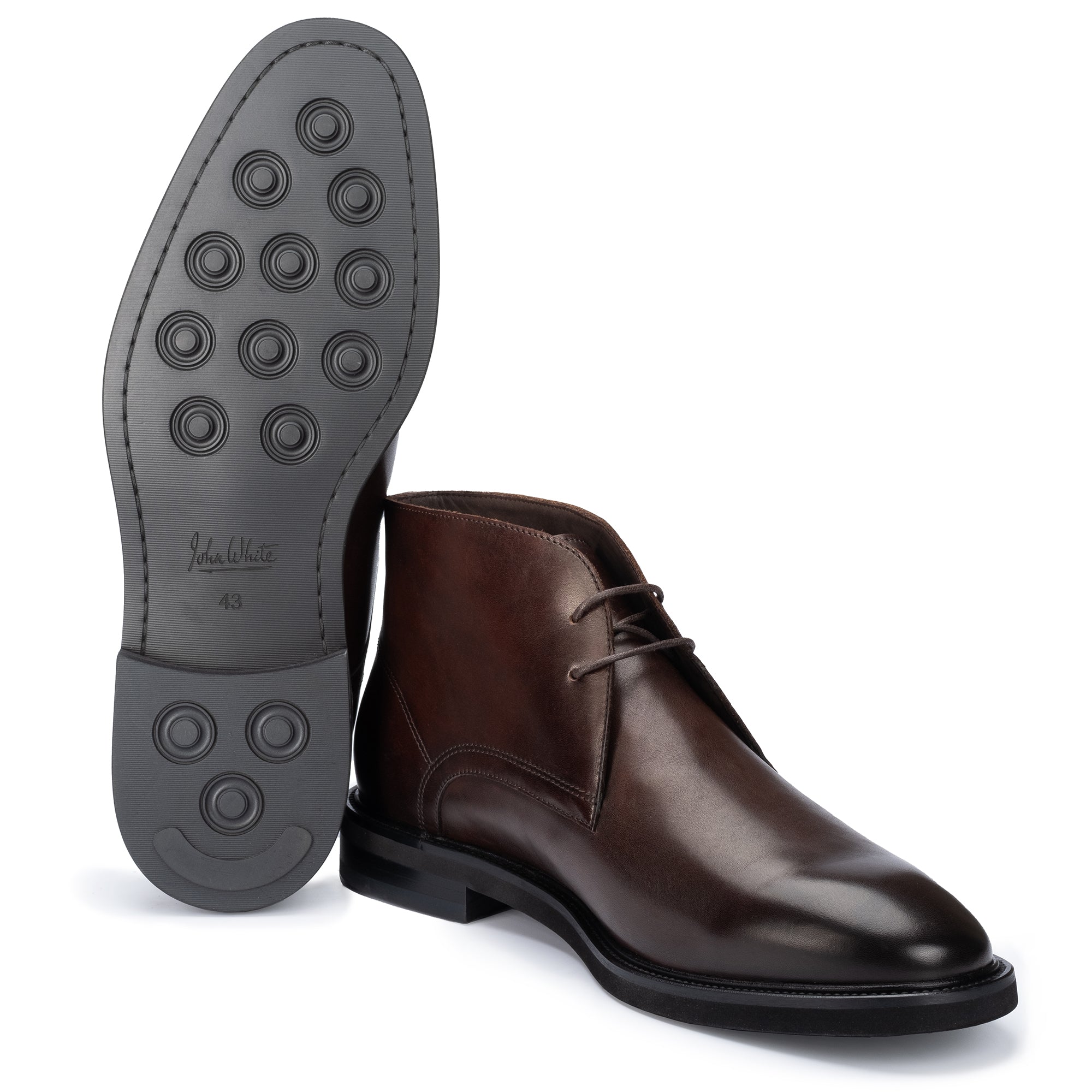
The Goodyear welt is the keystone of this structure. This strip of leather, stitched to both the upper and the sole, locks the entire assembly together. This method not only provides exceptional durability and water resistance but also allows the shoe to be fully rebuilt by a cobbler, preserving the integrity of the original design for decades.
Premium materials provide the necessary structural integrity, ensuring the shoe's architectural design endures years of wear.
| Architectural Principle | Oxford | Derby | Loafer |
|---|---|---|---|
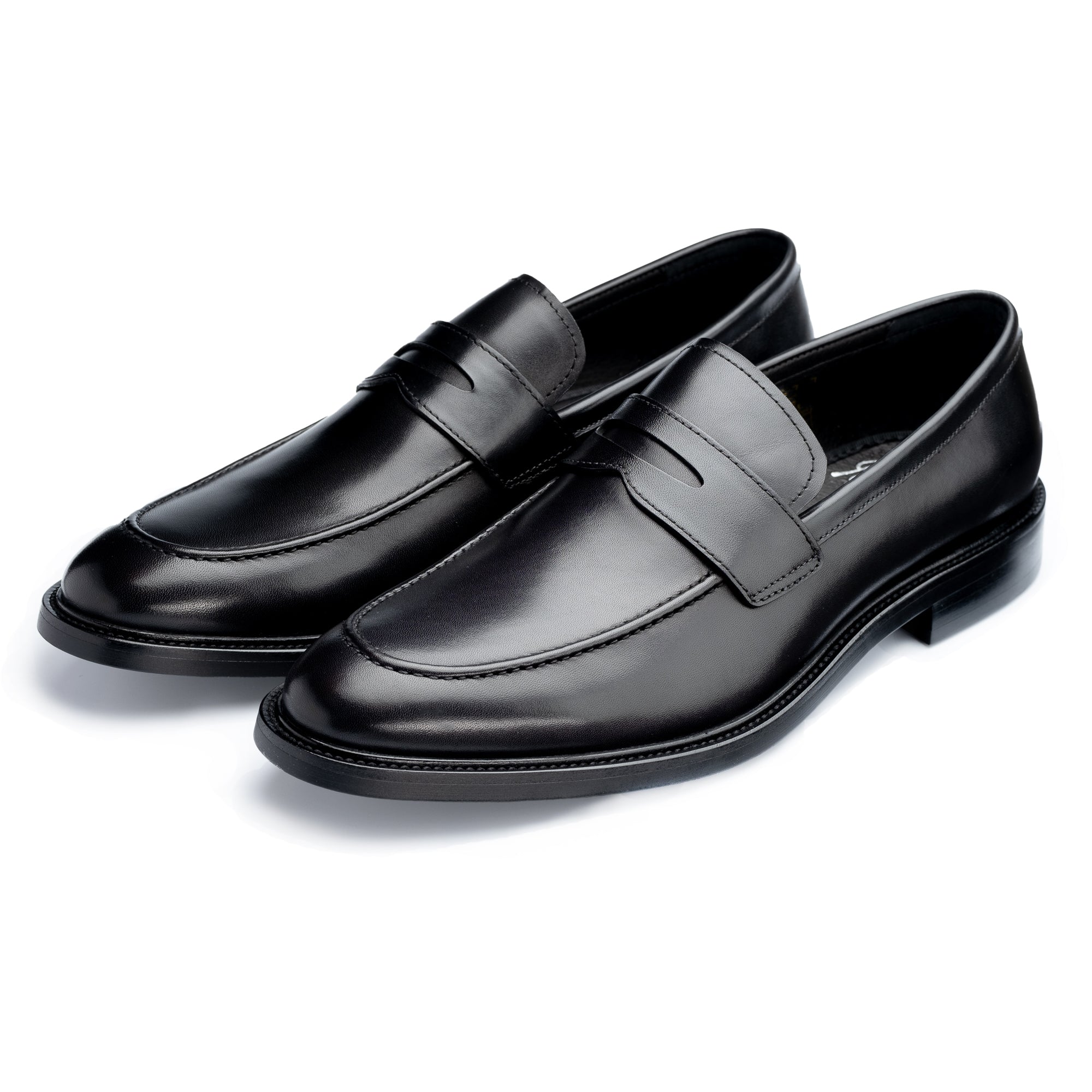
| Foundation (Last) | Often a sleeker, more sculpted last for a close fit. | Typically a fuller last to accommodate a higher instep. | Requires a precise last to ensure a secure fit without laces. |
| Proportion & Balance | Defined by the closed lacing system creating a clean, uninterrupted vamp. | Balanced by the open lacing, with visible quarters stitched over the vamp. | Balance achieved via the height of the saddle/apron and the topline. |
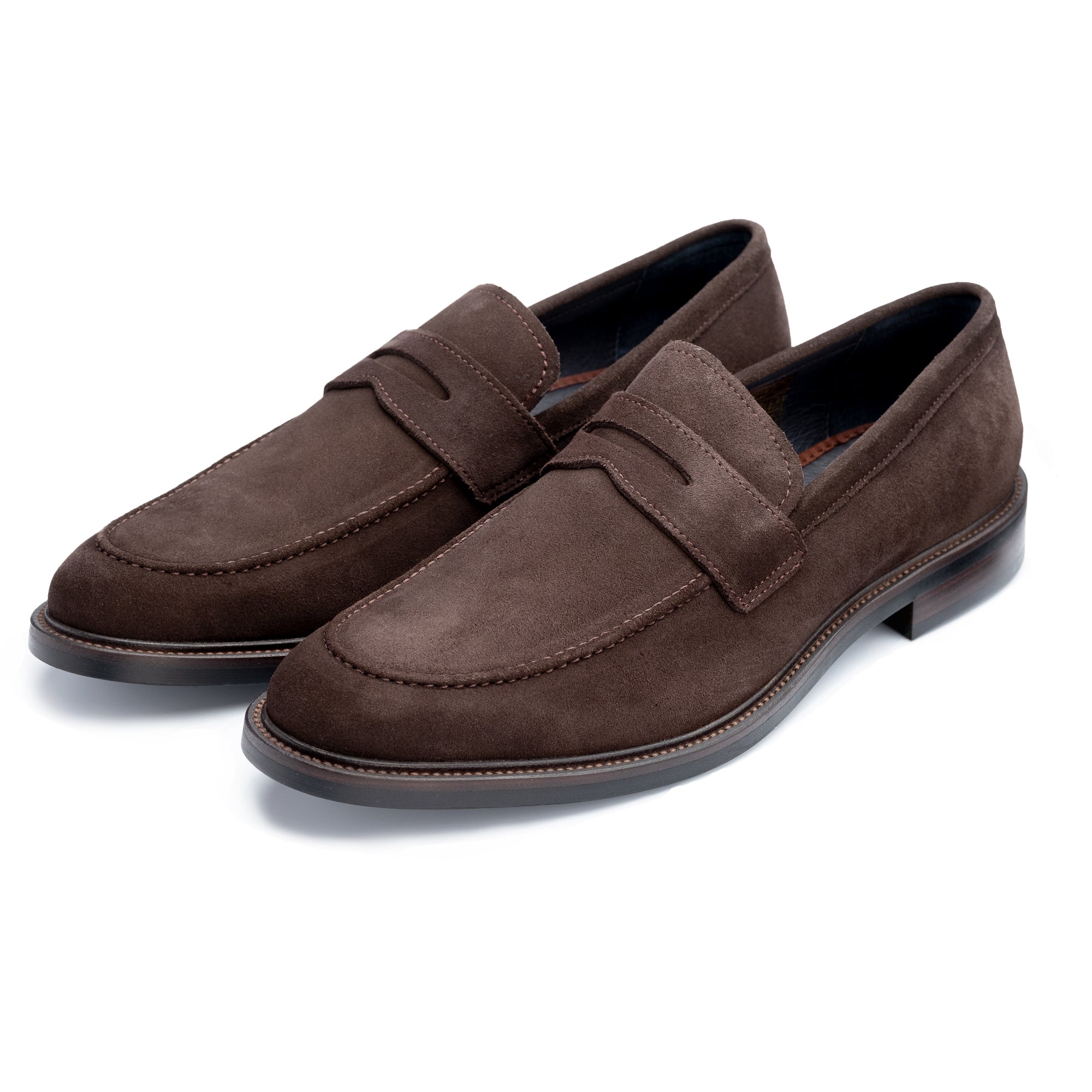
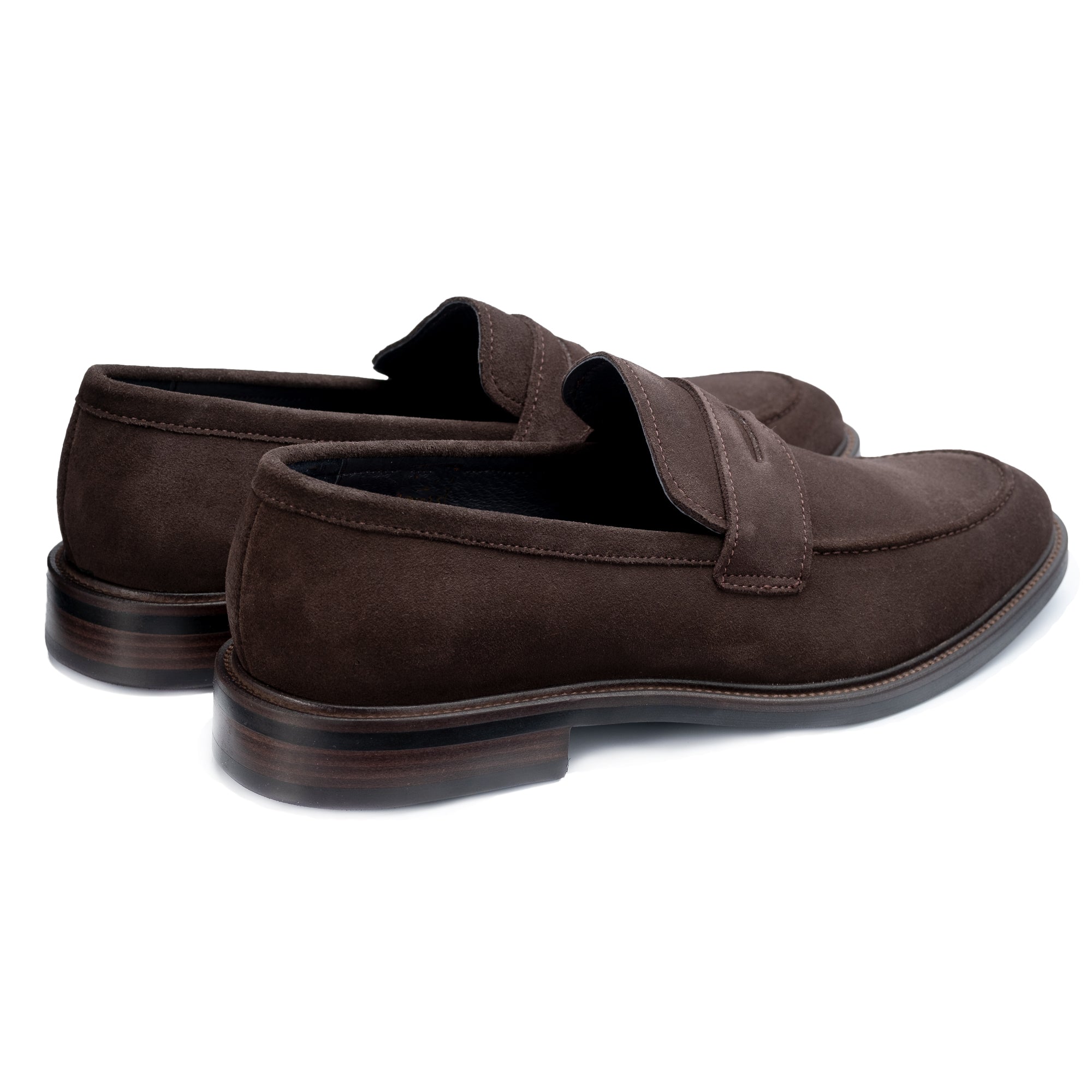
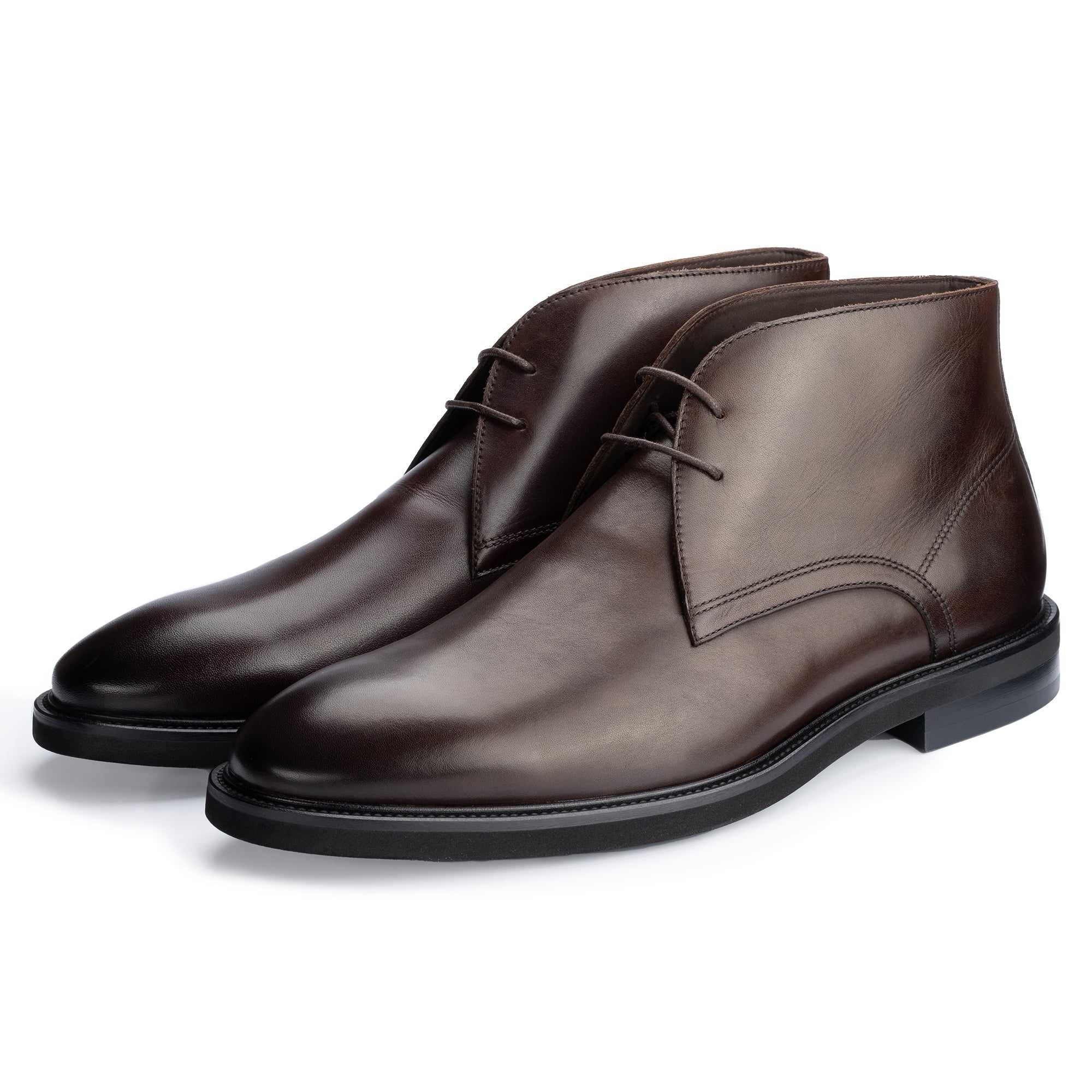
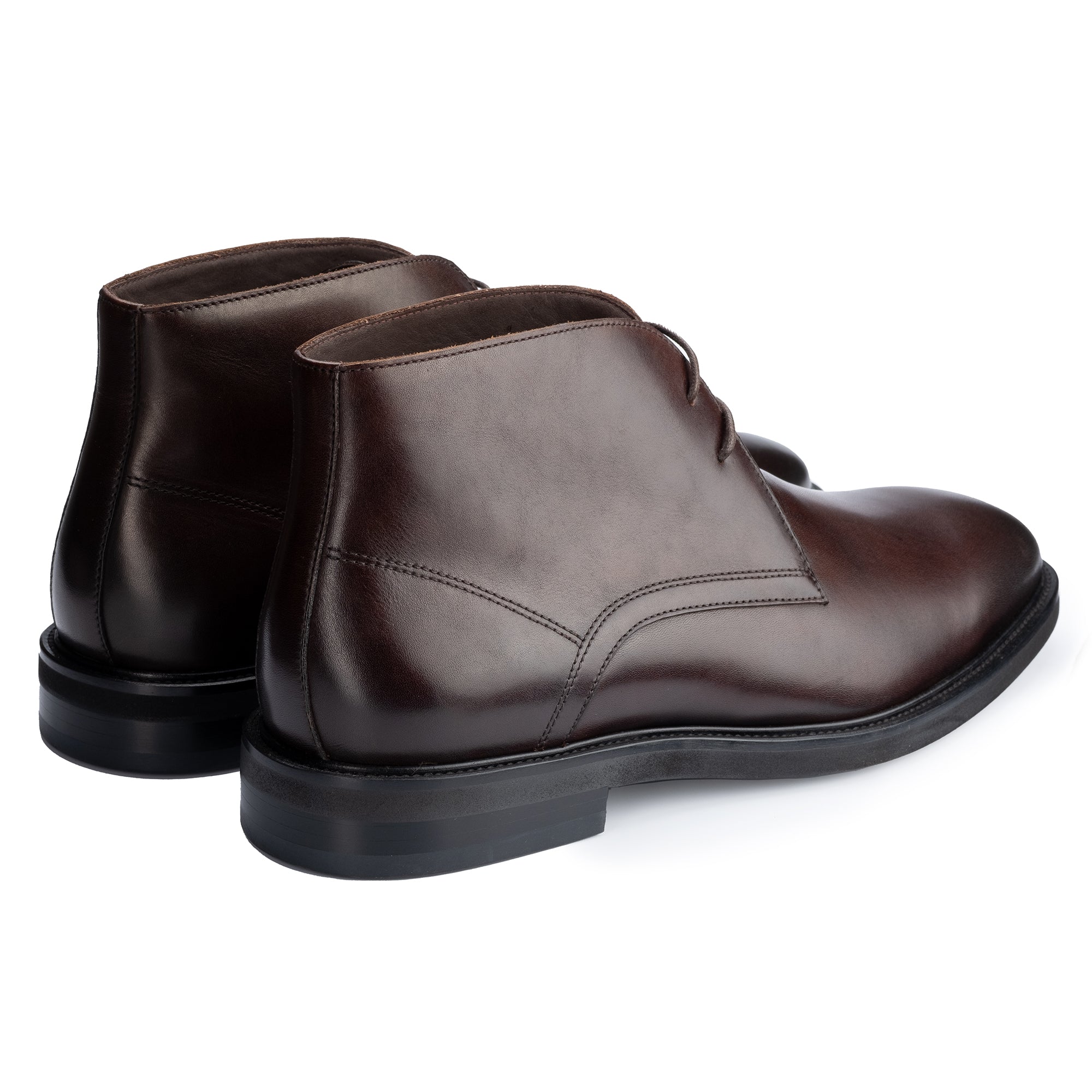
| Key Lines | Clean, formal lines with a low profile. The V-shape of the facing is key. | More robust, flowing lines. The quarters create a distinct profile. | The defining feature is the low, sweeping top-line around the ankle. |
| Structural Element | The stitched-down facing provides significant structural rigidity. | The quarters provide robust support, making it a sturdy design. | Integrity relies on the single-piece vamp and precise heel counter. |
Ultimately, the principles of classic shoe design are about intentionality. Every curve, stitch, and panel is there for a reason, contributing to a whole that is greater than the sum of its parts. This architectural approach is what gives a shoe its enduring character and is the hallmark of true British shoemaking heritage. Explore the results of this philosophy in our complete collection of premium men's shoes and boots.
TL;DR: The Core of Classic Shoe Design
Classic shoe design is an architectural discipline founded on four key principles. The 'last' serves as the foundational blueprint for shape and fit. 'Balance and proportion' dictate the aesthetic harmony of the silhouette. The 'lines' of the shoe reflect the precision of its construction. Finally, the quality of 'materials' provides the structural integrity needed for longevity.
Related Guides
- From Northampton to the World: The Story Behind British Shoemaking — our comprehensive guide
- The Art of the Last: Why Shoe Shape Matters More Than You Think
- The Anatomy of a Quality Shoe: What Goes Into Every Pair
- Round Toe vs. Chisel Toe: A Definitive Guide to Timeless Shoe Silhouettes
Frequently Asked Questions
How does the toe shape affect the shoe's overall design?
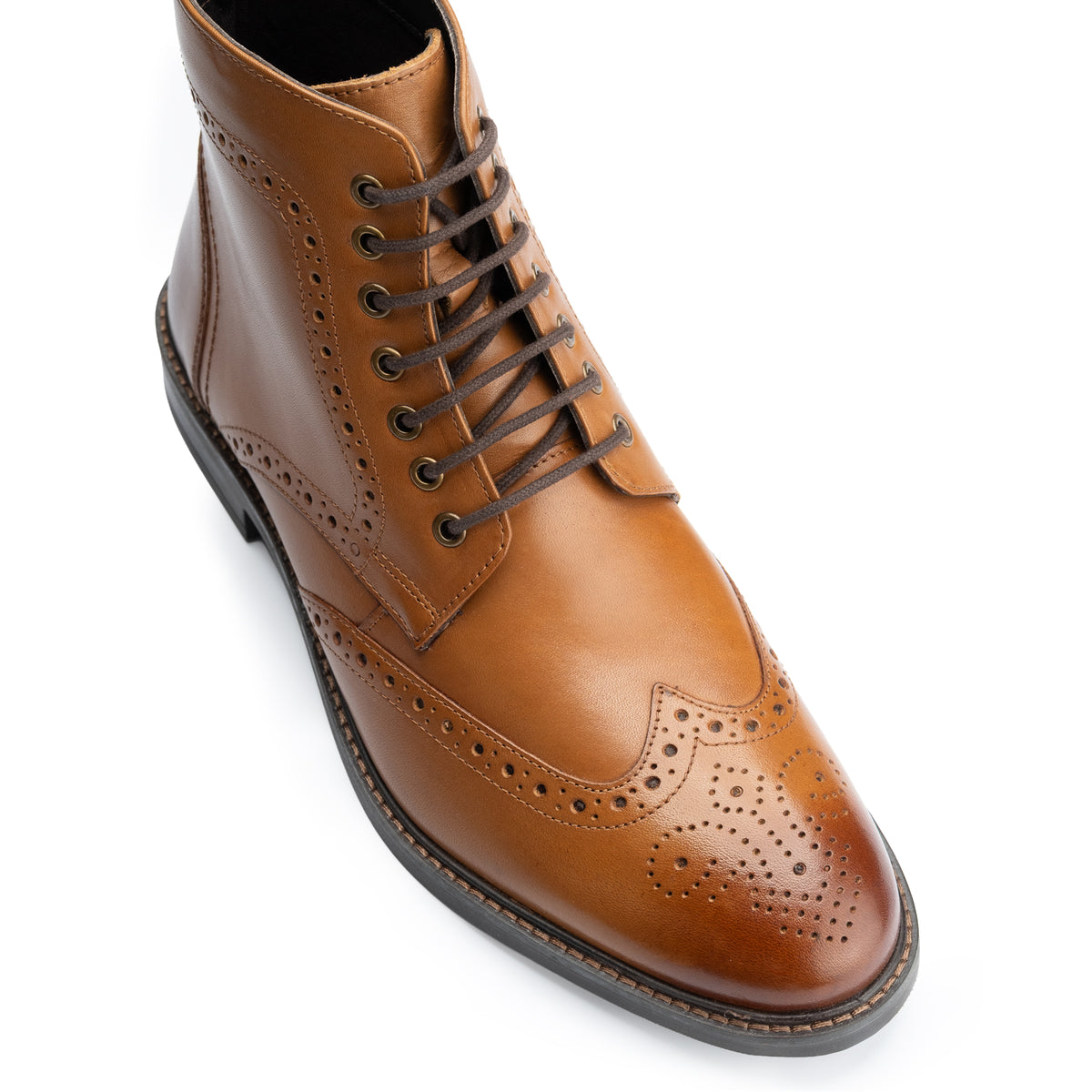
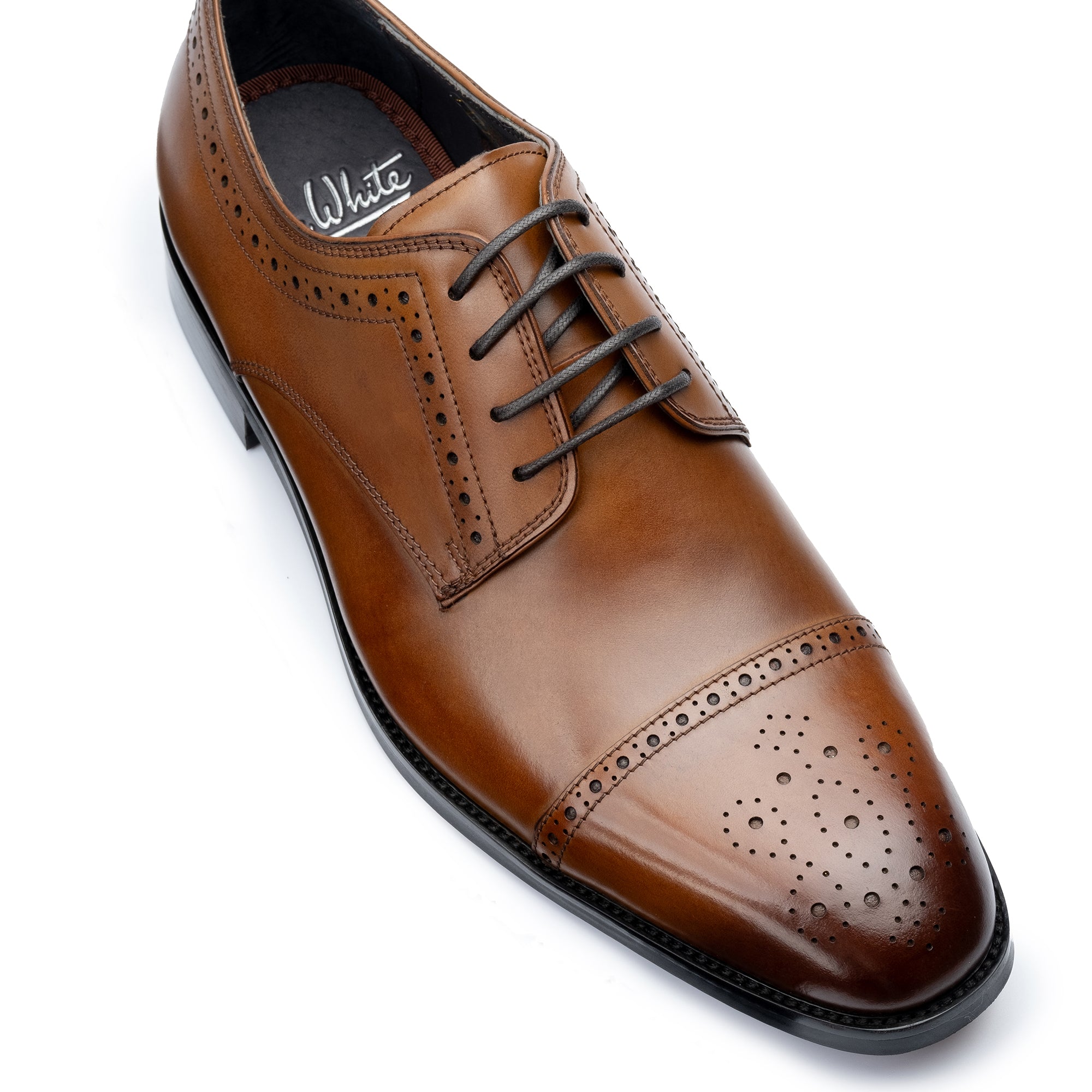
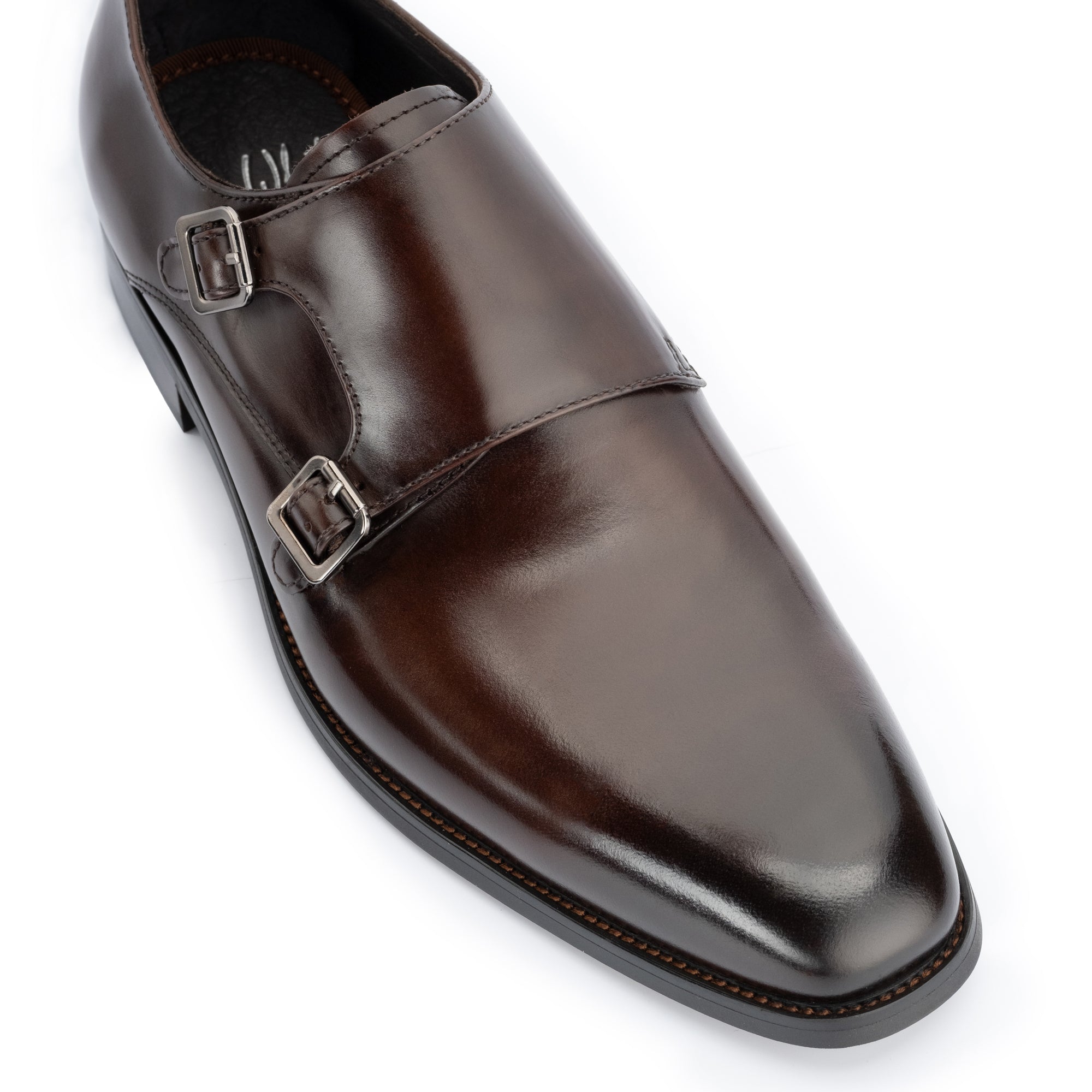
The toe shape is a critical architectural element that defines the shoe's formality and character. A rounded toe offers a classic, traditional look, while a chisel toe provides a sharper, more contemporary silhouette. The choice of toe must be balanced with the proportions of the rest of the shoe to create a cohesive design.
Is a heavier shoe a sign of better architectural design?
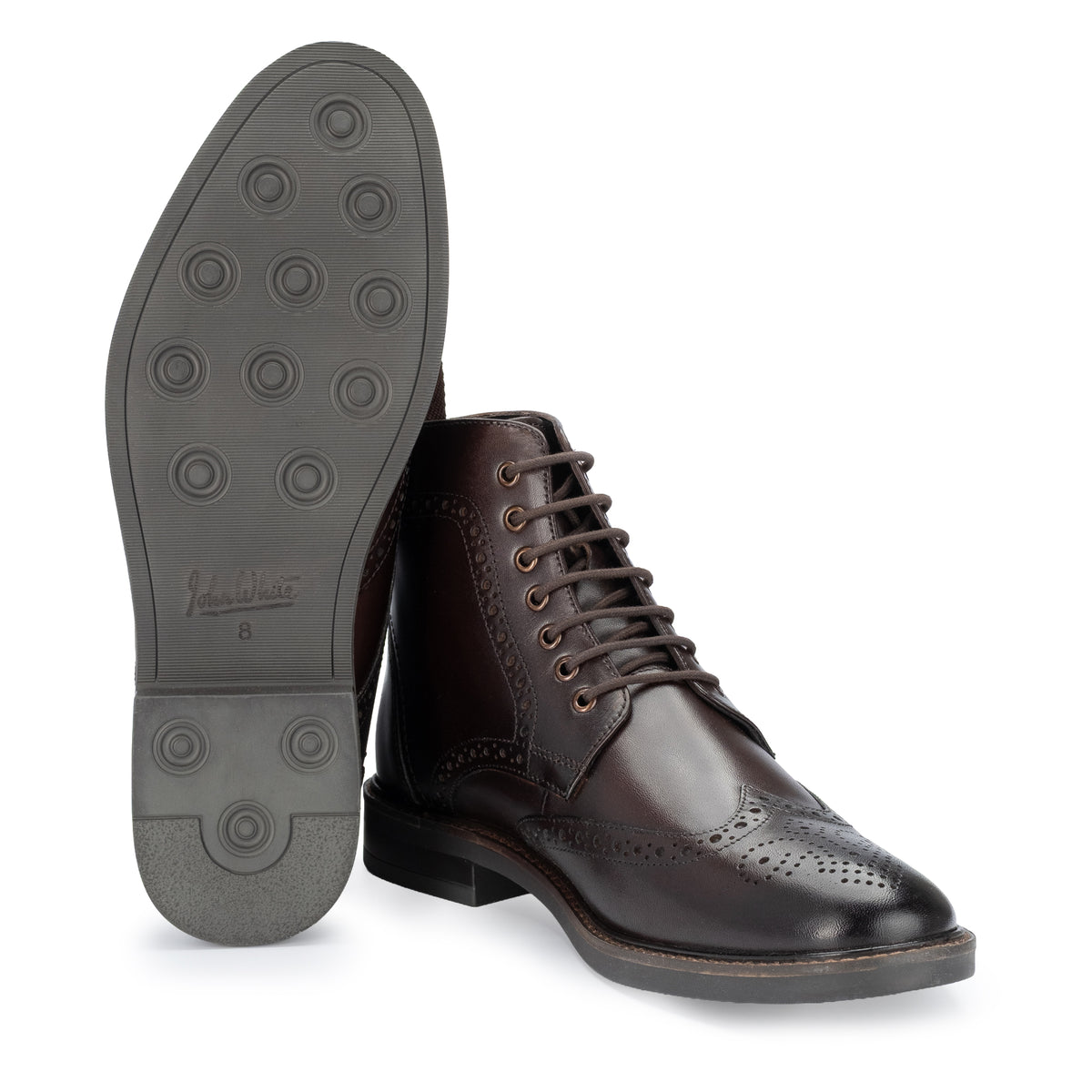
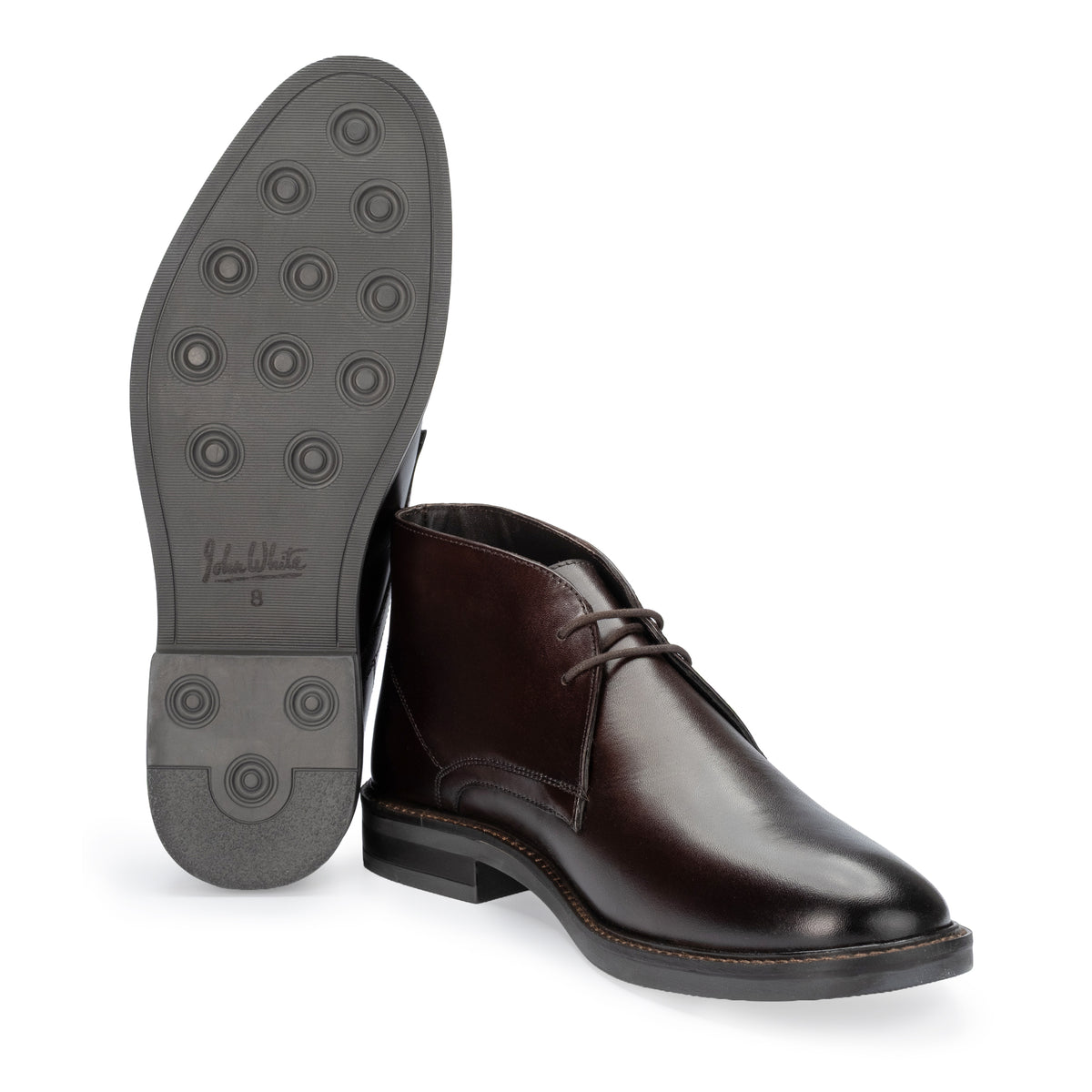
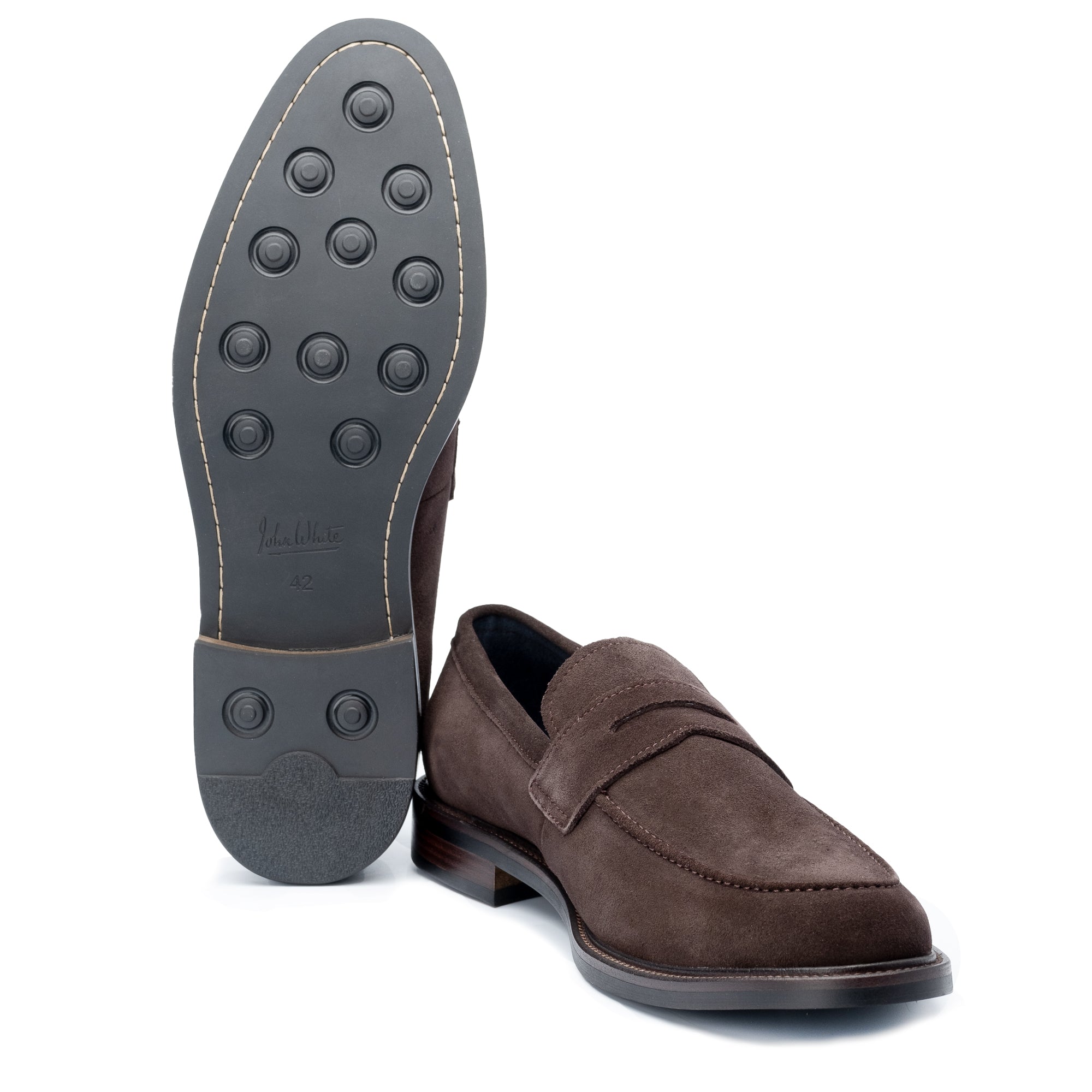
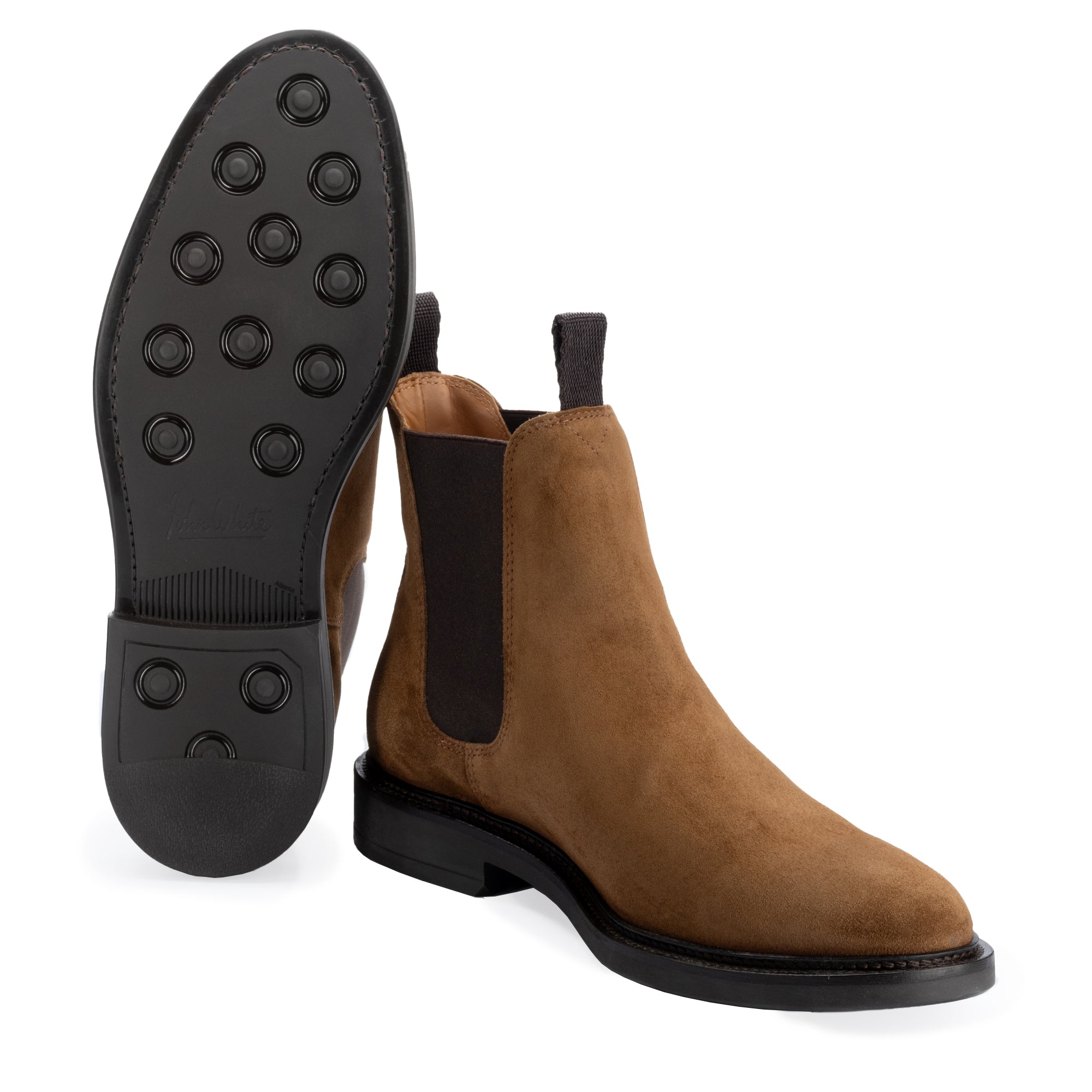
Not necessarily. Weight should be a function of purpose. A Goodyear welted shoe with a double leather or Dainite sole will be heavier than a Blake-stitched equivalent, but this weight signifies robust, durable construction. The goal of good design is appropriate substance, not simply heft; a well-designed shoe feels solid and balanced, not just heavy.
Why do some classic shoe designs never go out of style?
Classic designs like the Oxford and Derby persist because their architectural principles are sound. They are based on timeless proportions, functional elegance, and a deep understanding of the foot's anatomy. Like a well-designed building, they are not subject to fleeting fashions because their form is intrinsically linked to their function.
What is the single most important design element to look for?
While all elements are interconnected, the most important is the overall balance and silhouette. Stand back and look at the shoe's profile. Does it look harmonious? Do the lines flow gracefully? A balanced silhouette is the clearest indicator that the designer has successfully applied all the core architectural principles, from the last outwards.