
Open-Channel vs. Closed-Channel Soles: A Definitive Guide to a Hallmark of Craftsmanship
A closed-channel sole conceals the welt stitching beneath a fine flap of leather, offering a seamless, refined appearance characteristic of bespoke footwear. Conversely, an open-channel sole displays the stitching within a visible, precisely cut groove, showcasing the robust honesty of traditional Goodyear welted construction. The choice is one of aesthetic preference, not structural superiority.
In This Guide
- What Is an Open-Channel Sole?
- What Is a Closed-Channel Sole?
- How Do Open-Channel and Closed-Channel Soles Compare?
- Does a Closed-Channel Sole Offer Superior Durability?
- Why Is a Closed-Channel Sole Considered a Premium Feature?
- Which Type of Sole Should You Choose?
- Related Guides
- Frequently Asked Questions
In the world of premium men's footwear, the details that signify true craftsmanship are often subtle. While the quality of the leather upper and the precision of the broguing are immediately apparent, the sole of a shoe holds its own secrets. For the discerning gentleman, understanding the difference between open-channel and closed-channel soles is to understand a key nuance in the art of shoemaking.
This guide offers a definitive look at these two methods of finishing a Goodyear welted sole. It is not merely a technical distinction; it is a statement of intent, reflecting a shoemaker’s approach to elegance, tradition, and enduring quality. Here, we dissect what defines each method and guide you in appreciating this quiet hallmark of quality.
What Is an Open-Channel Sole?
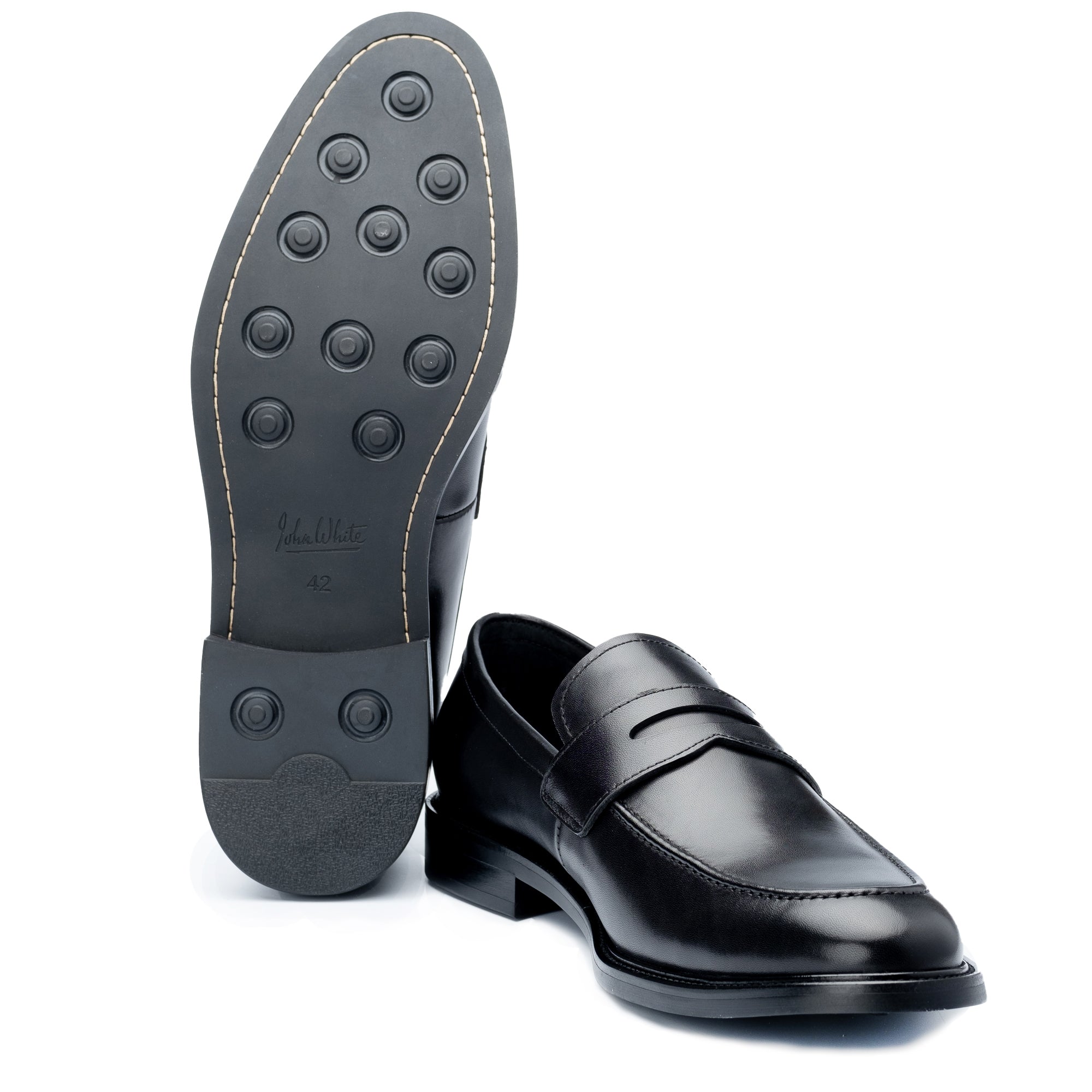
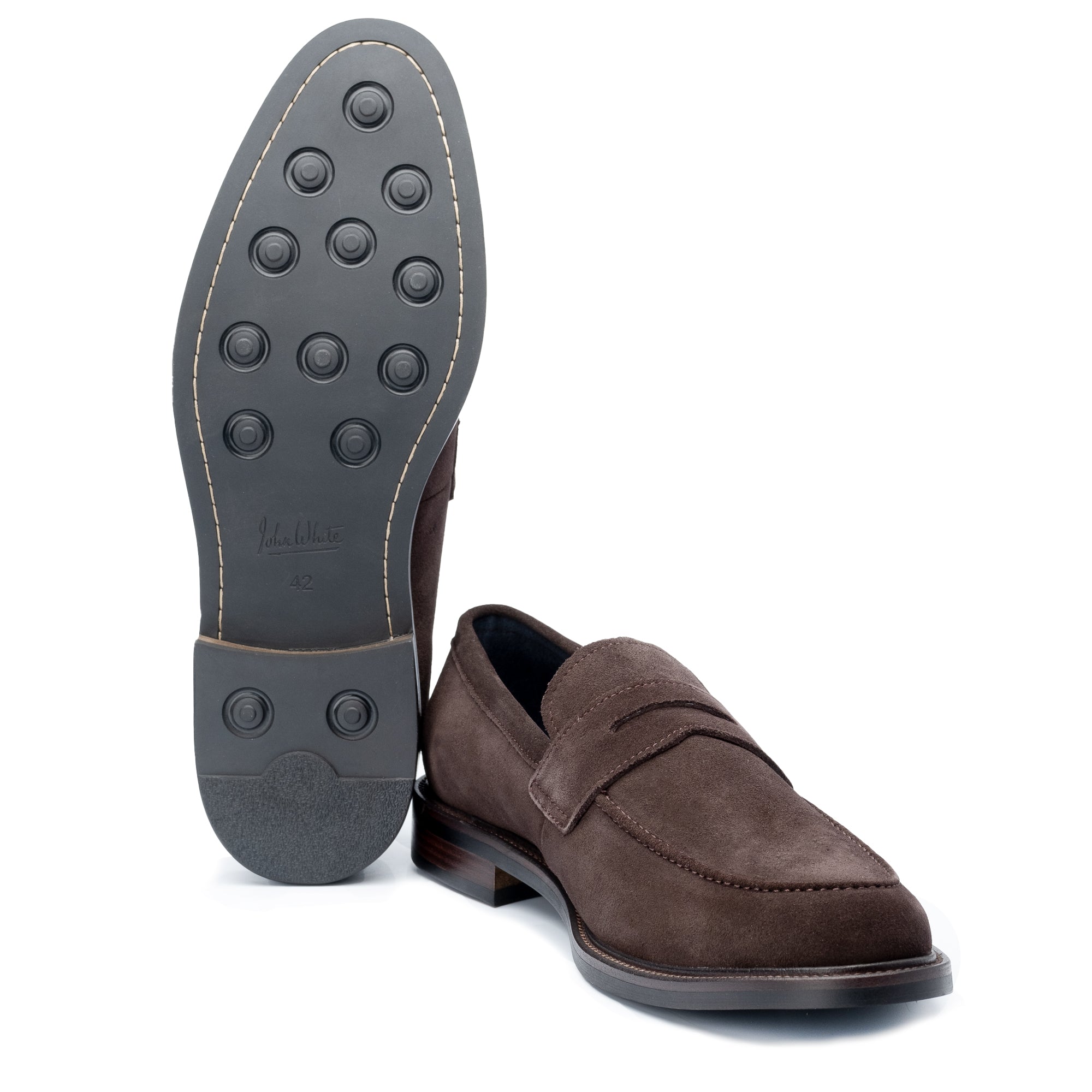
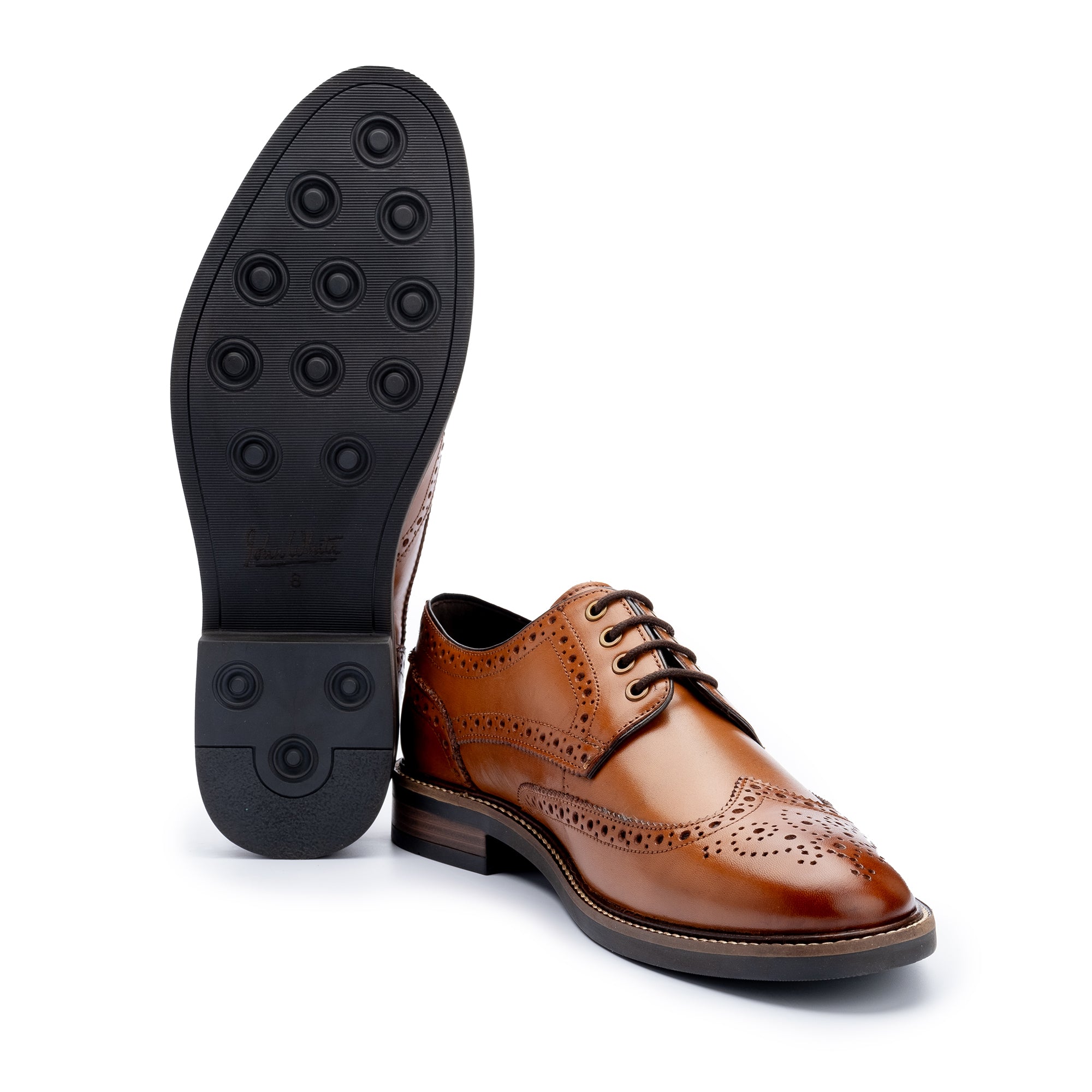
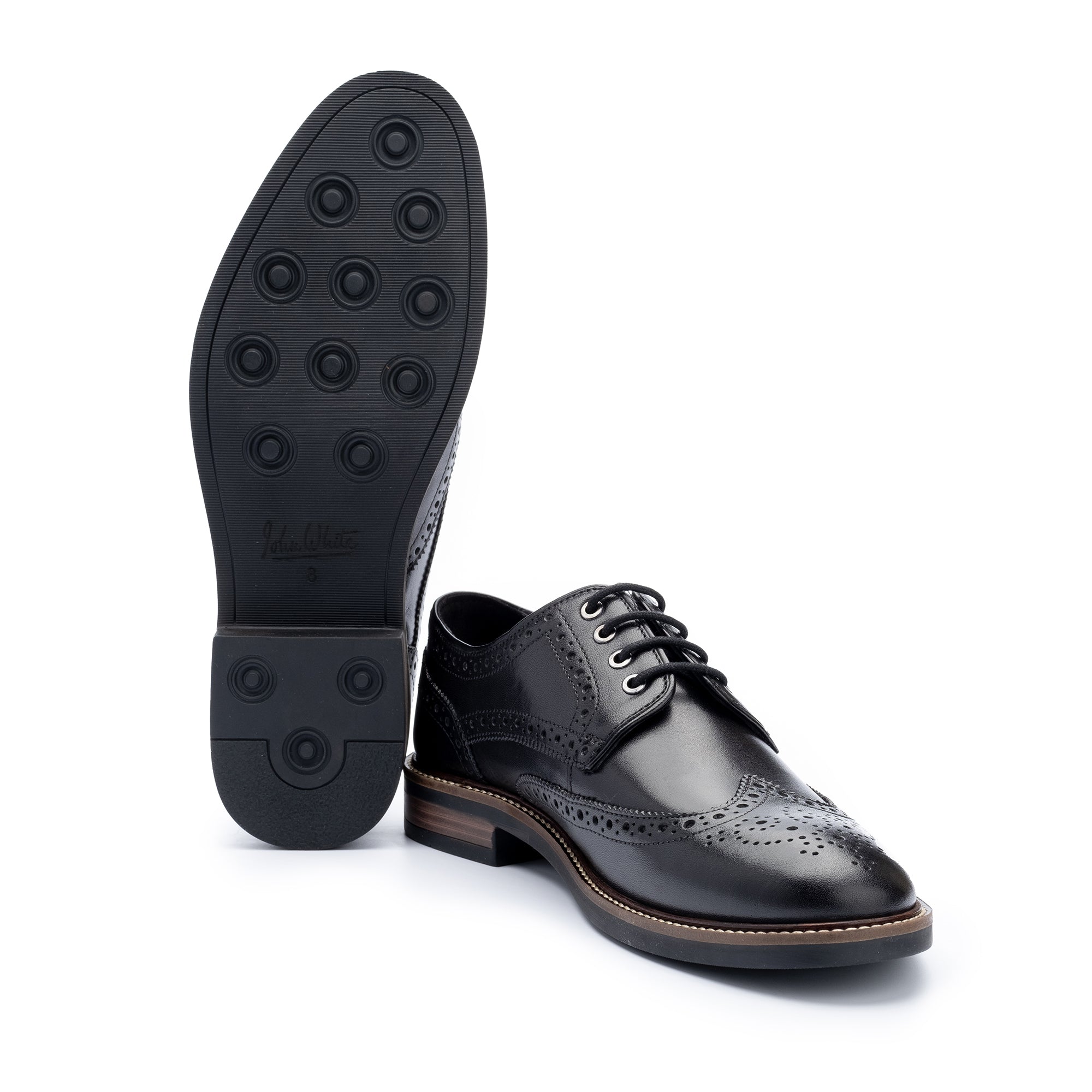
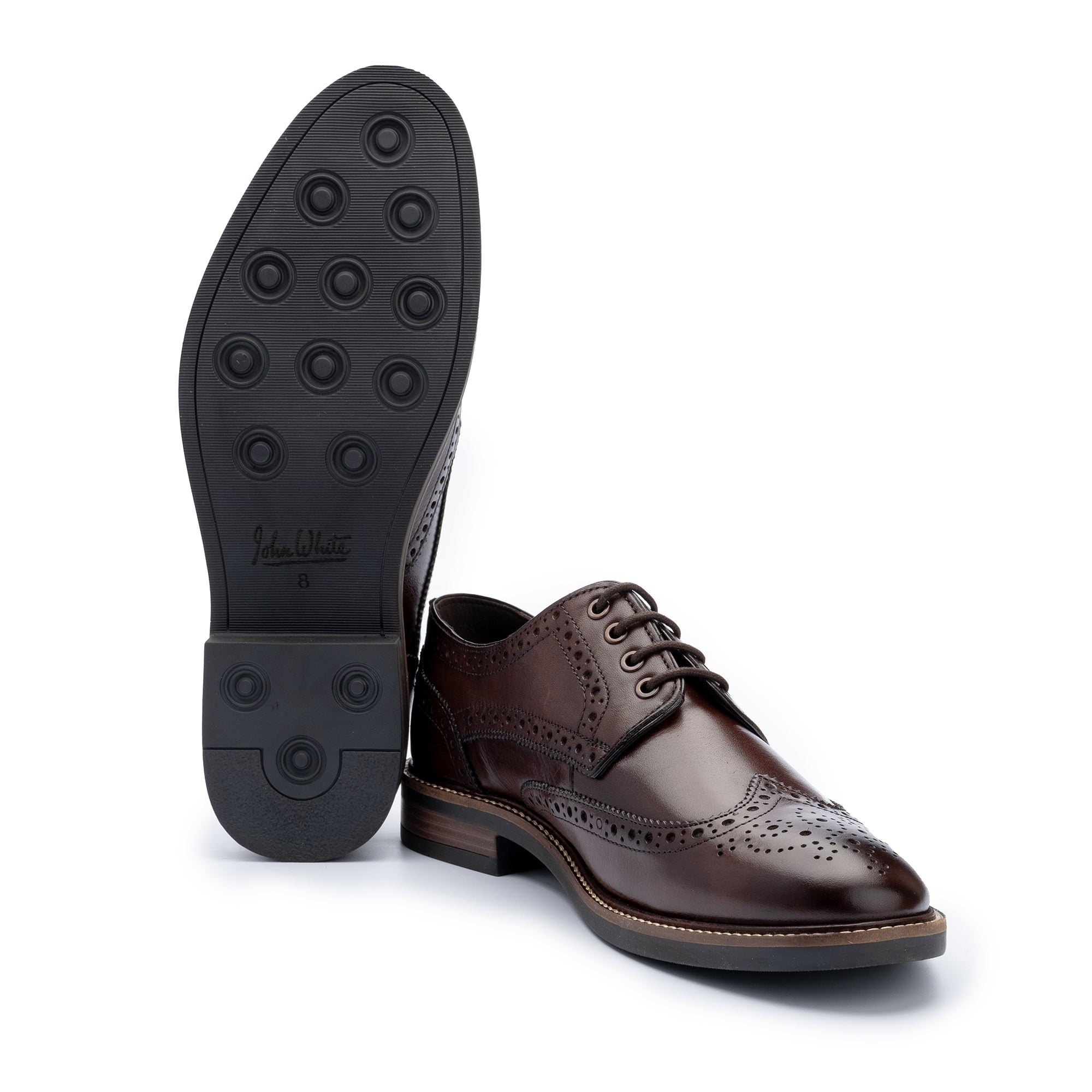
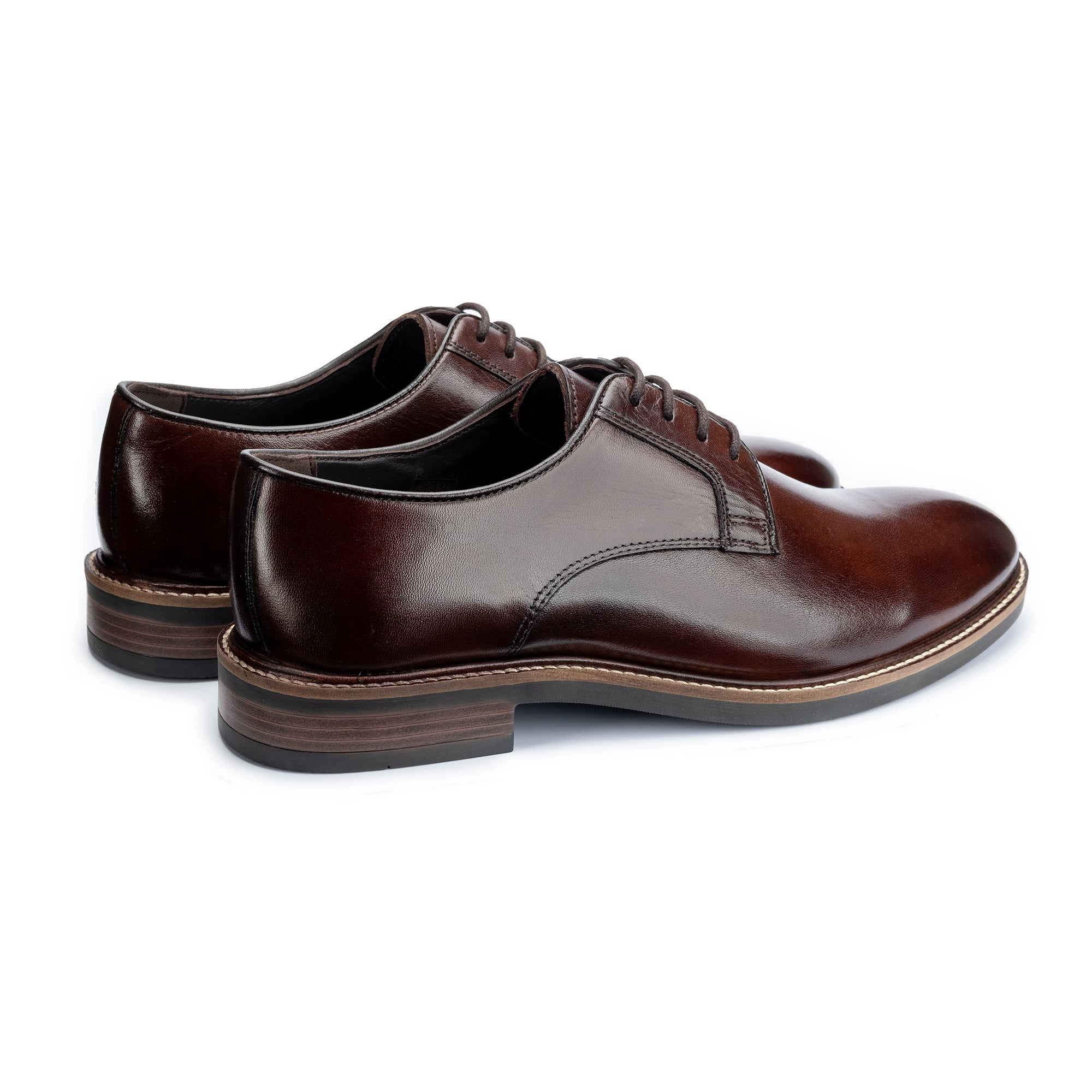
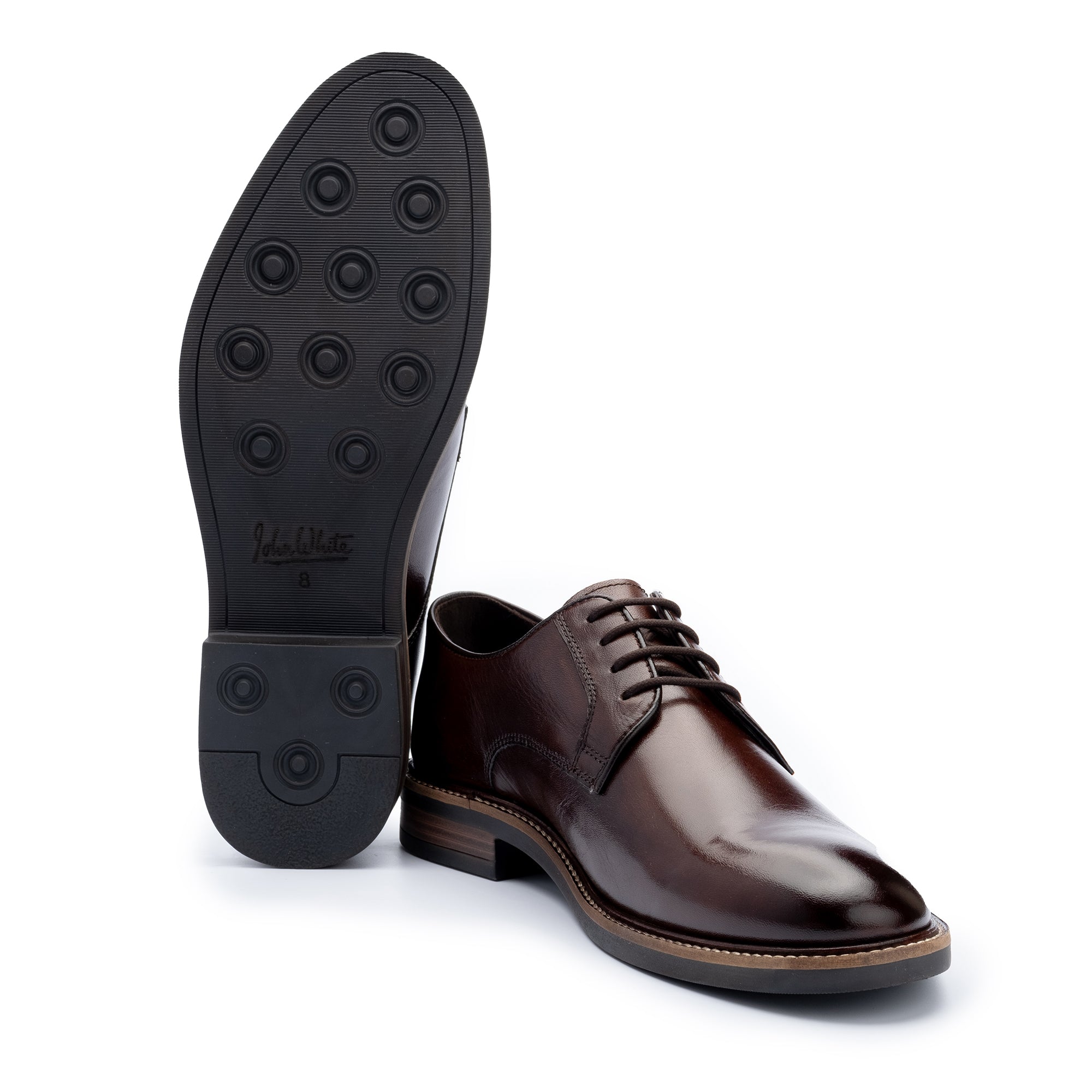
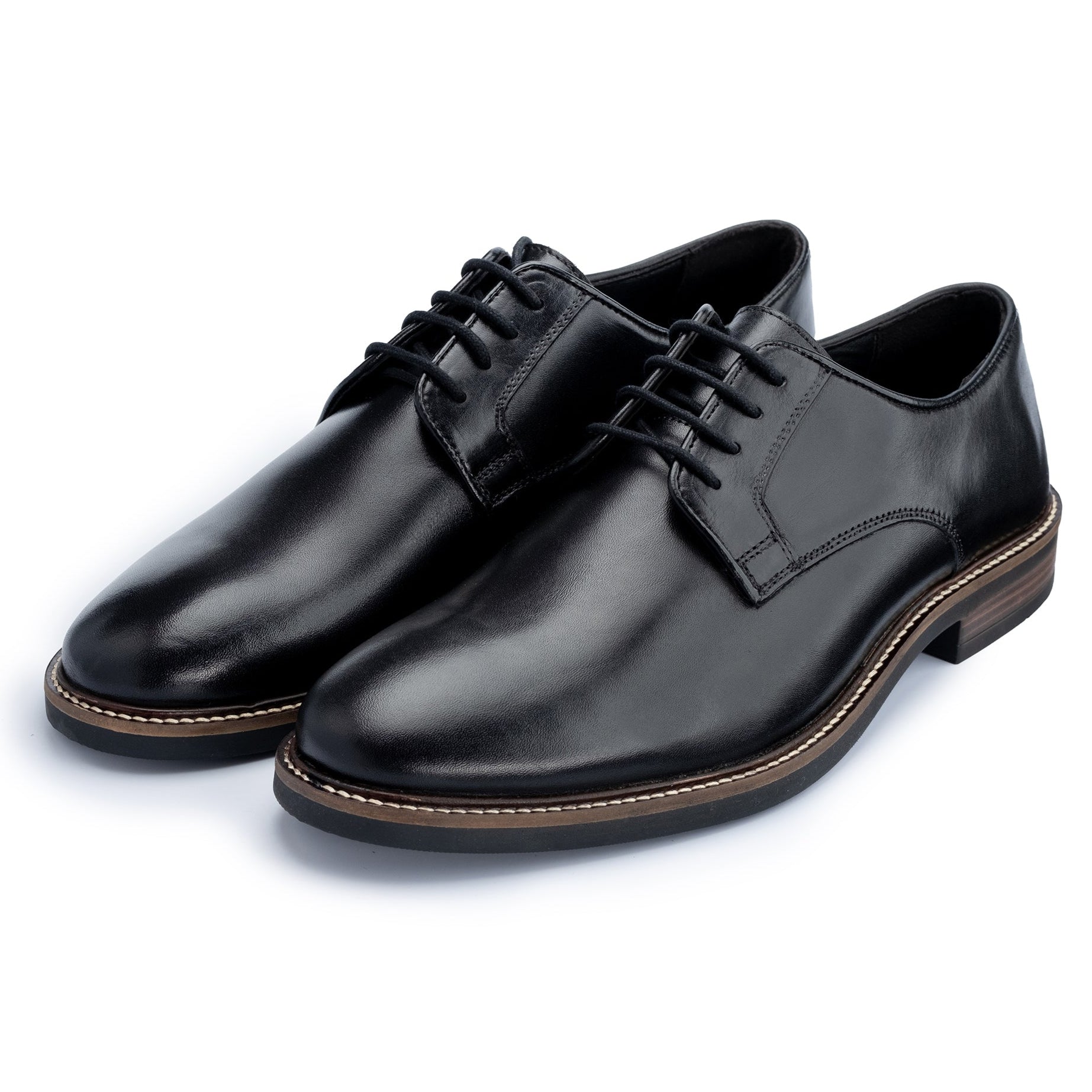
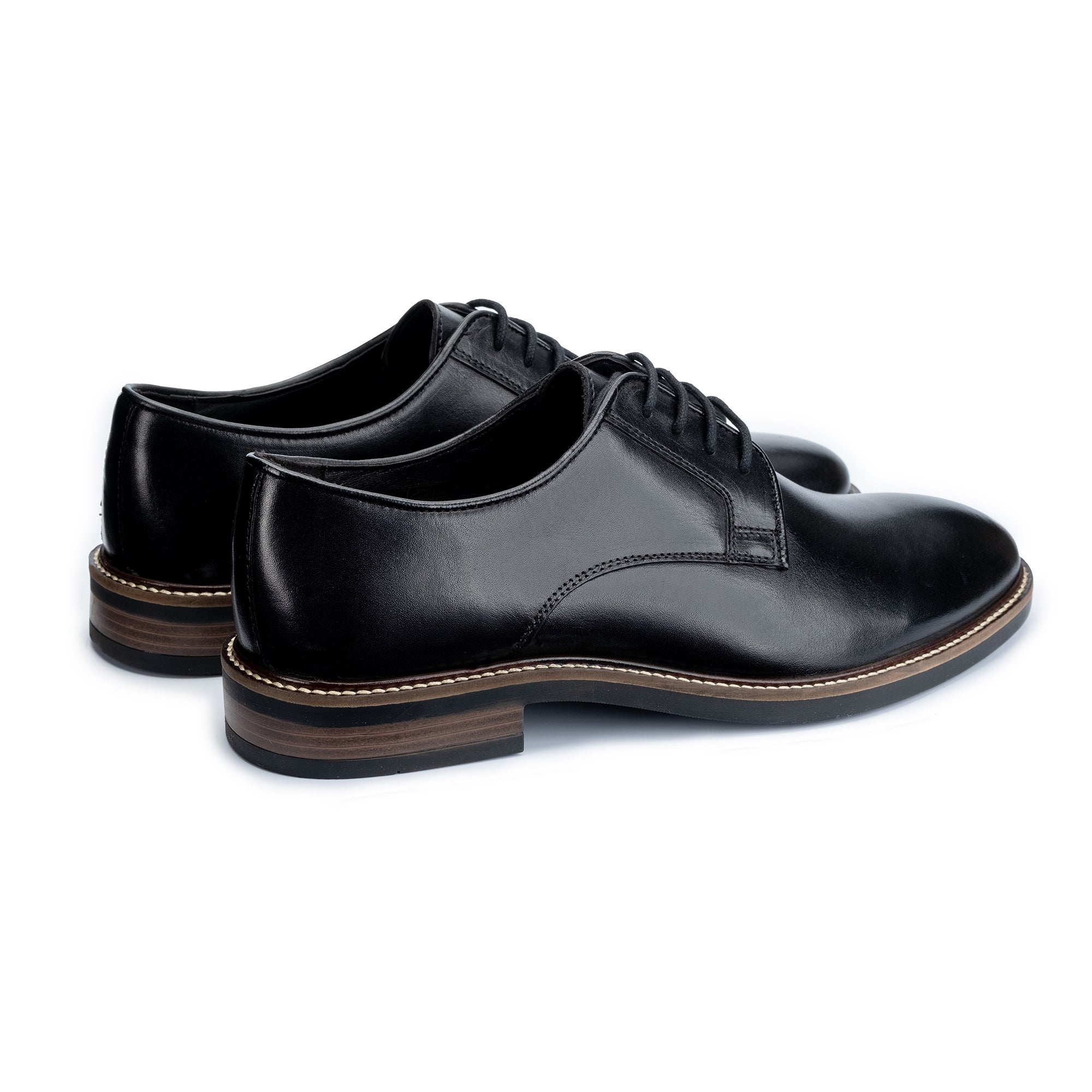
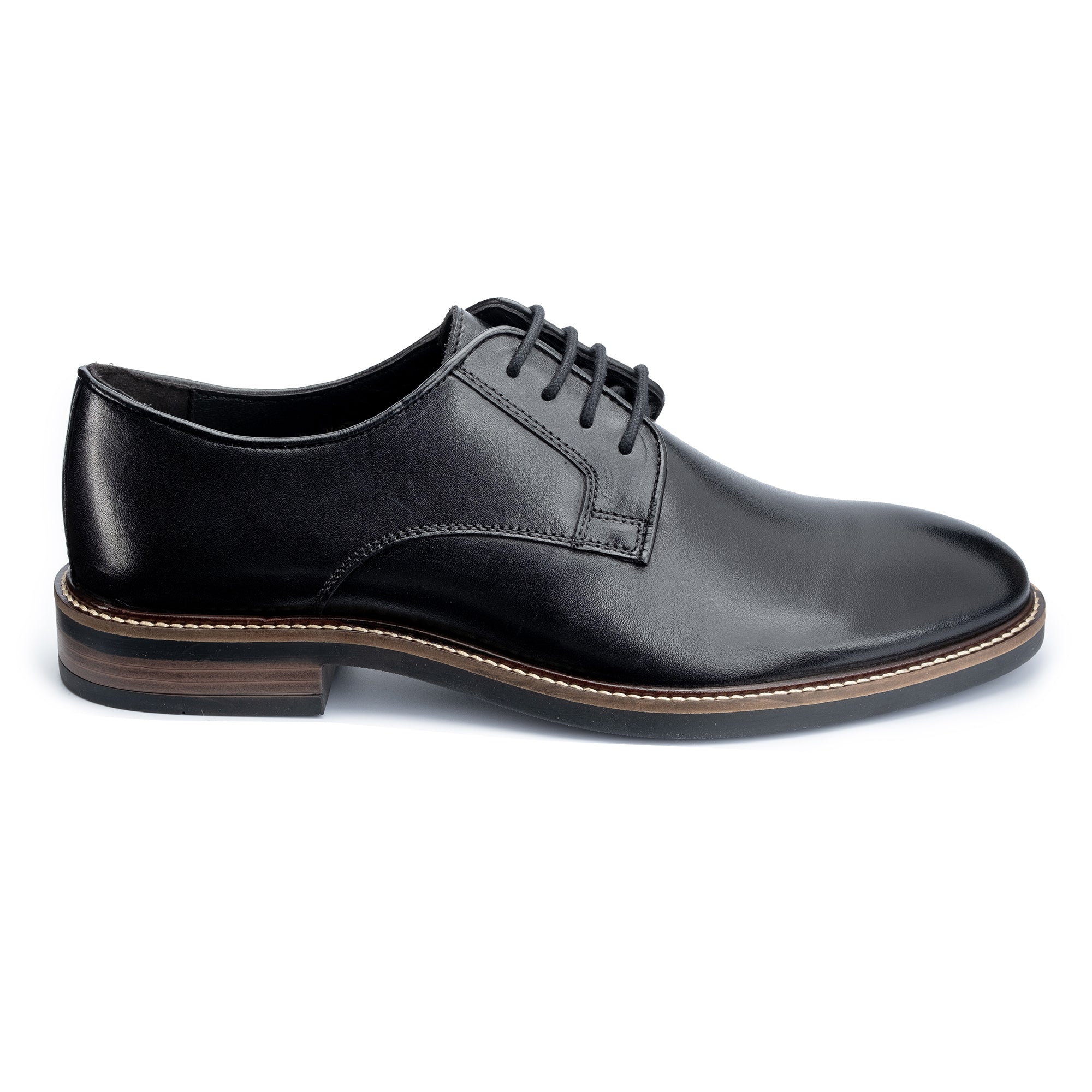
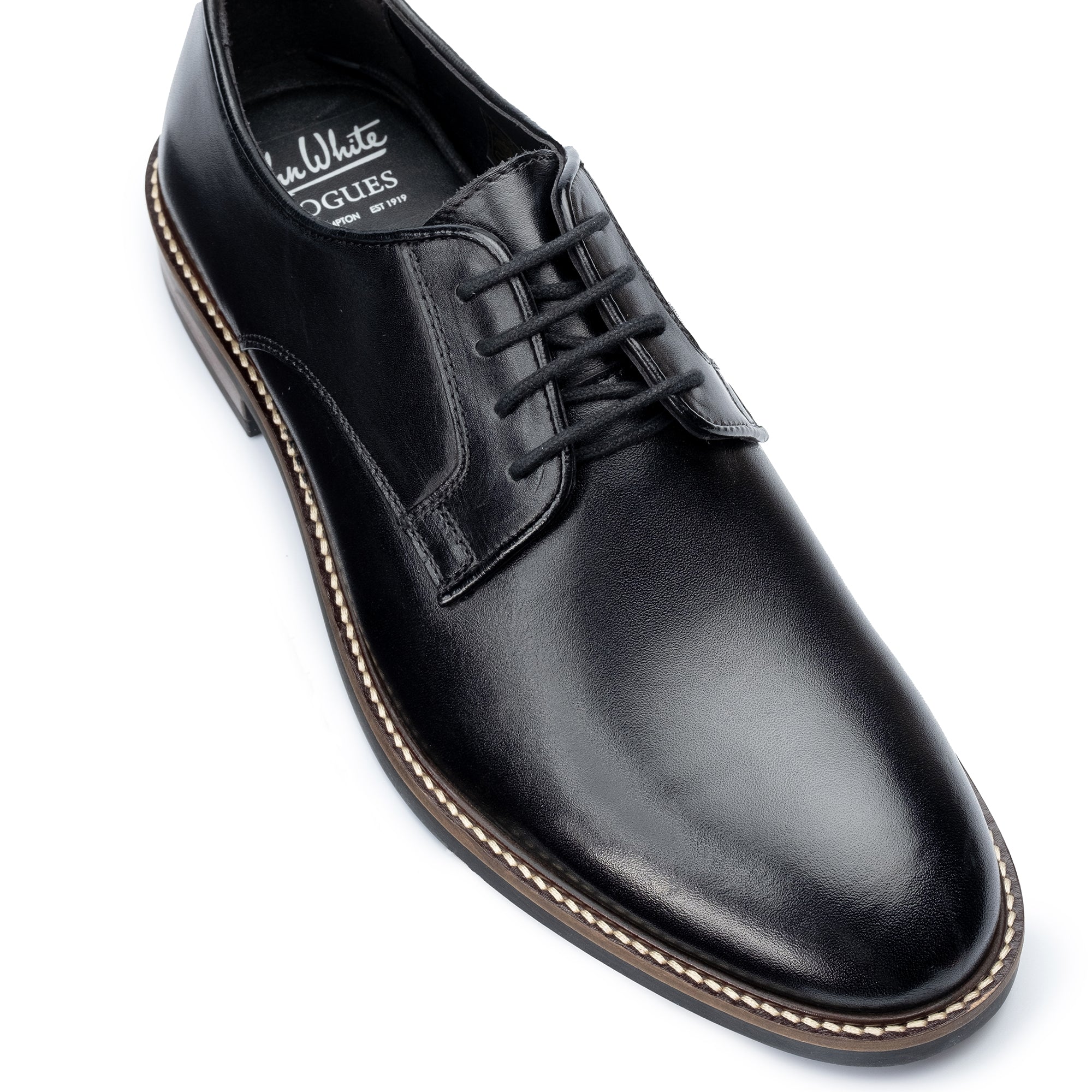
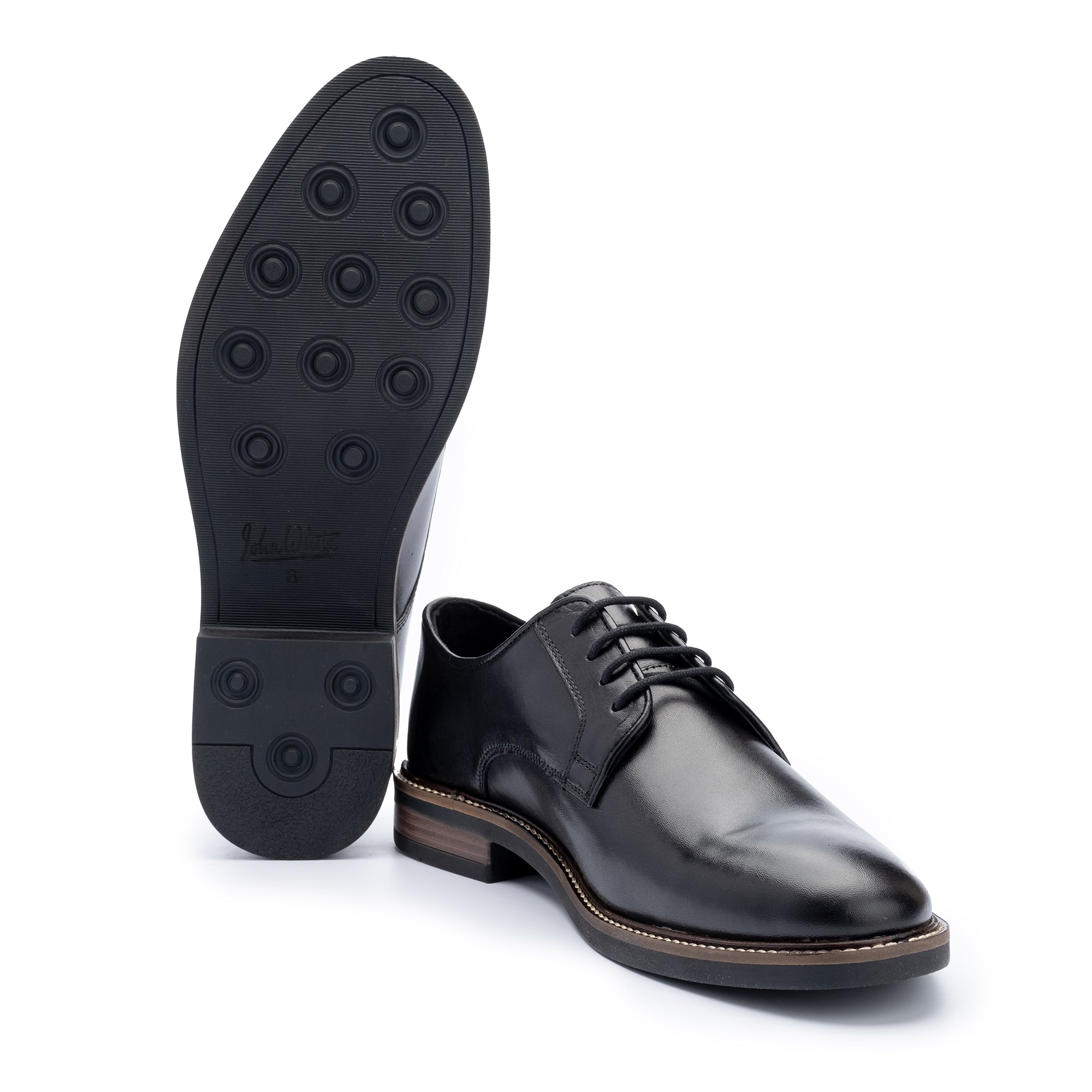
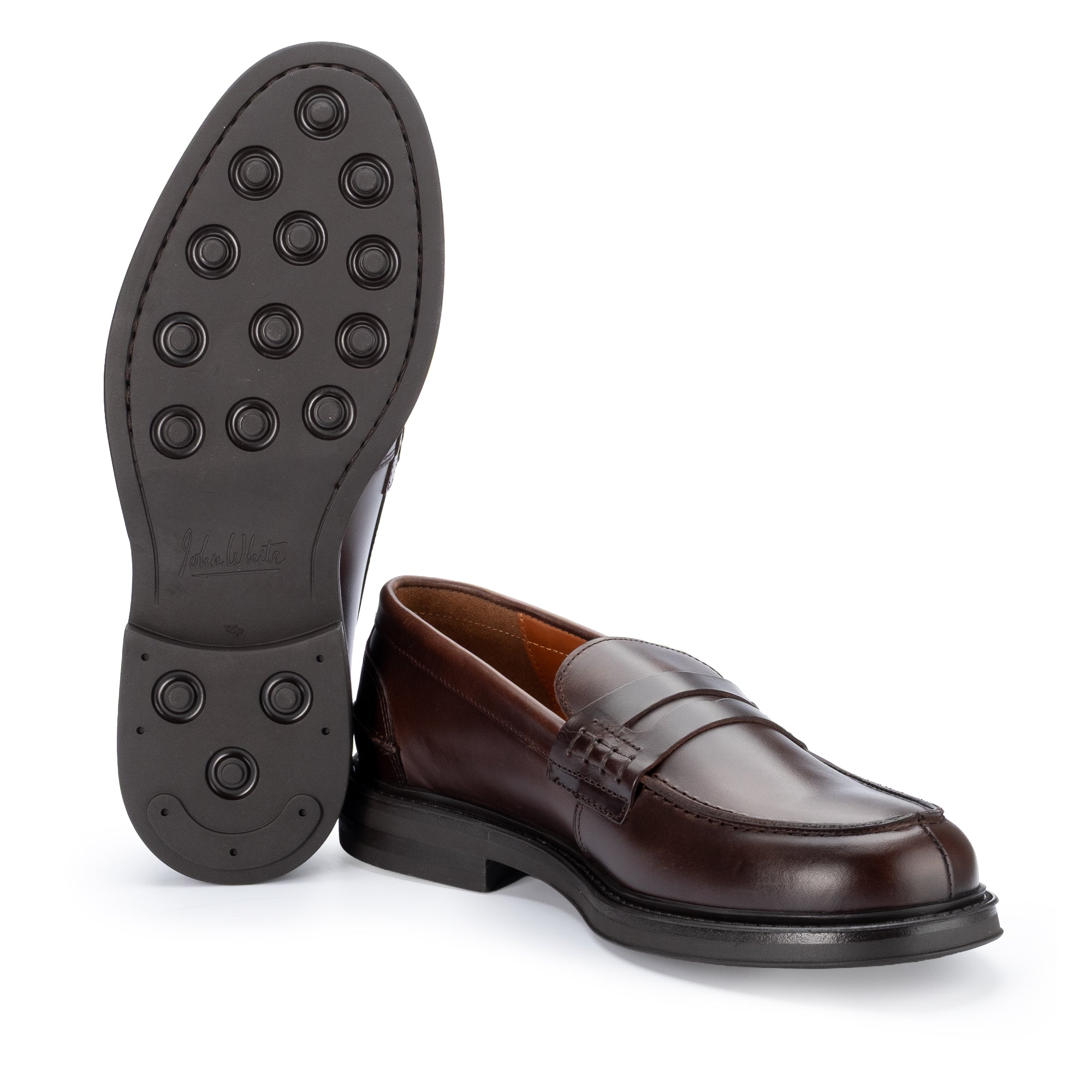
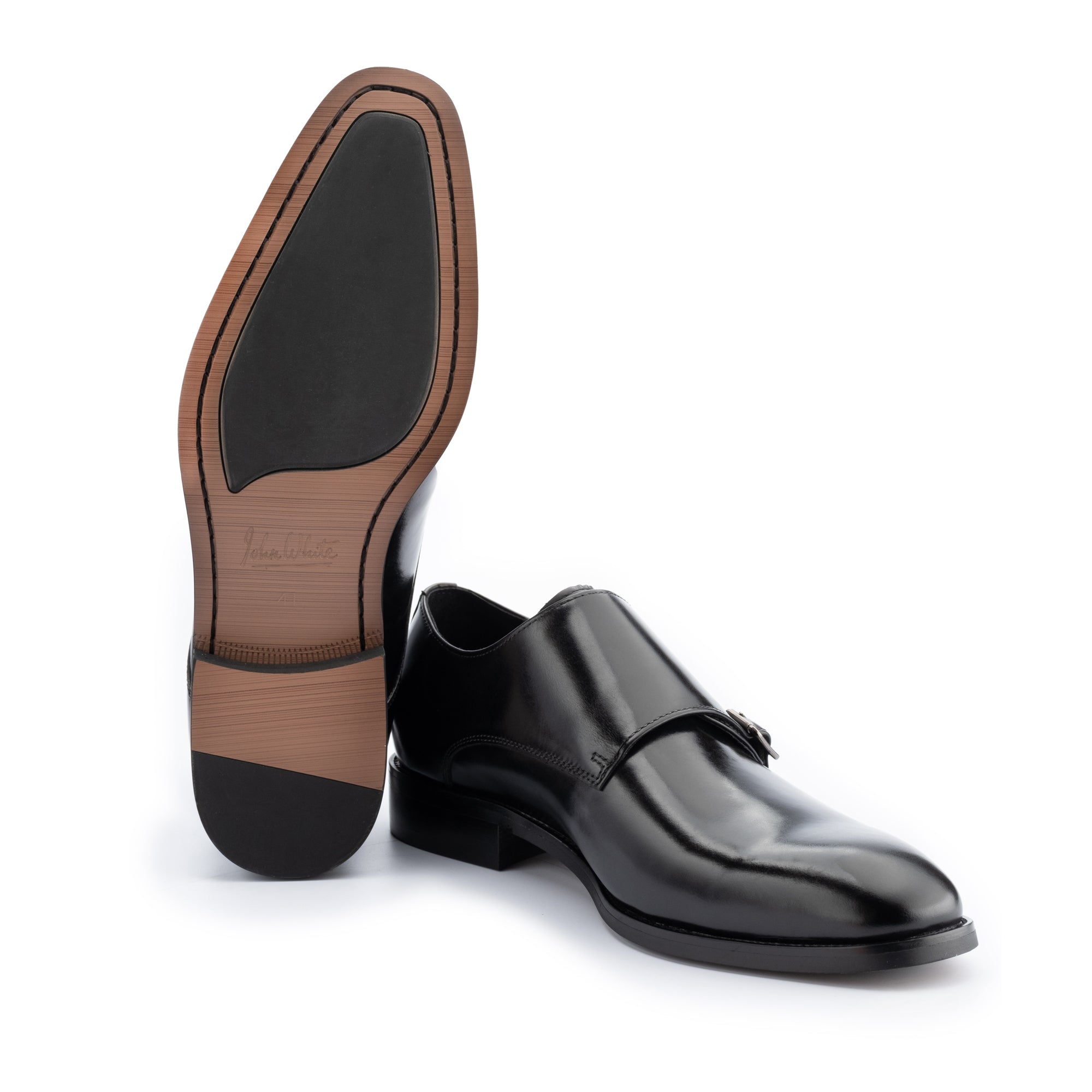
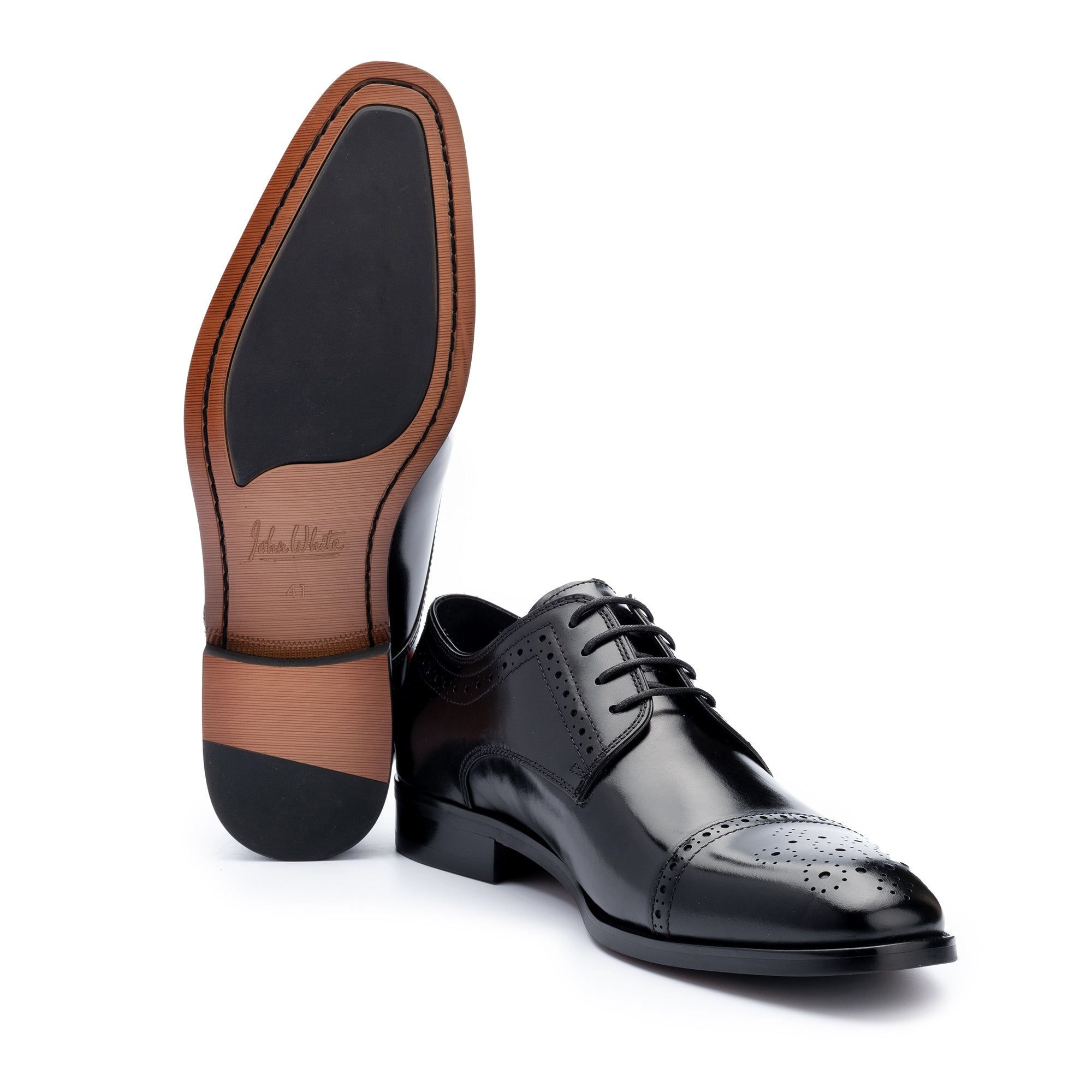
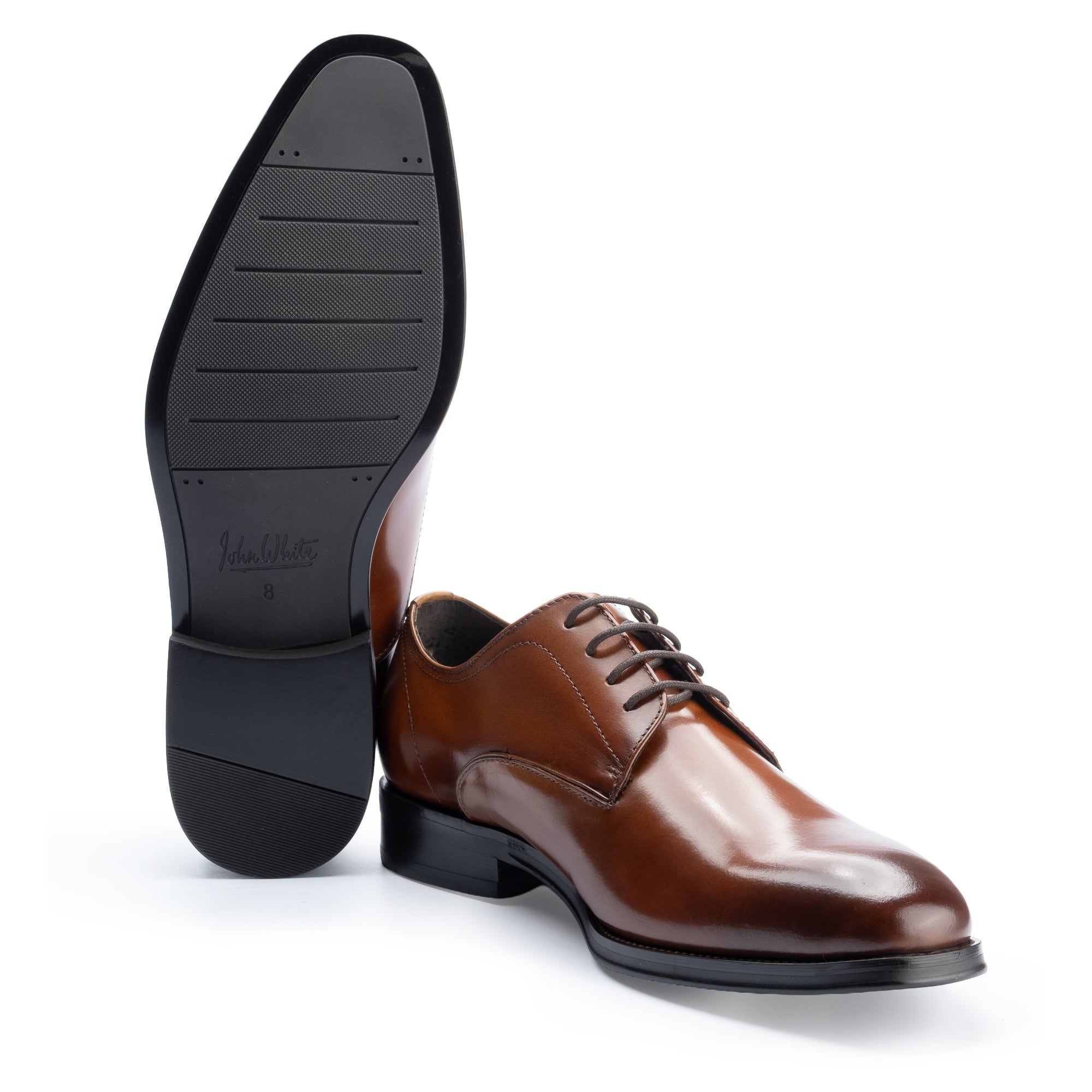
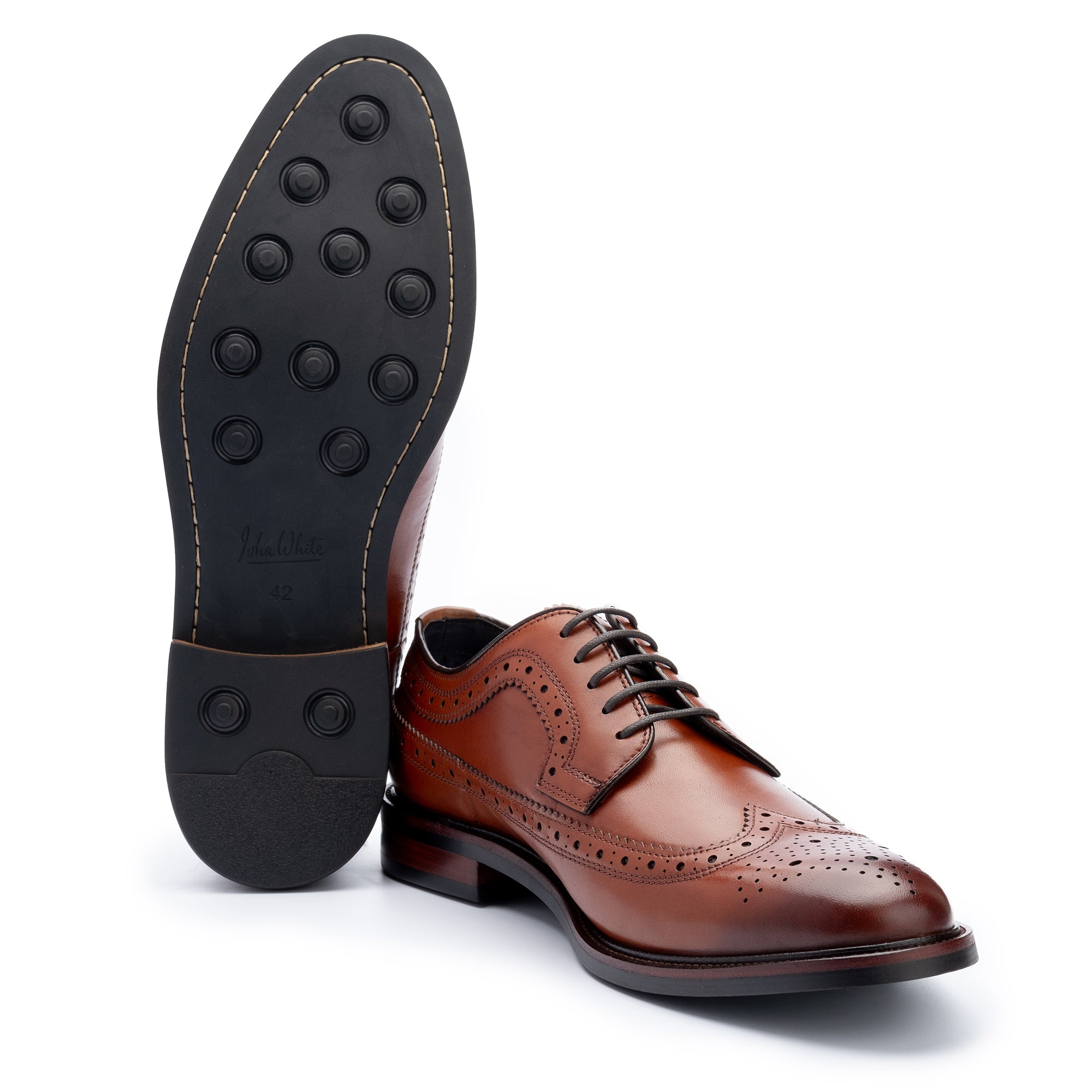
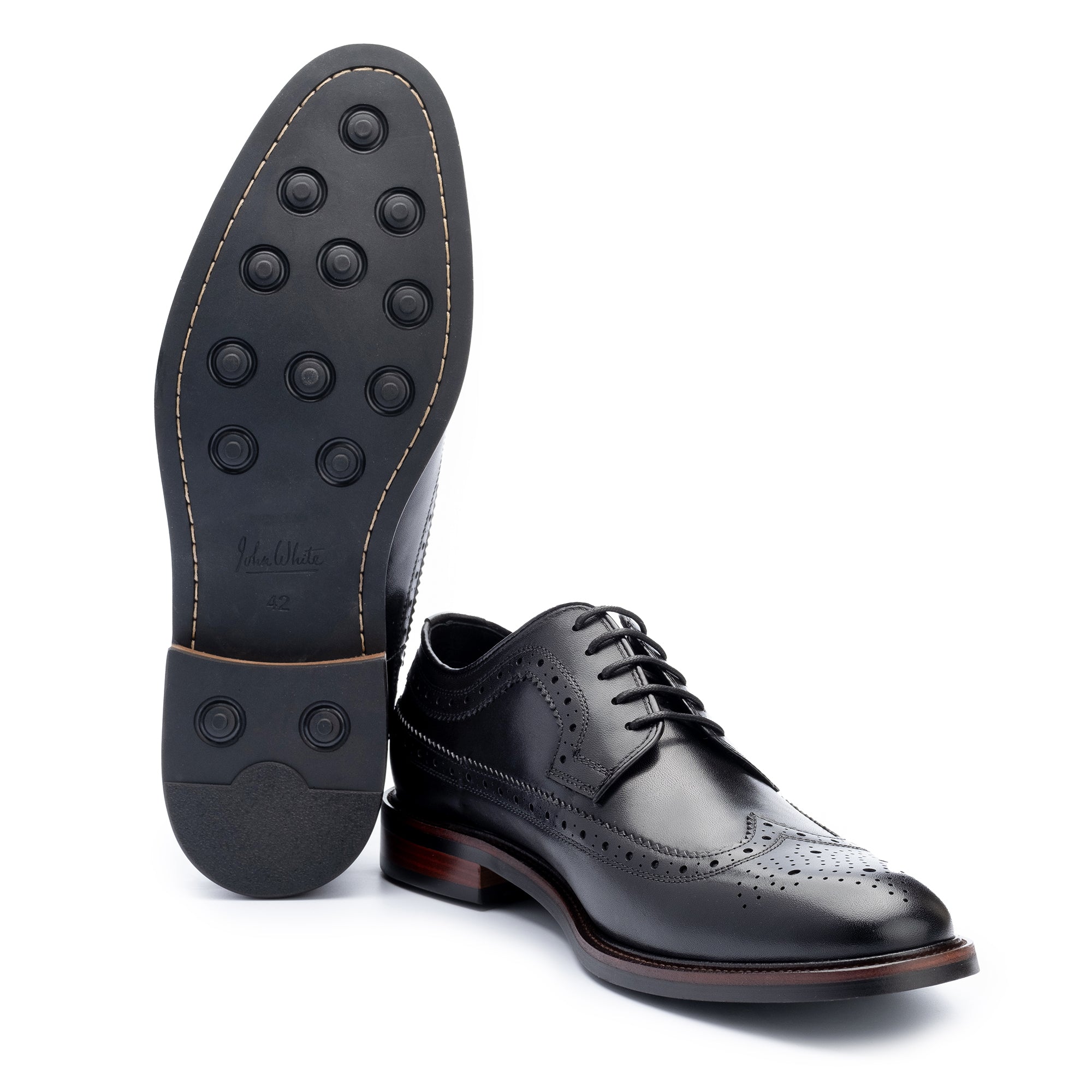
An open-channel sole is a traditional and highly durable method of finishing the outsole on a Goodyear welted shoe. The technique involves a cordwainer carving a shallow, open groove—the ‘channel’—around the perimeter of the leather sole, approximately 1/8 of an inch from the edge.
This channel serves as a guide and a bed for the lockstitching that attaches the leather sole to the welt. The thread sits neatly within this groove, providing a clean line and a degree of protection. The stitching remains visible, serving as an honest and clear testament to the shoe's robust construction.
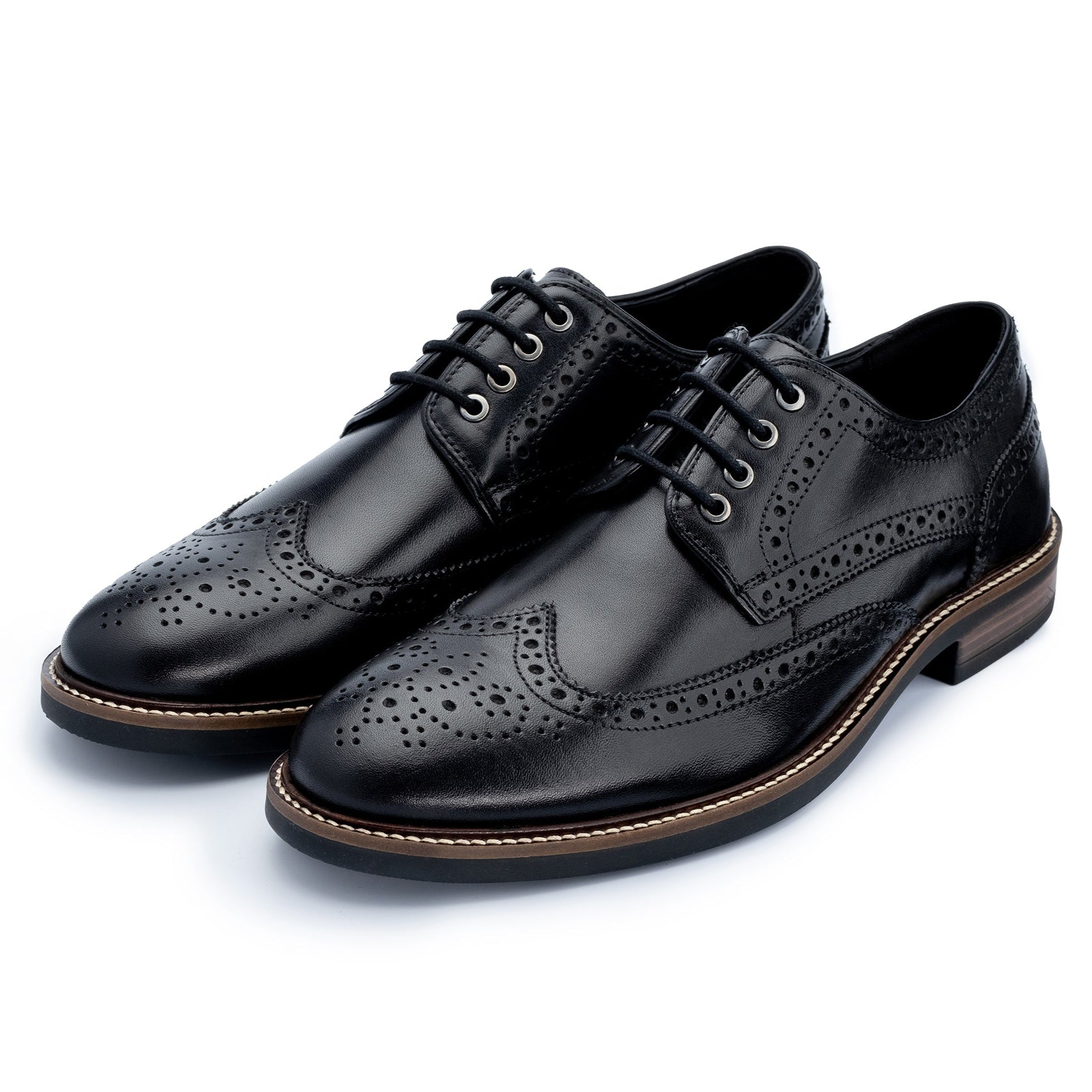
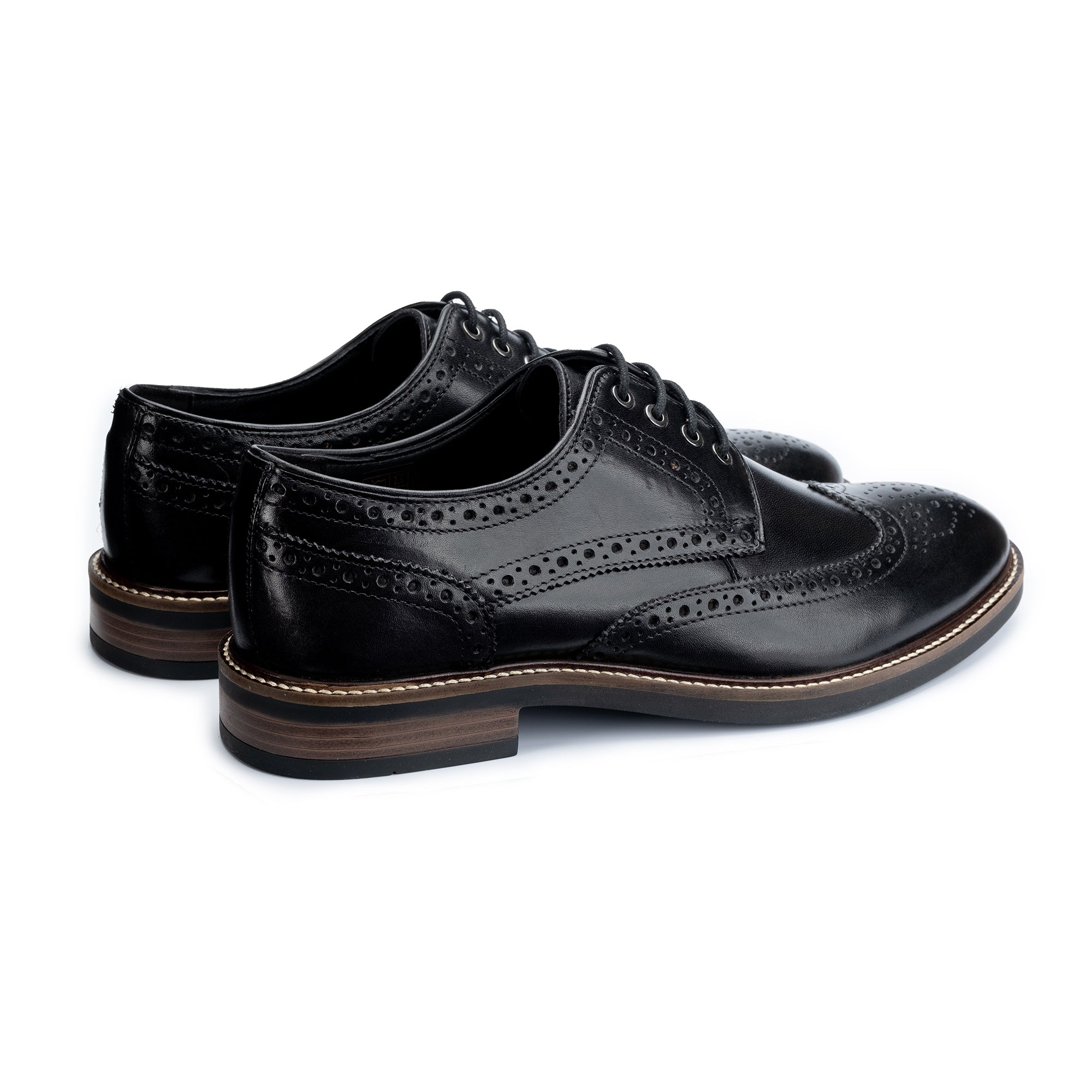
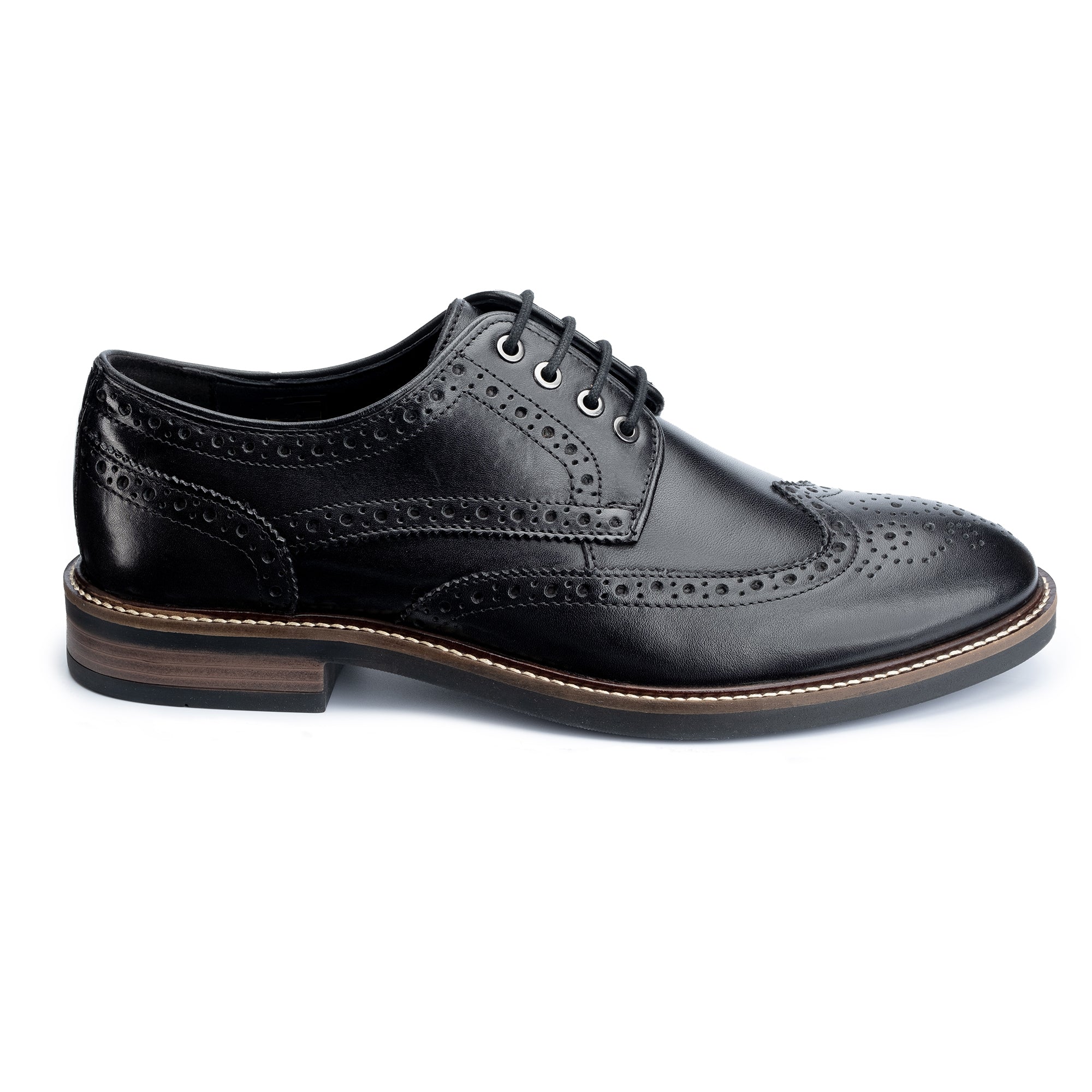
It is the standard for high-quality men's footwear, from dependable men's Oxford shoes to versatile leather boots. Its presence signifies a shoe built for longevity and service, a foundation of British shoemaking heritage.
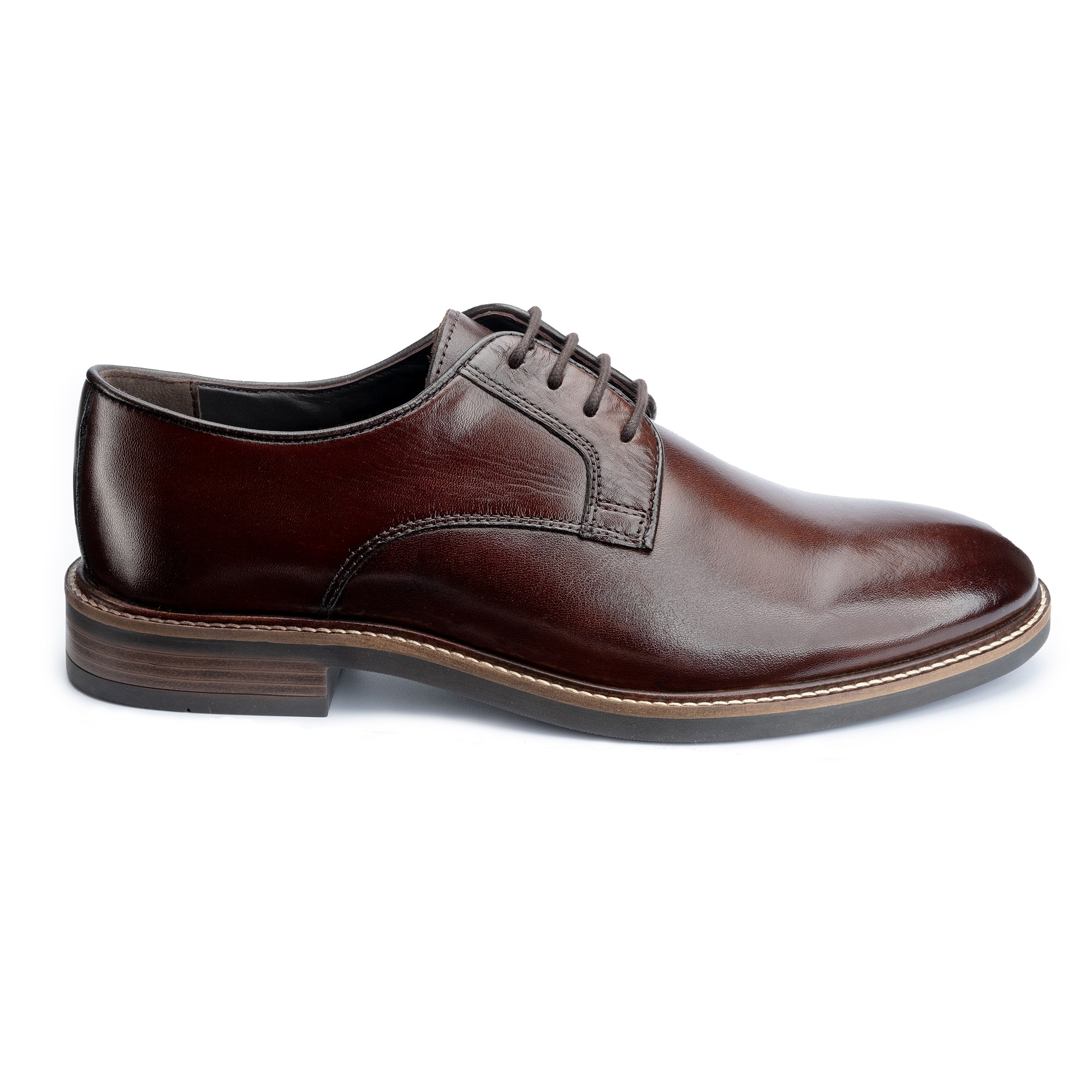
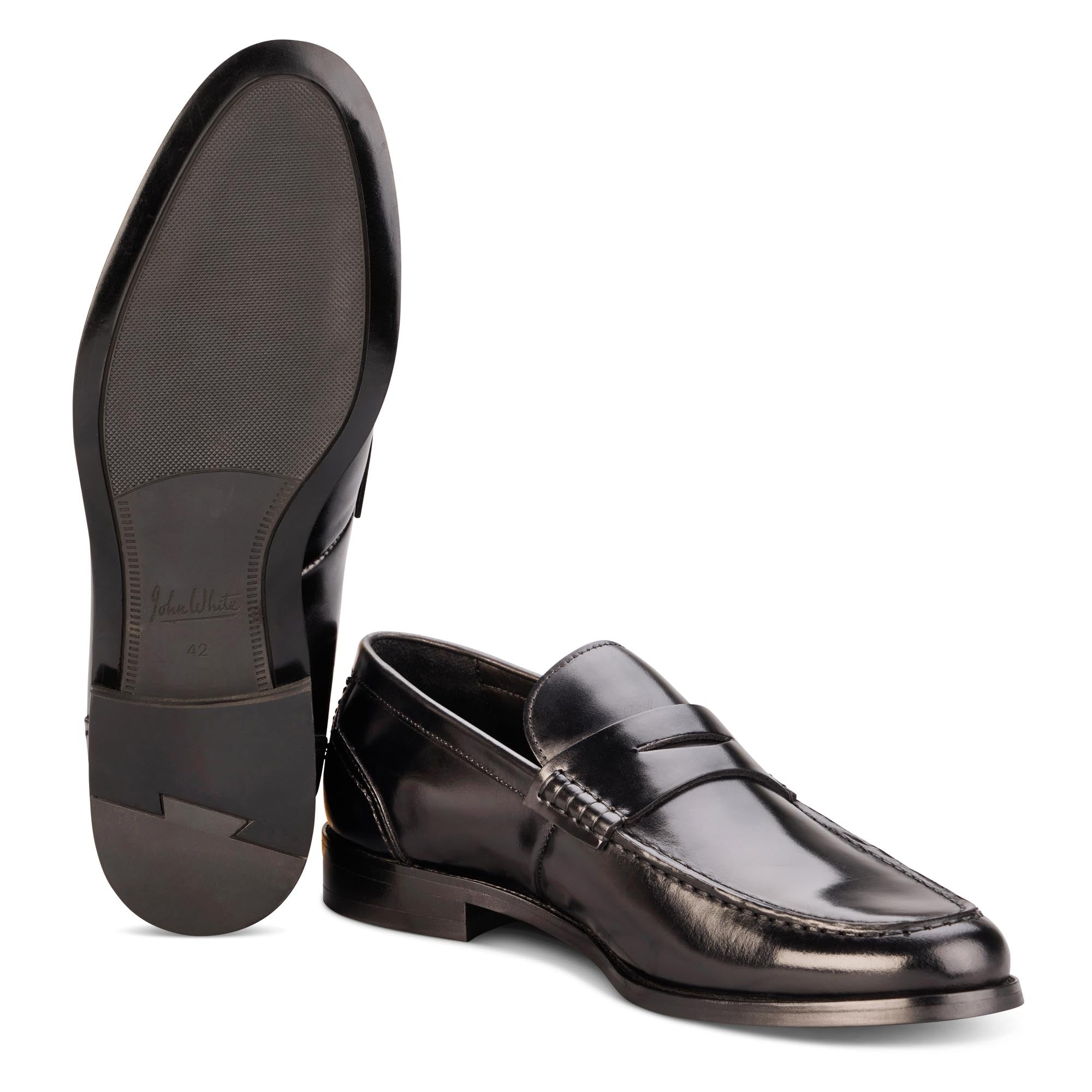
An open-channel sole presents its stitching in a visible groove, representing the robust and transparent tradition of Goodyear welted craftsmanship.
What Is a Closed-Channel Sole?
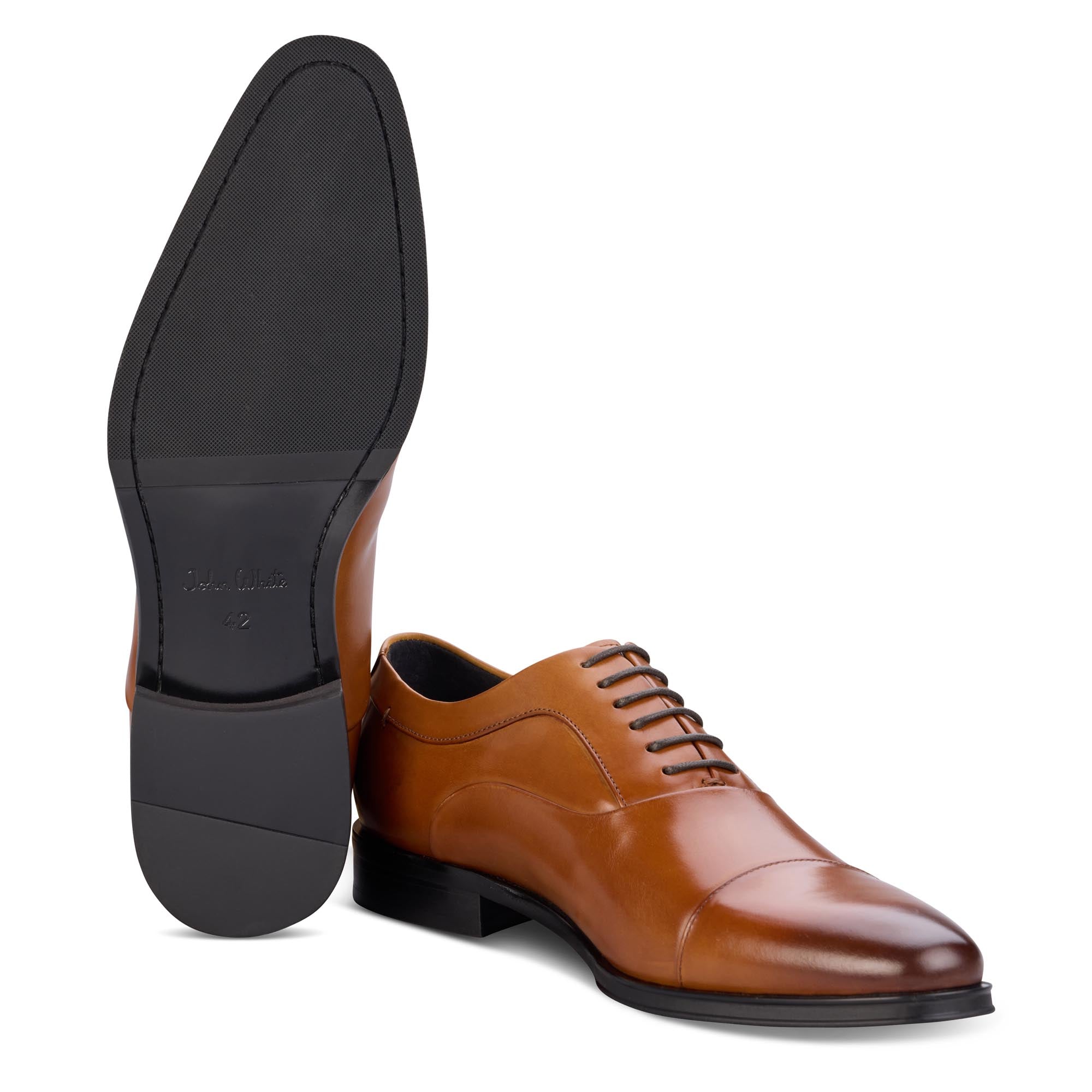
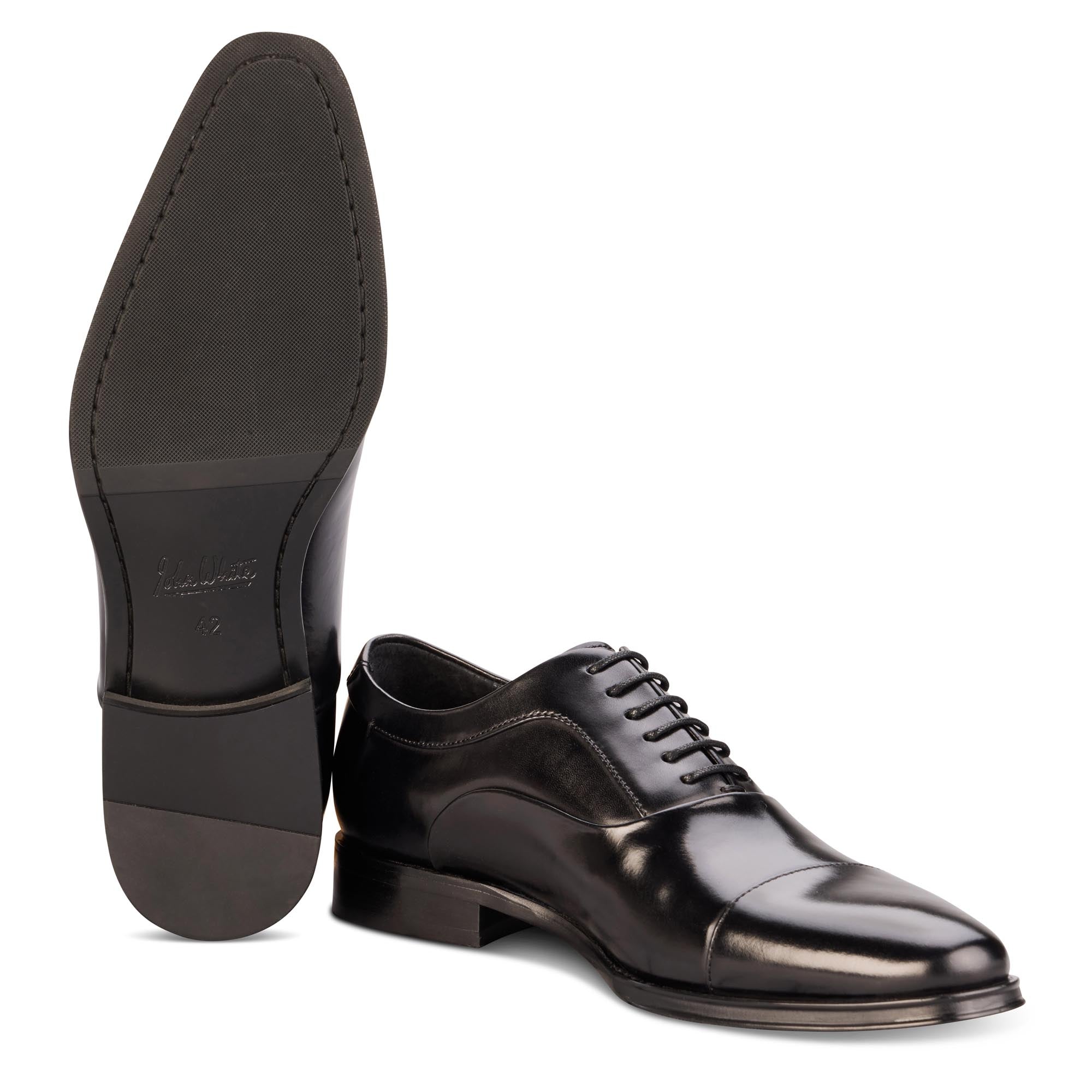
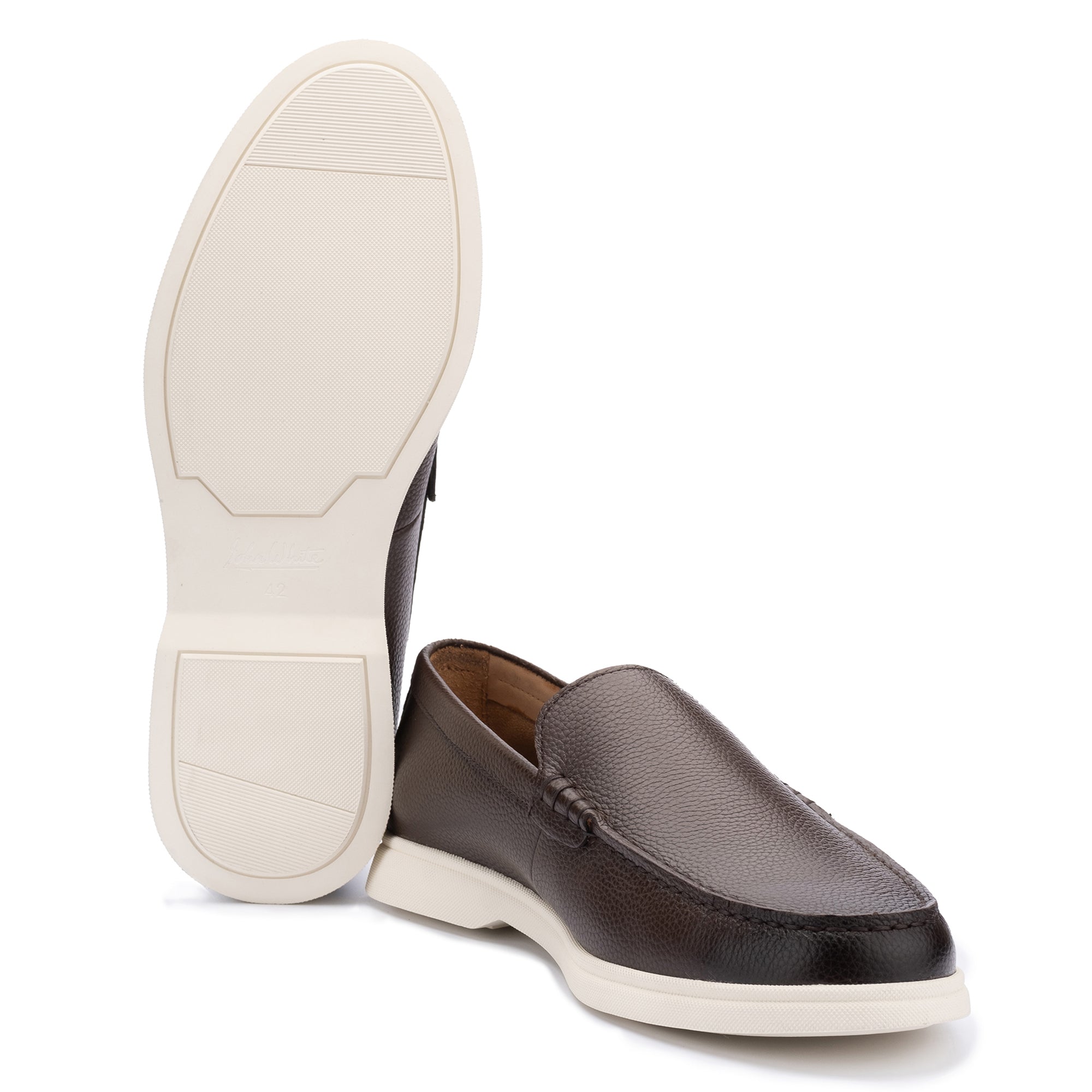
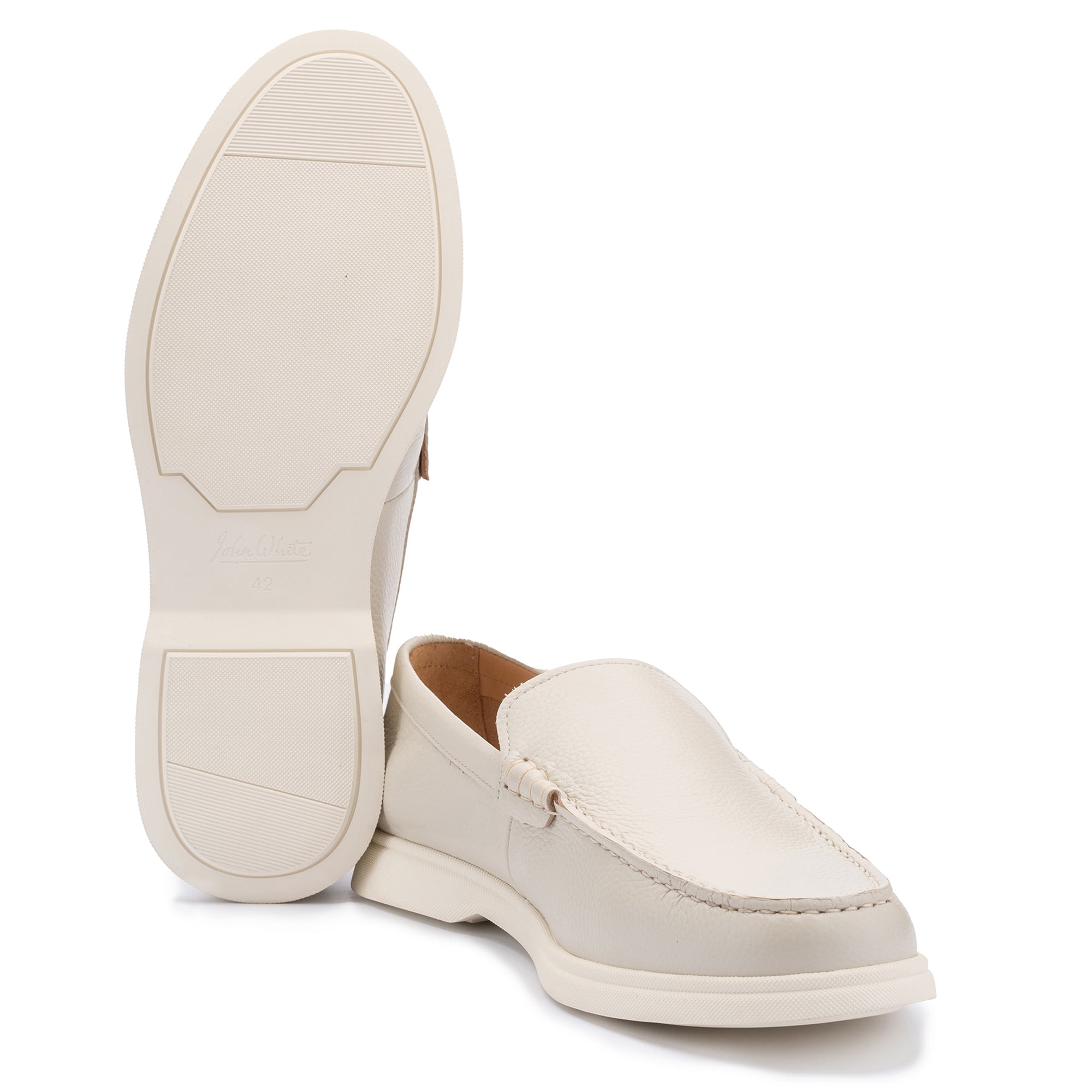
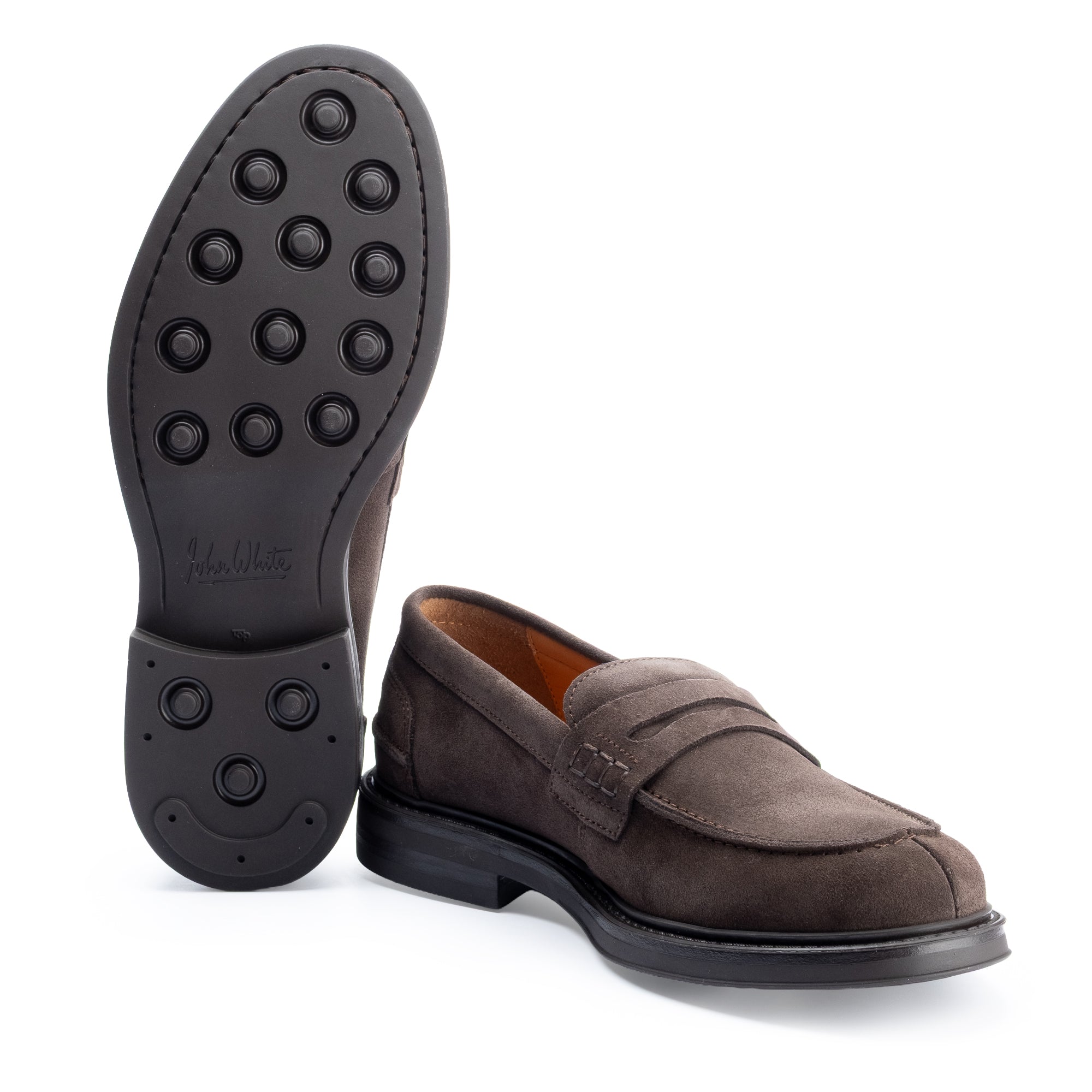
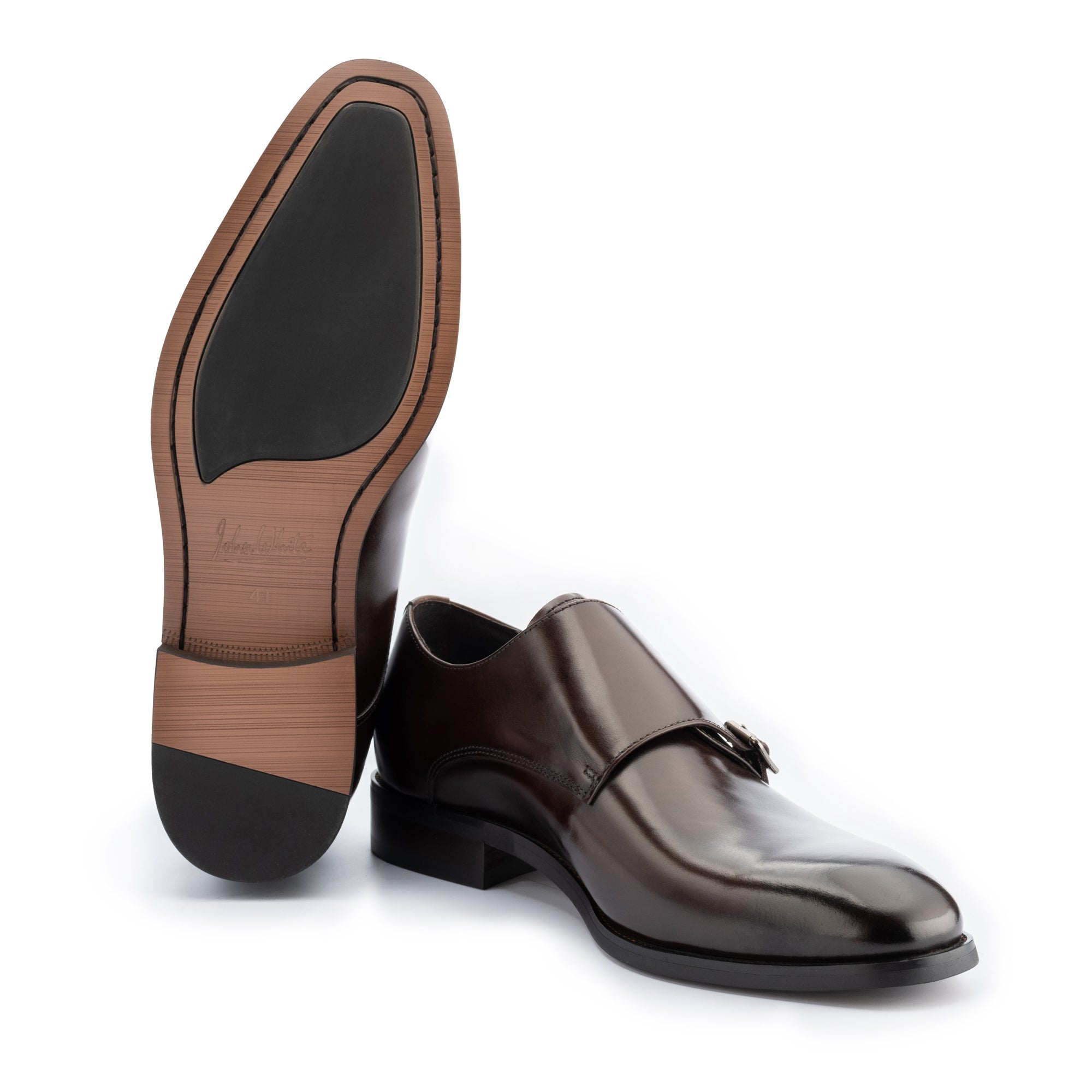
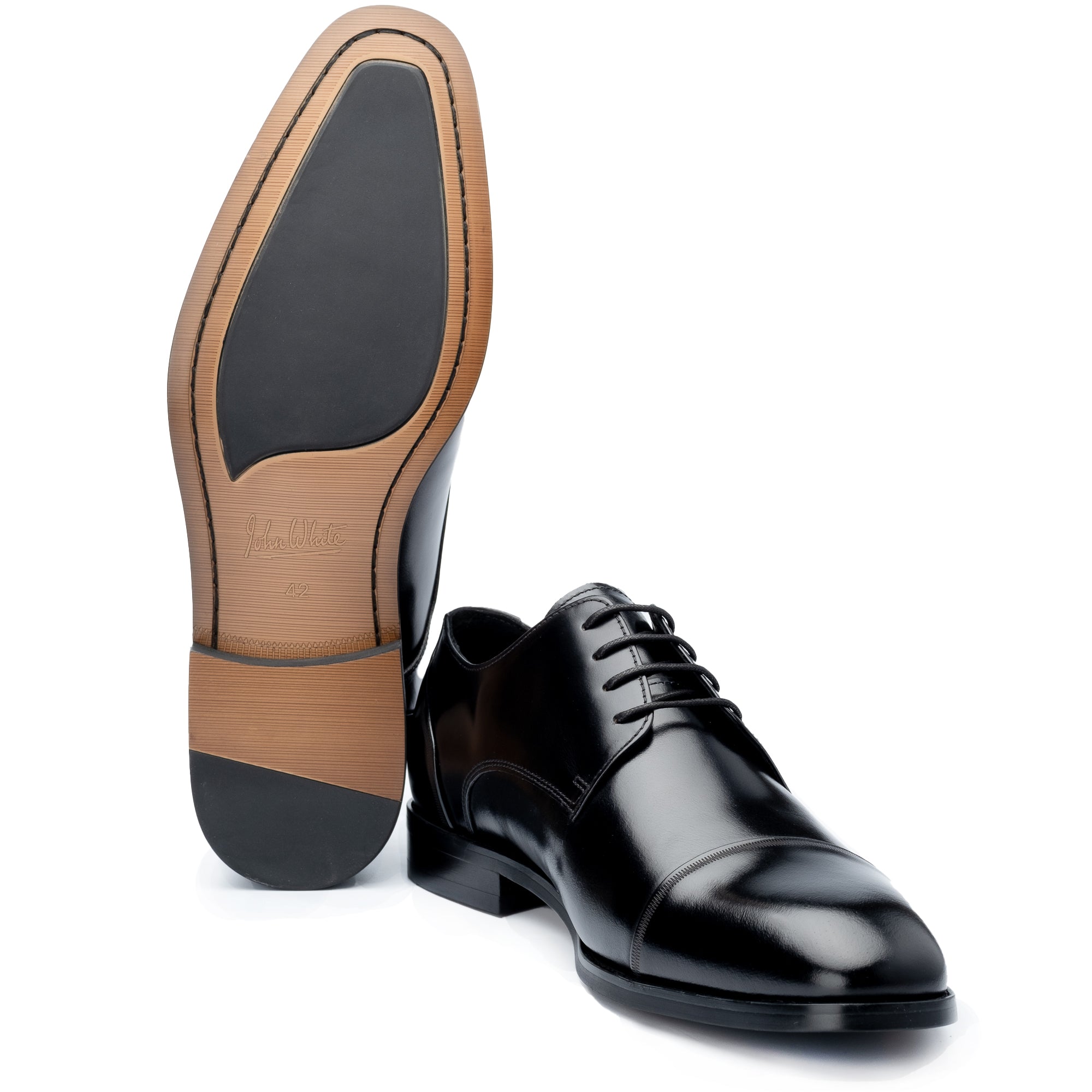
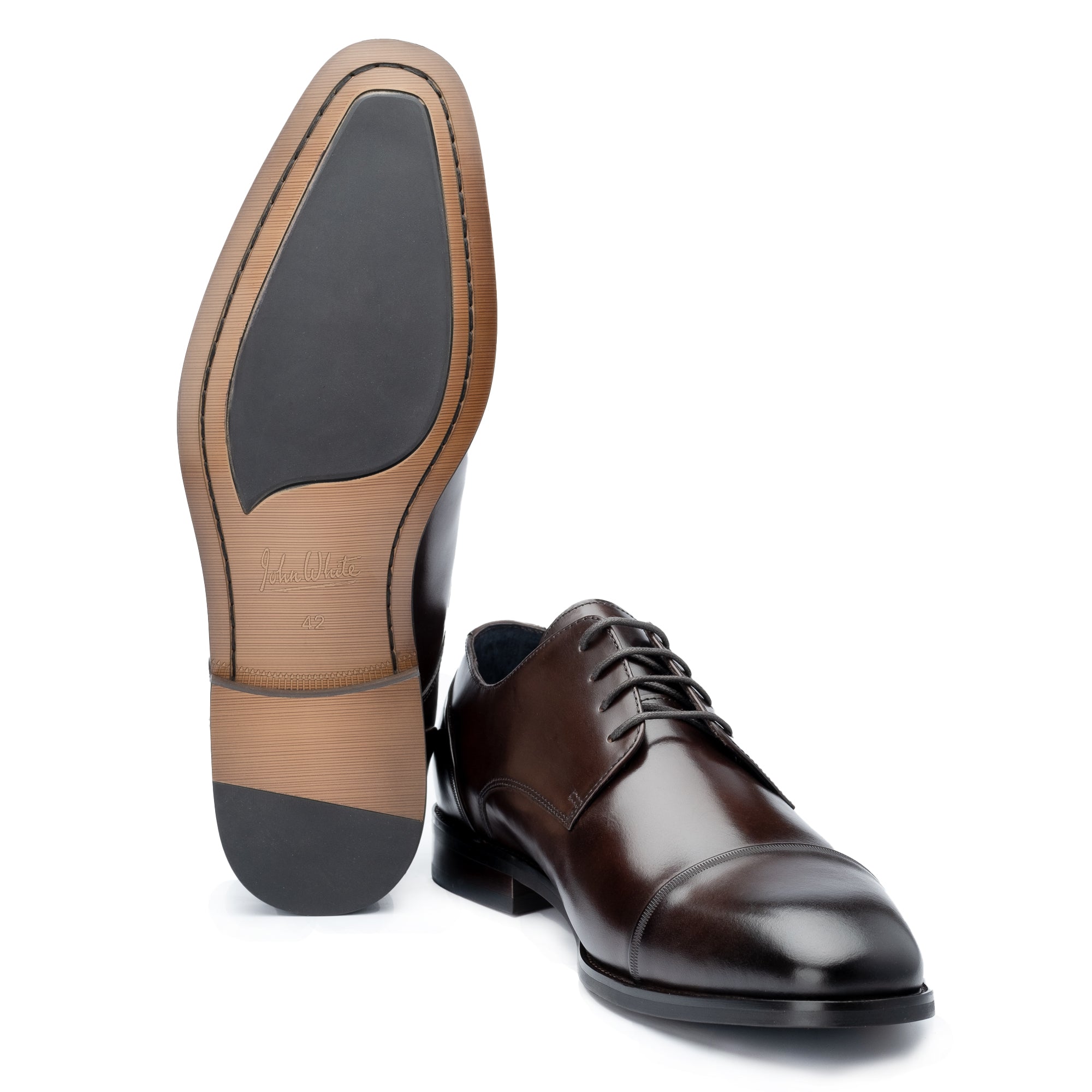
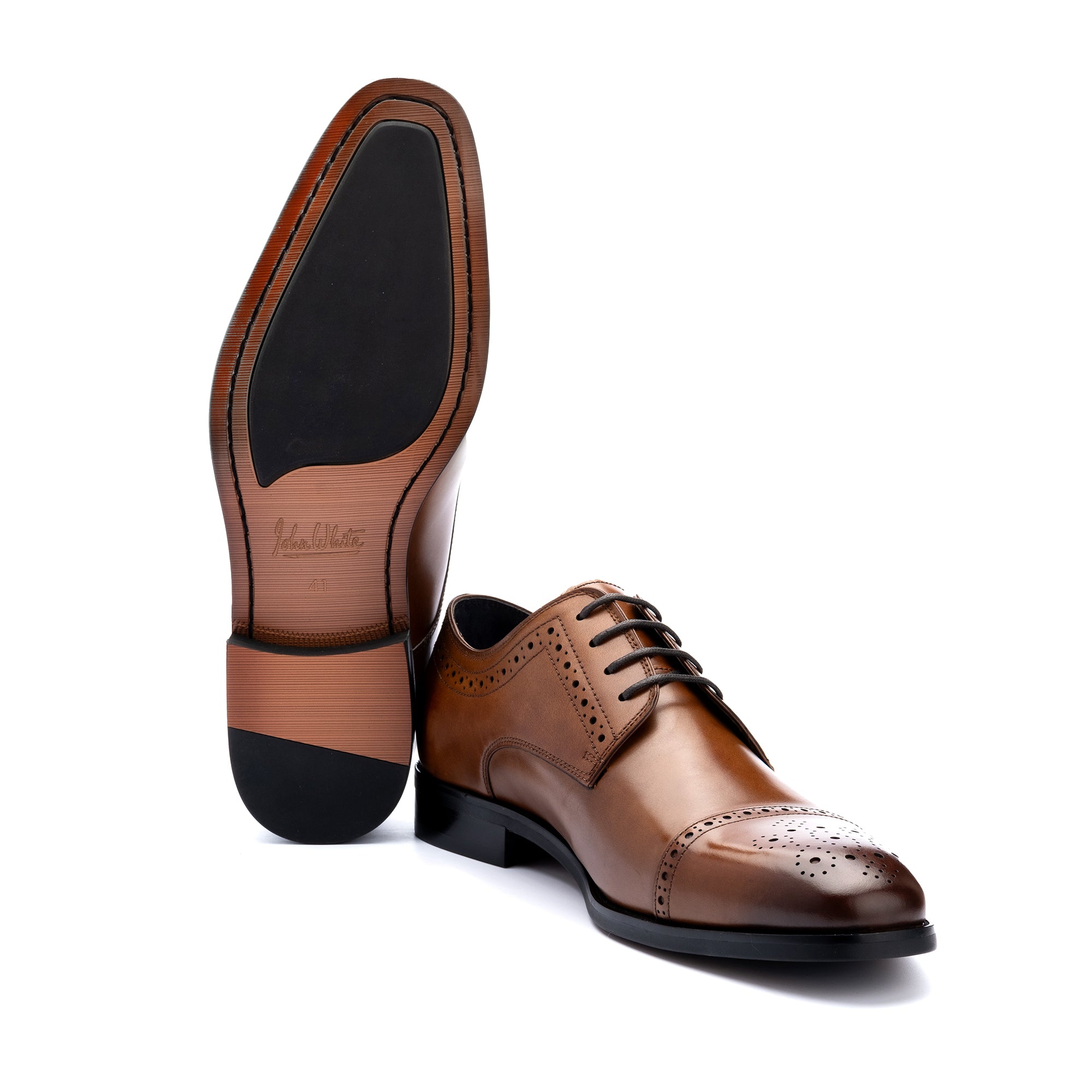
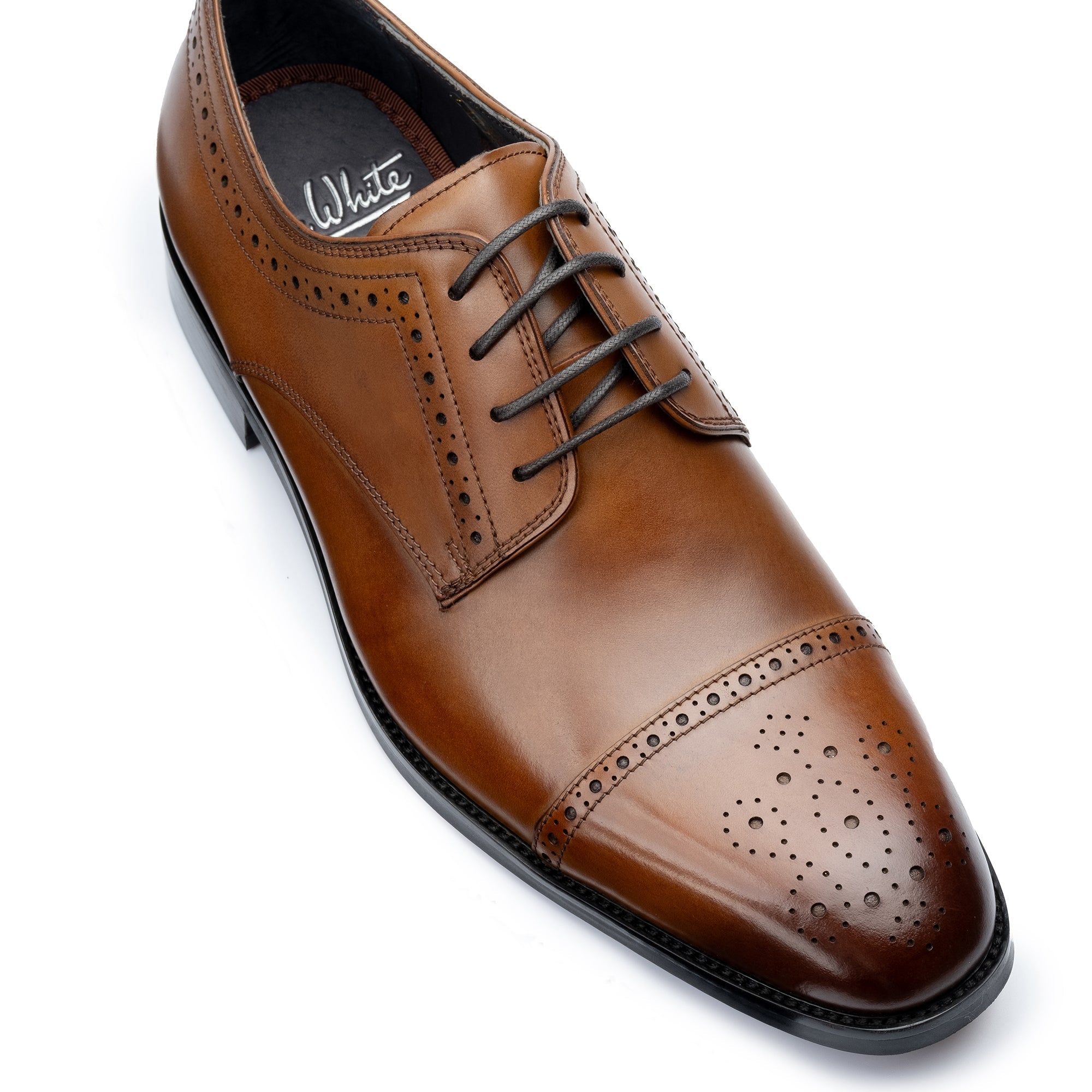
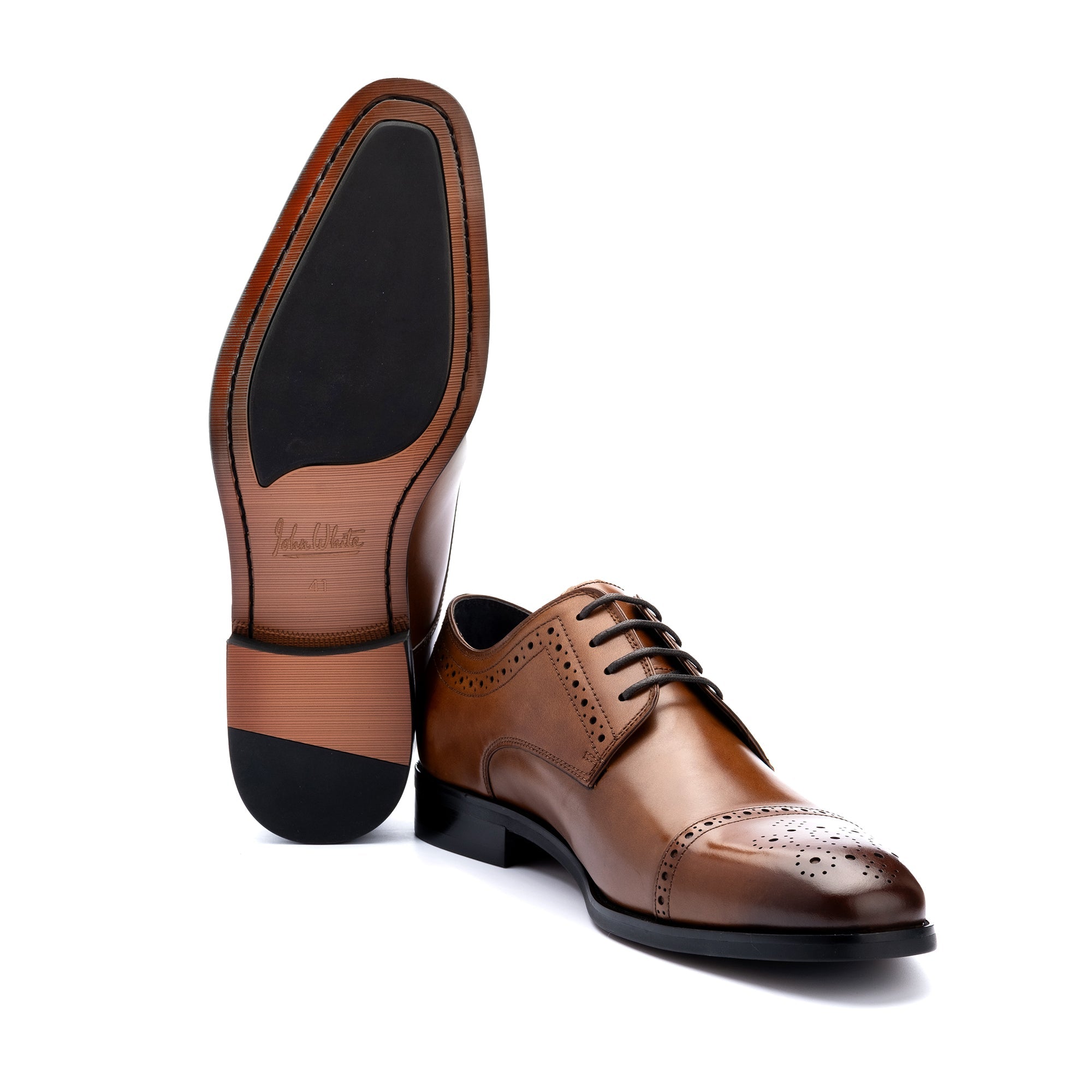
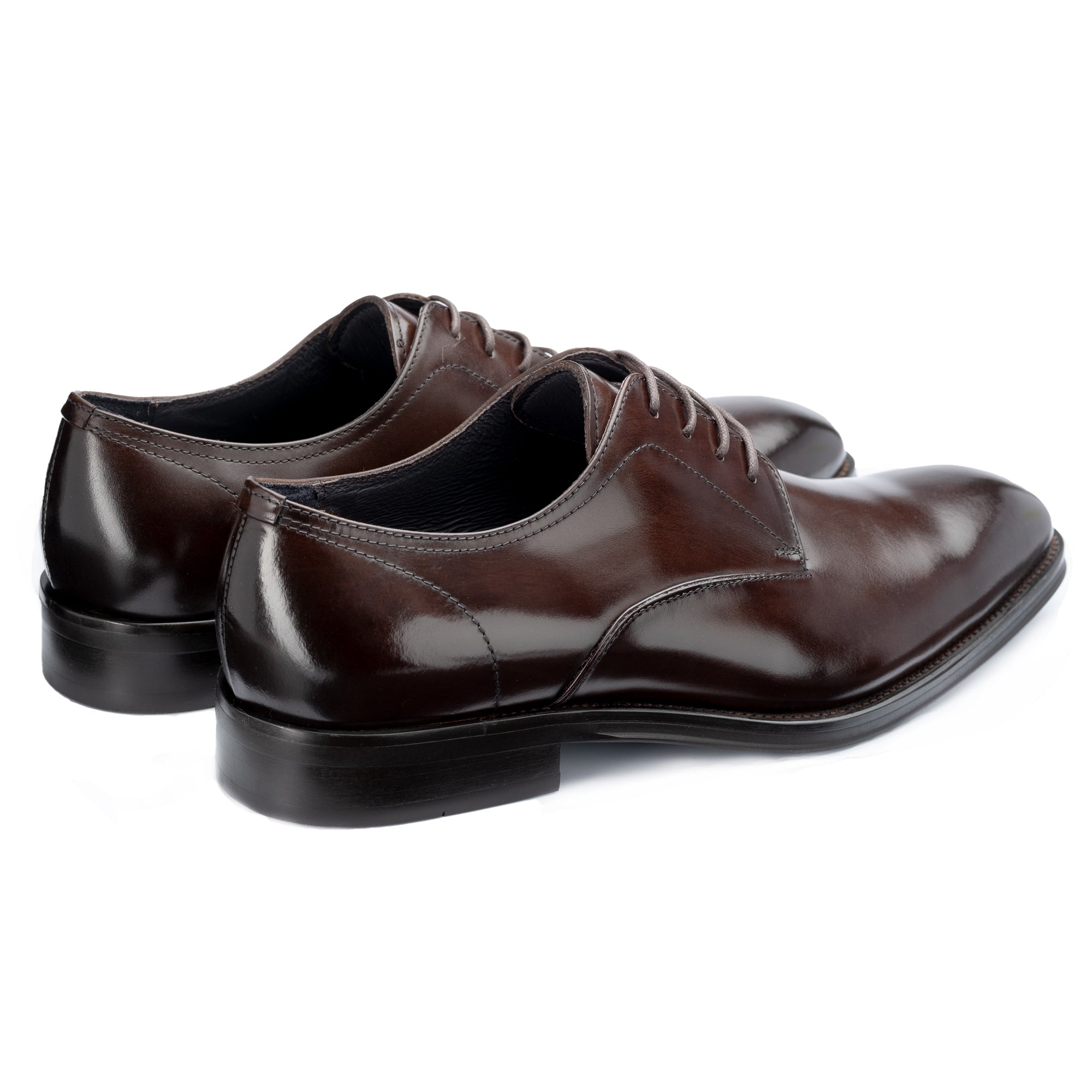
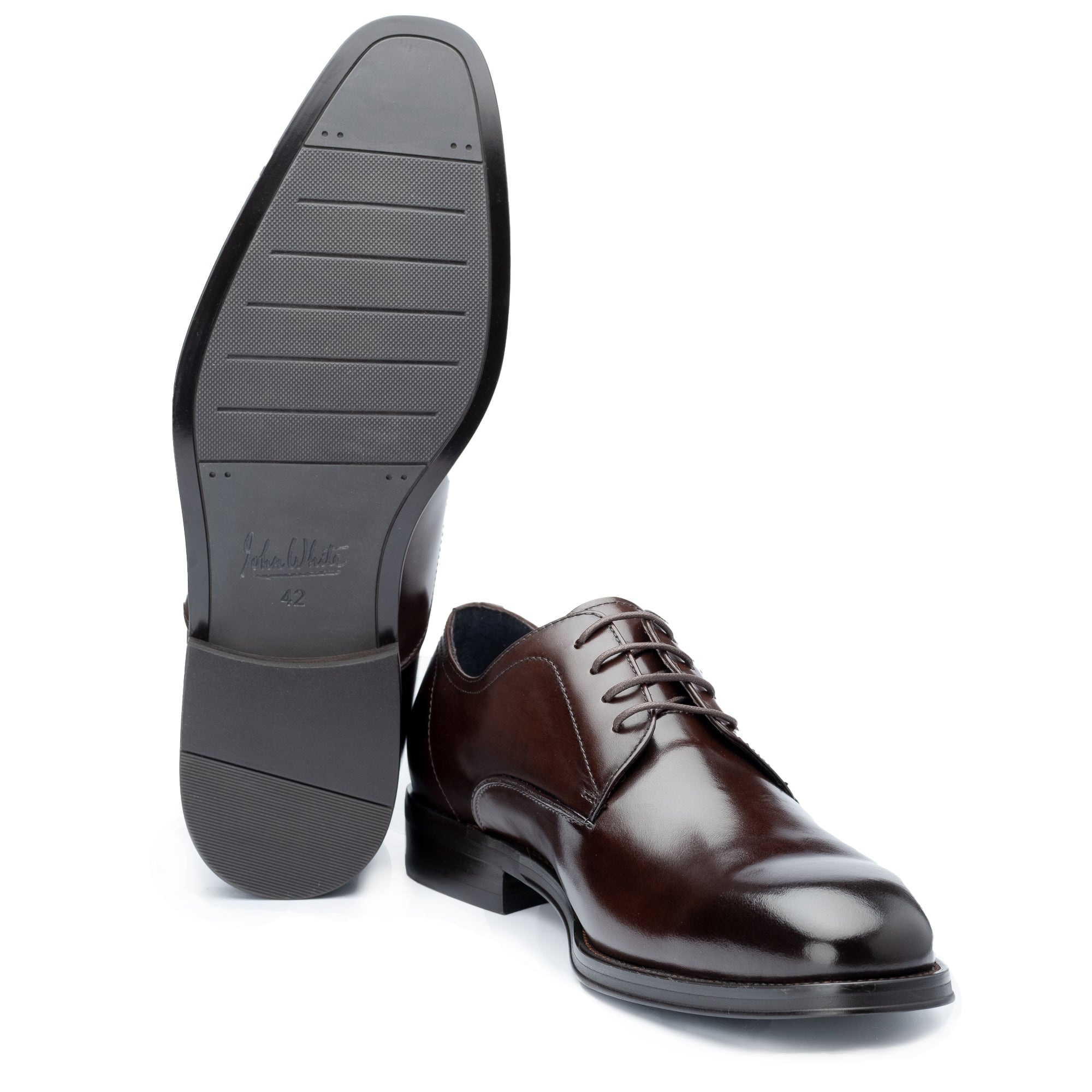
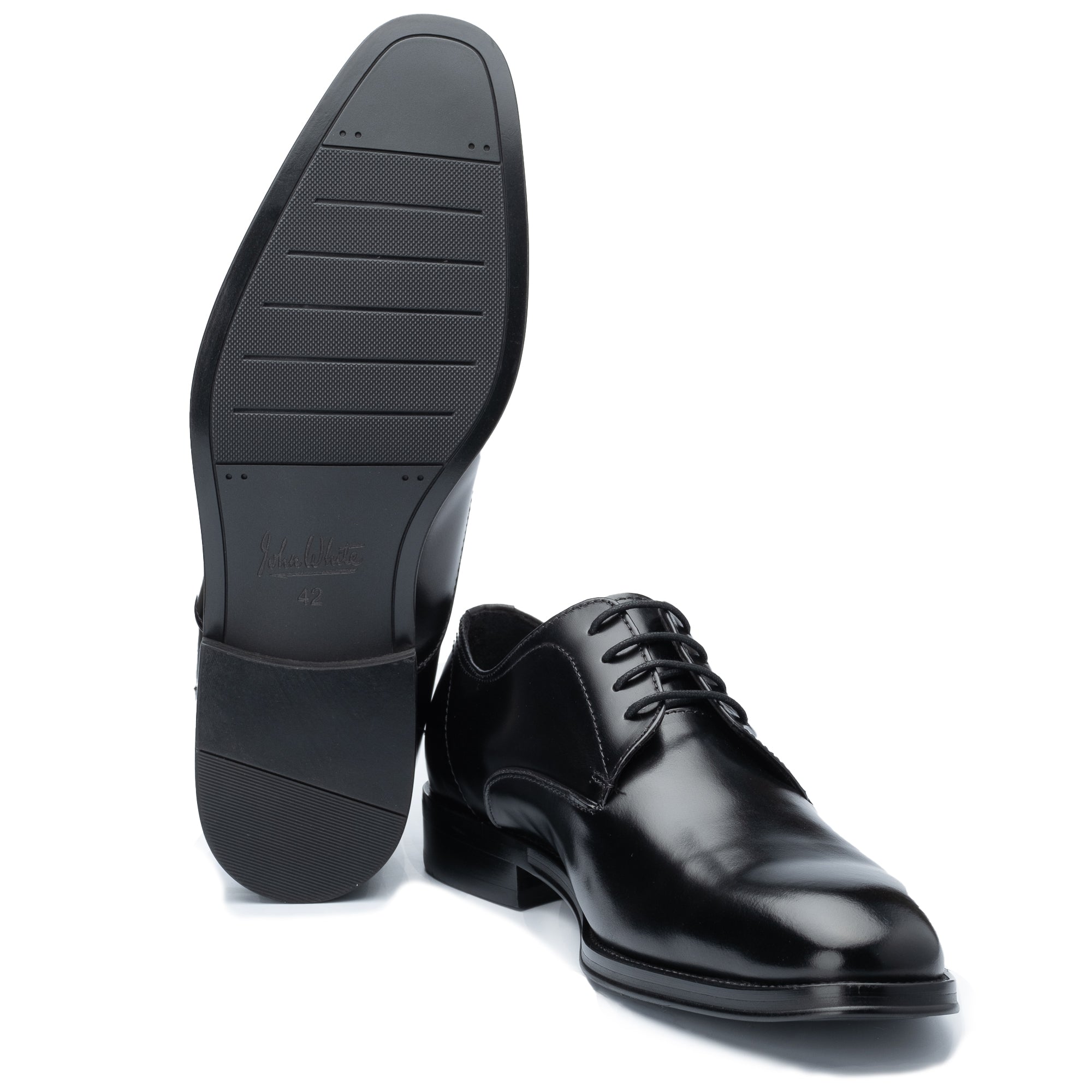
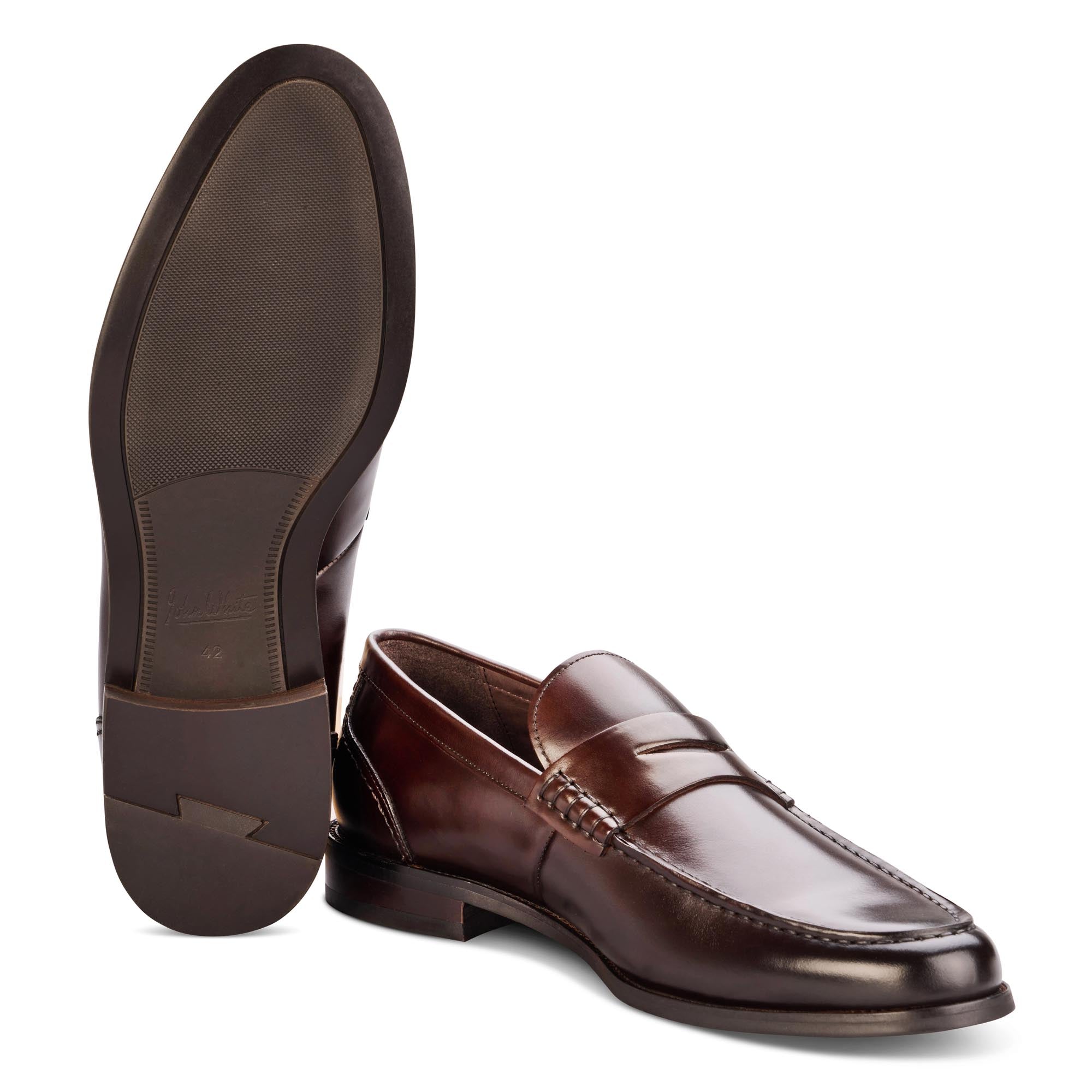
A closed-channel sole is a more refined and labour-intensive technique that completely conceals the sole's stitching. This method is a hallmark of the highest echelons of shoemaking, often found on bespoke and premium ready-to-wear footwear.
The process requires exceptional skill and is executed in several precise steps:
- Lifting the Flap: The craftsman uses a specialised blade to lift a thin flap of leather from the sole's surface, cutting around the edge without detaching it completely.
- Cutting the Channel: Beneath this raised flap, a channel is cut into the sole, just as with the open-channel method.
- Stitching: The sole is then stitched to the welt, with the thread sitting securely within this hidden channel.
- Closing and Finishing: The leather flap is treated with a strong adhesive, laid back down over the stitching, and hammered flat. The sole is then sanded, polished, and finished, leaving a perfectly smooth, seamless surface.
The result is an exceptionally clean and elegant sole. This technique, while demanding, offers an unparalleled level of aesthetic refinement and is a clear indicator of a shoemaker's dedication to detail.
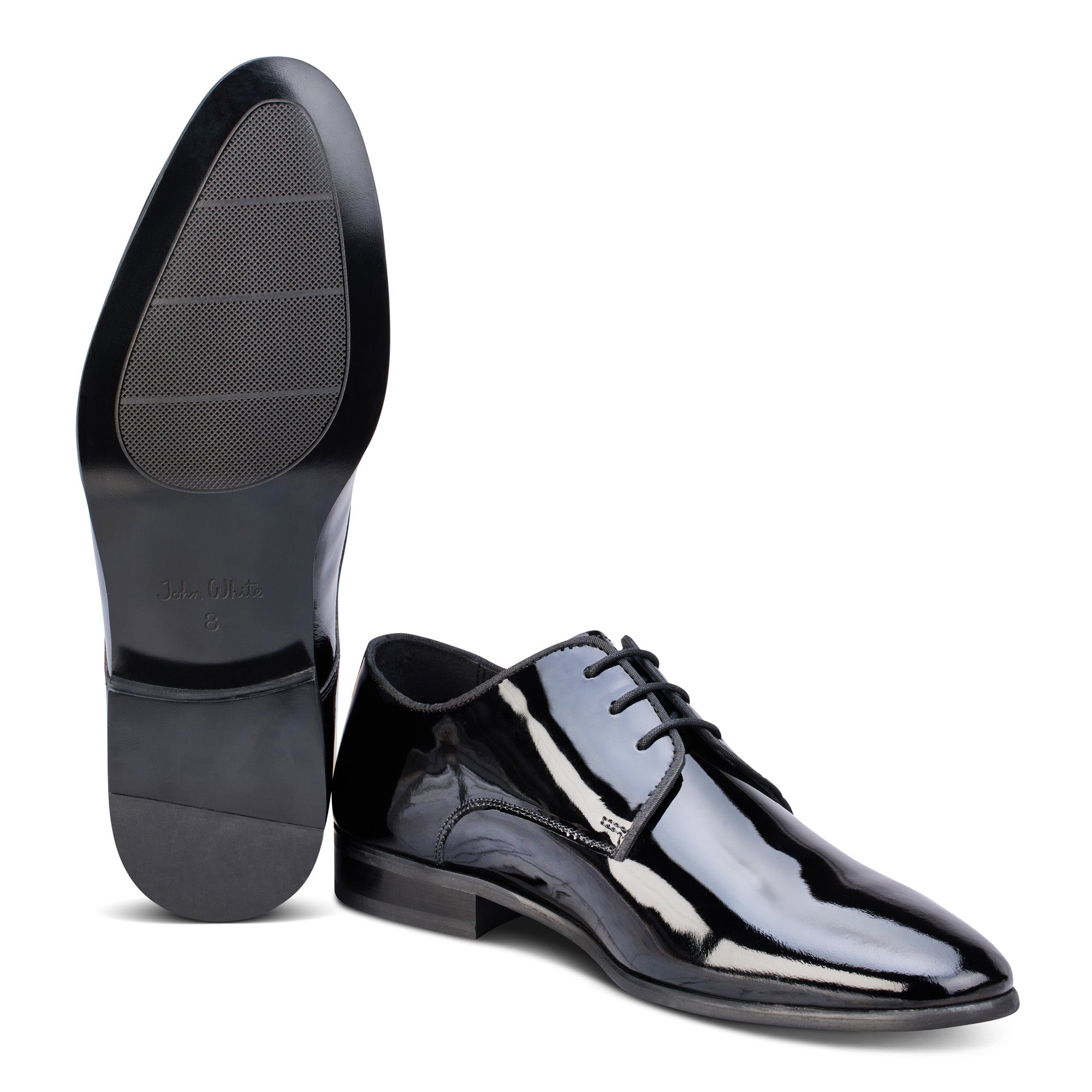
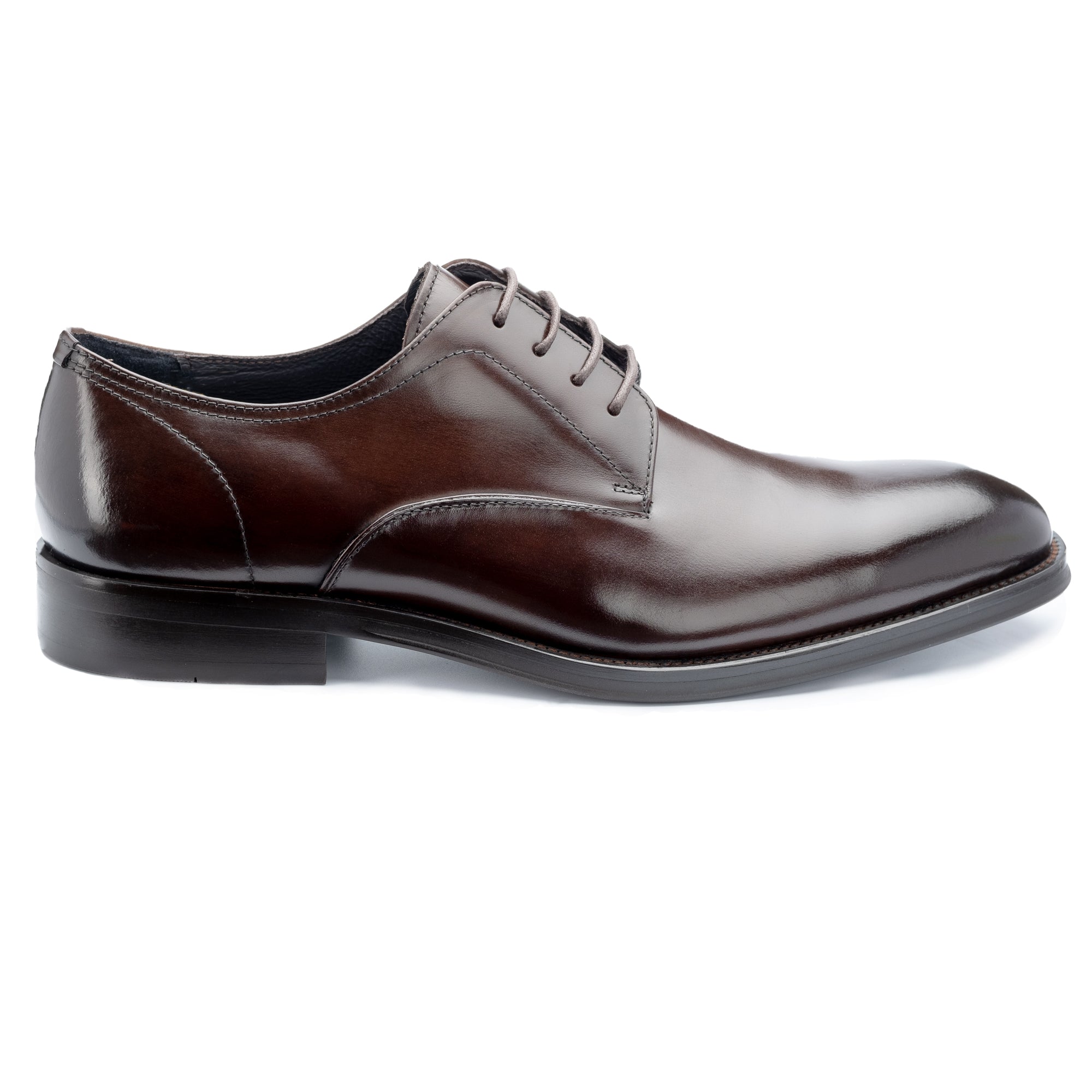
A closed-channel sole conceals the welt stitching under a skilfully cut leather flap, achieving a supremely sleek and elegant finish.
How Do Open-Channel and Closed-Channel Soles Compare?
While both methods are indicative of a quality Goodyear welted shoe, their differences lie in aesthetics, formality, and the level of finishing. Understanding these distinctions allows you to appreciate the specific character of a shoe.
The table below provides a direct comparison:
| Feature | Open-Channel Sole | Closed-Channel Sole |
|---|---|---|
| Appearance | Stitching is visible within a neat groove. | Perfectly smooth, seamless leather surface. |
| Formality | Standard for business and smart-casual footwear. | Higher level of formality; ideal for dress shoes. |
| Craftsmanship | Honest, visible construction that is robust and reliable. | Subtle, highly skilled technique requiring precision. |
| Association | The industry standard for premium ready-to-wear. | Bespoke, made-to-order, and luxury footwear. |
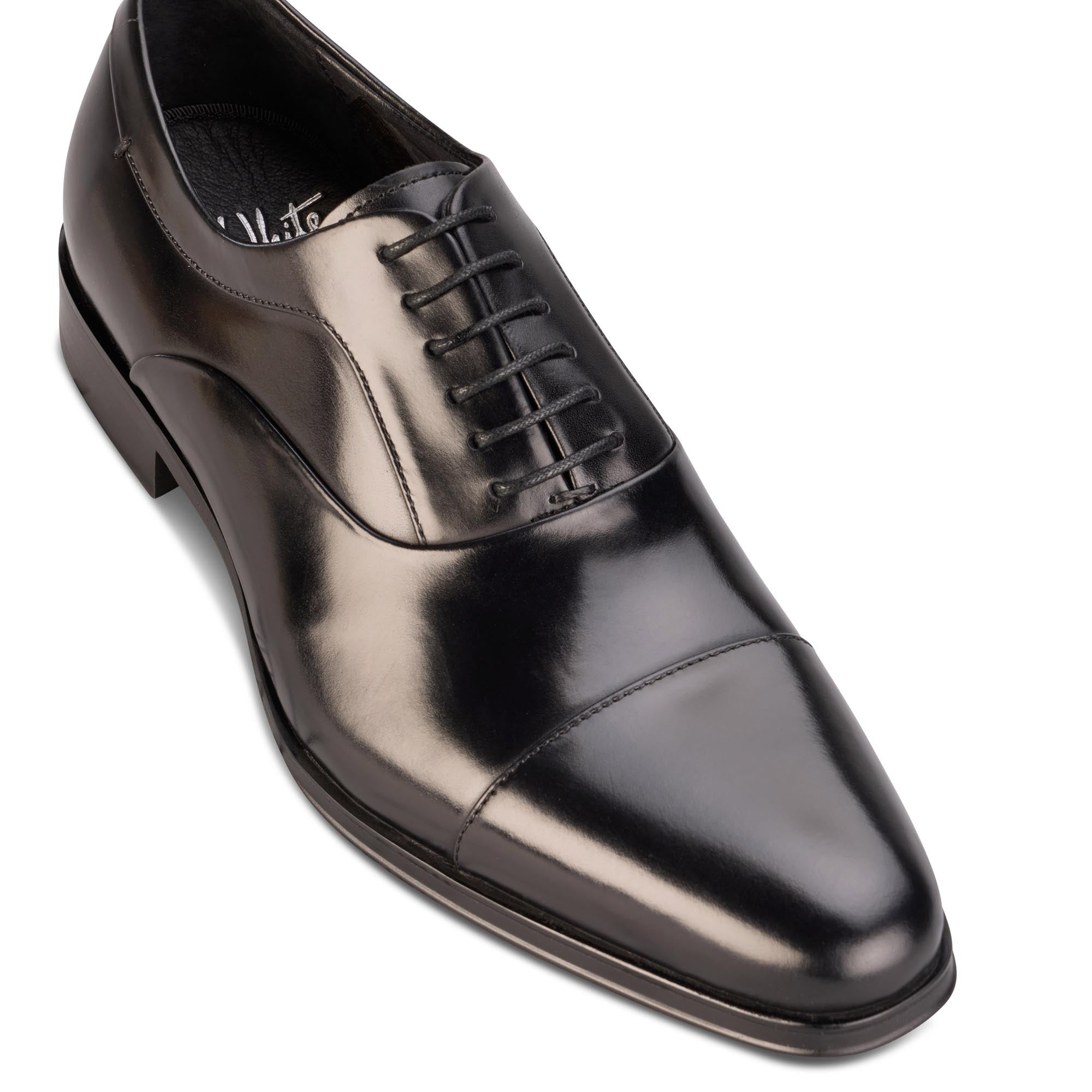
The clean, uninterrupted surface of a closed-channel sole elevates the perceived formality of a shoe. It creates a sleek profile from every angle, a detail that pairs exceptionally well with the sharp lines of a wholecut Oxford or a fine evening shoe. For a deeper understanding of how sole finishing complements overall design, see our guide to bevelled and fiddleback waists.
Does a Closed-Channel Sole Offer Superior Durability?
This is a frequent and pertinent question. While a closed-channel sole offers initial protection for the stitching against ground abrasion, the practical difference in longevity is minimal. Both constructions are fundamentally robust and designed to be resoled multiple times.
According to the Society of Master Shoe Repairers, the primary factors determining the lifespan of a leather sole are the quality of the leather itself and the frequency of wear, not whether the stitching channel is open or closed. The welt remains the structural core in both cases.
Eventually, as any leather sole wears down, the stitches on a closed-channel model will become visible. The initial aesthetic benefit is its primary advantage. The true promise of durability in both styles comes from the Goodyear welt itself, a topic we explore in our definitive comparison of Goodyear Welt and Blake Stitch construction.
While a closed channel protects the stitching from initial abrasion, both sole types offer comparable long-term durability and are fully resoleable.
Why Is a Closed-Channel Sole Considered a Premium Feature?
The premium status of a closed-channel sole is rooted in the skill, time, and heritage it represents. It is less about a quantifiable increase in performance and more about a commitment to the highest standards of craftsmanship.
The Shoe and Allied Trades Research Association (SATRA) notes that manual, high-skill operations like channel closing are defining features of high-grade footwear construction. This additional, meticulous process requires a seasoned craftsman and cannot be easily automated, separating it from standard production methods.
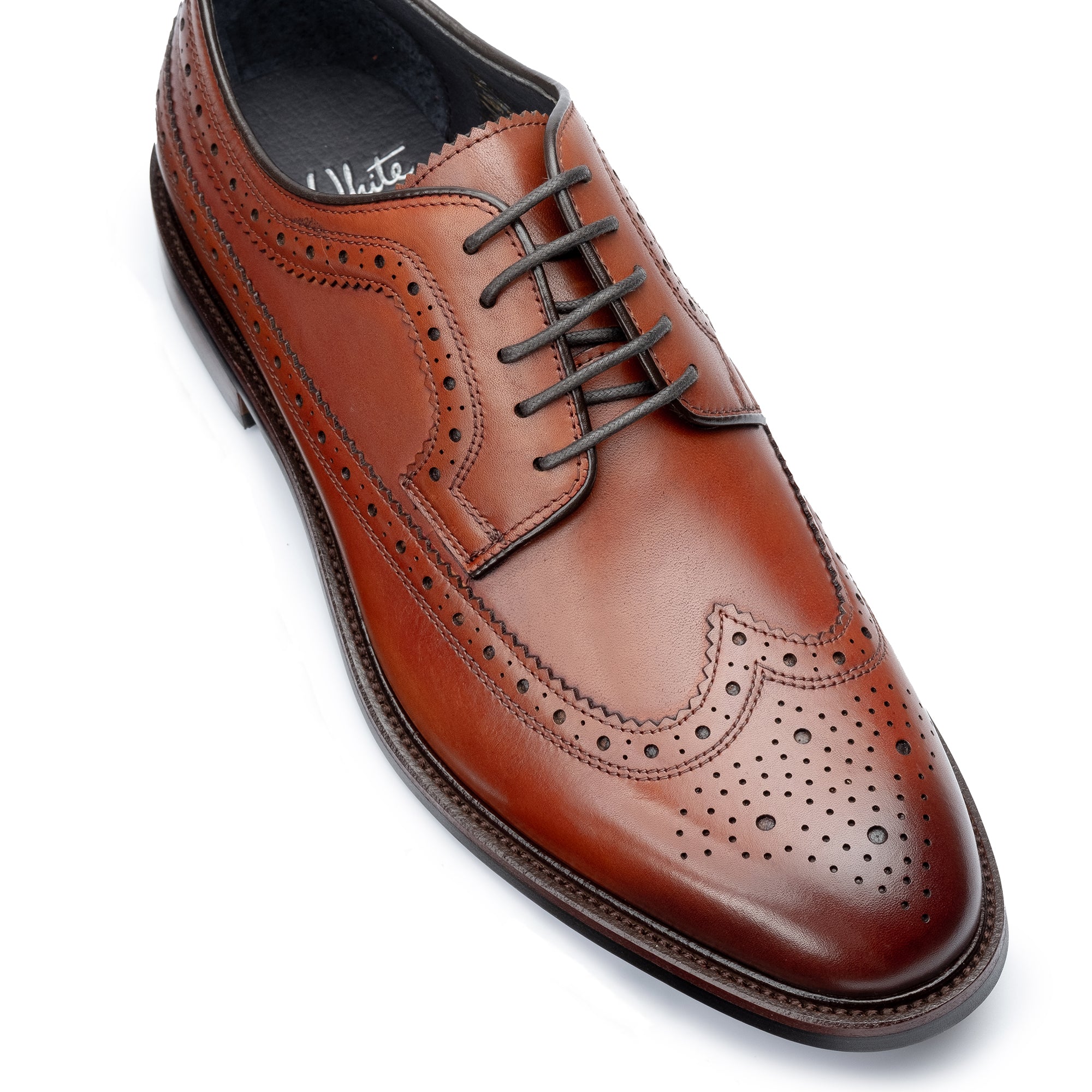
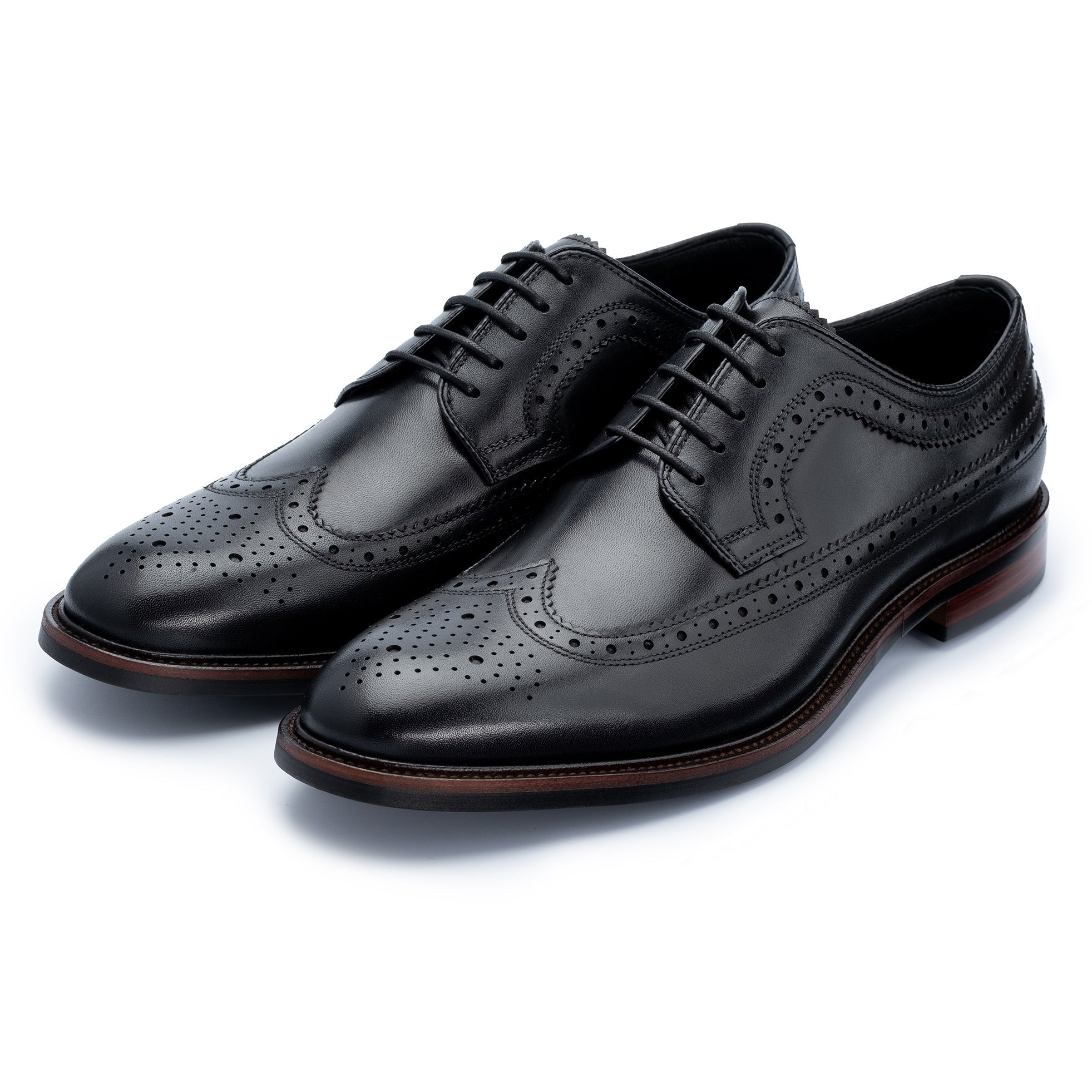
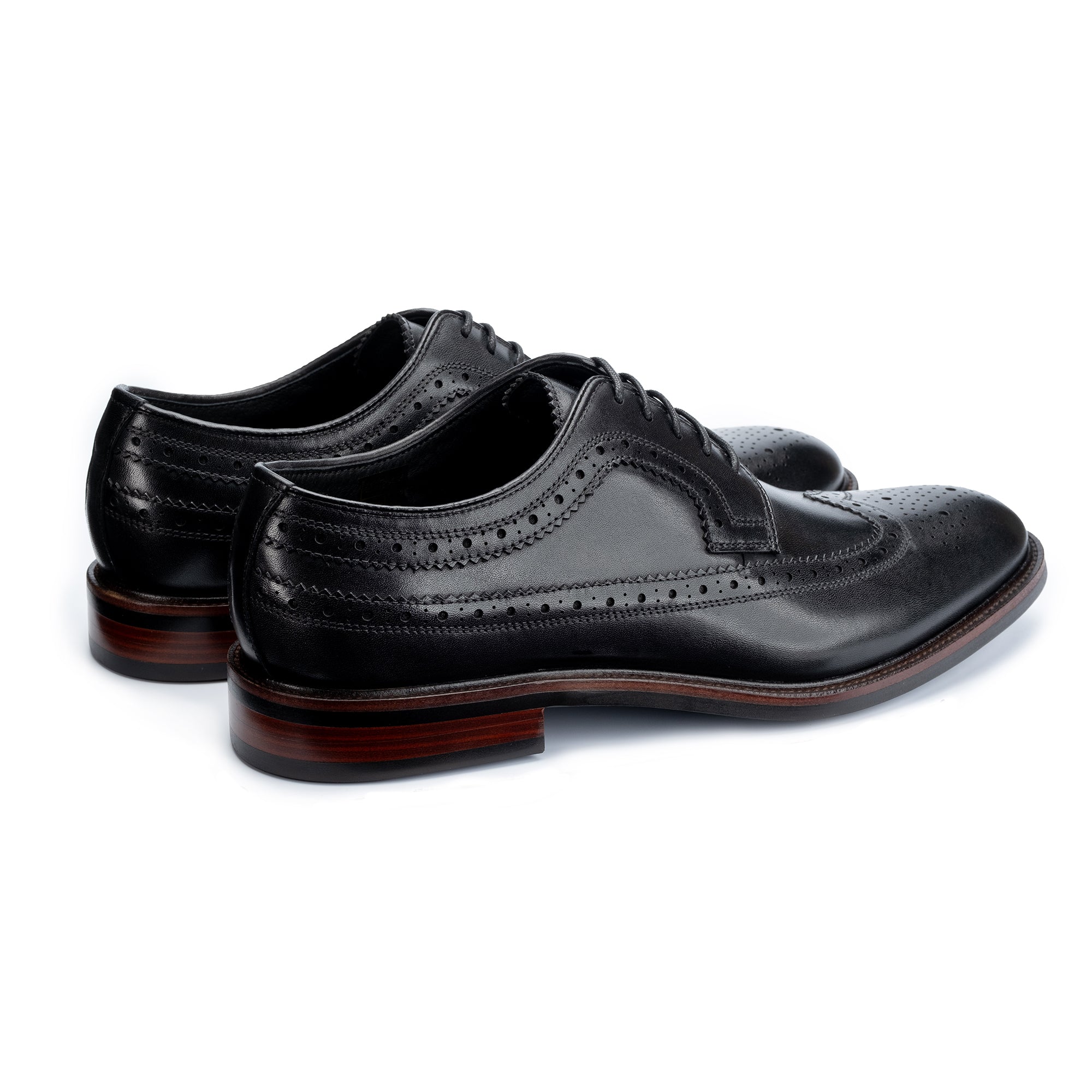
This dedication to finishing is a tradition long upheld by Northamptonshire's finest shoemakers. Heritage brands such as Crockett & Jones, Grenson, and Barker have historically used this technique to signify their top-tier collections, establishing a clear hierarchy of quality that connoisseurs of British footwear, including patrons of John White Shoes, have come to recognise and appreciate.
"Closing the channel is an act of completion. It demonstrates that as much care has been given to the parts unseen as to the polished upper. It is the final signature of the craftsman." - A sentiment often expressed by master cobblers.
The closed-channel sole is considered a premium feature due to the exceptional manual skill, additional time, and bespoke heritage it embodies.
Which Type of Sole Should You Choose?
The choice between an open or closed channel is ultimately one of personal preference and occasion. Neither is definitively 'better'; they simply serve different aesthetic purposes.
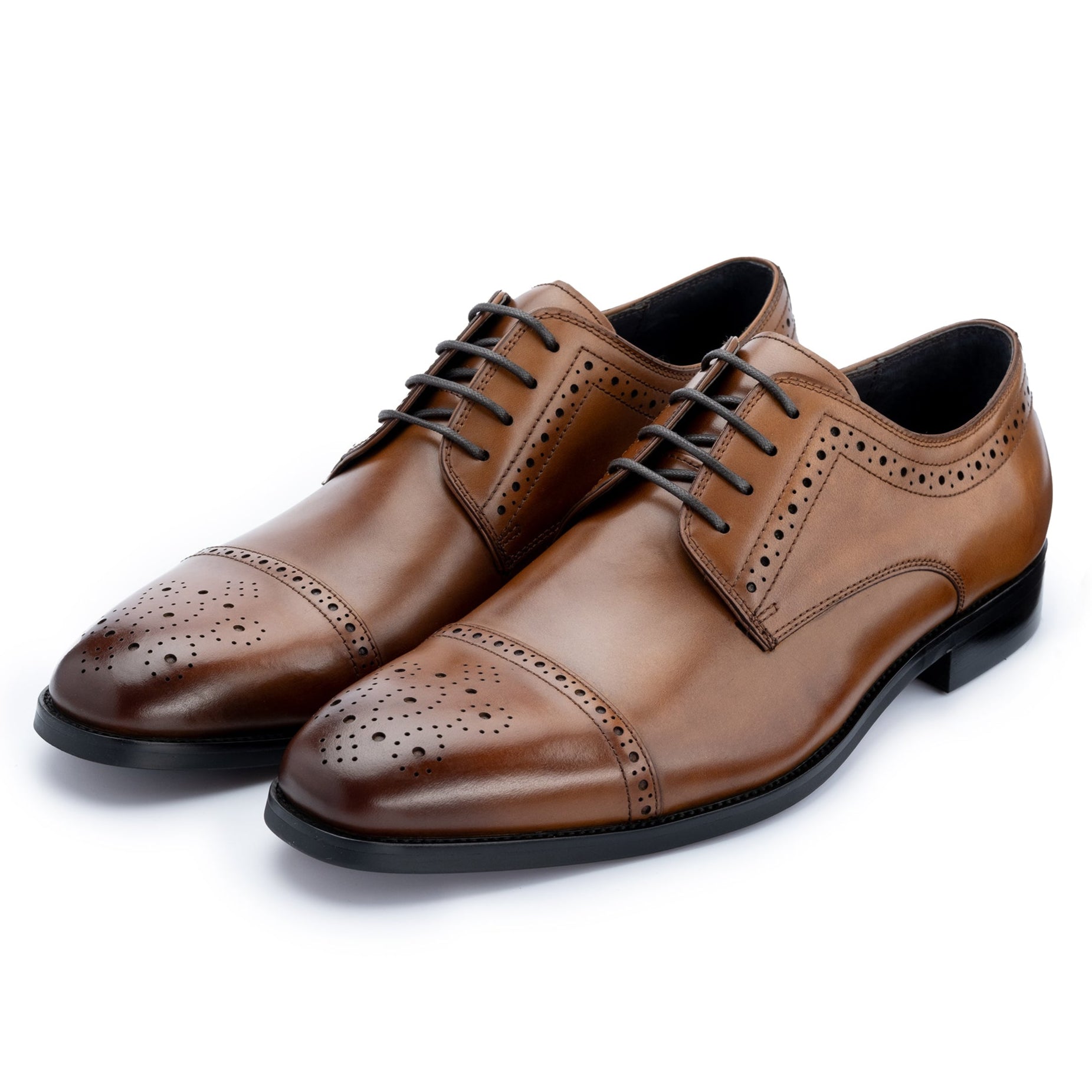
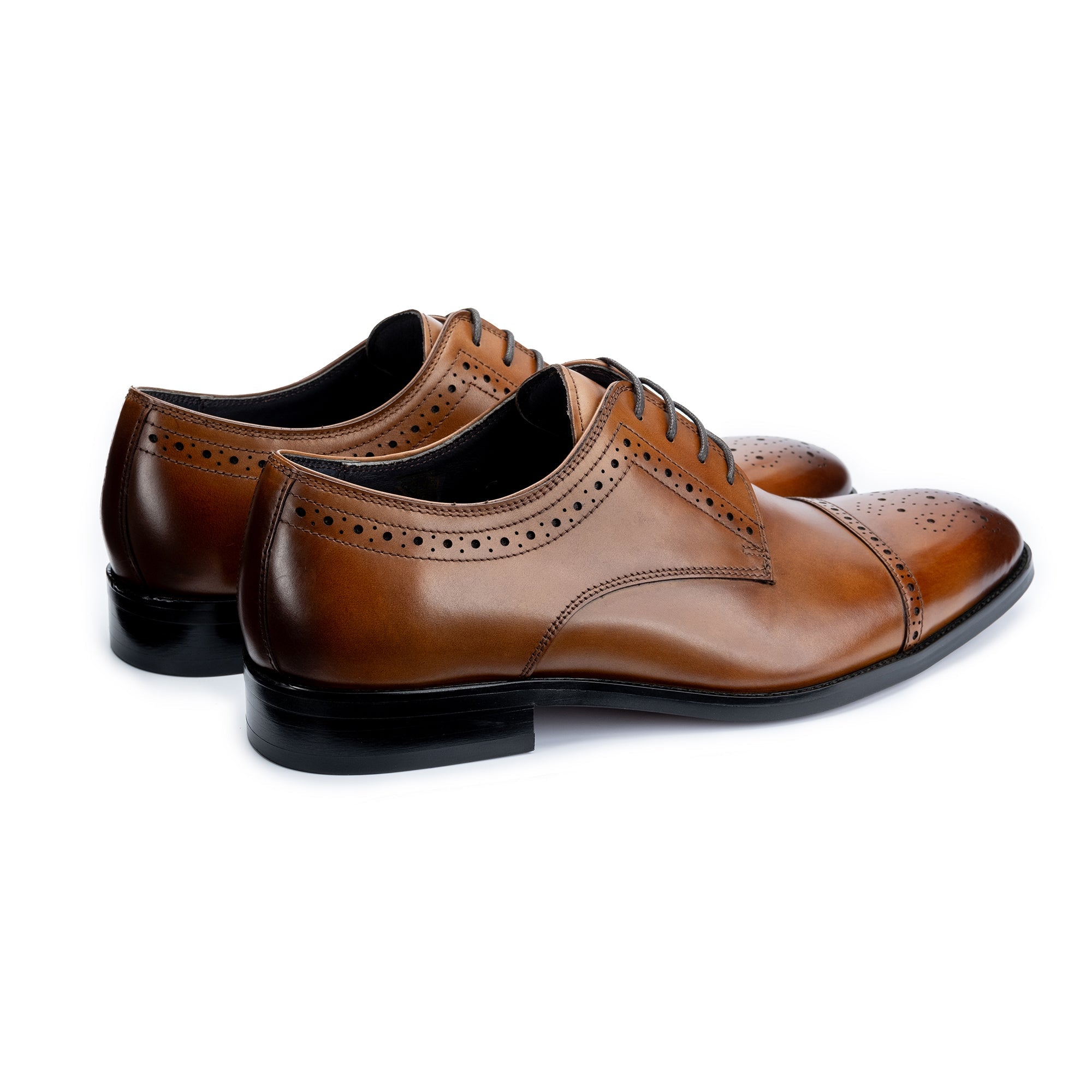
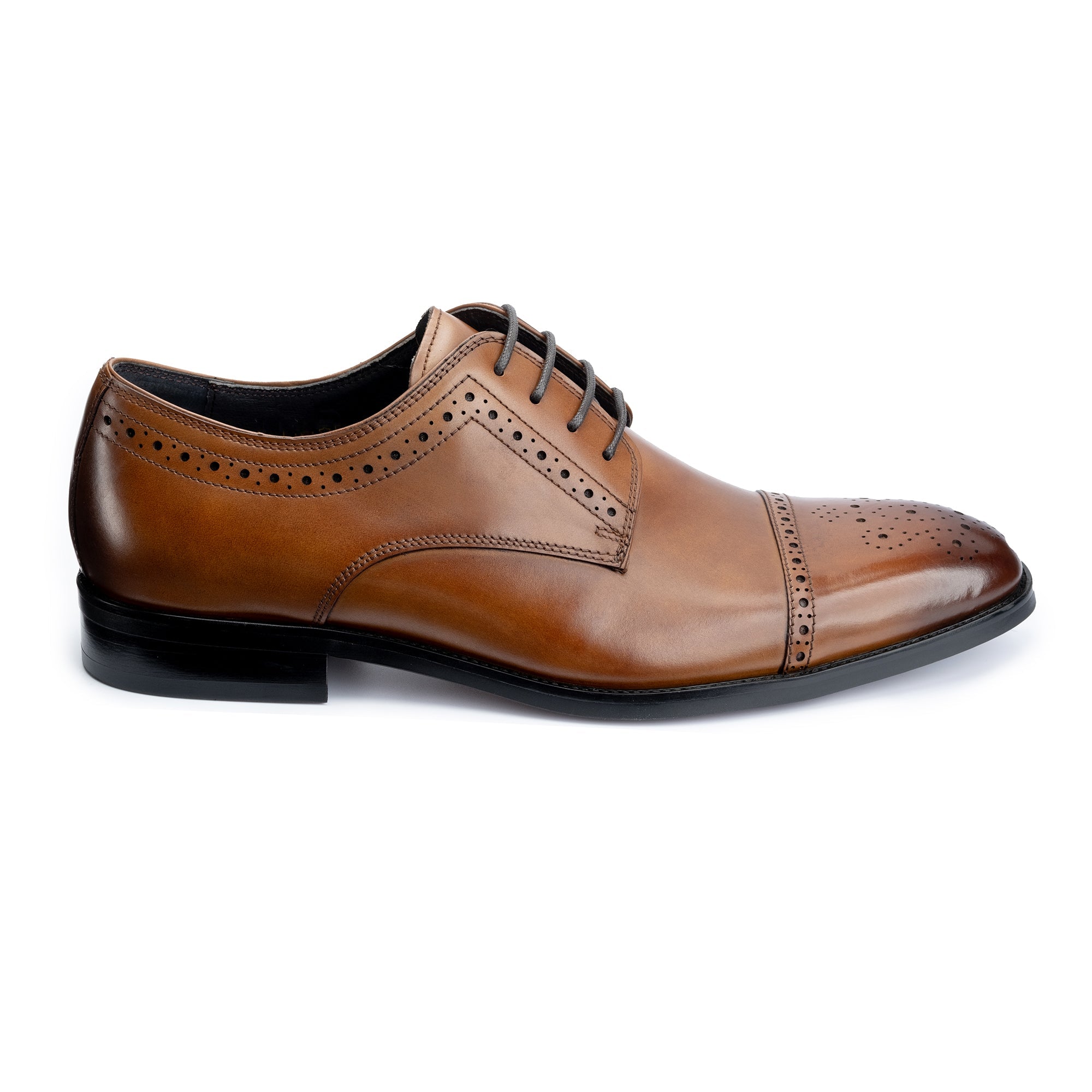
- For the Traditionalist: The open-channel sole is the workhorse of a gentleman's wardrobe. It is honest, reliable, and perfectly suited for daily wear, whether on a pair of robust Derby shoes or a timeless brogue. It speaks of a confidence in construction that needs no concealment.
- For the Connoisseur of Detail: The closed-channel sole is for the man who appreciates the subtlest refinements. It is the ideal choice for your most formal footwear, reserved for black tie events, important business meetings, or any occasion that calls for uncompromising elegance.
Both styles represent a commitment to the enduring principles of Goodyear welted construction—a foundation of quality that allows for a lifetime of wear and repair. You can learn more about this in our guide to resoling leather shoes.
Whether you prefer the visible integrity of an open channel or the seamless finish of a closed one, you are choosing a shoe built upon a century of British shoemaking tradition. Explore our collection of premium men's shoes to see these principles of craftsmanship in practice.
Related Guides
- The History of British Shoemaking — our comprehensive guide
- The Structural Standard: A Definitive Comparison of Goodyear Welt and Blake Stitch Construction
- The Sculpted Sole: A Definitive Guide to Bevelled and Fiddleback Waists
- Resoling Leather Shoes: When and Why to Rebuild Them
TL;DR Summary
An open-channel sole features visible stitching in a recessed groove, showcasing its robust Goodyear welted construction. A closed-channel sole is a more refined technique where the stitching is hidden under a seamless flap of leather, offering a sleeker, more formal aesthetic. The primary difference is visual and a matter of craftsmanship tradition, as both methods provide excellent durability and can be resoled.
Frequently Asked Questions
Is a closed-channel sole waterproof?
No, the channel construction method itself does not make a shoe waterproof. The inherent water resistance of a Goodyear welted shoe comes from the welt construction, which creates a barrier between the insole and the outsole. Both open and closed-channel soles offer comparable levels of water resistance.
Can you see the stitches on a closed-channel sole after it's worn?
Yes, this is entirely normal. As the leather sole wears down with use, the thin flap covering the stitches will gradually abrade. Over time, the stitching will become visible, resembling an open-channel sole. This is an expected part of the shoe's life cycle and does not indicate a fault.
Does the type of channel affect the cost of the shoe?
Generally, yes. Creating a closed-channel sole is a more time-consuming and skilled process than an open channel. This additional manual labour and expertise are reflected in the final price, positioning closed-channel footwear at a more premium tier.