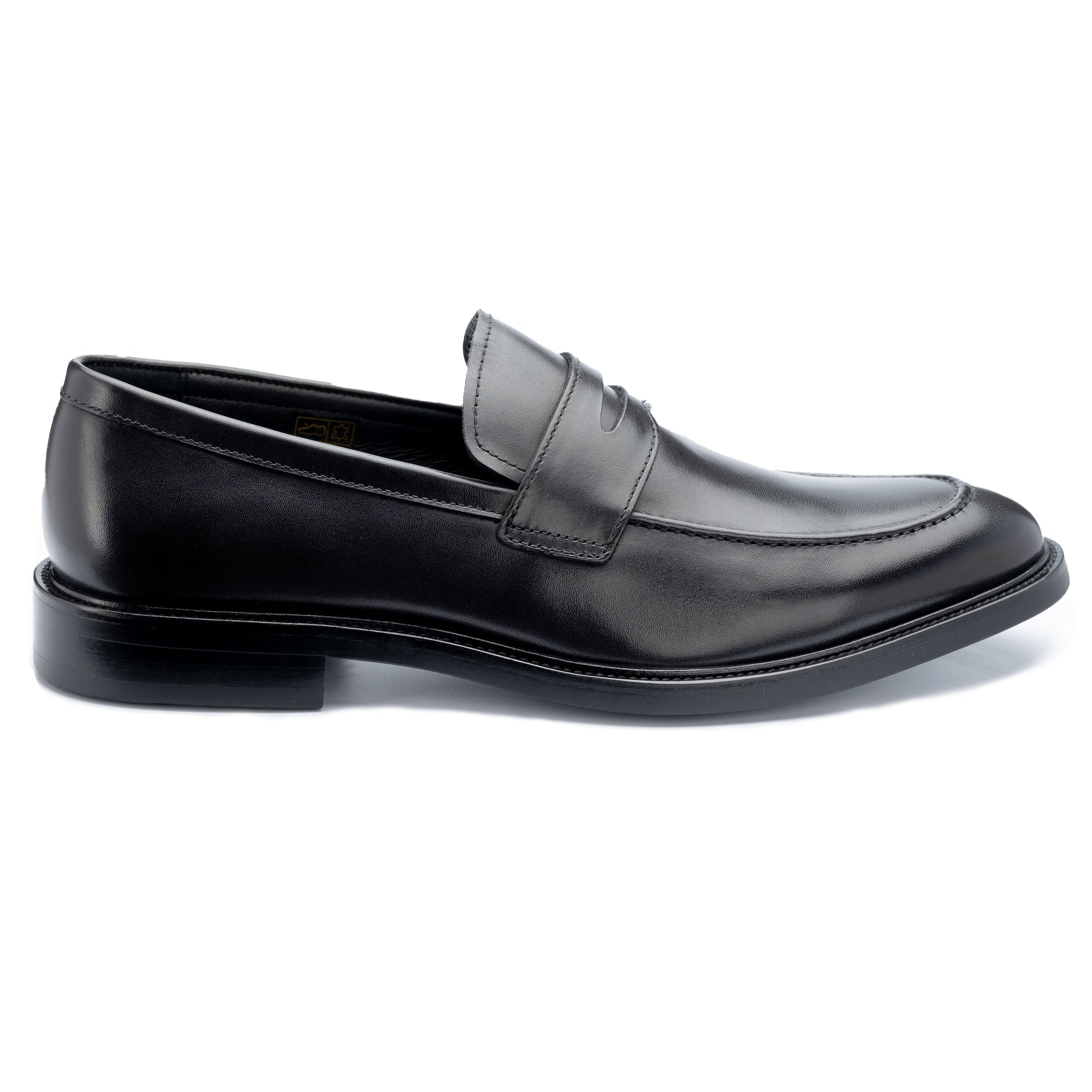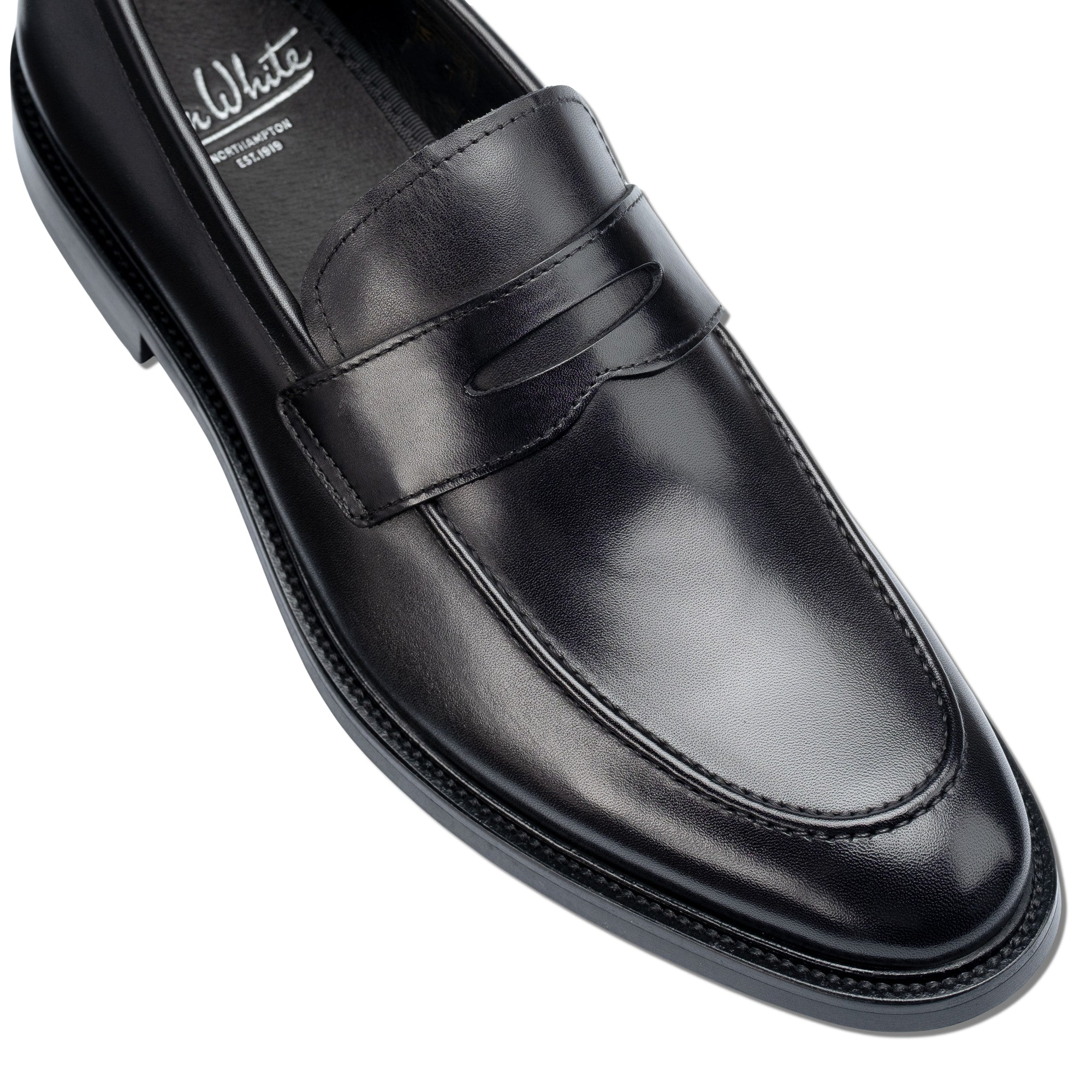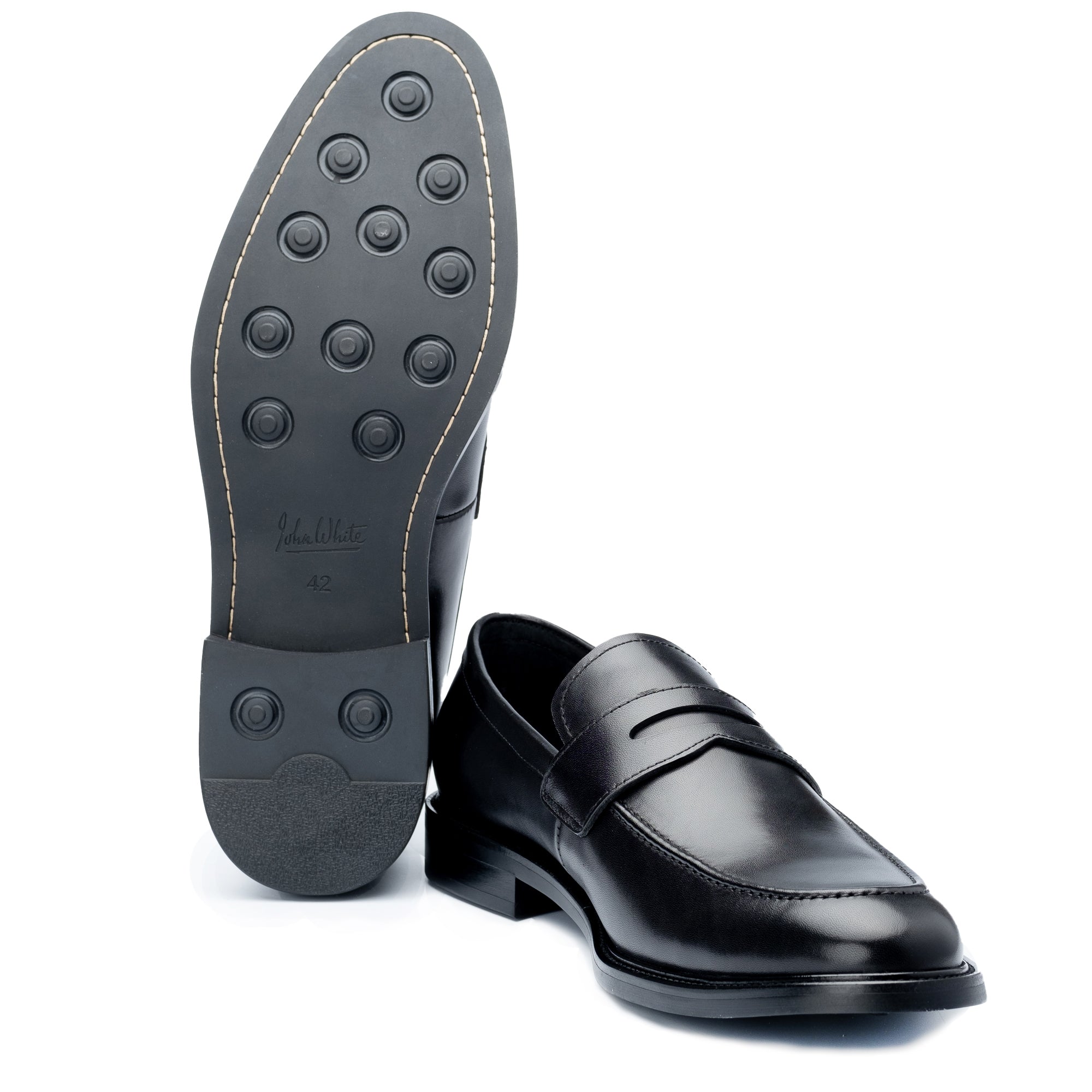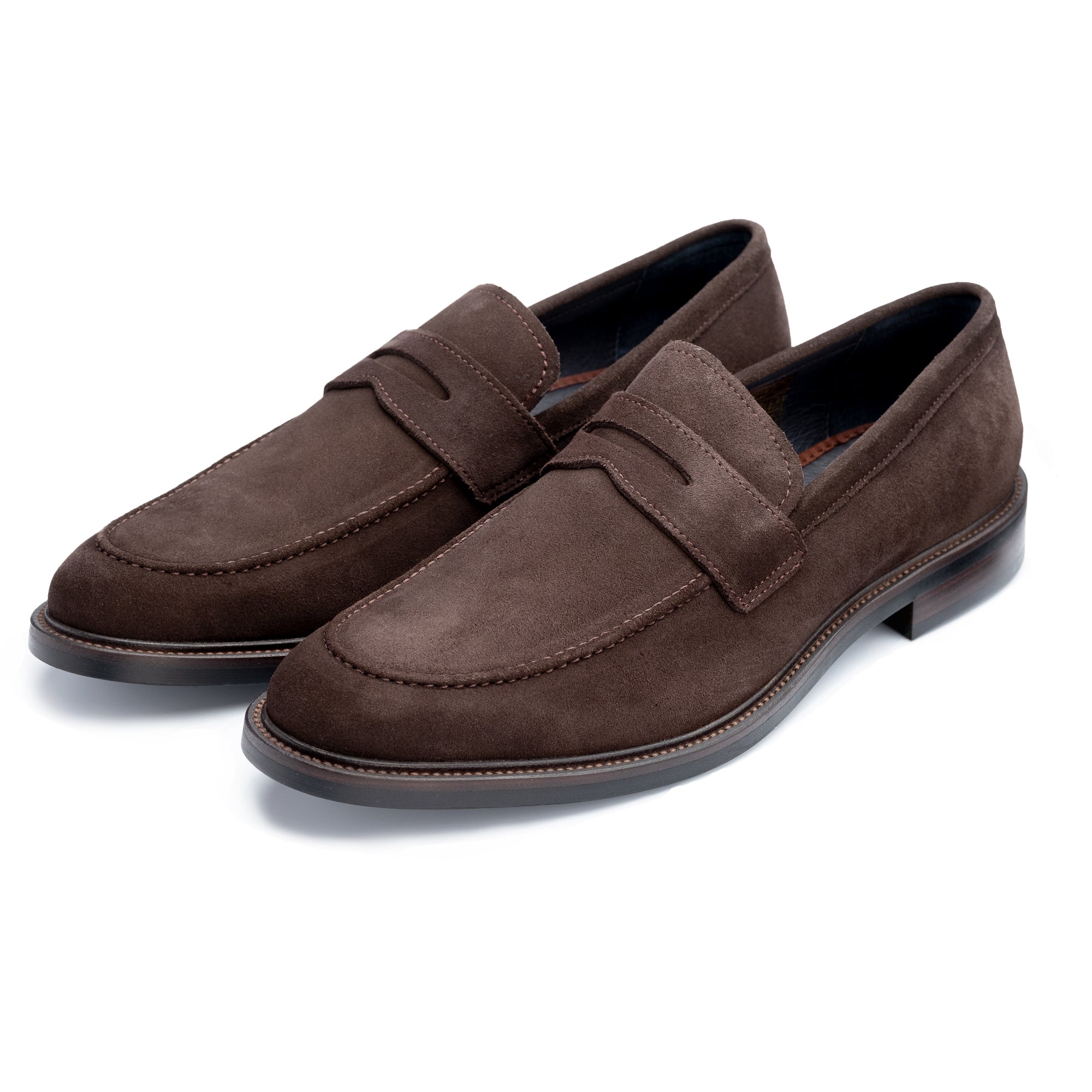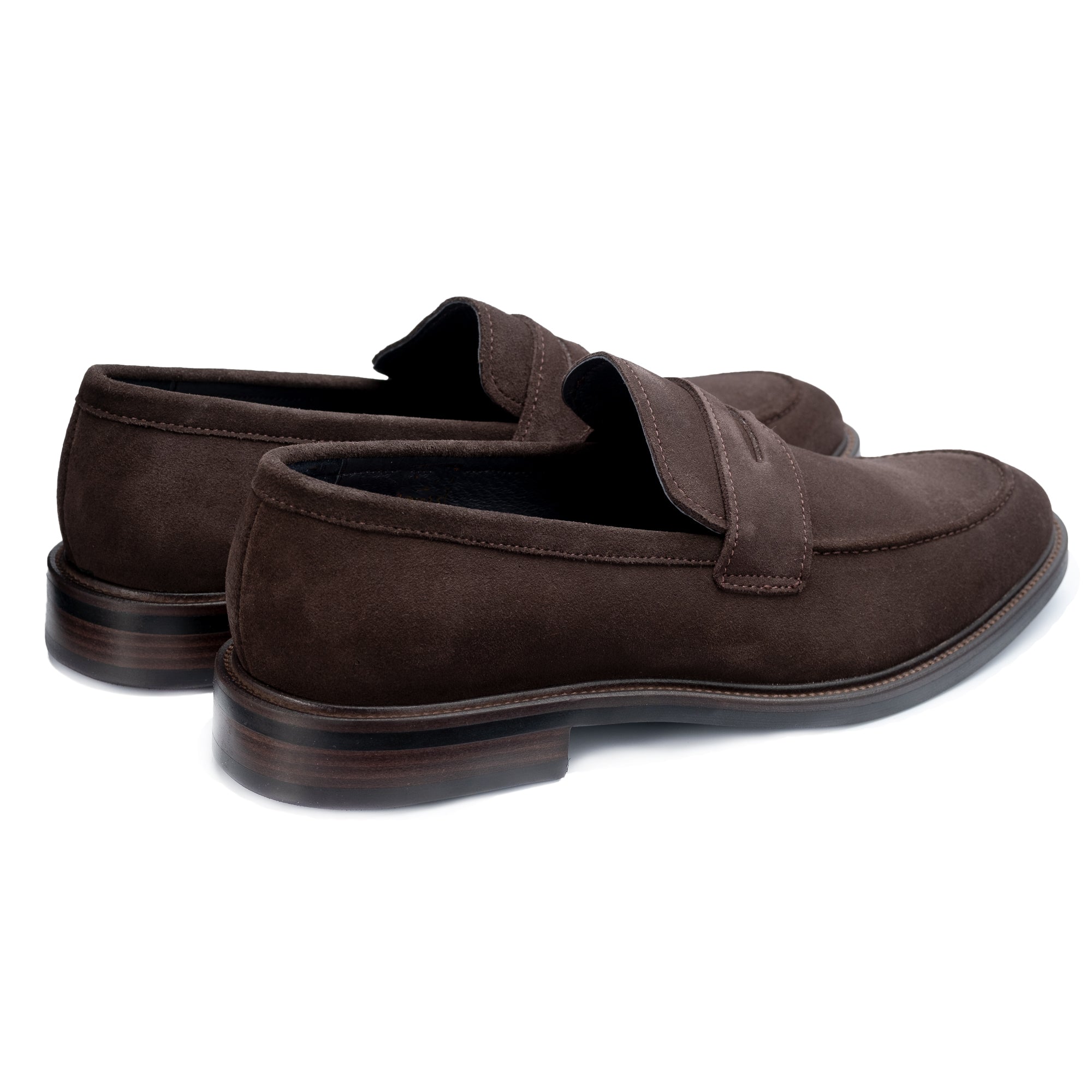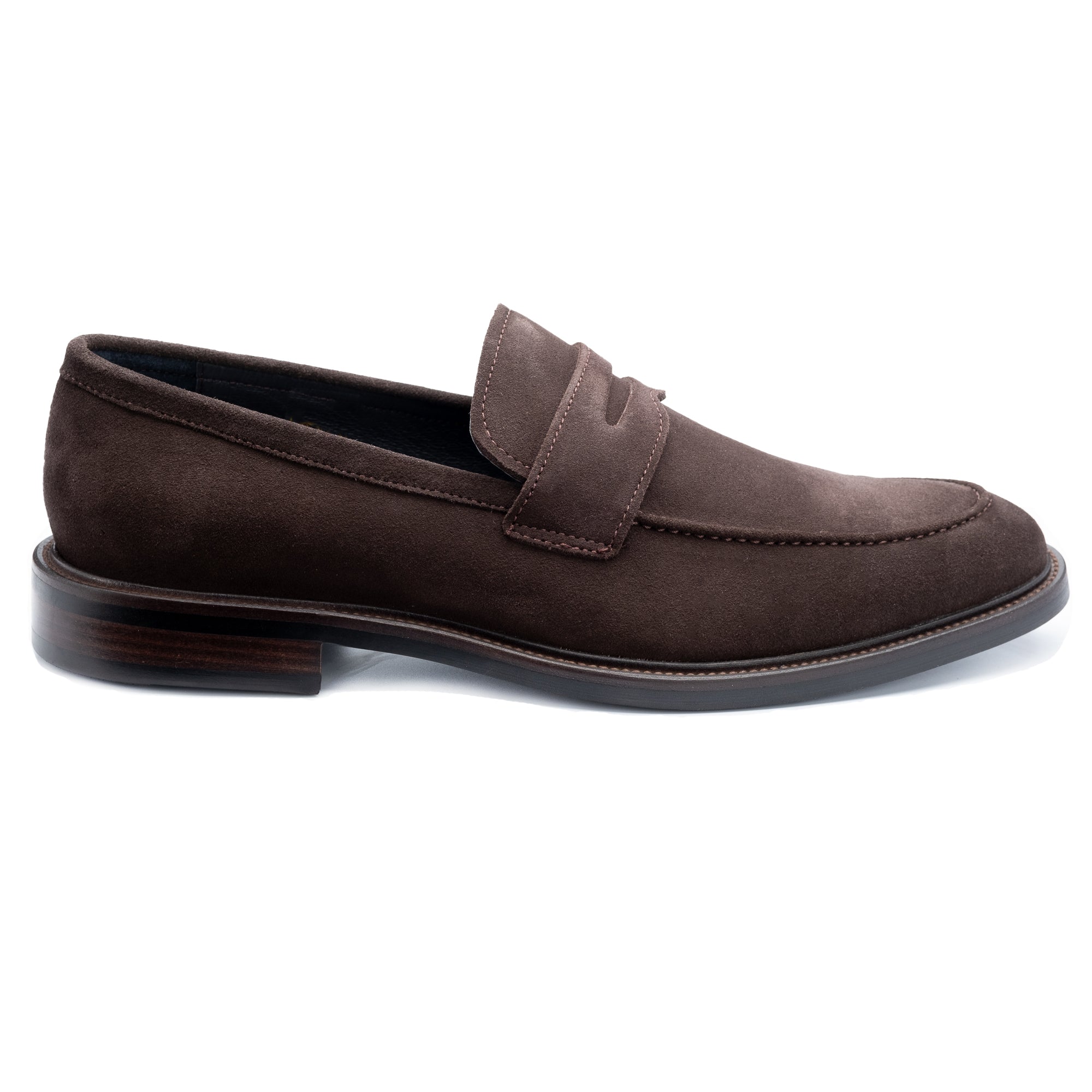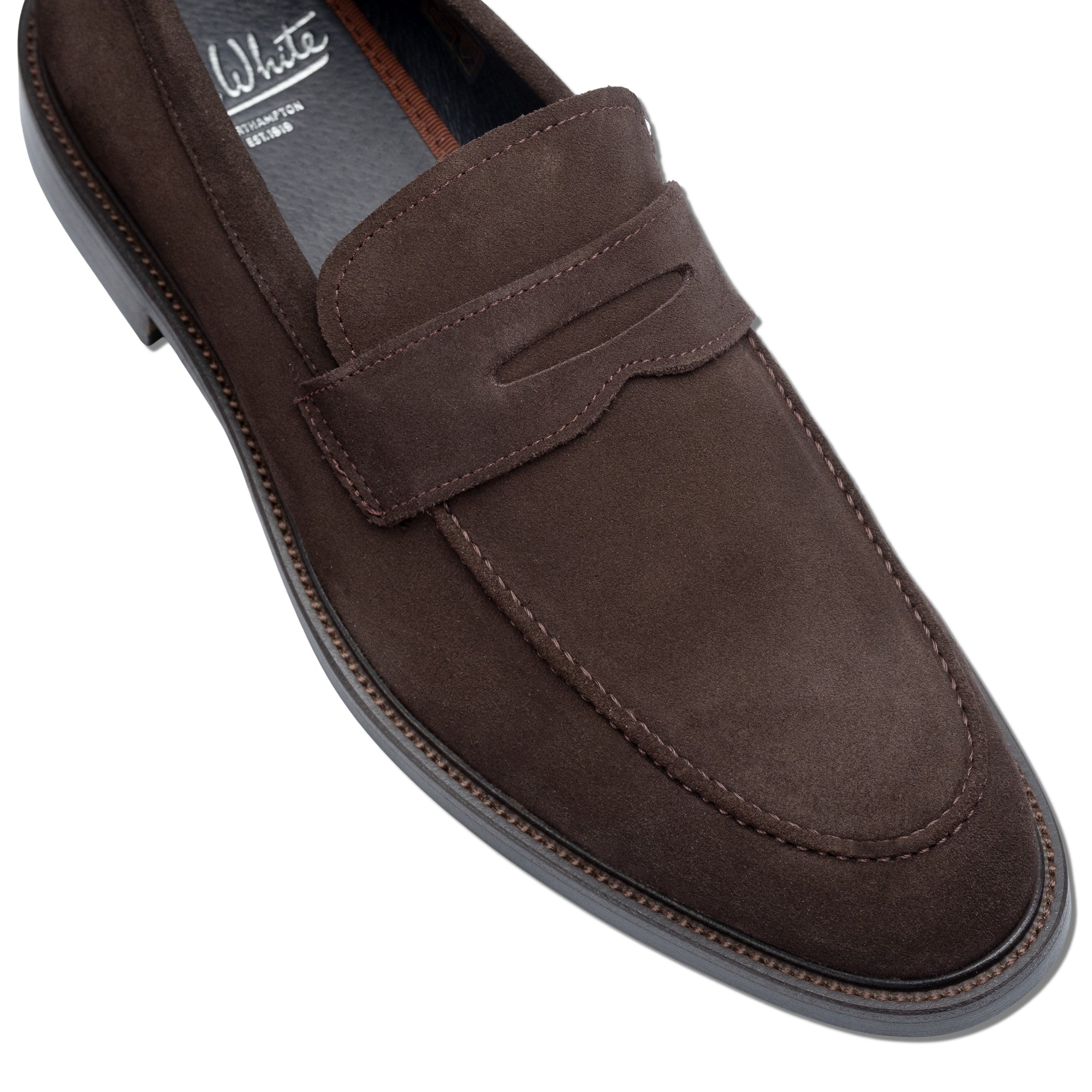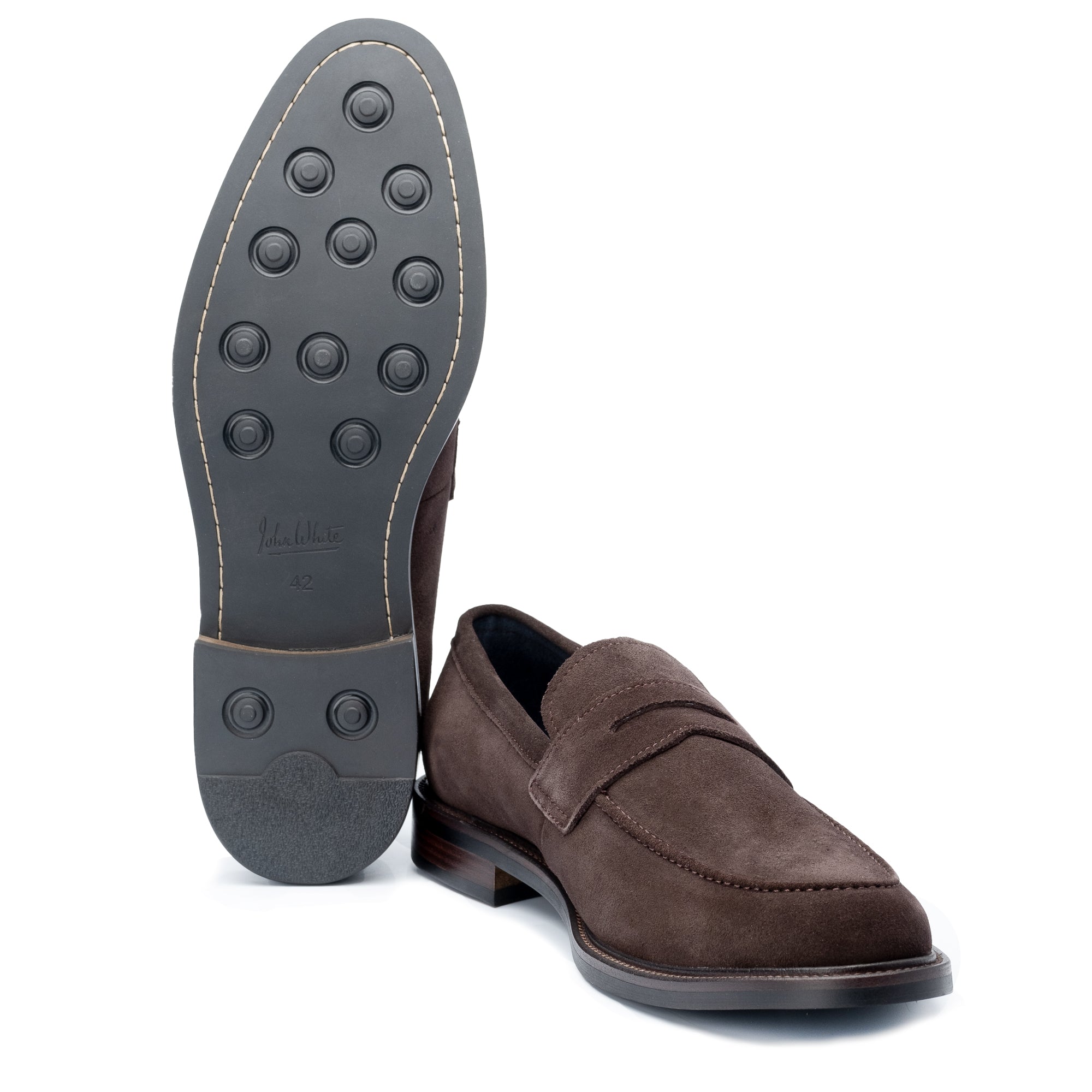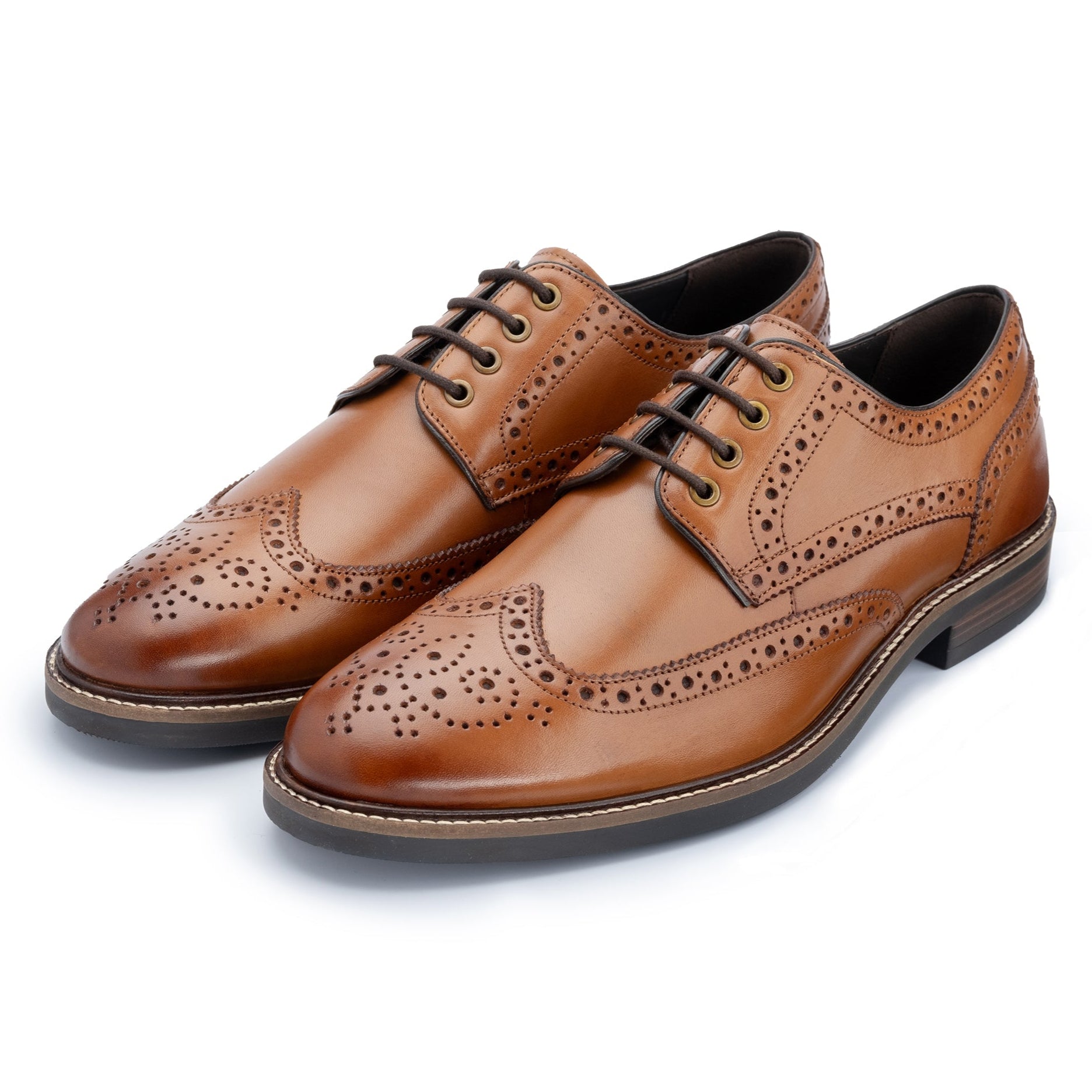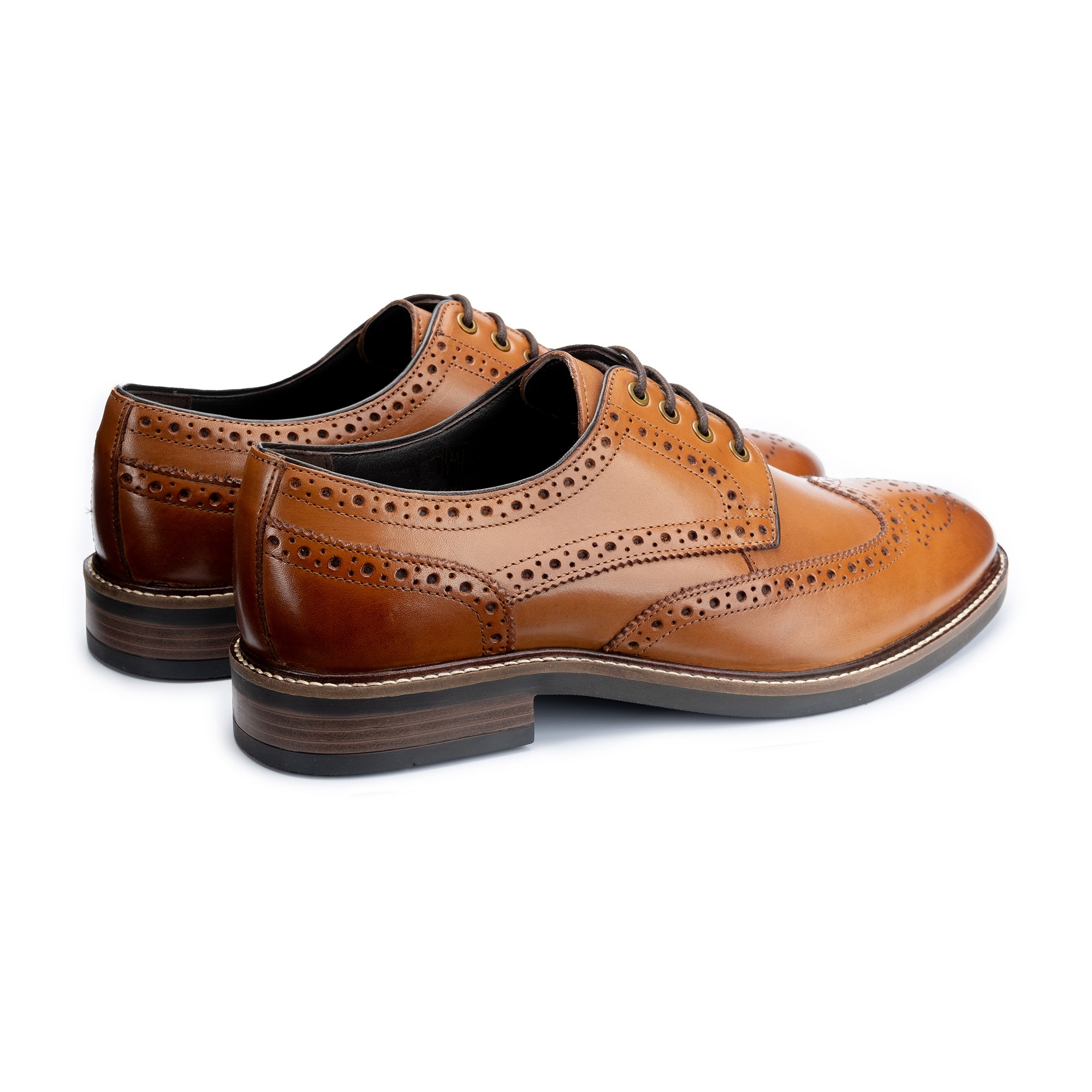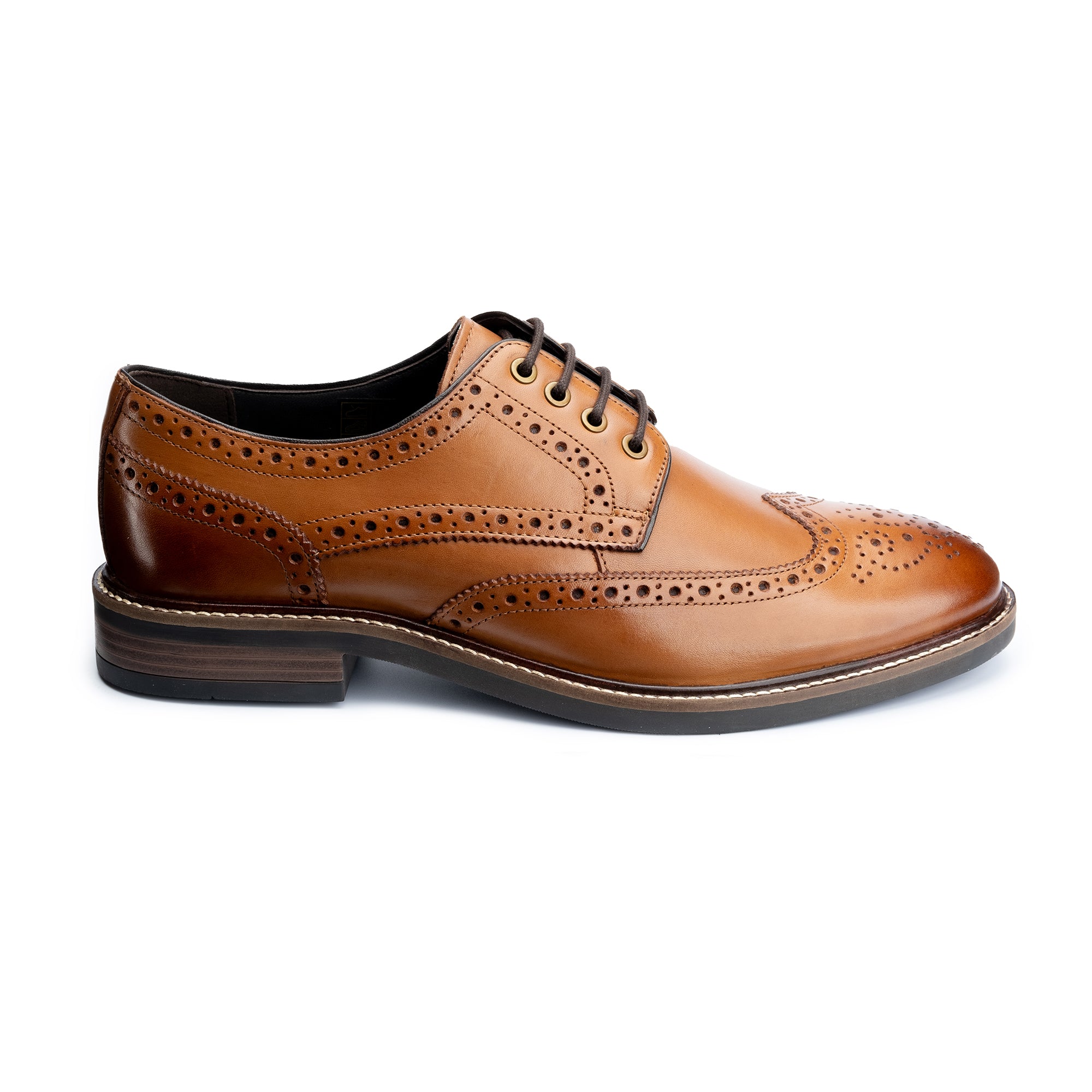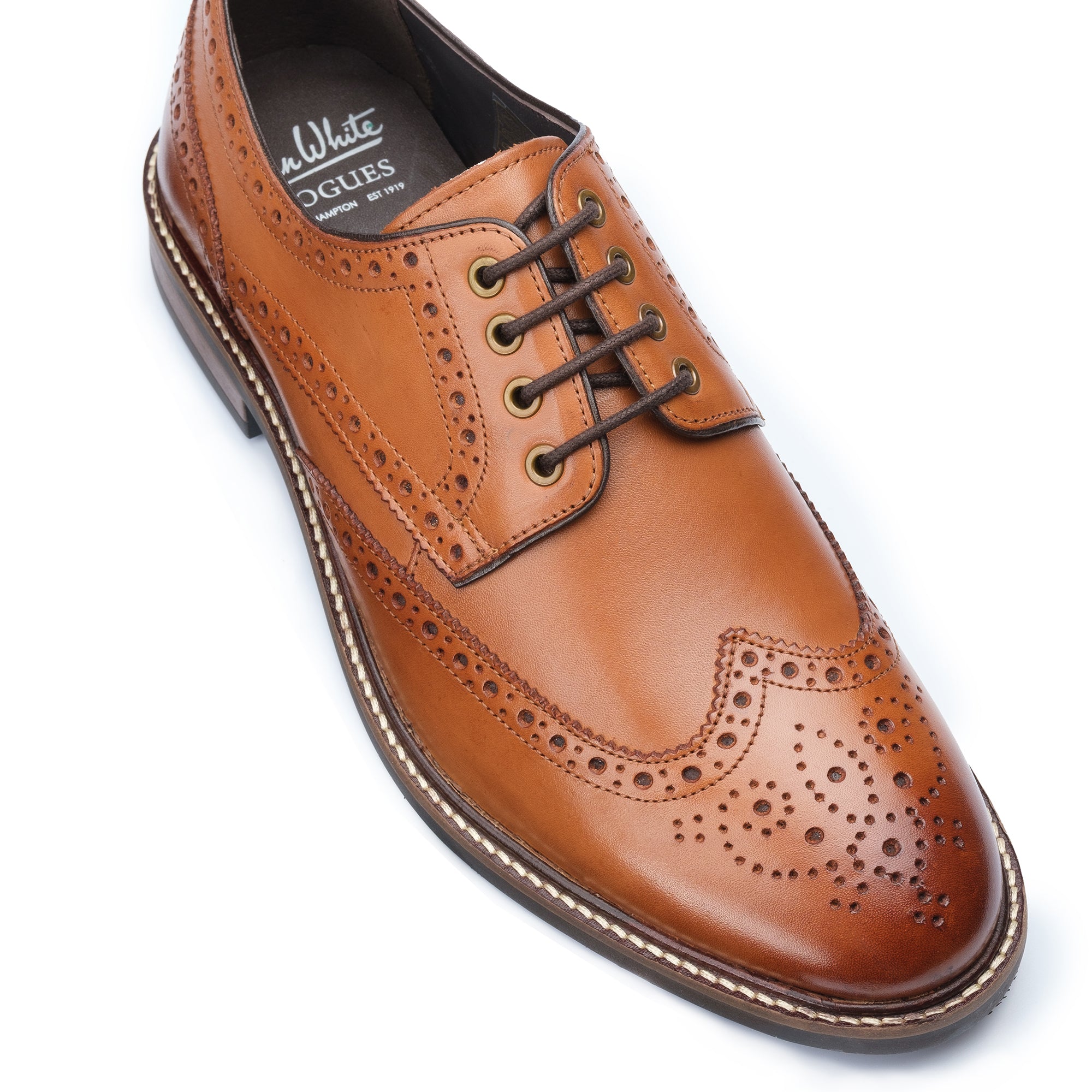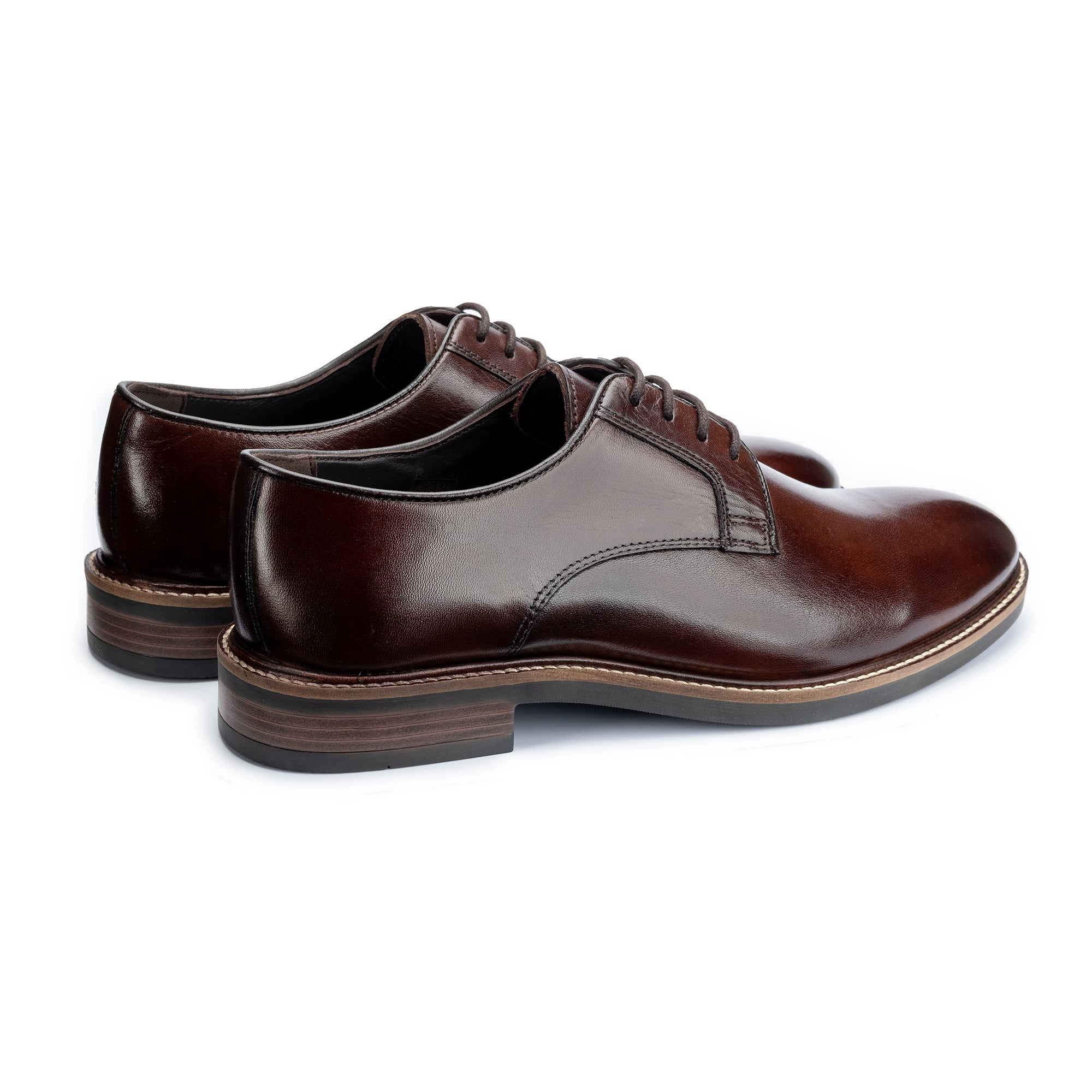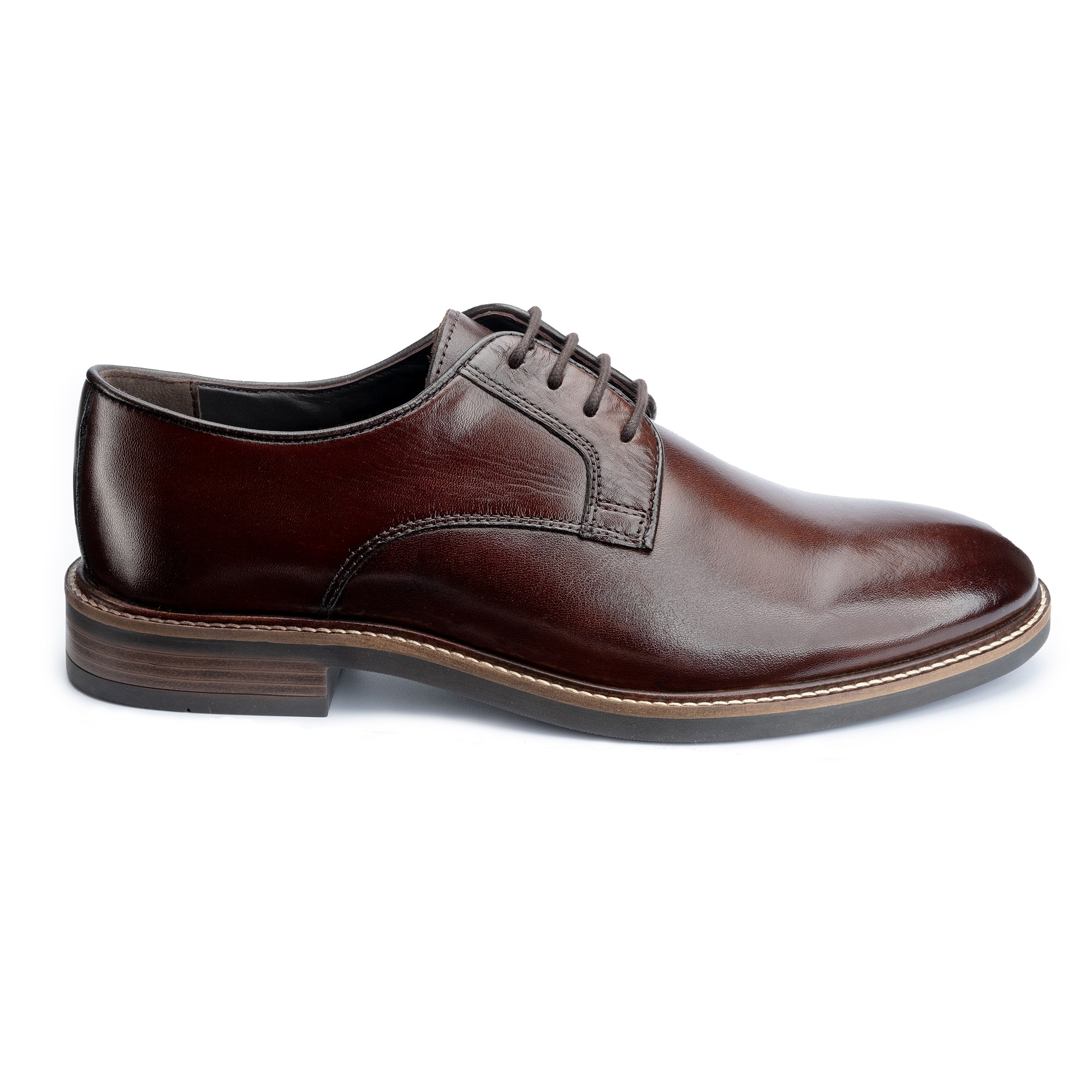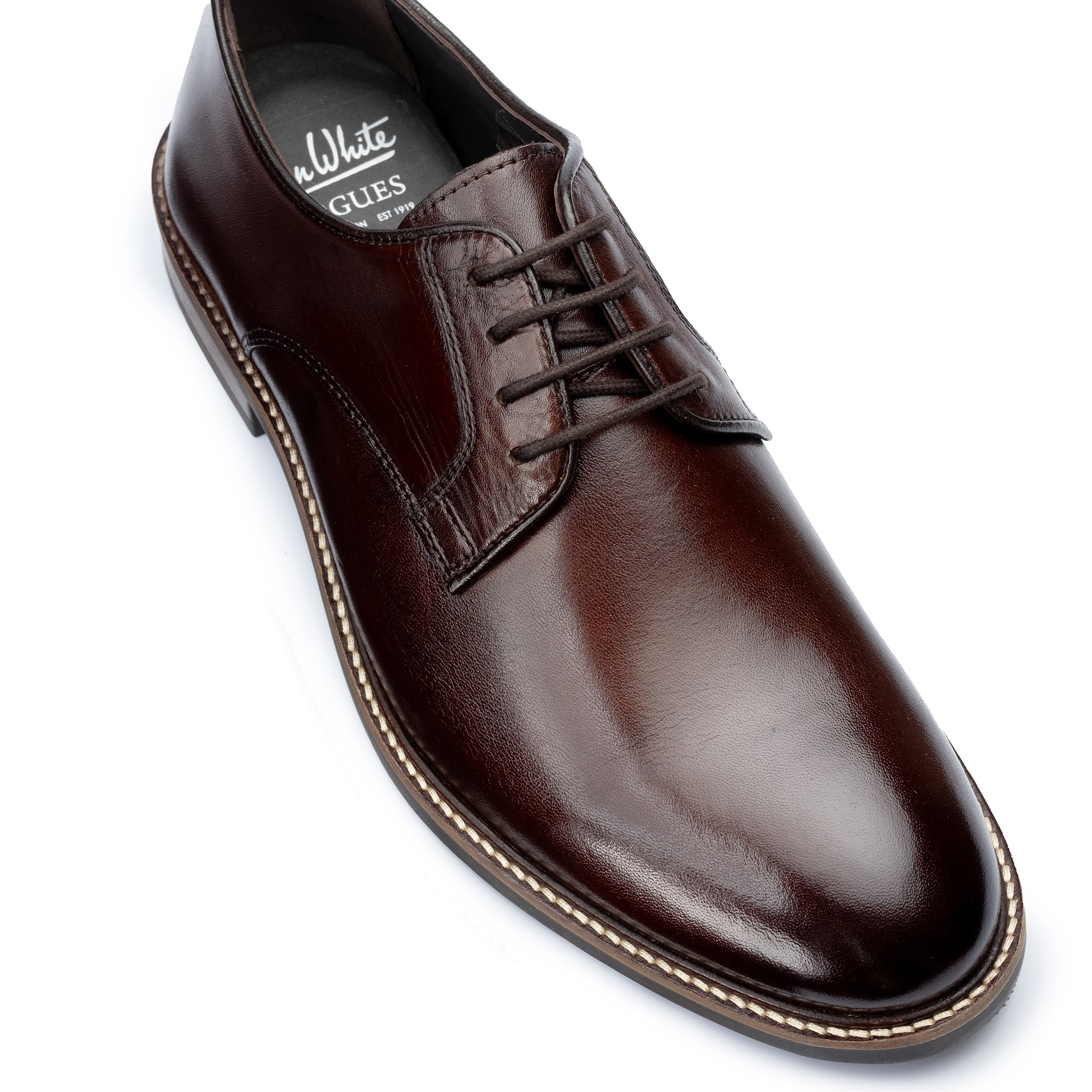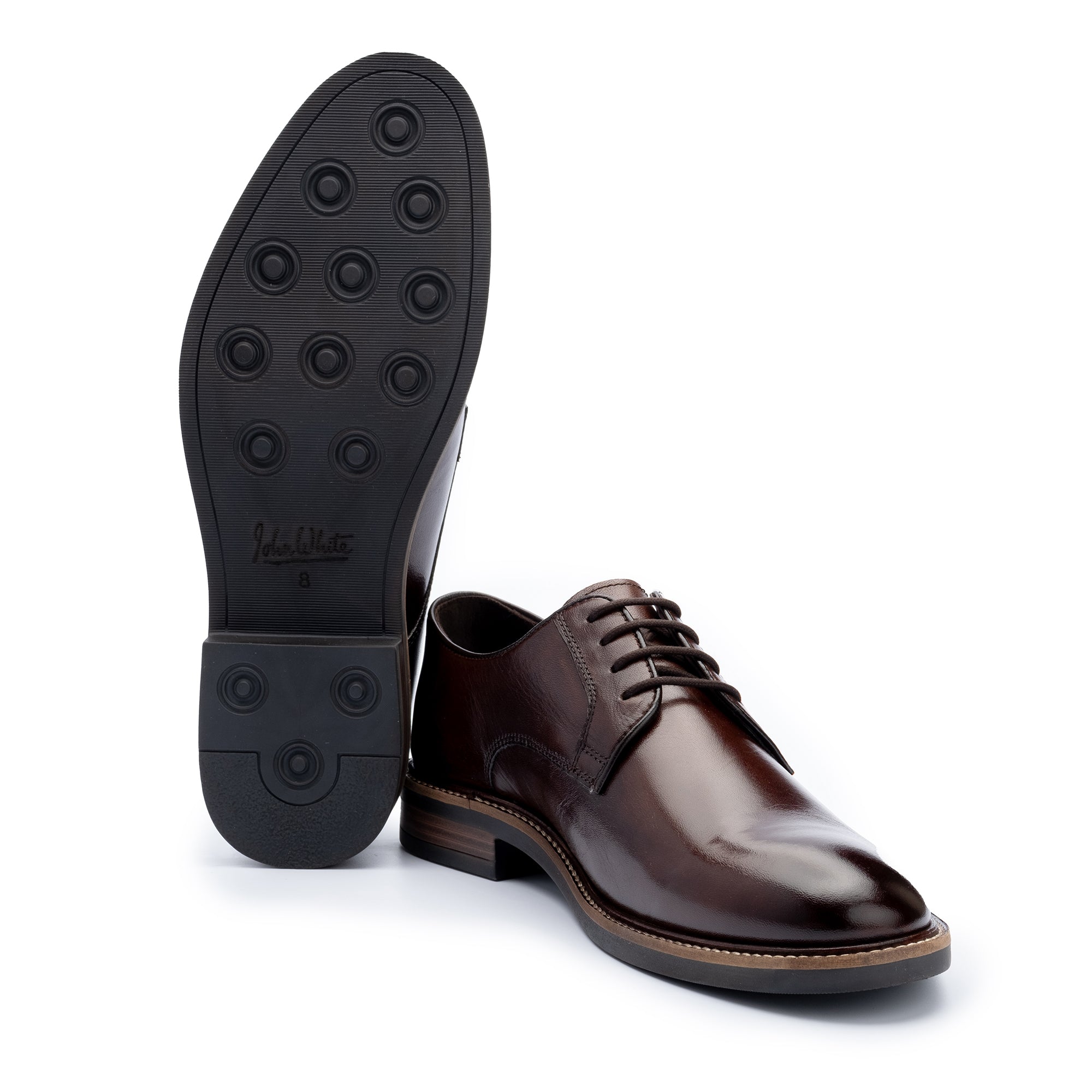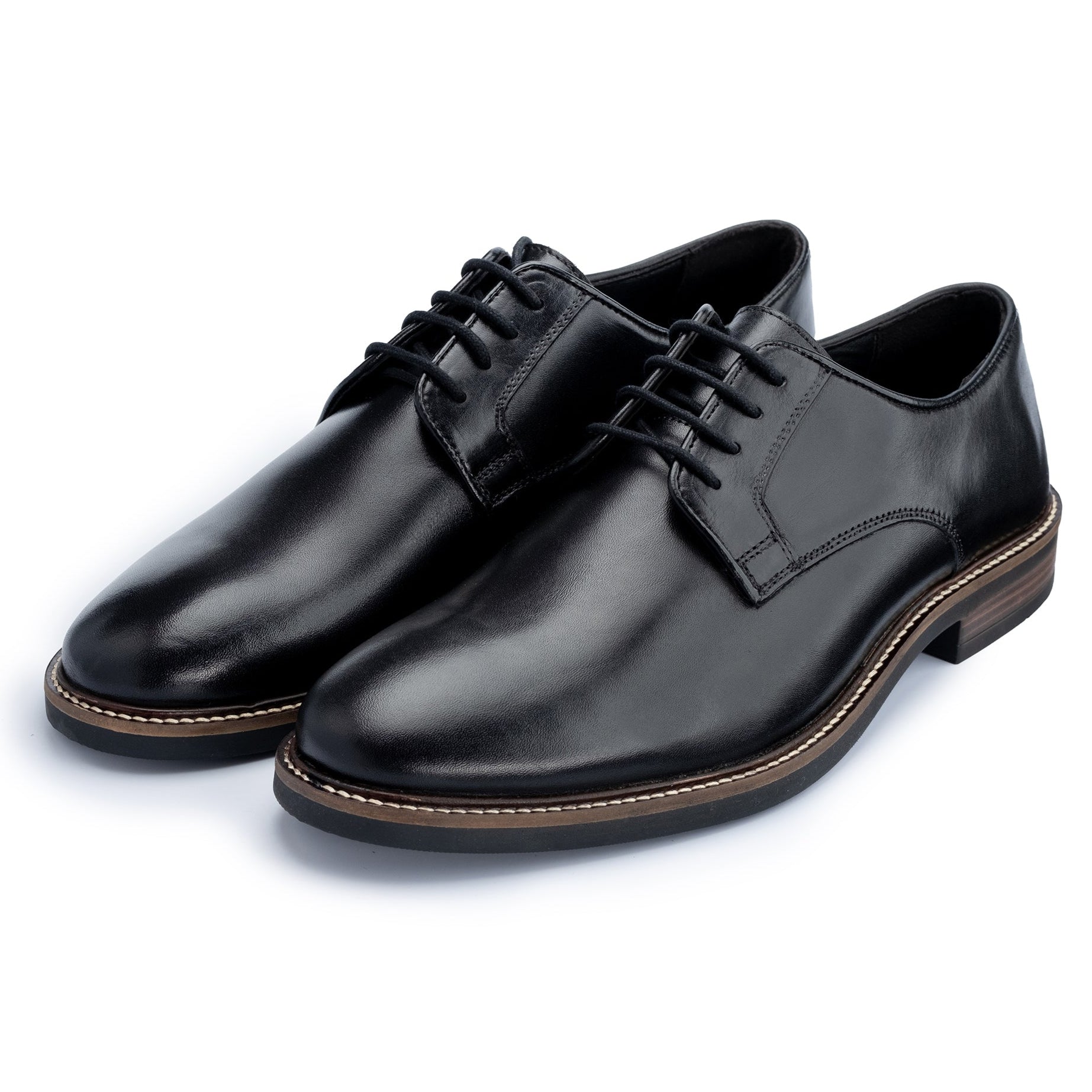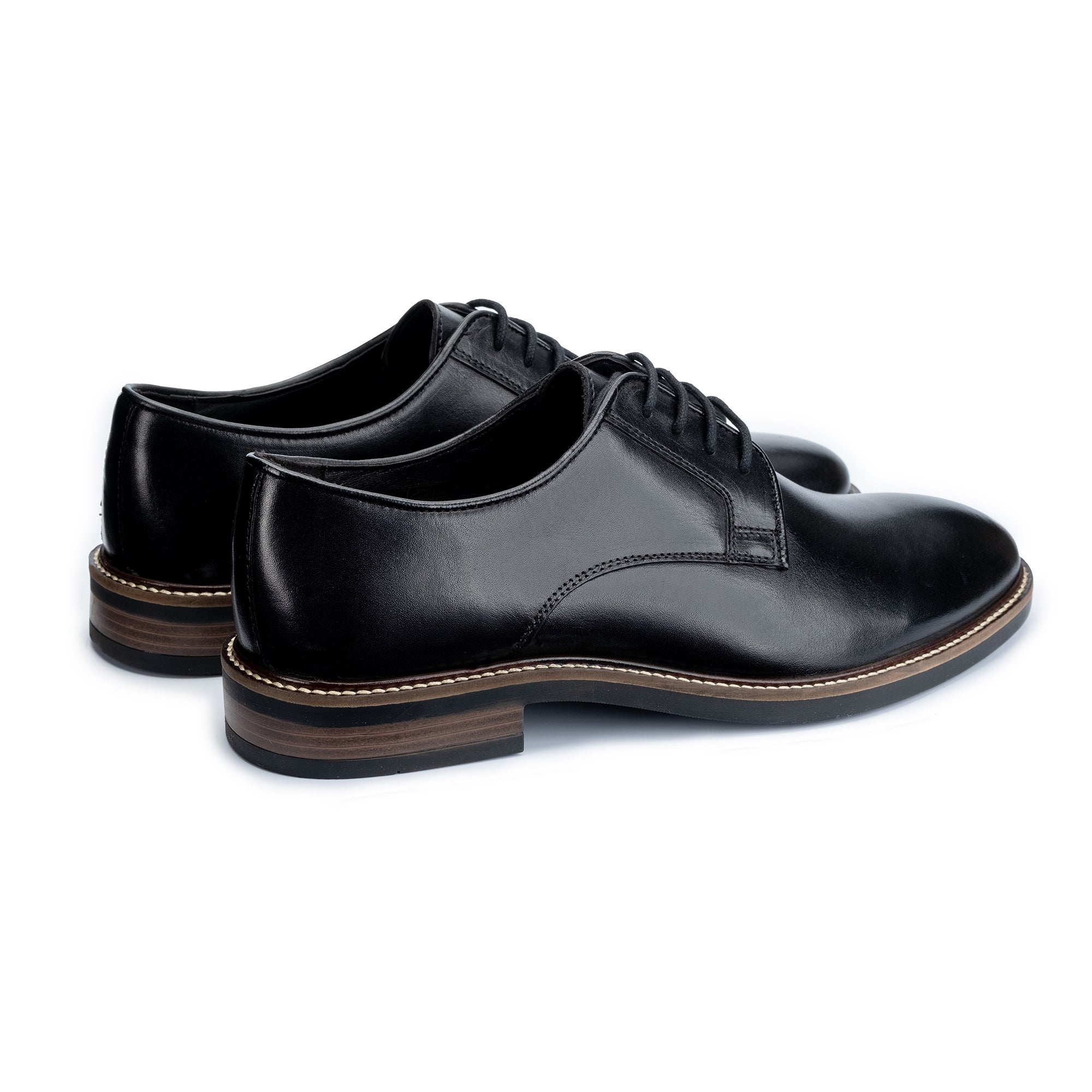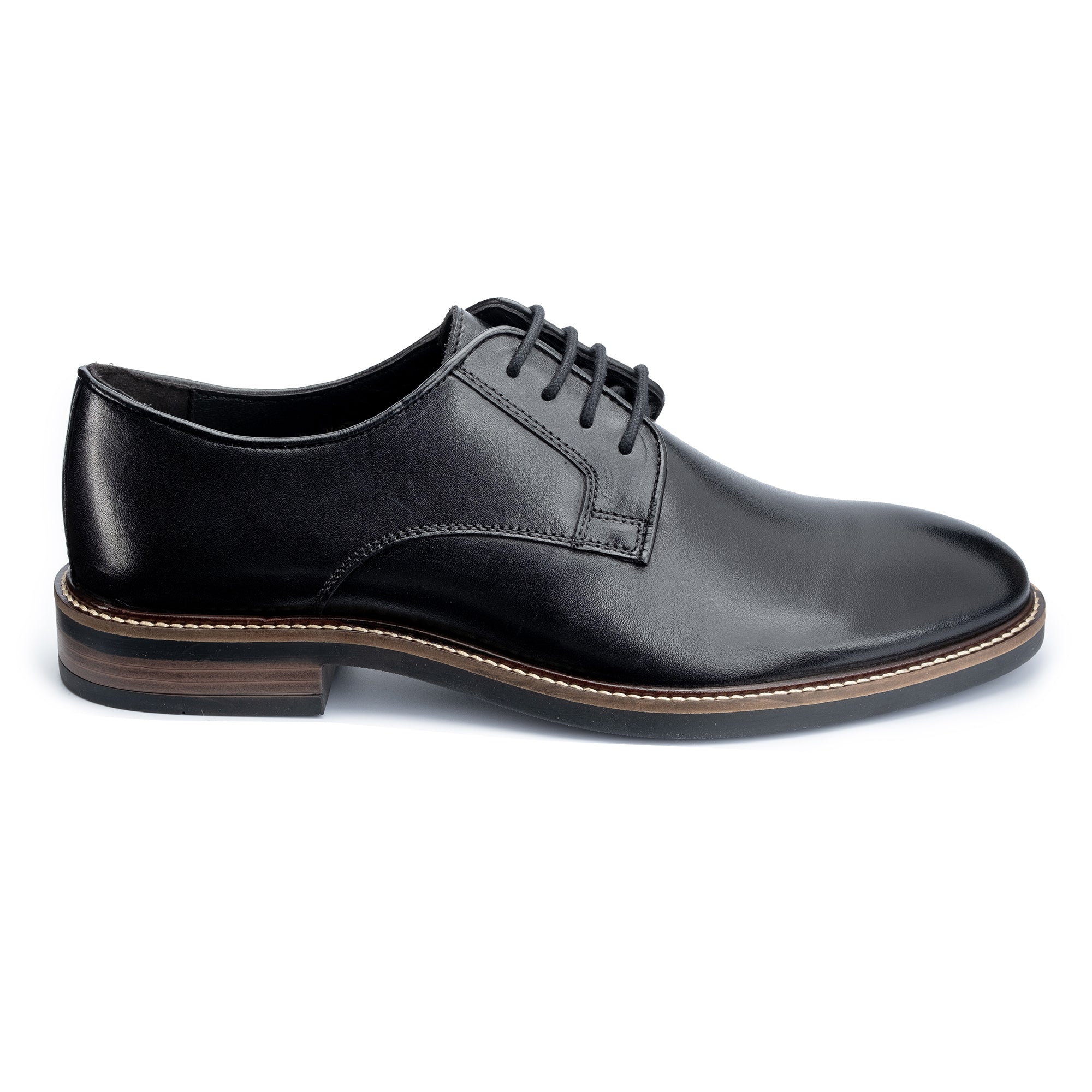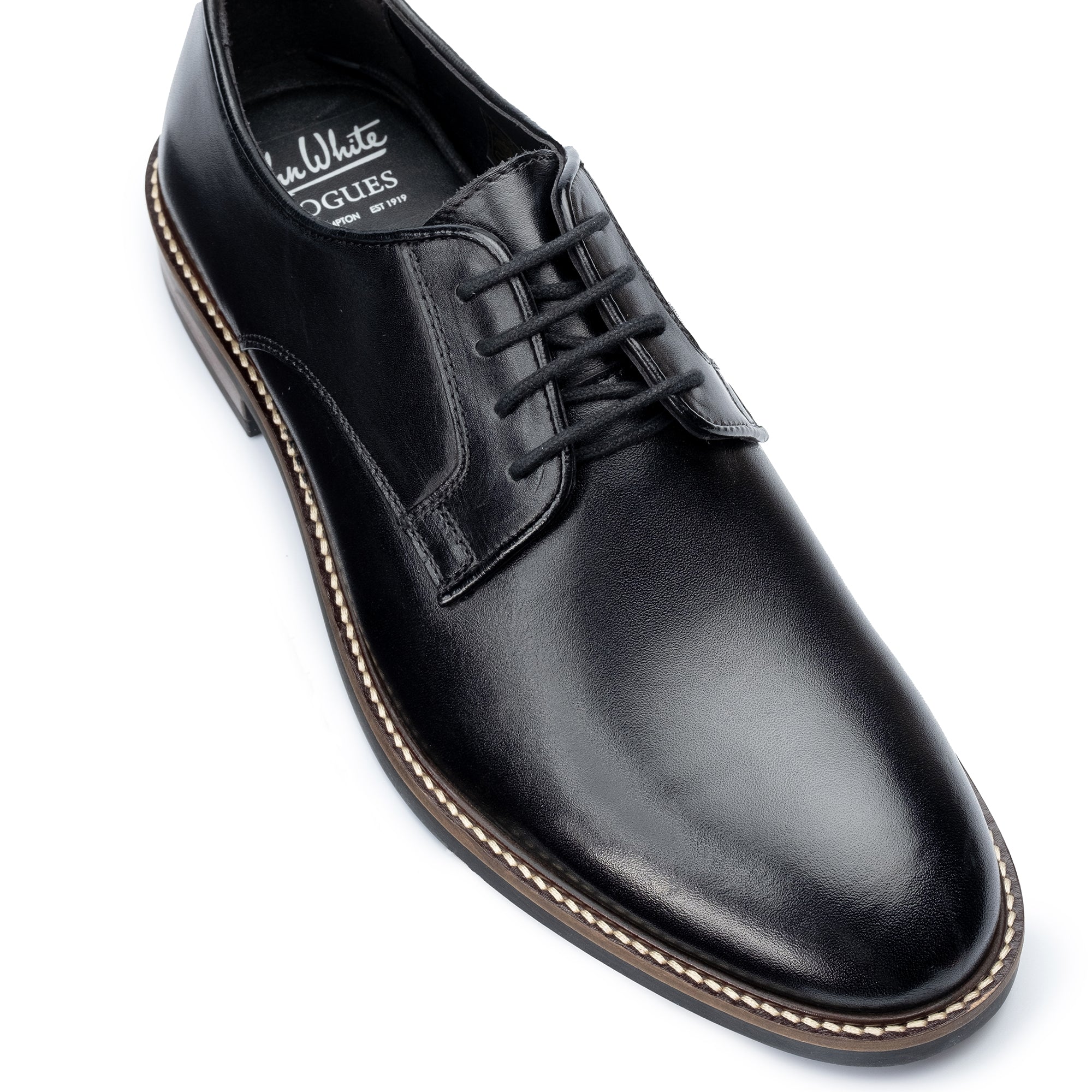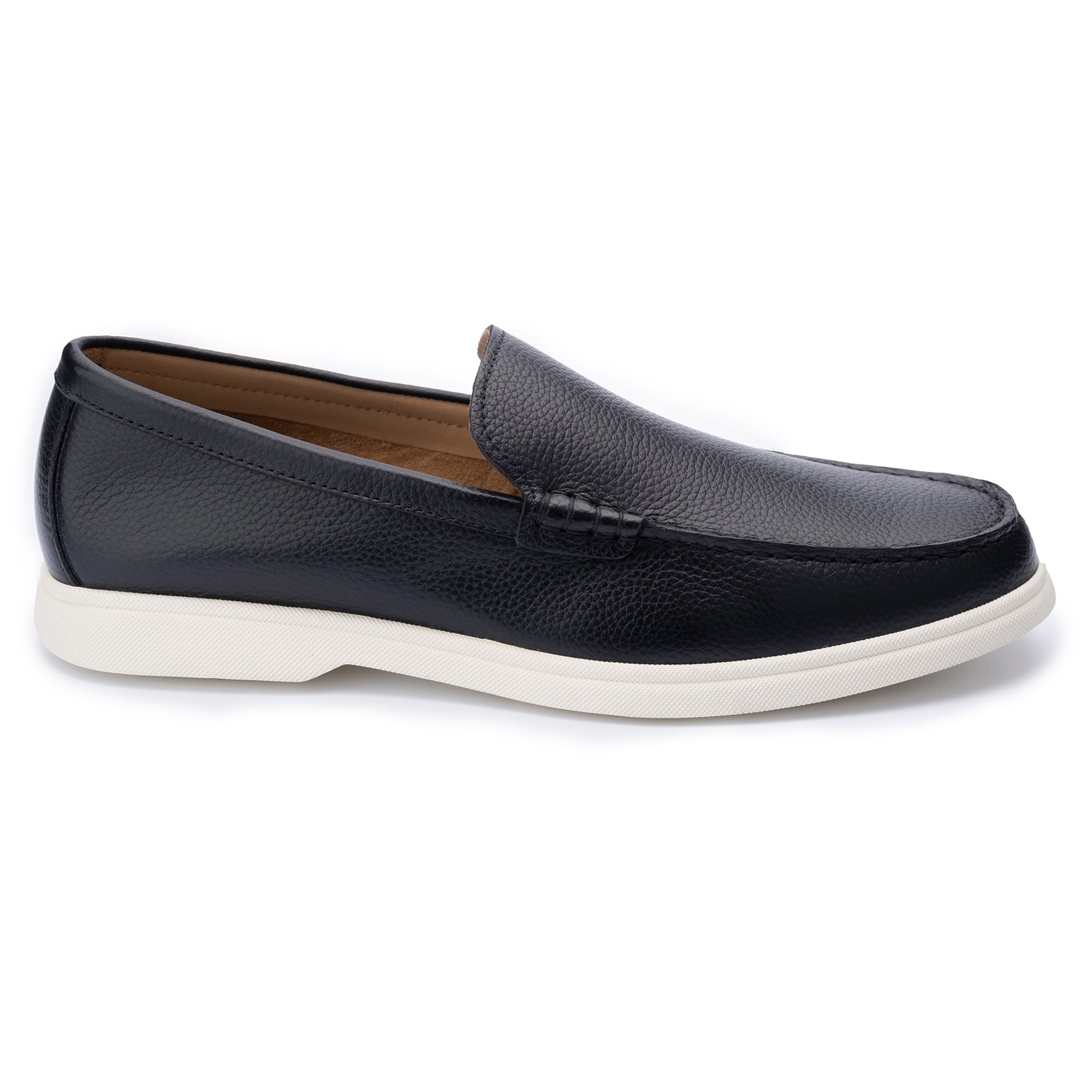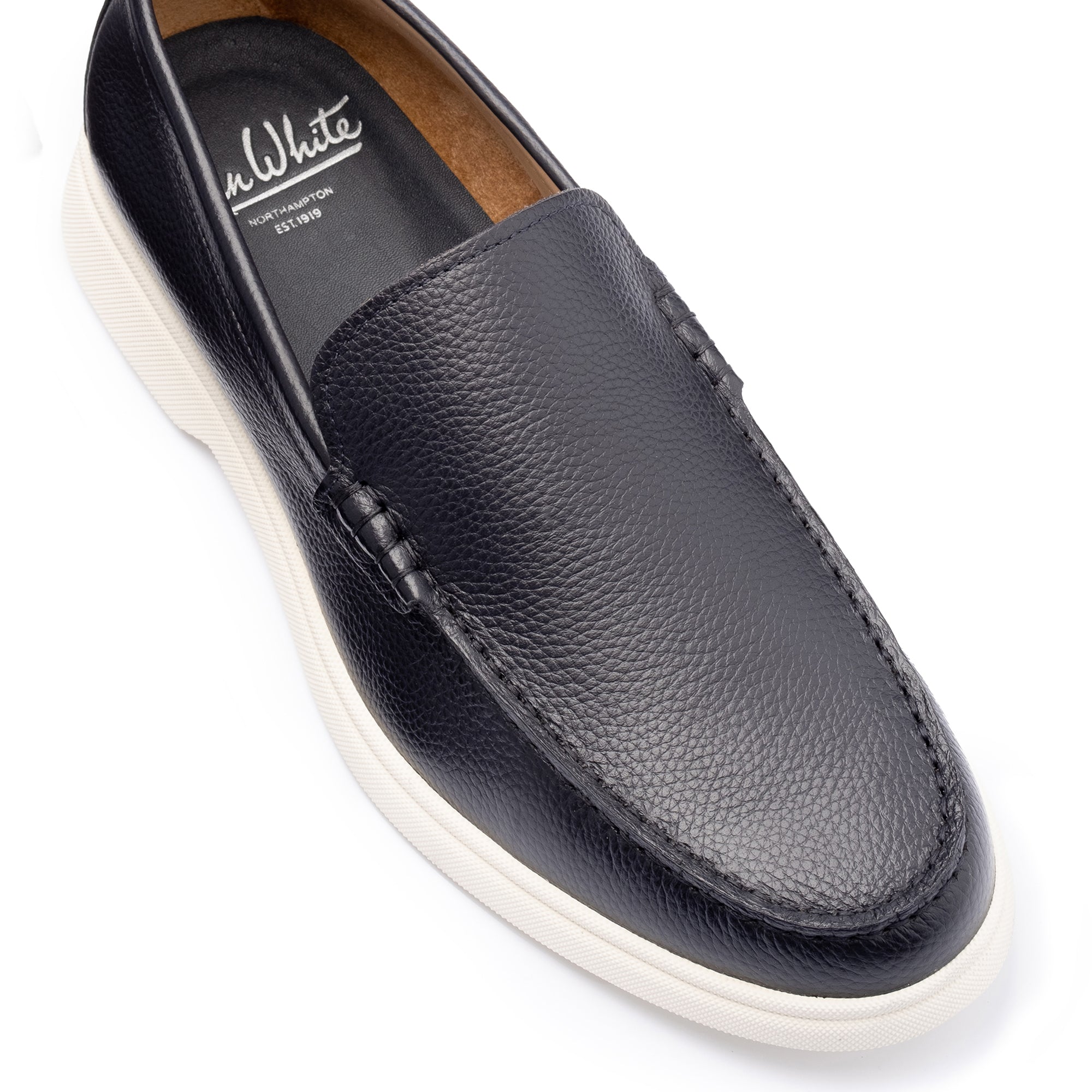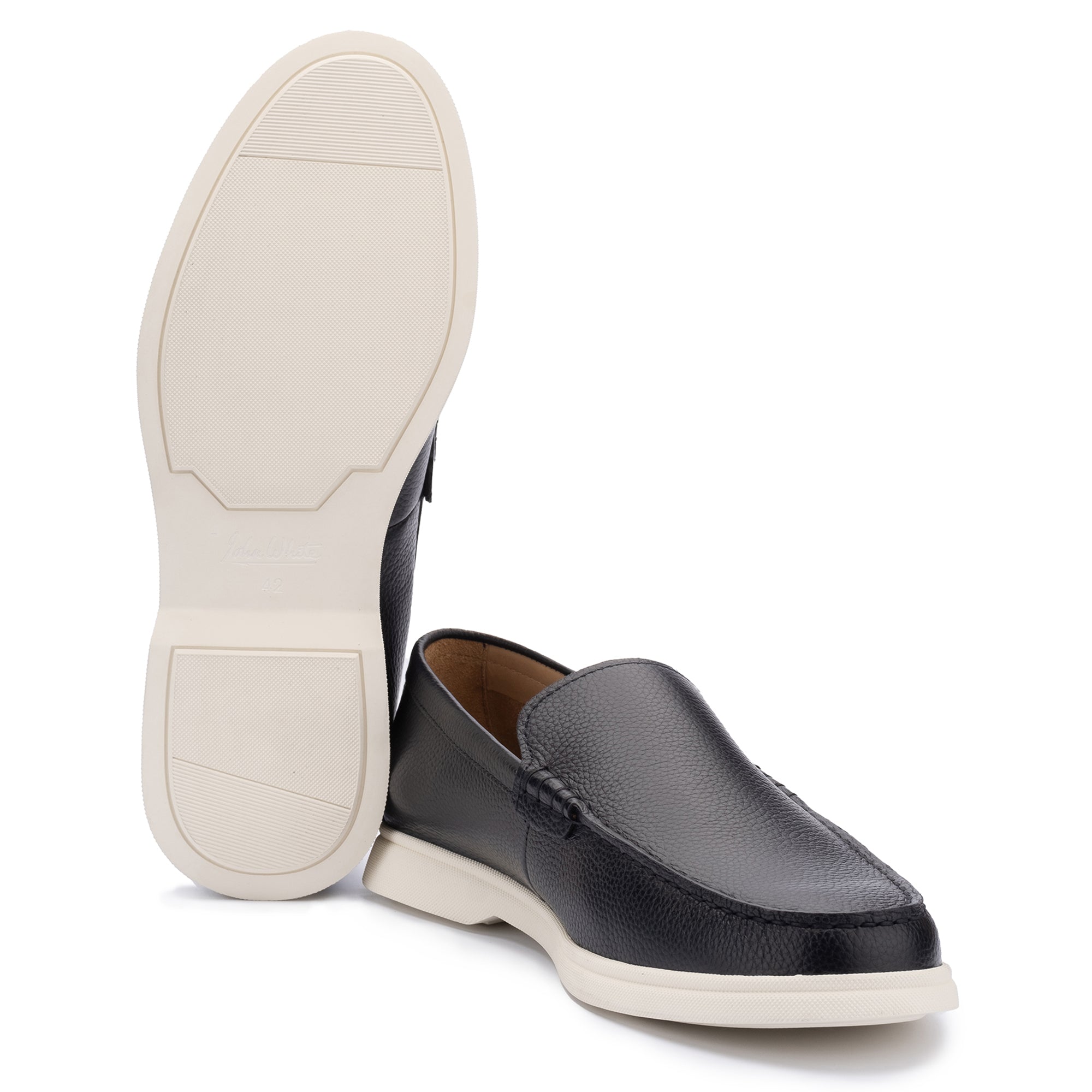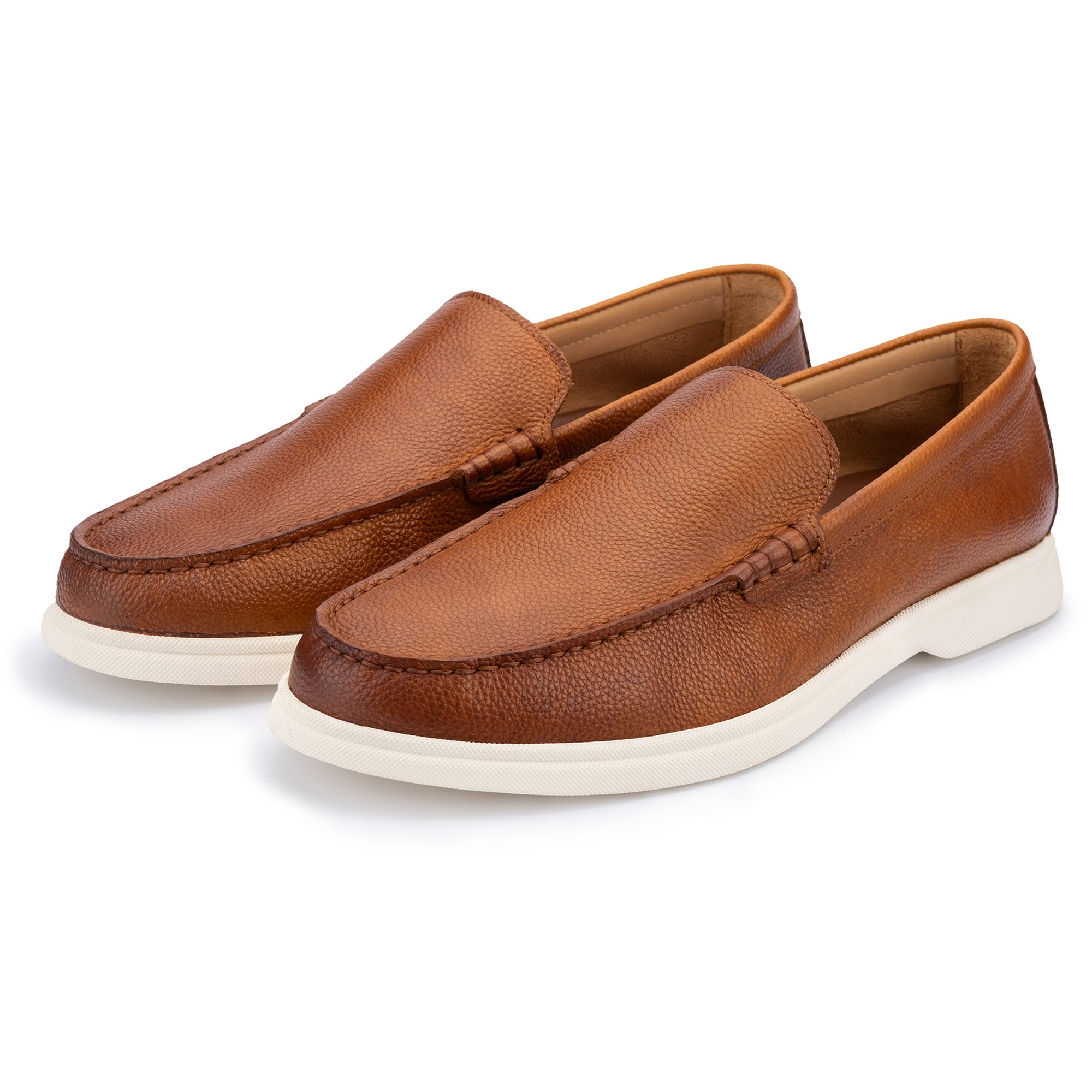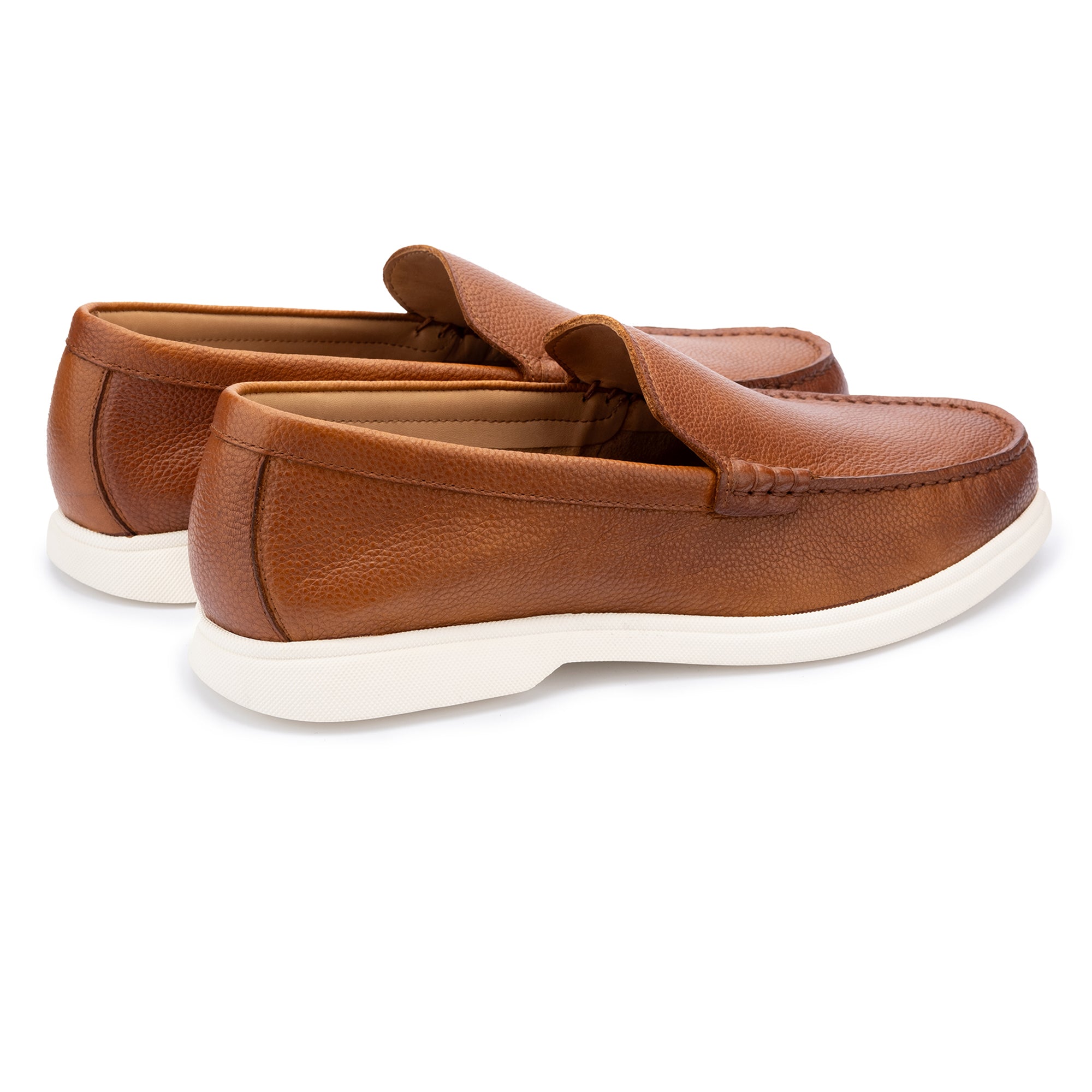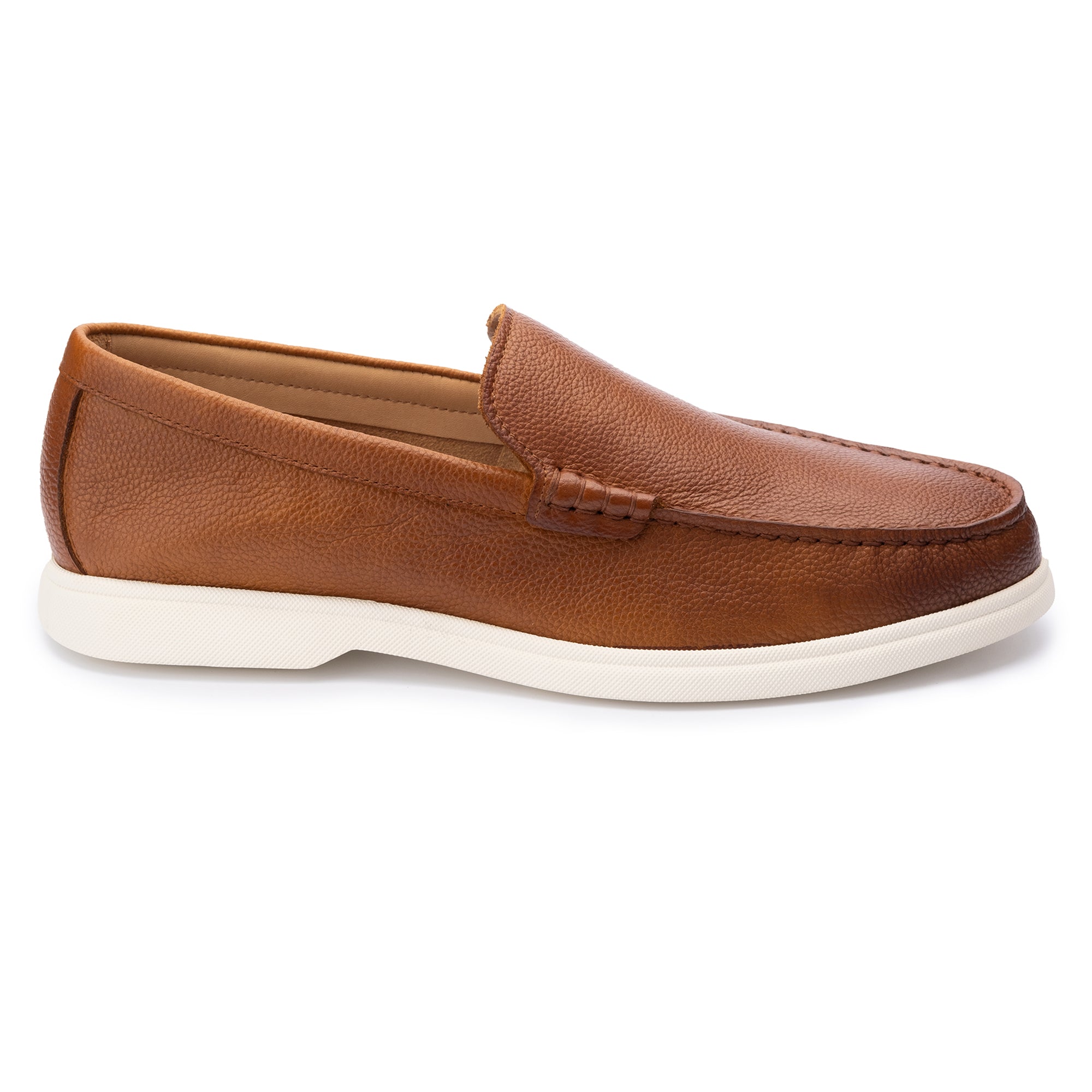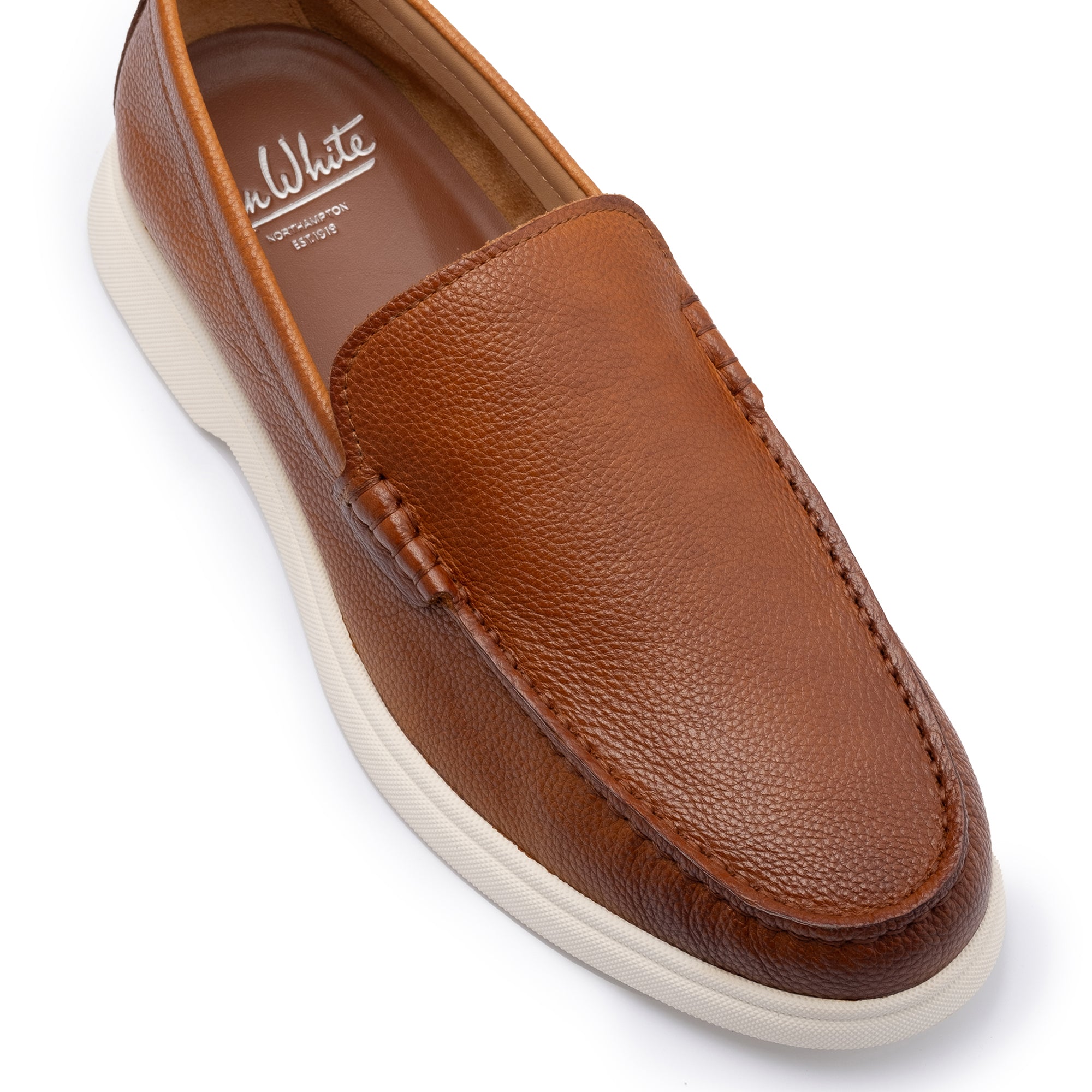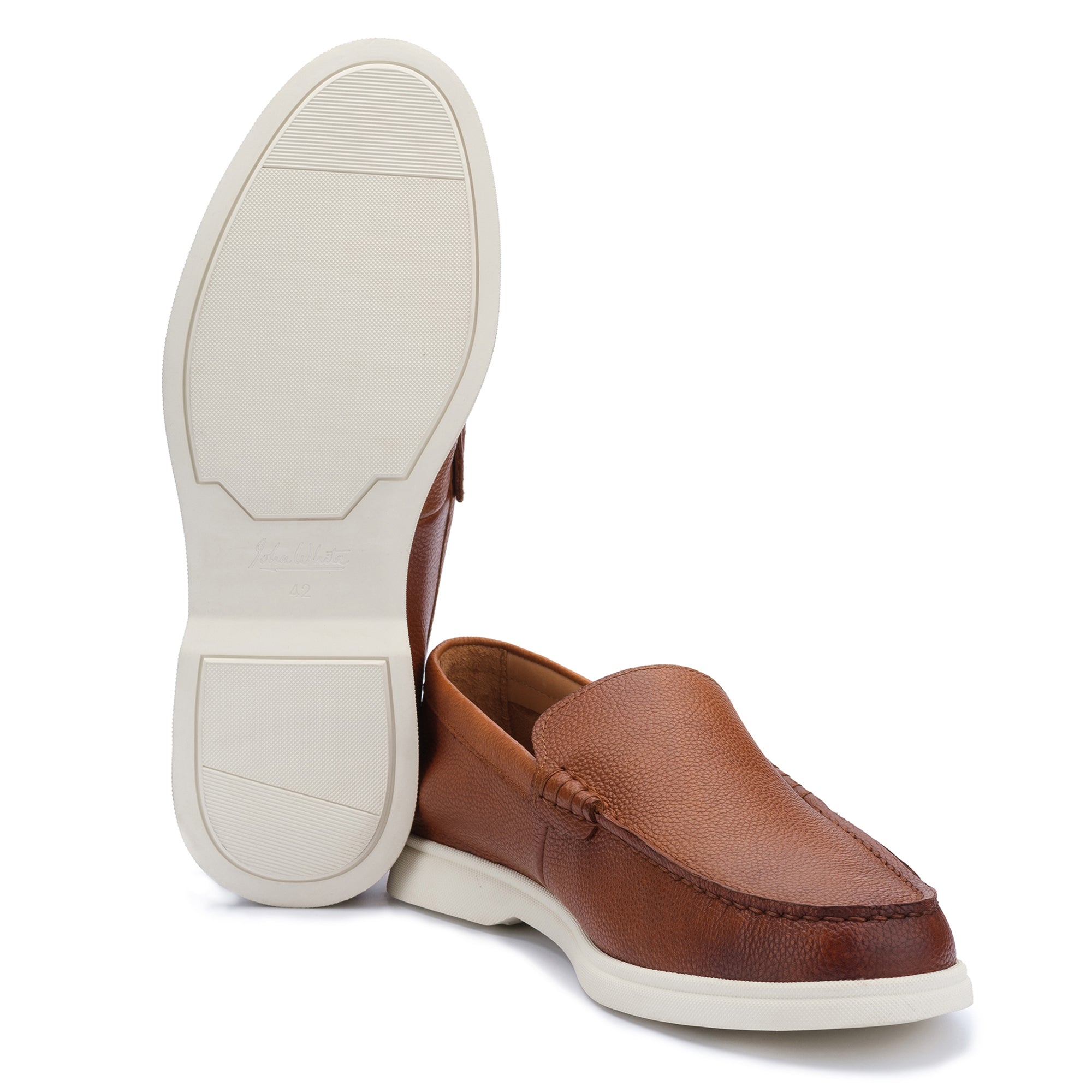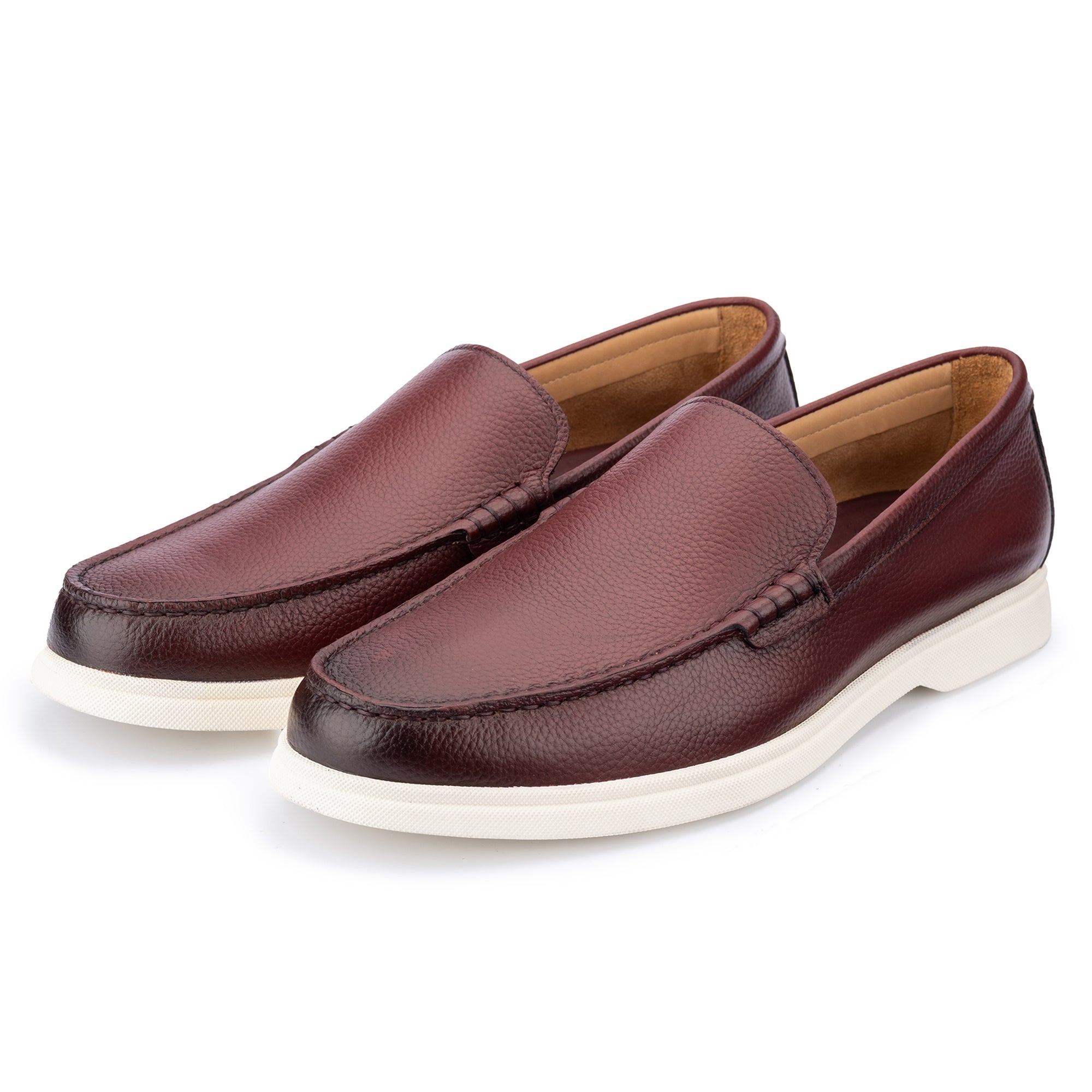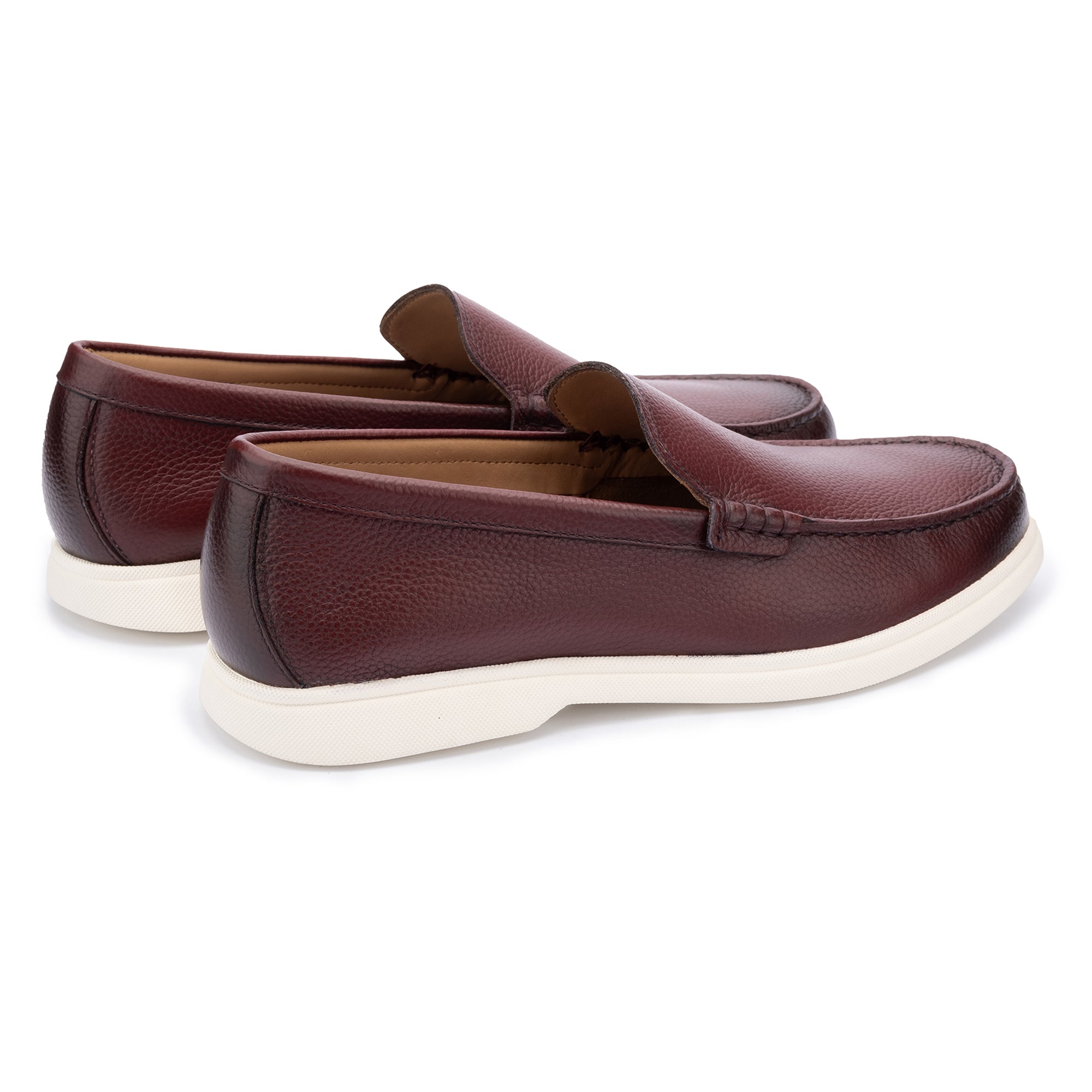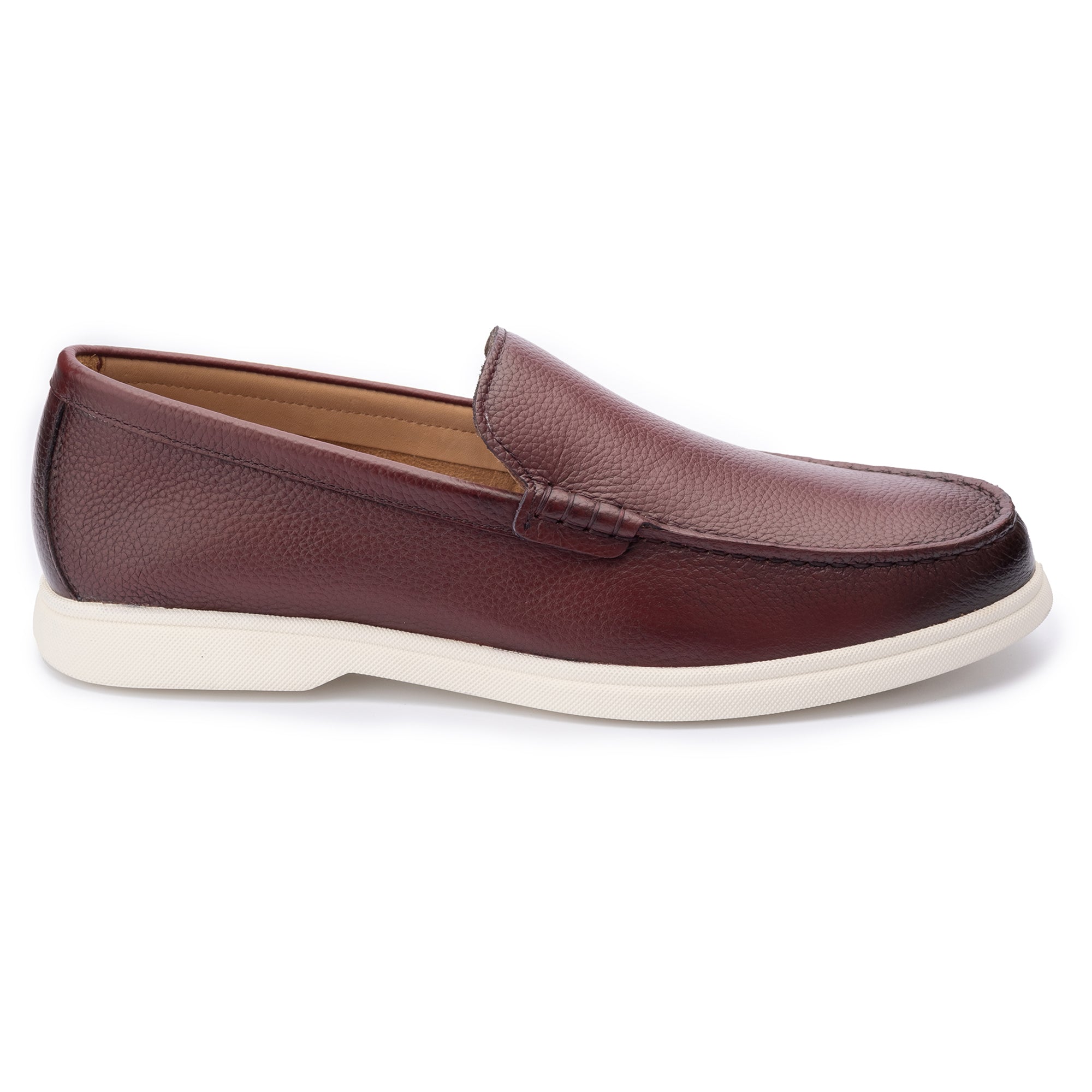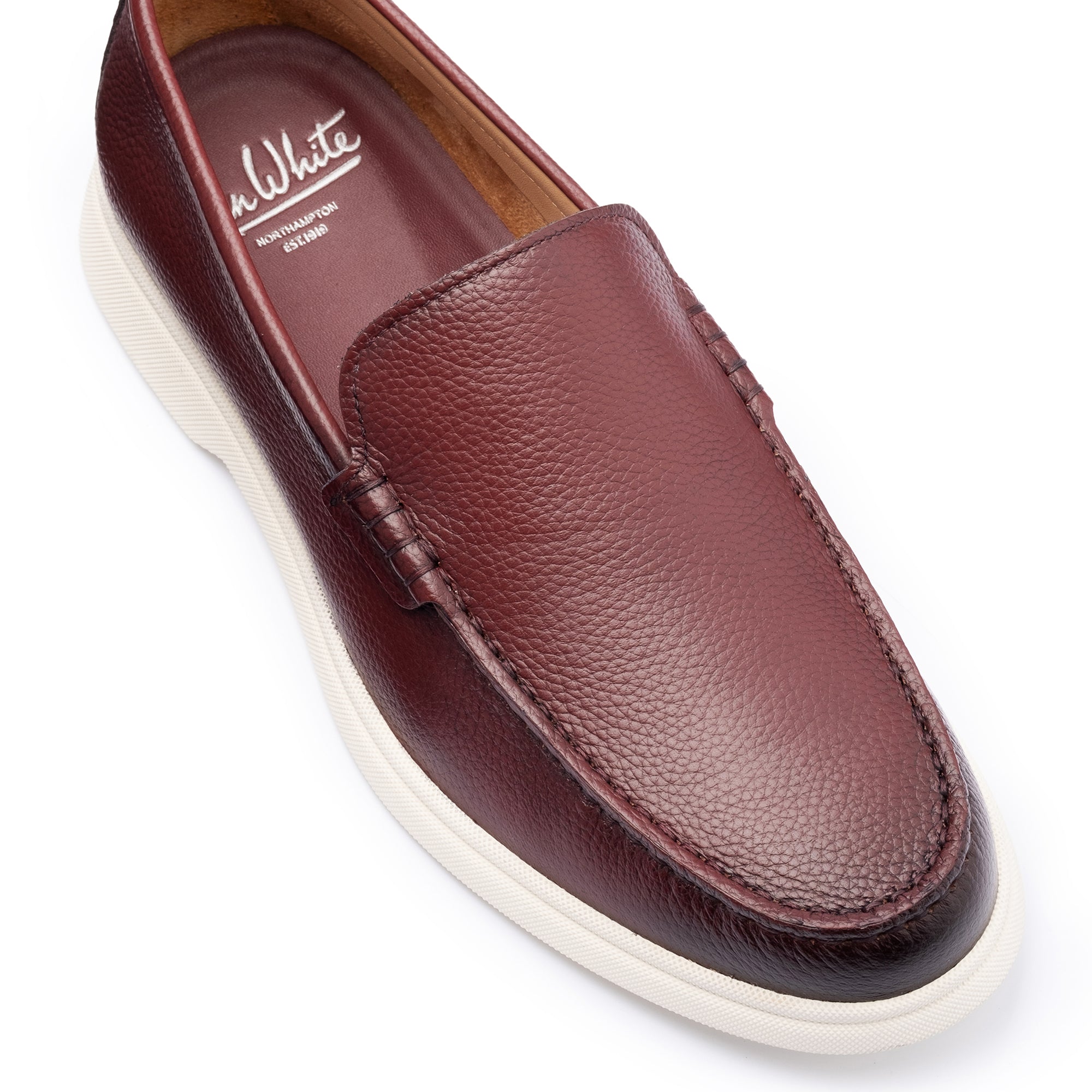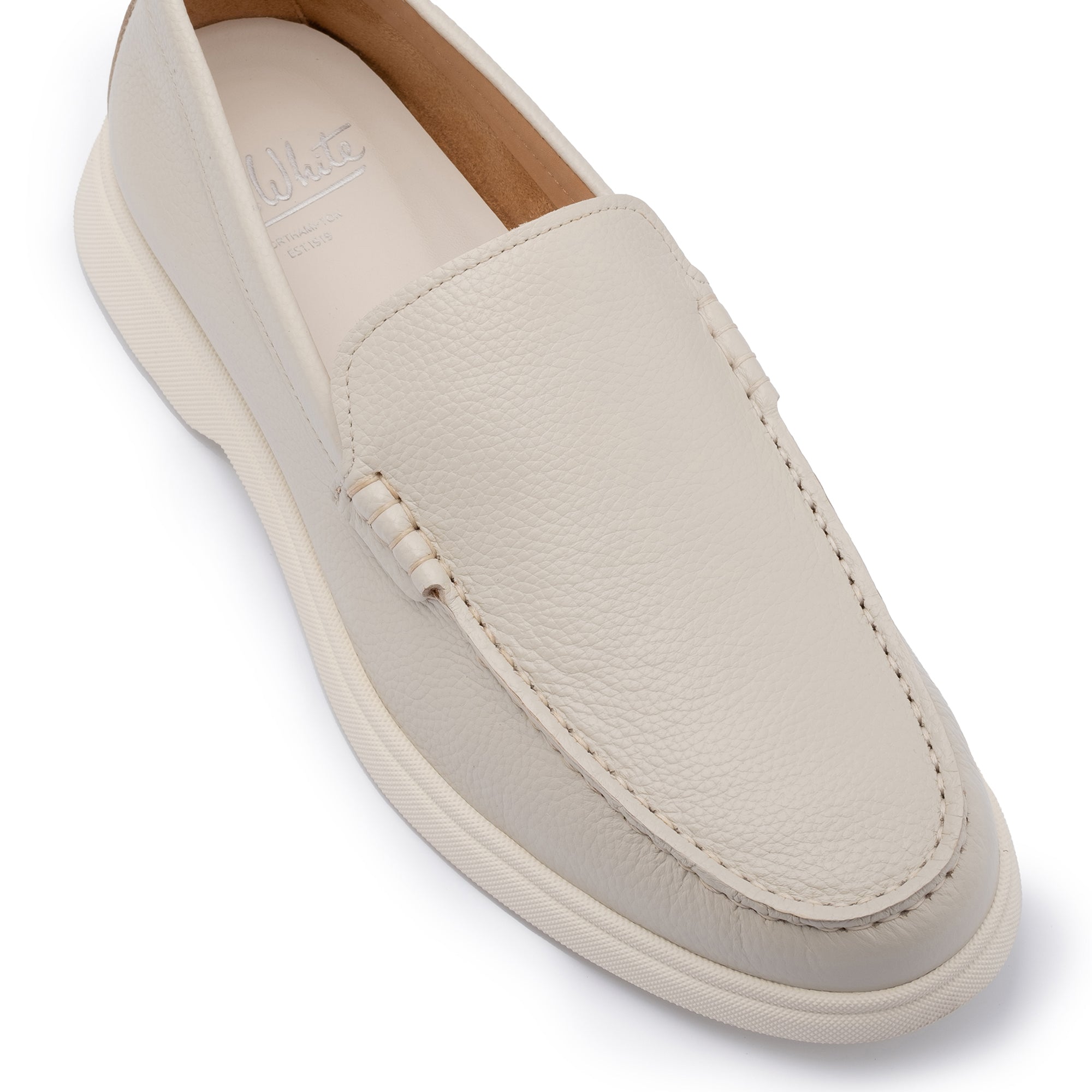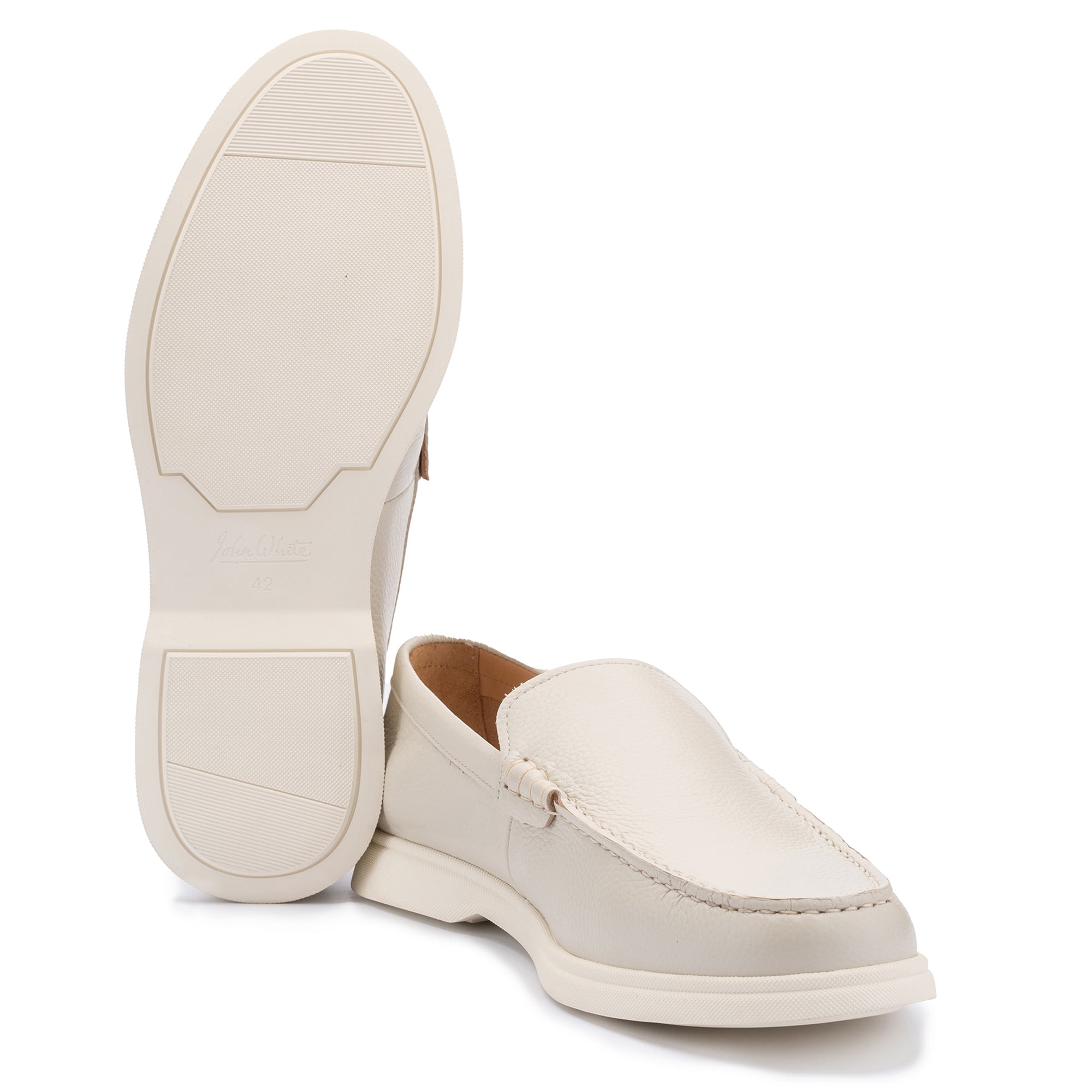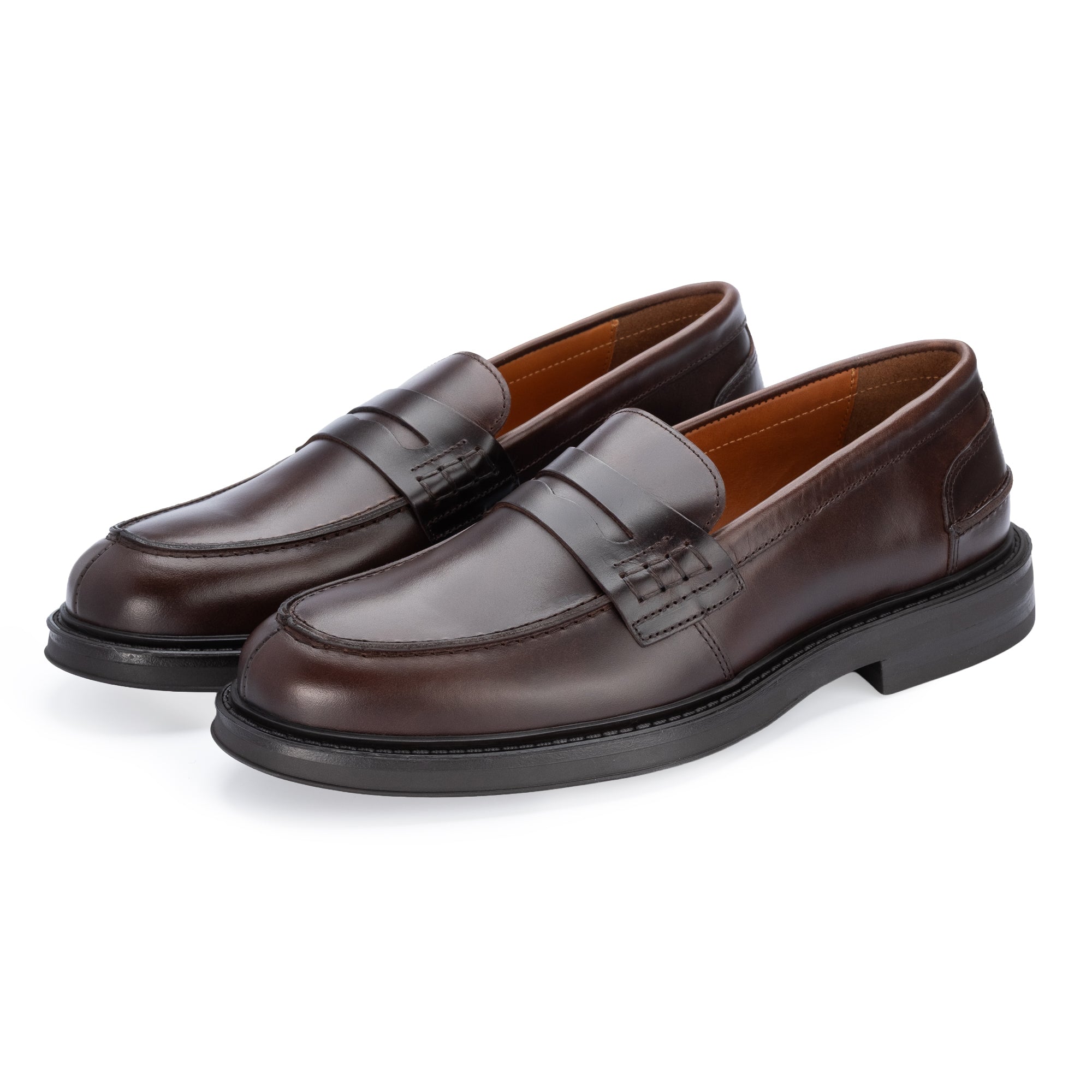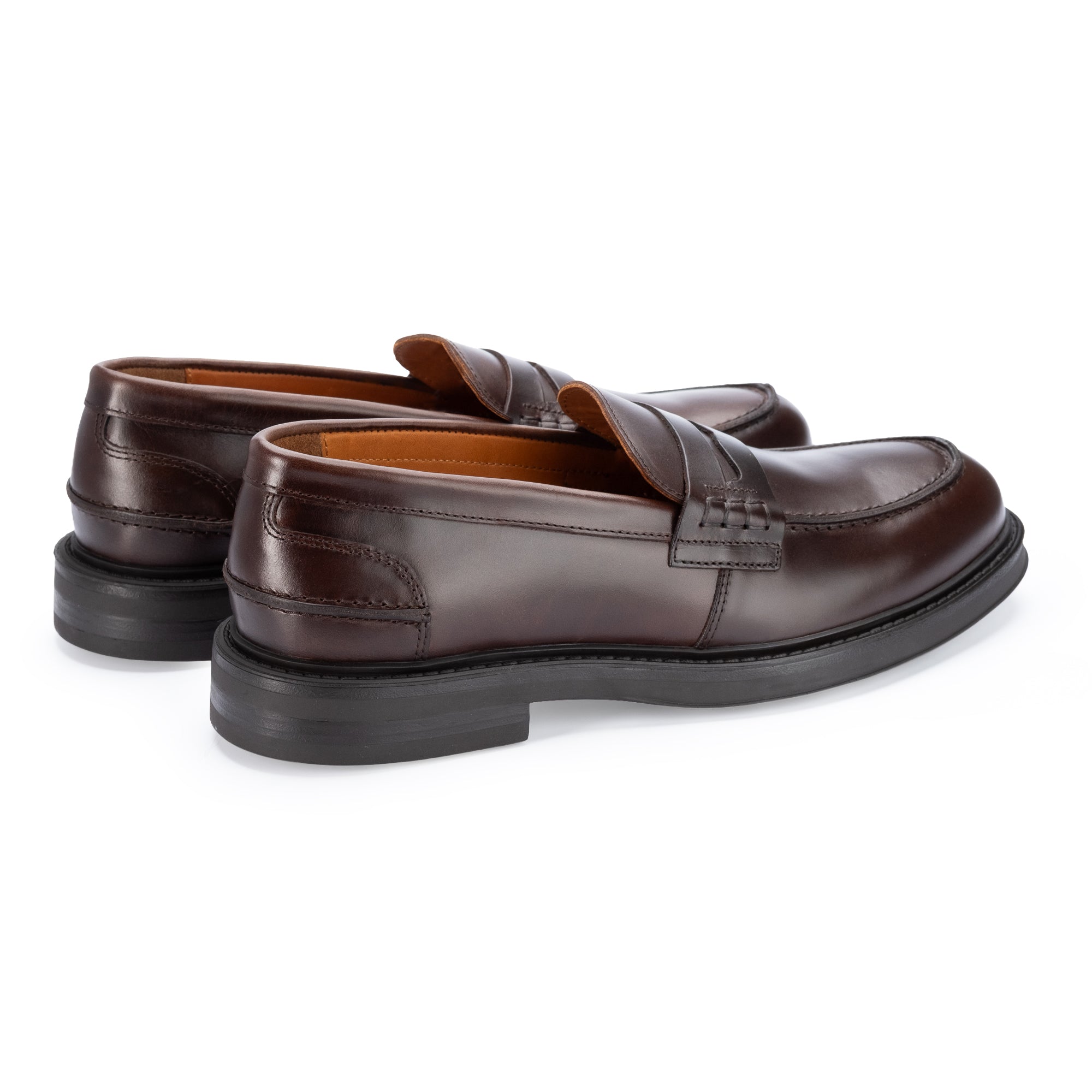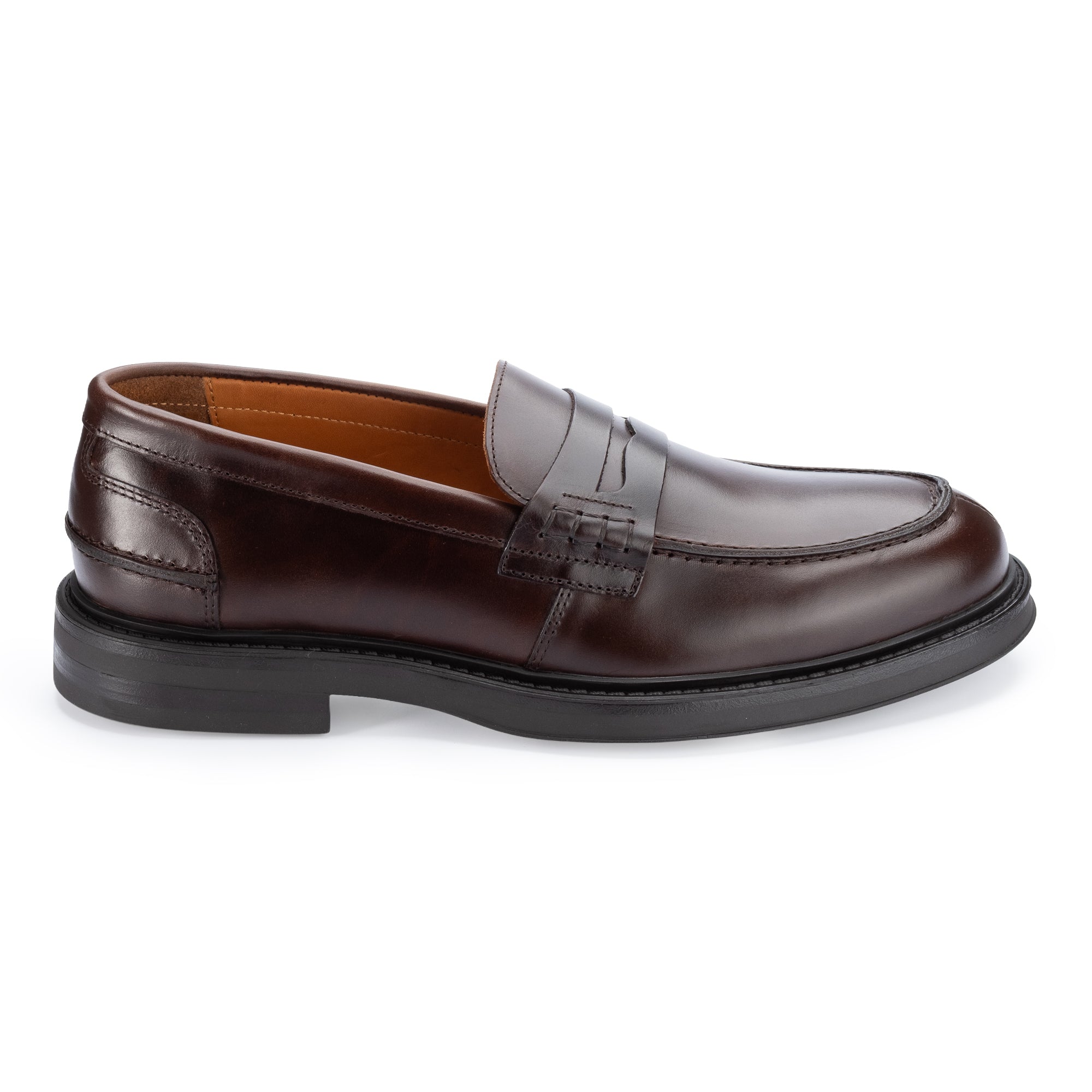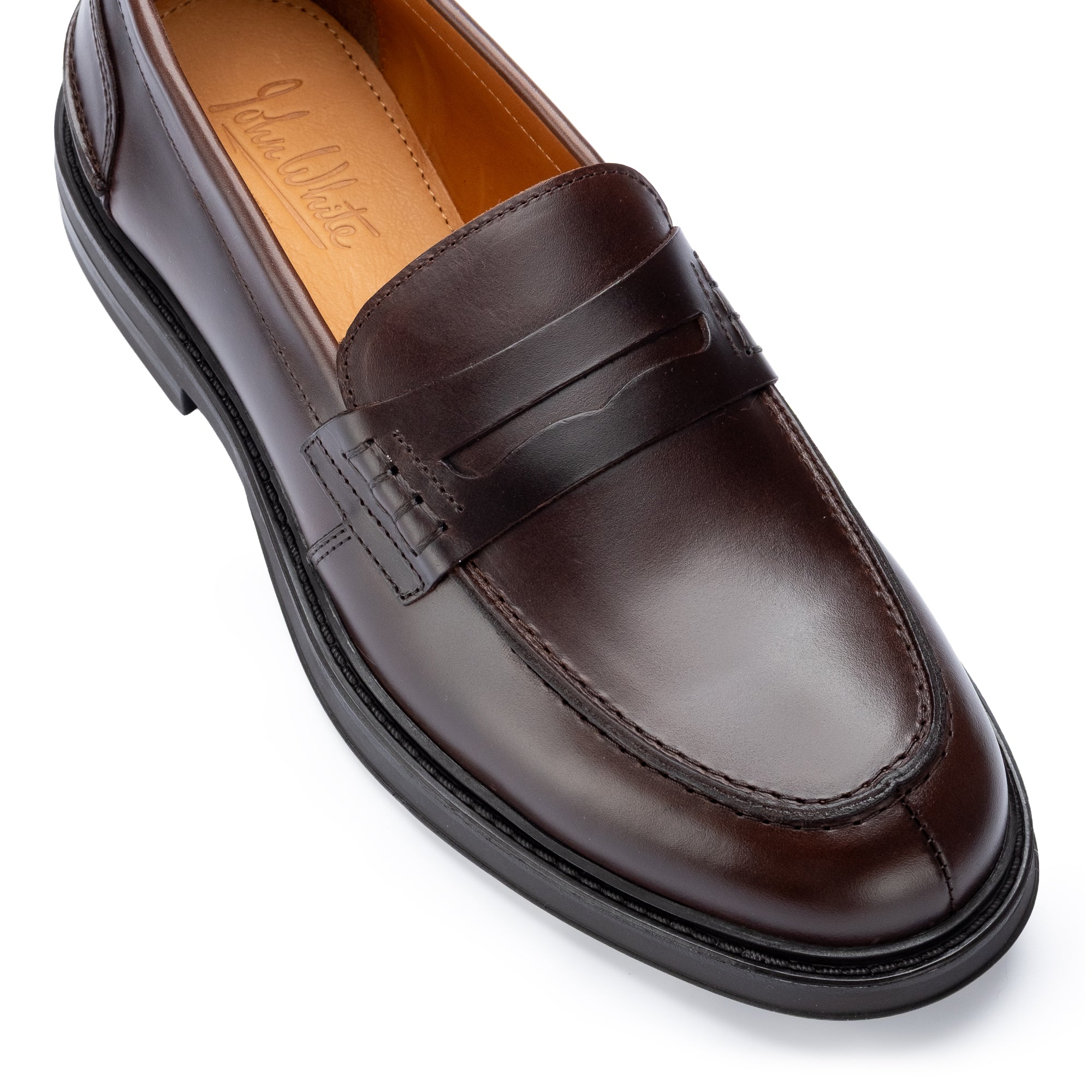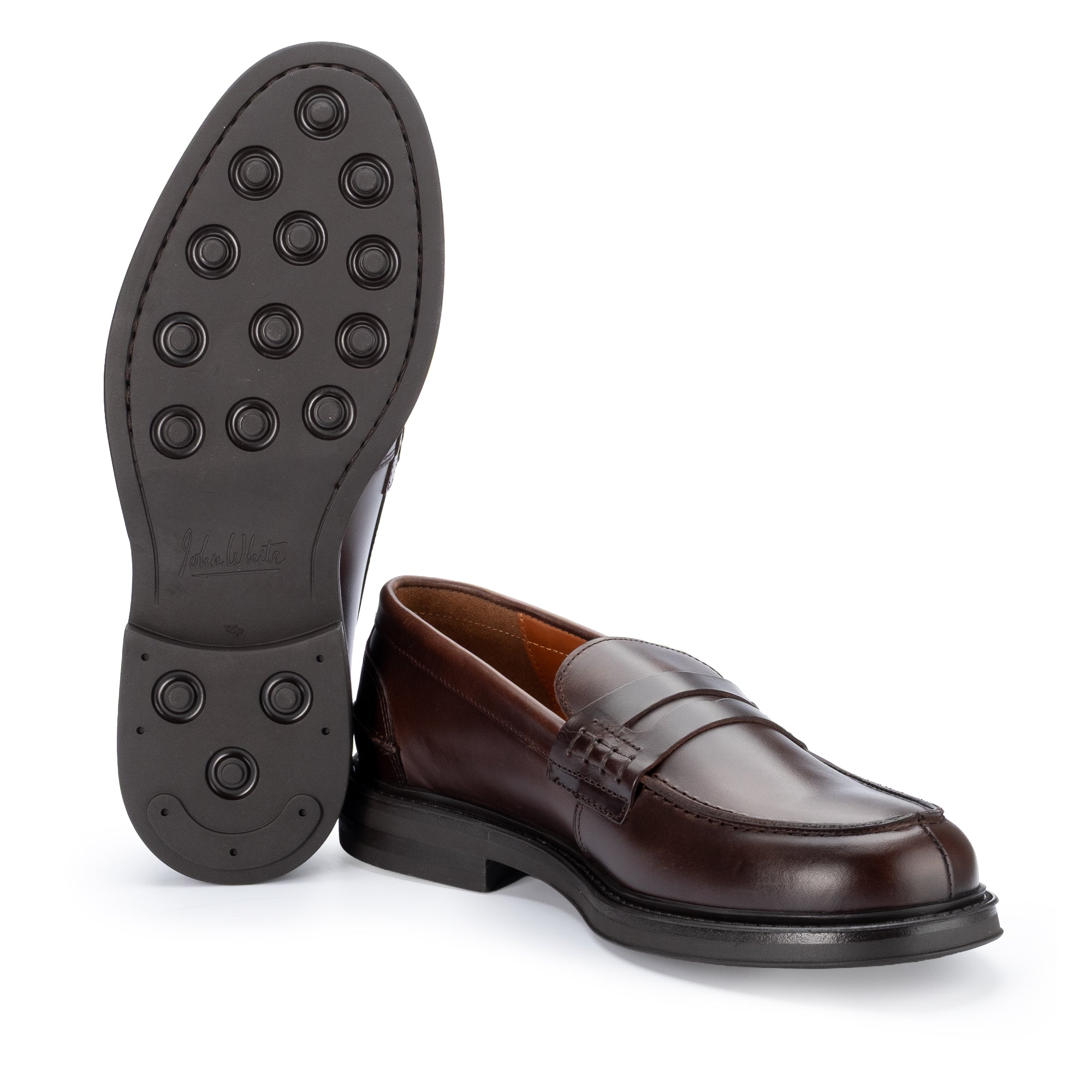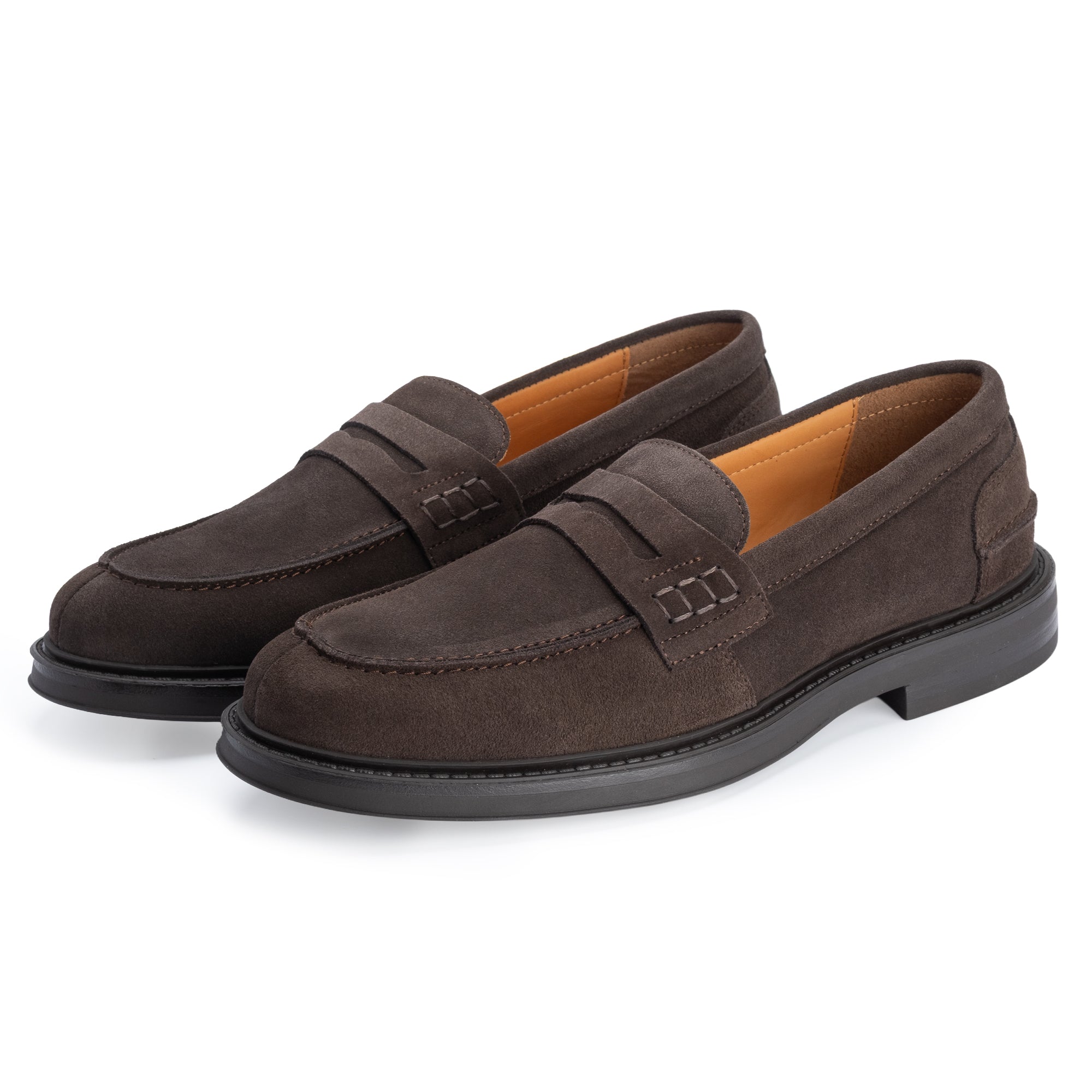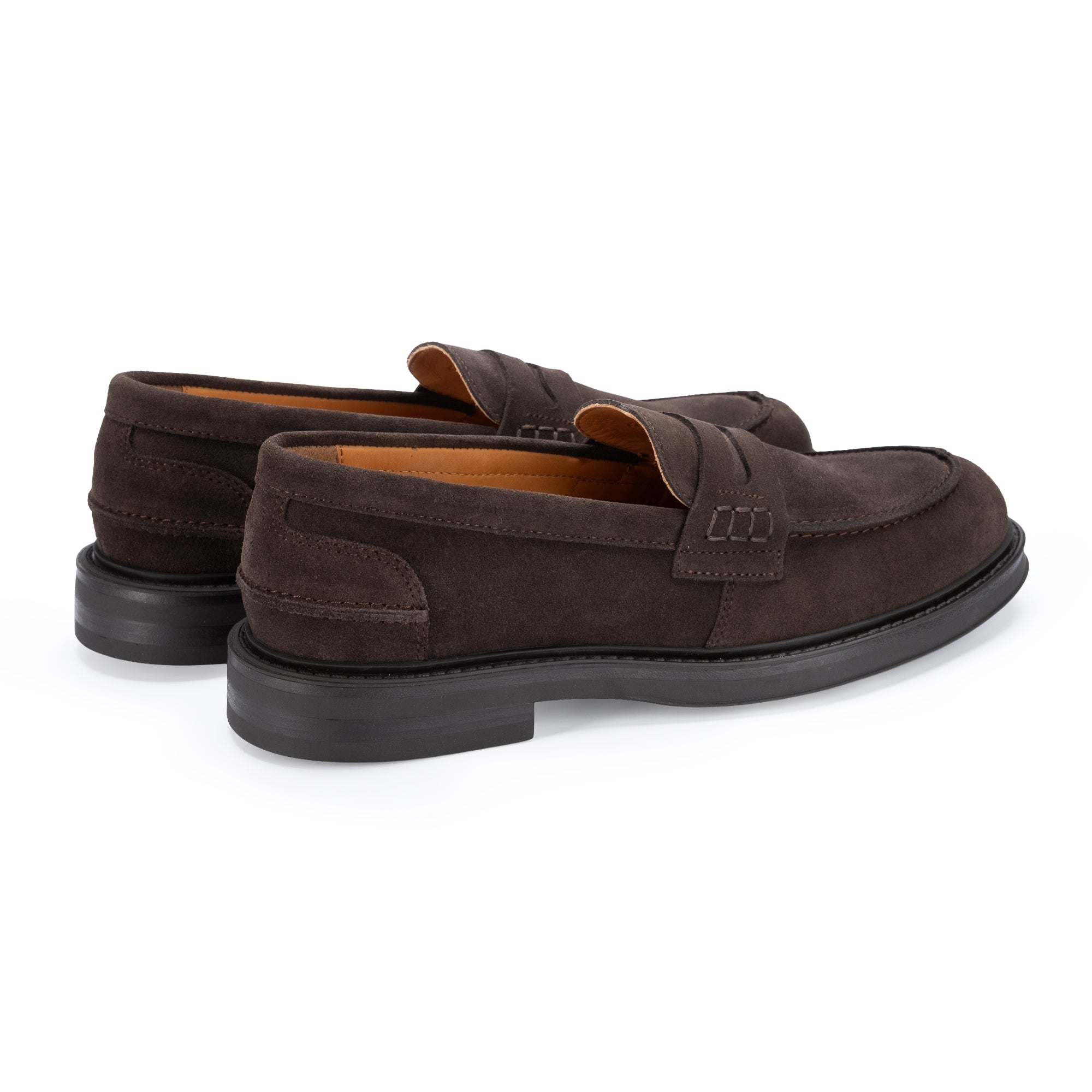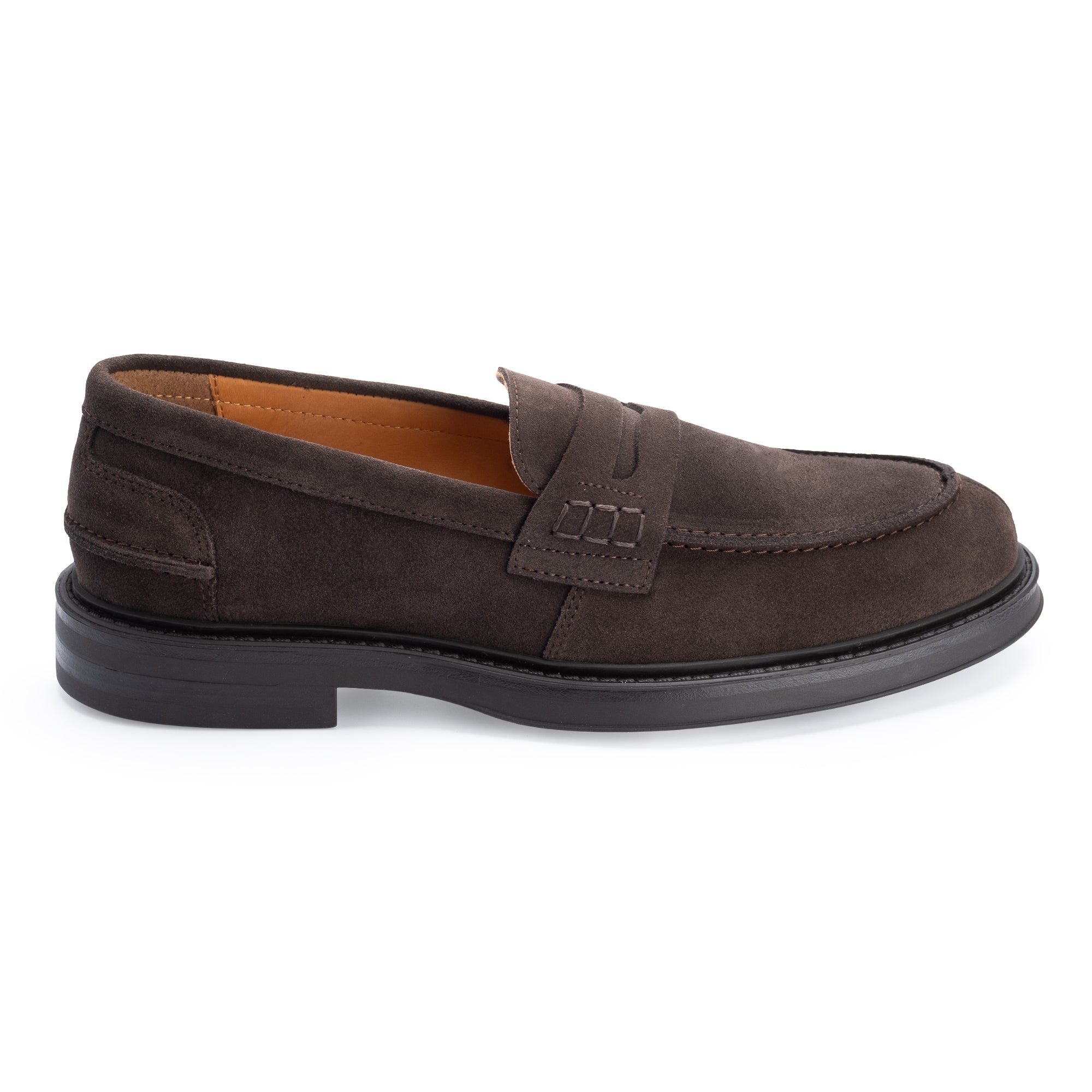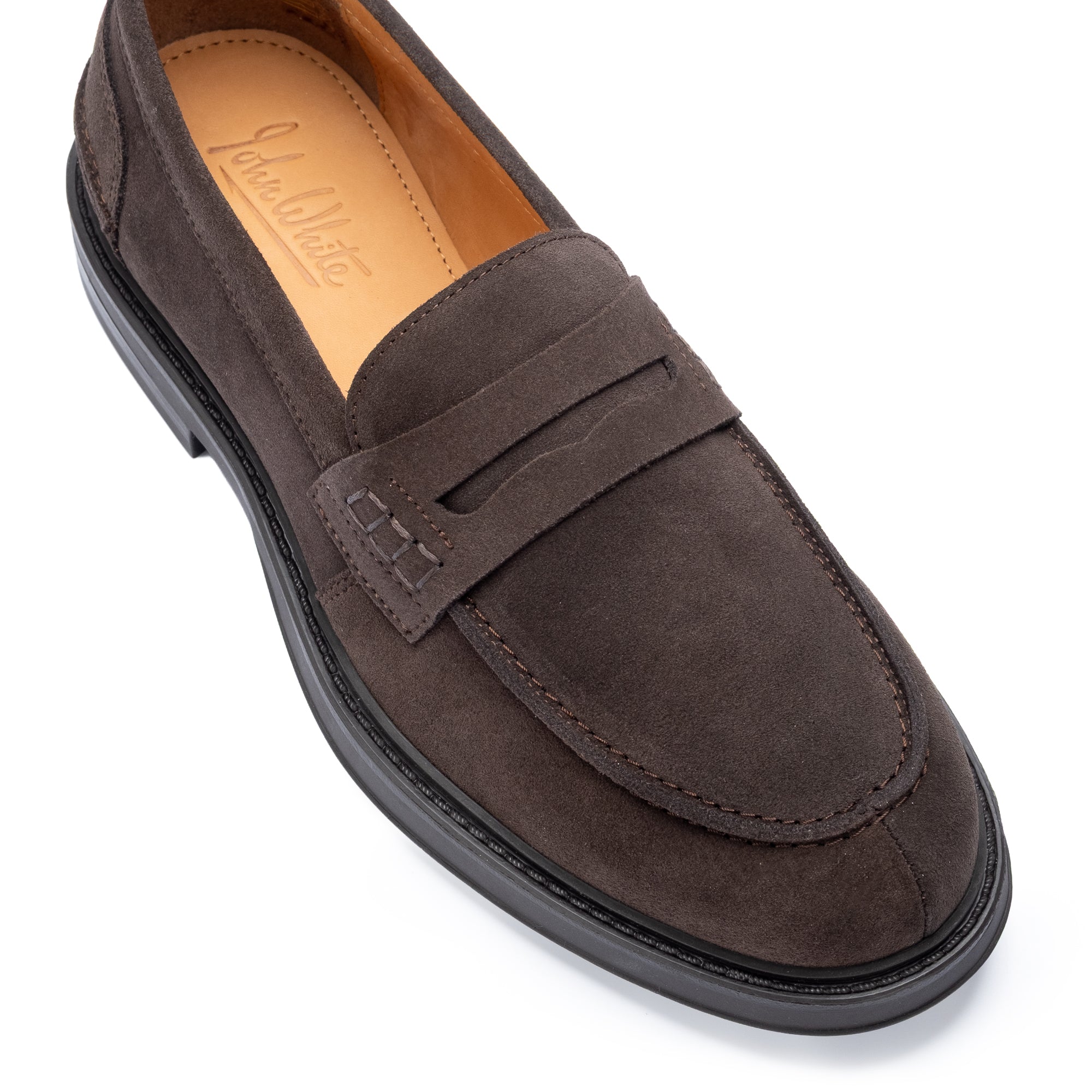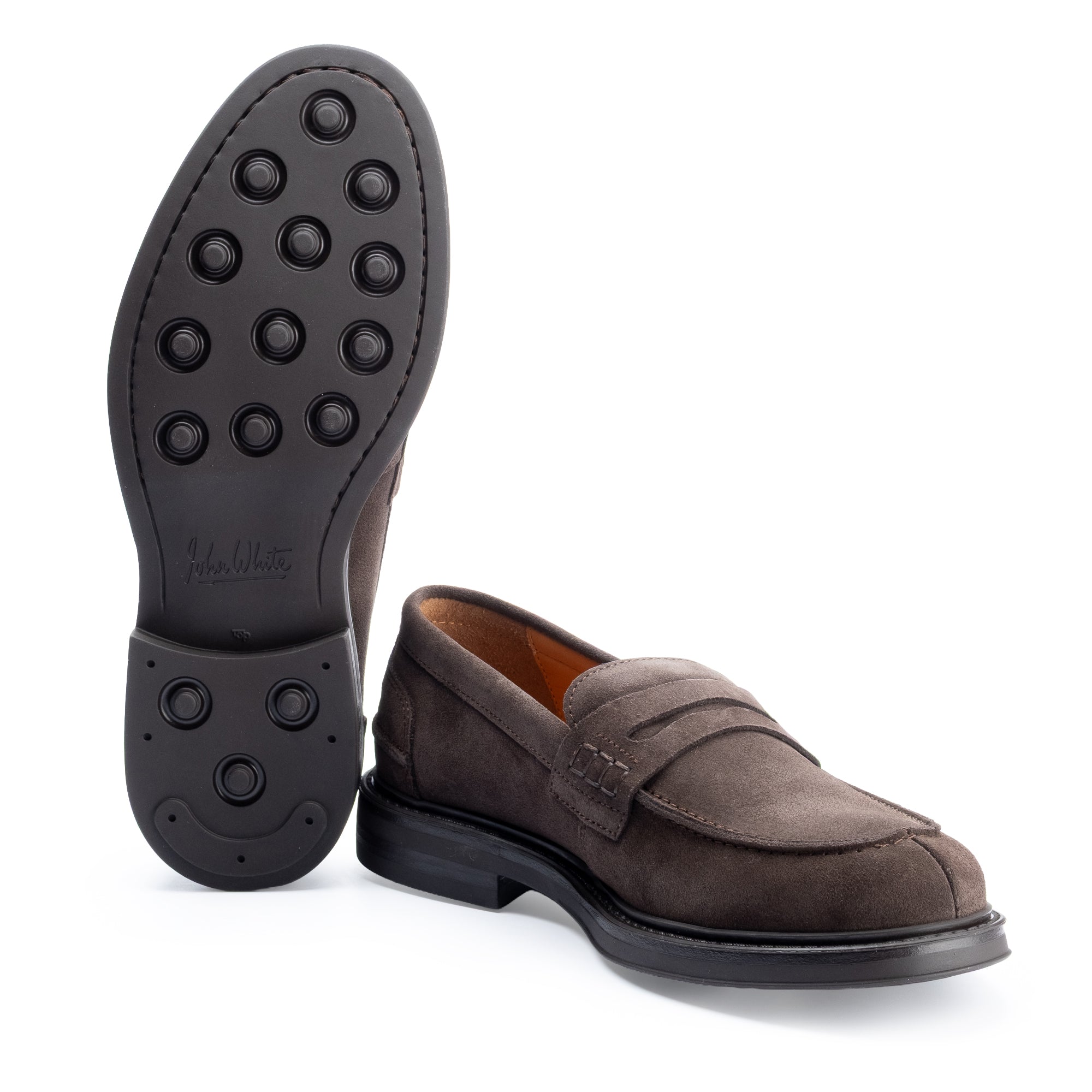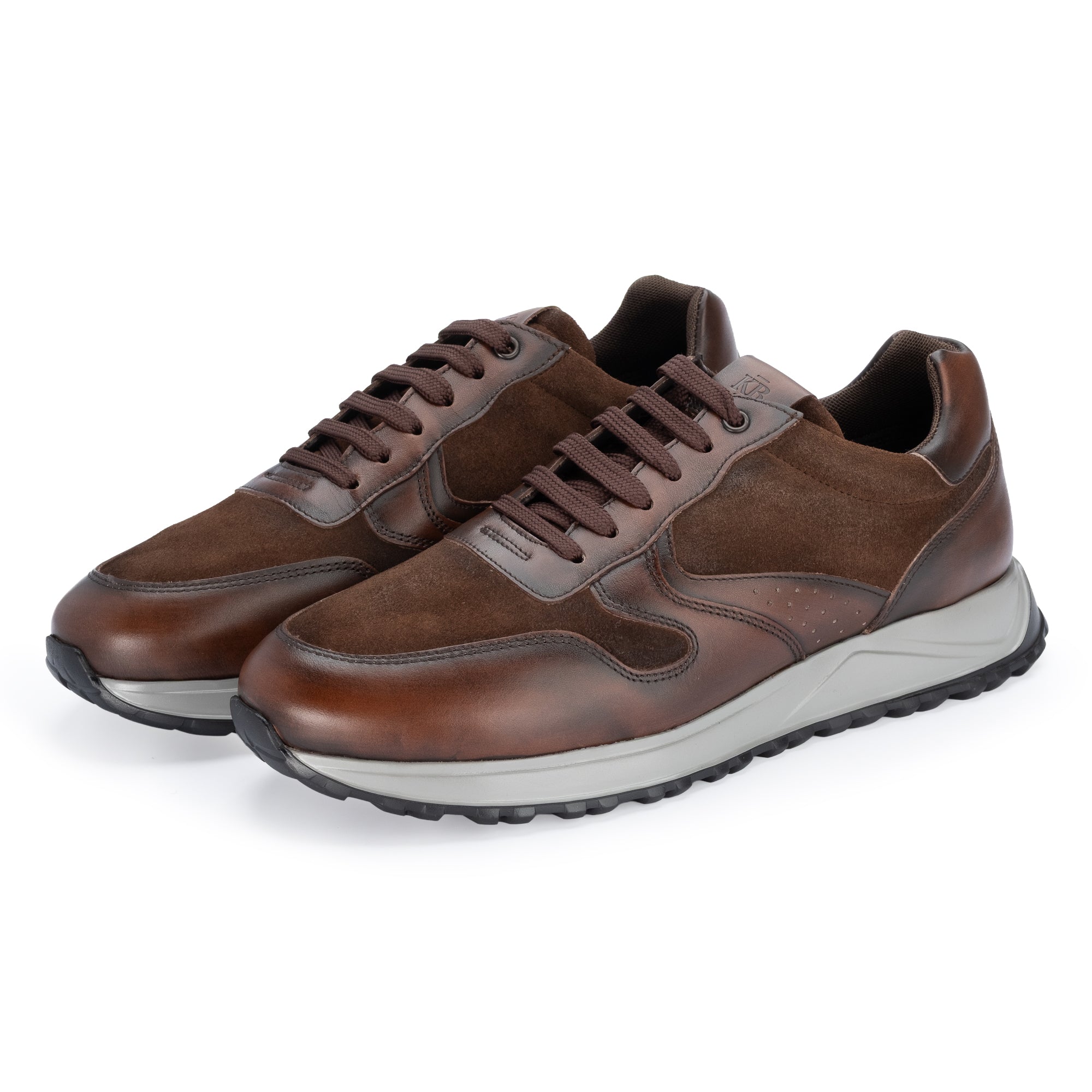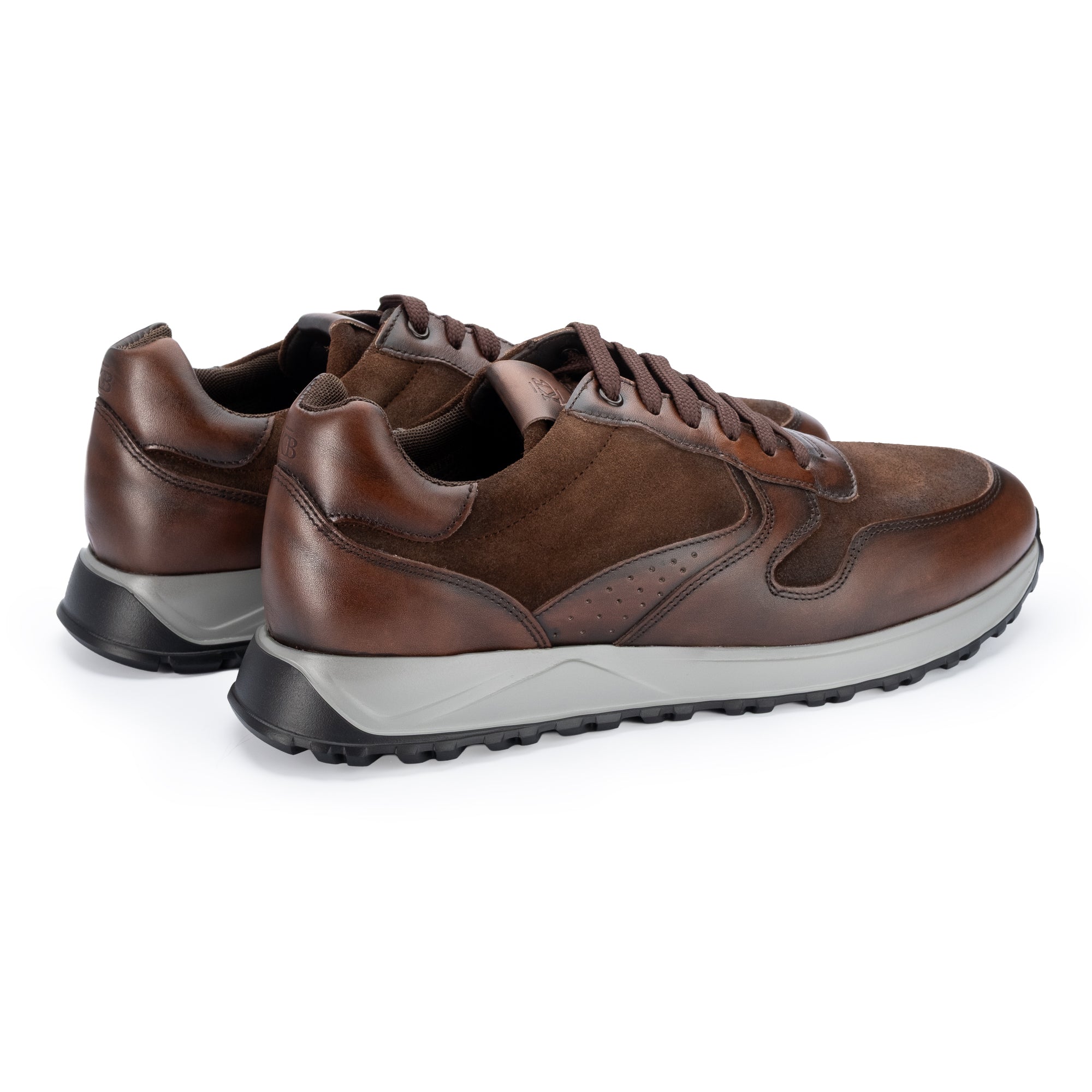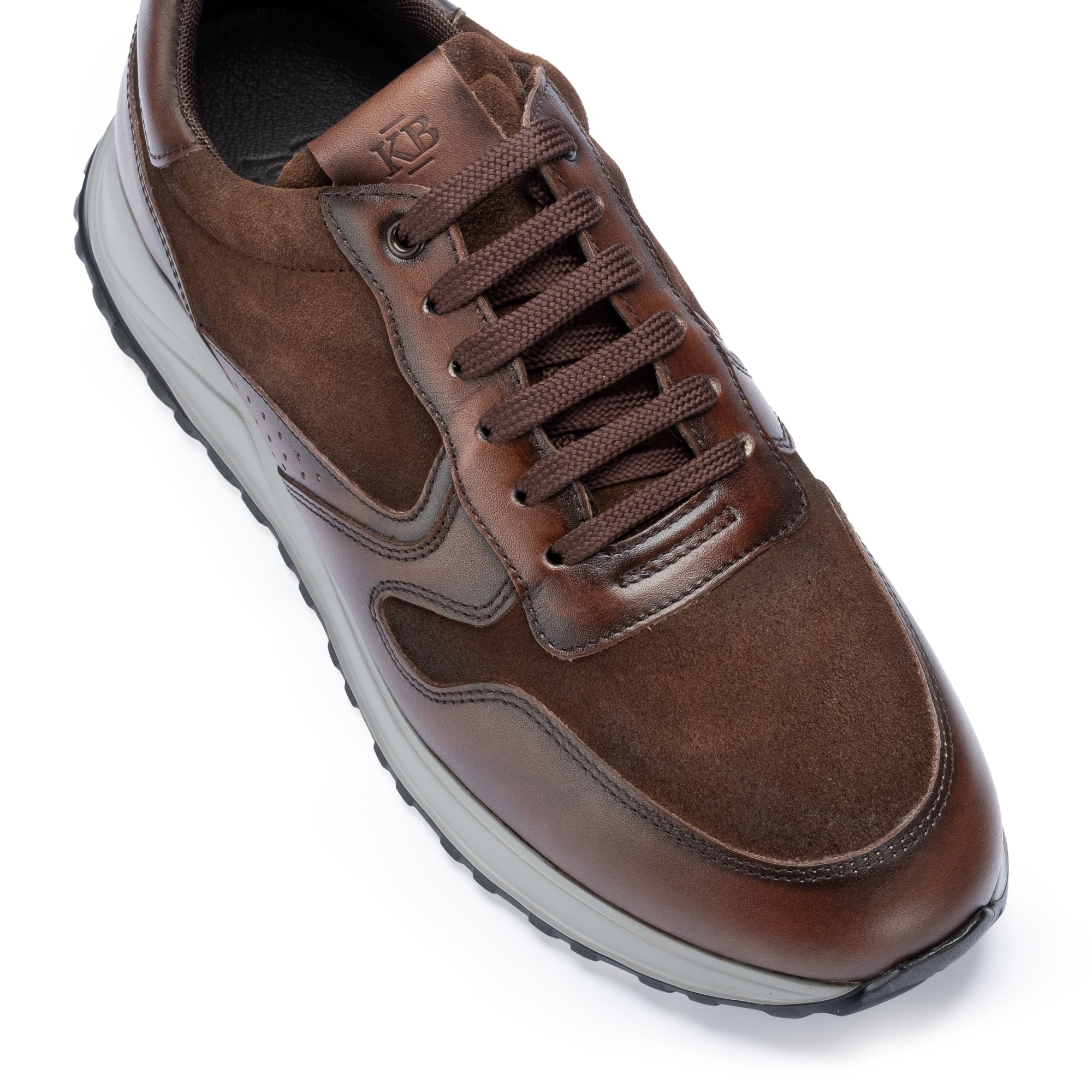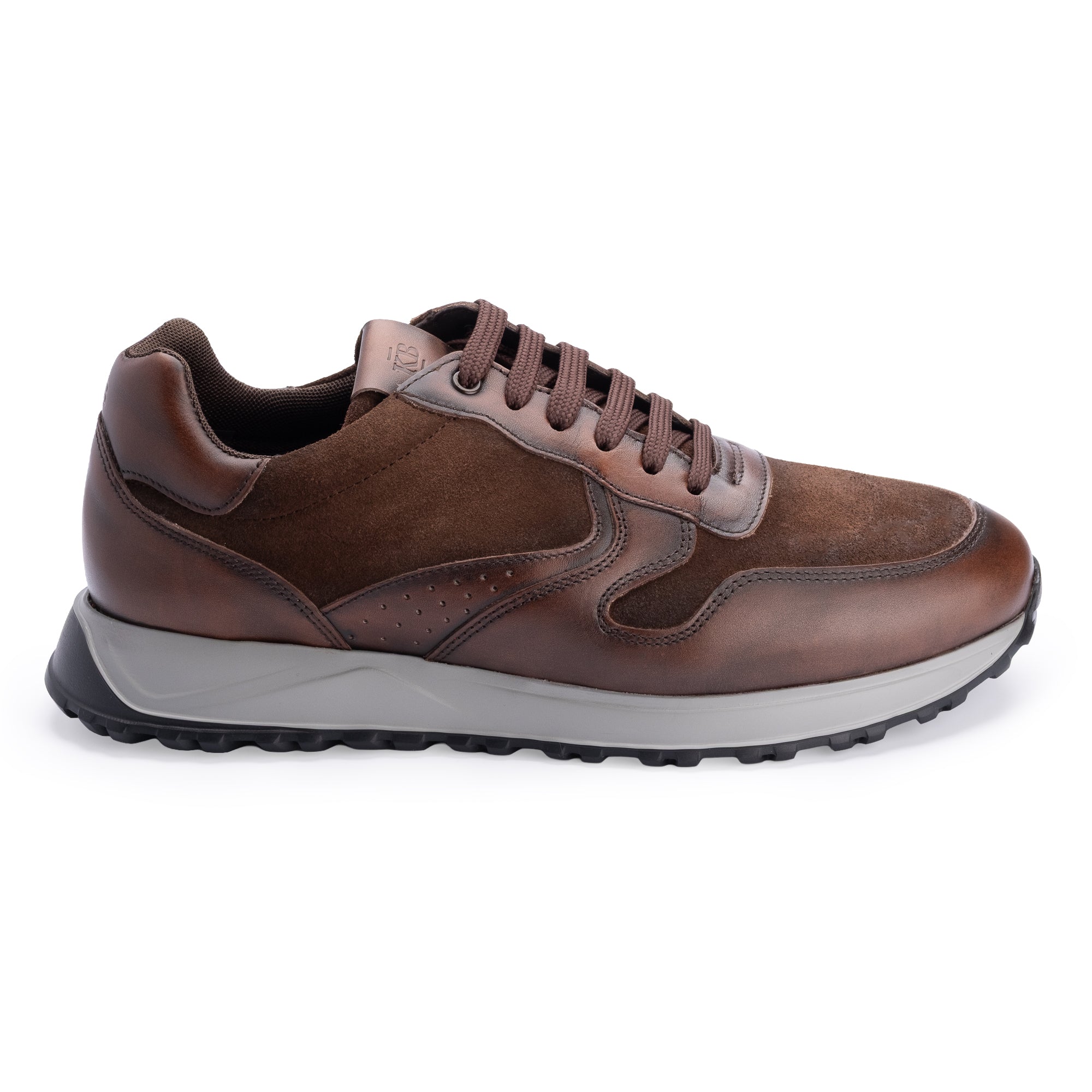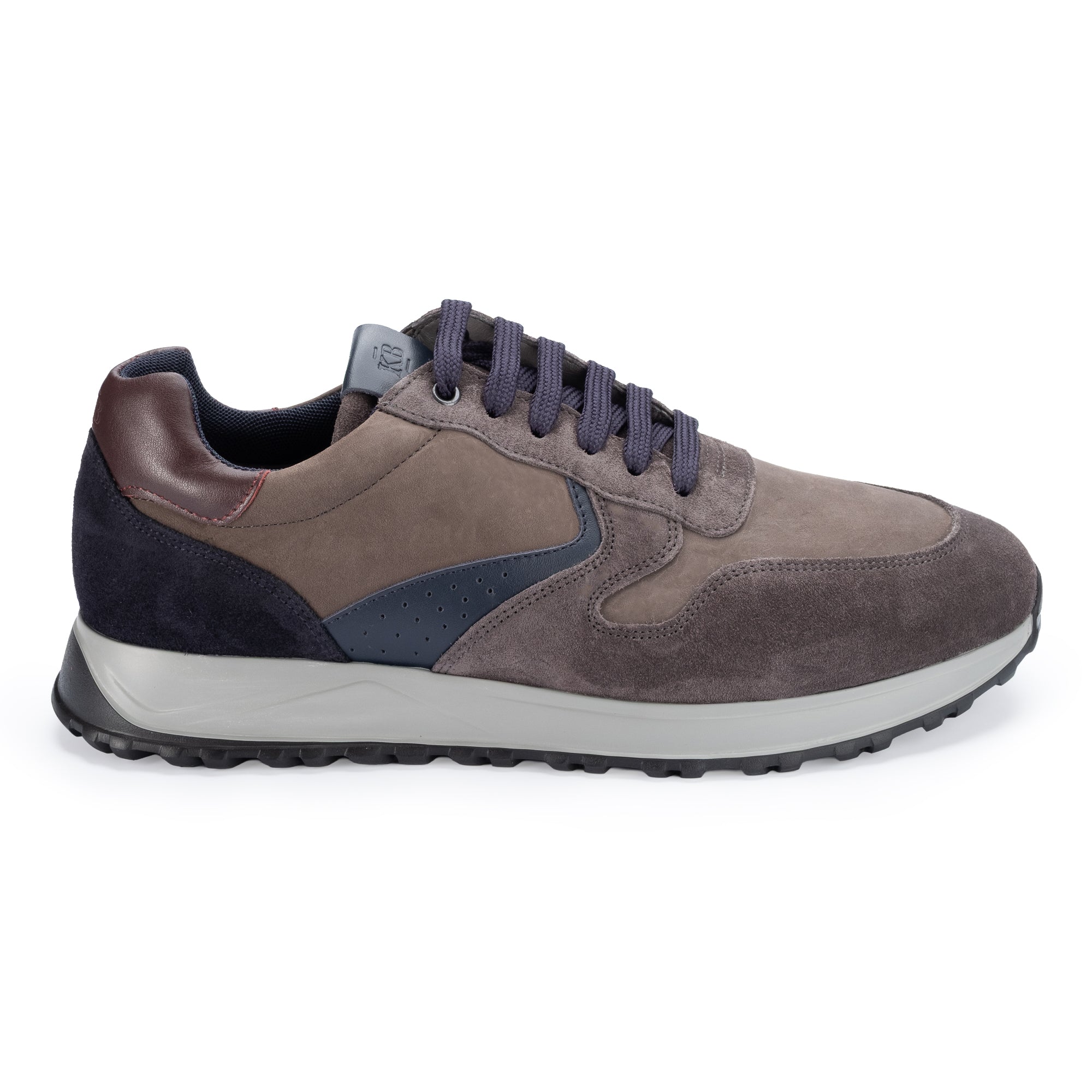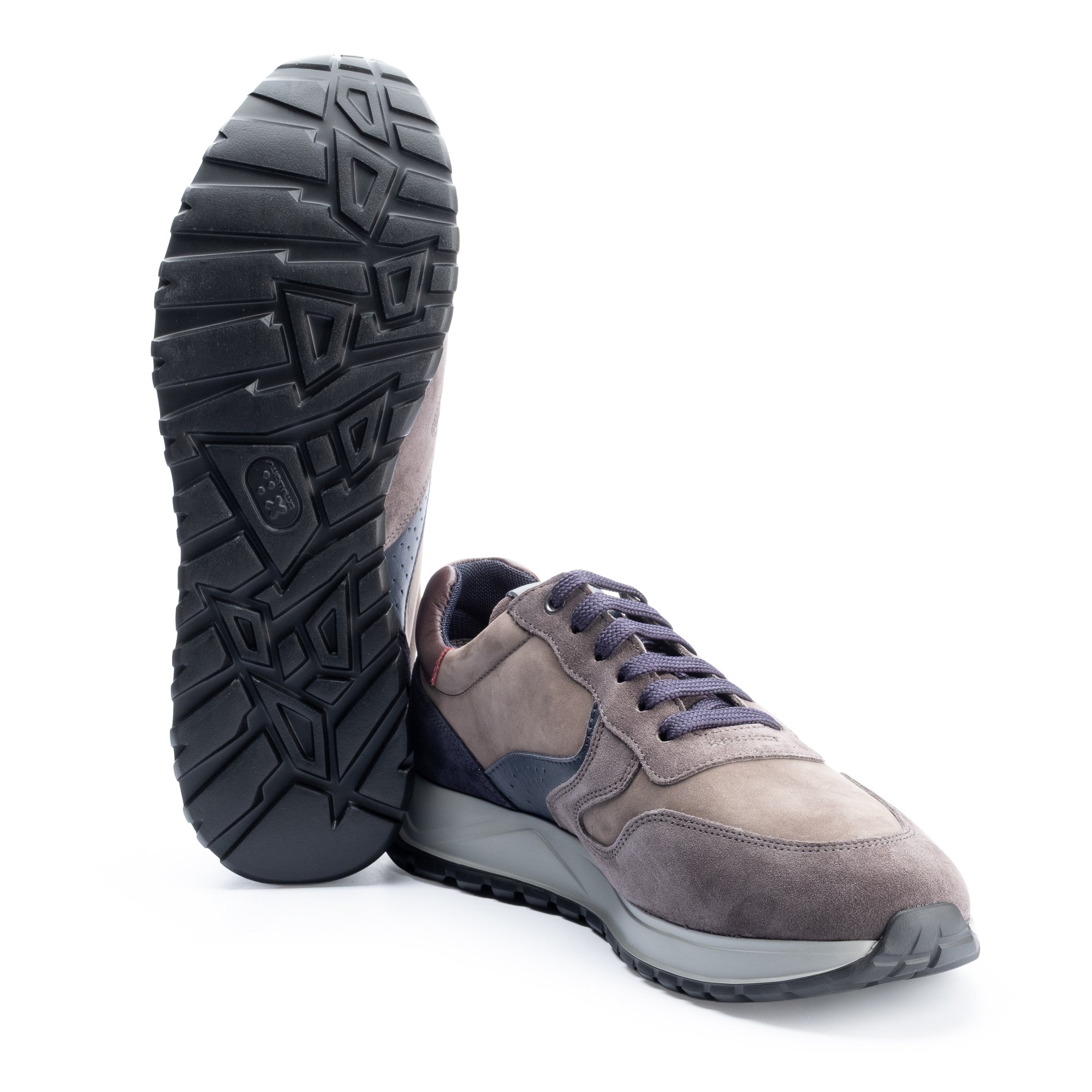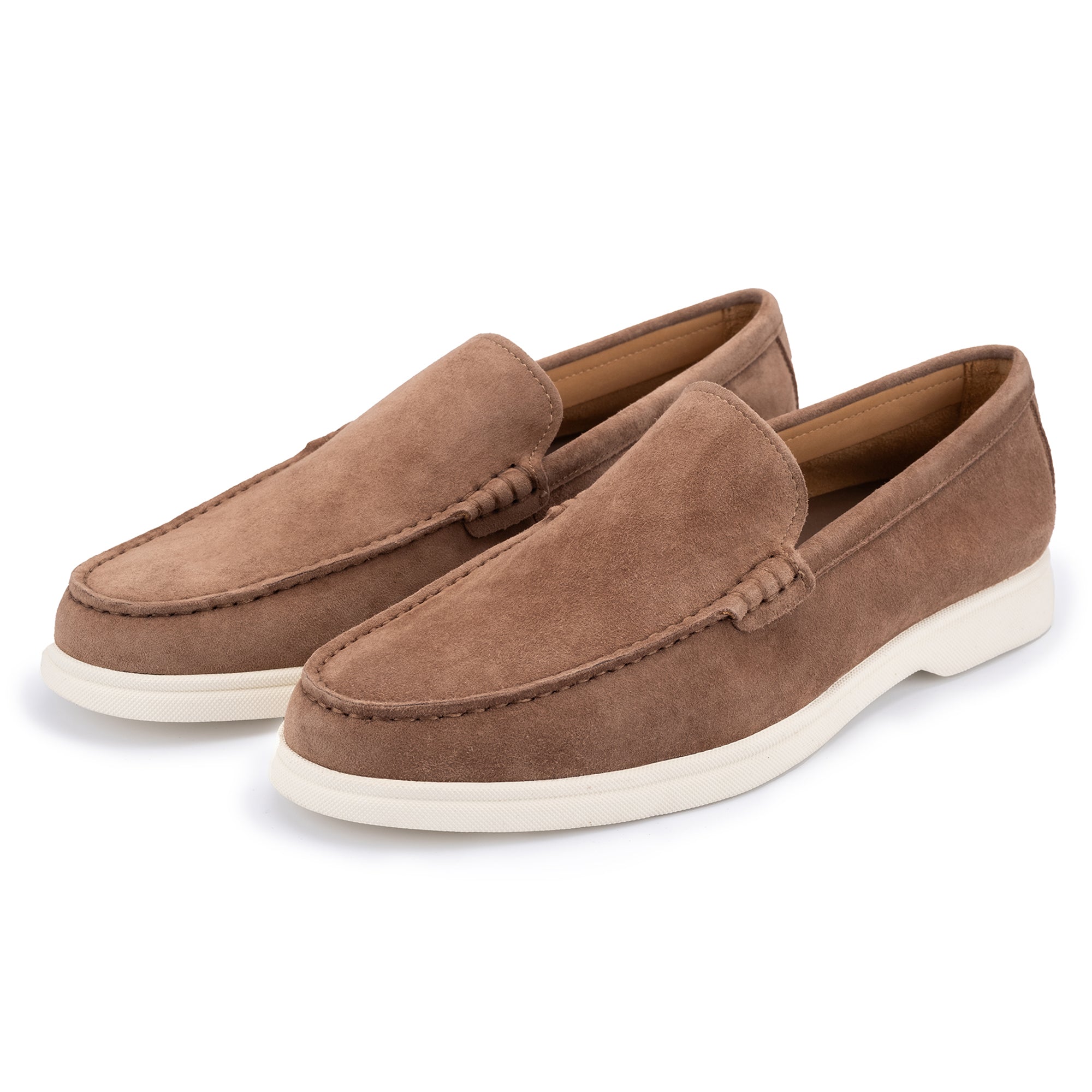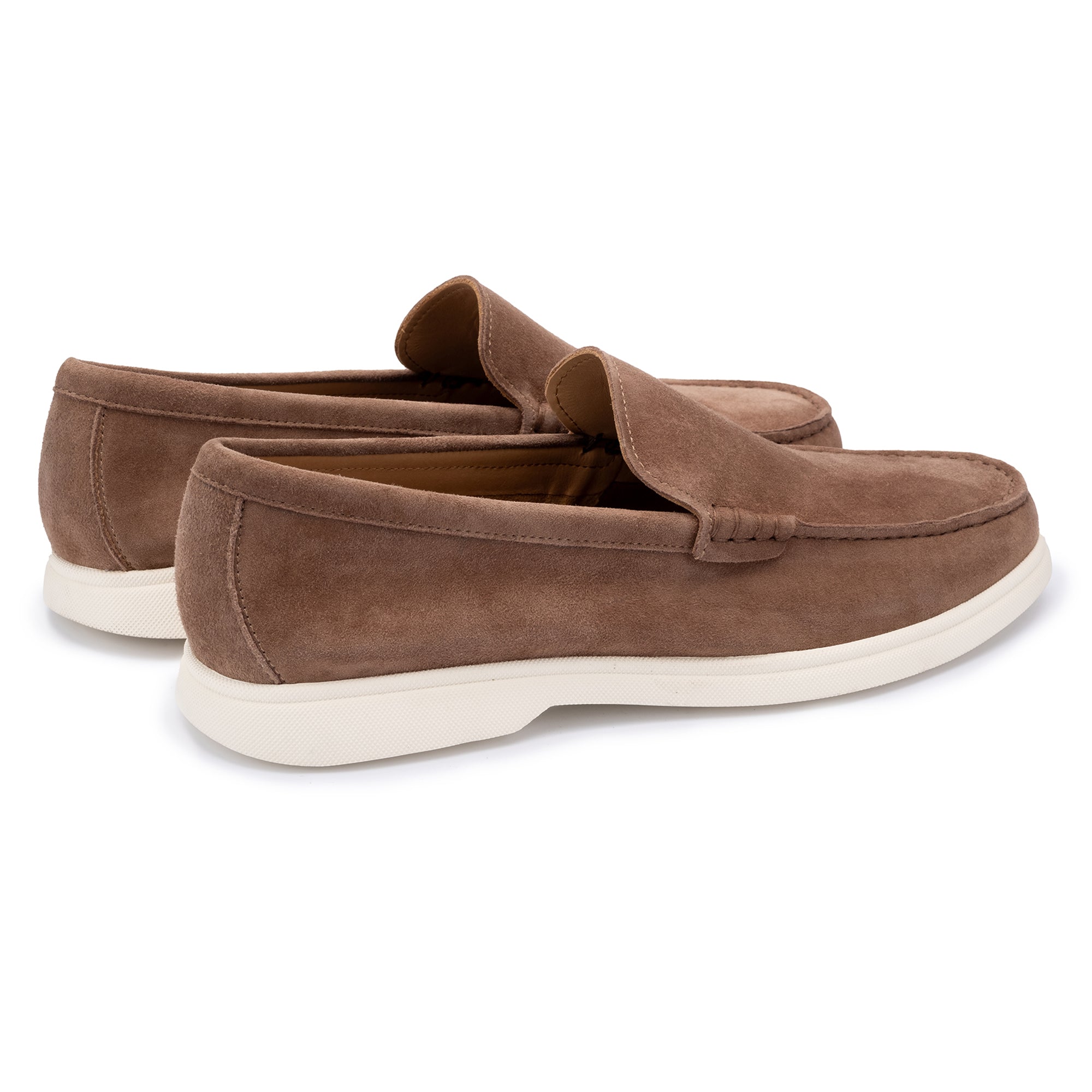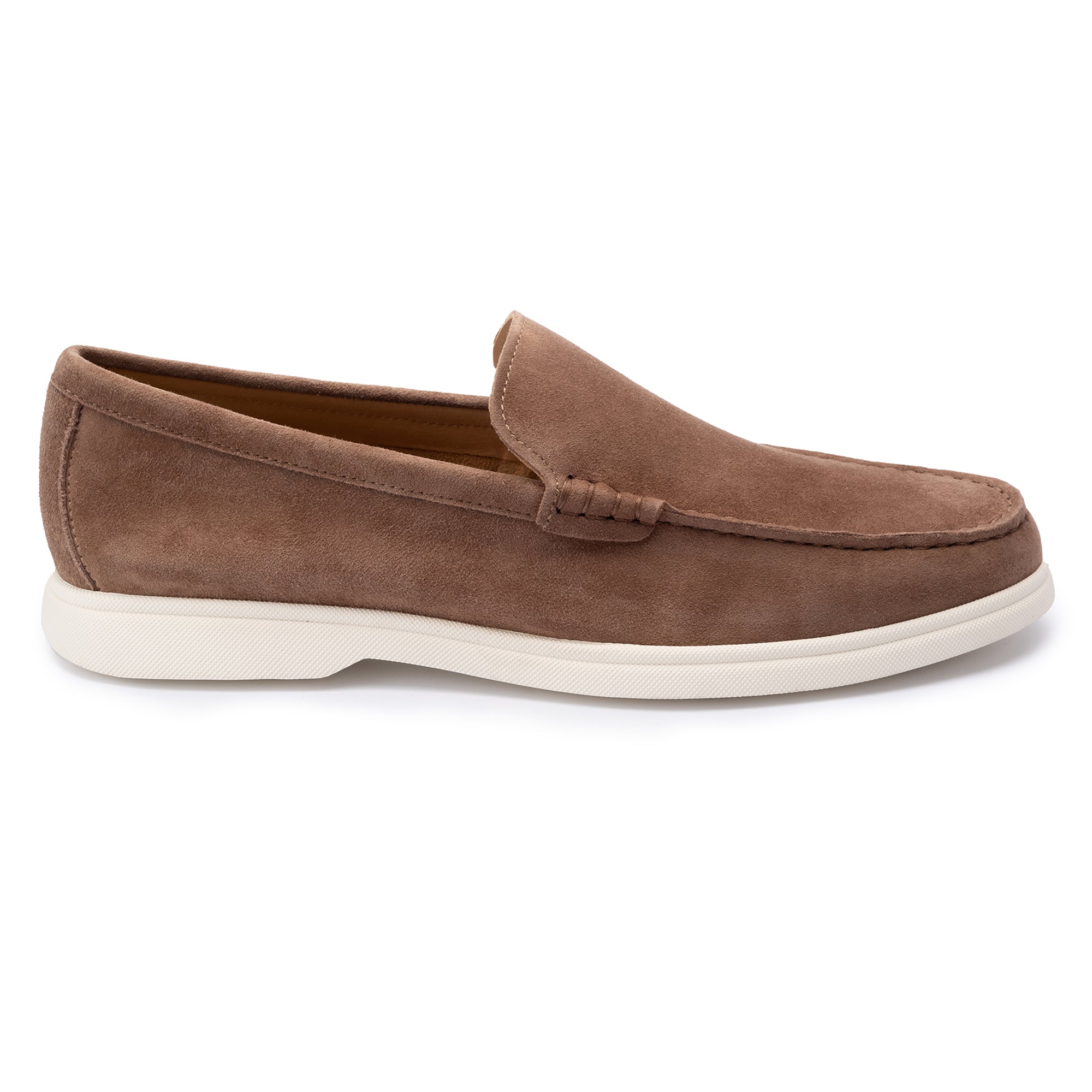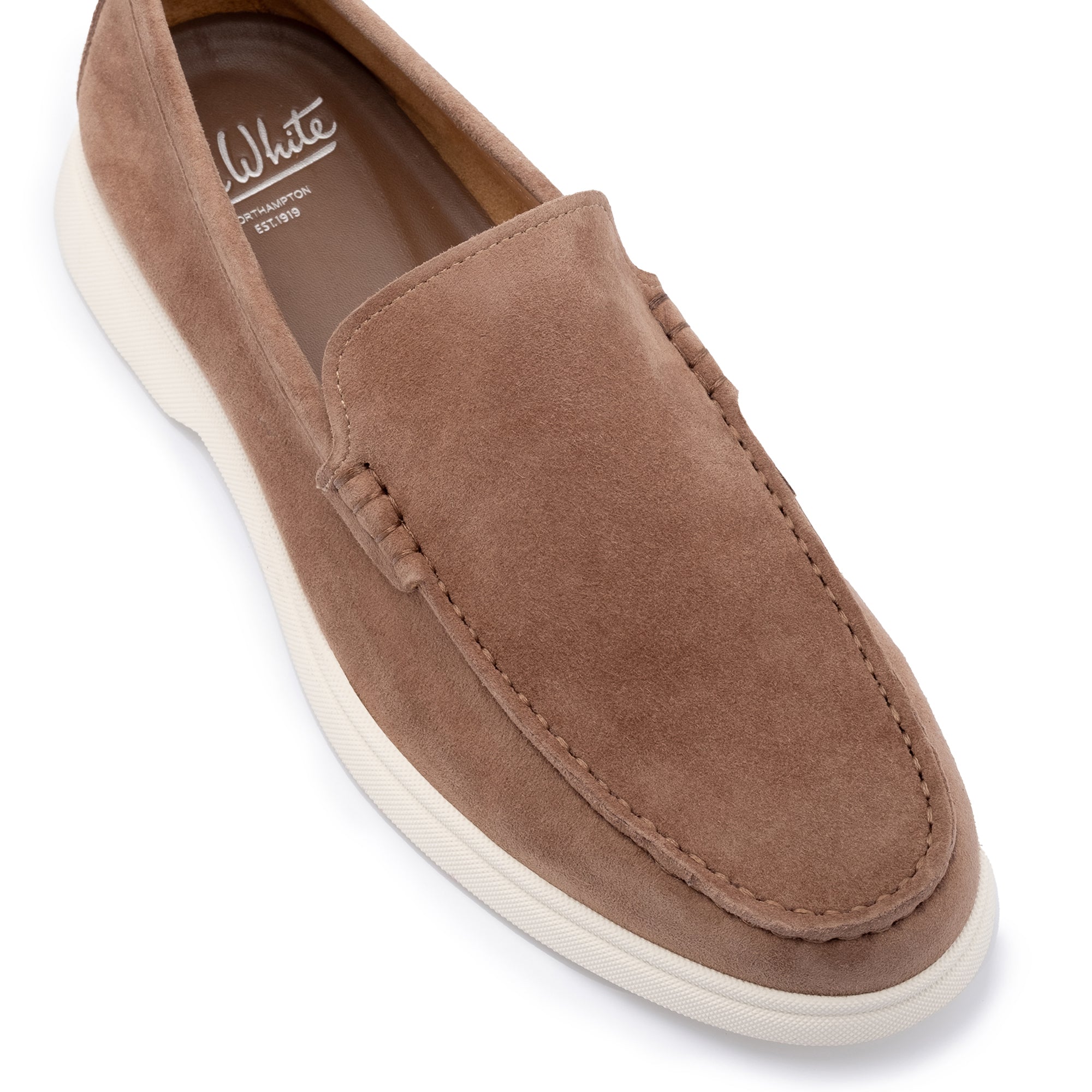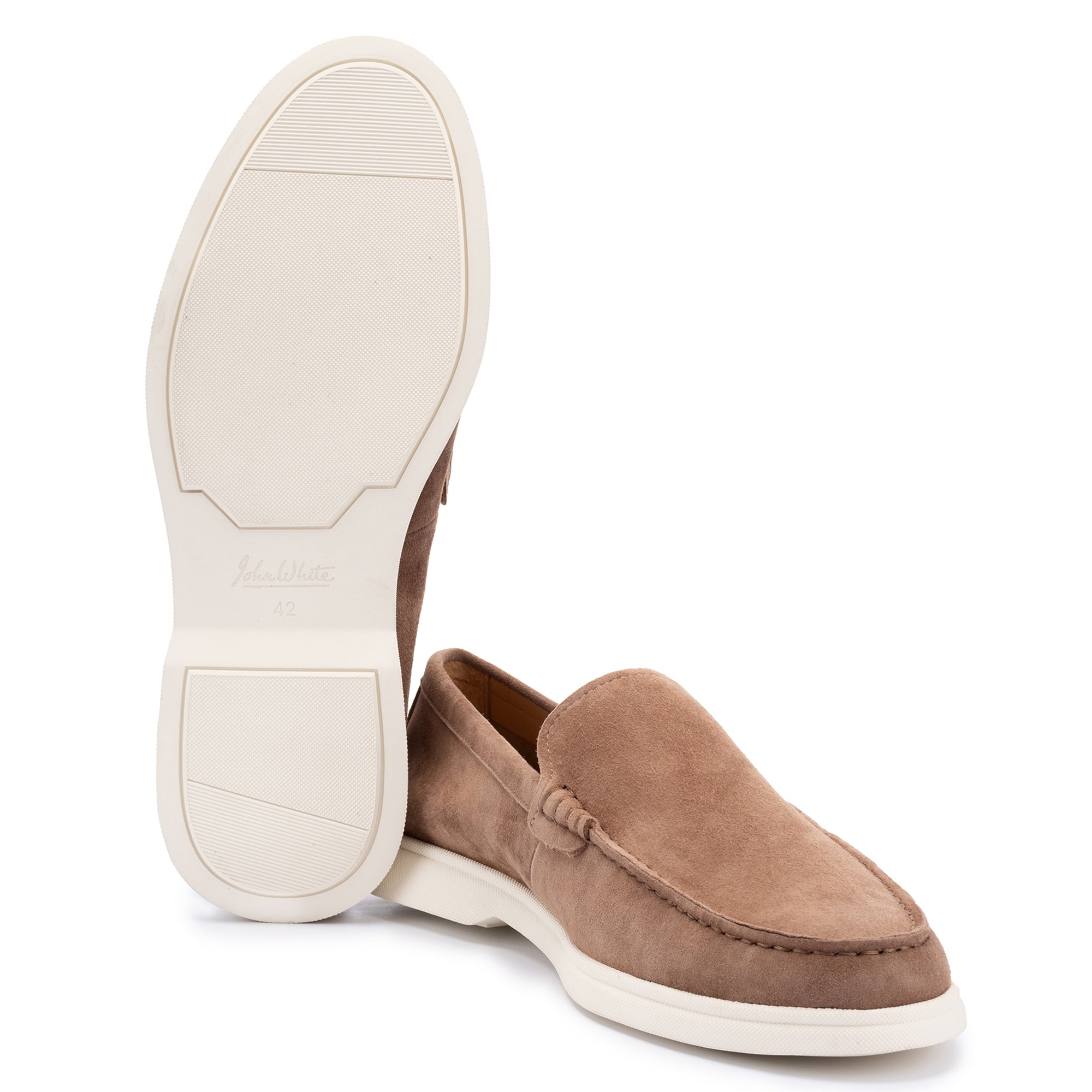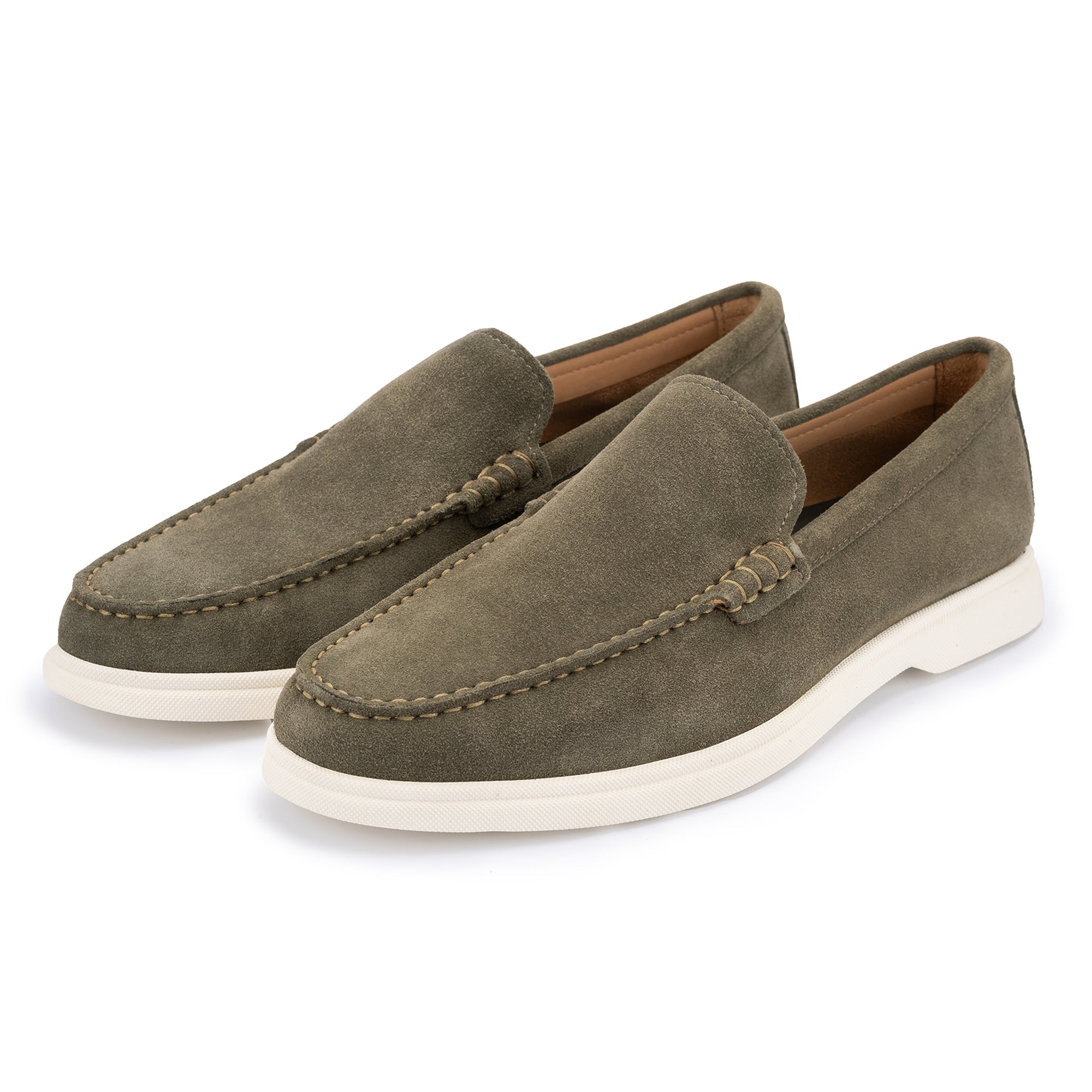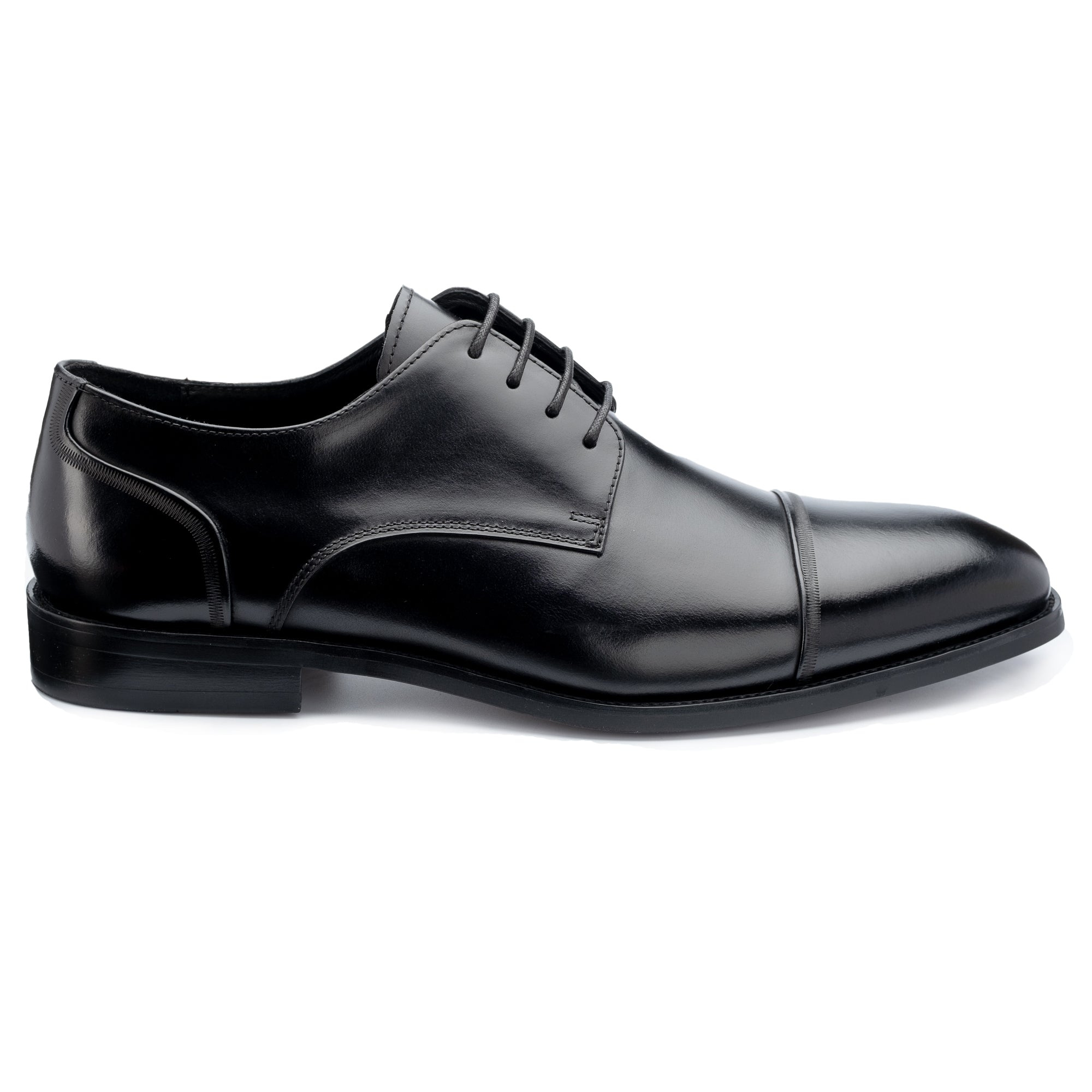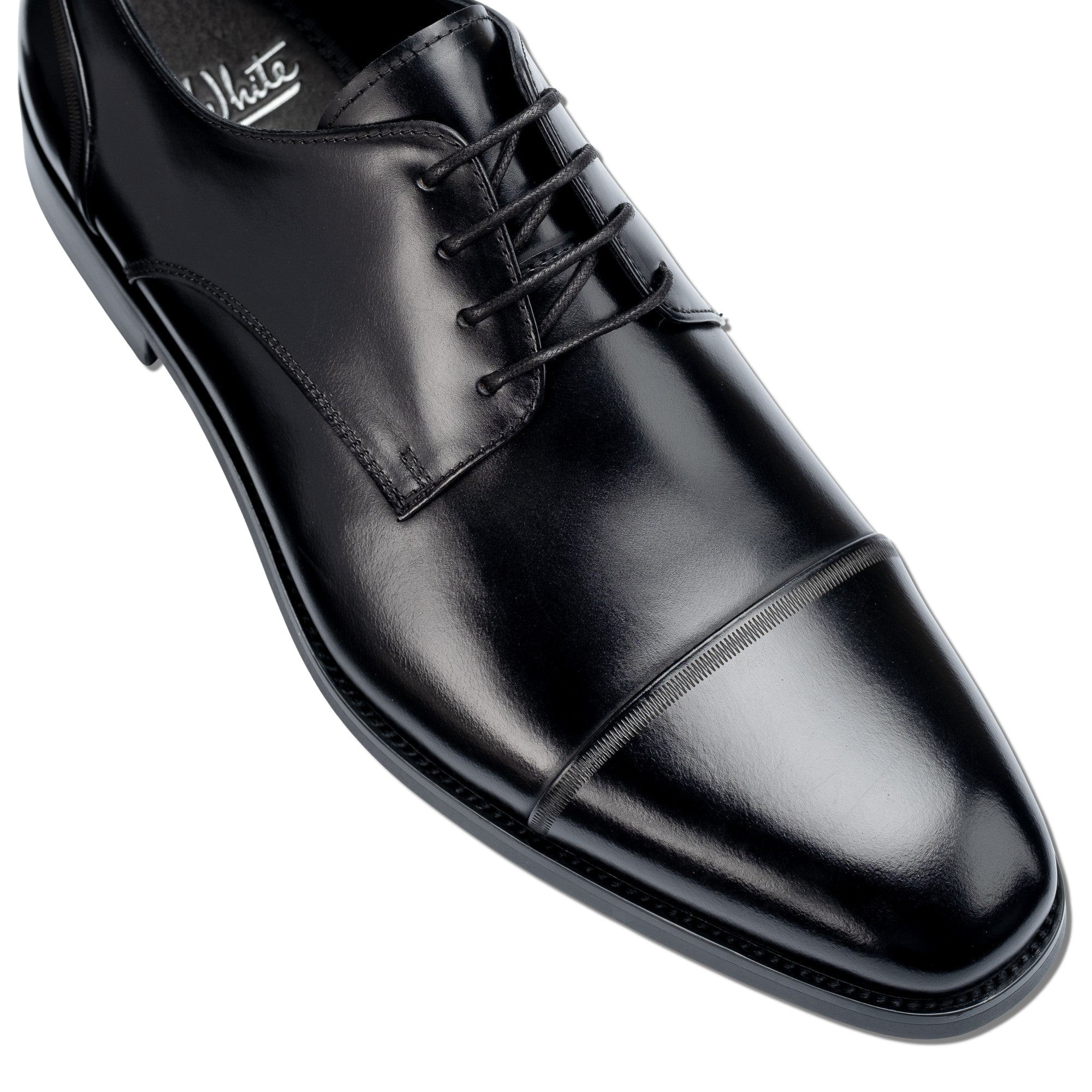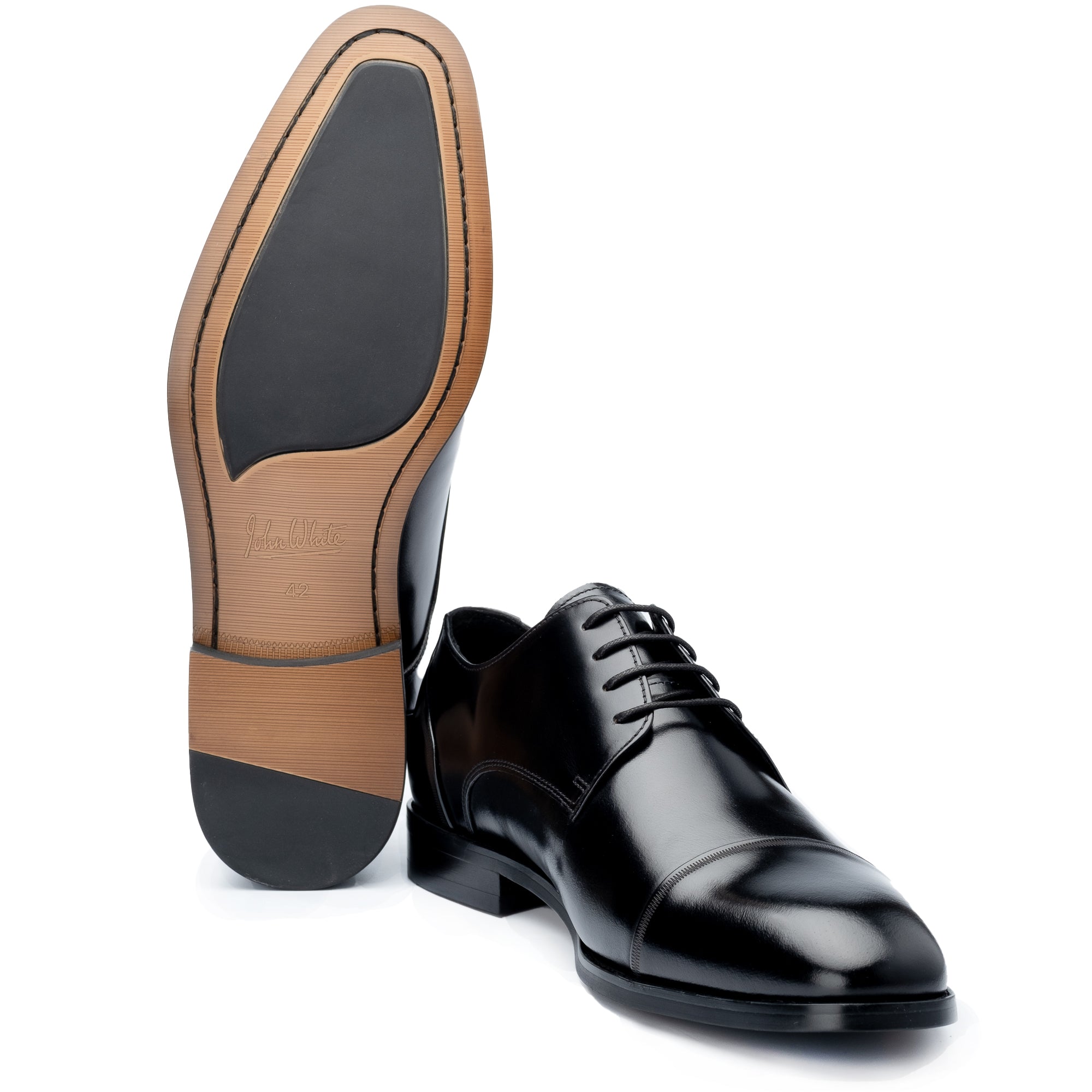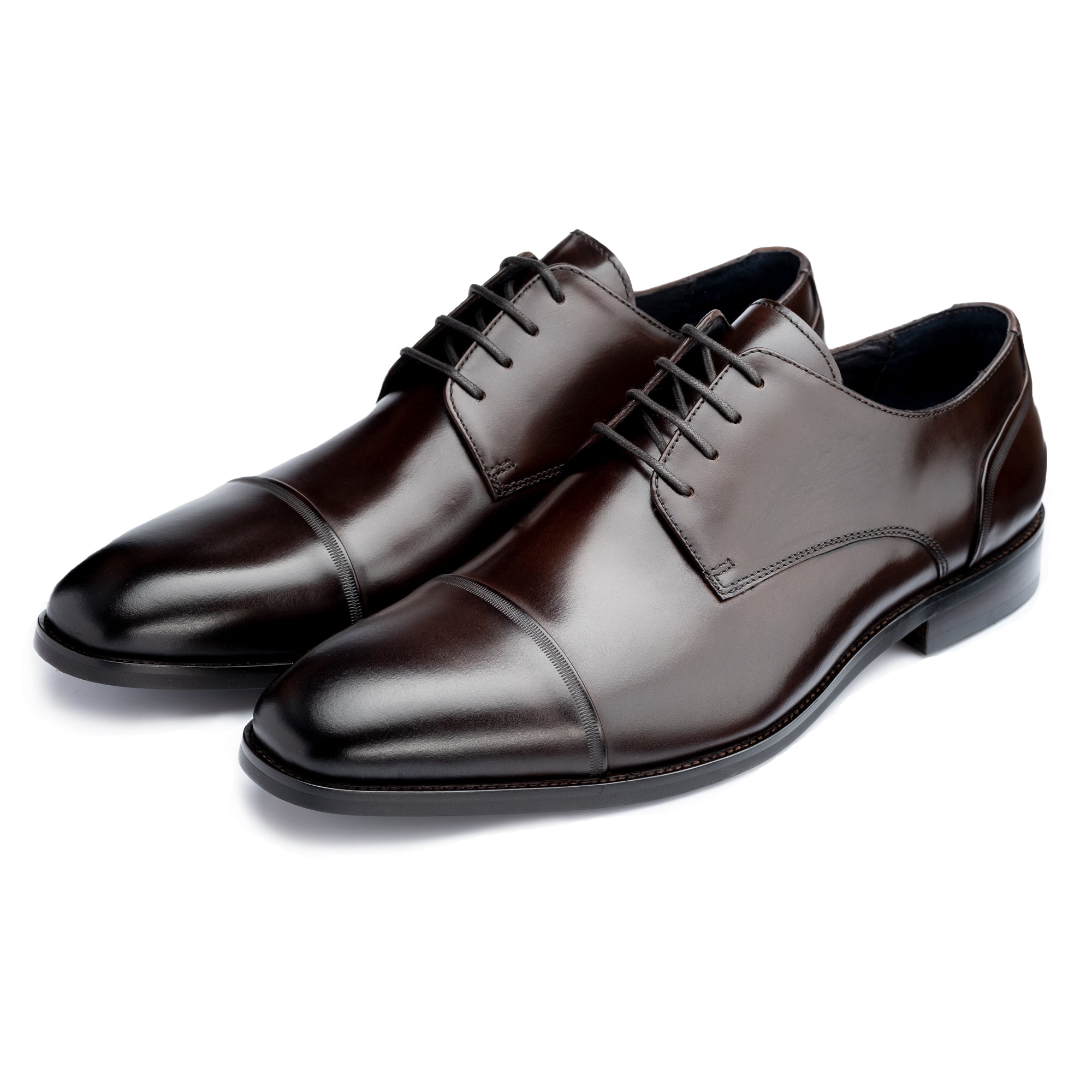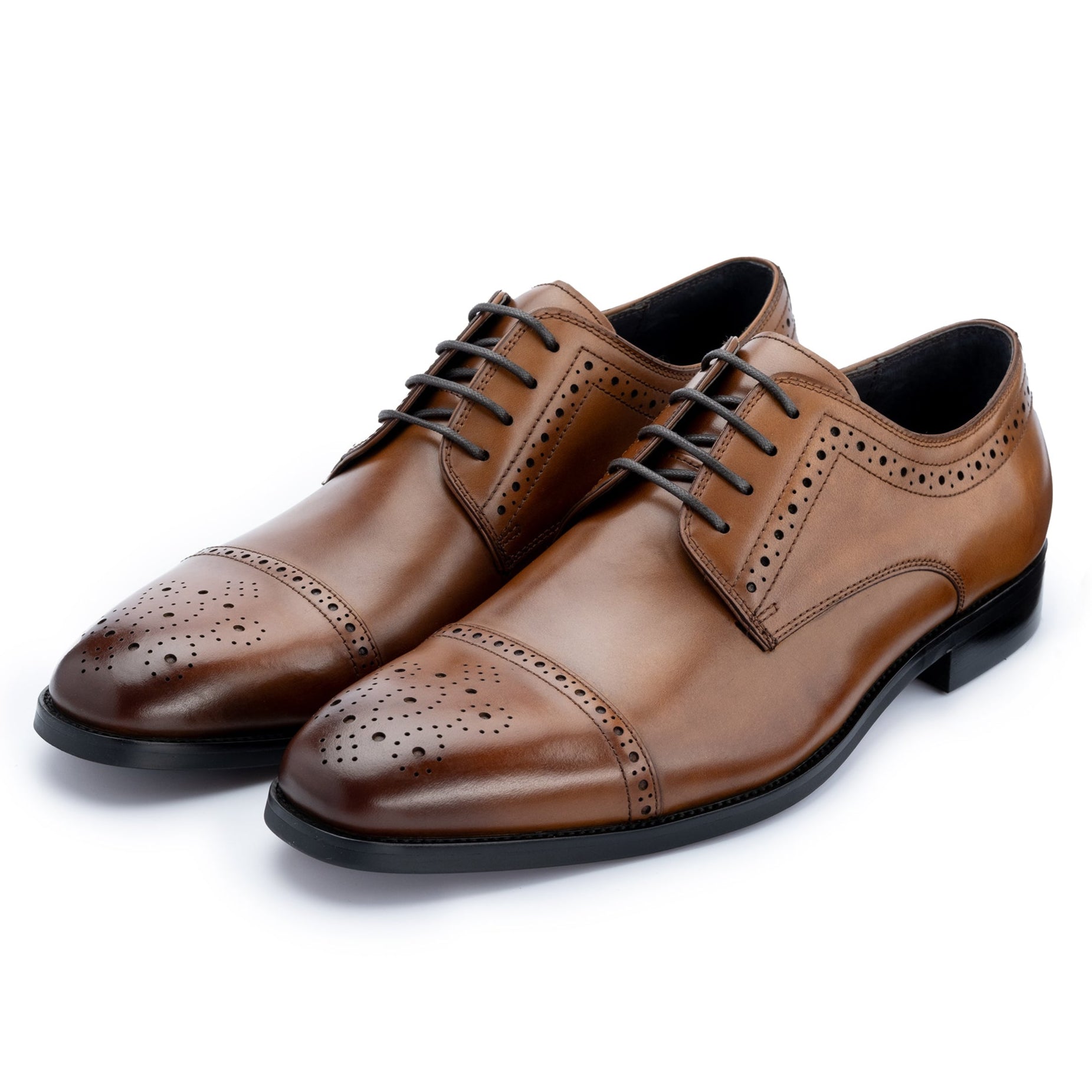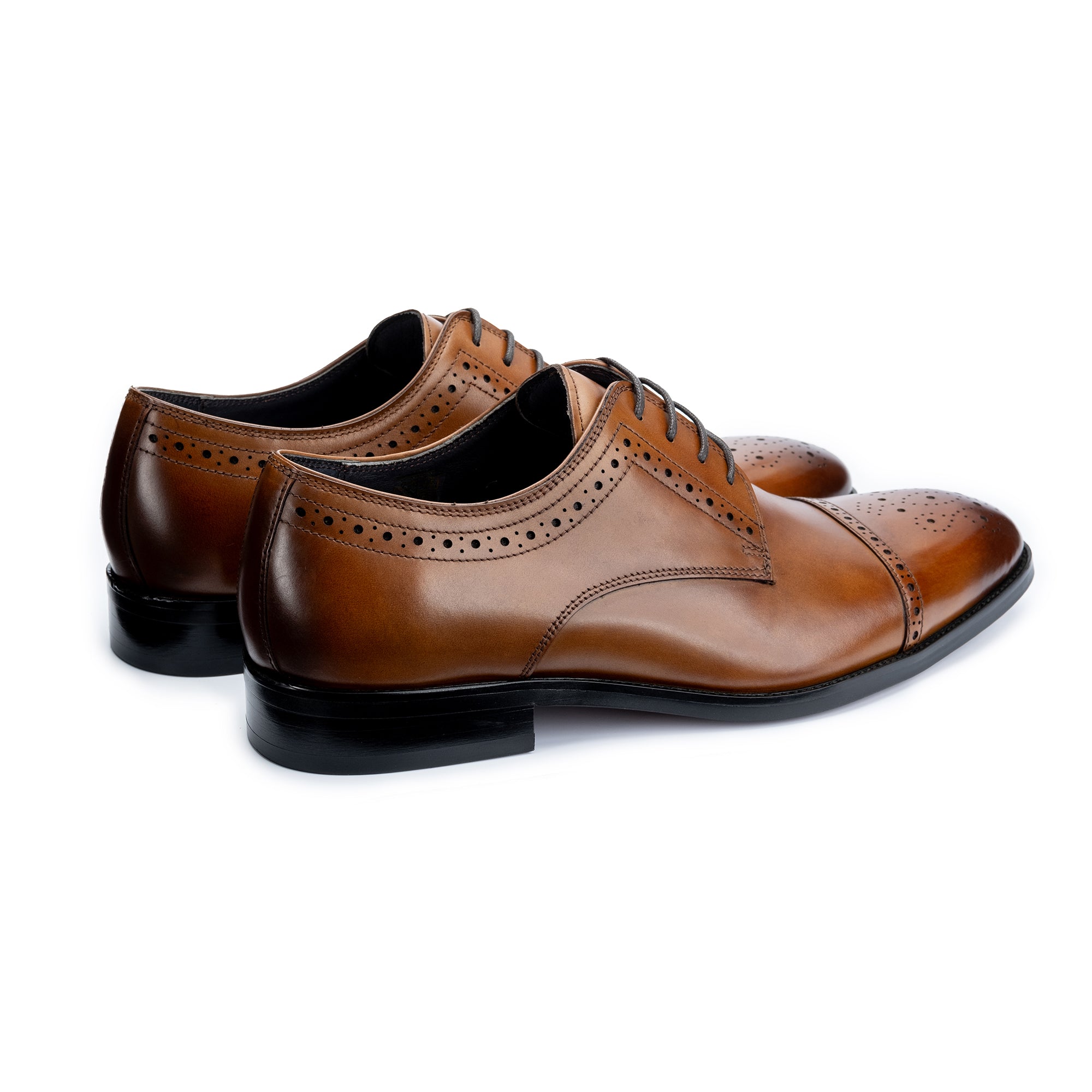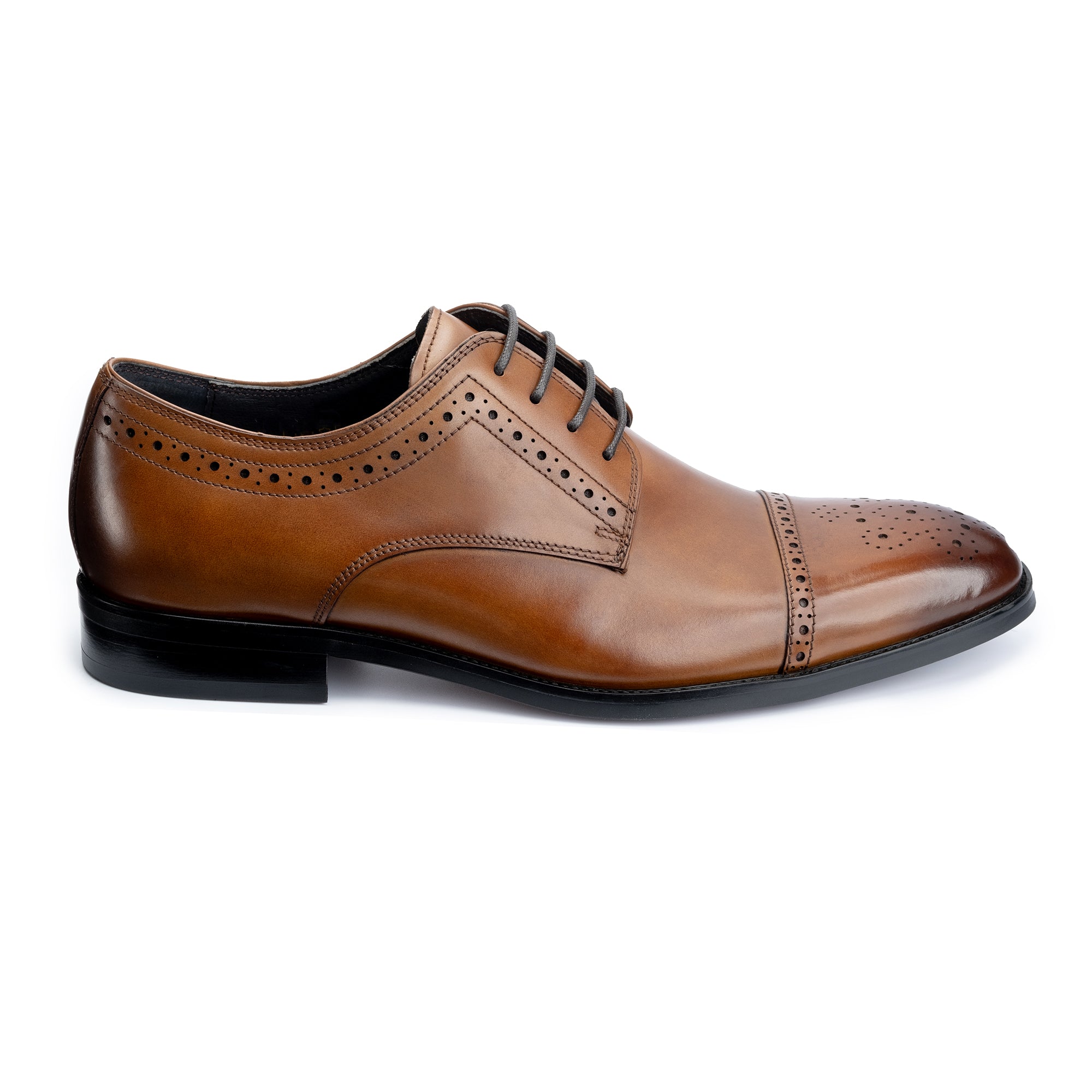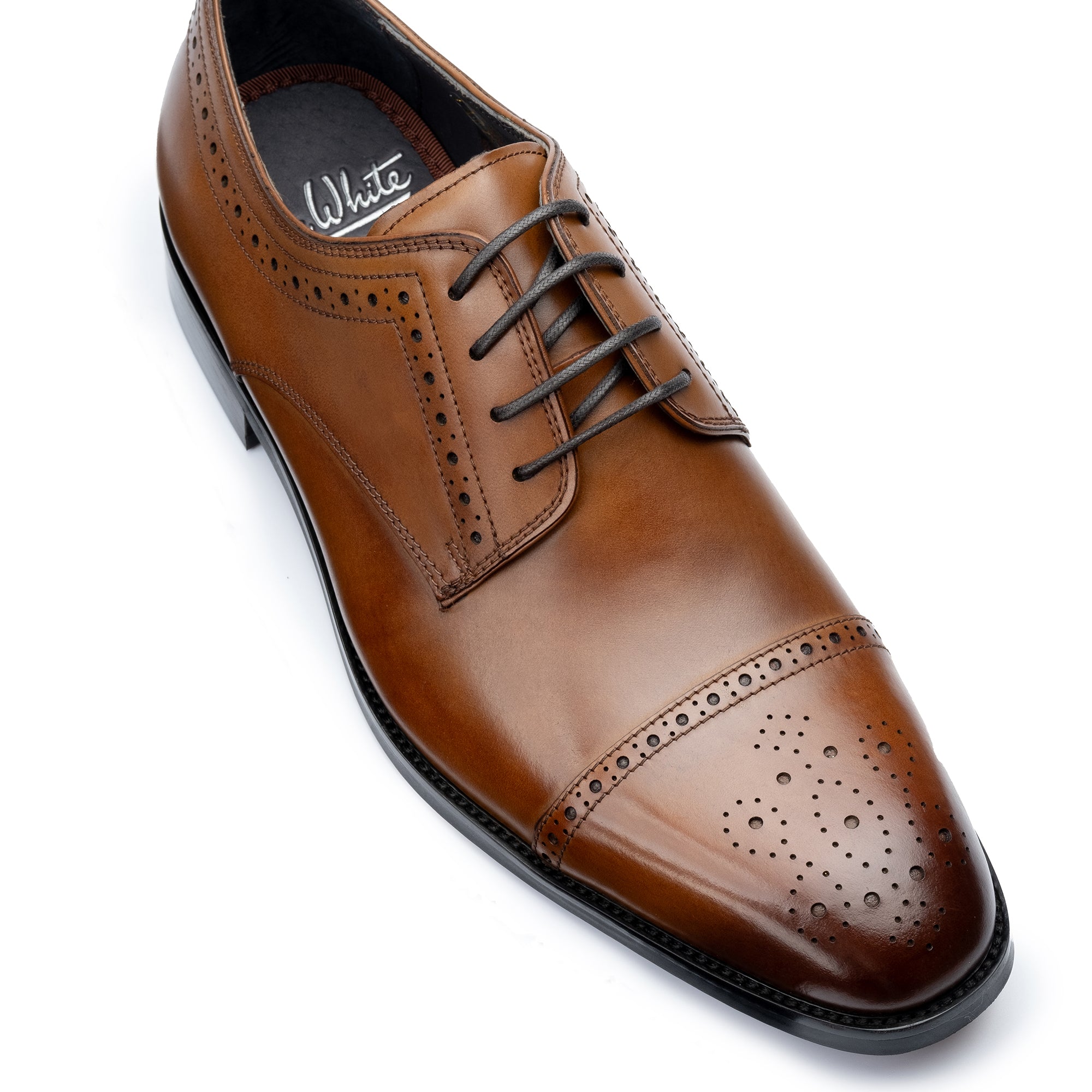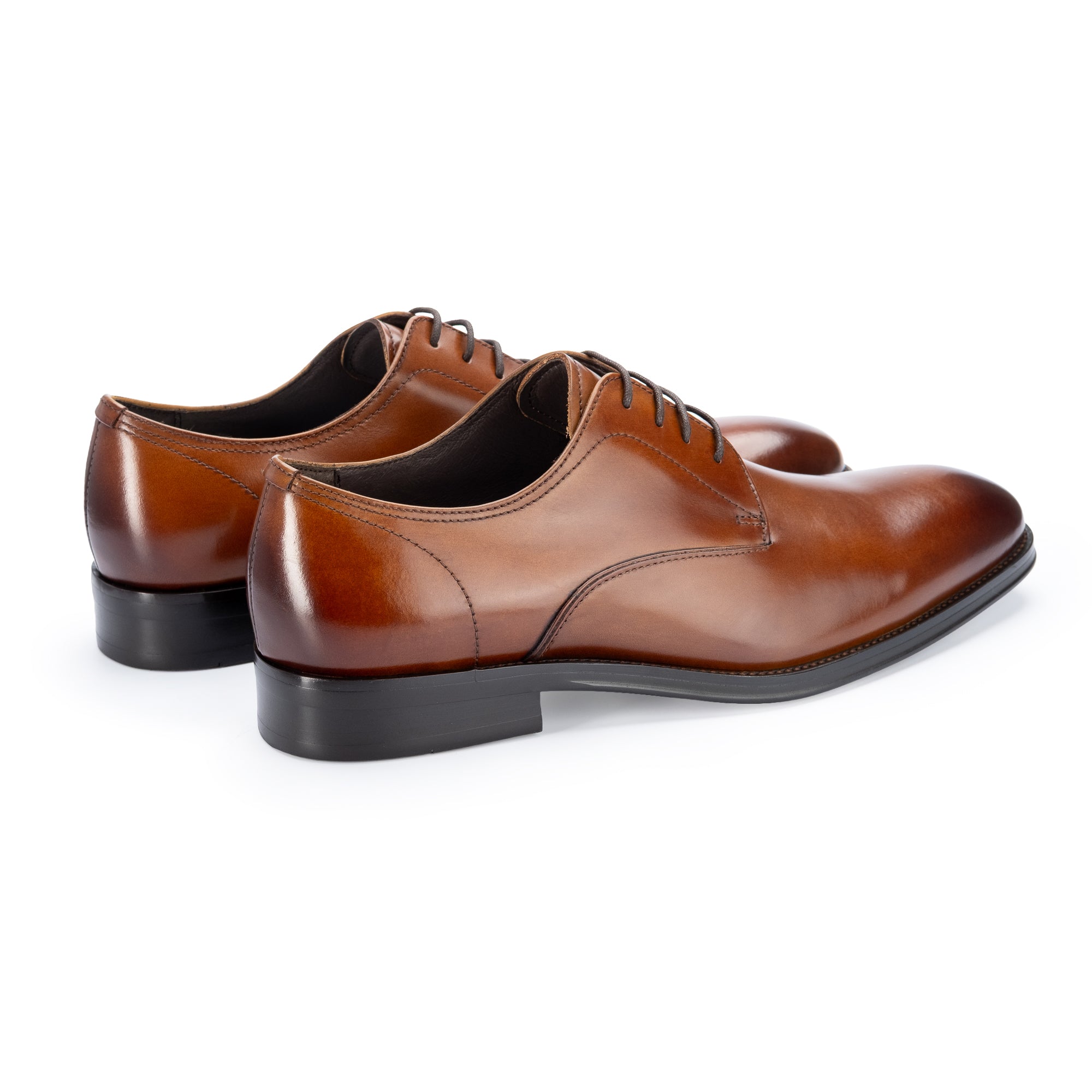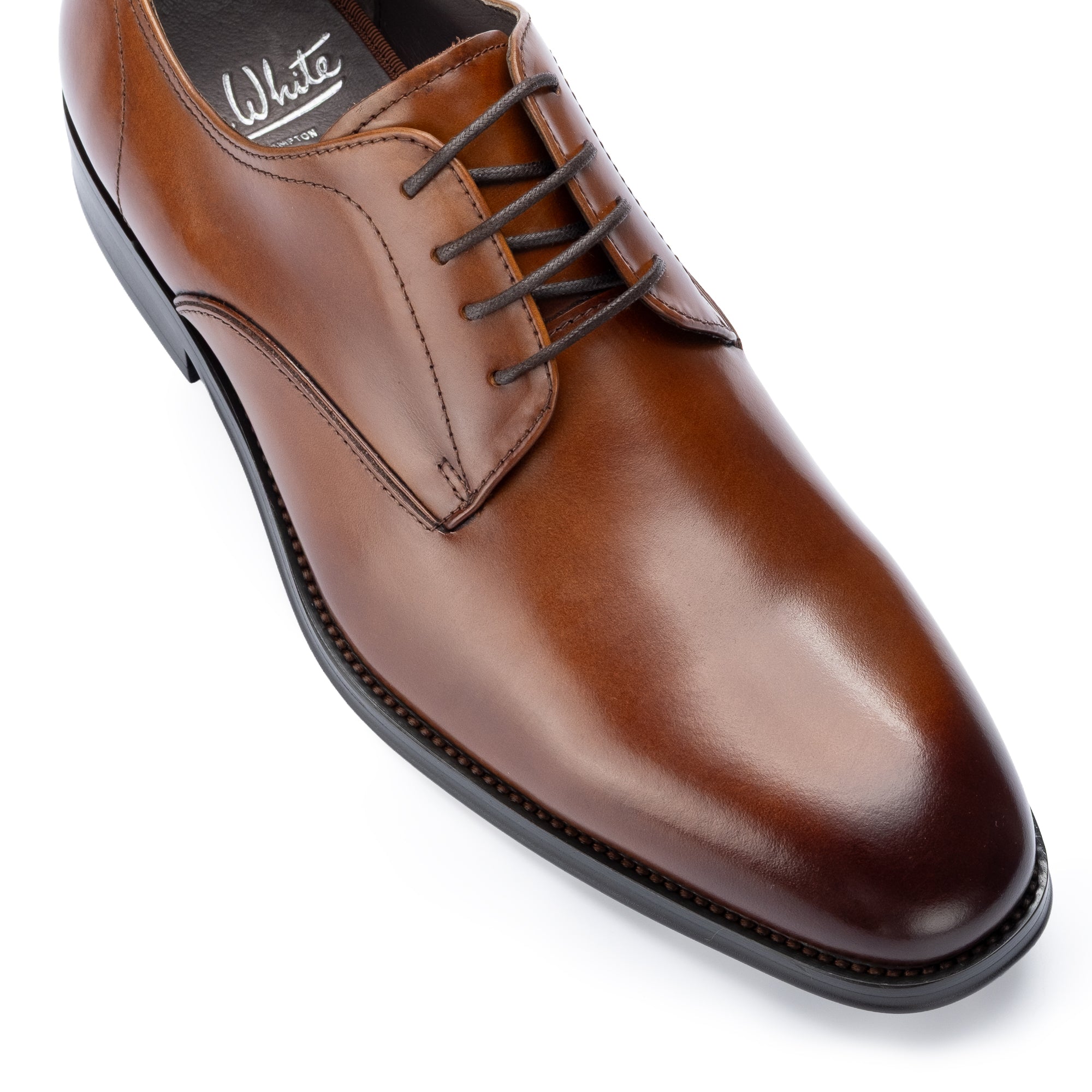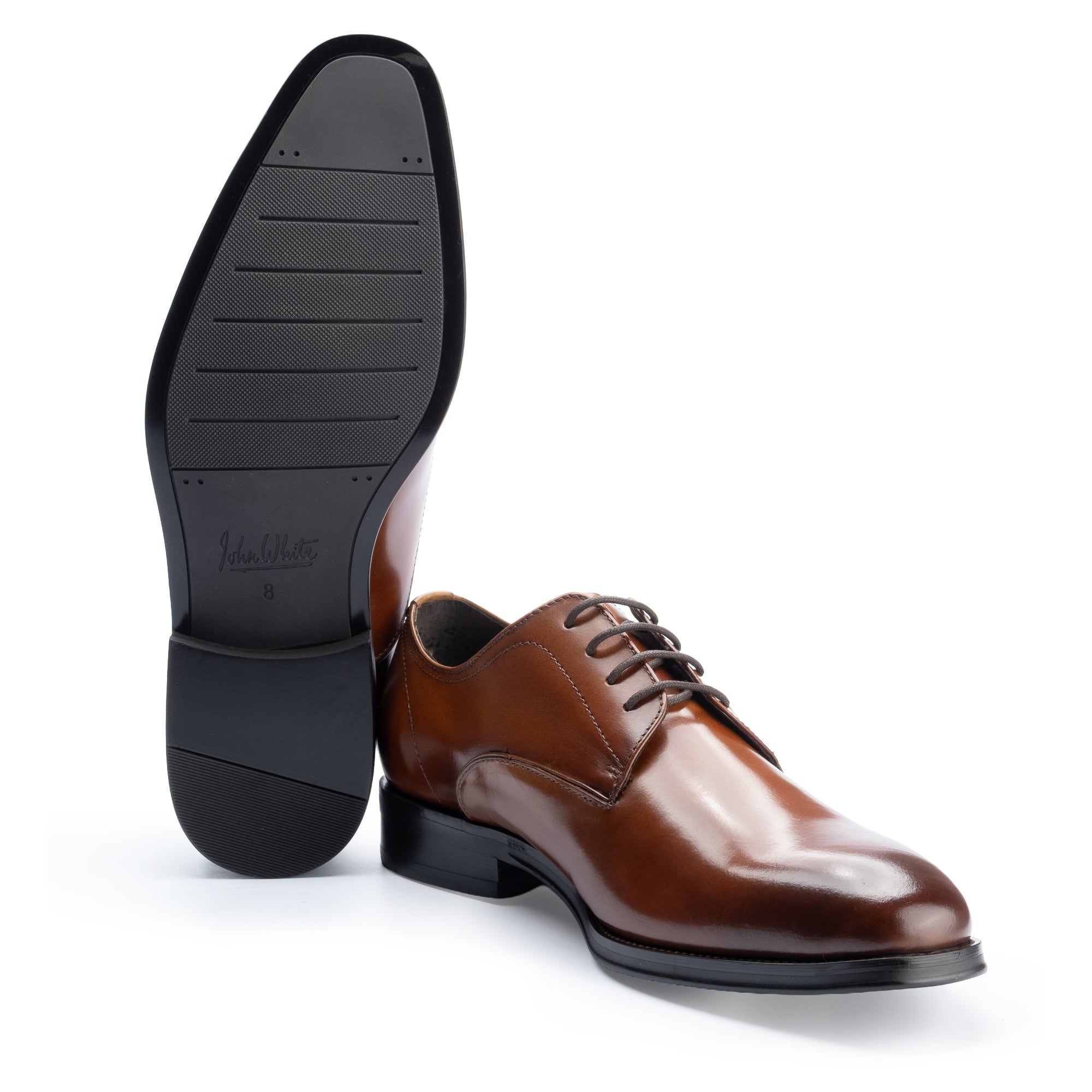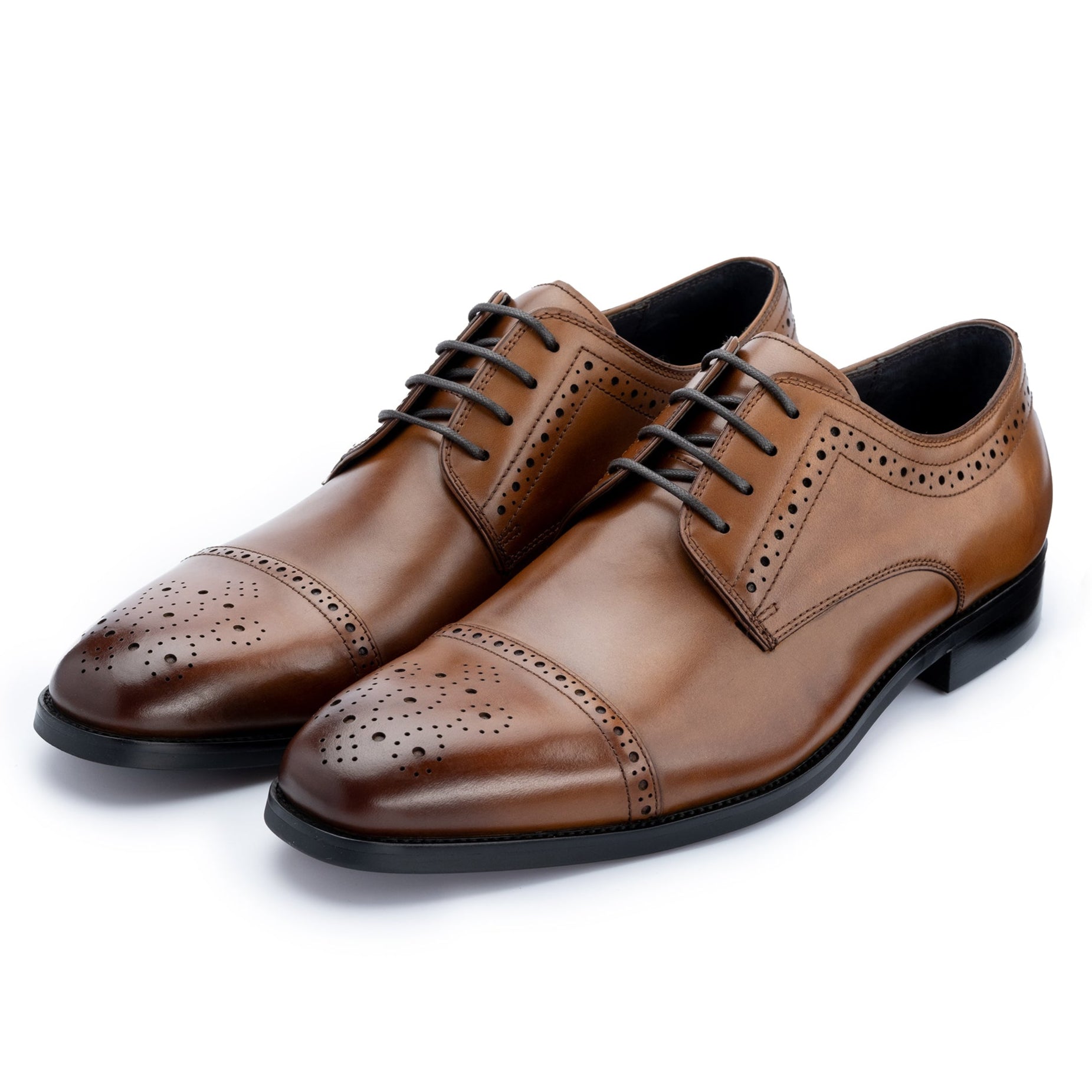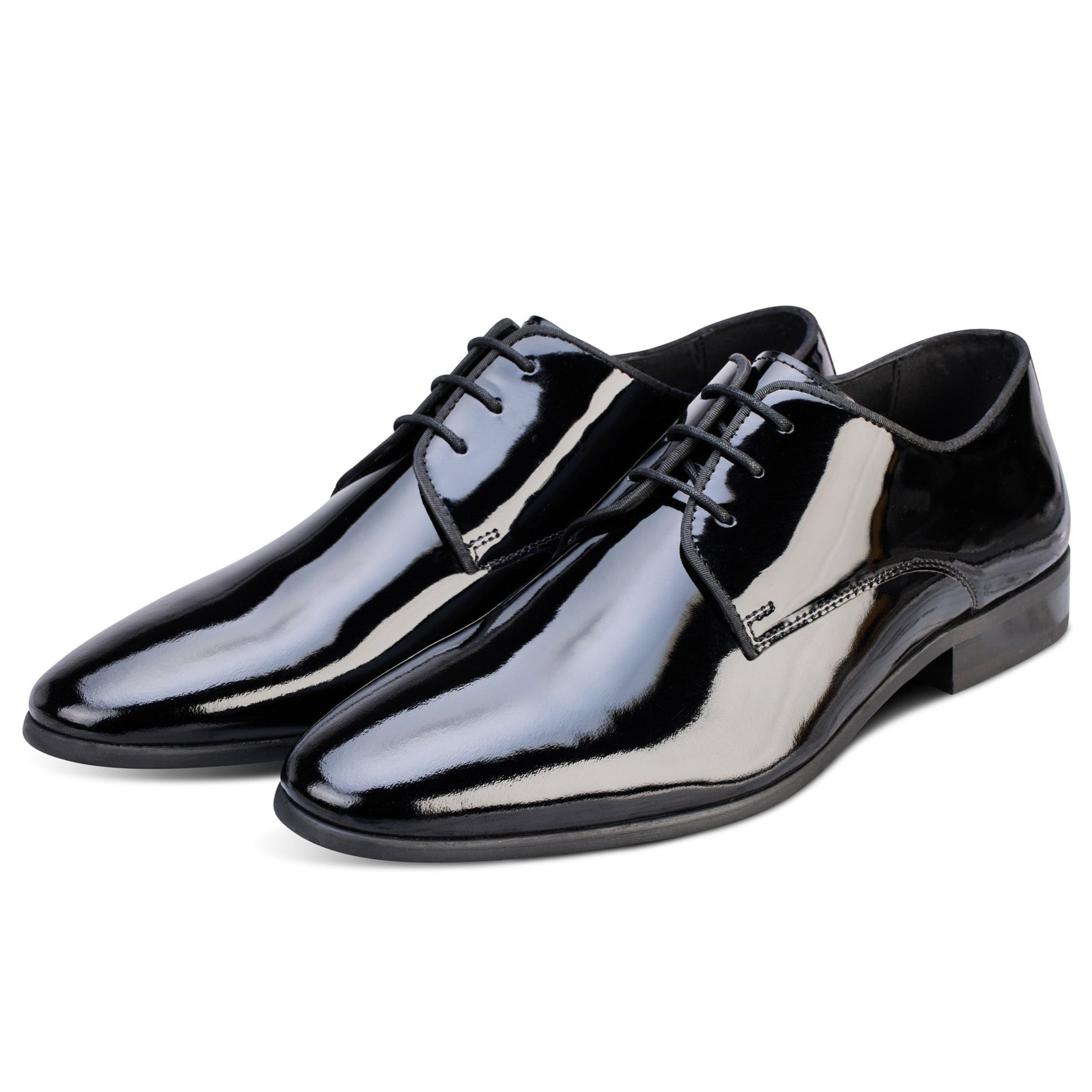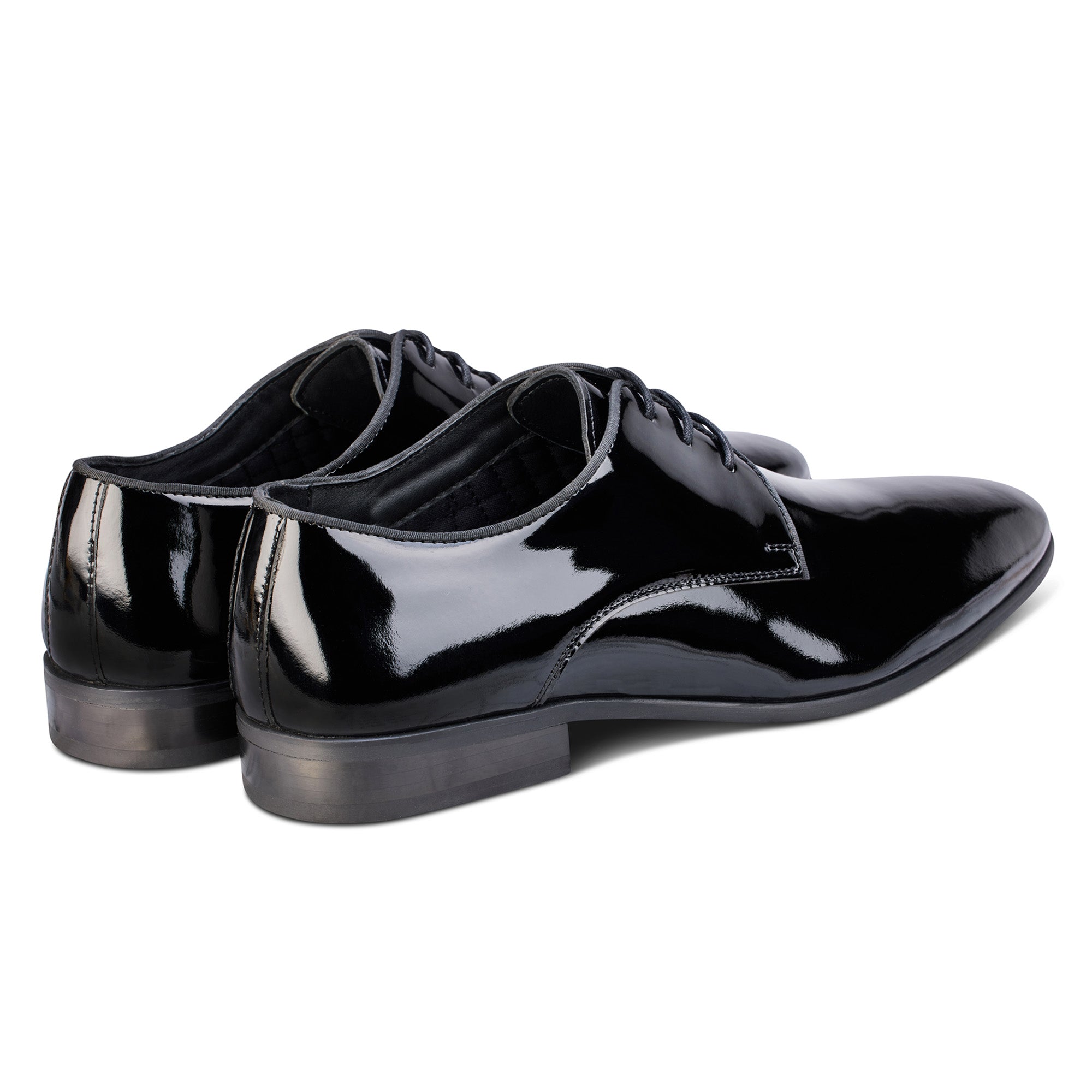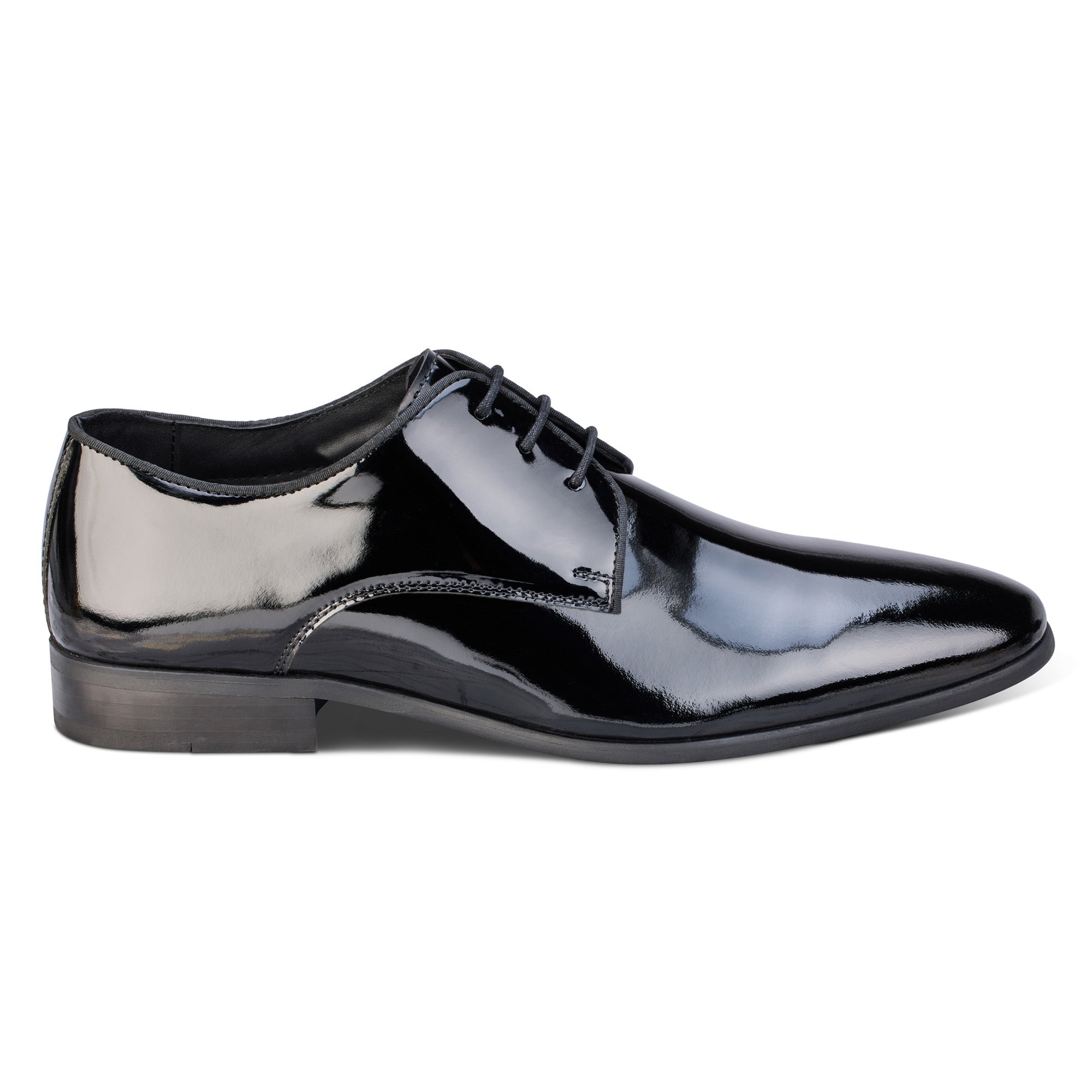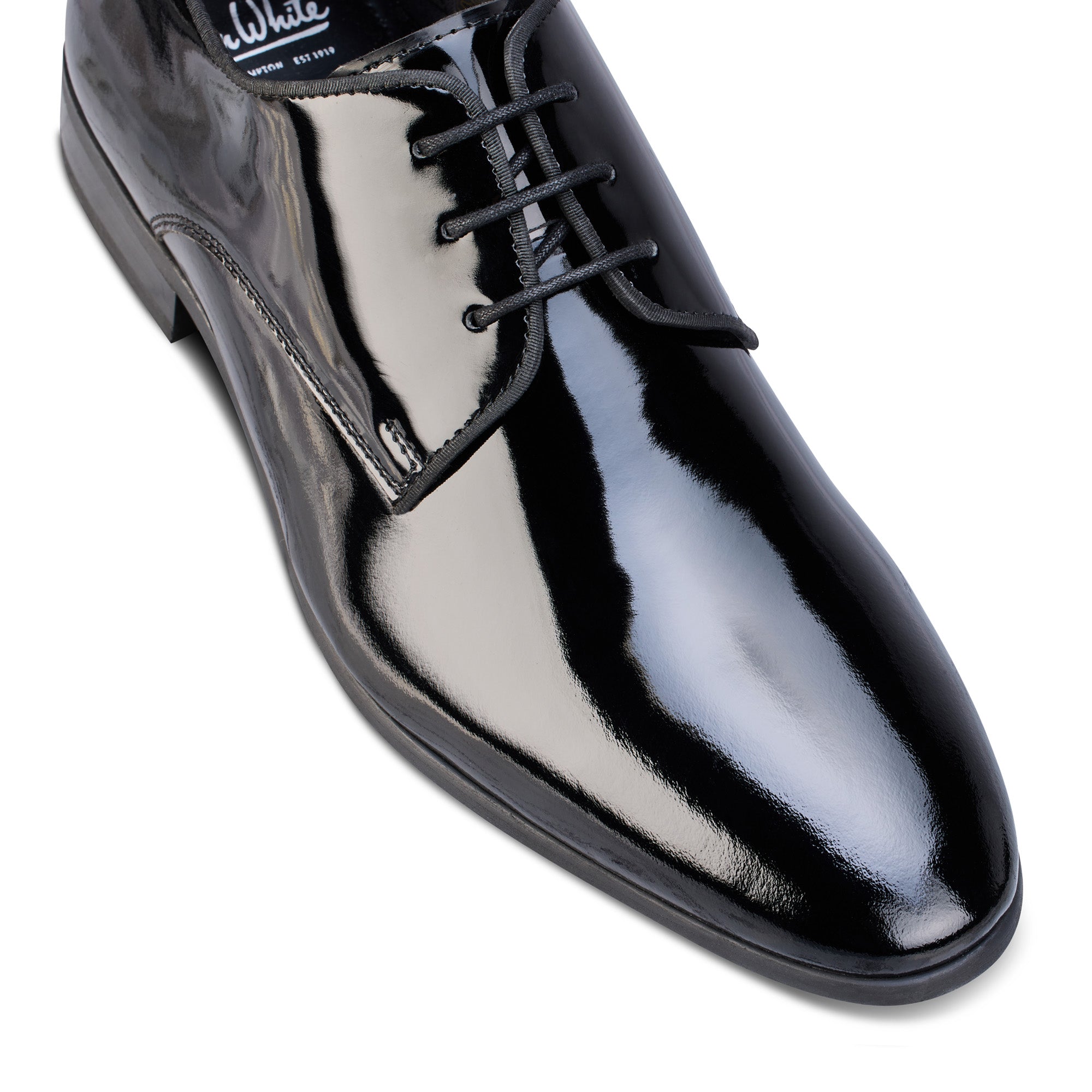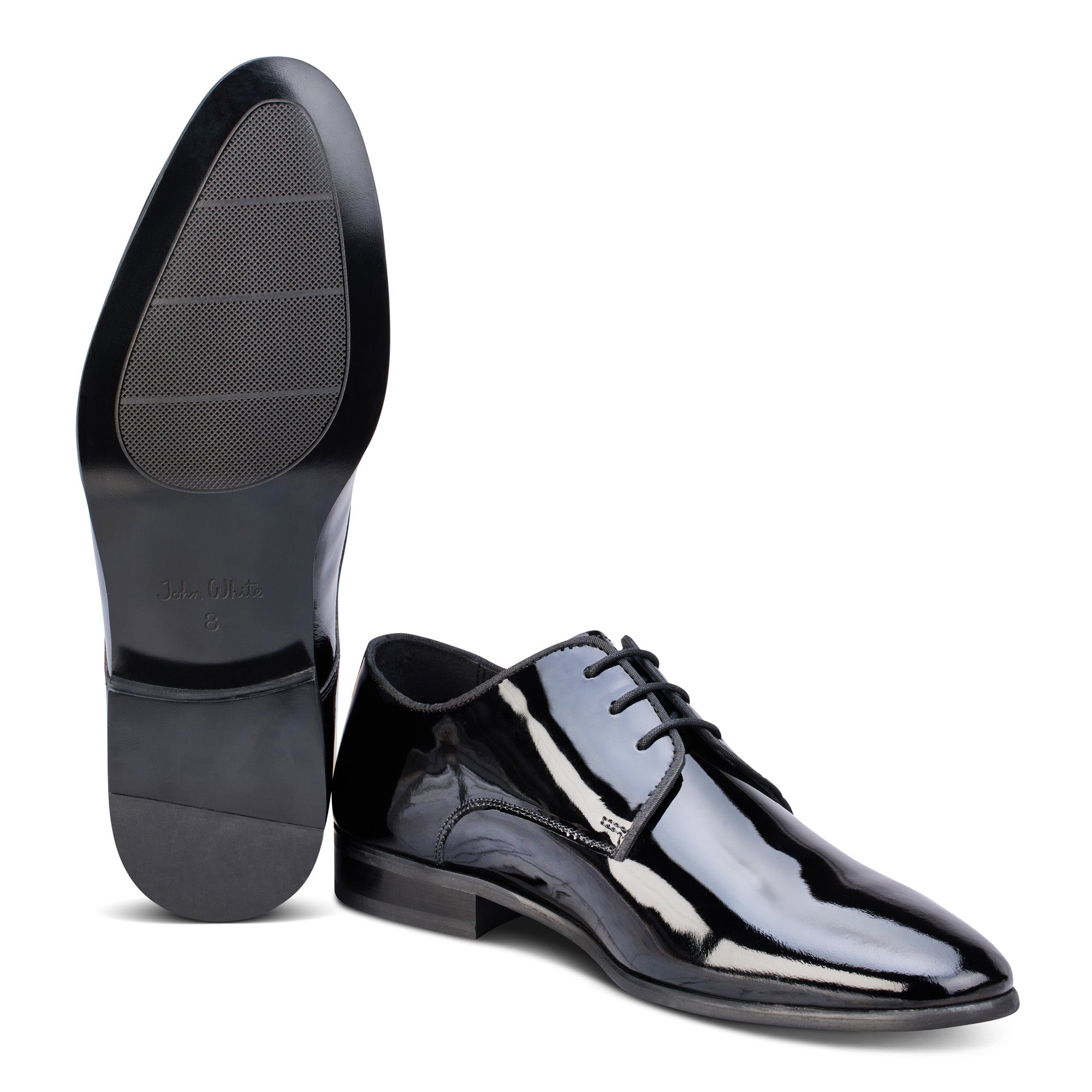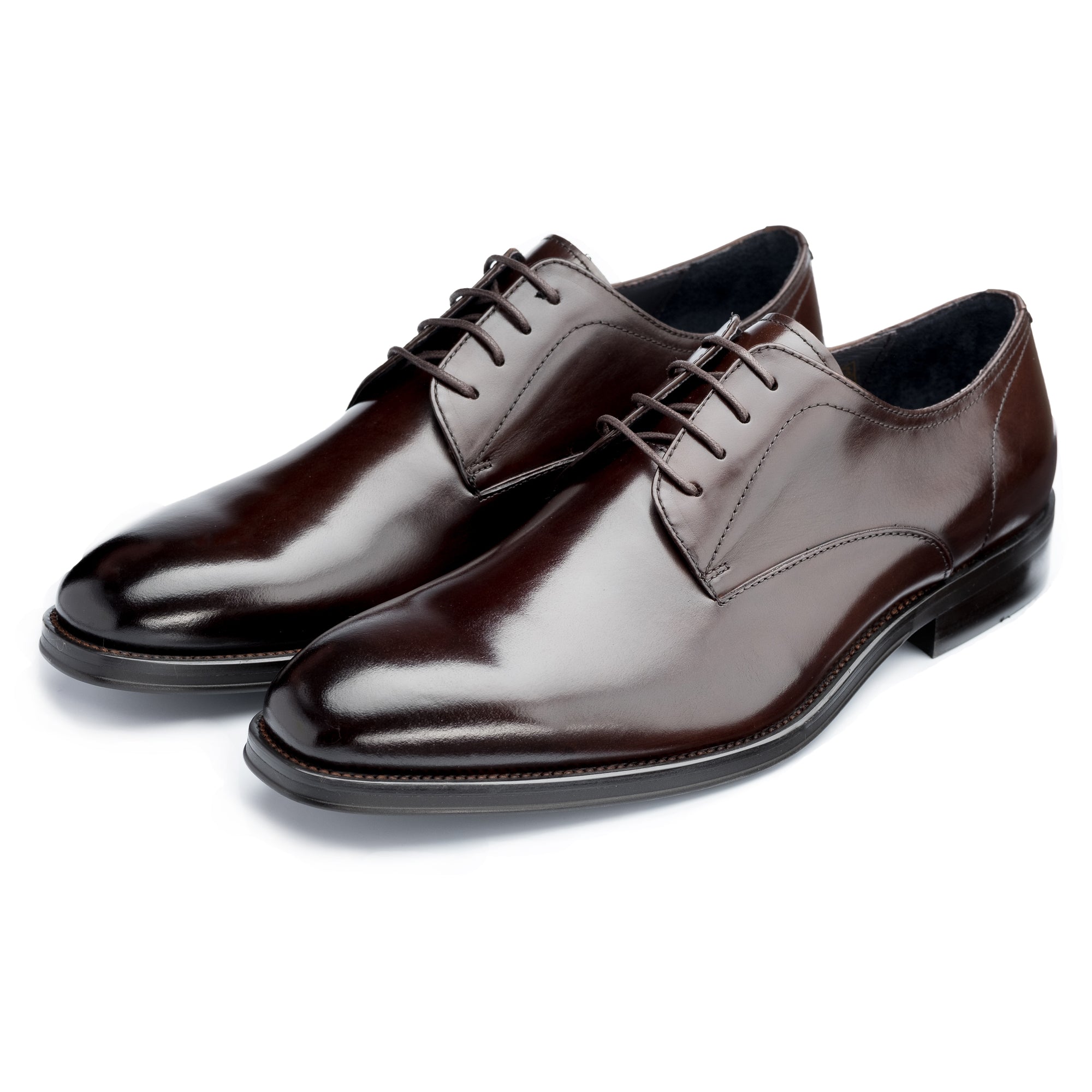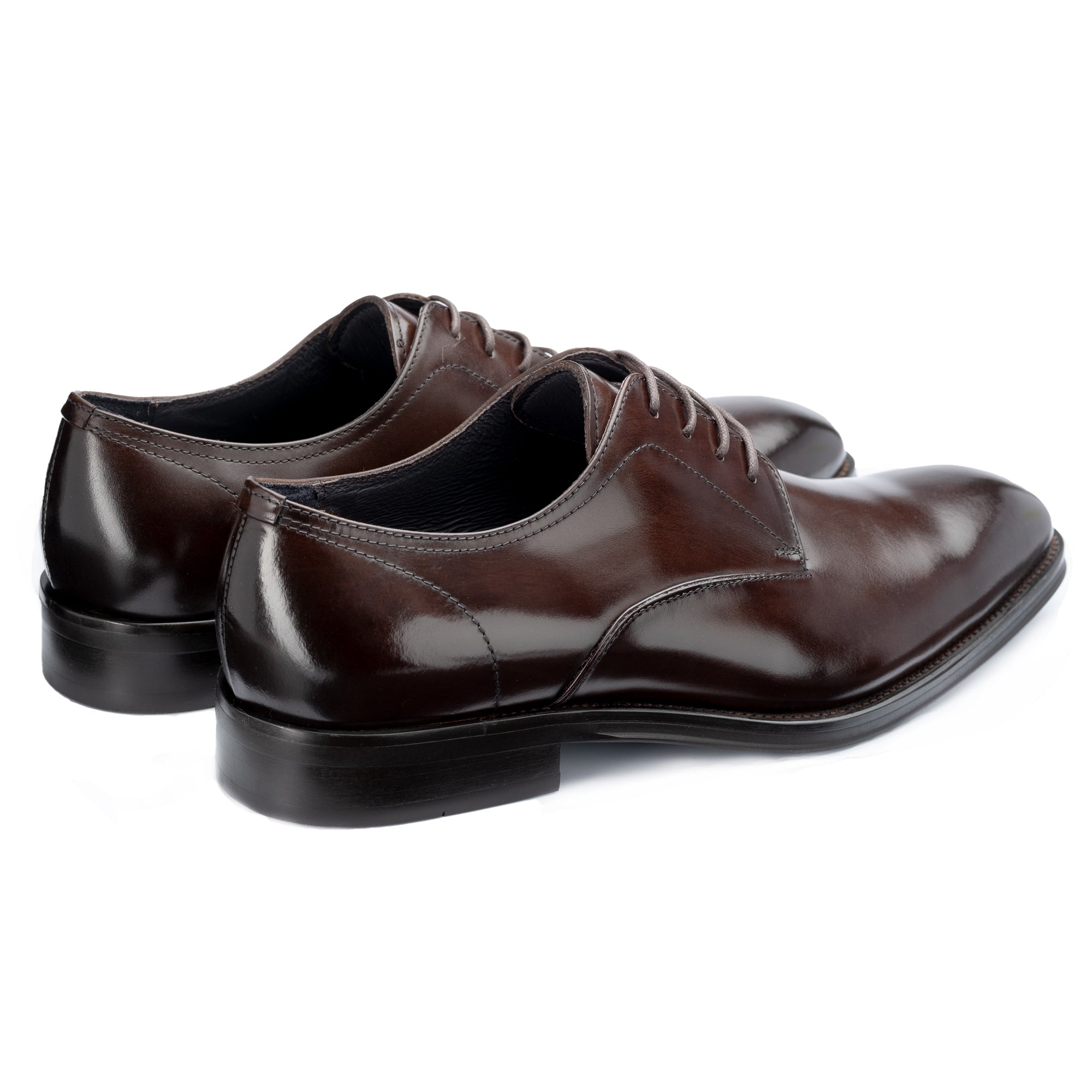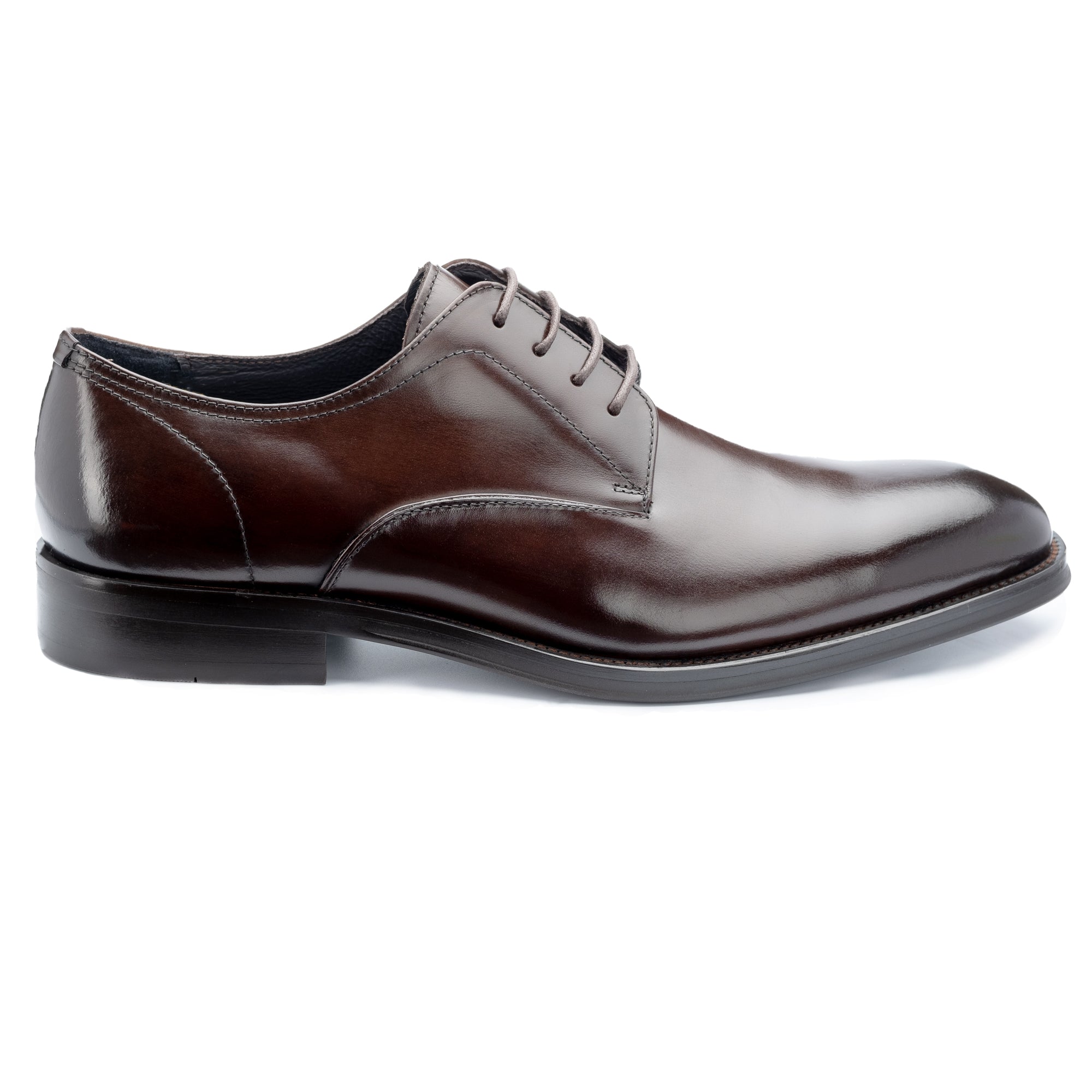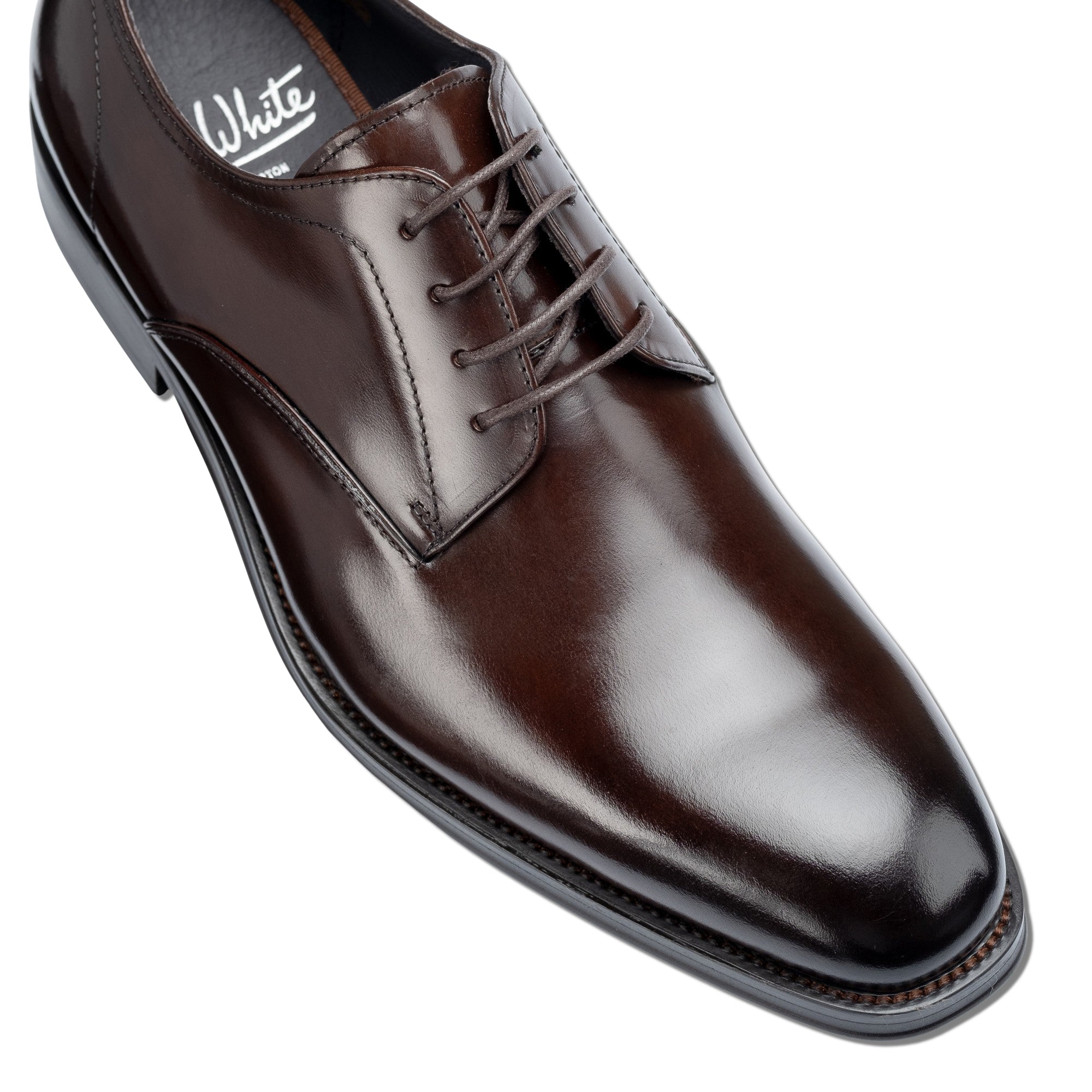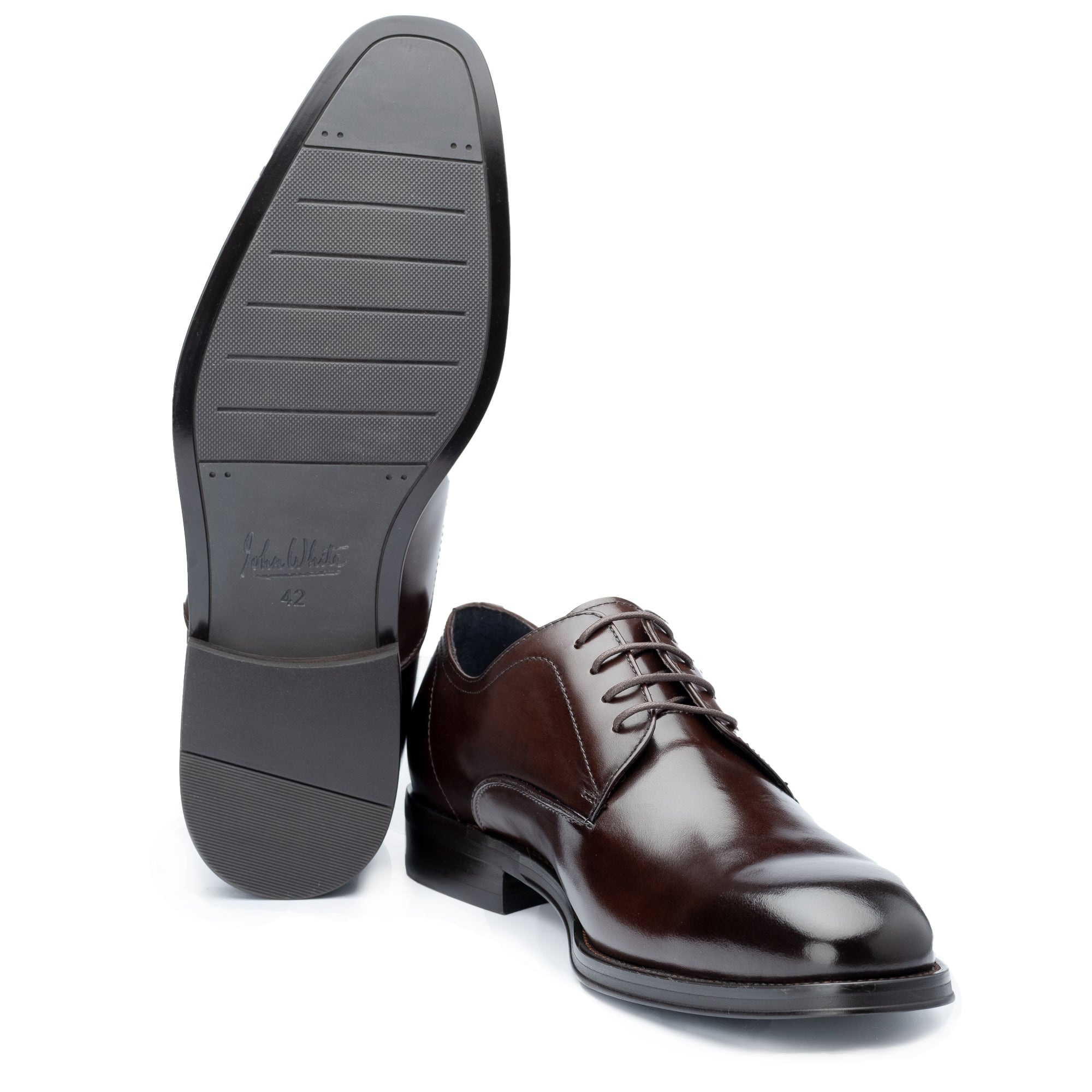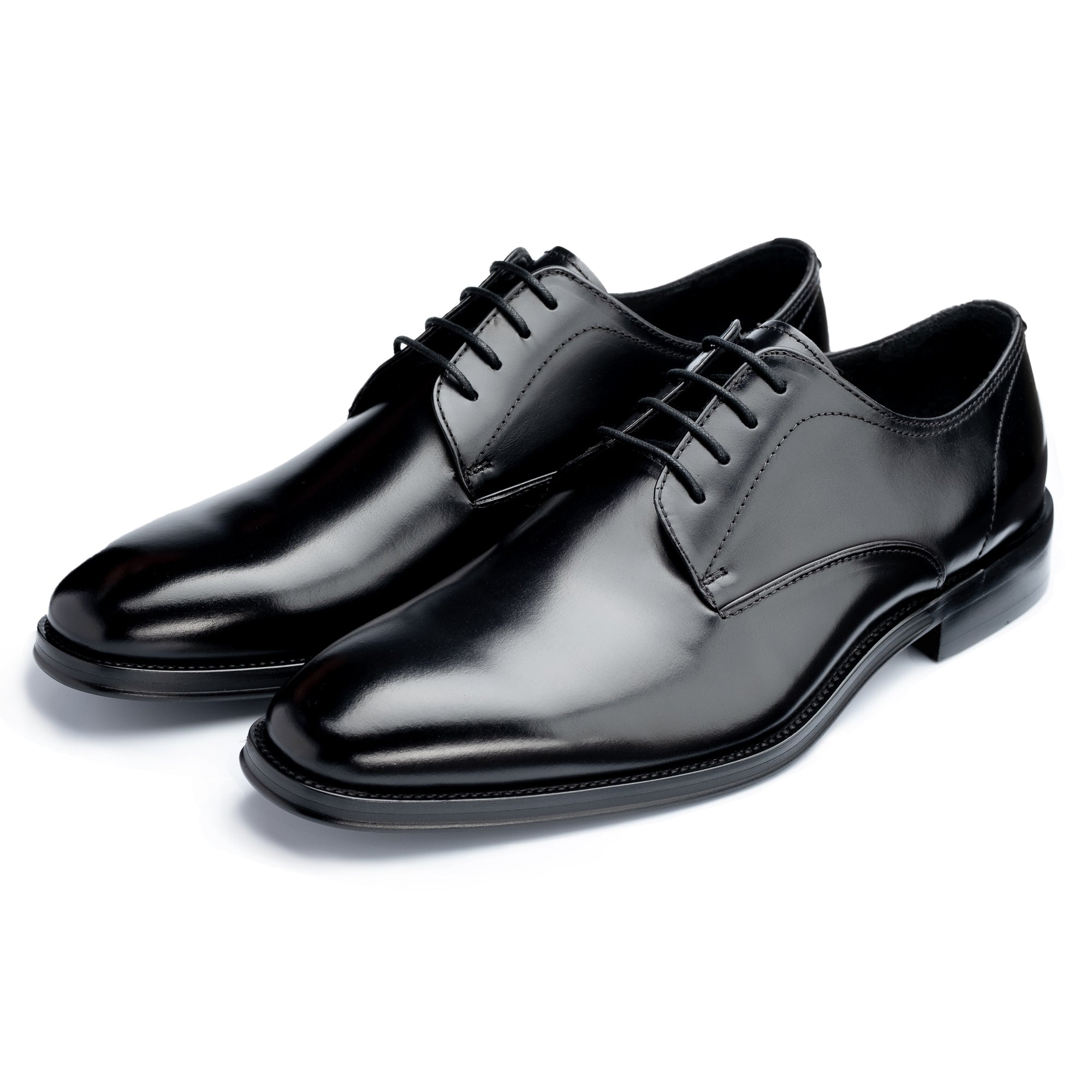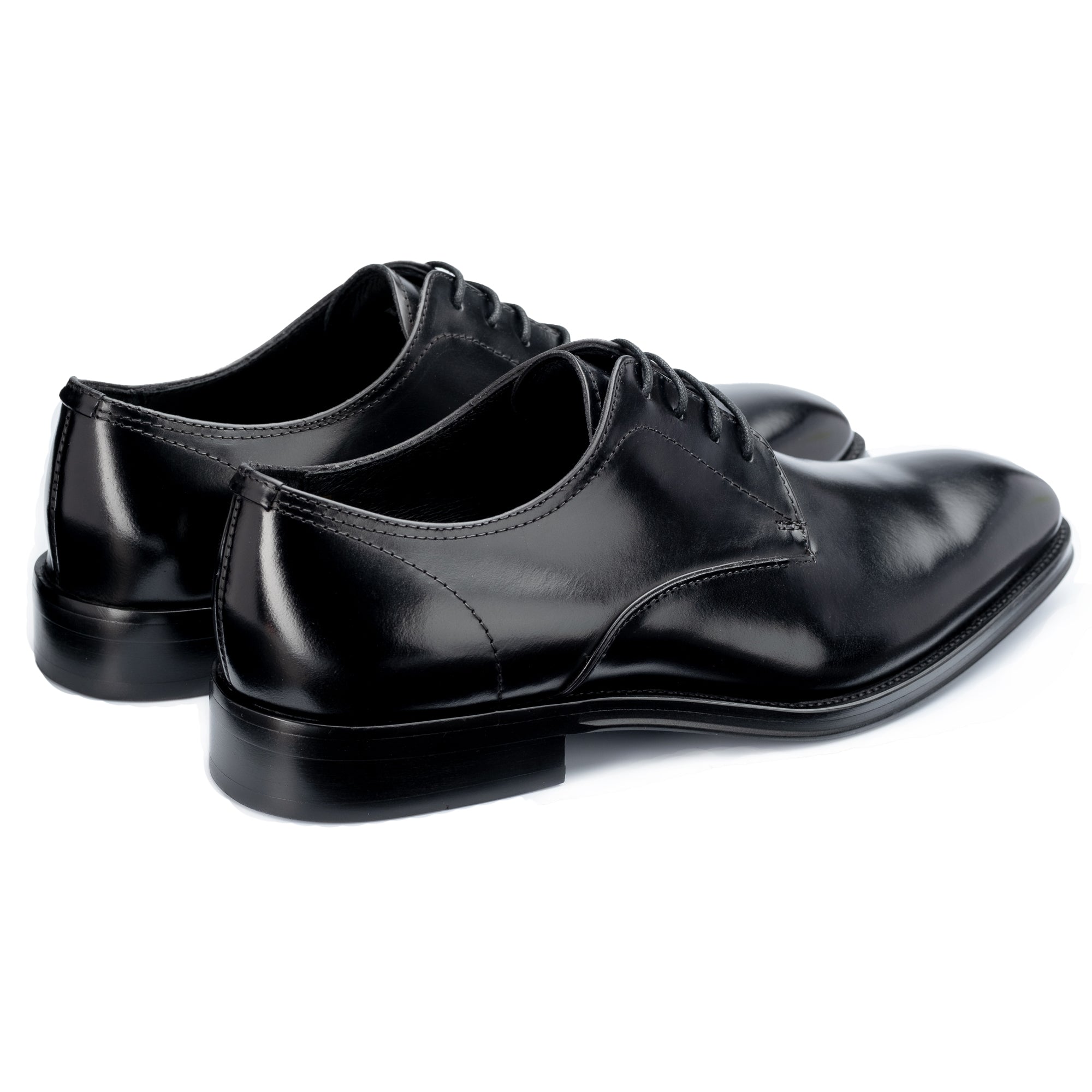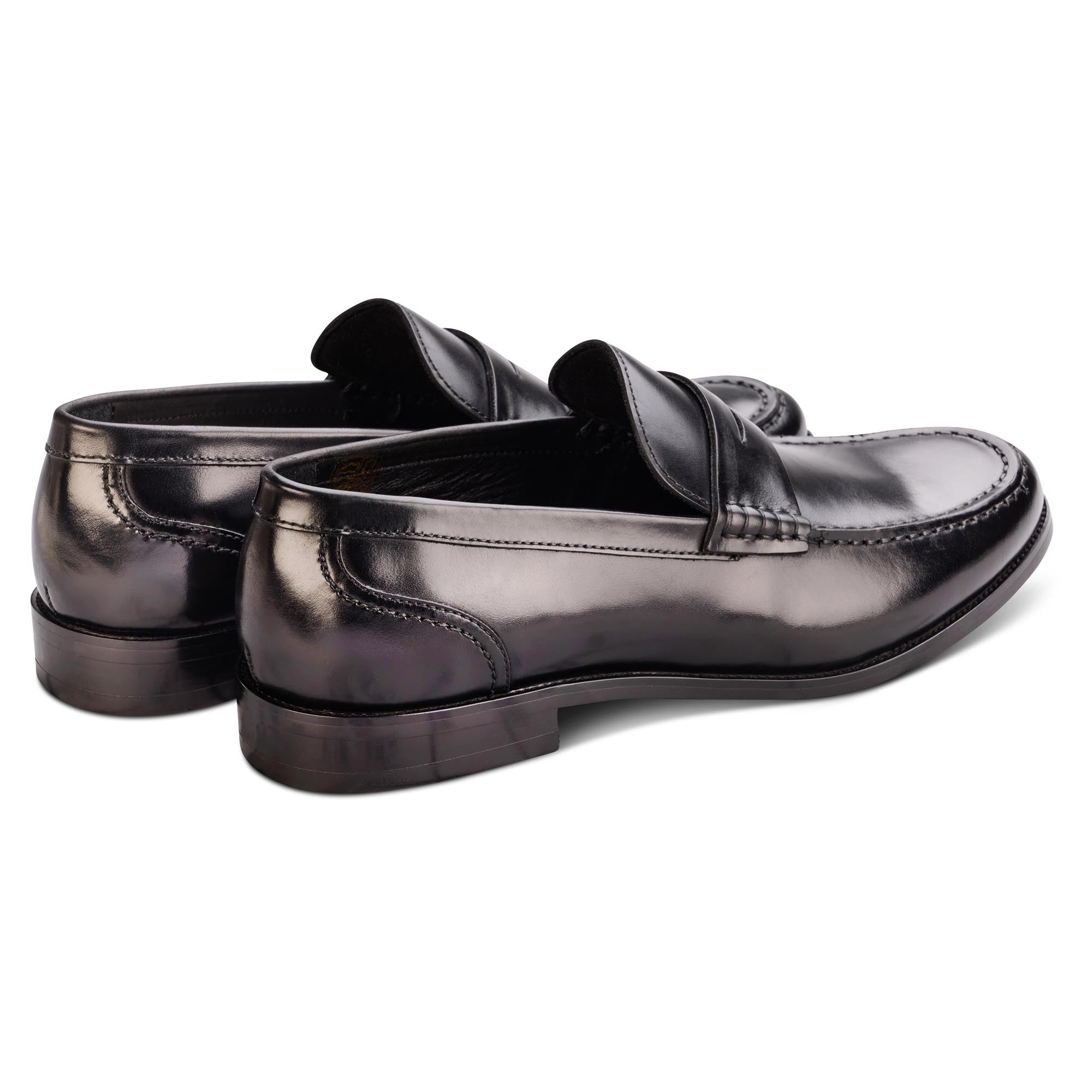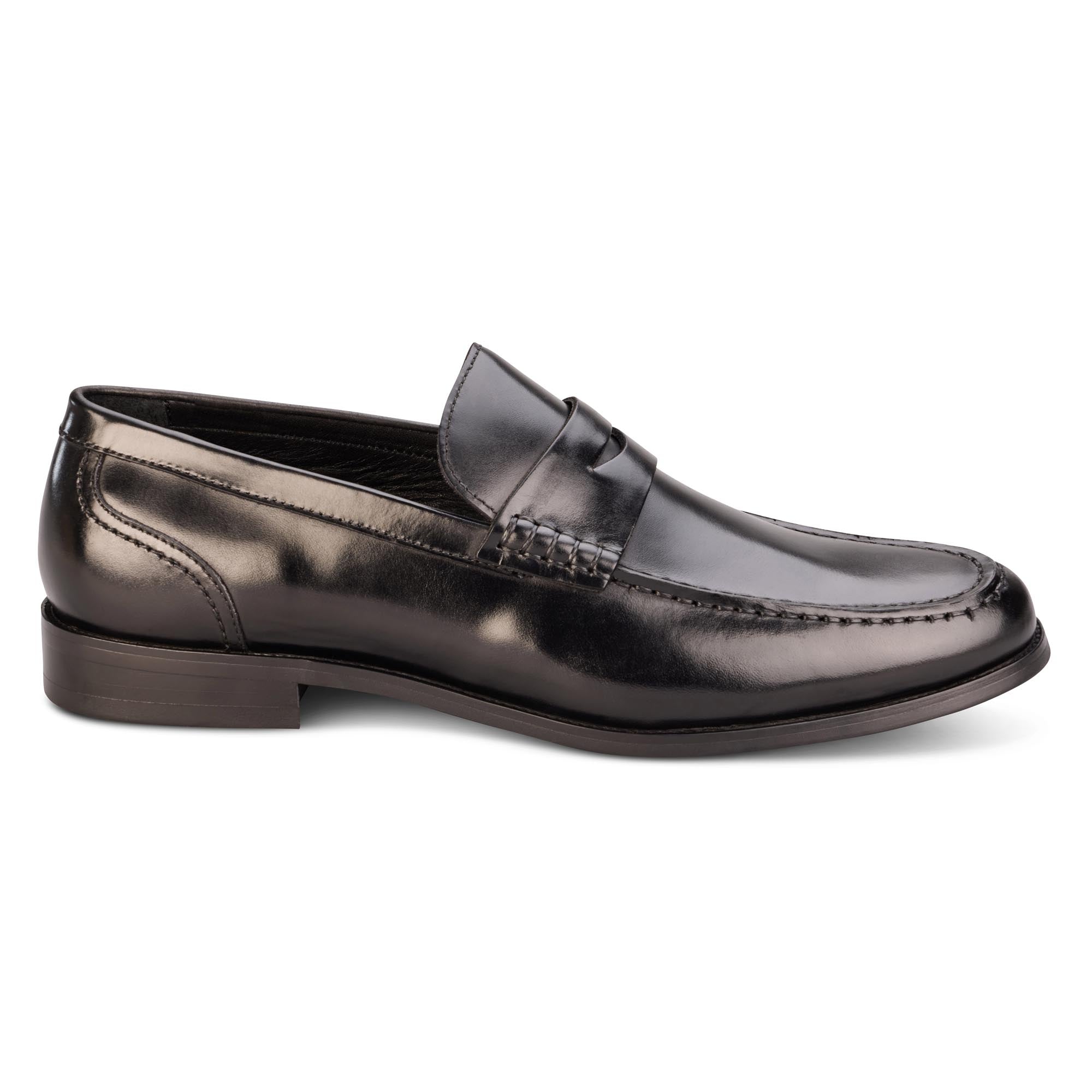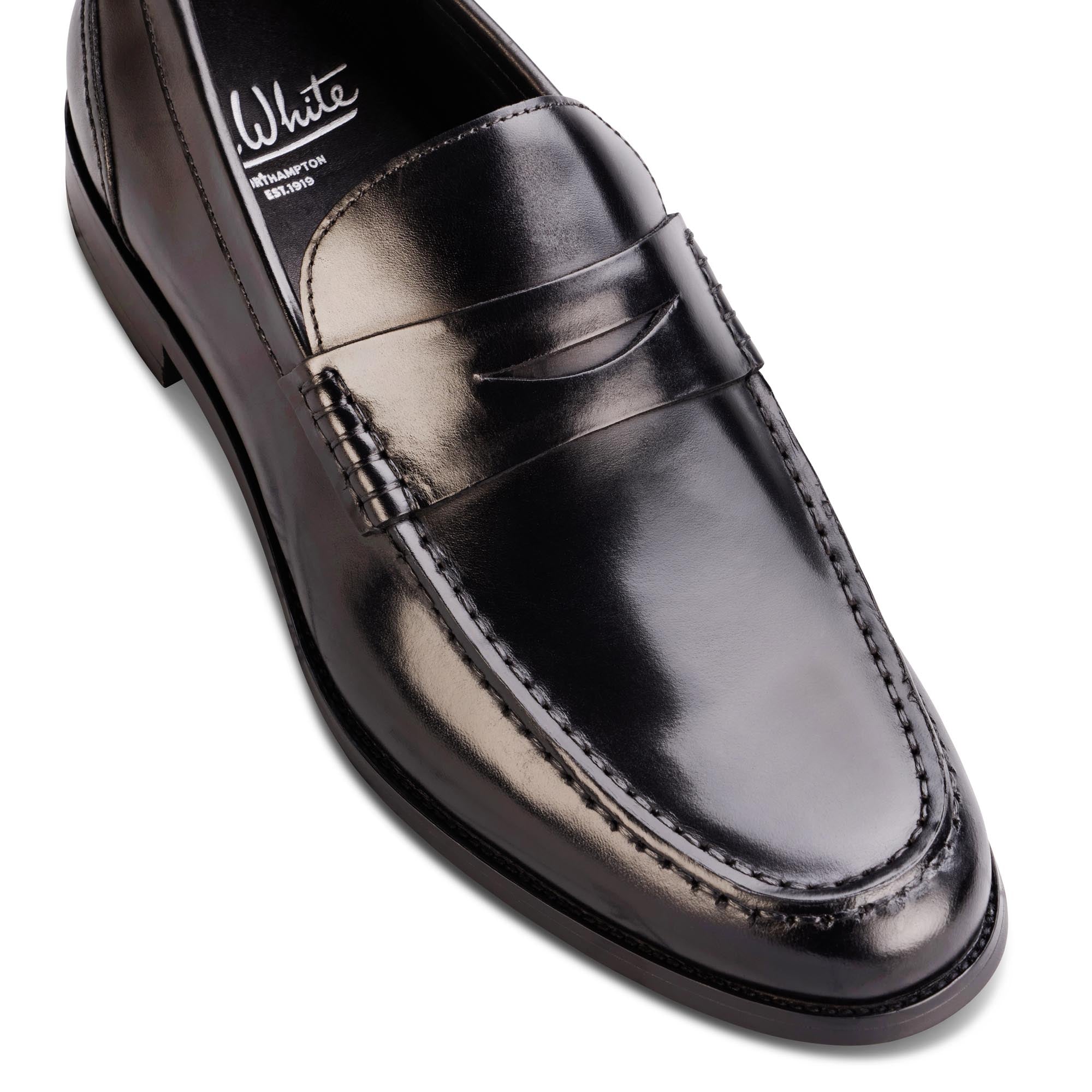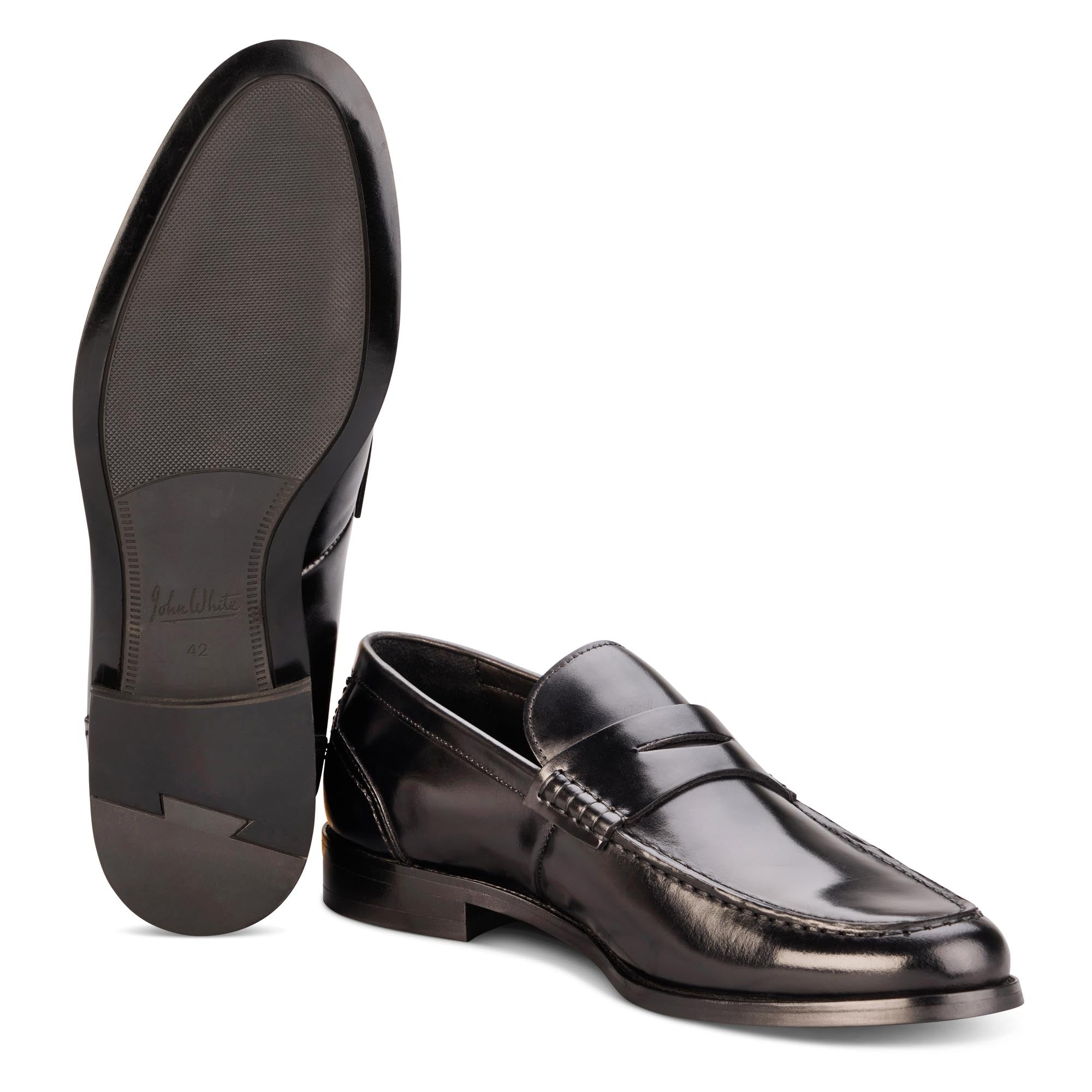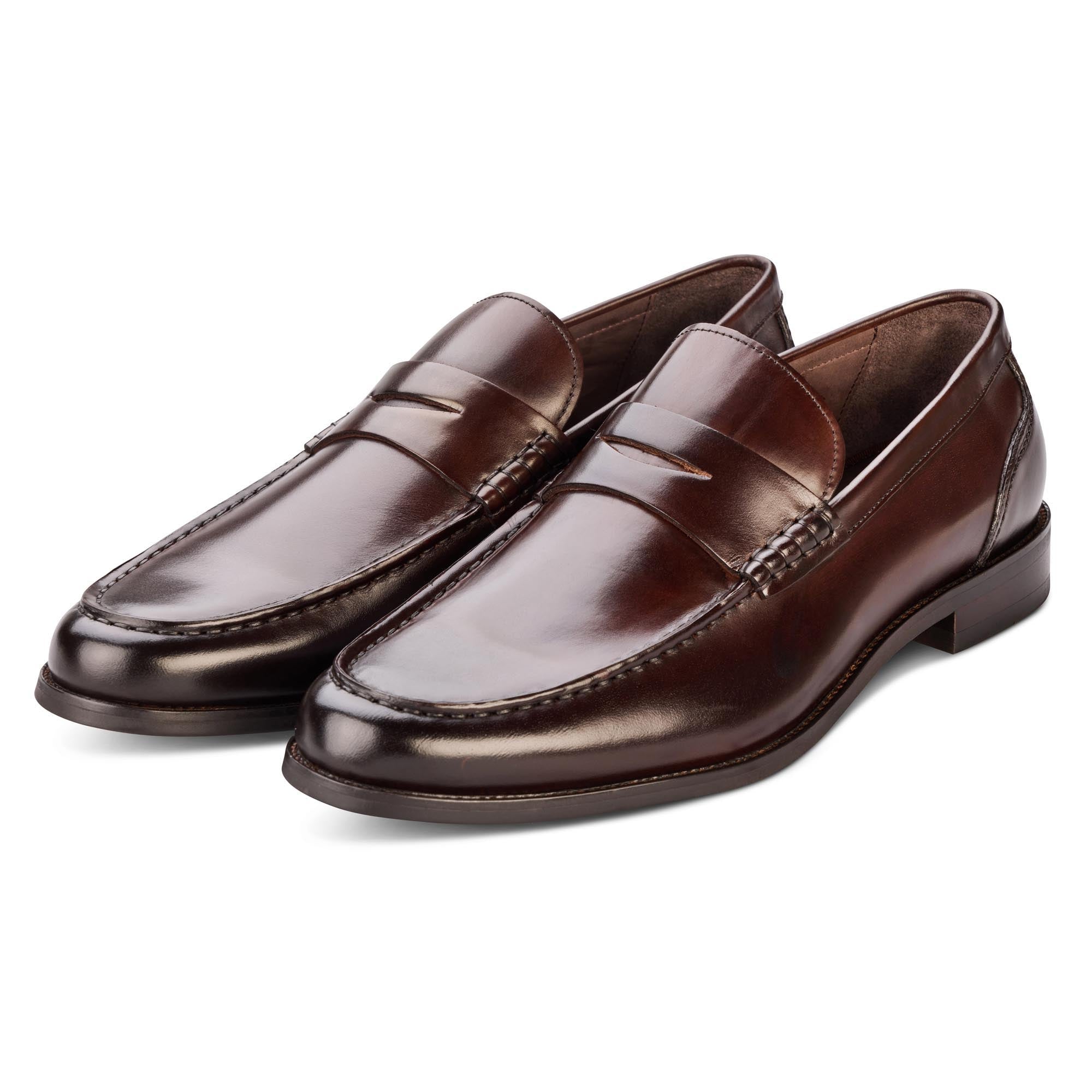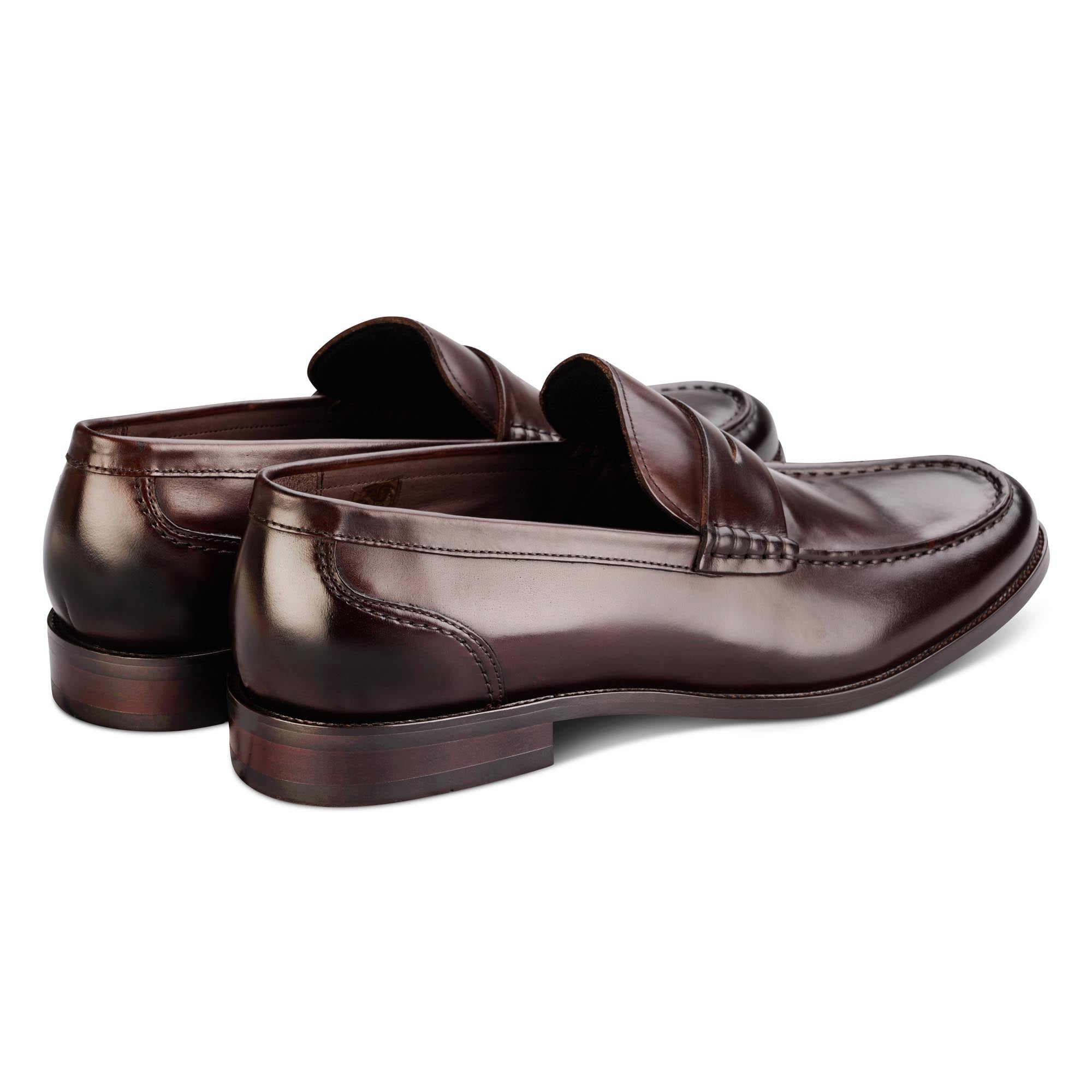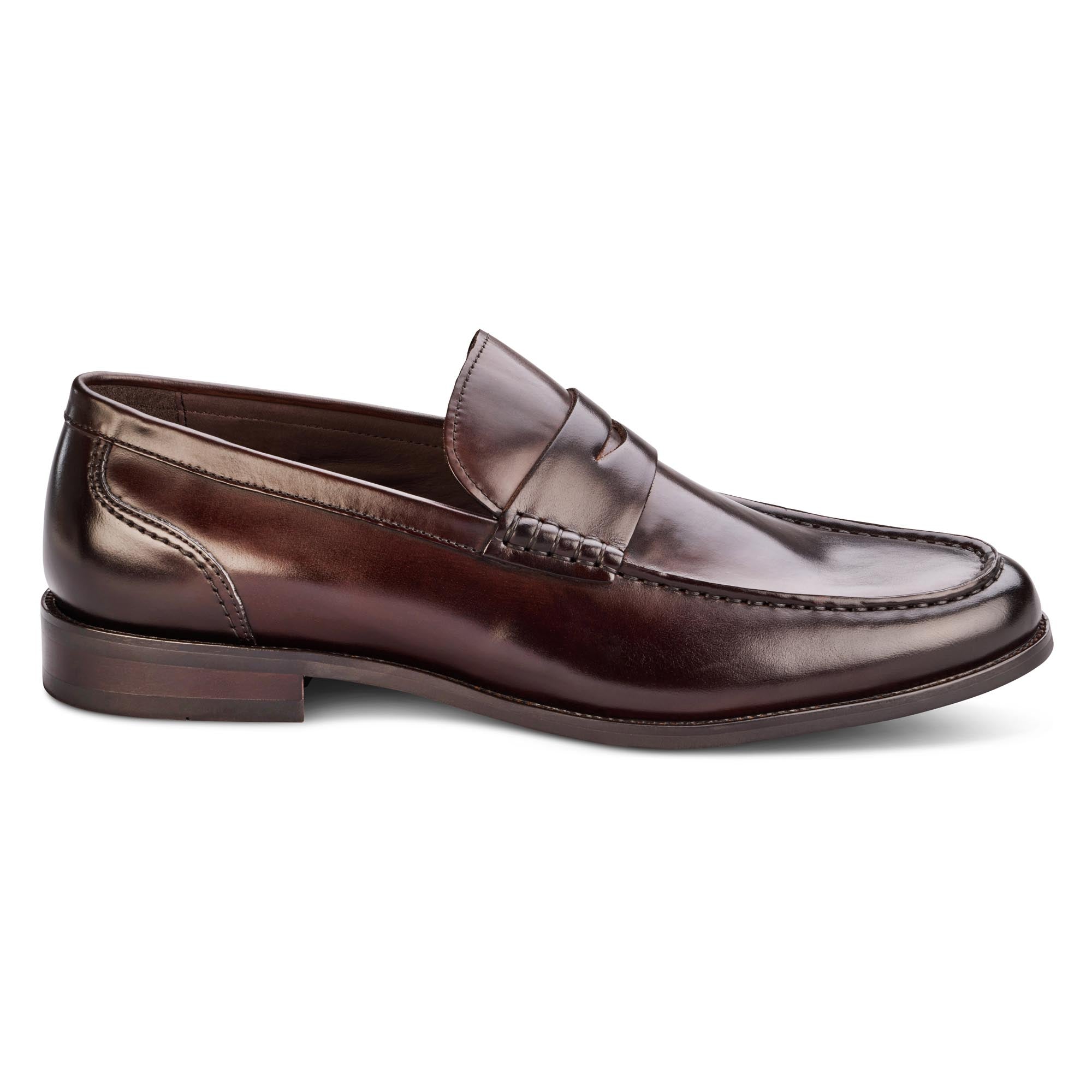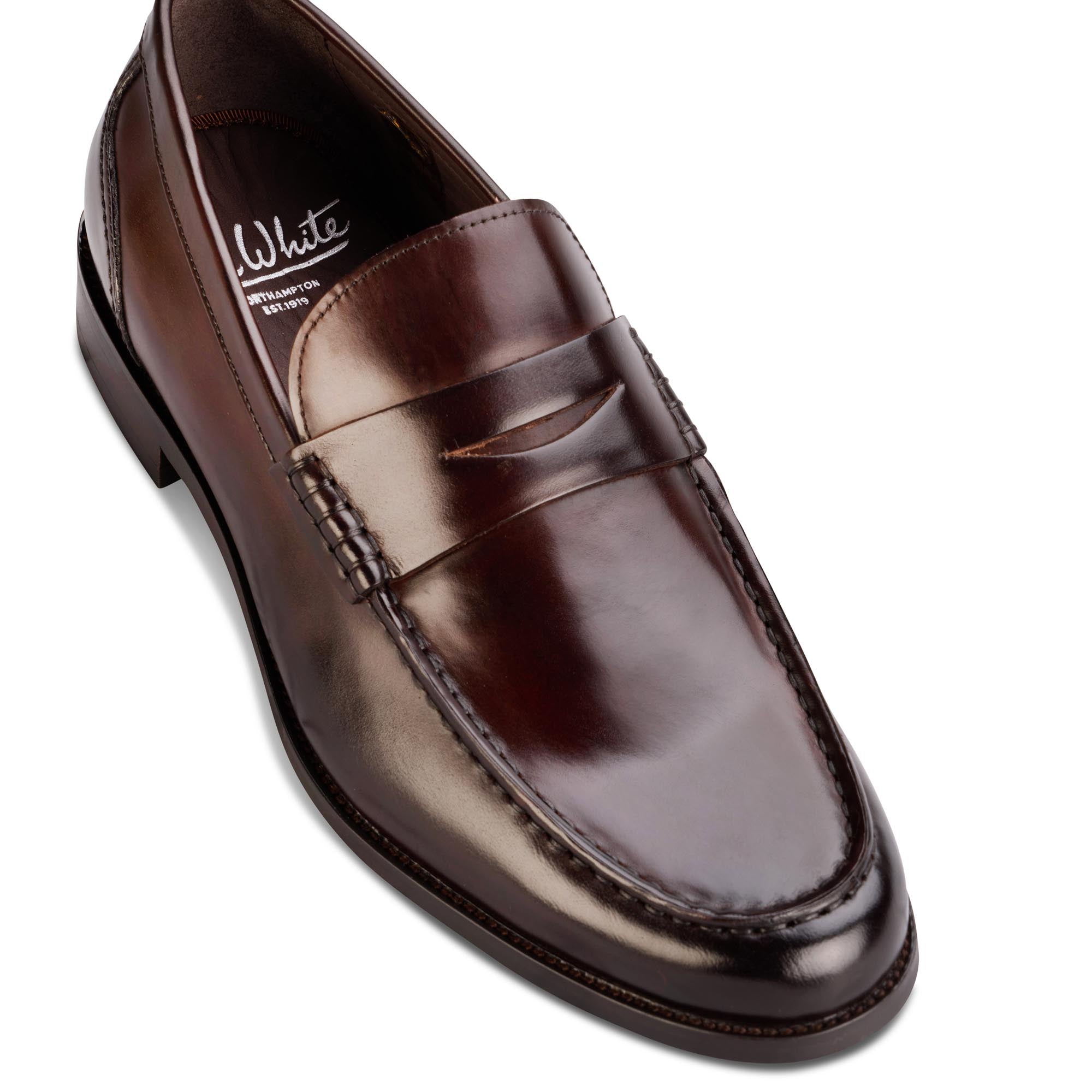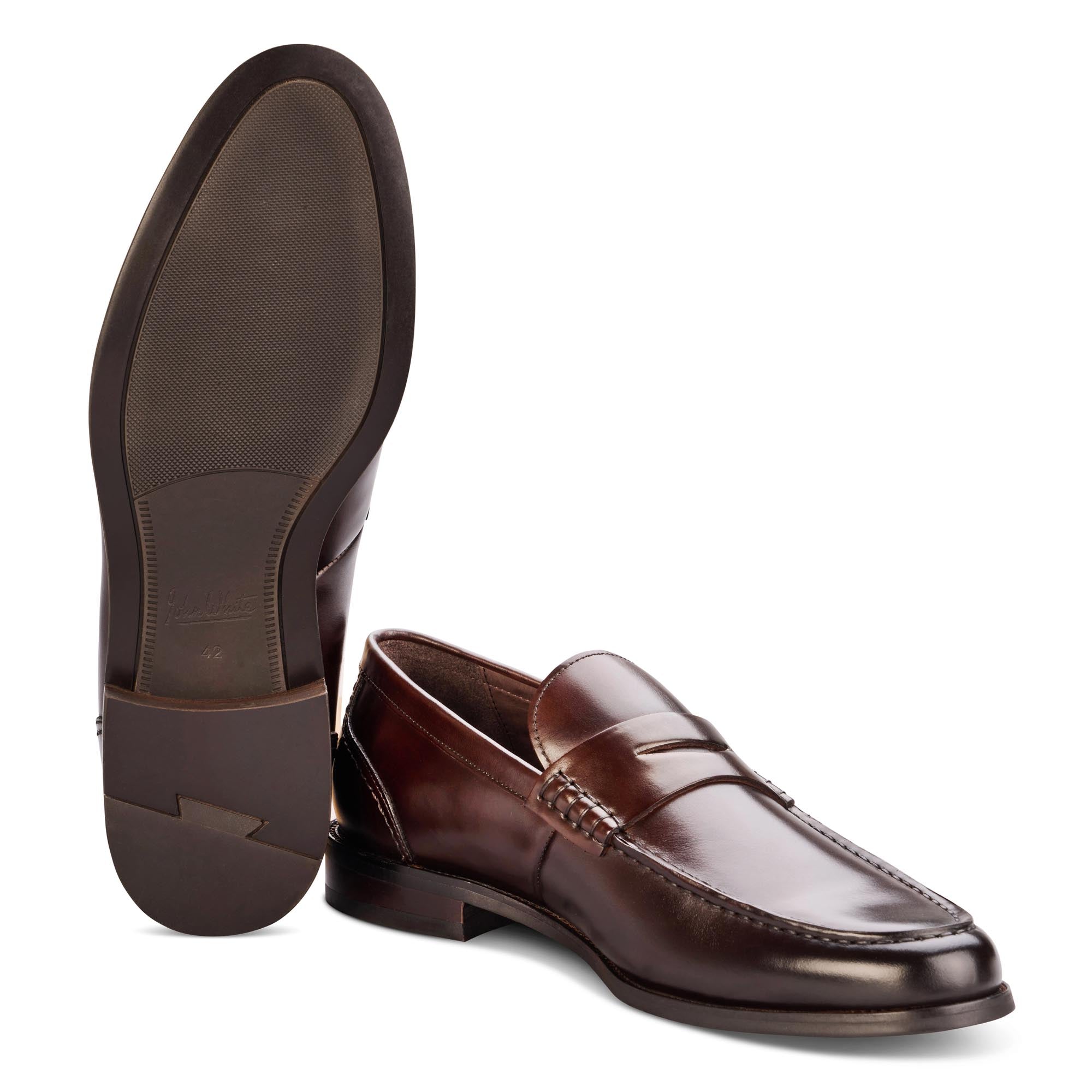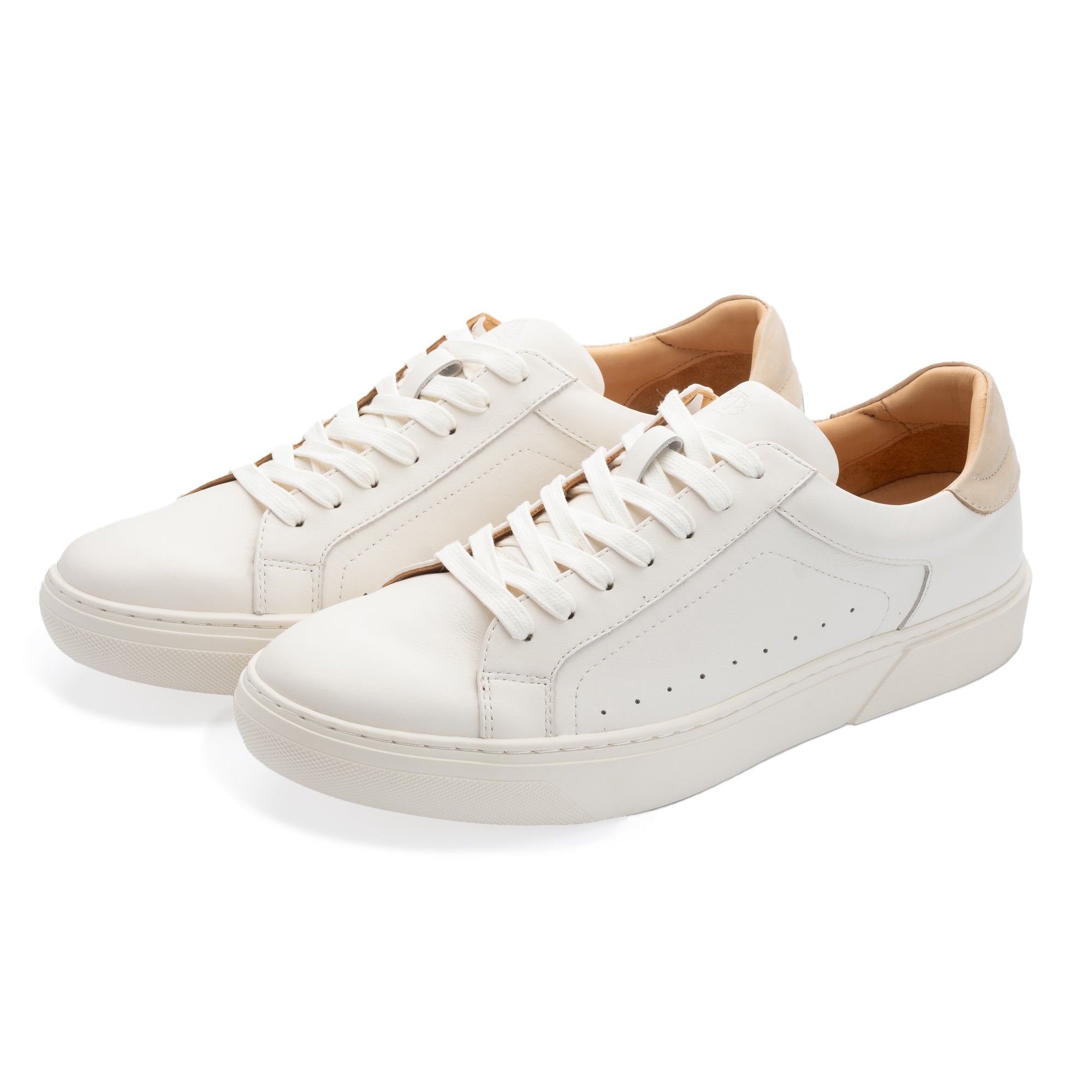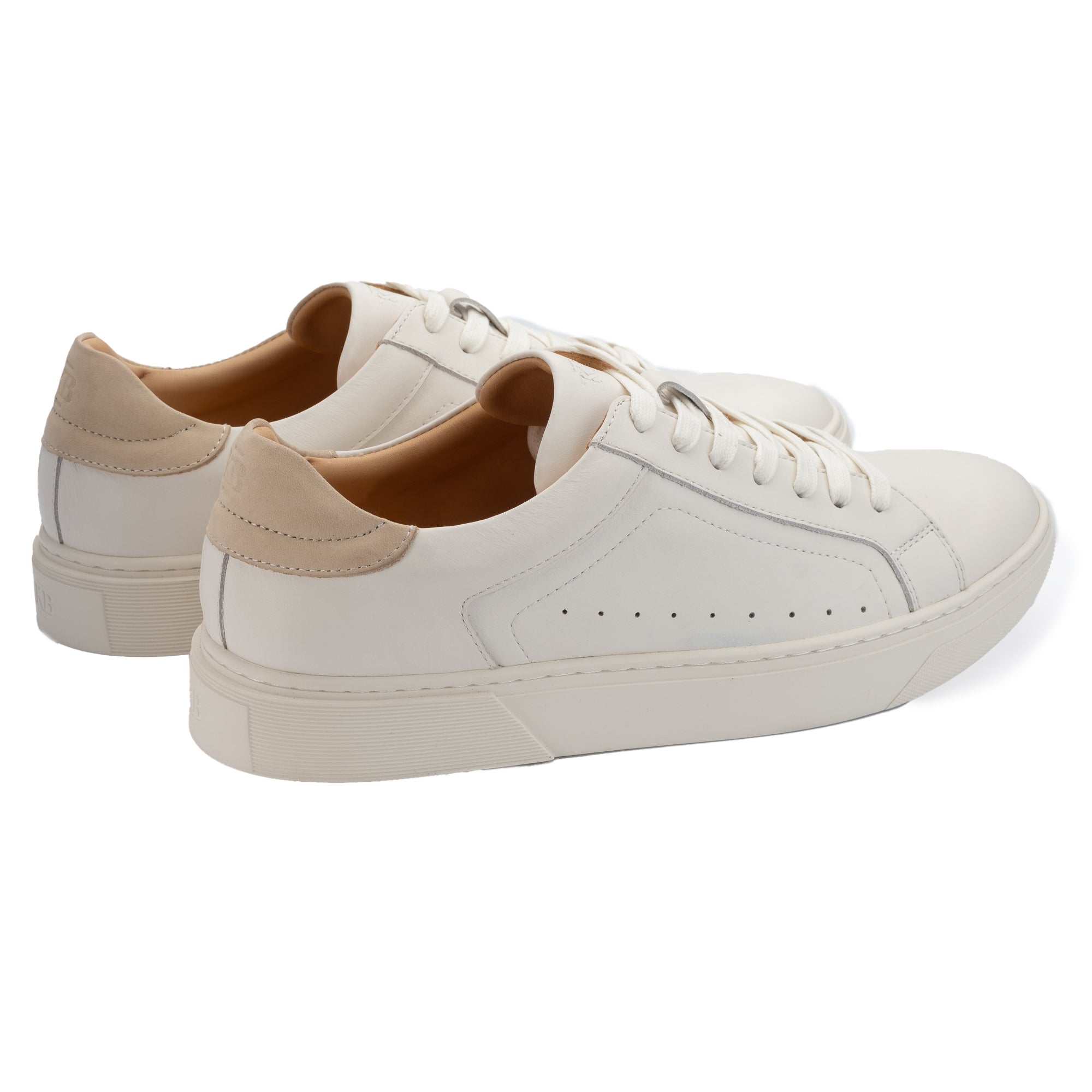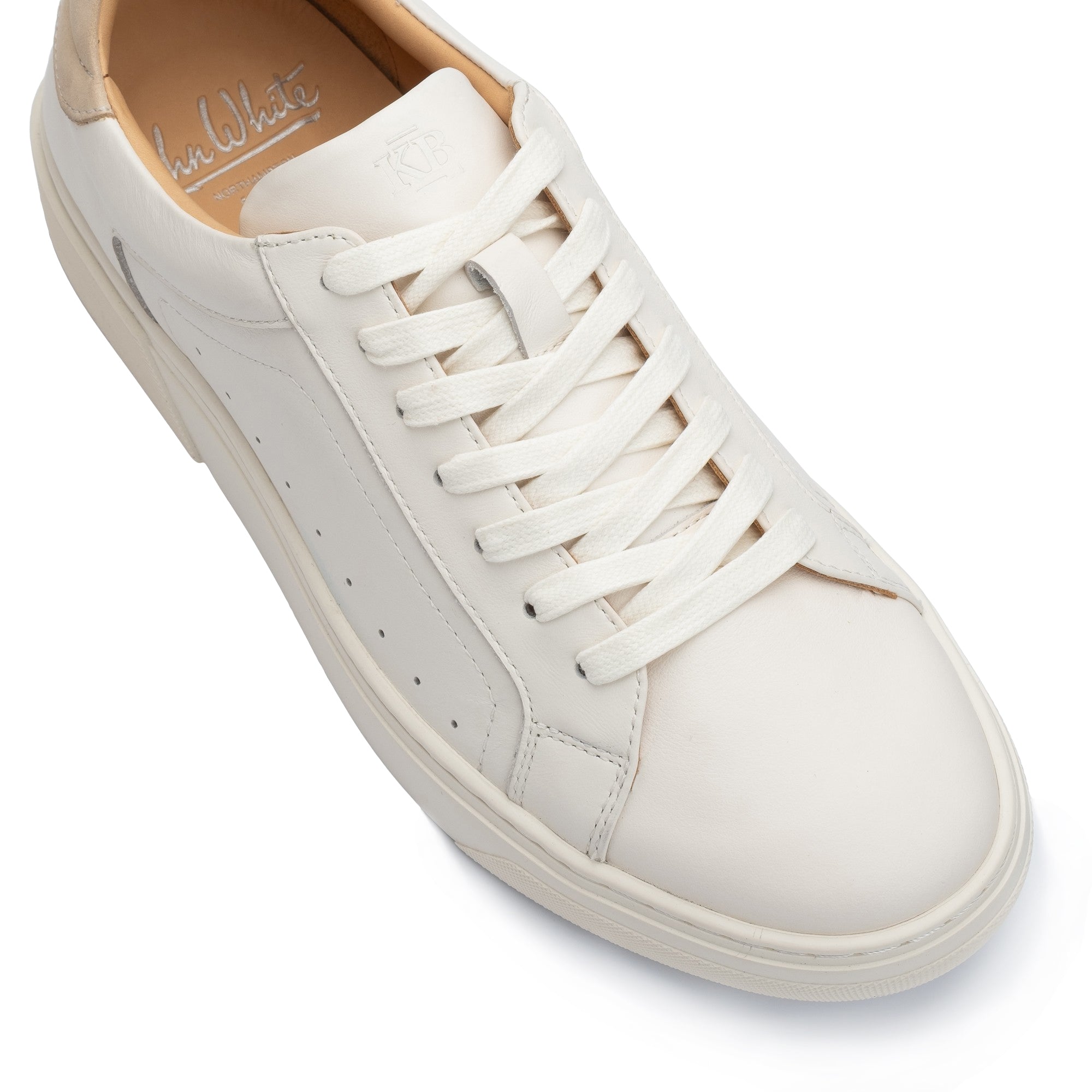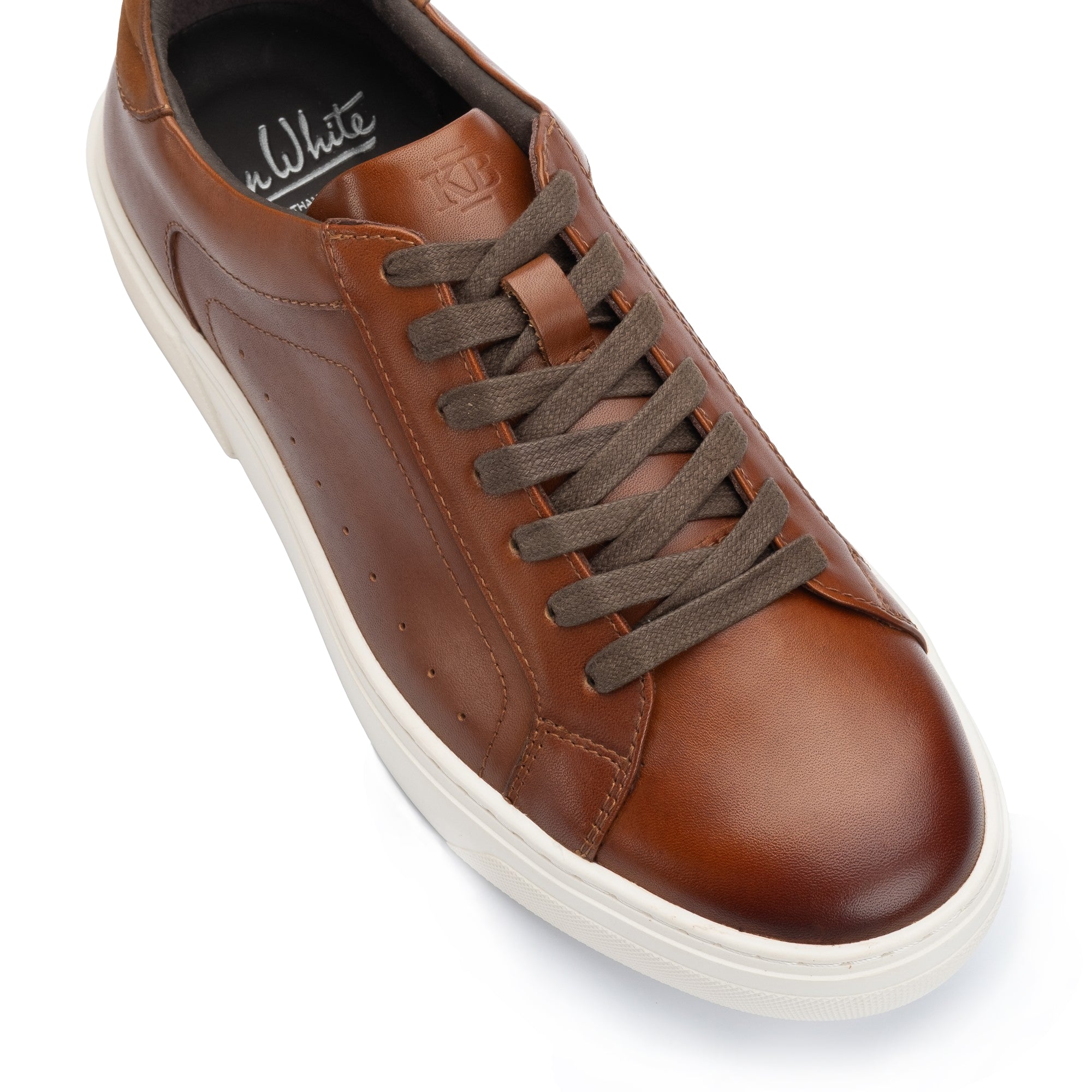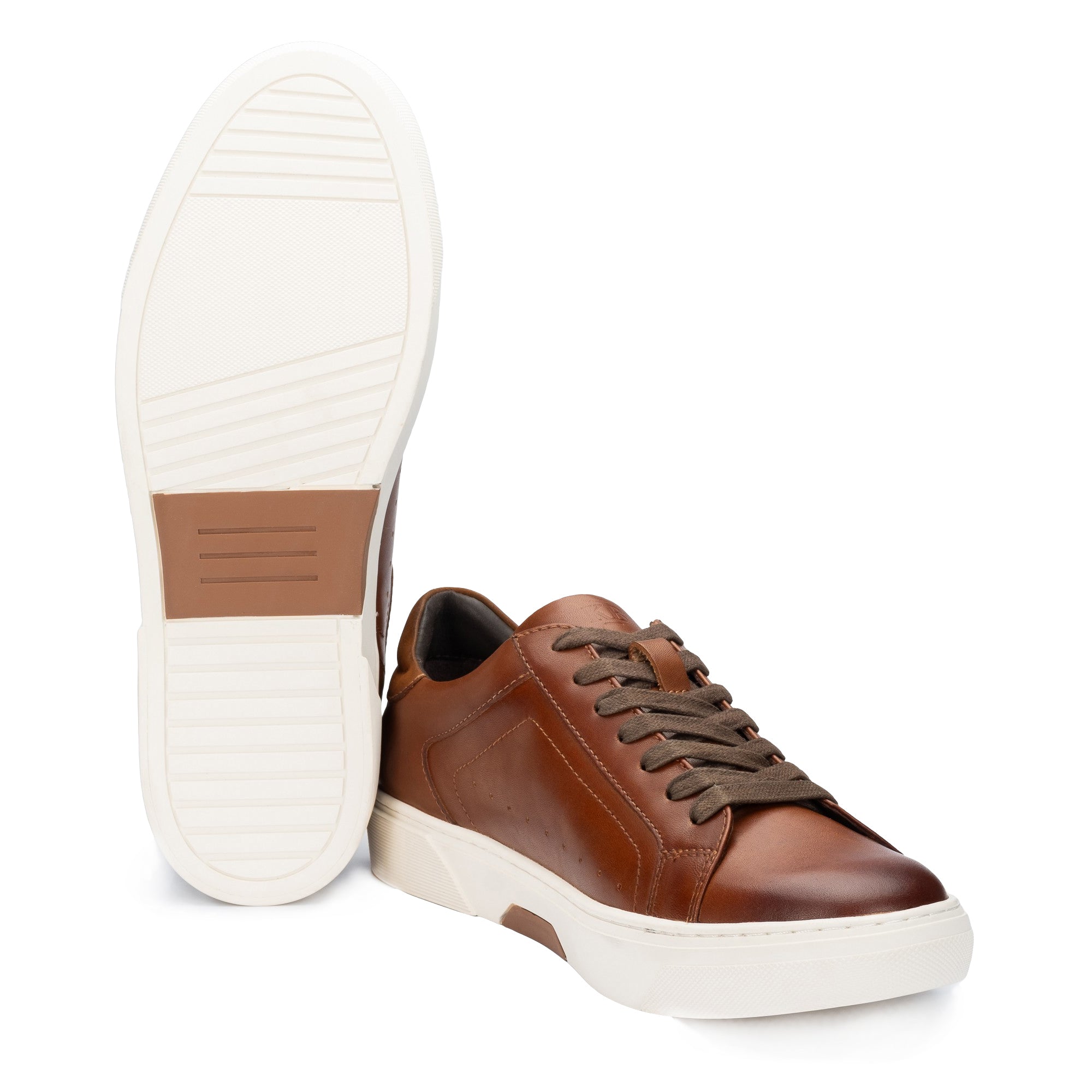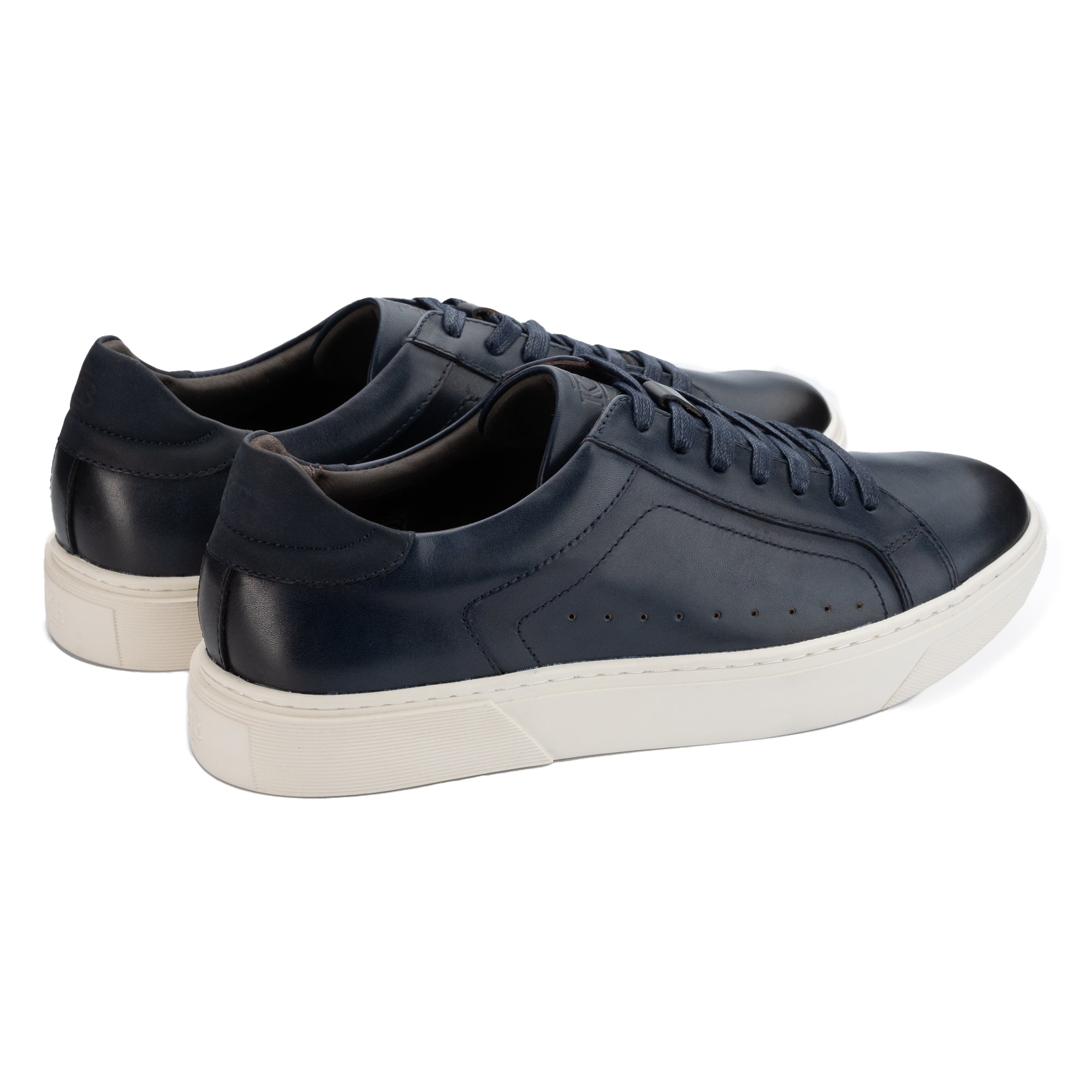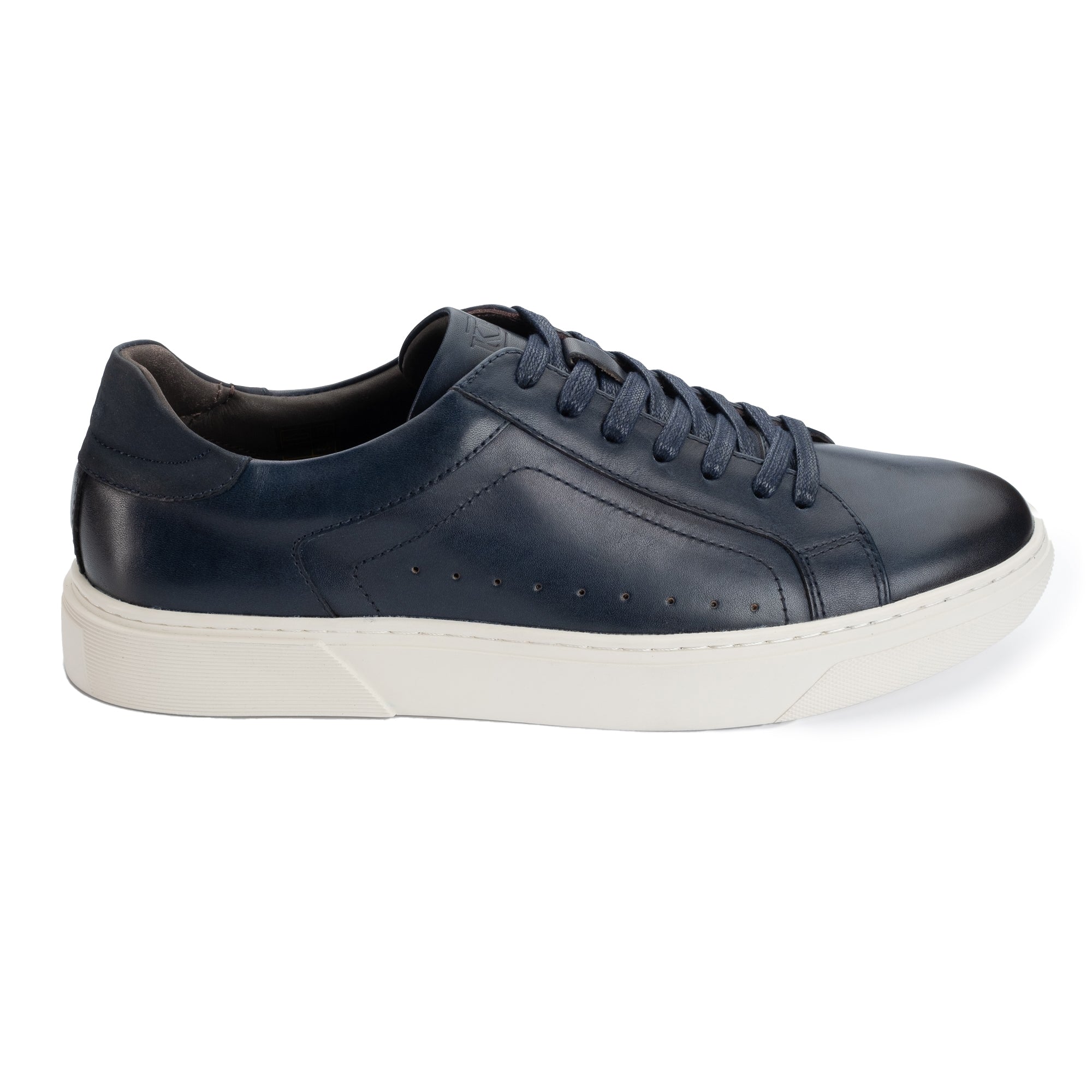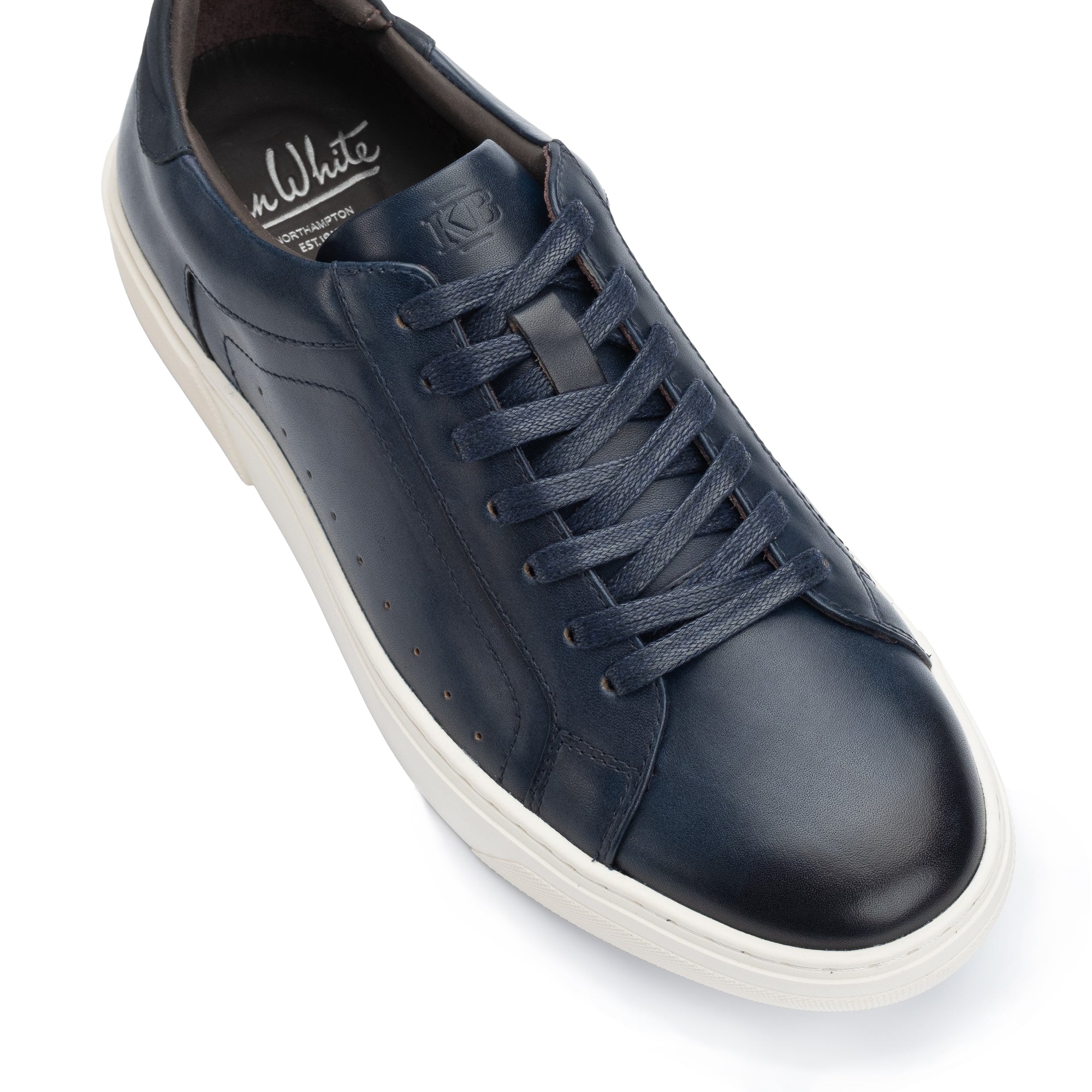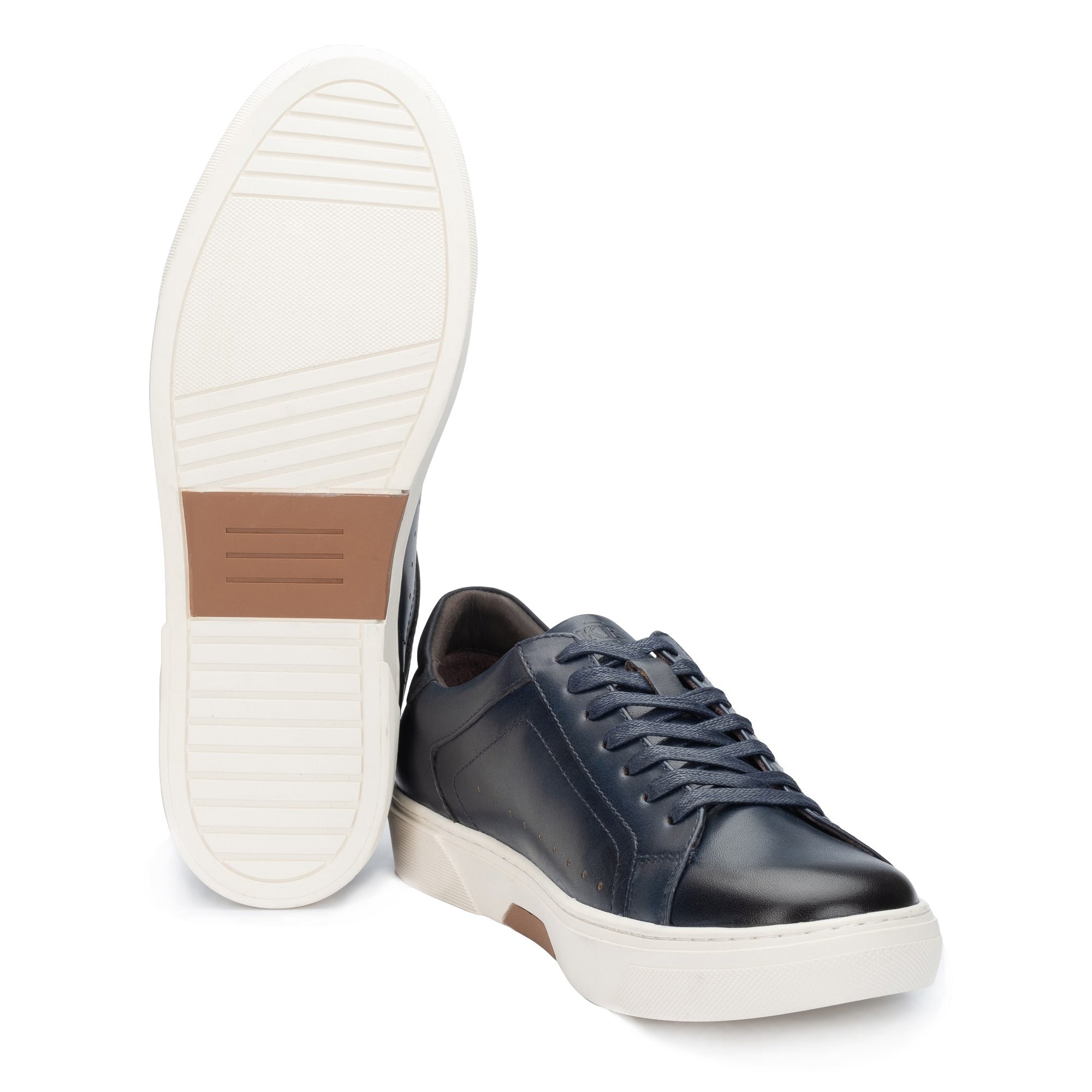

The silhouette of a shoe is its argument. Before the leather is cut, before a sole is attached, the last — the wooden form that determines every dimension of the finished shoe — has already made a statement about what the shoe is for, who it is aimed at, and what it believes about the man wearing it. Change the last and you change the argument entirely.
In This Guide
John White founded his brand in 1919 in Northamptonshire, the county at the centre of English shoemaking, carrying 23 years of craft experience into a country that had just emerged from the First World War. The men who would become his customers had spent years in standardised military footwear. They were ready, in 1919, for shoes with a point of view.
One hundred and seven years later, that conversation about shape is still going on. What follows is a record of how it has evolved.
The Foundations: 1919–1939
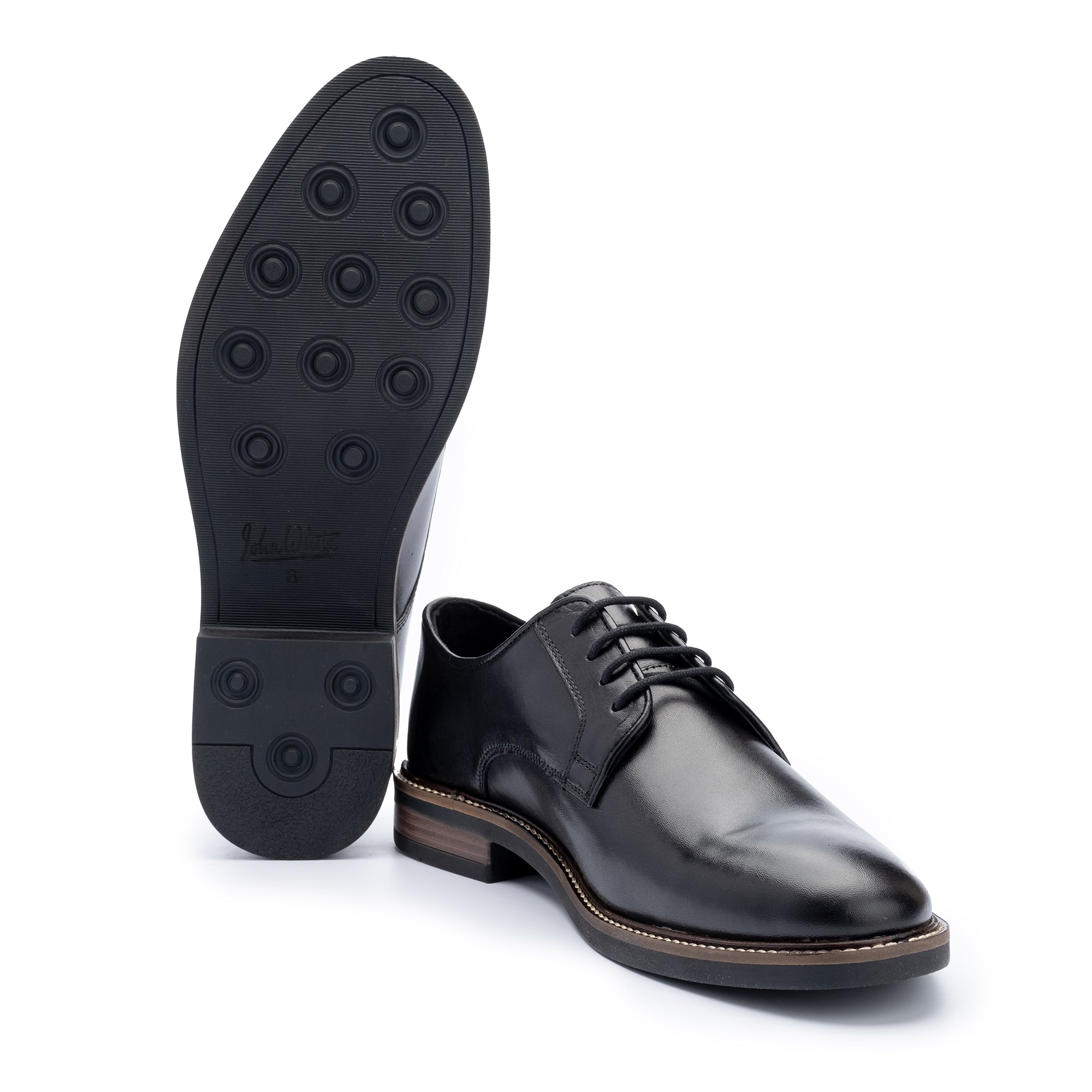
The early JWS silhouette belonged firmly to its era. Rounded toe boxes, a pronounced waist, a modest heel with clean lines. Both Derby and Oxford shapes were in the range from the outset — the Derby with its open lacing quarters, the Oxford with its closed, more formal construction. That dual commitment, to shoes at different points on the formality register, has never left the collection.
By 1930, the brand had achieved something that remains genuinely remarkable: one and a quarter million pairs sold in a single year, largely on the strength of a front-page Daily Mail advertisement for the 'Impregnable'. The name was not accidental. It spoke directly to what male customers of the period expected from footwear — reliability, permanence, a shoe that would not let them down. The silhouette underneath that name was equally grounded: a firm, straight last, clean cap toe, nothing superfluous.
The 1930s introduced lighter decorative elements alongside those plainer shapes. Broguing on cap toes. Quarter brogues on Derbies. The perforations and medallions that British shoemaking borrowed from Scottish field footwear were finding their way into town shoes, and JWS moved with the current.
The Service Years: 1940–1945
One ninth of all shoes for the British Forces during the Second World War bore the John White label. That single fact shaped the brand's design sensibility in ways that remain visible in the collection today.
Service footwear demands different priorities from dress footwear: structured construction, durability over aesthetics, a last designed for extended wear rather than formal impression. The civilian shoes that came after the war reflected what men had learned during it. They wanted substance — shoes with more weight and structure to them. JWS, with its record of supplying service footwear, was positioned to meet that expectation.
The fund raised to christen a Spitfire 'Impregnable' in 1940 was a side note, but an illustrative one: the brand's wartime presence was not incidental. It was central to what JWS stood for in those years.
Mid-Century Refinement: 1950–1970
The fifteen years following the war were a period of careful refinement across British shoemaking. Toe shapes grew slightly more pointed through the later 1950s, partly in response to Continental influence — Italian tailoring and footwear were making their mark on English men's style, and English shoemakers were paying attention.
By the early 1960s, John White had grown considerably. In 1962, George McWatters took leadership — a generational handover that maintained the brand's core design commitments while navigating the considerable aesthetic turbulence of the decade ahead. The latter 1960s saw broader, more squared toe shapes reassert themselves in reaction against the pointed styles that preceded them. The silhouette oscillated, as it always does, between structure and softness.
The Oxford's moment was the 1950s and early 1960s — the clean closed lacing sitting perfectly within the sober business dress codes of the period. By 1968, the Derby was once again the more democratic shape, accommodating the wider last profiles that fashion was beginning to demand.
The Ward White Era: 1970–1991
In 1970, John White Footwear merged with George Ward Holdings to form Ward White. Production continued at the Lime Street factory in Earls Barton, but the brand was now operating within a larger commercial organisation, and the wider aesthetic pressures of the decade were harder to resist. The 1970s, in British men's footwear as in everything else, were not a decade of restraint.
Last shapes widened. Toe boxes broadened. The sleek lines of the previous decade gave way to more substantial proportions. JWS maintained a core of conservative formal designs alongside shapes that acknowledged changing tastes — the commercial necessity of volume production requires that kind of range.
By the 1980s, shapes were rationalising again. The wide last narrowed; the chunky heel began to slim; the clean British silhouette was reasserting itself in formal menswear. JWS moved with that rationalisation.
Manufacturing at the Earls Barton factory ended in 1991, with JWS shifting to wholesale operations before a period of hiatus. The Lime Street factory closed; the design tradition those buildings had housed was folded into what came next.
Revival and Return to Form: 2000 Onwards
When David Corben revived John White Shoes in 2000, the question of silhouette was foundational. Which version of JWS would the twenty-first century inherit? The answer, arrived at gradually over the following decade, was essentially: the most enduring one.
The post-revival range was built on shapes with demonstrated longevity — forms that had survived the 1970s and the 1980s without looking dated in either, that had served the boardroom and the Saturday afternoon with equal composure. The design philosophy moved away from trend-responsive shapes and towards what might be called the steady British middle: rounded but not round, formal but not stiff, decorated where decoration earns its place.
The current JWS collection is the most coherent expression of that philosophy. It is also, viewed as a whole, a design record of everything the brand learned across 107 years.
The Range as Design Record
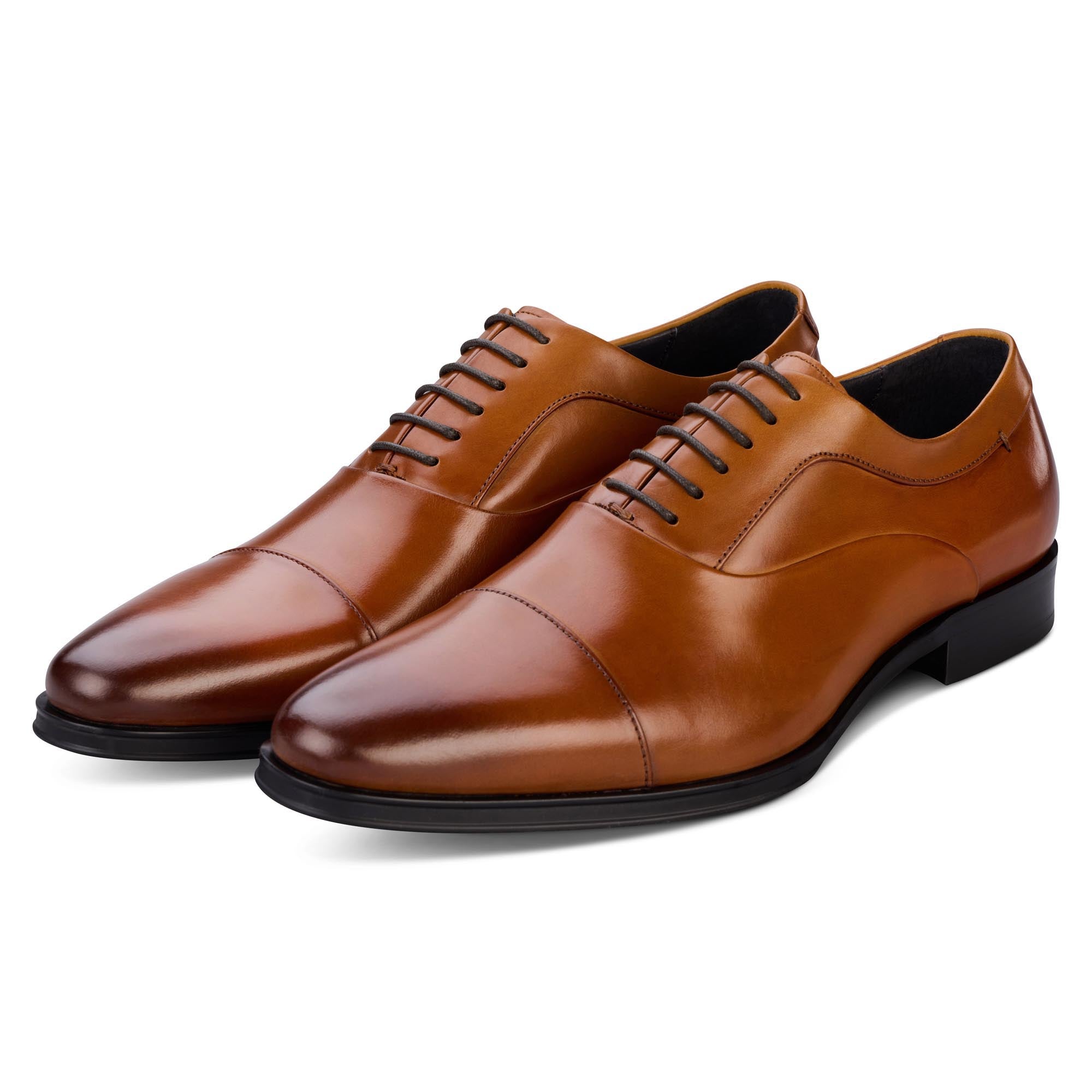
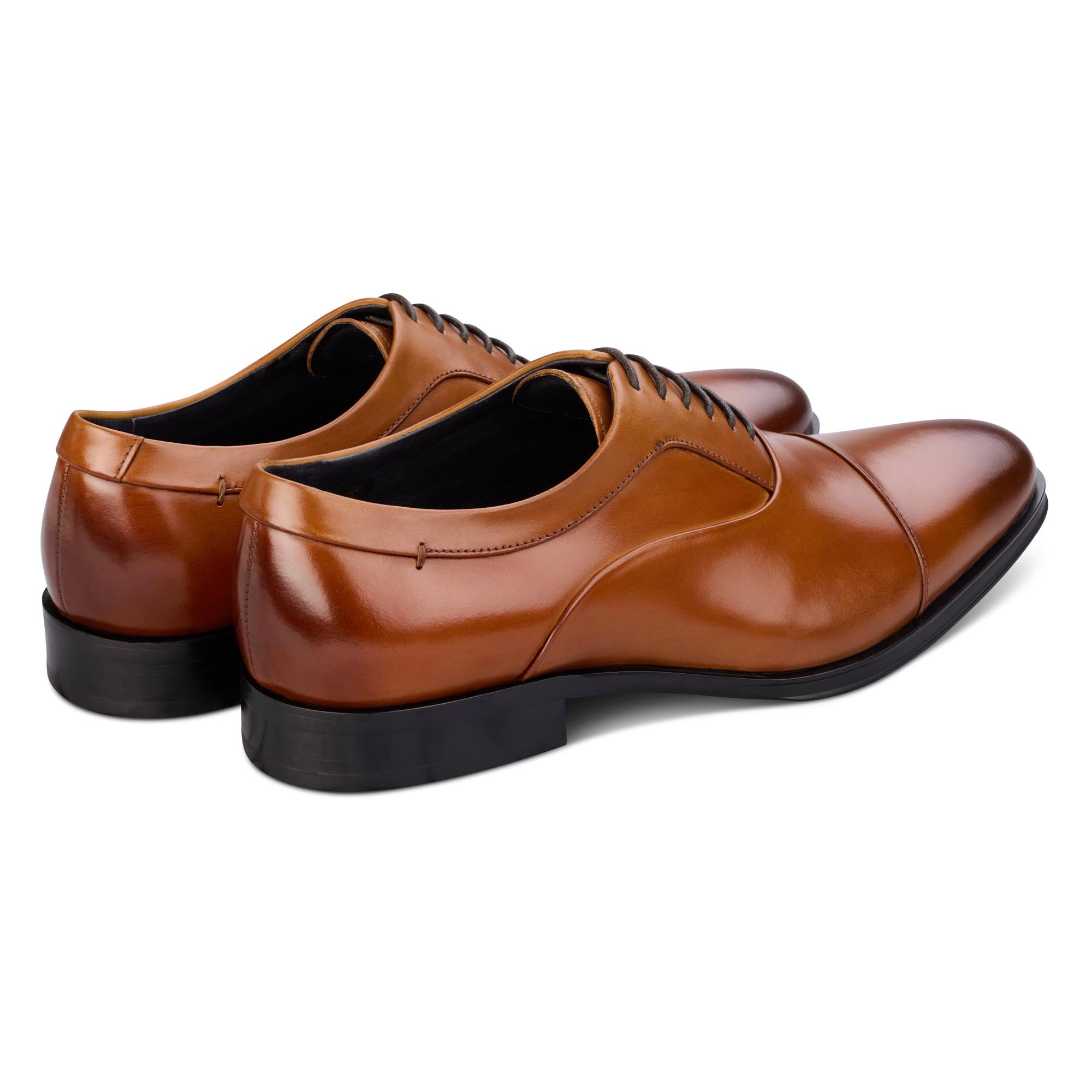
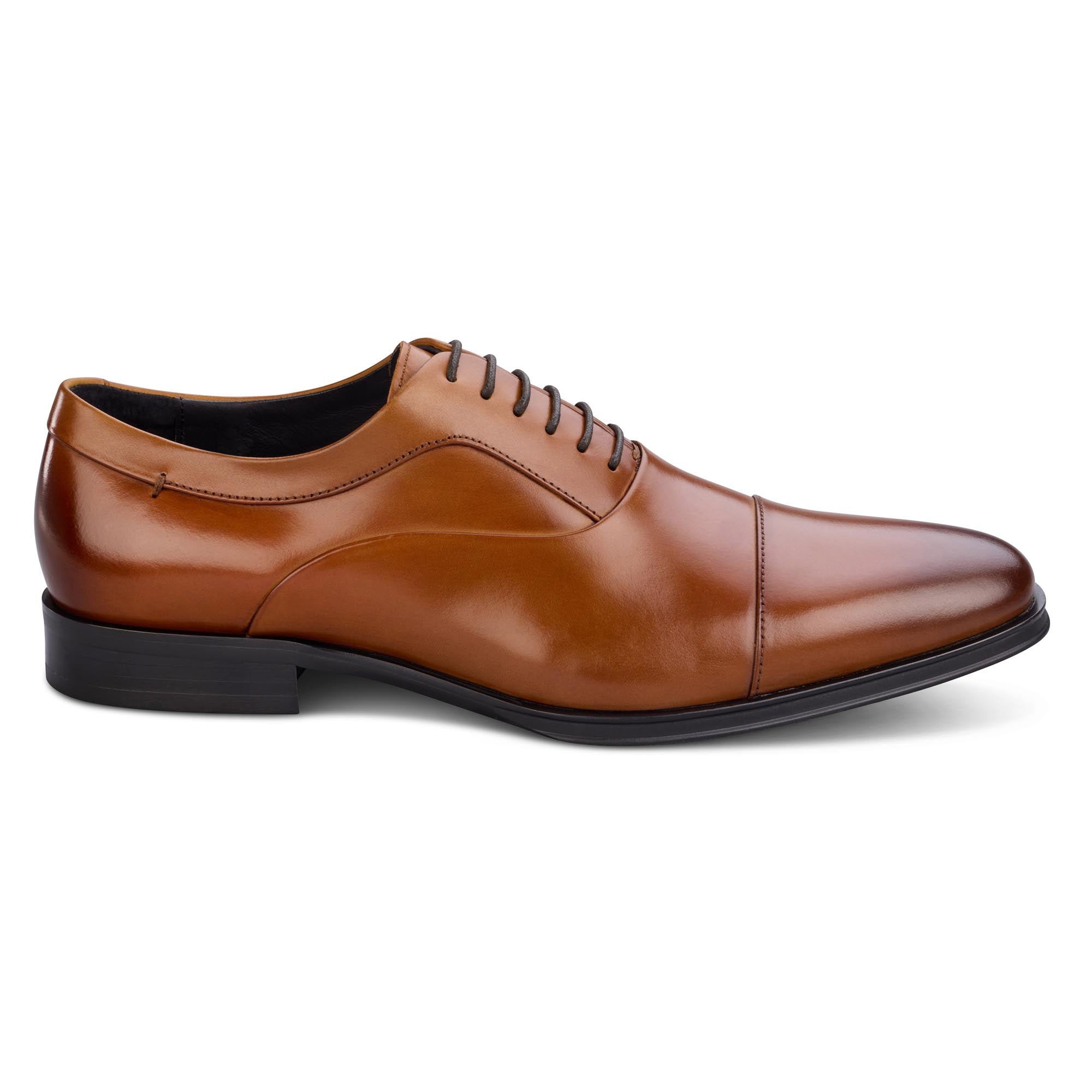
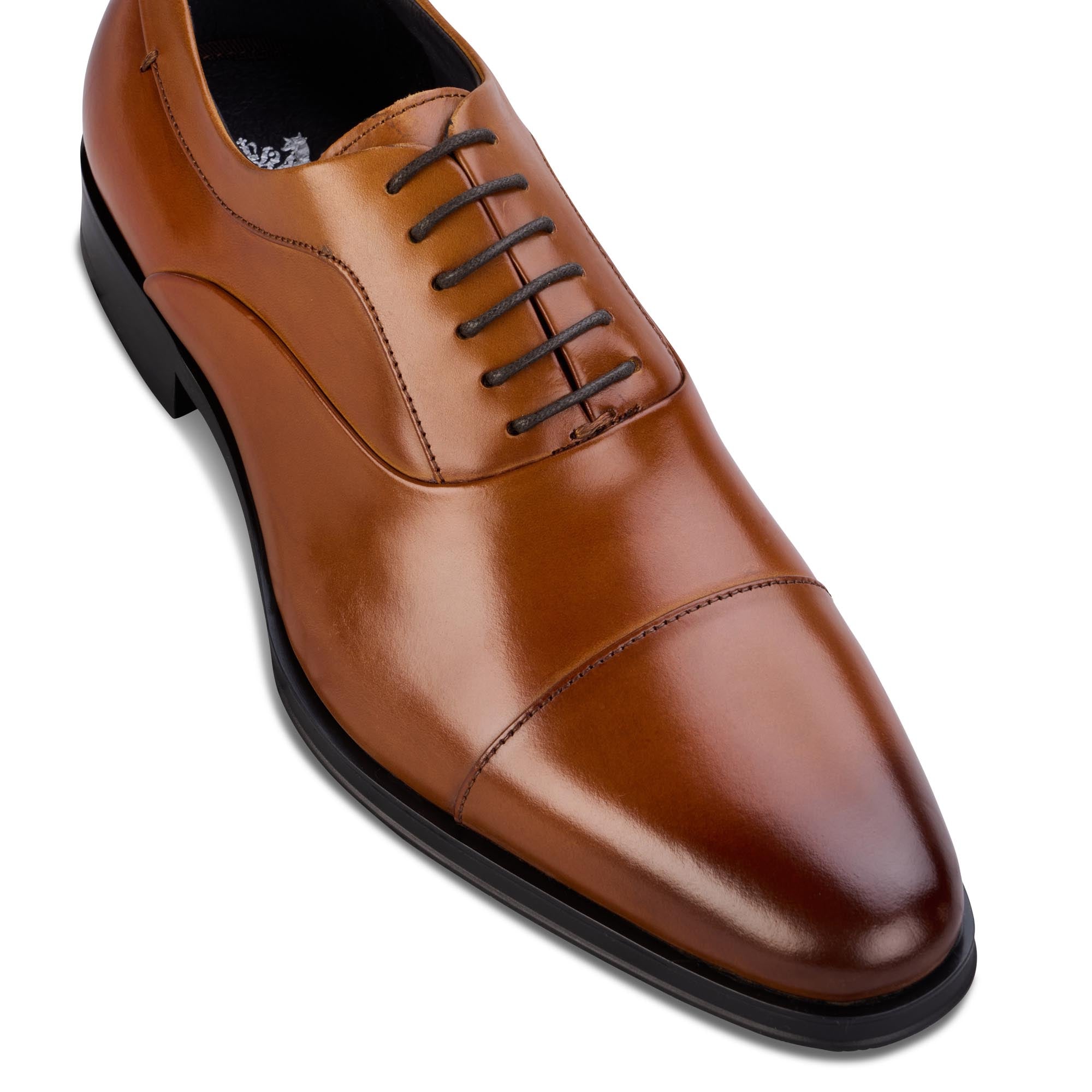
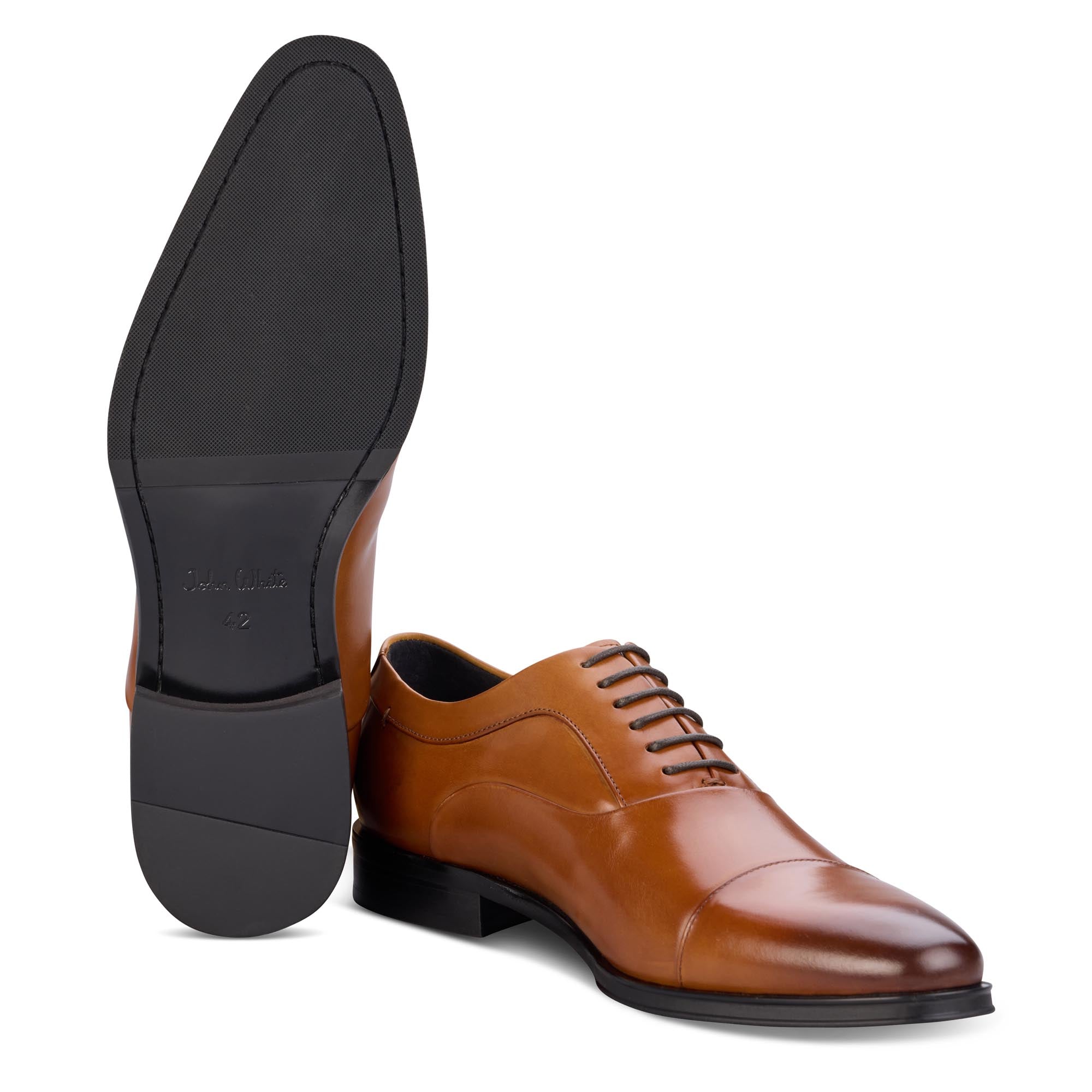
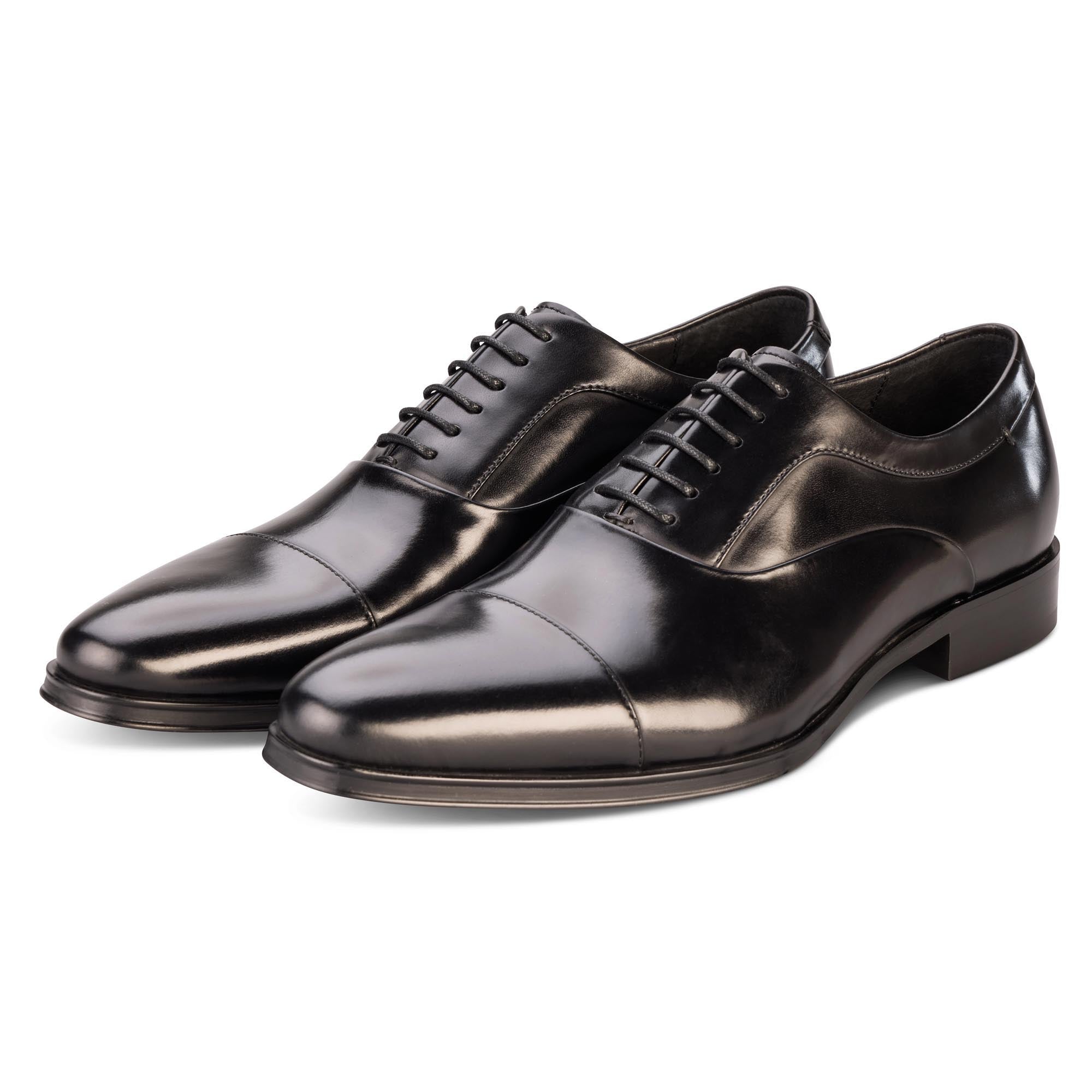
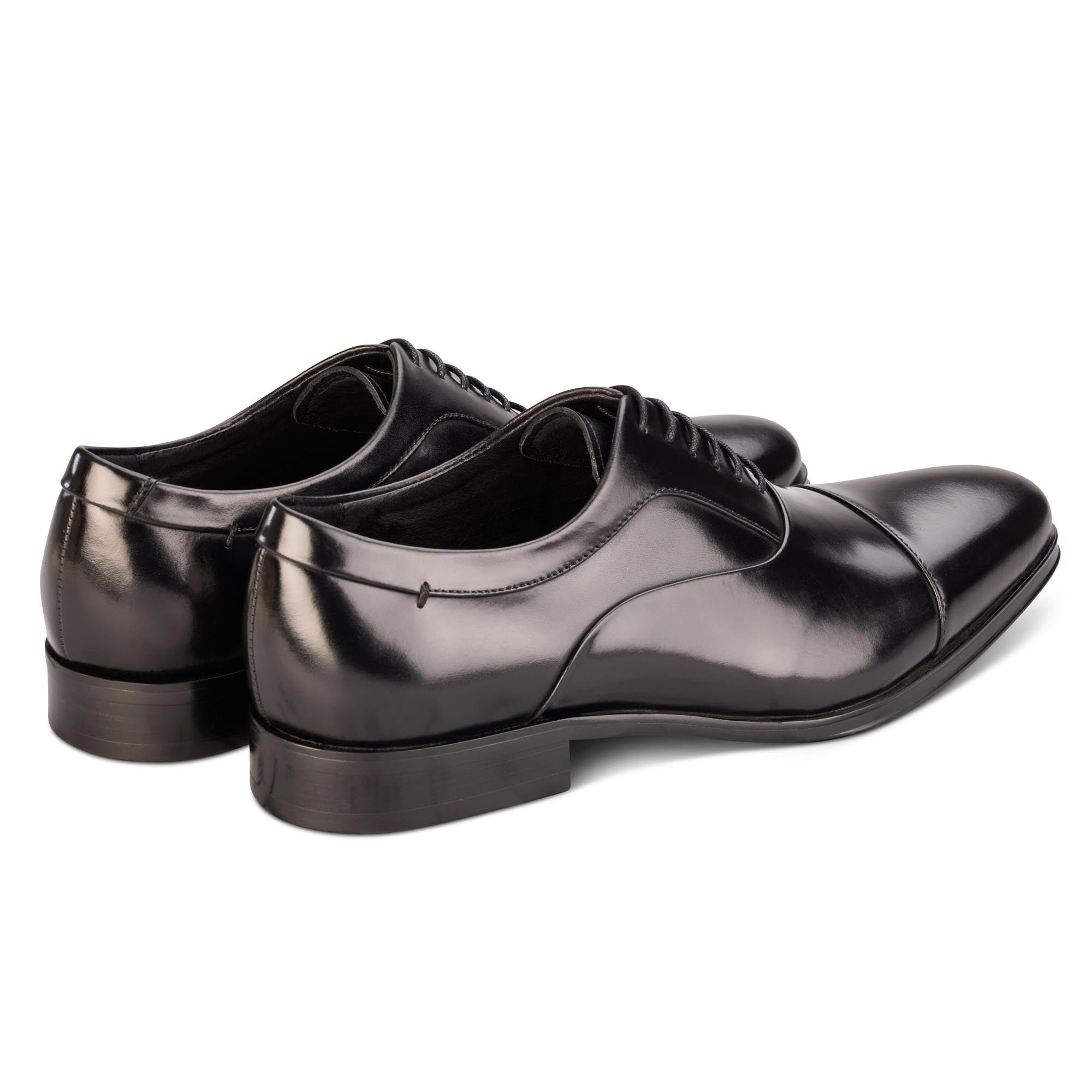
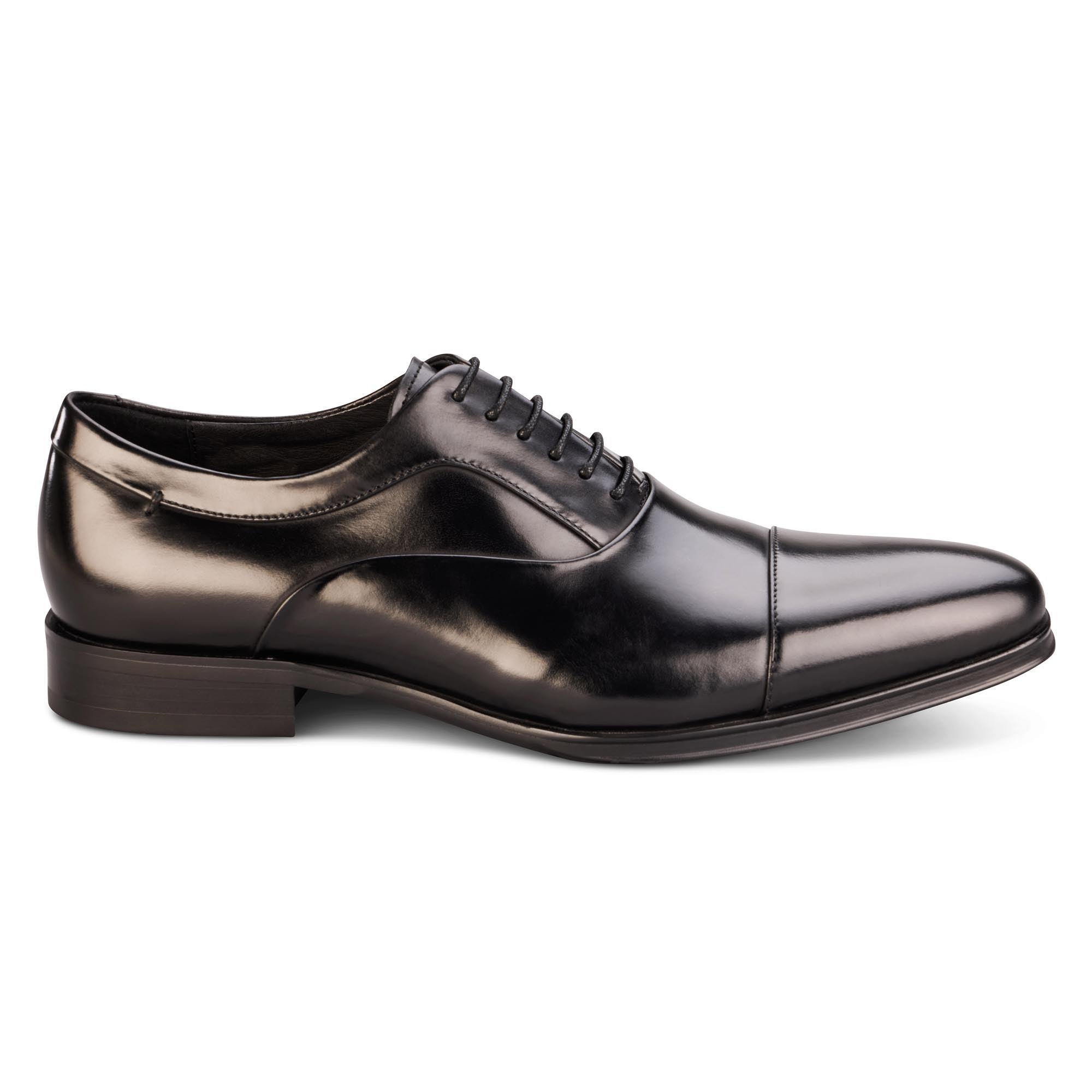
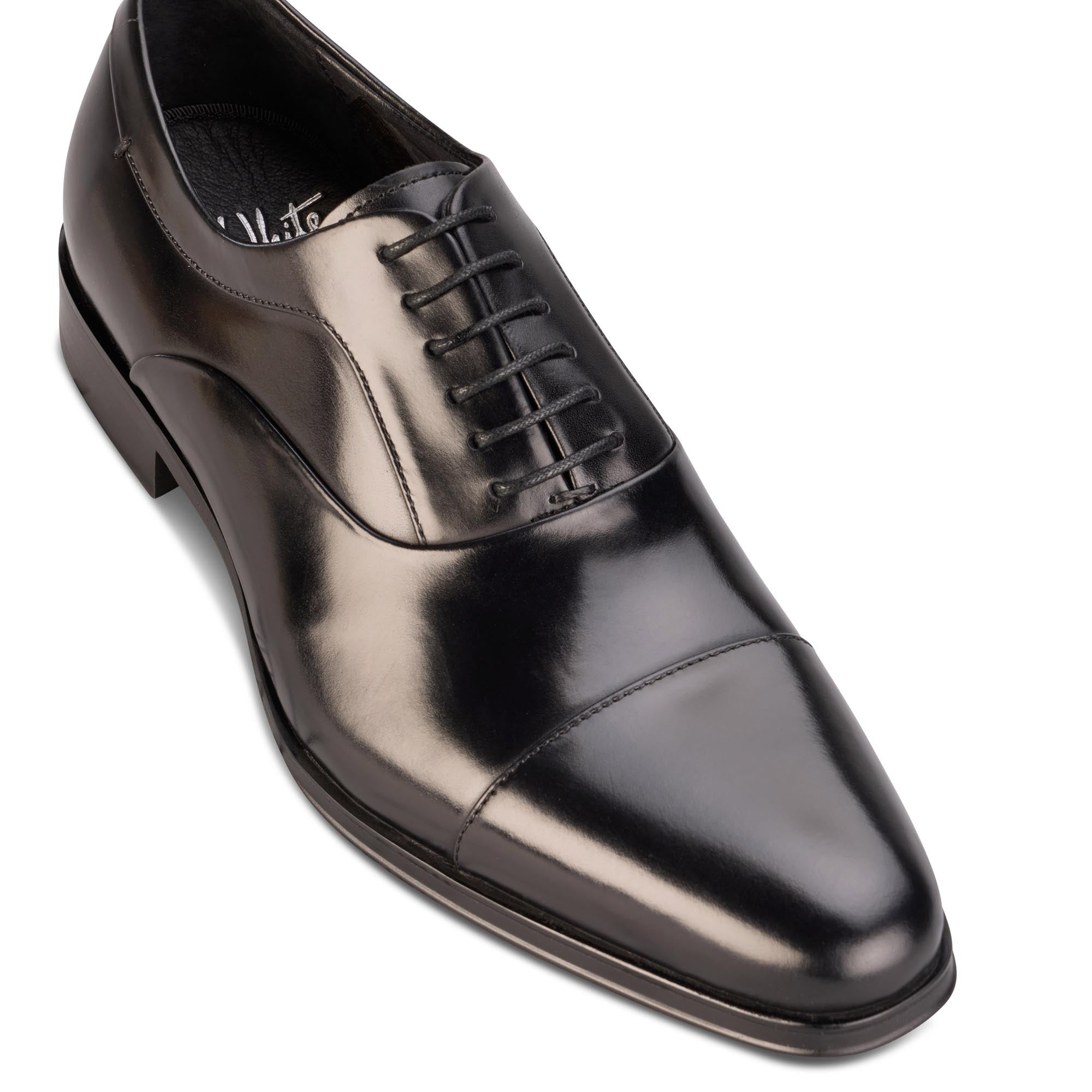
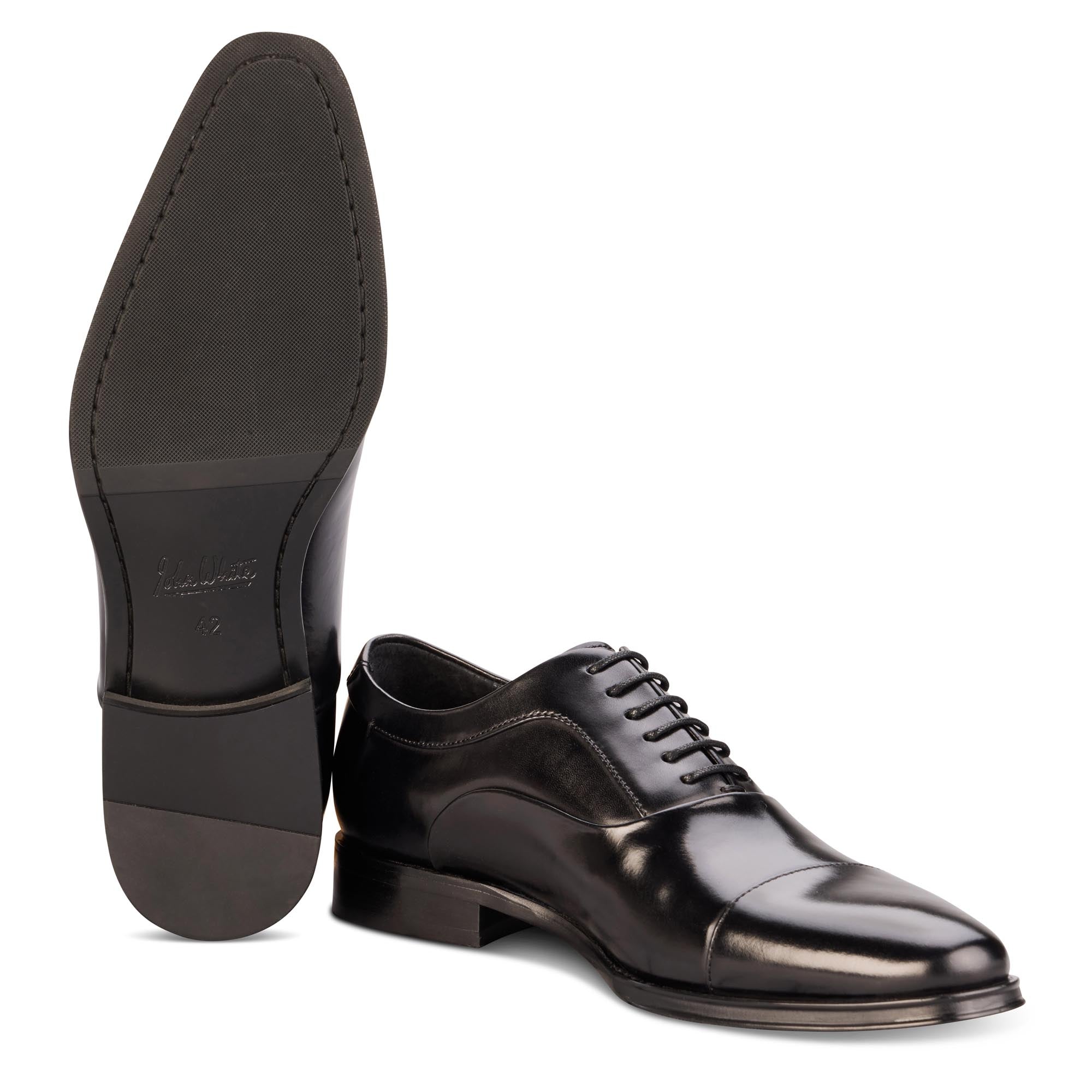
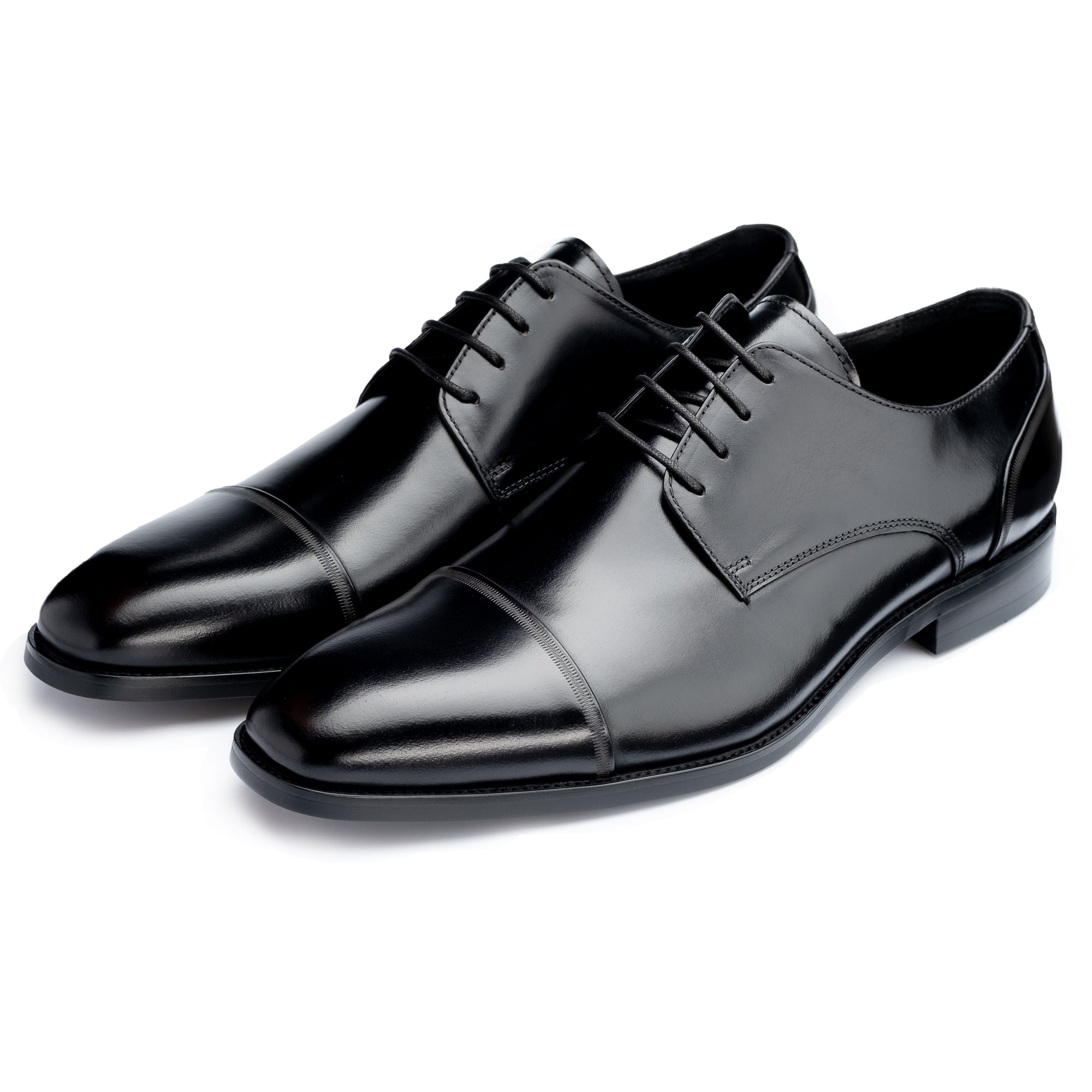
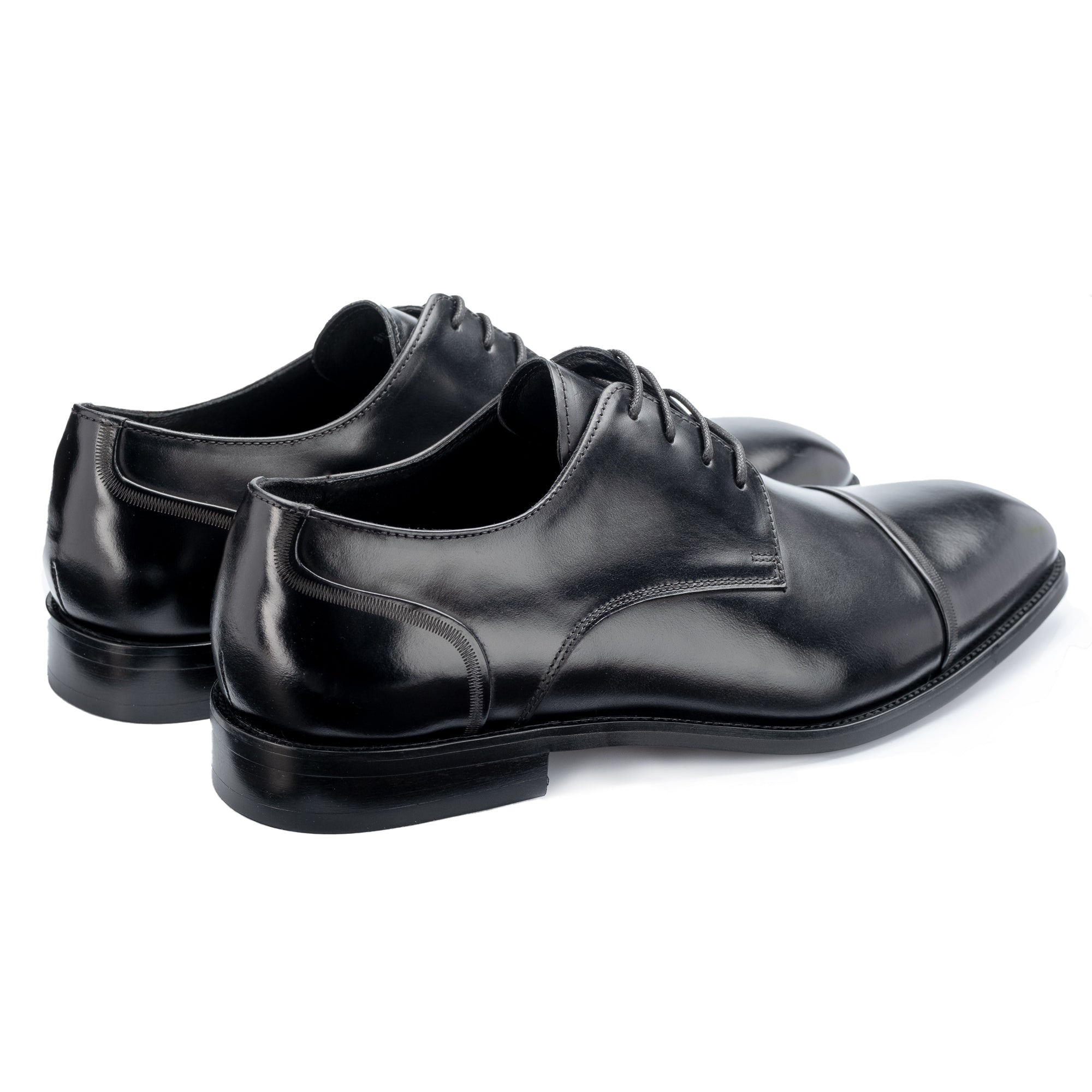
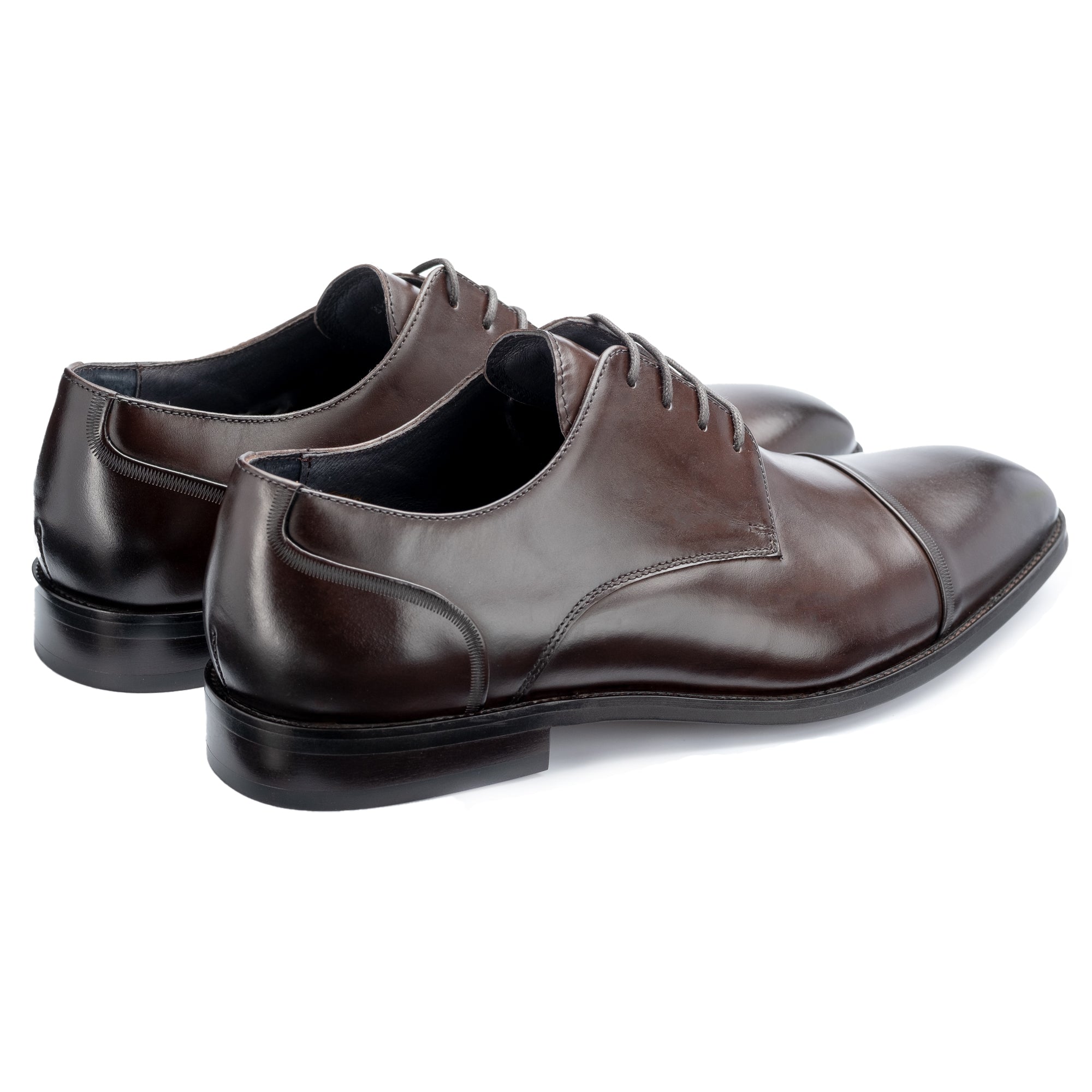
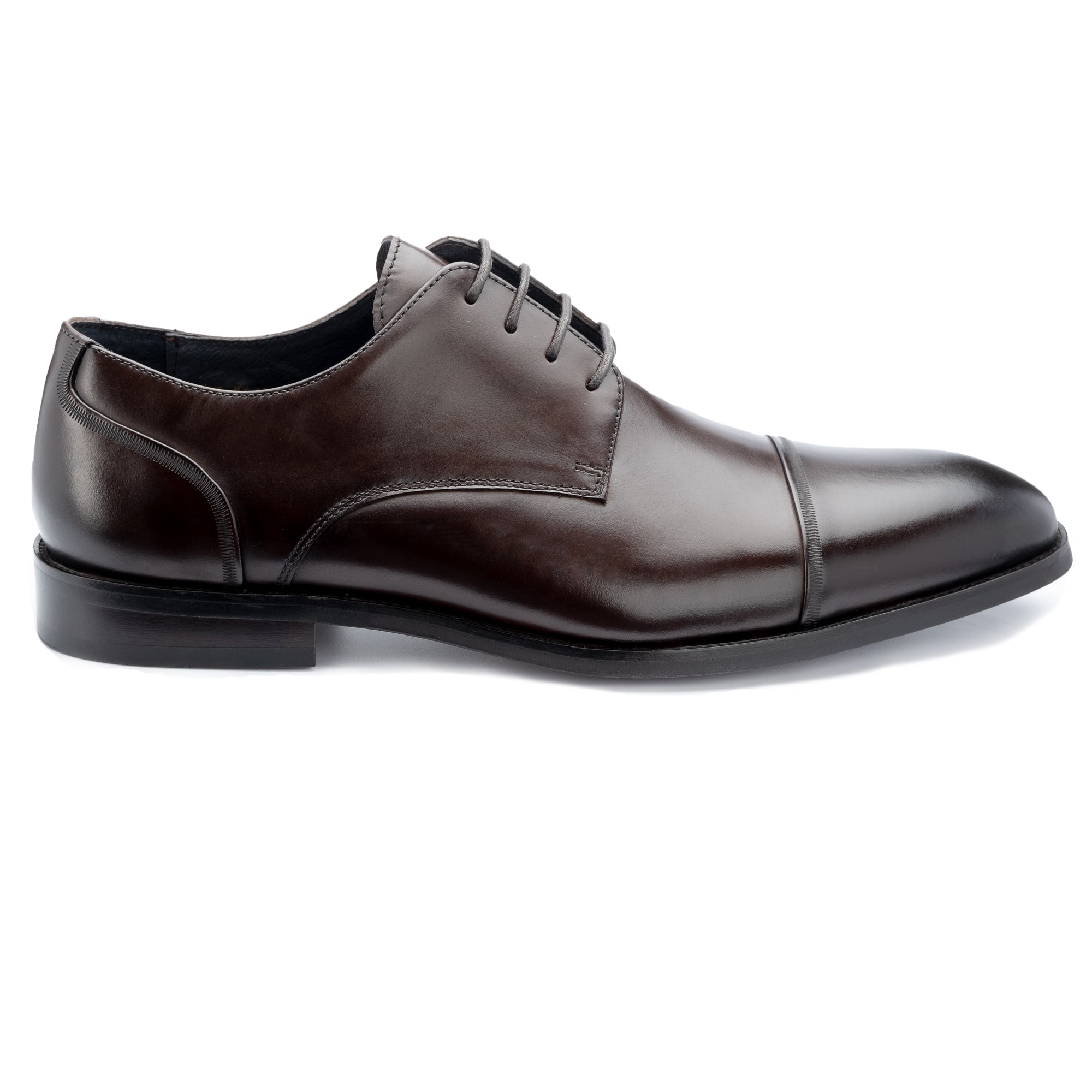
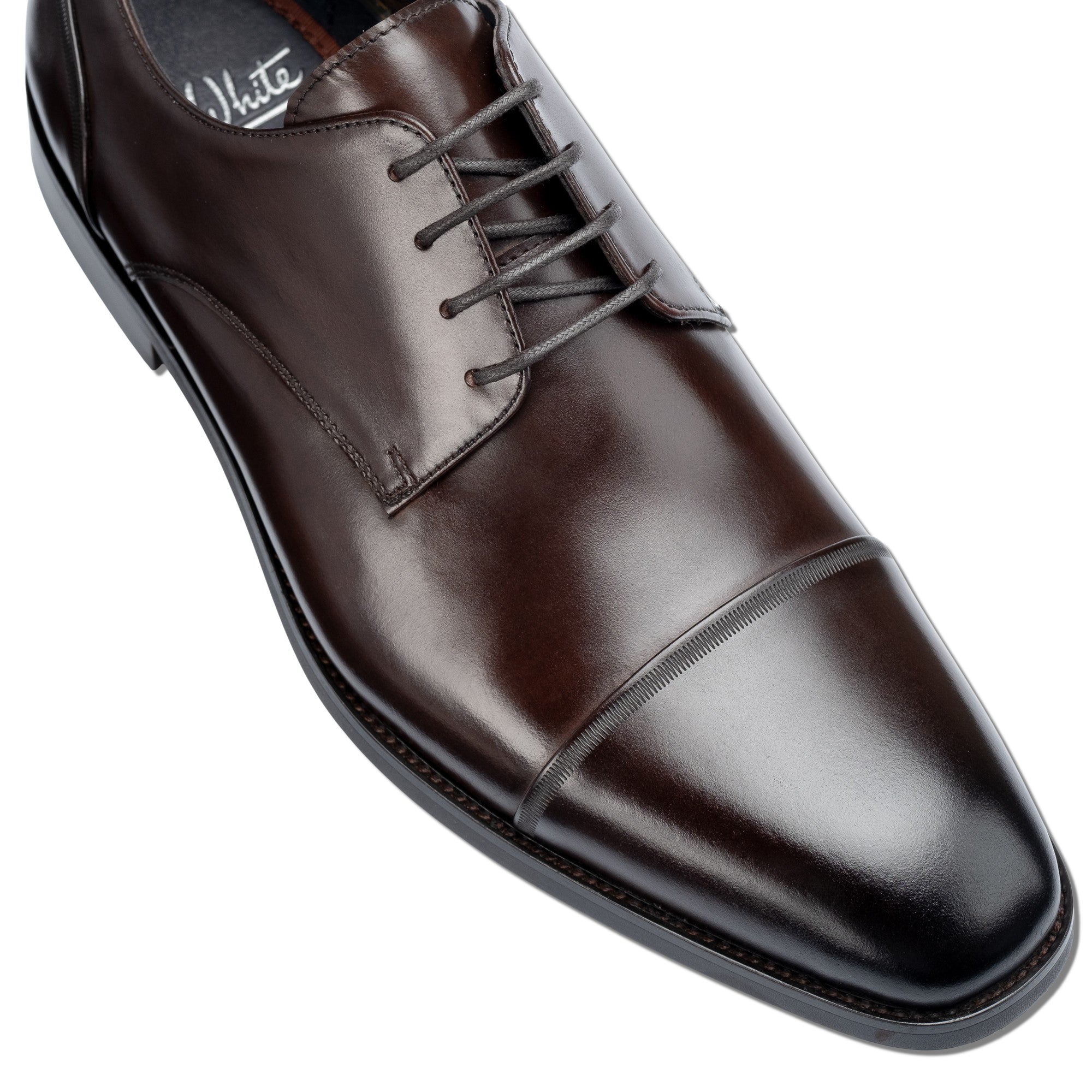
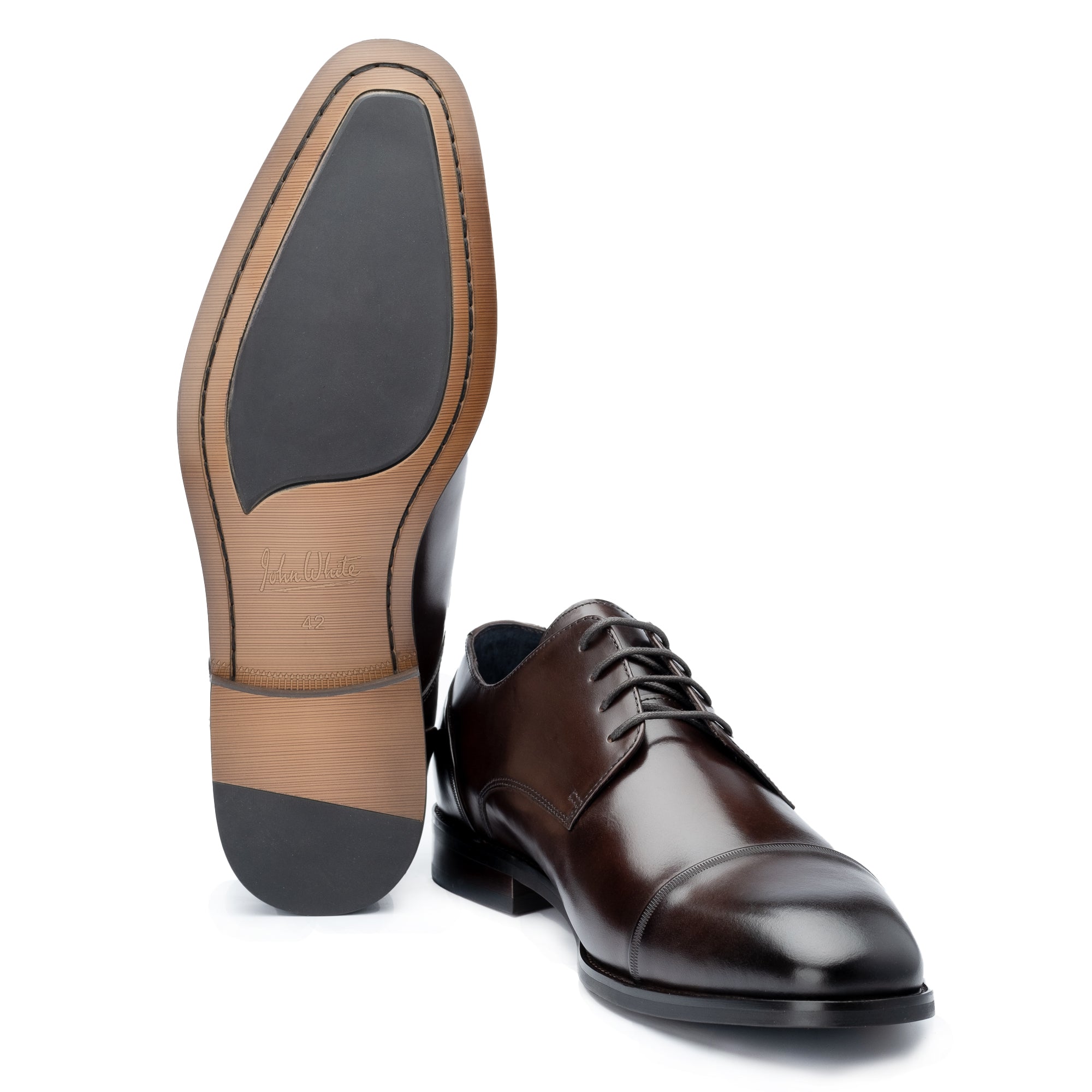
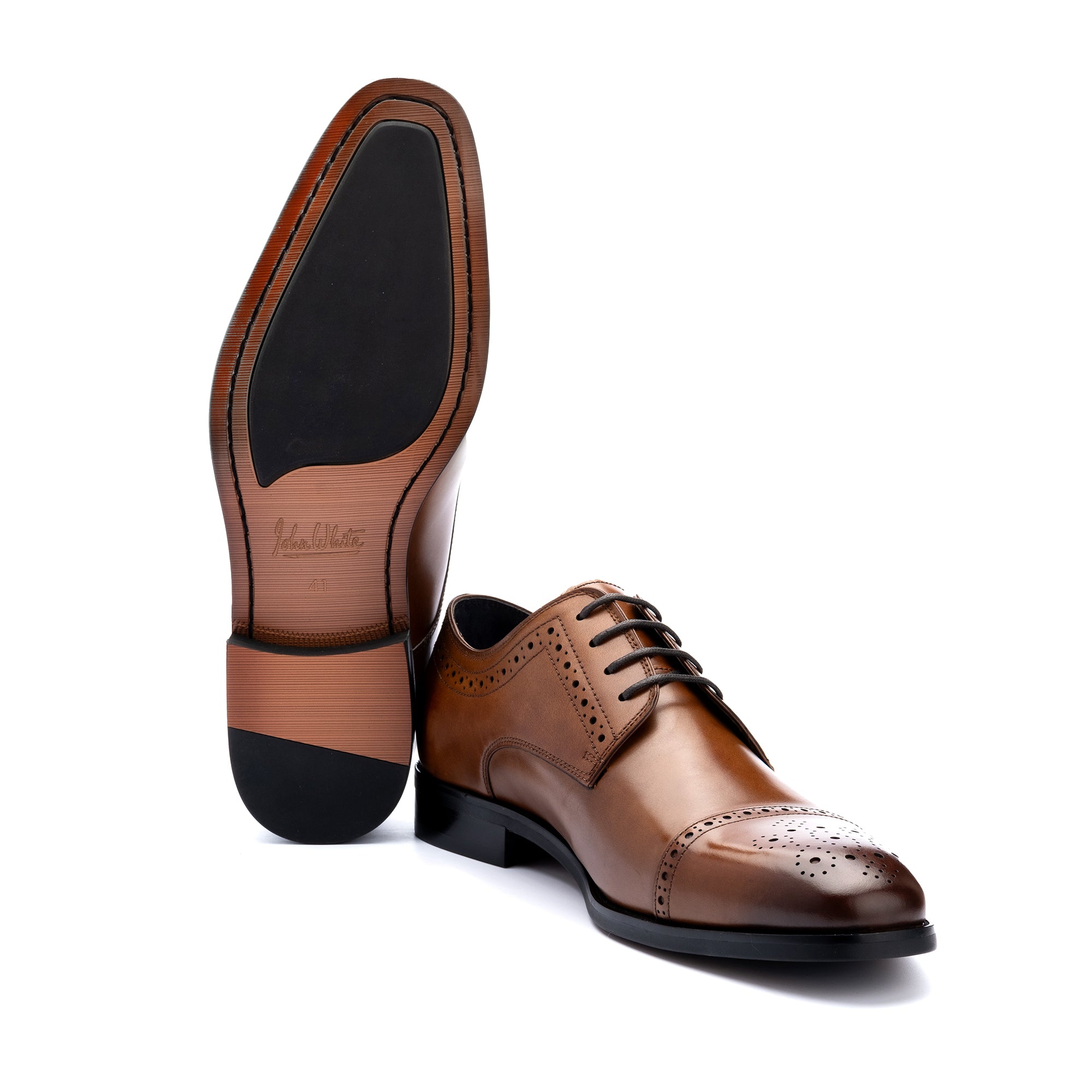
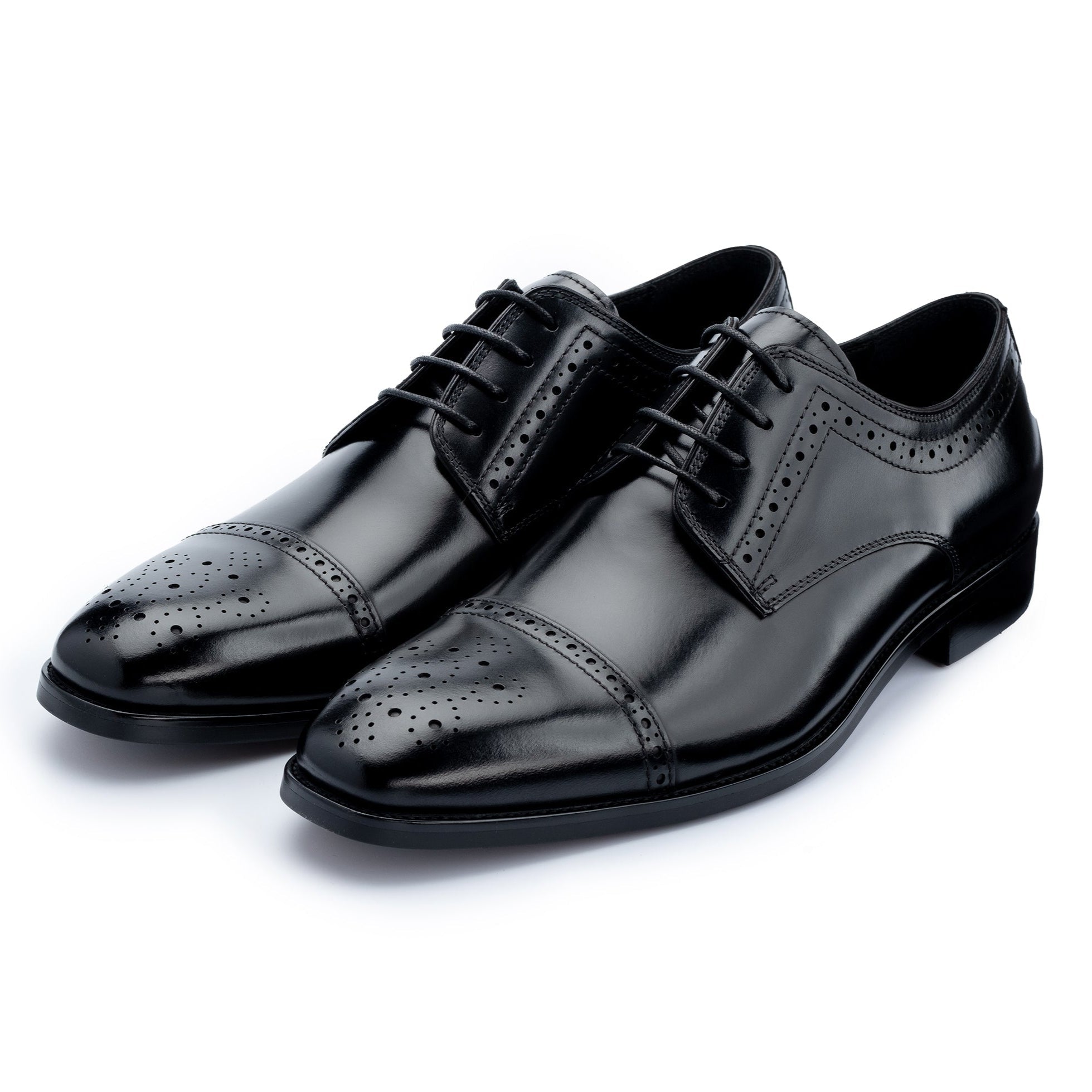
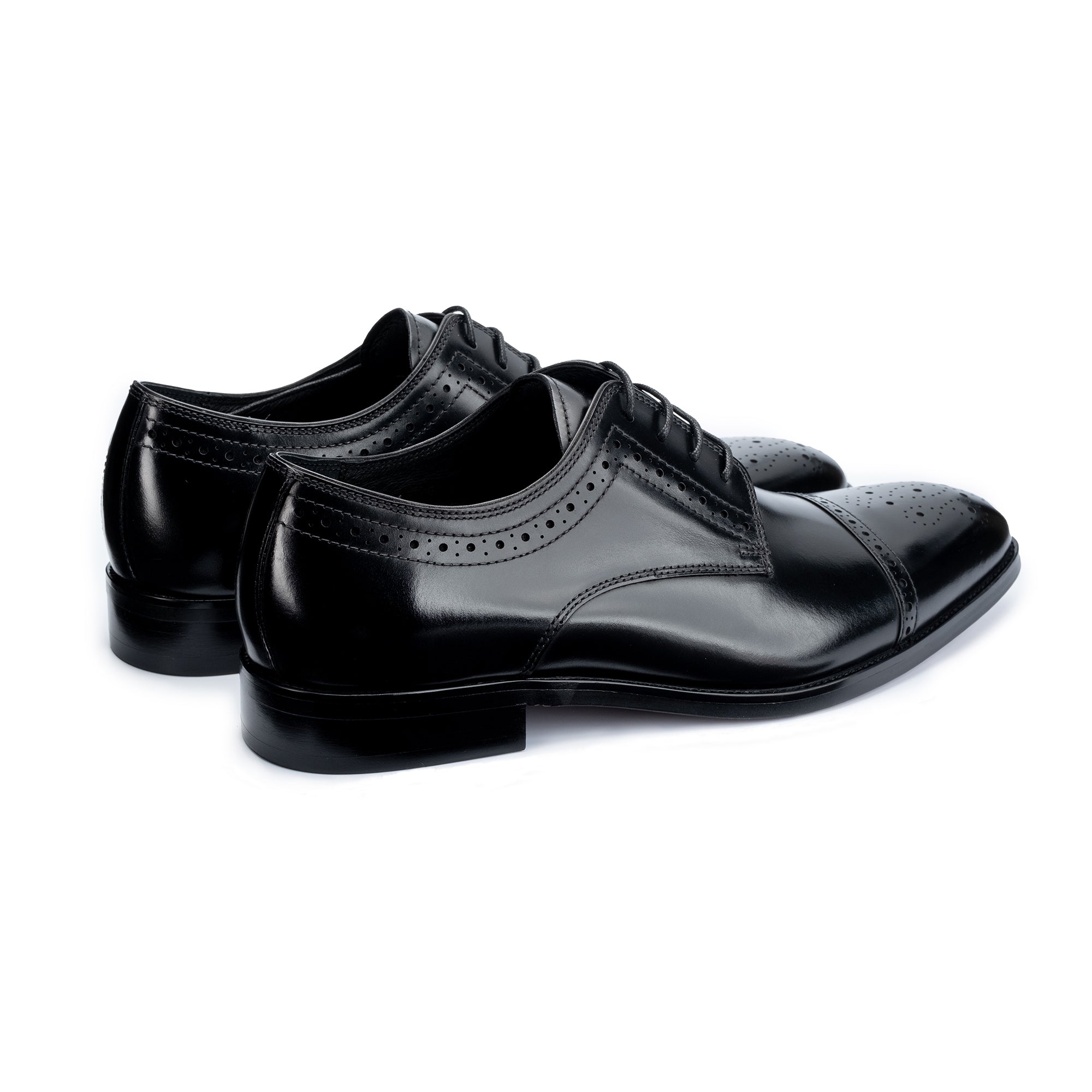
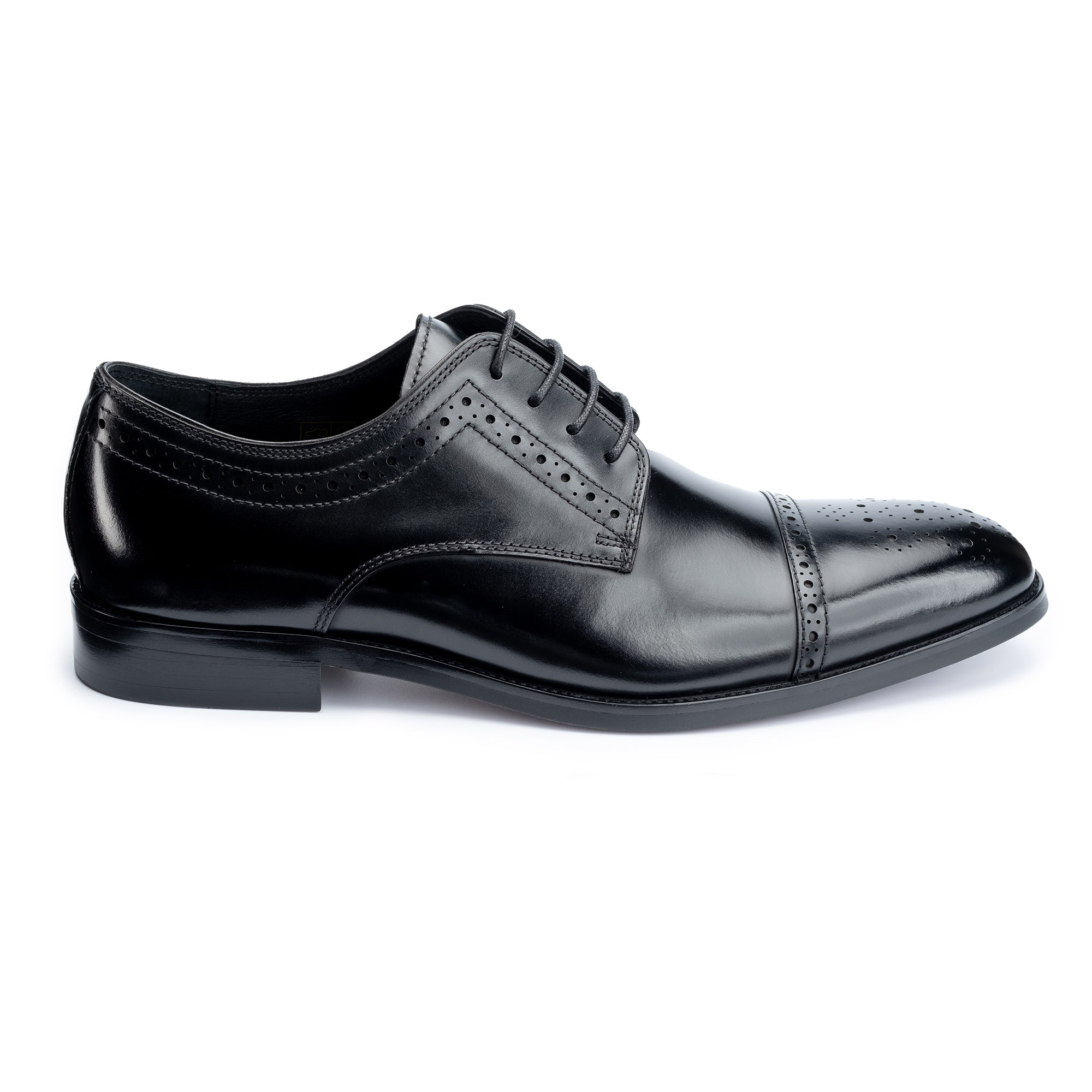
The Guildhall Capped Oxfords sit at the formal end of the current collection. A cap-toe Oxford in tan or black, with a rounded last and a clean heel profile, the Guildhall reads as directly descended from the 1930s formal range. It would not look out of place in a photograph from 1955. That is the point. The closed lacing, the understated cap seam, the absence of decorative broguing — these are deliberate choices, not defaults.
For context on how the physical forms that shaped shoes like the Guildhall came to define British footwear aesthetics, the piece on the Northampton last covers that craft lineage in detail.
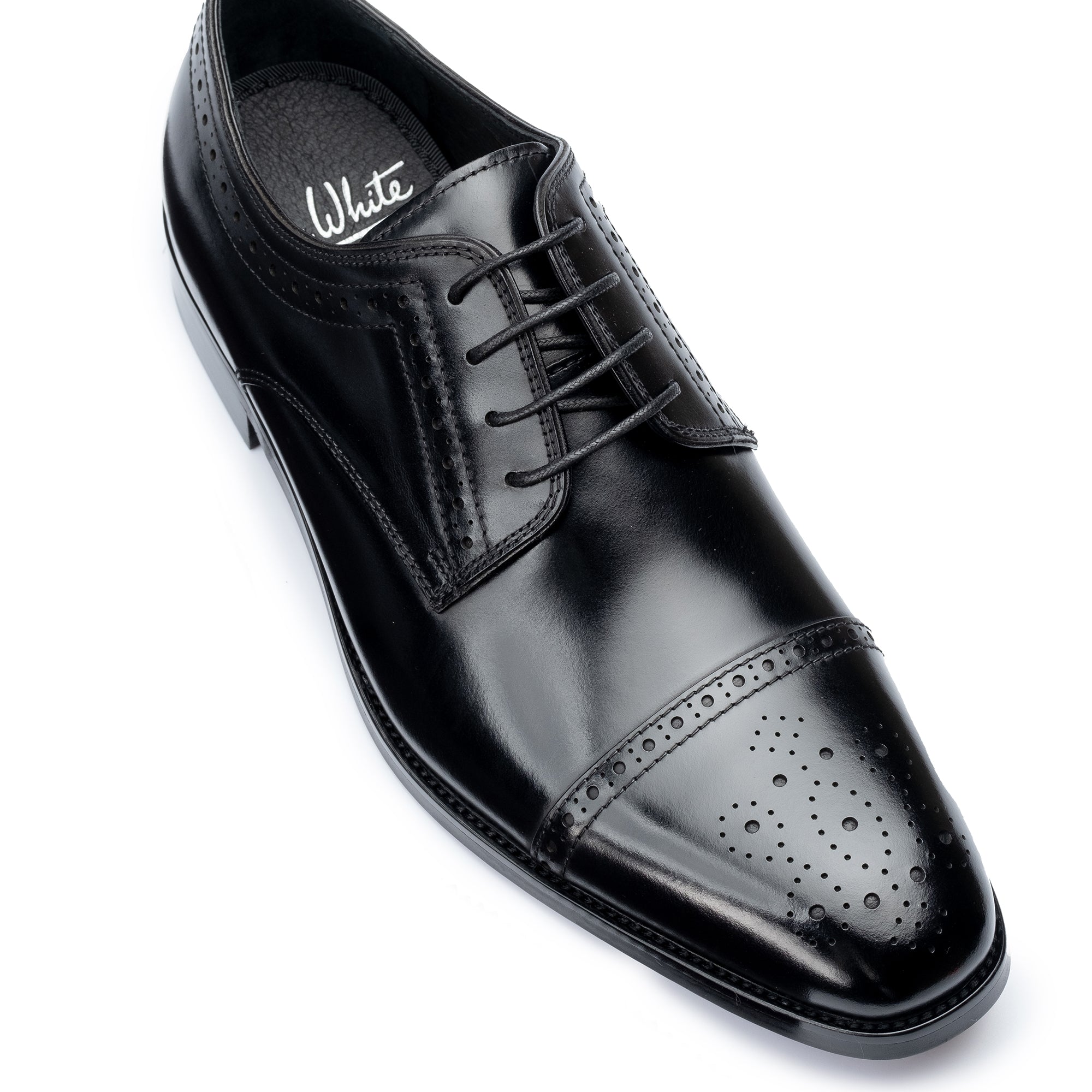
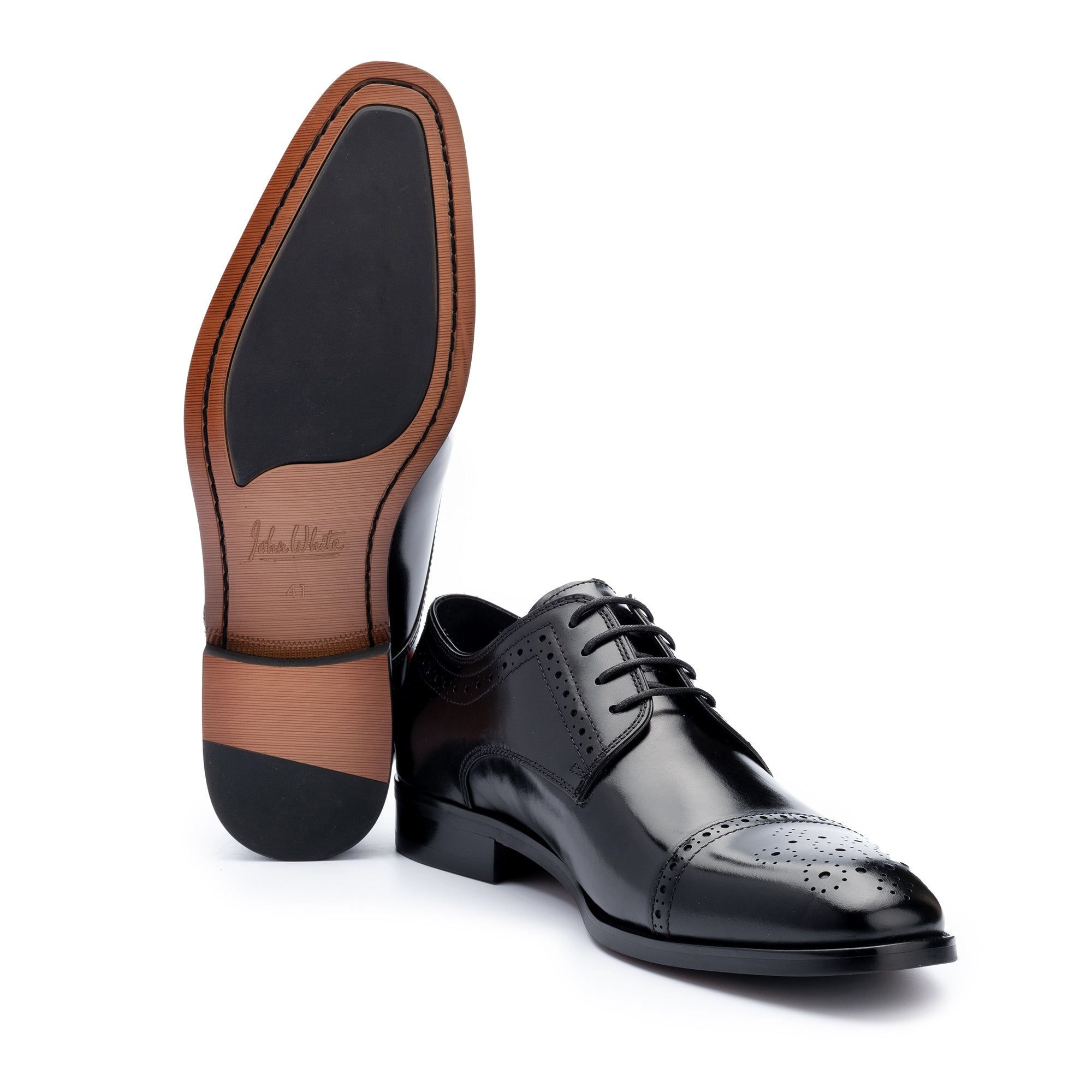
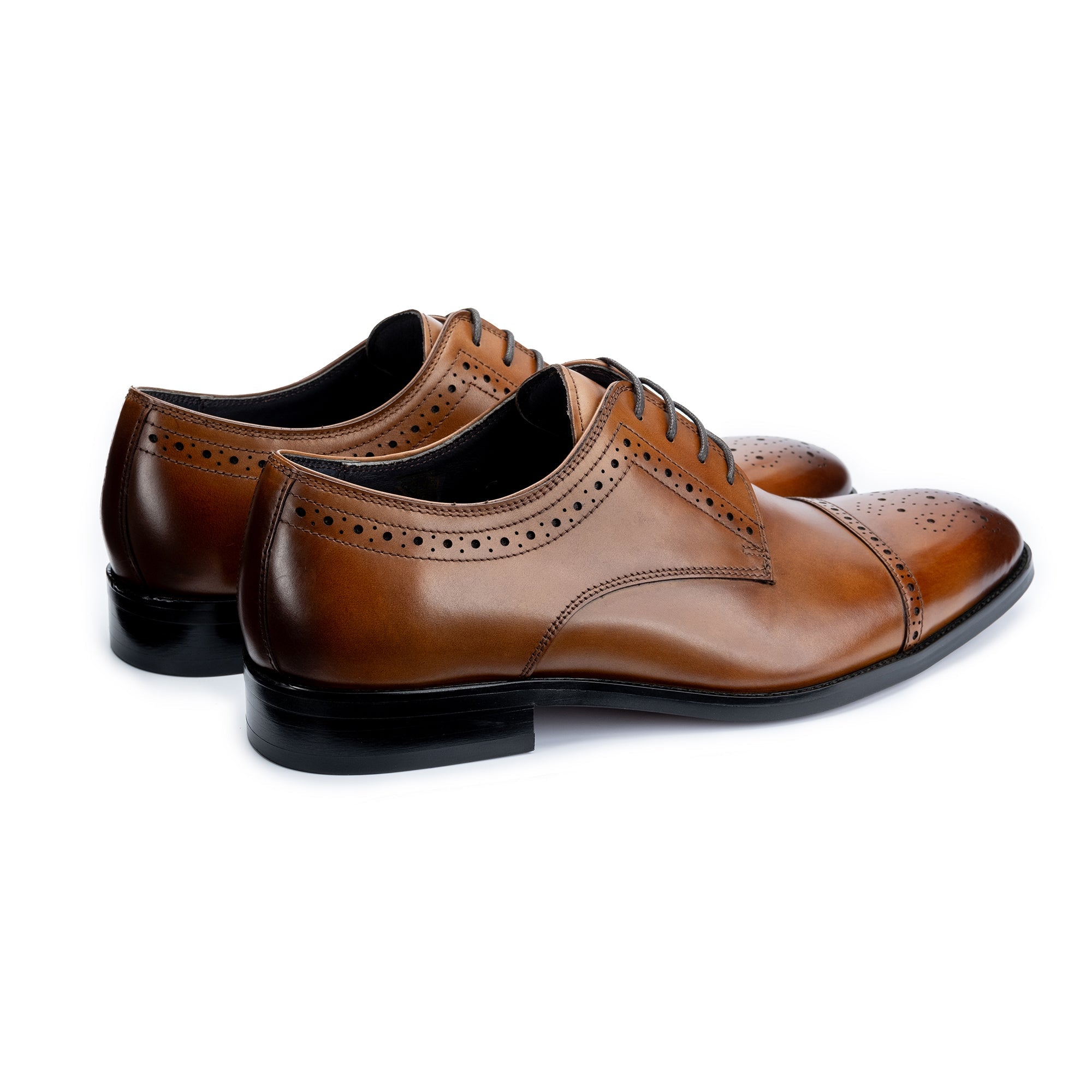
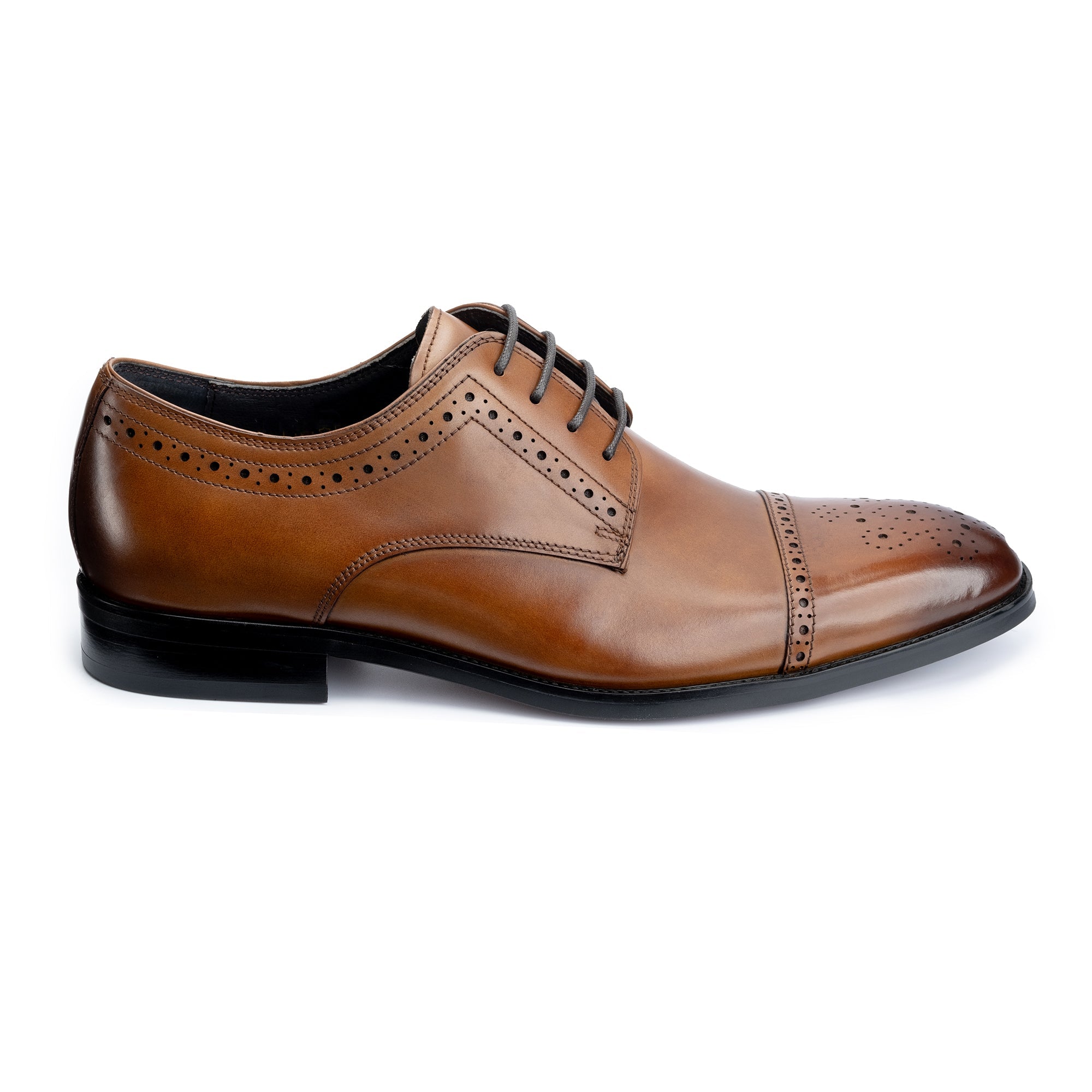
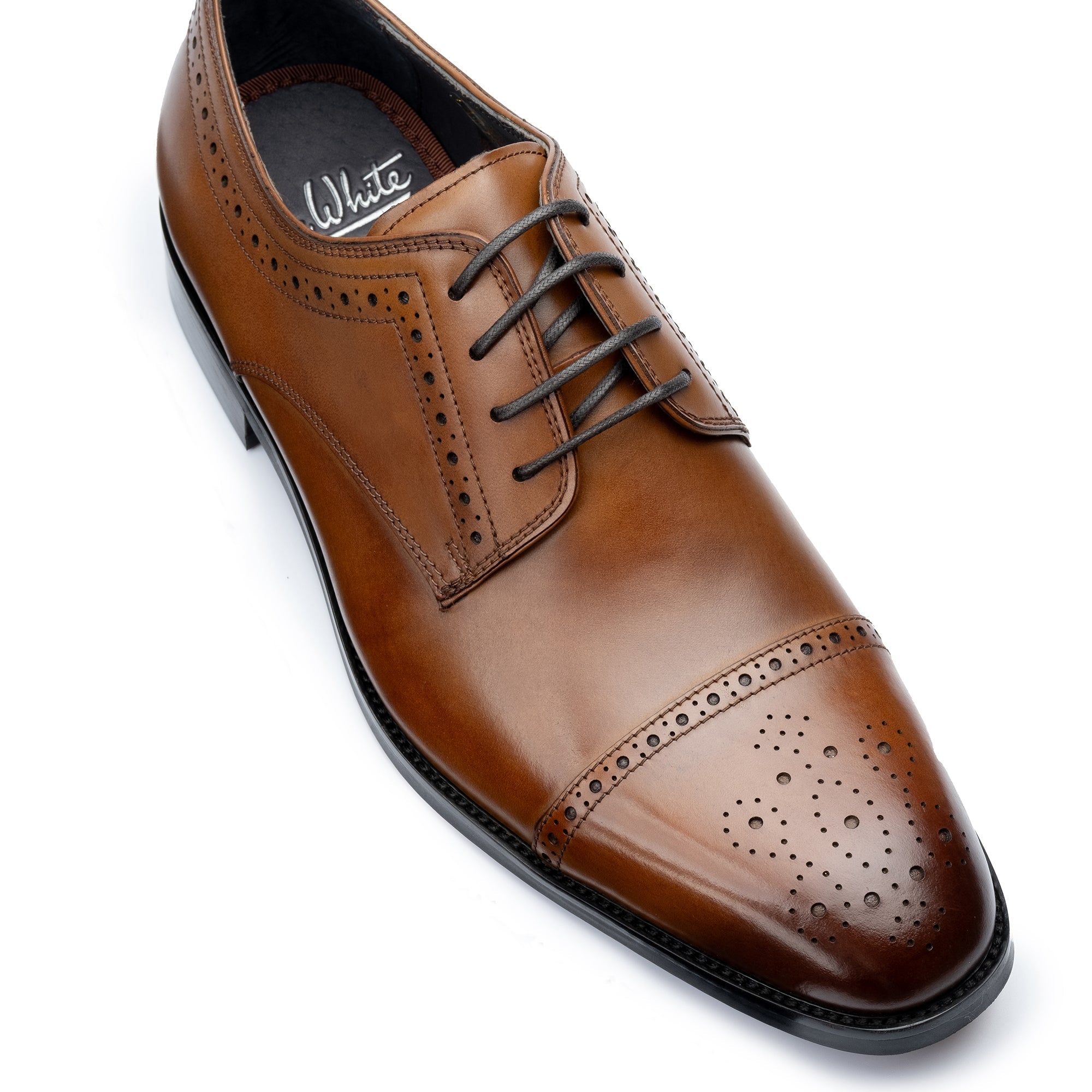
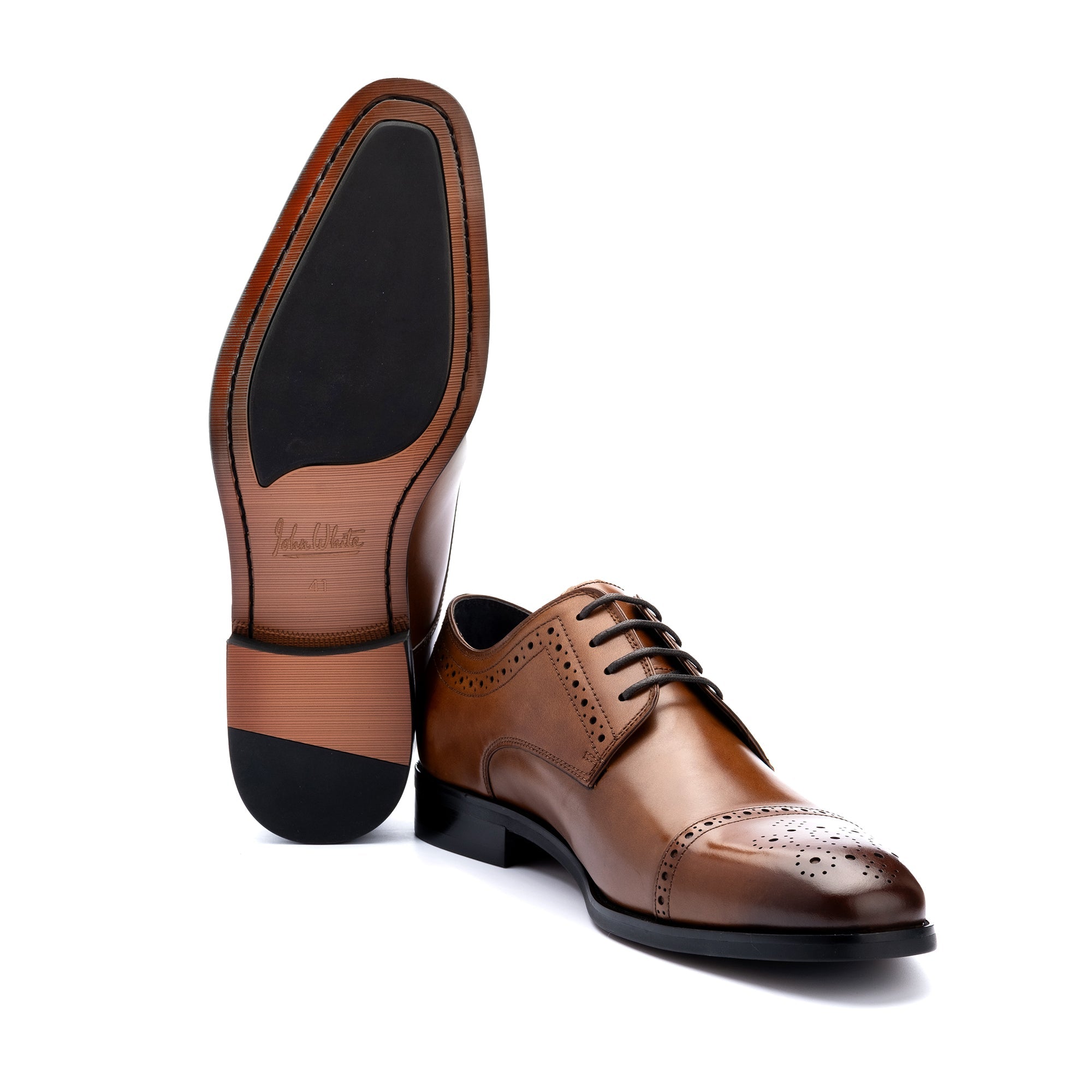
The Lucan Semi-Brogues take a different thread from the heritage. Semi-brogues — a medallion on the toe, broguing at the cap seam, no side perforations — represent the smart-casual register that JWS explored throughout the 1930s and has maintained ever since. The Lucan's last is slightly broader than the Guildhall's, more approachable in its proportions. Available in tan and black, it occupies the territory between formal and dressed-down without committing fully to either.
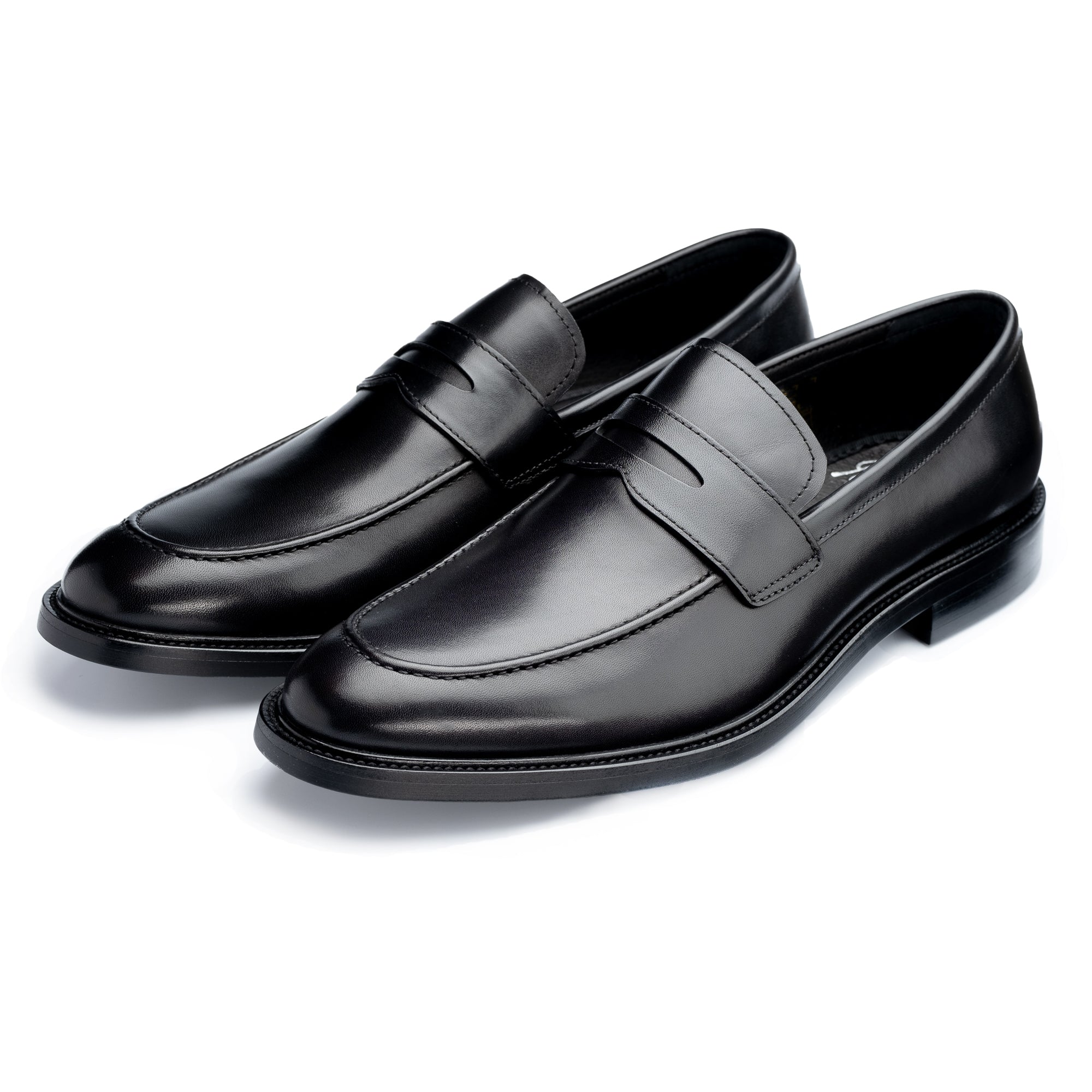
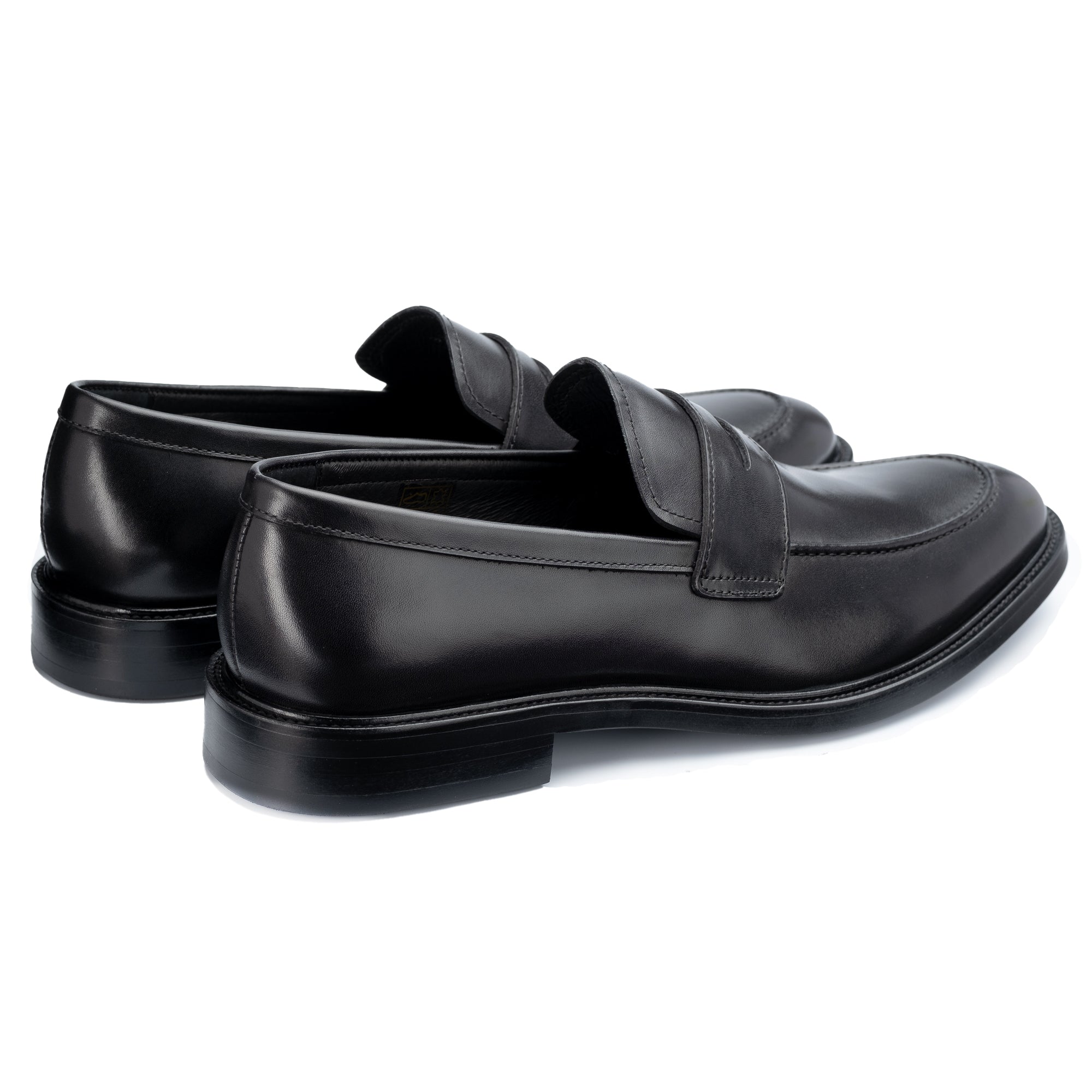
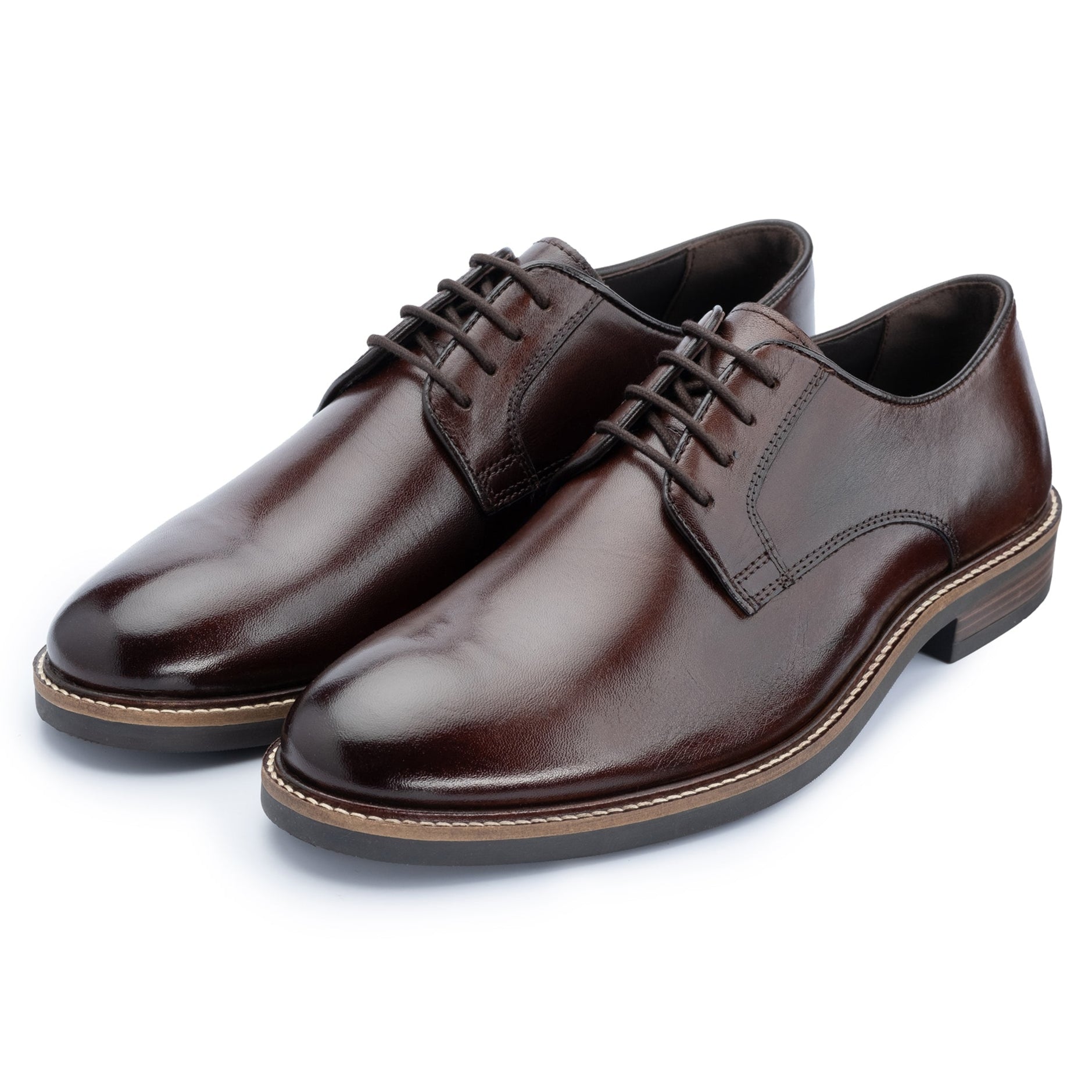
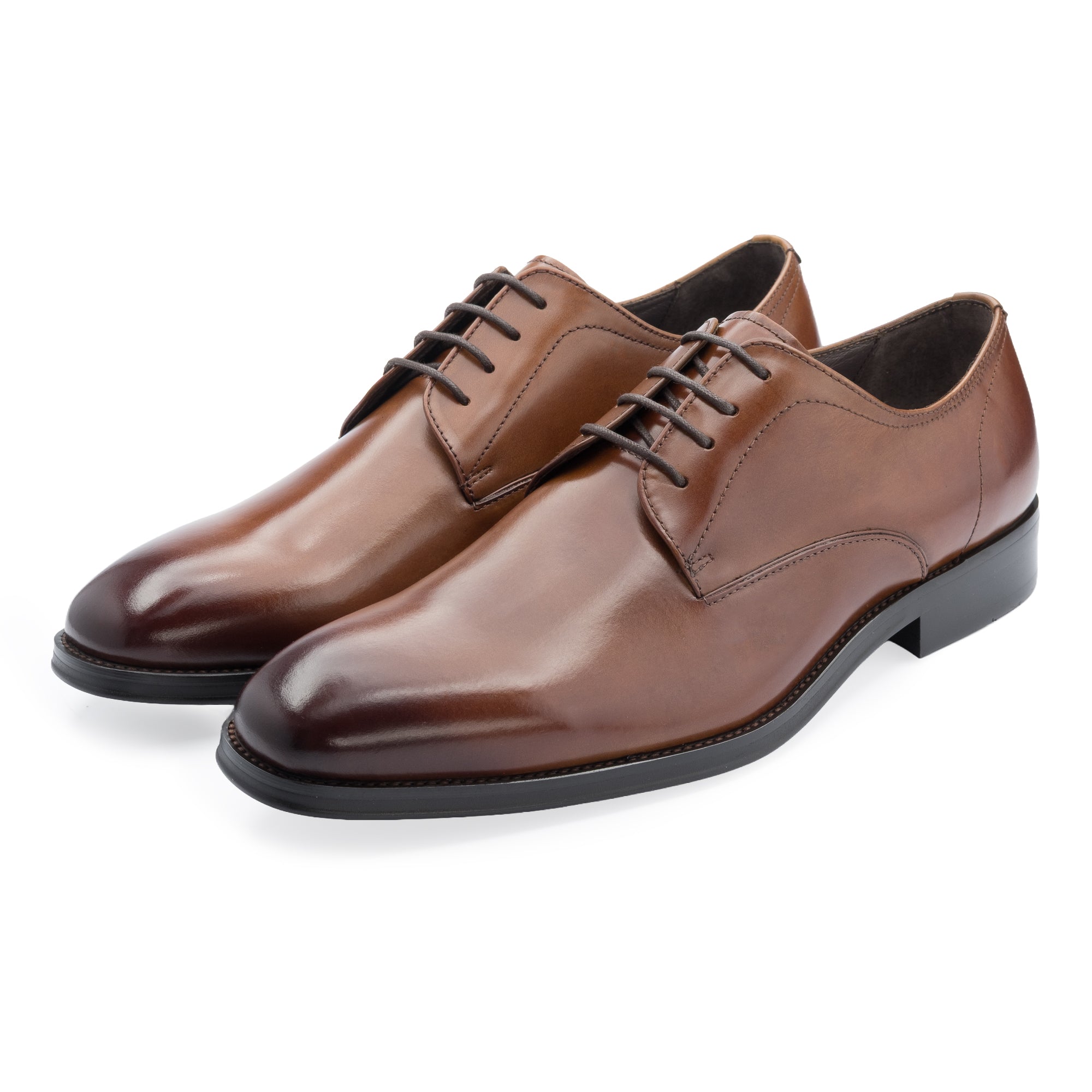
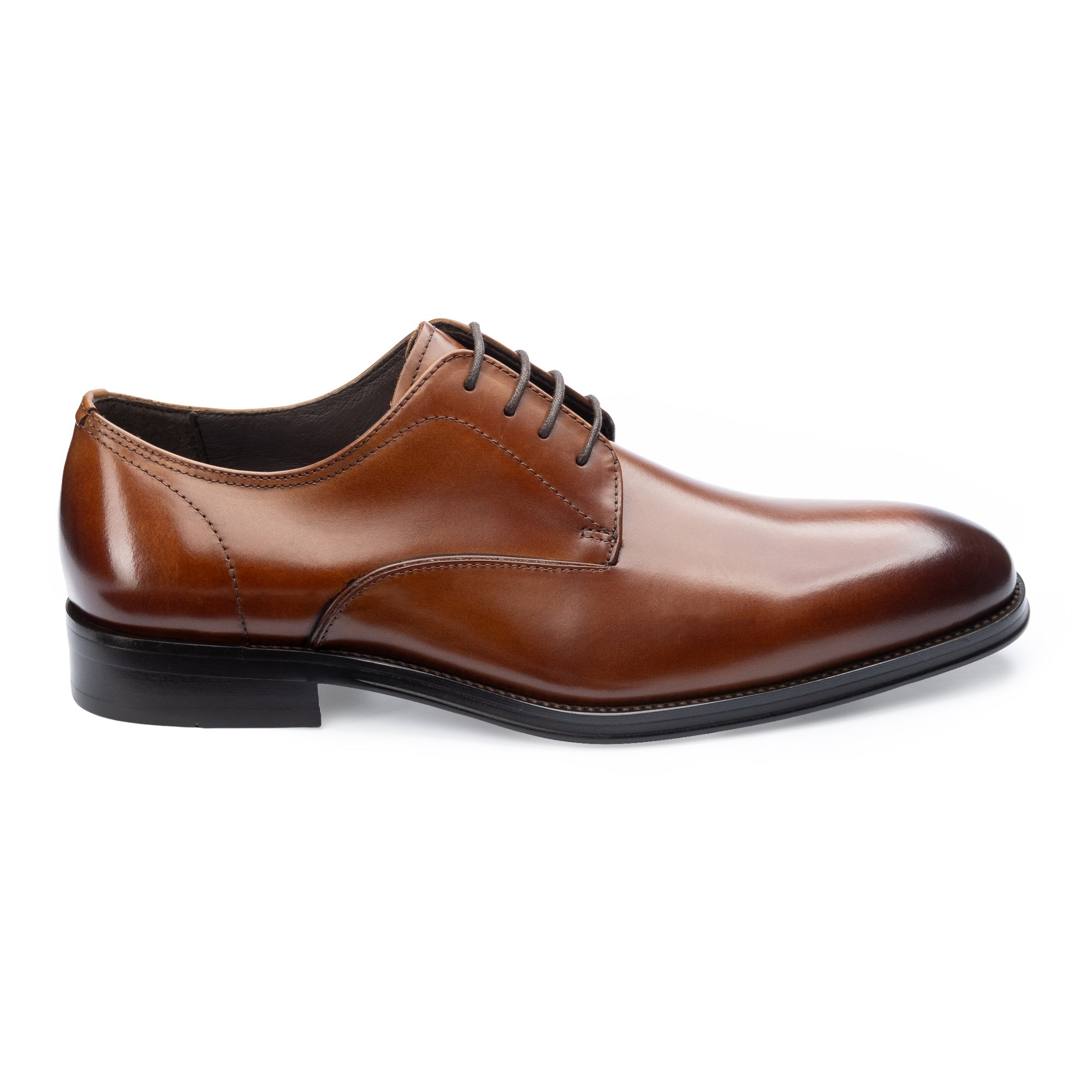
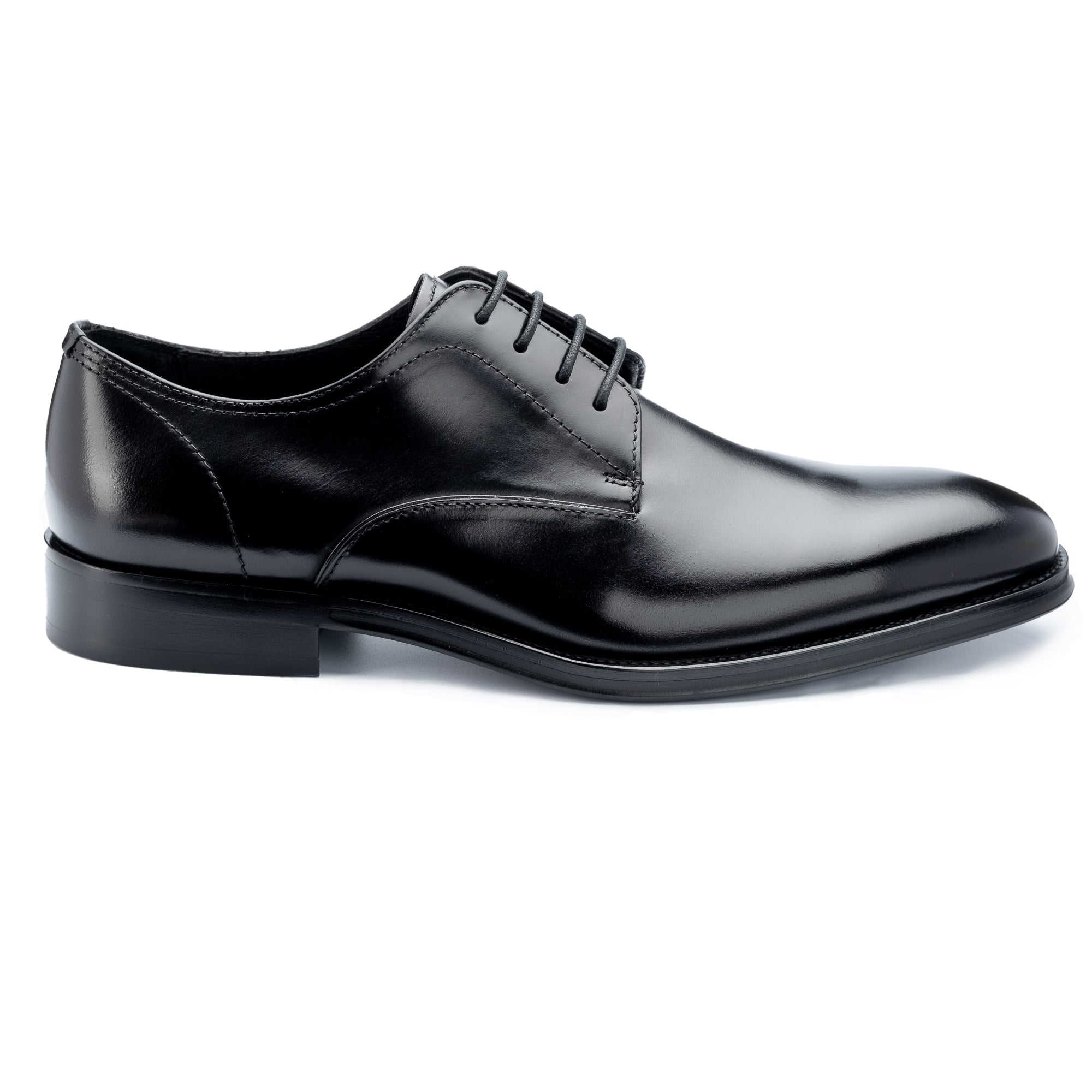
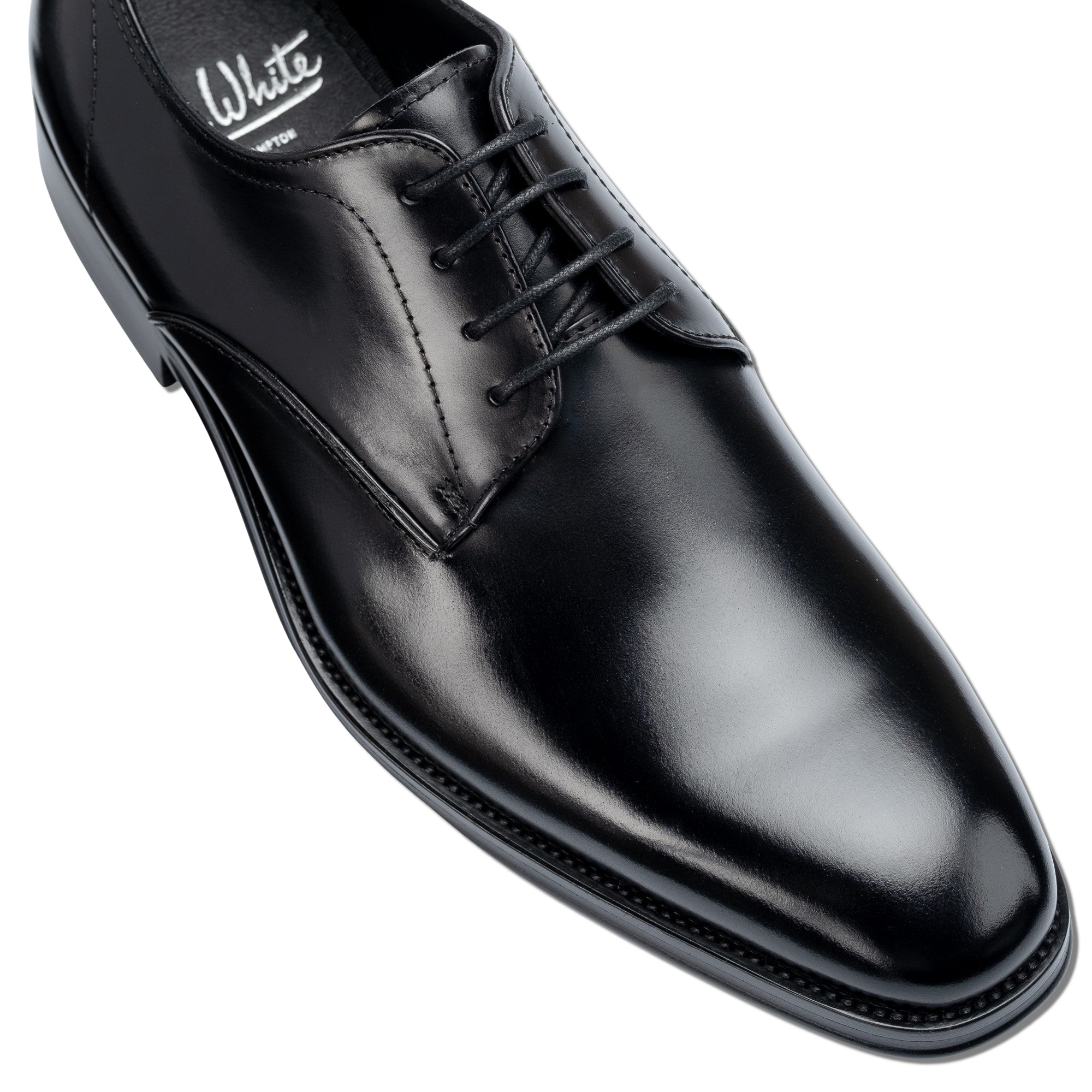
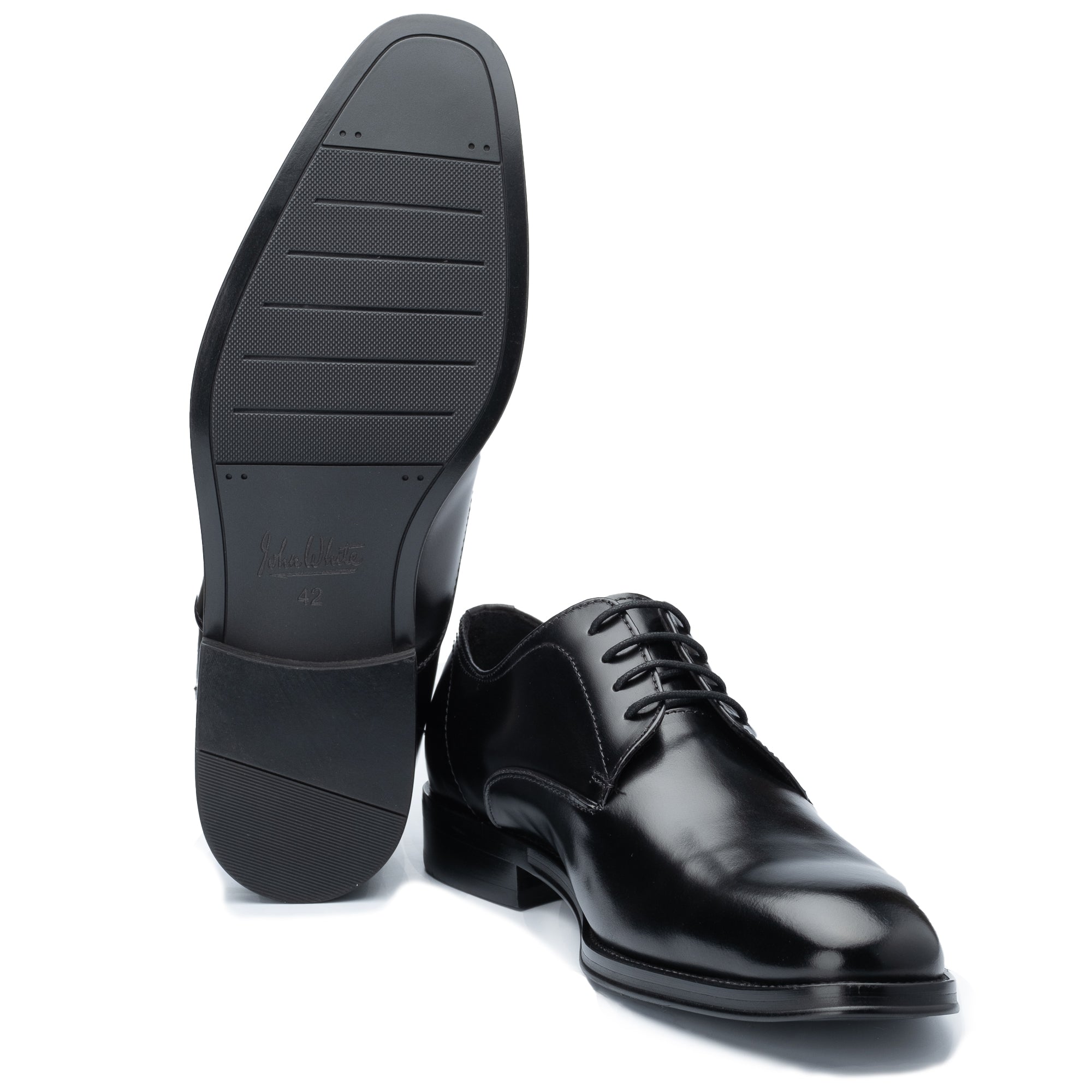
The Broad Derby Shoes make their argument in the name. A deliberately wider last, open Derby lacing, available in black and brown — this is the workhorse shape, the shoe that goes to the office and comes home without drama. Its ancestry is the practical Derby shapes that anchored the range across every decade from the 1920s onwards.
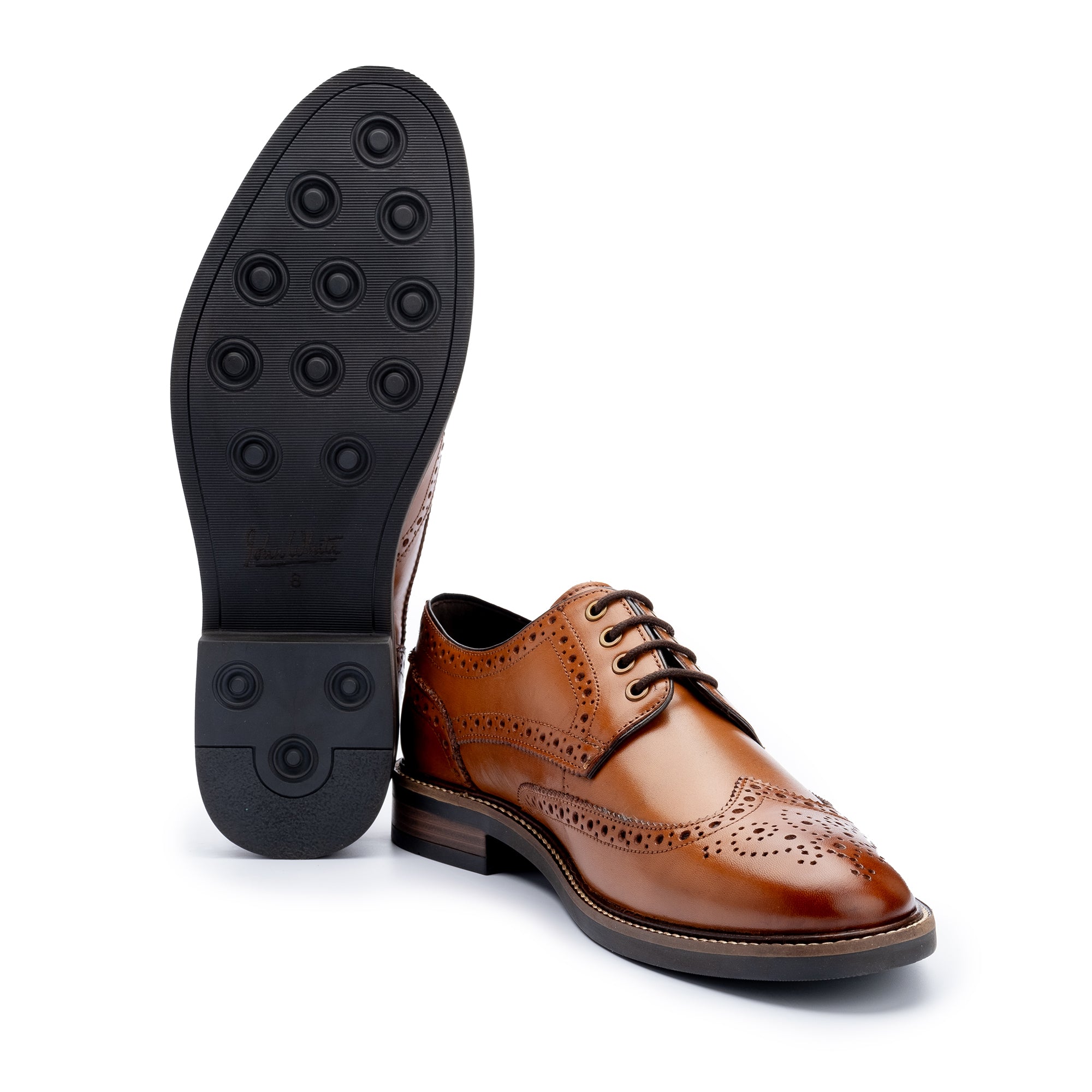
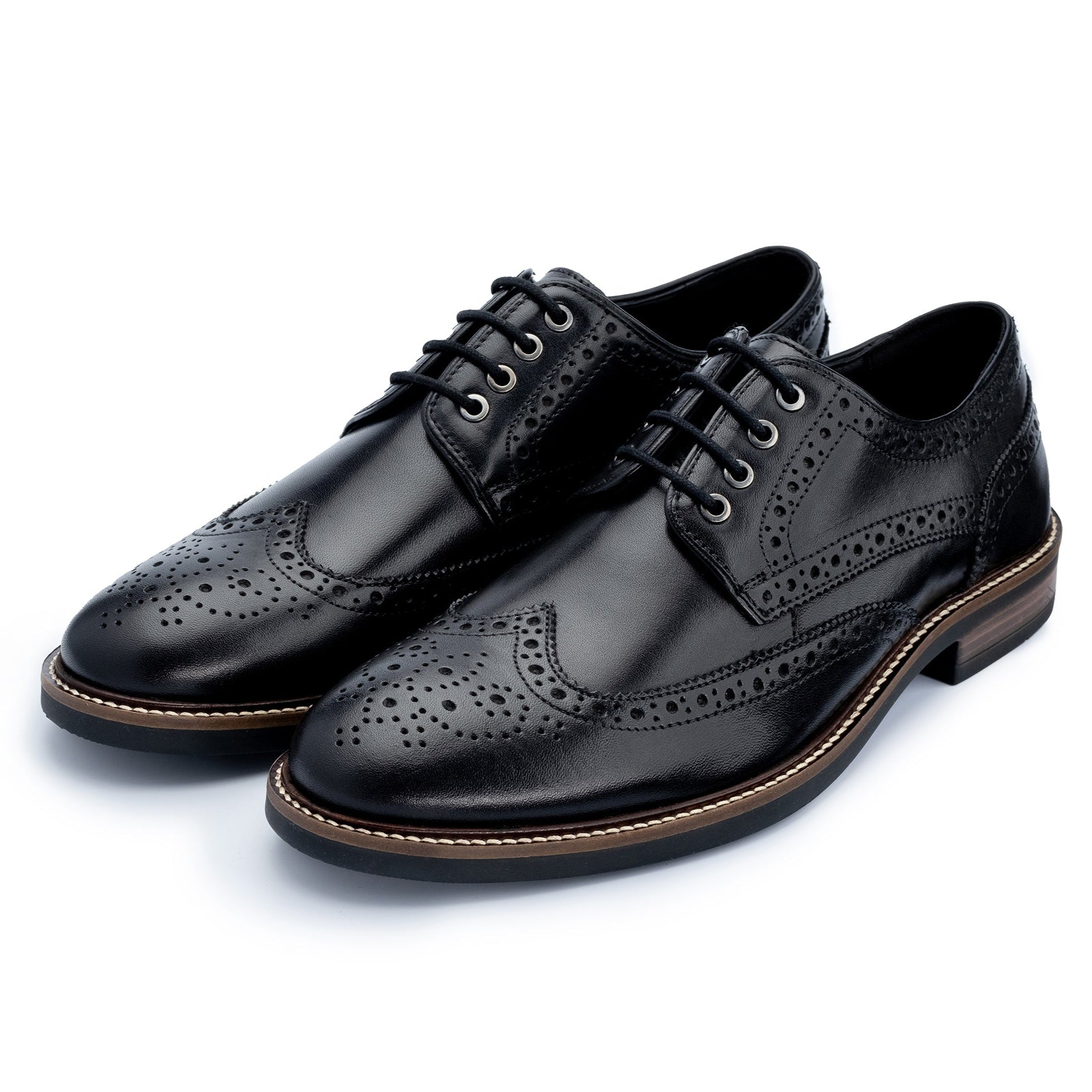
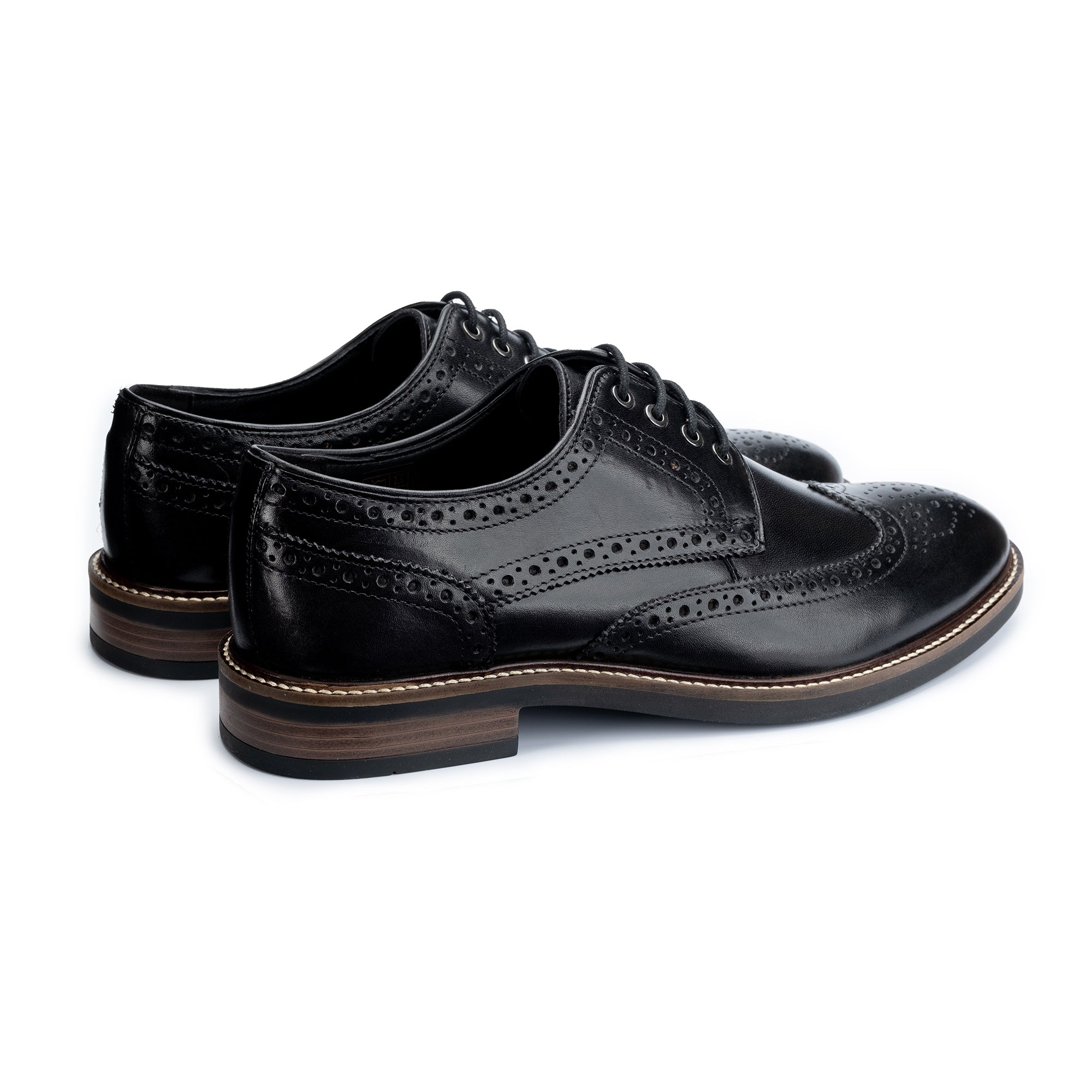
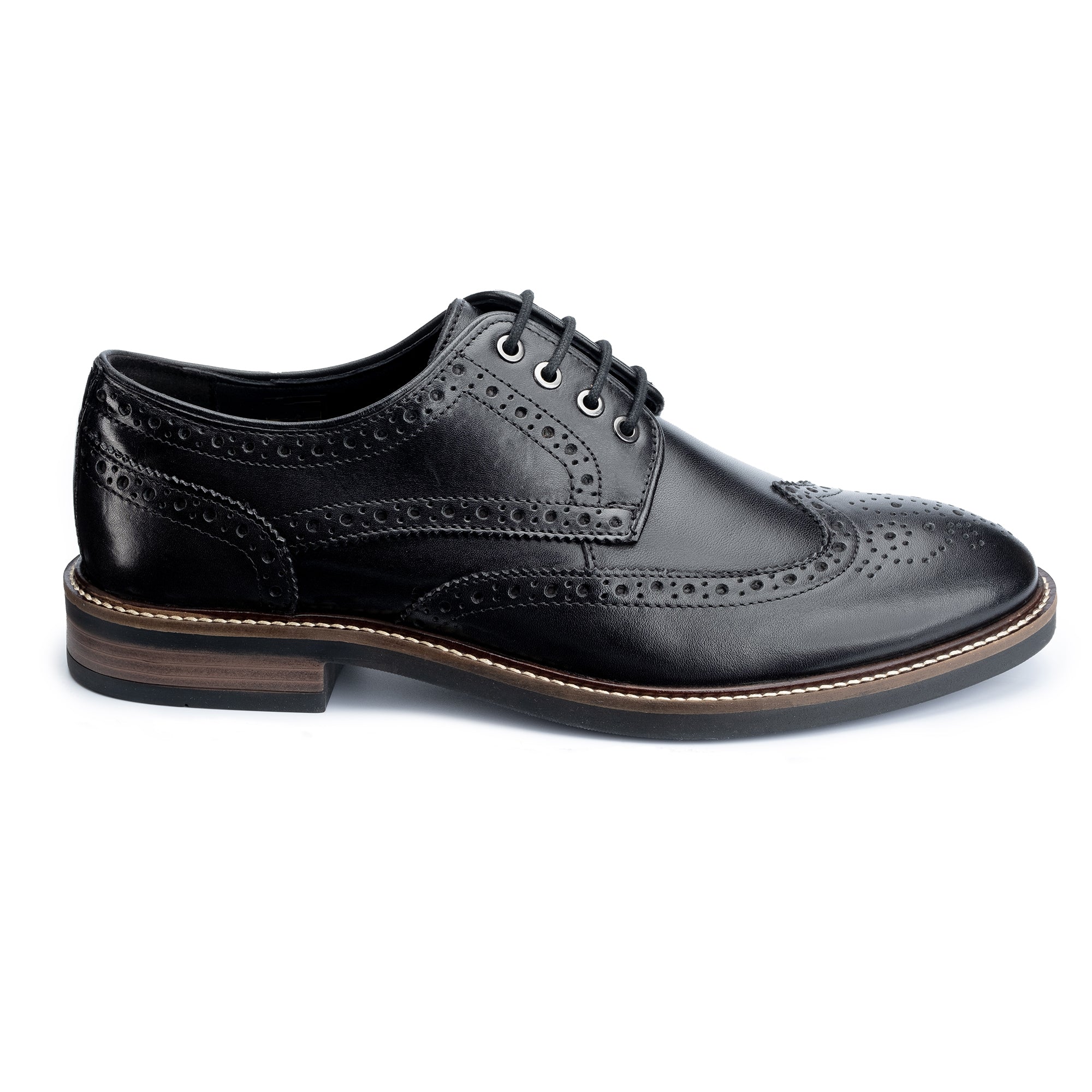
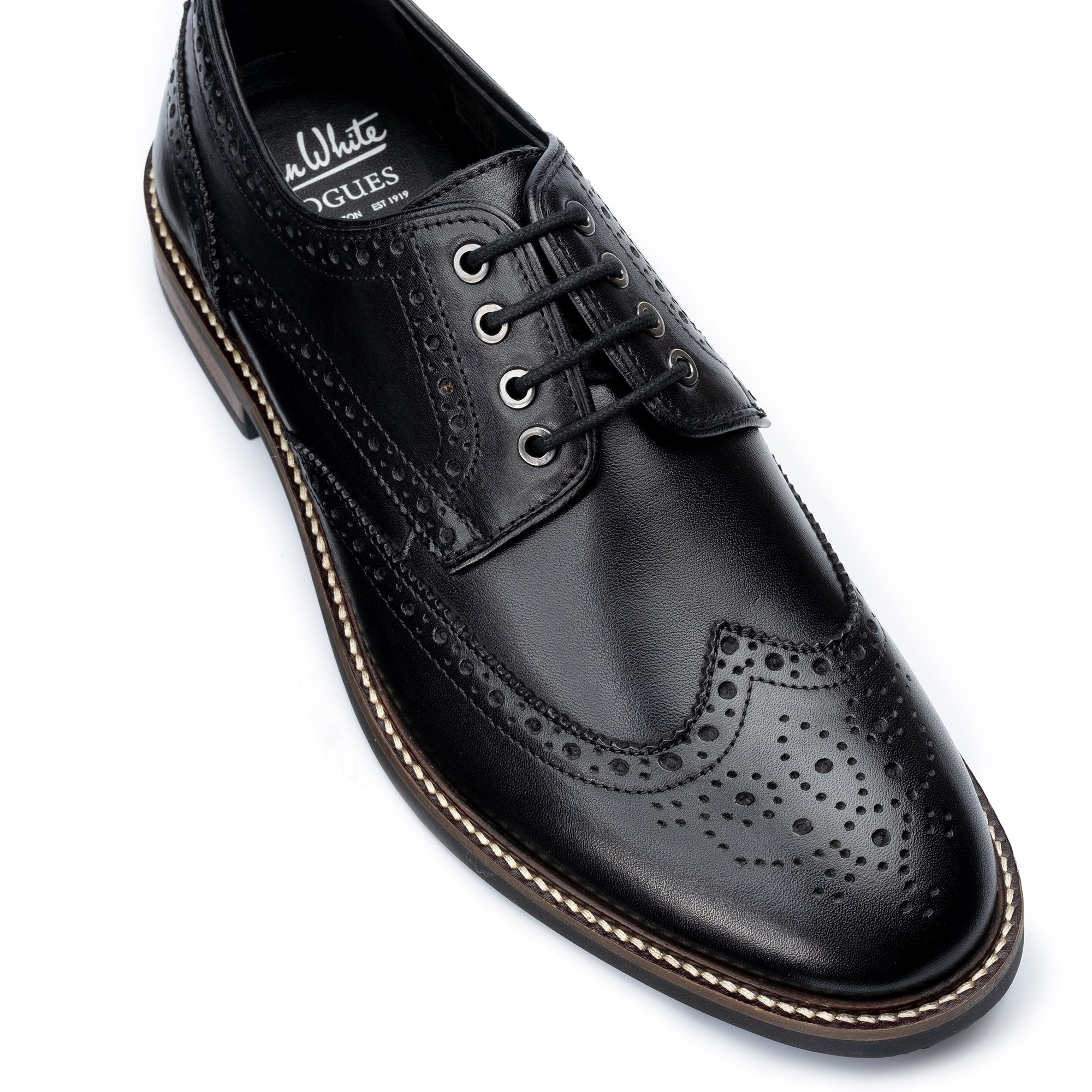
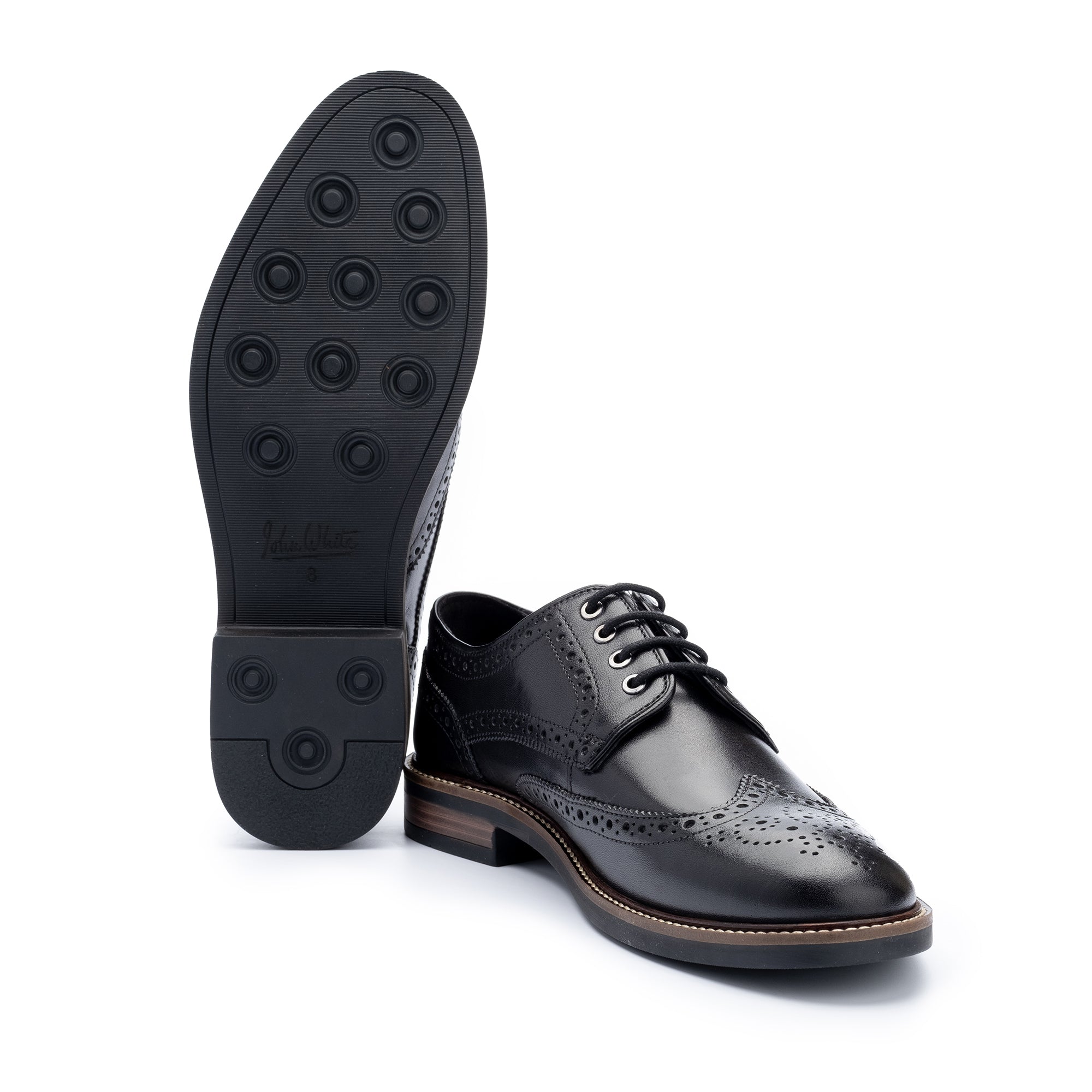
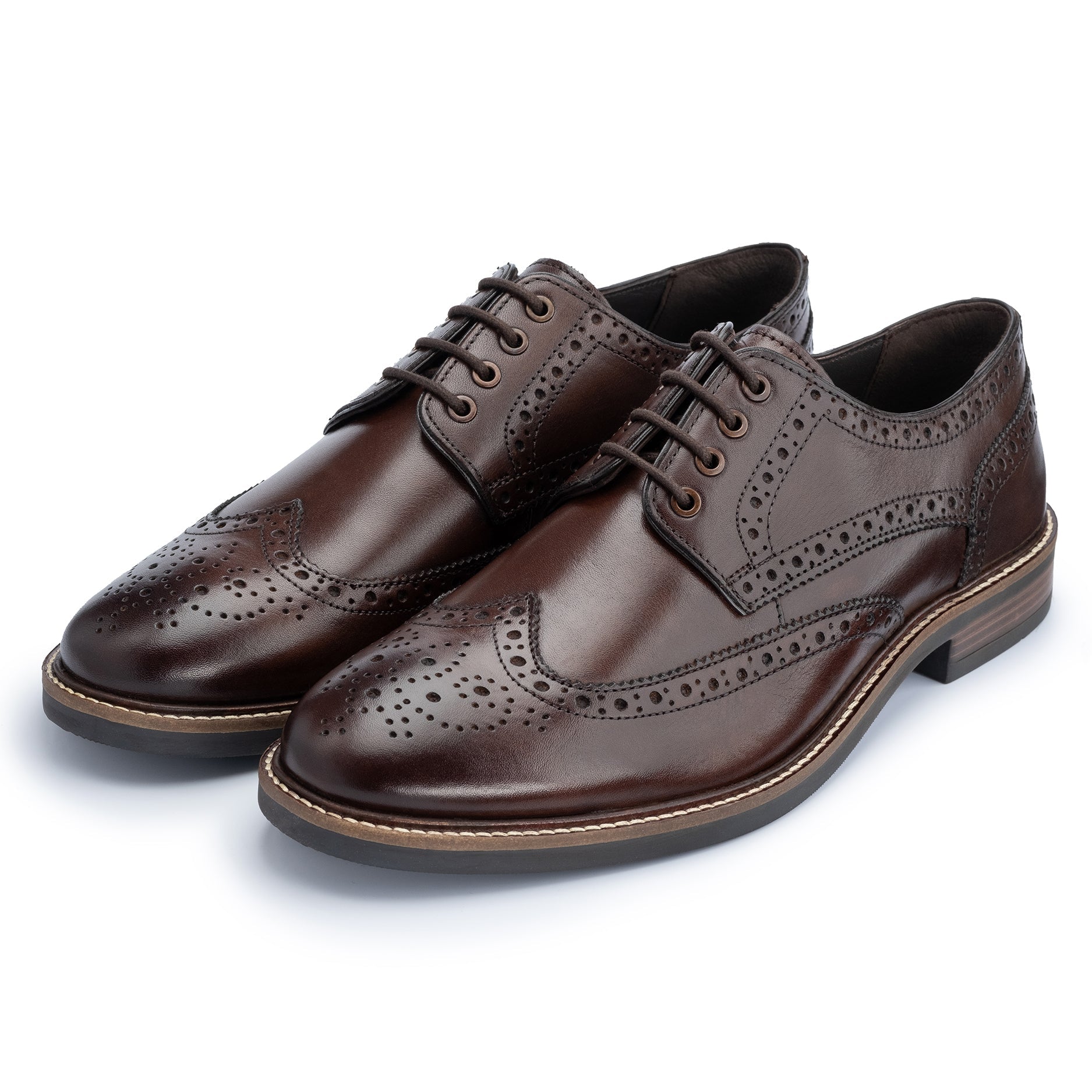
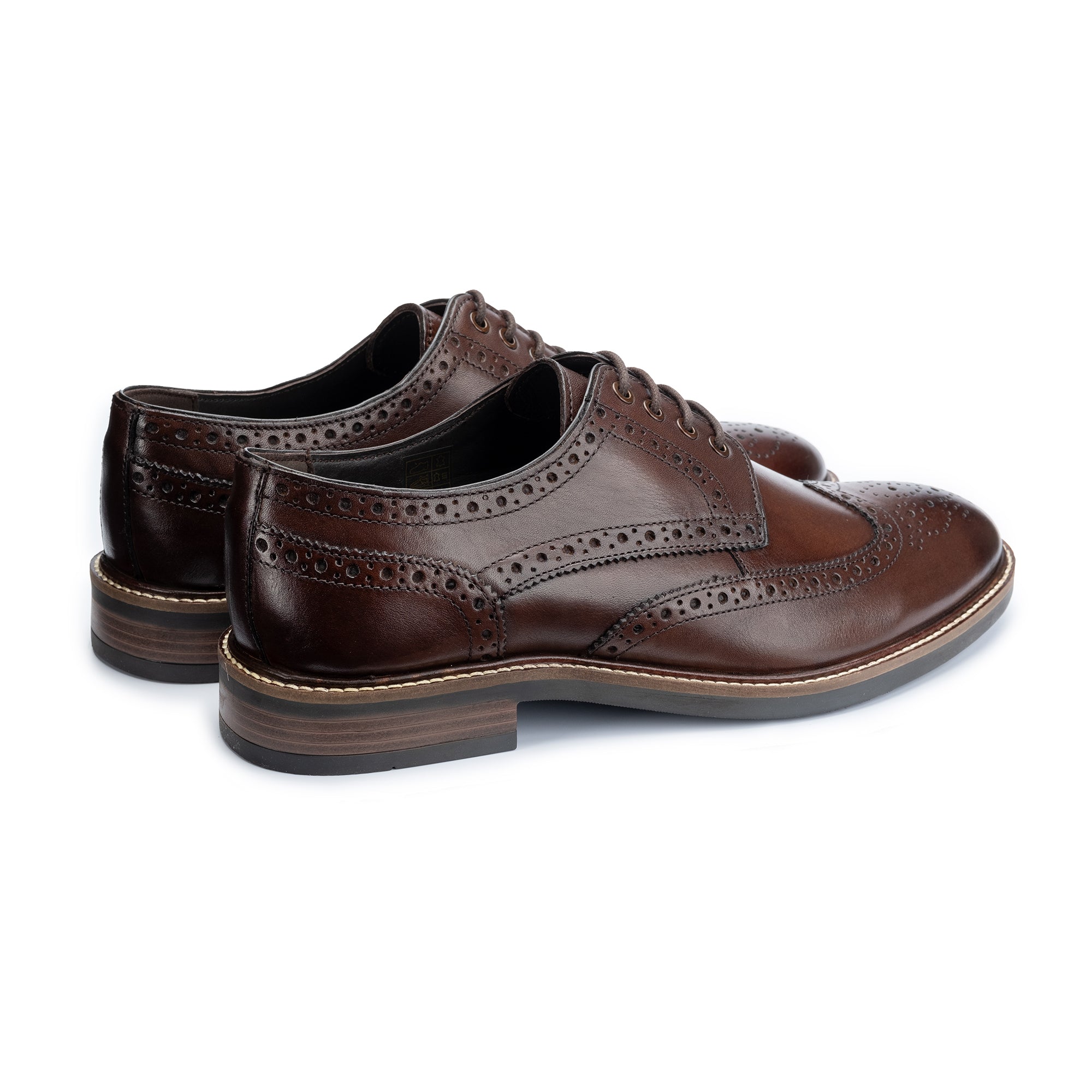
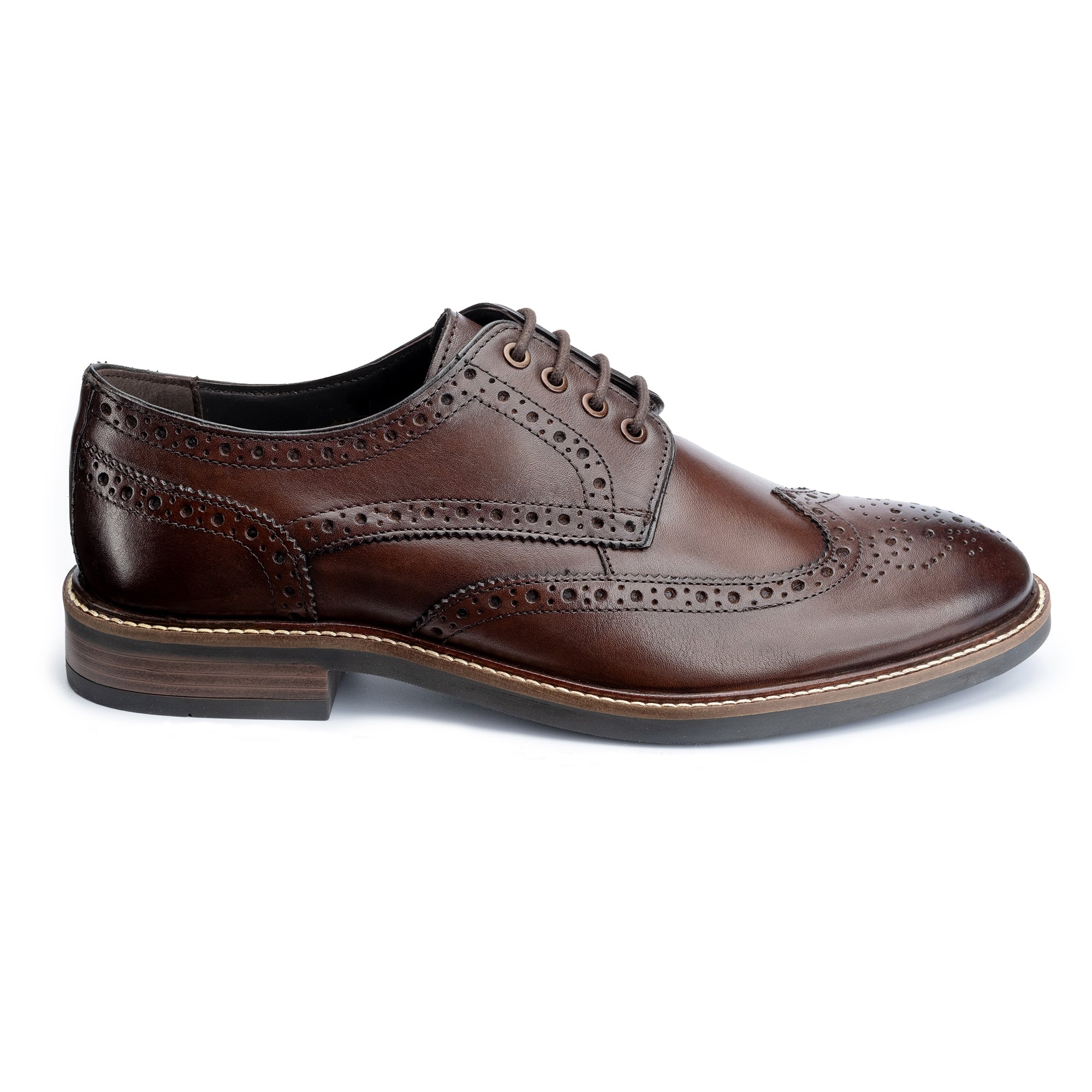
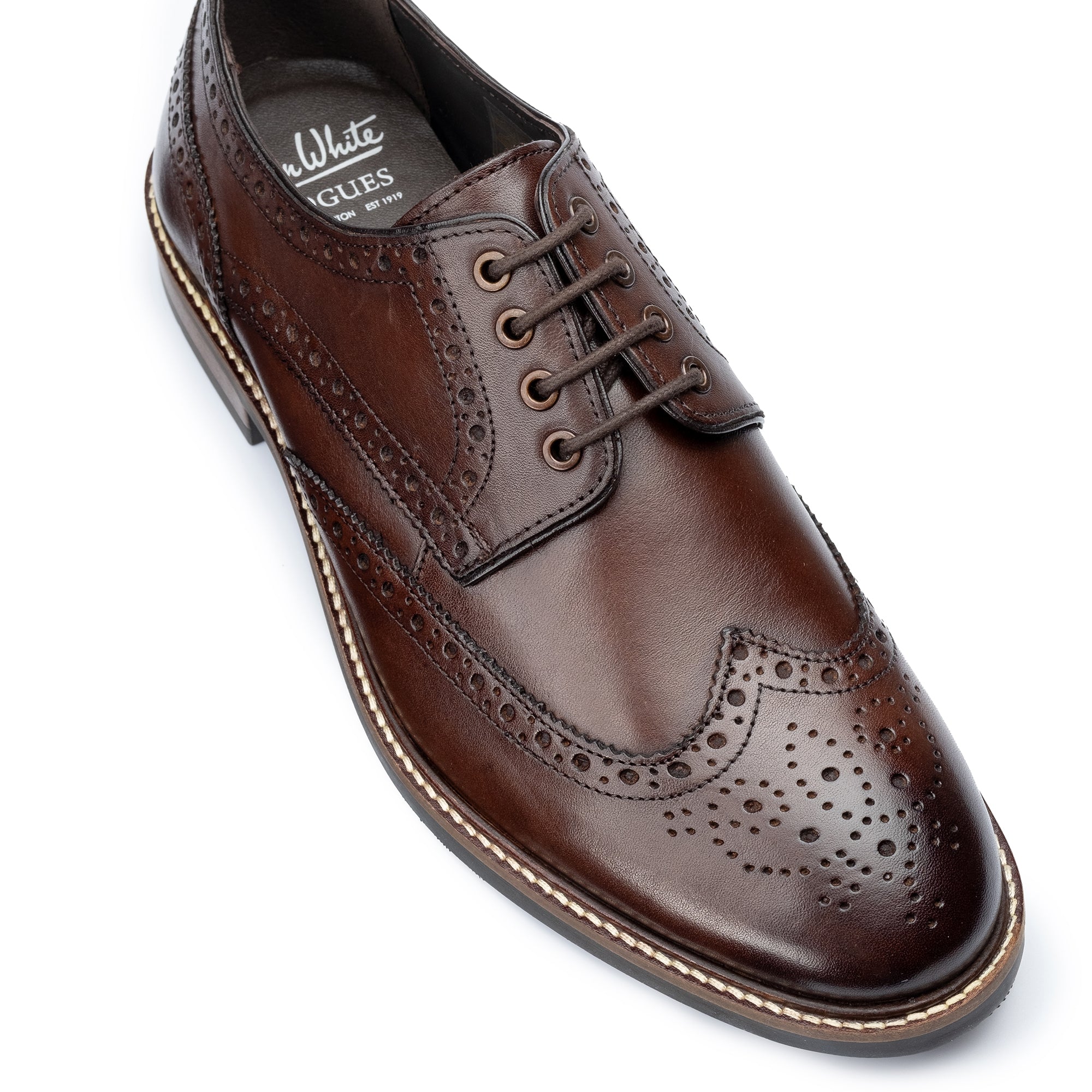
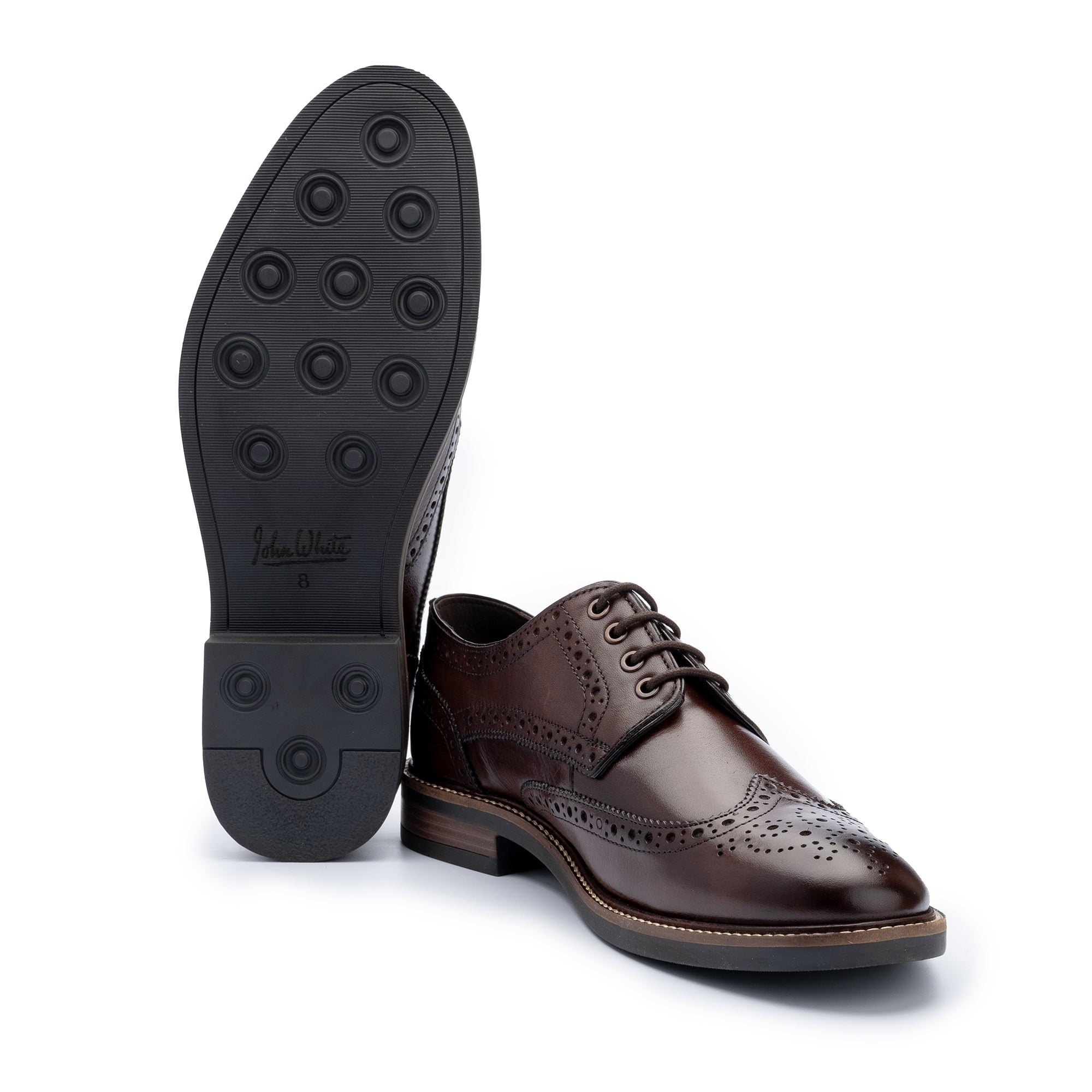
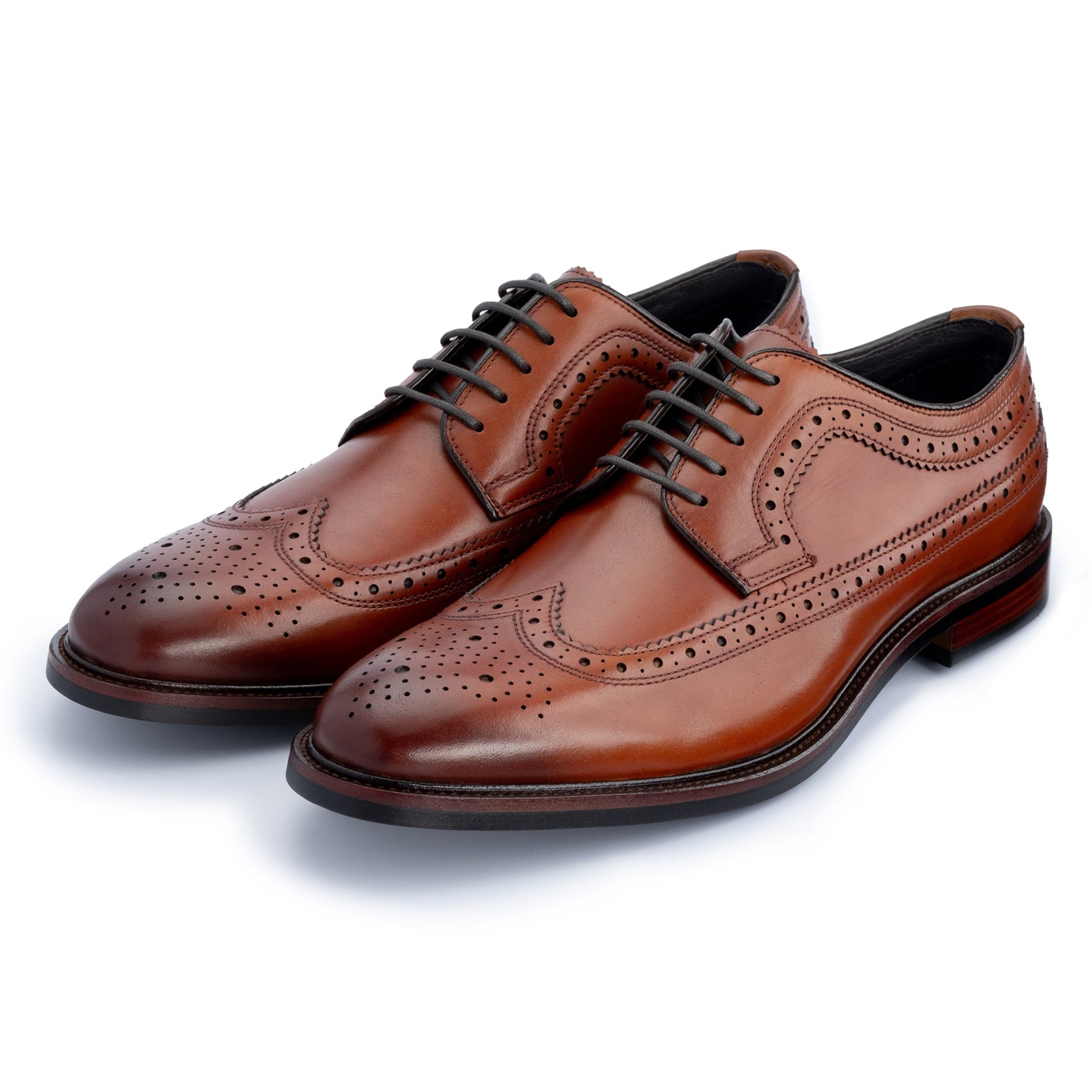
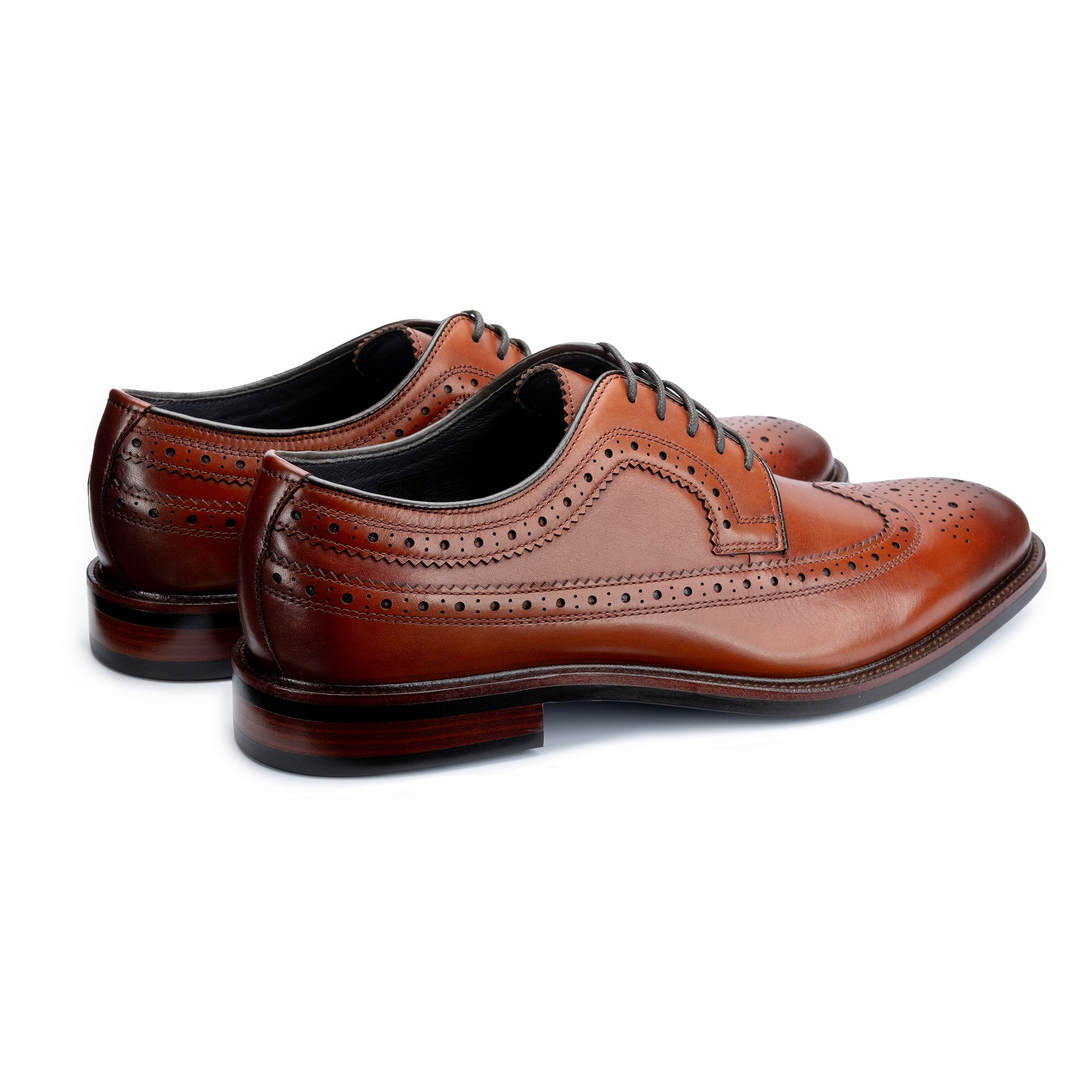
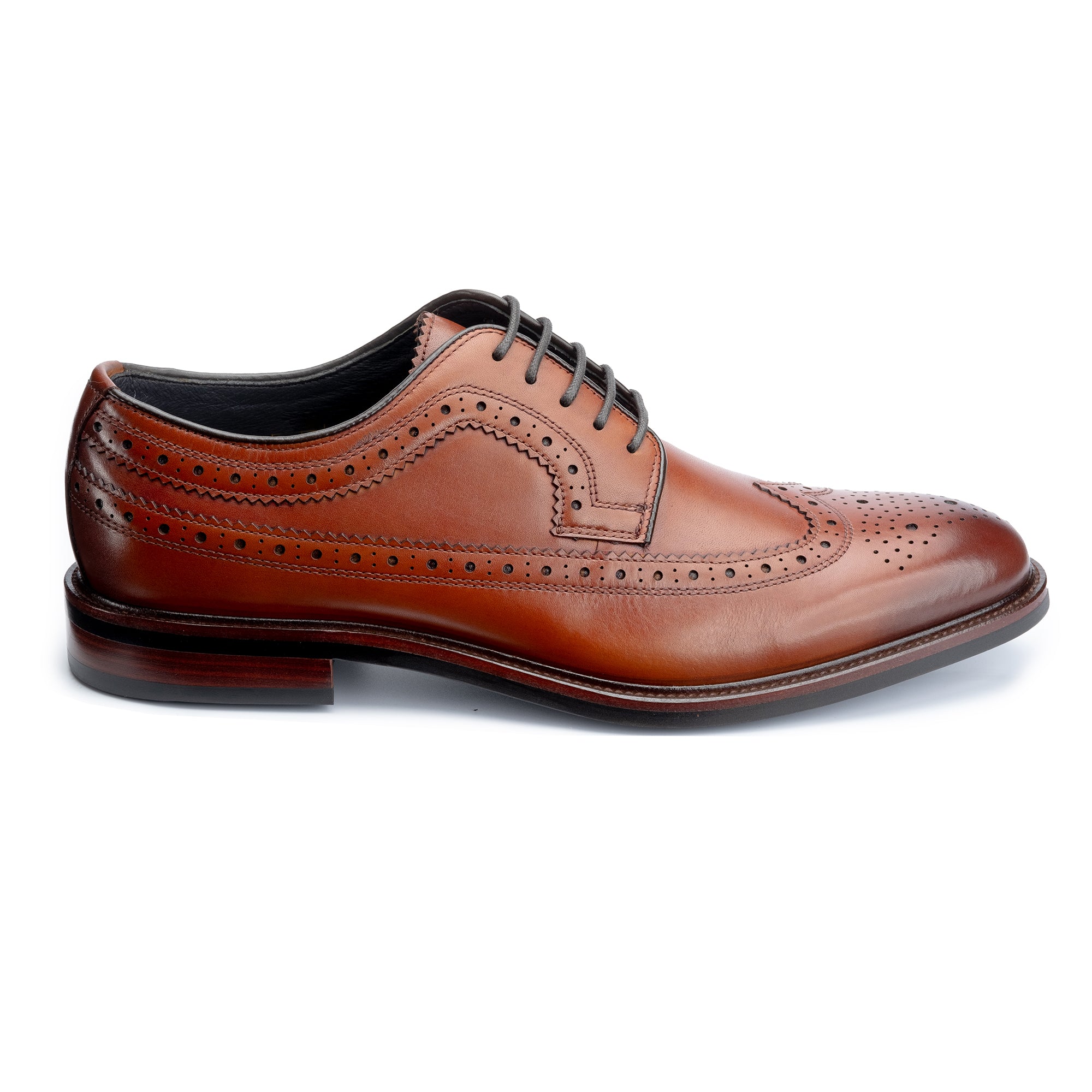
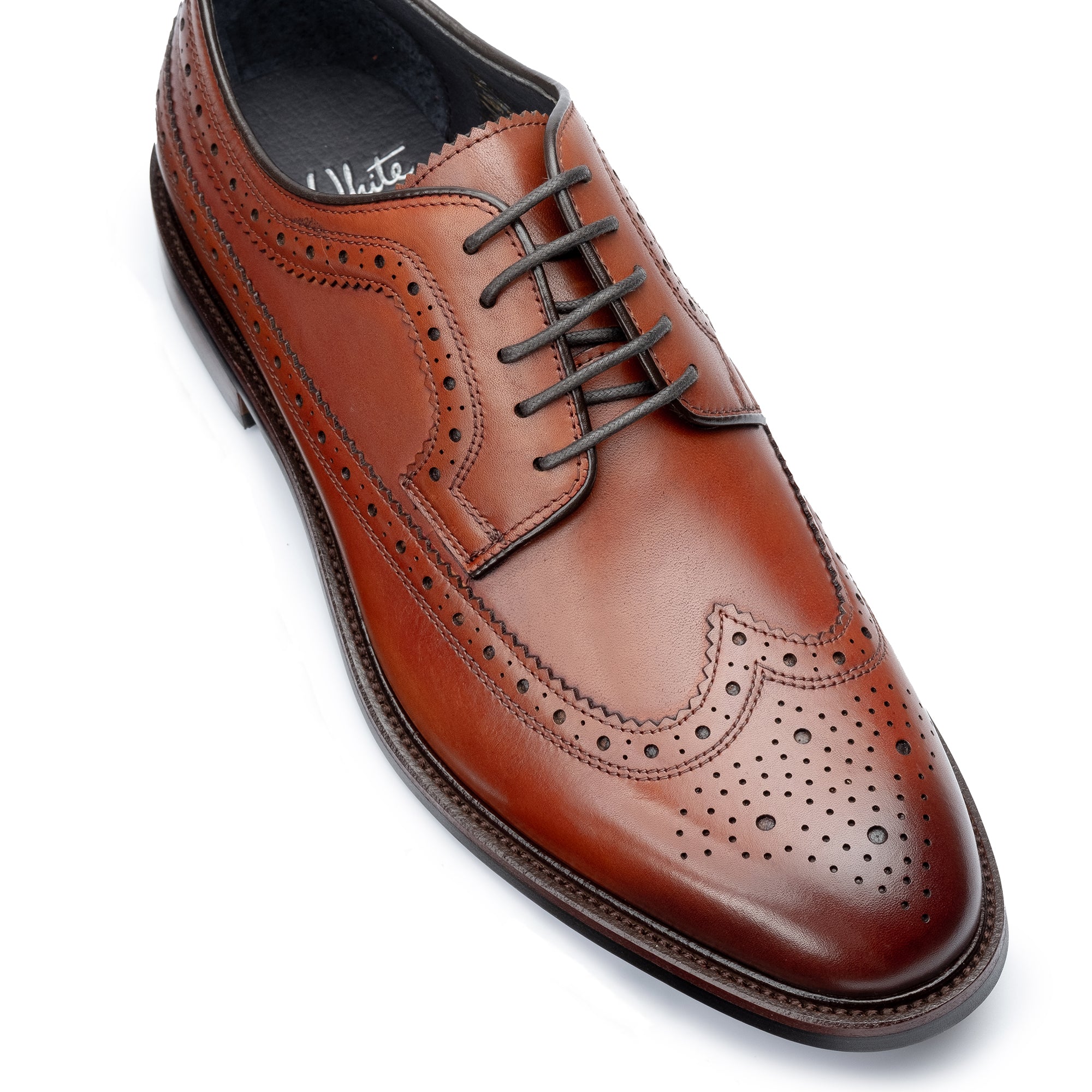
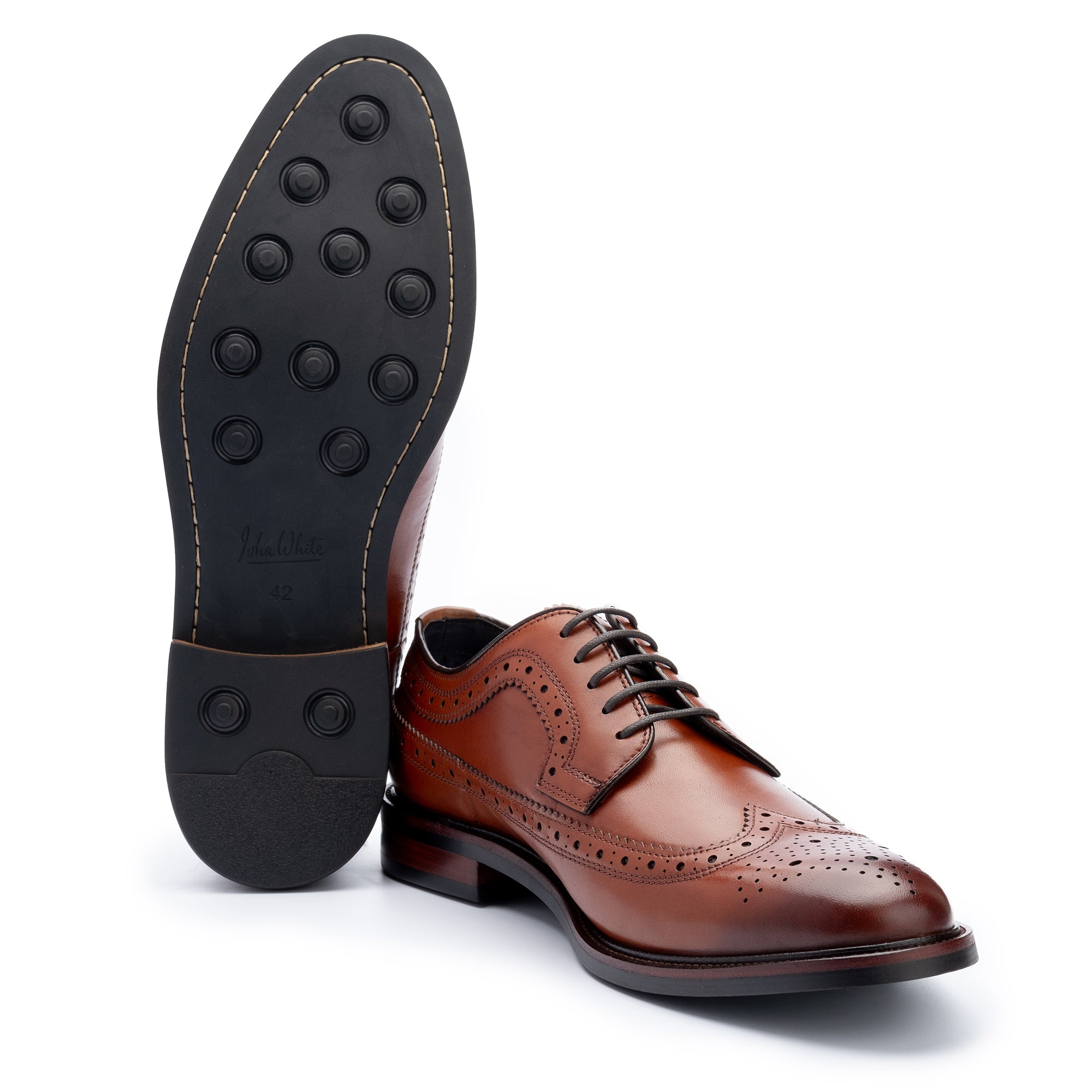
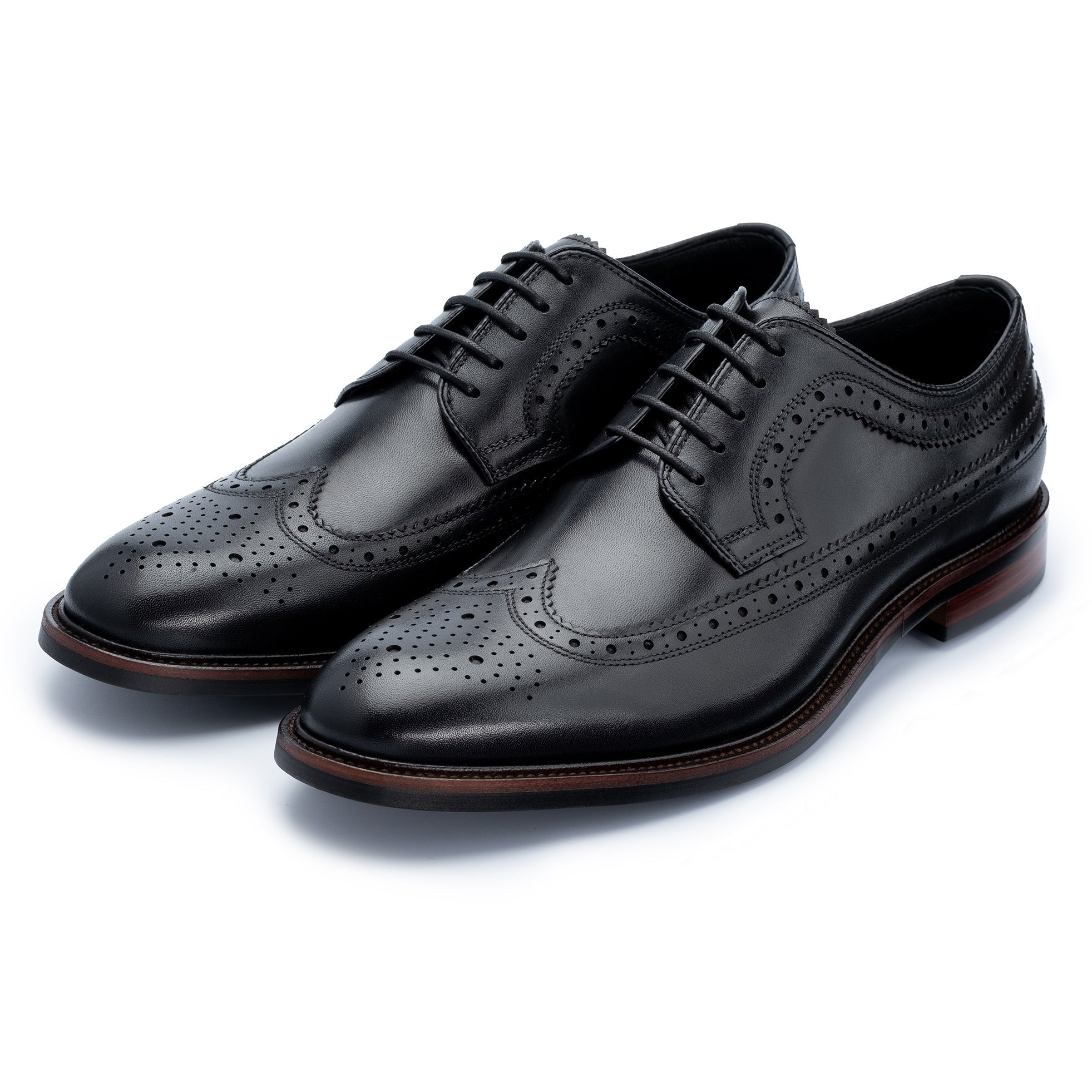
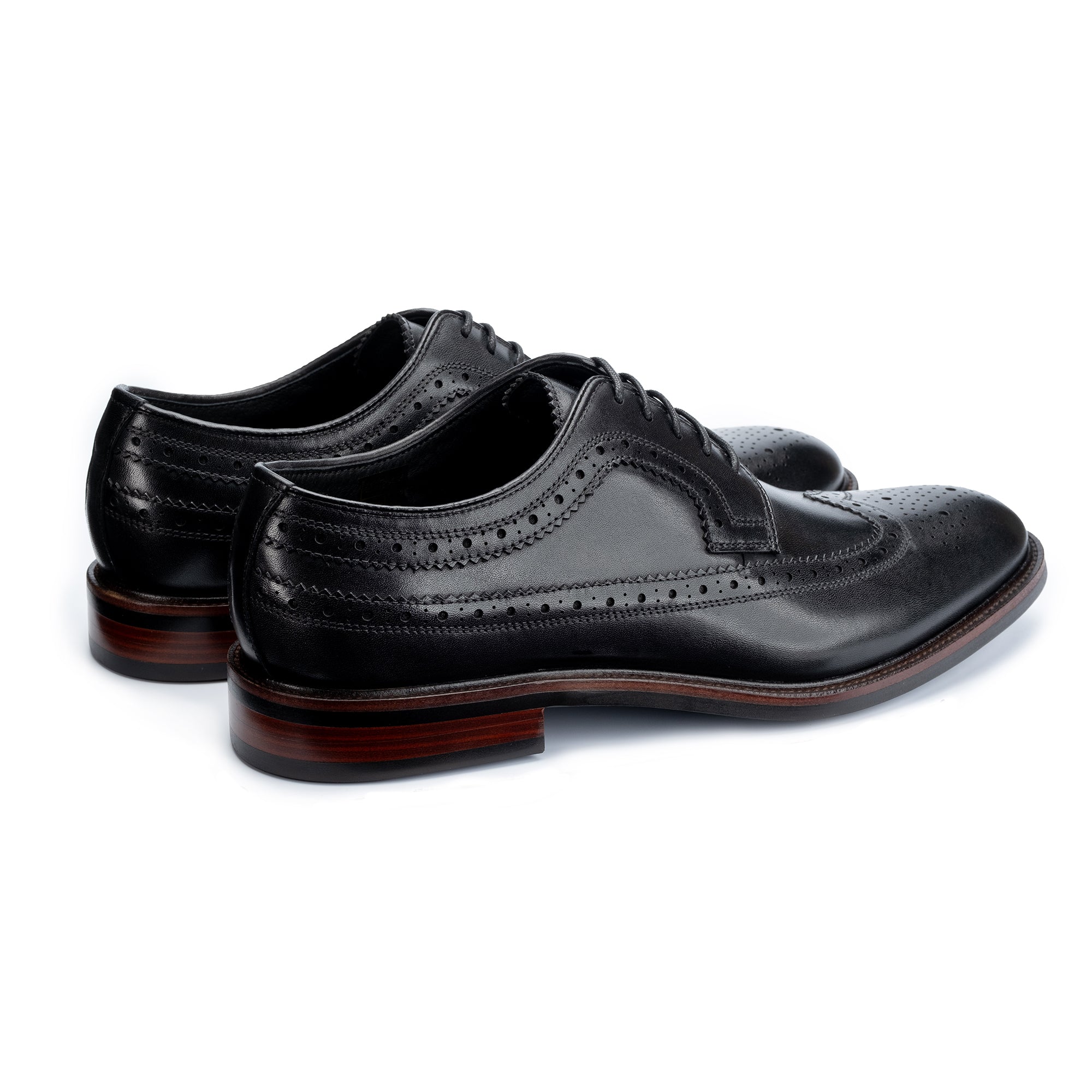
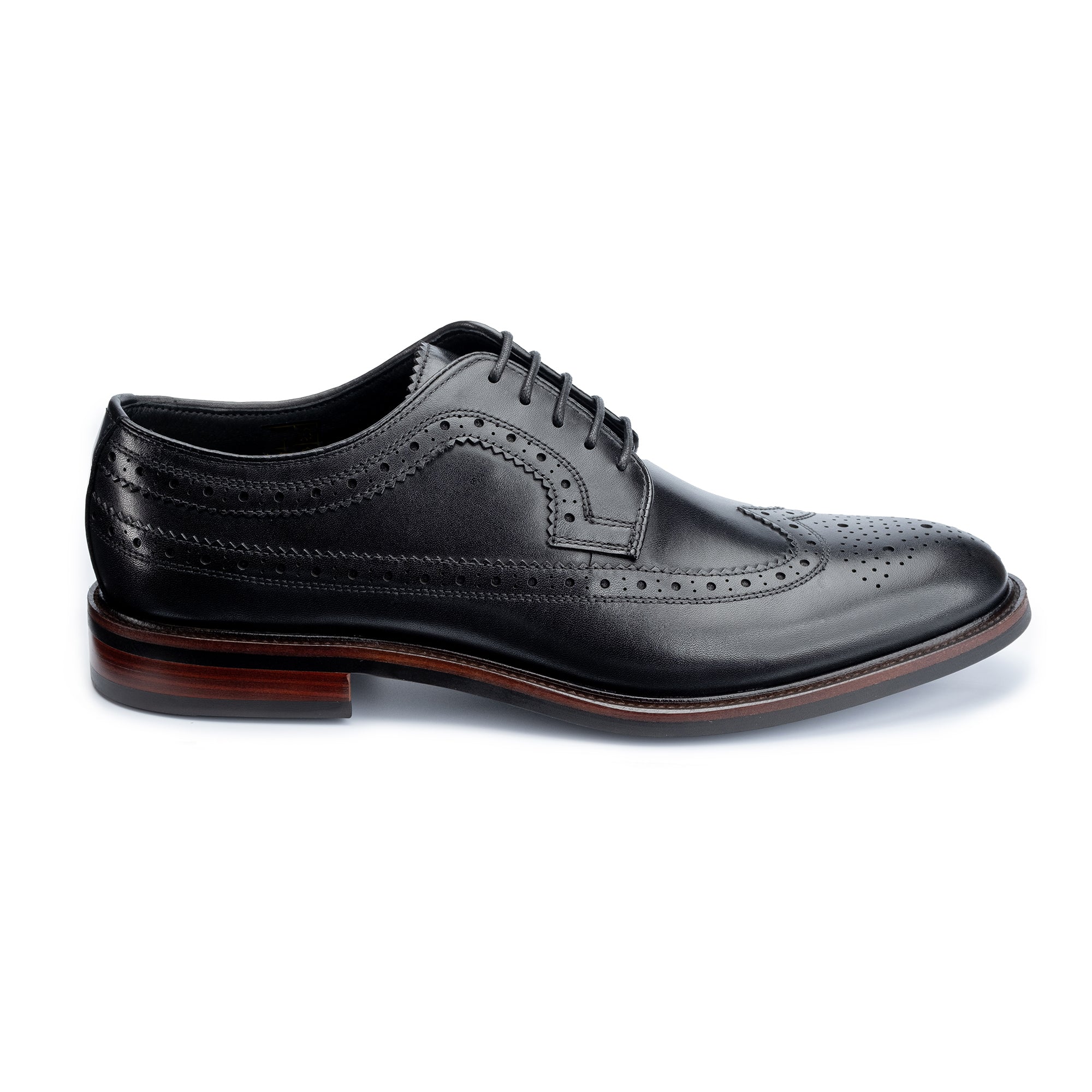
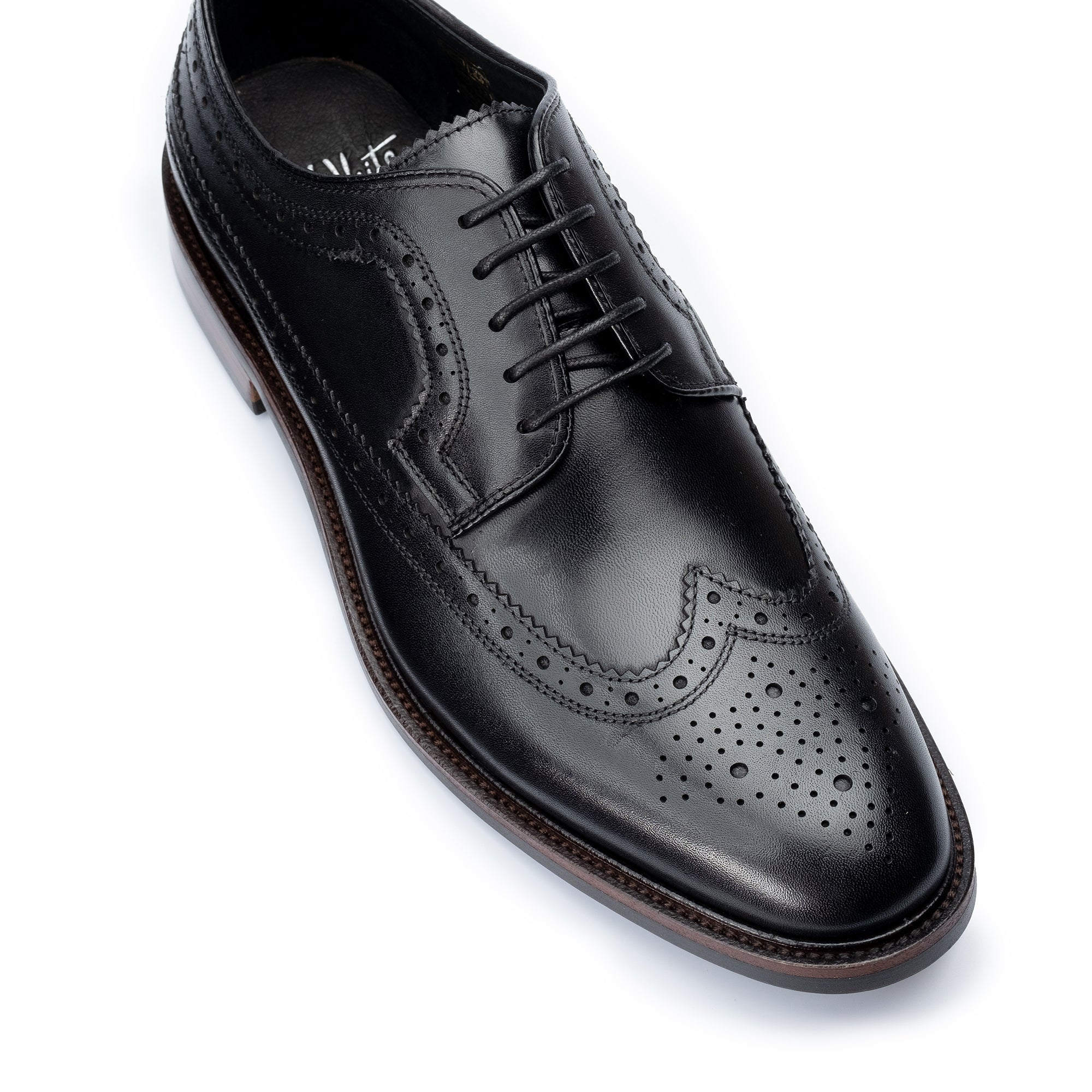
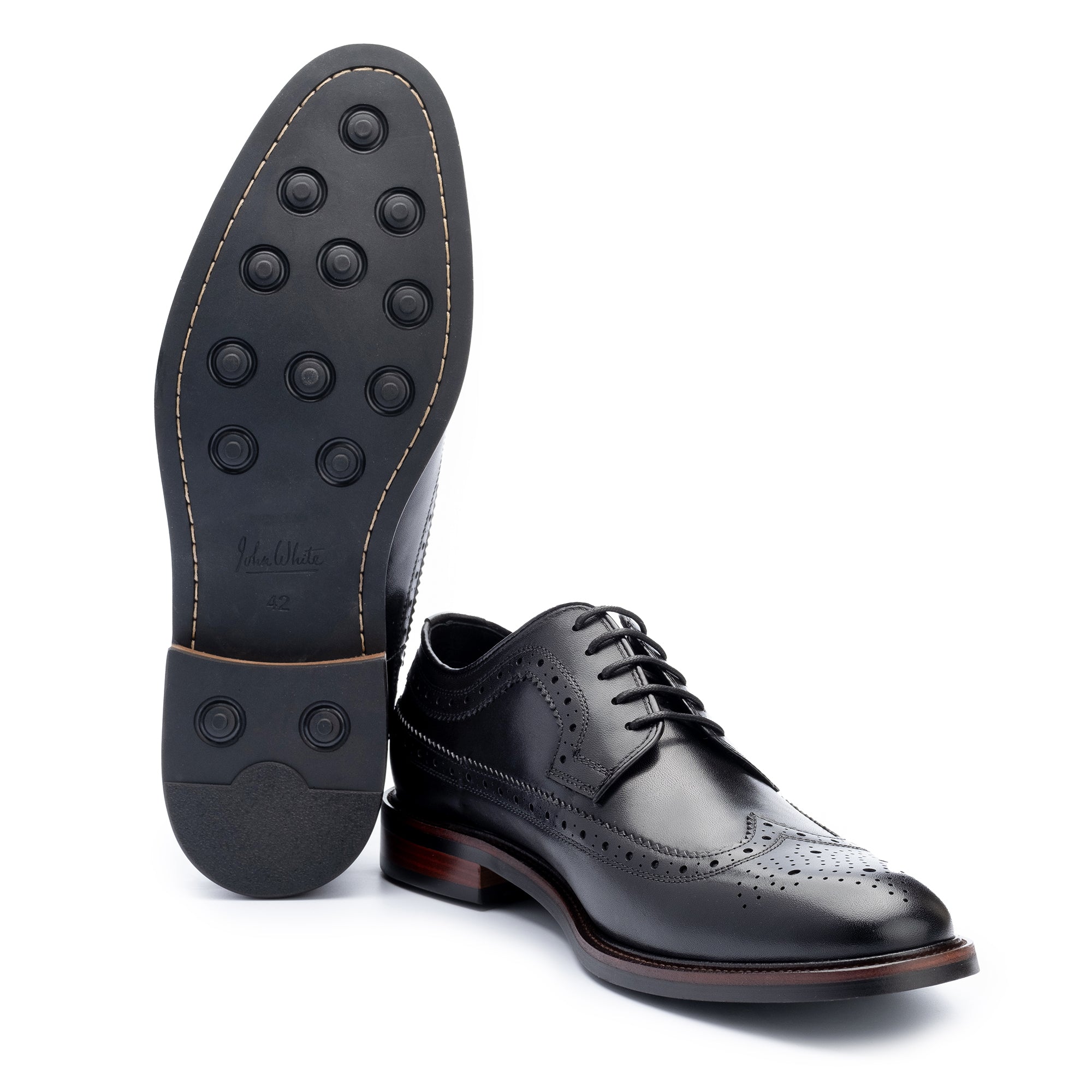
At the other end of the decorative spectrum, the Hogarth Brogue Shoes carry the full-brogue tradition: medallion, cap, side perforations, and the serrated broguing line across the toe box. It is a more exuberant design by JWS standards, and precisely the sort of piece that has been part of the JWS vocabulary since broguing found its way off the moors and onto town shoes in the interwar years.
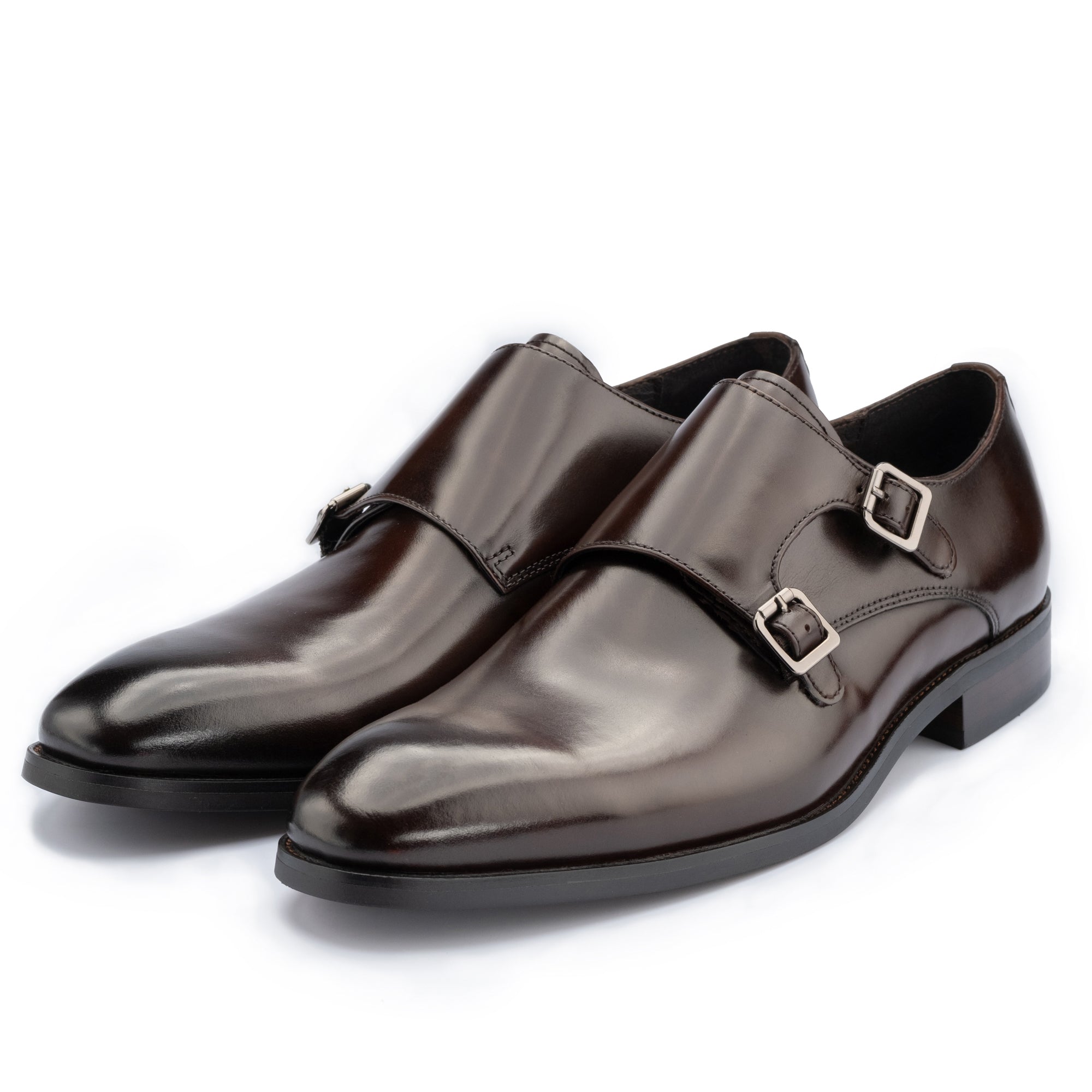
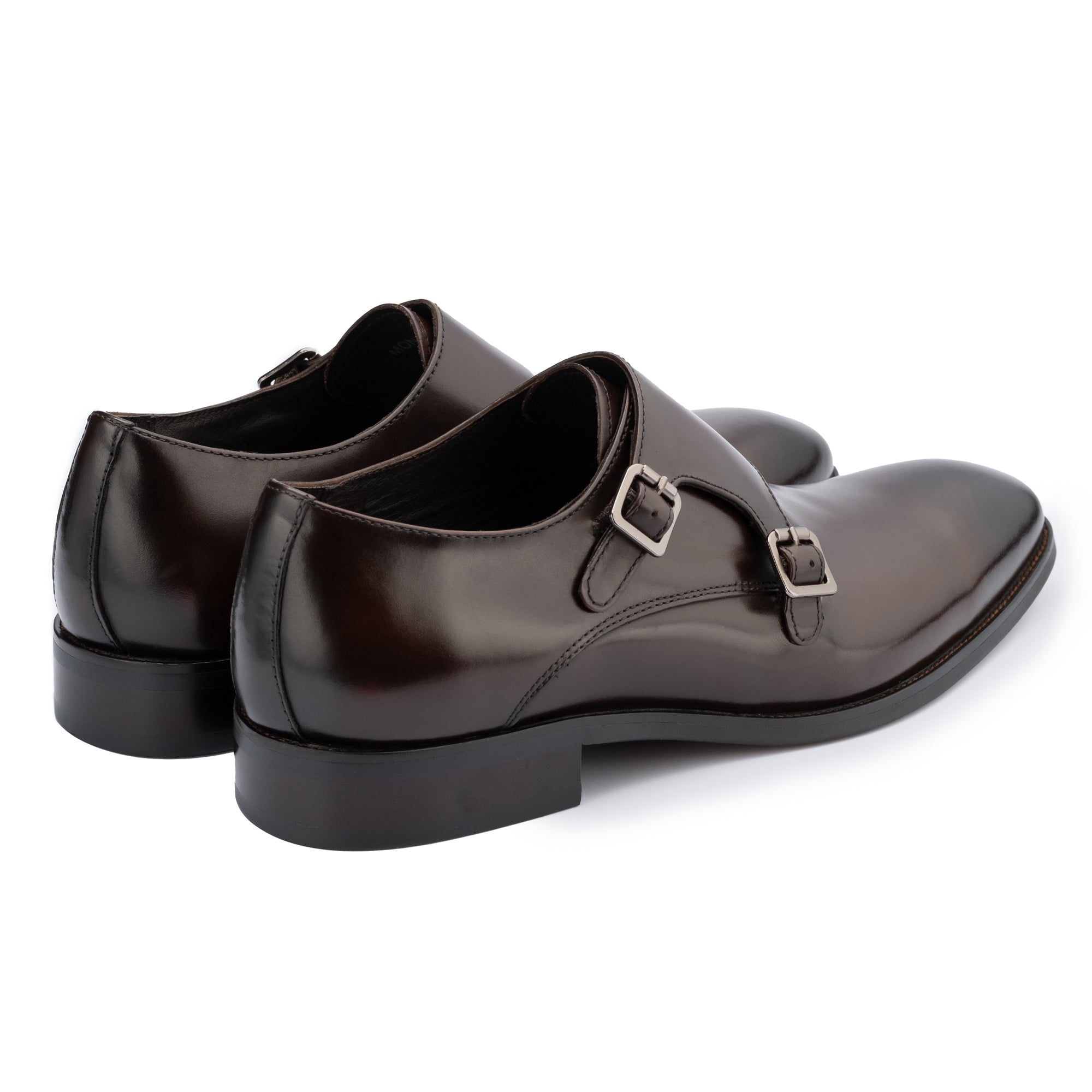
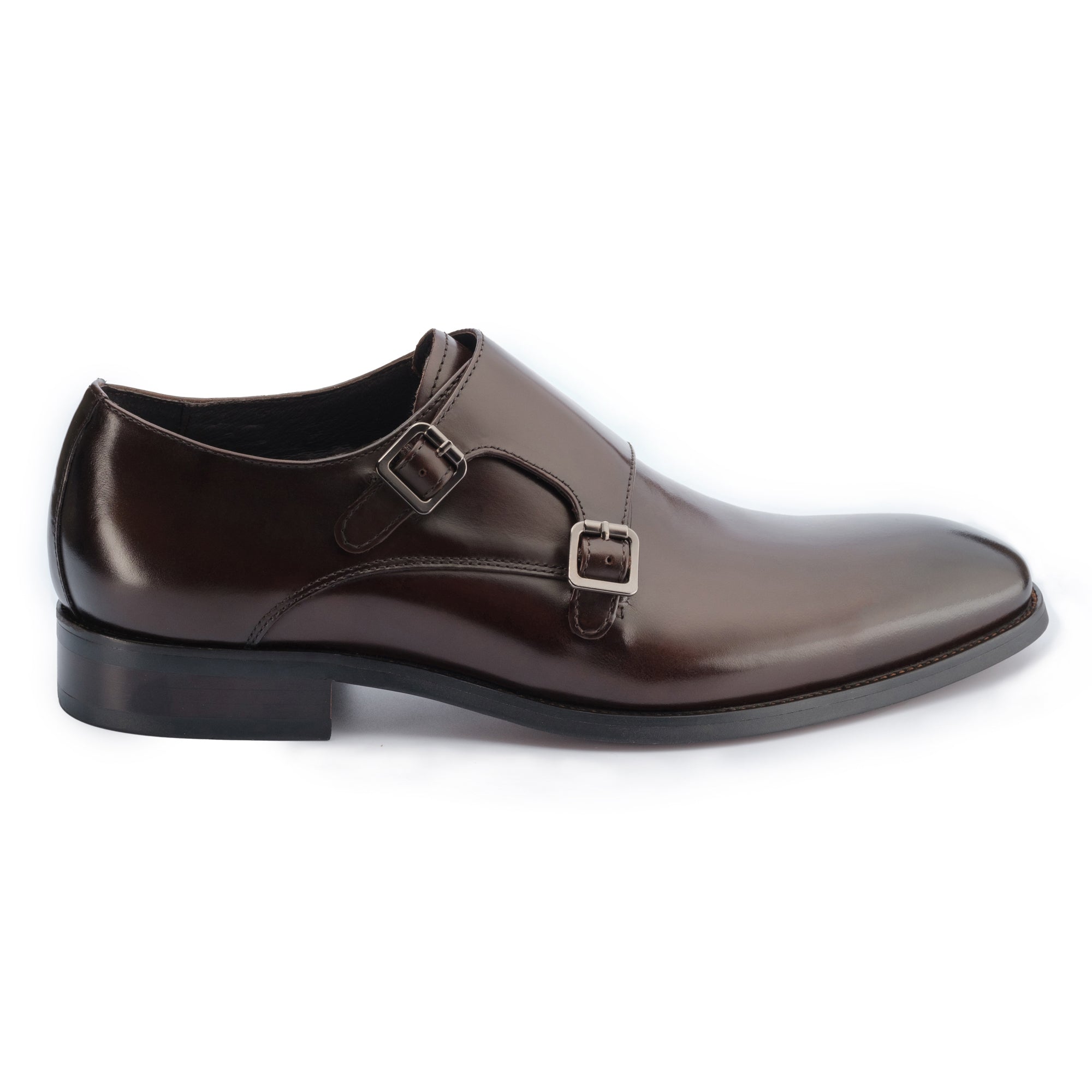
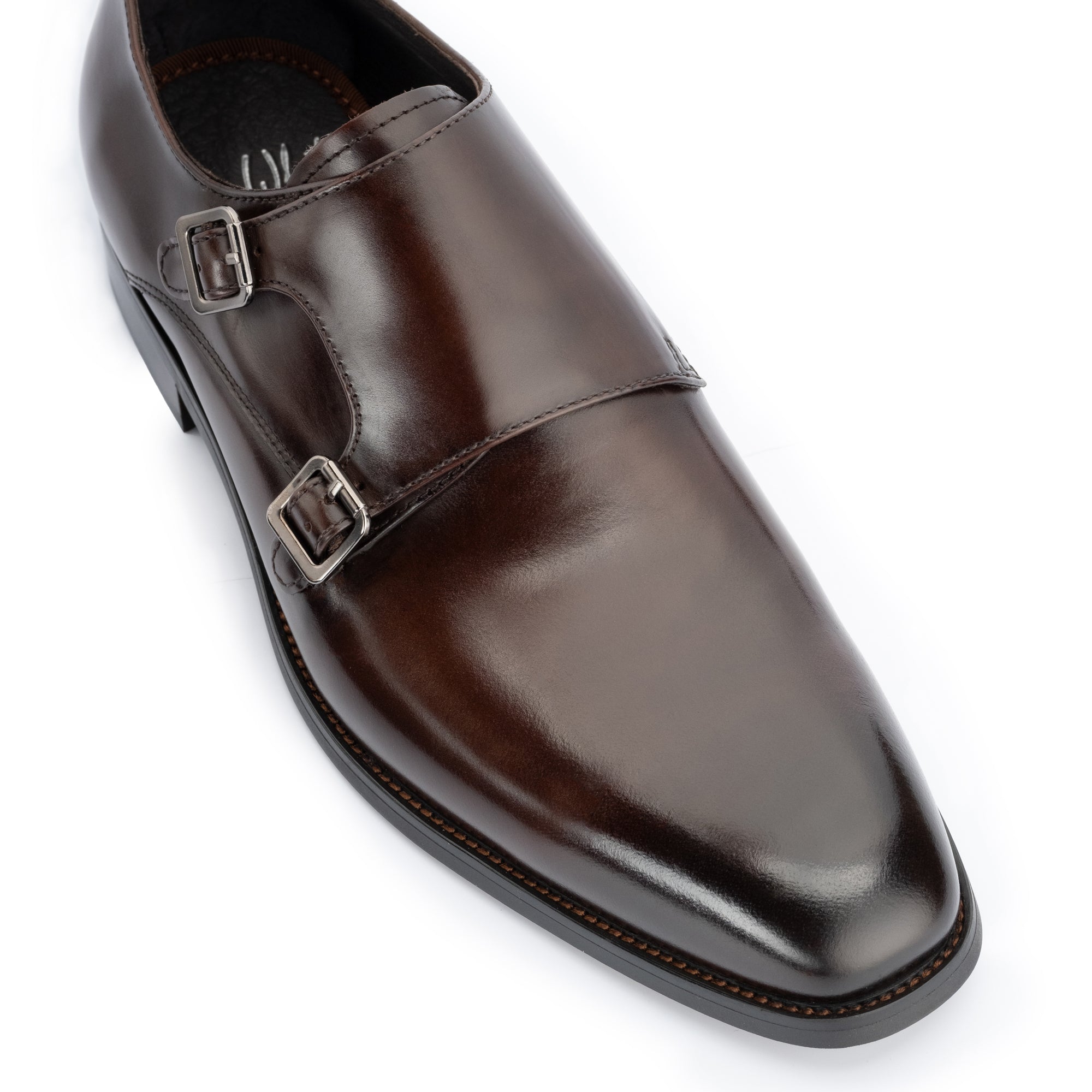
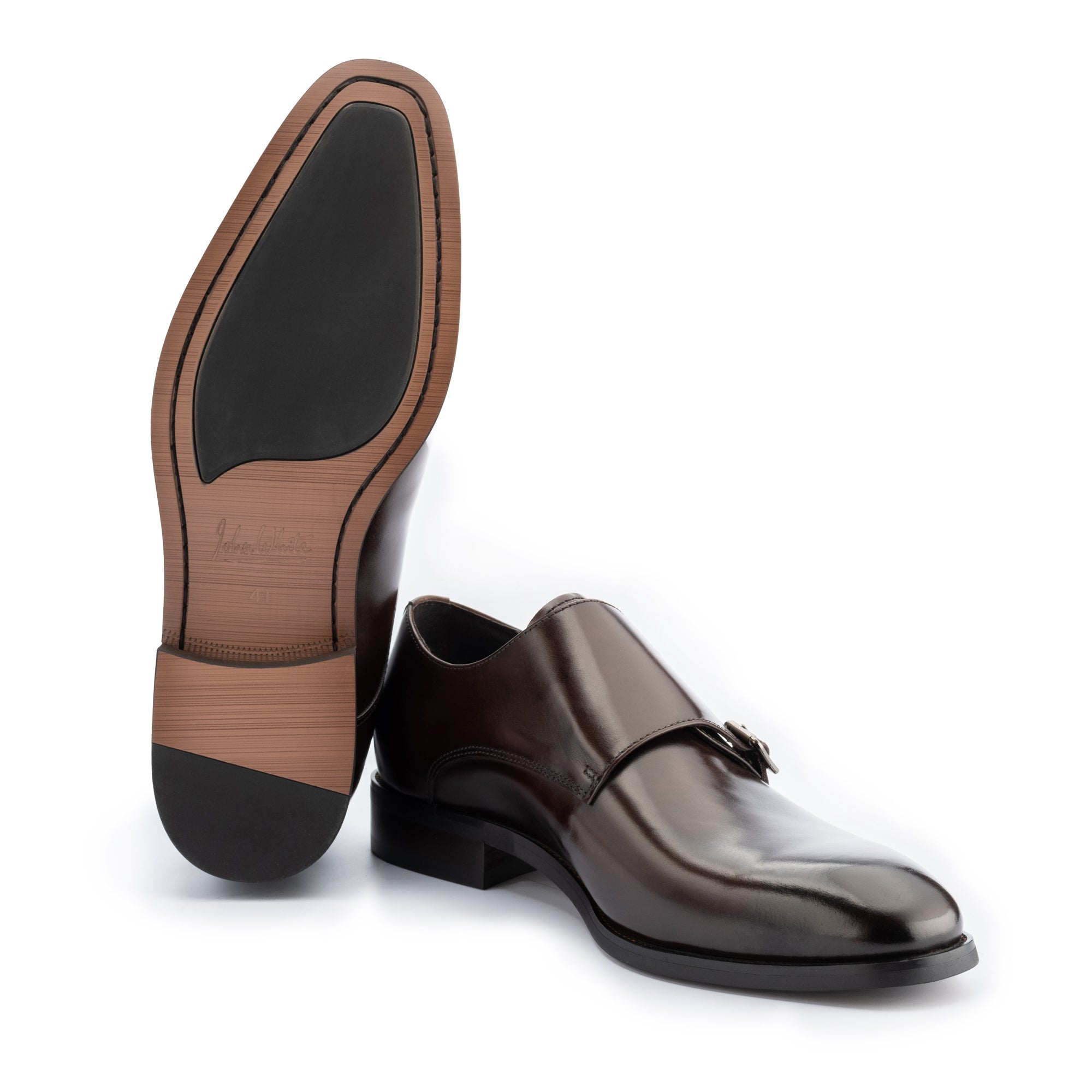
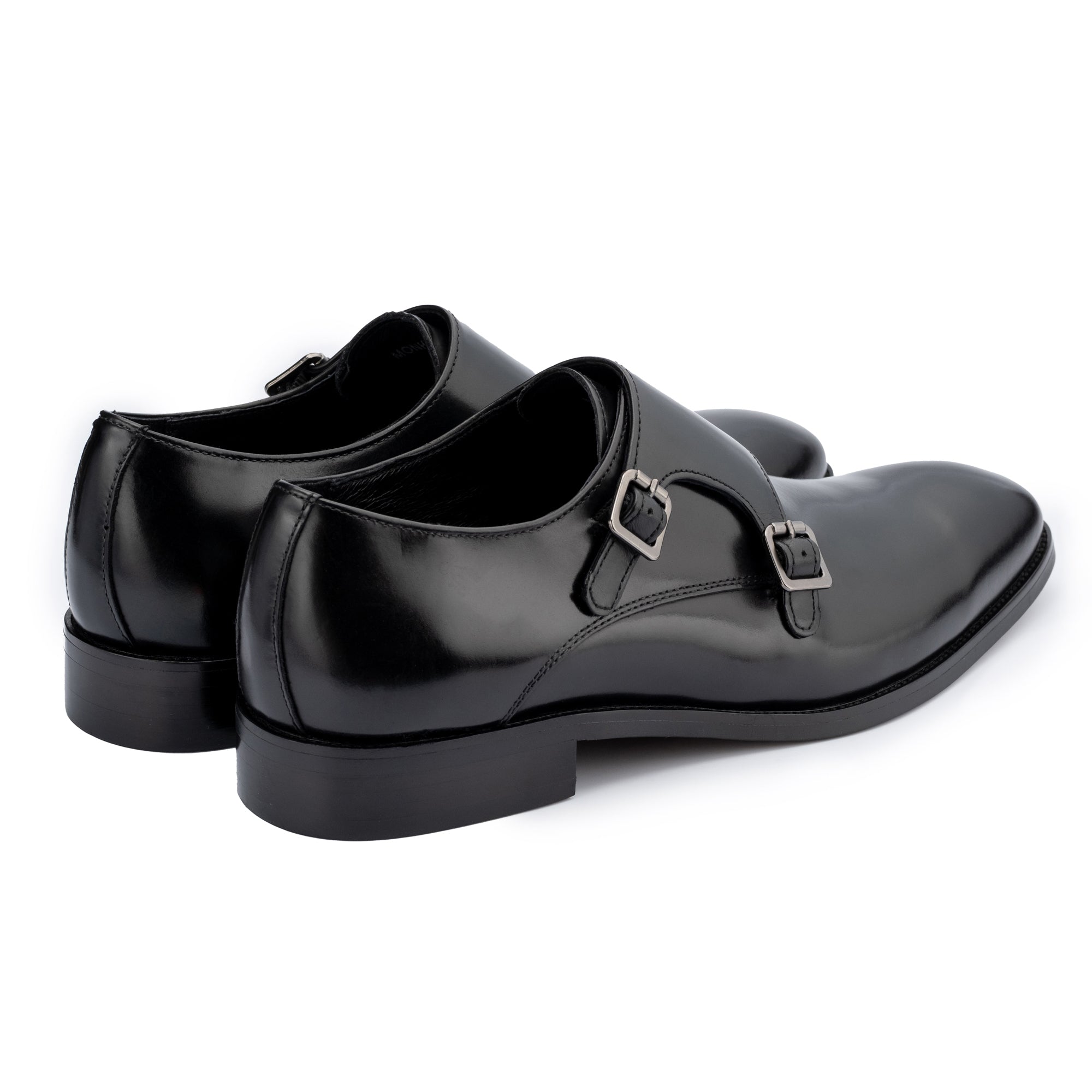
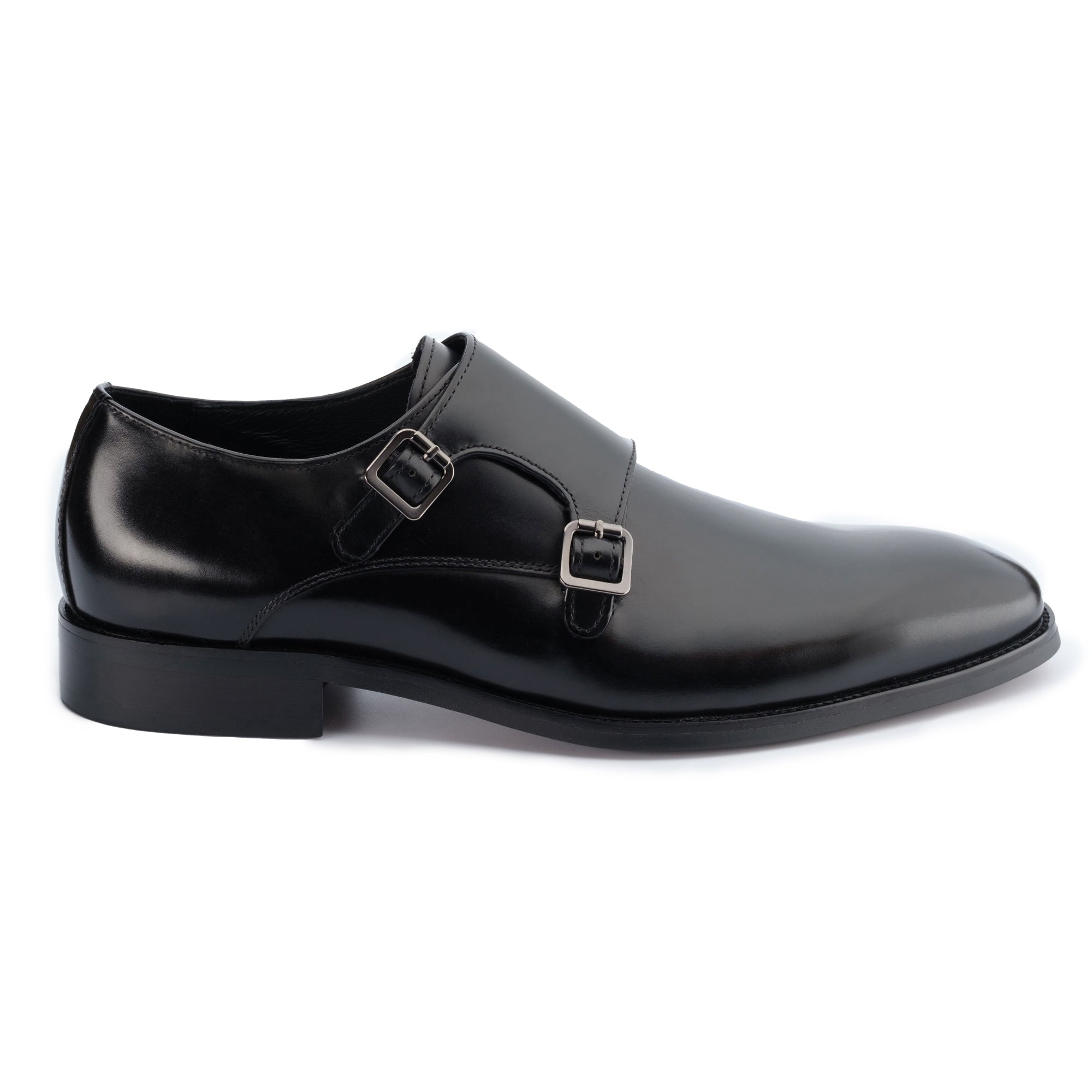
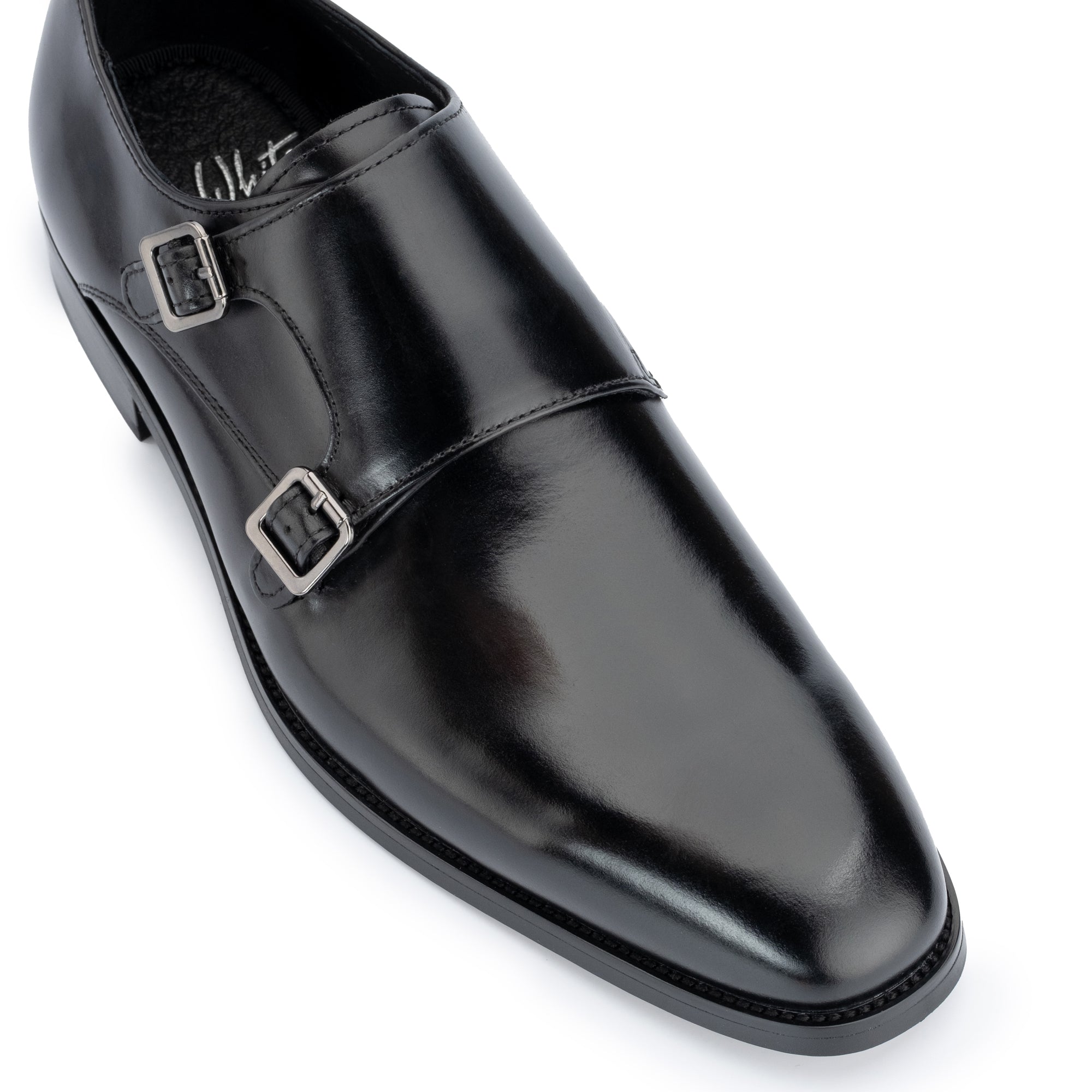
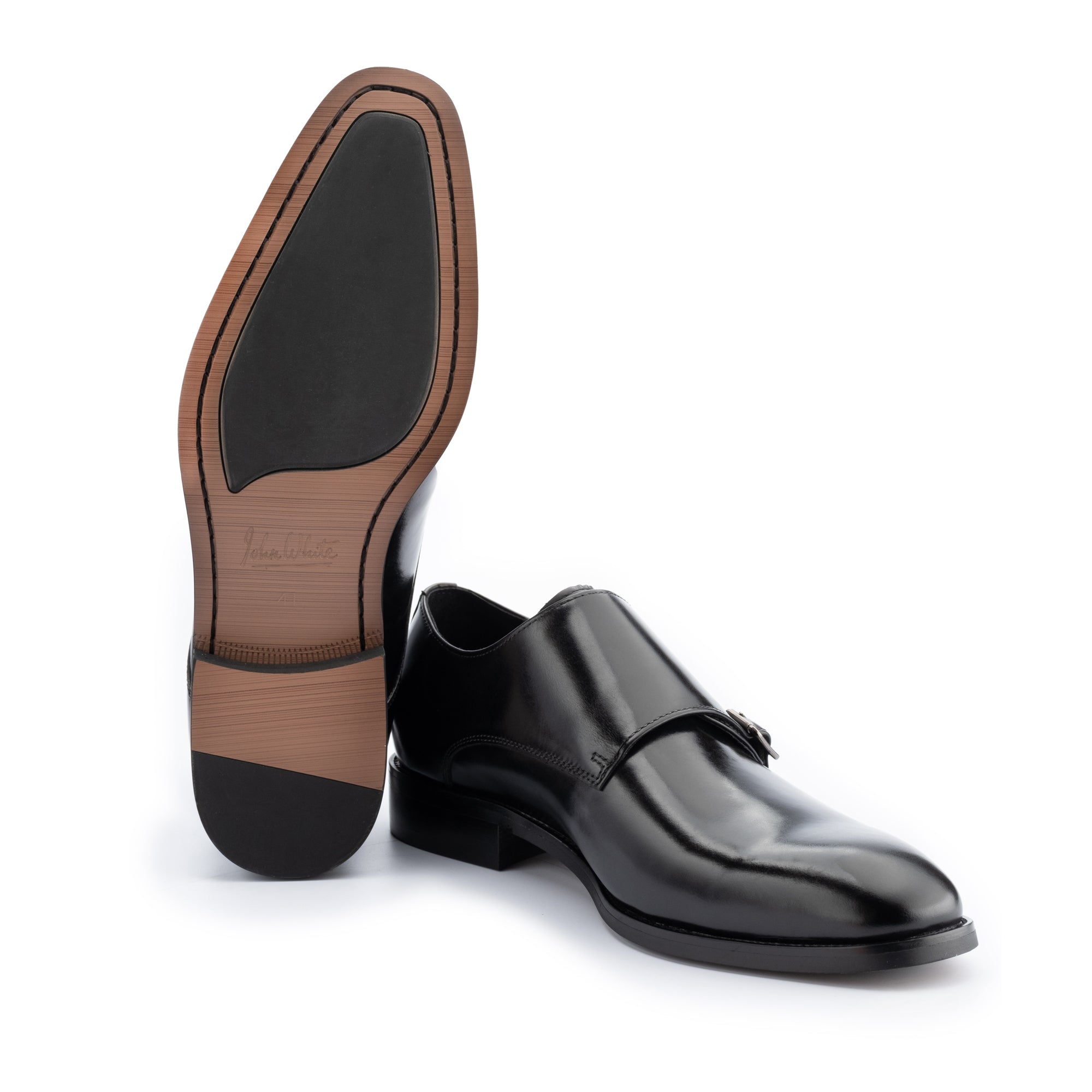
The Monkton Double Monk Shoes step away from lacing altogether — the buckled strap construction that found its footing in mid-century European tailoring and has been a fixture of British men's dress shoes ever since. For the full history of this style and how to wear it, the Double Monk guide covers the ground thoroughly.
The craft decisions that sit beneath all of these shapes — how leather is cut to form uppers, how pattern pieces are marked and matched — are explored in the piece on the clicking iron. The silhouette is the visible result of those upstream decisions.
What Endures
One hundred and seven years of shape-making produces something more durable than any individual design trend: an aesthetic sensibility. The JWS silhouette has always favoured the proportionate over the extreme, the serviceable over the merely fashionable, the form that will still look correct in five years over the one that looks correct this season.
That sensibility was present in the Impregnable of 1930. It is present in the Guildhall and the Lucan today. The materials are sourced differently, the construction methods have evolved, the organisation has changed shape more than once. What has not changed is the underlying conviction that a shoe should look like it means it.
Northamptonshire in 1919, Higham Ferrers in 2026. Same argument.
Related Guides
- From Northampton to the World: The Story Behind British Shoemaking — our comprehensive guide
- The Northampton Last: How a Single Block of Wood Defines the Shape of a Fine Shoe
- The Double Monk Strap: Character, History, and How to Wear It Well
- The Clicking Iron: How Leather Cutting Became the Foundation of Shoemaking Craft