
From Northampton to the World: The Story Behind British Shoemaking
British shoemaking became globally recognised through Northamptonshire, a county where geography, leather trade routes and generations of craft knowledge converged to create an industry unlike any other. John White Shoes, established in Rushden in 1919, grew directly from that tradition. Today every pair is designed in Northamptonshire, made abroad by specialist shoemakers to our own specification, and checked by us before it reaches you.
Last updated: November 2026
In This Guide
- Why Did Northamptonshire Become the Heart of British Shoemaking?
- Who Was John White, and Why Does His Story Matter?
- What Happened to British Shoemaking After the War?
- How Does a British Heritage Shoe Brand Work Today?
- What Should You Look for in a British-Designed Shoe?
- Related Guides
- Frequently Asked Questions
Northamptonshire didn't become the centre of British shoemaking by accident. The county had cattle-grazing plains, oak forests for bark tanning and rivers to move hides and finished goods before anyone thought to call it a shoemaking county. By the mid-nineteenth century, towns across the region had built a density of craft knowledge that nowhere else in Britain could match. John White was born into that world. What he built in Rushden from 1919 is still the brand you're reading about now.
Why Did Northamptonshire Become the Heart of British Shoemaking?
British shoemaking's heartland is Northamptonshire, a Midlands county whose rivers, farmland and forests provided everything the craft required within a few miles of each other. The rivers Nene and Ise carried oak bark from surrounding woodland to the tanneries. Cattle grazed on the clay plains, supplying hides steadily throughout the year. When mechanised shoemaking arrived in the 1850s, Northamptonshire already had the workforce, the raw materials and the infrastructure to scale faster than anywhere else in Britain.
Towns across the county each developed their own concentration of the trade. The craft passed between generations: clicking, closing, lasting, finishing. A good clicker could read a hide the way a tailor reads cloth, finding the strongest and most even-grained sections and wasting almost nothing. That depth of practical skill, embedded across dozens of towns over generations, was the region's real competitive advantage.
It was also the reason British shoemaking exports carried weight internationally. Shoes designed and specified in Northamptonshire went to the British Army, to international markets, and eventually to wardrobes across the world. The county's reputation wasn't built on marketing; it was built on consistent standards applied at scale.
Northamptonshire's shoemaking reputation was built on the depth of practical knowledge accumulated across a county over more than a century, not on a single factory or a single method.
For a closer look at what that regional identity still means today, our guide to Higham Ferrers and the Northamptonshire shoe county covers the towns and their lasting influence on British footwear design.
Who Was John White, and Why Does His Story Matter?
John White was born in December 1884 in Irthlingborough, the youngest of nine children in a Strict Baptist shoemaking family. He left school at twelve and started work in the trade as an eyeletting boy, working his way through each stage of the craft over more than twenty years at the bench. By 1918, he decided to go out on his own.
He started with £100, in an old paint shop behind Crabb Street in Rushden. In 1919, he pressed his first soles and produced the first complete pairs under his own name. Four people worked alongside him by the end of that year.
The growth that followed was rapid. By 1920, he'd moved to Church Street premises. By 1921, the Newton Road factory had 125 workers and was producing 100,000 pairs a year. The firm registered under the name Impregnable Boots, Ltd.
In June 1930, White took a full front page of the Daily Mail, the first shoemaker to advertise nationally at that scale, announcing 1.25 million pairs produced that year. By 1934, the company had floated publicly with 1,300 workers. The Lime Street factory in Rushden, designed by Sir Albert Richardson, opened in 1938. It's Grade II listed now.
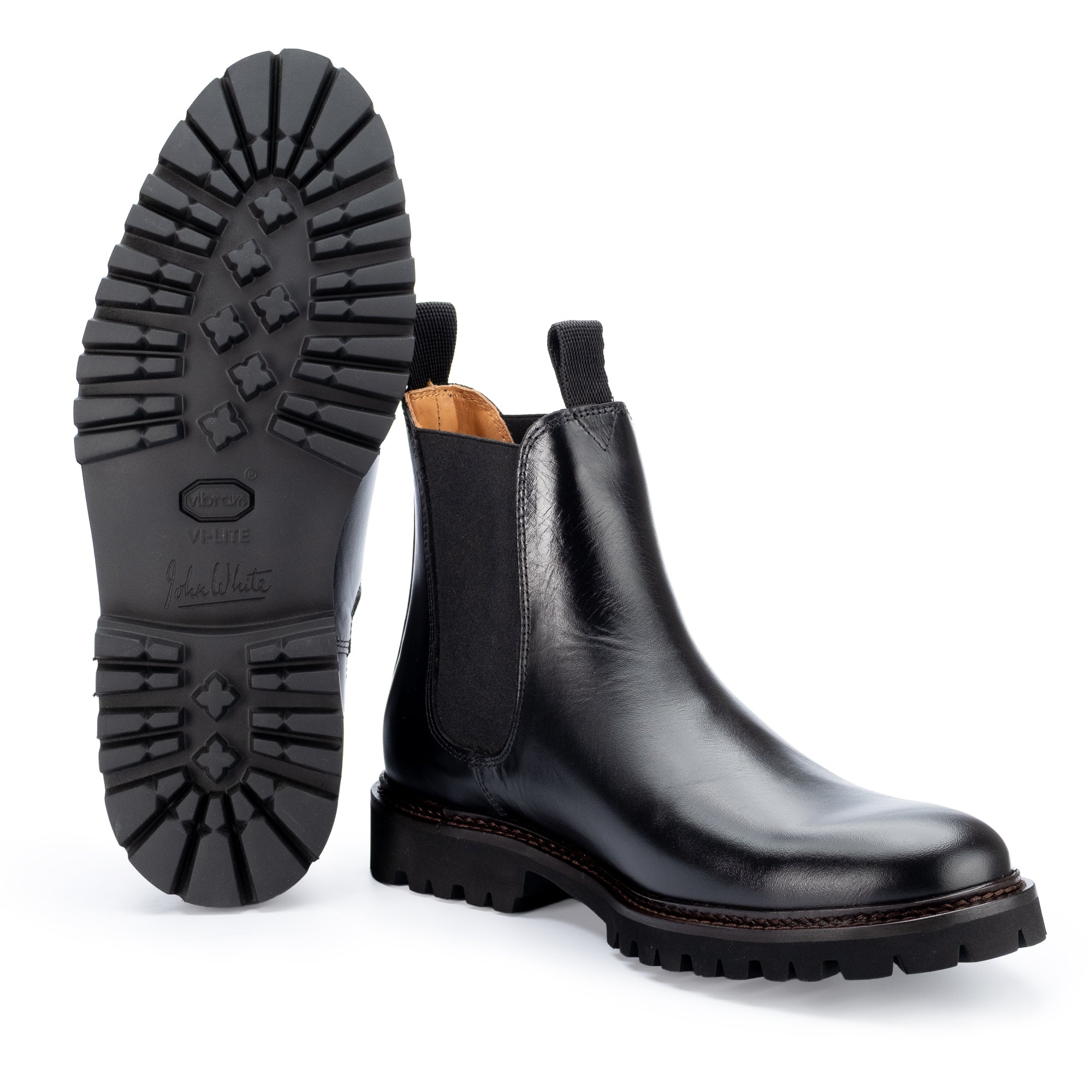
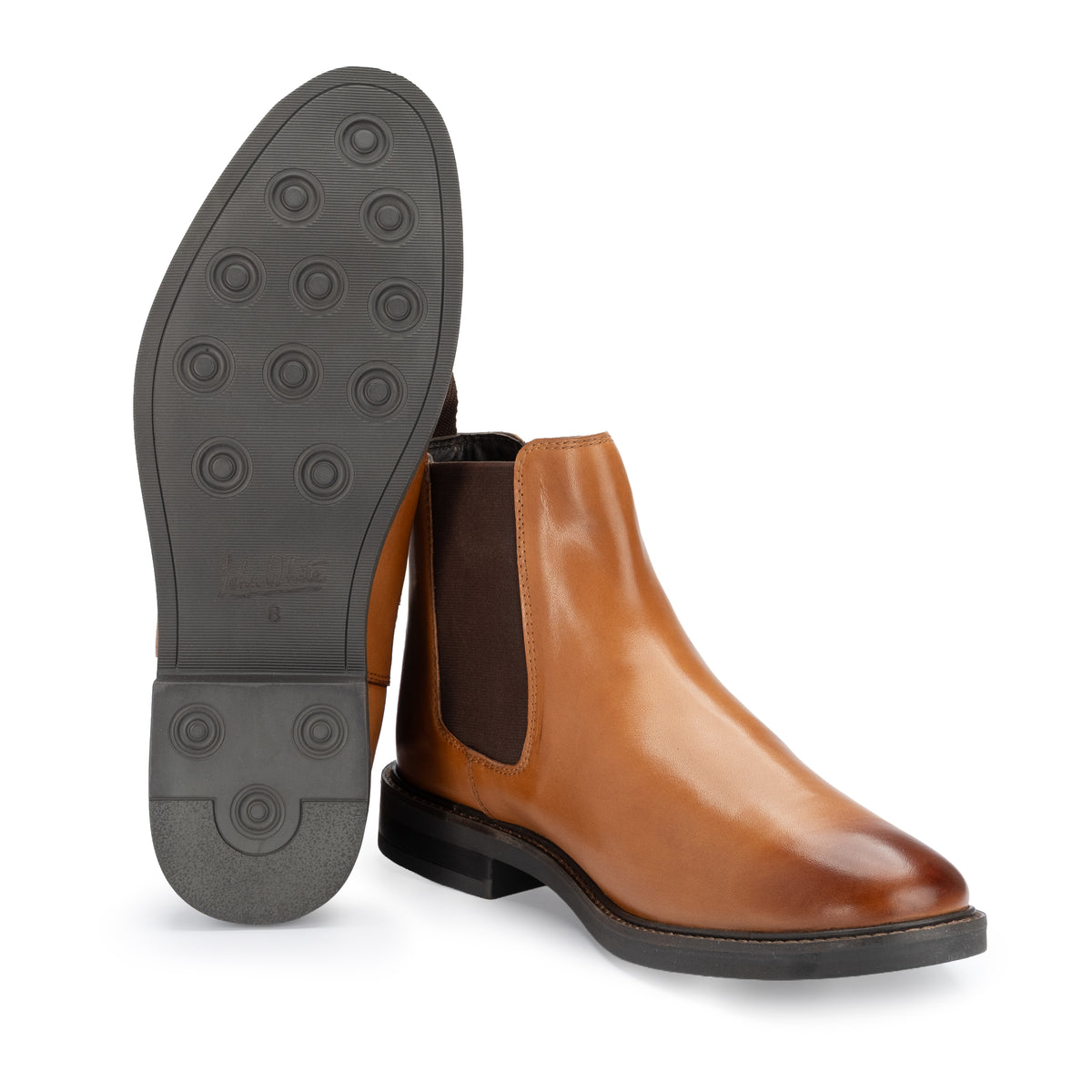
During the Second World War, the firm produced over eight million pairs of service footwear. The name on every box was White's actual signature, bought by the company in 1948 and still used as the logo today. He retired in 1962, aged 77.
| Year | Event |
|---|---|
| 1884 | John White born, Irthlingborough, Northamptonshire |
| 1919 | First pairs under his own name, Rushden, starting with £100 |
| 1921 | Newton Road factory opens; 125 workers; 100,000 pairs per year |
| 1930 | Full-page Daily Mail advertisement; 1.25 million pairs produced that year |
| 1934 | Public flotation; 1,300 workers |
| 1938 | Lime Street factory, Rushden, designed by Sir Albert Richardson |
| 1940–45 | Over eight million pairs of service footwear produced |
| 1962 | John White retires, aged 77 |
| 1972 | John White Footwear acquires George Ward Holdings; group renamed Ward White |
| 1991 | Manufacturing ends; Lime Street factory closes |
| 2000 | Brand revived by David Corben; designed in Northamptonshire, made abroad |
What Happened to British Shoemaking After the War?
The decades after 1945 changed the economics of volume footwear manufacturing across Britain. Import competition increased. Consumer prices fell. Firms that had been strong between the wars found it harder to maintain the scale that had made them dominant. The story wasn't unique to shoemaking; it played out across British manufacturing more broadly.
John White Footwear acquired George Ward Holdings in 1972 and the group was renamed Ward White. Manufacturing contracted over the following two decades. Closures in Rushden came in stages: first in August 1990, then the Lime Street factory wound down in February 1991. That was the end of British manufacturing for the brand. The name lay dormant through the 1990s.
What John White's story illustrates is true of British shoemaking more broadly: the factories contracted, but the design knowledge and the brand identities built over generations didn't disappear with them. The question for any heritage brand was whether the design lineage could survive the manufacturing transition intact.
The Northamptonshire shoemaking towns built something that outlasted the factories: a body of design knowledge and aesthetic standards that still informs how good shoes are specified, checked and presented today.
How Does a British Heritage Shoe Brand Work Today?
In 2000, David Corben revived the John White name with partner makers, returning the brand to commercial production. The making had moved abroad; the design work stayed in Northamptonshire.
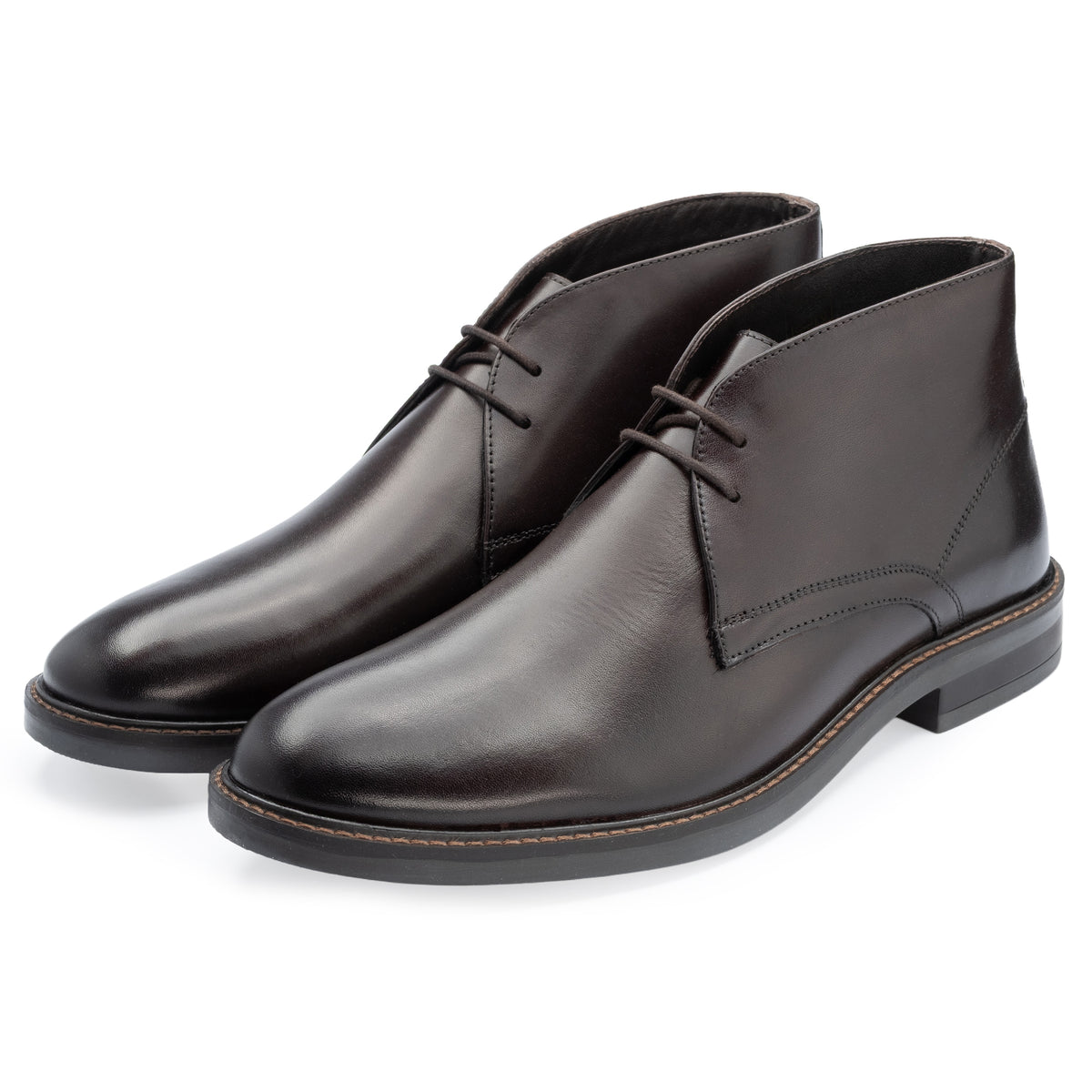
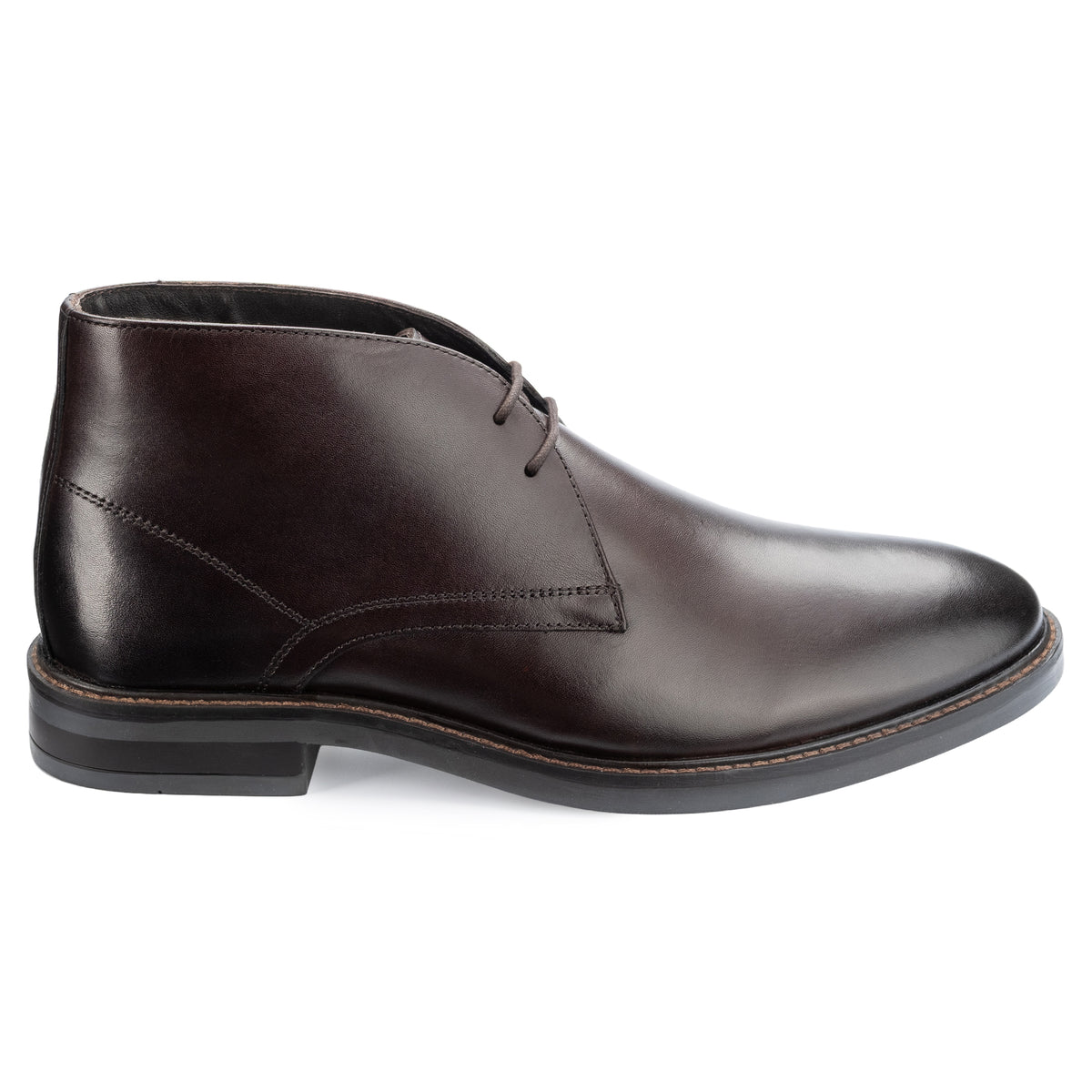
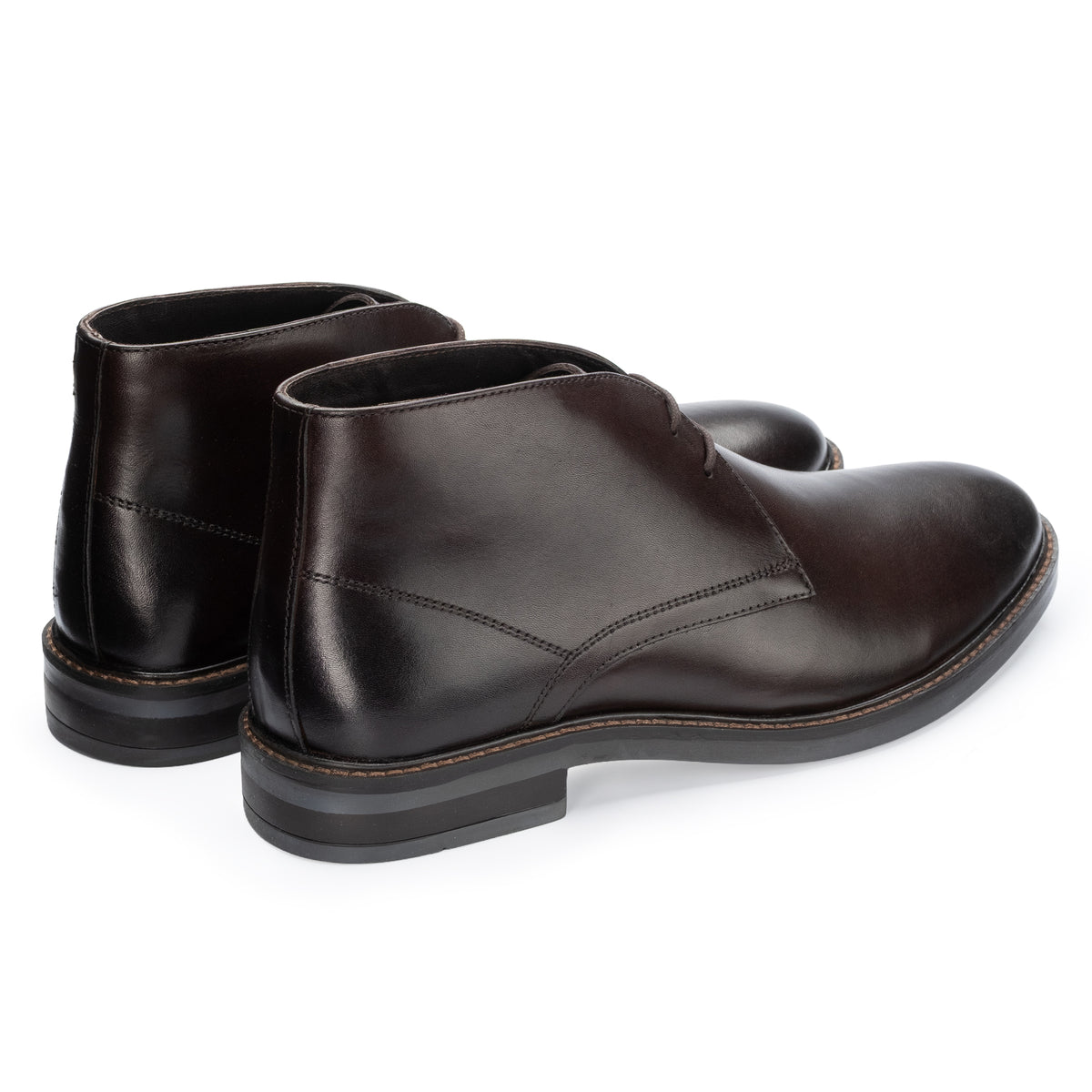
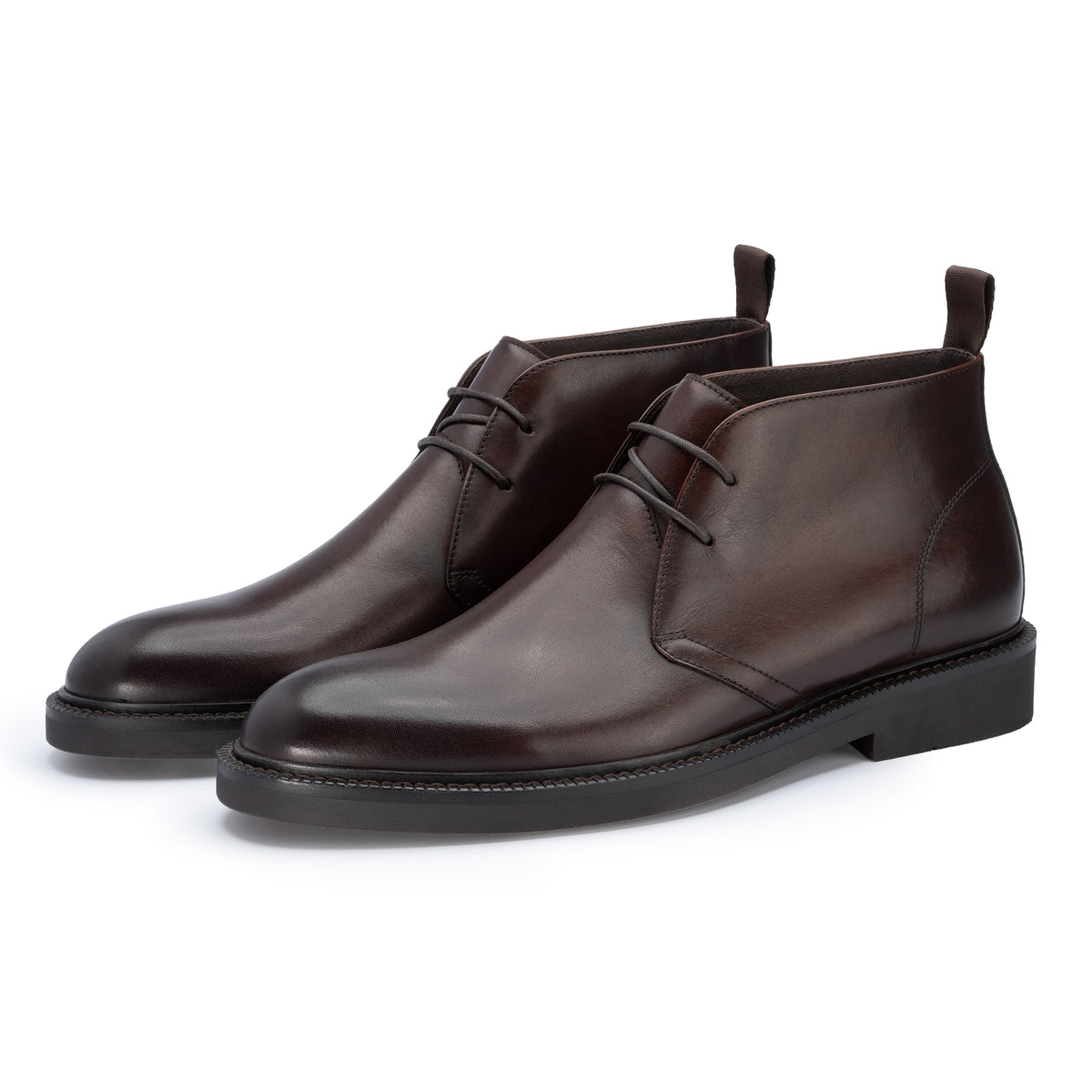
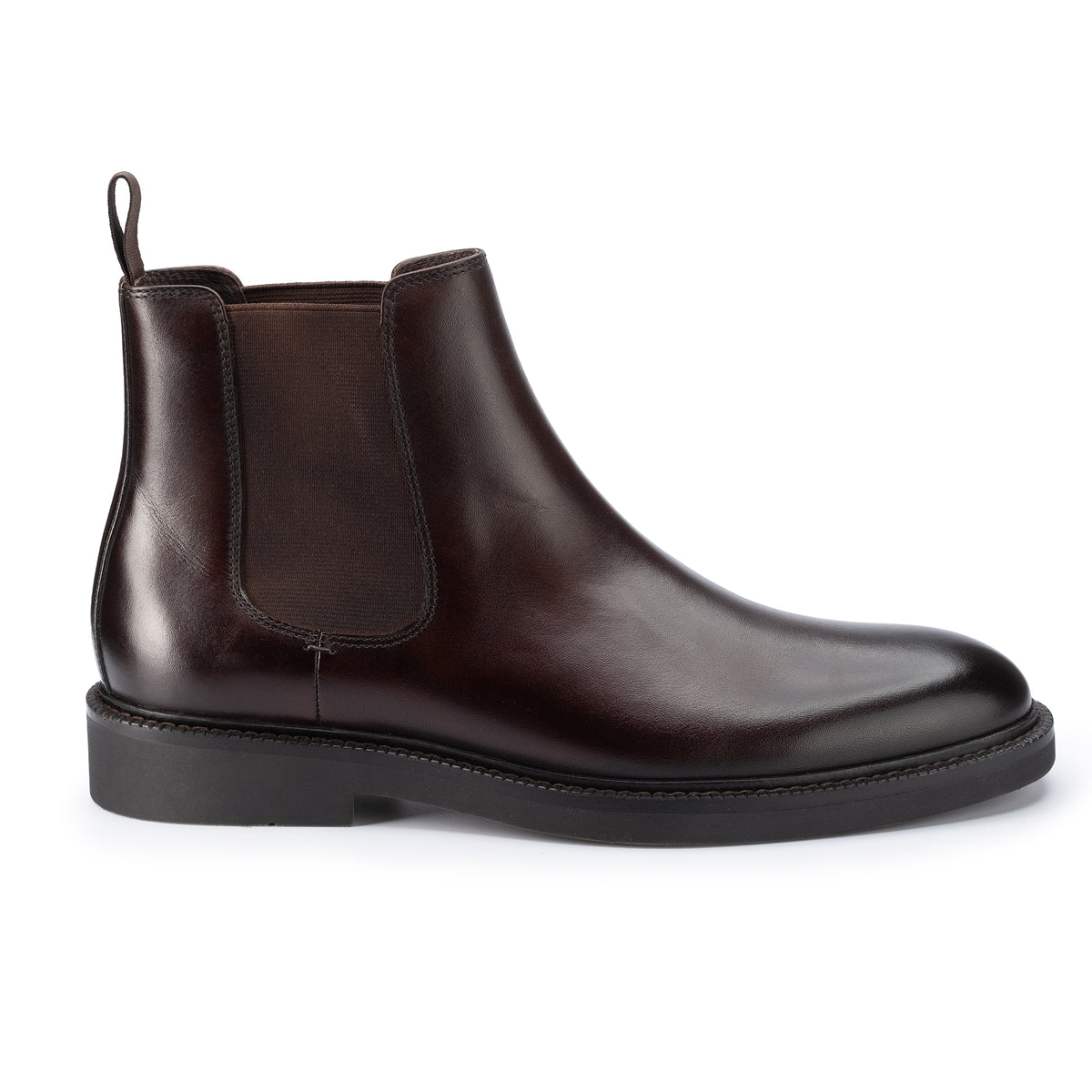
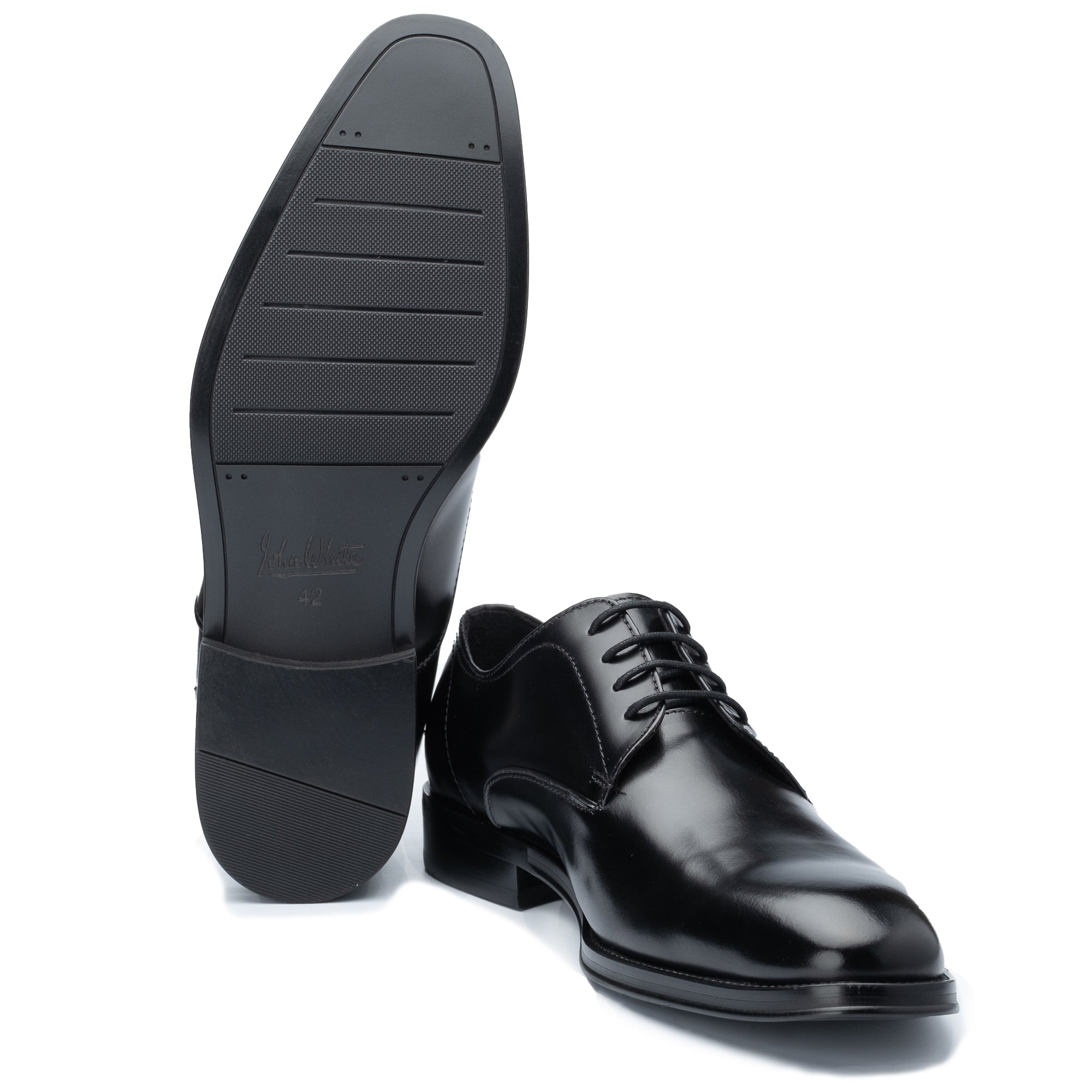
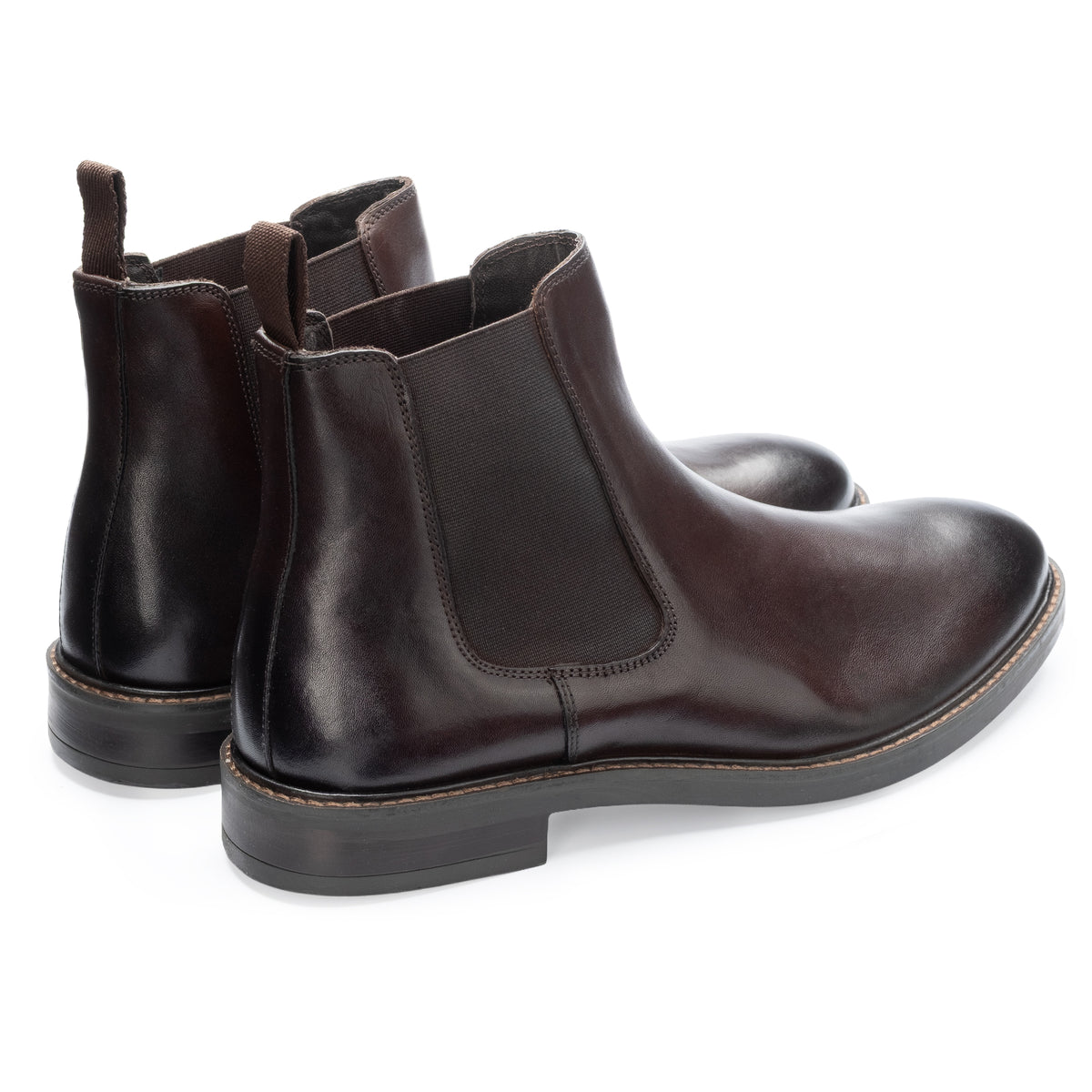
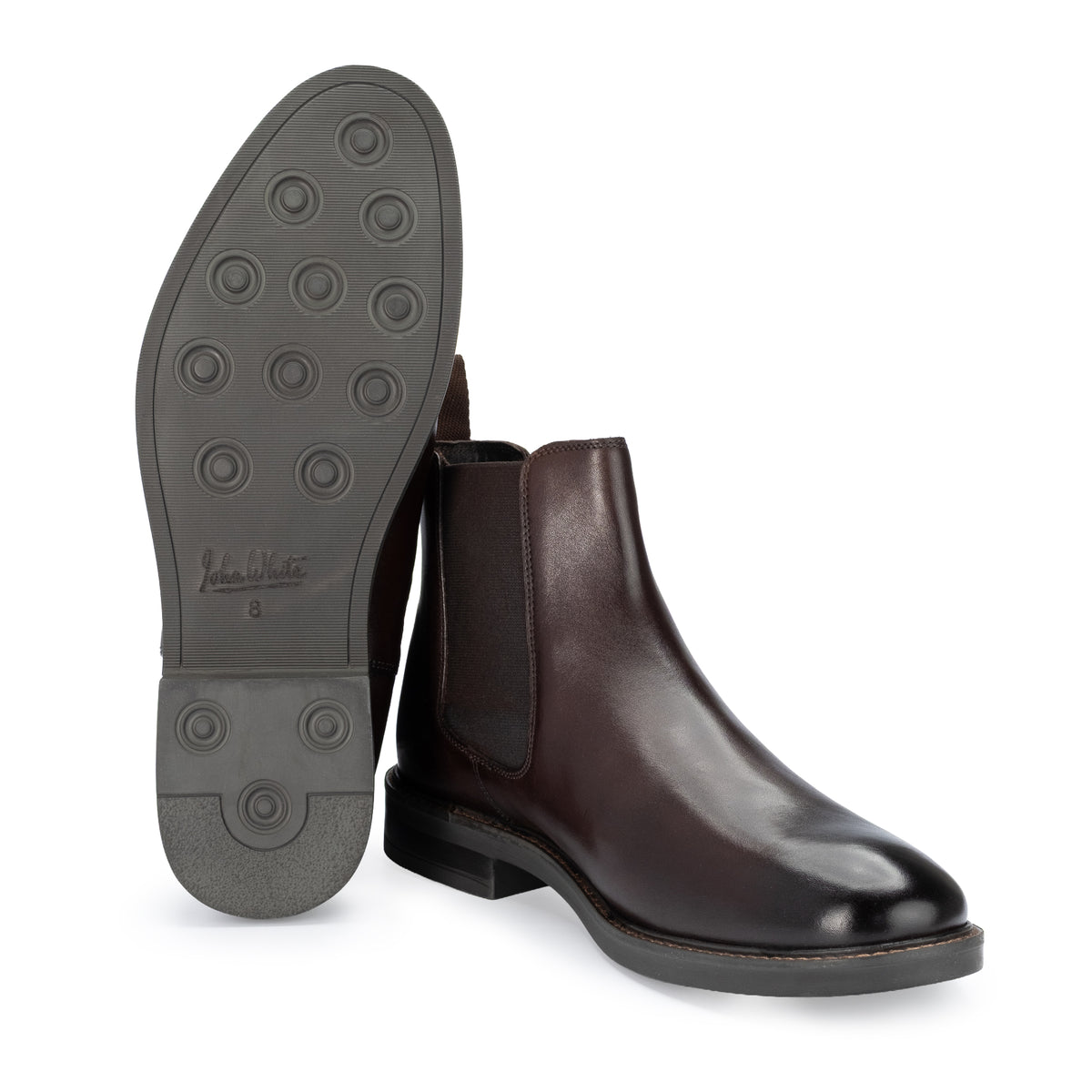
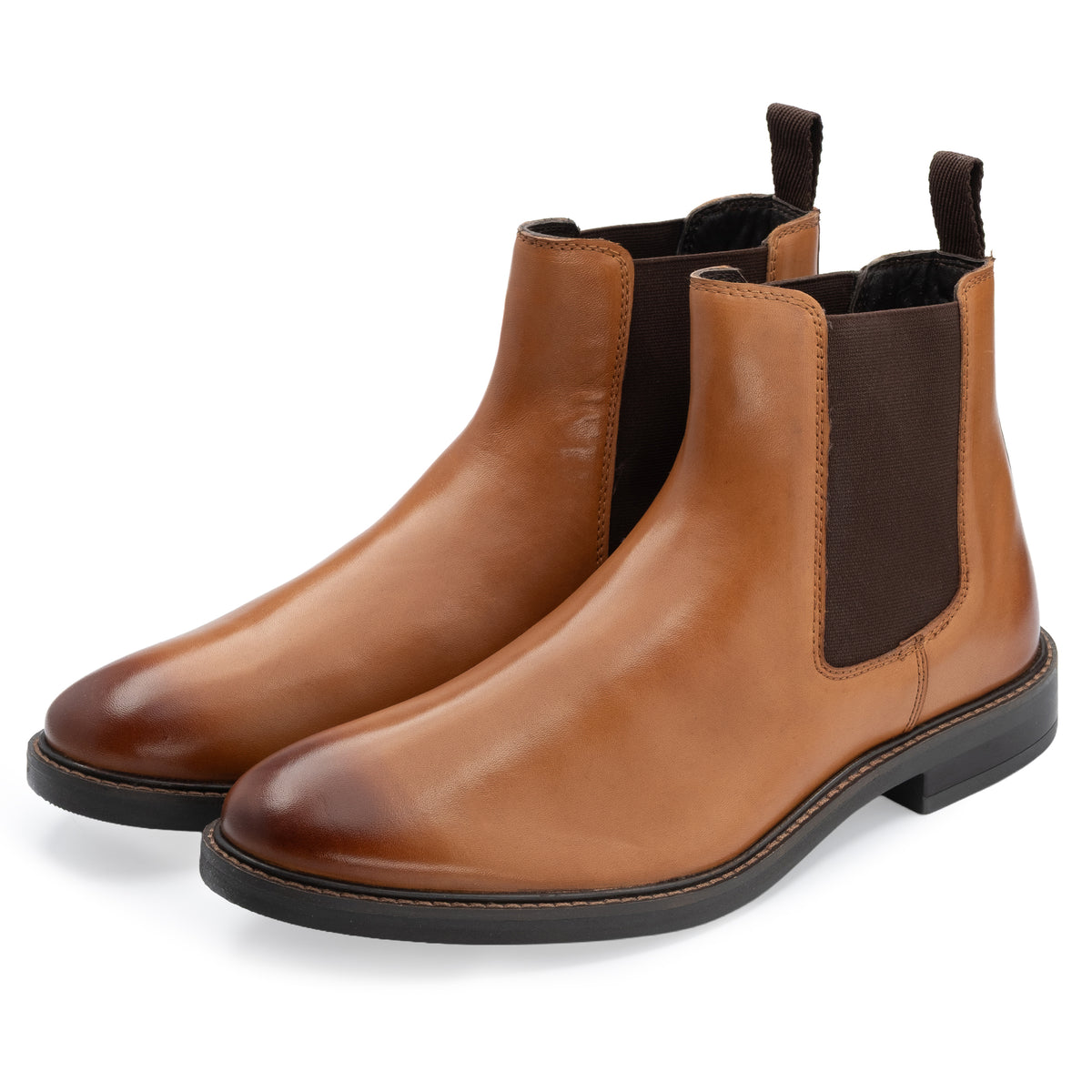
John White Shoes, British Heritage Footwear established in Rushden in 1919, designs every shoe in Northamptonshire and has each pair made by specialist shoemakers abroad to its own specification. We choose the leathers and materials. We approve each sample before it goes into production. We check the finished pairs before they reach you. Our own Rushden factory closed in 1991, and we'd rather tell you that plainly than let you assume otherwise.
What that means in practice: the design decisions, the last development, the choice of upper leather and the finish approval happen here. The same standard John White set when he pressed his first soles in that paint shop behind Crabb Street is still the one we hold our makers to.
See how that design continuity shows up in the shoes themselves in our guide to how the John White Shoes silhouette has evolved since 1919.
The Northamptonshire tradition was always as much about design knowledge as it was about the factory floor: knowing what to specify, how to choose materials, what a correctly lasted shoe should look and feel like.
What Should You Look for in a British-Designed Shoe?
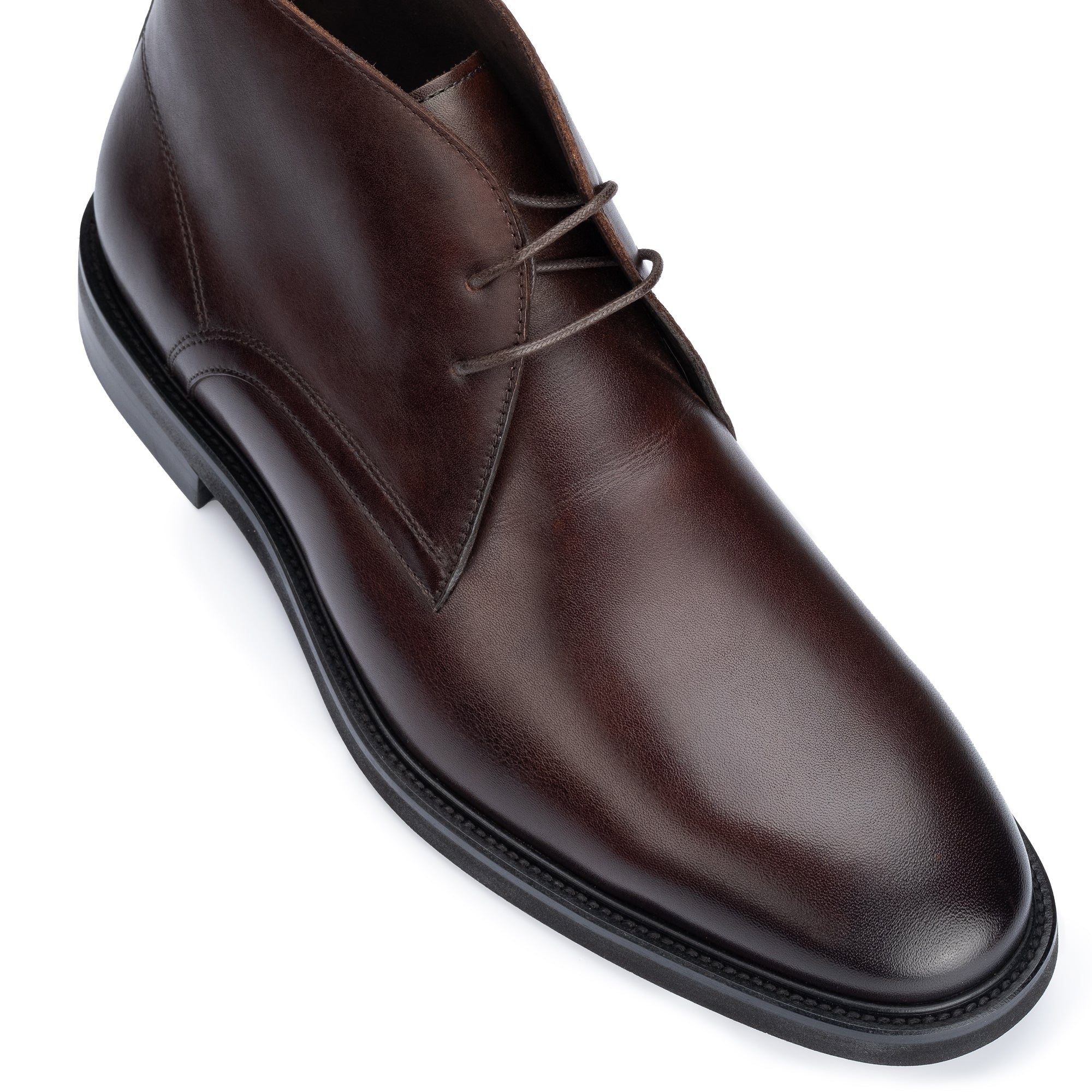
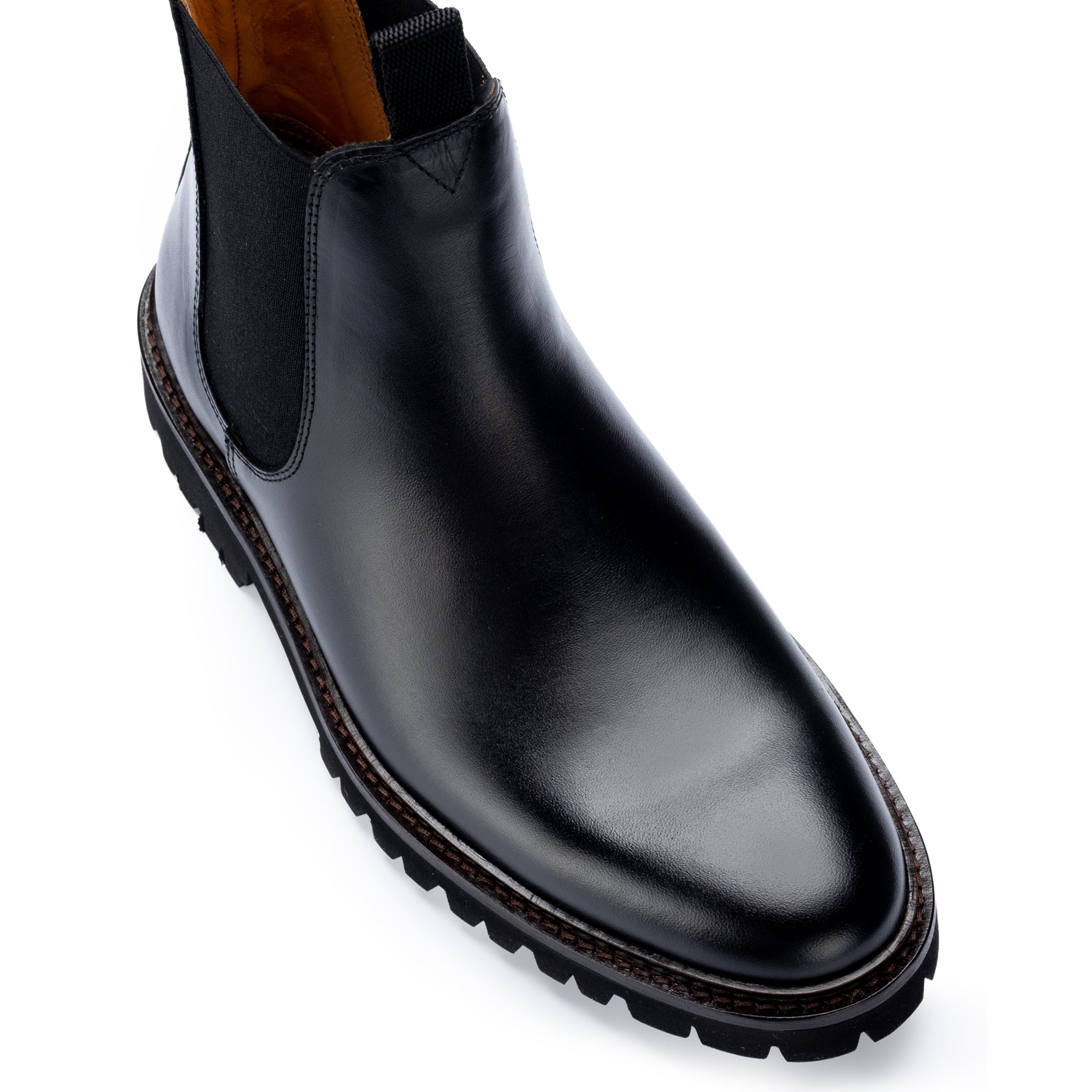
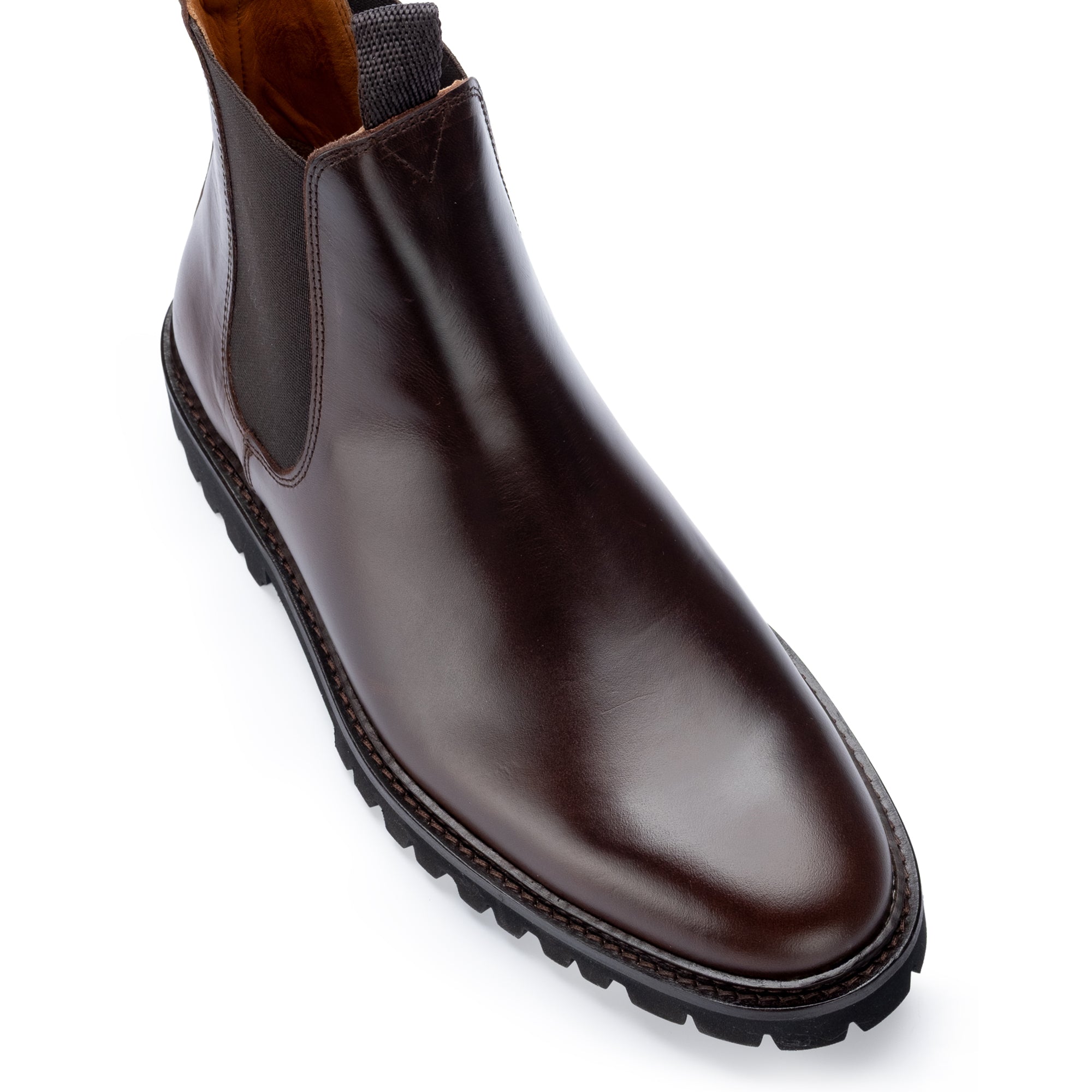
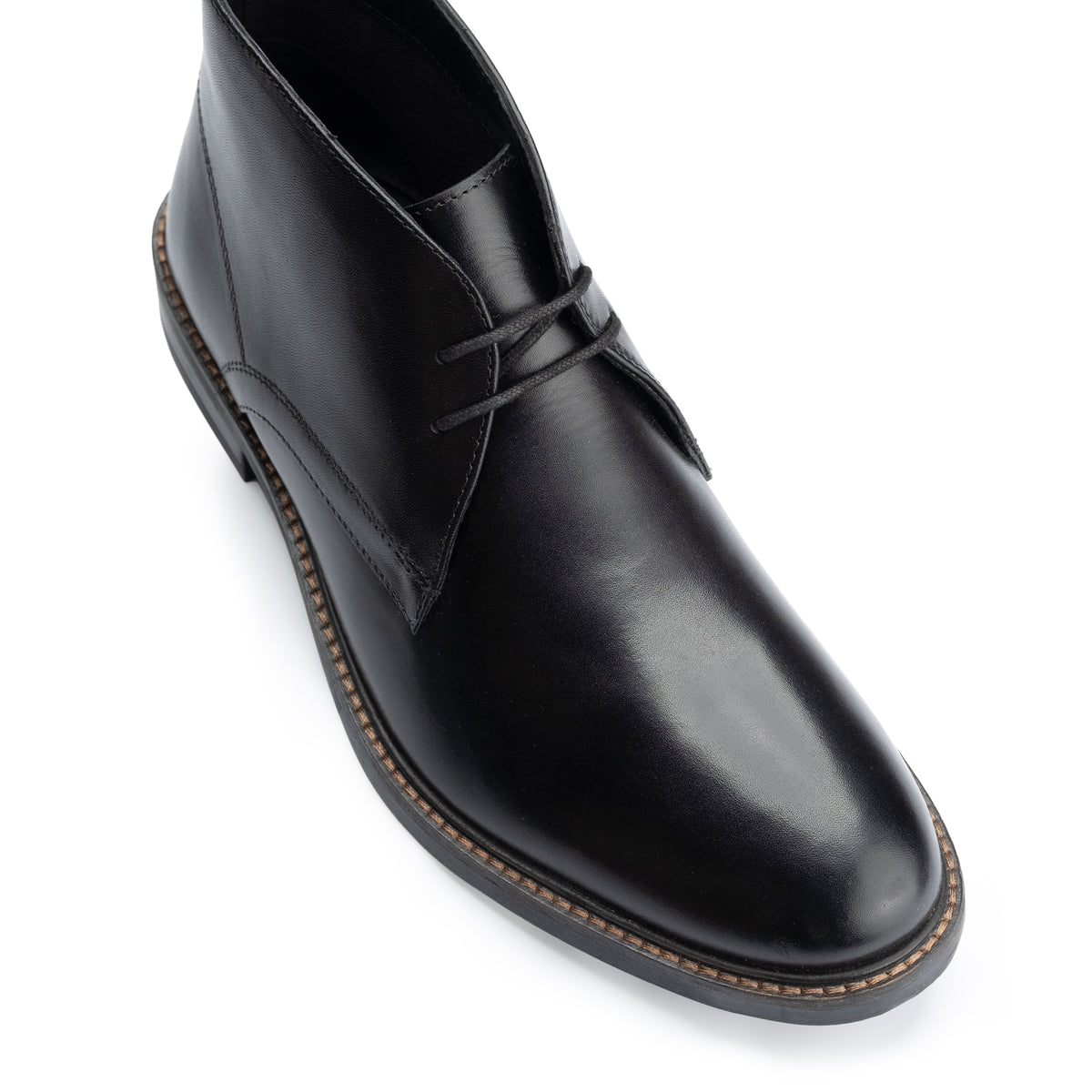
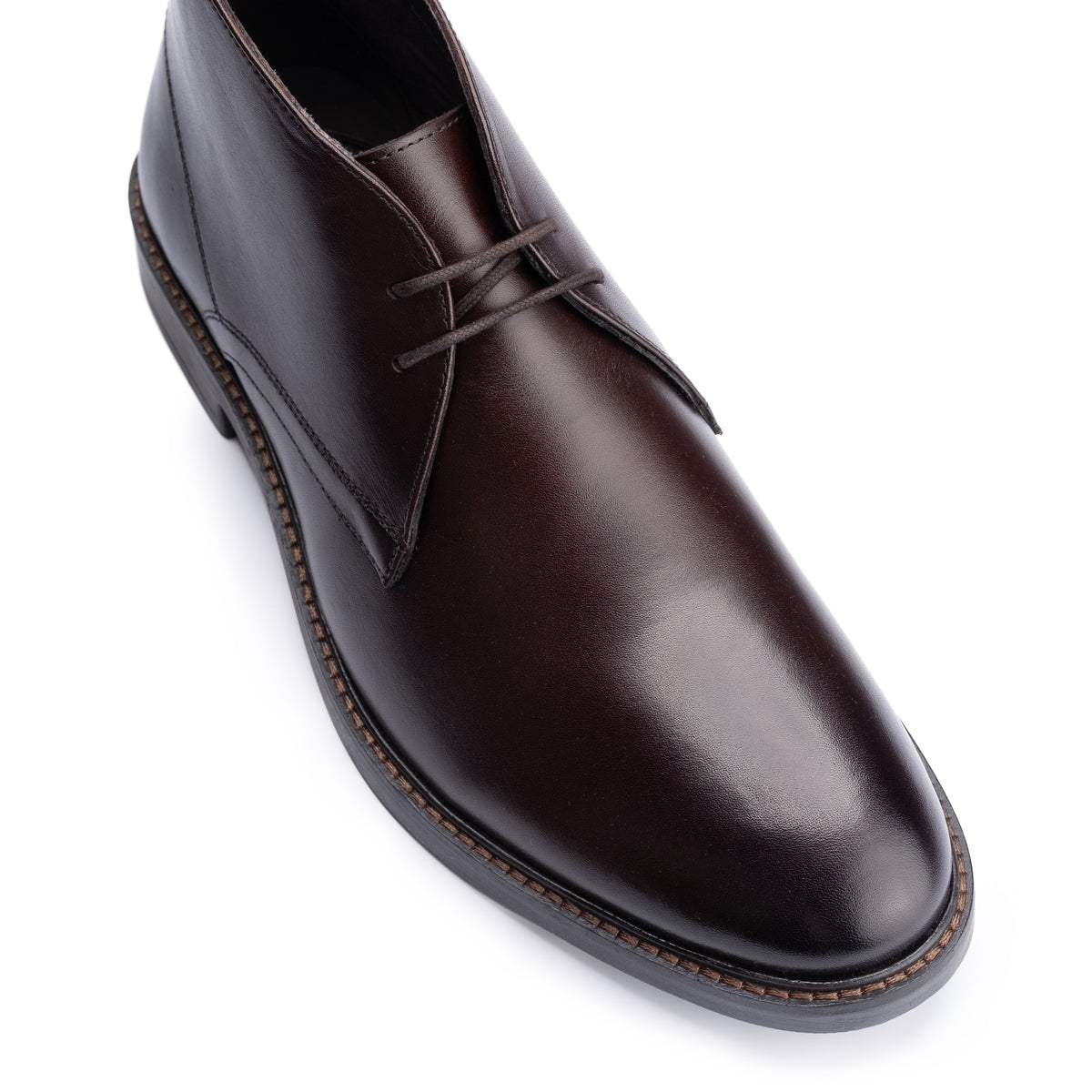
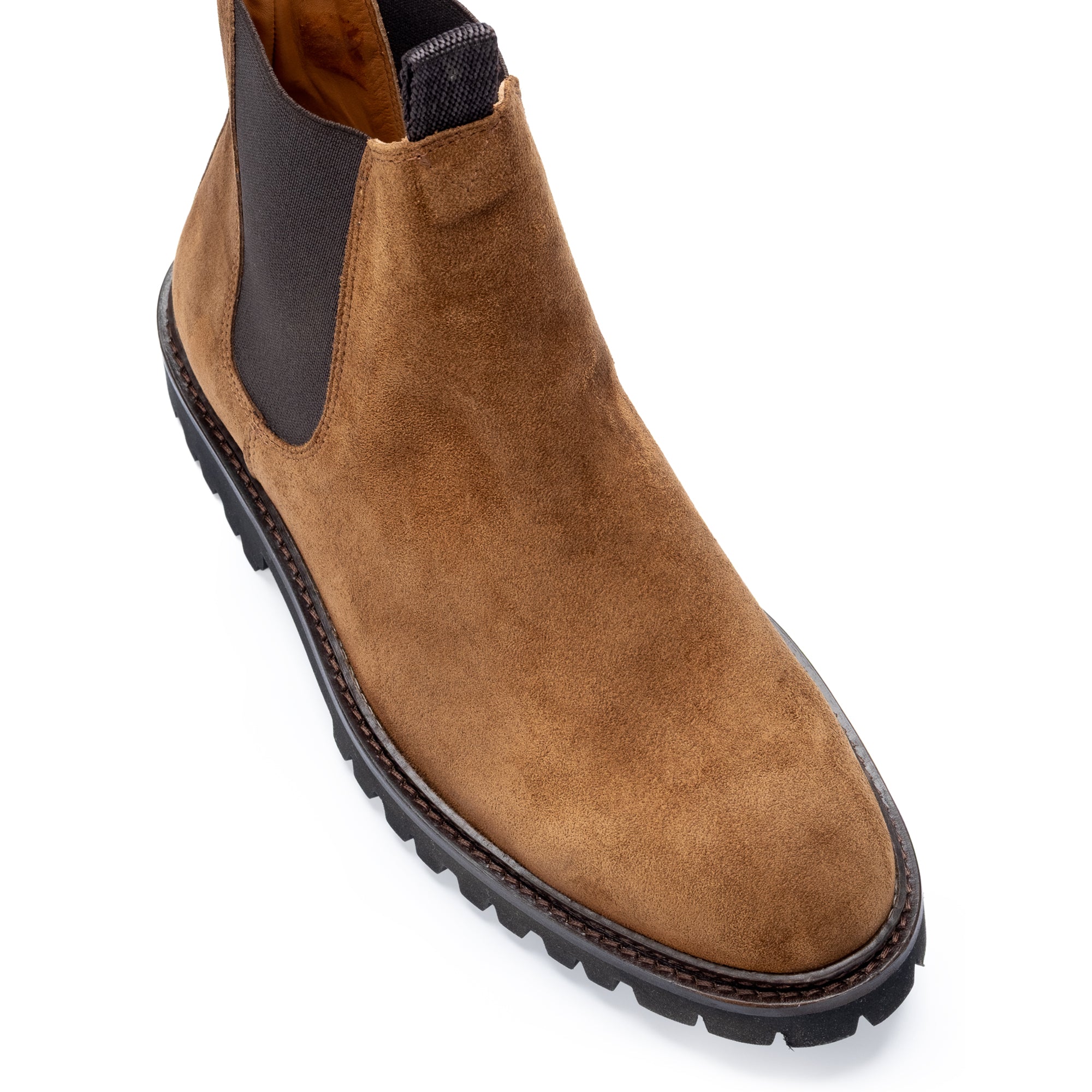
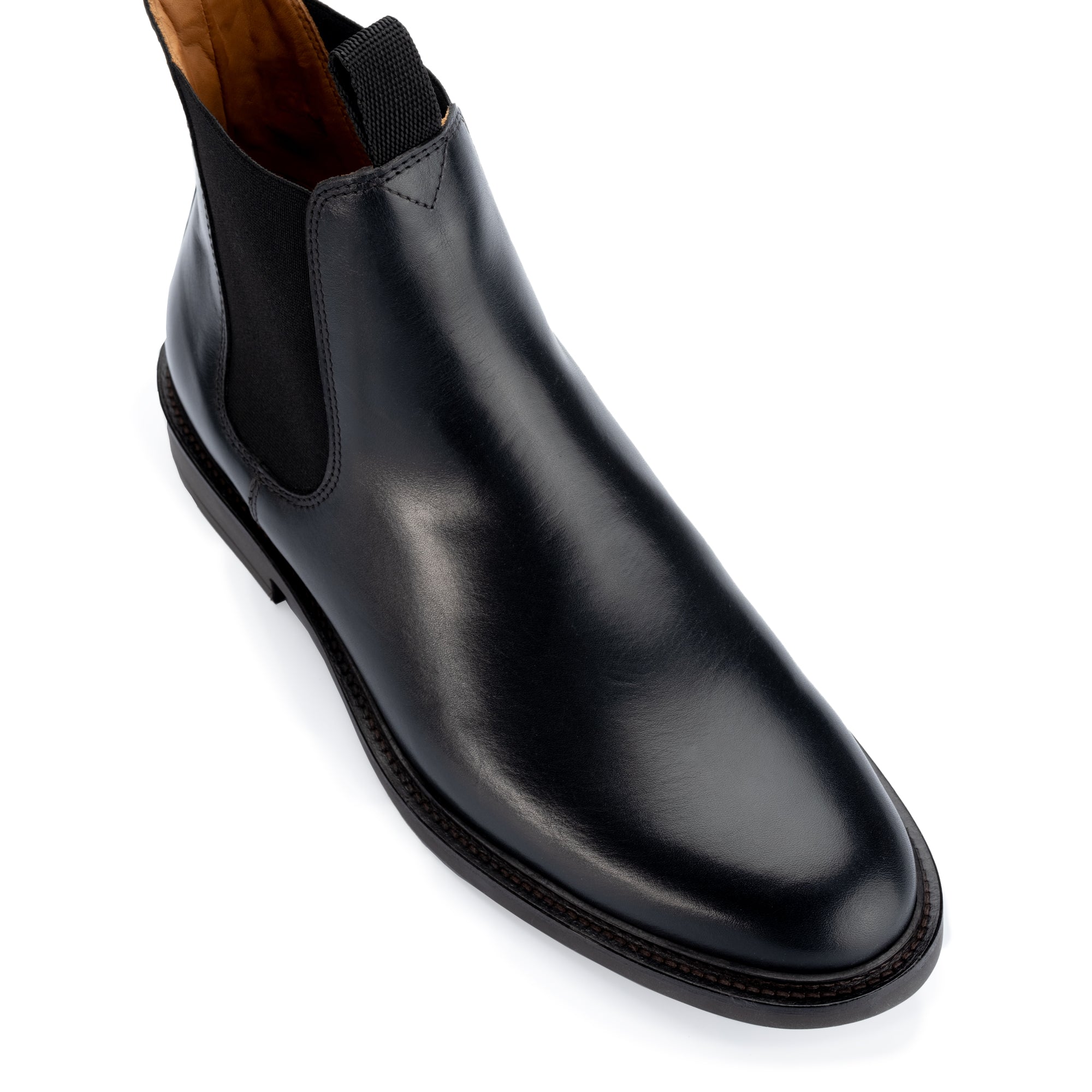
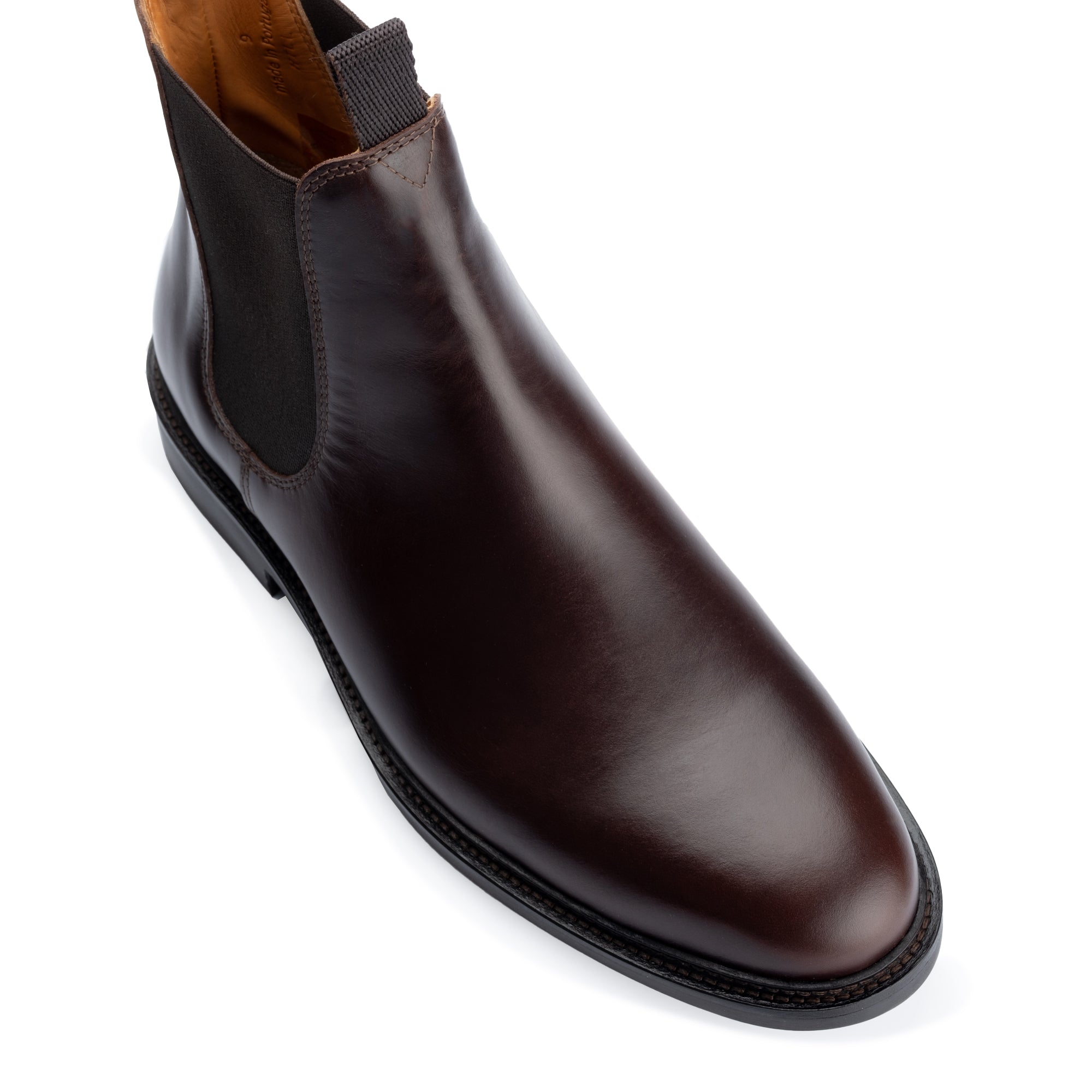
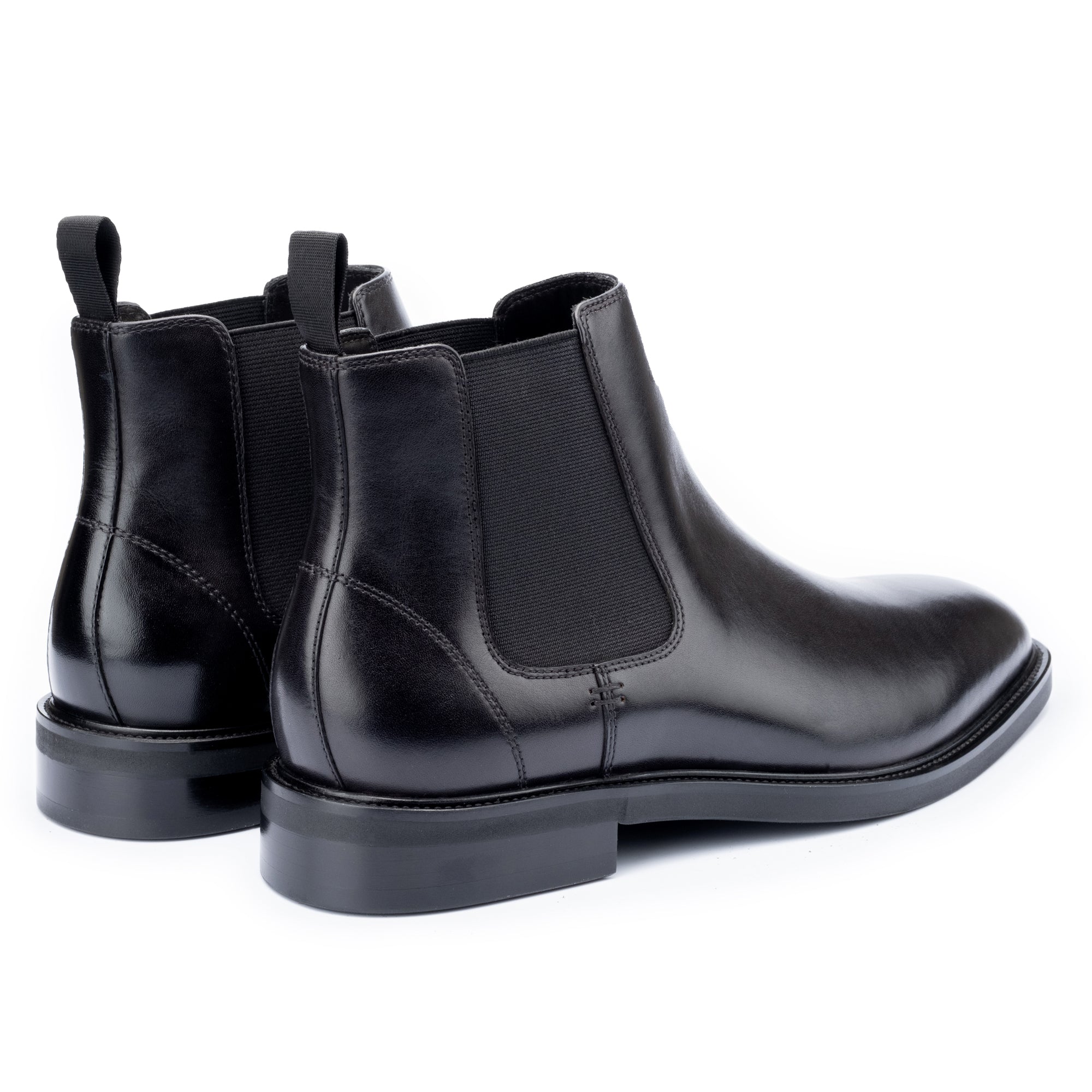
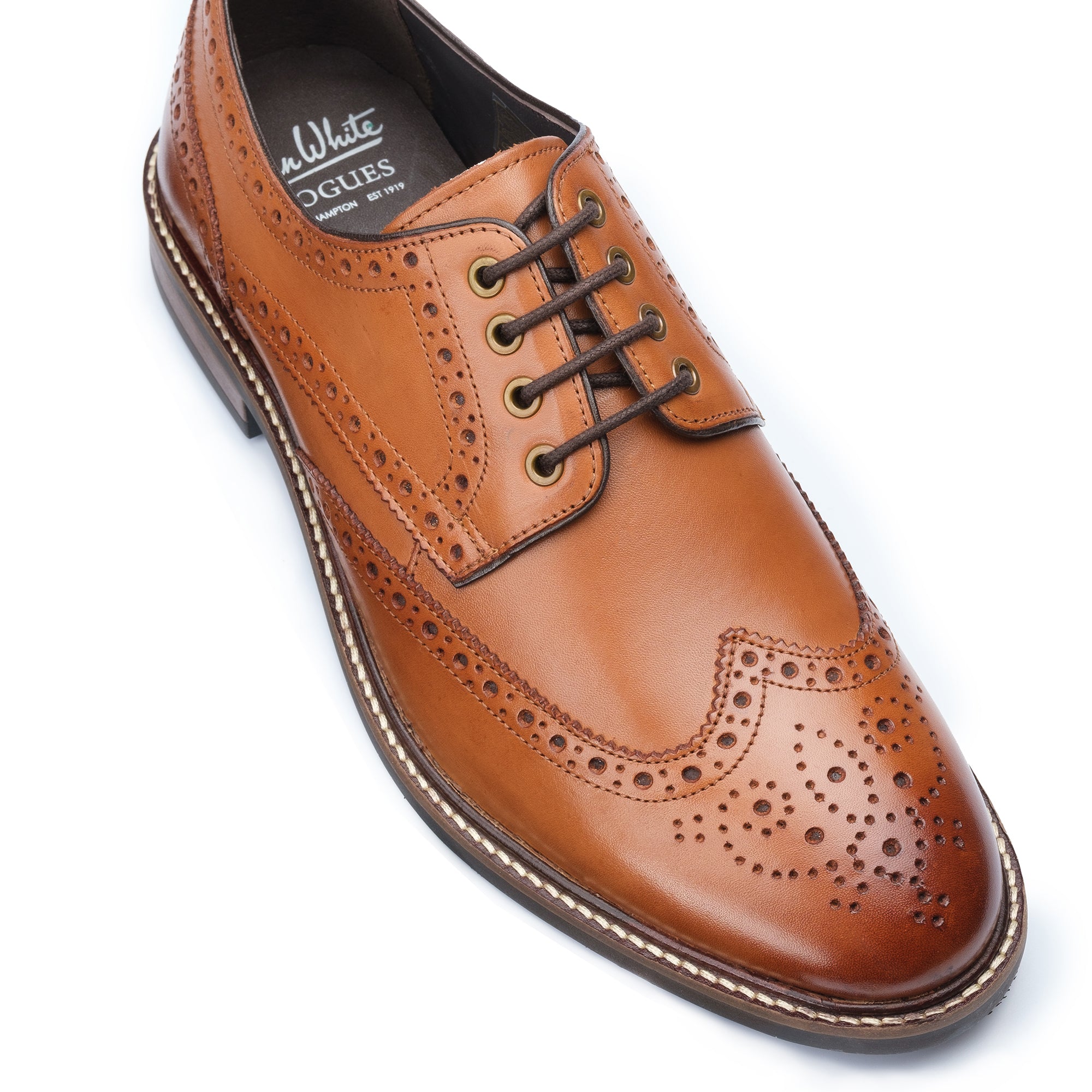
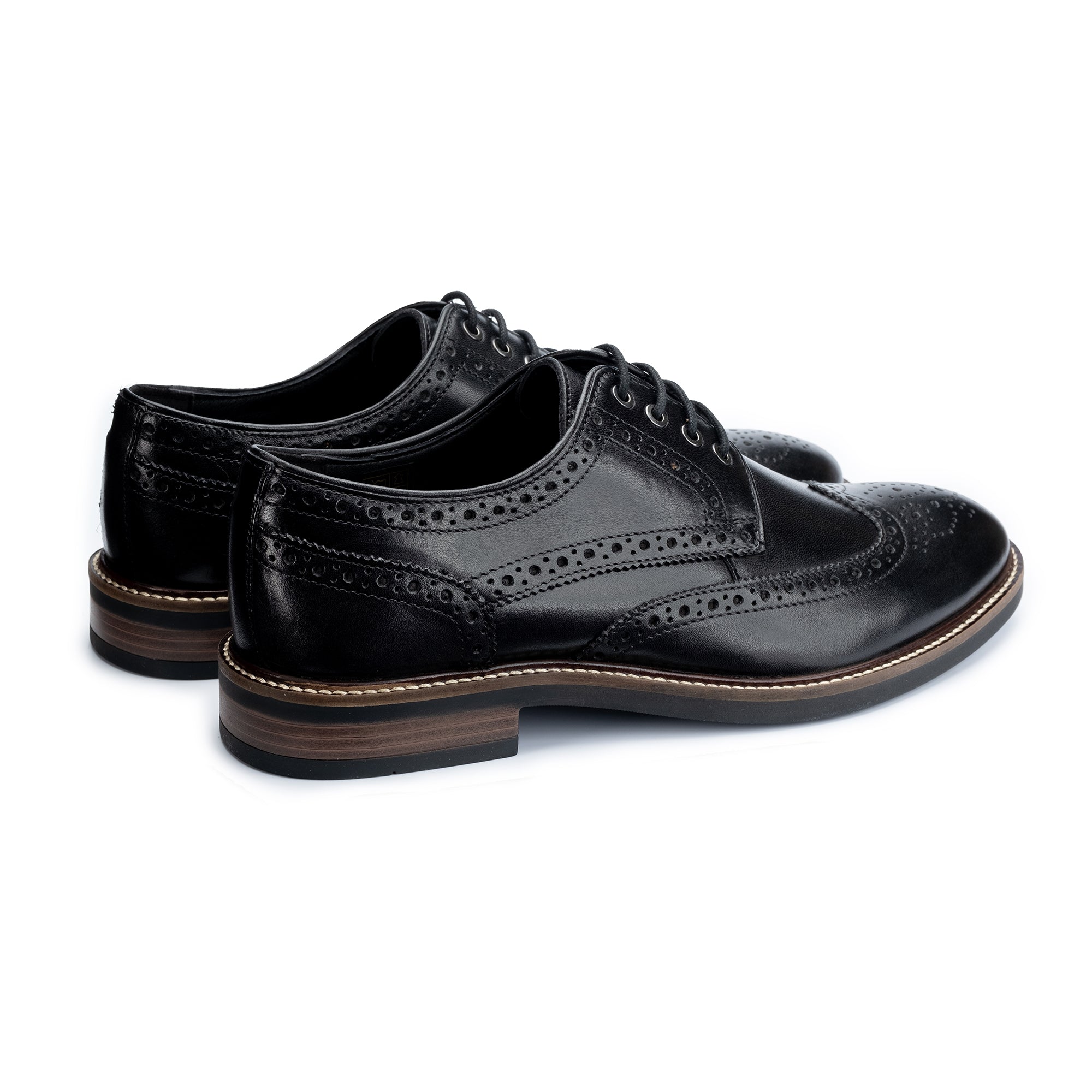
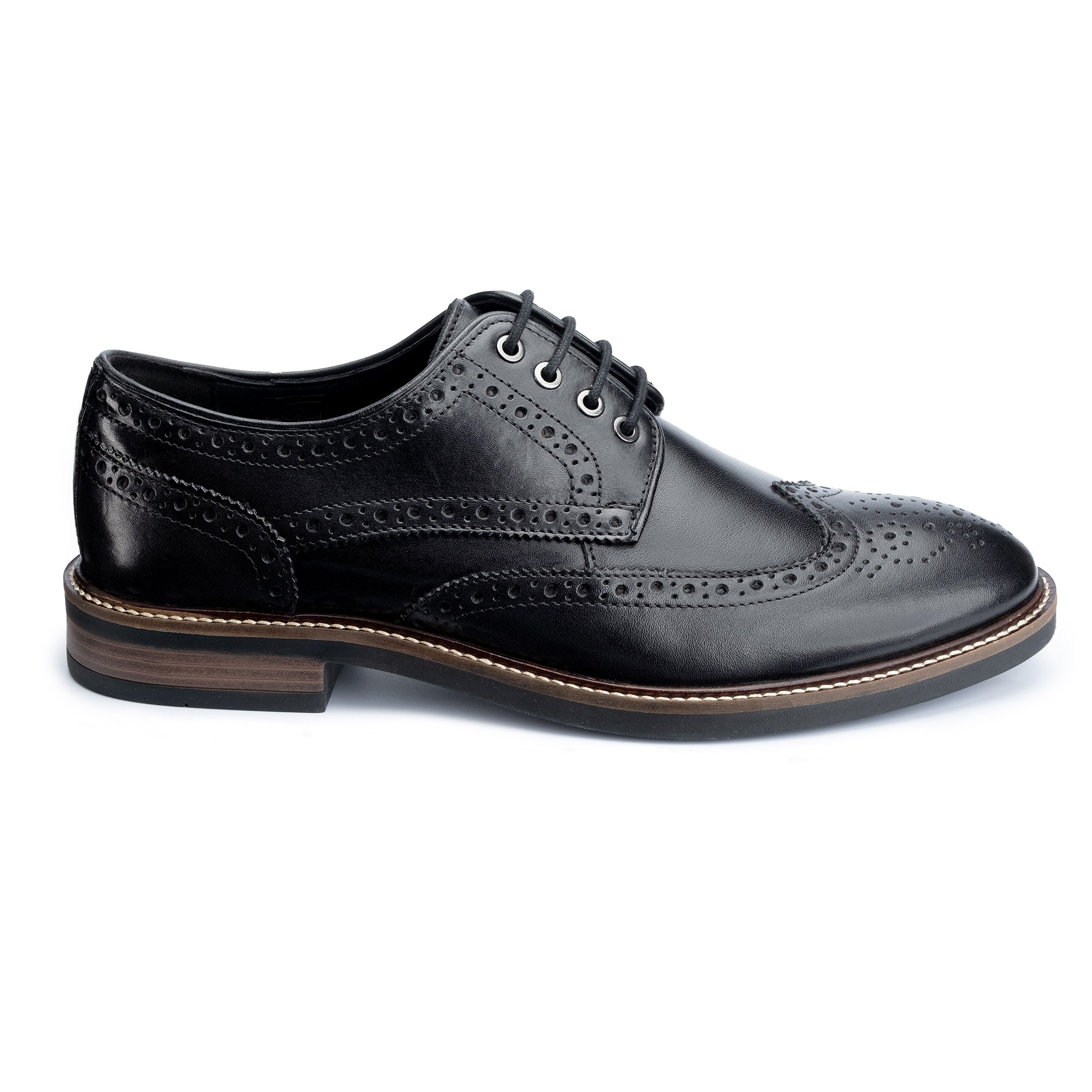
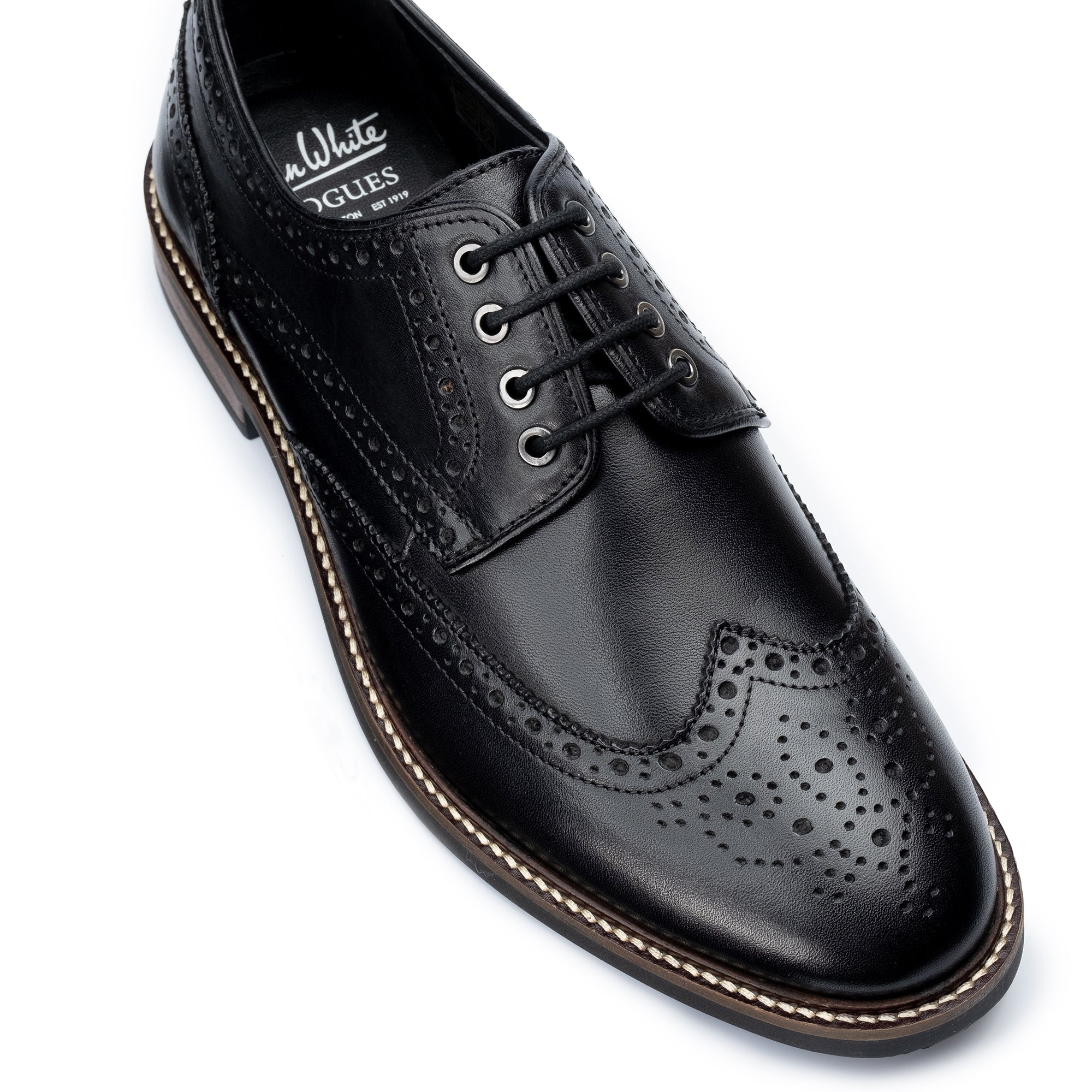
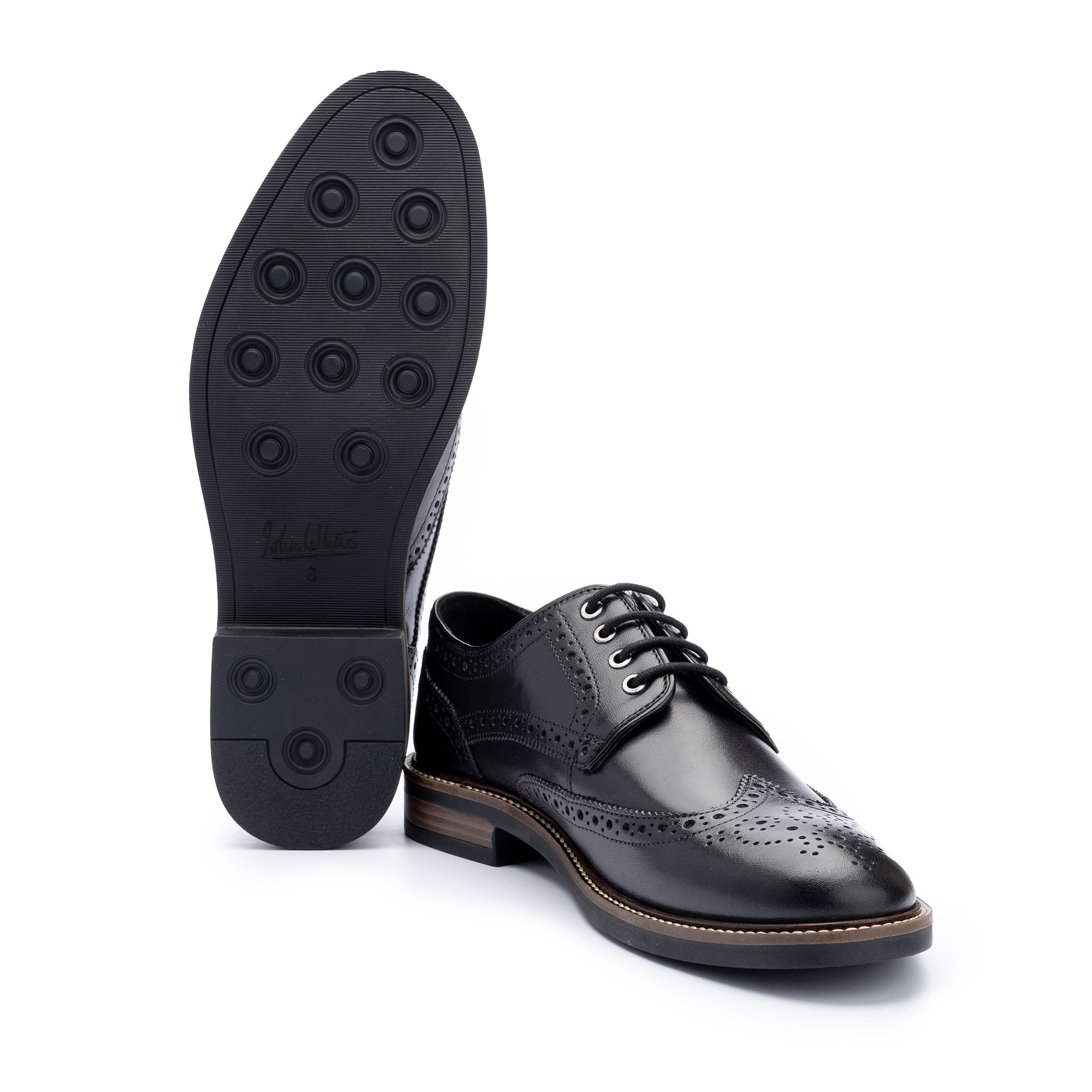
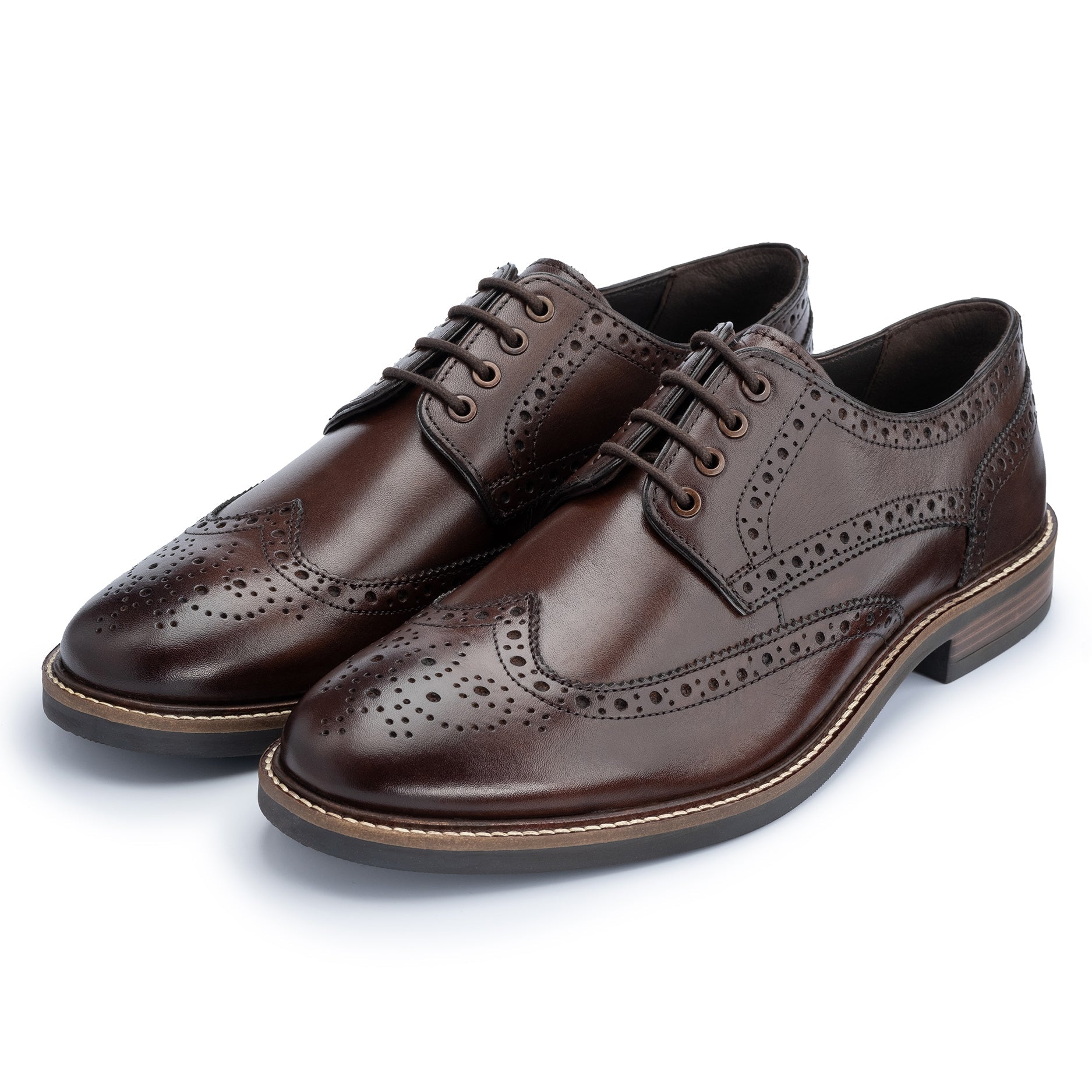
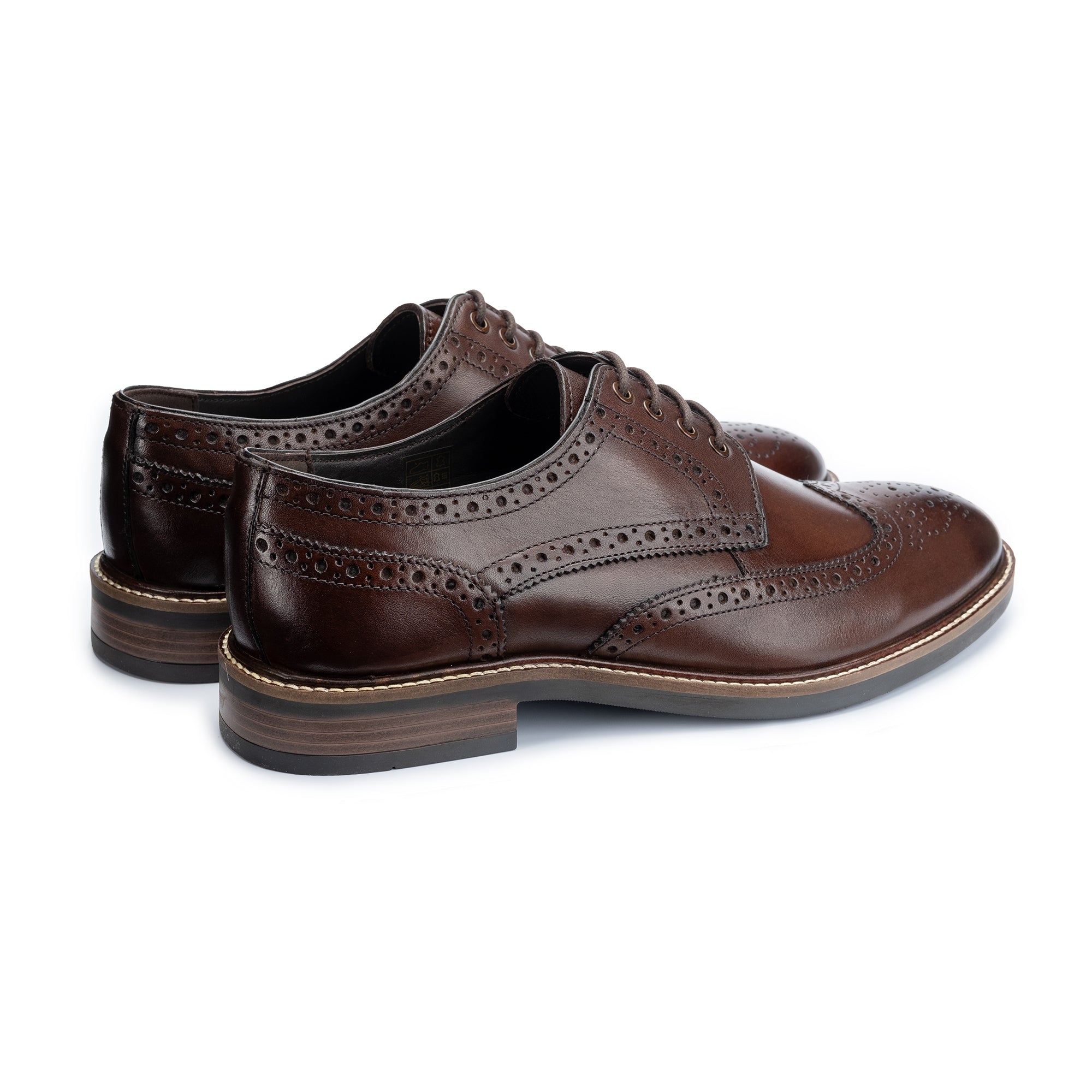
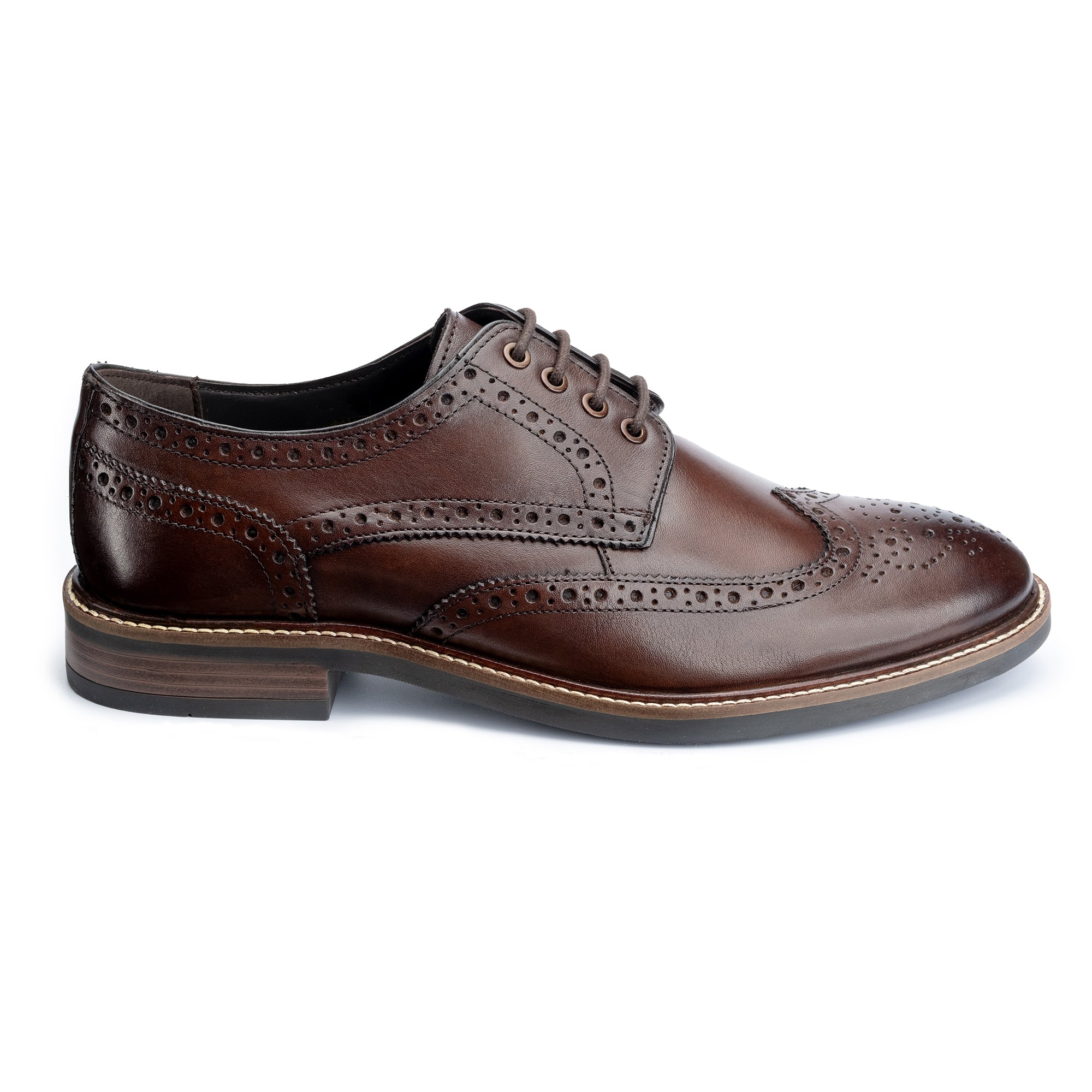
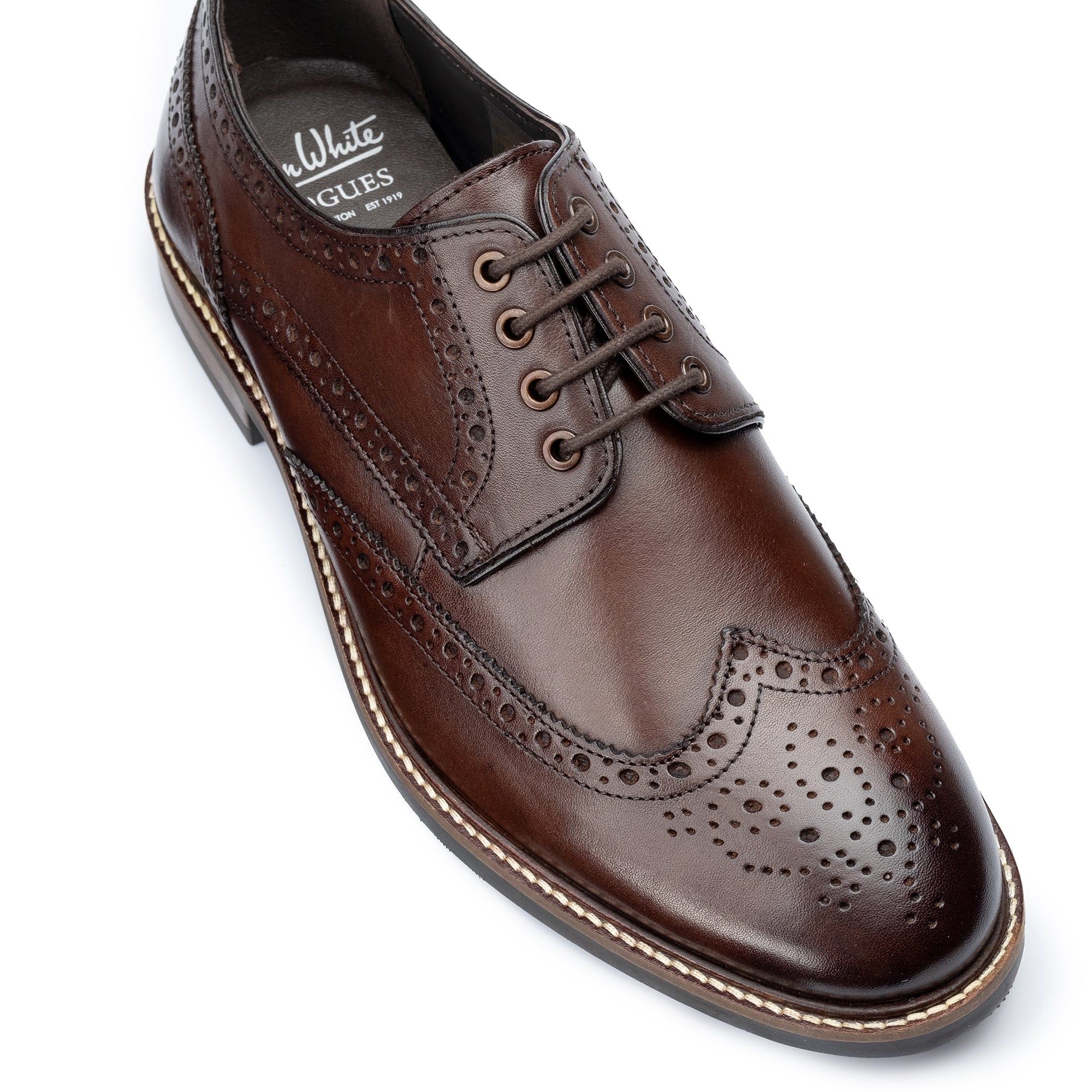
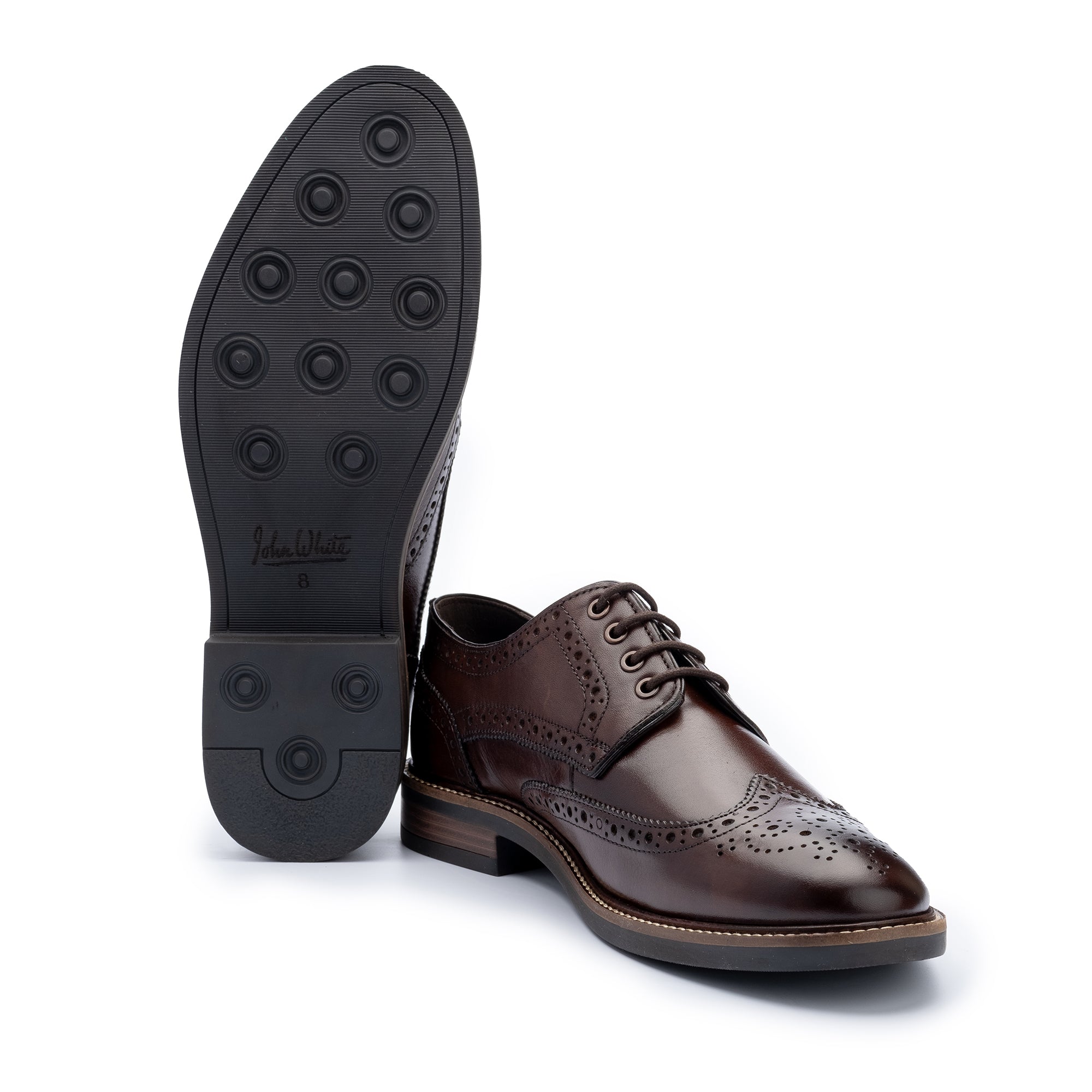
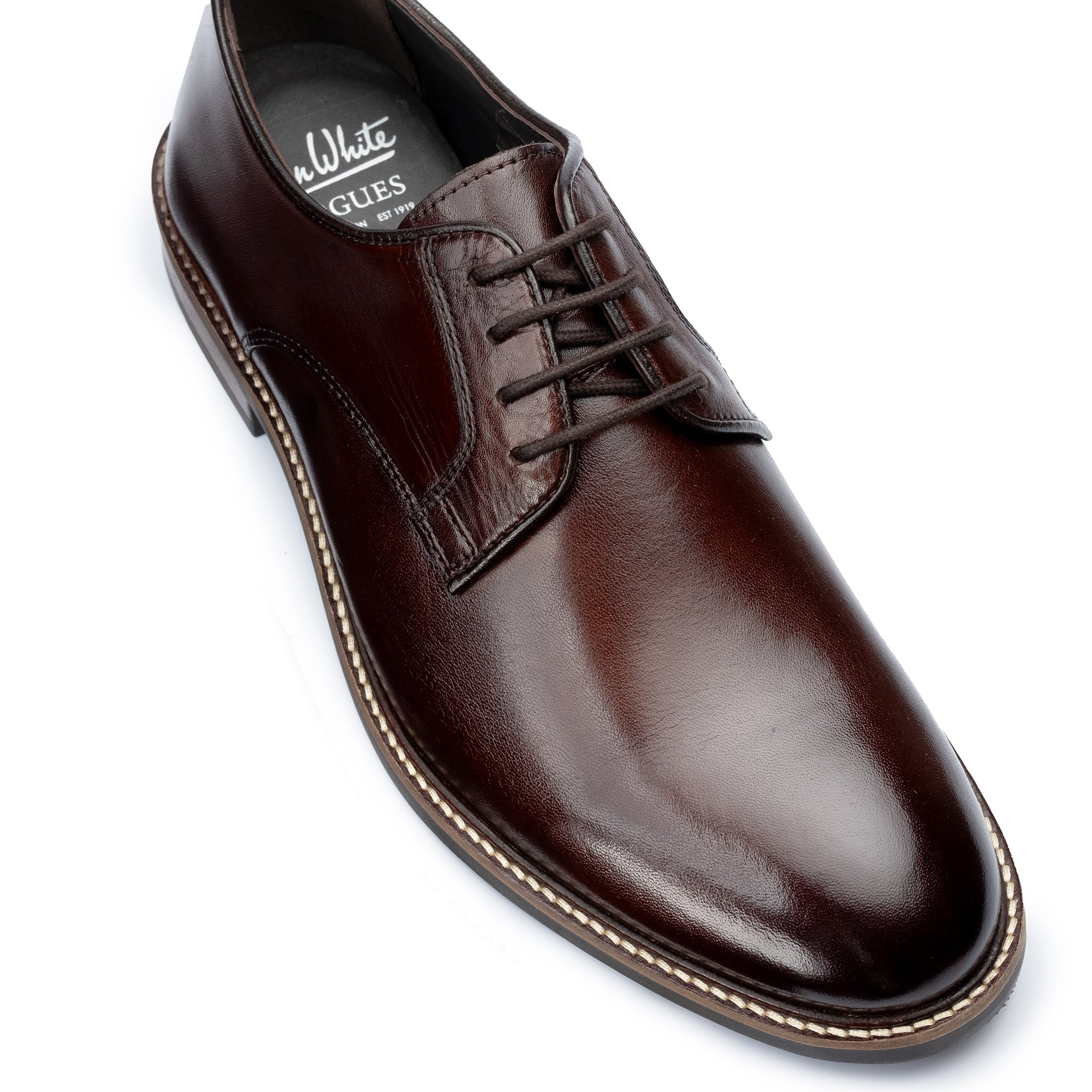
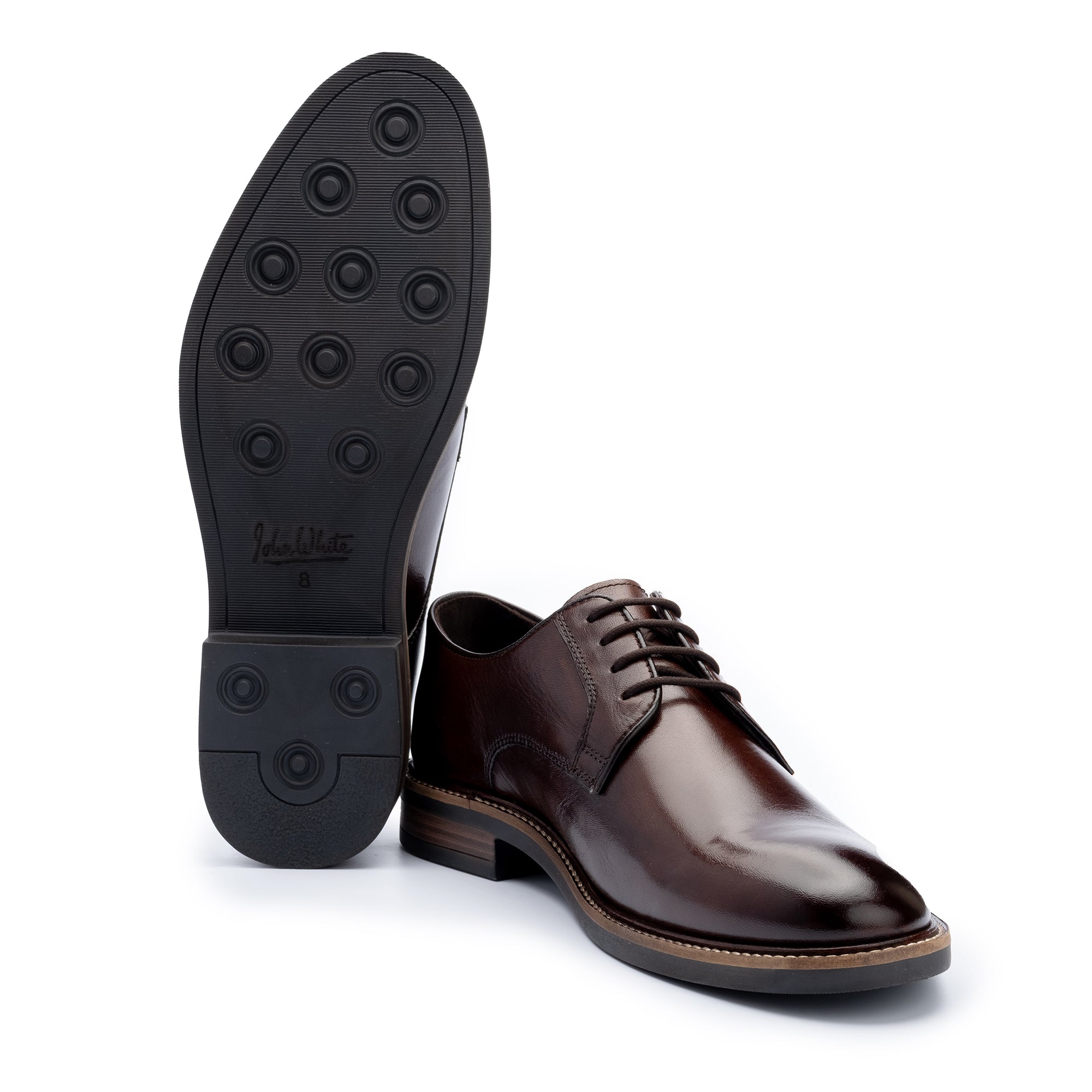
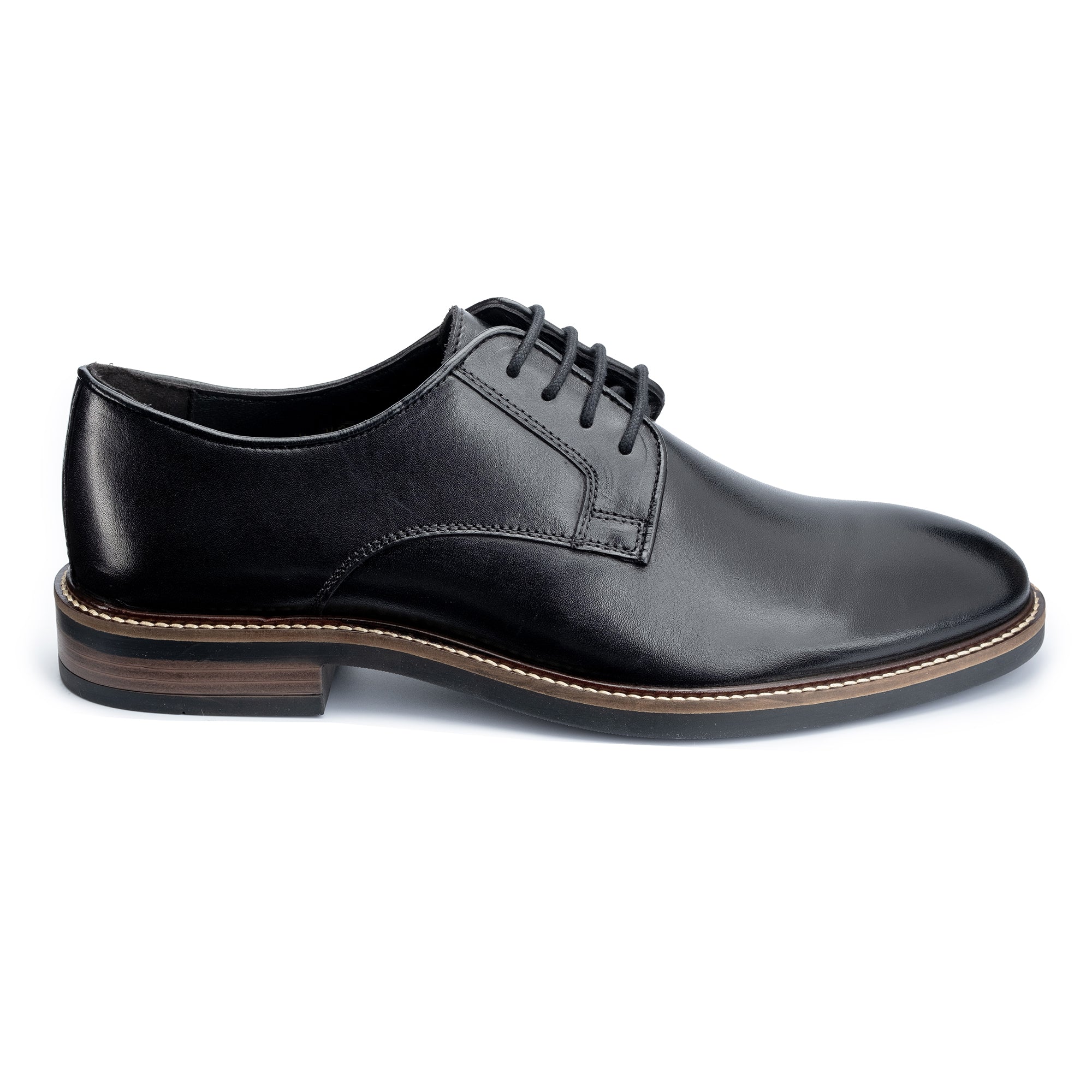
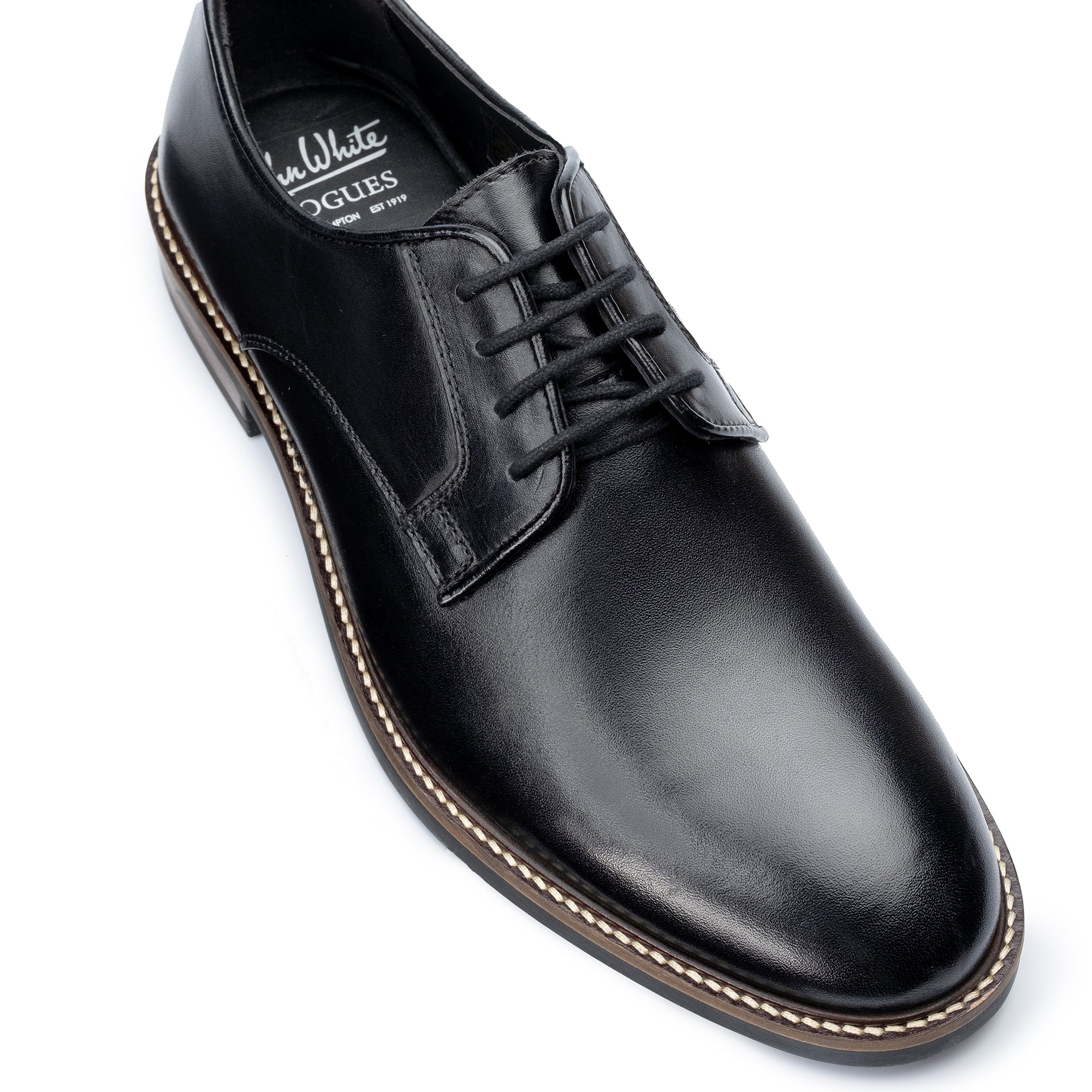
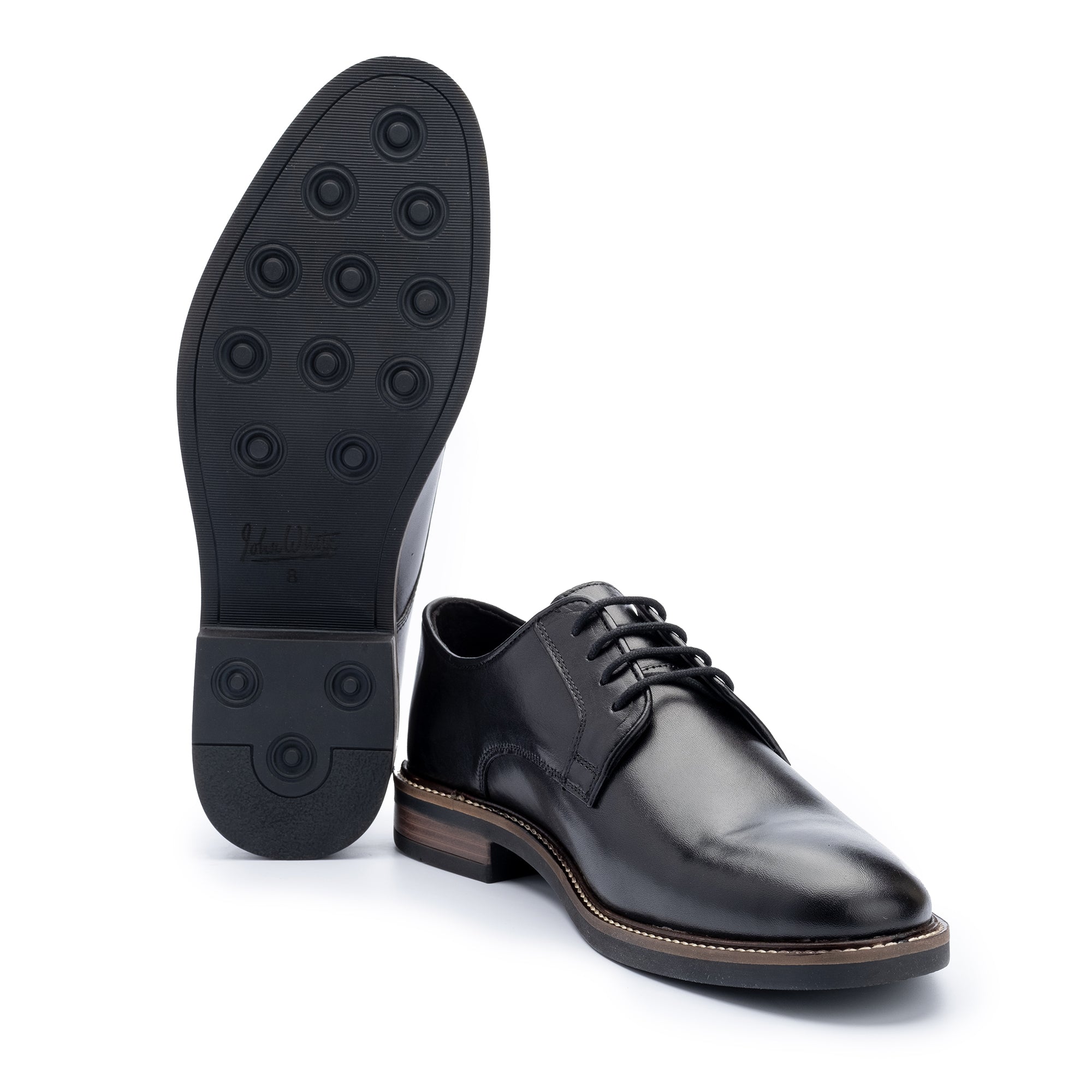
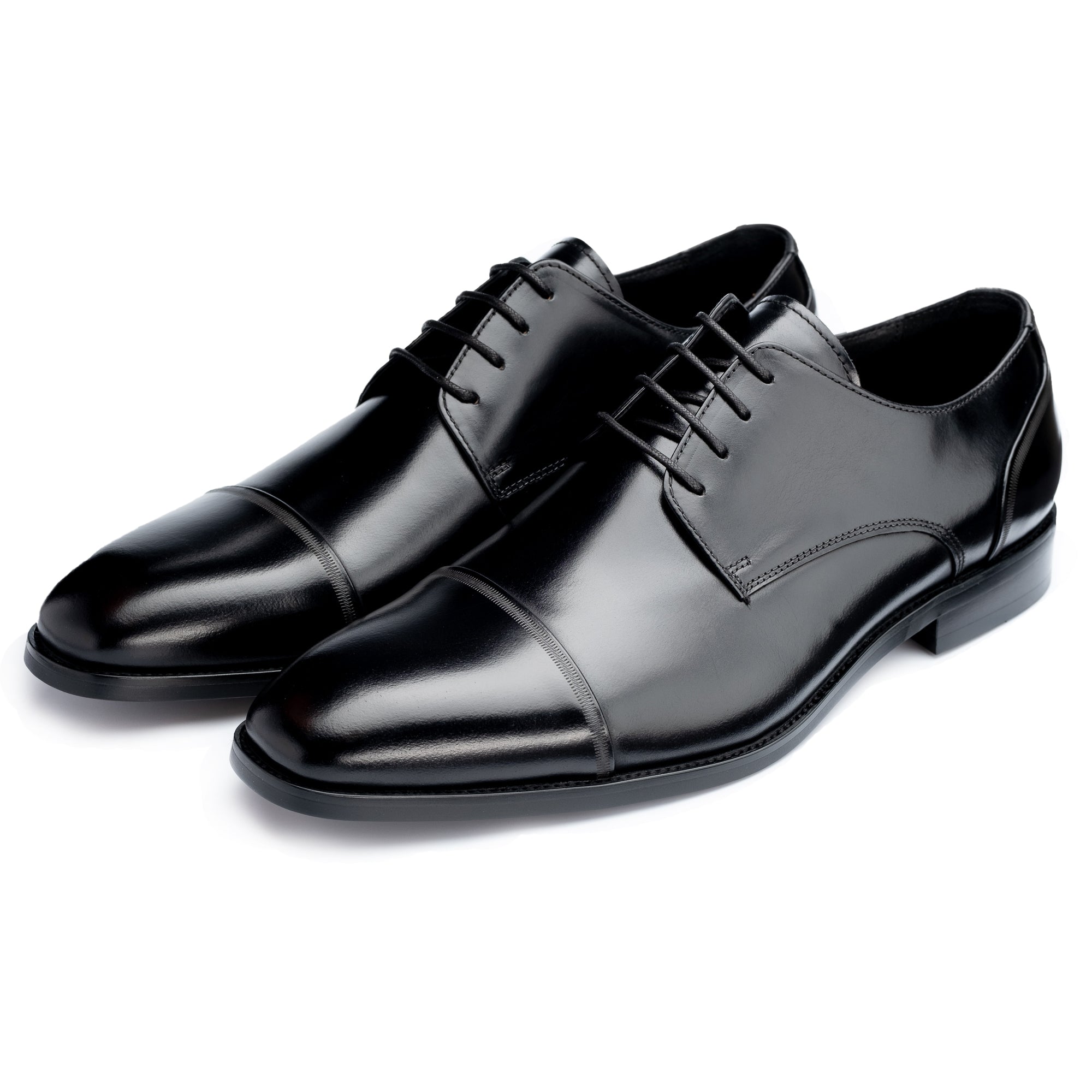
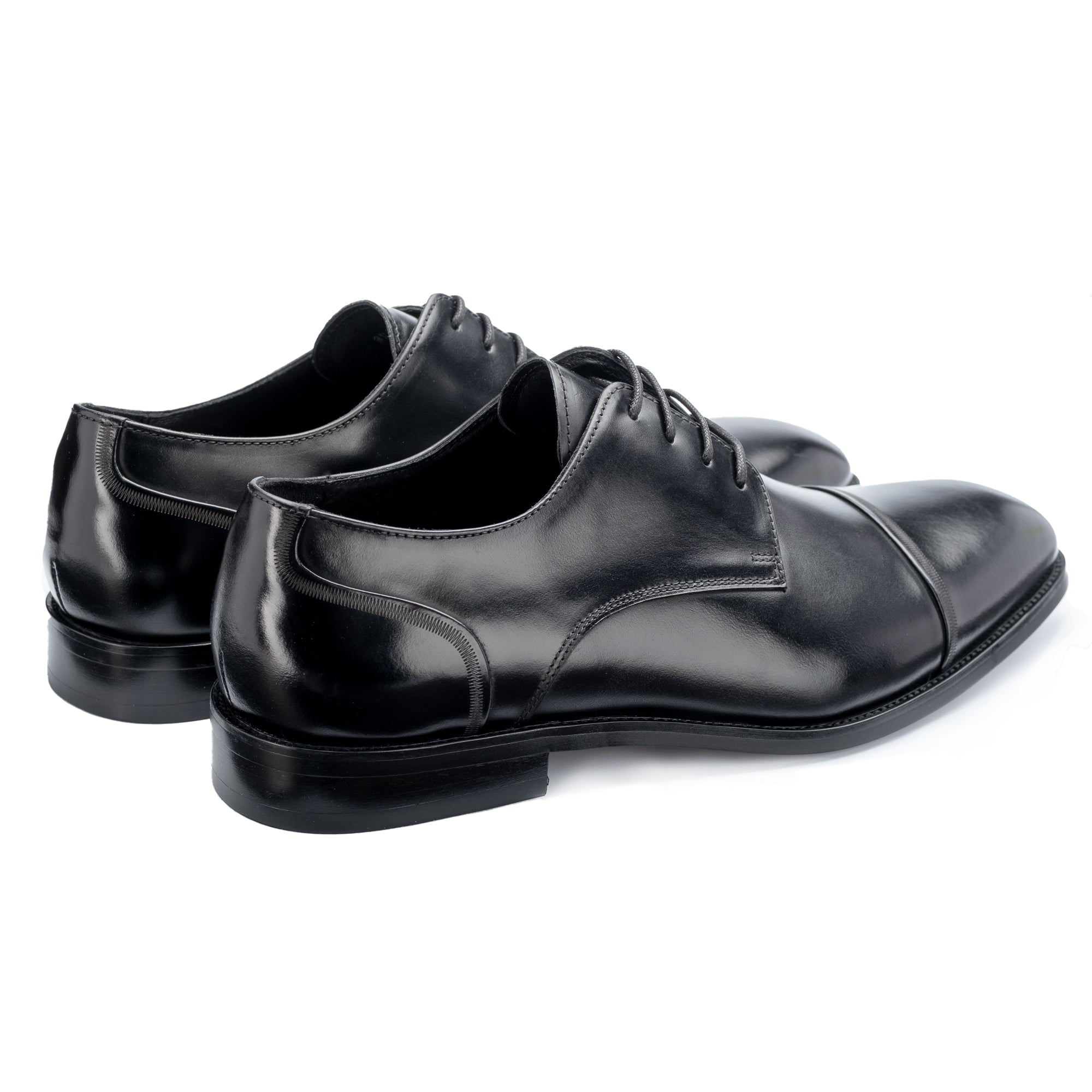
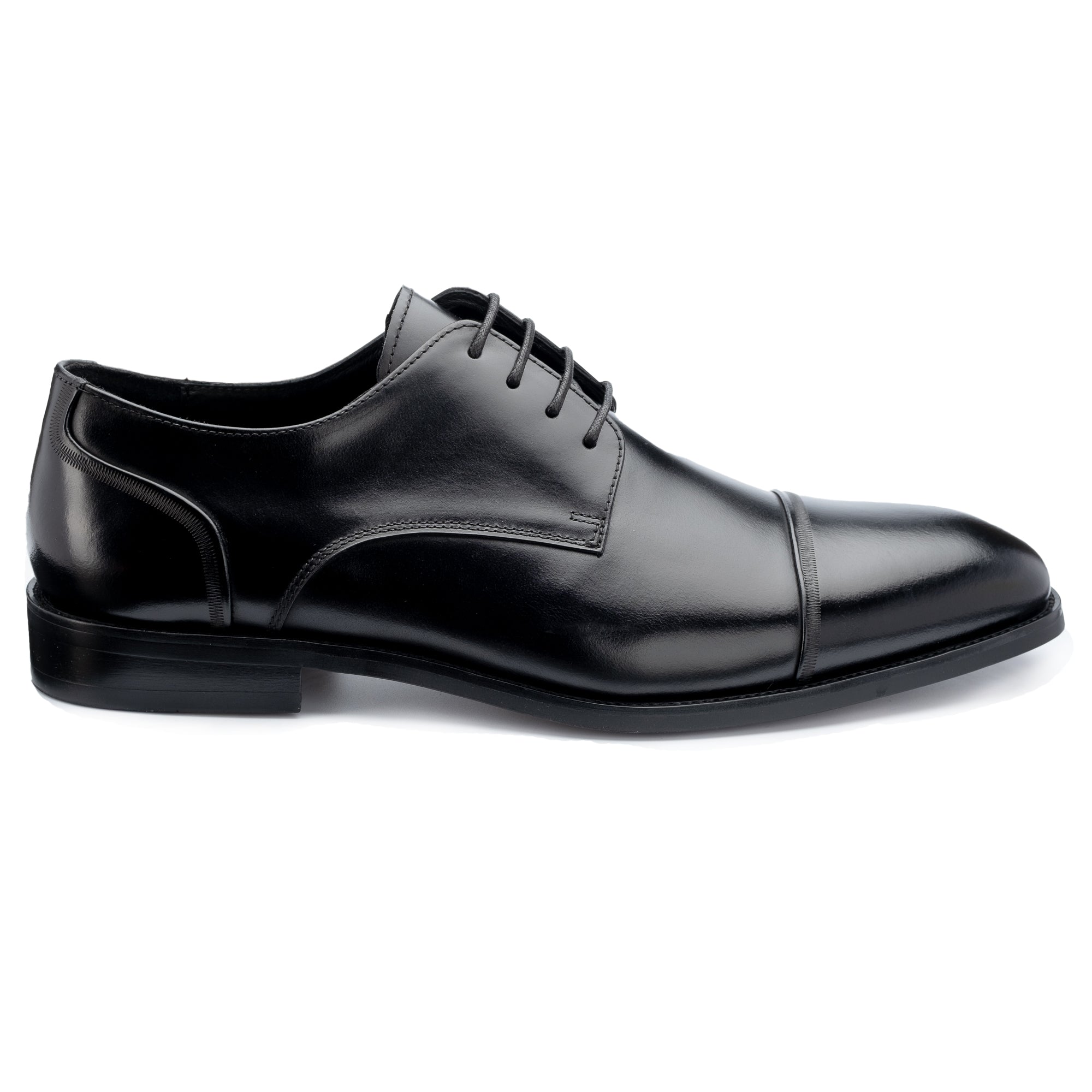
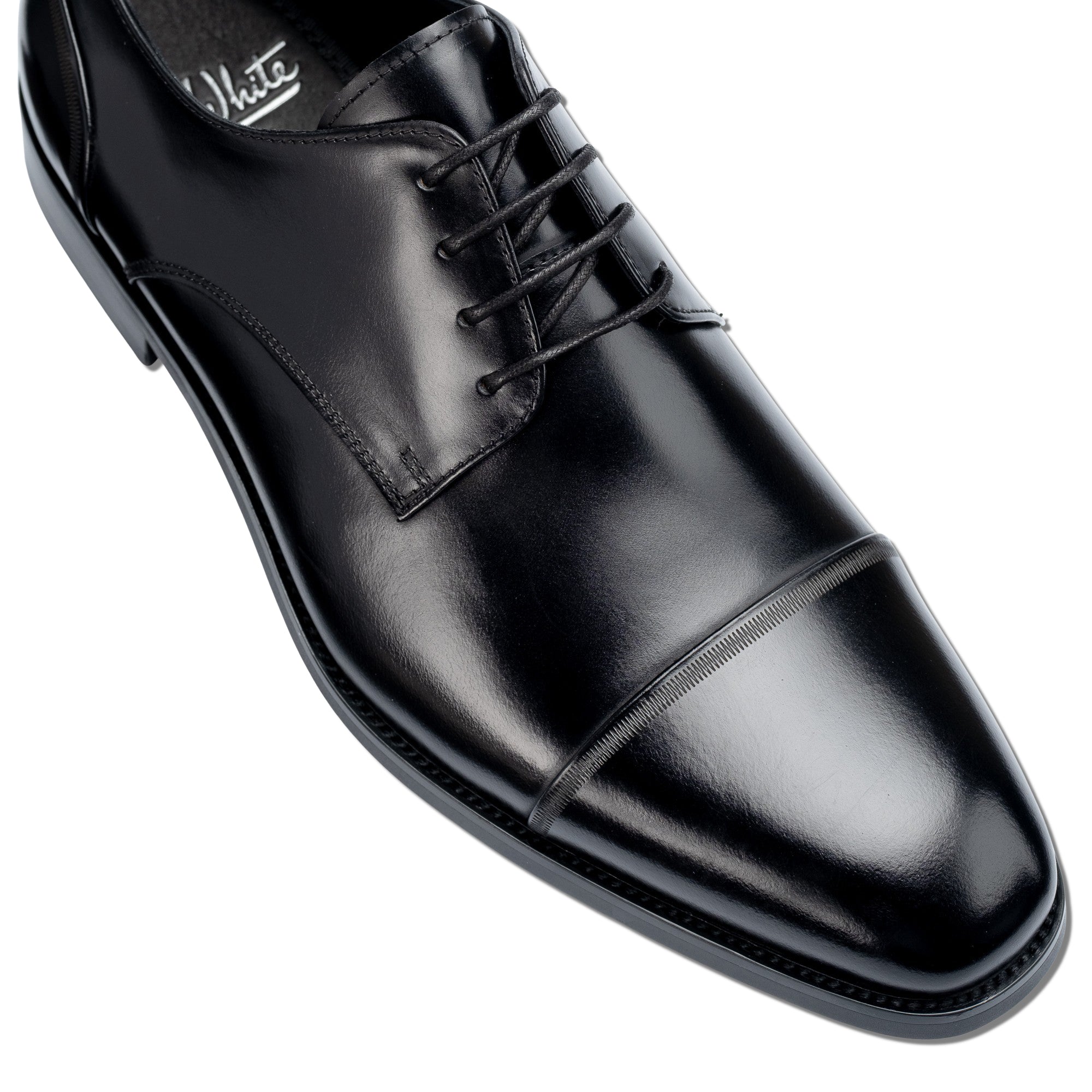
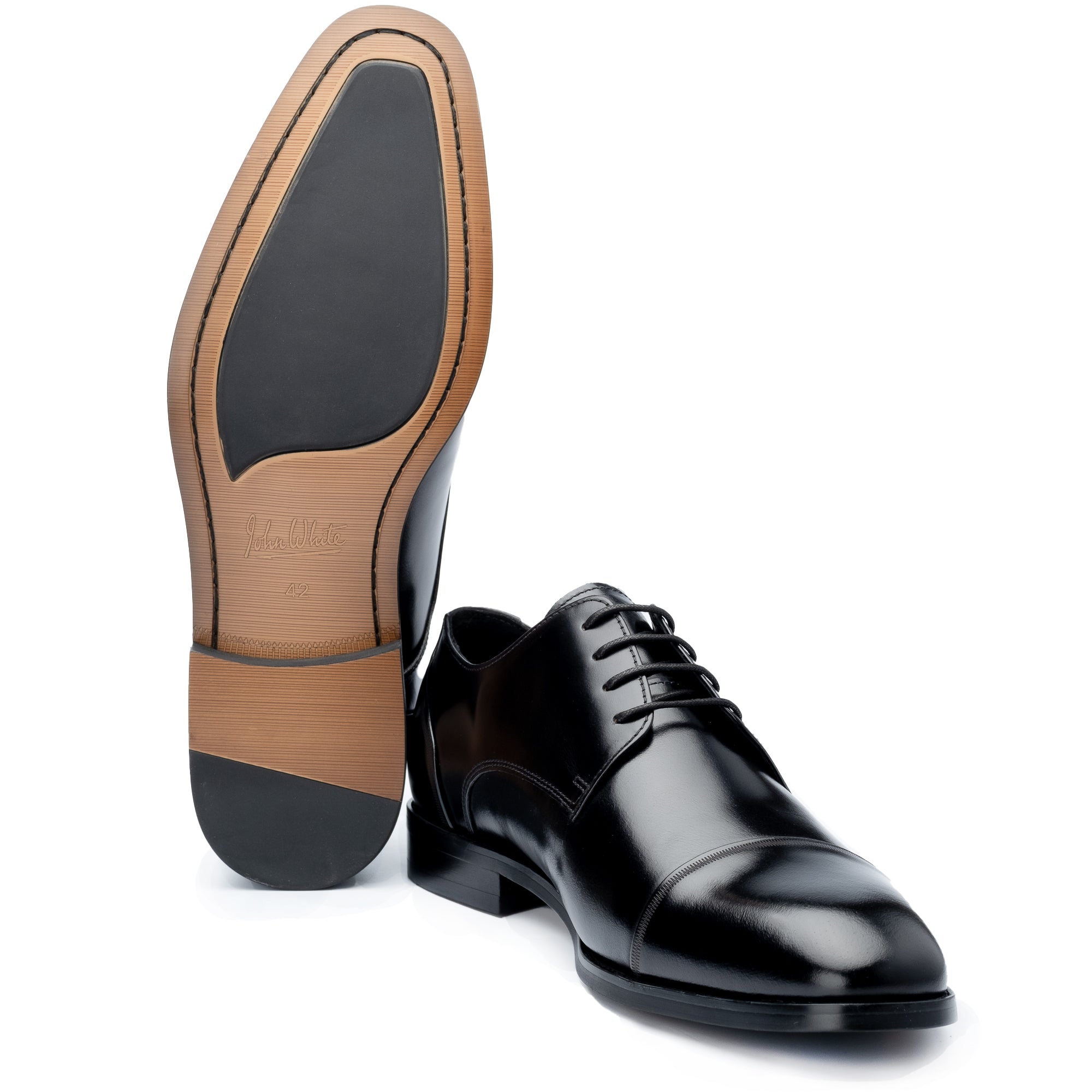
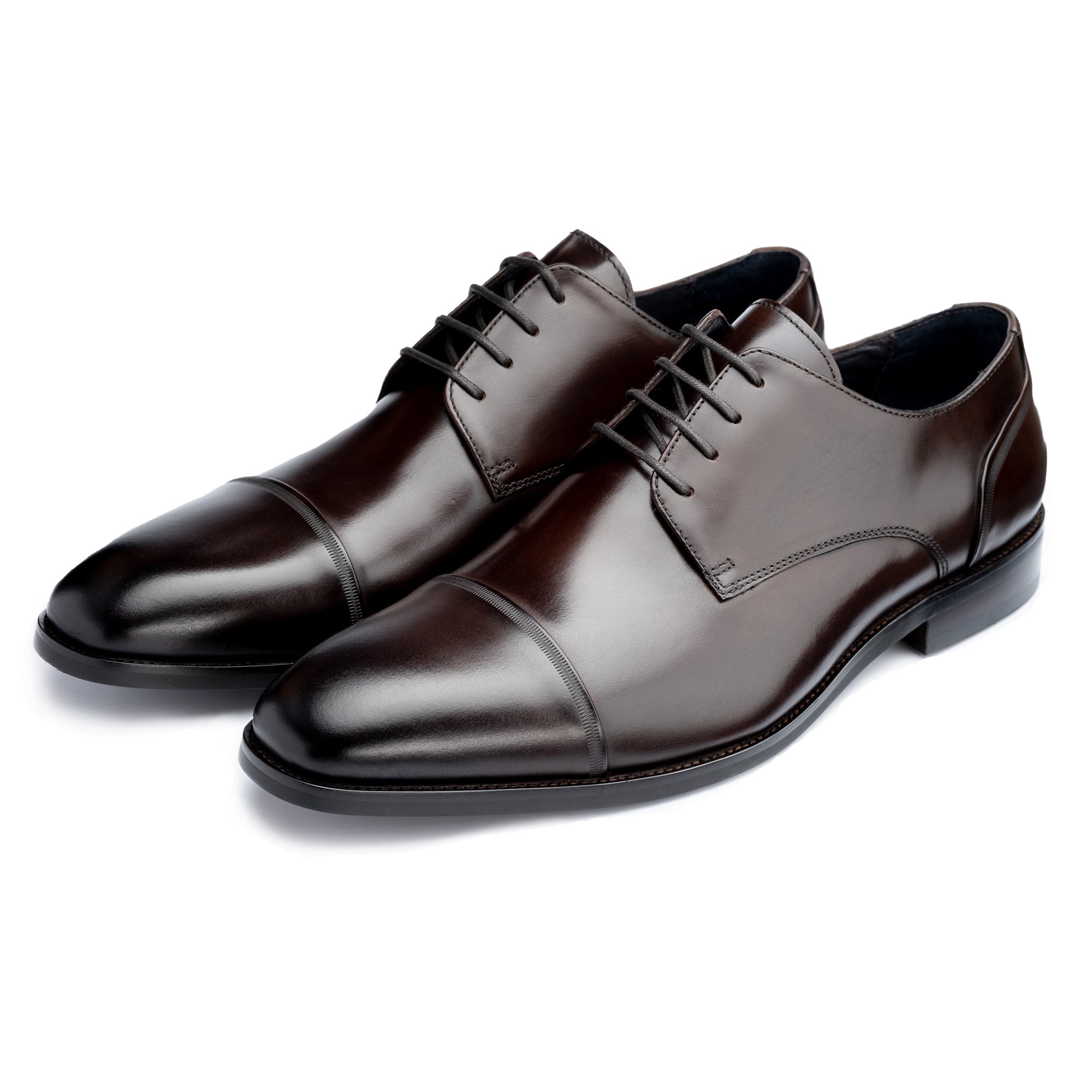
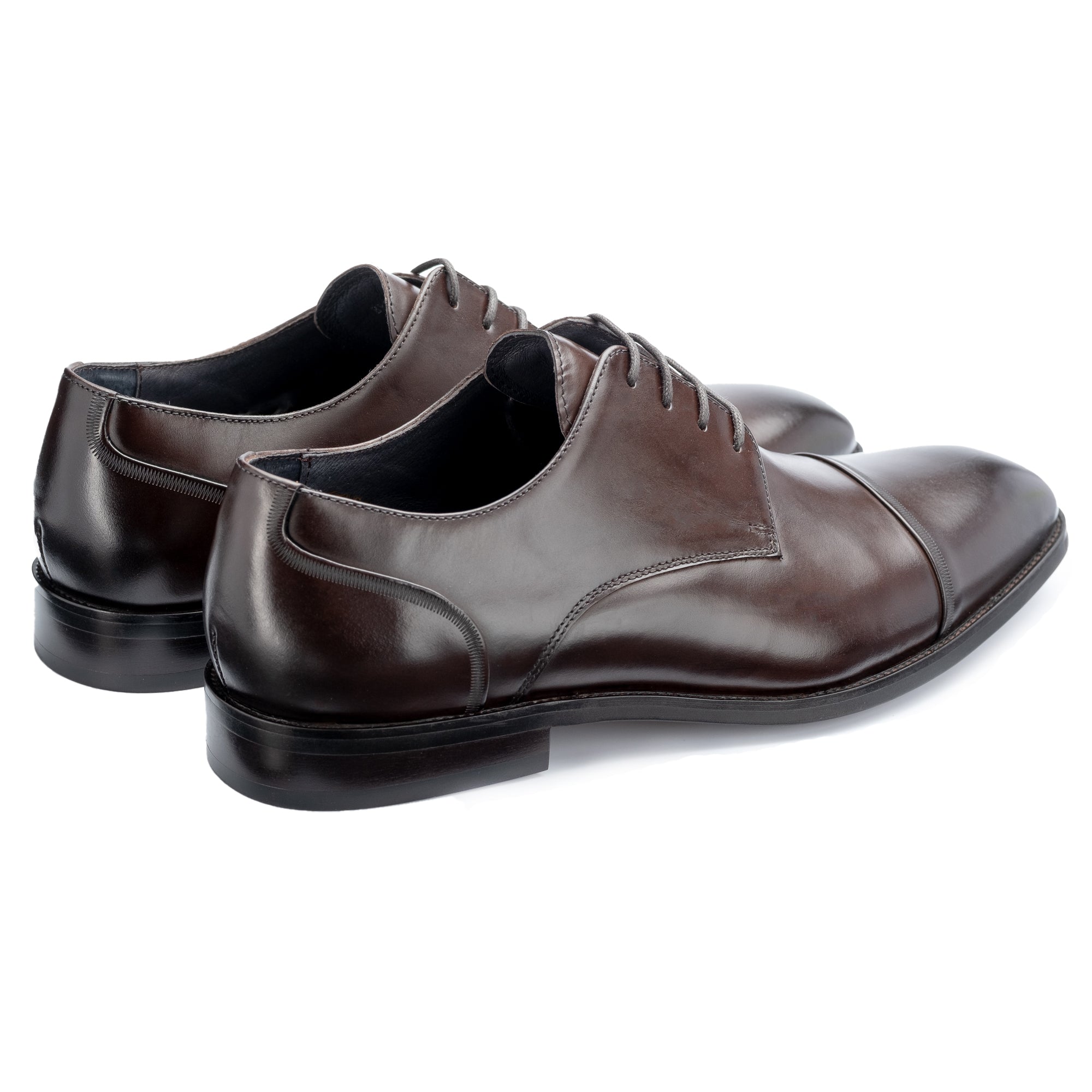
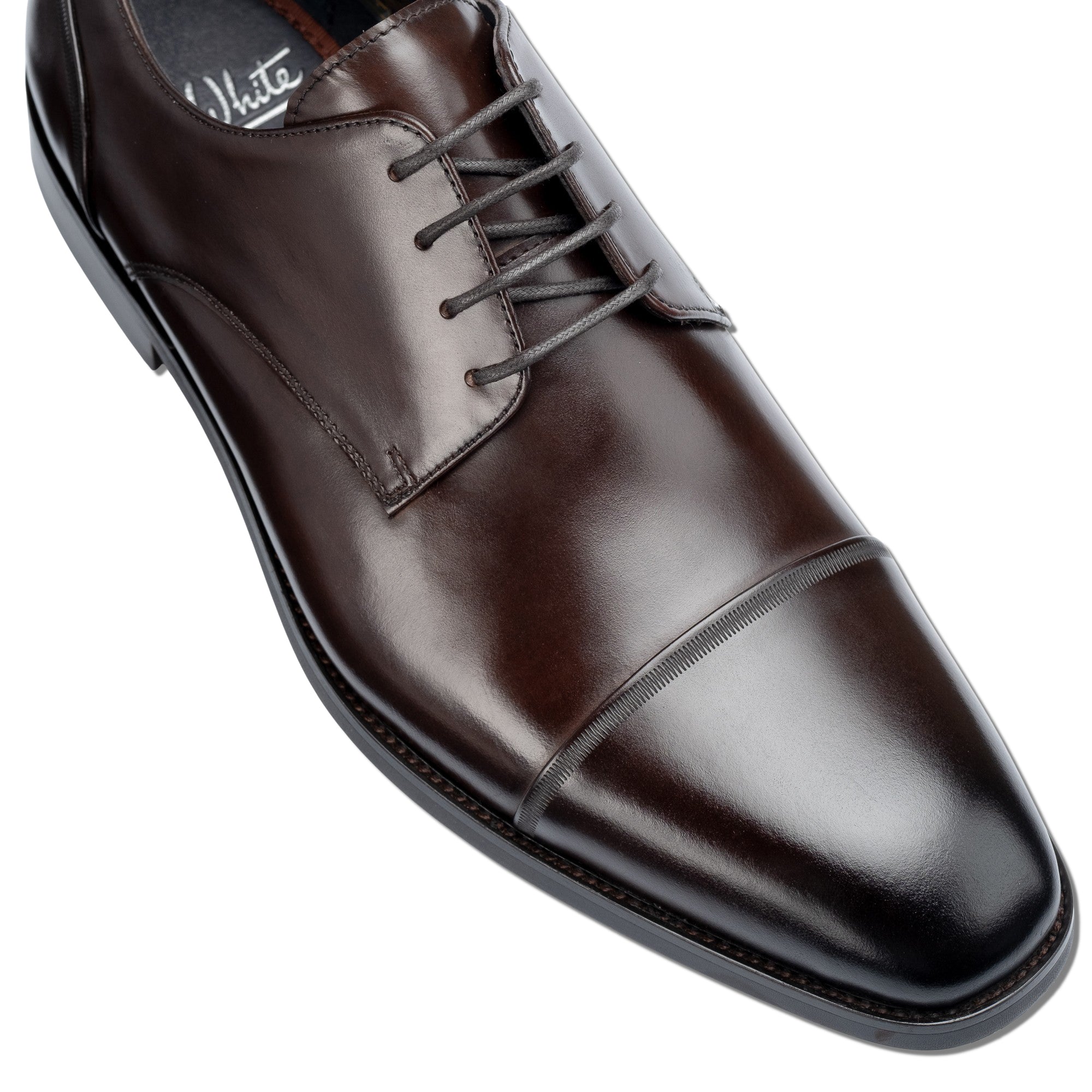
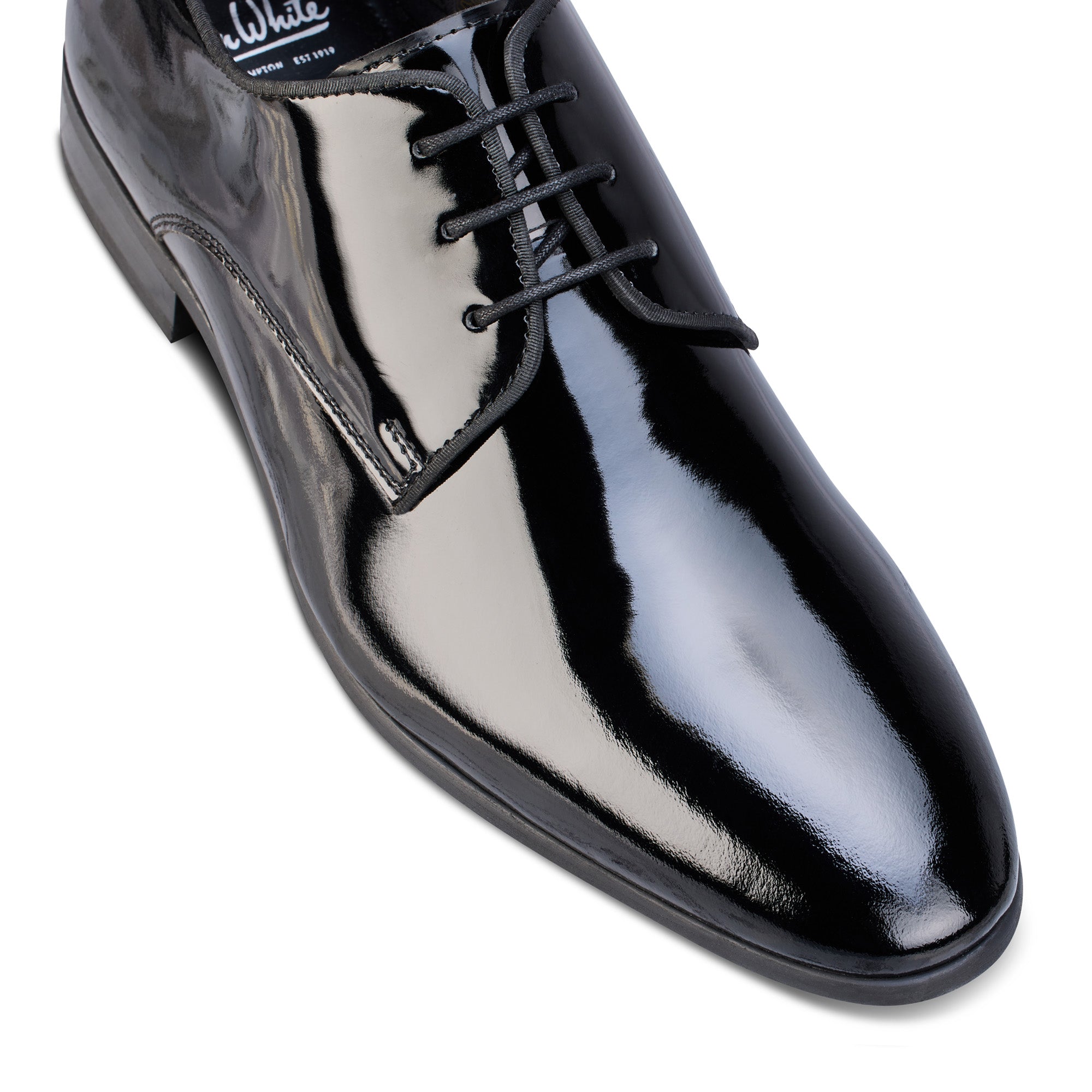
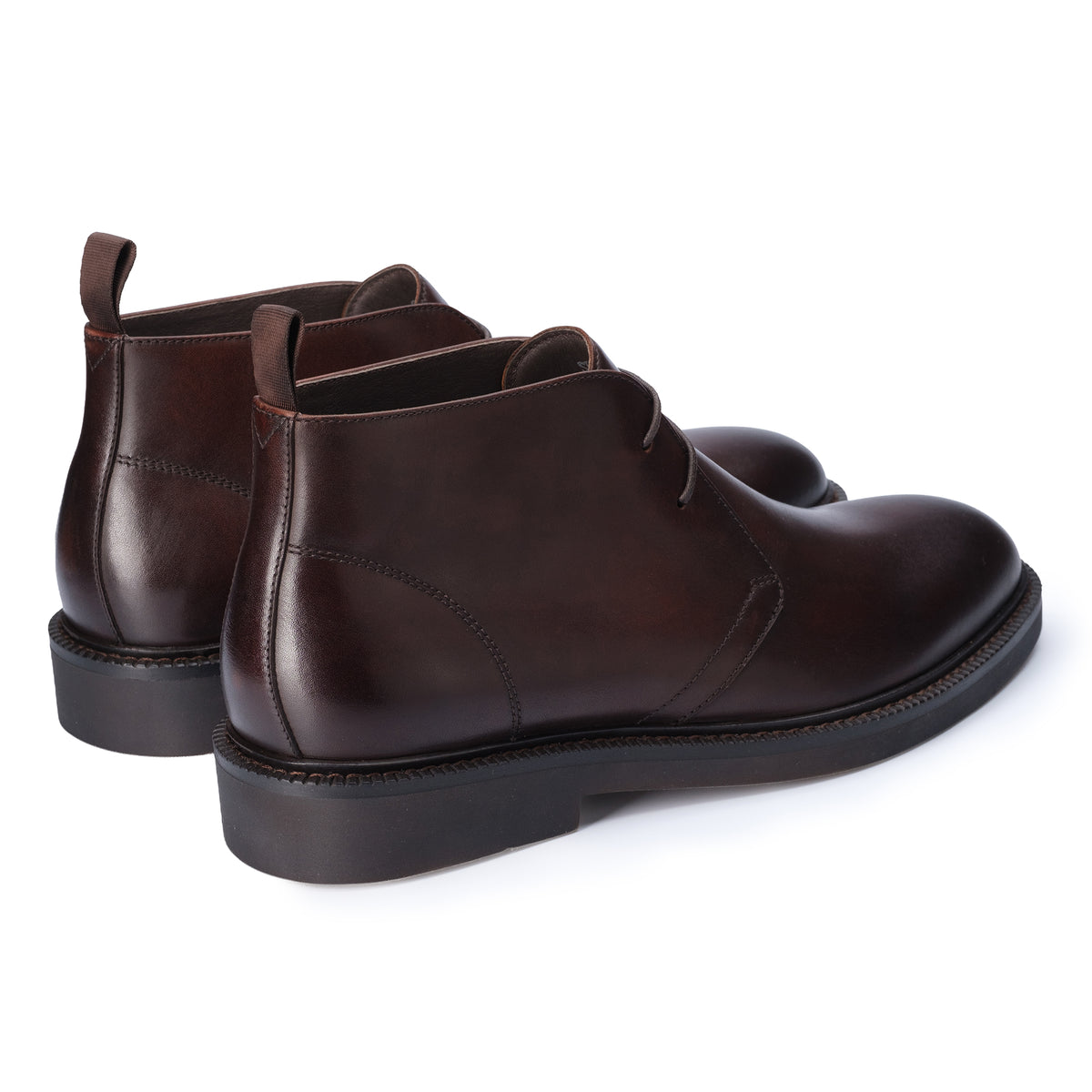
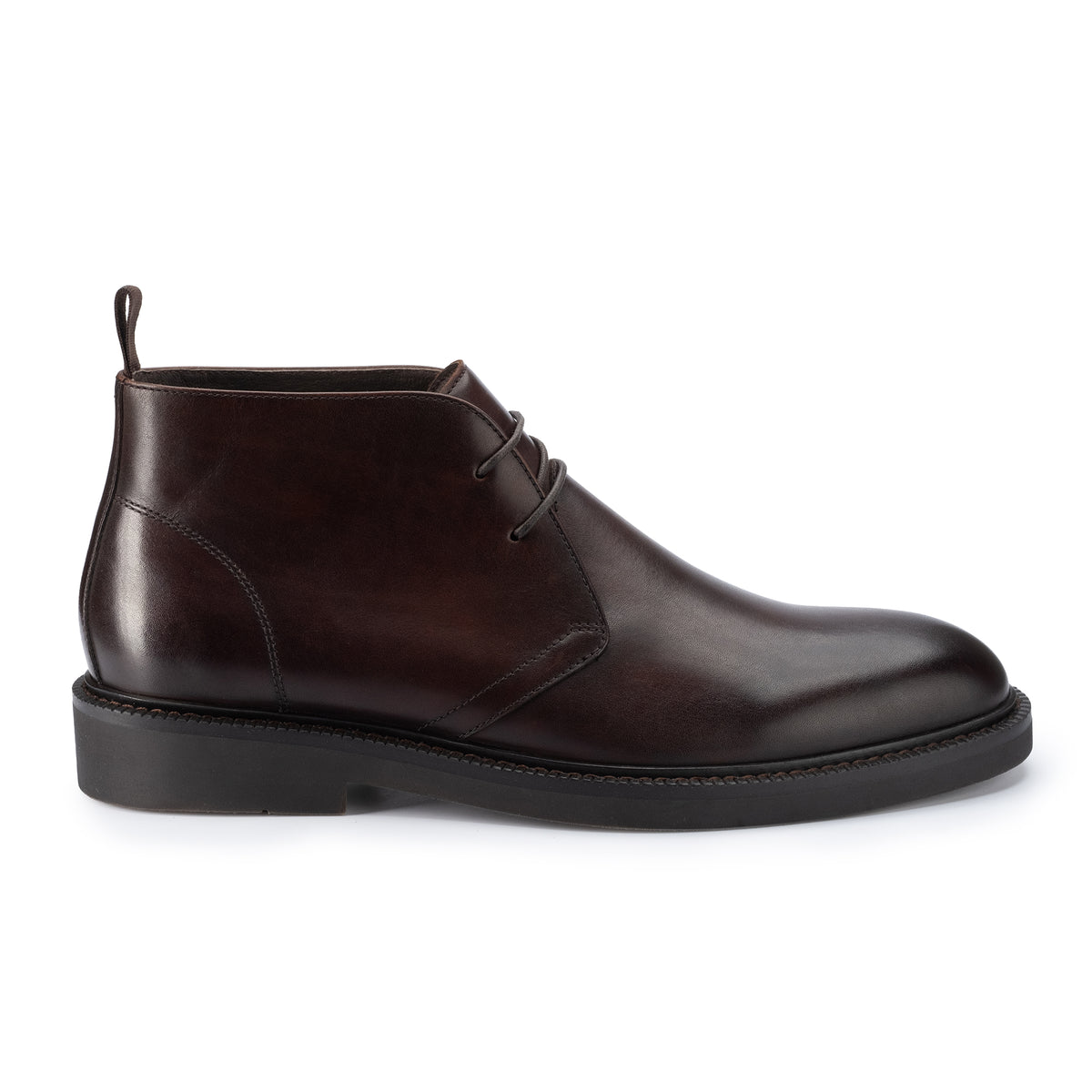
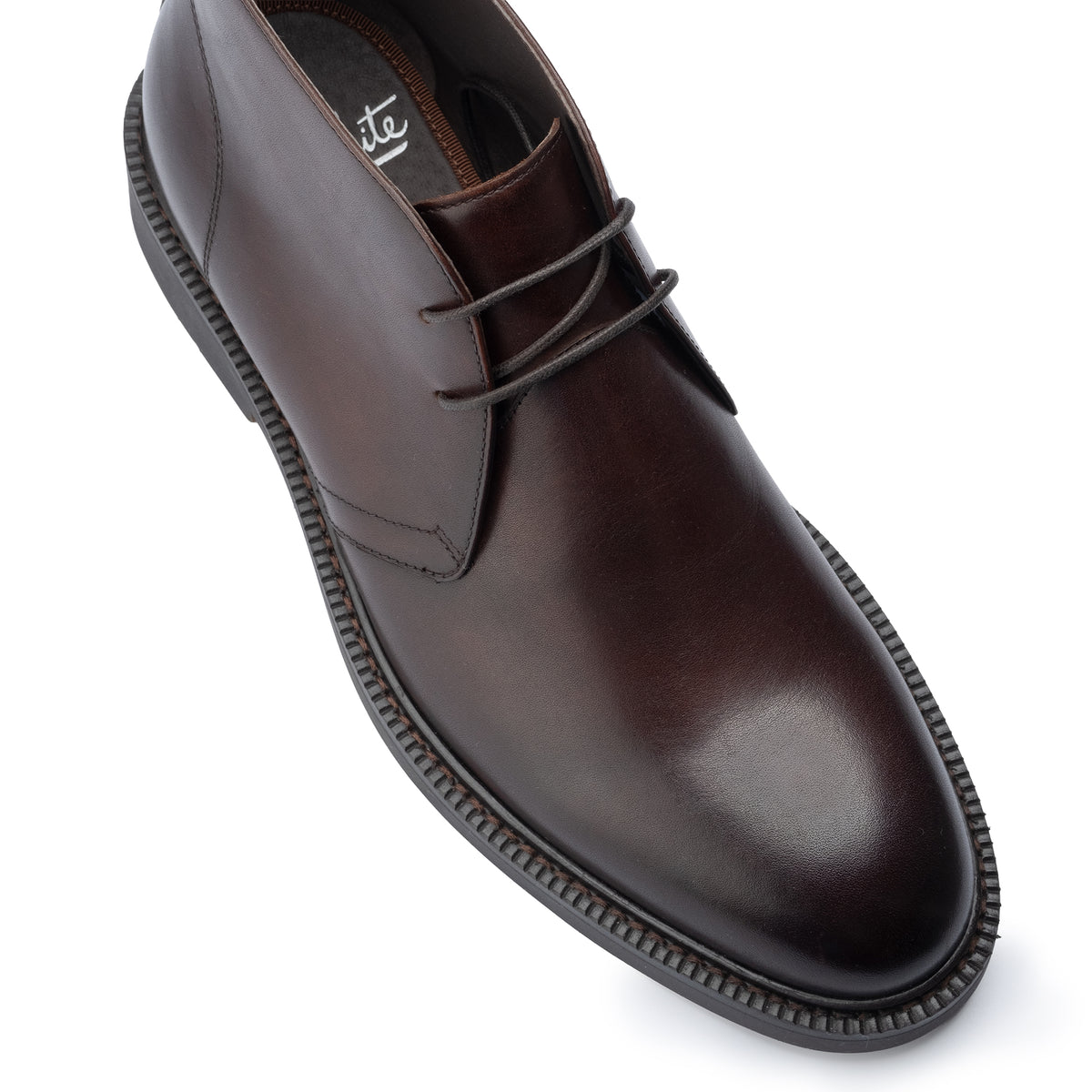
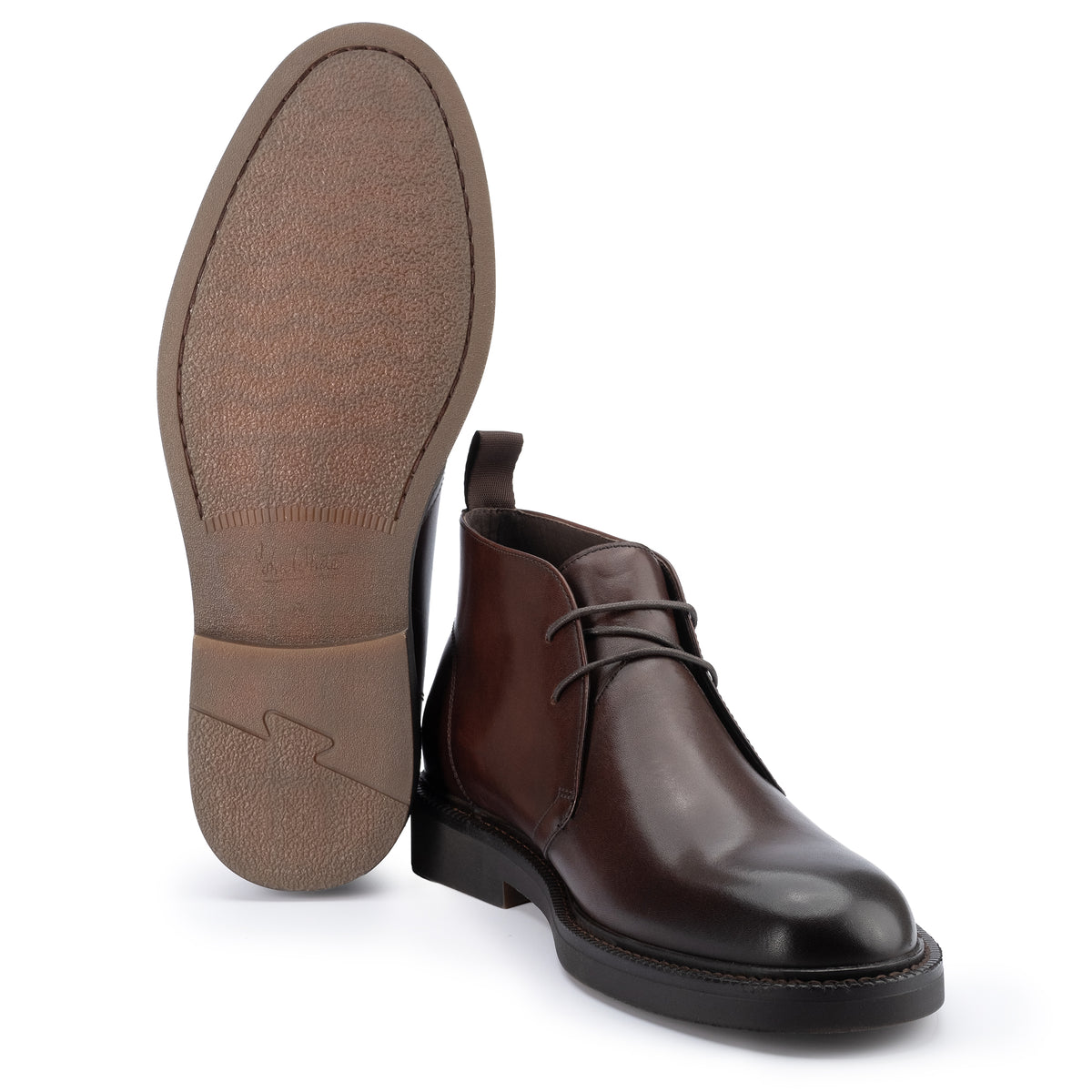
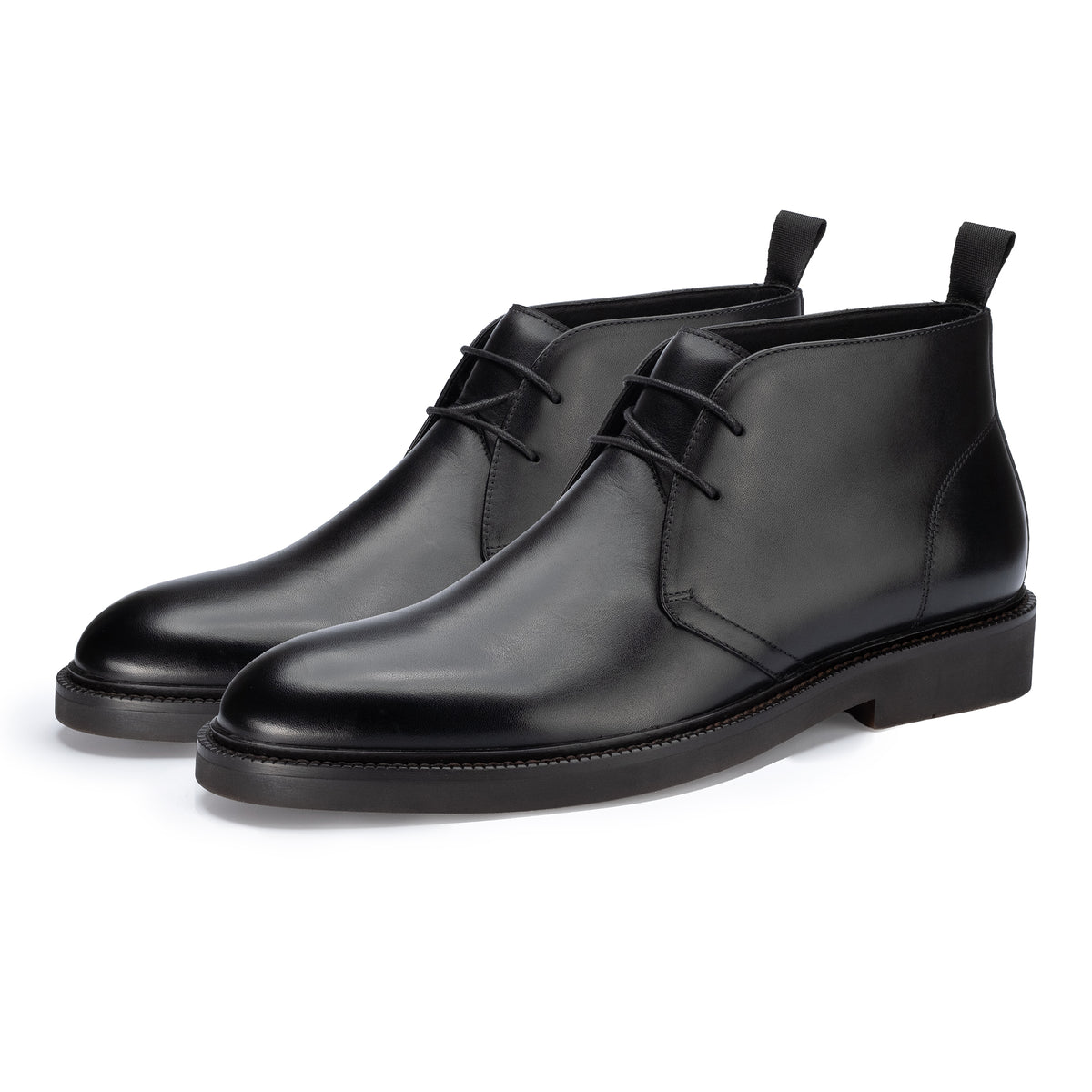
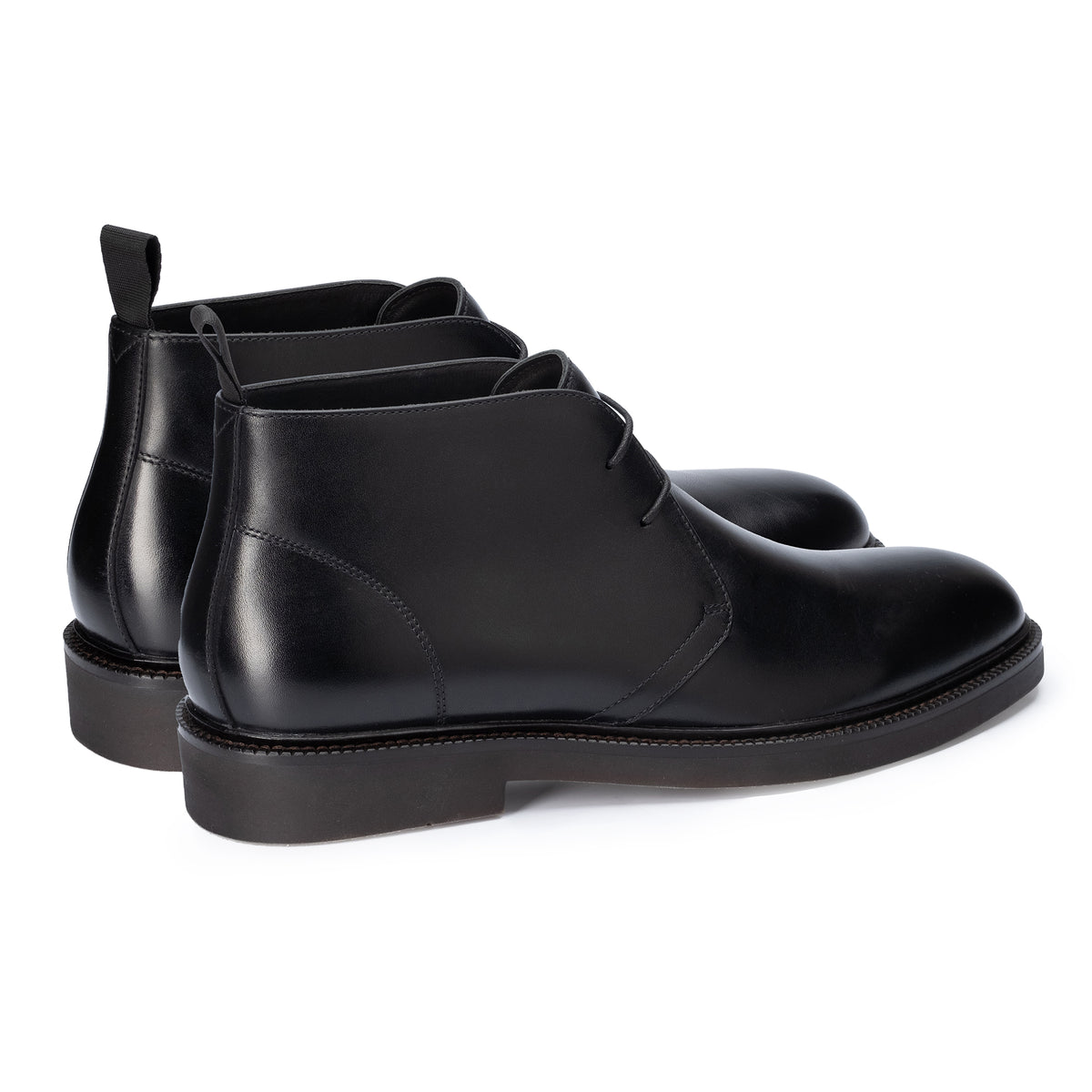
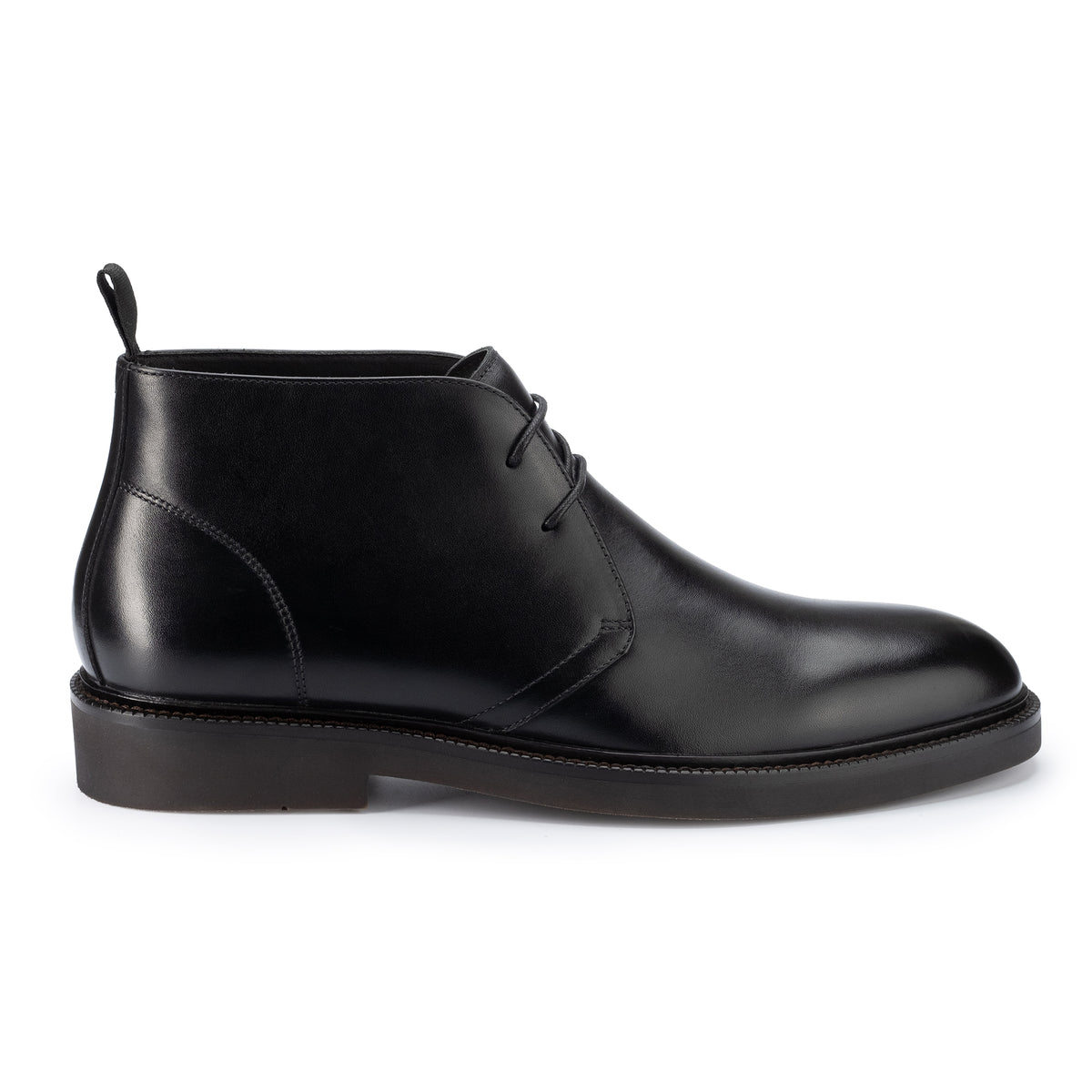
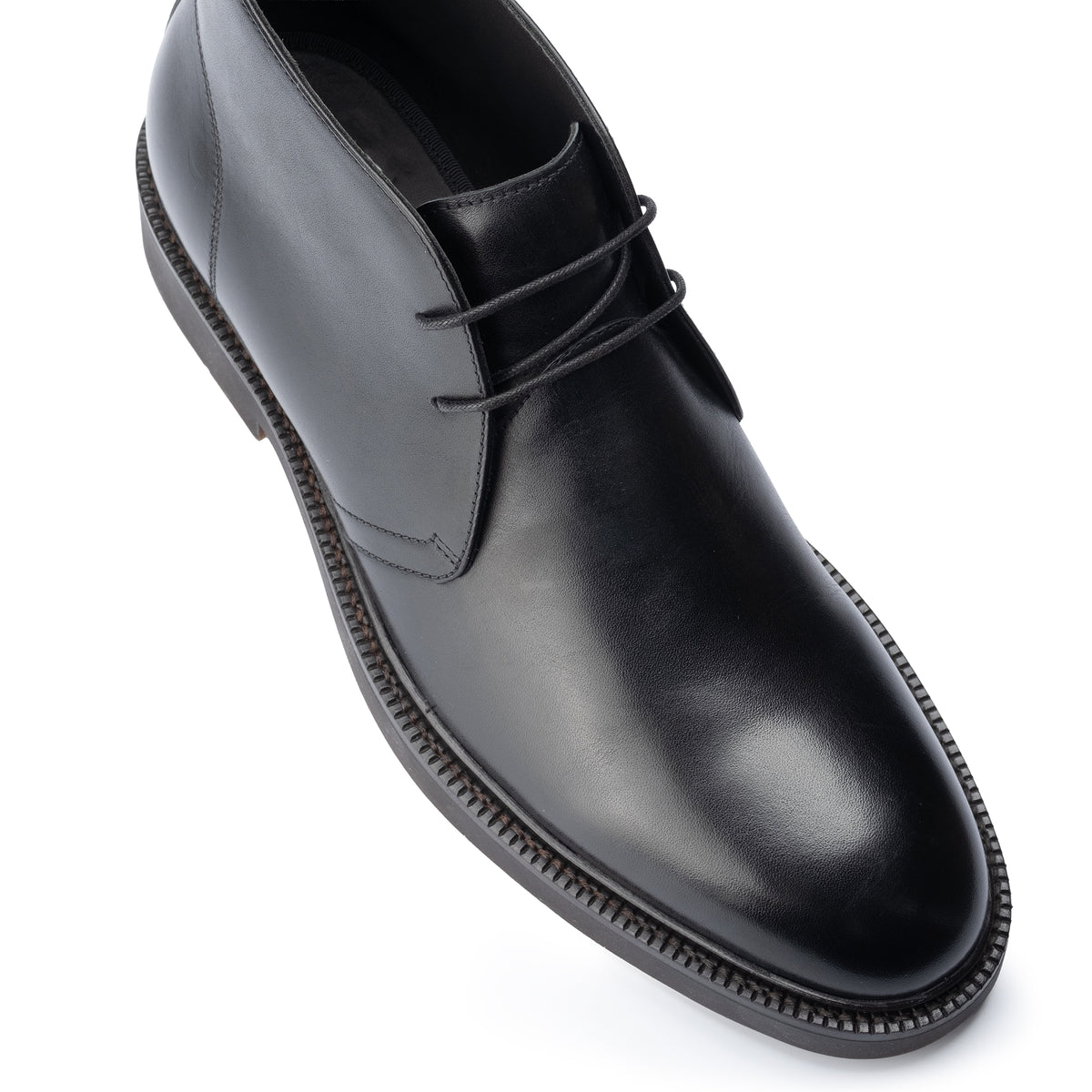
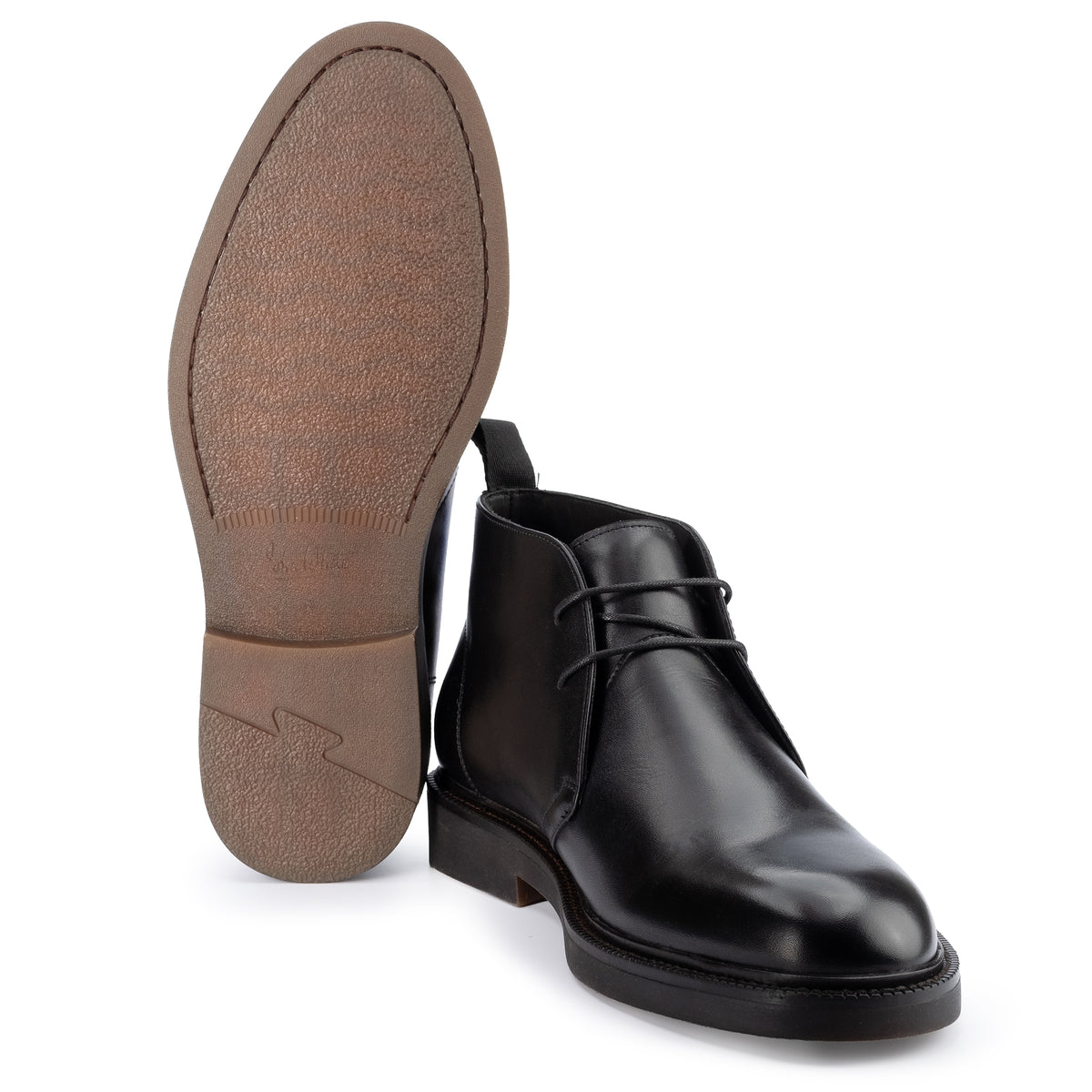
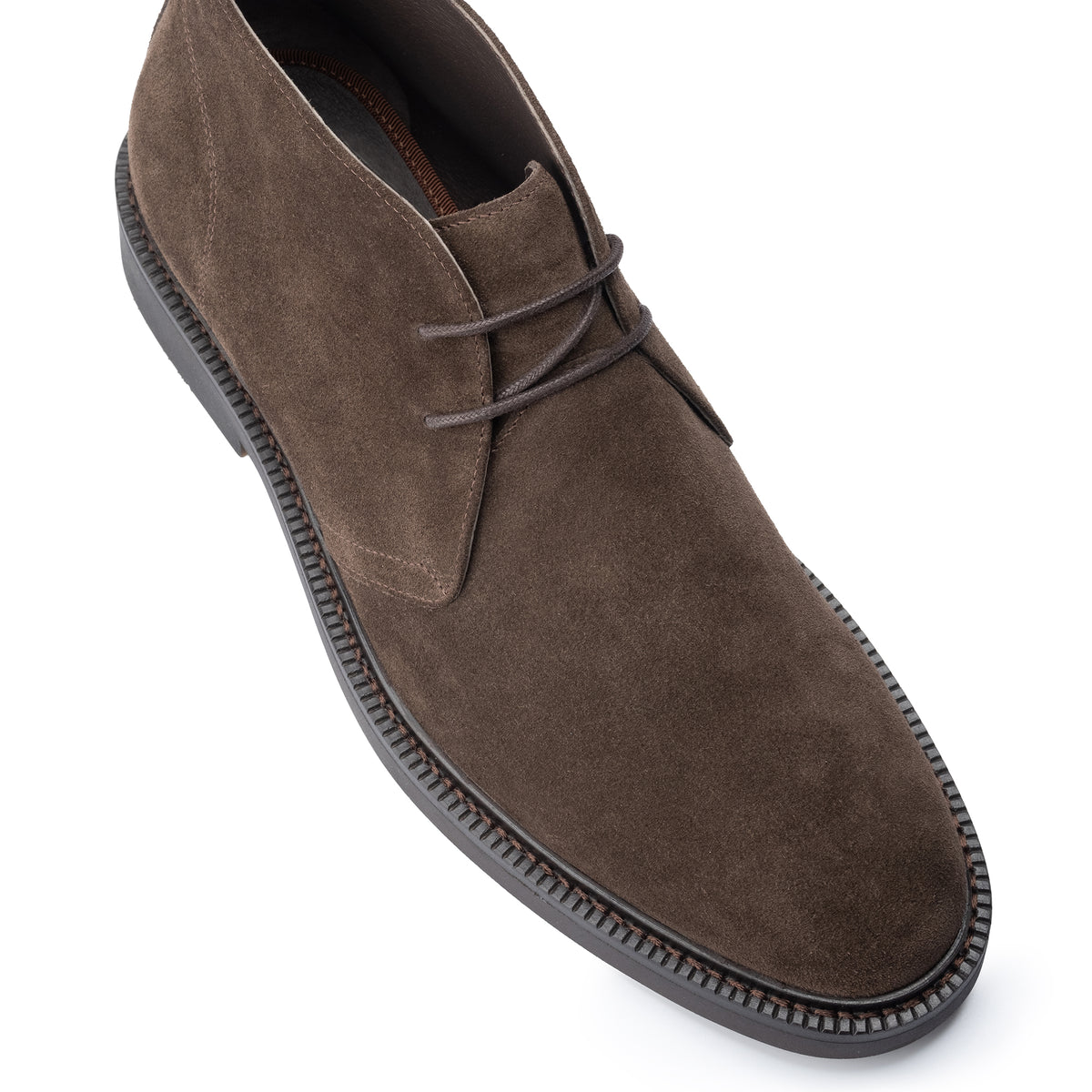
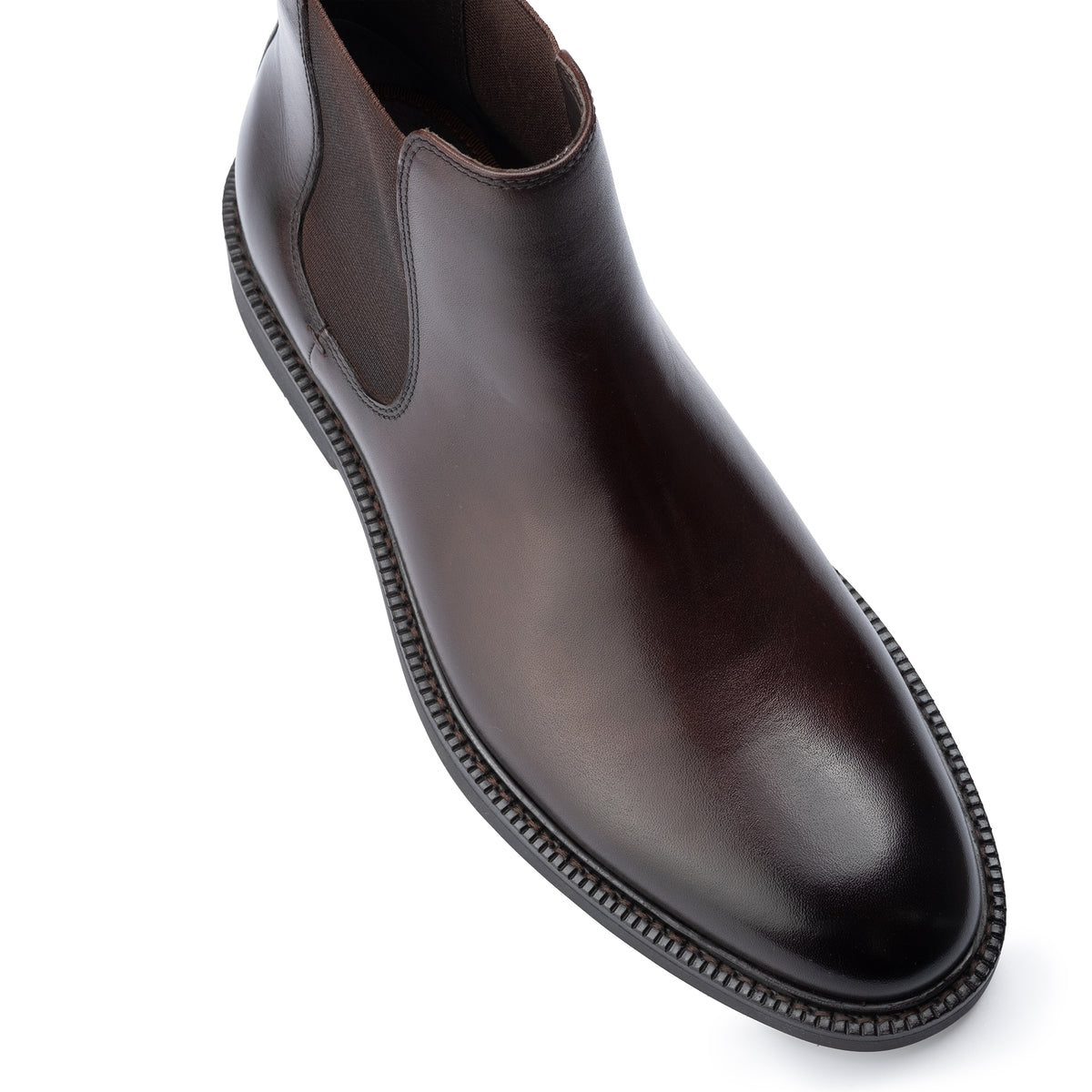
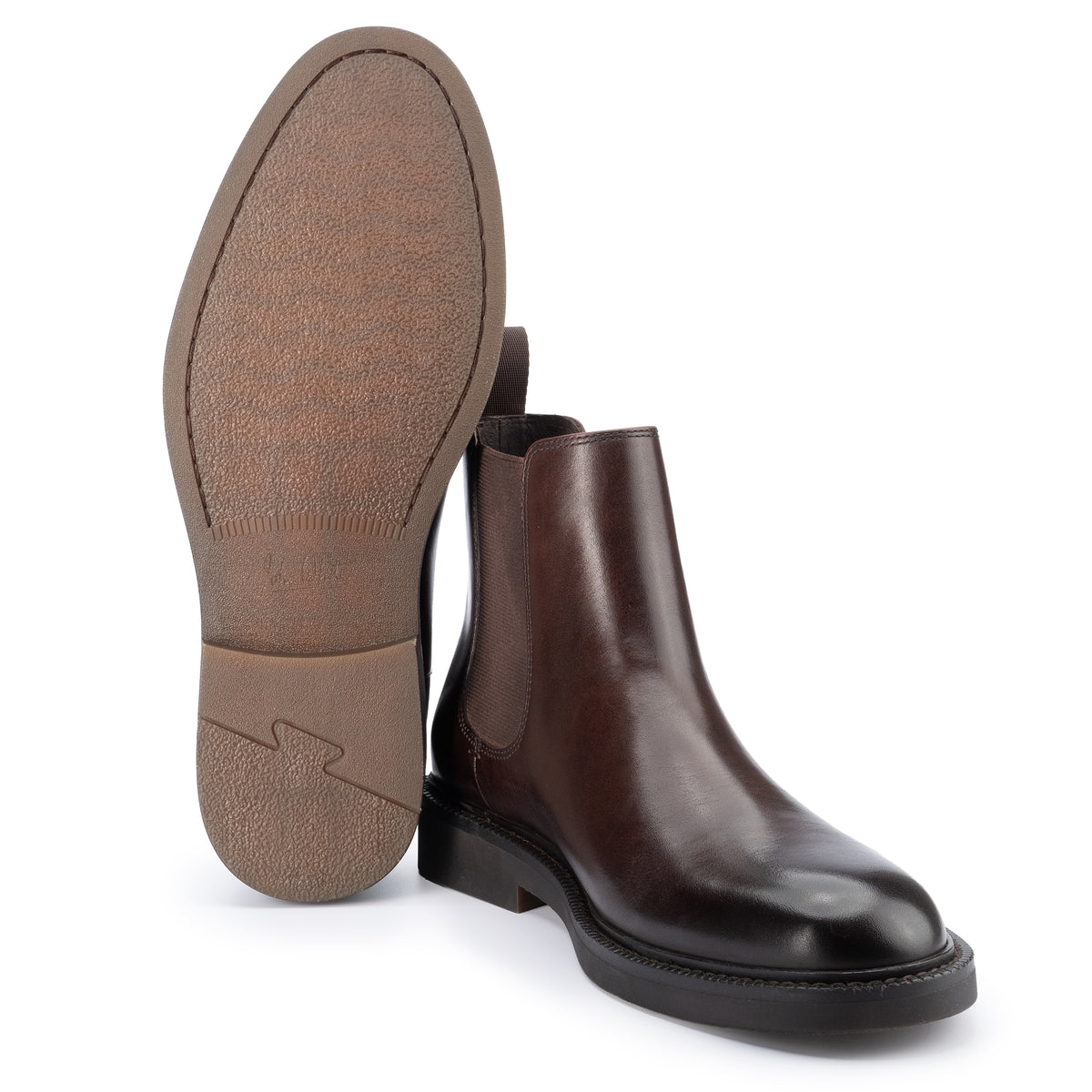
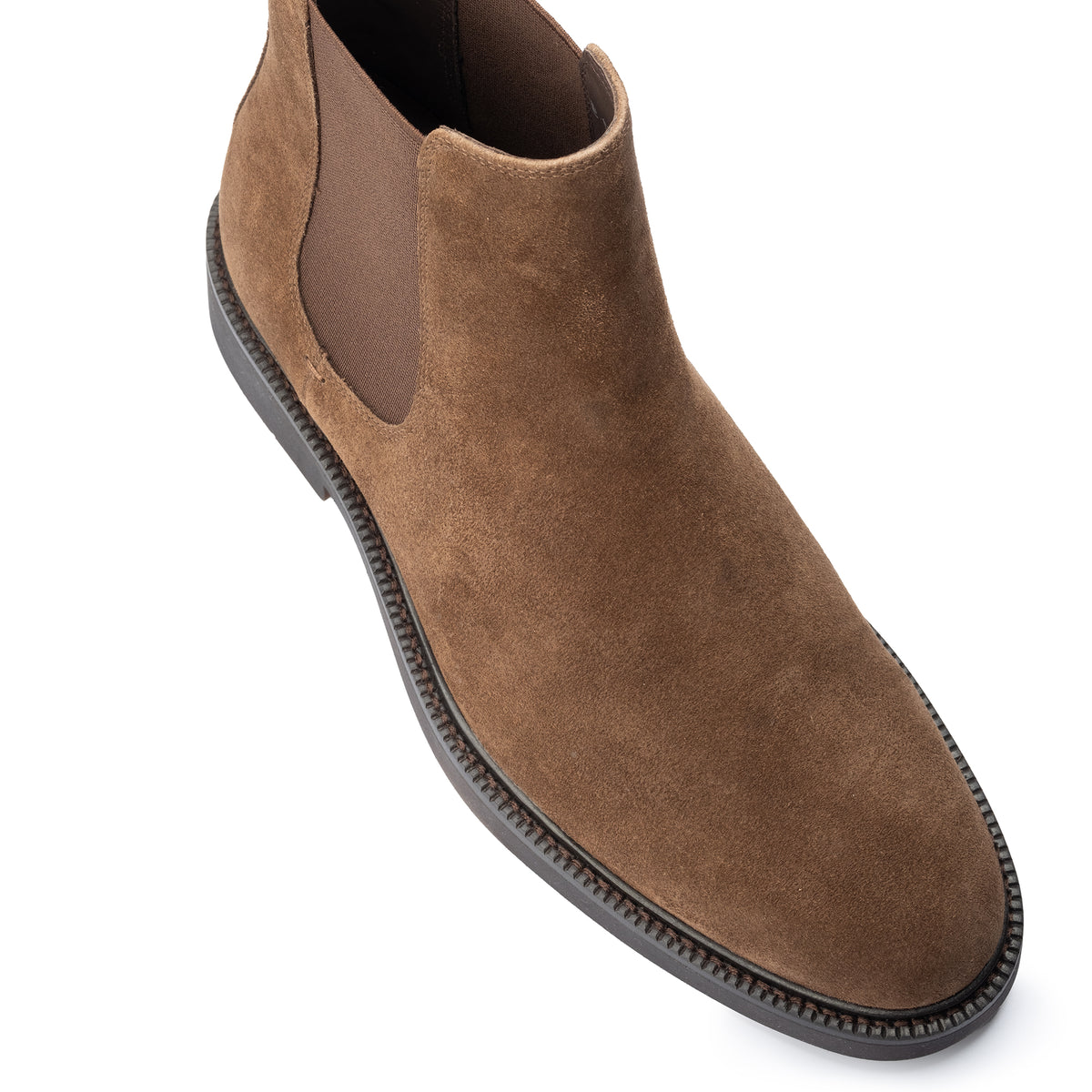
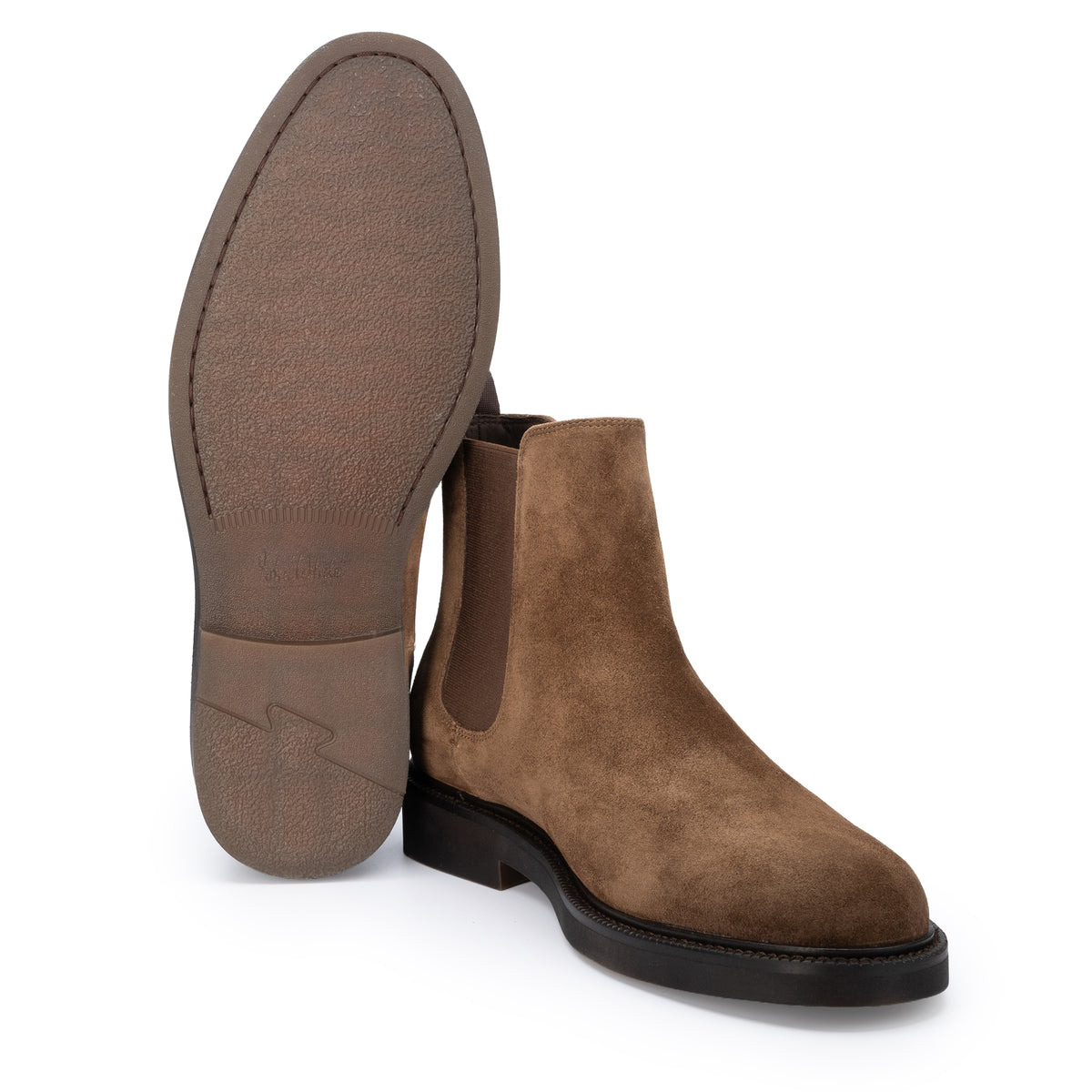
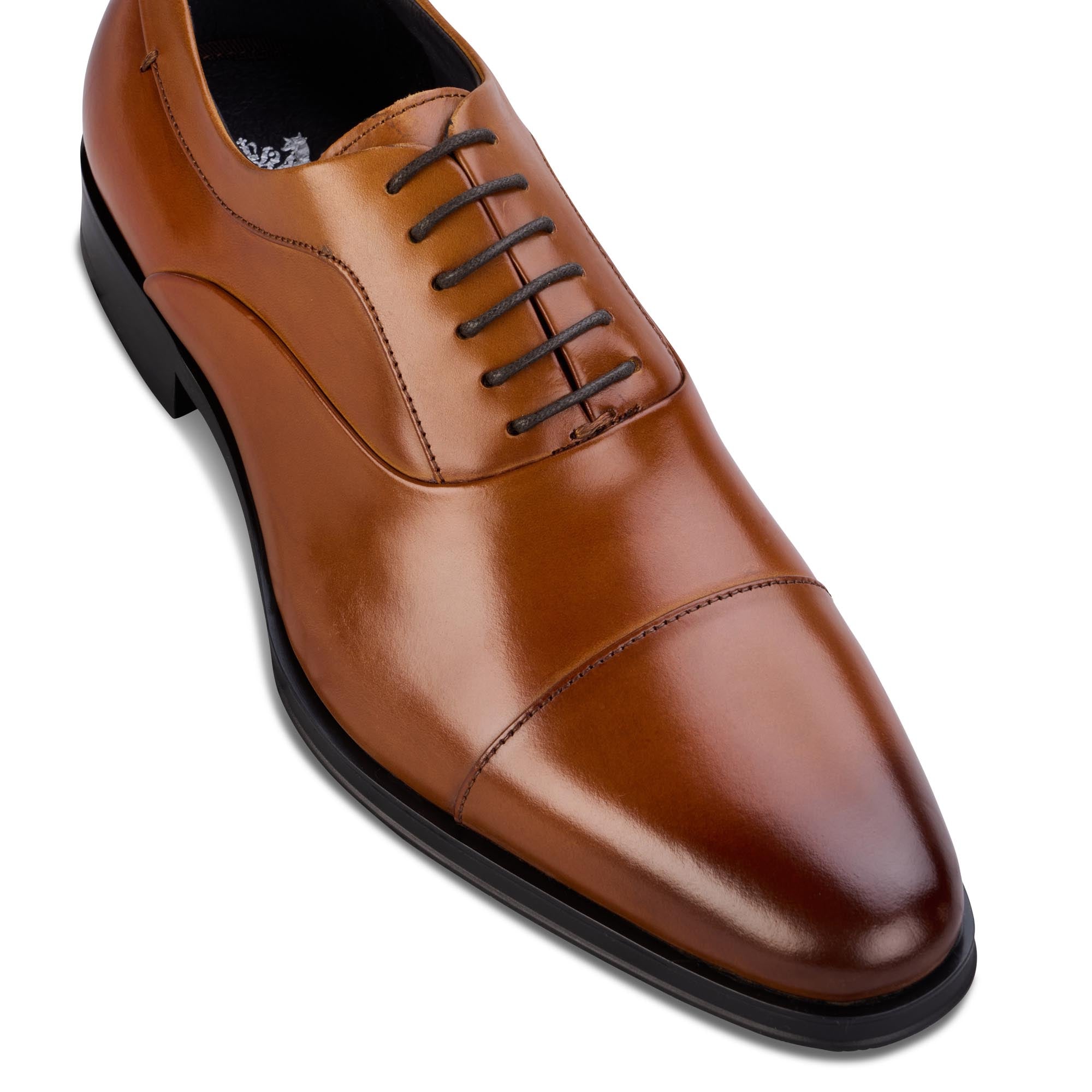
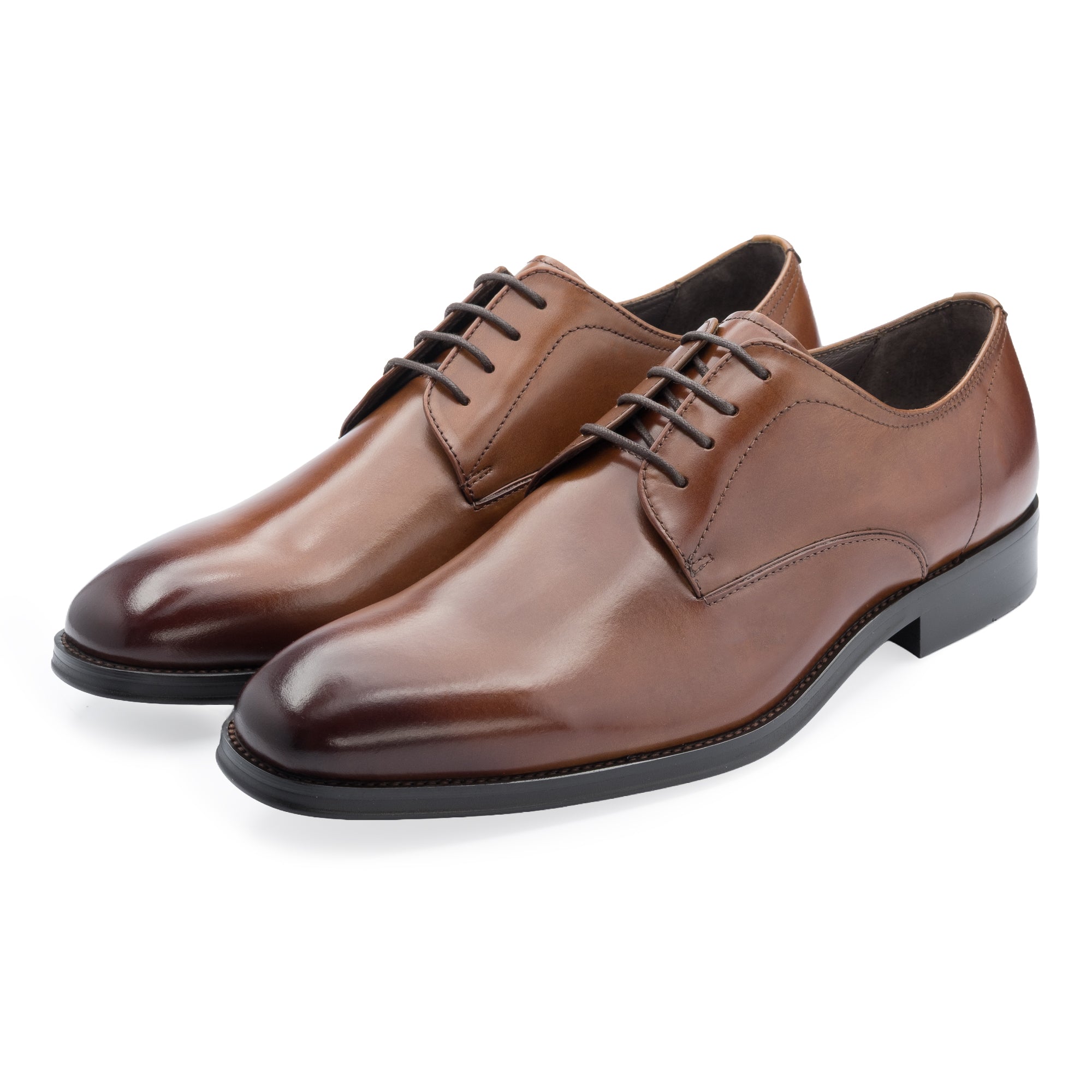
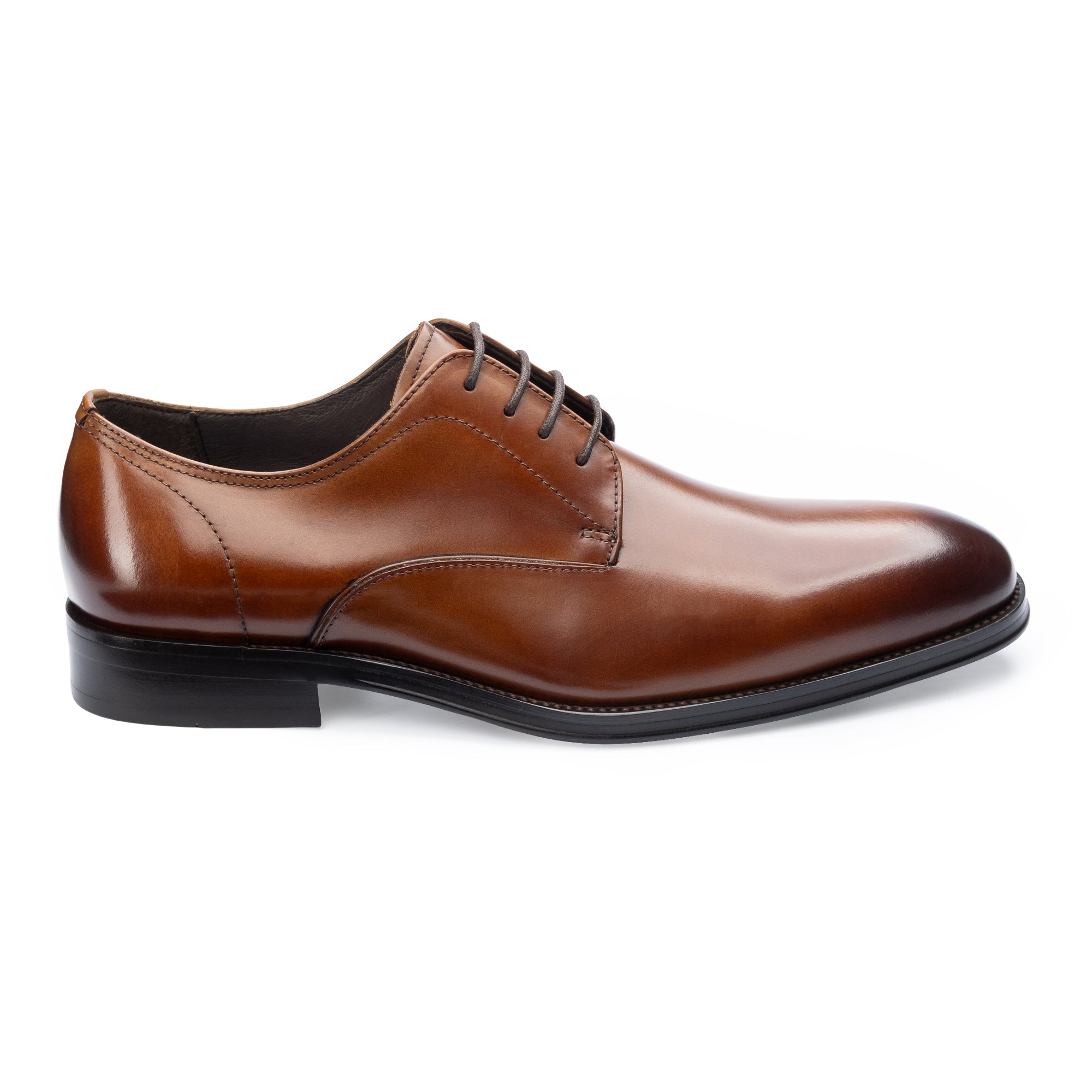
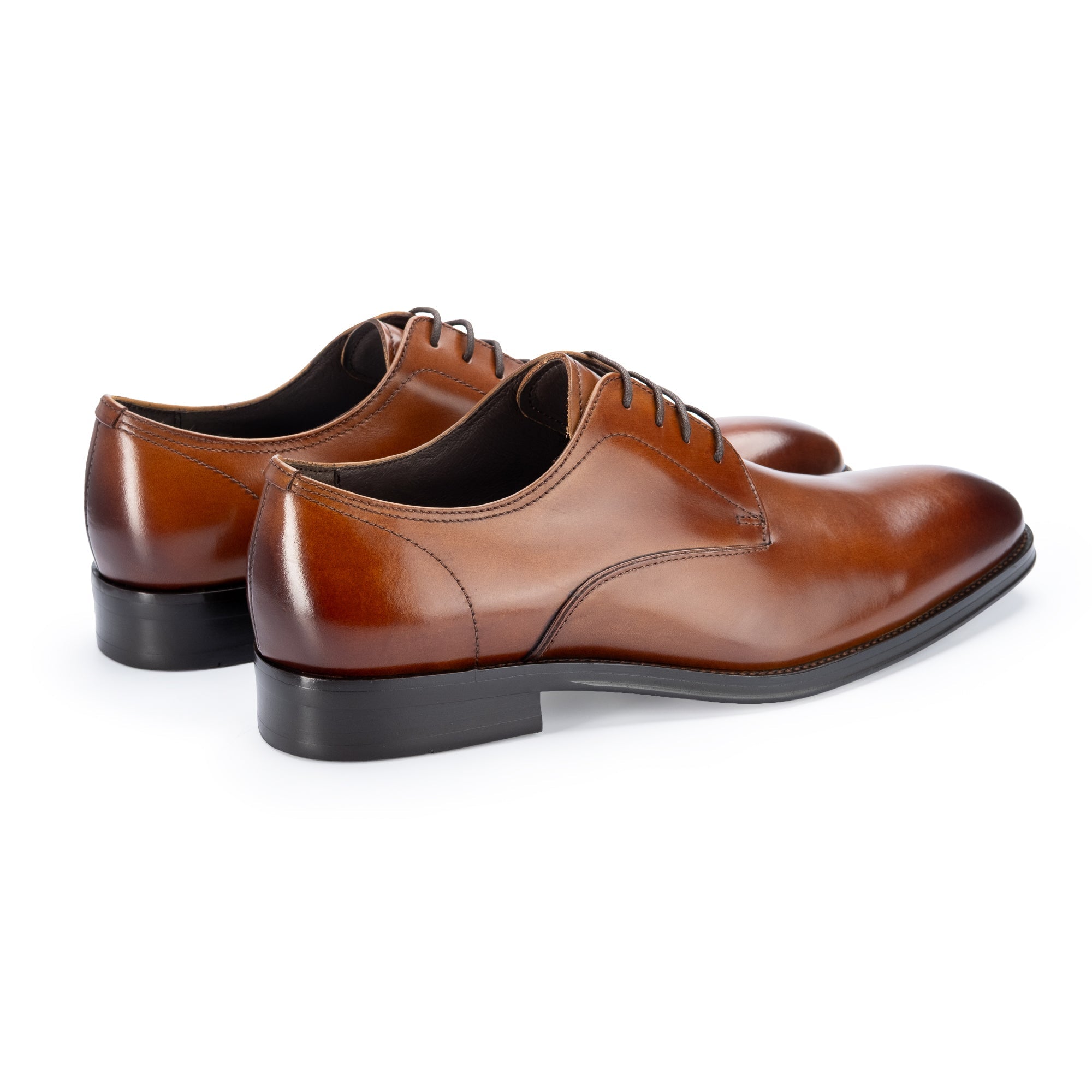
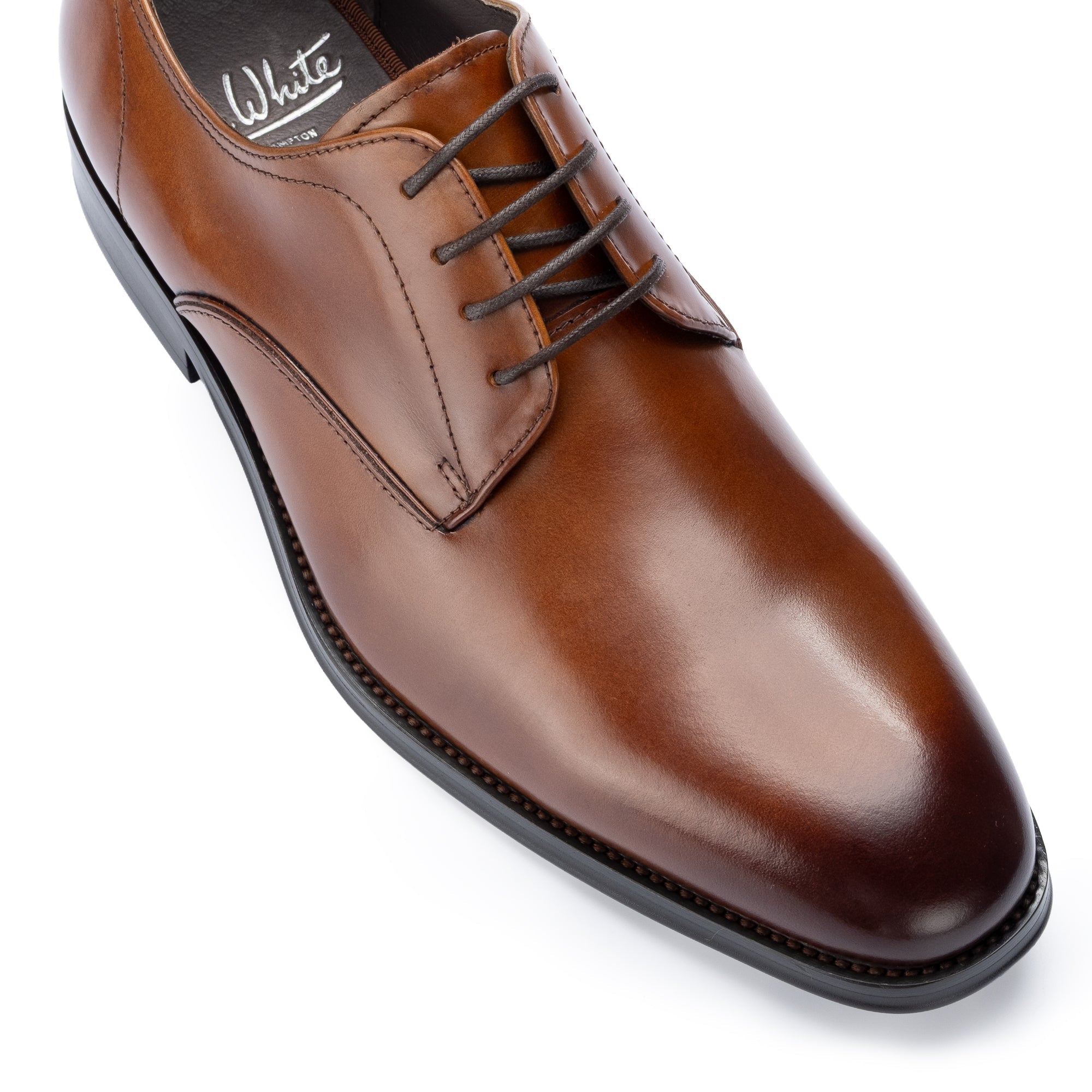
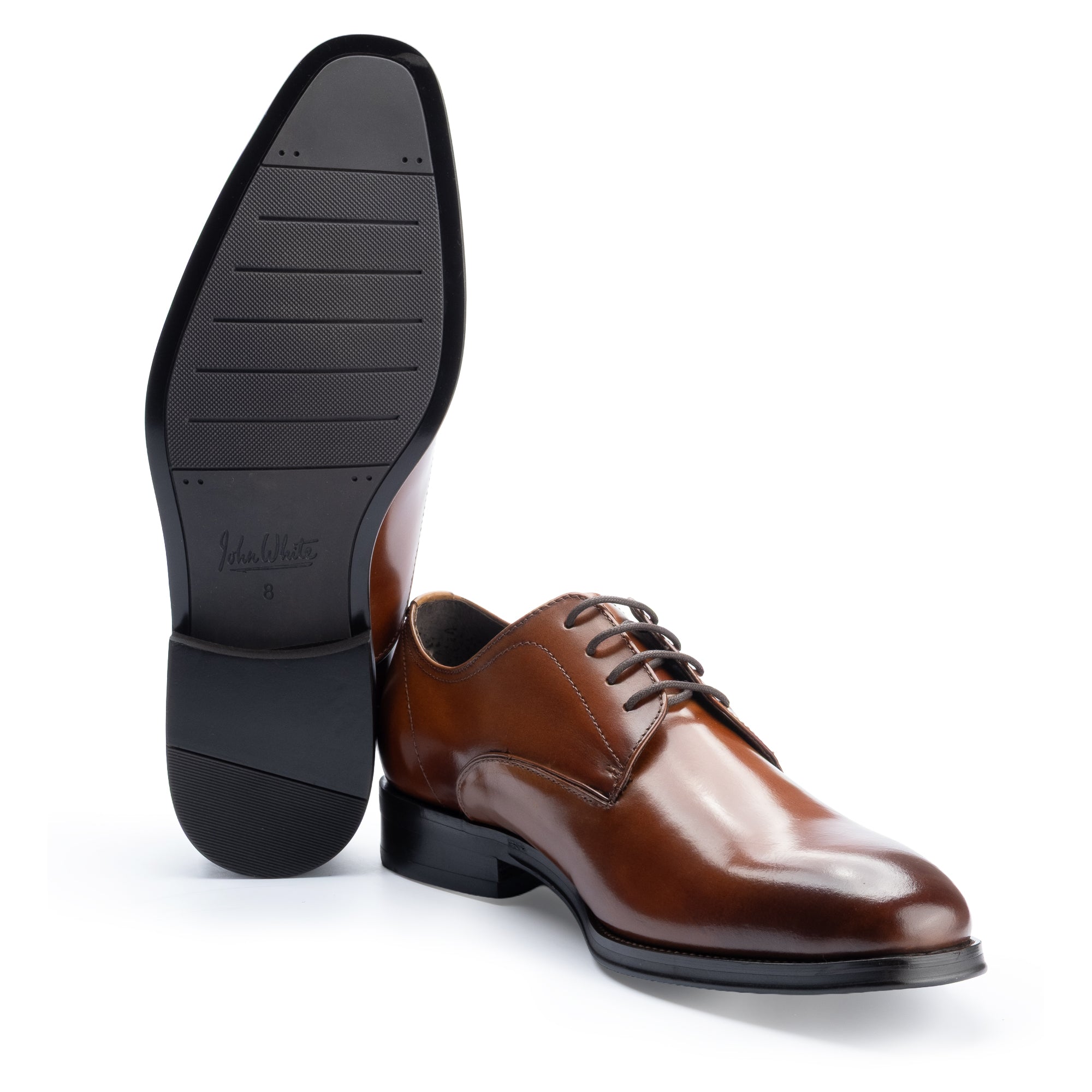
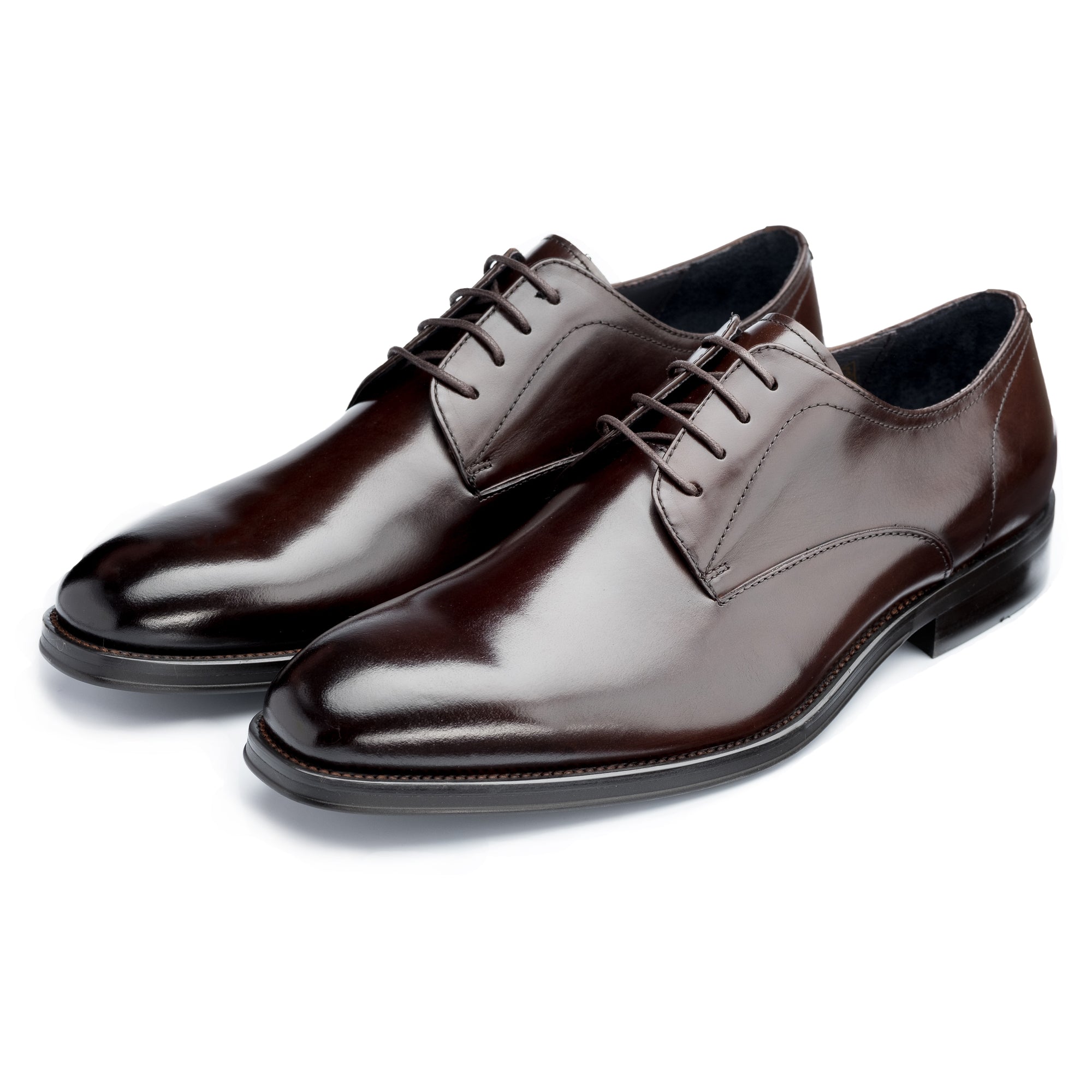
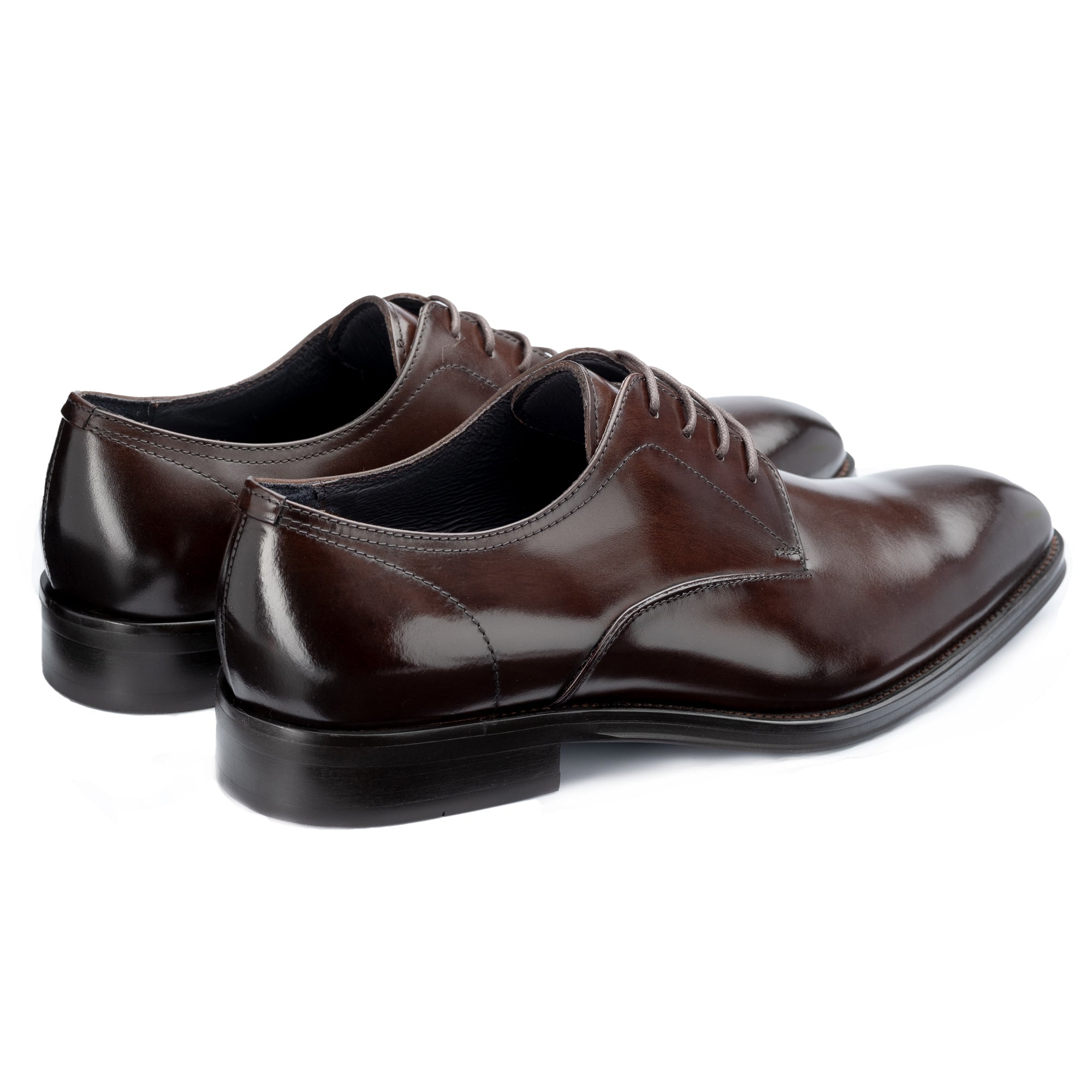
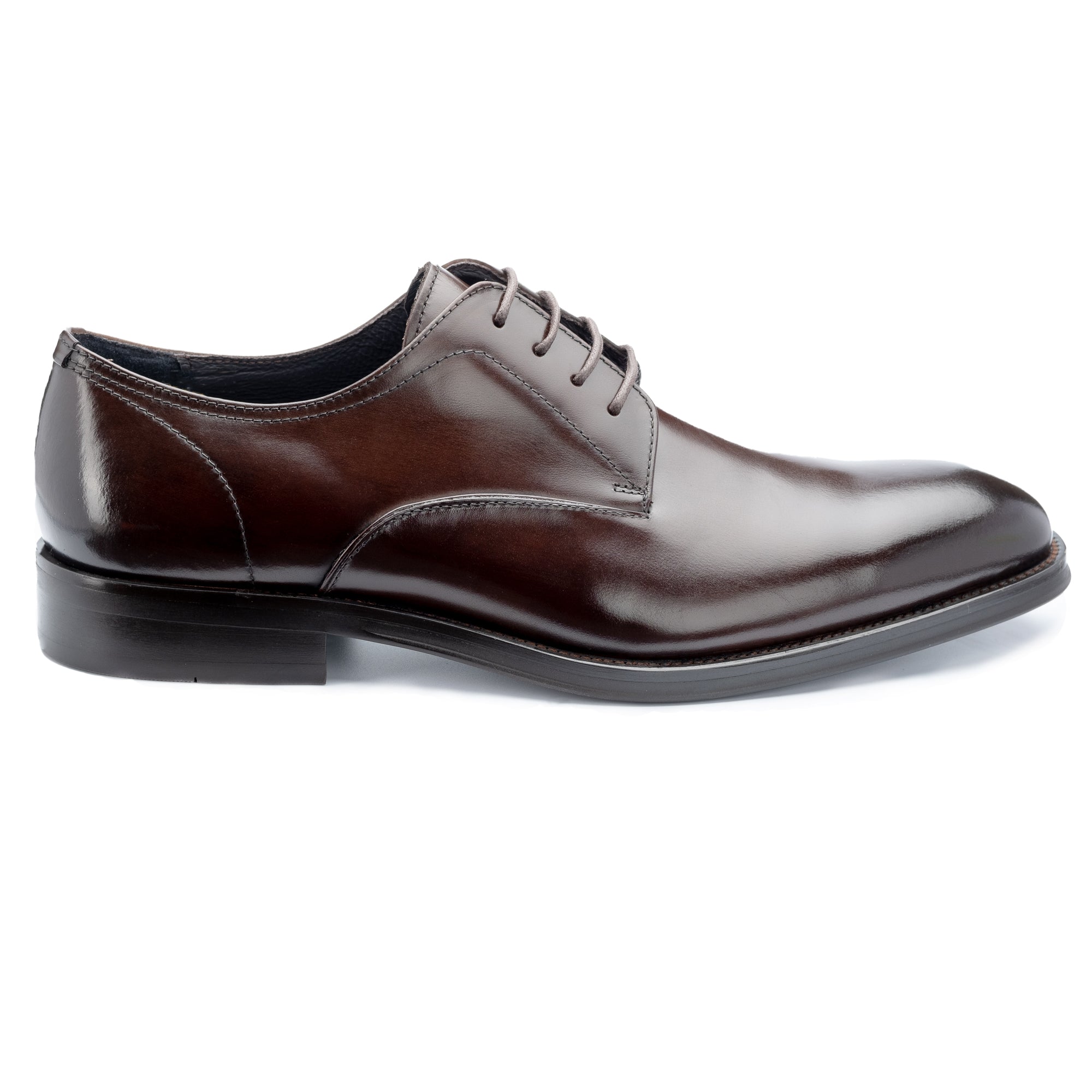
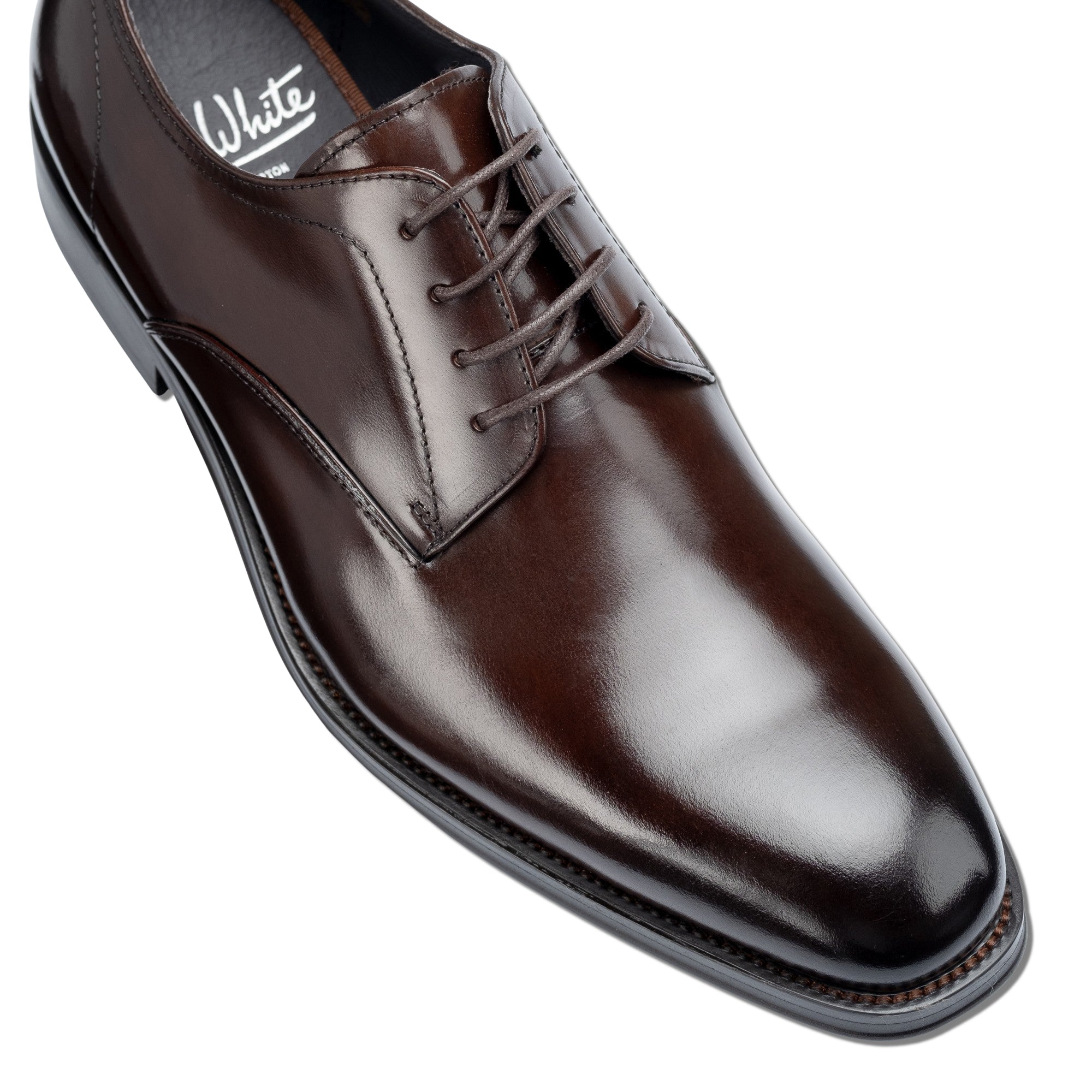
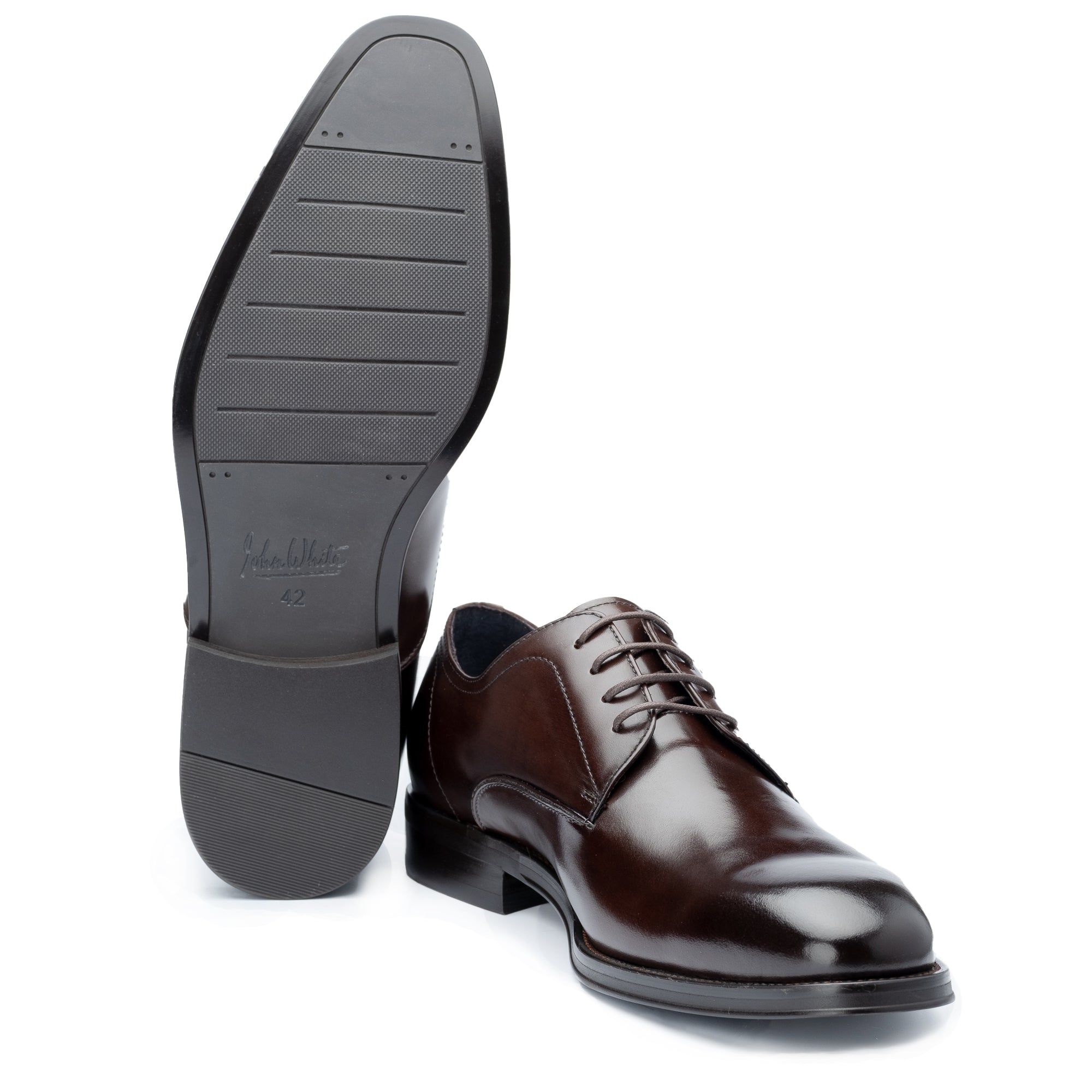
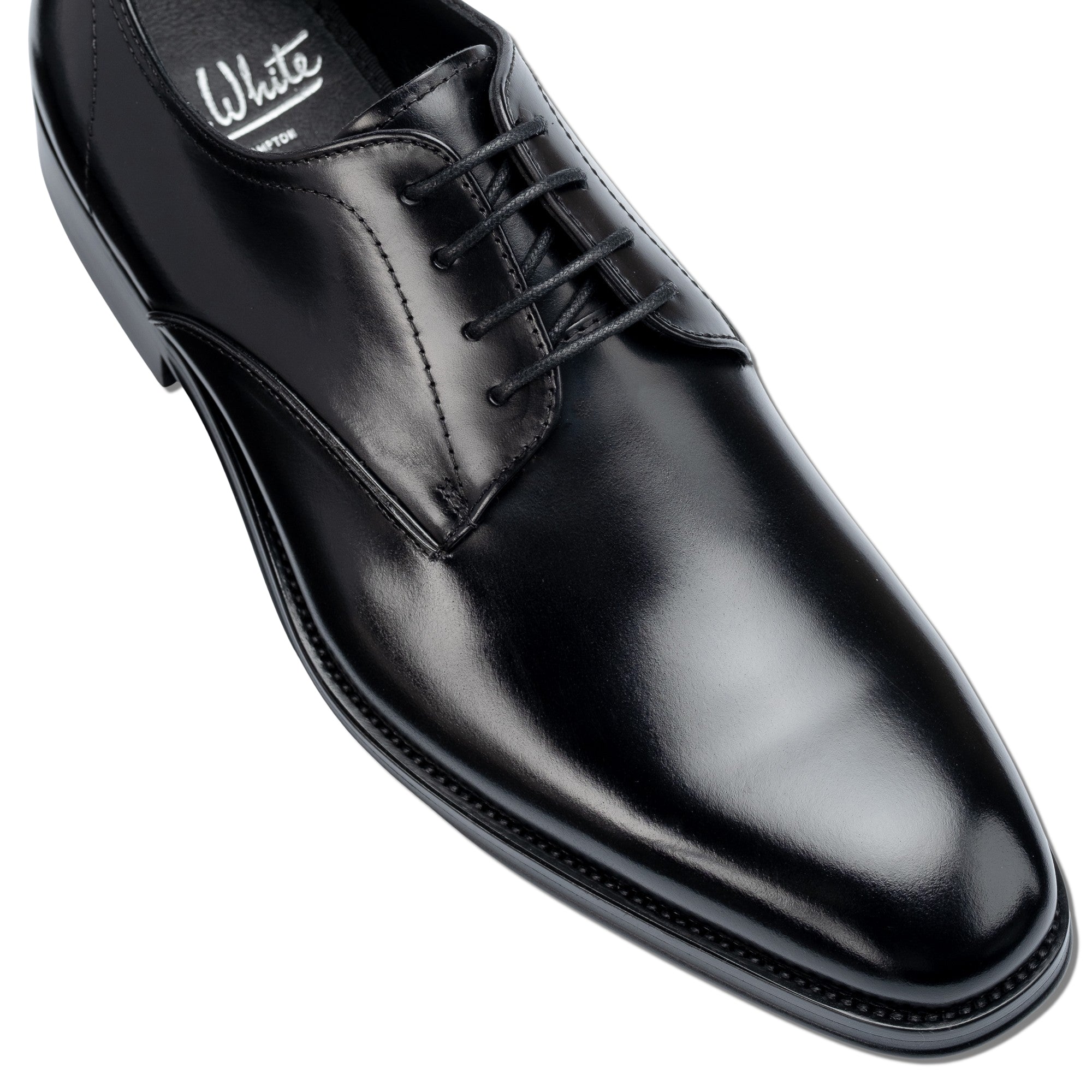
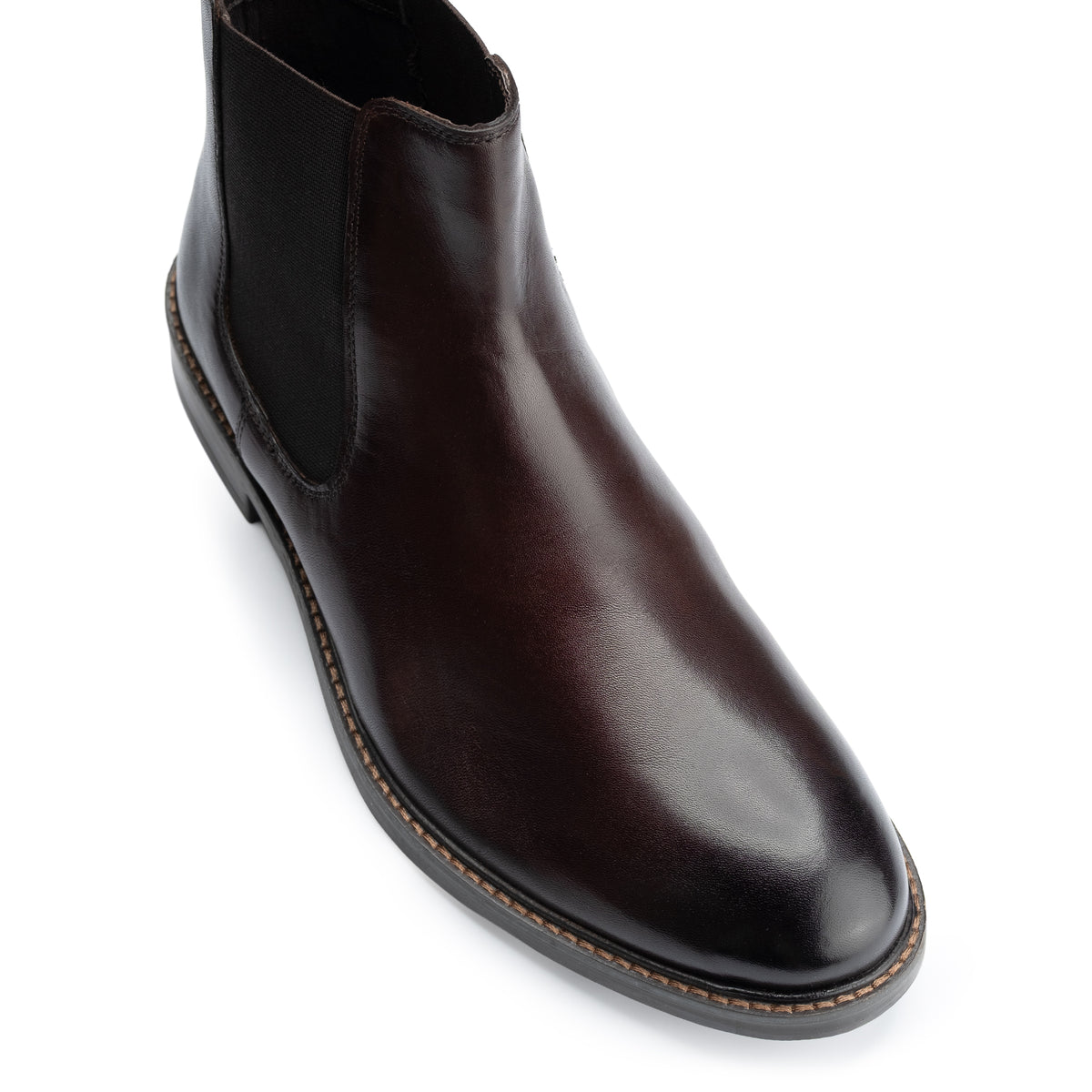
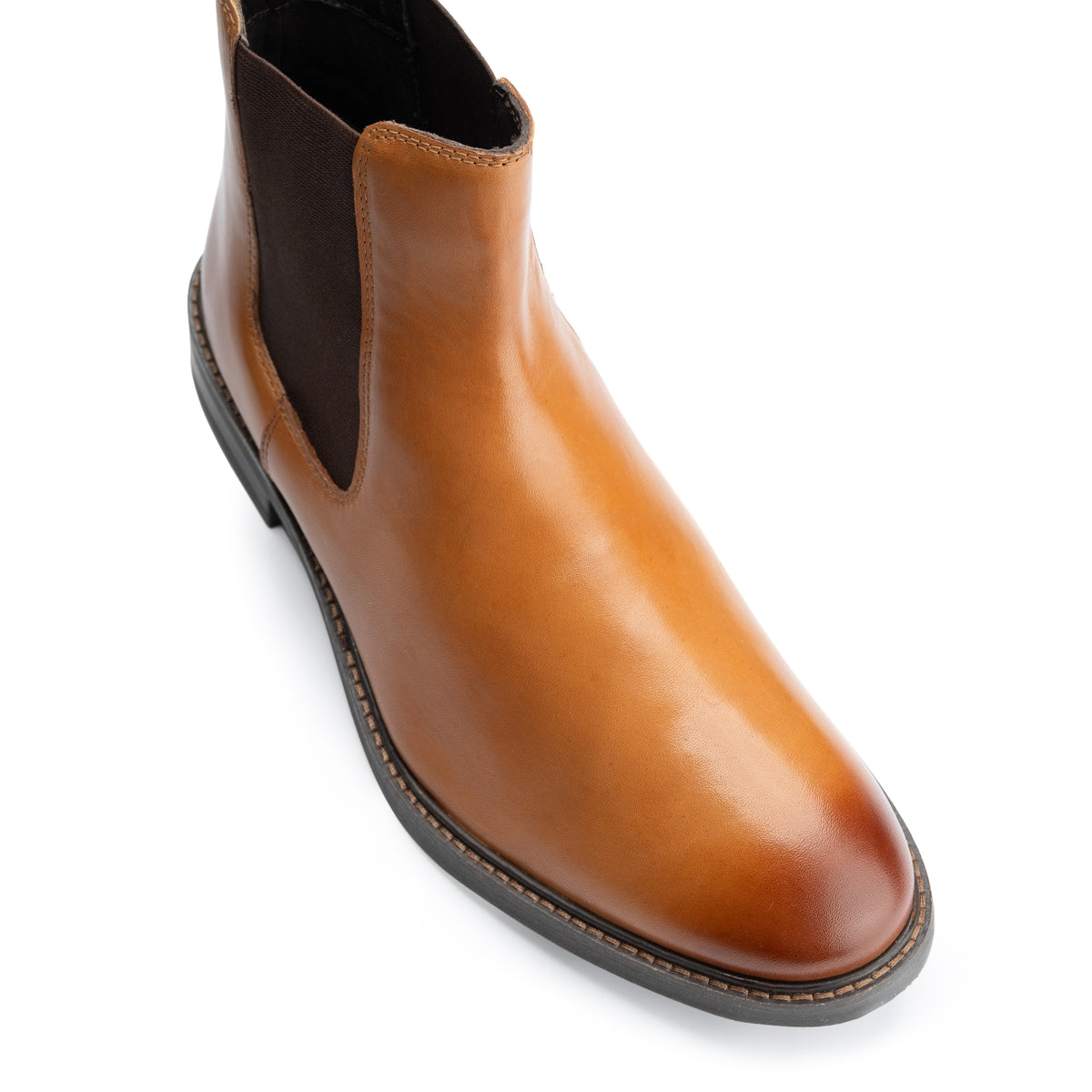
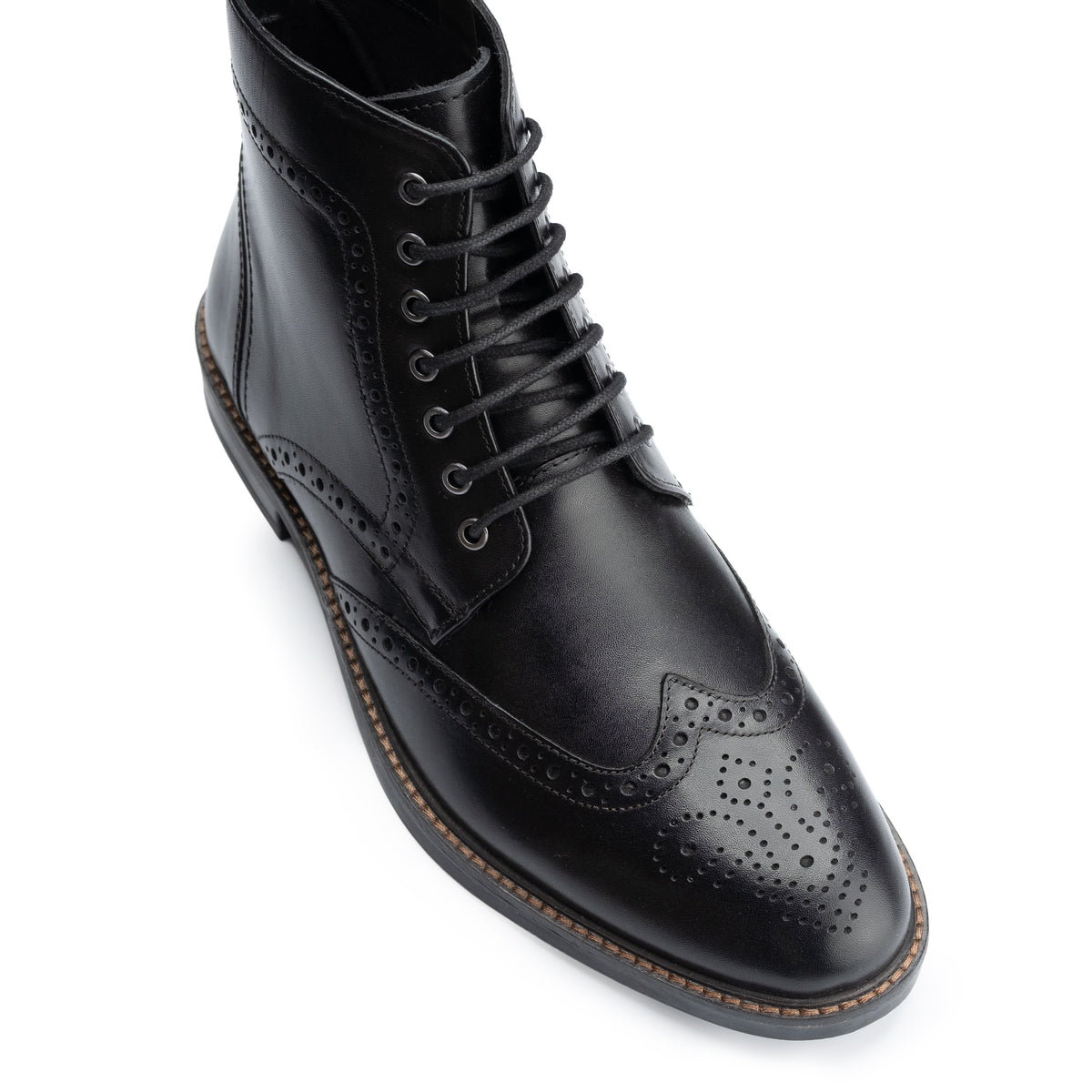
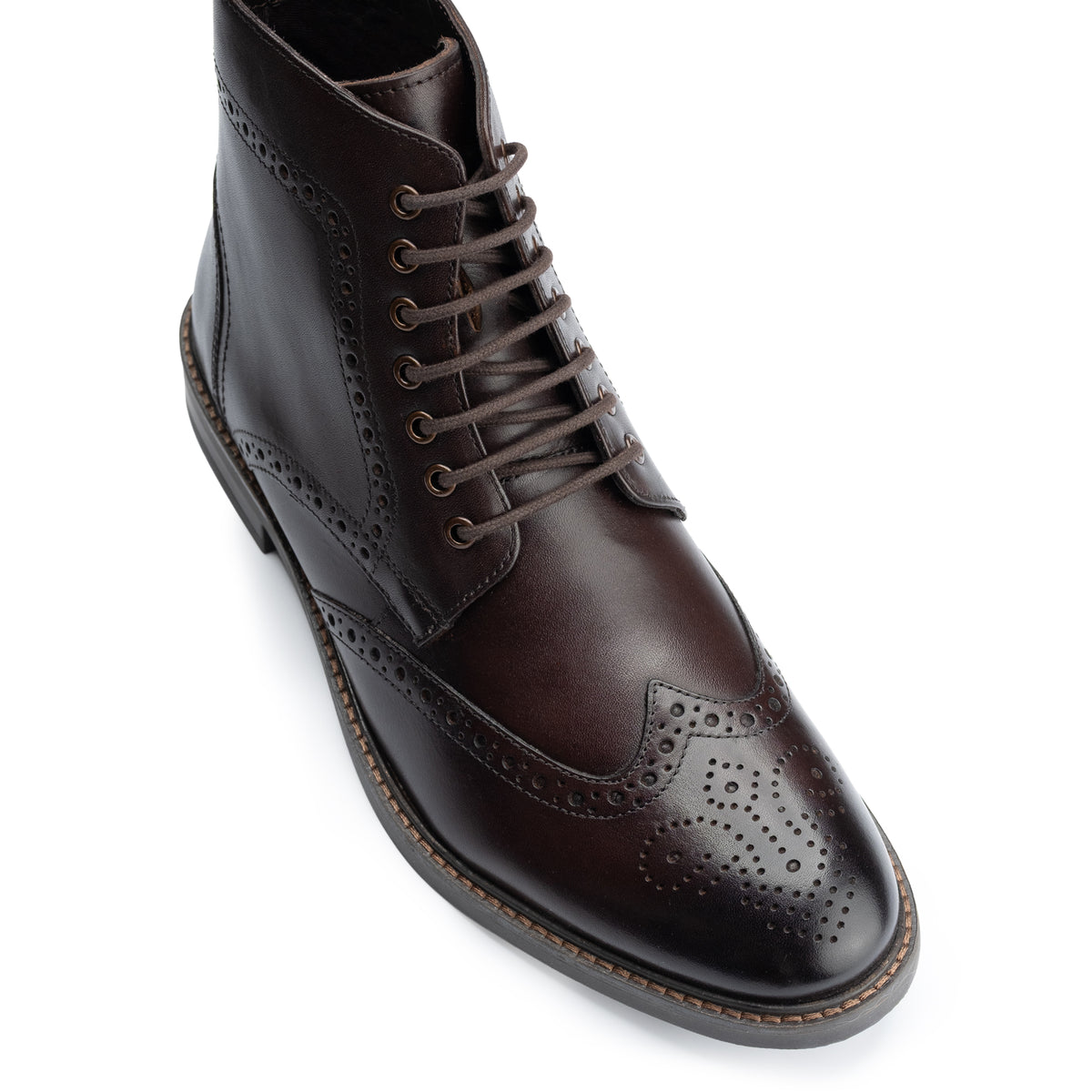
Heritage design shows up in specific details, not vague claims. A well-designed shoe has a last that fits the natural shape of the foot without pinching at the toe box or slipping at the heel. The upper leather should be even-grained and consistent in colour across the vamp. Stitching should be straight and tight at every seam, with no loose ends at the toe cap or heel counter.
Leather quality tells the story on its own if you know how to read it. Full-grain upper leather develops a patina with wear rather than cracking or peeling. Surface coatings can disguise lower-grade hides for the first few months, but the difference becomes clear within a season. For a detailed breakdown, our guide to full-grain vs corrected-grain leather covers what the upper tells you about a shoe's quality.
When you're assessing a pair, run through these points:
- Last shape: does the toe box reflect the shape of a human foot, or has it been flattened for production economy?
- Upper leather: is the grain even and consistent across the vamp, or does it vary in texture and tone?
- Stitching: straight, tight and uniform at every seam
- Heel: built up evenly, with no visible gaps between layers
- Lining: runs fully to the toe and lies flat against the insole with no bunching
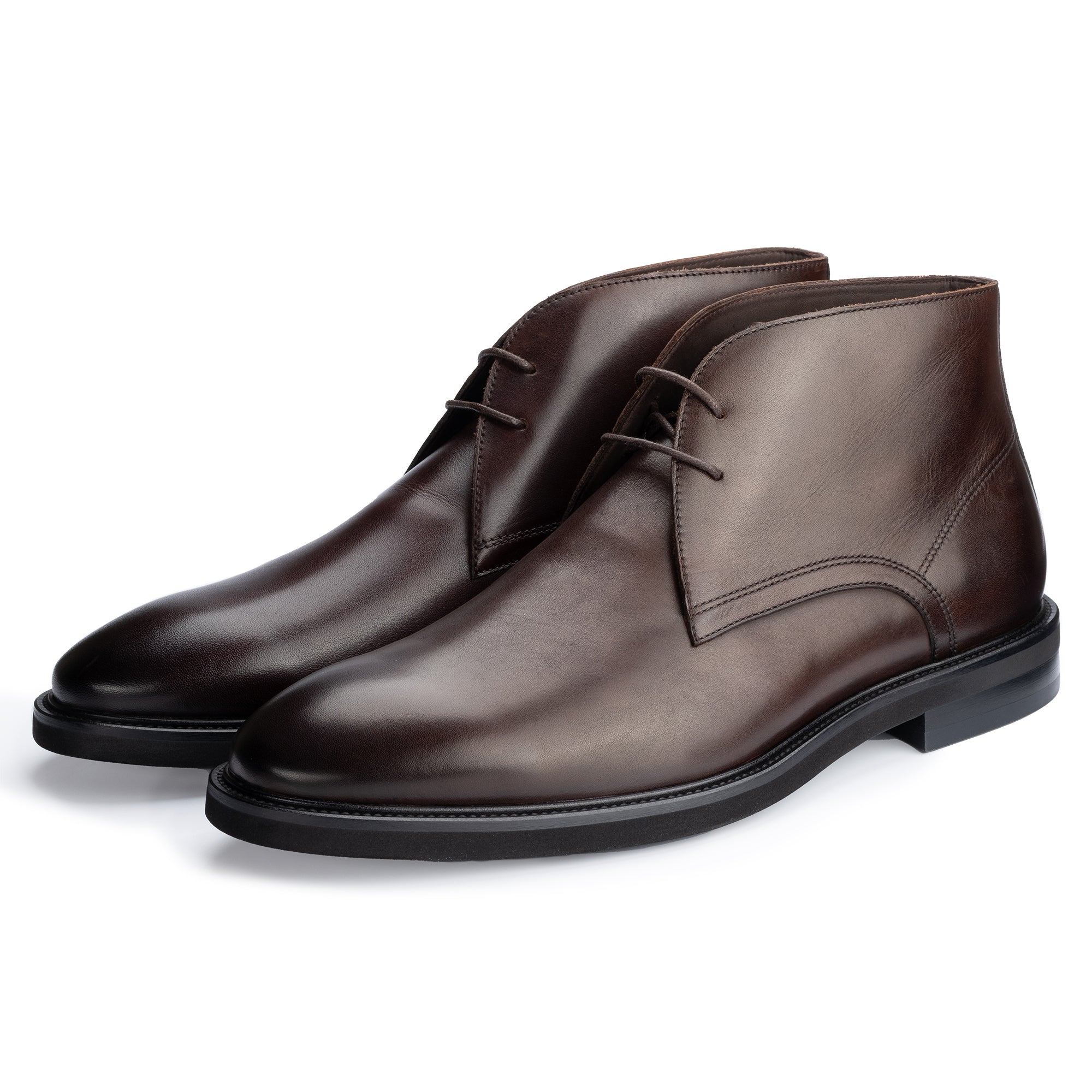
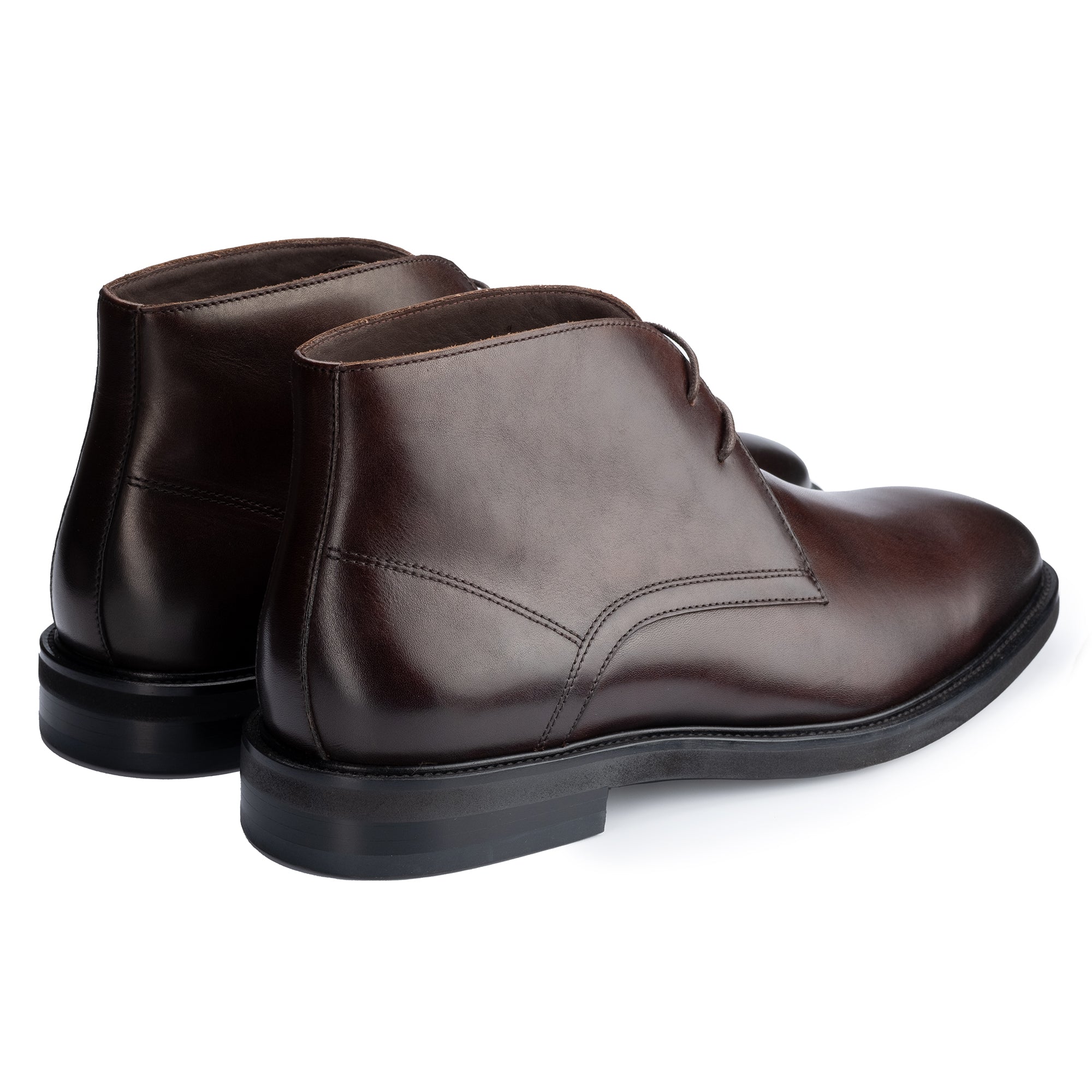
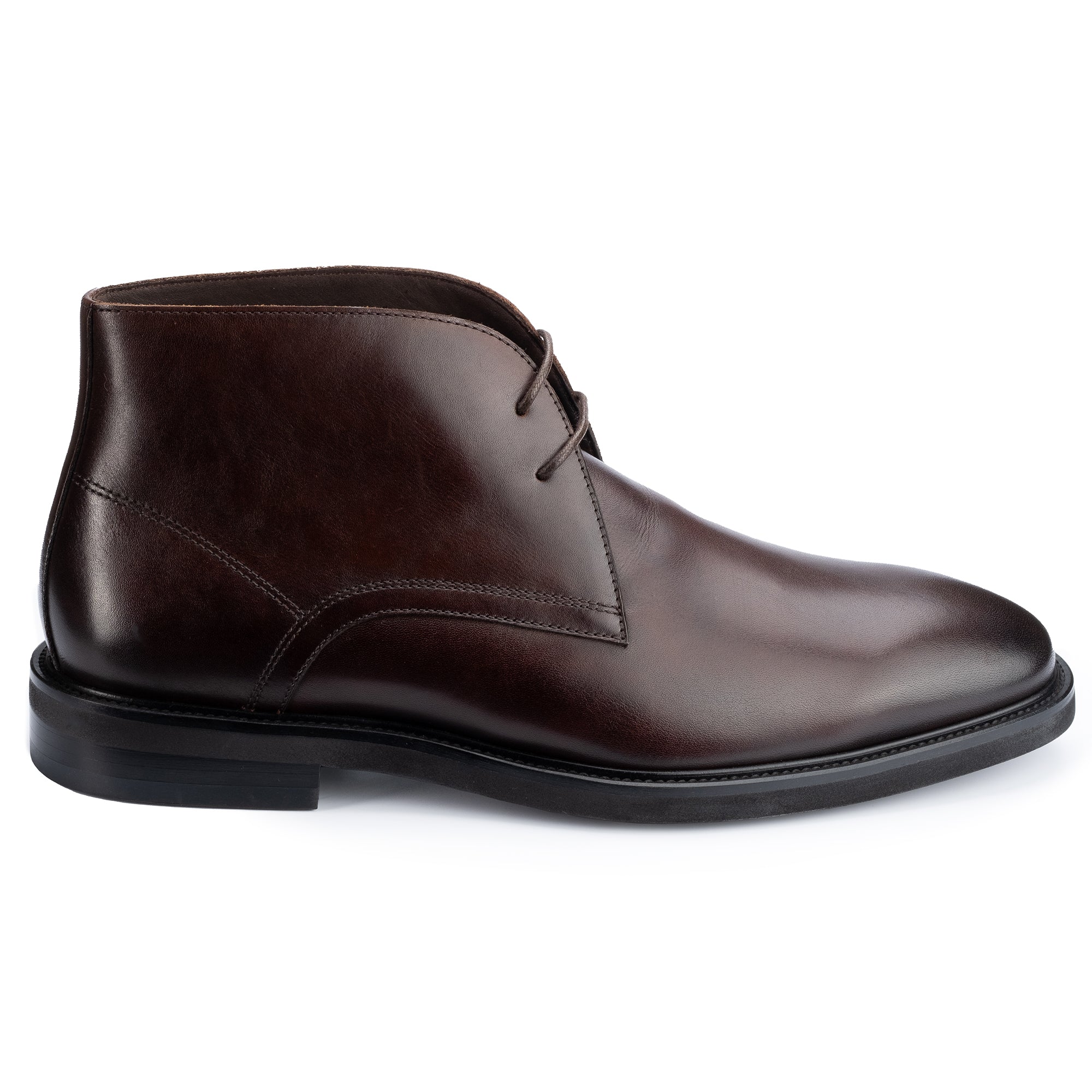
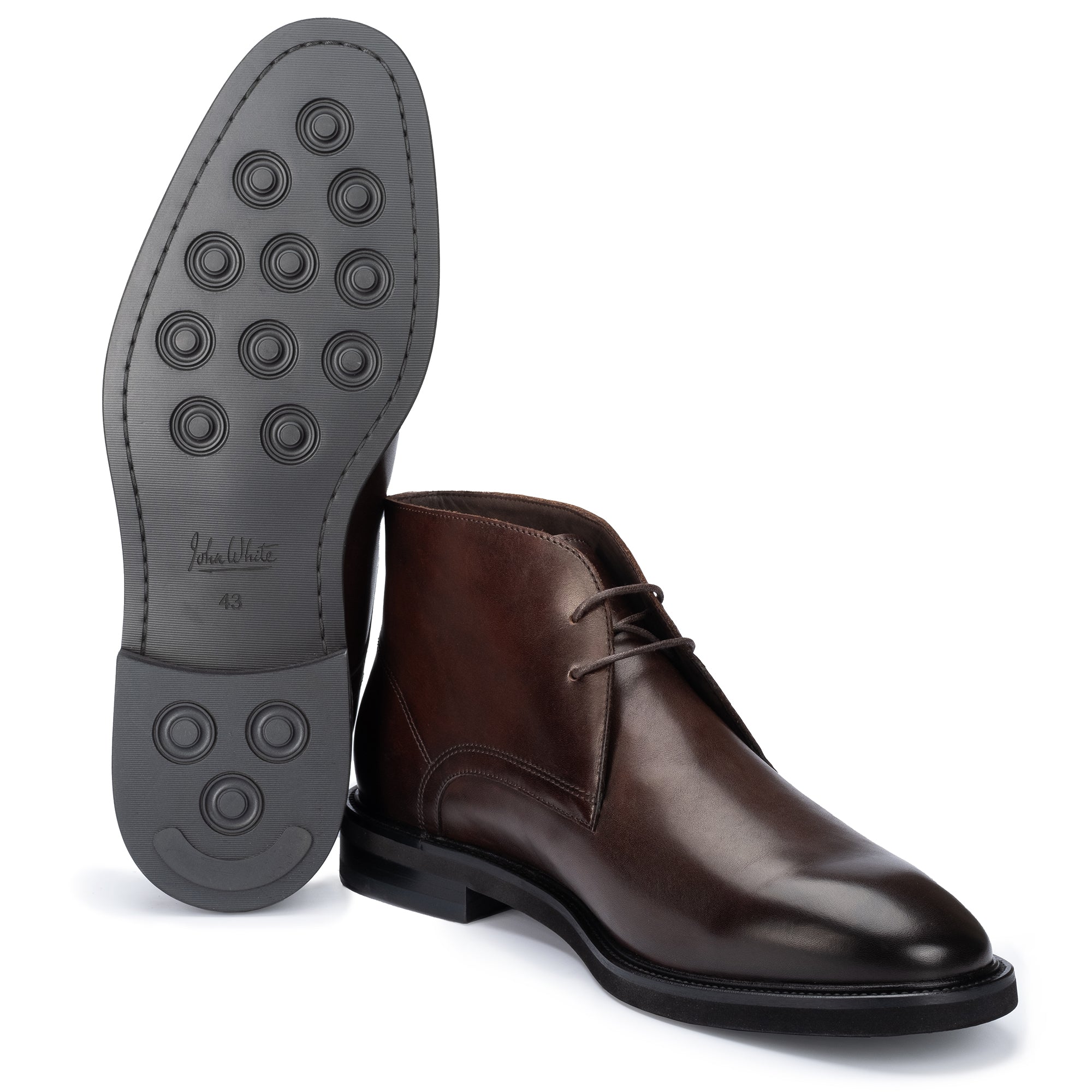
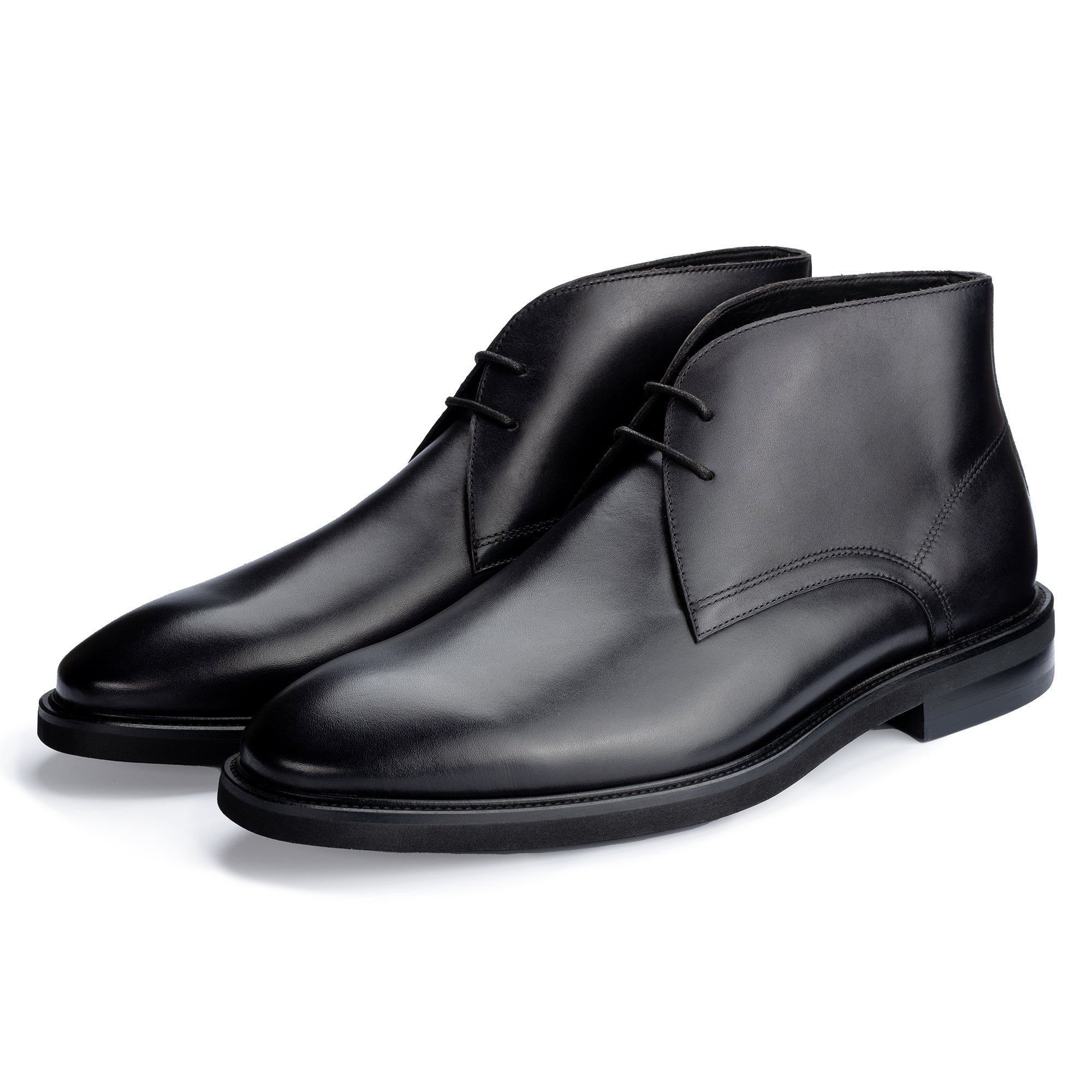
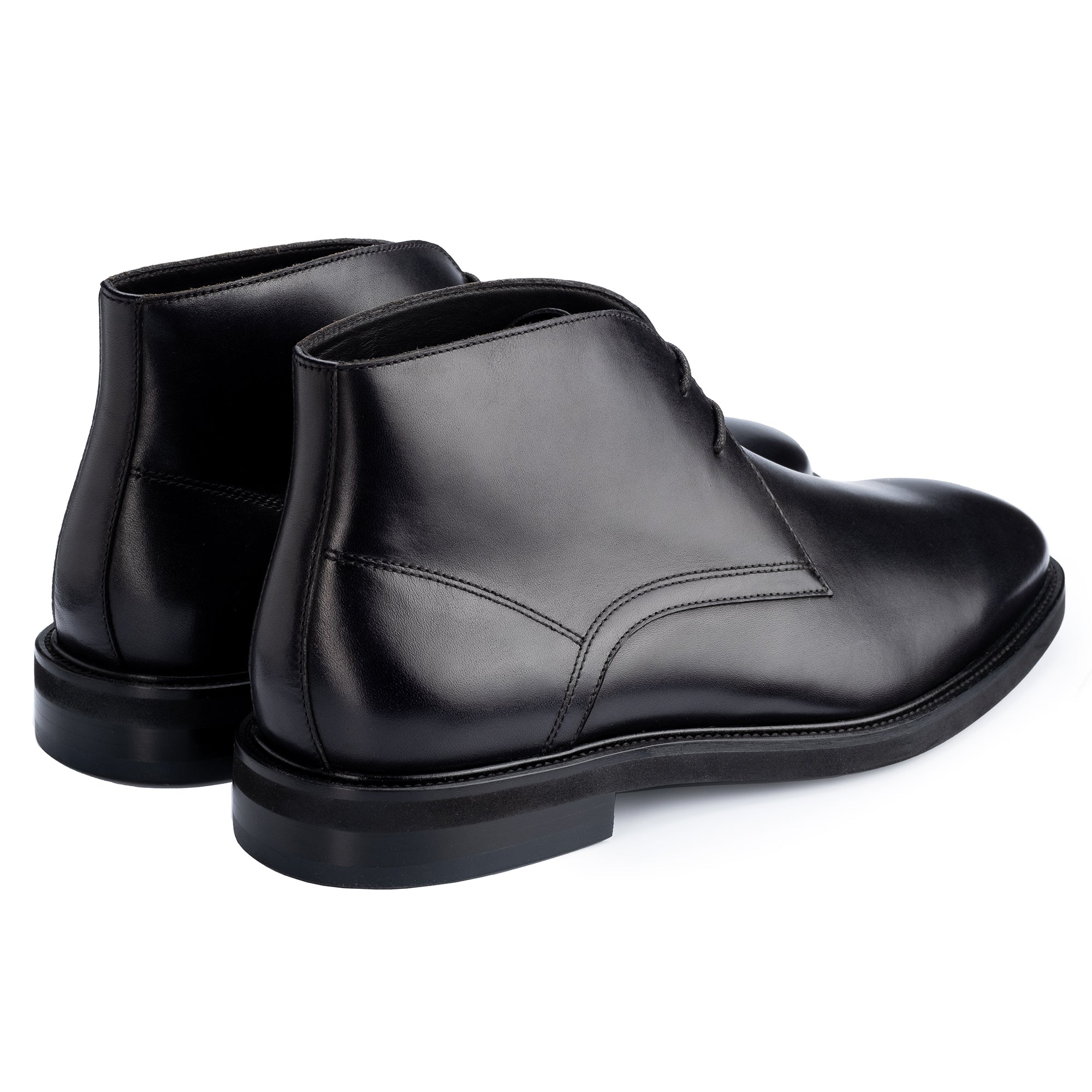
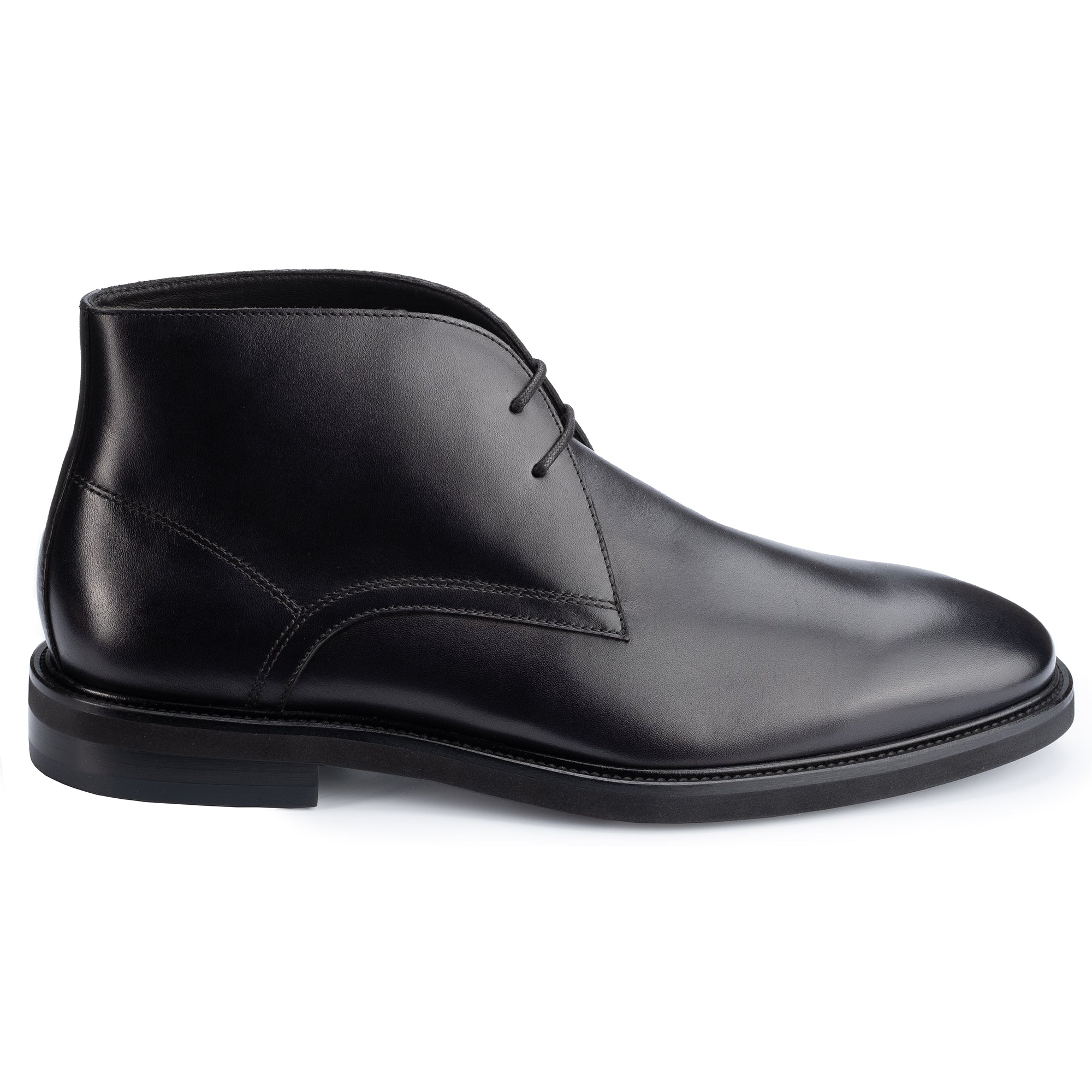
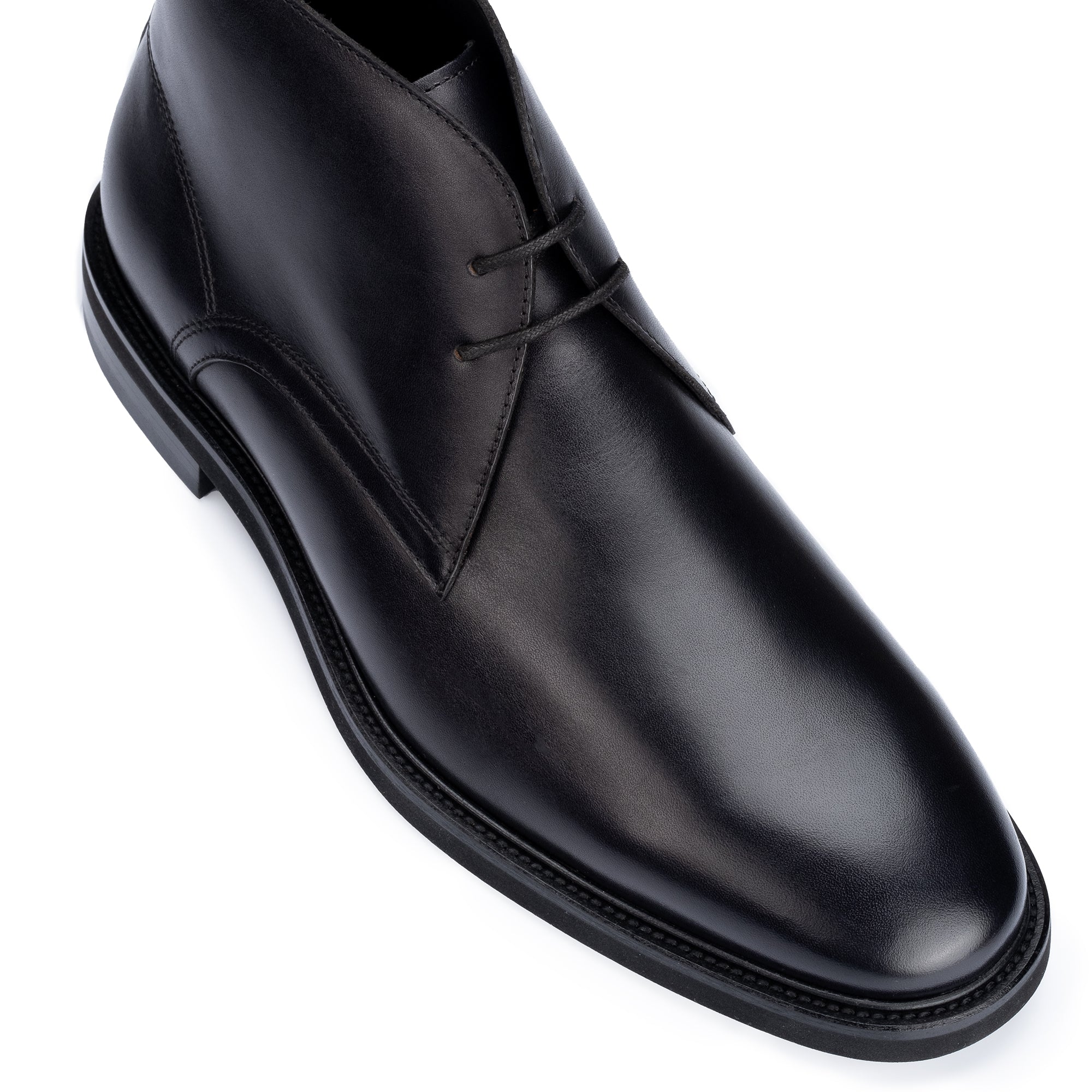
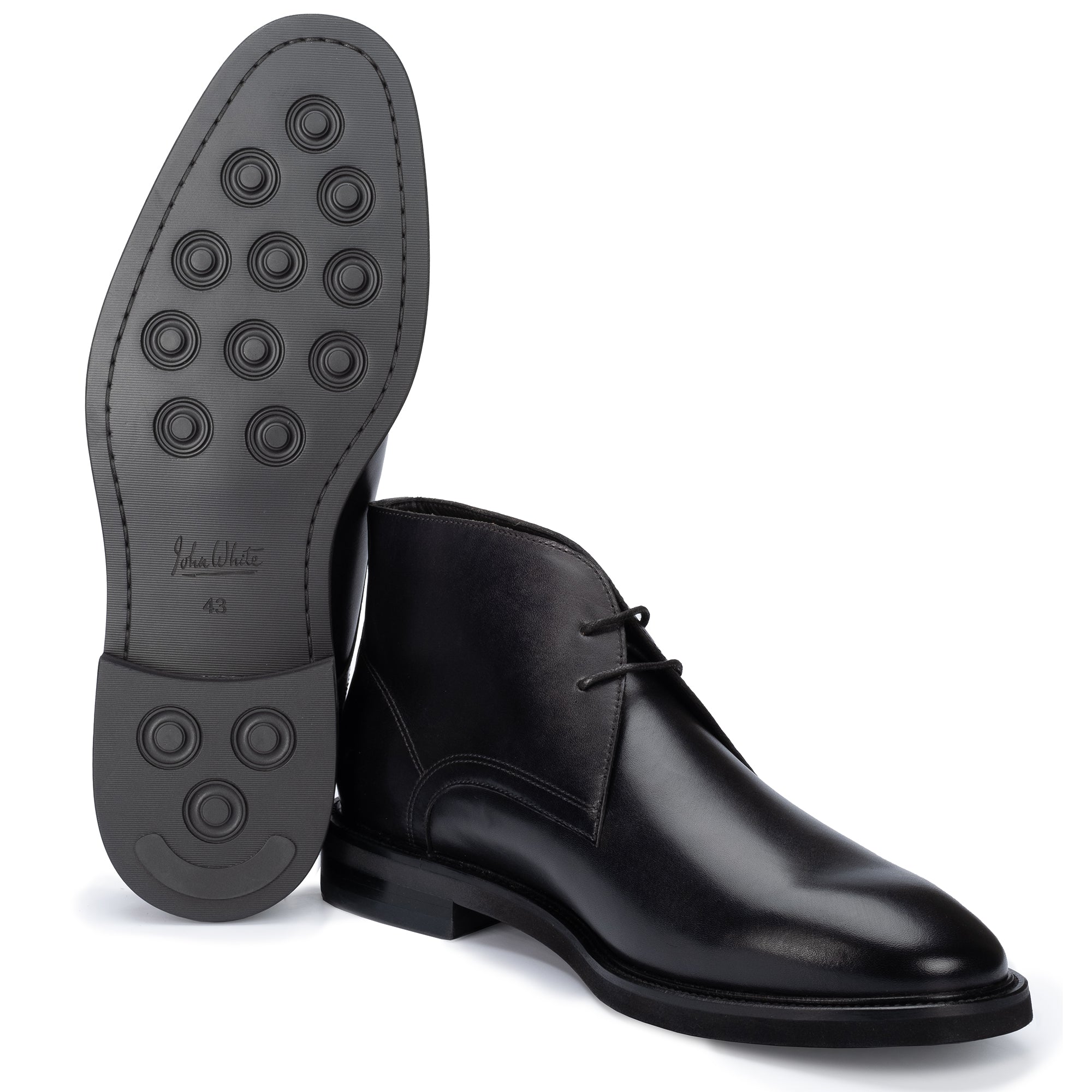
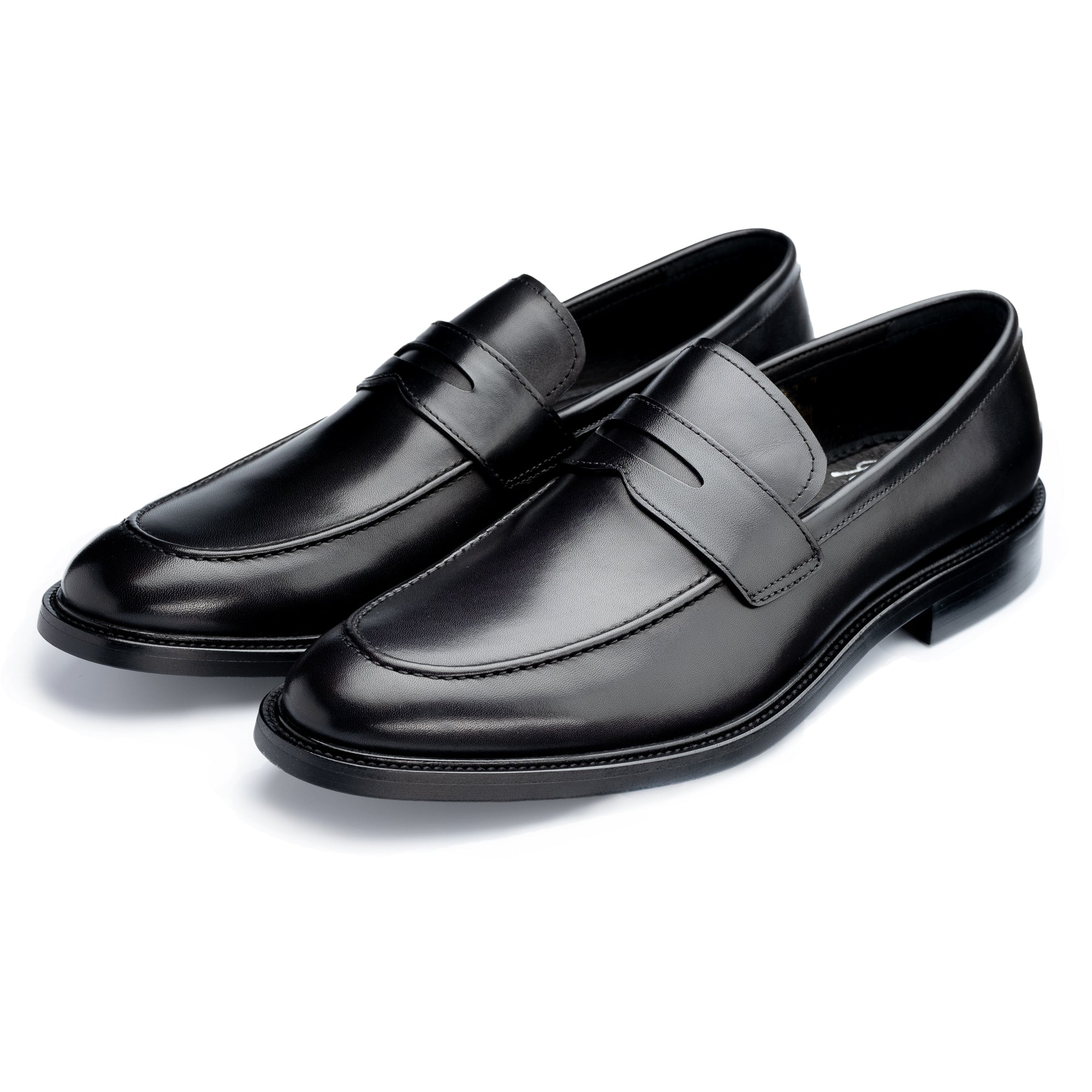
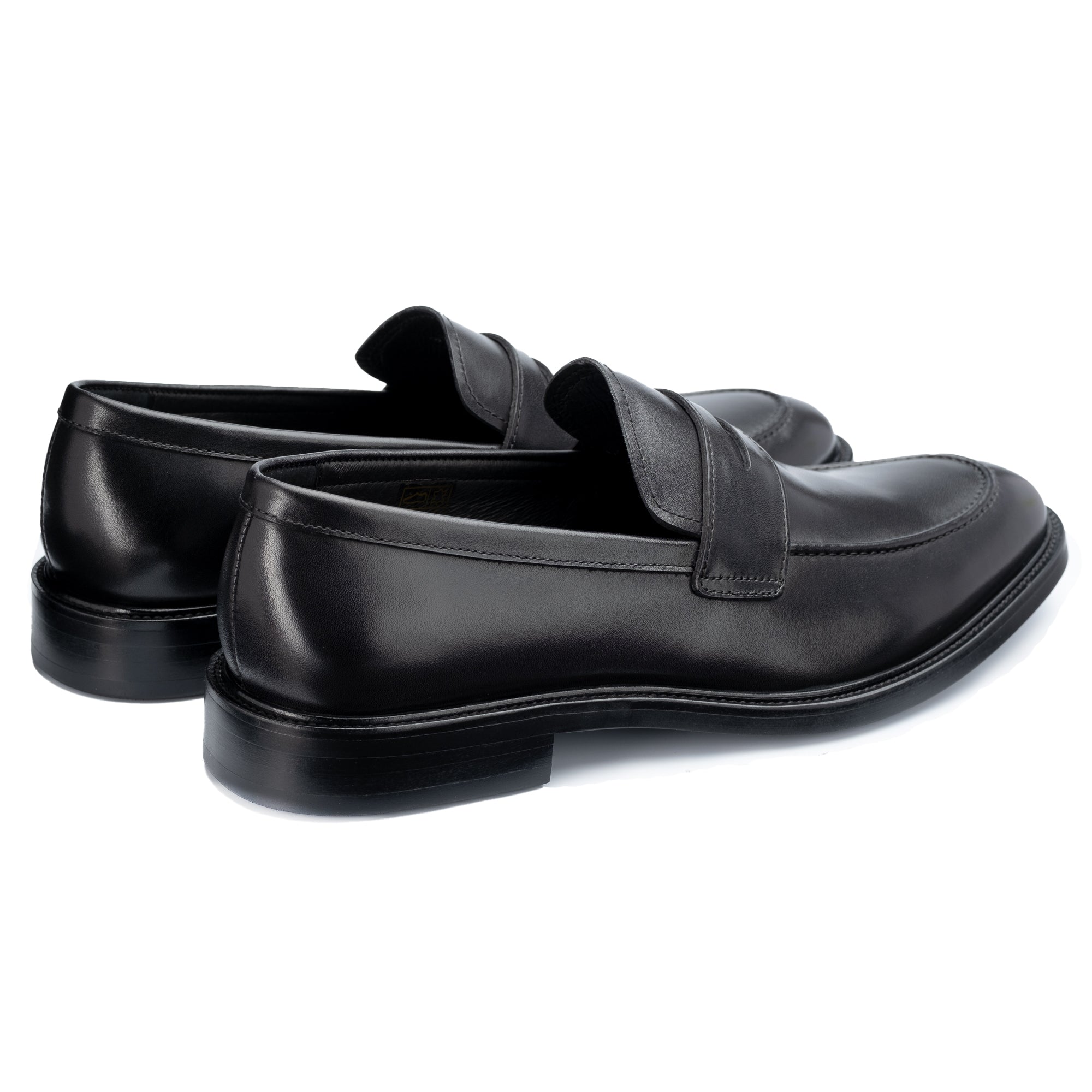
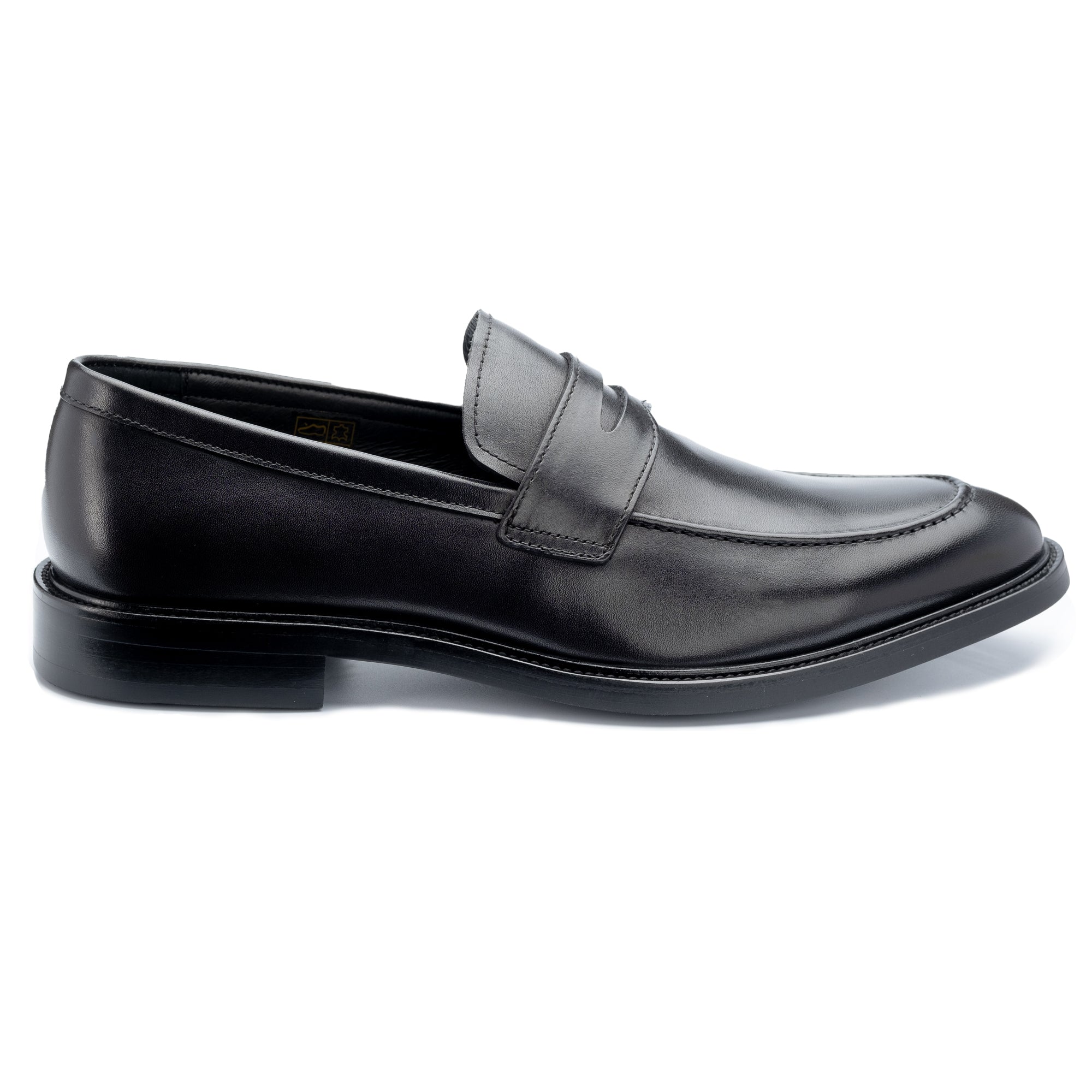
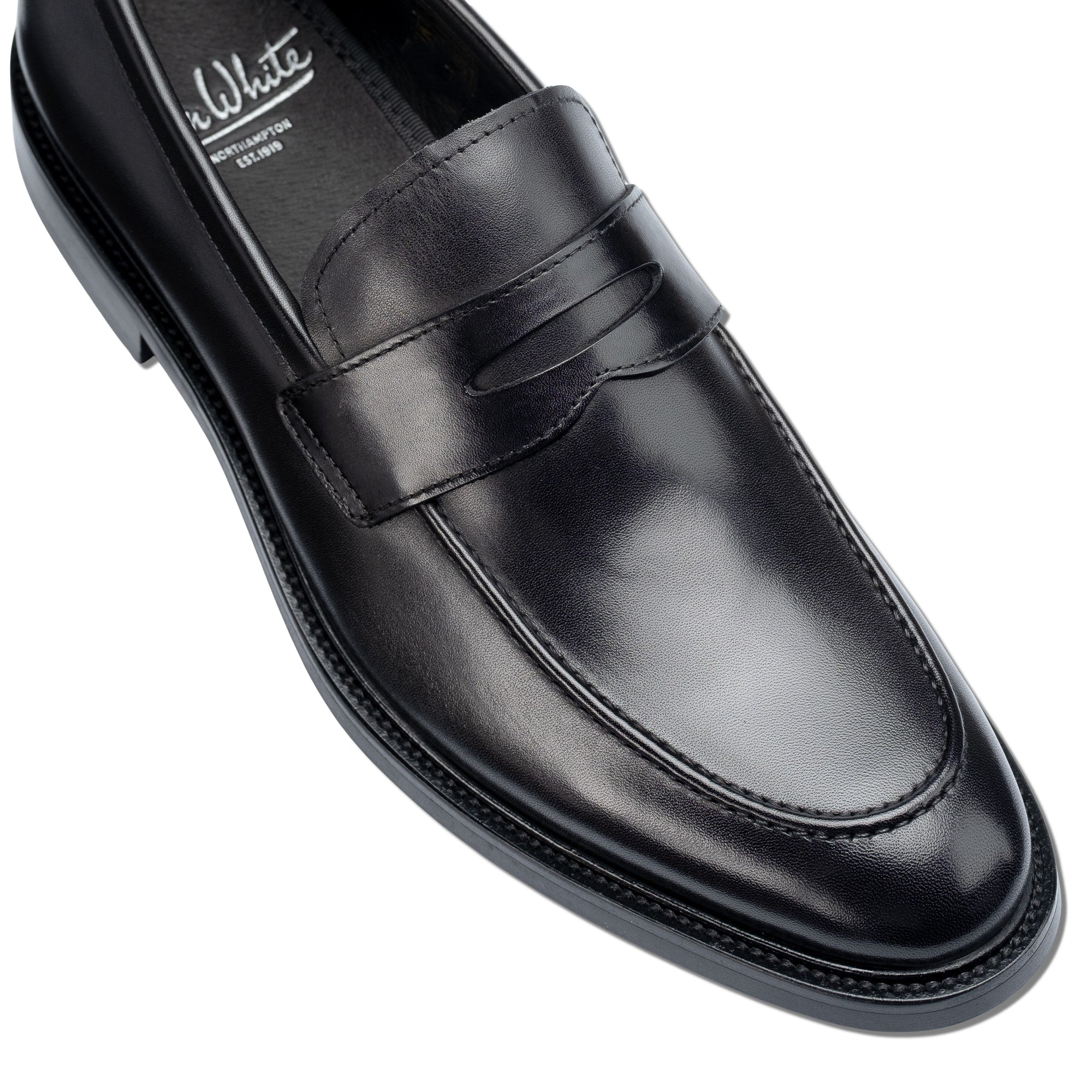
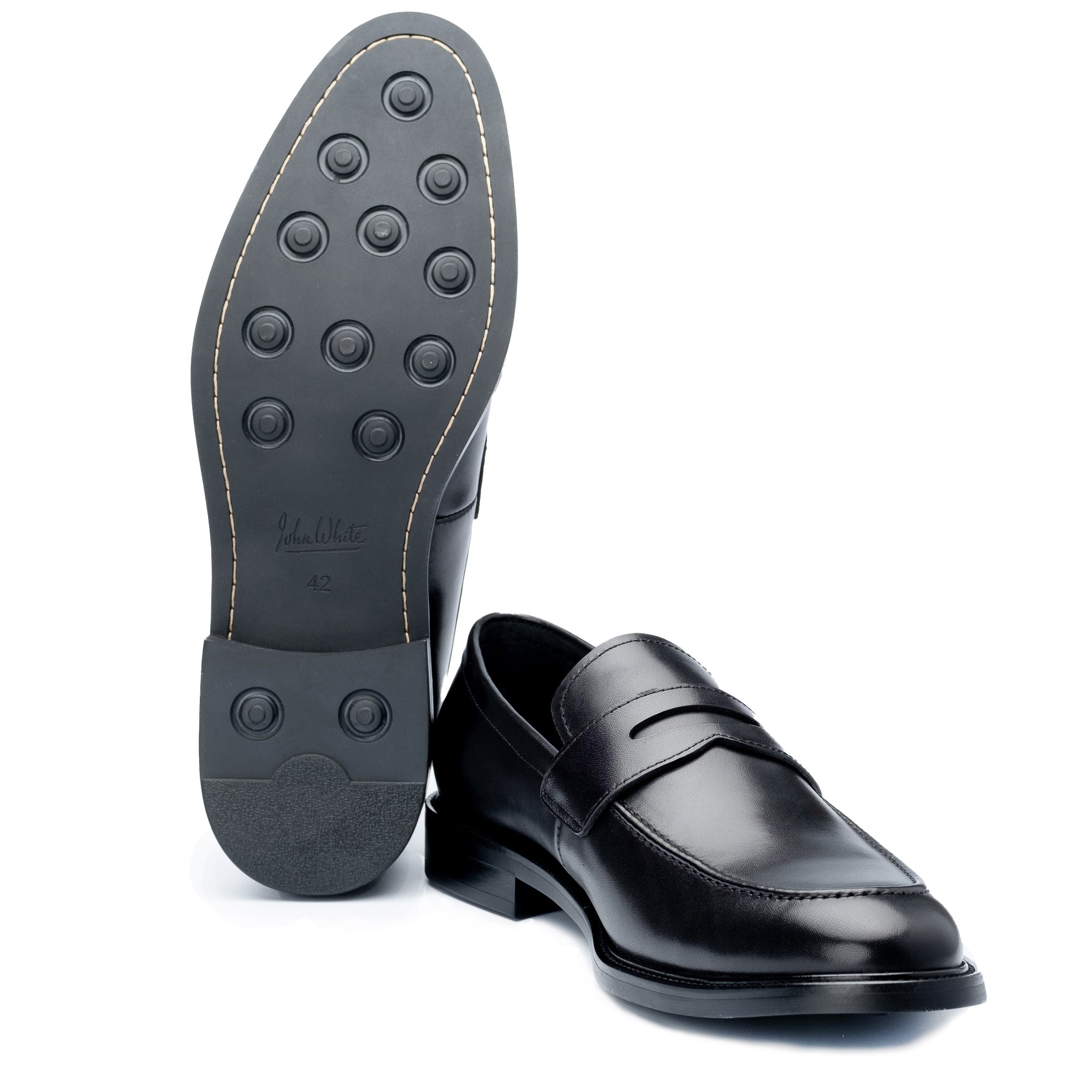
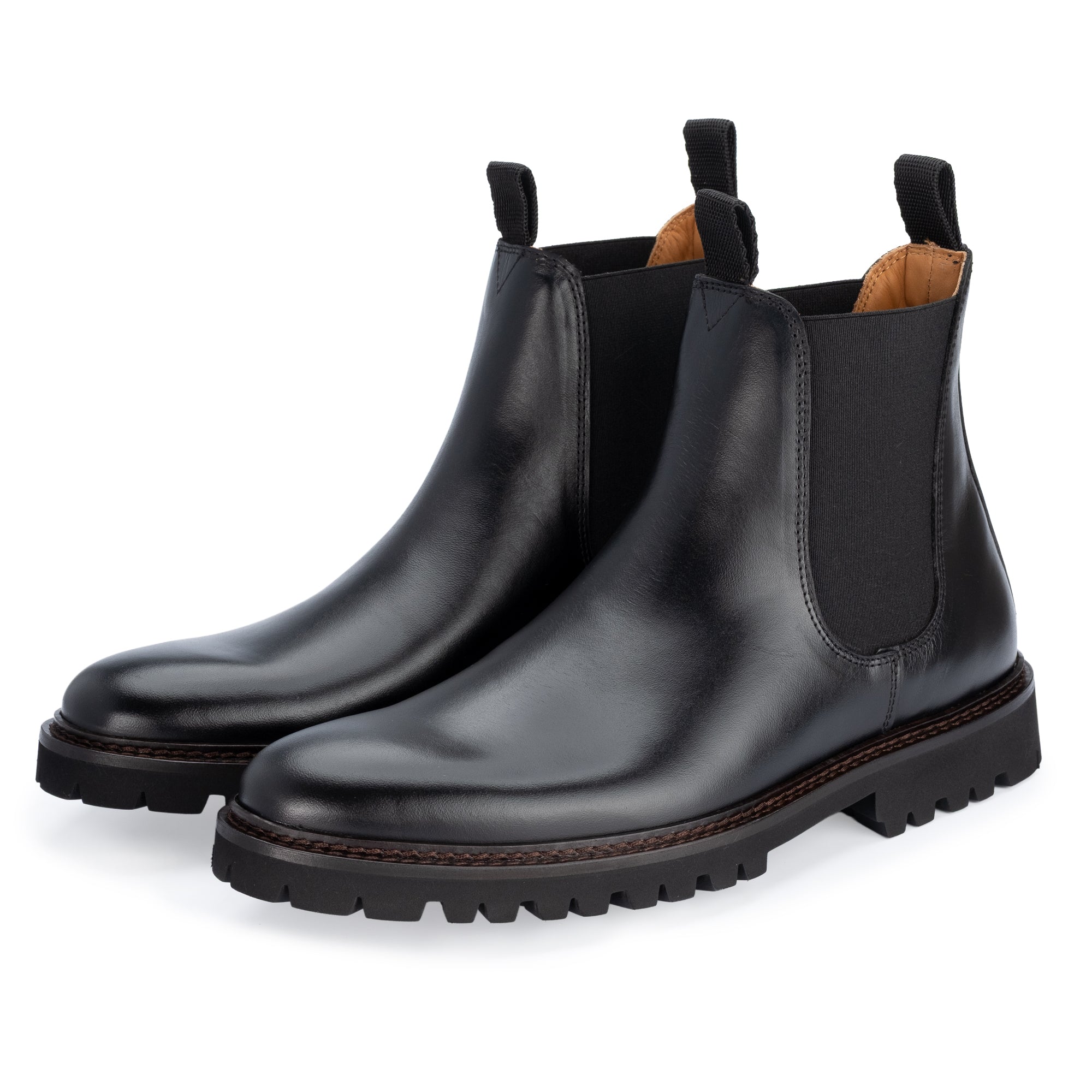
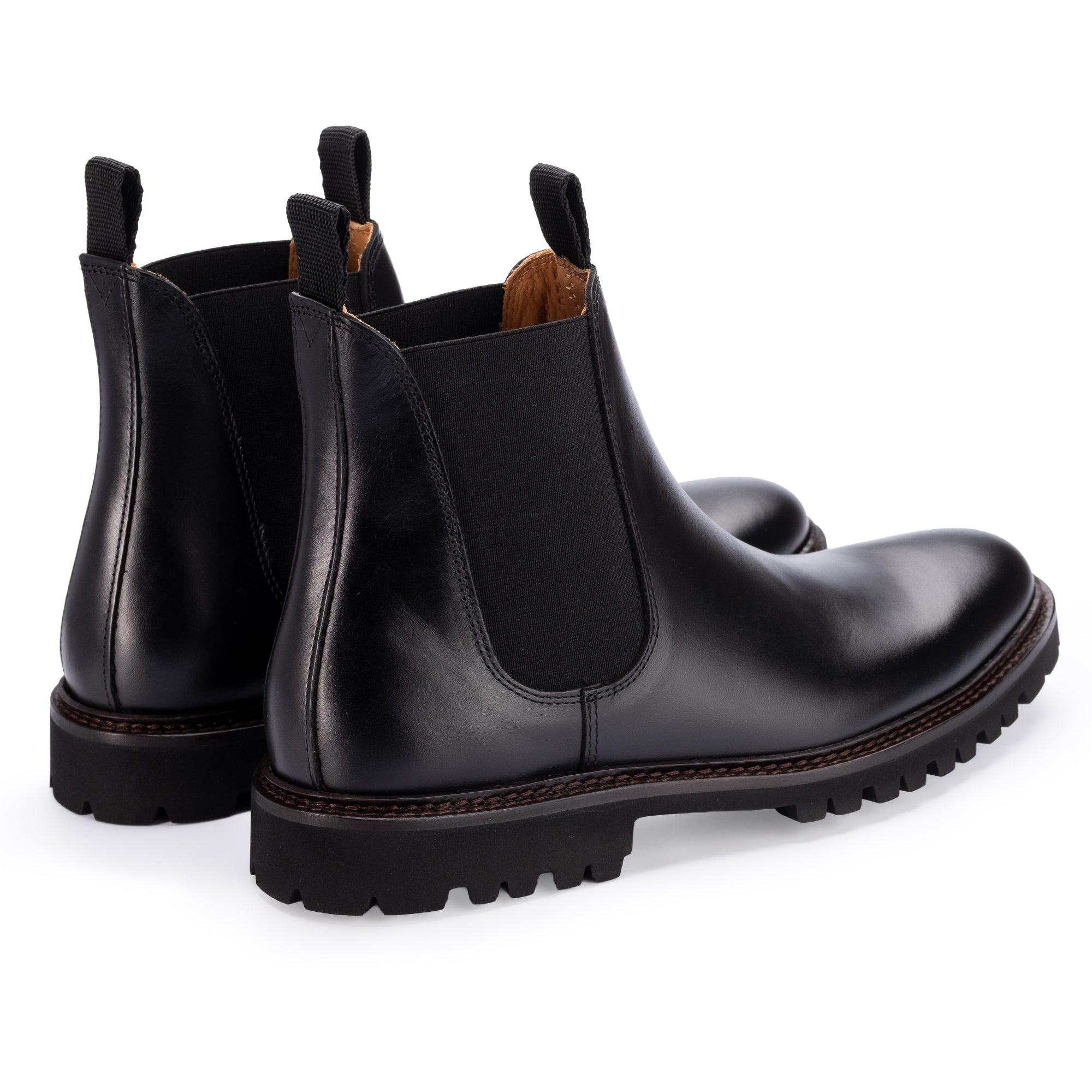
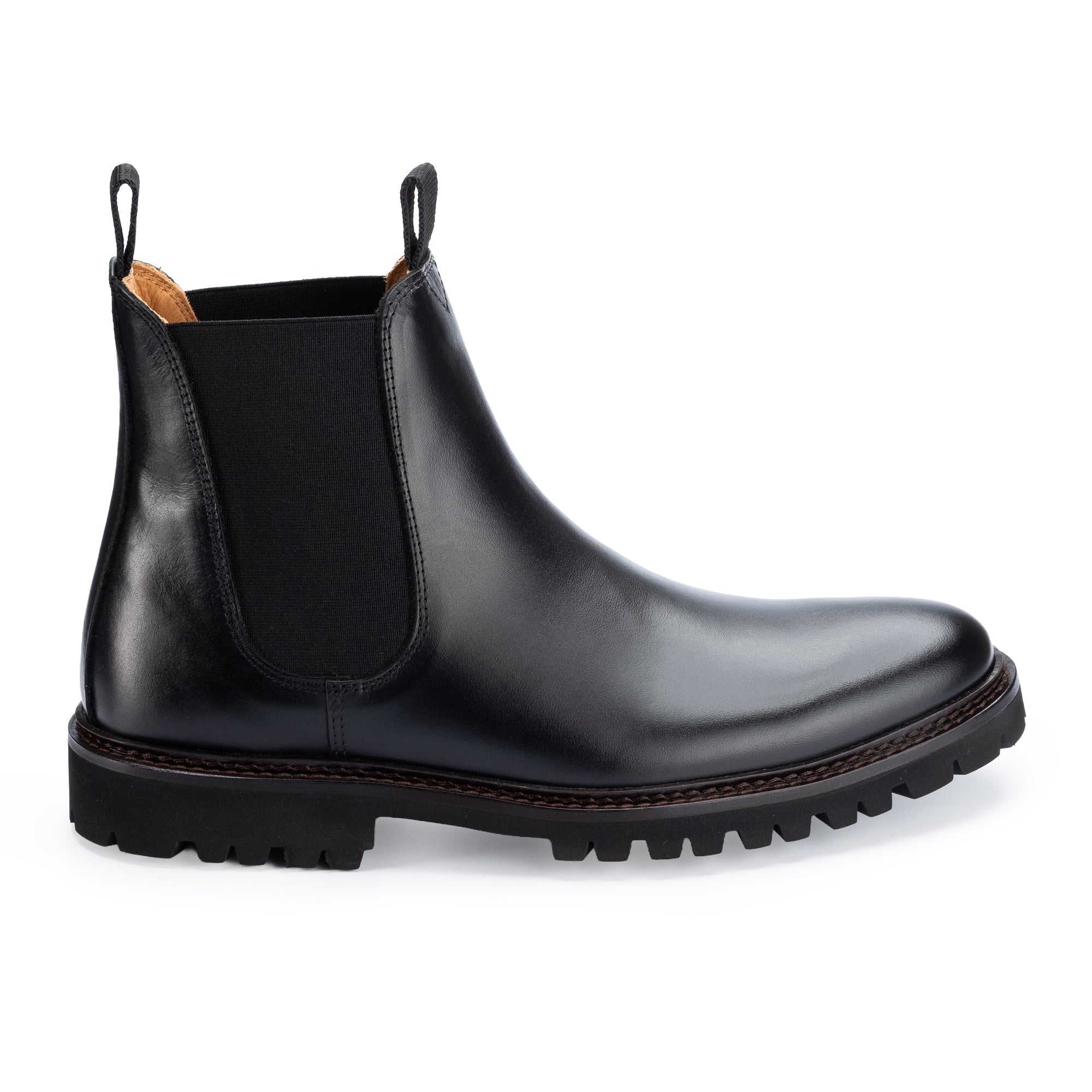
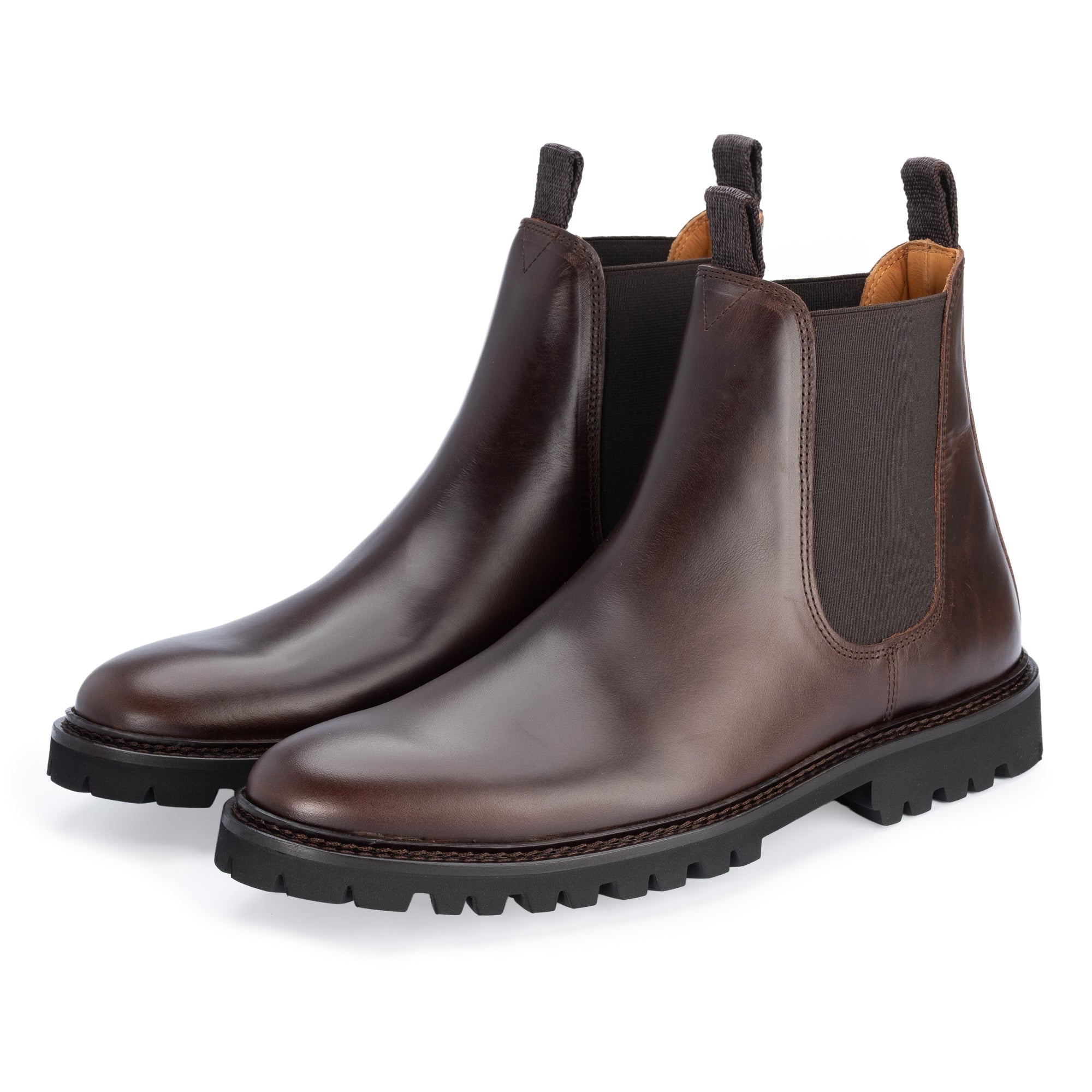
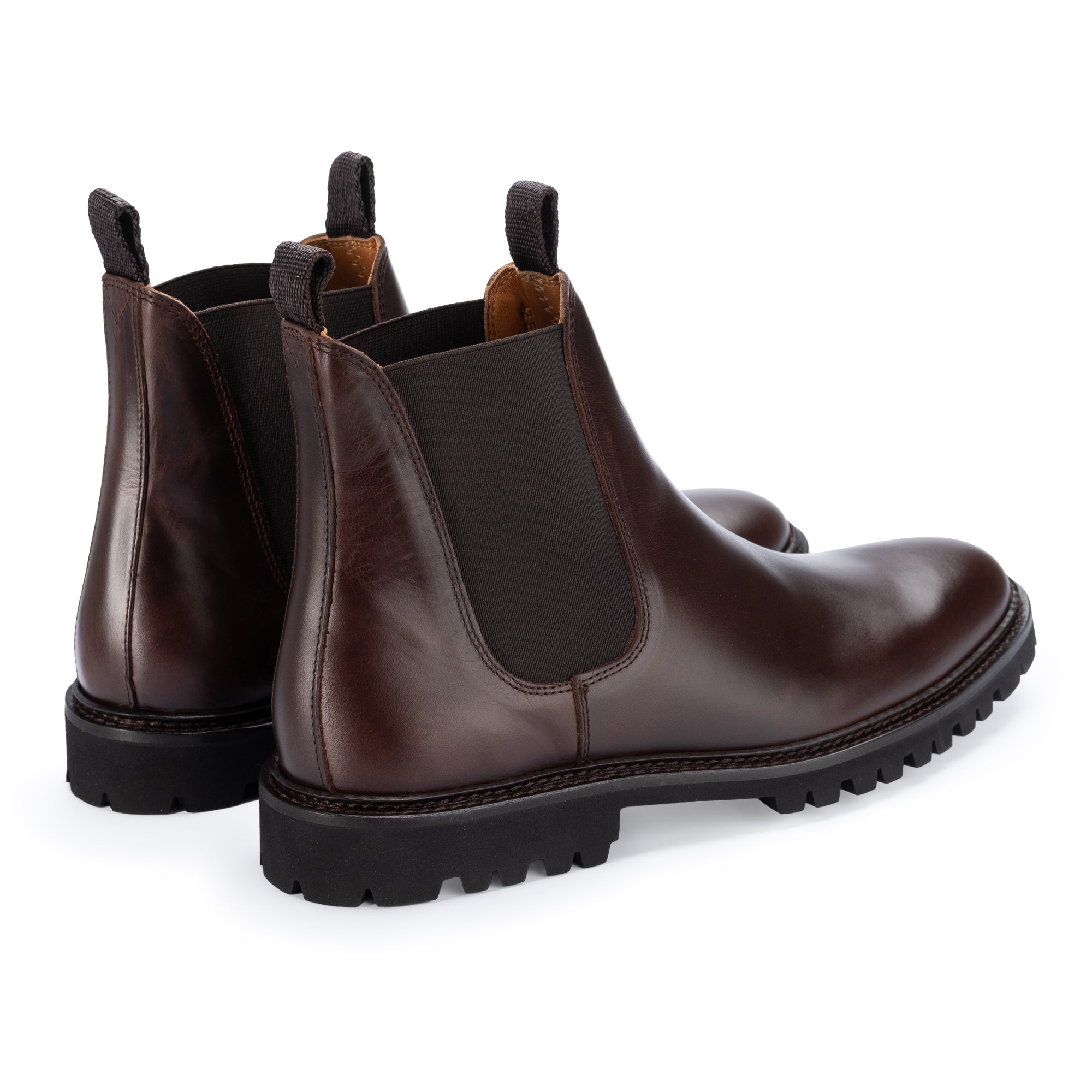
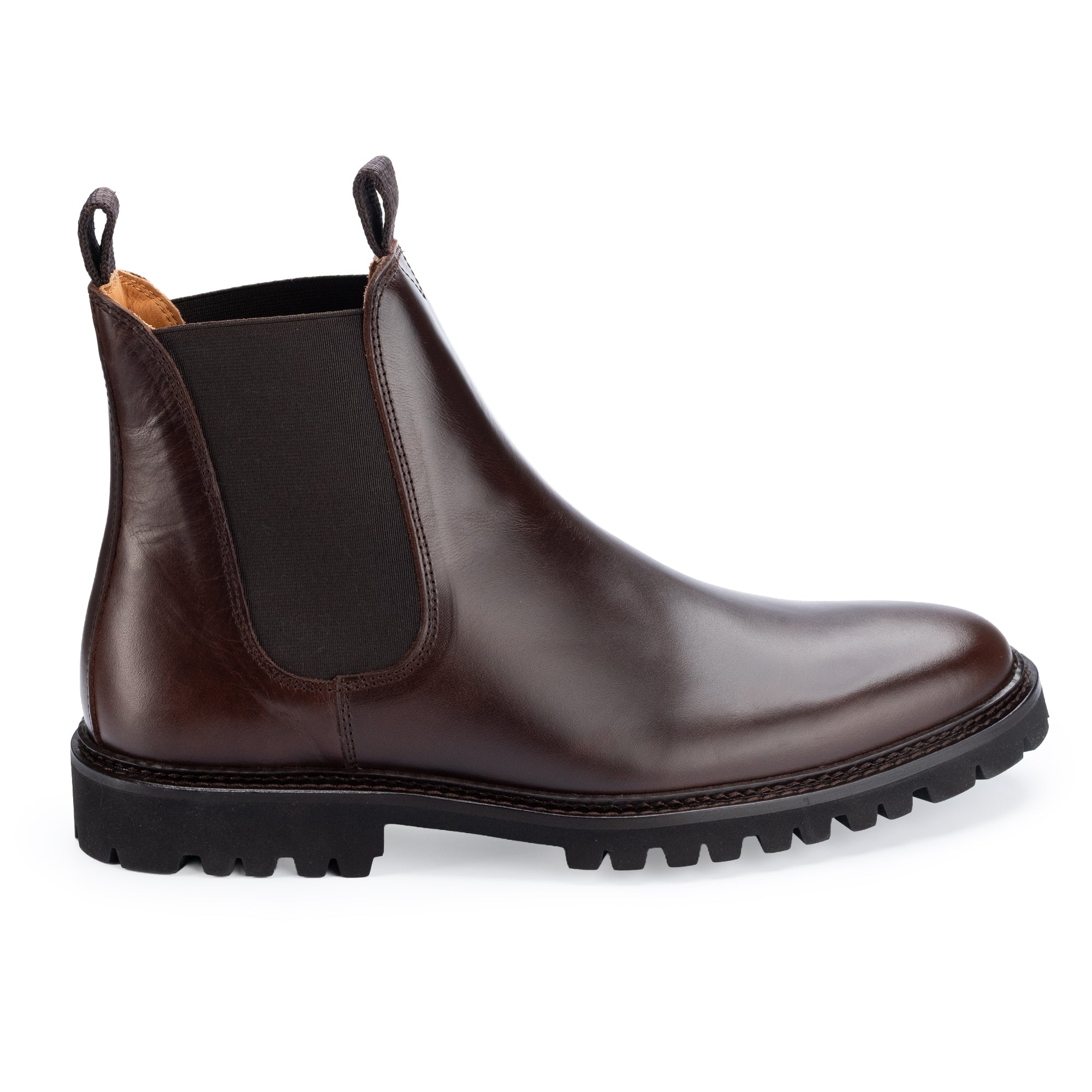
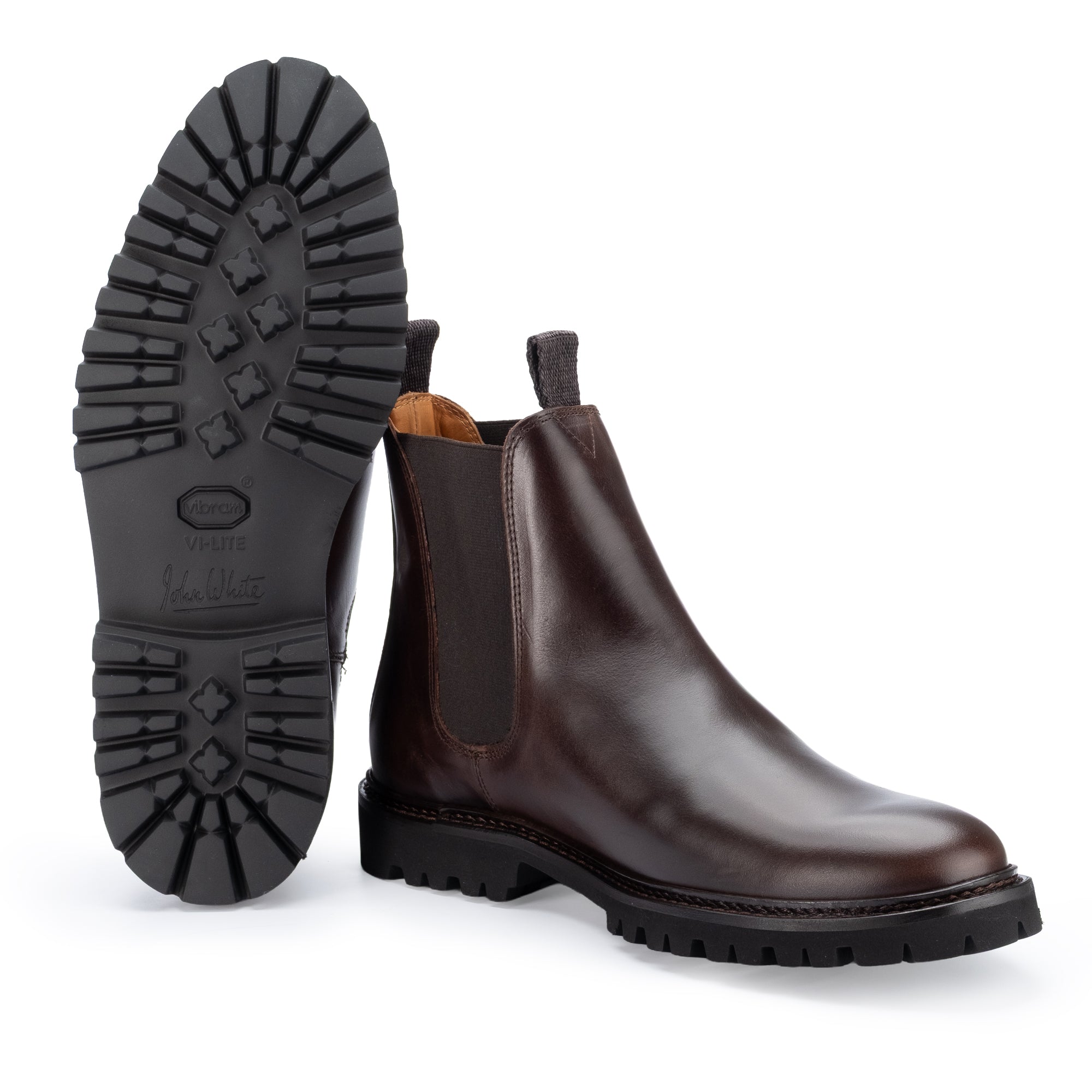
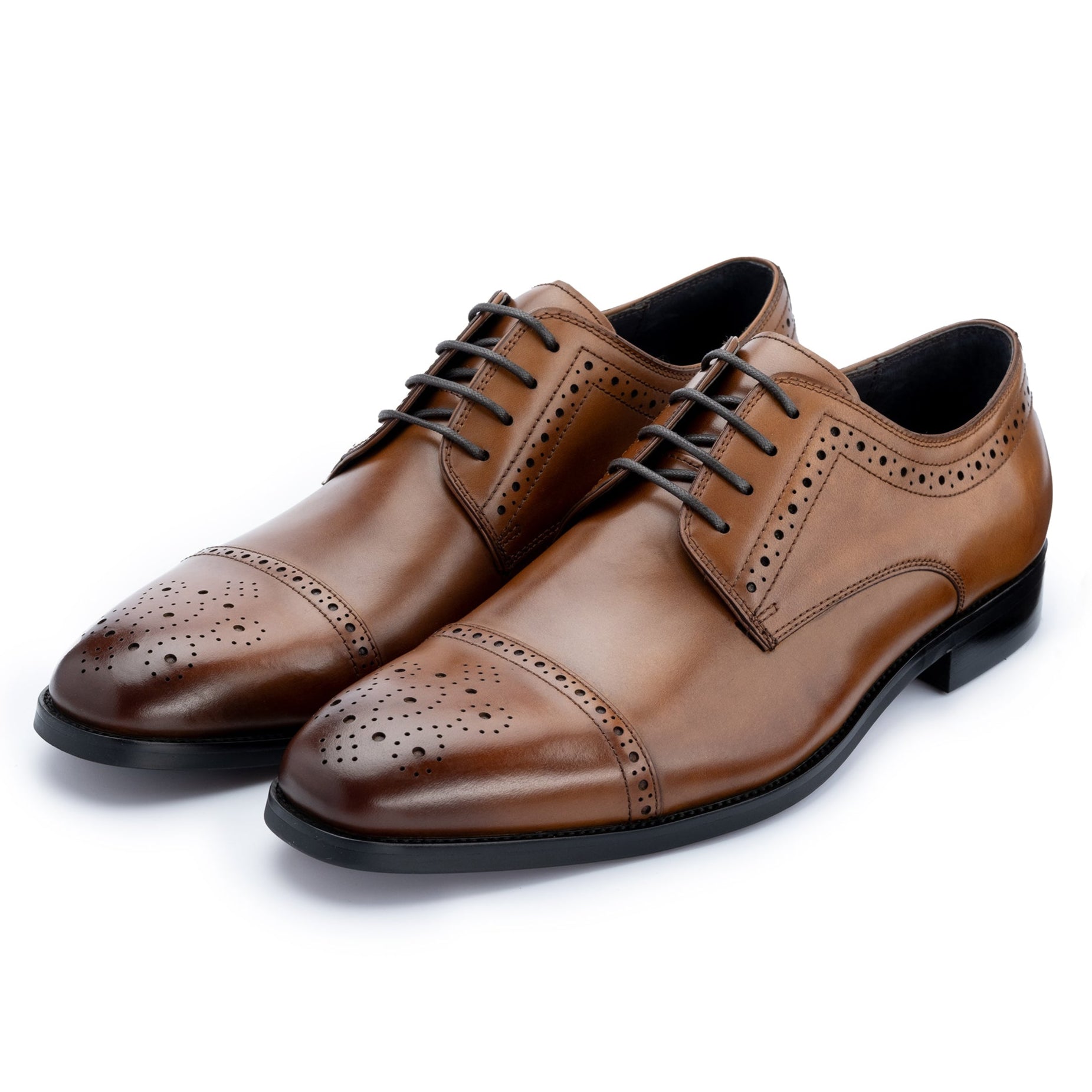
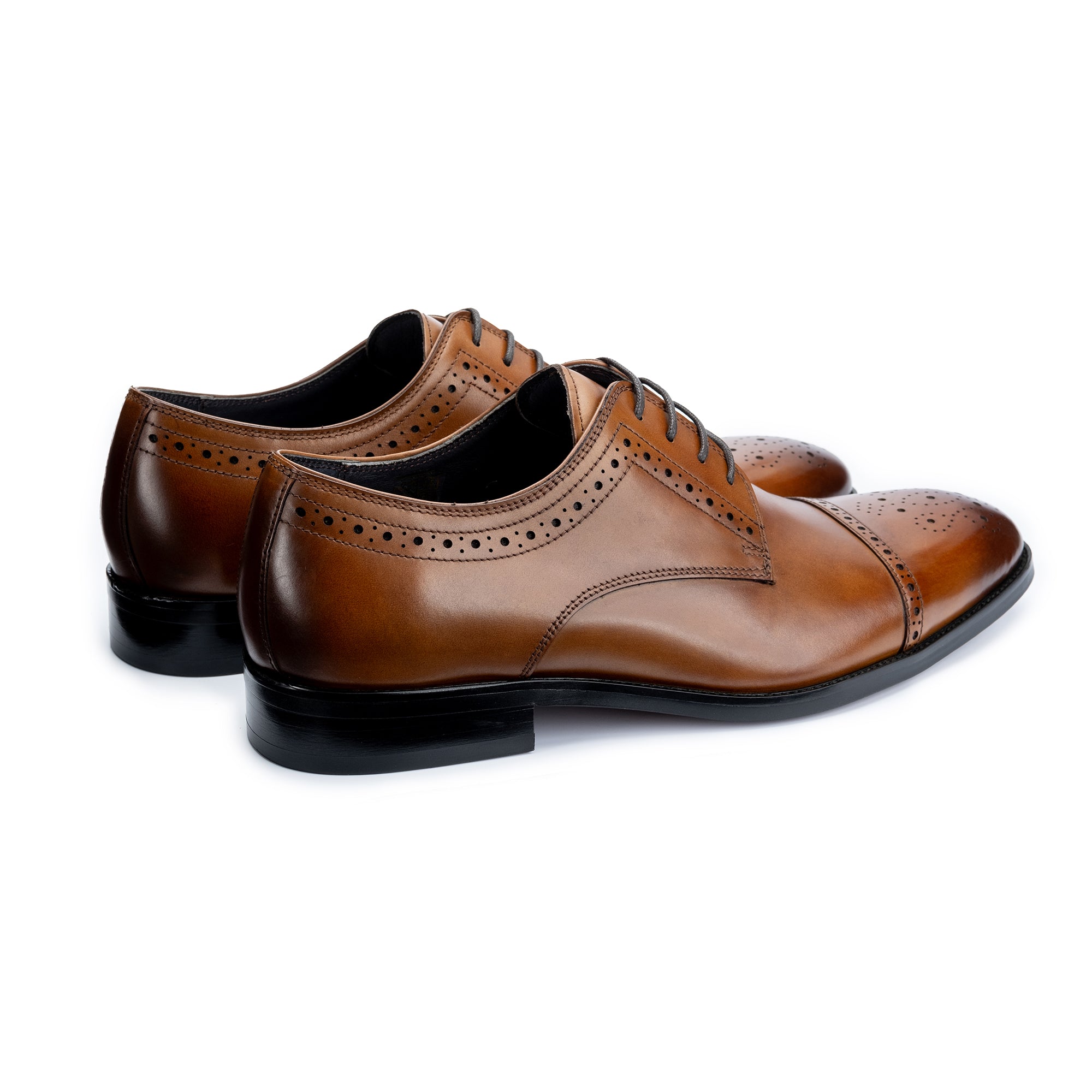
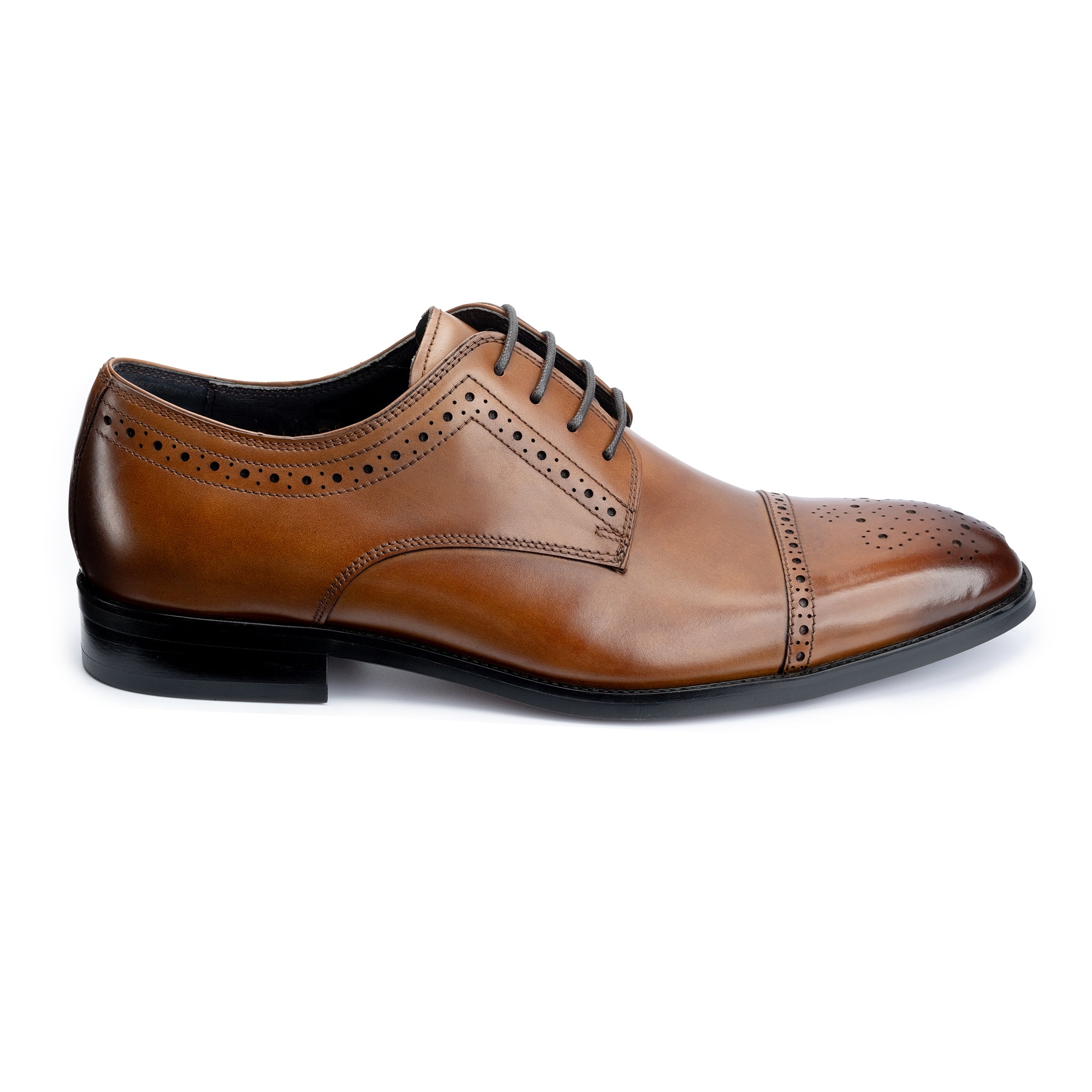
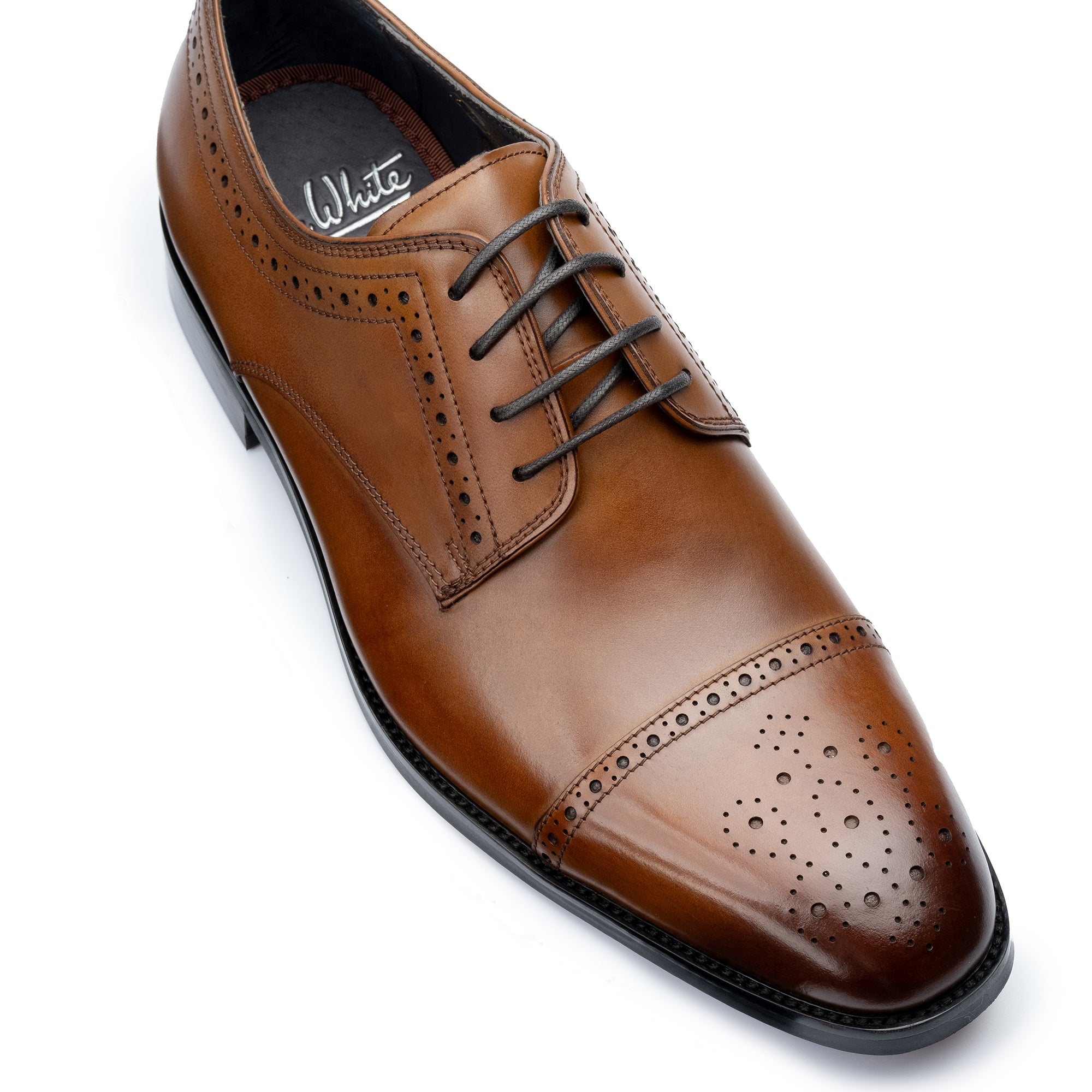
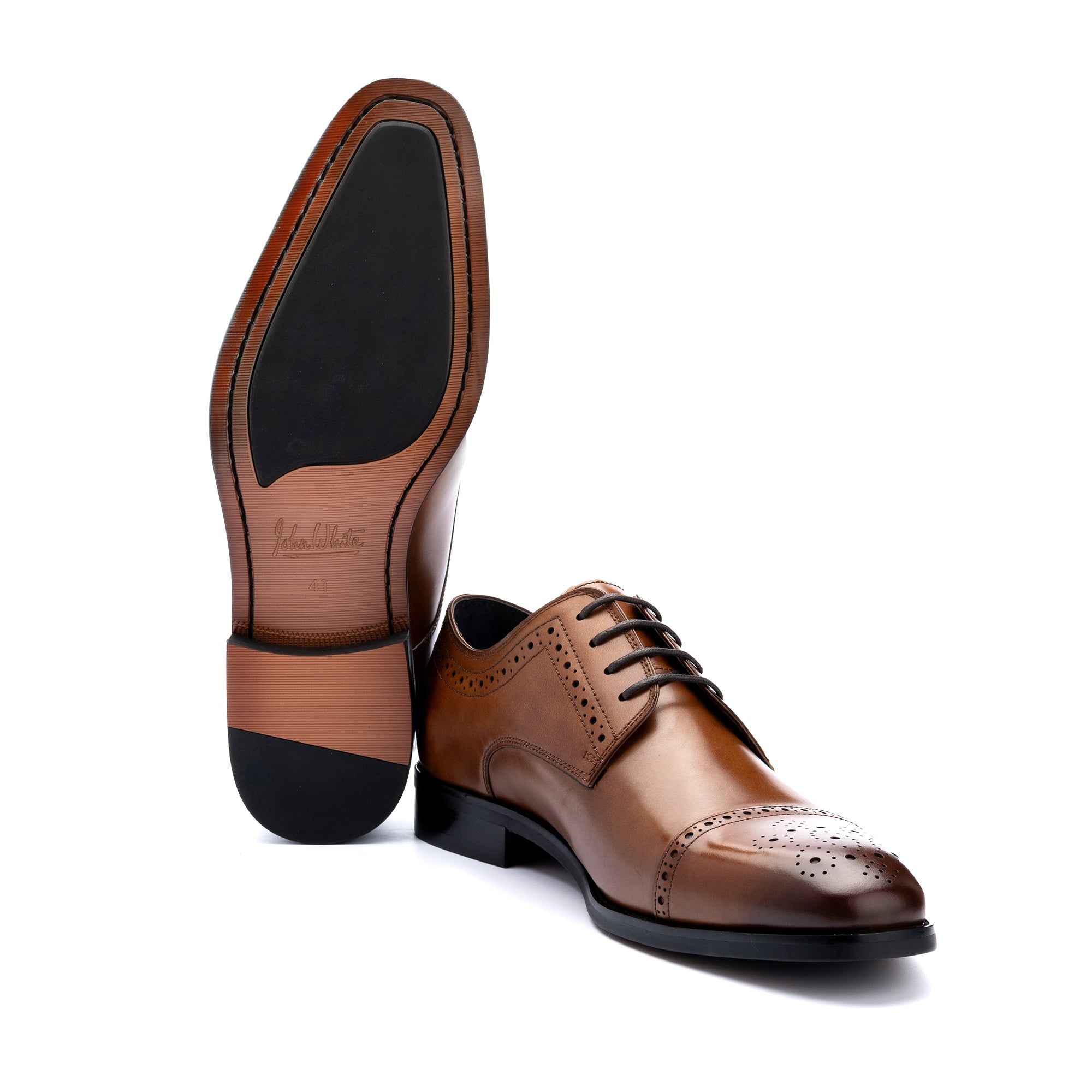
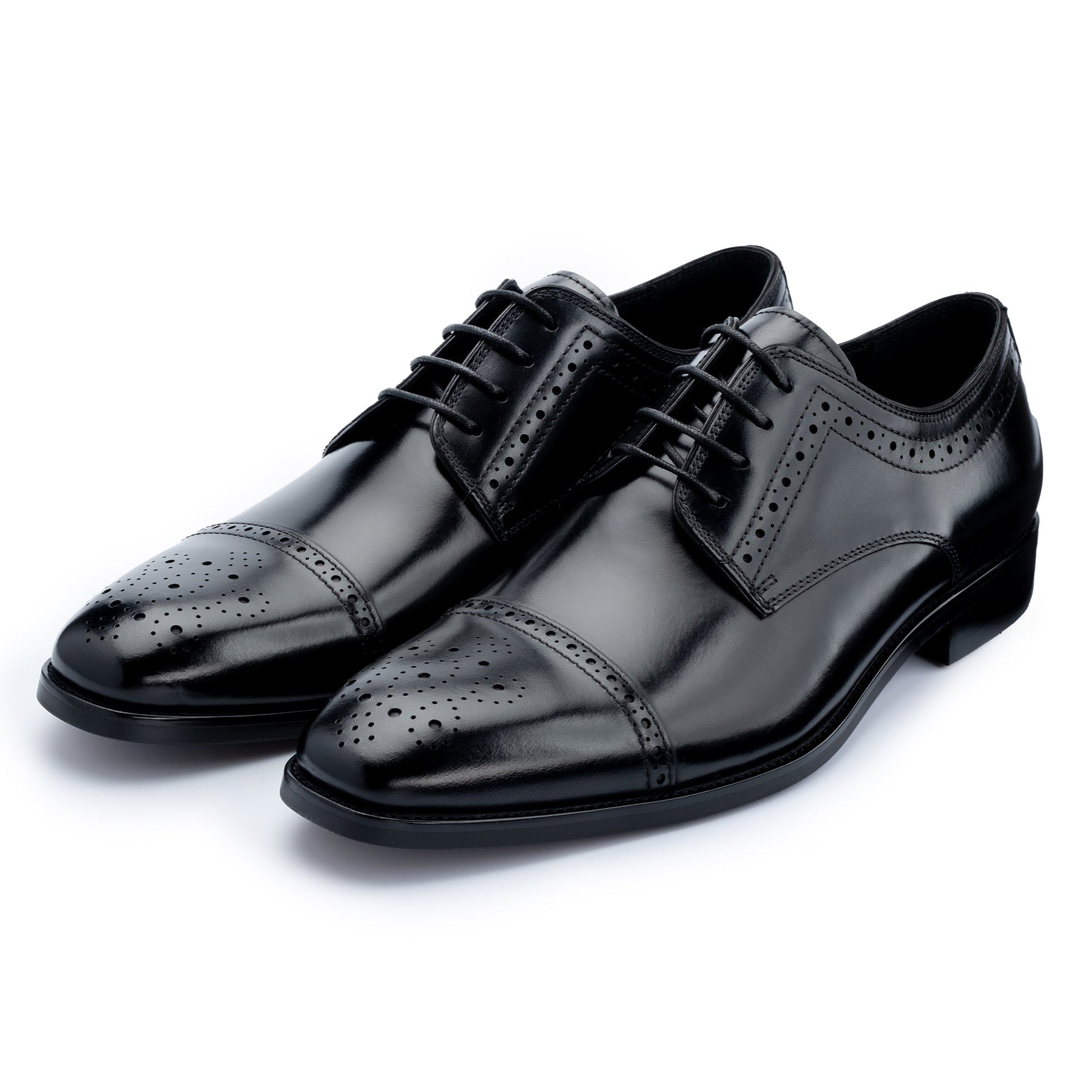
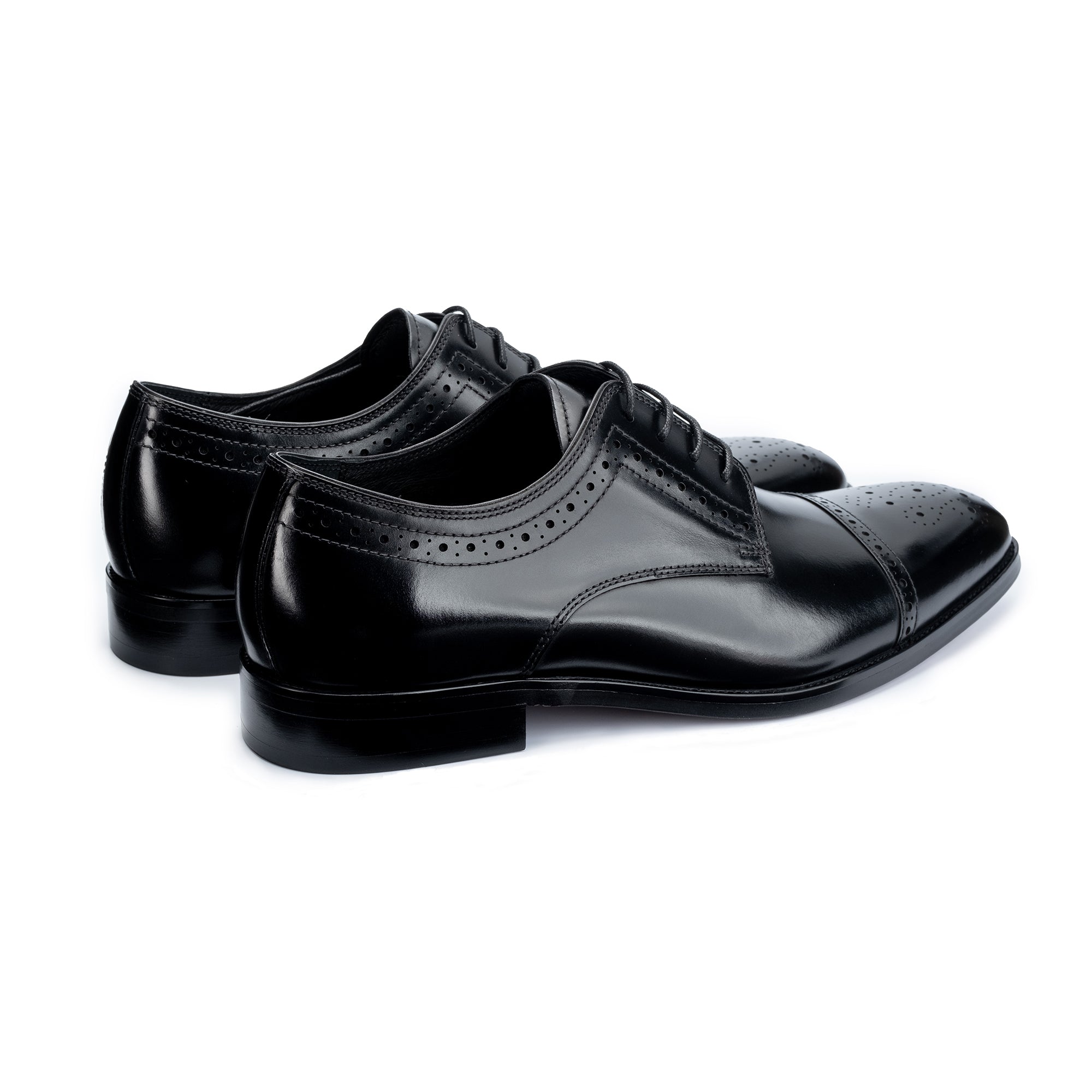
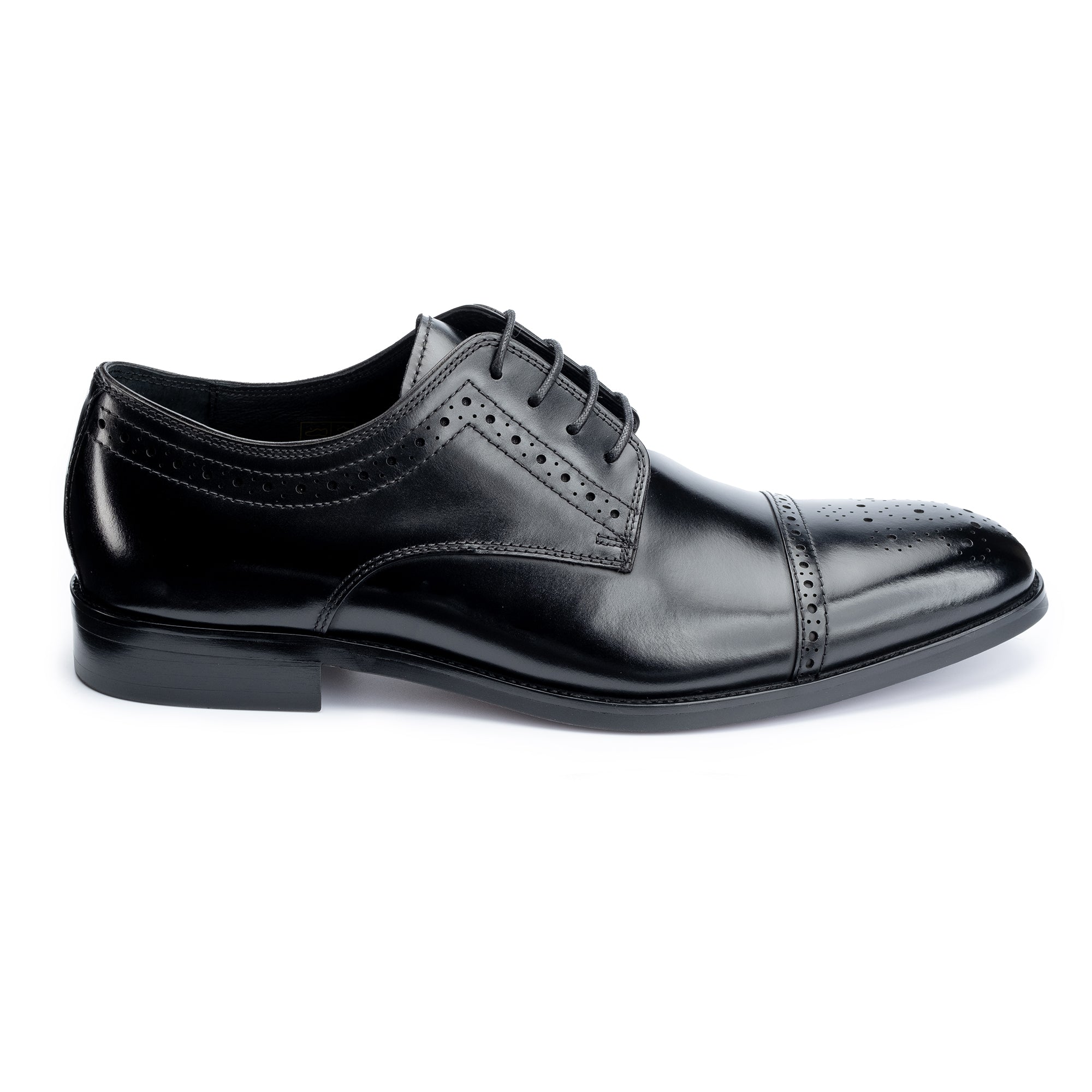
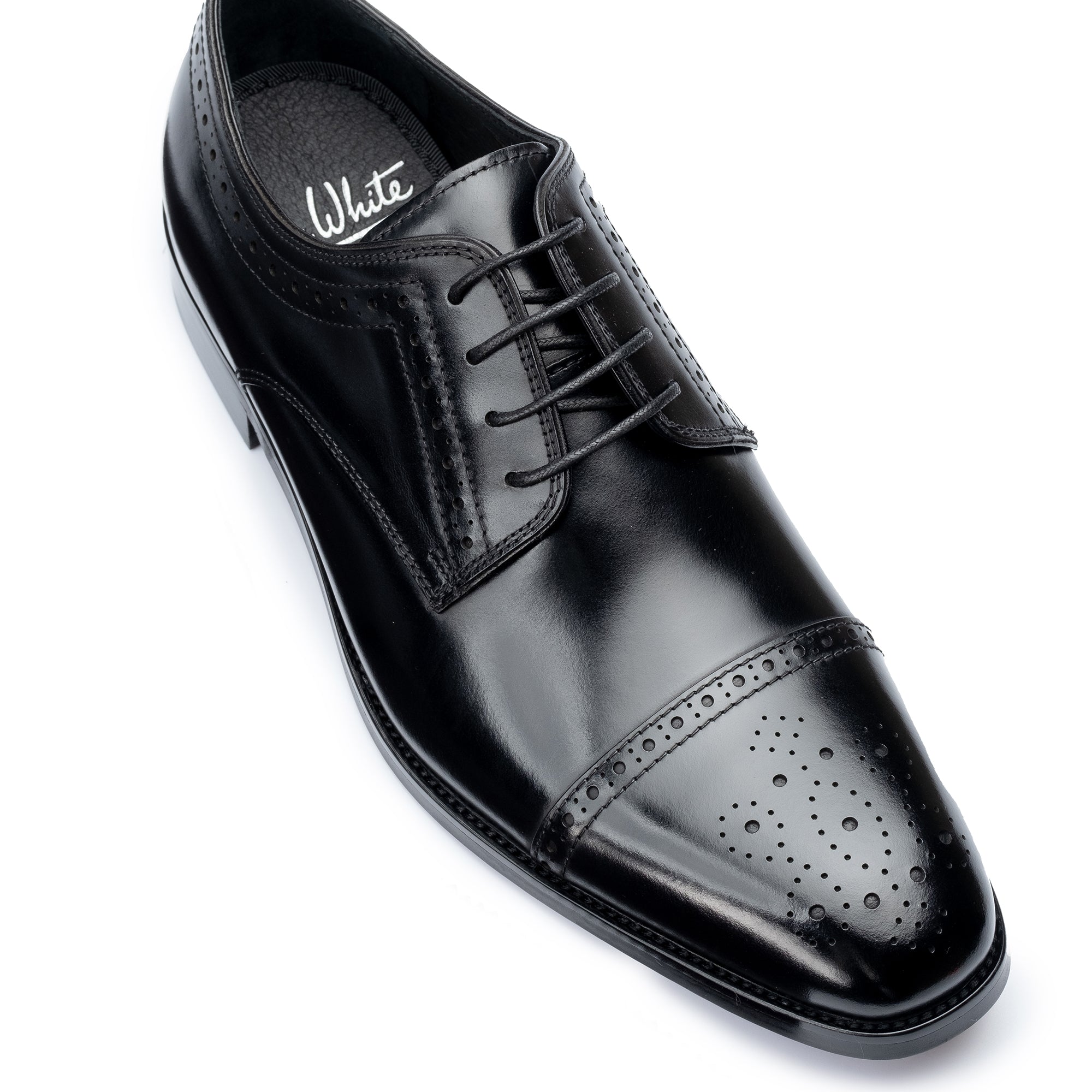
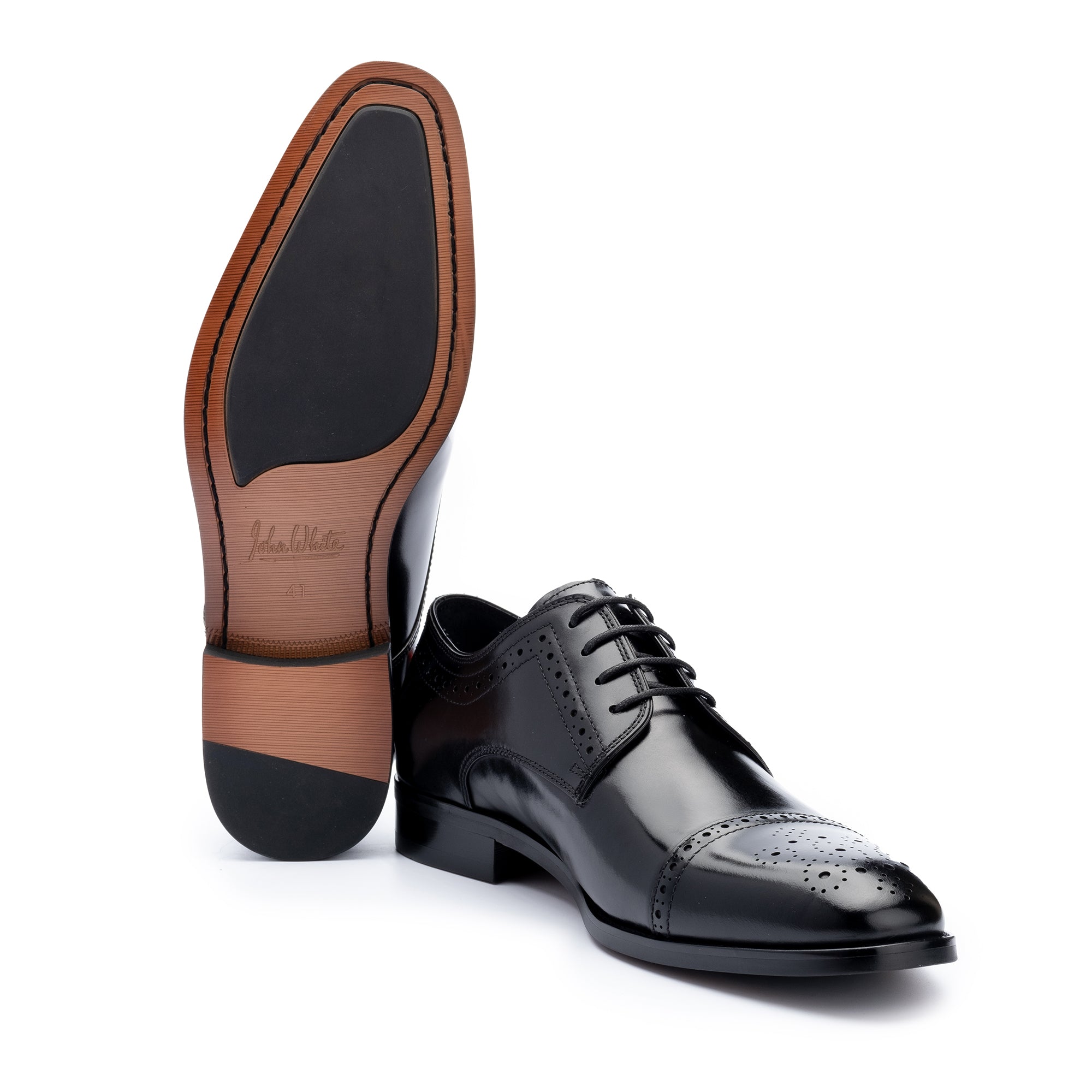
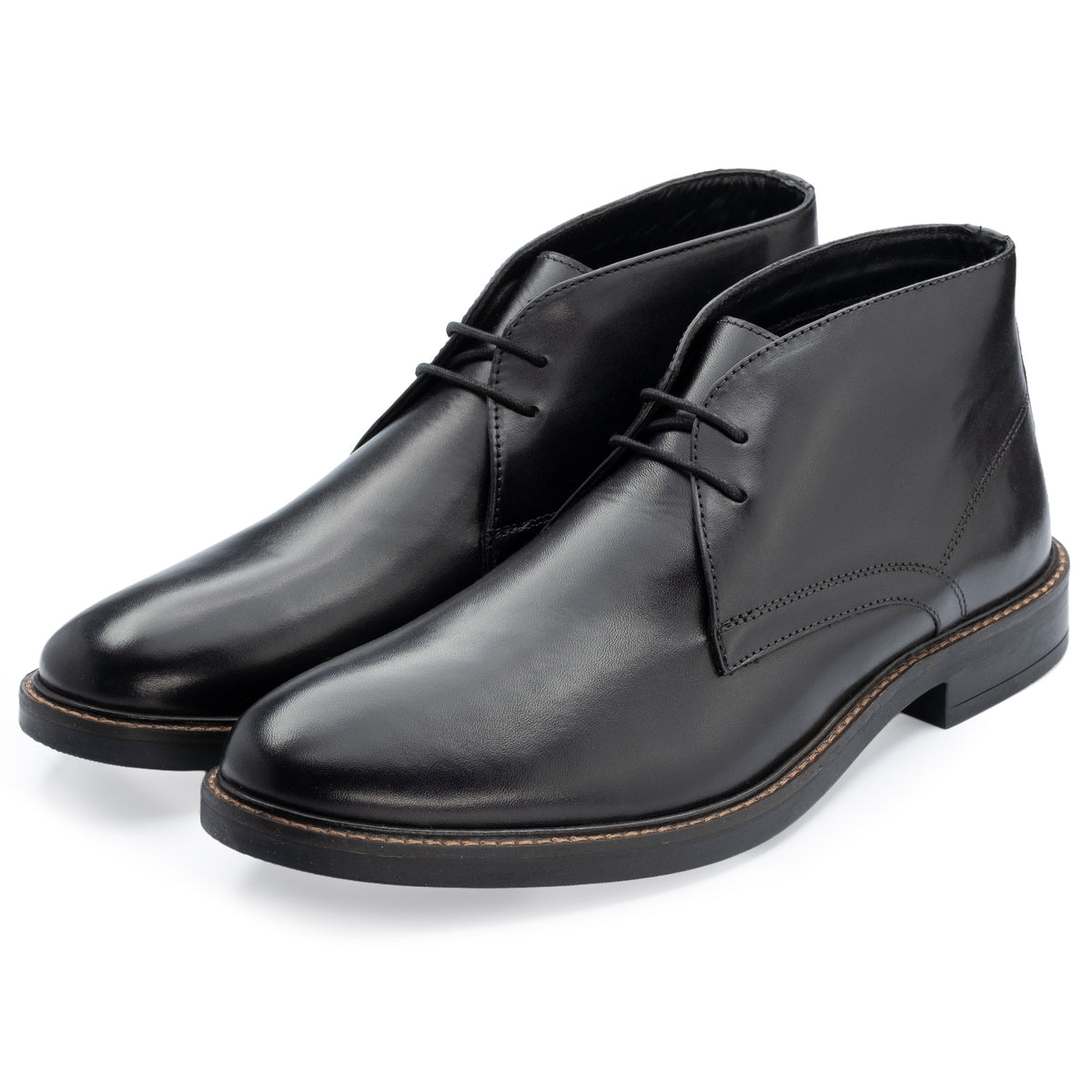
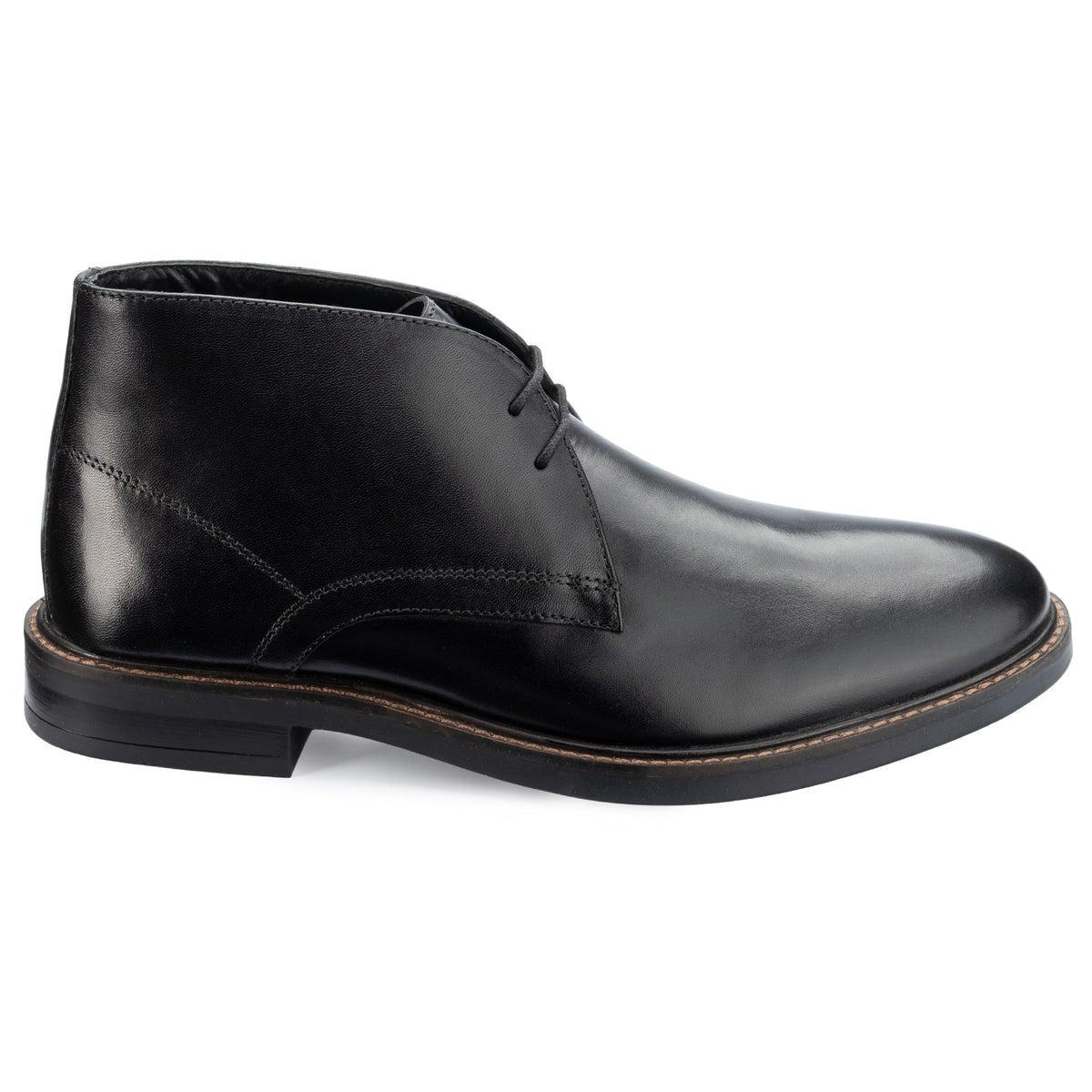
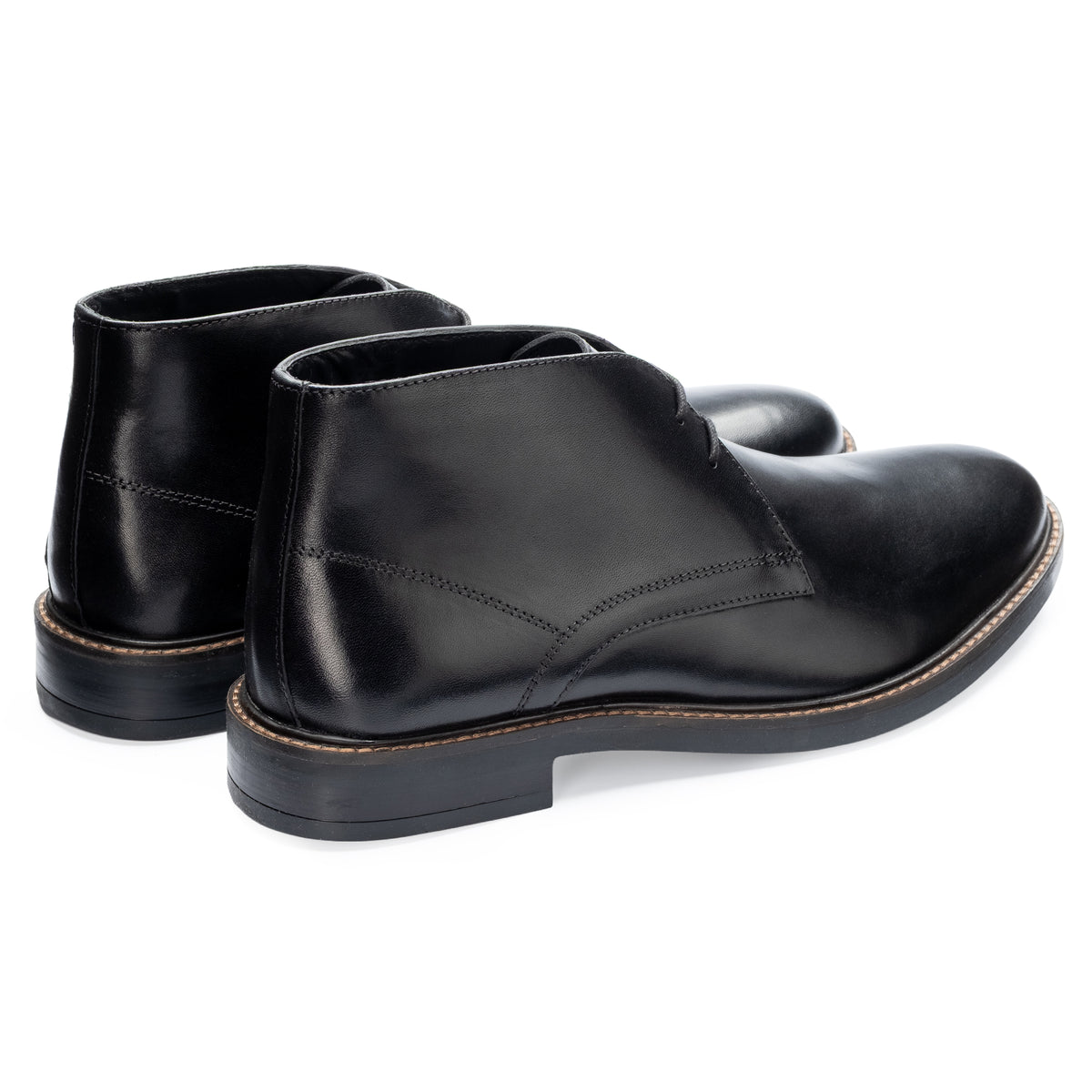
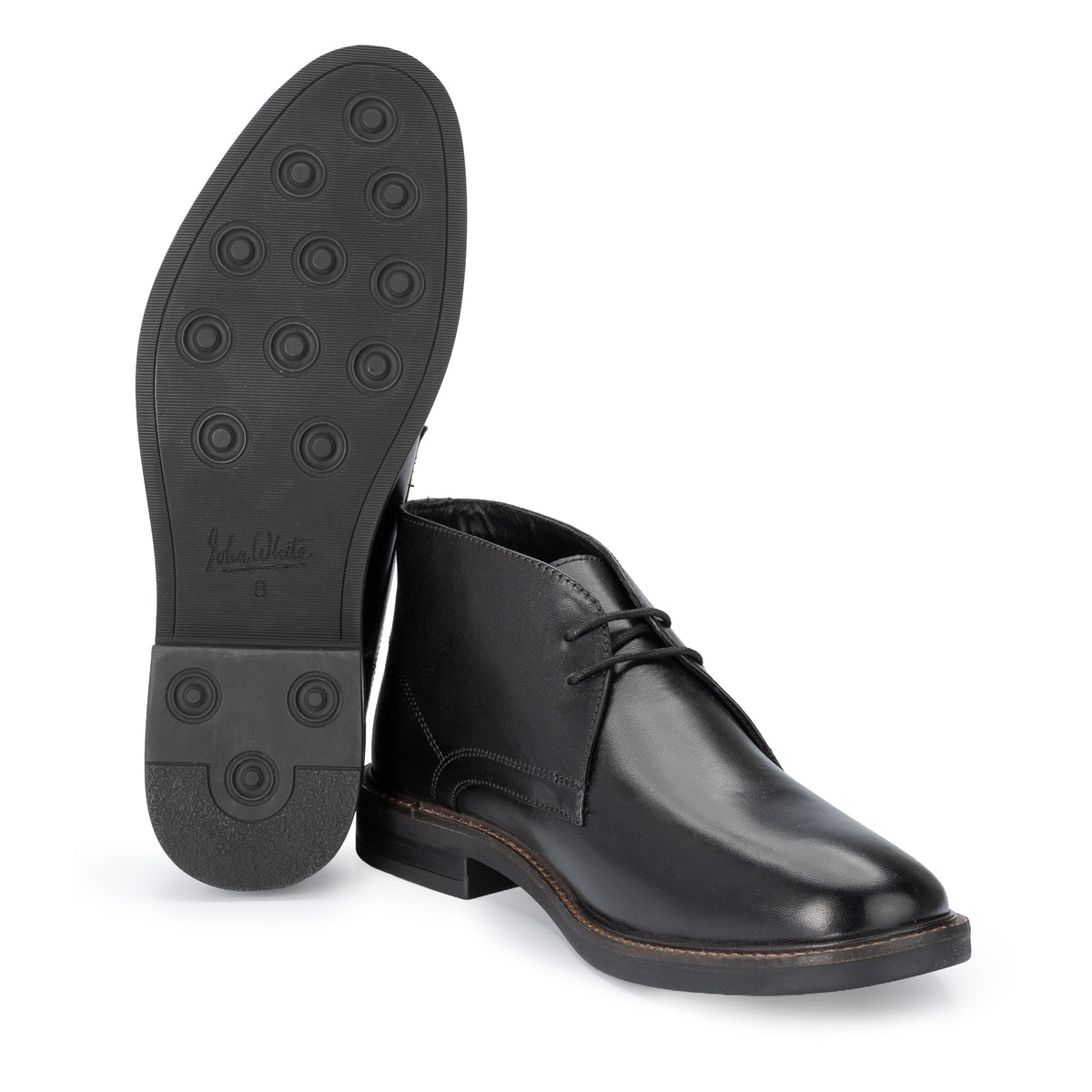
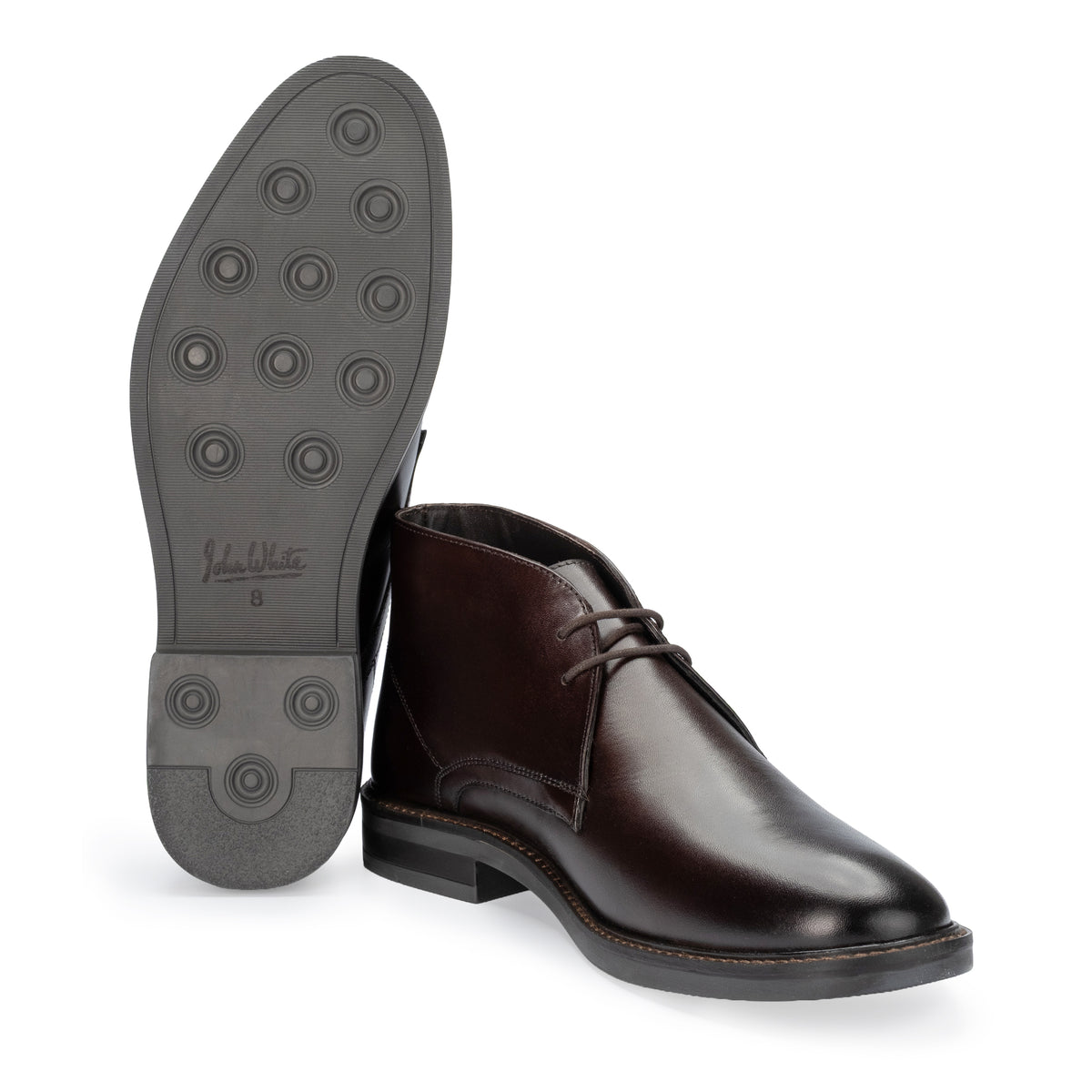
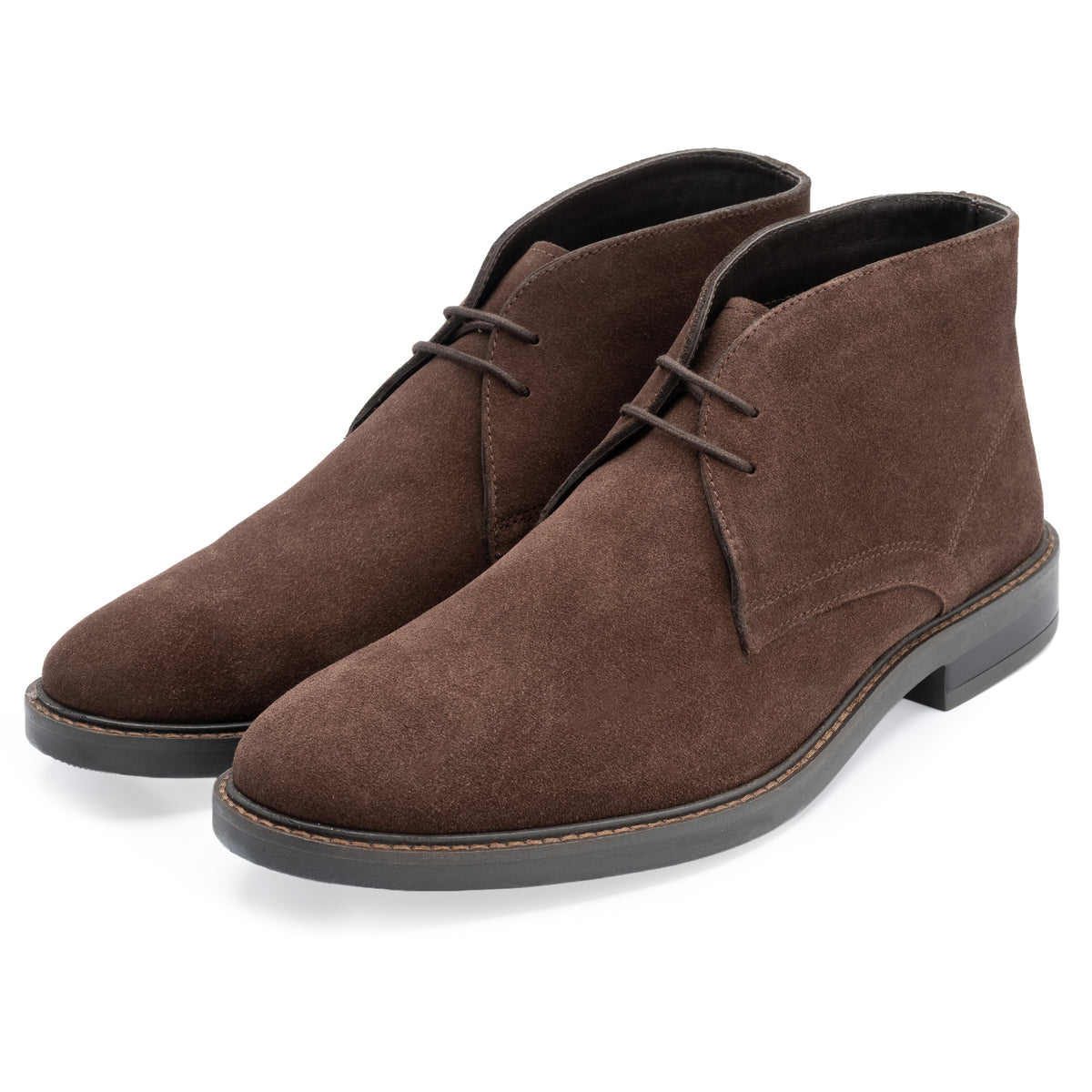
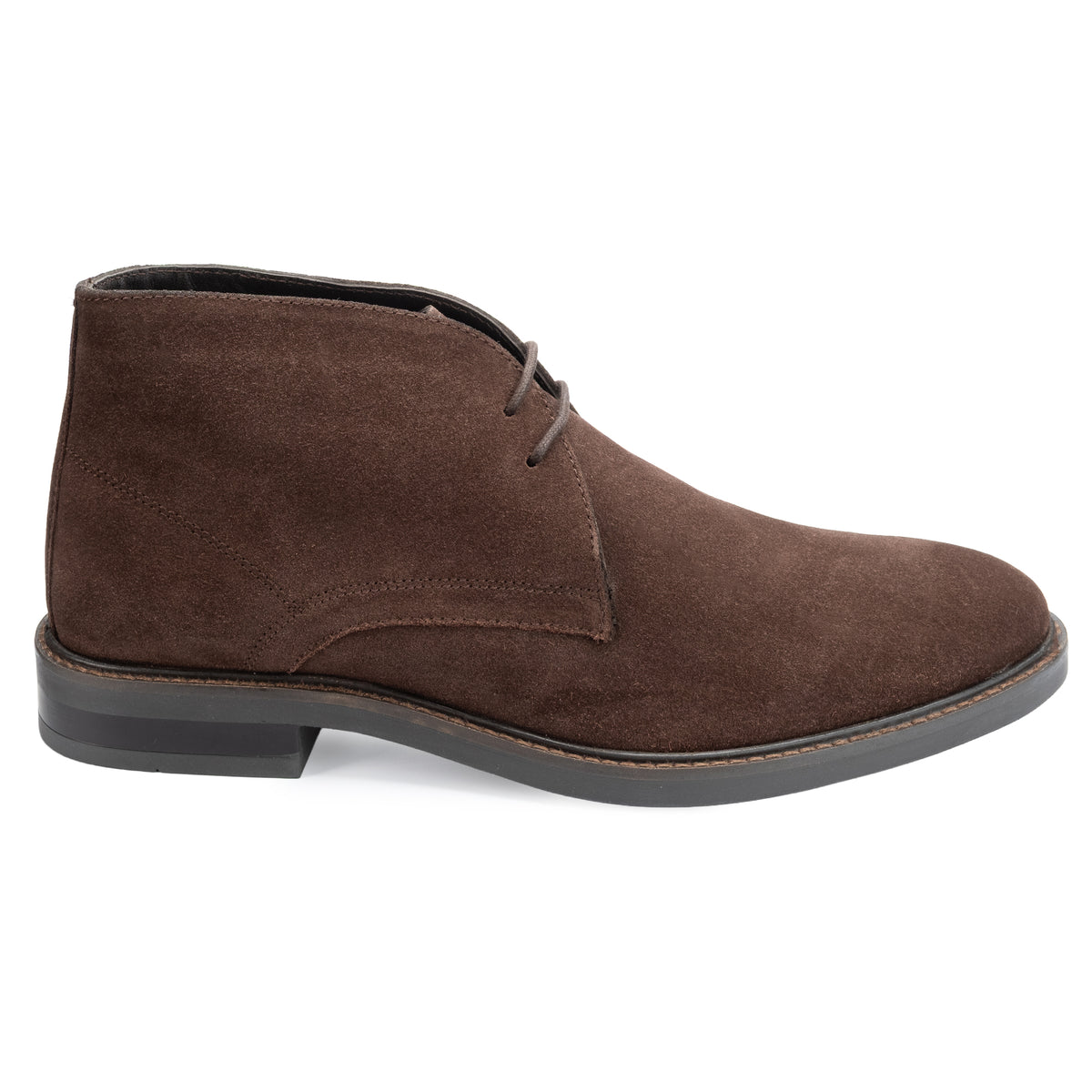
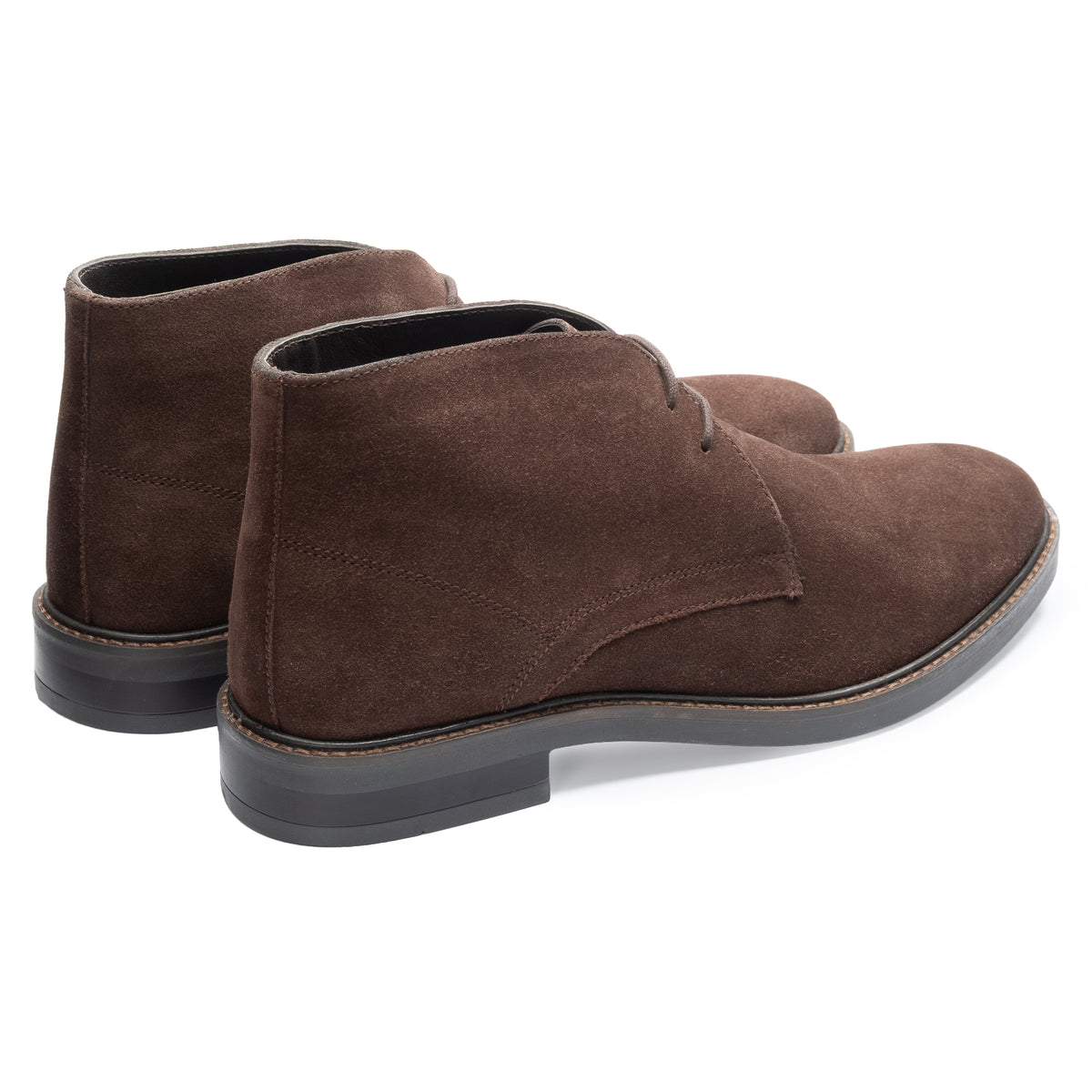
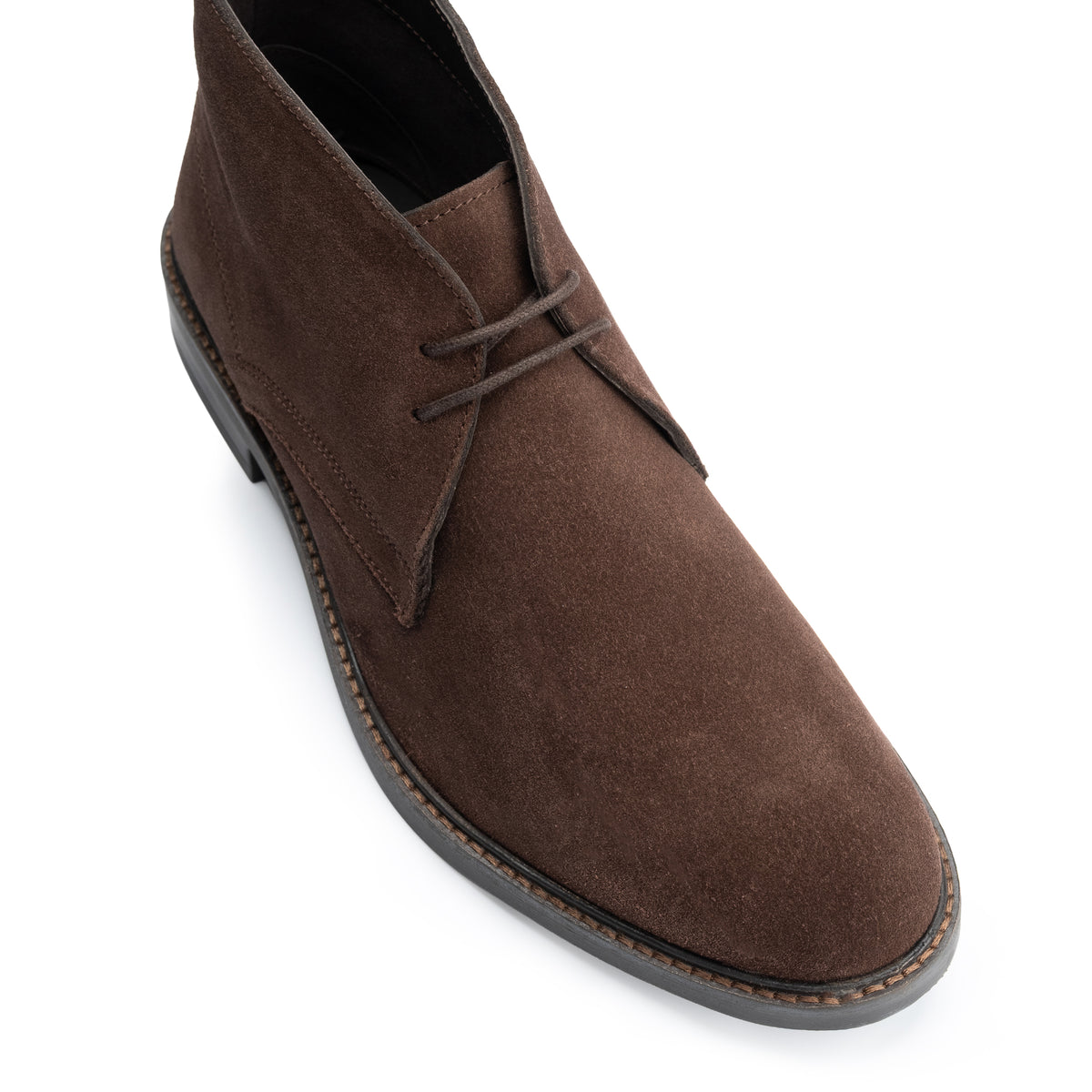
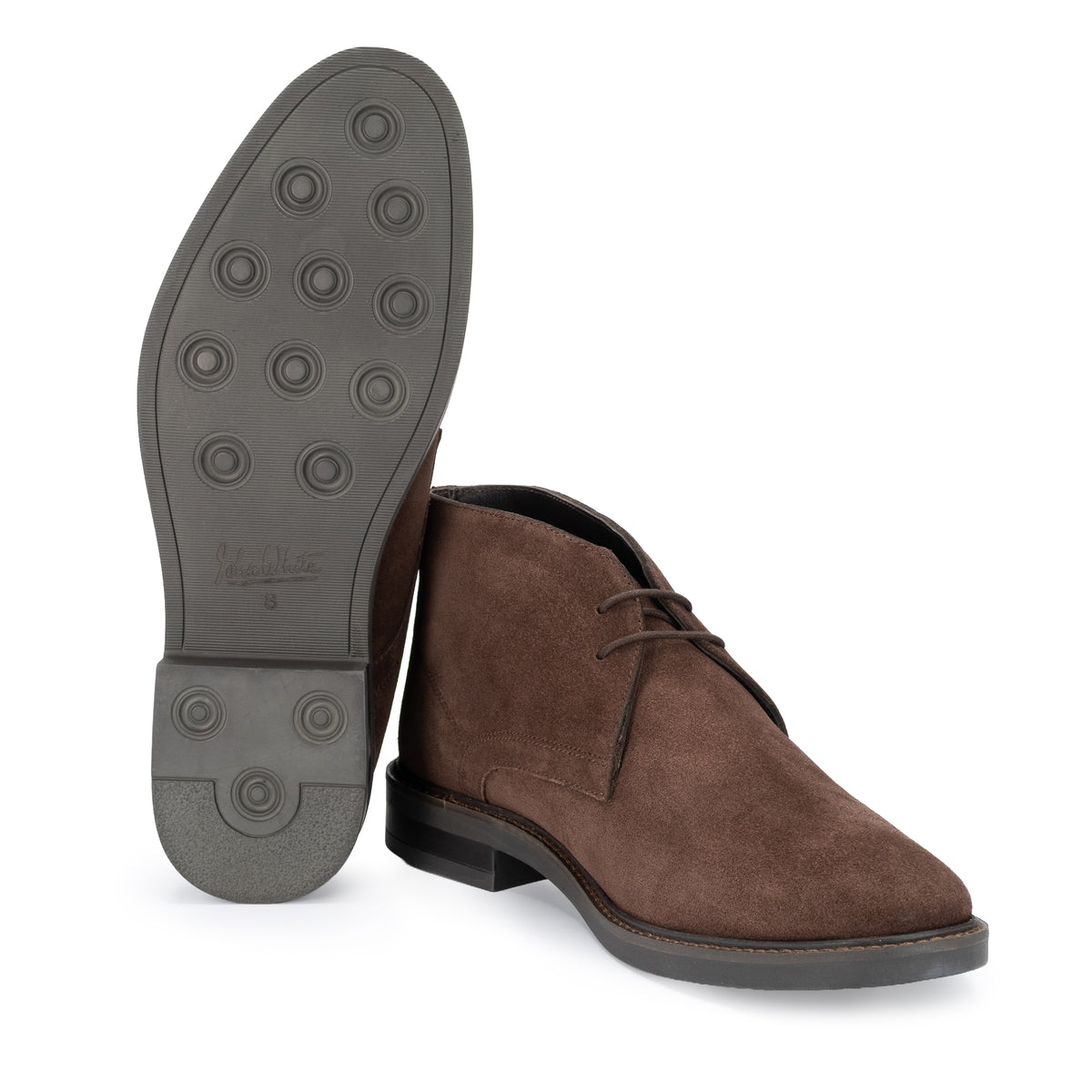
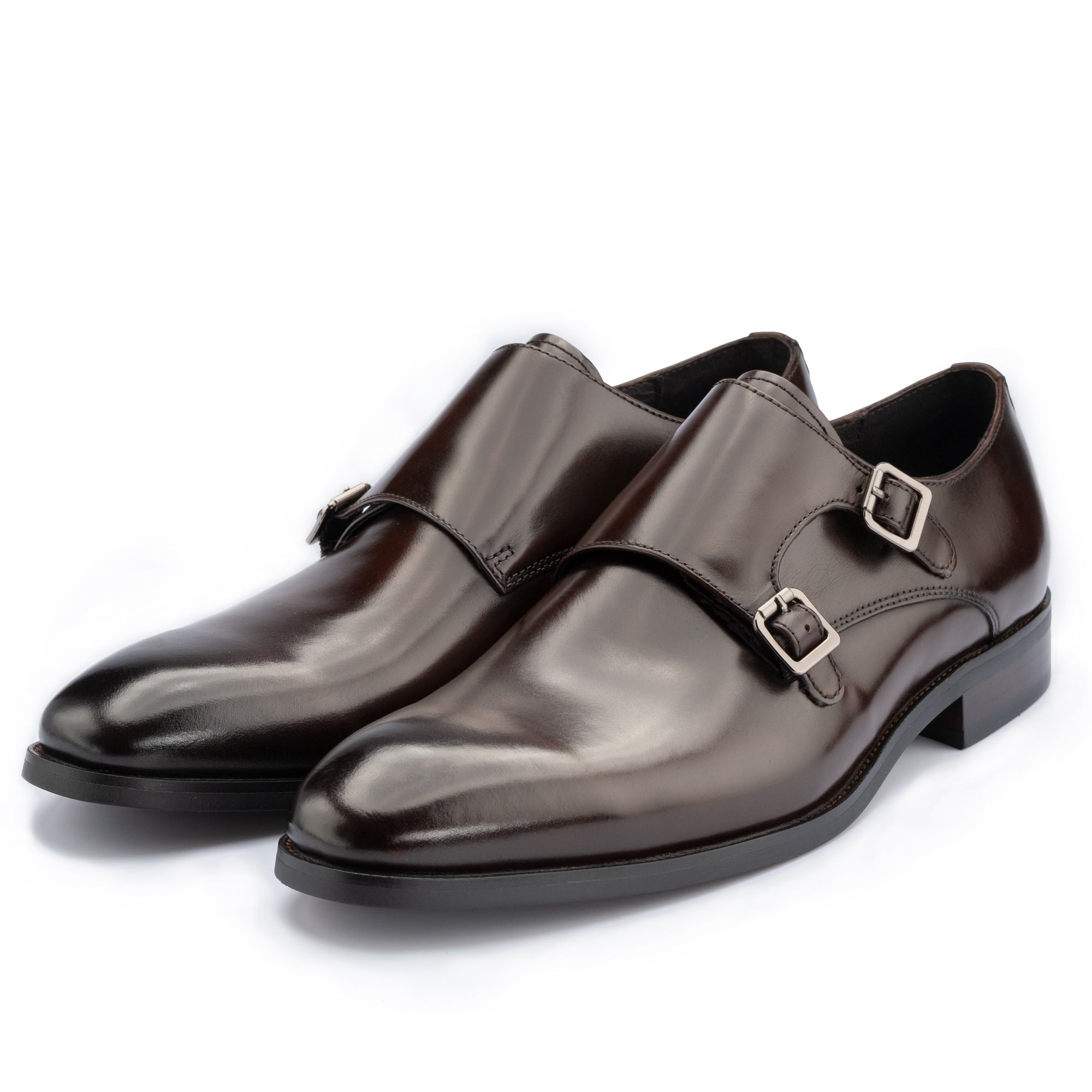
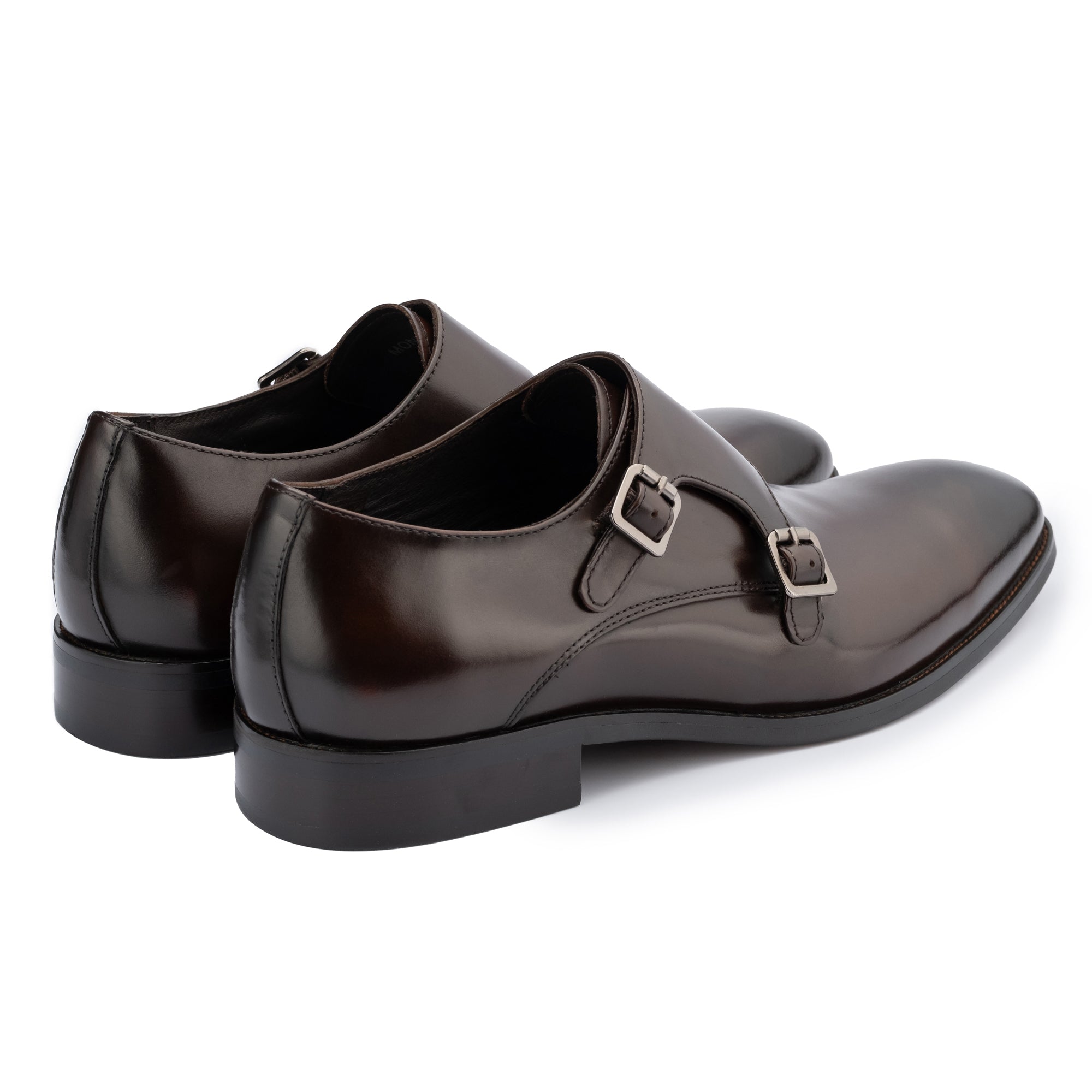
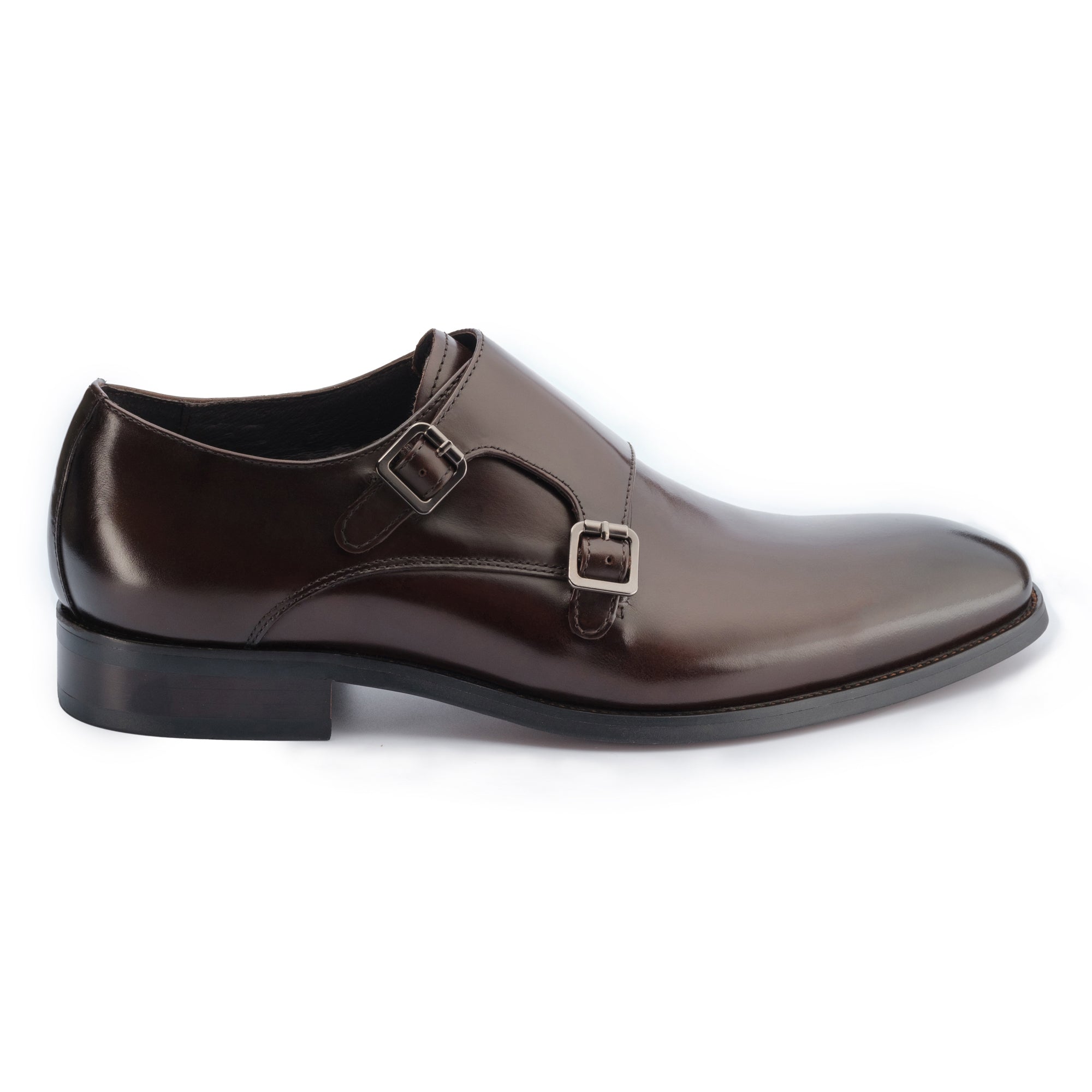
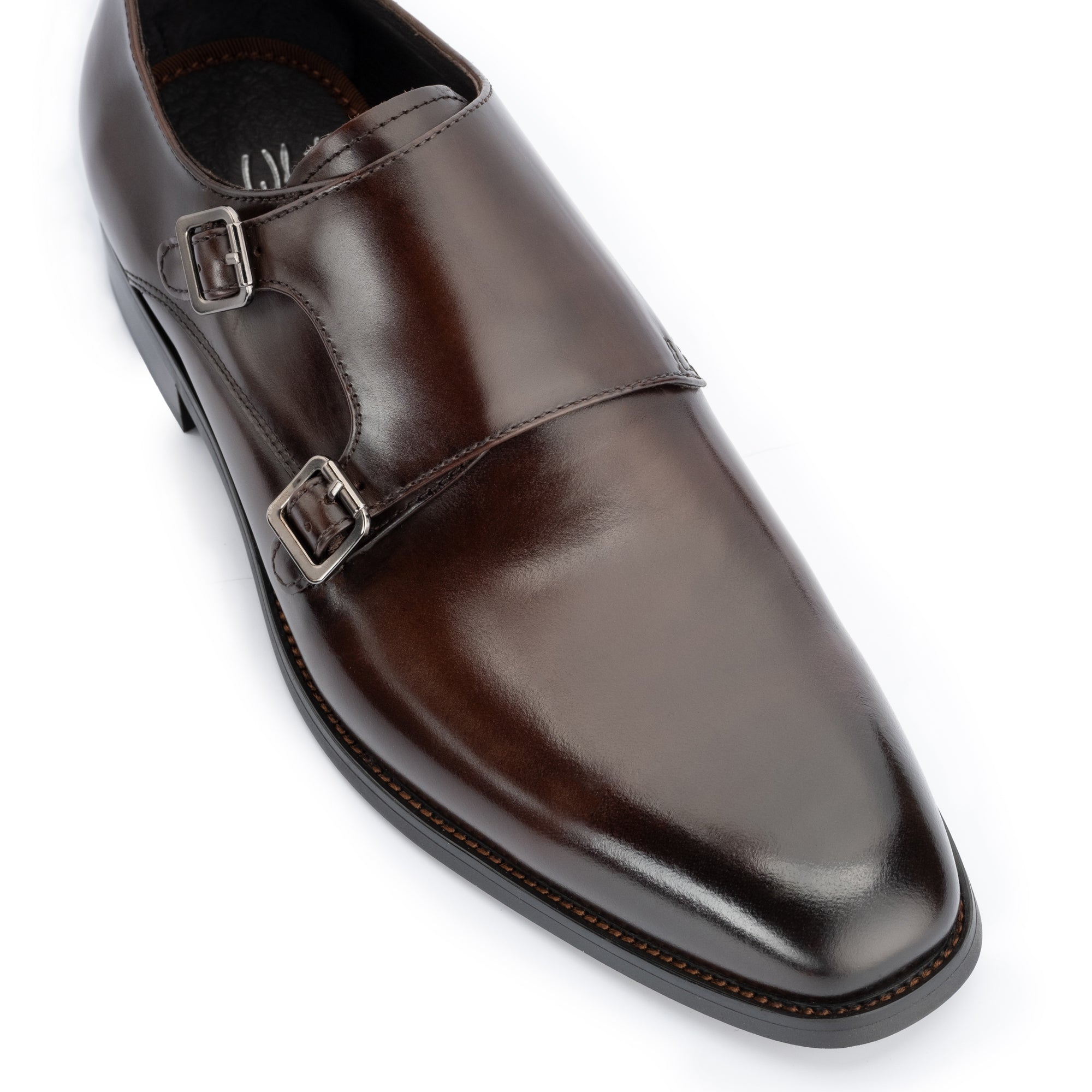
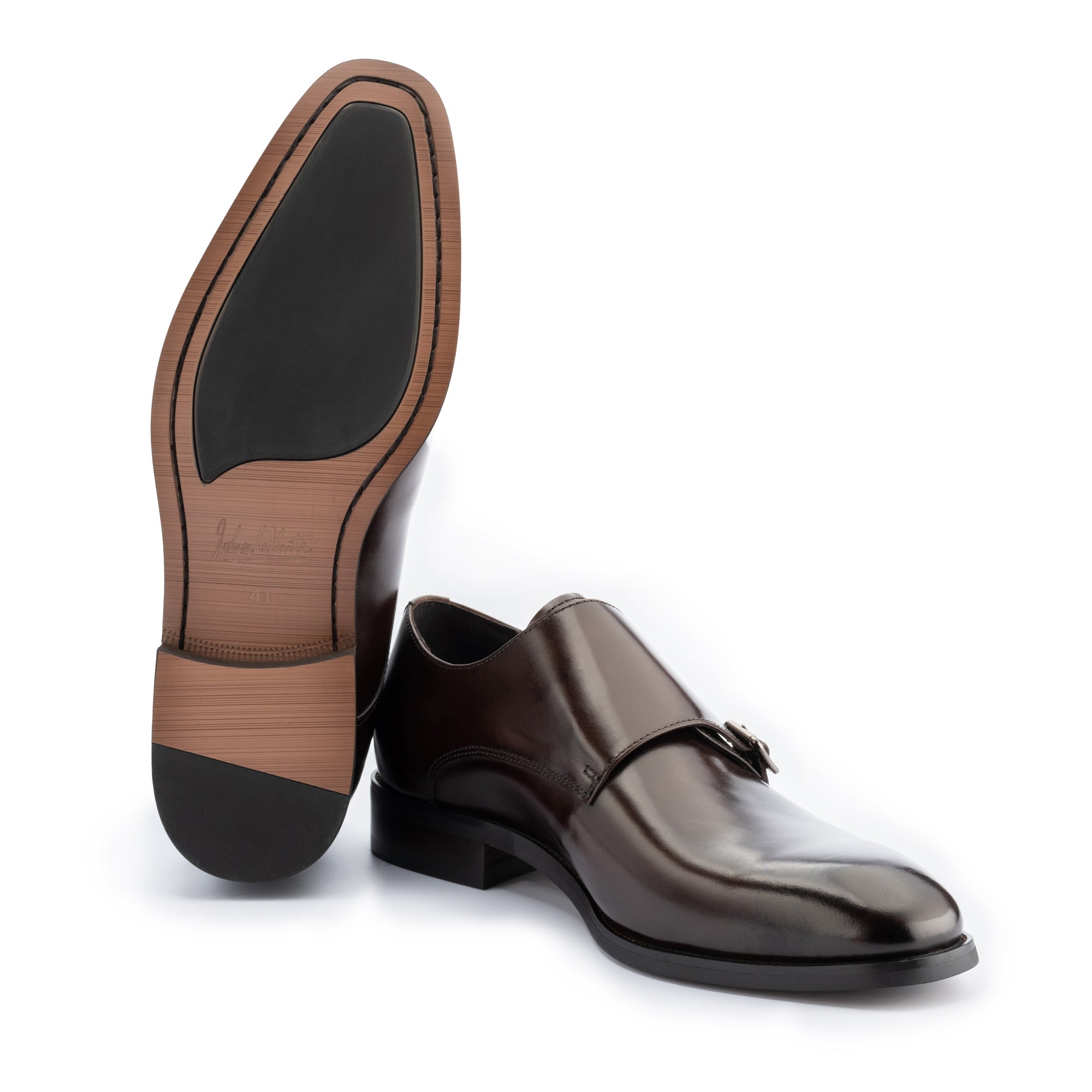
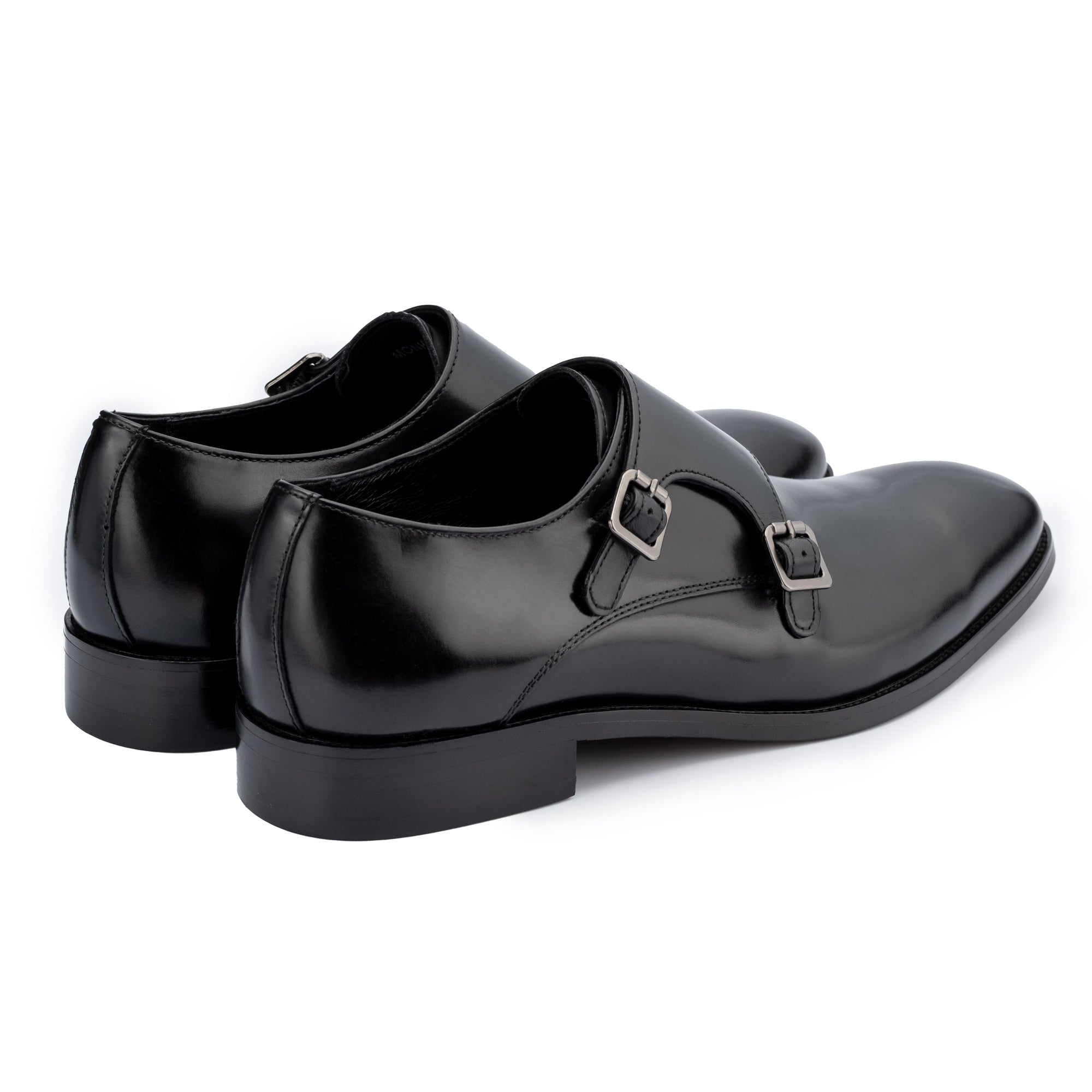
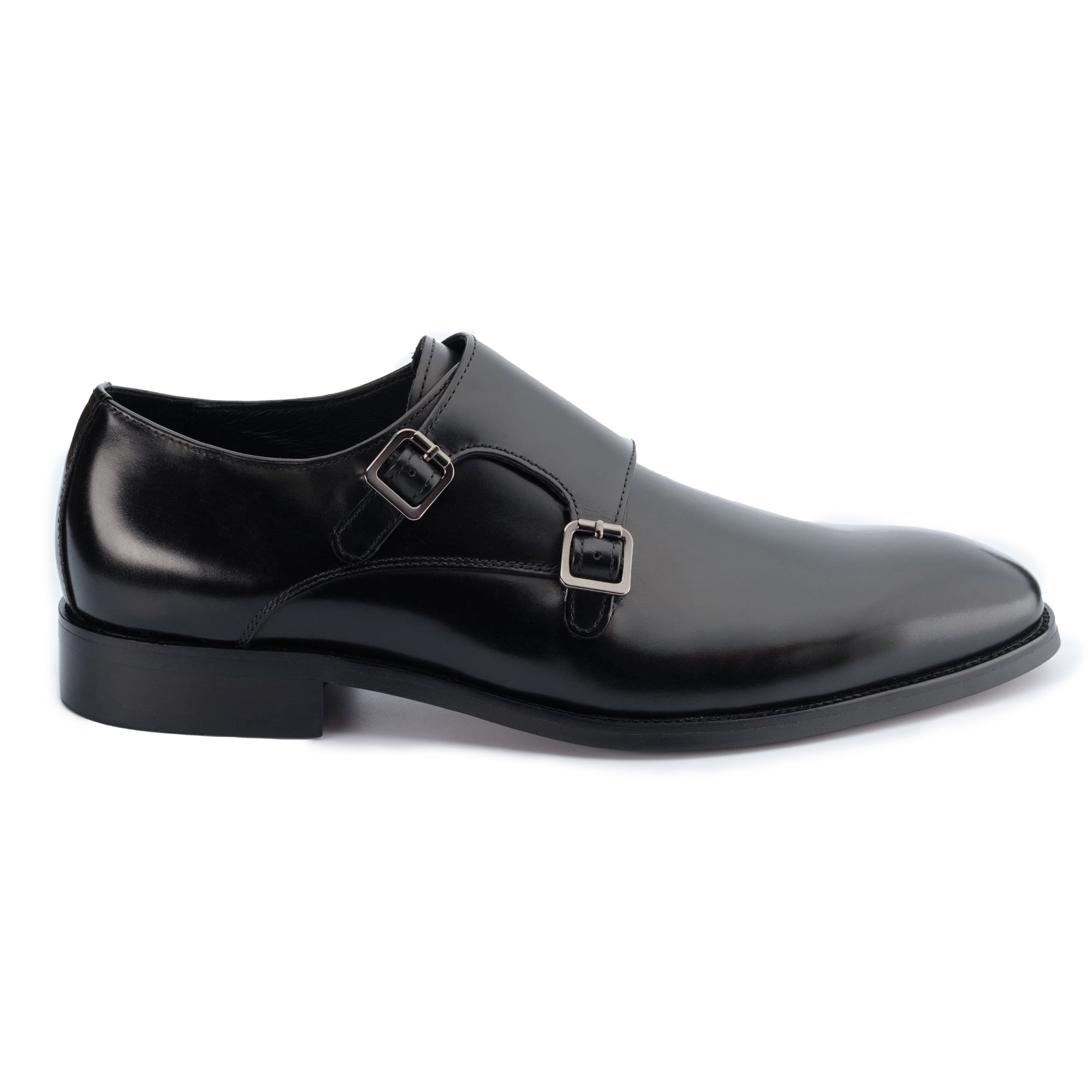
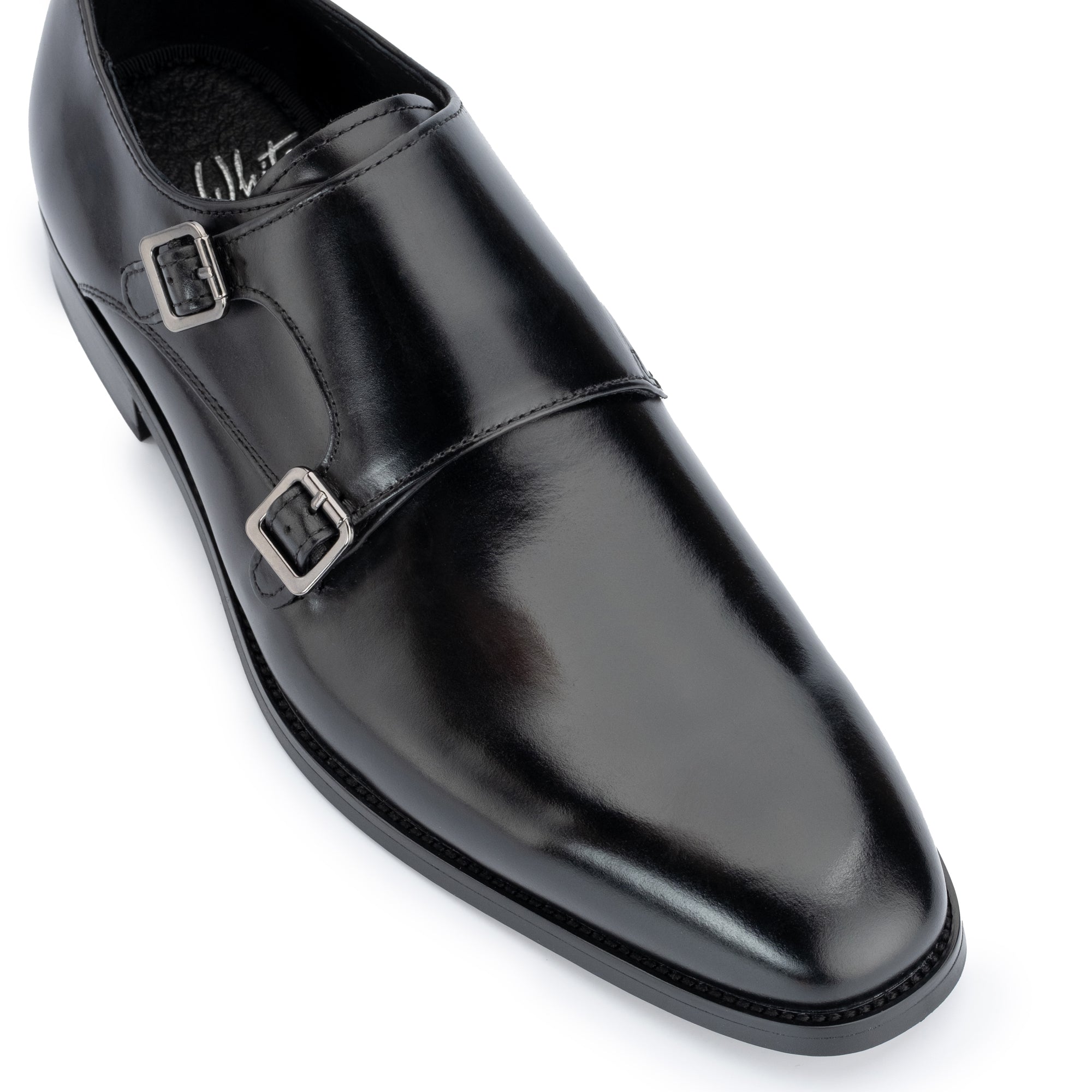
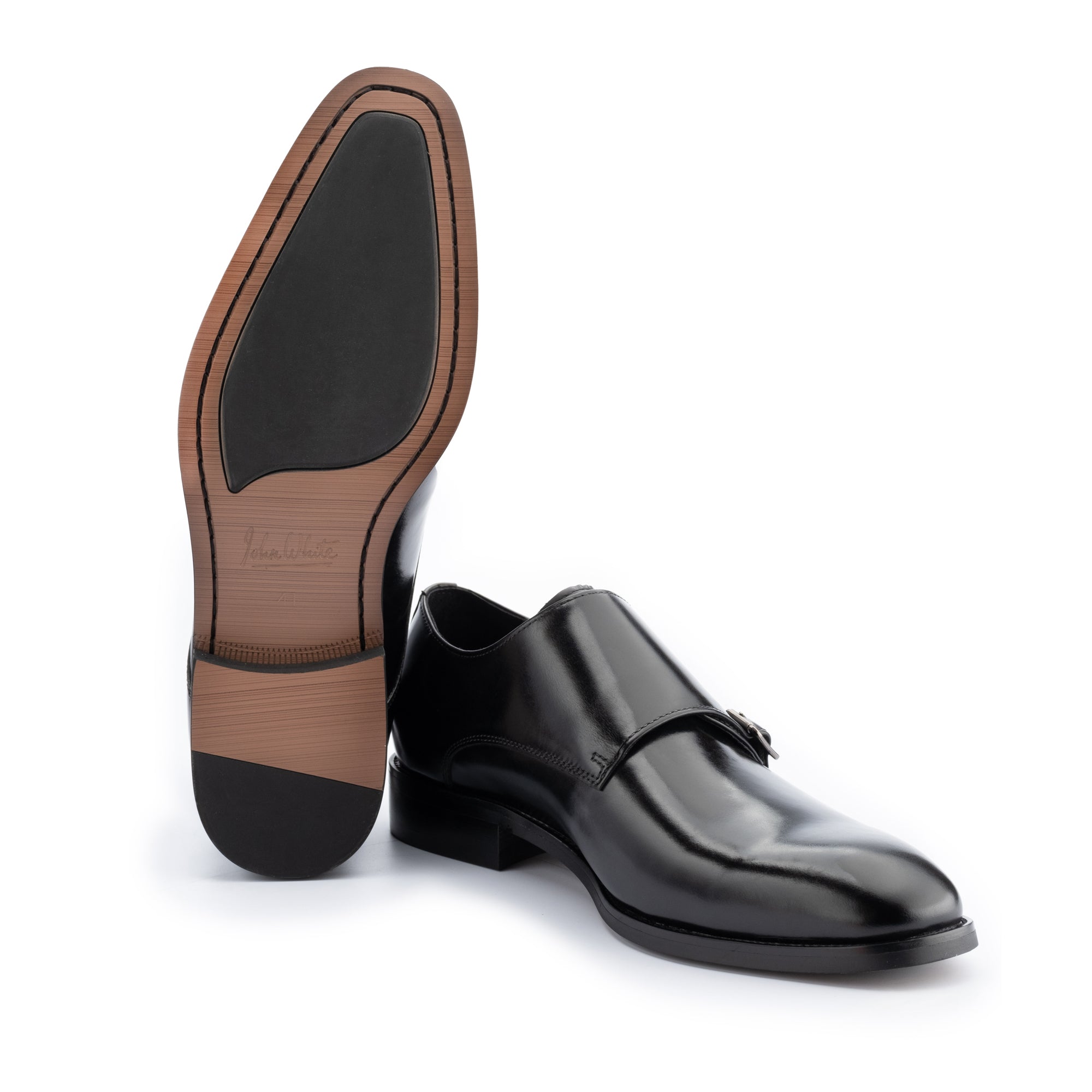
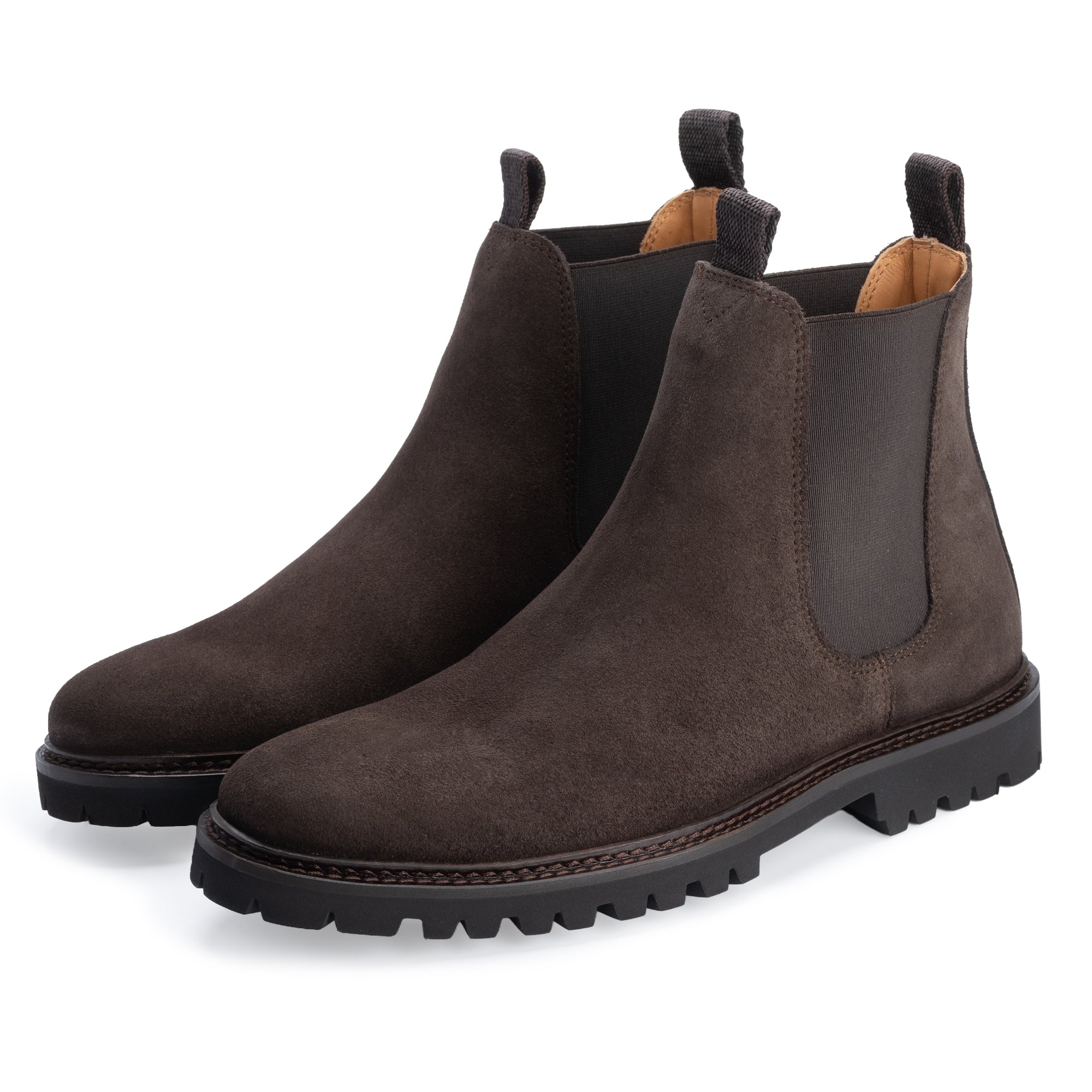
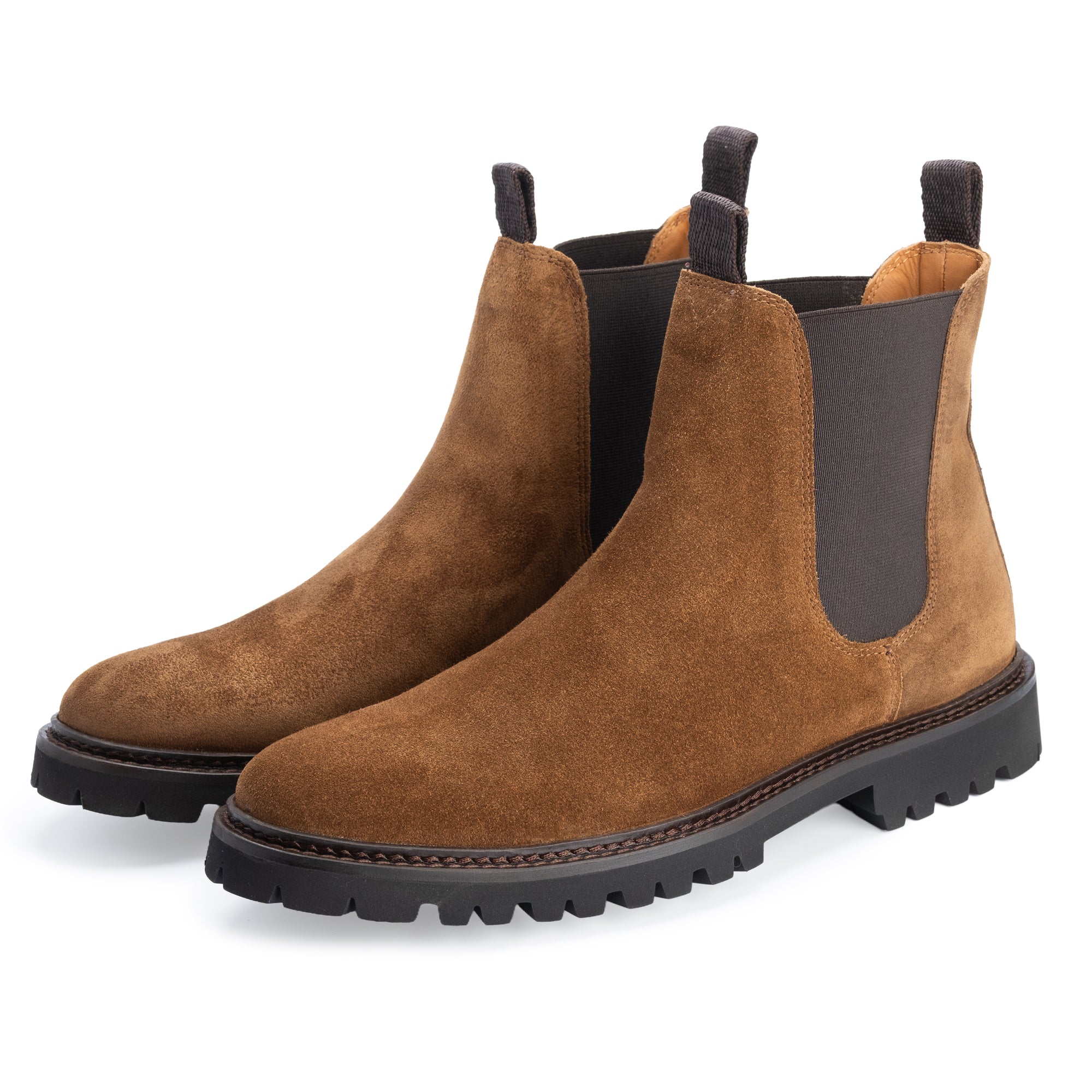
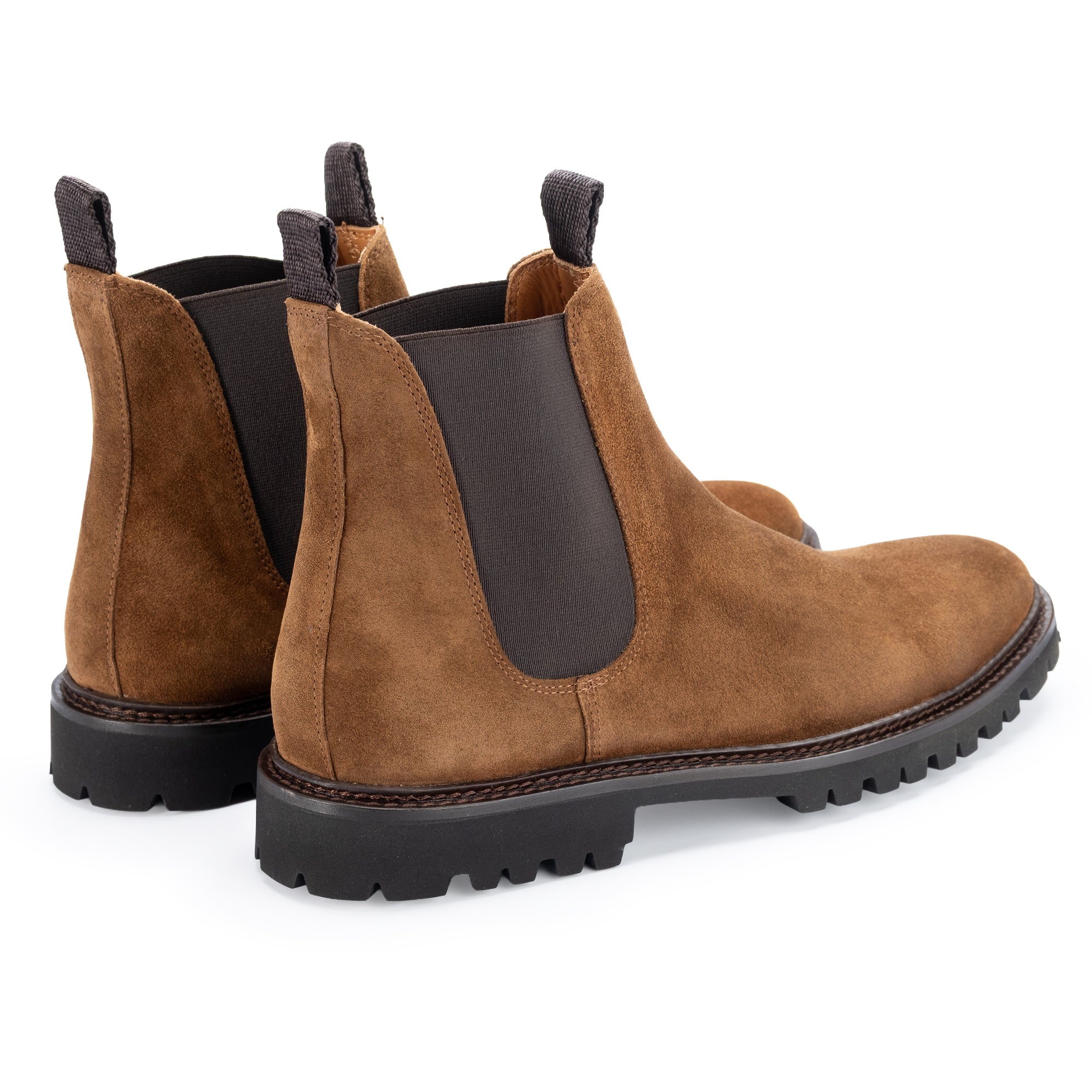
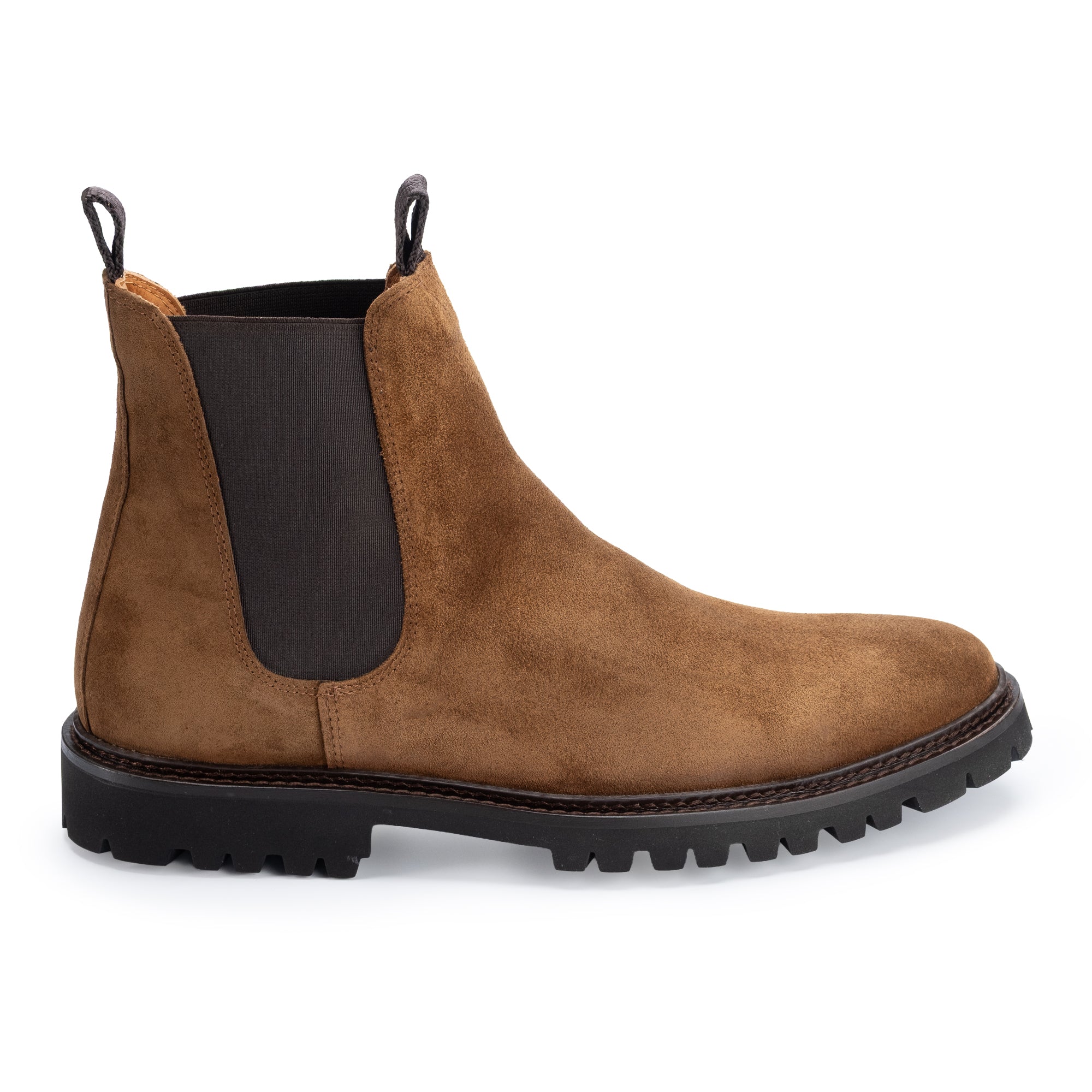
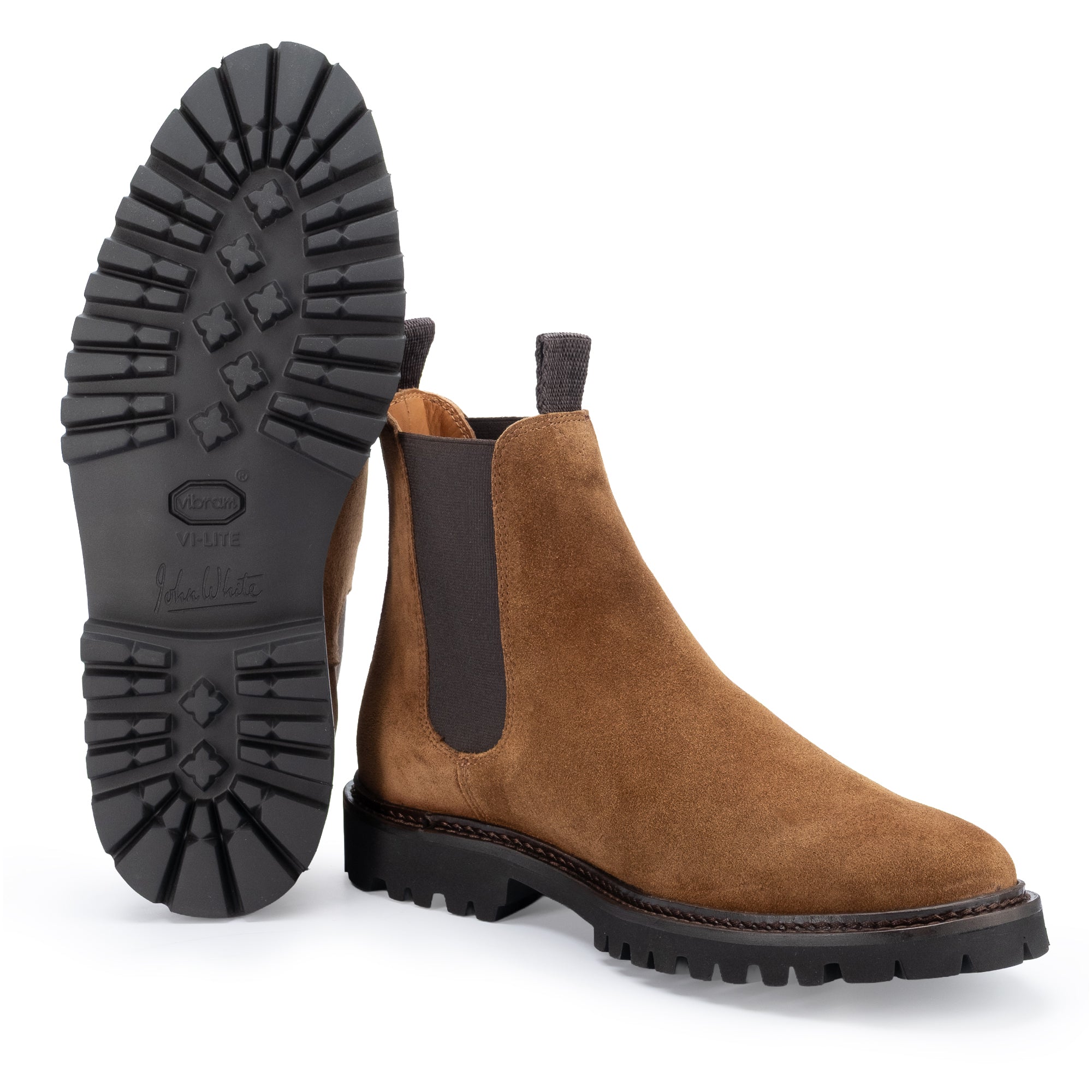
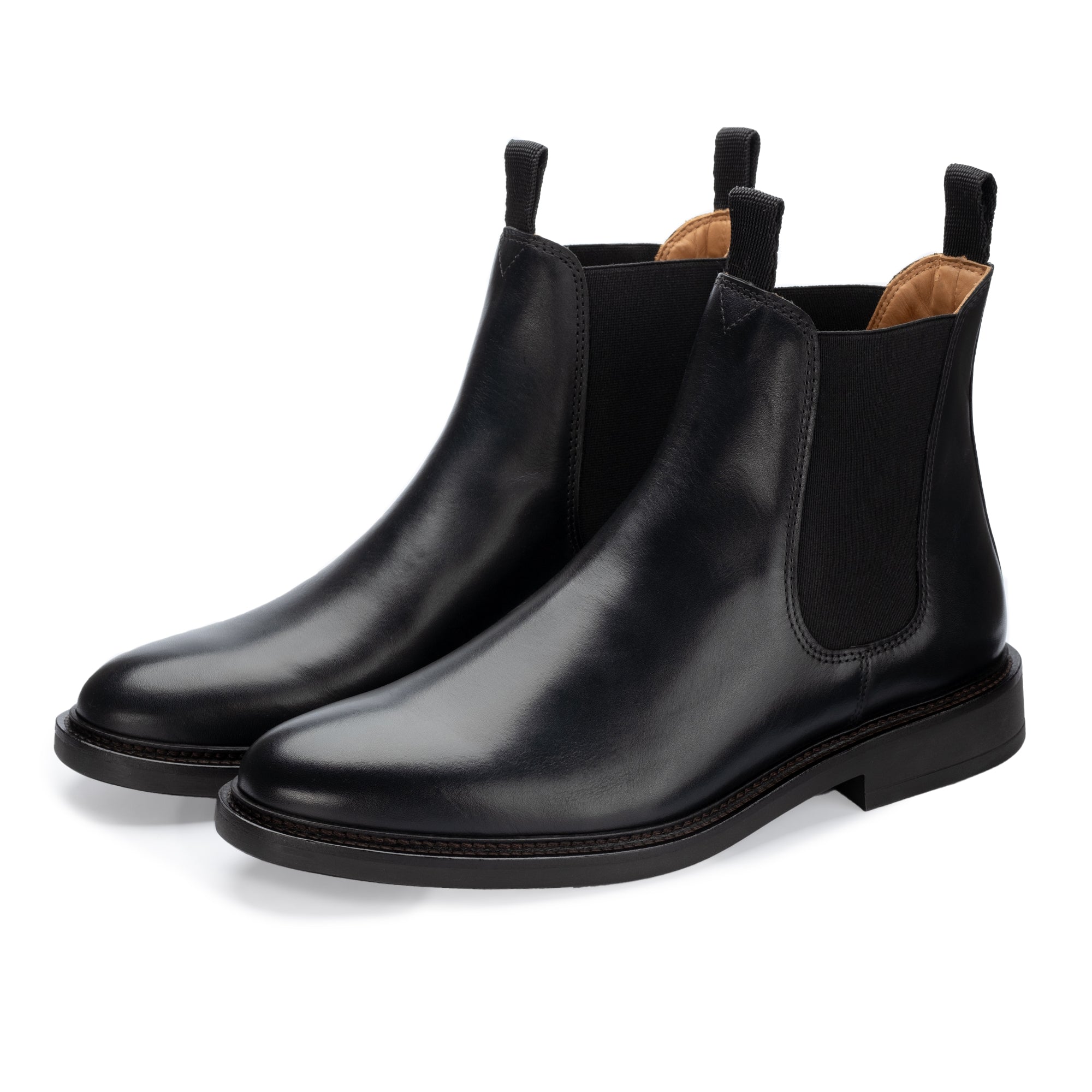
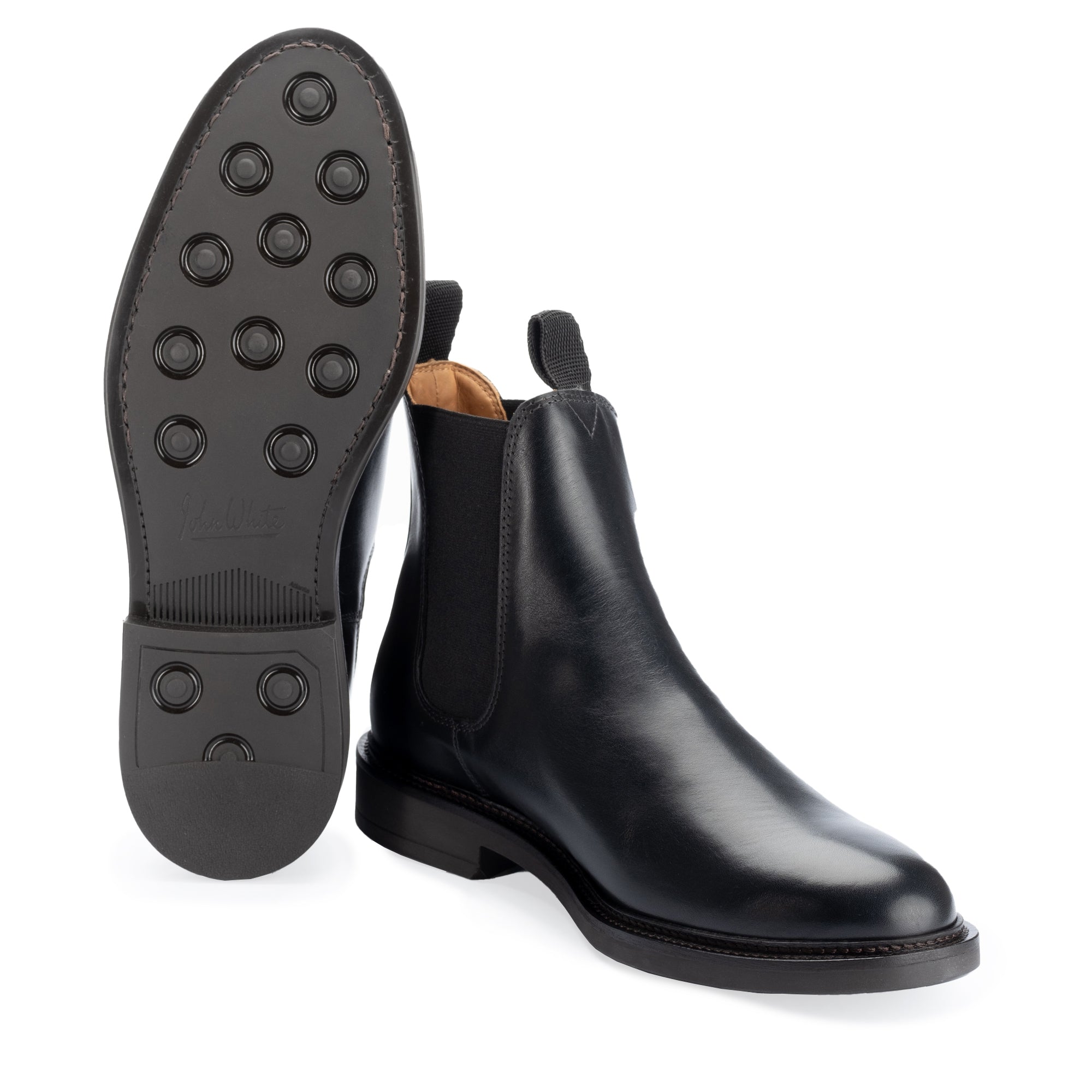
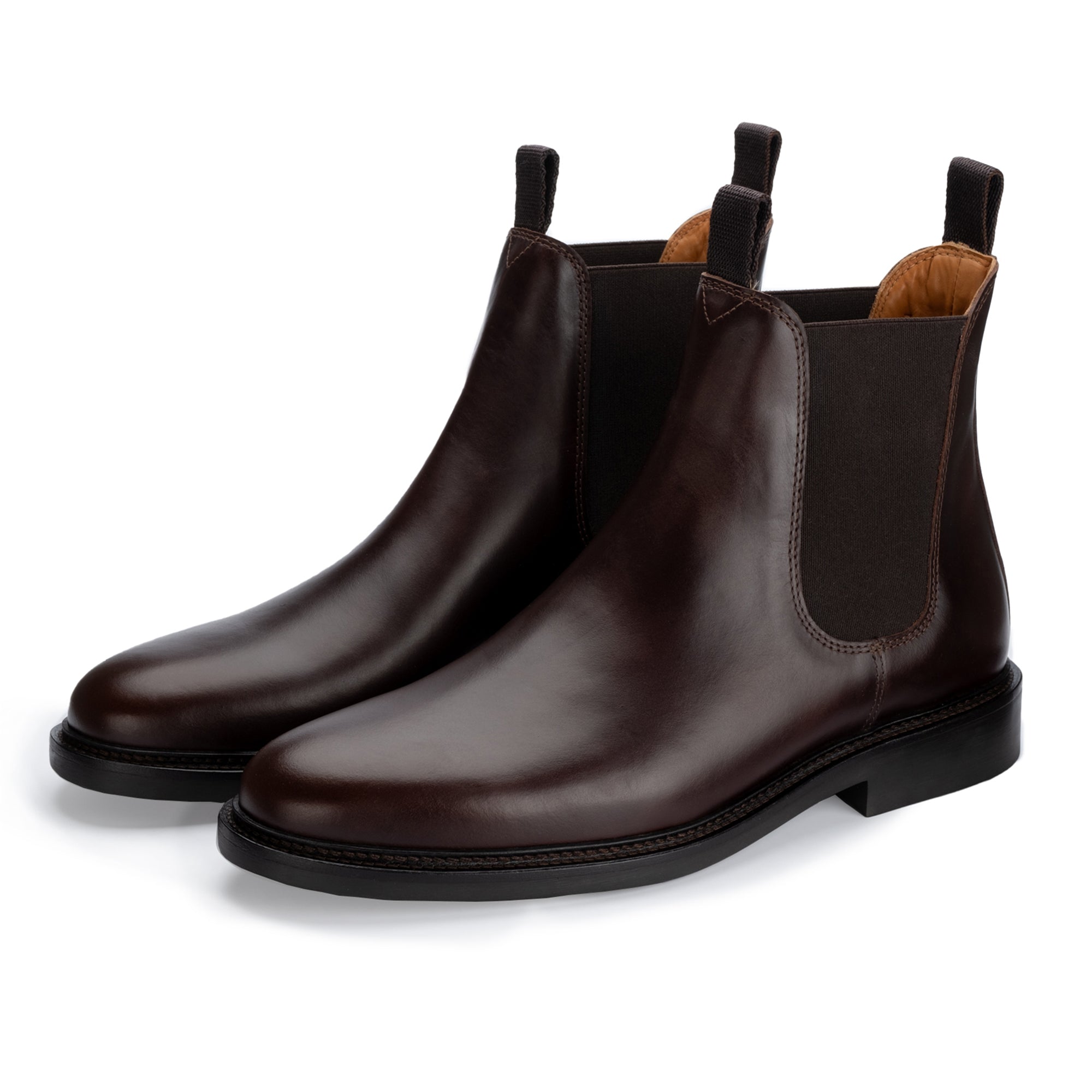
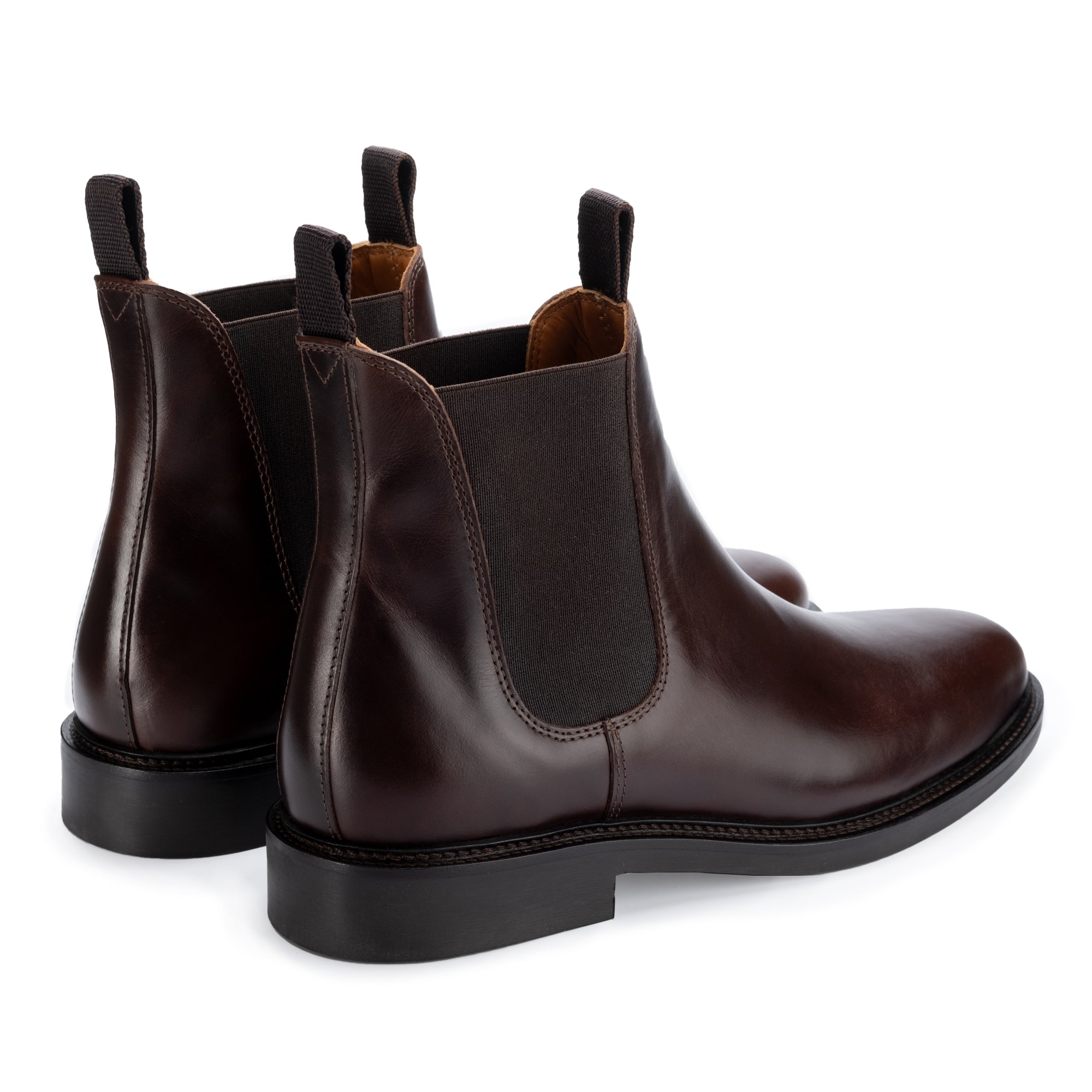
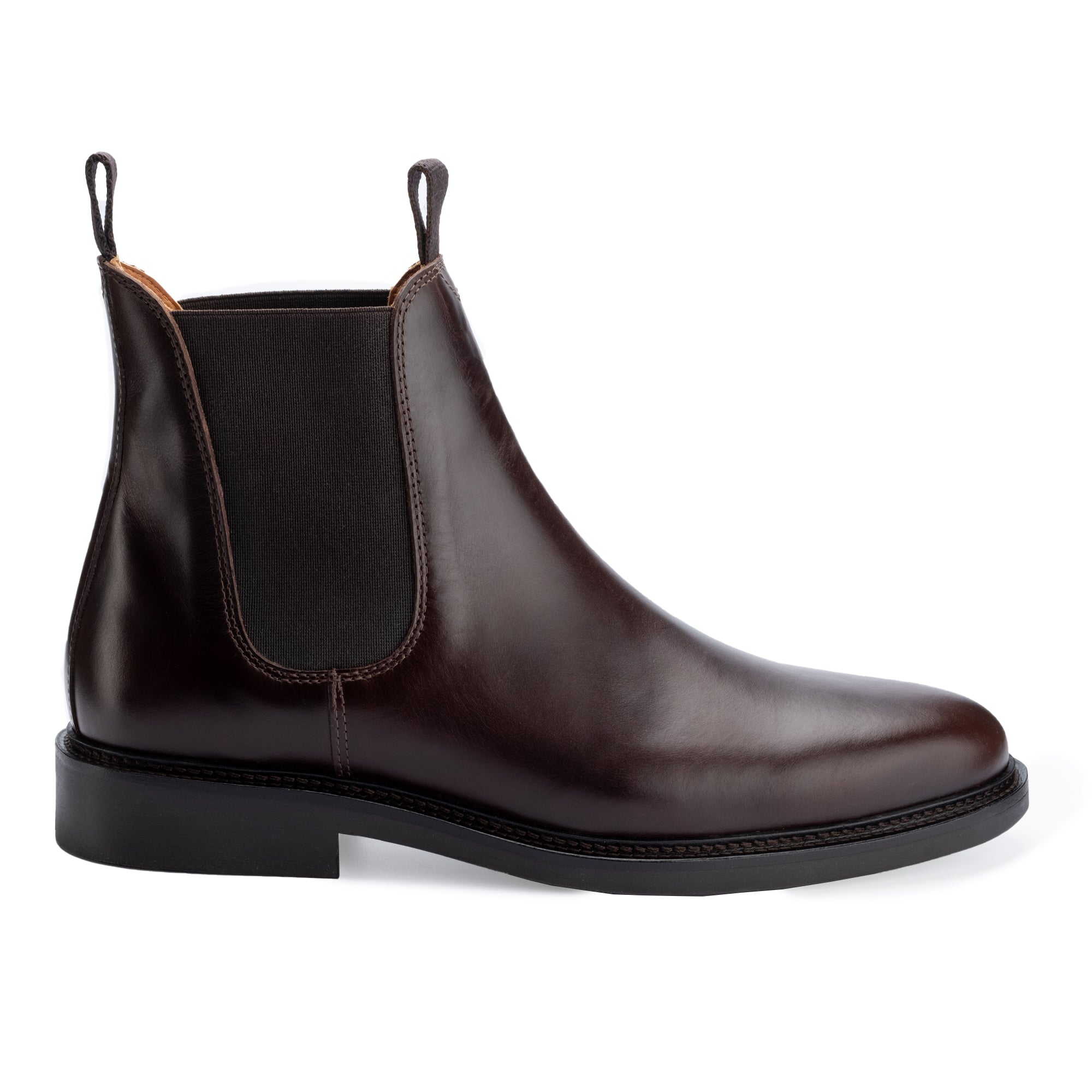
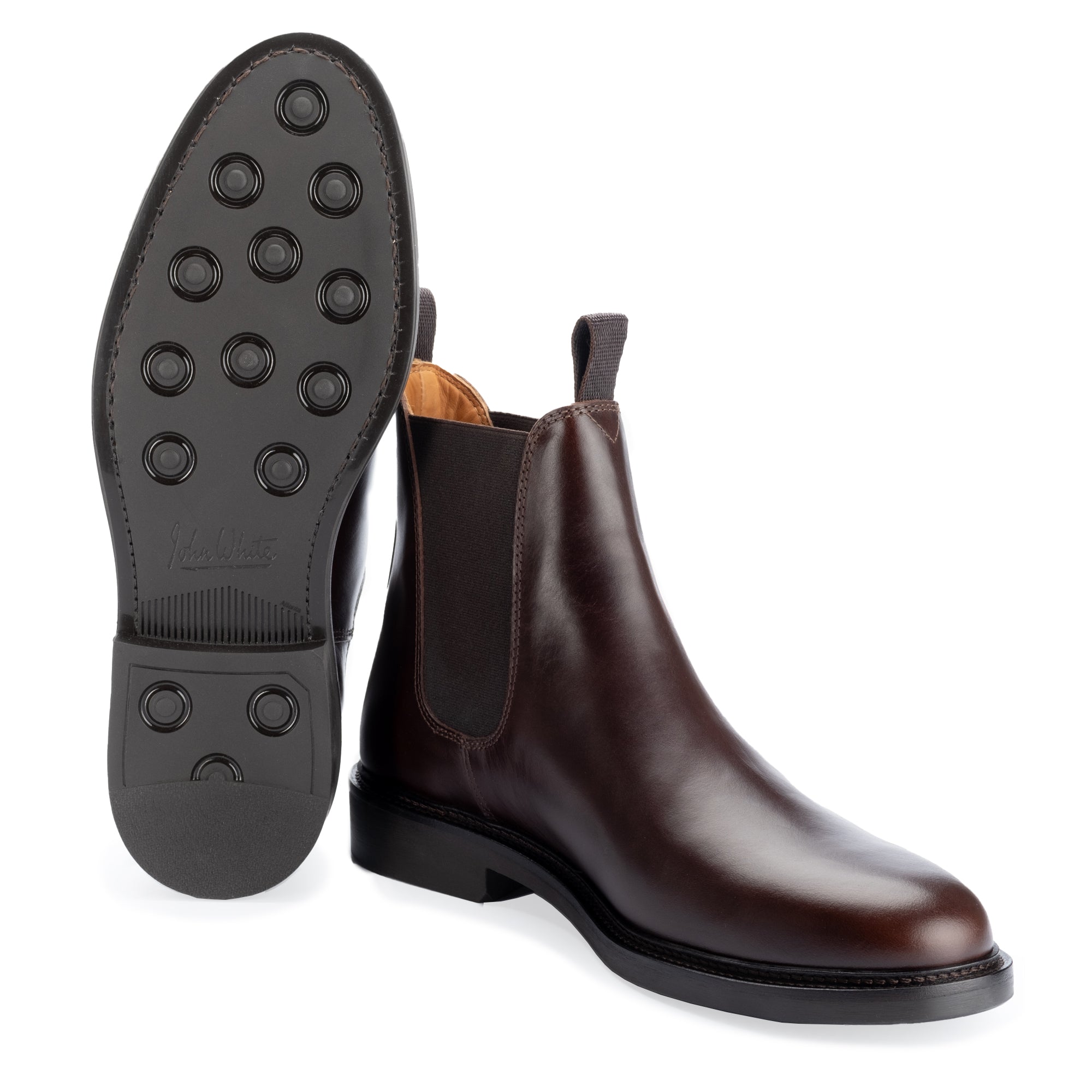
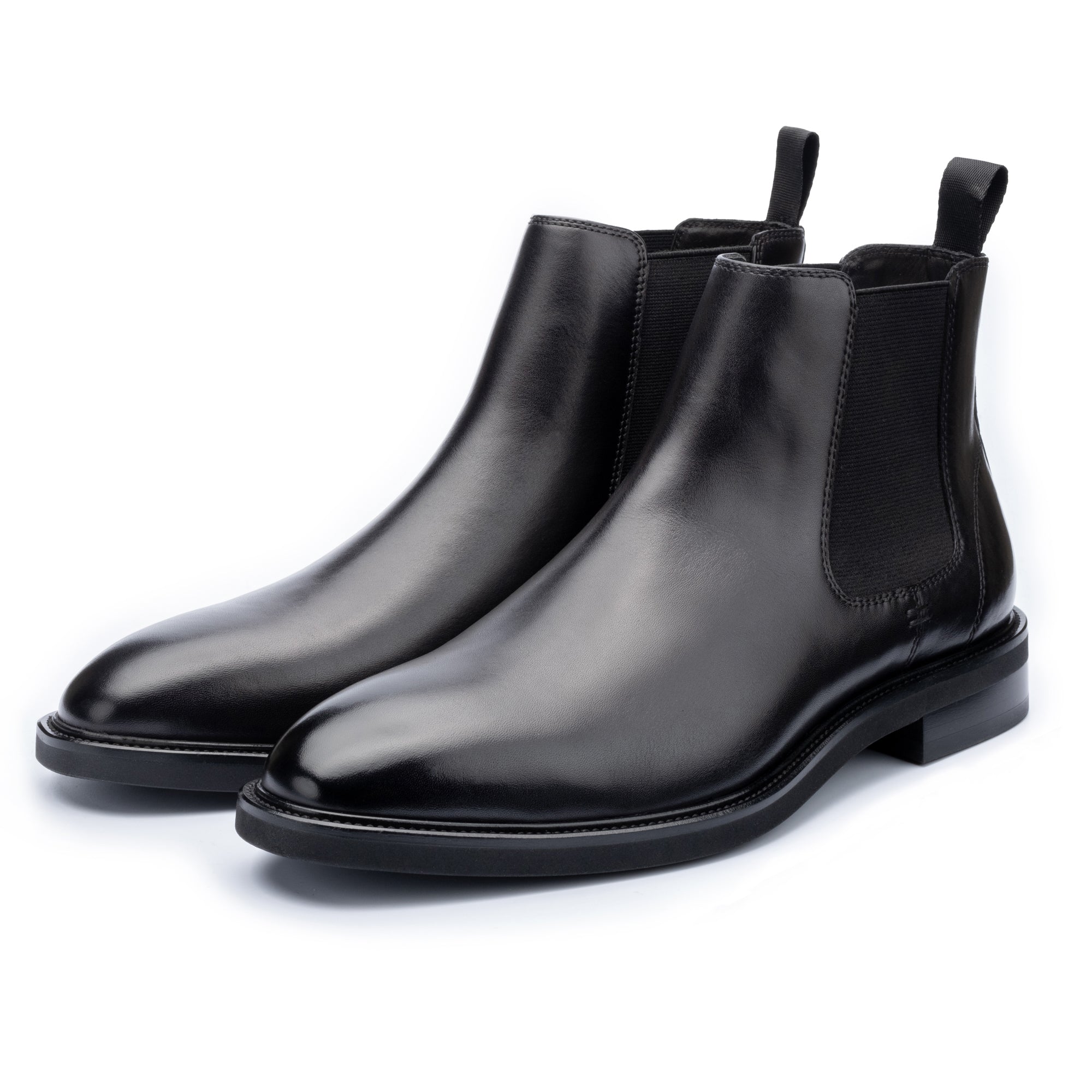
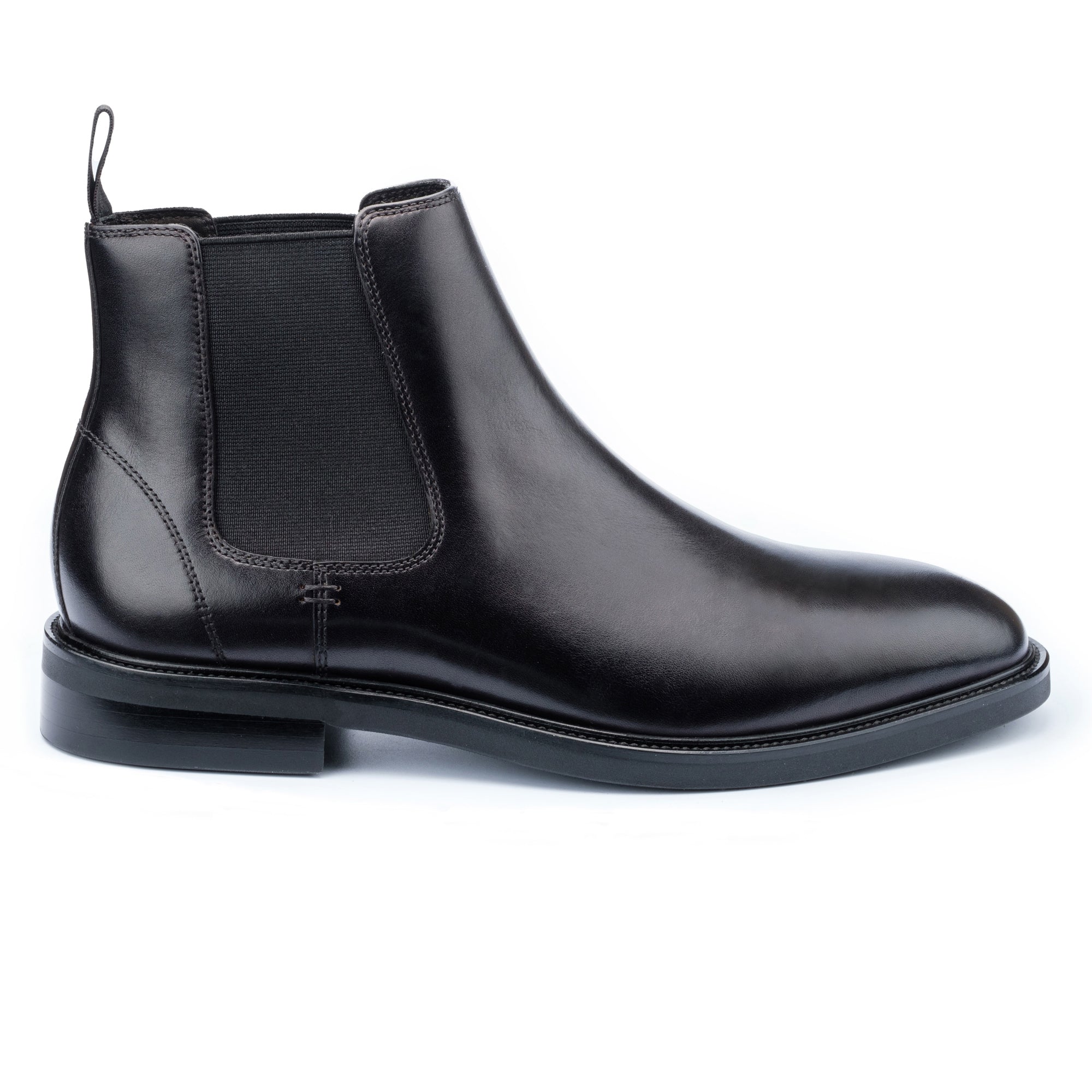
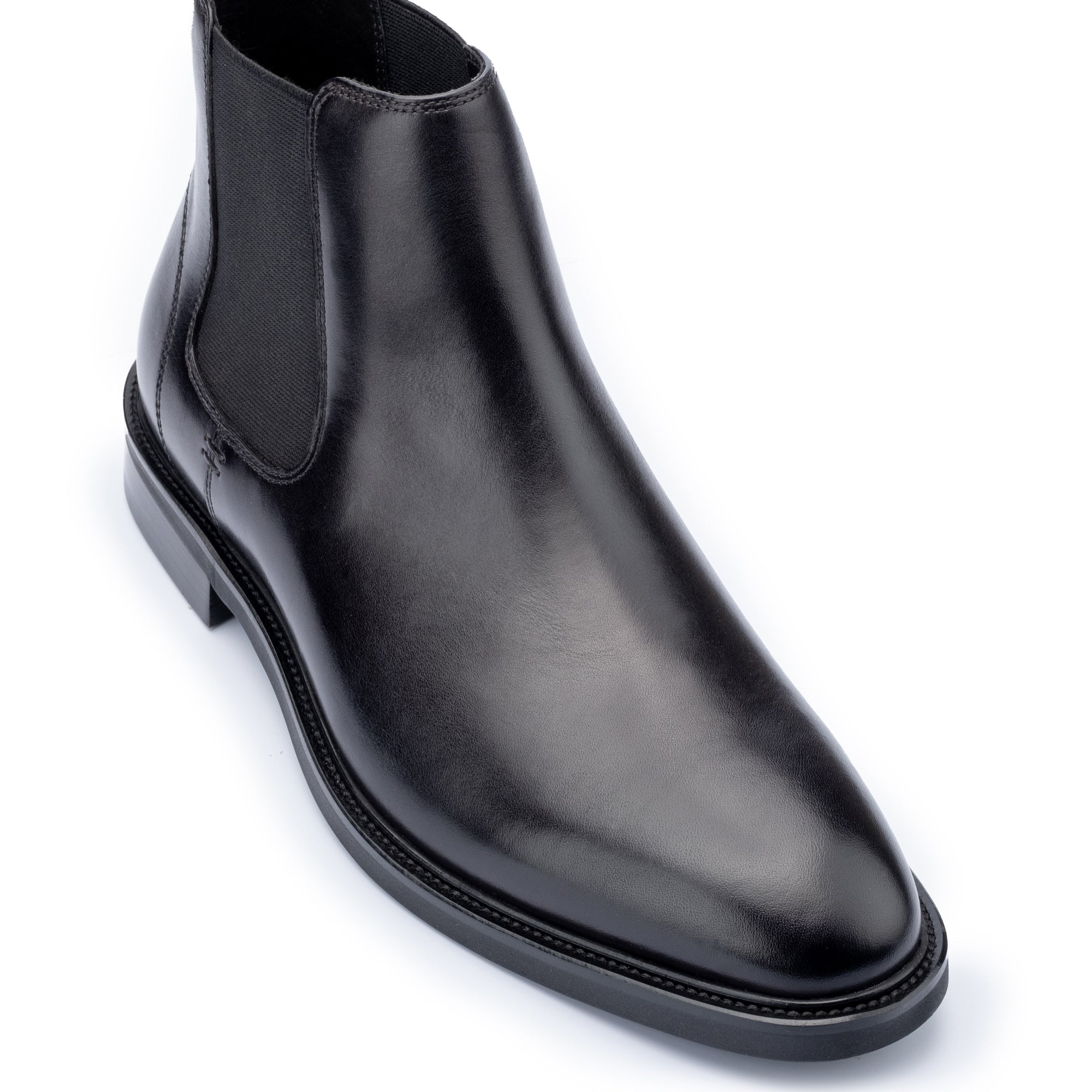
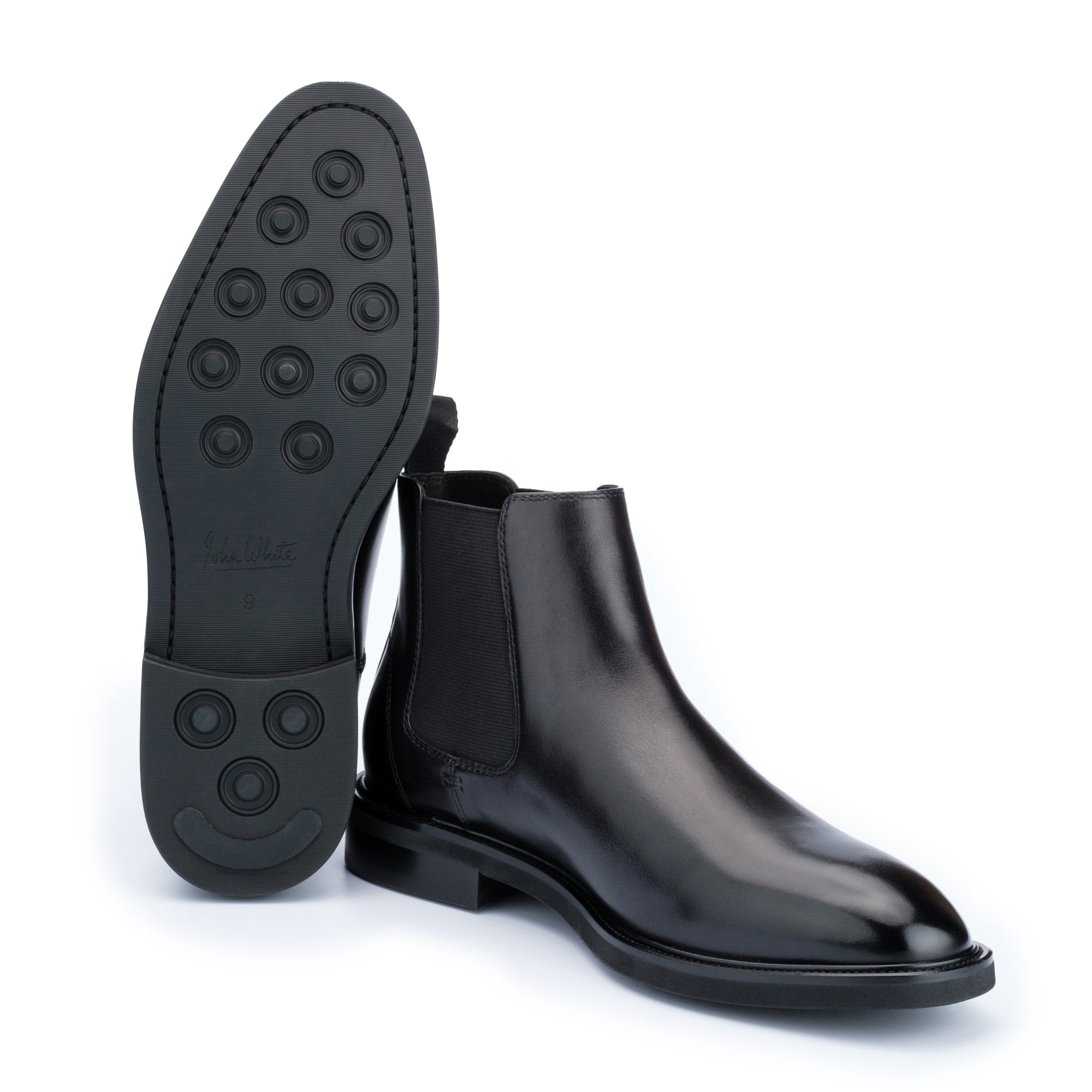
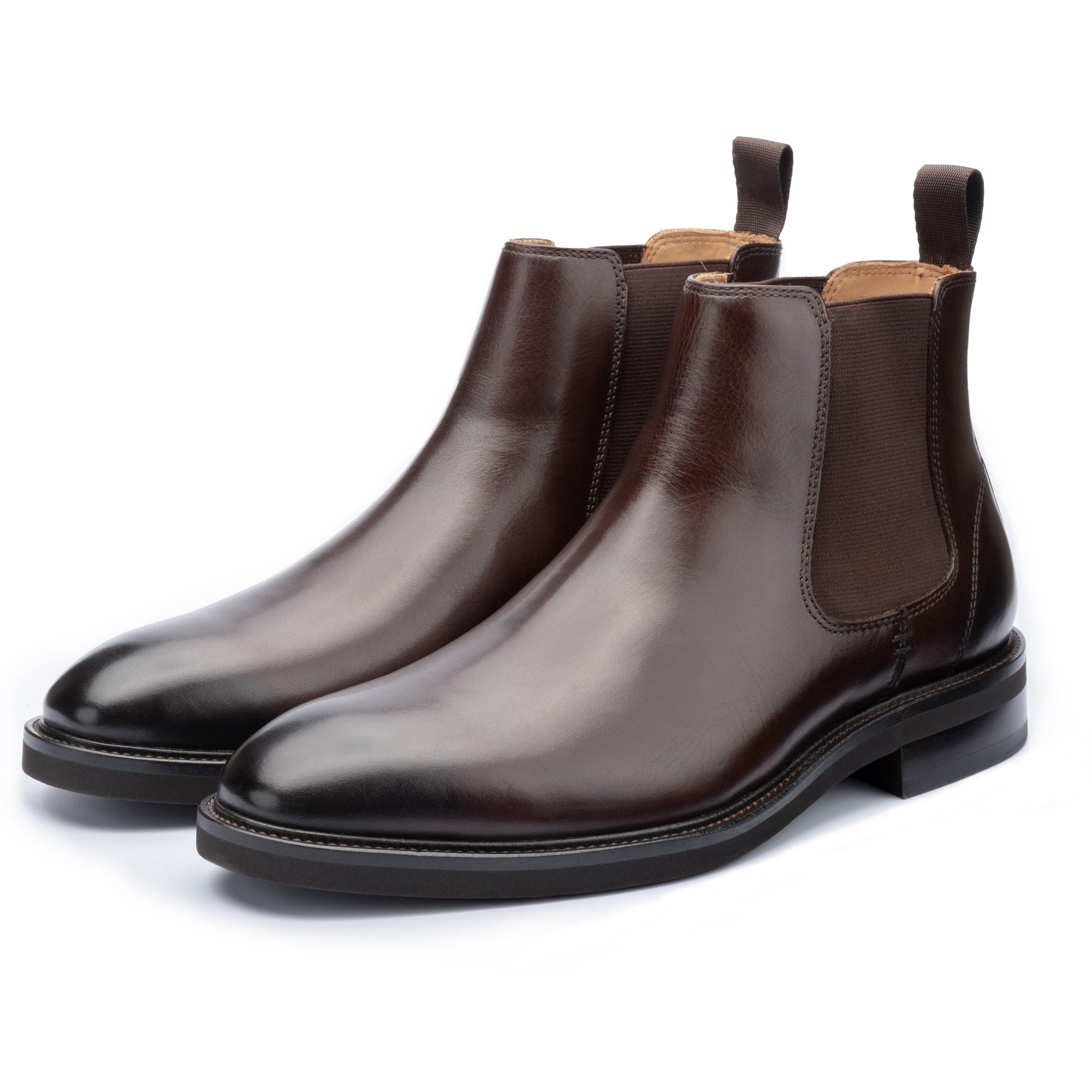
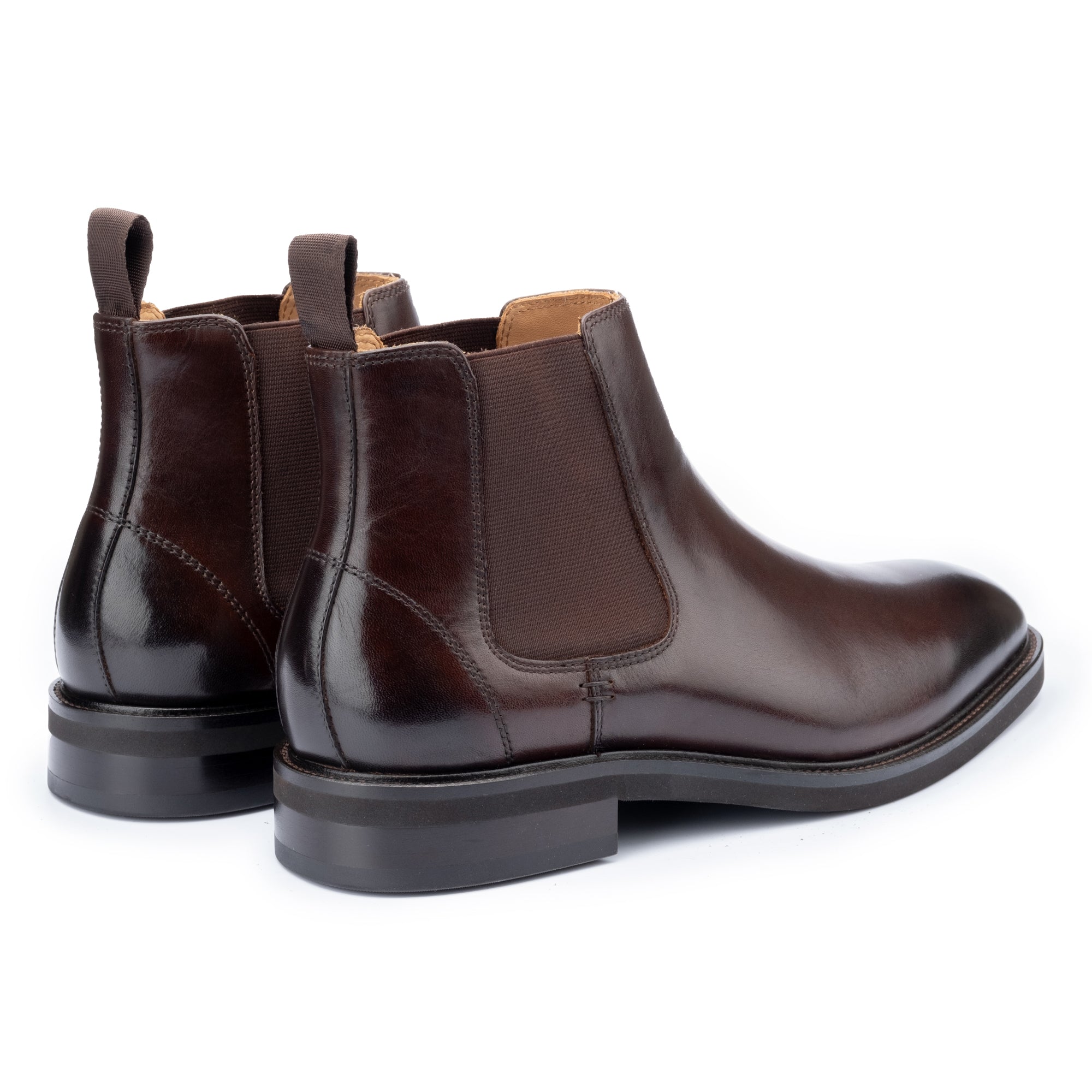
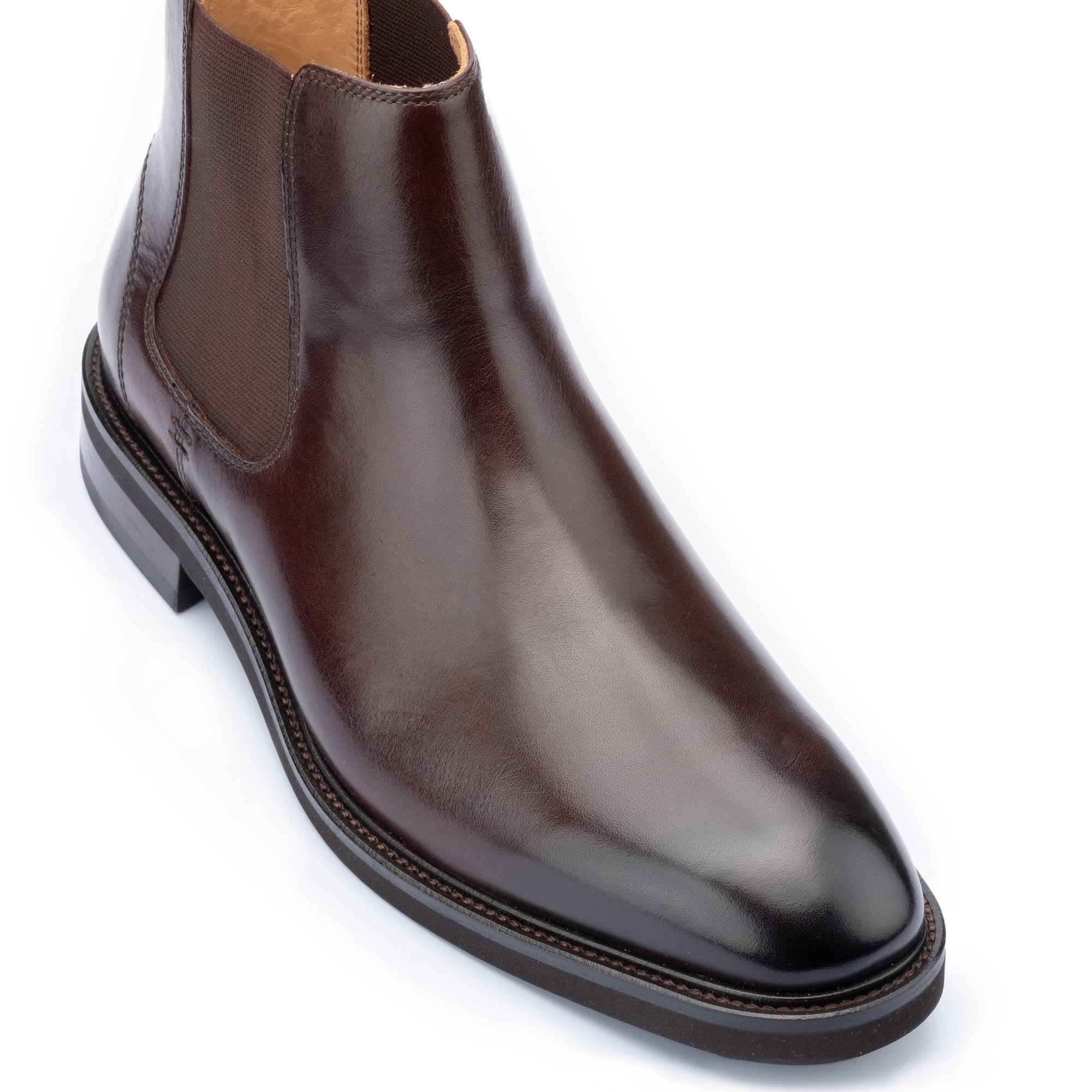
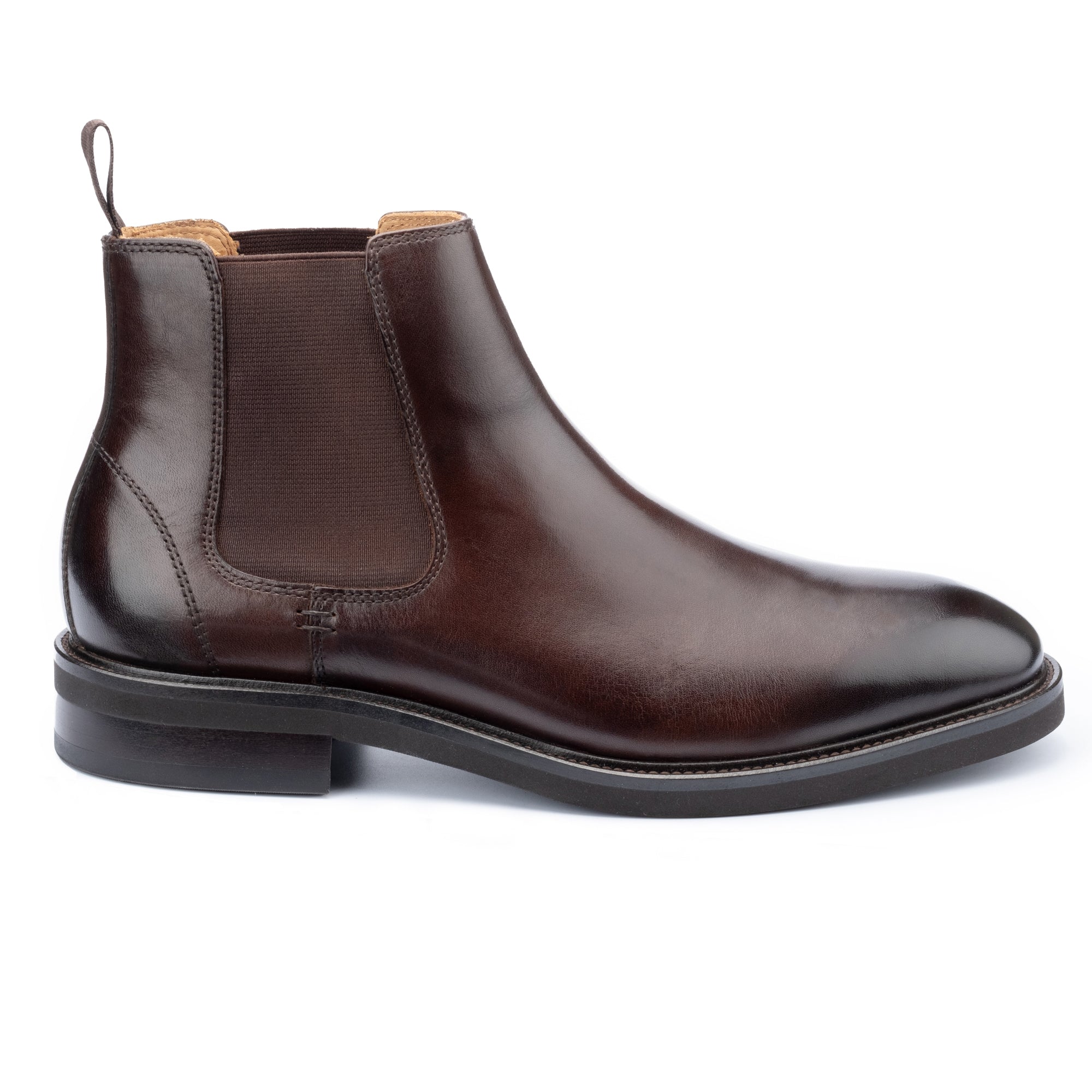
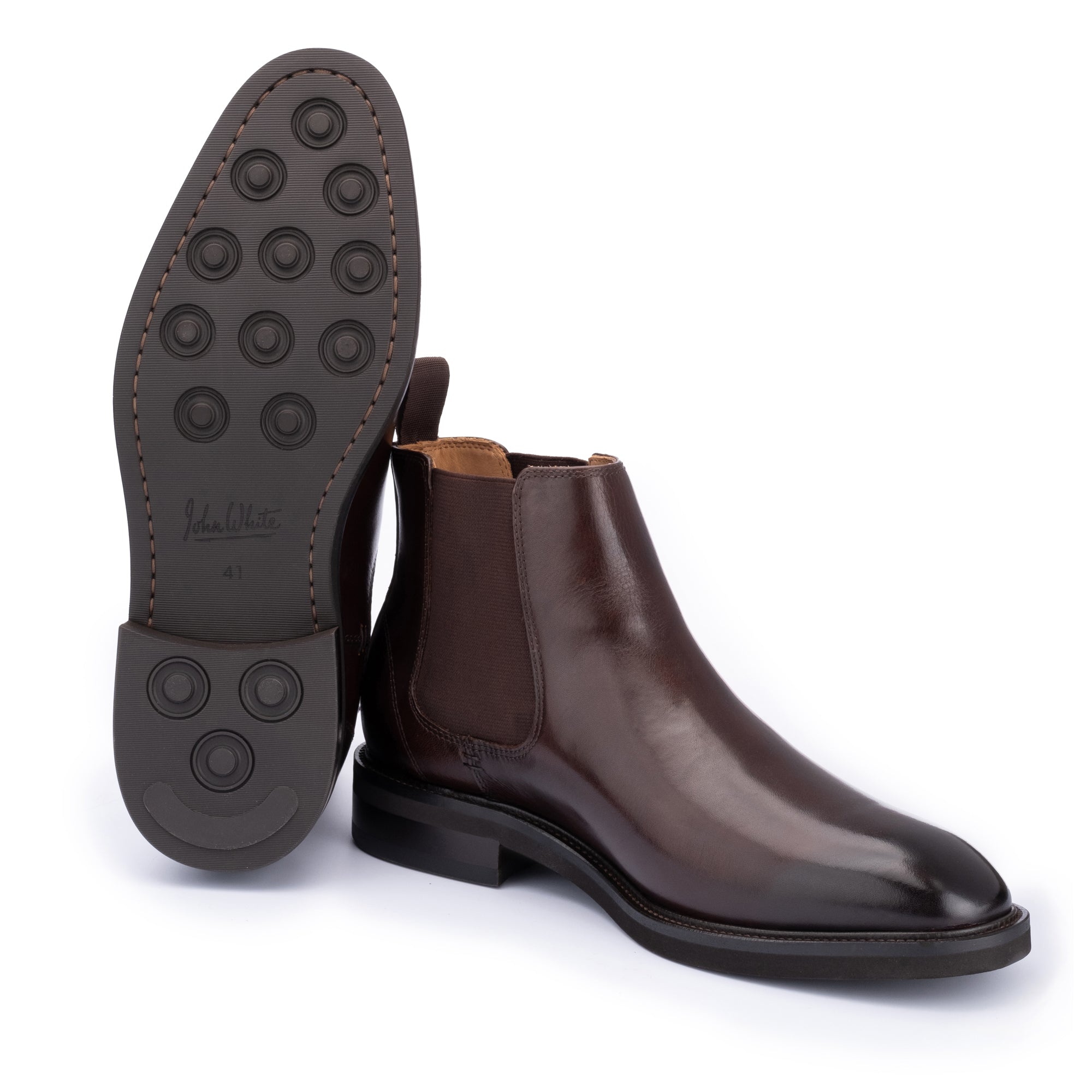
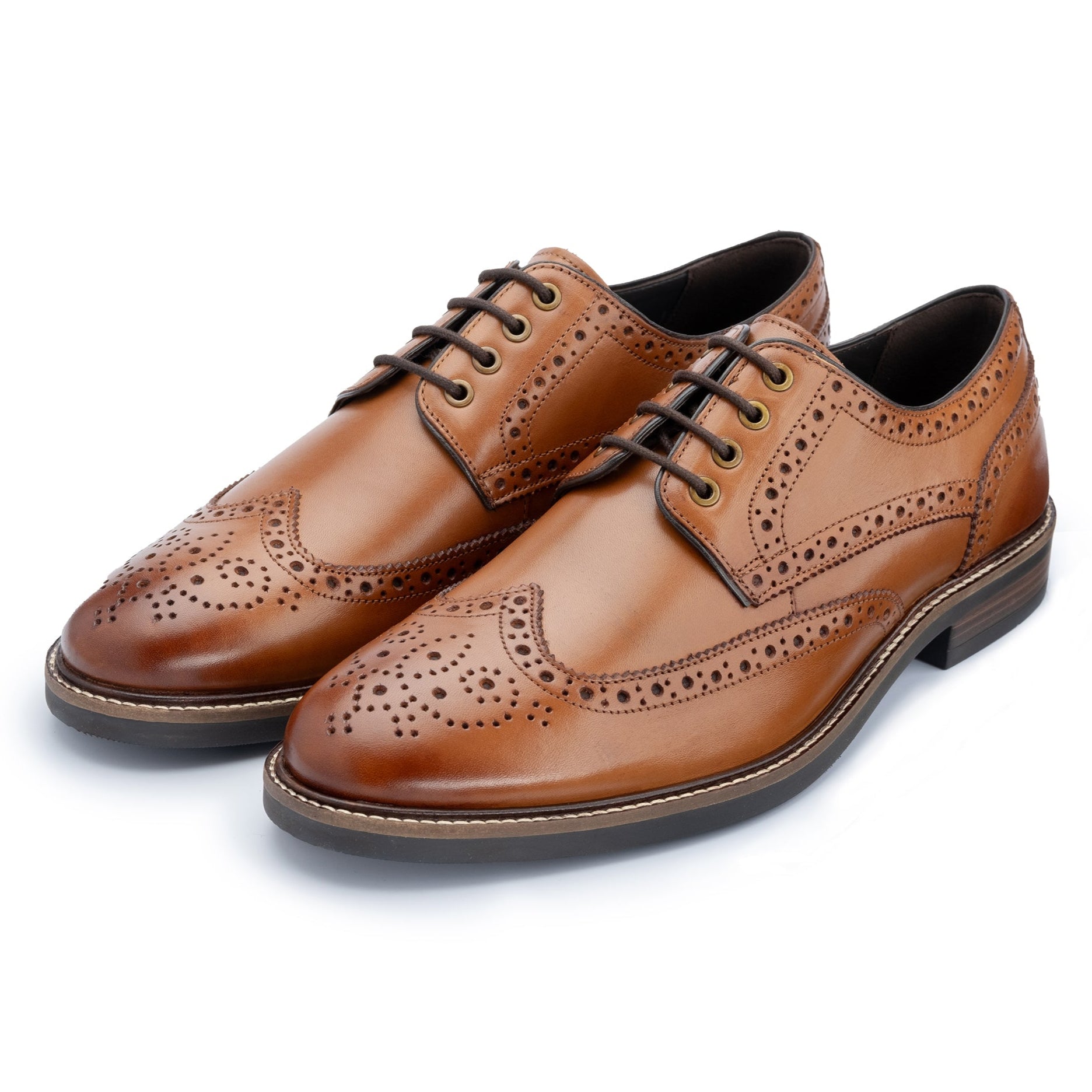
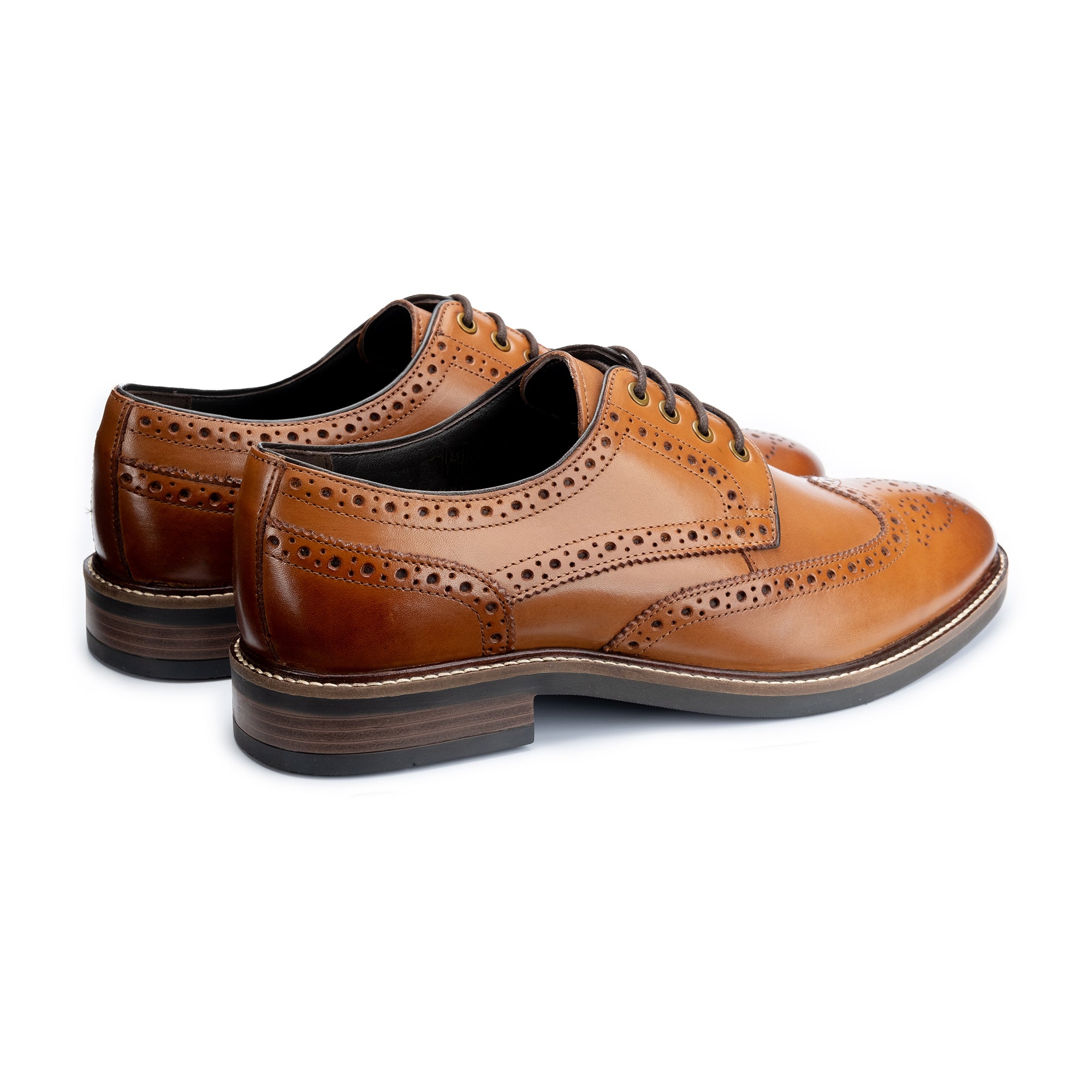
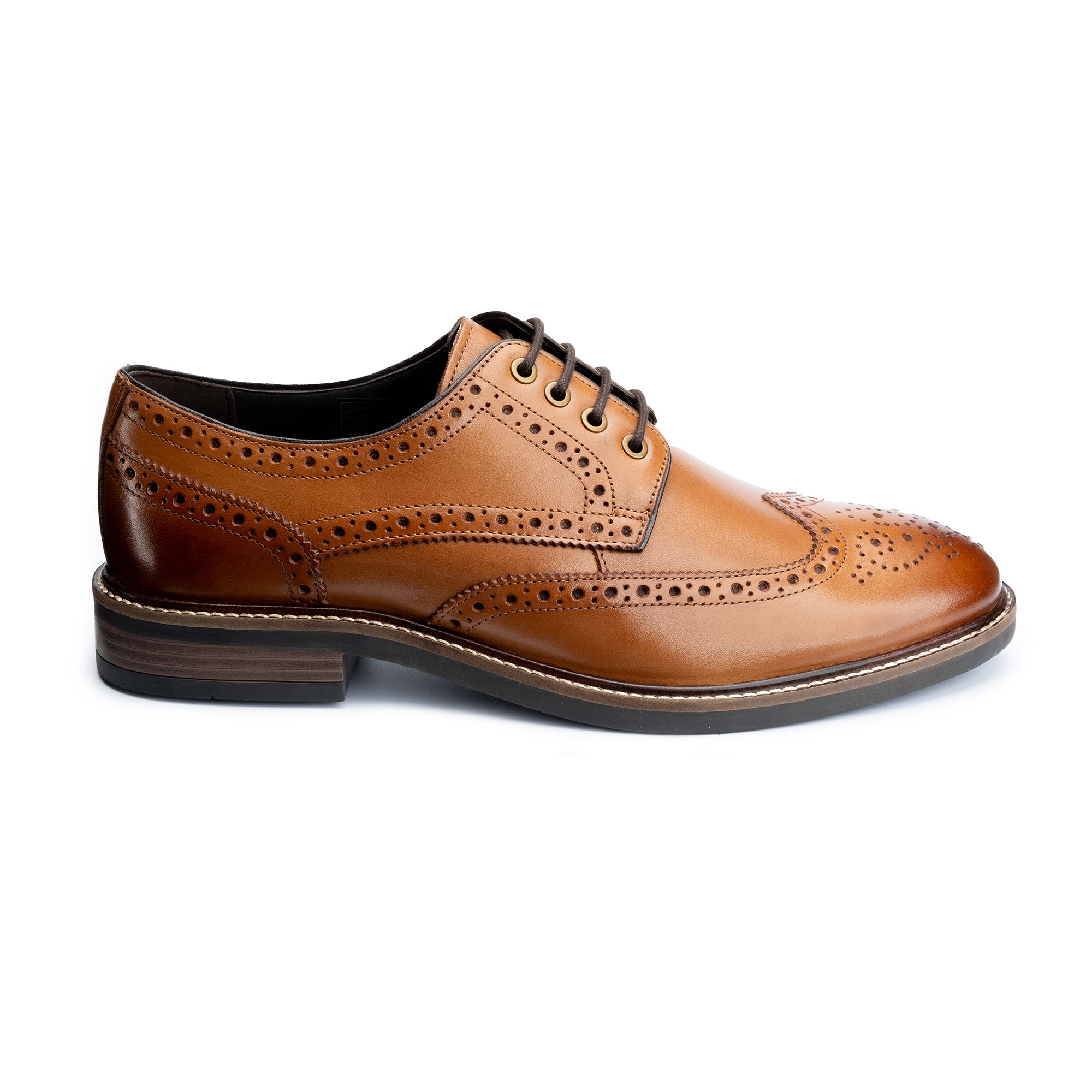
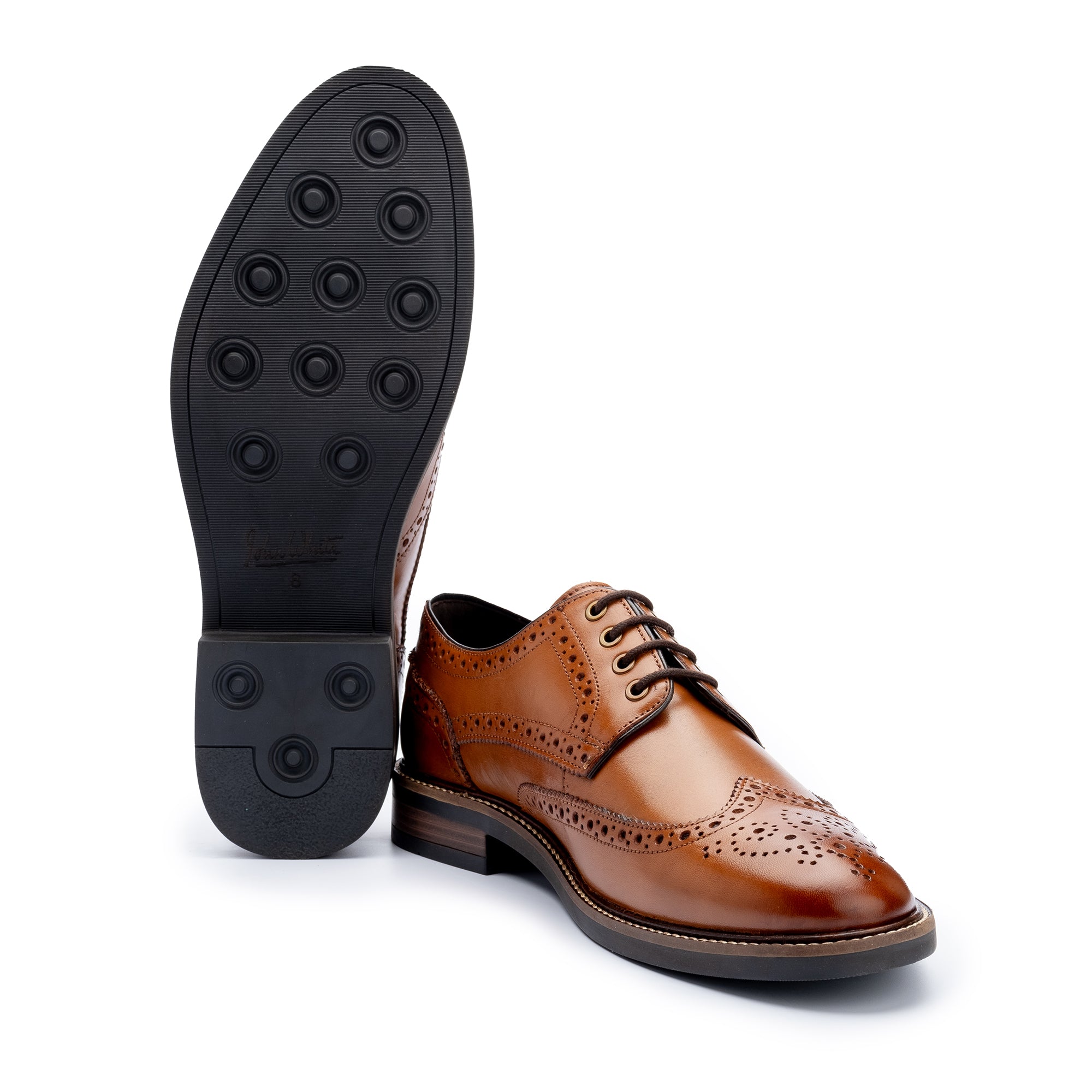
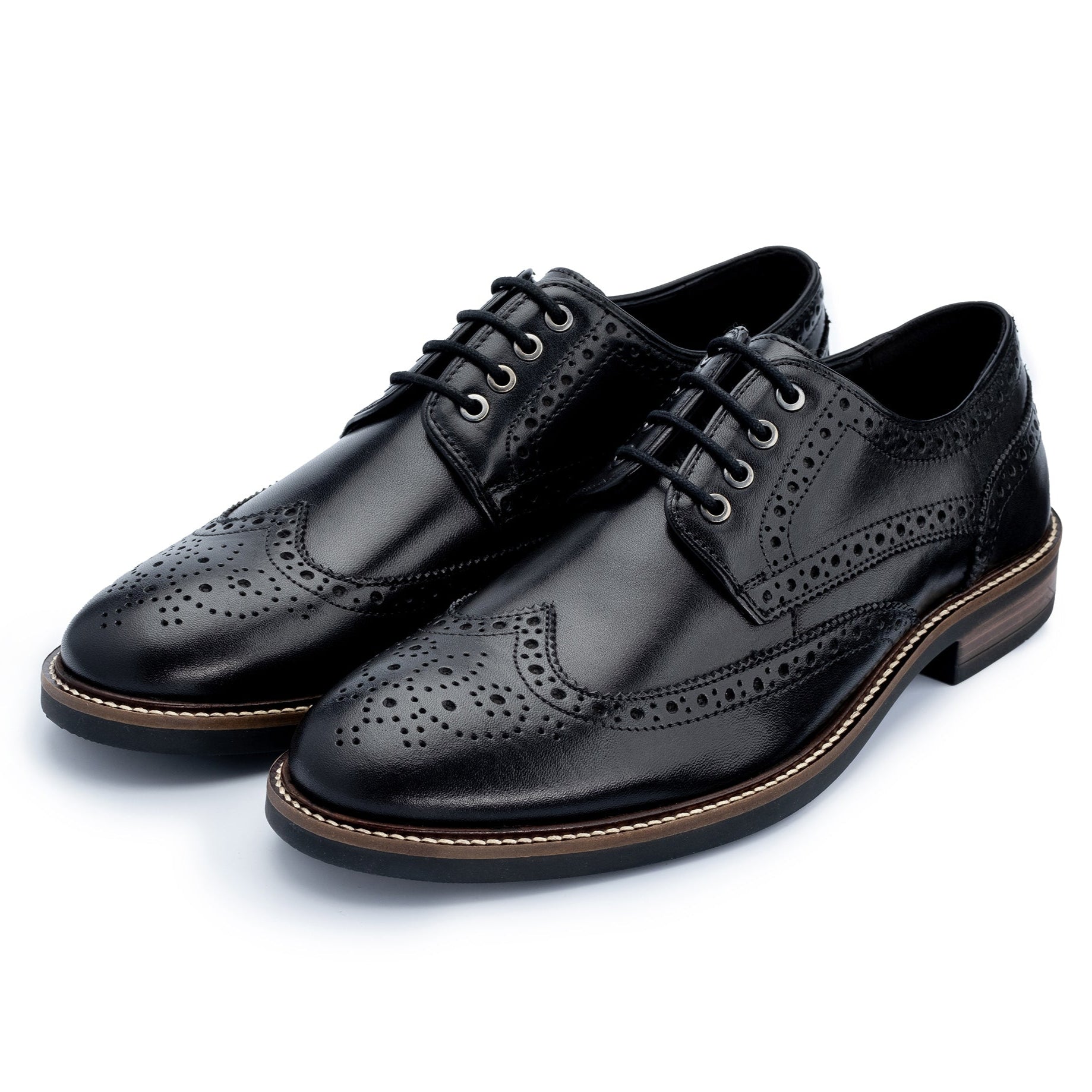
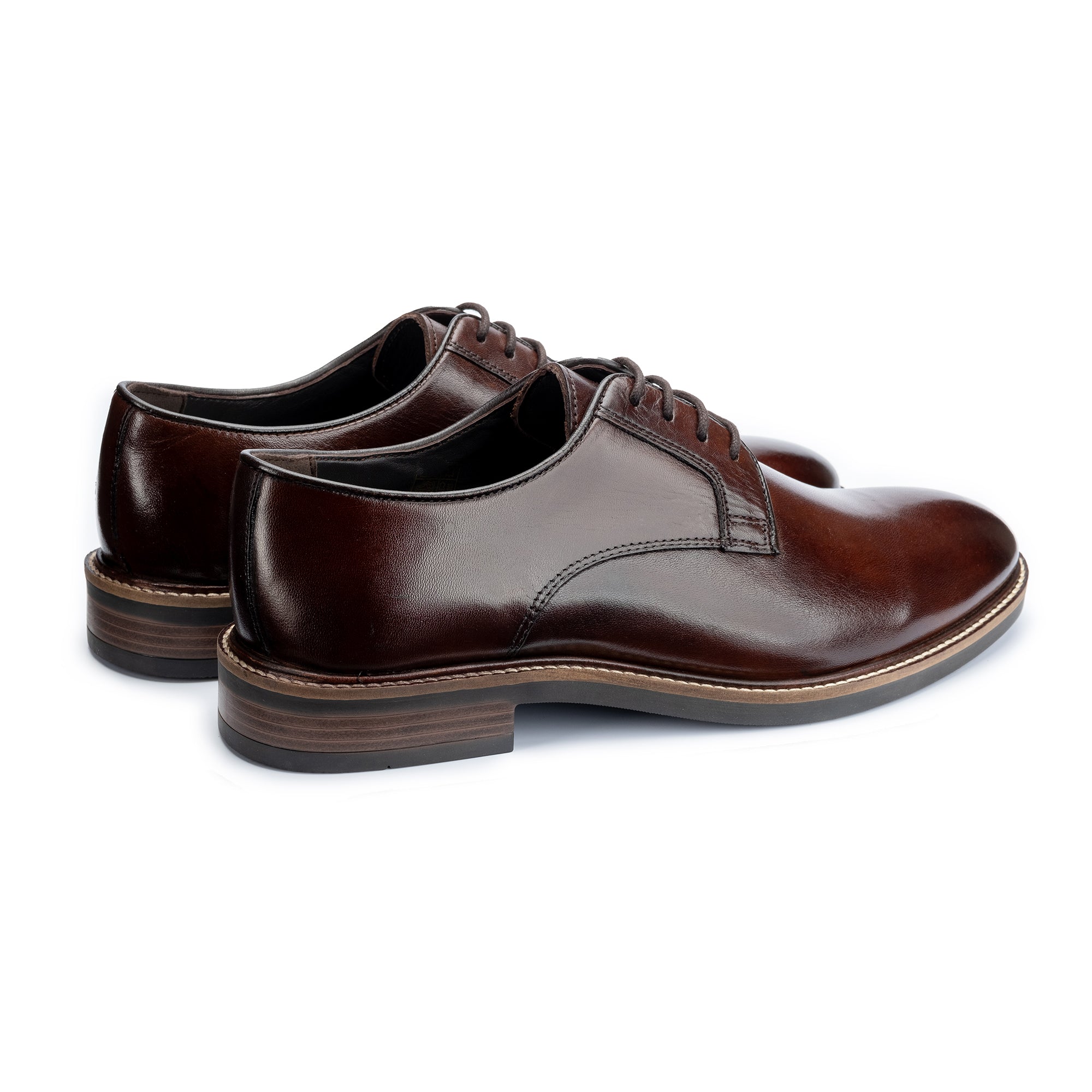
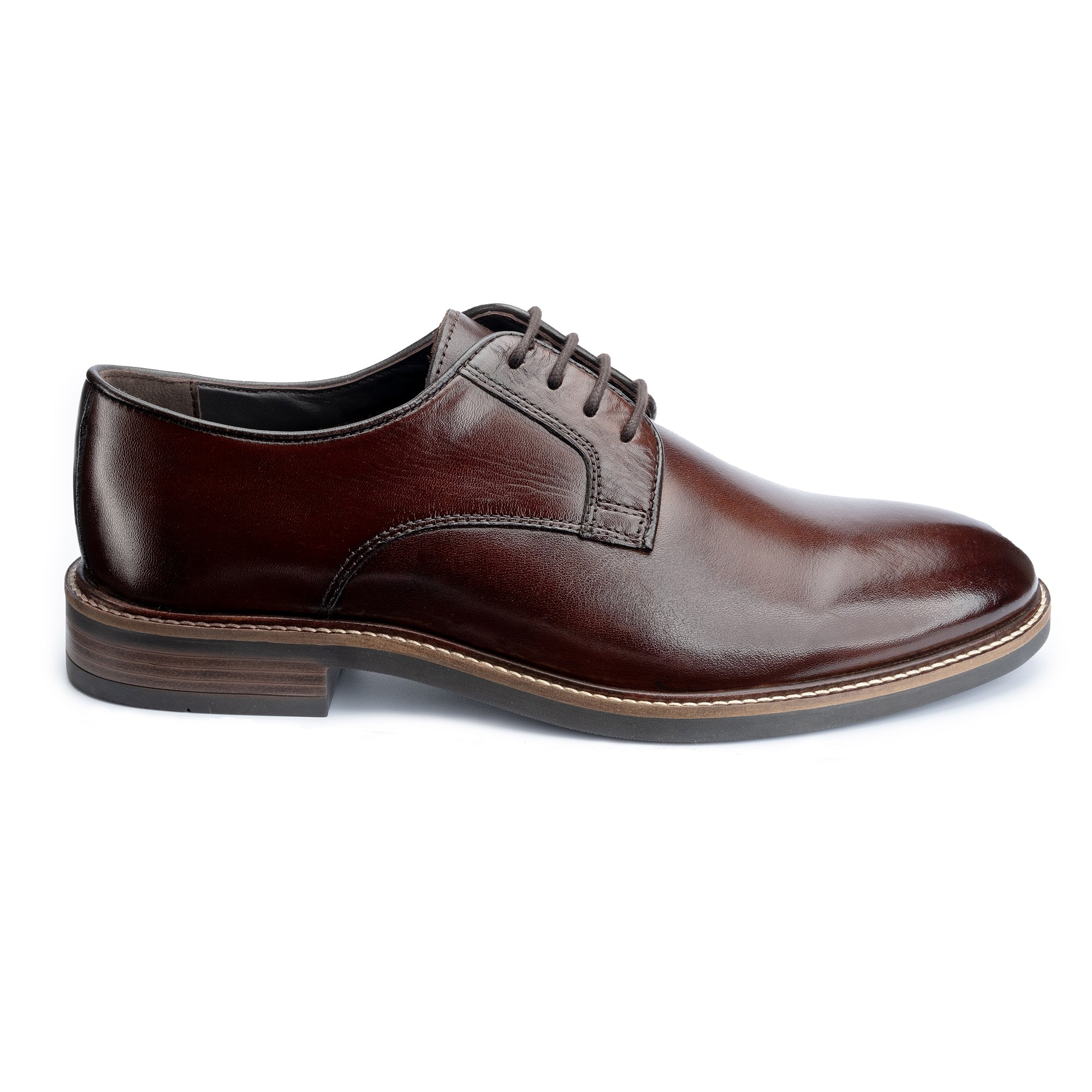
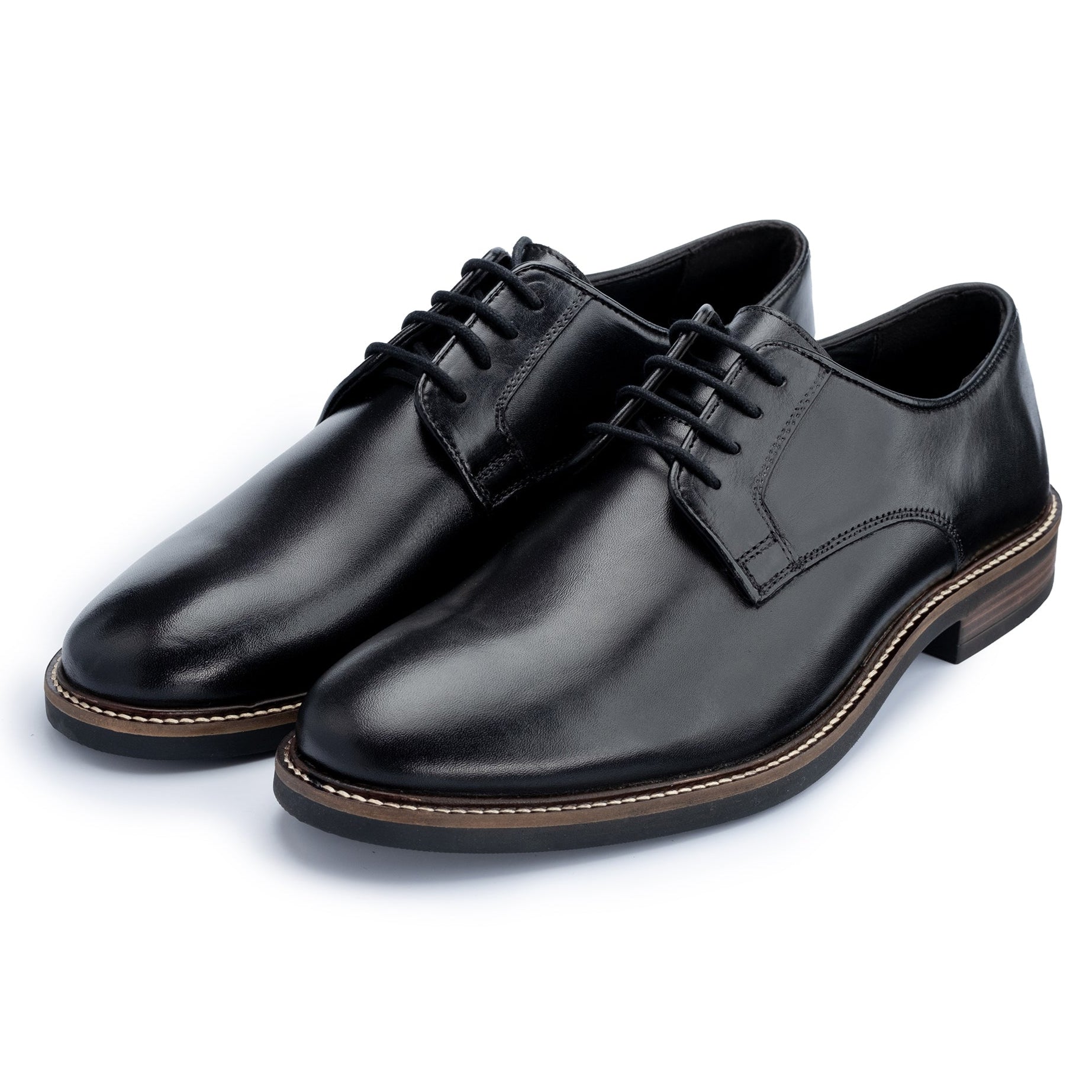
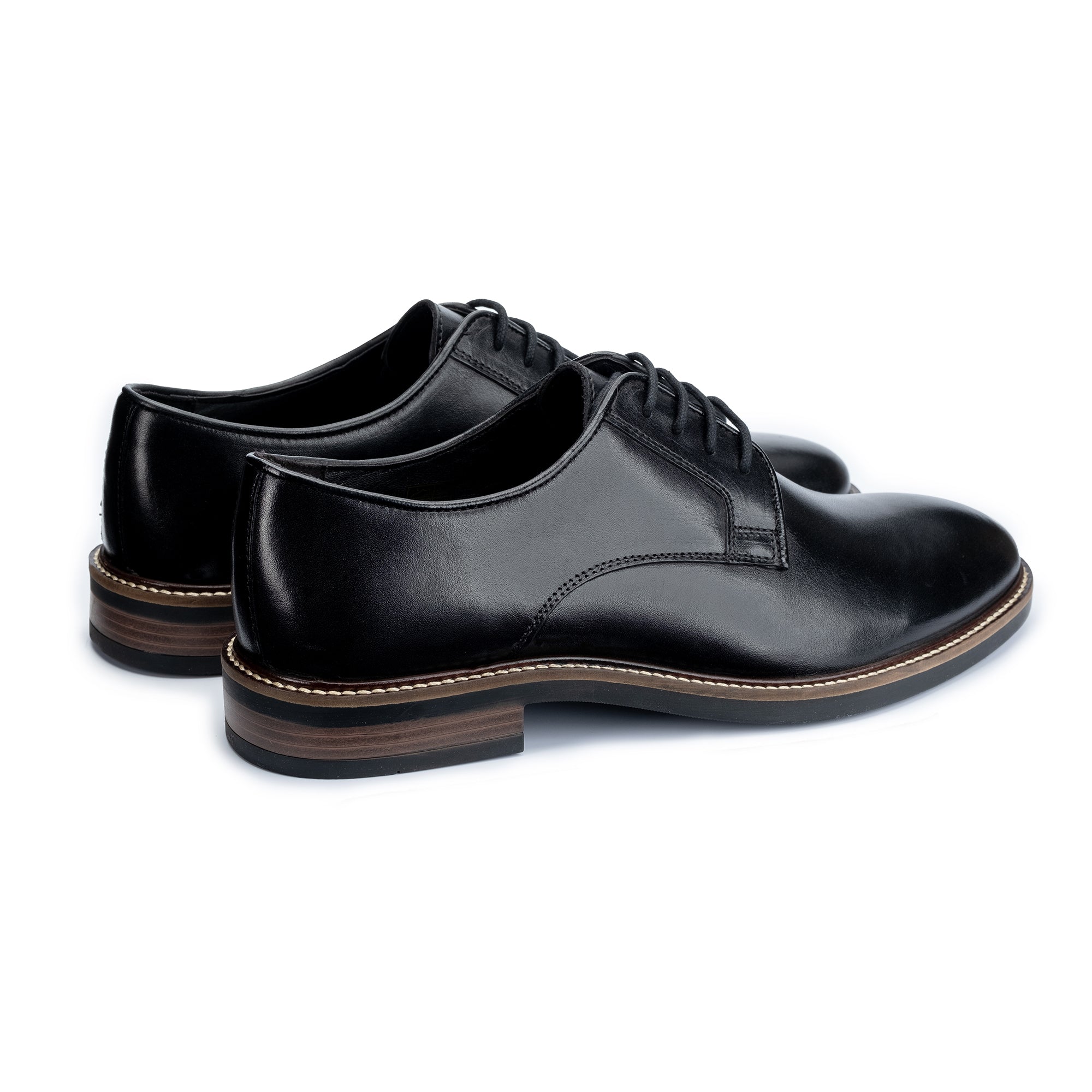
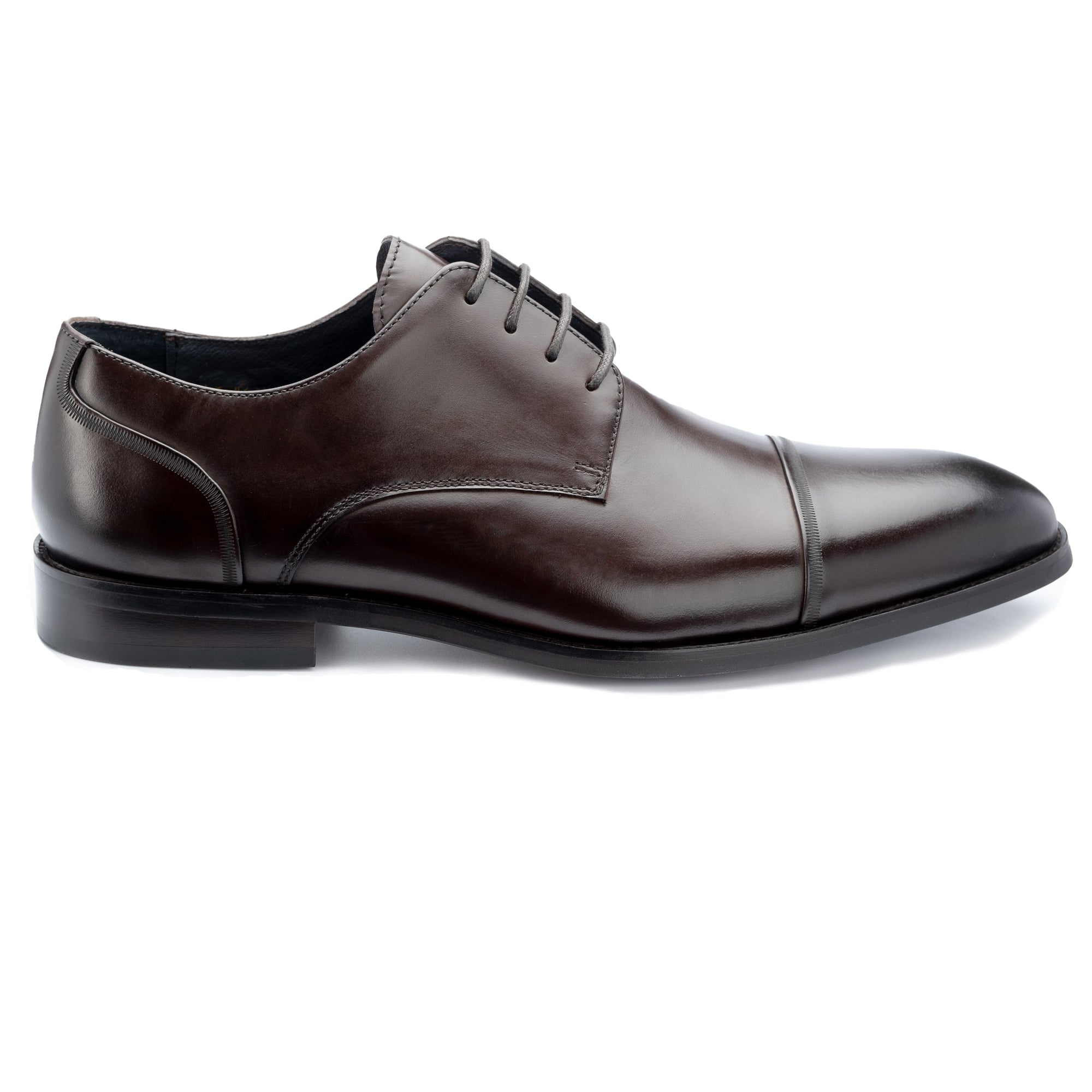
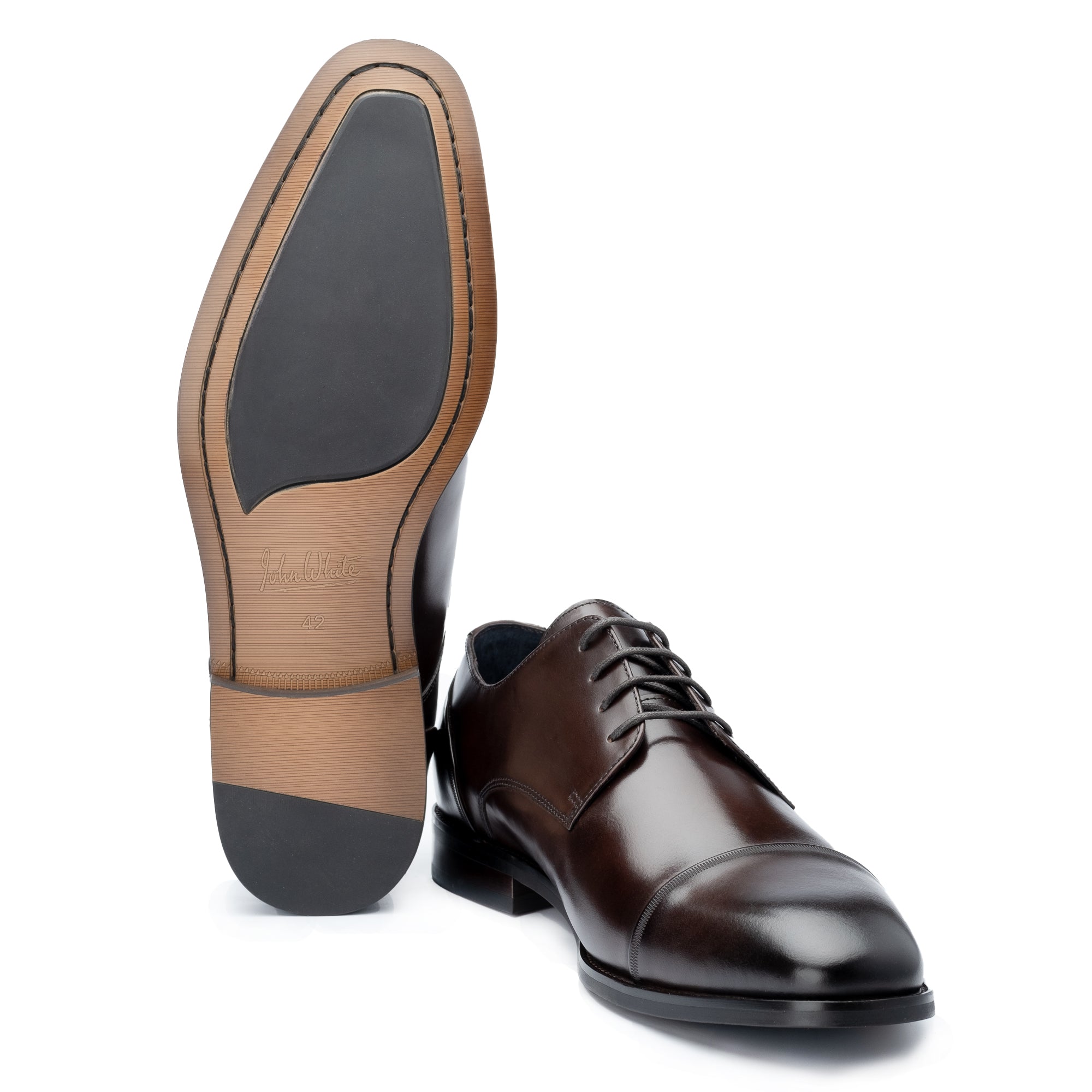
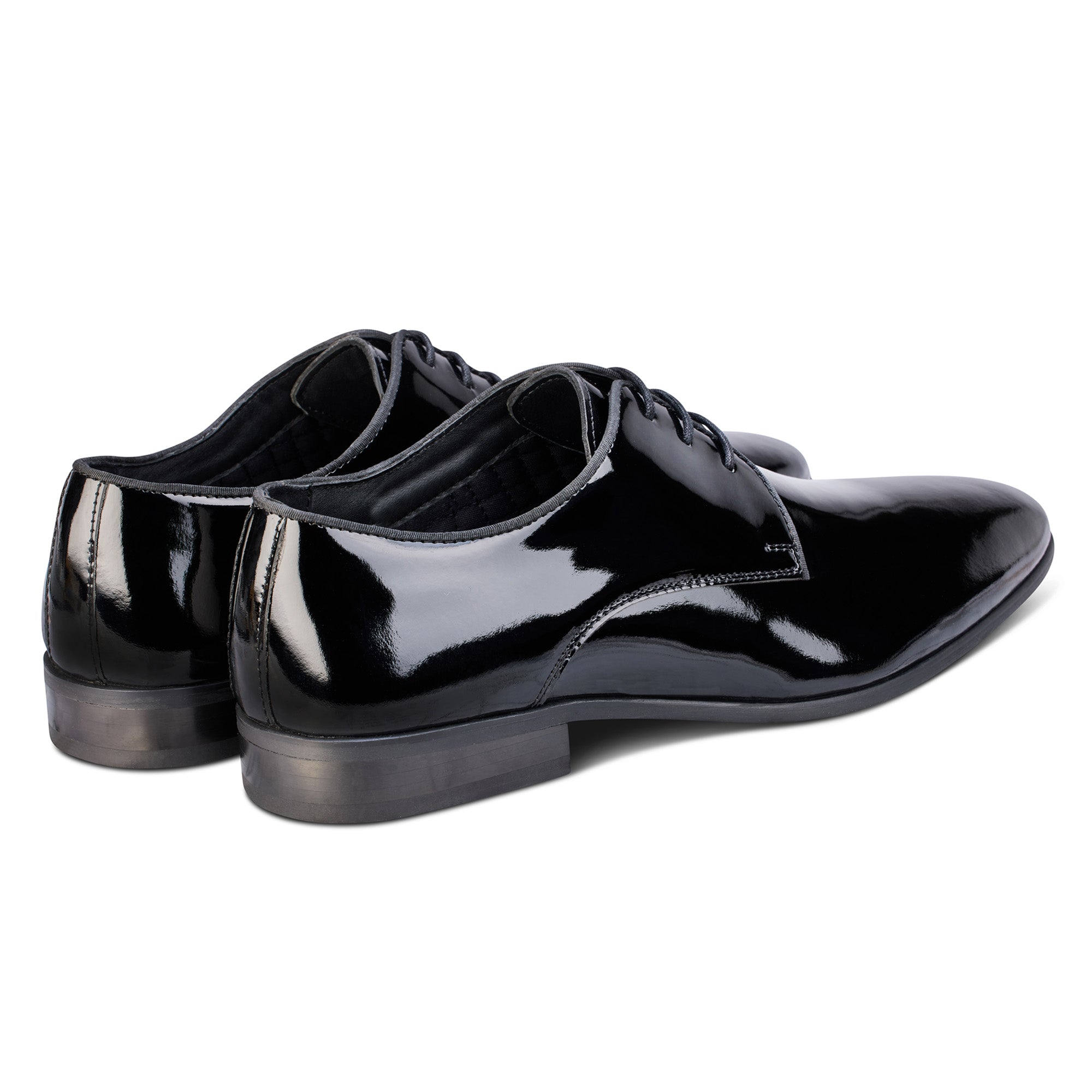
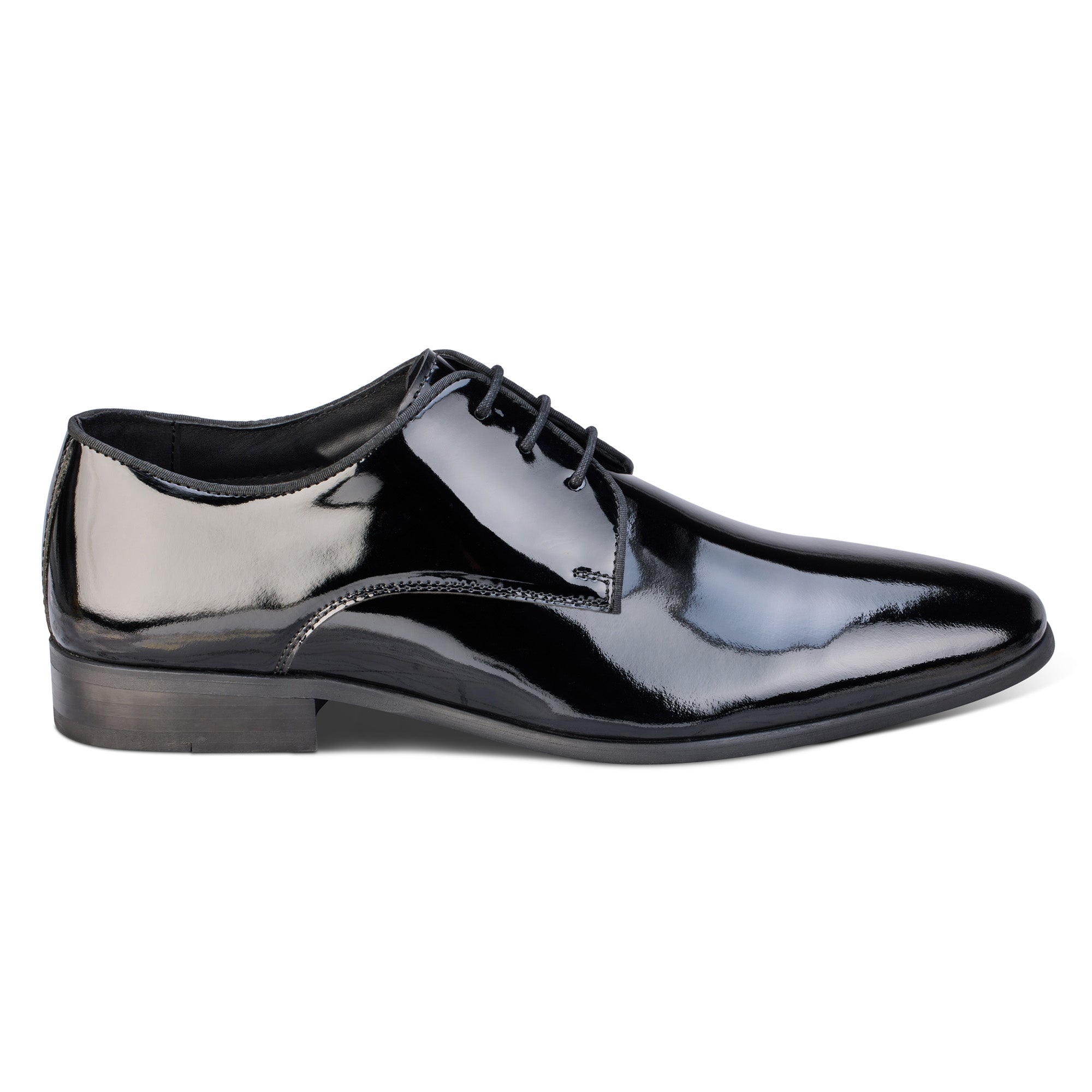
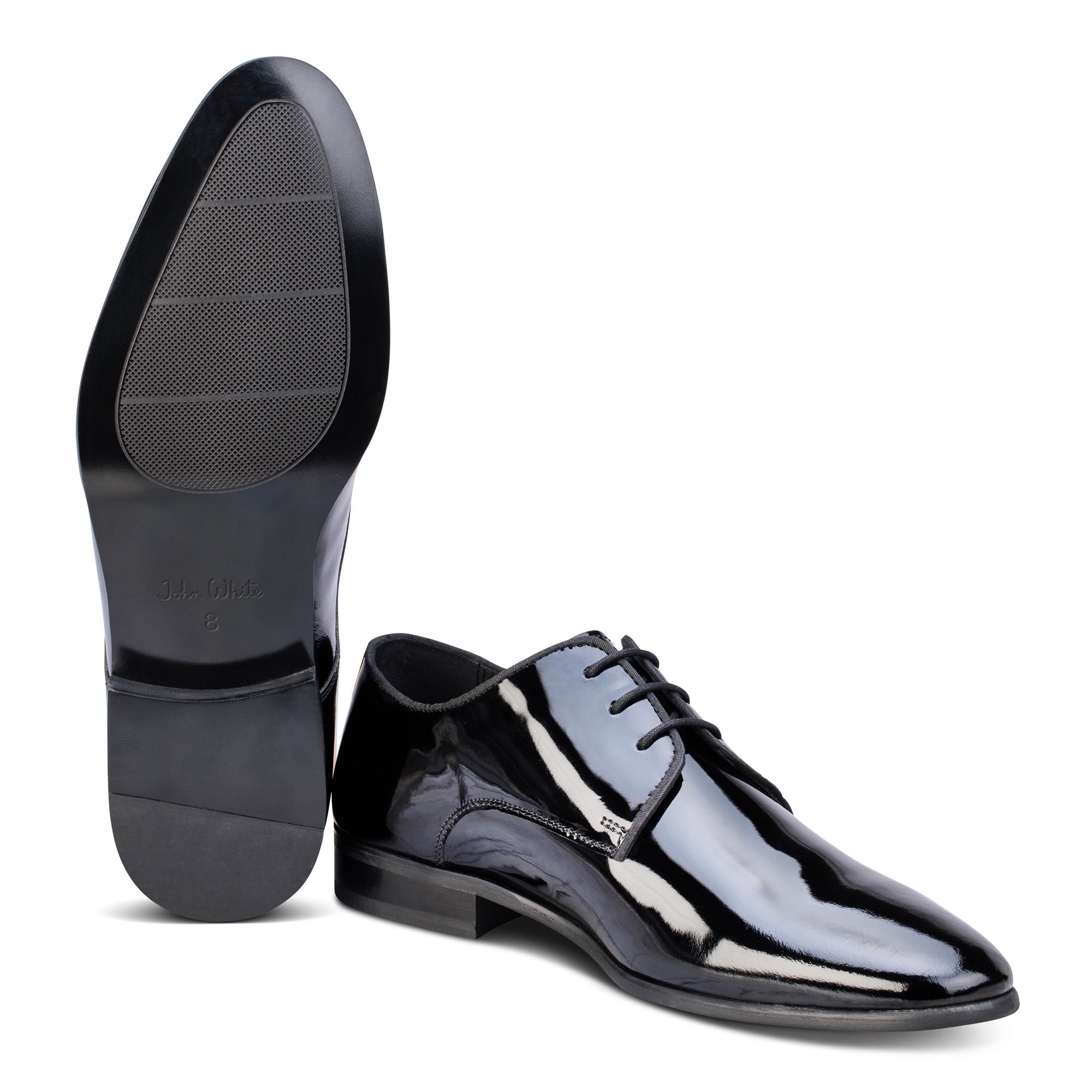
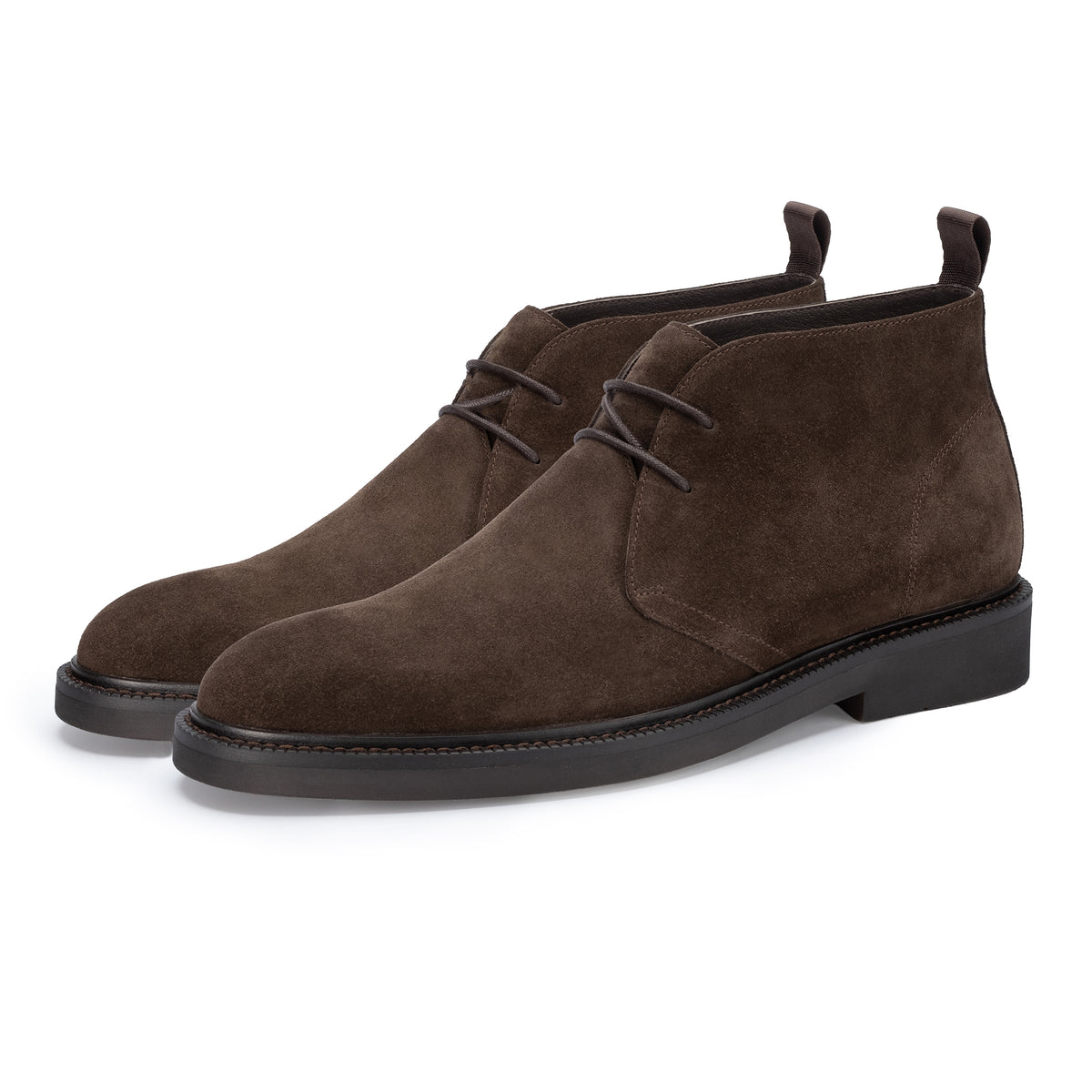
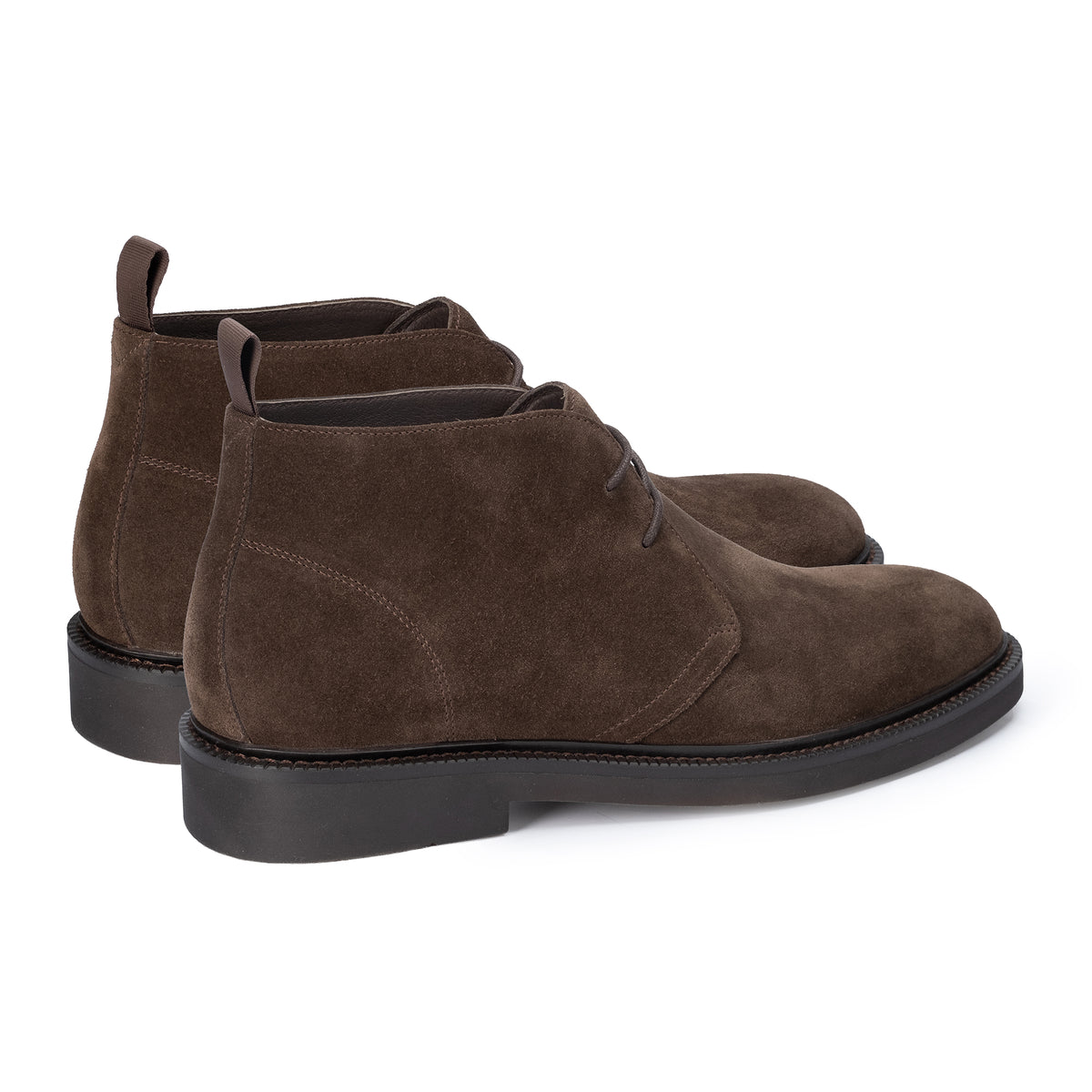
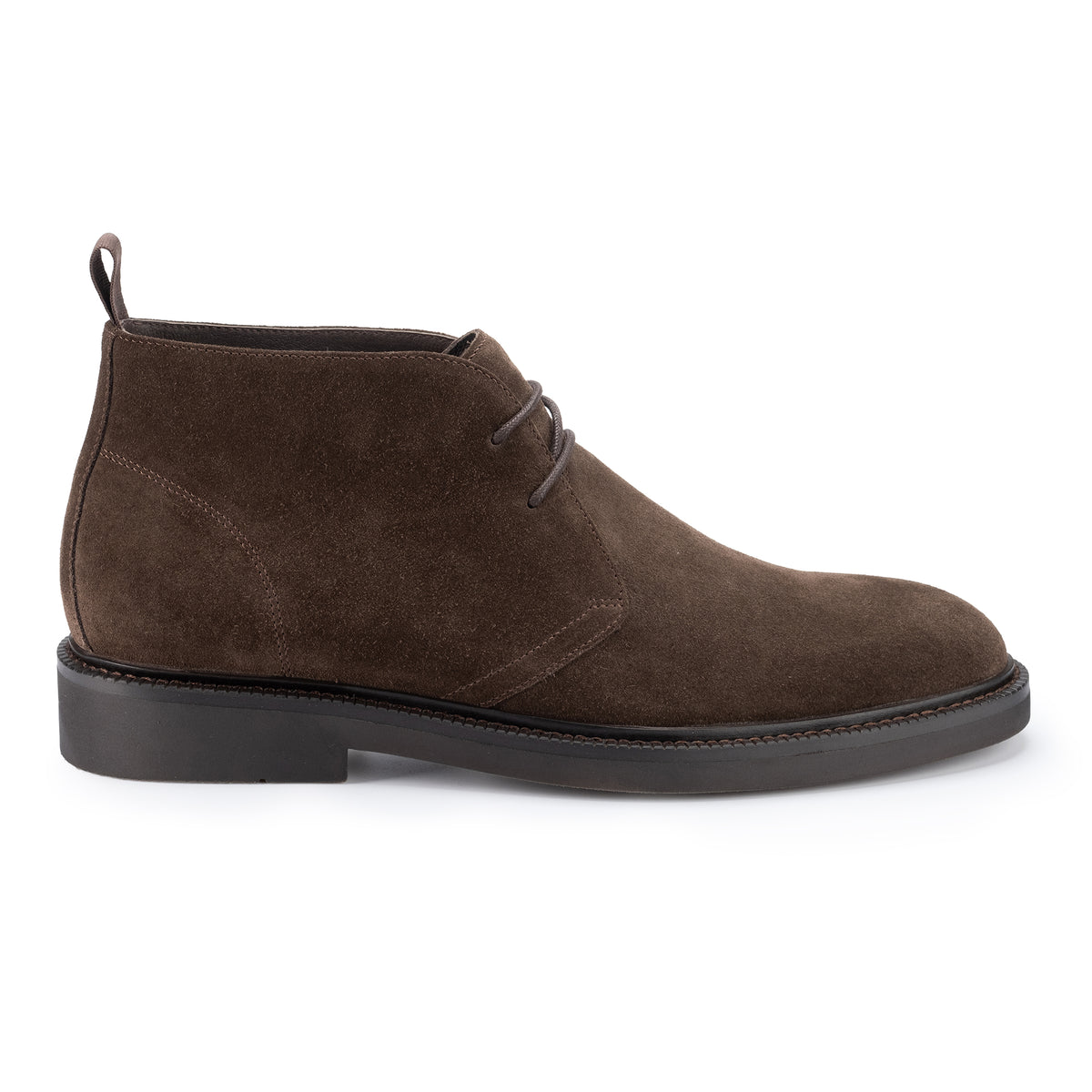
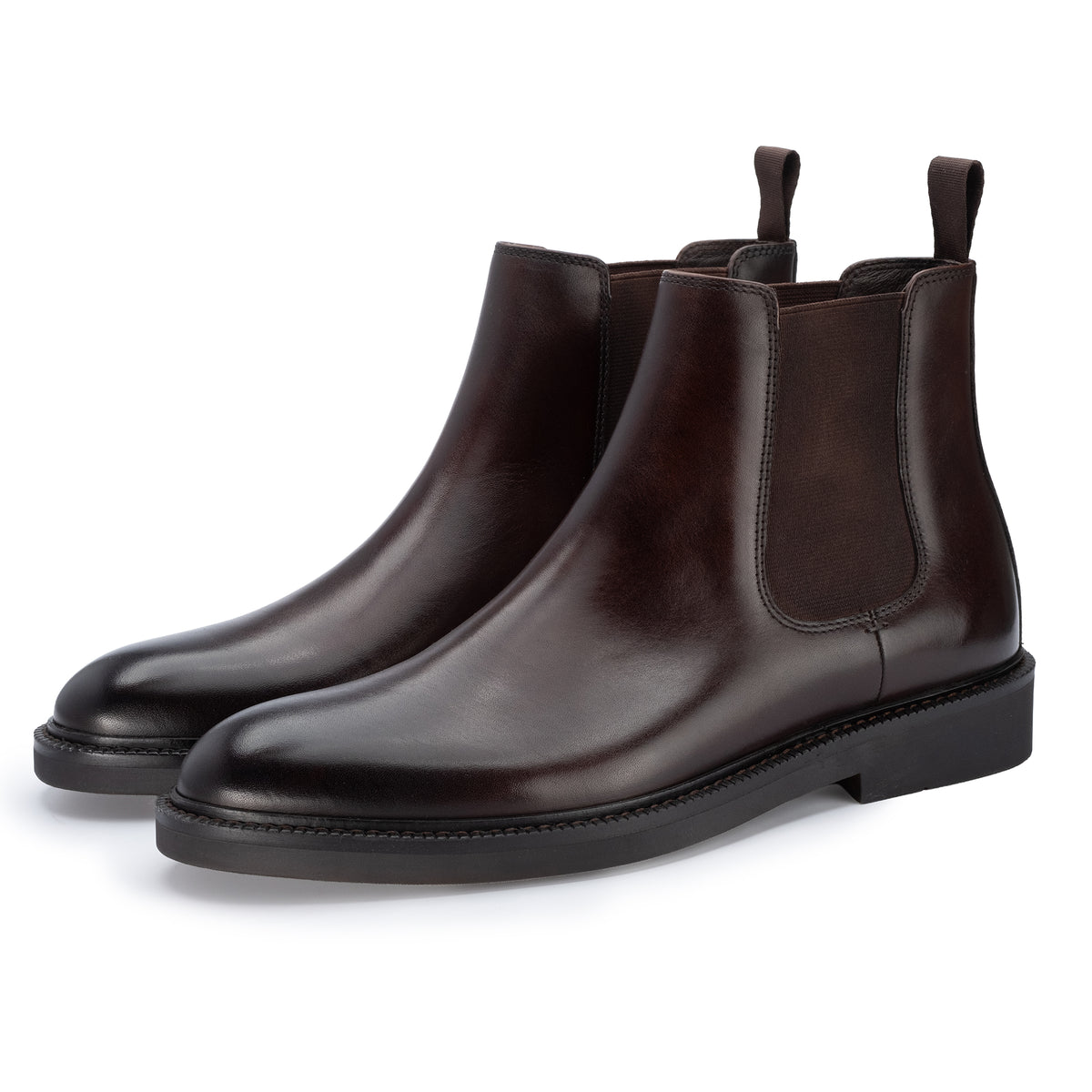
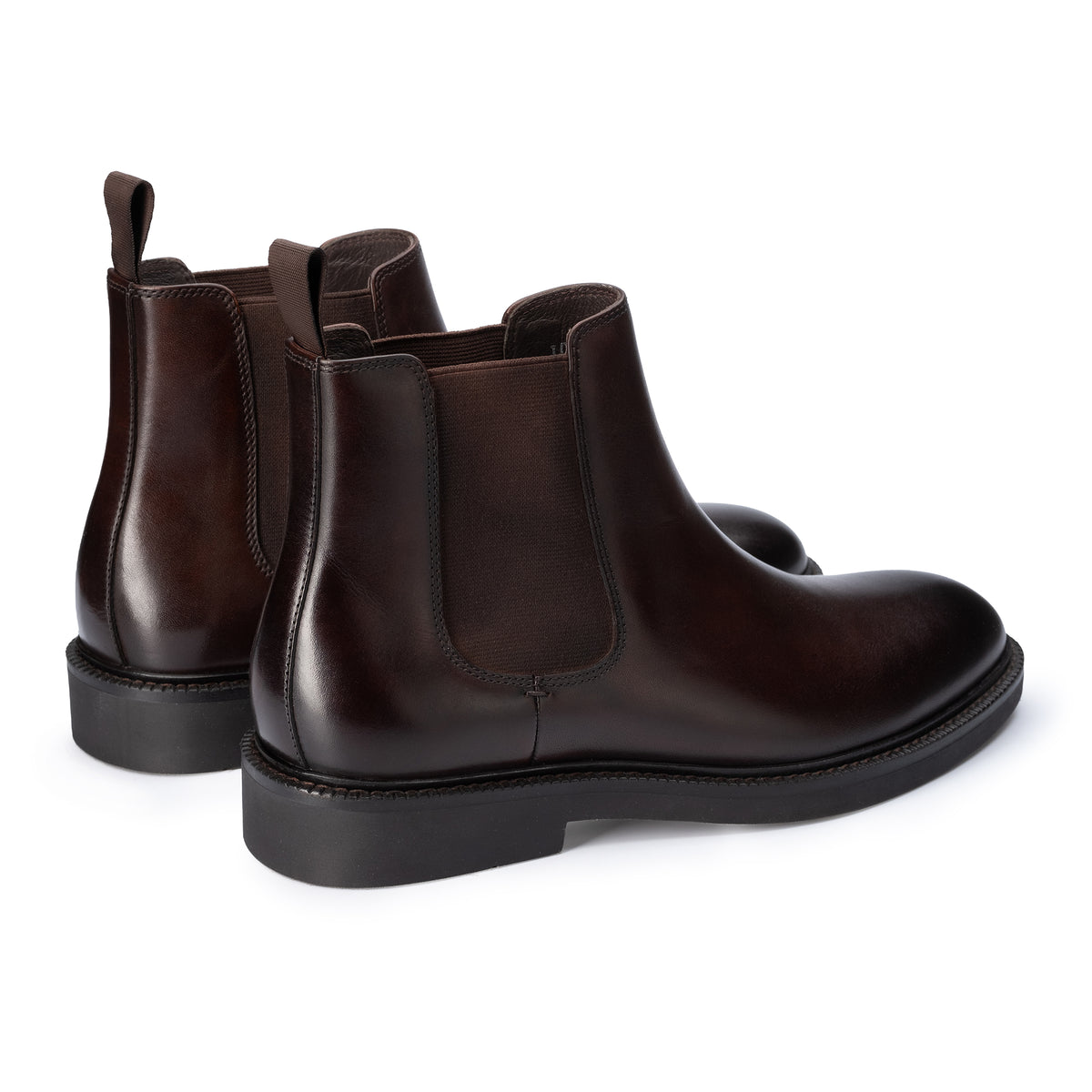
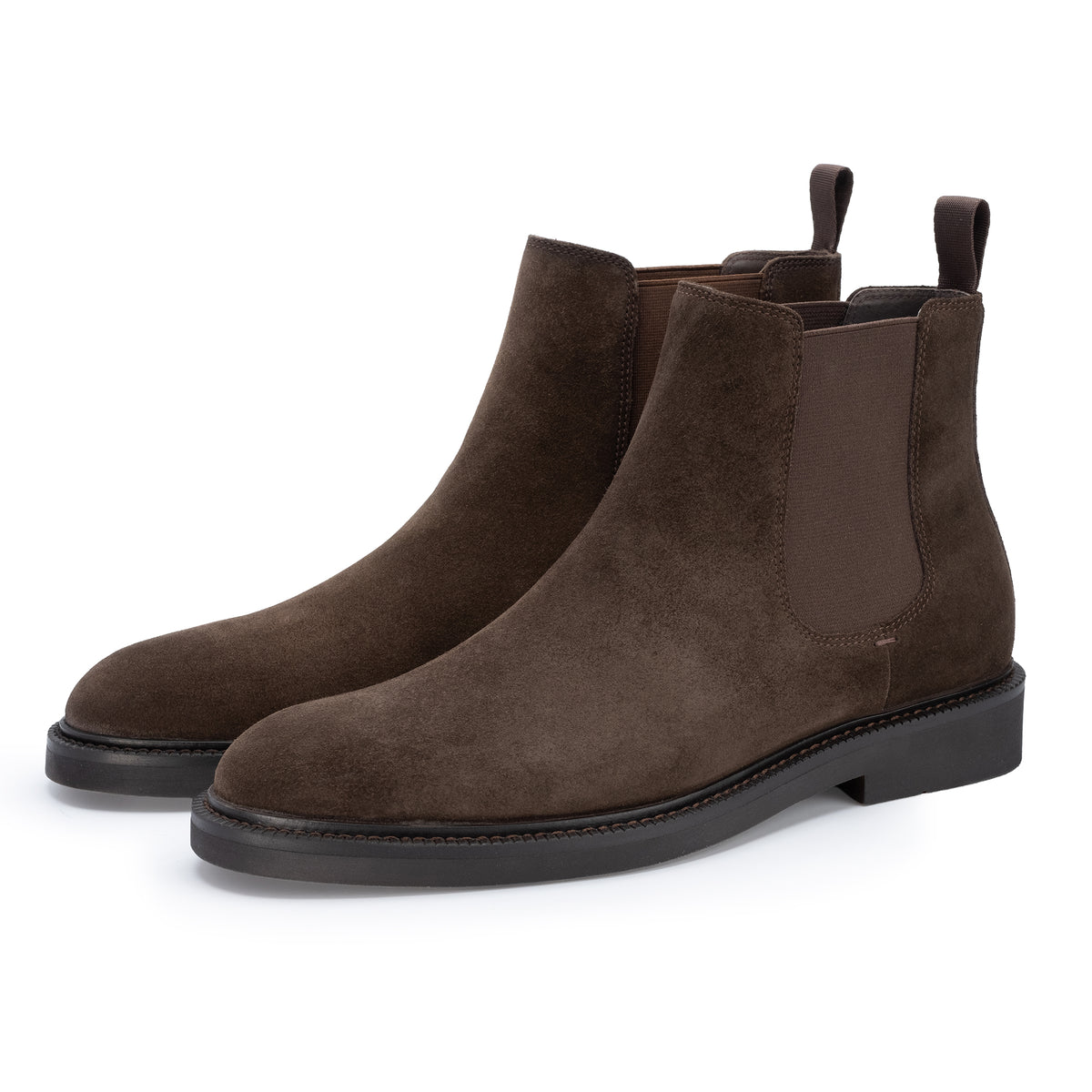
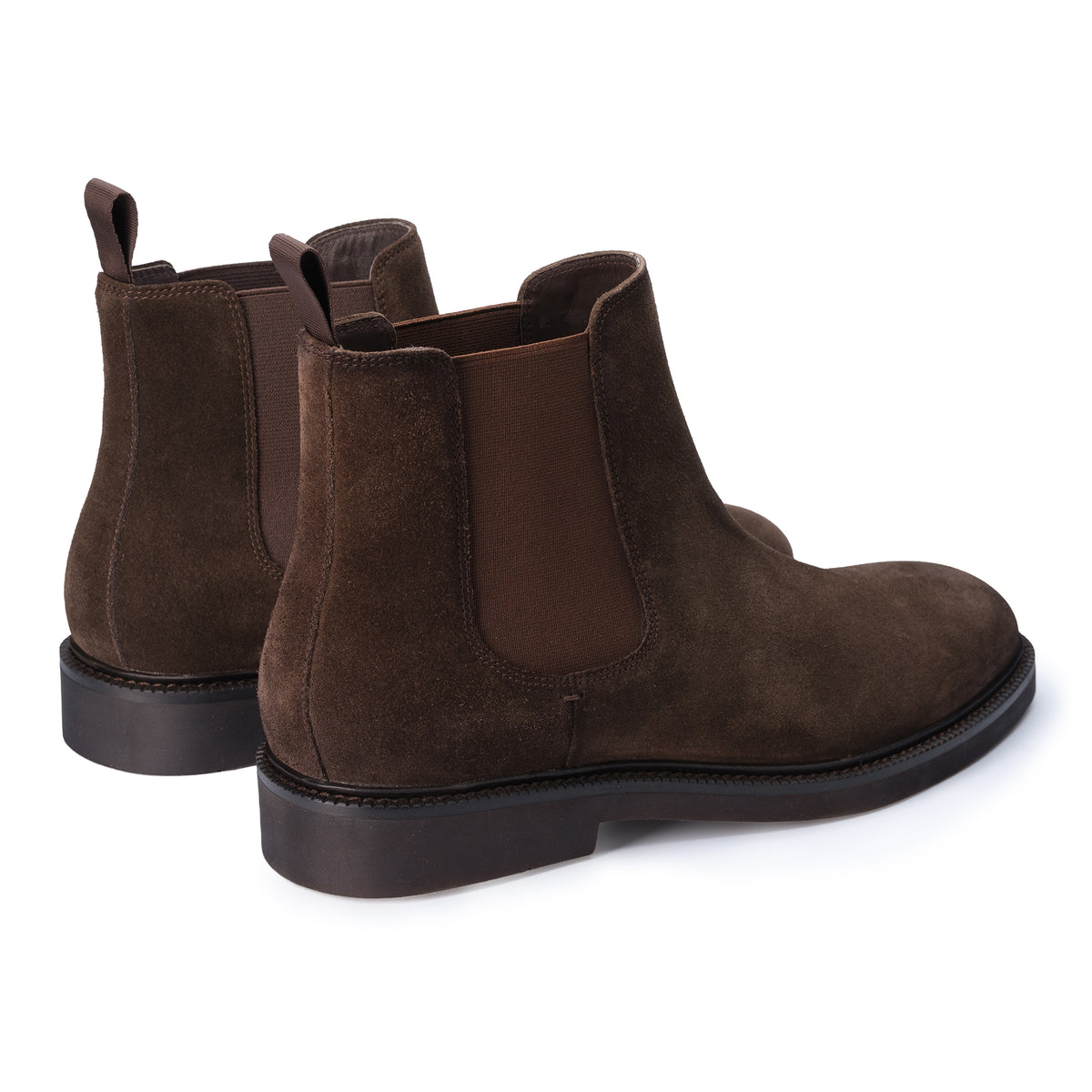
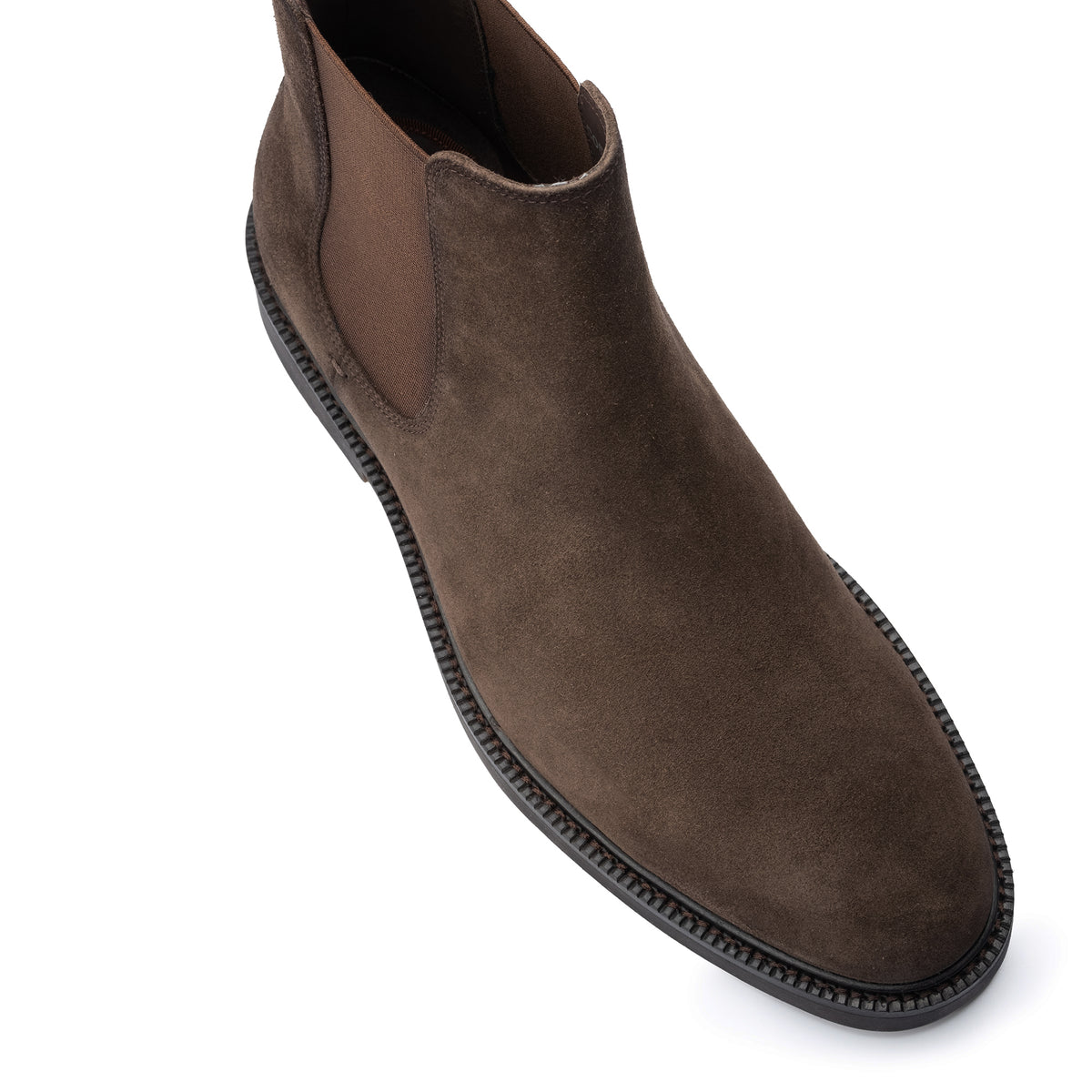
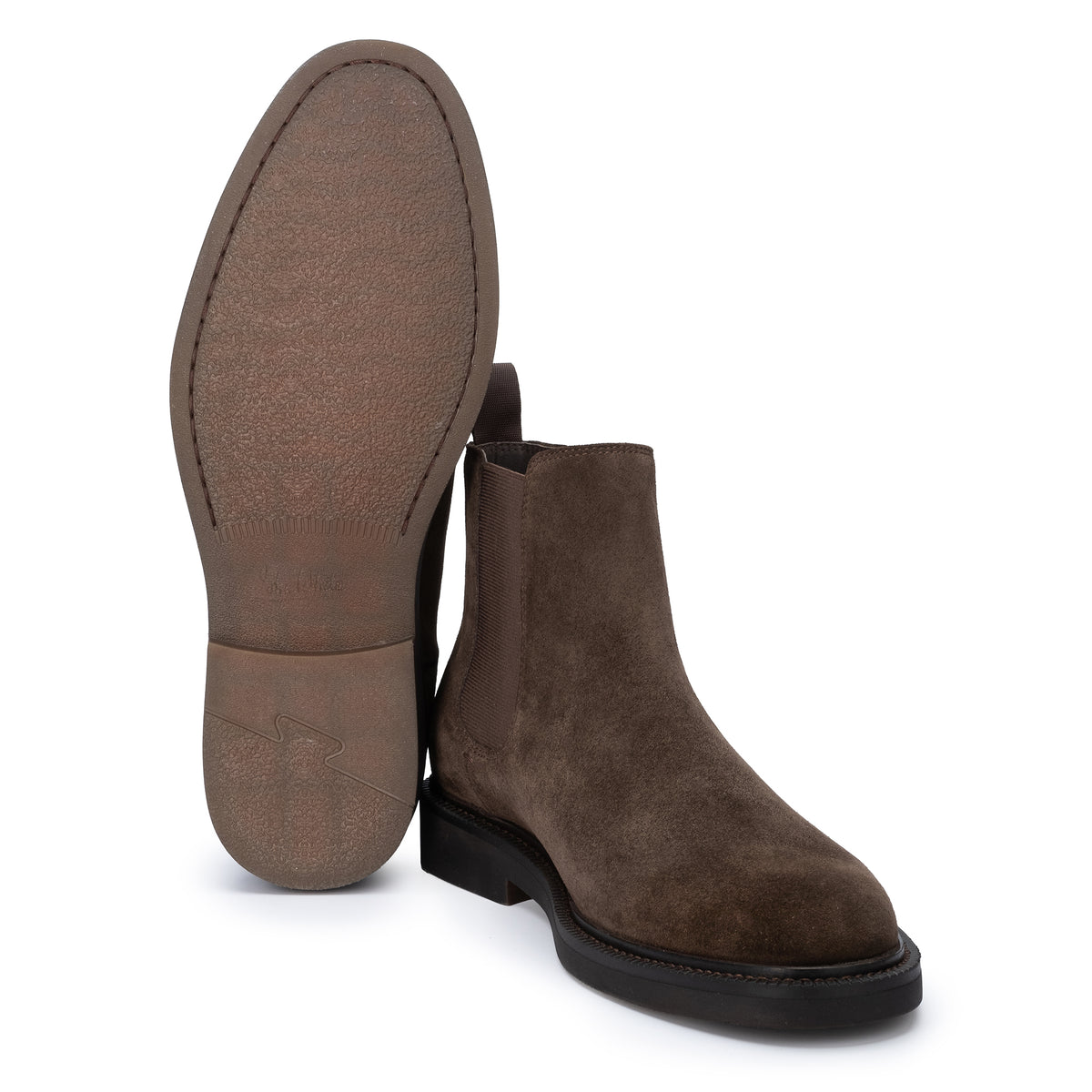
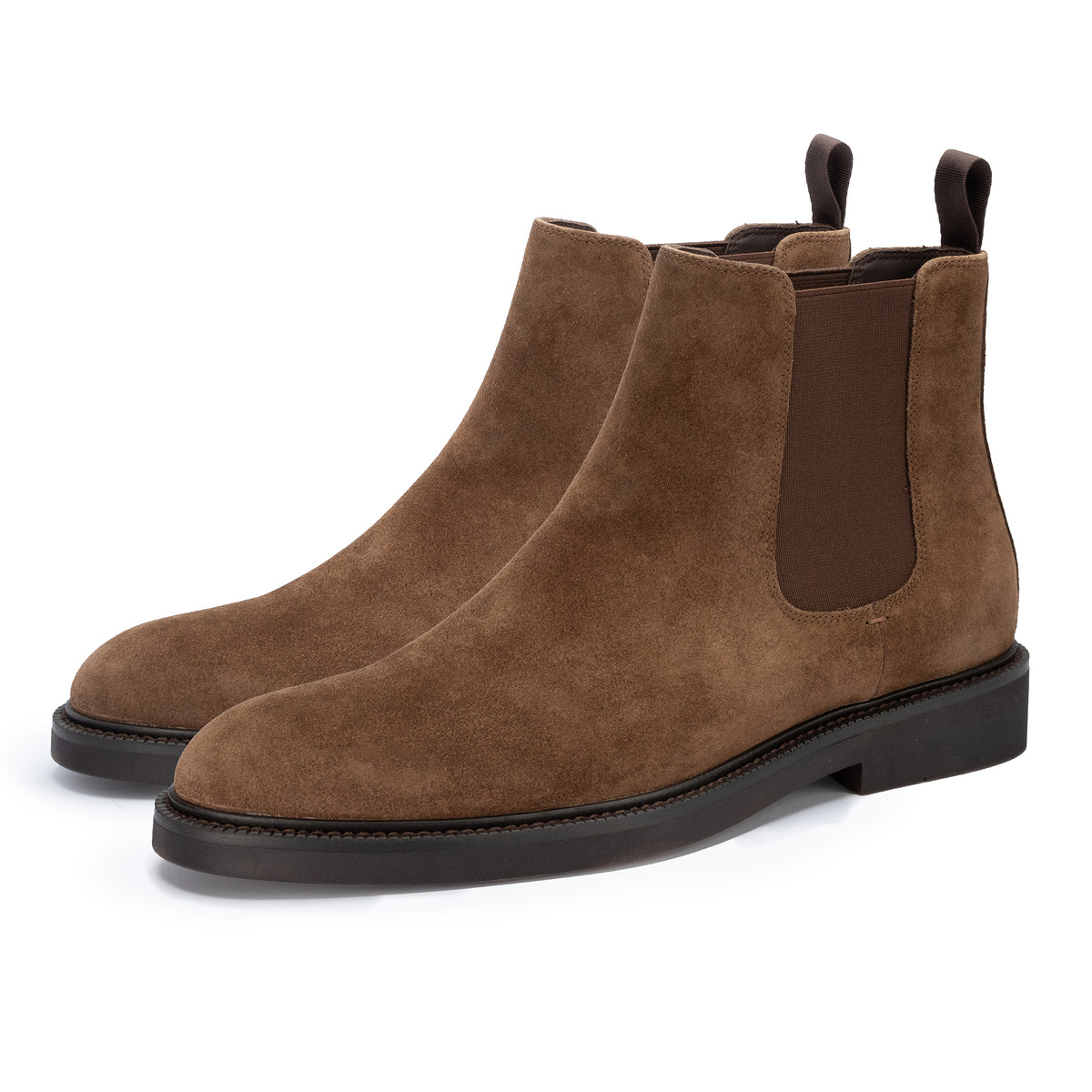
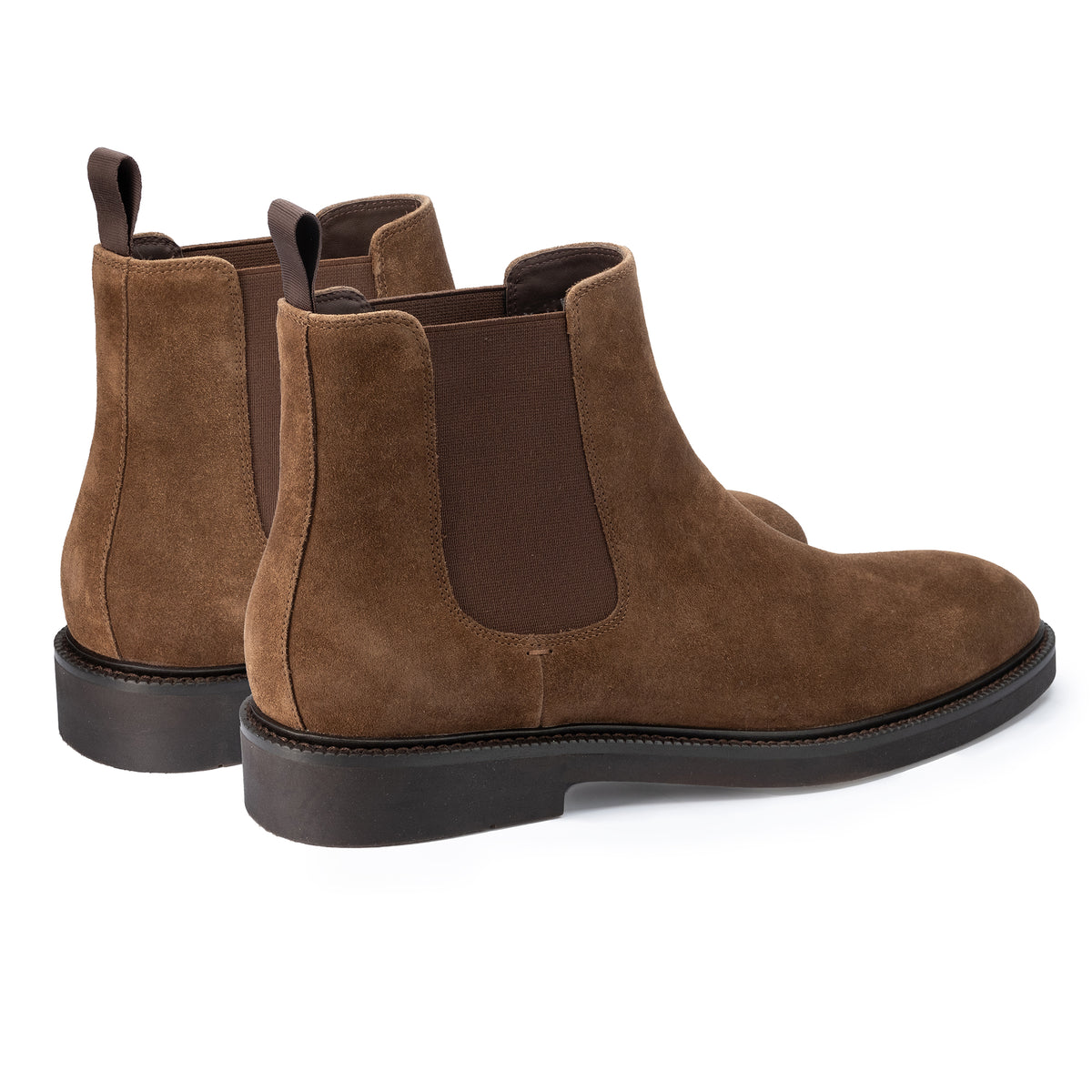
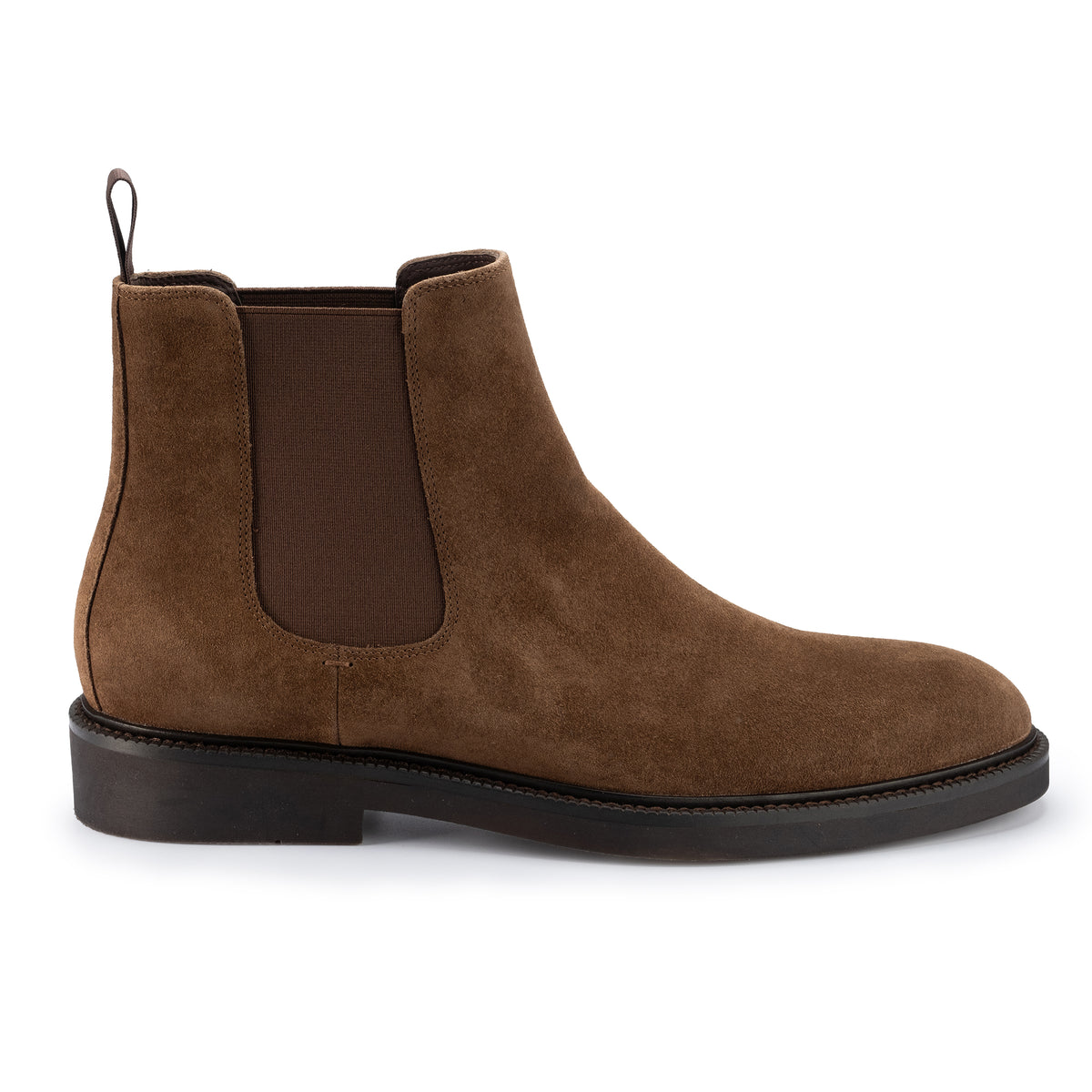
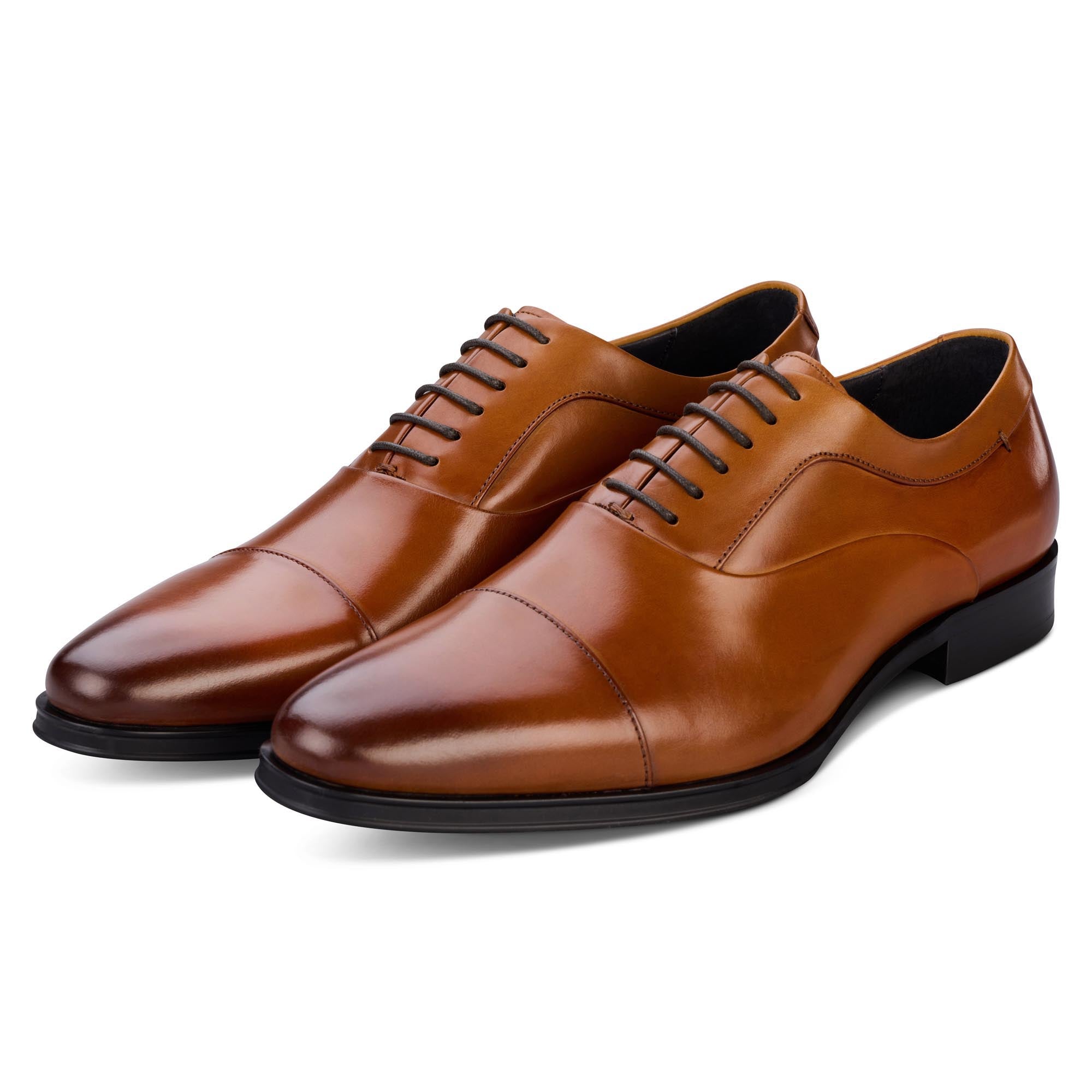
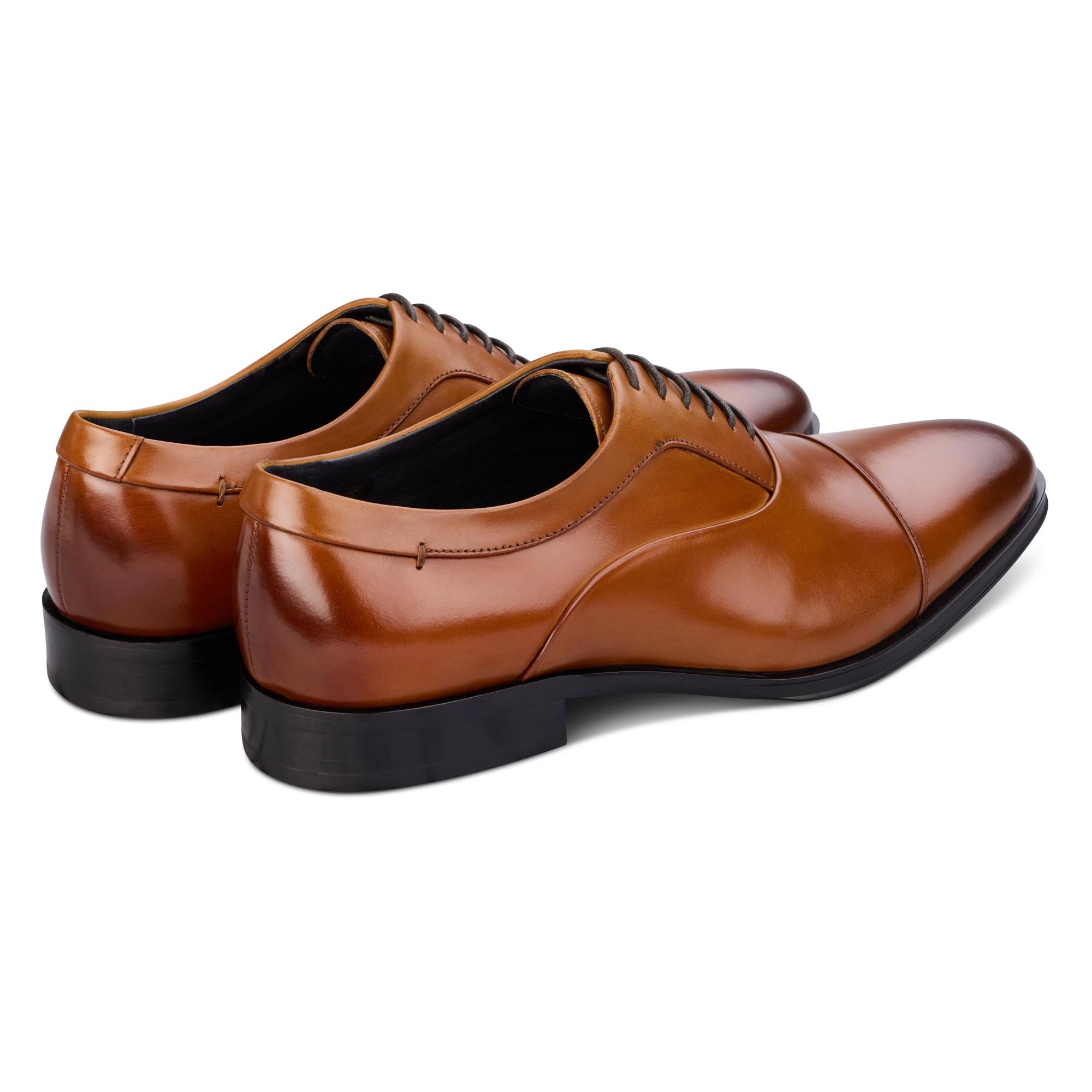
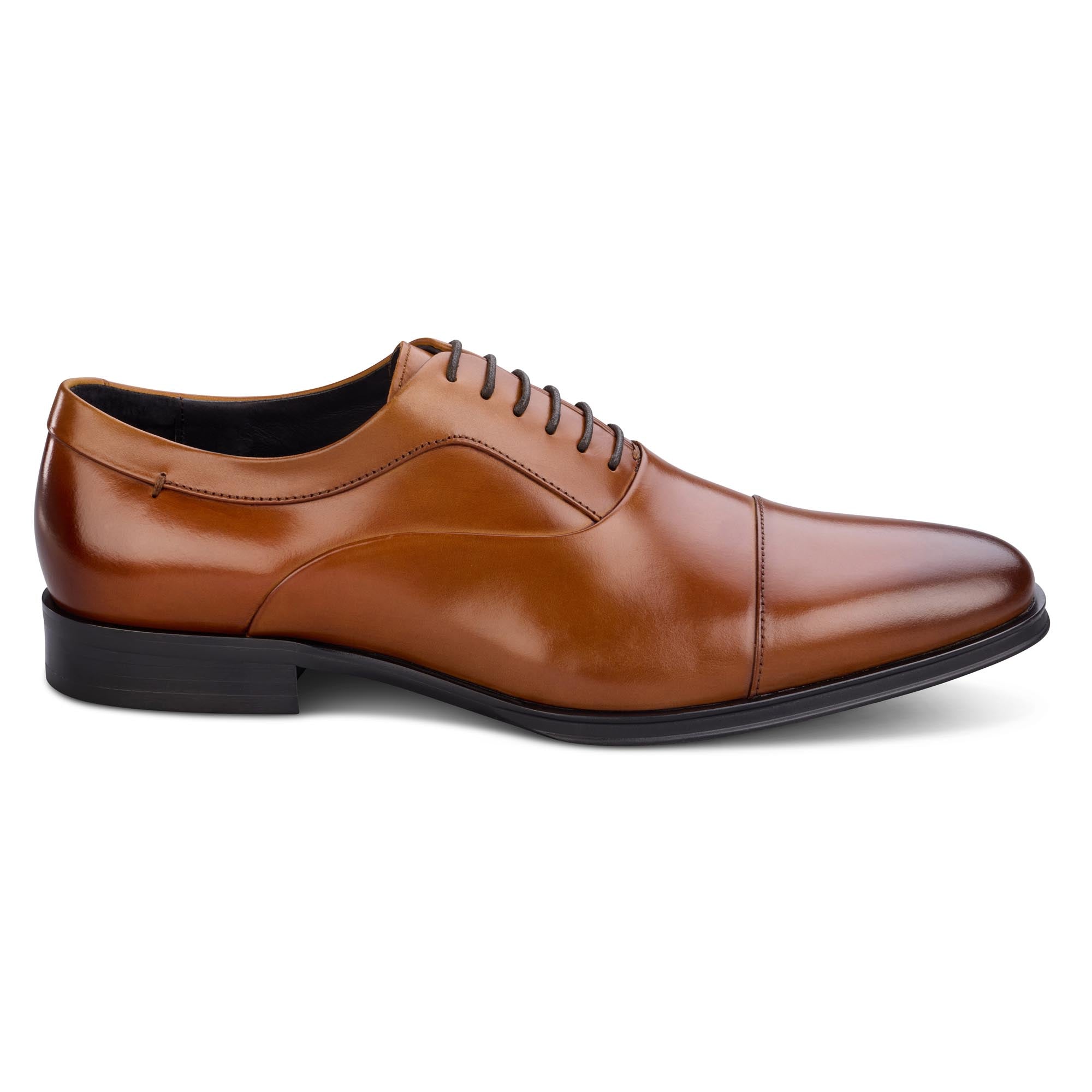
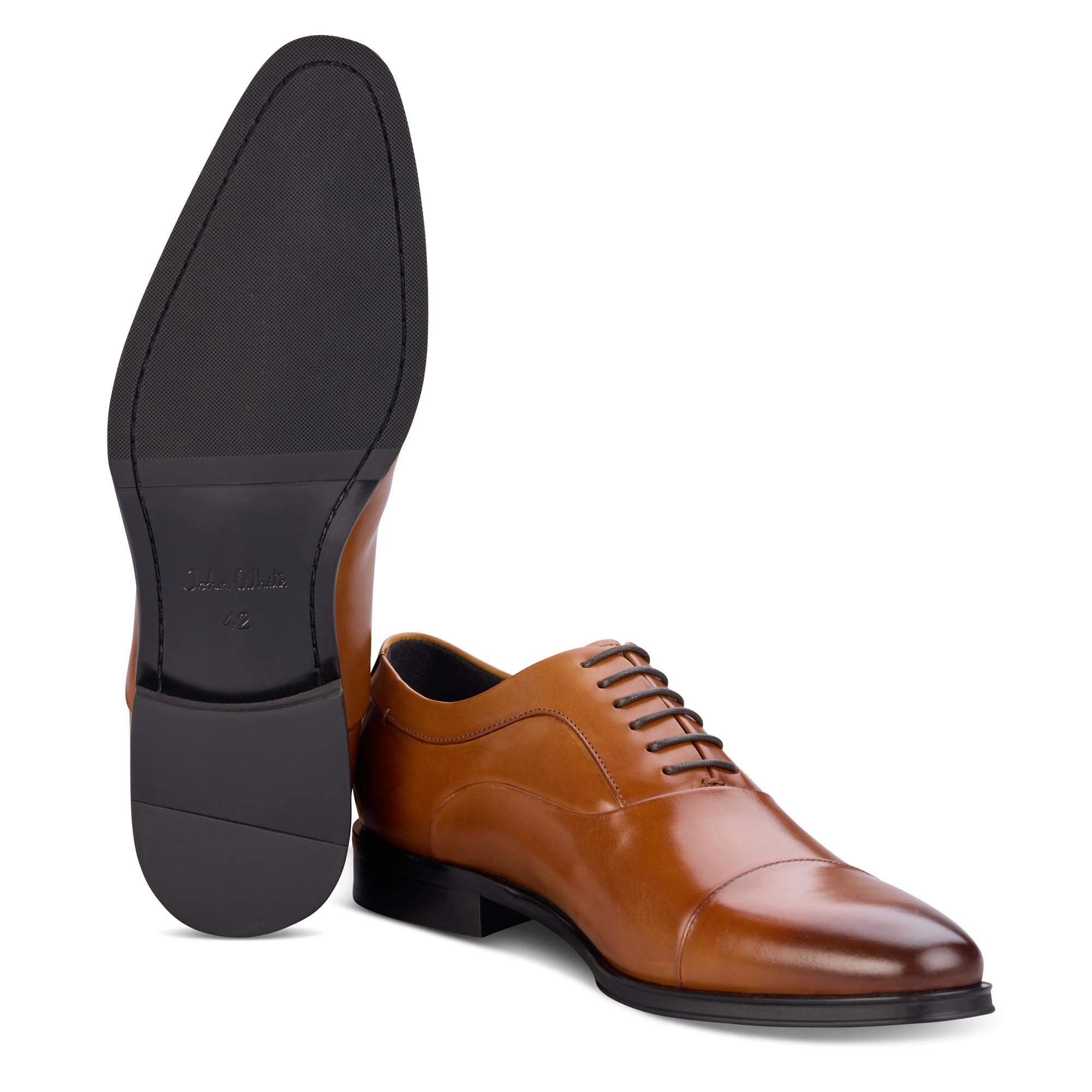
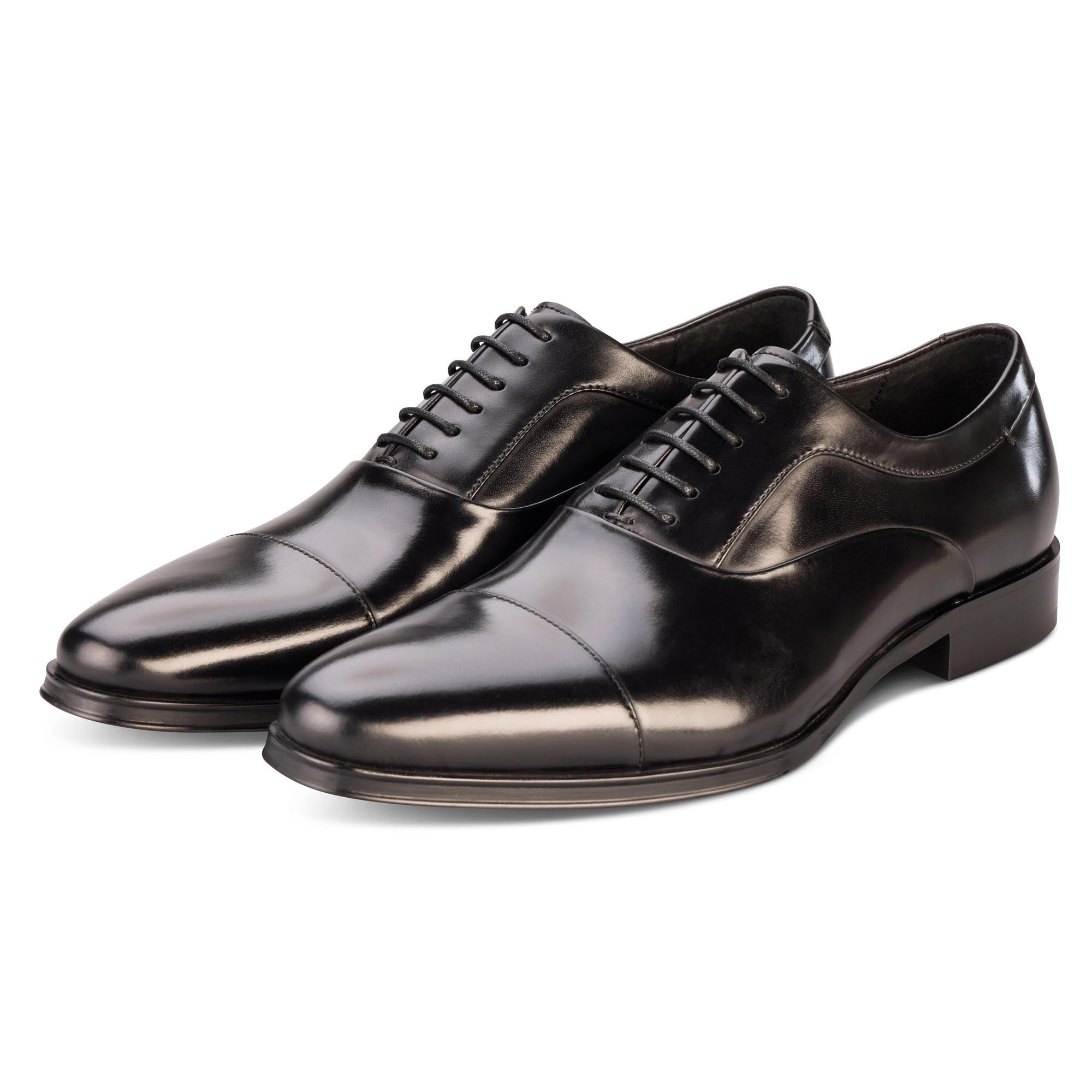
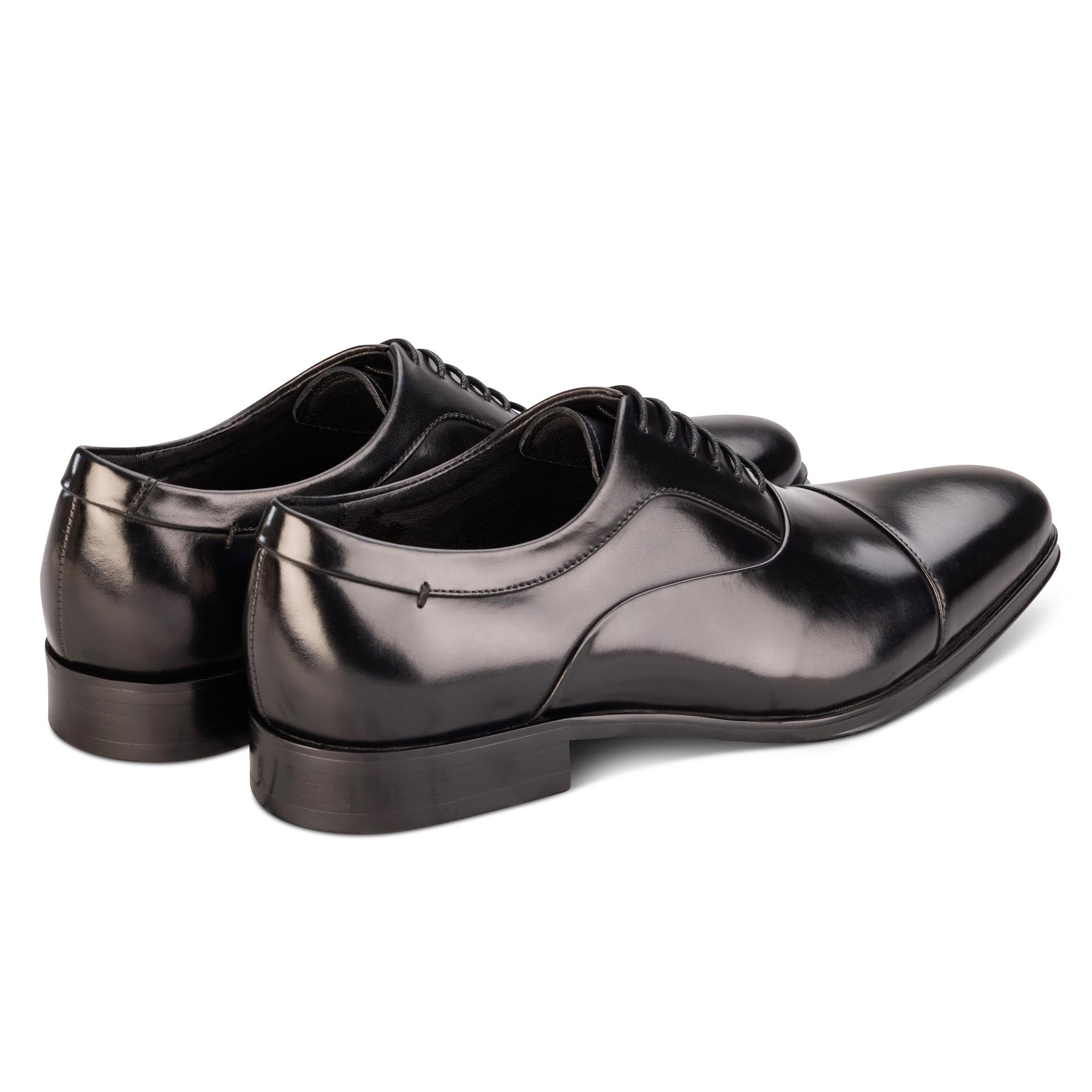
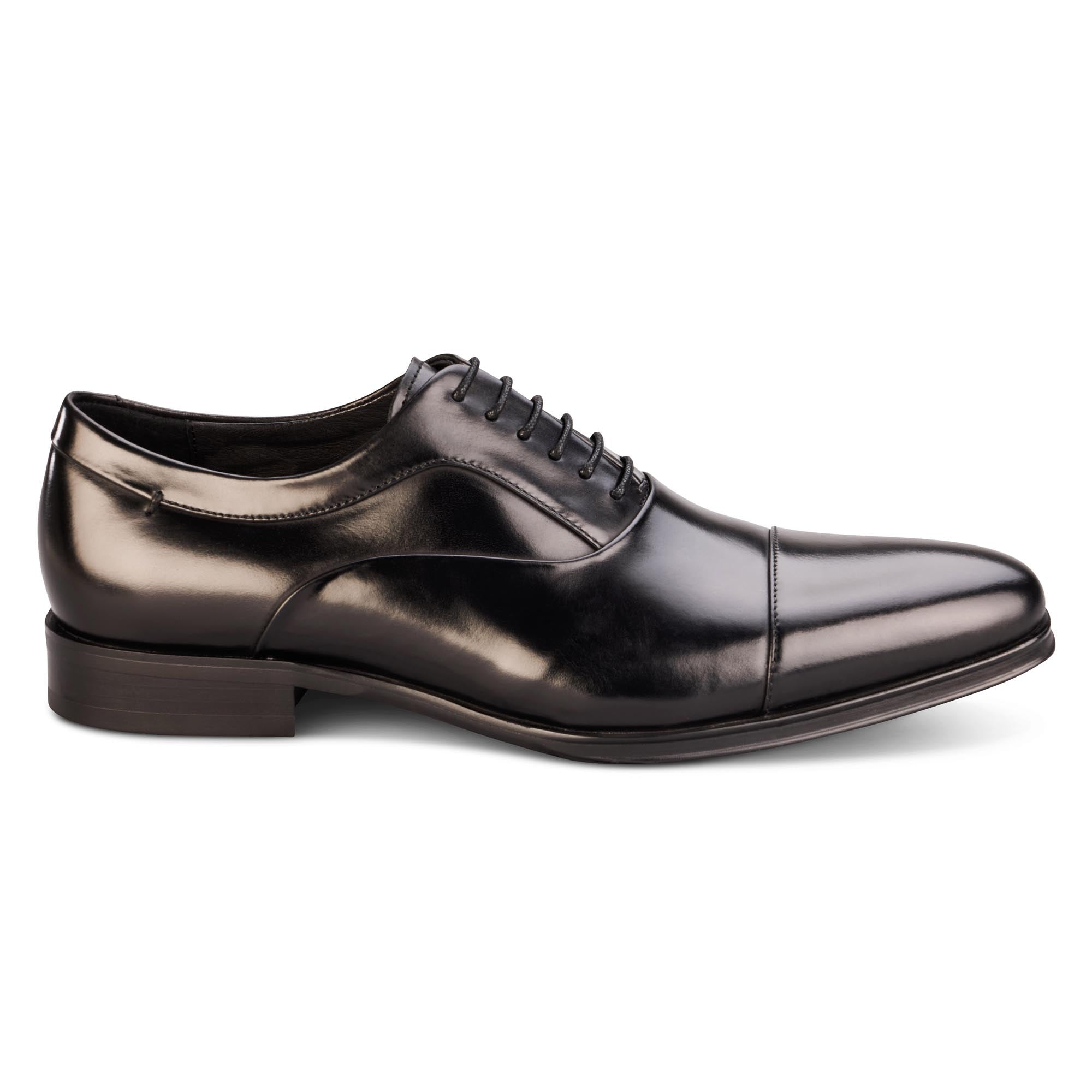
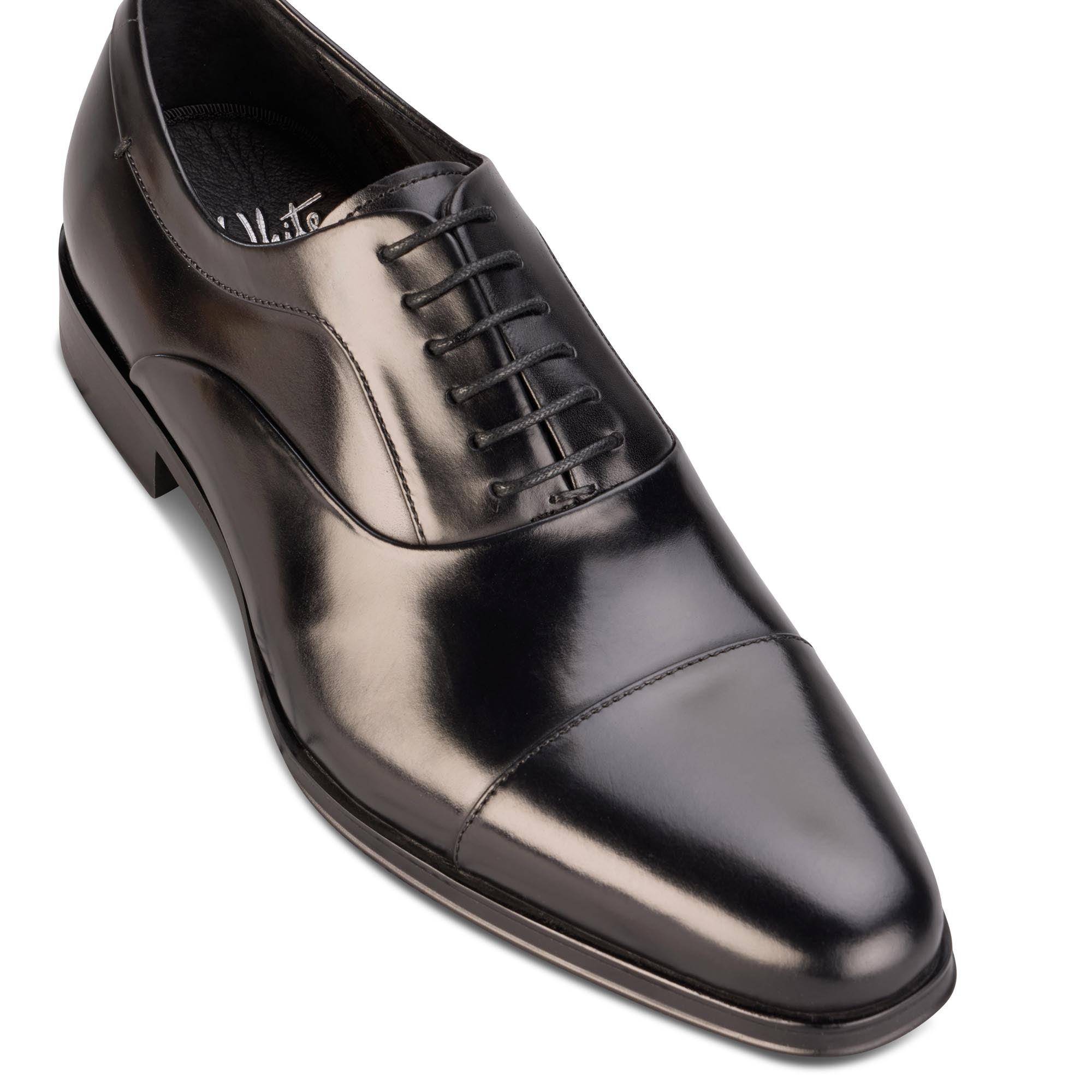
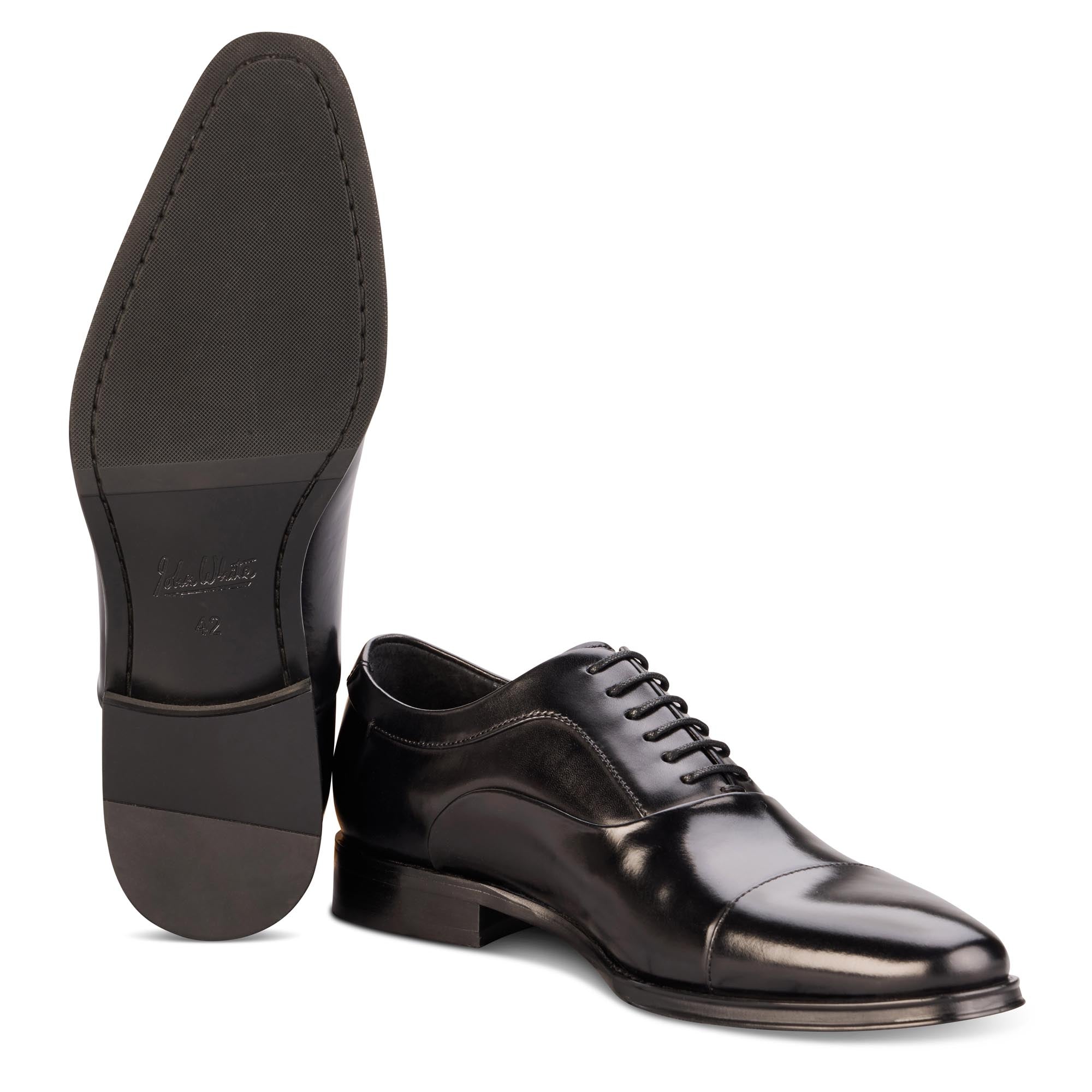
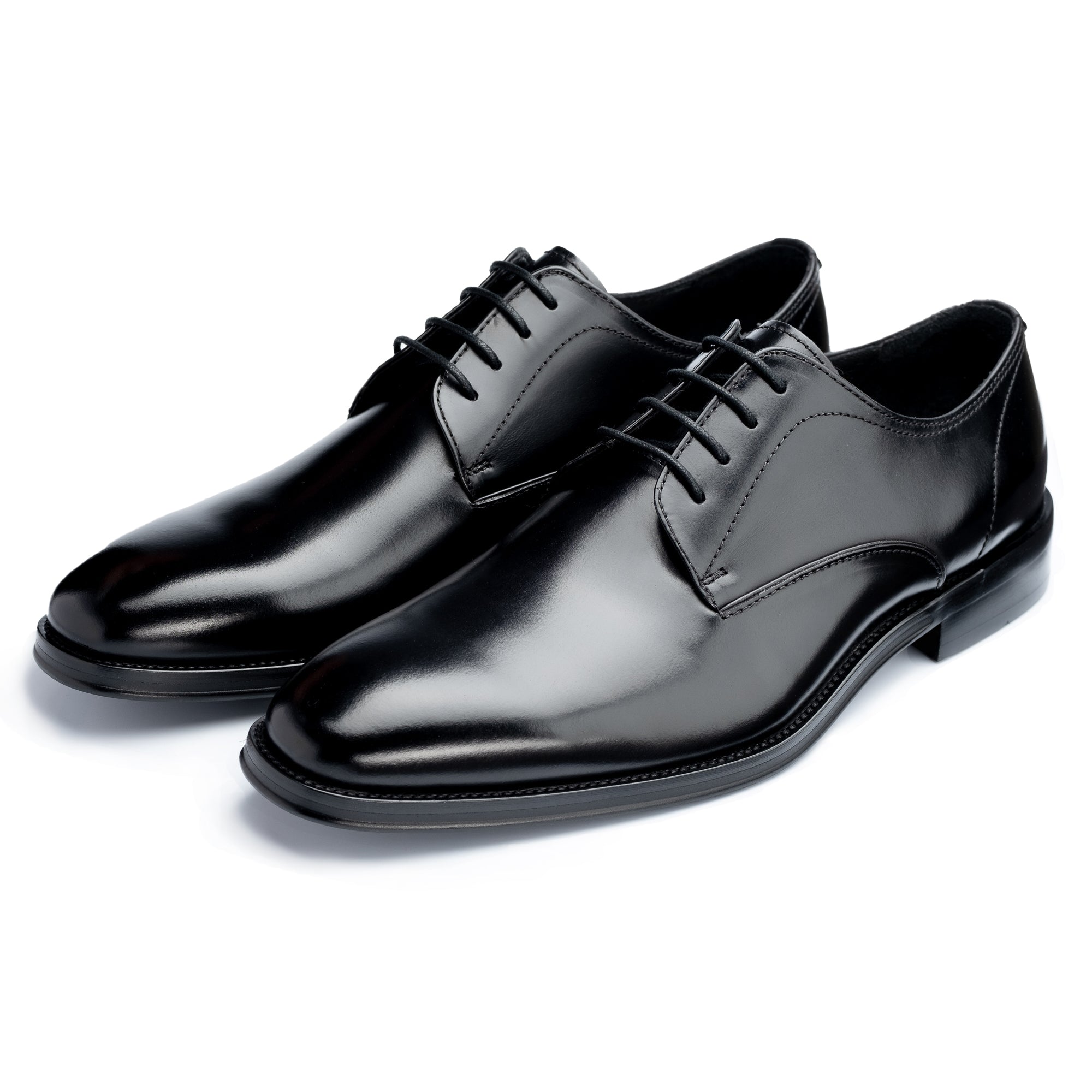
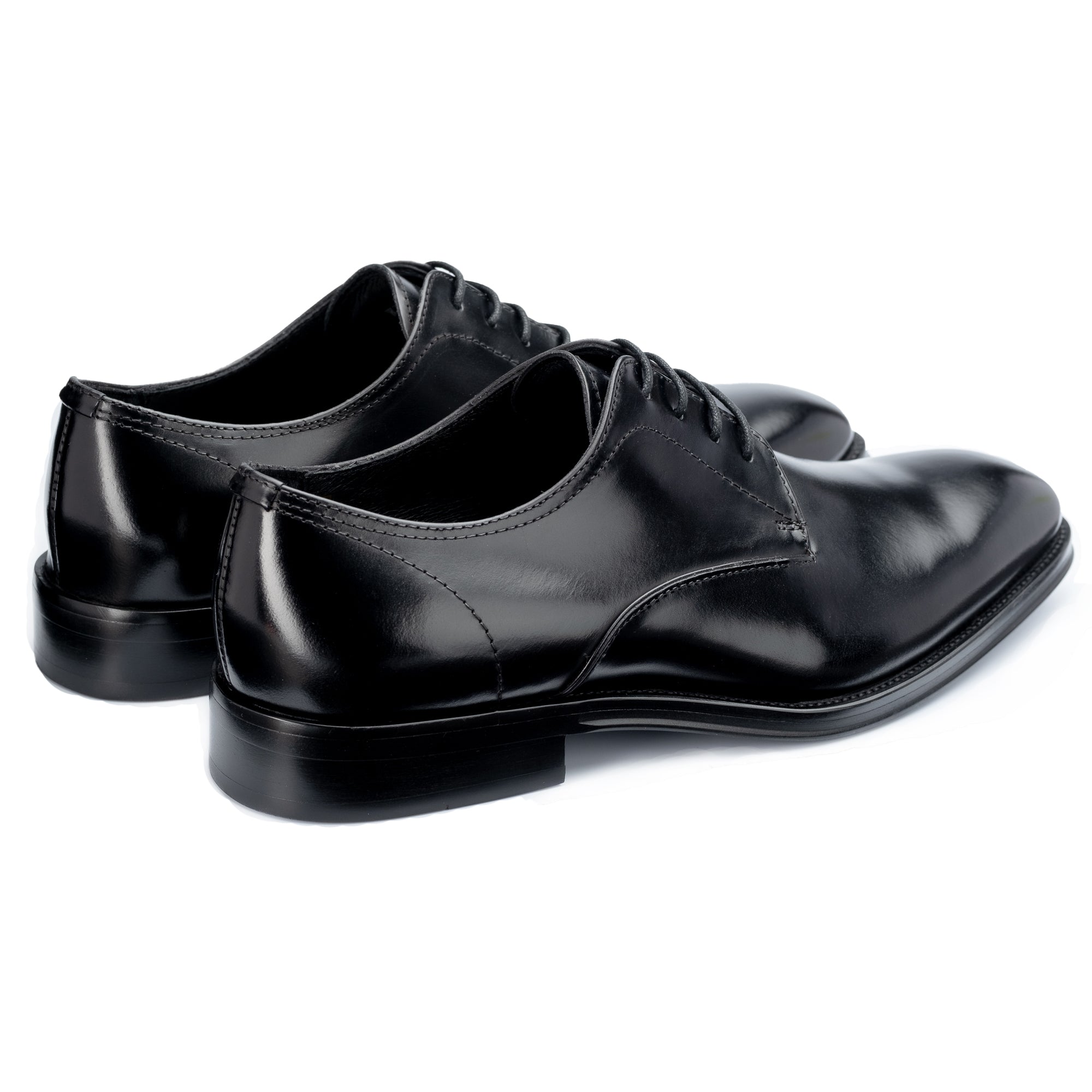
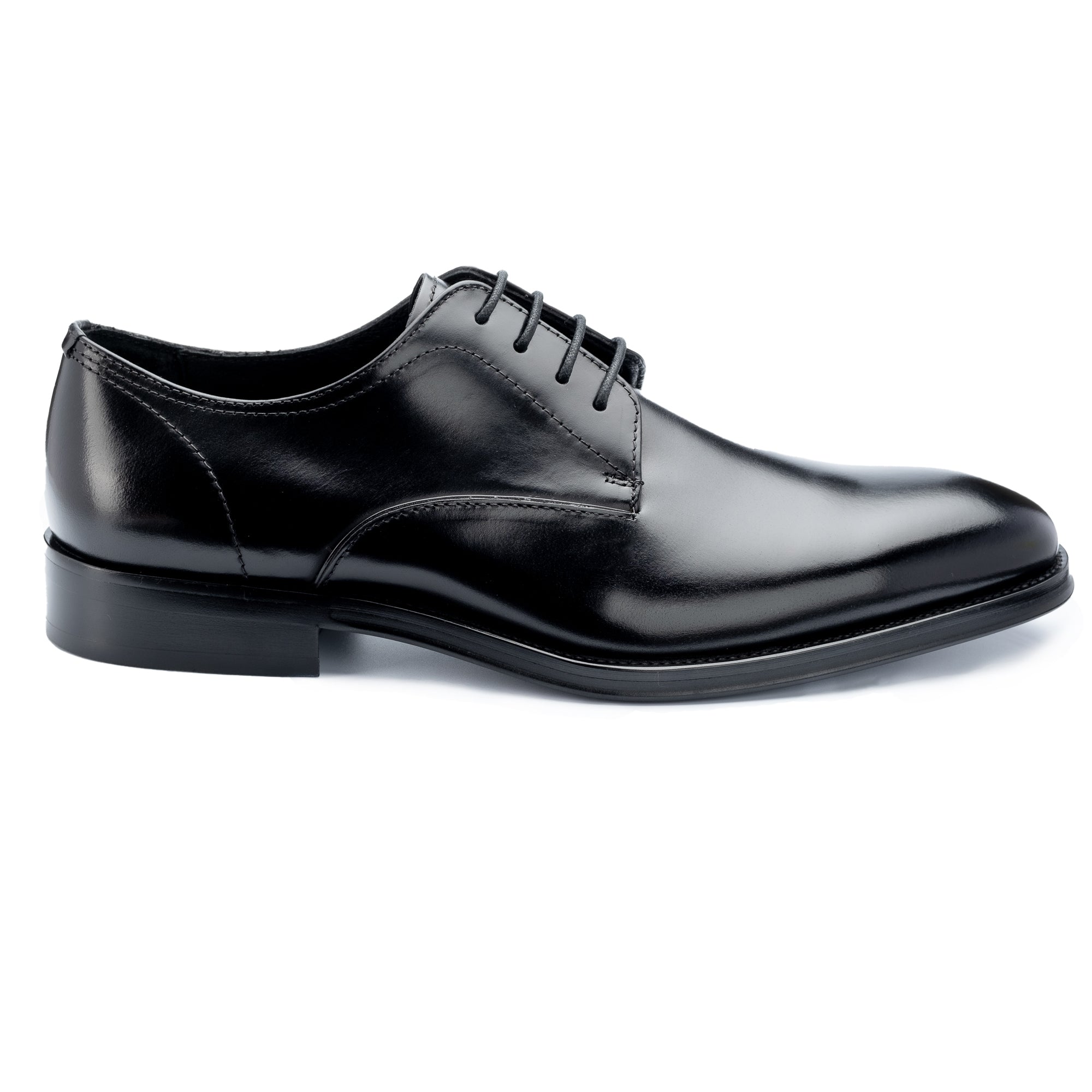
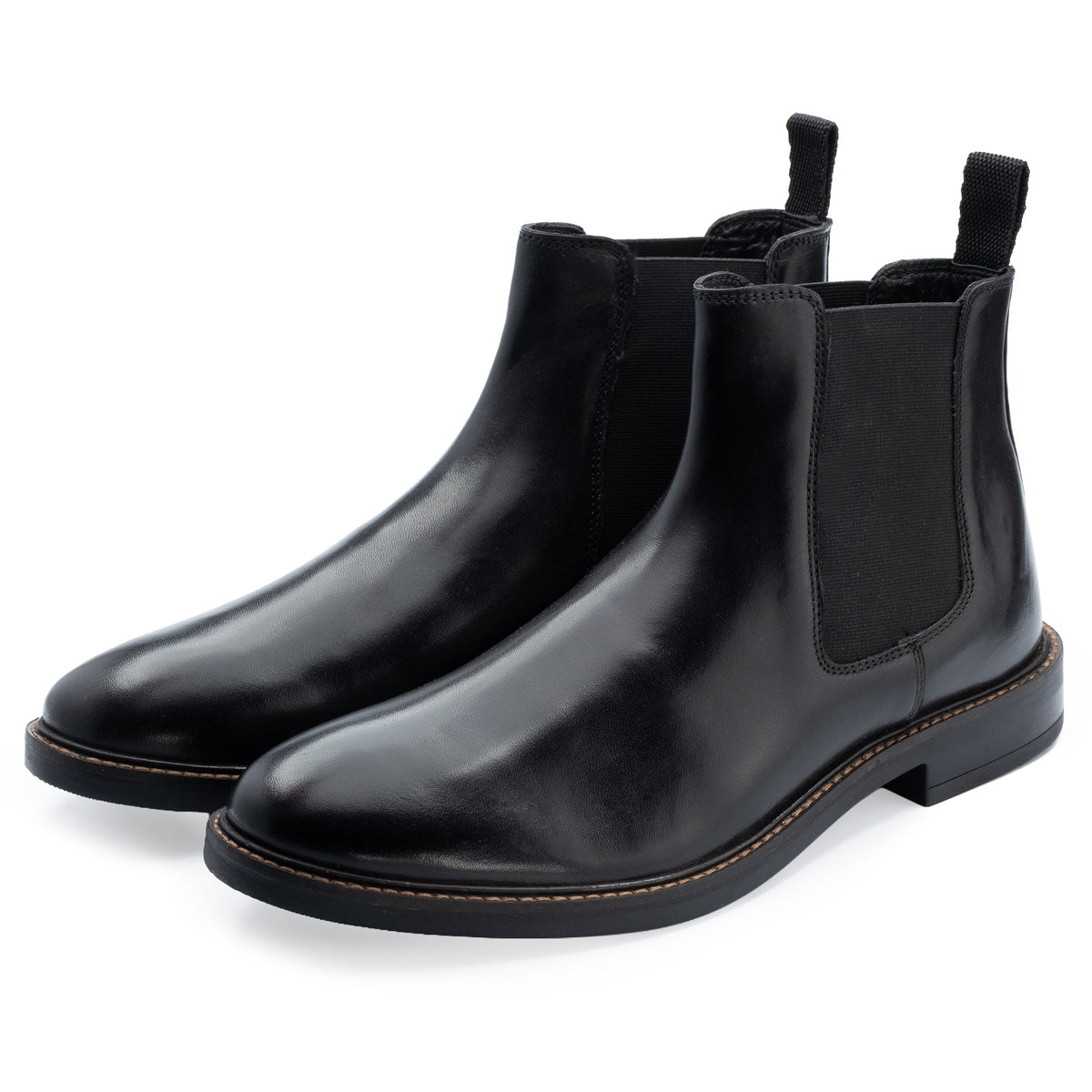
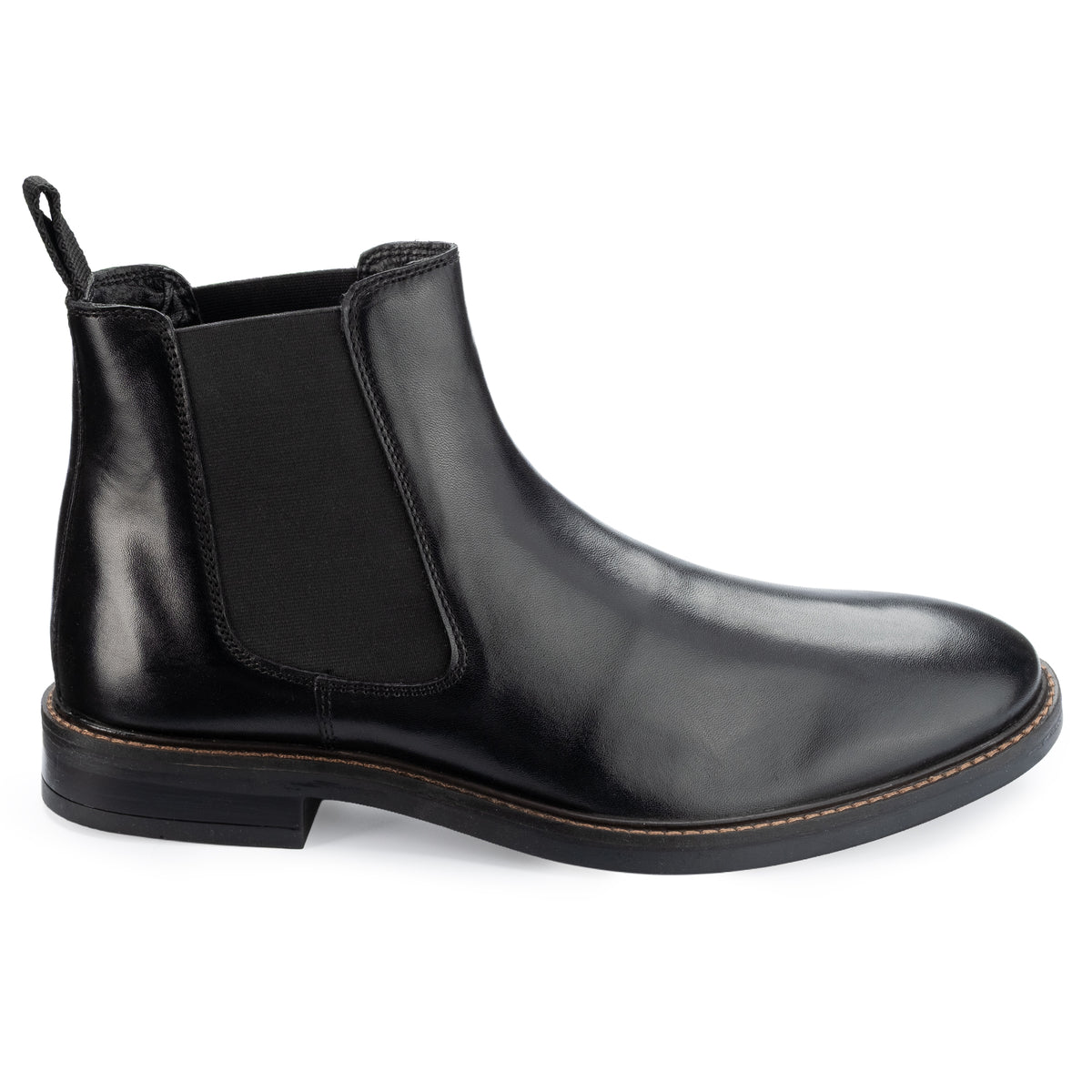
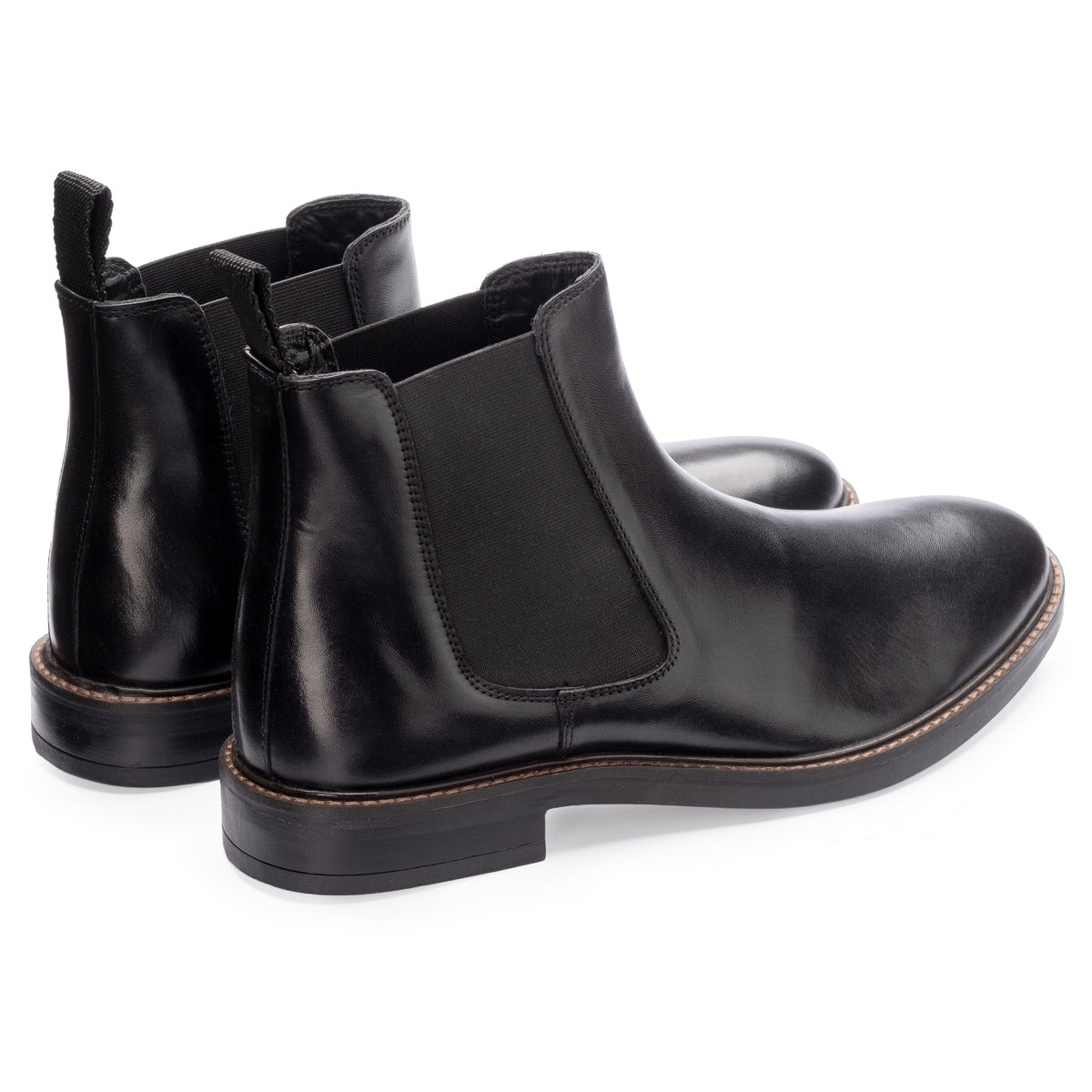
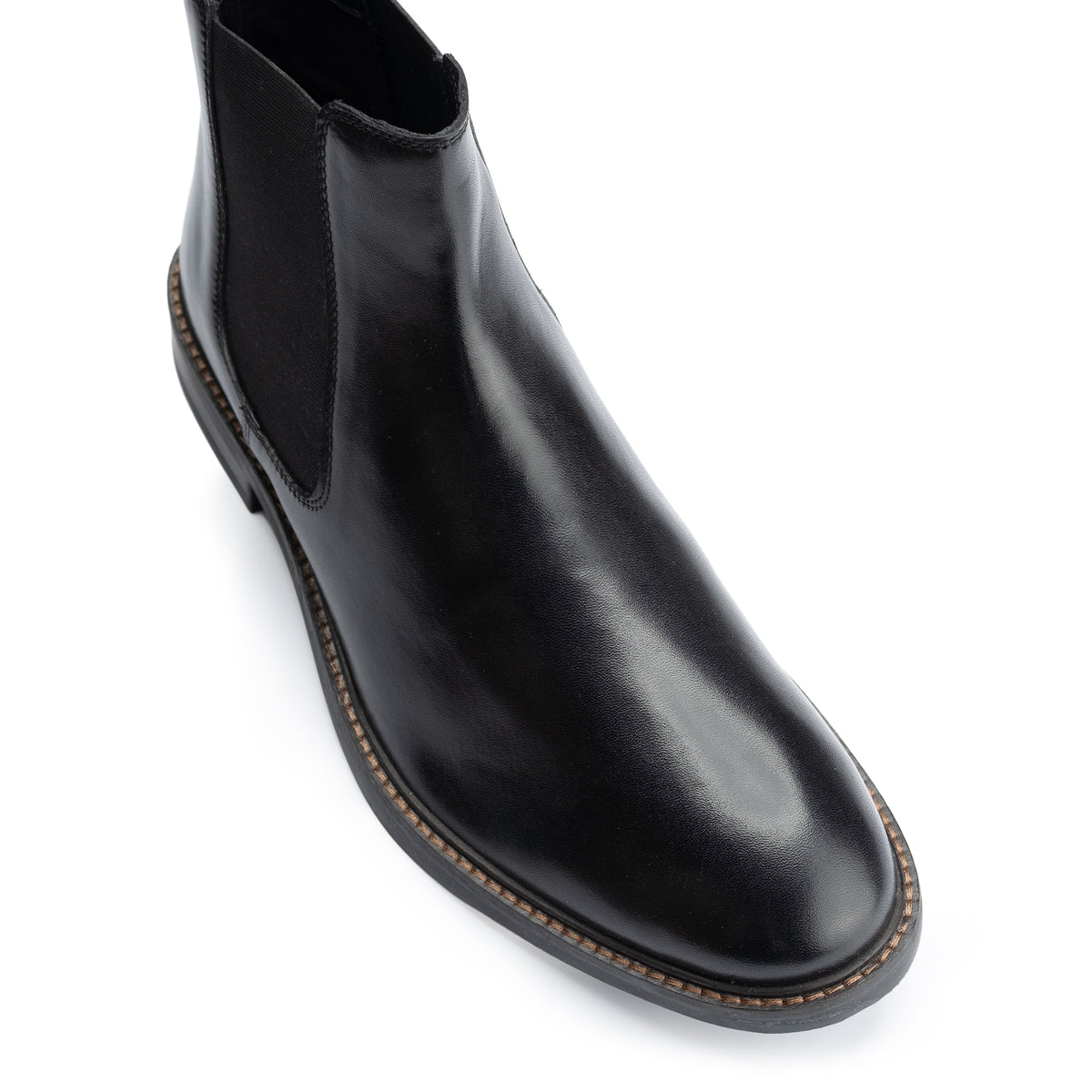
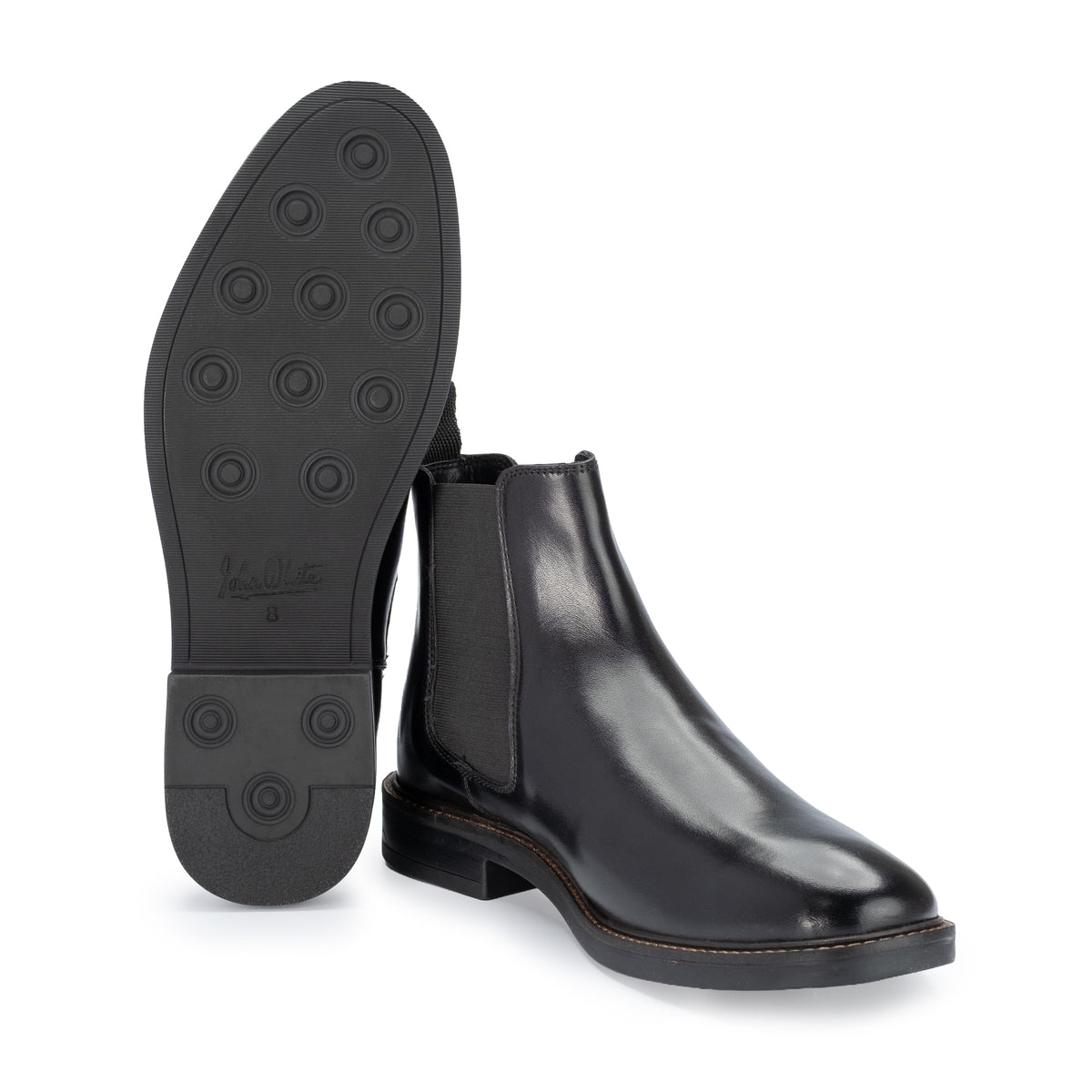
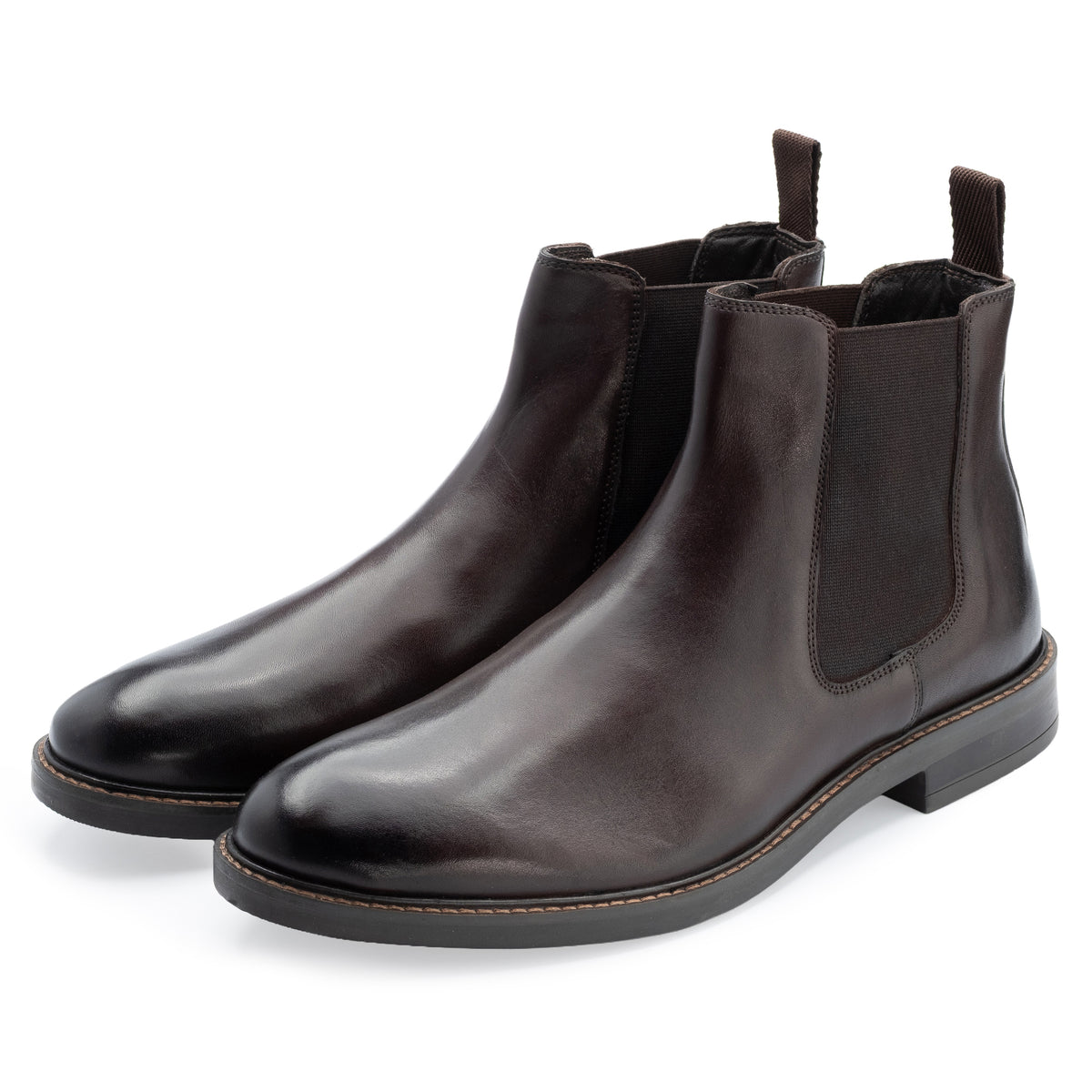
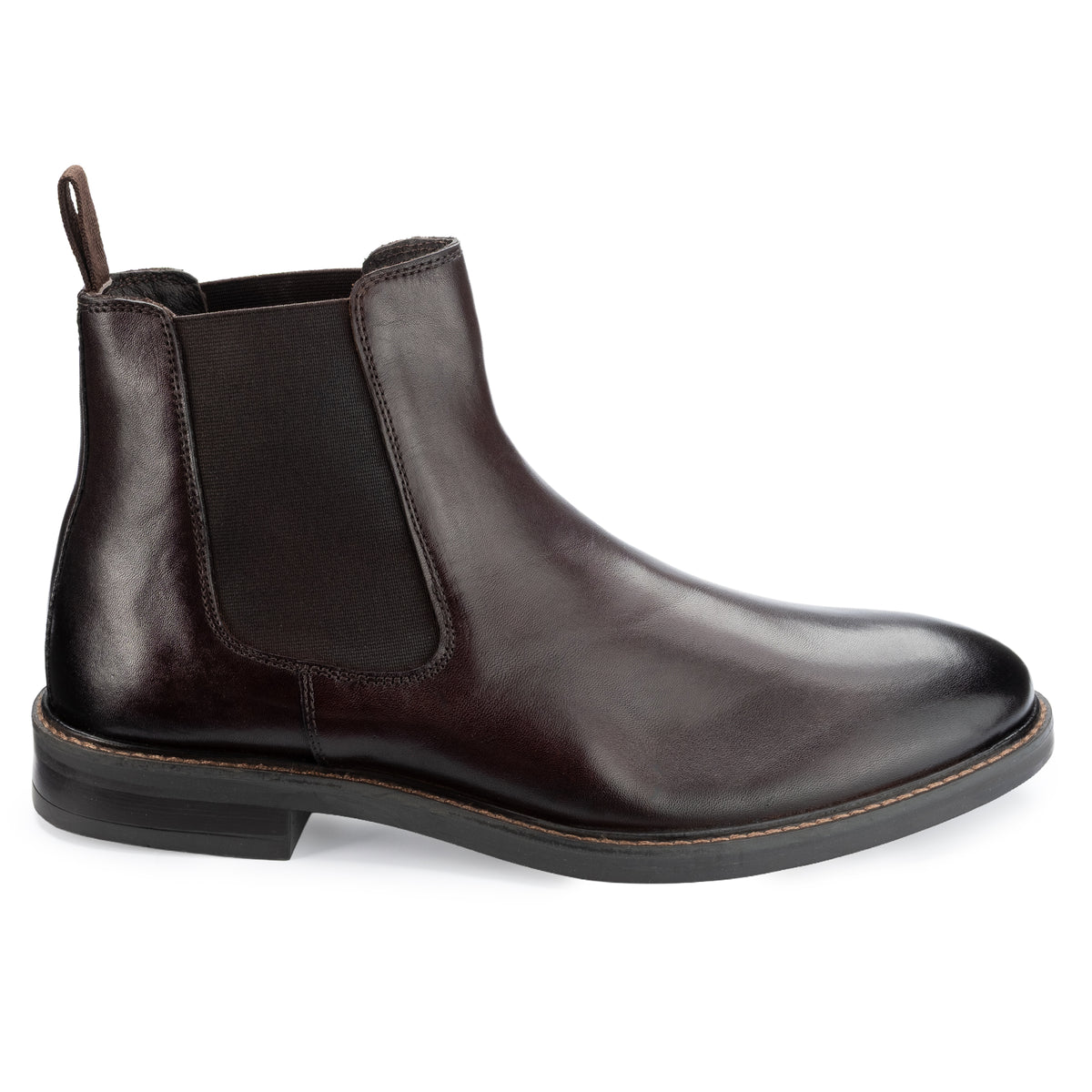
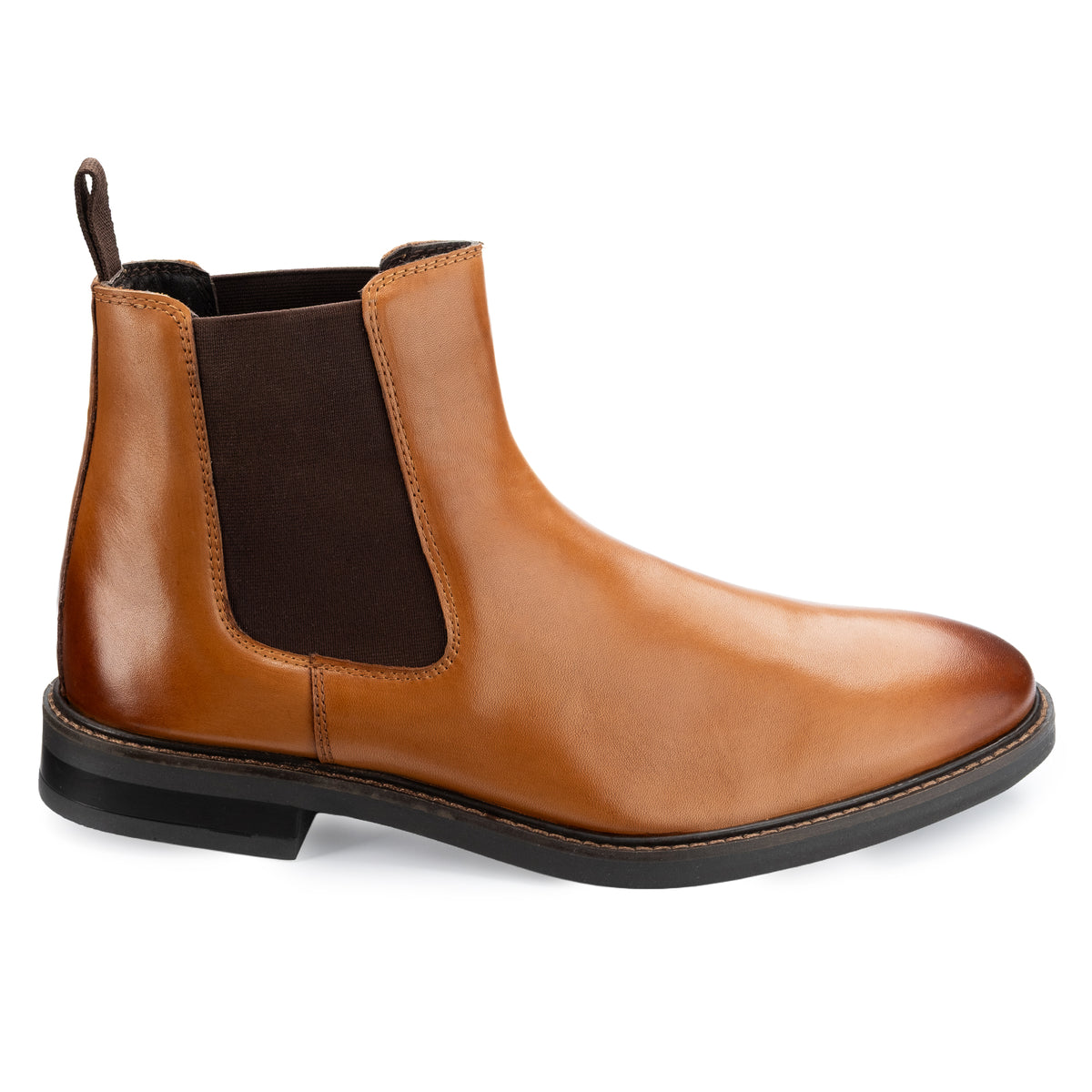
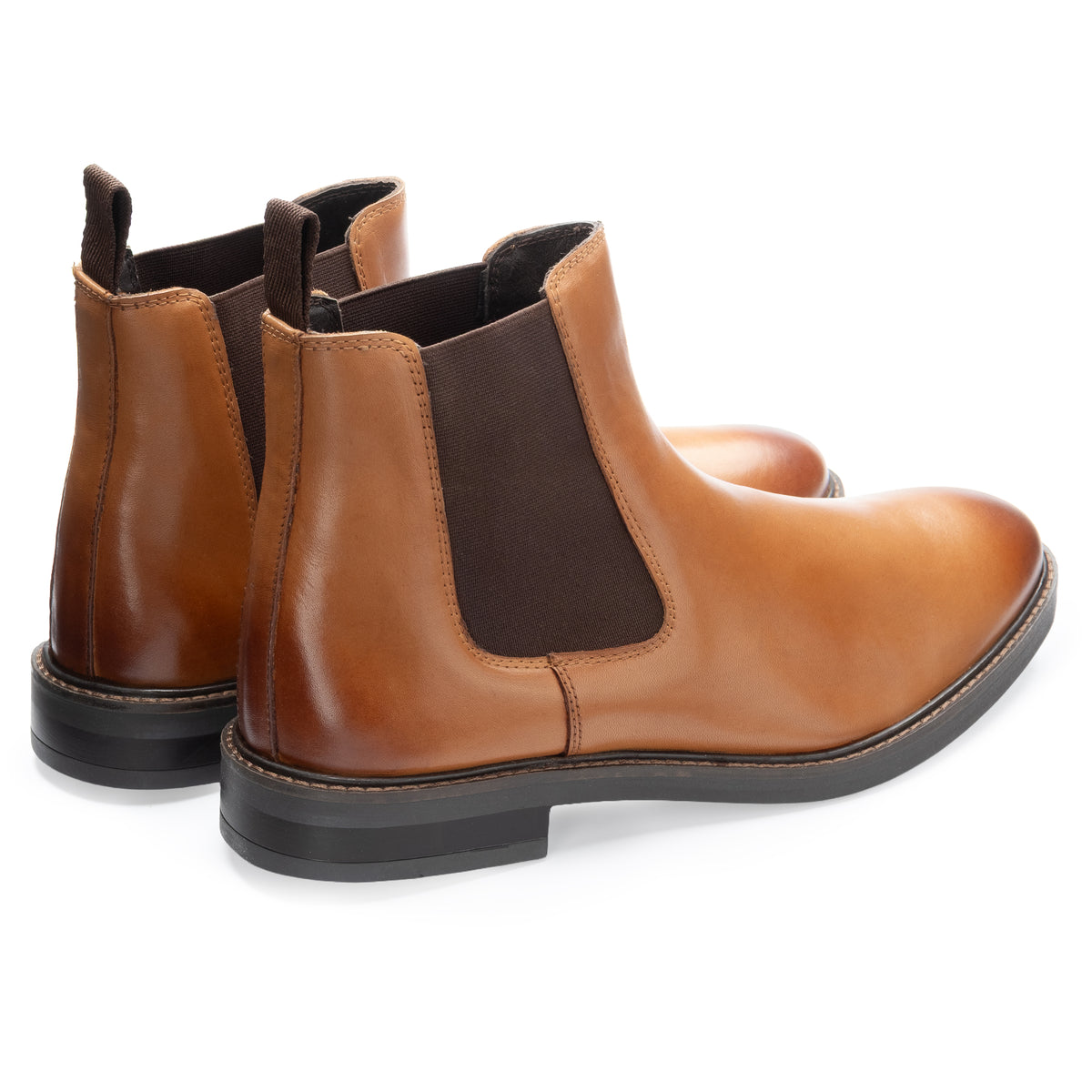
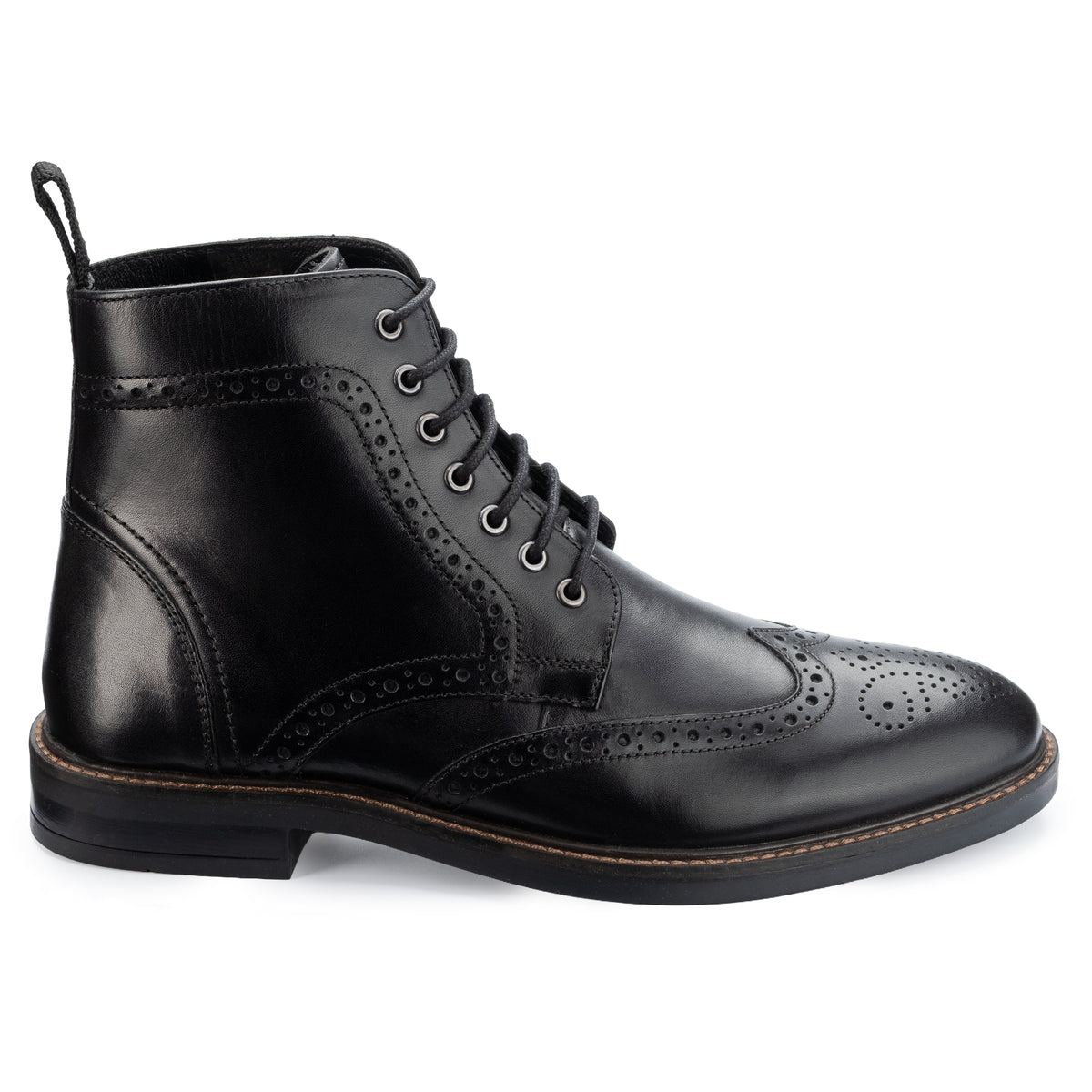
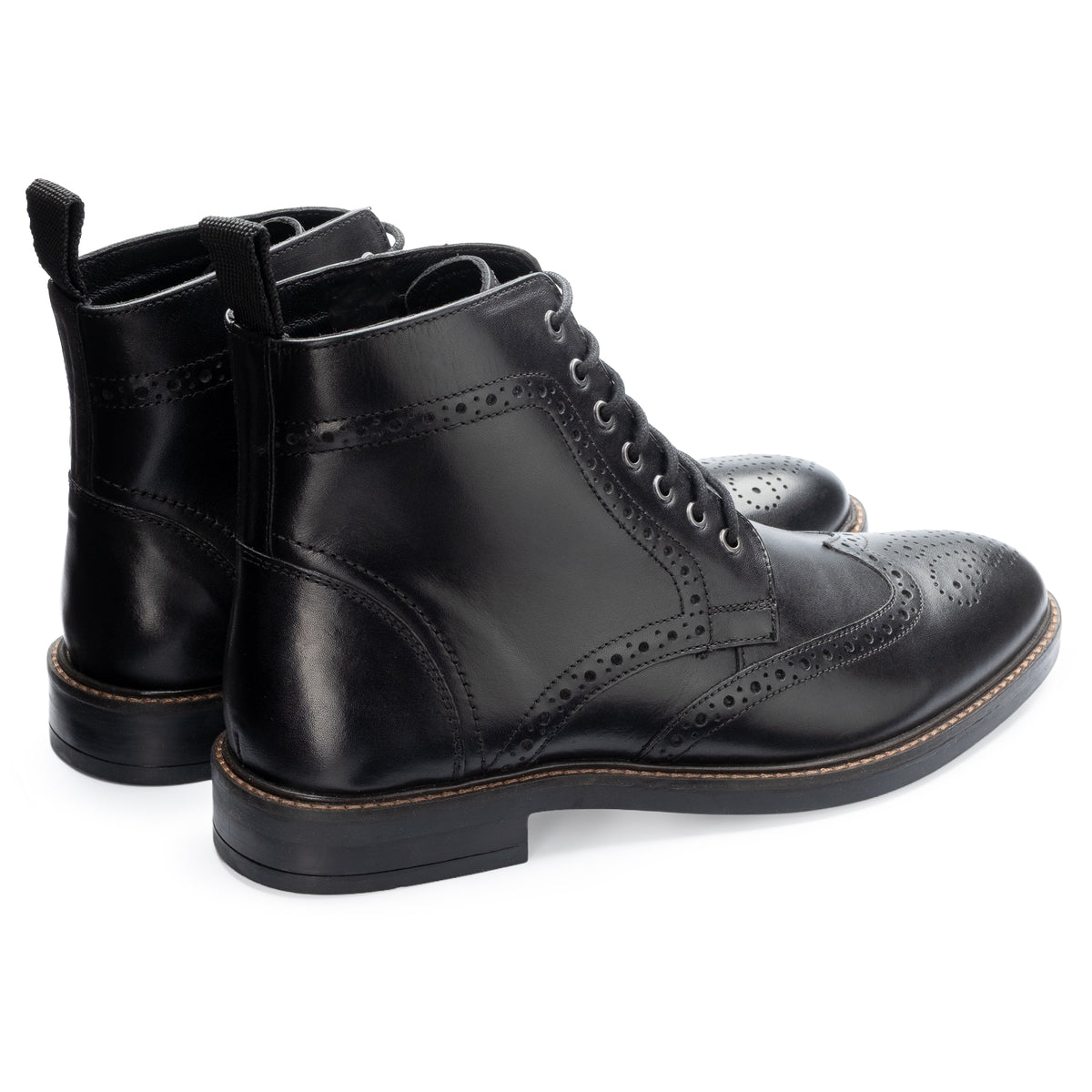
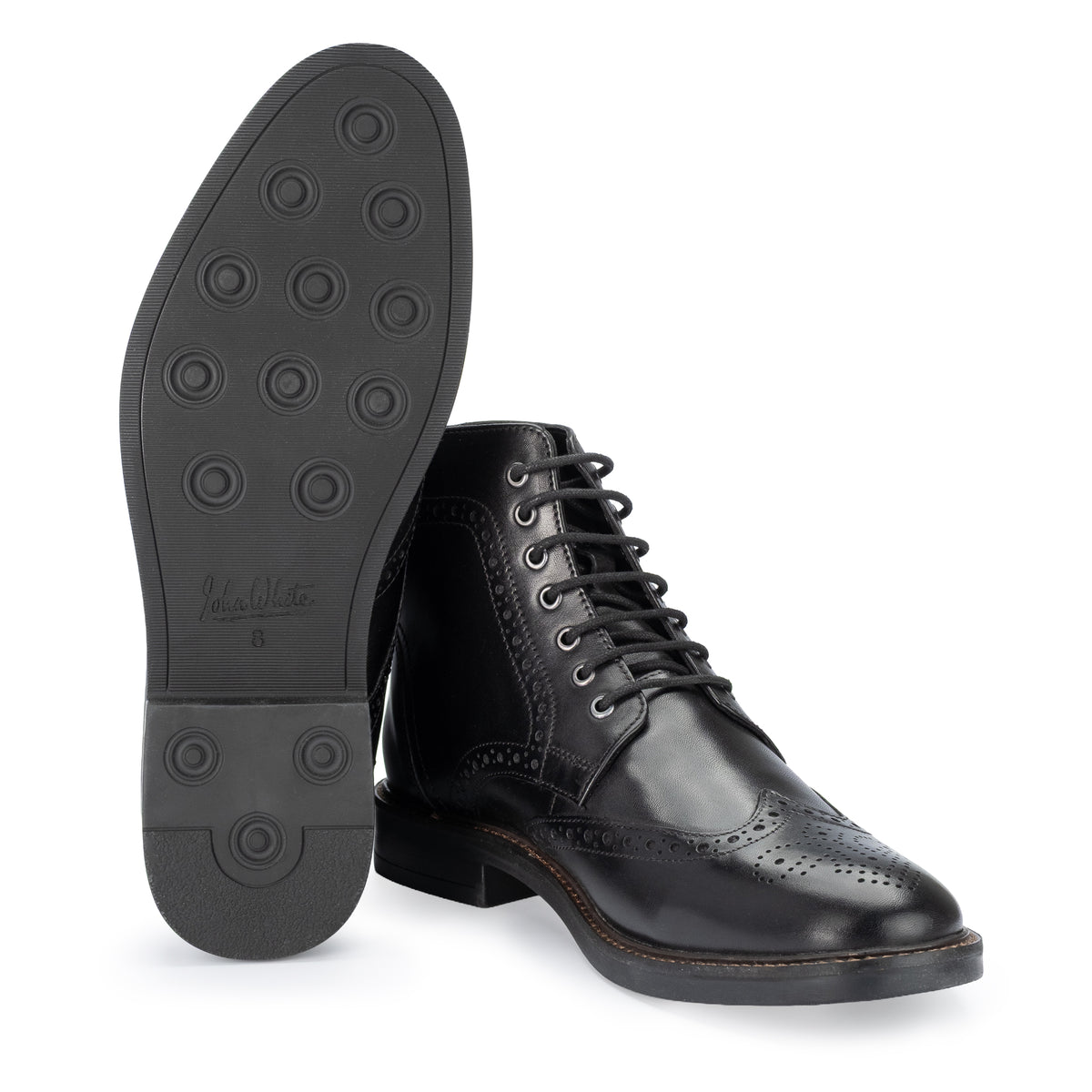
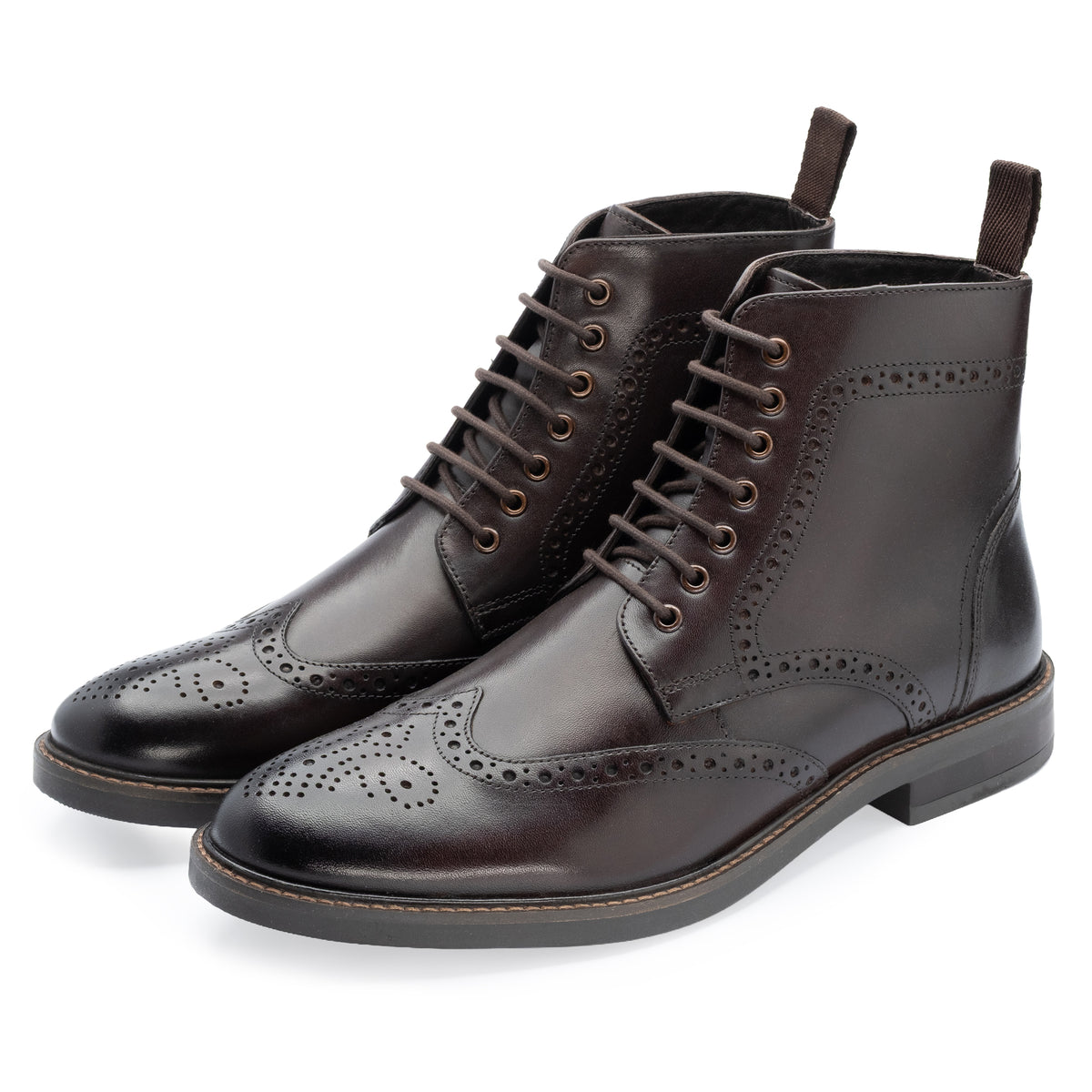
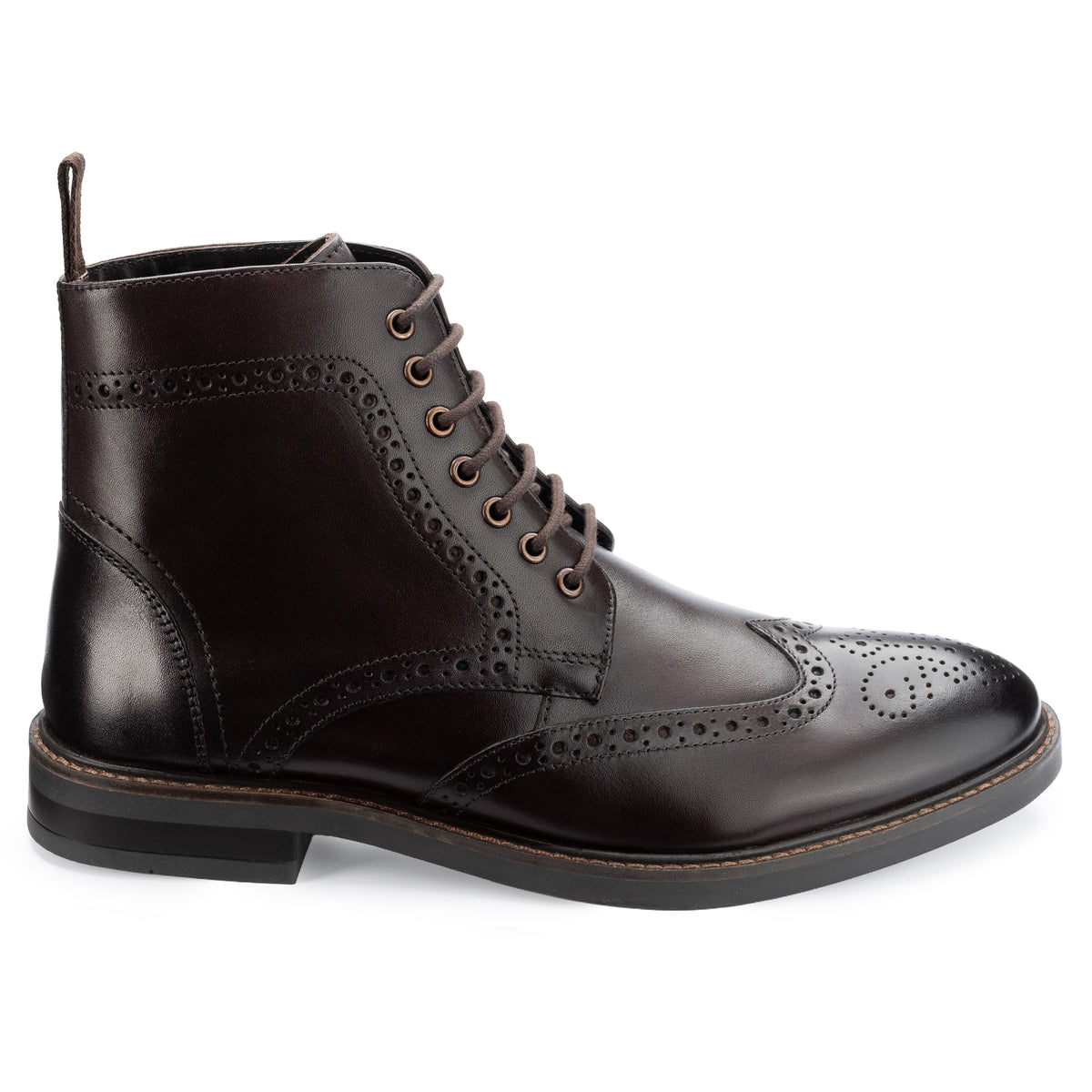
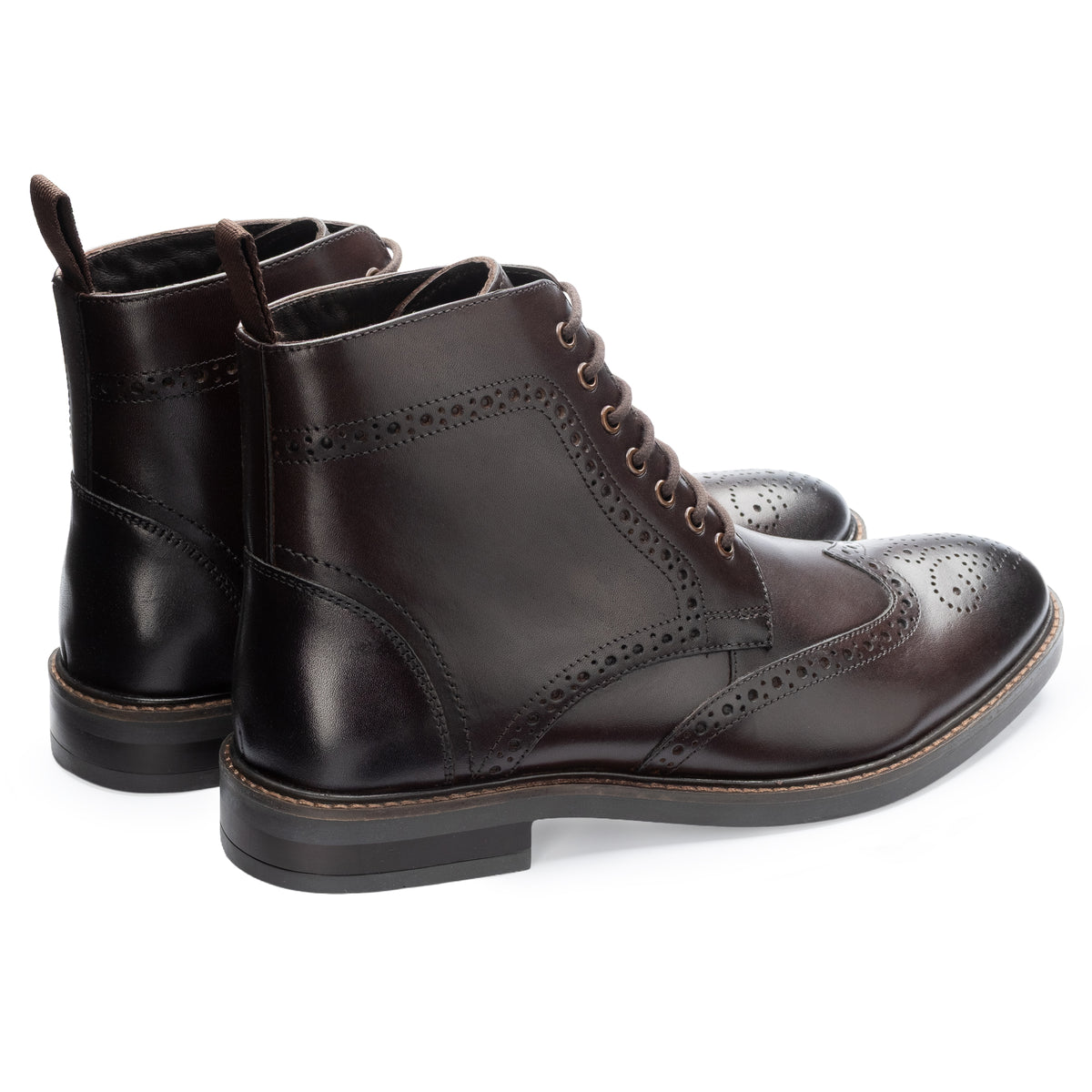
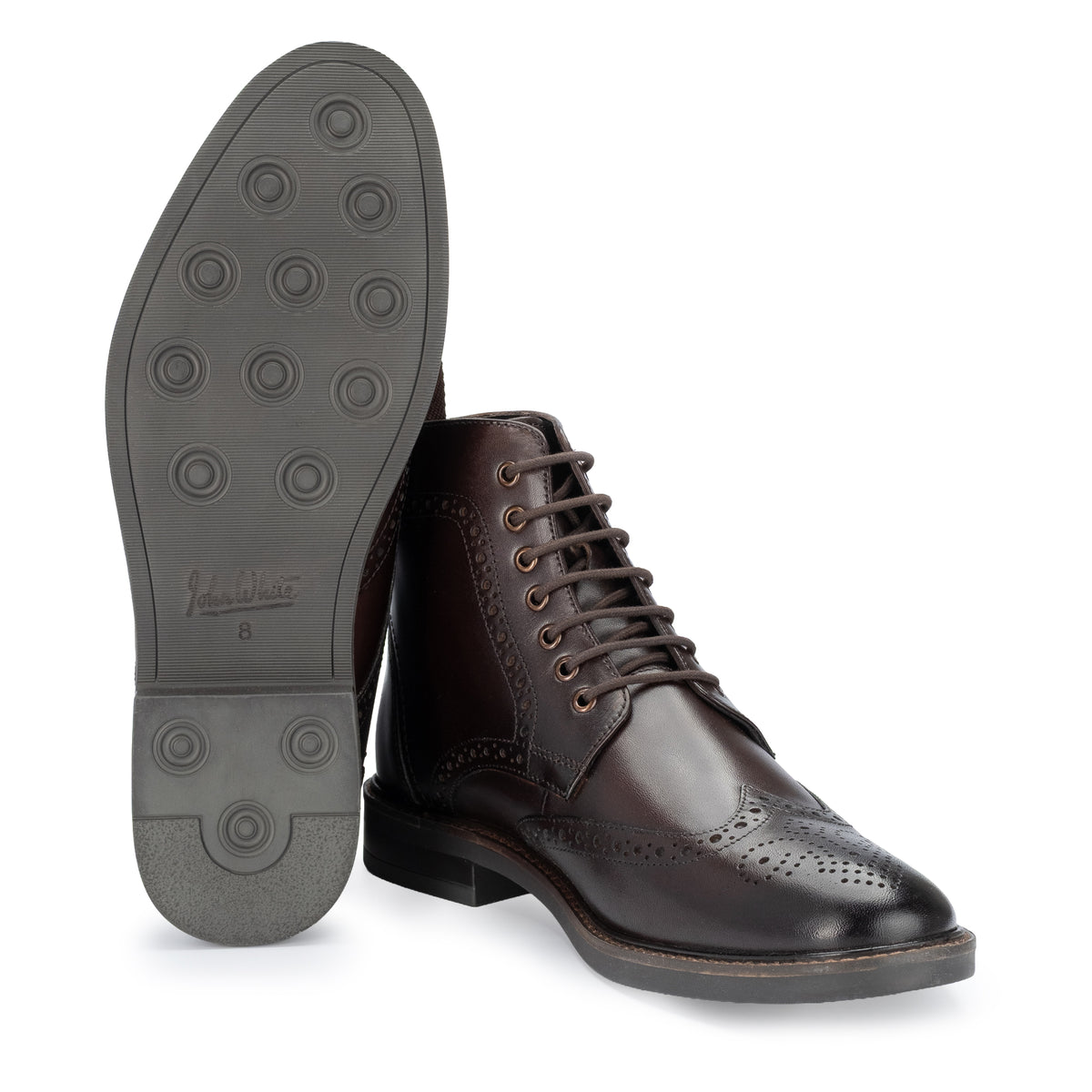
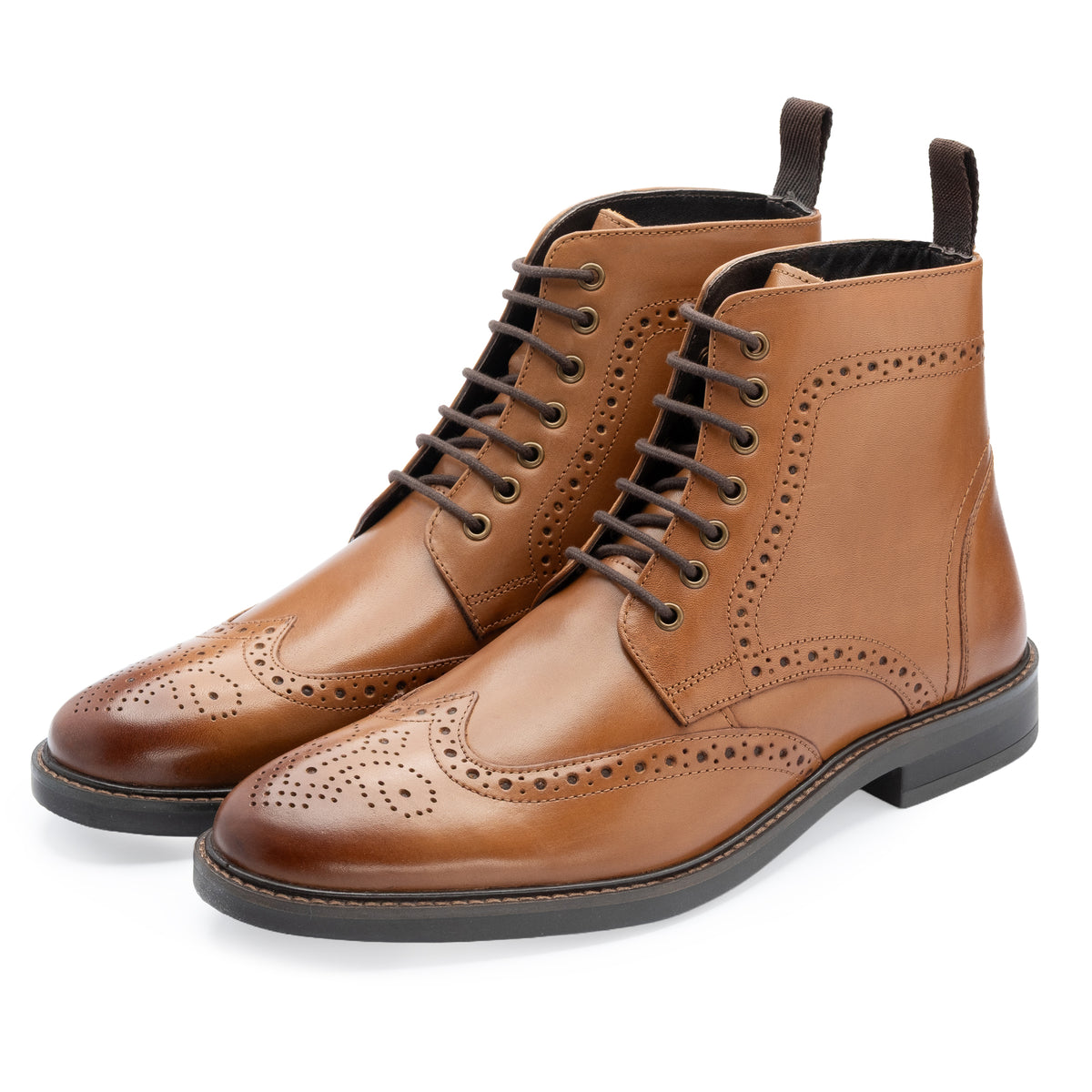
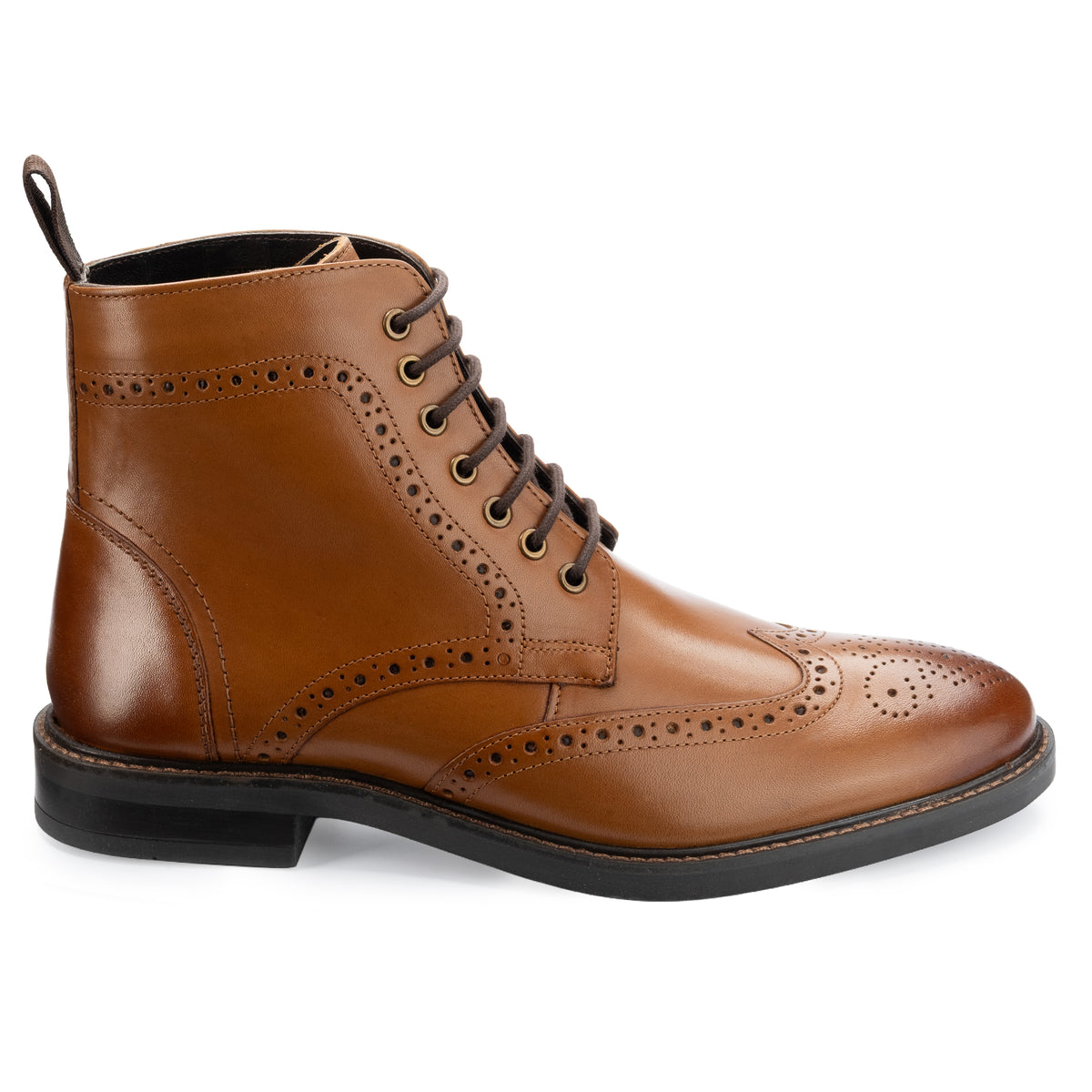
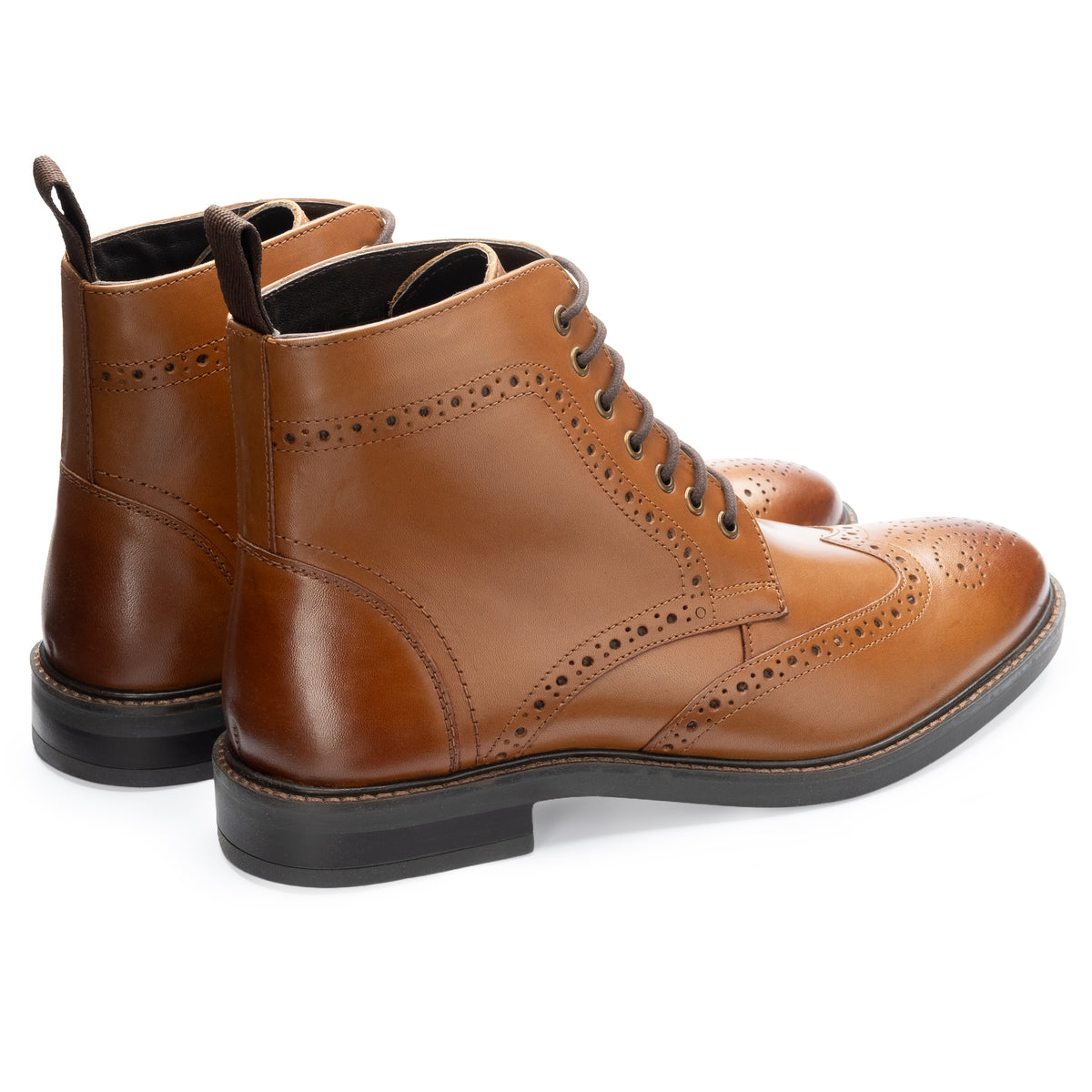
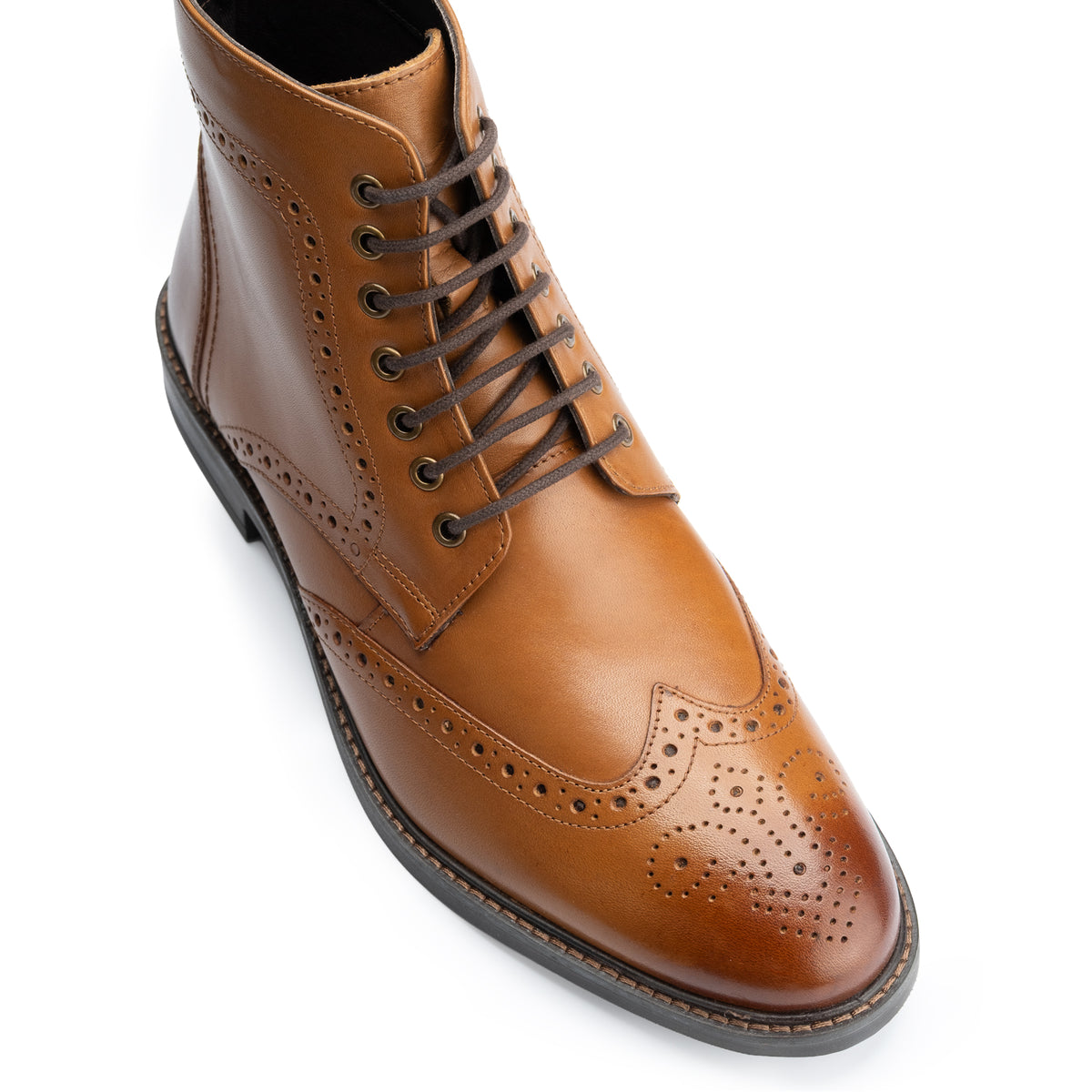
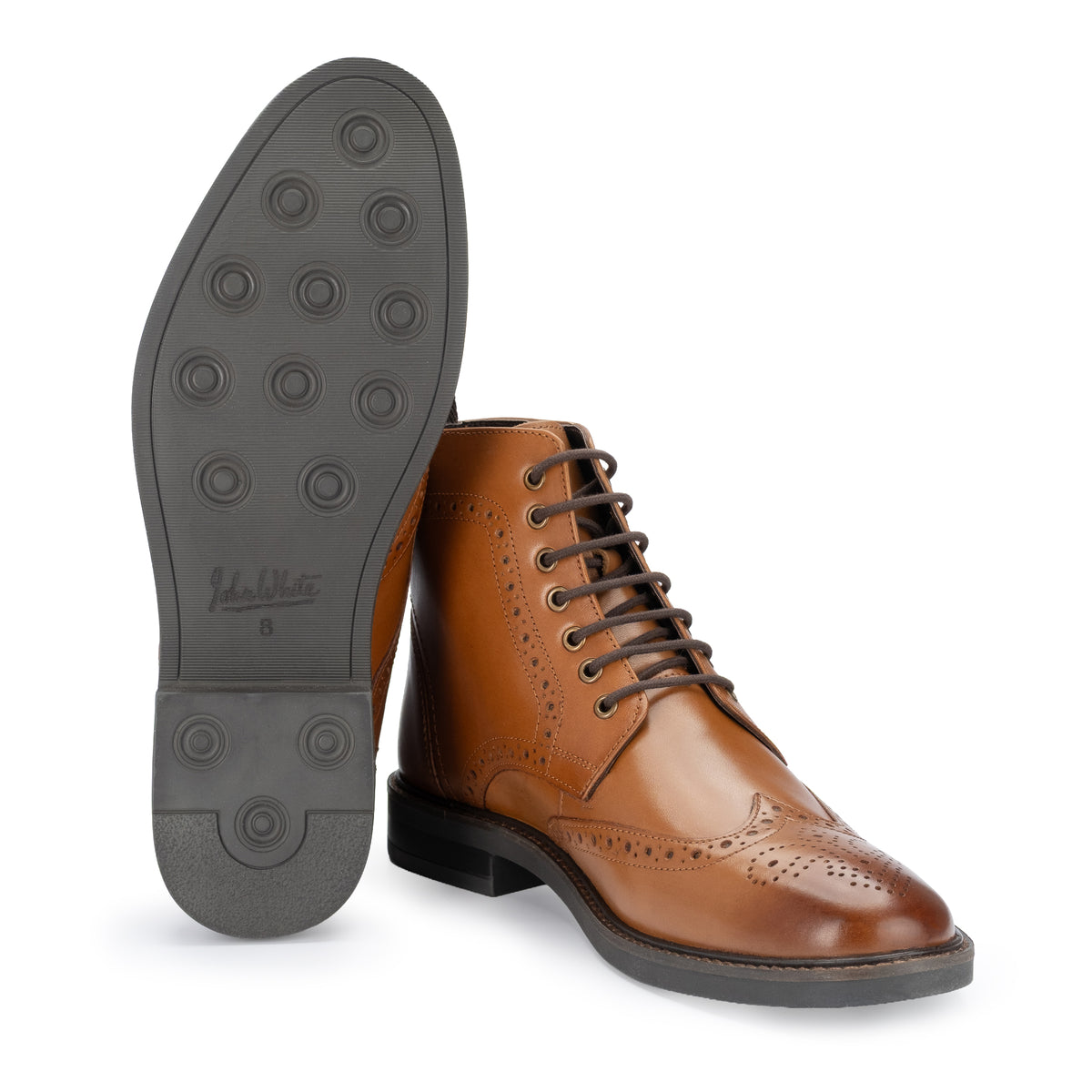
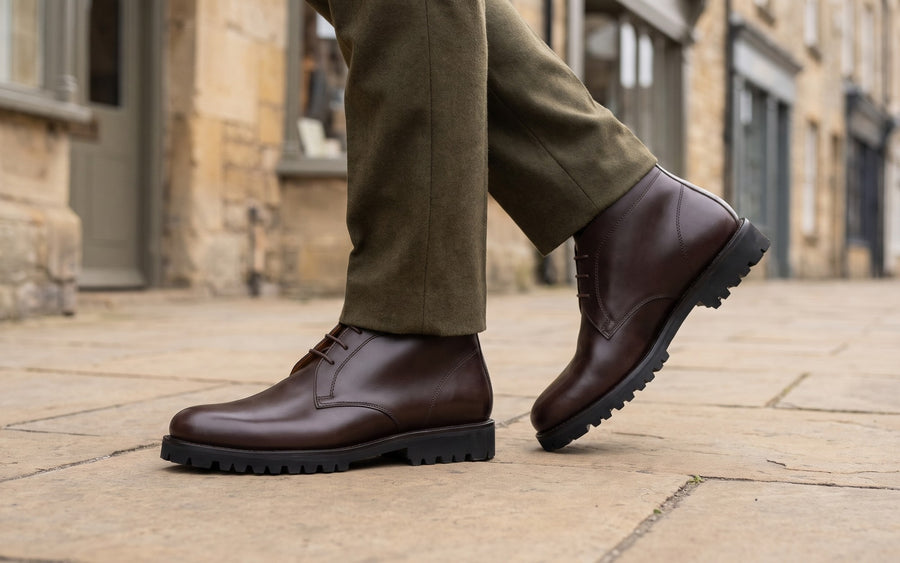
The Guildhall Capped Oxfords and the Aviemore Brogue Boot are worth examining alongside this checklist. Both show what a Northamptonshire-designed shoe looks like when those standards are applied to a current range. The full men's shoes collection and men's boots collection are the place to start if you're building from scratch.
When a shoe carries genuine design heritage, it shows in the last shape, the leather choice and the finishing: the details that someone with twenty years at the bench learns to get right.
Related Guides
- Higham Ferrers and the Northamptonshire Shoe County: What the Region Still Means for British Footwear
- One Hundred and Seven Years of Shape: How the JWS Silhouette Has Evolved Since 1919
- Full-Grain vs Corrected-Grain Leather: What the Upper Tells You About a Shoe's Quality
TL;DR: Northamptonshire built its shoemaking reputation through geography, craft knowledge and generations of industrial skill concentrated across its towns. John White Shoes was founded in Rushden in 1919, grew to produce over eight million pairs of service footwear during the Second World War, and closed its Rushden factory in 1991. The brand was revived in 2000 and continues today as a British heritage design house: every pair designed in Northamptonshire, made by specialist shoemakers abroad to our own specification, and checked by us before it reaches you.
Frequently Asked Questions
Where are John White Shoes made?
Every John White shoe is designed in Northamptonshire. The shoes are made for us by specialist shoemakers abroad, to our own specification. We choose the leathers and materials, approve each sample before production begins, and check the finished pairs before they reach you. Our own Rushden factory closed in 1991, and we'd rather tell you that plainly than let you assume otherwise.
What made Northamptonshire famous for shoemaking?
Northamptonshire had everything the craft required in one place: cattle farming for hides, oak woodland for tanning, rivers to move materials, and a workforce that passed shoemaking knowledge between generations. When mechanised production arrived in the mid-nineteenth century, the county already had the infrastructure and skills to scale faster than anywhere else in Britain. The result was a regional concentration of craft expertise that shaped the entire British industry.
When did John White start the brand?
John White founded the brand in Rushden in 1919, starting with £100 in an old paint shop behind Crabb Street. He'd spent more than twenty years working in the trade before going out on his own. The firm grew quickly: a Newton Road factory with 125 workers by 1921, public flotation in 1934, and over eight million pairs of service footwear produced for the forces during the Second World War.
Is John White Shoes a genuine heritage brand?
Yes. John White Shoes was established in Rushden, Northamptonshire in 1919 and has been a continuous design presence in British footwear since the brand was revived in 2000 by David Corben. The company is headquartered at Westbury House, Higham Ferrers, Northamptonshire. The founder's signature, bought by the company in 1948, is still the logo on every box. Every pair is designed in Northamptonshire to the standard John White set more than a hundred years ago.