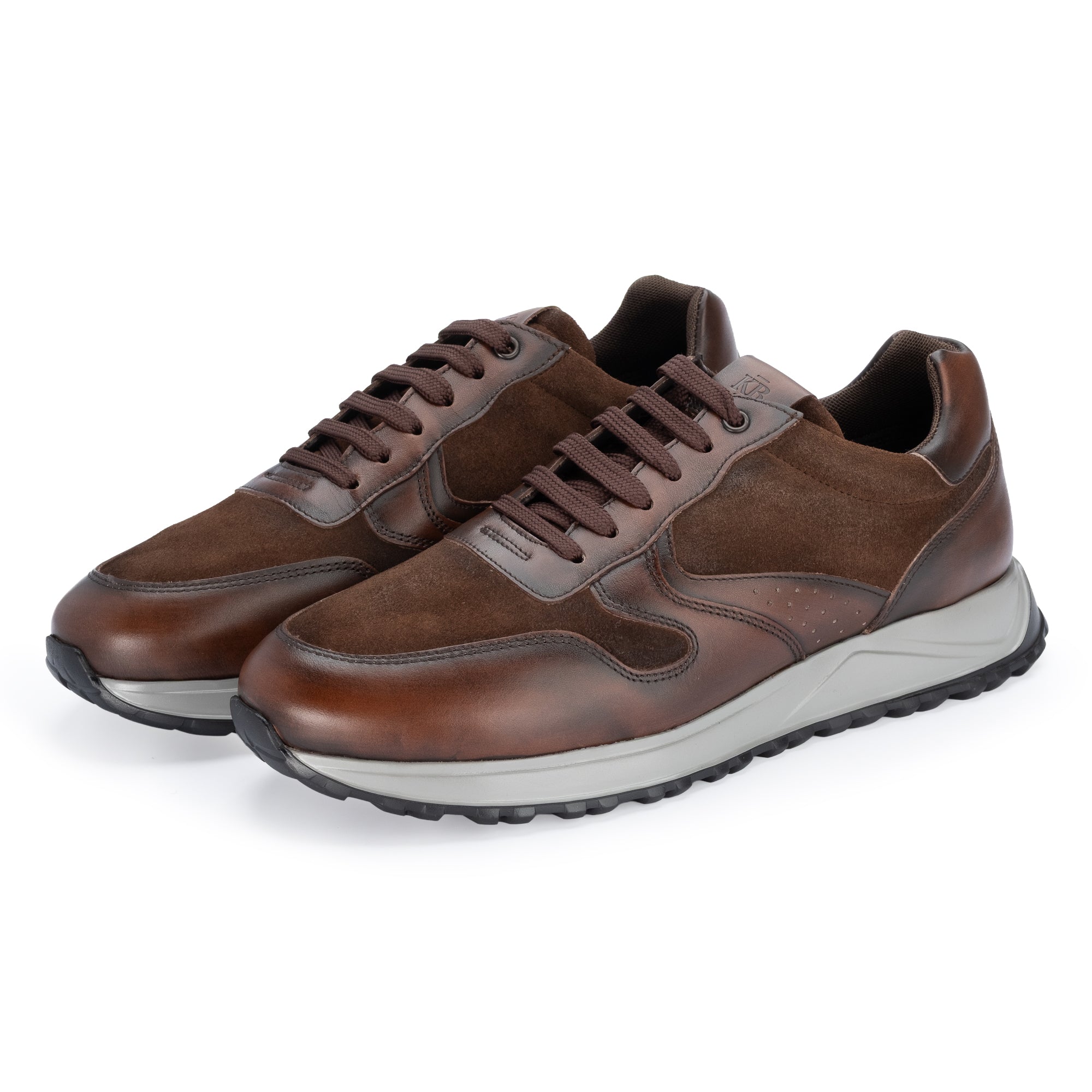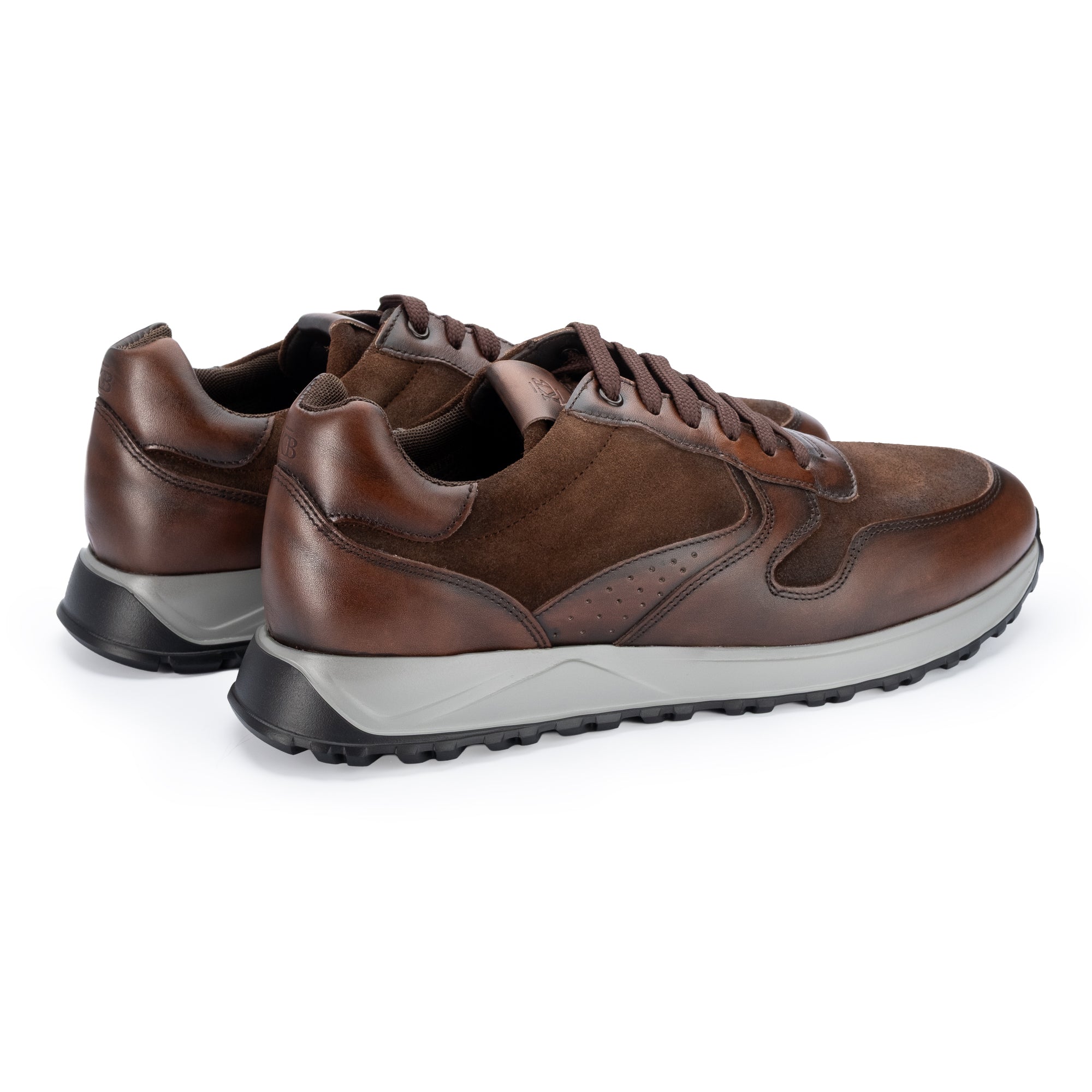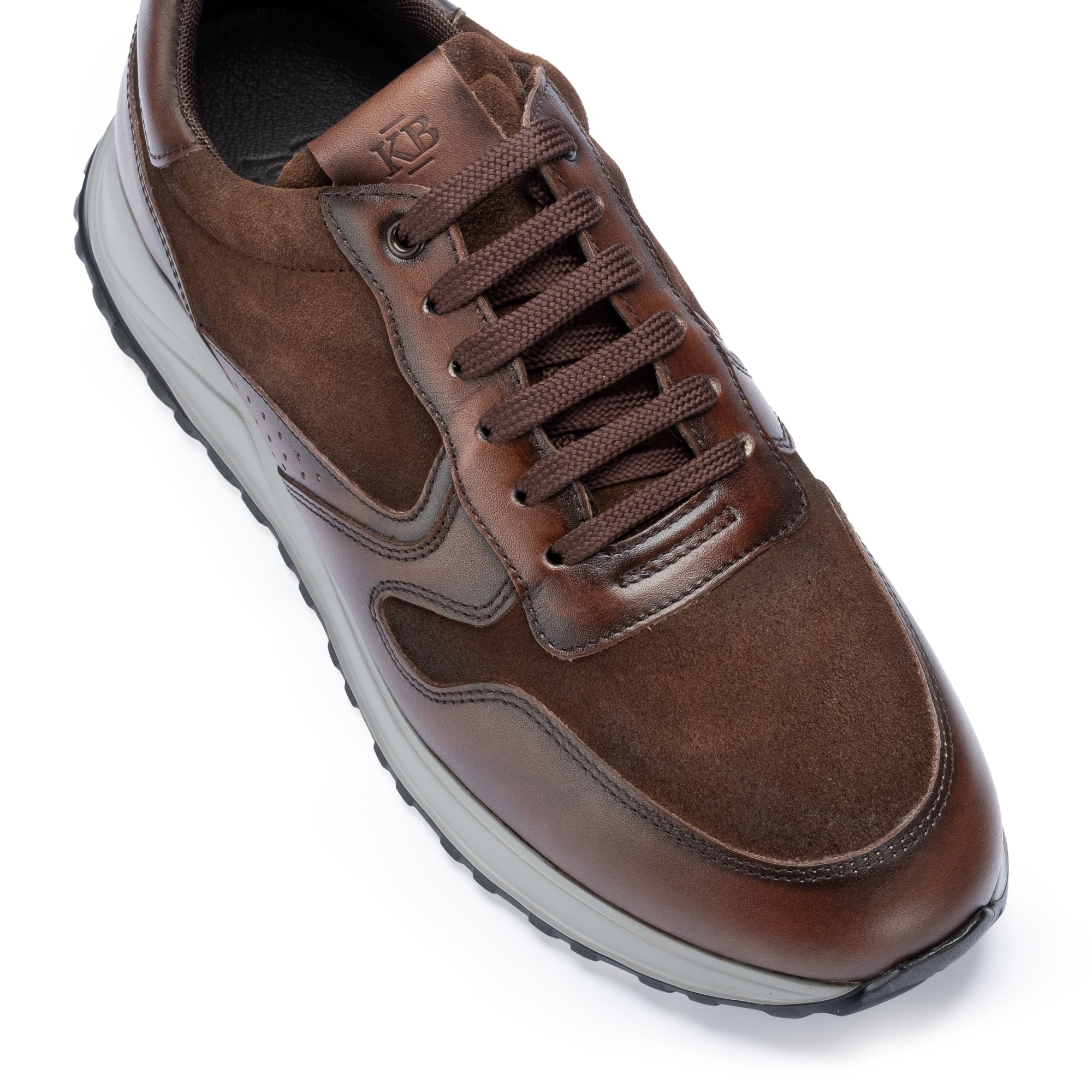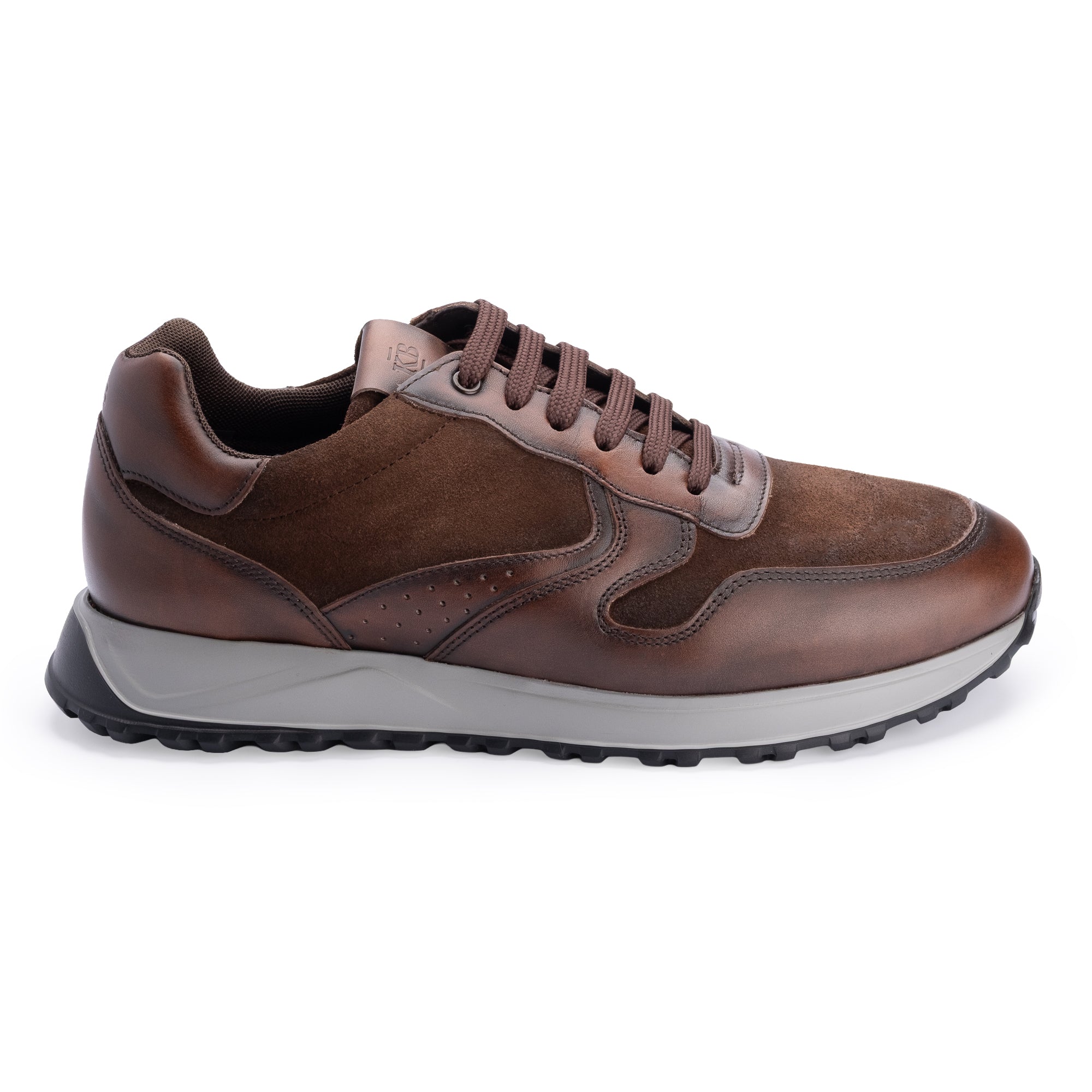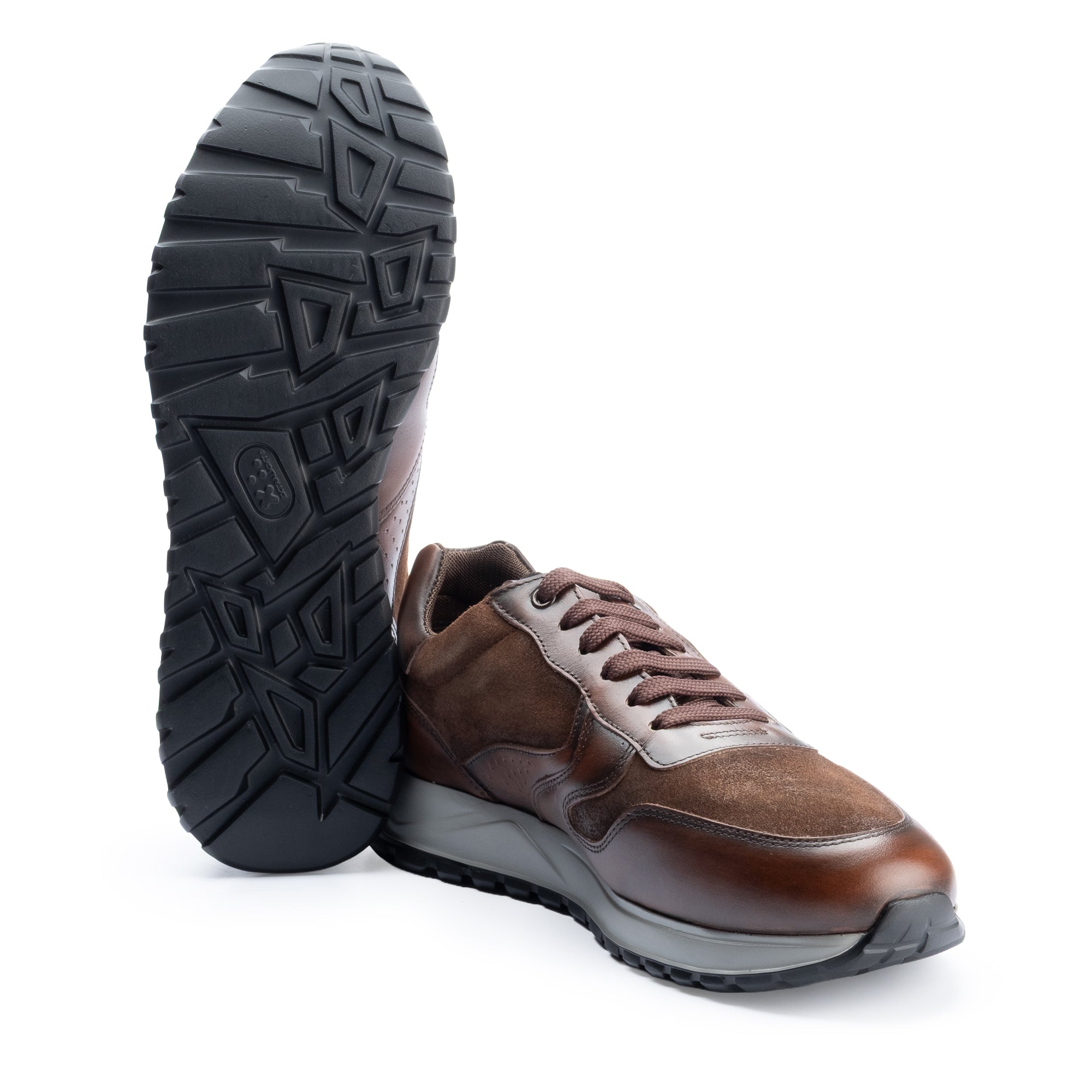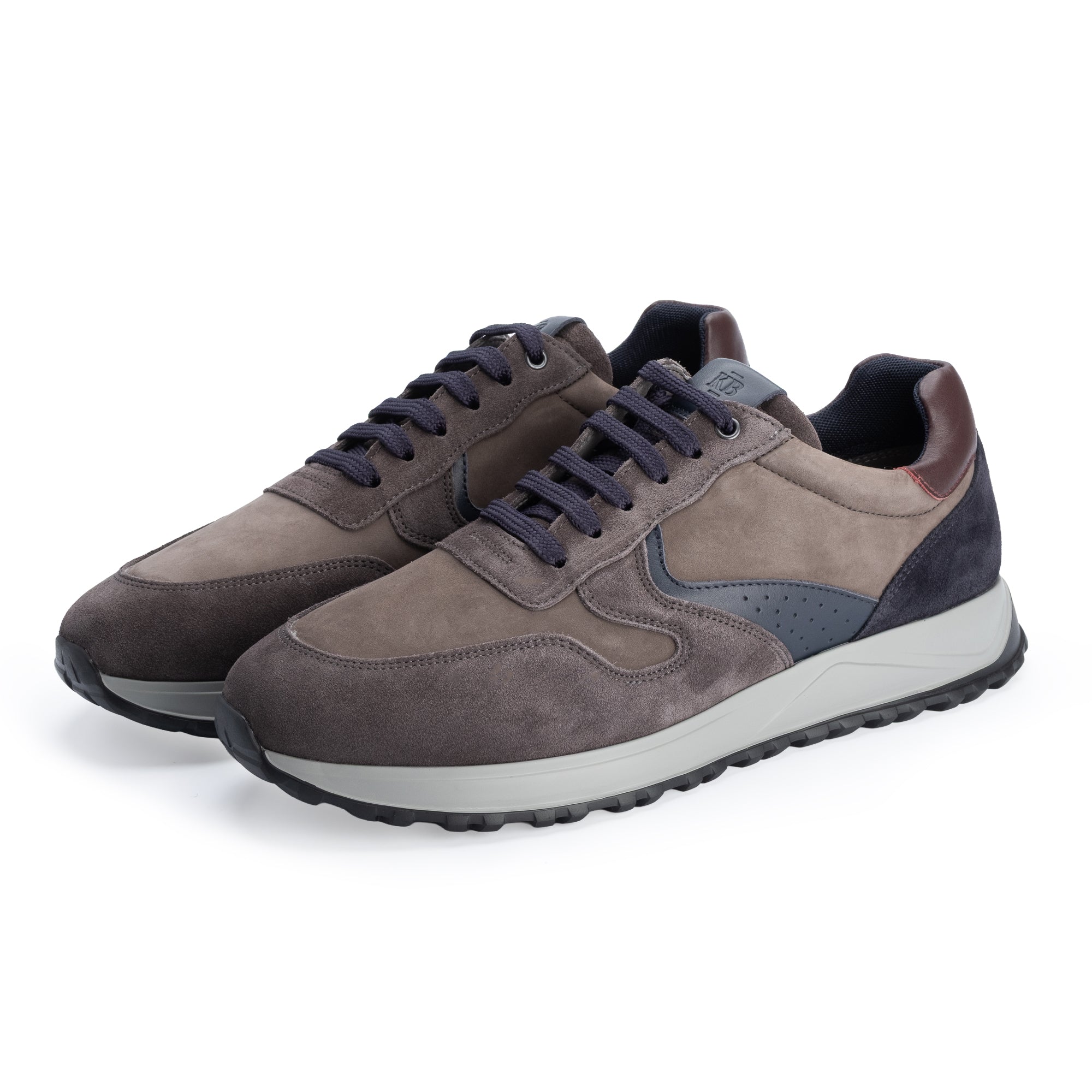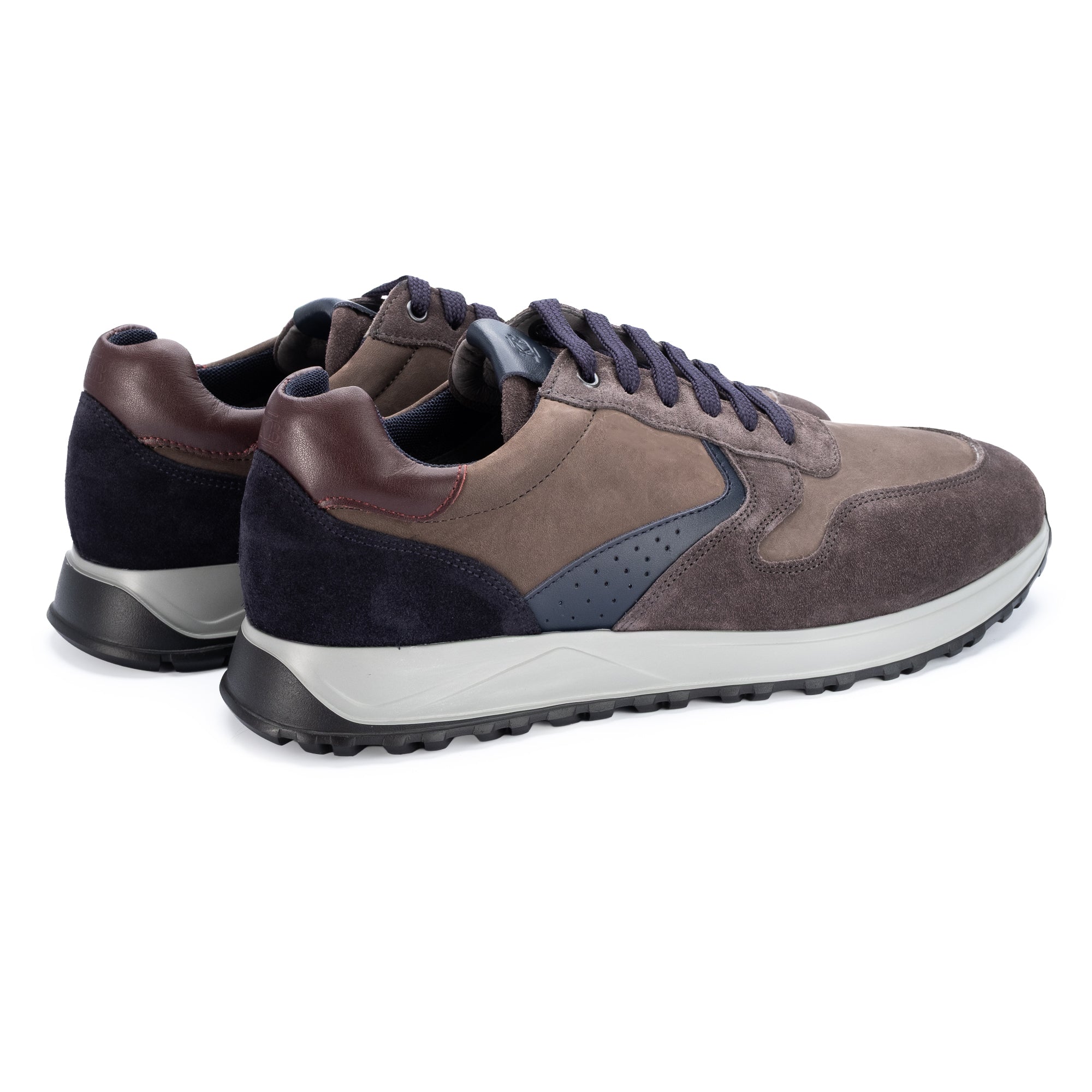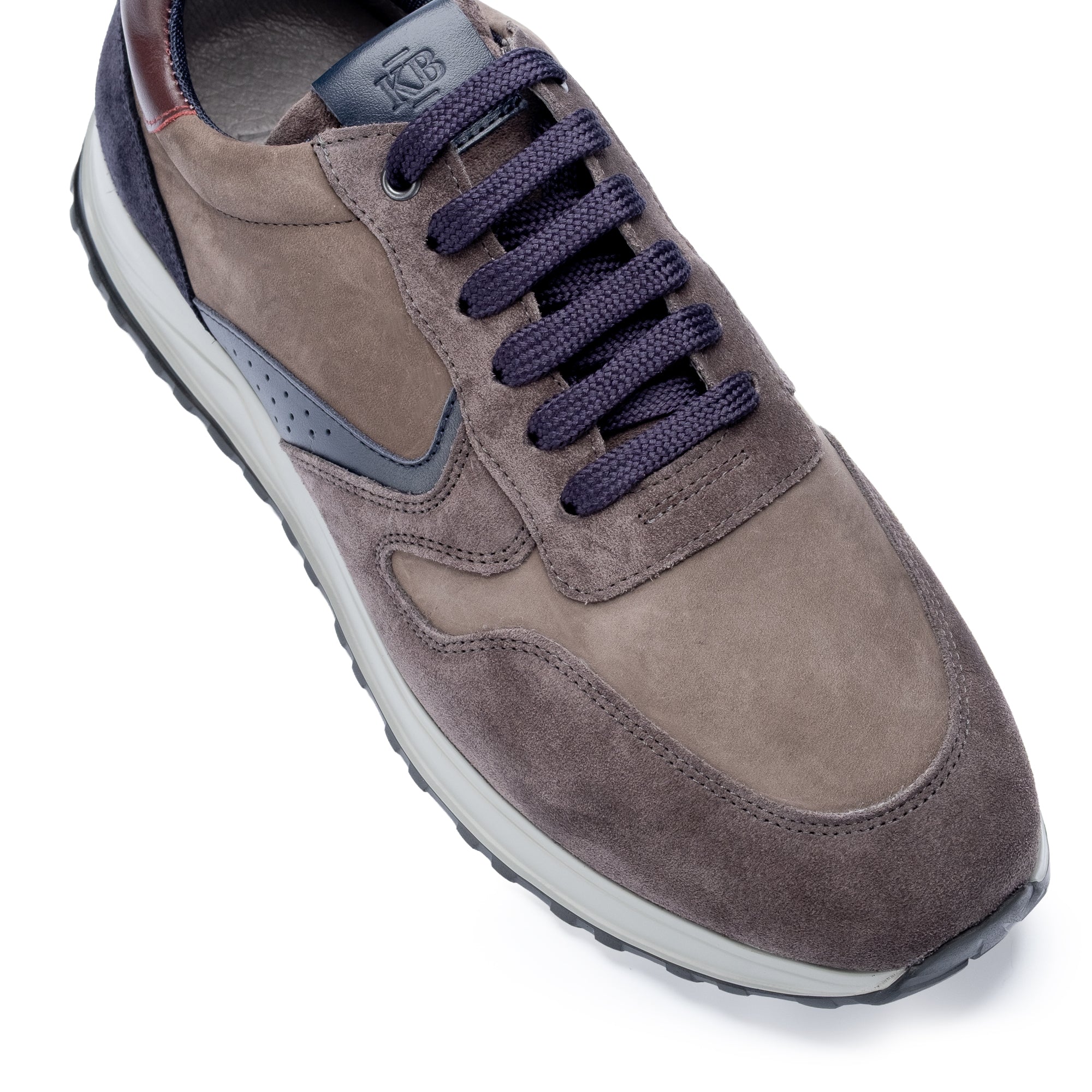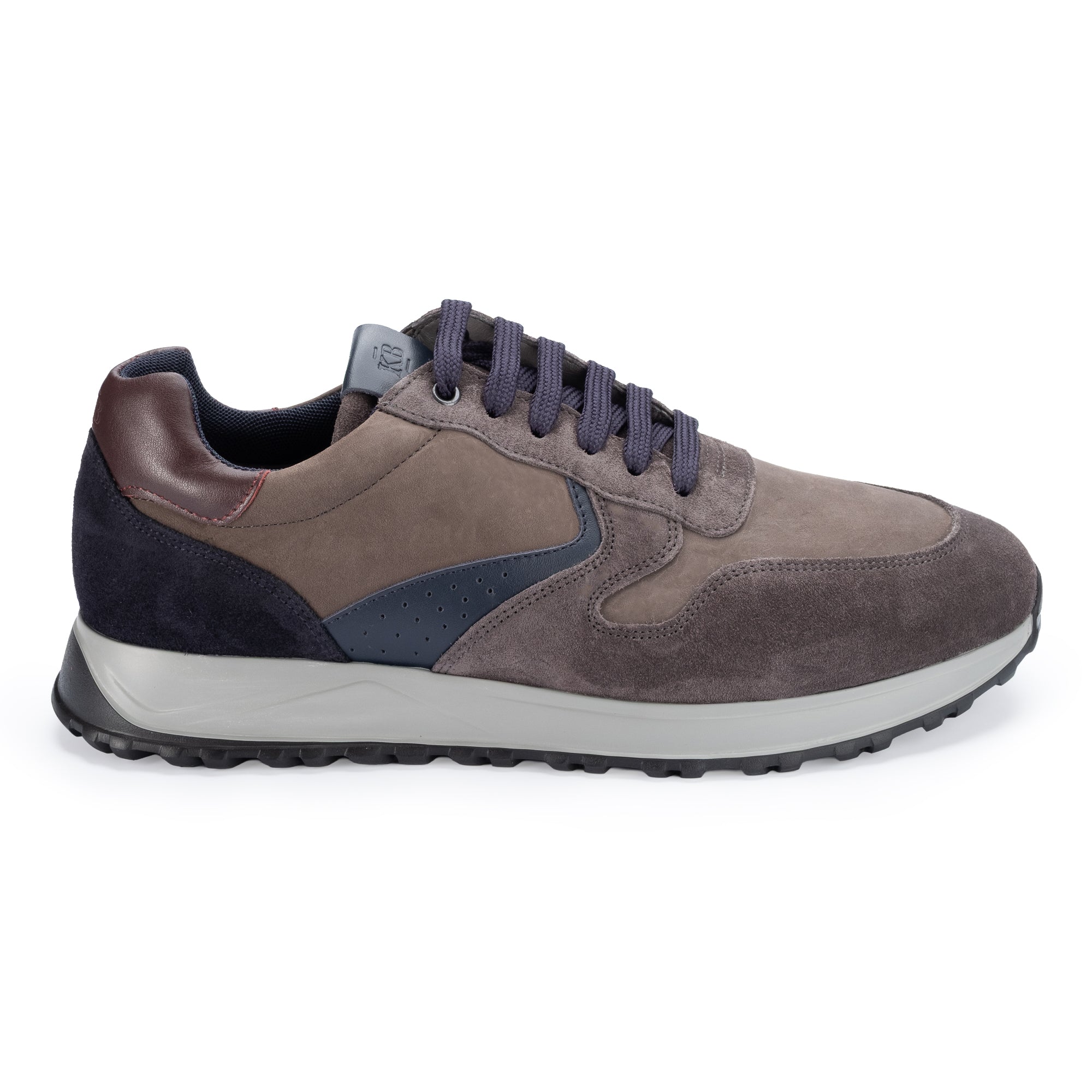

Suede has an image problem in Britain. The moment clouds arrive — which is to say, reliably — men who own suede shoes leave them in the wardrobe. By October, with conkers on the pavement and the first serious rain overhead, suede gets packed away entirely. It re-emerges briefly at Christmas, in a drawer.
In This Guide
This is a waste.
The perception that suede is fragile, weather-dependent, and impractical has led a generation of men to reach for smooth leather at every occasion. They are, technically, safer. They are also, on a warm June afternoon, demonstrably less well-dressed than the man who understood that suede, handled sensibly, is one of summer's finest materials.
Why Summer Is Suede's Best Season
Suede breathes. Where box calf and polished leather seal the foot in a lacquer finish, suede's napped surface allows air to circulate. On warm days, that difference is felt. It is also visible: suede has a softness that reads as deliberately casual, which suits the relaxed formality most summer occasions demand.
The colour range available in suede extends the argument. Smooth leather does its best work in black and dark brown. Suede opens up a longer palette: tan, cognac, chocolate, navy, and the kind of earthy greens that sit naturally alongside linen and lightweight cotton. These are summer colours. They pair with chinos, tailored shorts, unlined jackets, and open-collar shirts in ways that polished black leather cannot.
There is also a practical point worth noting. A well-made suede upper will conform to the foot sooner than smooth leather, which can take weeks of wear to lose its stiffness. A suede loafer on its first outing tends to feel already settled.
Choosing the Right Style
Not every suede style translates equally to summer. The decision between a loafer, a chukka boot, and a Chelsea boot shifts when the temperature rises, and each serves a different register of summer dressing.
The Suede Loafer
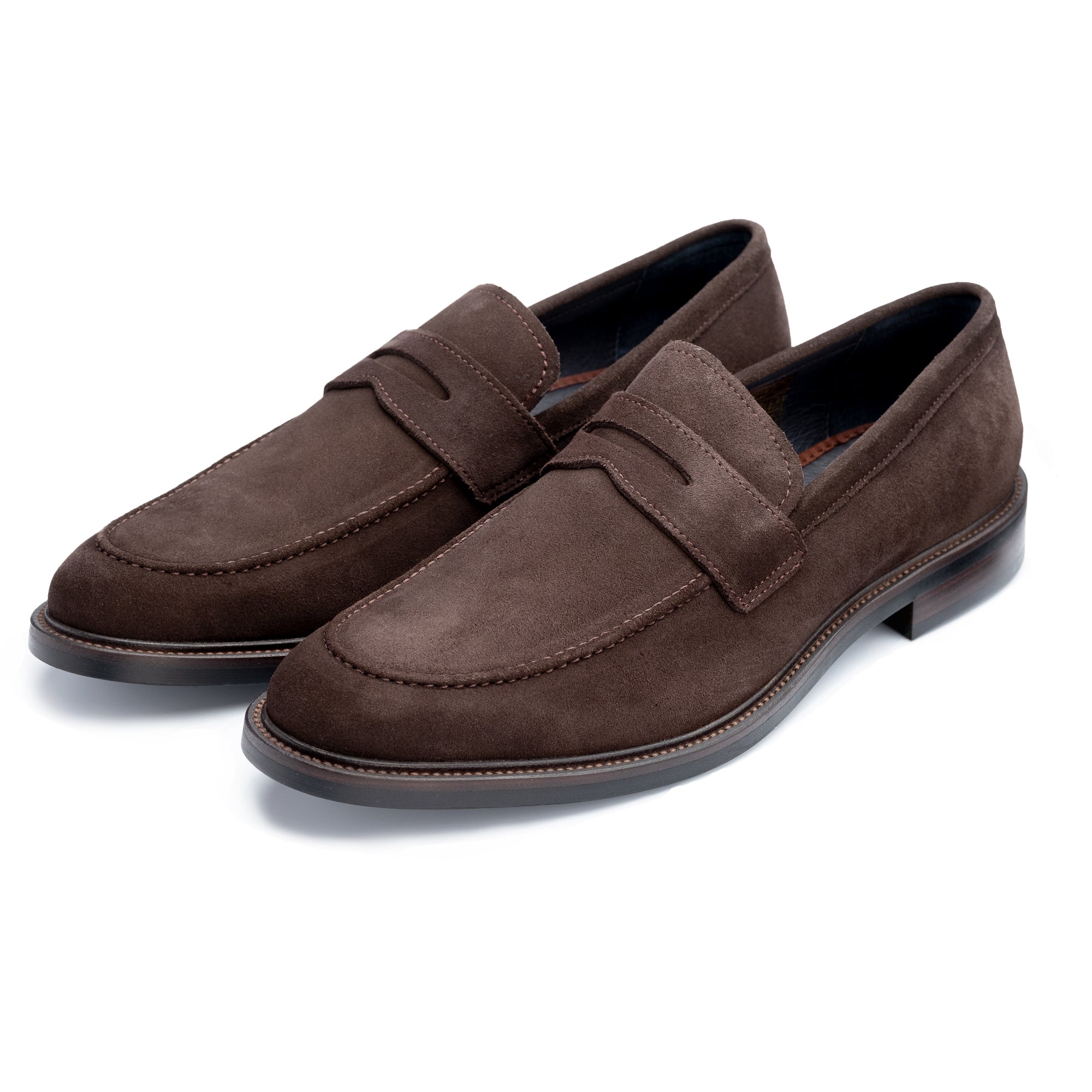
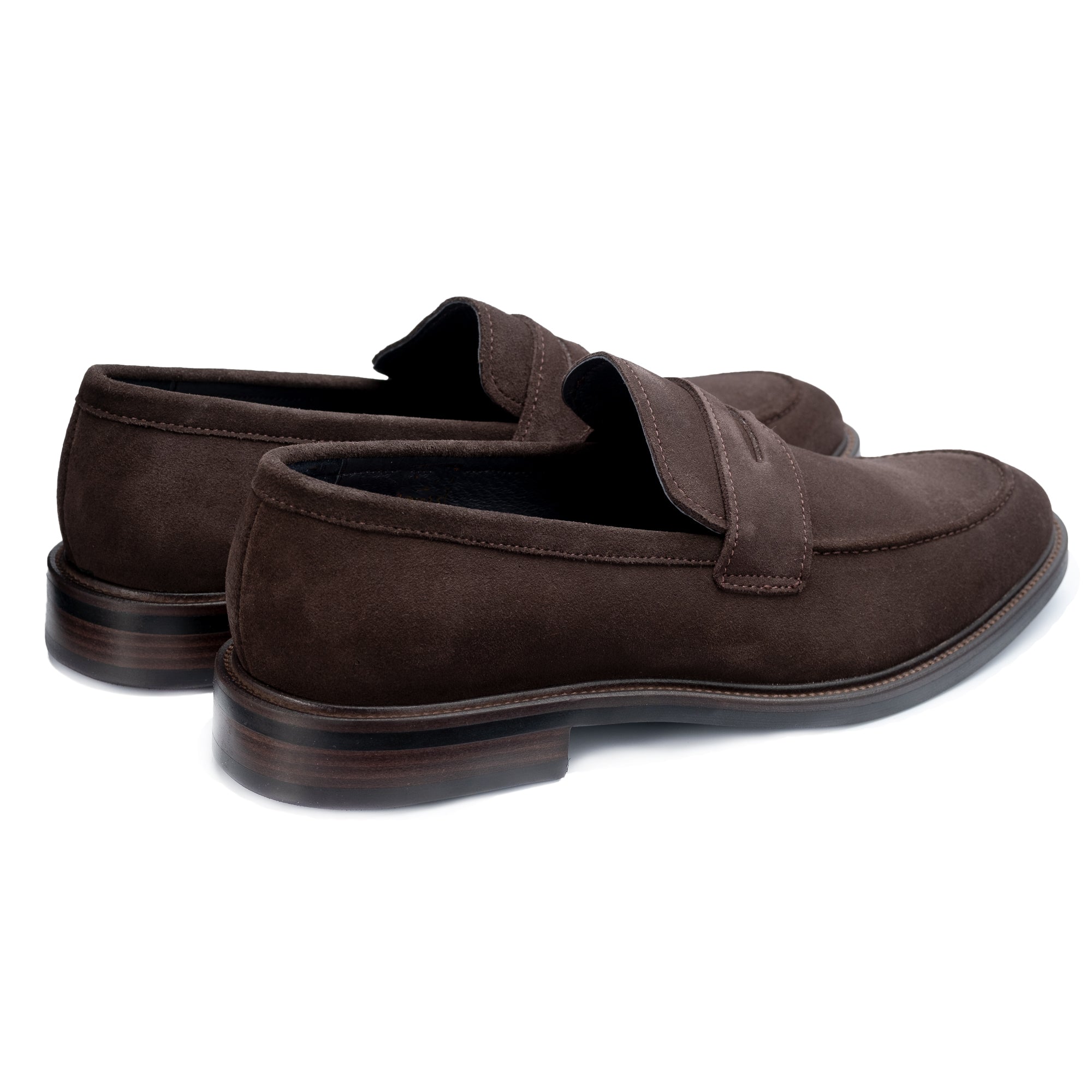
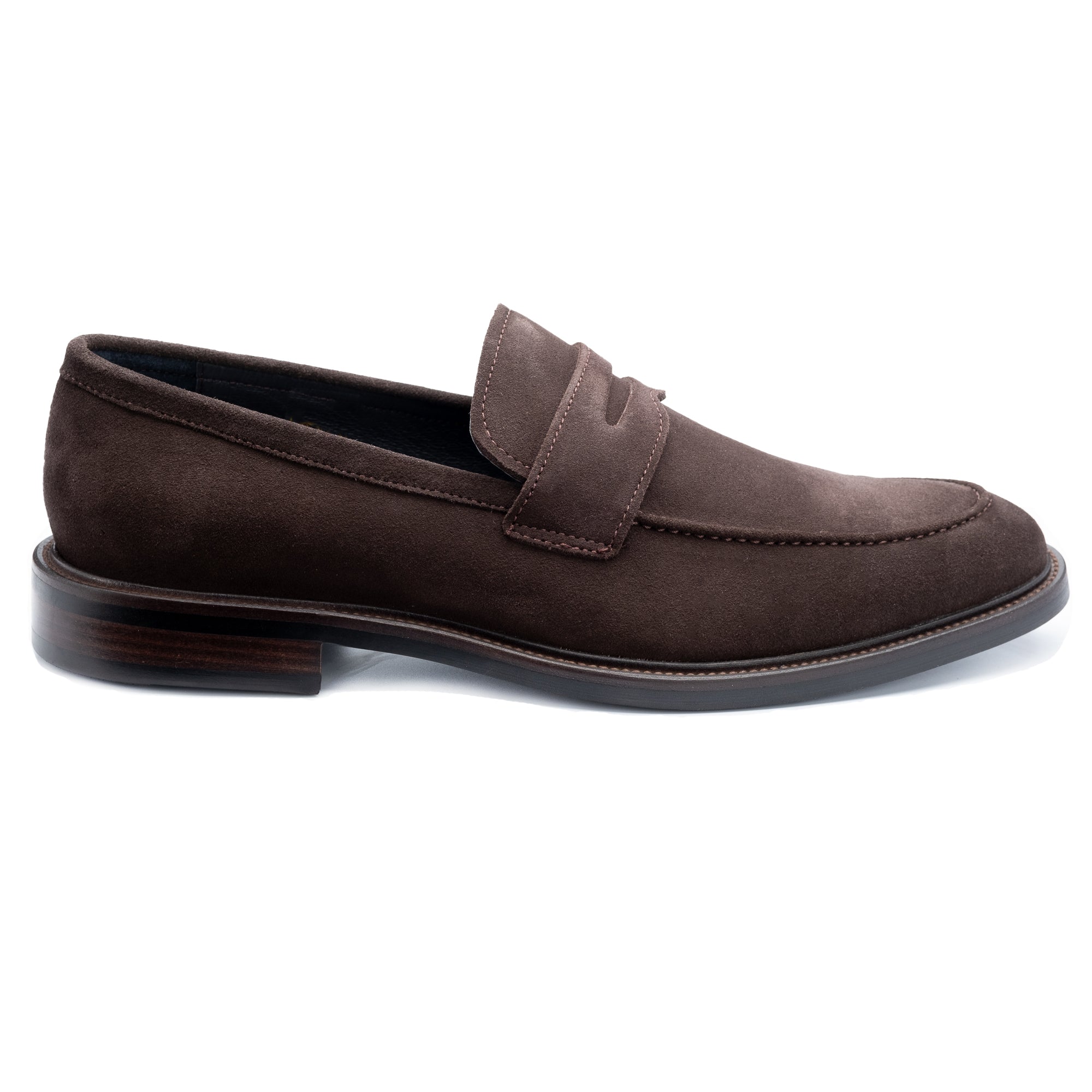
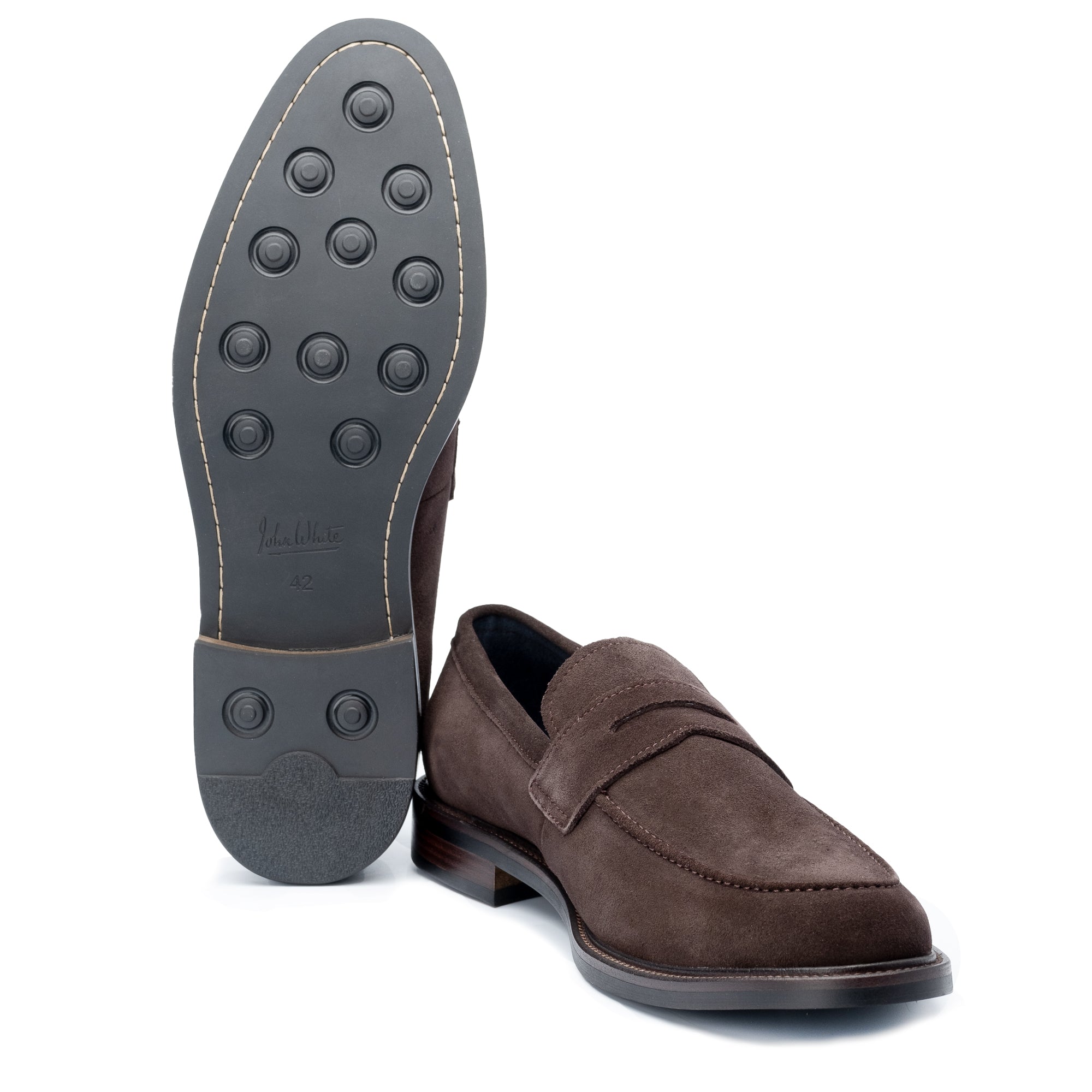
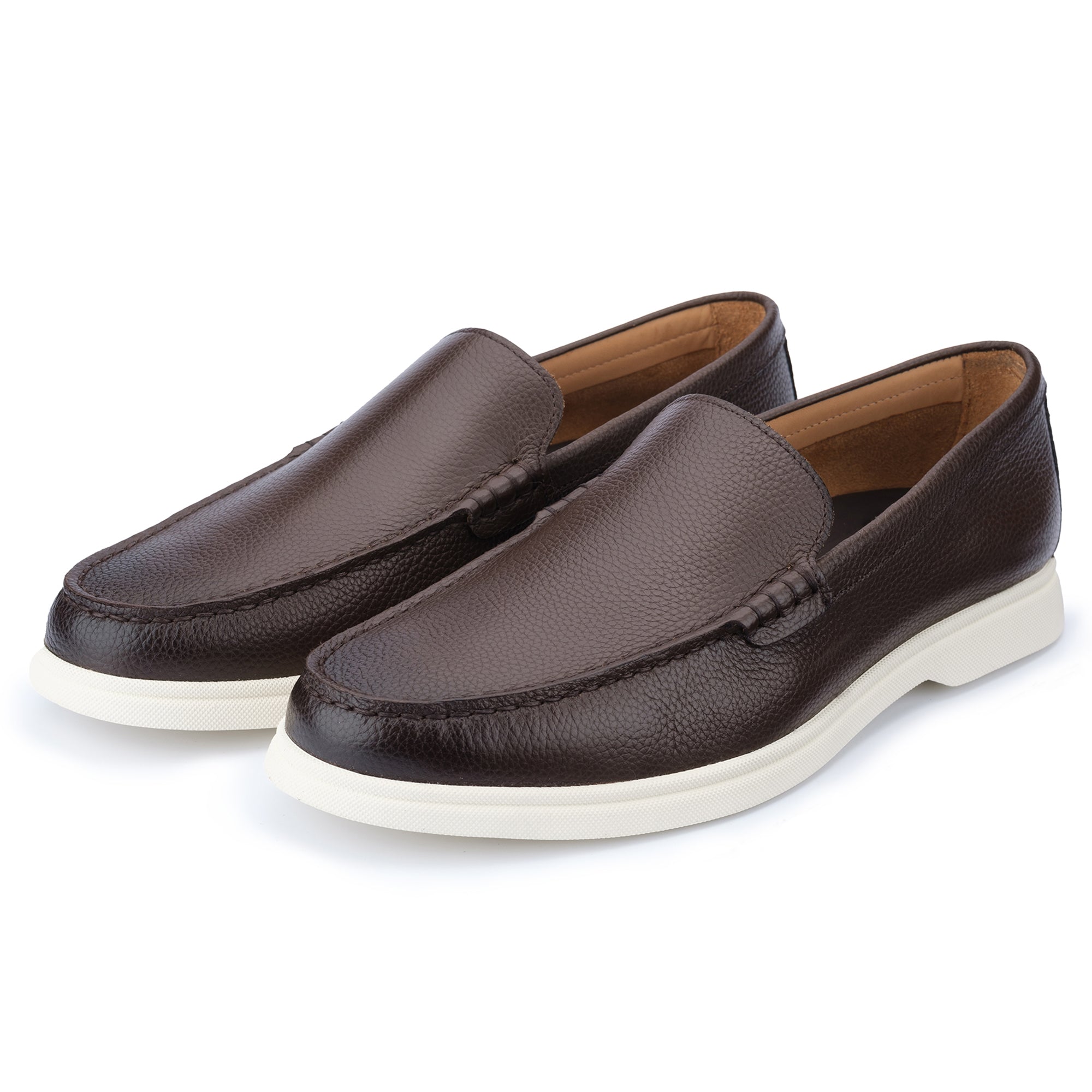
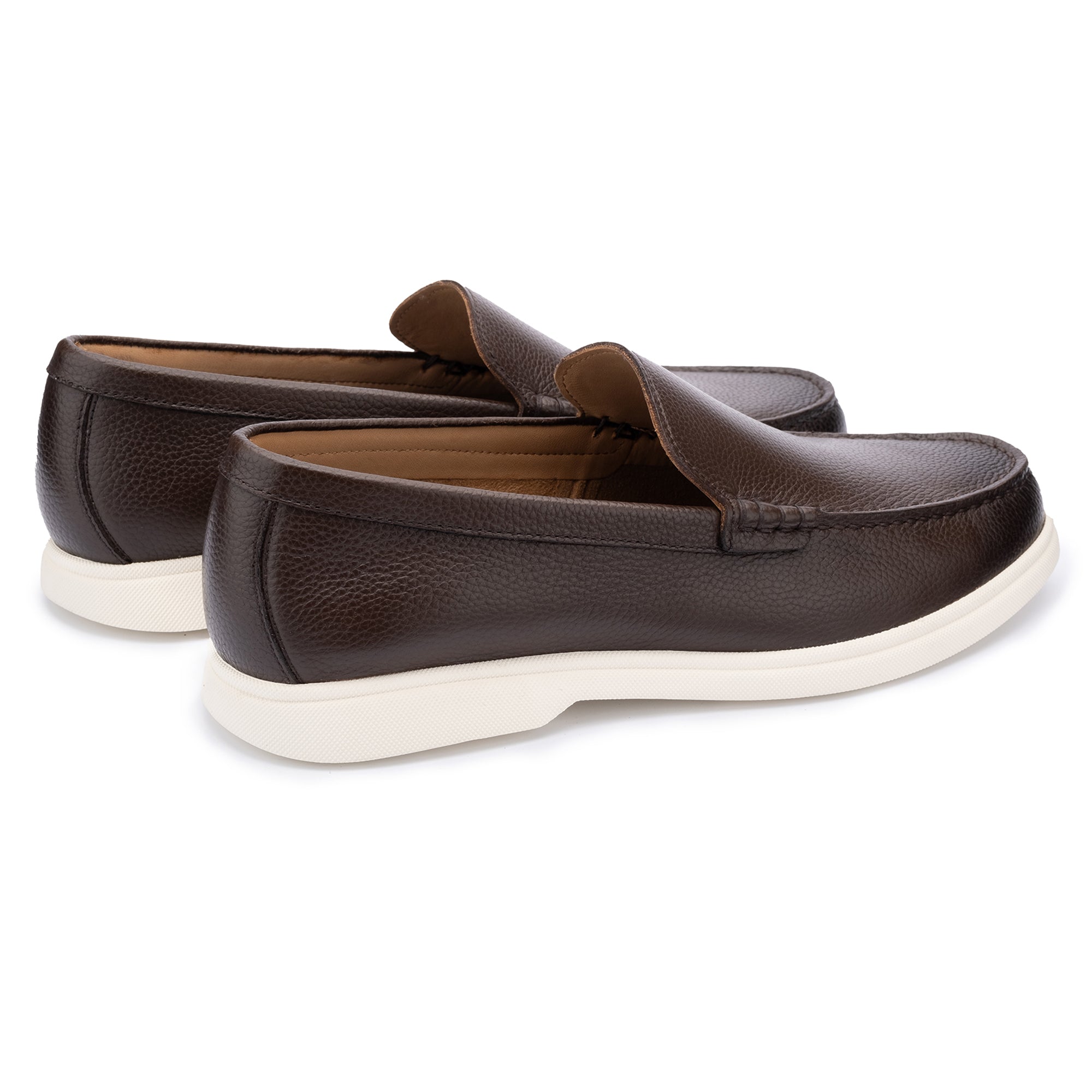
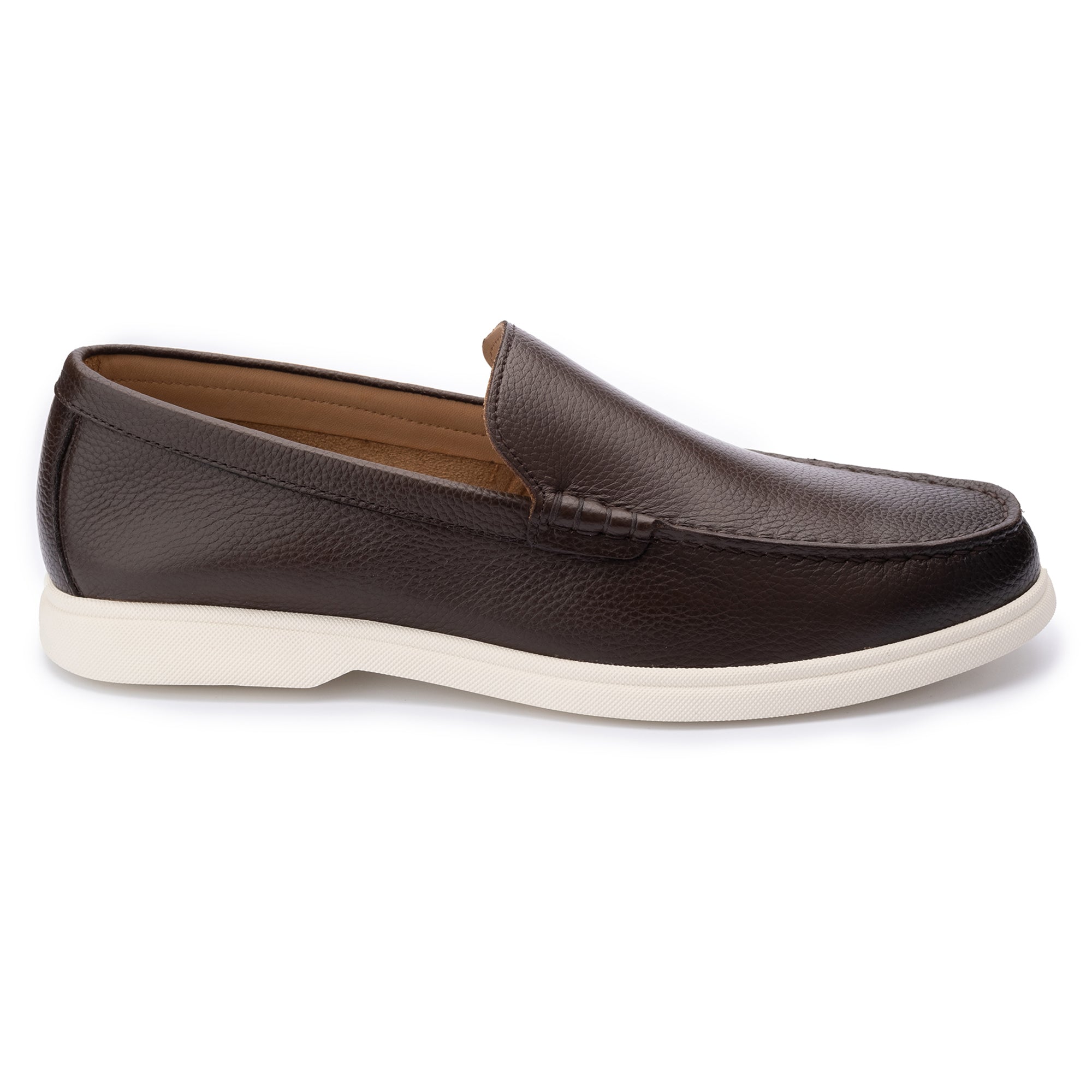
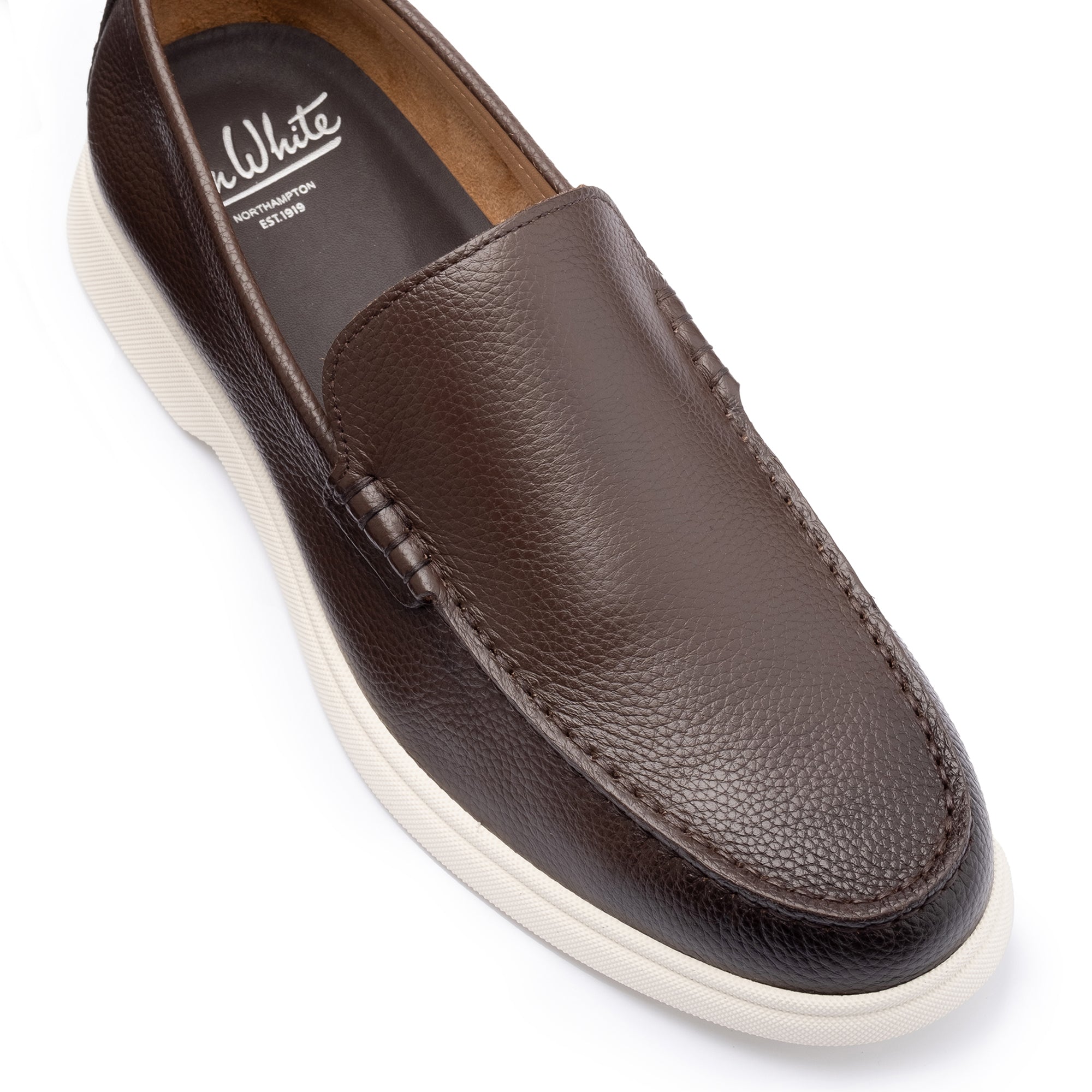
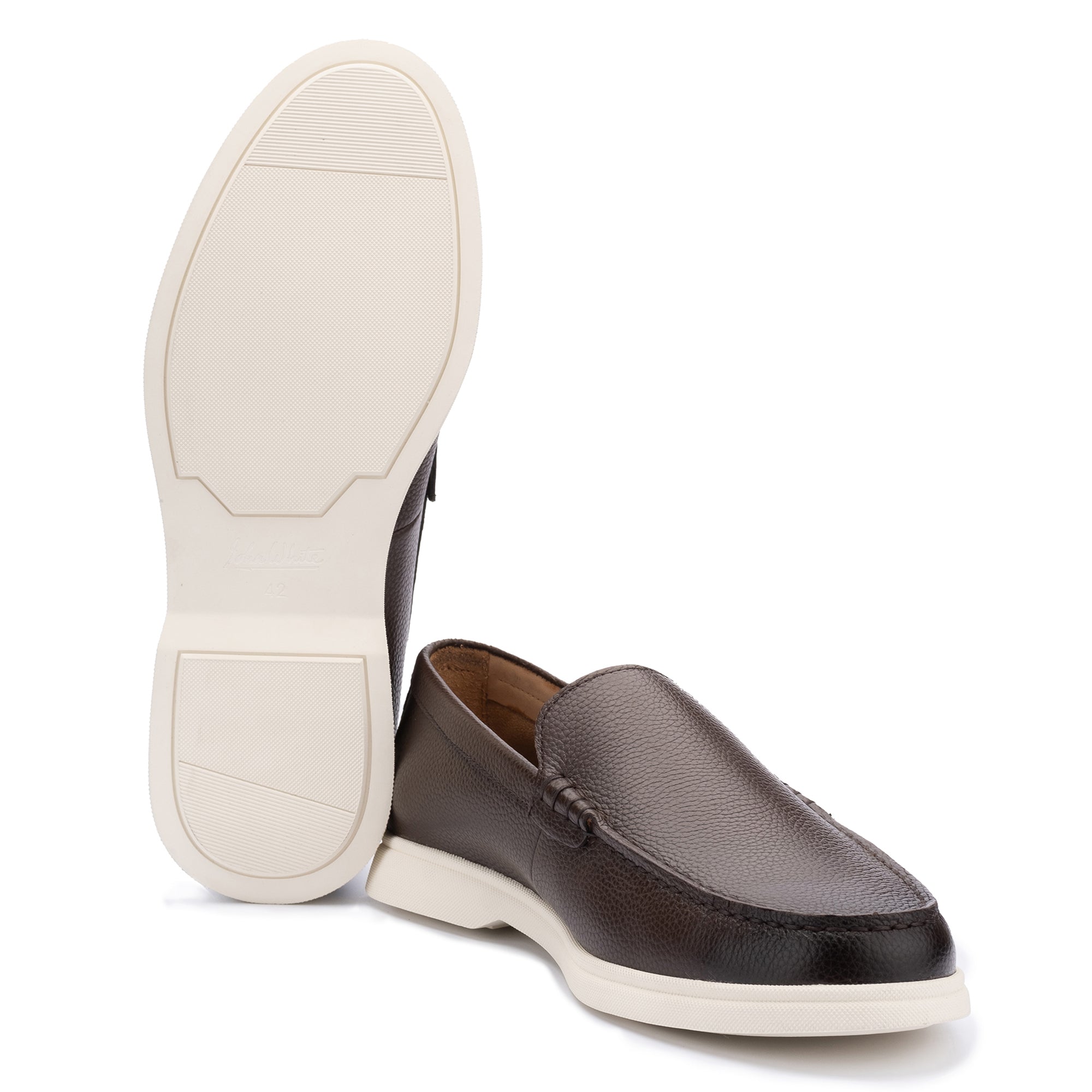
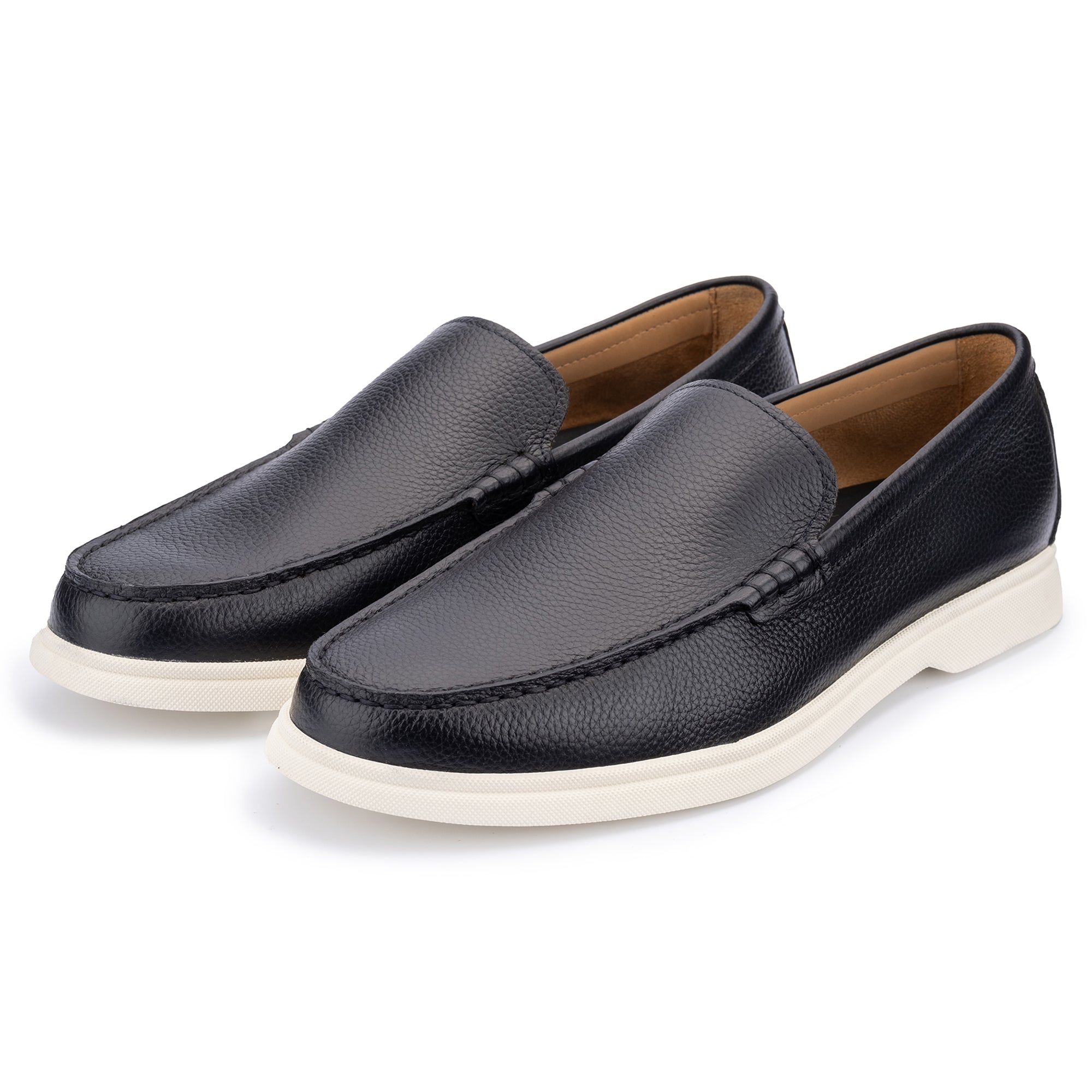
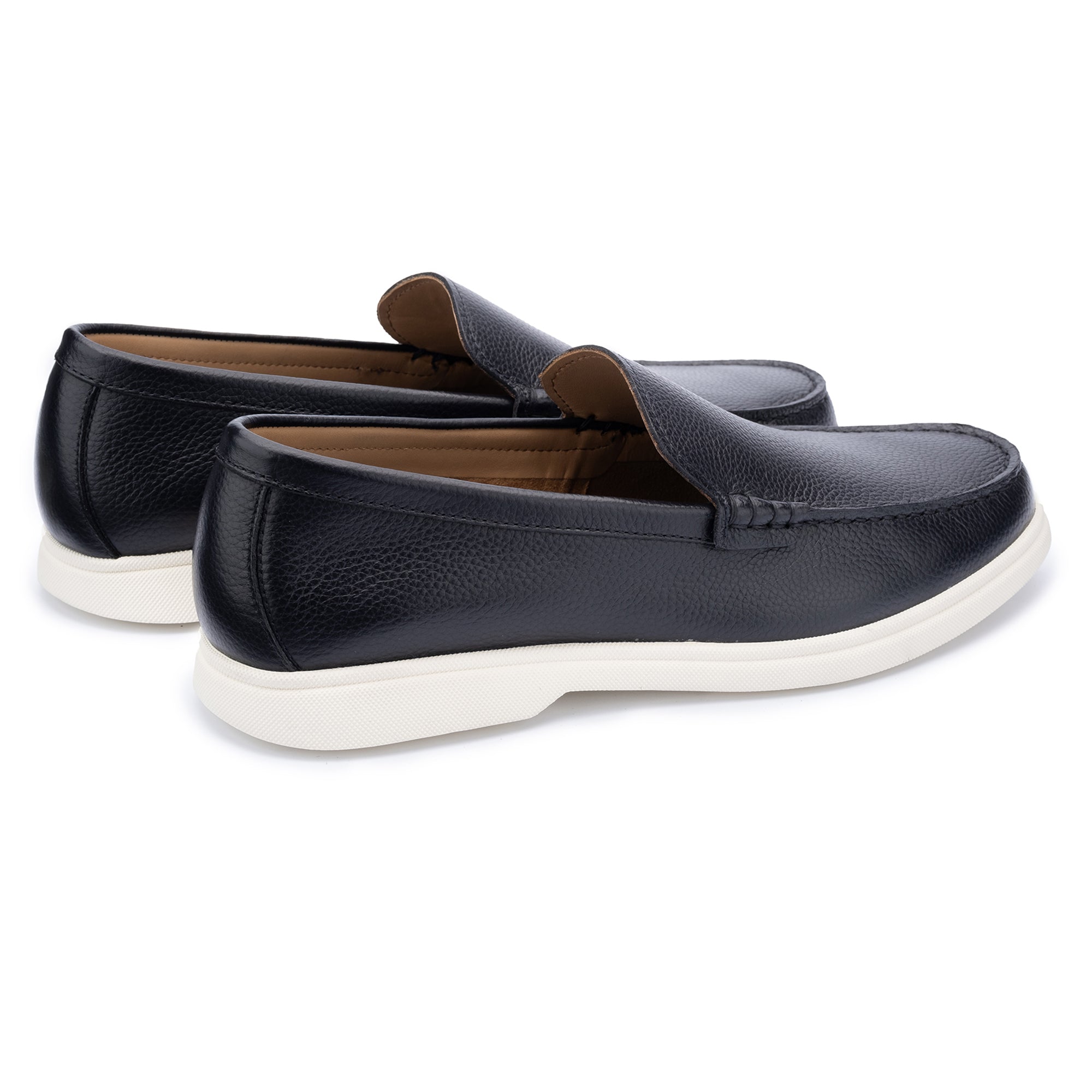
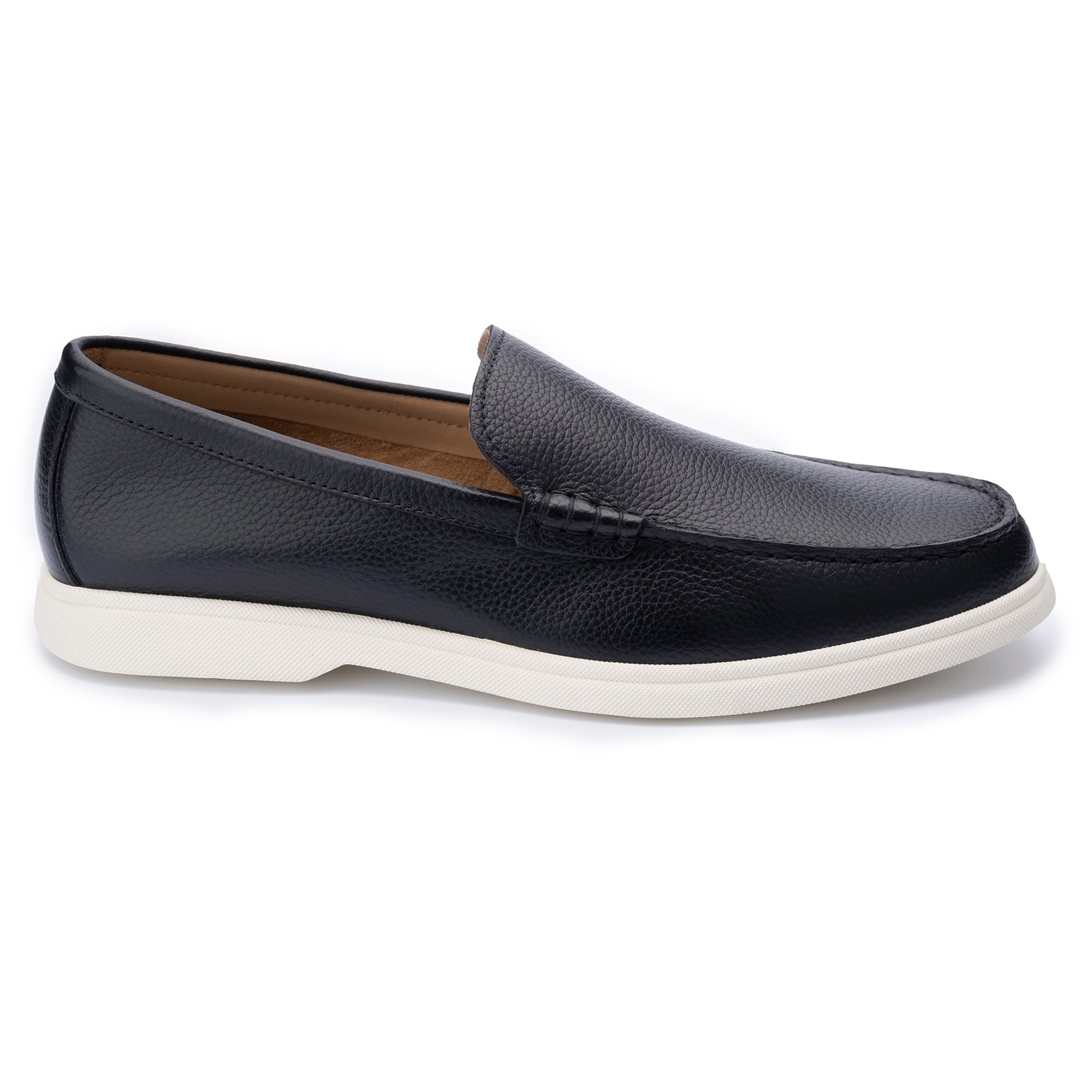
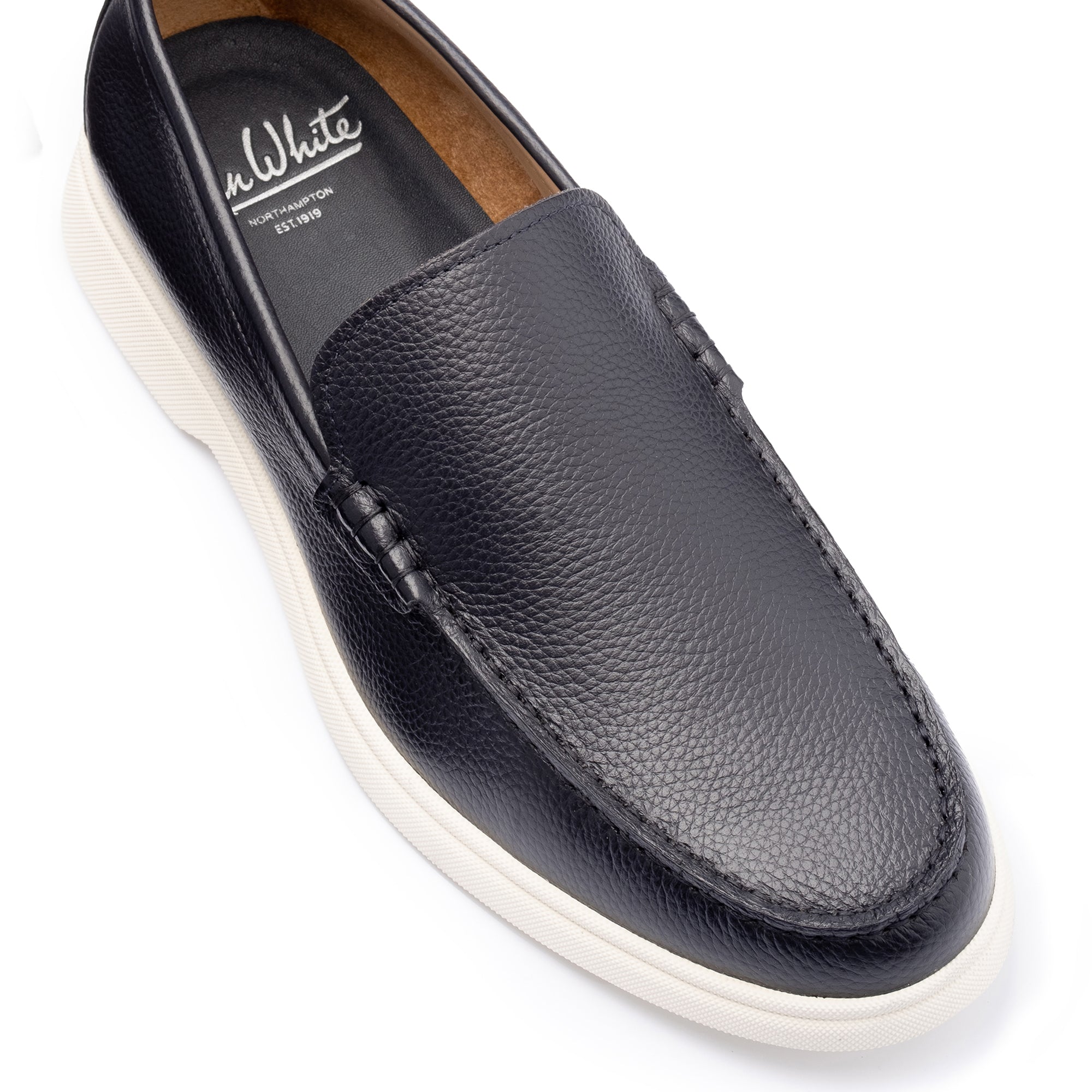
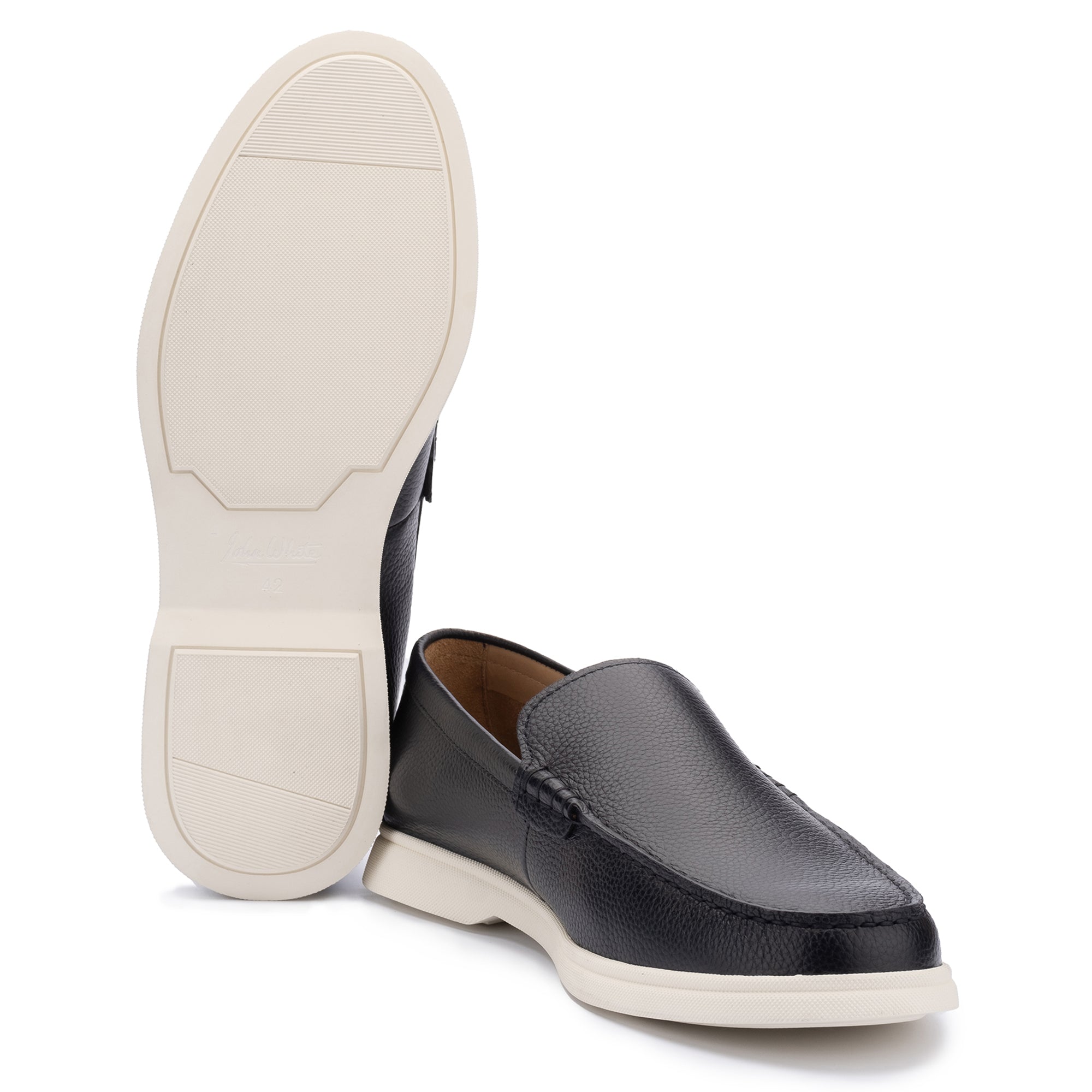
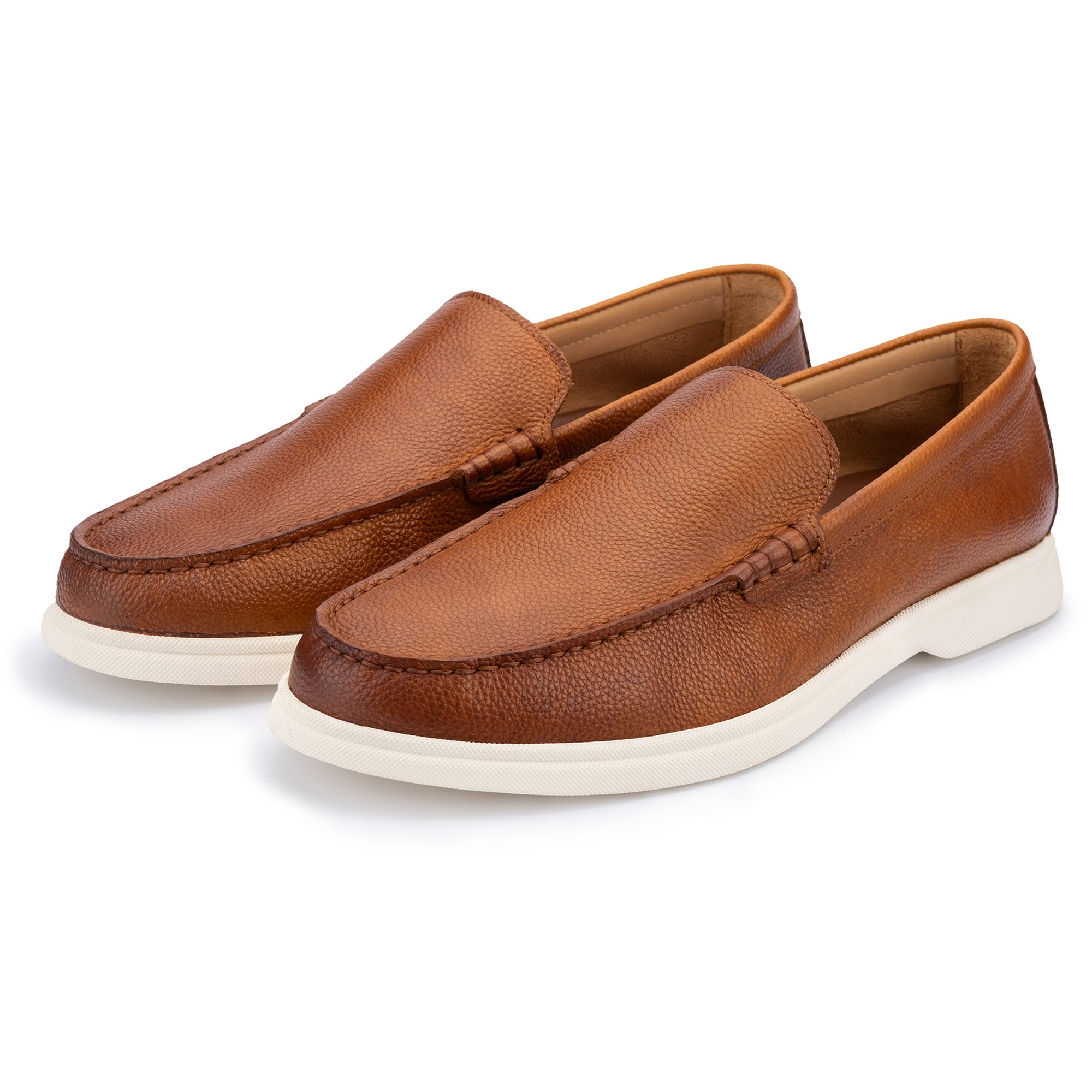
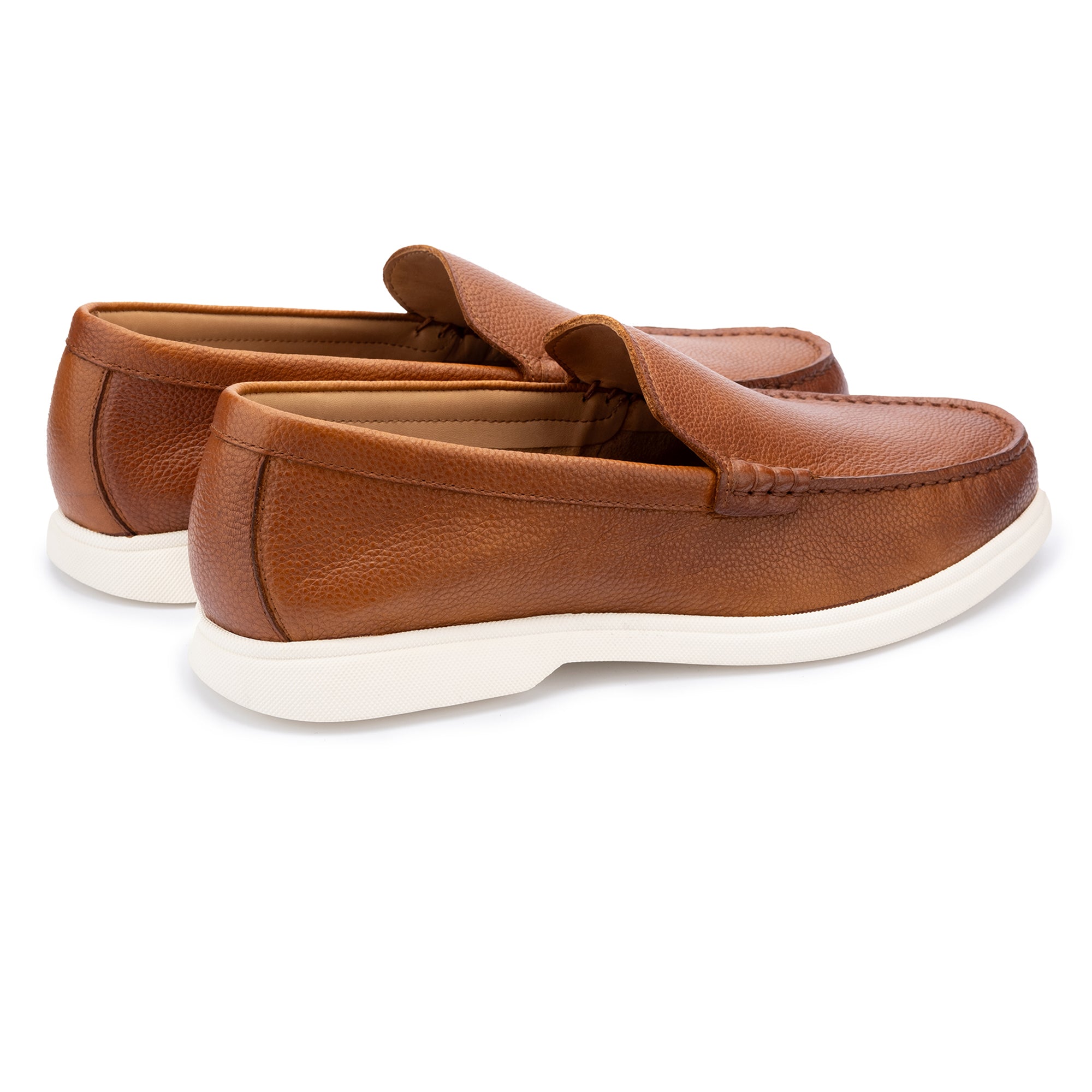
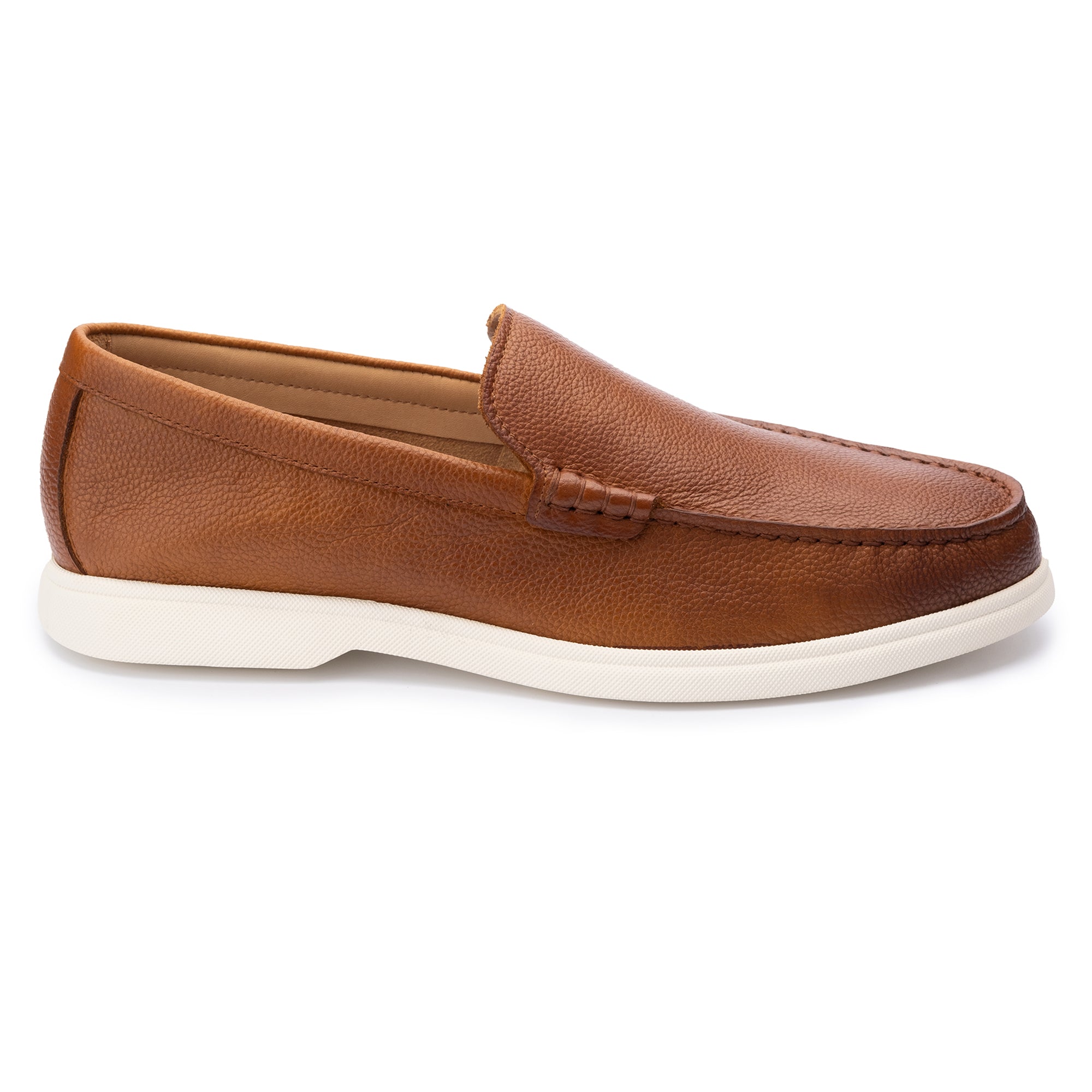
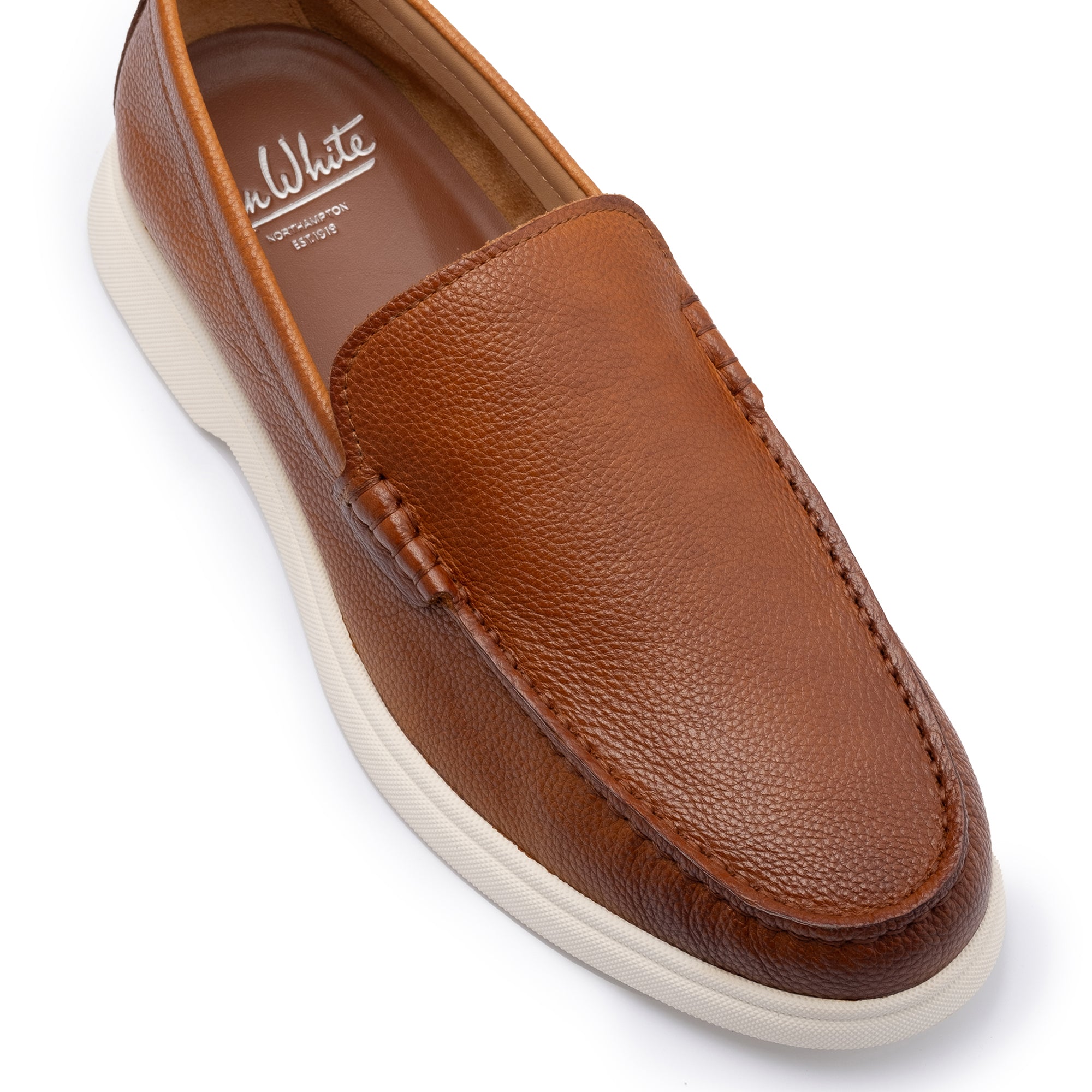
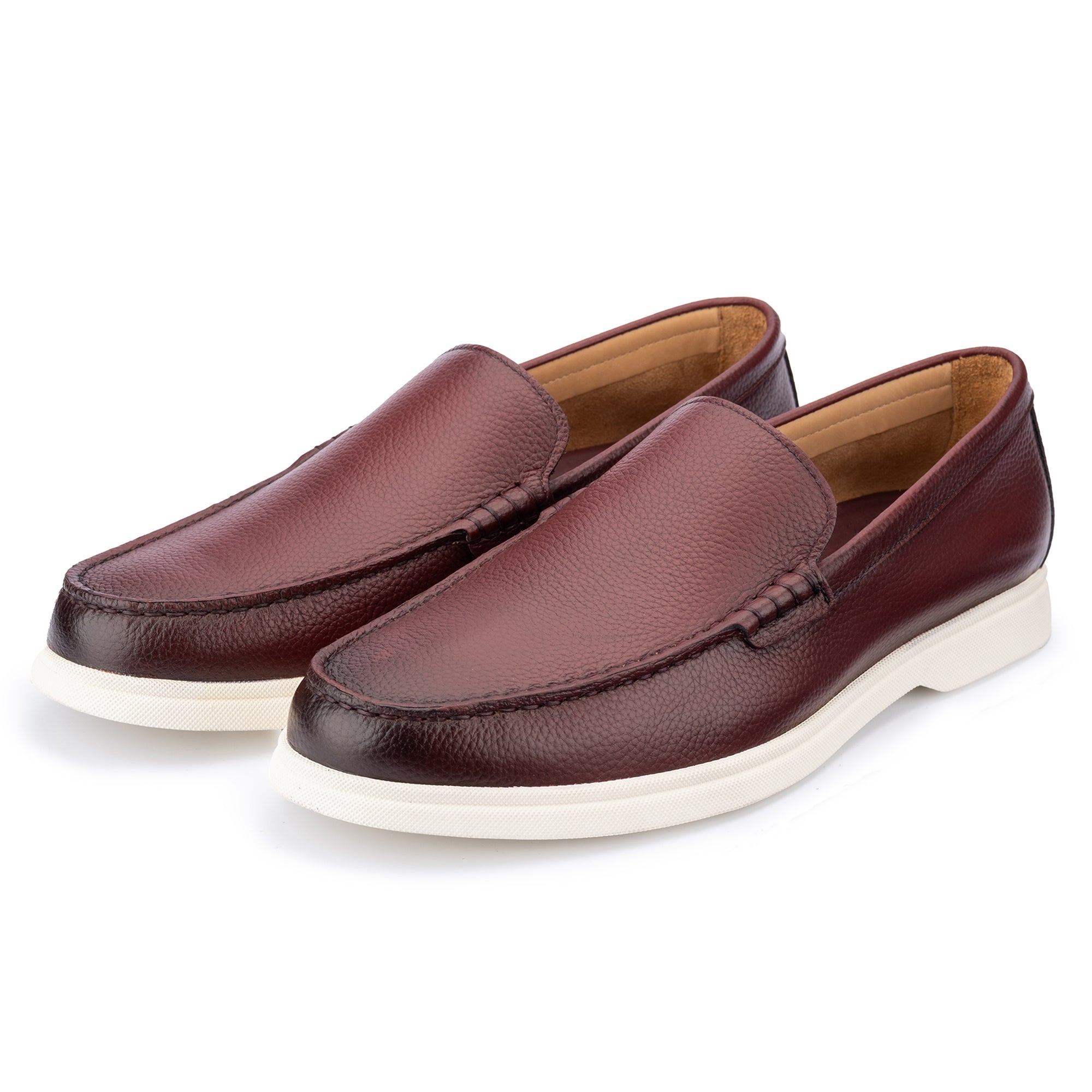
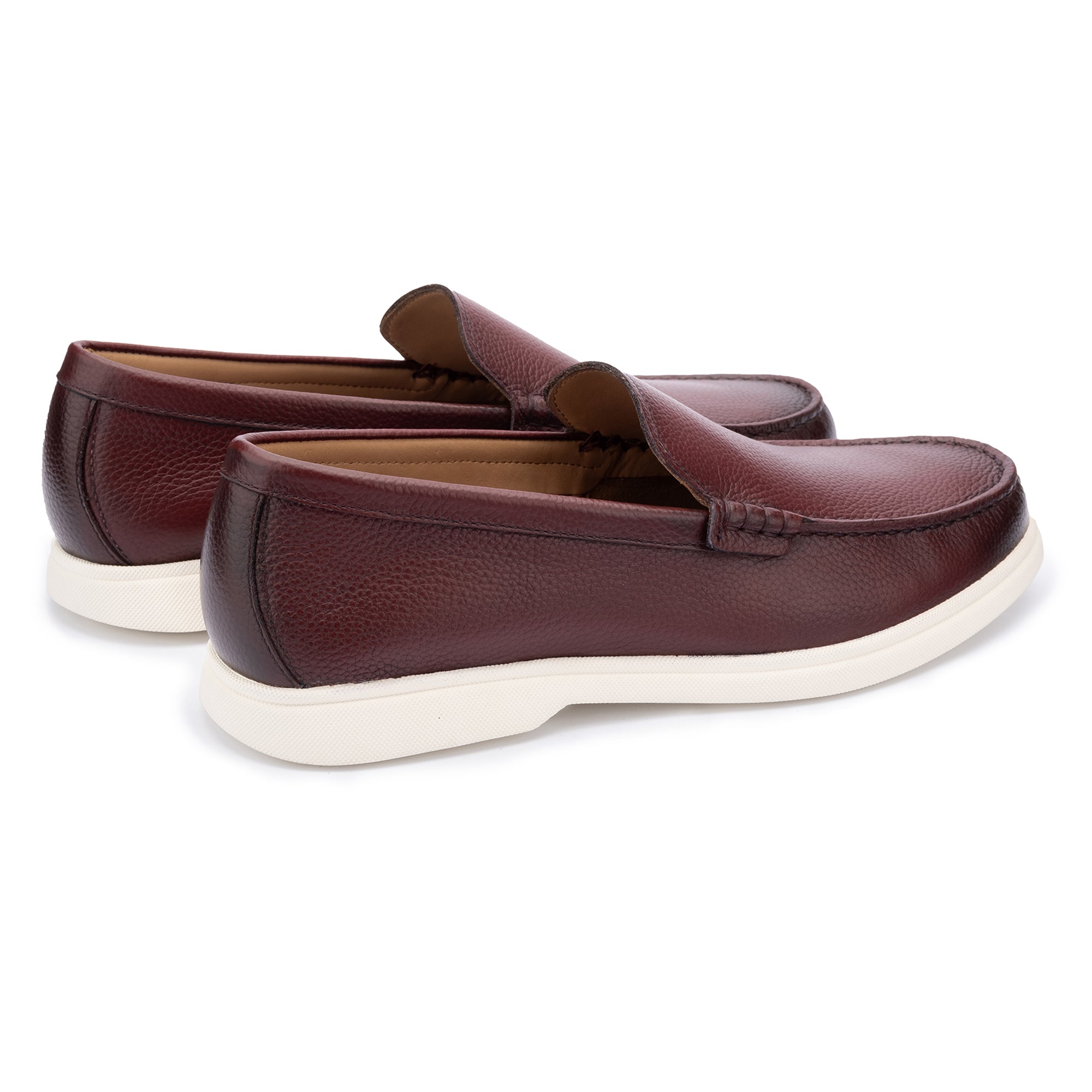
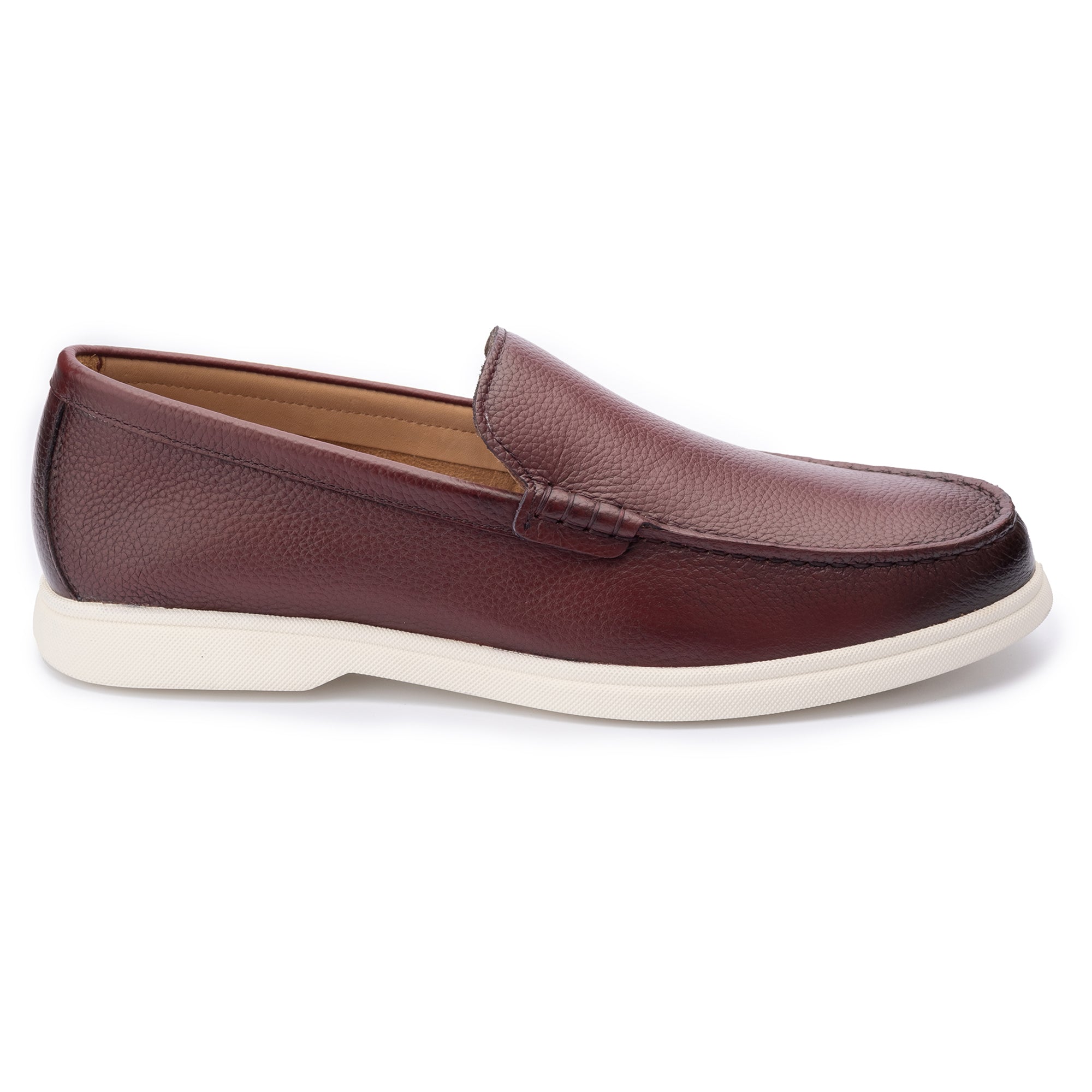
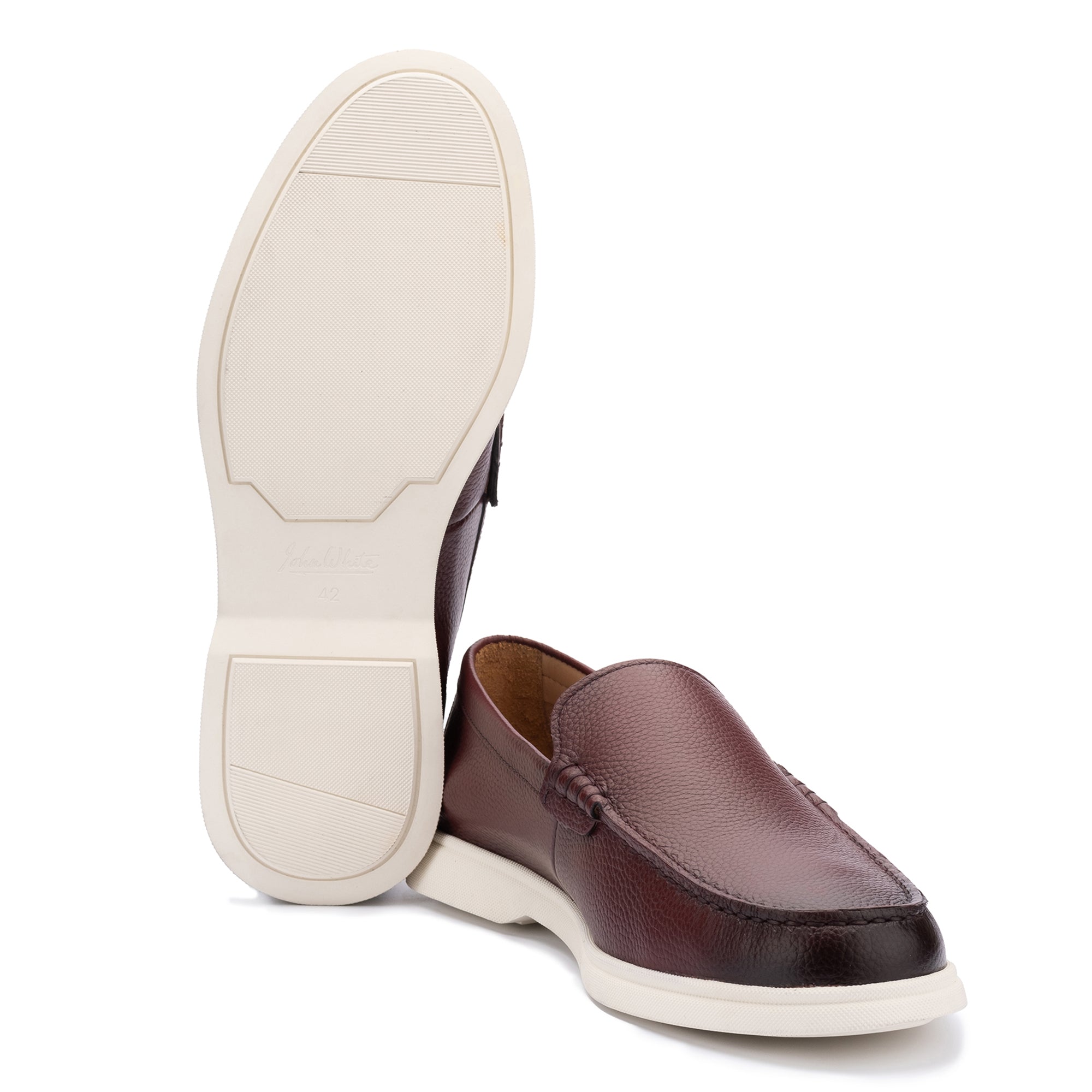
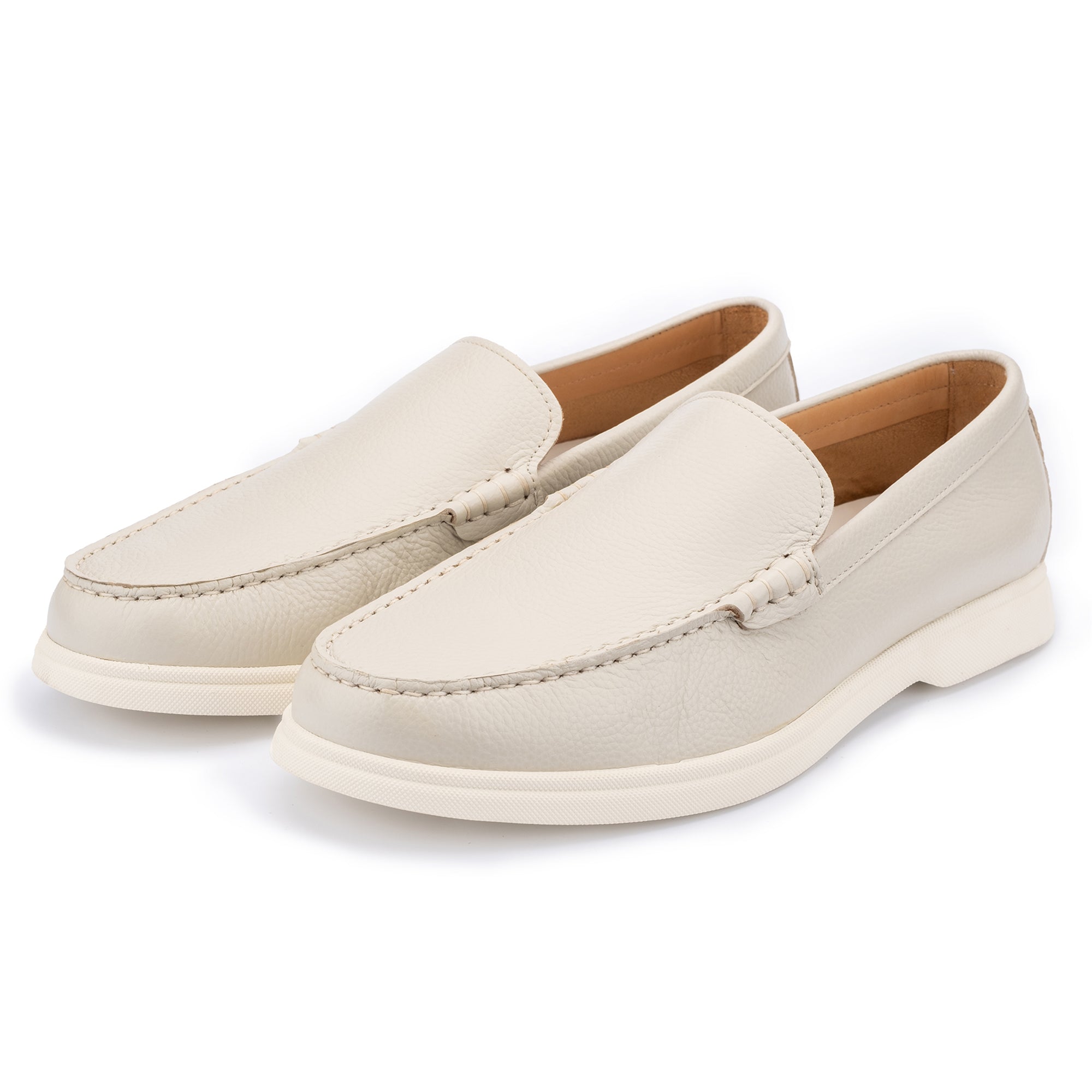
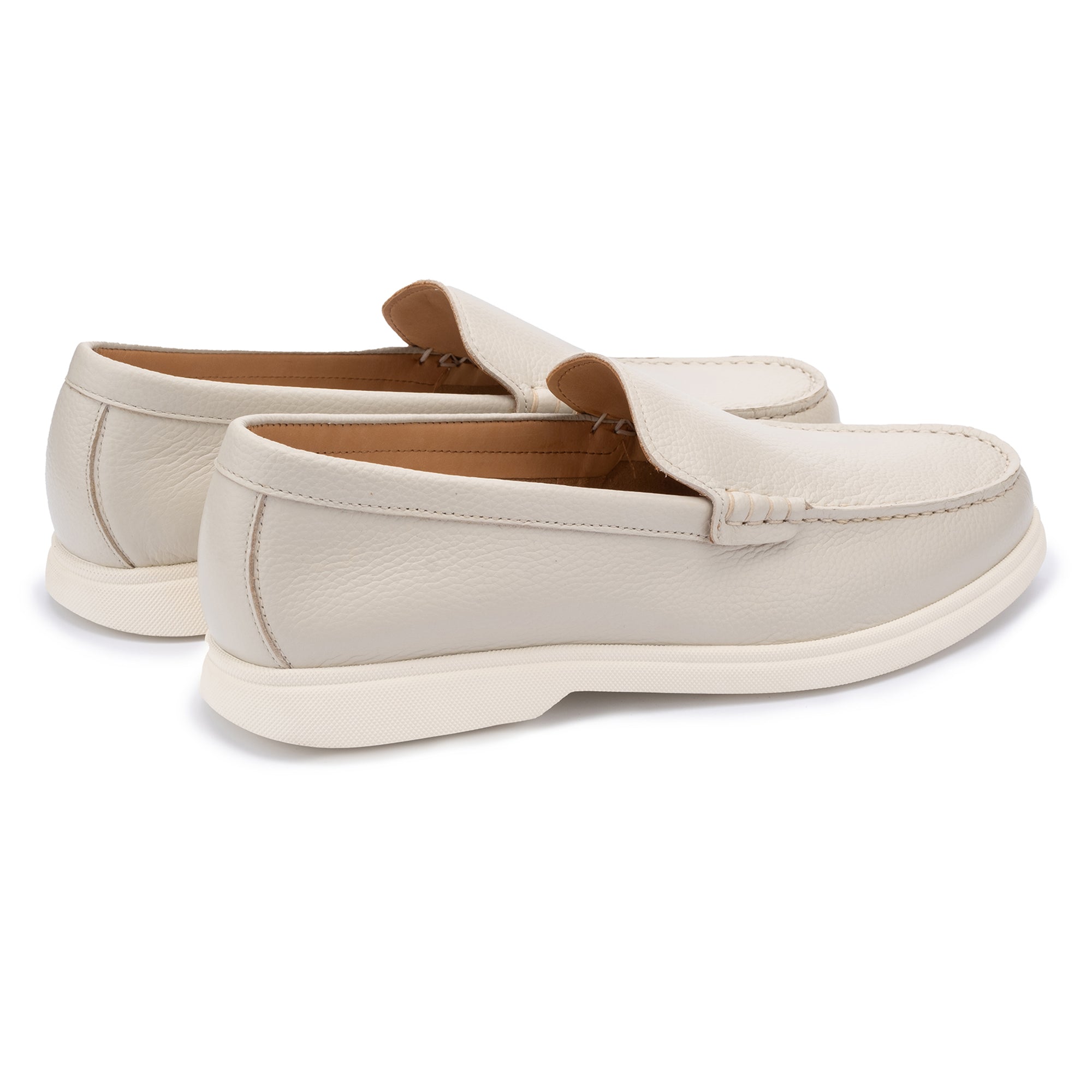
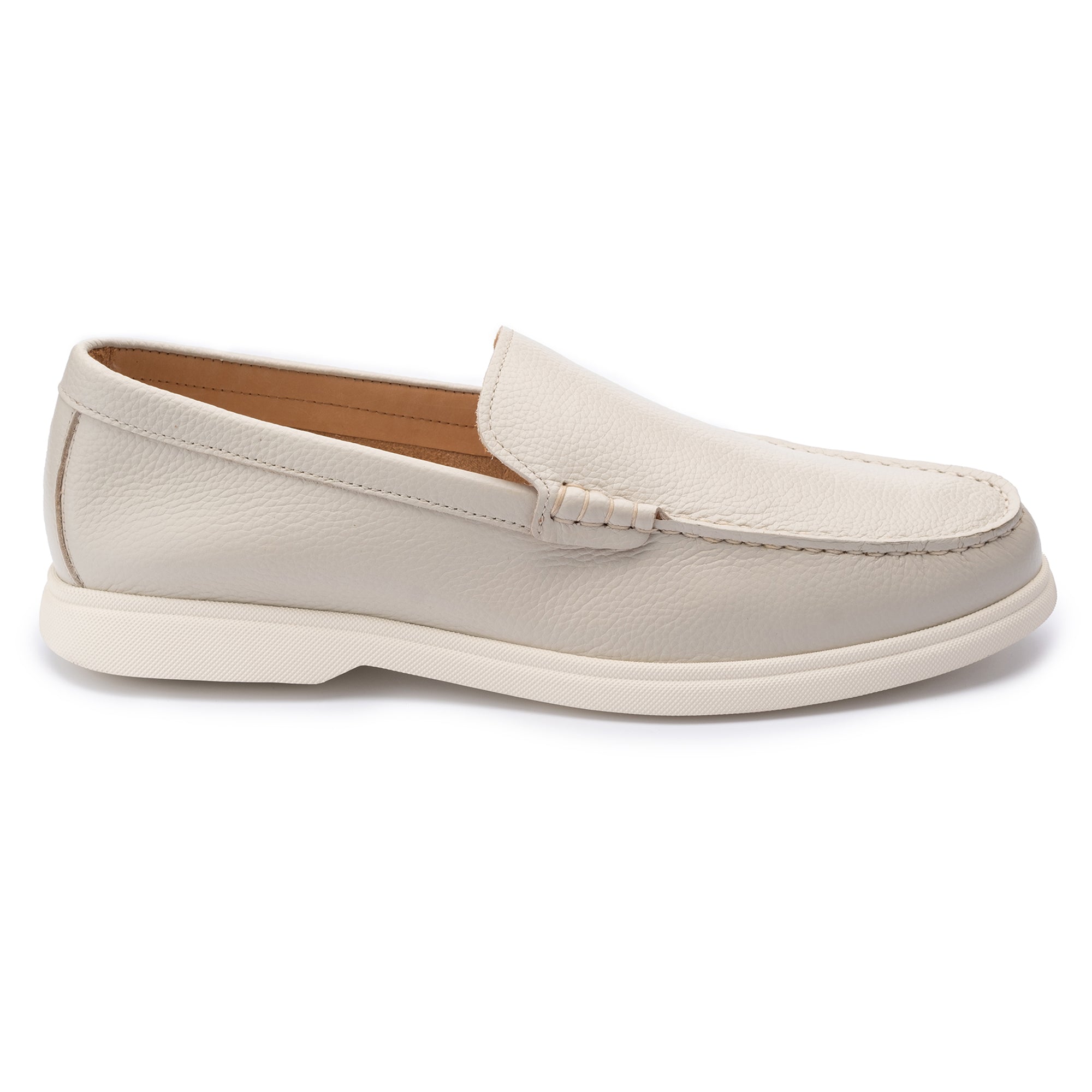
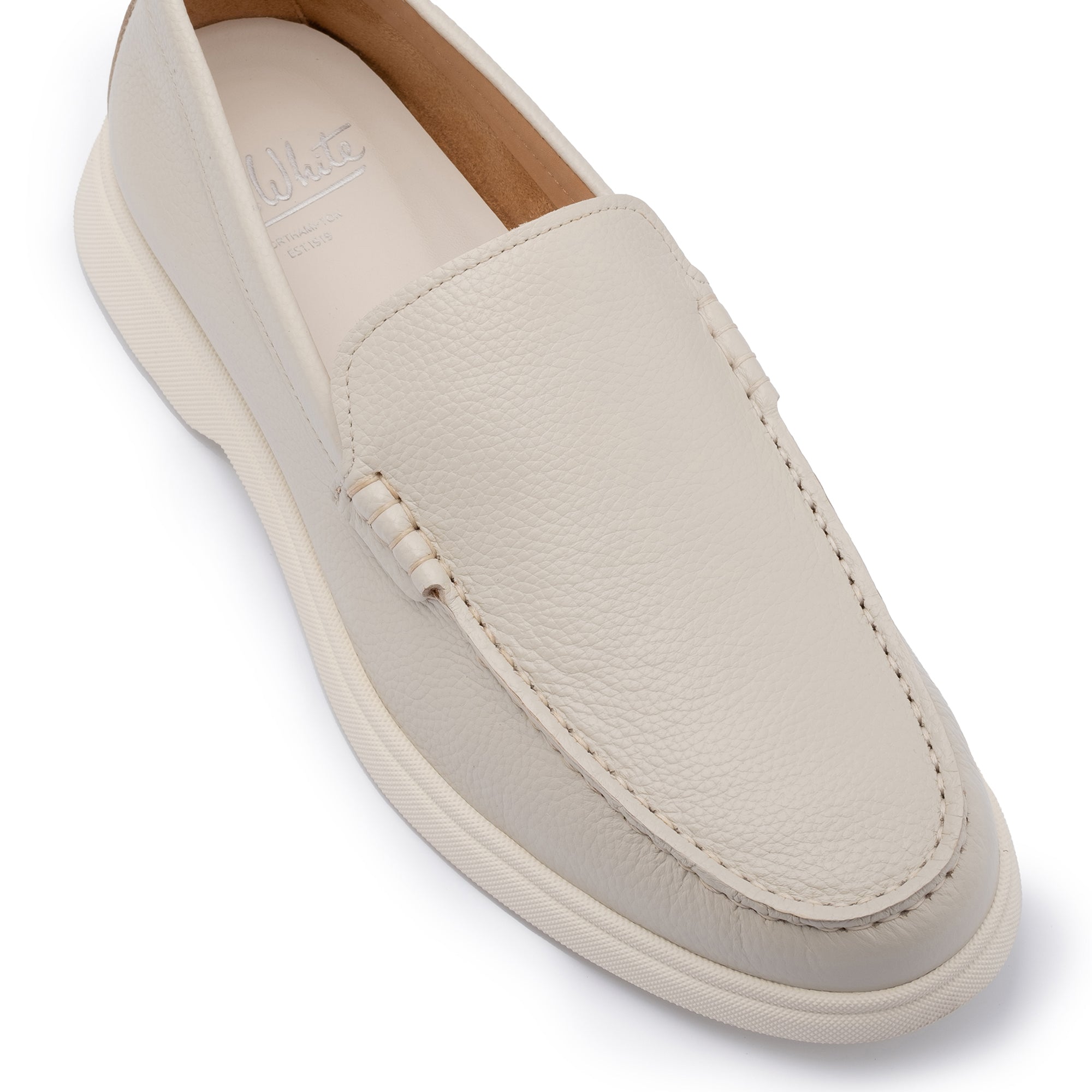
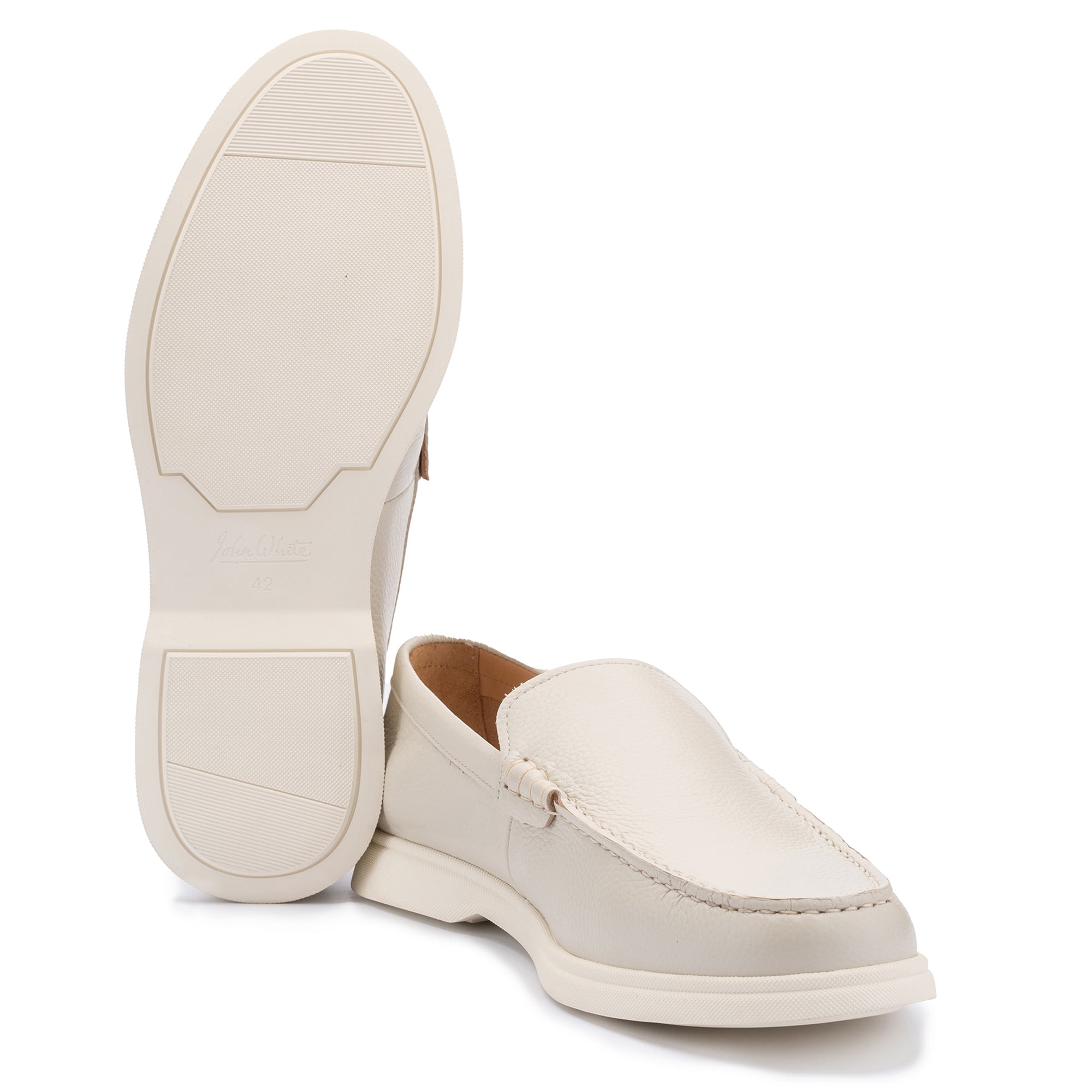
This is the most natural starting point. A suede loafer reads as deliberately easy: without a lace to tighten or a zip to fasten, it works as well sockless as it does with a light cotton sock. The Ethan Plain Calf Suede Loafer comes in Brown Suede, Green Suede, and Navy Suede, three options that suit three distinct wardrobes. The green is the most confident choice: worn with stone or khaki chinos and a plain white shirt, it carries without effort. The navy is quieter and more flexible, reading almost as a neutral against grey or navy trousers.
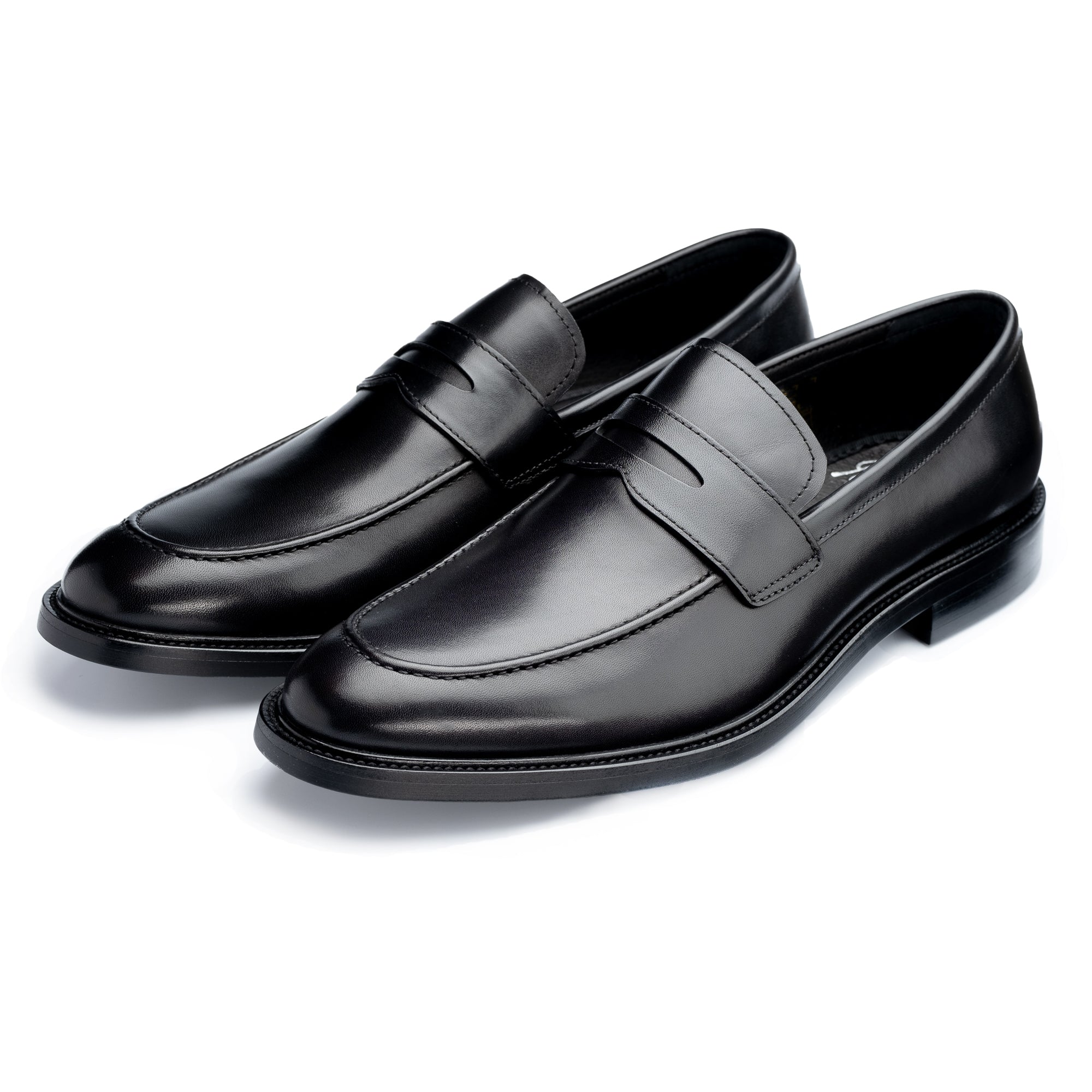
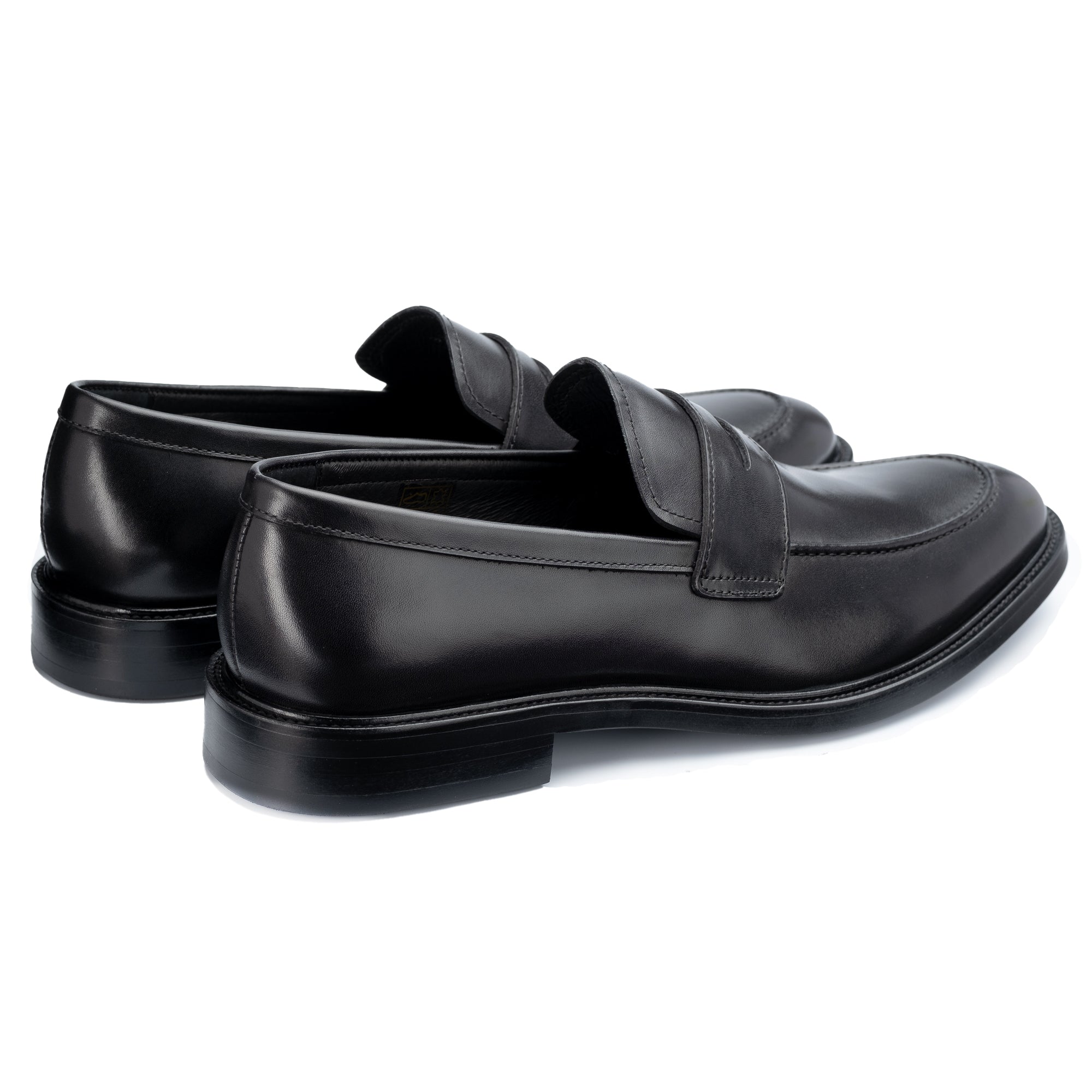
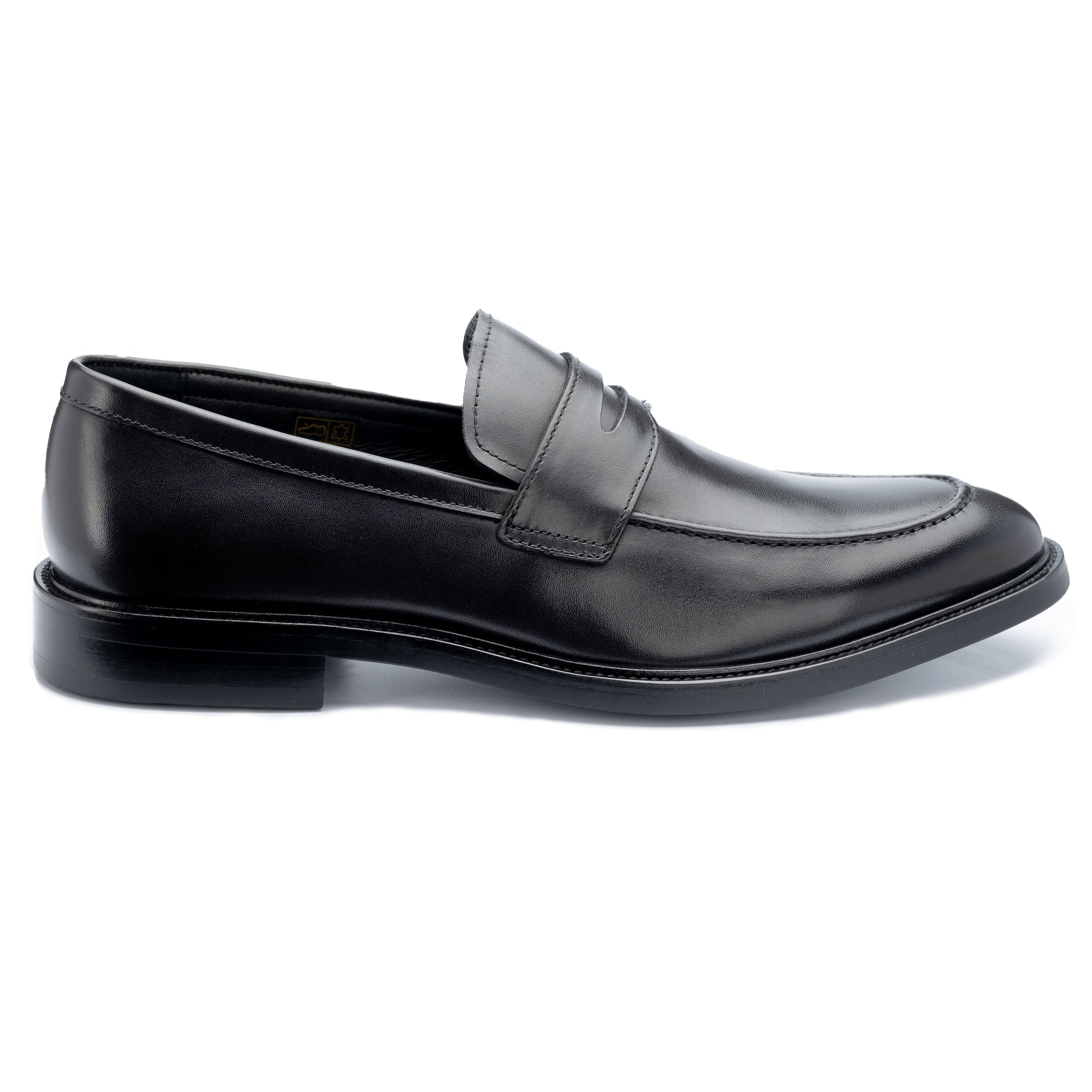
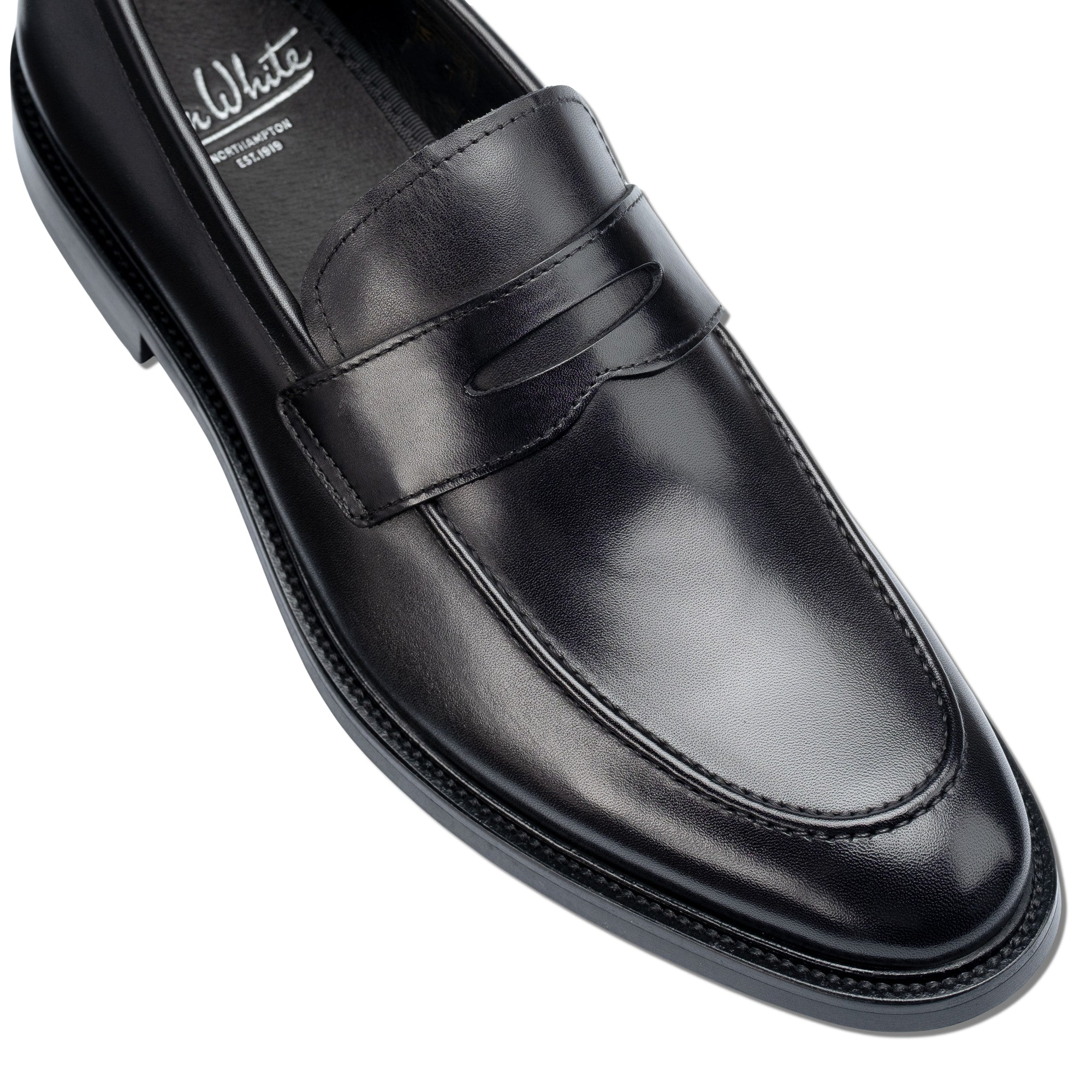
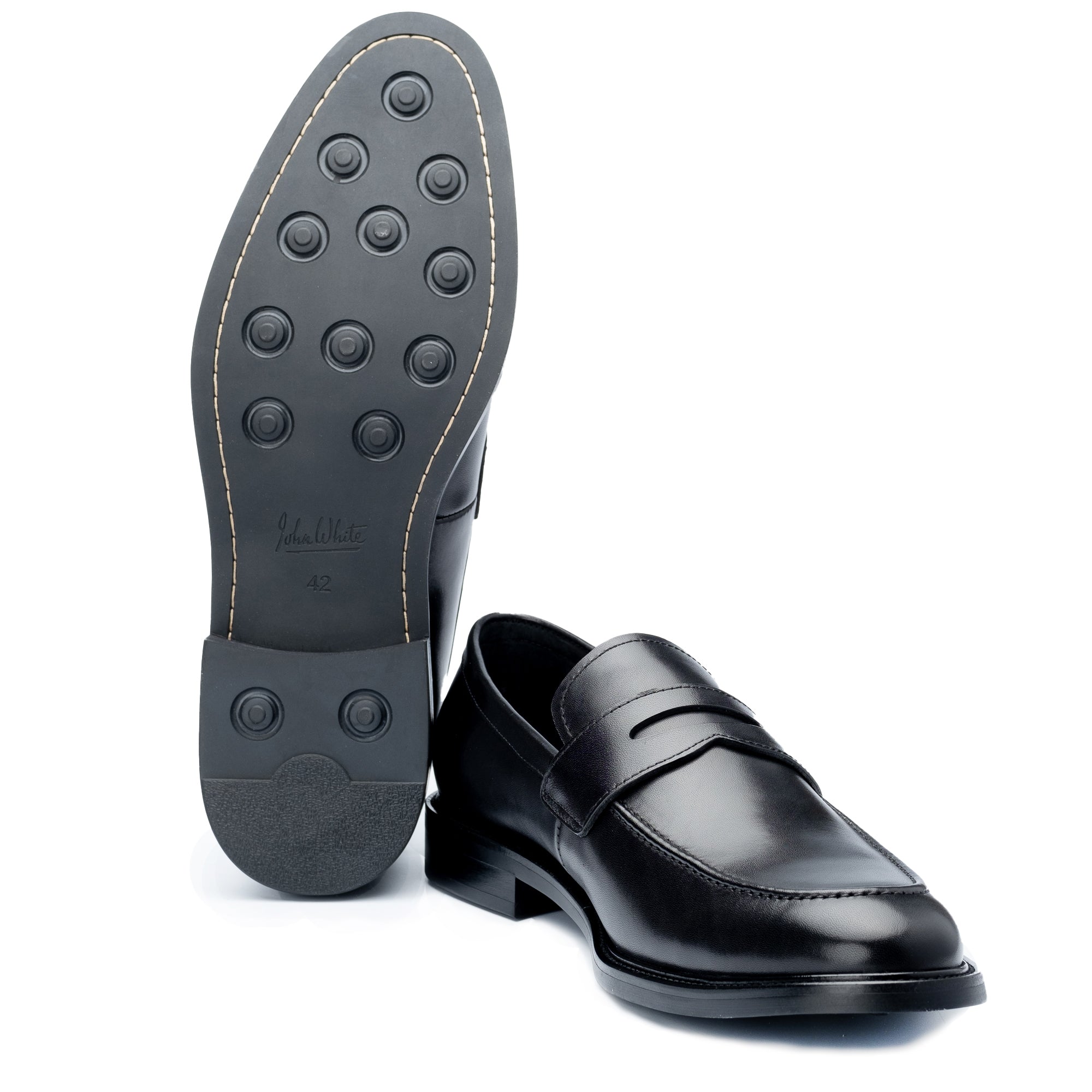
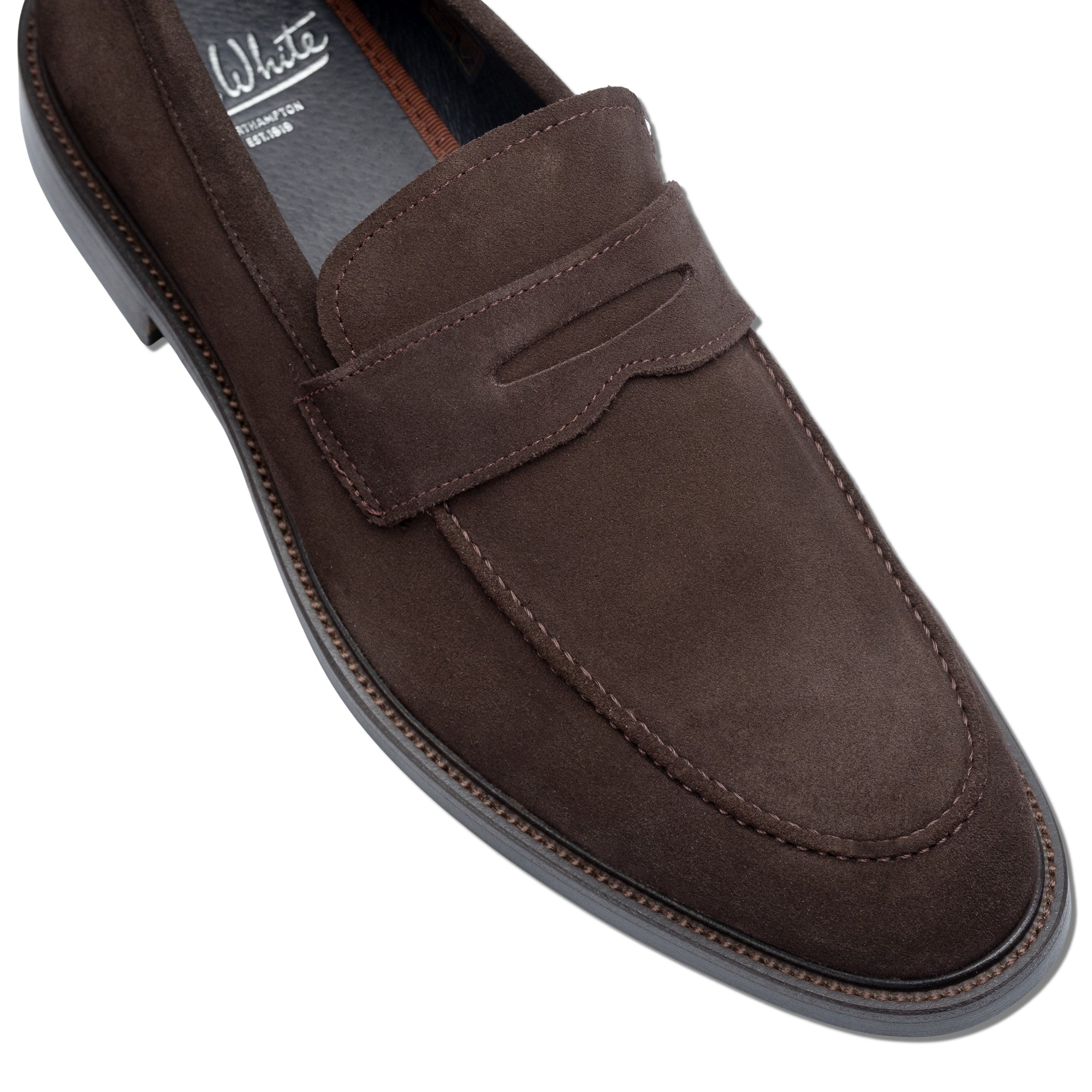
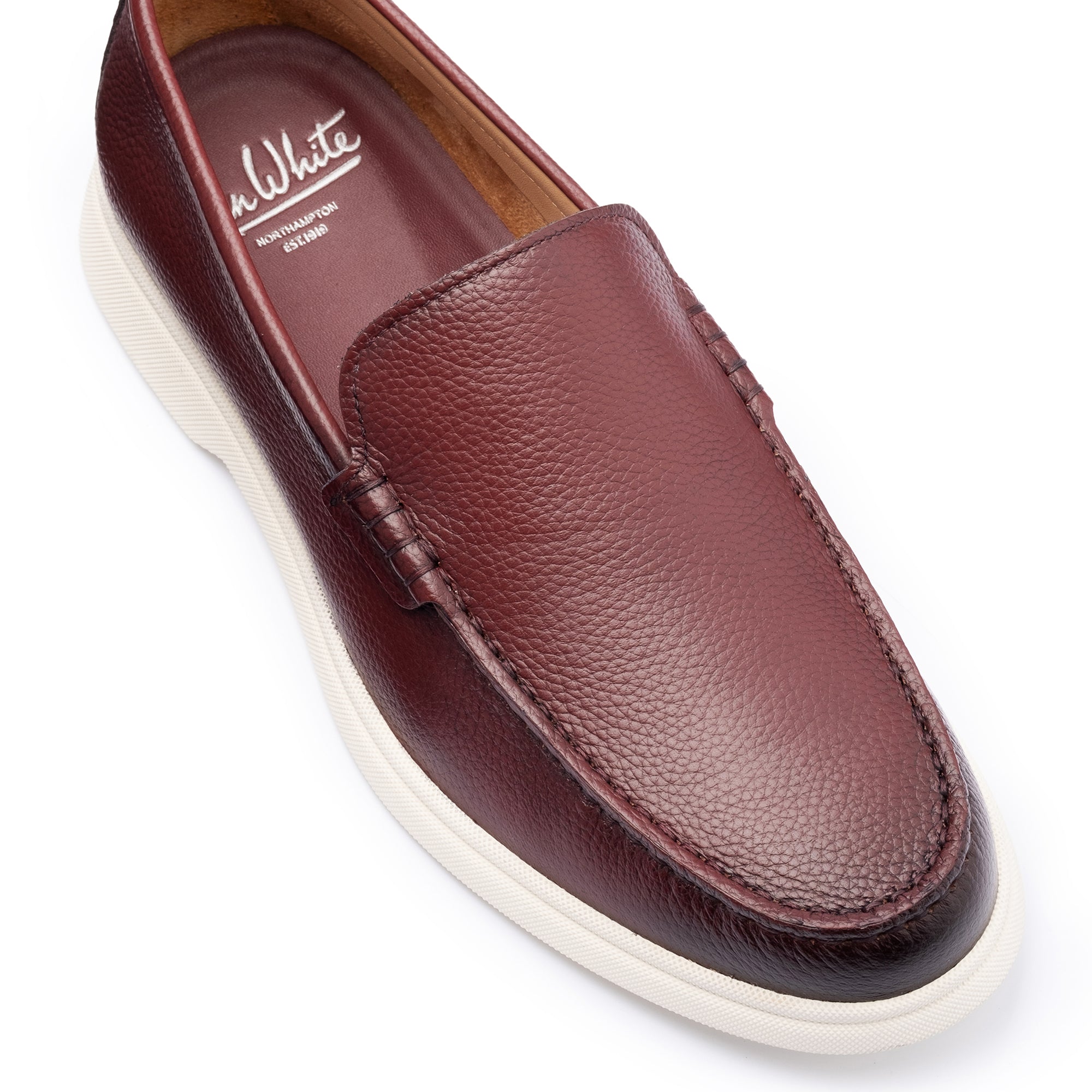
For those who prefer a loafer with more defined structure, the Banff Penny Loafer is available in Brown Suede. The penny slot across the saddle gives the shoe a more particular character, and its silhouette works well with tapered trousers. For the full history and styling notes on the penny loafer form, the guide to the penny loafer covers both in detail.
The Suede Chukka Boot
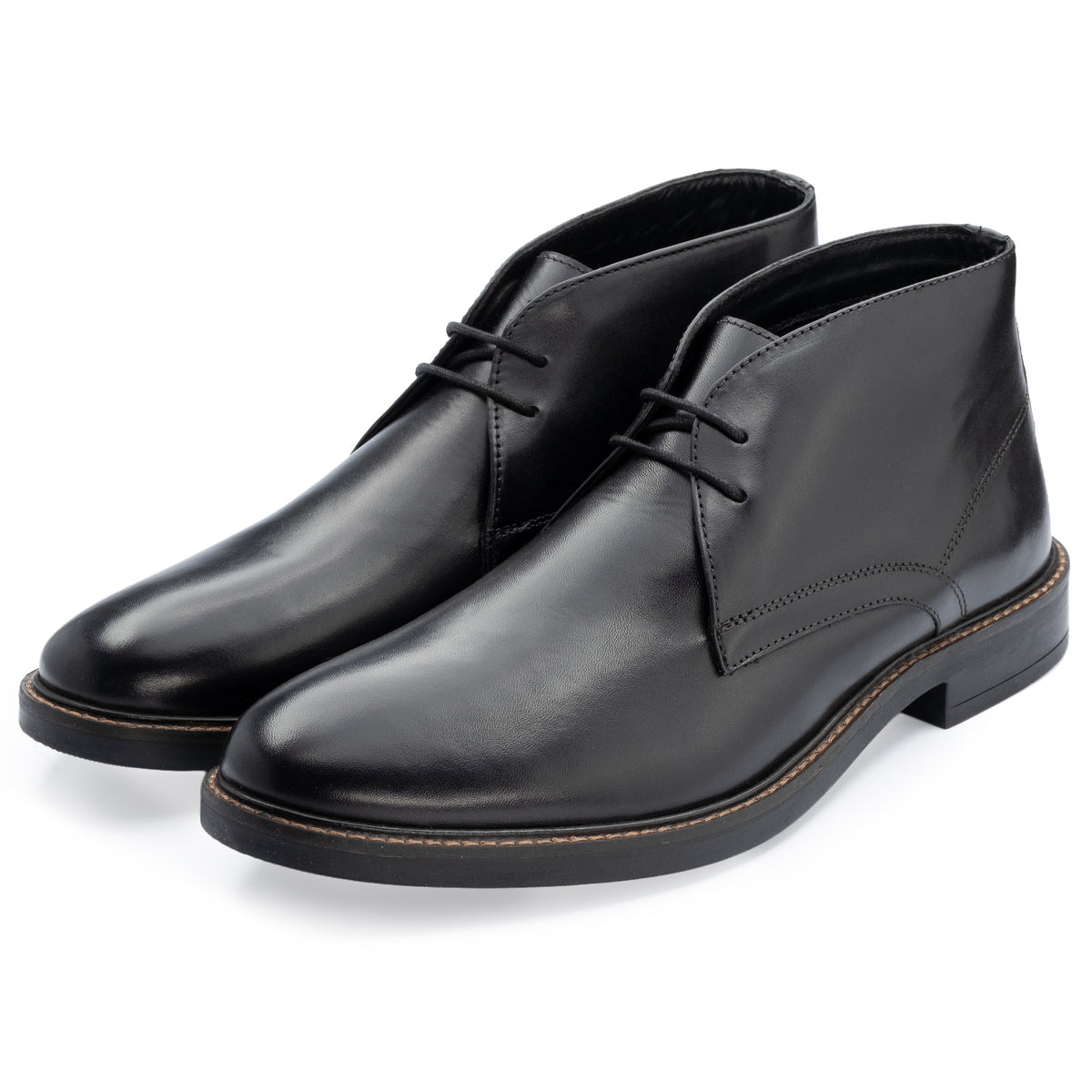
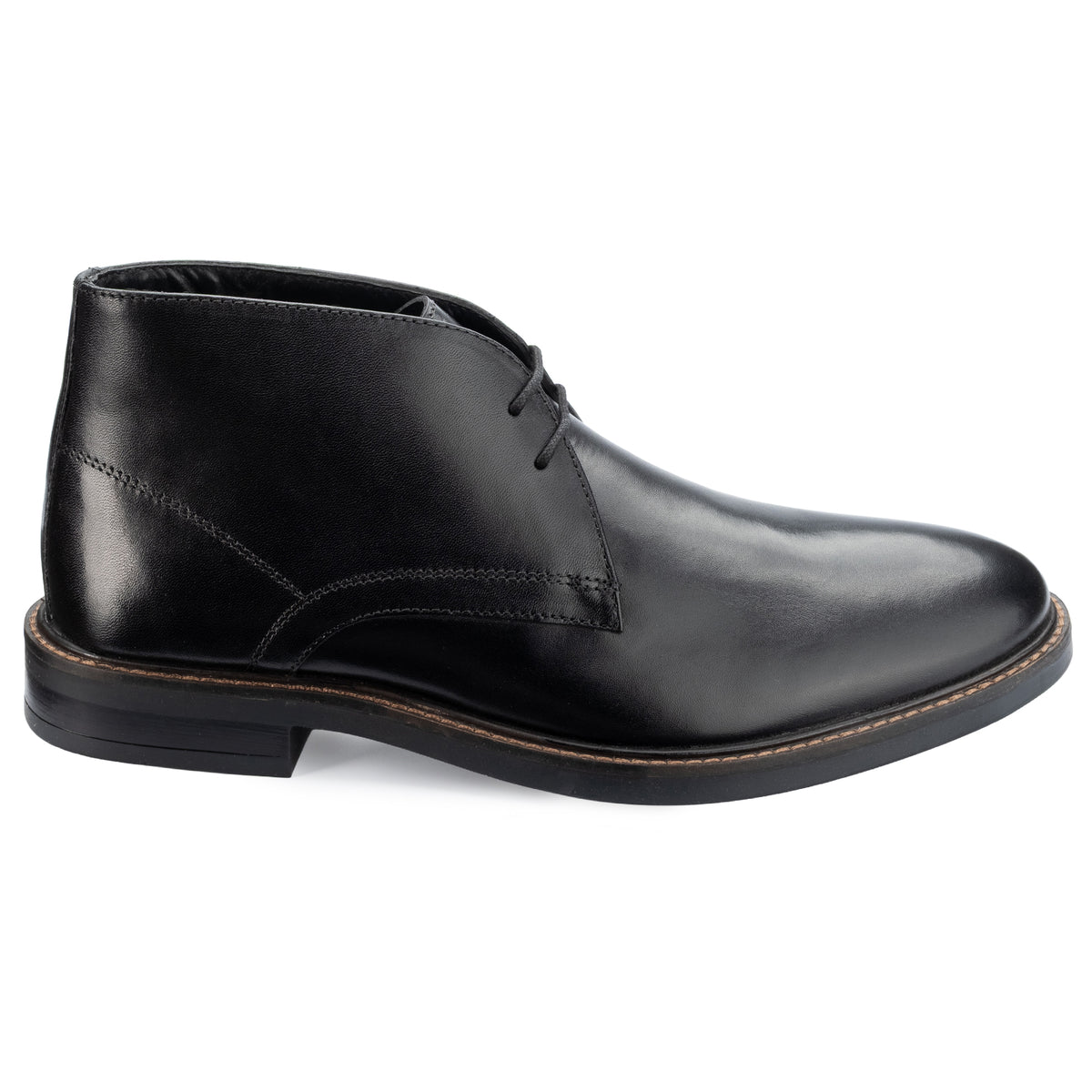
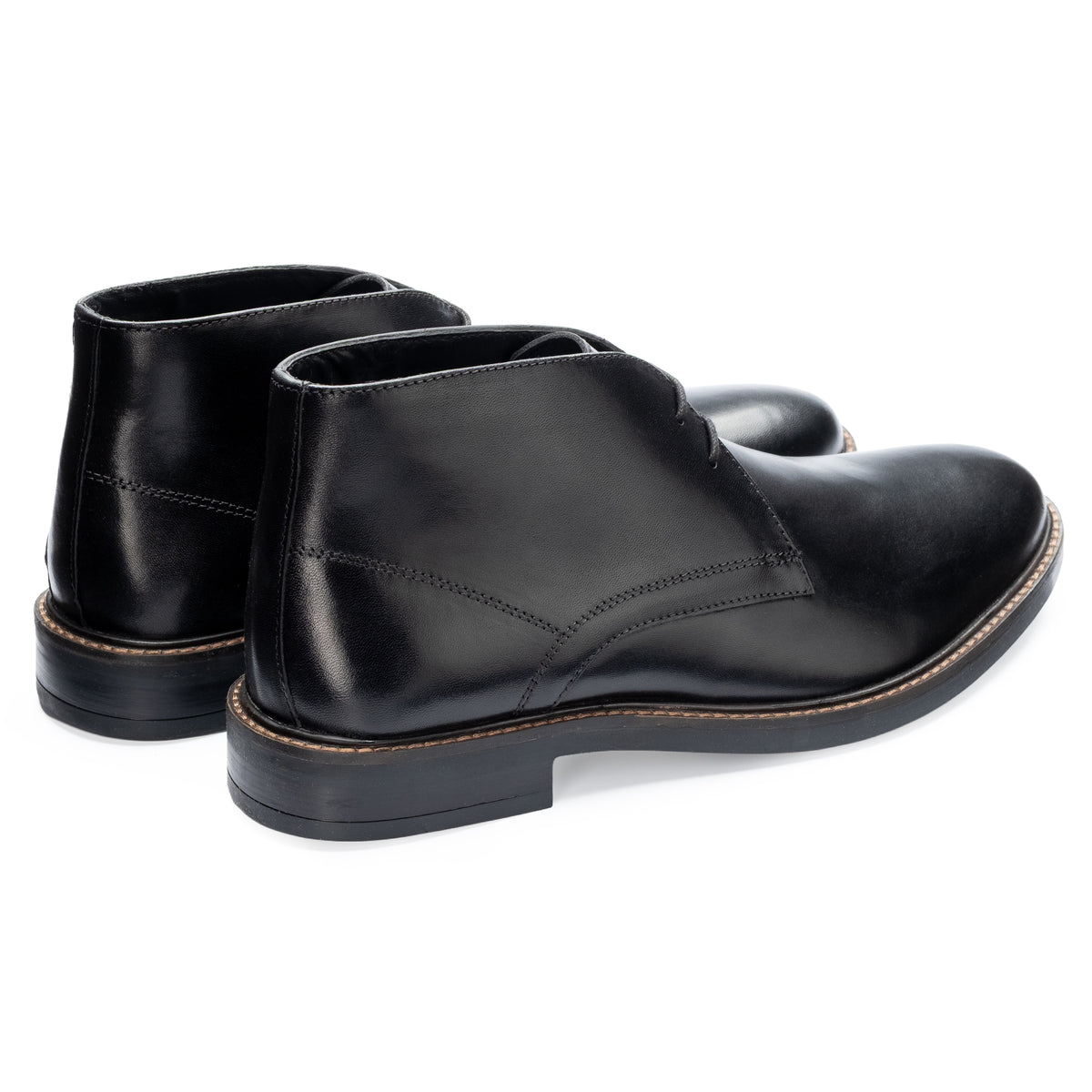
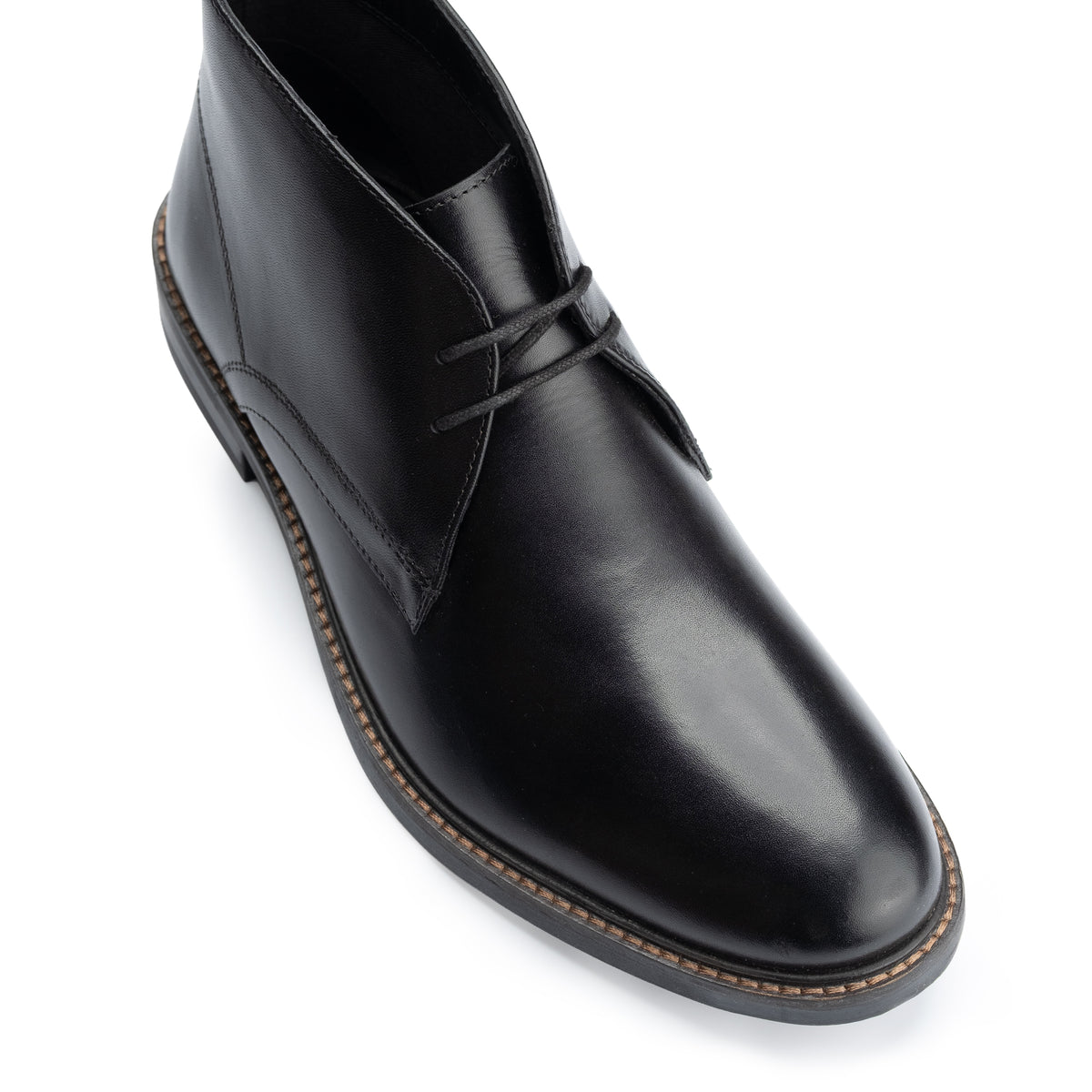
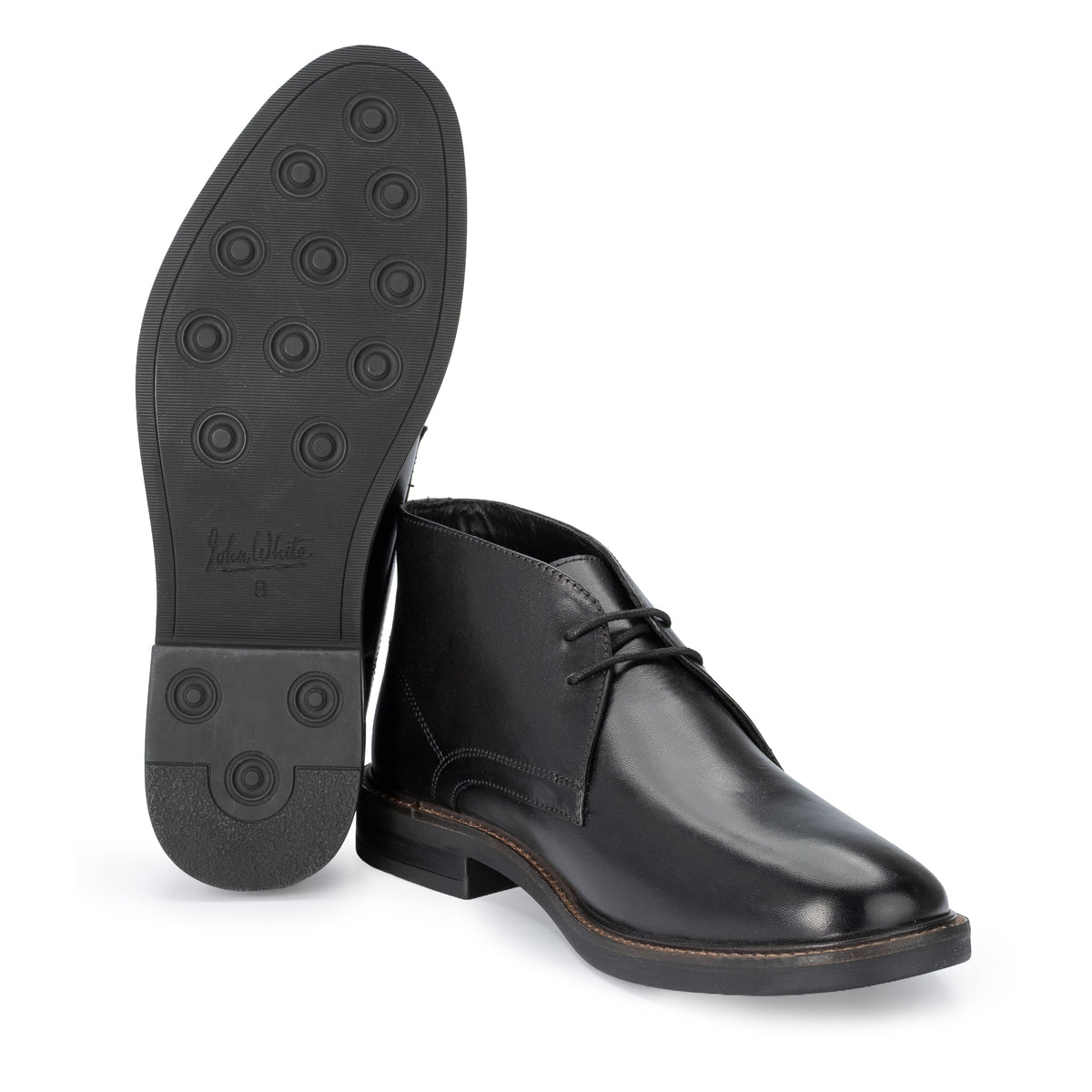
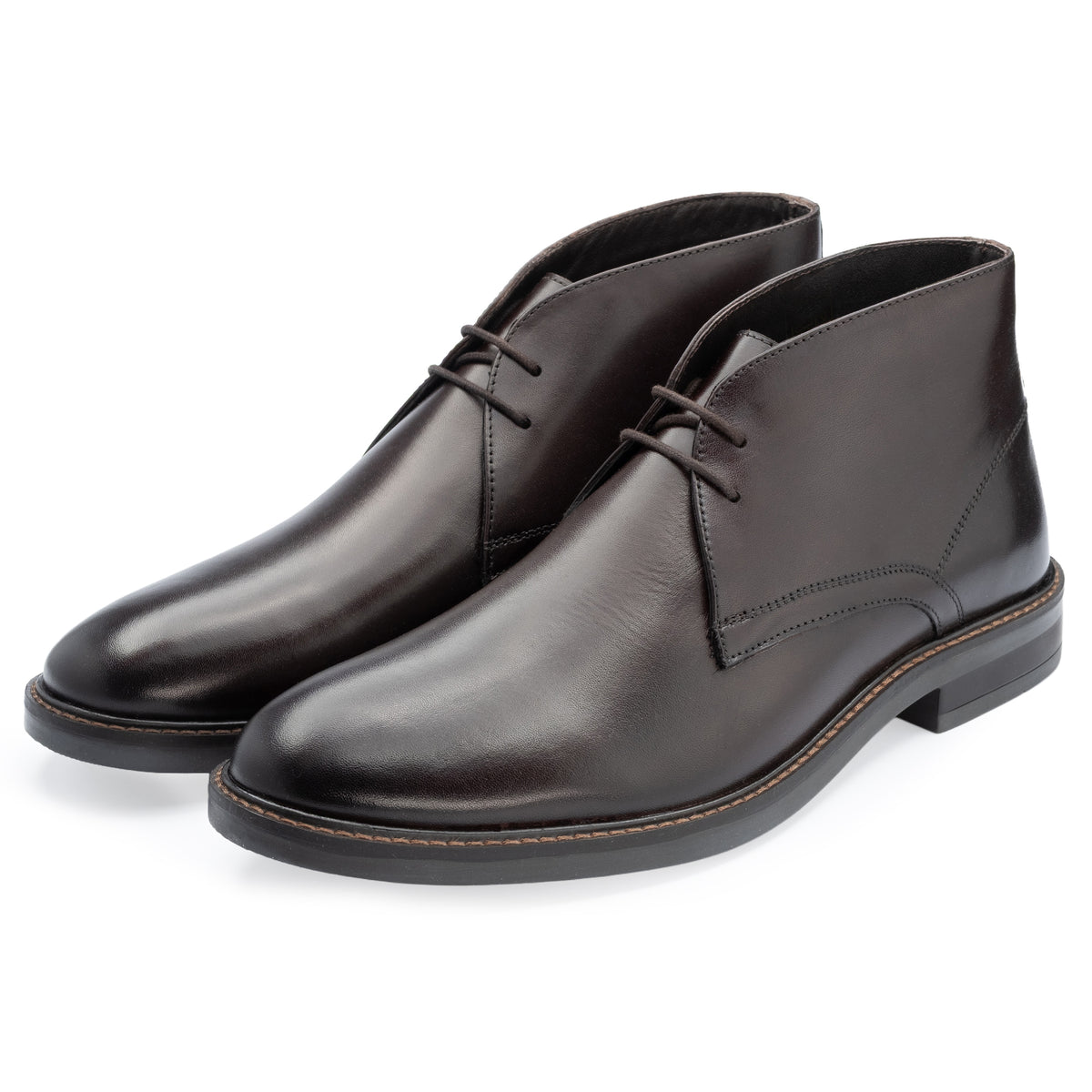
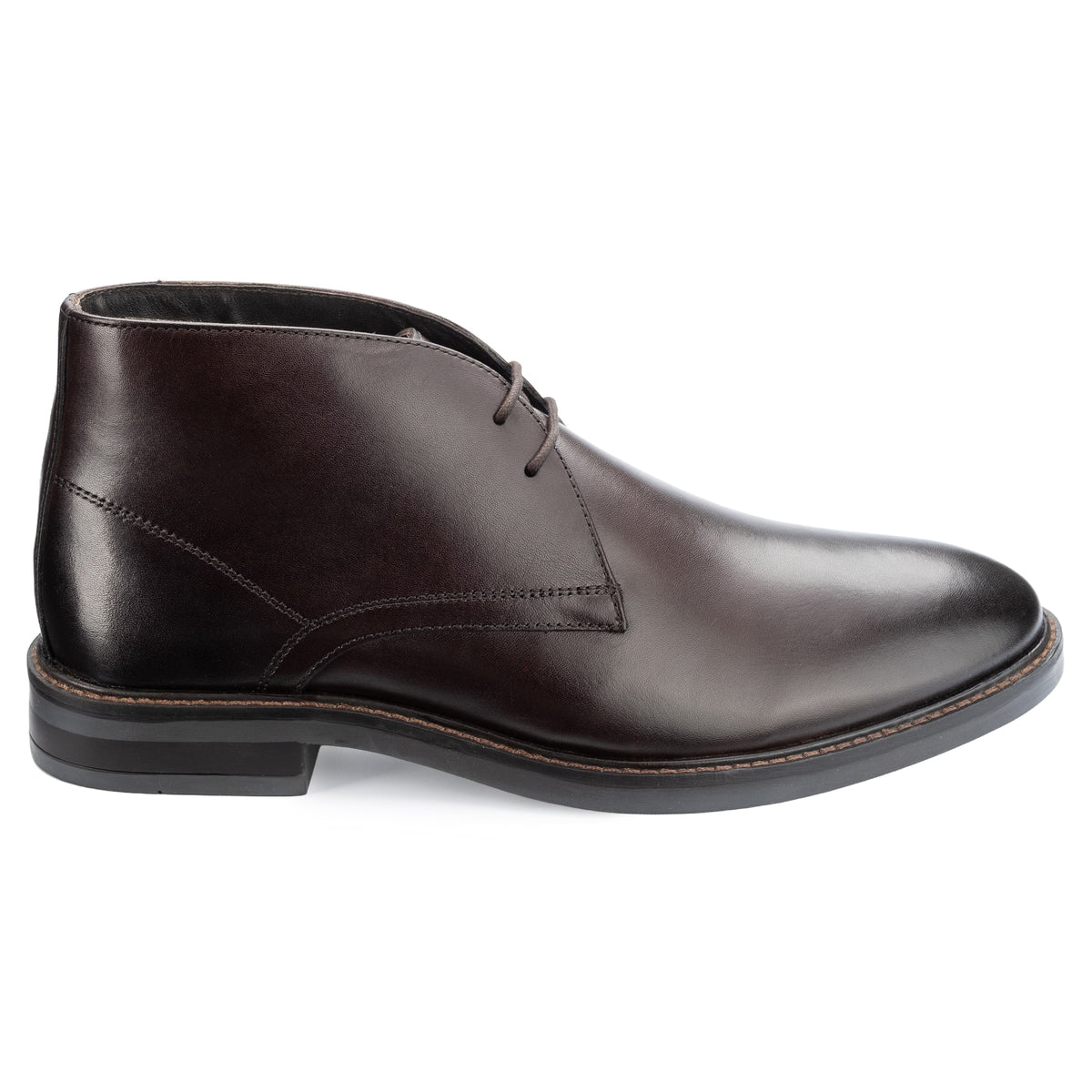
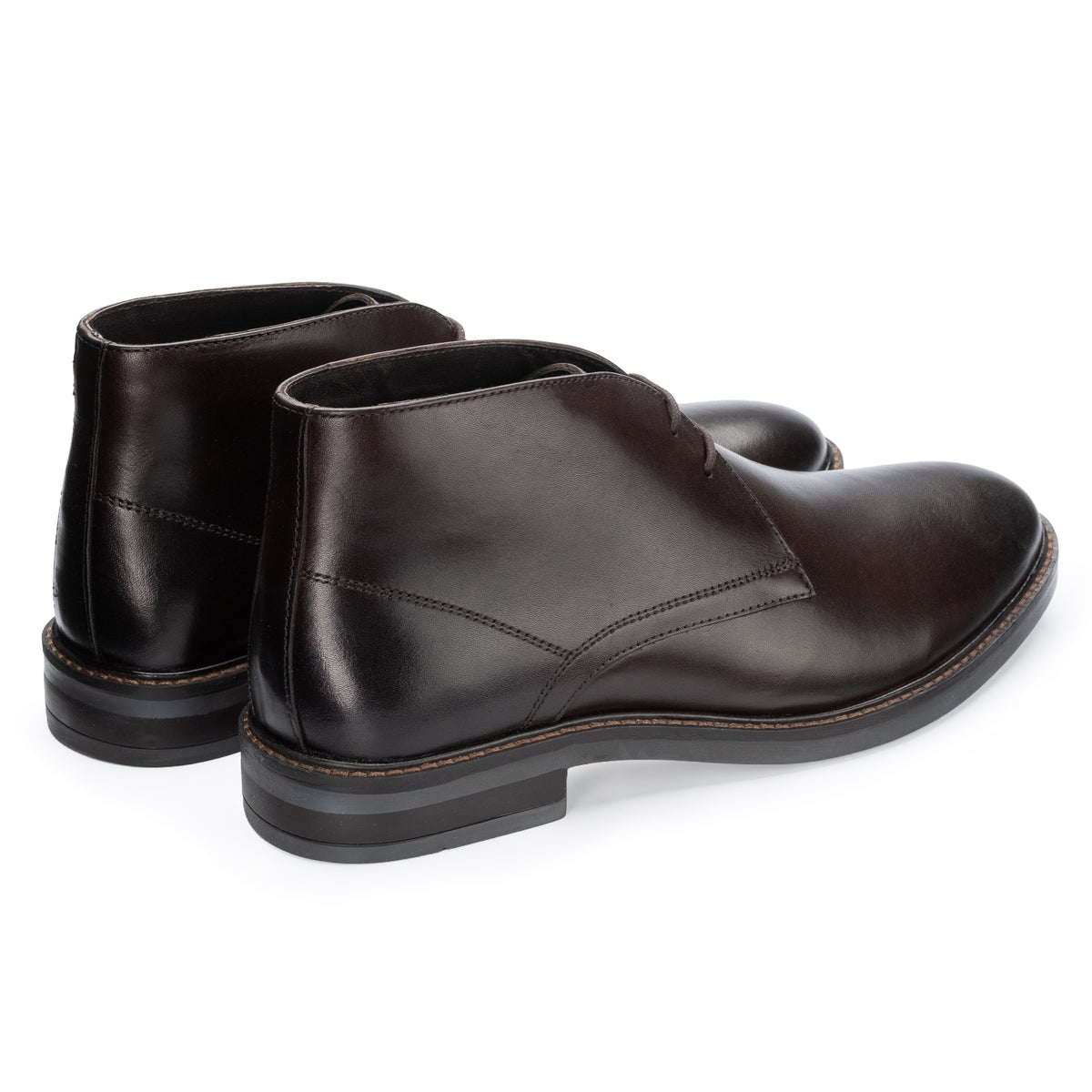
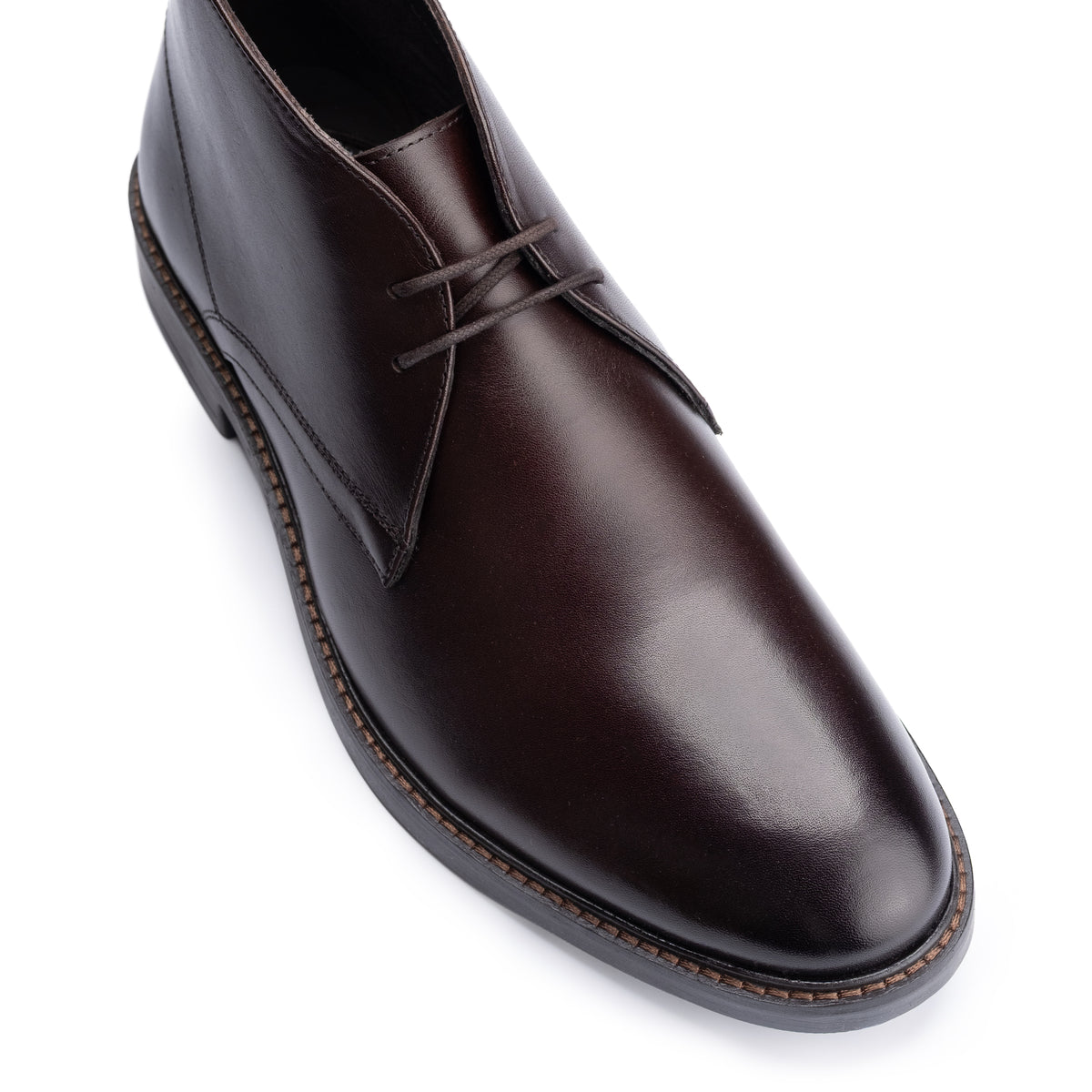
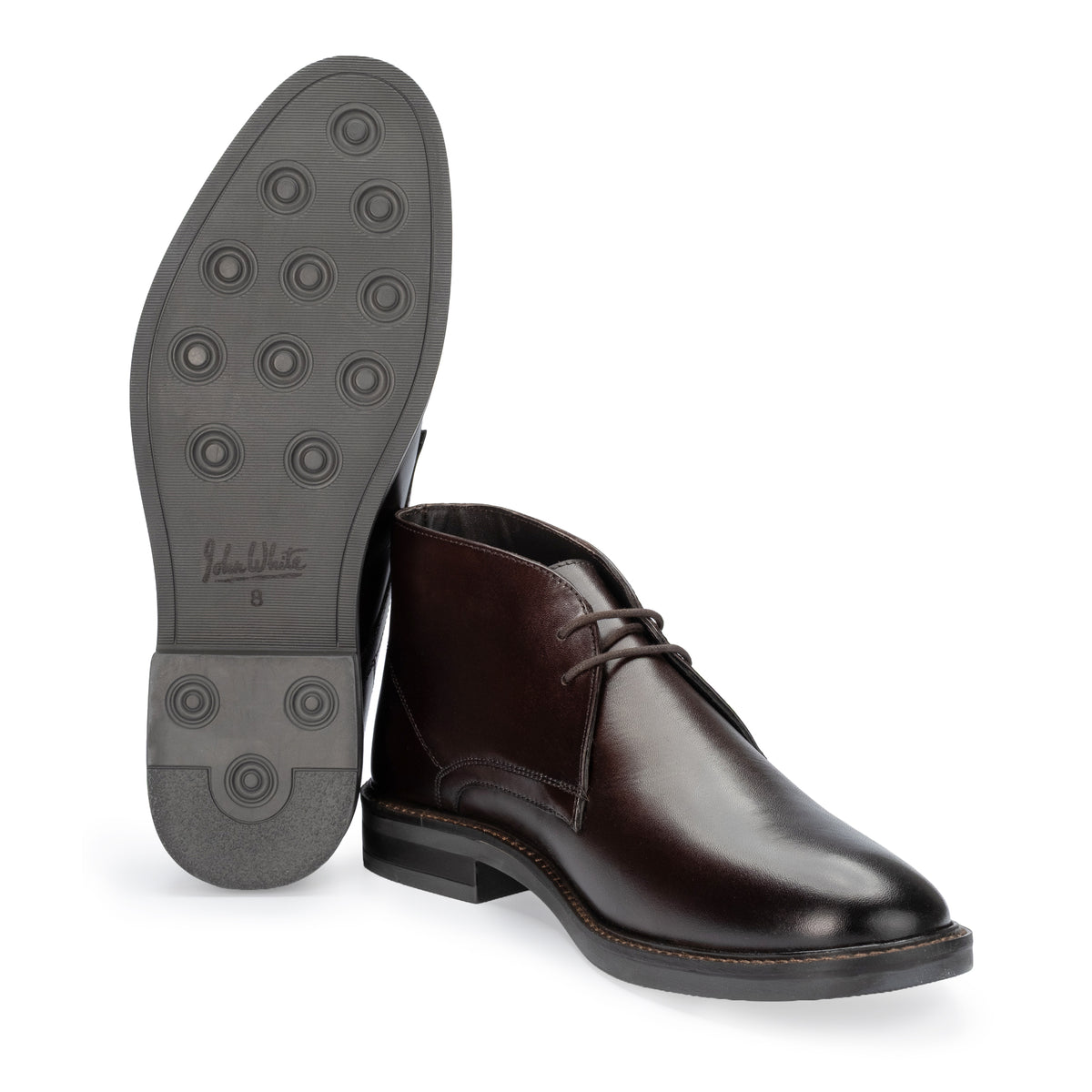
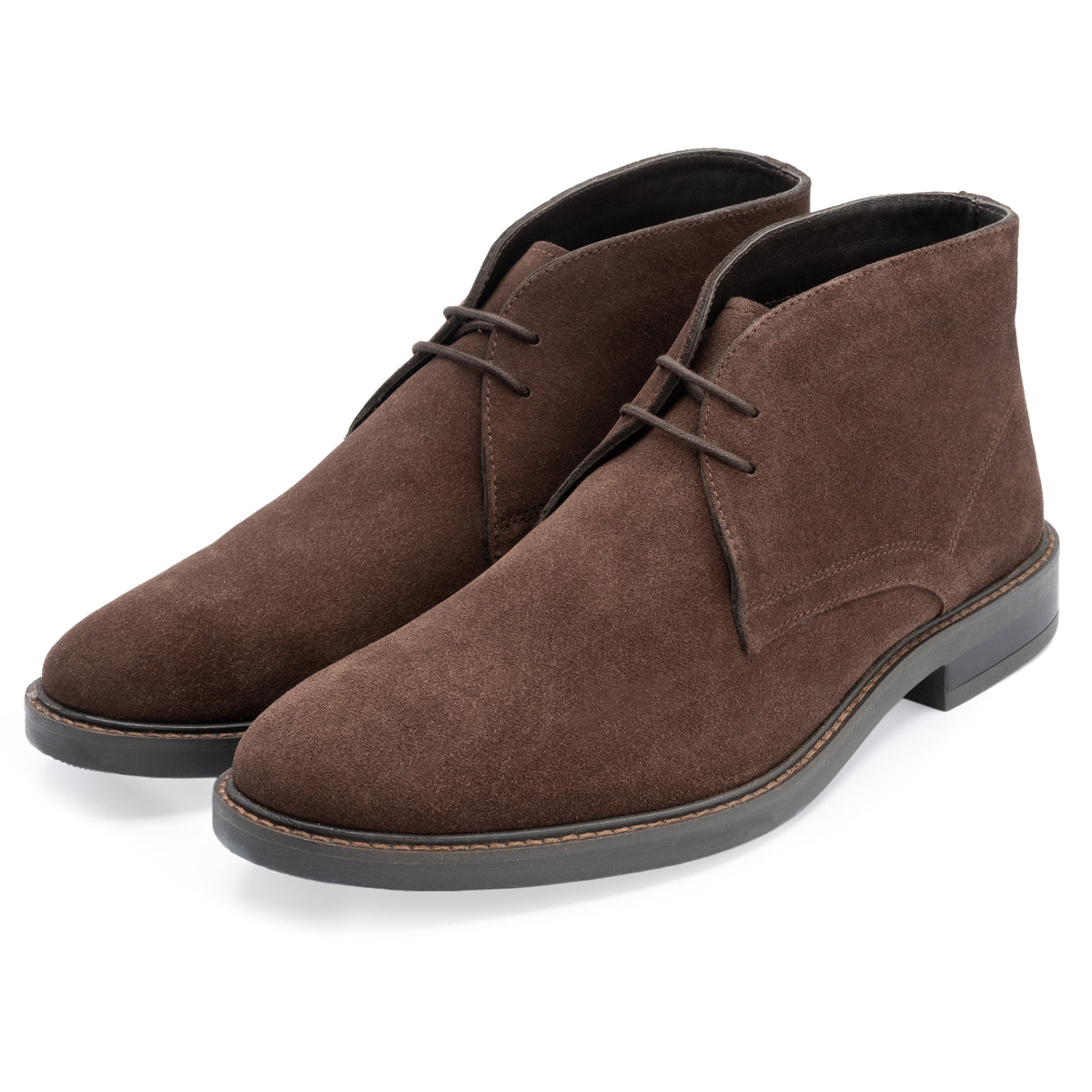
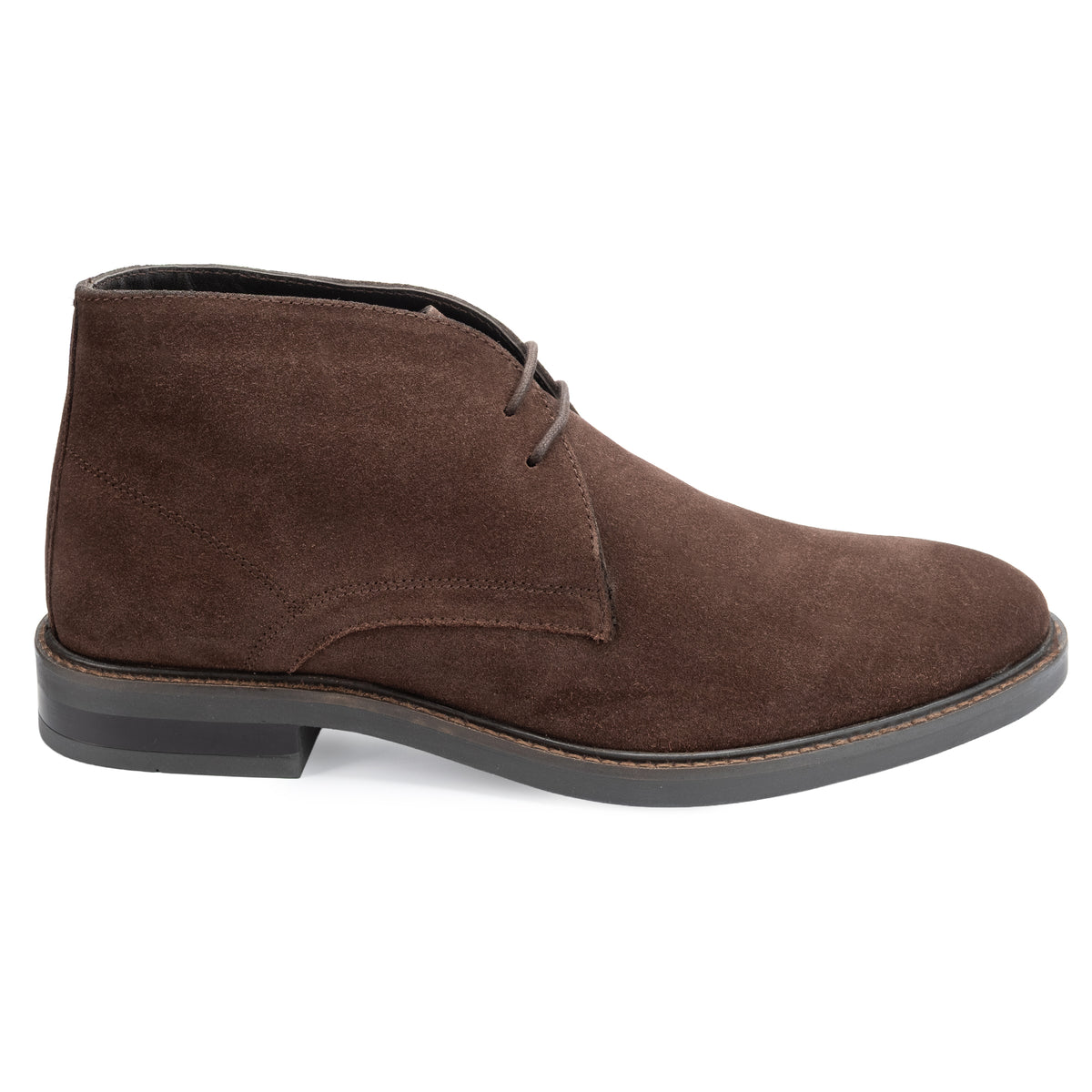
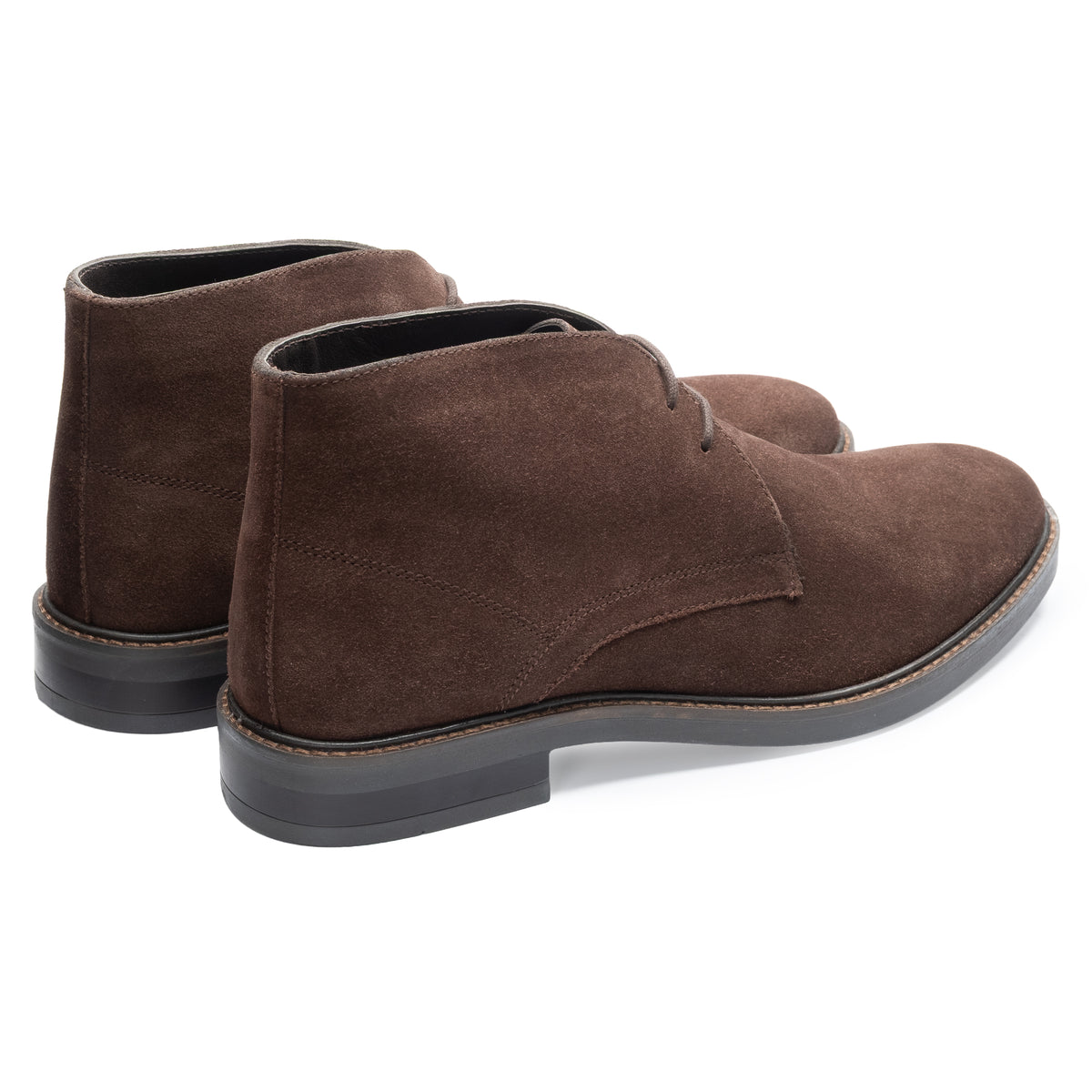
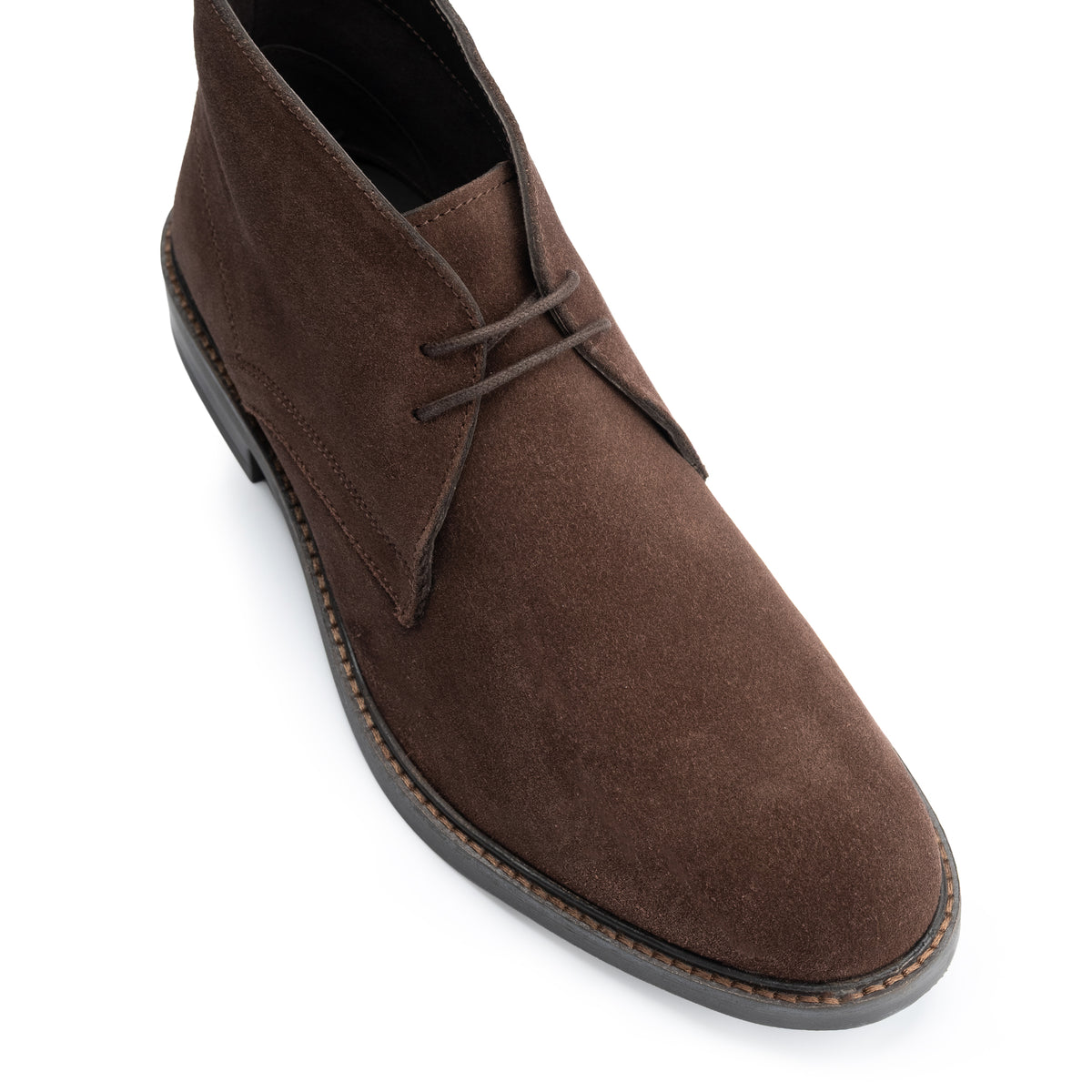
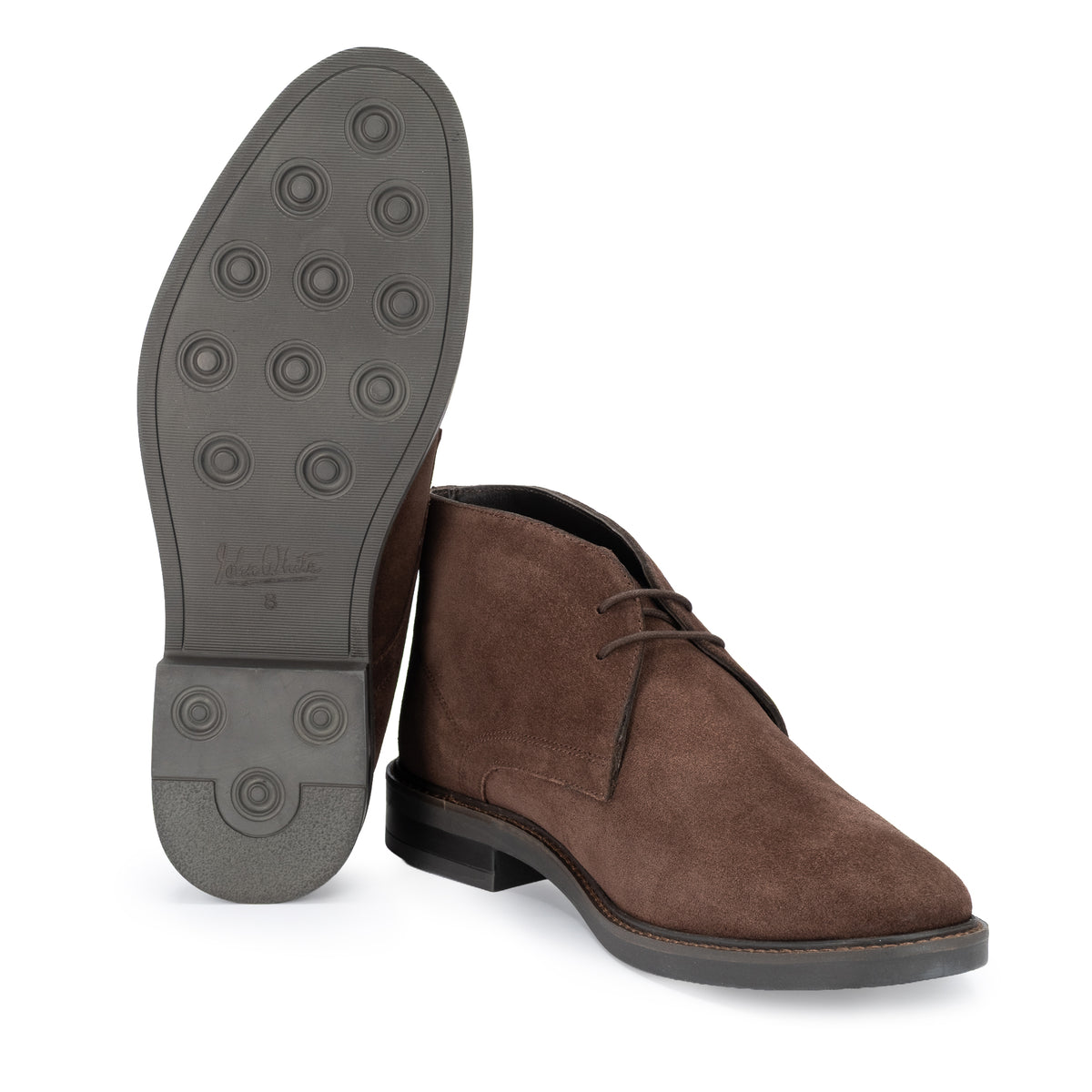
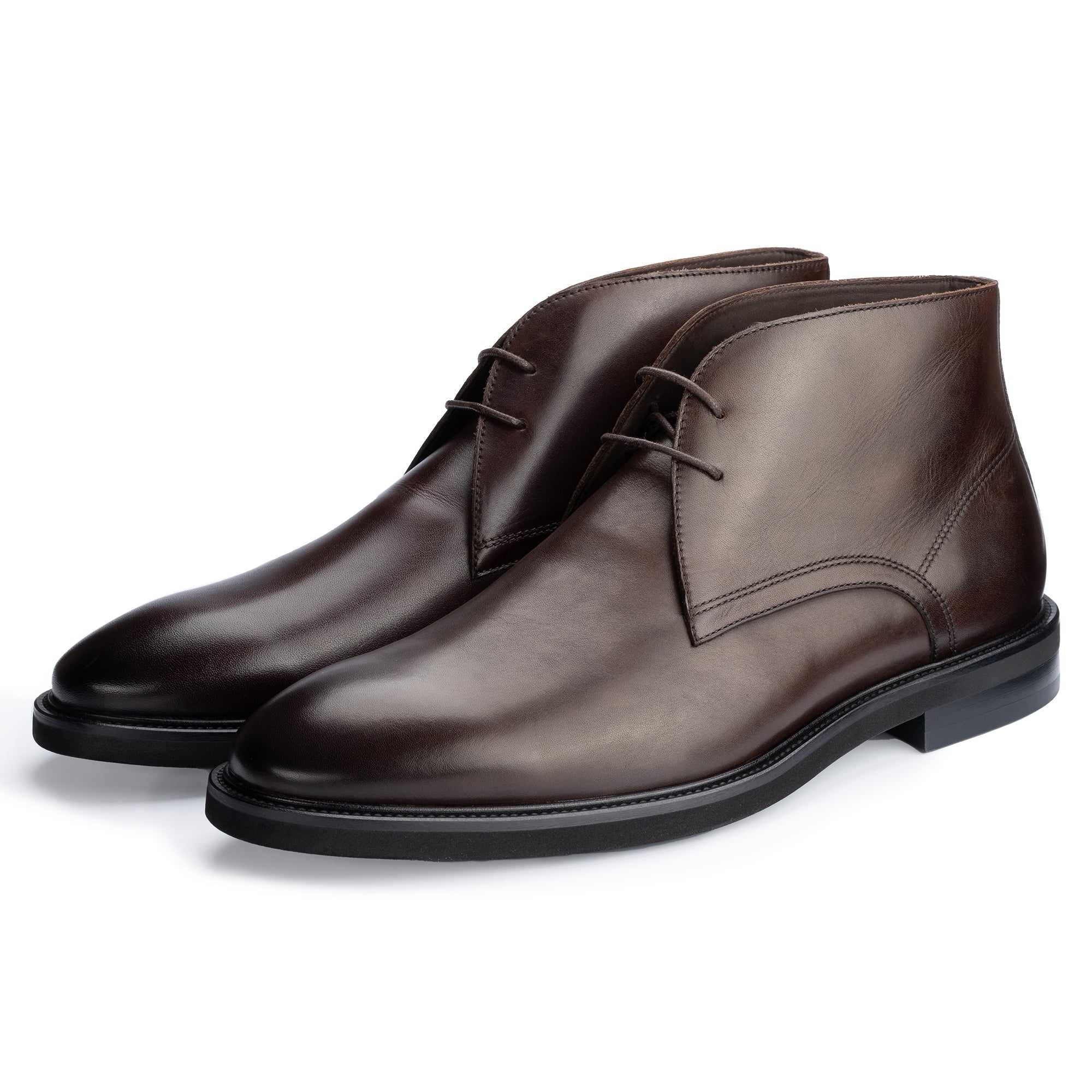
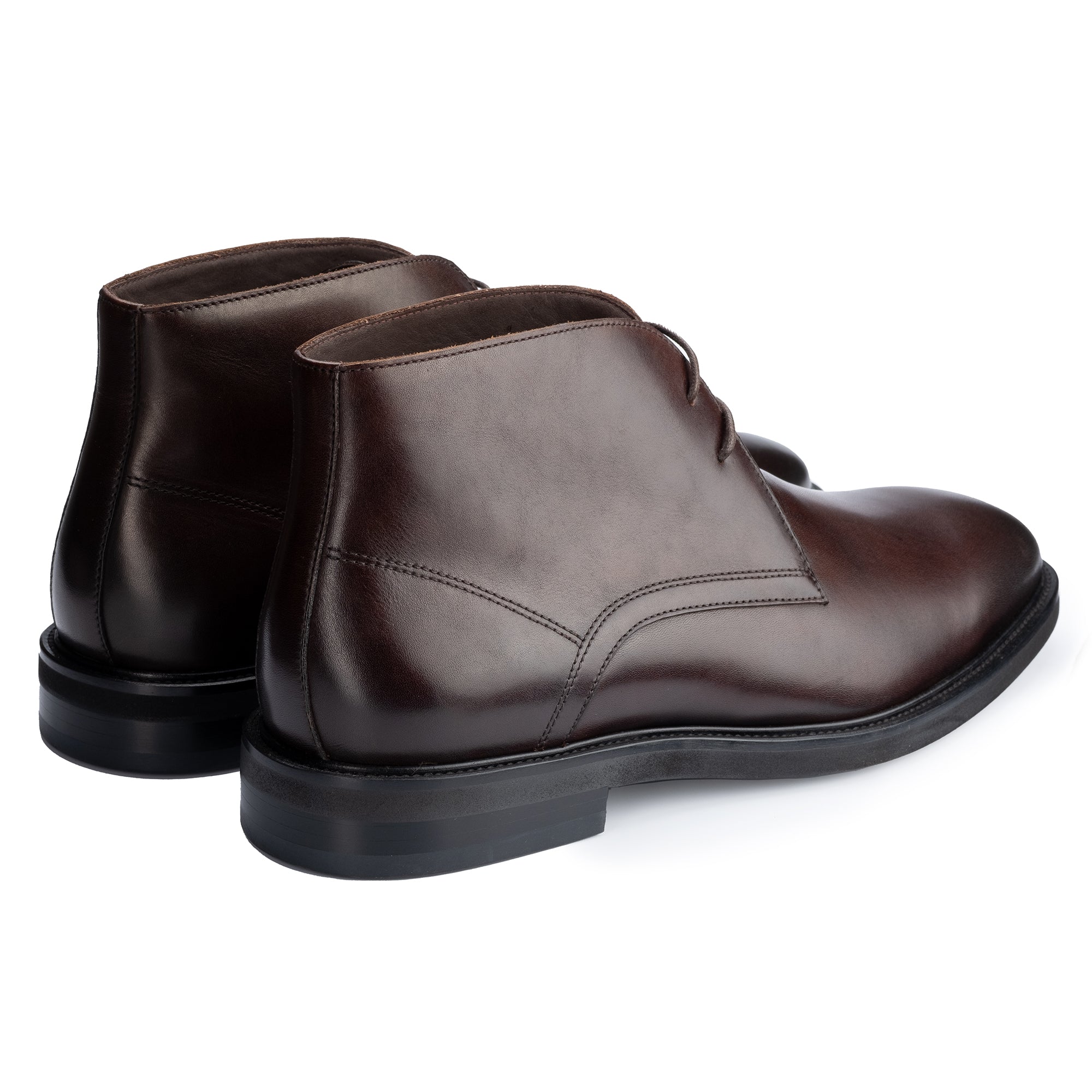
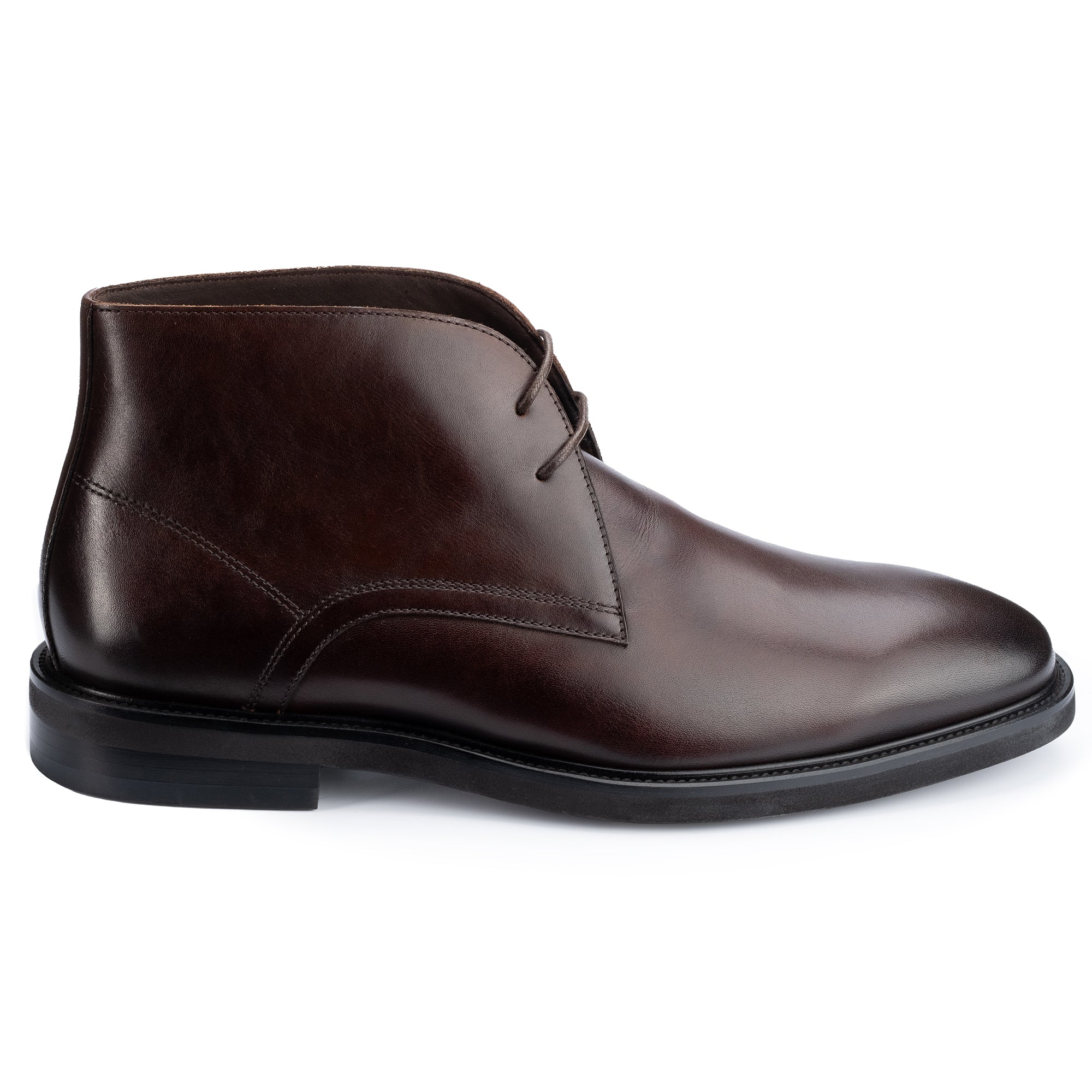
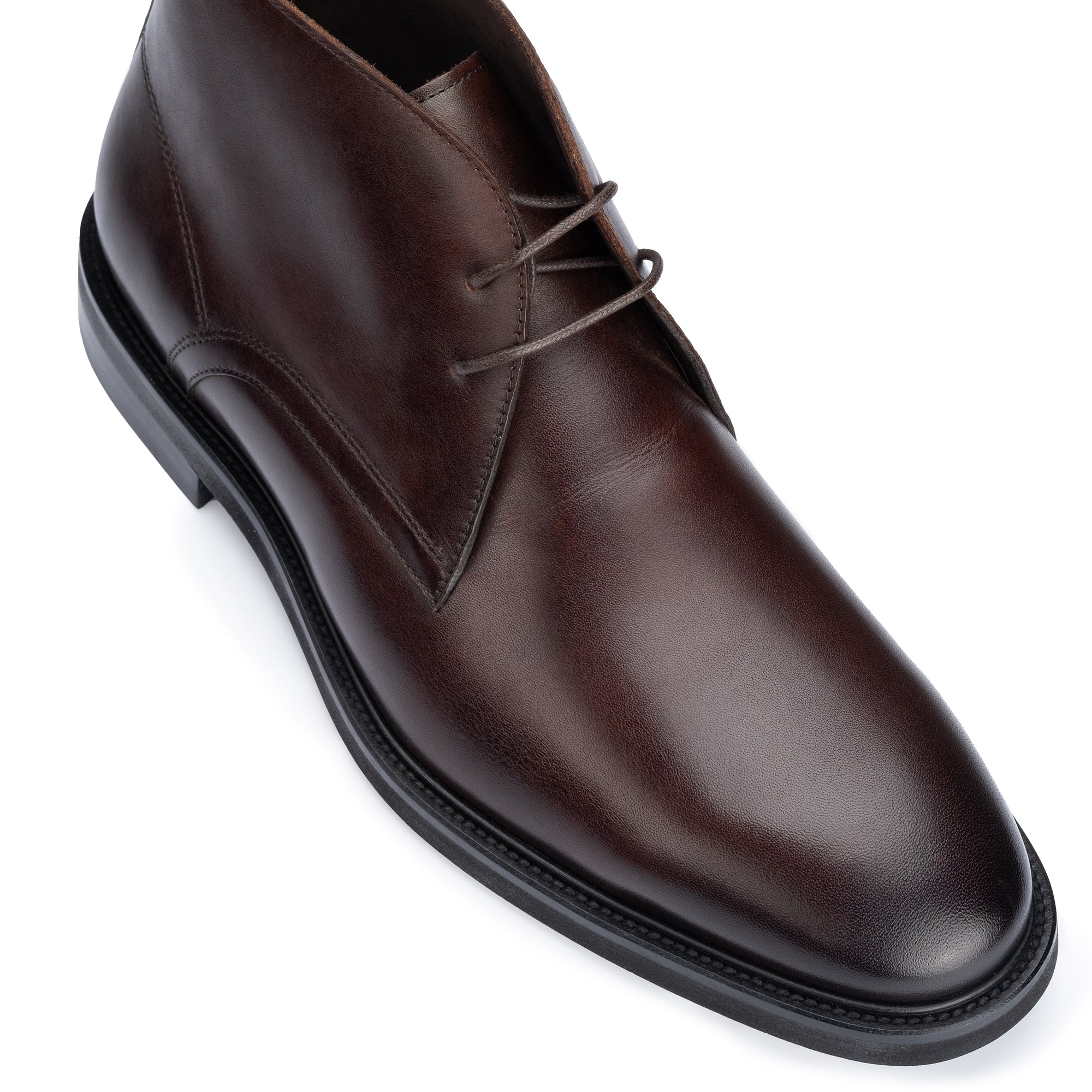
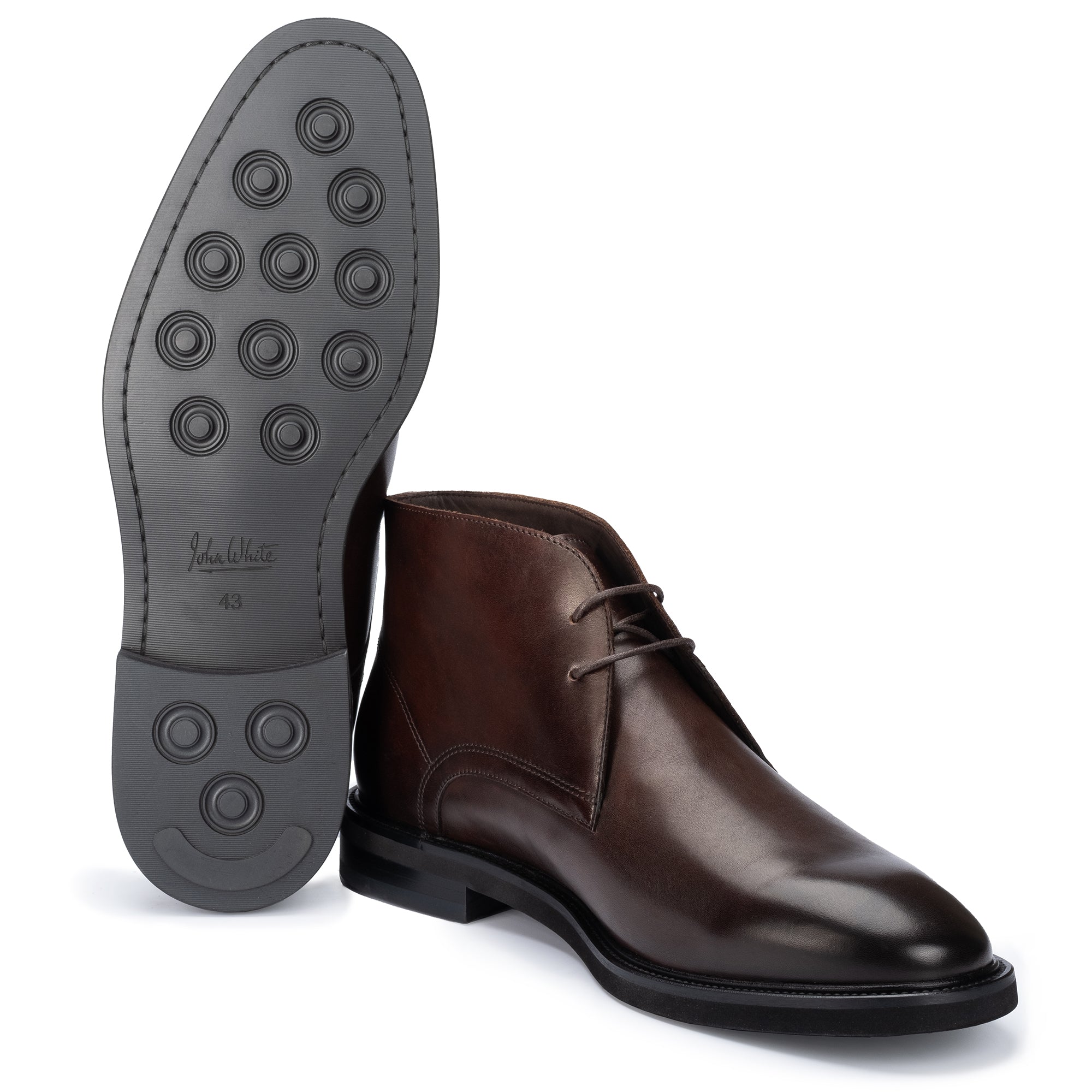
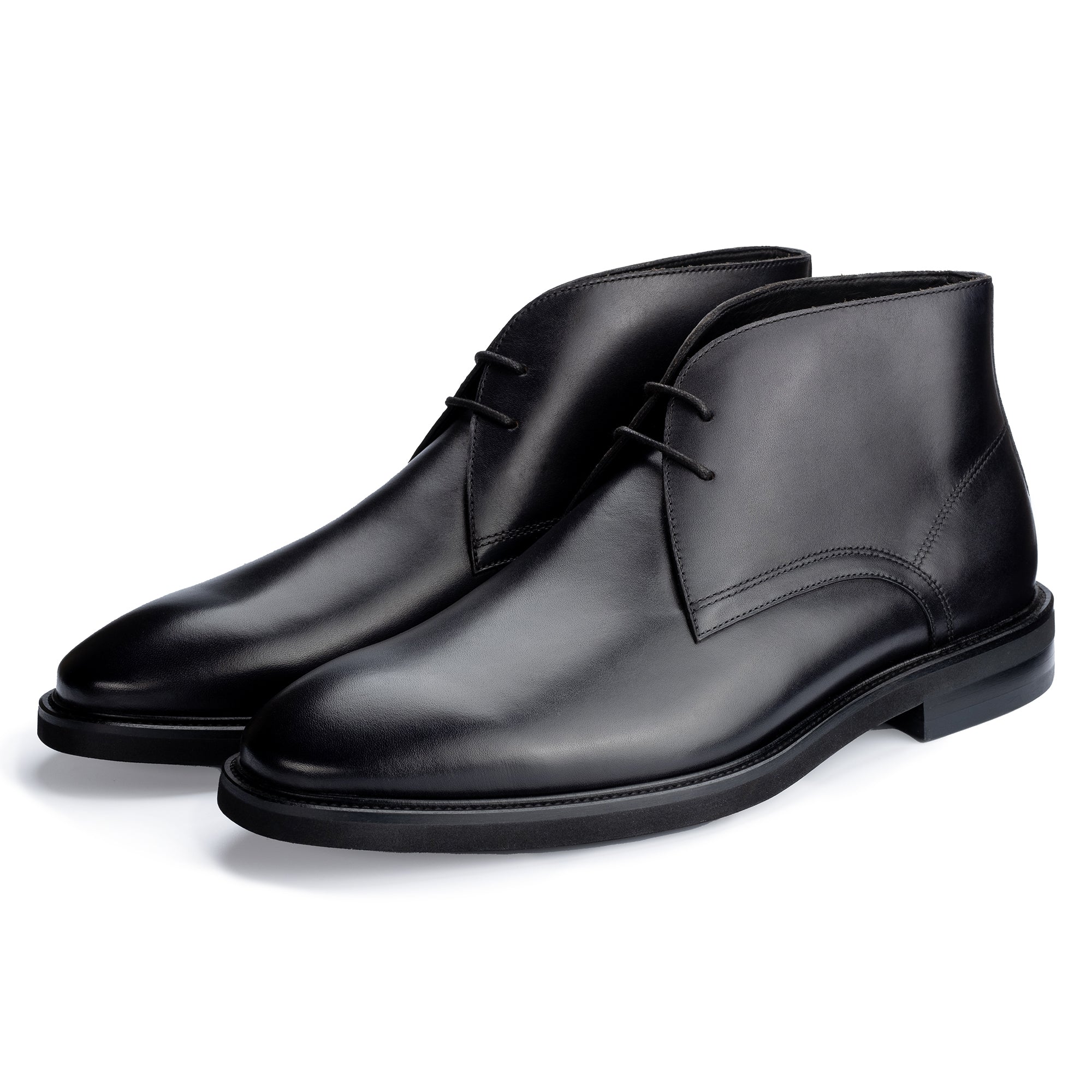
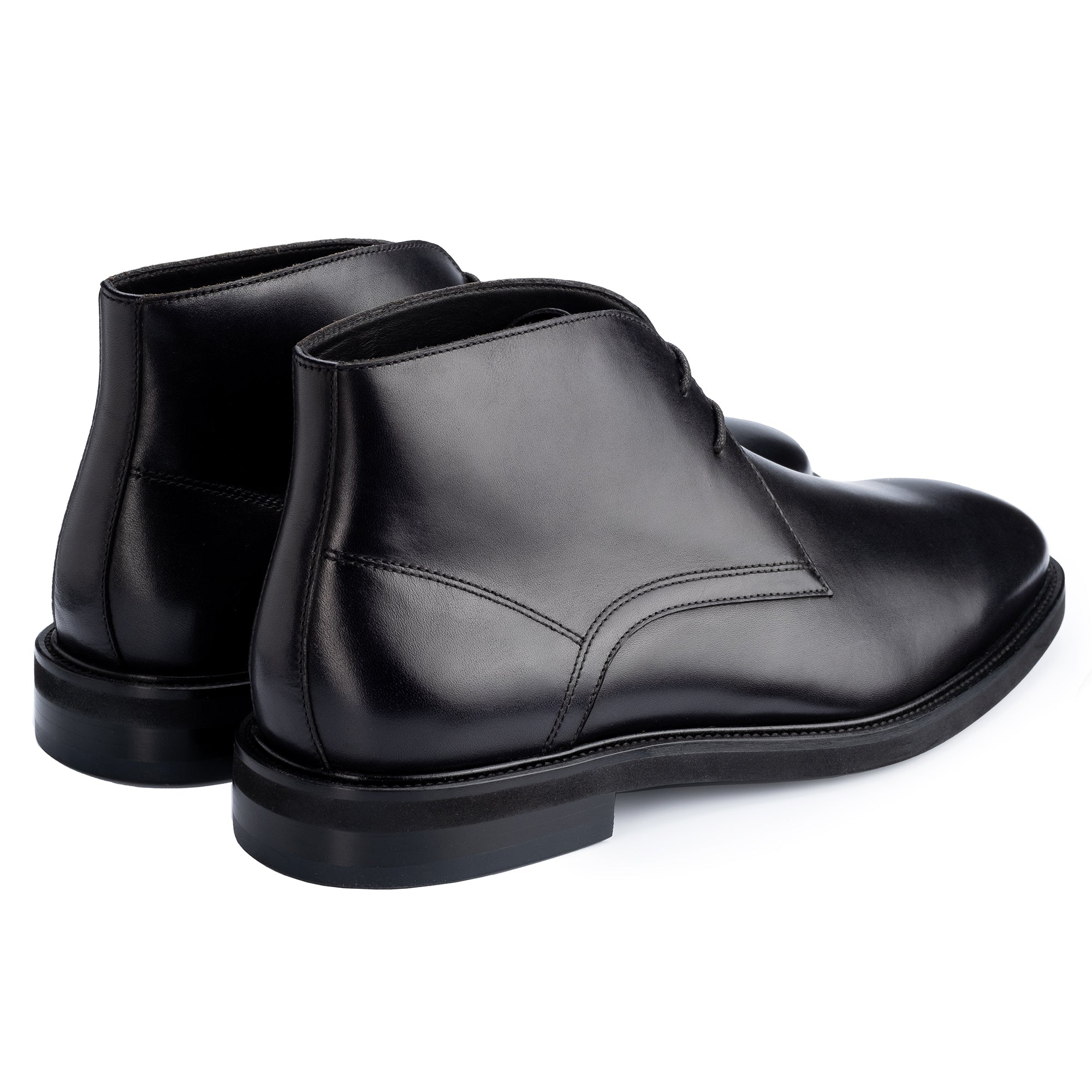
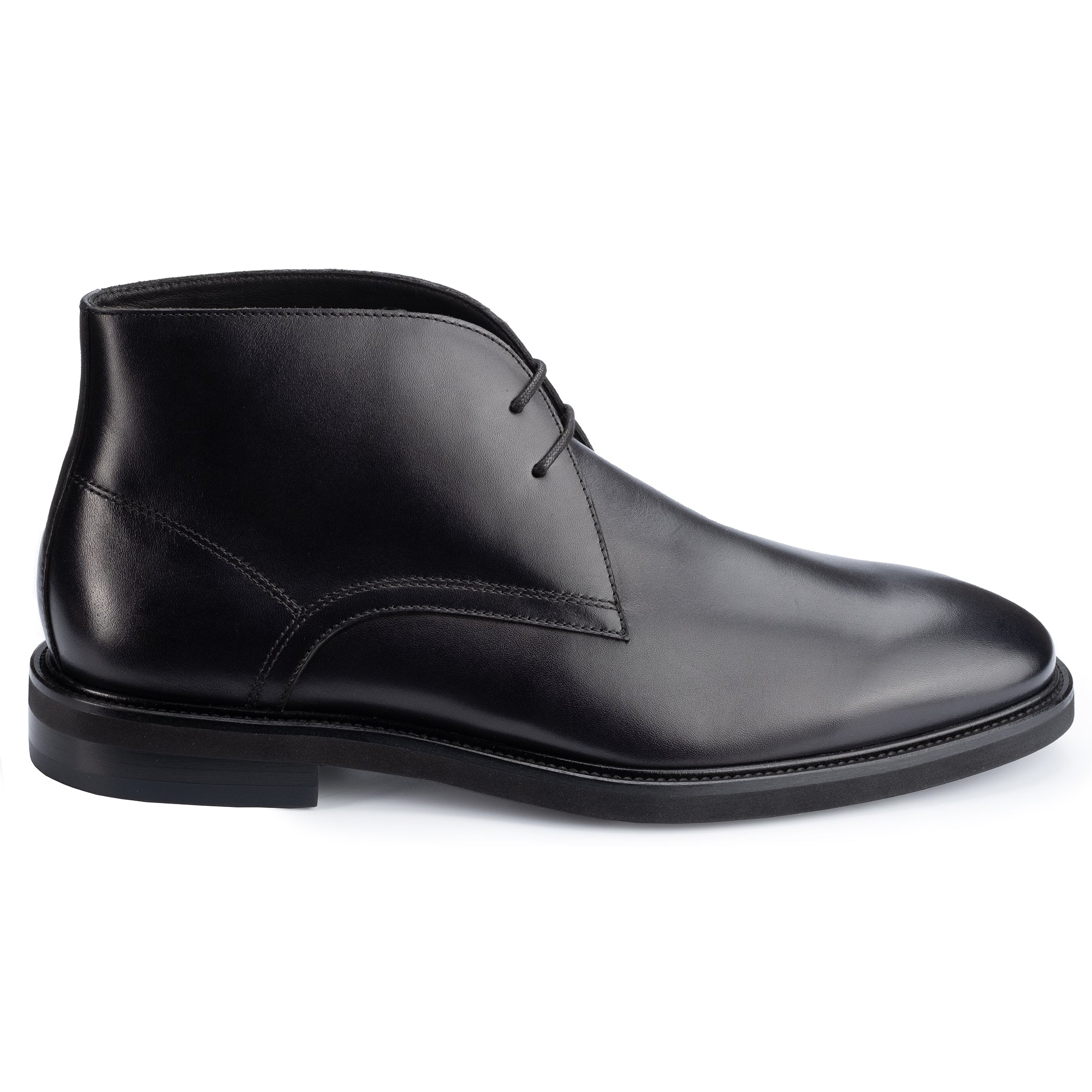
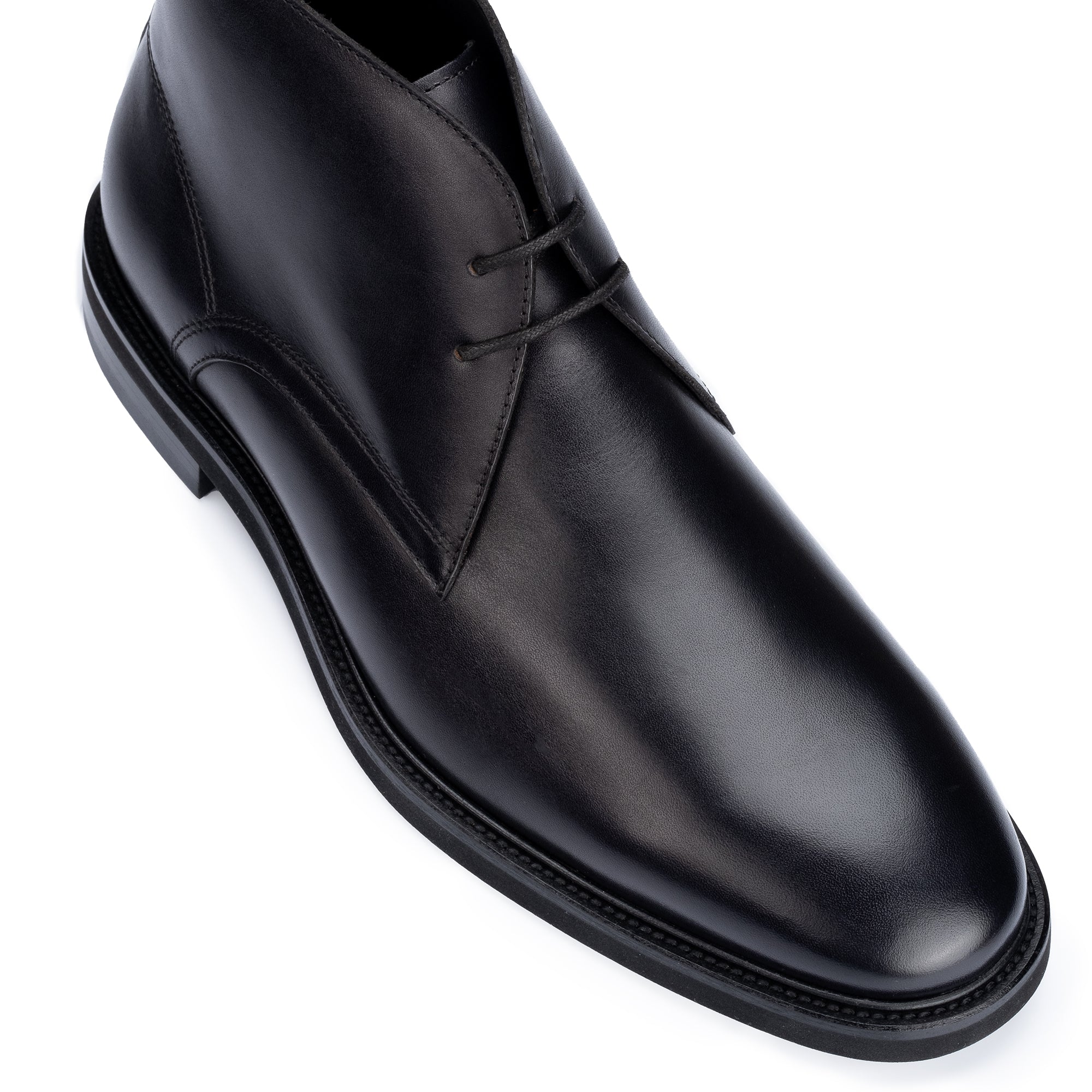
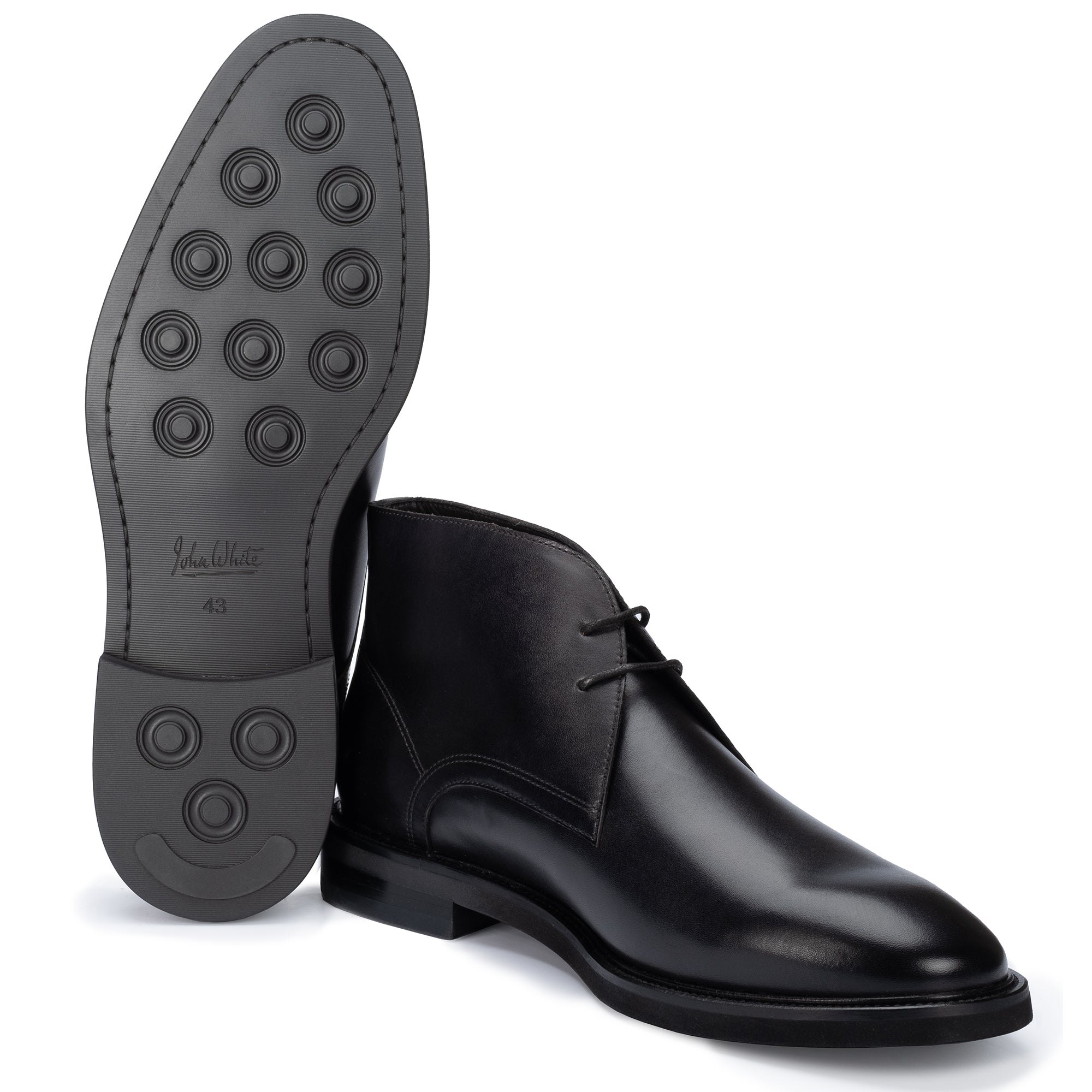
The chukka's short-ankle silhouette sits comfortably in summer dressing. It covers enough of the leg to look considered, without the visual weight of a full boot. The Wessex Chukka Suede Boot comes in Brown and Cognac, both warm tones that sit well against pale linen, off-white chinos, or the kind of faded indigo jeans that have earned their softness.
The chukka is inherently the more casual of the two suede boot options. Its two-eyelet lacing gives it an unhurried quality that suits outdoor events, evening meals that are not especially formal, and the kind of long-day occasions where you will be on your feet for hours. For a direct comparison of chukka and Chelsea boot across formality, occasion, and practicality, the Chelsea boot vs chukka boot guide covers the differences clearly.
The Suede Chelsea Boot
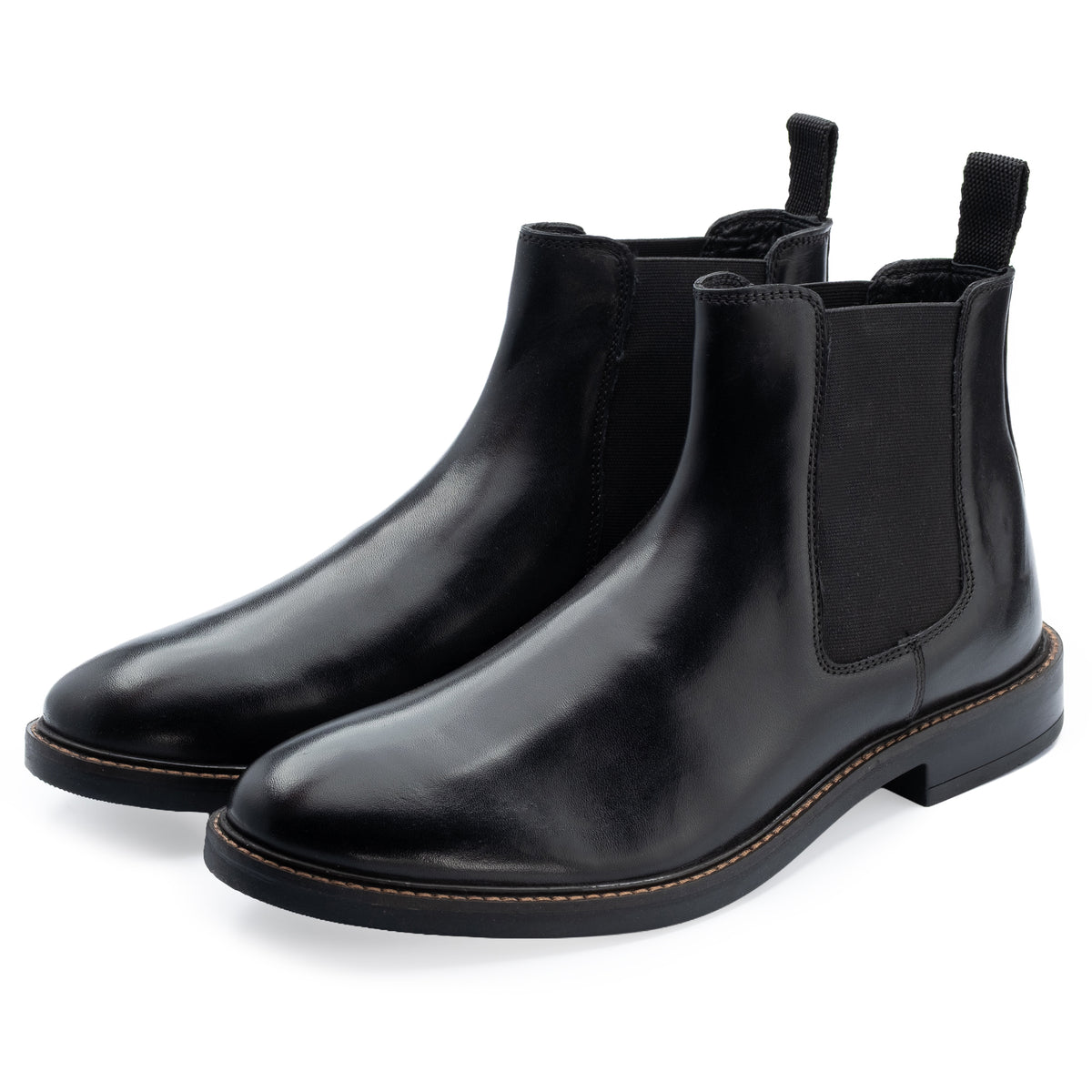
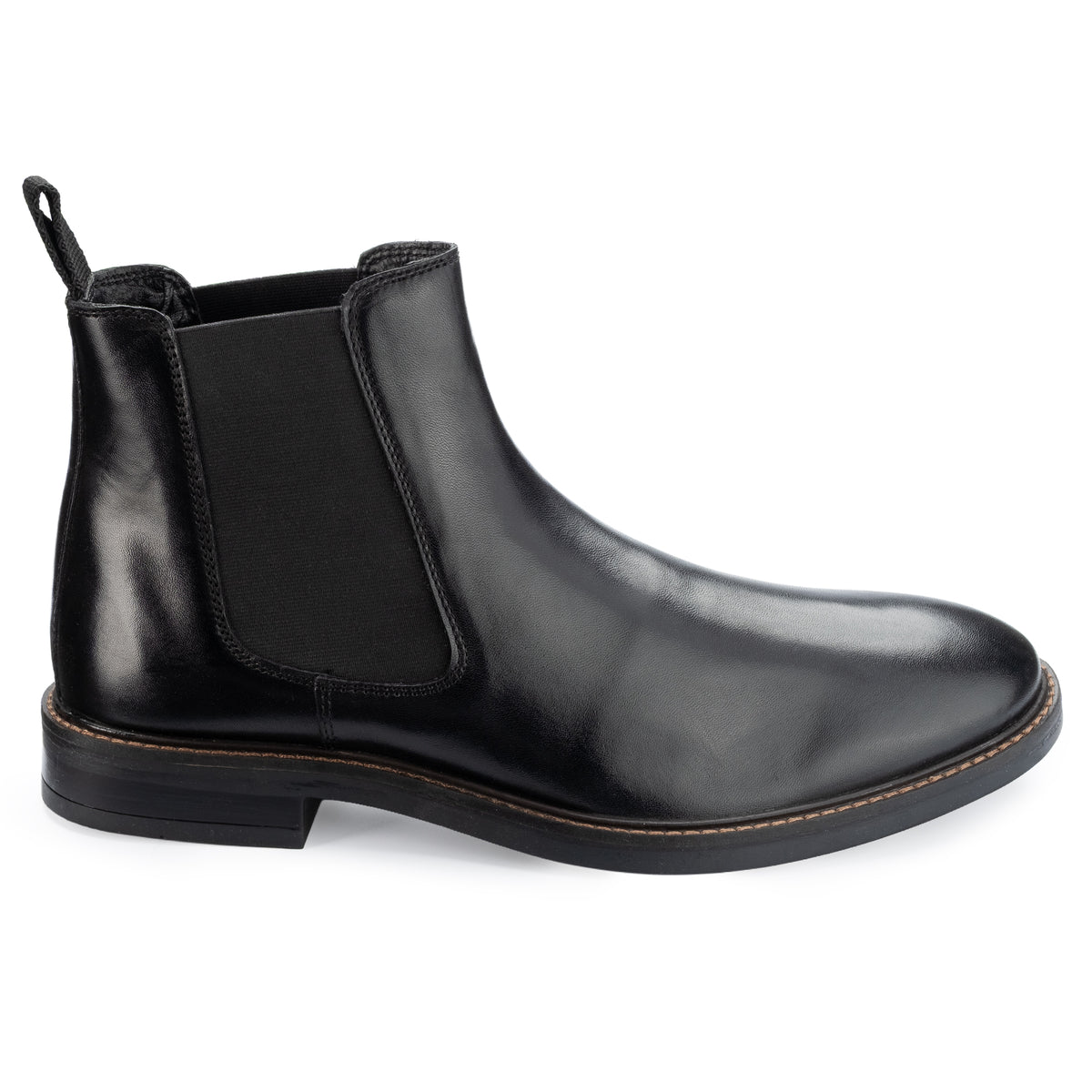
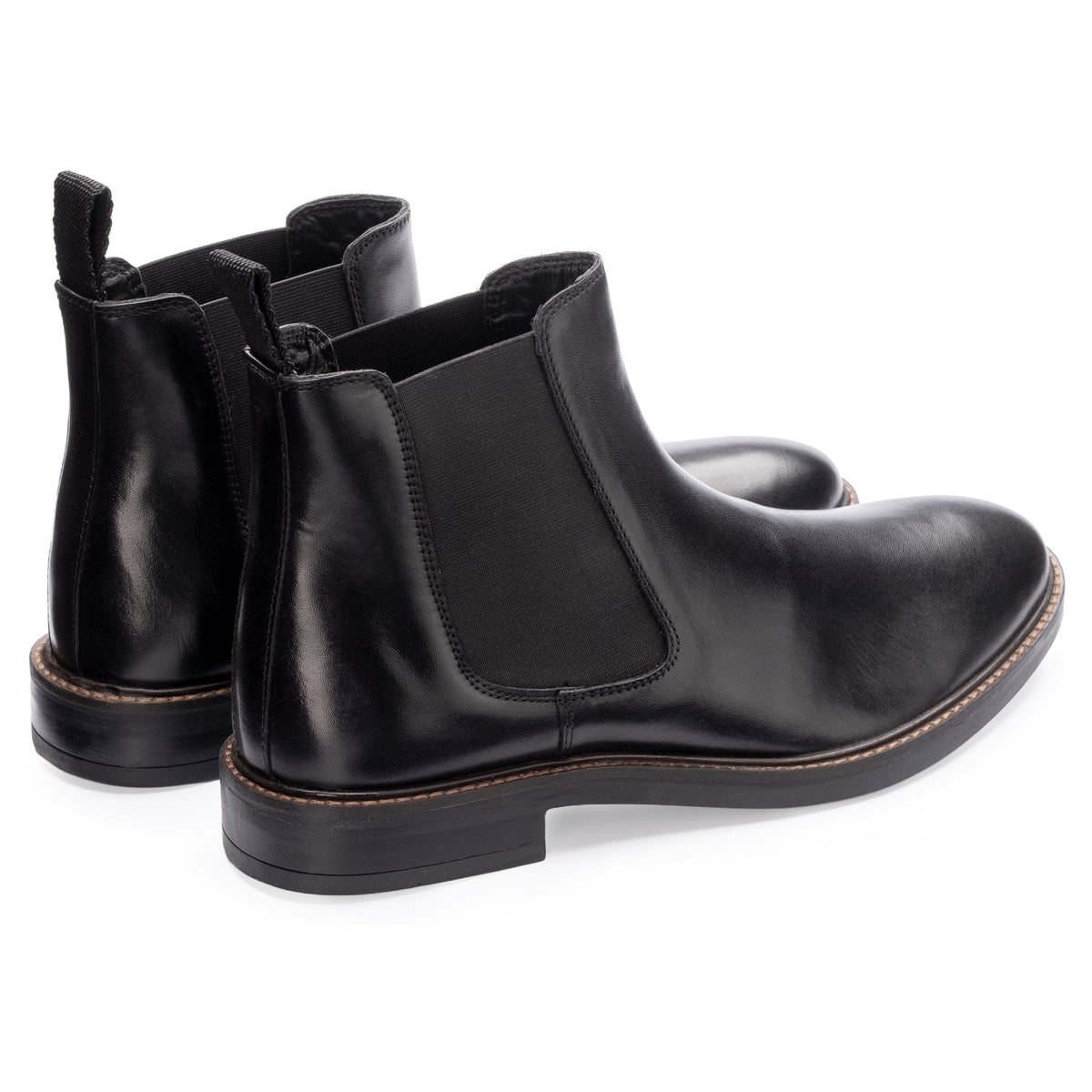
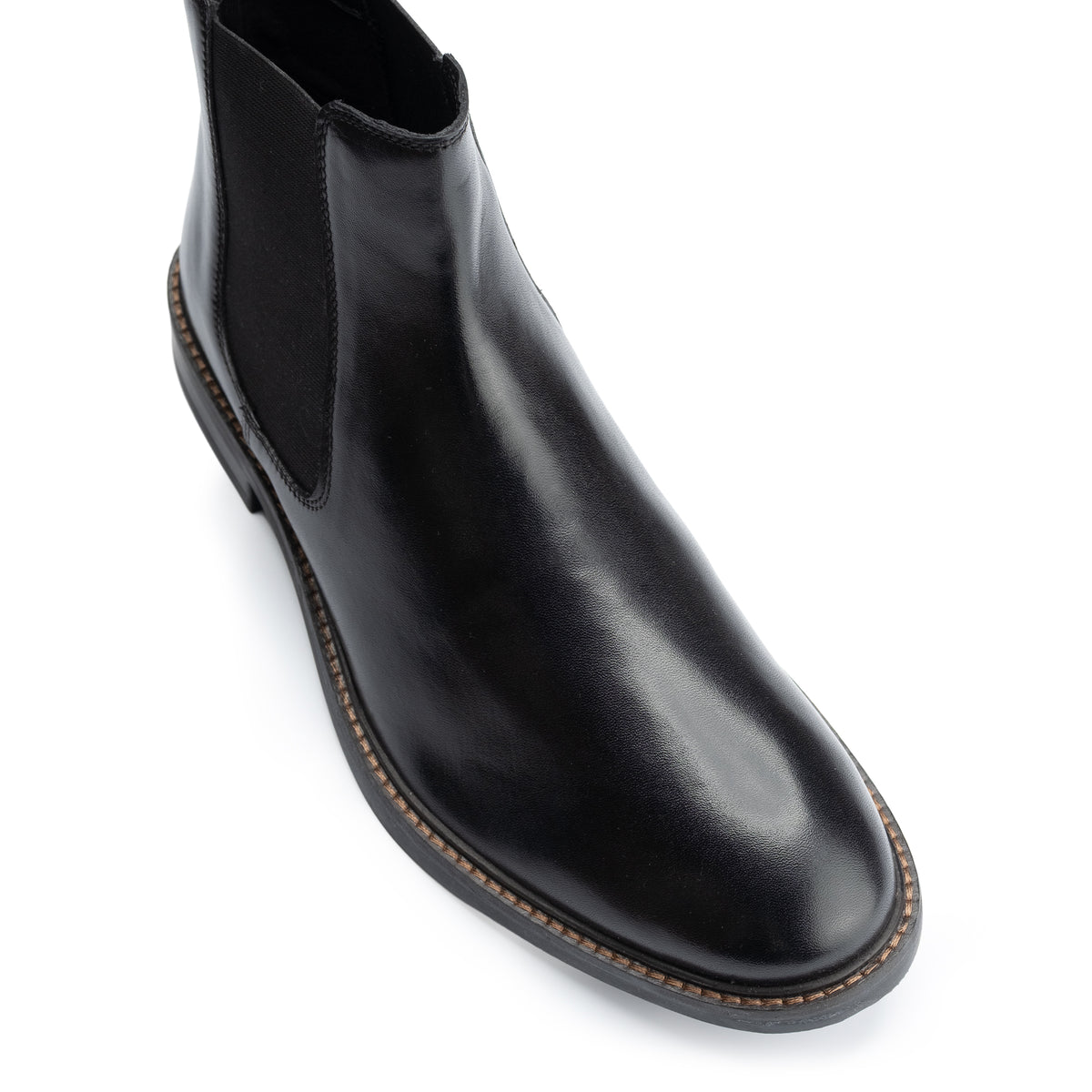
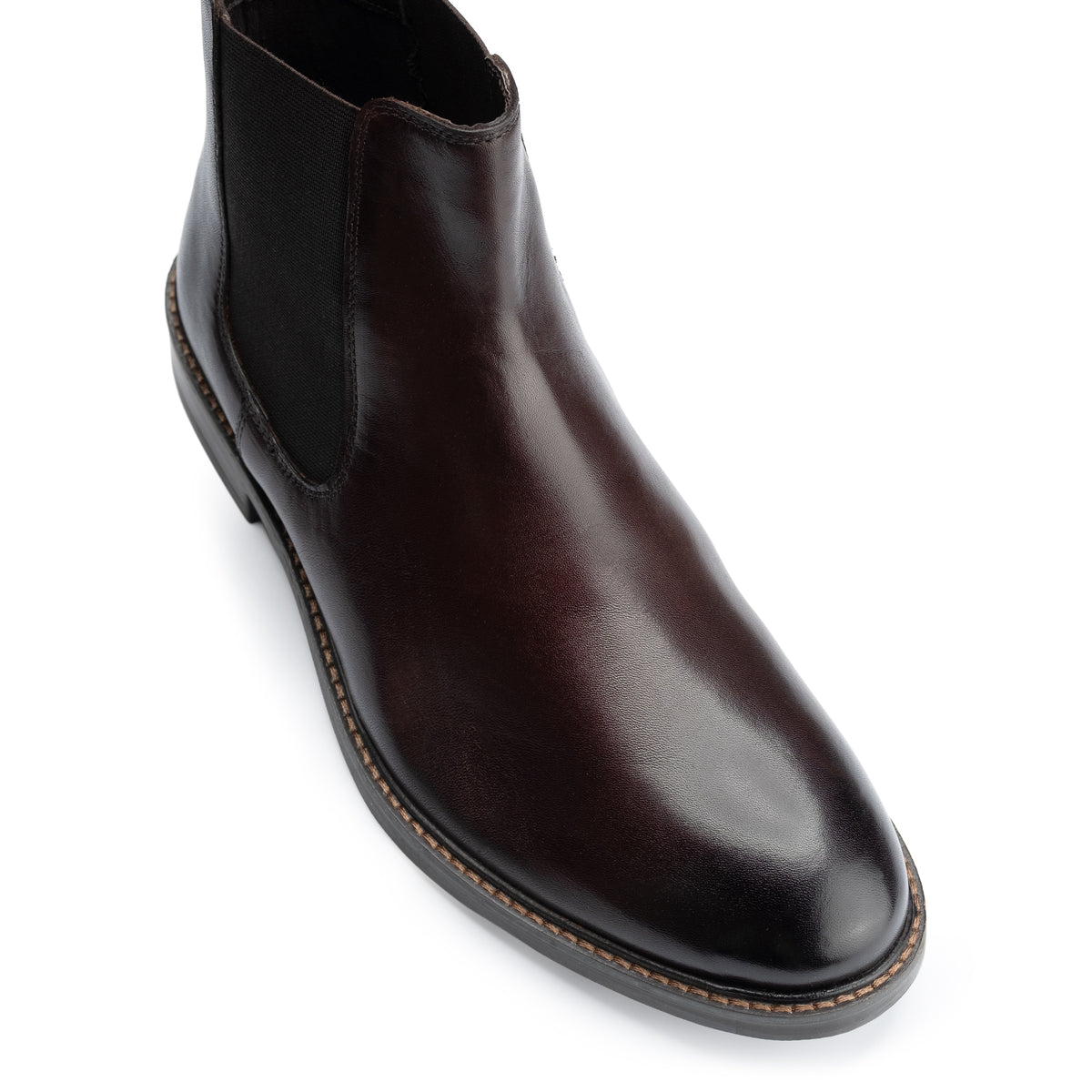
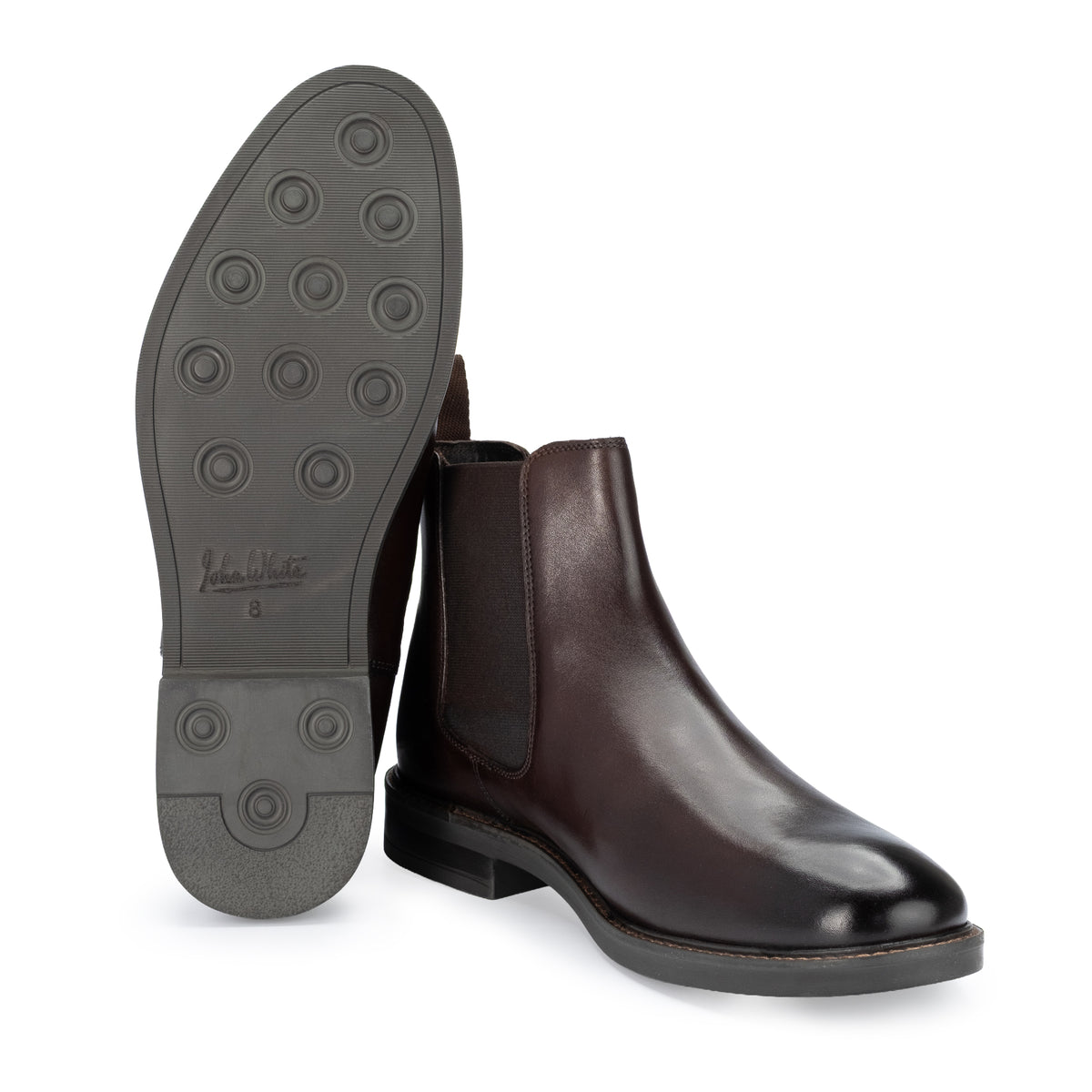
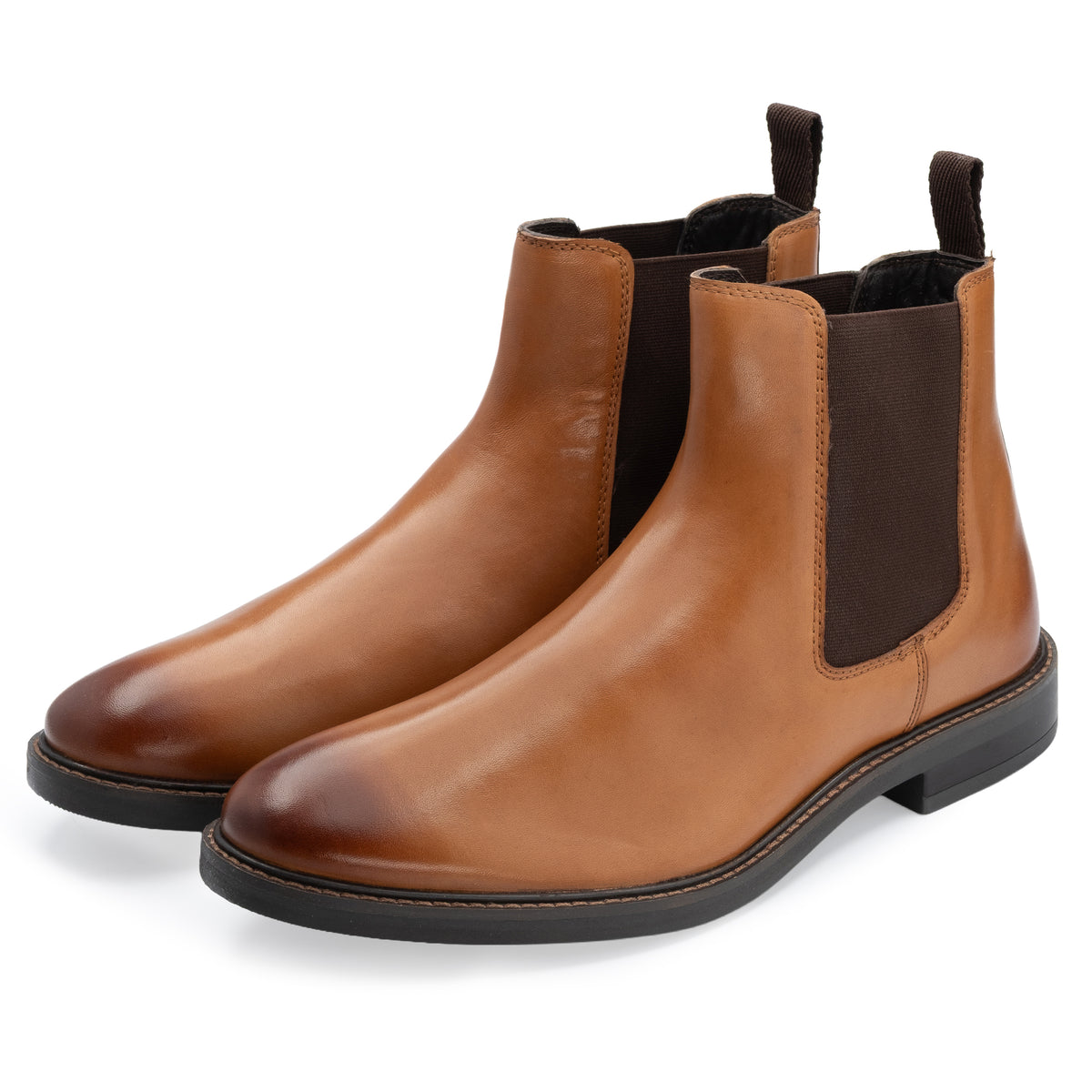
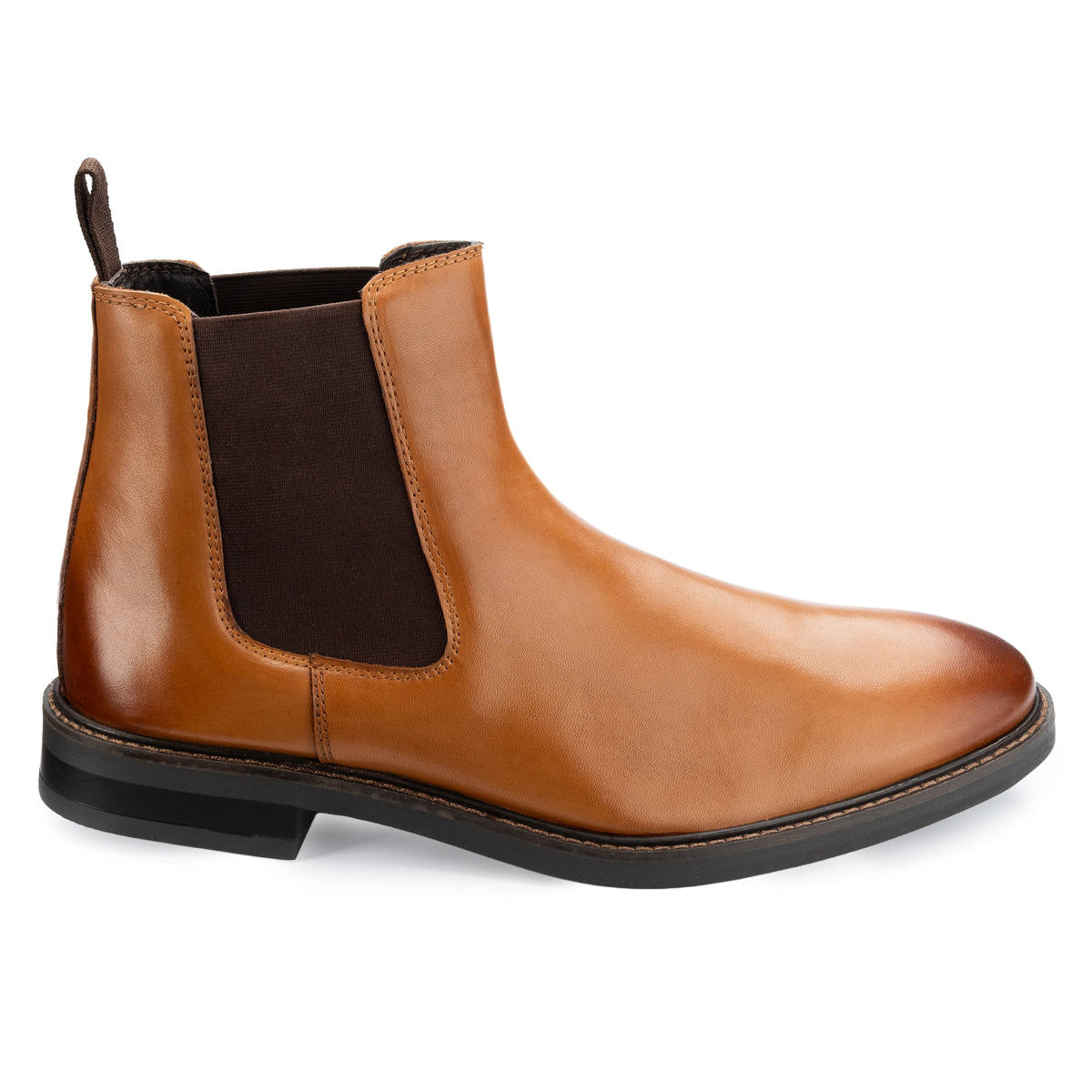
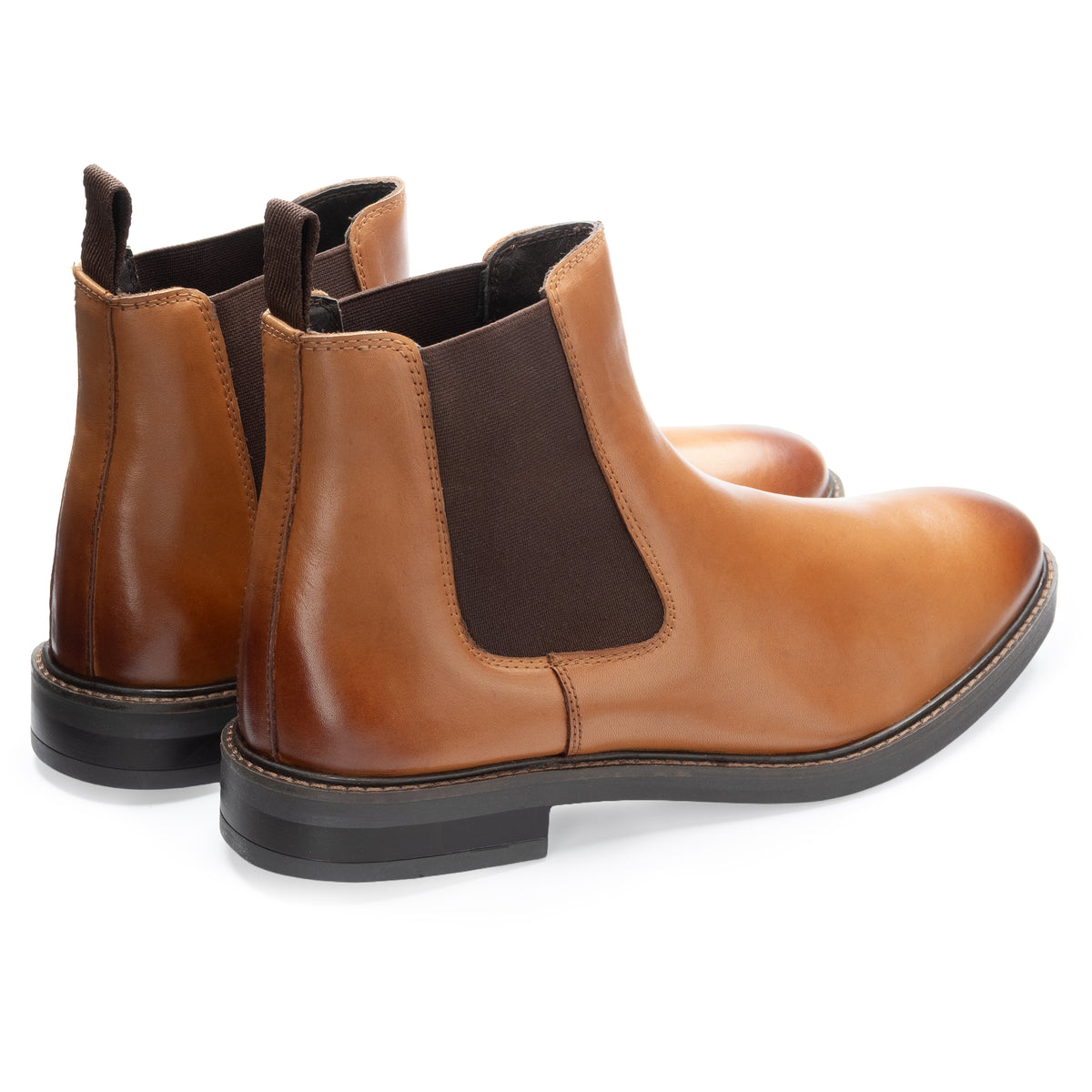
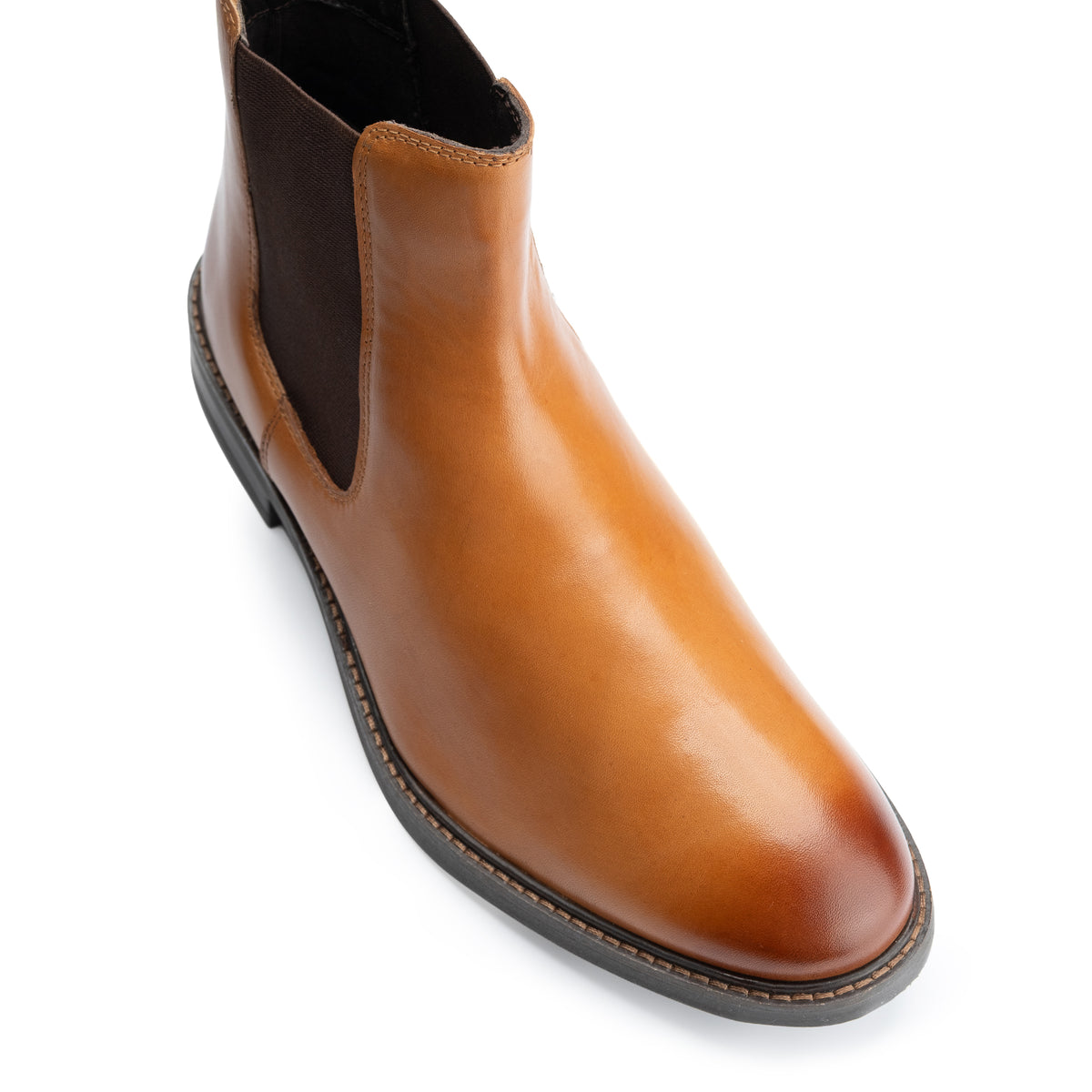
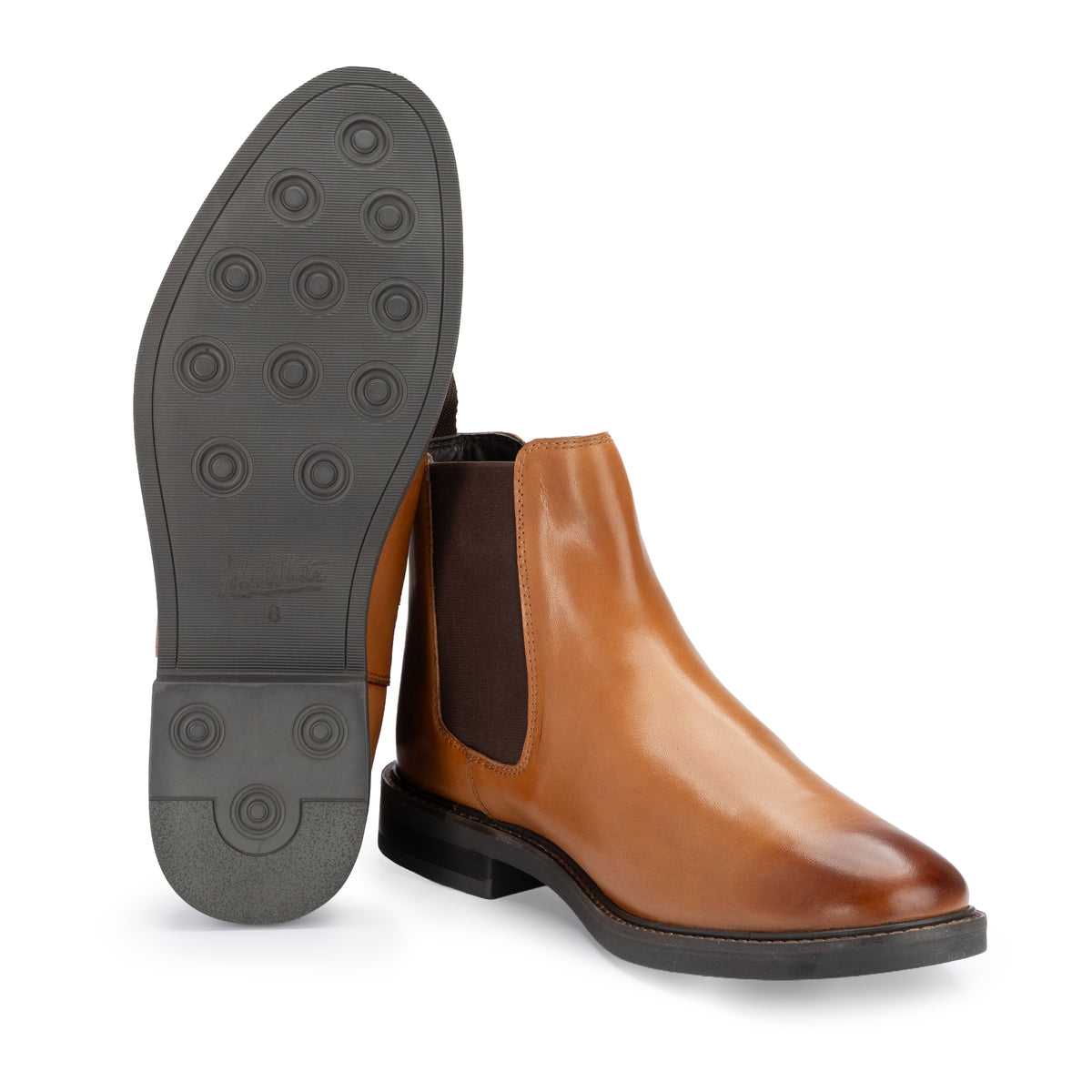
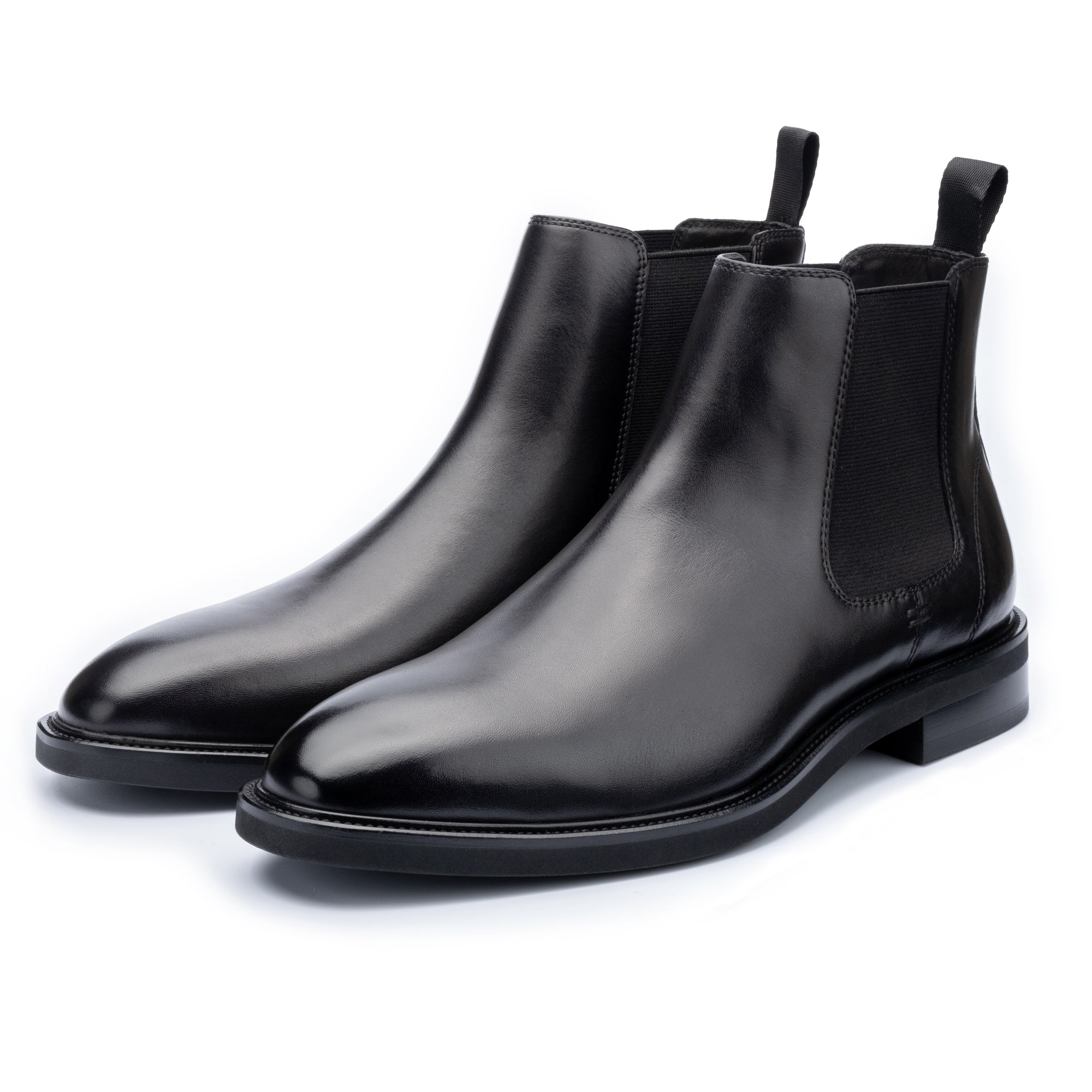
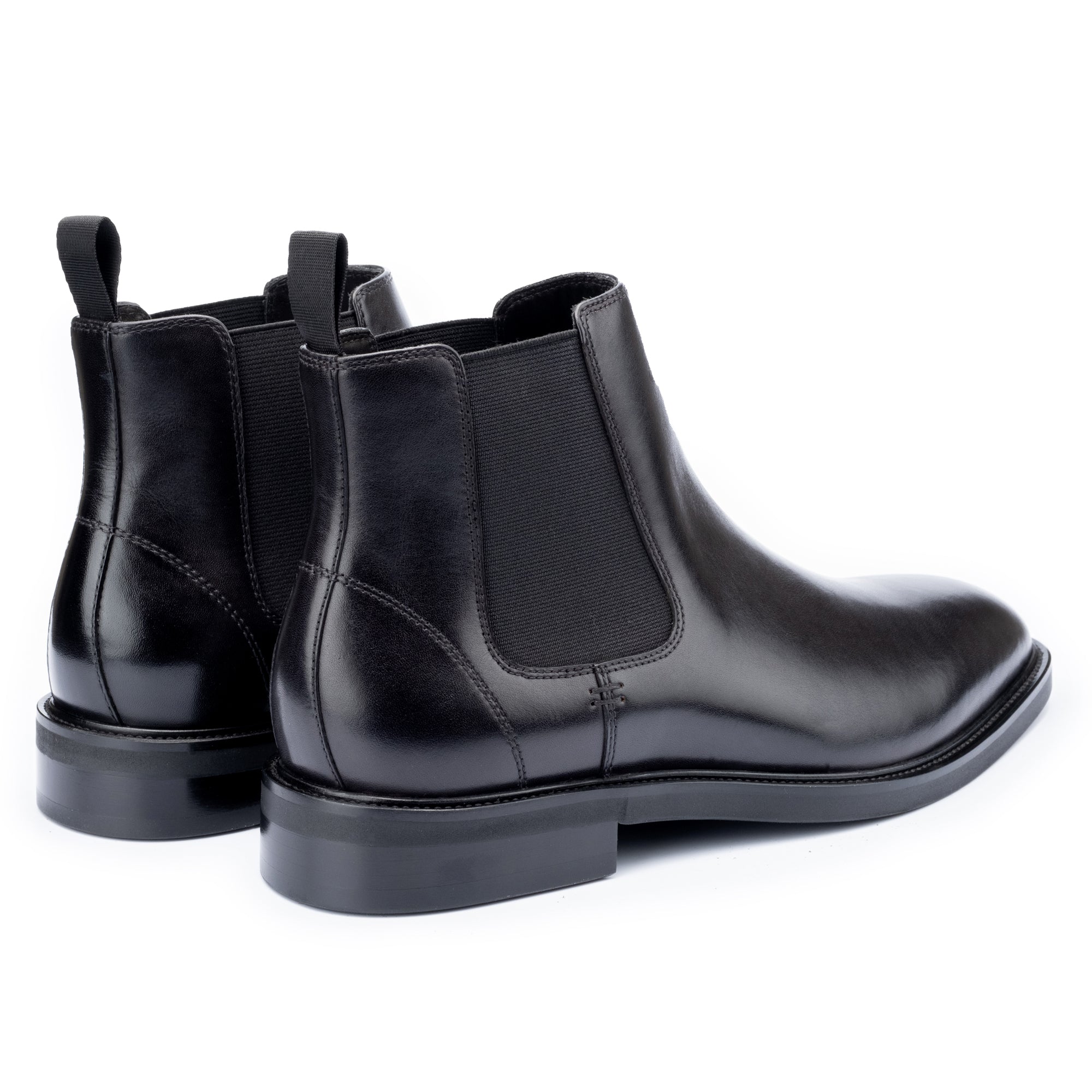
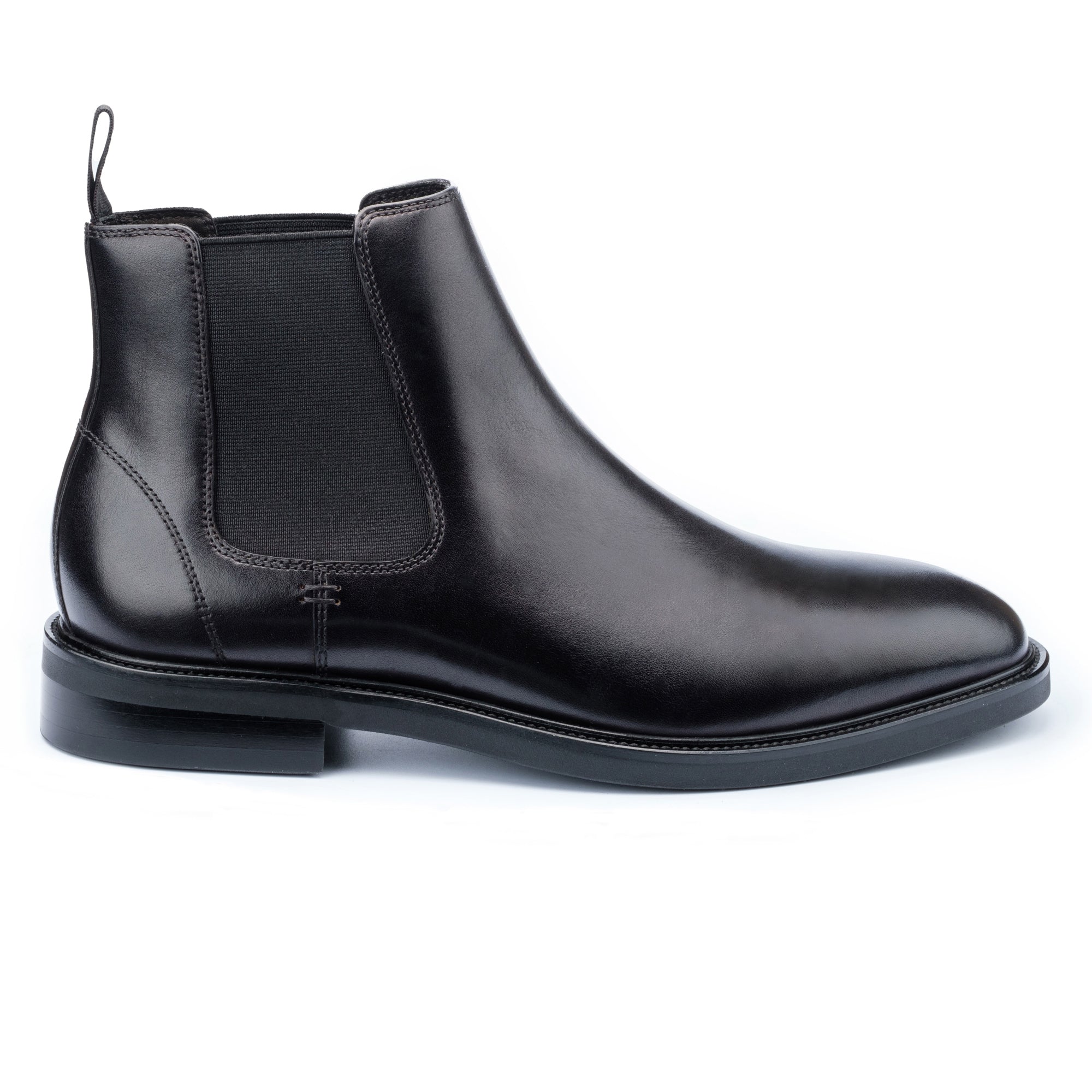
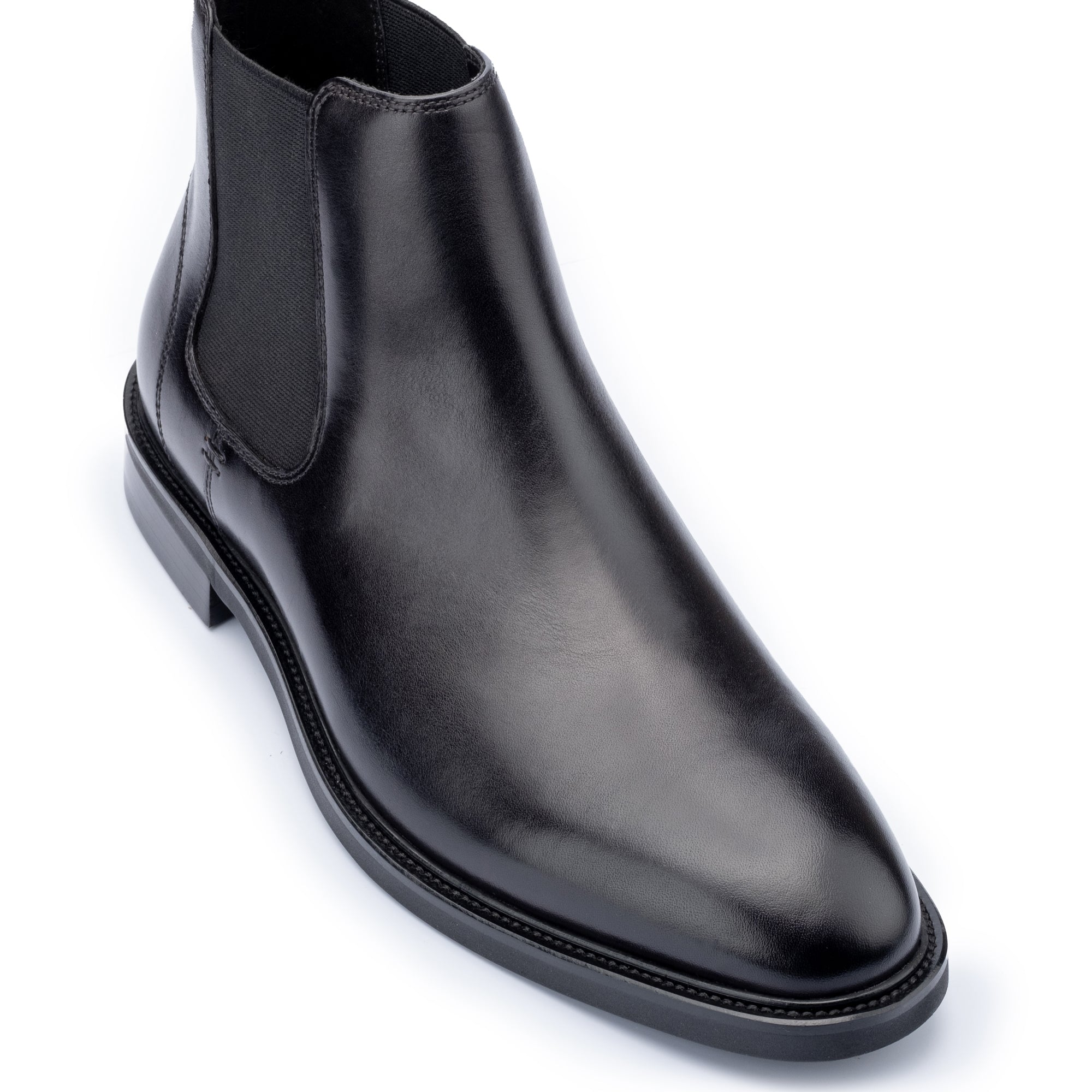
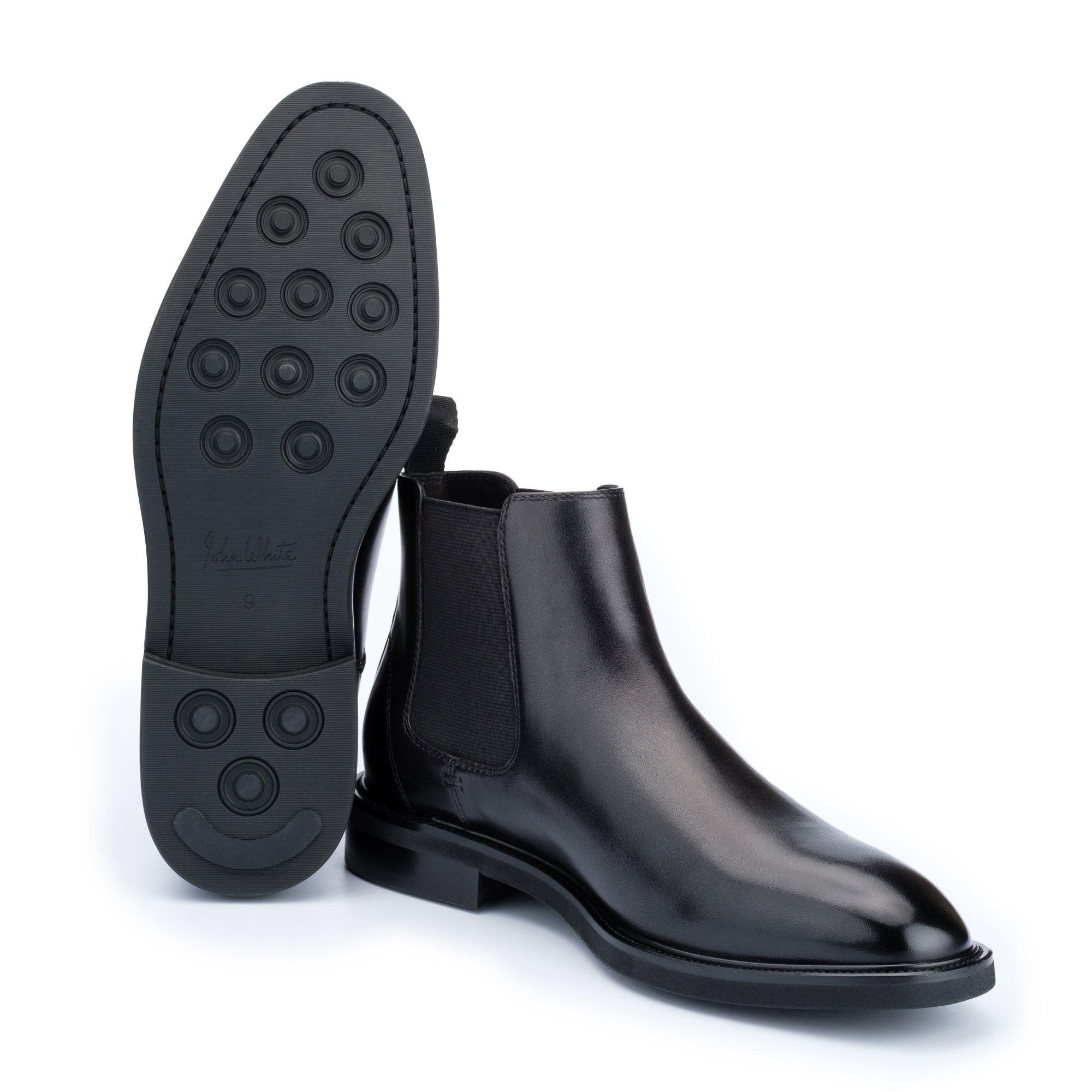
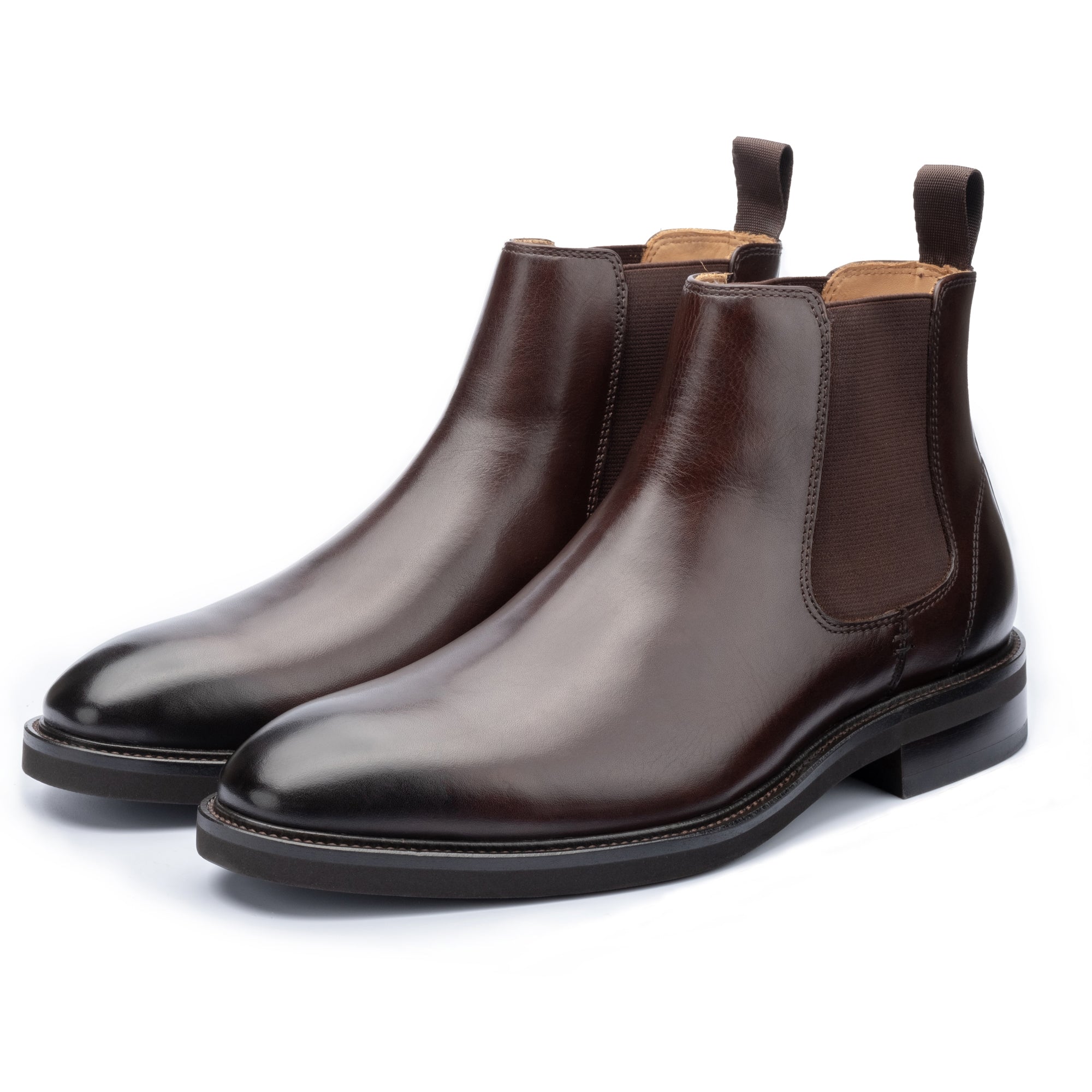
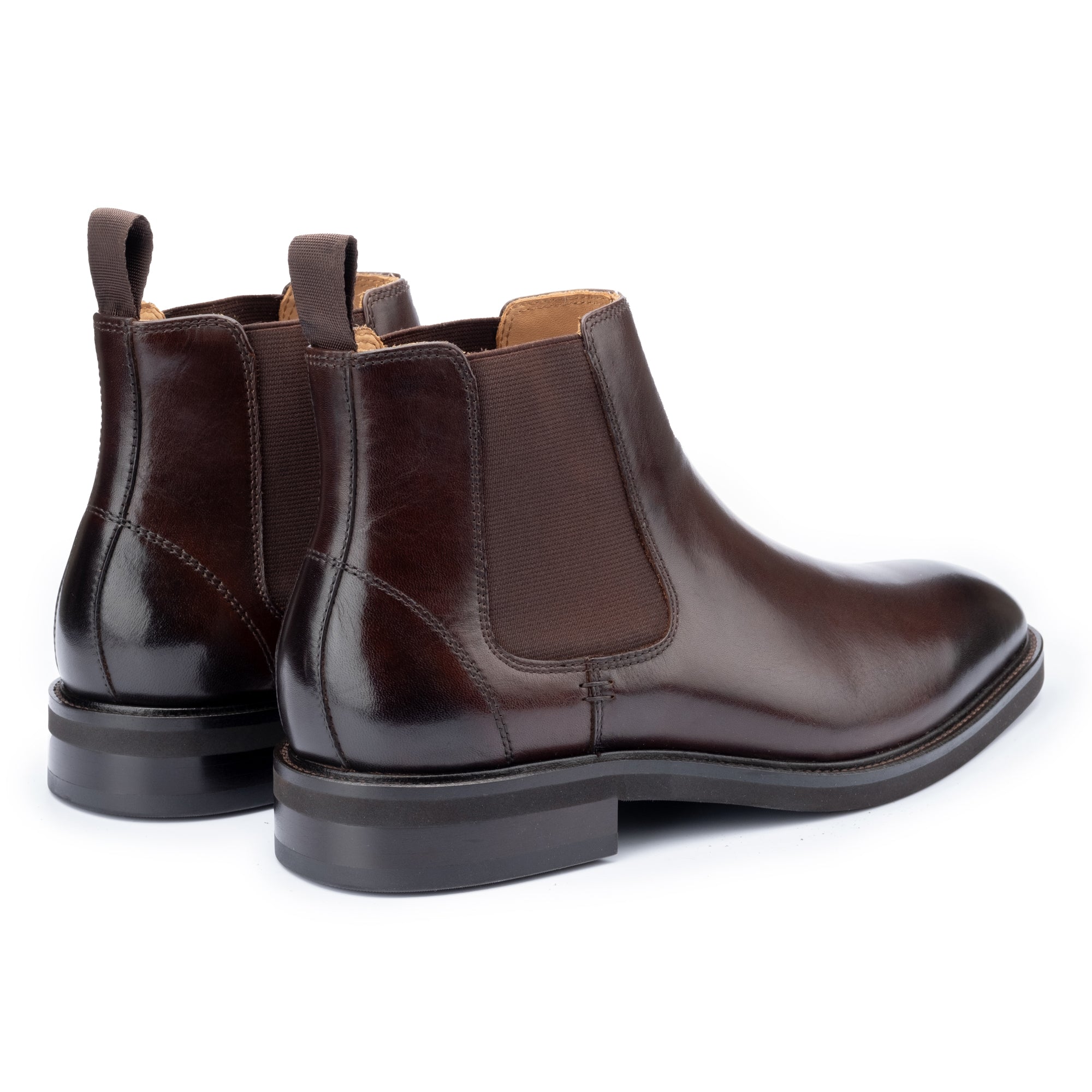
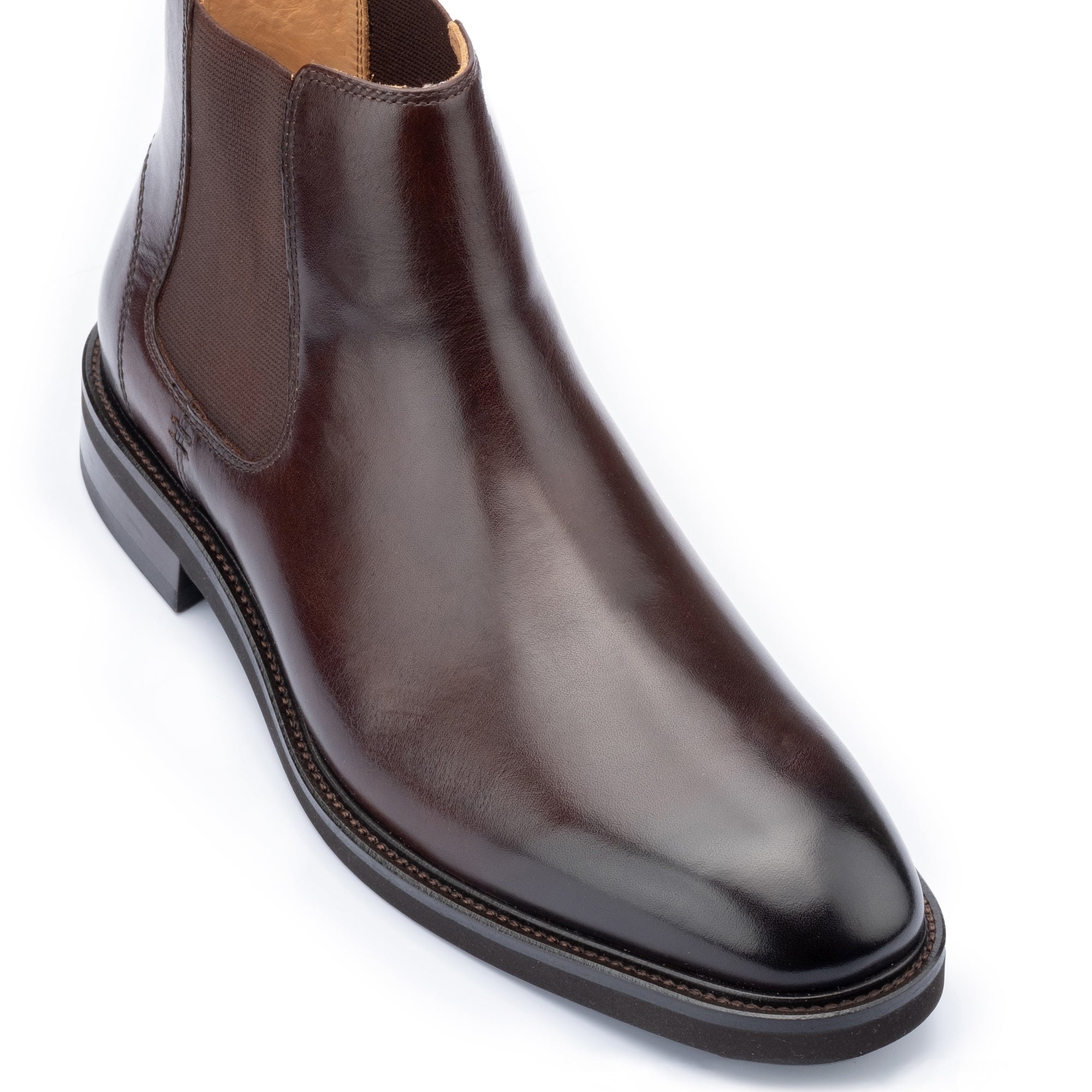
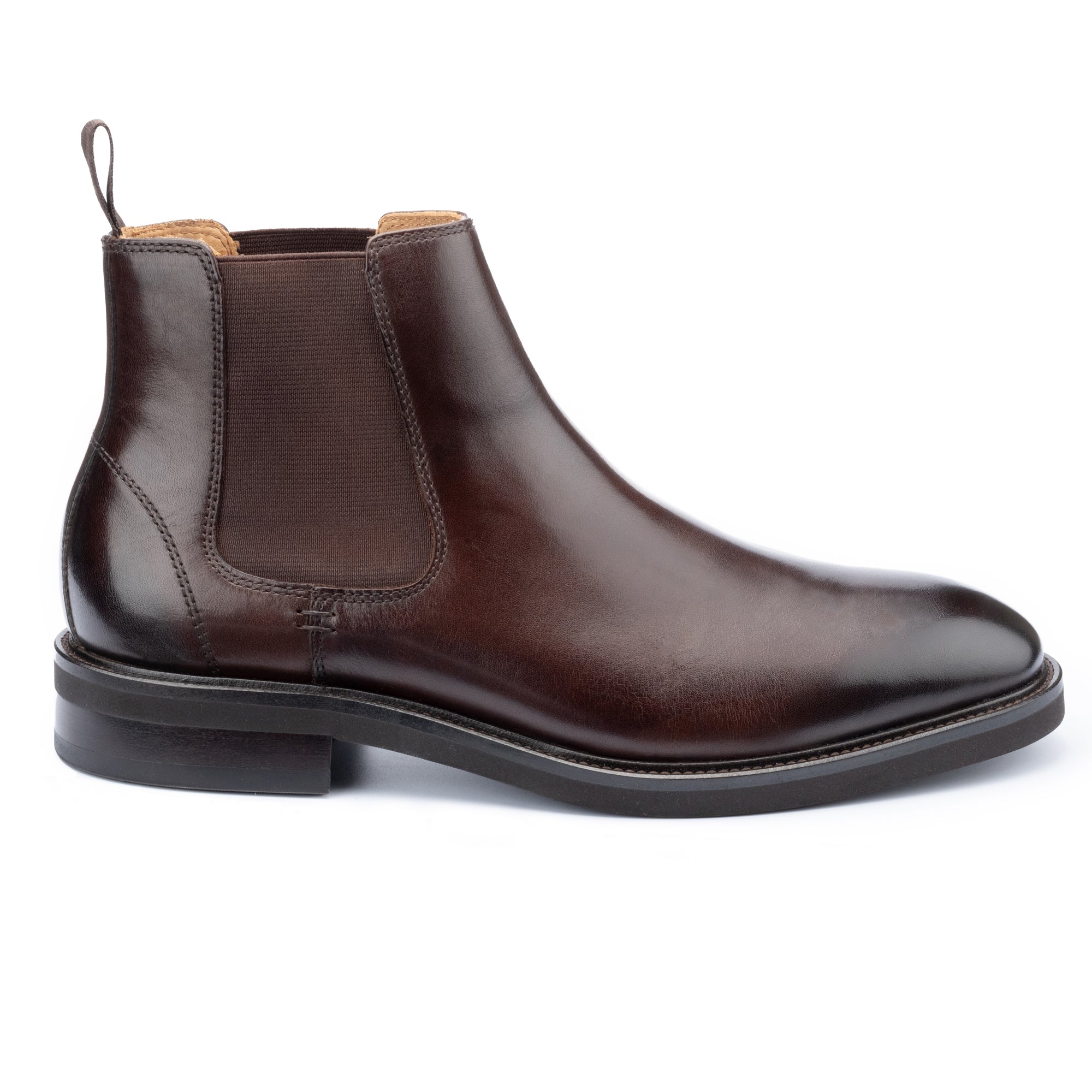
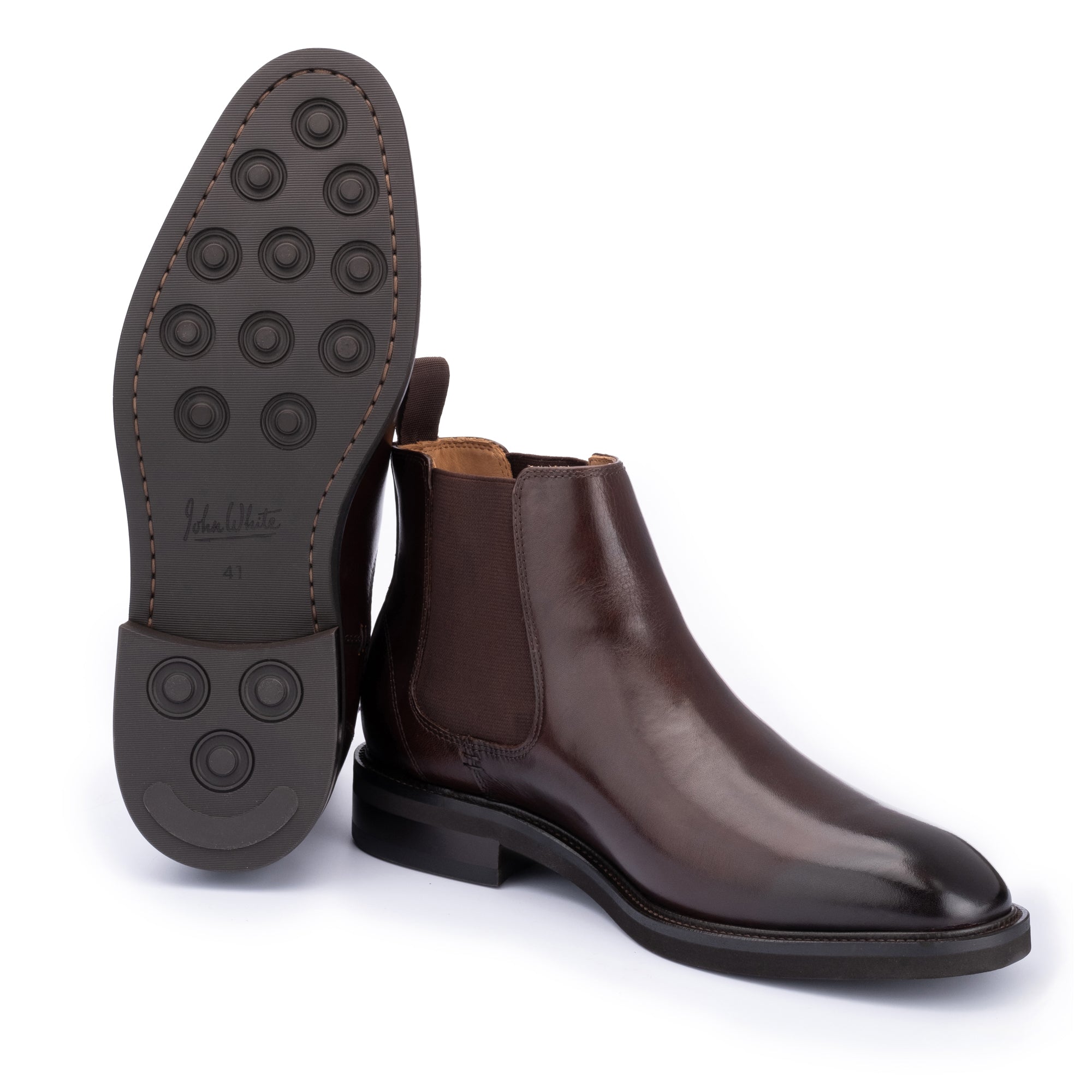
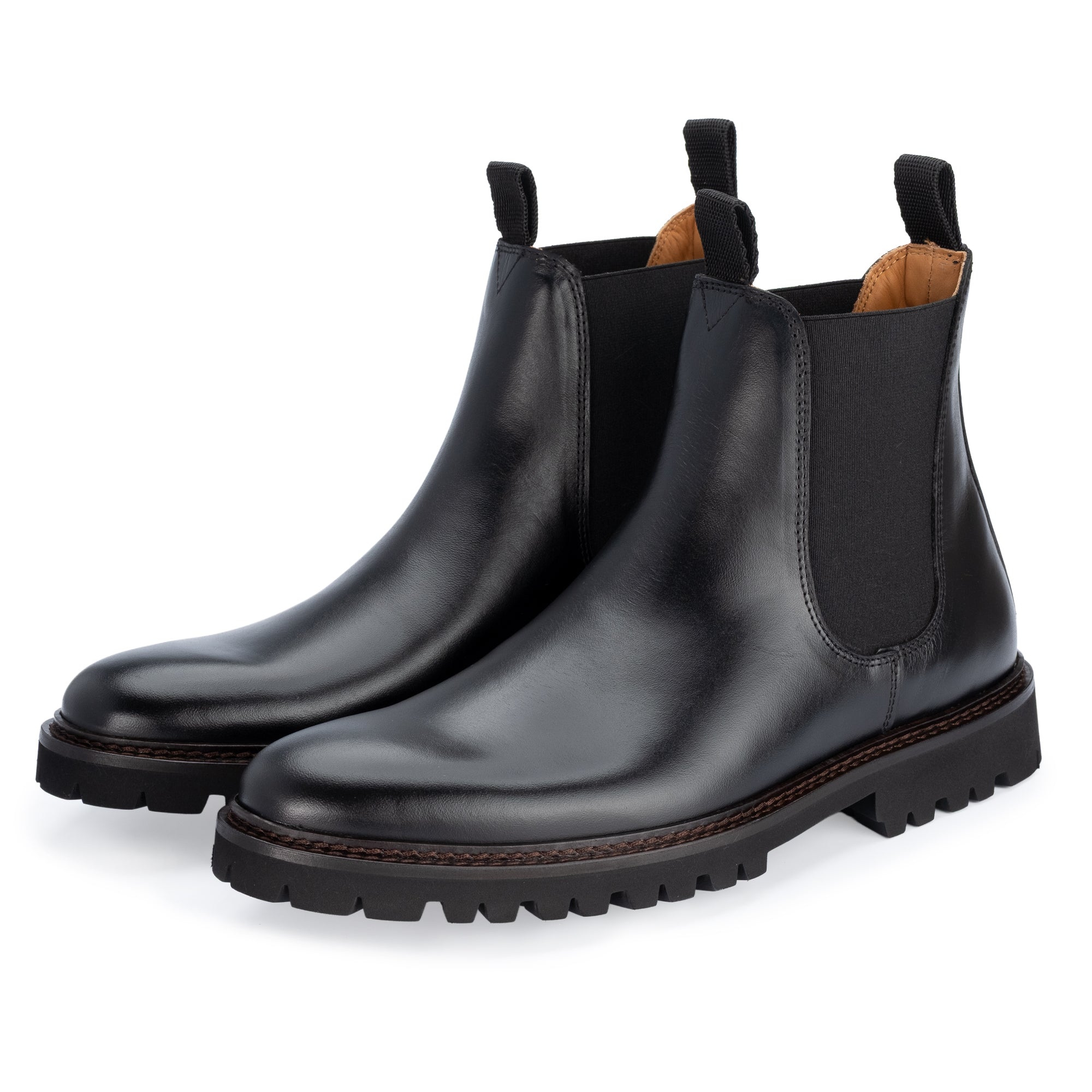
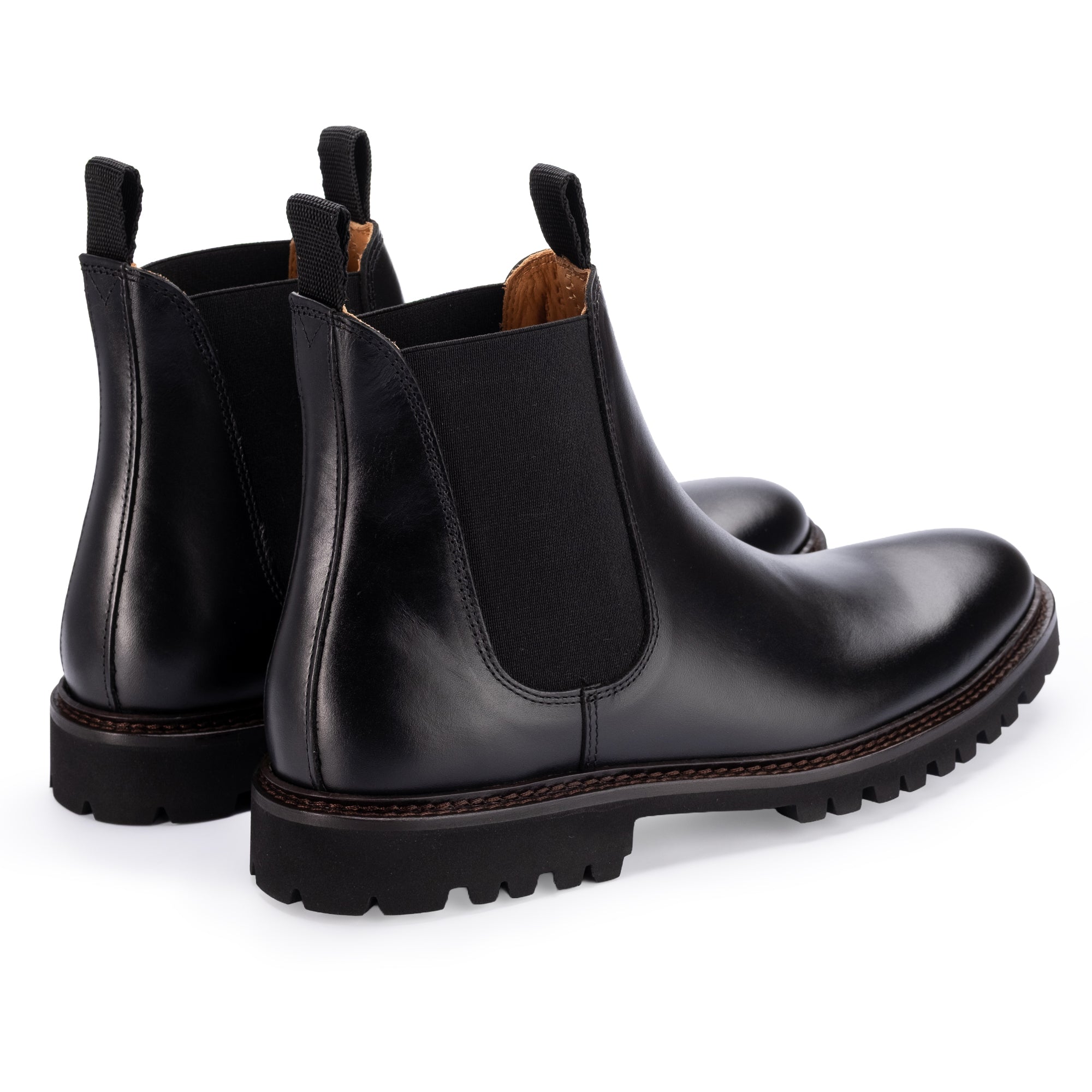
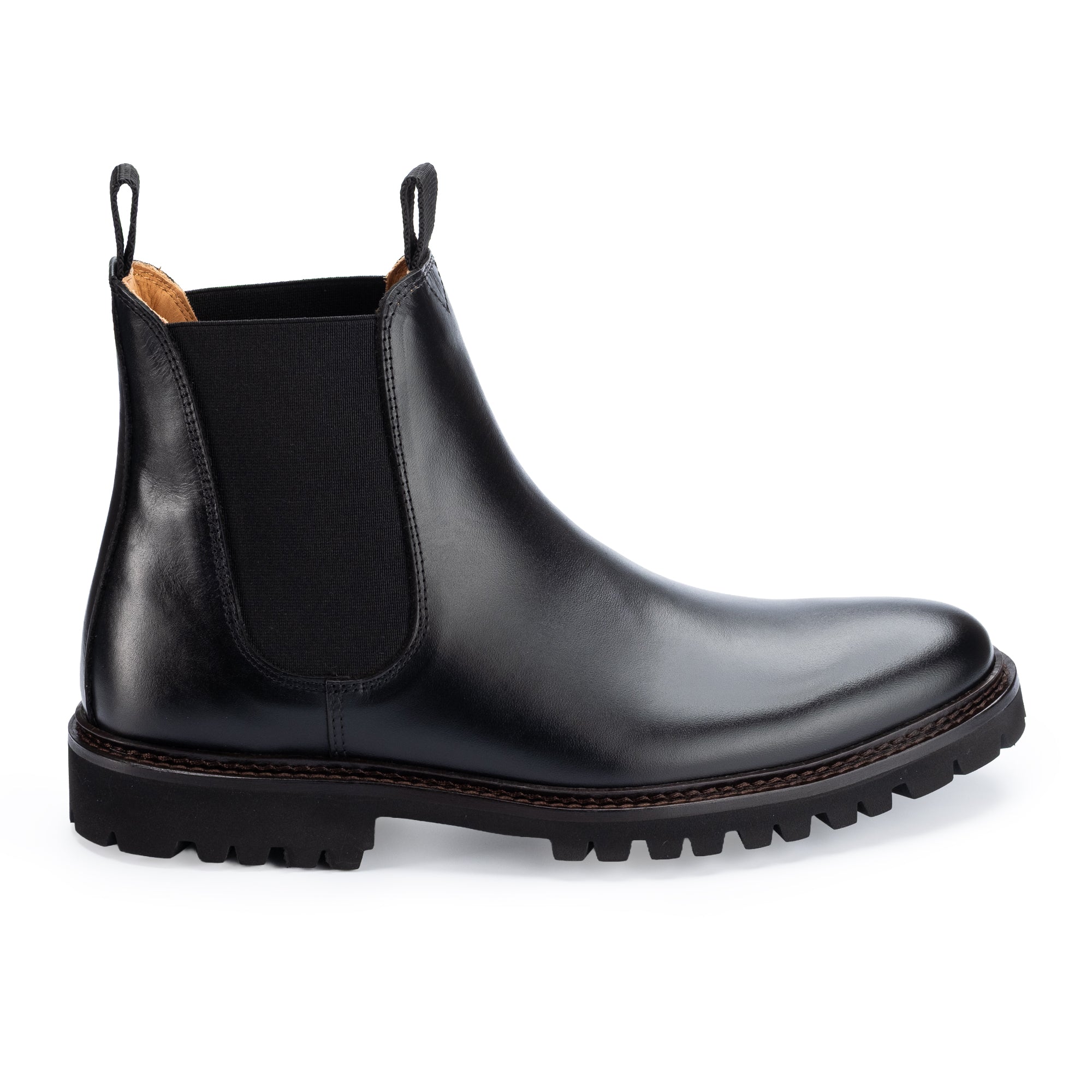
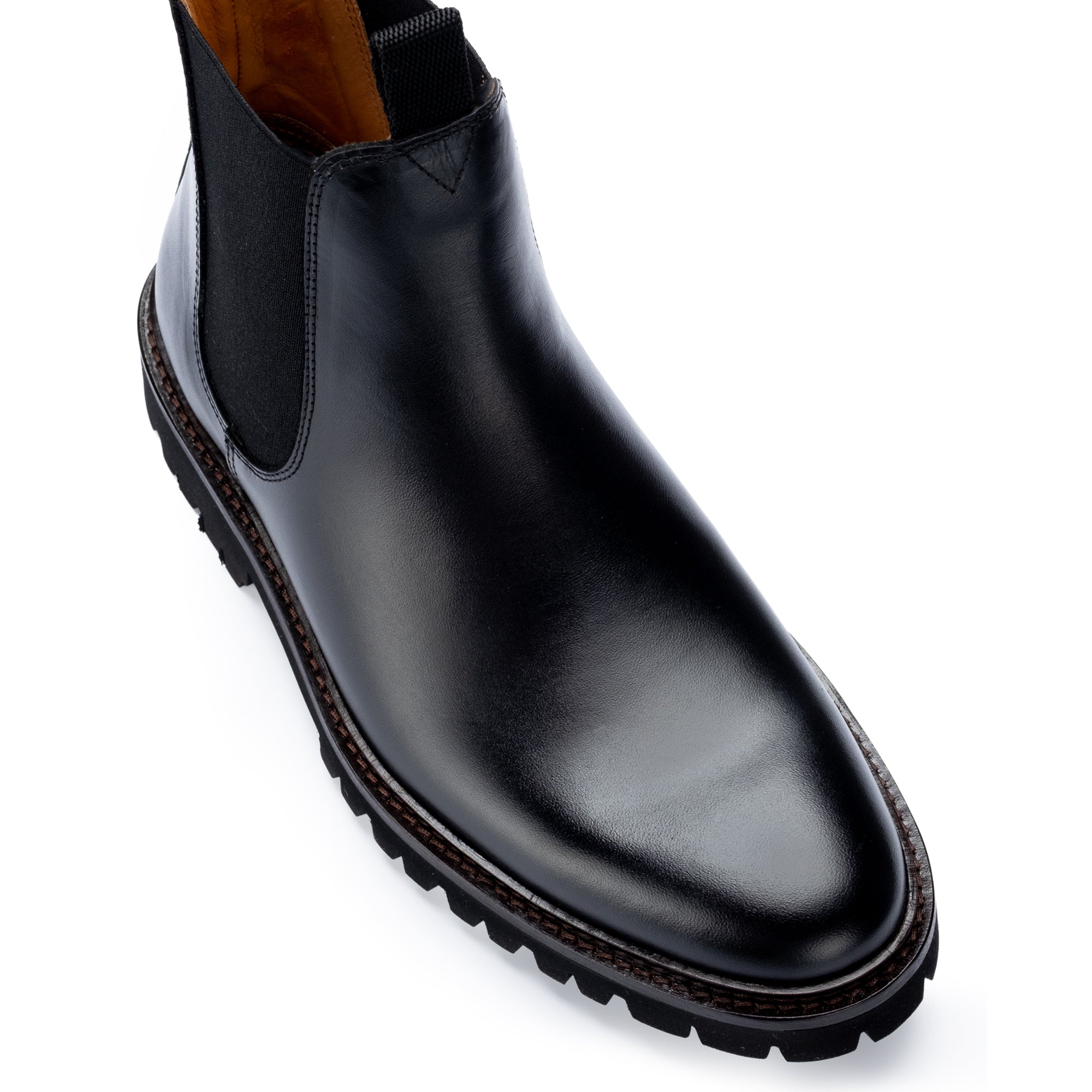
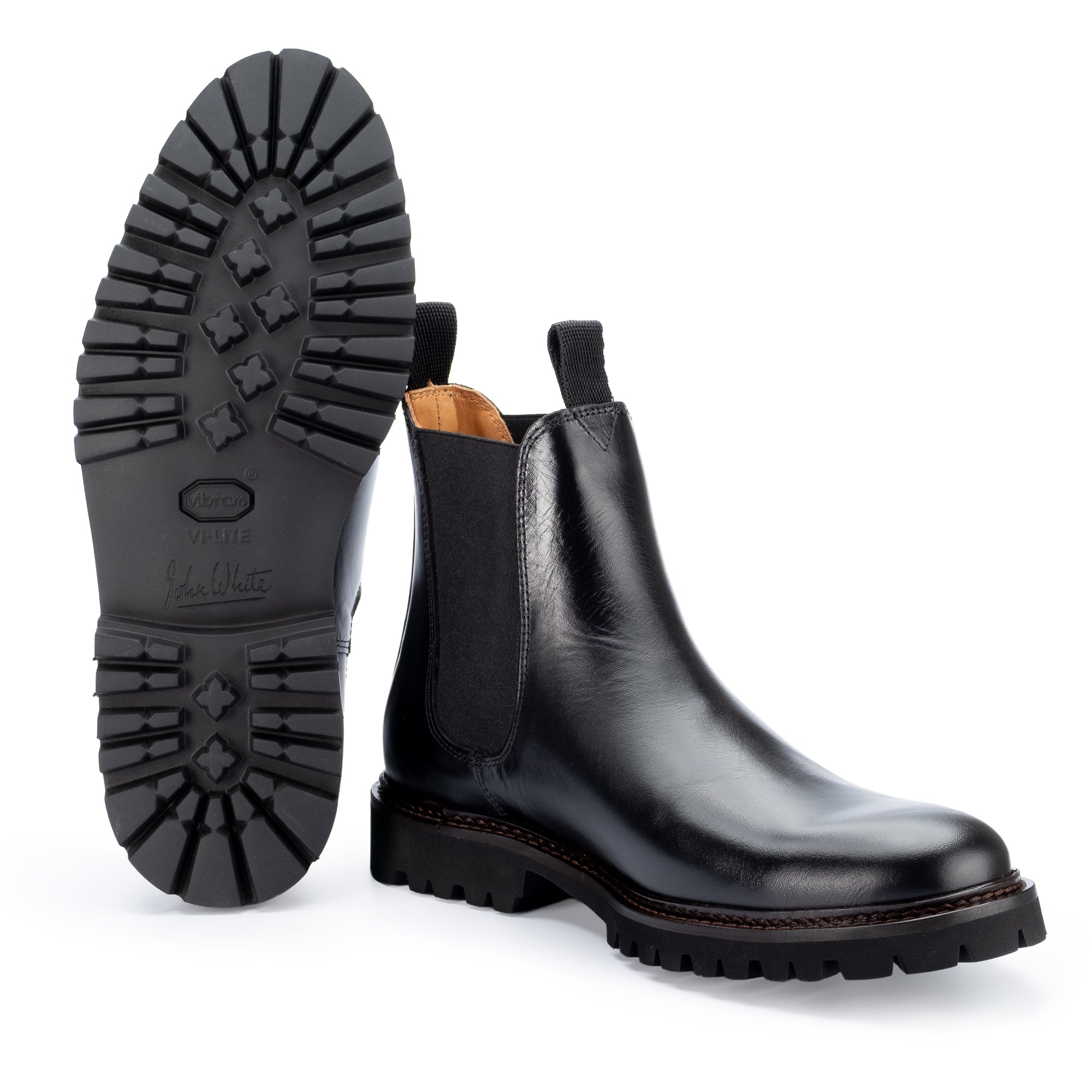
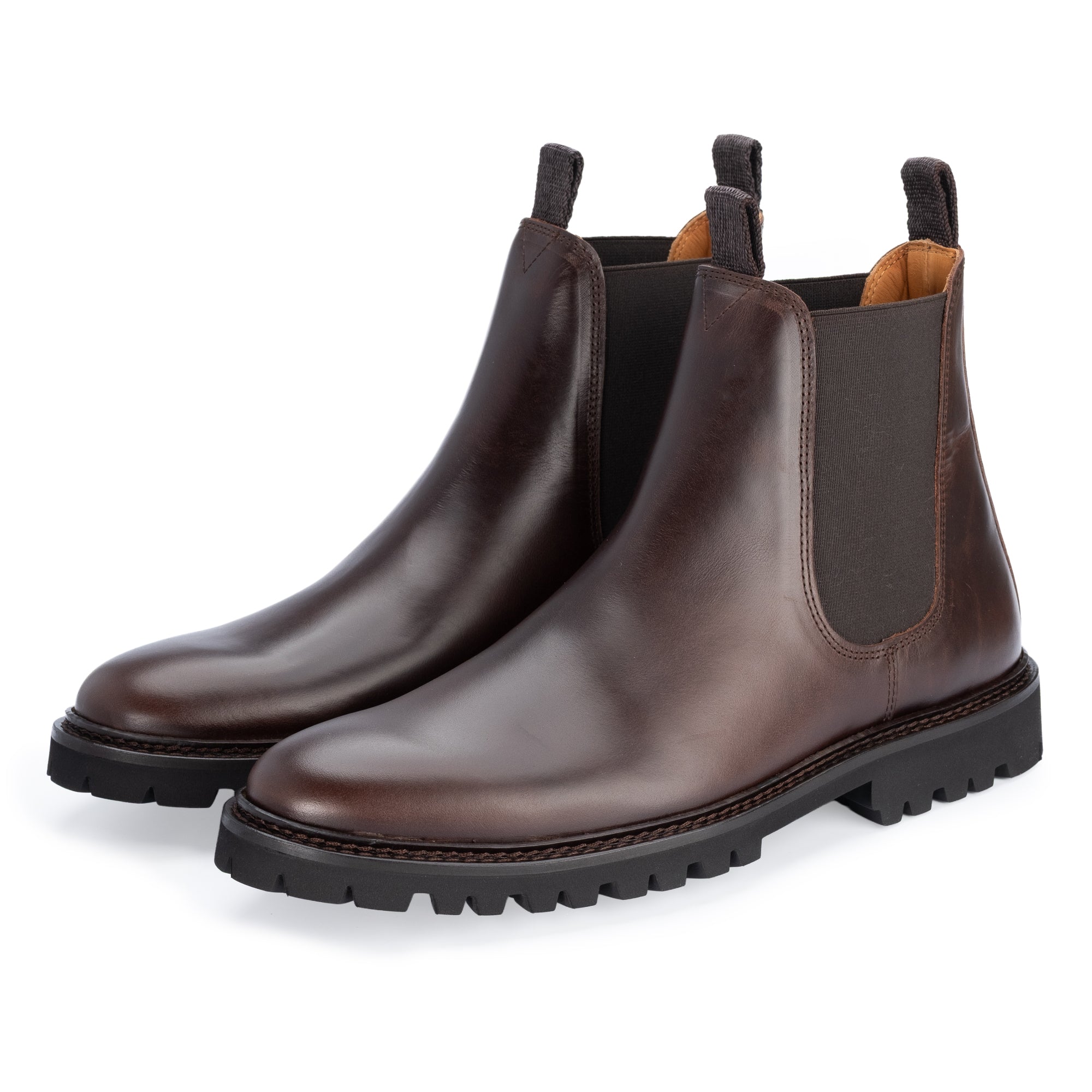
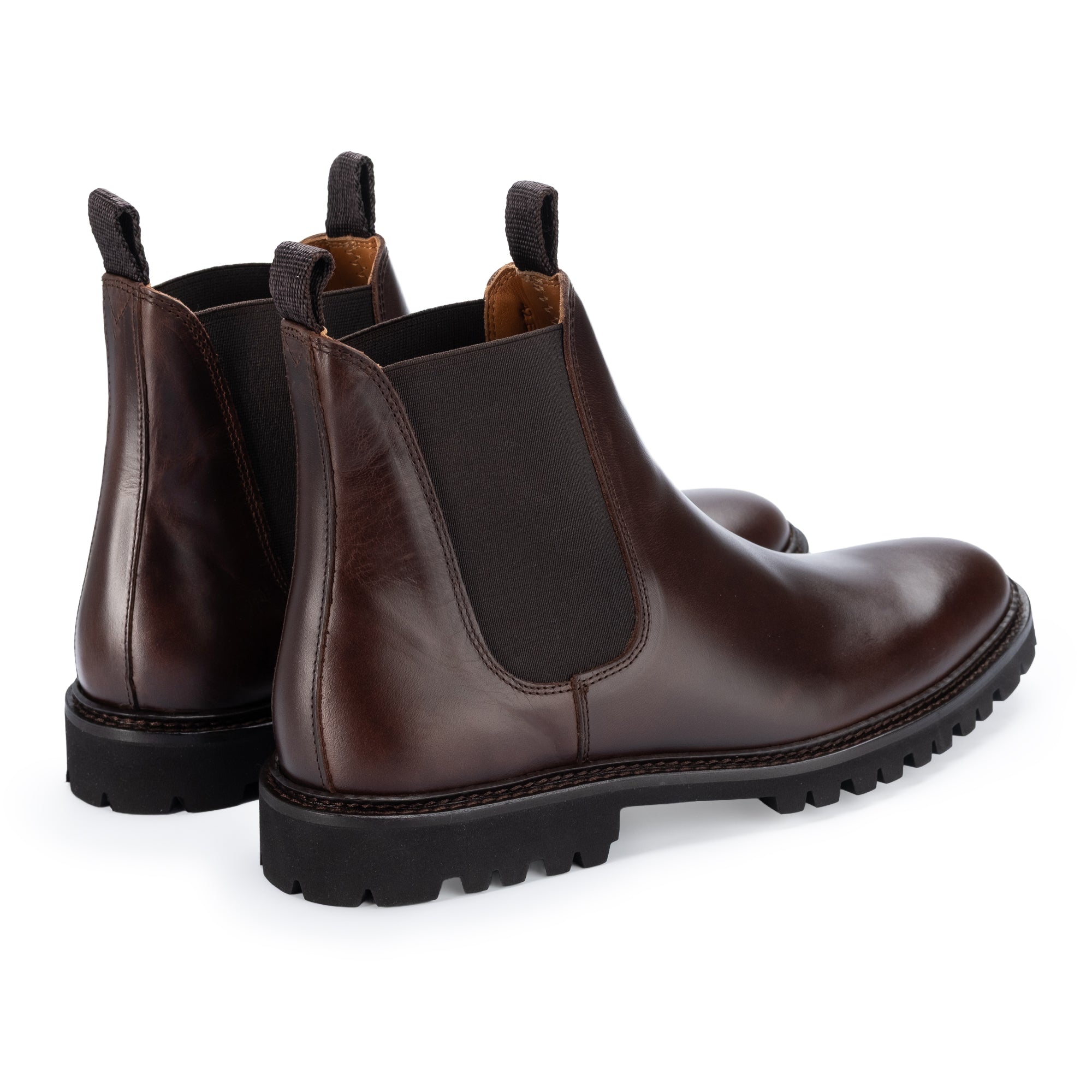
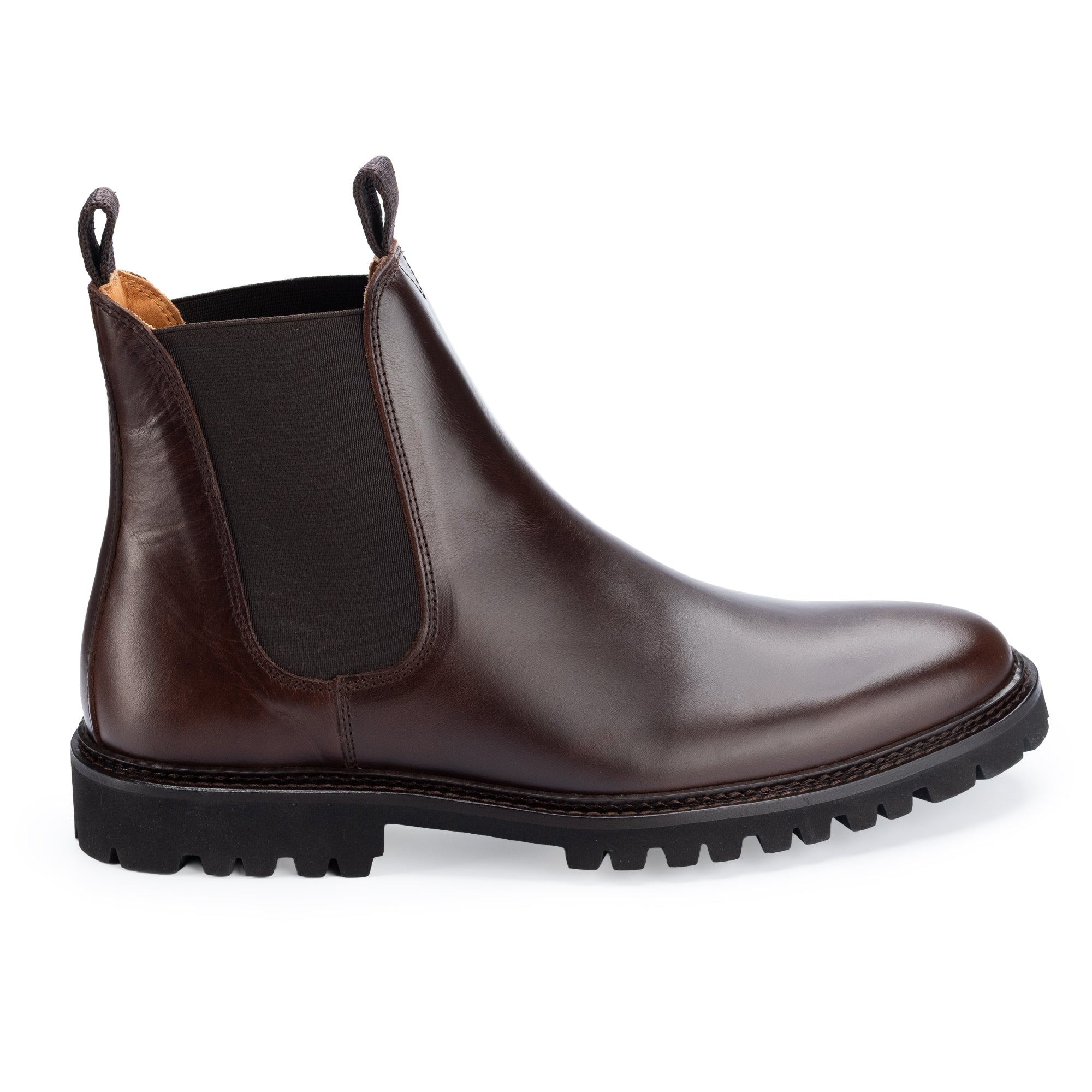
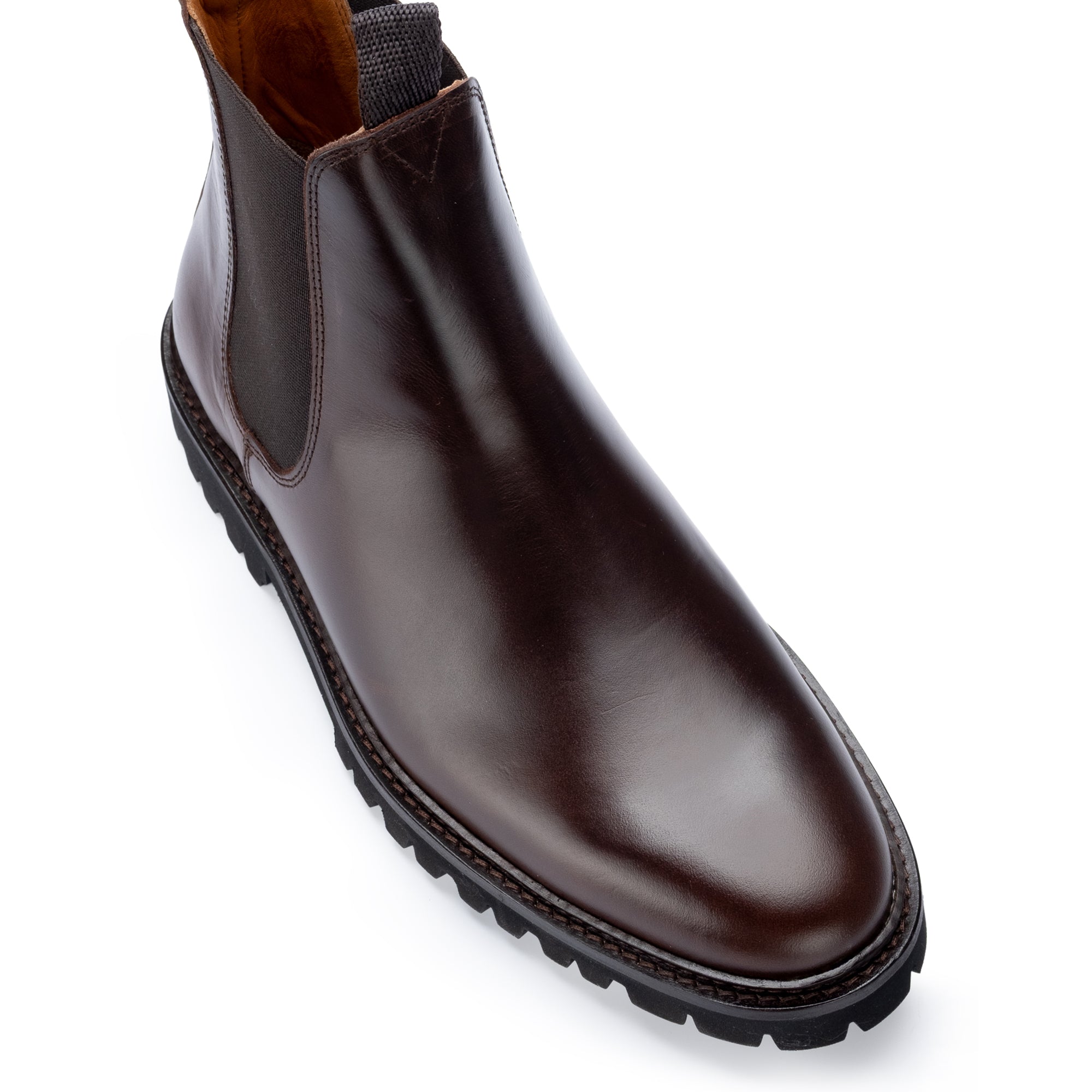
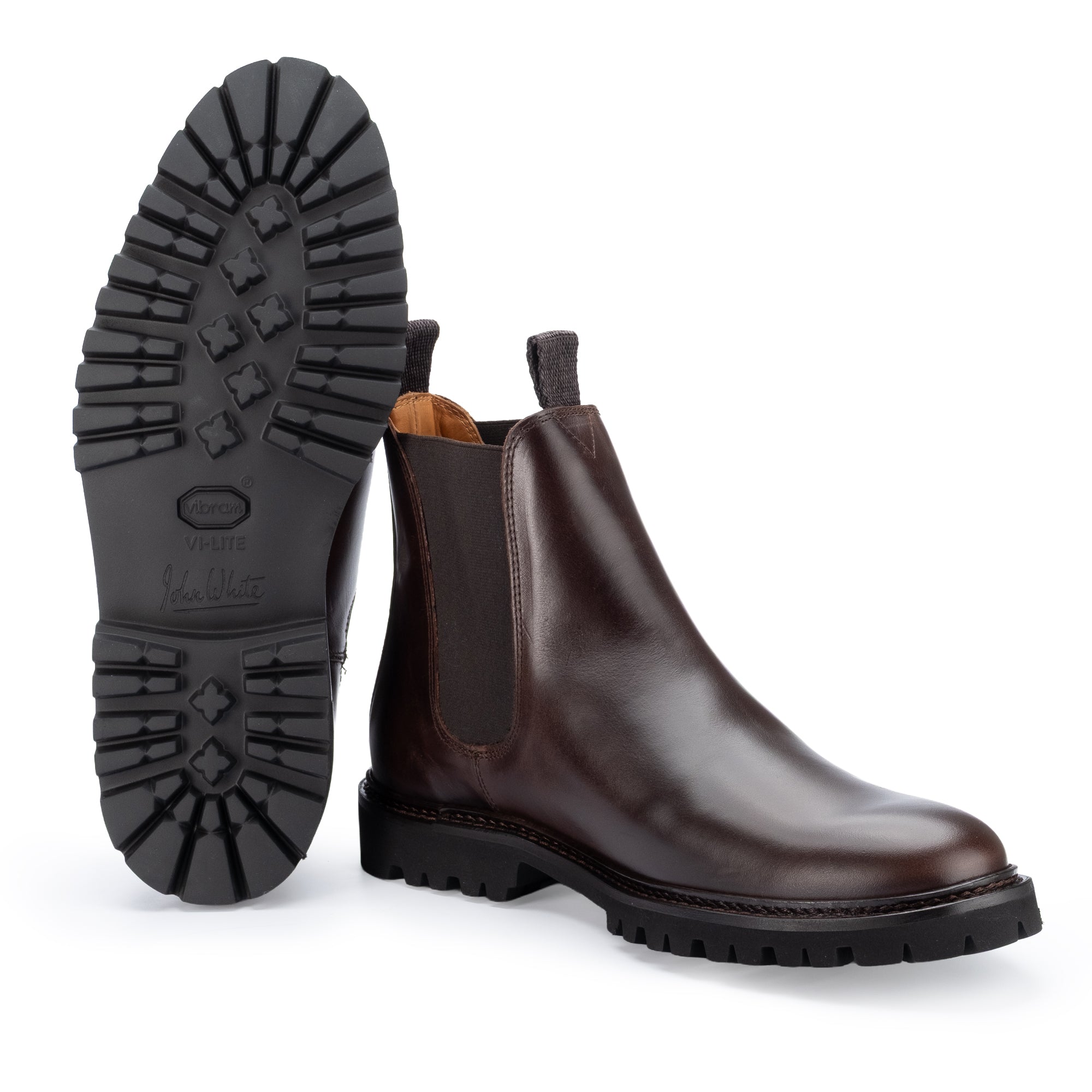
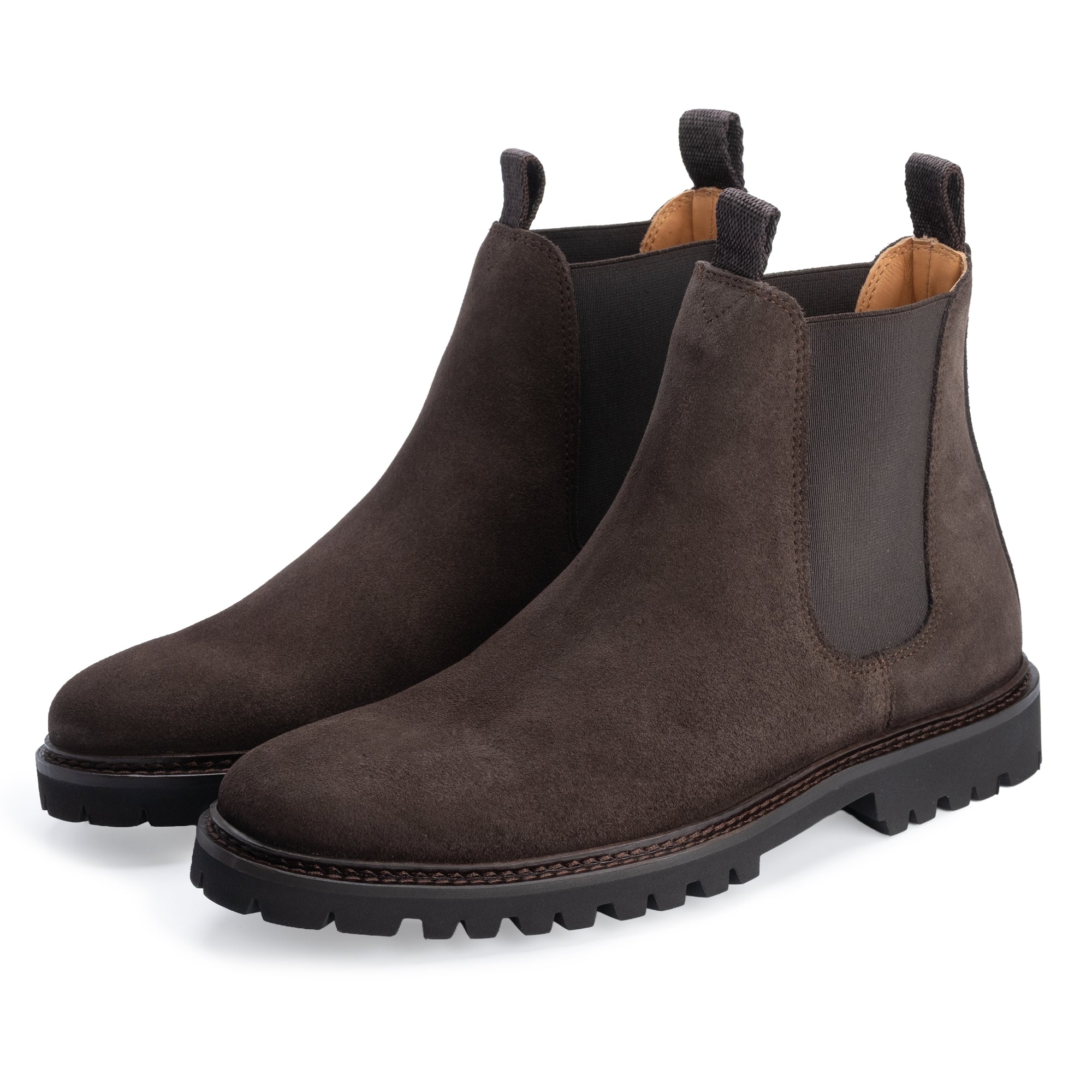
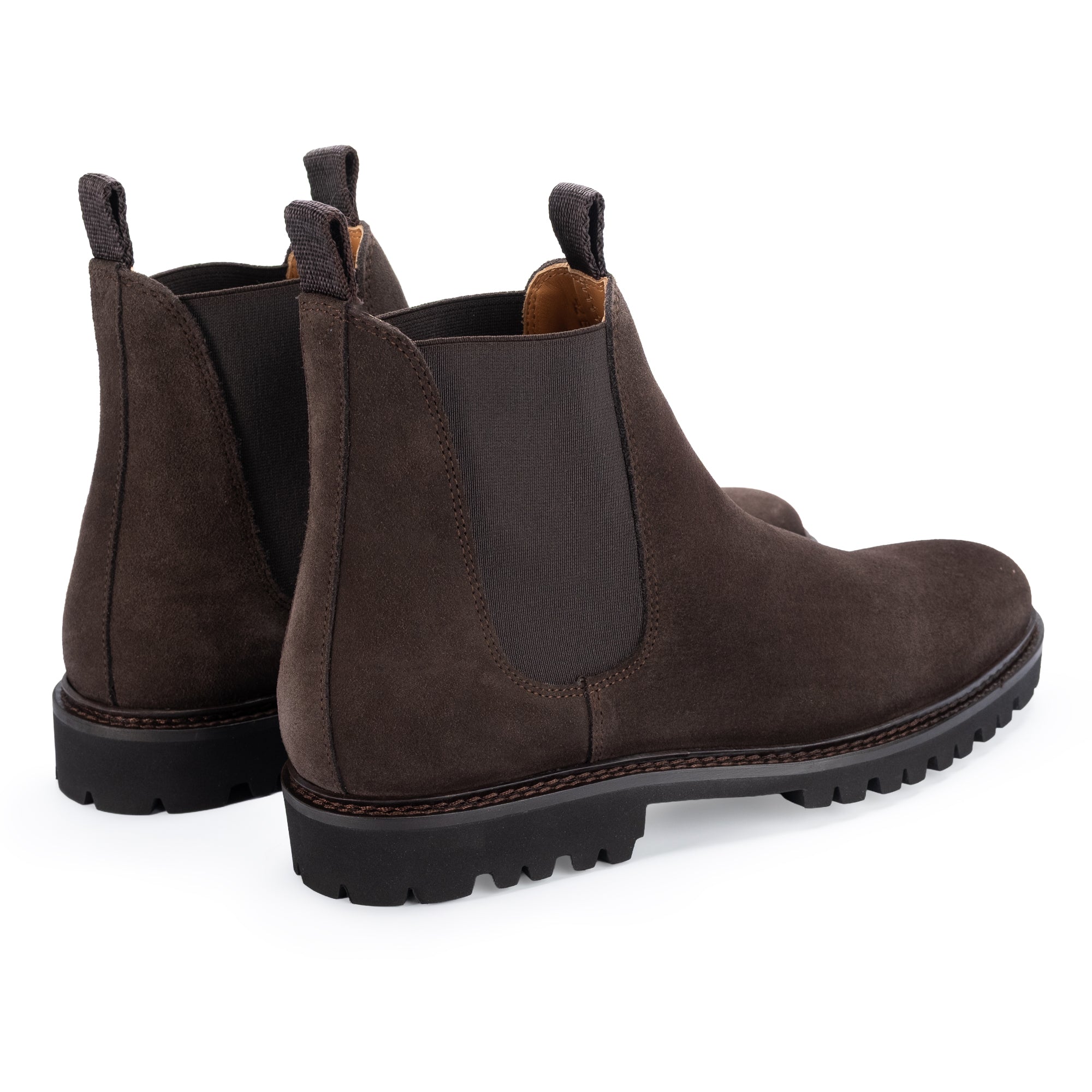
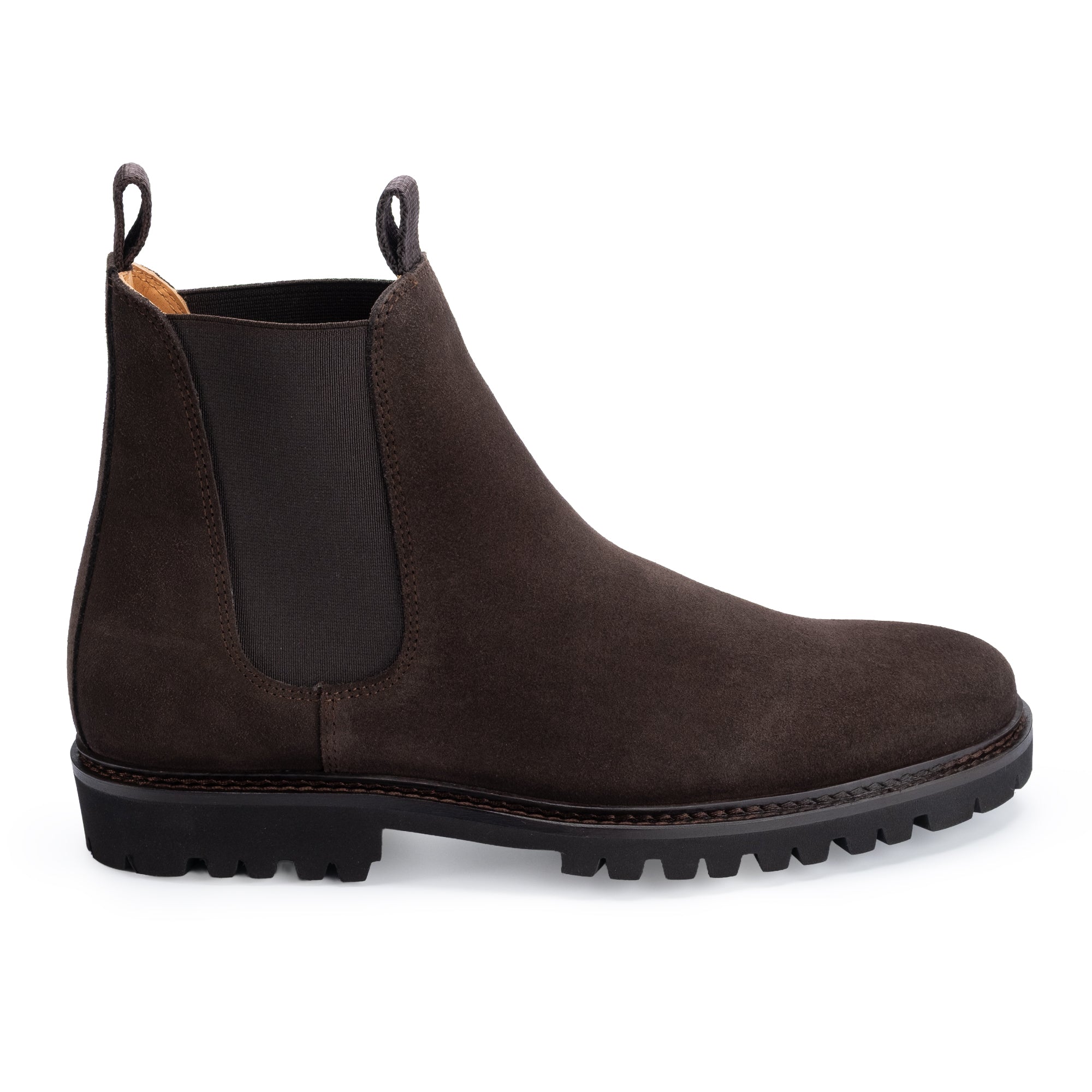
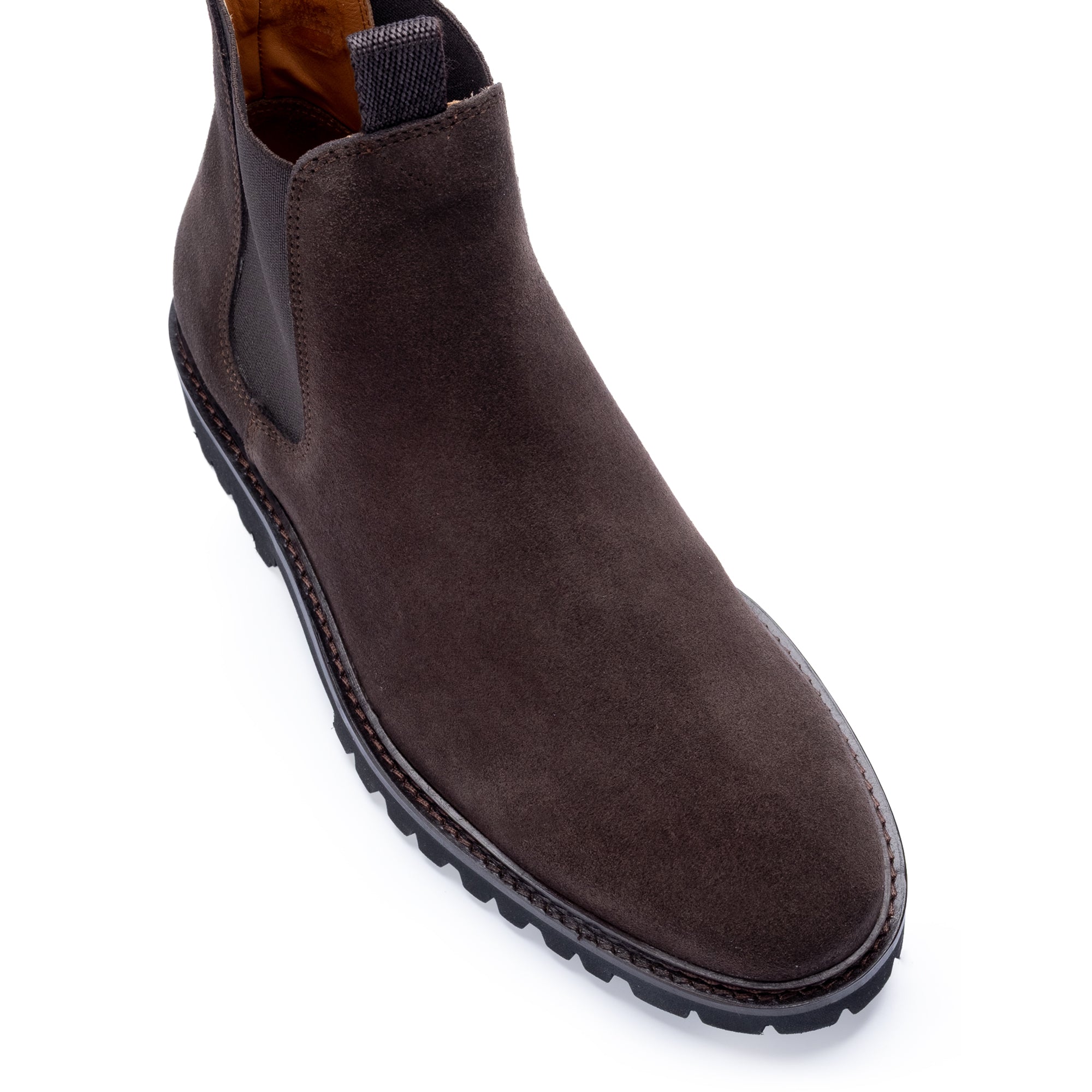
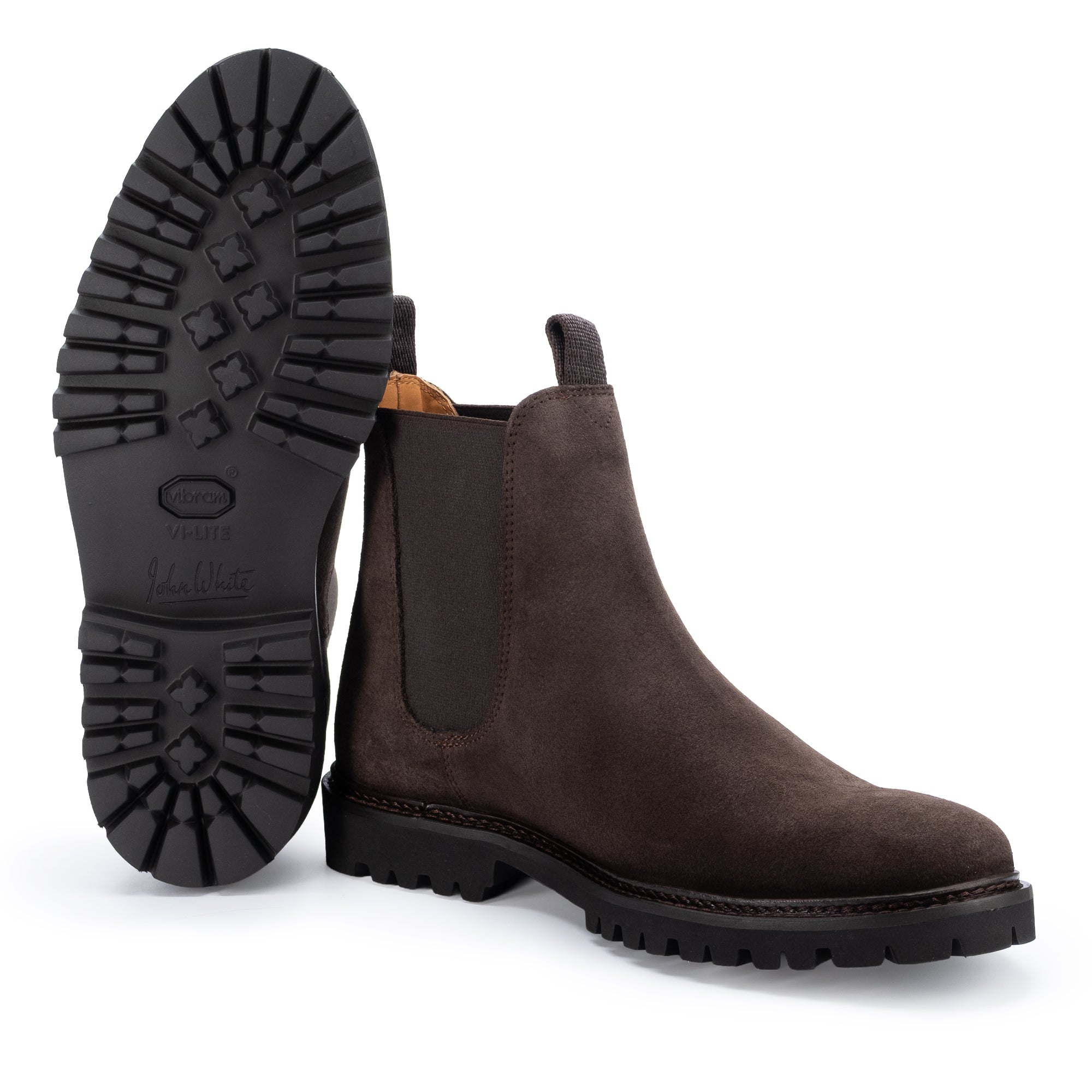
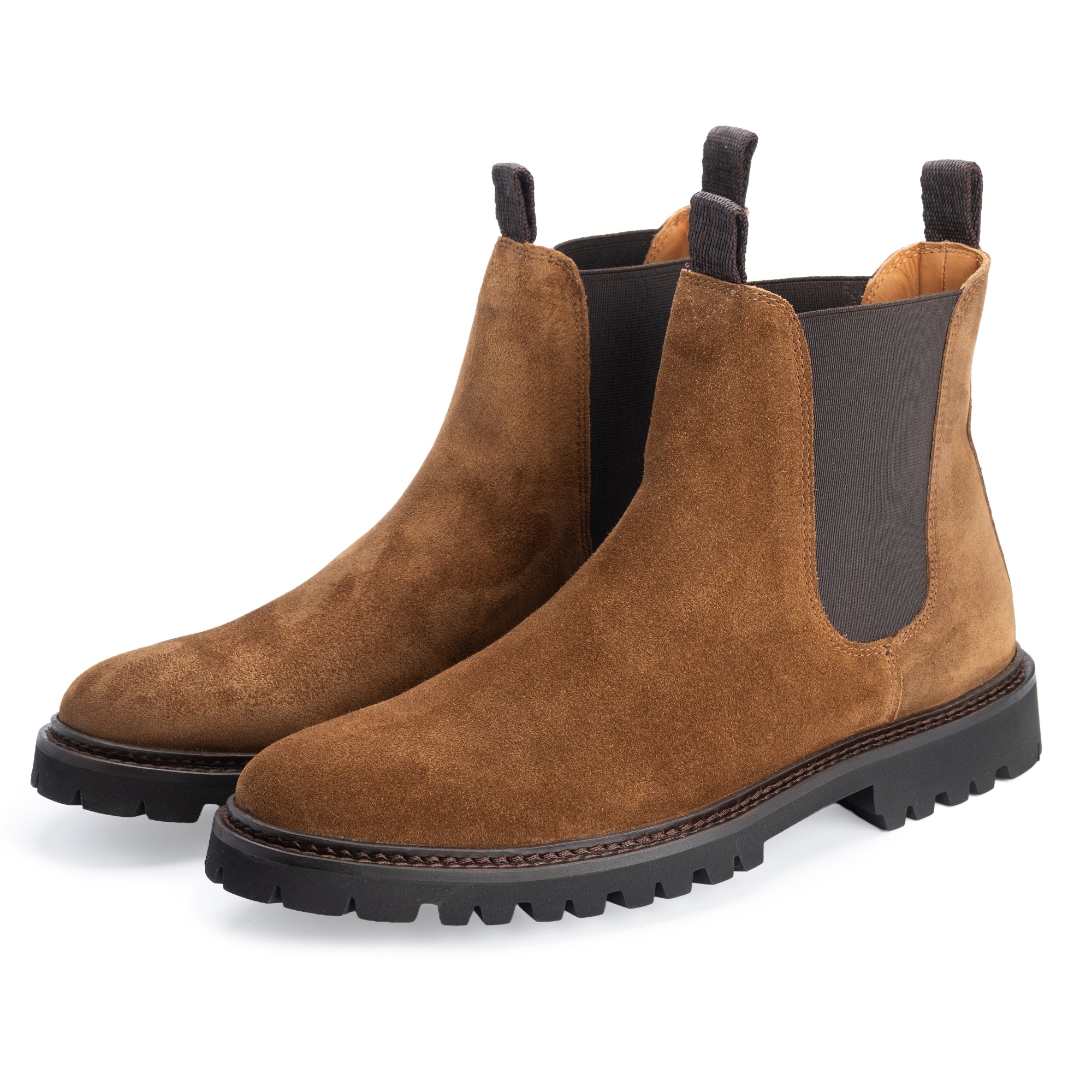
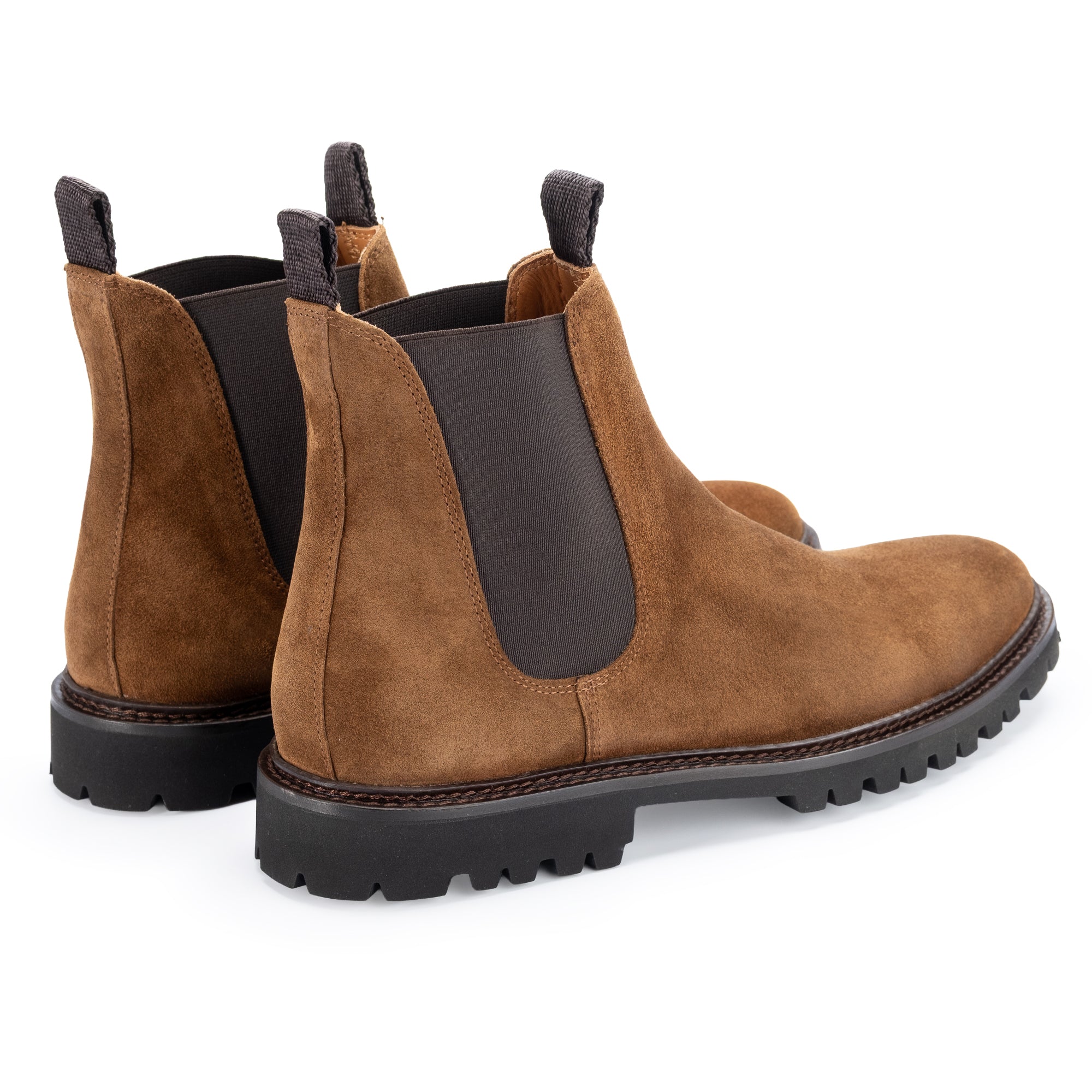
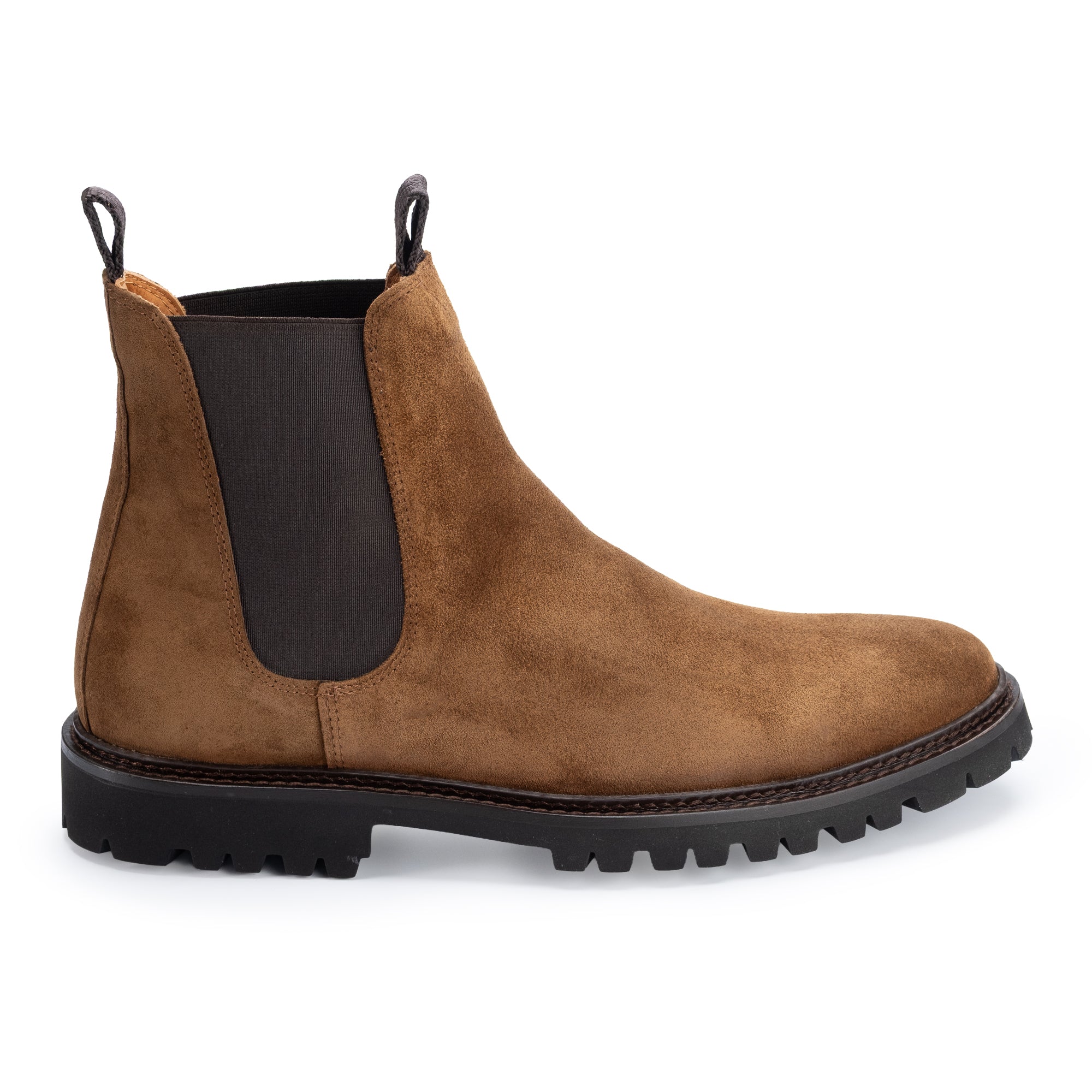
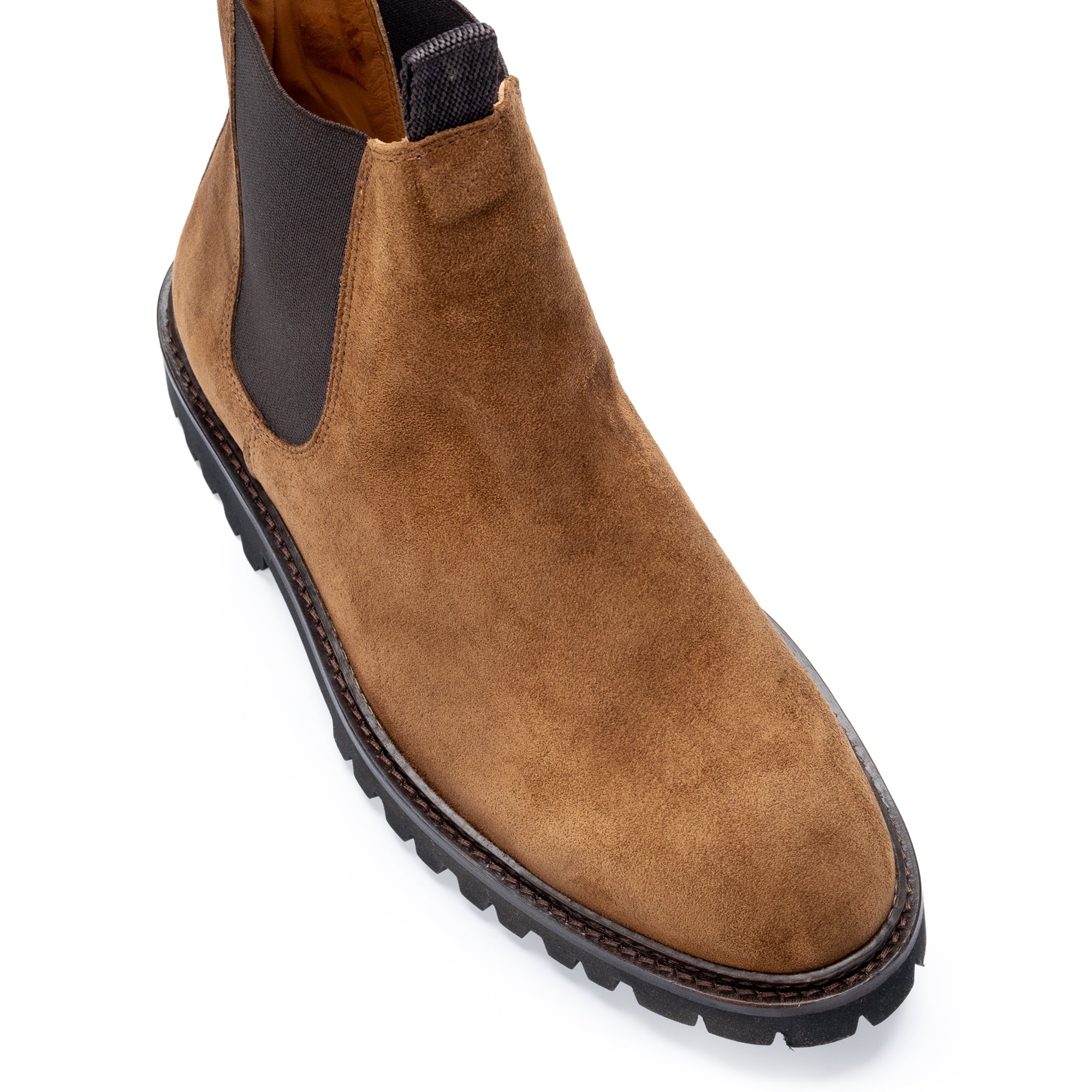
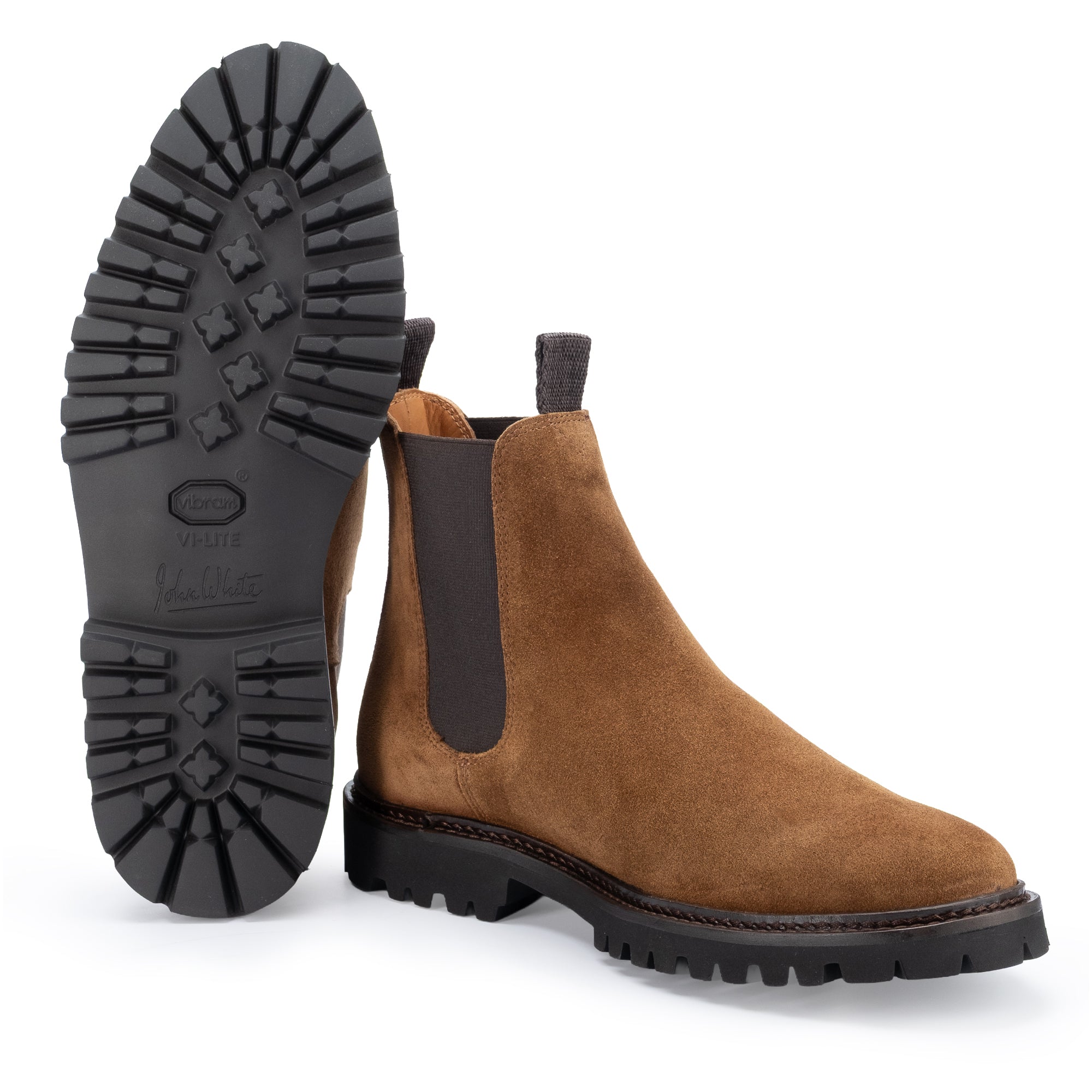
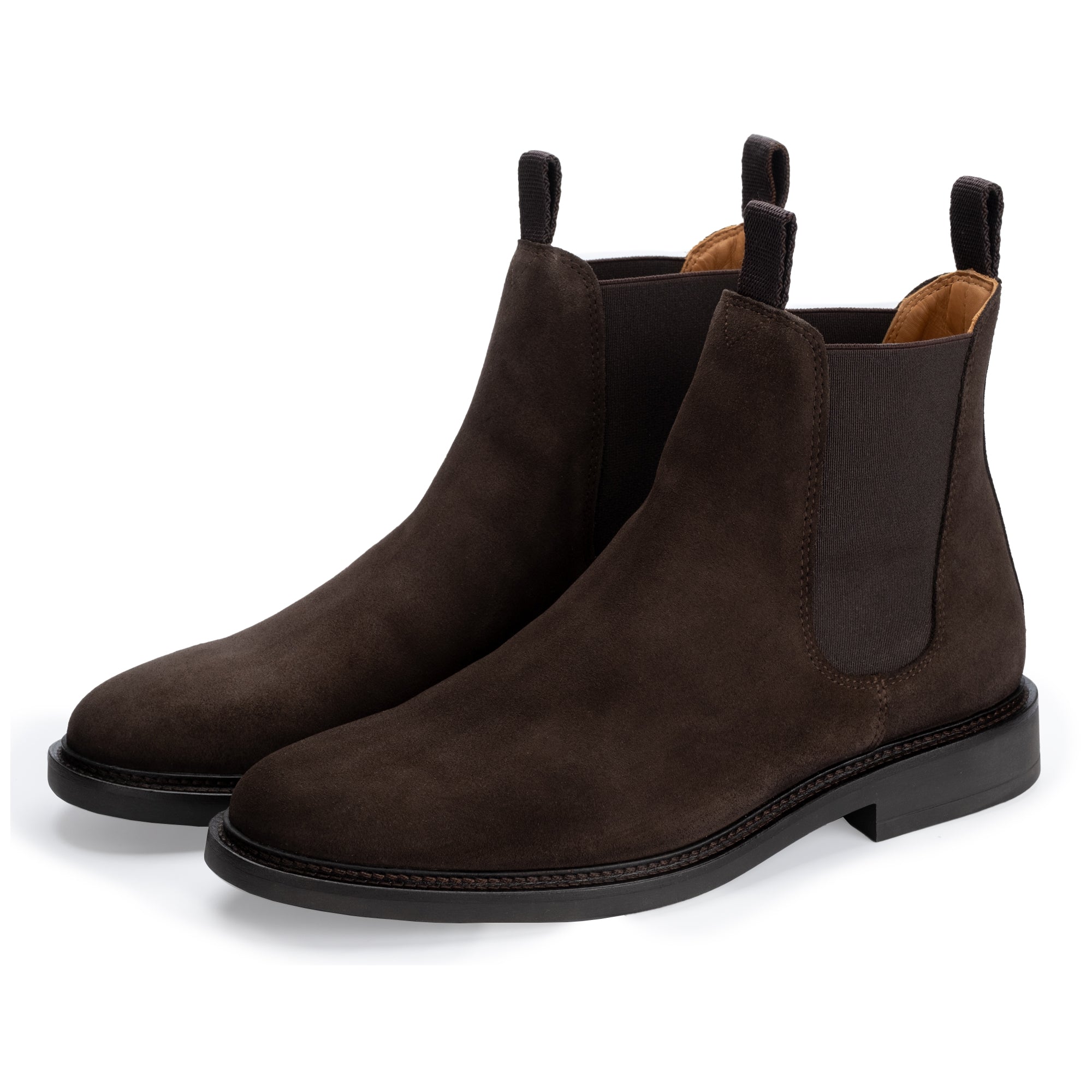
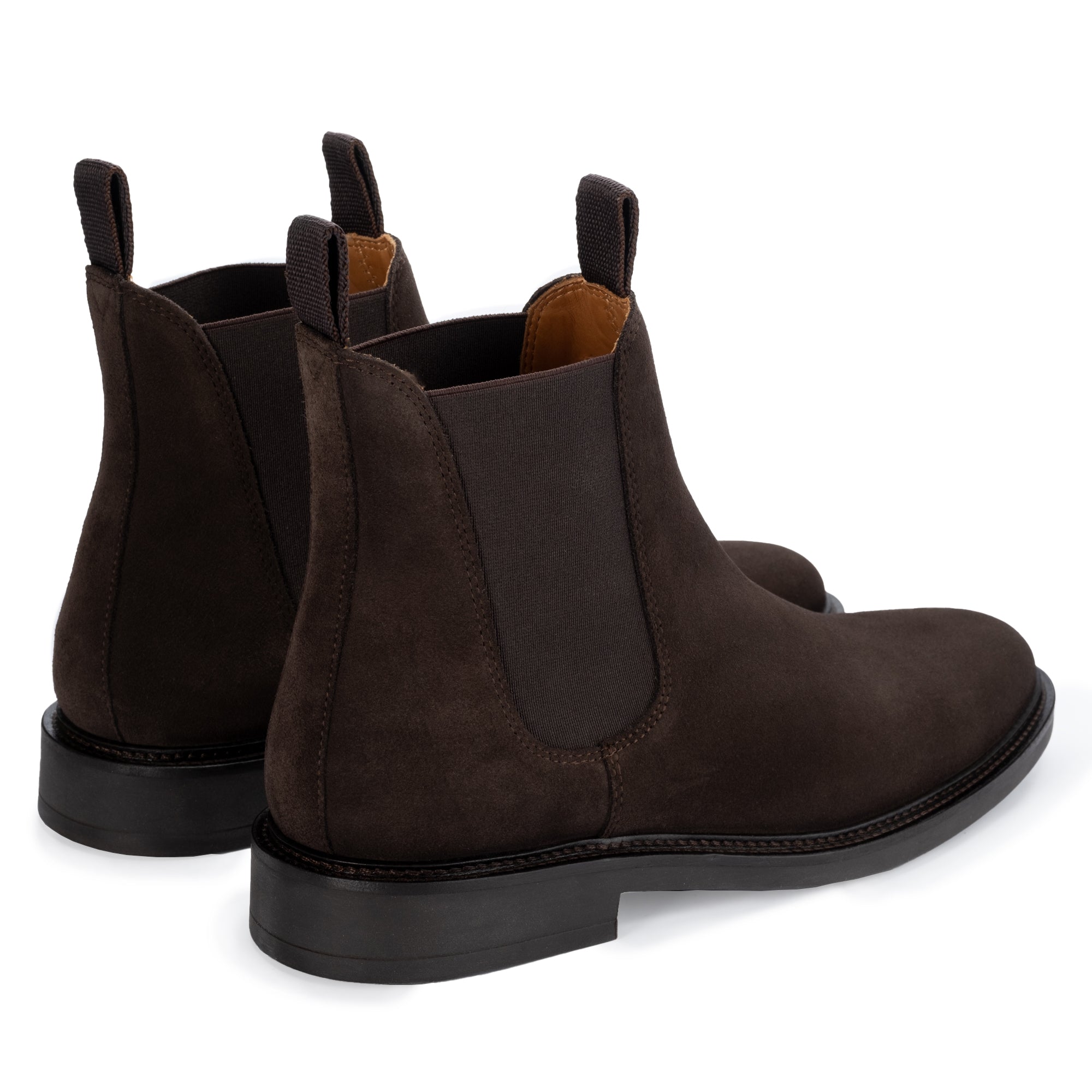
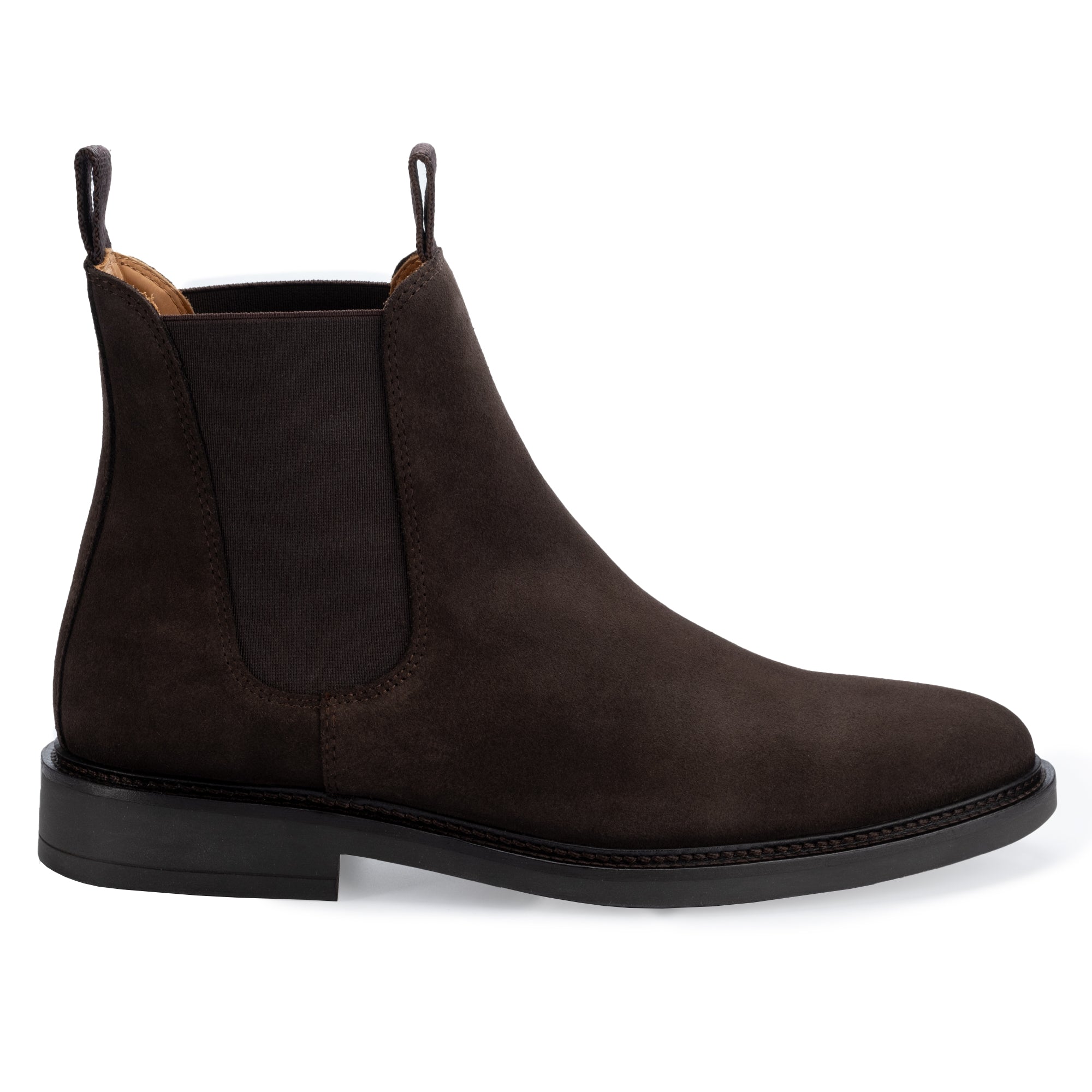
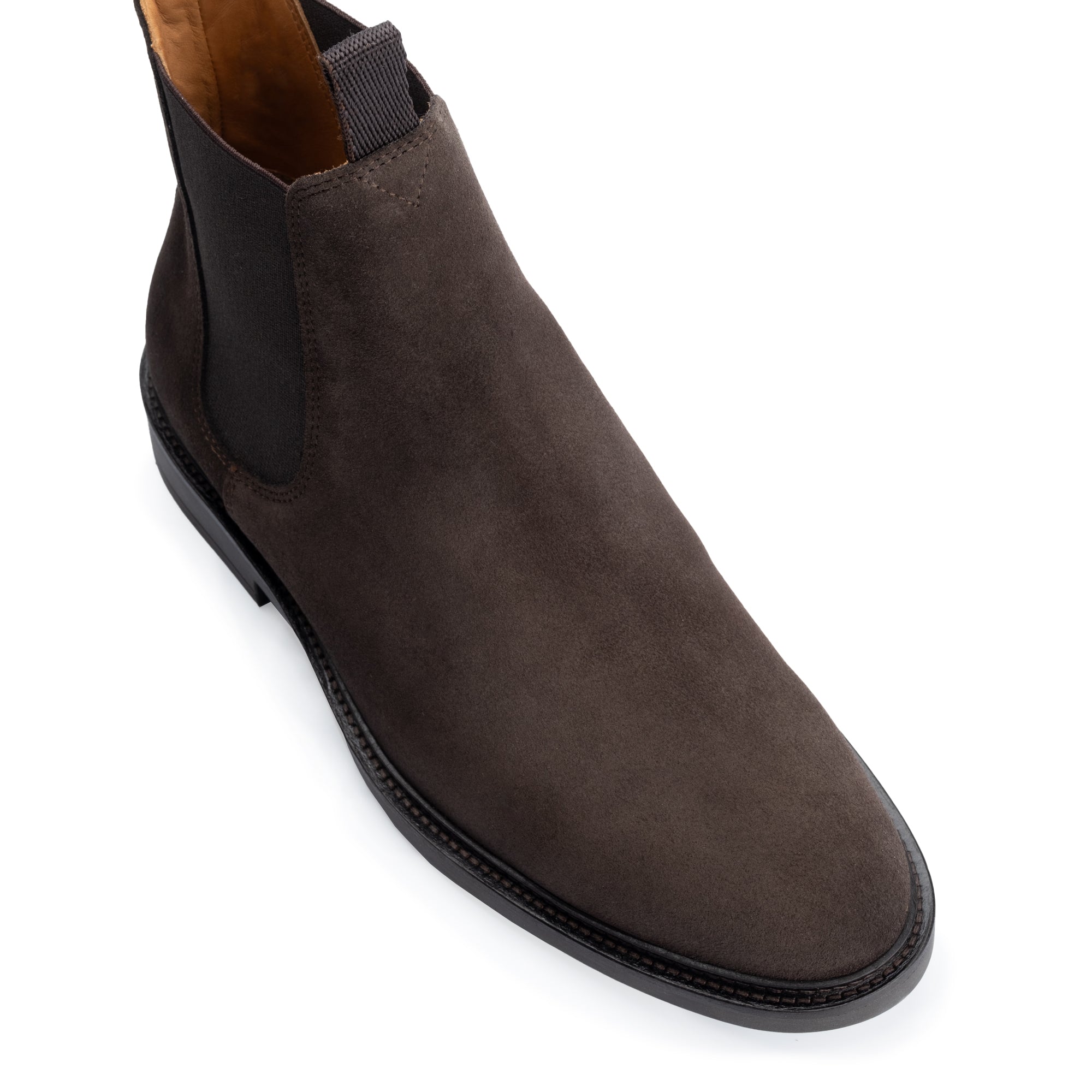
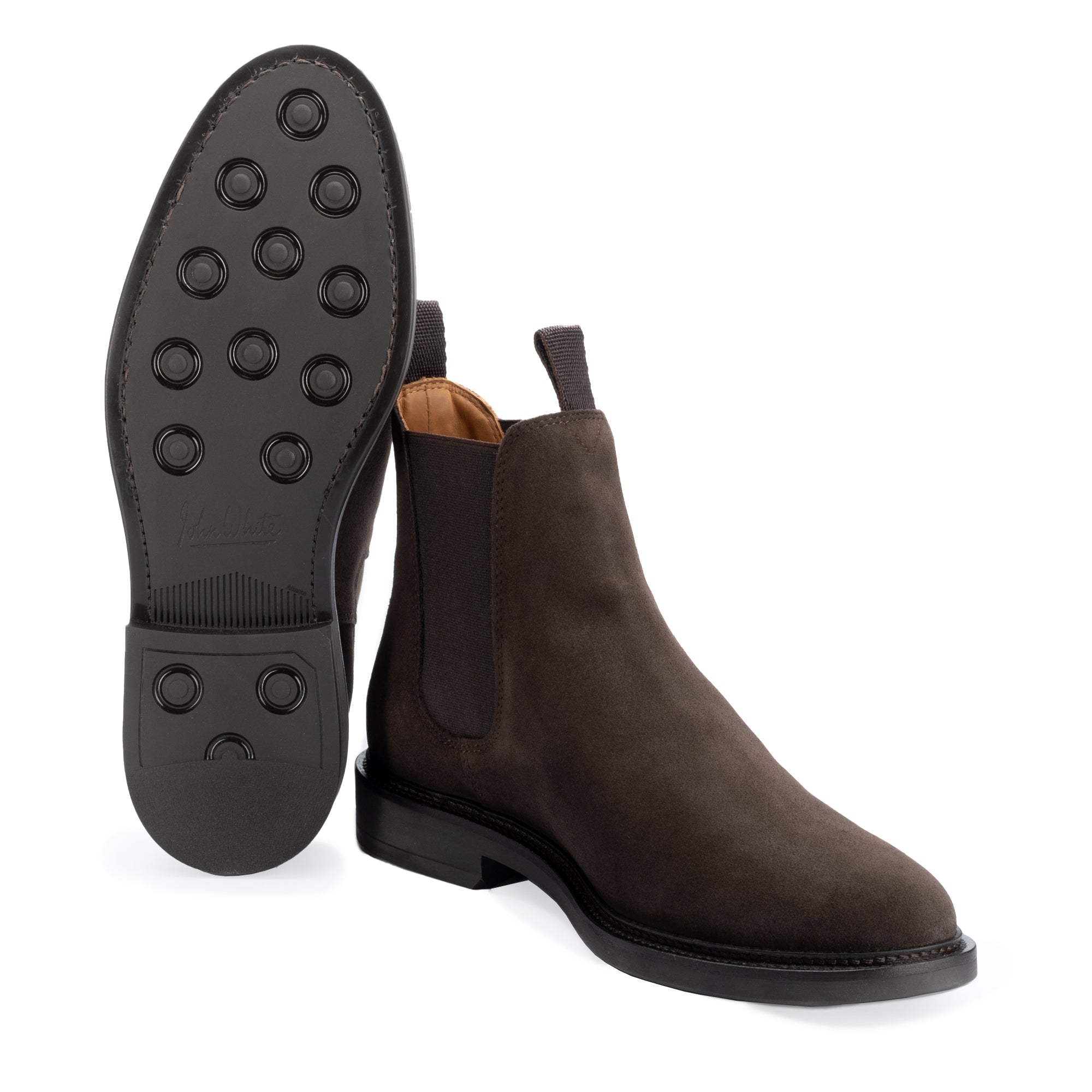
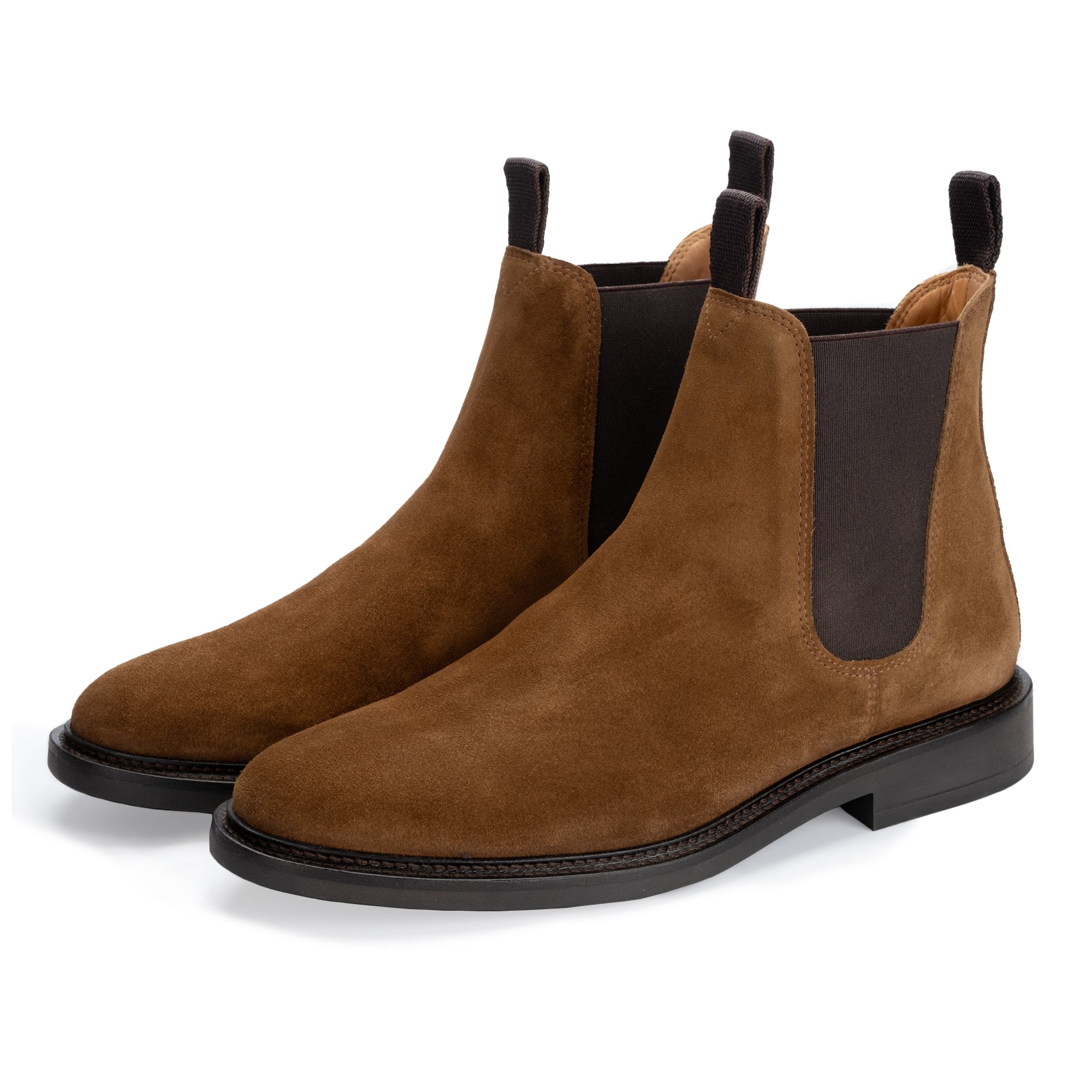
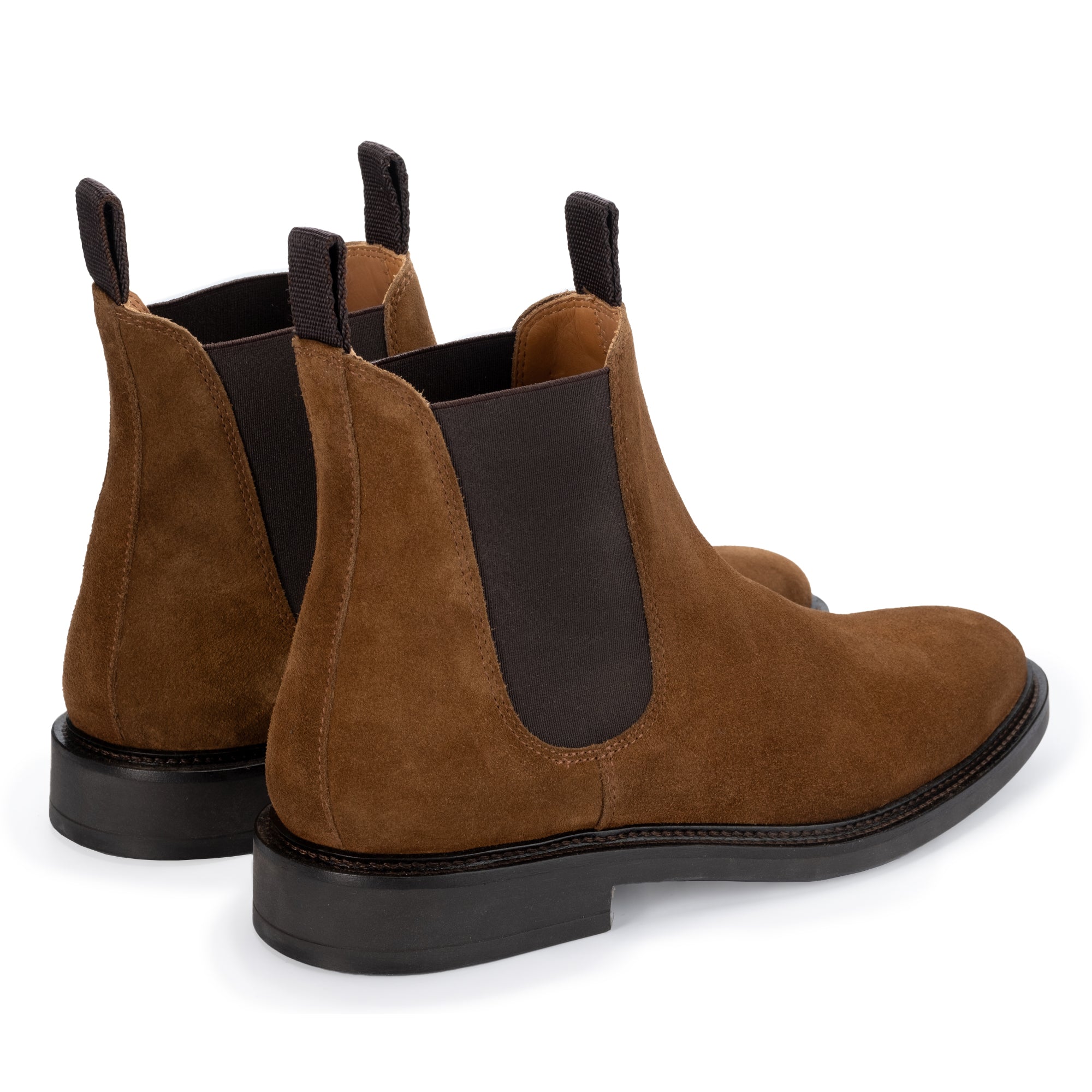
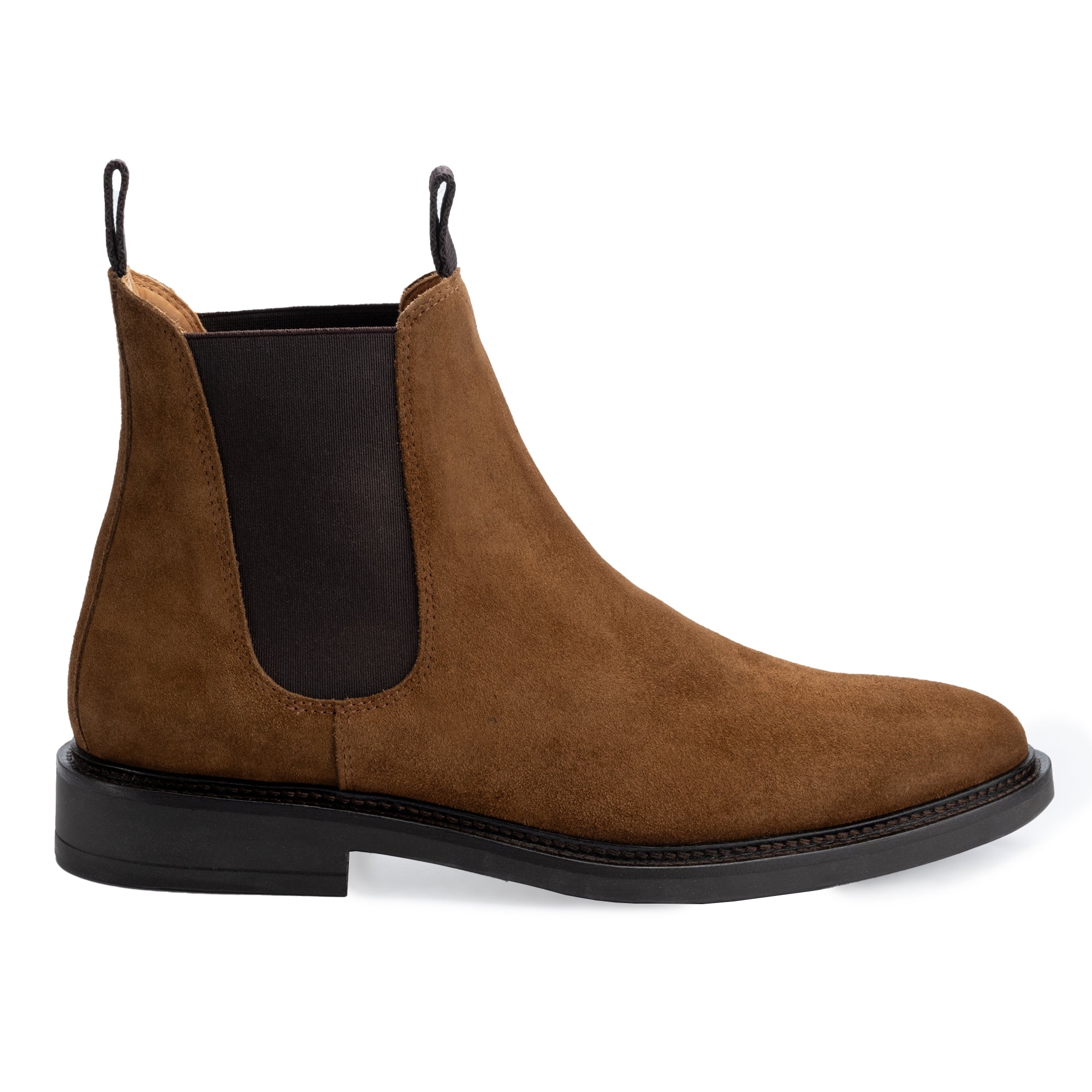
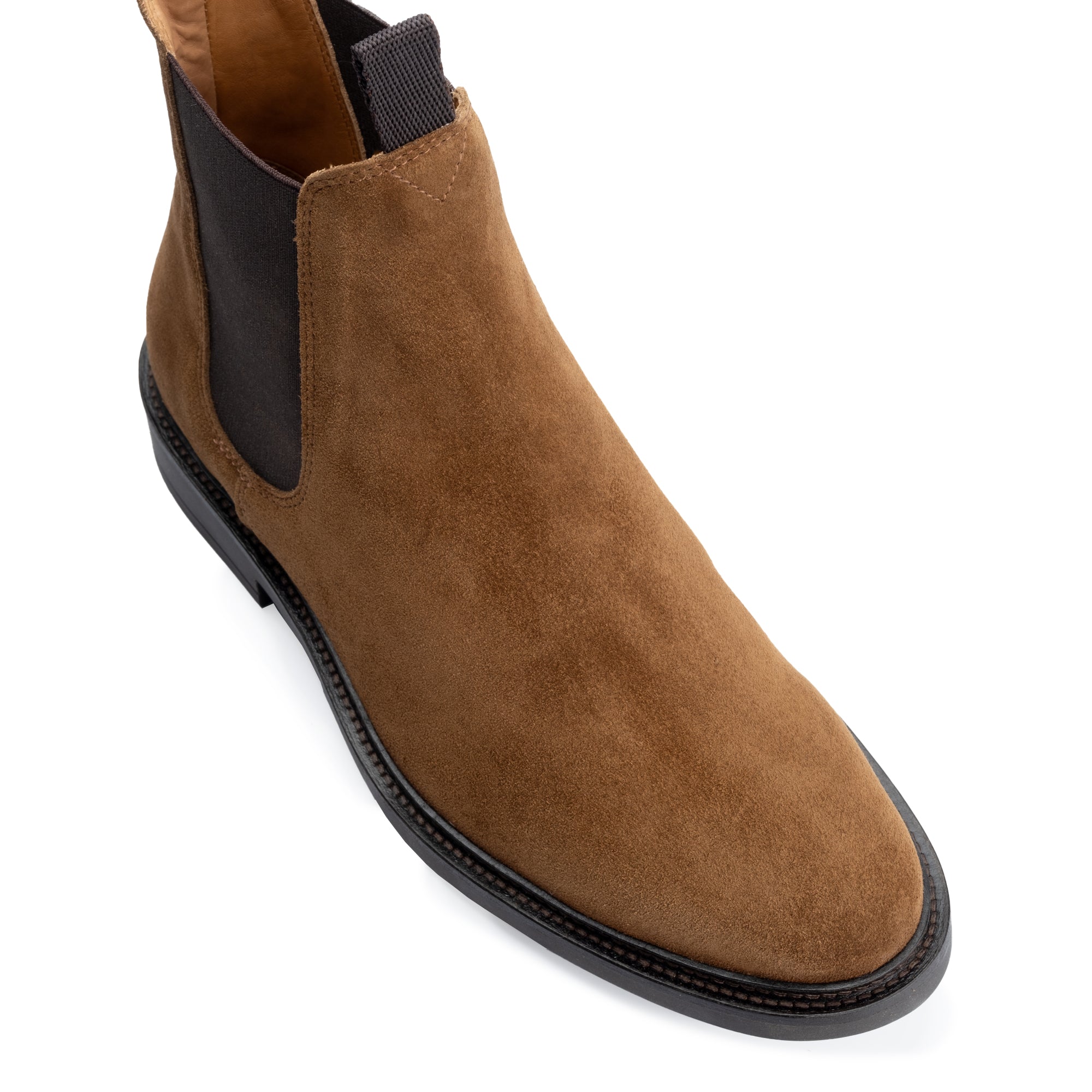
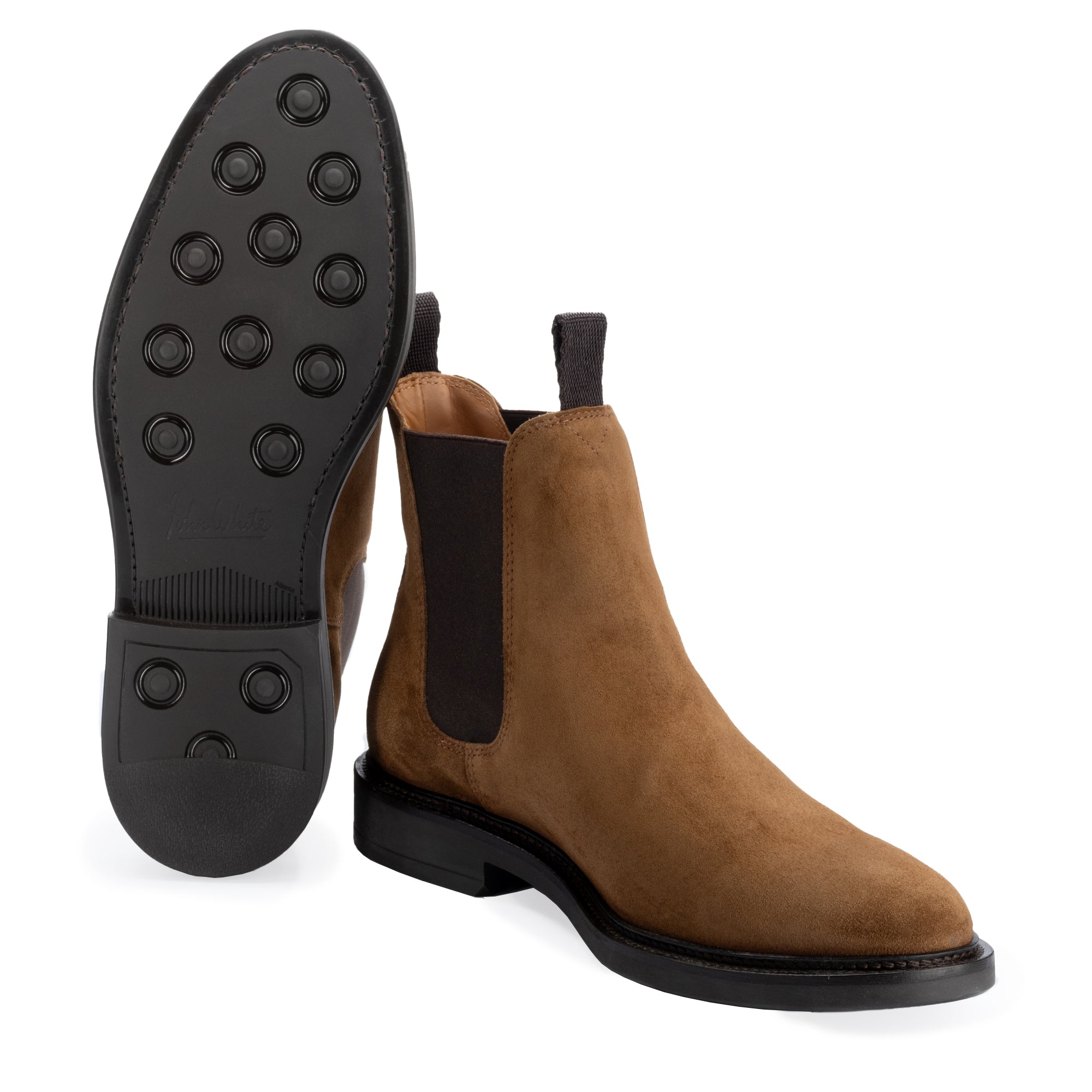
The Hill Chelsea Suede Boot pushes the formality register up a notch. In Brown Suede or Cognac Suede, it covers the ankle cleanly and offers a more minimal silhouette than a laced style. This is the suede option for occasions above smart-casual: a summer garden party, a drinks event with a suggested dress code, or evenings where the shirt has a collar that closes properly and the trousers have been pressed that morning.
The Chelsea in suede manages an unusual combination: it is both the most structured of these three suede options and the one that feels most suited to warmer weather. The elasticated panel and absent tongue reduce the amount of shoe in direct contact with the foot, which matters more than it might seem across a long summer evening.
What to Wear With Suede
Suede loafers earn their place with chinos, rolled jeans, and summer-weight tailoring. The key is keeping the trouser slim enough that the shoe registers clearly: a wide break obscures the effort. Sockless, or with a low-profile loafer sock, the shoe reads most naturally.
Suede chukkas and Chelsea boots want a trouser that finishes at or just above the ankle. With linen trousers, a slight break is acceptable; with chinos, no break is the correct proportion. Both styles carry a summer suit well, particularly the kind of unlined, soft-shouldered cloth that travels without creasing.
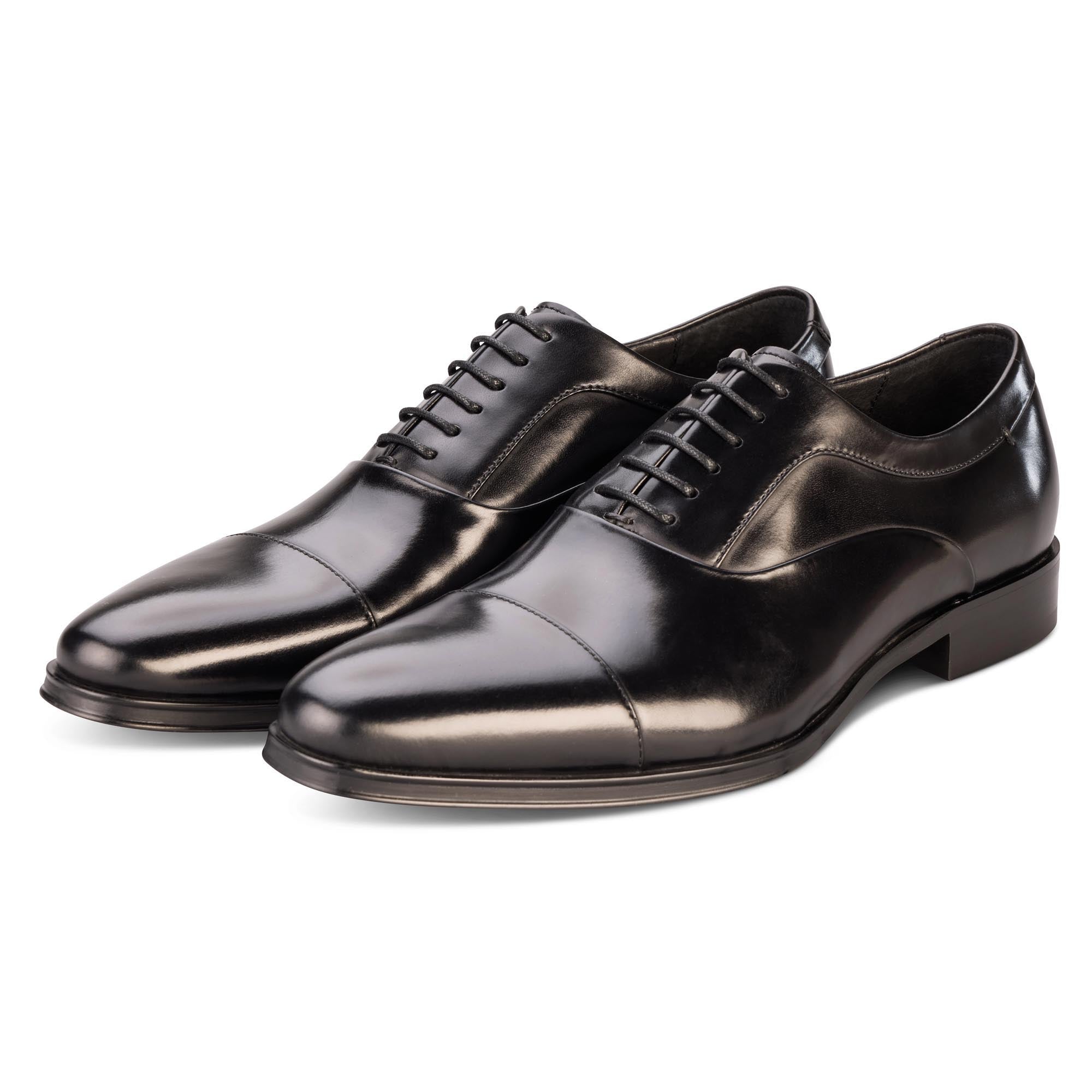
The one firm note of caution: suede does not belong in heavily formal dressing. A morning suit, black tie, or a business suit in structured wool calls for polished leather. Suede belongs to occasions where some ease is appropriate, and most of summer provides exactly that.
Colour in Context
Brown and cognac are the safest starting points. They sit against navy, grey, stone, and olive without difficulty. Brown suede in a loafer will work across more summer outfits than almost any other shoe: warm enough for pale colours, grounded enough for mid-tones.
Navy suede is more specific, and more interesting for it. It works best with lighter outfits: white shirts, cream chinos, pale linen. Against dark trousers the tonal similarity flattens the look, so the contrast needs to come from above. The Ethan in Navy Suede is the piece to reach for when the rest of the outfit is doing the heavy lifting and the shoe just needs to confirm the direction.
Green suede earns its place when an outfit is otherwise doing very little. Against stone chinos, a white polo, and nothing in the way of pattern, it provides the one considered detail. It is not a shoe that disappears into an ensemble, which is precisely its value for anyone who dresses simply and deliberately.
Cognac sits between brown and tan with a warmer, slightly reddish cast. It works well against pale blue, white, and mid-grey. In the right summer light — and British summer does occasionally provide it — cognac suede has a quality no polished finish can replicate.
Looking After Suede Through Warmer Months
Suede's softness comes from the way the hide is split and the surface raised during finishing. That napped texture is also what makes it more susceptible to moisture, oil transfer, and abrasion than polished leather. None of that is a problem if the maintenance is simple and consistent.
A suede brush, either with soft brass bristles or natural hair, removes surface dust and lifts the nap after wear. A suede eraser handles scuffs before they set into the fibre. A waterproofing spray applied before wear and reapplied regularly provides meaningful resistance to light showers and damp grass underfoot. It does not make suede waterproof. It makes it recoverable.
Cedar shoe trees are worth using after every wear, including in summer. Cedar absorbs the day's moisture and helps the suede hold its form at the toe and heel. If you are not currently using shoe trees, the guide to shoe tree sizing and wood type covers what to look for and why it matters for both leather and suede.
Store suede away from direct sunlight. Prolonged exposure fades the nap and draws out colour unevenly across the toe or vamp. A cotton shoe bag handles this. If you are putting suede away between seasons rather than wearing it regularly, the same approach that applies to smooth leather applies here: clean first, condition the suede lightly, store in a breathable bag with a tree inside.
The Case for Starting Now
The single best time to wear suede is the moment you feel slightly overdressed for the occasion. Suede occupies that register naturally: it looks deliberate without looking effortful, and the material signals care without the formality of polished leather.
In June, that moment arrives regularly. Summer garden parties, outdoor dining, evenings warm enough to walk without a coat, a weekend in the country. The Ethan loafer in green suede, the Wessex in cognac, the Hill Chelsea in brown suede: these are shoes built for exactly those occasions.
The assumption that suede belongs to autumn deserves to be challenged directly. Used sensibly, with a brush in the cupboard and a spray in the rotation, suede rewards the investment consistently, season after season. Summer is where that investment makes itself most visible.