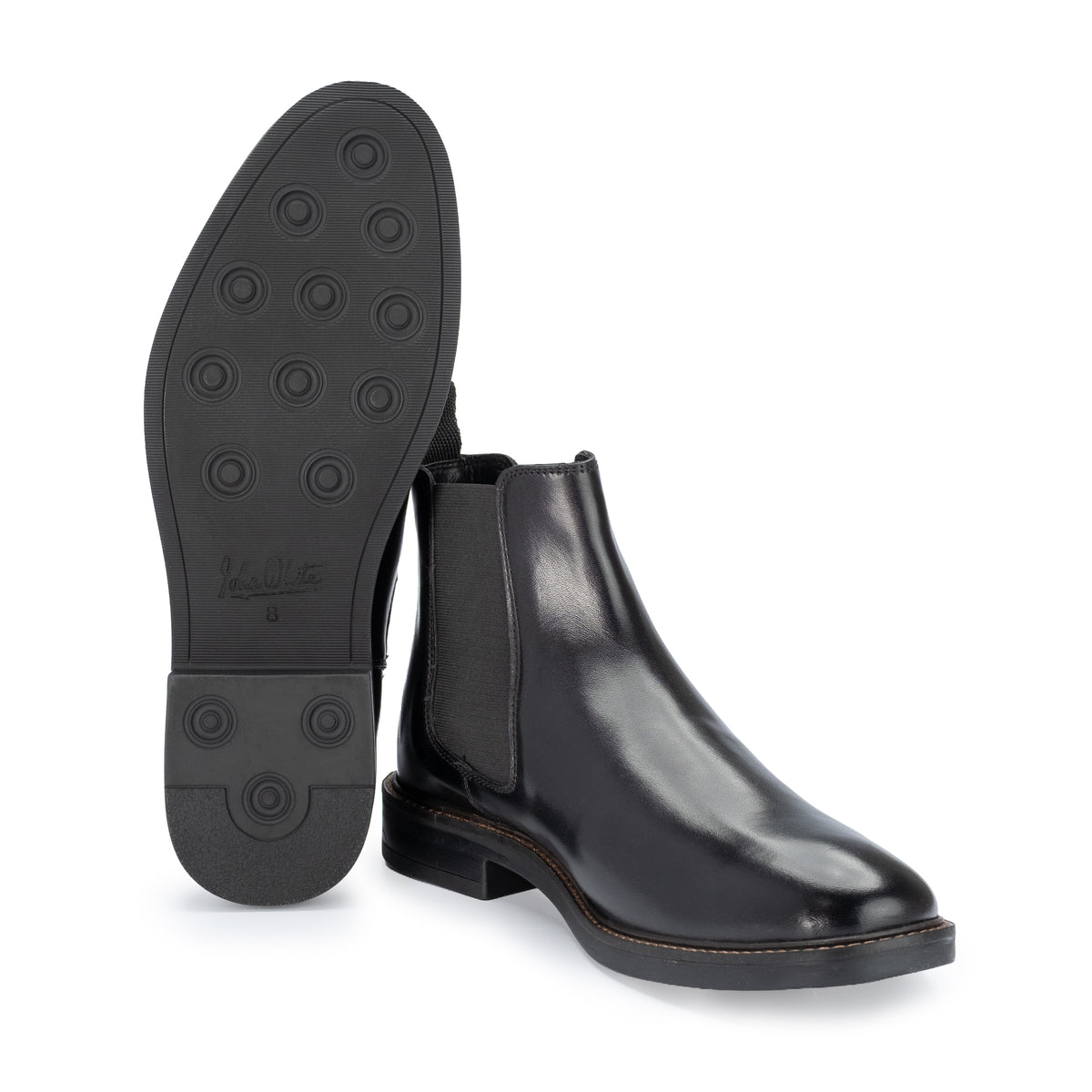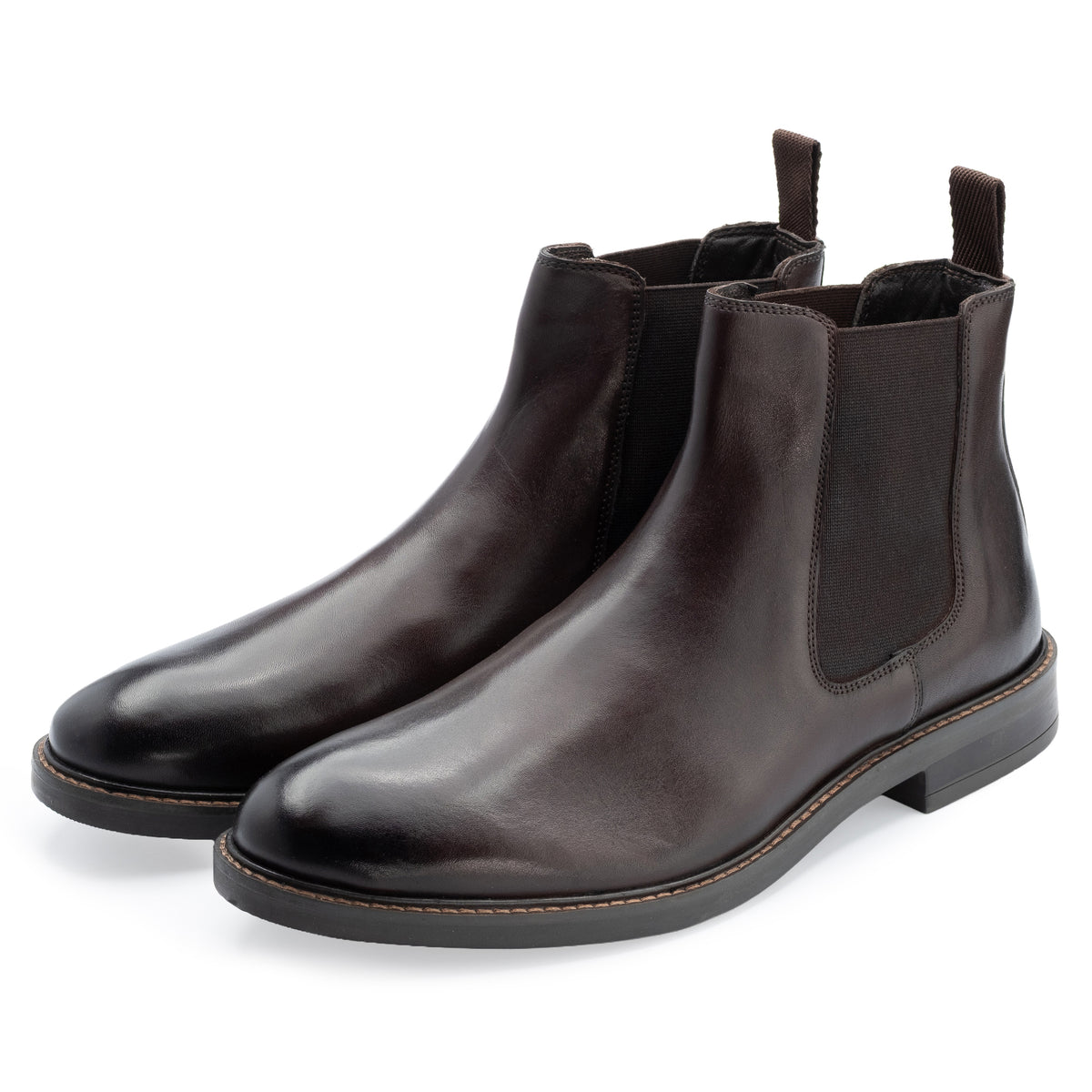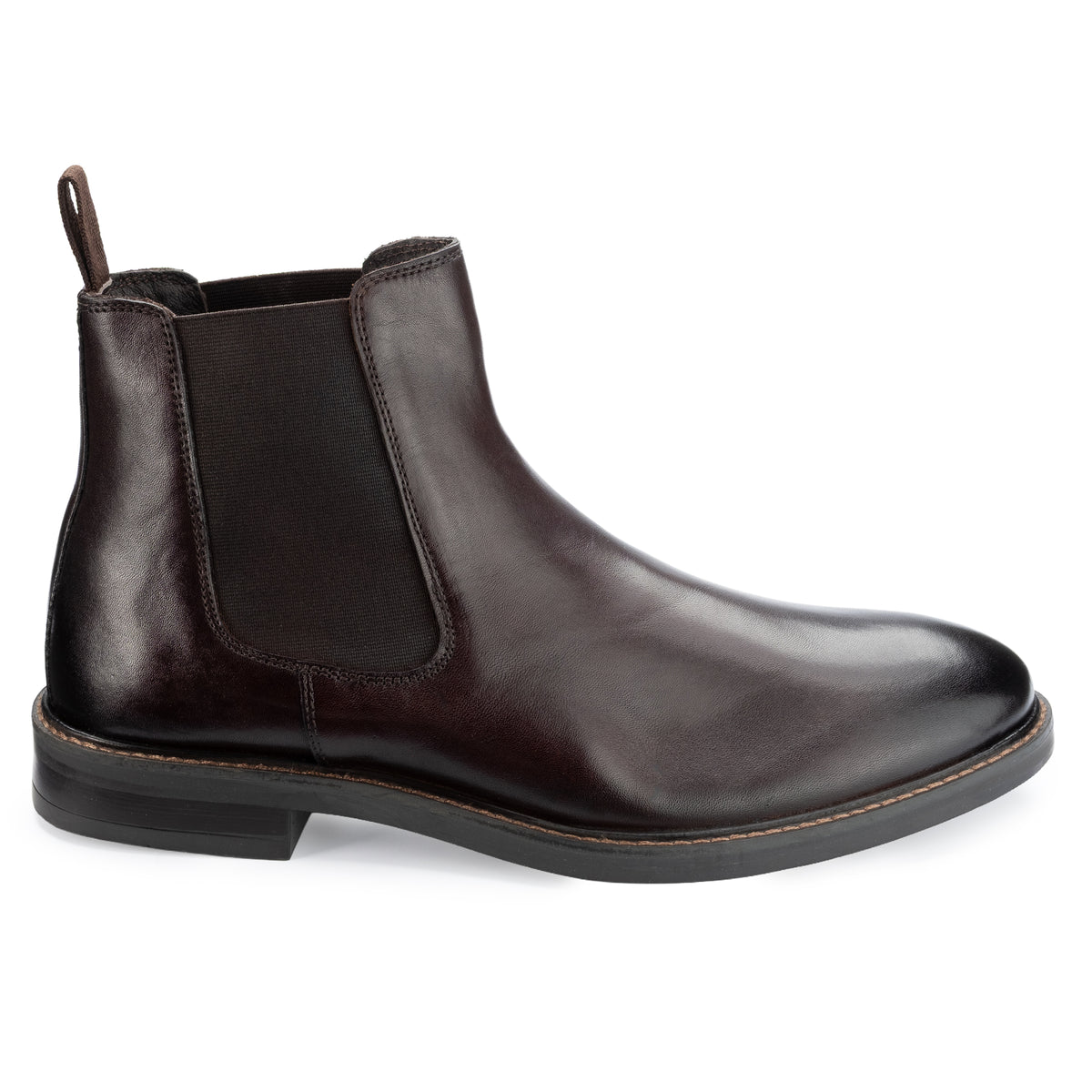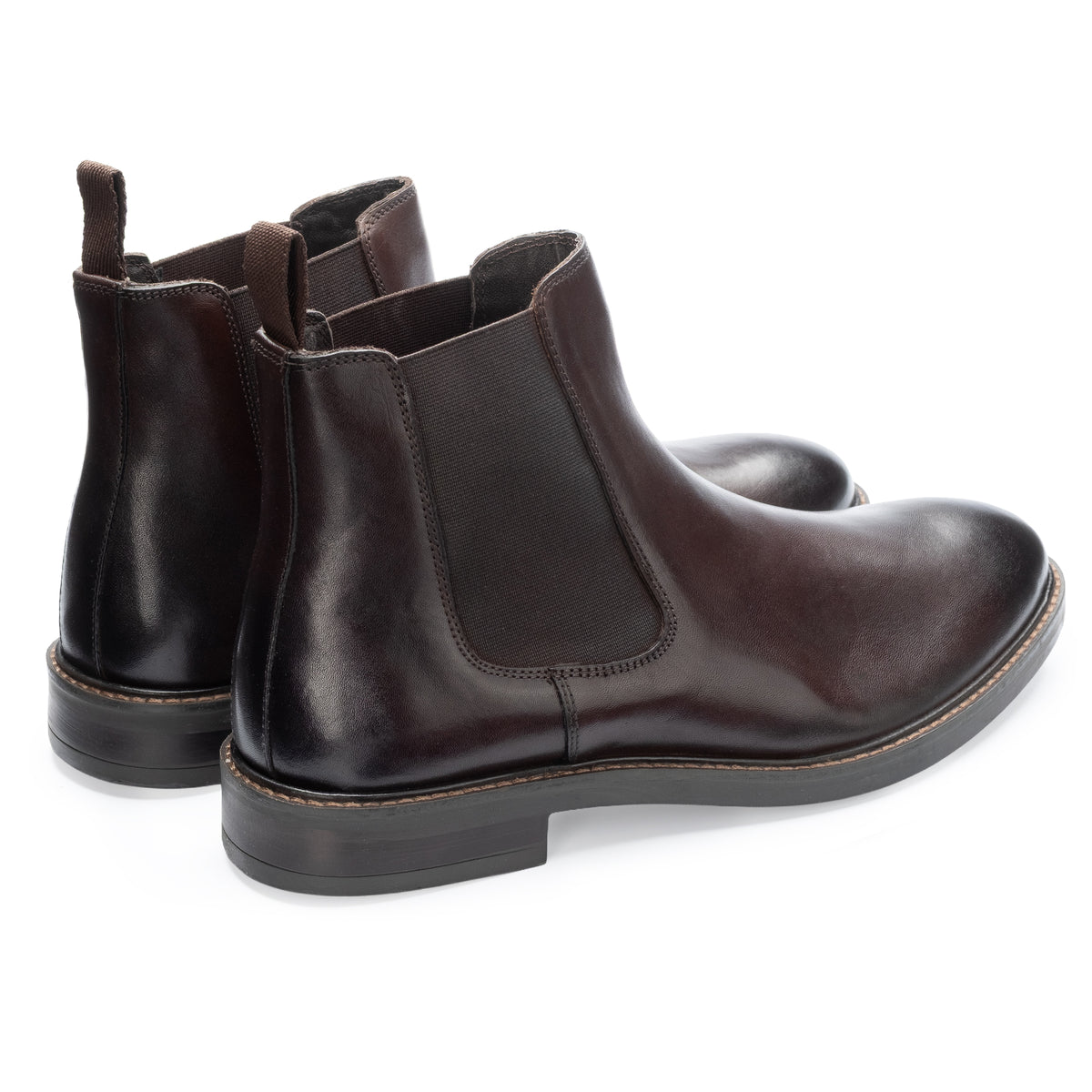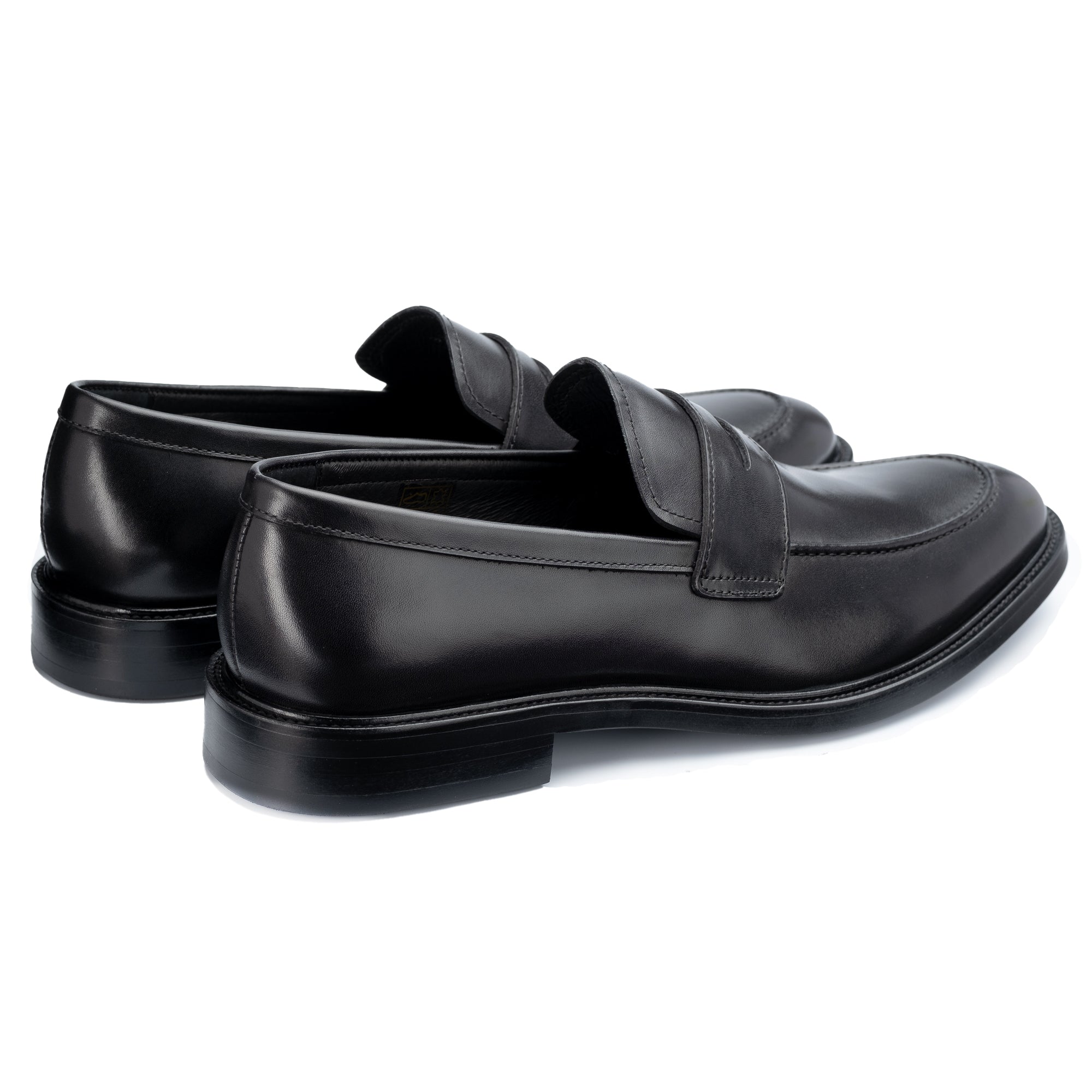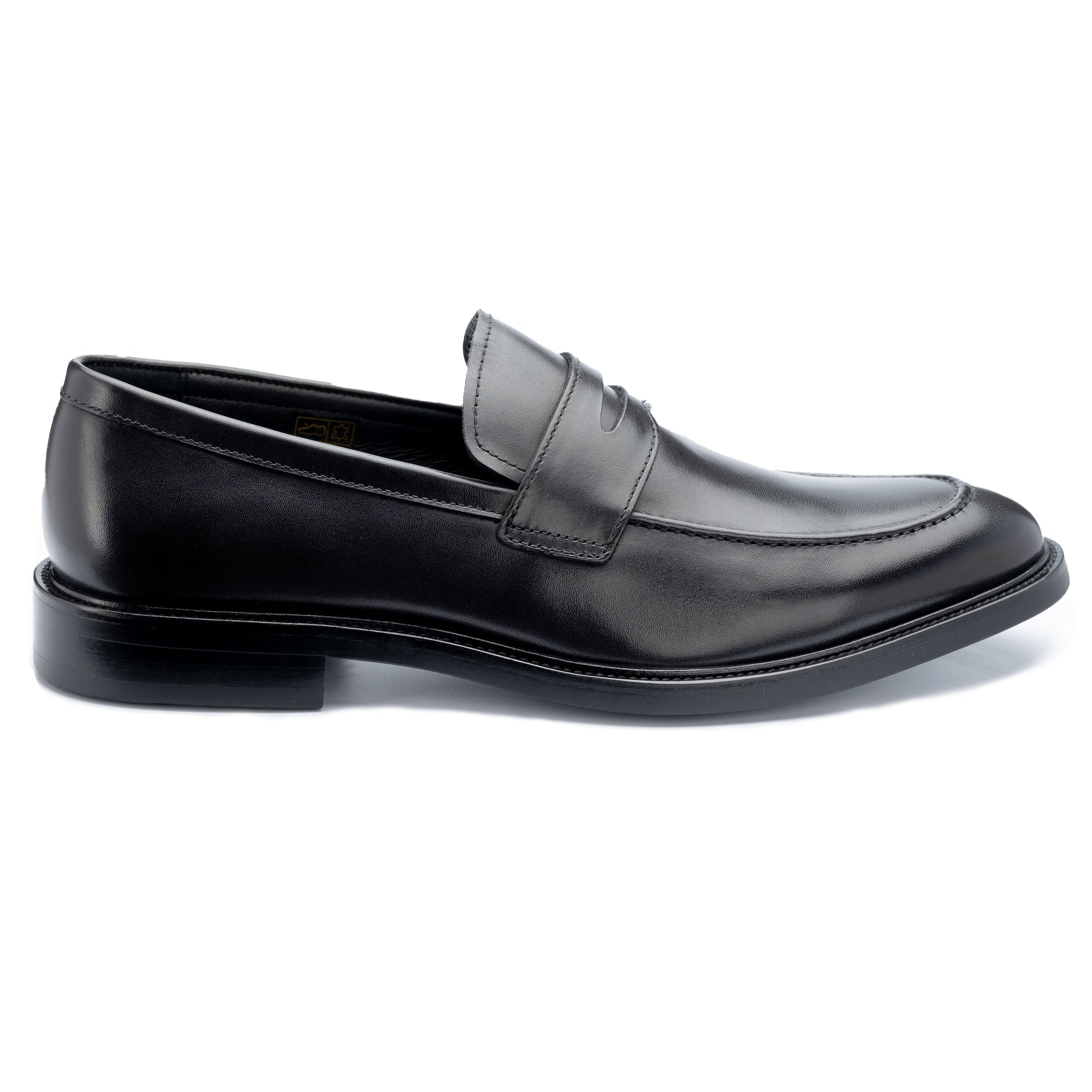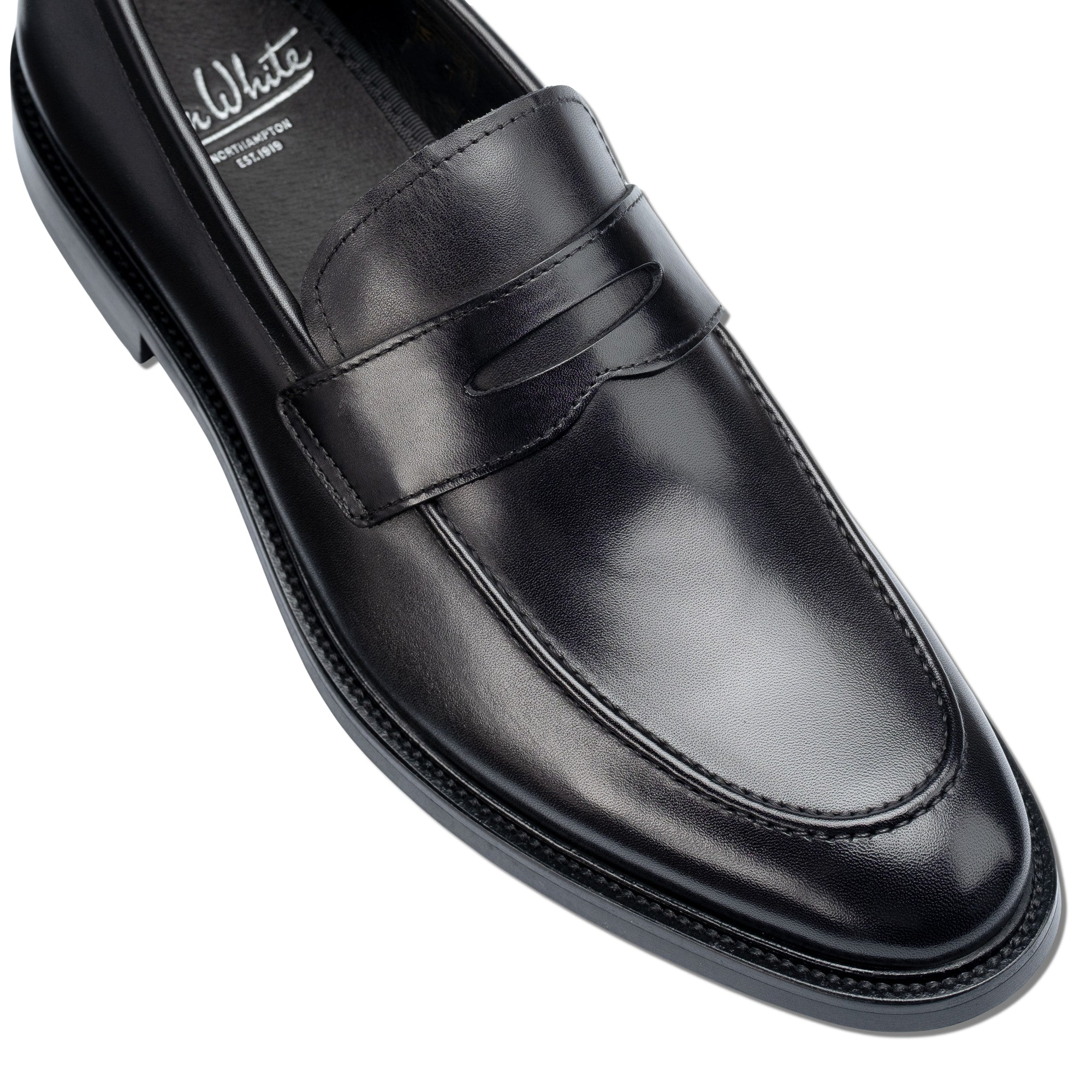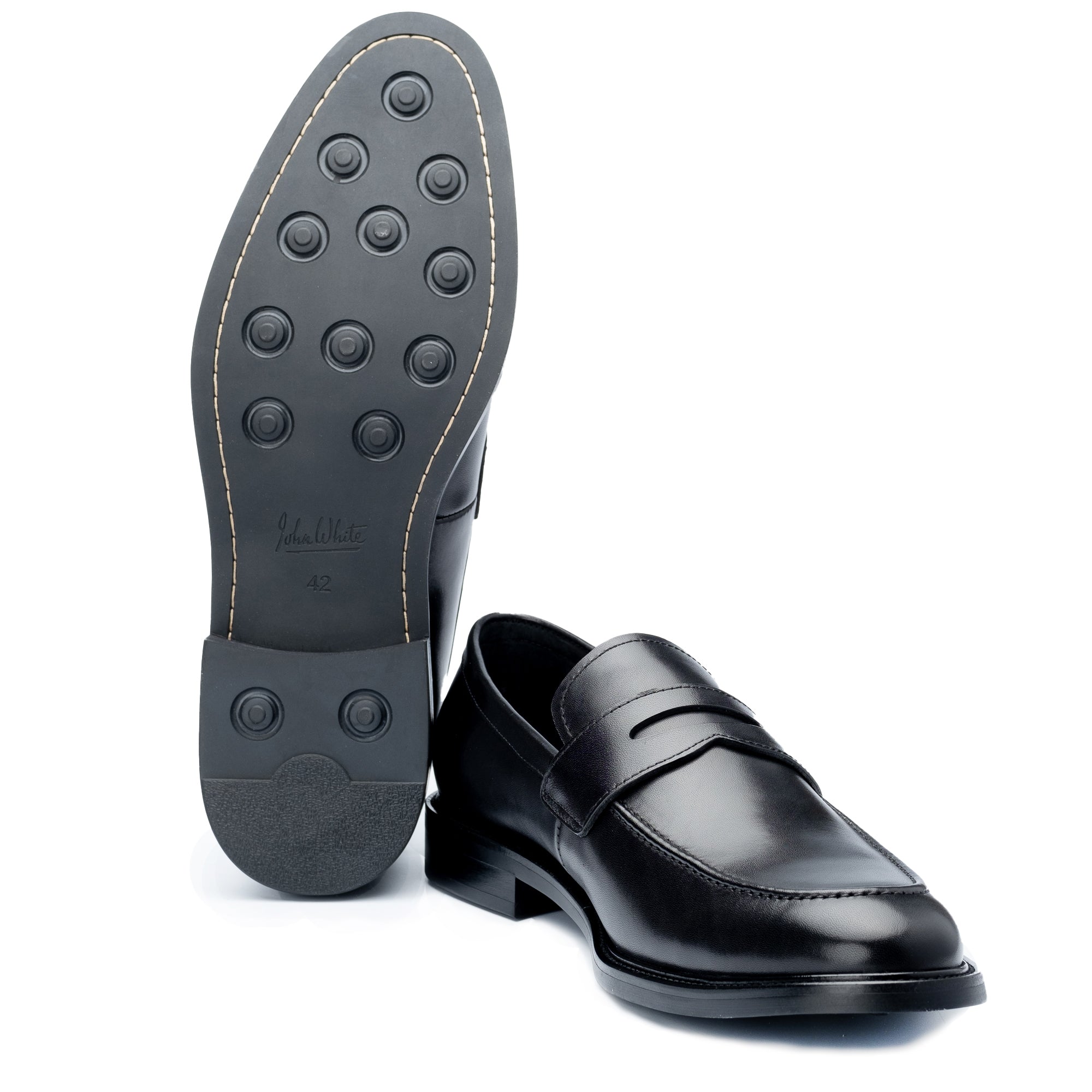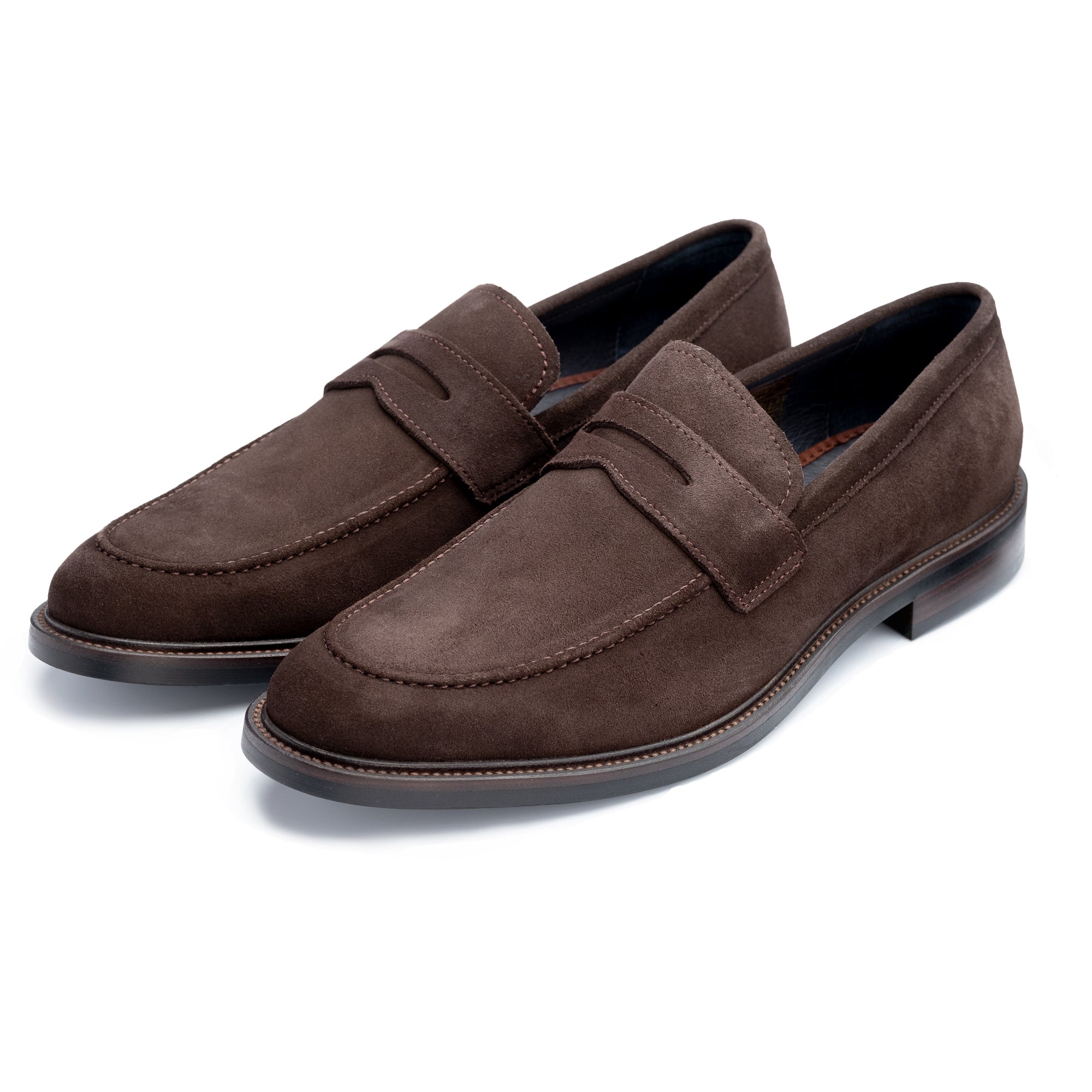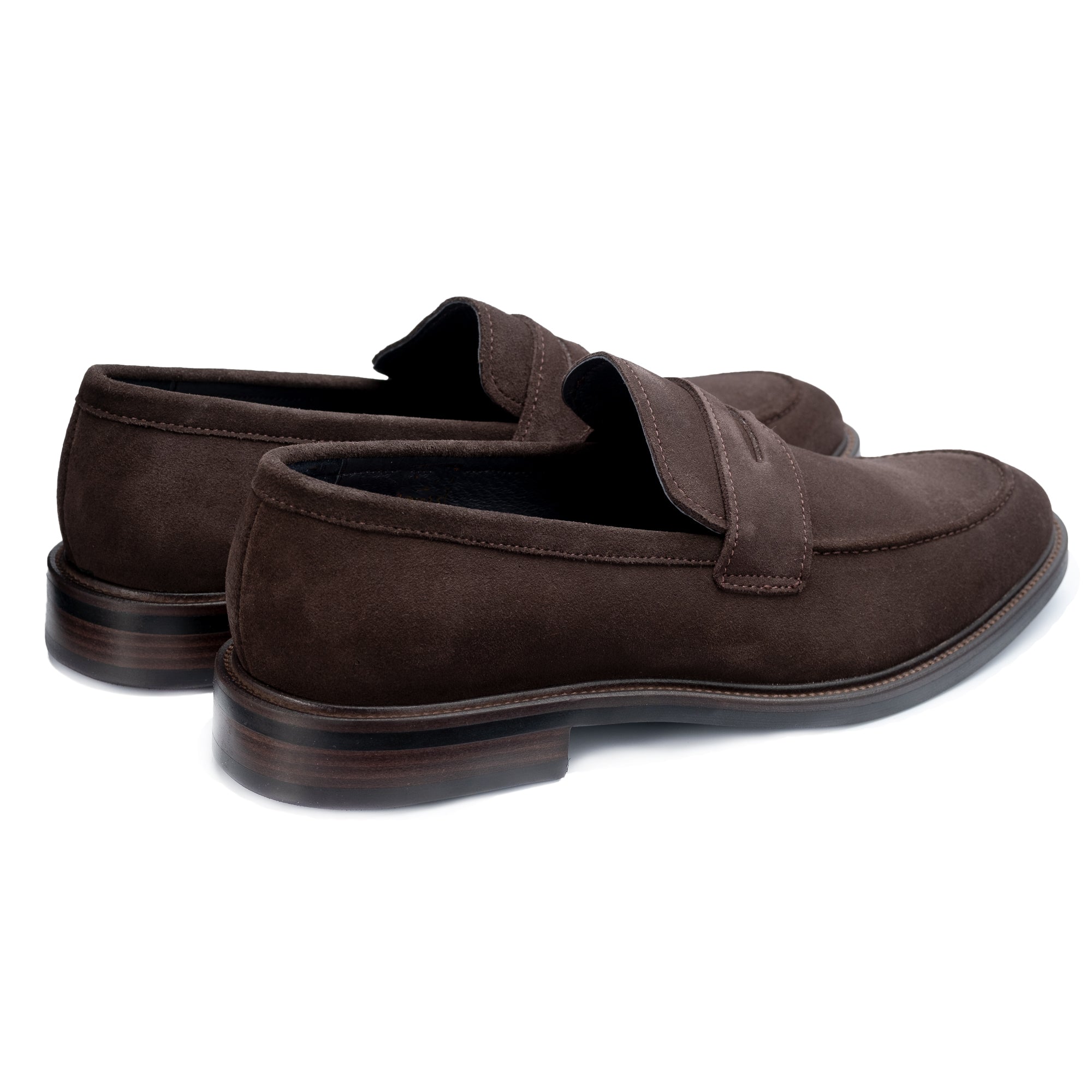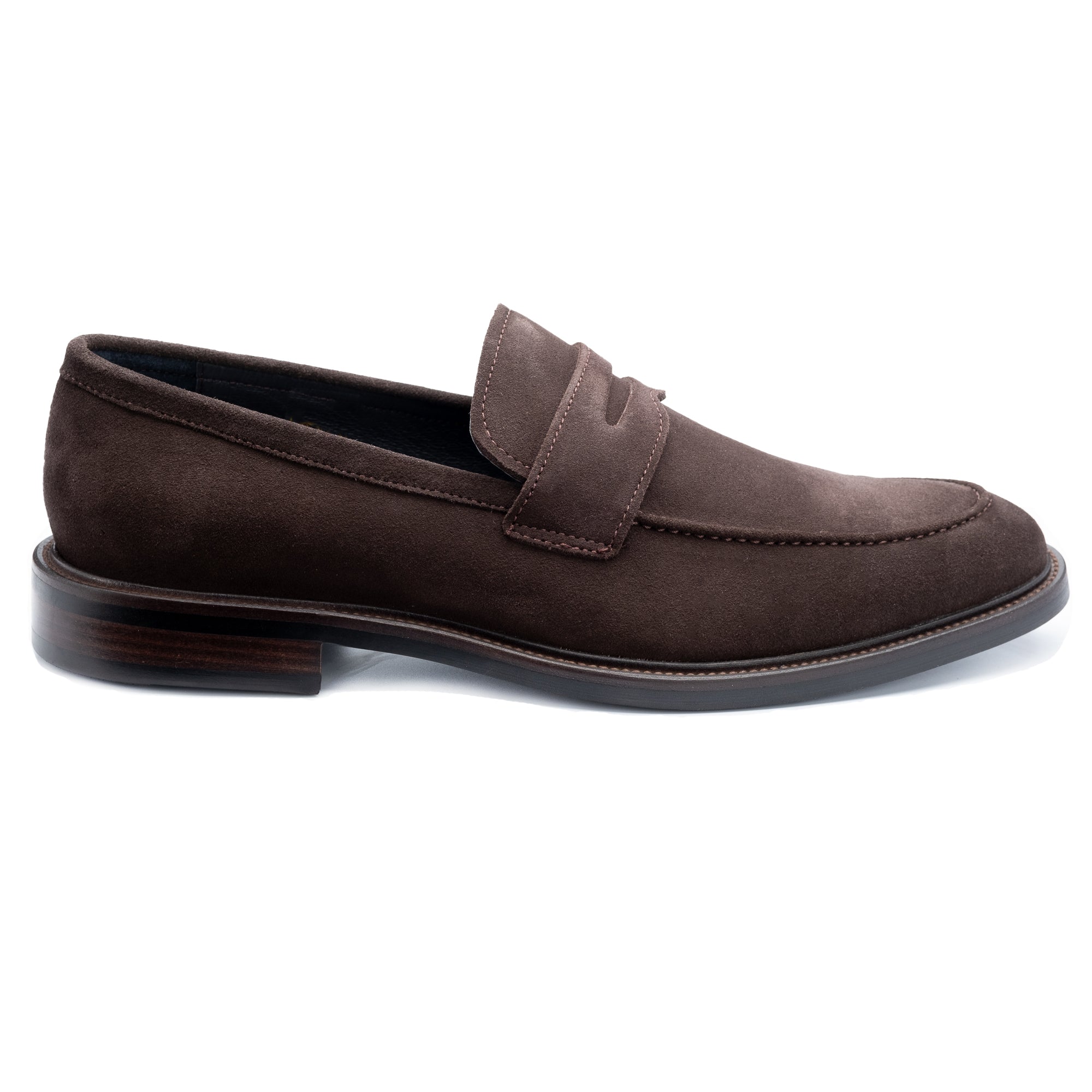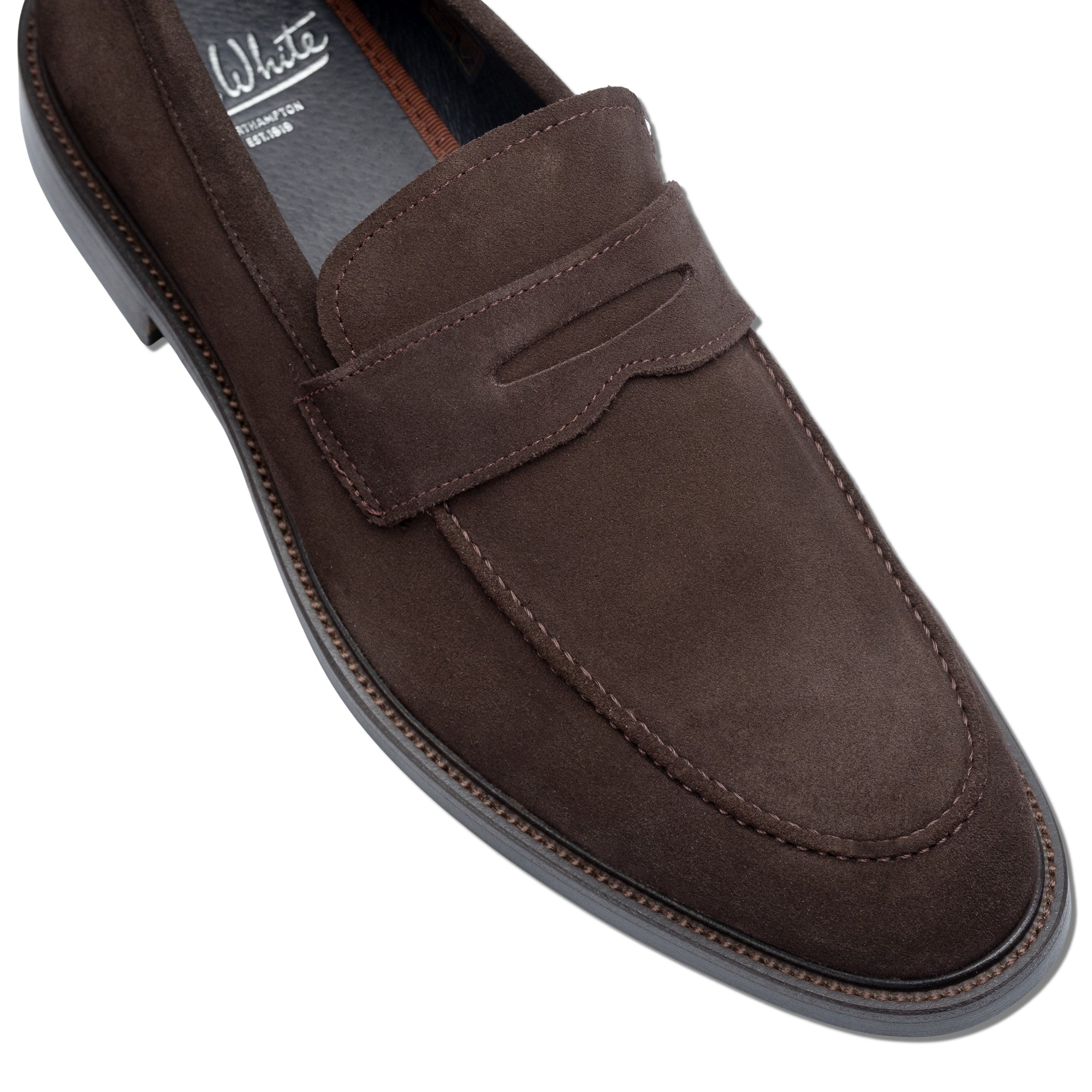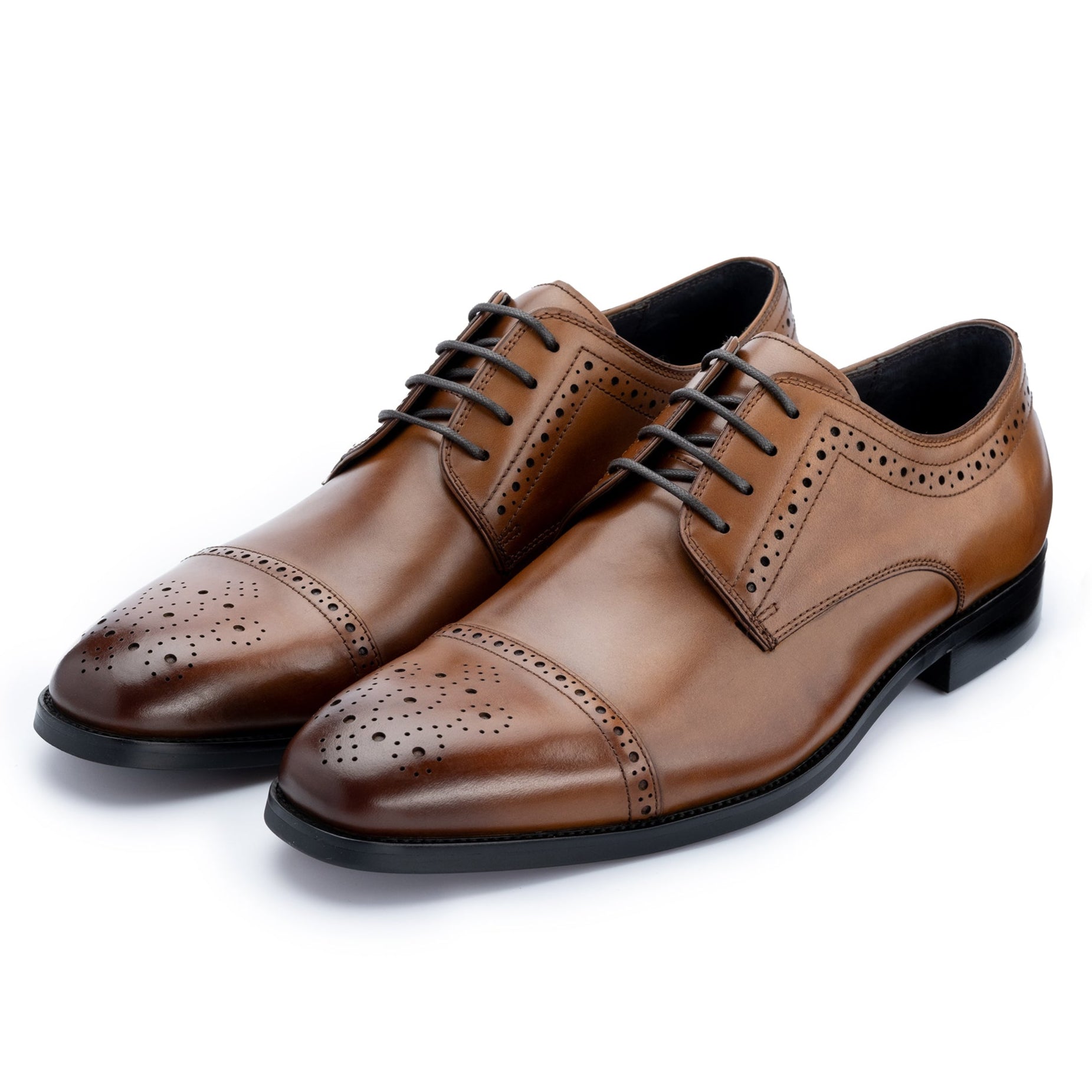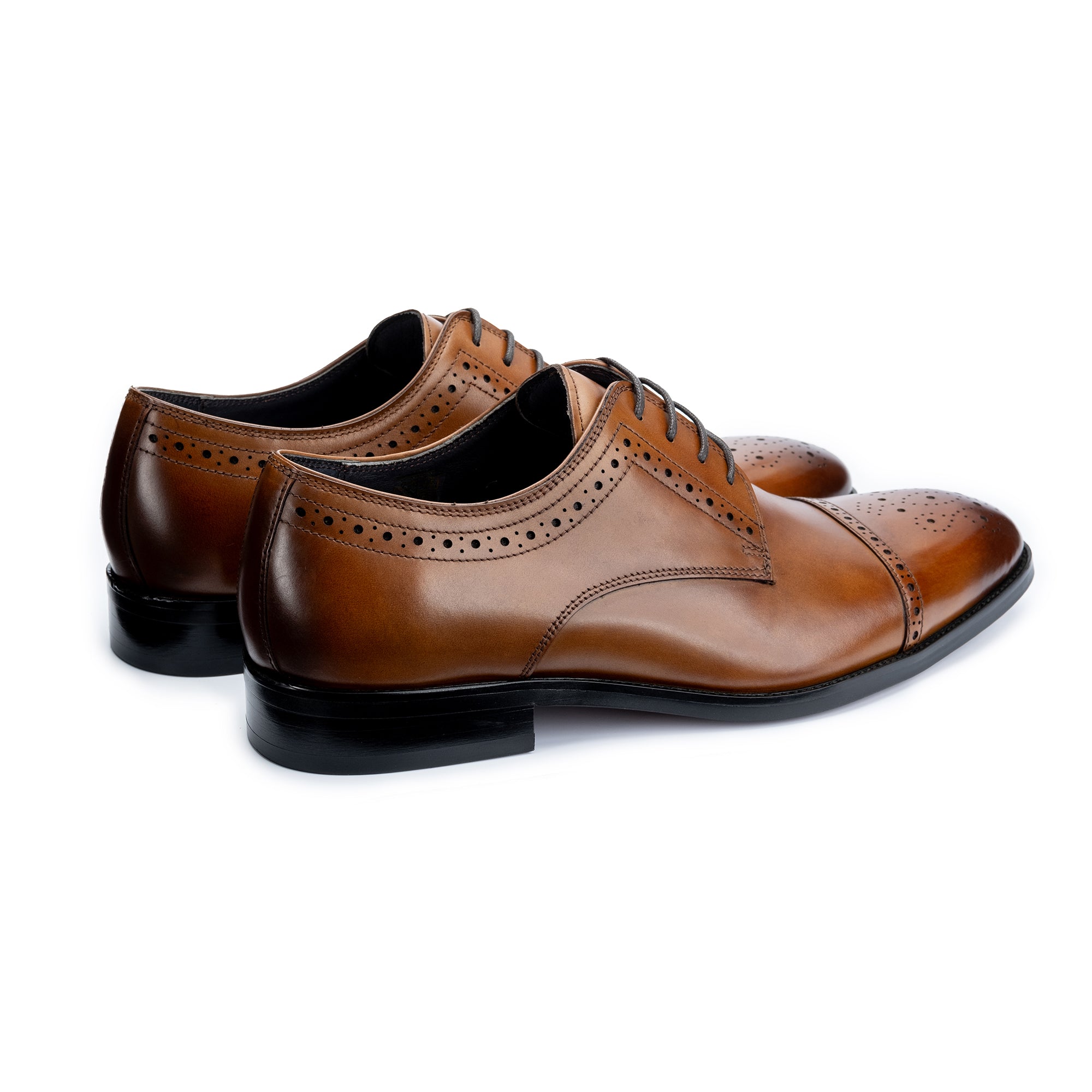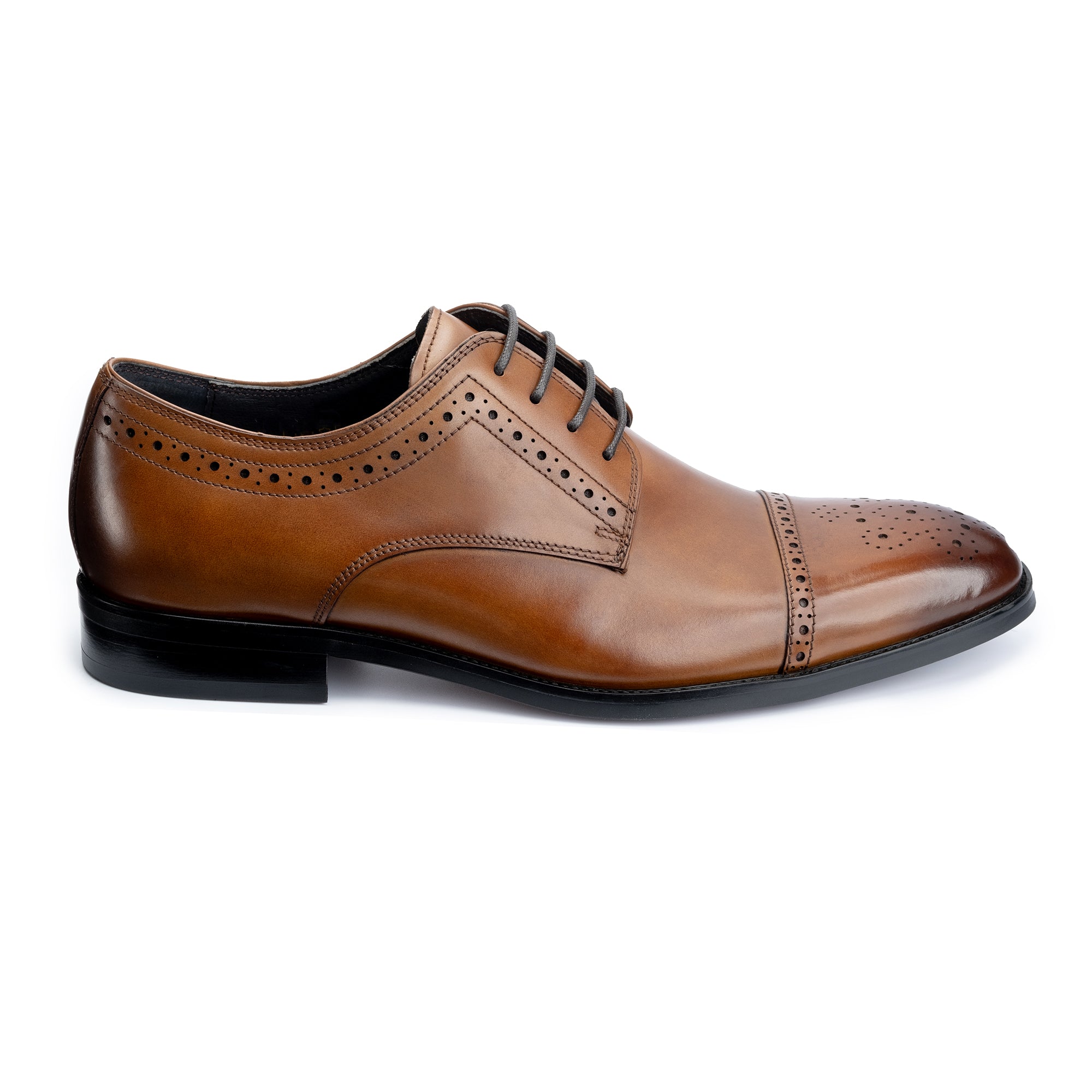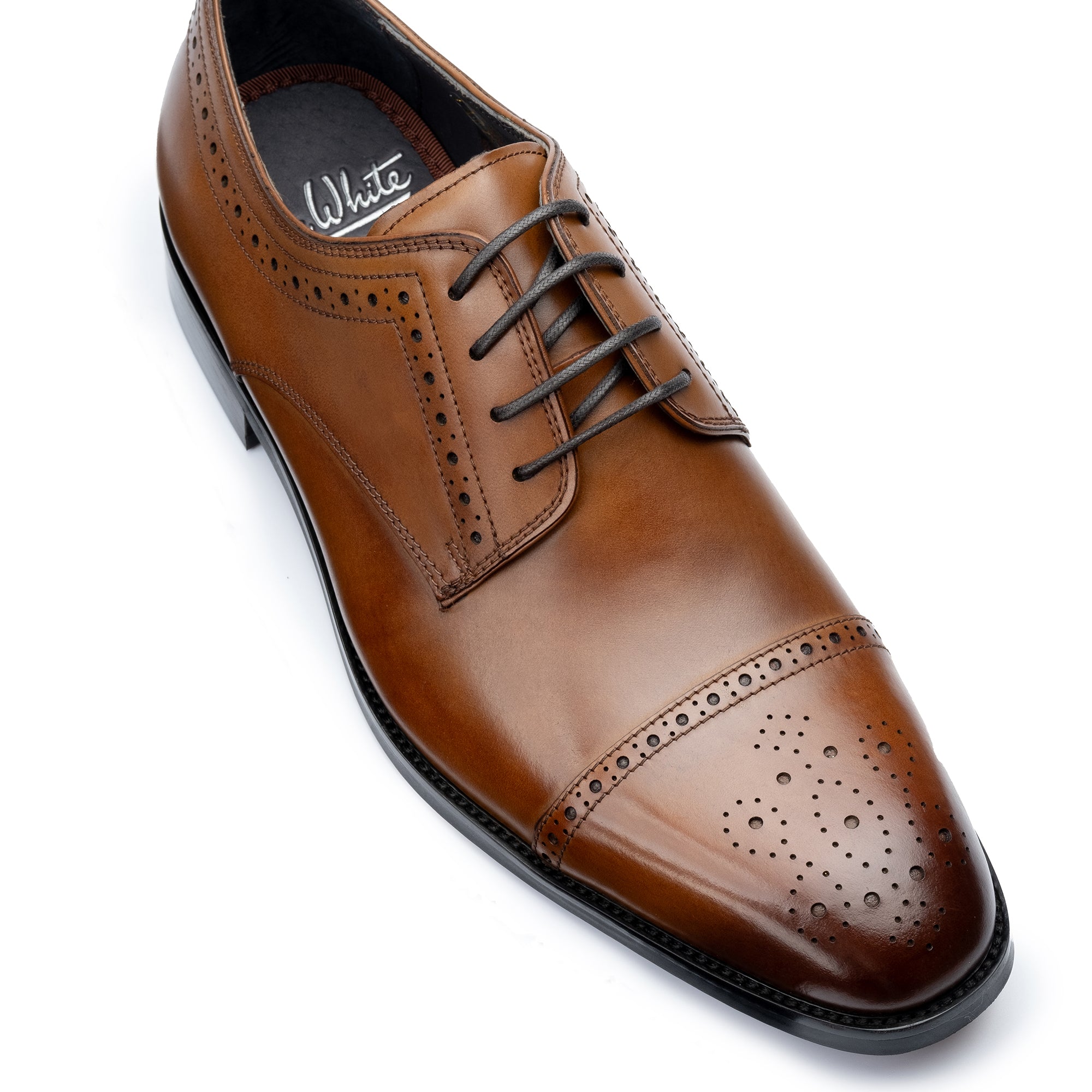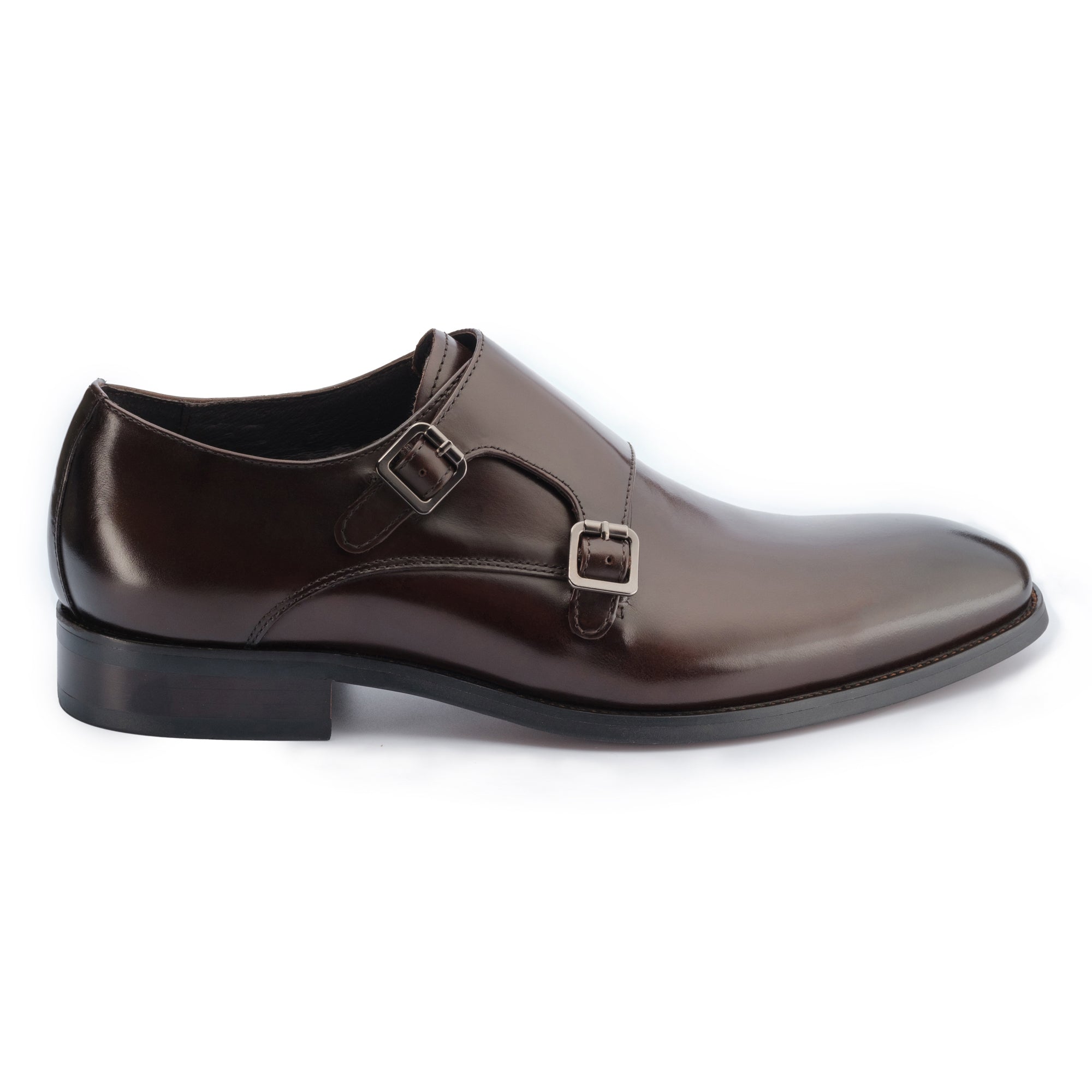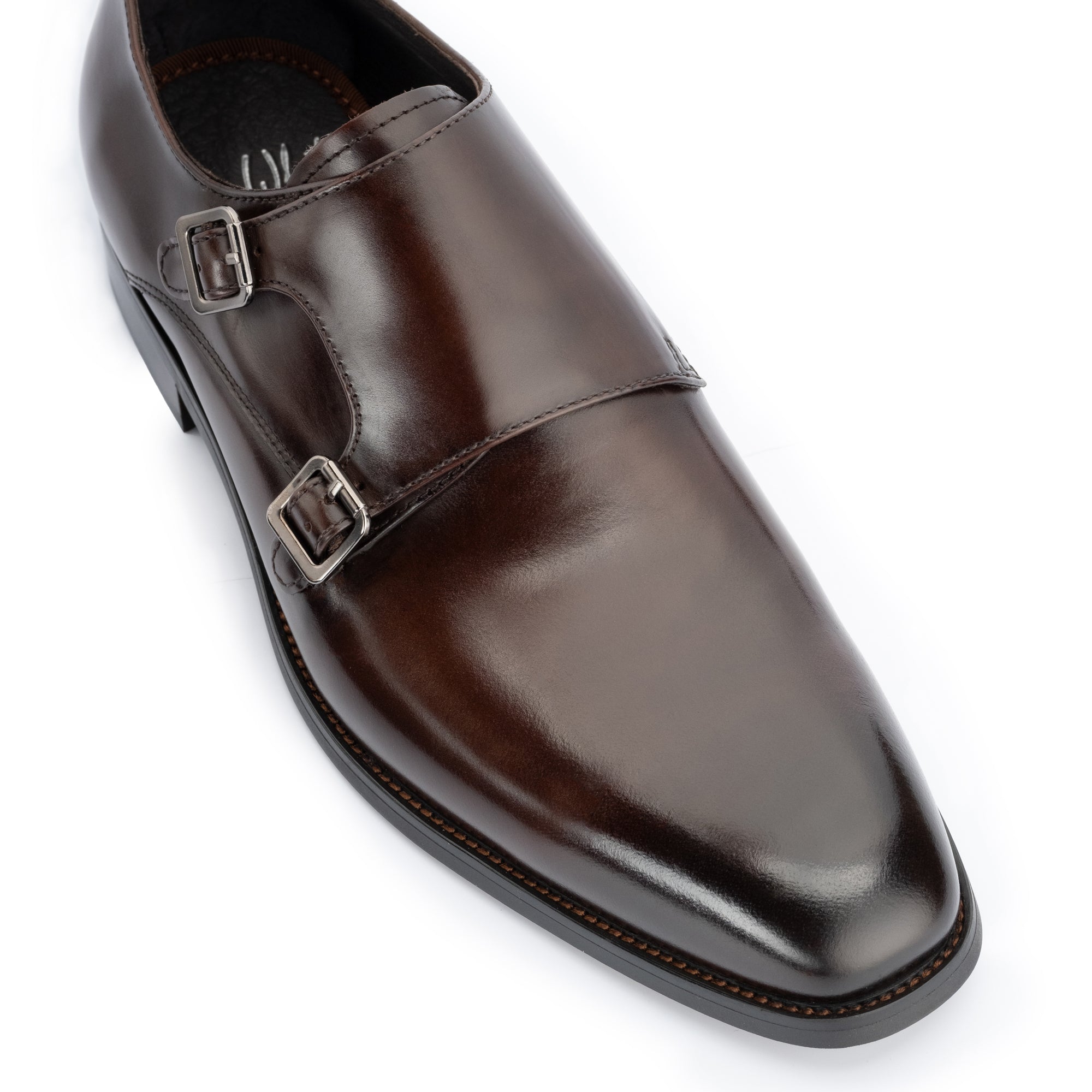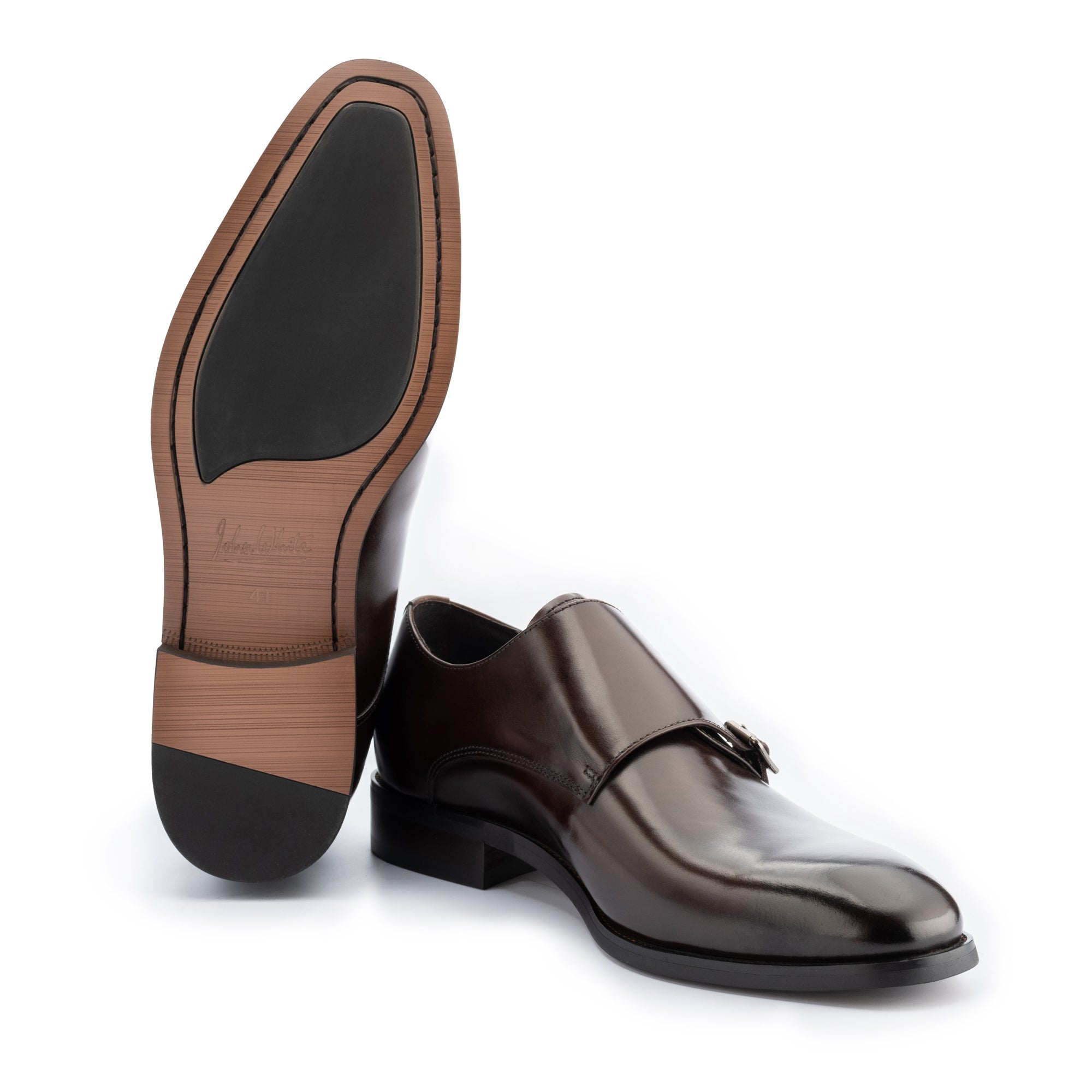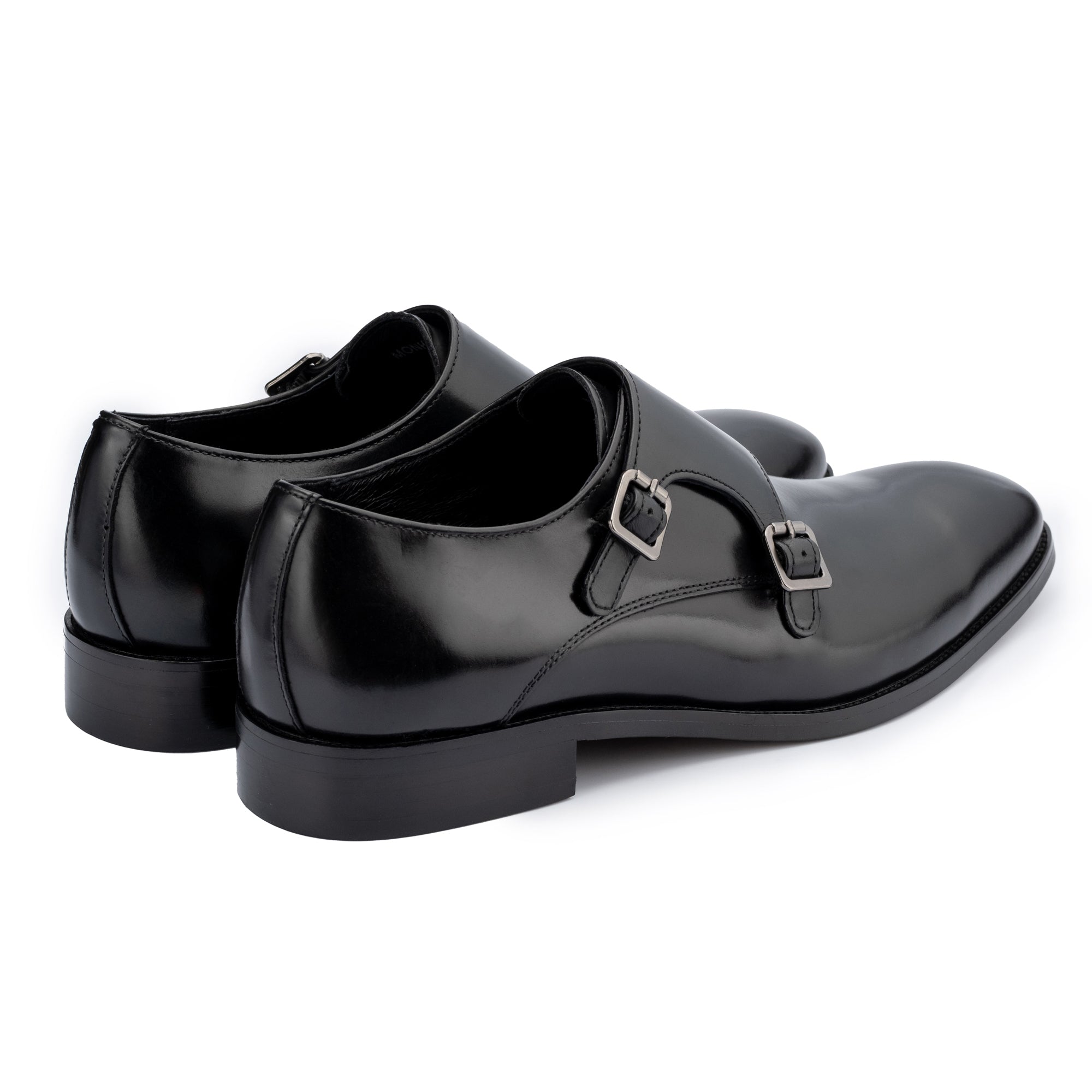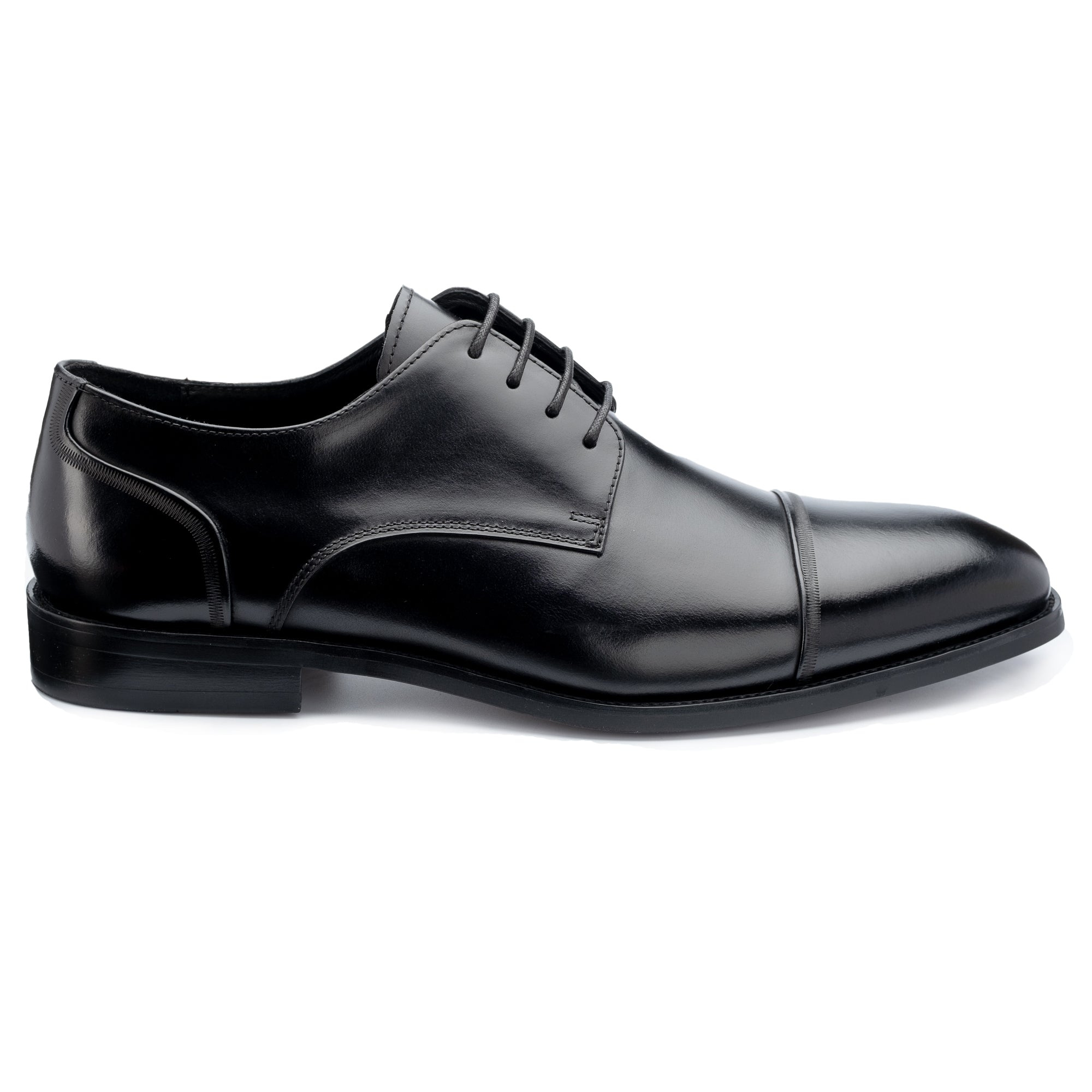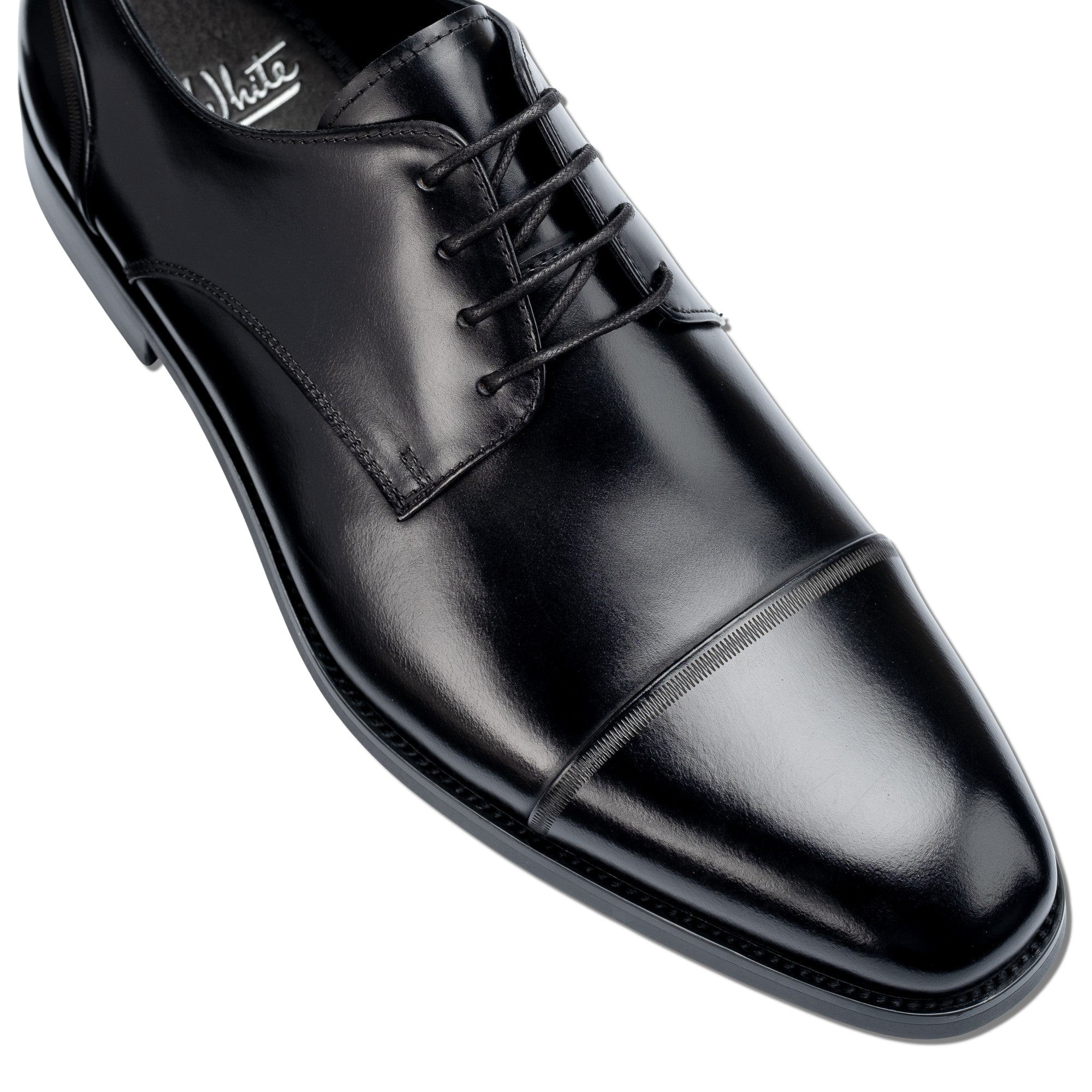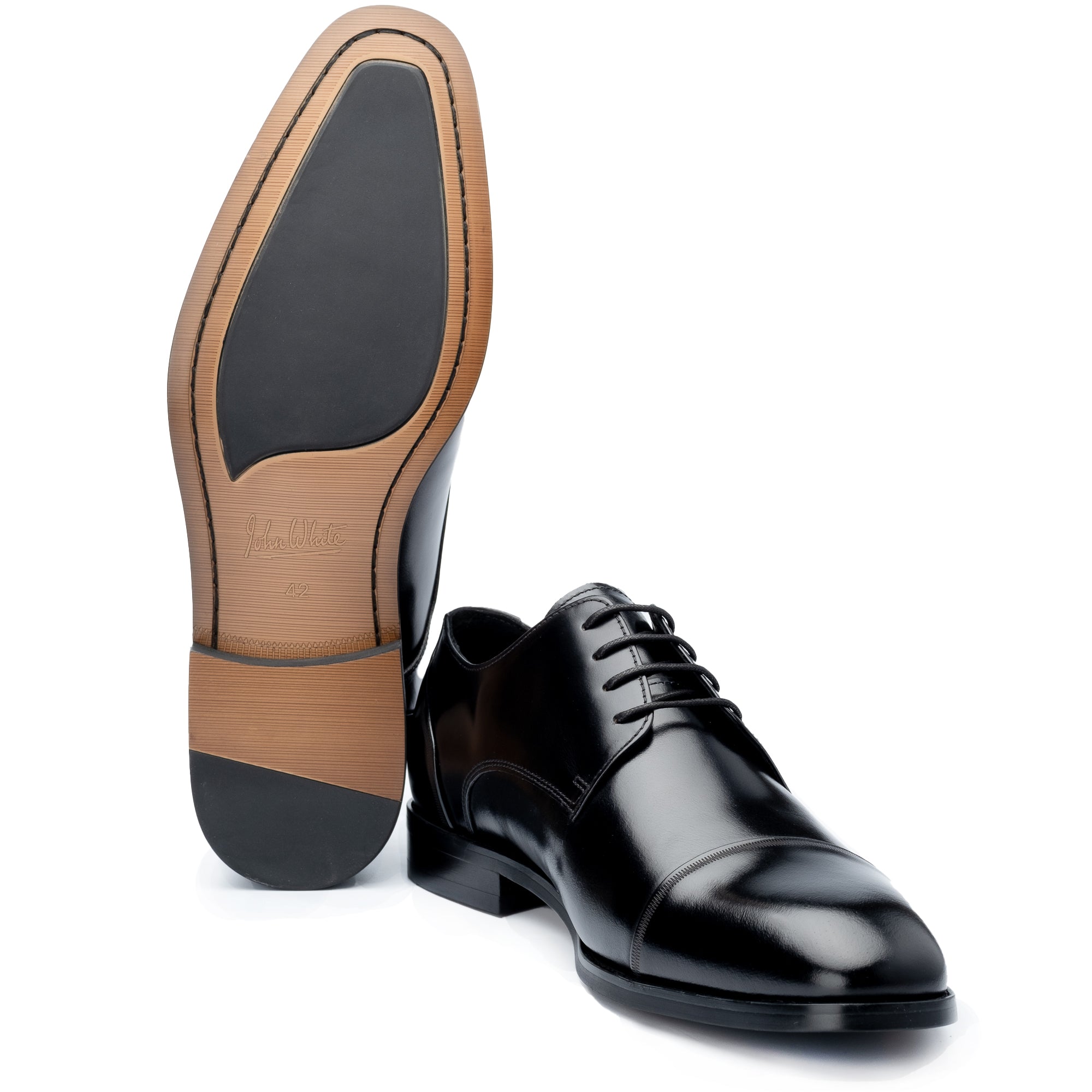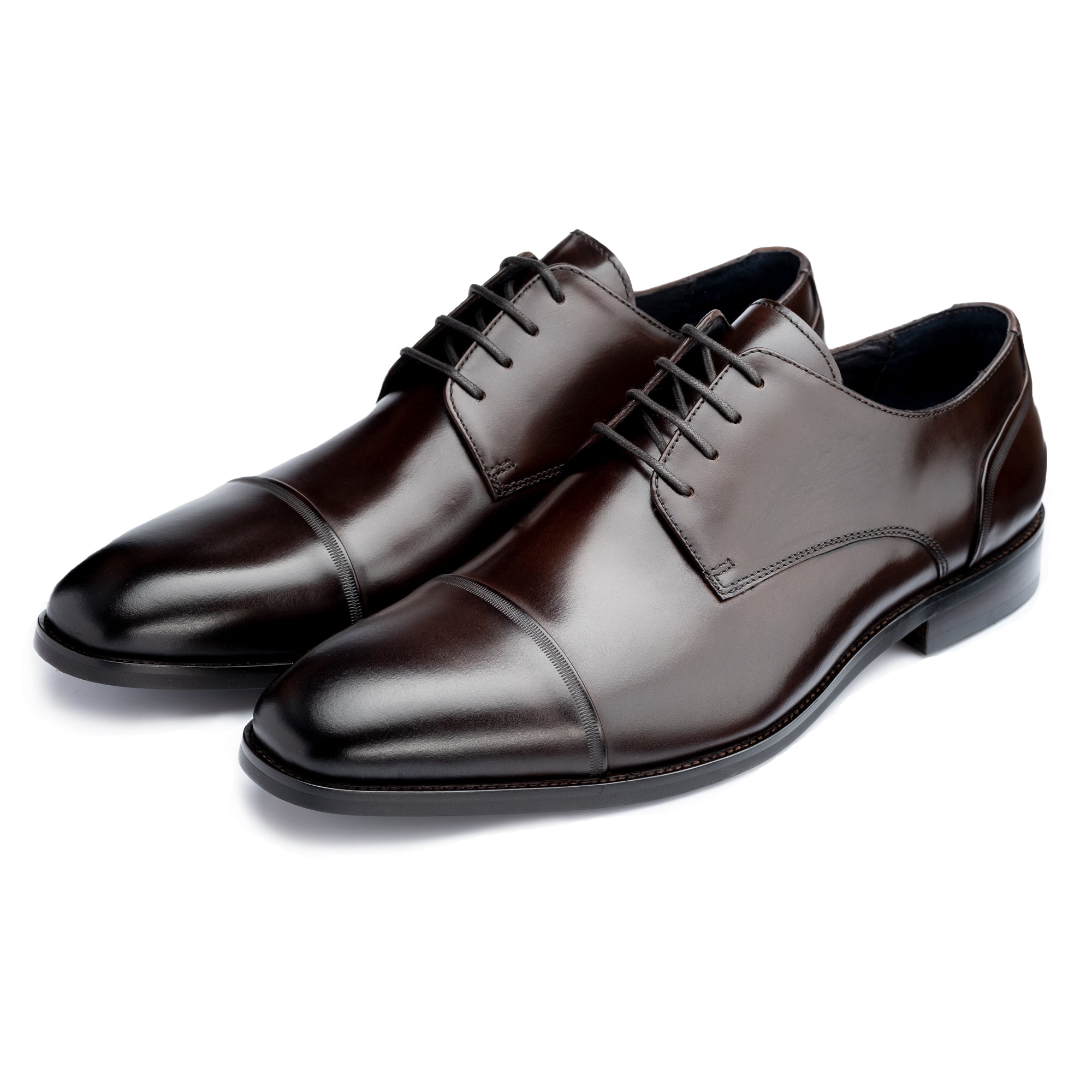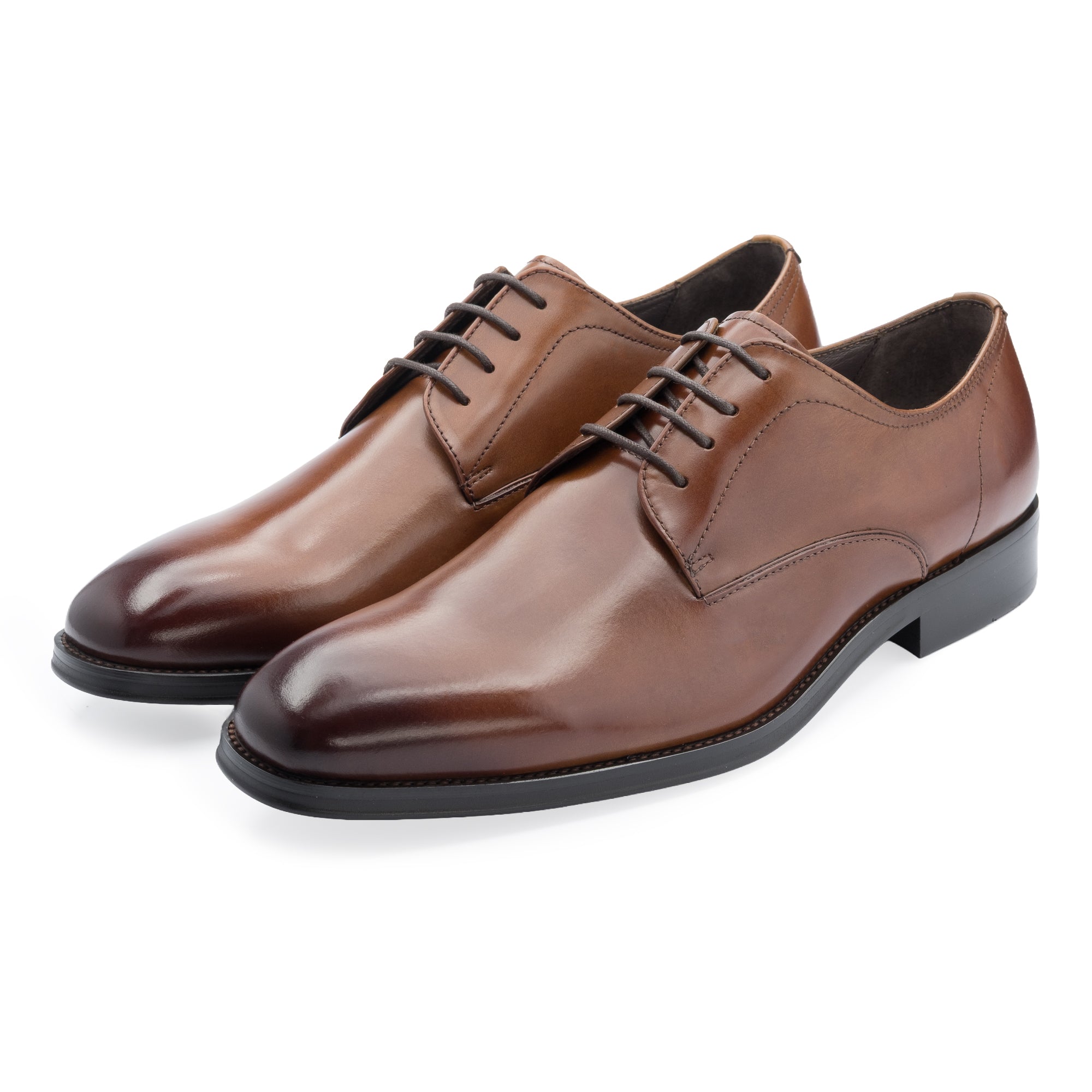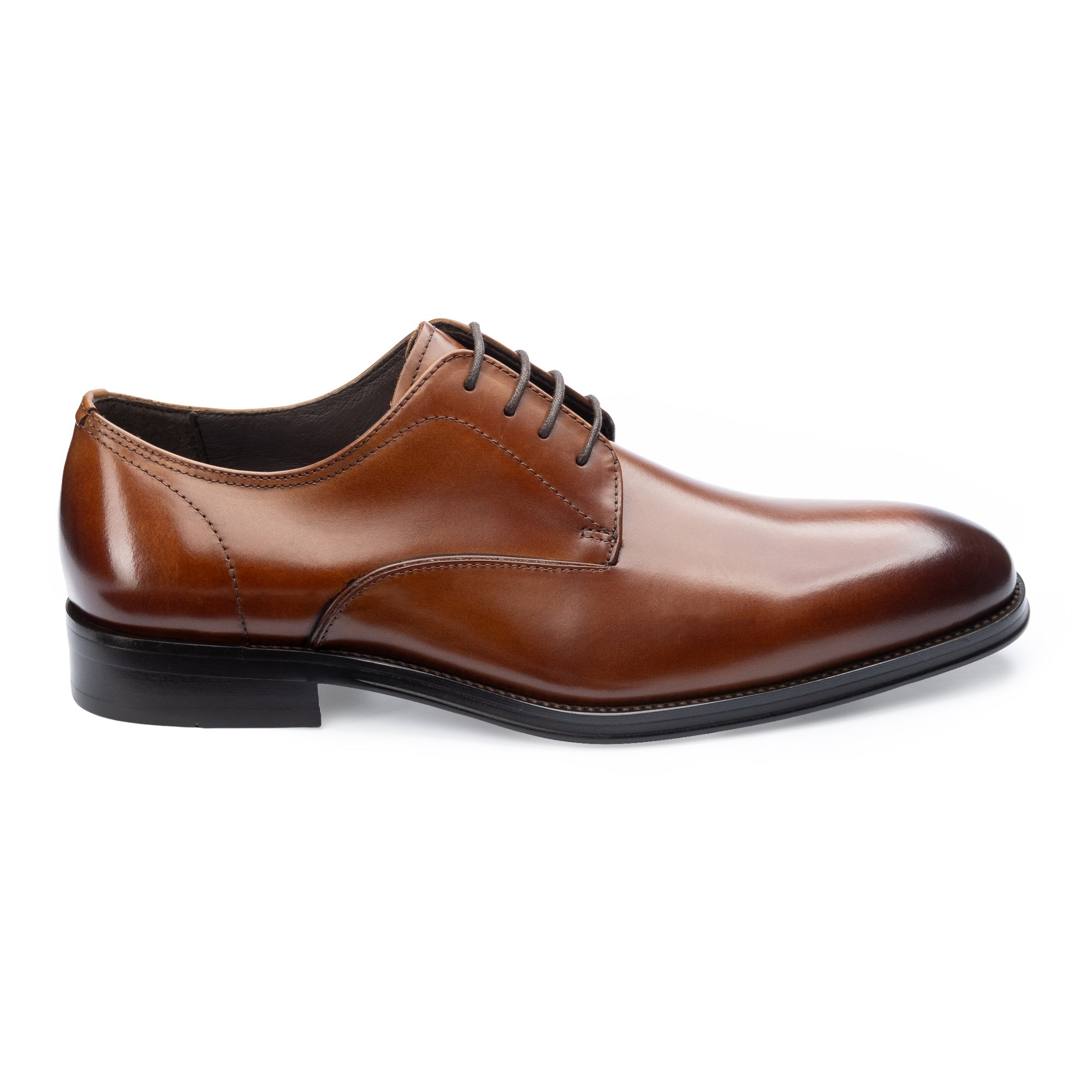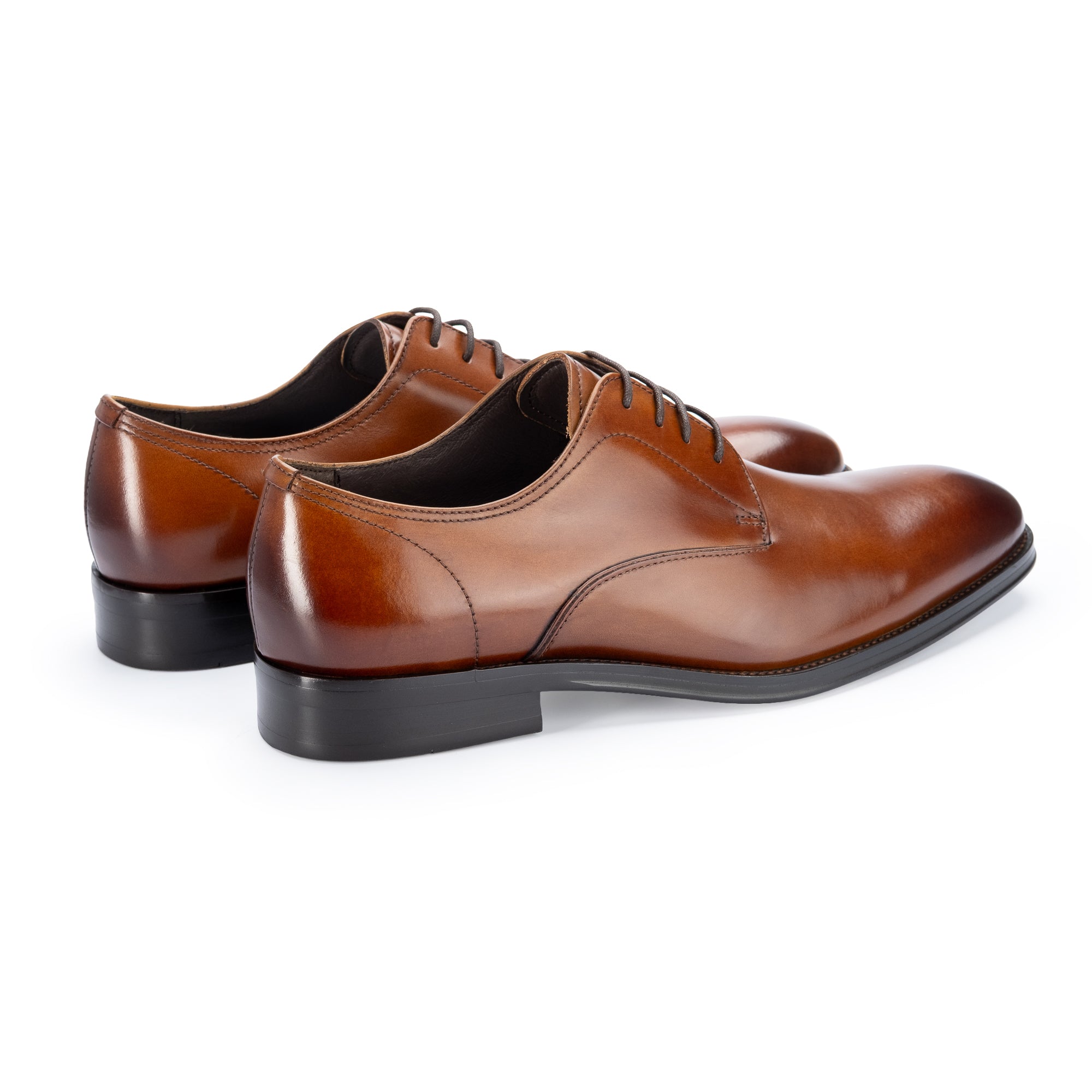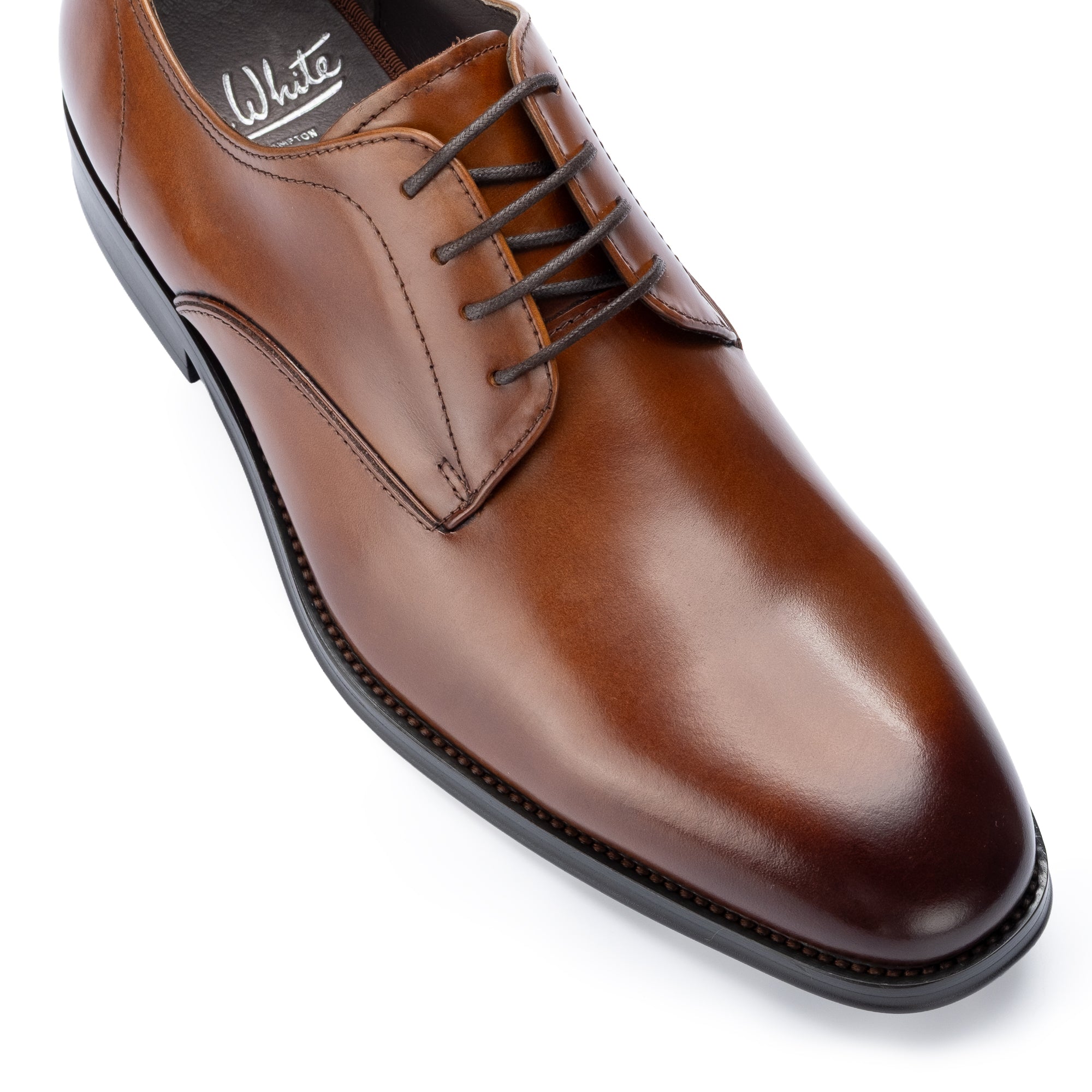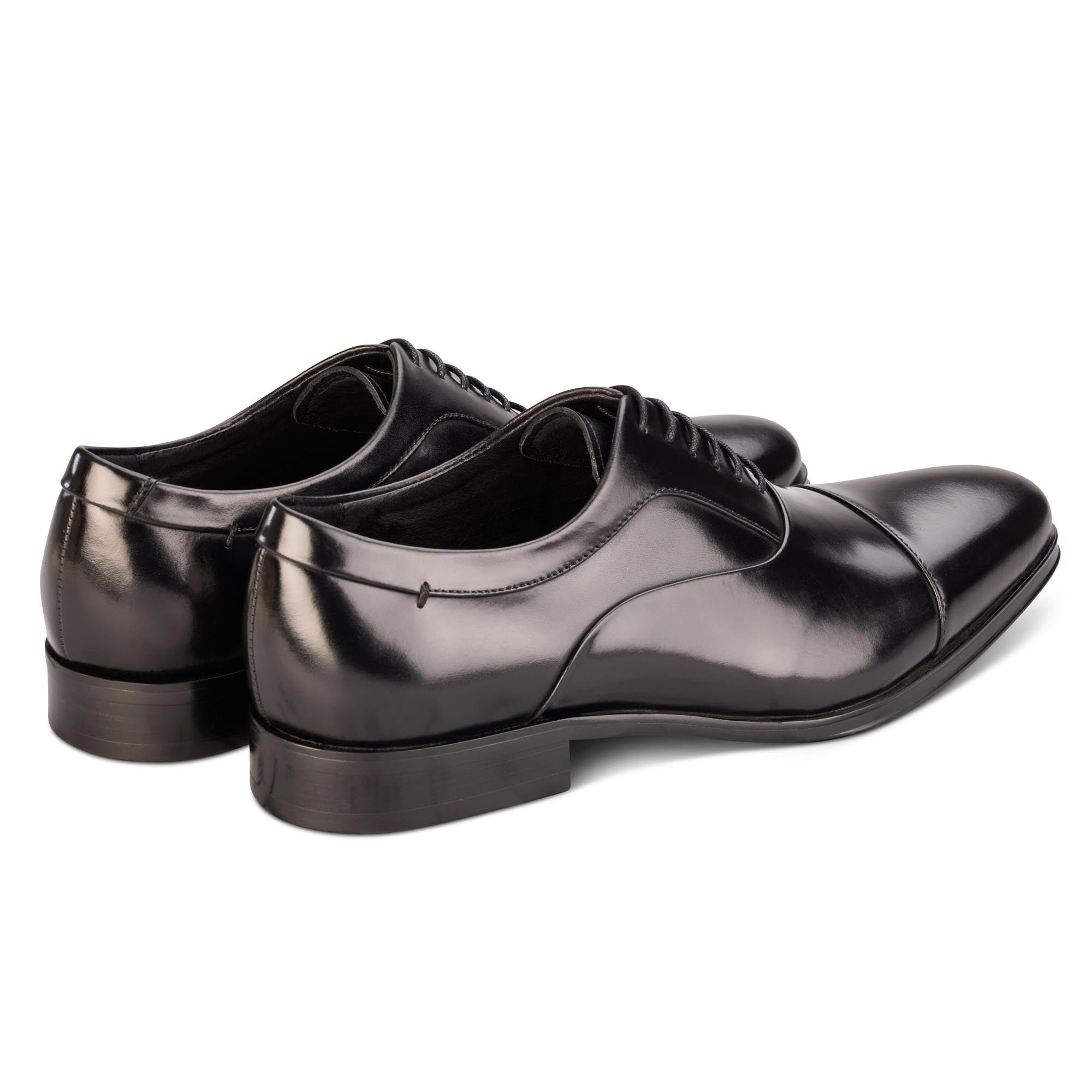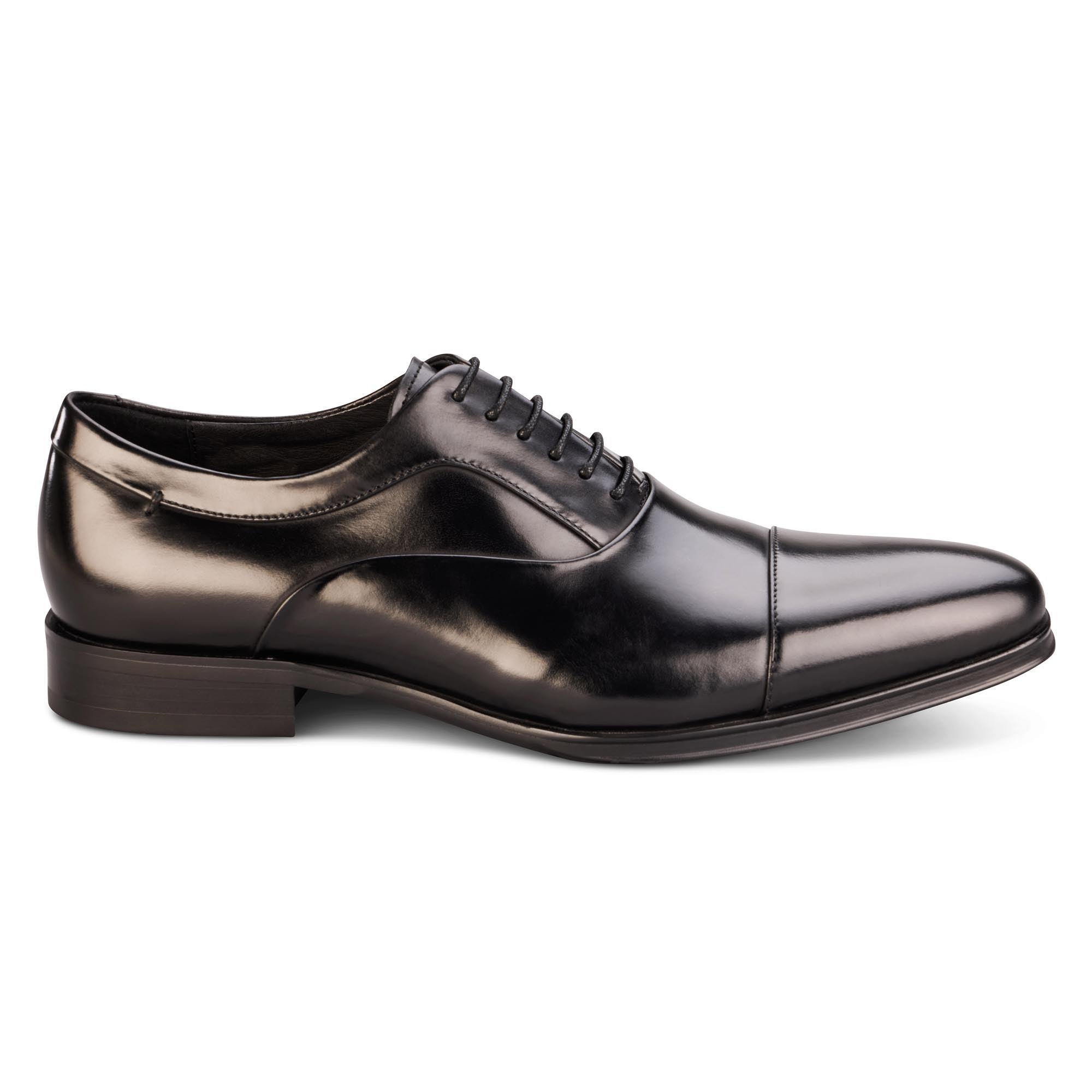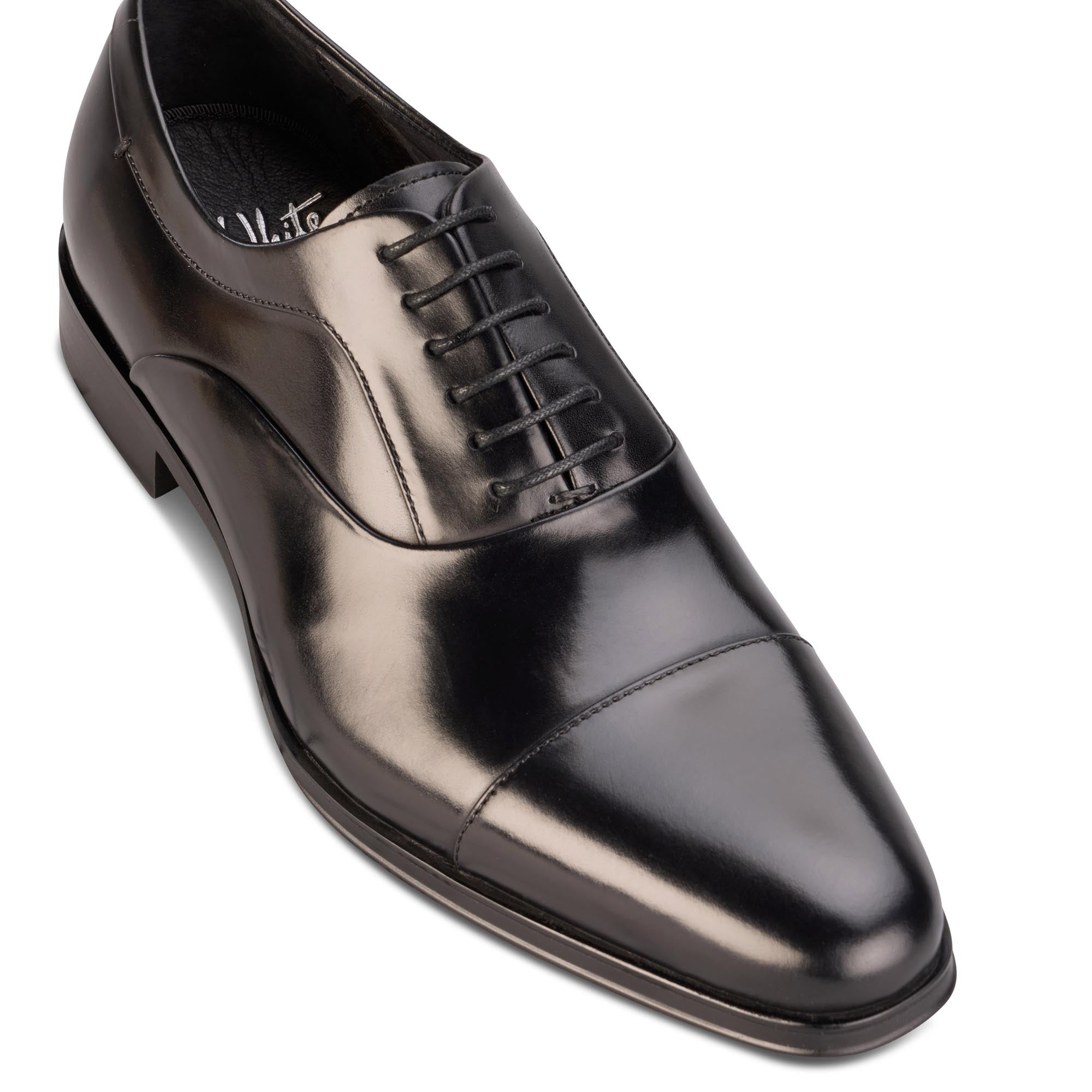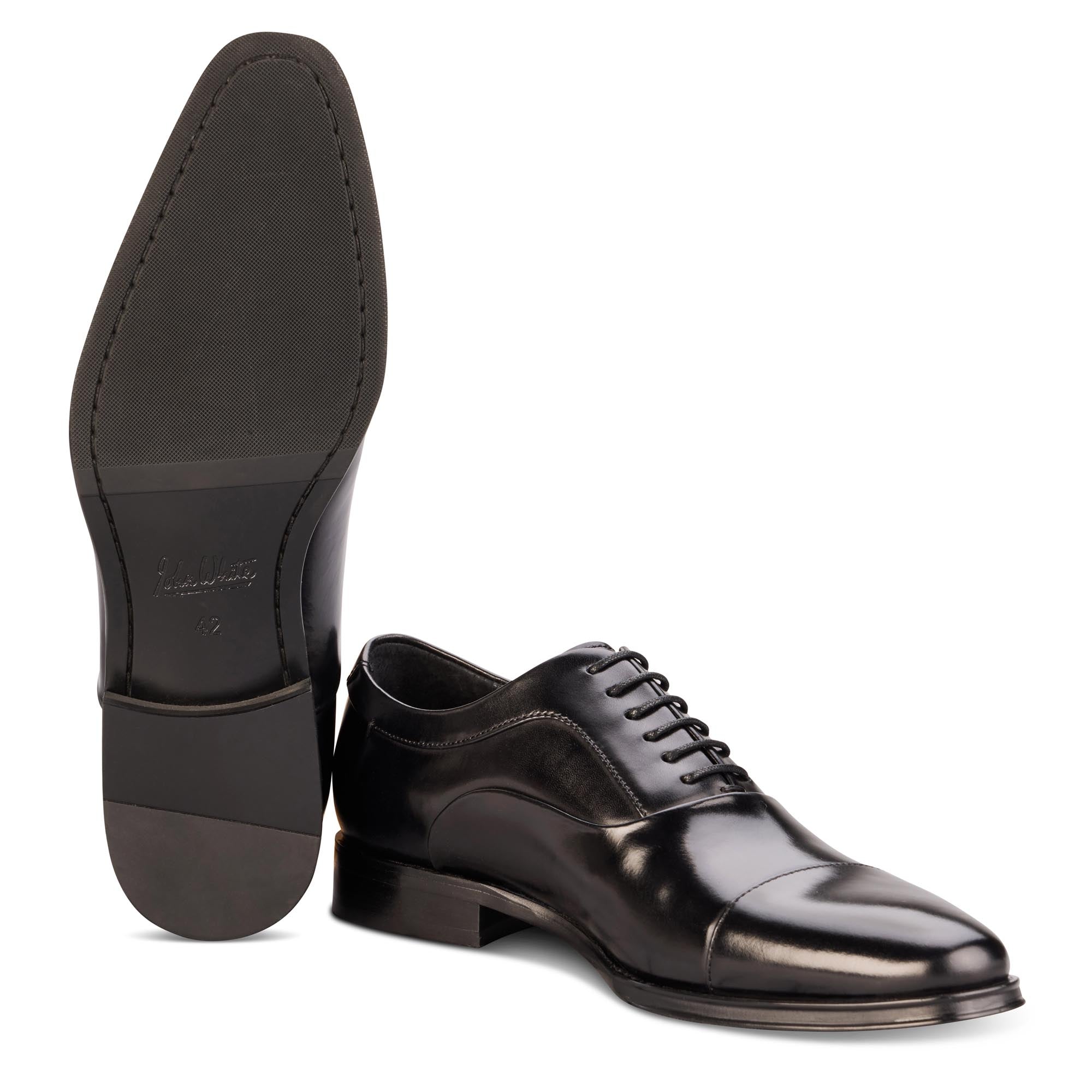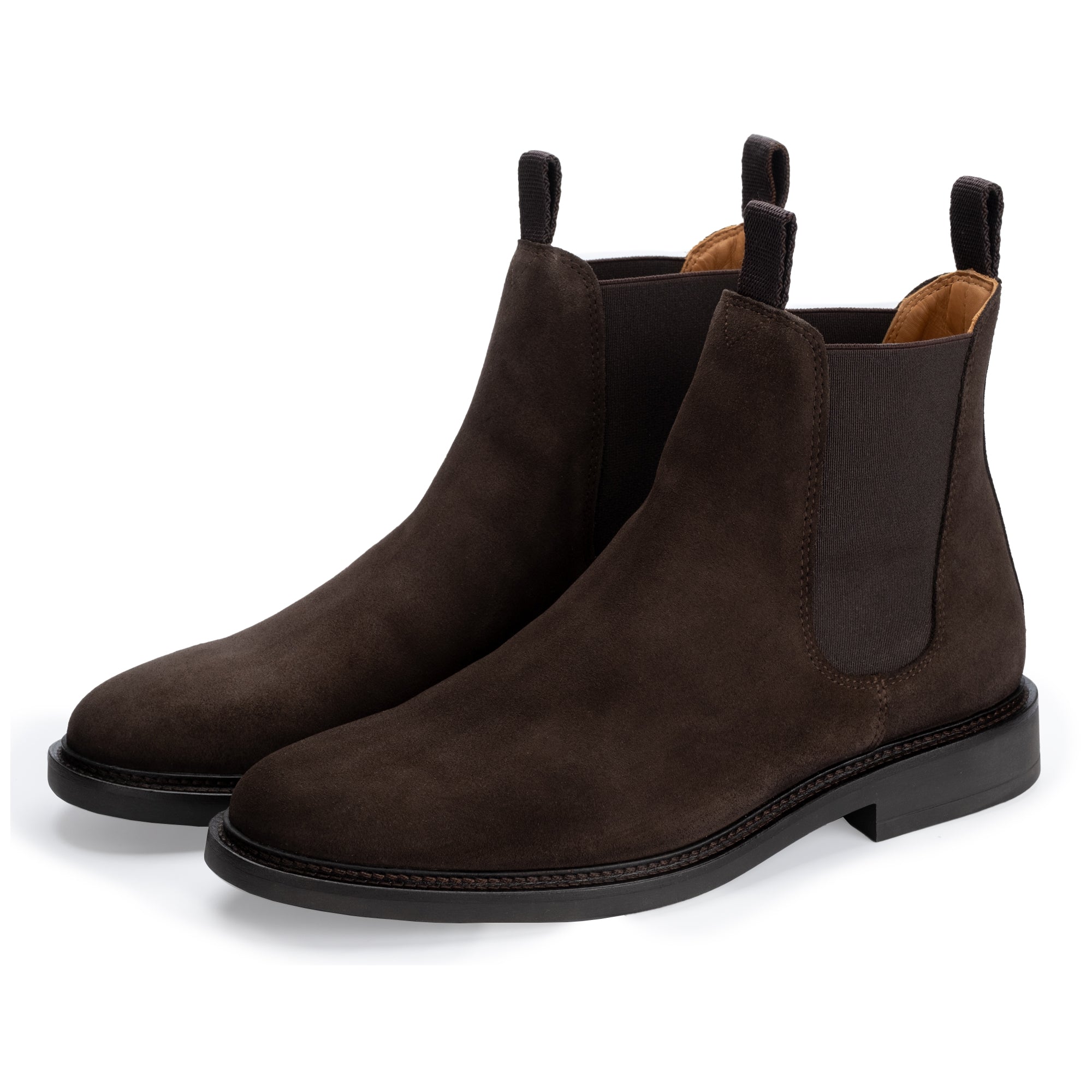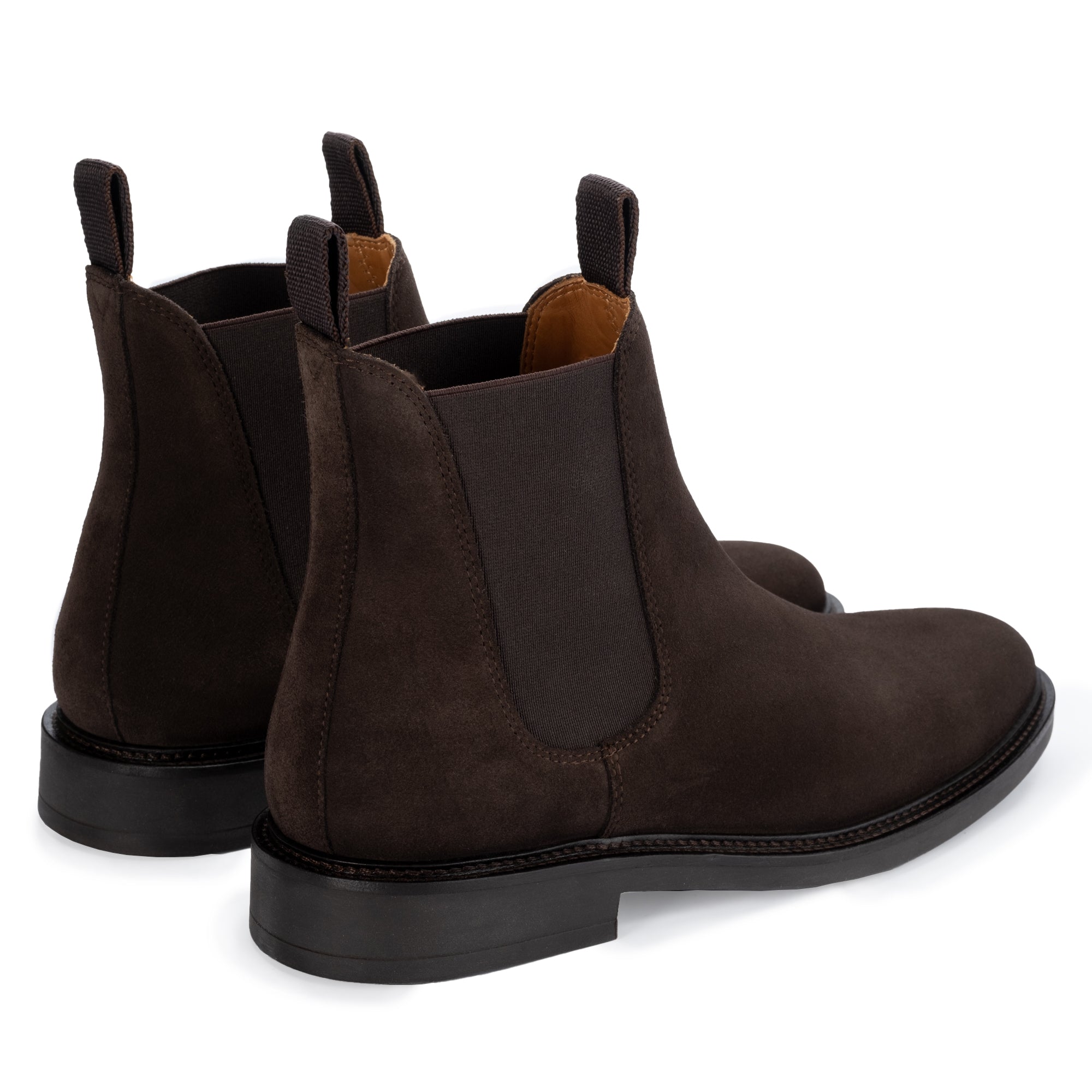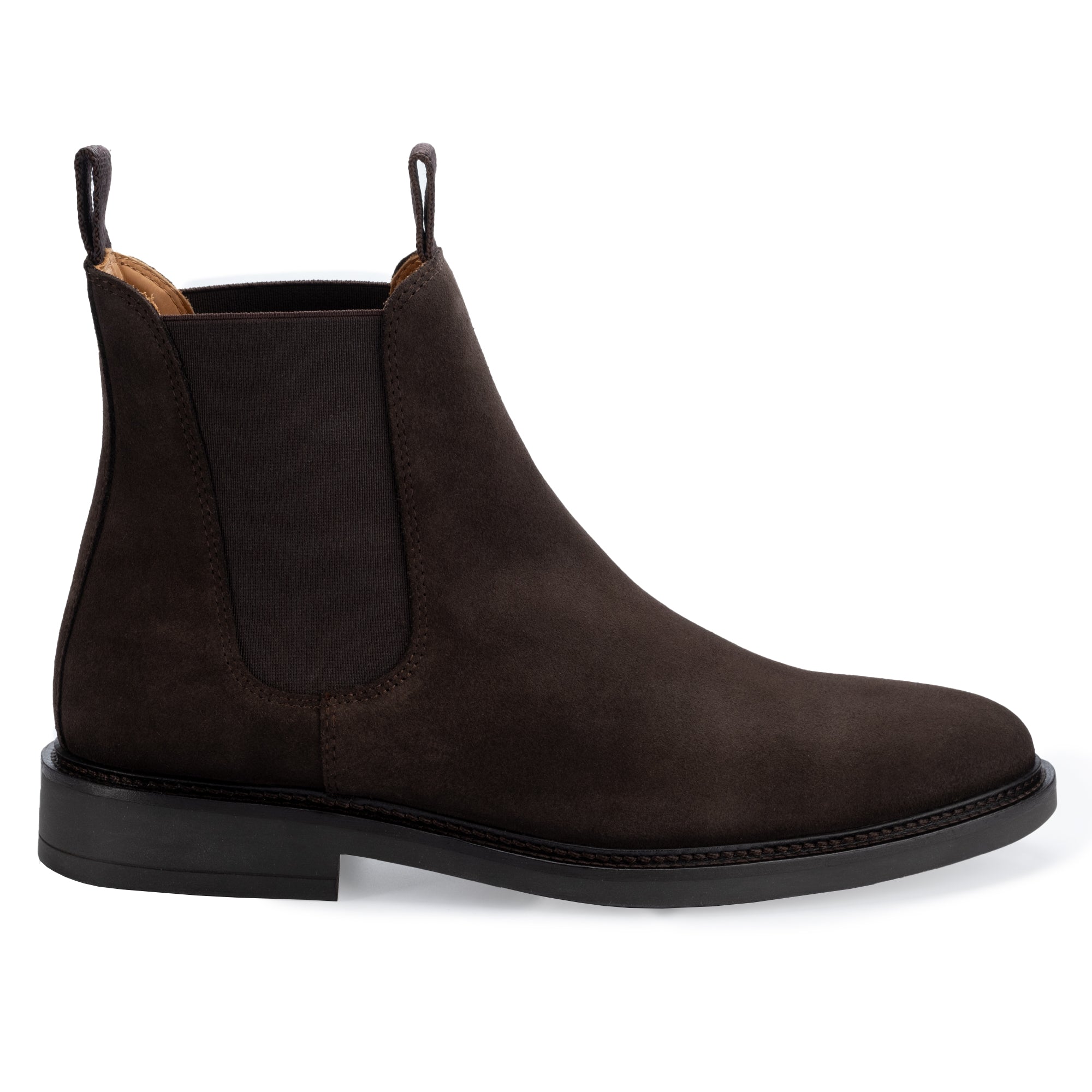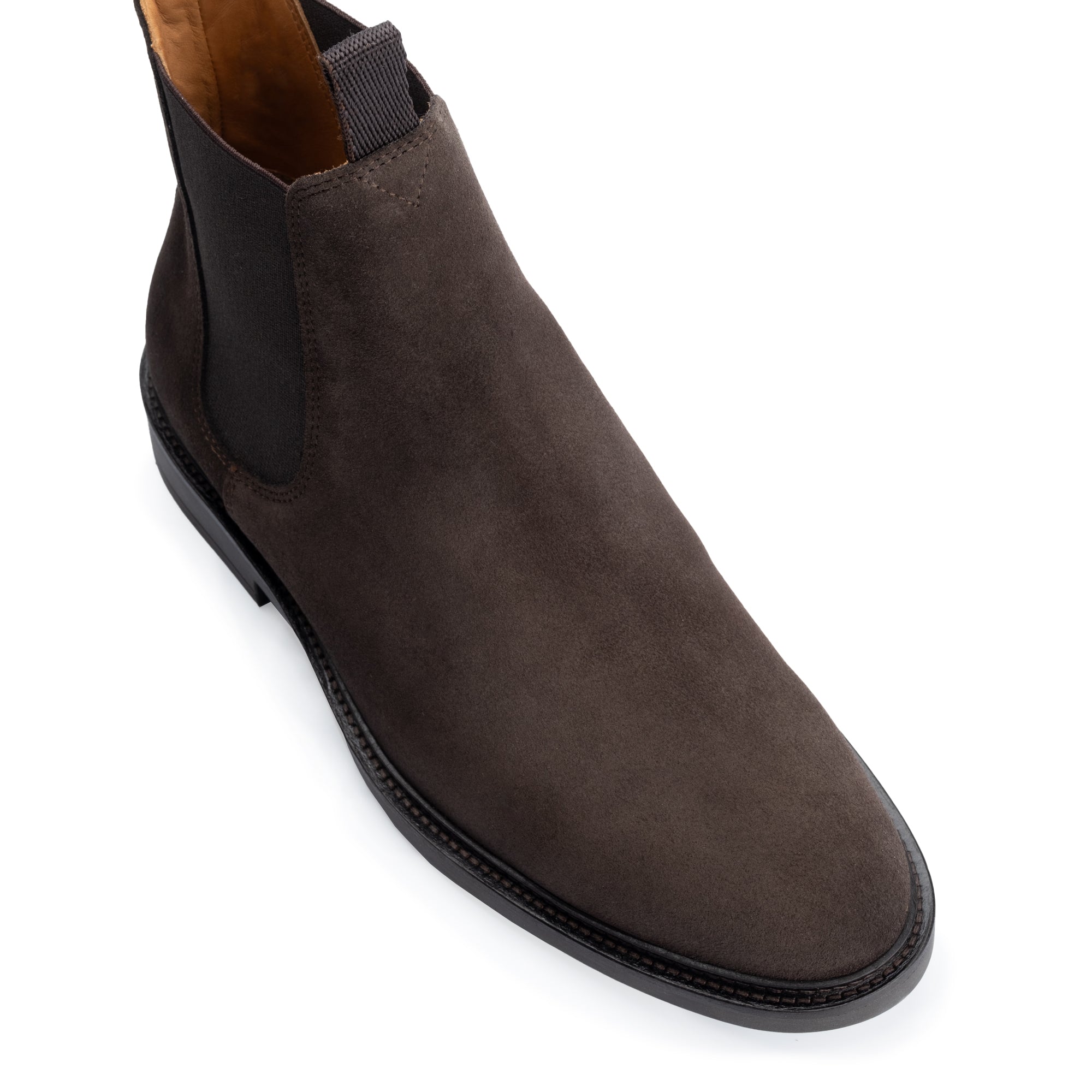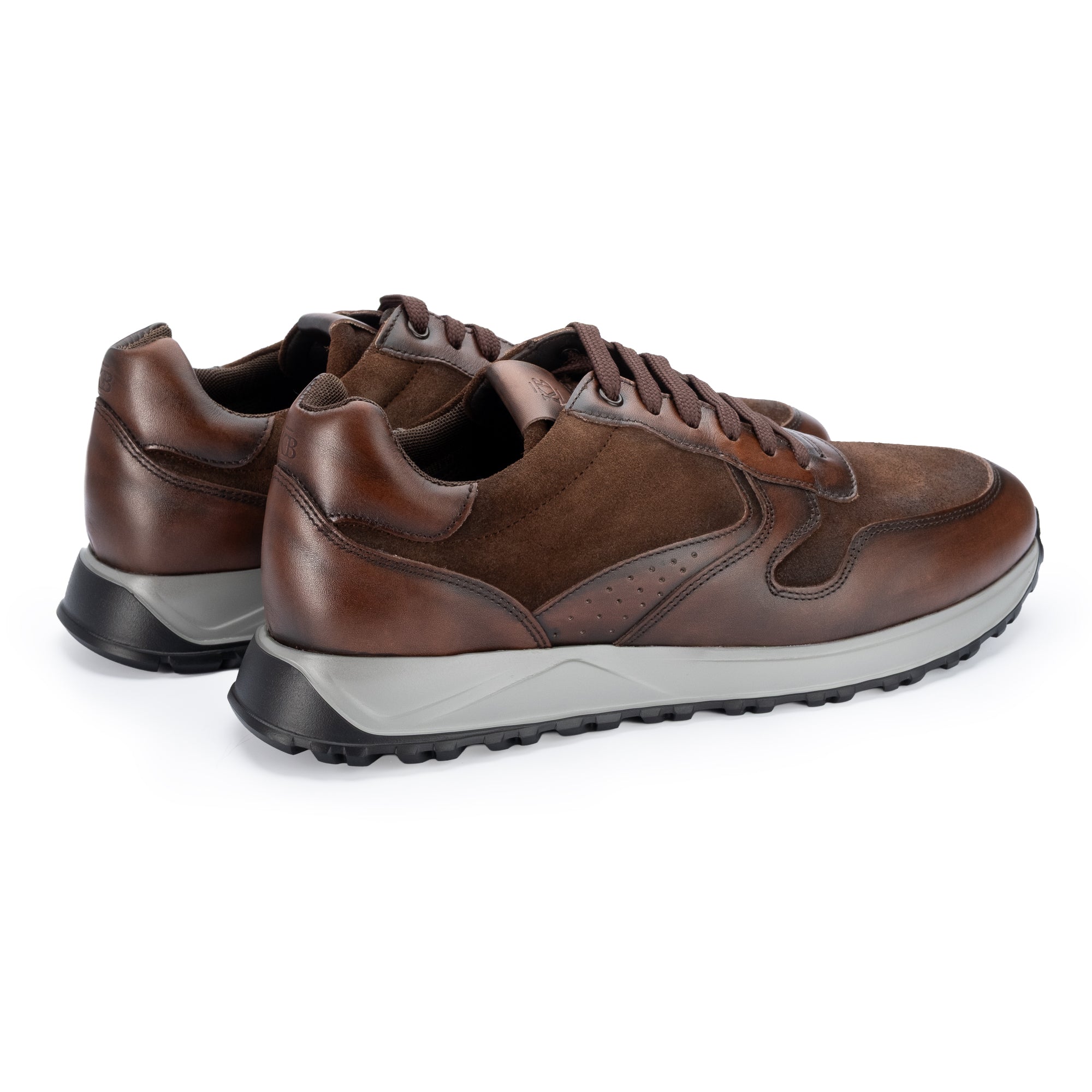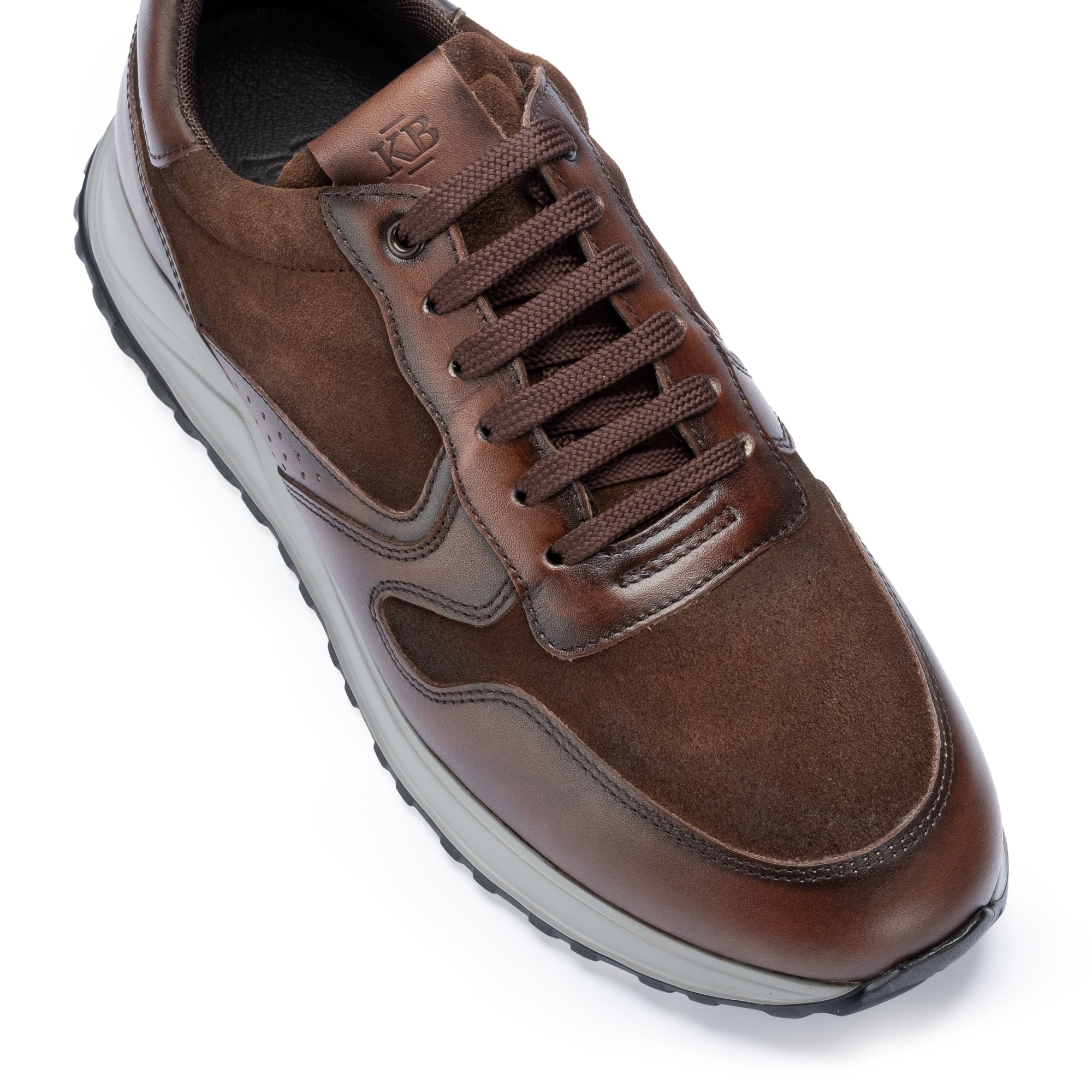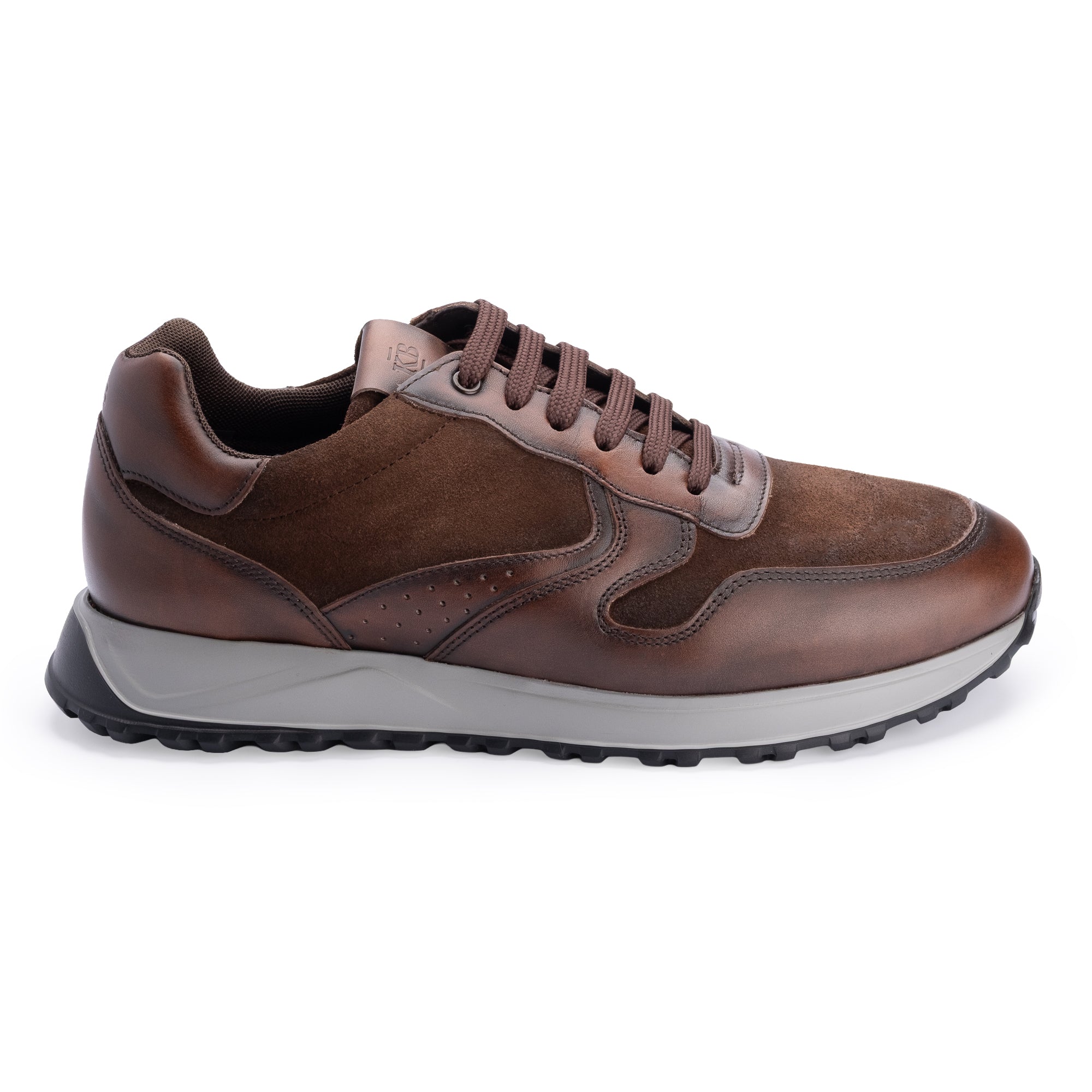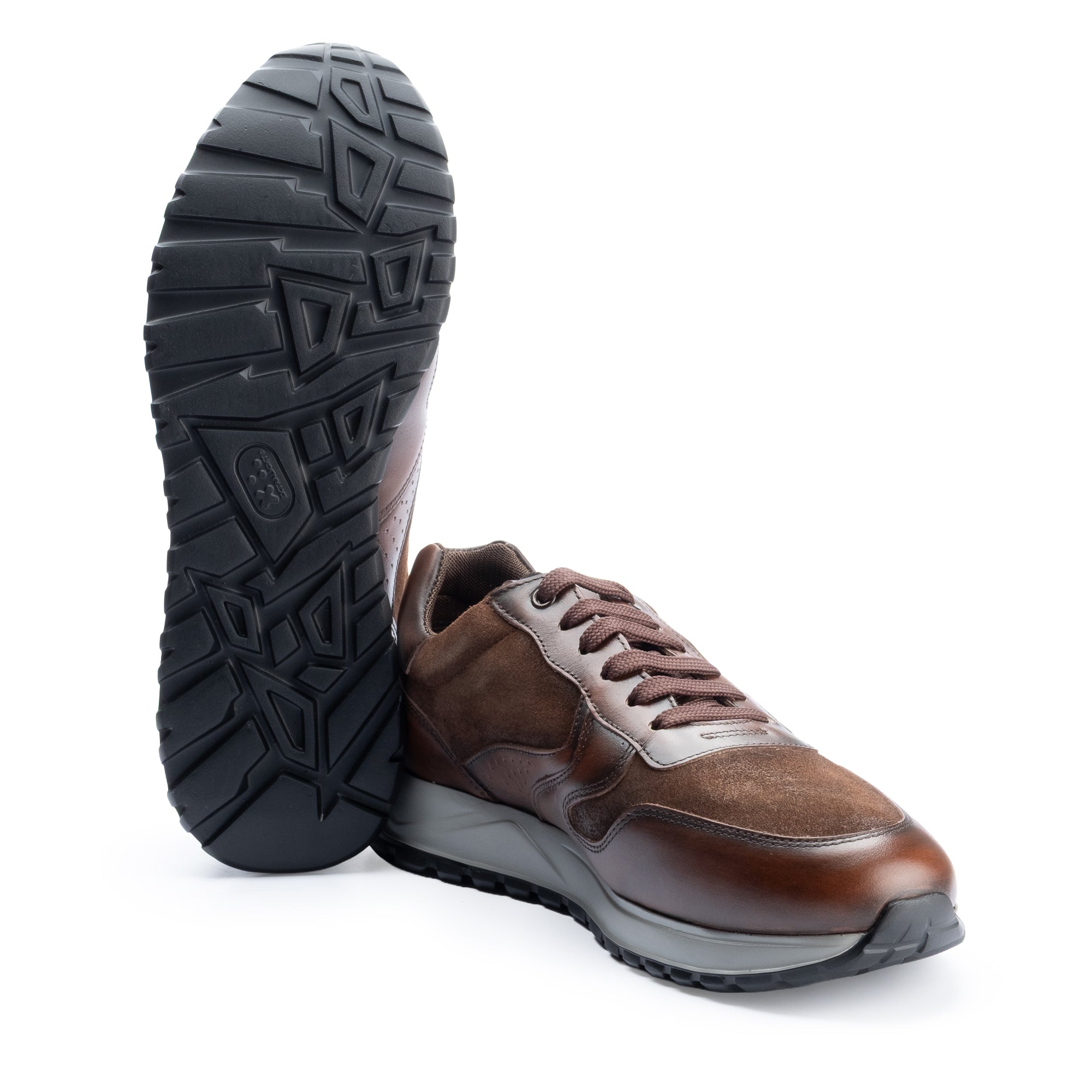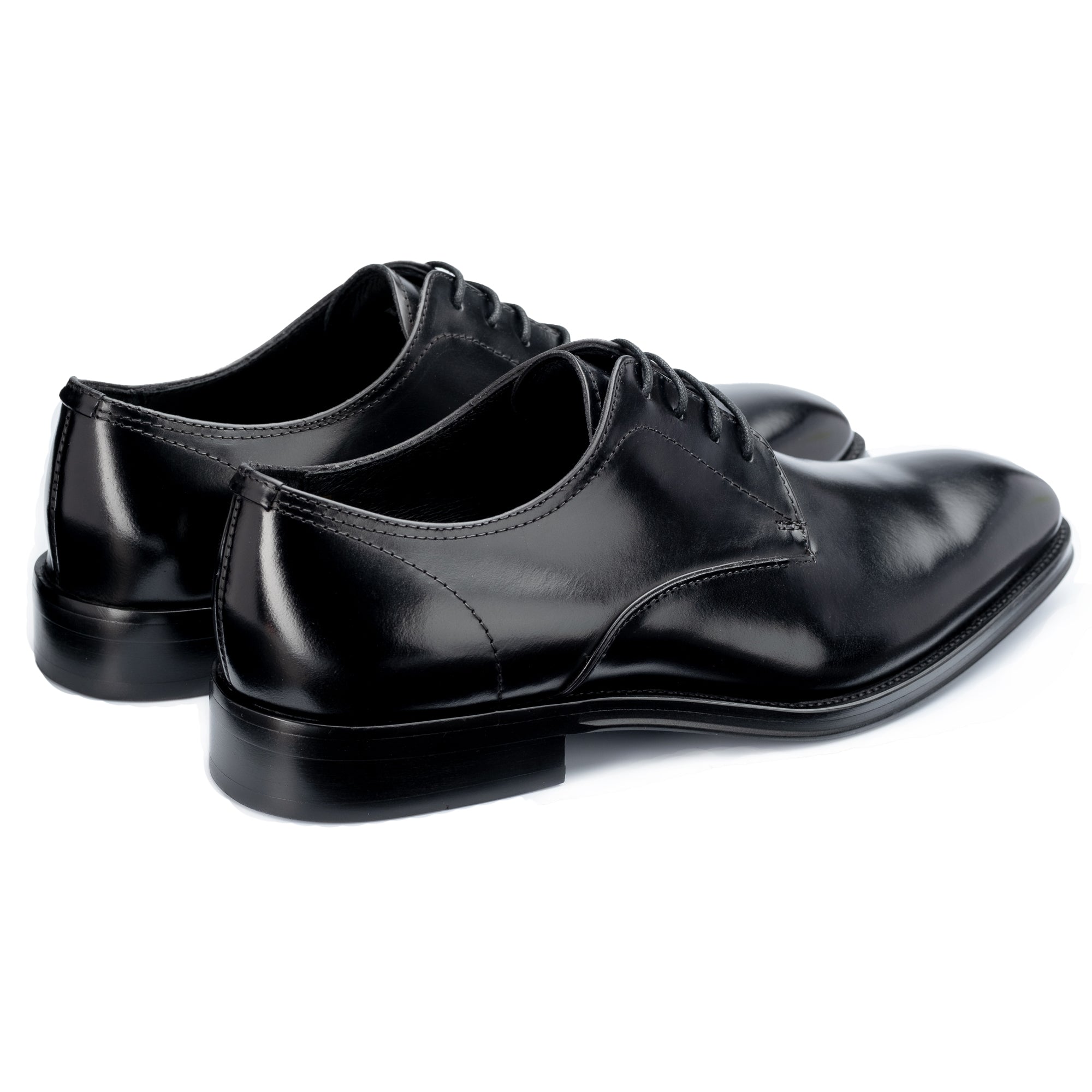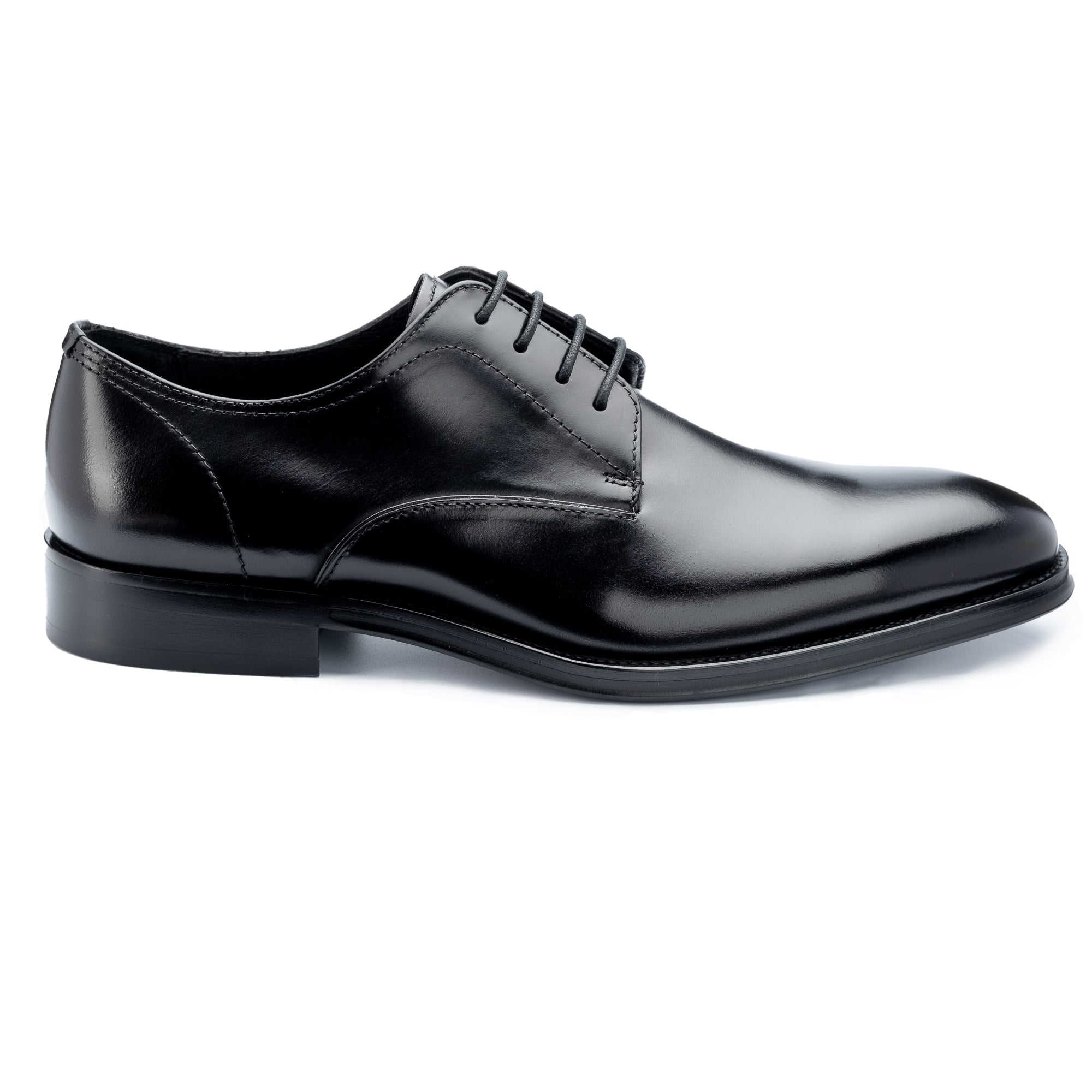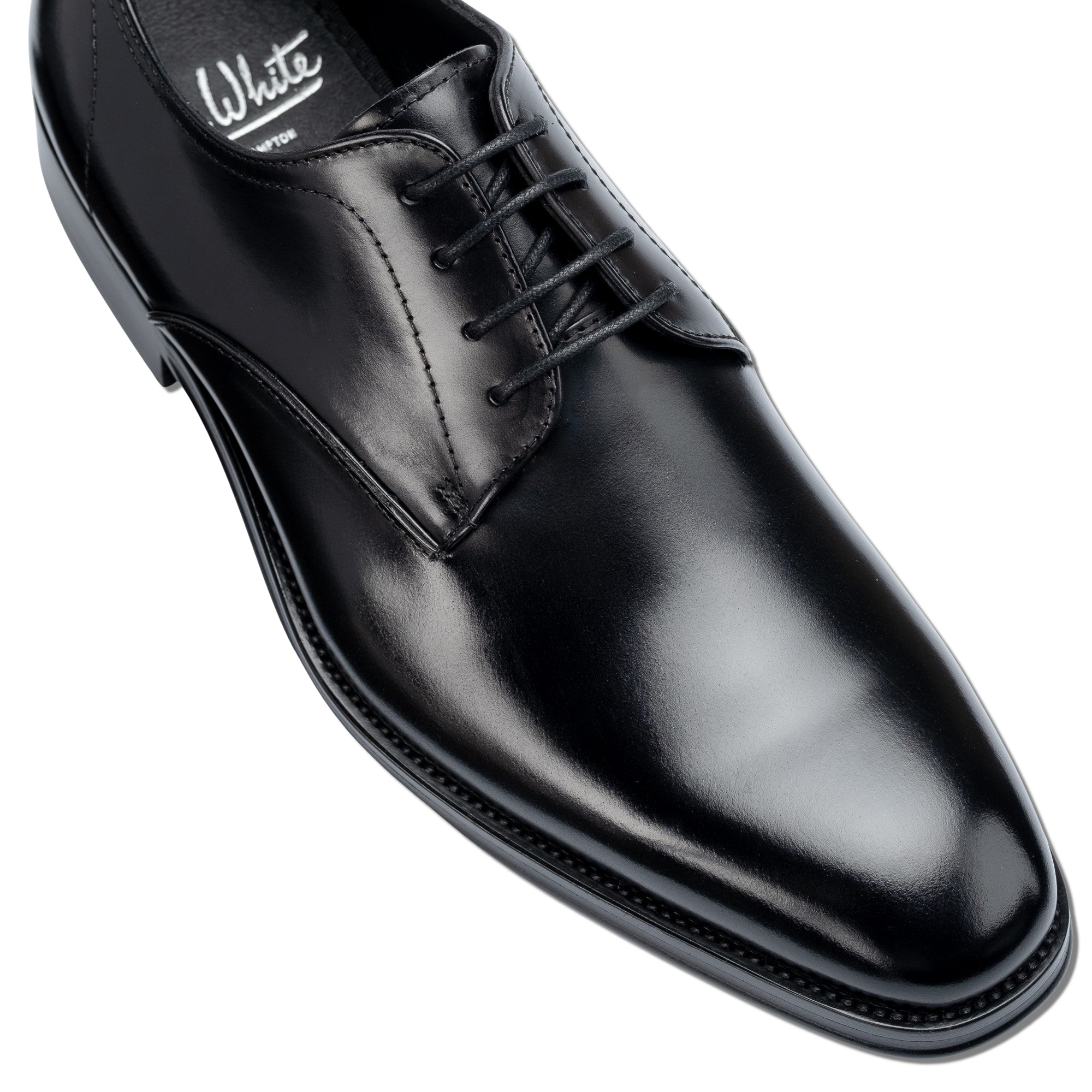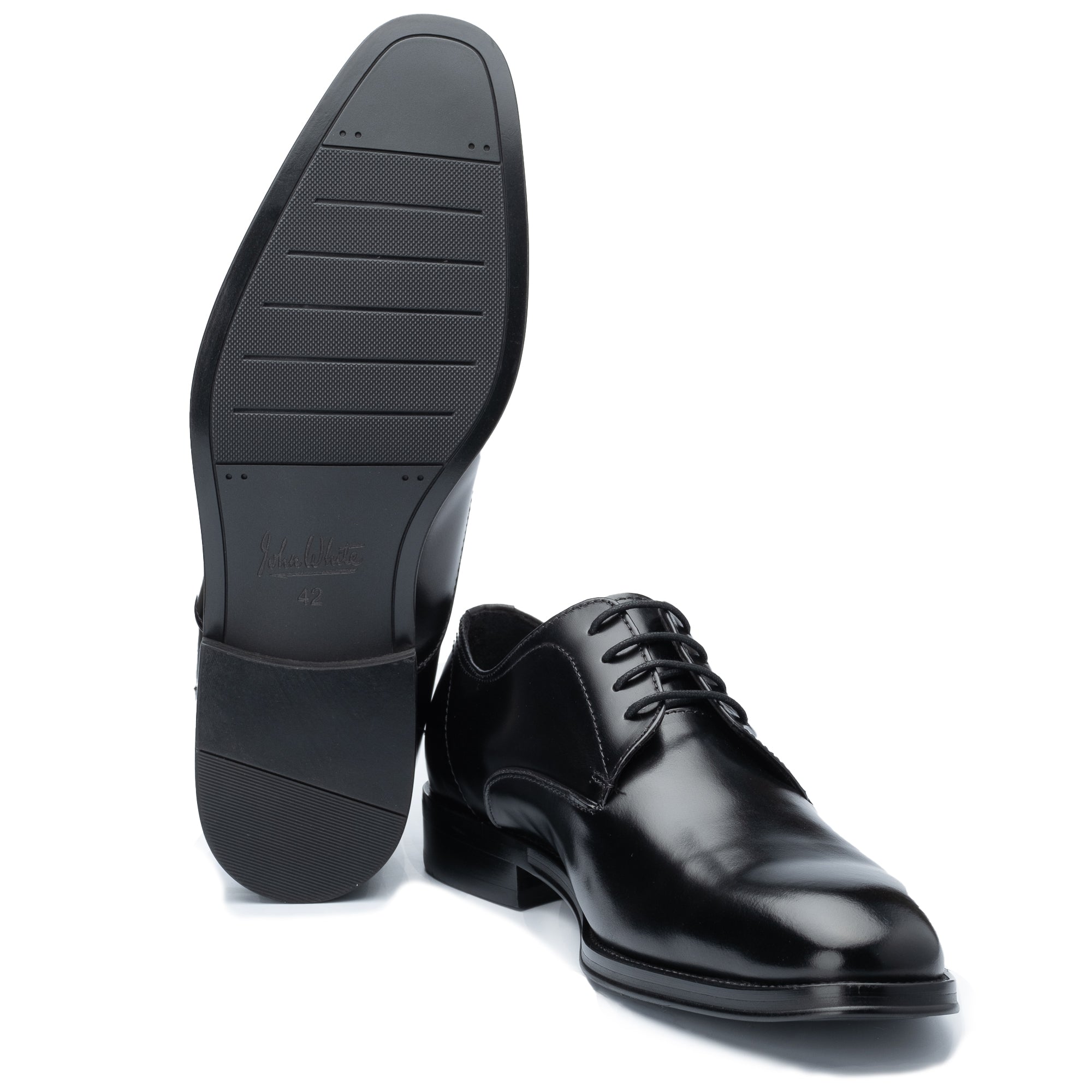

Reading the Grain: What Natural Leather Markings Reveal About Quality
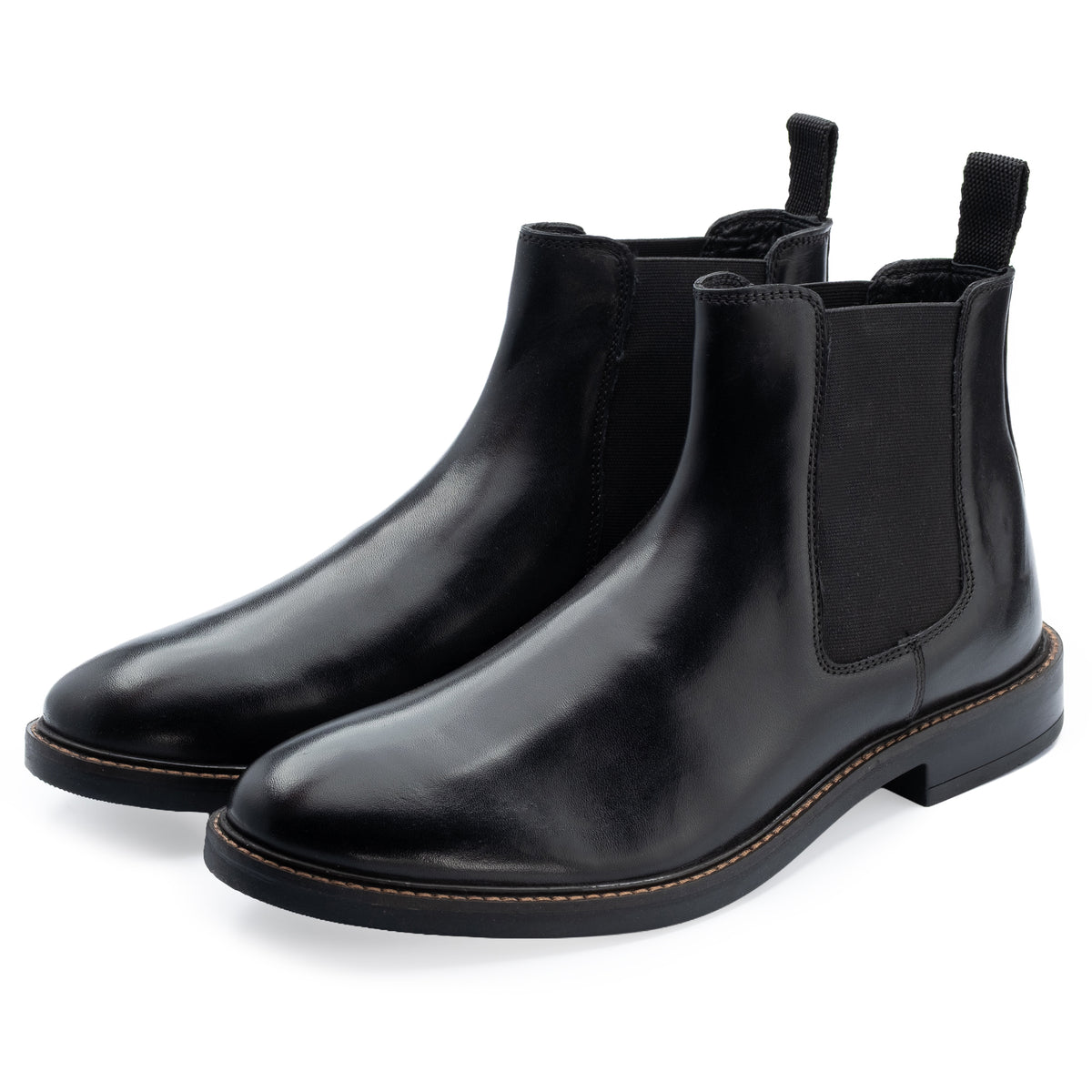
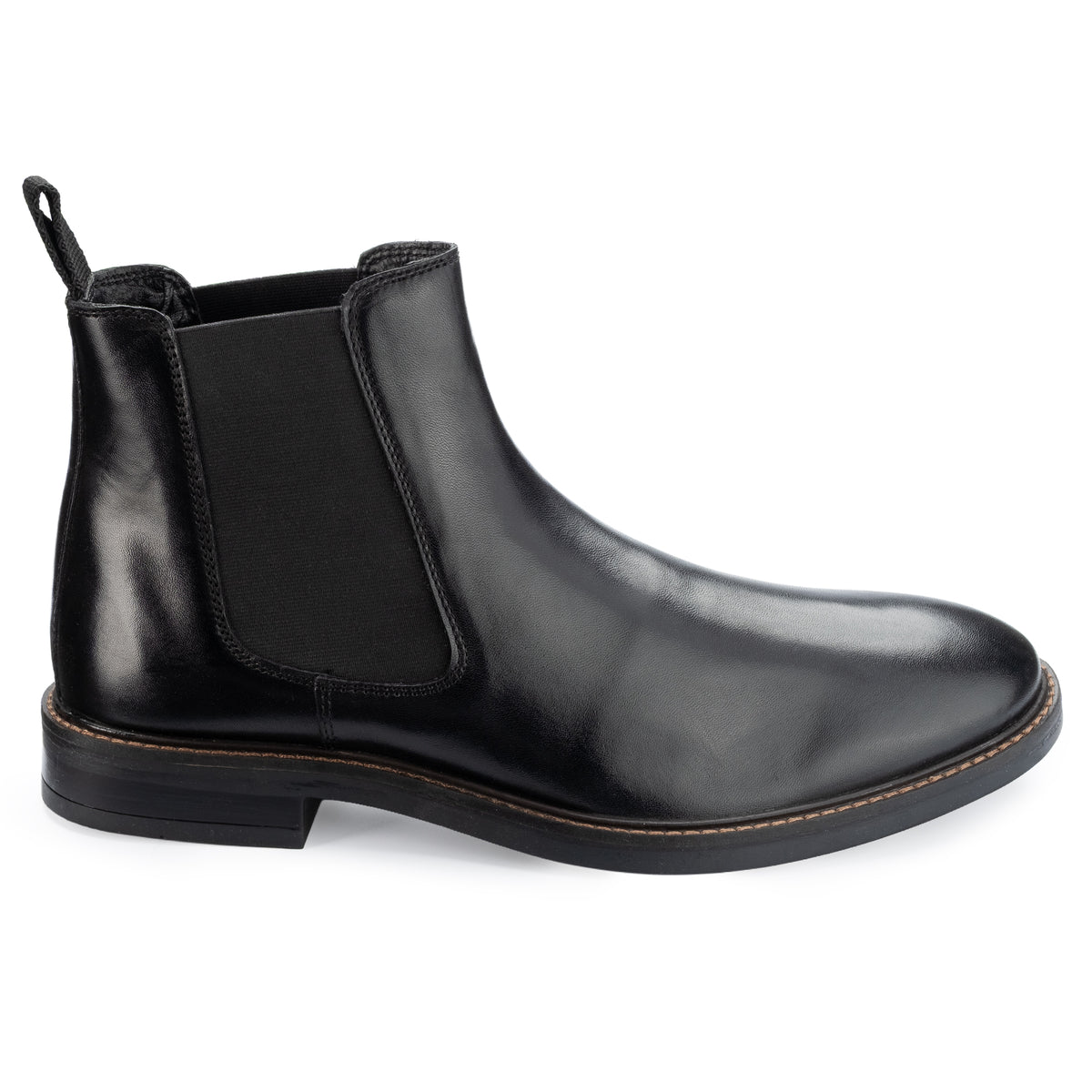
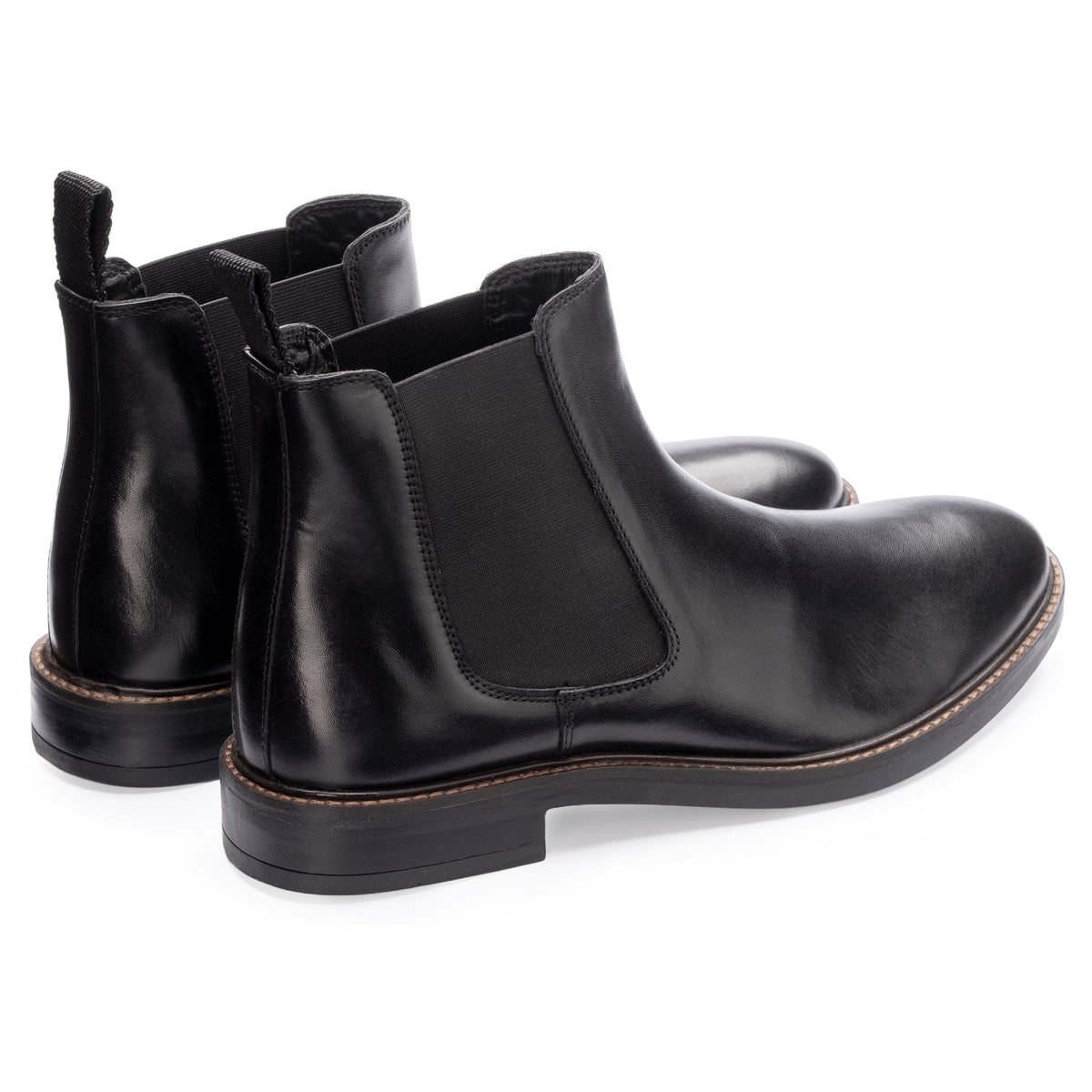
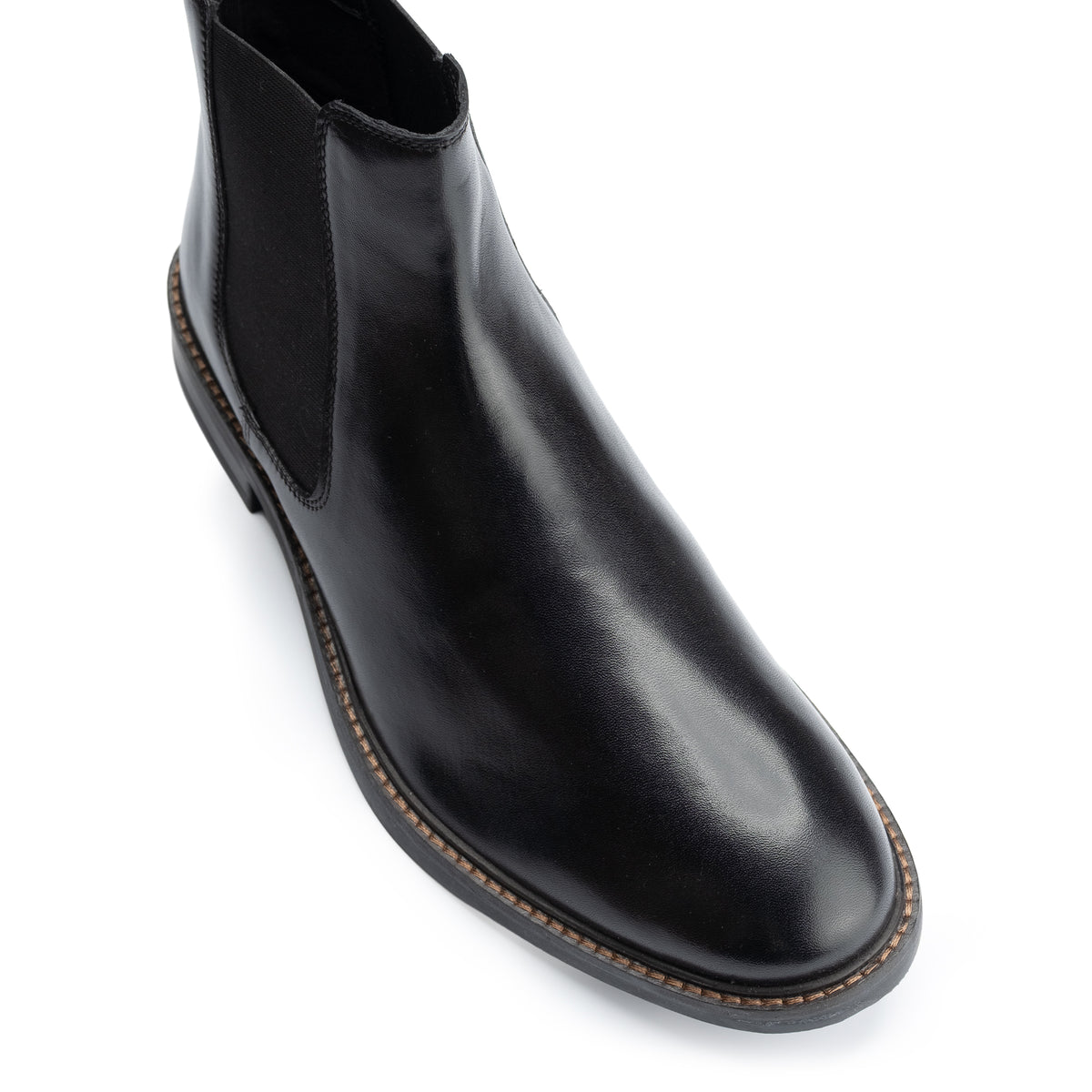
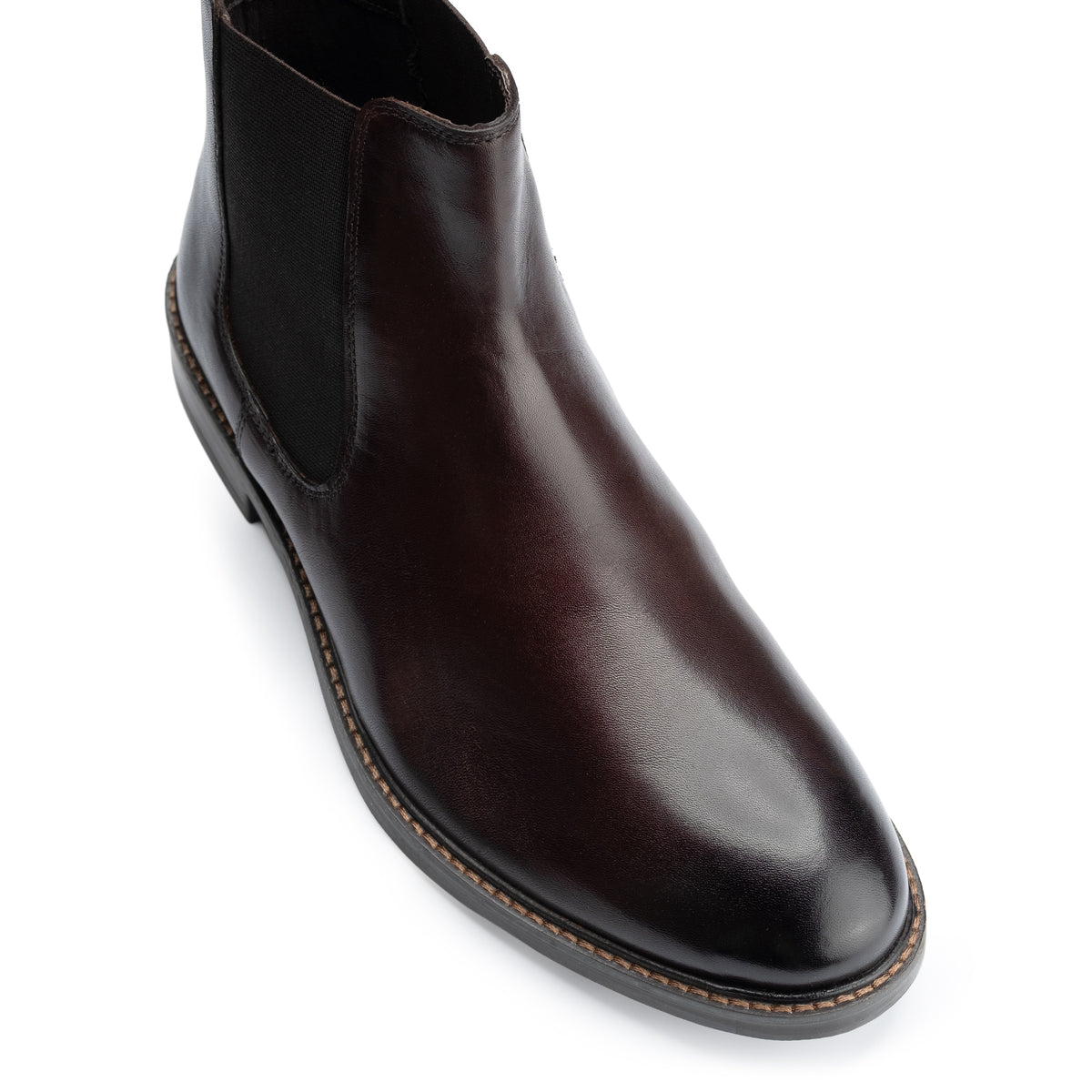
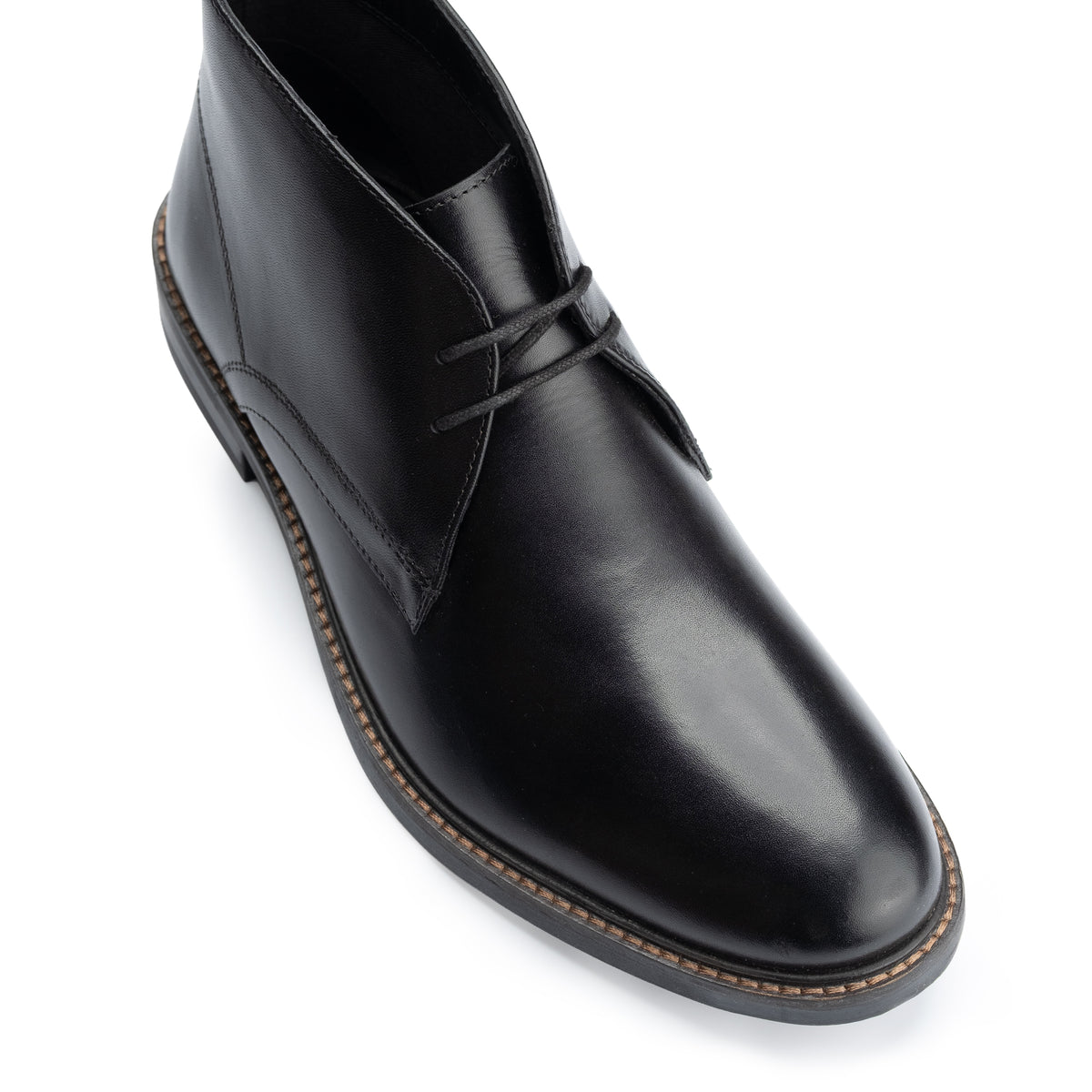
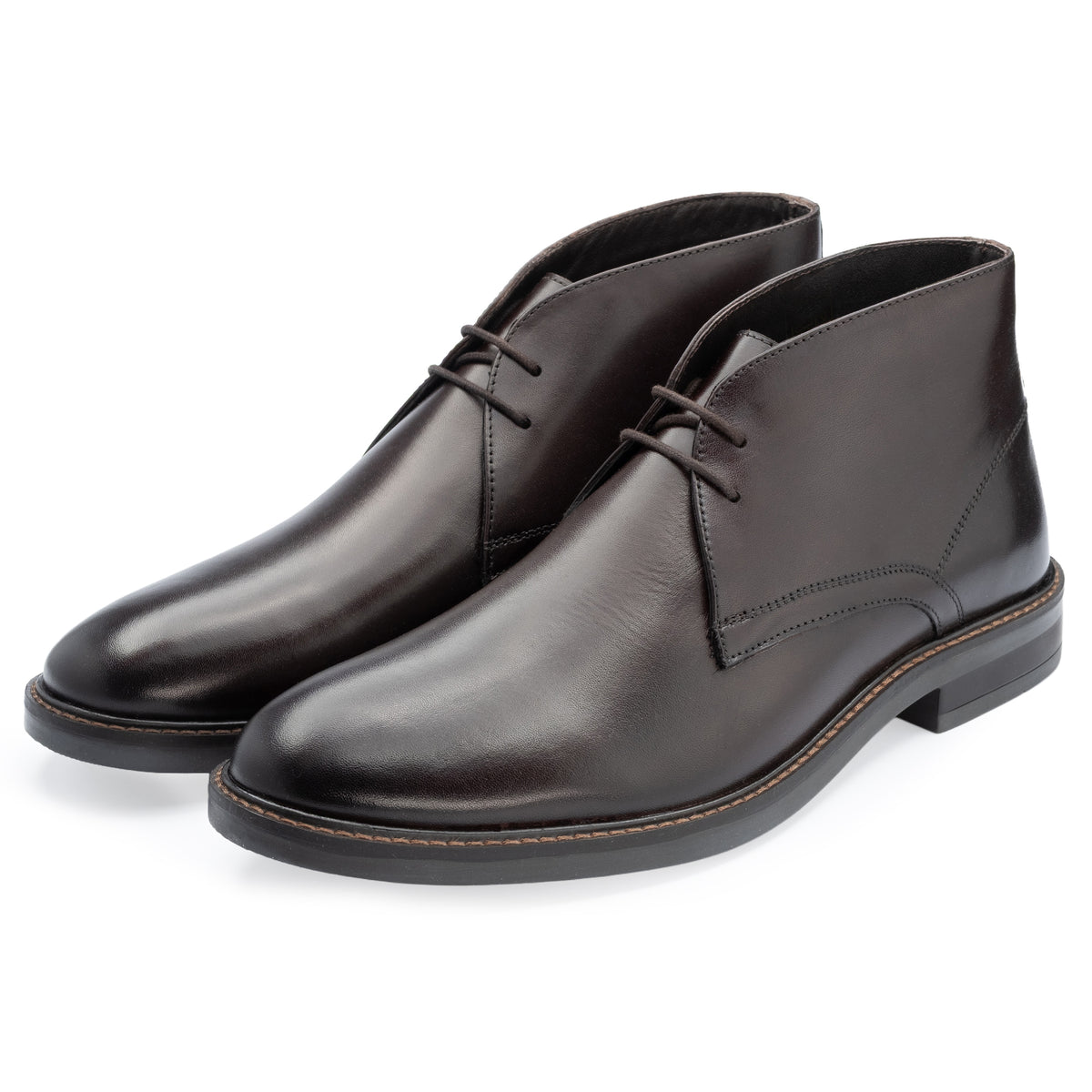
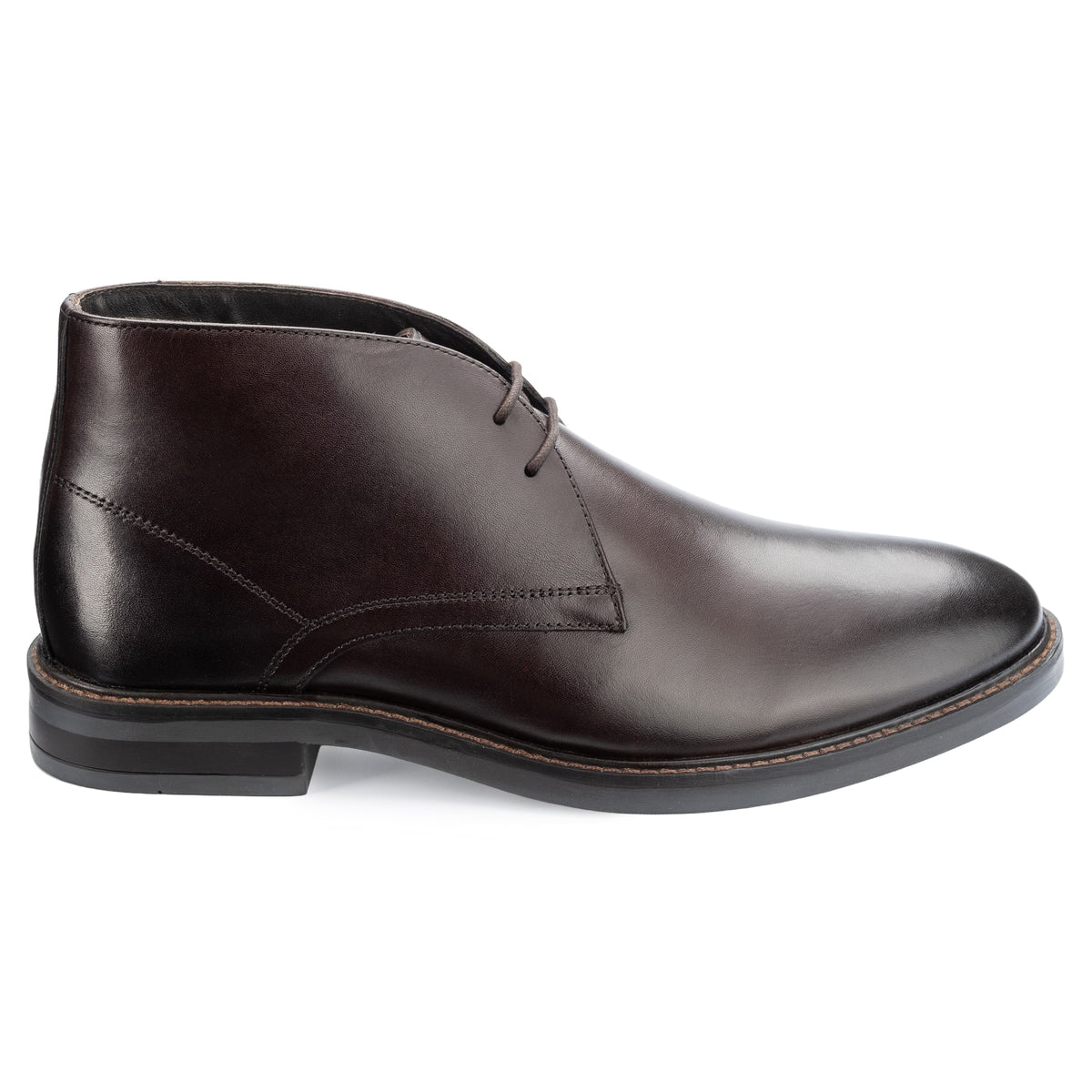
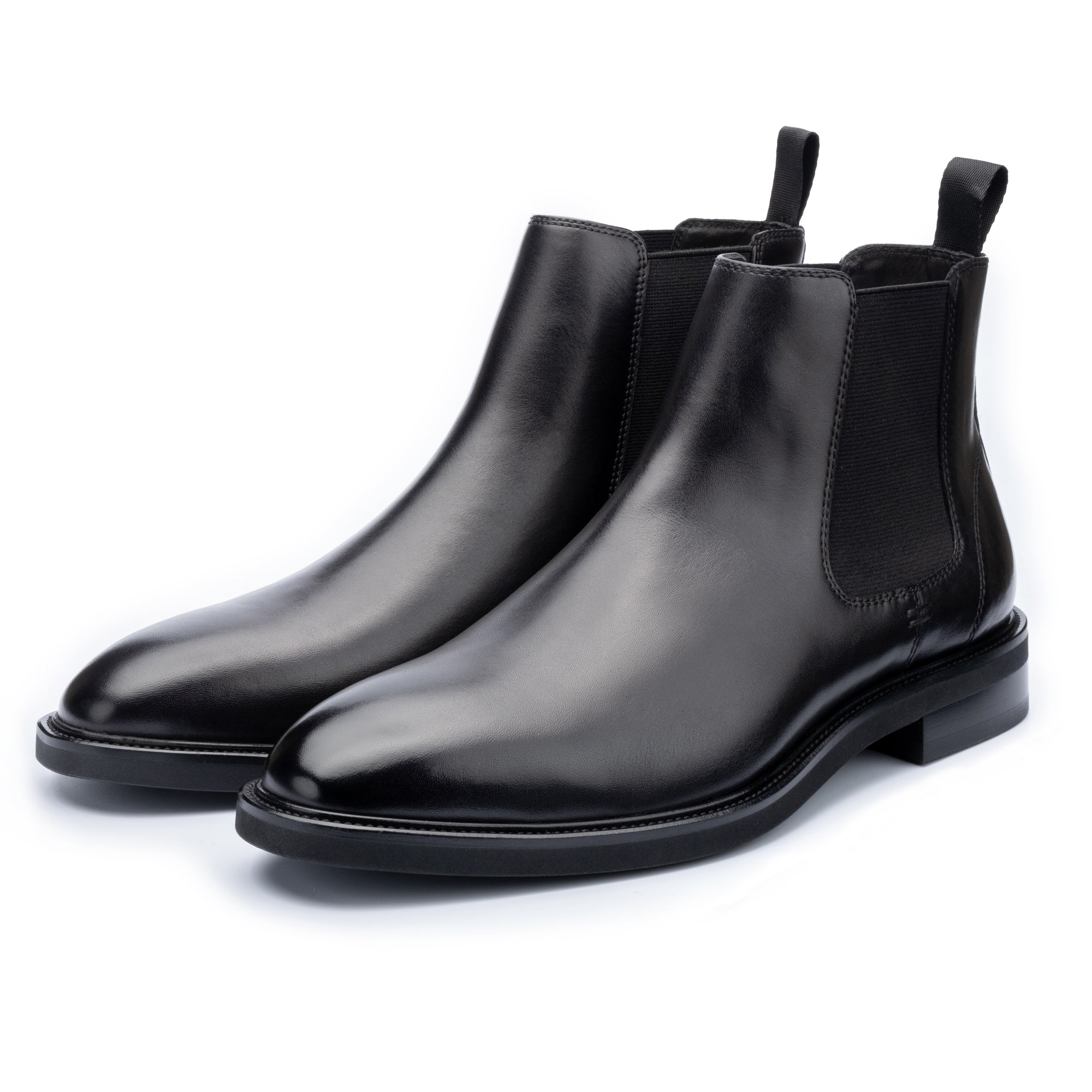
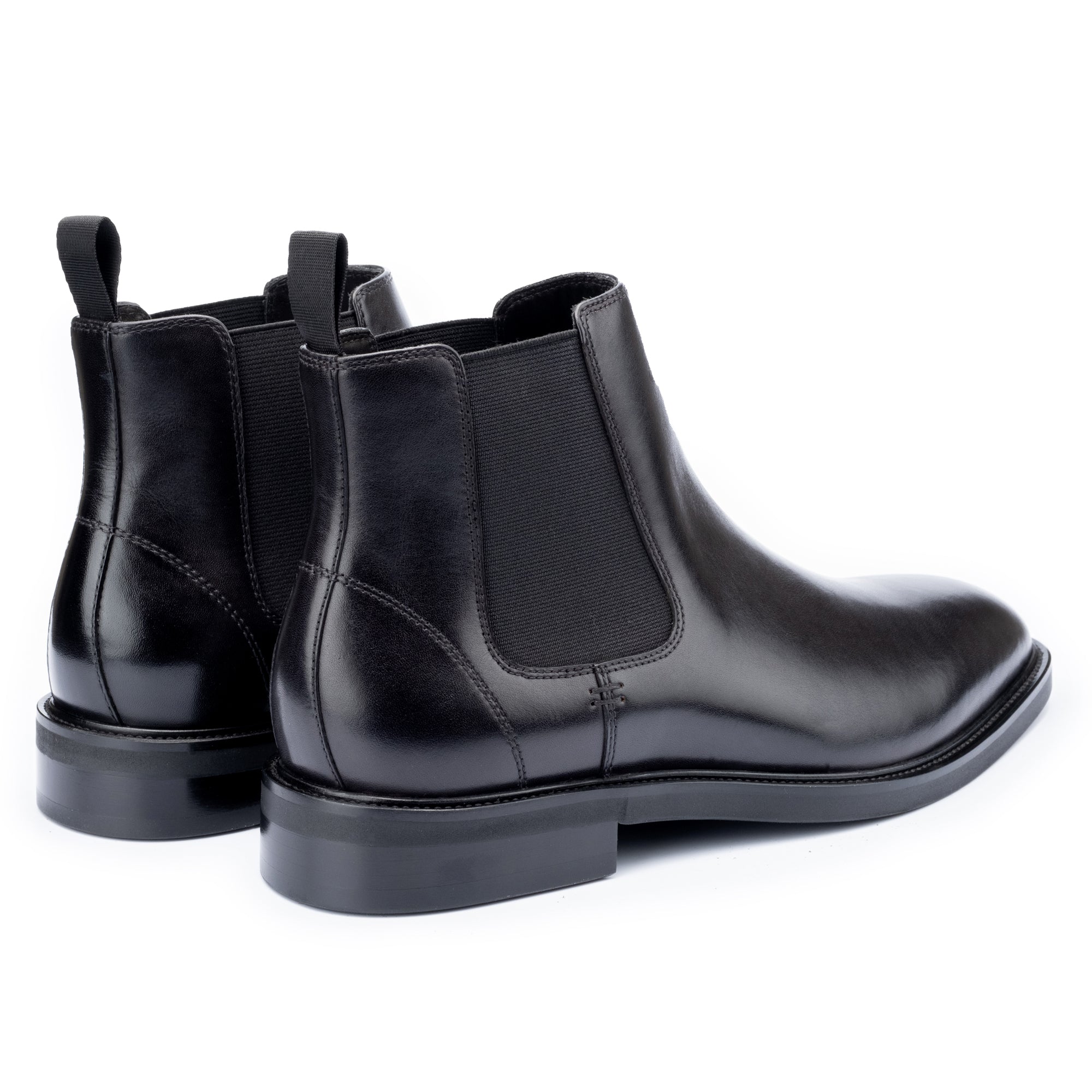
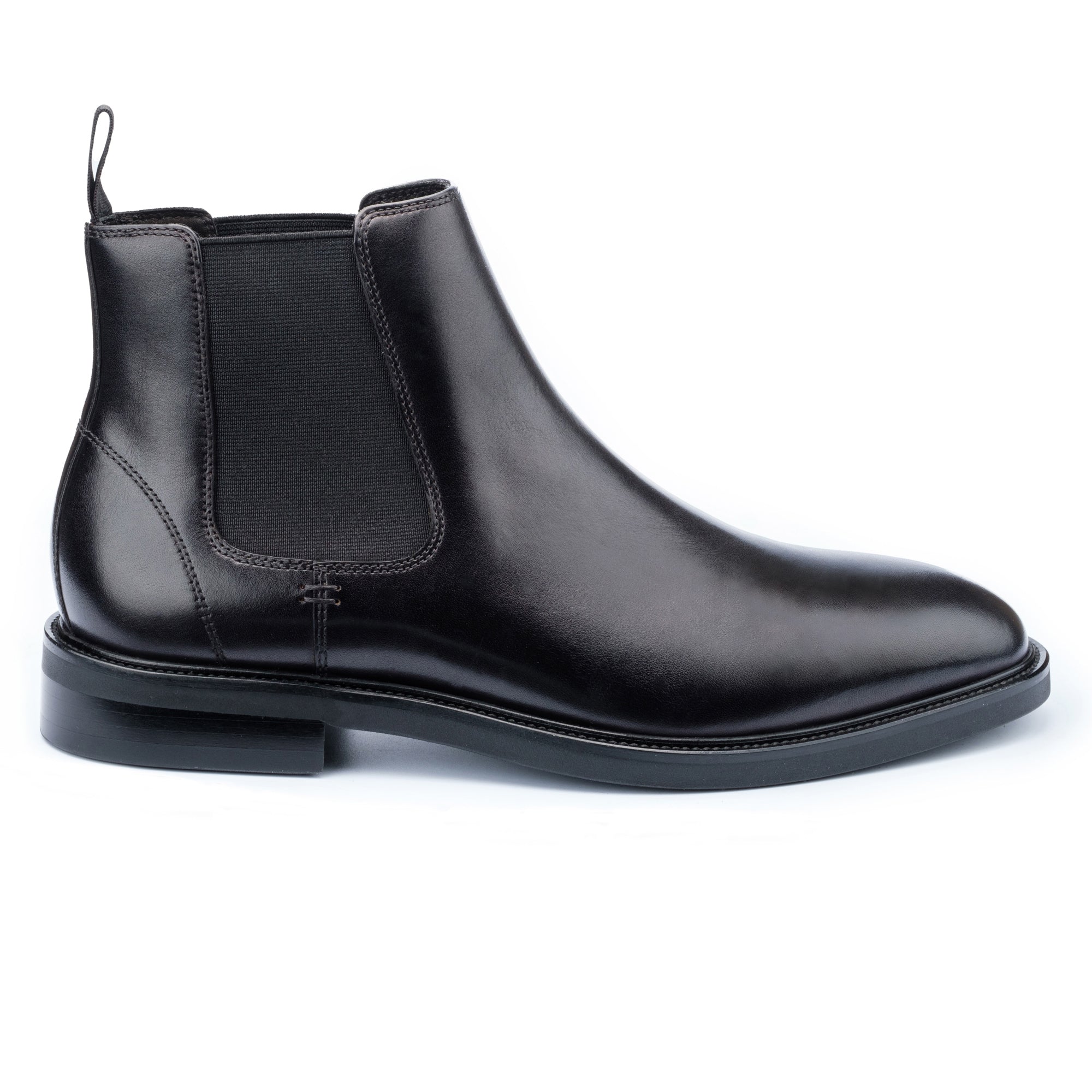
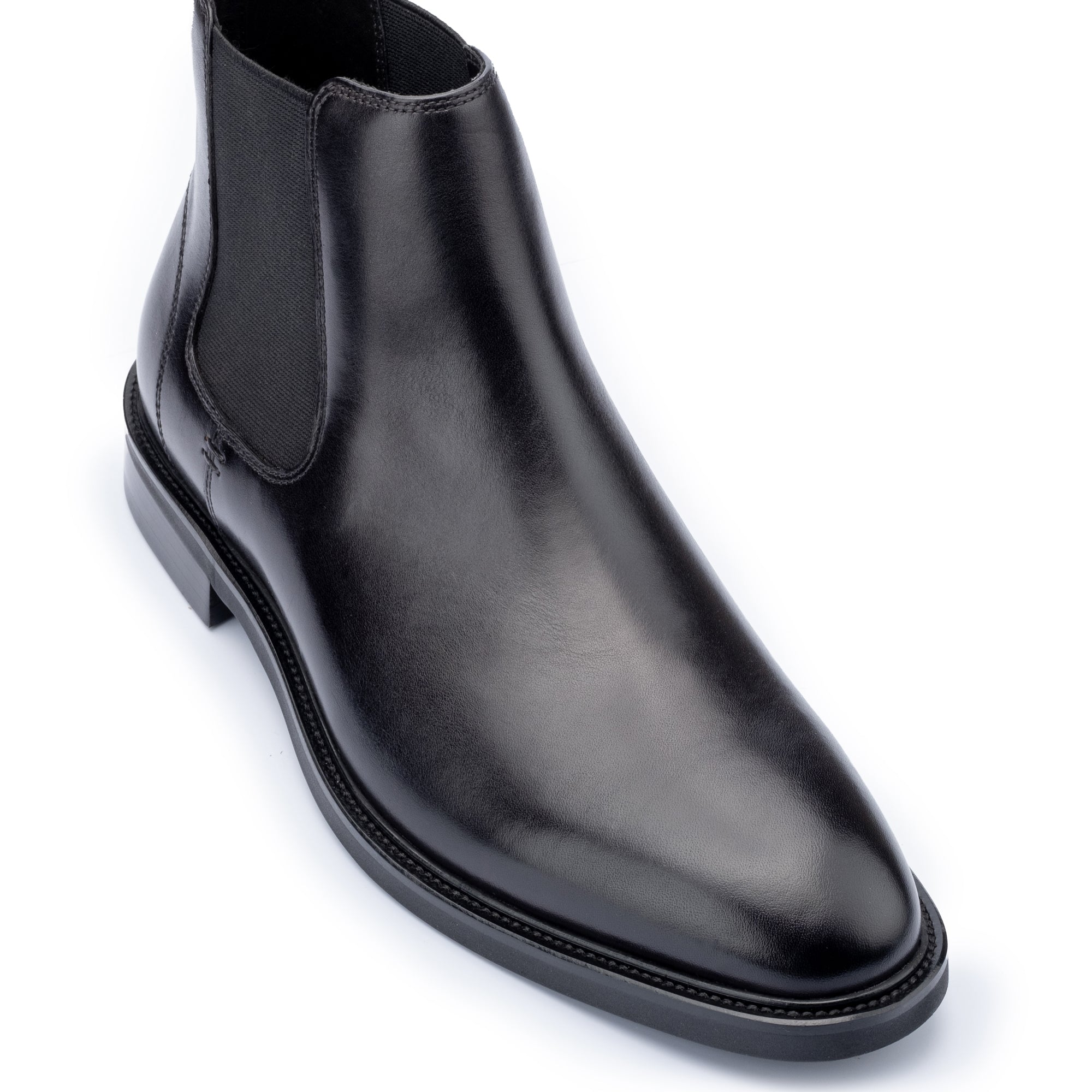
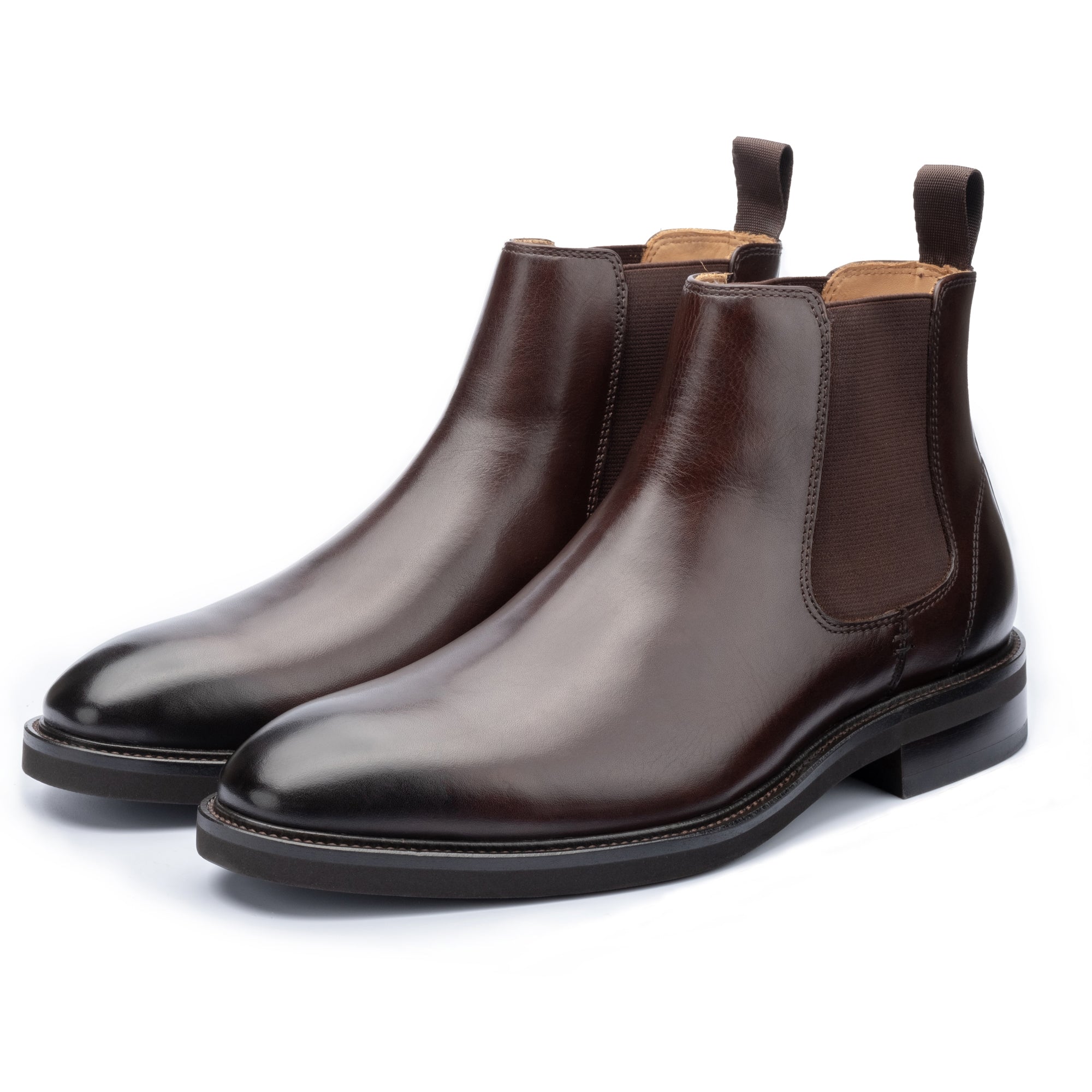
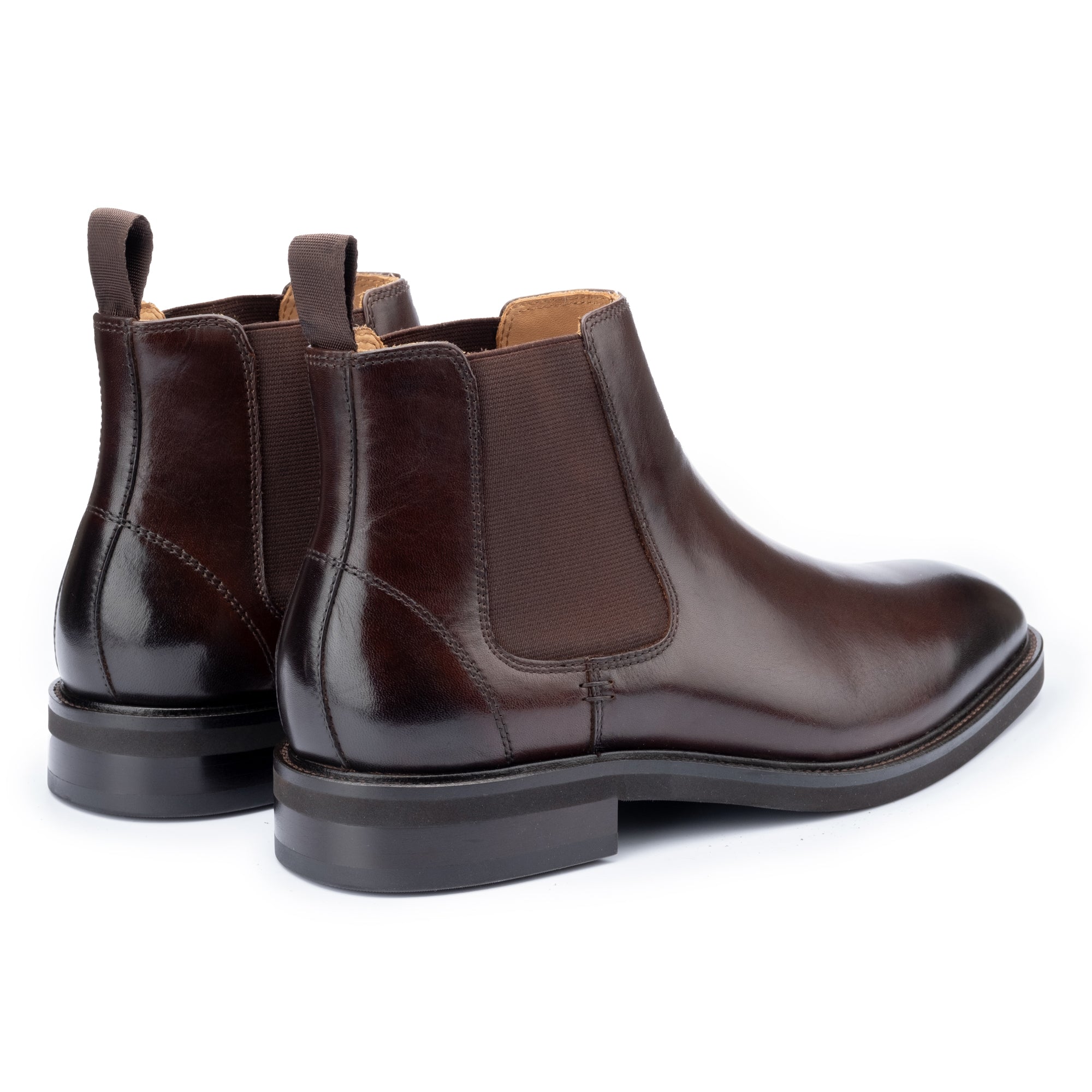
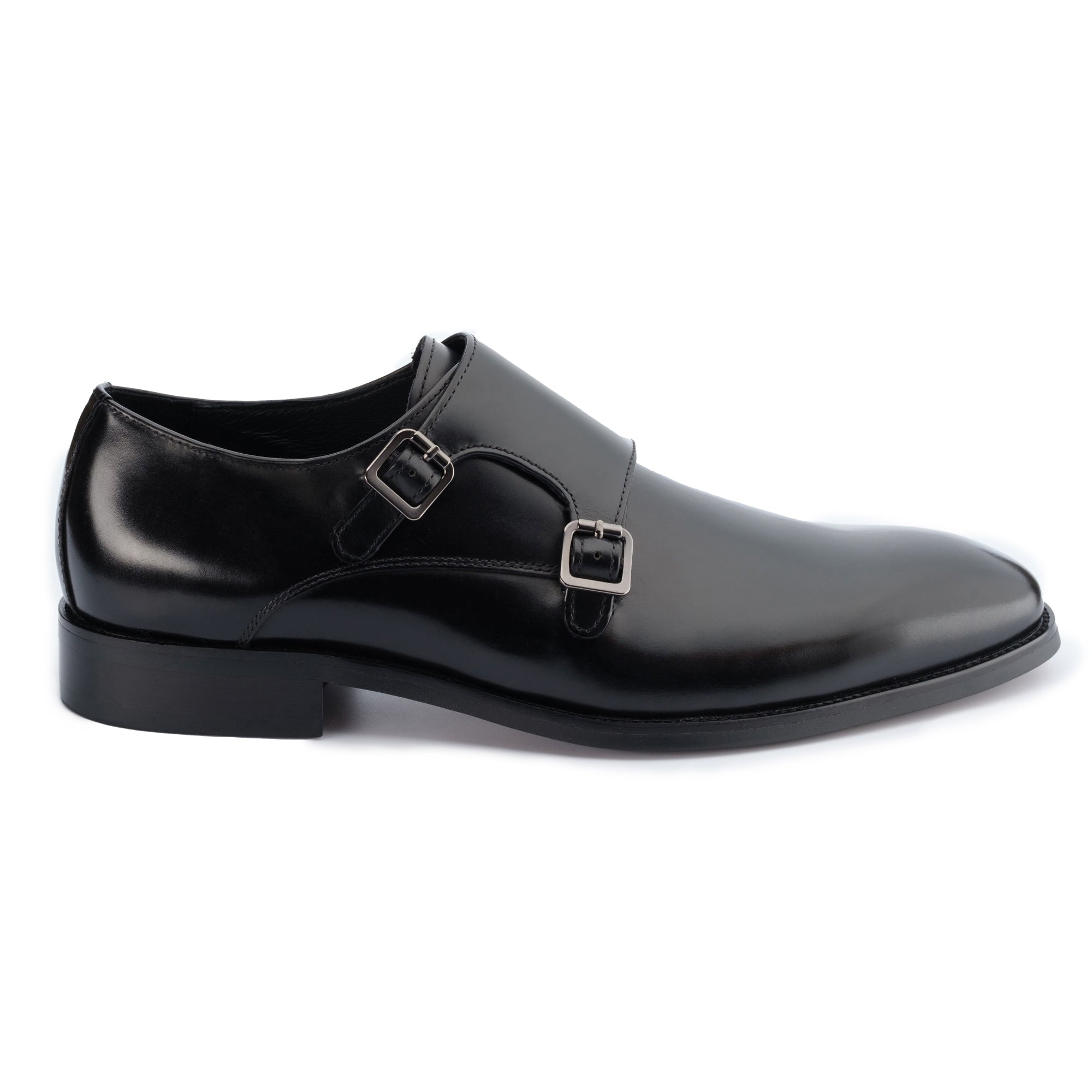
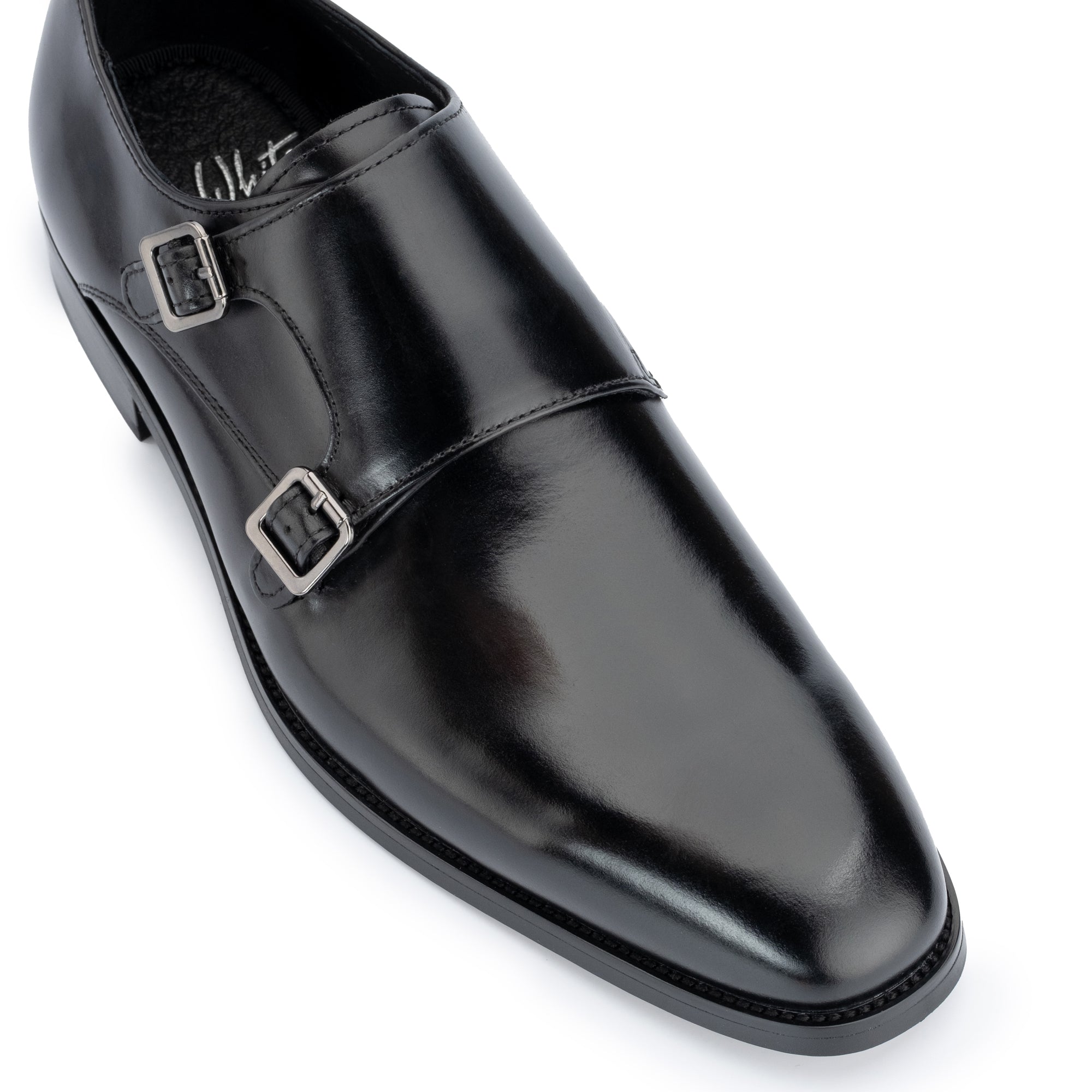
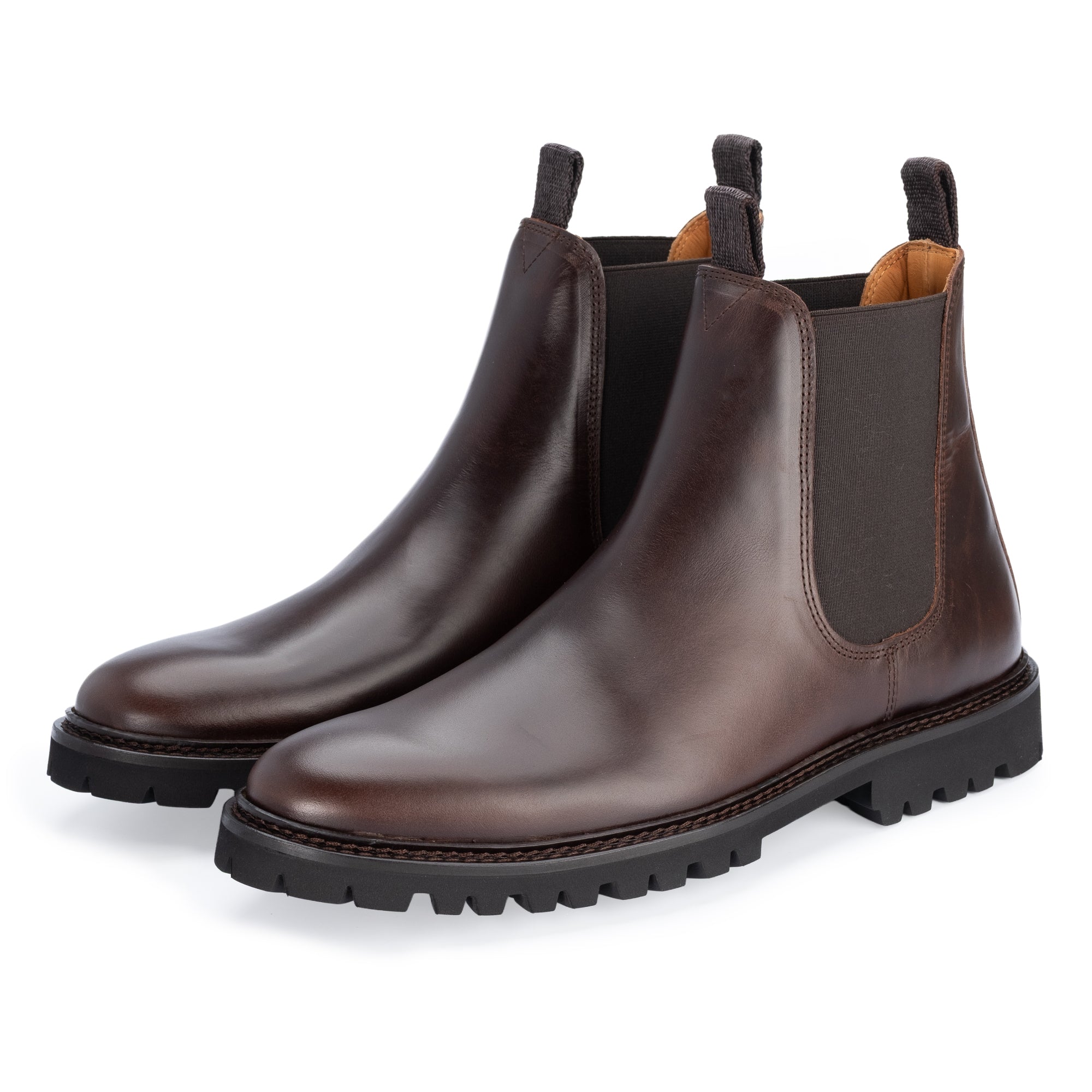
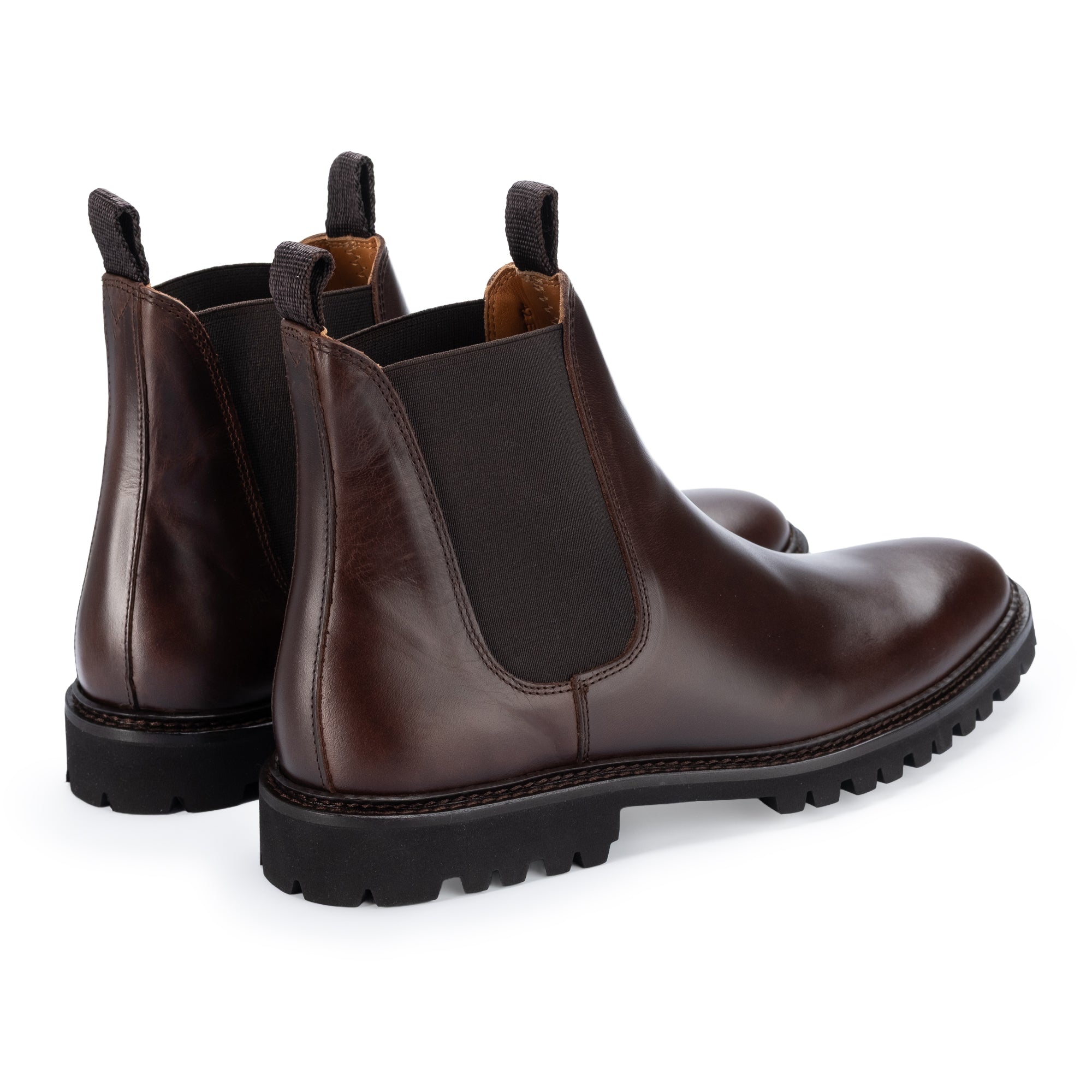
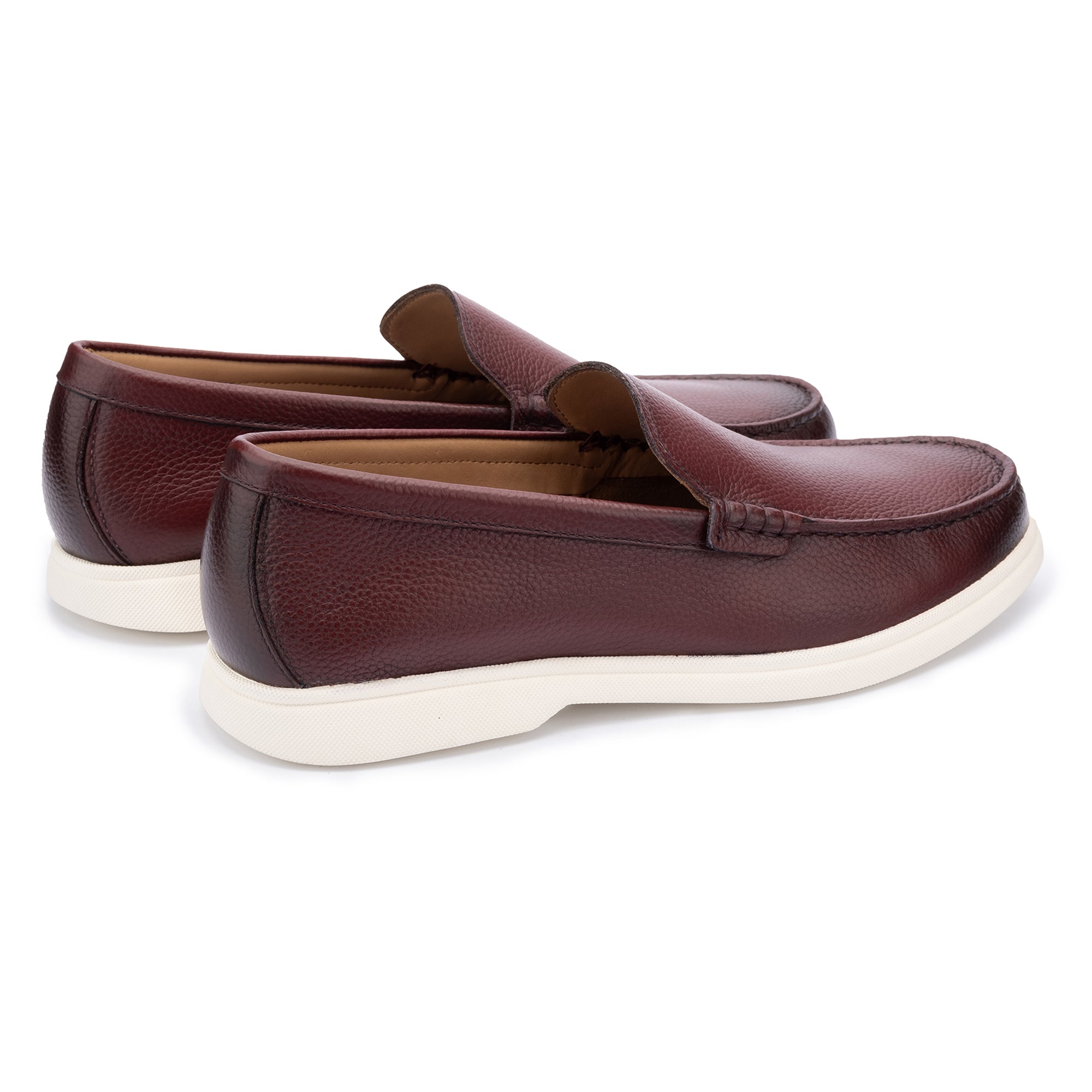
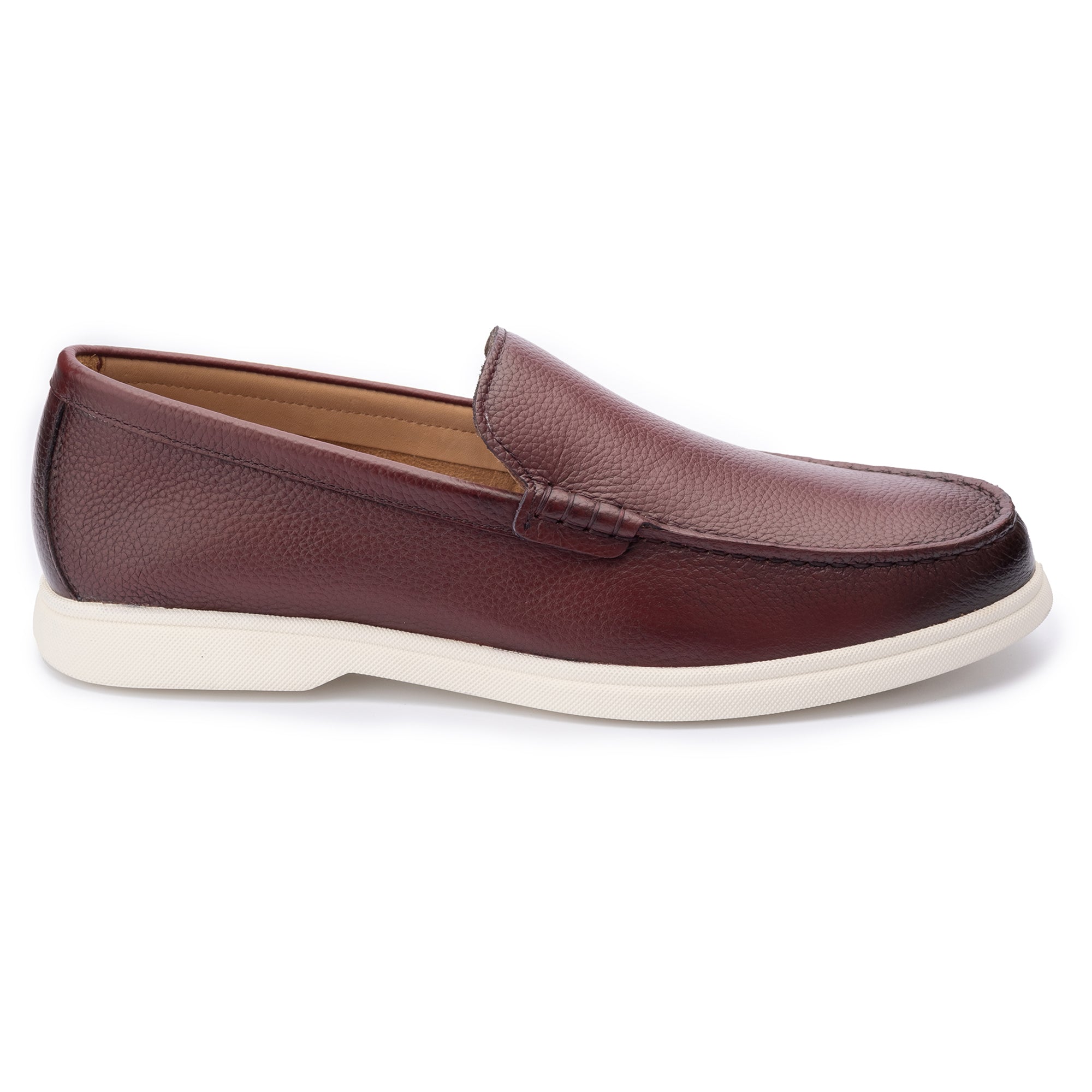
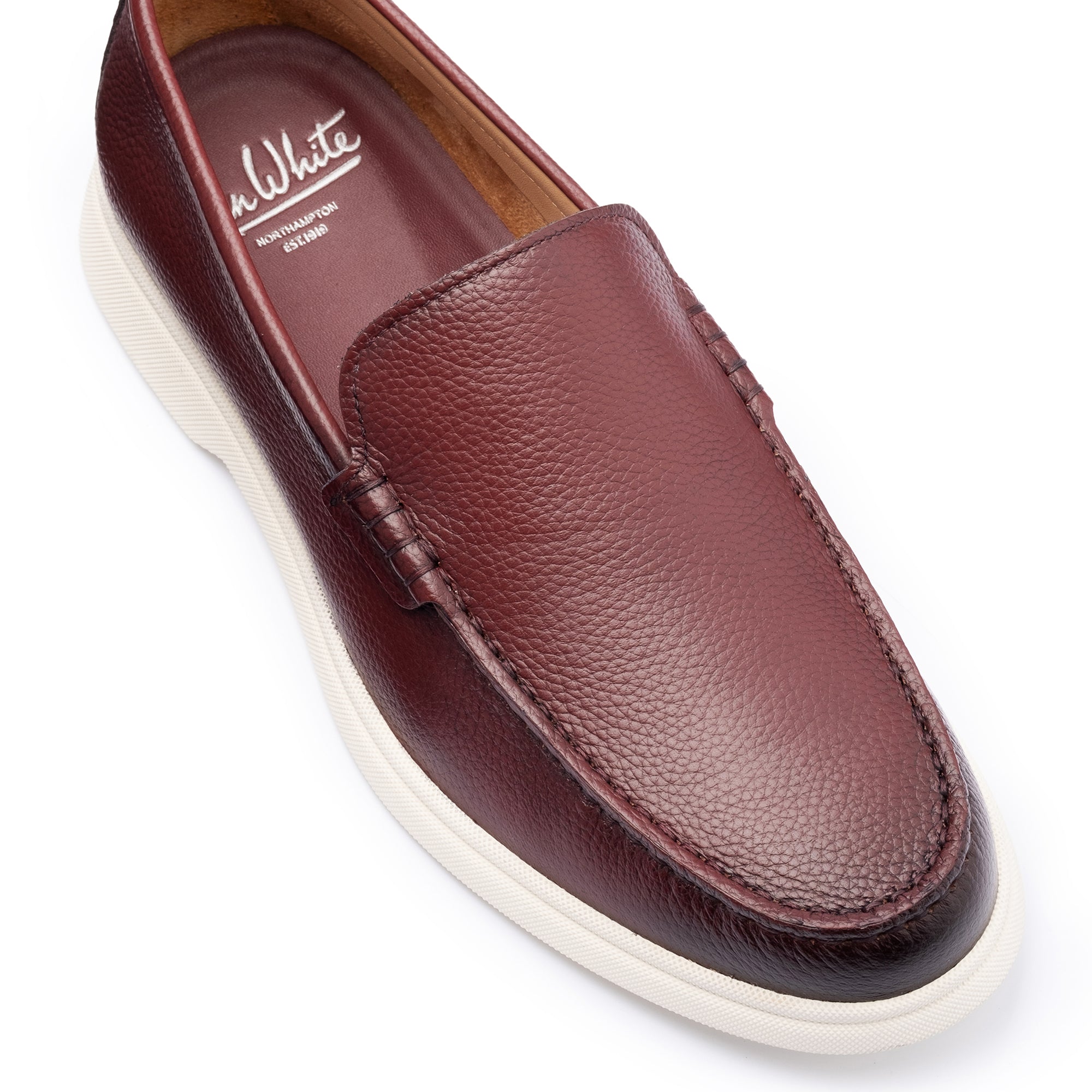
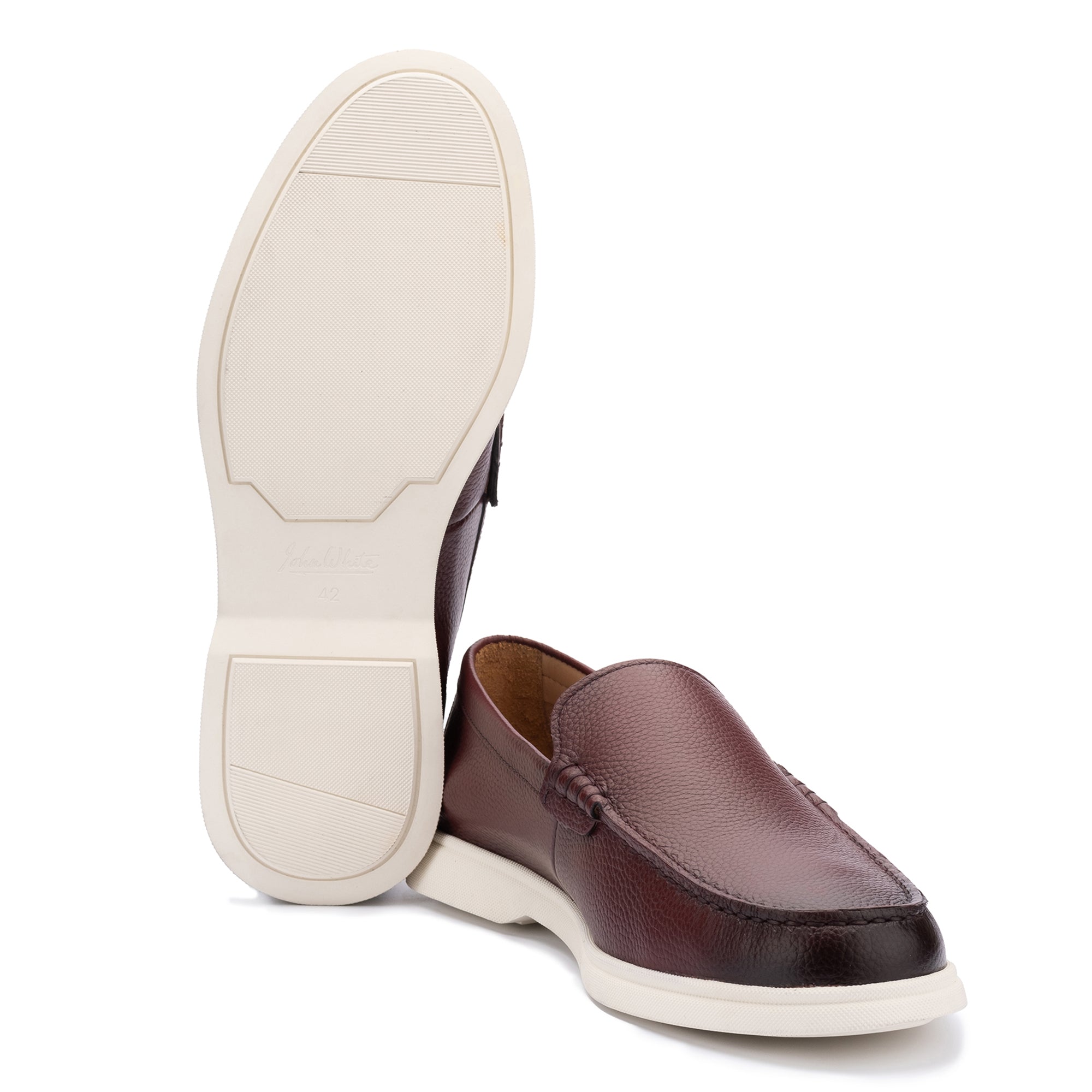
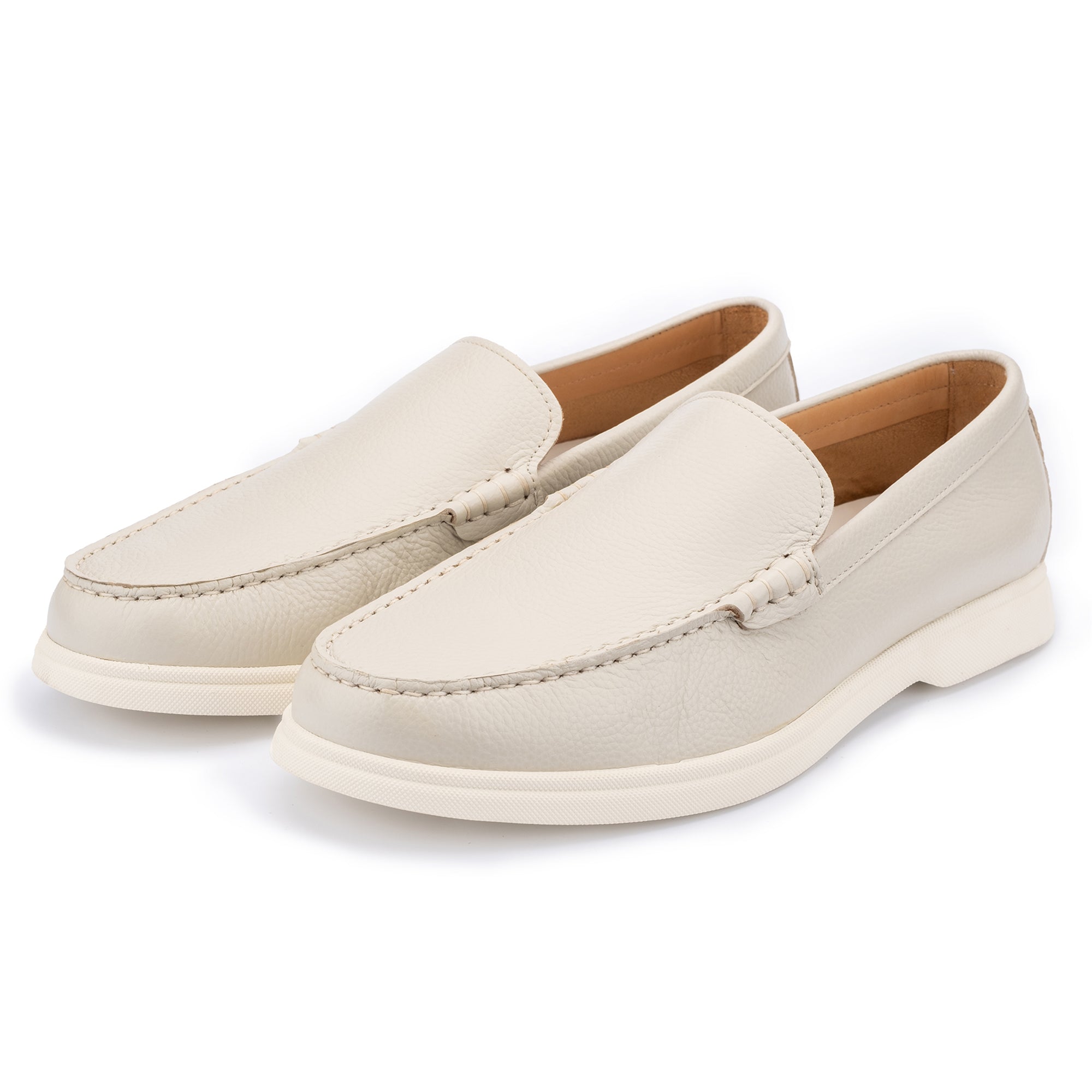
Natural leather markings are not flaws; they are the definitive signature of authenticity. These variations in grain, subtle scars, and fine wrinkles indicate the use of premium full-grain leather, revealing the hide's natural history and distinguishing true craftsmanship from uniform, lower-grade materials.
In This Guide
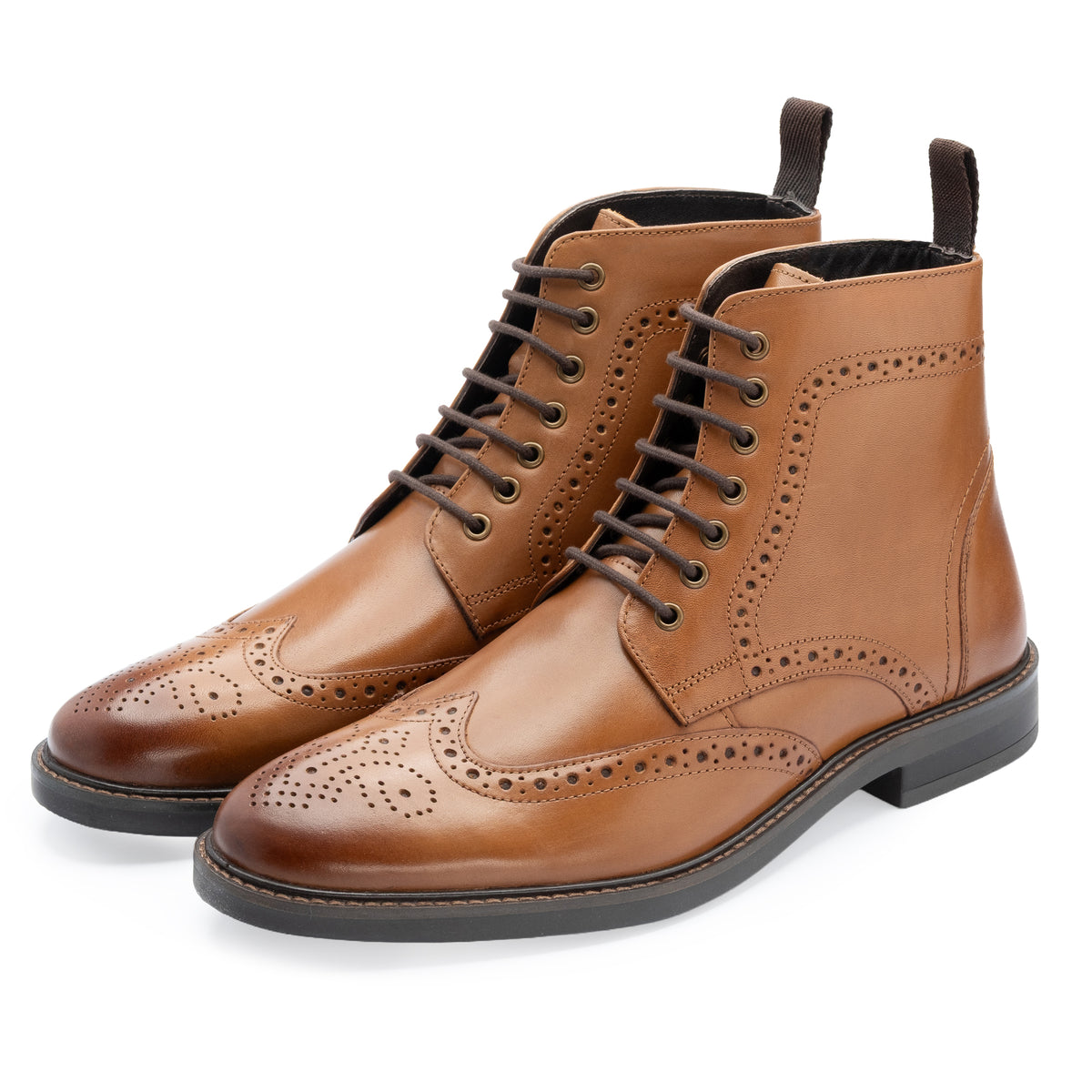
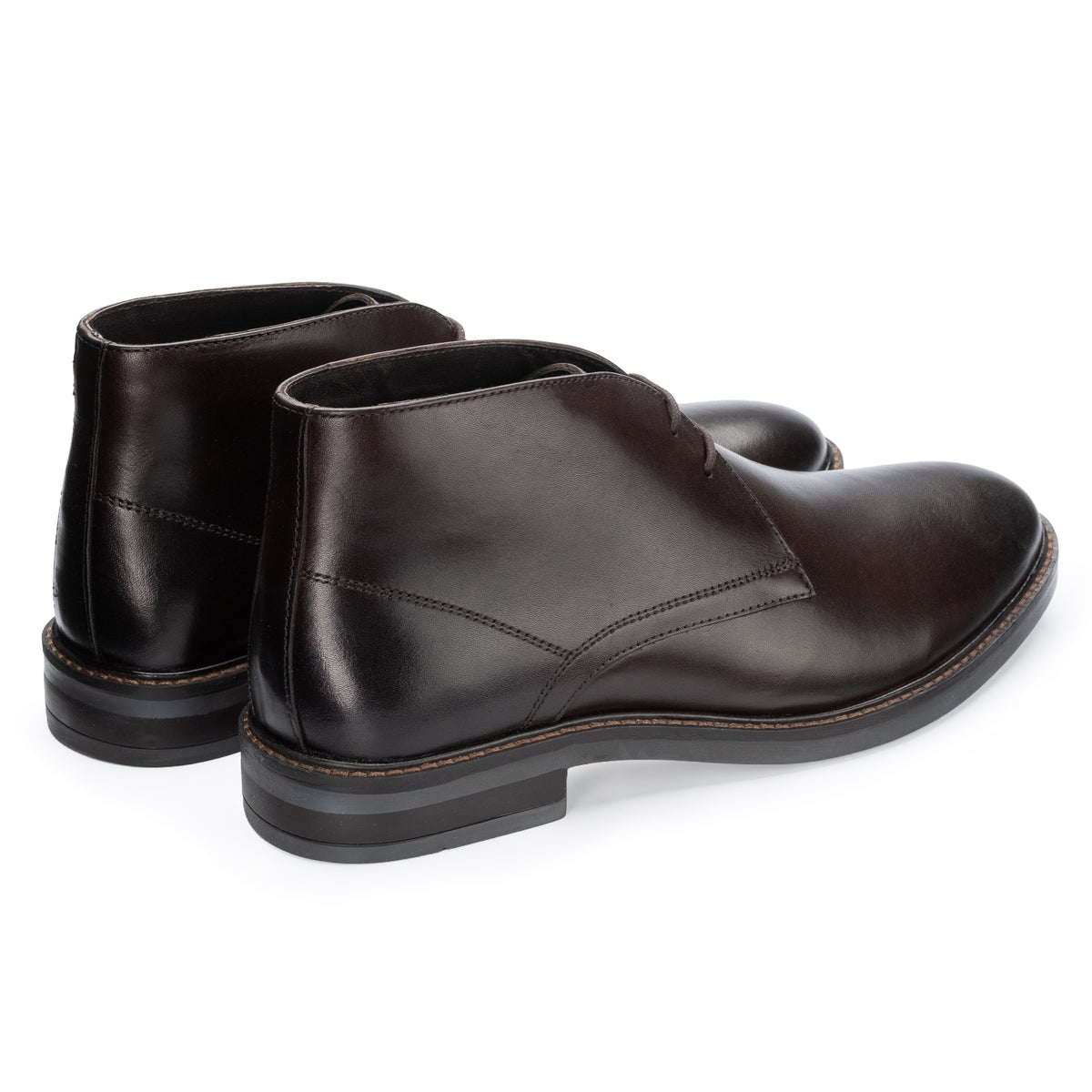
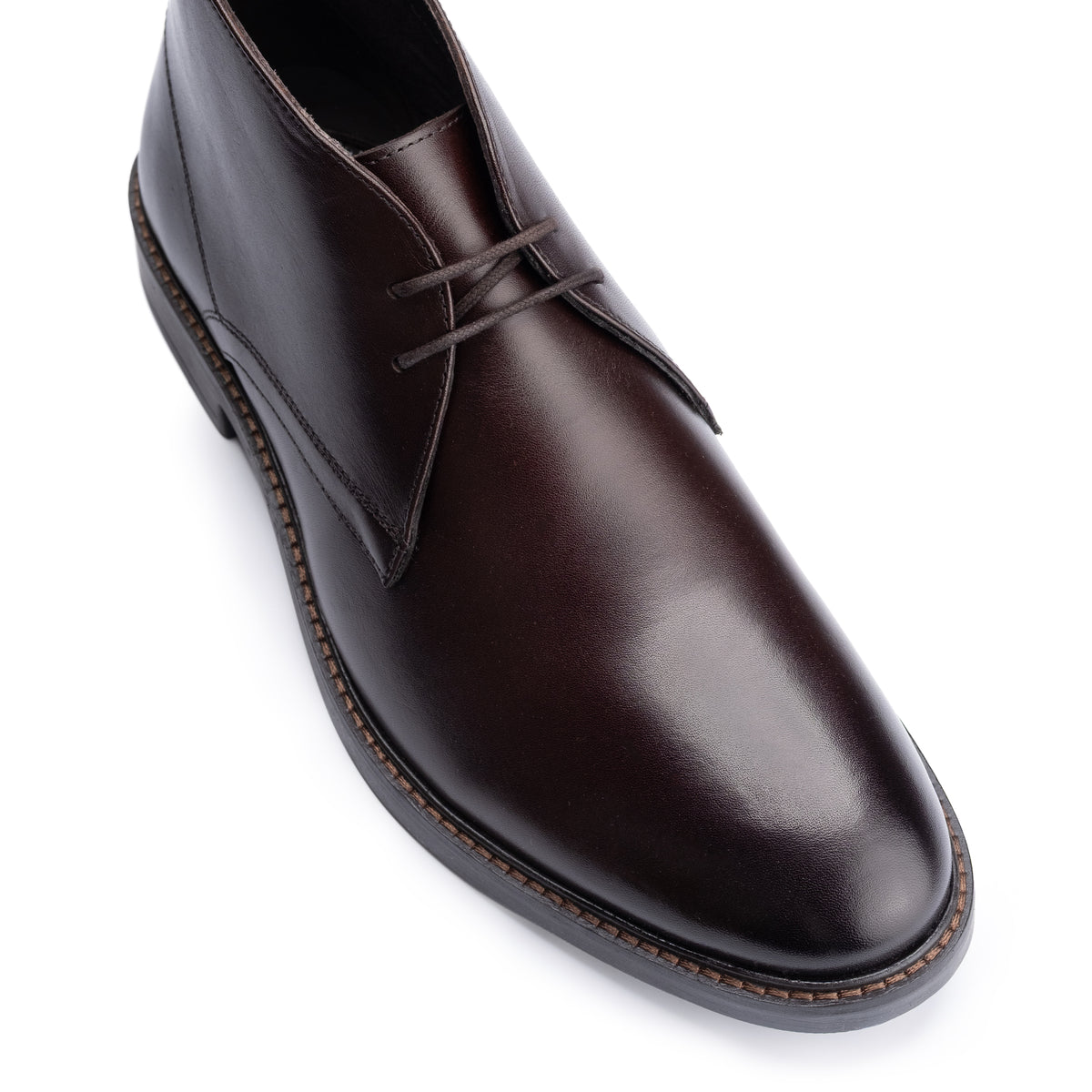
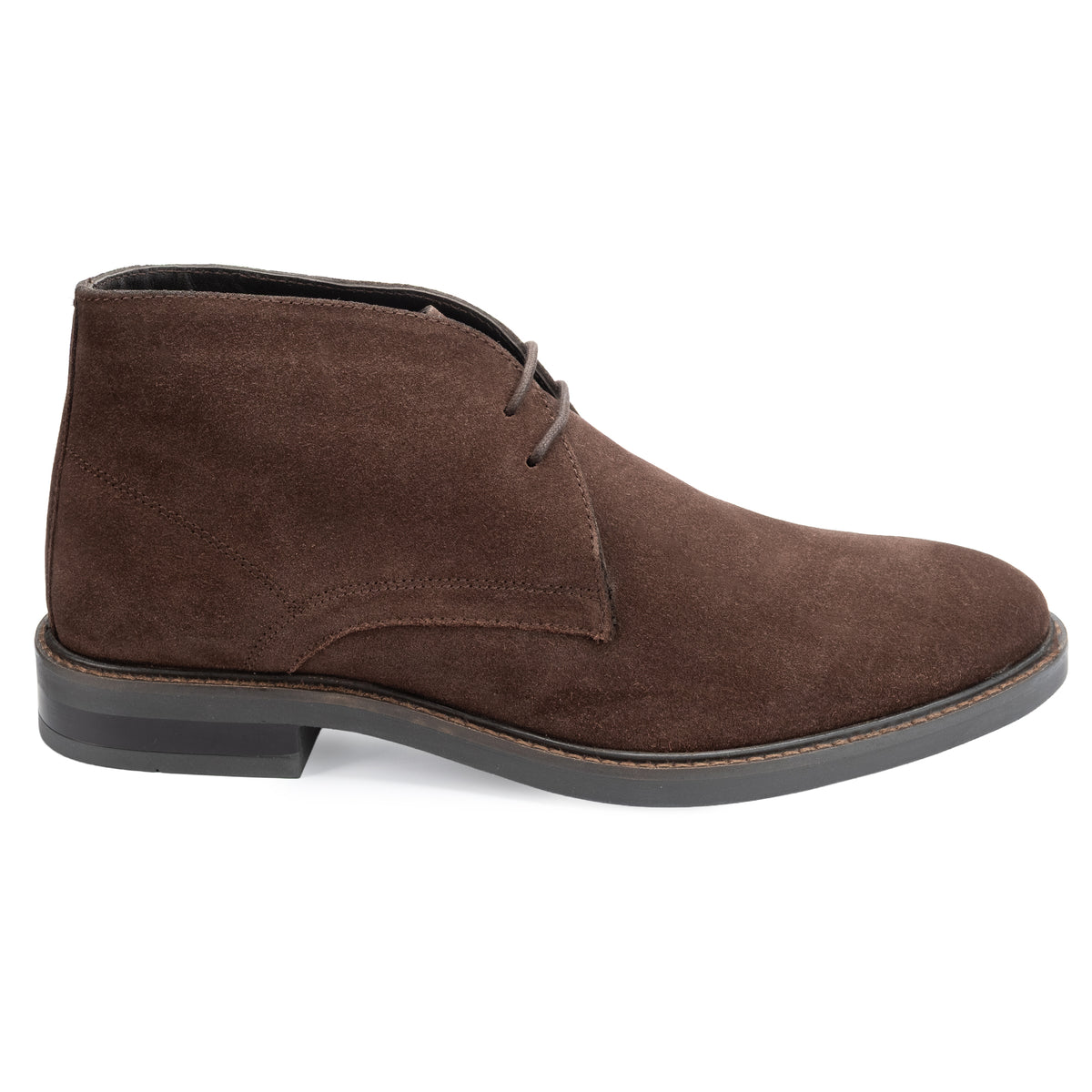
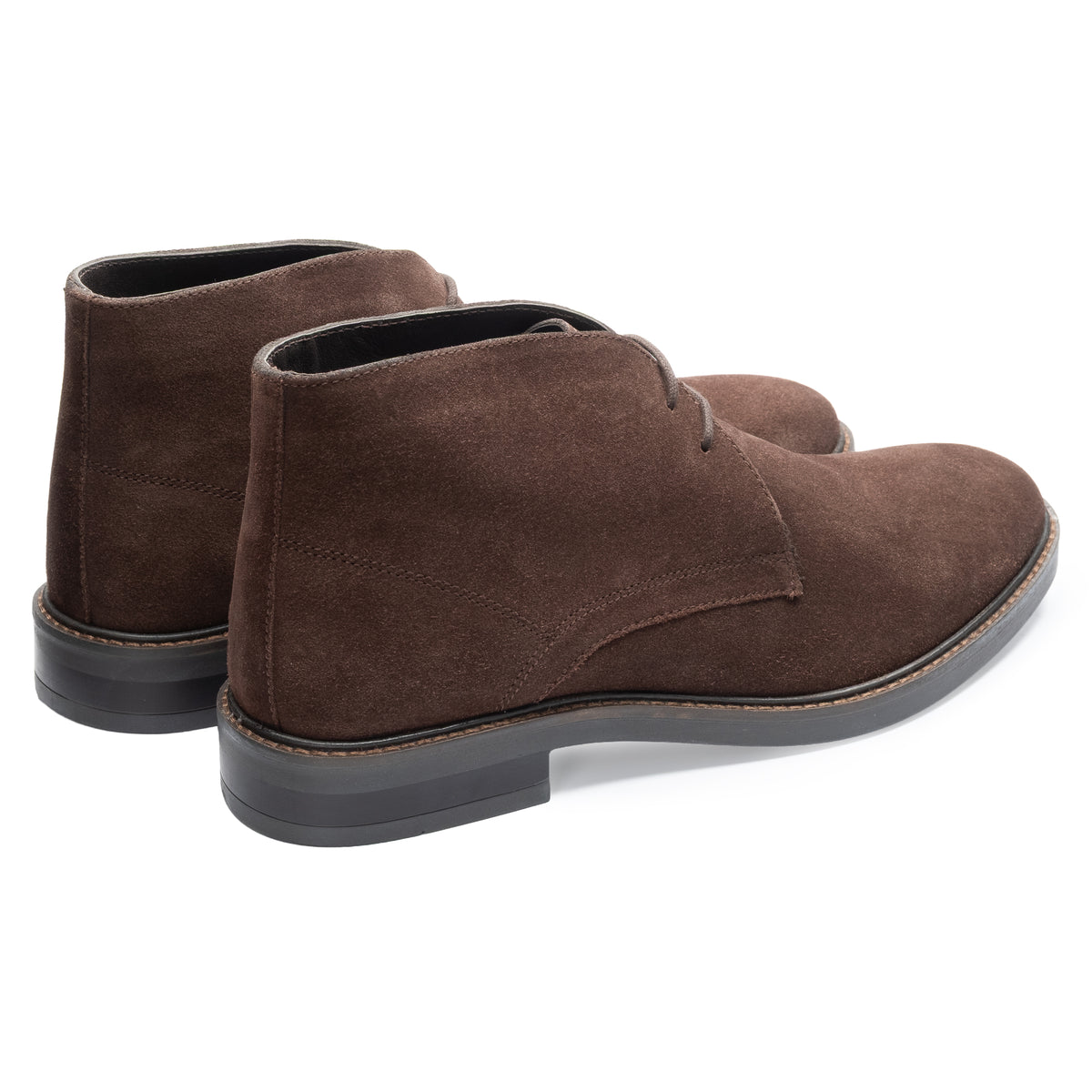
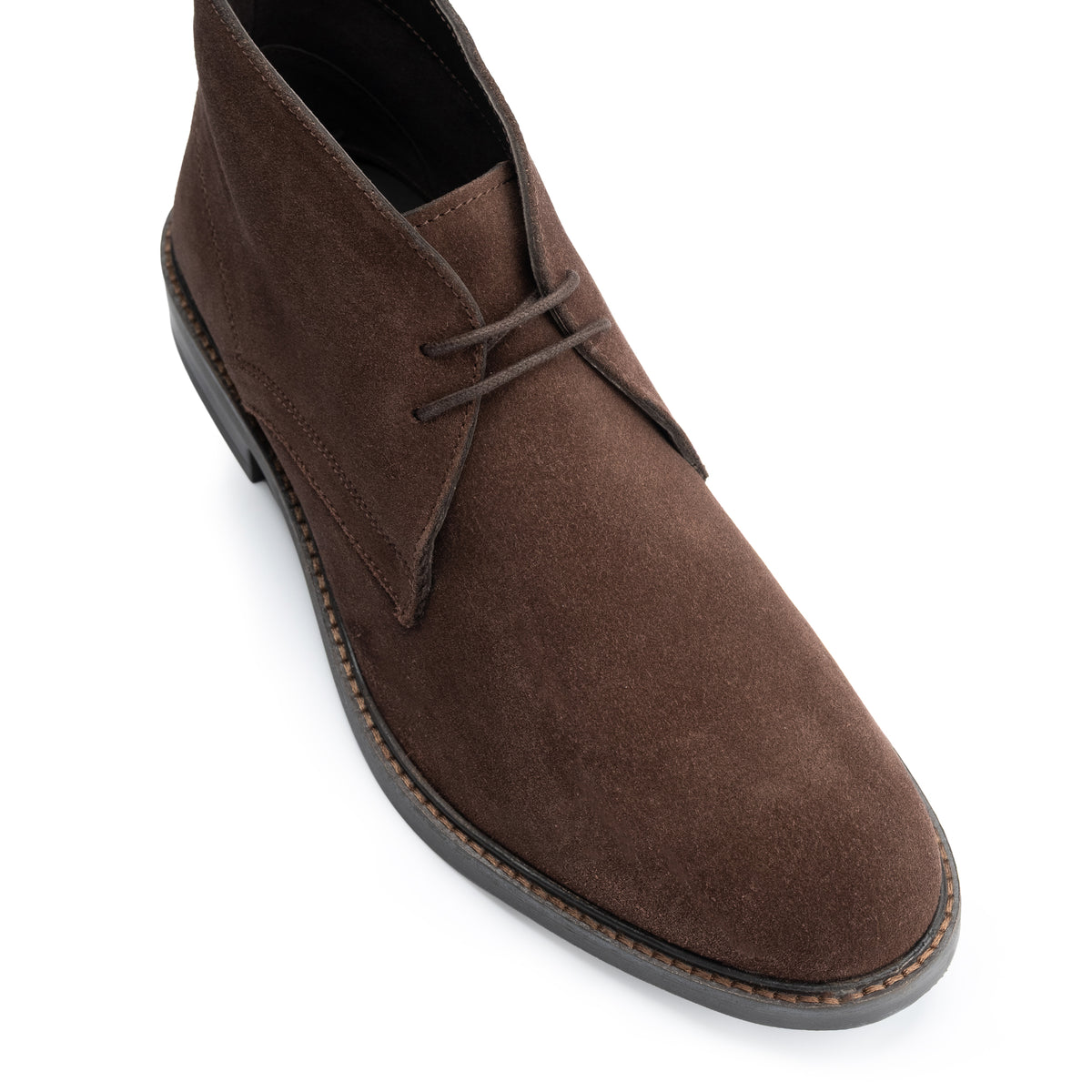
In the pursuit of quality, a discerning eye learns to appreciate character over sterile perfection. When selecting a pair of premium leather shoes, many mistakenly seek a completely uniform, flawless surface. Yet, in the world of true shoemaking heritage, it is the subtle, natural markings on the leather that tell the most compelling story of quality.
Understanding what these markings signify is to understand the very nature of the material itself. They are the narrative of a life lived, preserved in the hide, and a testament to the fact that you are investing in an organic, premium material, not a synthetic or heavily processed imitation. Reading the grain is a fundamental skill for any gentleman serious about his footwear.
Why Do Natural Leather Markings Indicate Higher Quality?
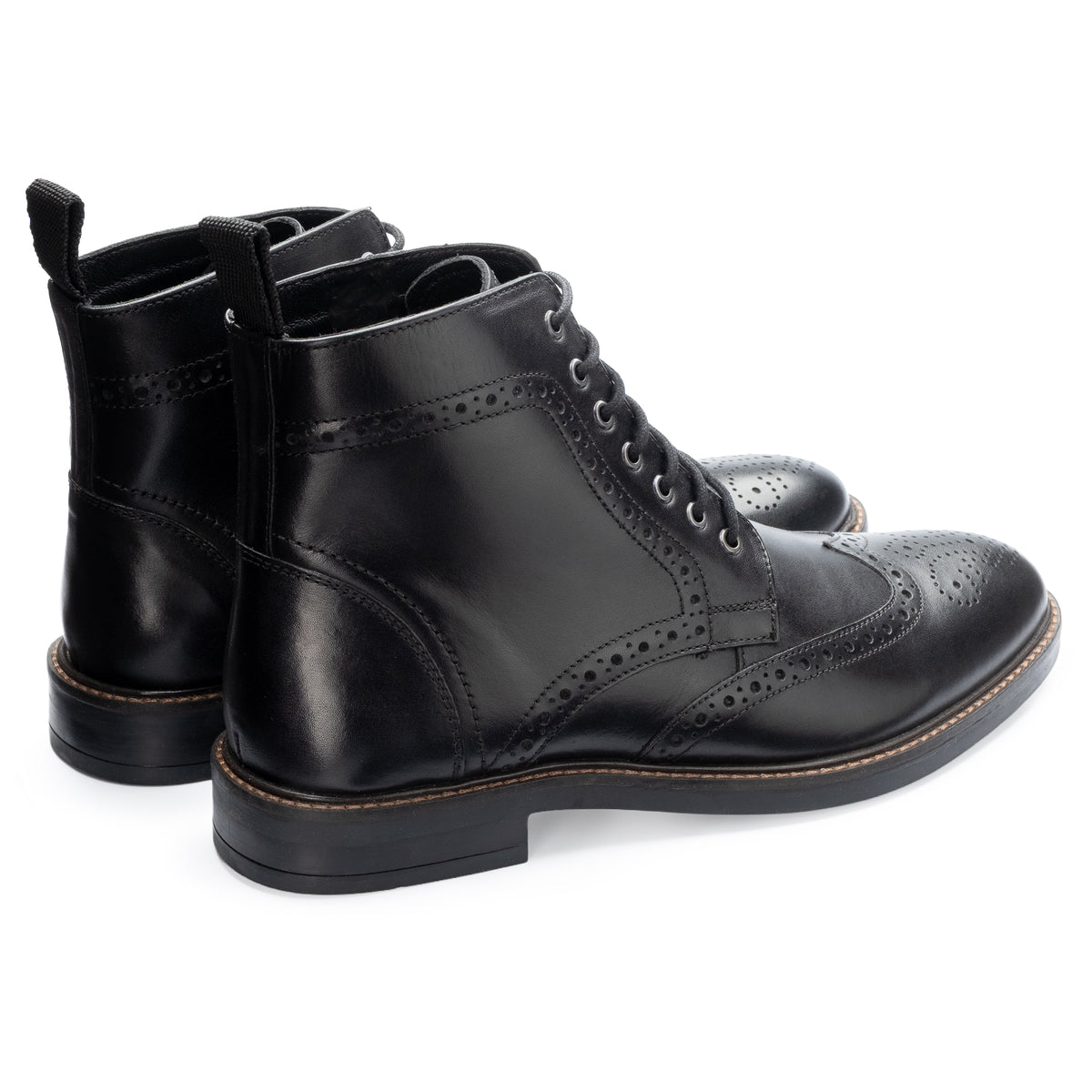
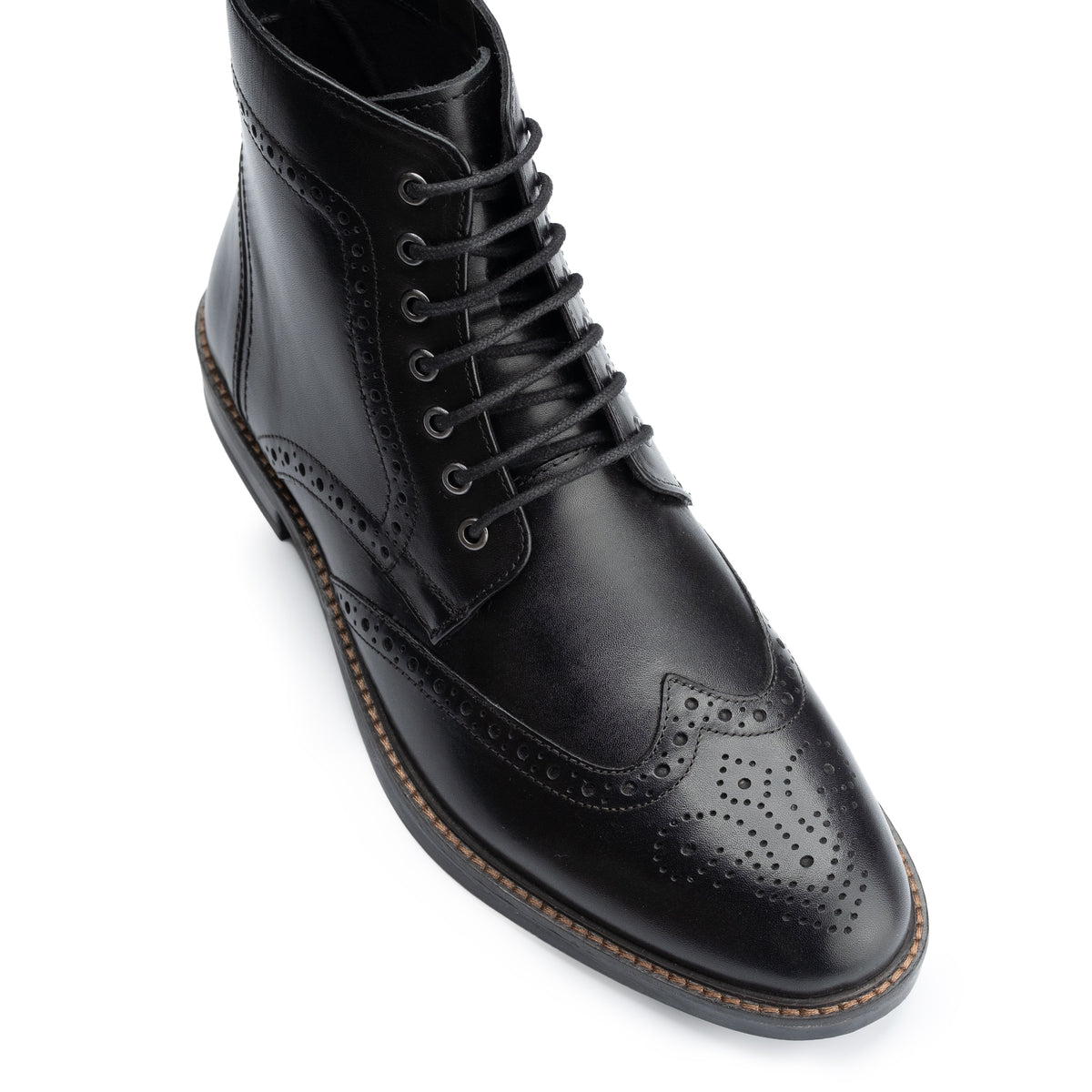
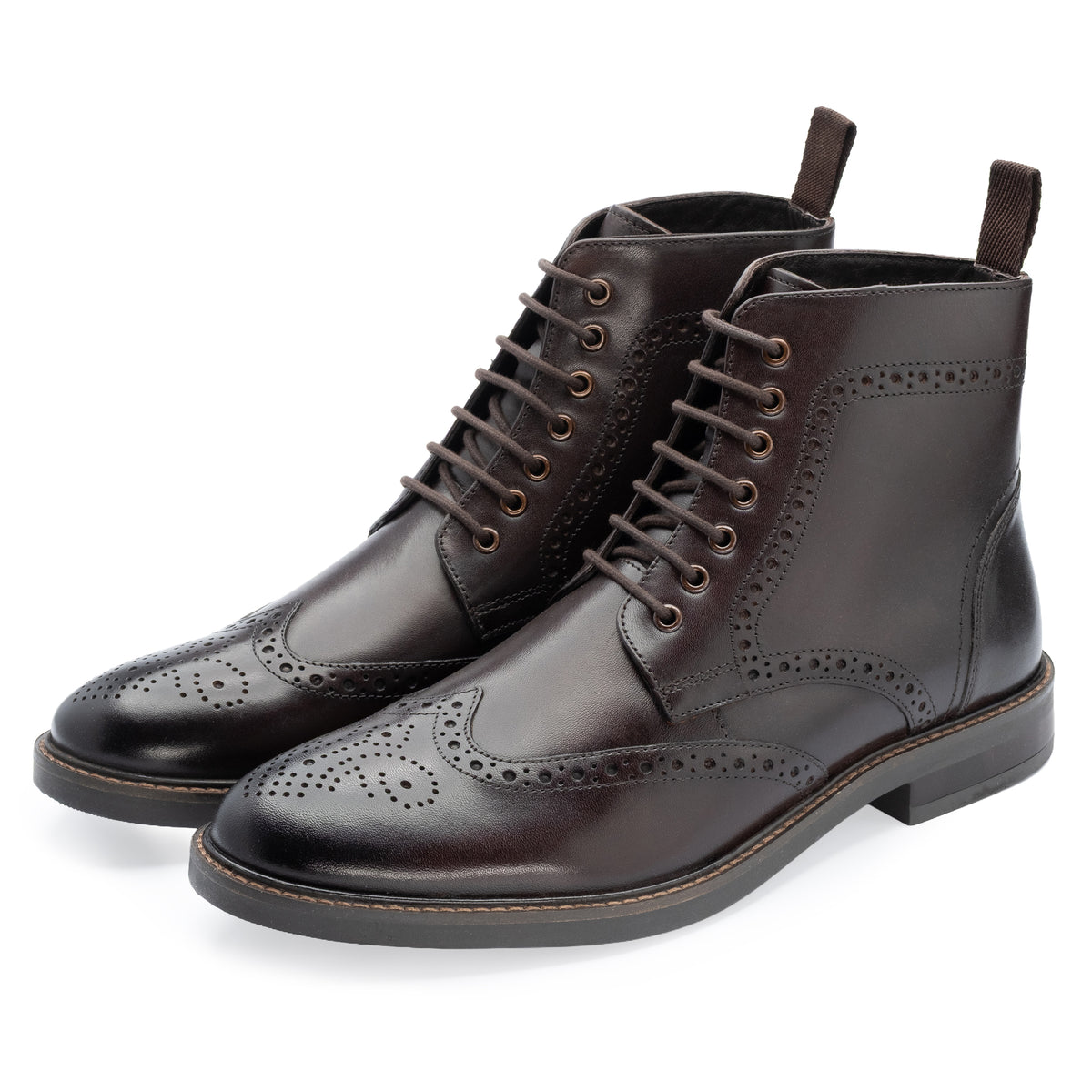
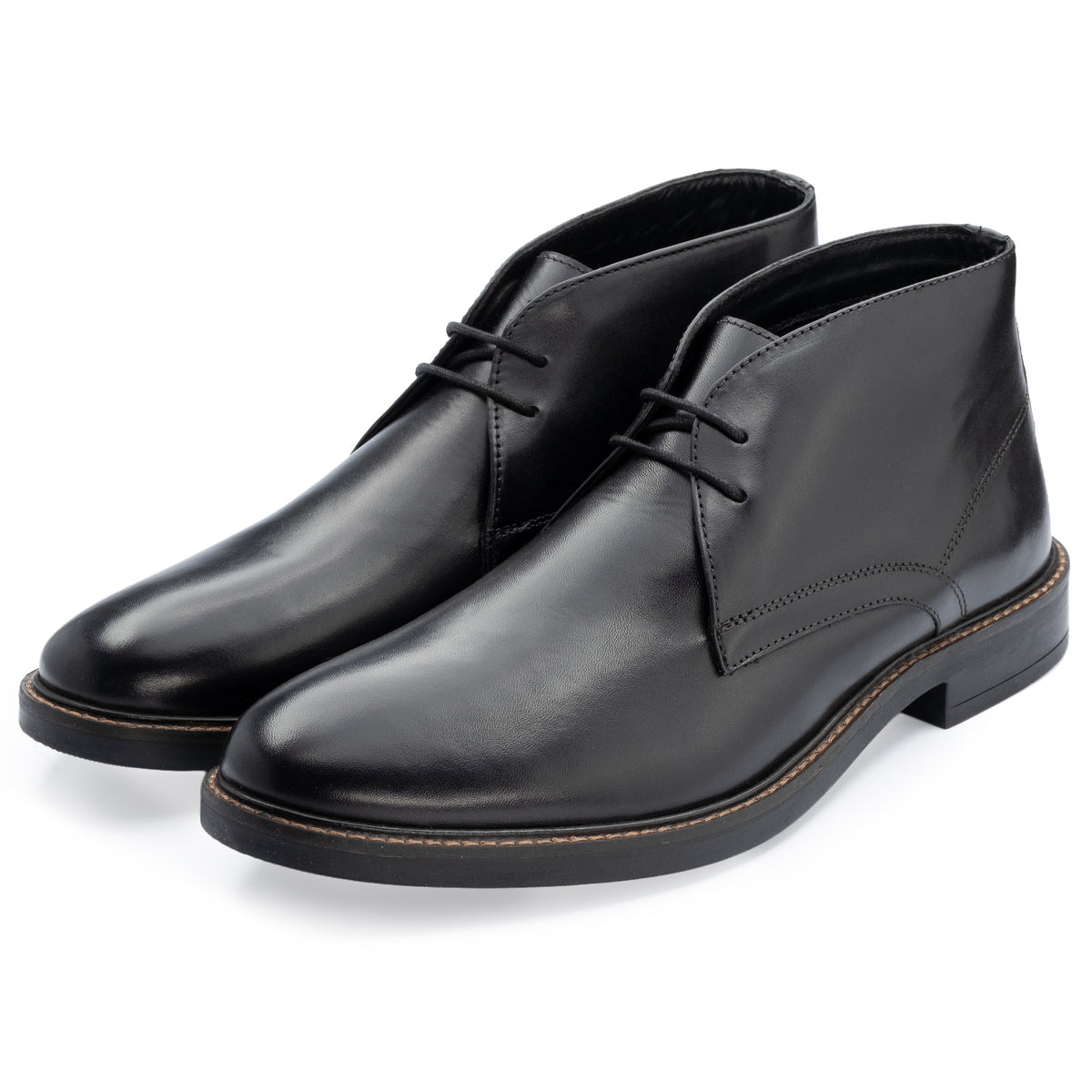
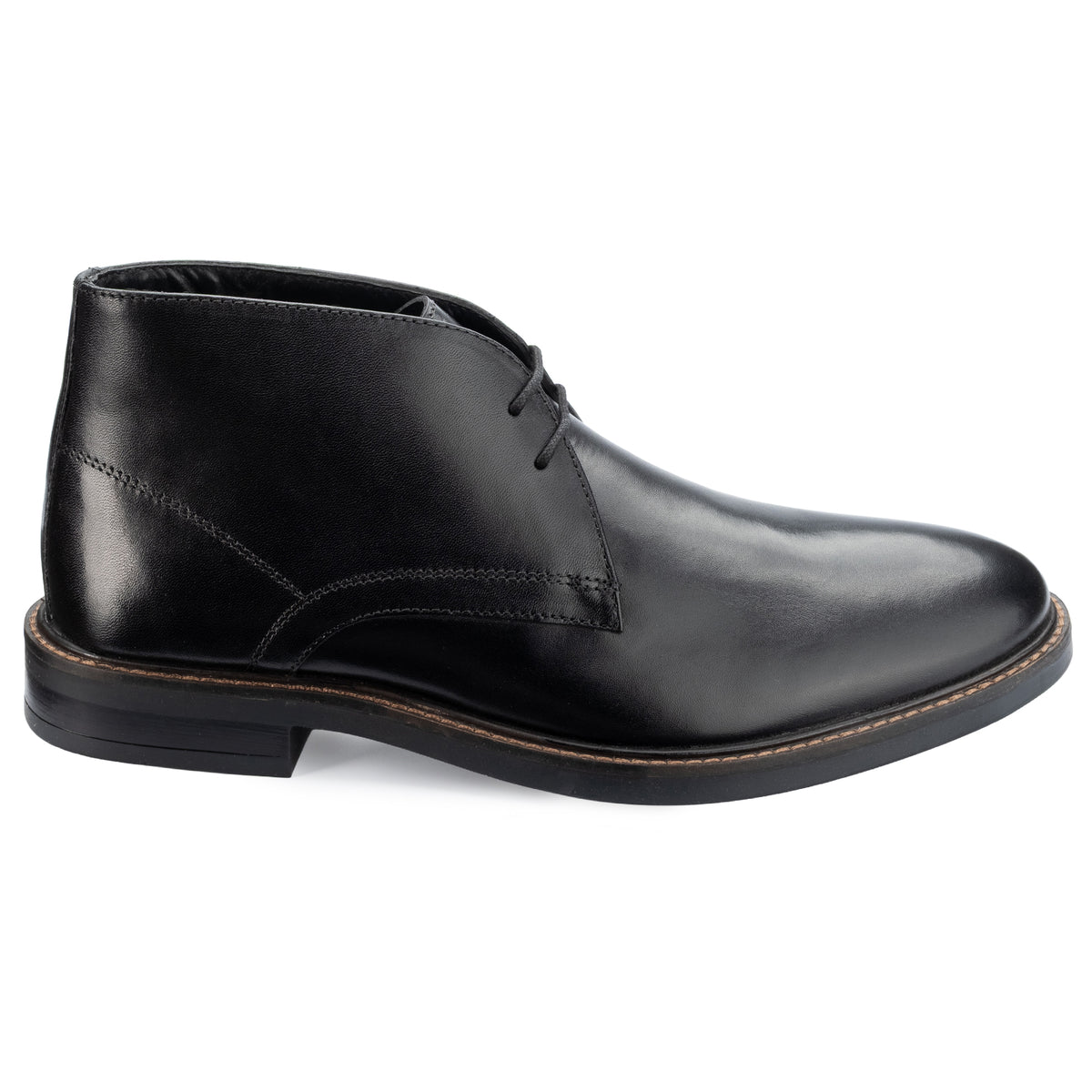
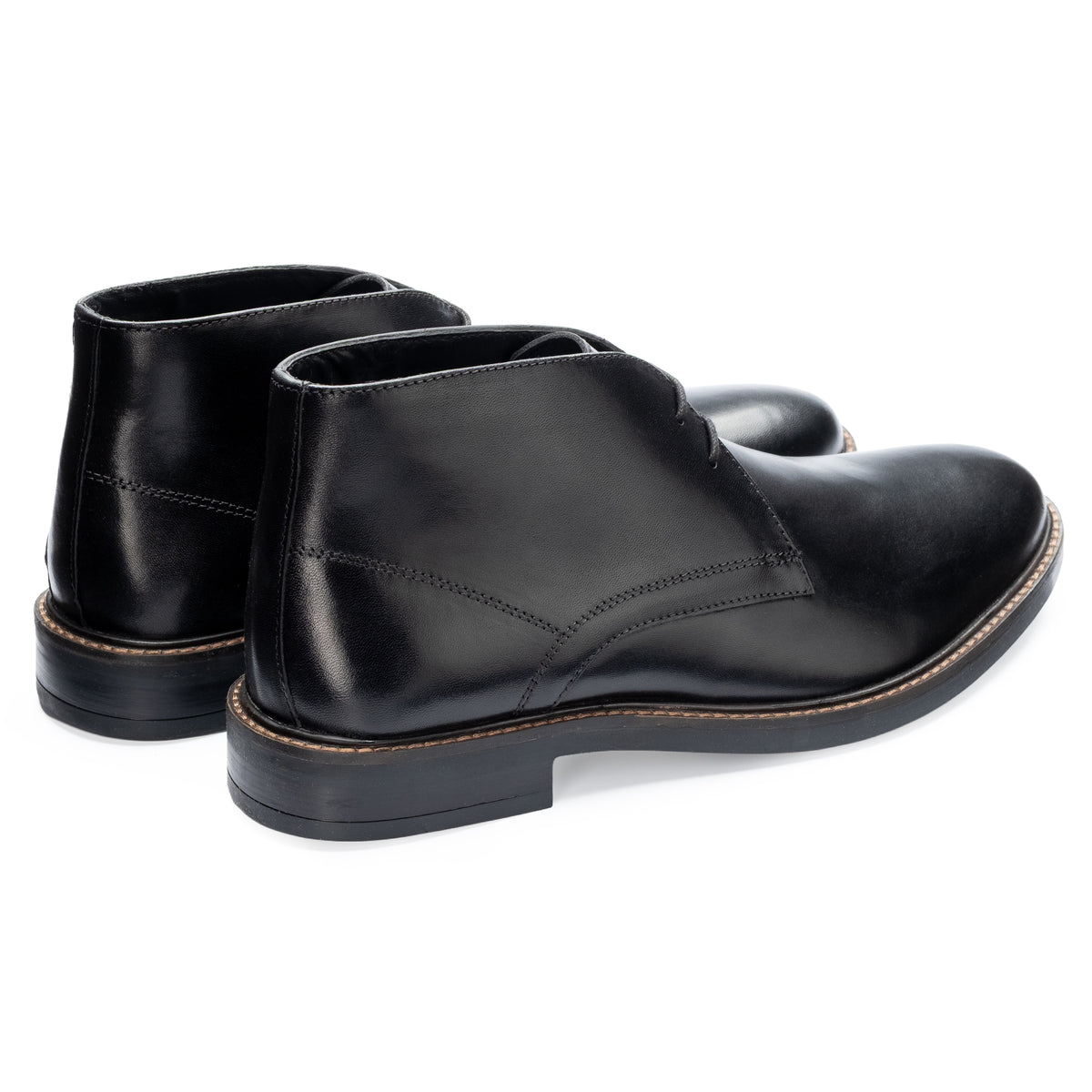
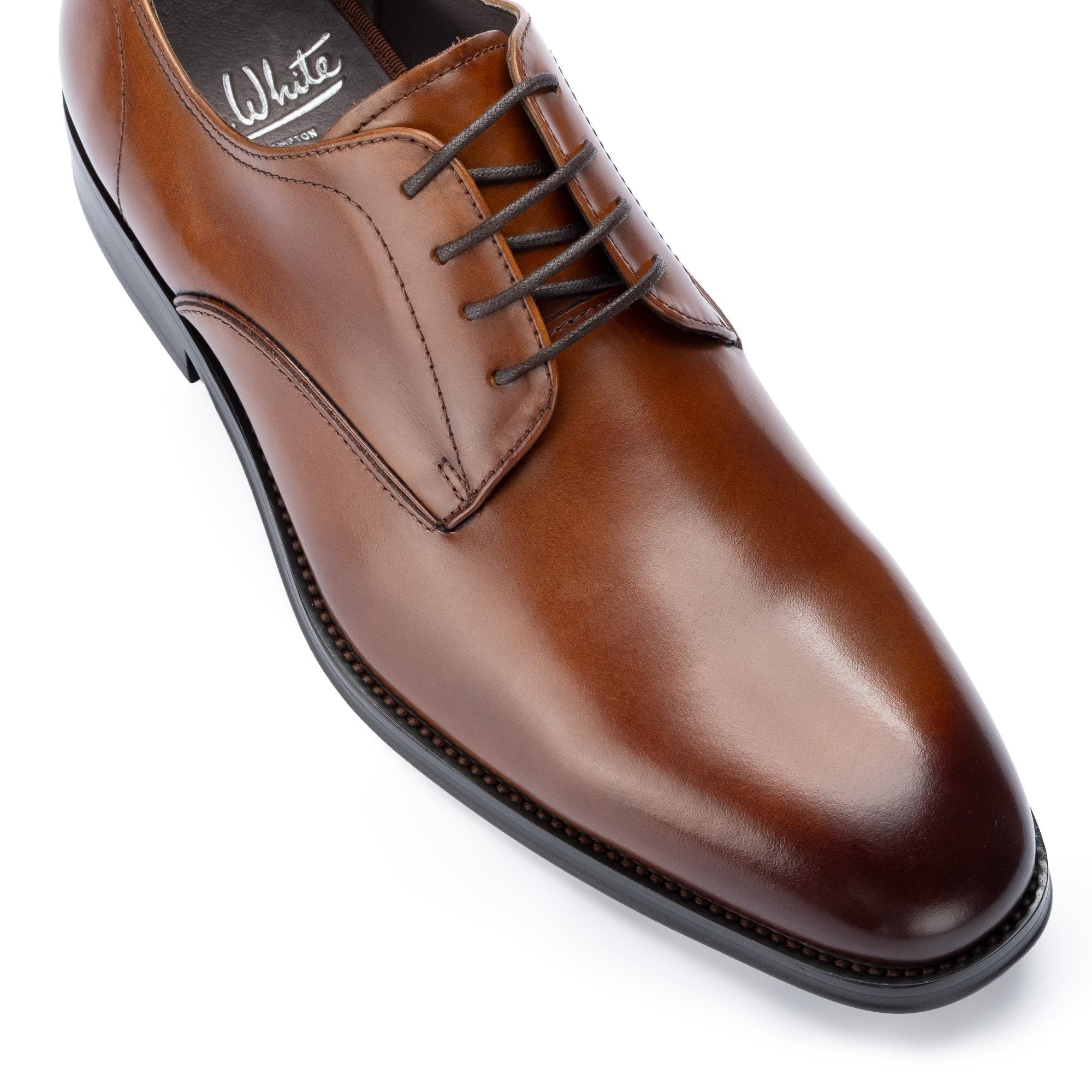
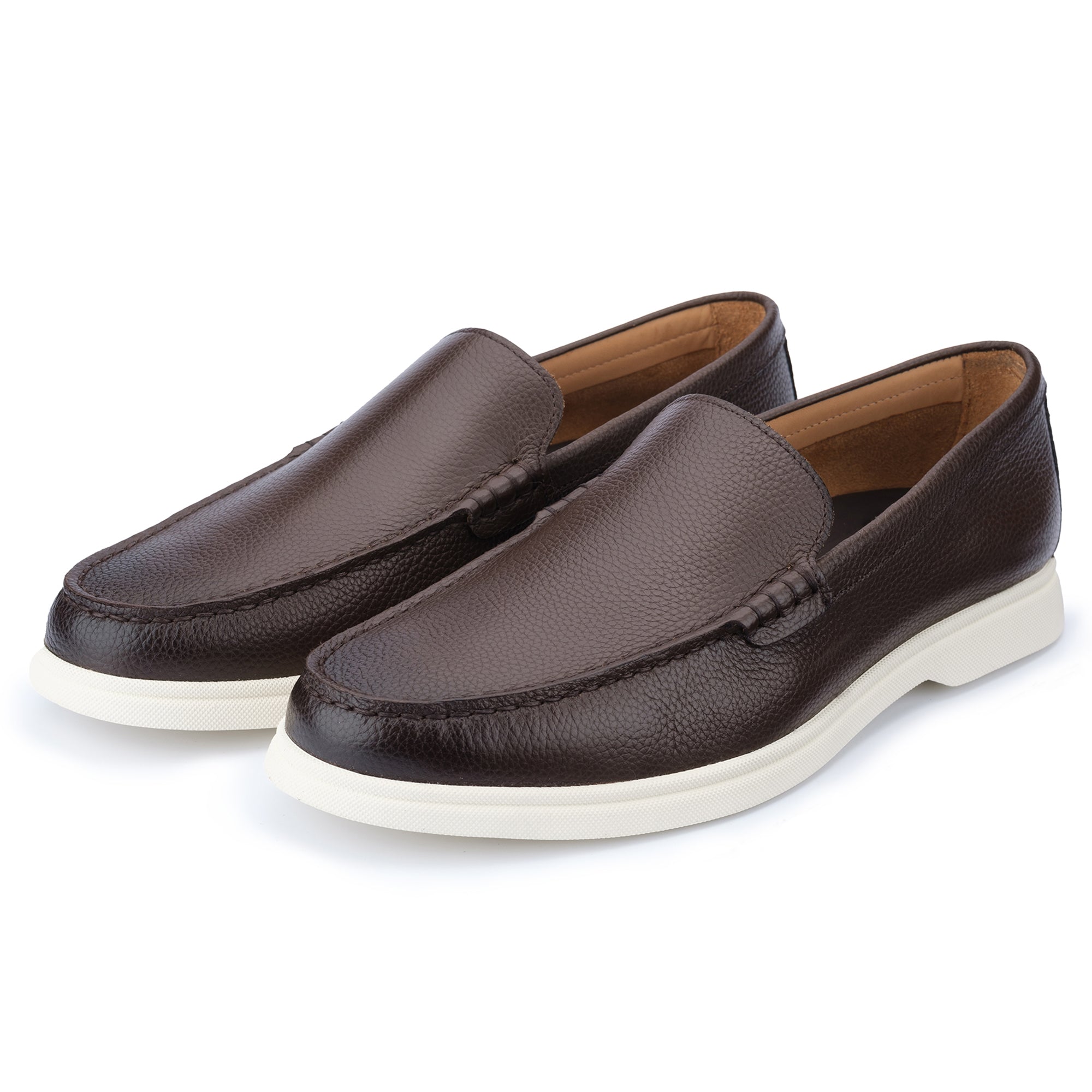
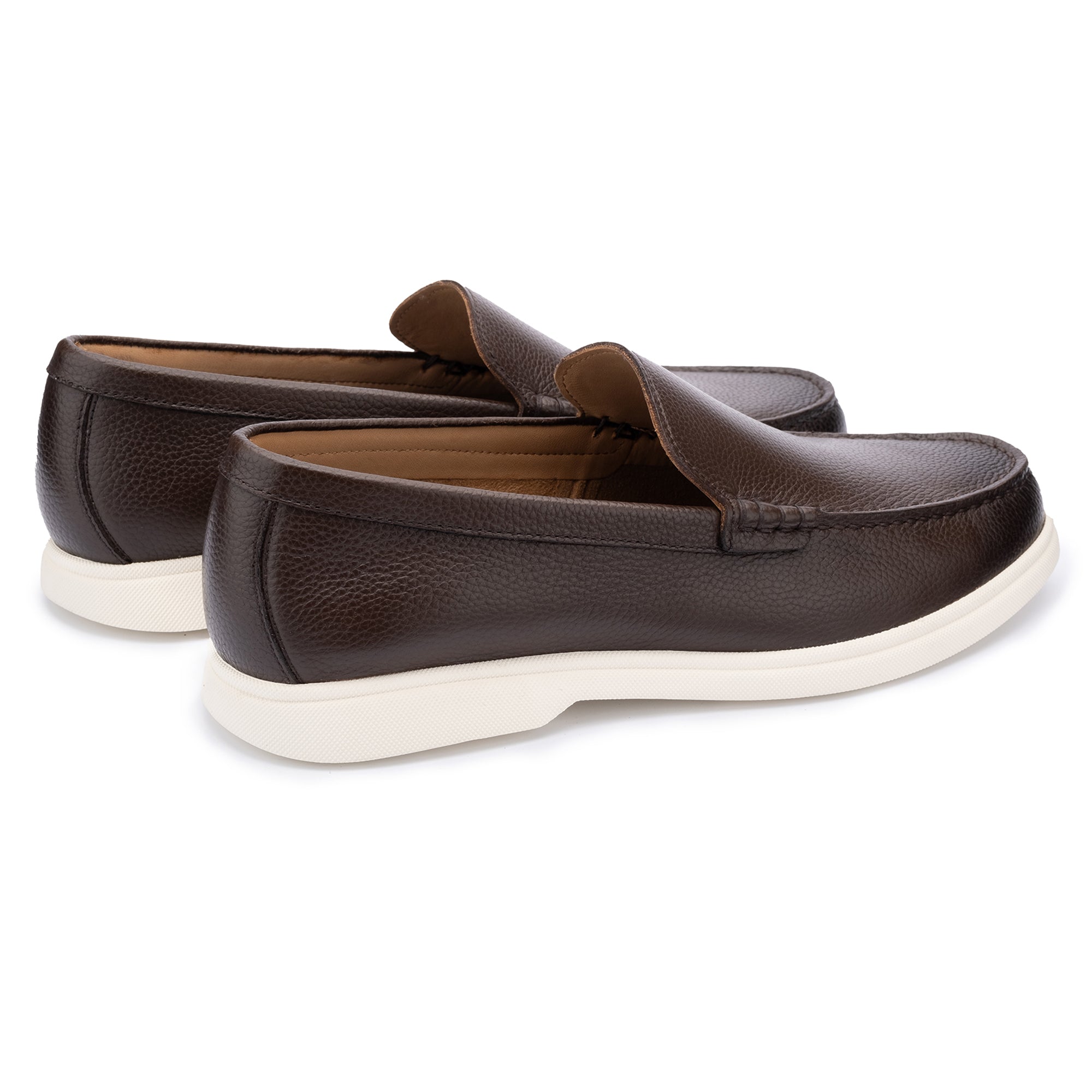
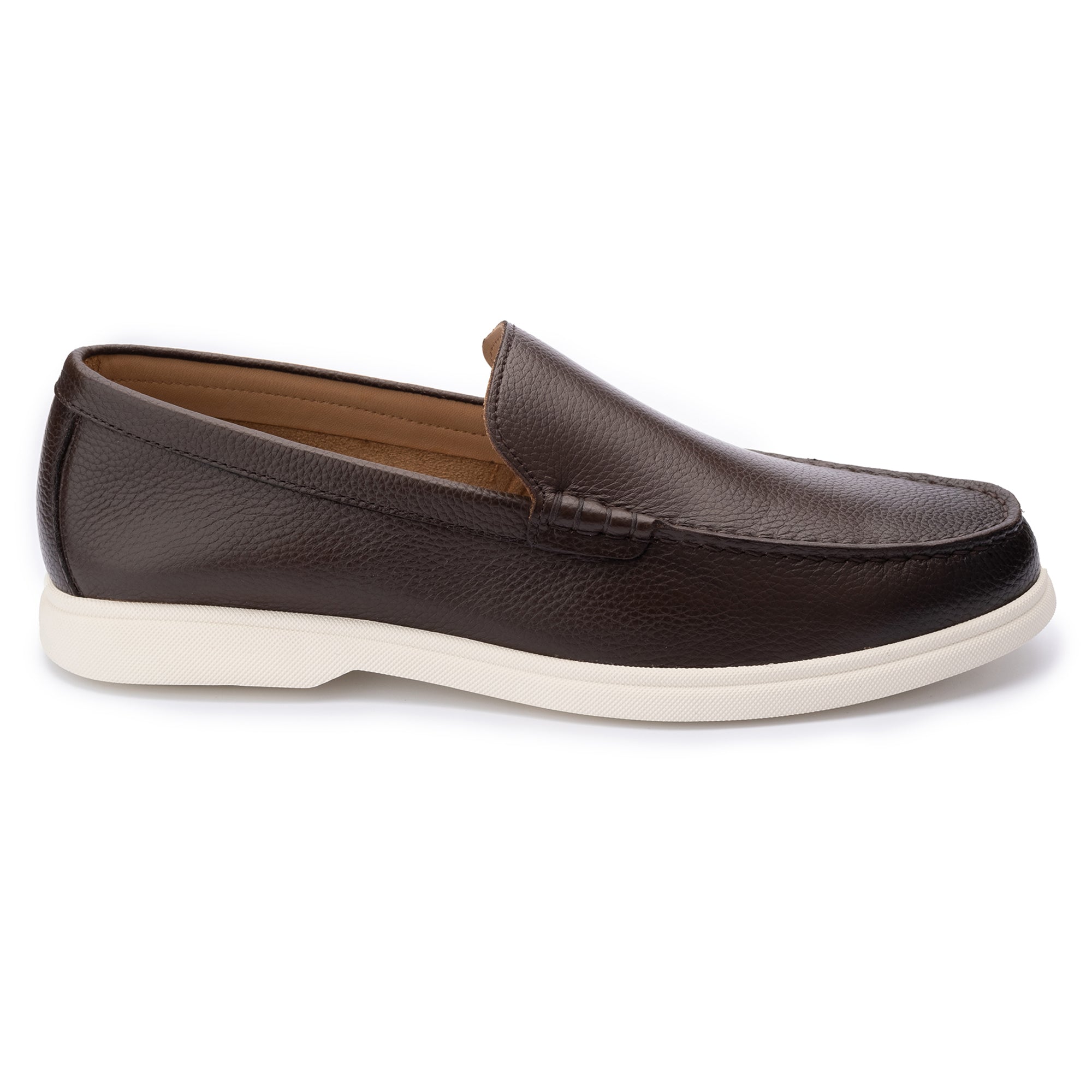
The presence of natural markings is a direct indicator of the type and grade of leather used. Premium footwear is crafted from full-grain leather, which is the highest quality grade available. It comes from the top layer of the hide and includes the complete, natural grain.
This outer layer is the strongest, most durable, and most breathable part of the hide. Because it has not been sanded, buffed, or corrected to remove imperfections, it retains its inherent strength and all the unique markings that tell its story. As the British Leather Confederation notes, "The unique grain and natural characteristics of genuine leather are its hallmark, a guarantee of authenticity that cannot be replicated."
Conversely, leathers with a perfectly uniform, plastic-like finish are often "corrected-grain". This means the natural top layer has been sanded away to remove imperfections, and an artificial grain pattern is then embossed onto the surface. This process weakens the leather’s structure and removes the very character that defines a premium hide. We have covered this in more detail in our guide to full-grain vs corrected-grain leather.
By choosing to use full-grain leather, a shoemaker embraces the material's authenticity, prioritising enduring quality and character over artificial uniformity.
What Are the Common Types of Natural Leather Markings?
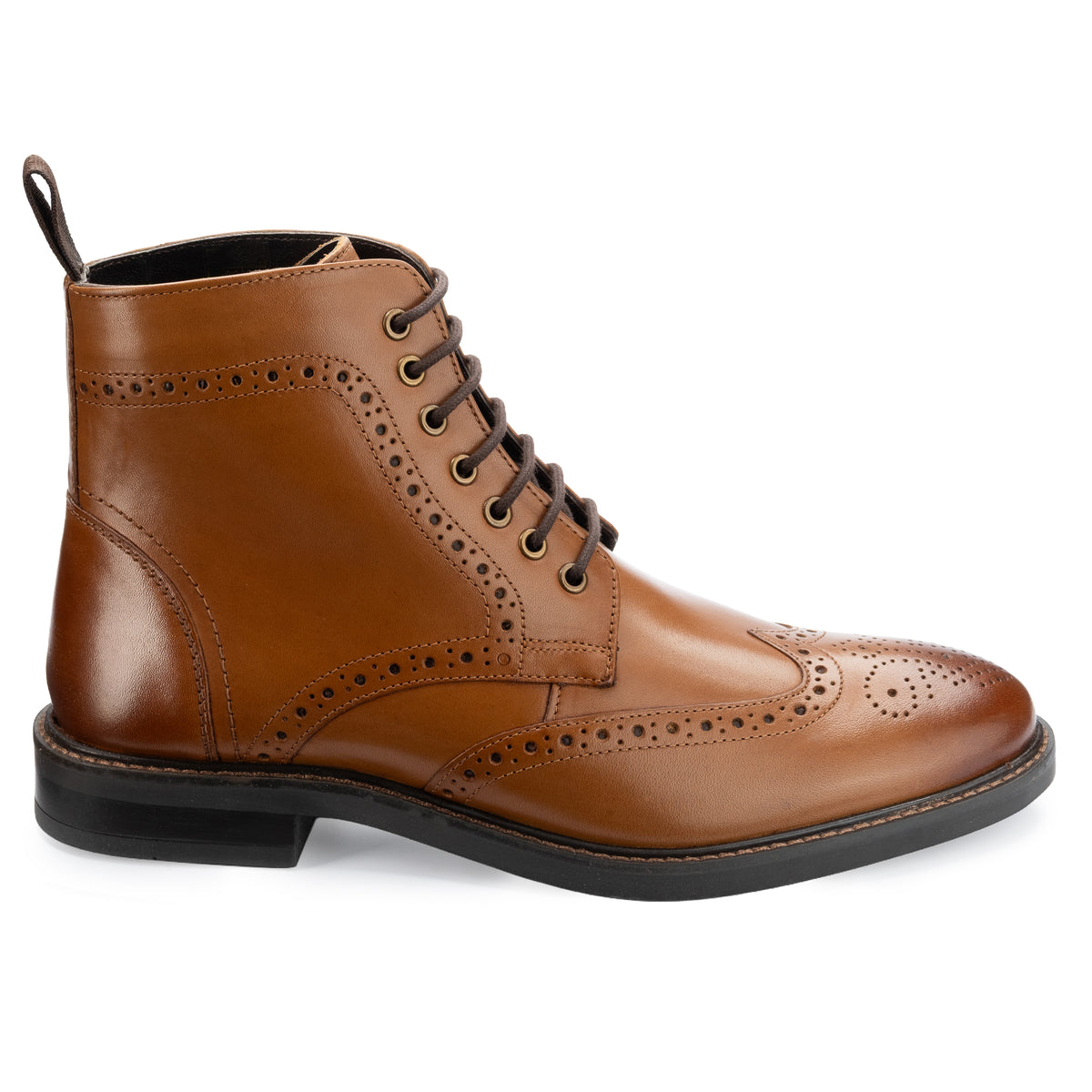
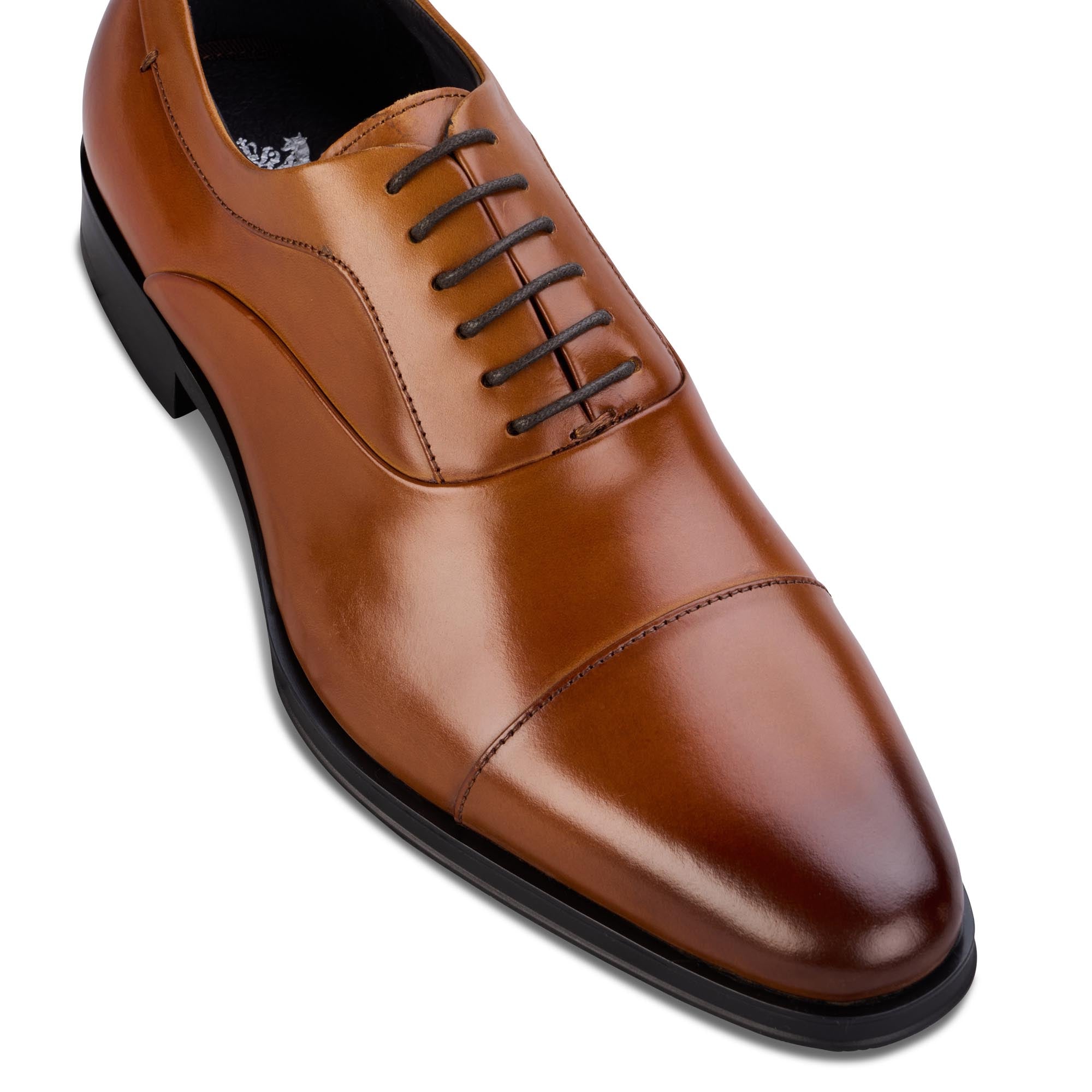
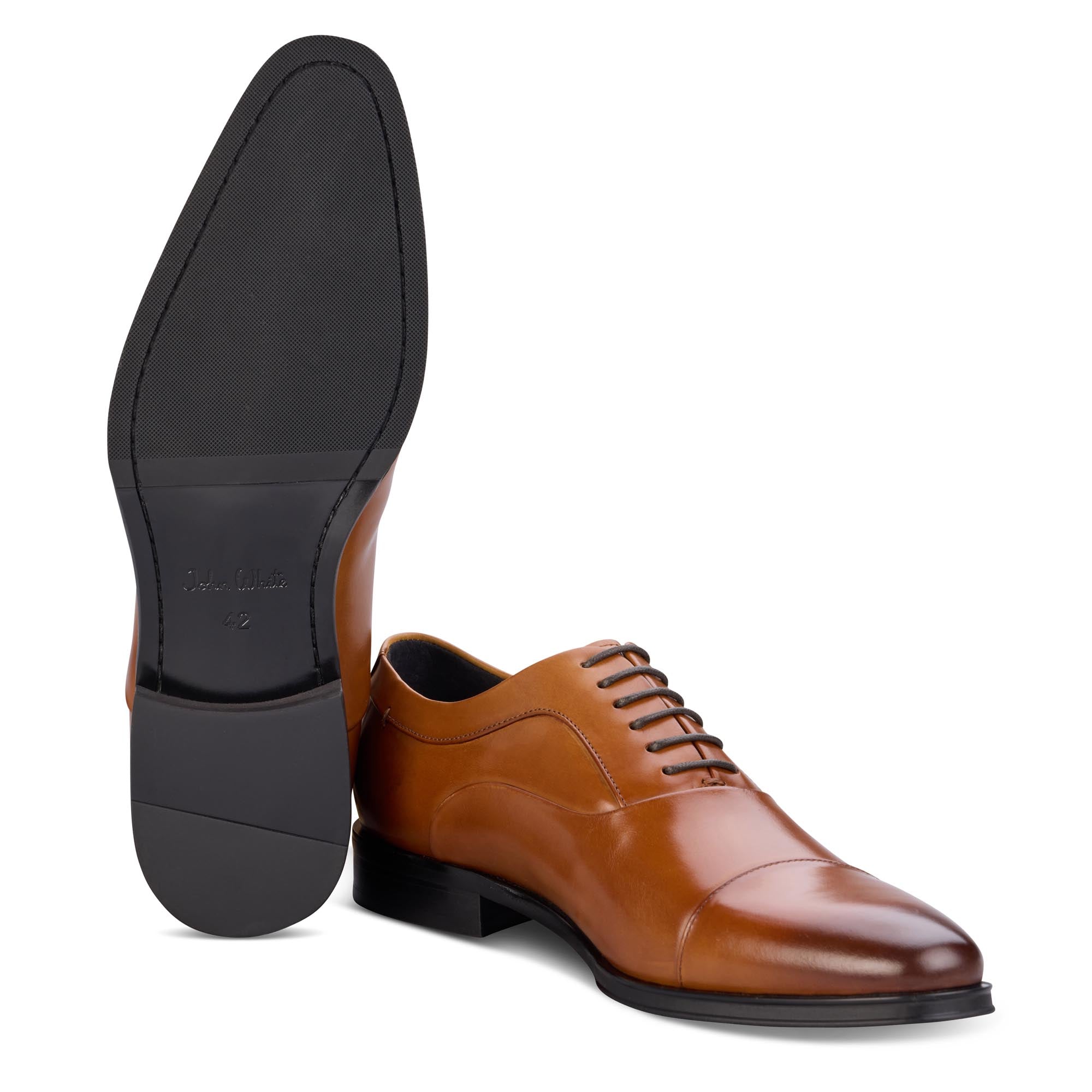
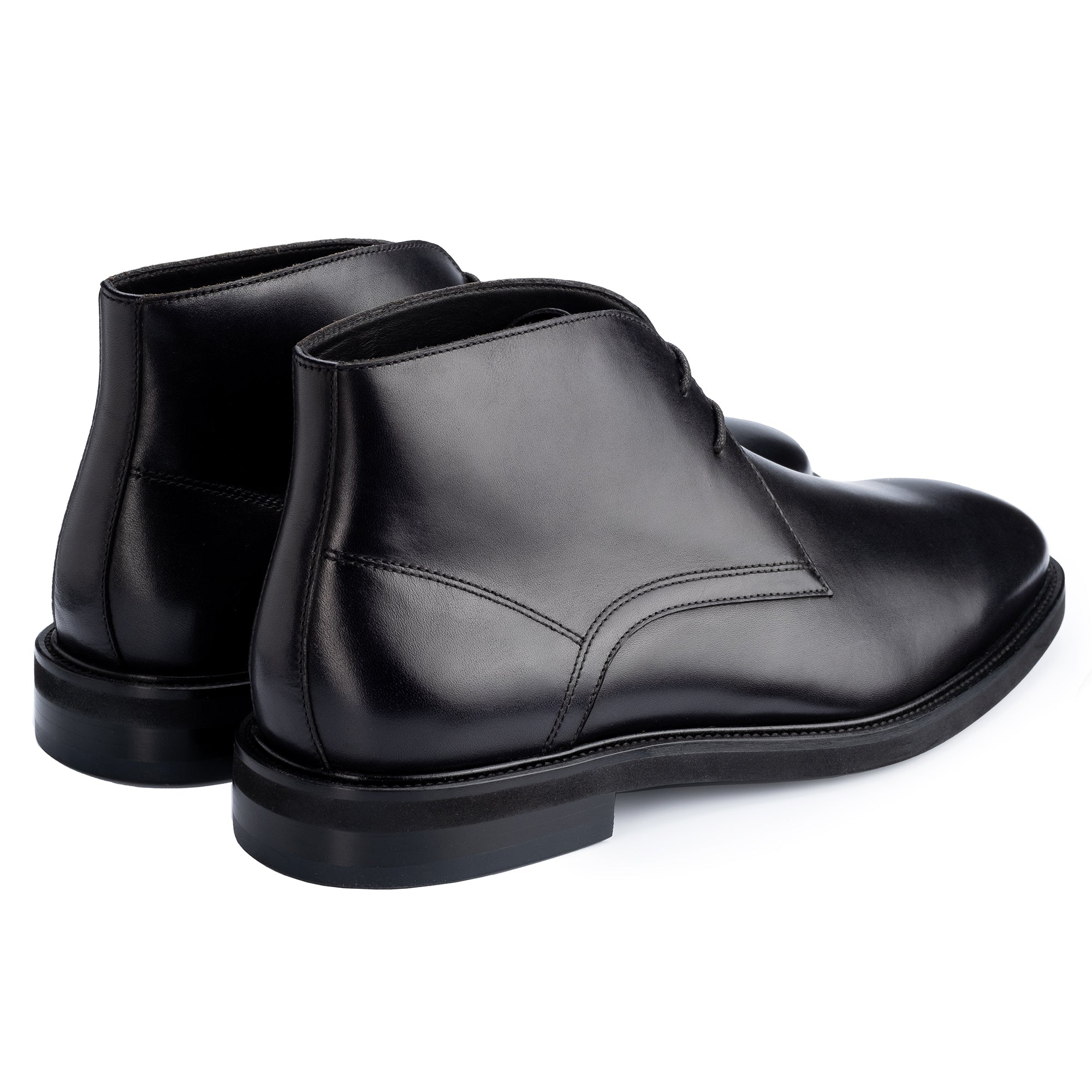
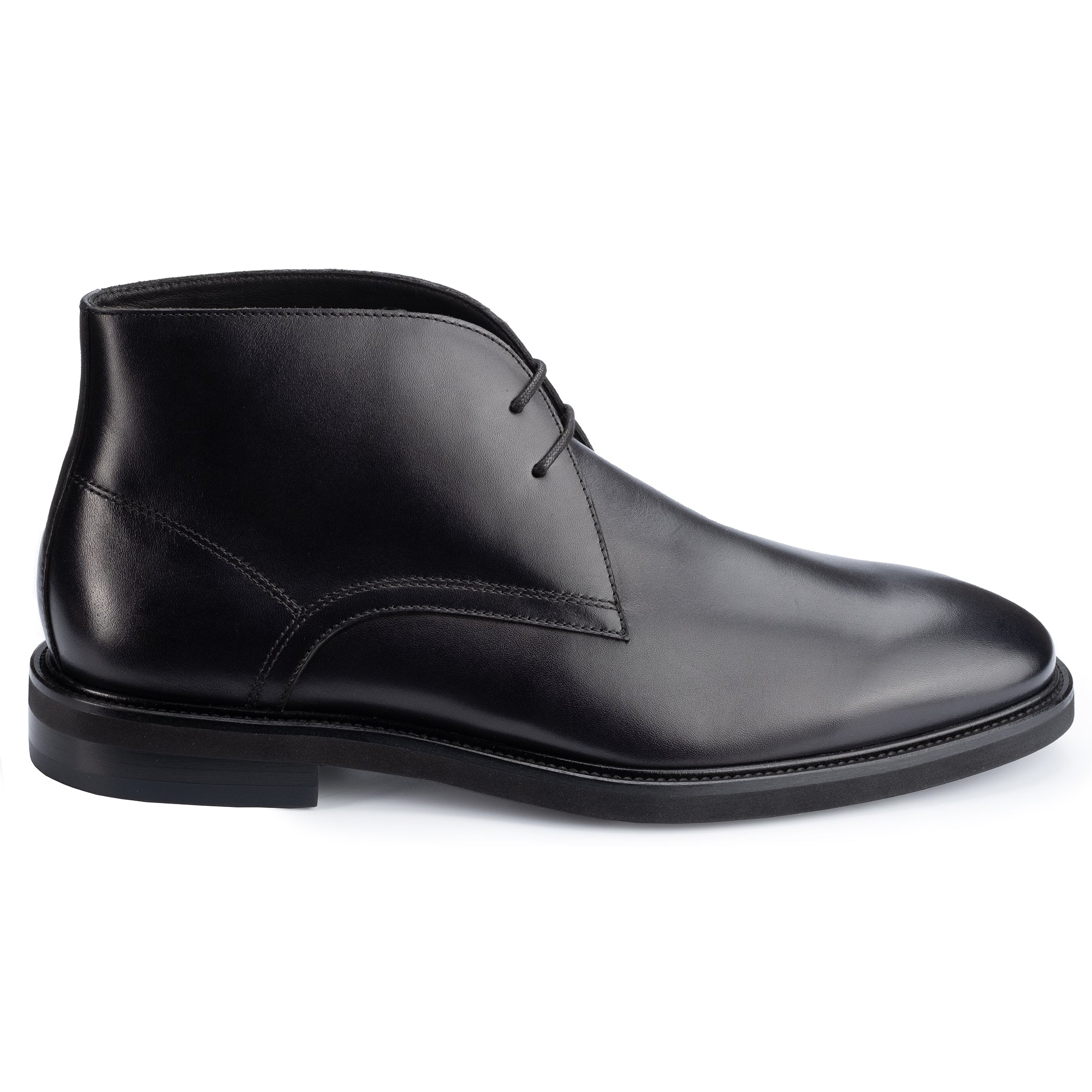
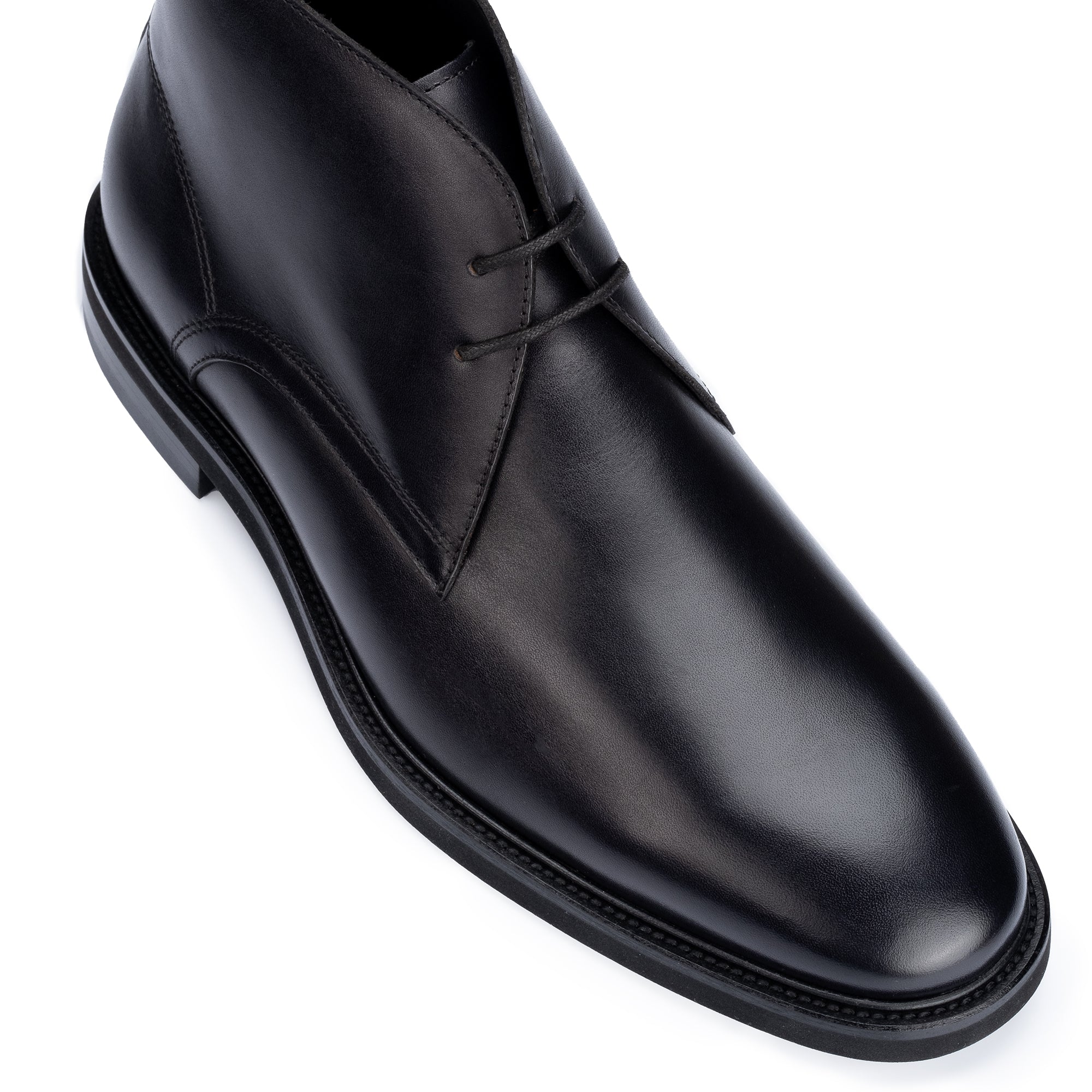
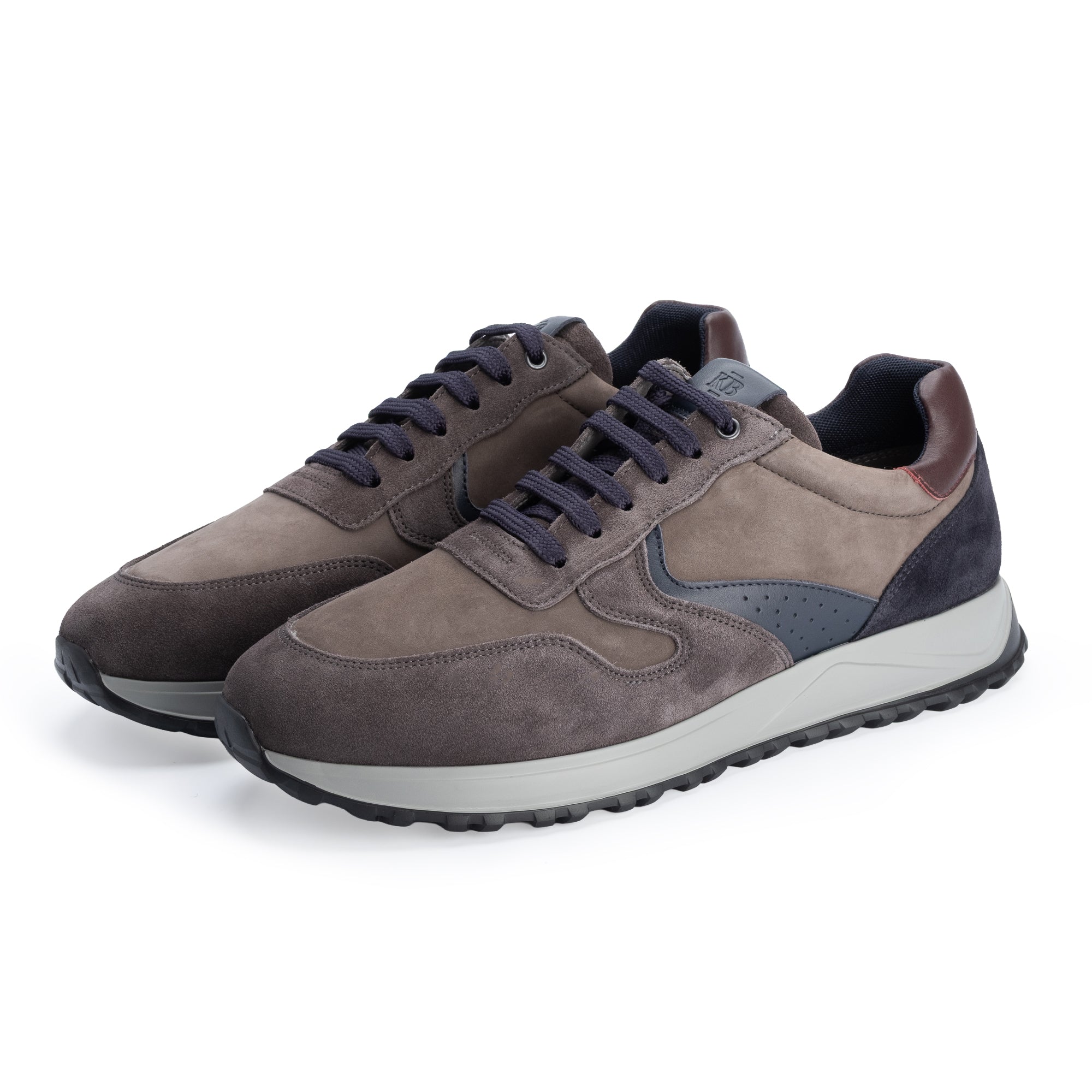
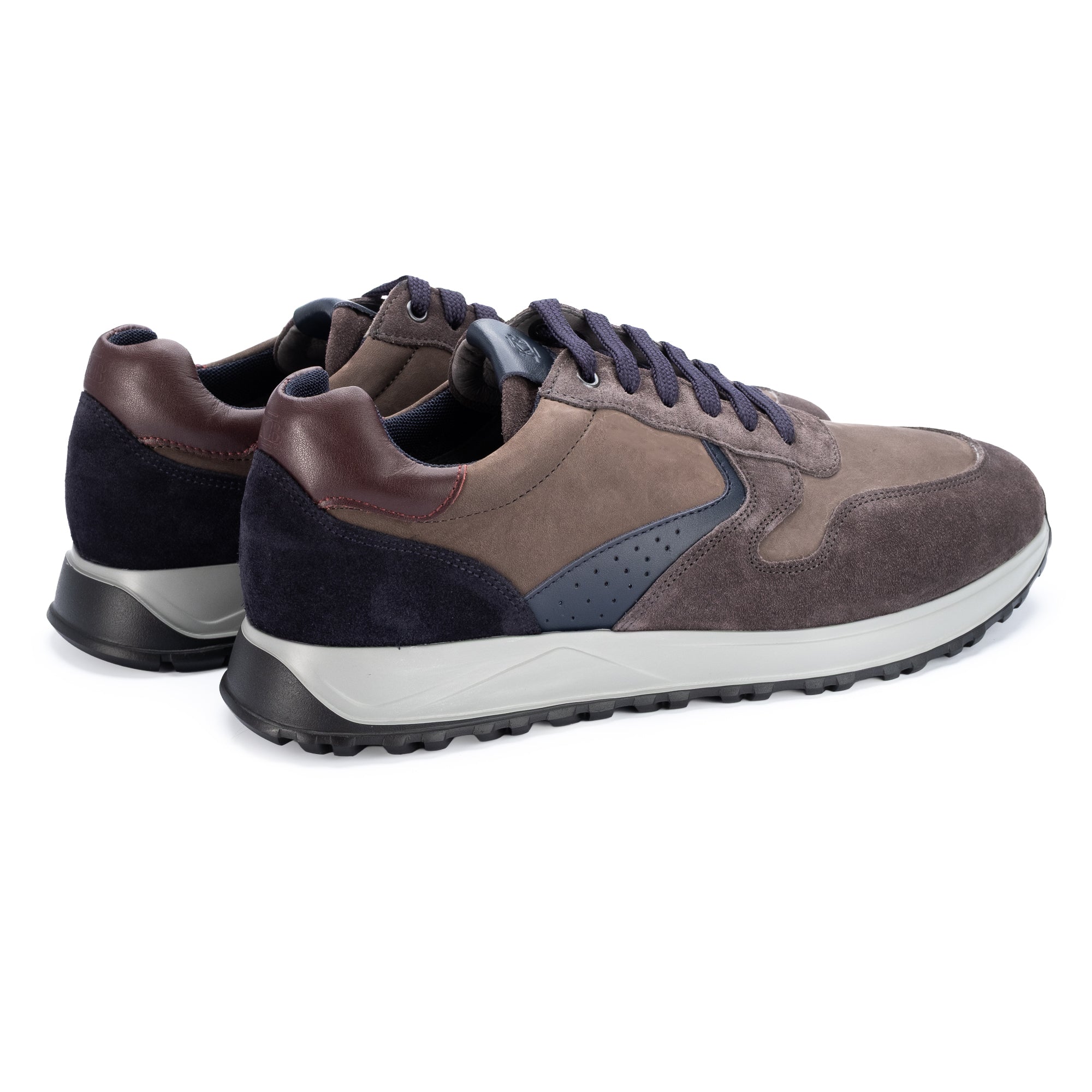
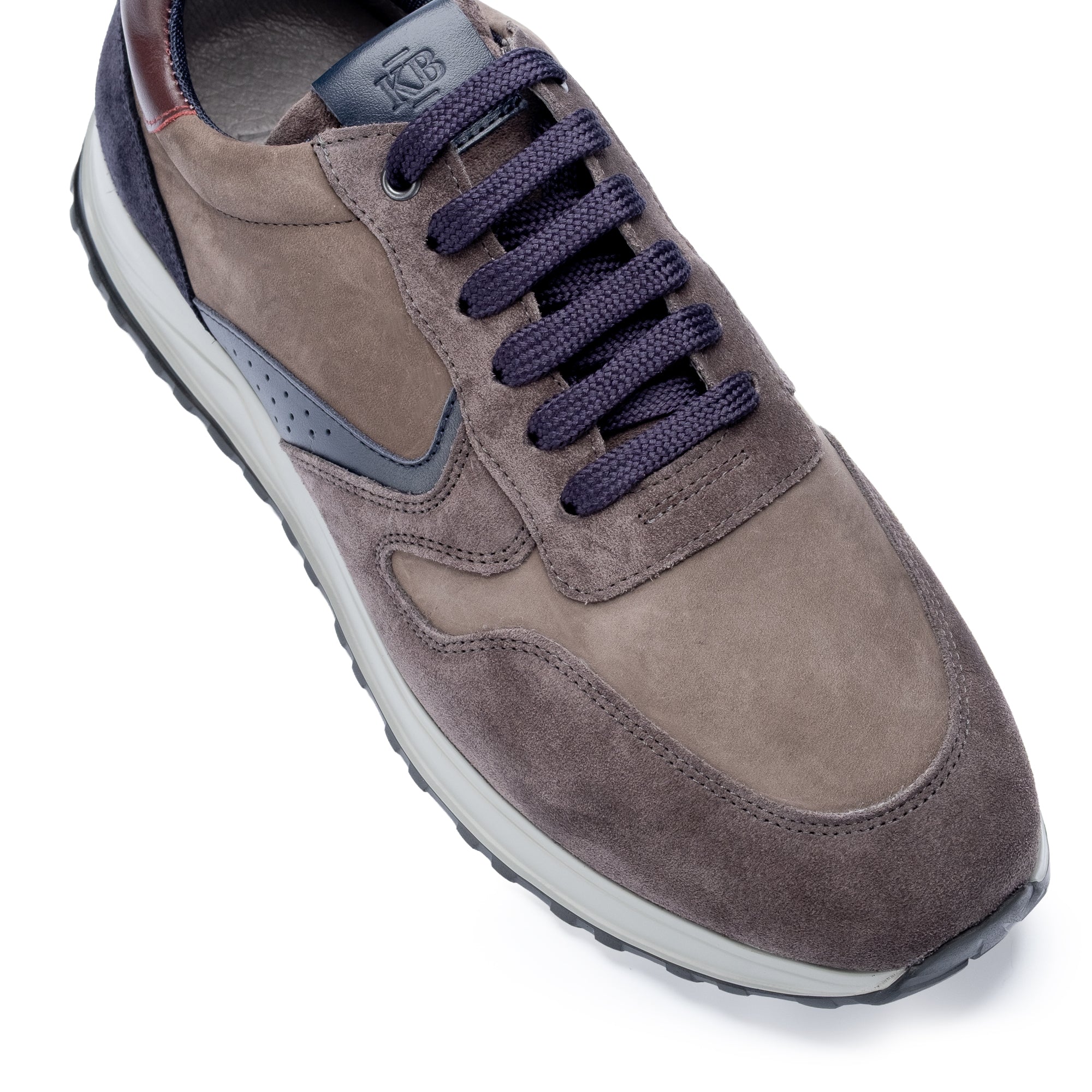
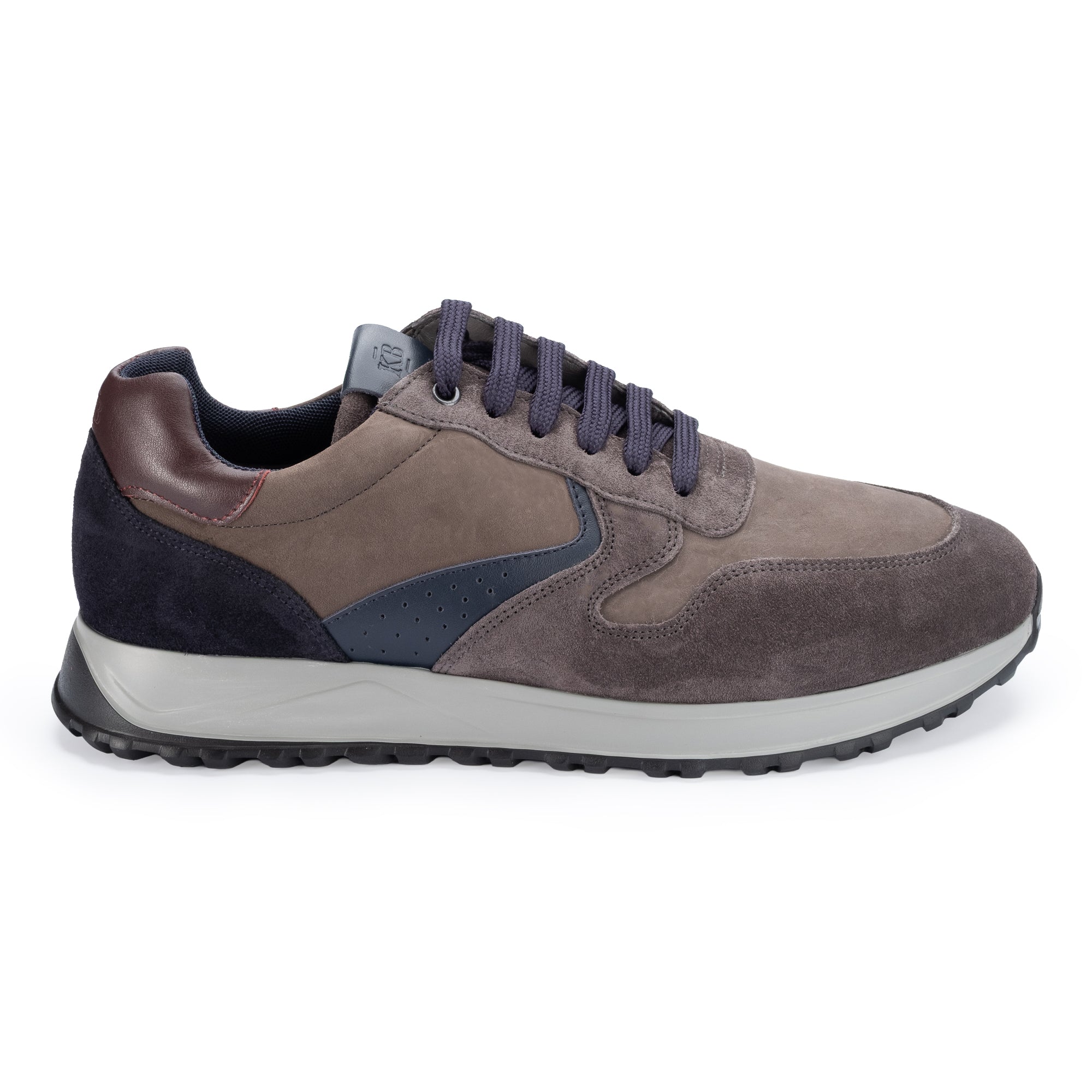
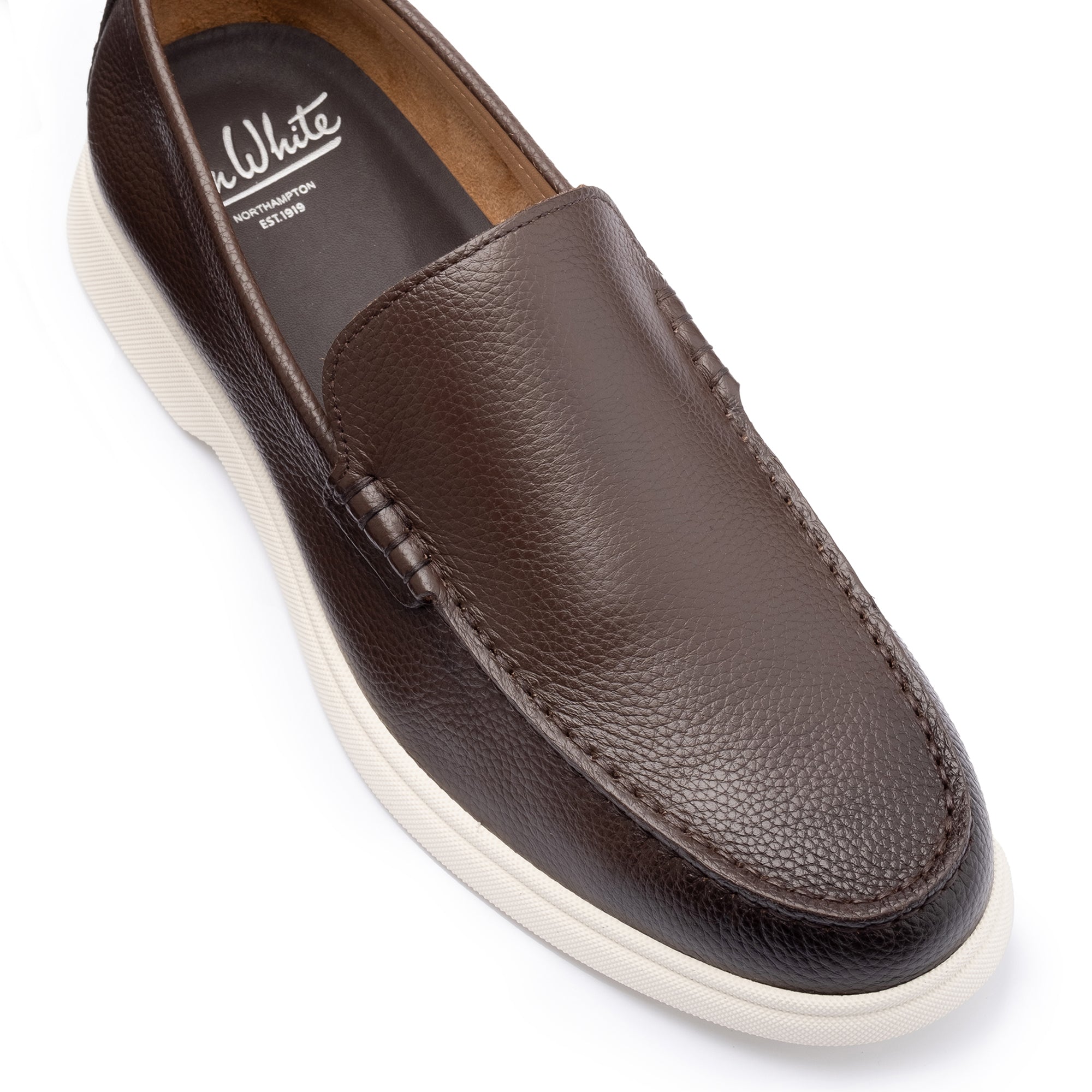
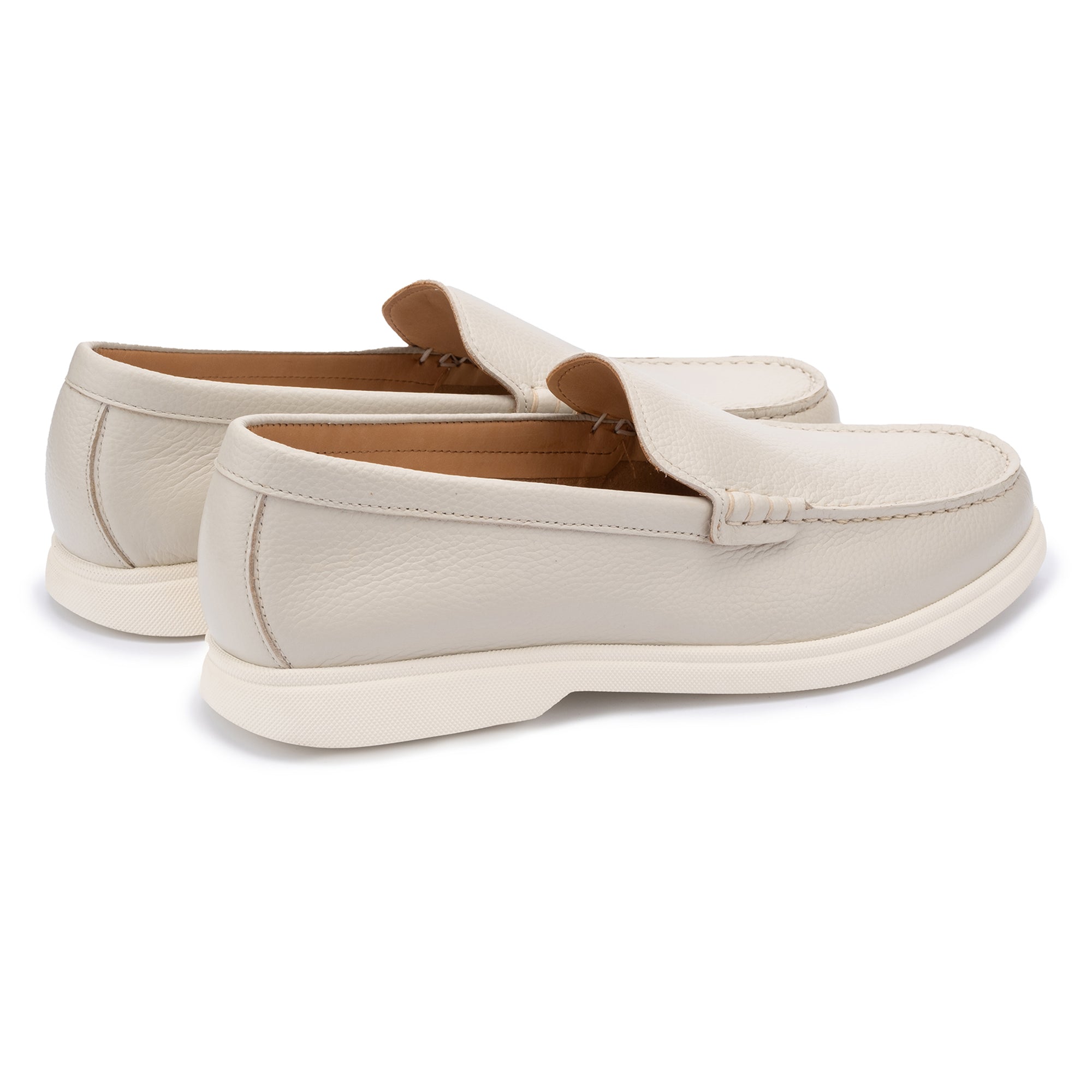
A hide of full-grain leather is a map of the animal's life. Recognising these signs allows you to appreciate the quality of the material in your hand-finished shoes.
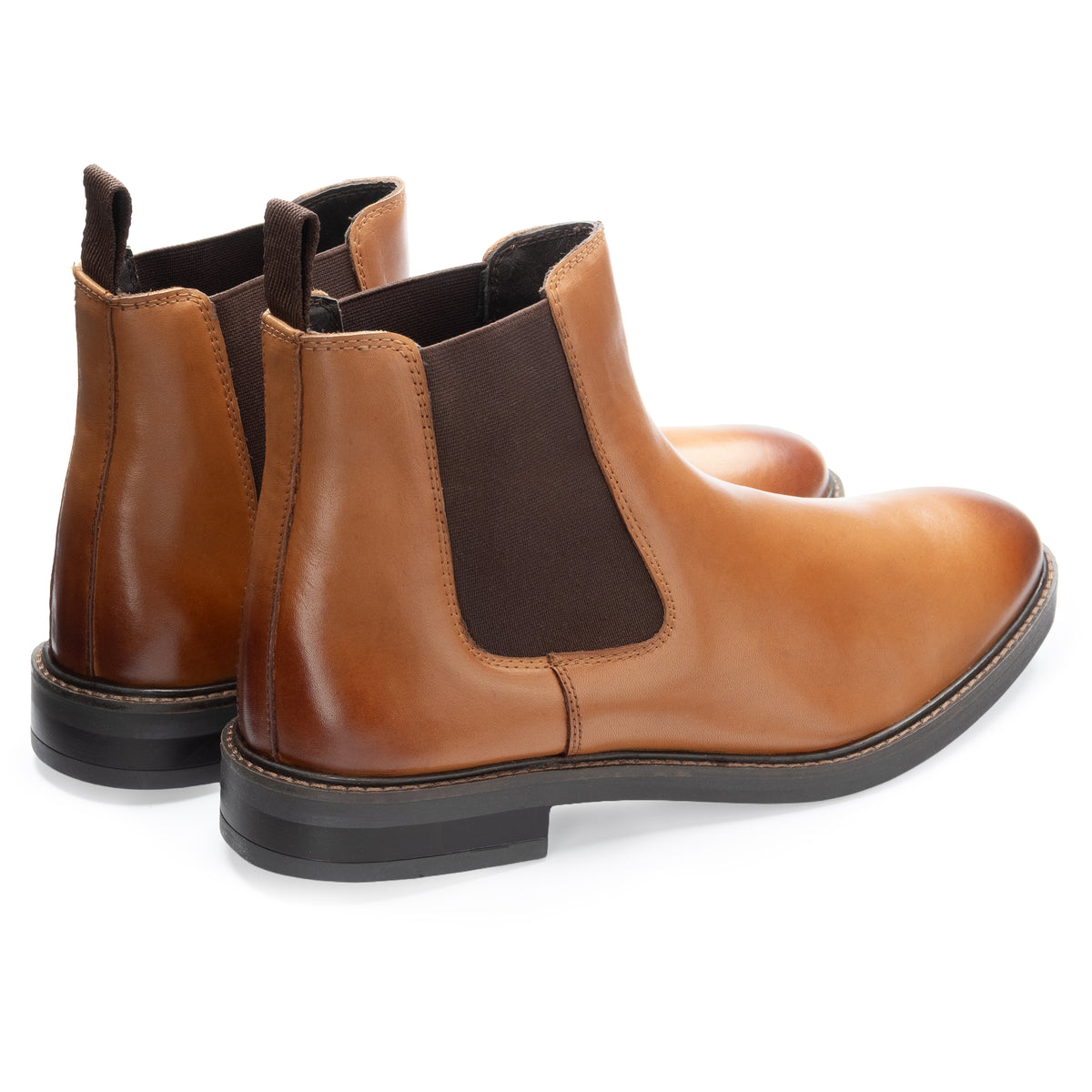
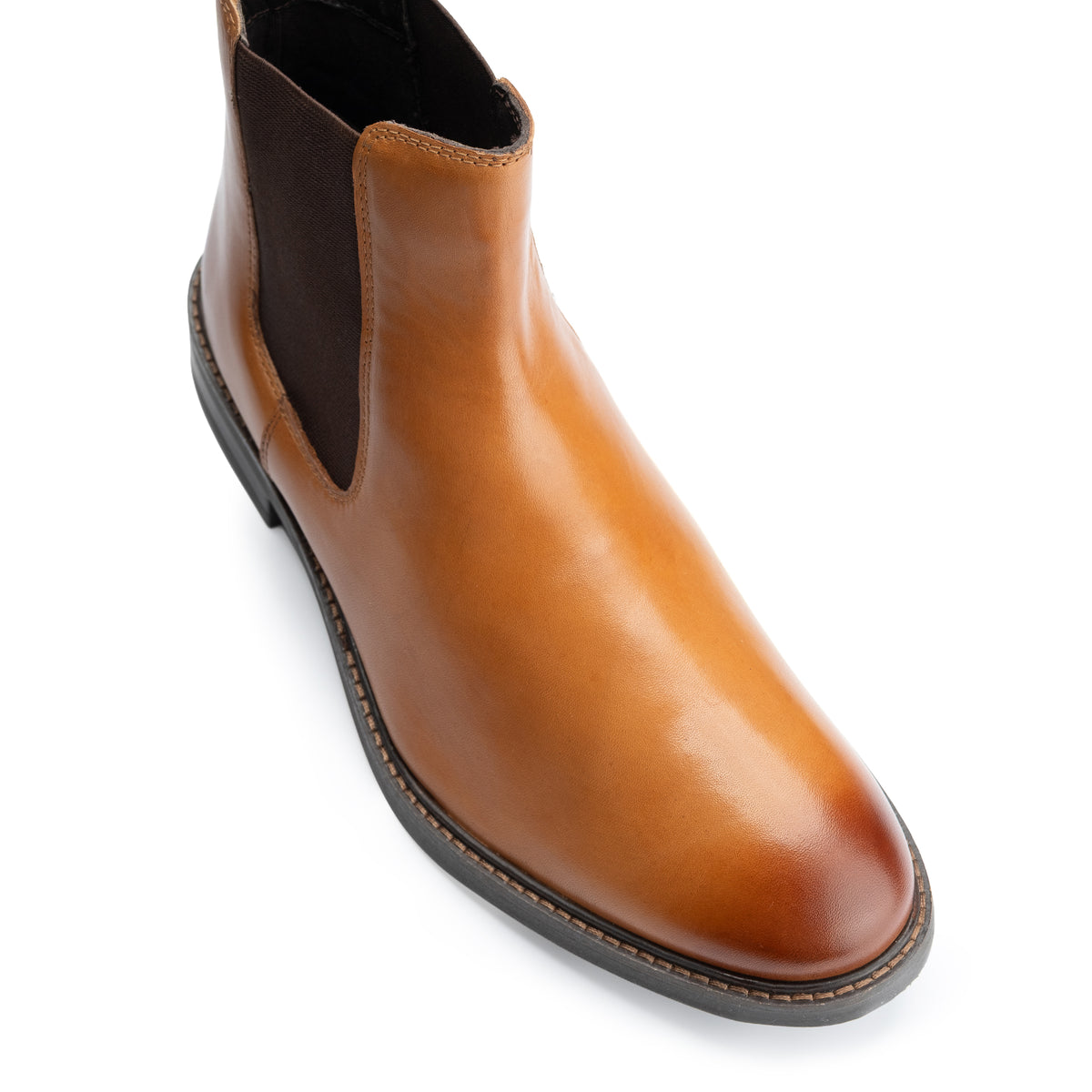
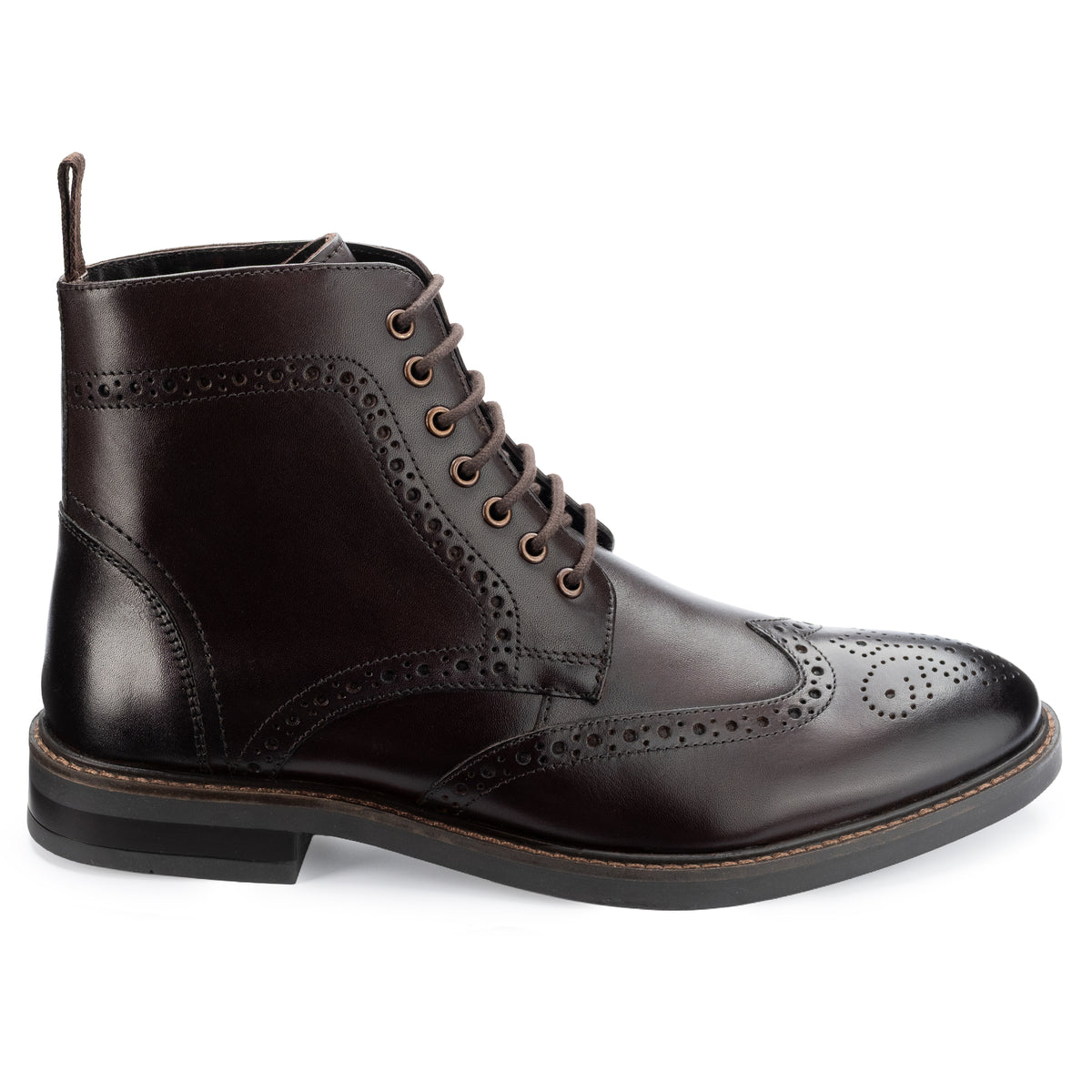
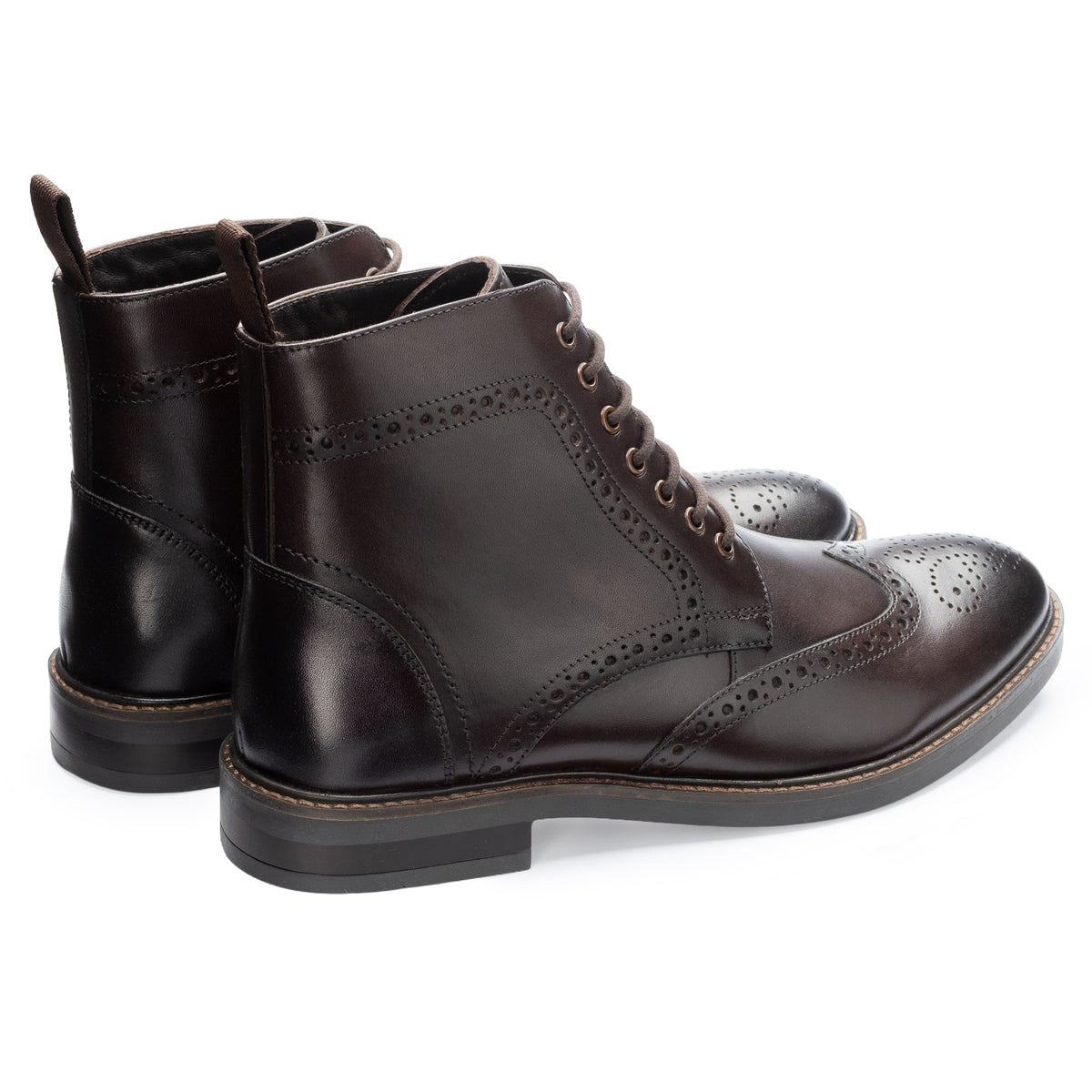
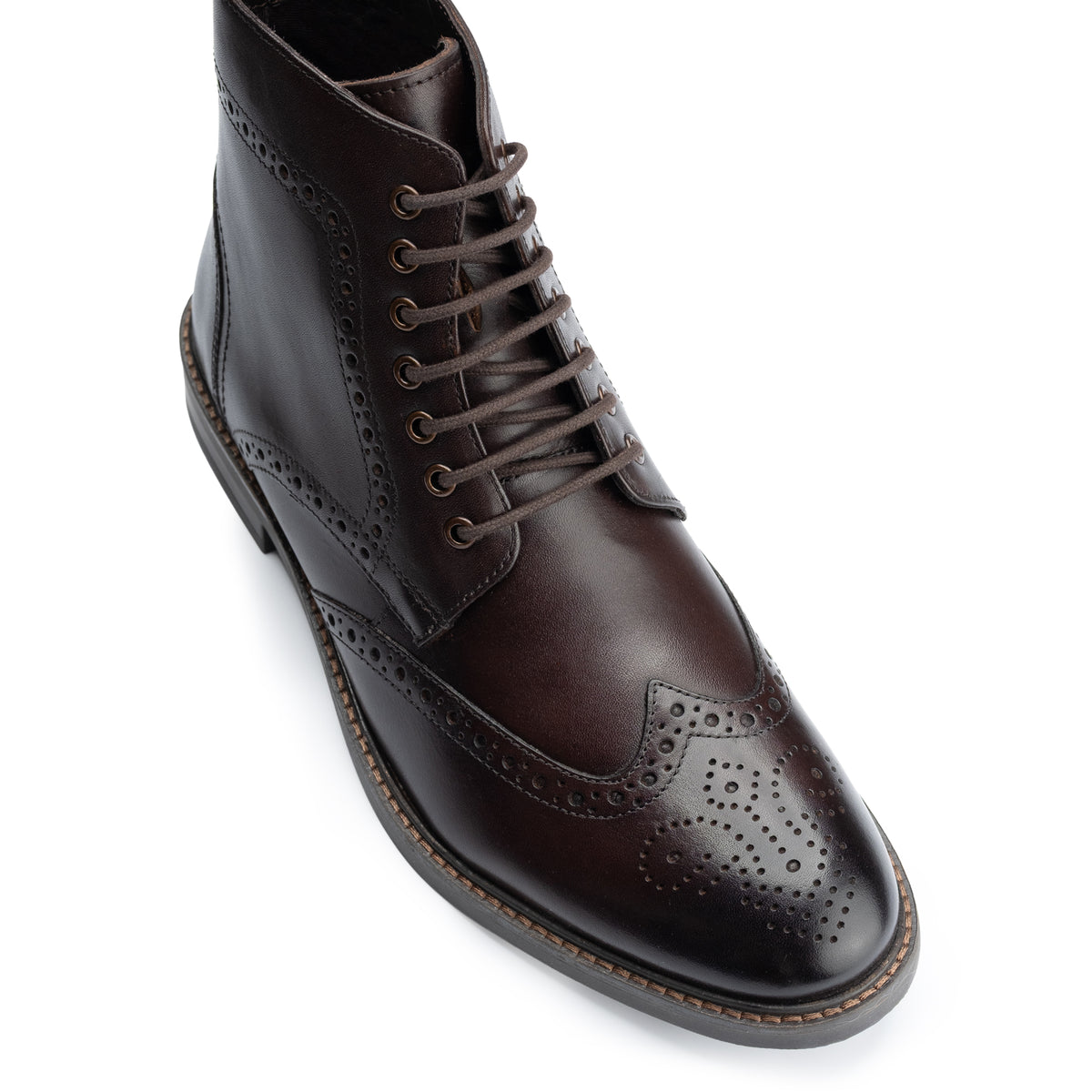
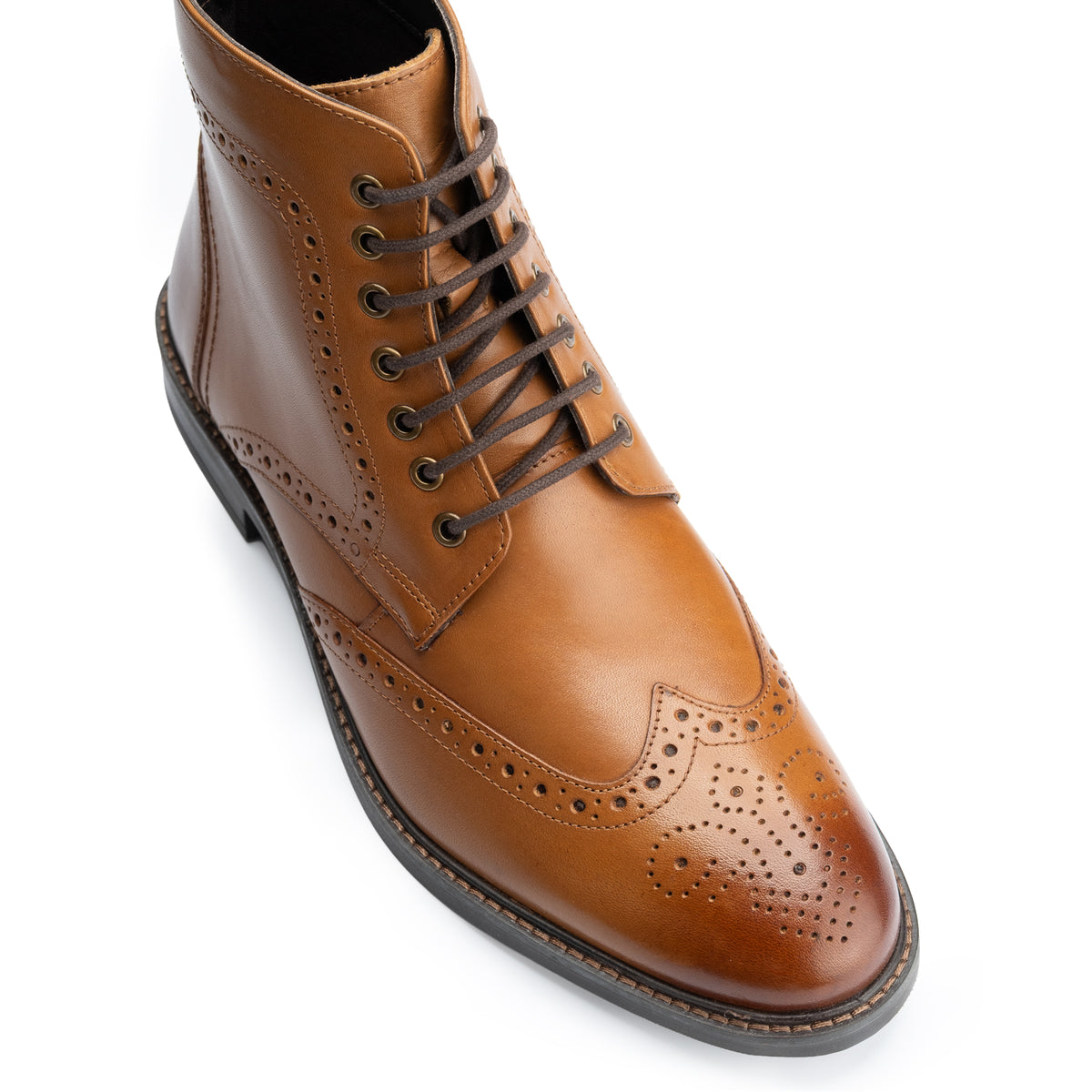
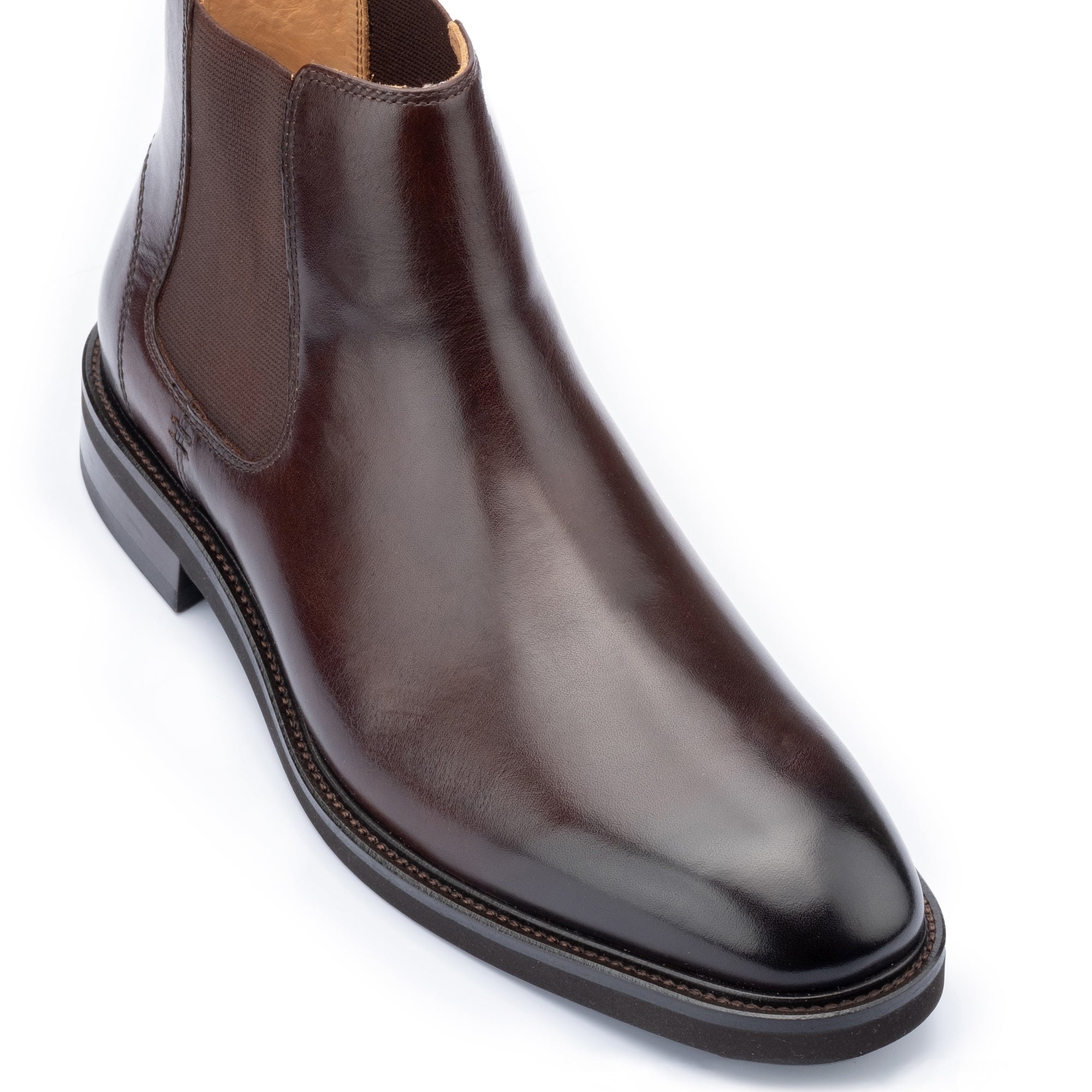
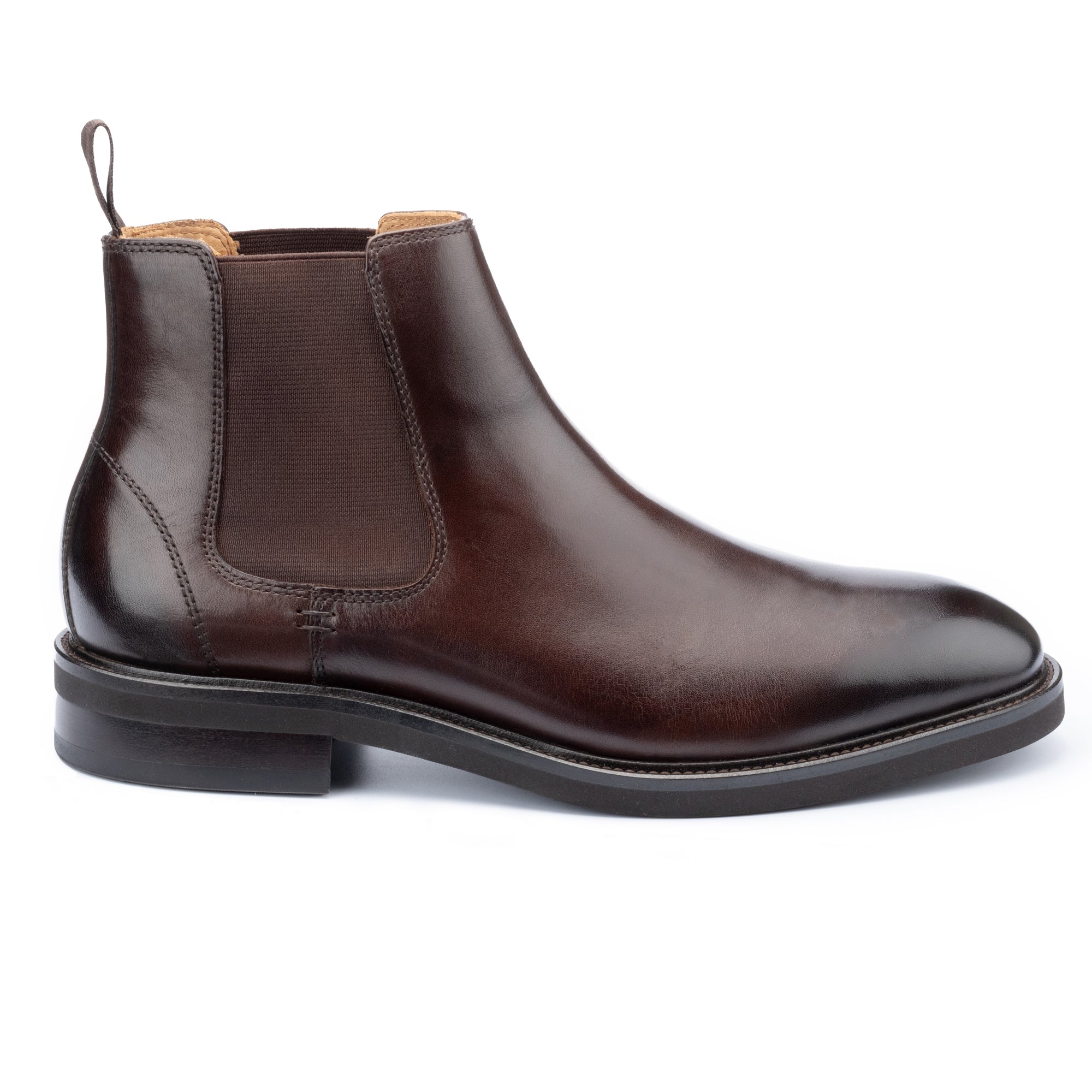
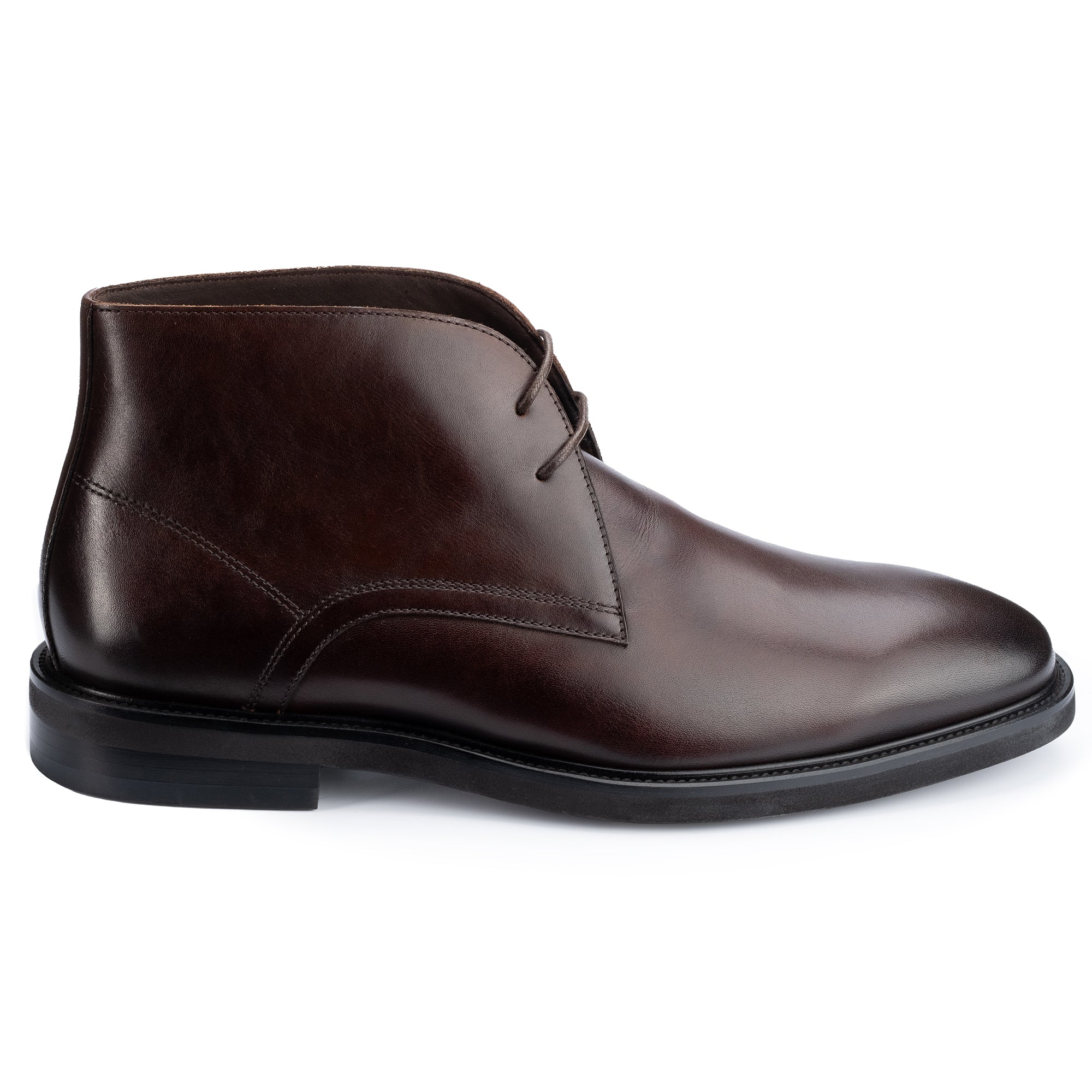
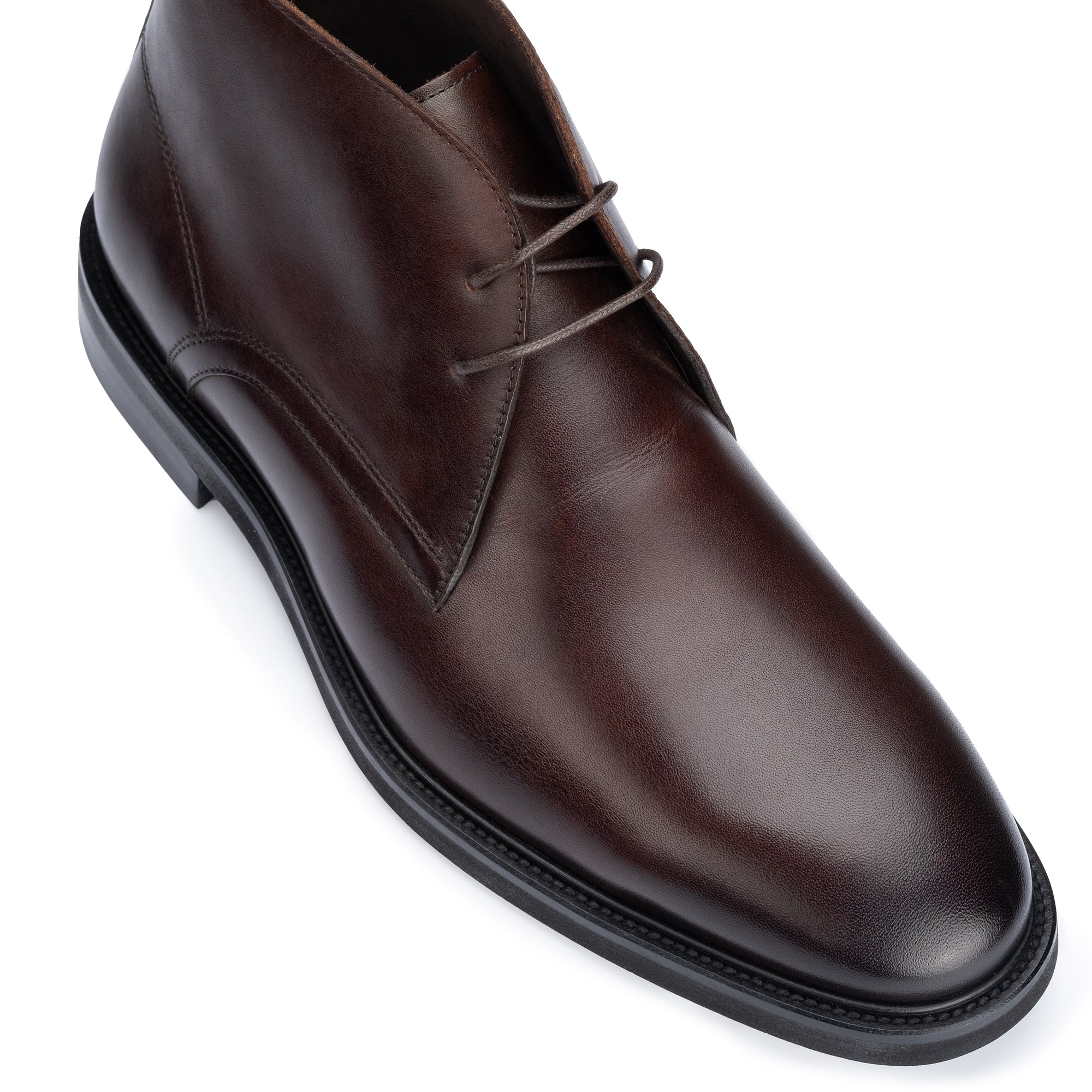
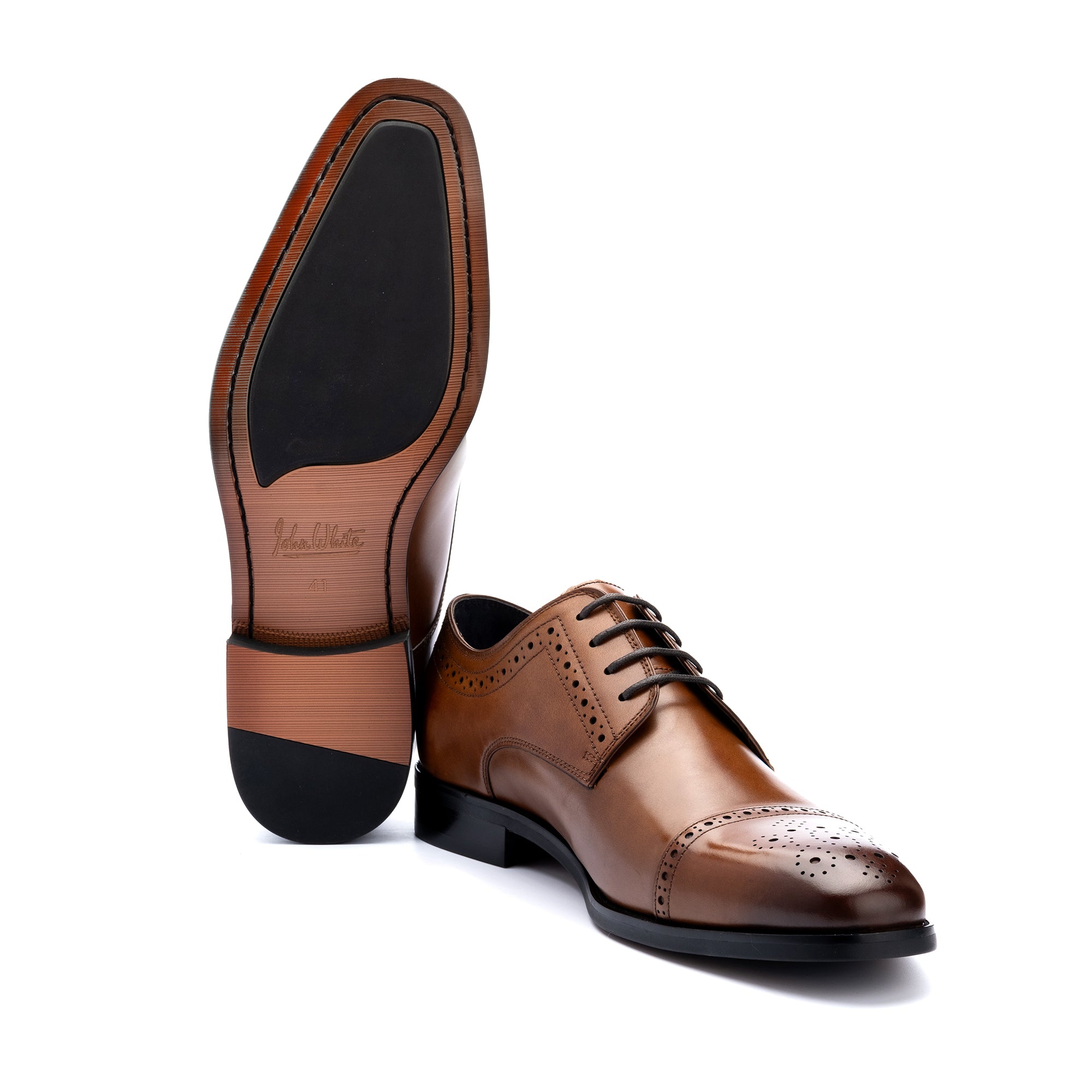
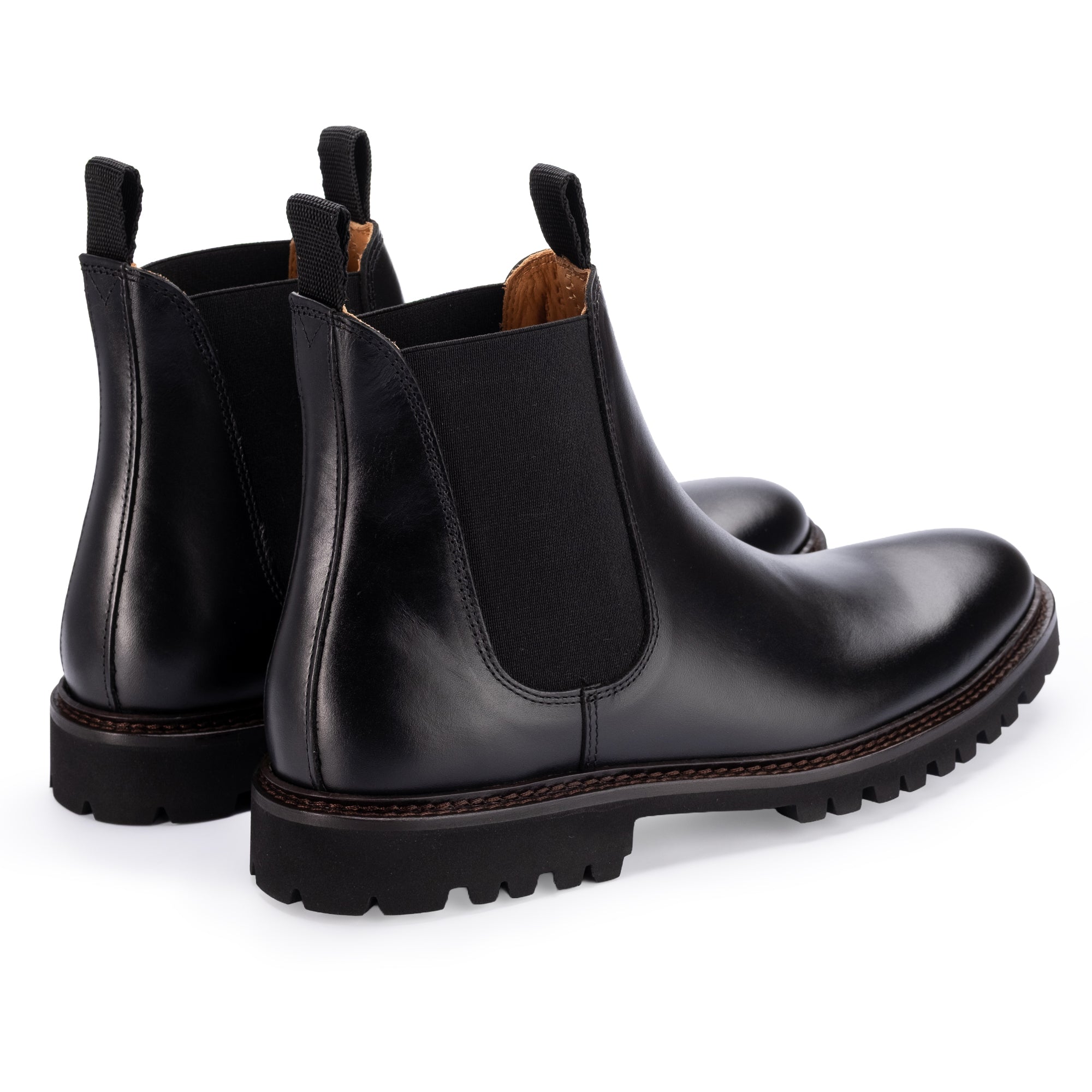
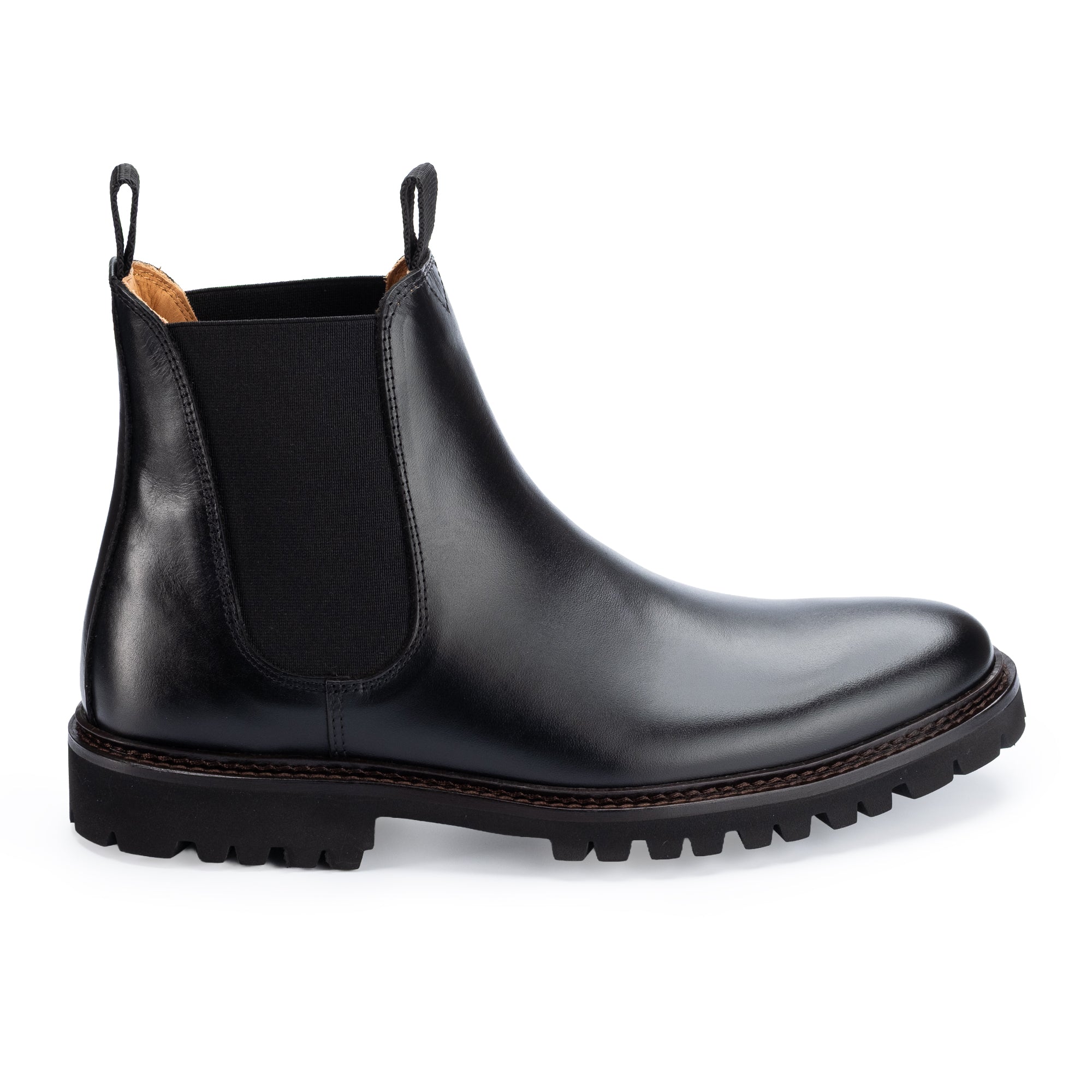
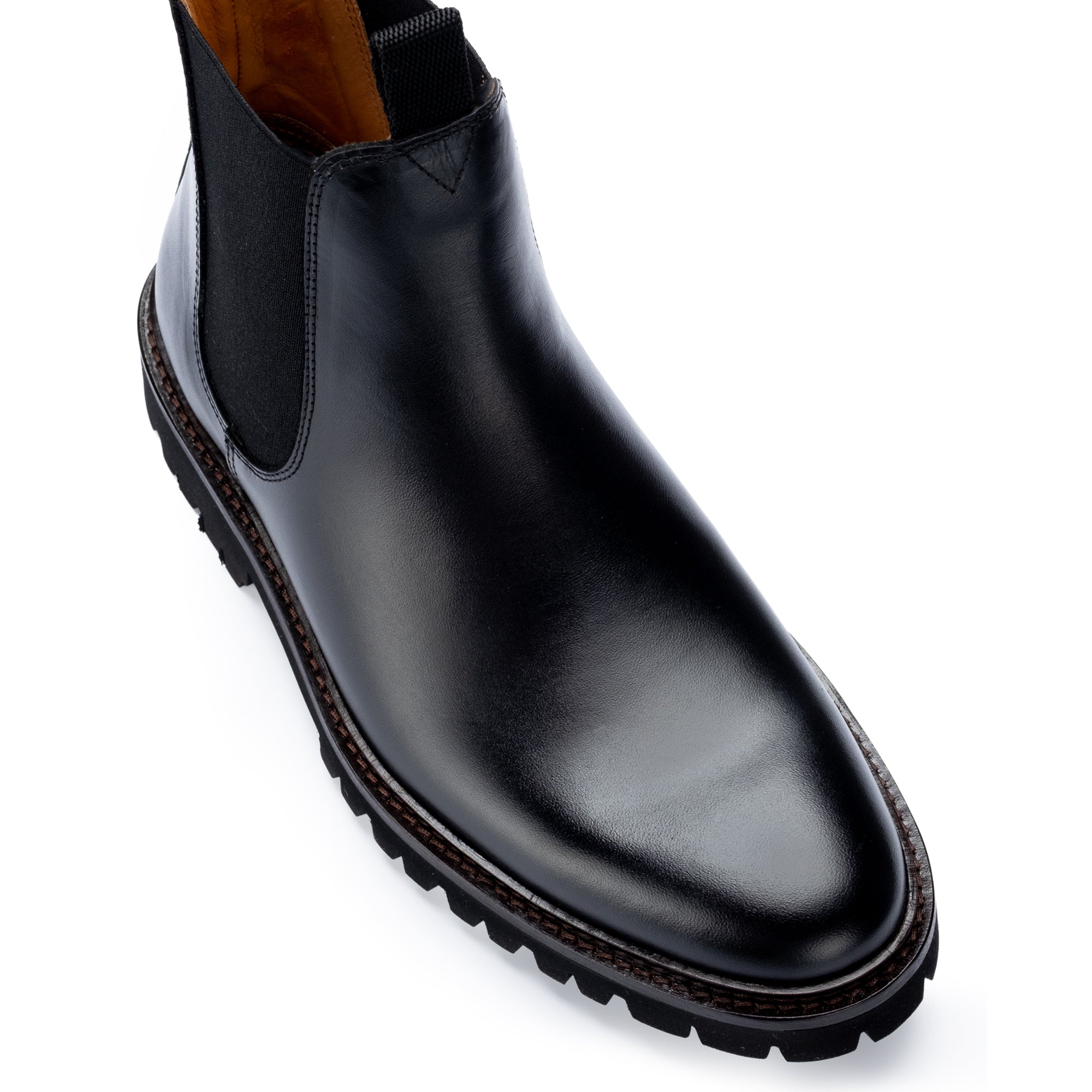
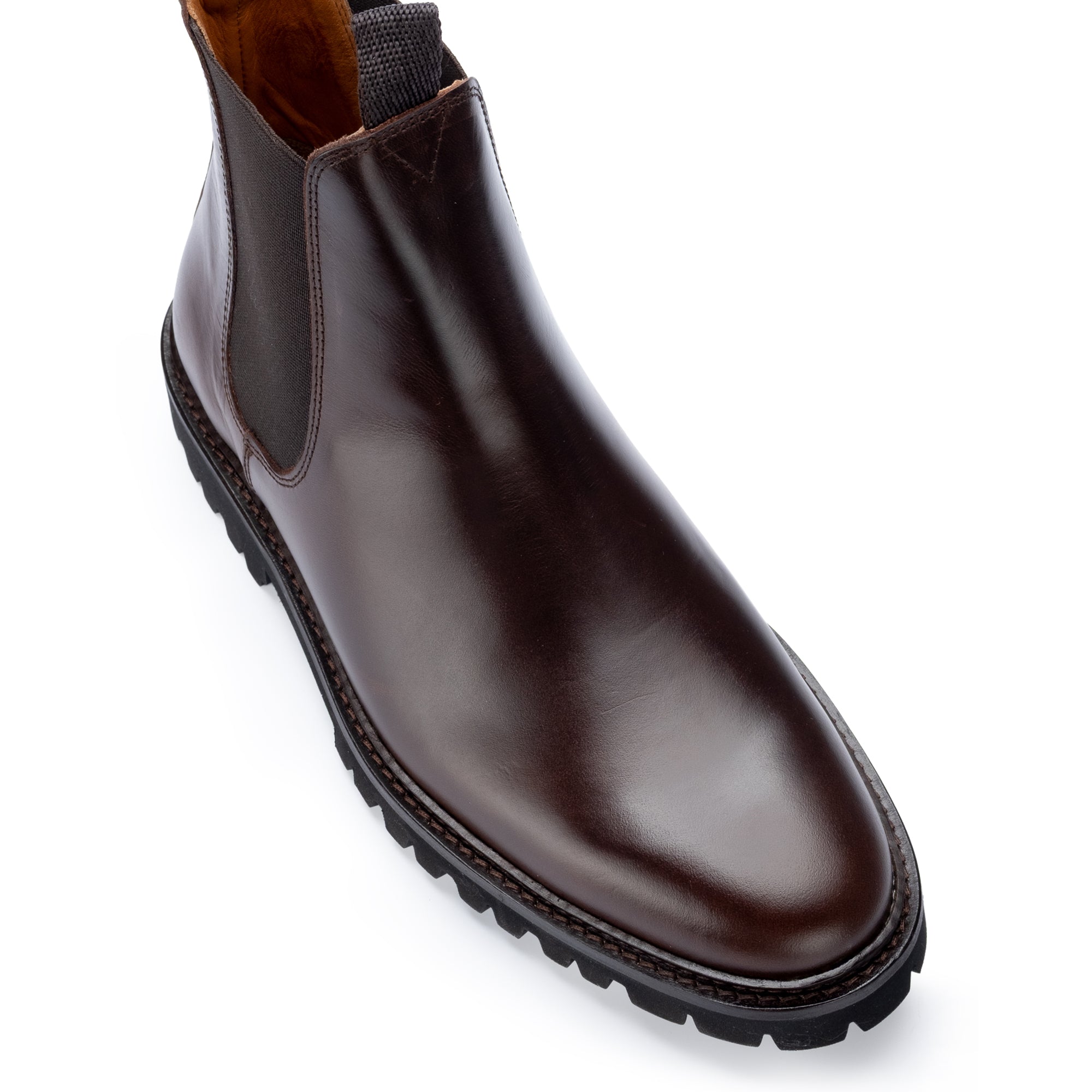
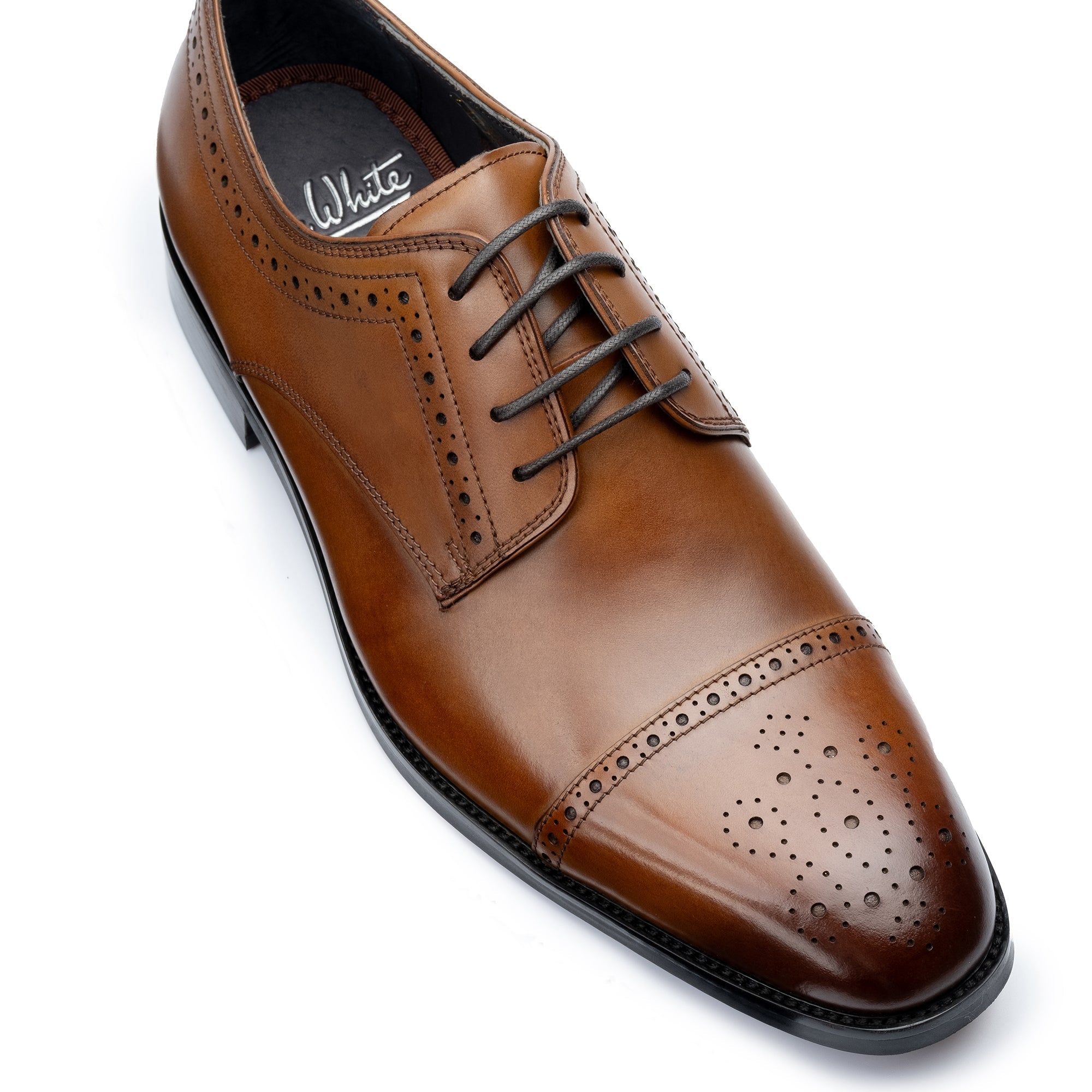
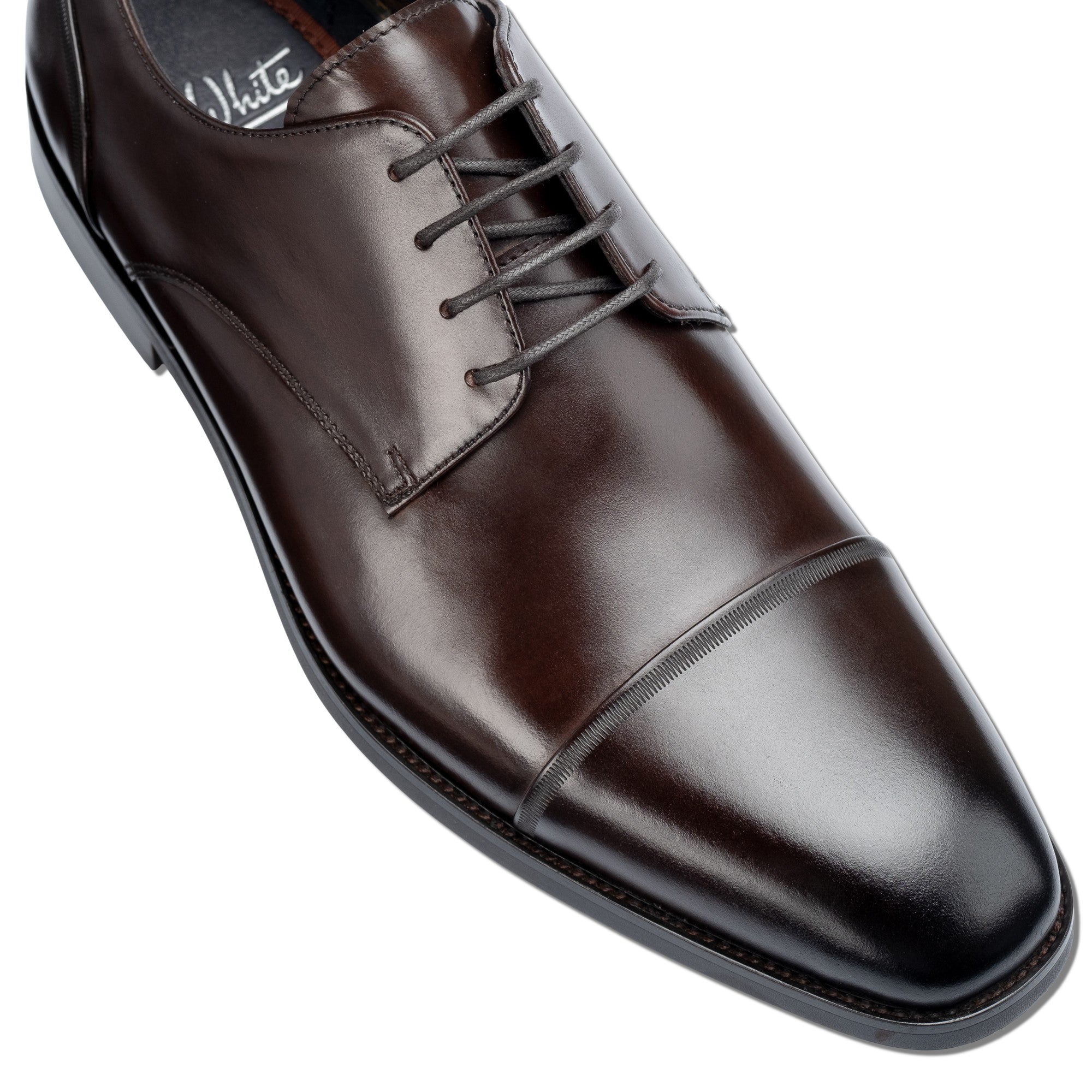
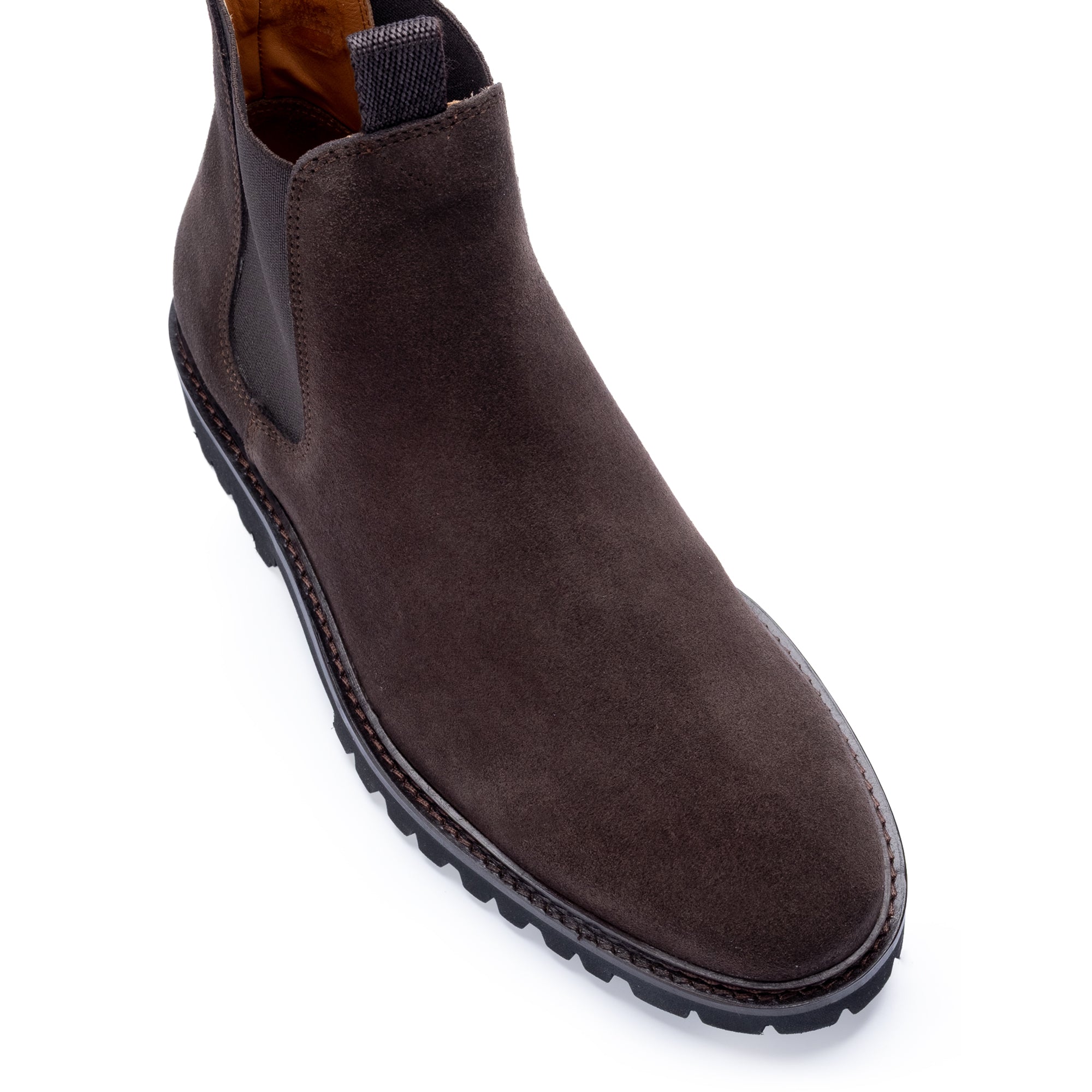
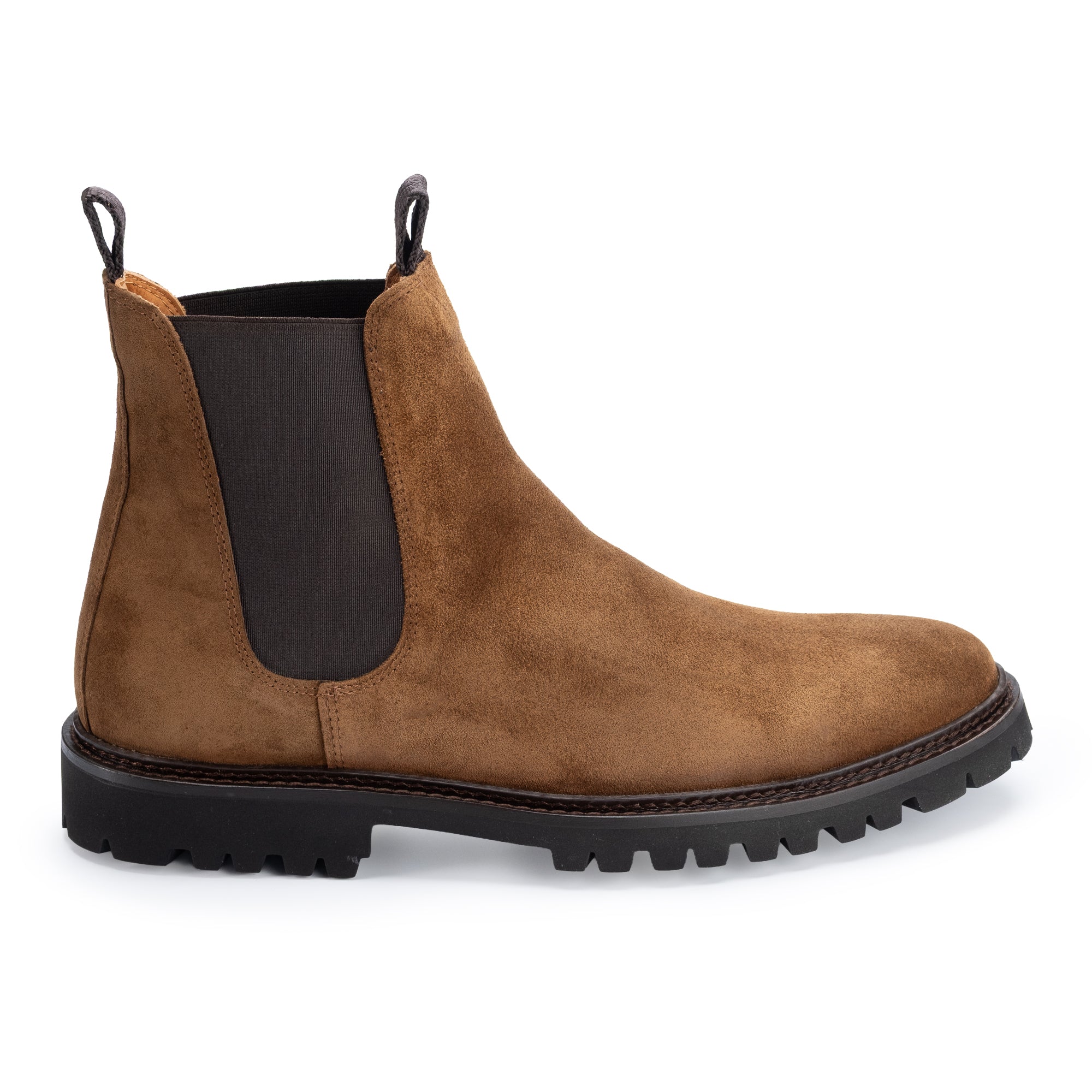
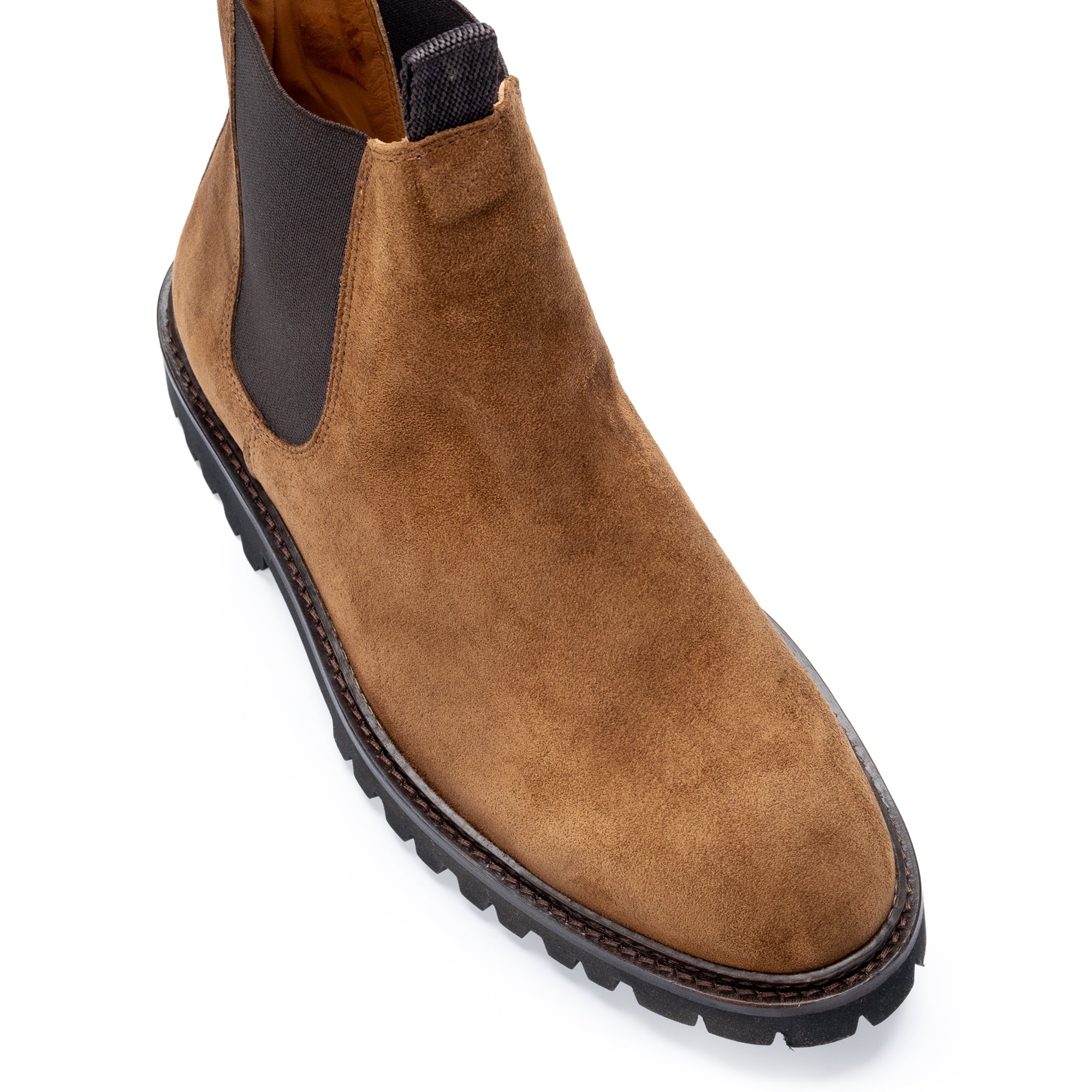
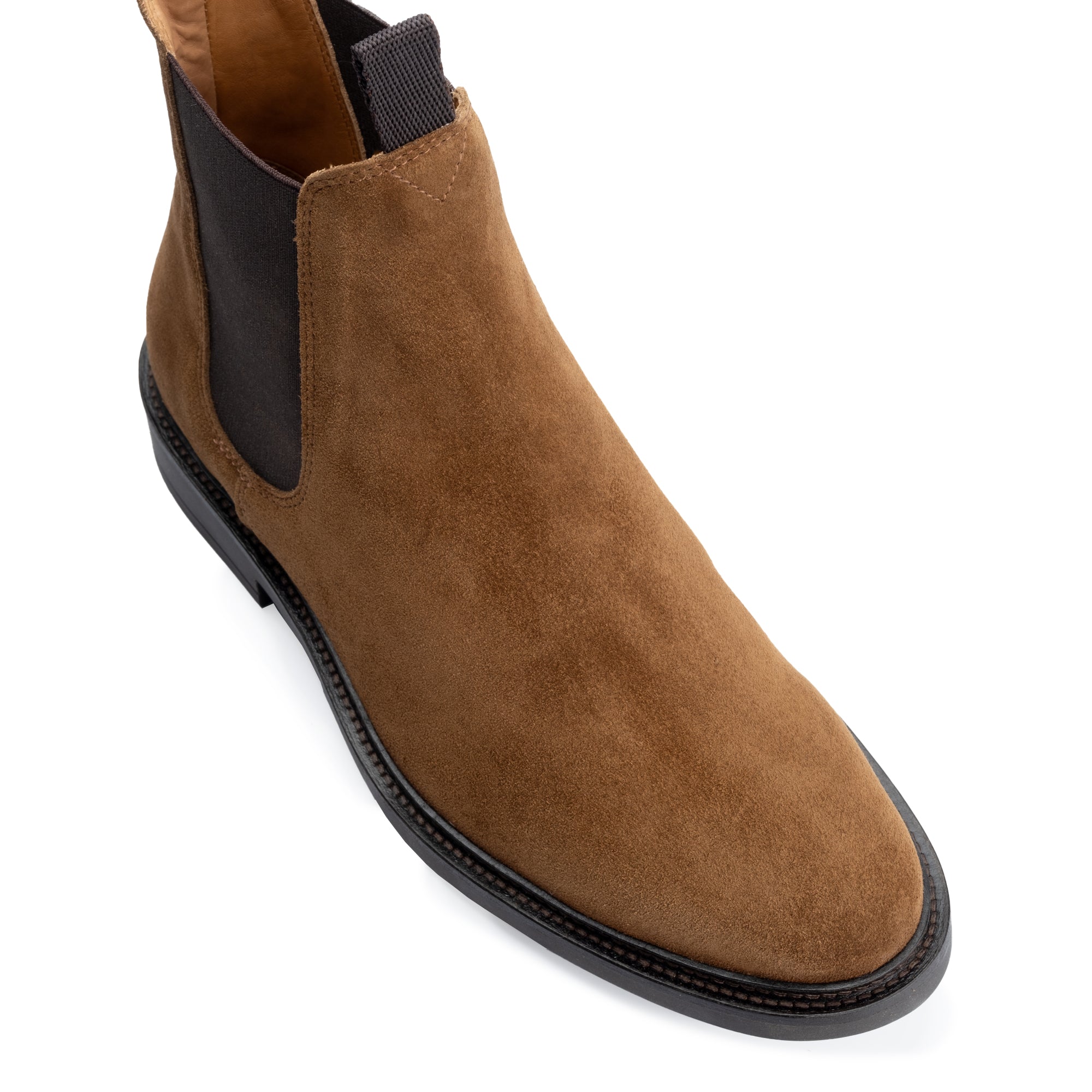
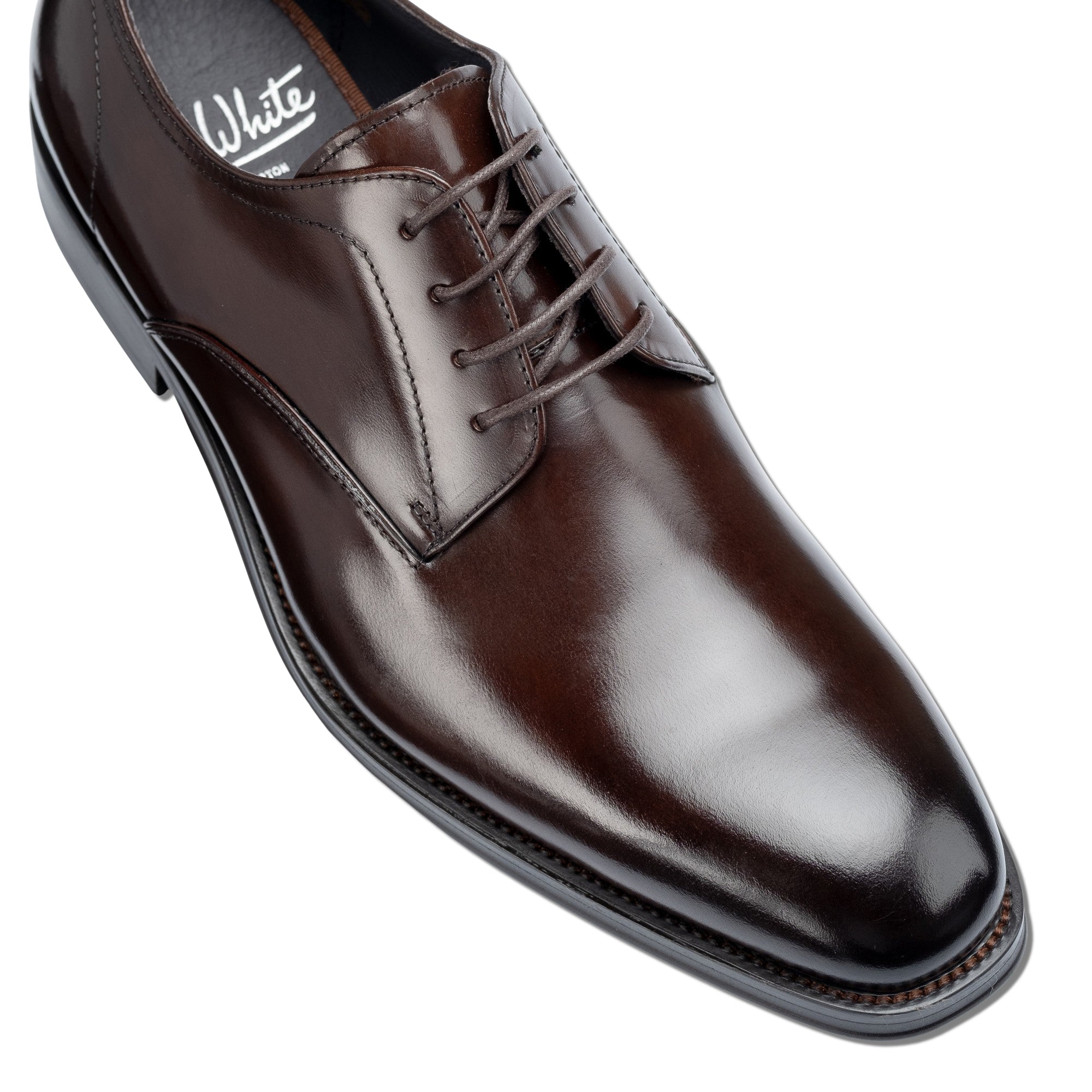
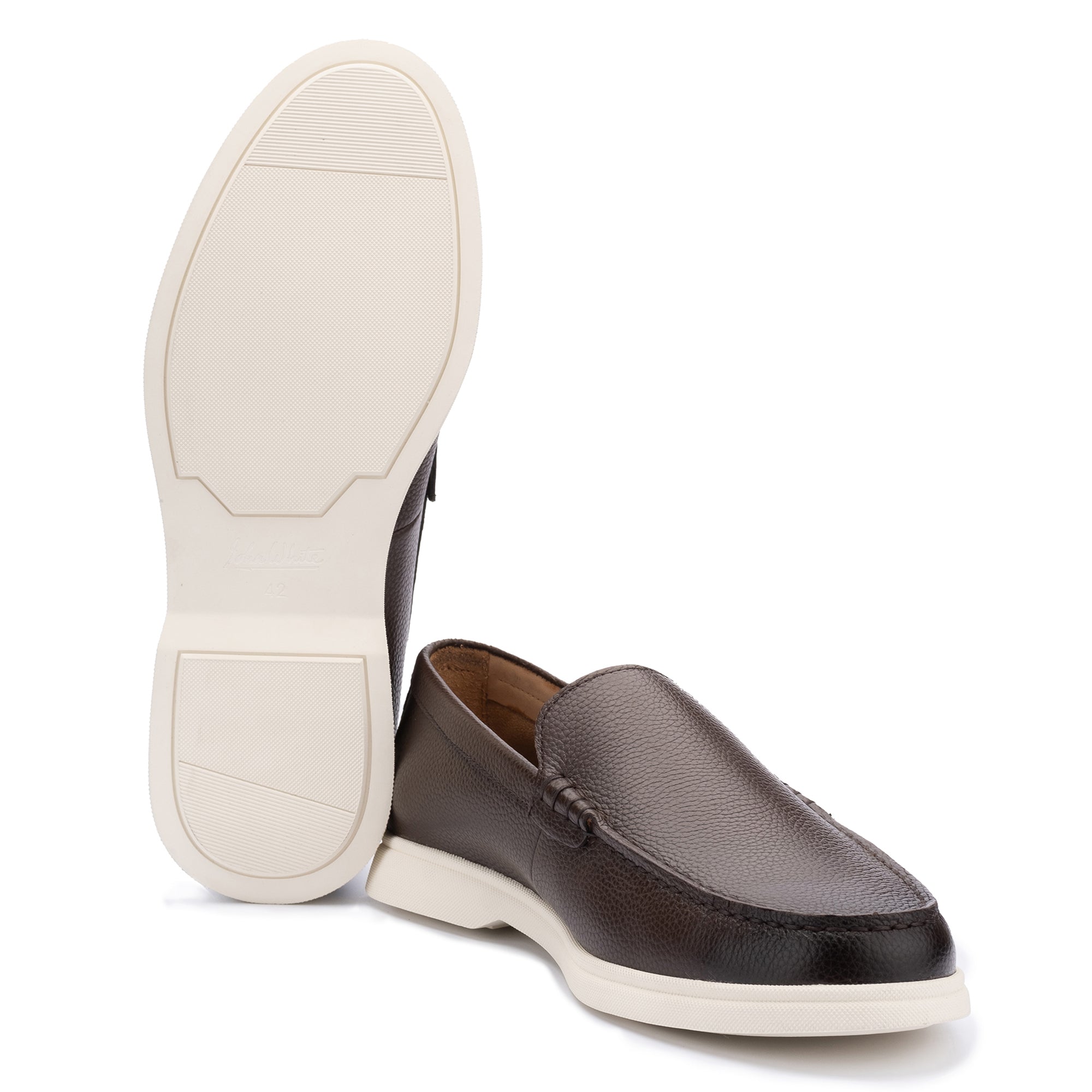
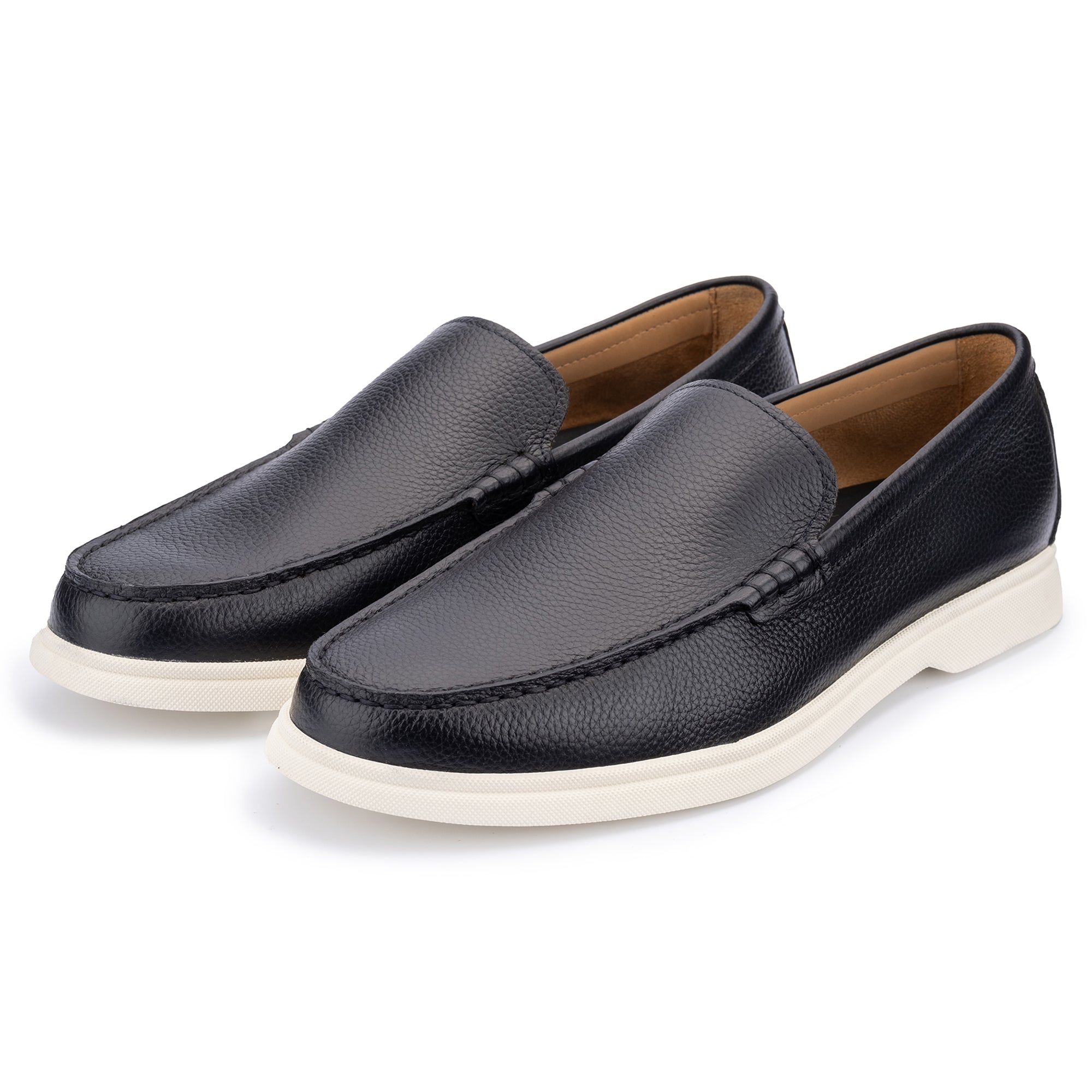
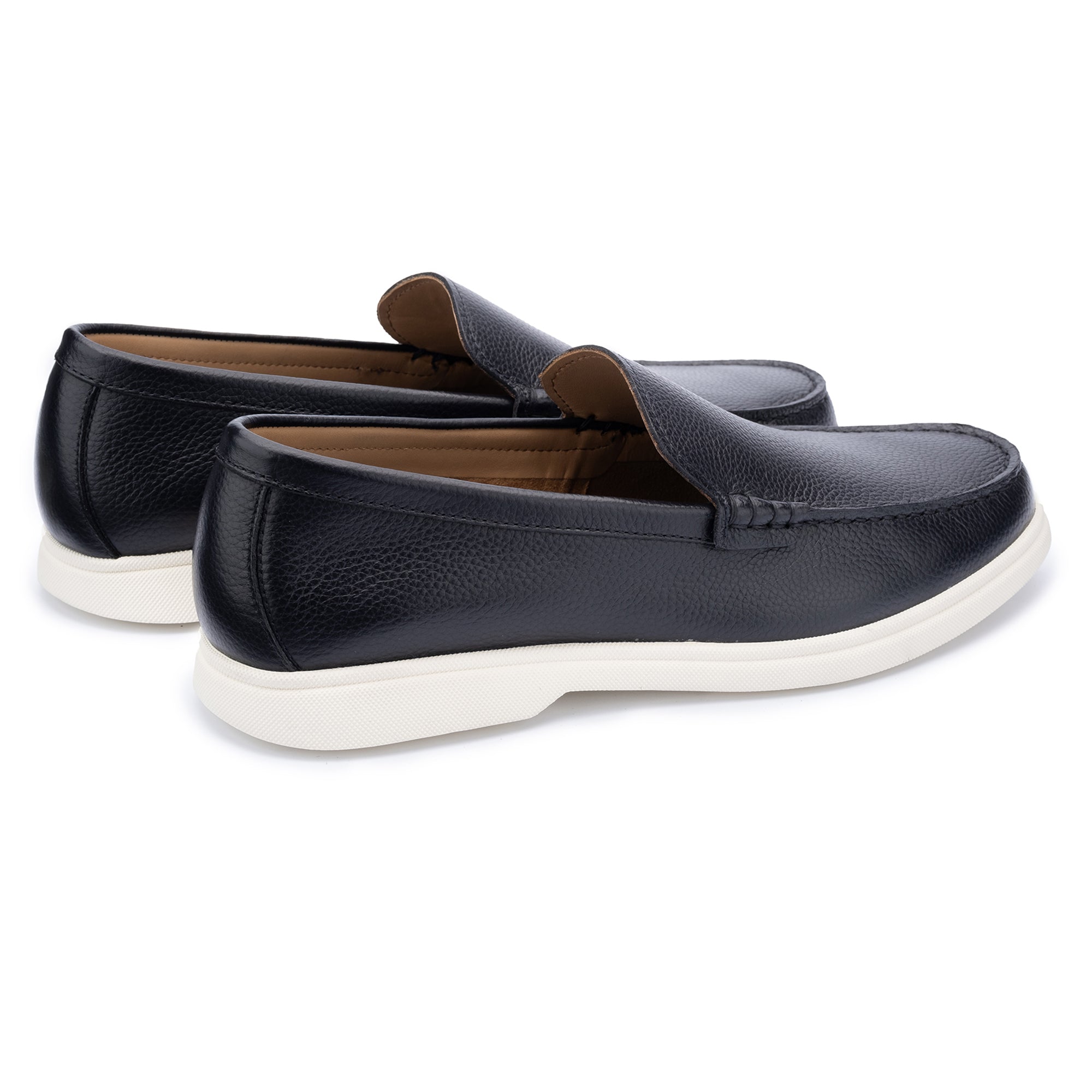
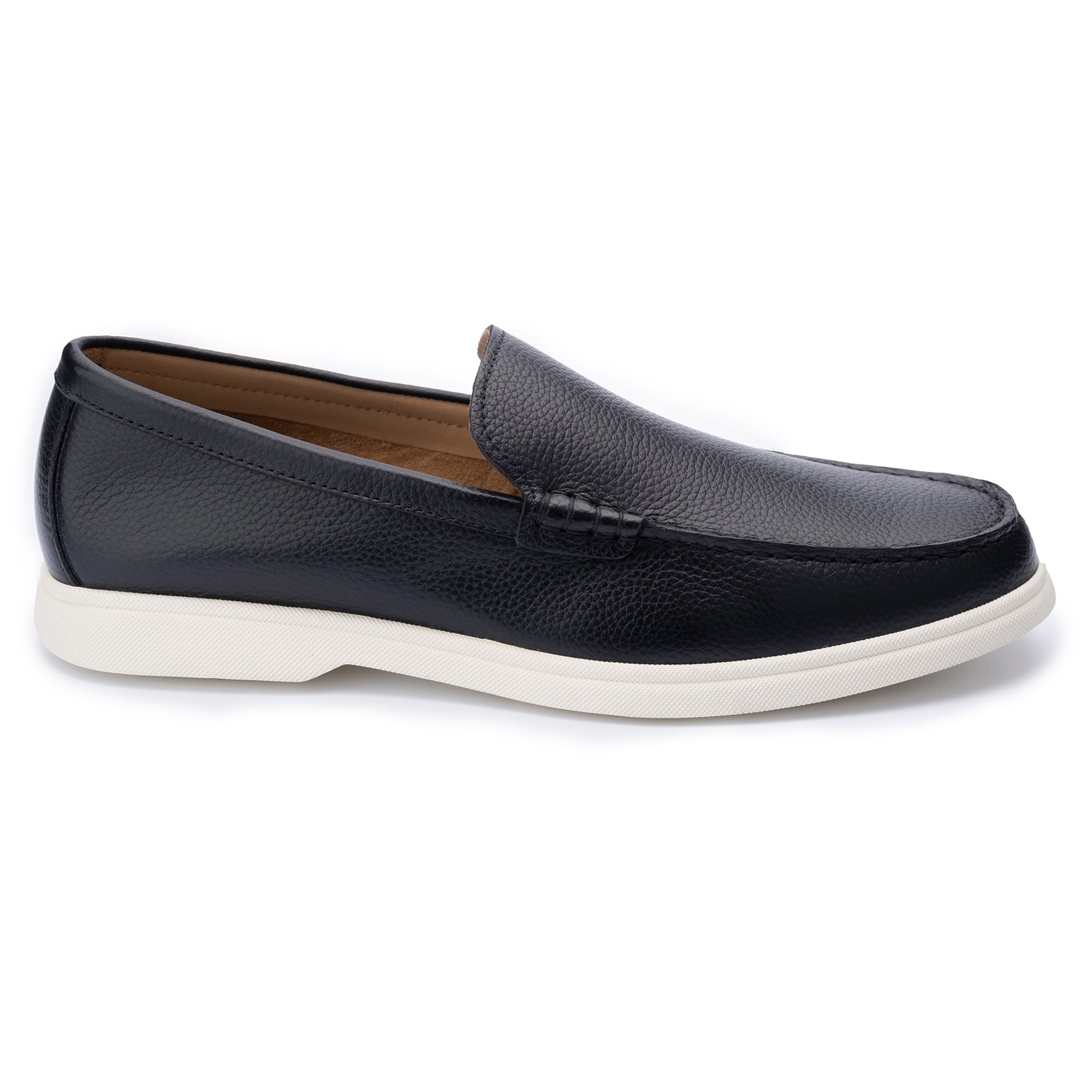
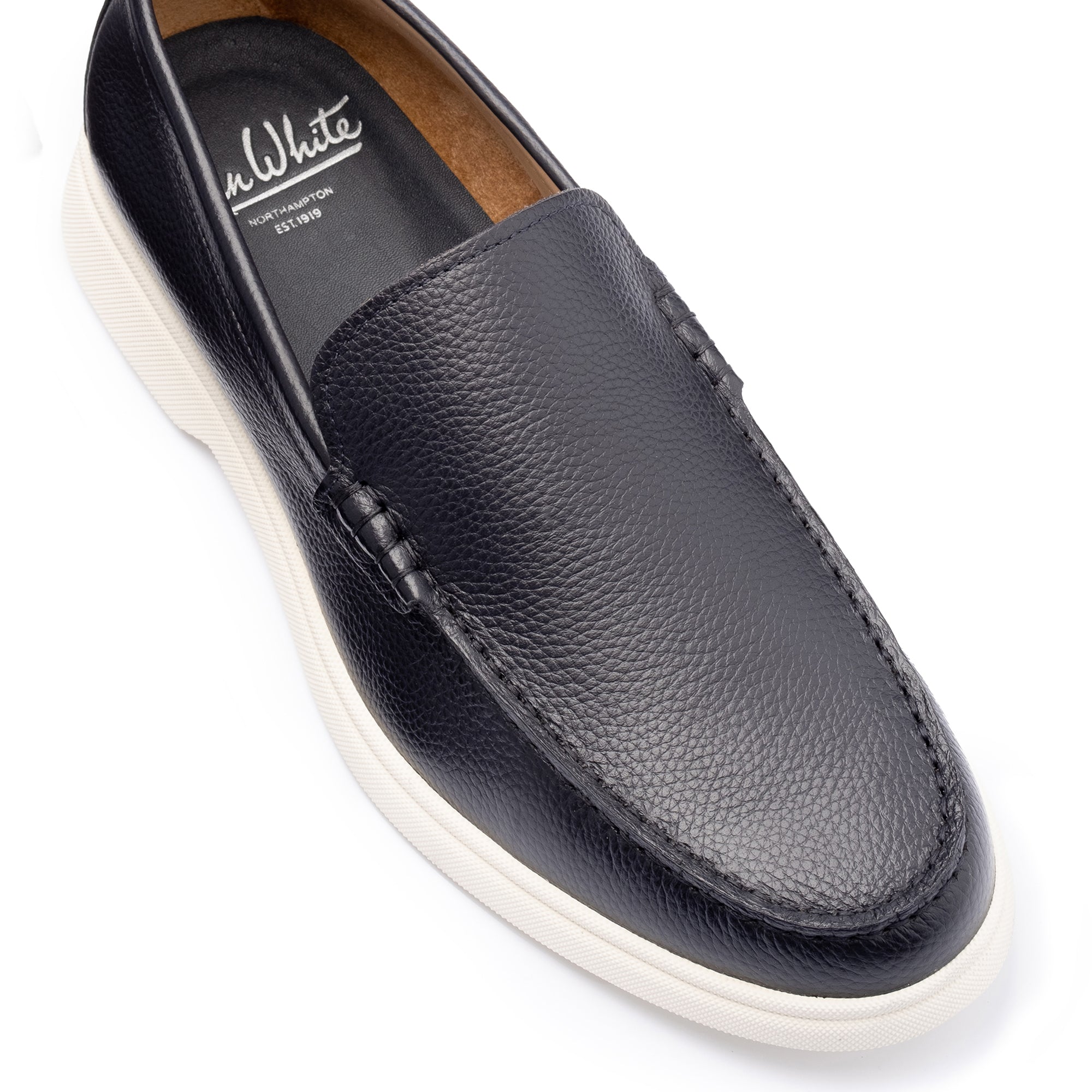
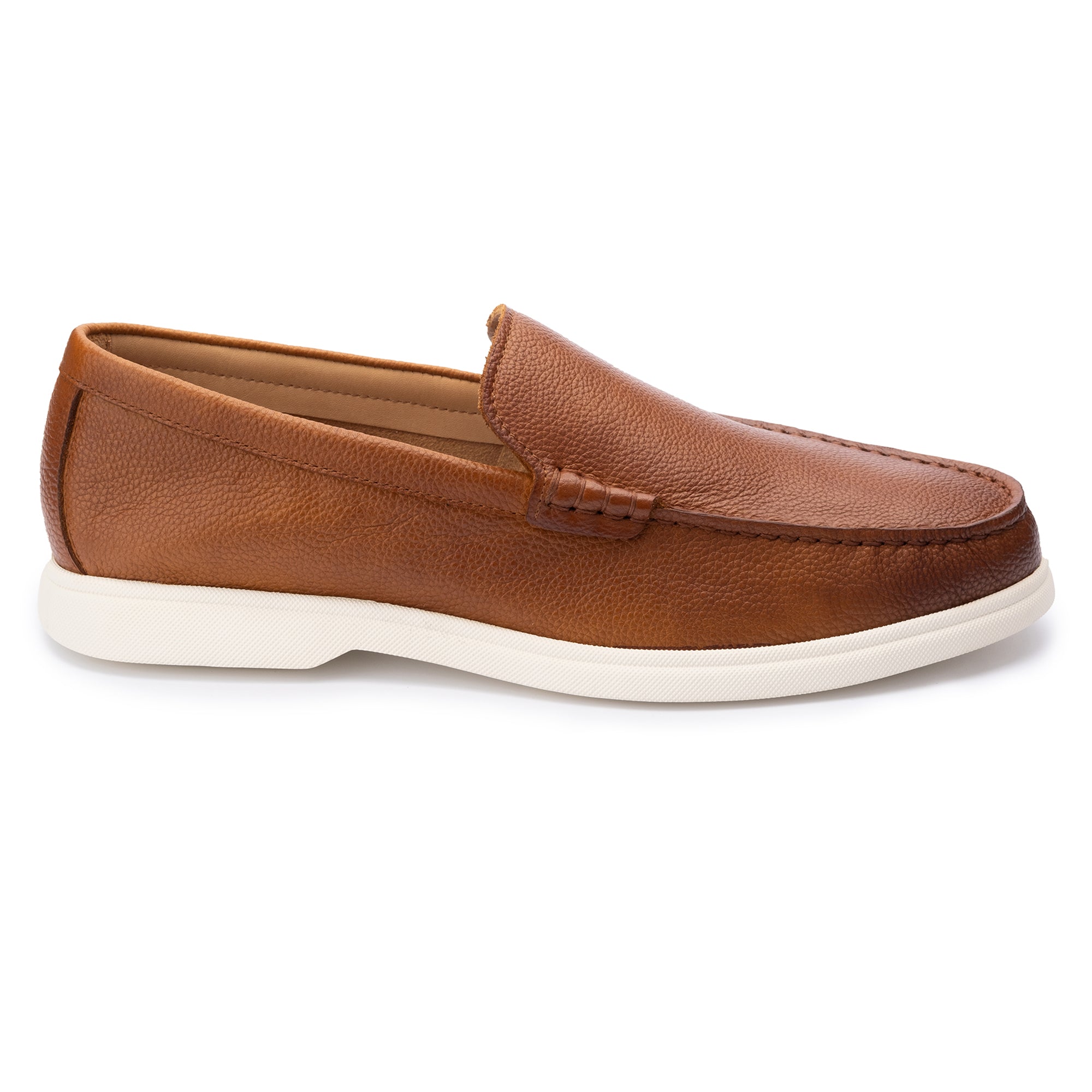
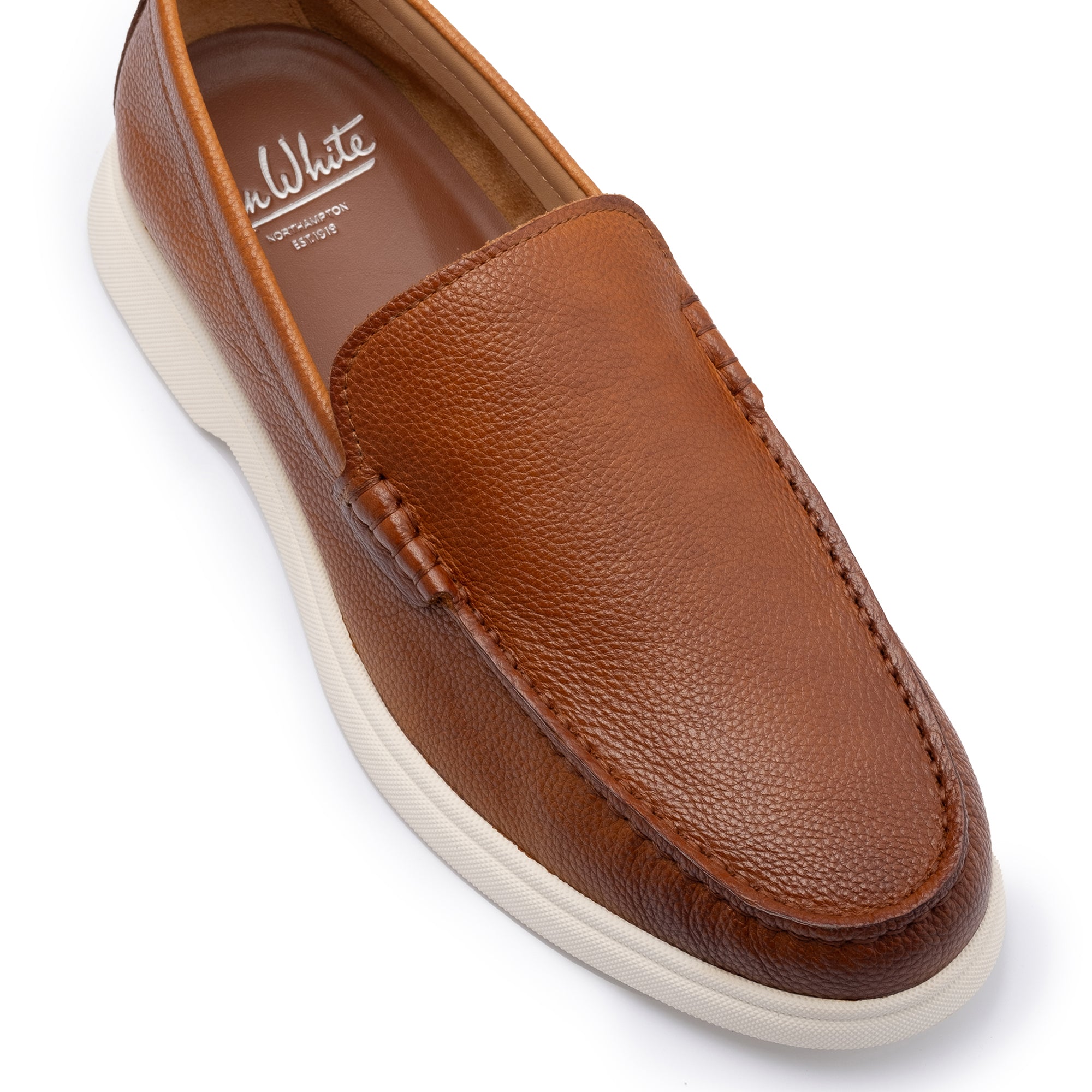
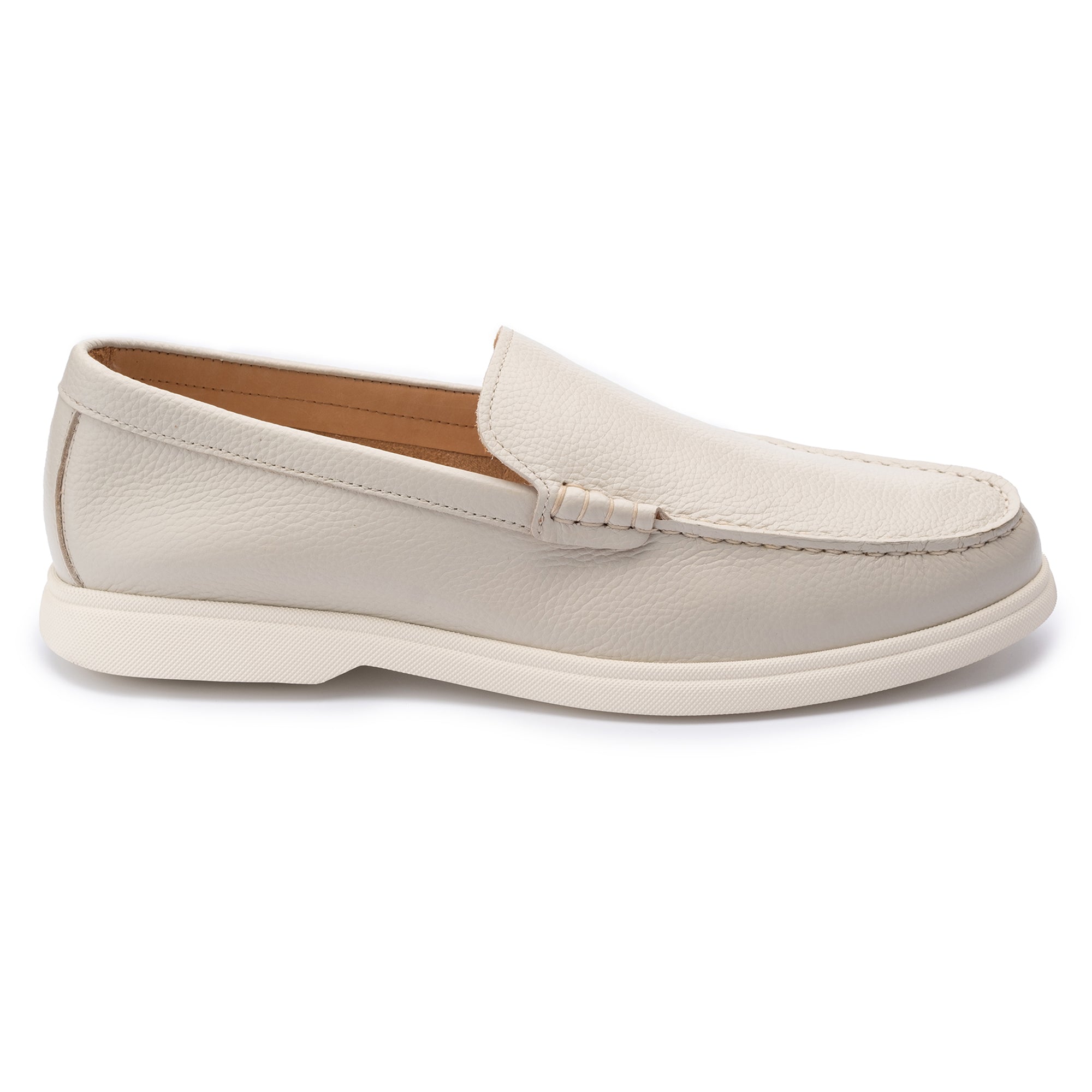
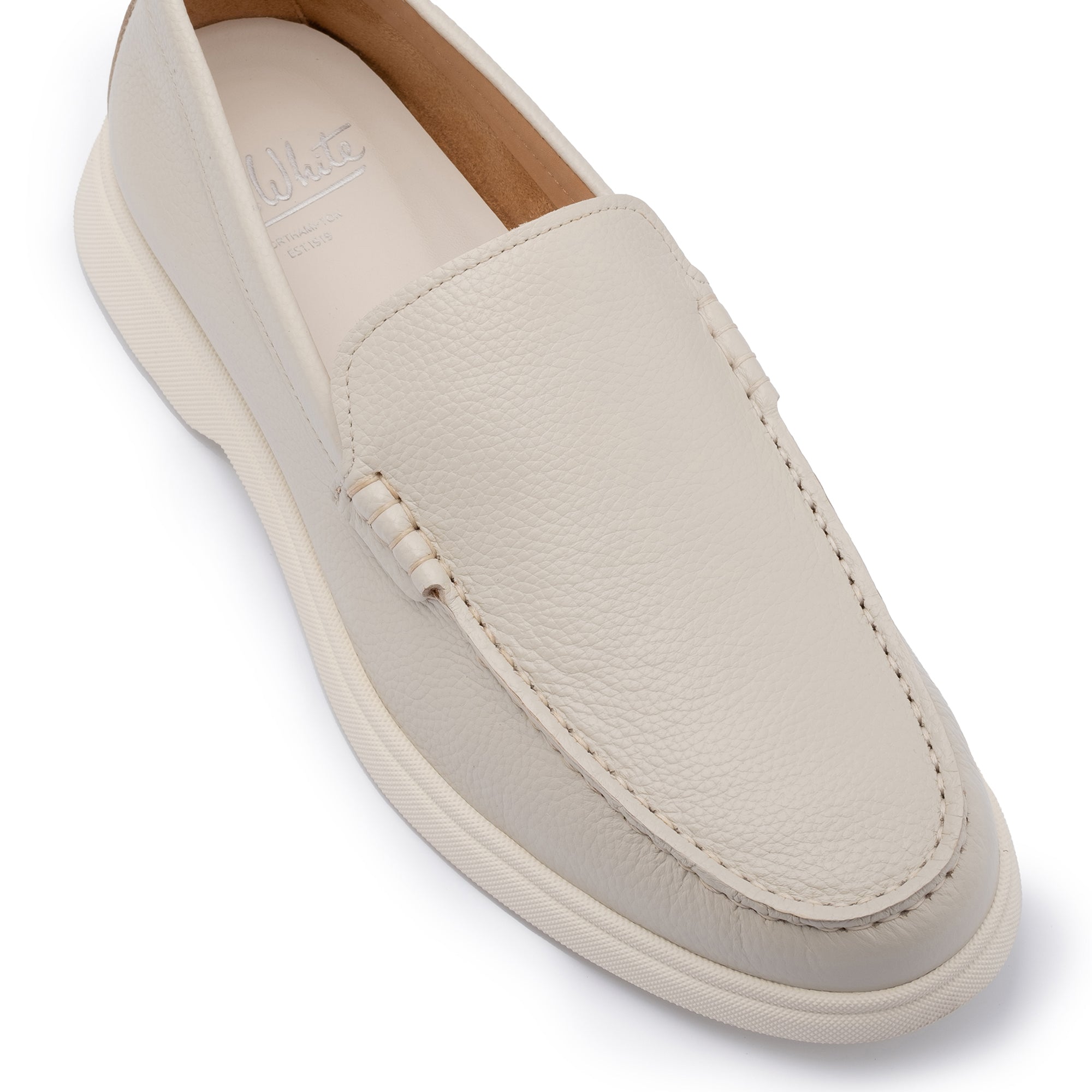
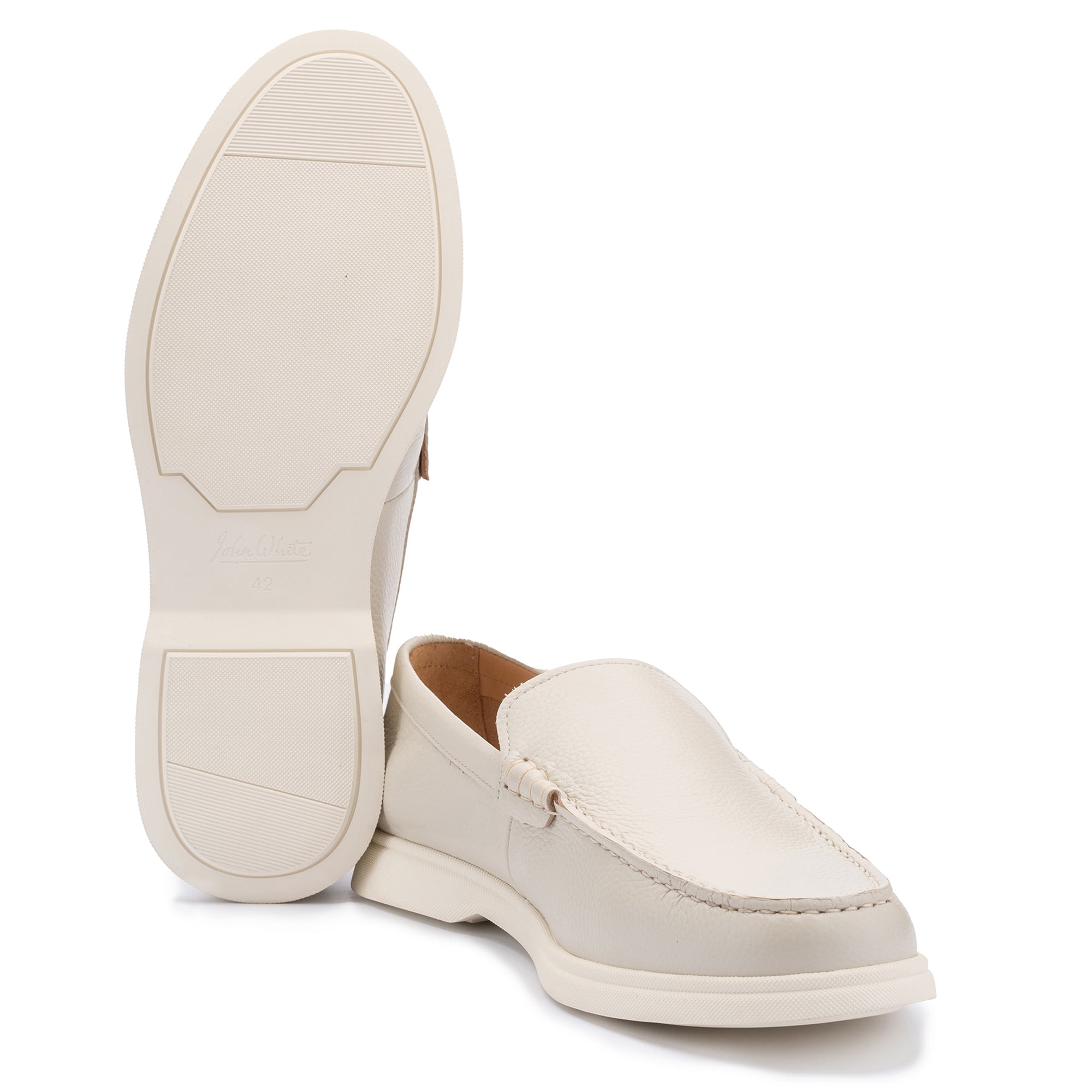
- Fat Wrinkles: These are subtle, natural creases, often found in the neck and shoulder areas of the hide where the skin naturally flexed. On a shoe, they might appear across the vamp, adding a unique texture that will soften beautifully with wear.
- Scars and Scratches: Healed scars from encounters with barbed wire, brushes with thorny bushes, or insect bites are a clear sign of a free-roaming animal. These marks are not structural defects; they are proof of a genuine, natural hide.
- Veins: Fine, intricate lines that look like tiny lightning strikes are the visible remnants of the animal's vascular system. They are often faint and demonstrate the untampered nature of the leather's surface.
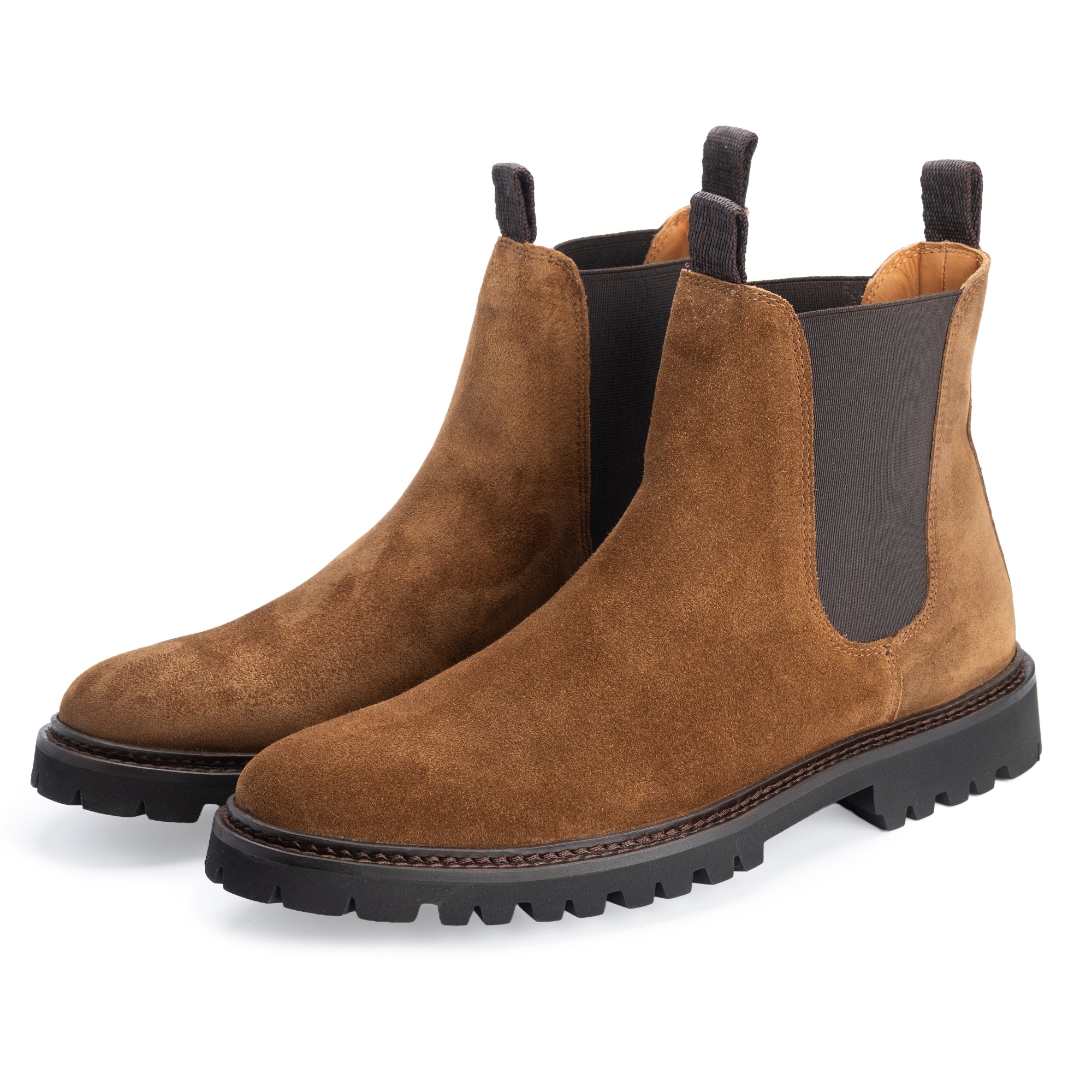
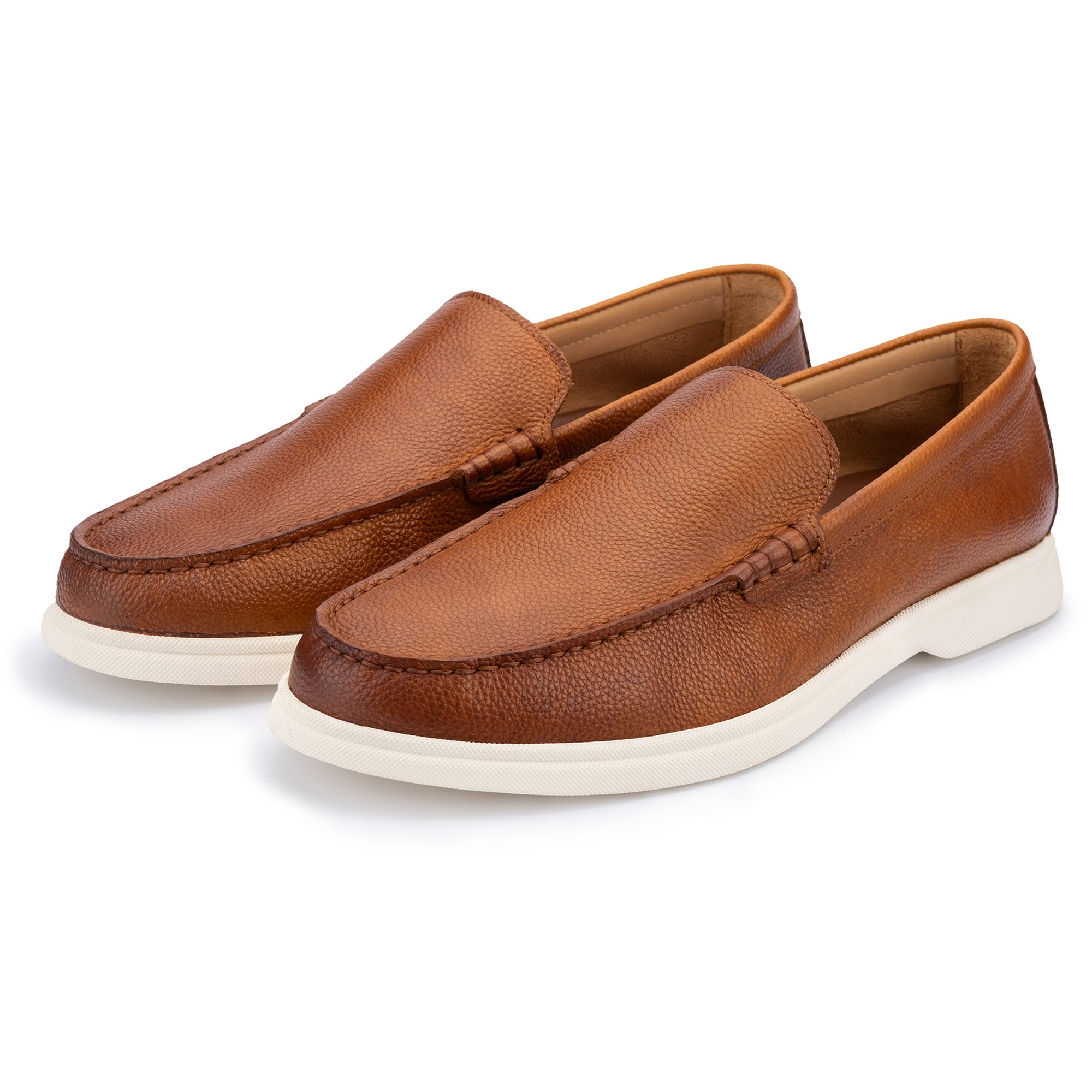
- Grain Variation: The grain structure is not uniform across a single hide. Leather from the animal's back and shoulders (the 'butt') is tight and dense, while the belly leather is looser and more flexible. This variation is a key feature, not a flaw.
Industry data from the UK Leather Federation indicates that over 90% of the highest-grade hides are reserved for full-grain production, destined for premium goods like our collection of Goodyear welted men's shoes.
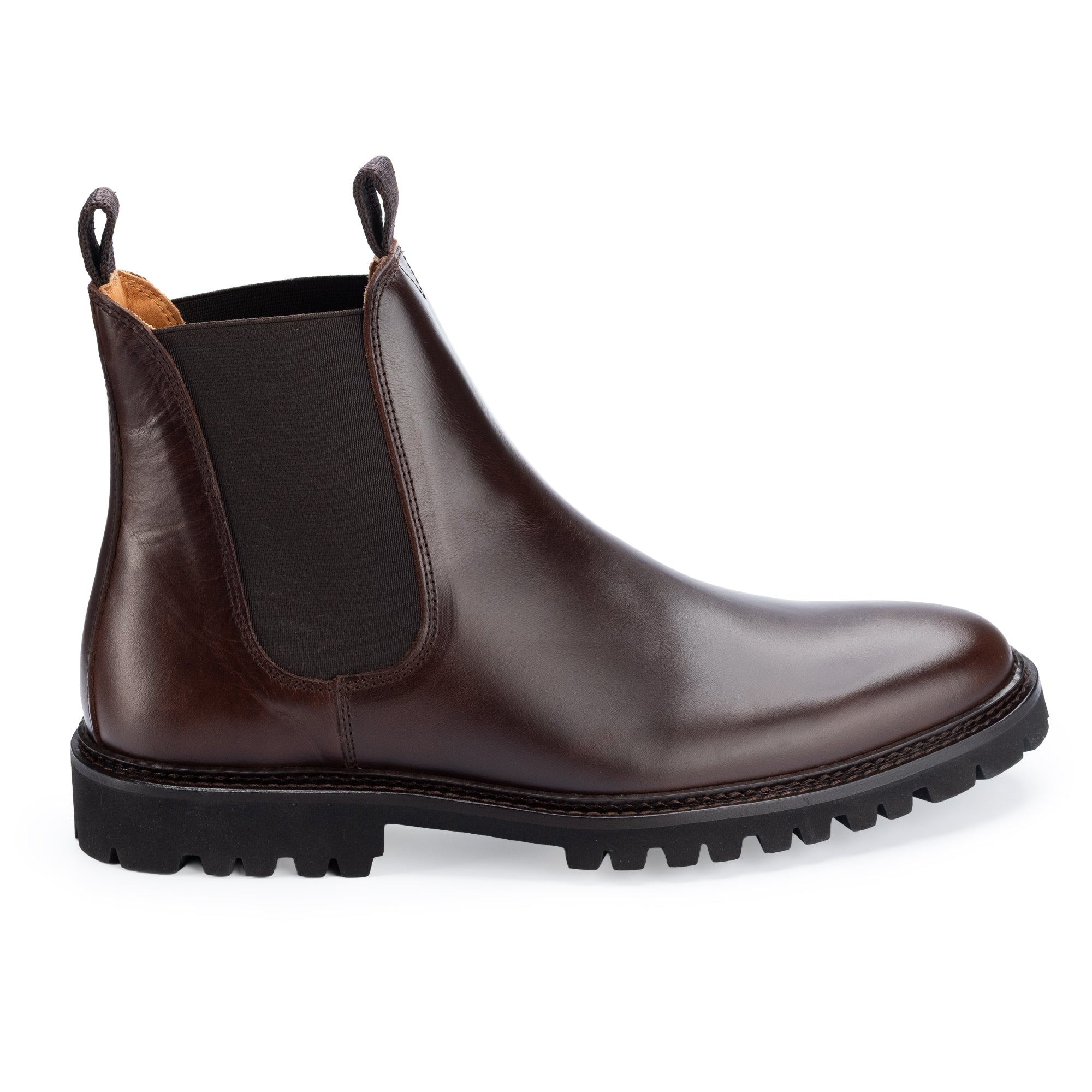
Each of these markings contributes to a final product that is entirely unique, ensuring no two pairs of premium leather shoes are ever identical.
How Does a Shoemaker Work With These Markings?
The task of cutting the leather, known as 'clicking', is one of the most skilled and foundational roles in traditional shoemaking. The clicker's expertise lies in reading the hide and strategically placing the shoe patterns to harness the leather's natural characteristics.
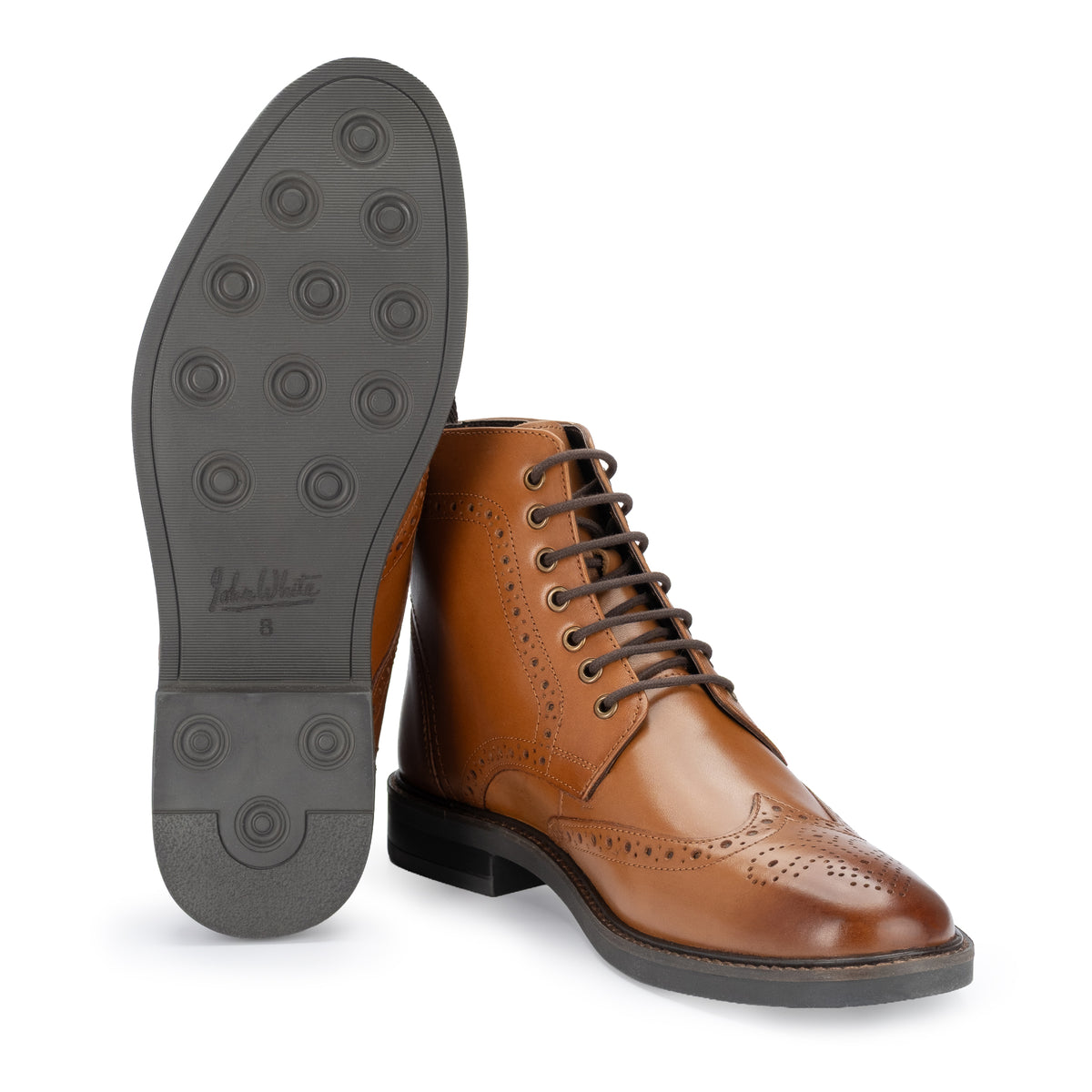
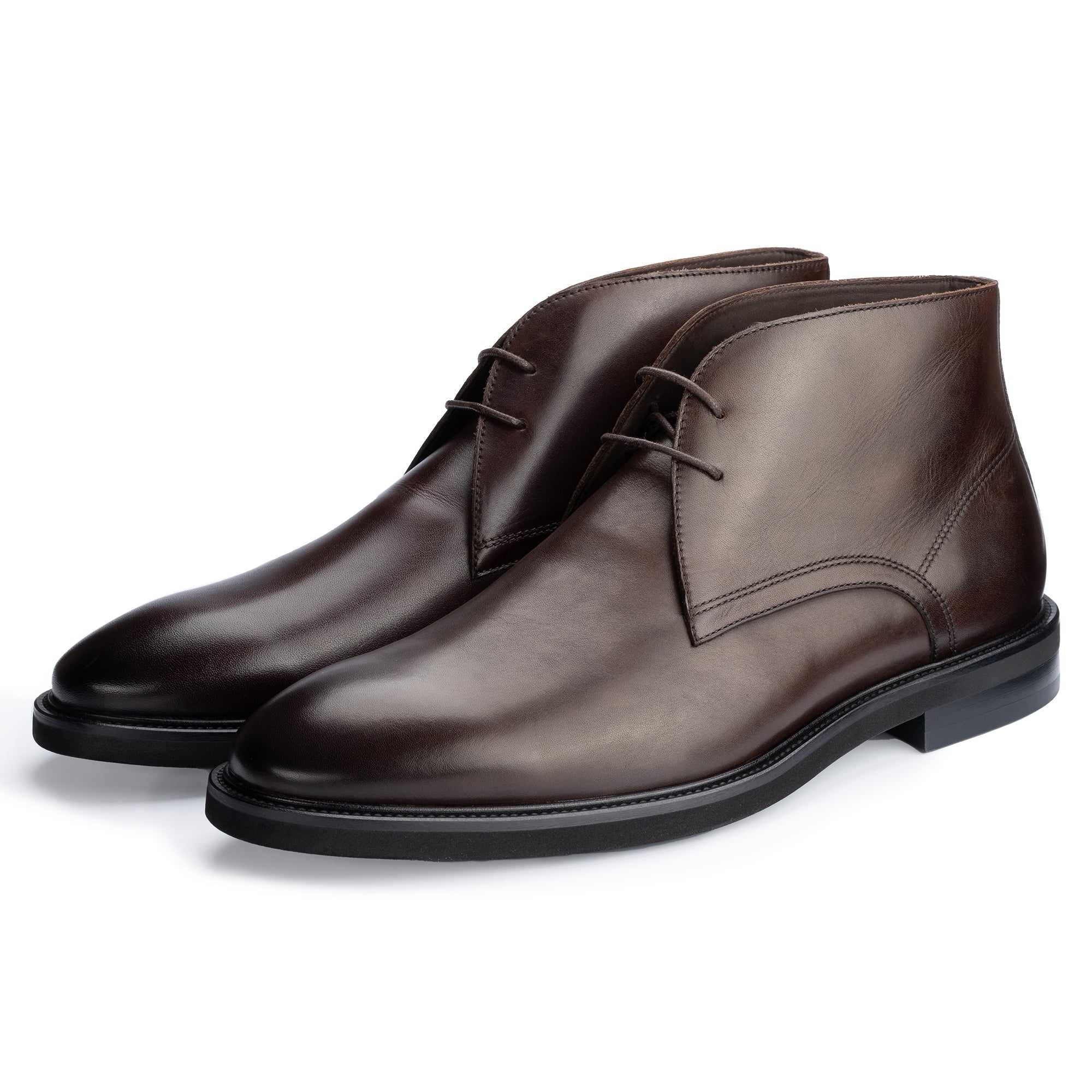
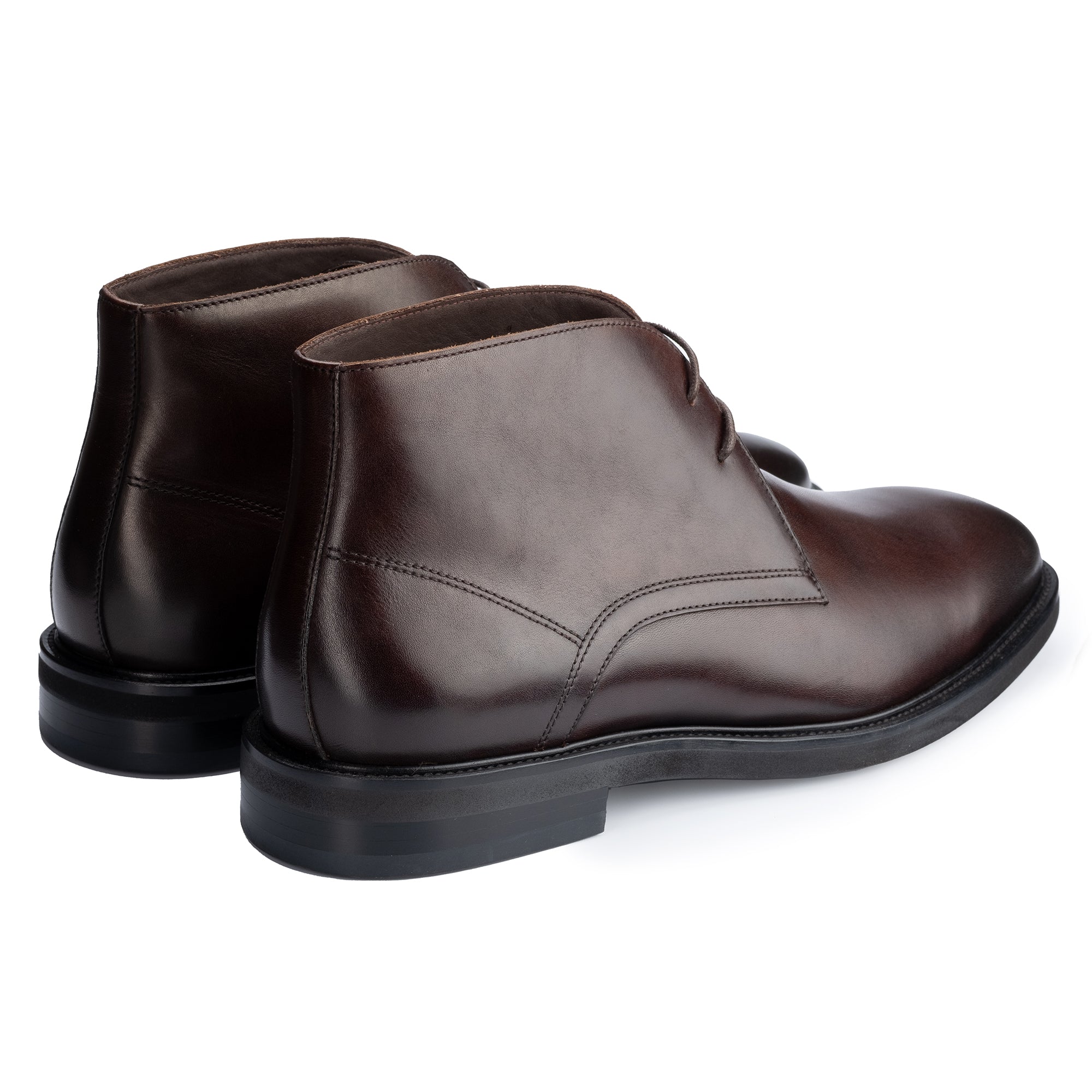
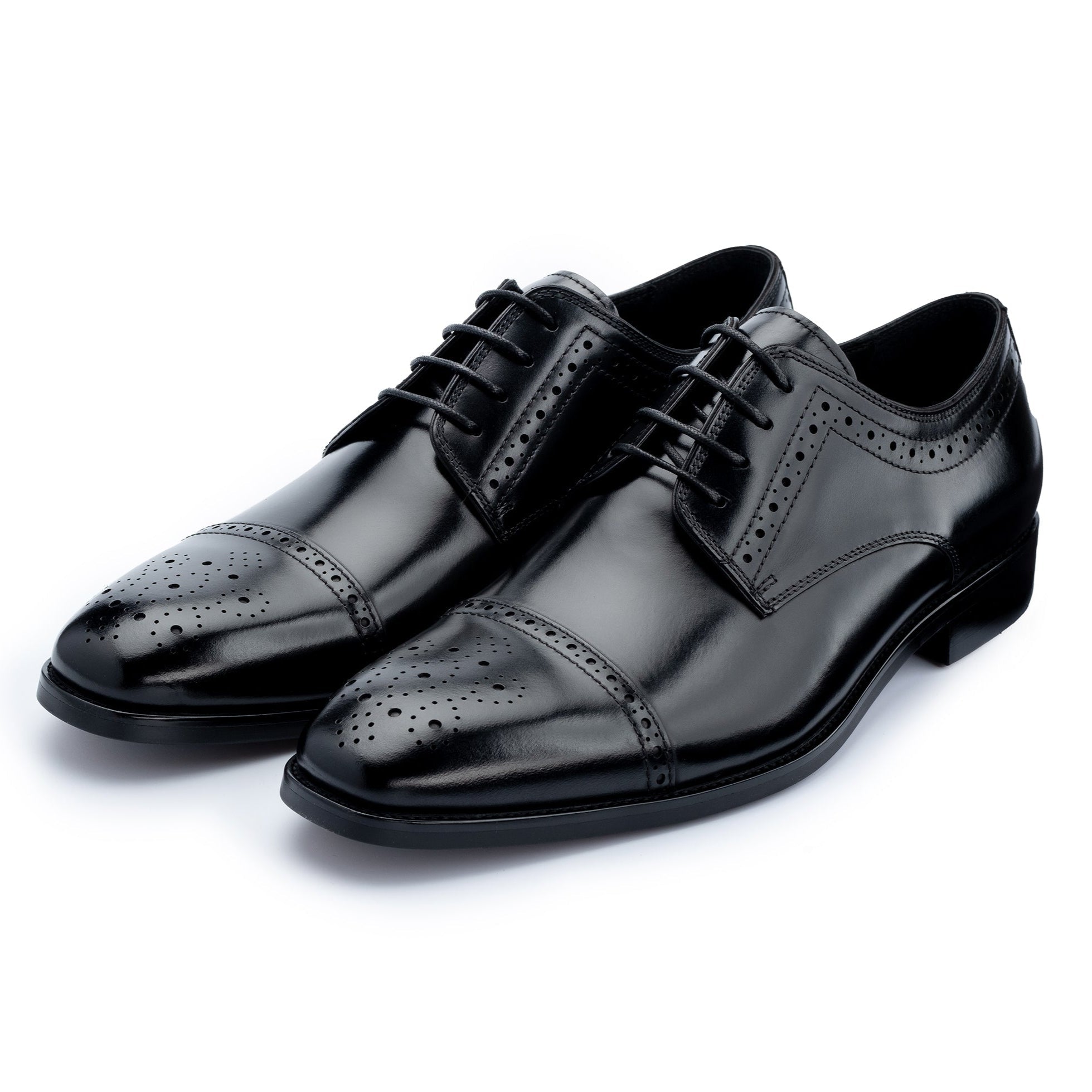
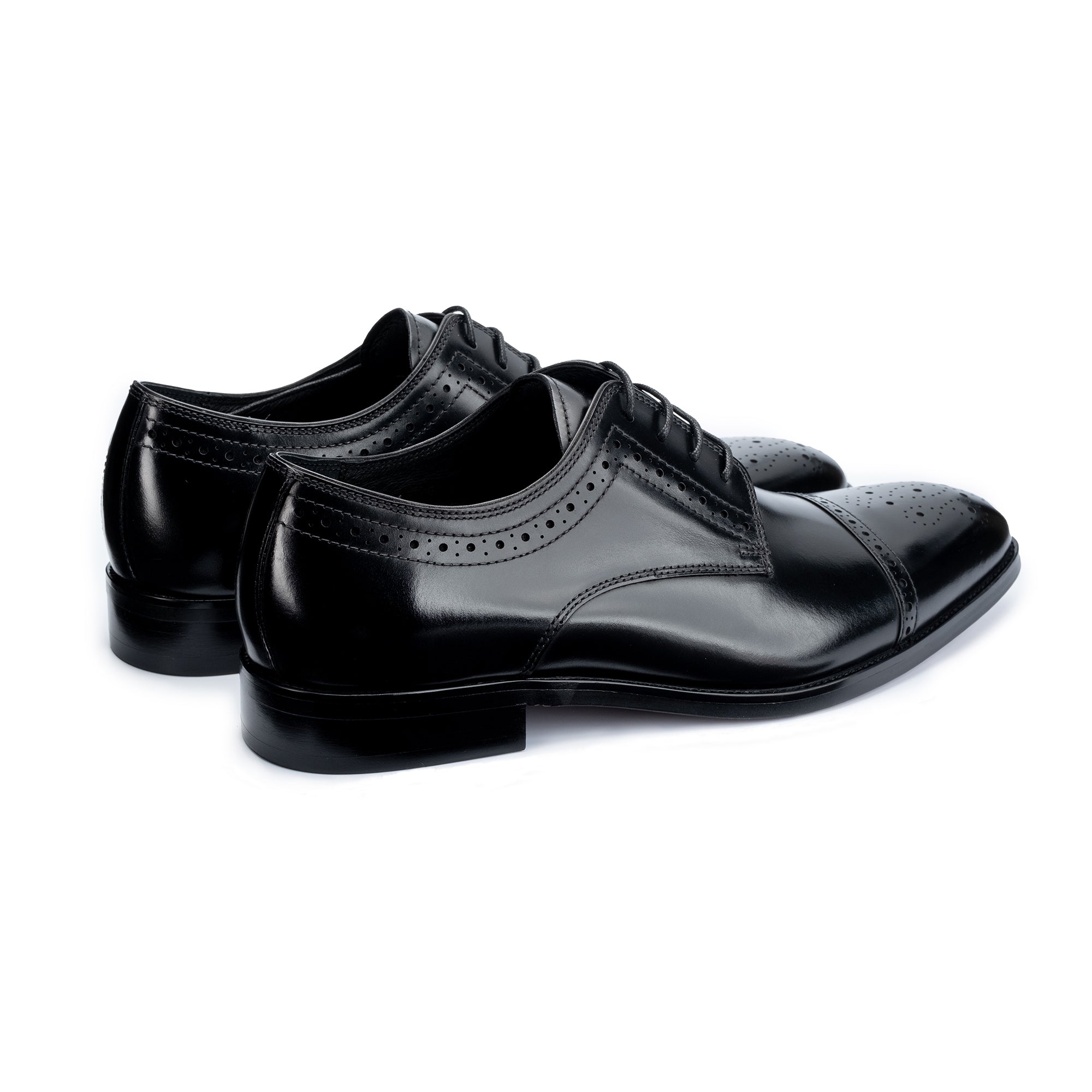
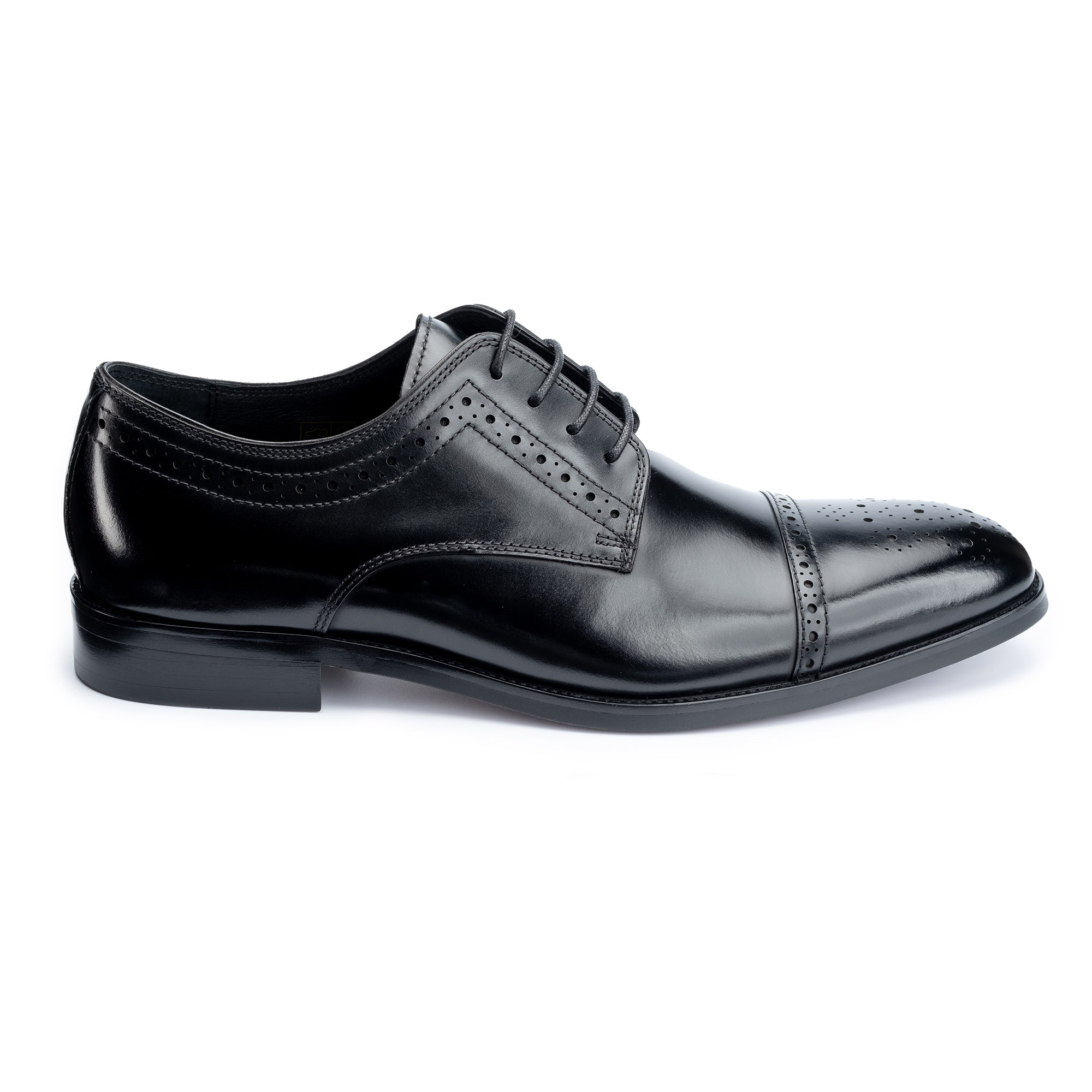
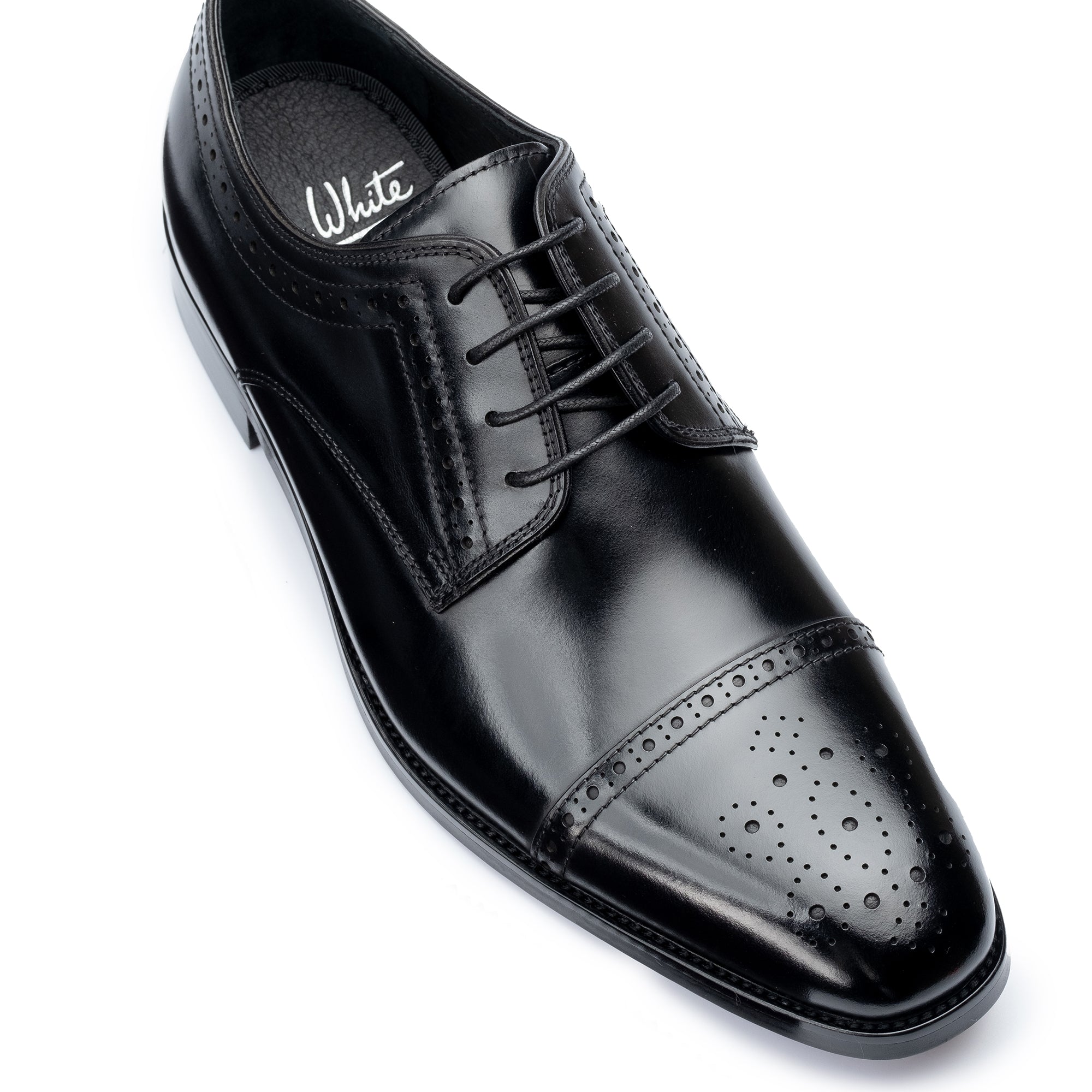
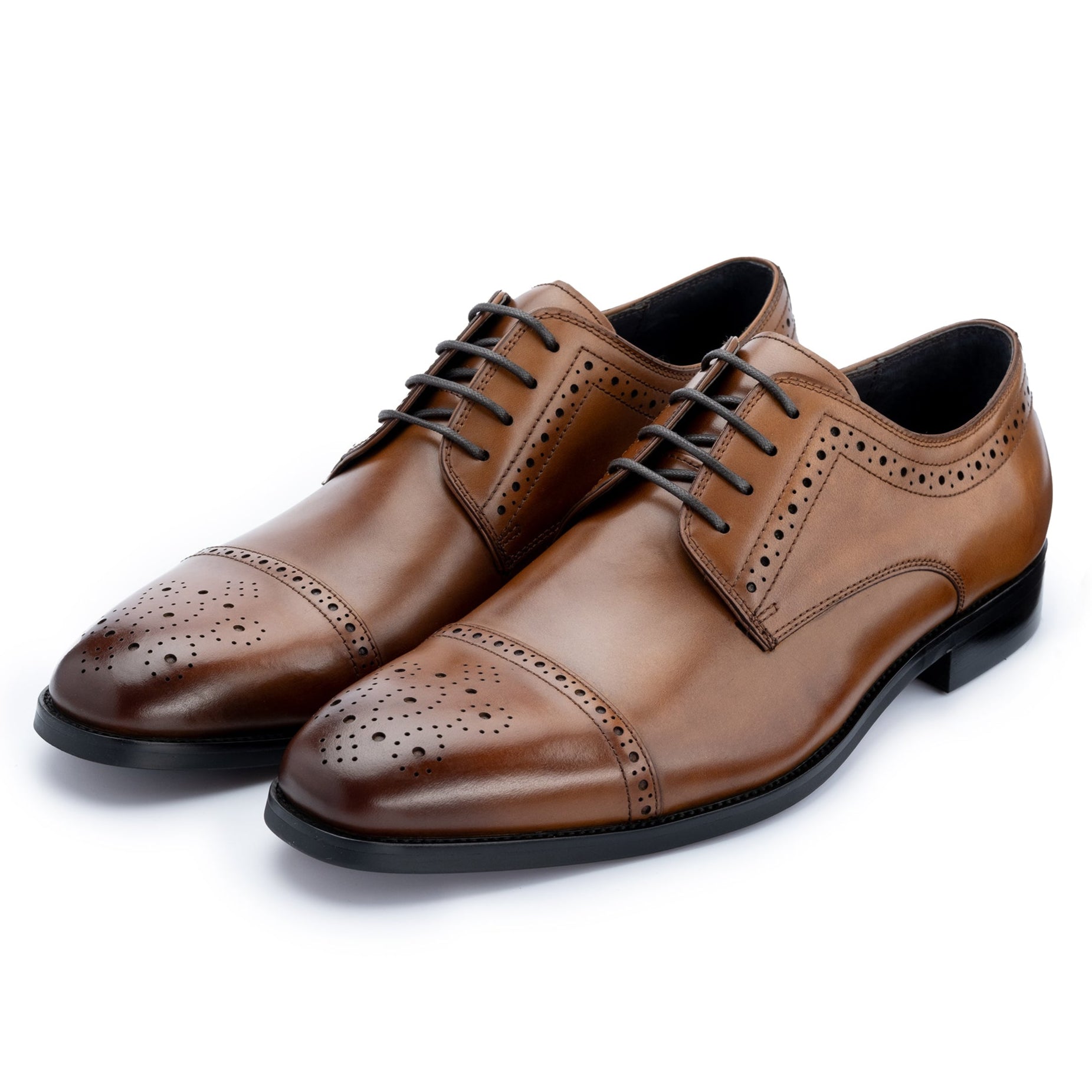
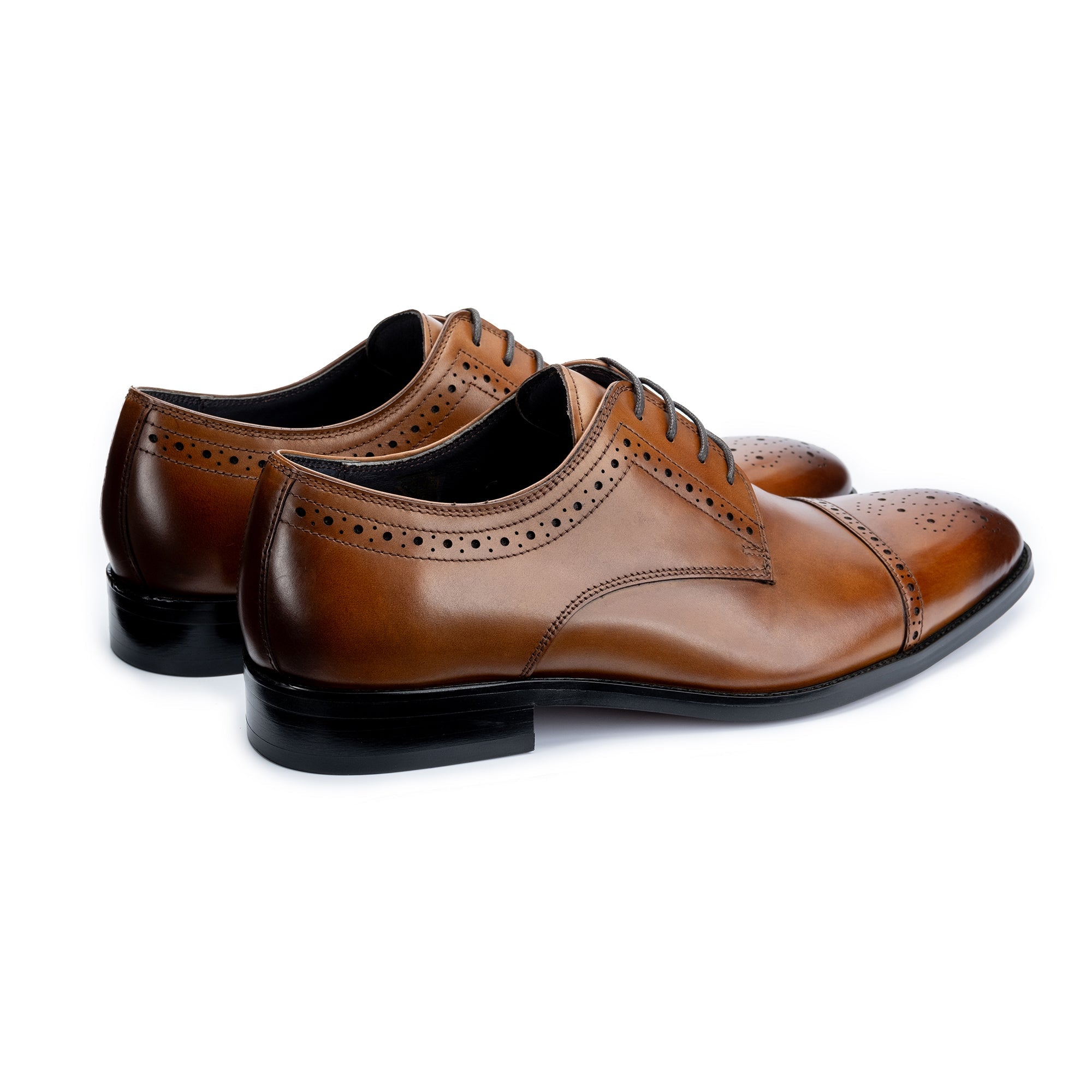
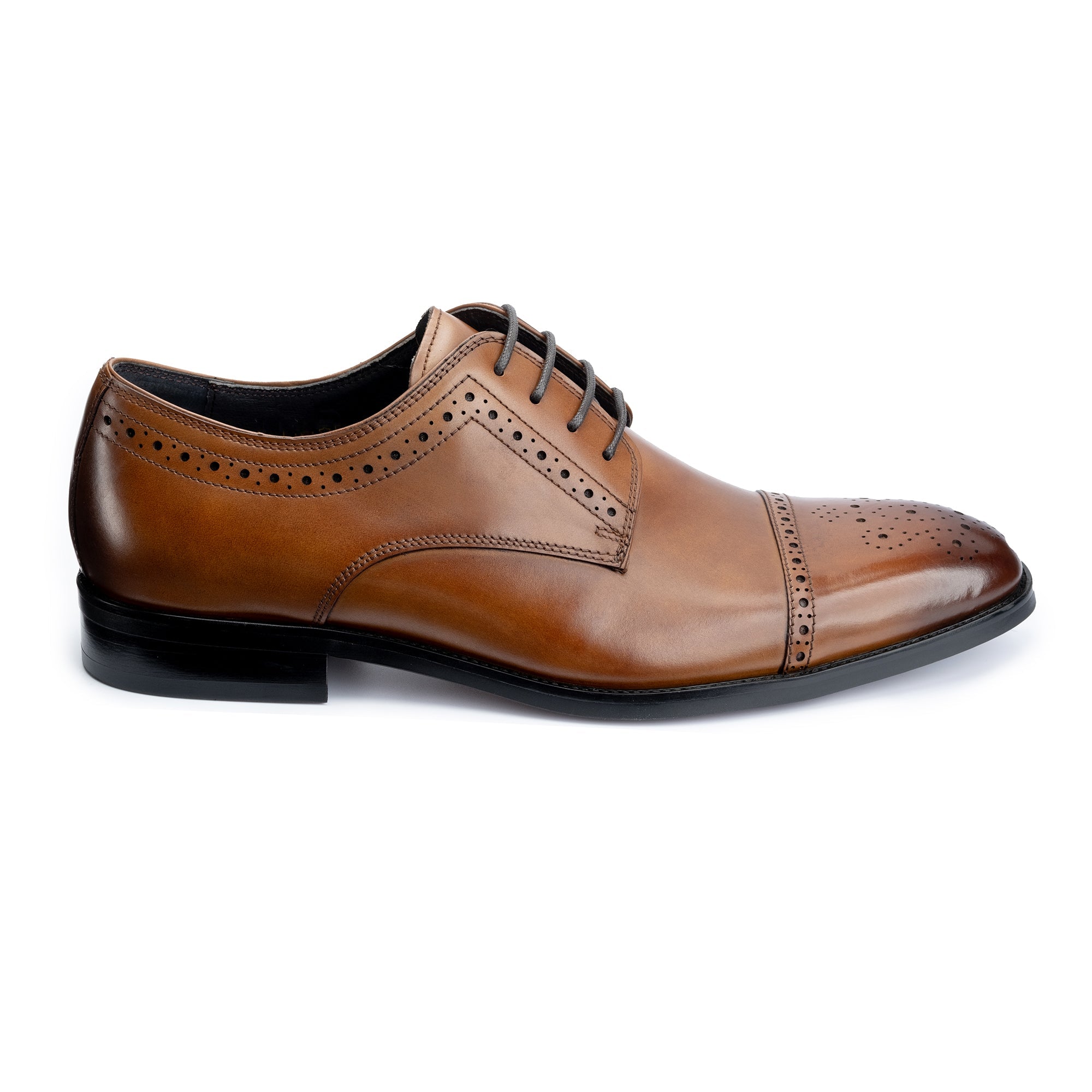
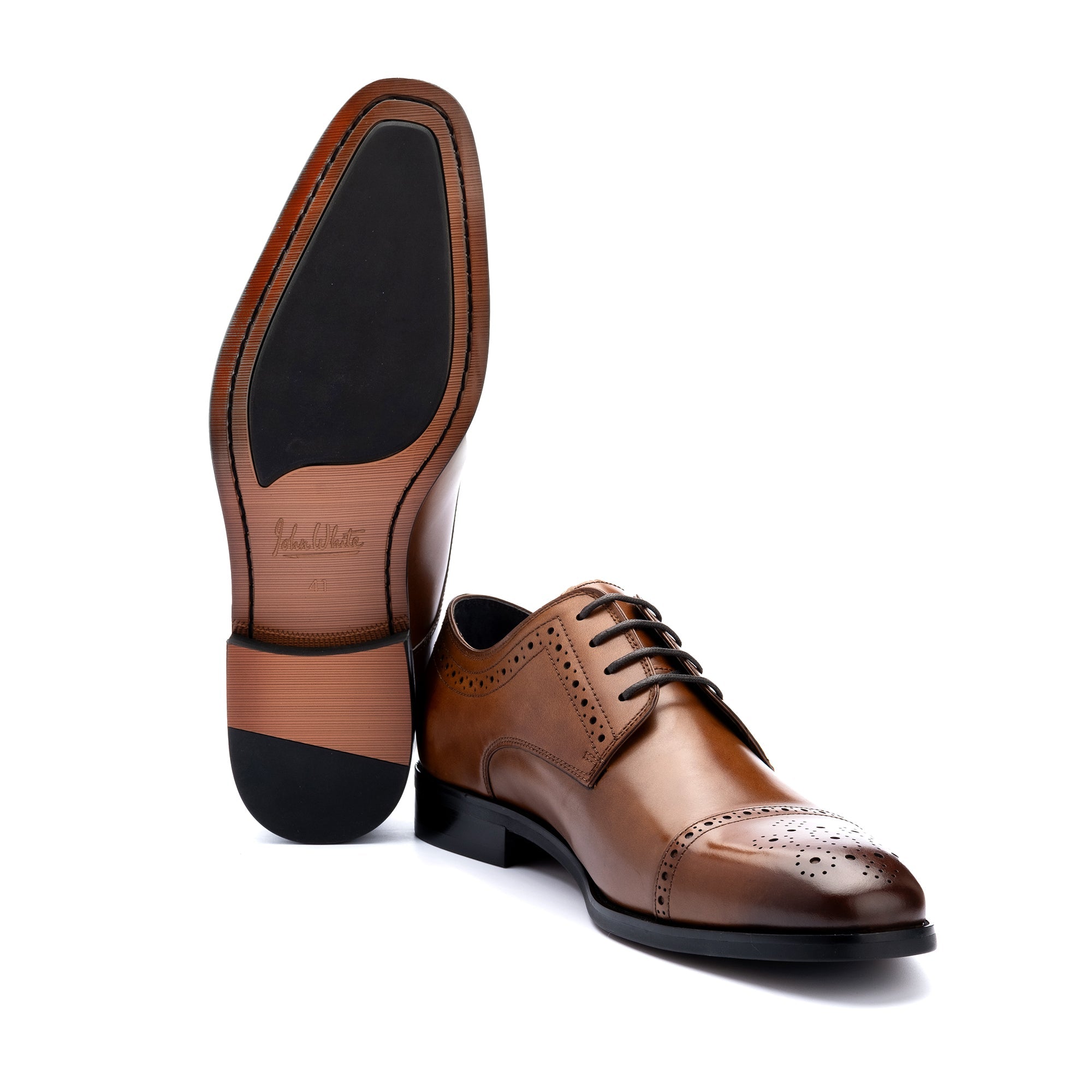
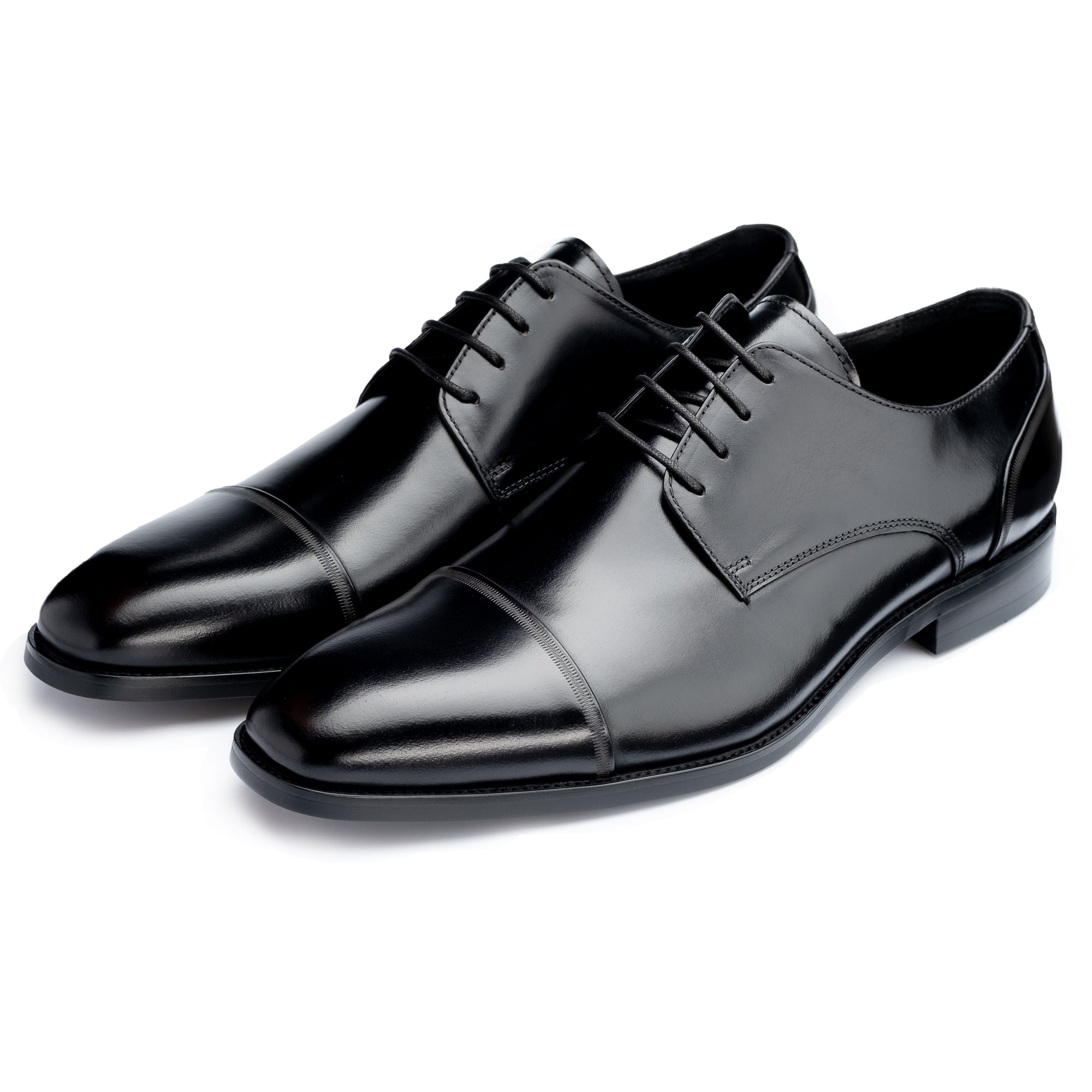
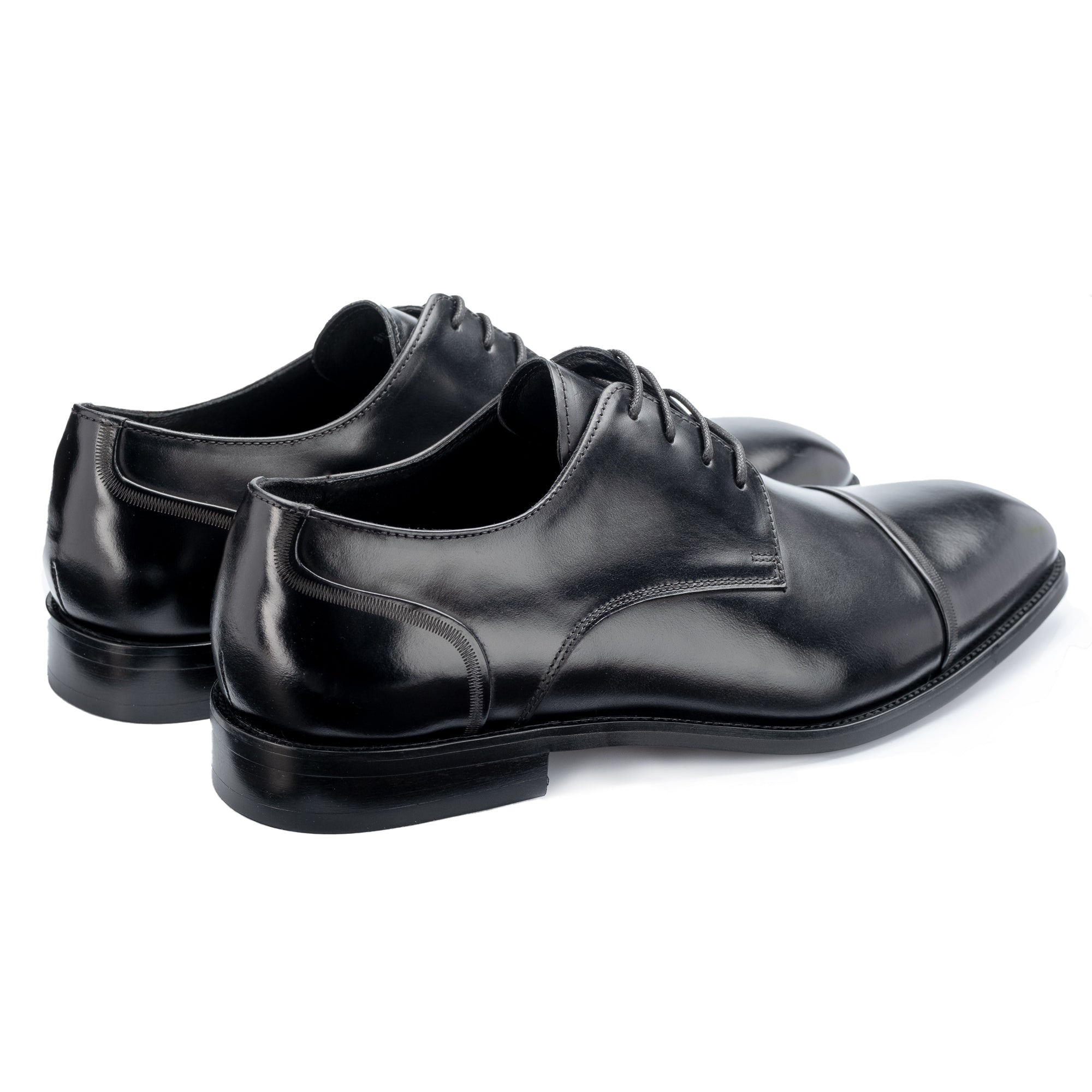
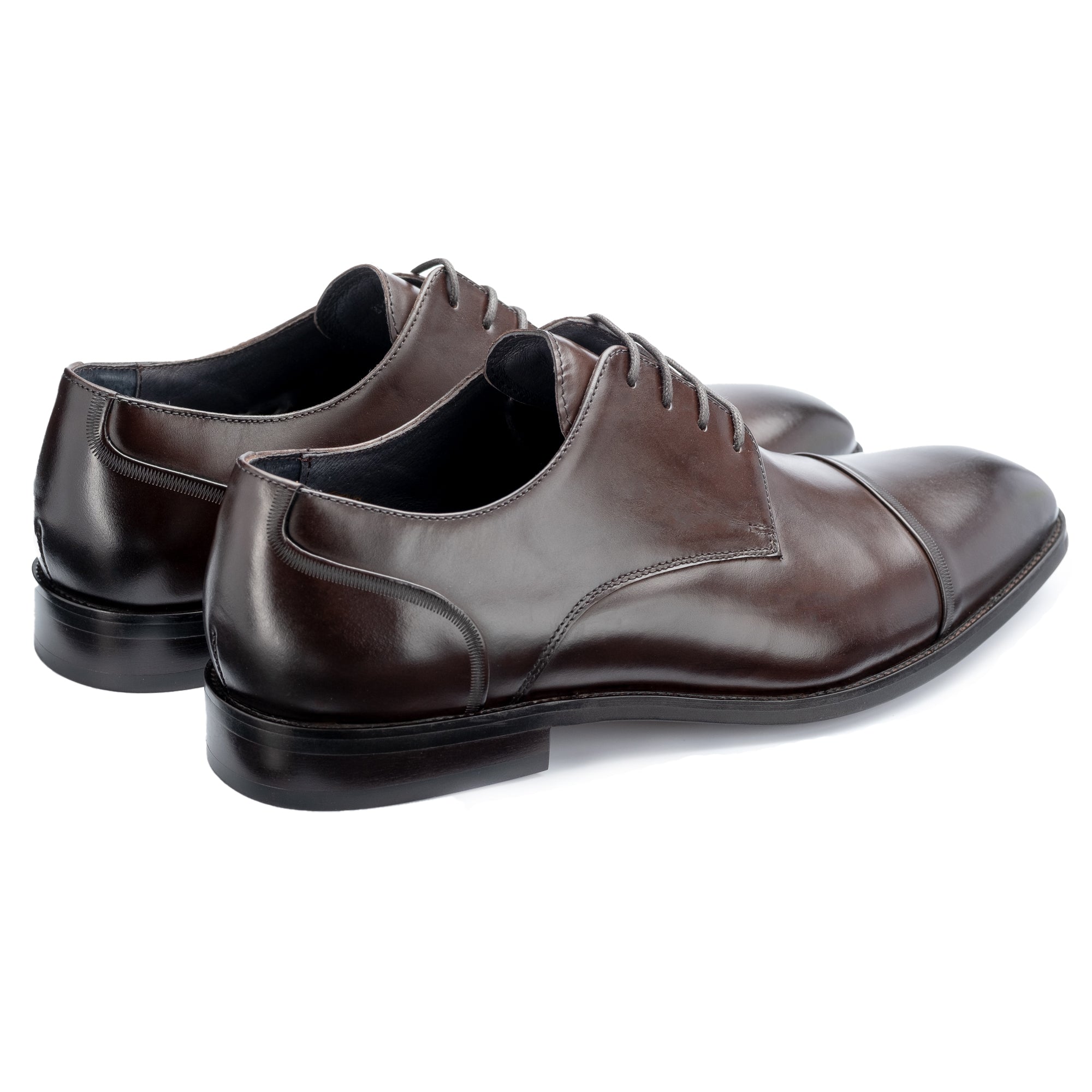
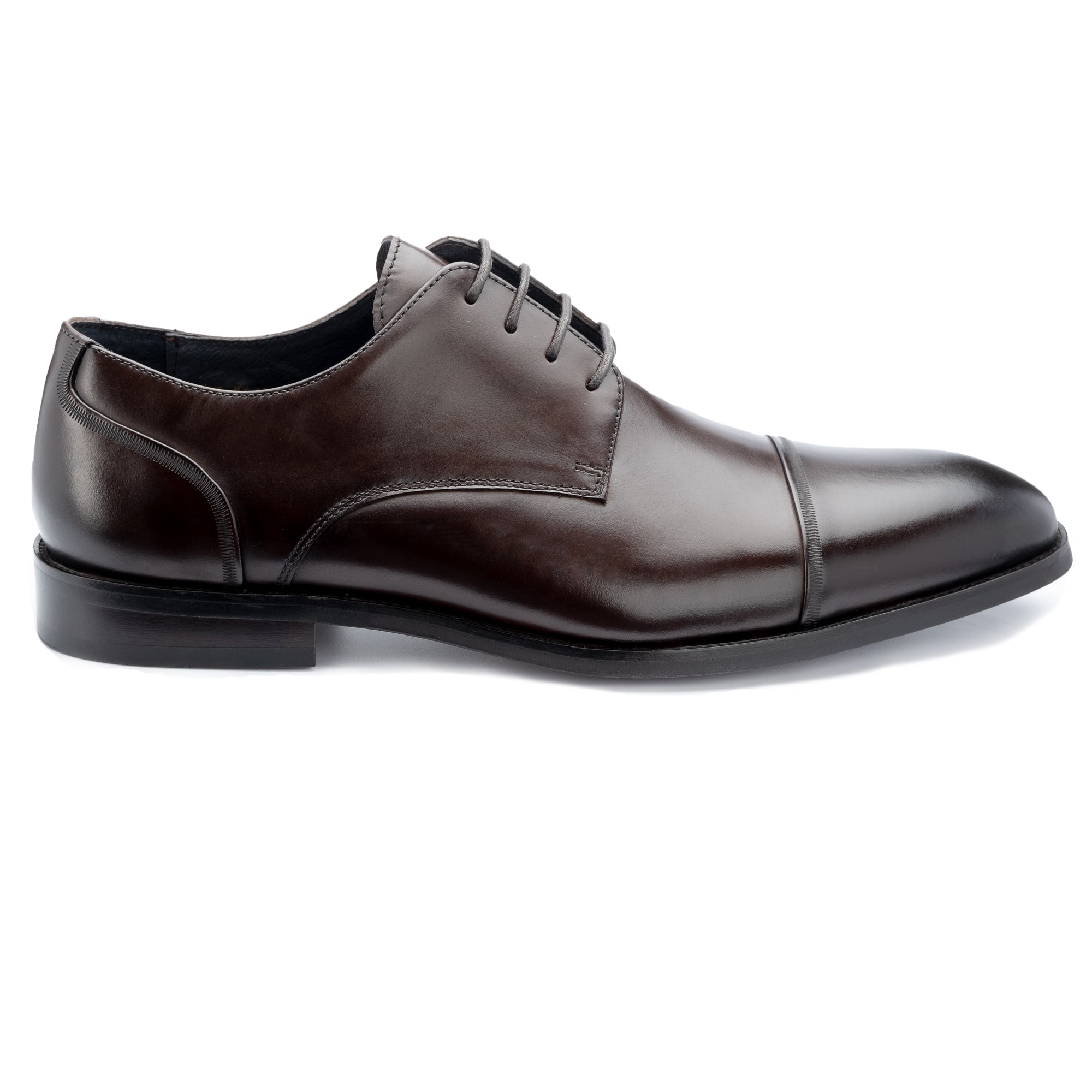
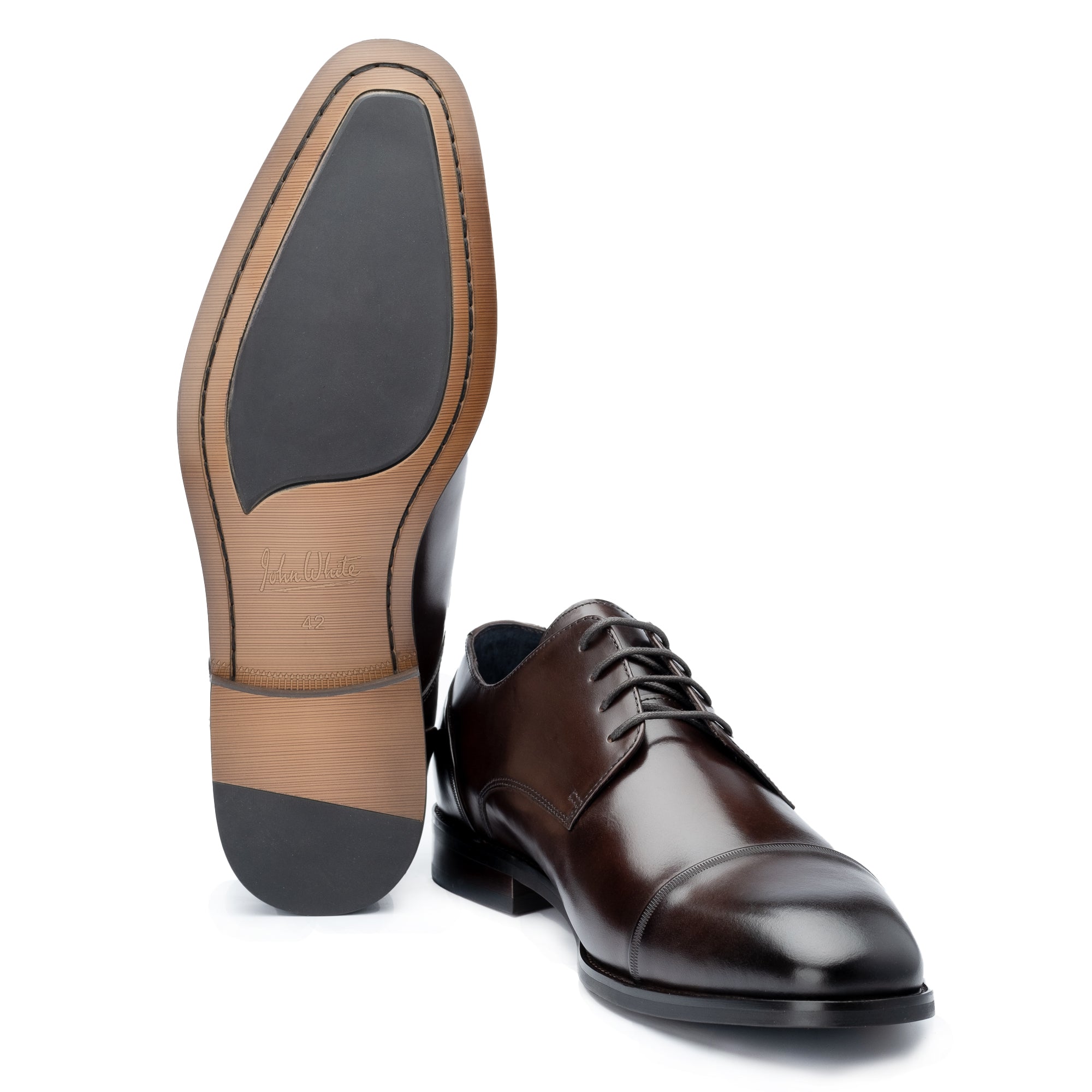
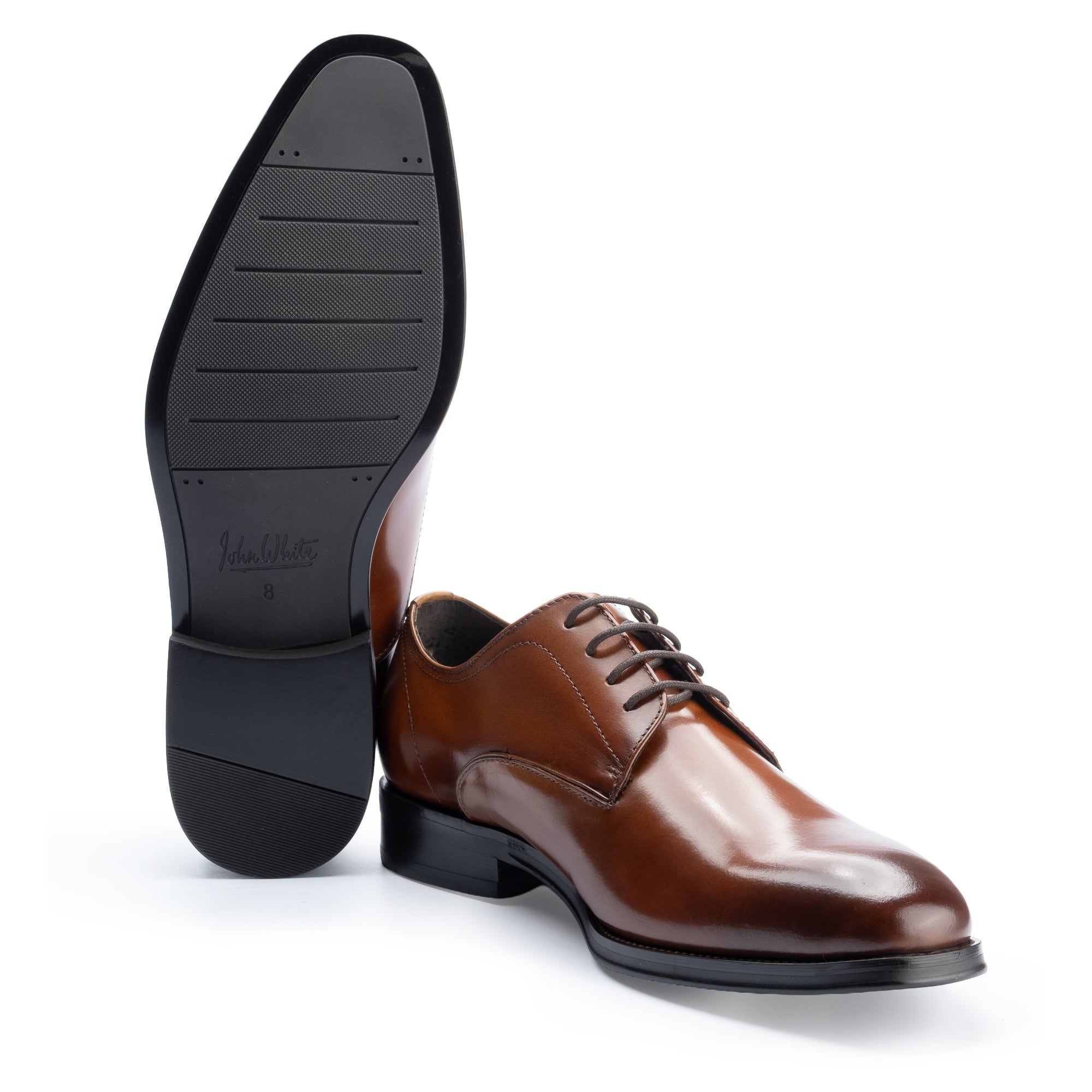
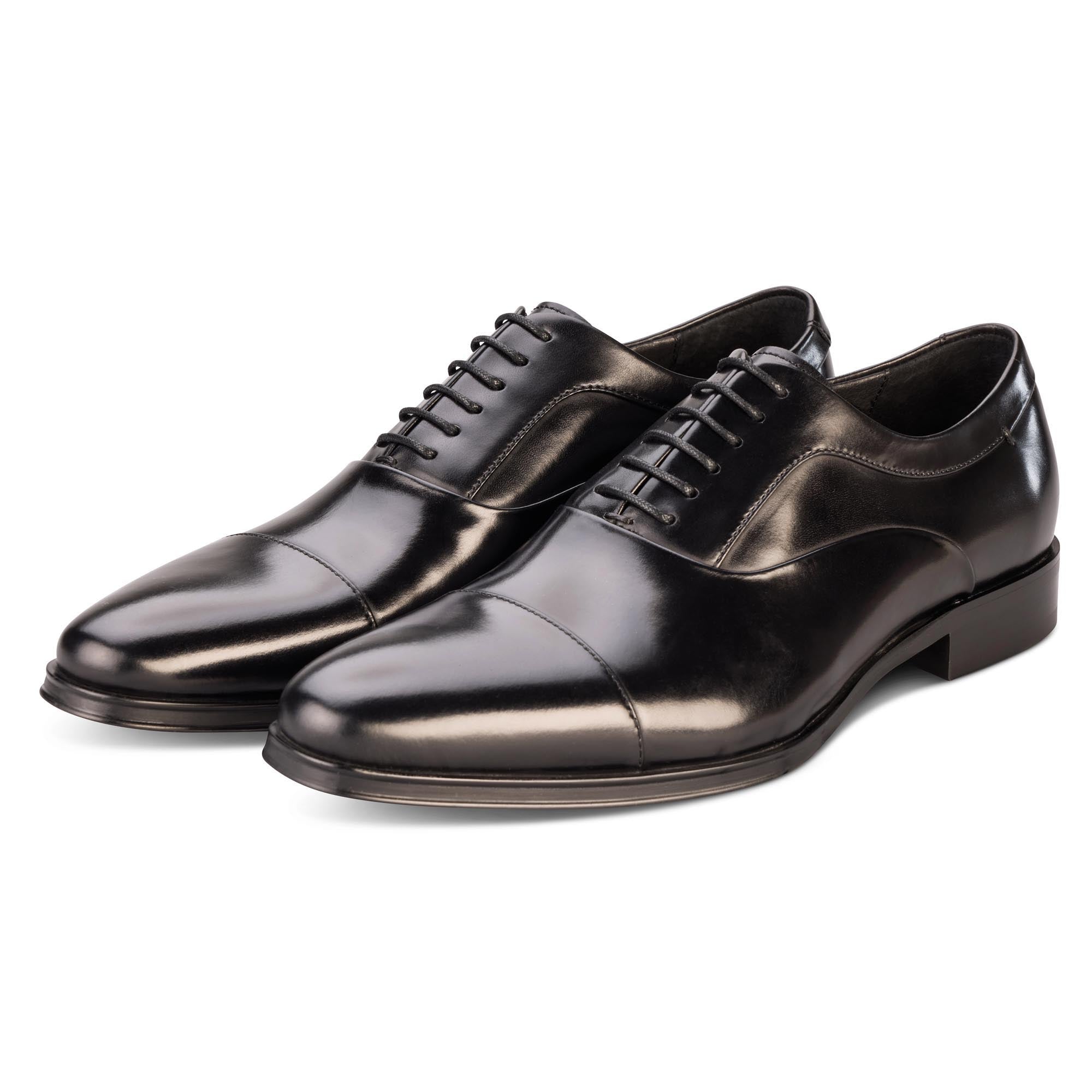
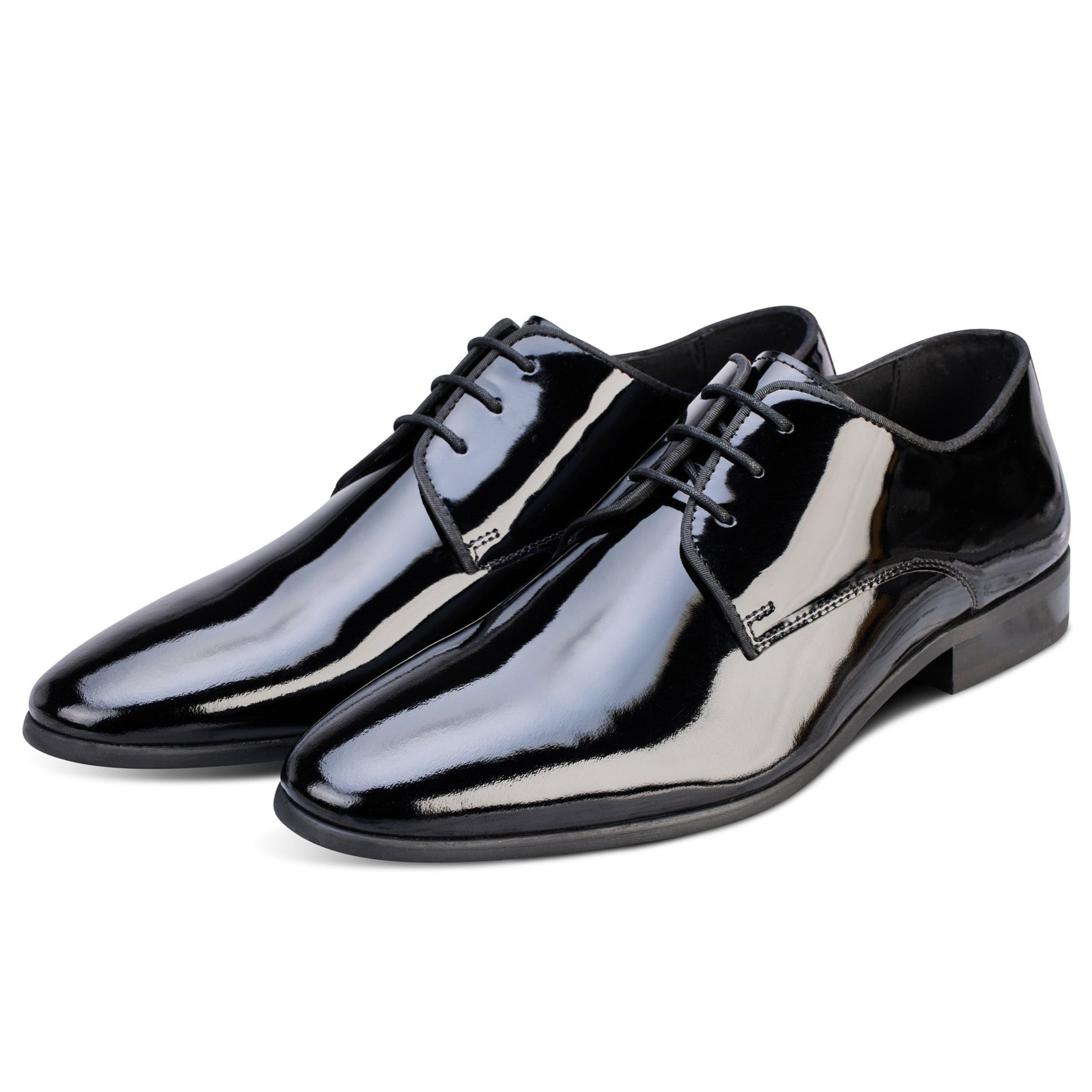
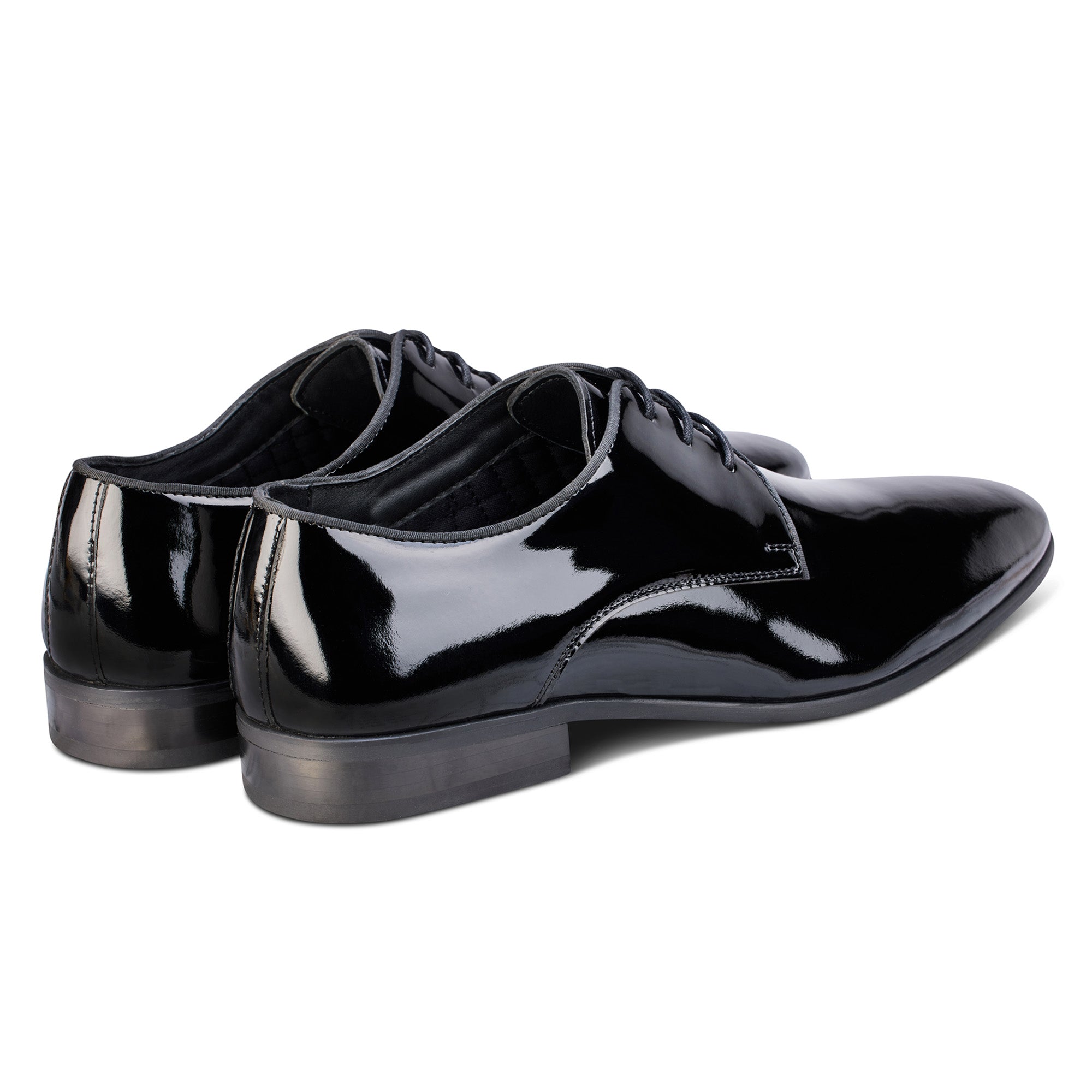
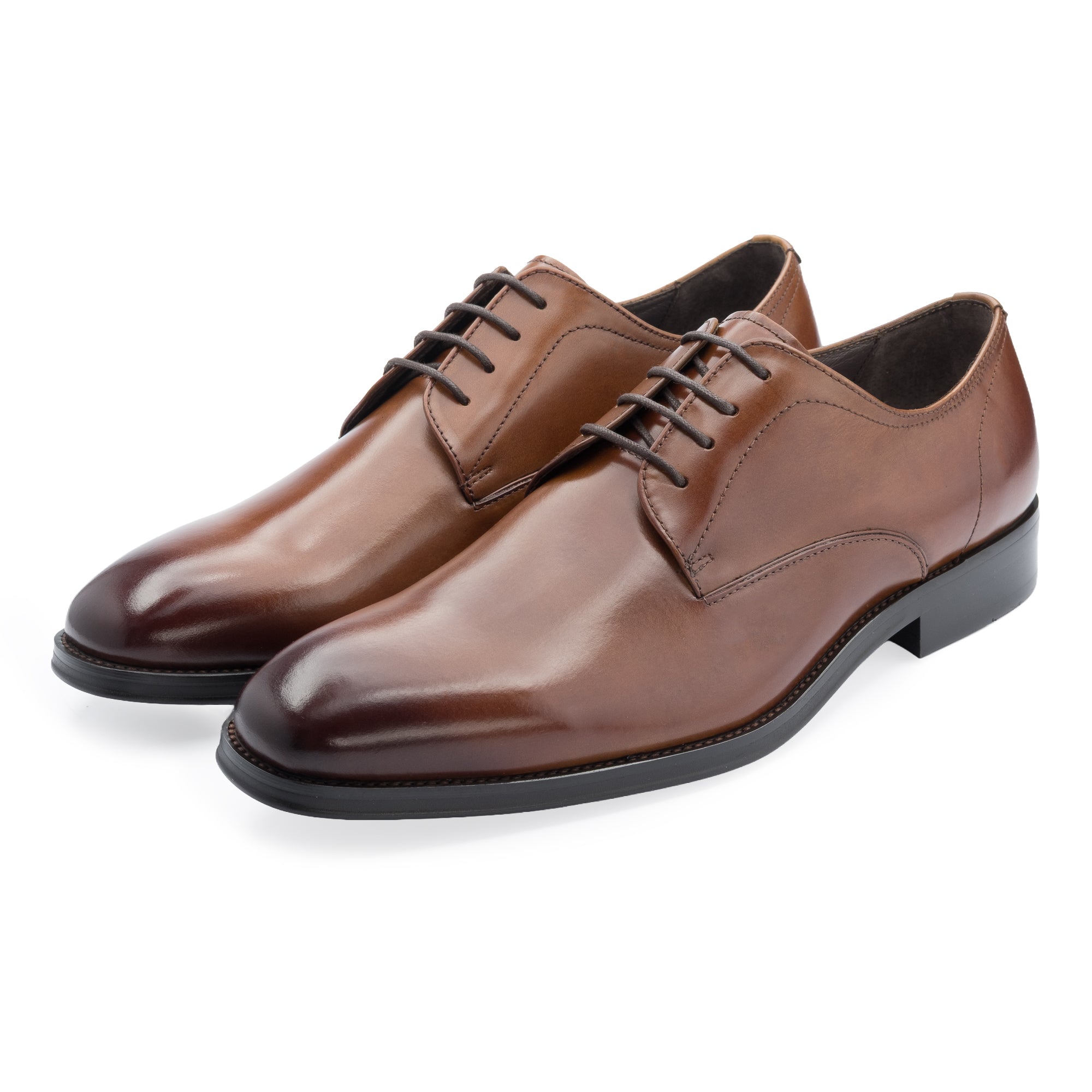
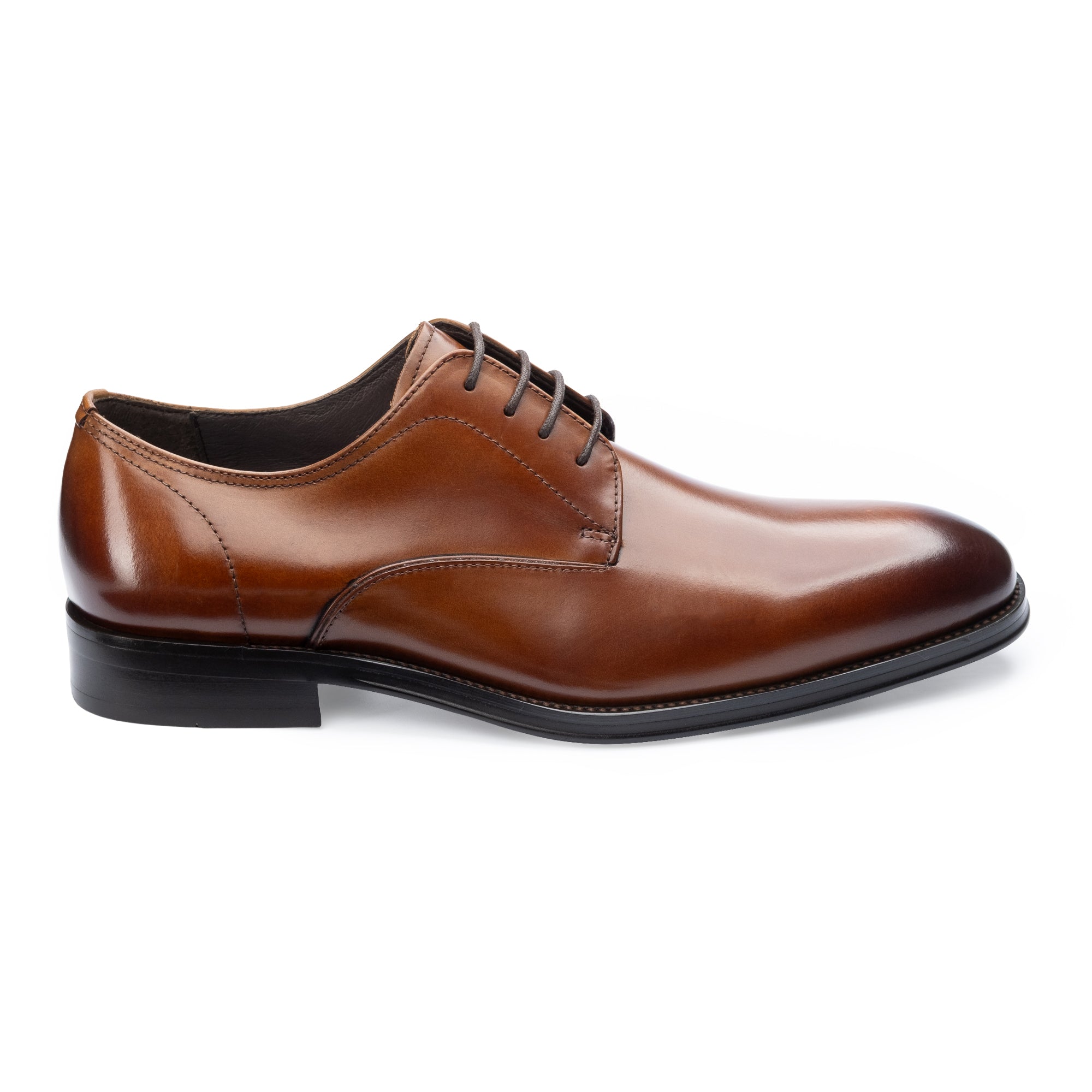
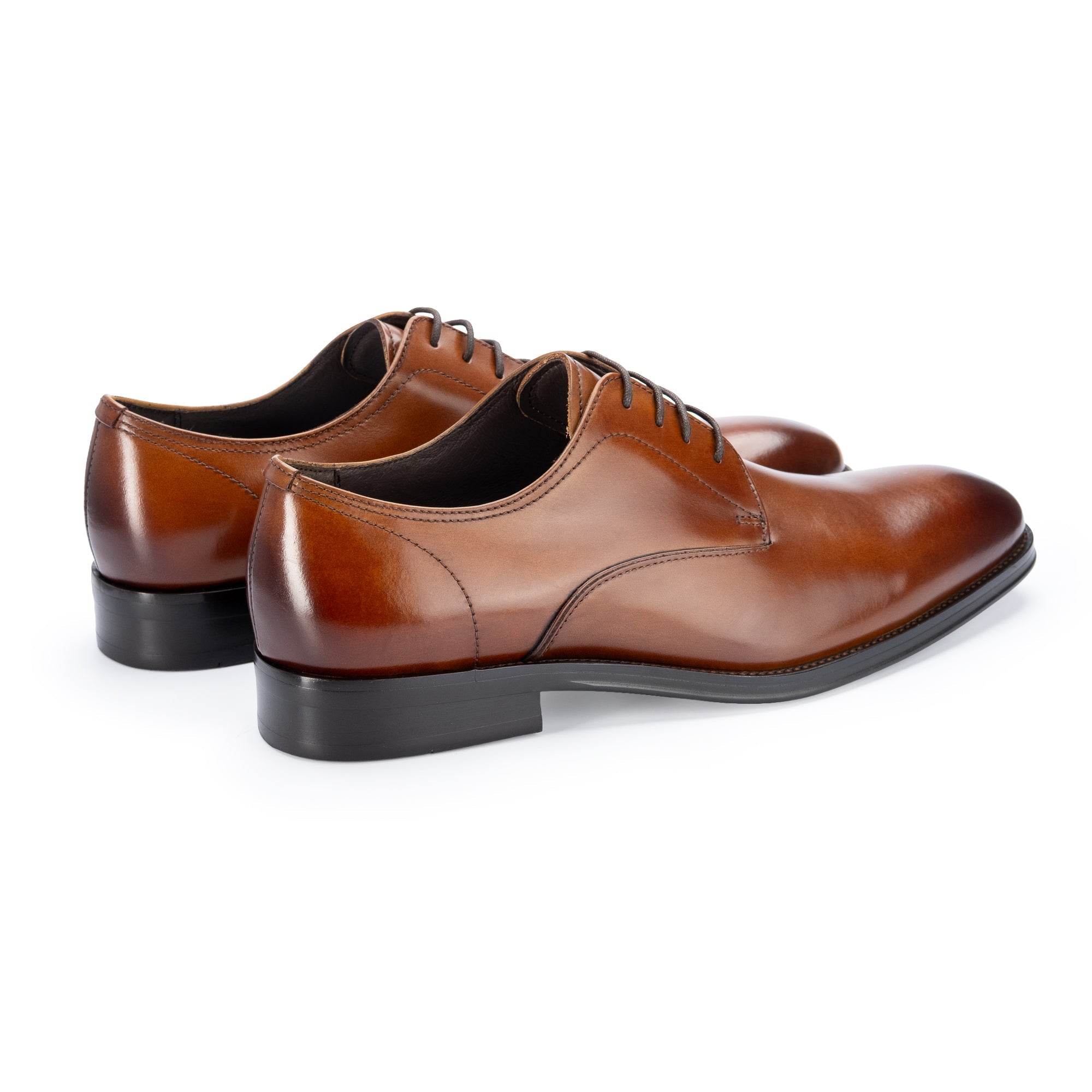
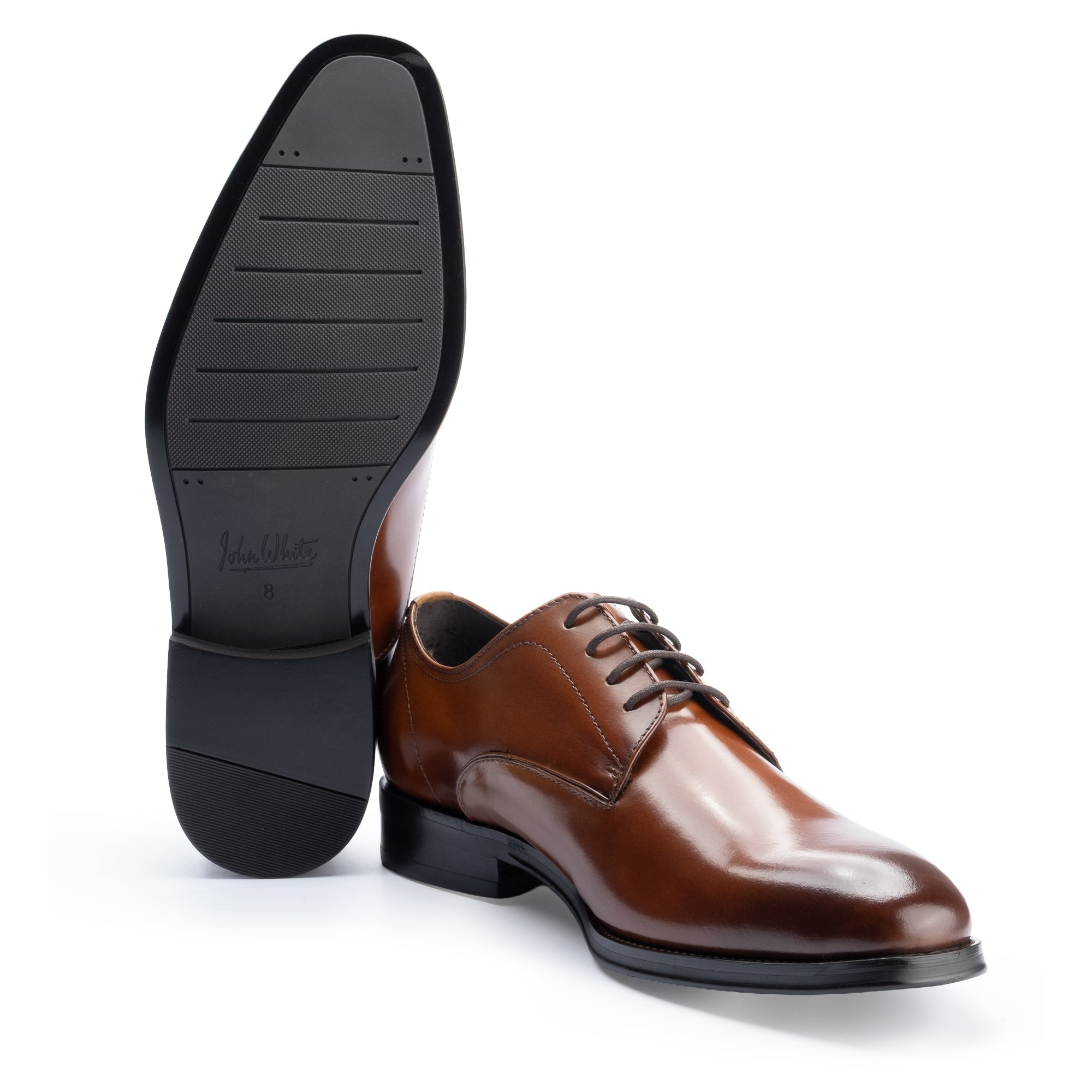
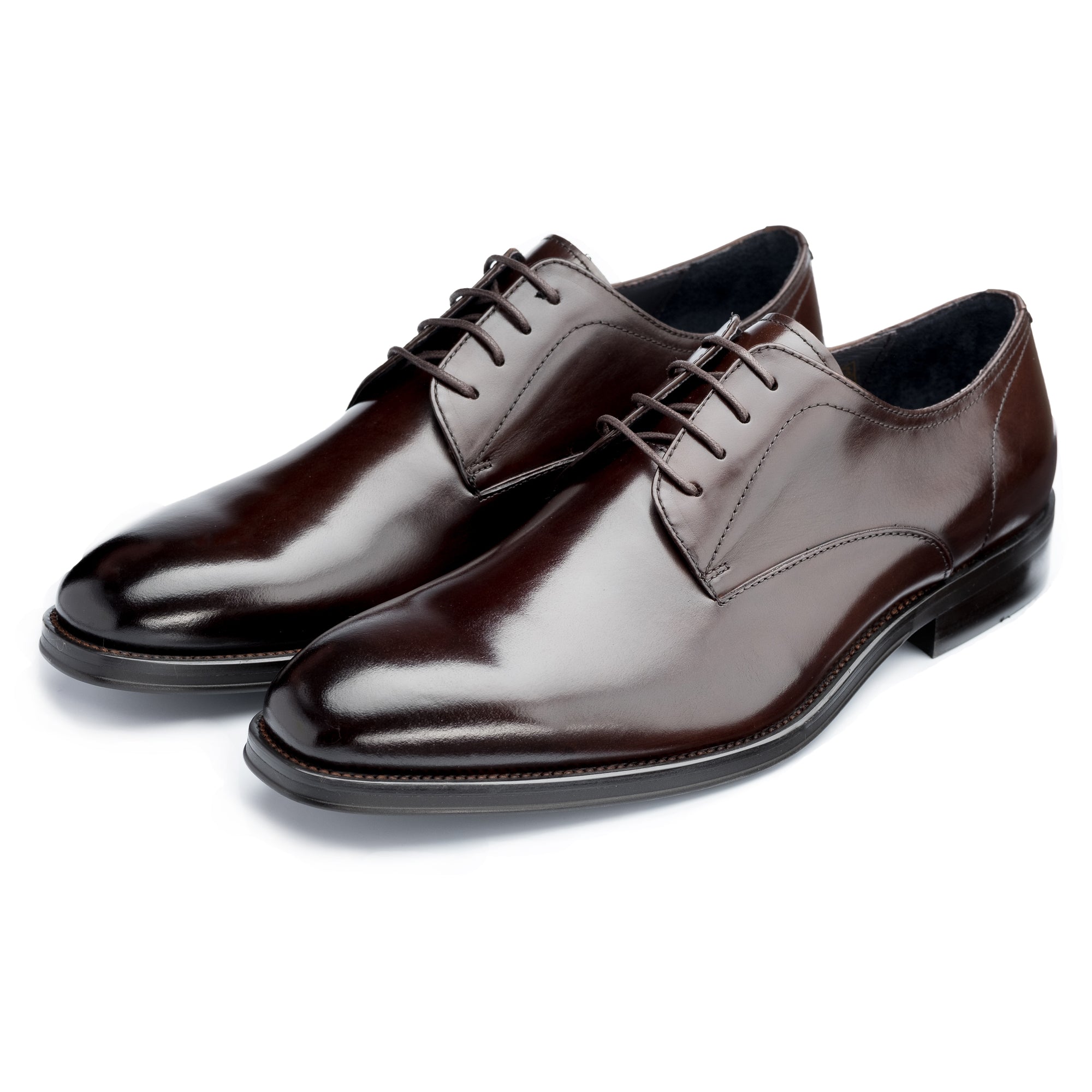
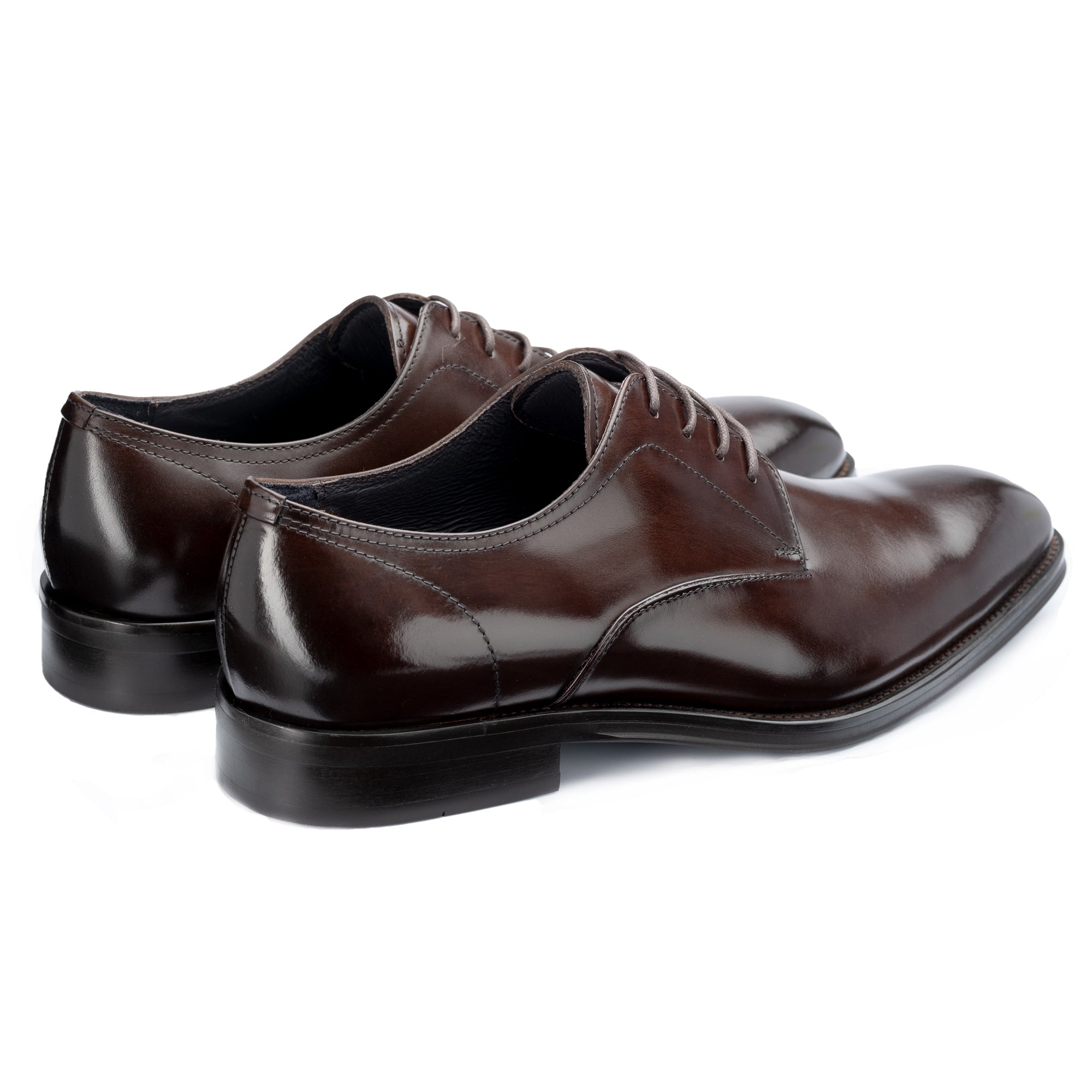
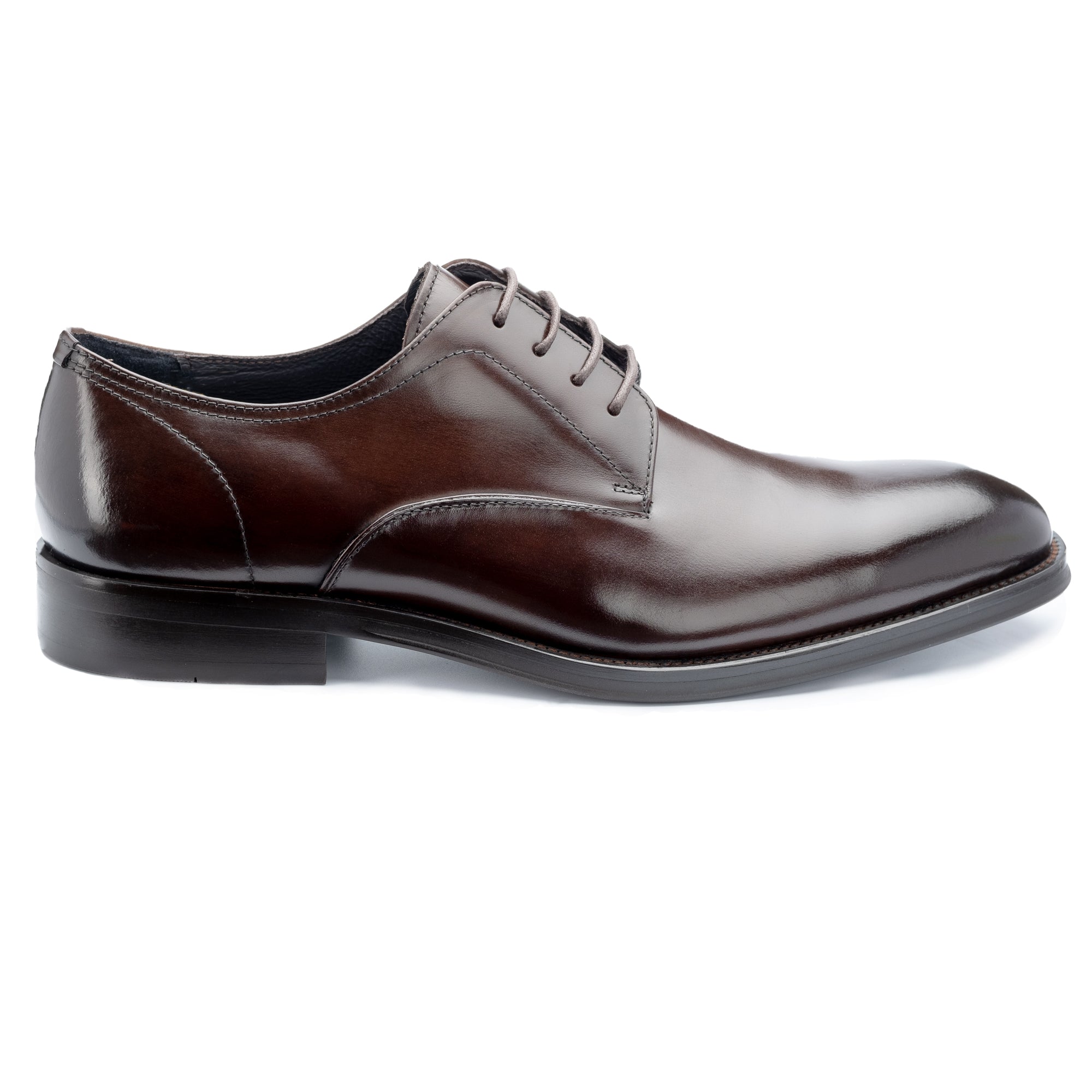
A master clicker, a role with deep roots in British shoemaking heritage alongside contemporaries like Grenson and Crockett & Jones, inspects the entire hide for its strengths and character. They place patterns for high-stress areas, such as the vamp and toe cap of our Parker Derby Shoe, on the tightest, strongest part of the hide—the butt. Looser, more flexible belly leather might be used for the tongue or other less visible parts.
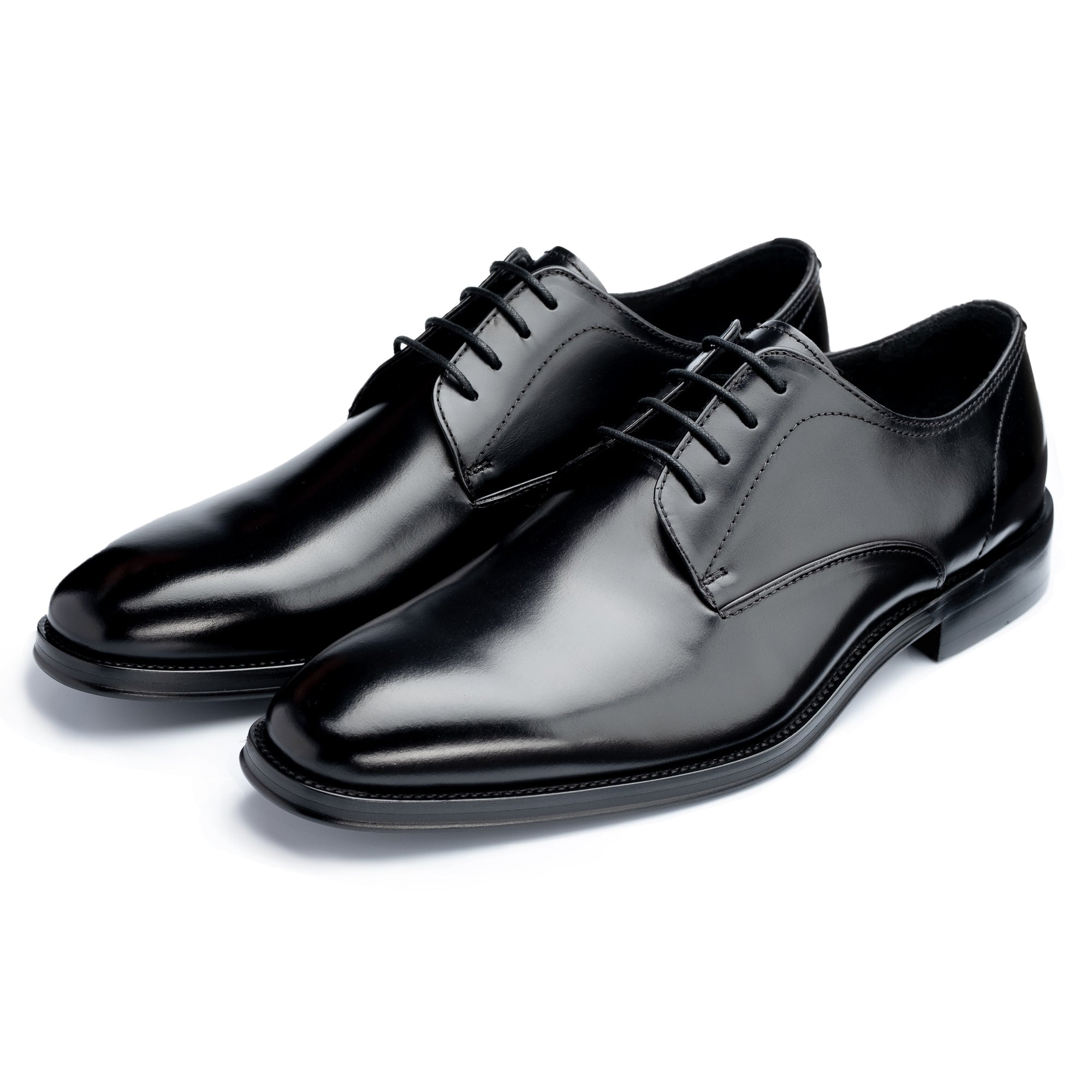
Their artistry ensures that major scars are avoided on prominent areas, while subtle markings are balanced across the left and right shoe for a symmetrical, harmonious pair. As we explored in our guide to the clicking iron, this human touch is irreplaceable. According to Leather UK, the trade body for the British leather industry, a skilled clicker can improve hide utilisation by up to 15% compared to automated cutting, preserving the highest quality sections while minimising waste.
This meticulous process of selection and cutting ensures that the leather's natural integrity is not just preserved, but celebrated as a central feature of the shoe's design.
A Quick Reference Guide to Leather Markings
| Marking Type | What It Looks Like | What It Signifies |
|---|---|---|
| Fat Wrinkles | Subtle, natural creases or folds. | Authentic full-grain leather from a flexible part of the hide (e.g., neck/shoulder). |
| Healed Scars | Fine, healed lines or small marks. | A history of life in a natural environment; proof of a genuine hide. |
| Grain Variation | Differences in texture density across the shoe. | Skilled pattern cutting that uses the best part of the hide for each component. |
| Veins | Faint, web-like lines beneath the surface. | An unaltered top-grain, confirming the leather is not heavily processed. |
How Should You Care for Leather with Natural Markings?
Caring for full-grain leather is not about hiding its character, but about nourishing it. These natural markings are not vulnerabilities; the leather is exceptionally durable. A proper care routine will enhance the grain and help your shoes develop a rich, distinguished patina over time.
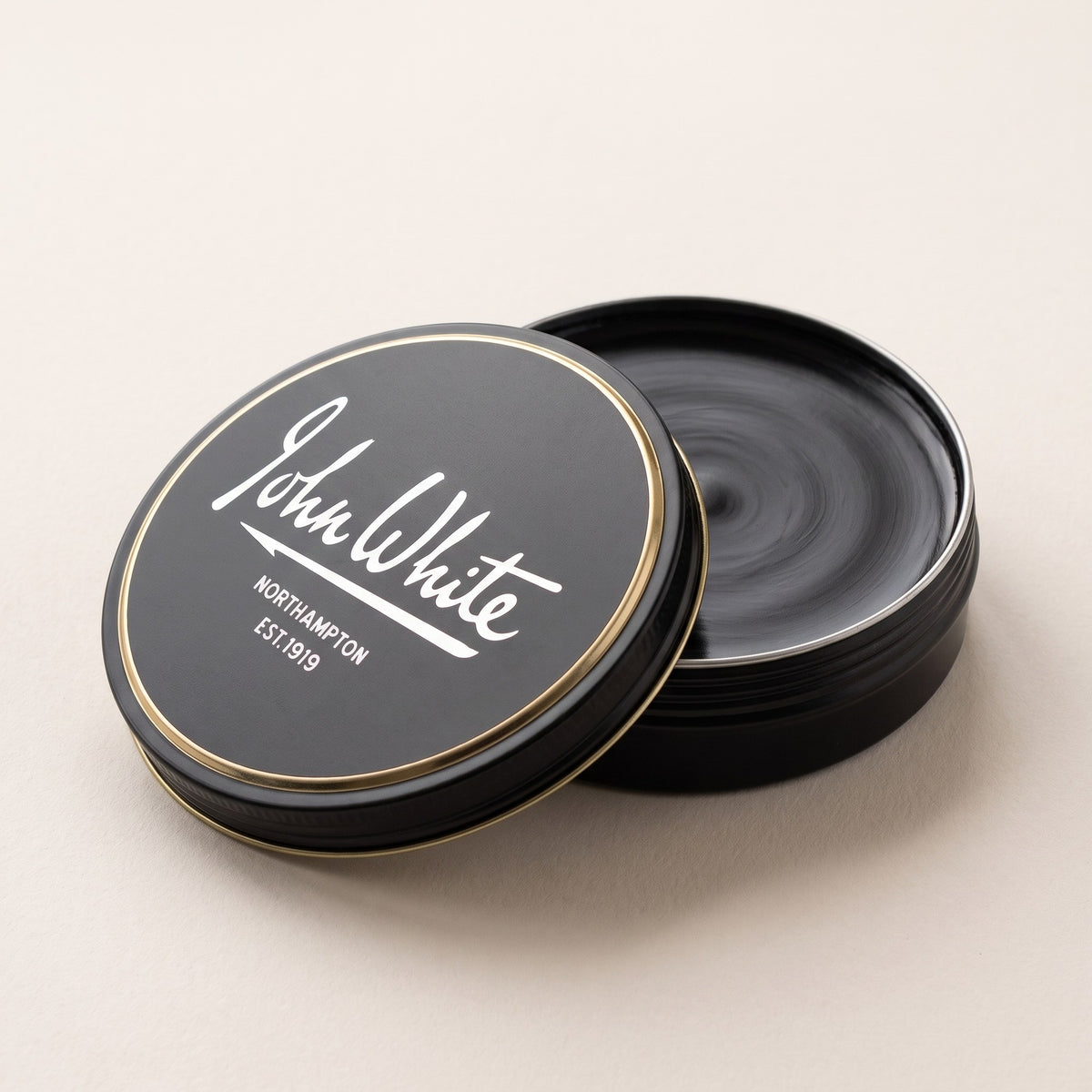
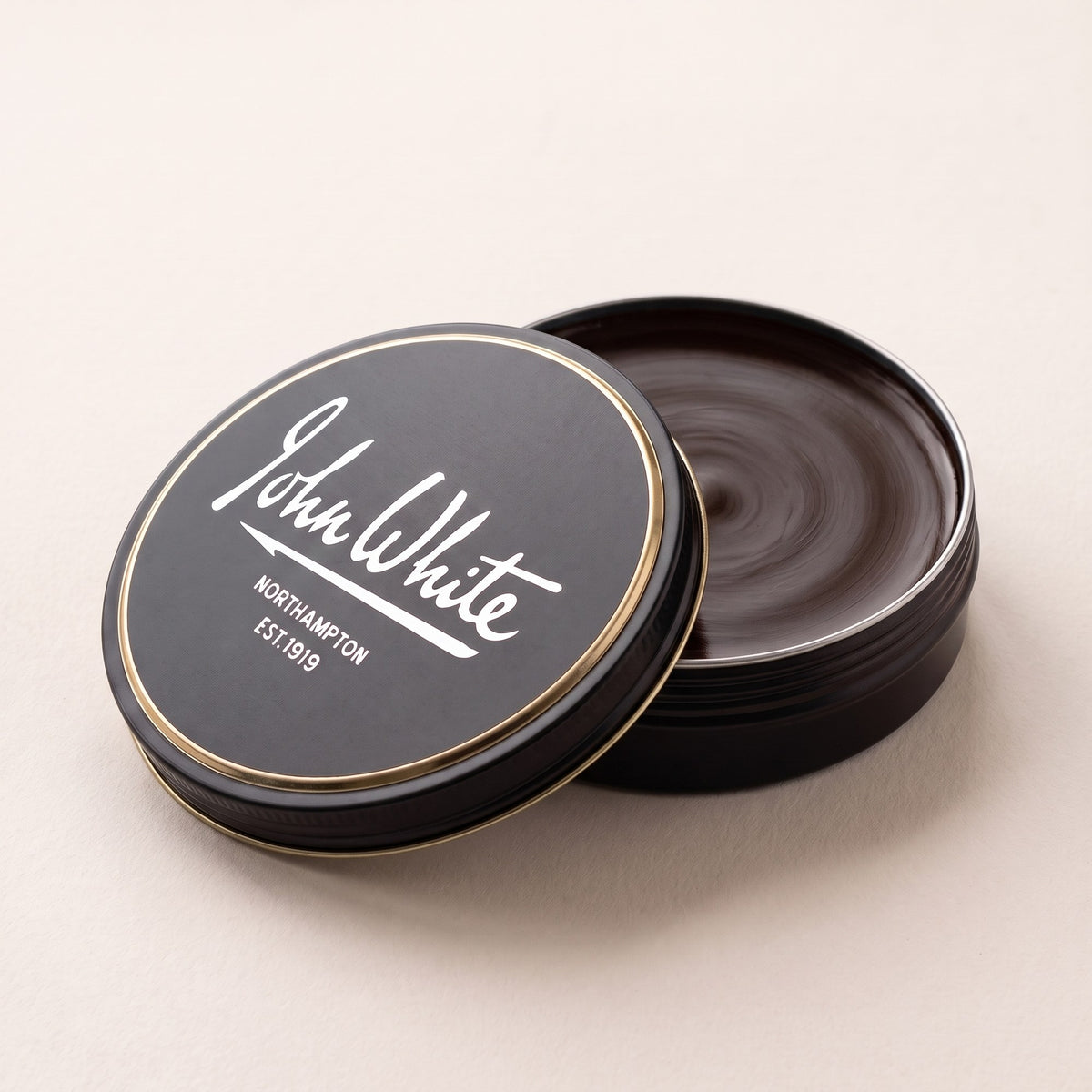
A consistent regimen of cleaning, conditioning, and polishing is essential. A high-quality cream polish, in particular, will penetrate the leather, moisturising the fibres and subtly deepening the colour around the natural grain, making its unique texture even more pronounced and beautiful.
The Society of Master Shoe Repairers states that a consistent care routine can double the effective lifespan of premium full-grain leather footwear. Following the steps in The Complete Guide to Leather Shoe Care will ensure your investment endures for decades.
Proper care does not erase the story of your shoes; it enriches the narrative, allowing the leather to age with grace and distinction.
Related Guides
- From Northampton to the World: The Story Behind British Shoemaking — our comprehensive guide
- Full-Grain vs Corrected-Grain Leather: How to Spot Quality in Men's Shoes
- The Clicking Iron: How Leather Cutting Became the Foundation of Shoemaking Craft
- The Anatomy of a Quality Shoe: What Goes Into Every Pair
TL;DR Summary: Natural leather markings such as wrinkles, scars, and grain variations are not defects but hallmarks of high-quality, full-grain leather. They prove the material is genuine and unprocessed, unlike inferior corrected-grain leathers. A skilled shoemaker strategically uses these markings to build character and durability into each unique pair of shoes.
Frequently Asked Questions
Are scratches on new leather shoes a defect?
Fine, healed scratches are a natural part of a full-grain hide and are not considered defects. They are part of the leather's story. However, deep, fresh gouges that occur after the tanning process are damage and should not be present on a new pair of premium shoes.
Will leather markings disappear with polishing?
No, polishing will not remove natural markings. Instead, a quality cream polish will nourish the leather and accentuate the unique grain and character, helping the shoes to develop a rich and distinctive patina over many years of wear.
Why don't my shoes have identical markings on each foot?
Because leather is a natural material, no two square inches are exactly alike, let alone two entire hides. While a skilled clicker ensures a visually balanced and symmetrical pair, the subtle markings will always be unique to each shoe, which is a sign of true craftsmanship.
Does corrected-grain leather have any advantages?
The primary advantage of corrected-grain leather for a manufacturer is its low cost and uniformity, which simplifies mass production. For the wearer, it offers no tangible benefits; it is less durable, less breathable, and will not develop a patina, often cracking over time.