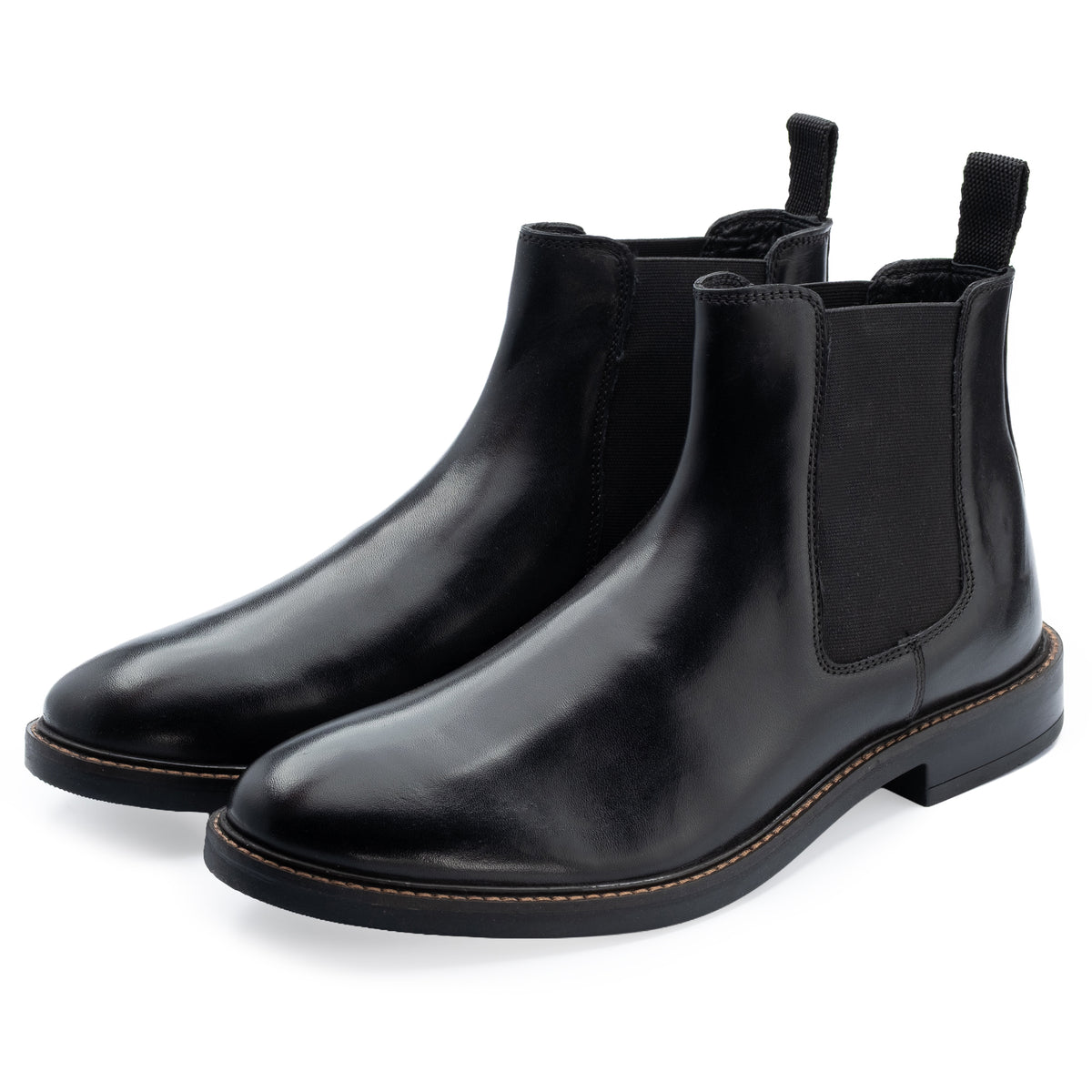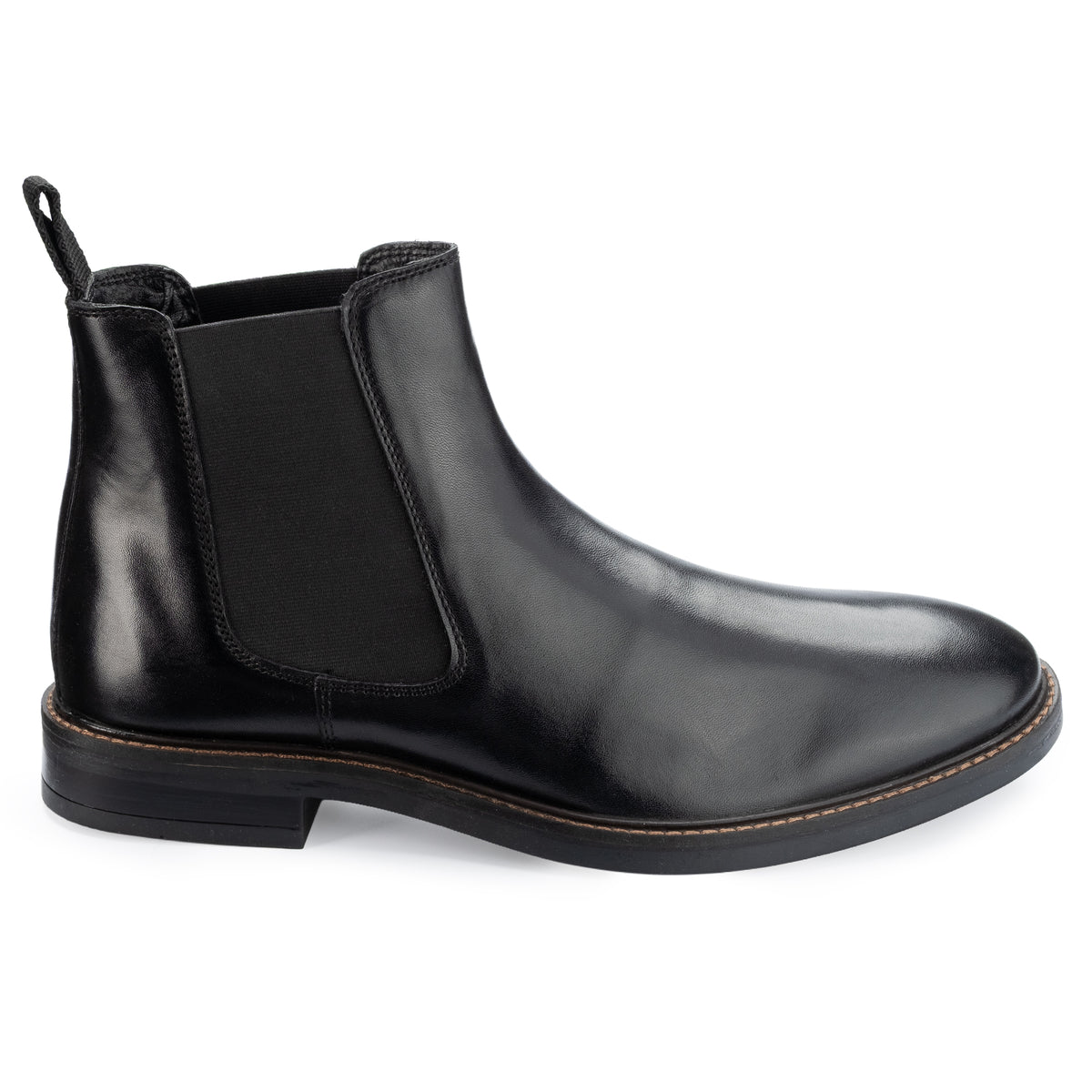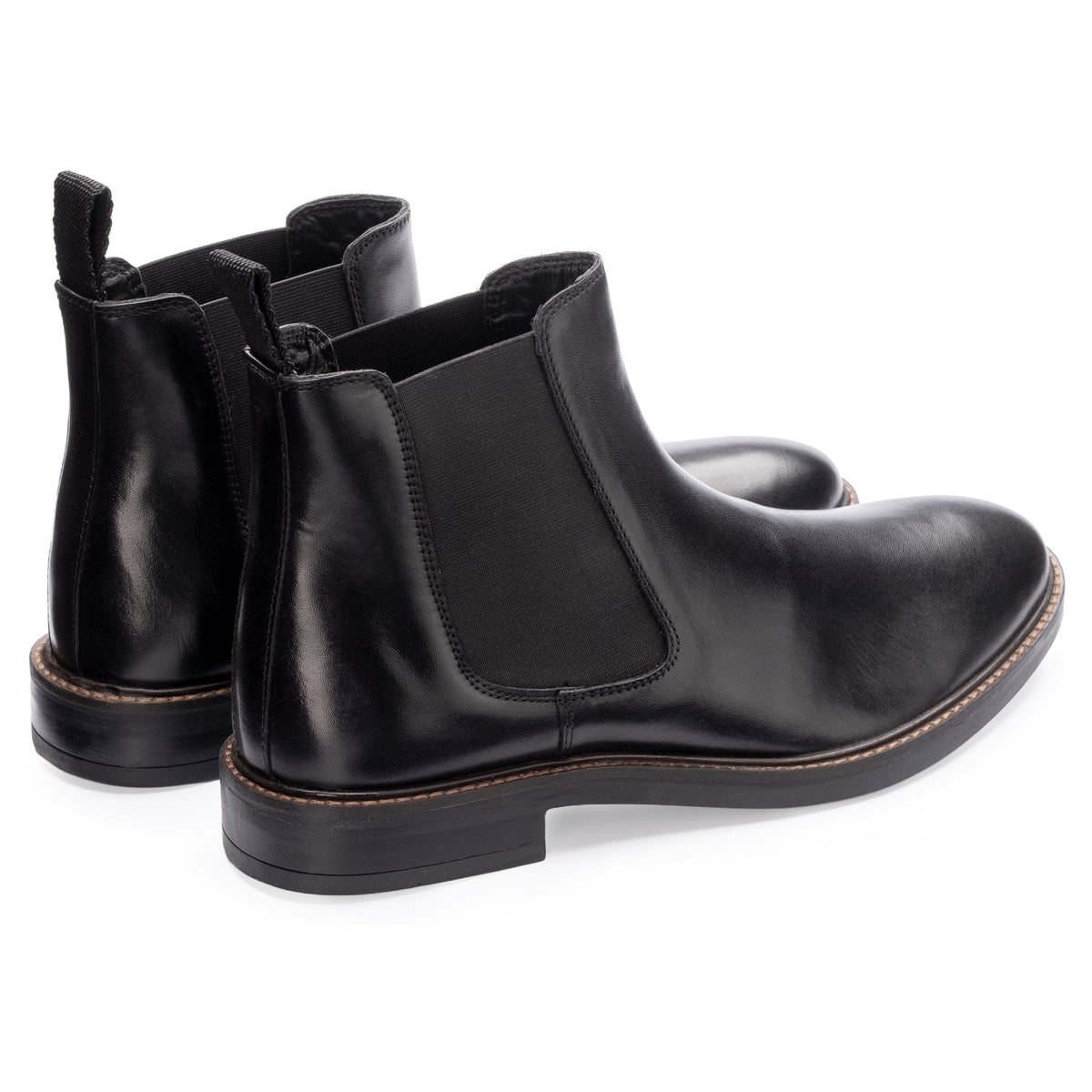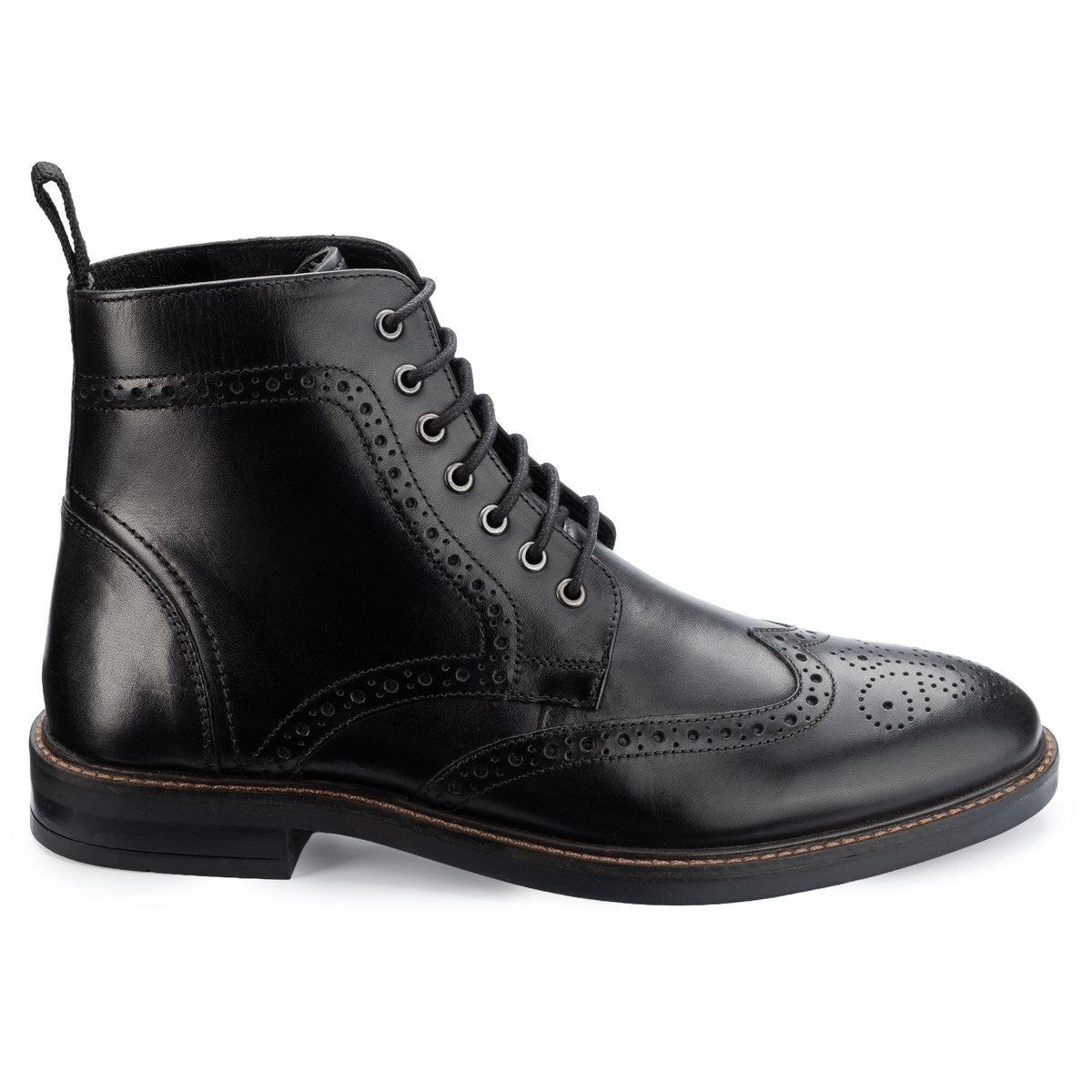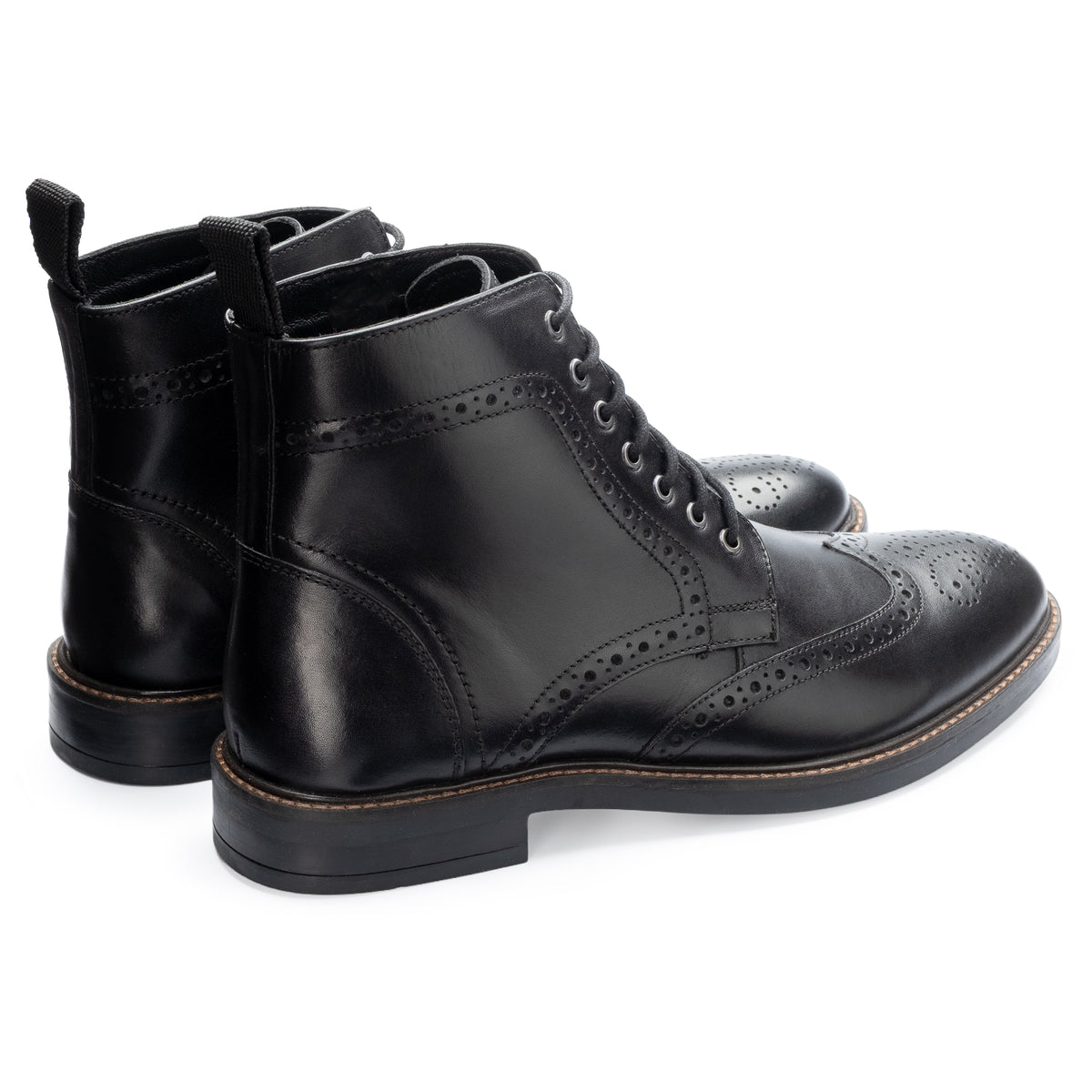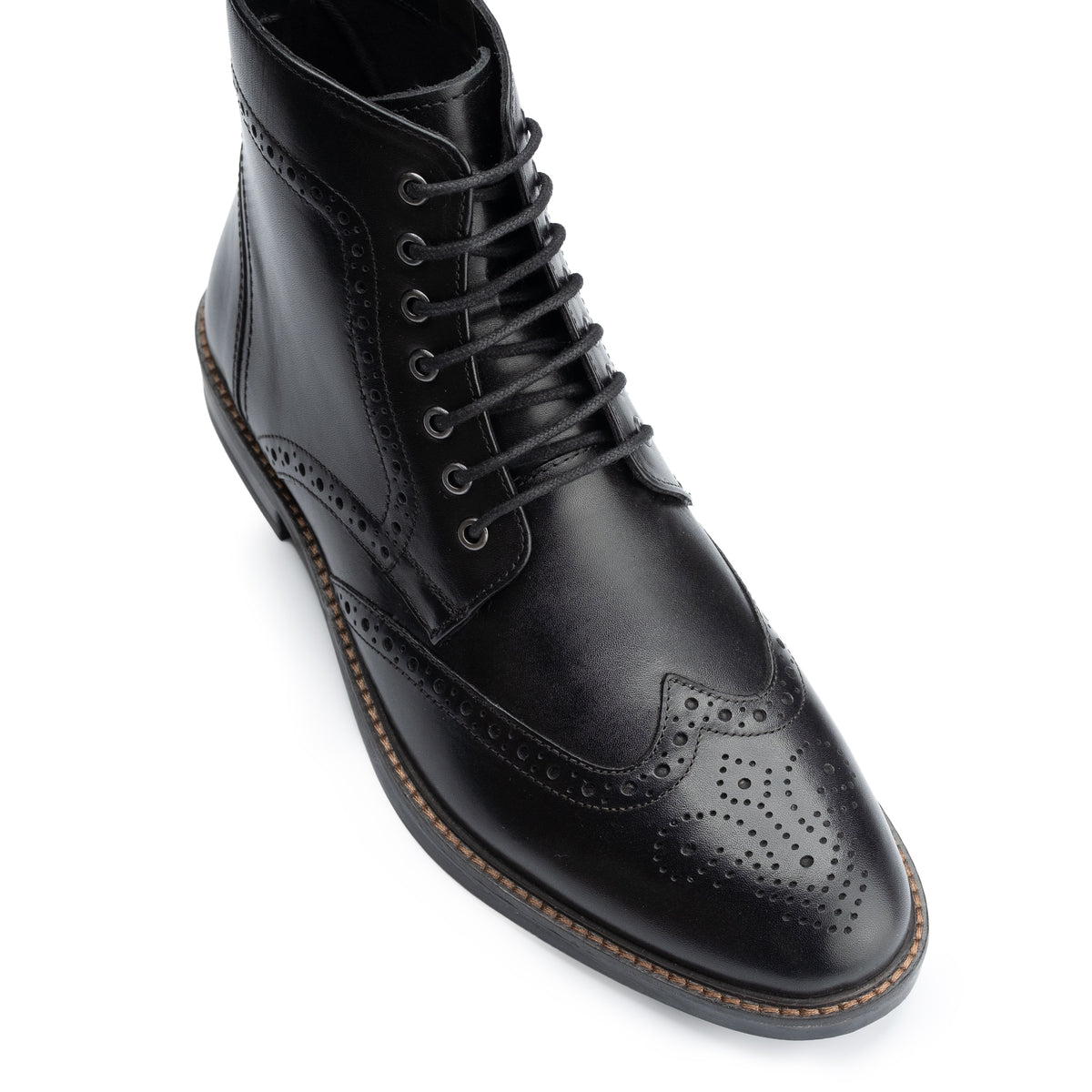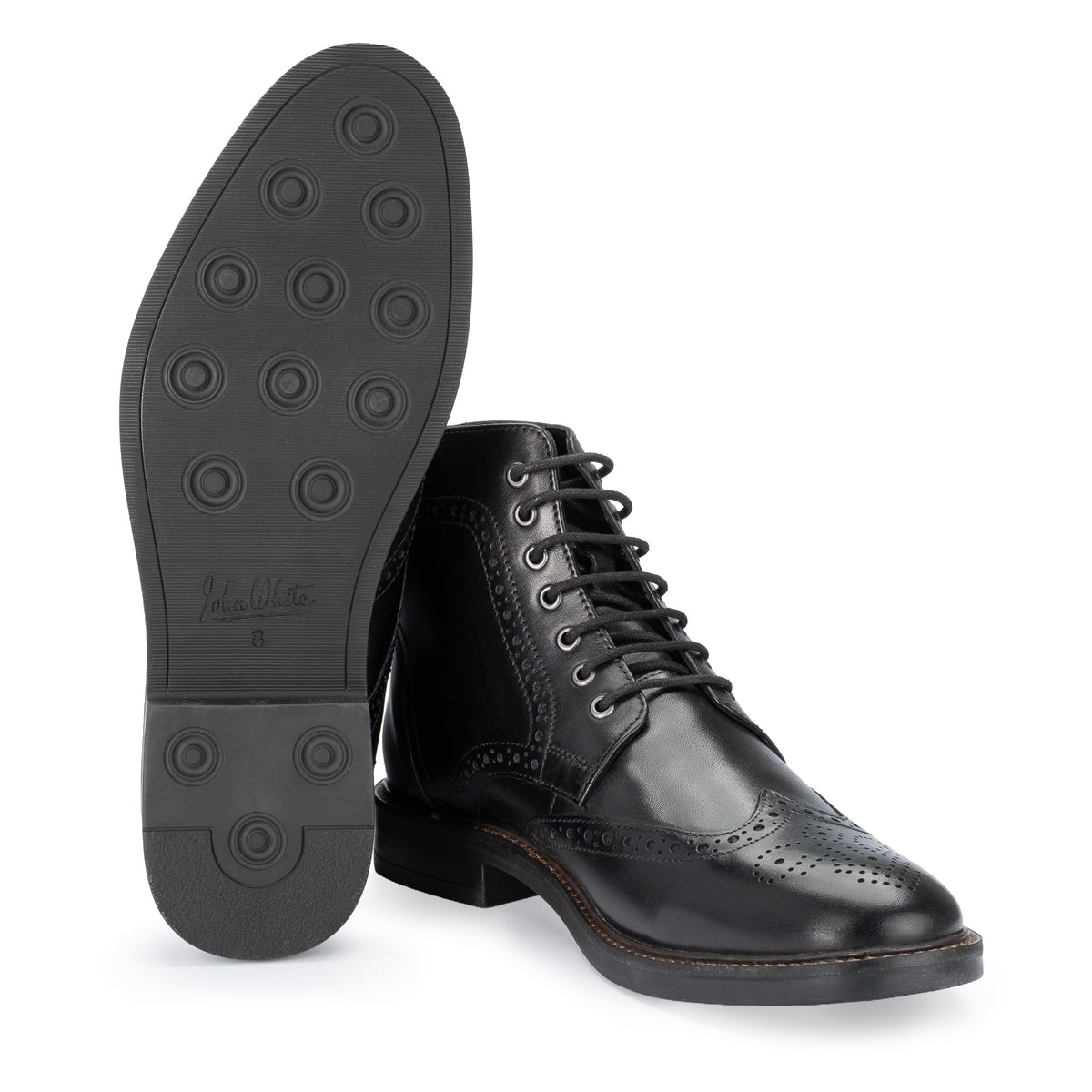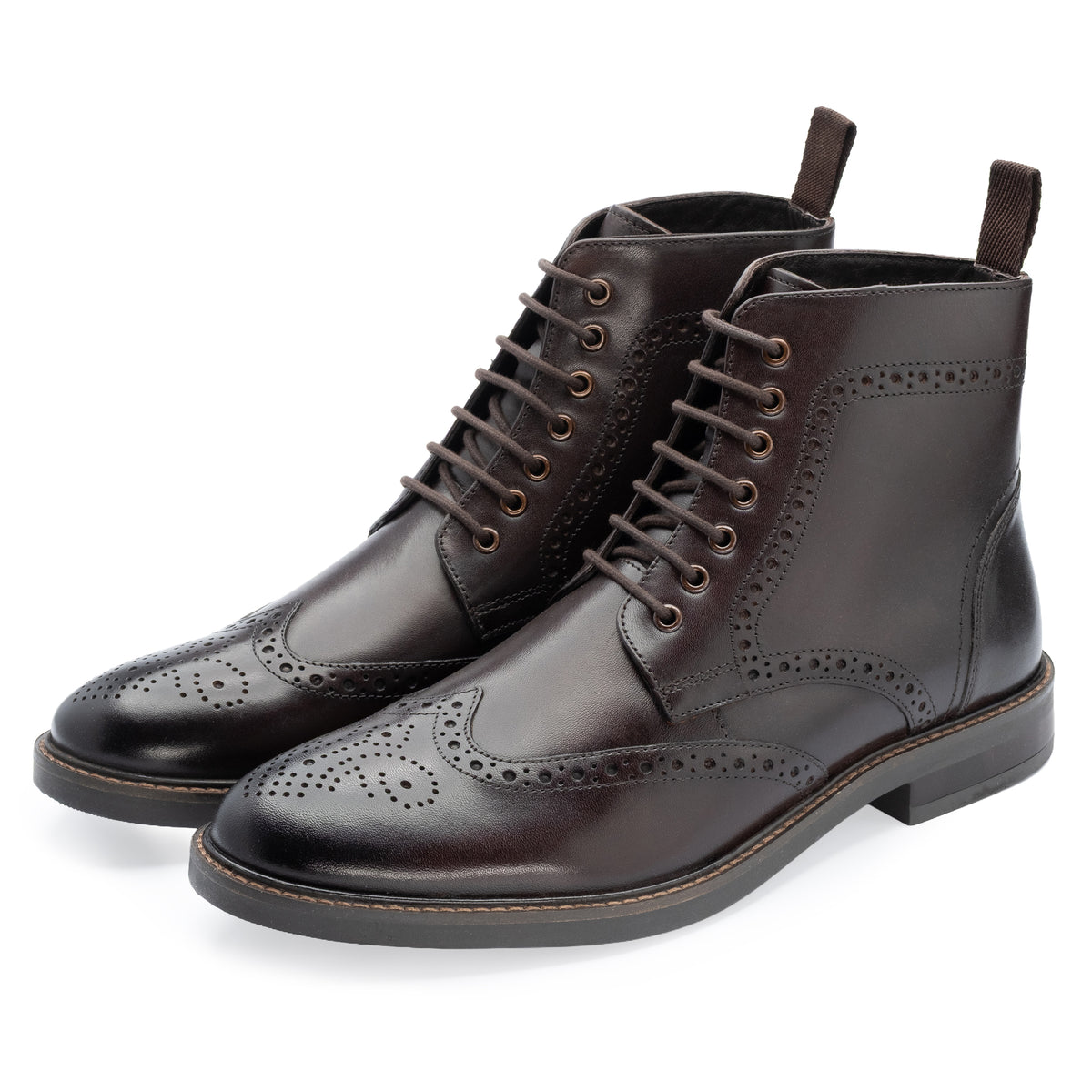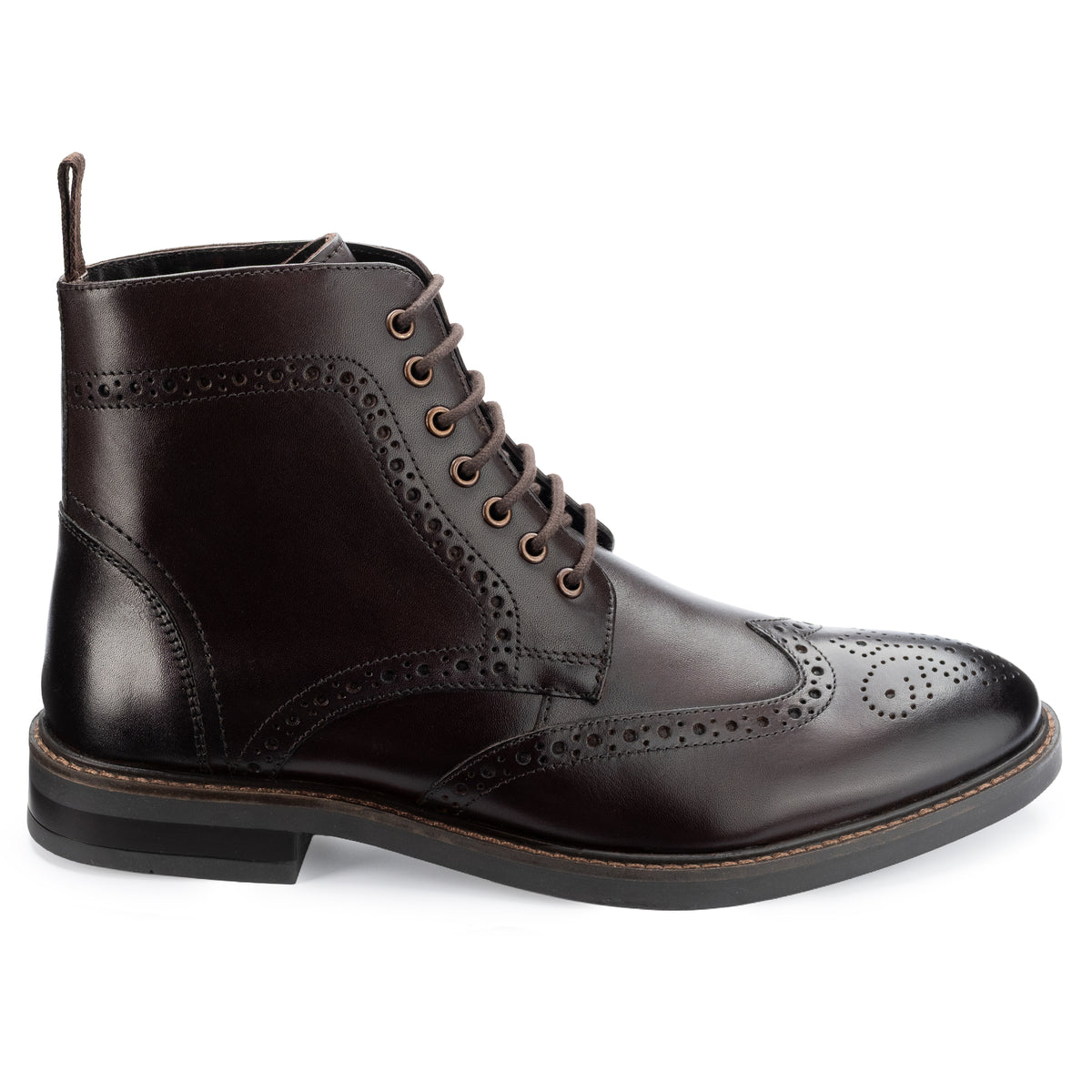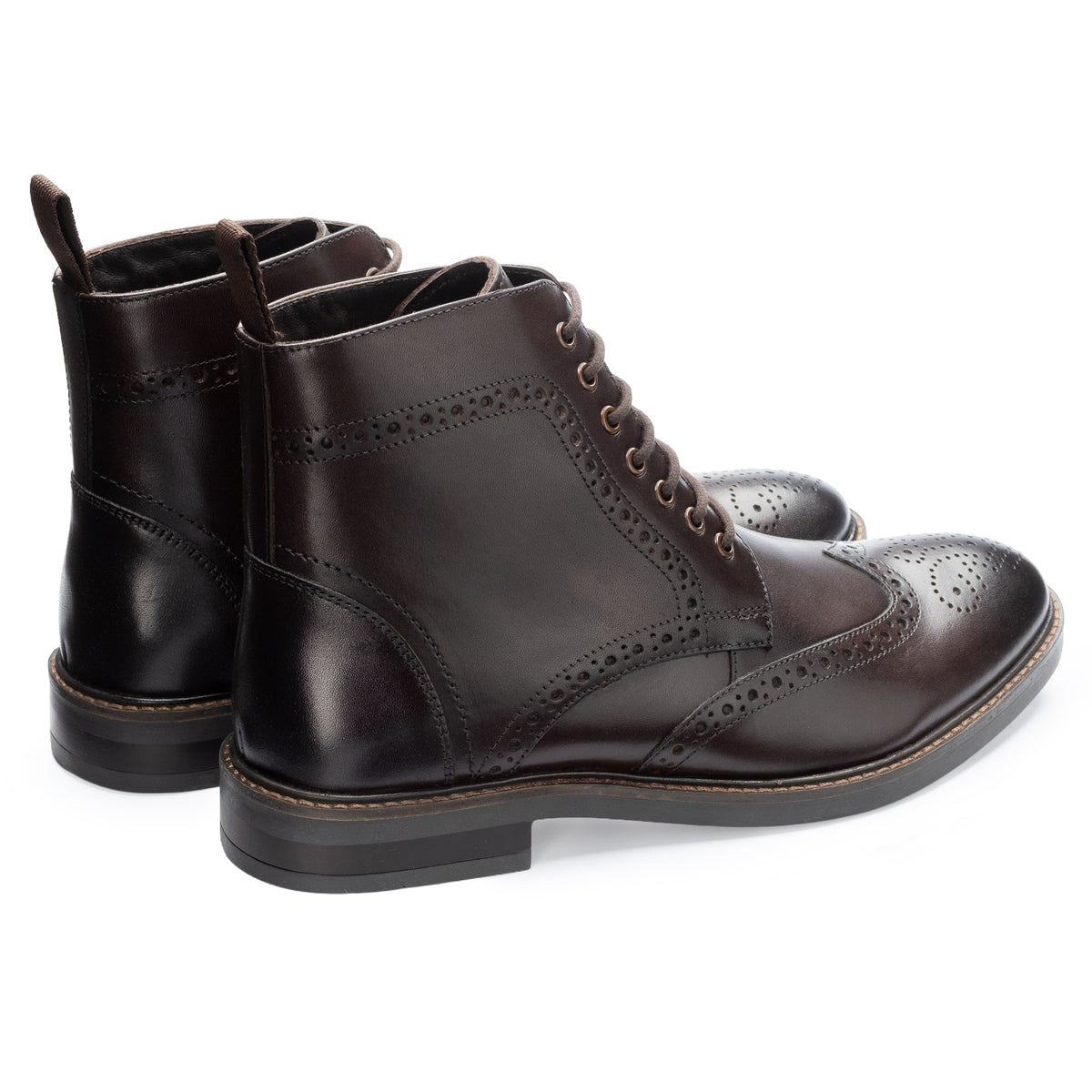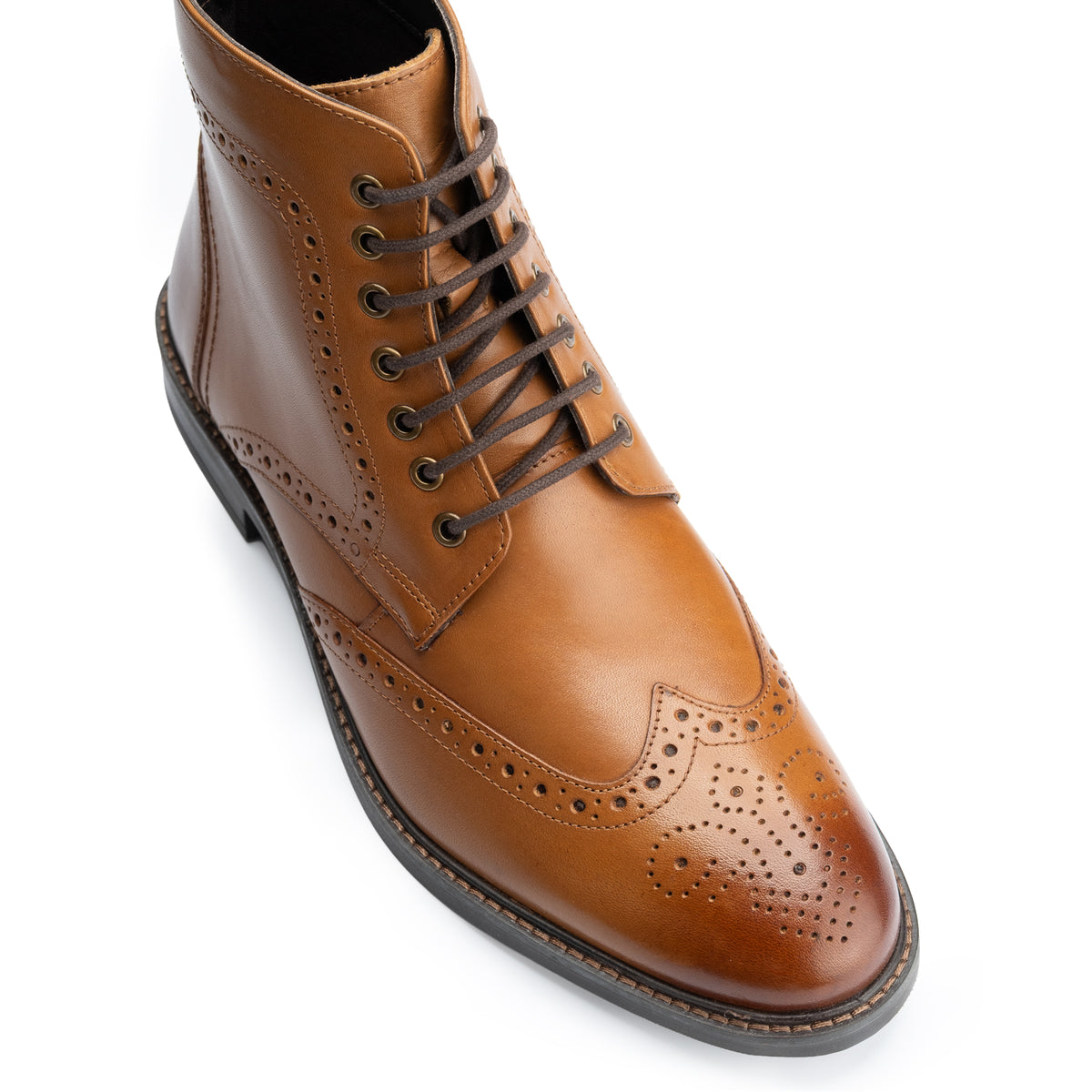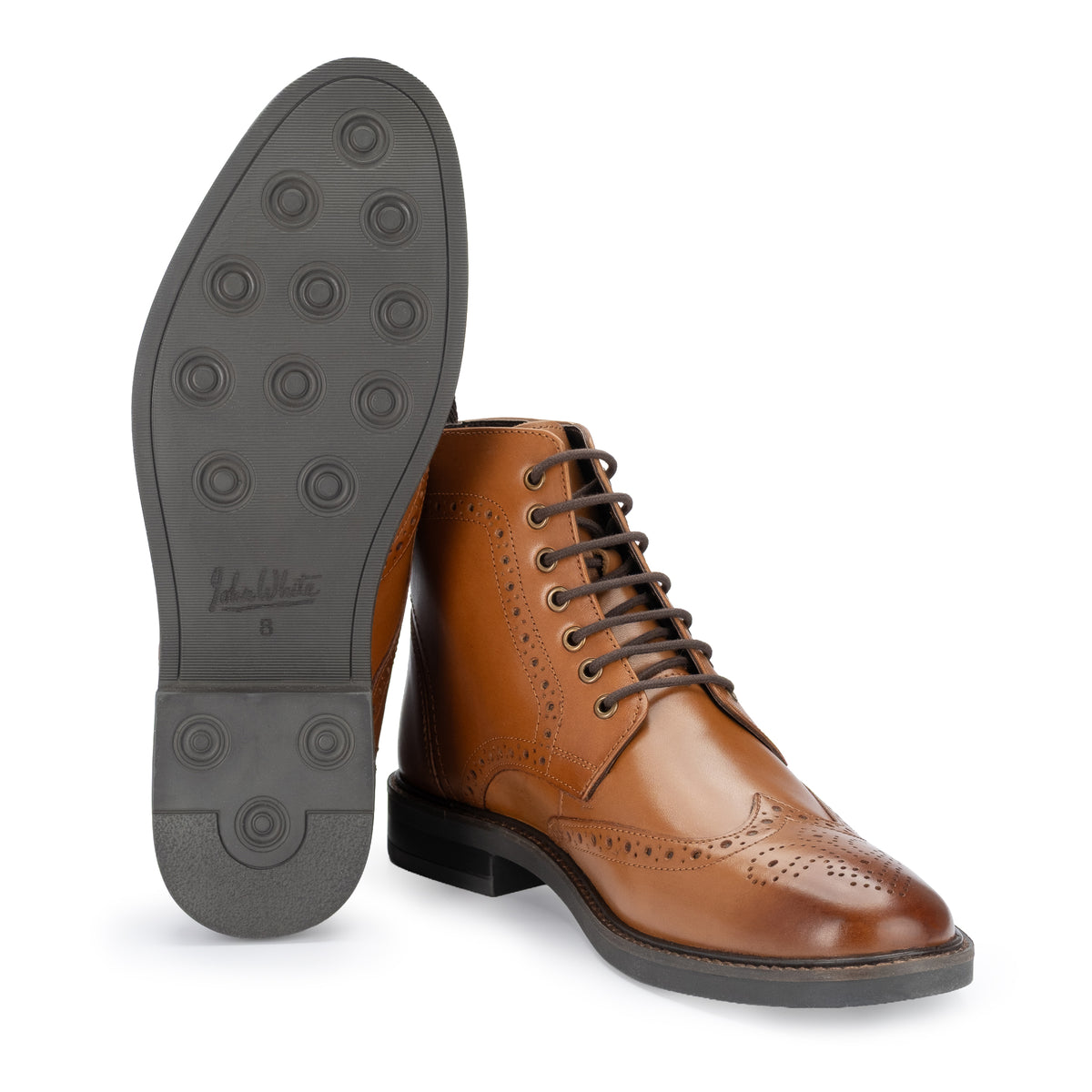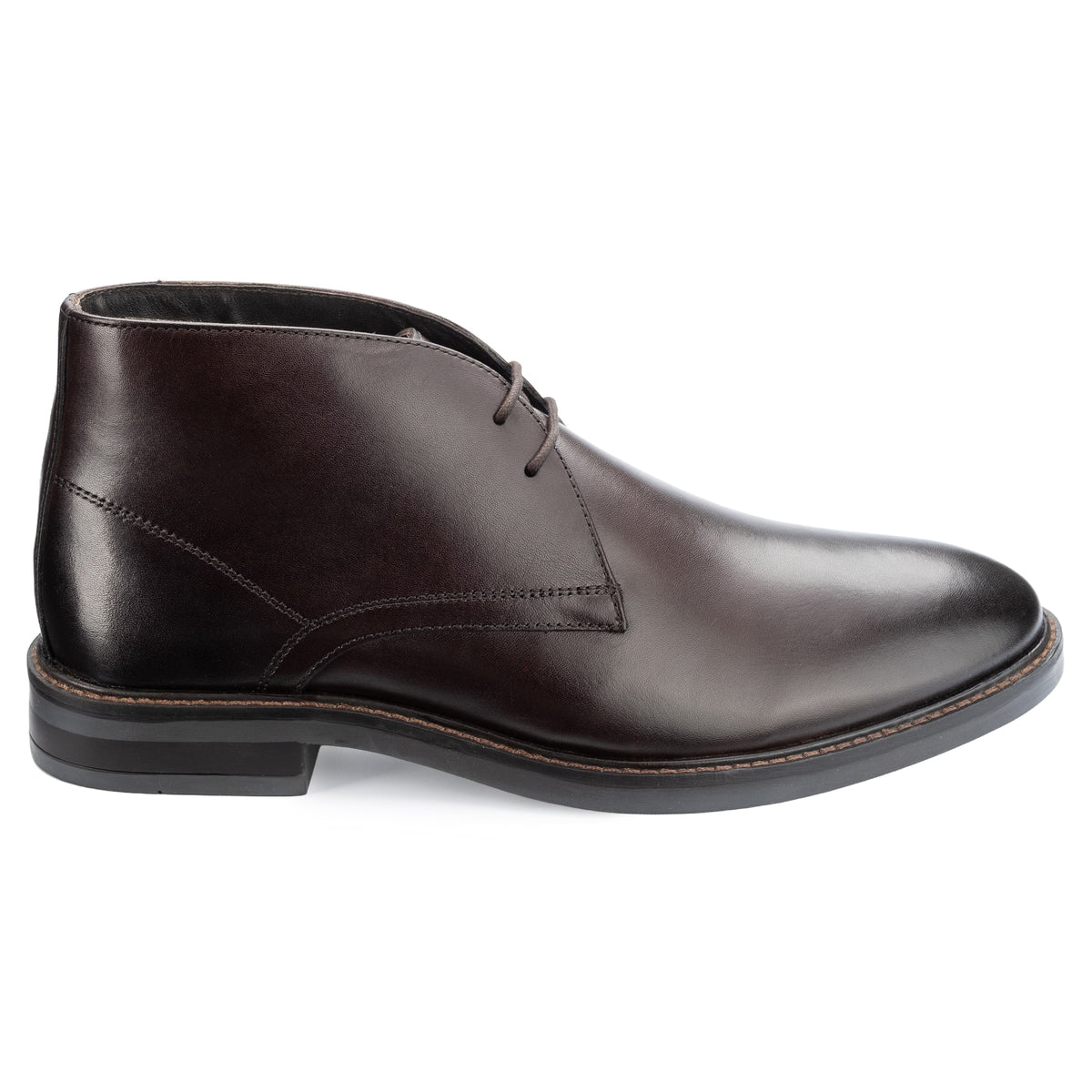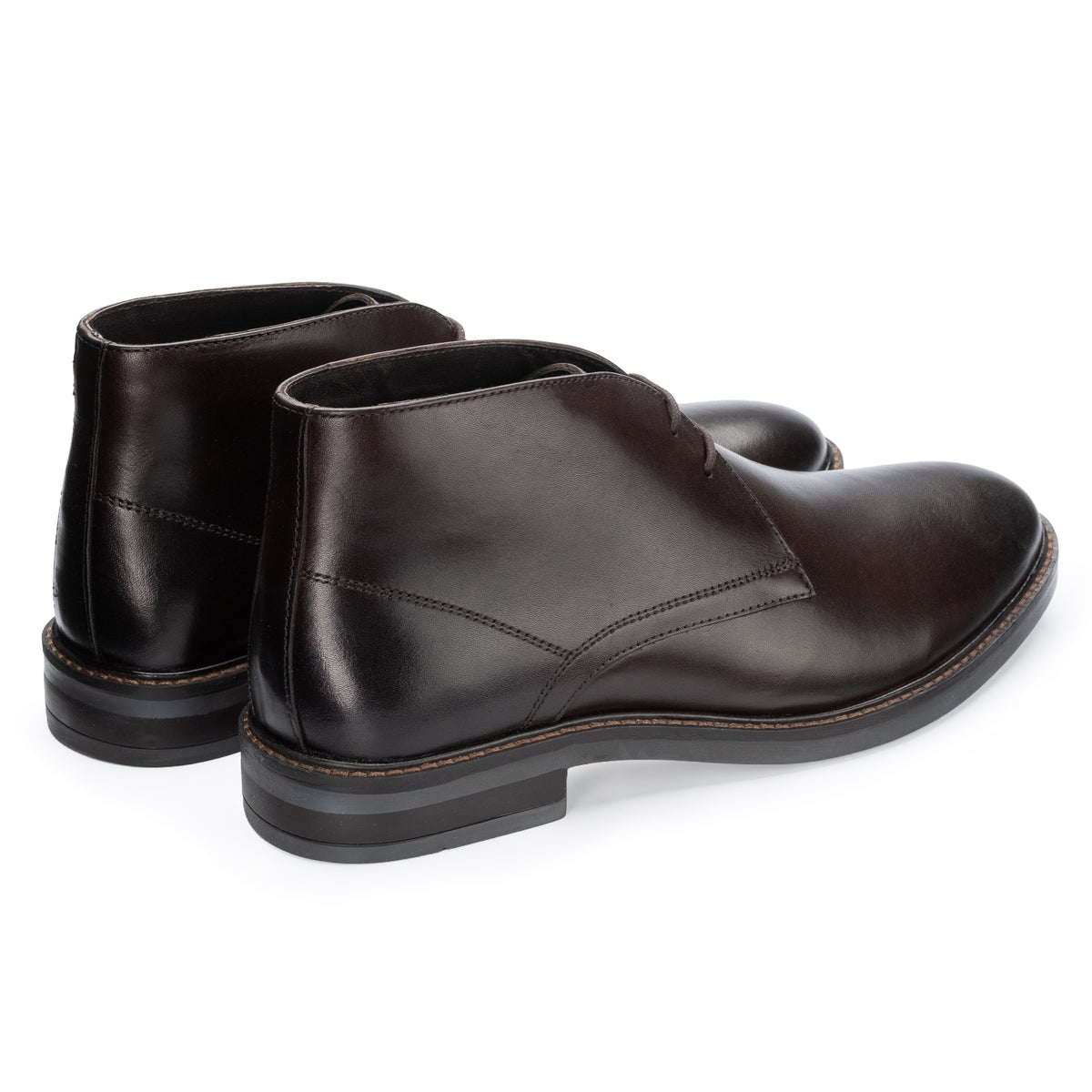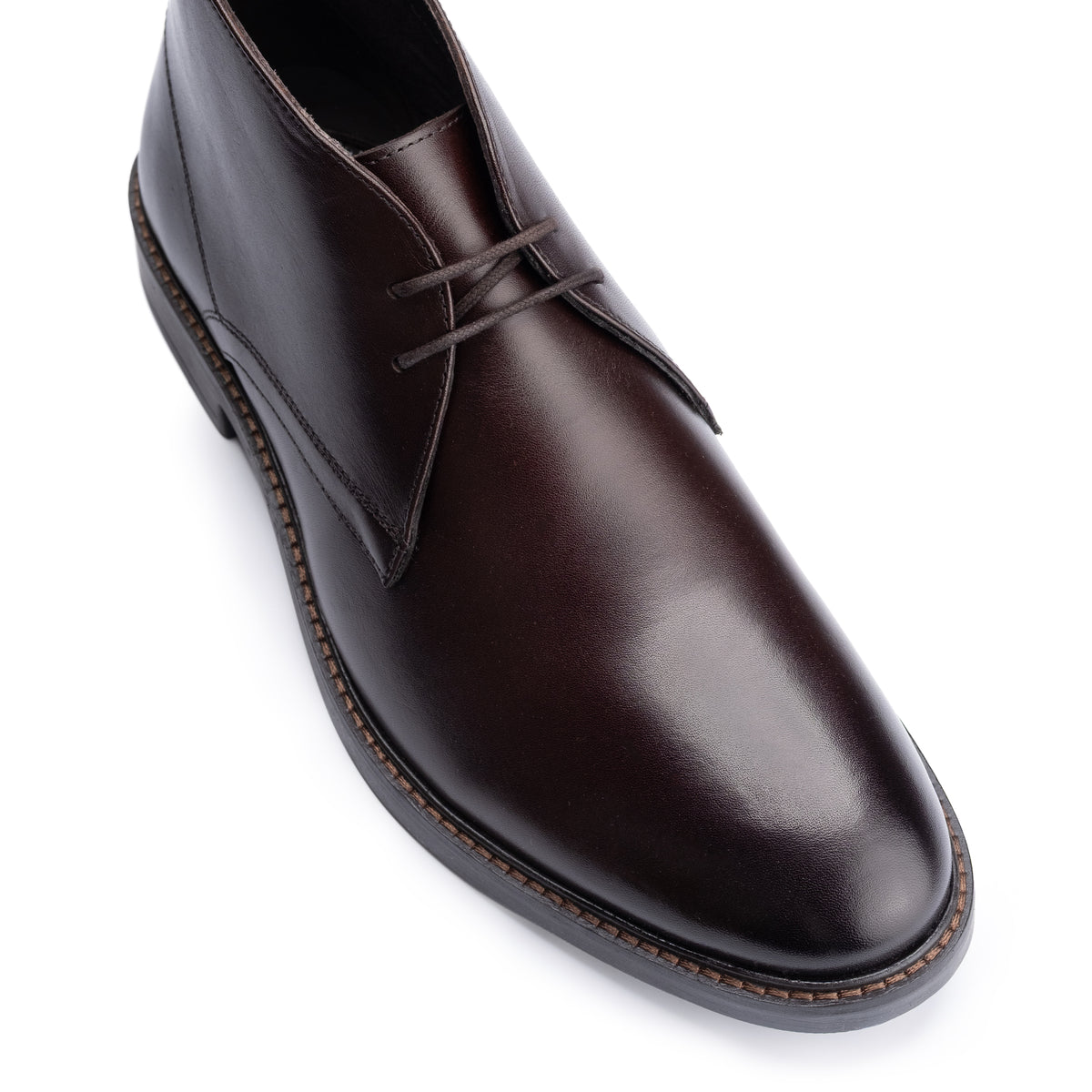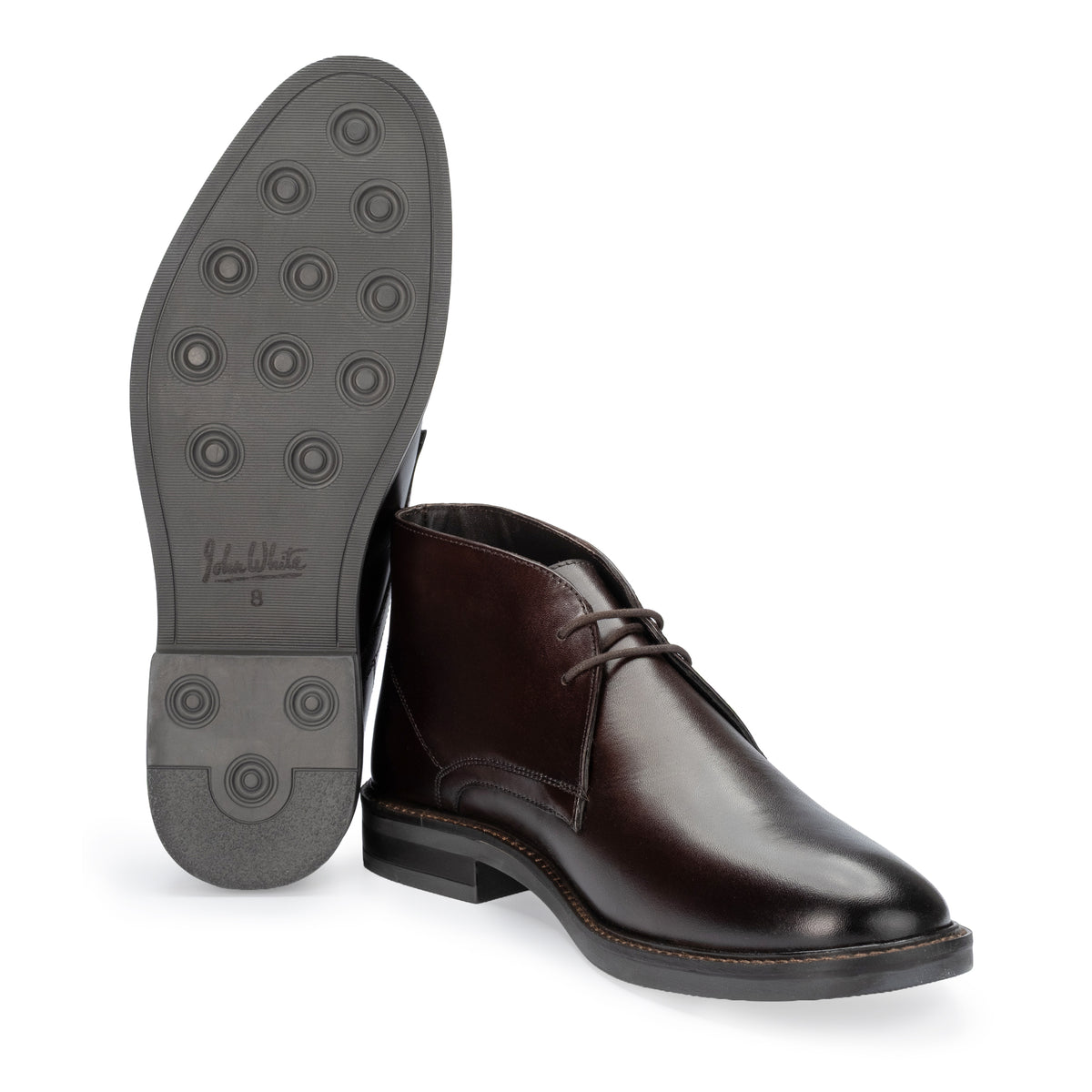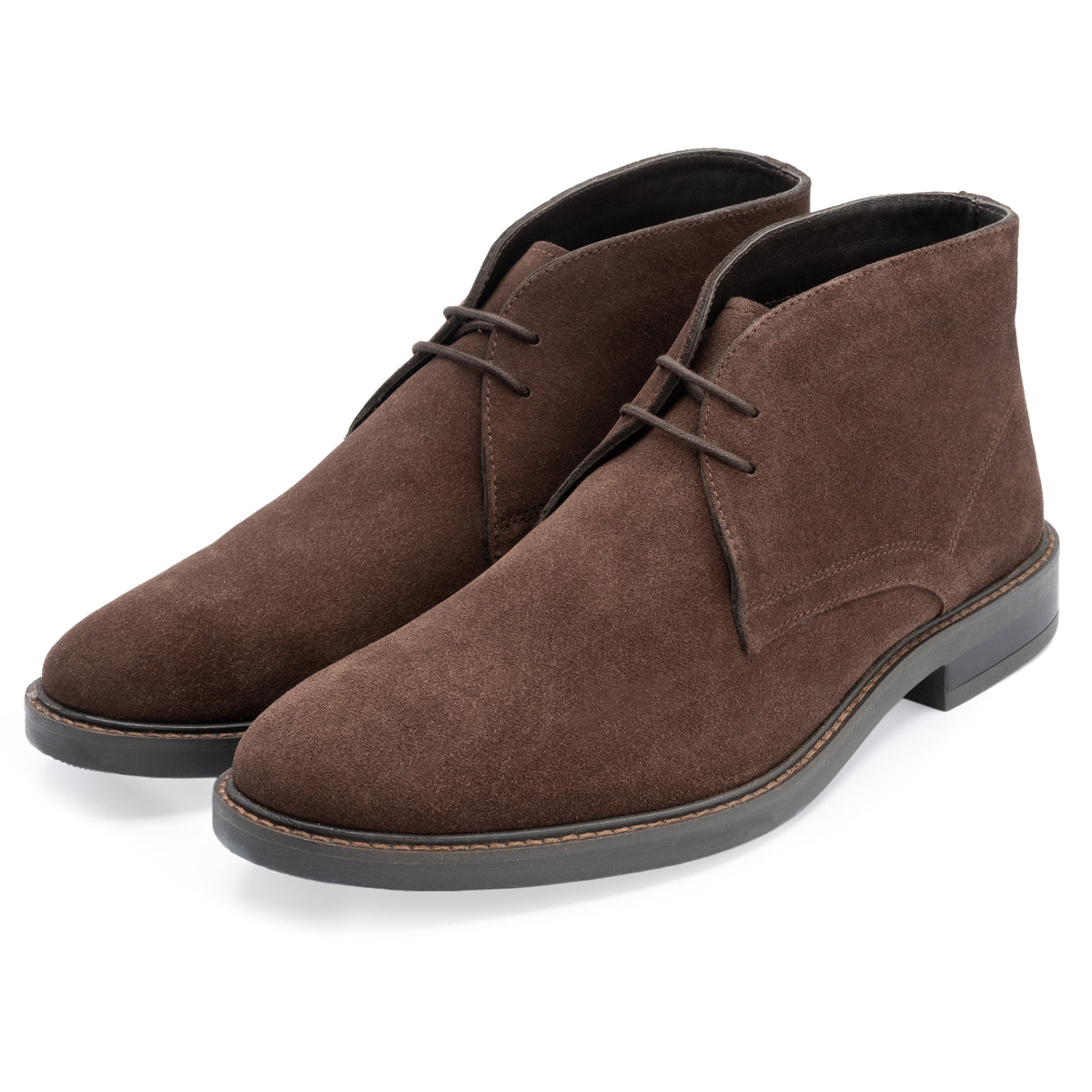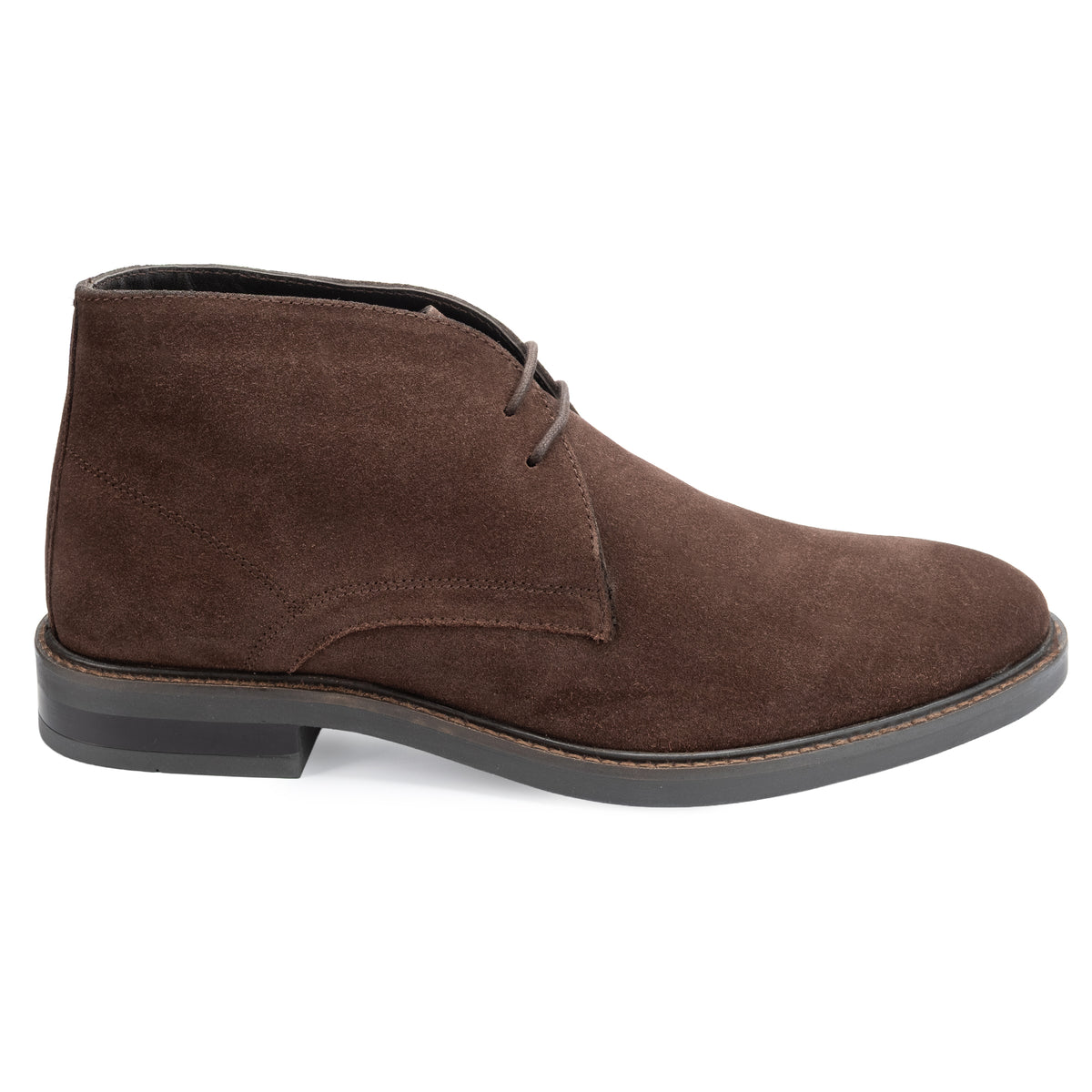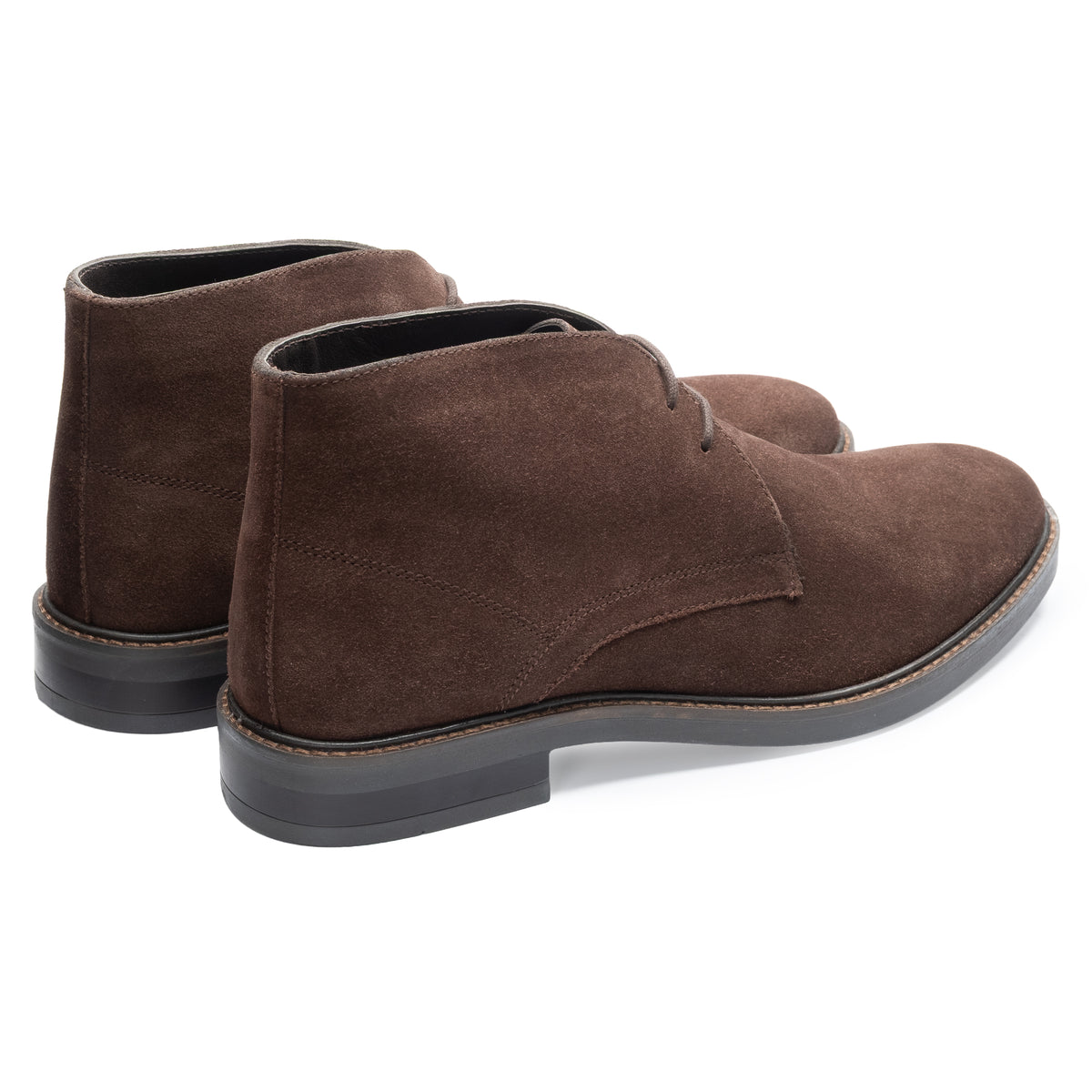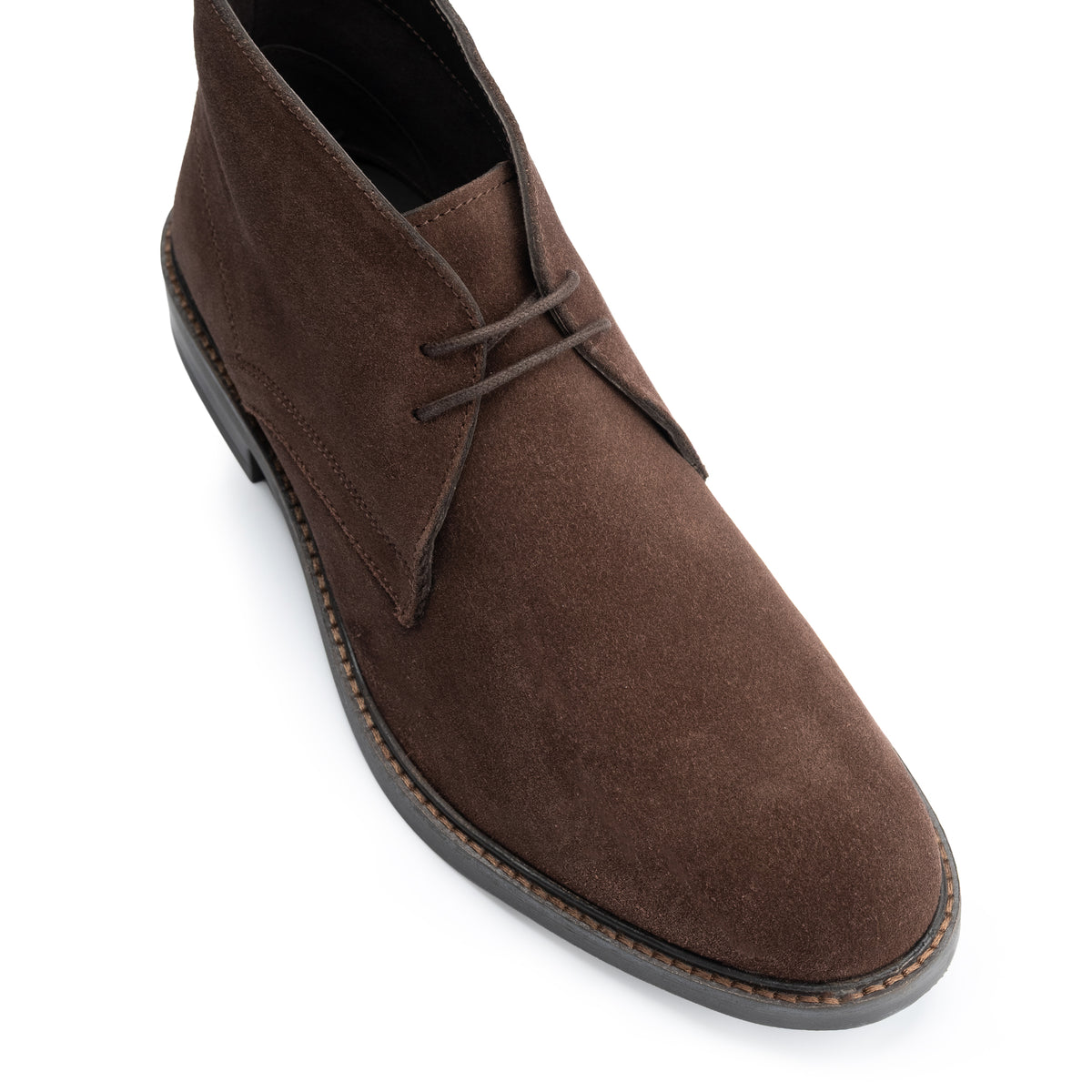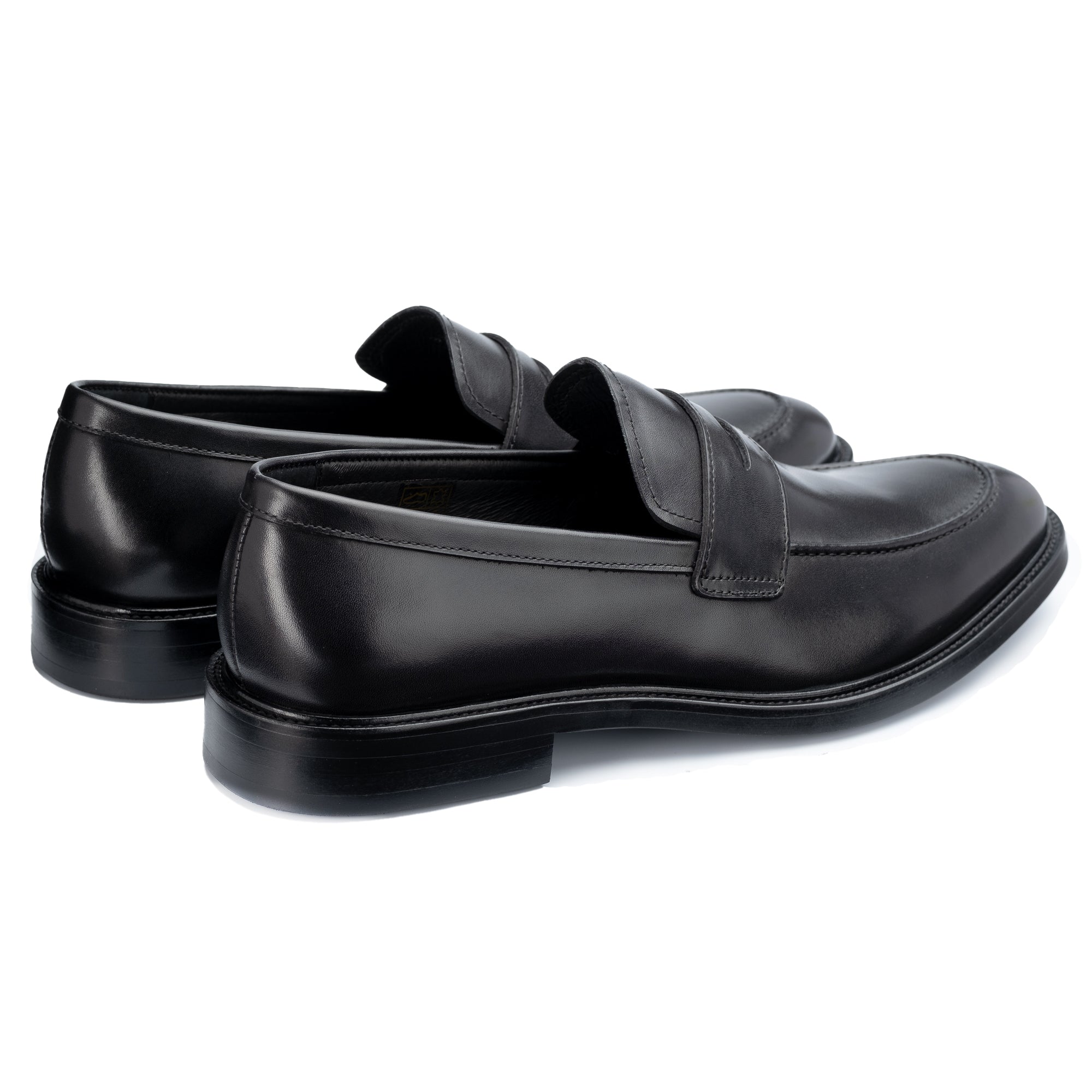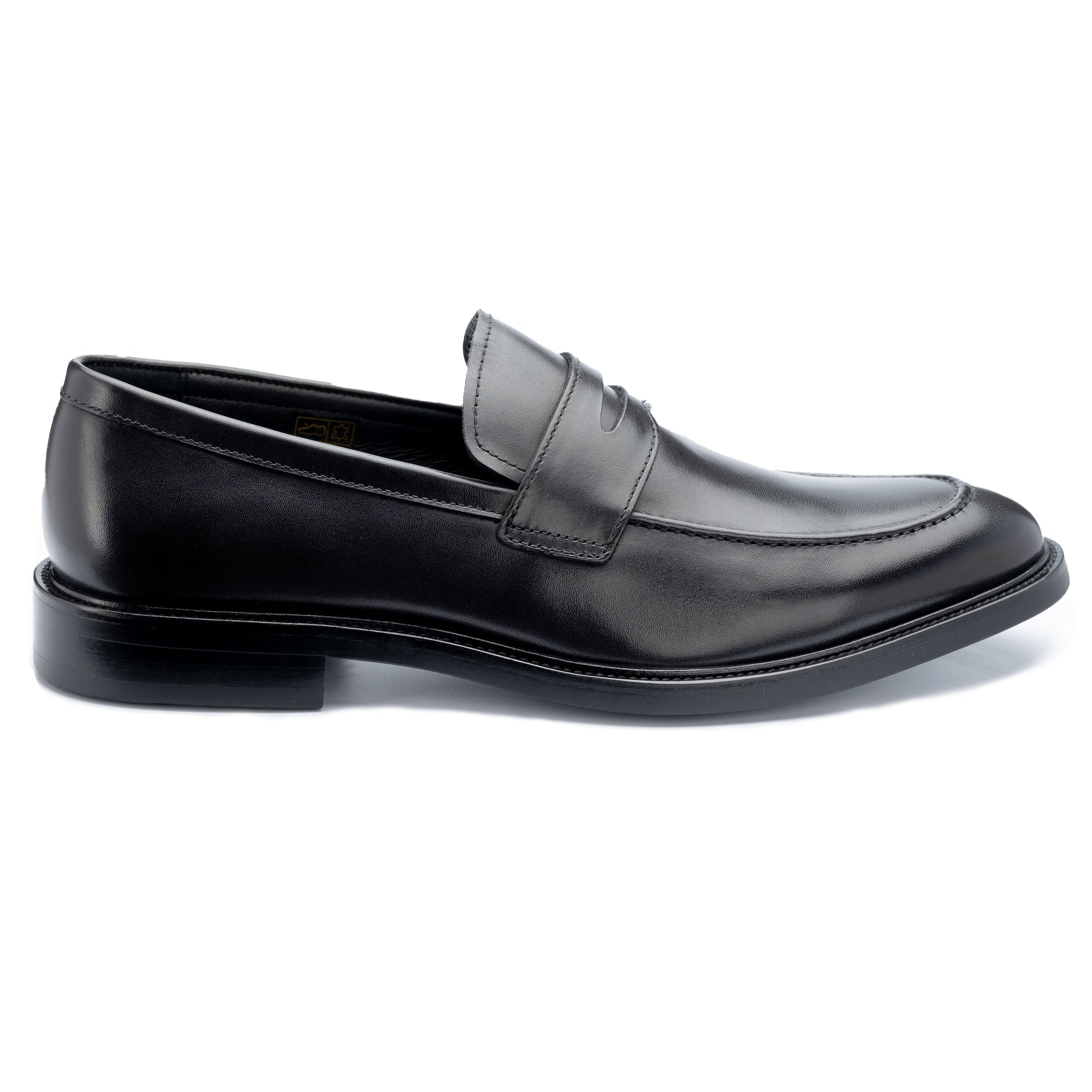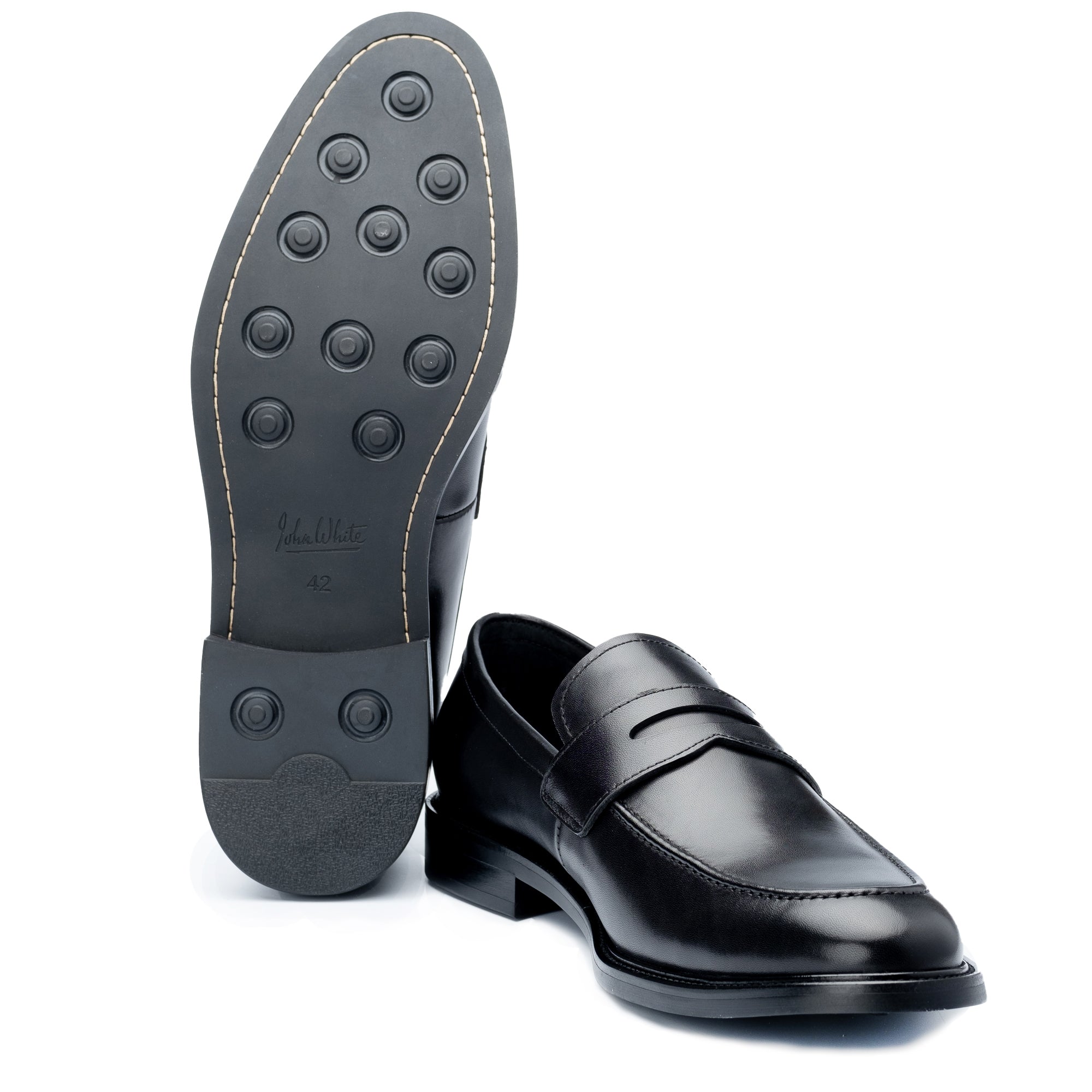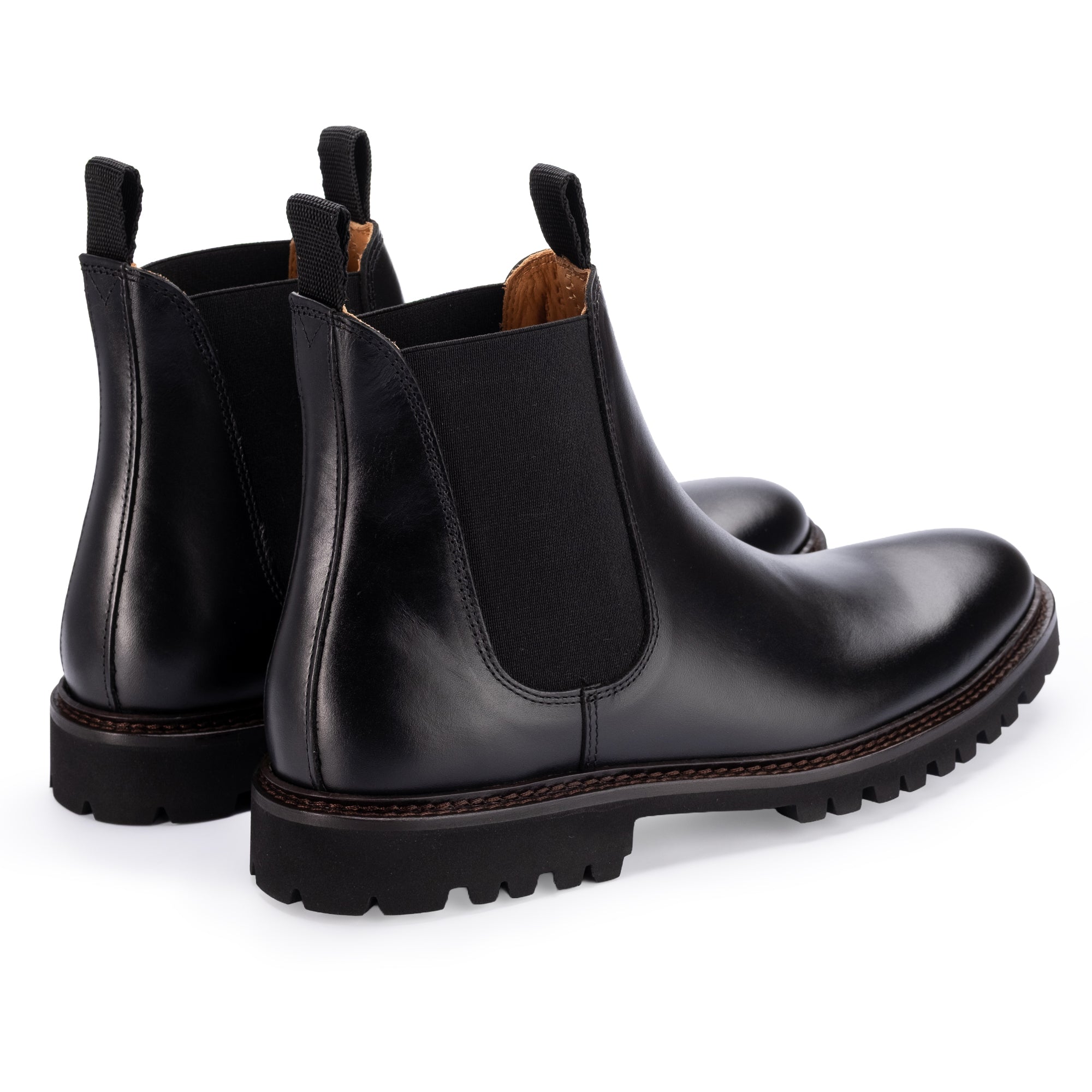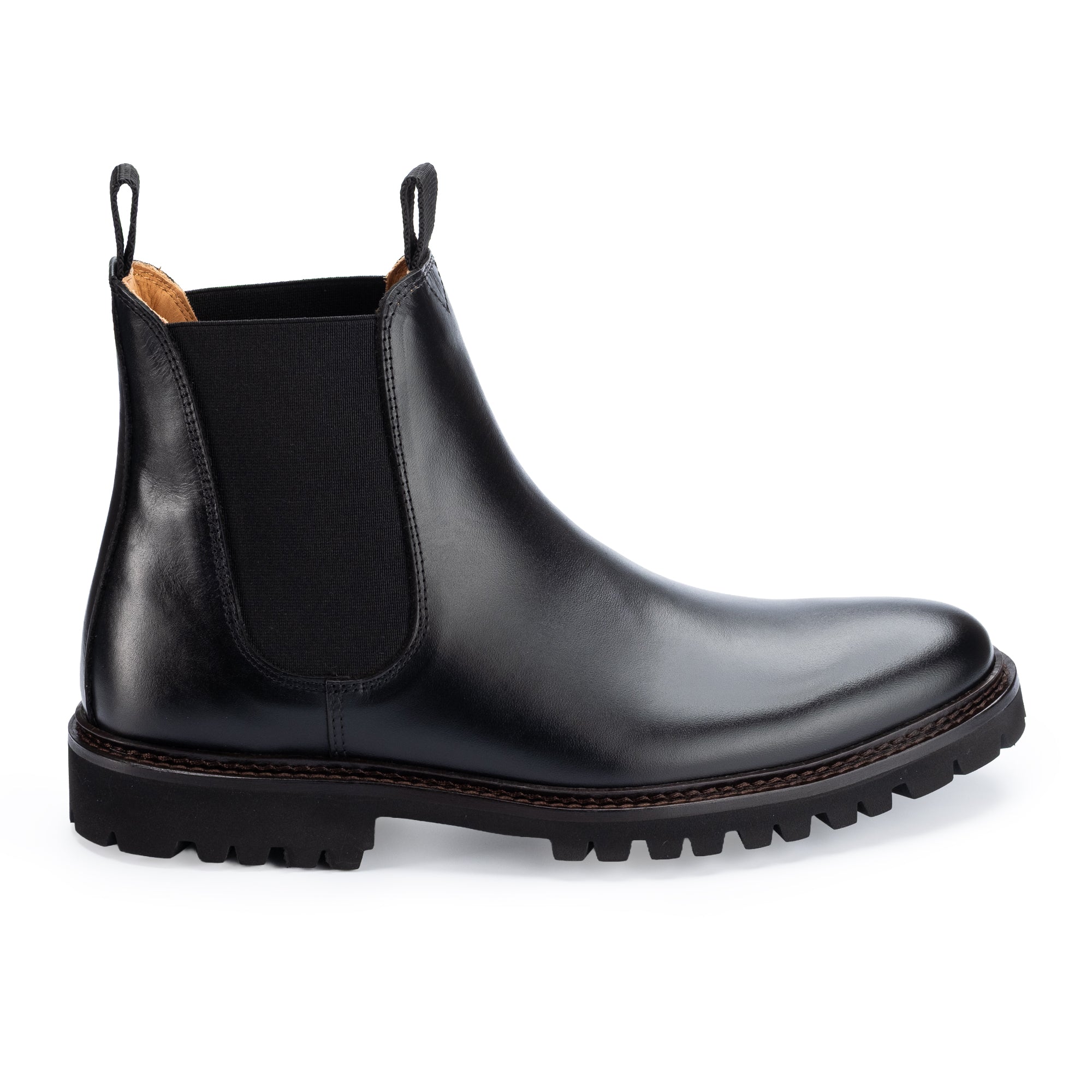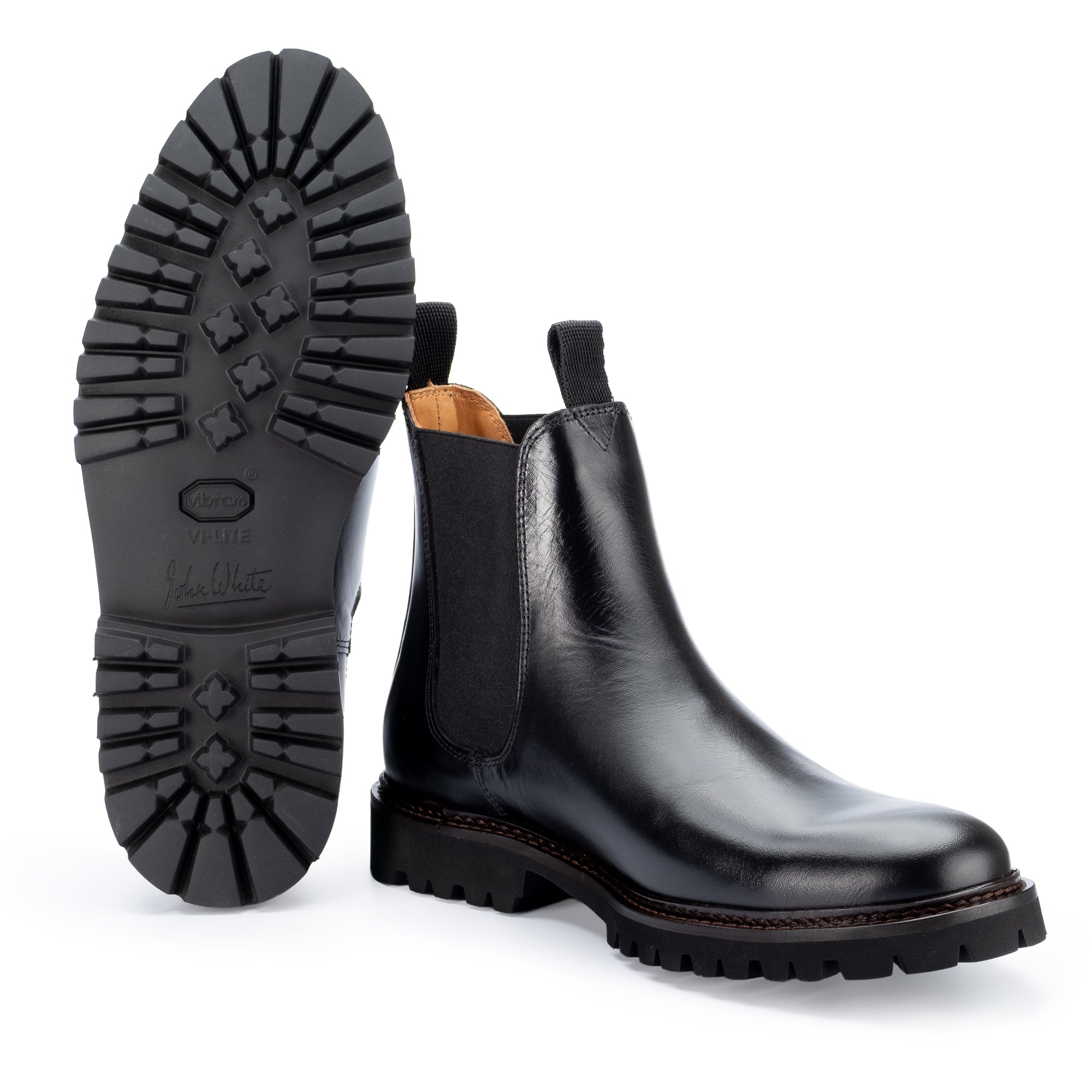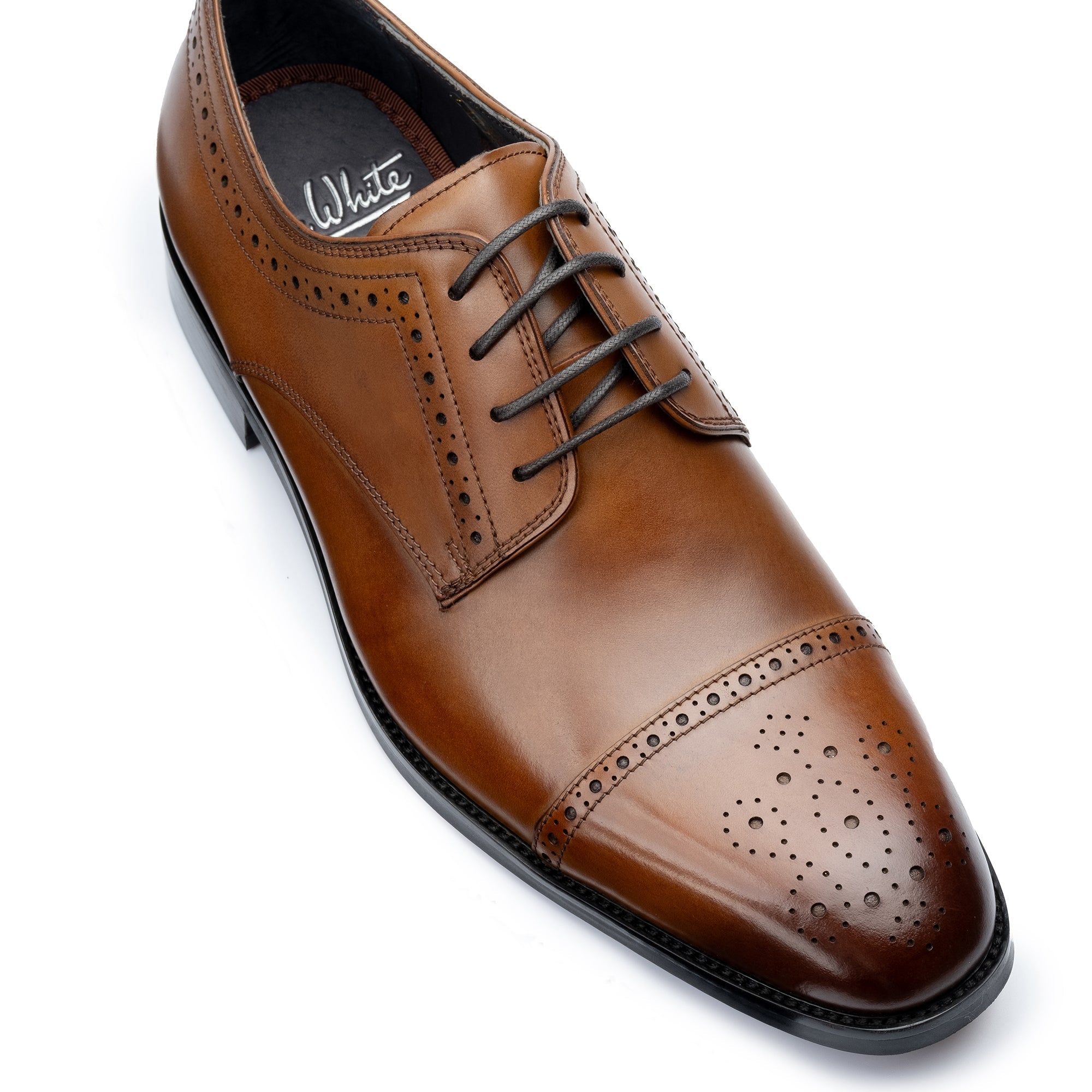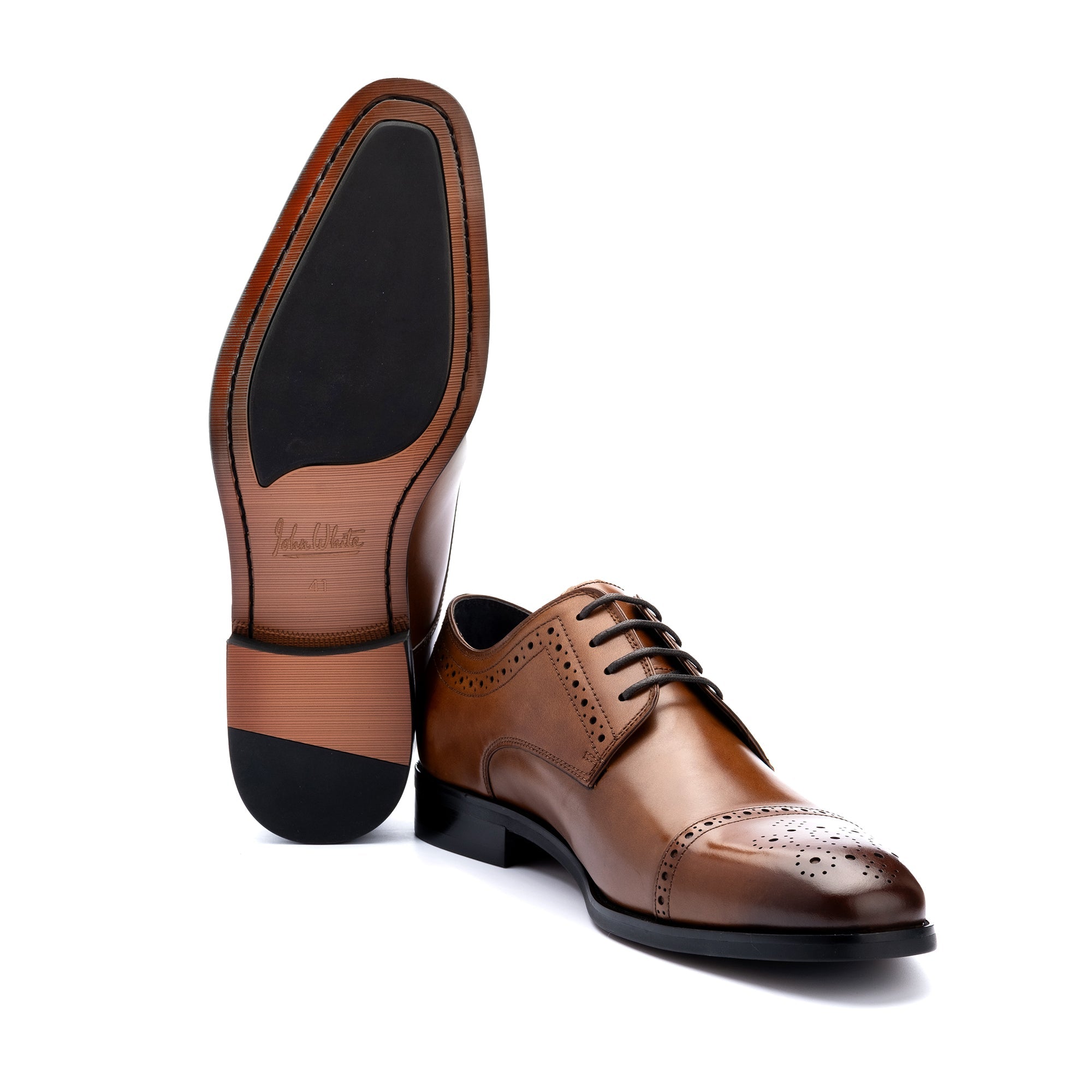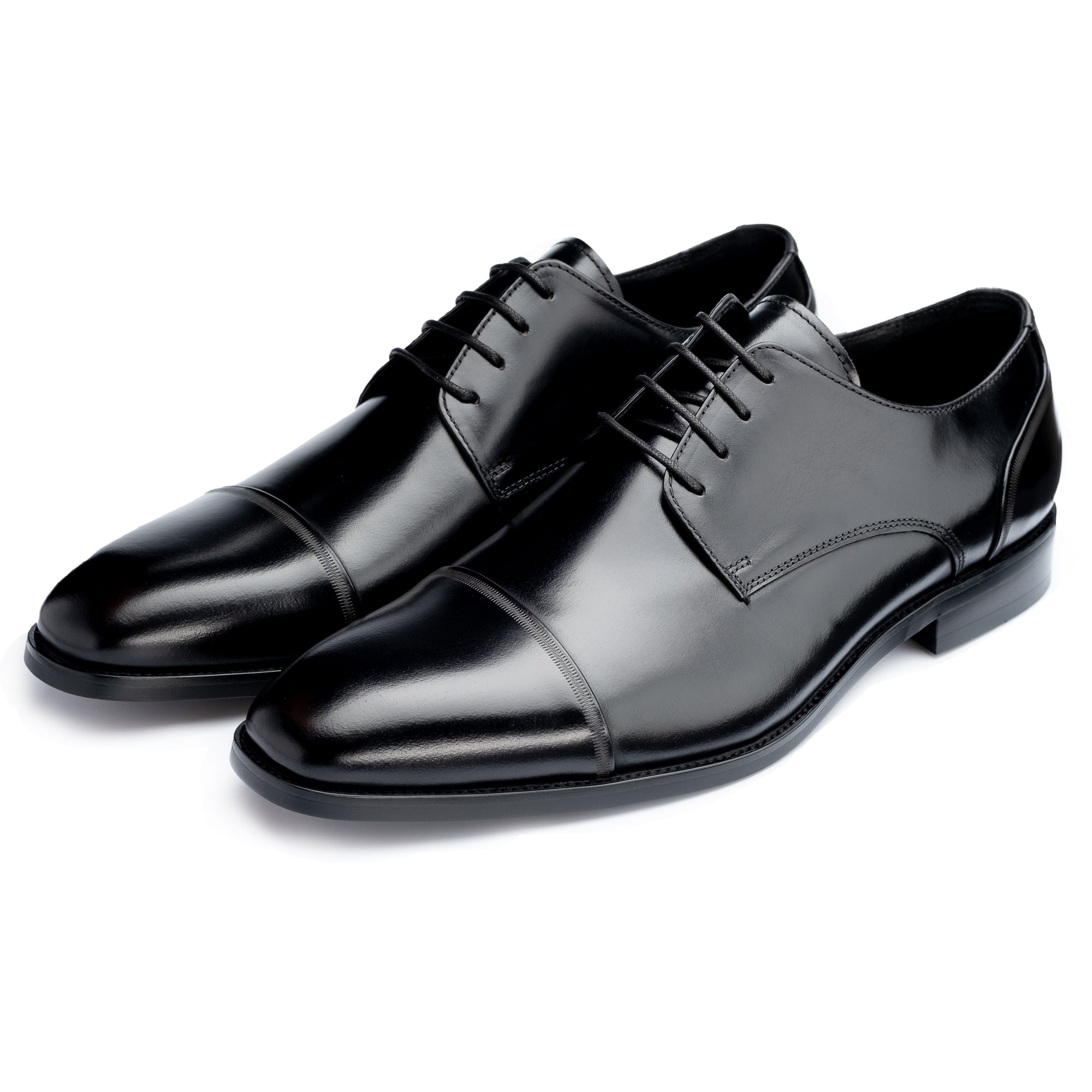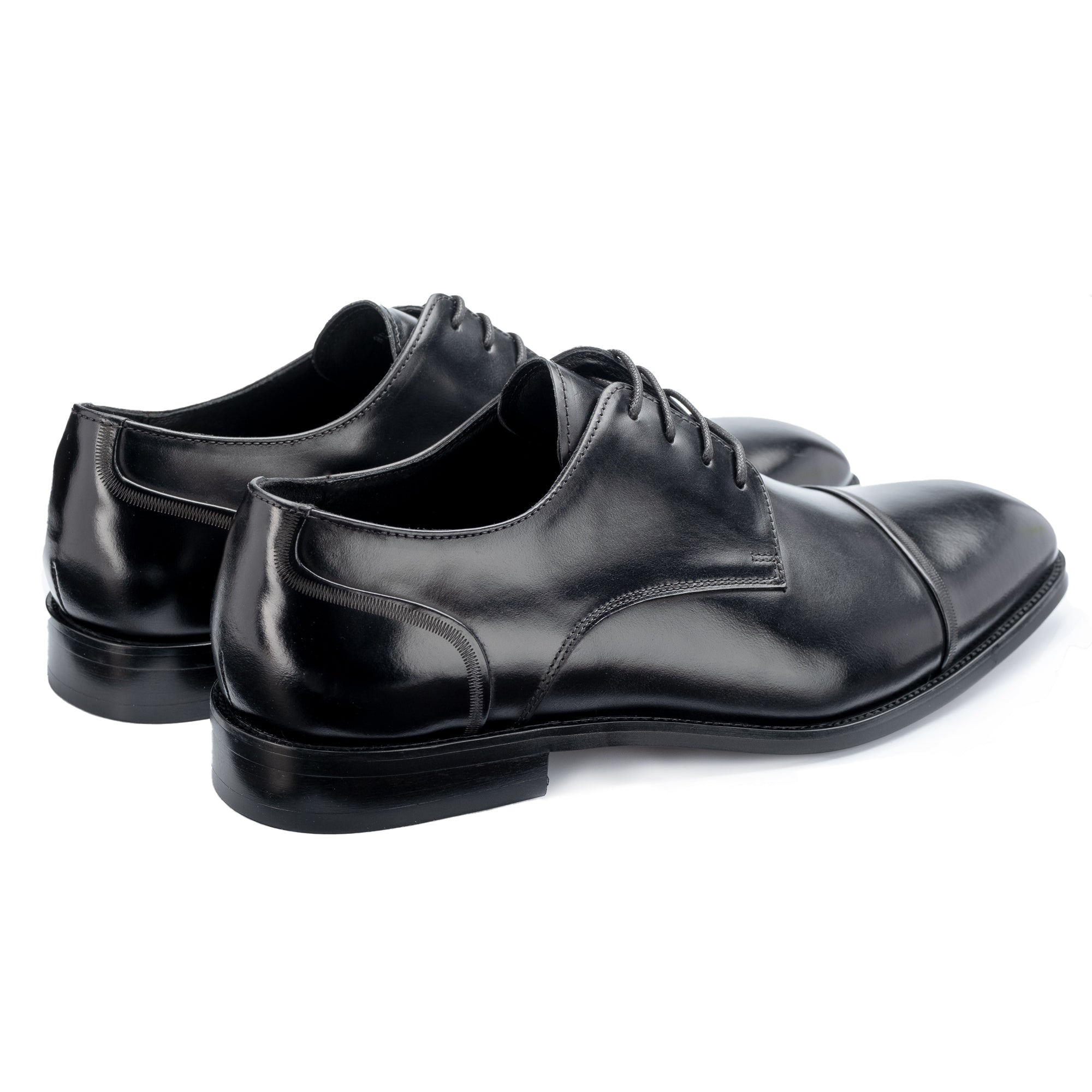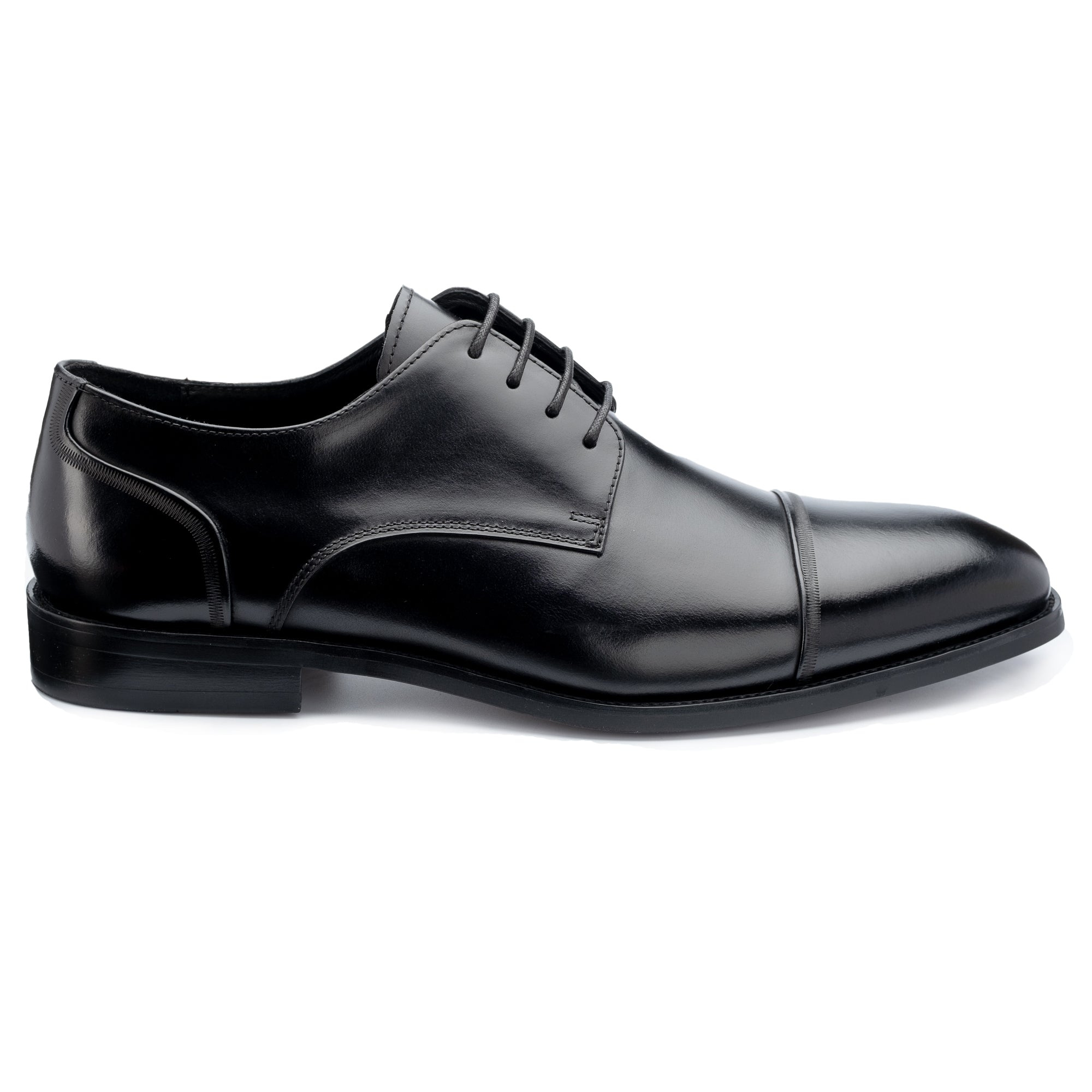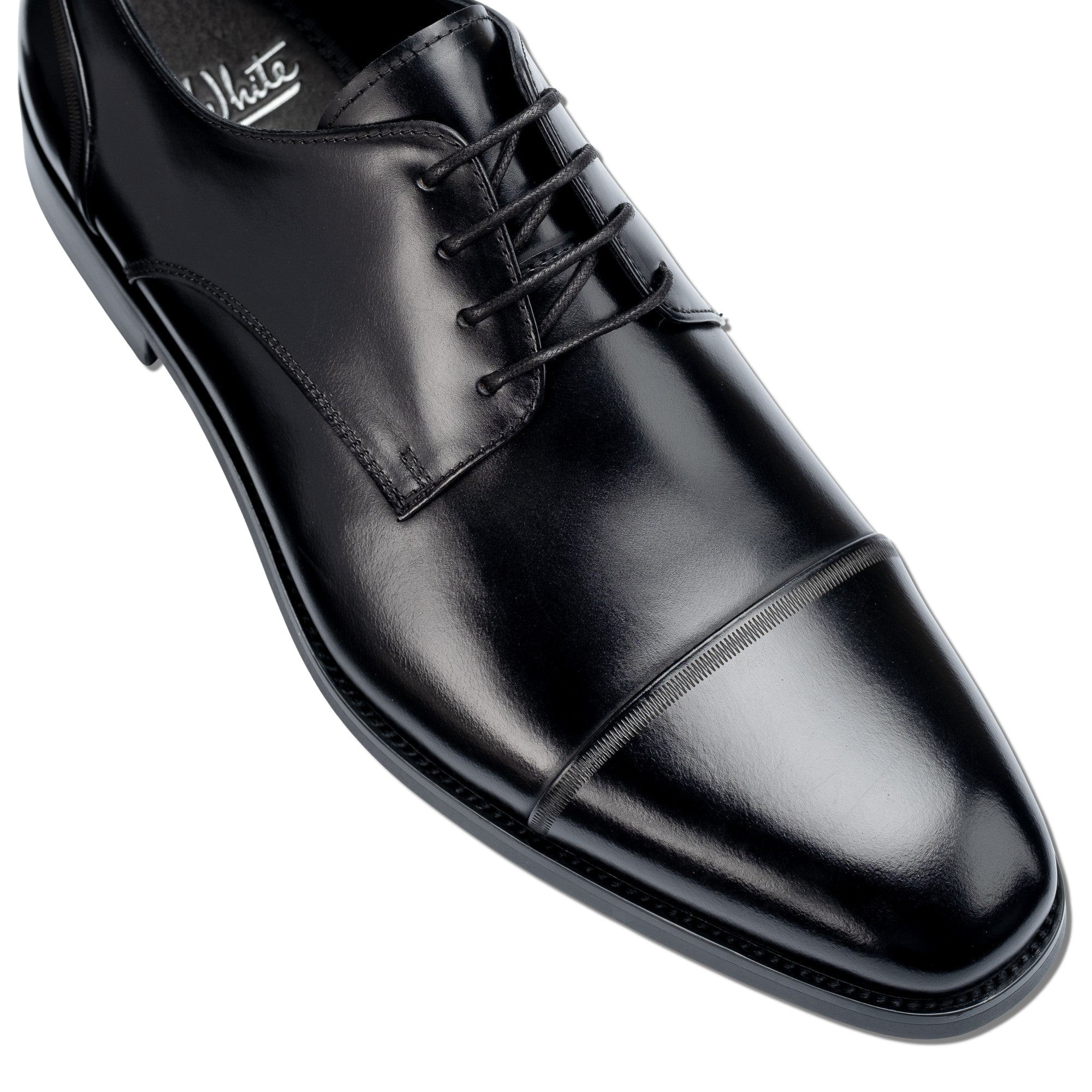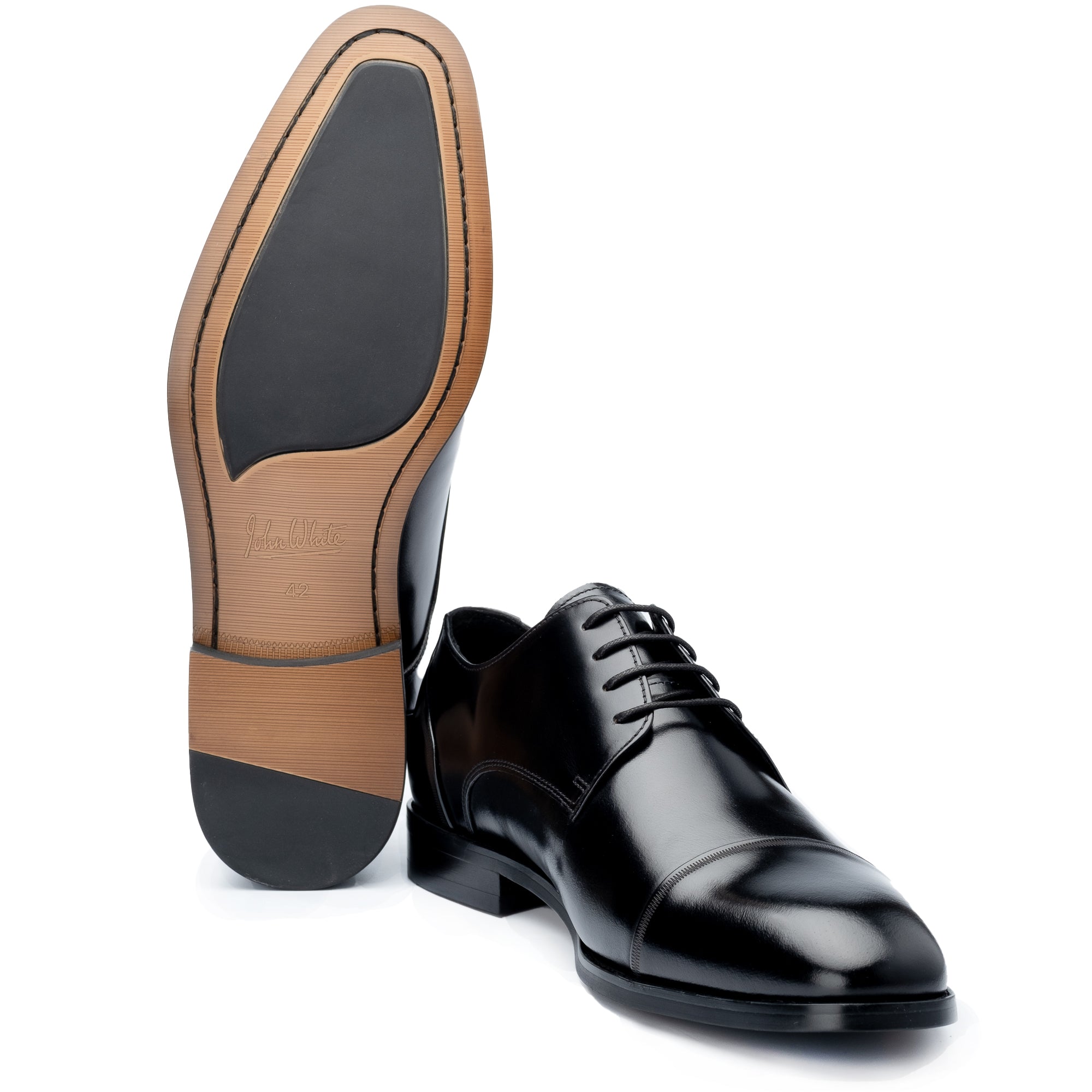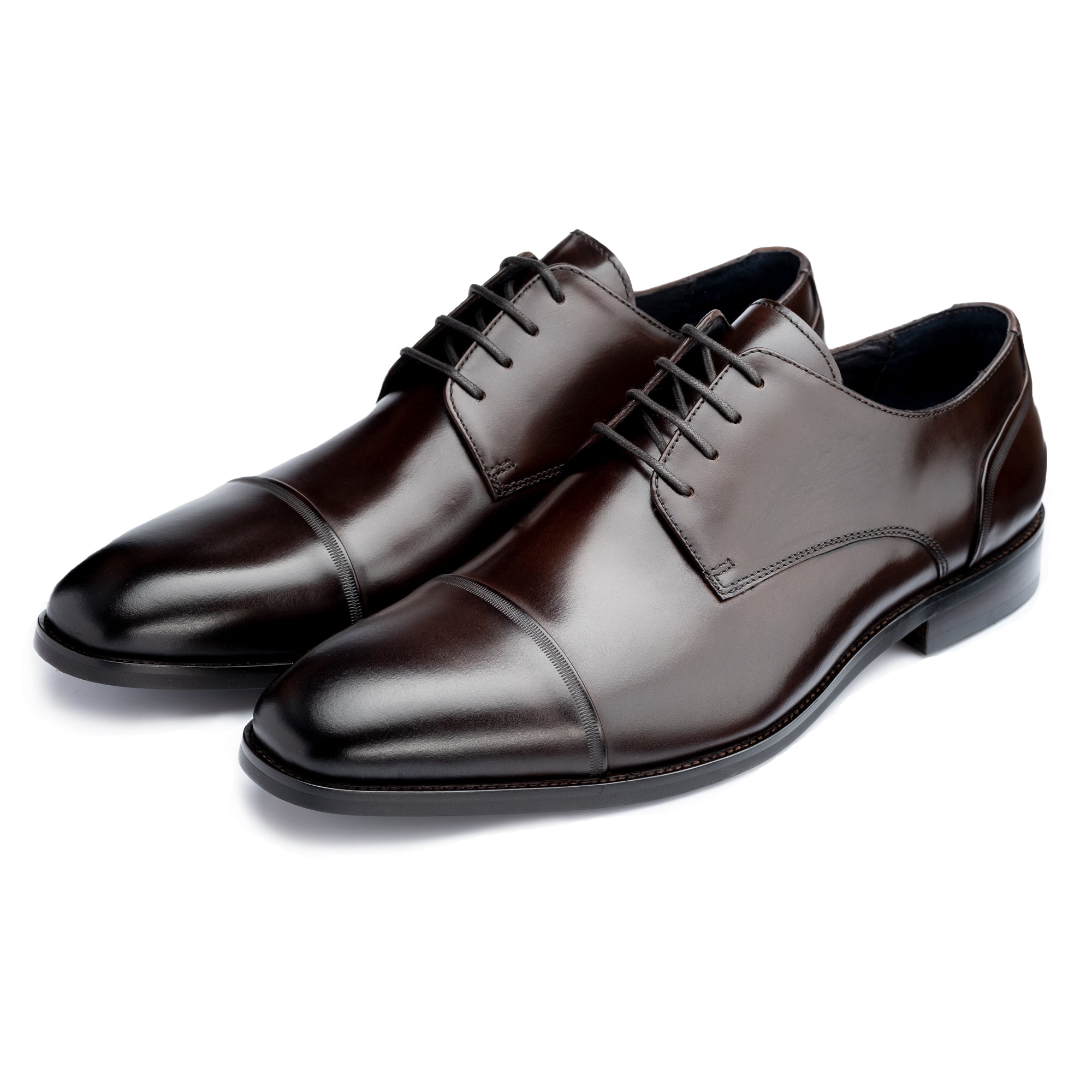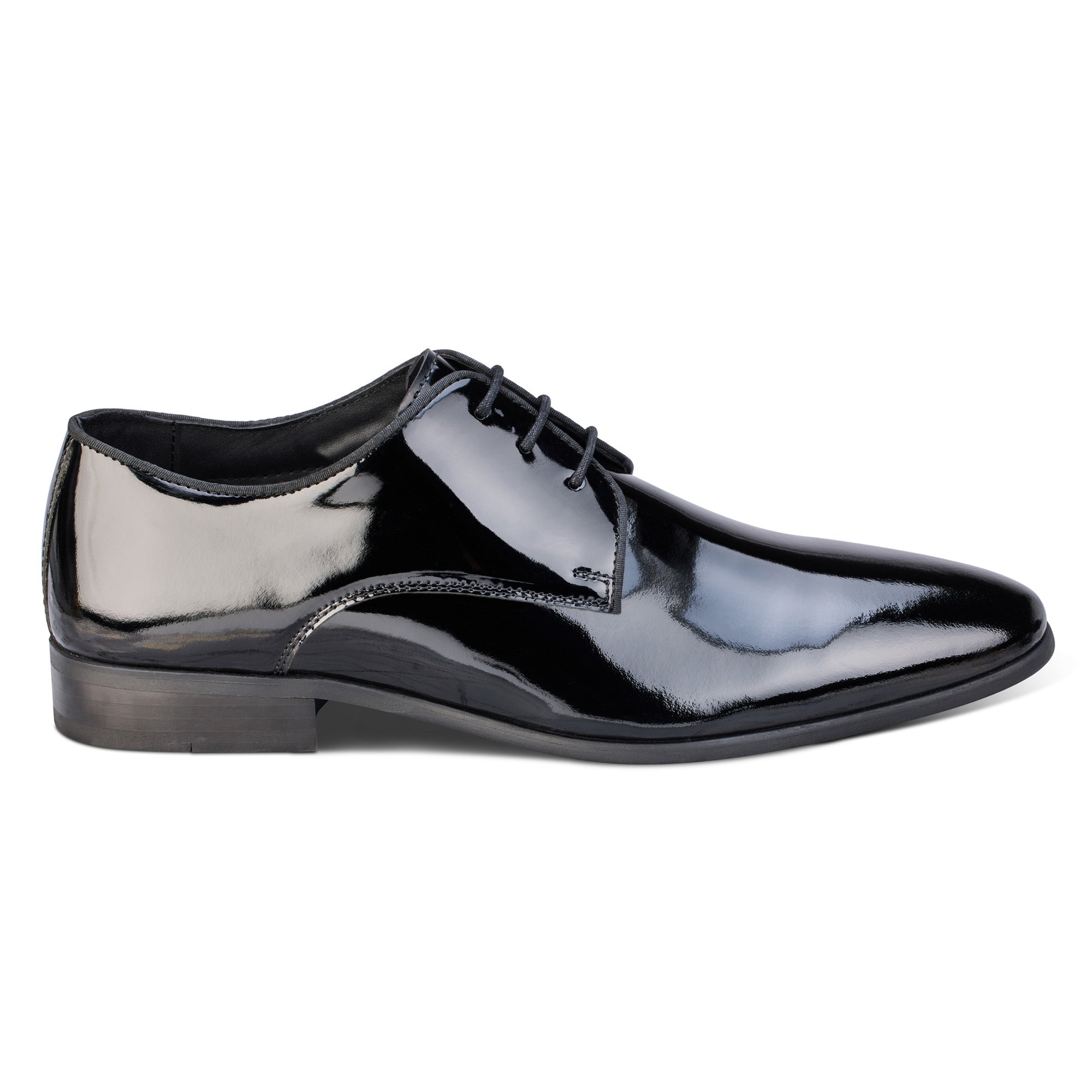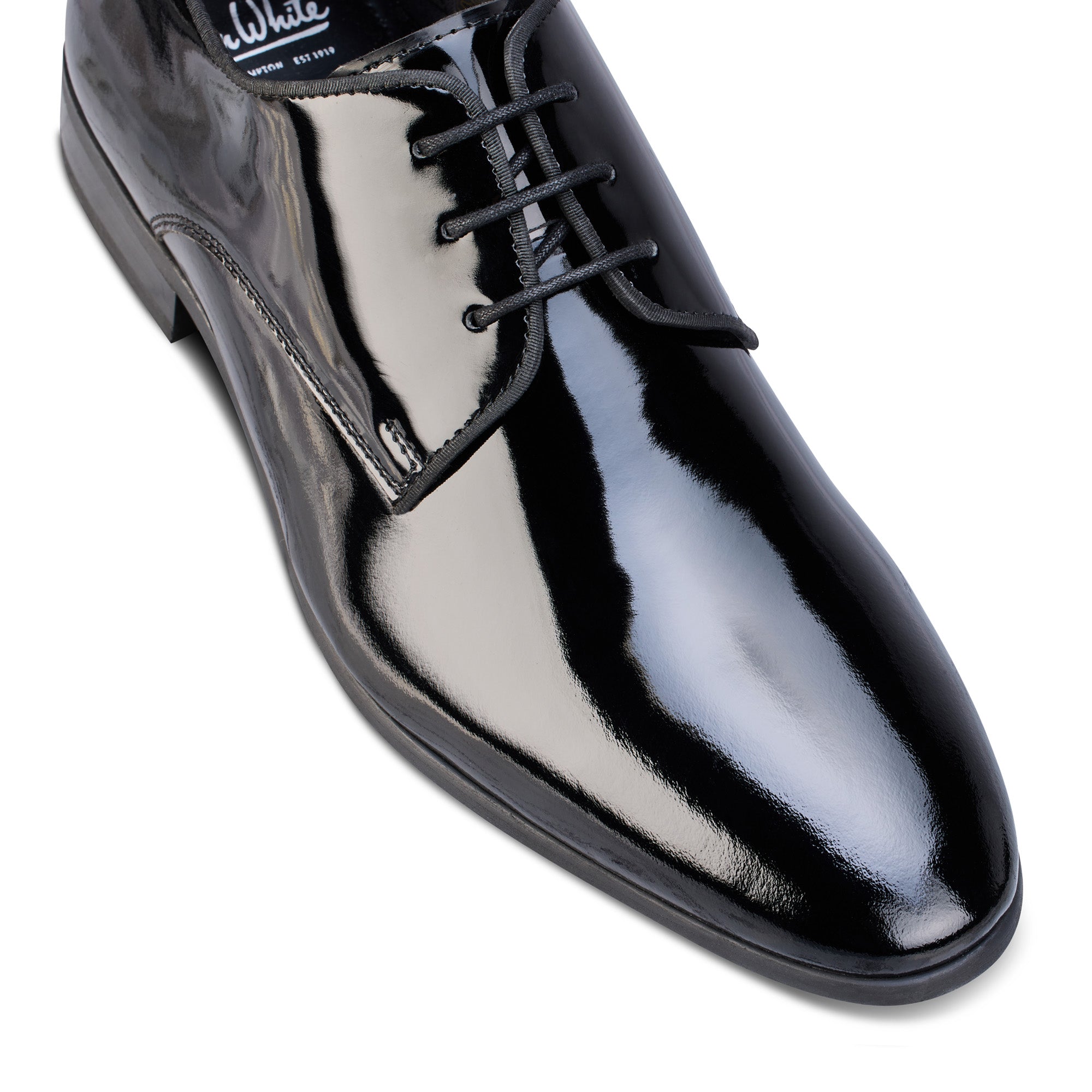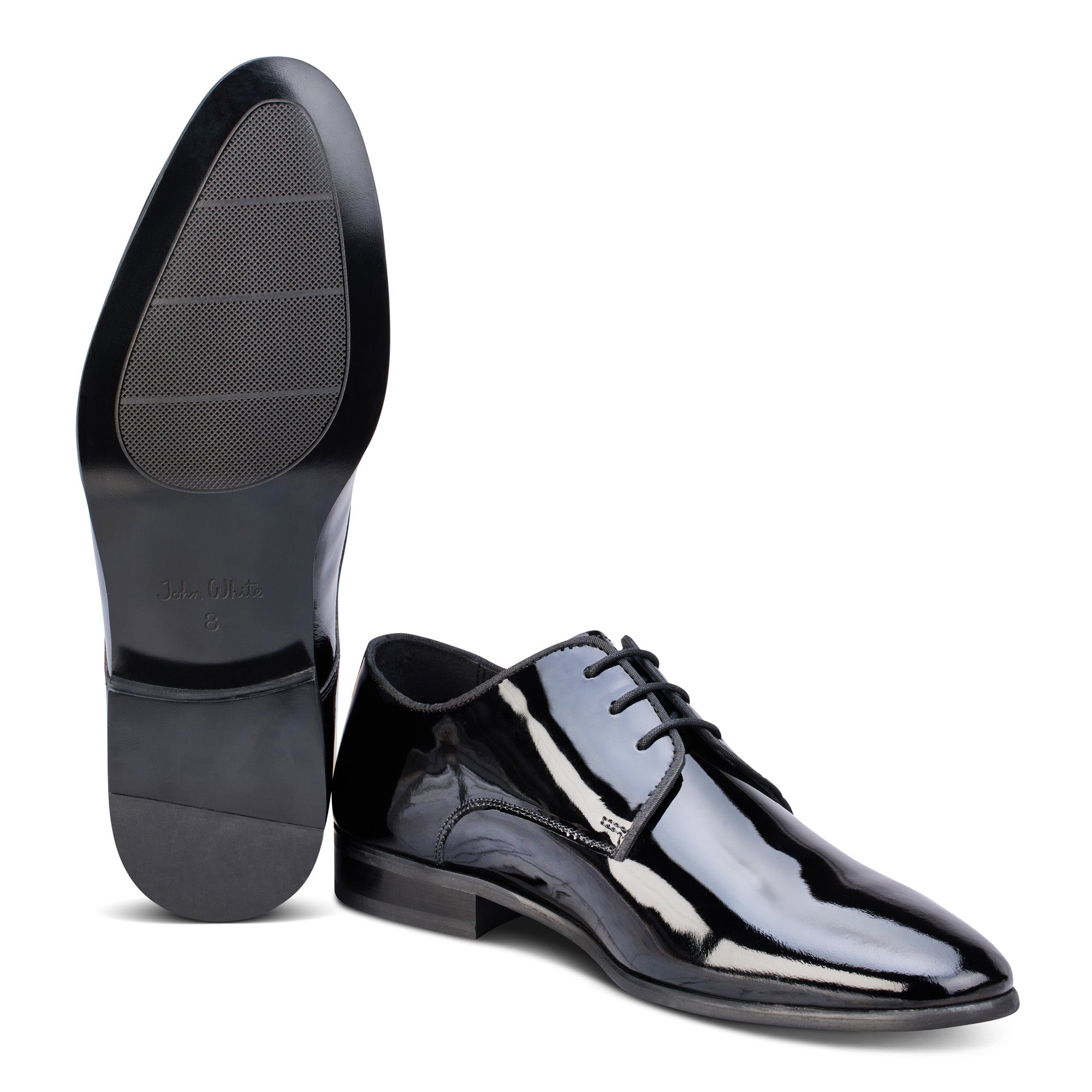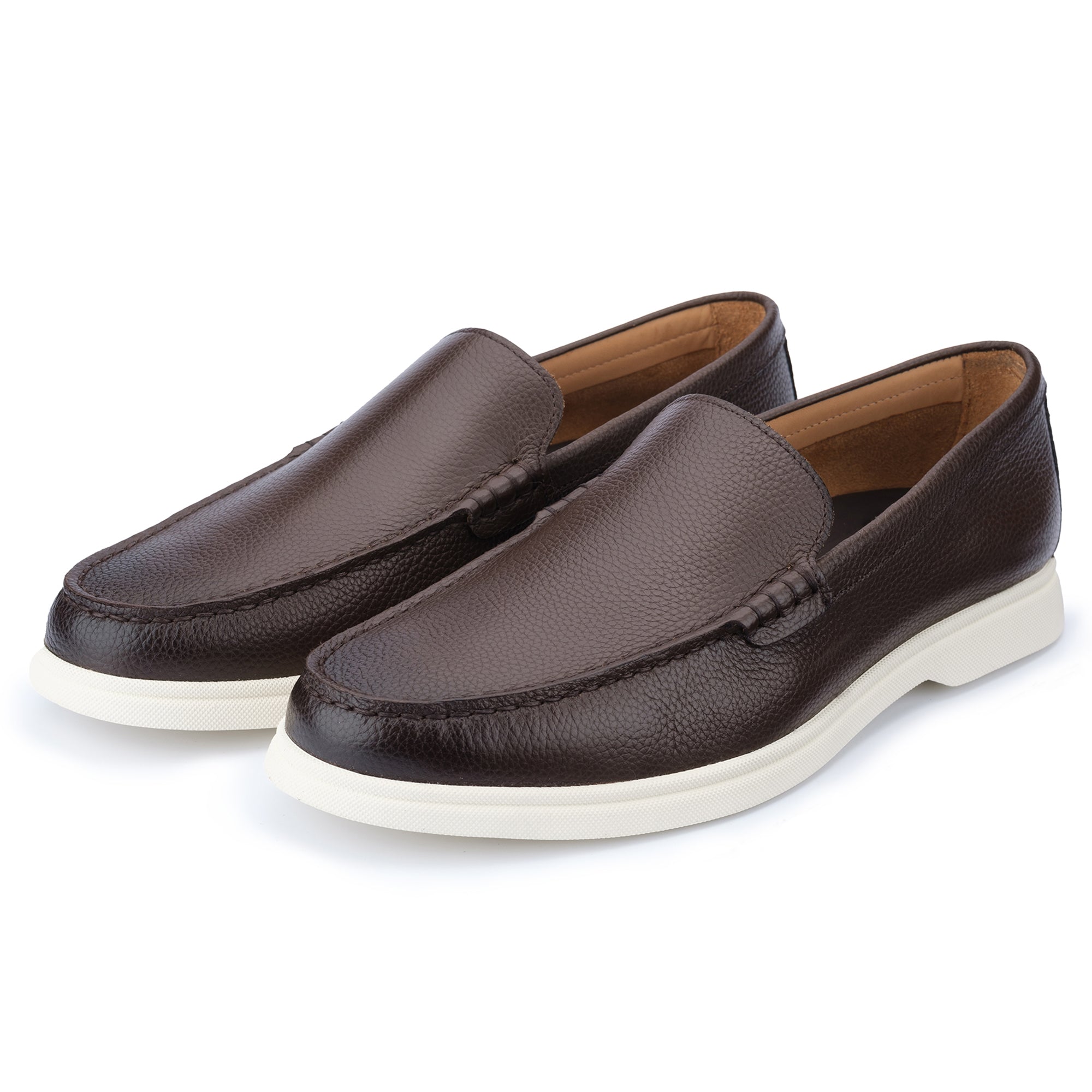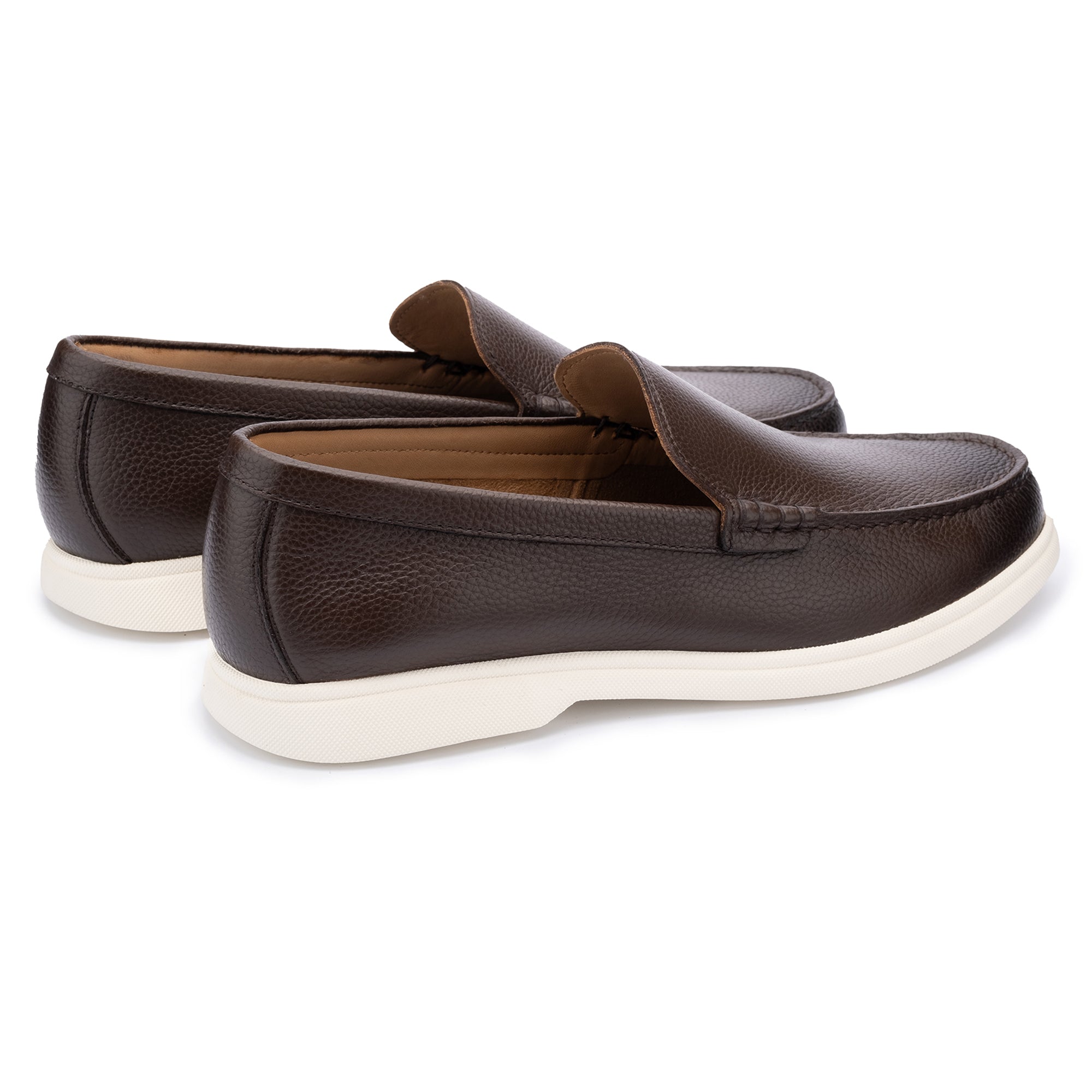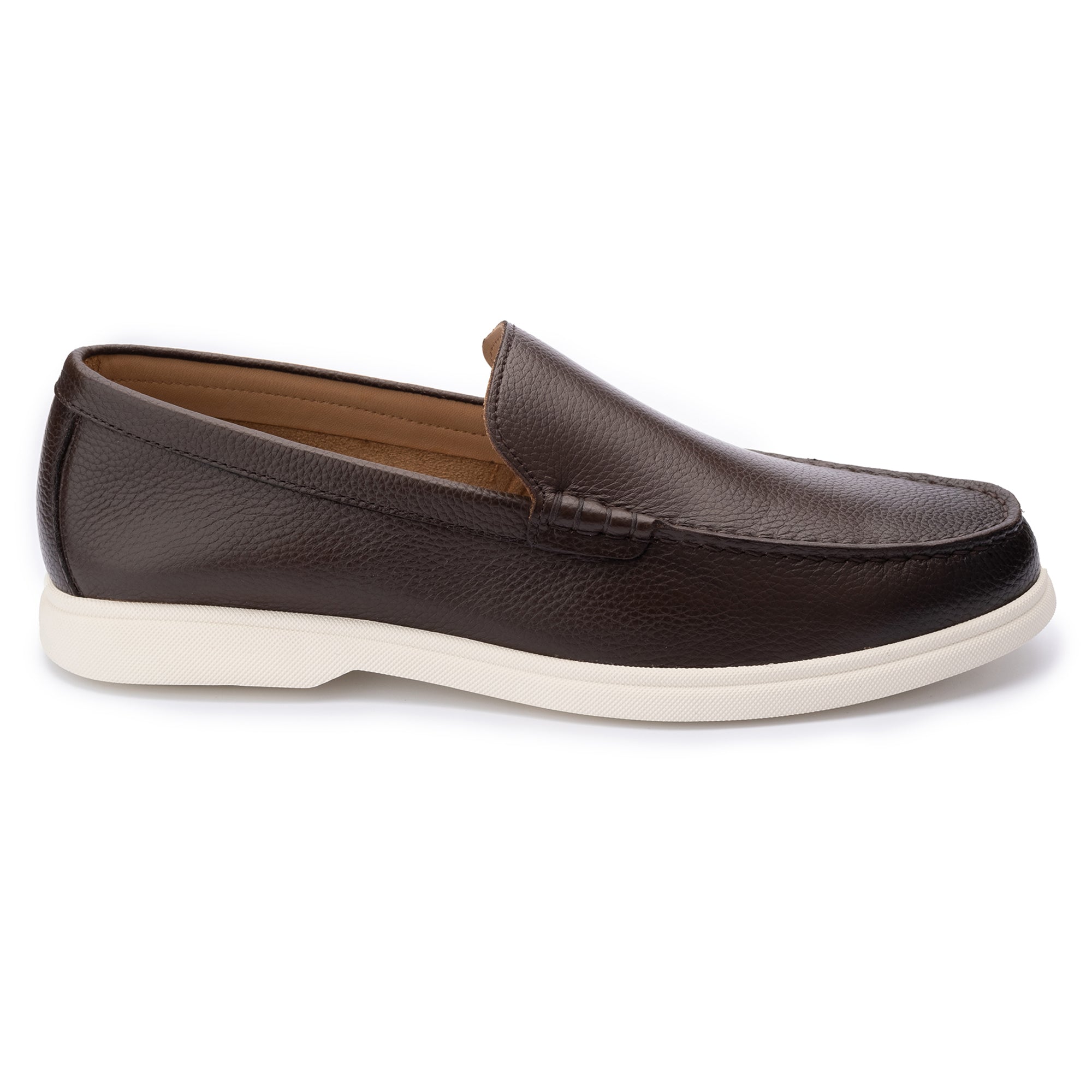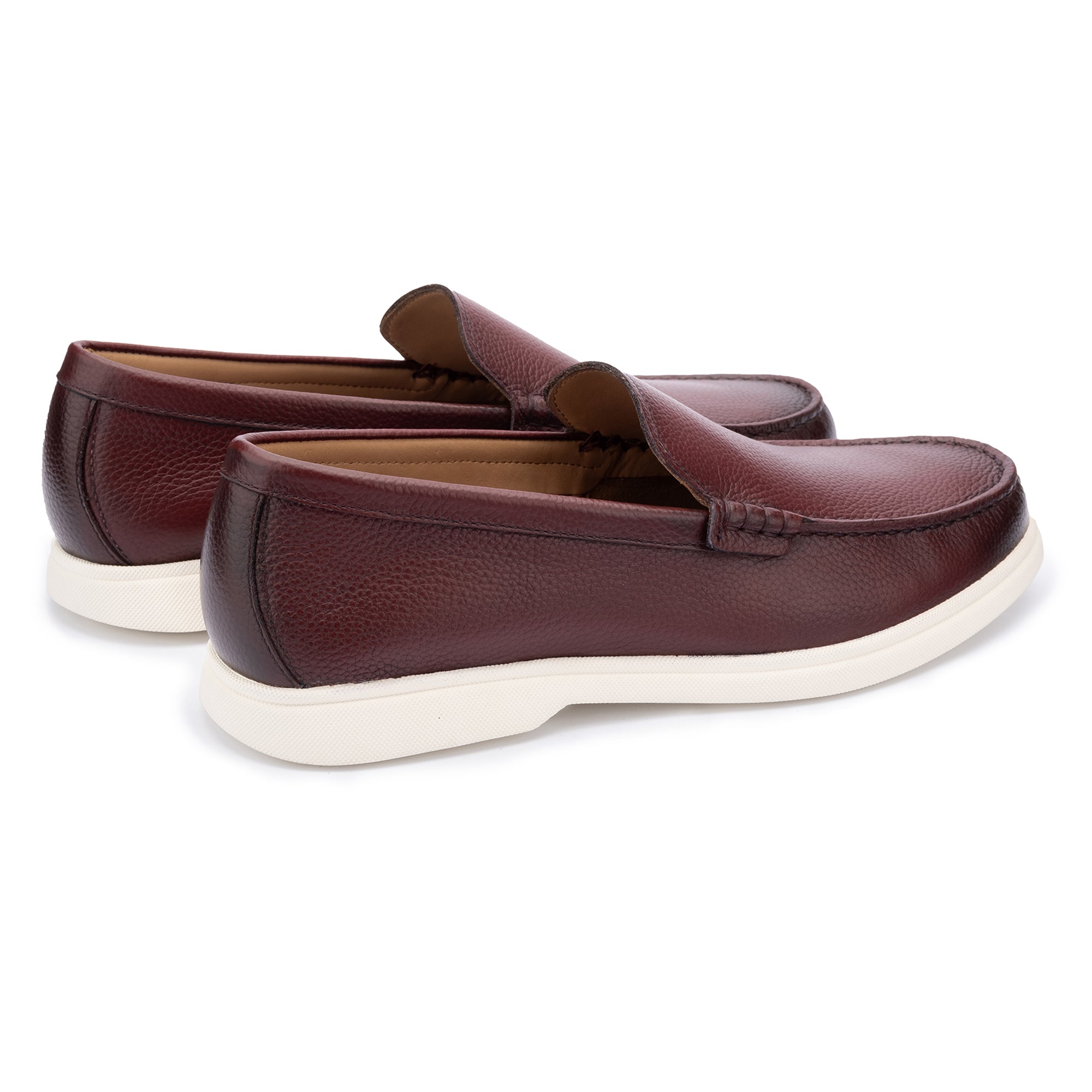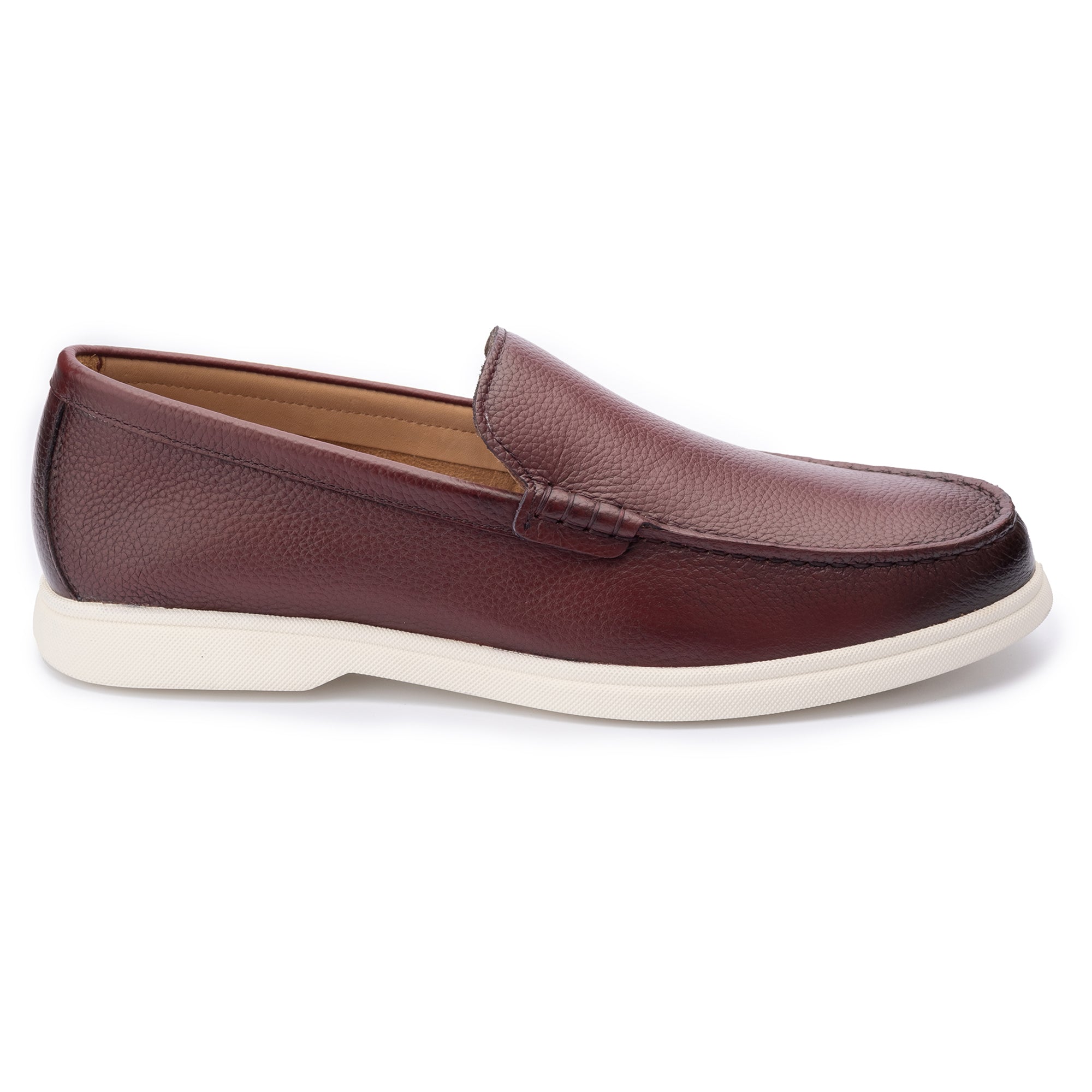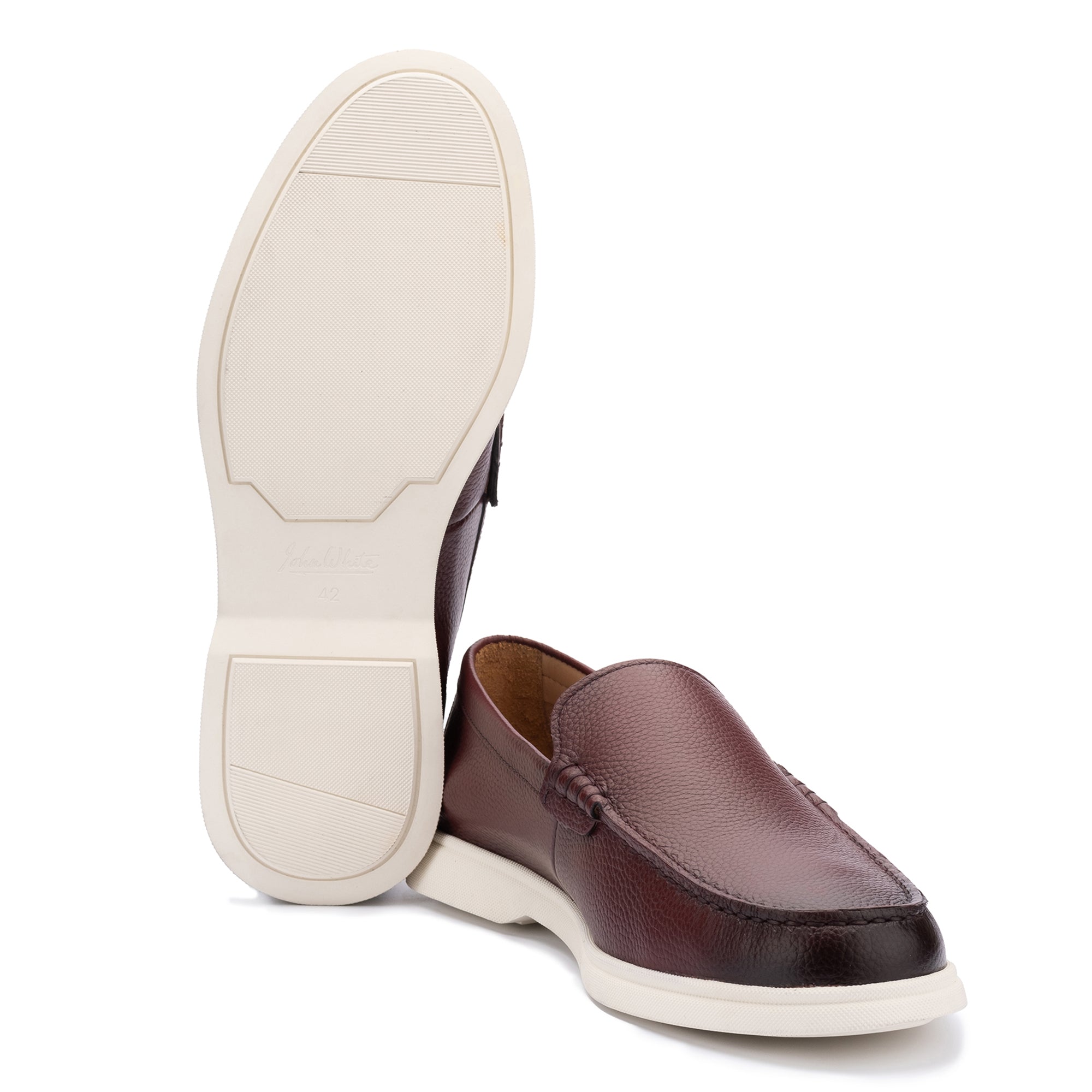

Leather Shoe Heel Wear: The Definitive Guide to Assessment, Repair, and Prevention
Leather shoe heel wear is the gradual erosion of the heel assembly through daily use, beginning at the heel tip and progressing upward through the heel lifts if neglected. The correct intervention point is when the tip has worn to approximately one-third of its original thickness — at that stage, a simple tip replacement costs a fraction of a partial heel rebuild. Inspect your heels every four to six weeks and act before wear reaches the heel block.
In This Guide
- What Is Leather Shoe Heel Wear and Why Does It Matter?
- How Do You Assess the Severity of Leather Shoe Heel Wear?
- What Do Different Heel Wear Patterns Actually Indicate?
- When Should You Repair Leather Shoe Heel Wear?
- How Do You Repair a Worn Leather Shoe Heel?
- How Can You Prevent Excessive Leather Shoe Heel Wear?
- How Often Should You Have Leather Shoe Heels Professionally Checked?
- Related Guides
- Frequently Asked Questions
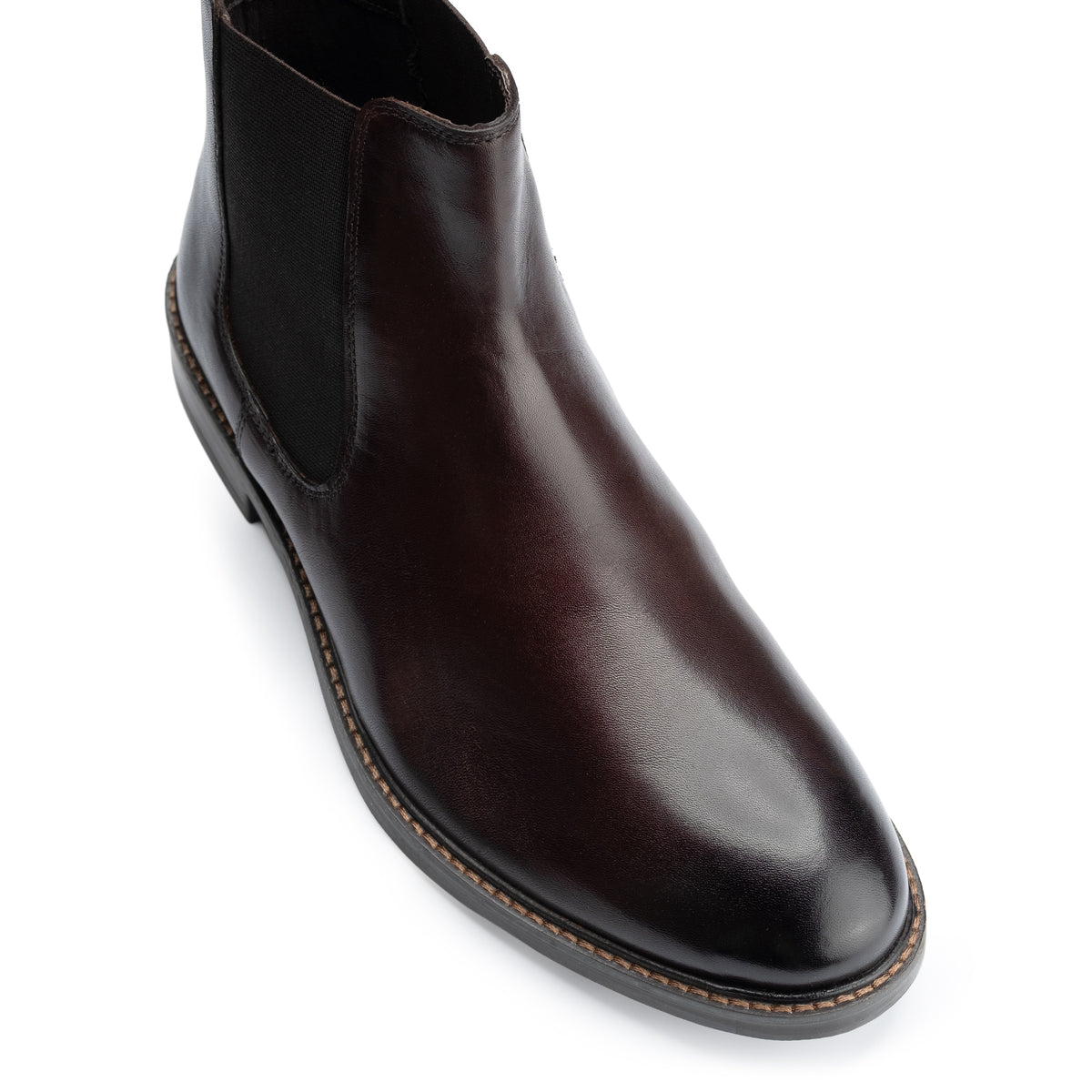
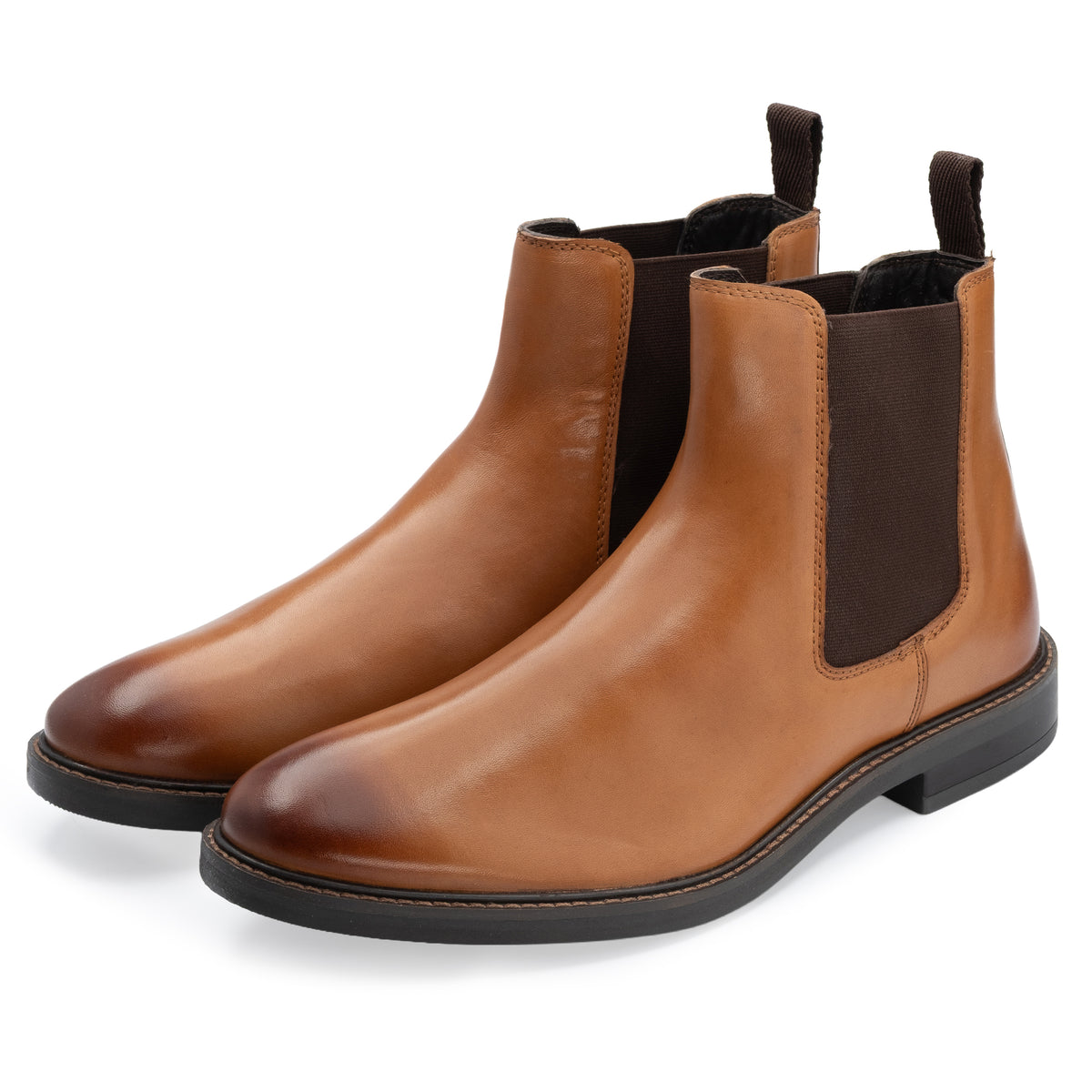
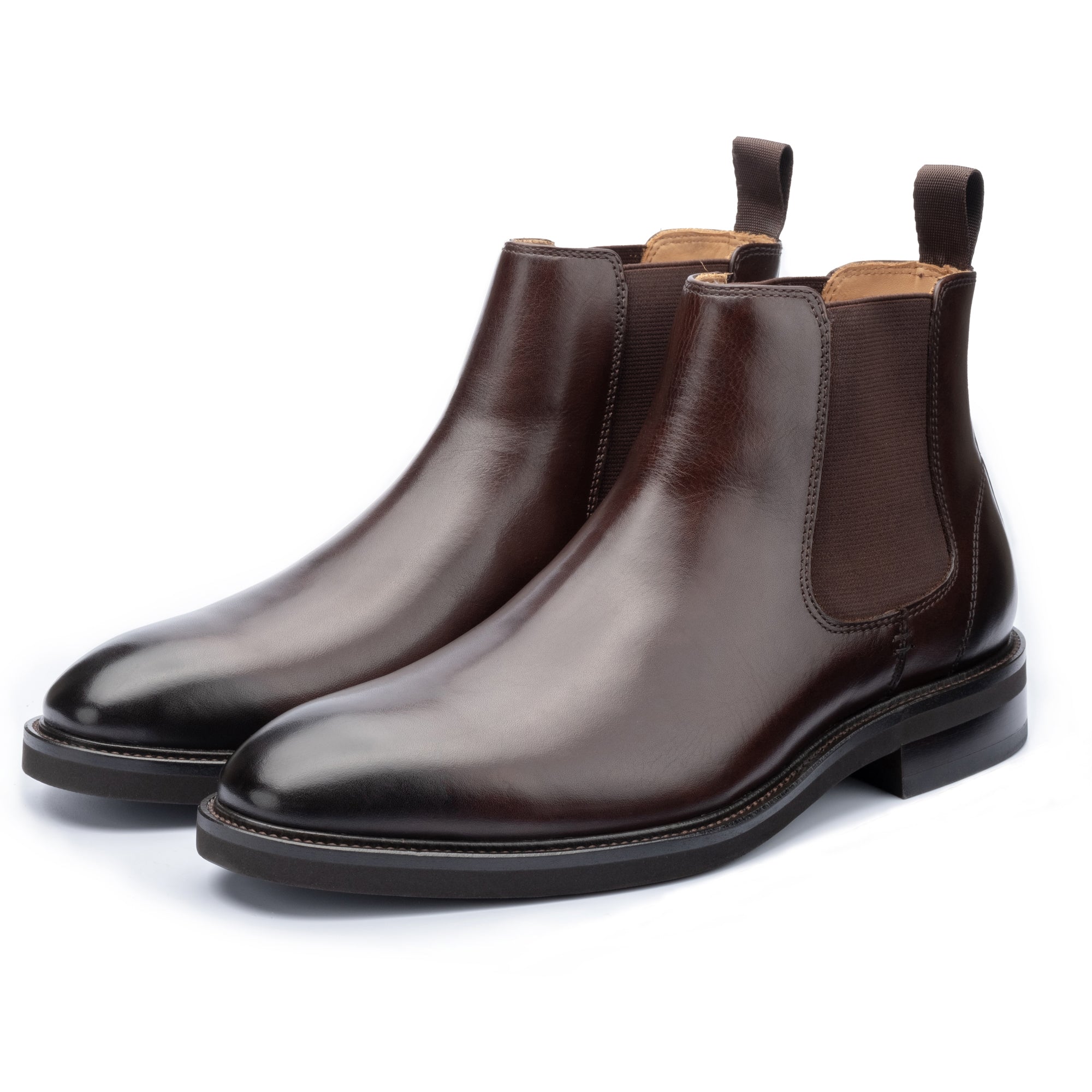
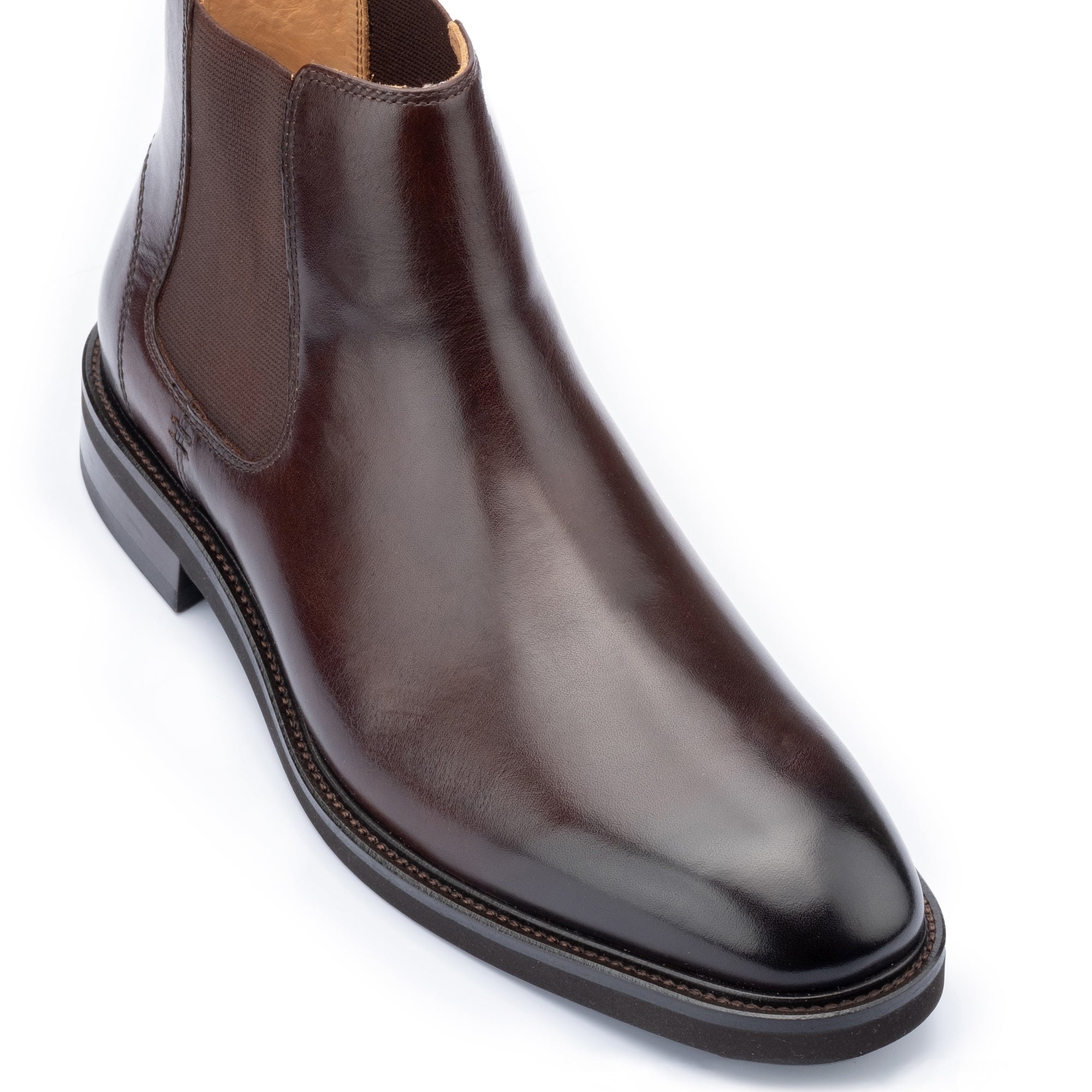
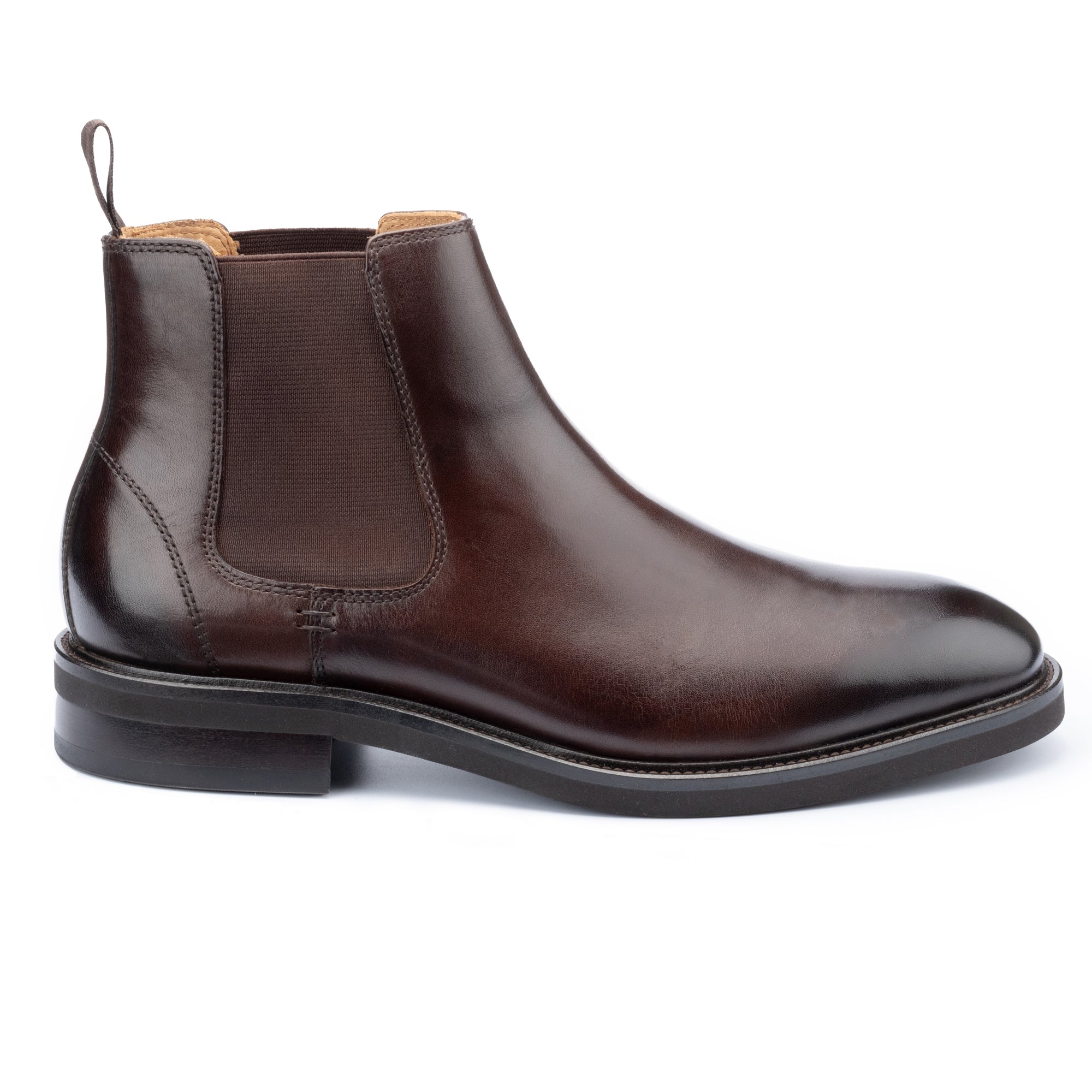
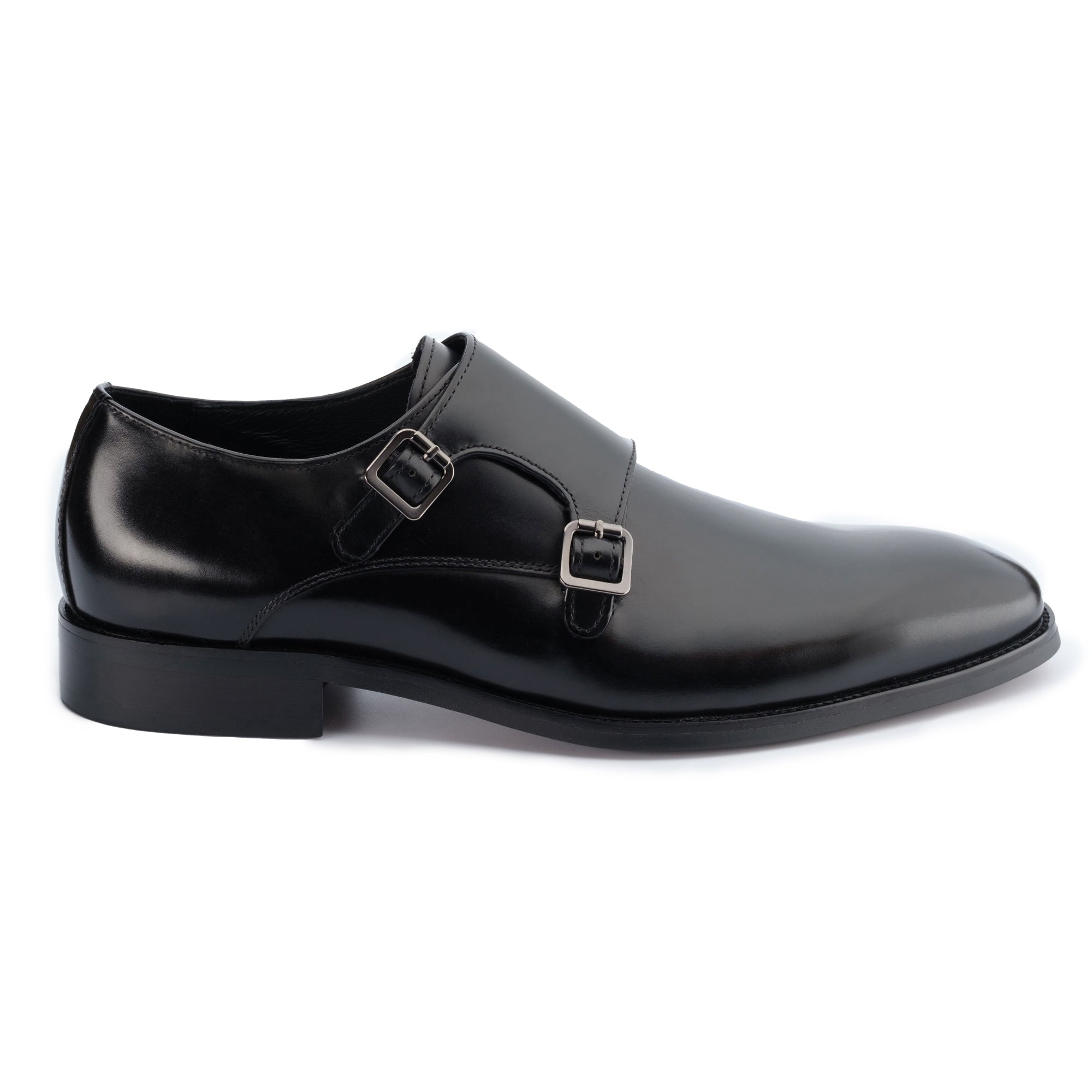
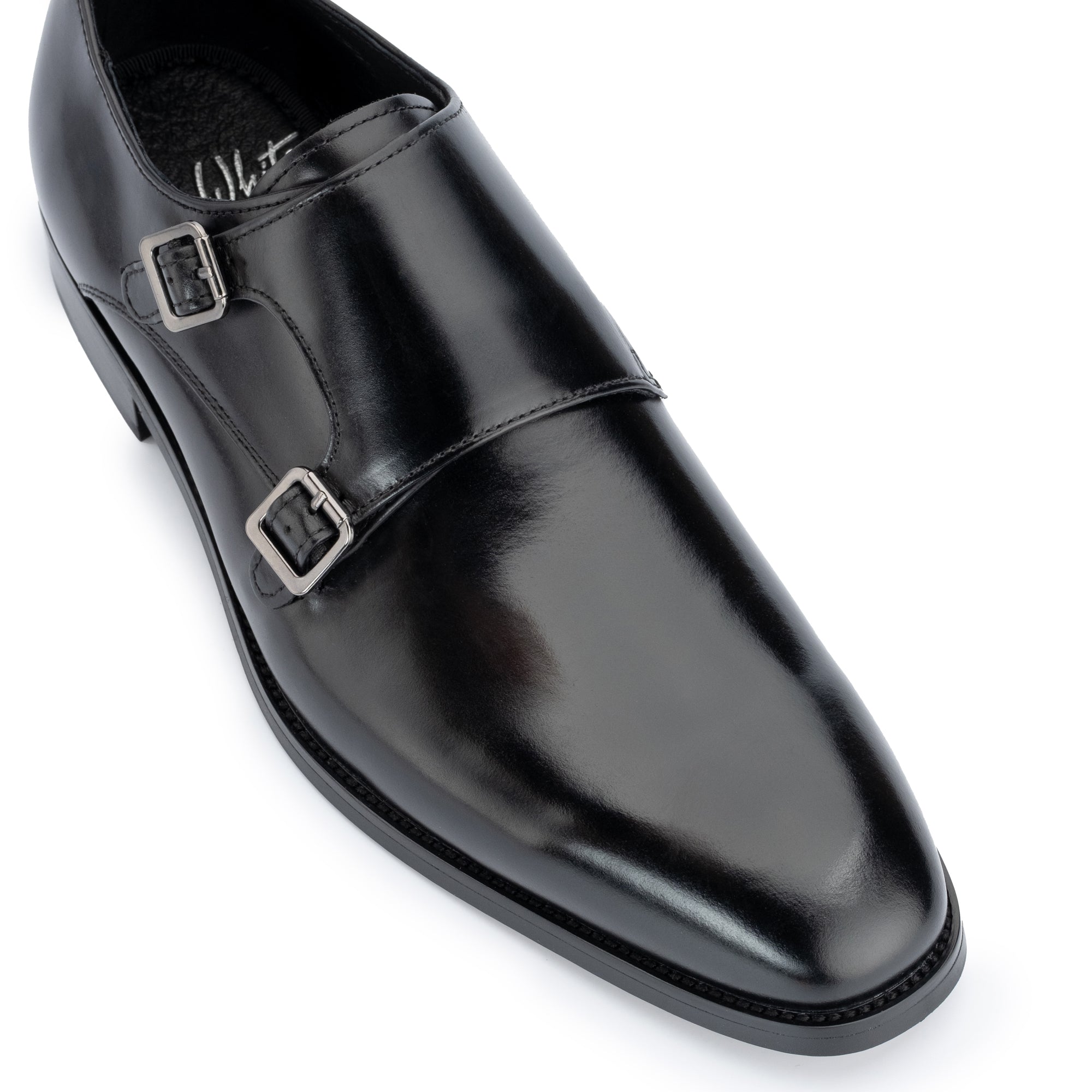
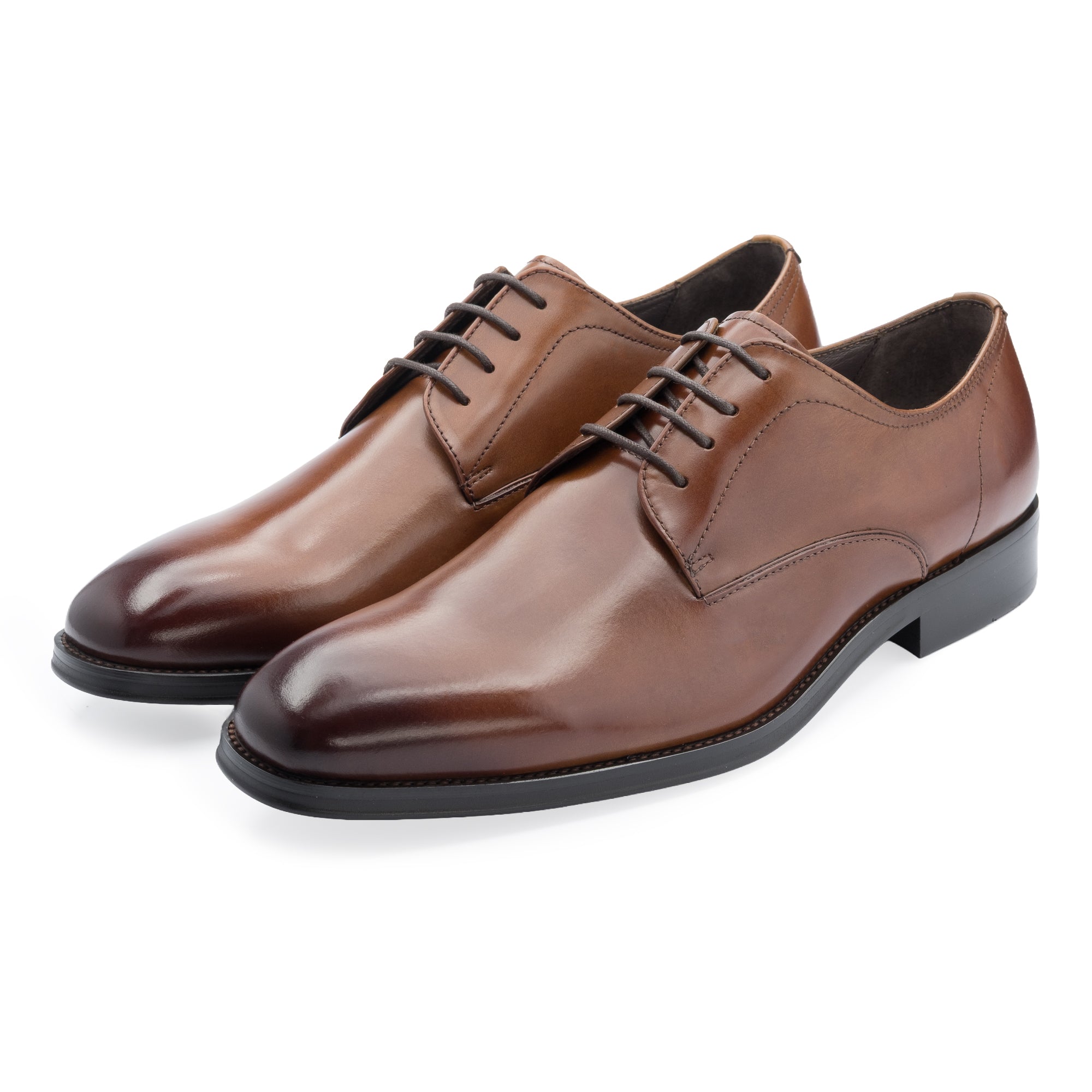
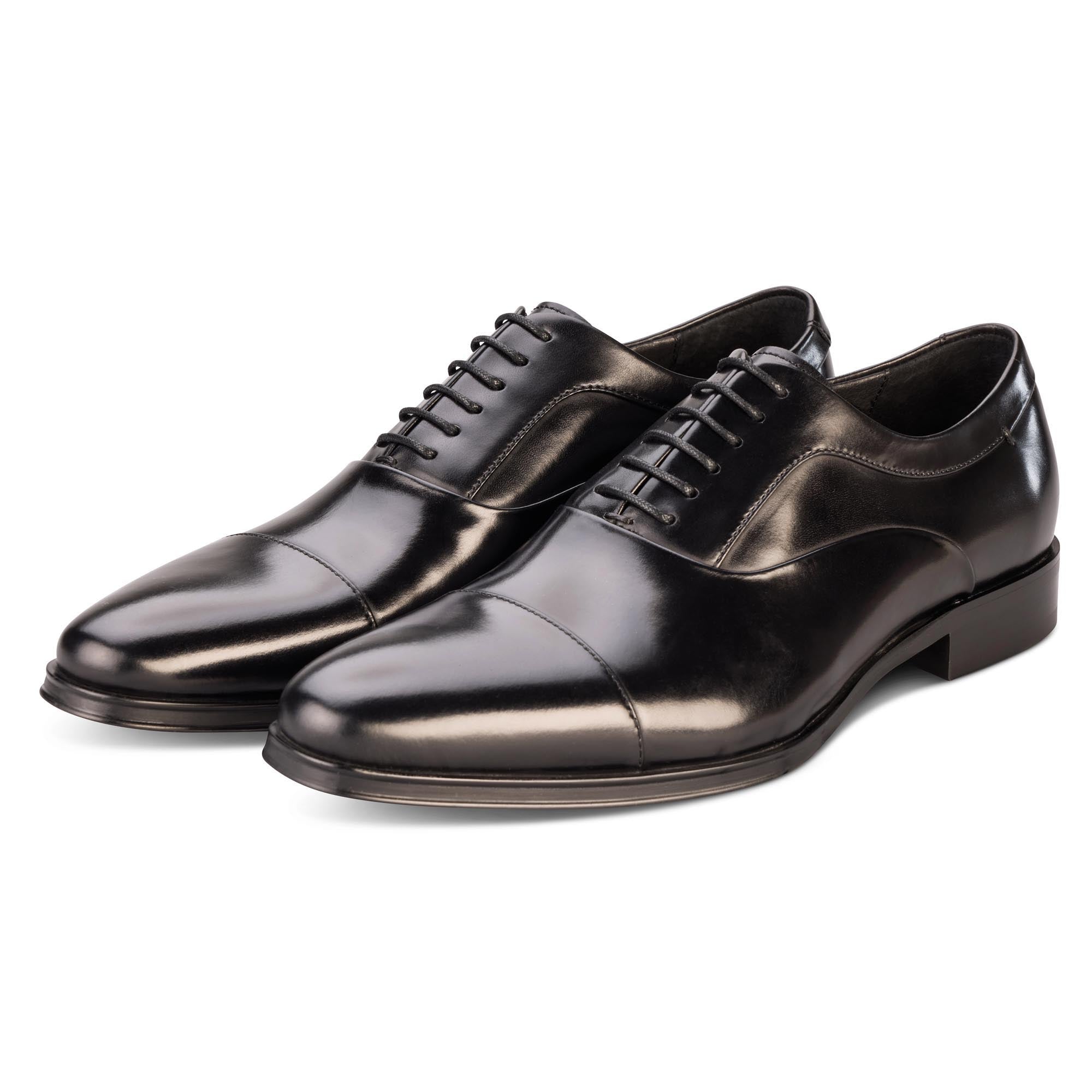
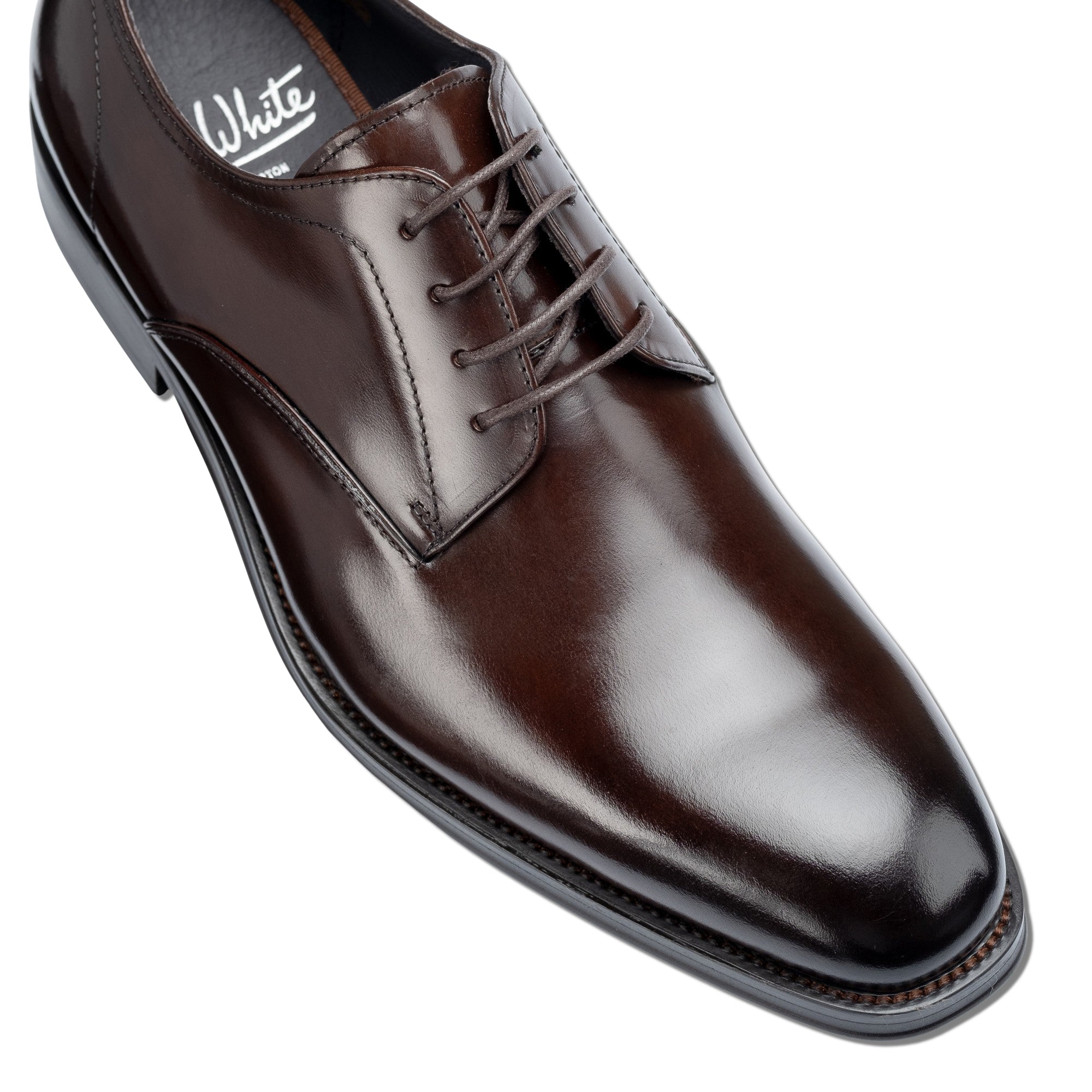
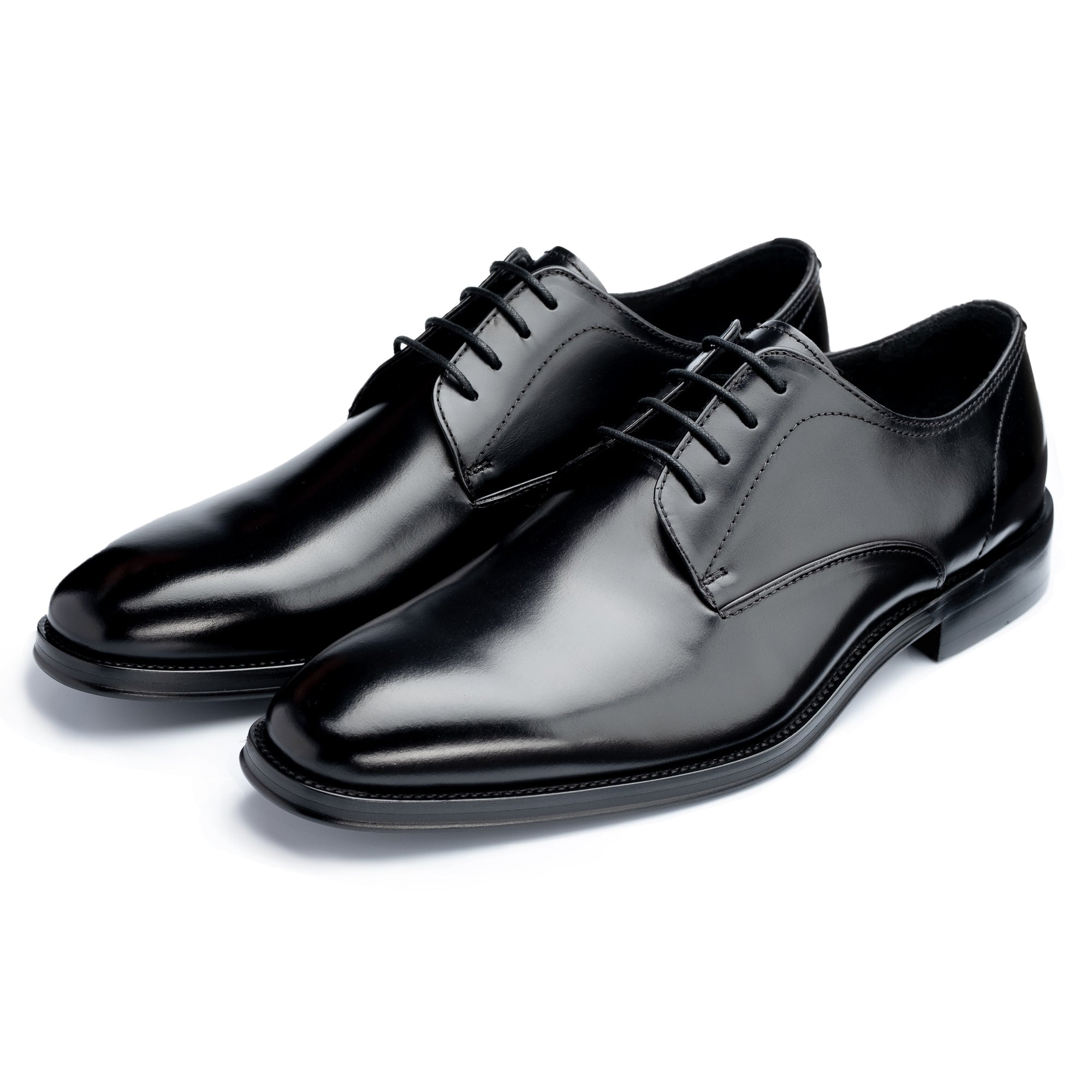
Heel wear is the most common form of deterioration on a leather dress shoe, and the most preventable. Every pair in your rotation — whether from John White Shoes, Loake, Church's, Grenson, Barker, or Crockett & Jones — is subject to the same mechanical reality: the heel tip is a consumable component that must be maintained on a regular schedule. Understanding how to assess, repair, and prevent leather shoe heel wear is the foundation of any serious shoe care practice.
What Is Leather Shoe Heel Wear and Why Does It Matter?
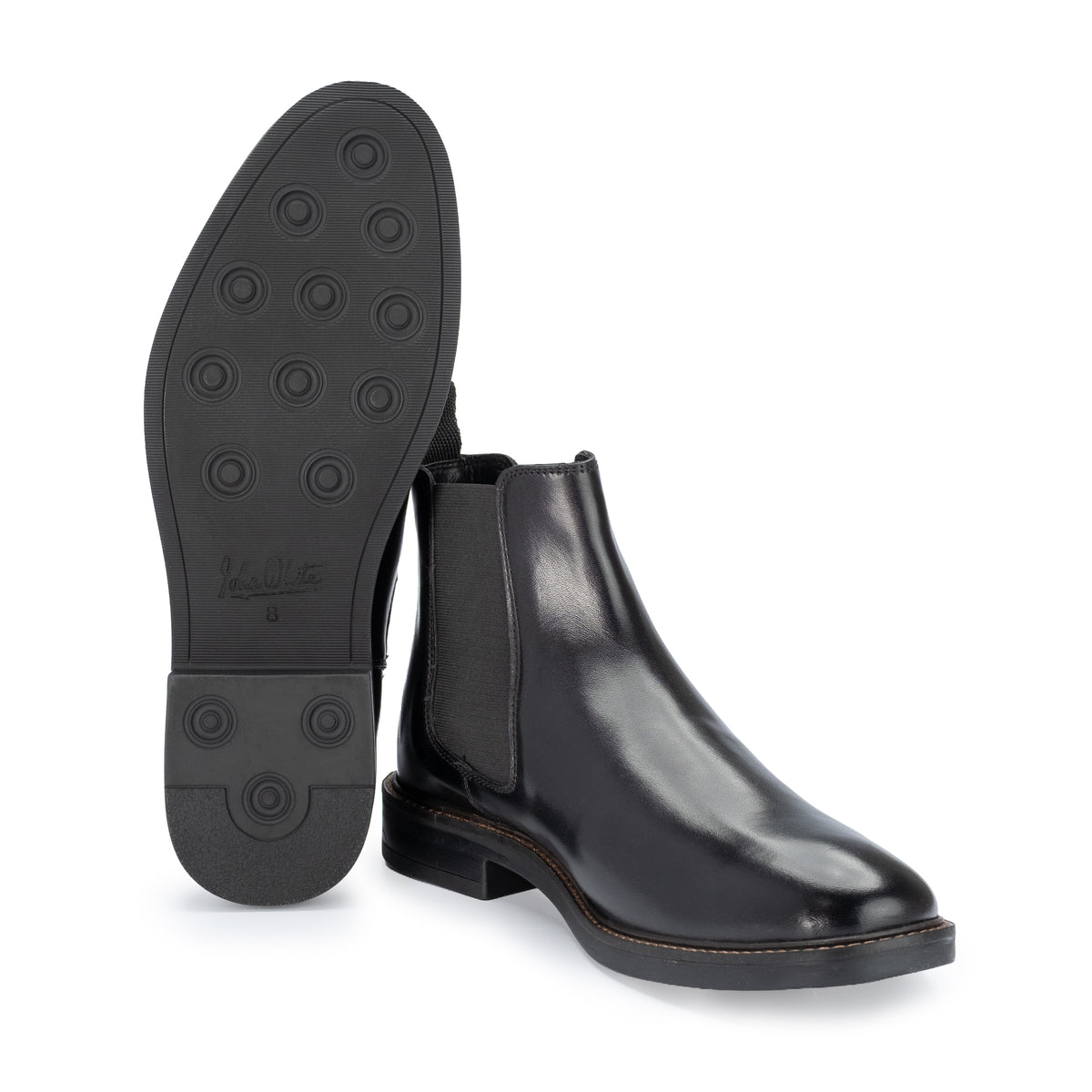
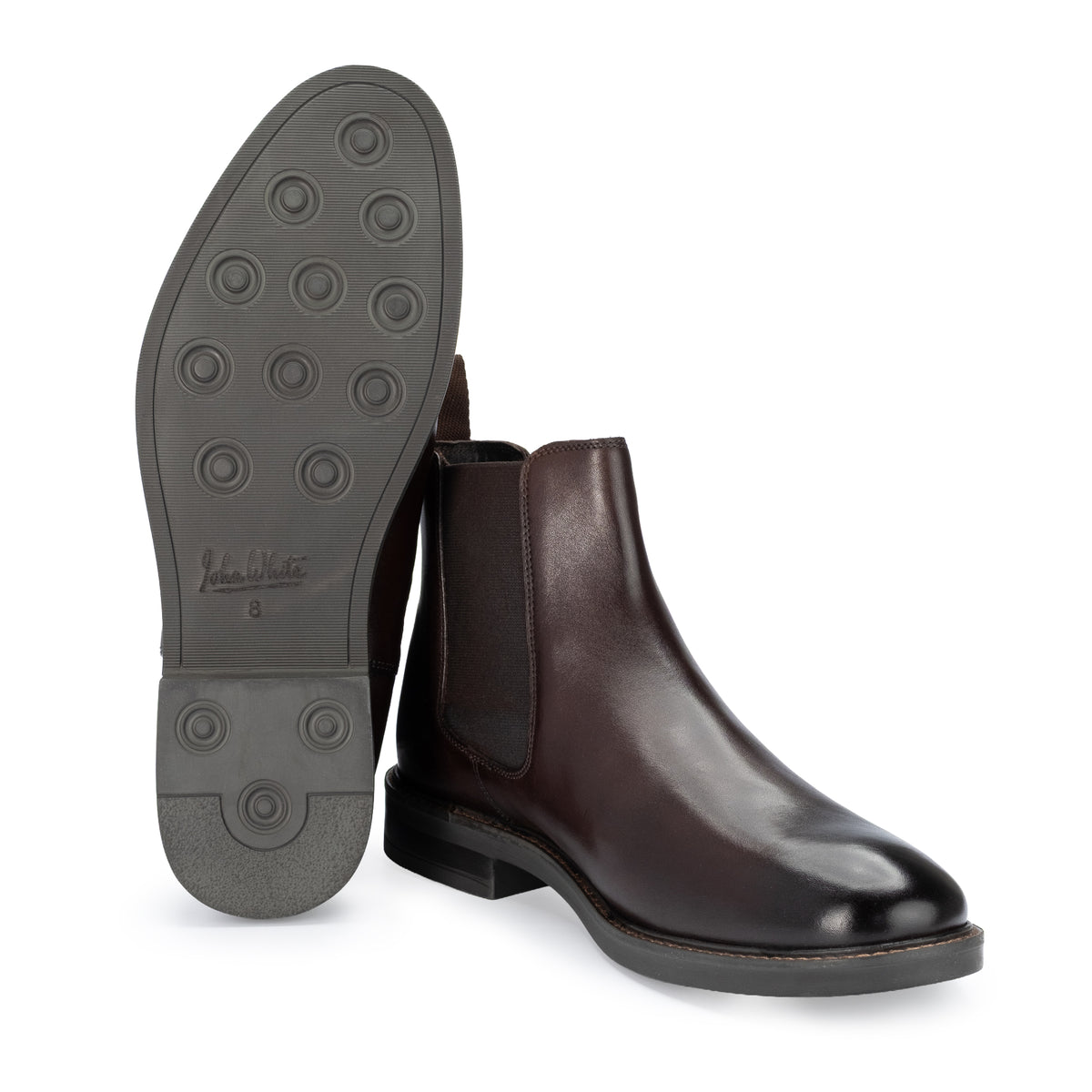
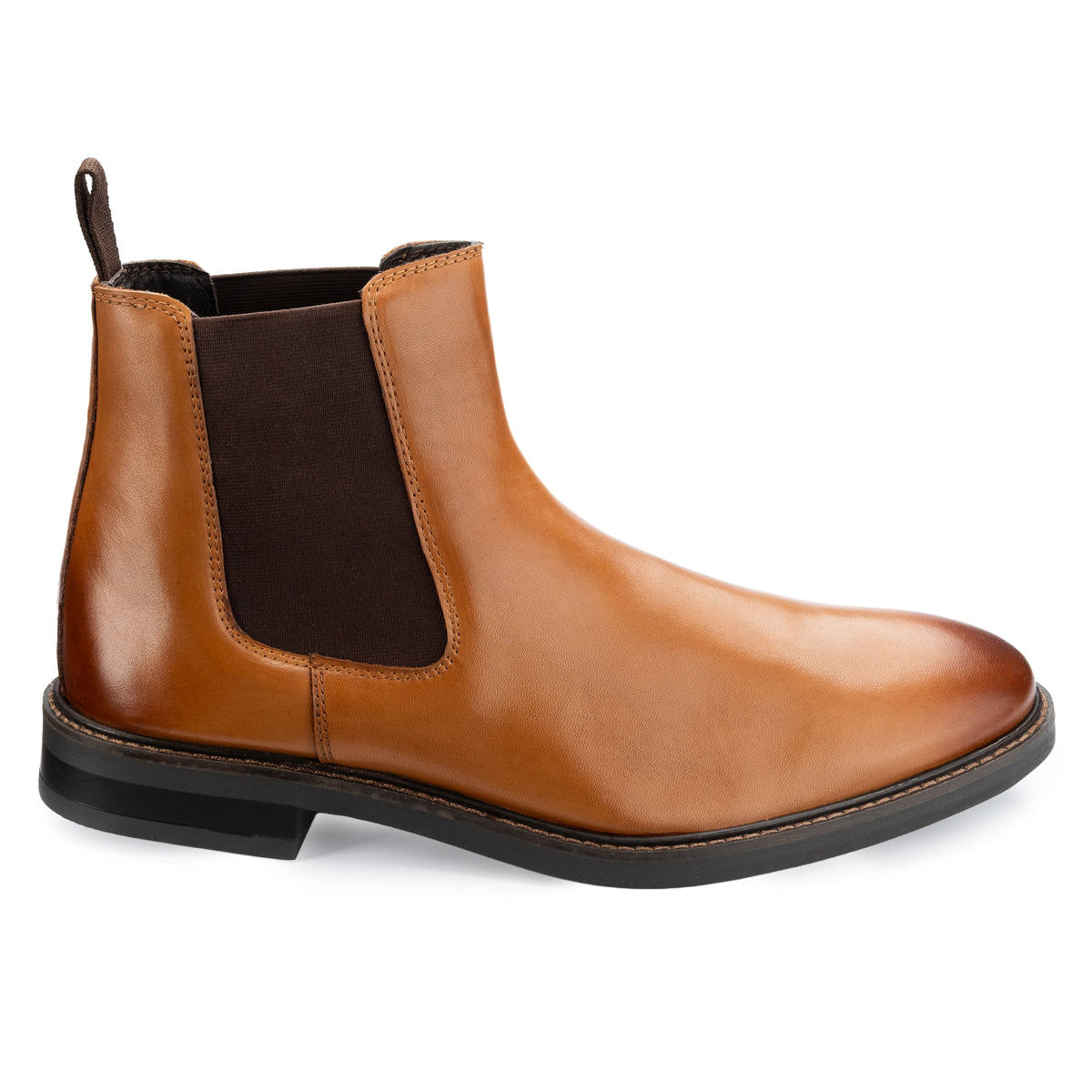
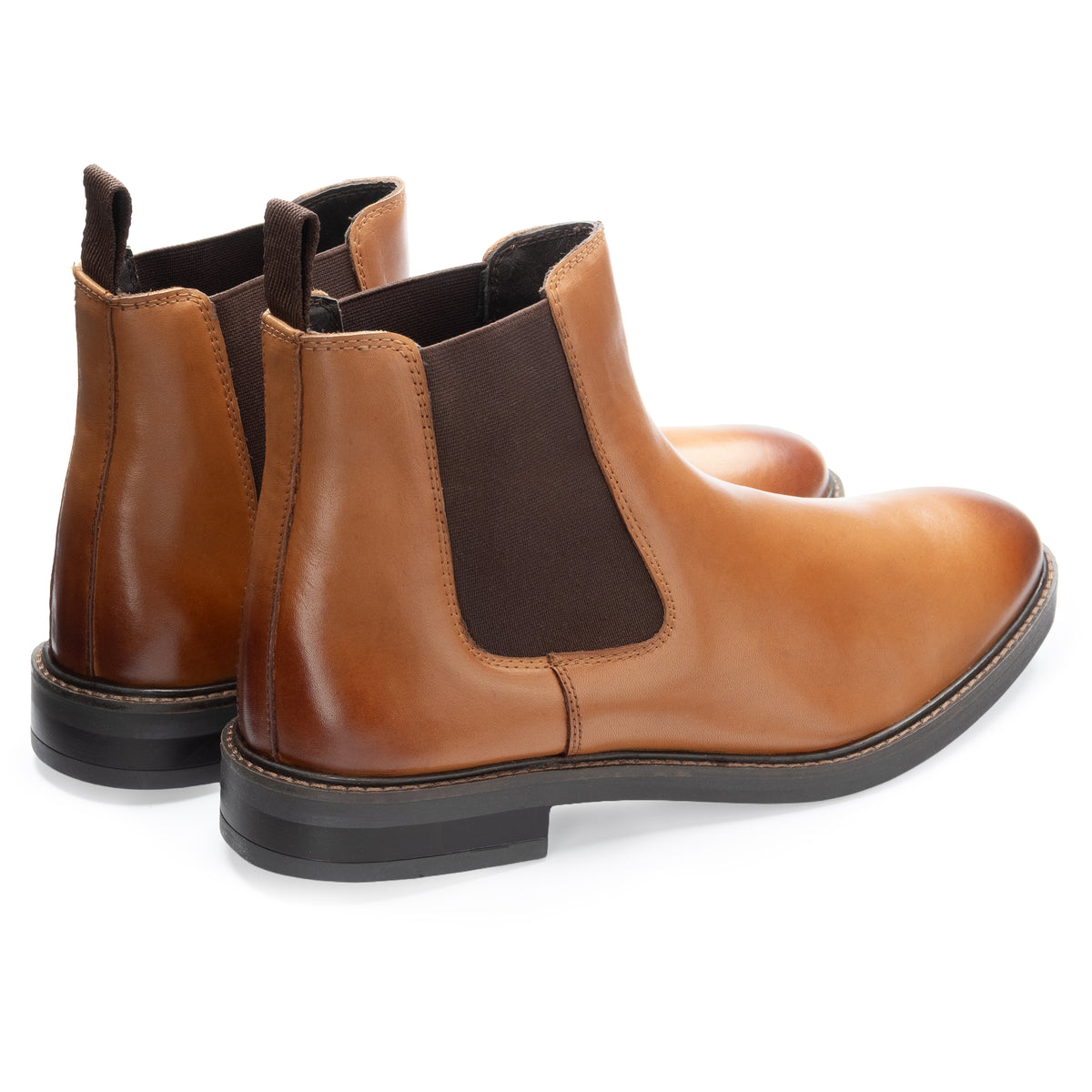
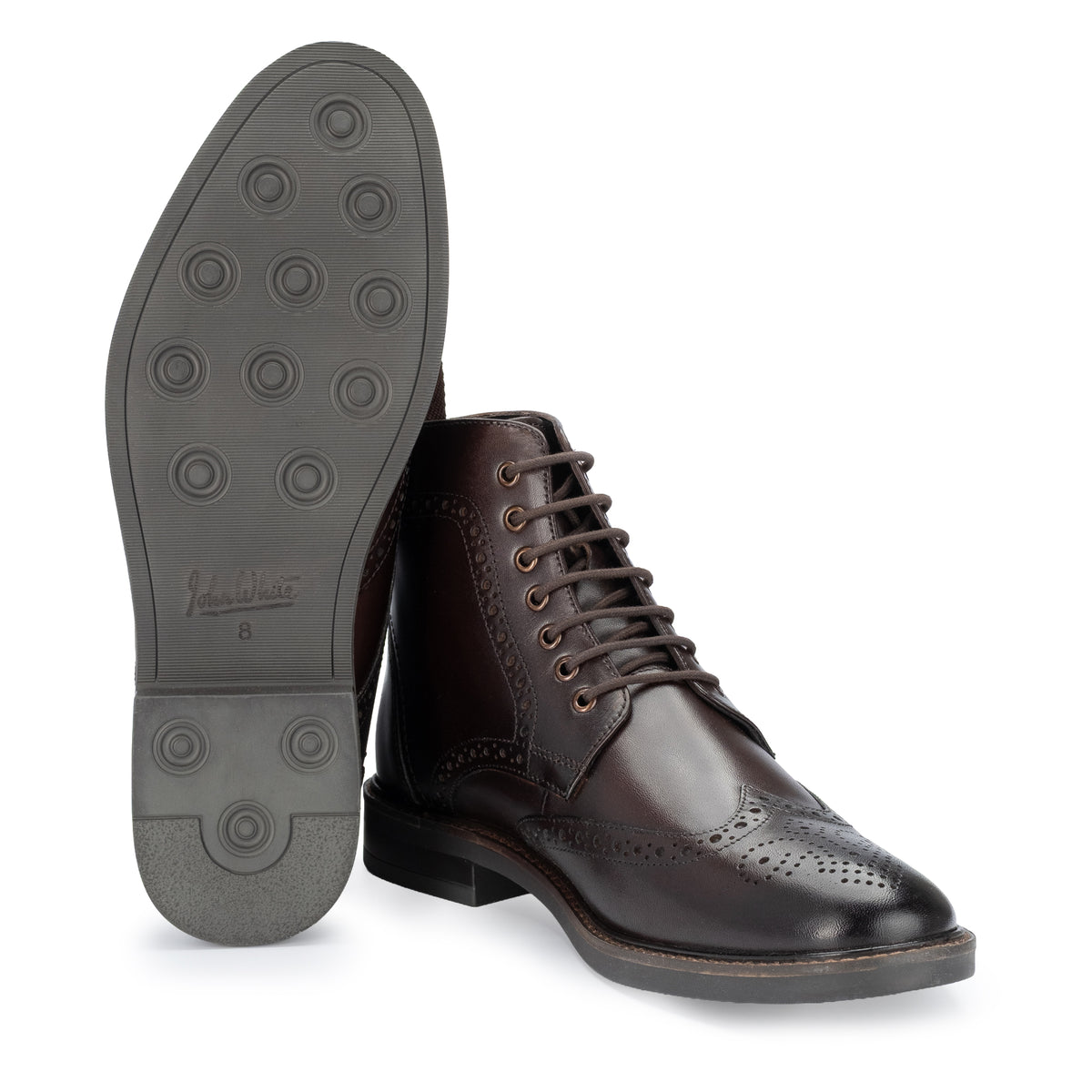
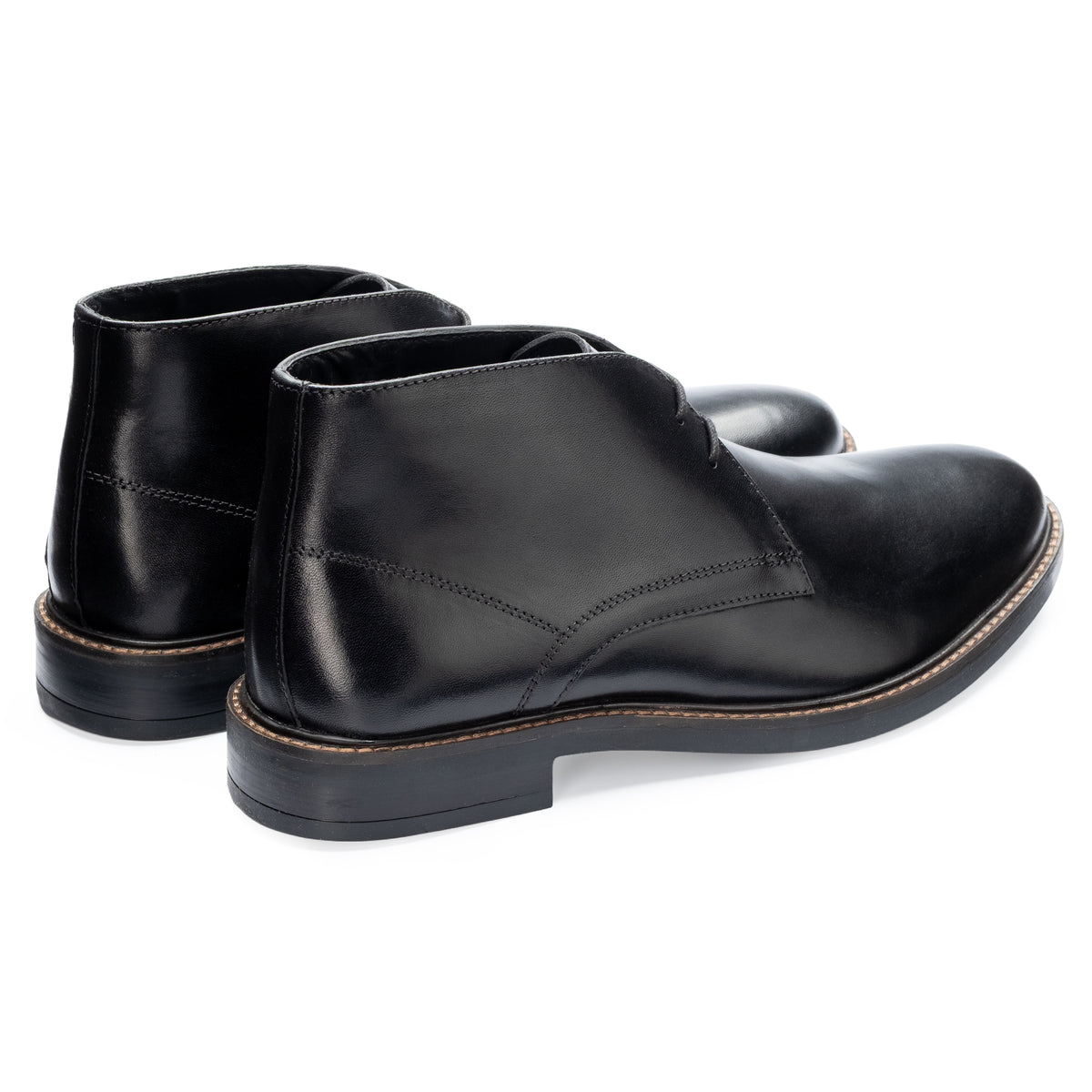
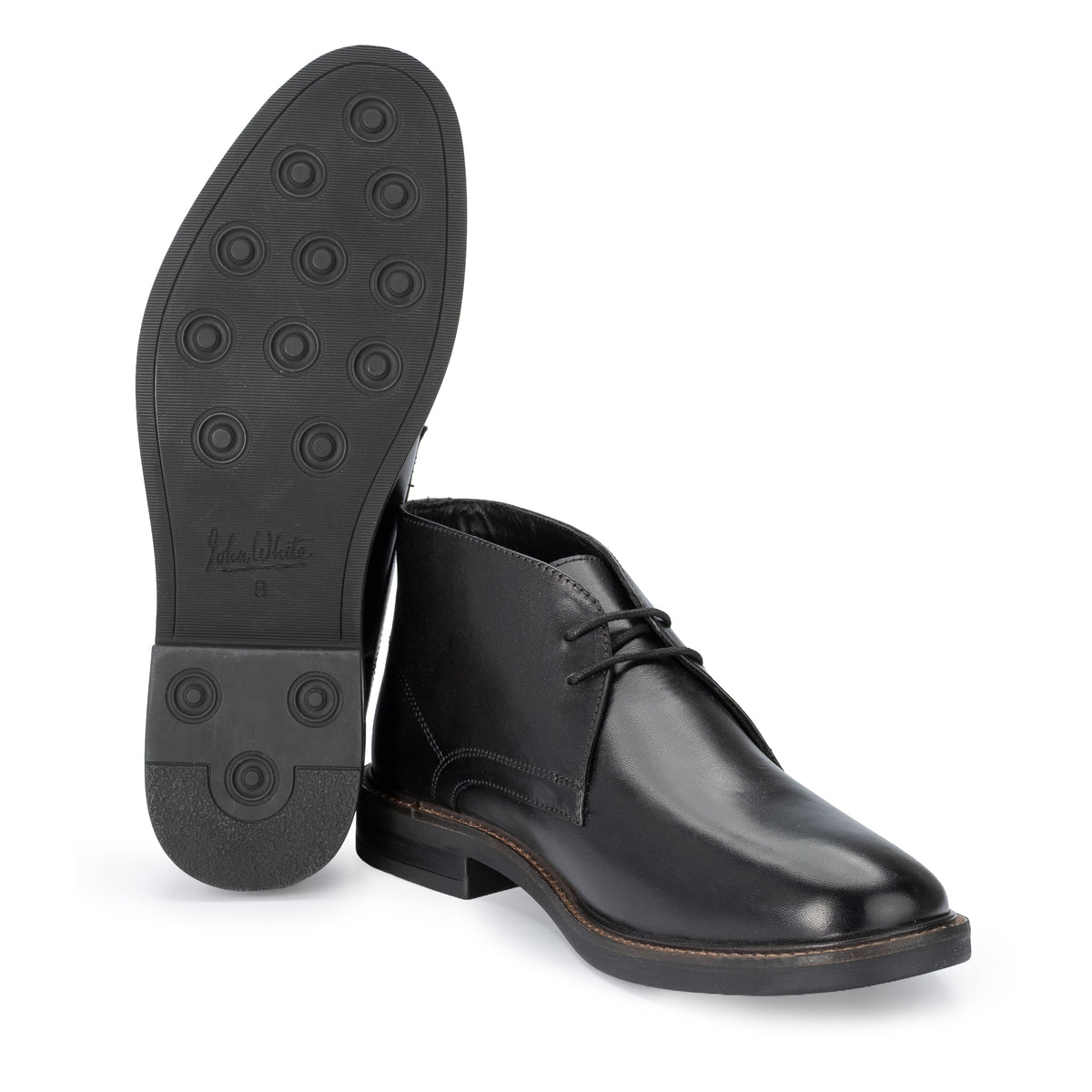
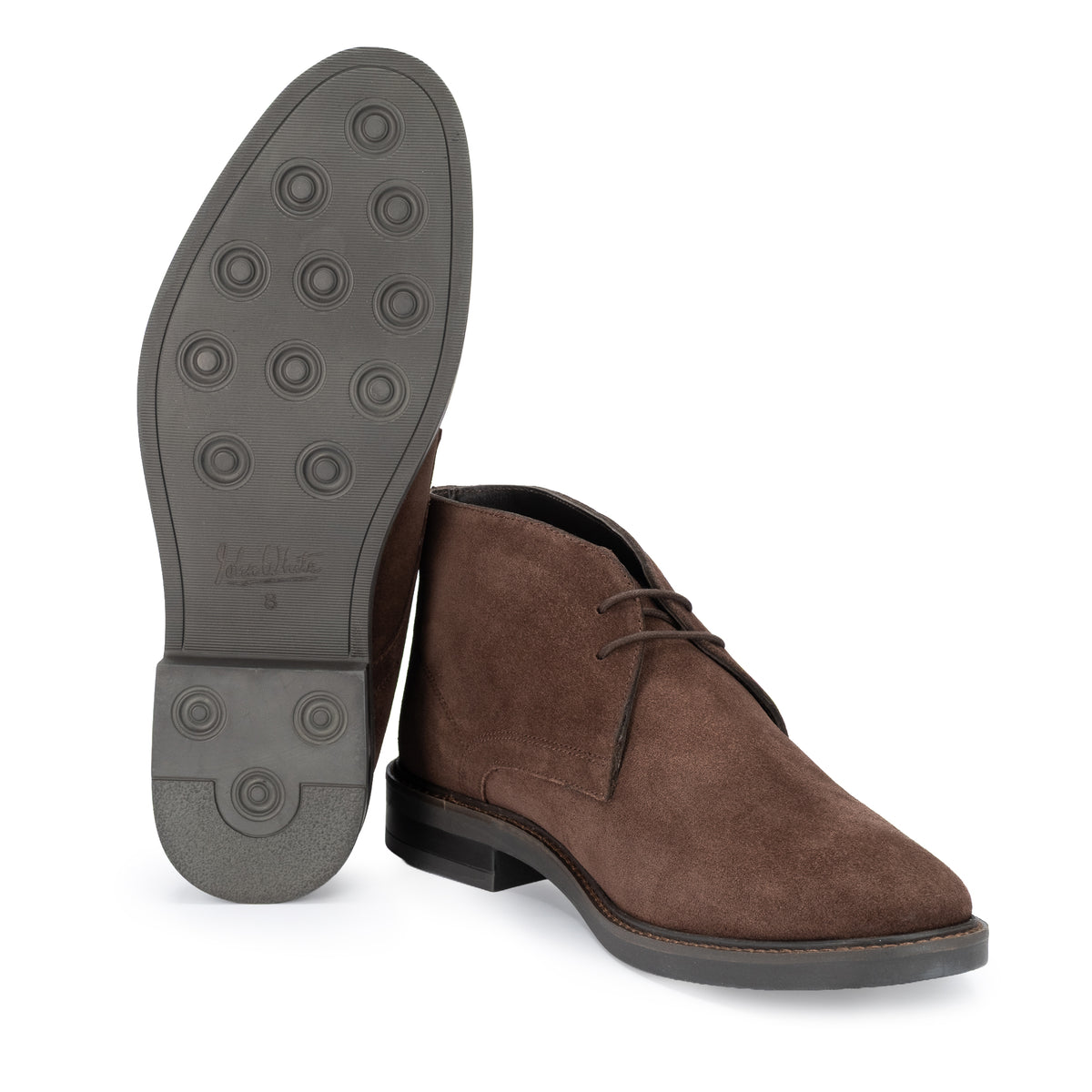
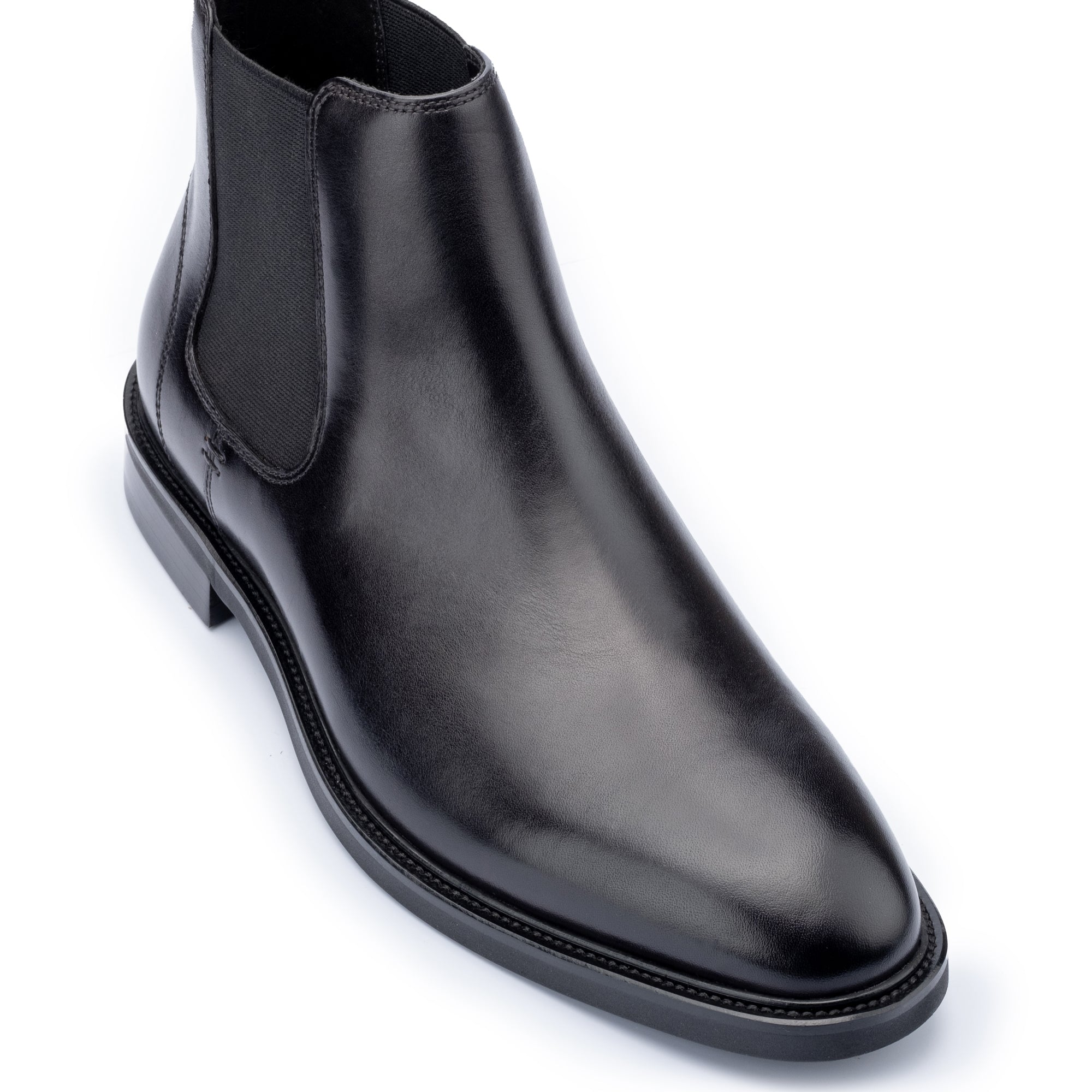
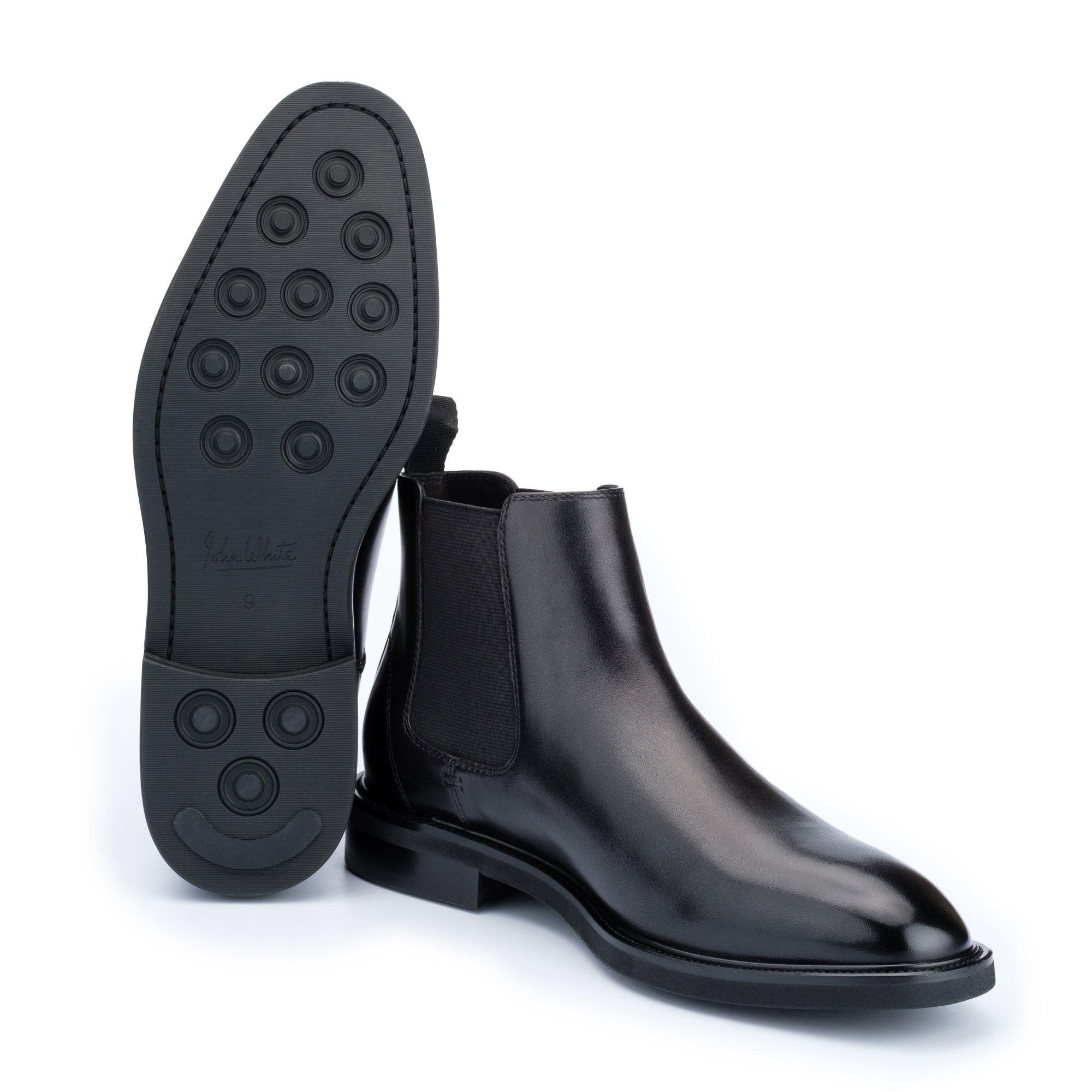
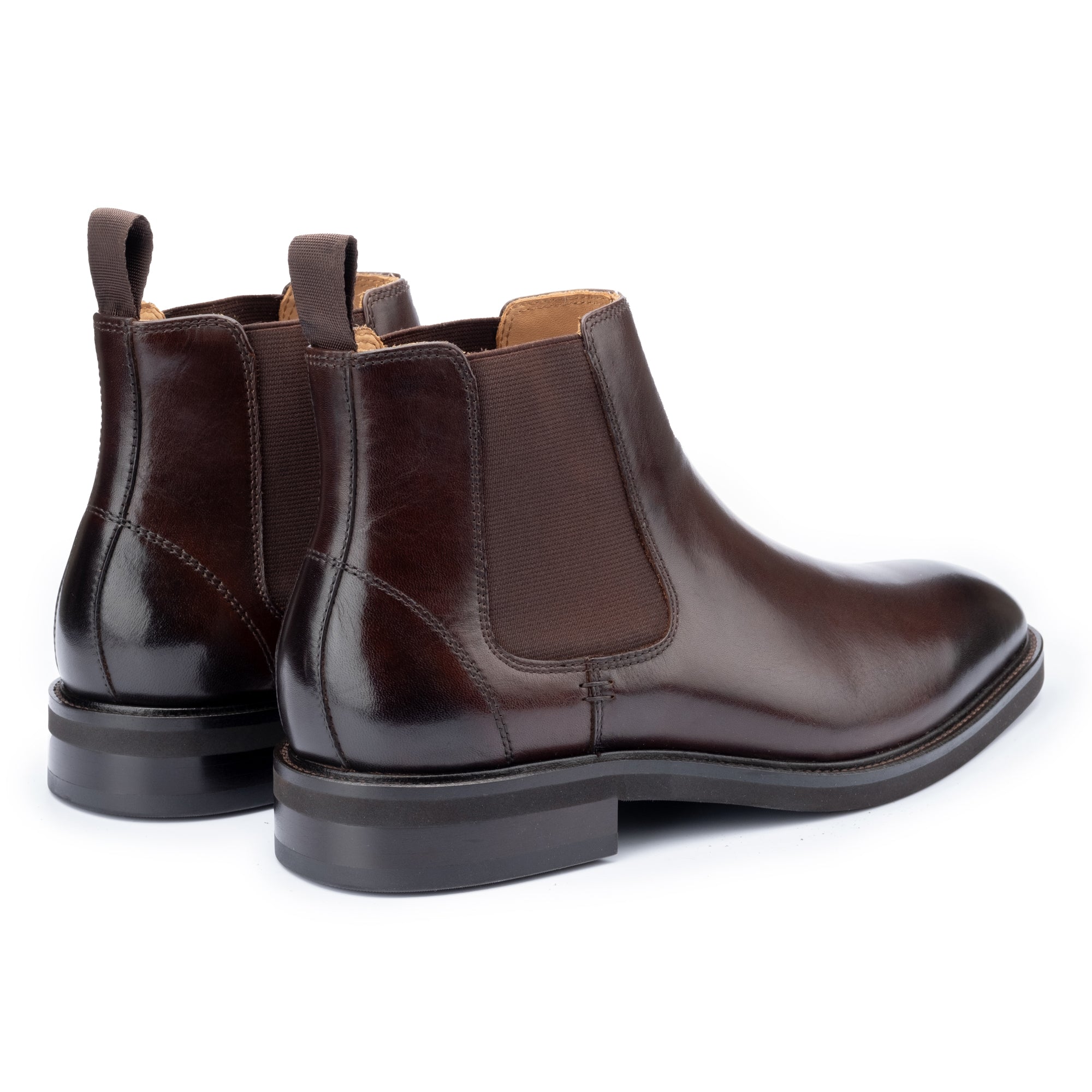
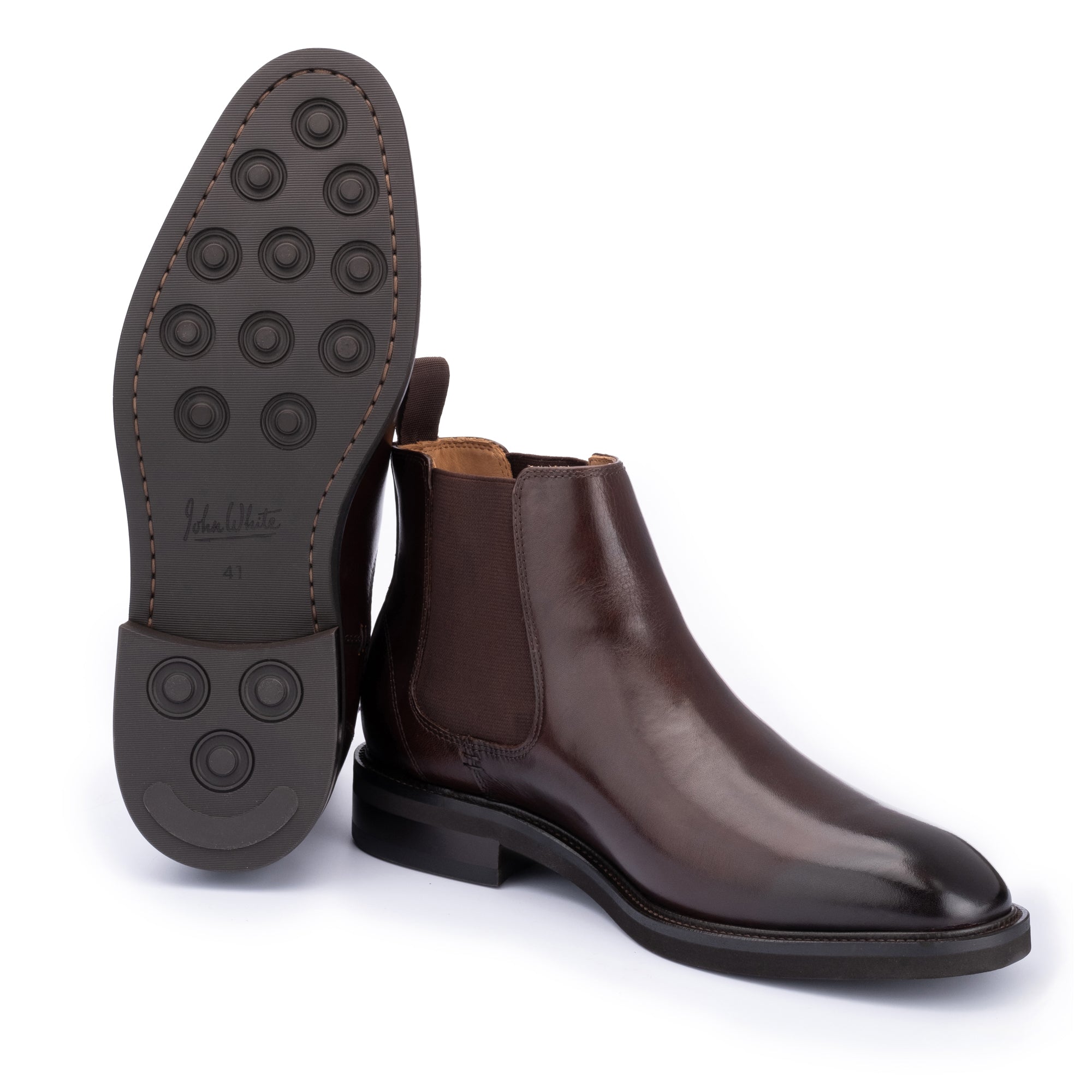
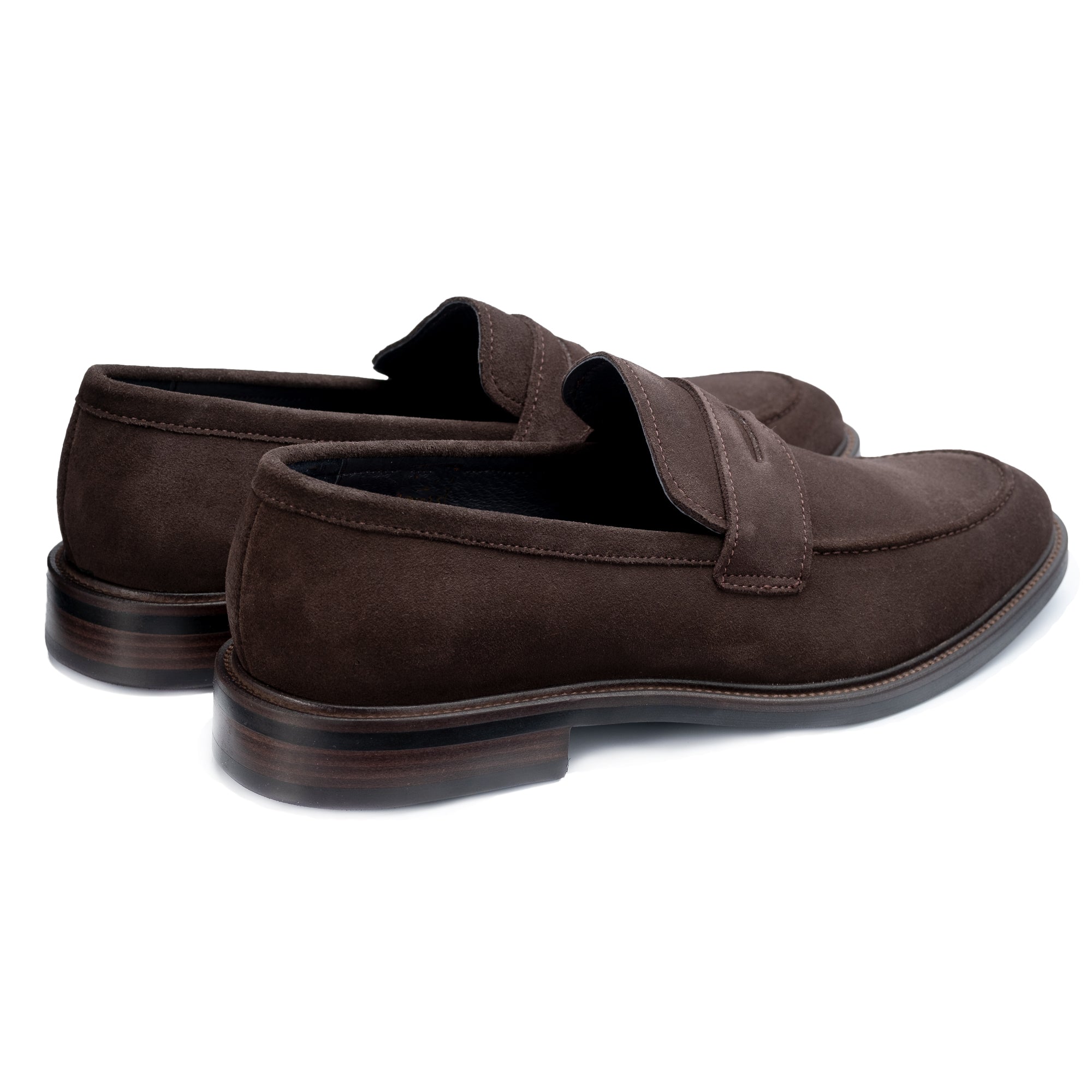
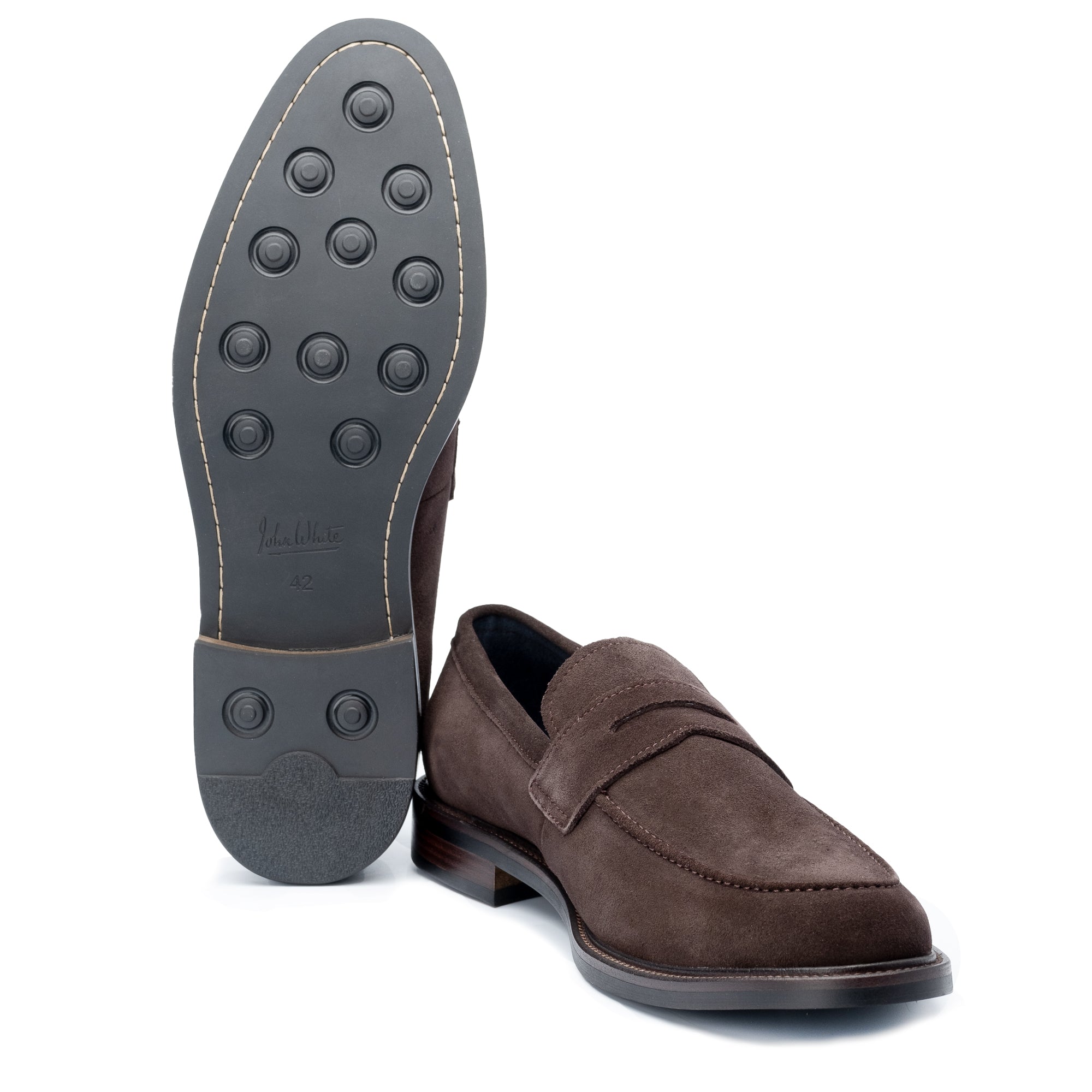
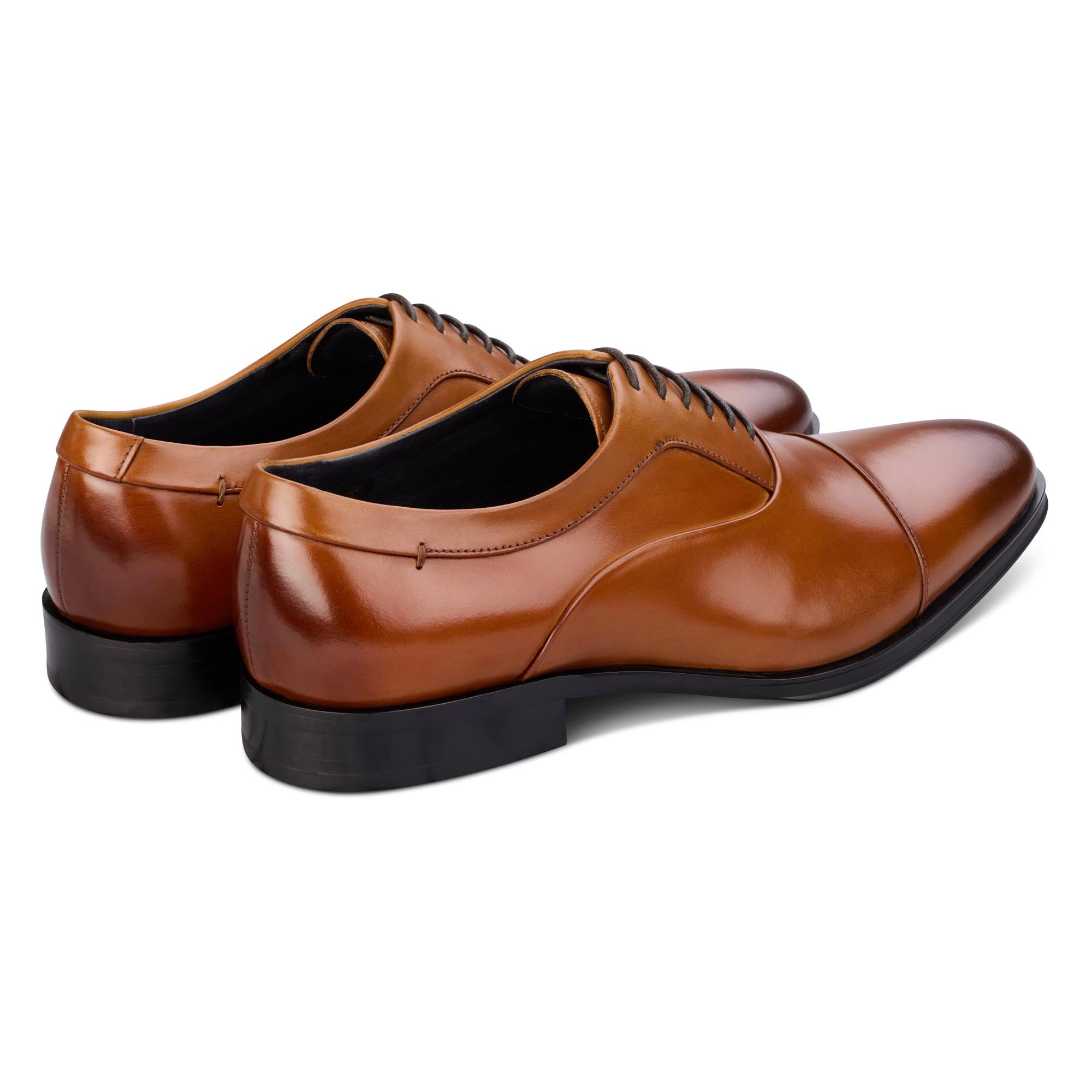
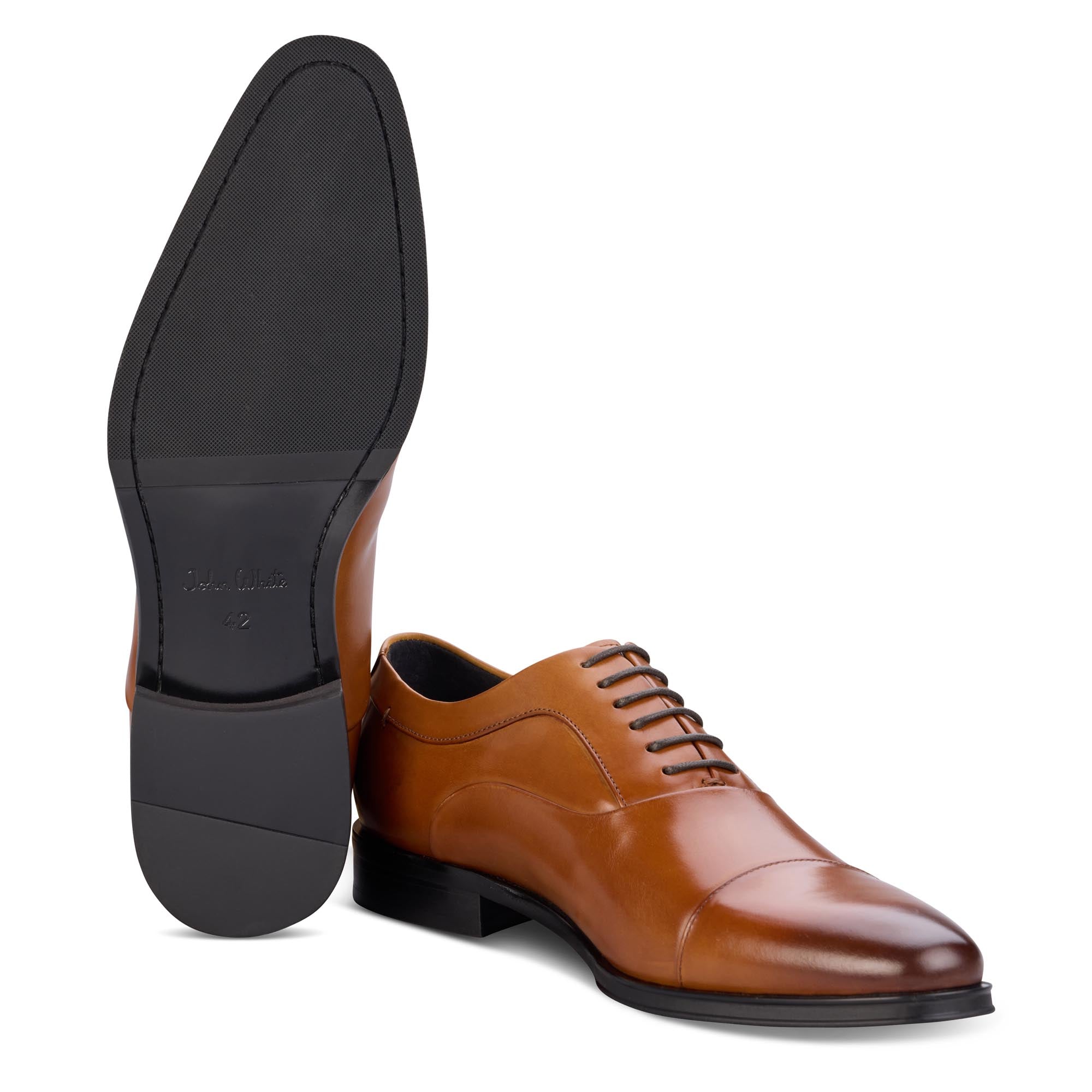
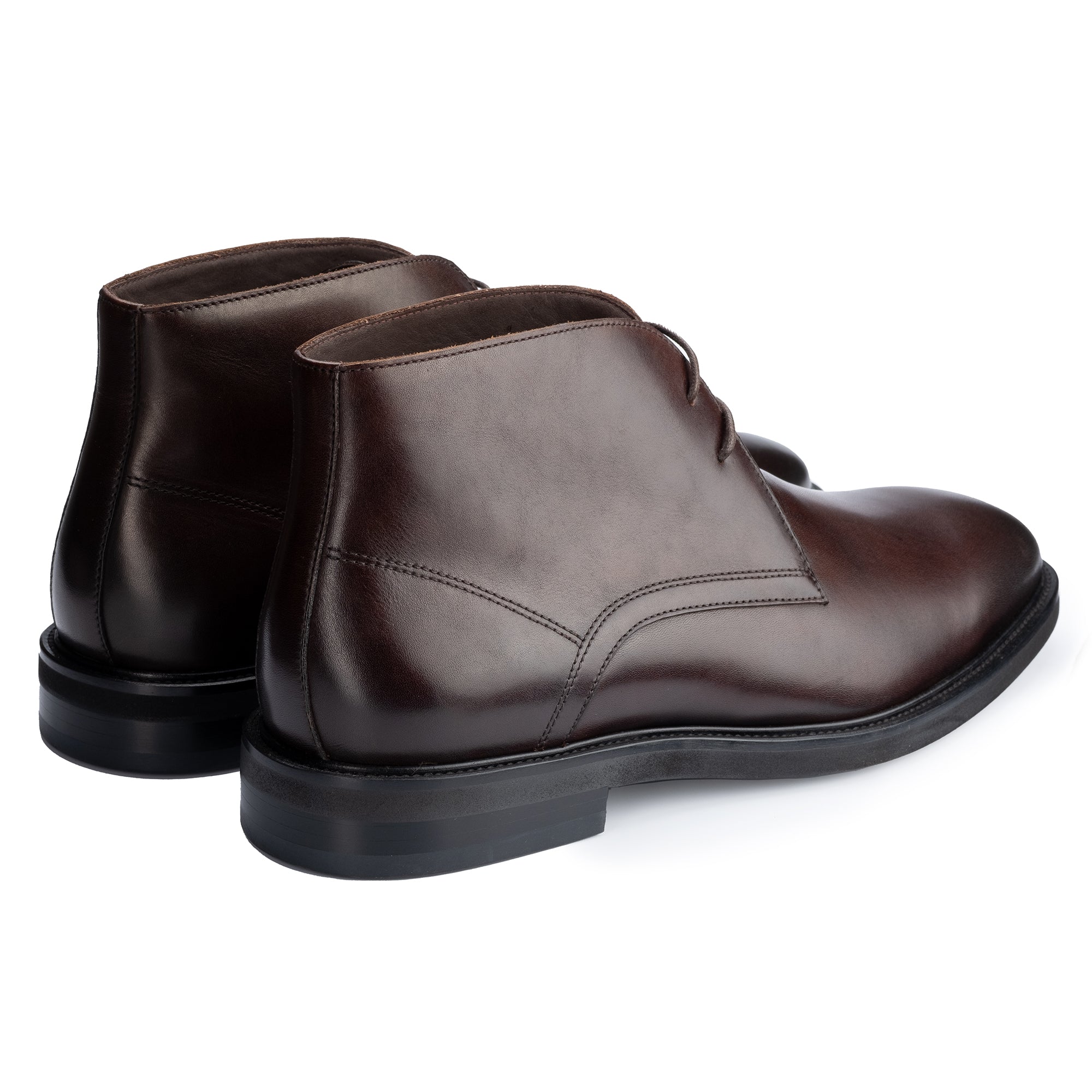
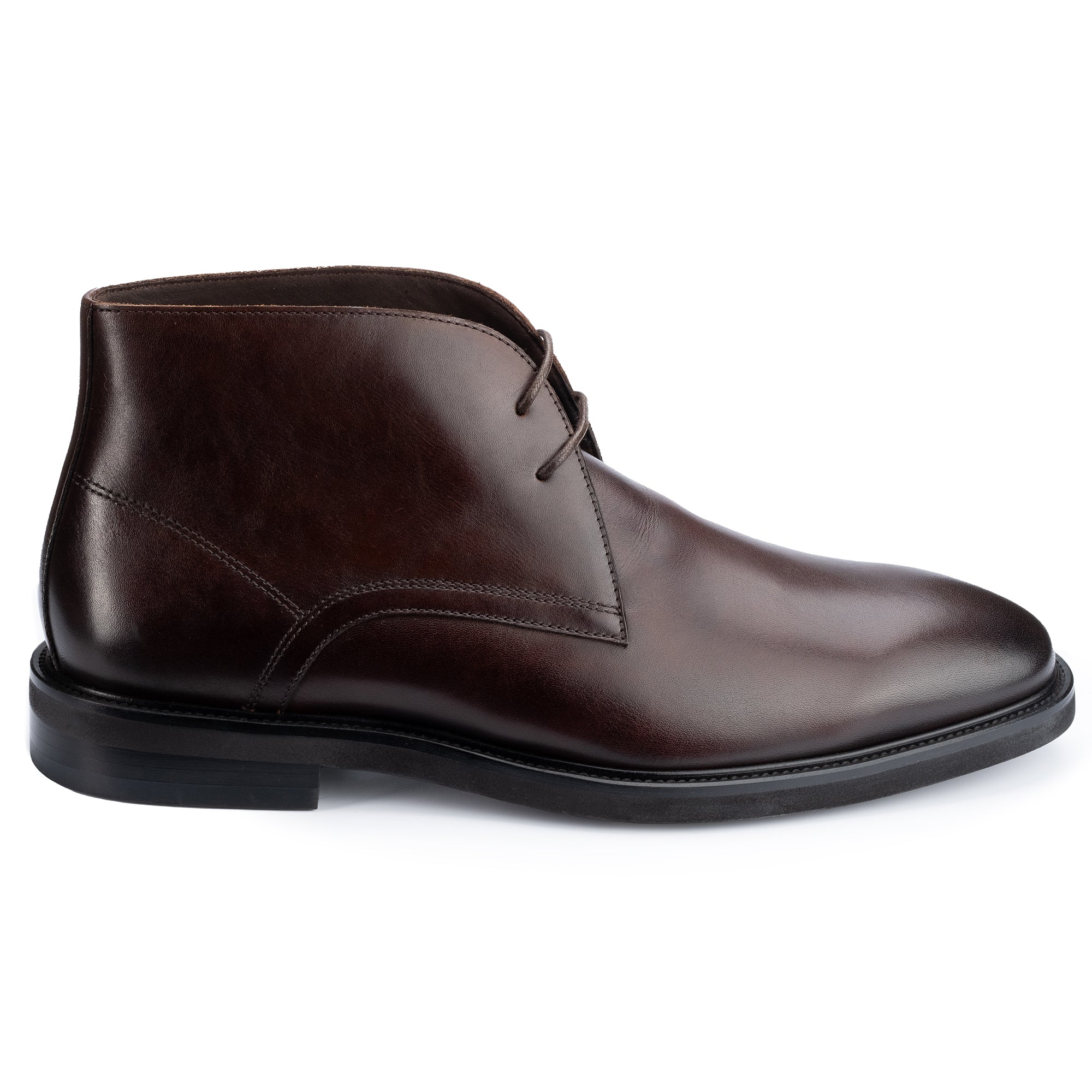
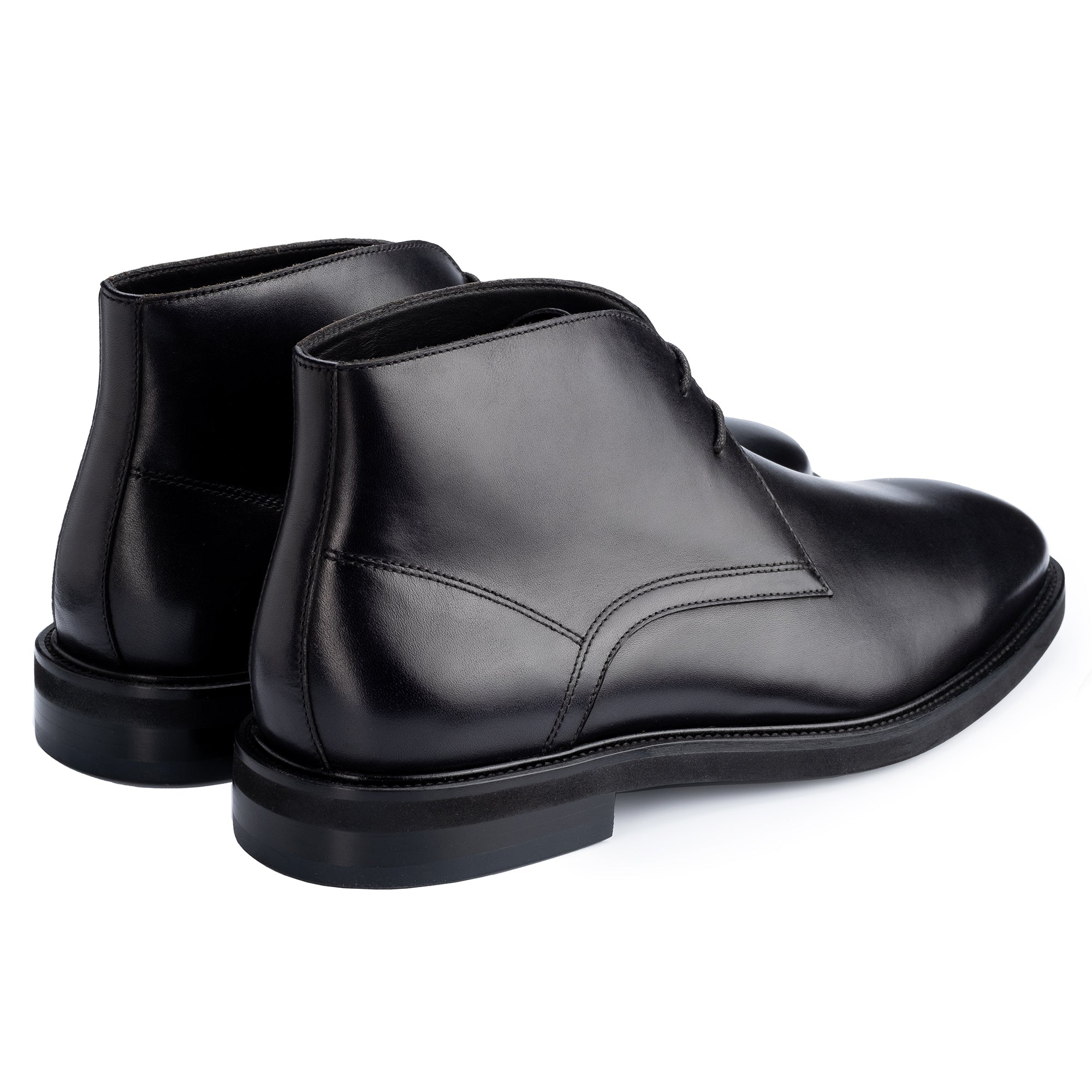
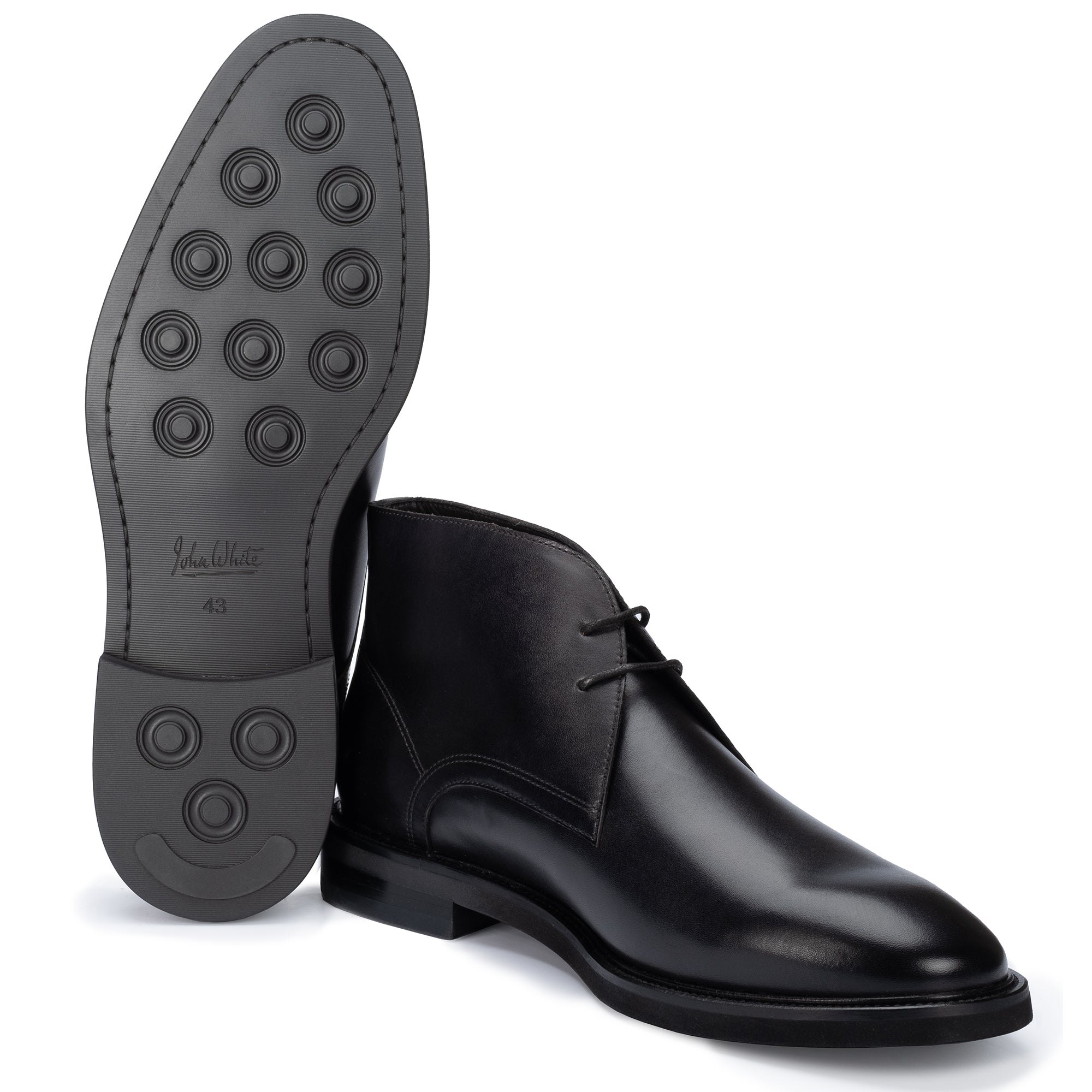
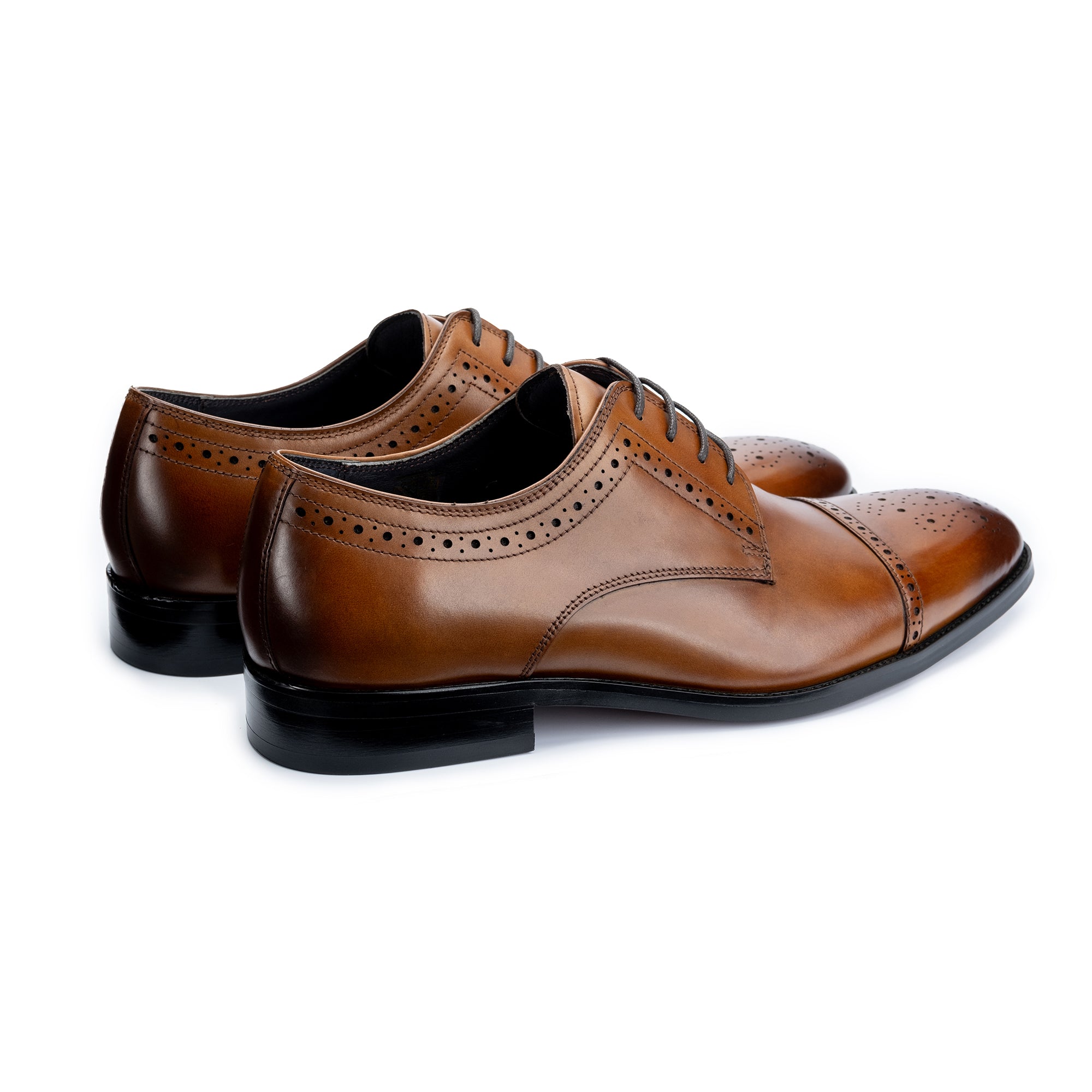
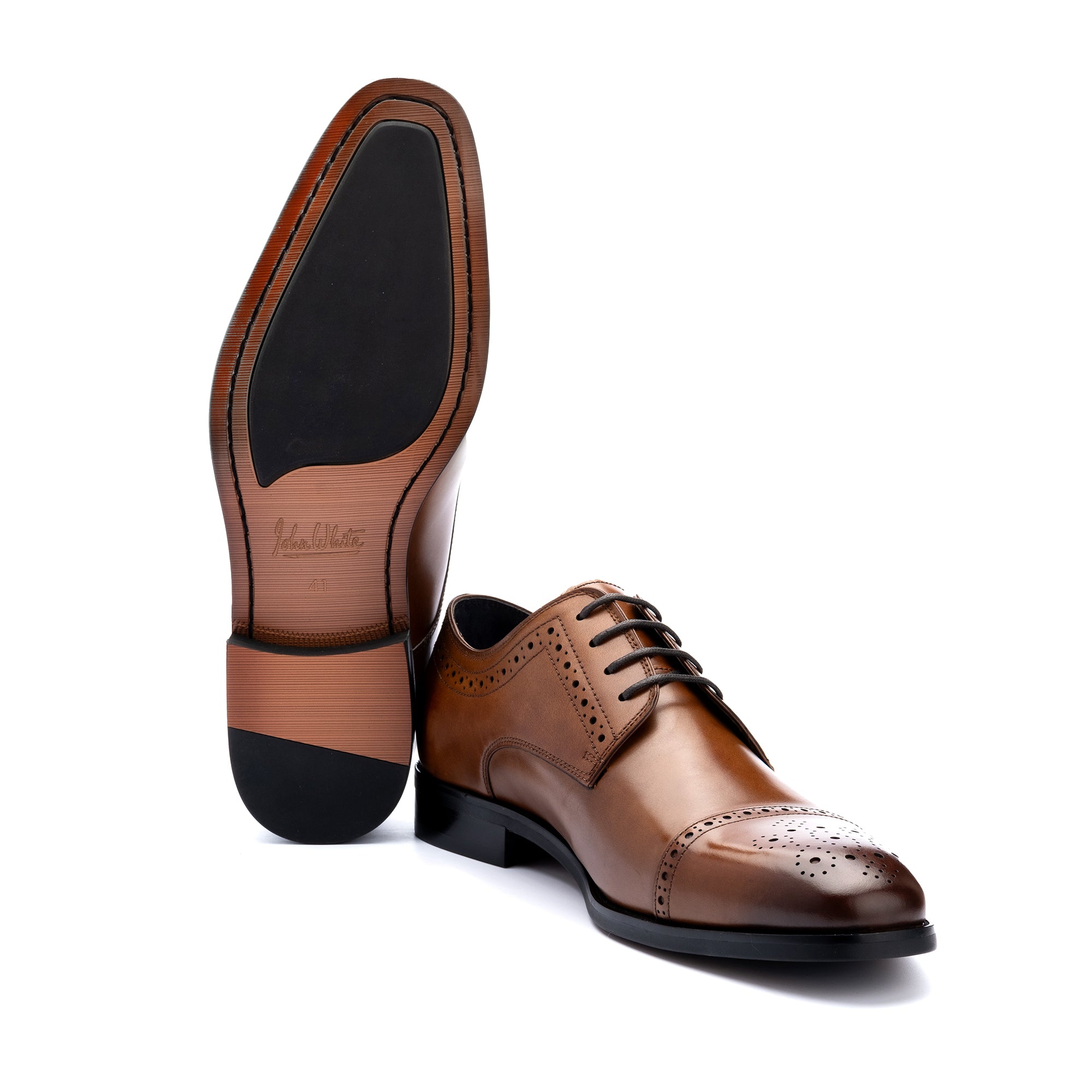
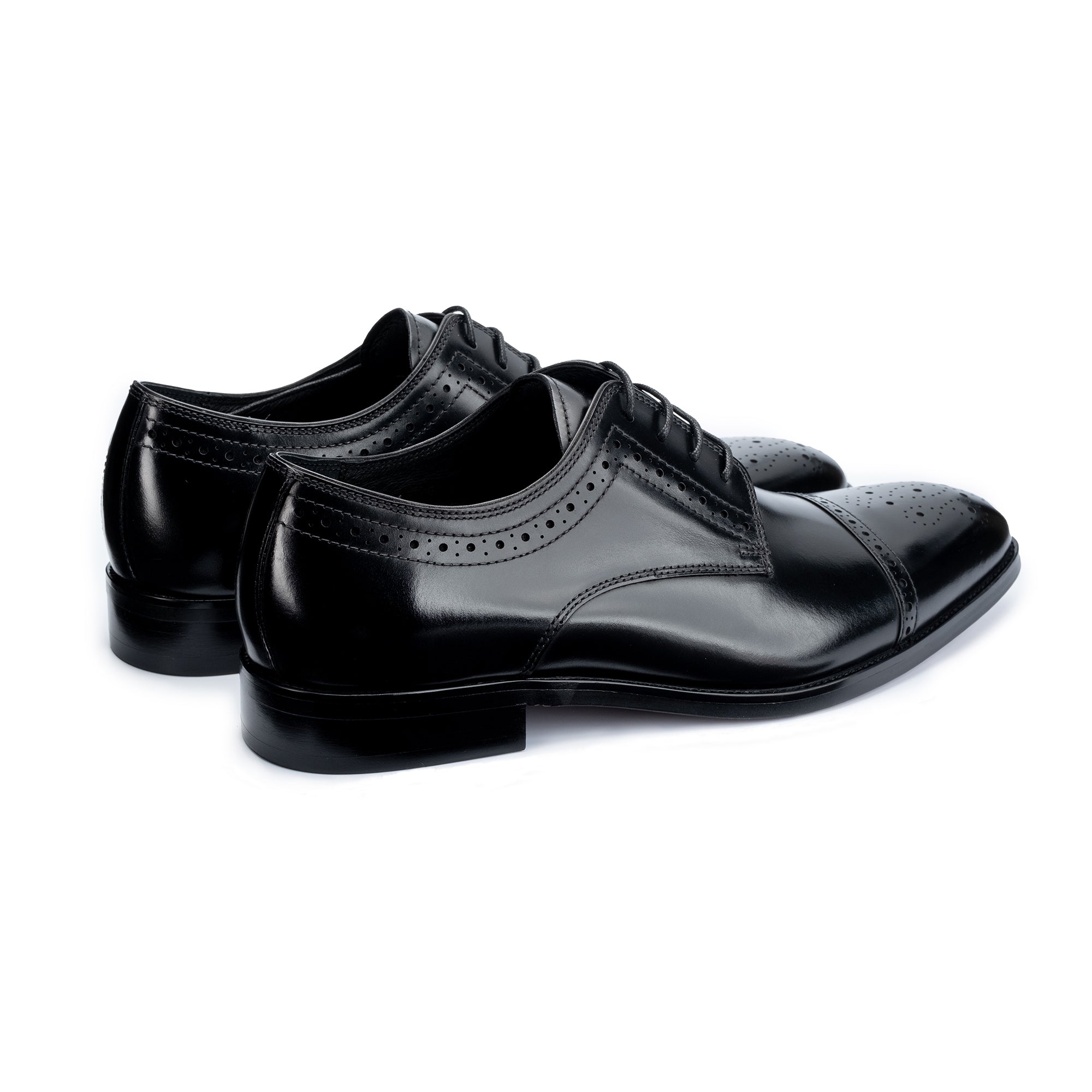
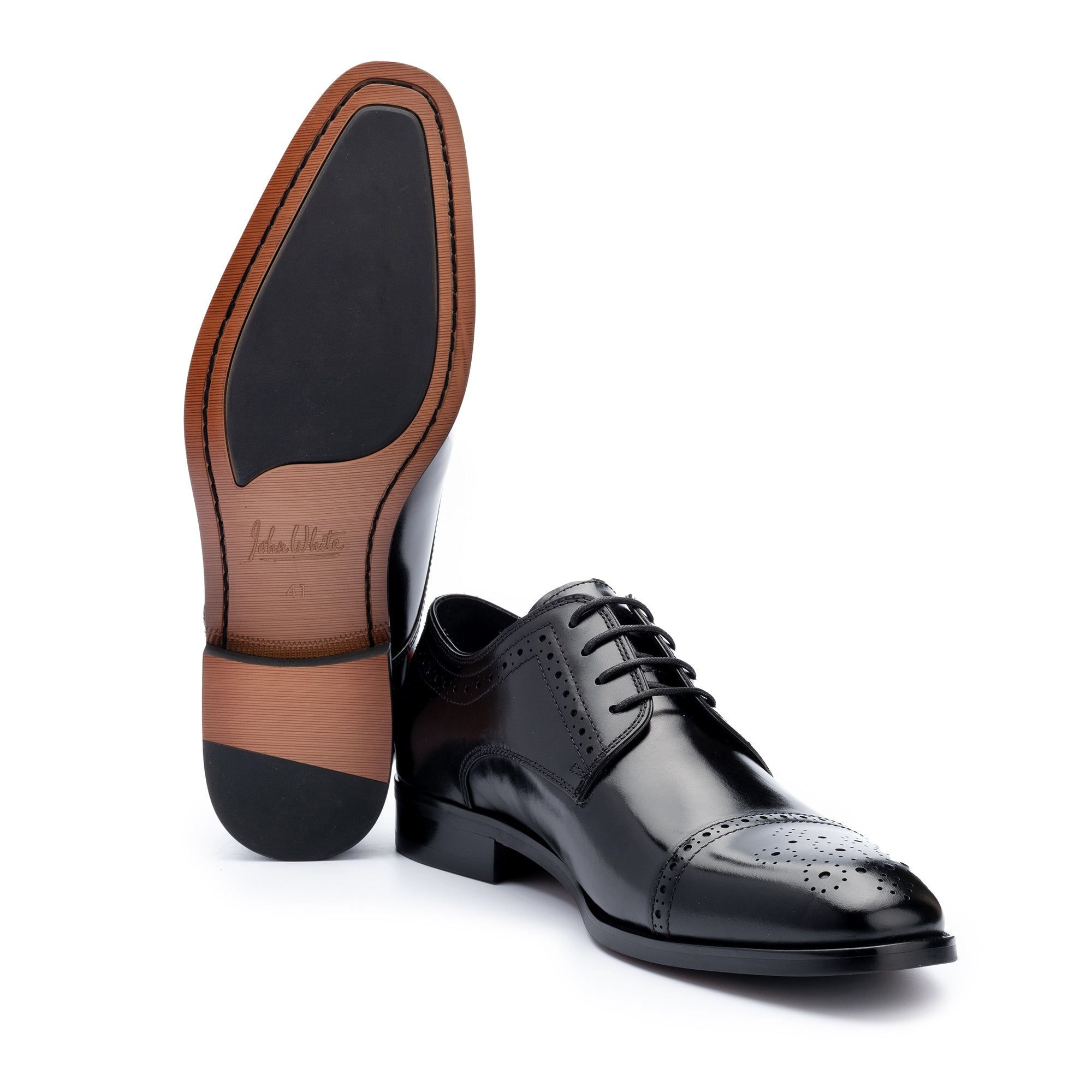
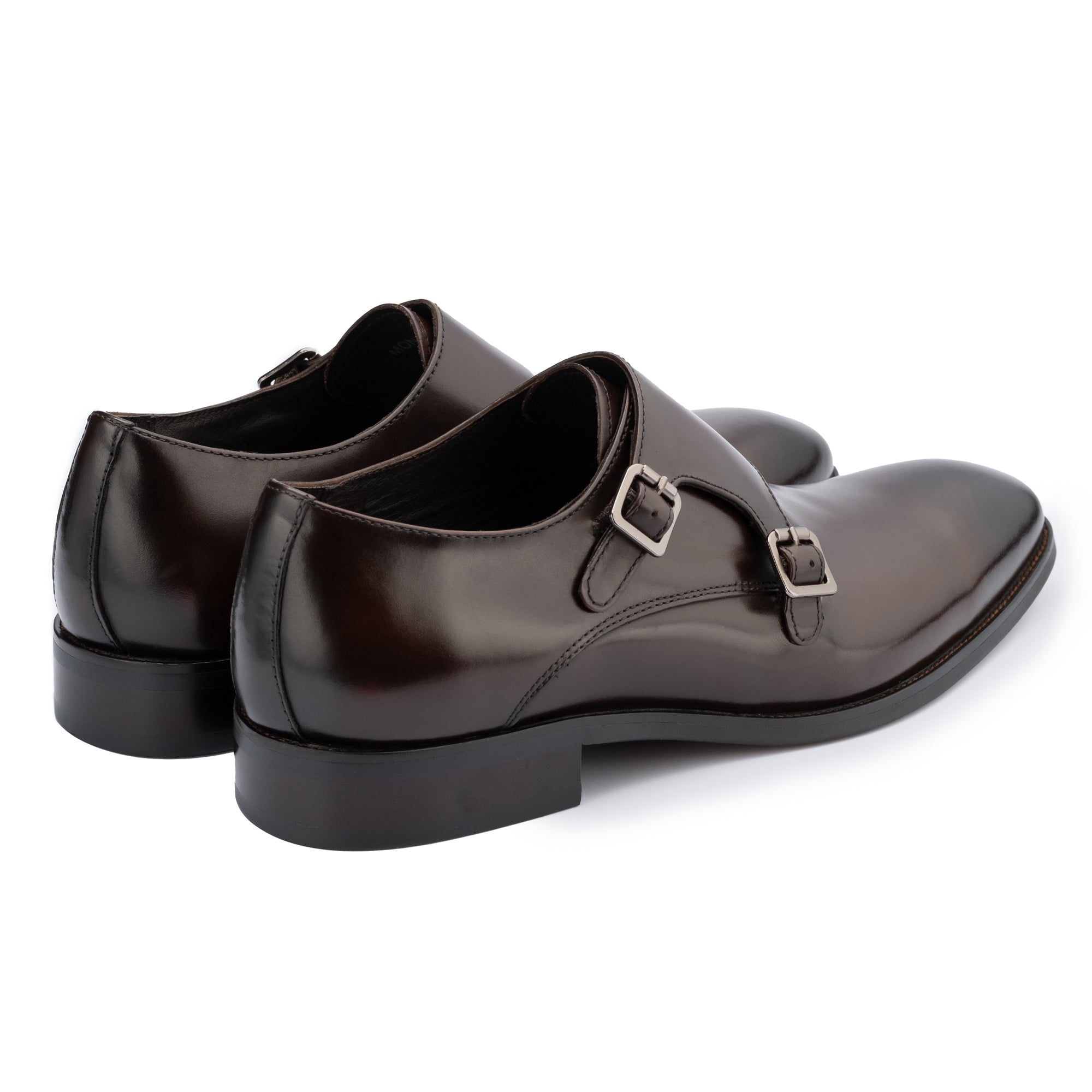
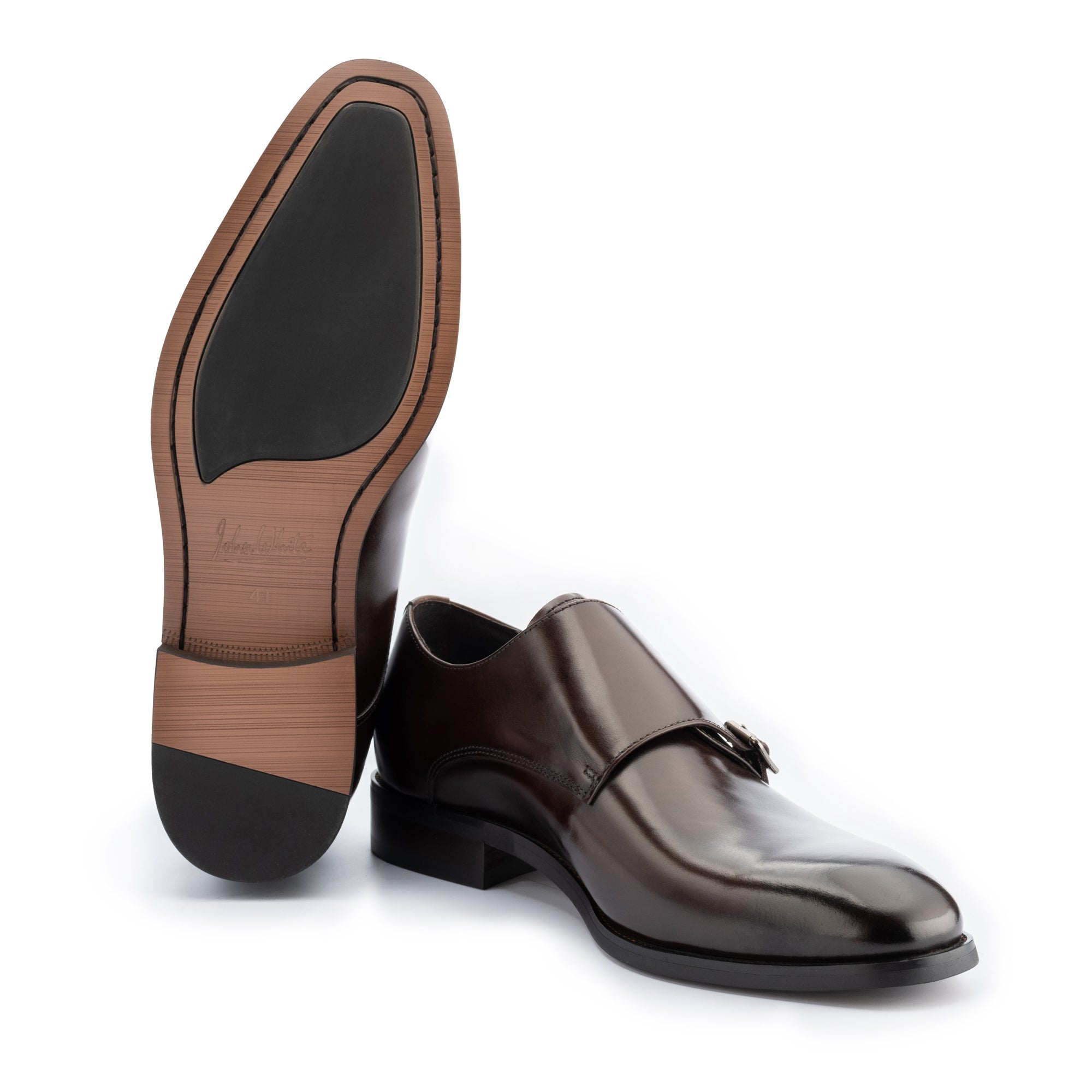
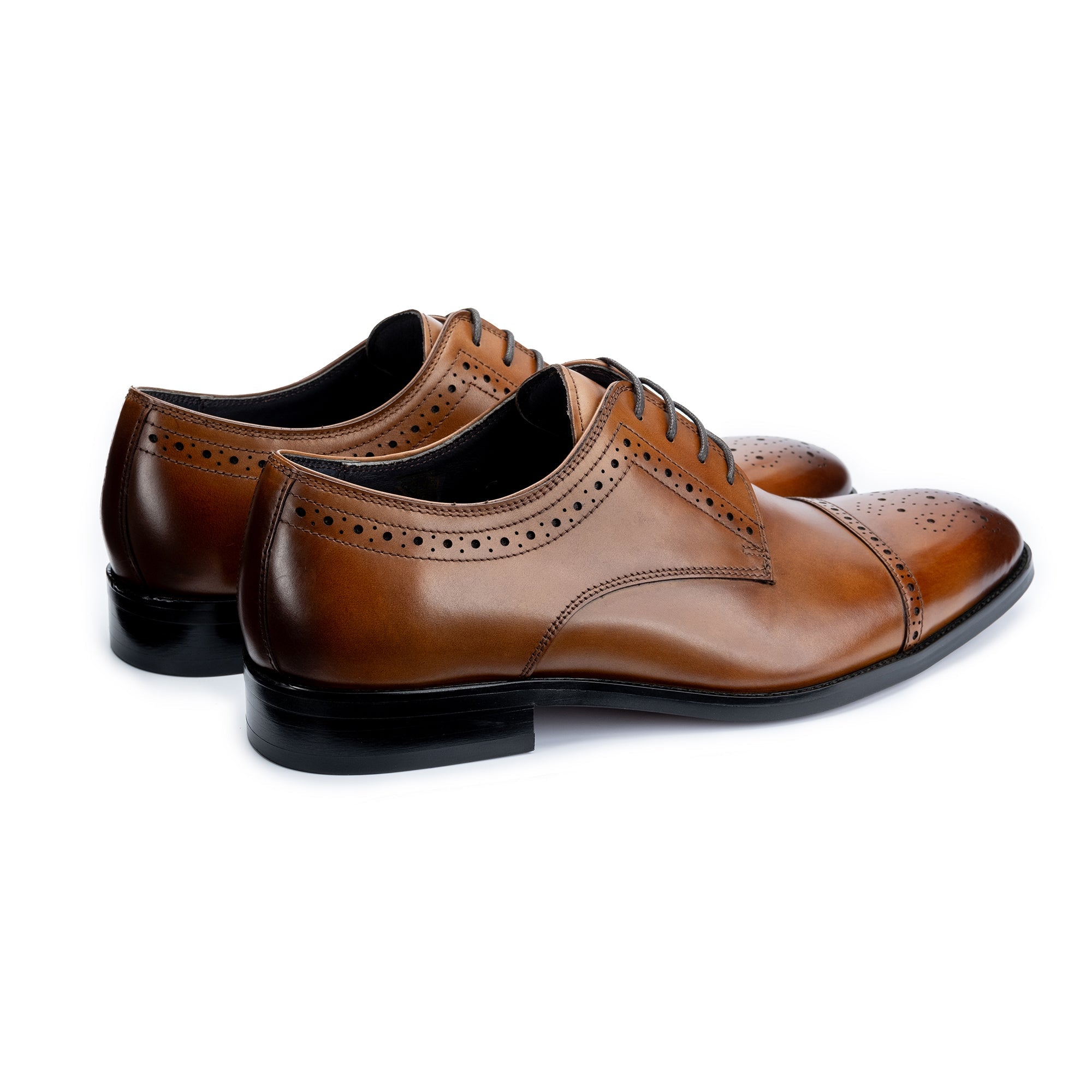
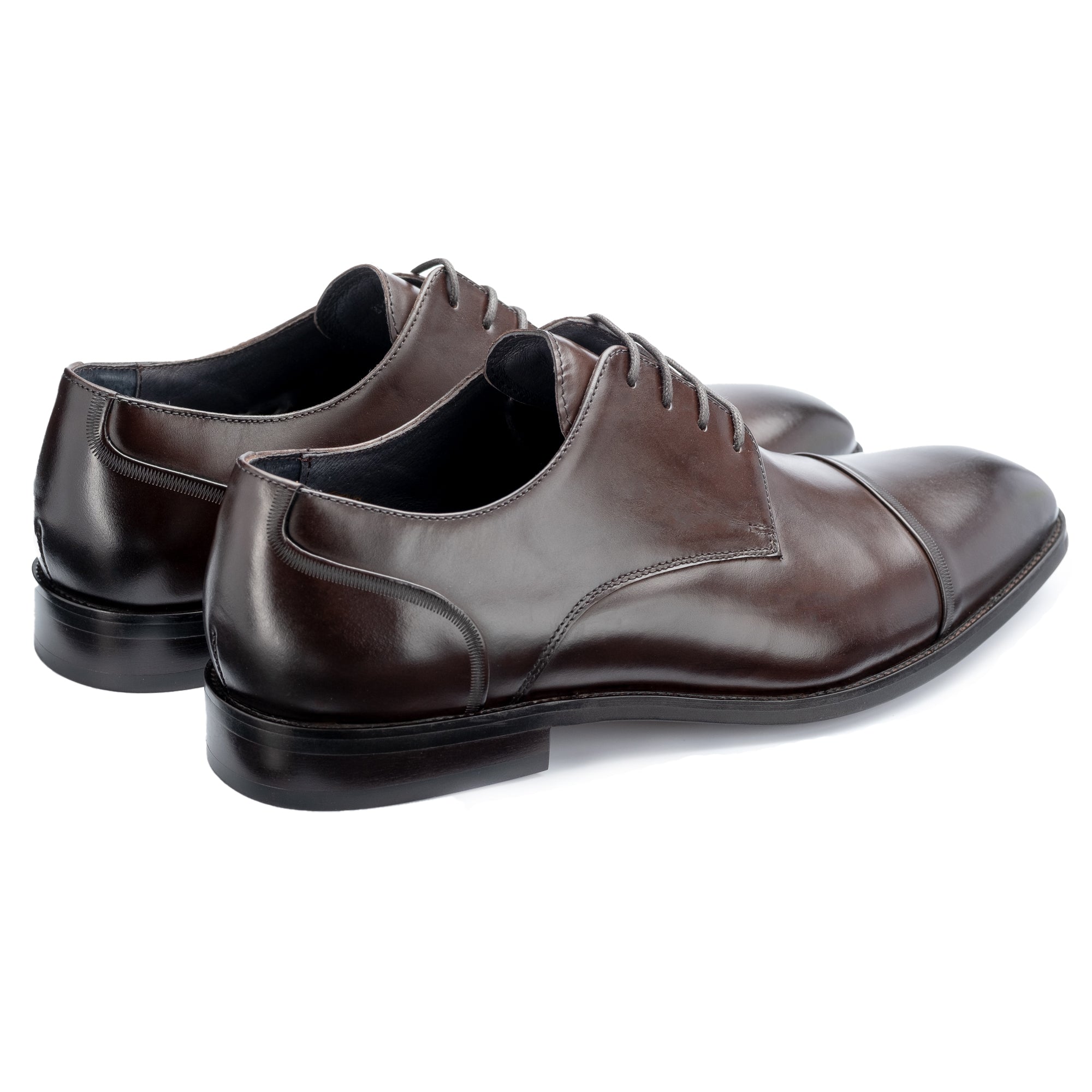
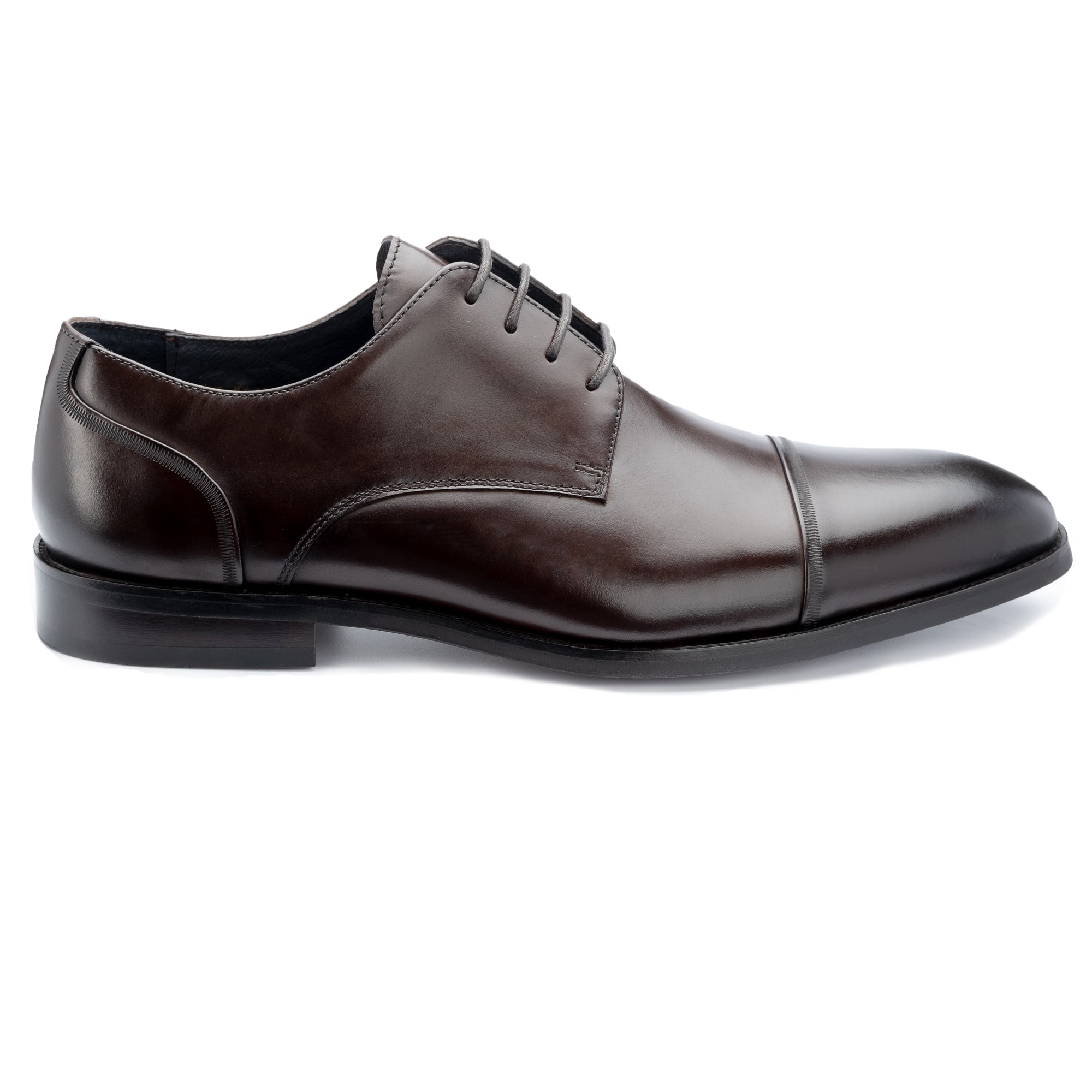
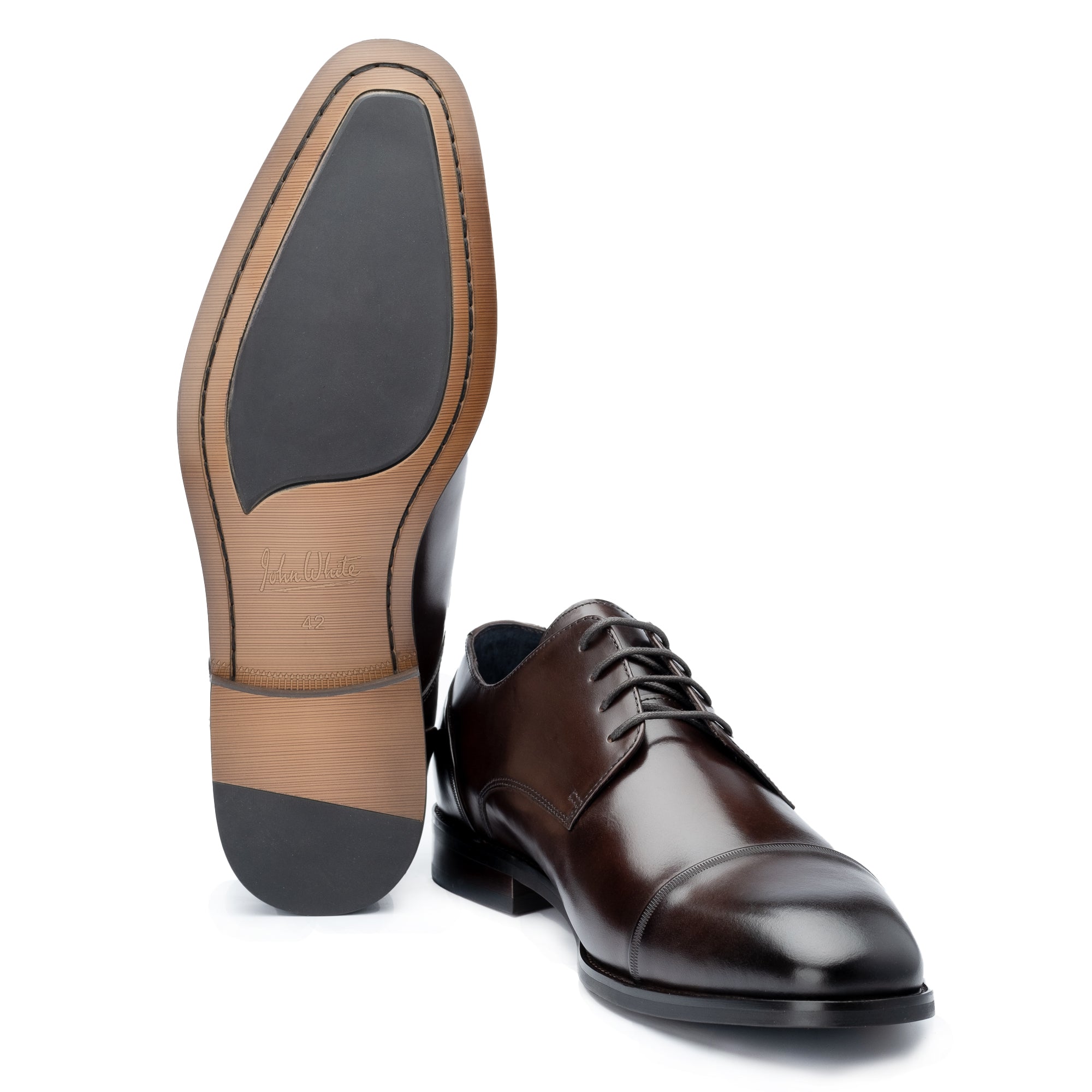
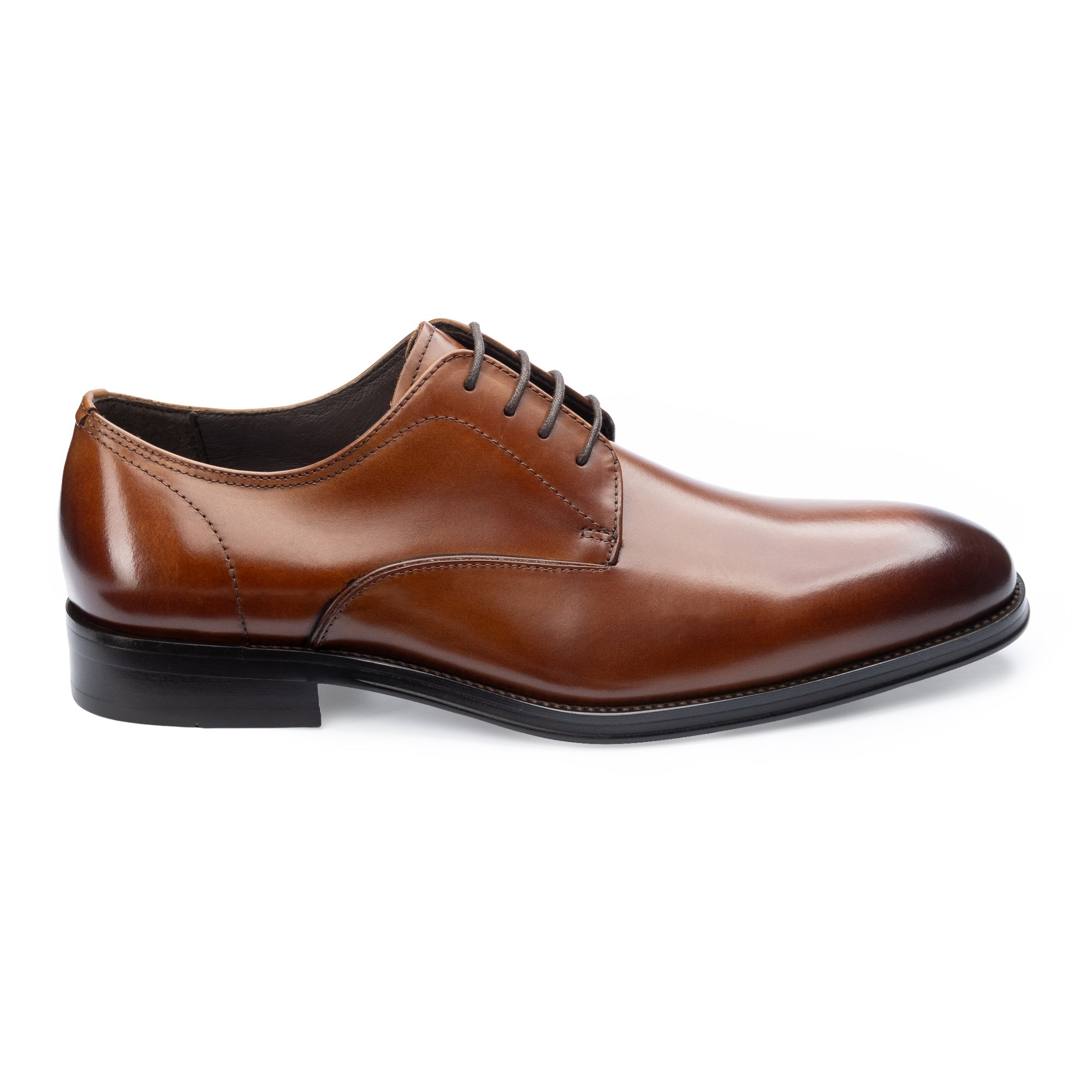
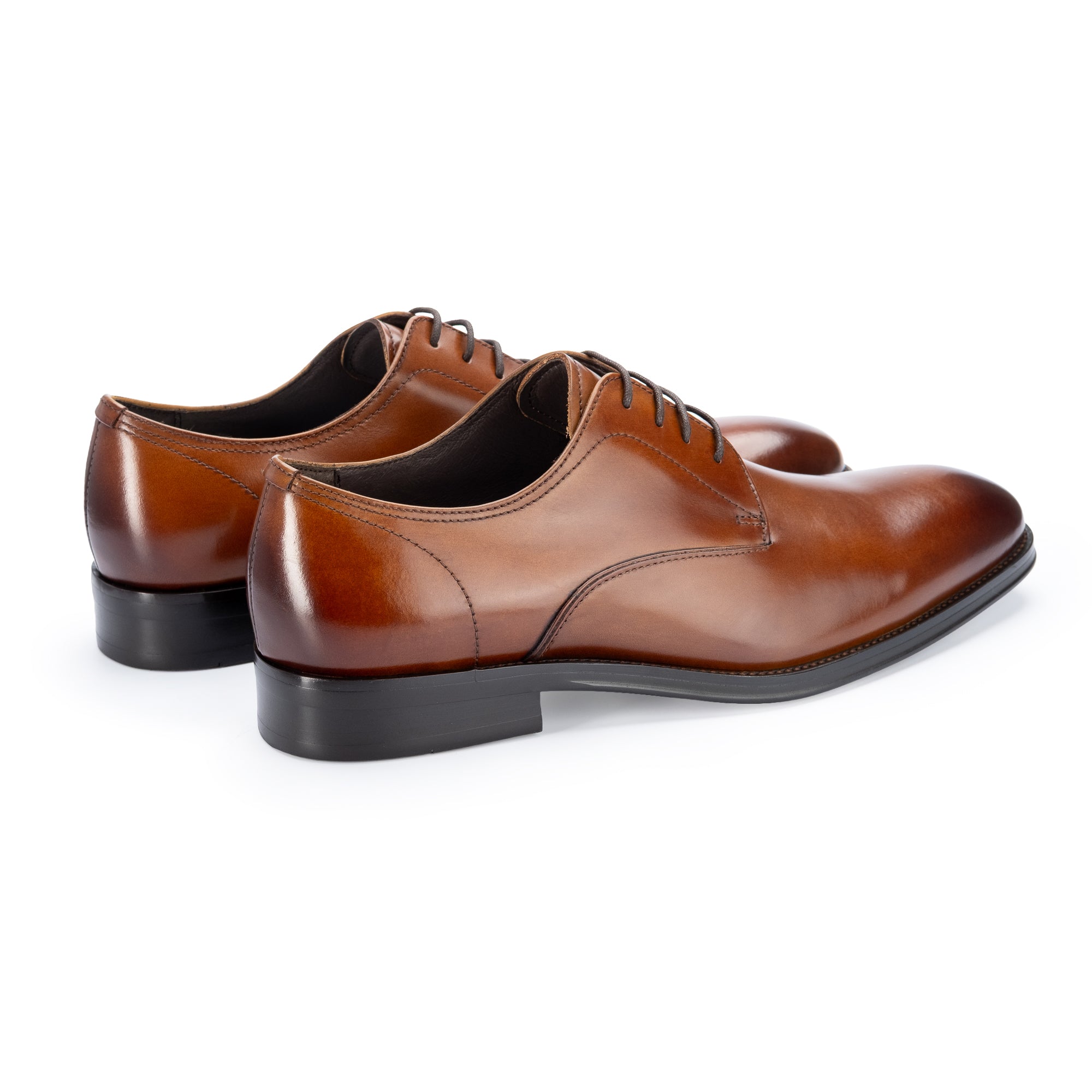
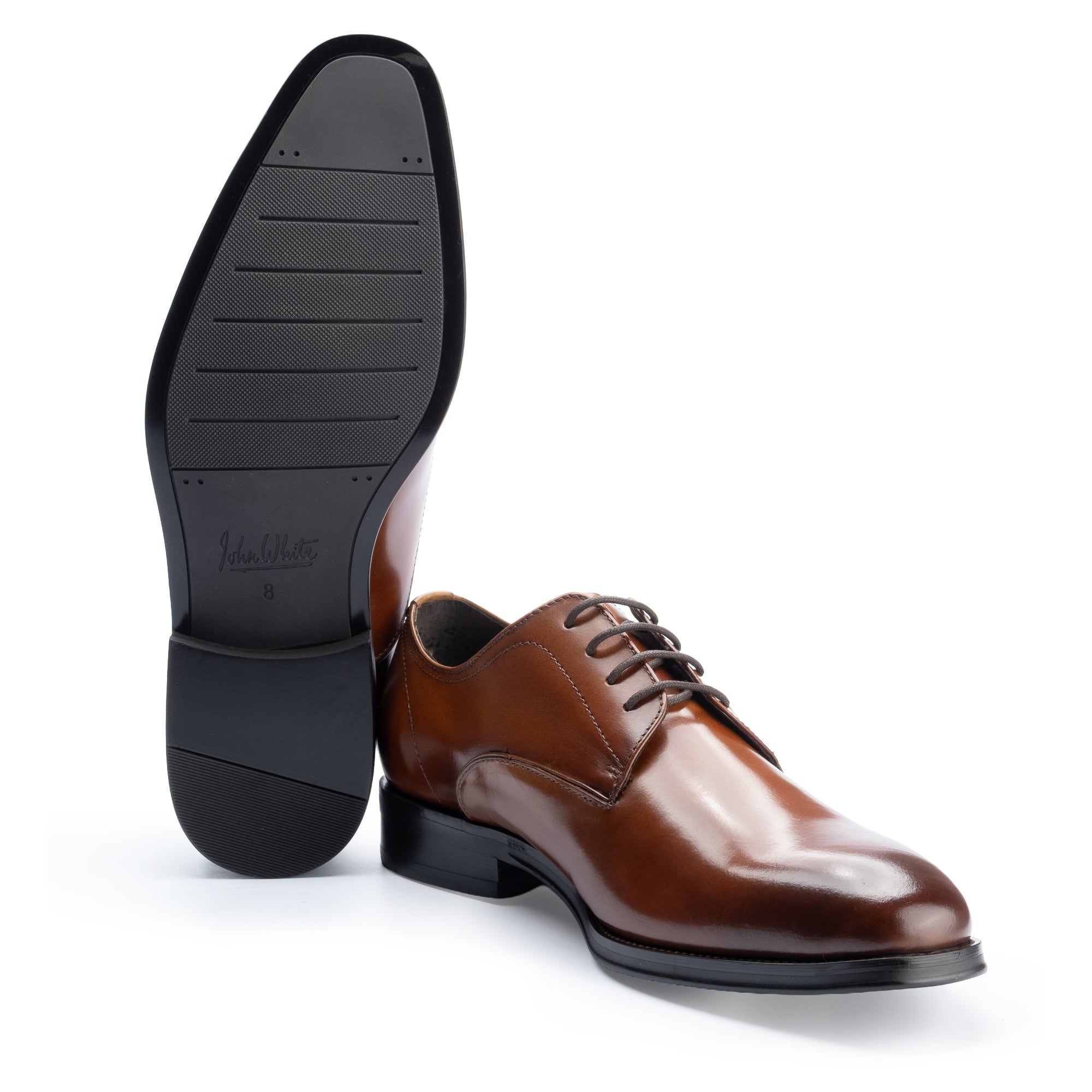
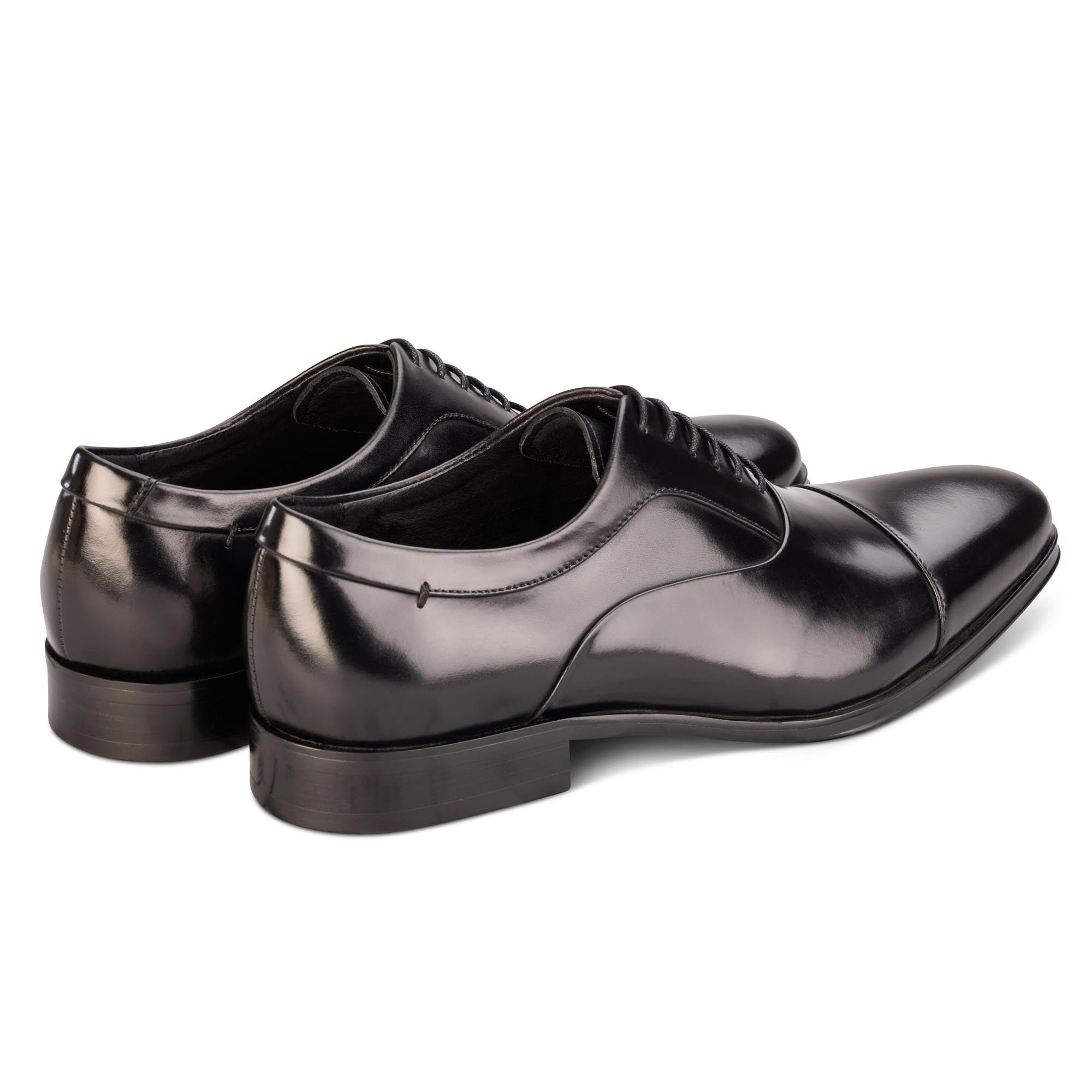
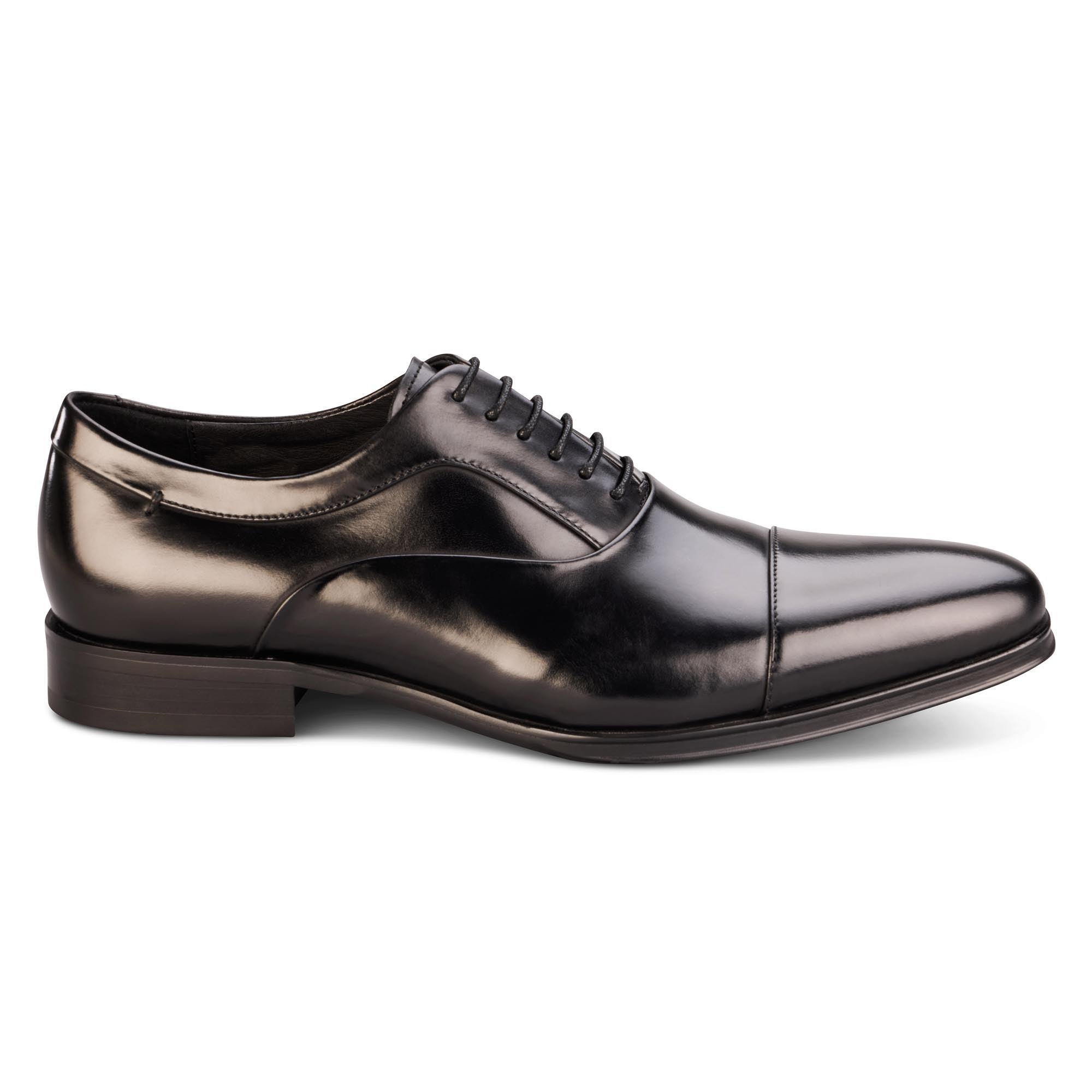
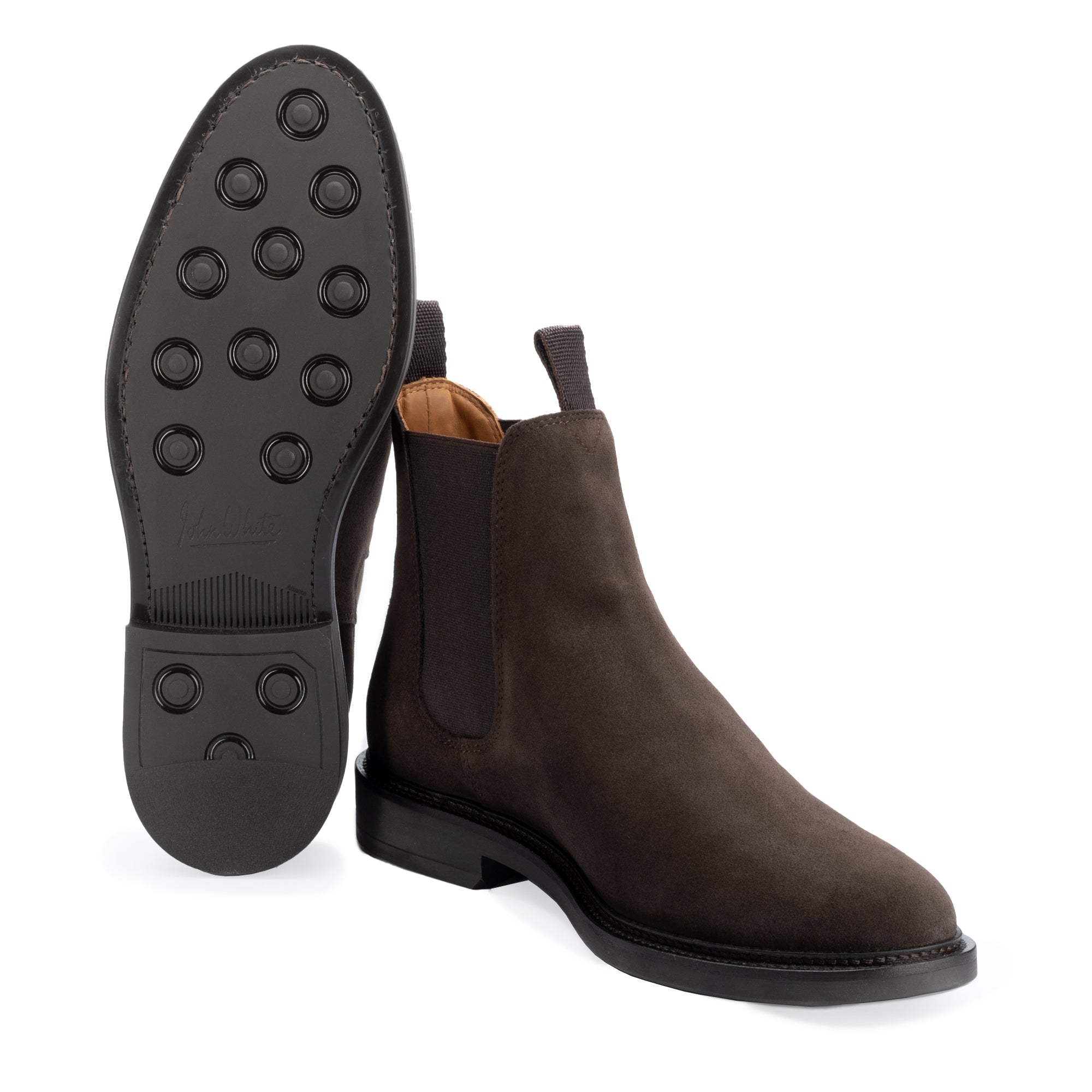
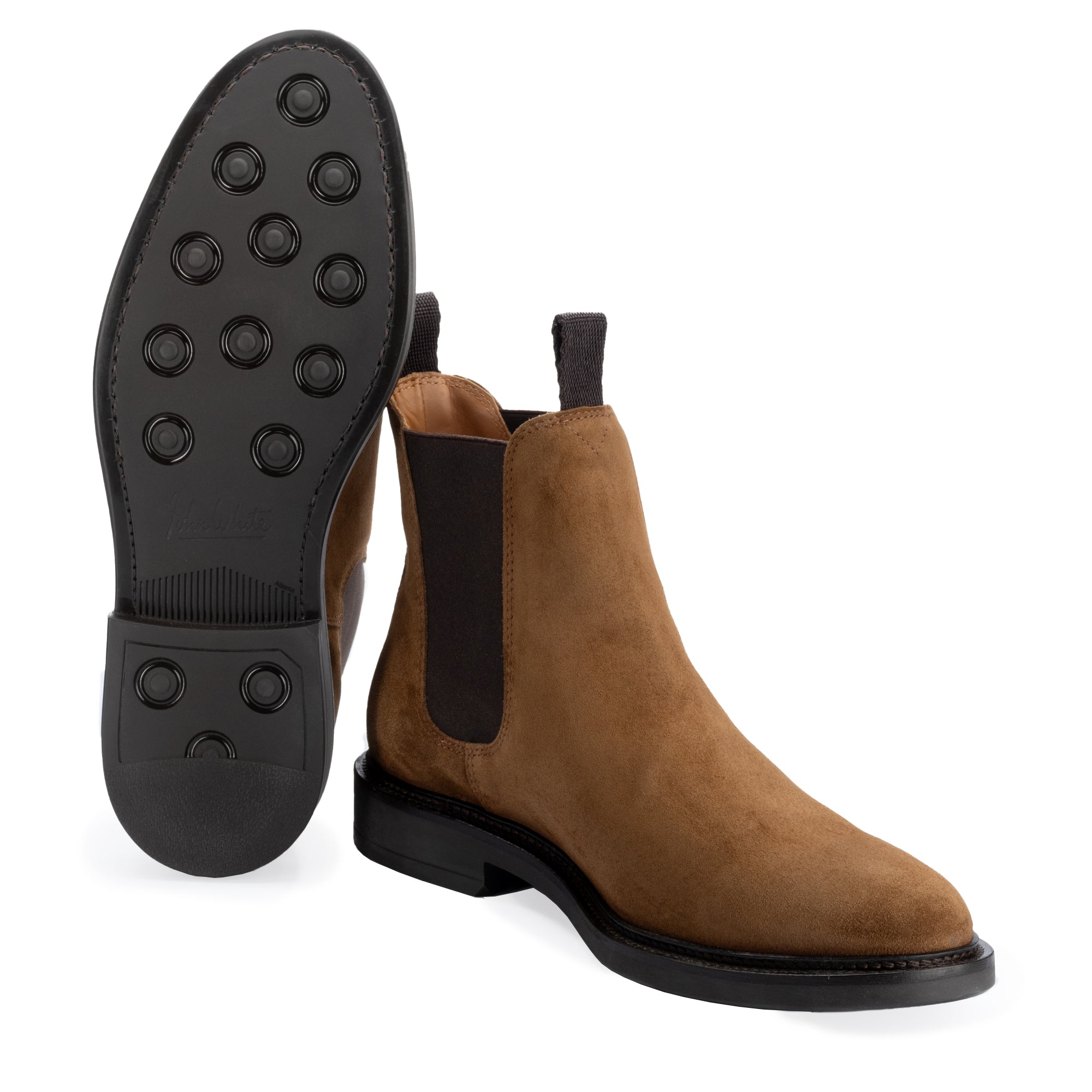
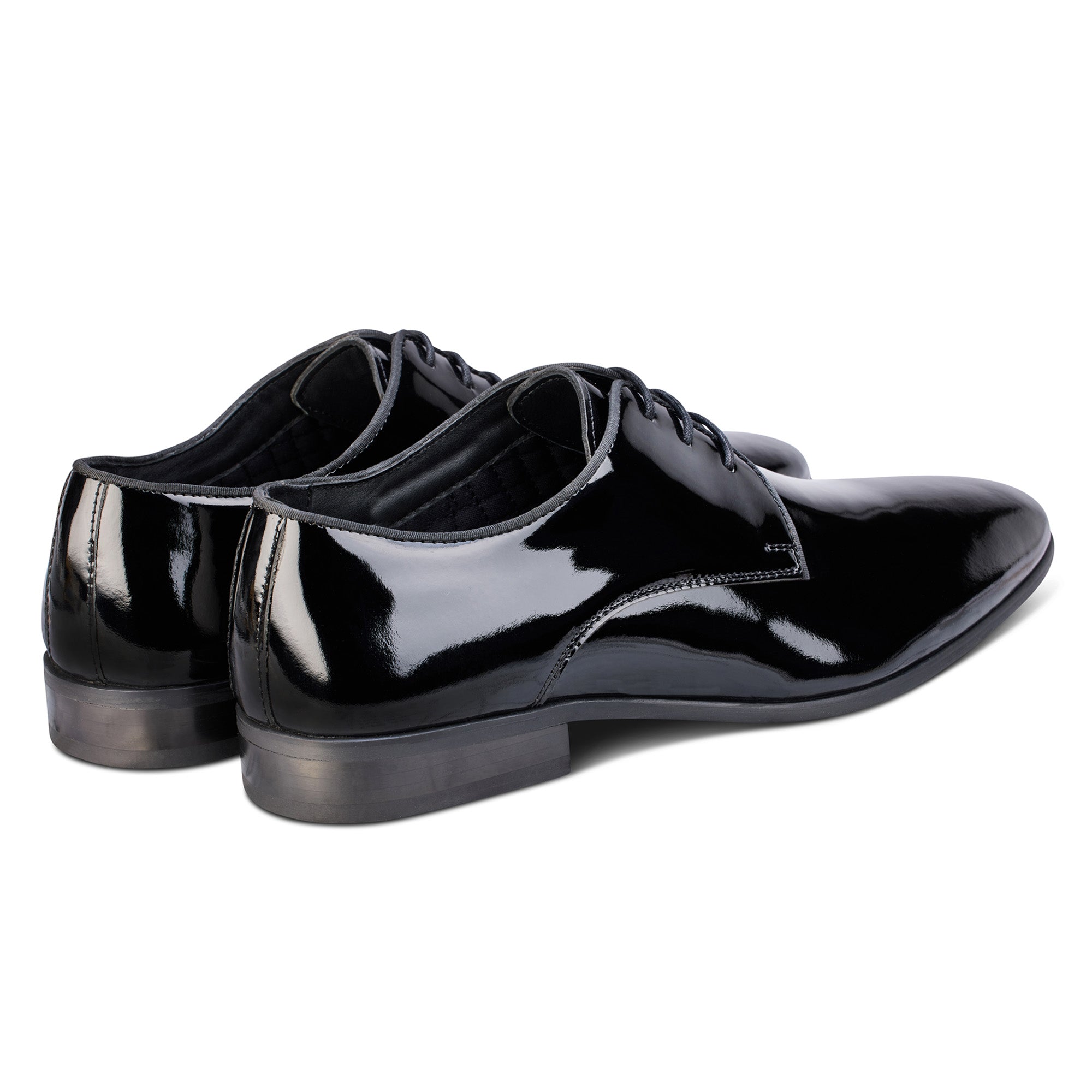
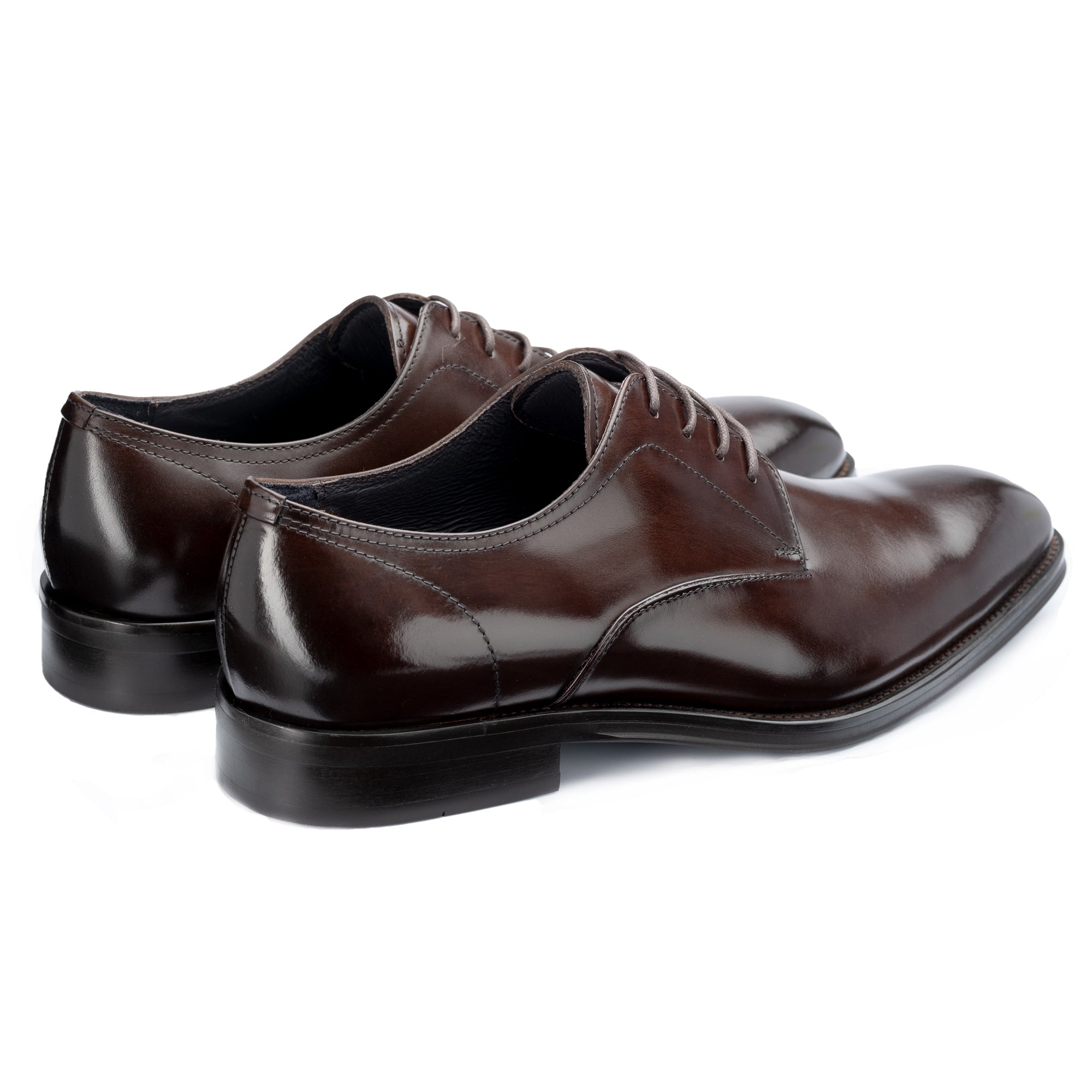
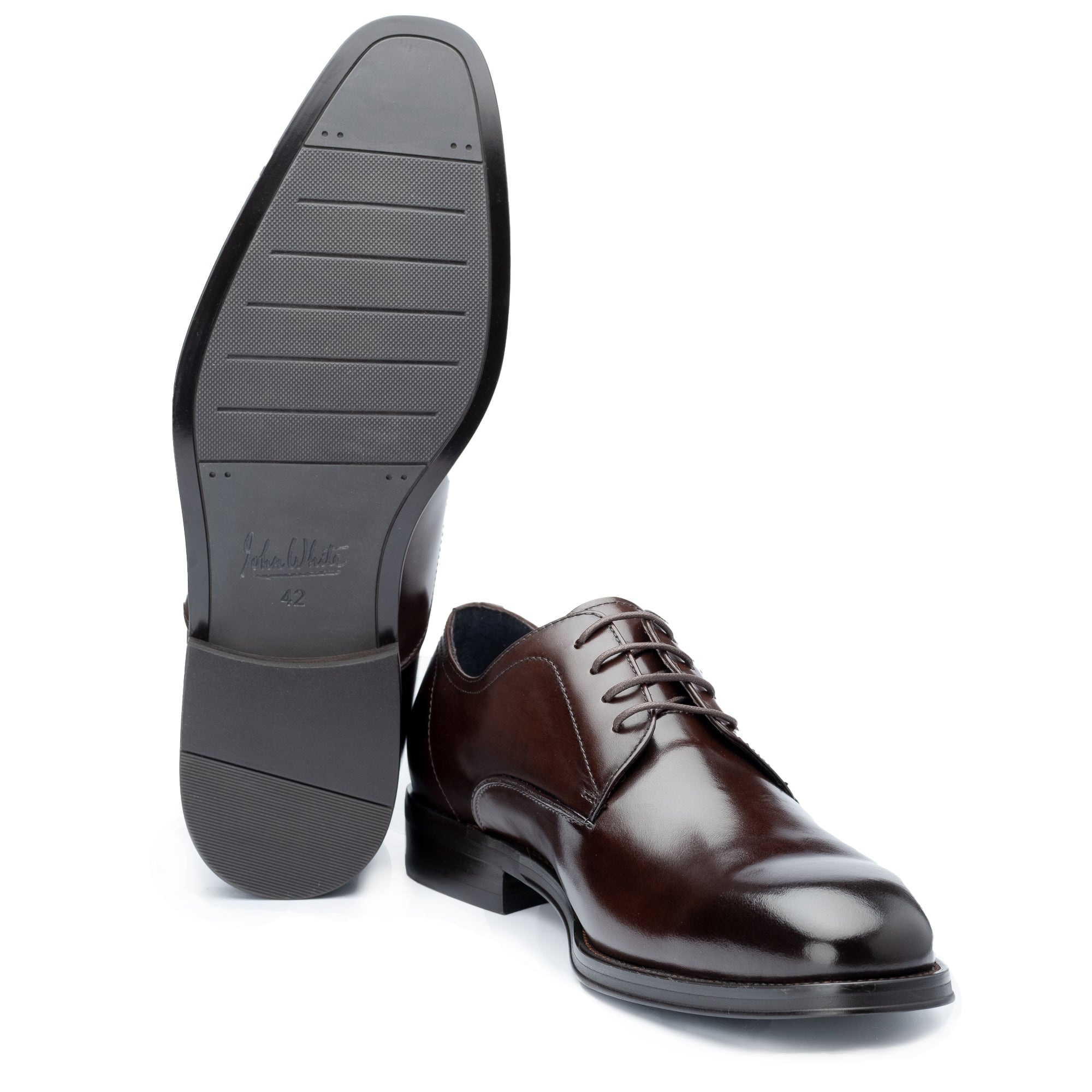
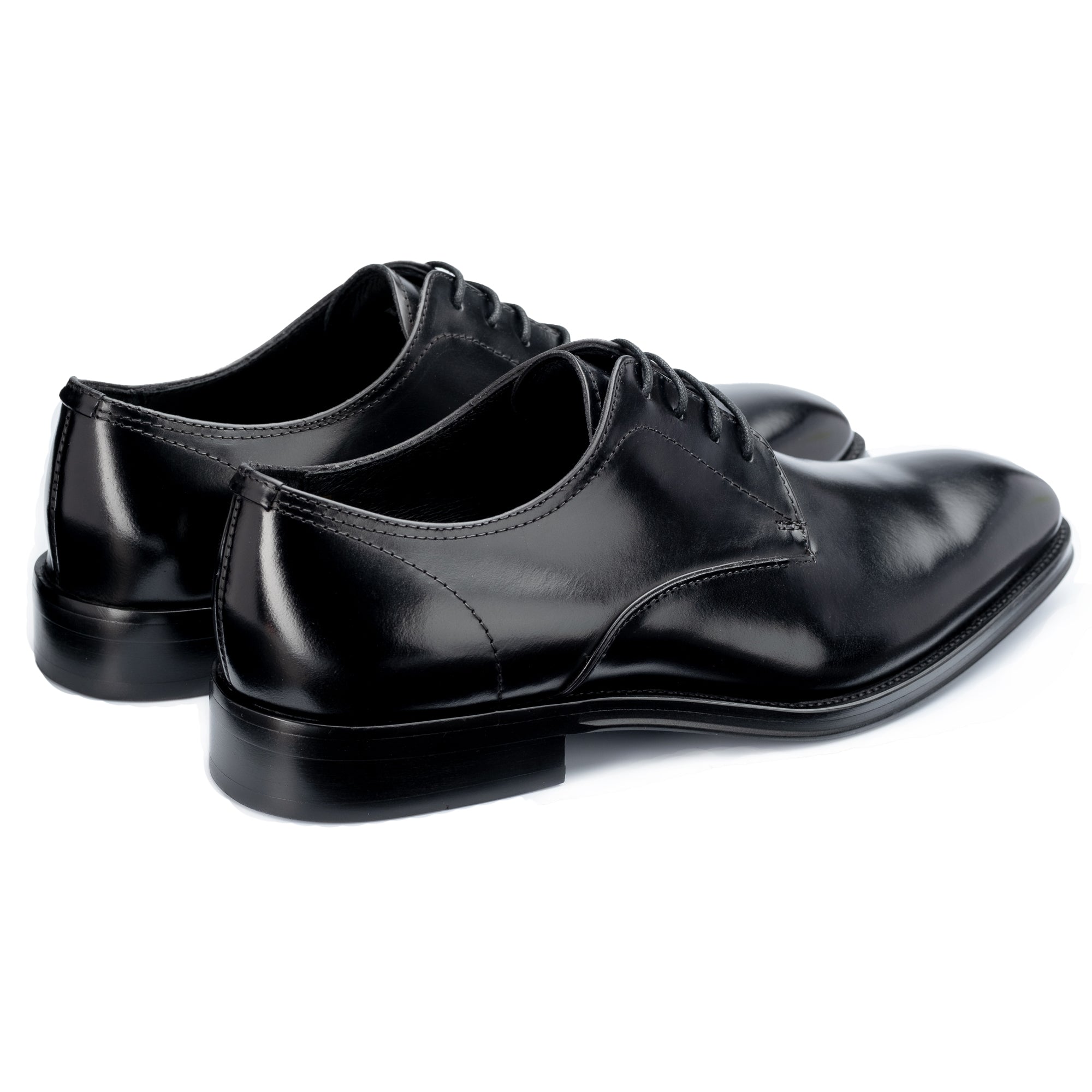
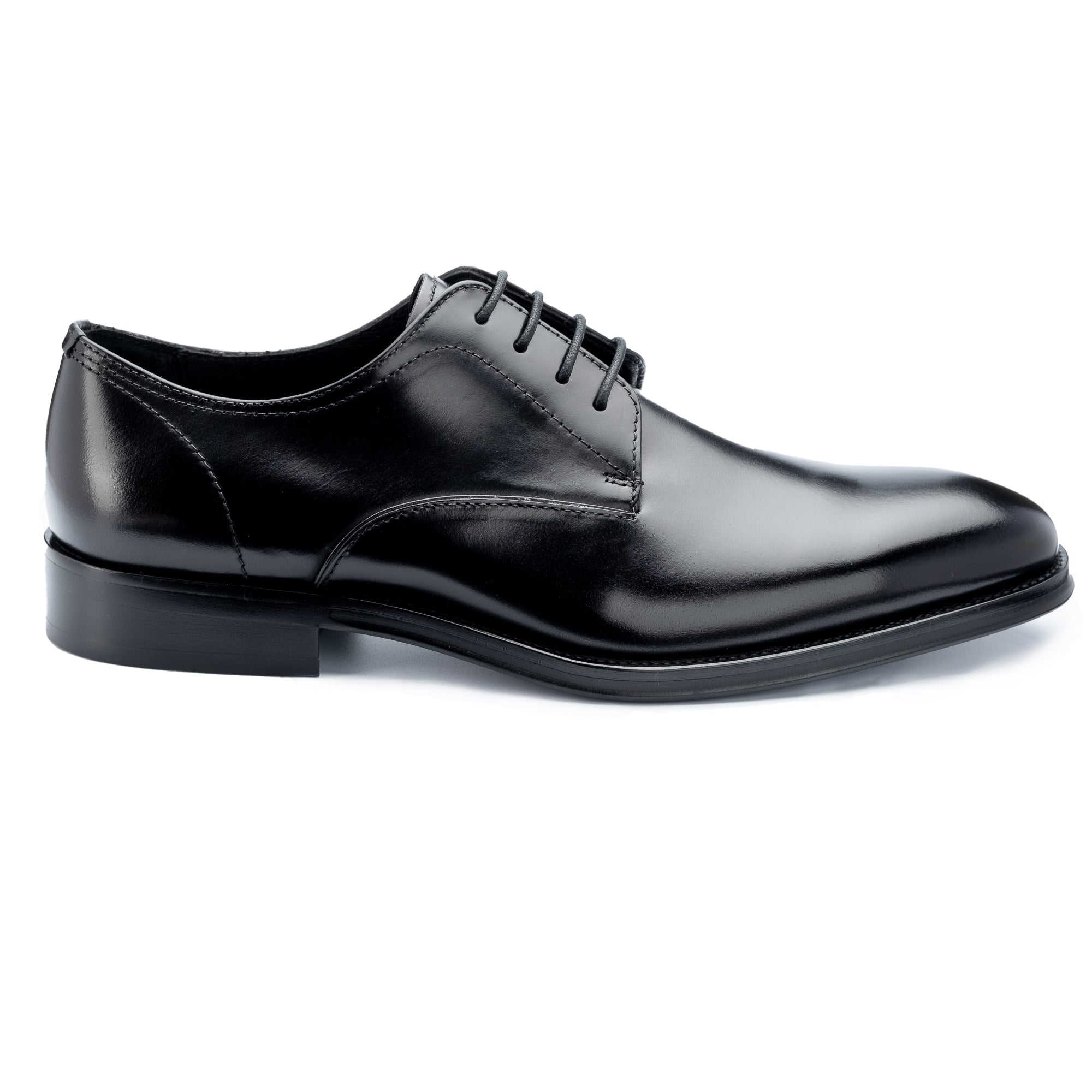
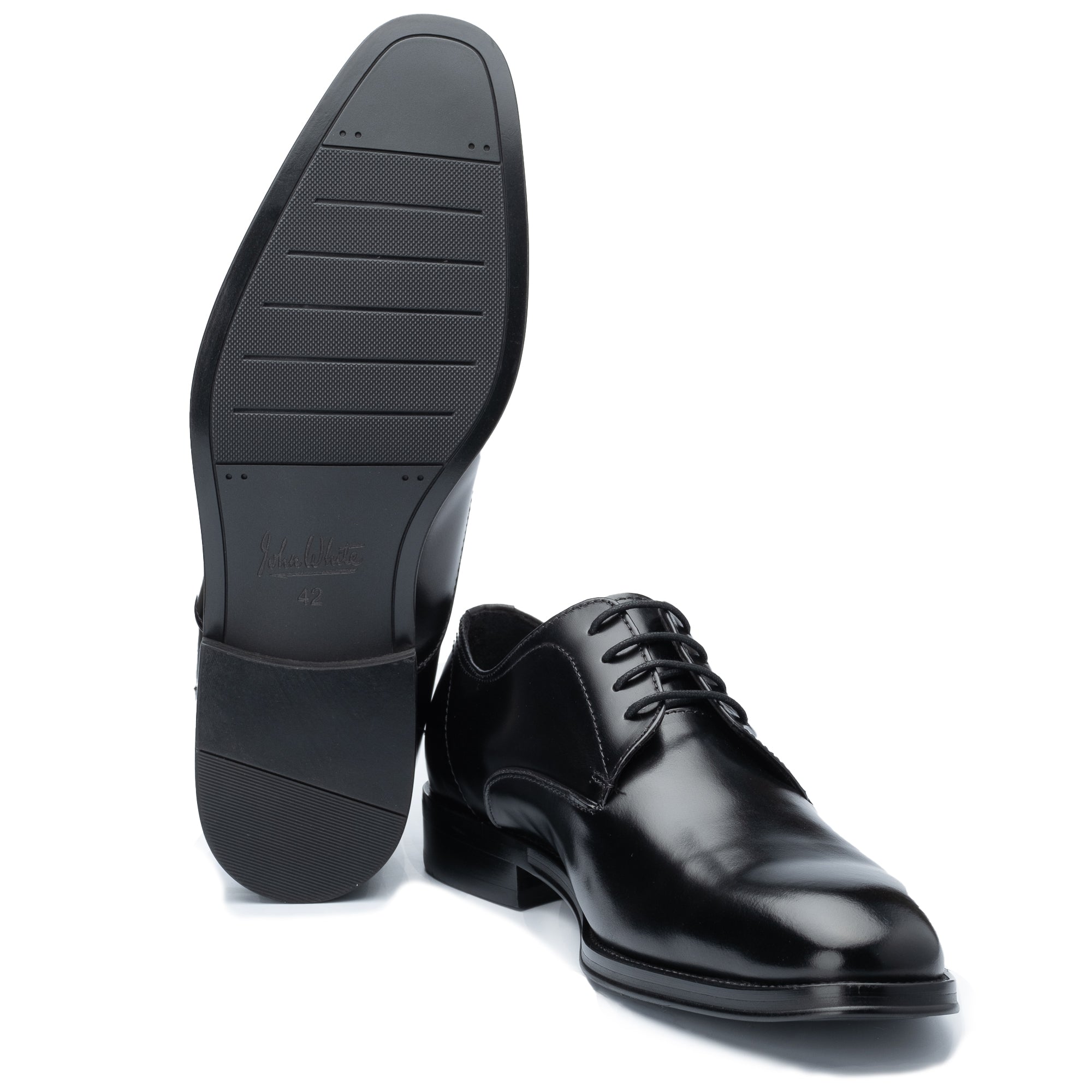
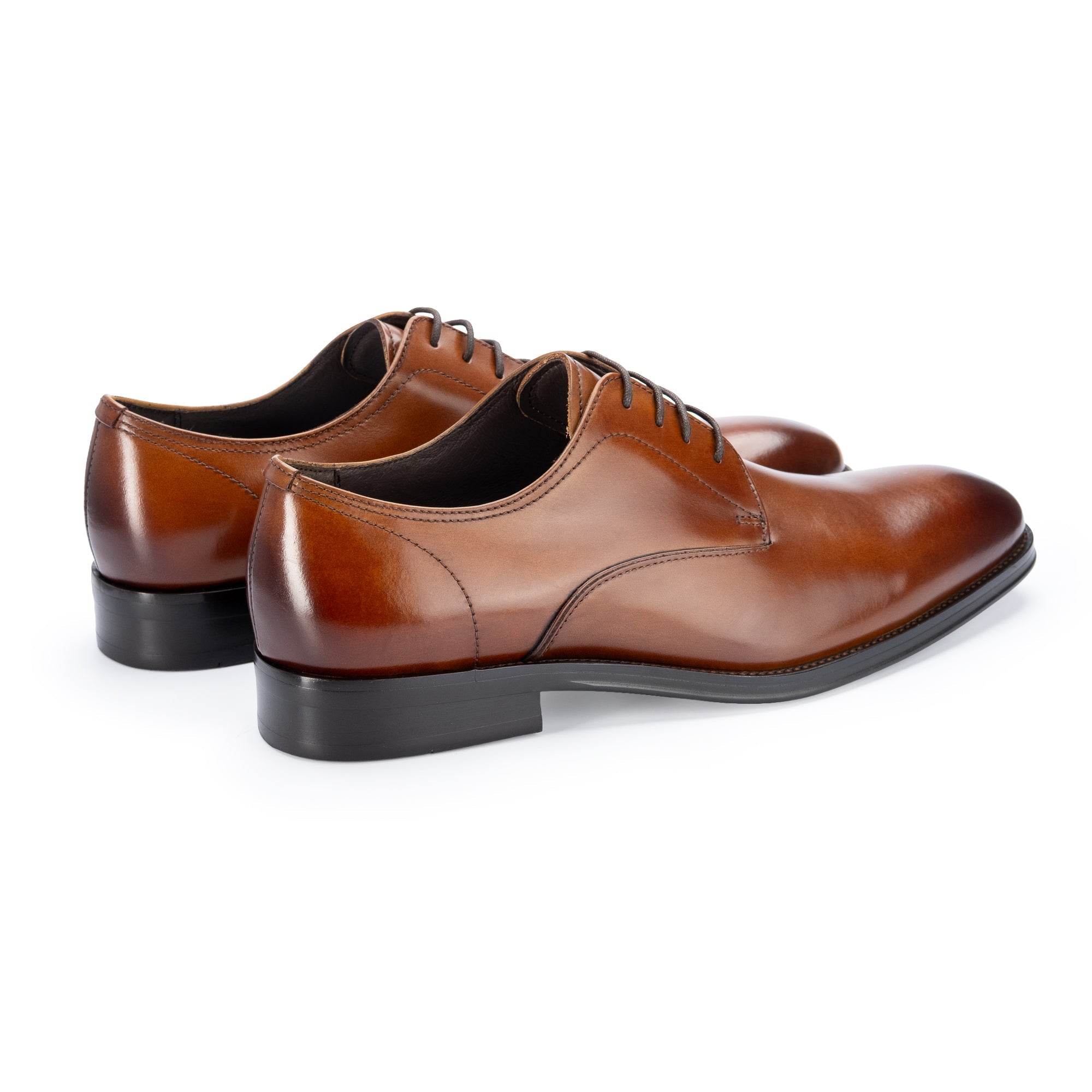
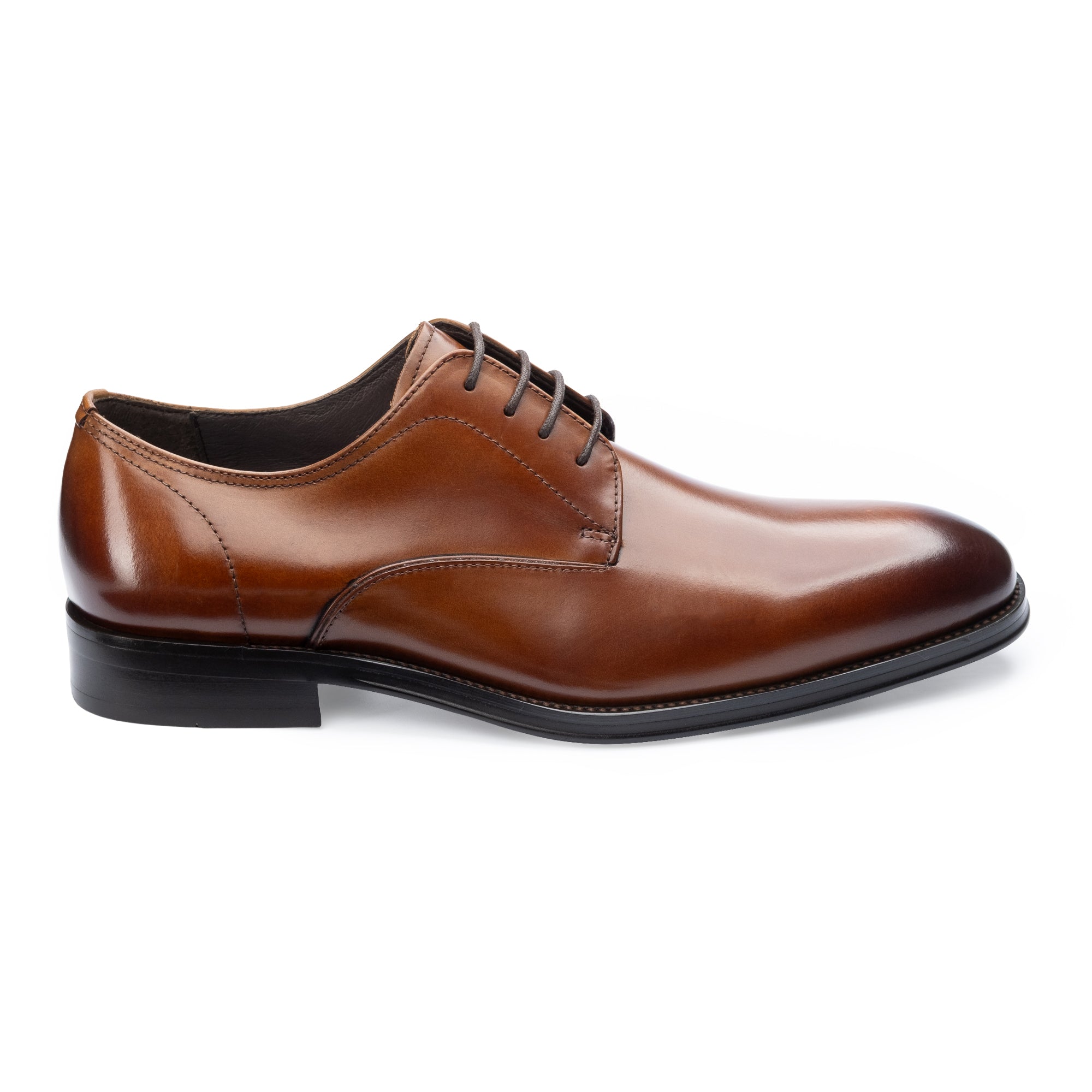
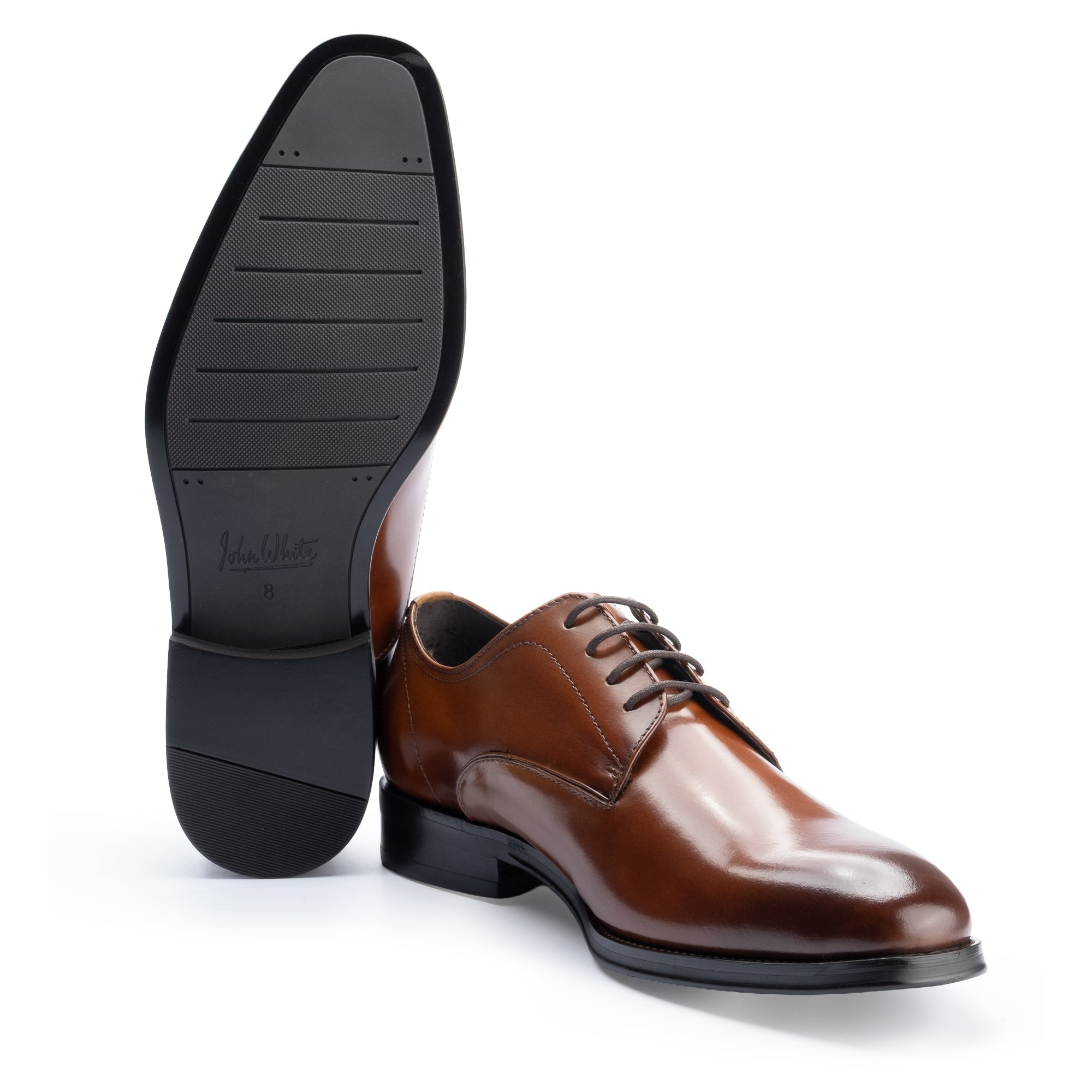
Leather shoe heel wear is the progressive degradation of the heel assembly caused by impact, friction, and surface contact during normal walking. A quality leather shoe heel is constructed in layers: the heel tip at the base, stacked leather lifts above it, and the seat lift connecting the heel to the insole. Each layer has a distinct role — and a distinct vulnerability.
The heel absorbs the initial ground contact on every step. According to the Society of Master Shoe Repairers, heel tip replacement accounts for approximately 60% of all cobbler work carried out on men's dress shoes — making it the single most frequent maintenance intervention in the category.
The consequences of neglect are structural, not merely cosmetic. Once the tip erodes completely, wear transfers to the first heel lift — a layer not designed to function as a contact surface. From that point, each step degrades the heel block itself, turning a straightforward tip replacement into a more involved partial rebuild.
The heel tip is designed to be replaced; the heel block is not — the entire logic of heel maintenance rests on this distinction.How Do You Assess the Severity of Leather Shoe Heel Wear?
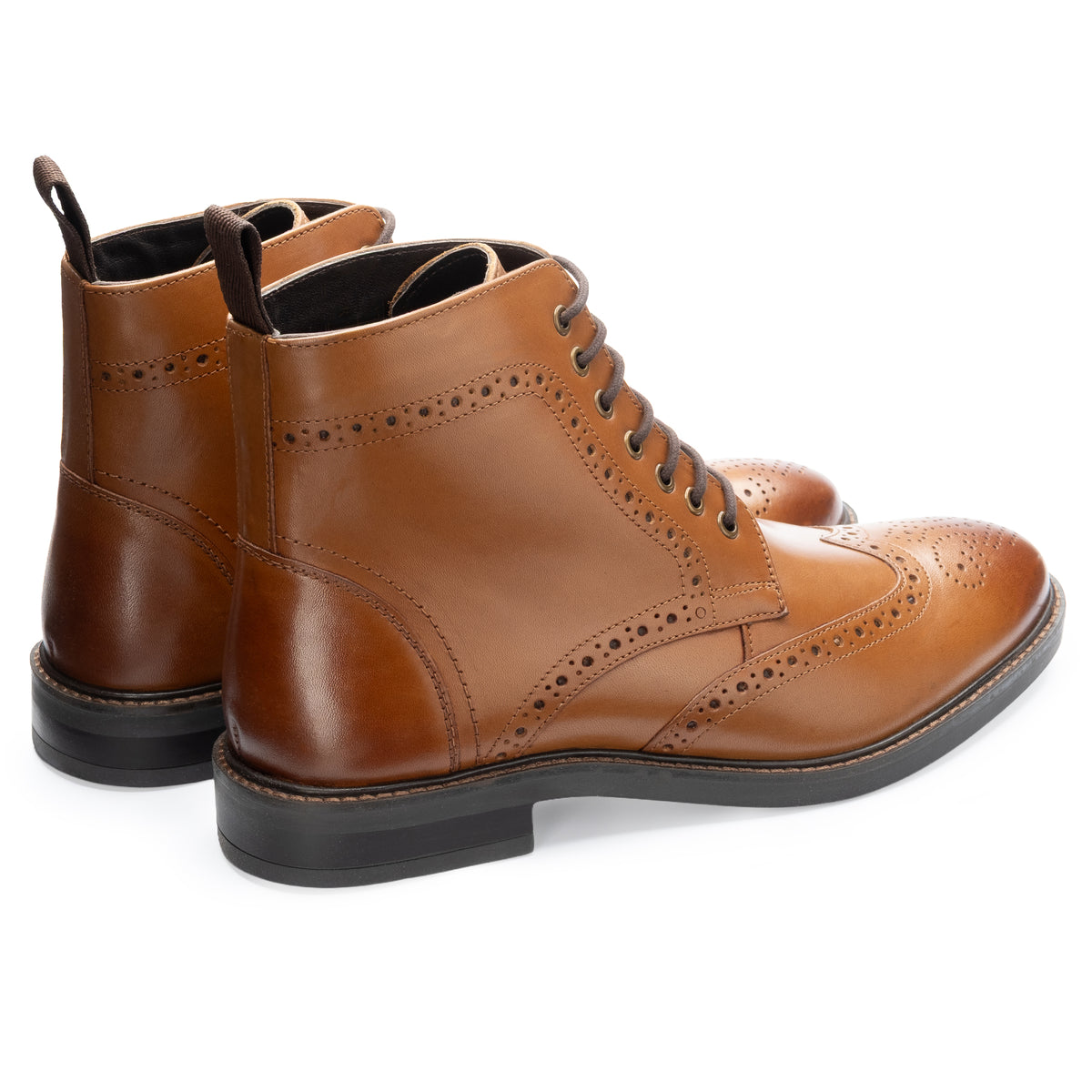
Heel wear assessment requires nothing more than lifting the shoe, holding it at eye height from behind, and examining the heel tip in clear light. The process takes under a minute and should form part of any monthly shoe care routine.
| Wear Stage | Visual Indicators | Recommended Action | Urgency |
|---|---|---|---|
| Stage 1 — Cosmetic | Slight surface thinning; gloss reduced on tip | Monitor; consider rubber protector at next cobbler visit | Low — inspect monthly |
| Stage 2 — Moderate | Tip worn to approximately one-third depth; slight lean visible from behind | Book heel tip replacement | Medium — act within 2–4 weeks |
| Stage 3 — Urgent | Tip worn through; heel block or metal plate exposed; visible heel lean | Immediate tip replacement or partial rebuild | High — act within days |
| Stage 4 — Structural | Wear into seat lift; shoe sits unevenly on a flat surface | Full heel reconstruction | Critical — cease wearing immediately |
What Signs Indicate That Heel Wear Has Become Urgent?
Three indicators require immediate action regardless of your scheduled inspection date:
- The heel tip has worn through to reveal a different material — rubber giving way to leather, or a metal plate becoming visible
- The heel leans visibly to one side when the shoe is viewed from directly behind
- The shoe no longer sits flat on a level surface under its own weight
The Leather Conservation Centre notes that uneven heel wear is frequently symptomatic of a gait imbalance, and that replacing the worn tip without addressing the underlying walking pattern will accelerate wear on the replacement. In these cases, a podiatric assessment alongside cobbler repair is the correct combined approach.
A heel that leans when the shoe is placed on a flat surface has moved from cosmetic wear into structural wear — that distinction determines the repair scope.What Do Different Heel Wear Patterns Actually Indicate?
Heel wear patterns are diagnostic. Each one reflects a specific gait characteristic and should inform both the repair method and the prevention strategy going forward.
- Lateral (outer edge) wear: The most common pattern, associated with a supinated gait in which the foot rolls outward on heel strike. The outer rear corner of the tip degrades first.
- Medial (inner edge) wear: Less common; associated with a pronated gait. The inner corner of the tip wears disproportionately.
- Central wear: Uniform degradation across the heel tip — characteristic of a balanced, neutral gait and the least structurally problematic pattern.
- Forward heel wear: The front edge of the tip erodes faster than the rear, typically caused by an aggressive heel-to-toe transfer or a heavy walking pace.
According to a 2019 analysis published by the British Footwear Association, lateral heel wear affects approximately 70% of men presenting with asymmetric shoe wear — making it the dominant pattern in men's dress shoe heel repairs.
The wear pattern on a heel identifies the underlying gait mechanics — addressing only the worn leather without understanding the cause will reproduce the same wear faster on the replacement.When Should You Repair Leather Shoe Heel Wear?
The correct repair threshold is Stage 2: when the tip has worn to approximately one-third of its original thickness. At this point, a cobbler can replace the tip in a single session — typically 30 to 60 minutes — with no work required on the heel lifts or welt.
Deferring past Stage 2 risks transferring wear into the first heel lift, which begins to compromise the stability of the entire heel stack. On Goodyear welted construction, prolonged heel neglect places lateral stress on the welt itself, shortening the overall resoling lifespan. As covered in our guide to resoling leather shoes and when to rebuild them, Goodyear welted construction is designed for repeated repair — but only when each intervention is made at the correct stage.
The Leather Conservation Centre advises that the cost of a preventive heel tip replacement is typically one-fifth the cost of a partial heel rebuild. No financial case exists for deferral.
Every week of wear beyond Stage 2 increases the scope and cost of the eventual repair — early intervention is the only rational approach.How Do You Repair a Worn Leather Shoe Heel?
Heel repair on a quality leather shoe falls into three tiers, each defined by the depth of wear at the time of intervention.
Heel Tip Replacement — Minor to Moderate Wear
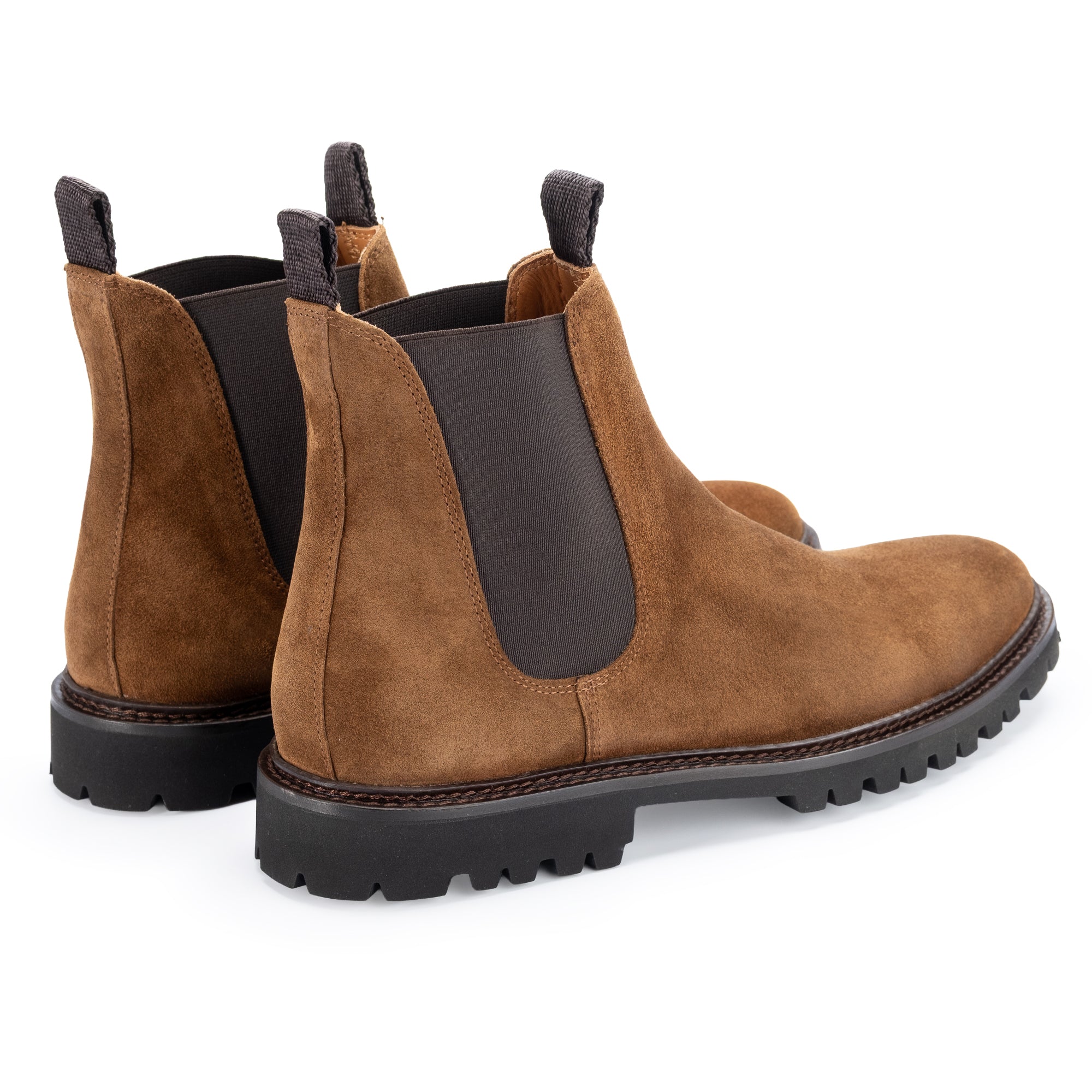
The cobbler removes the worn tip and bonds a new rubber or leather tip to the heel block, matched to the original profile and thickness. The procedure takes 30–60 minutes and the shoe is ready the same day. Rubber tips offer greater durability and grip on wet surfaces; leather tips preserve the traditional heel profile on formal dress shoes.
Partial Heel Rebuild — Moderate to Significant Wear
When wear has penetrated one or two heel lifts, the cobbler removes the damaged layers and replaces them with new leather lifts before fitting the new tip. This is a routine repair for any skilled cobbler working on welted construction, adding one to two hours to the procedure.
Full Heel Reconstruction — Severe or Structural Wear
When wear reaches the seat lift, the heel assembly must be rebuilt from the insole board upward. The steps in a full reconstruction are as follows:
- Remove all remaining heel material down to the insole board
- Re-peg or re-stitch the heel seat to restore its original foundation
- Build up new stacked leather lifts to the correct block height
- Fit a new rubber or leather heel tip profiled to the original specification
- Finish, edge-dress, and polish to match the shoe's original appearance
On a premium leather shoe, even full reconstruction is both viable and preferable to replacement. The upper, welt, and insole remain intact; the heel is rebuilt around them.
Every tier of heel repair is recoverable on a well-constructed leather shoe — the question is never whether to repair, only how much additional work the deferral has created.How Can You Prevent Excessive Leather Shoe Heel Wear?
Prevention compresses the interval between repairs and reduces the cumulative cost of heel maintenance across the life of the shoe.
What Maintenance Habits Slow the Rate of Heel Wear?
- Rotate your shoes: wearing the same pair daily intensifies every wear pattern, including heel degradation. A minimum two-pair rotation reduces per-shoe wear by approximately 40%, according to the Society of Master Shoe Repairers. The case for rotation is covered in detail in our guide on why leather footwear needs regular rest.
- Fit a rubber heel protector from new: a thin rubber overlay applied by a cobbler before the shoe is worn for the first time substantially extends the original tip's lifespan at minimal cost.
- Lift, don't drag: a heel that drags on the ground on the back-swing generates far more tip wear than a clean heel lift. Conscious gait adjustment reduces both the rate and asymmetry of wear.
- Inspect monthly: a 60-second visual check each month gives you full control over repair timing — the difference between a Stage 2 tip replacement and a Stage 3 rebuild.
Does Shoe Construction Affect Leather Shoe Heel Wear Rate?
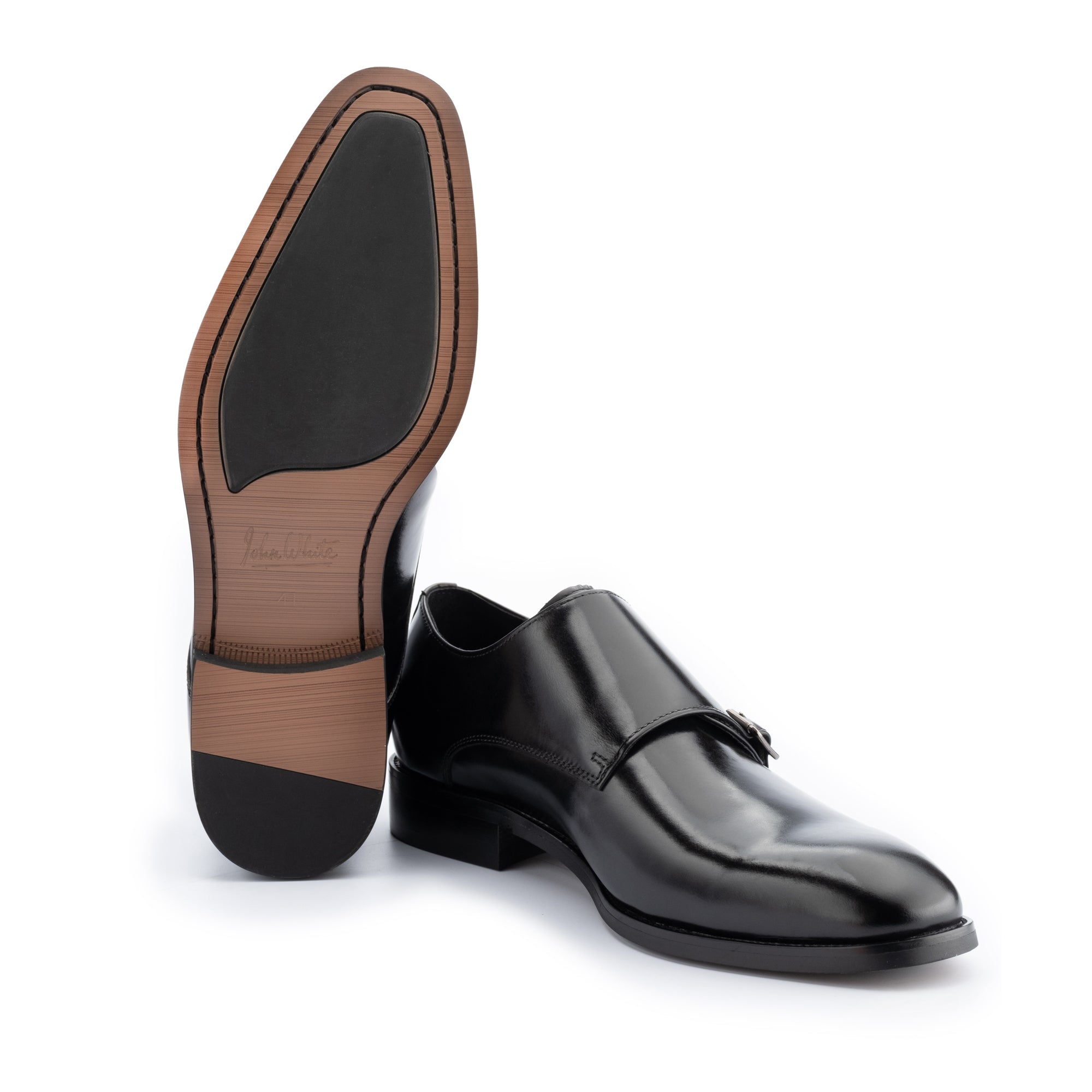
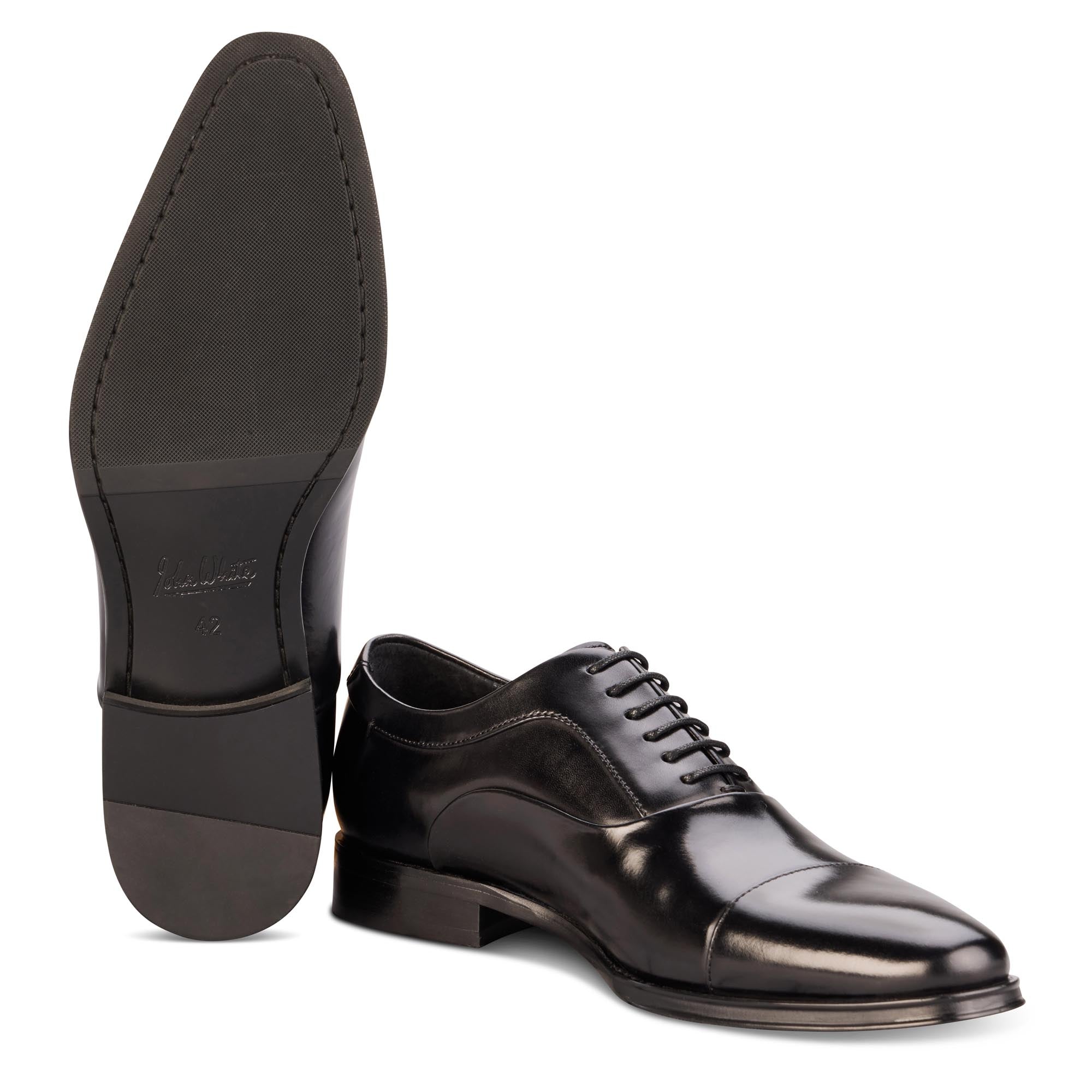
Construction determines both wear rate and repairability. Goodyear welted shoes — the construction standard across the John White Shoes men's collection — allow the heel assembly to be rebuilt without disturbing the welt or upper. This makes staged heel repair both straightforward and indefinitely repeatable, which is why welt integrity is worth protecting; our guide to welt conditioning and why it determines how long your shoes last covers this in full.
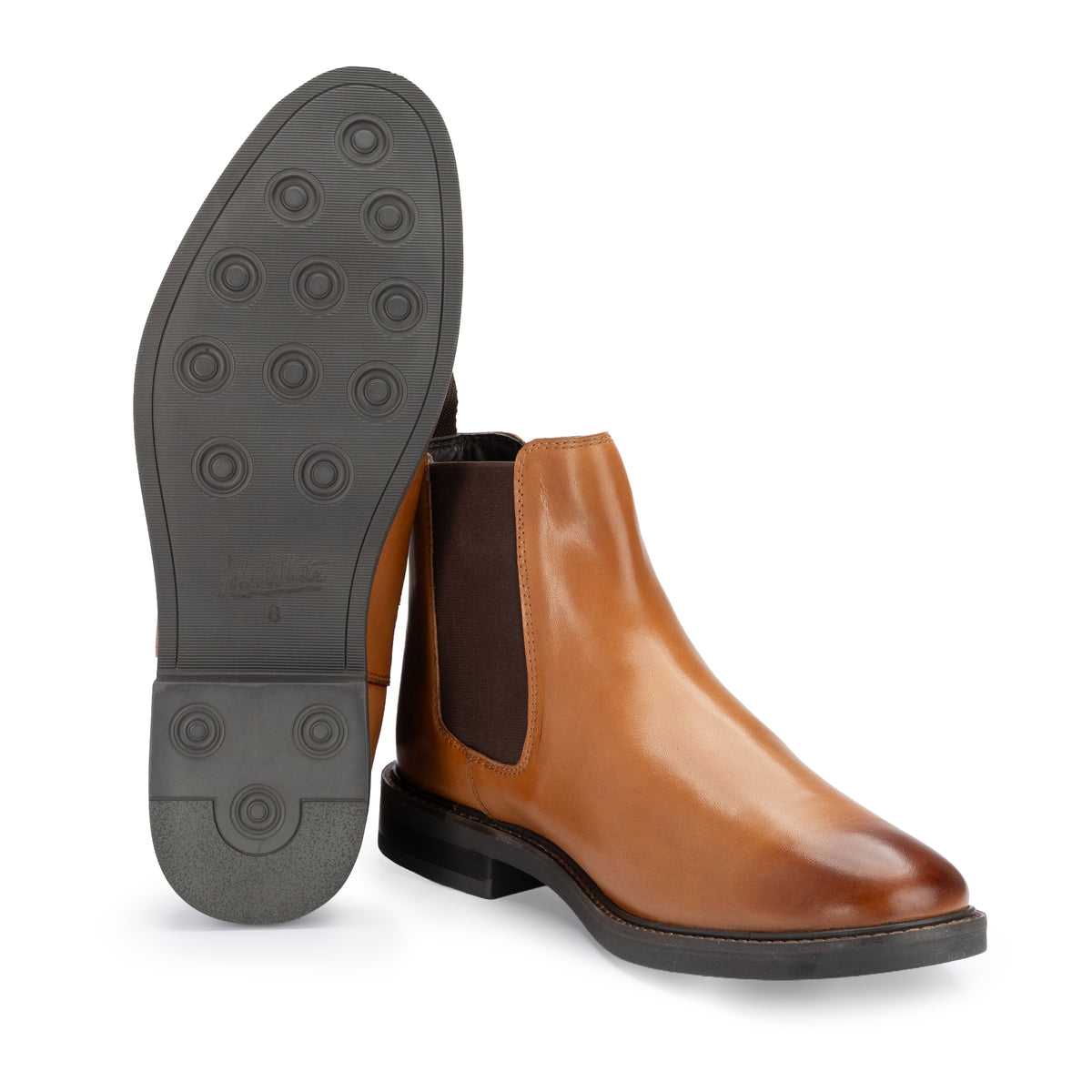
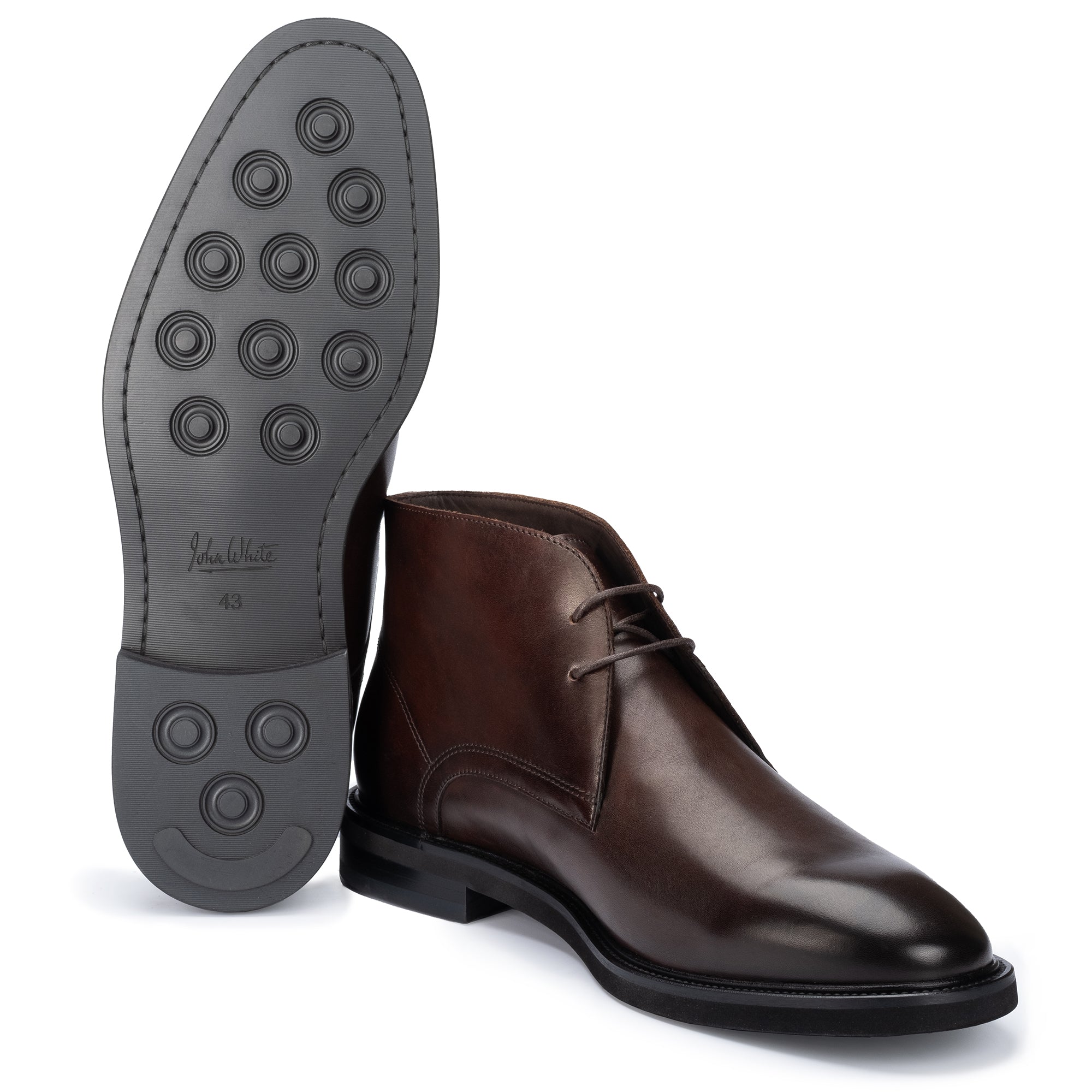
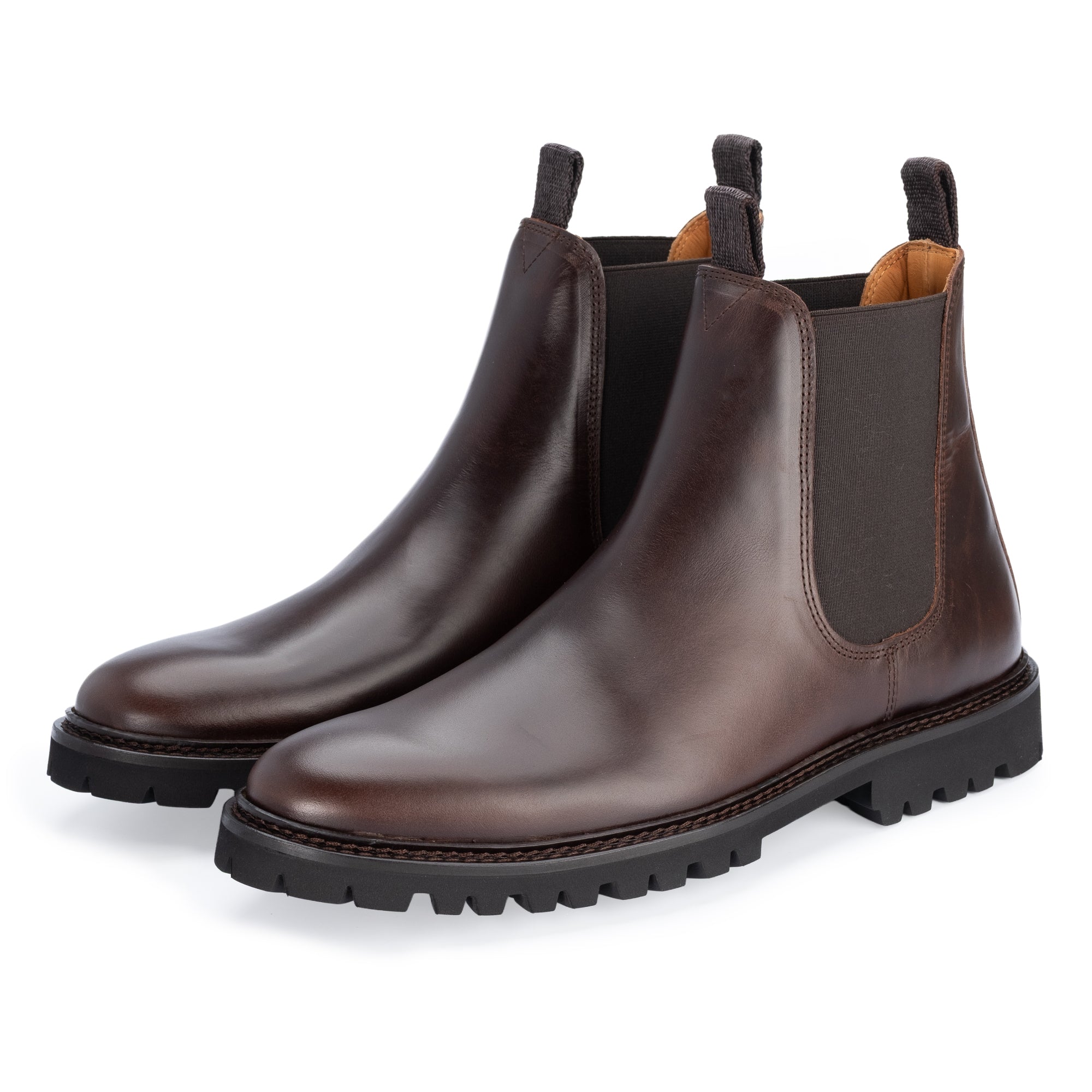
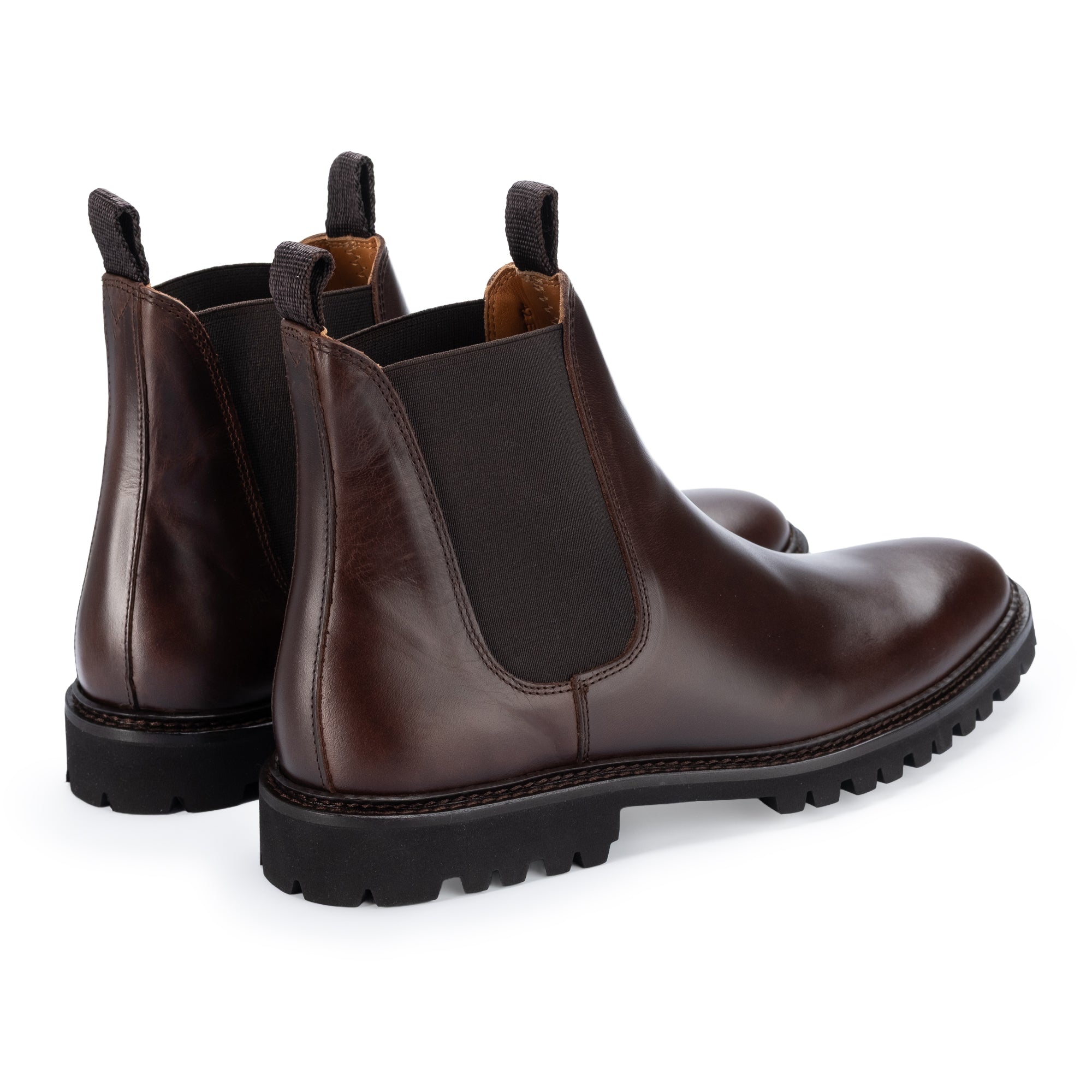
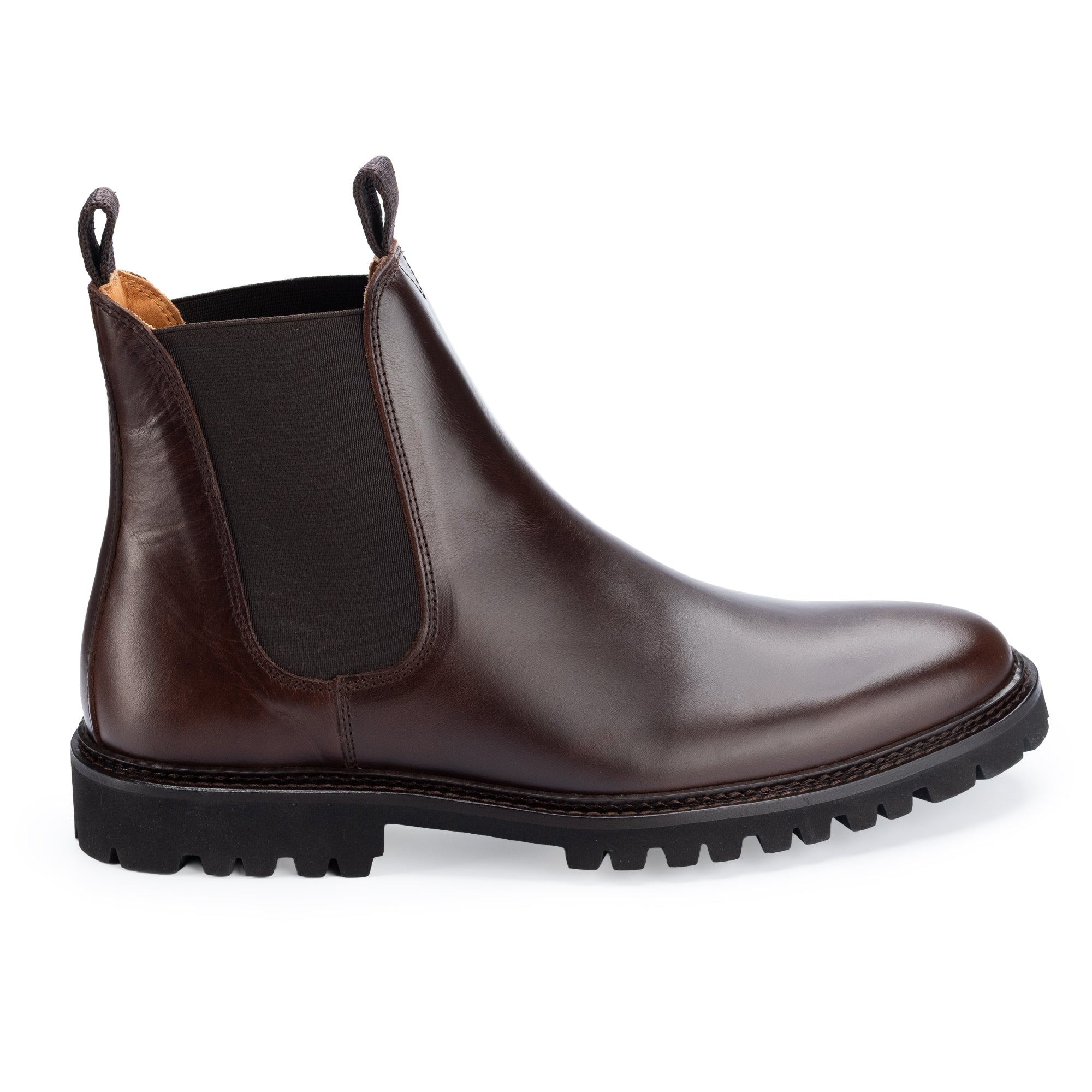
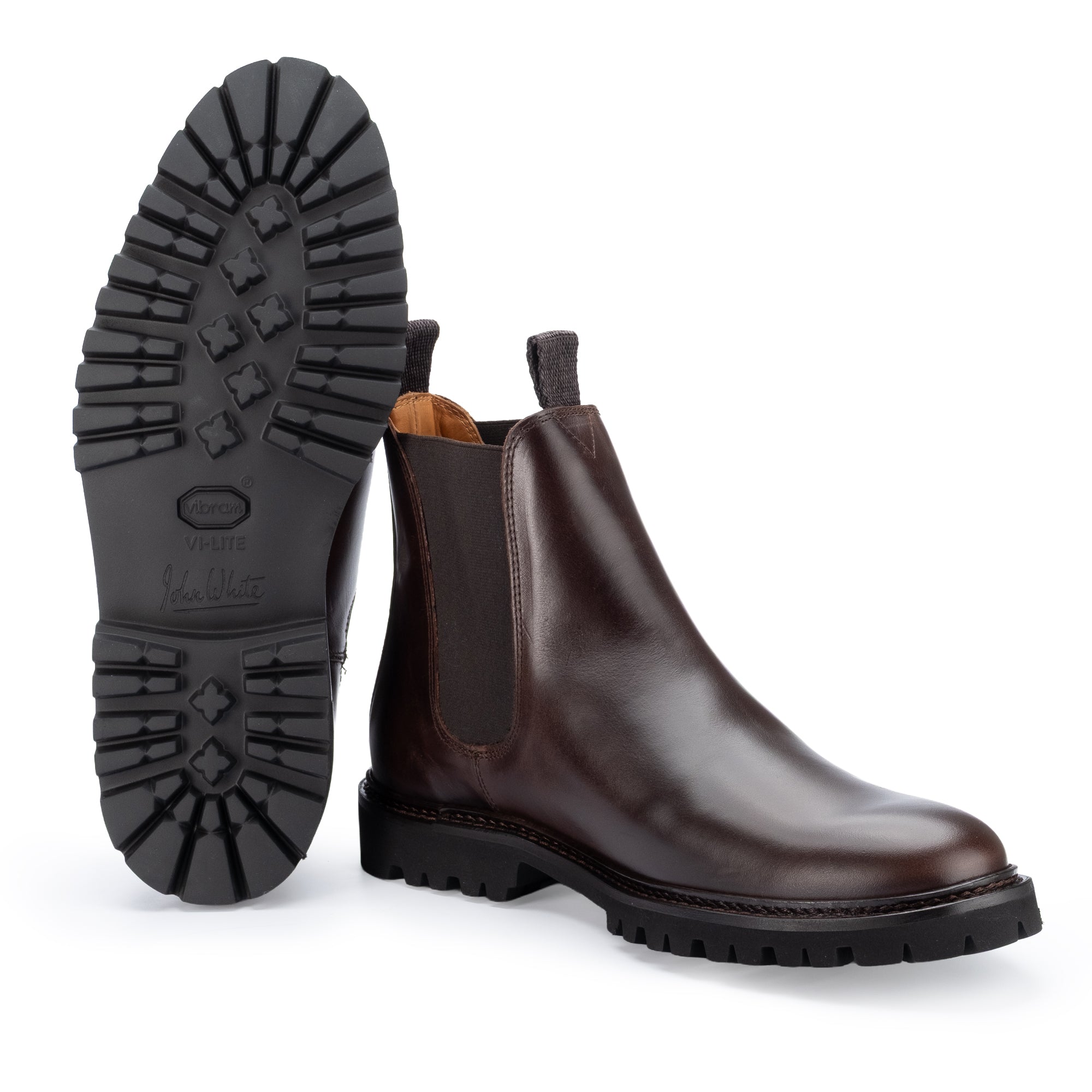
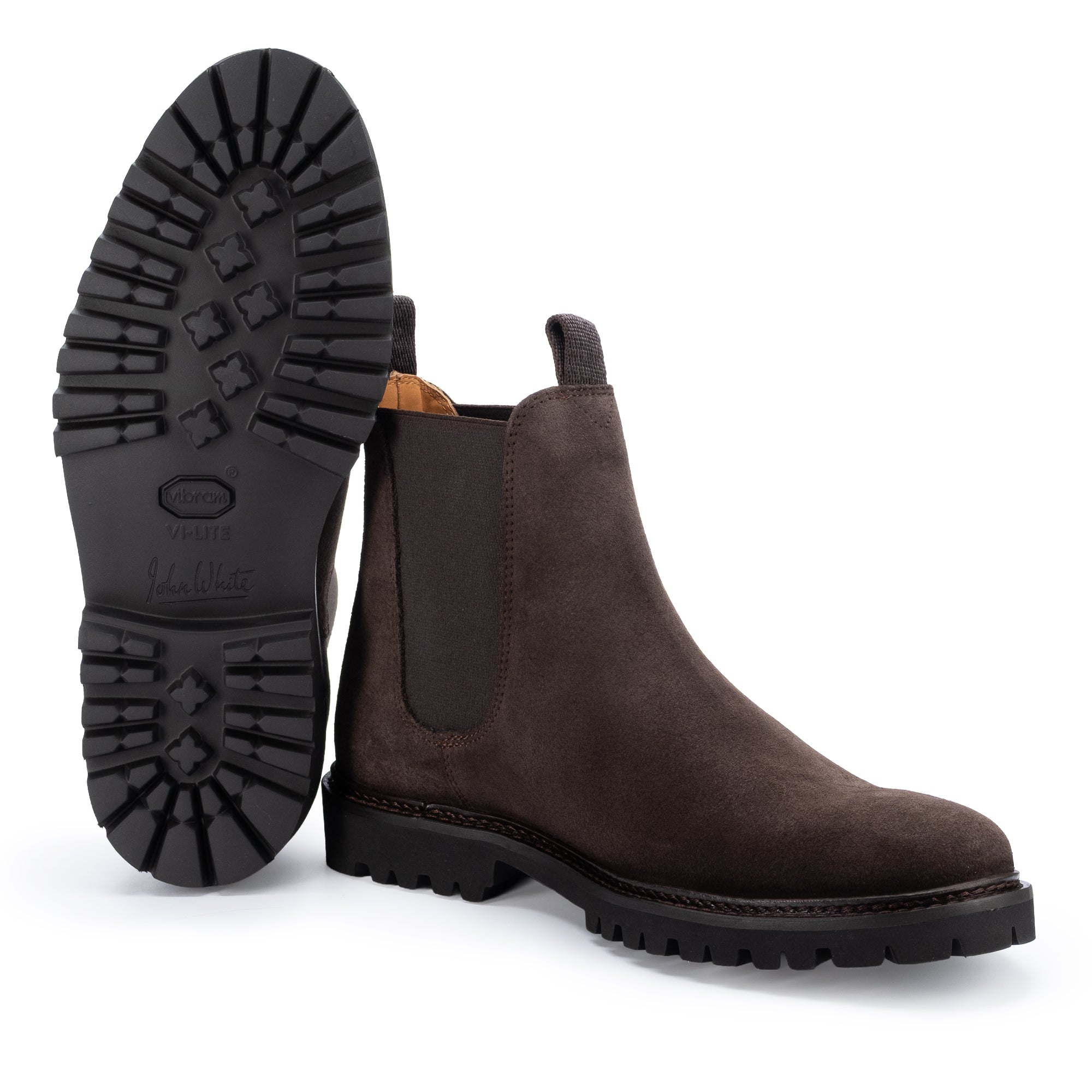
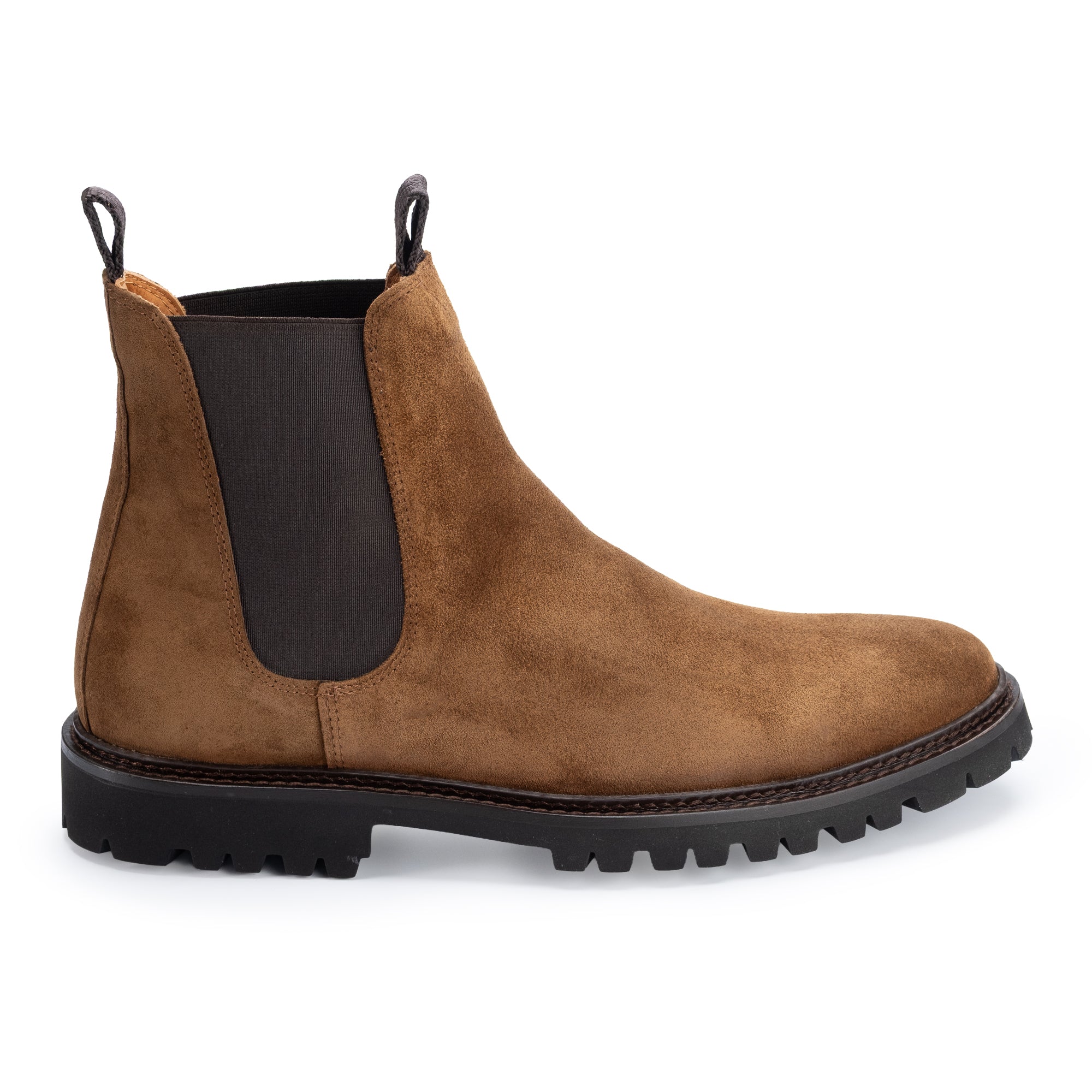
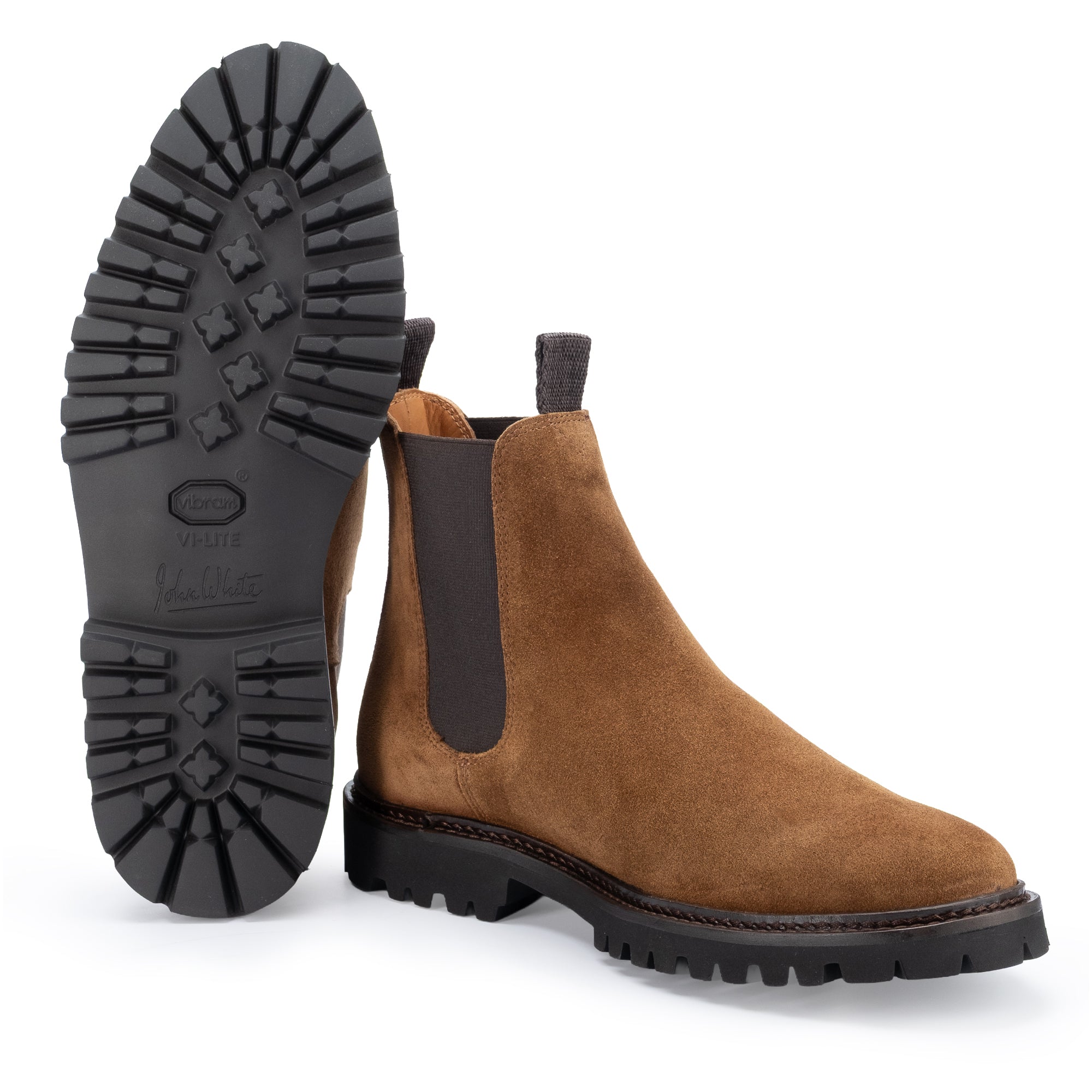
Outsole material also matters. Leather soles wear faster than rubber alternatives on hard urban surfaces. If you cover significant pavement daily, a rubber-soled option from the men's boots collection will extend the interval between heel interventions without sacrificing refinement.
Goodyear welted construction is the structural precondition for cost-effective, indefinitely repeatable heel repair — it is what separates a shoe that is rebuilt from one that is discarded.How Often Should You Have Leather Shoe Heels Professionally Checked?
For shoes worn two to three days per week, a professional cobbler check every three to four months is sufficient alongside monthly self-inspection. For daily wear, reduce the interval to six to eight weeks. Incorporating heel assessment into a broader annual care ritual — covering conditioning, welt inspection, and polish — is the most efficient approach; the full schedule is set out in The Annual Ritual: A Complete Maintenance Checklist for Your Leather Shoe Collection.
Explore the full range of premium leather shoes at John White Shoes, or browse the men's boots collection for options built to withstand the demands of daily British wear.
Related Guides
- From Northampton to the World: The Story Behind British Shoemaking — our comprehensive guide
- The History of British Shoemaking — our comprehensive guide
- Resoling Leather Shoes: When and Why to Rebuild Them
- The Annual Ritual: A Complete Maintenance Checklist for Your Leather Shoe Collection
- Welt Conditioning: The Overlooked Step That Determines How Long Your Shoes Last
TL;DR: Leather shoe heel wear begins at the heel tip and progresses into the heel block if left unaddressed. Inspect every four to six weeks, replace the tip at Stage 2 wear, and rotate your shoes to slow degradation. On Goodyear welted construction, every tier of heel damage is repairable — but only if the intervention comes at the correct stage.
Frequently Asked Questions
How long should a leather shoe heel tip last?
Under regular use of two to three days per week, a rubber heel tip typically lasts six to twelve months before requiring replacement. Leather heel tips wear faster and may need attention every four to six months. Daily wear, hard urban surfaces, and lateral gait patterns all shorten this interval considerably.
Can I replace leather shoe heel tips myself?
Self-adhesive heel tip kits are available but are not recommended for quality leather footwear. An ill-fitted tip alters the heel's ground contact angle, which accelerates asymmetric wear and can distort the upper over time. A cobbler's replacement takes under an hour and is correctly profiled to the original heel geometry — the cost difference does not justify the risk of a DIY repair on a premium shoe.
What does uneven heel wear on leather shoes indicate?
Uneven heel wear — where one side of the tip degrades faster than the other — indicates a gait imbalance. Lateral wear points to supination; medial wear to pronation. Replacing the tip without addressing the gait pattern will reproduce the same asymmetric wear on the replacement. A podiatrist assessment or custom orthotic insert is the appropriate parallel intervention.
How much does heel tip replacement cost in the UK?
A standard rubber heel tip replacement at a quality cobbler costs between £10 and £20 per pair, depending on material and region. A partial rebuild — where one or two lifts also require replacement — typically runs between £25 and £45. Full heel reconstruction on a premium welted shoe ranges from £50 to £80. In every case, the cost of early intervention is a fraction of the cost of deferred repair.