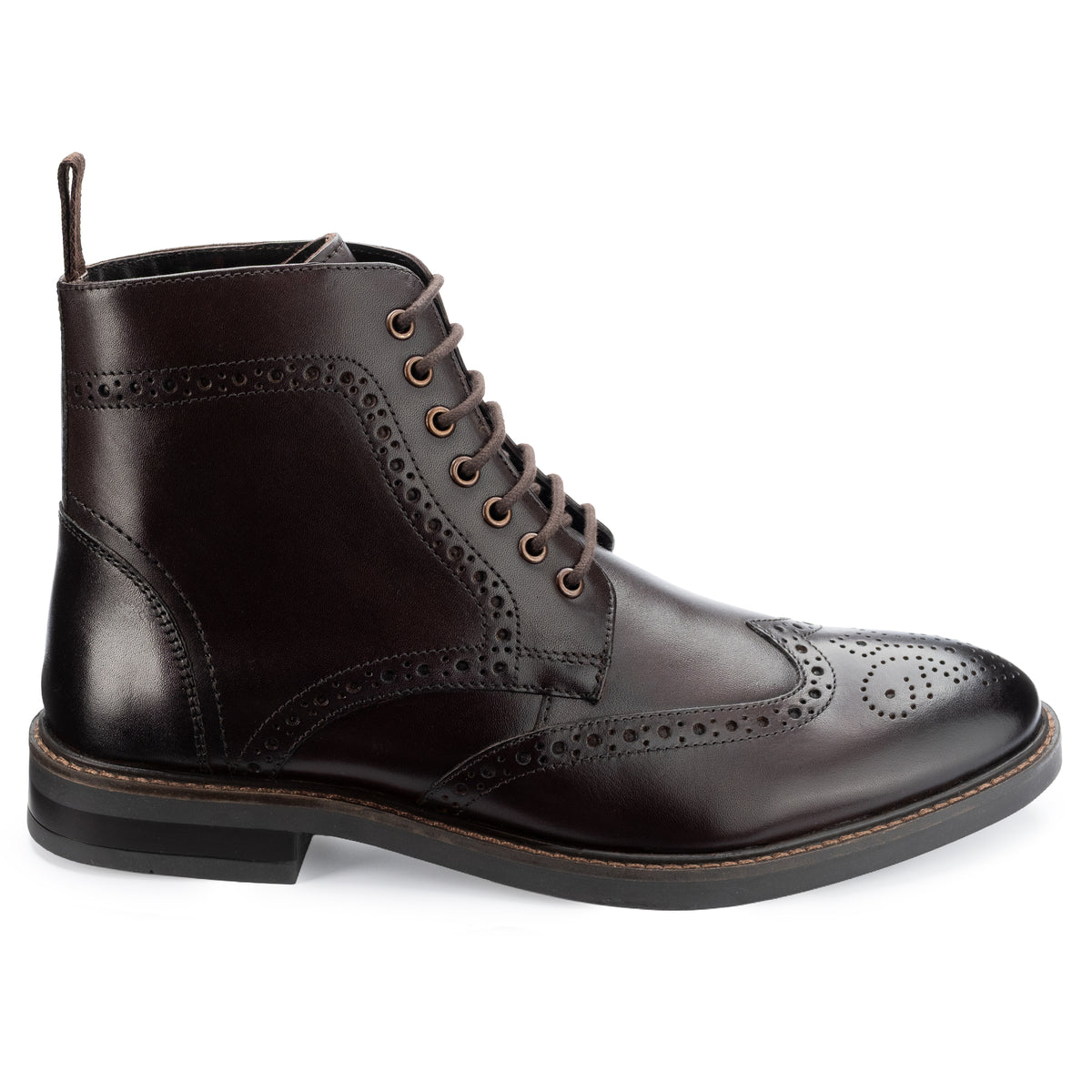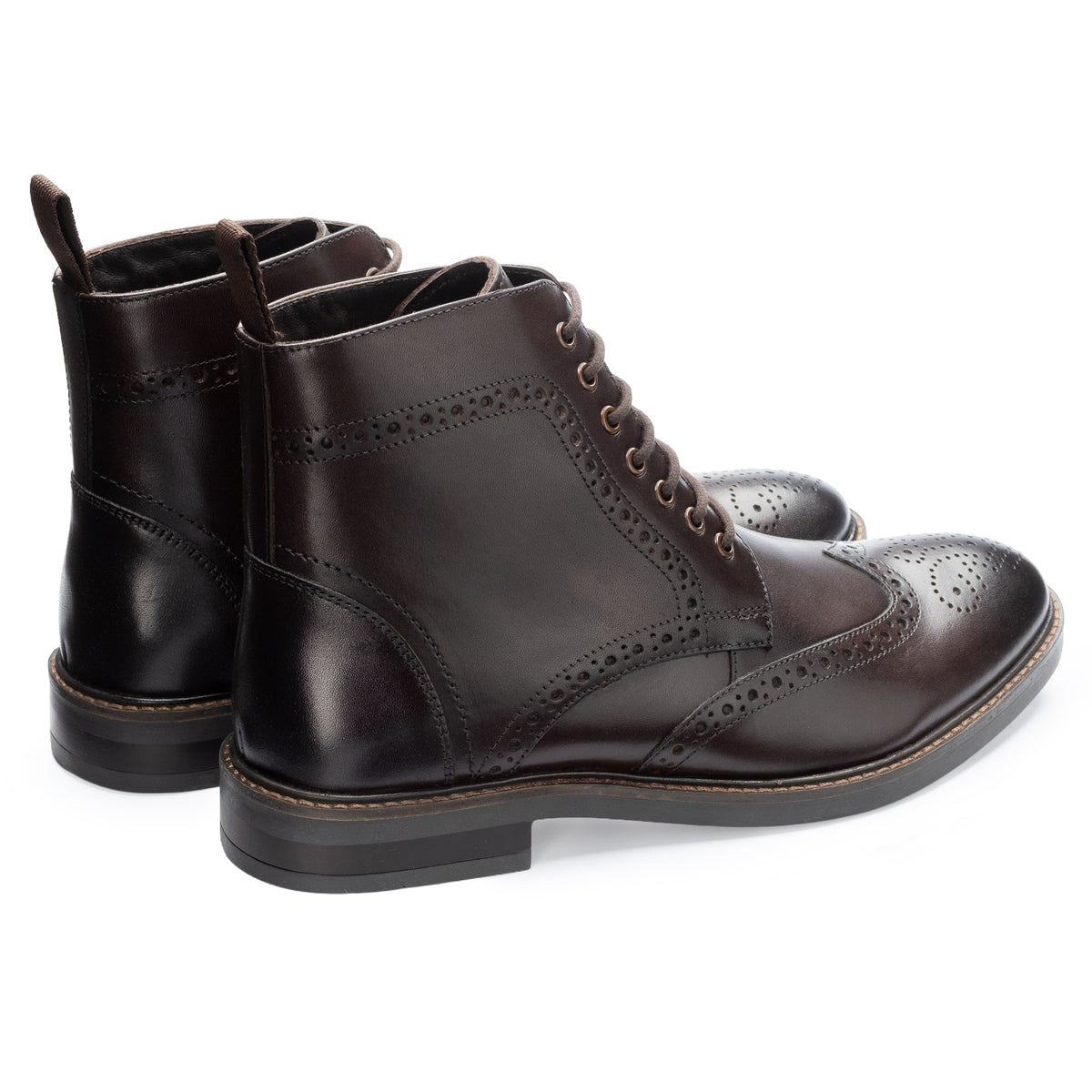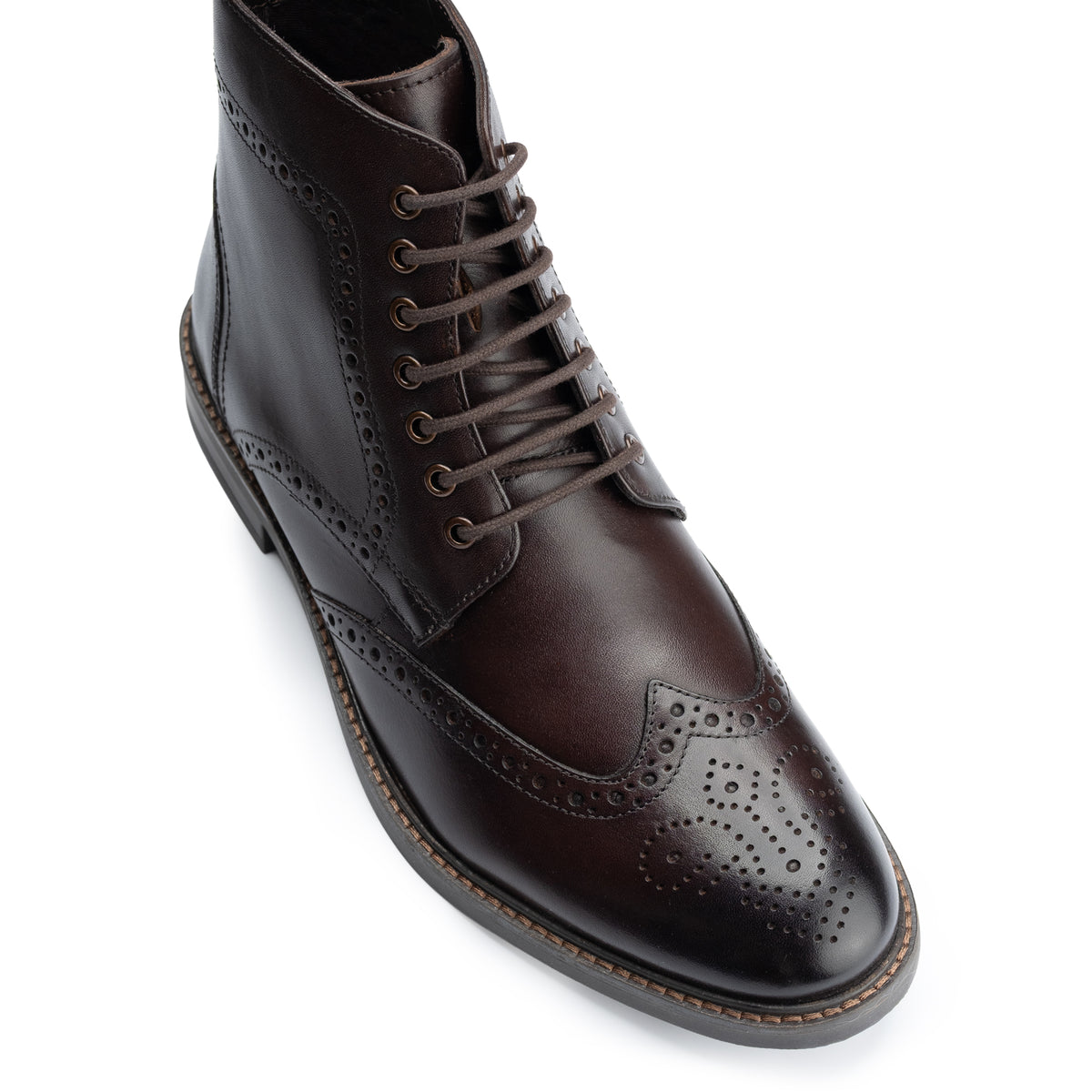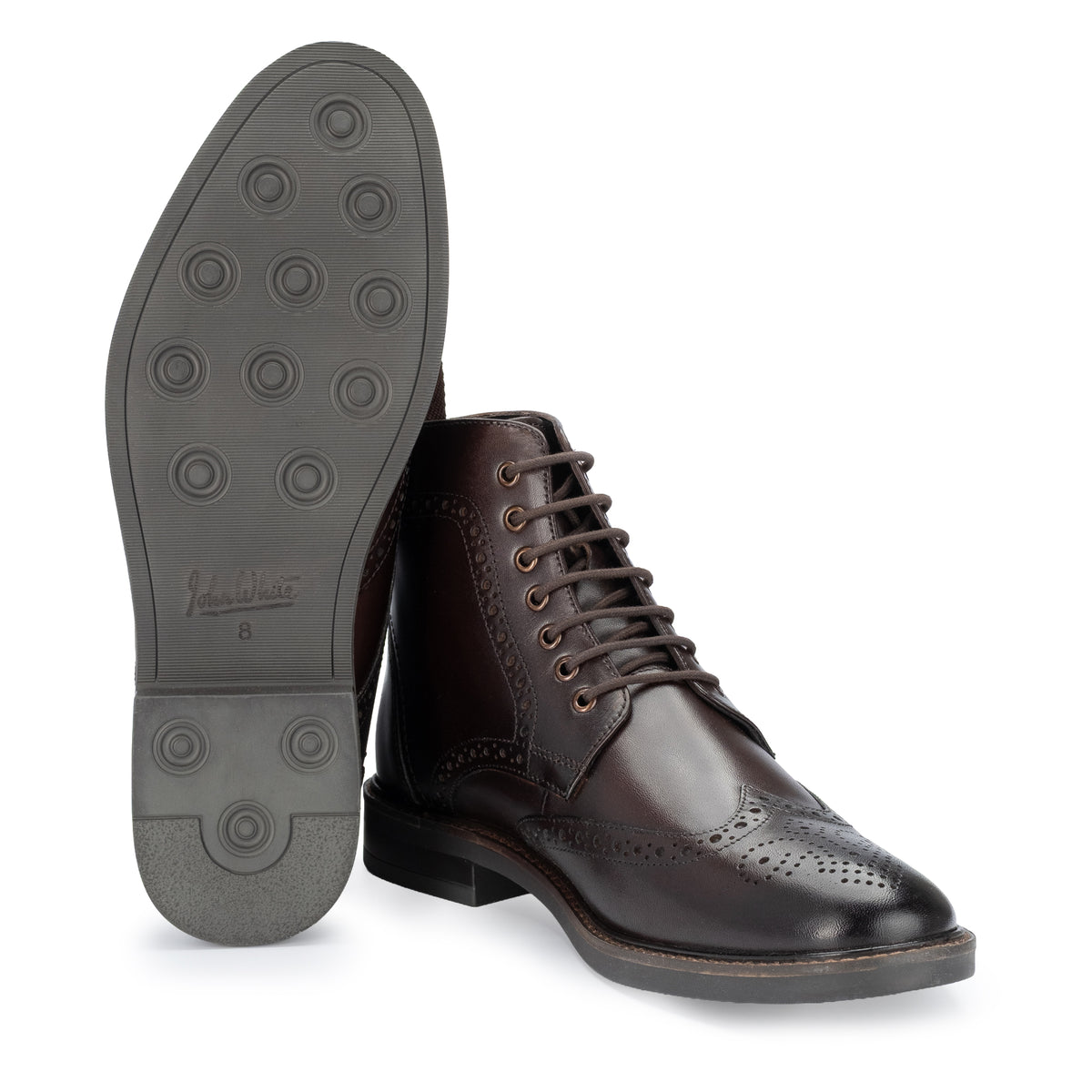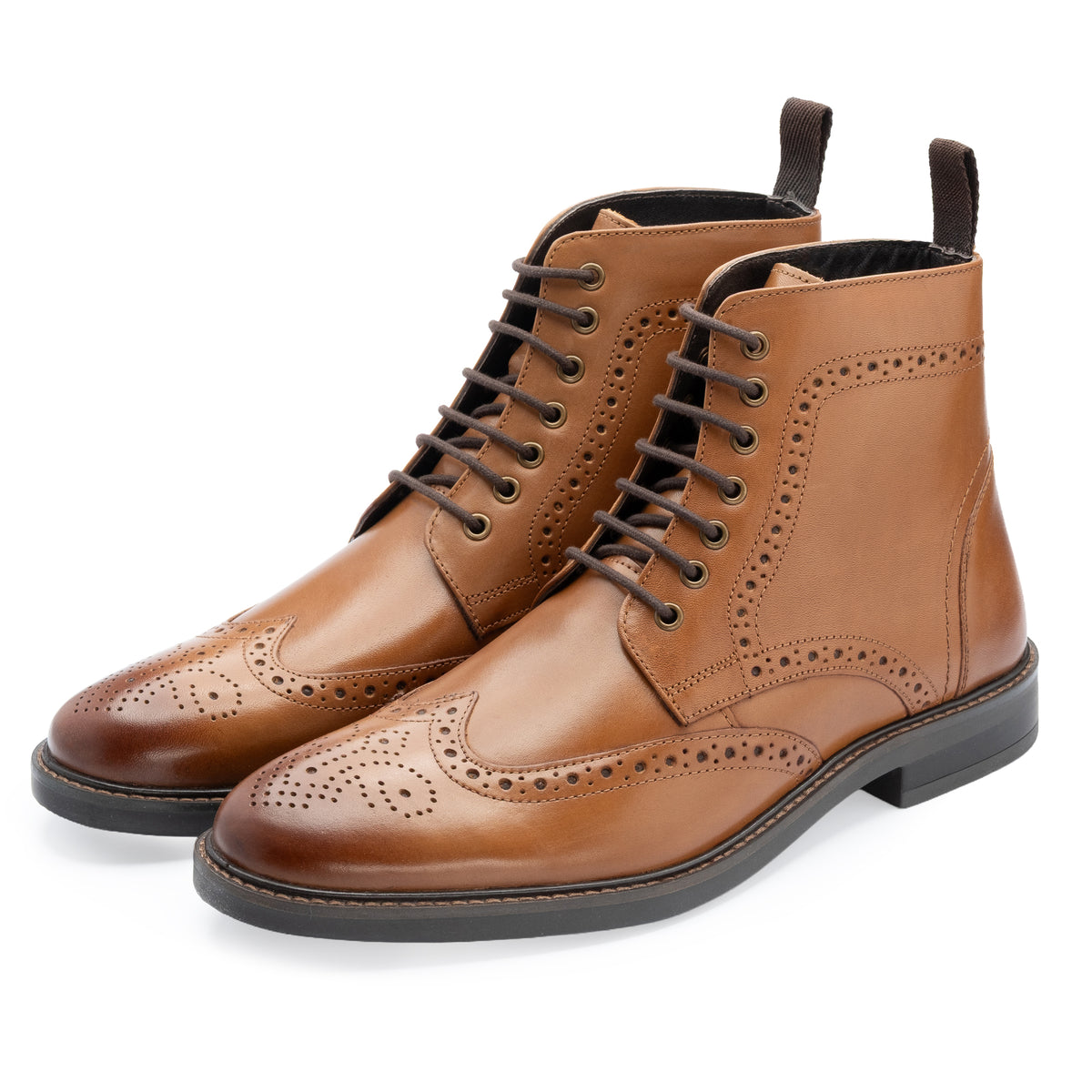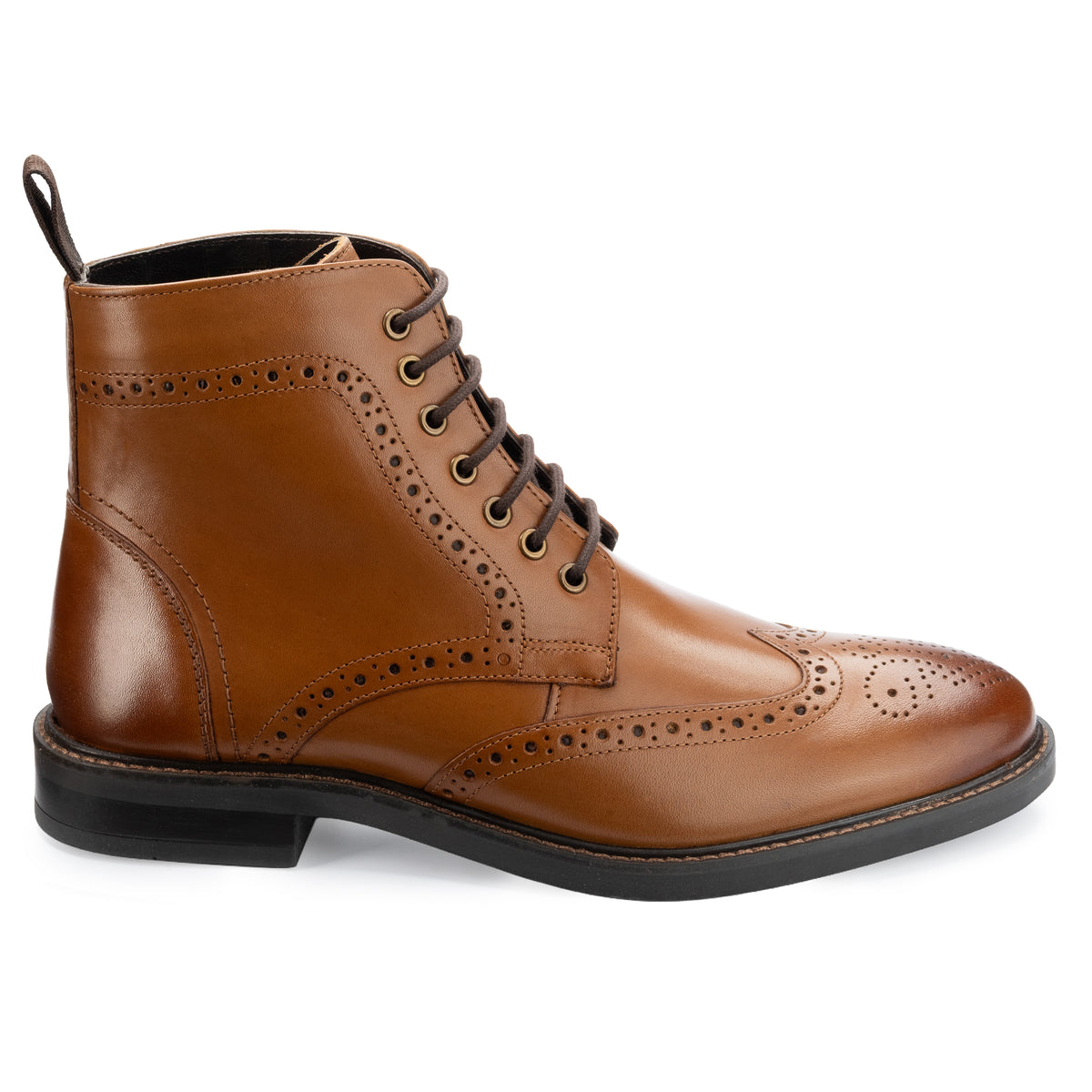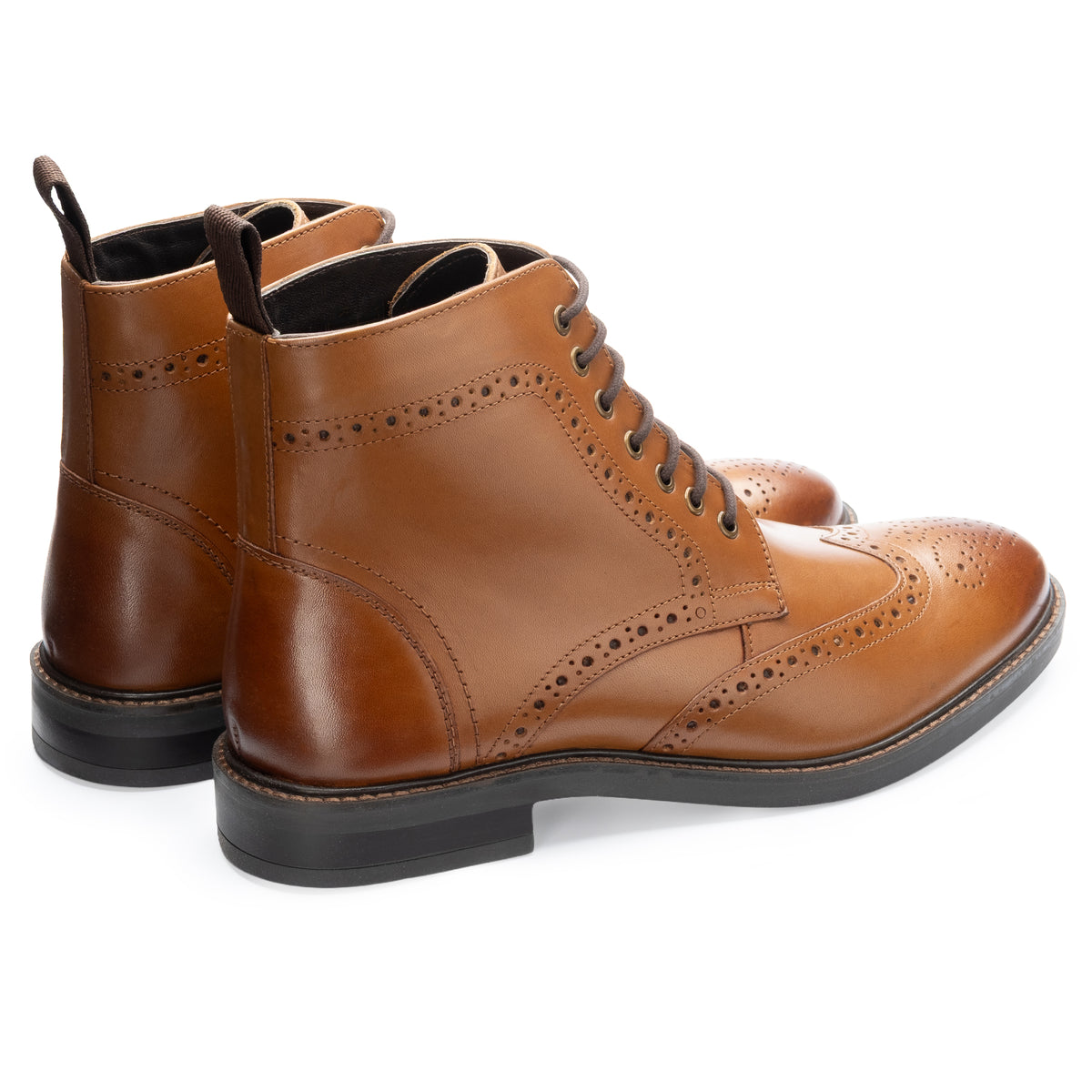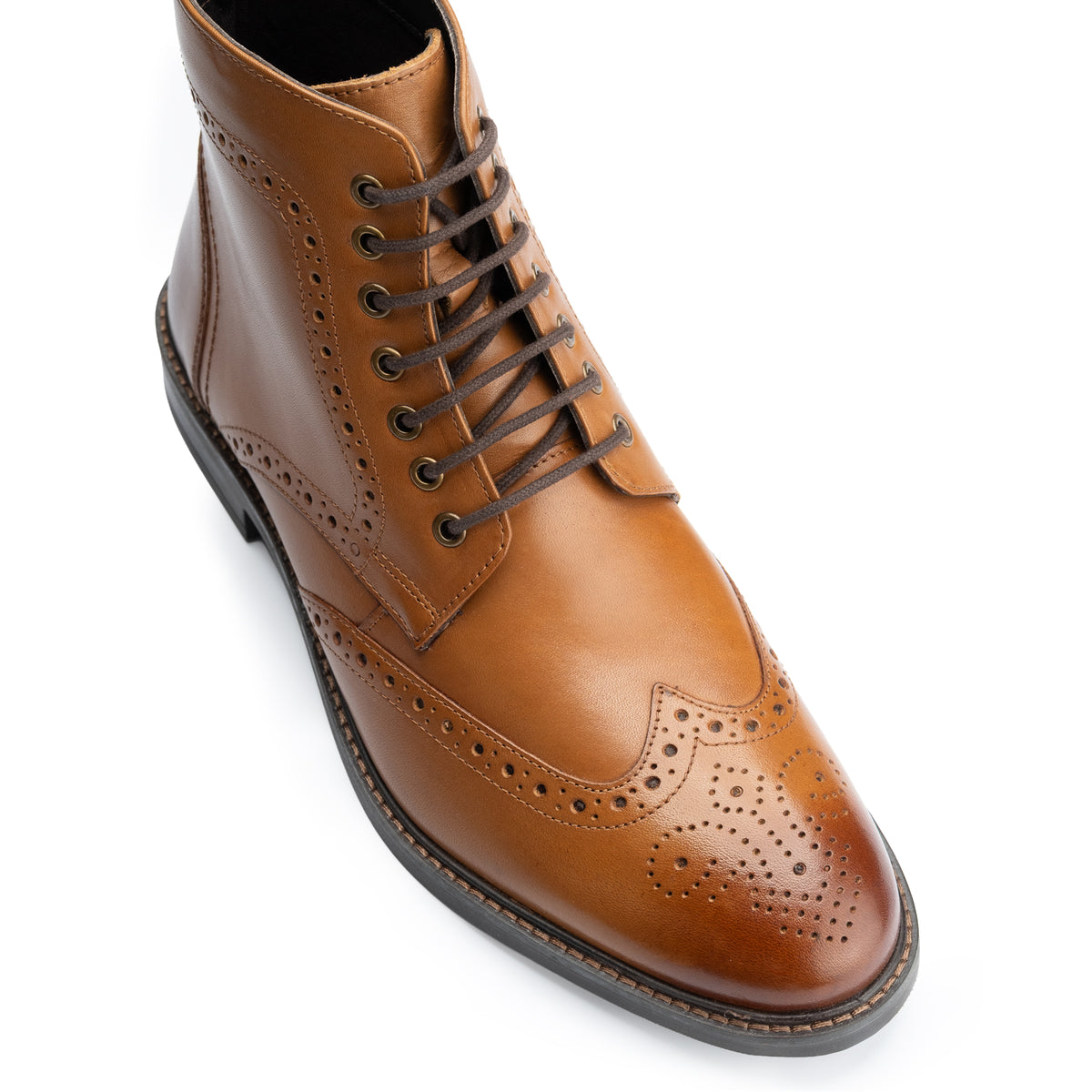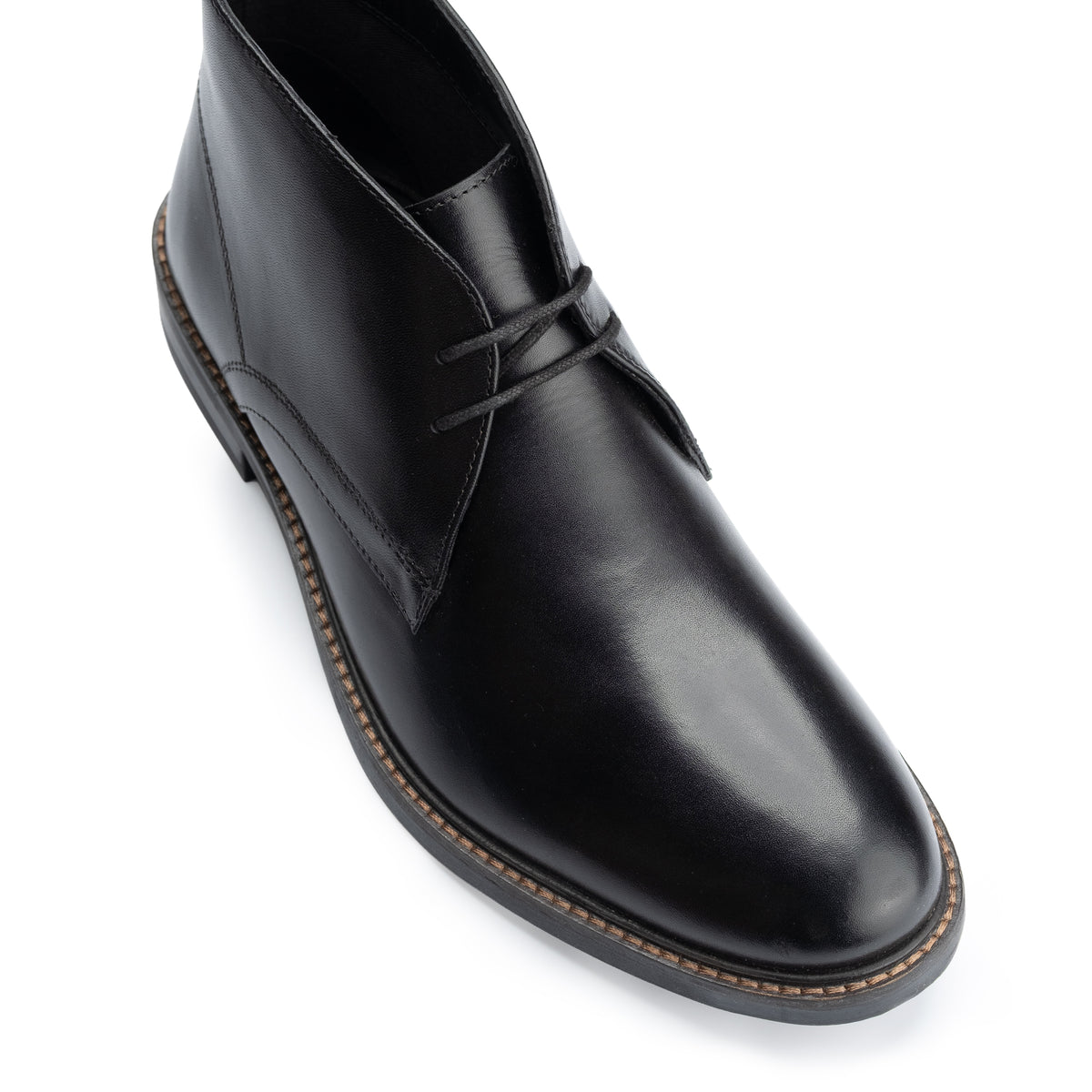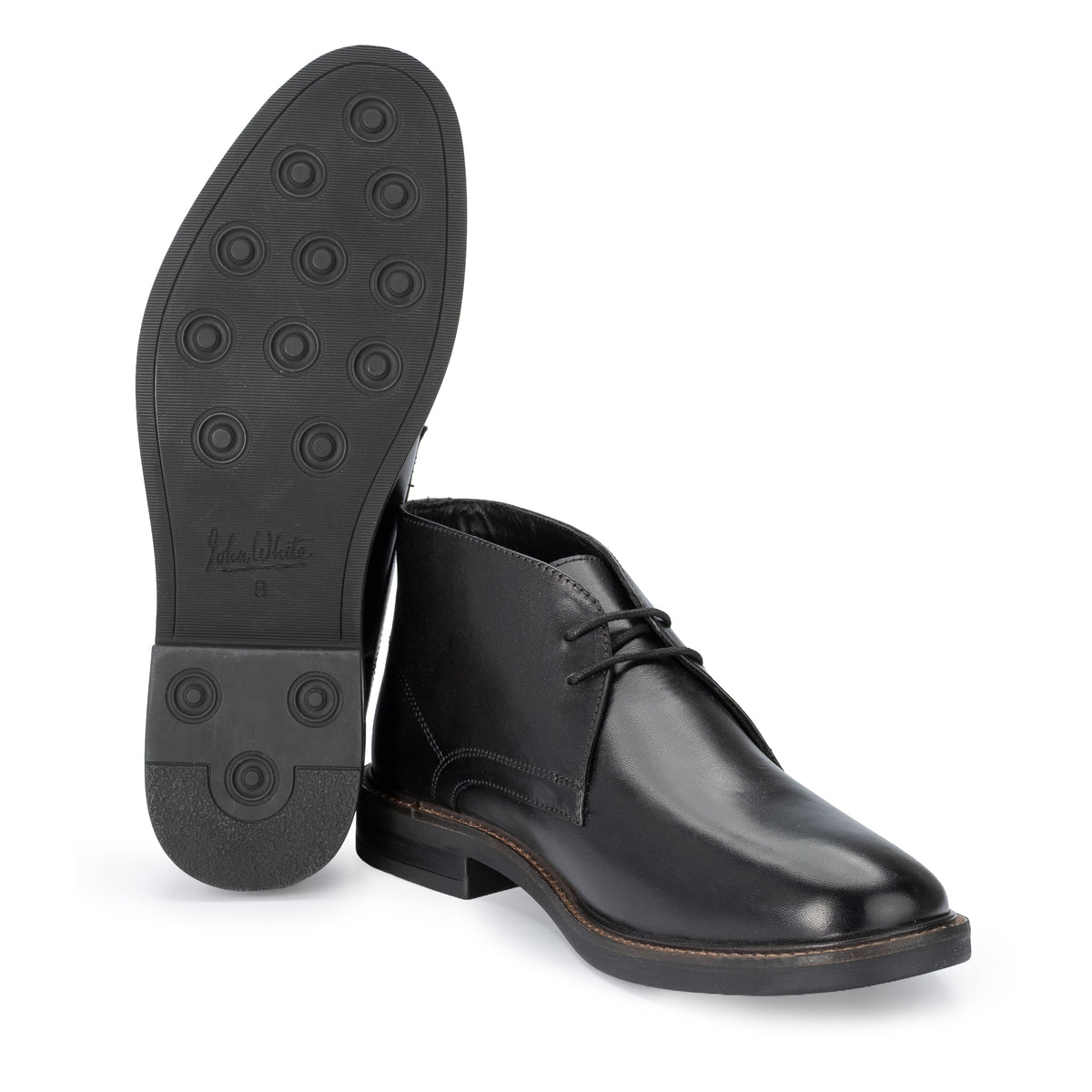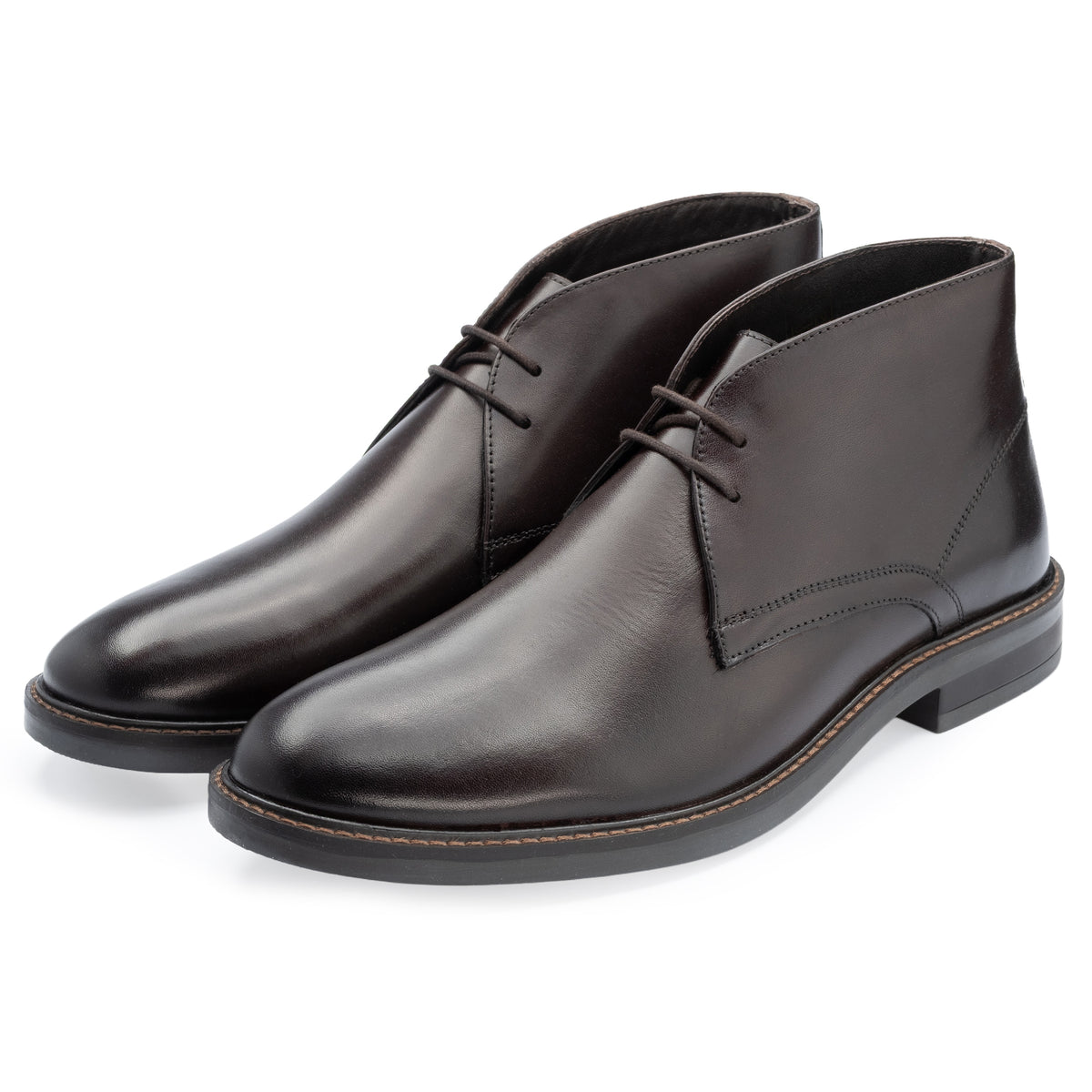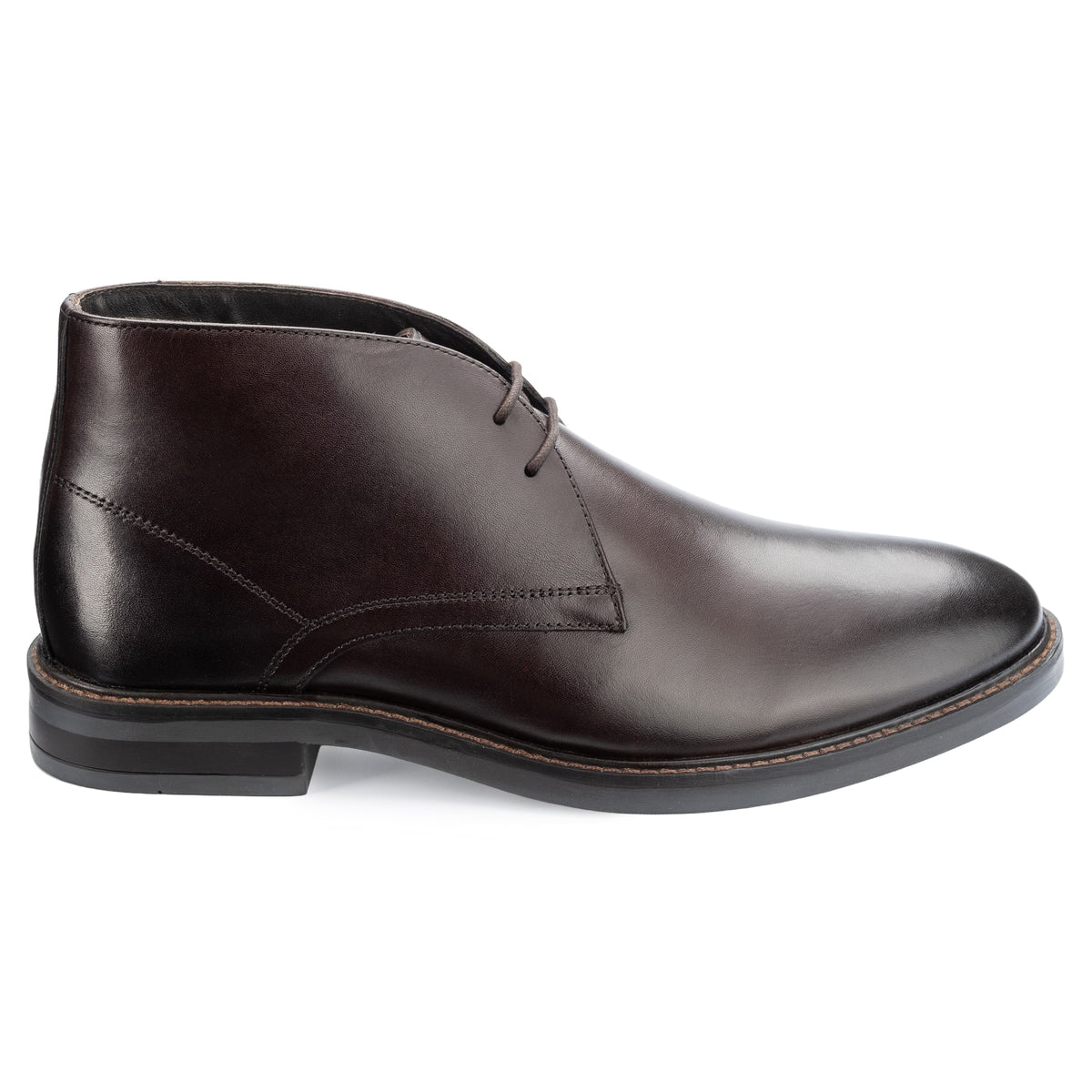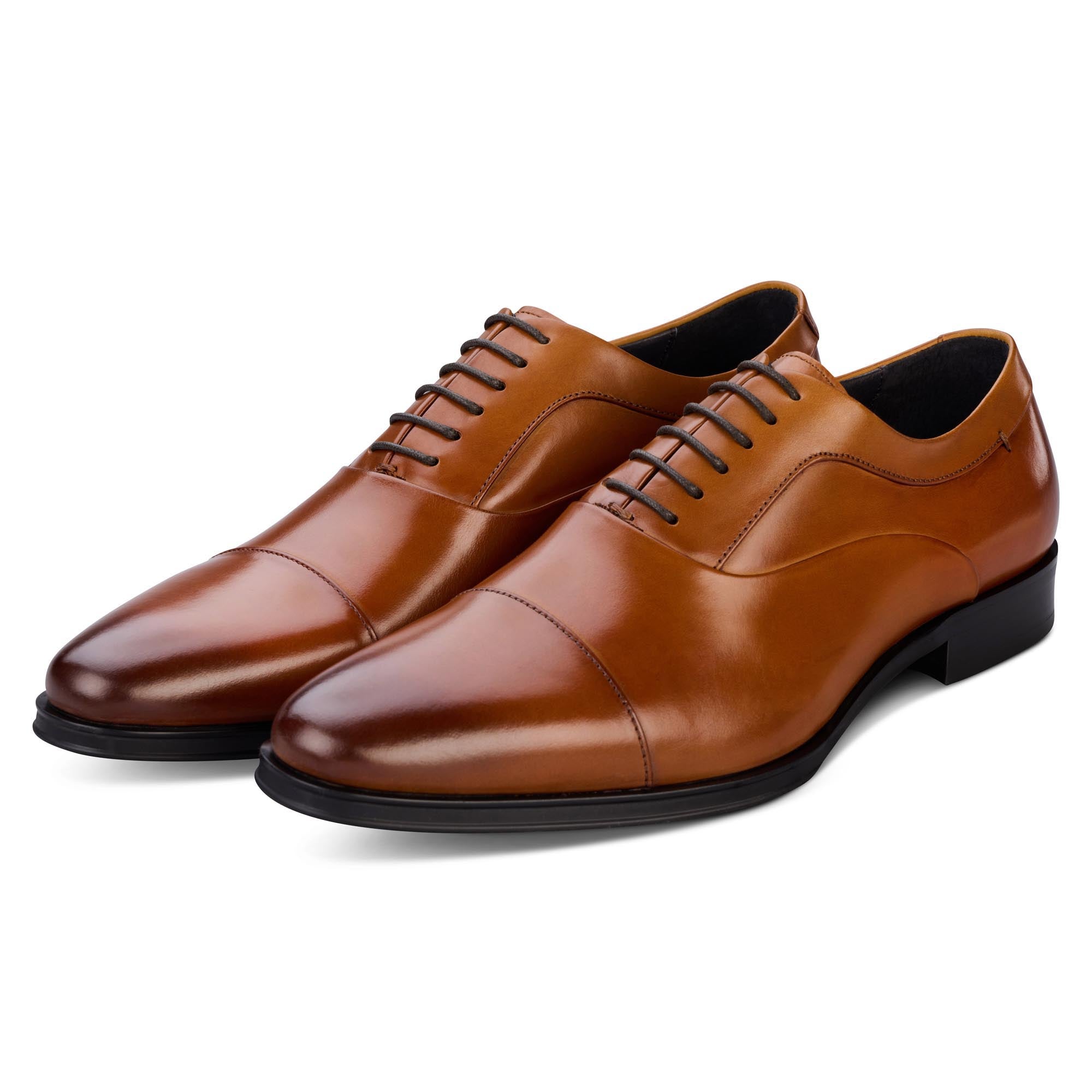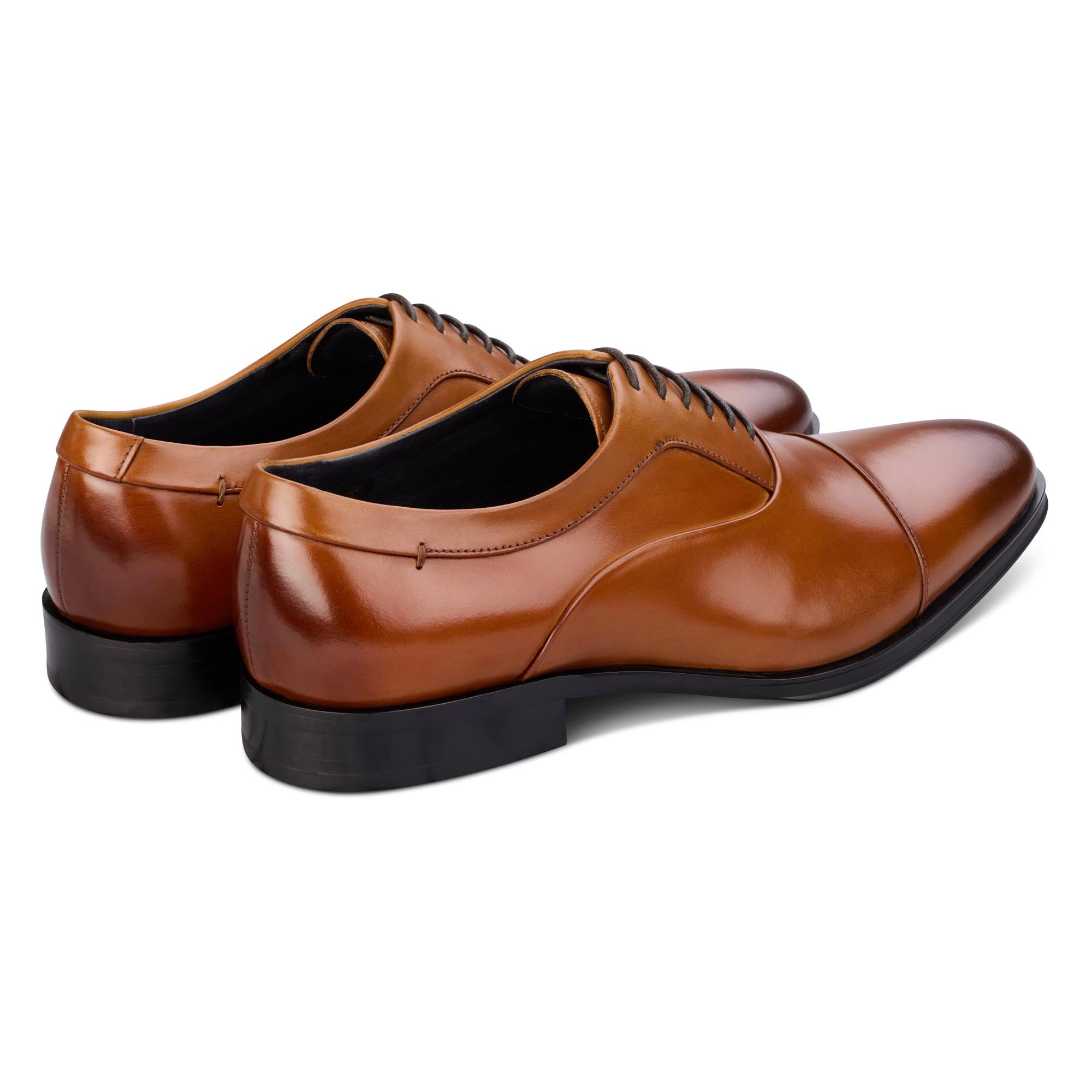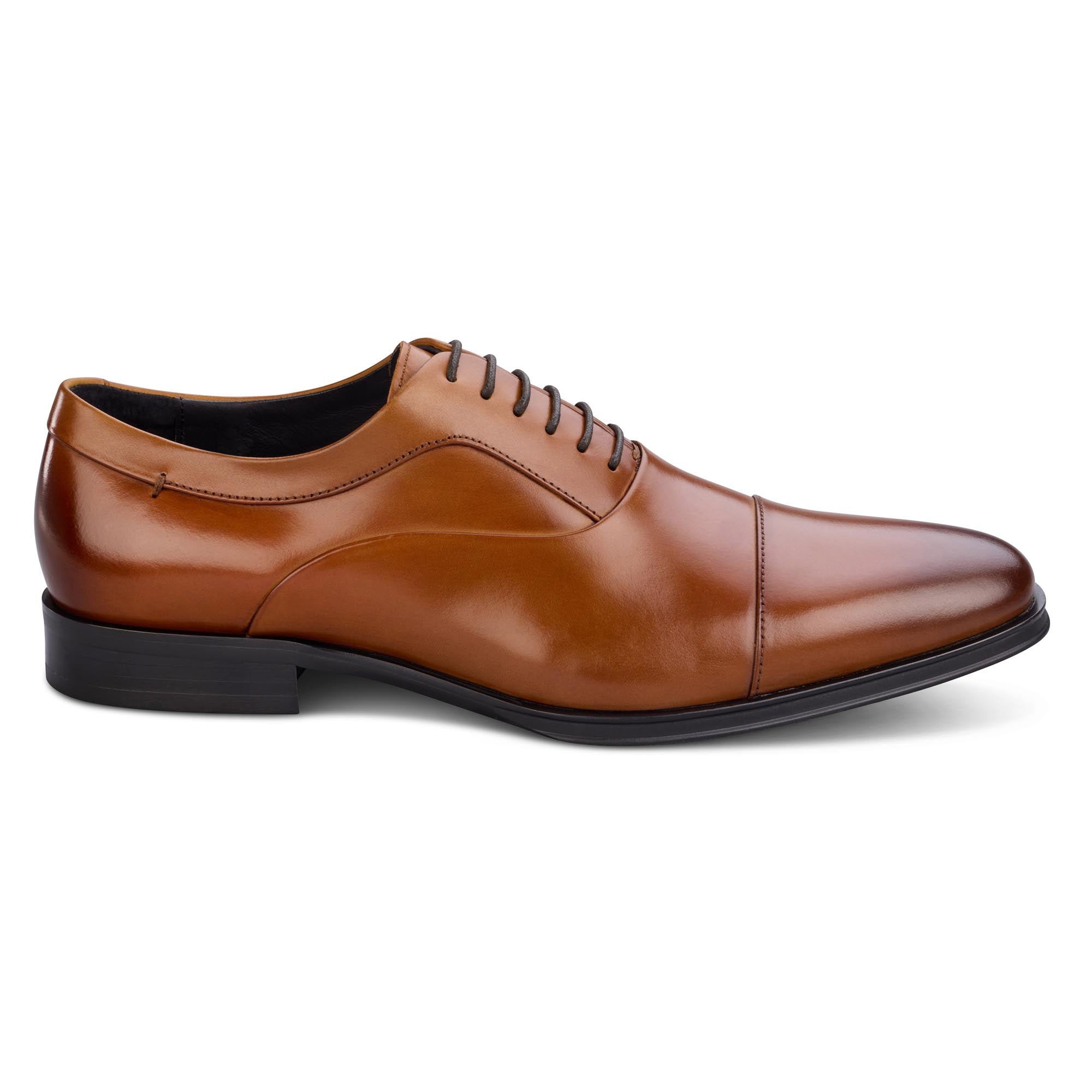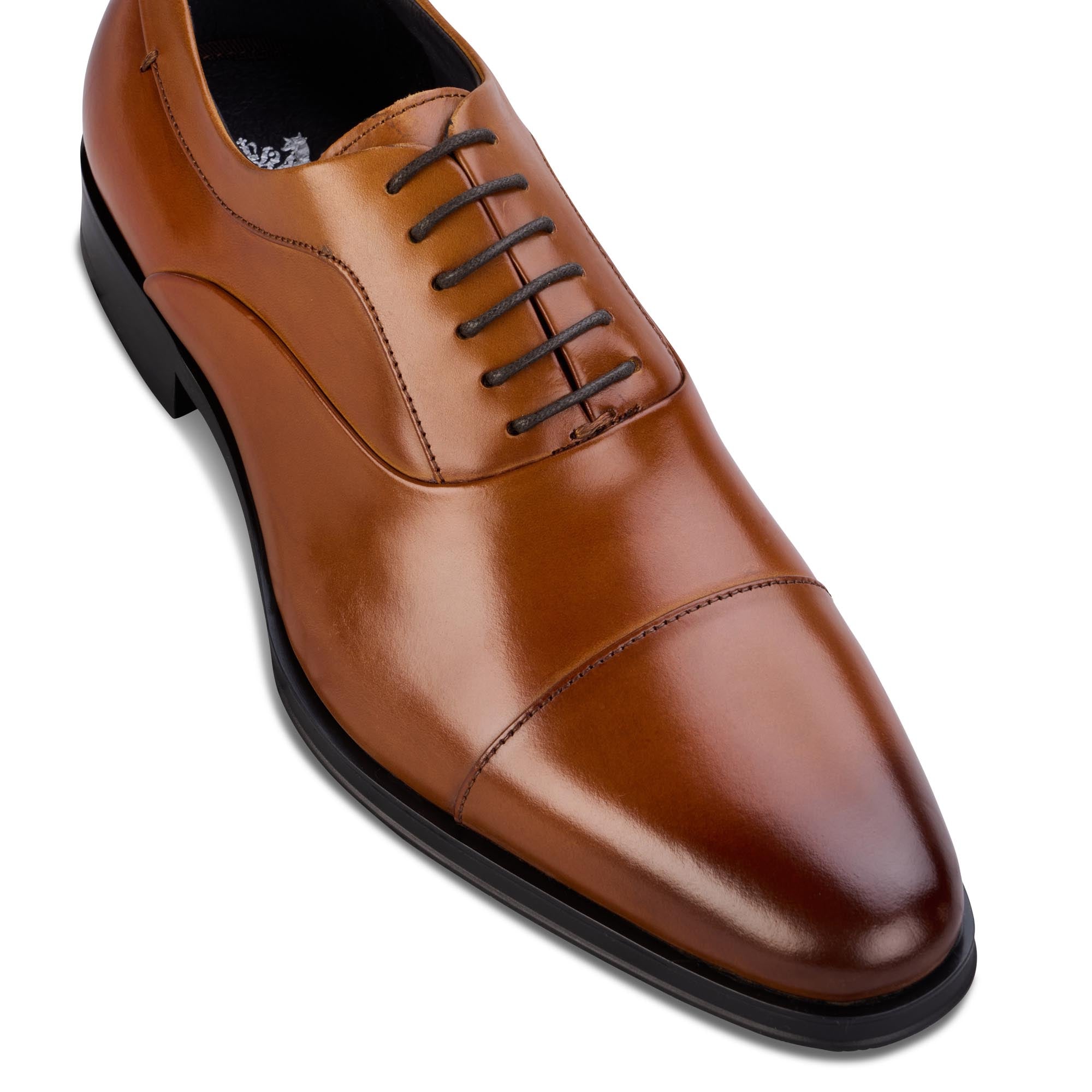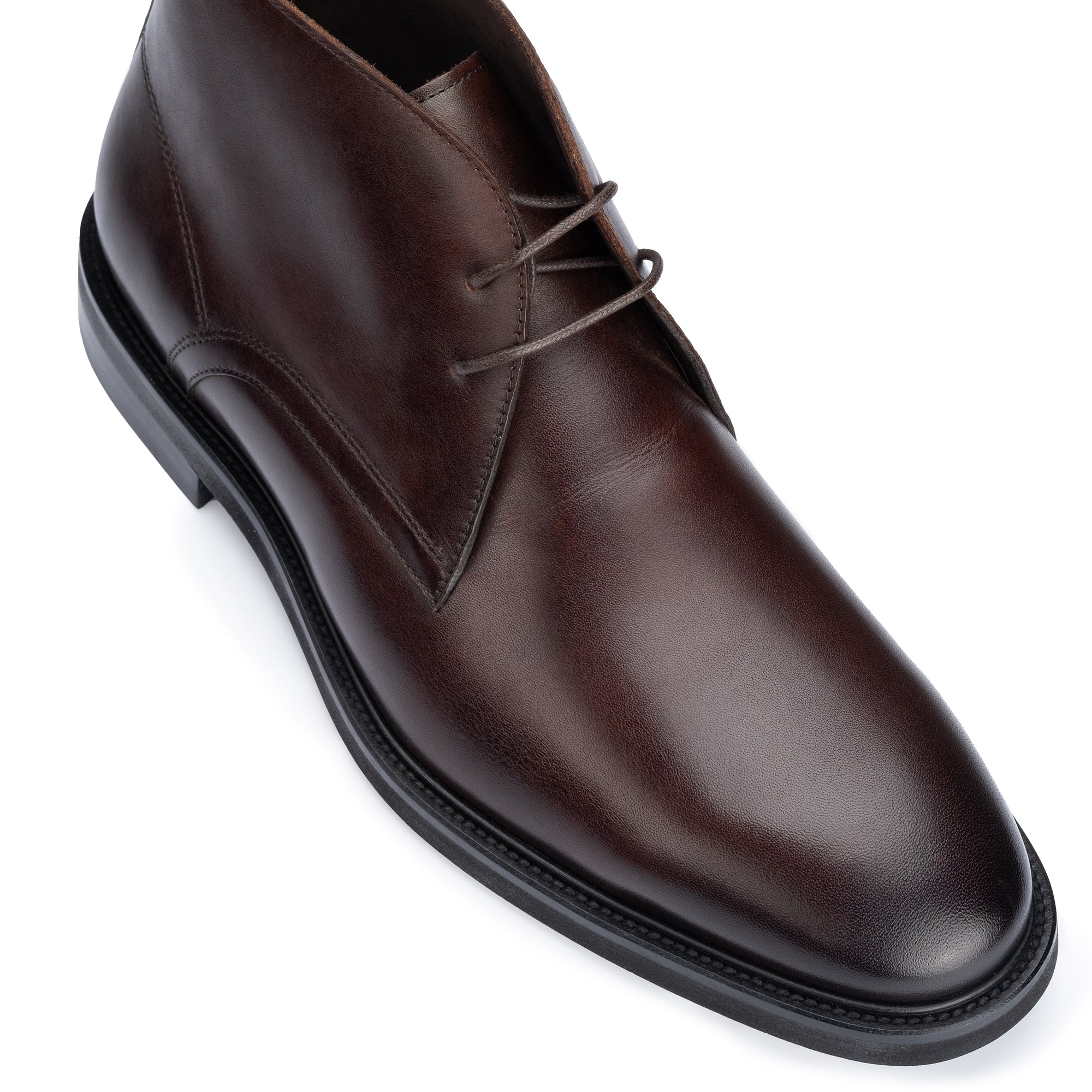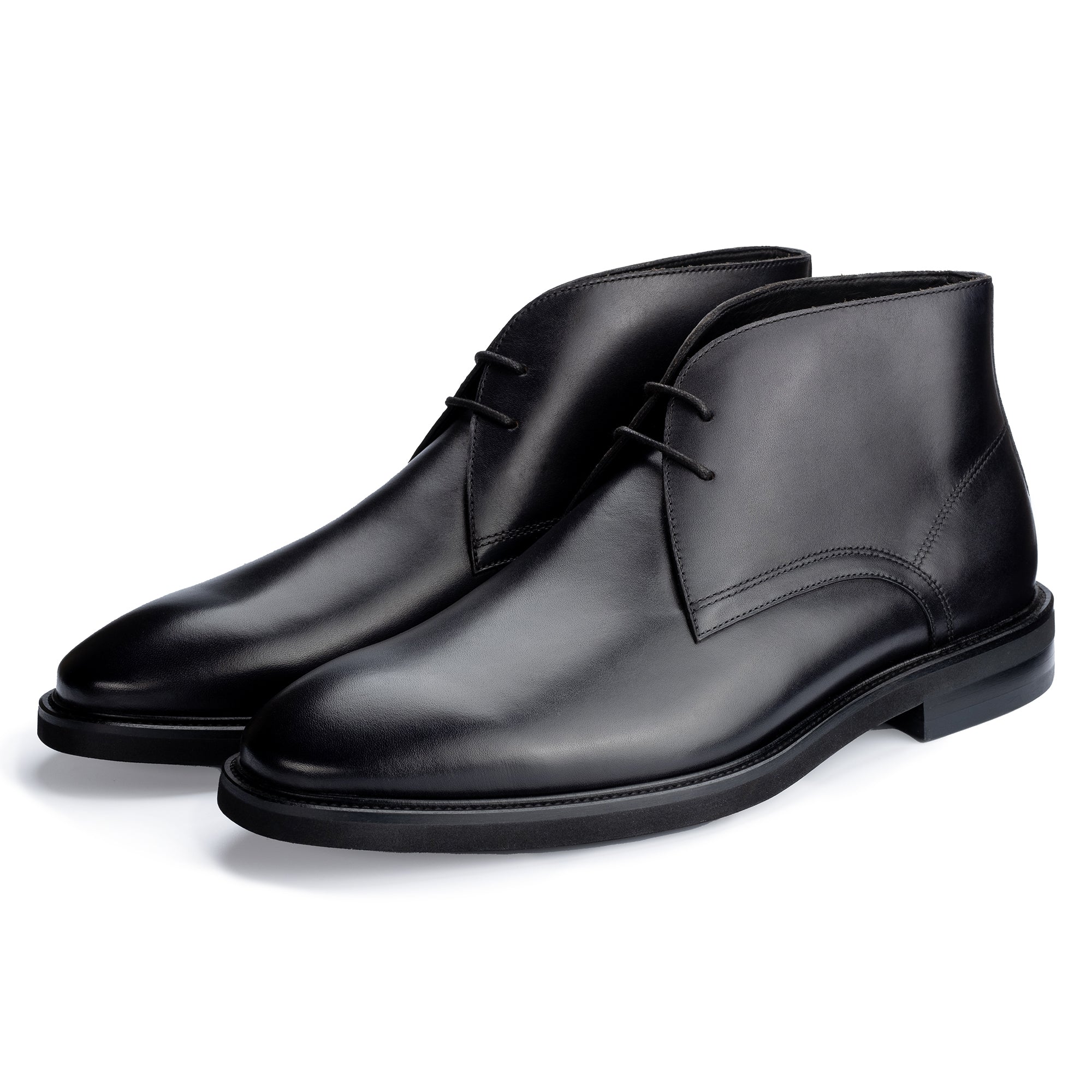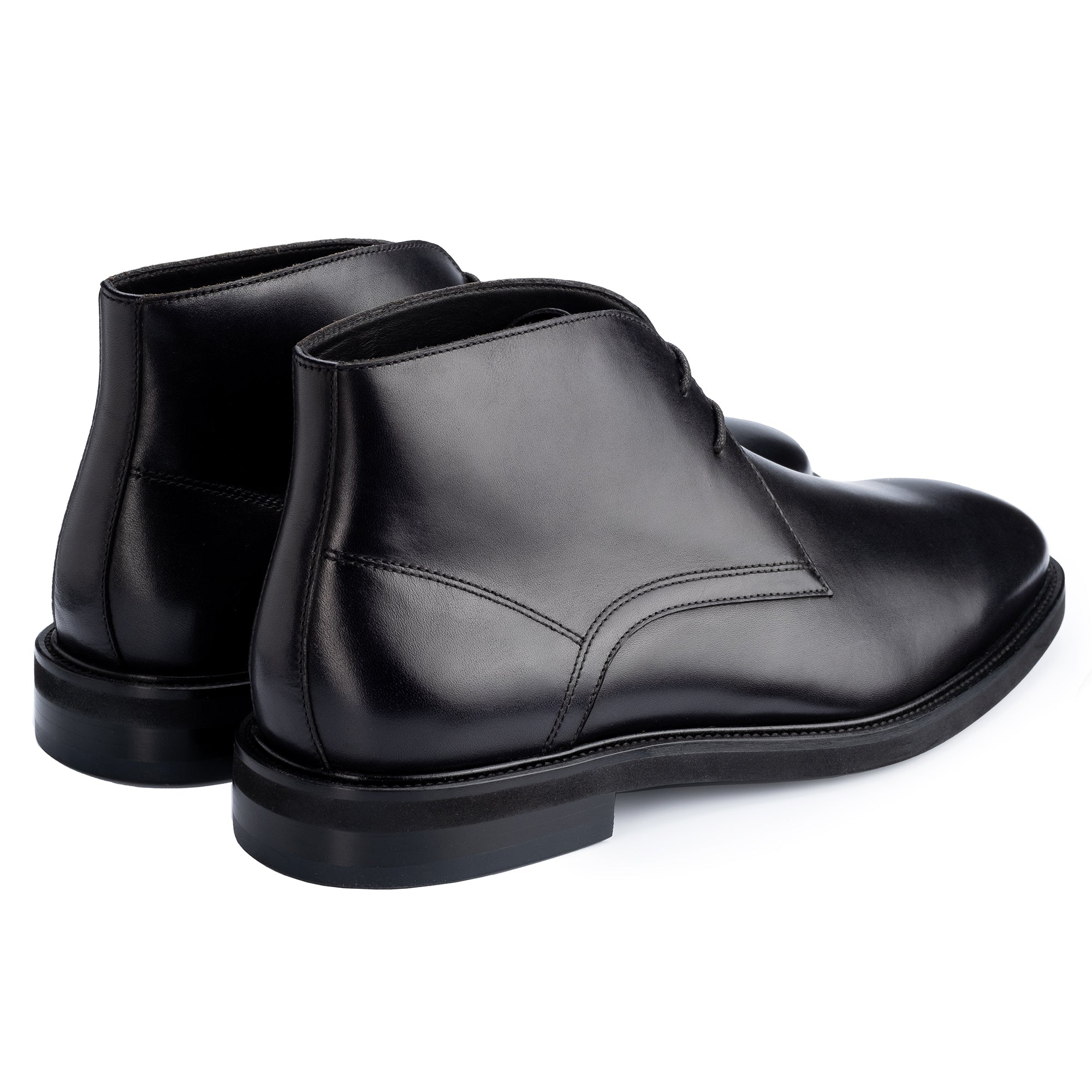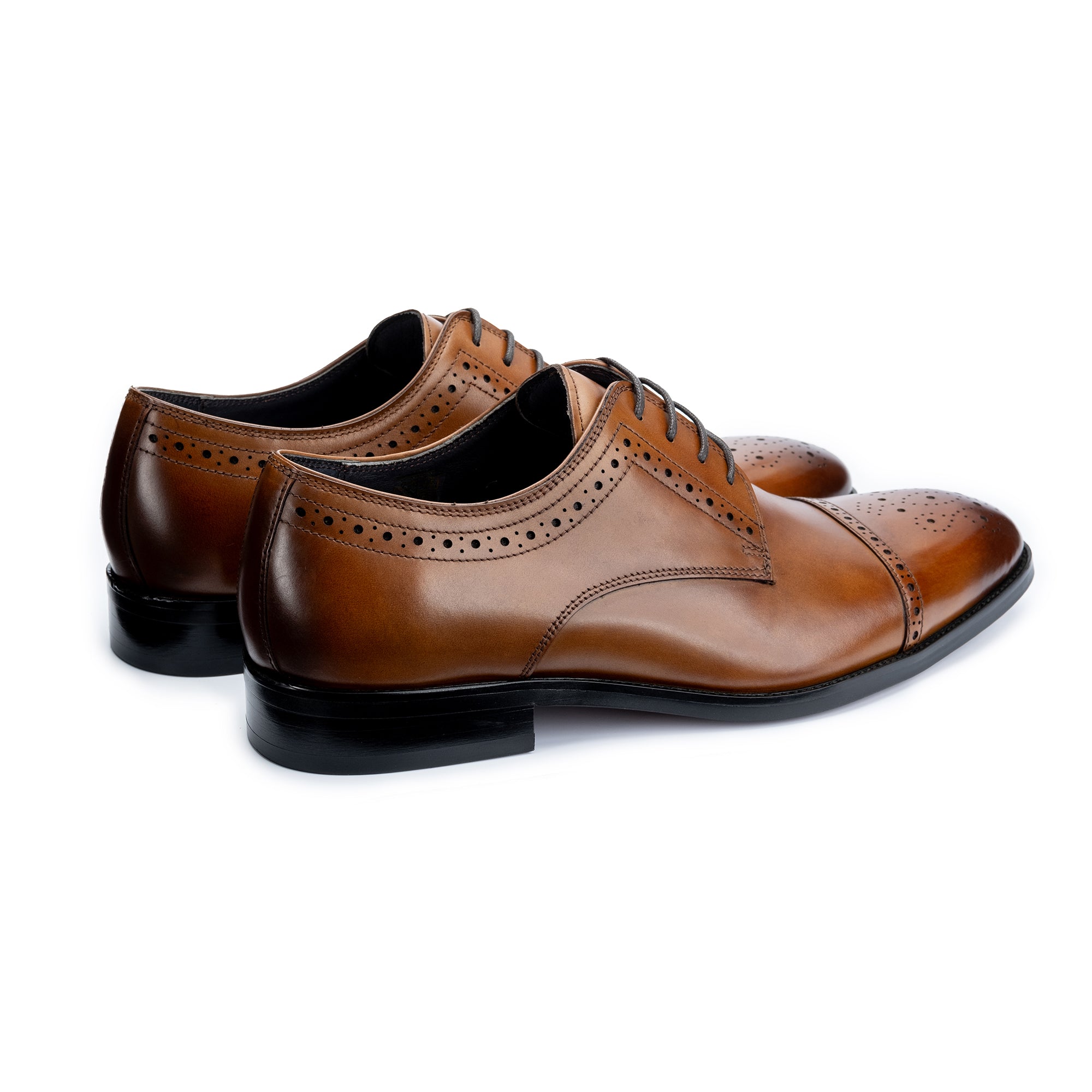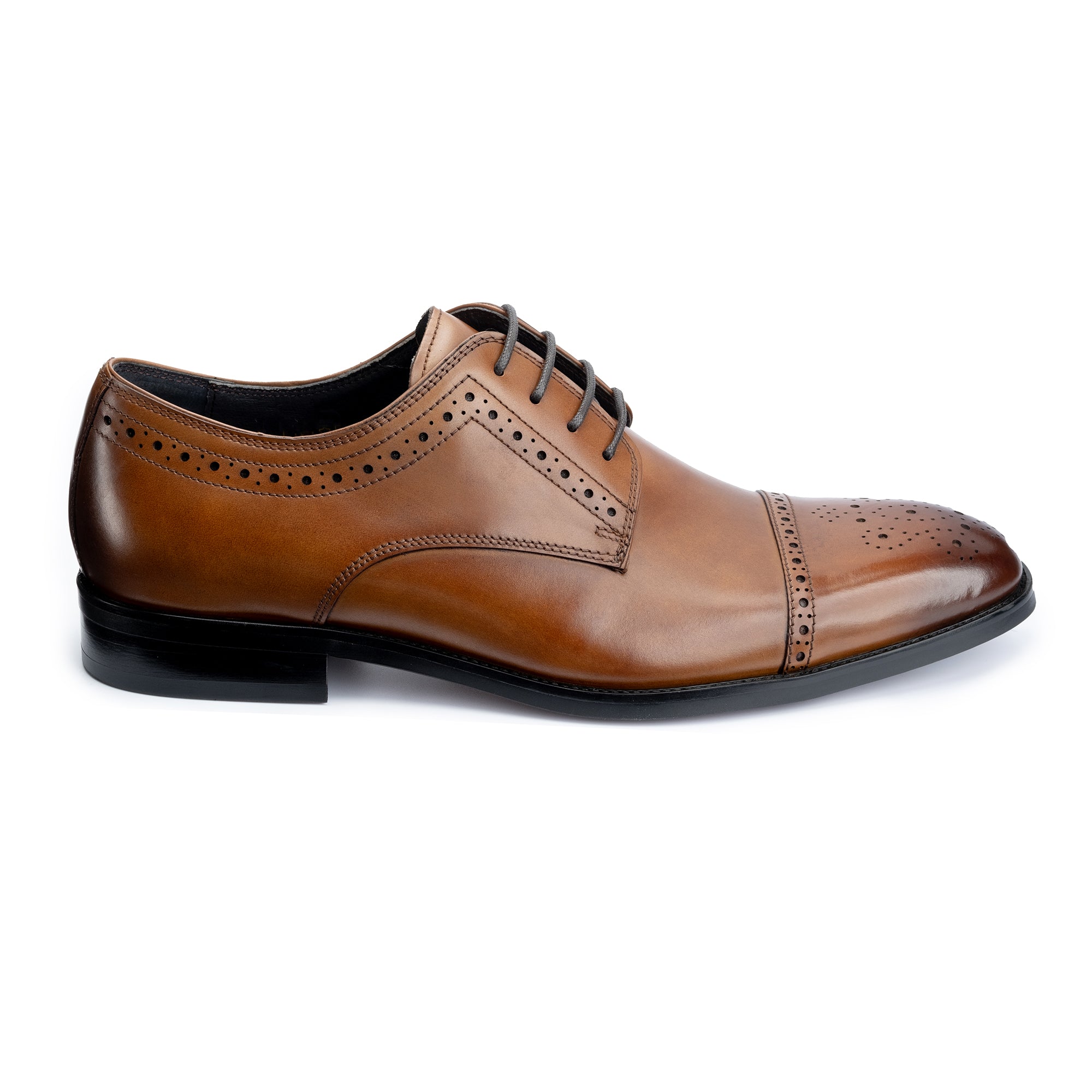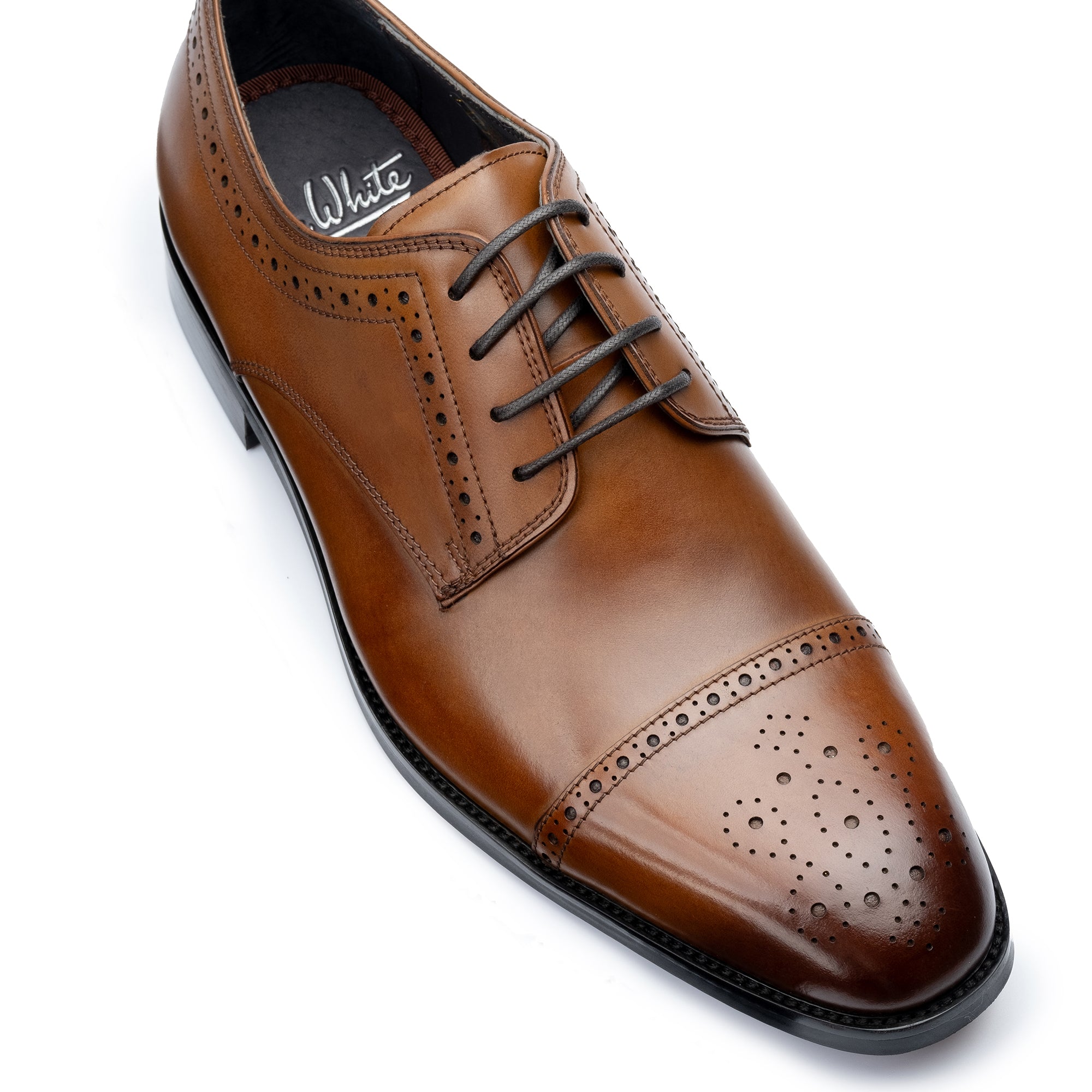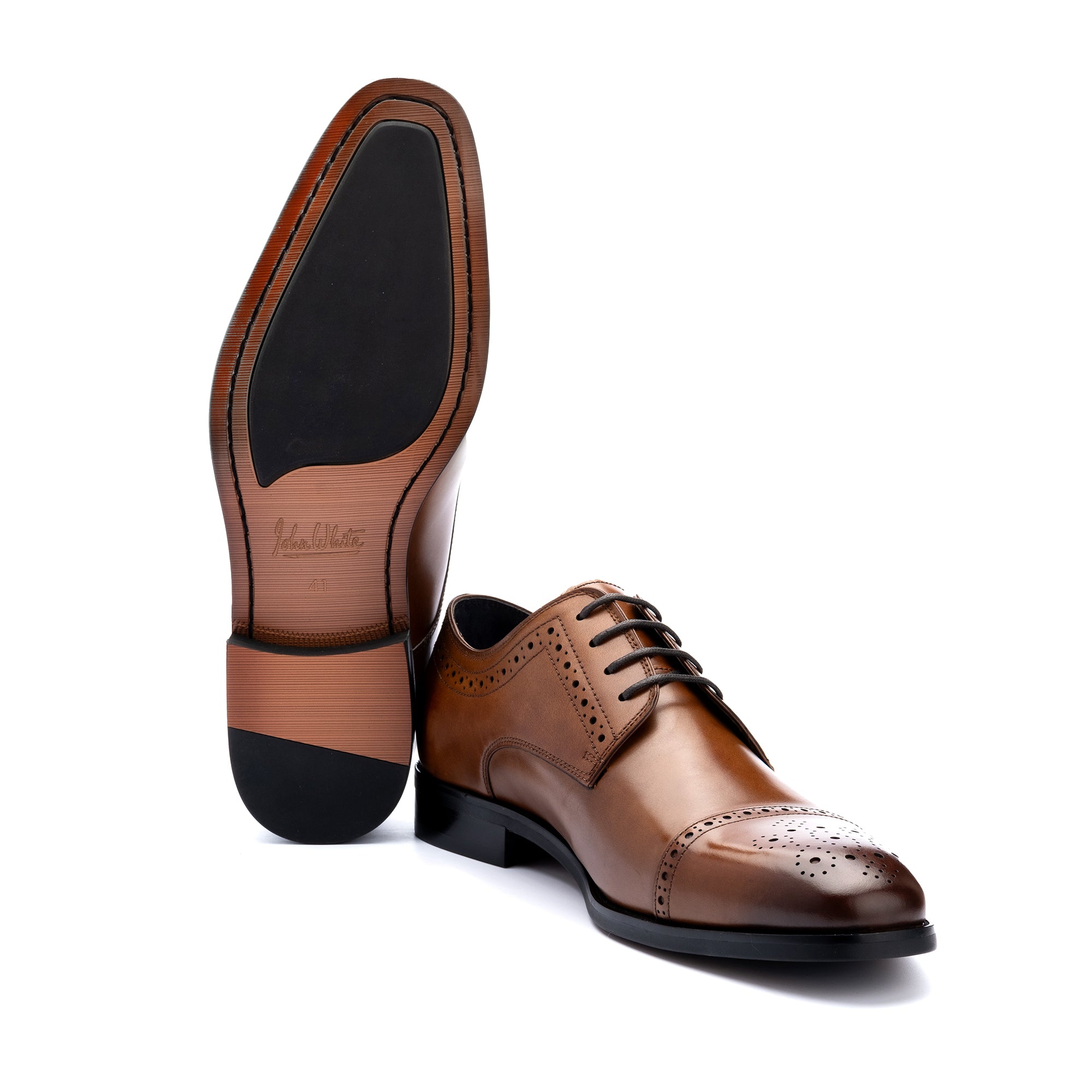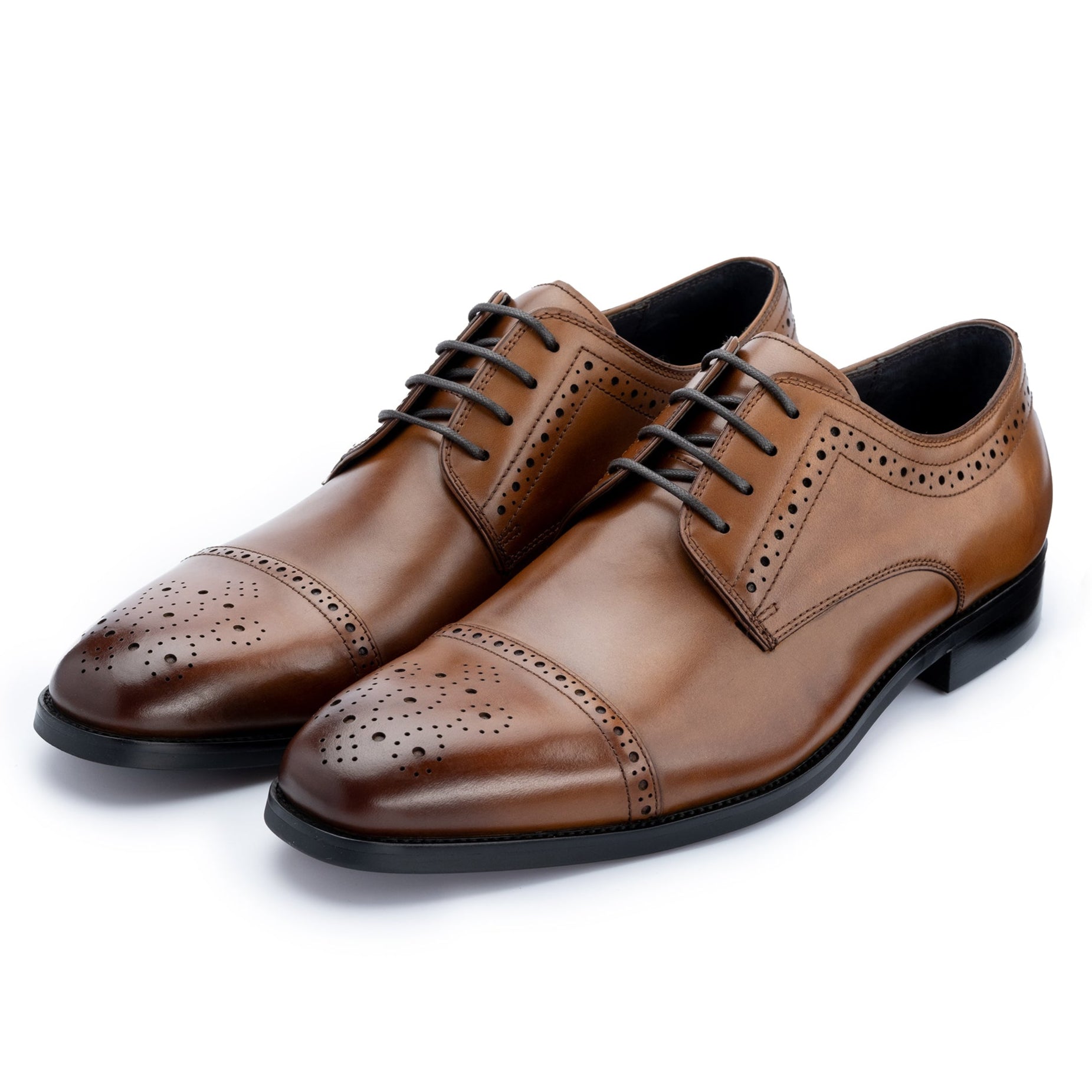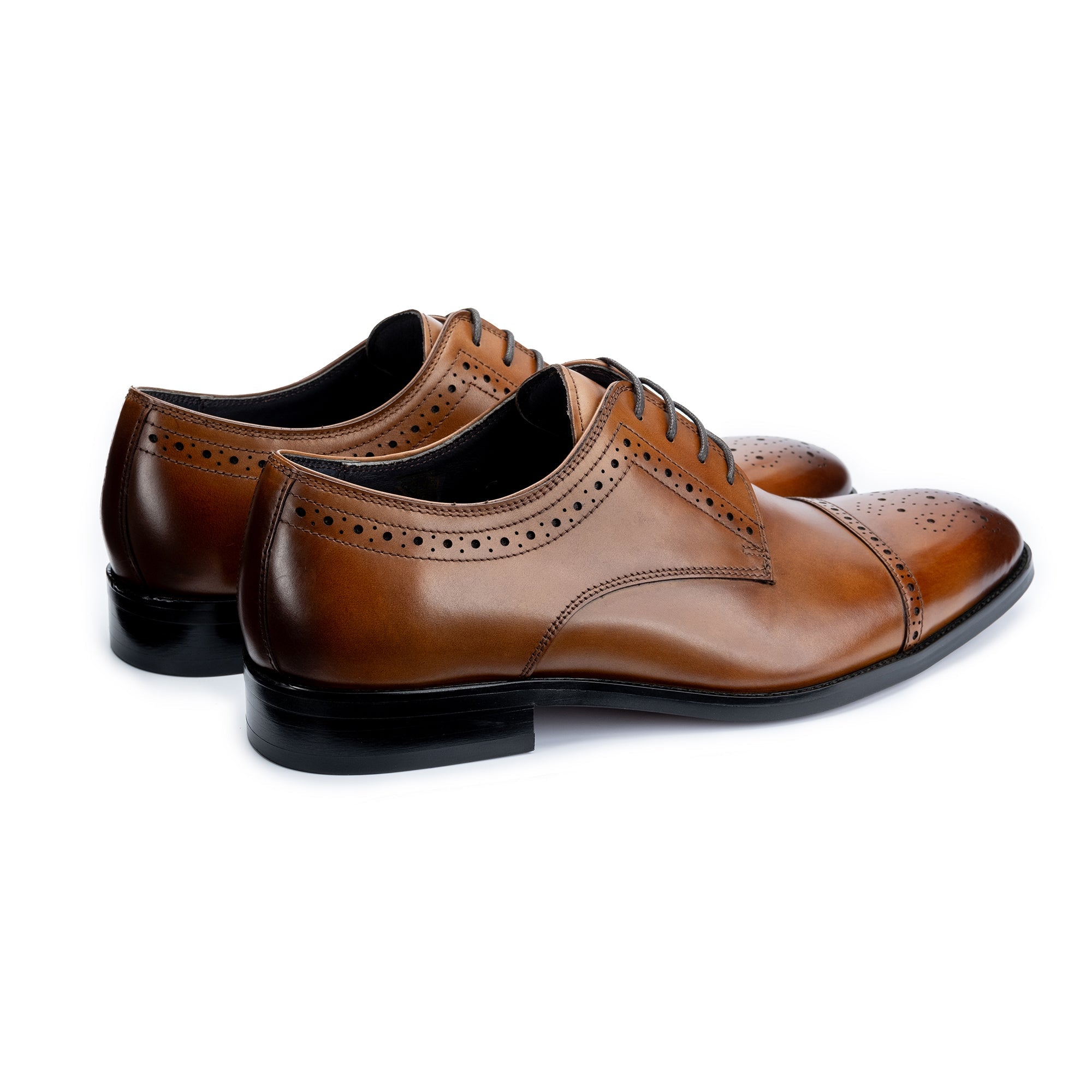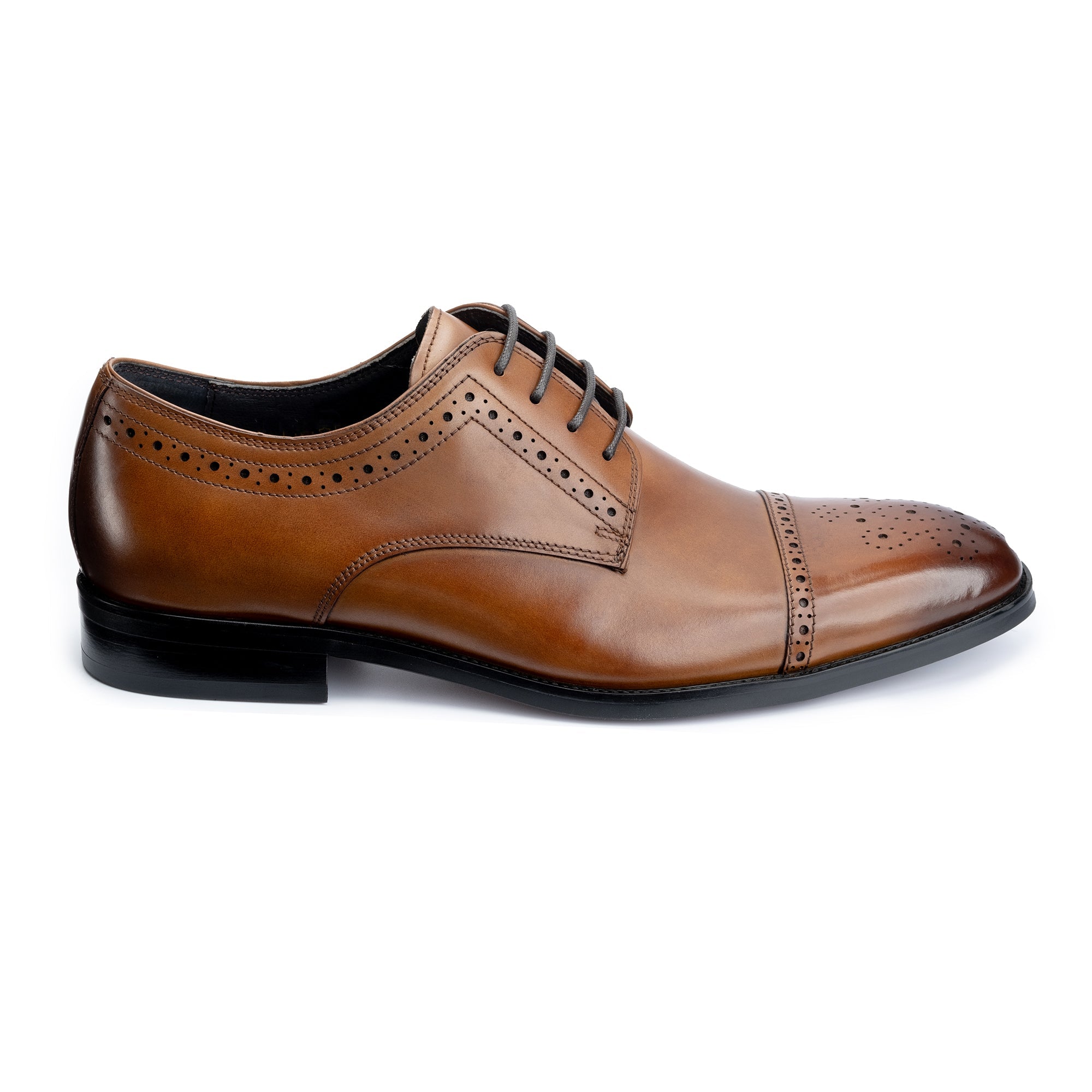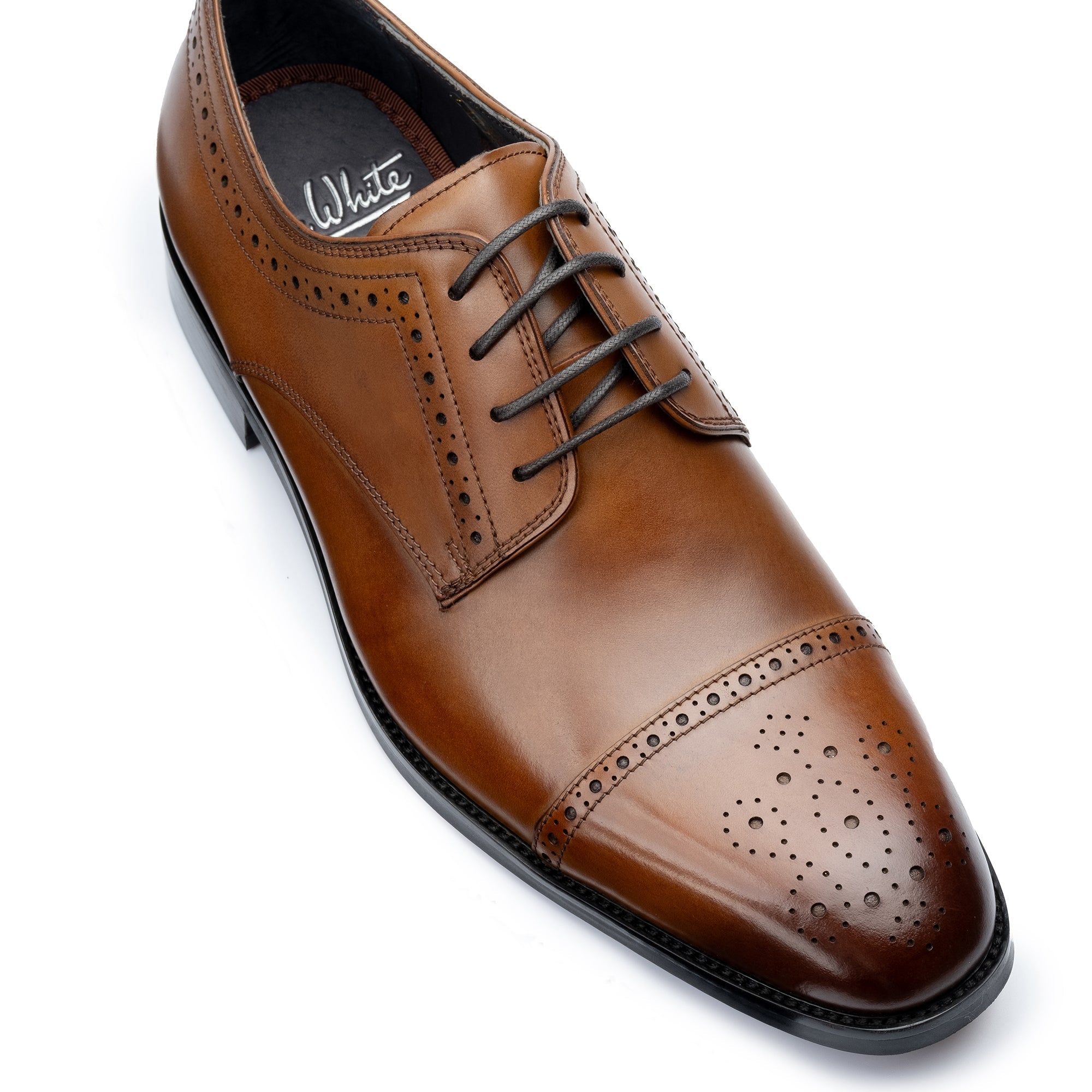

The Annual Ritual: A Complete Maintenance Checklist for Your Leather Shoe Collection
The annual leather shoe maintenance ritual is a systematic, twice-yearly audit of your entire collection — deep cleaning, conditioning, polishing, sole inspection, lace replacement, and cobbler assessment, all carried out in sequence. Performed every spring and autumn, it extends the life of quality leather footwear by years, catches damage before it compounds, and keeps every pair in your rotation performing as it should.
In This Guide
- Why Does Leather Footwear Need a Dedicated Annual Maintenance Ritual?
- When Should You Carry Out the Annual Leather Shoe Checklist?
- The Complete Eight-Step Annual Leather Shoe Maintenance Checklist
- Annual Leather Shoe Care Schedule: Task, Frequency, and Effort
- How Does Annual Maintenance Differ Across Leather Finishes?
- What Tools Do You Need for the Annual Ritual?
- Related Guides
- TL;DR
- Frequently Asked Questions
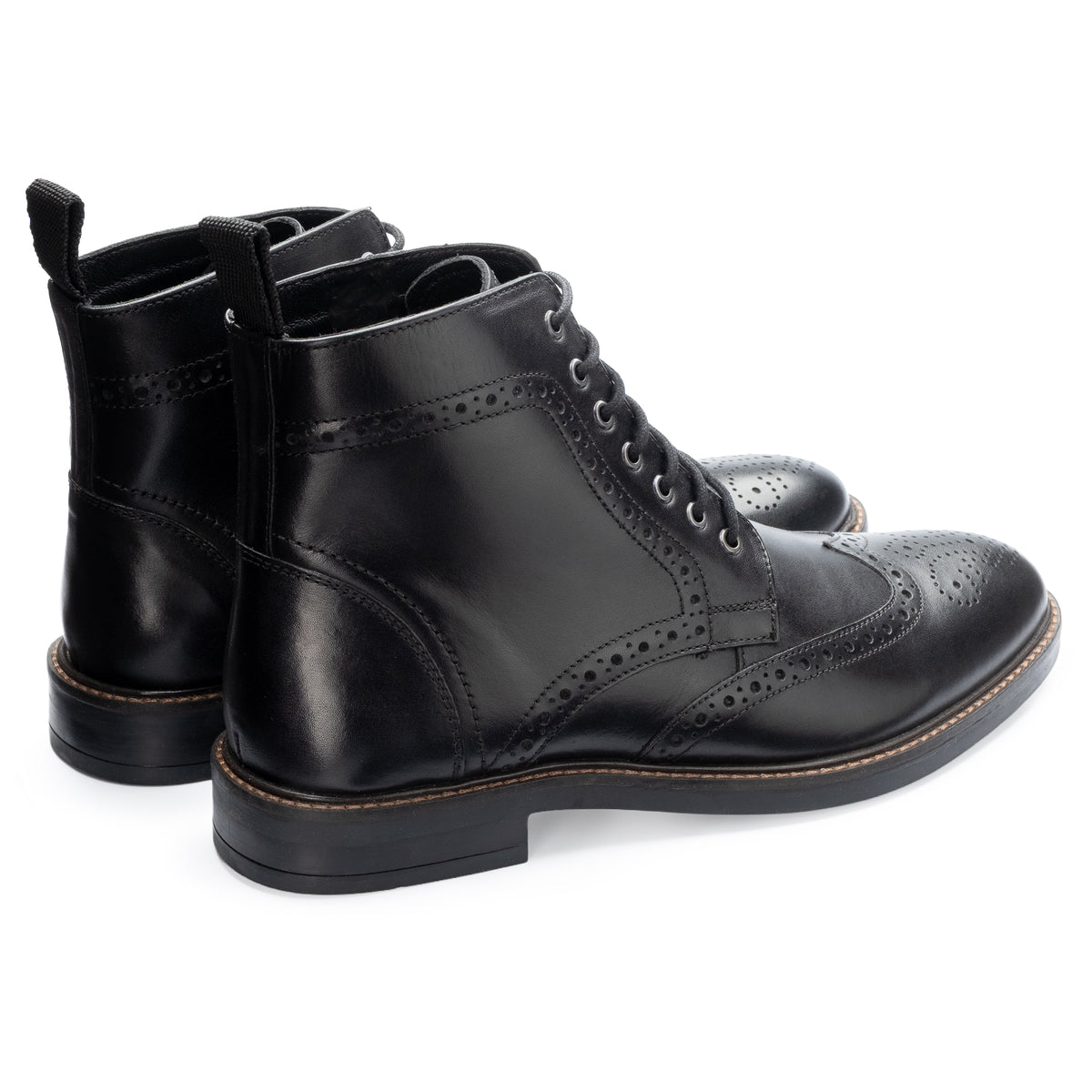
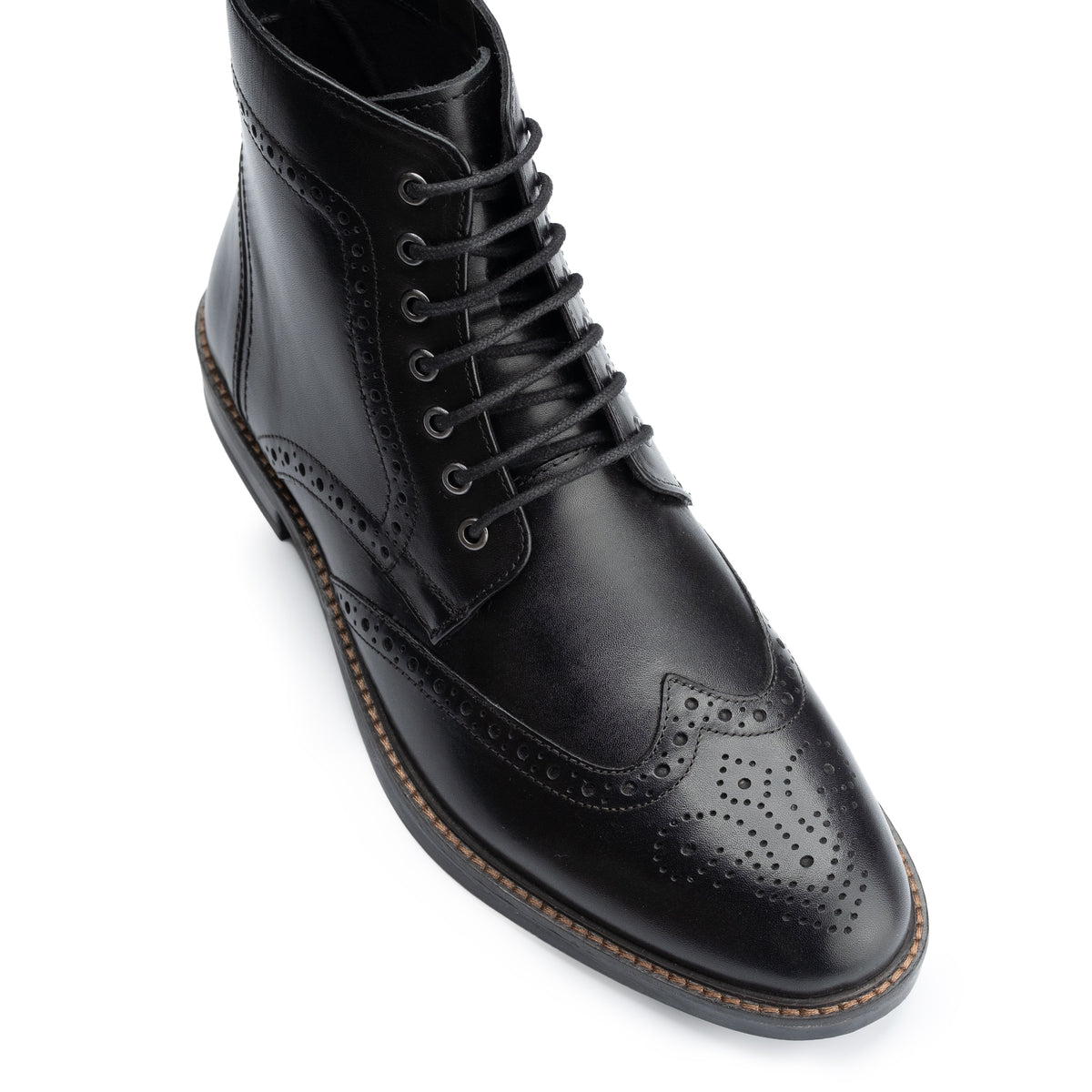
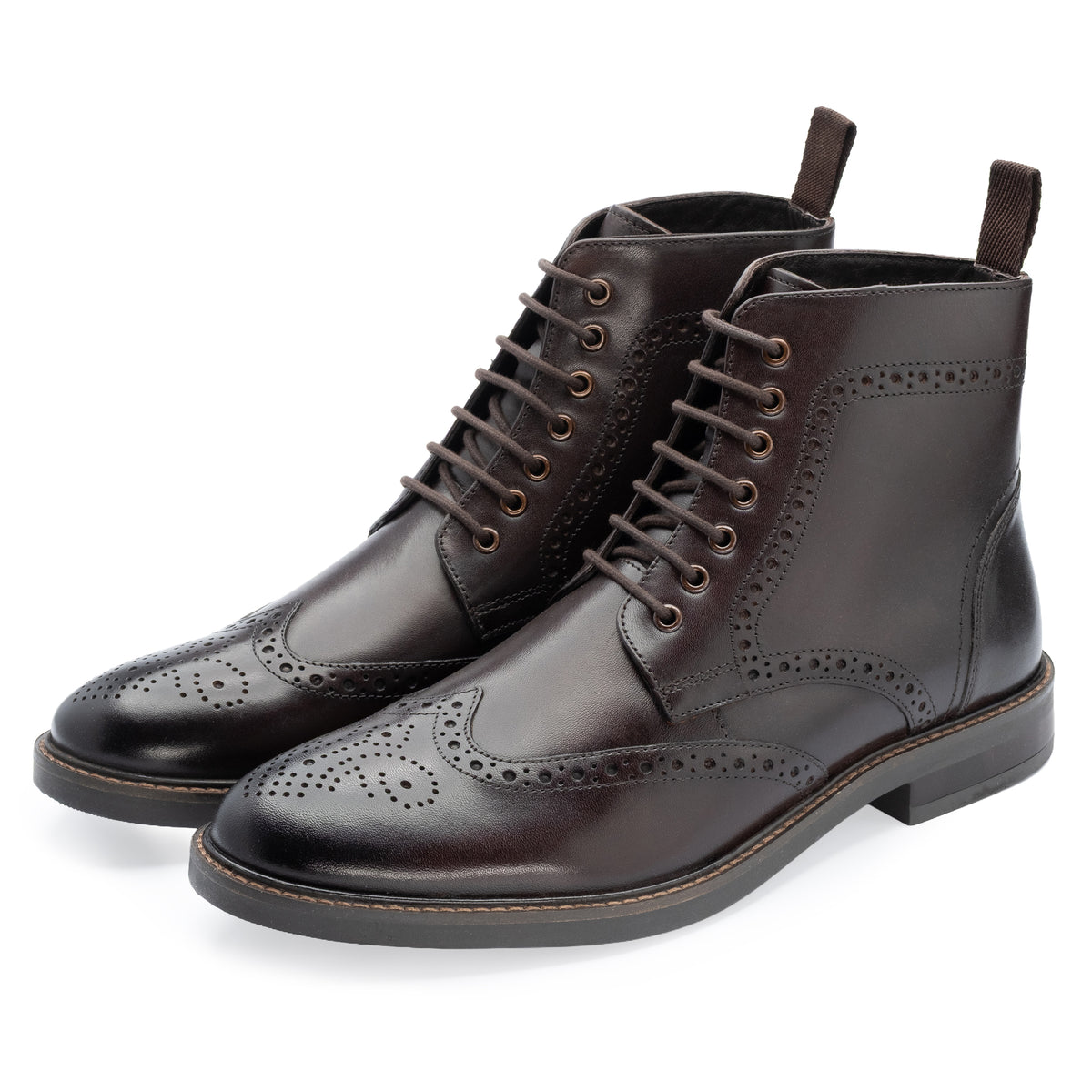
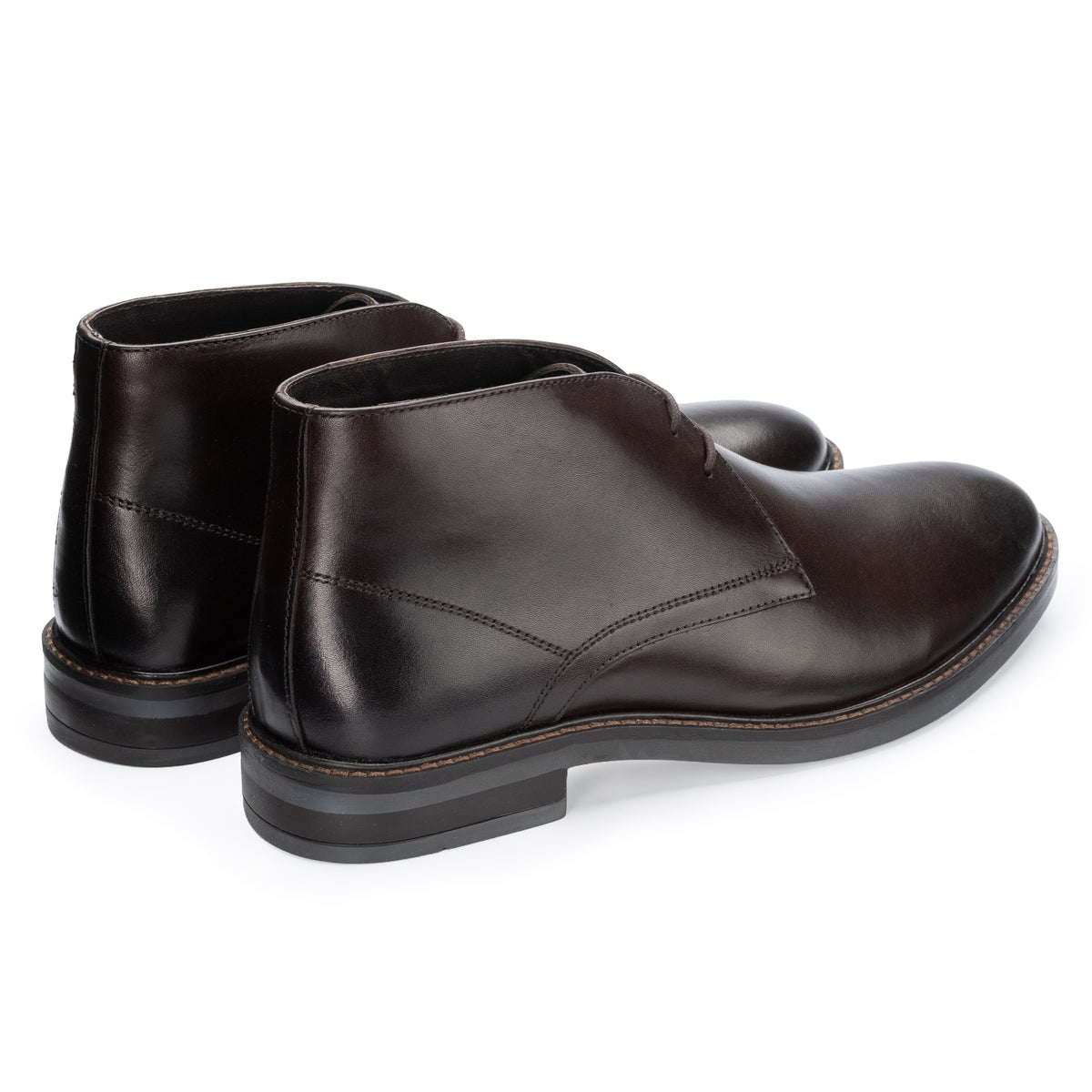
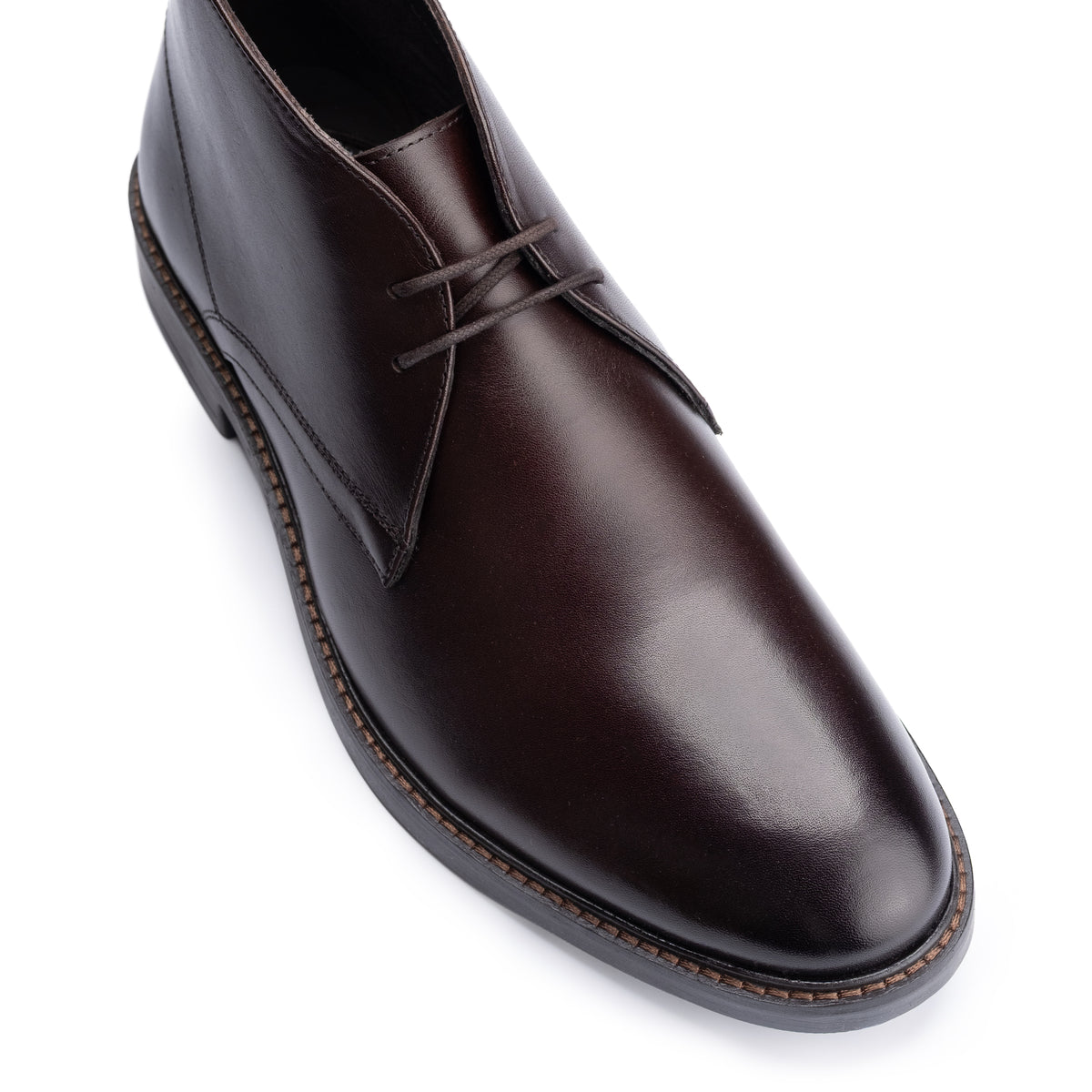
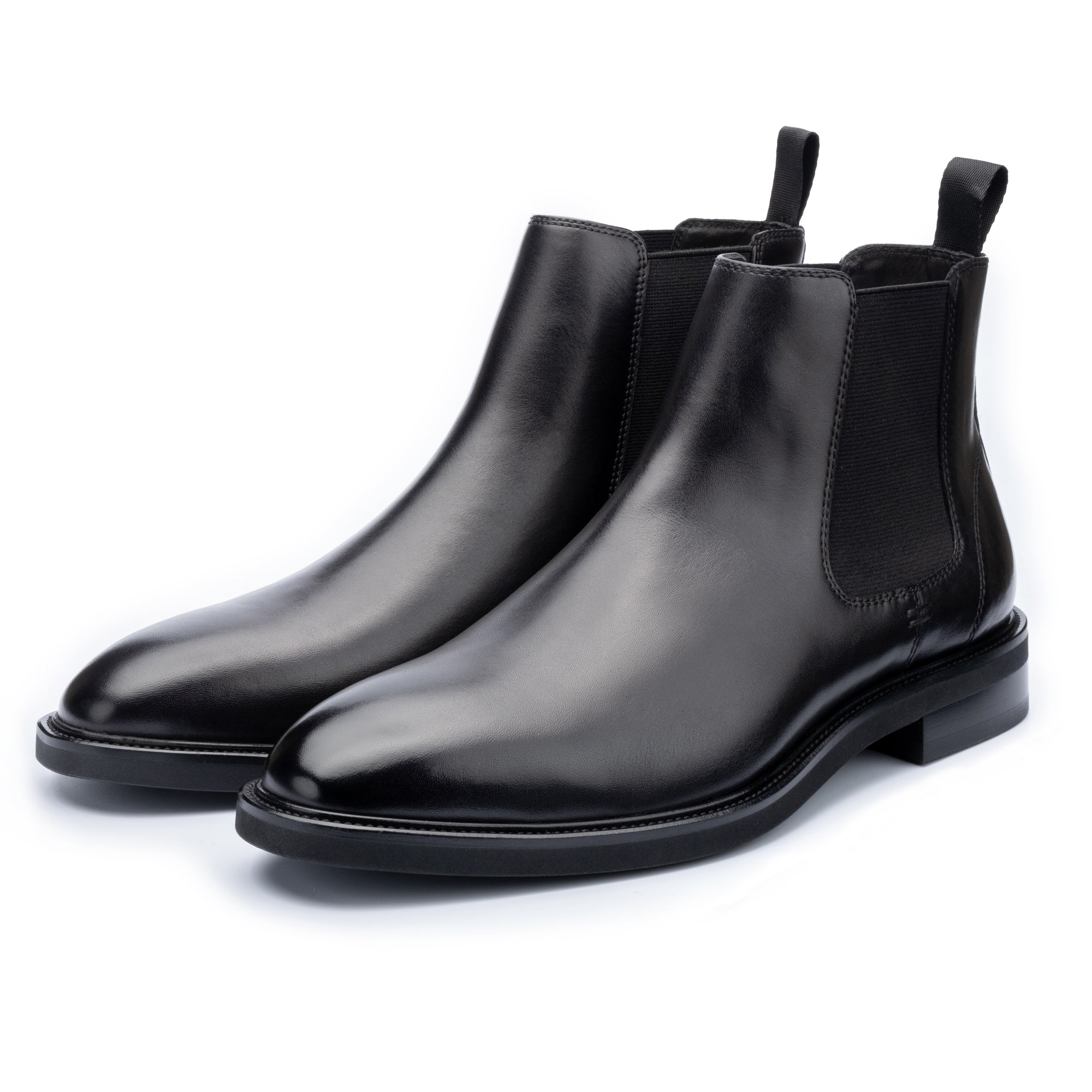
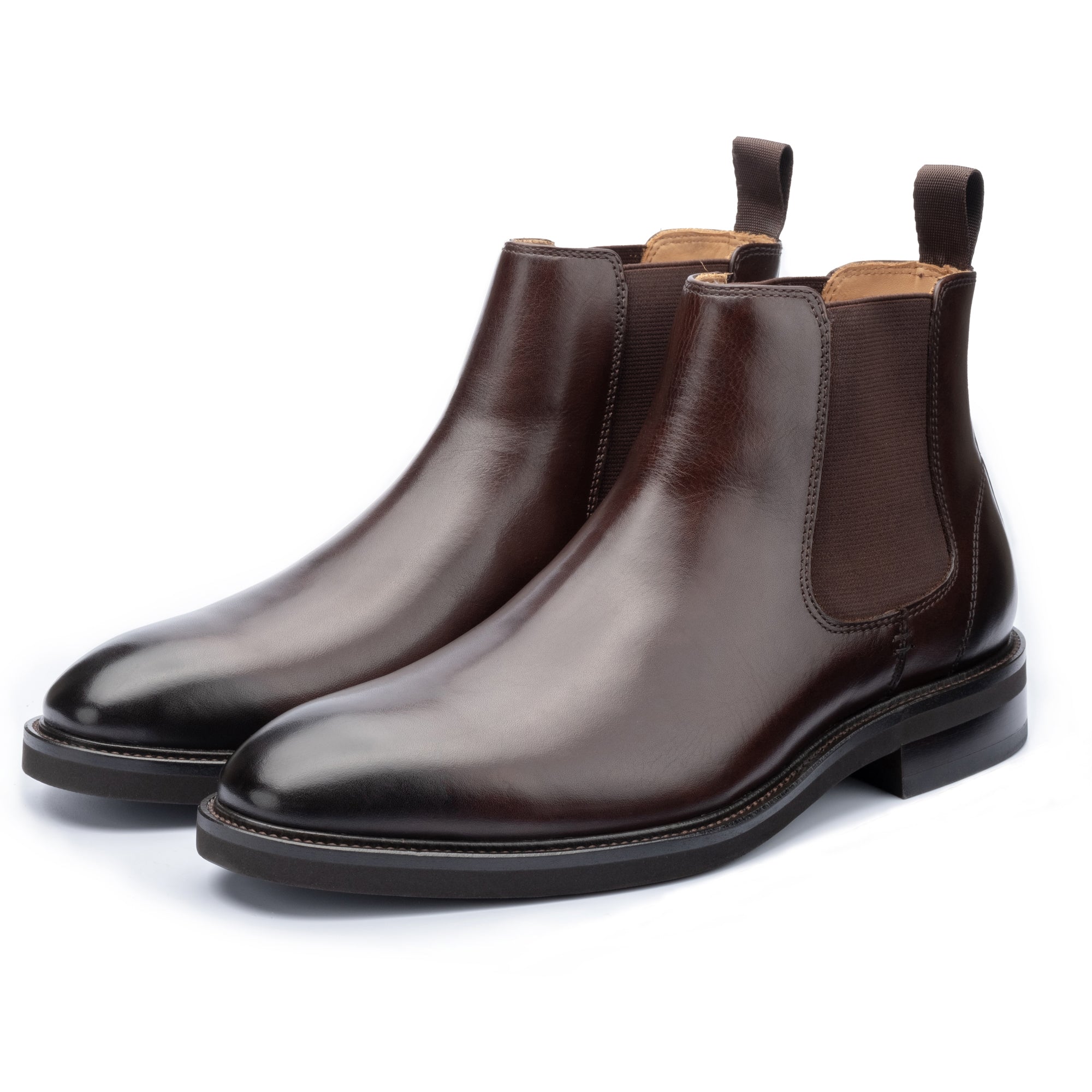
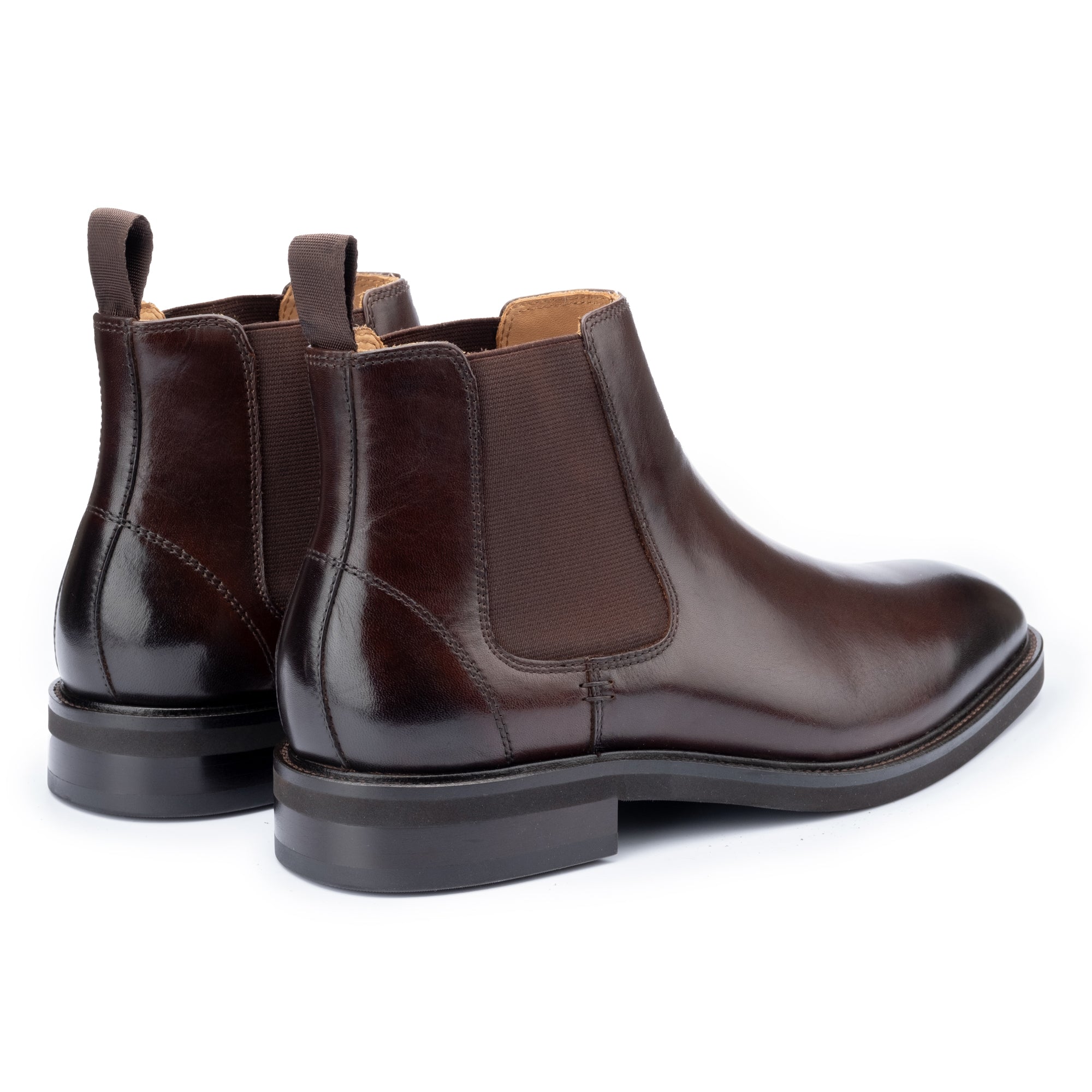
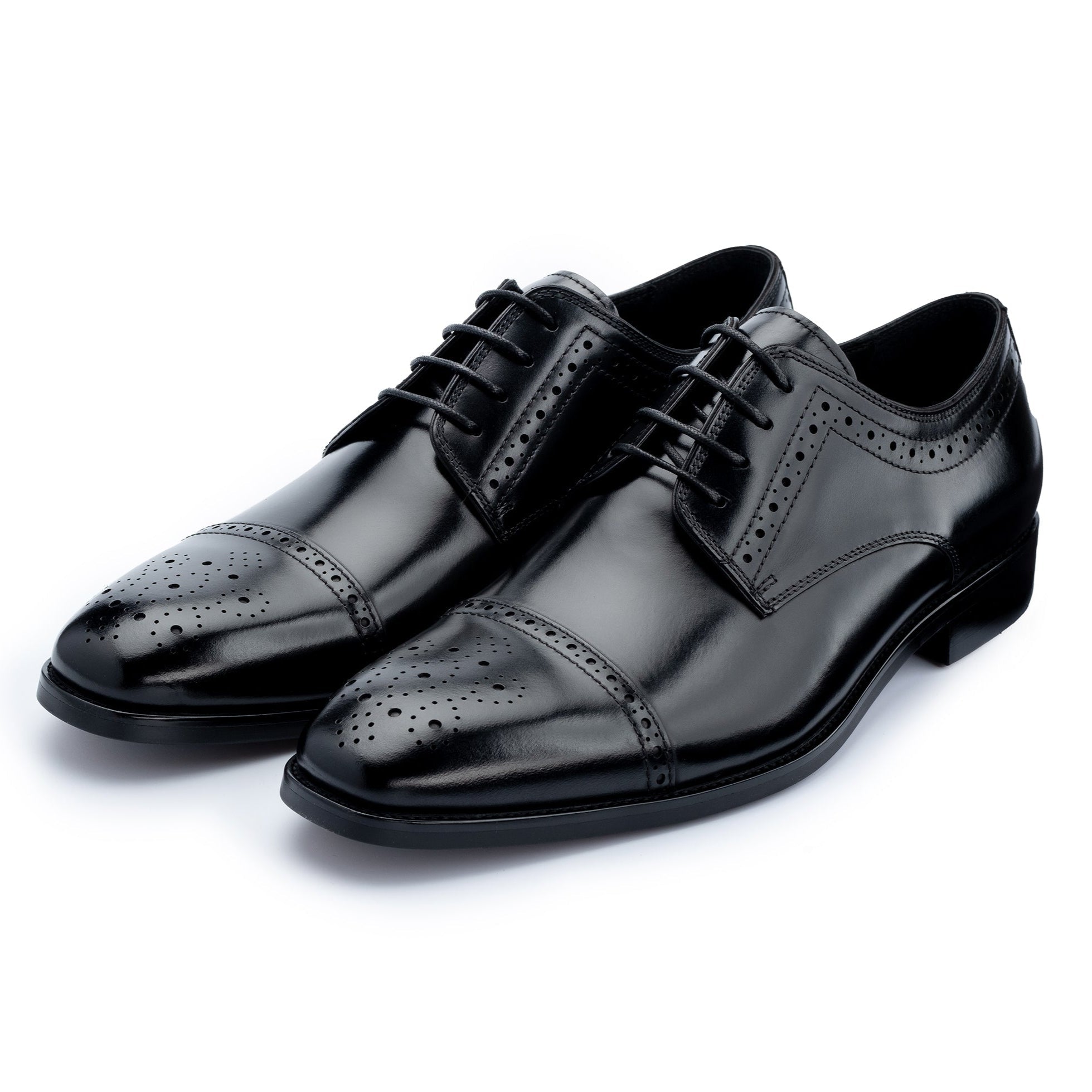
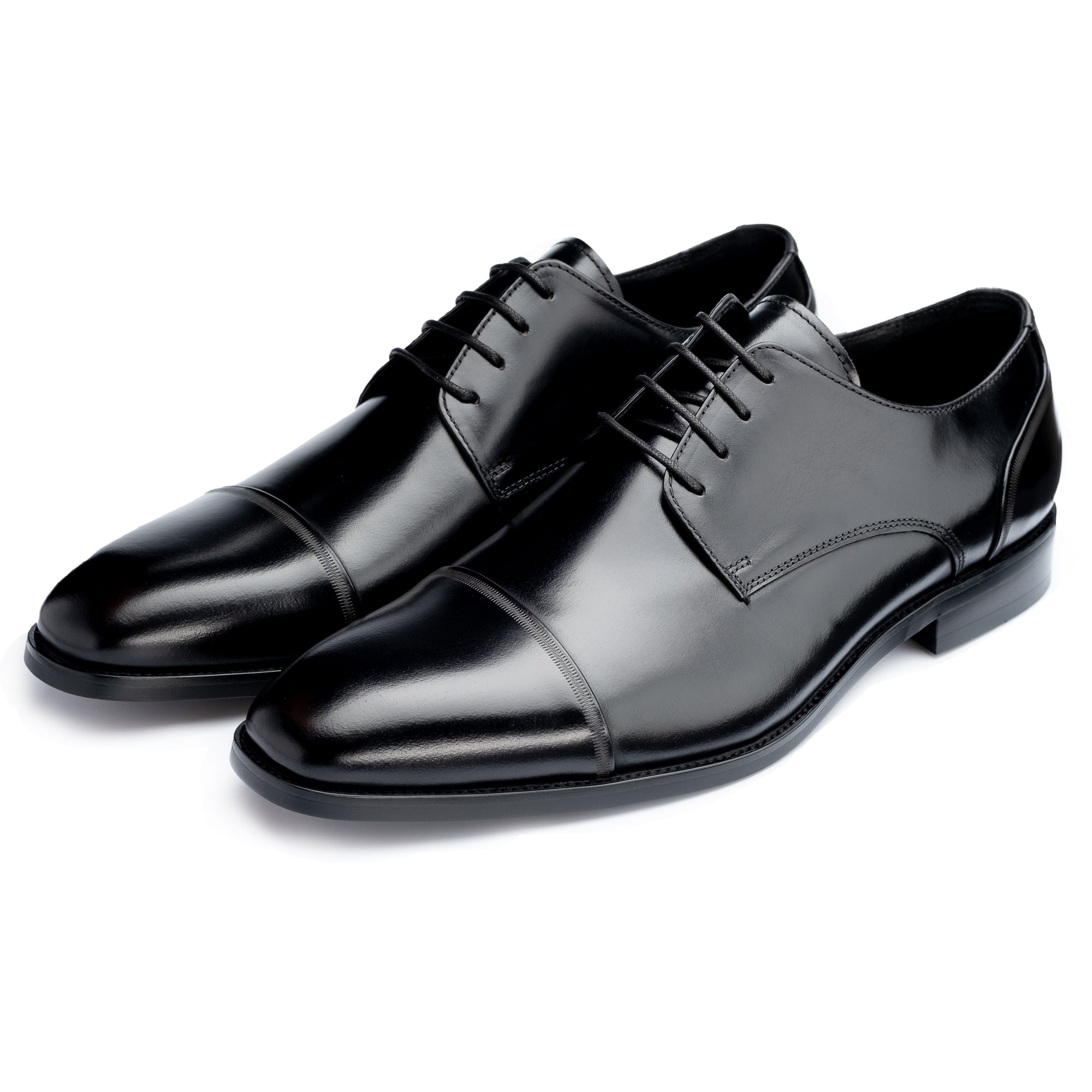
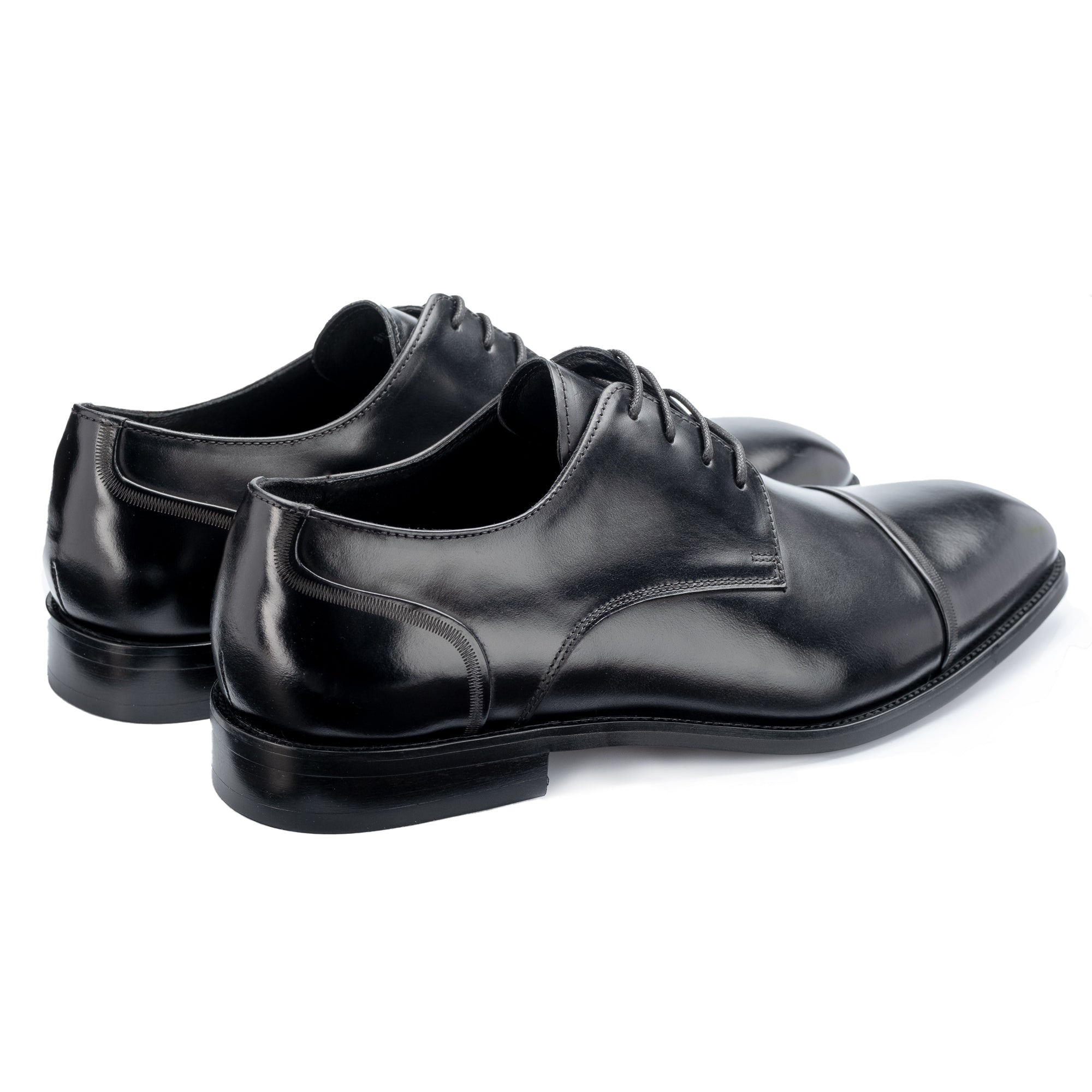
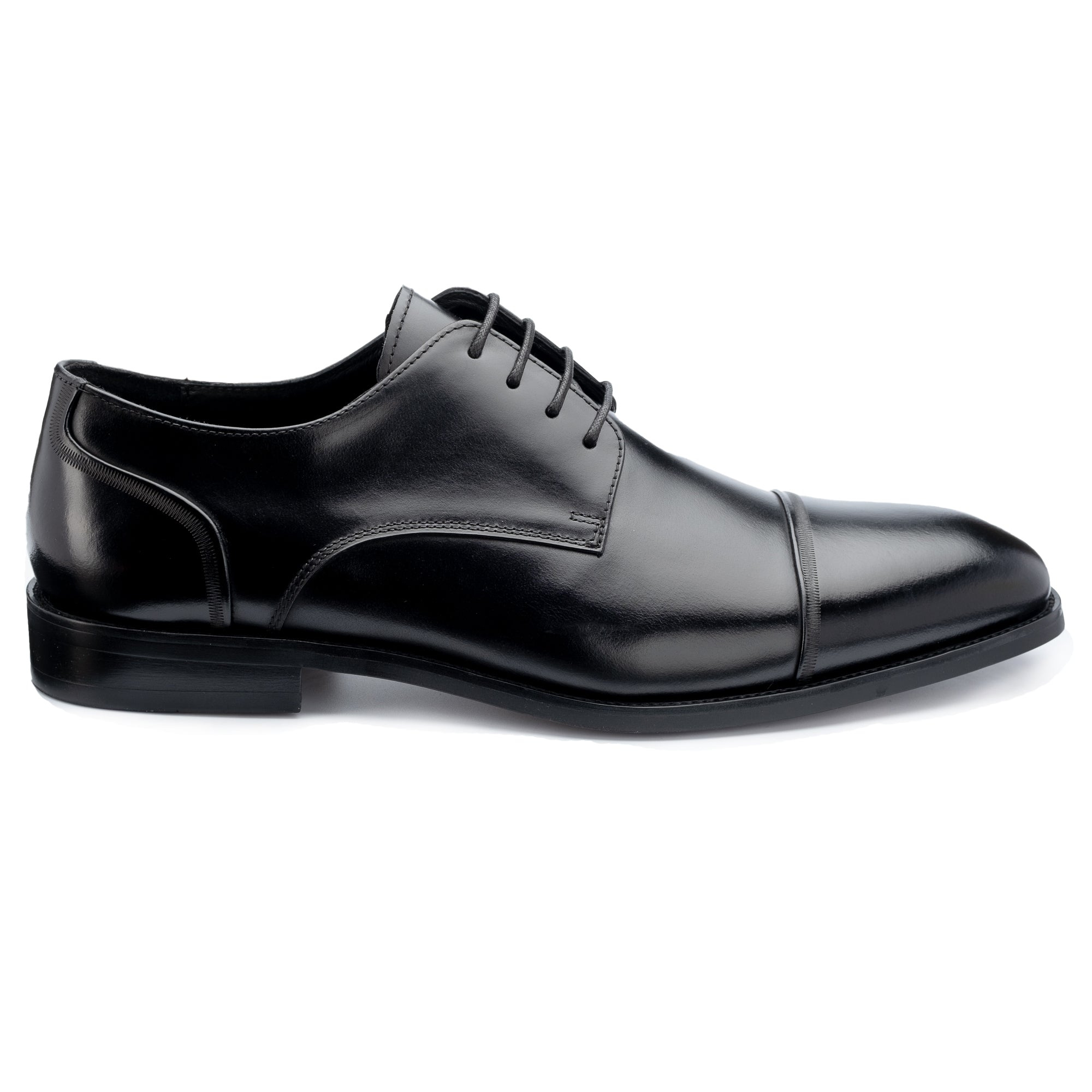
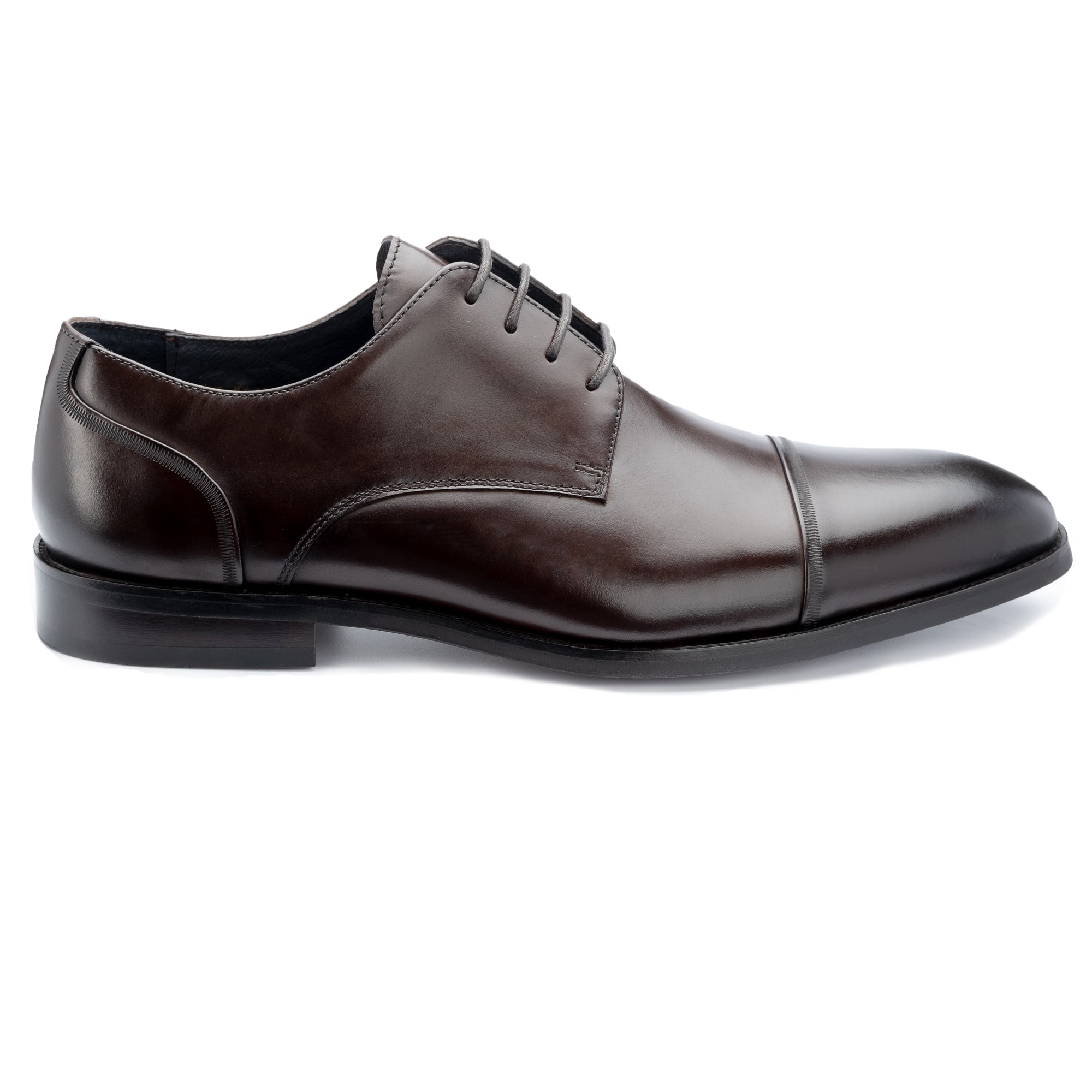
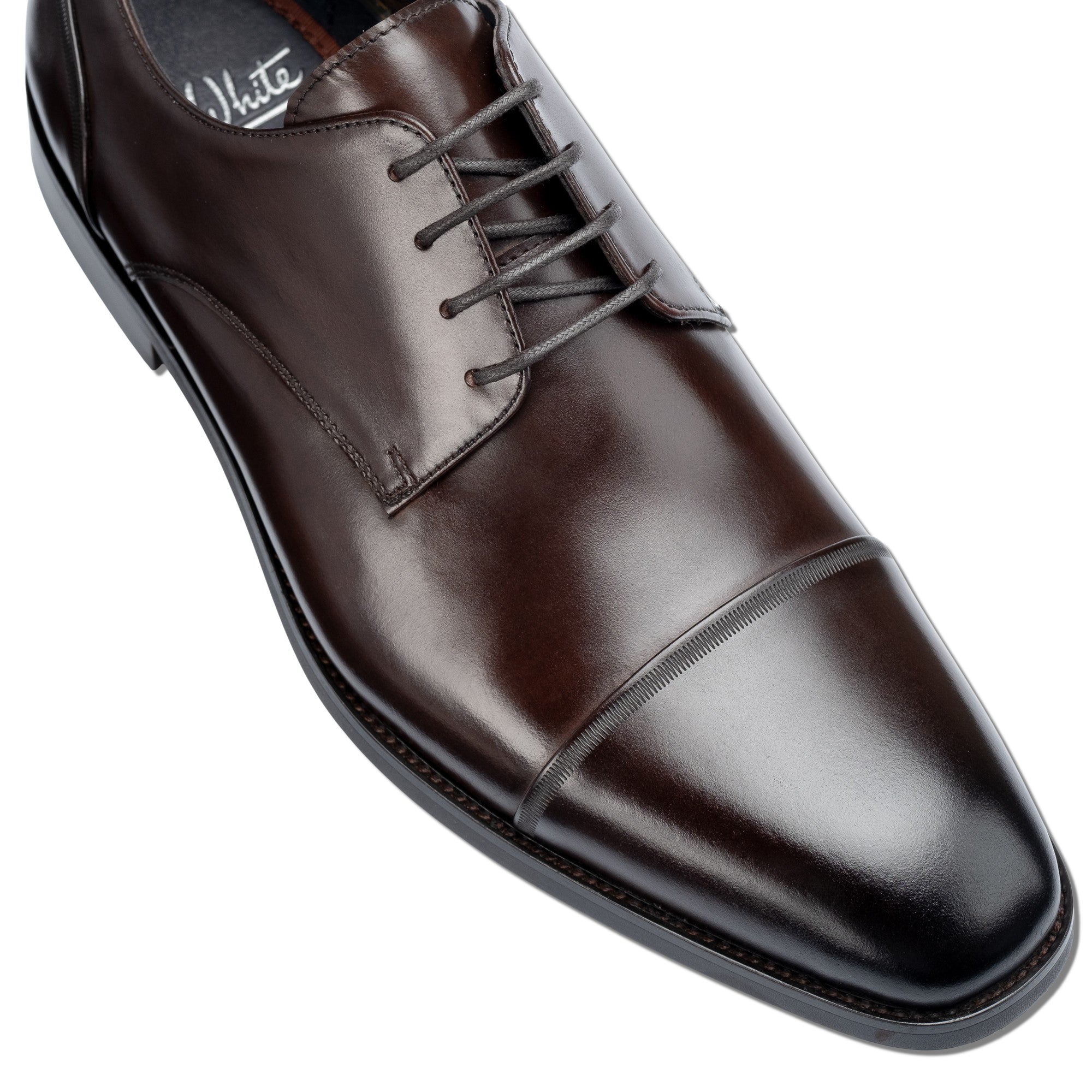
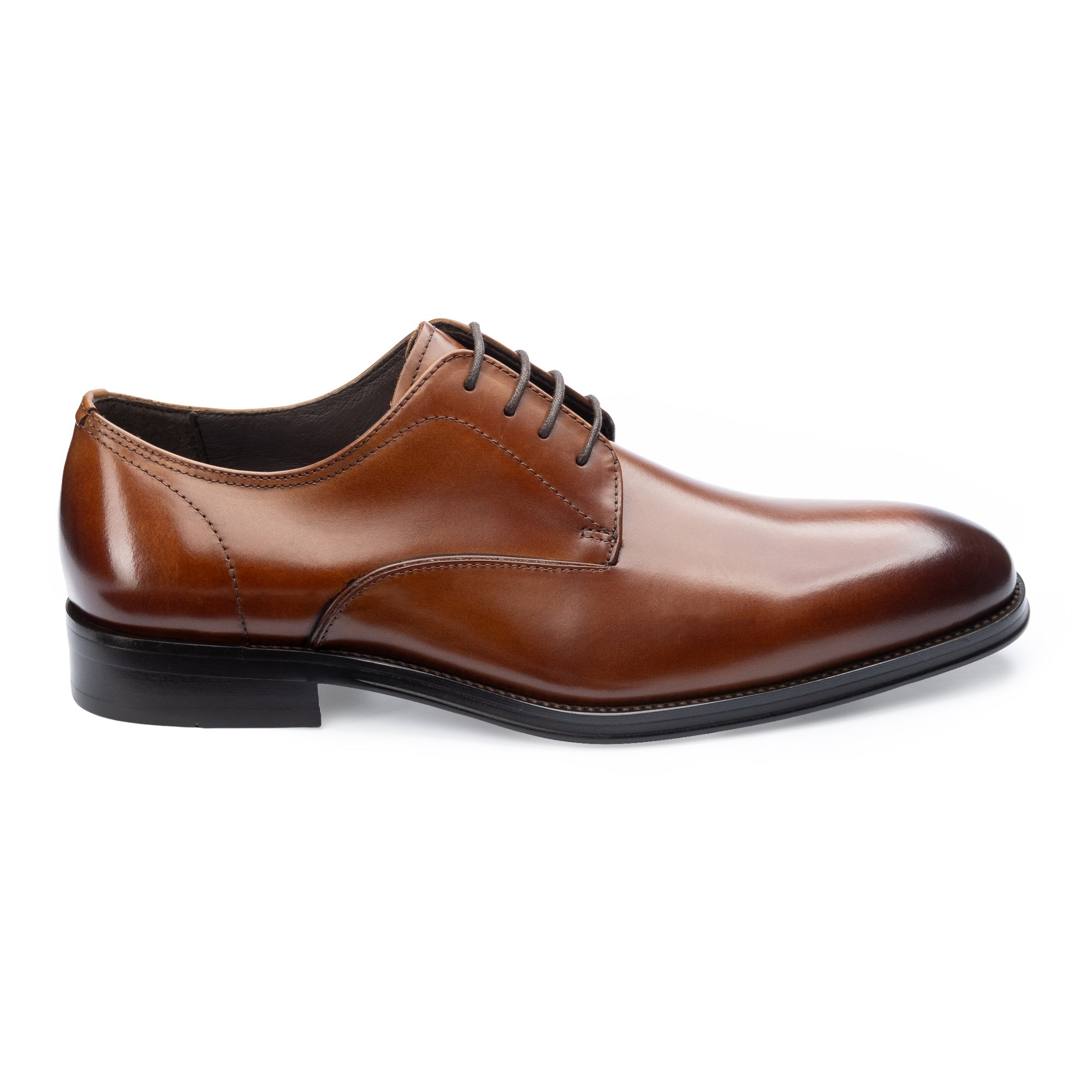
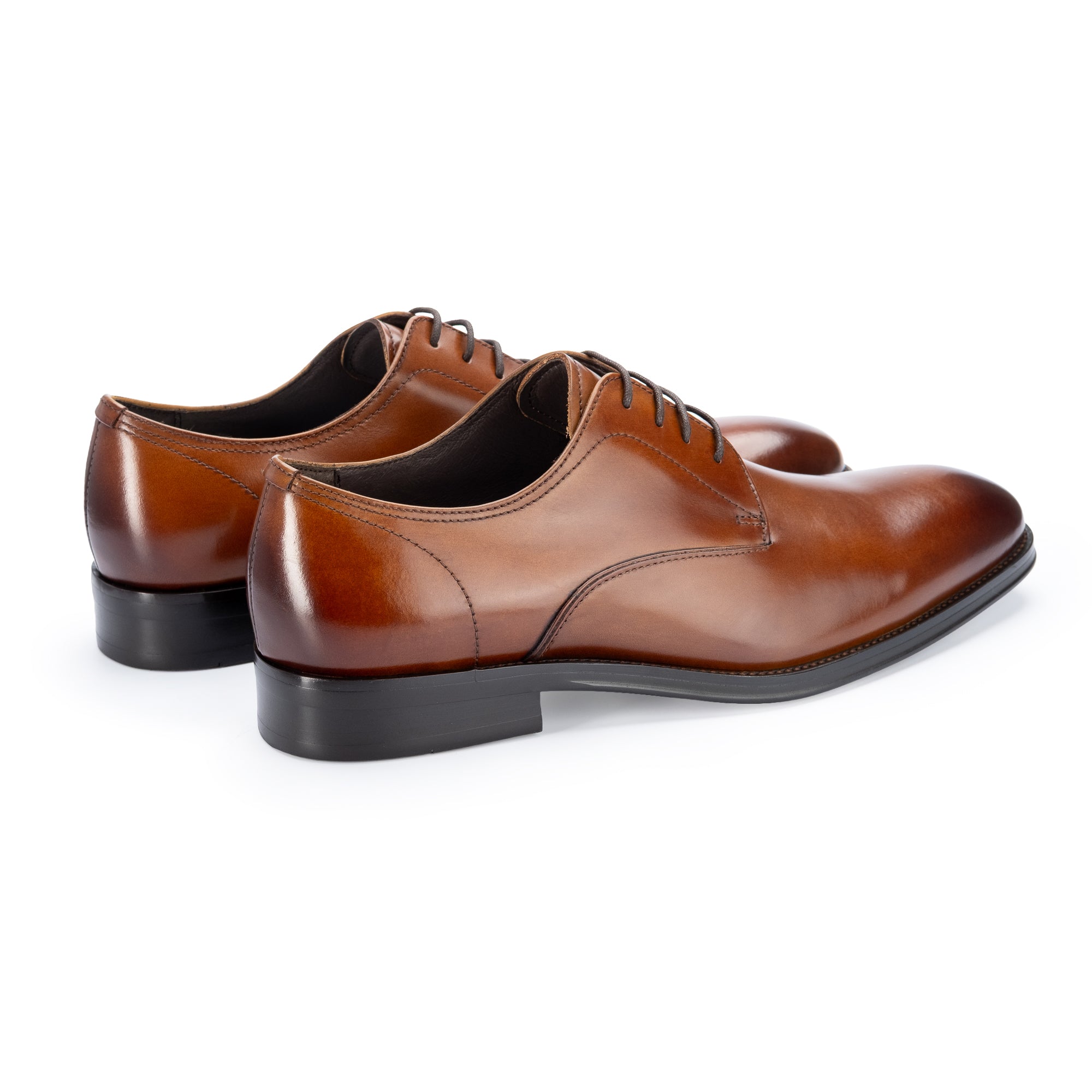
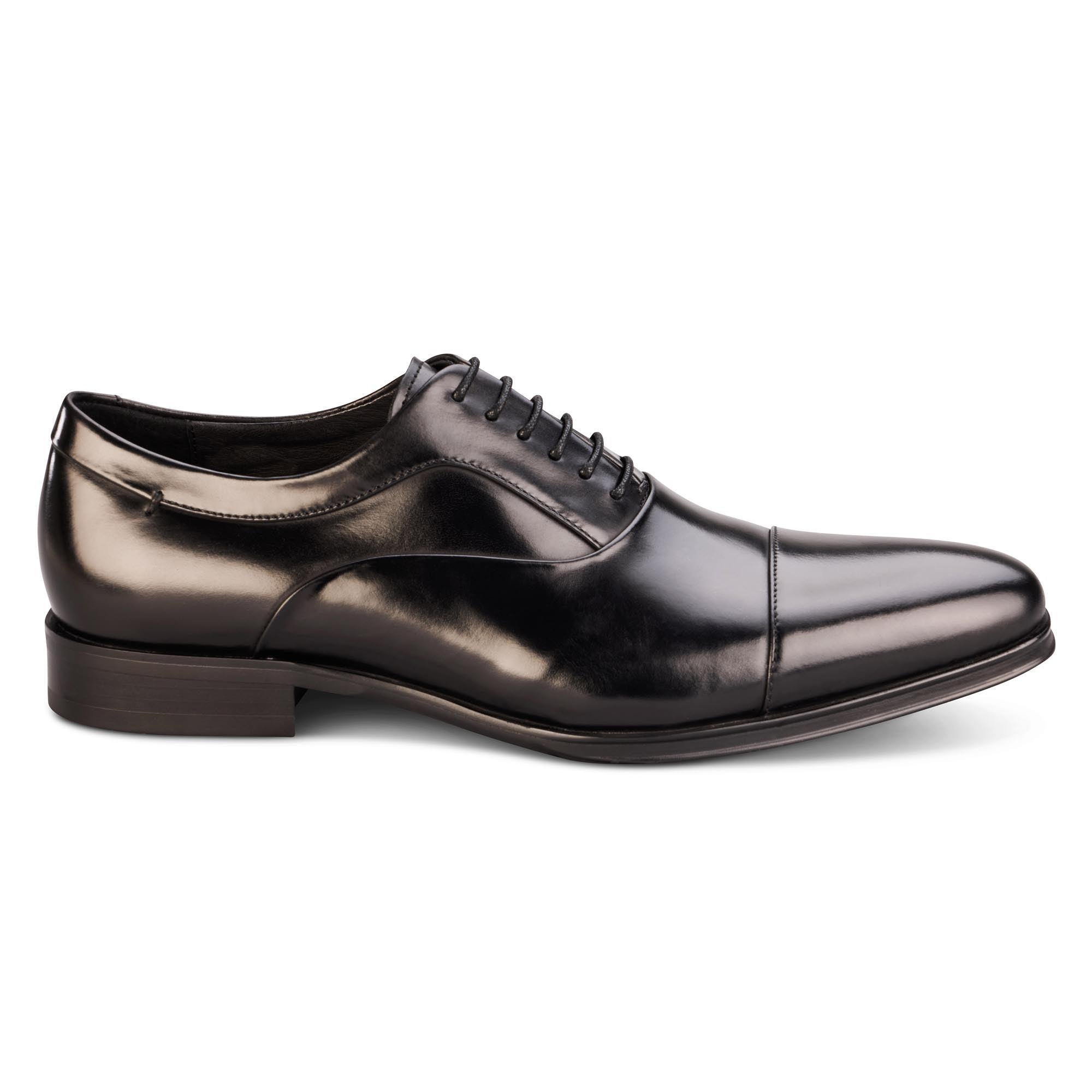
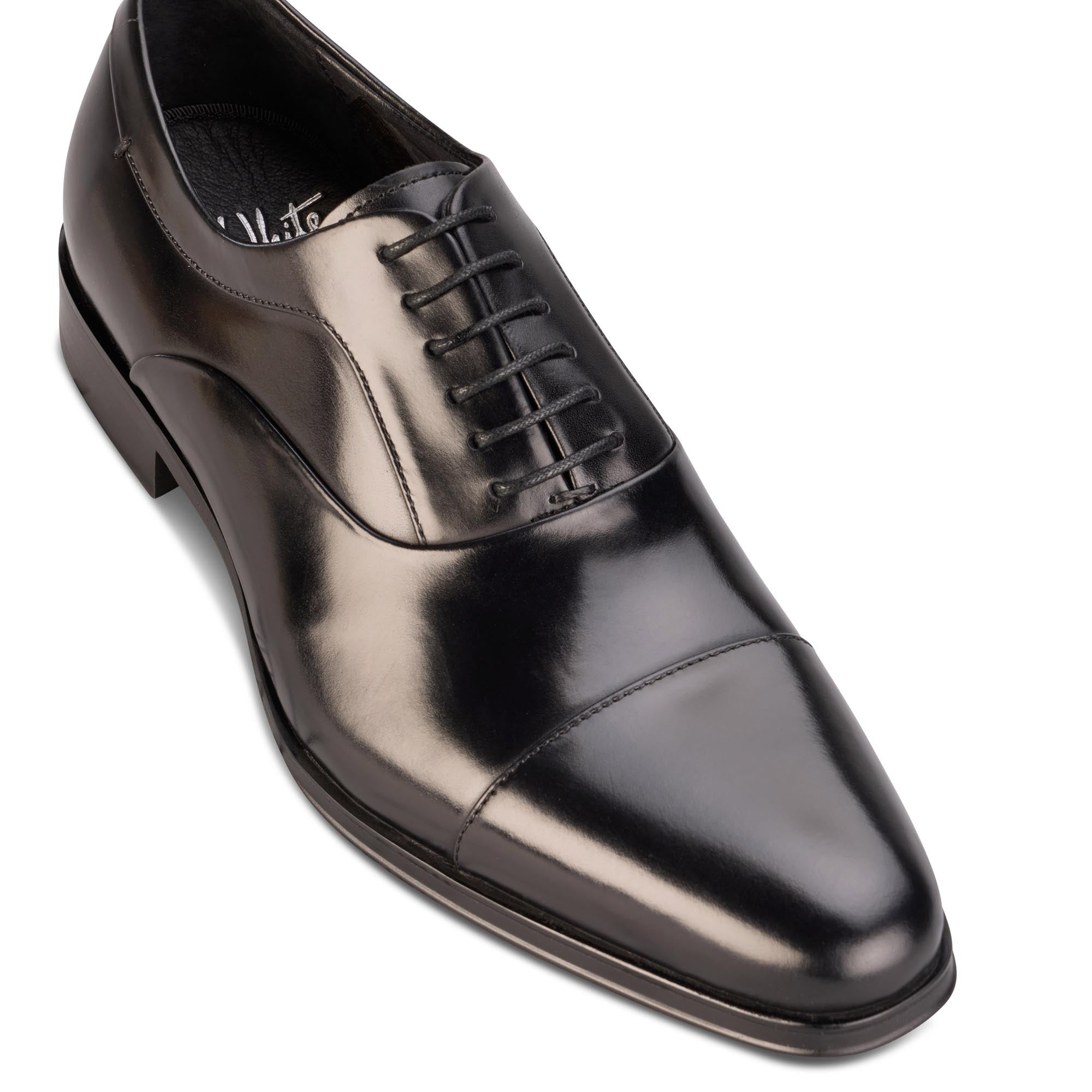
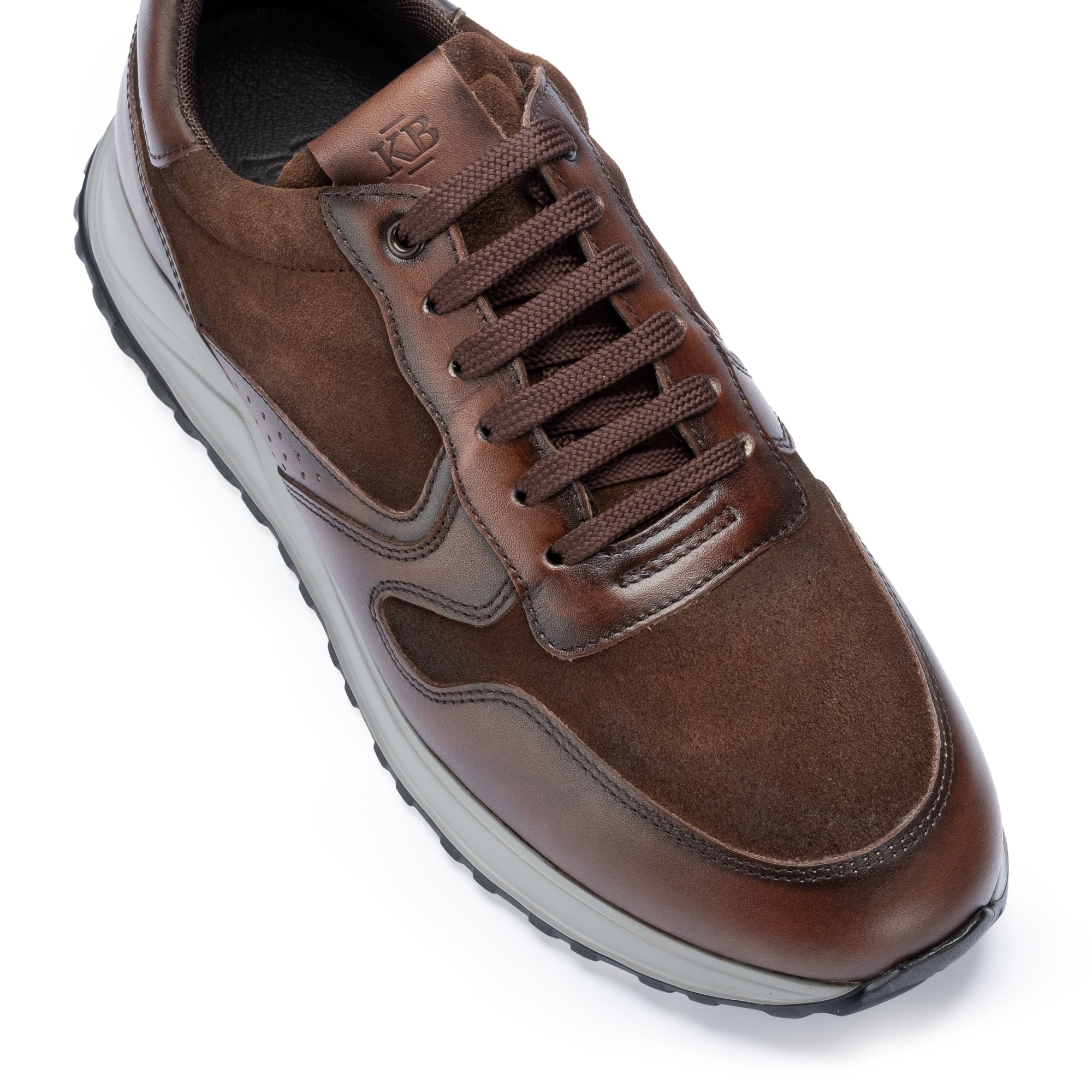
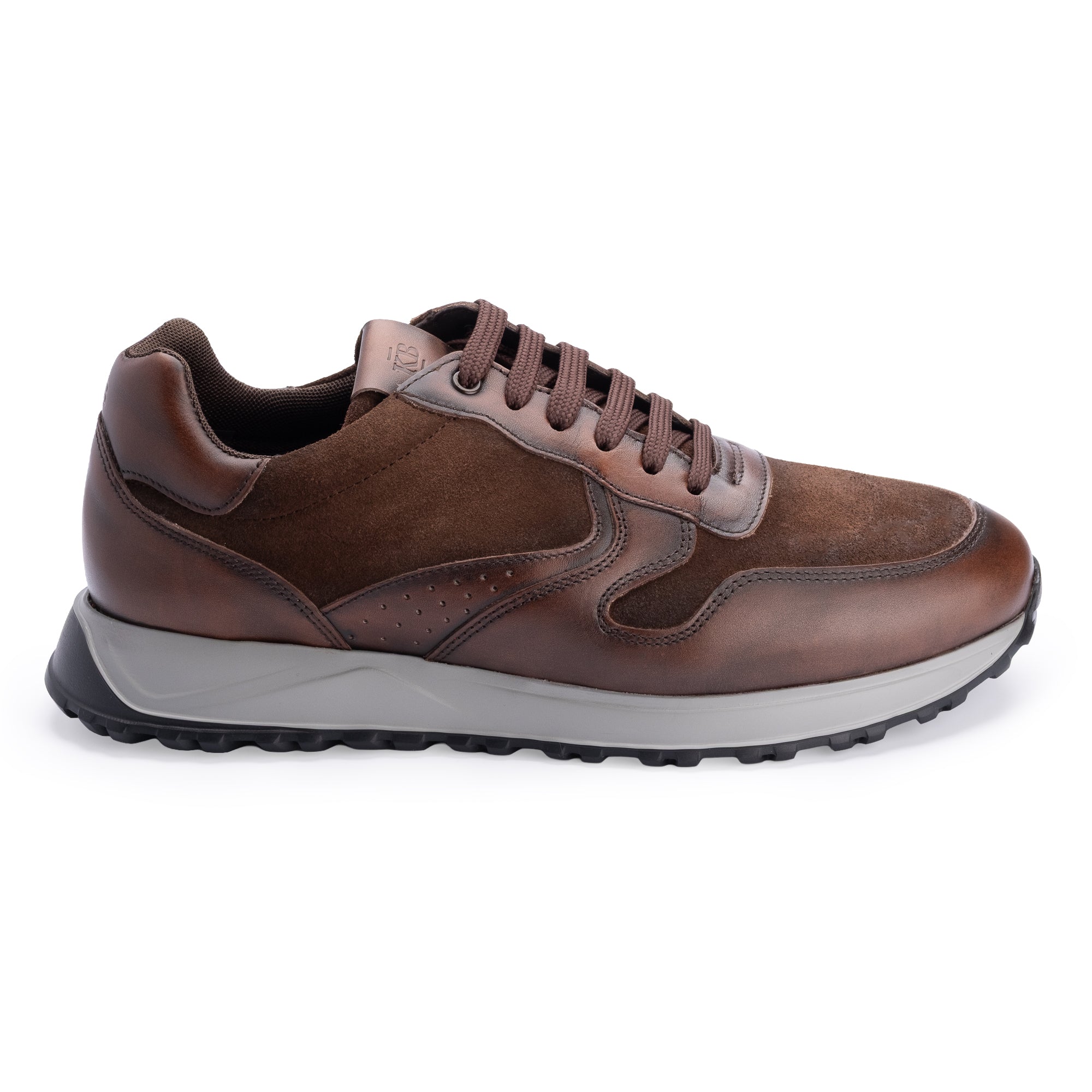
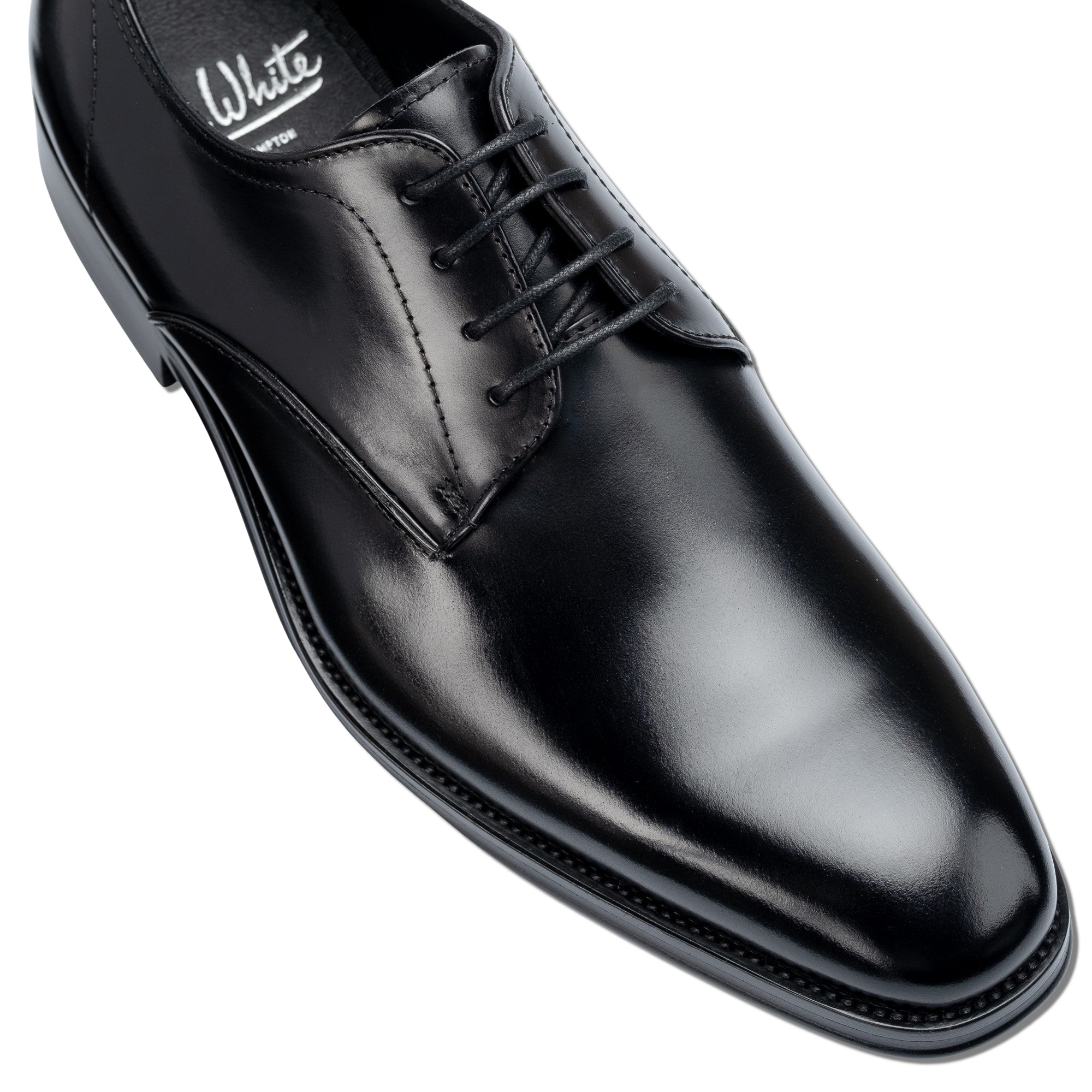
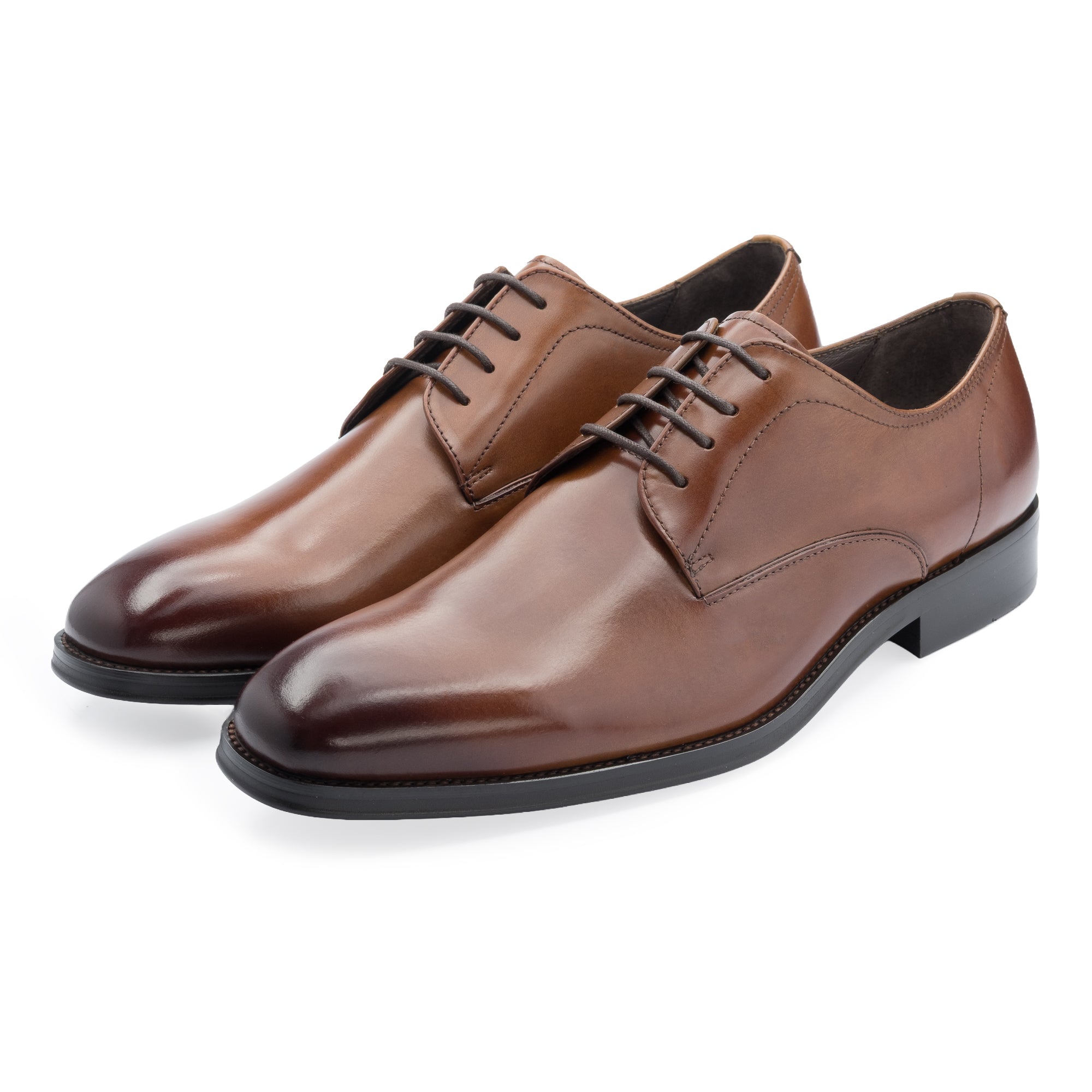
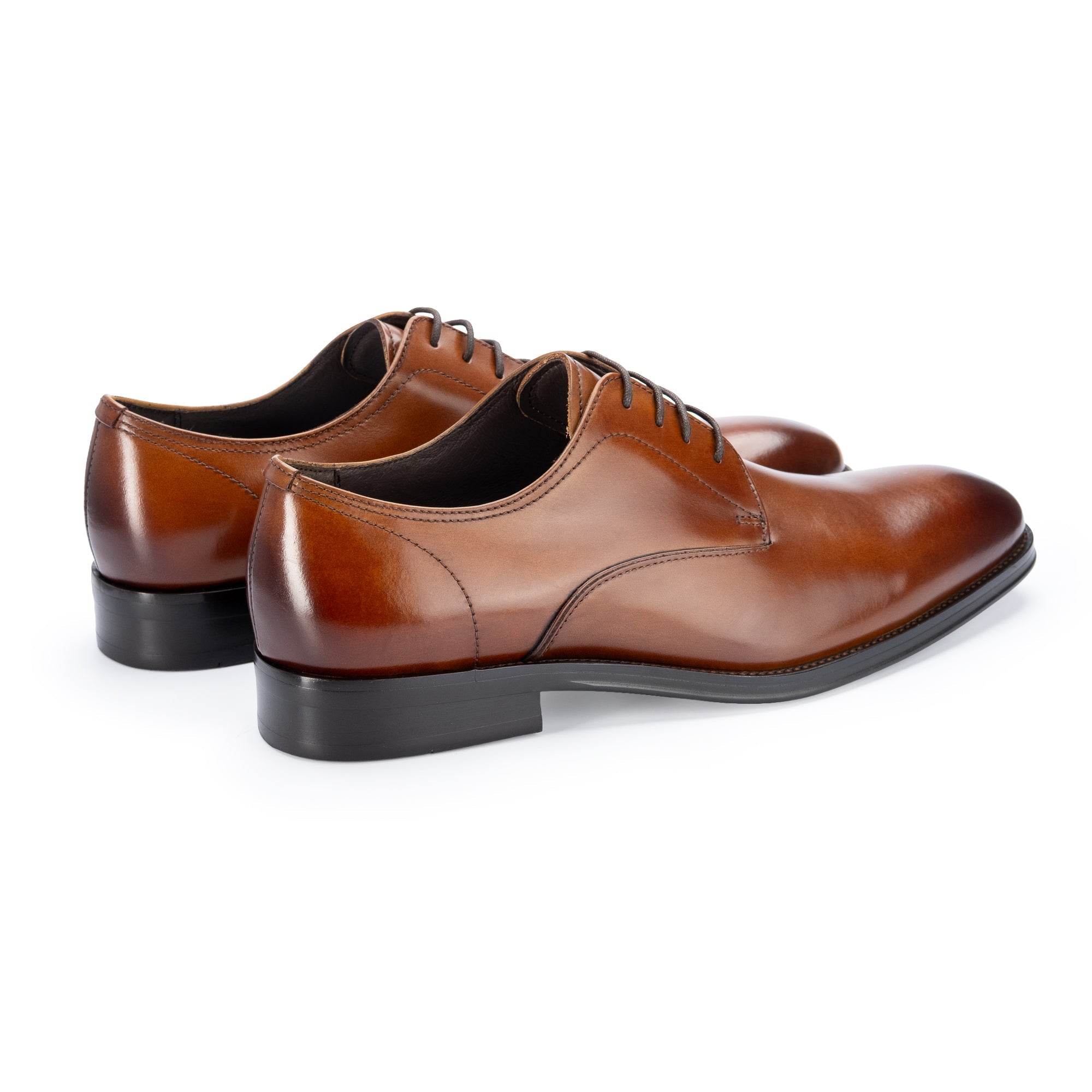
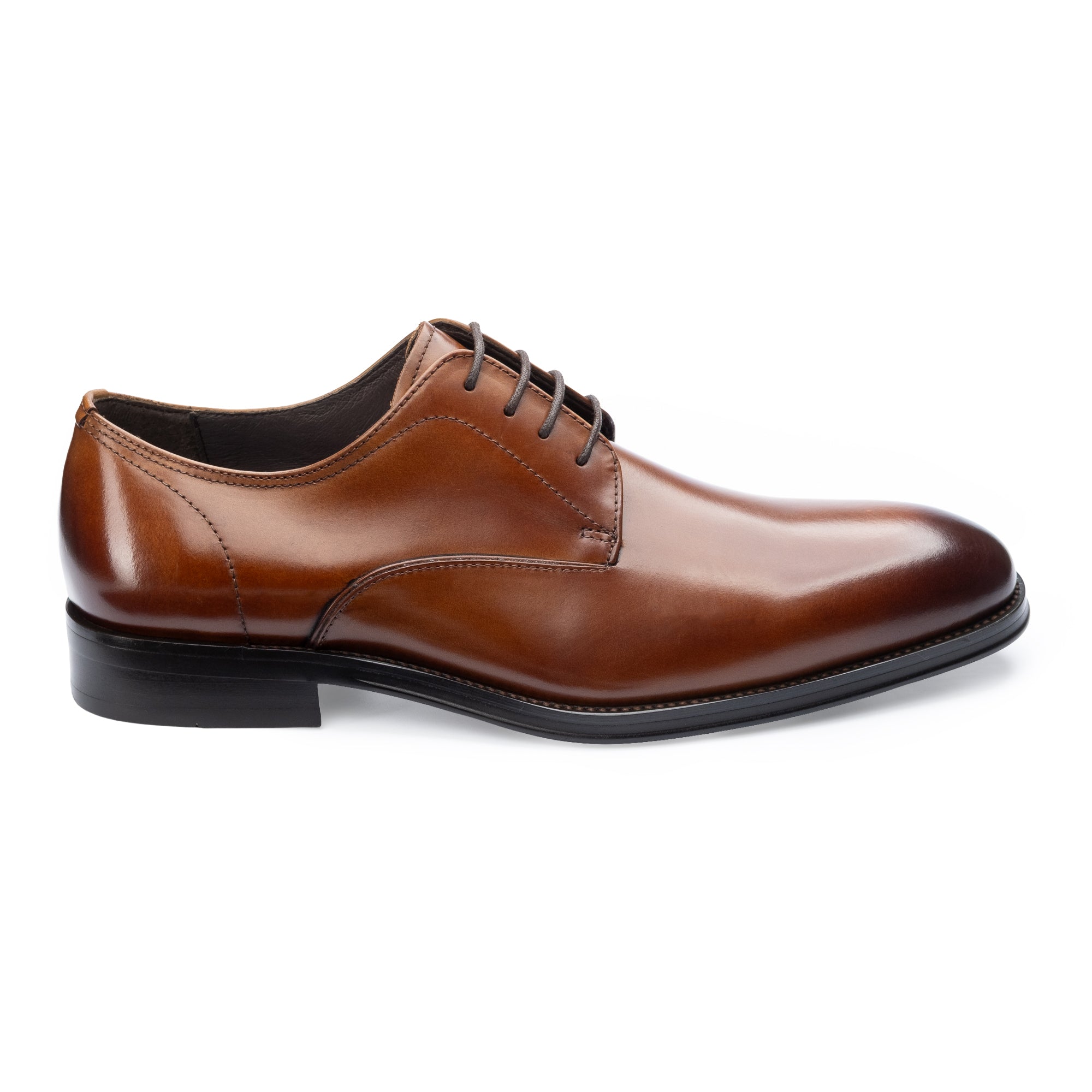
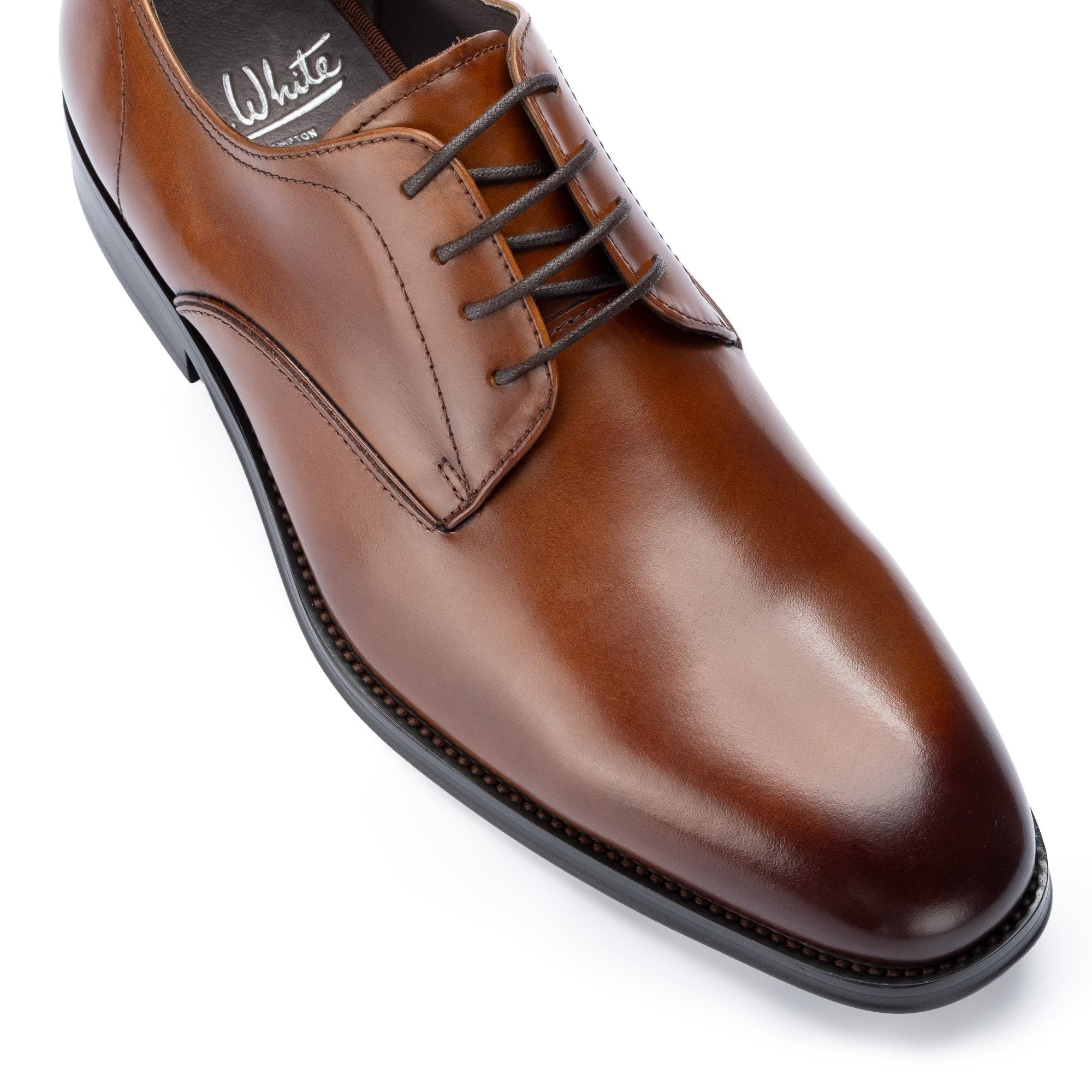
The annual leather shoe maintenance checklist covers eight steps: deep clean, condition, polish, sole inspection, lace replacement, hardware check, storage review, and professional assessment. Most men clean their shoes reactively — a quick buff before a meeting, a wipe-down after rain. That's upkeep. What follows is something else: a deliberate, systematic review of everything you own, carried out with the same attention a finishing room would give a shoe before it left for the shop floor. Brands like John White Shoes, Loake, Barker, Church's, and Crockett & Jones design footwear to last — but longevity depends as much on the owner as it does on the original construction.
Work through this checklist in order, twice a year. Your shoes will outlast fashions, trends, and the footwear of men who don't bother.
Why Does Leather Footwear Need a Dedicated Annual Maintenance Ritual?
Leather is a natural material that reacts to its environment. Over twelve months, even well-kept shoes accumulate salt deposits, dried dirt in seams and perforations, conditioner depletion, and micro-abrasions not visible until they've become scuffs. The annual ritual catches all of this before compounding damage sets in.
According to the Leather Conservation Centre, leather loses moisture through natural oxidation and wear, making regular conditioning essential to prevent cracking and surface deterioration. Their guidance recommends conditioning at every seasonal transition — even when shoes appear to be in good order, since surface appearance is a poor guide to internal moisture levels.
The Society of Master Shoe Repairers notes that the majority of leather footwear brought in for major repair shows damage that was preventable at an earlier stage. Timely heel topping and sole maintenance can extend functional shoe life by several years per pair, often at a fraction of the cost of full restoration.
According to the British Footwear Association, the average pair of shoes in the UK is replaced within two years. With proper maintenance, quality leather footwear regularly reaches ten years of hard wear and beyond.
Leather footwear that receives a systematic annual ritual consistently outlasts footwear maintained reactively — often by five years or more, simply by catching early-stage damage before it compounds.
When Should You Carry Out the Annual Leather Shoe Checklist?
Twice yearly is the right cadence. Spring — March or April — prepares your collection after winter's salt, rain, and cold. Autumn — September or October — readies leather for the harsher months ahead. Think of it as a service interval.
Clear a Sunday afternoon. Lay every pair out on a clean surface, left to right. A collection of eight to ten pairs typically takes two to three hours done properly. Don't rush it.
The Complete Eight-Step Annual Leather Shoe Maintenance Checklist
Step 1: Deep Clean Each Pair
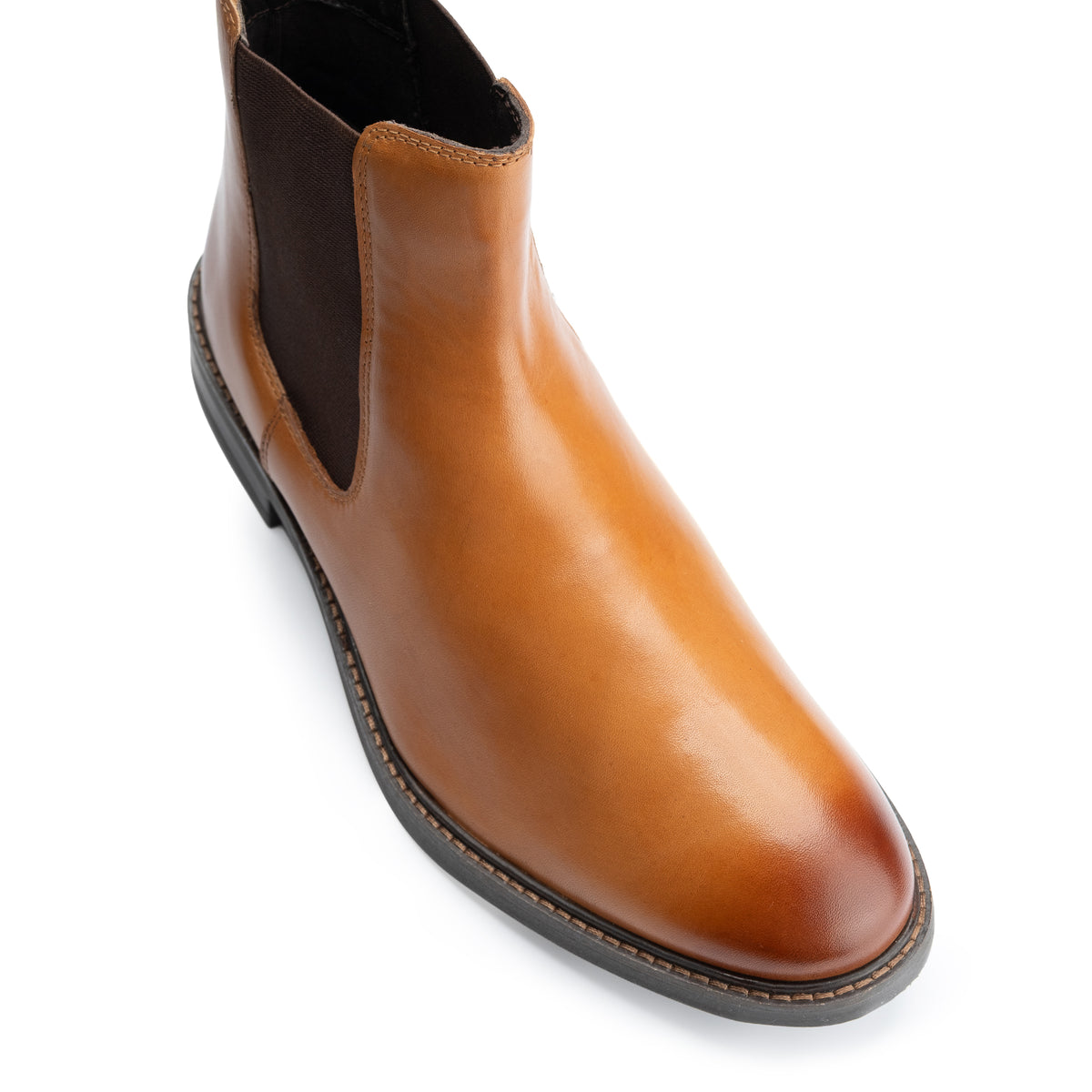
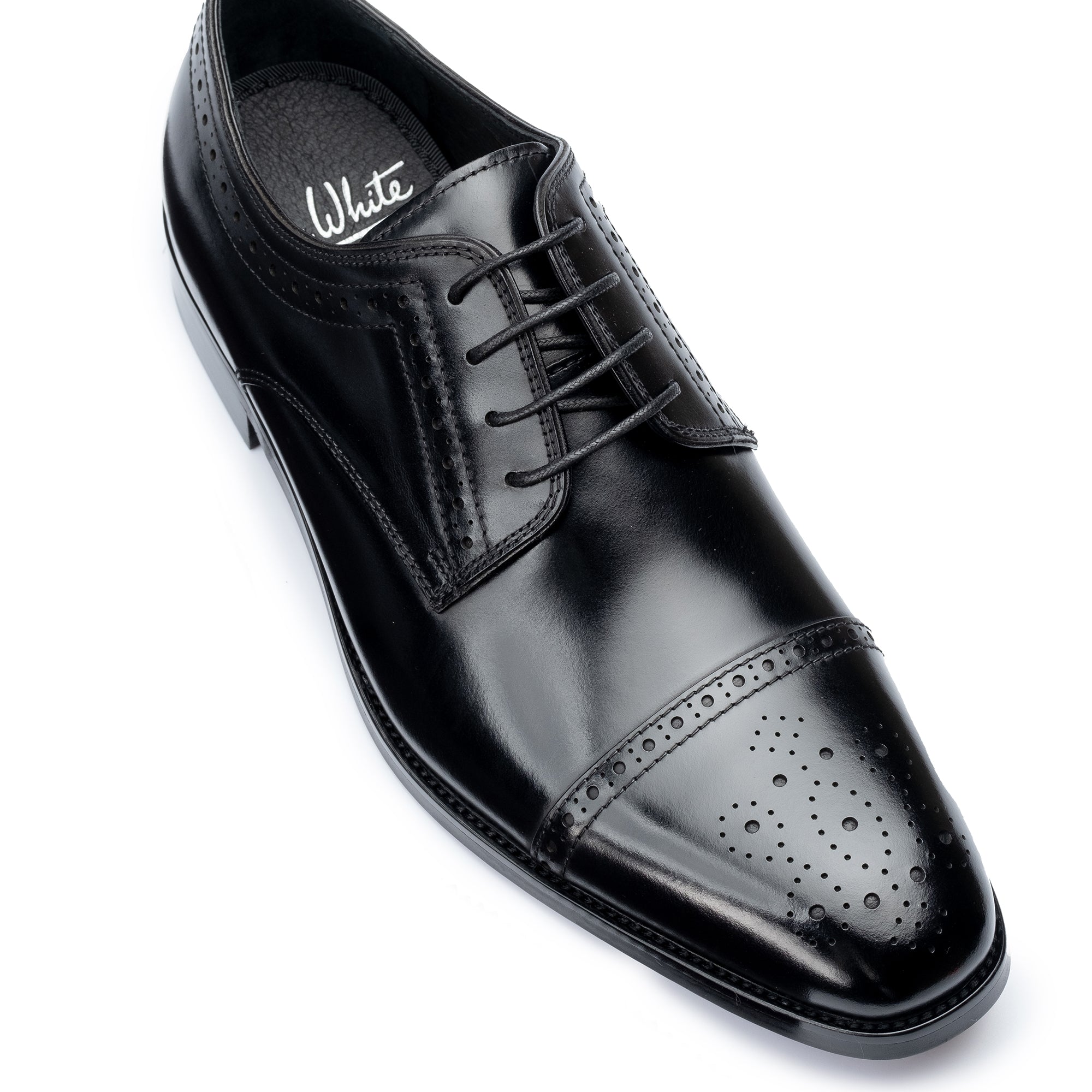
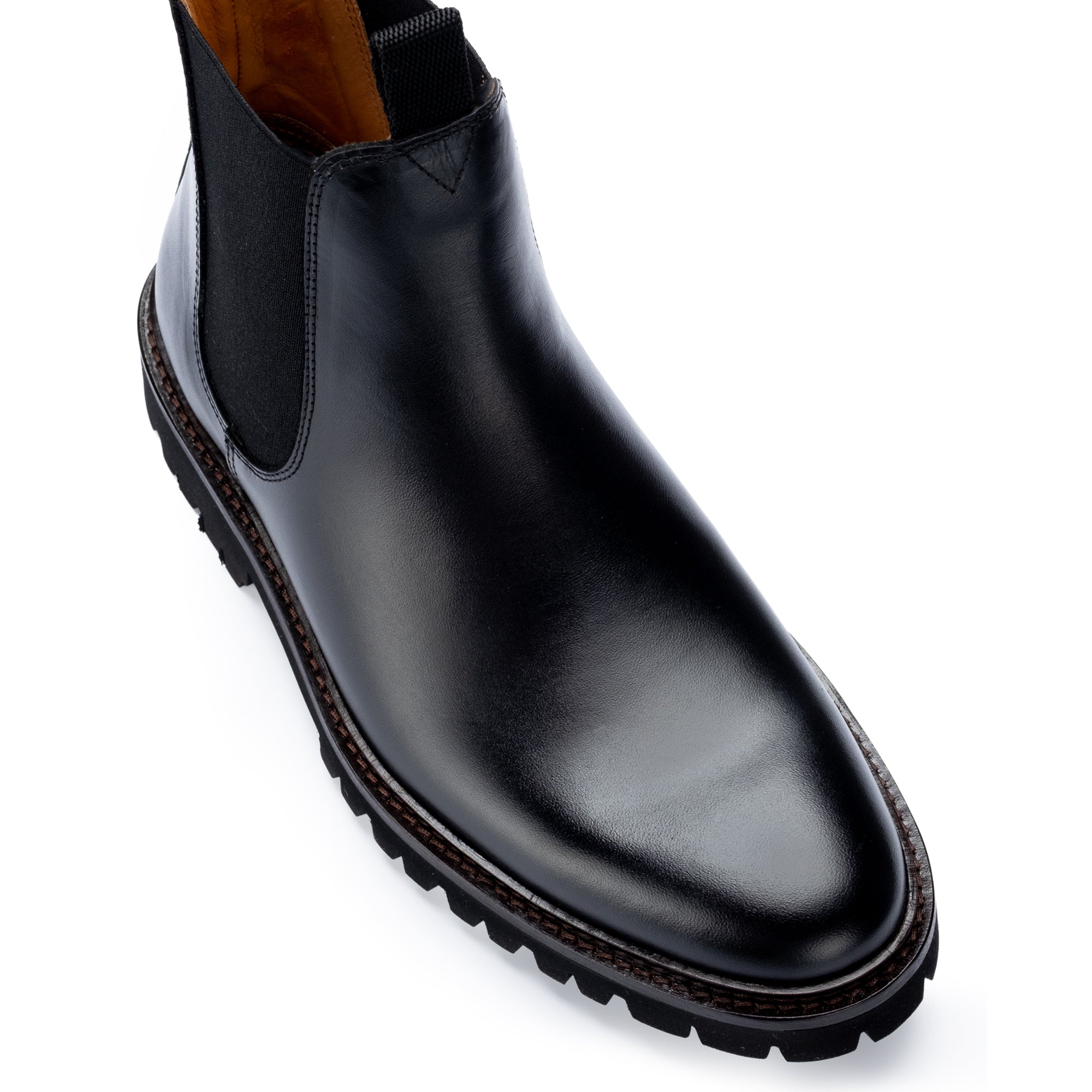
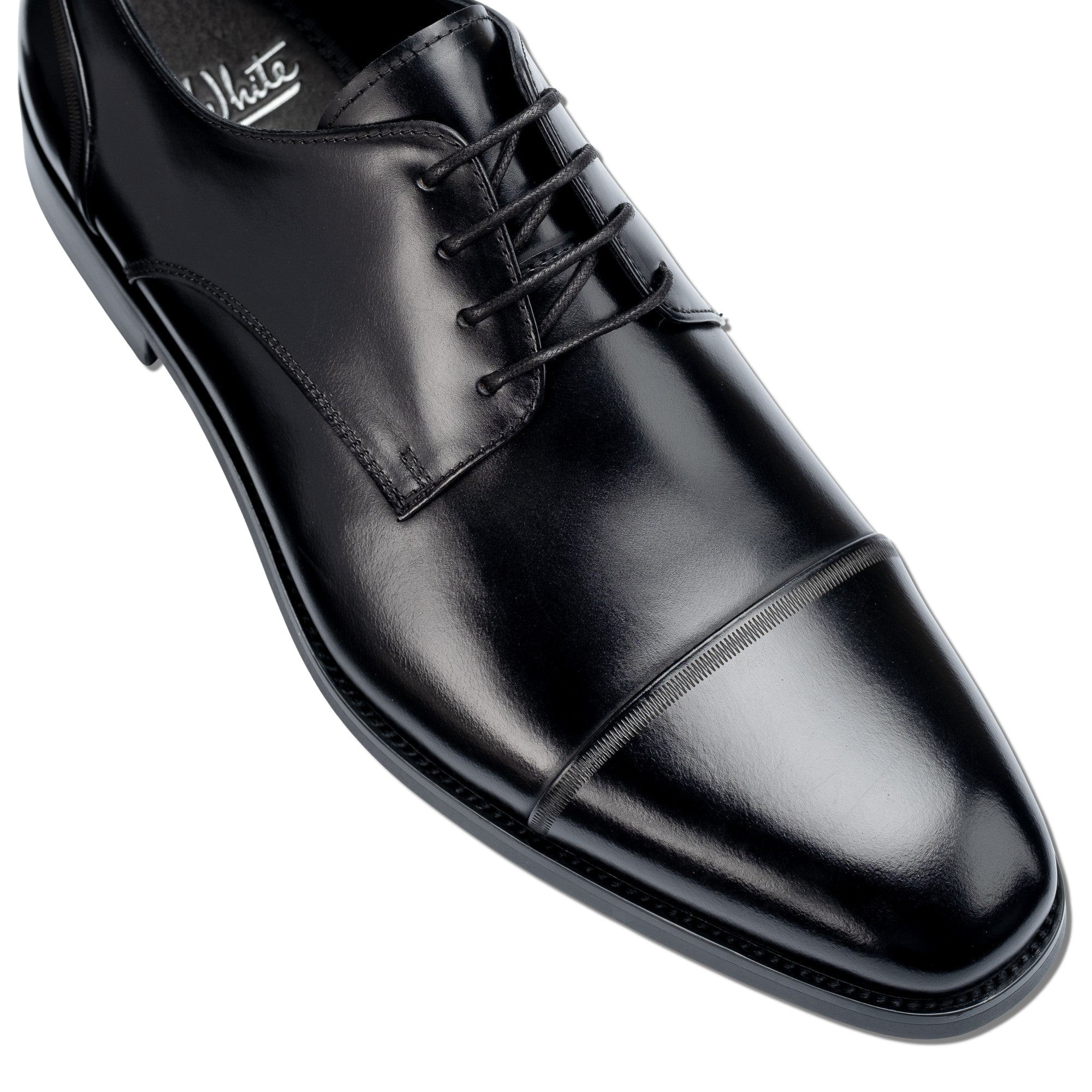
Remove the laces first. Use a stiff-bristled brush to clear loose dirt from the upper, any seams, and perforations. Follow with a damp cloth to remove surface grime, then a dedicated leather cleaner for a thorough wash. Don't use washing-up liquid — it strips natural oils and leaves a drying residue.
- Remove laces before beginning
- Brush seams, welt lines, and perforations with a stiff bristle brush
- Wipe down with a barely damp cloth to lift surface dirt
- Apply a dedicated leather cleaner to remove embedded grime and old conditioner residue
- Allow to dry naturally — never near a radiator or in direct sunlight
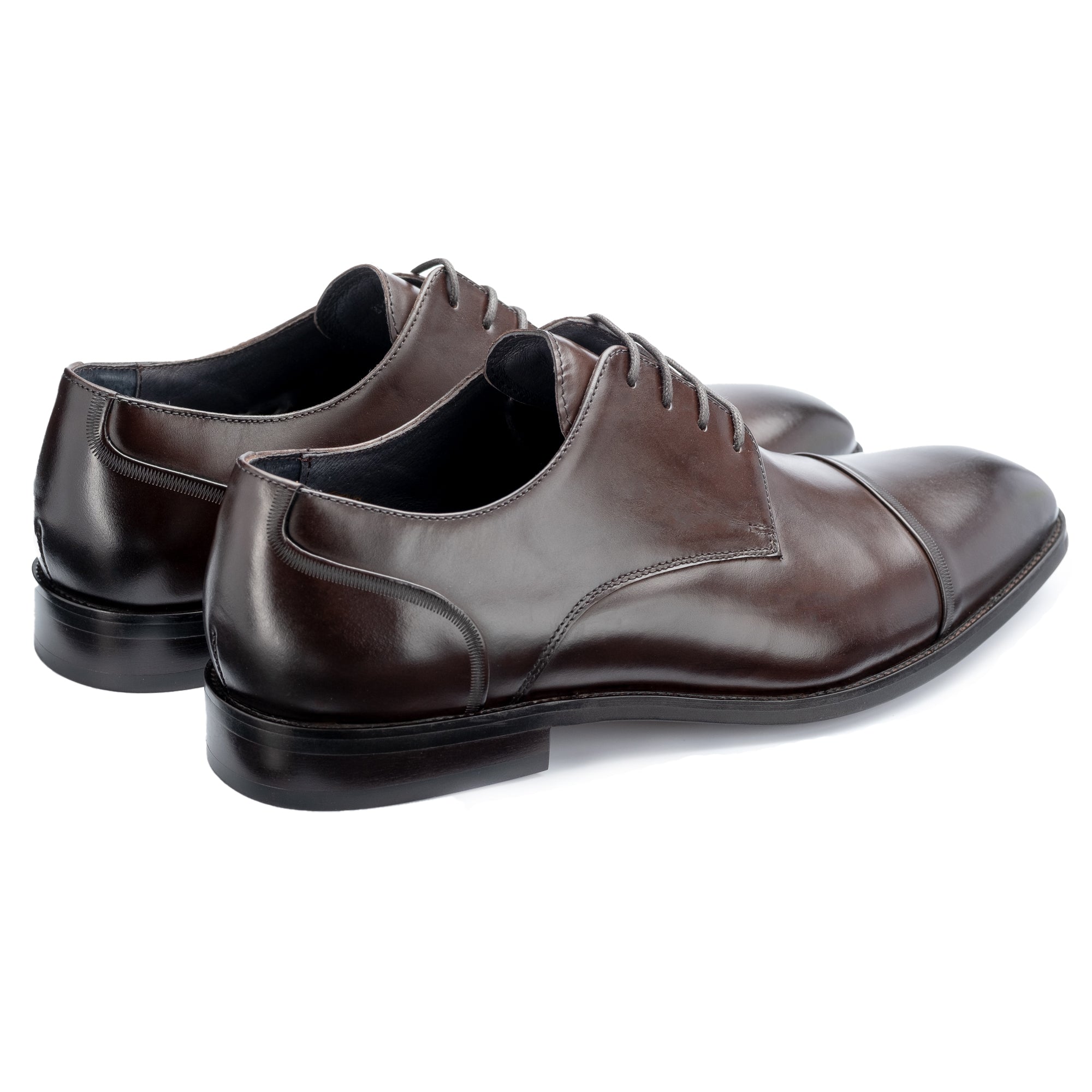
Pay particular attention to the heel counter, the toe cap edges, and the inside lip of the collar — areas where salt and dirt accumulate unnoticed over months of wear.
Step 2: Condition the Leather
Conditioning is the most important step most men skip. Leather conditioner replenishes the oils lost through wear and environmental exposure, keeping the material supple and preventing the surface cracking that eventually makes shoes unwearable. Apply a small amount with a clean cloth, working in circular motions across the entire upper. Allow it to absorb fully — at least 20 minutes — before moving on.
The Leather Conservation Centre recommends conditioning at every seasonal transition. A shoe that looks fine on the surface can be drying out at the fibre level.
Step 3: Polish and Protect
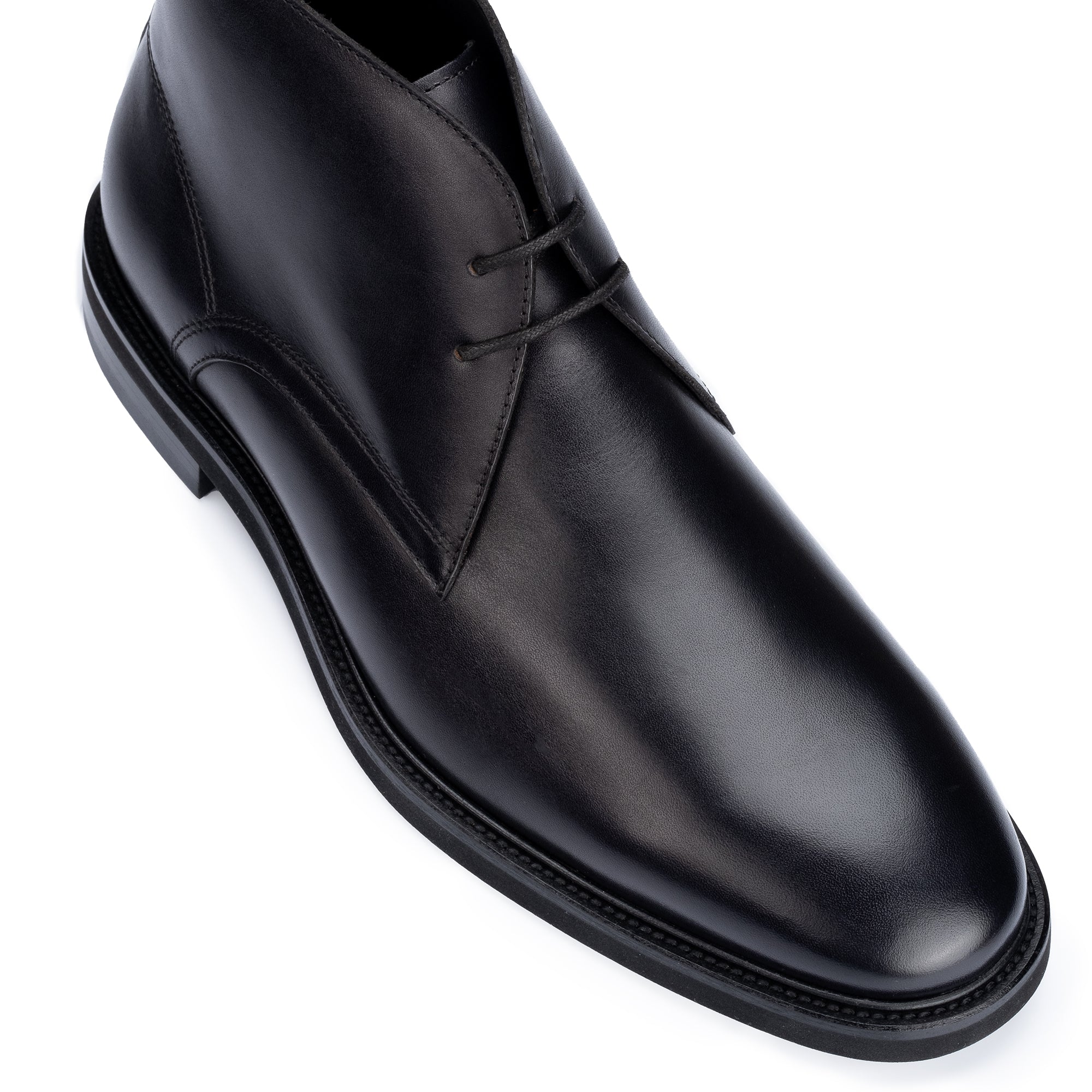
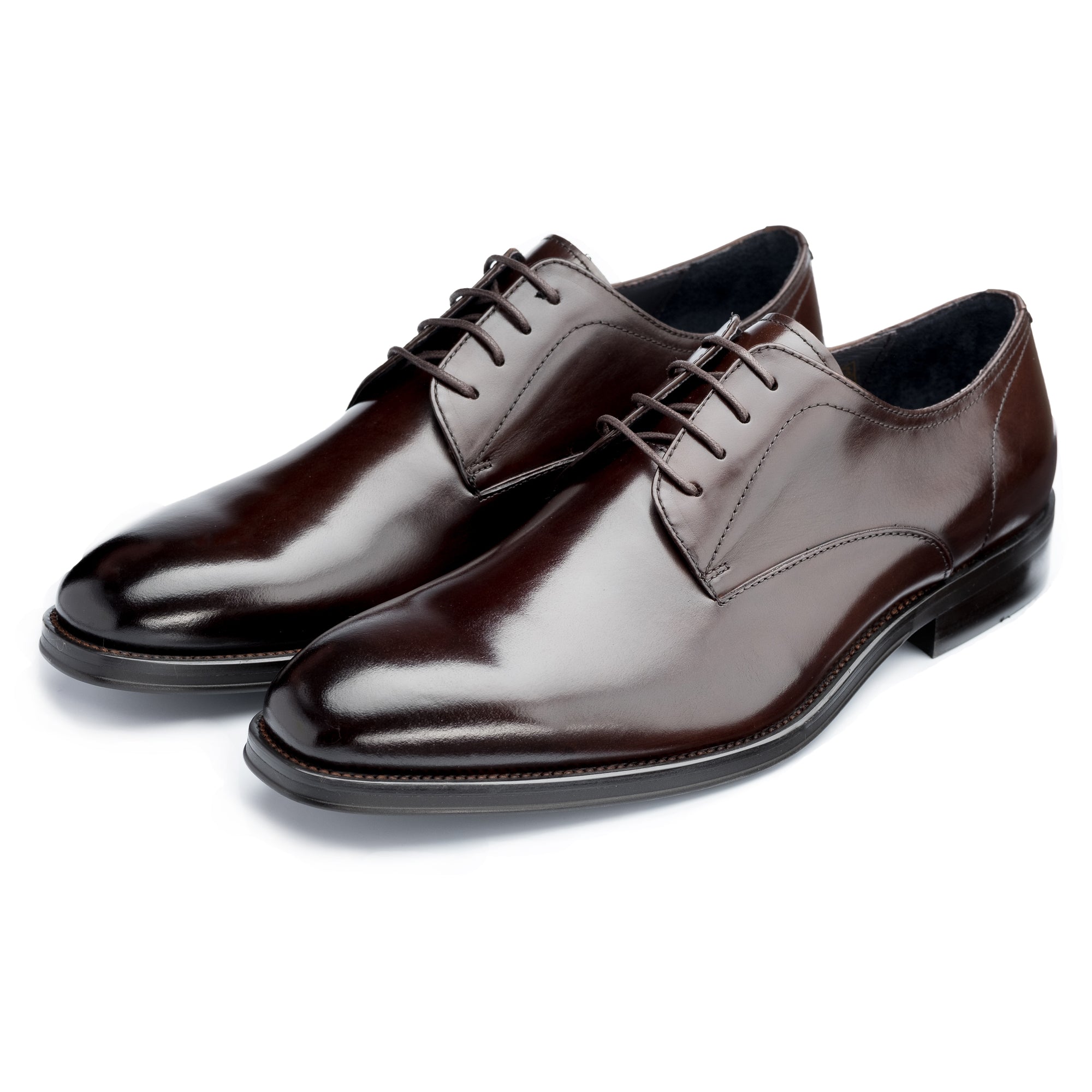
Once the conditioner has fully absorbed, apply a quality wax polish. Work it in with a horsehair brush or soft cloth, then buff to a shine. Our Premium Wax Polish provides a deep, lasting finish that feeds the leather and creates a protective barrier against moisture — exactly what's needed going into a new season.
- Use a colour-matched polish for black and dark brown leathers; neutral for tan or two-tone
- Apply in thin layers and build gradually — one heavy coat lifts rather than bonds
- Buff firmly with a clean horsehair brush for an even finish
- For a polished toe cap, add a small amount of water to the final buff stroke
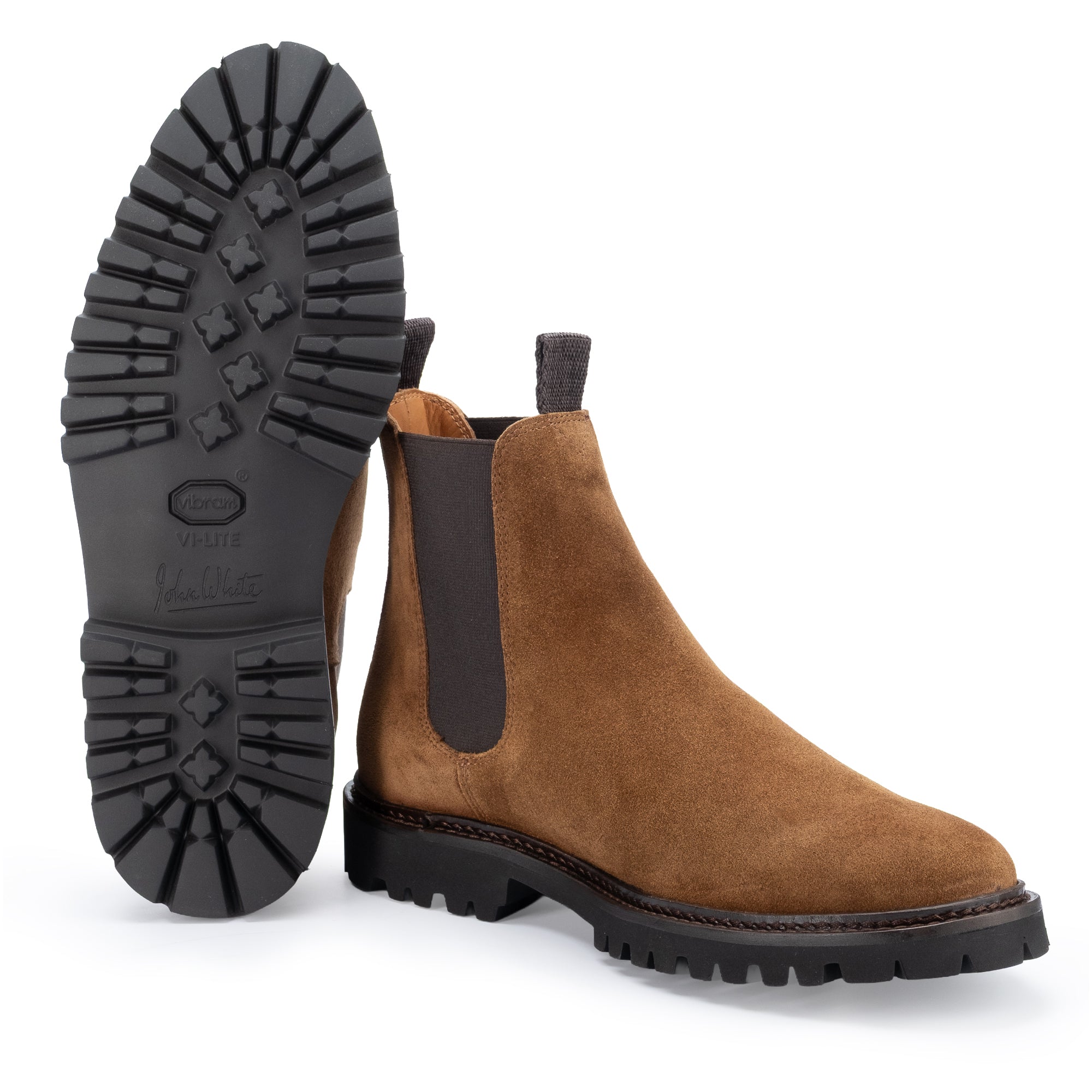
Step 4: Inspect Soles and Heels
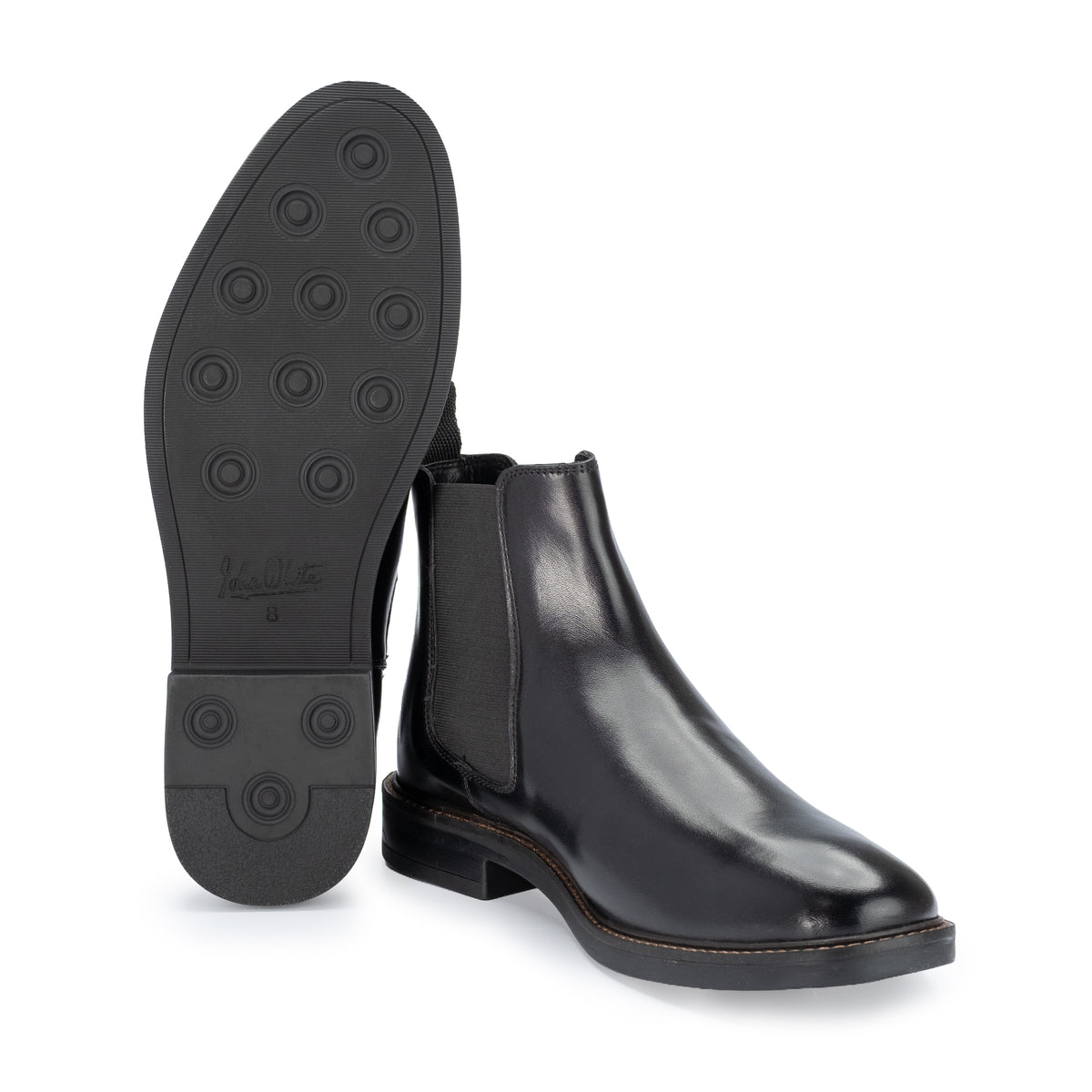
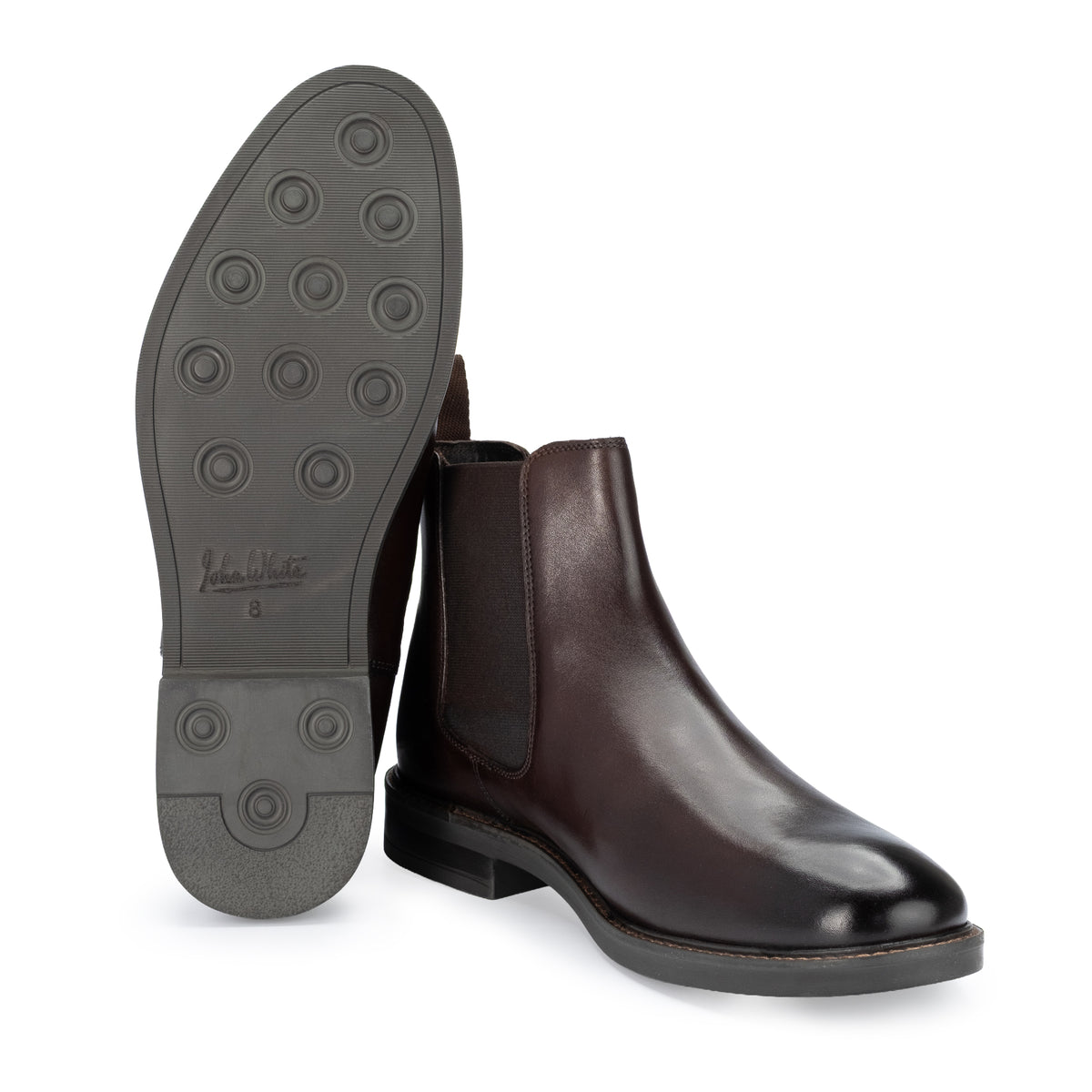
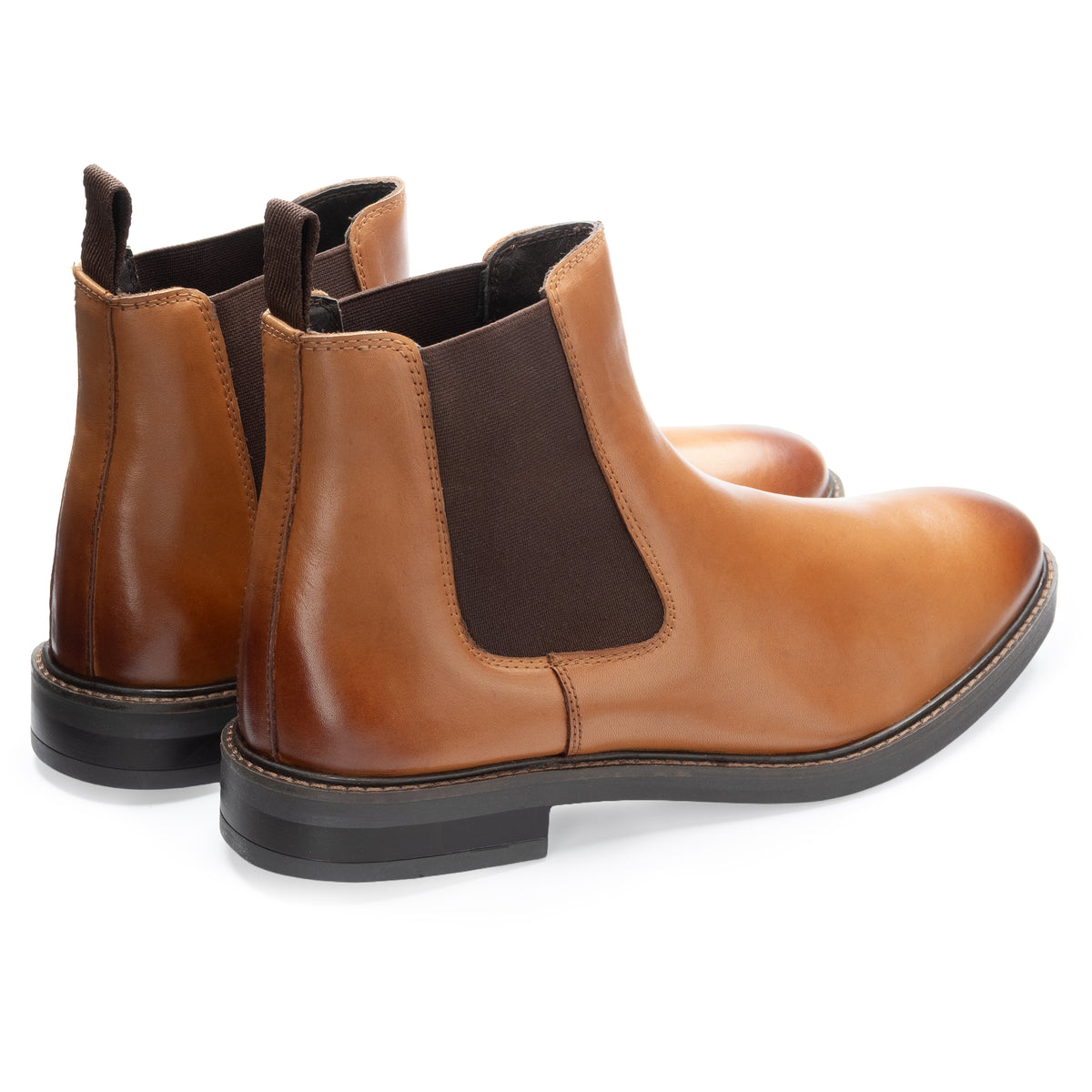
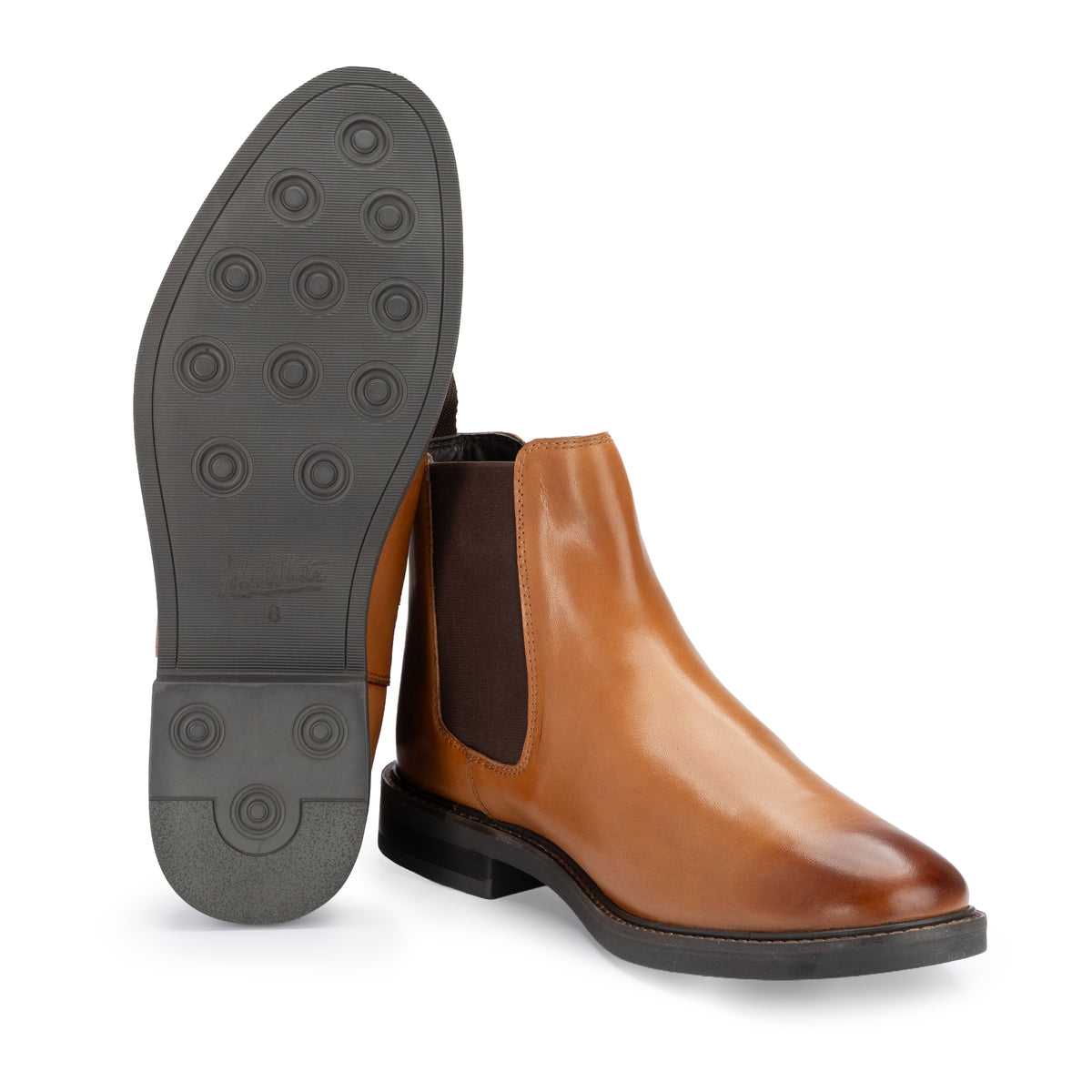
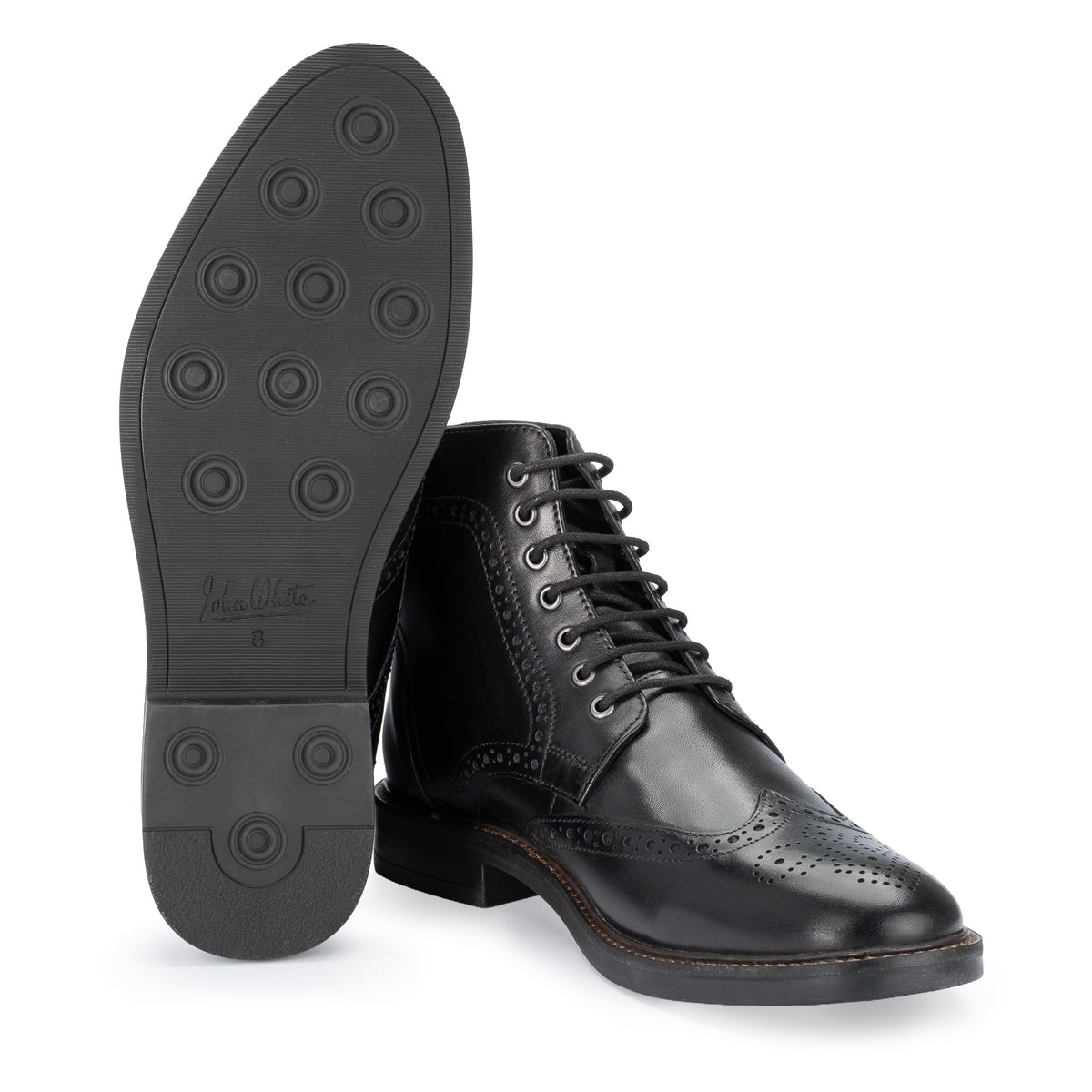
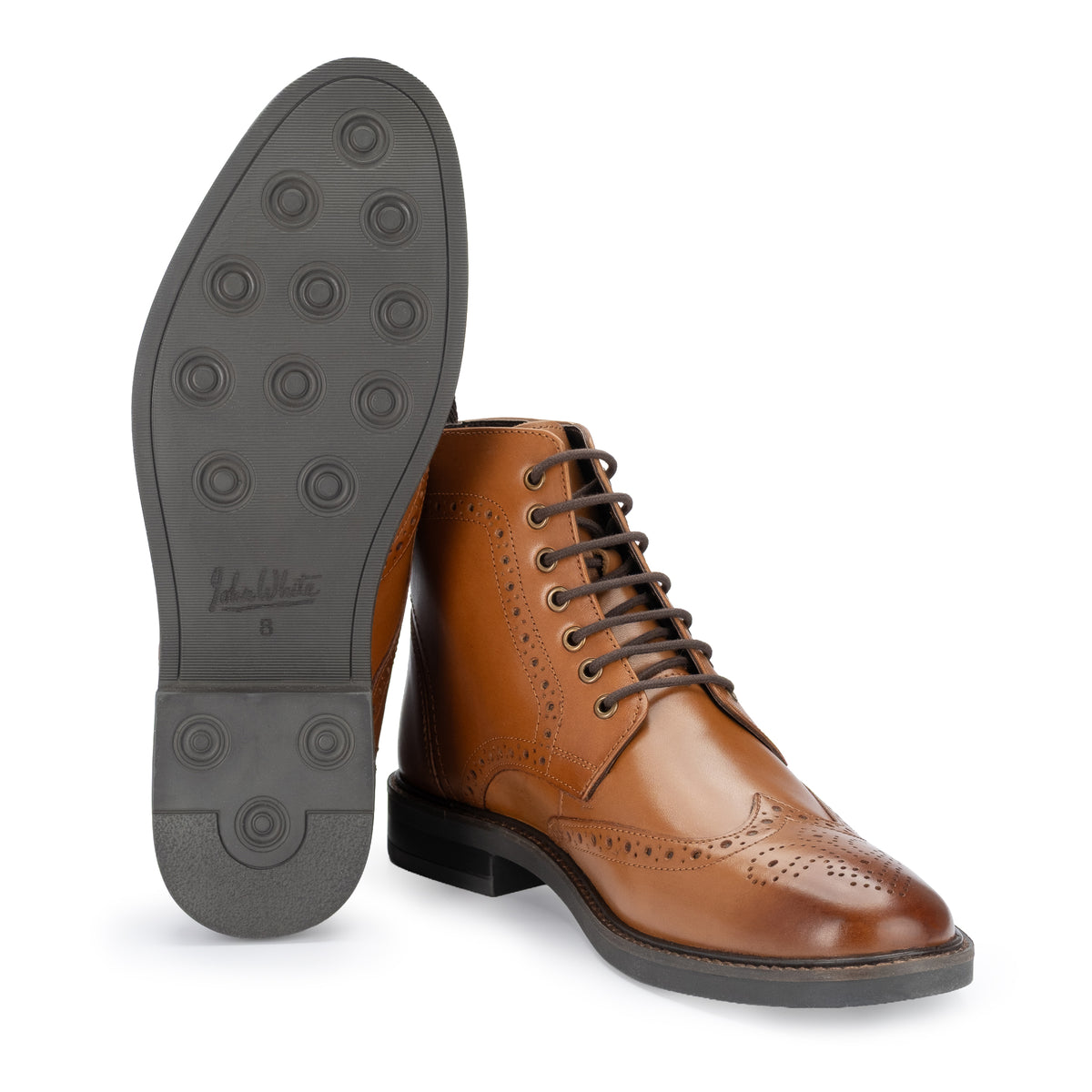
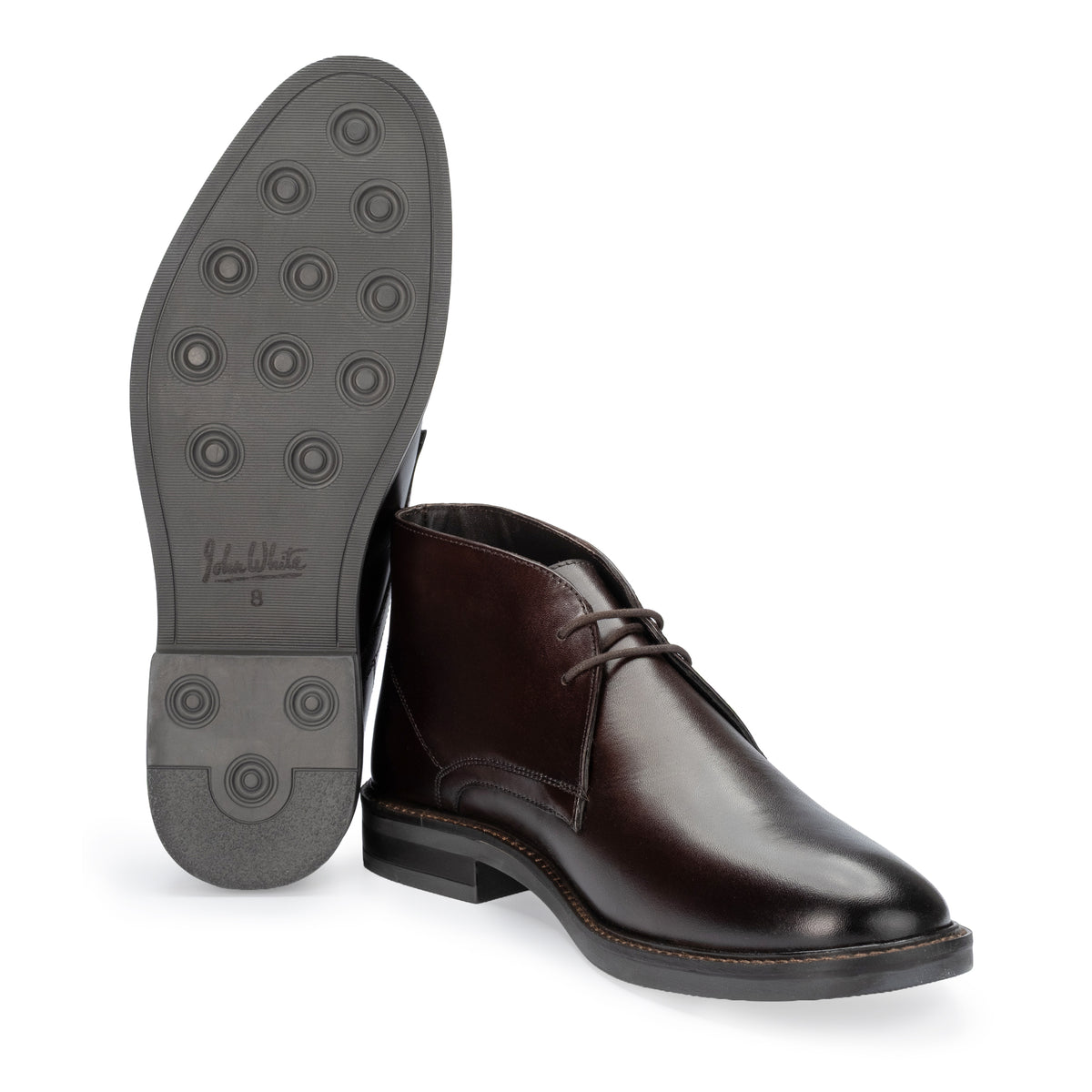
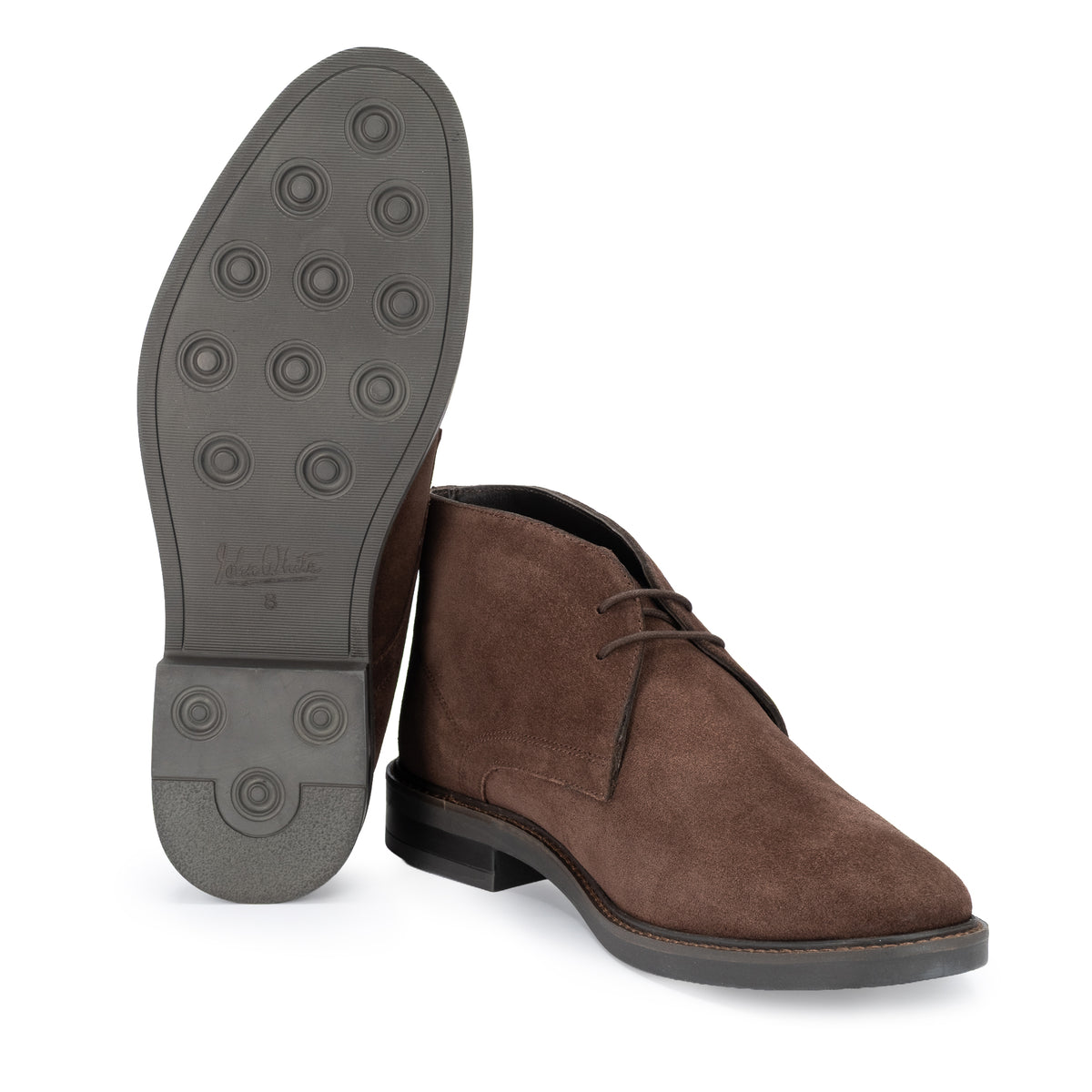
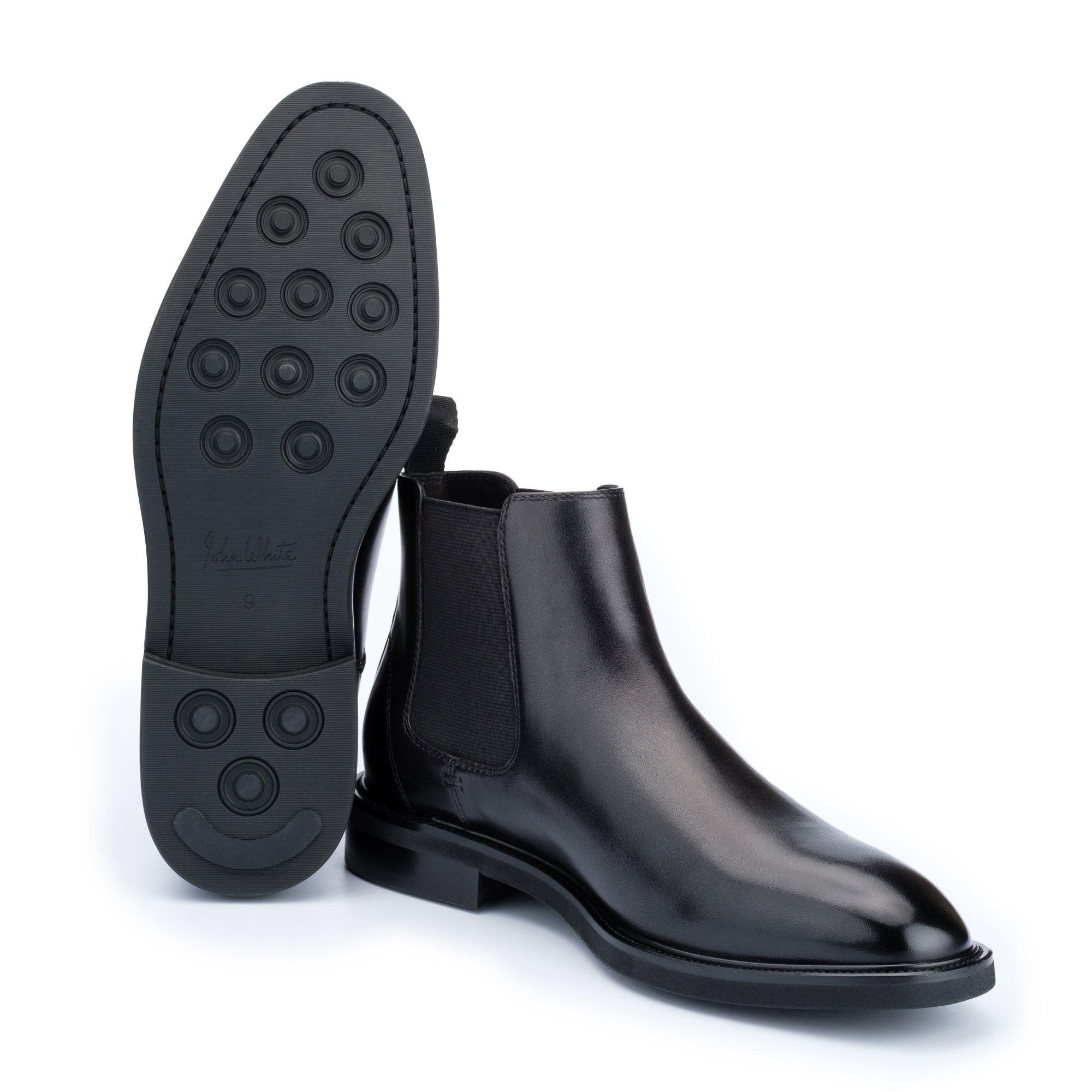
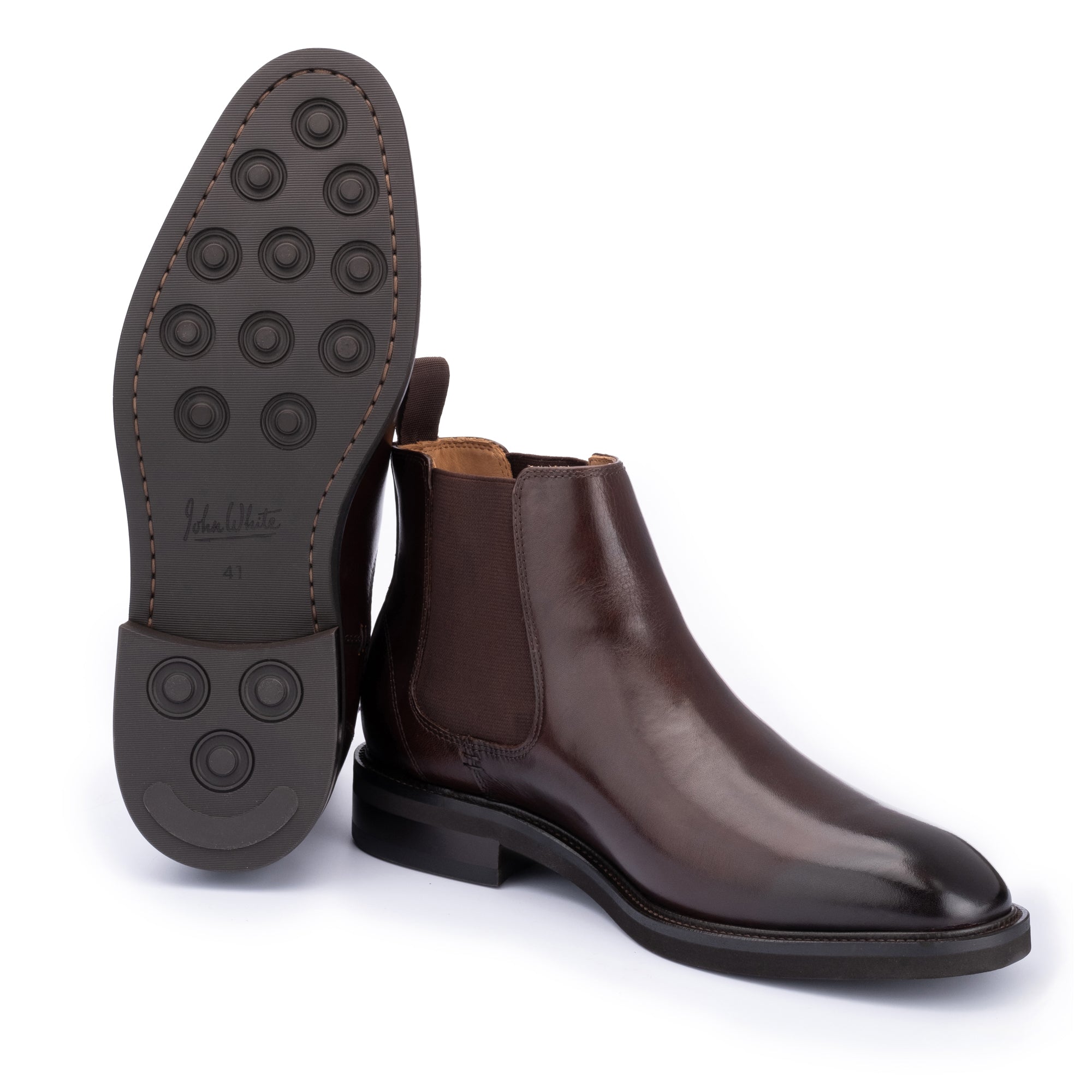
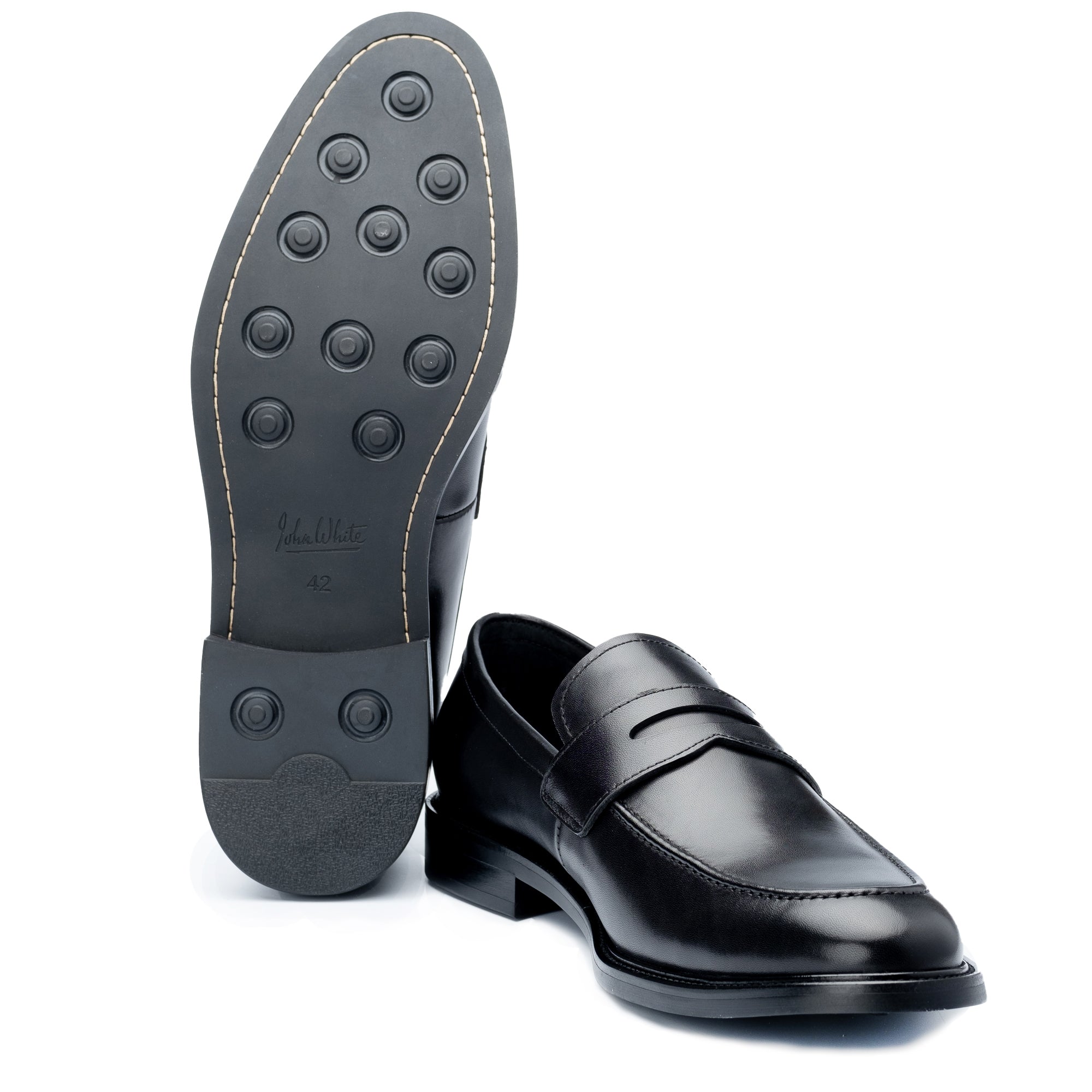
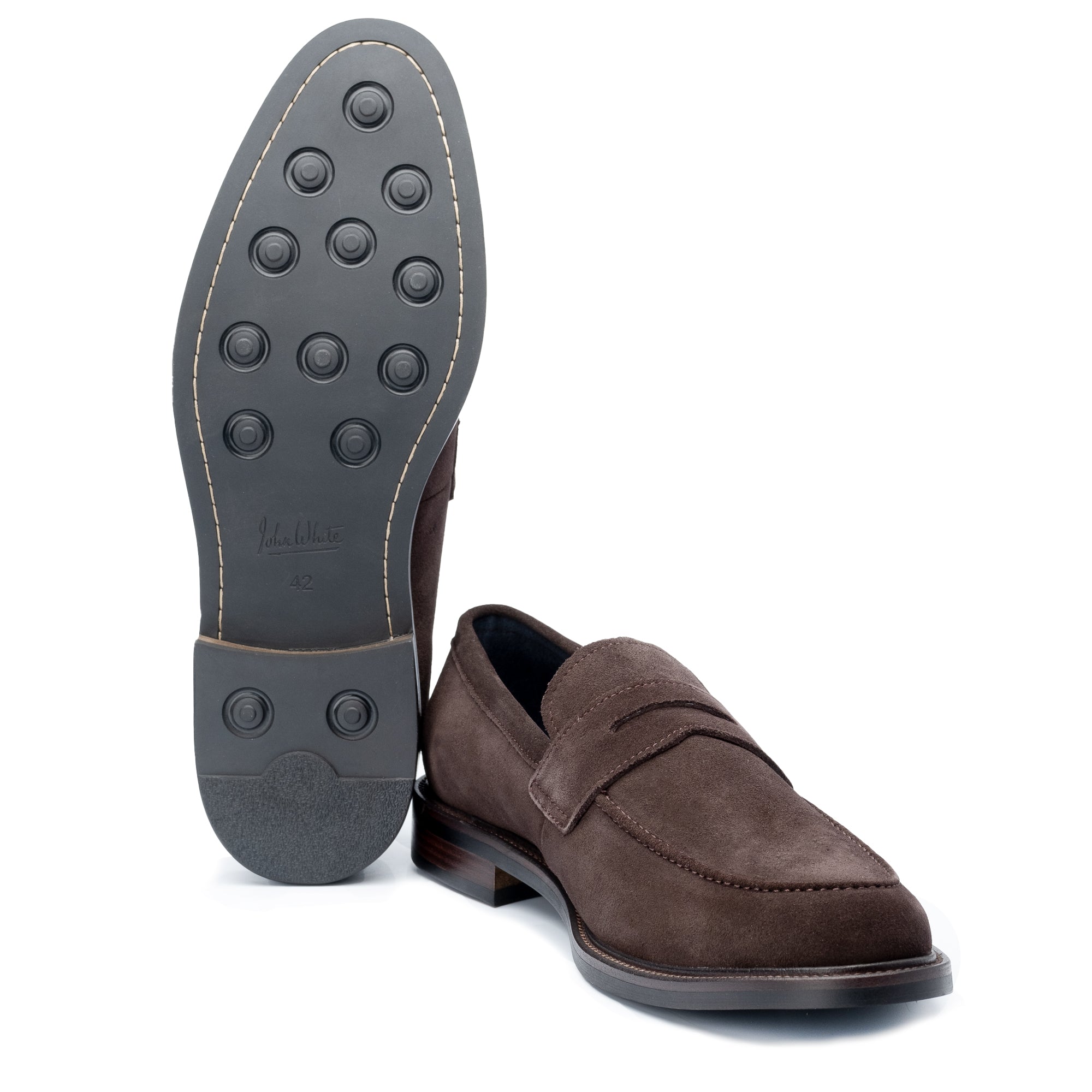
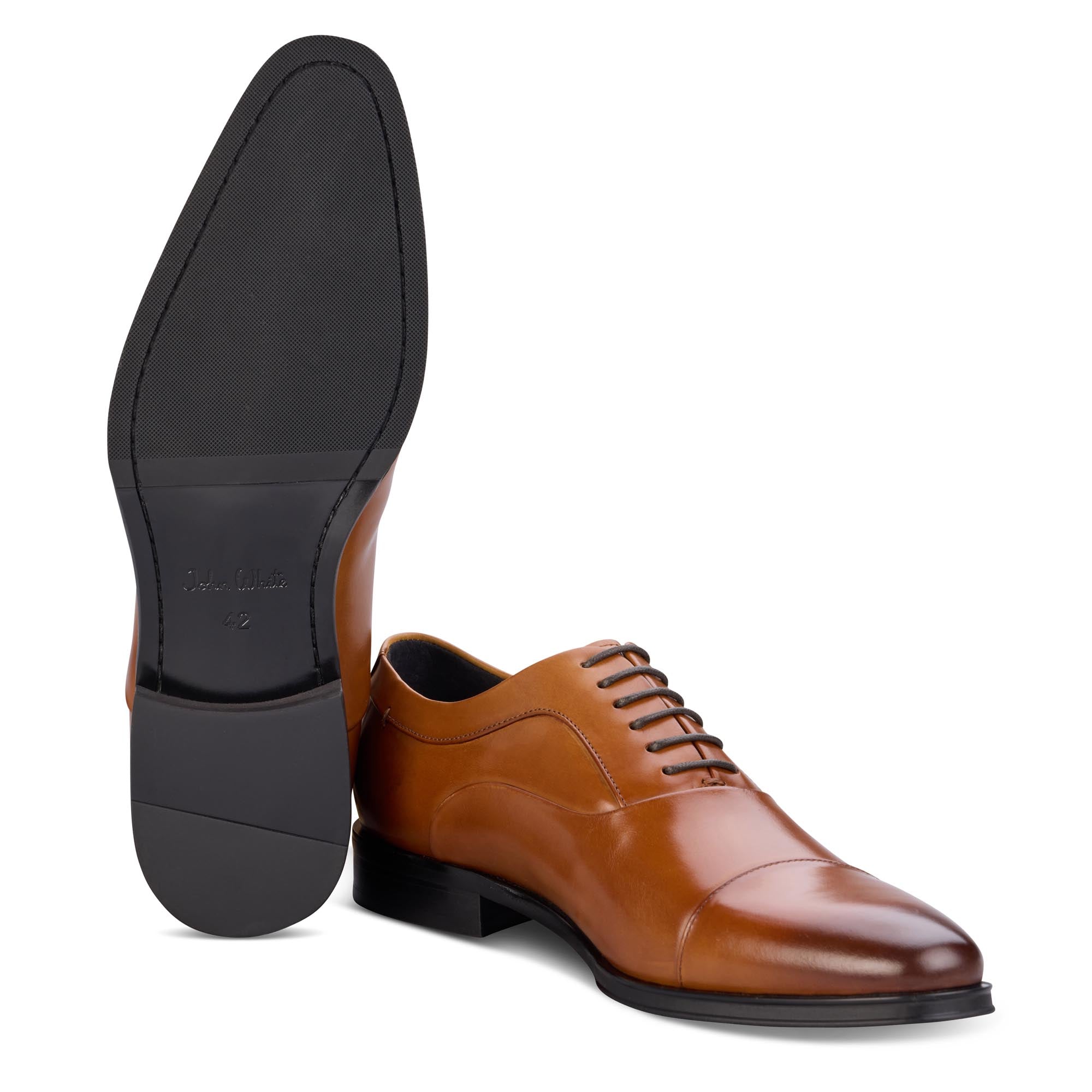
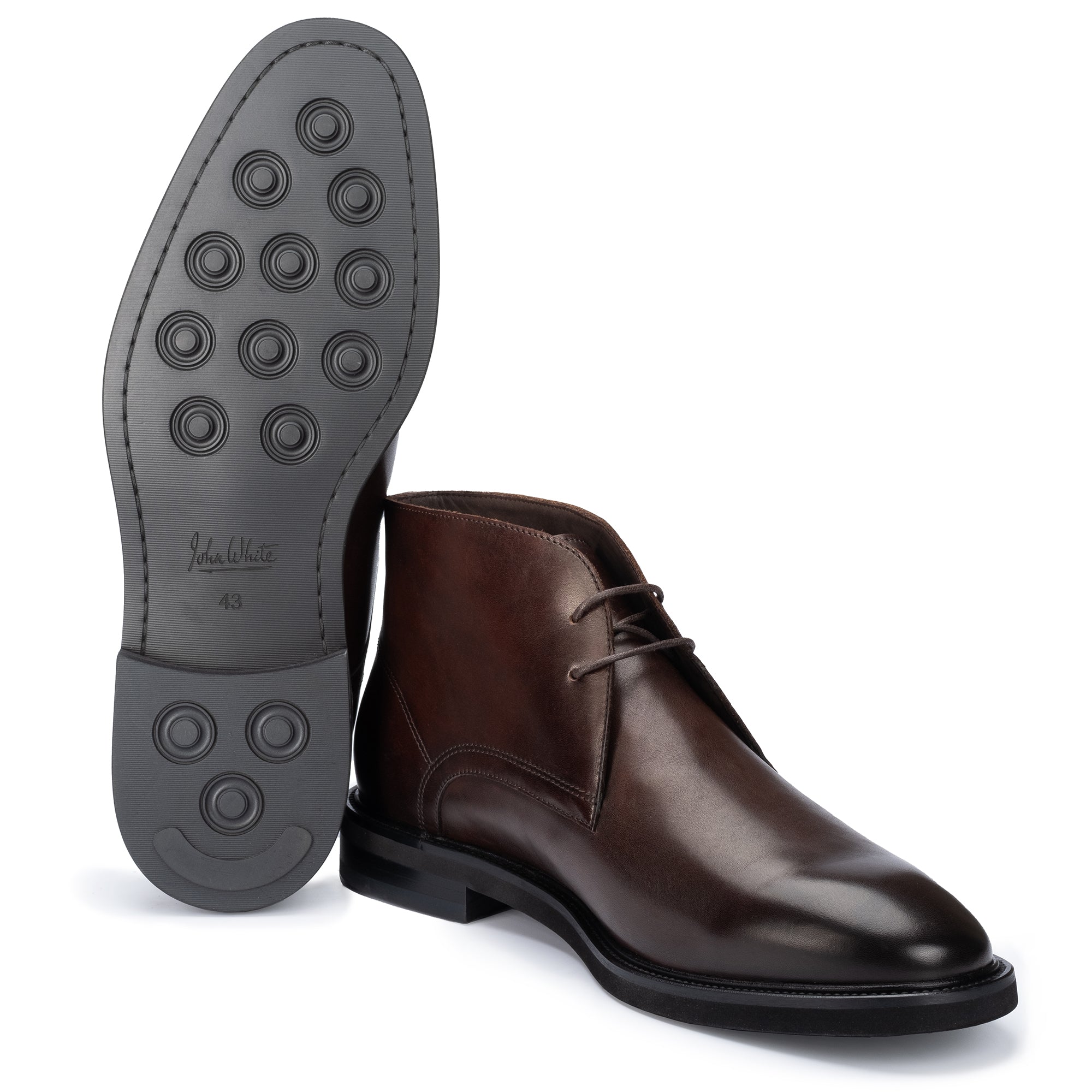
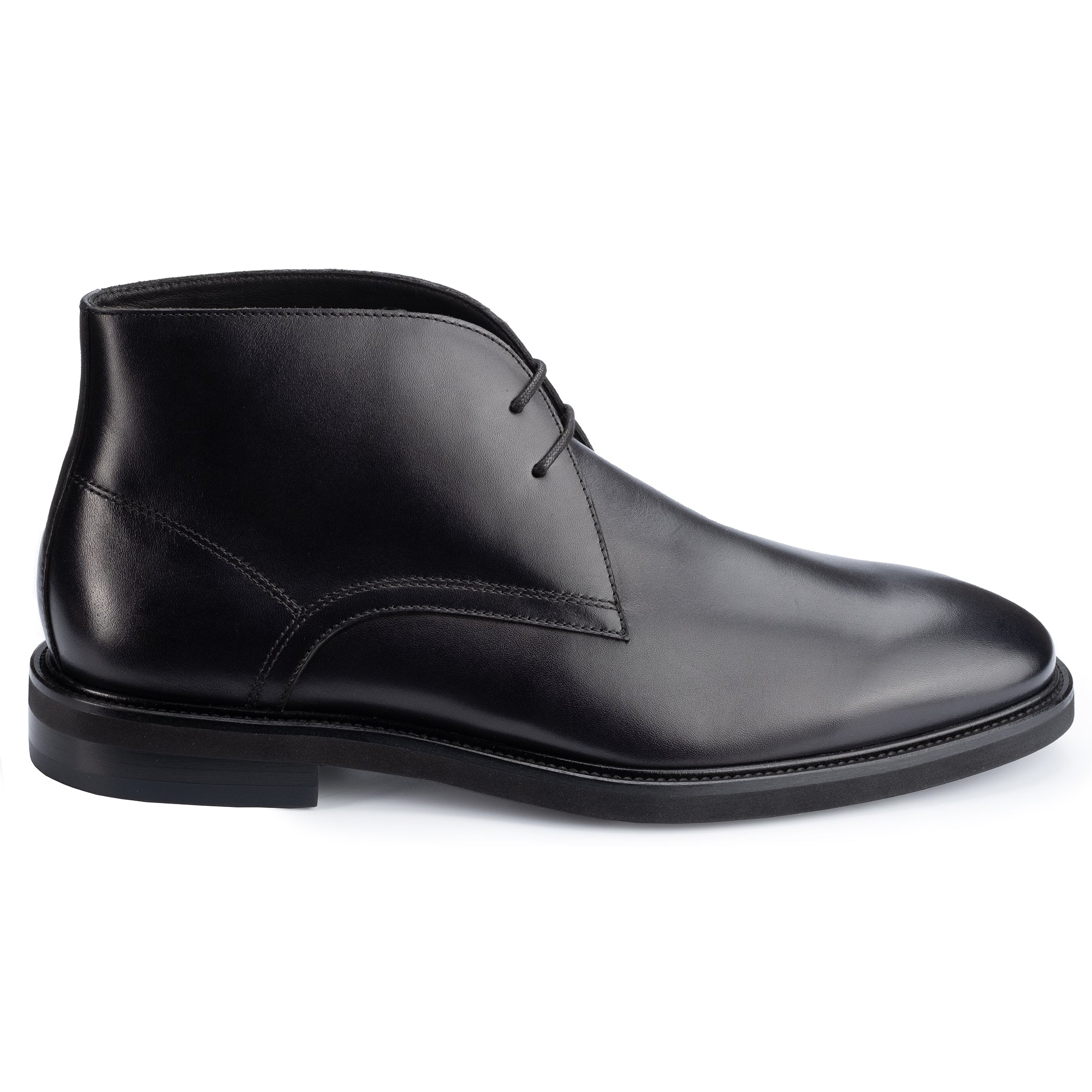
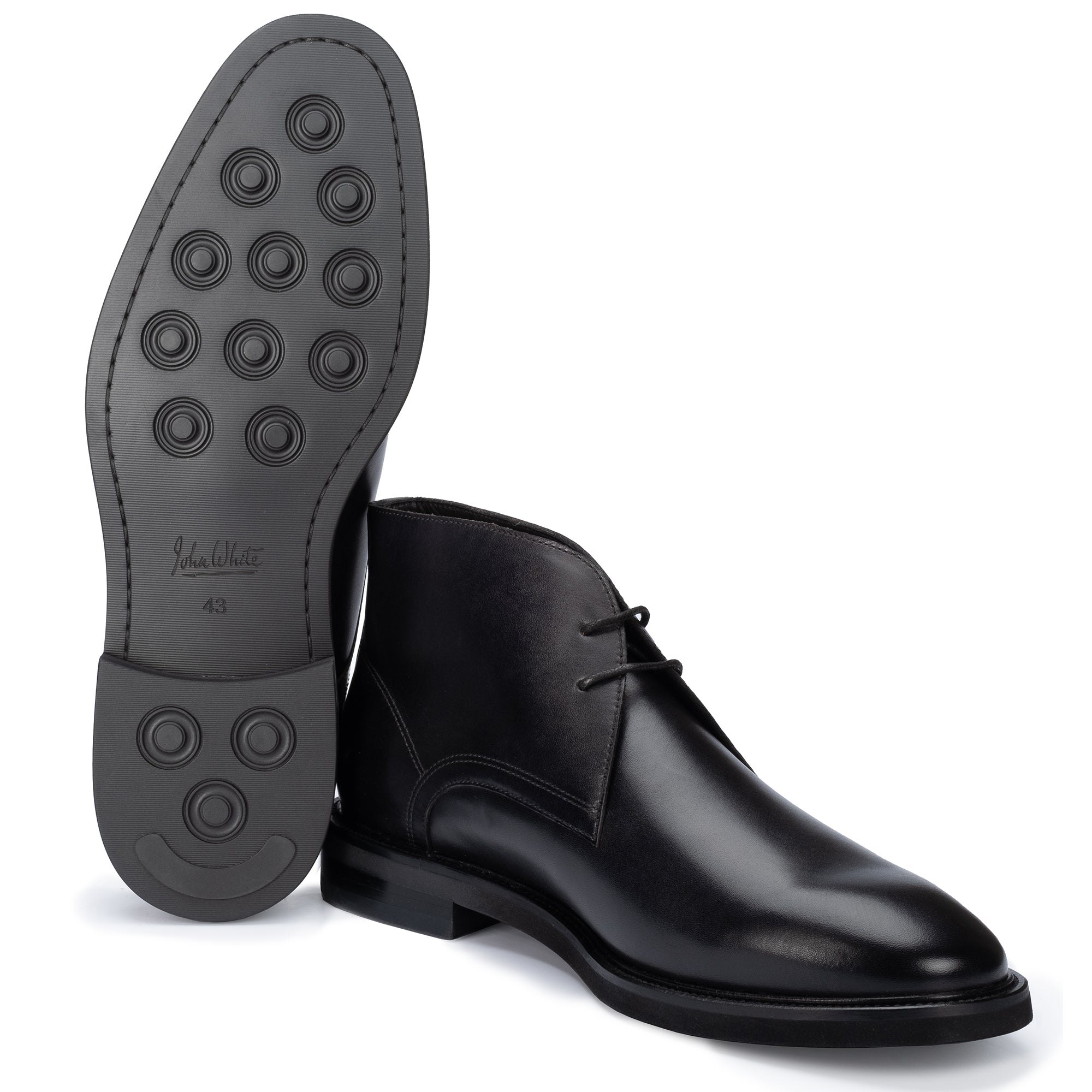
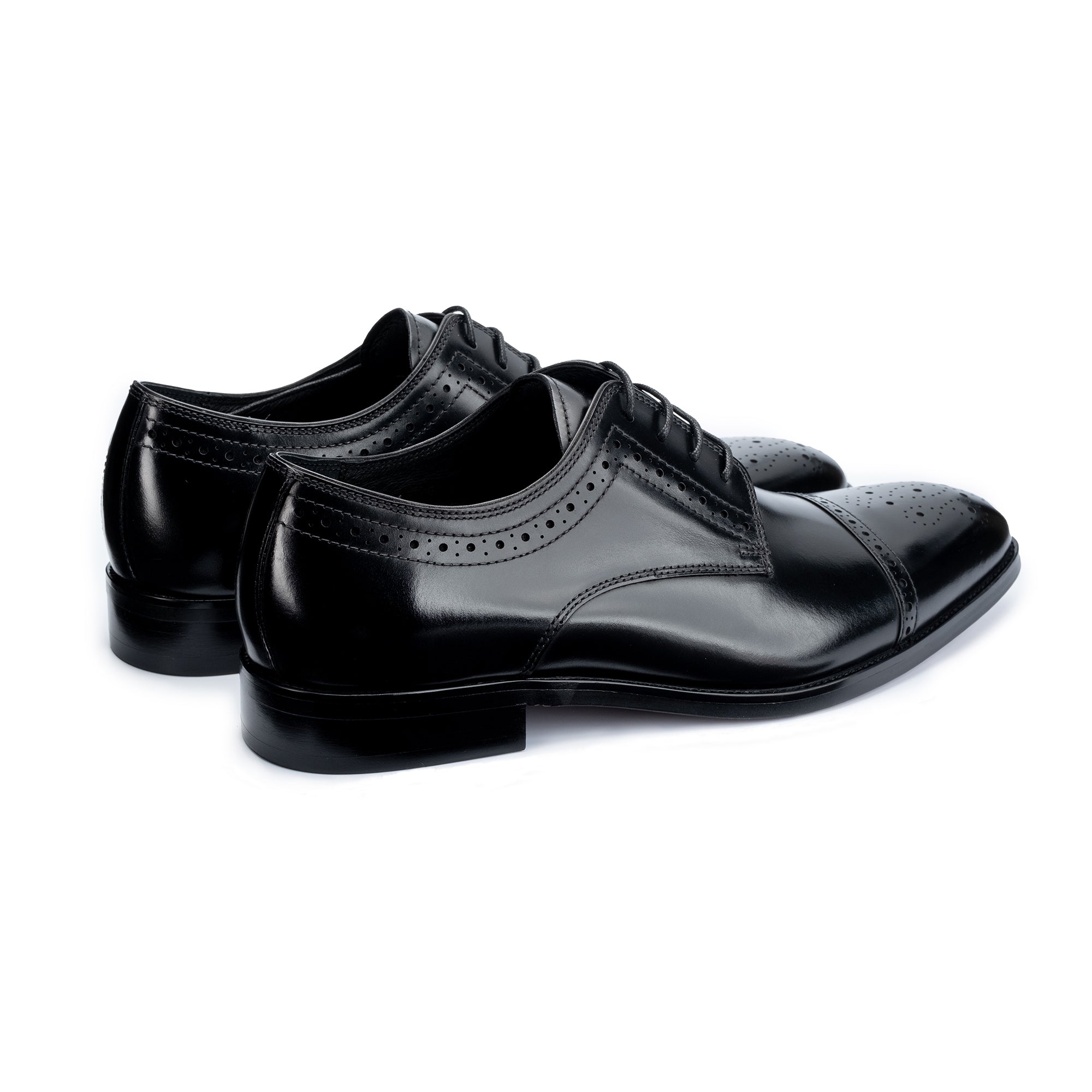
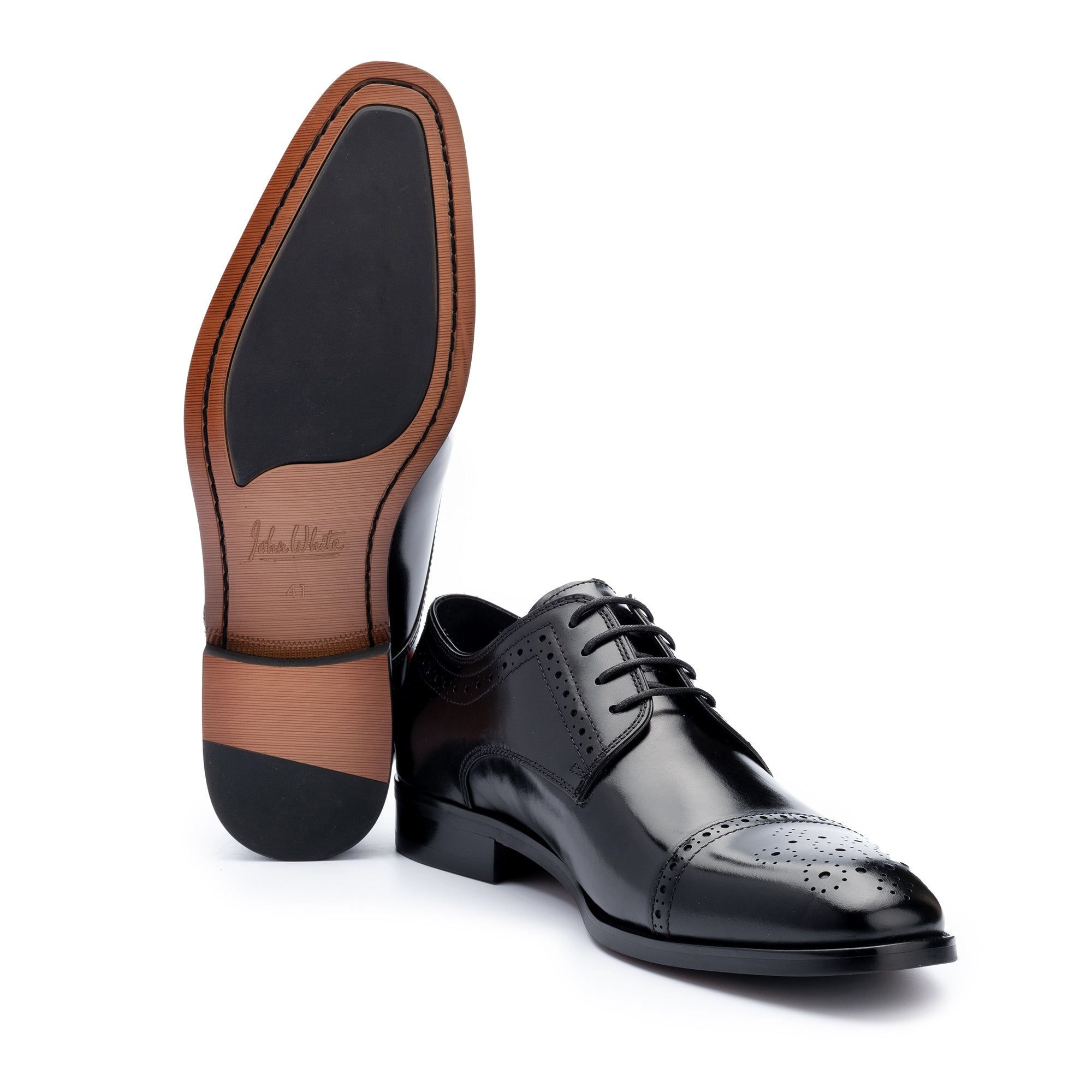
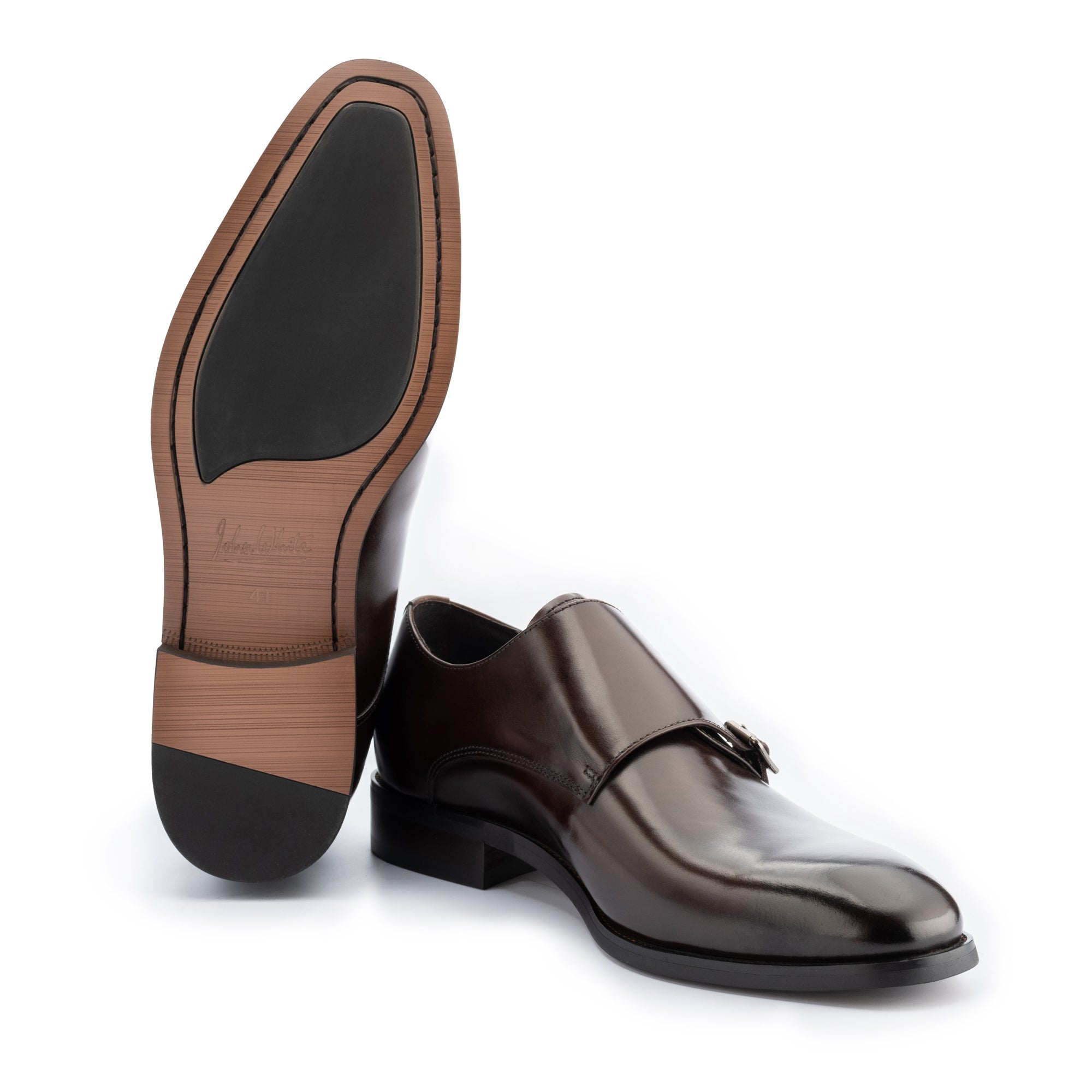
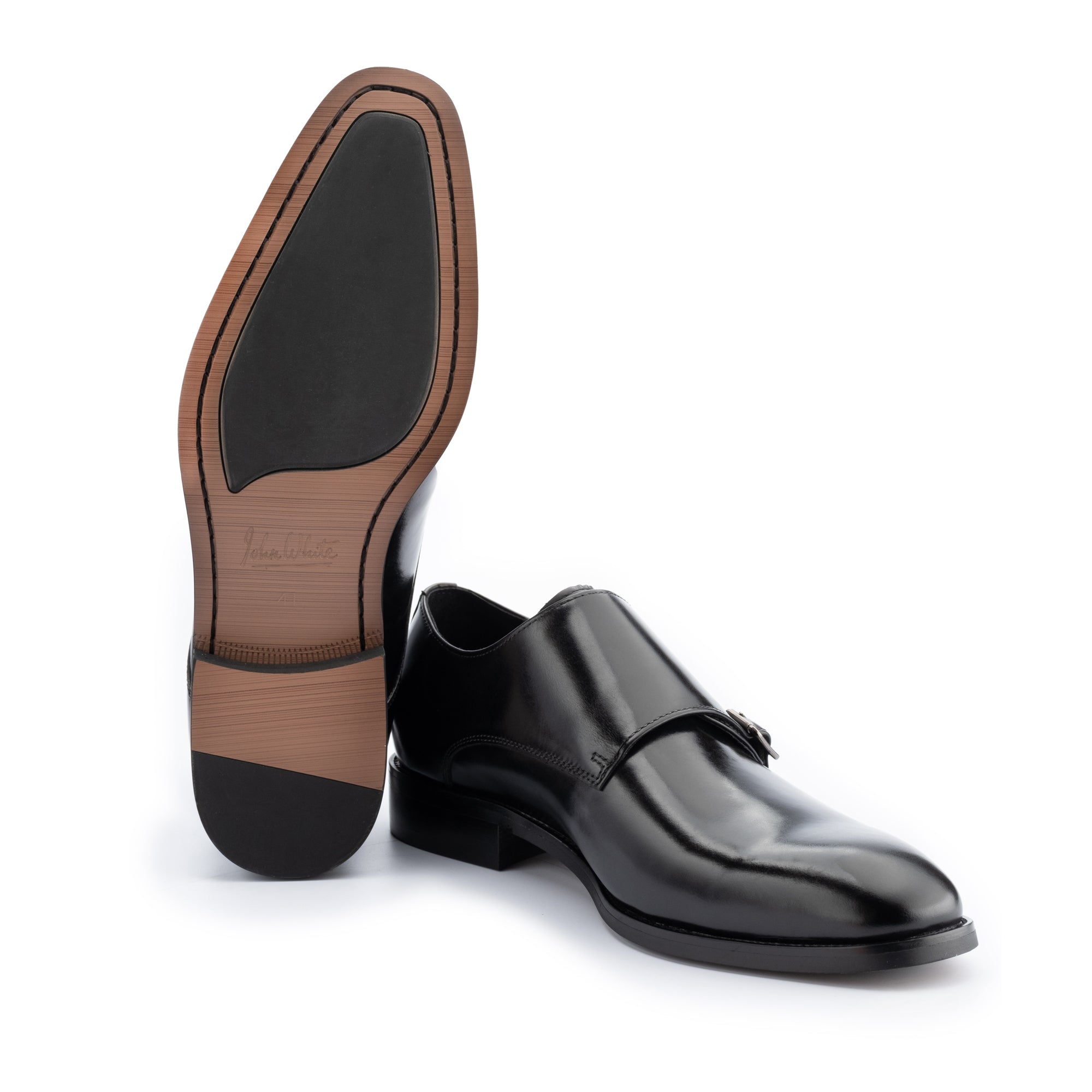
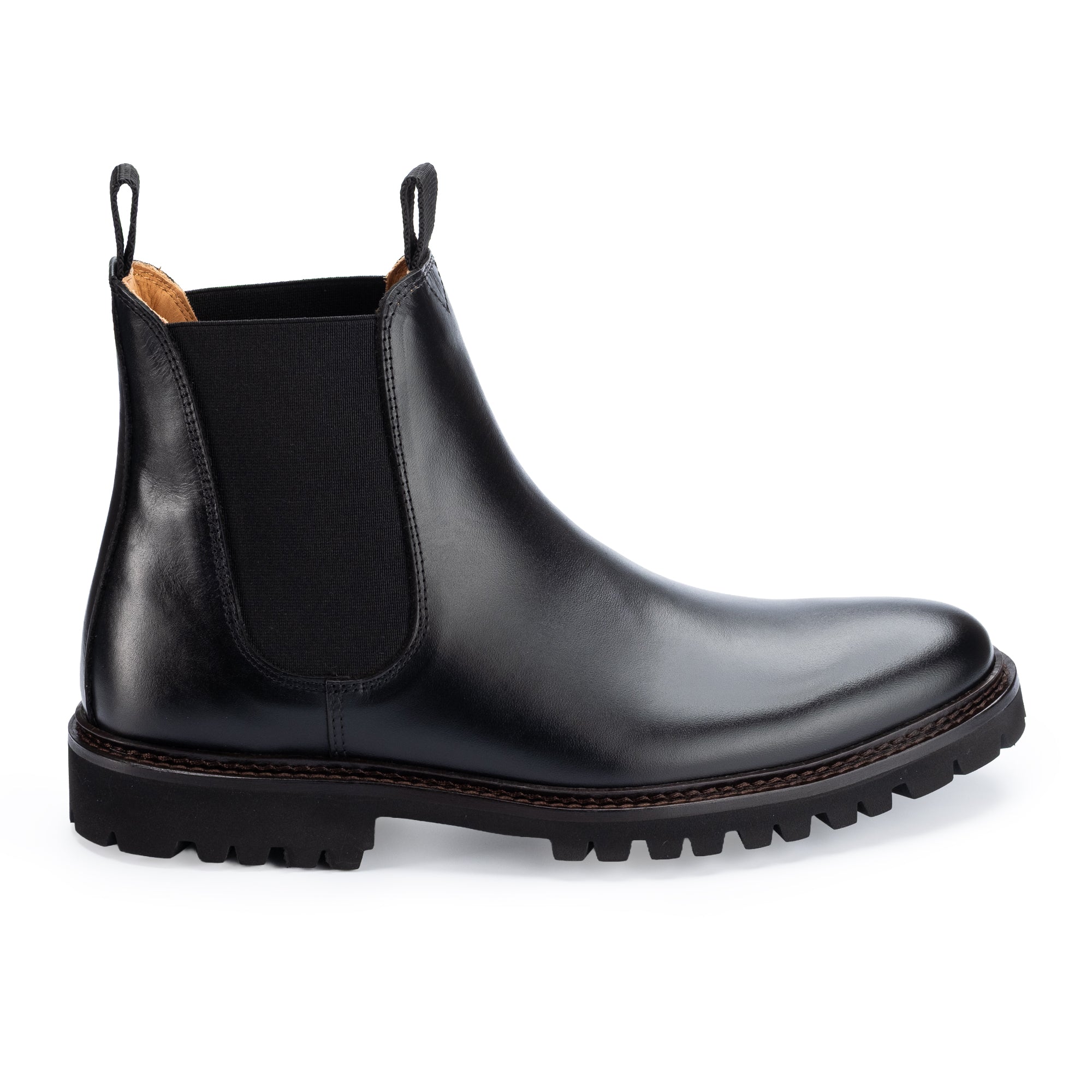
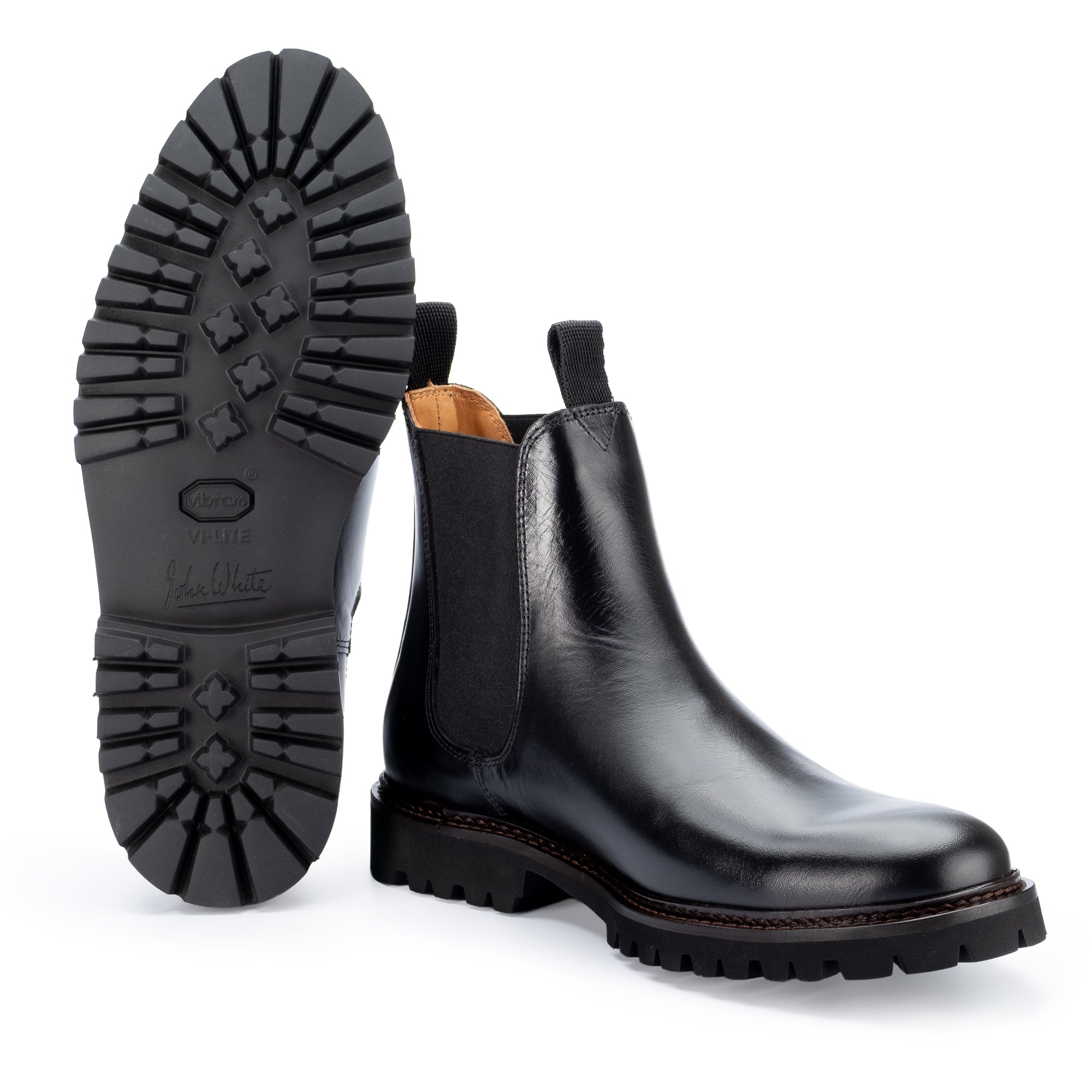
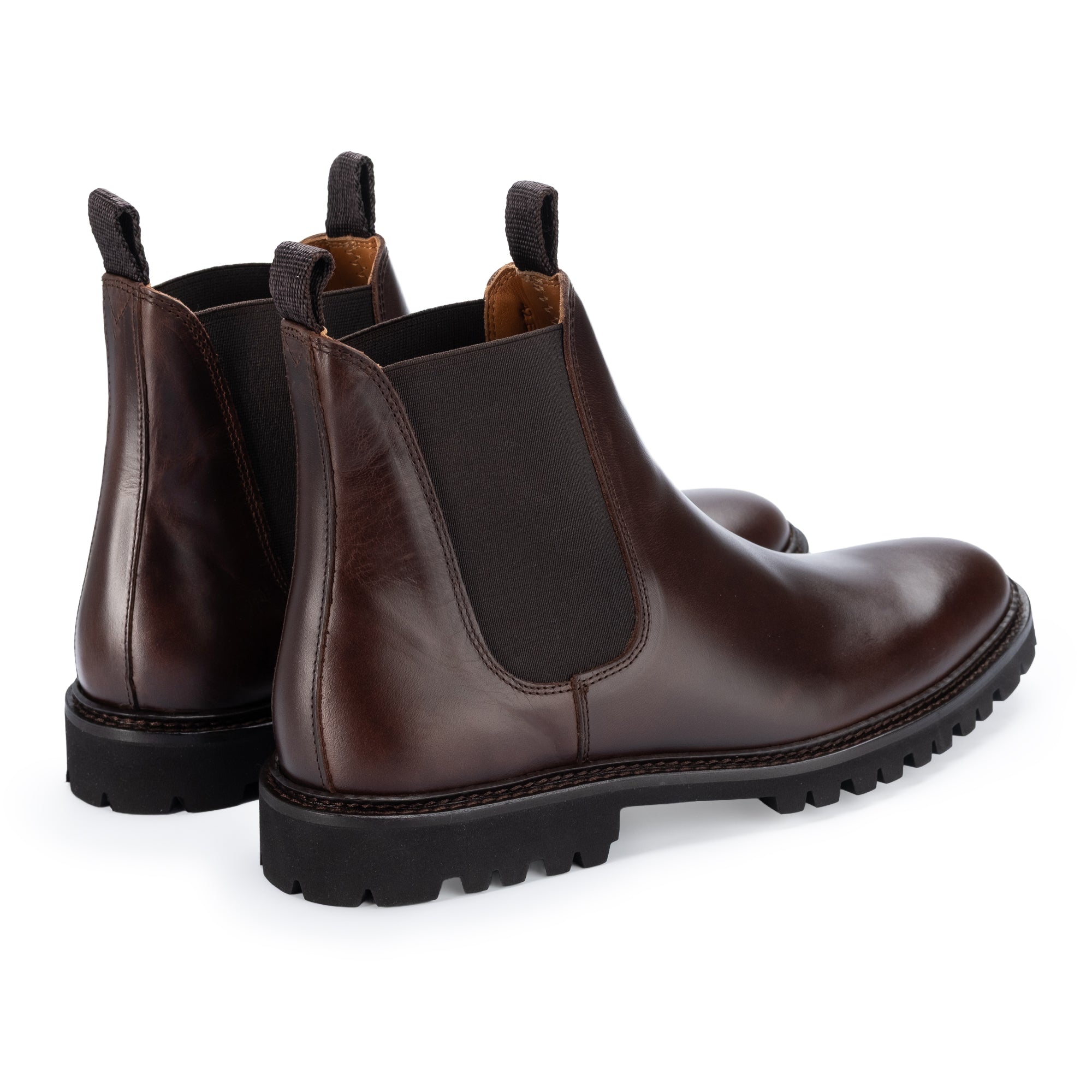
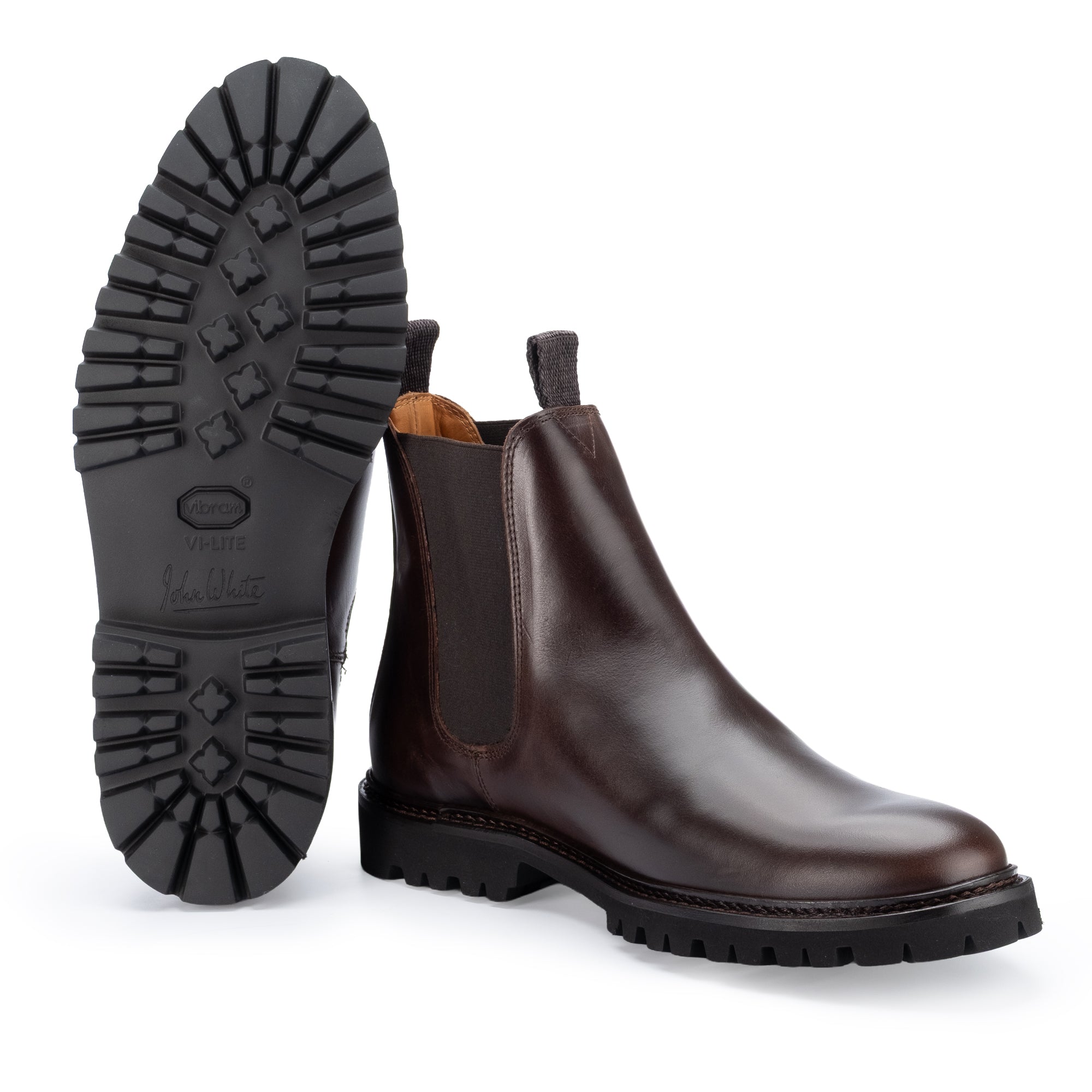
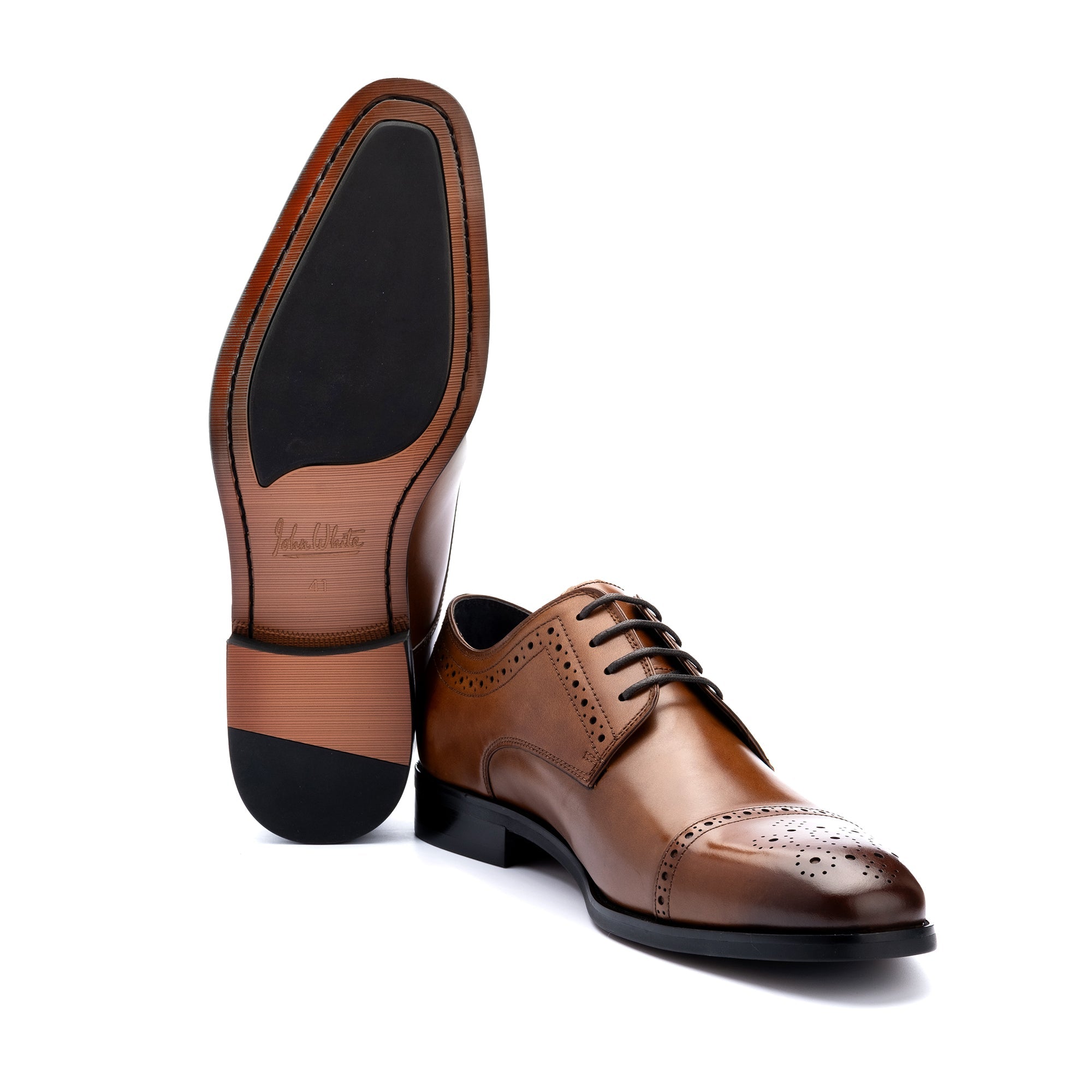
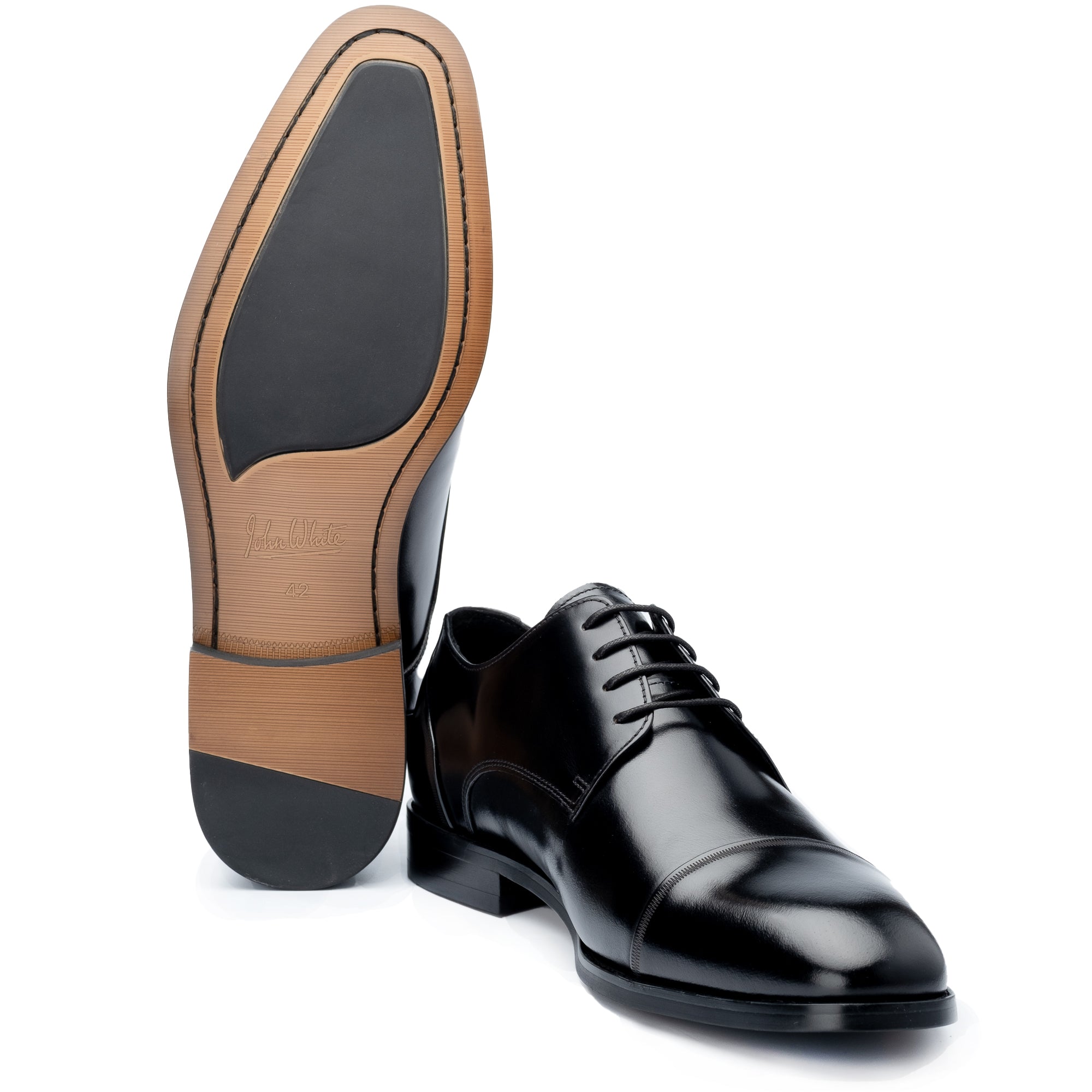
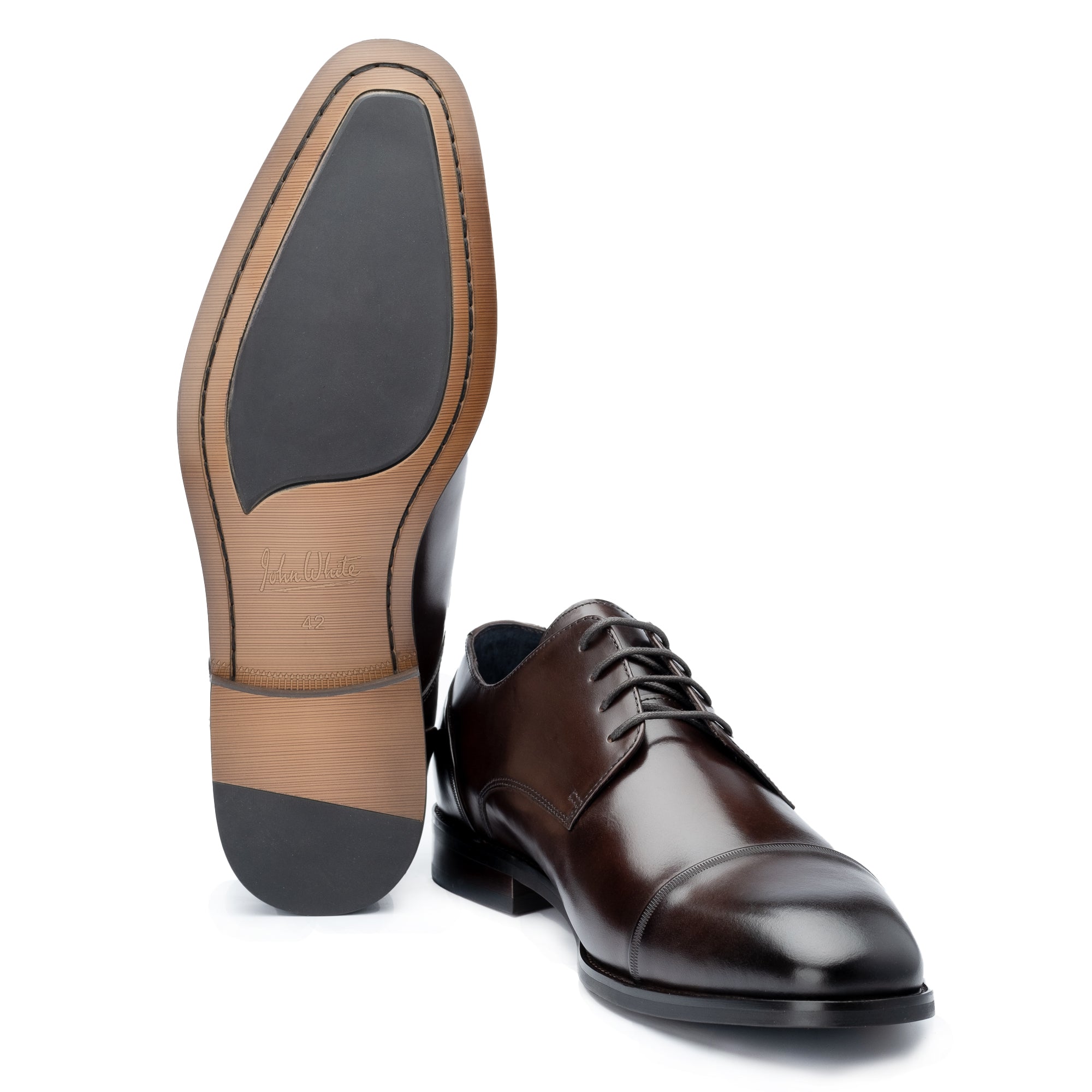
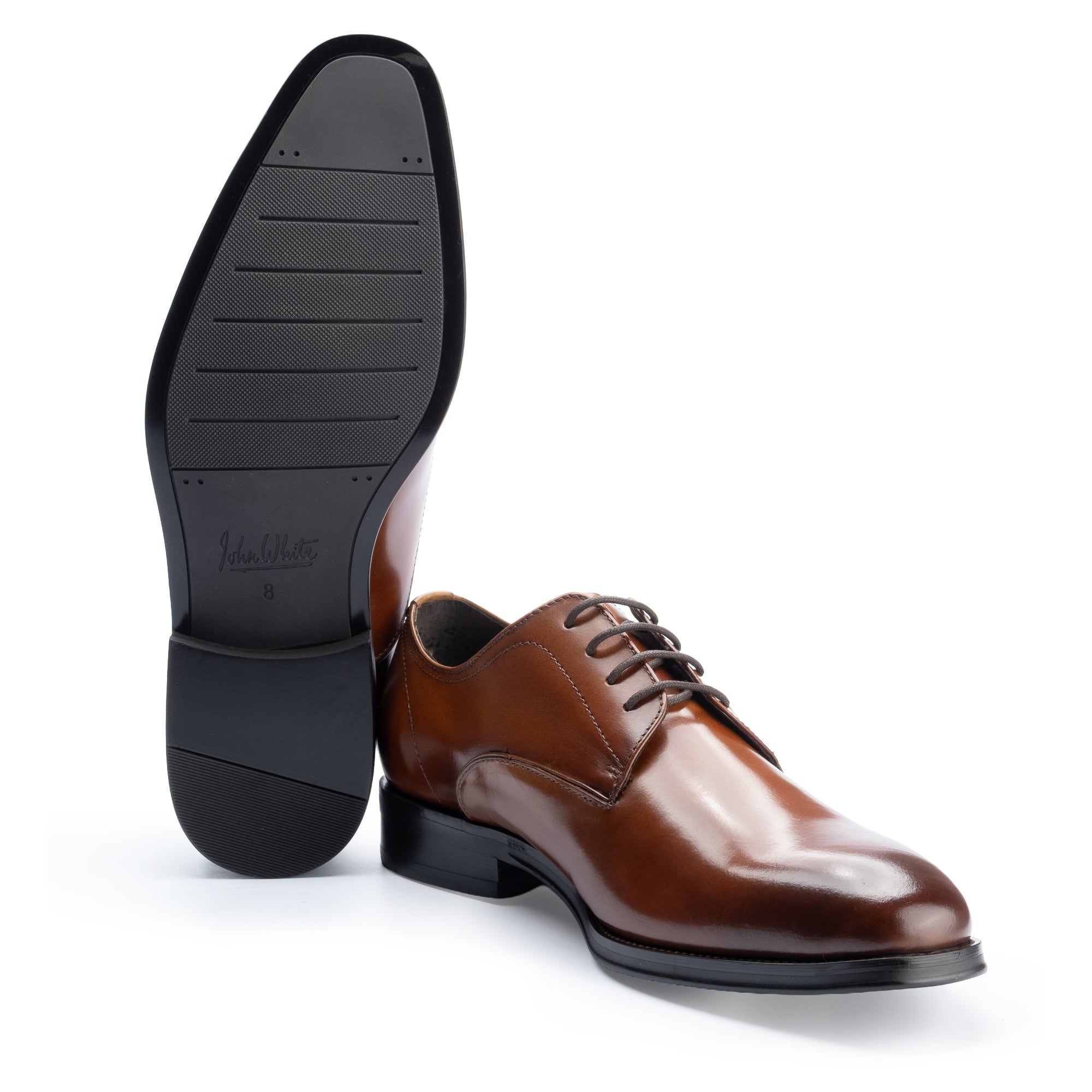
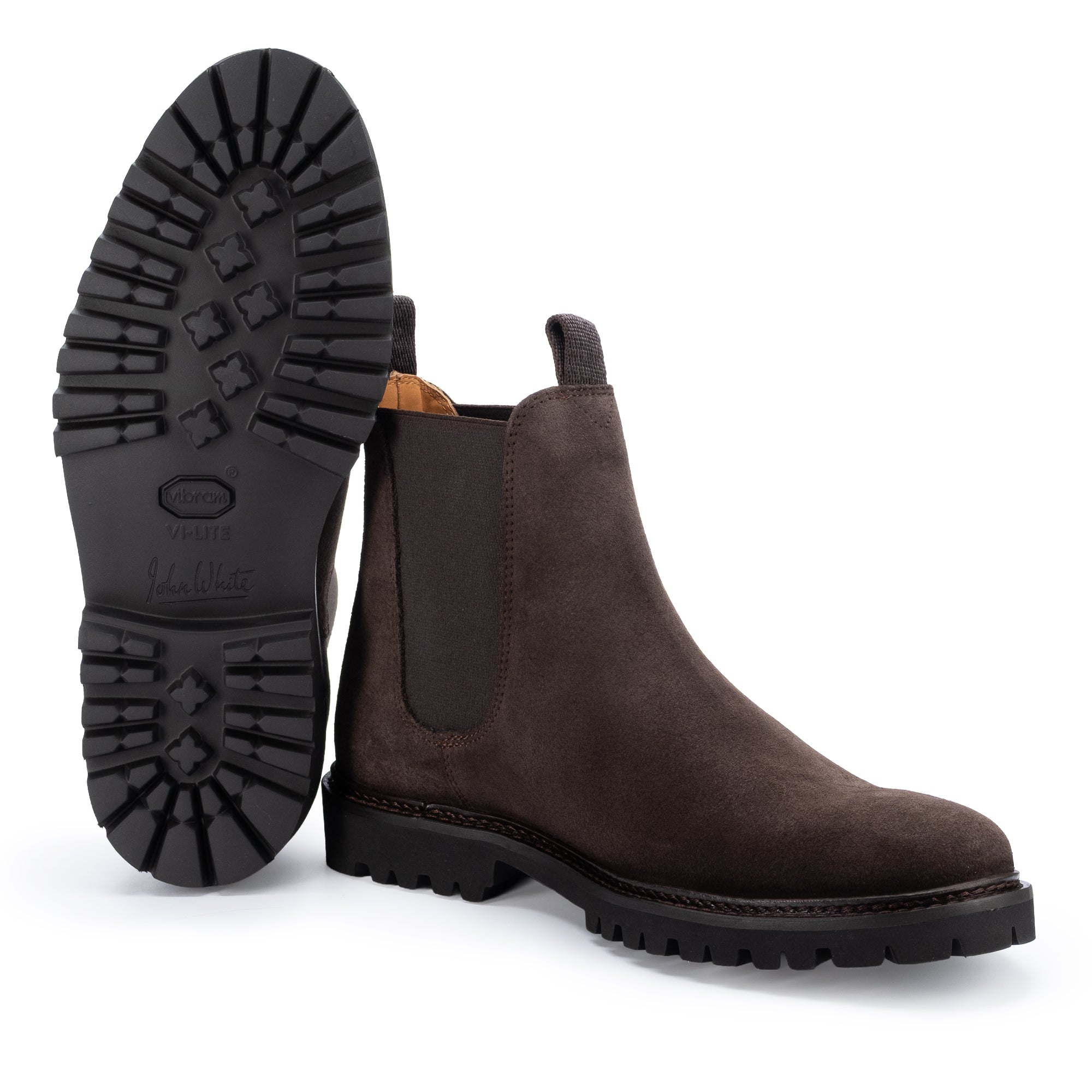
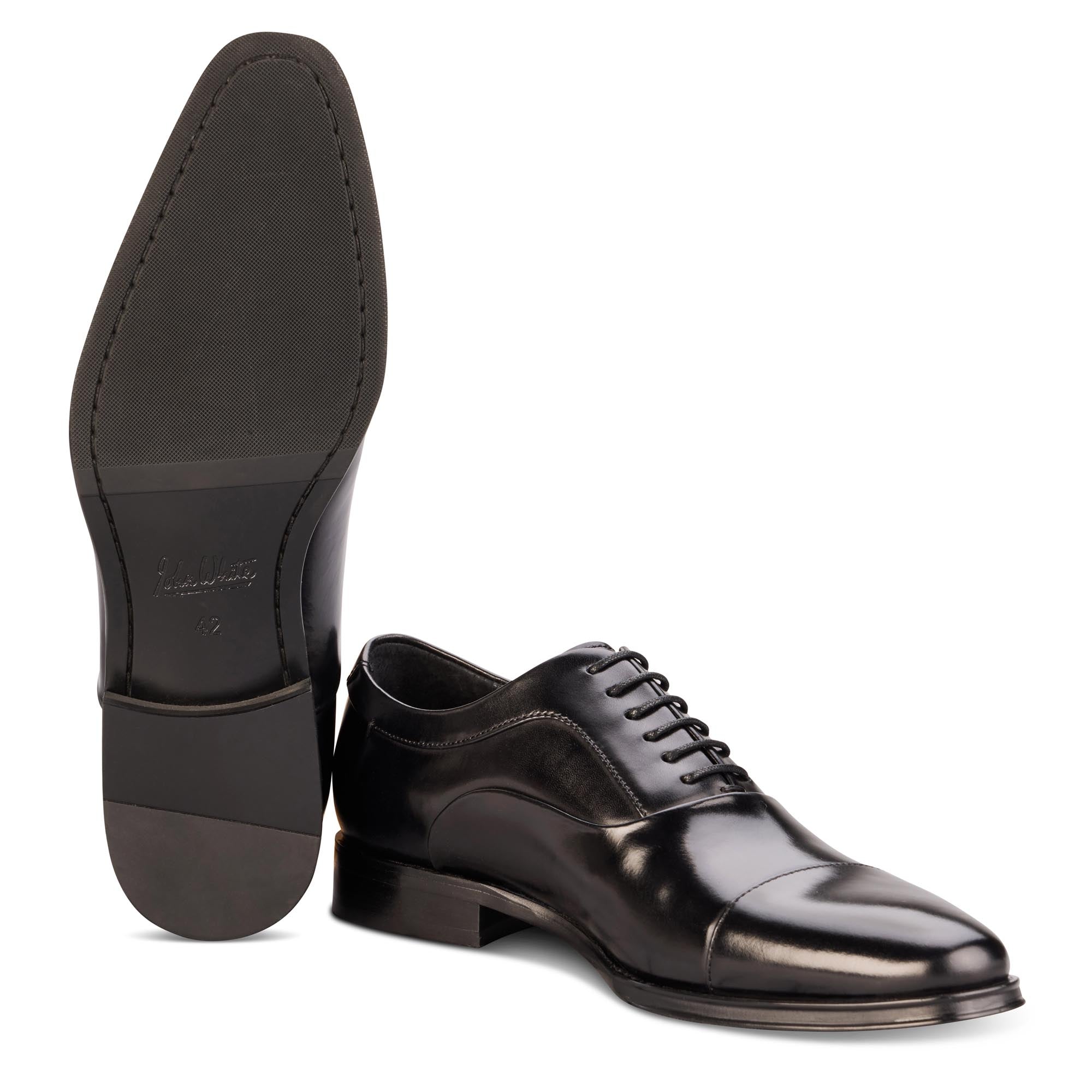
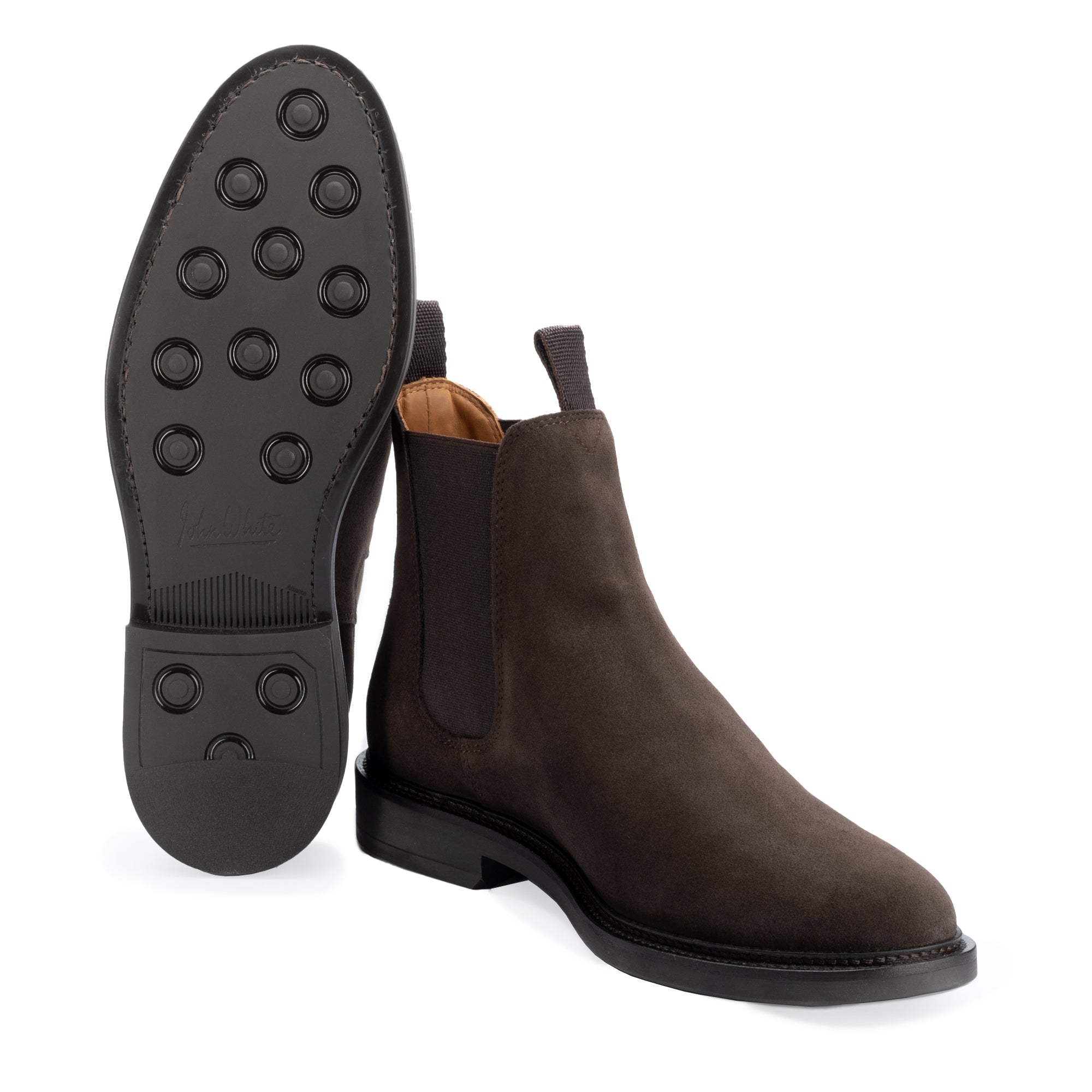
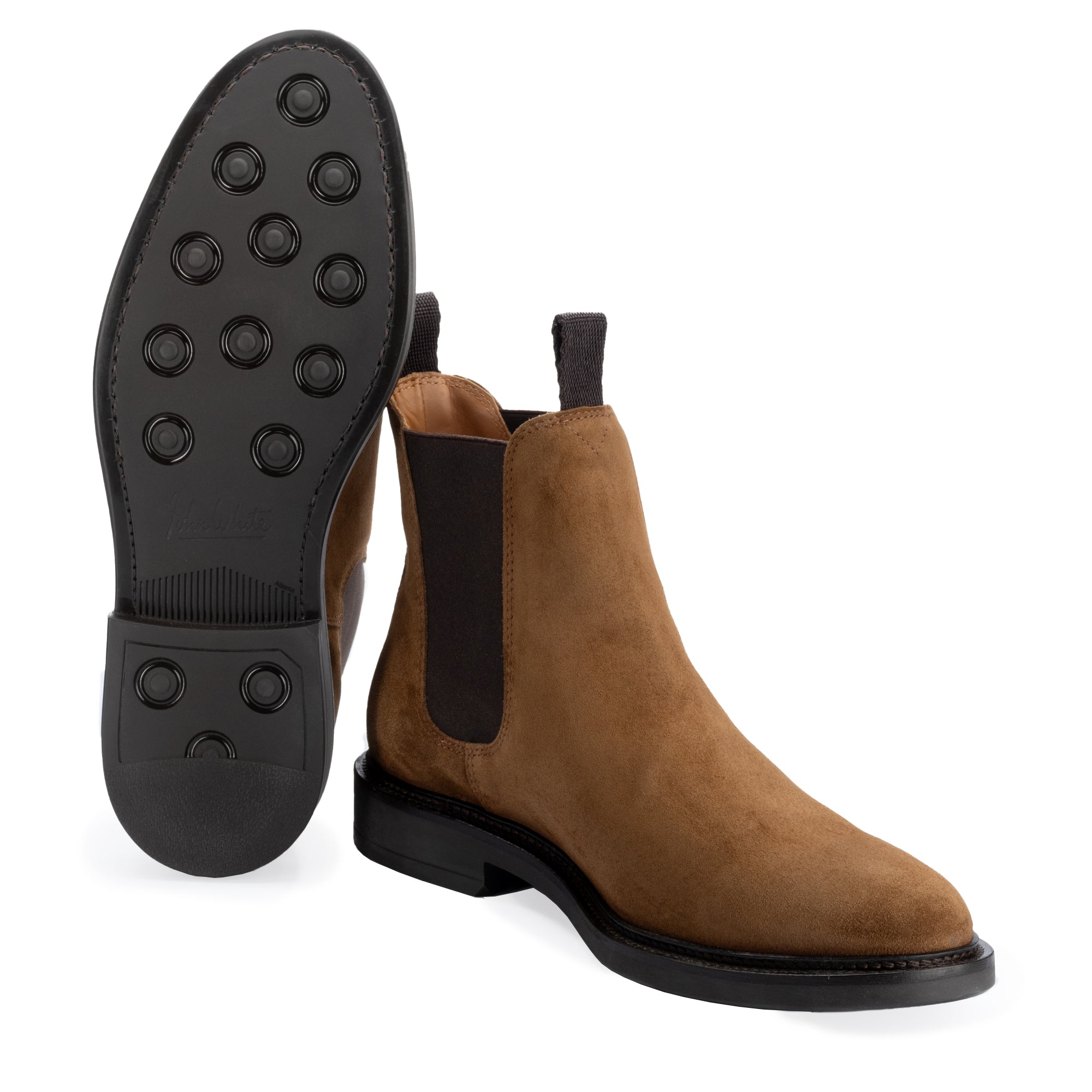
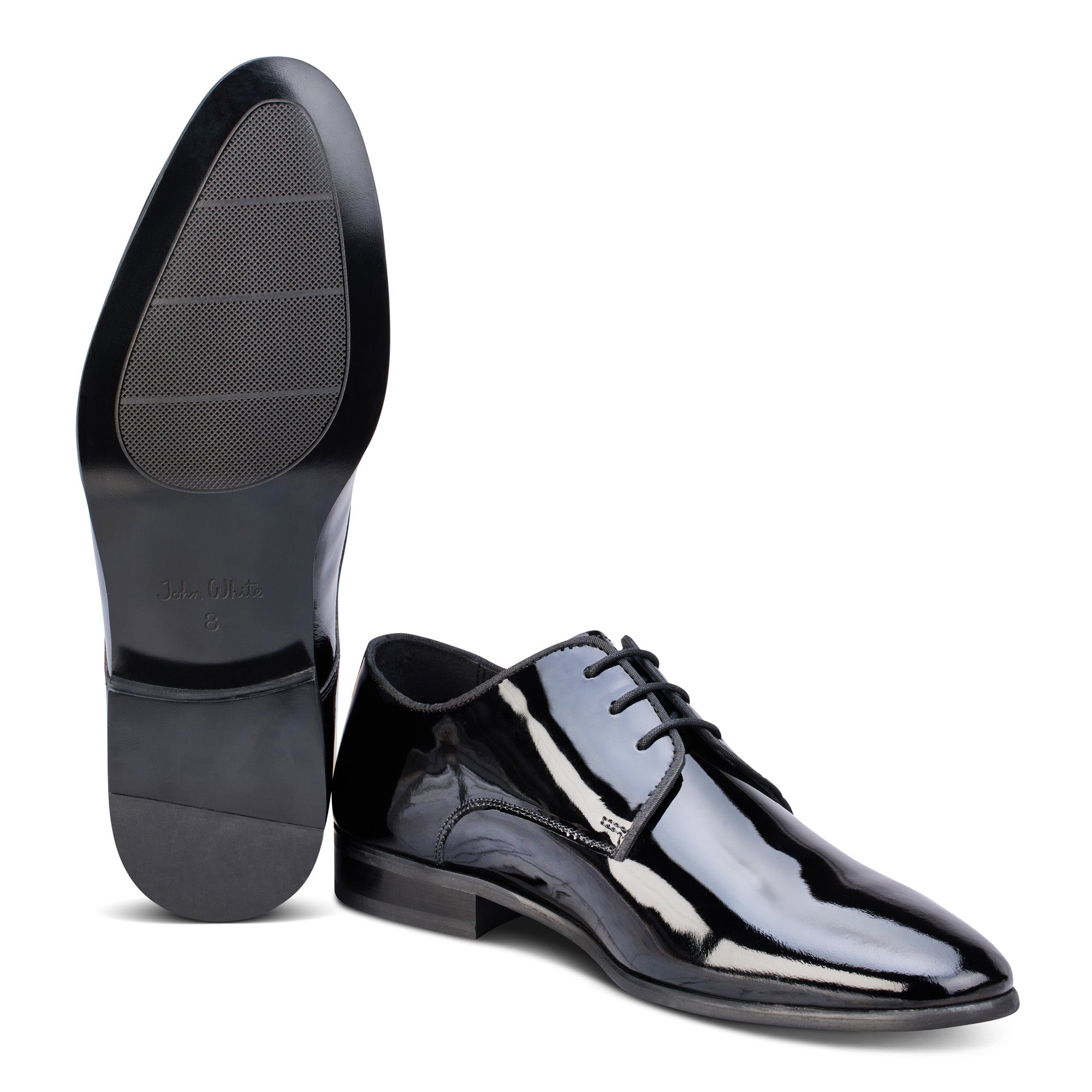
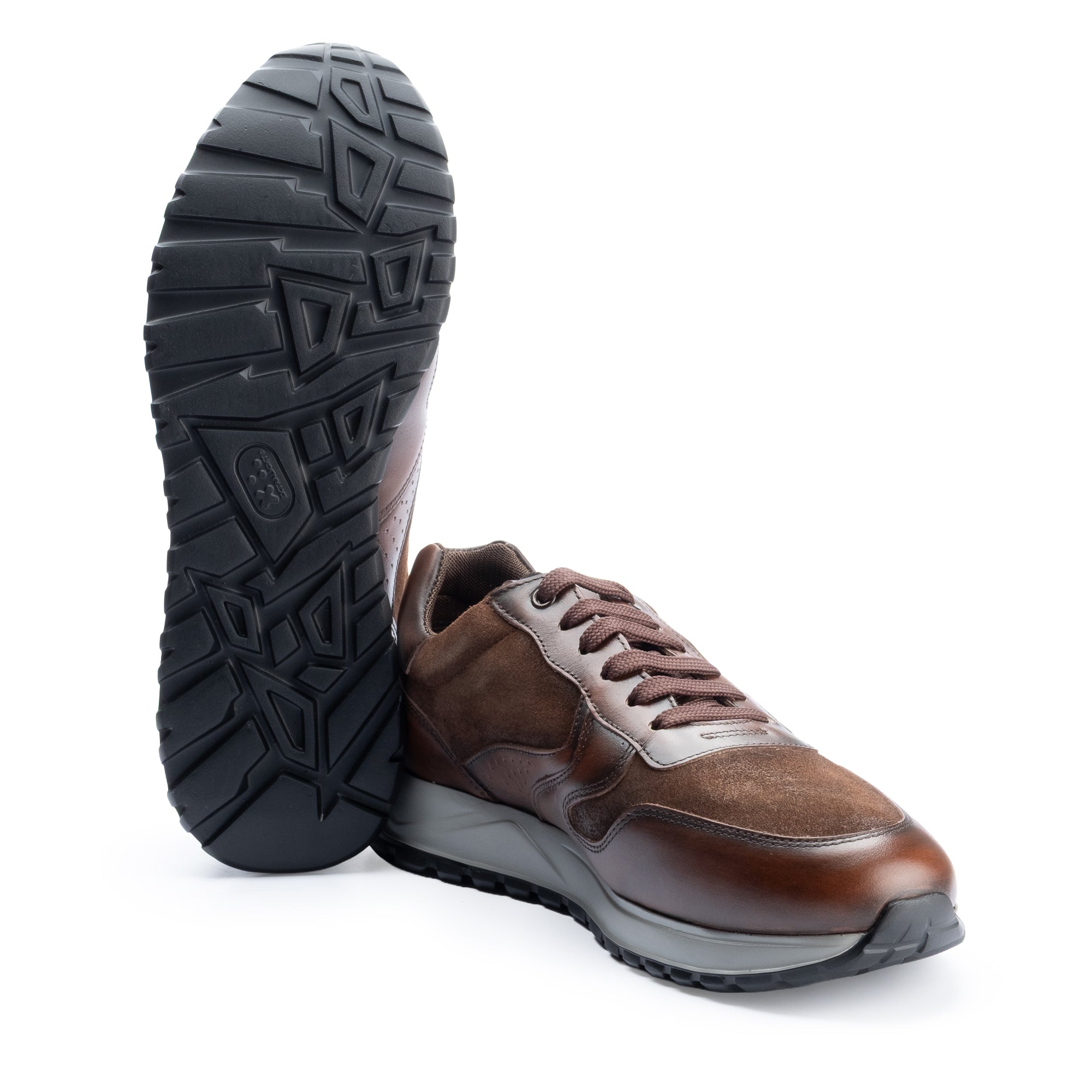
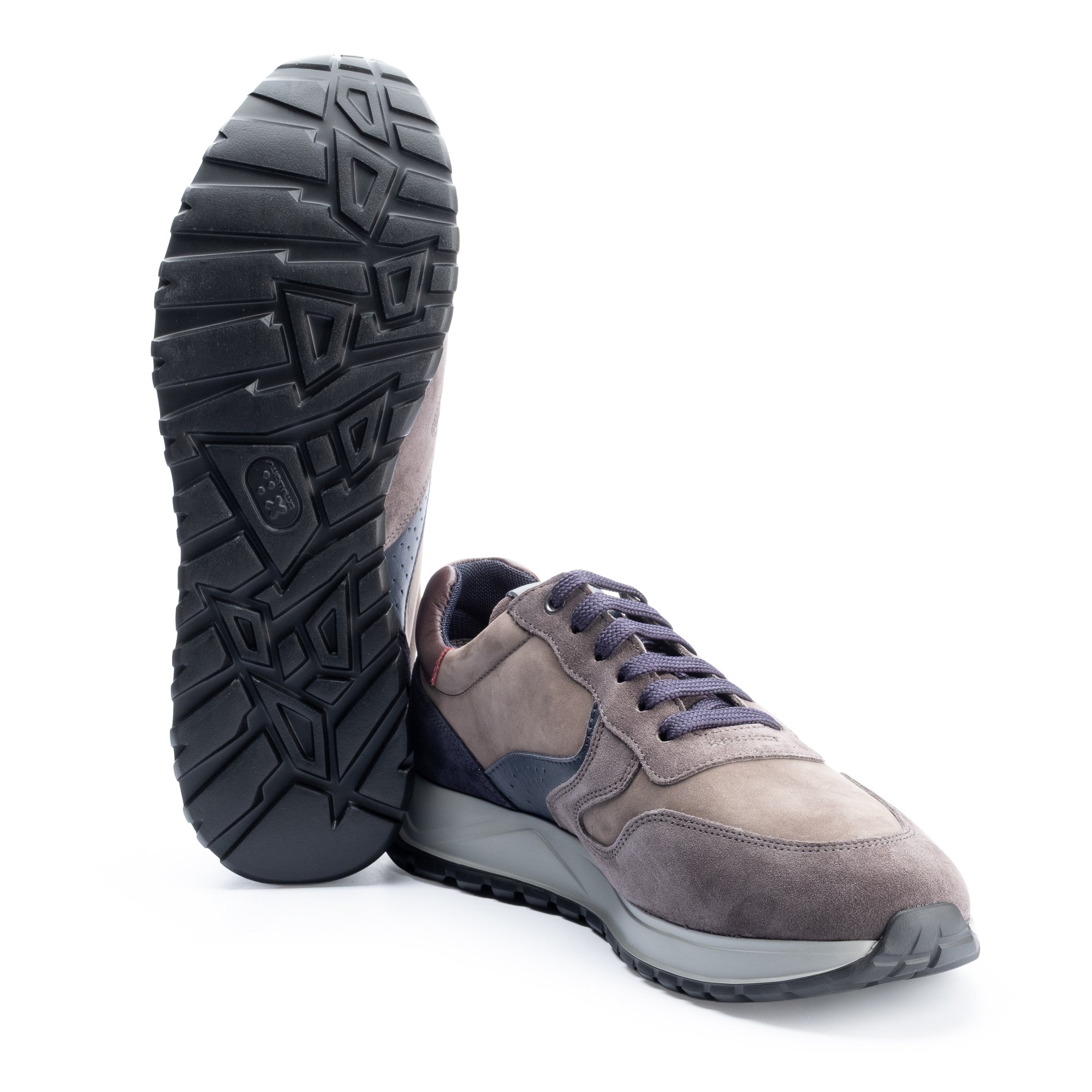
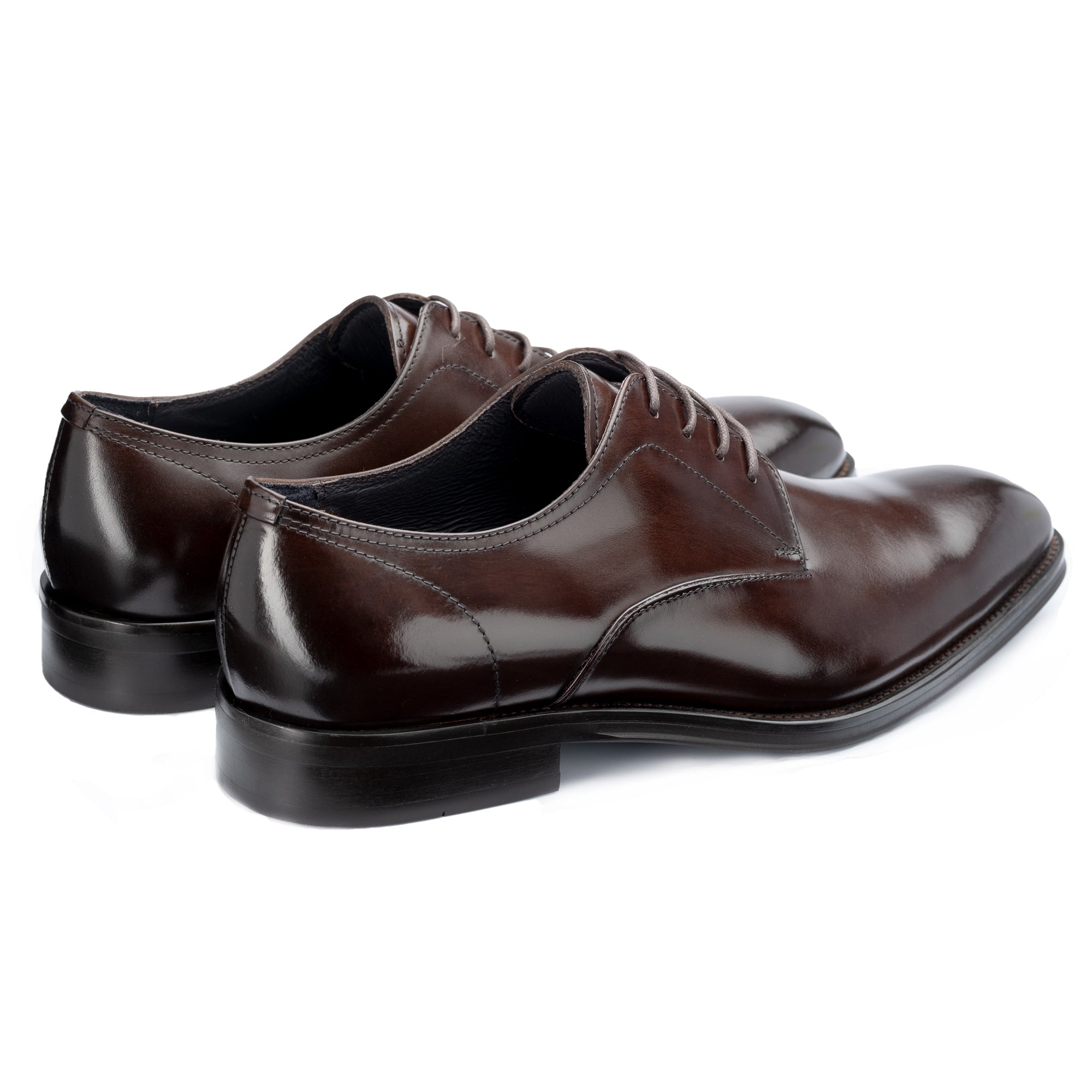
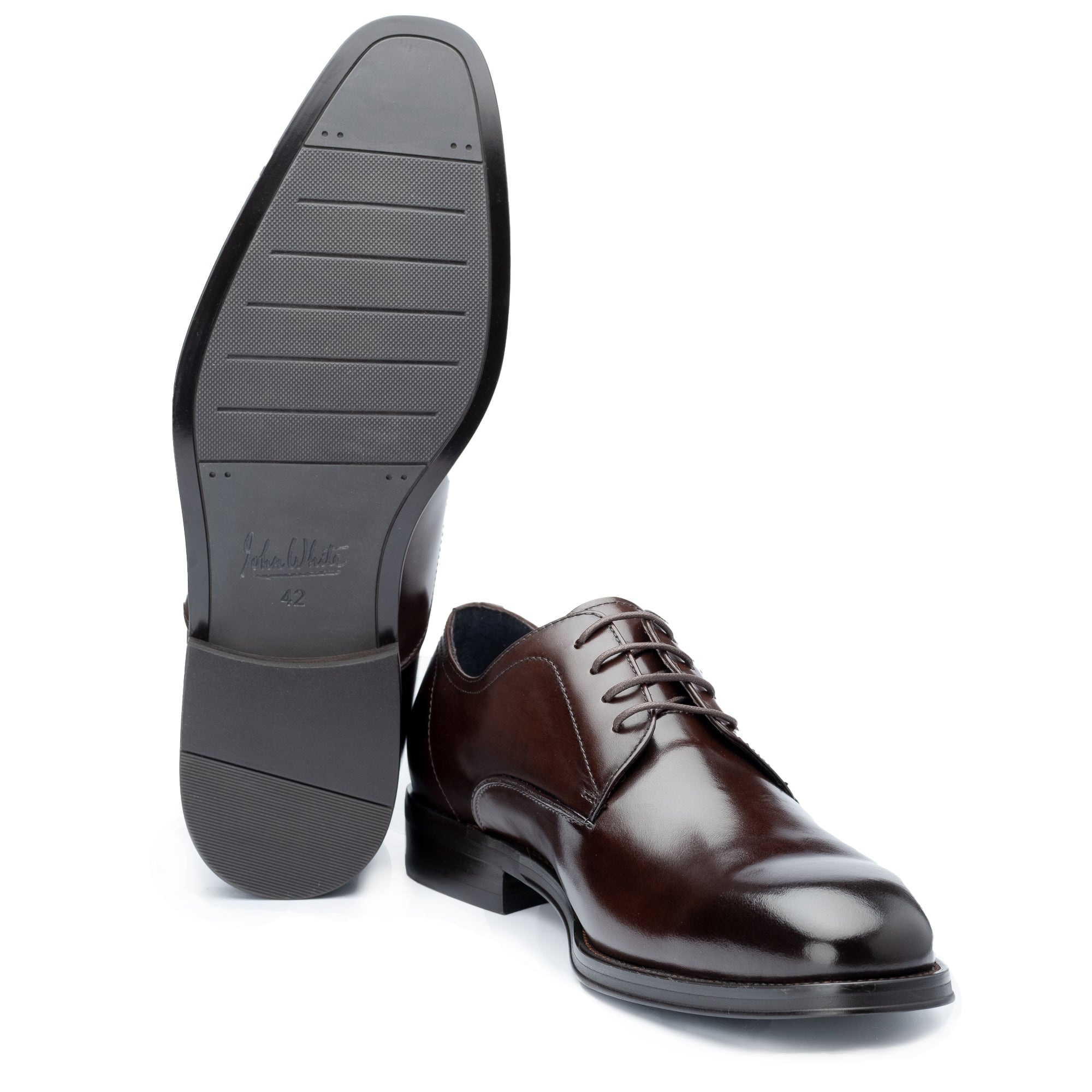
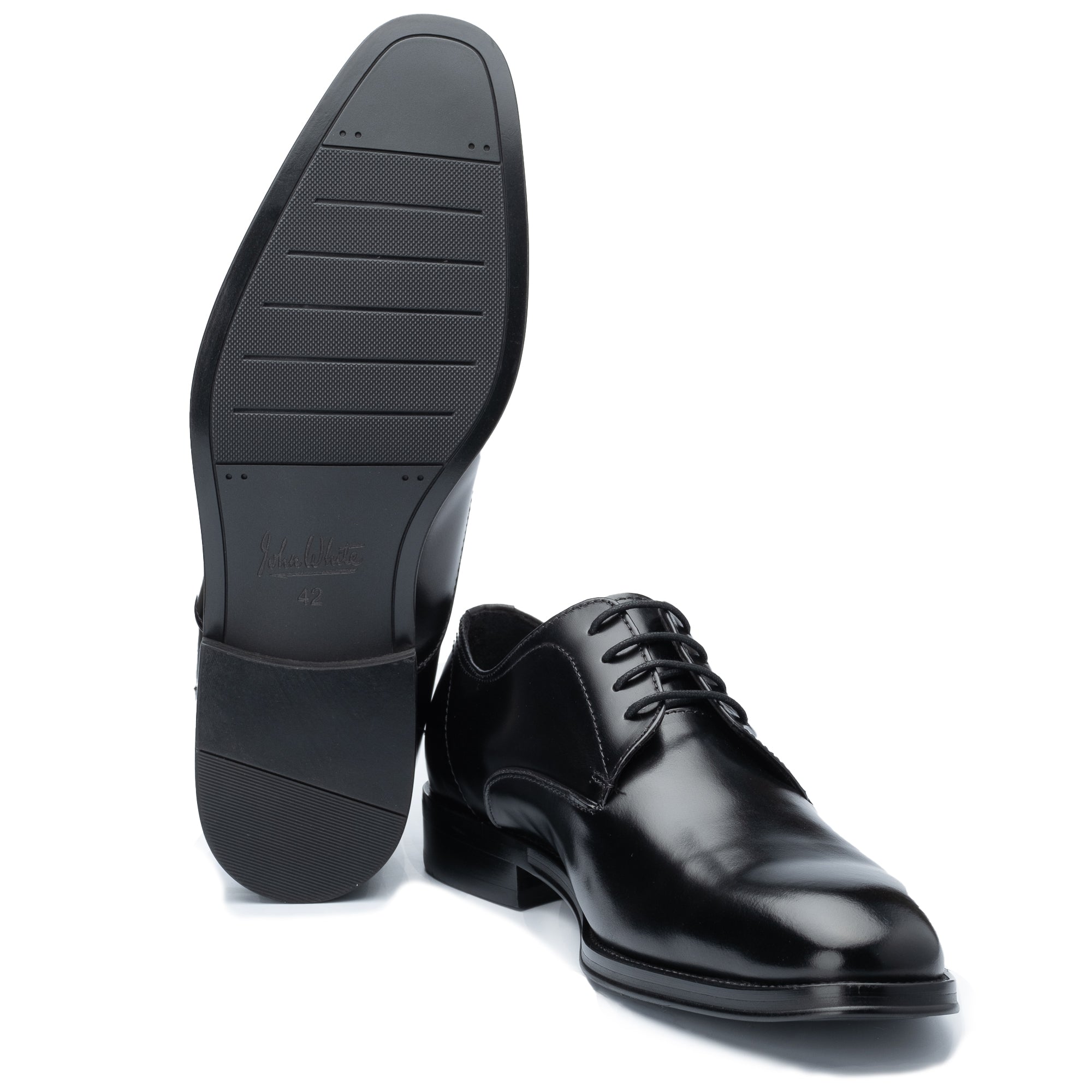
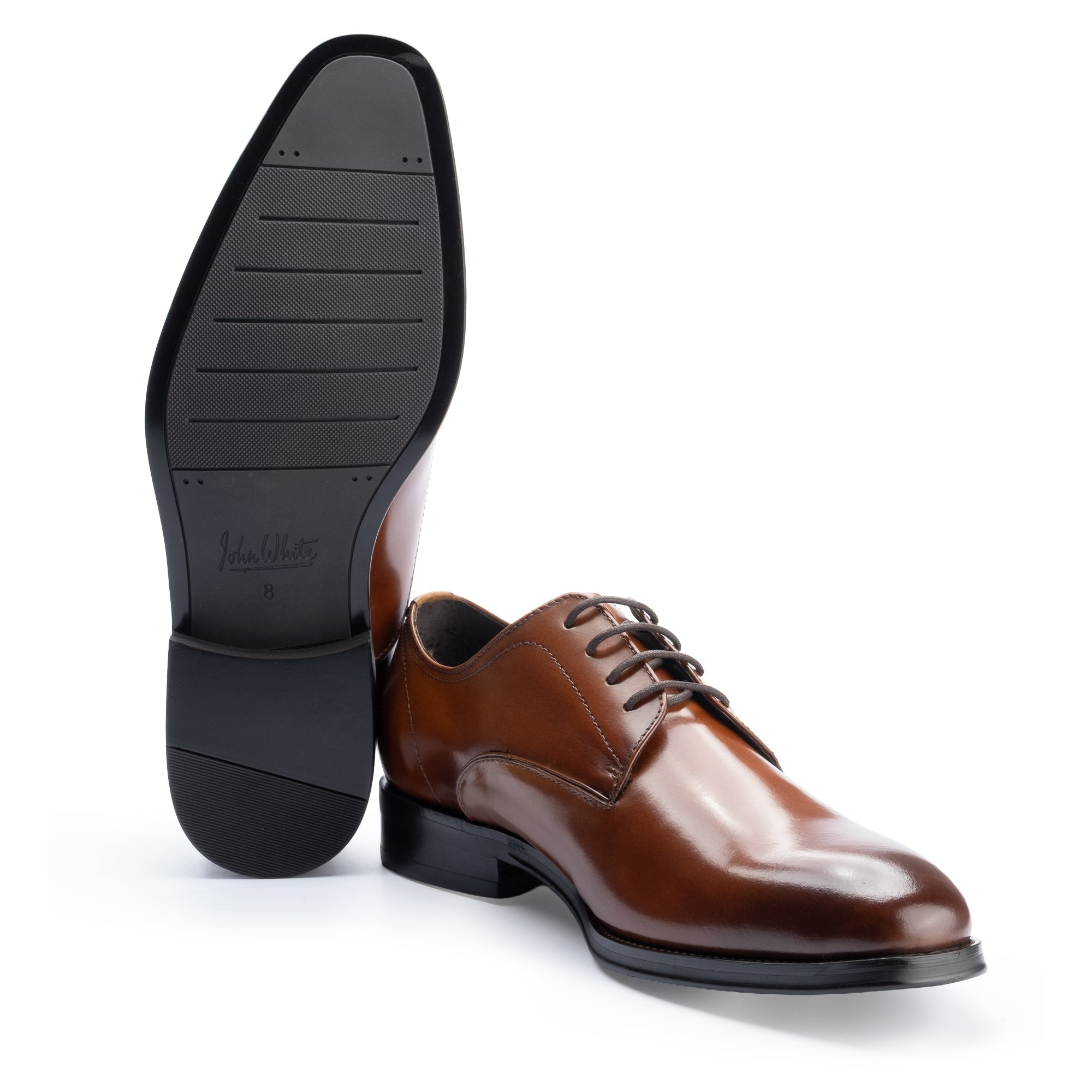
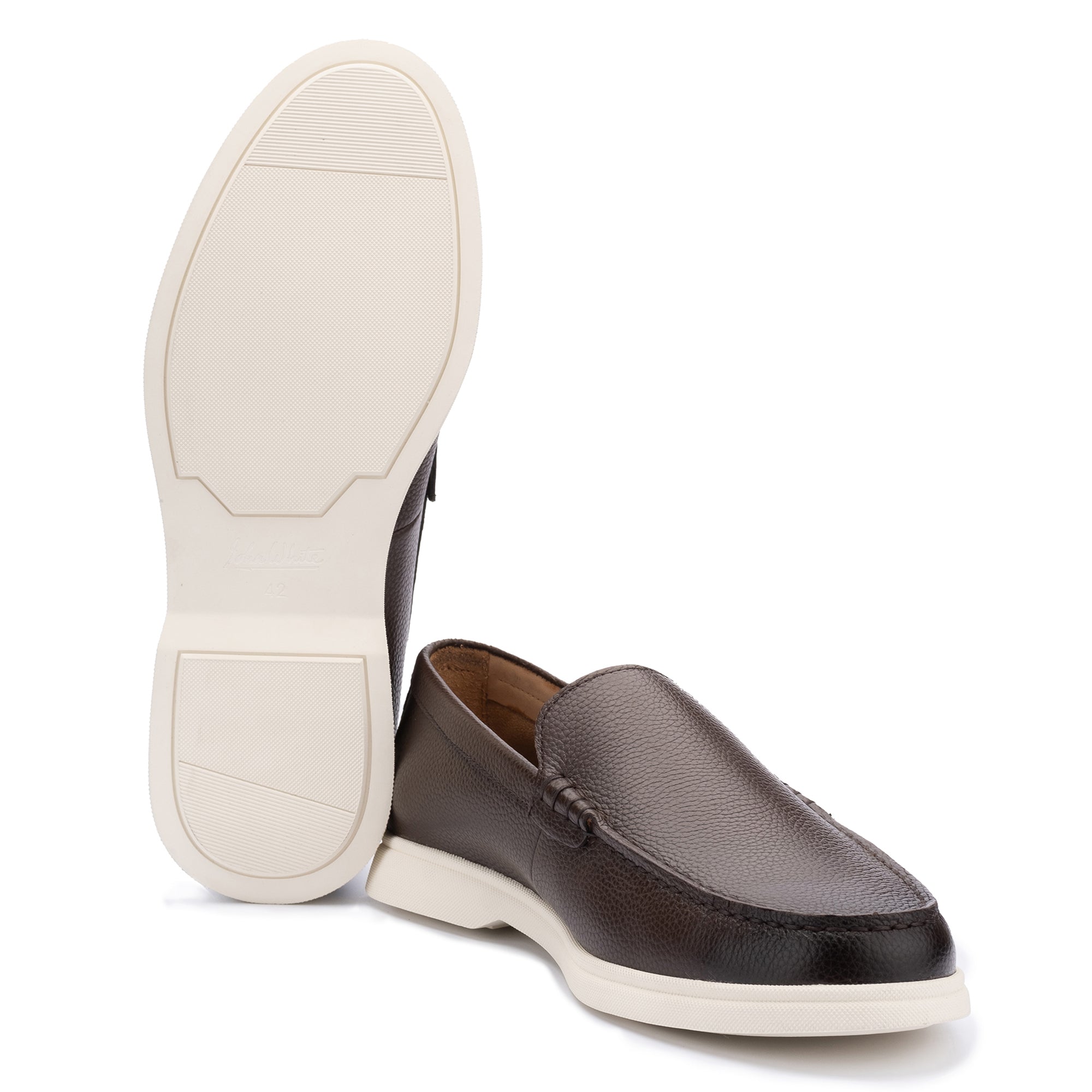
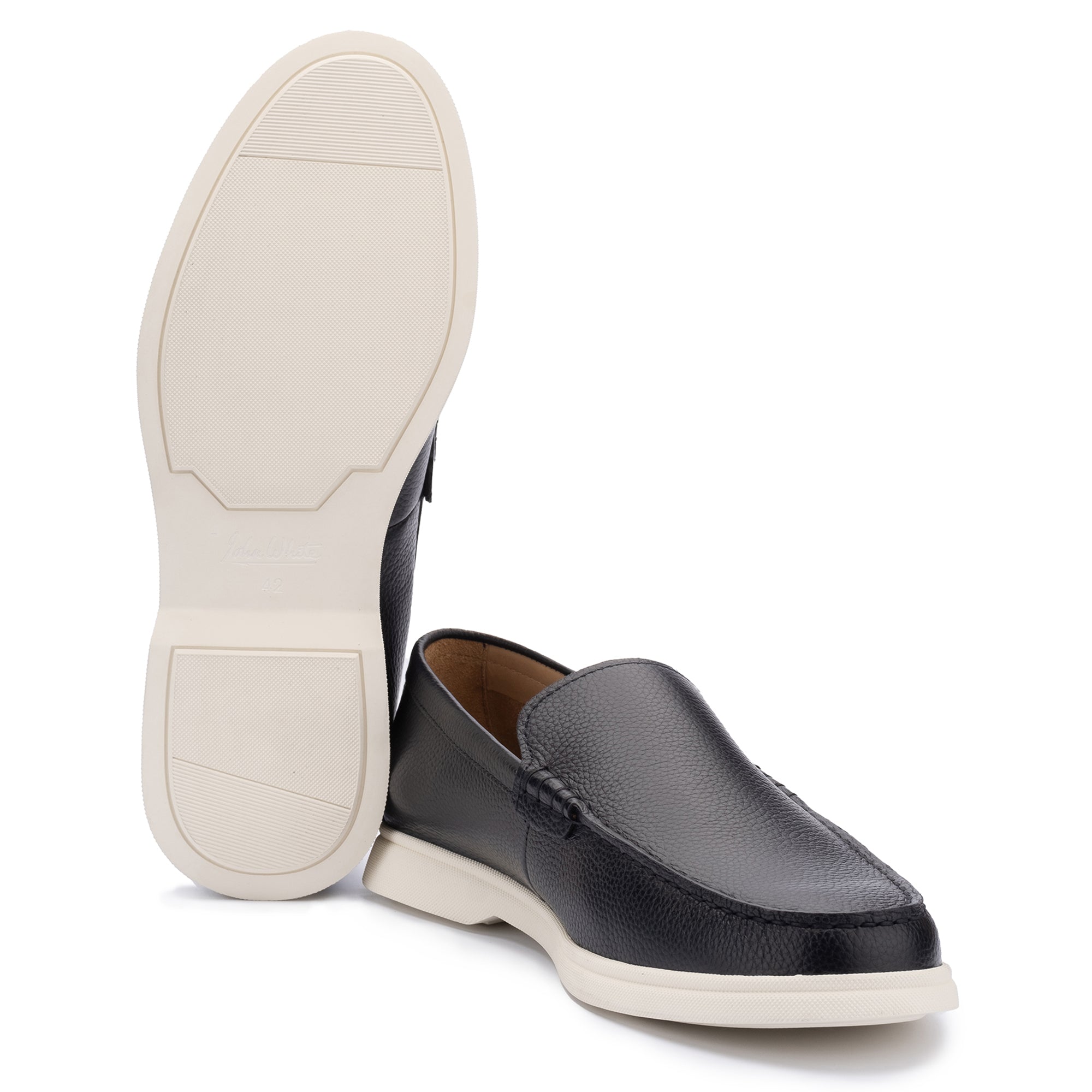
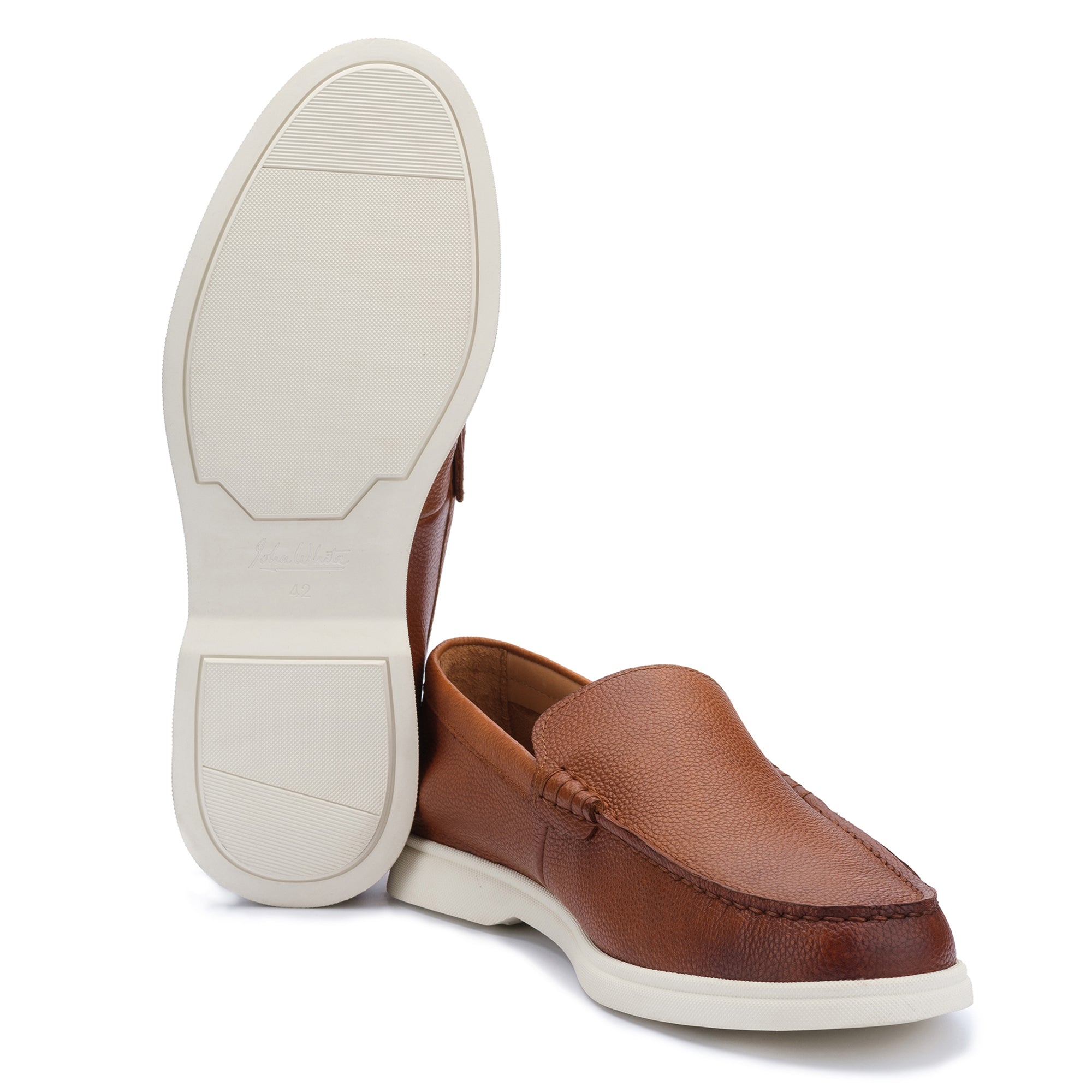
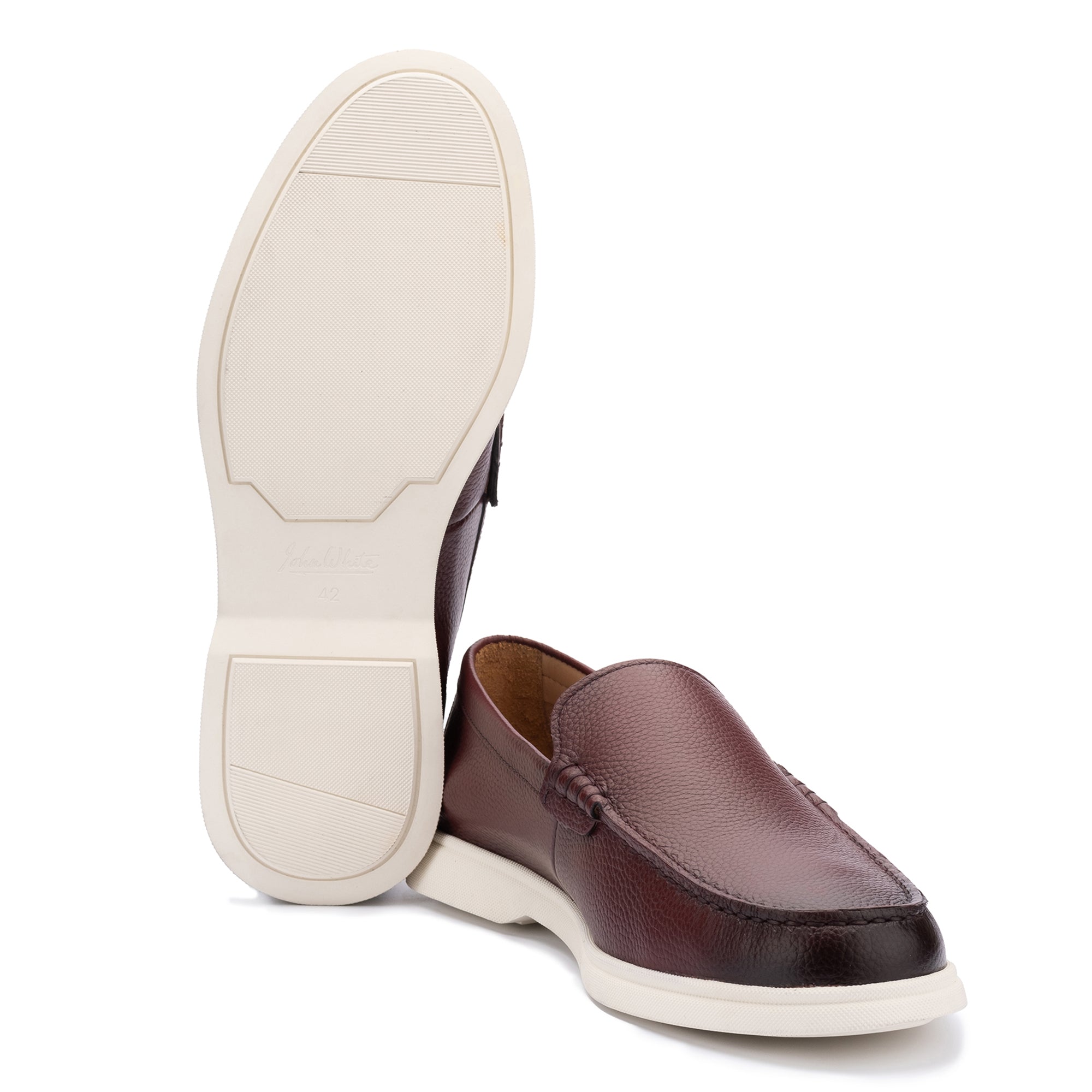
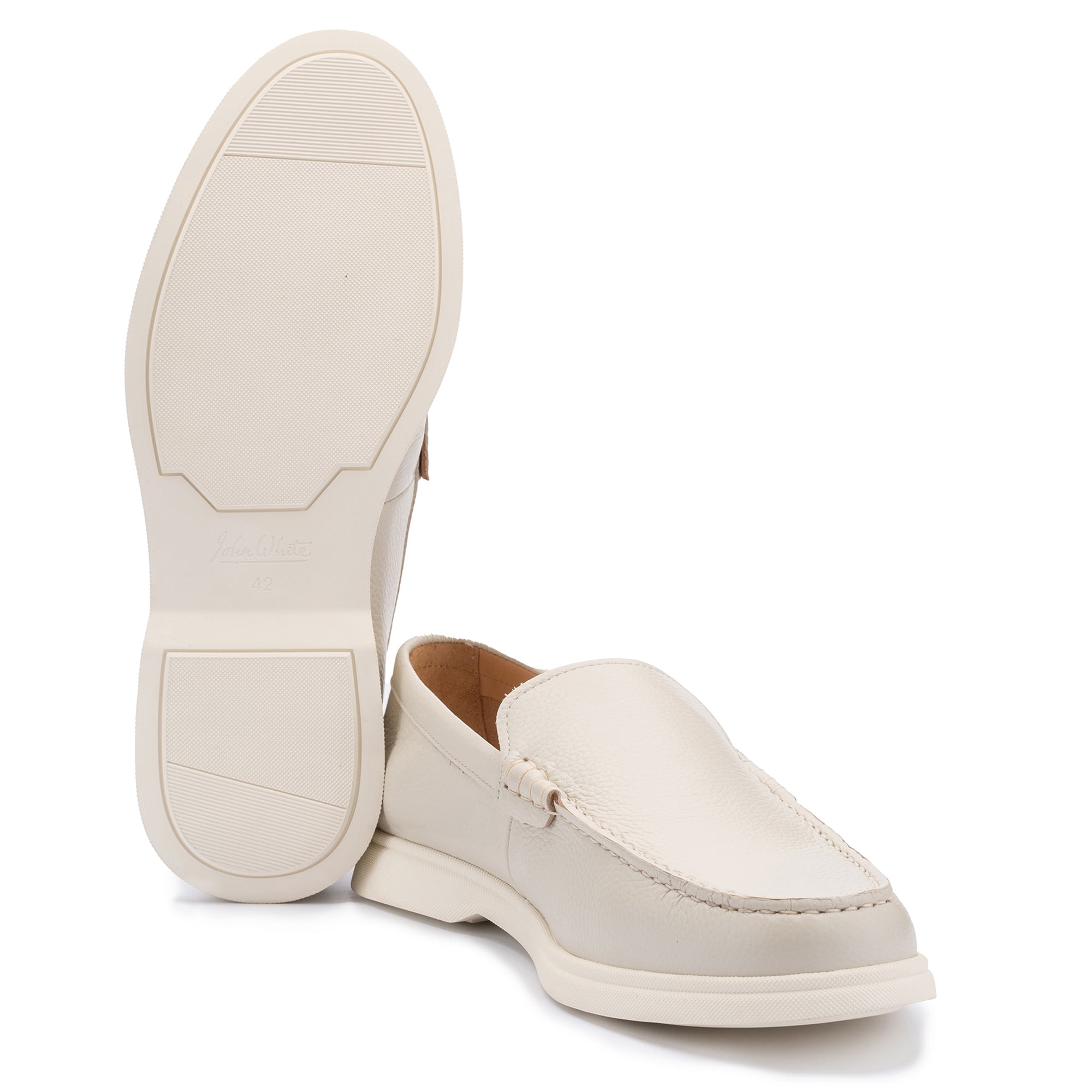
Turn each shoe over and look carefully. Check the heel for uneven wear — if one edge has worn significantly faster than the other, the shoe needs attention before the heel counter itself is damaged. Check the sole for cracking, separation at the edges, or thinning toward the ball of the foot.
Catching heel wear early is a £10–£15 cobbler job. Leaving it too long turns a simple top-and-tack into a £50–£80 rebuild — and risks damage to the upper that can't be undone.
Step 5: Replace the Laces
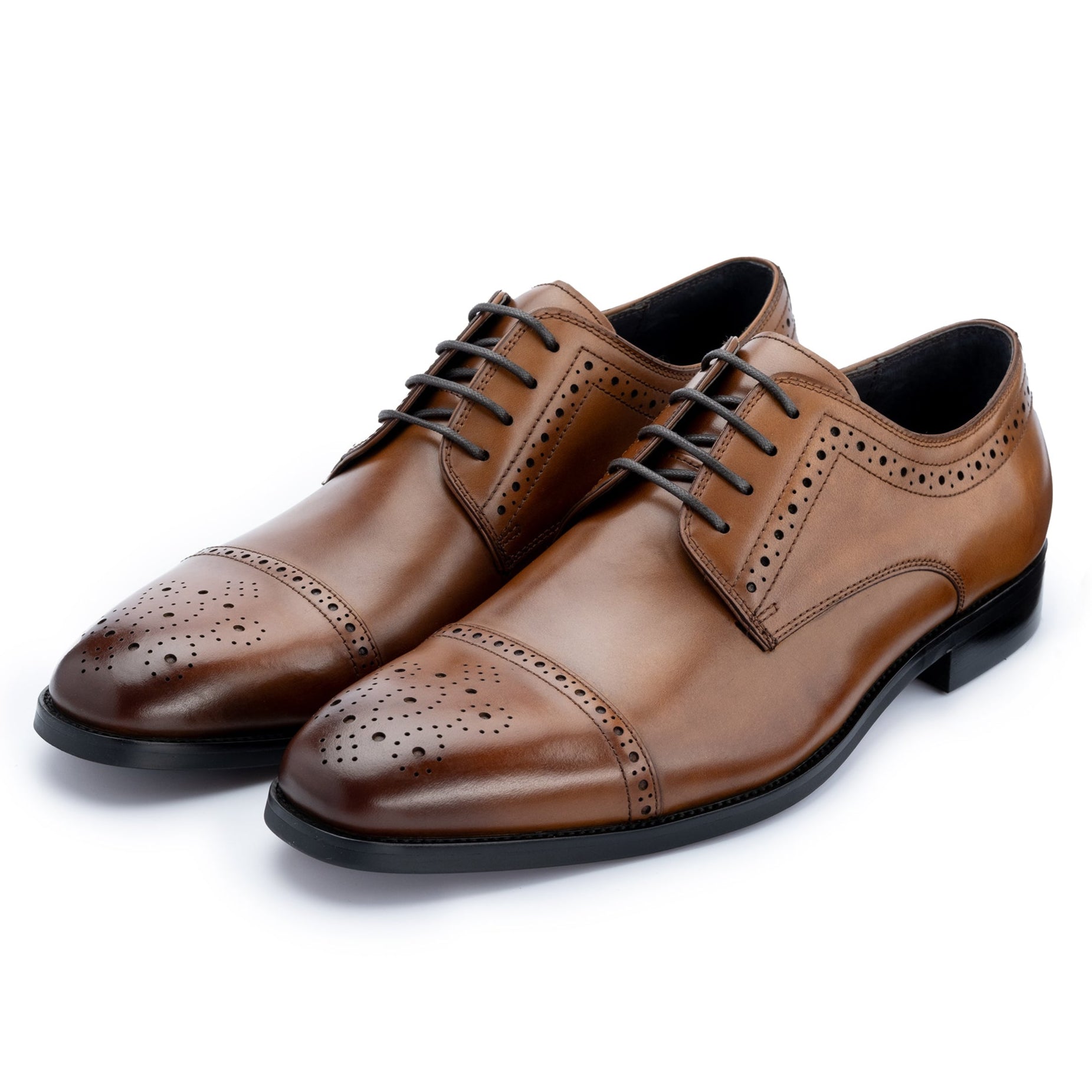
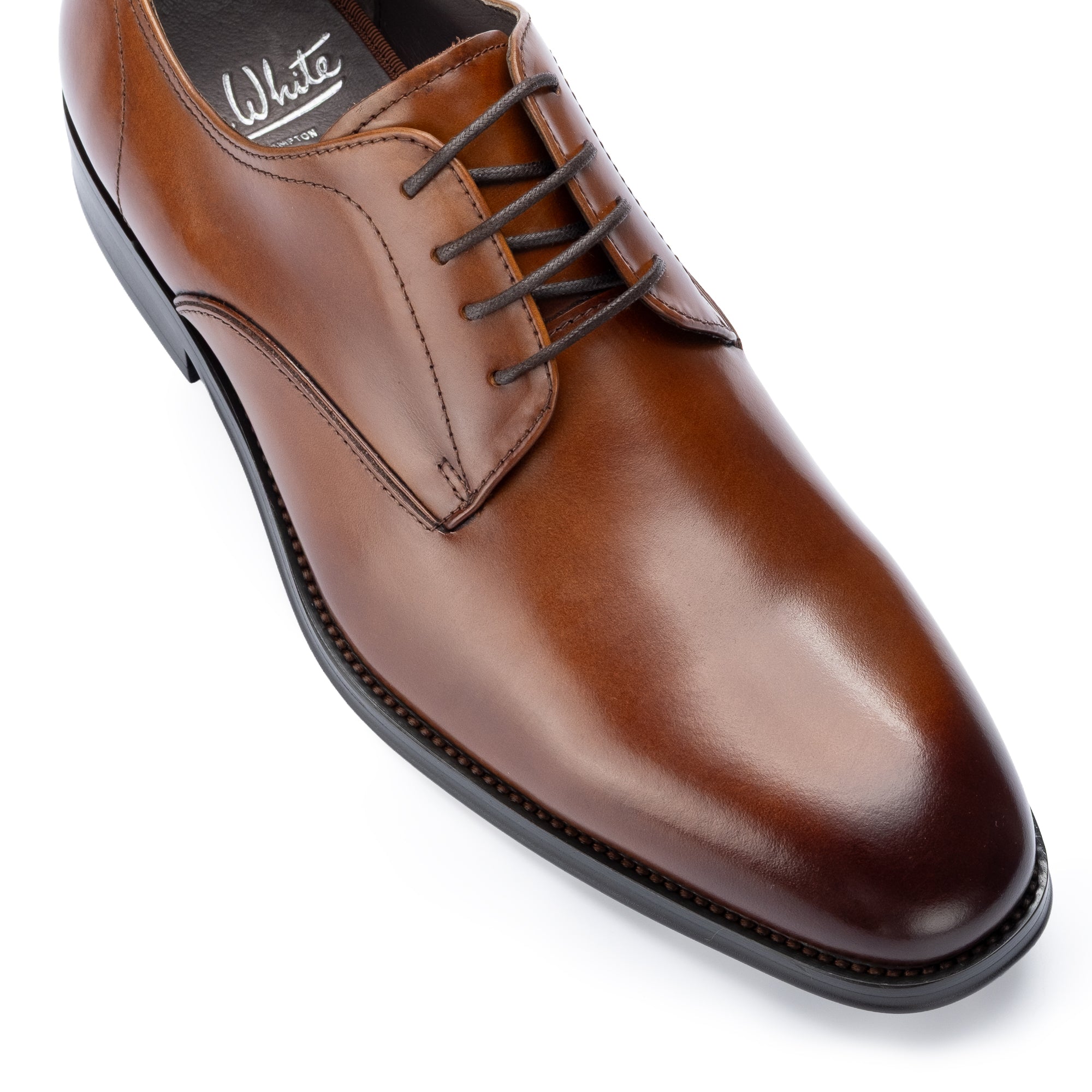
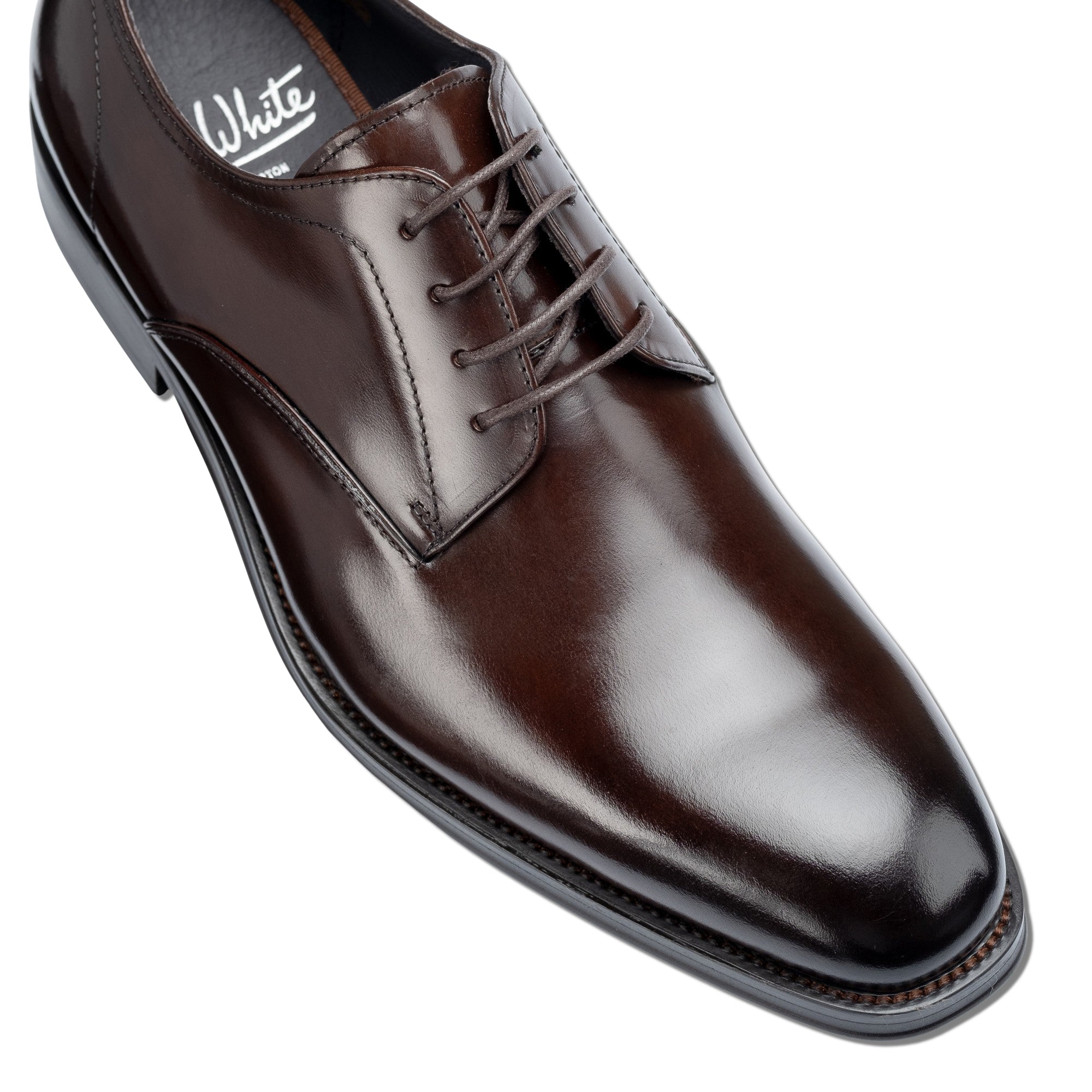
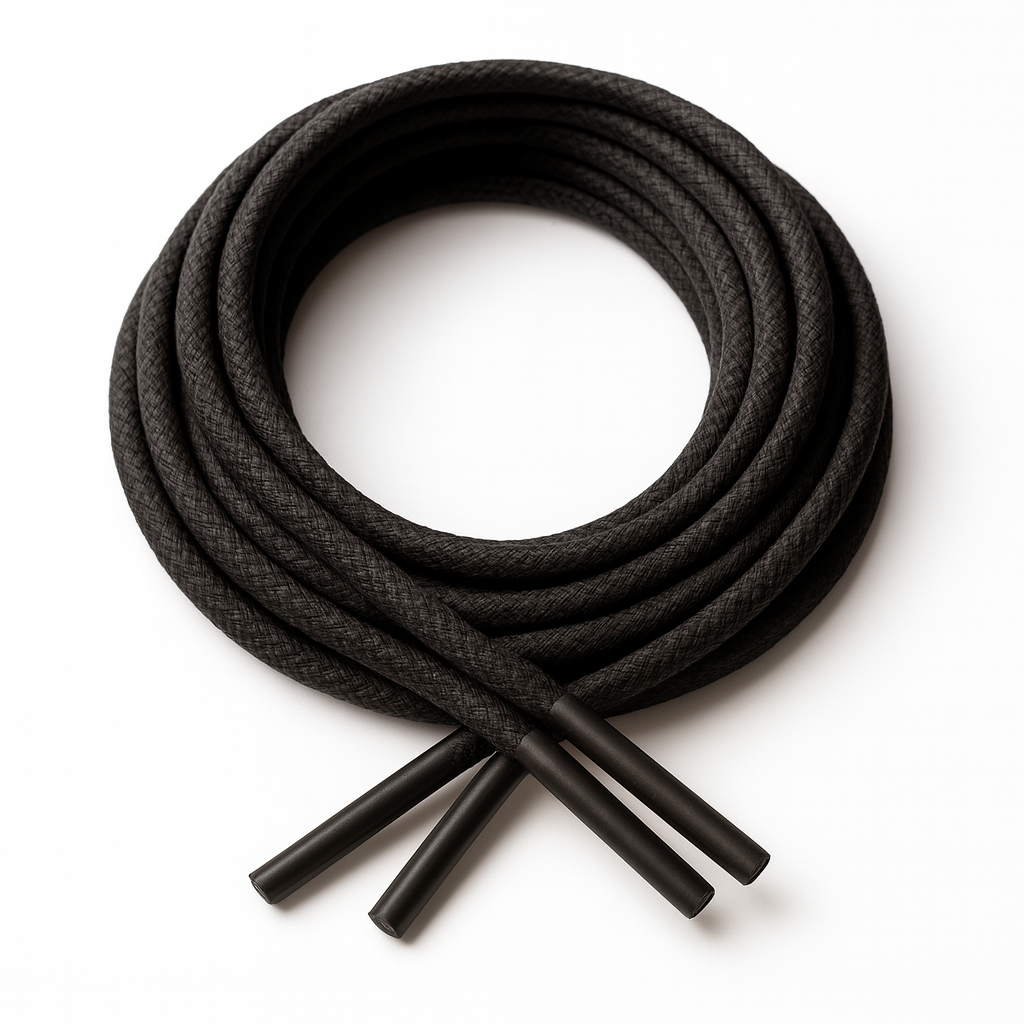
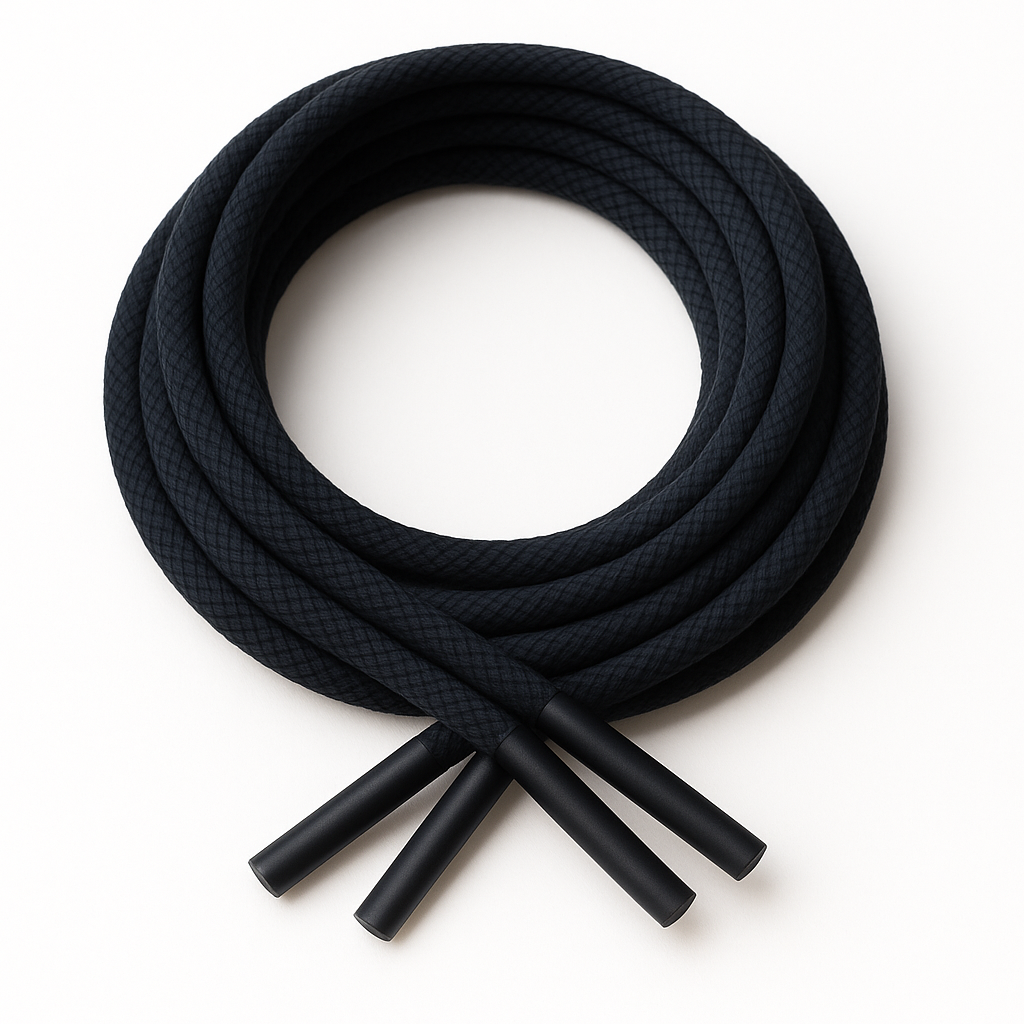
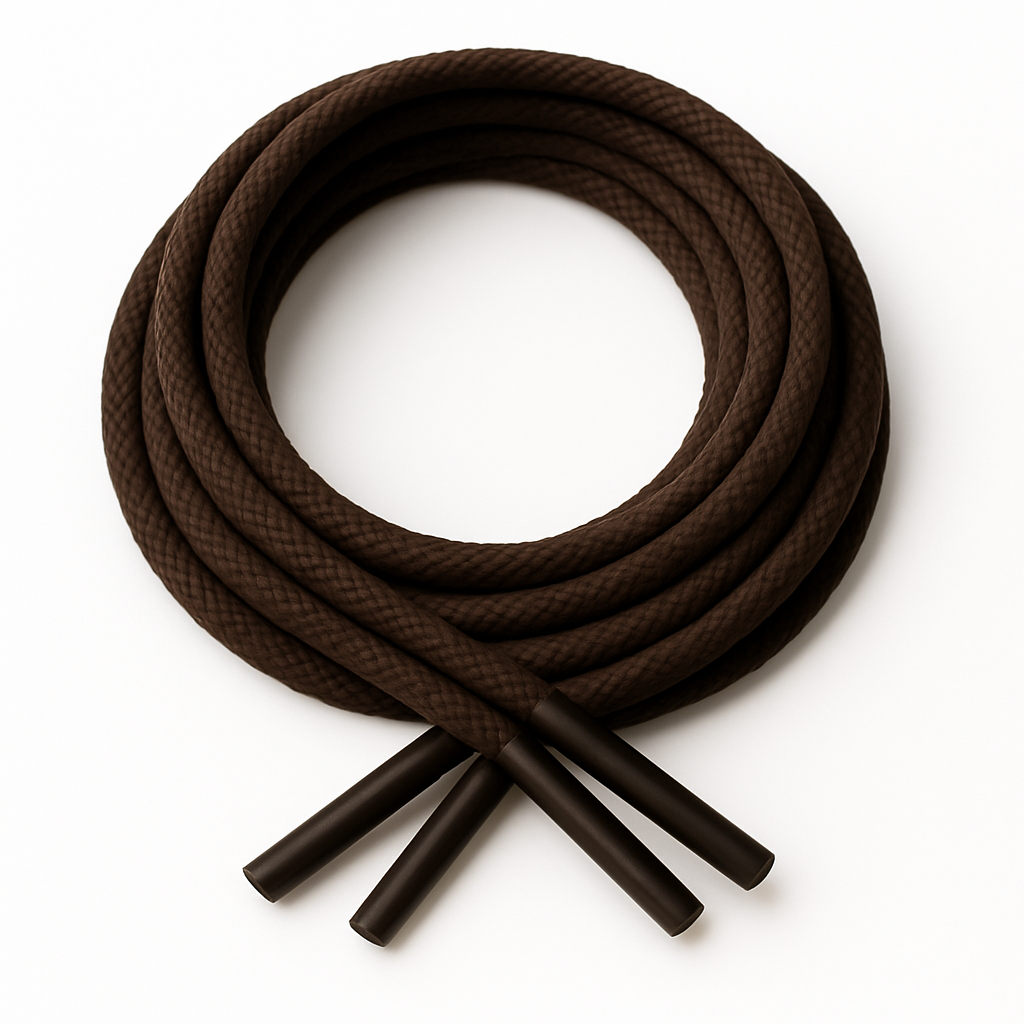
Laces take more punishment than any other component. After a year of daily wear, even quality cotton laces become frayed, discoloured, or stretched out of shape. Fresh laces make a more significant difference to the finished appearance of a shoe than most men expect. Our Waxed Formal Shoe Laces — 90cm stay tied, hold their round shape, and maintain a sharp look through months of regular use.
Step 6: Check Metal Hardware
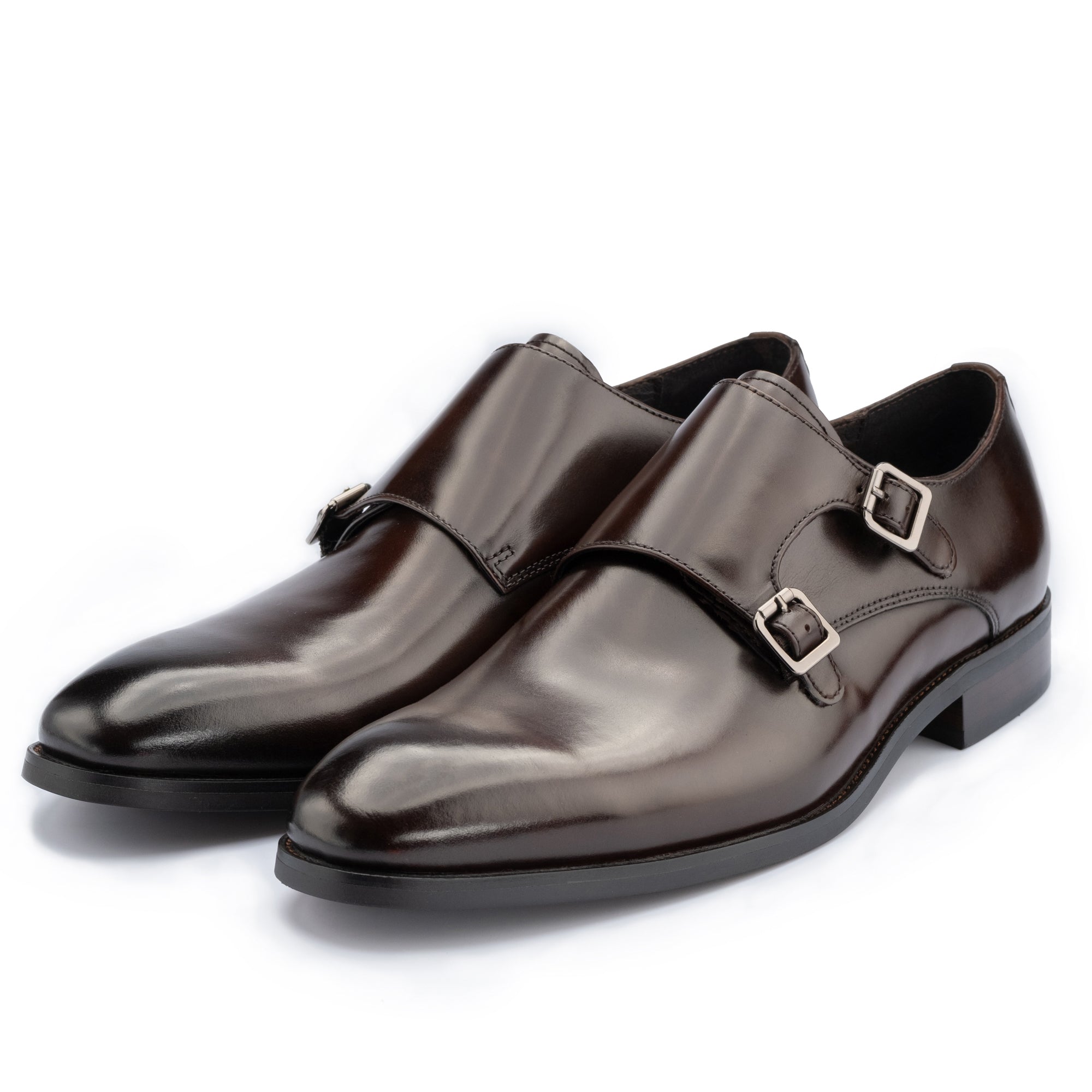
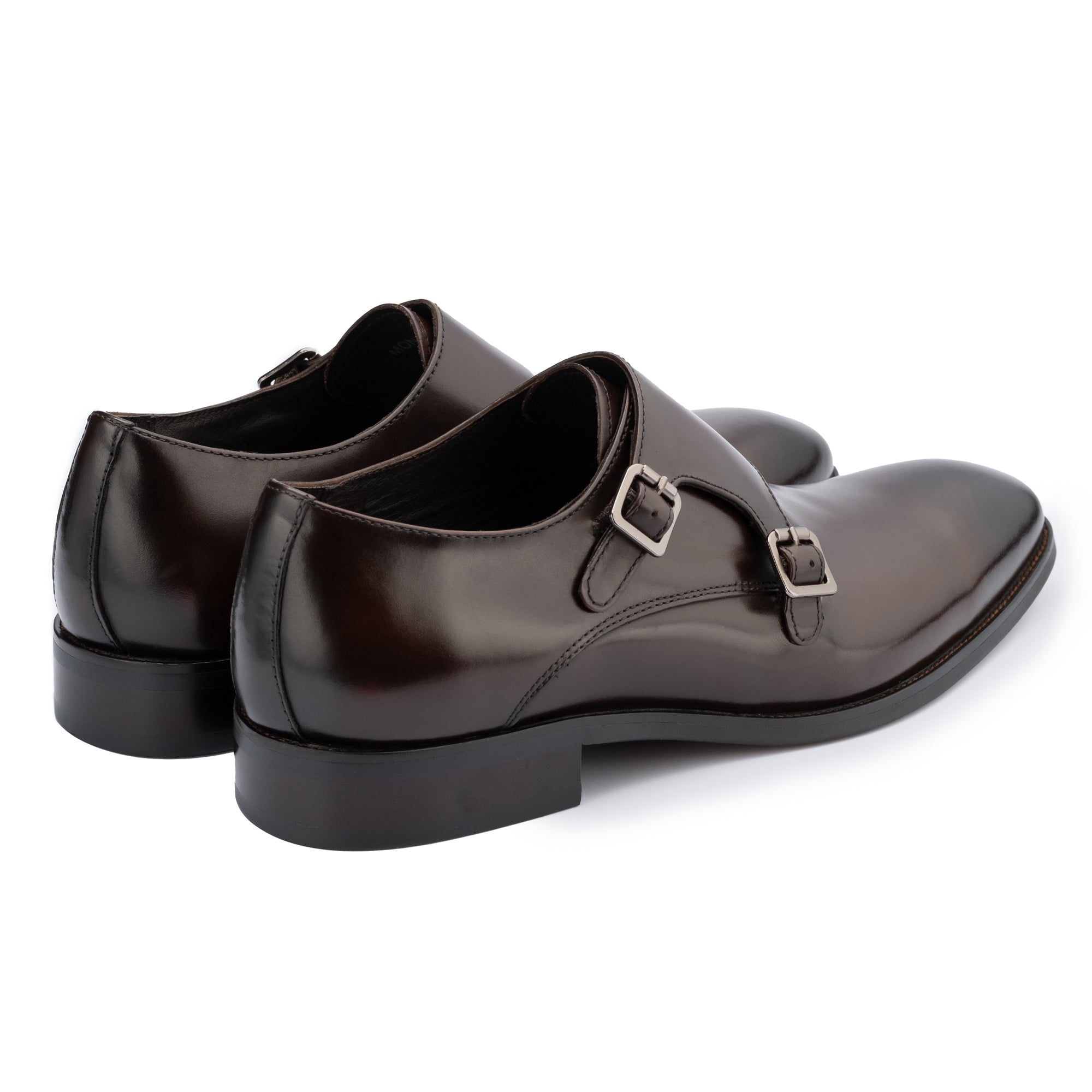
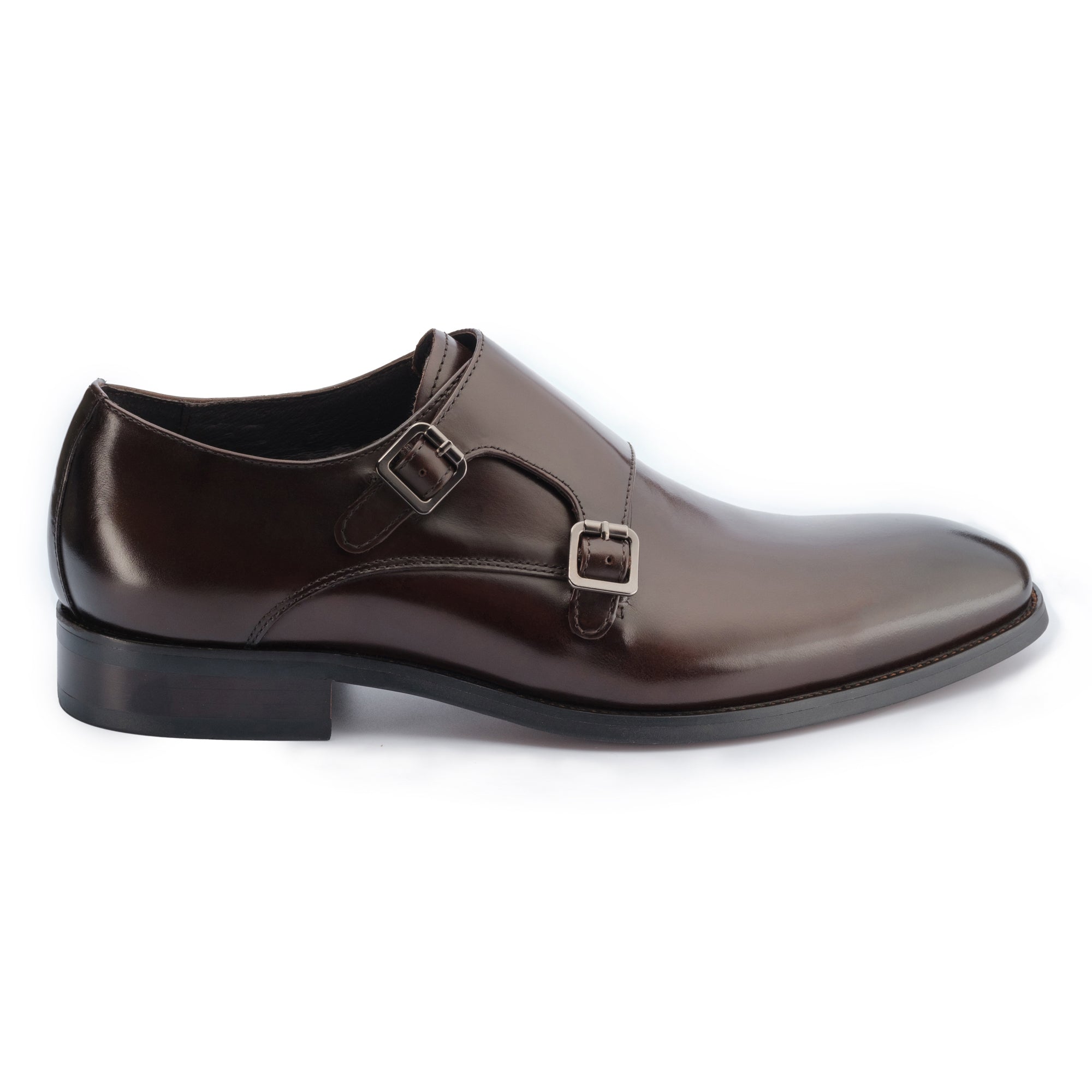
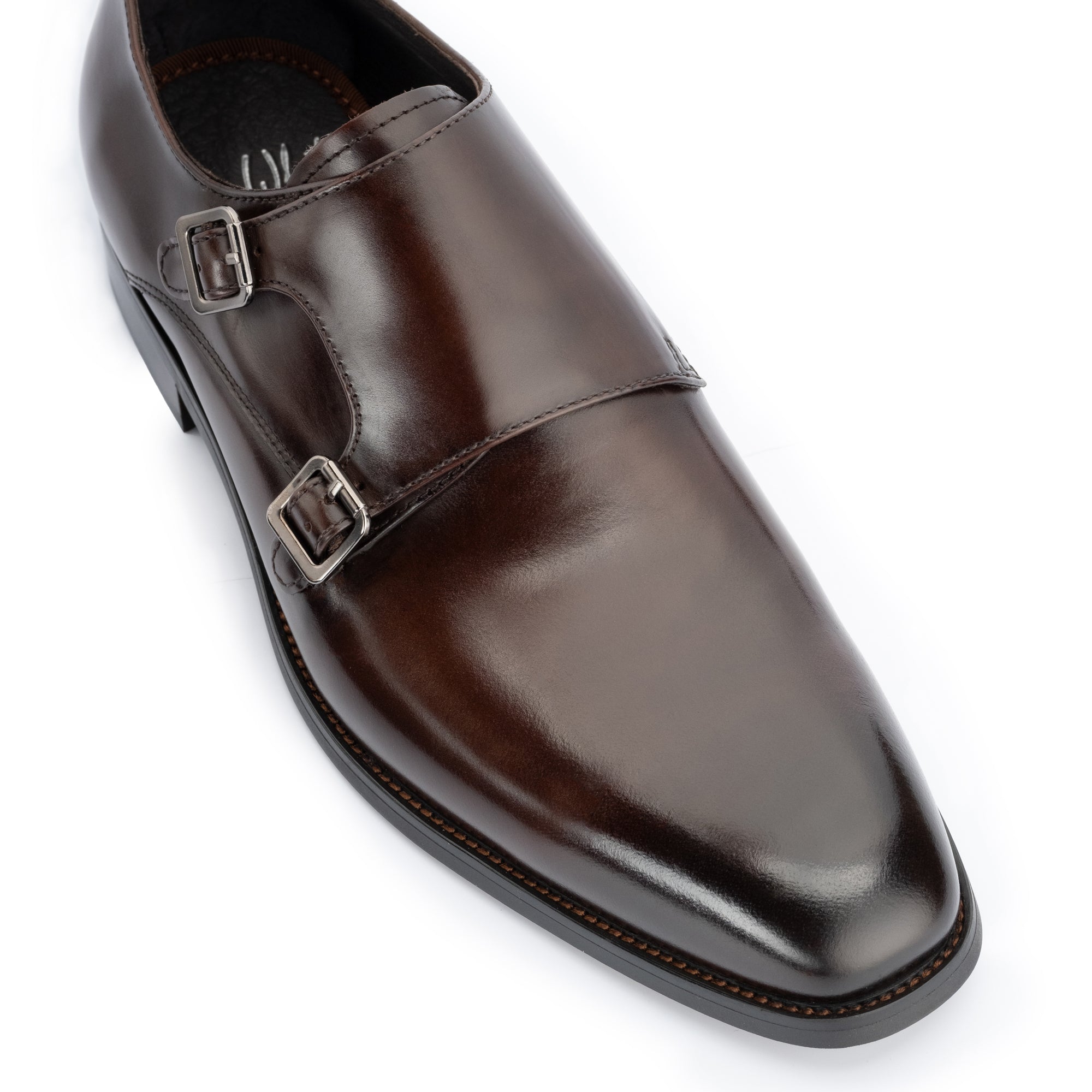
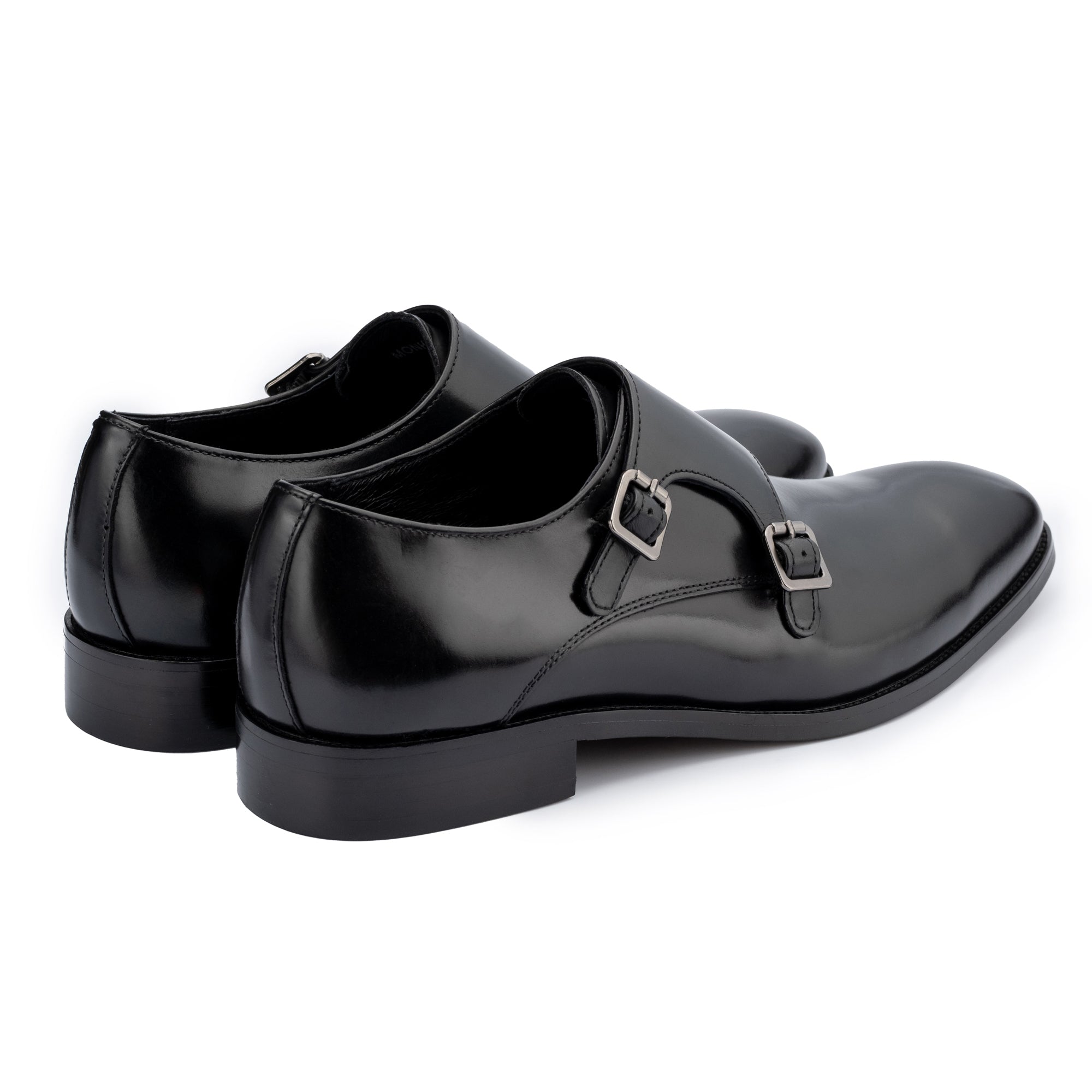
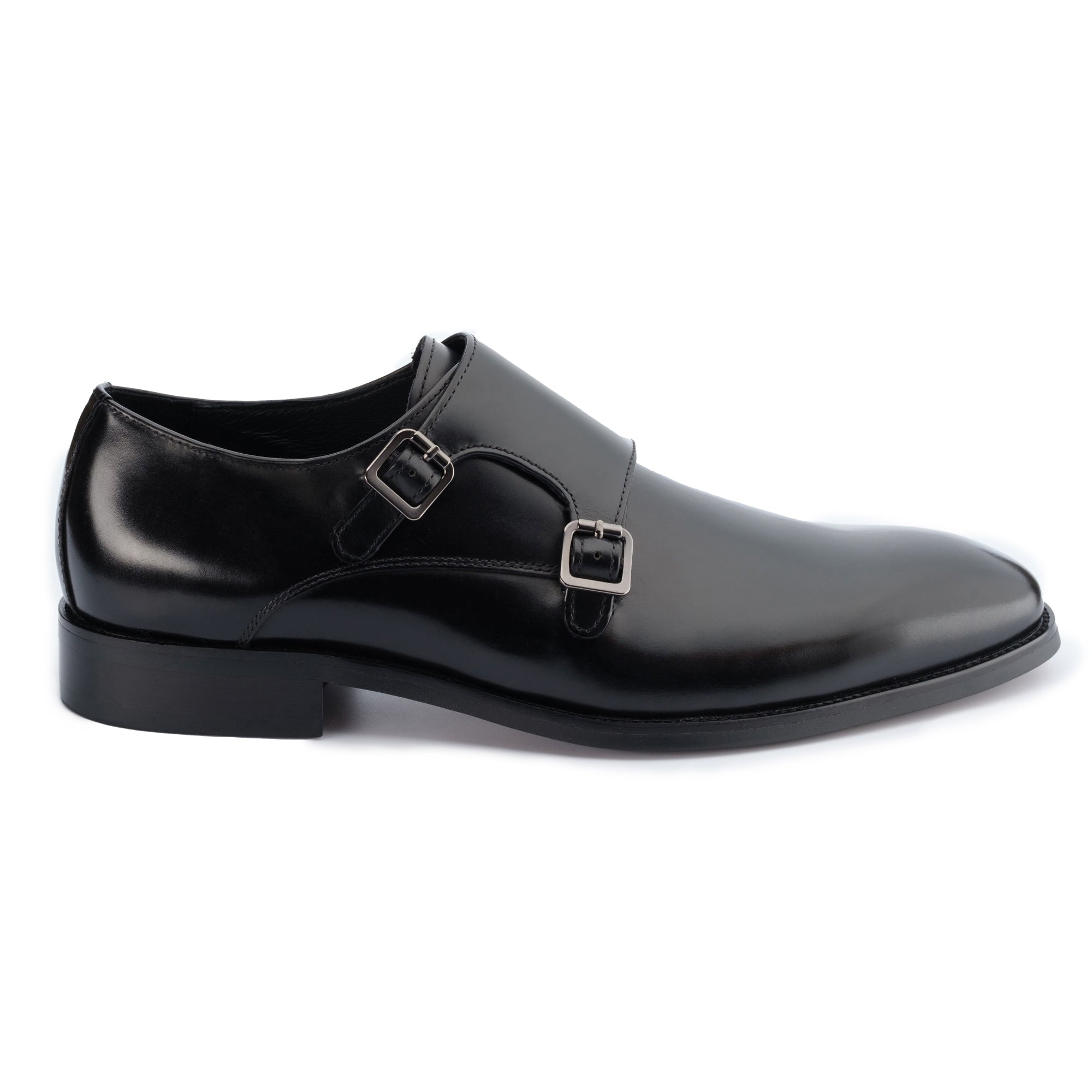
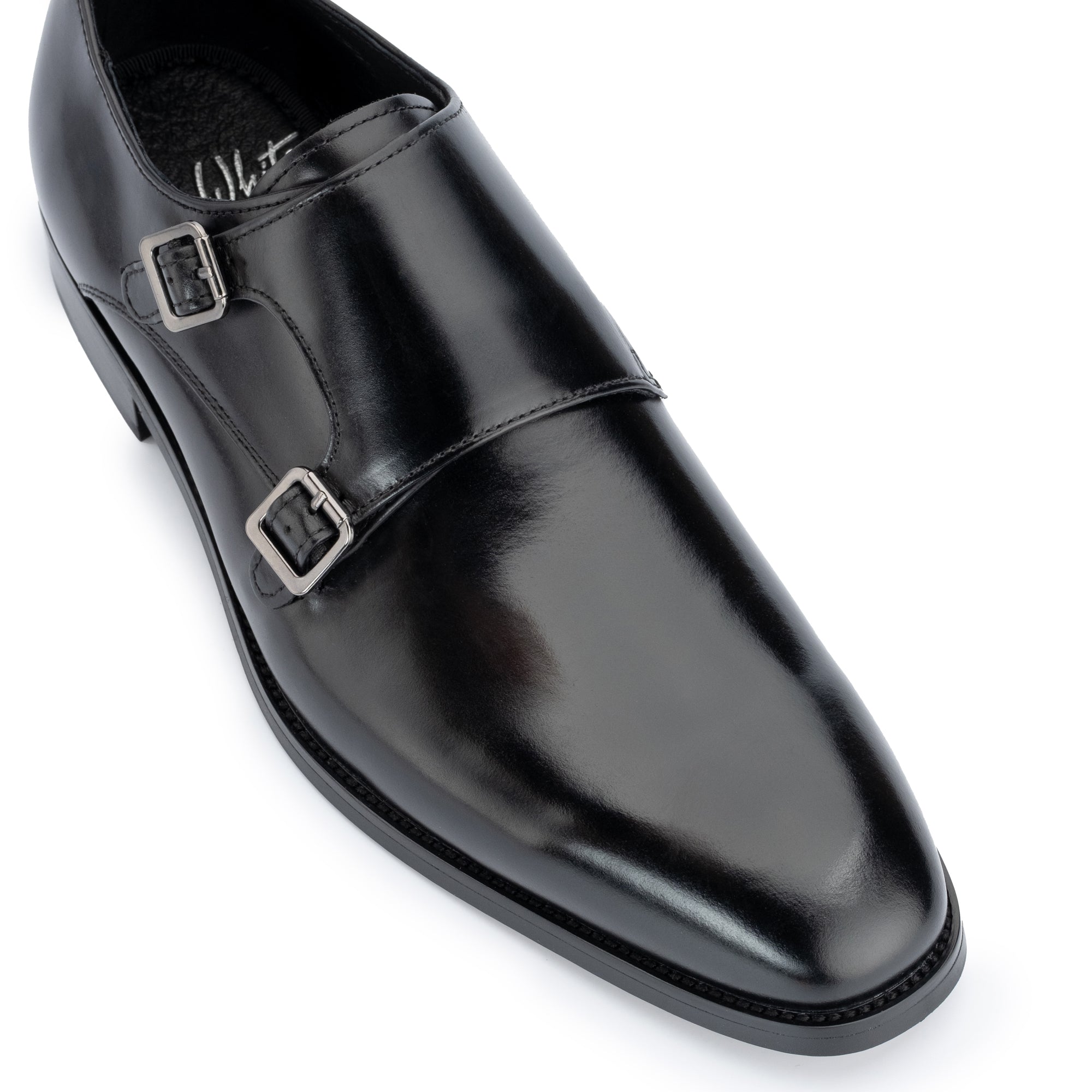
On monk strap shoes — such as the Monkton Double Monk — inspect buckles for tarnish, loosening at the strap, or wear at the pin hole. A buff with a dry cloth handles minor tarnish. If a buckle has worked loose at the rivet, address it before wearing again; a loose buckle under weight is harder to fix cleanly than a tight one.
Step 7: Review Your Storage Setup
A shoe tree is not optional. As we detail in our guide to maximising shoe life with shoe trees, cedar shoe trees absorb moisture from the lining, maintain the shoe's shape through the last, and suppress odour between wears. The annual ritual is the right moment to check that every pair has a correctly sized tree, and that your storage area is dry and ventilated.
Shoes stored in damp conditions — under beds, in unventilated cupboards — can develop mould on the lining within weeks. If you store any pairs in boxes, air them out monthly at minimum.
Step 8: Professional Assessment
At least once during the annual ritual, identify which pairs warrant a trip to a trusted cobbler. Criteria for professional attention include significant heel wear, sole thinning or delamination, stitching pulling away from the upper, or deep surface damage. For scuff repair specifically, our guide to correcting scuffs on leather footwear covers what's achievable at home versus what requires professional skill and equipment.
Annual Leather Shoe Care Schedule: Task, Frequency, and Effort
| Task | Frequency | Time Per Pair | Difficulty |
|---|---|---|---|
| Surface brush and wipe-down | After every wear | 2 minutes | Easy |
| Polish and buff | Every 2–4 wears | 10 minutes | Easy |
| Conditioning treatment | Every 6–8 weeks | 15 minutes | Easy |
| Deep clean (leather cleaner) | Seasonally — spring and autumn | 20 minutes | Moderate |
| Sole and heel inspection | Seasonally | 5 minutes | Easy |
| Lace replacement | Annually or as needed | 5 minutes | Easy |
| Full collection audit (all 8 steps) | Twice yearly | 2–3 hours total | Moderate |
| Cobbler visit | As needed — typically annually | Drop-off and collect | N/A |
How Does Annual Maintenance Differ Across Leather Finishes?
The eight-step checklist applies universally, but product selection varies by finish. Using the wrong product on the wrong leather is one of the most common causes of surface damage during home care.
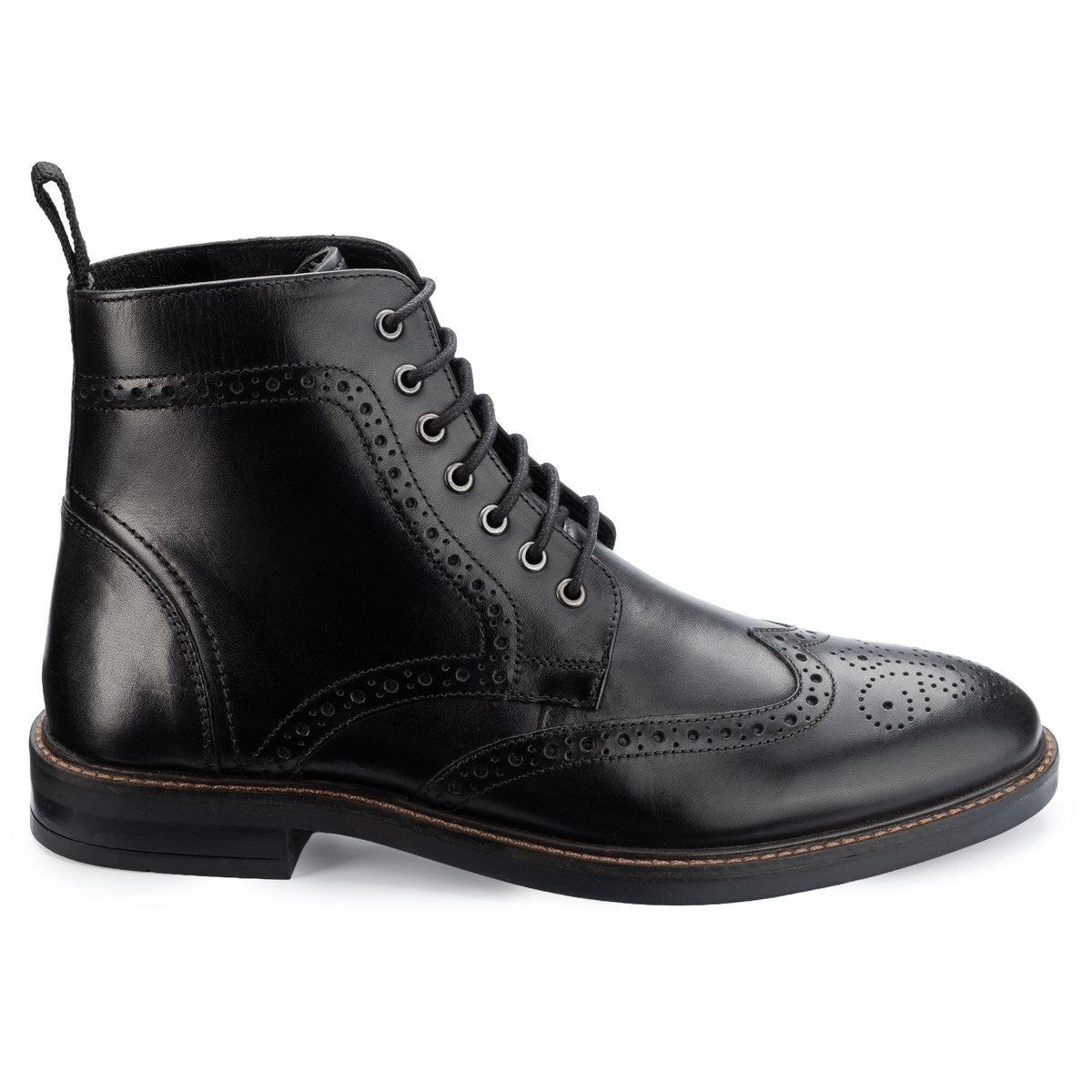
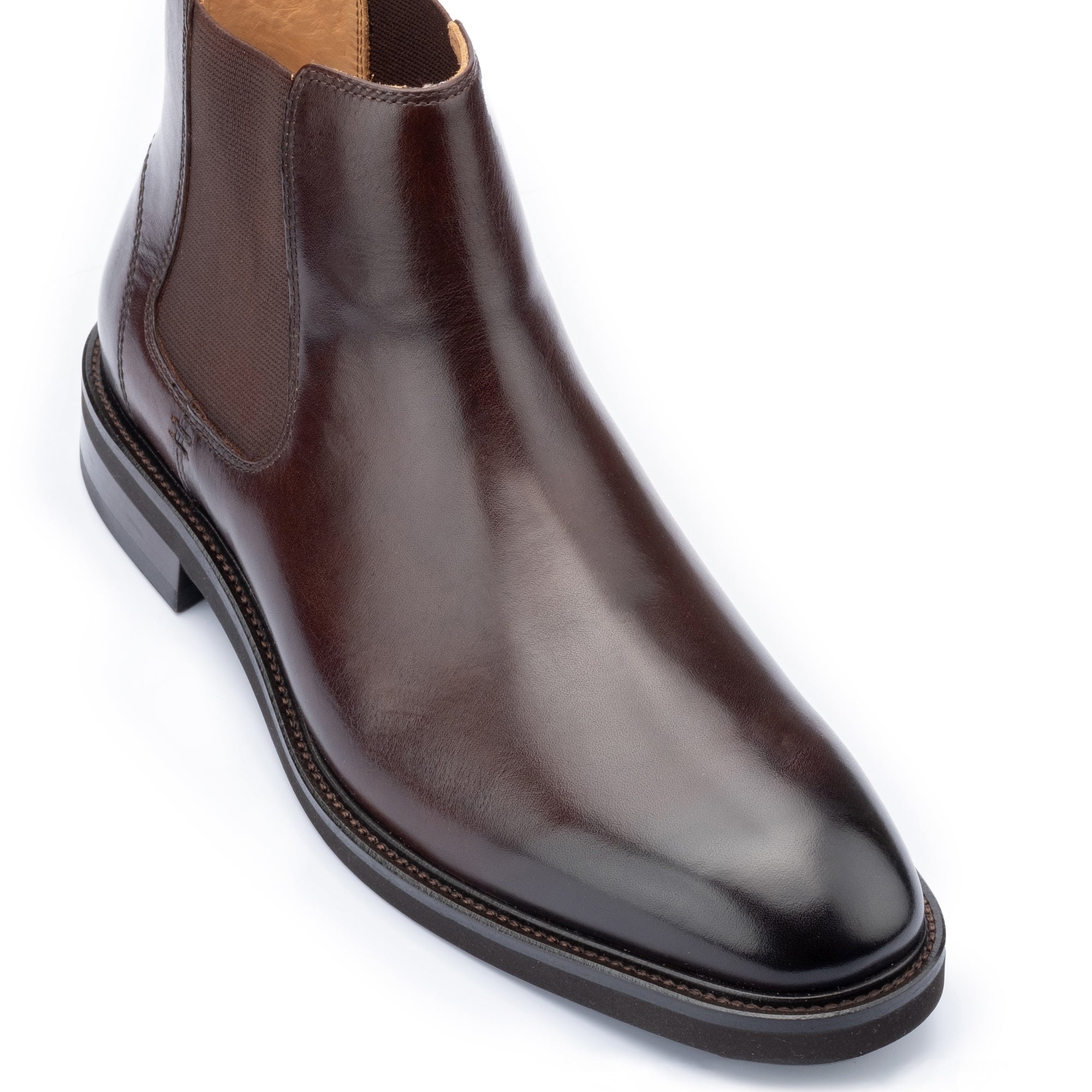
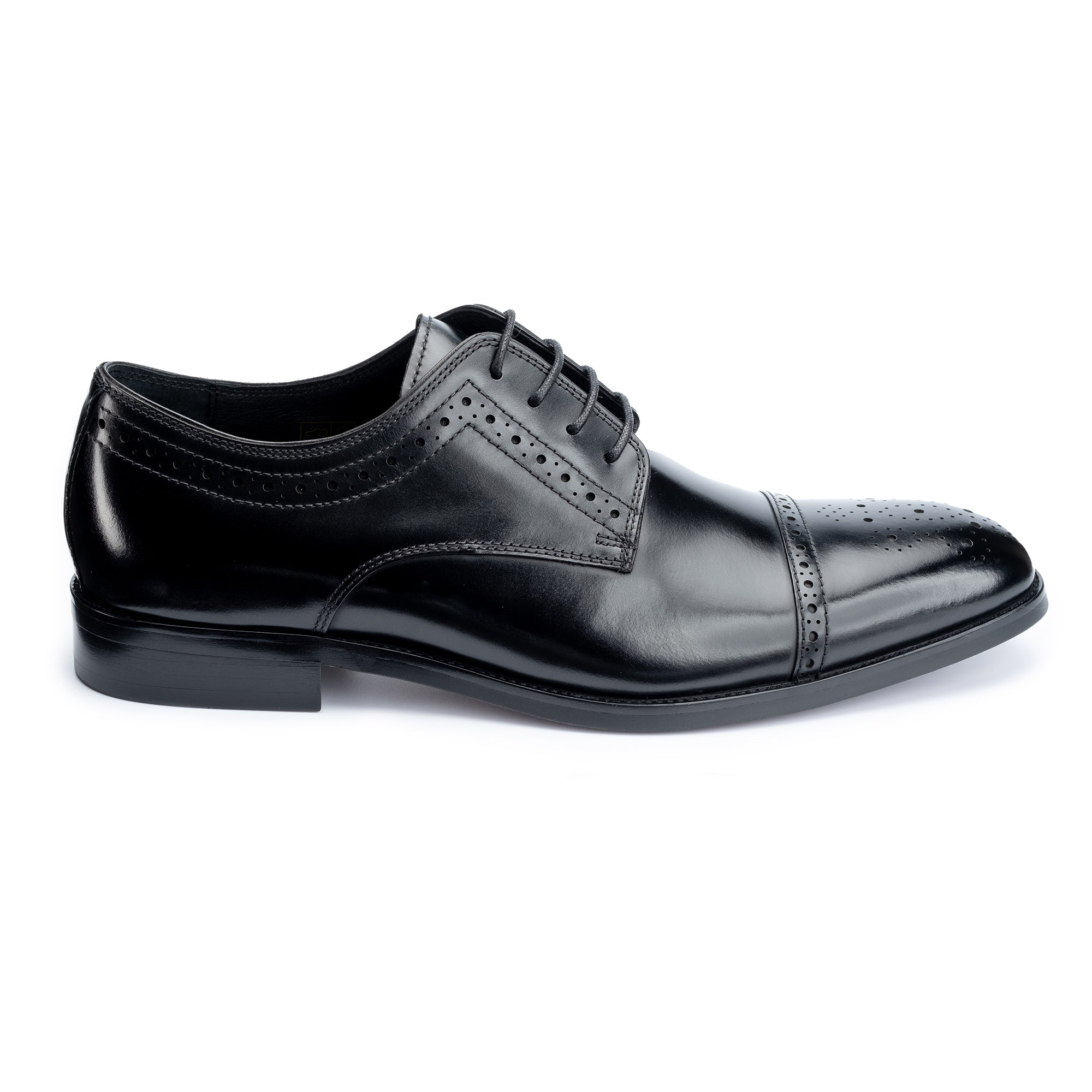
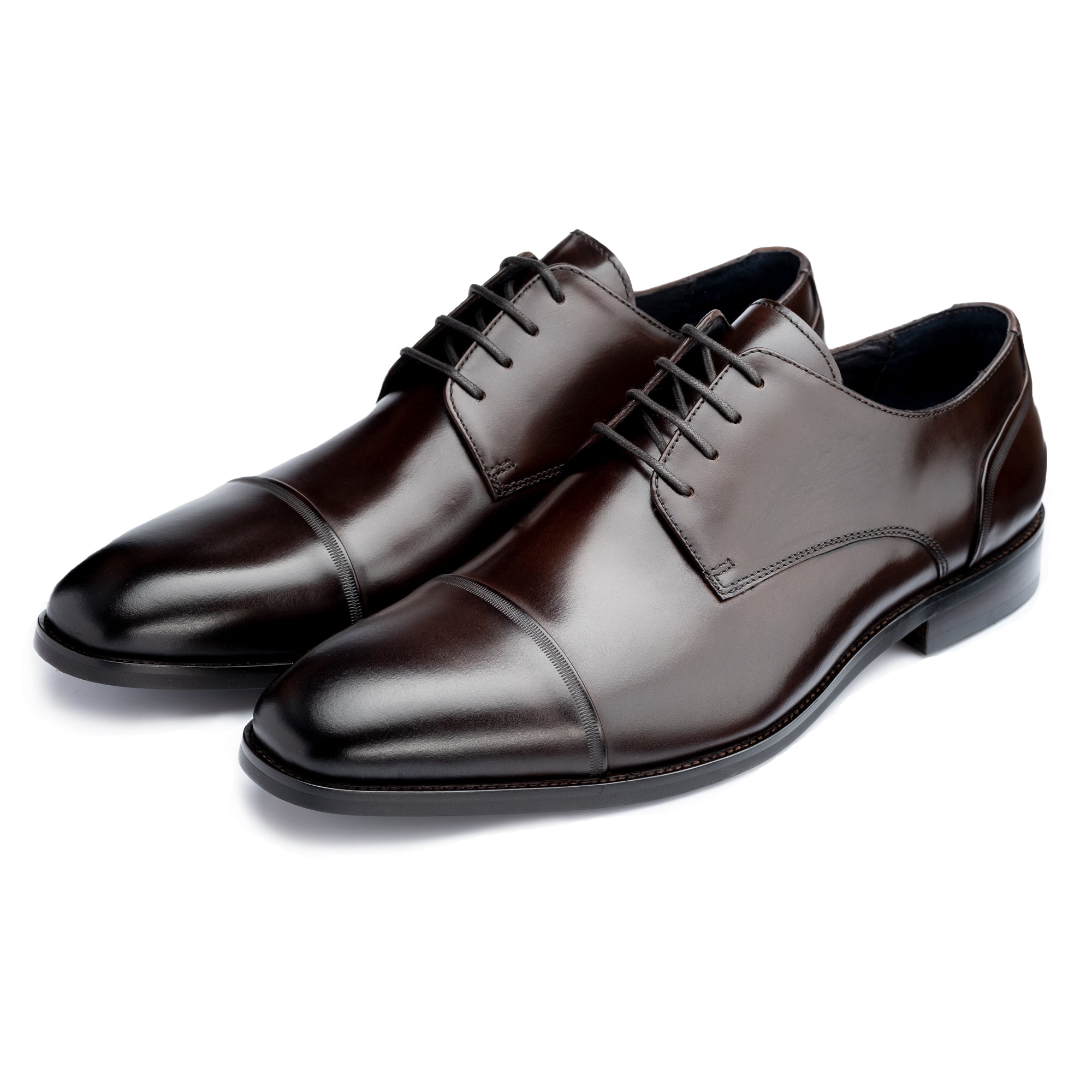
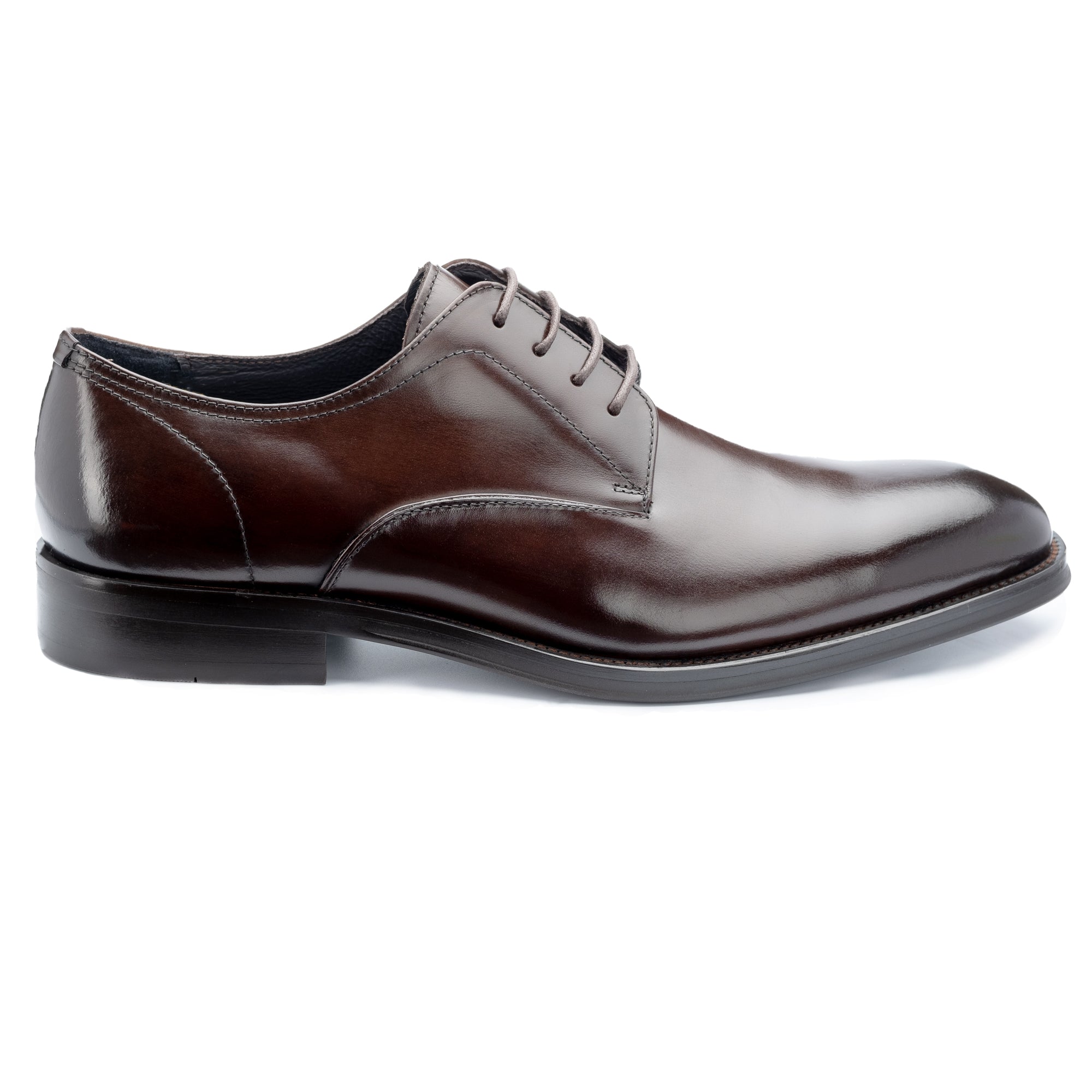
- Smooth calf leather — responds well to wax polish, conditions easily, and holds a high shine. The most forgiving leather to maintain at home.
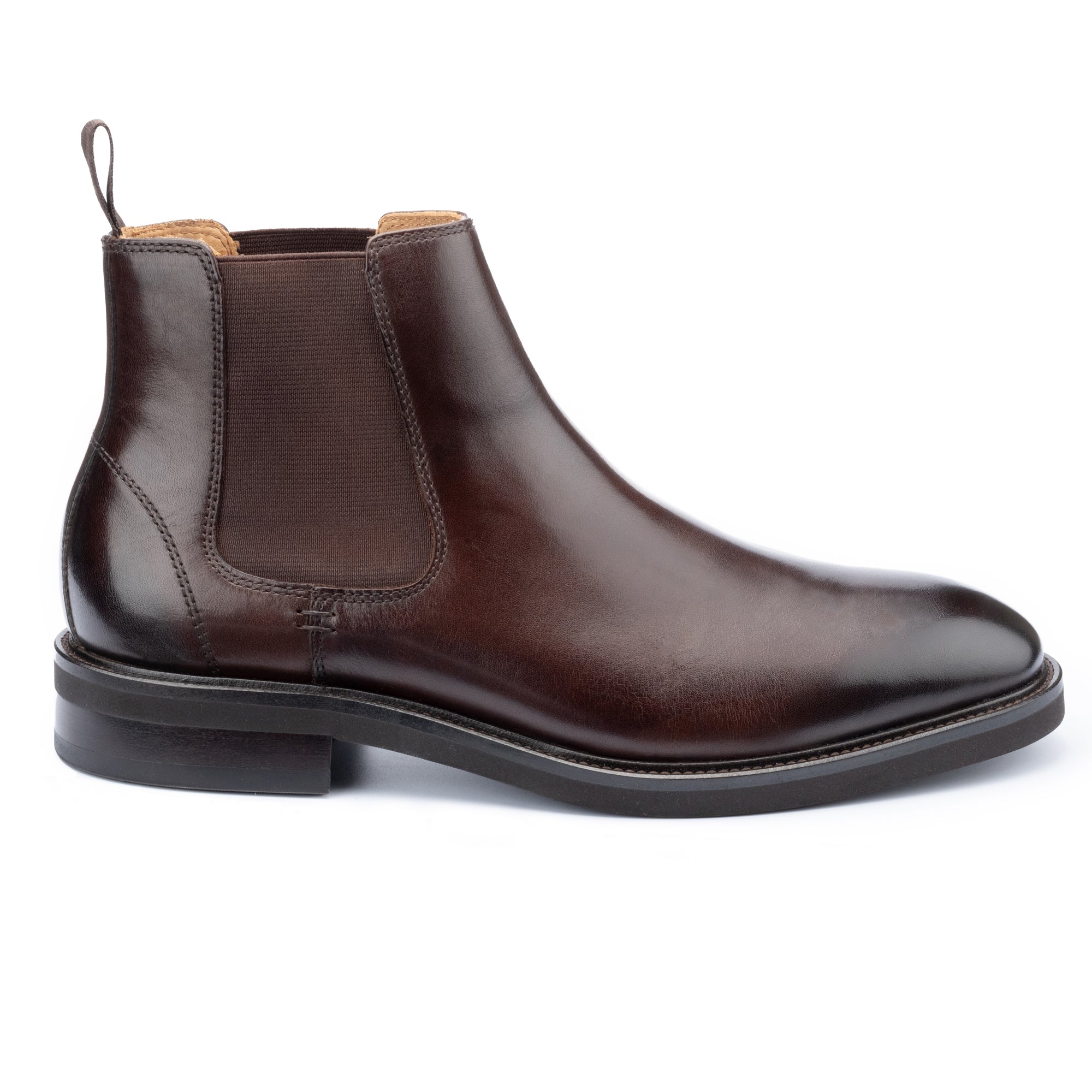
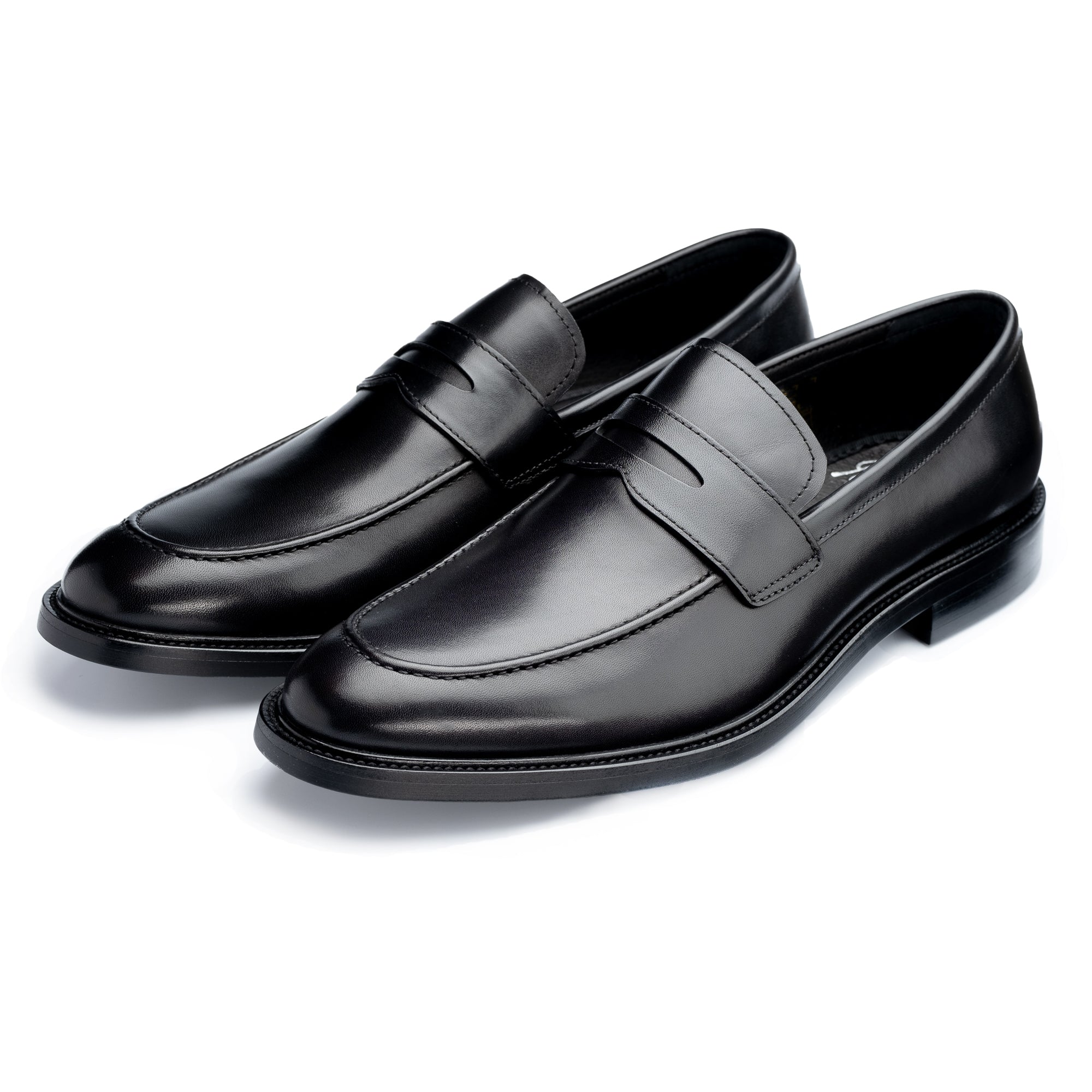
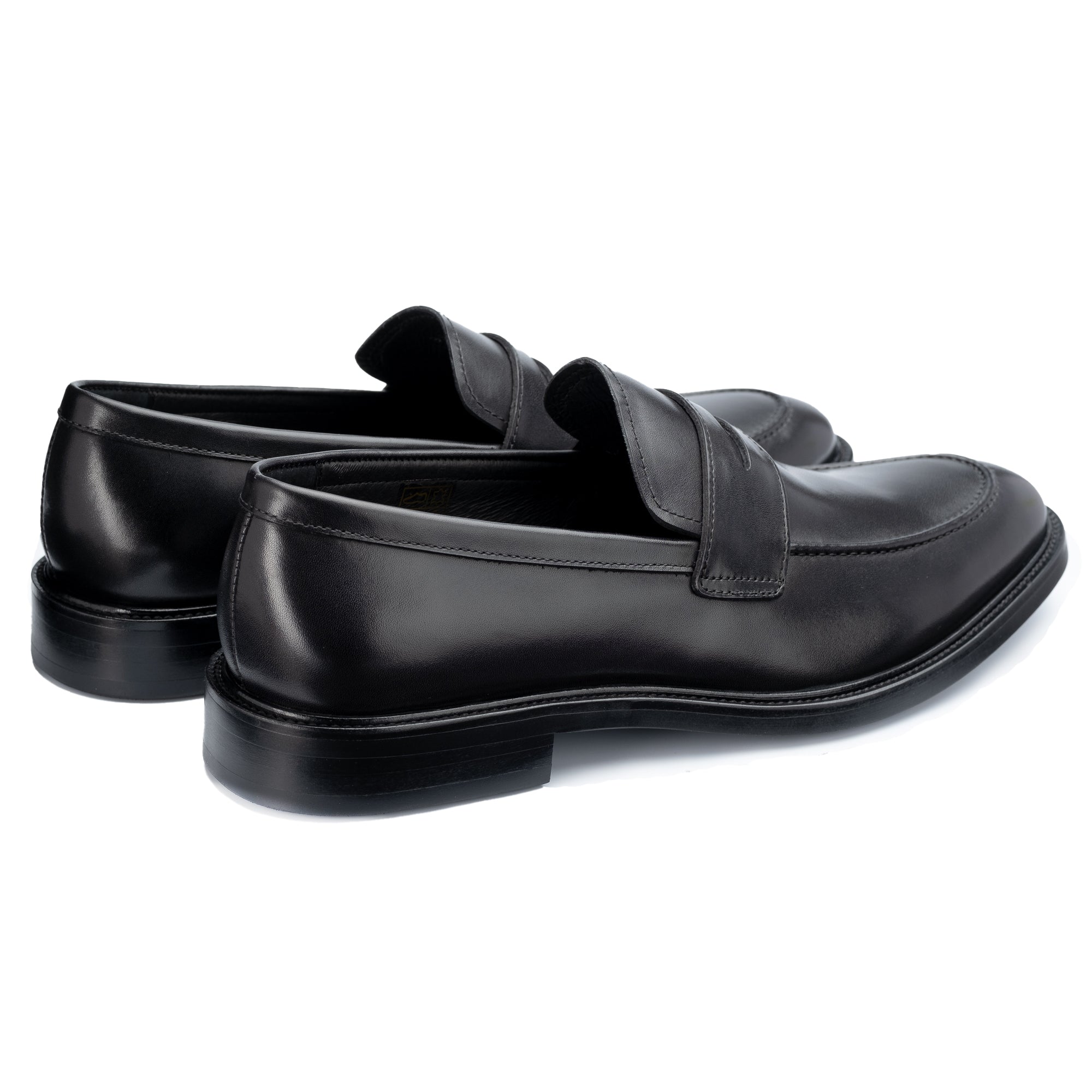
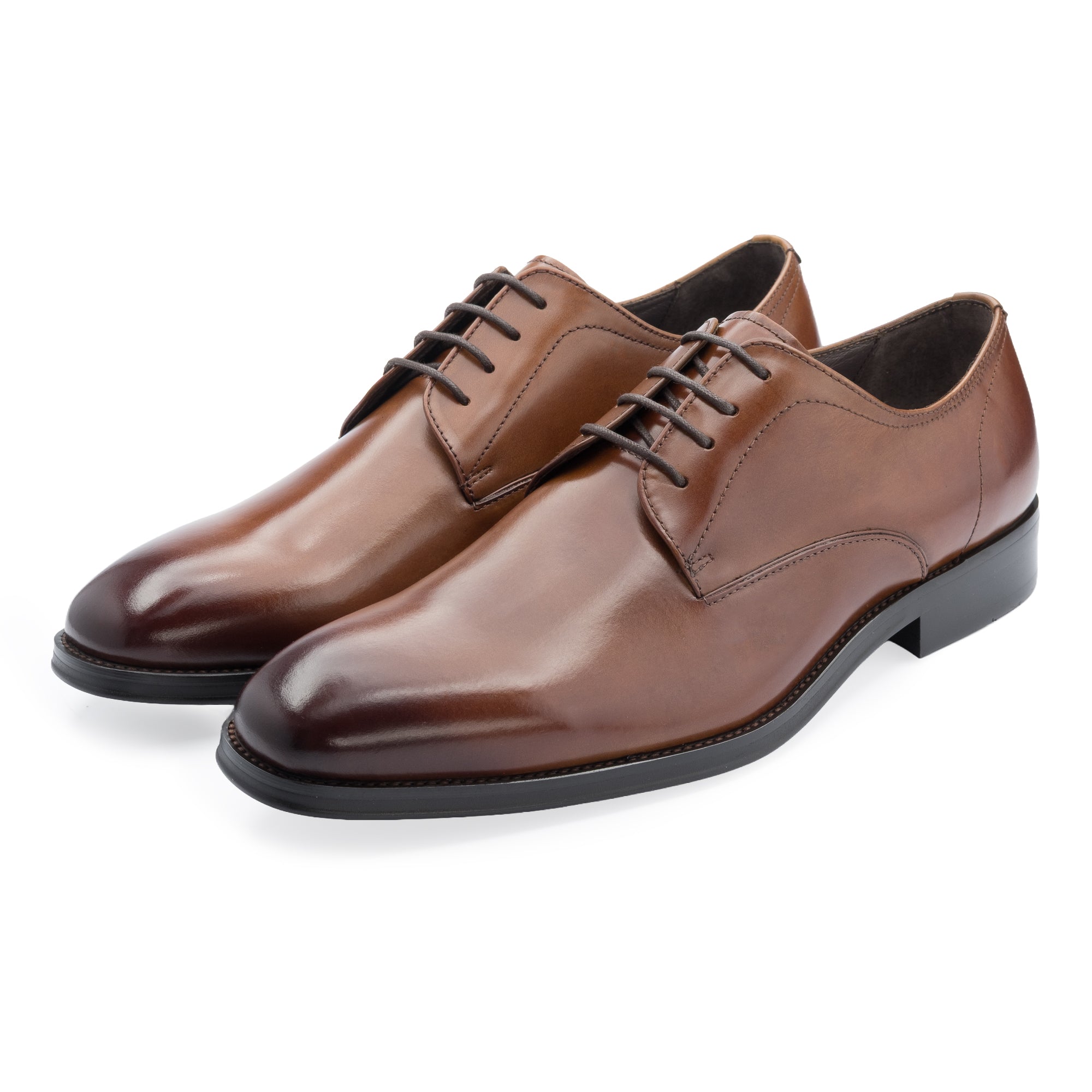
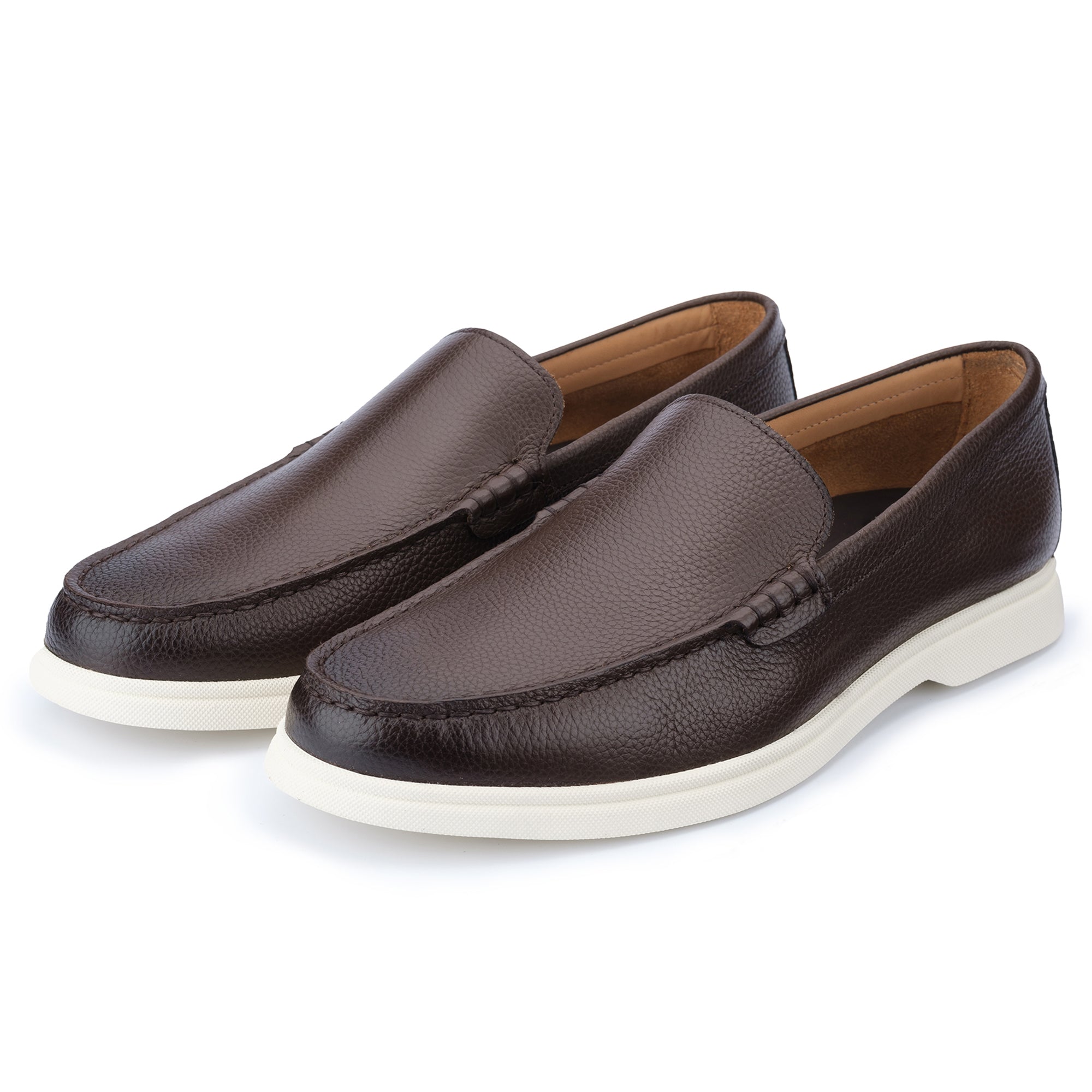
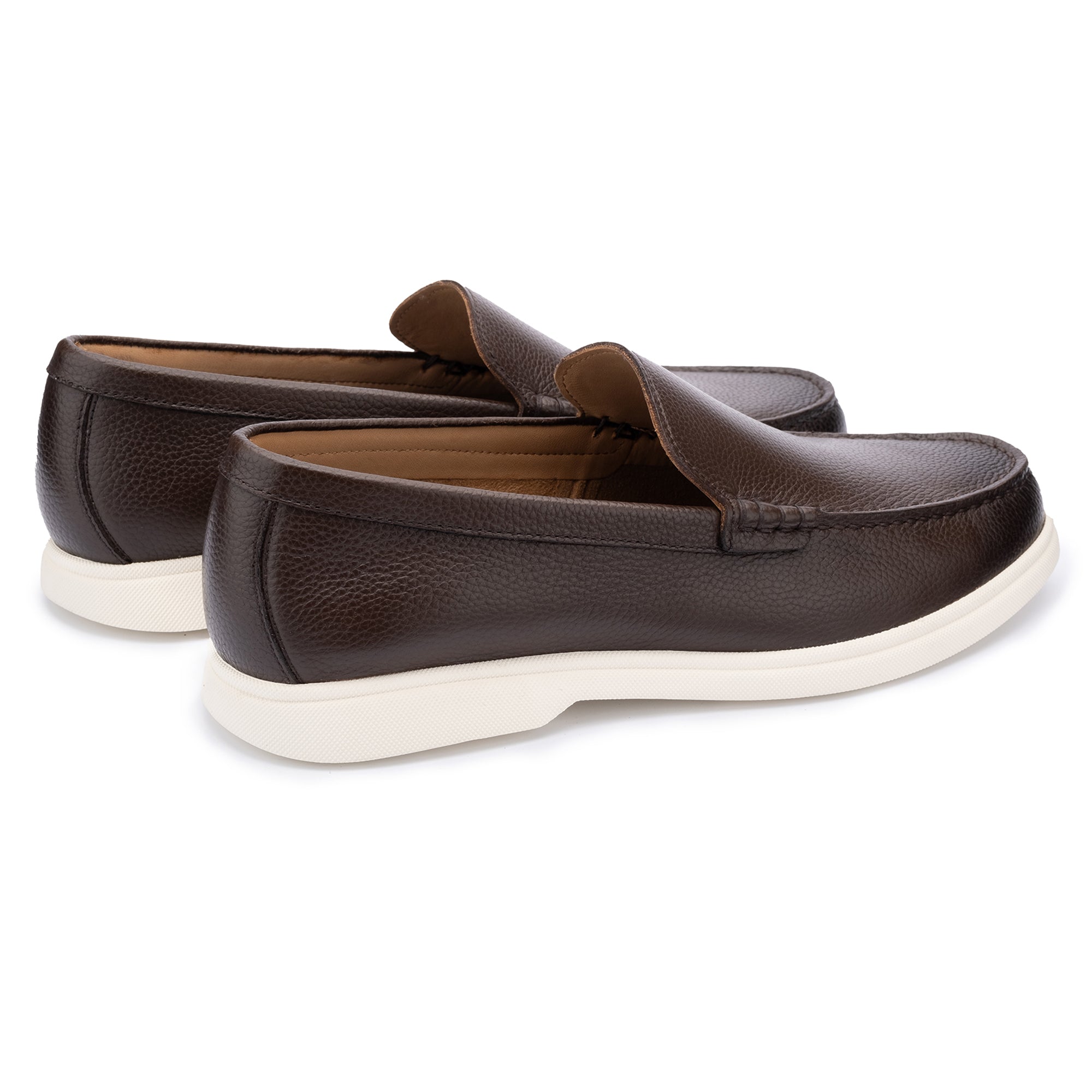
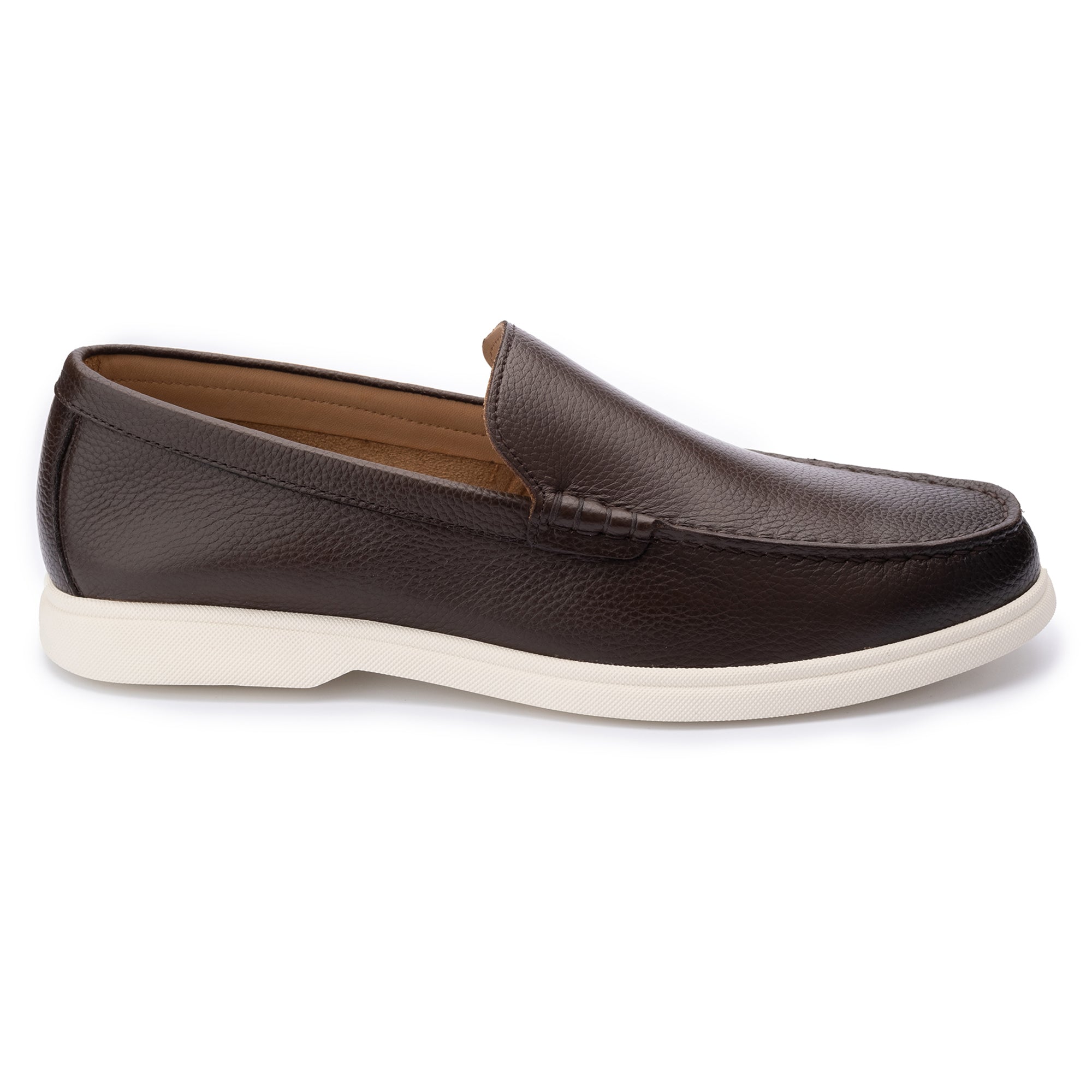
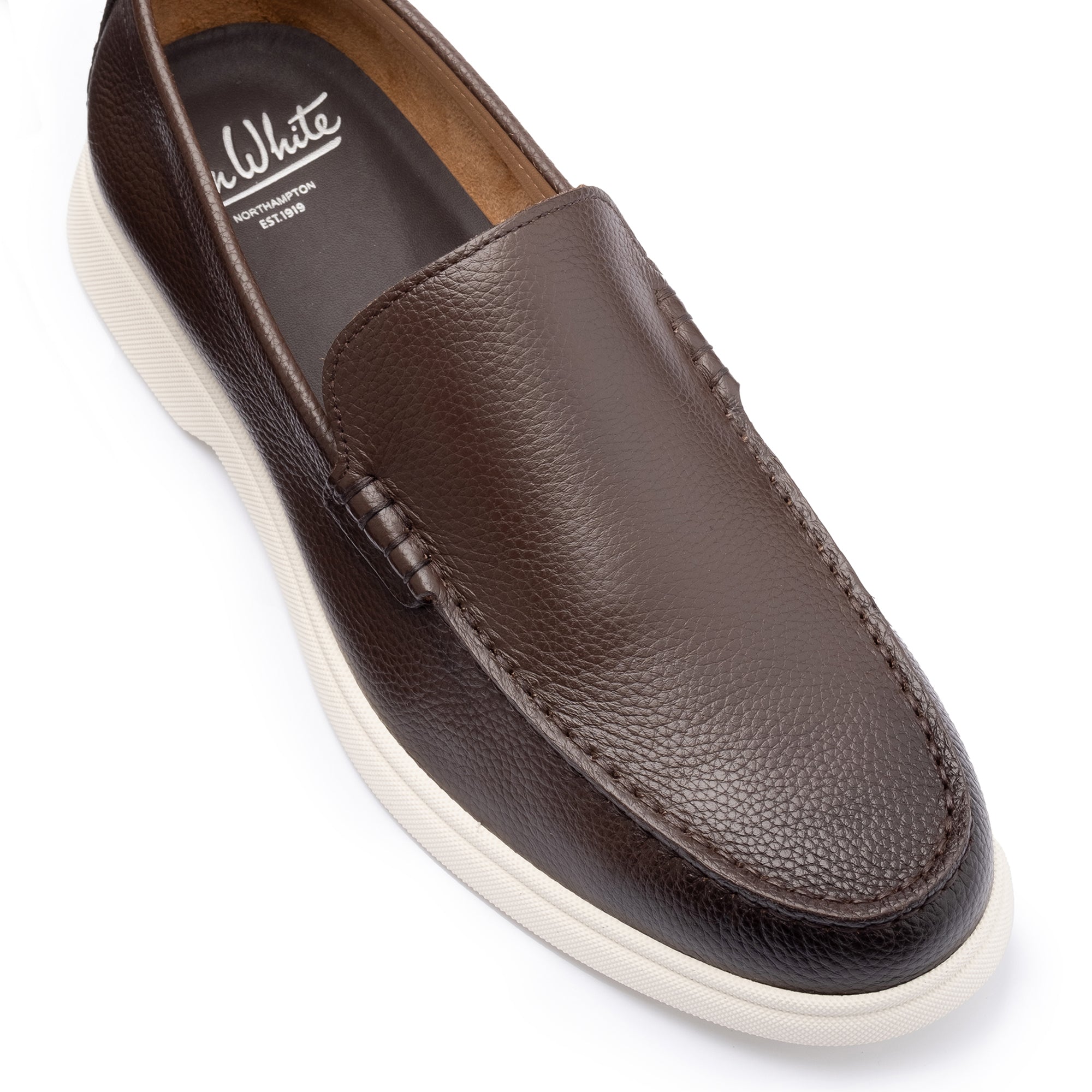
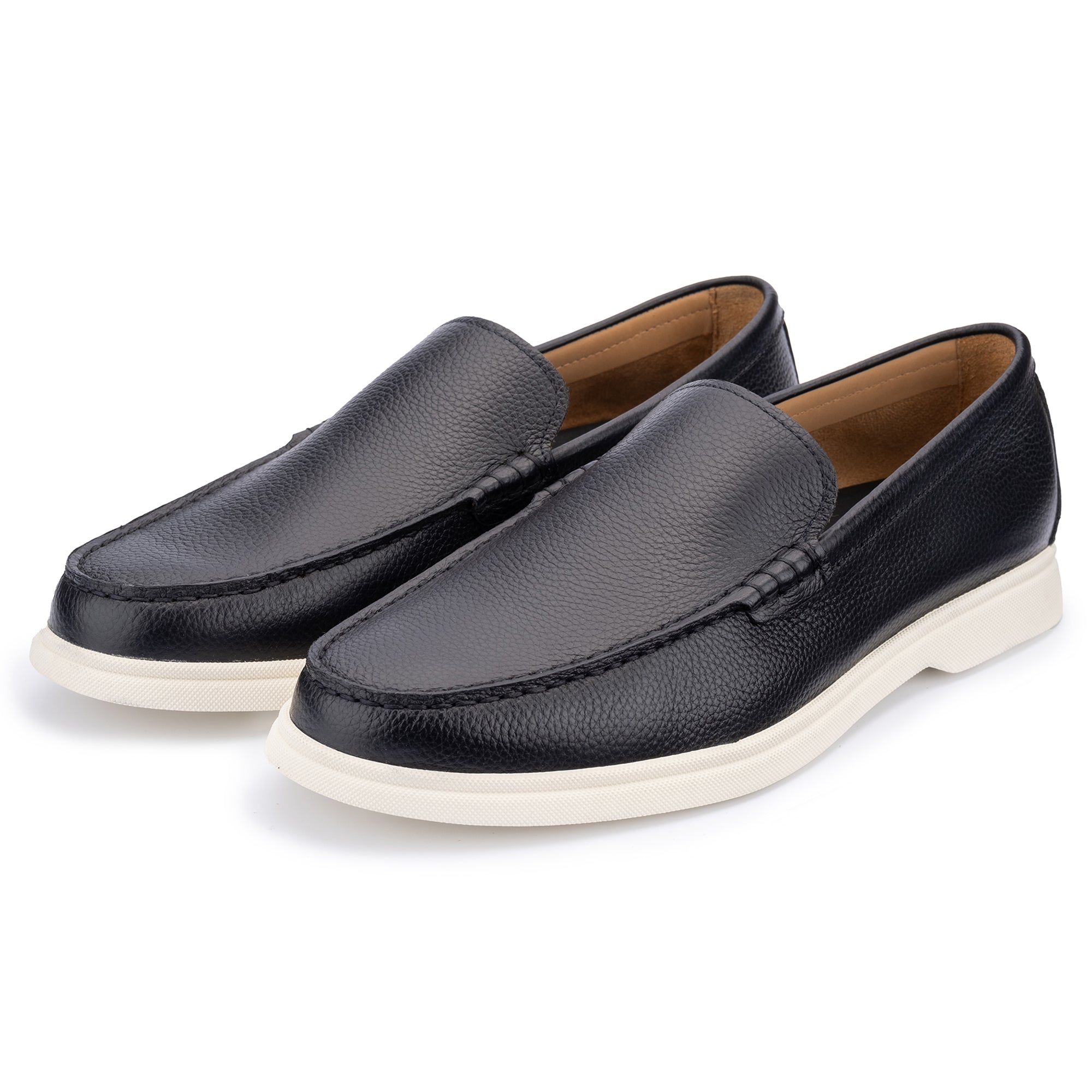
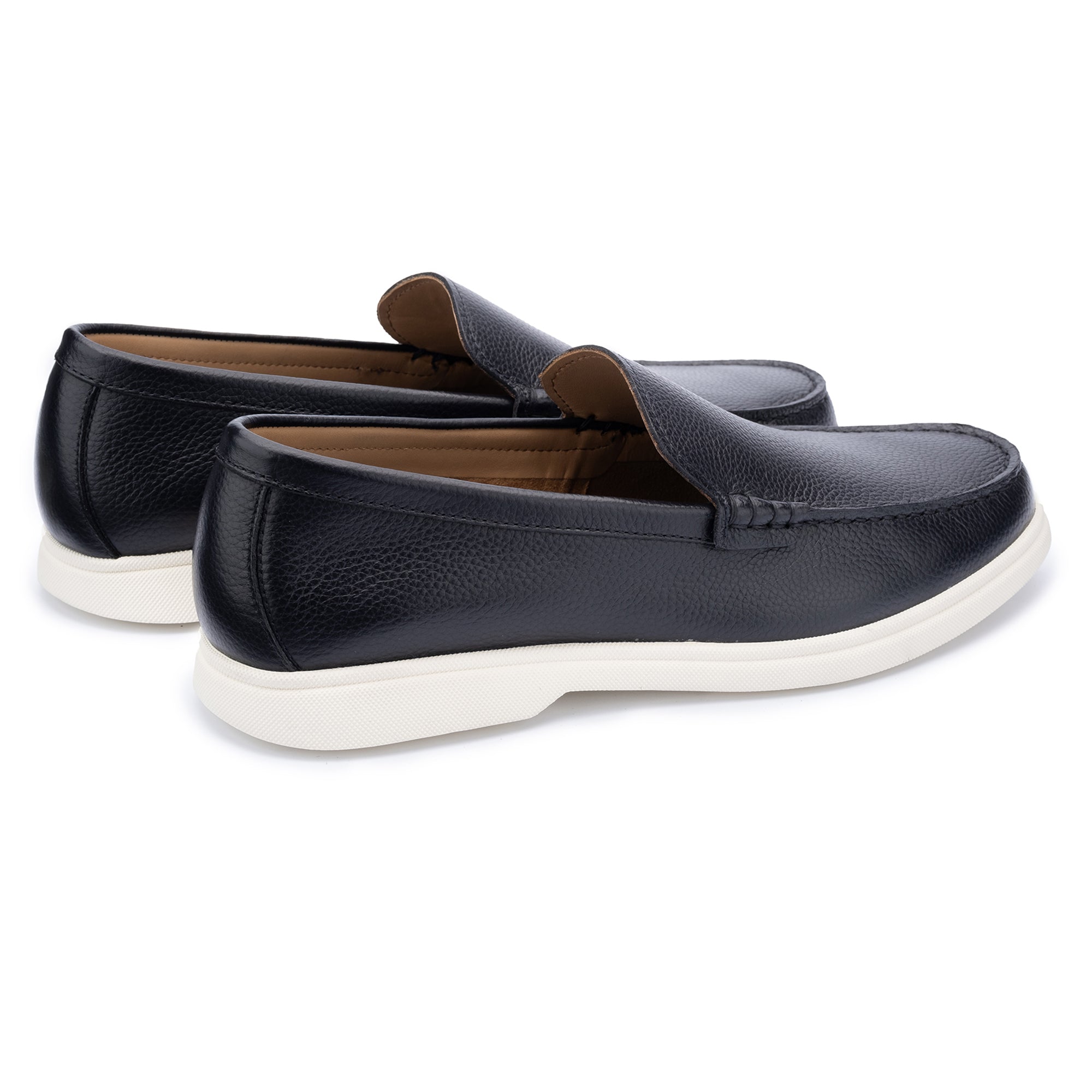
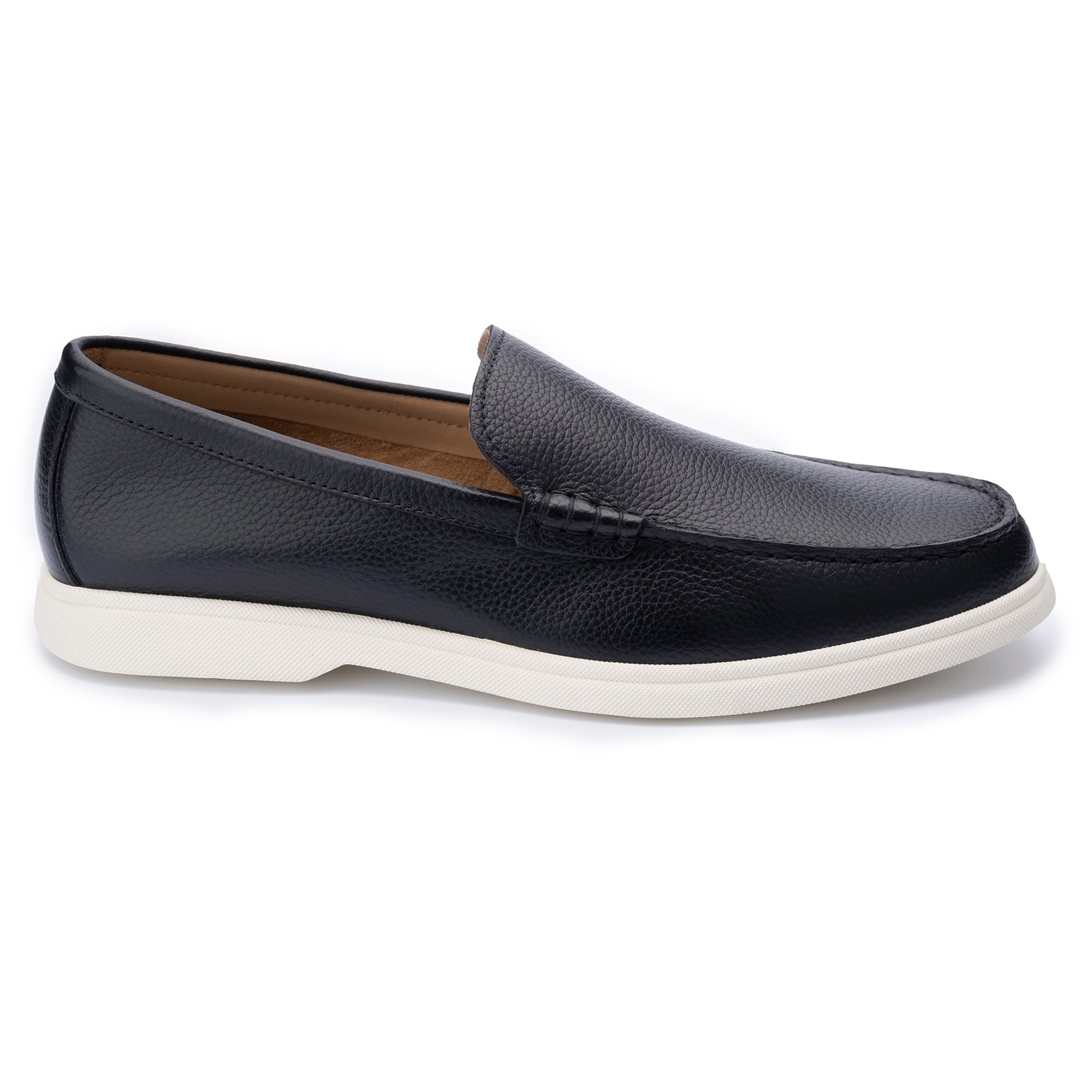
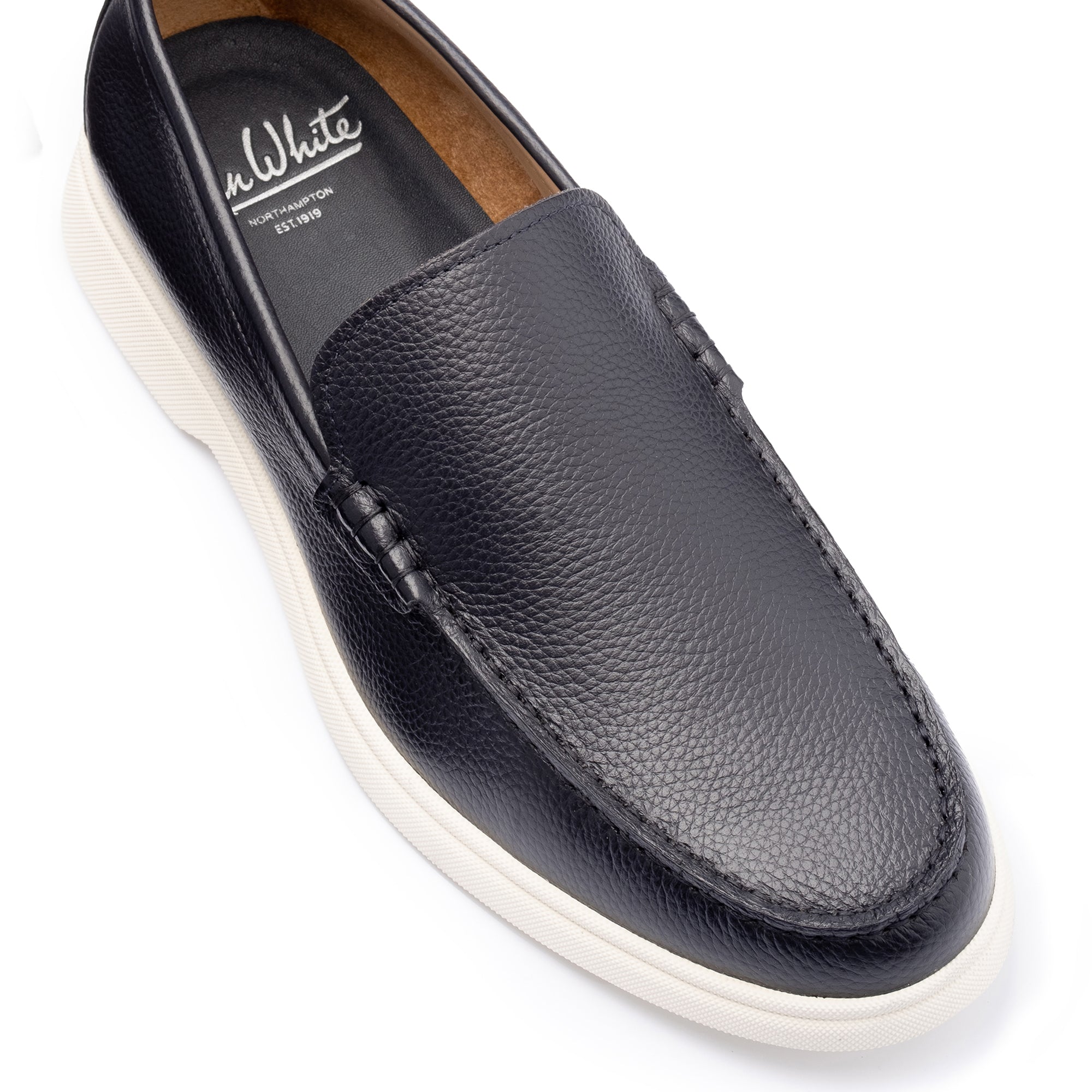
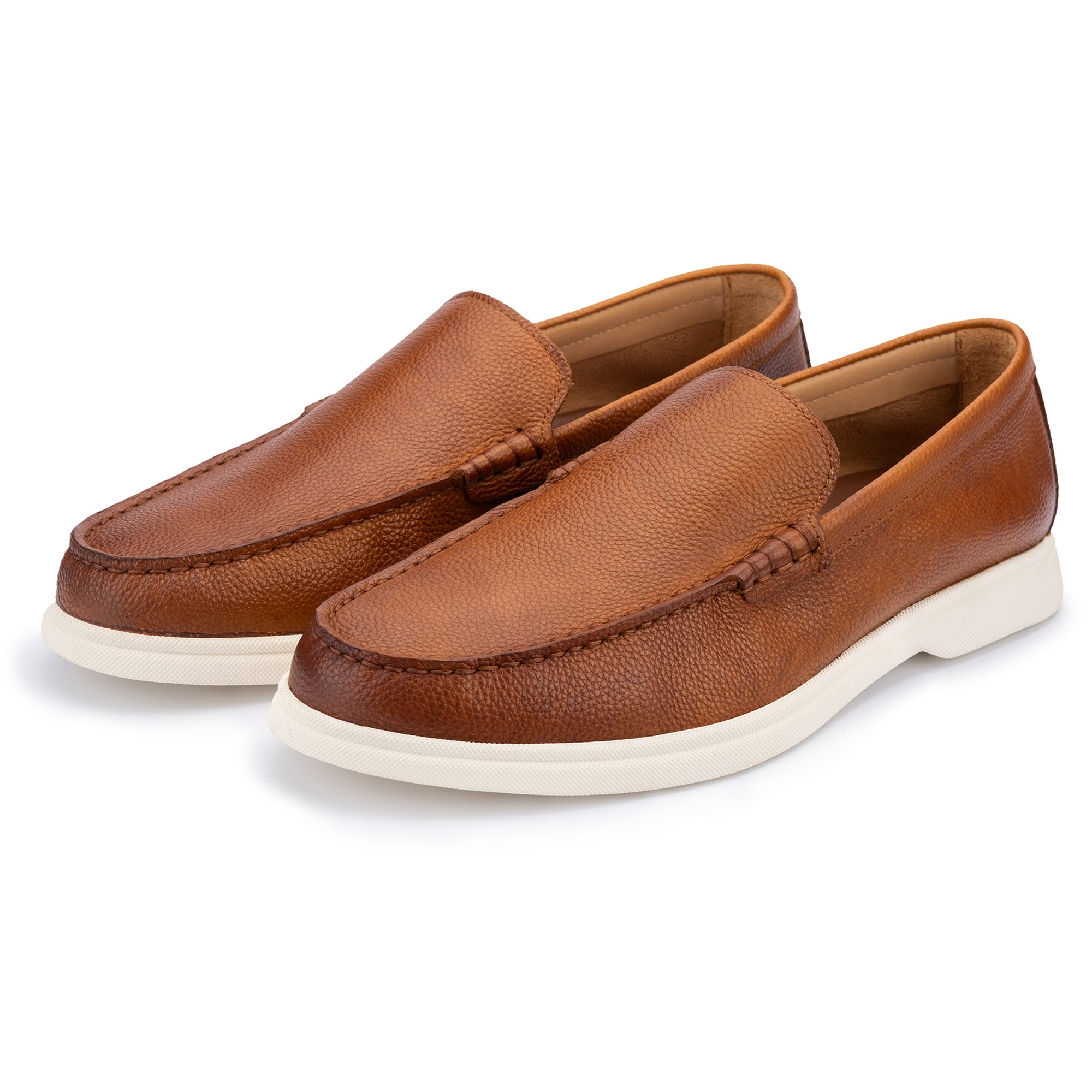
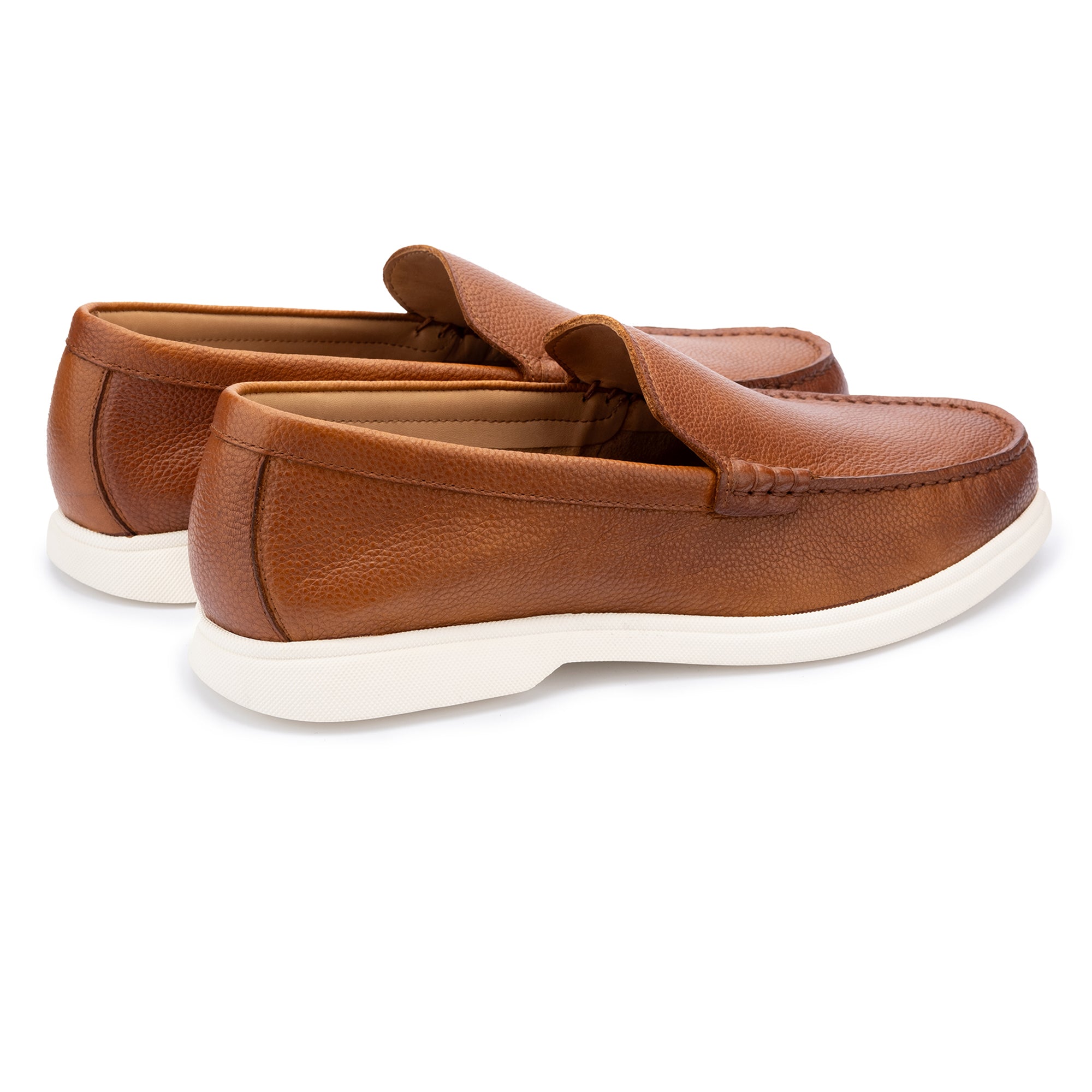
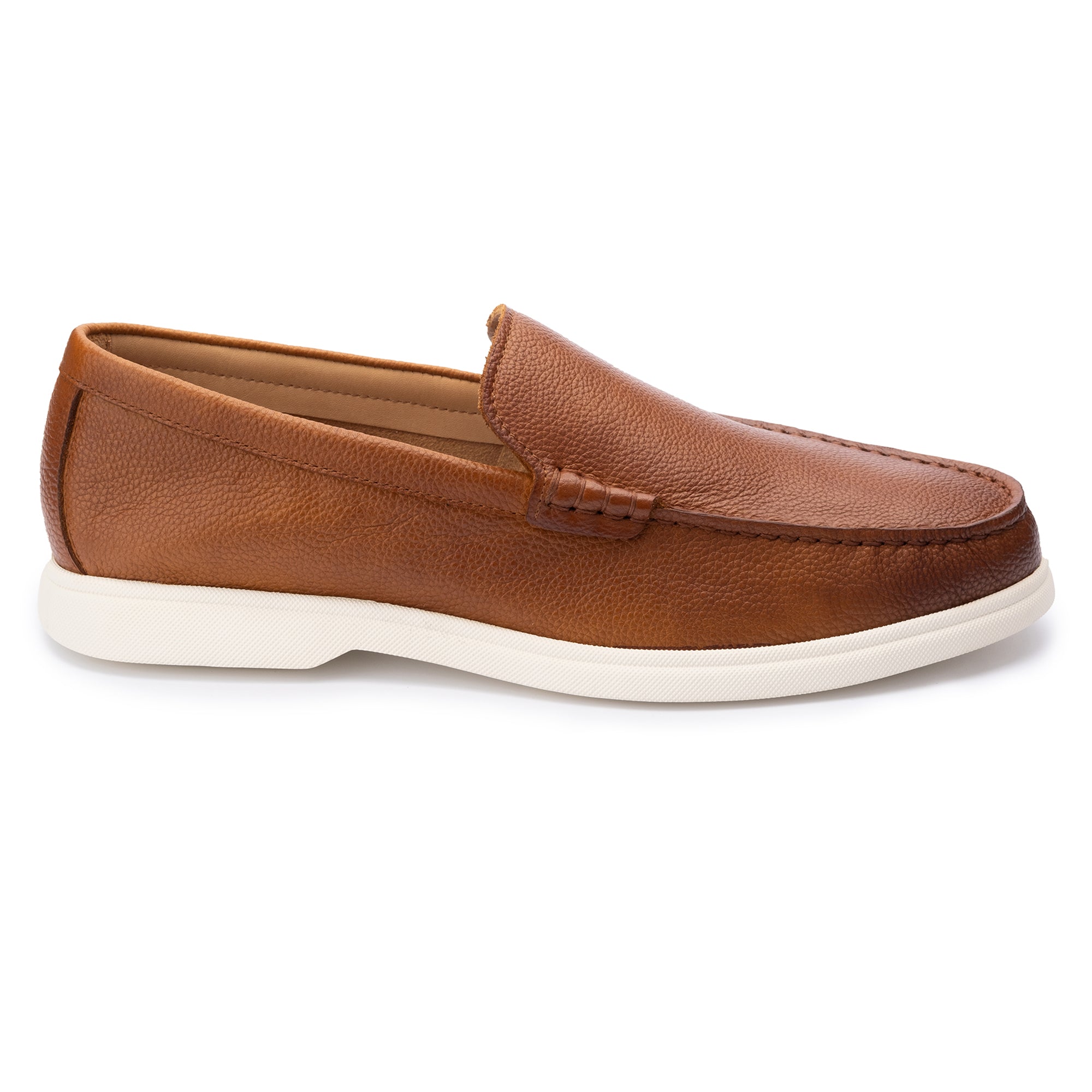
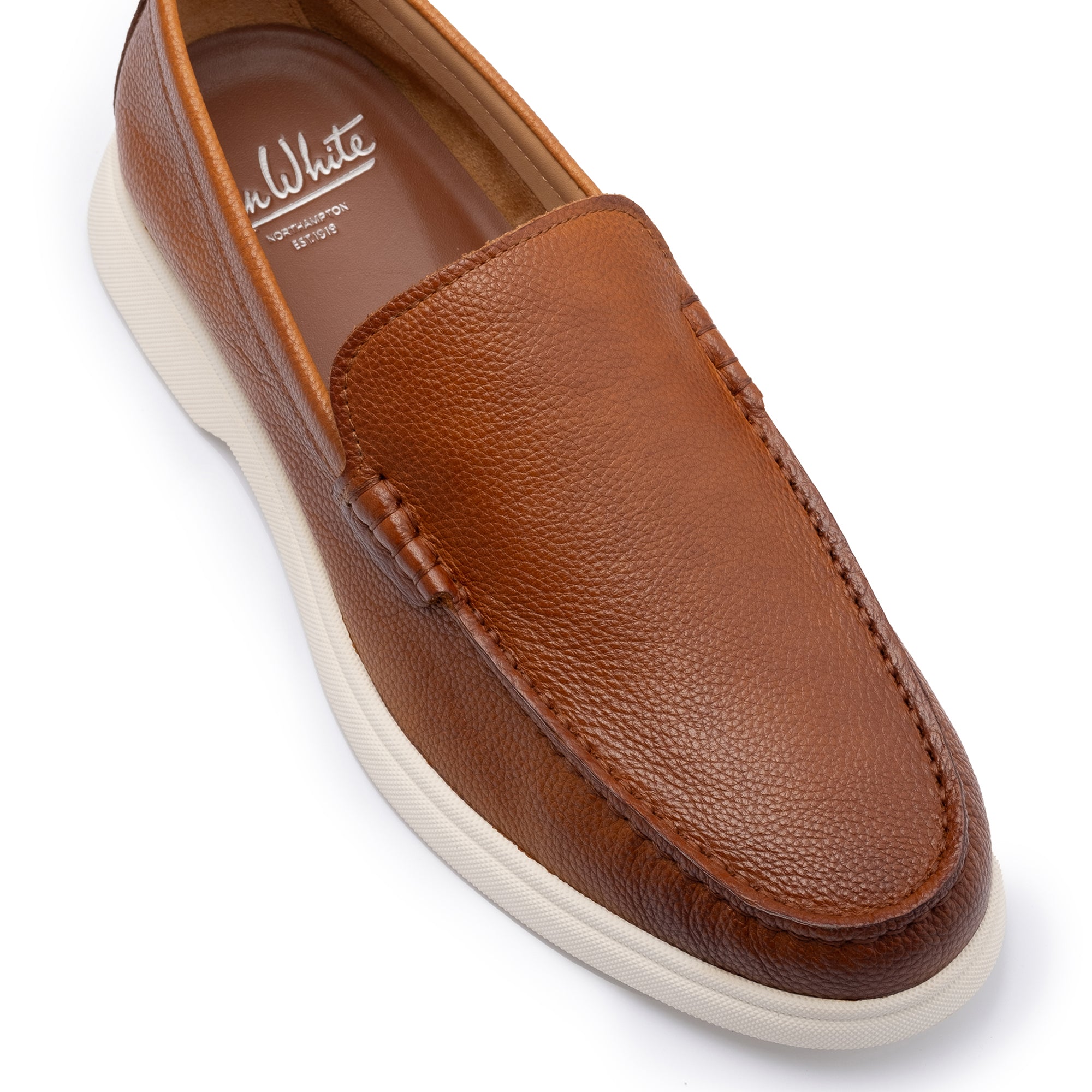
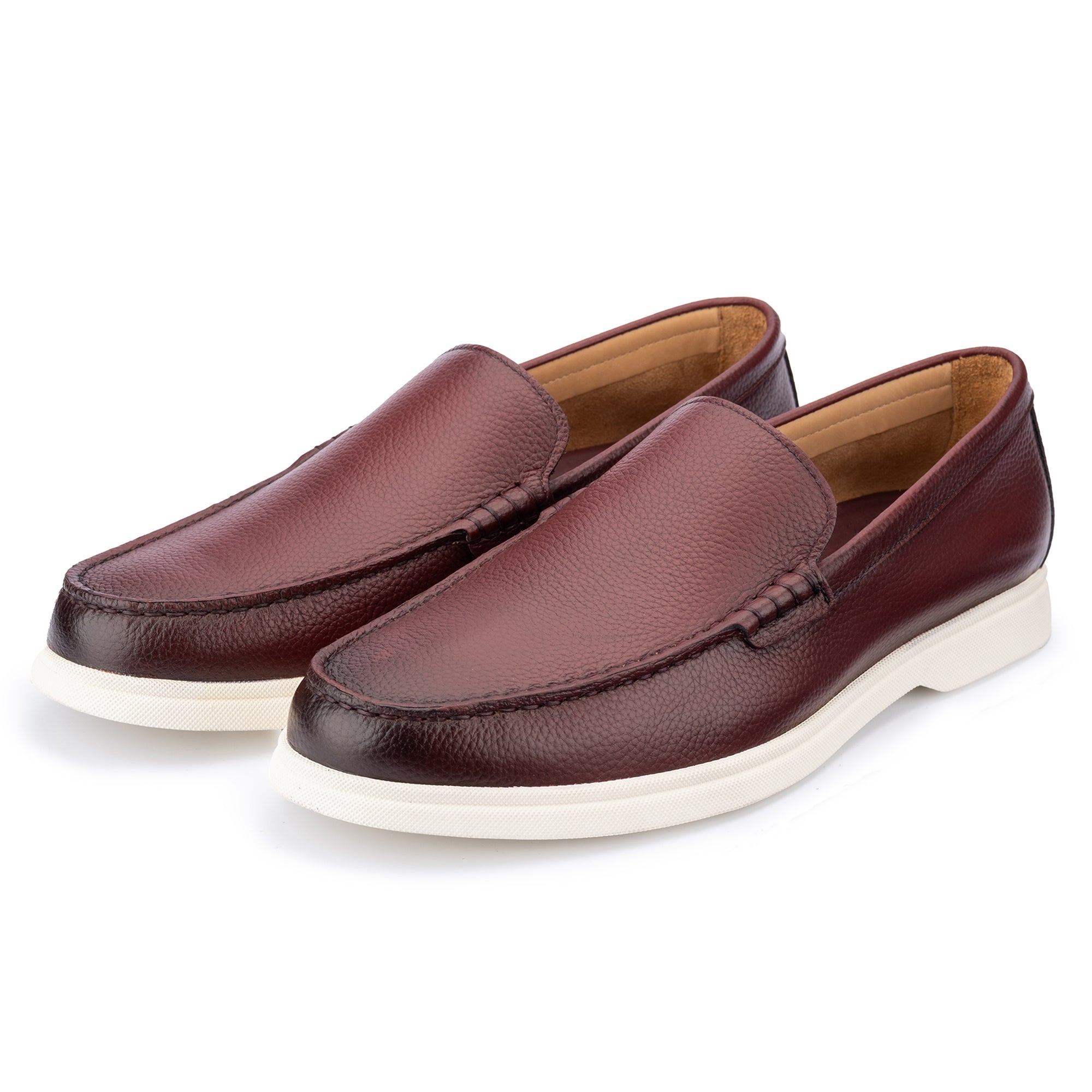
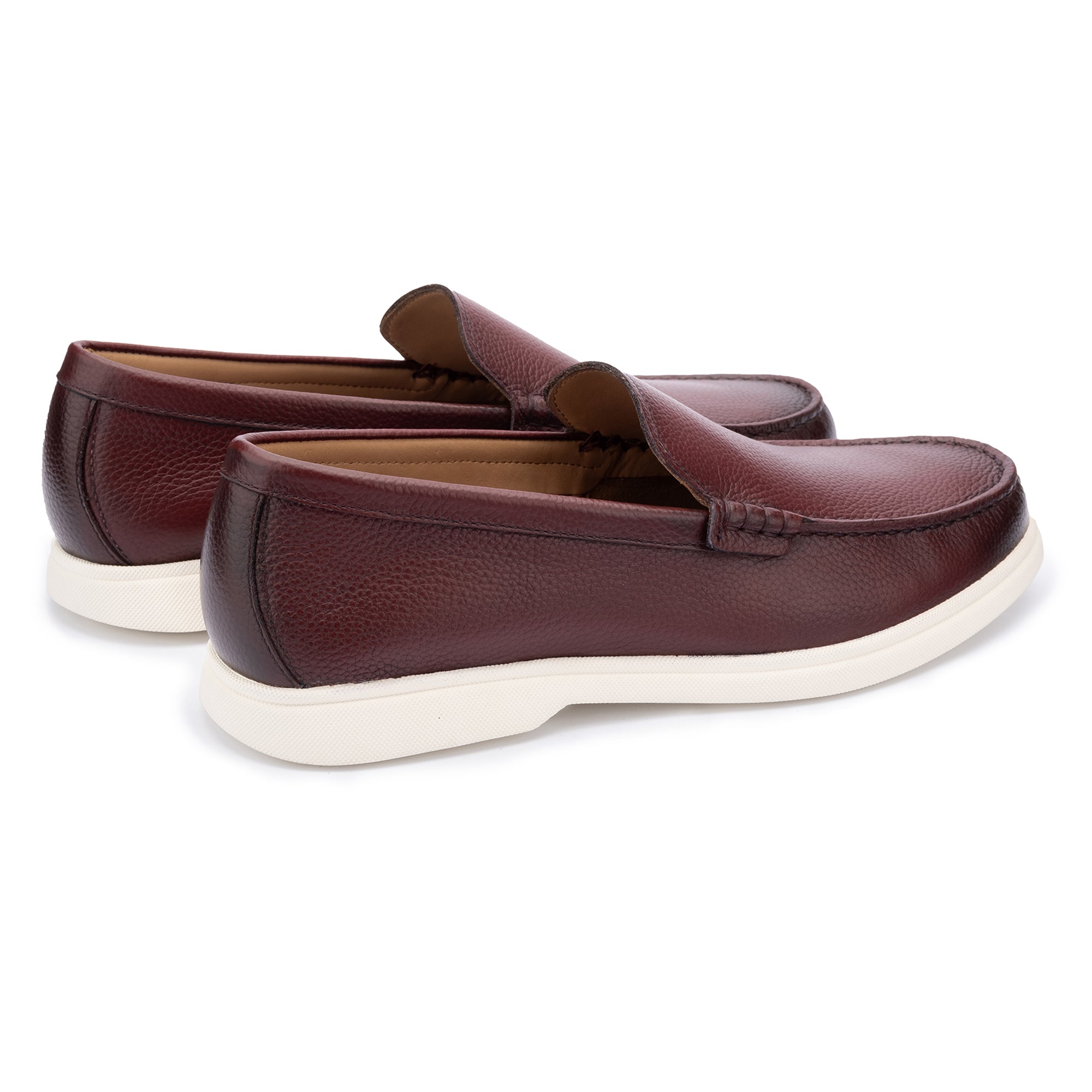
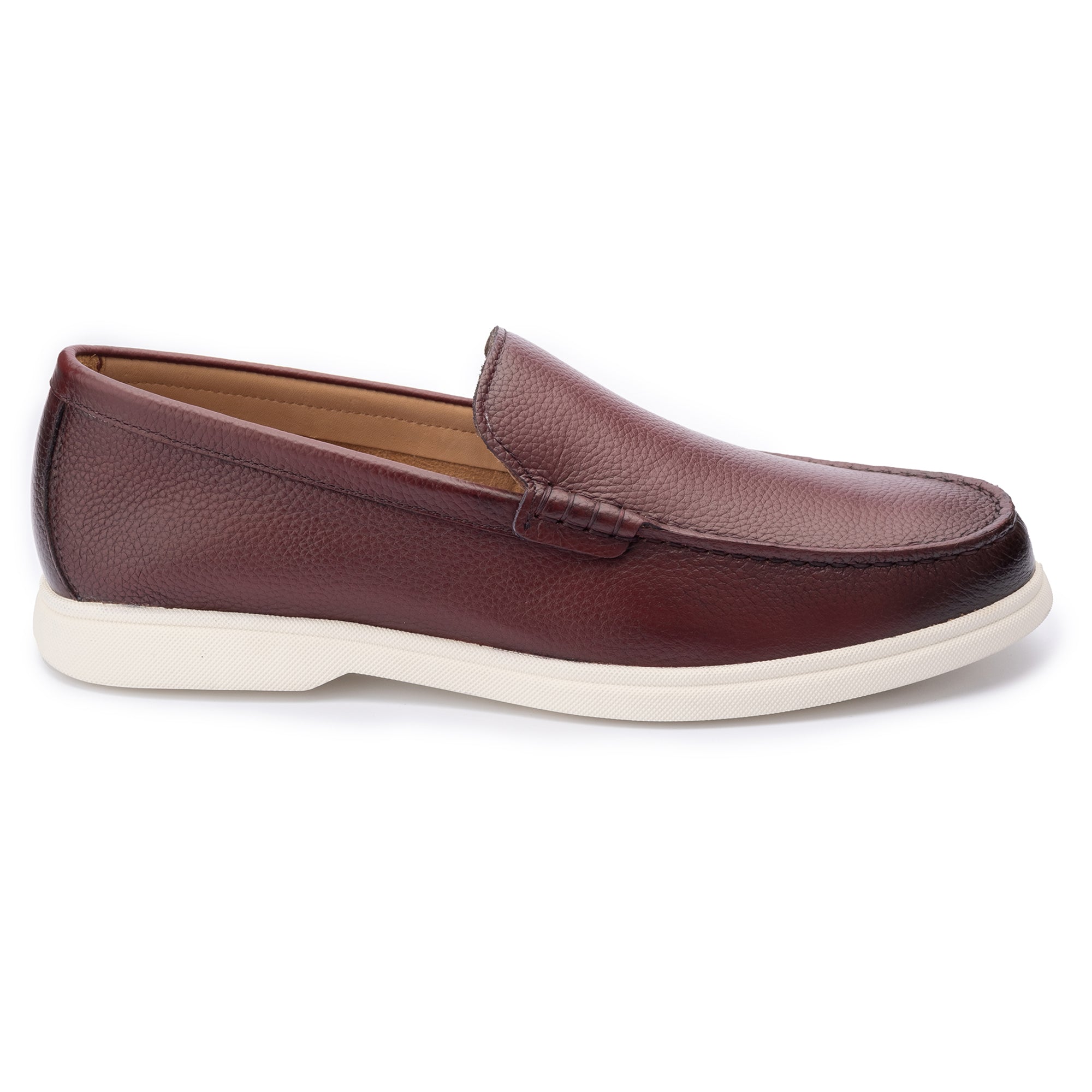
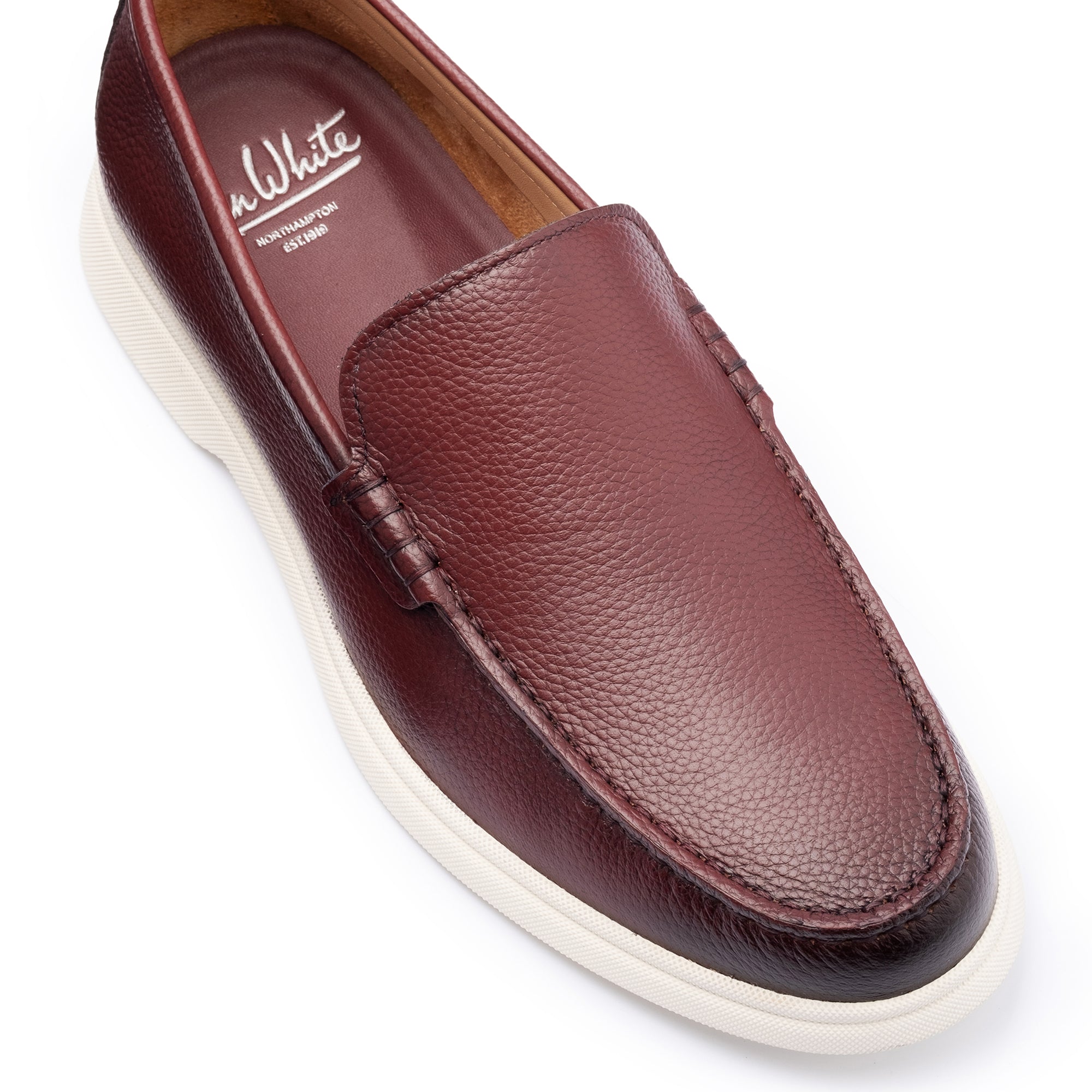
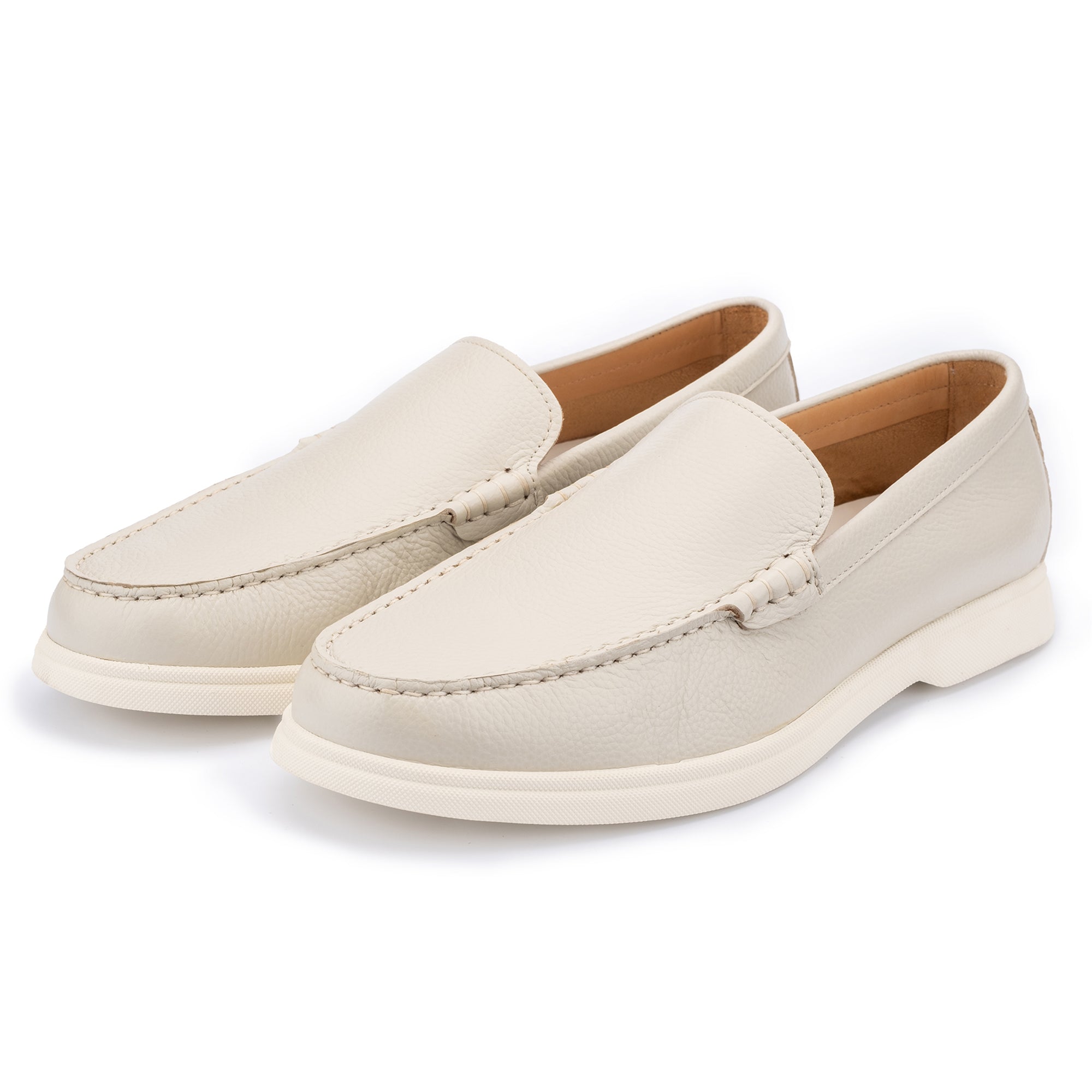
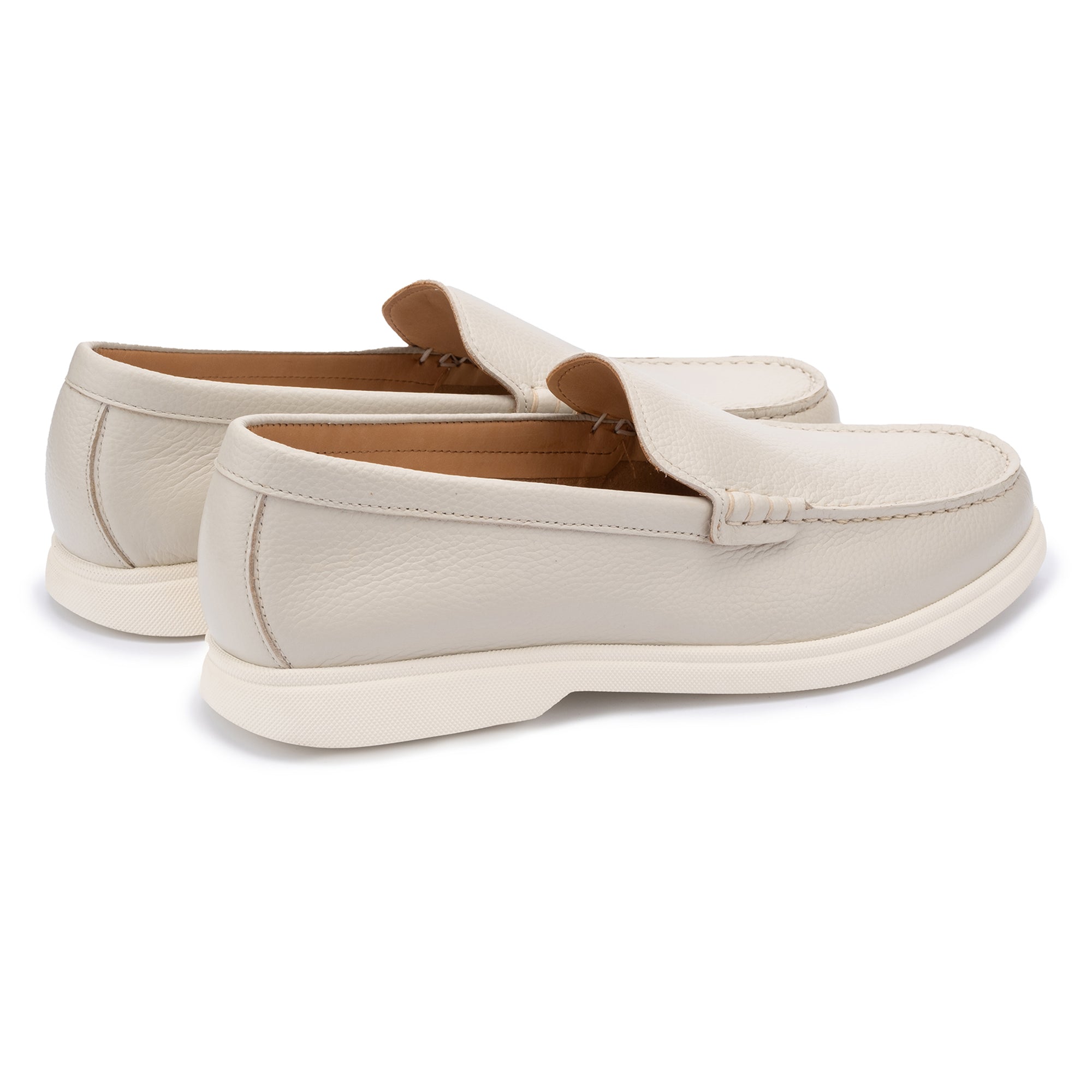
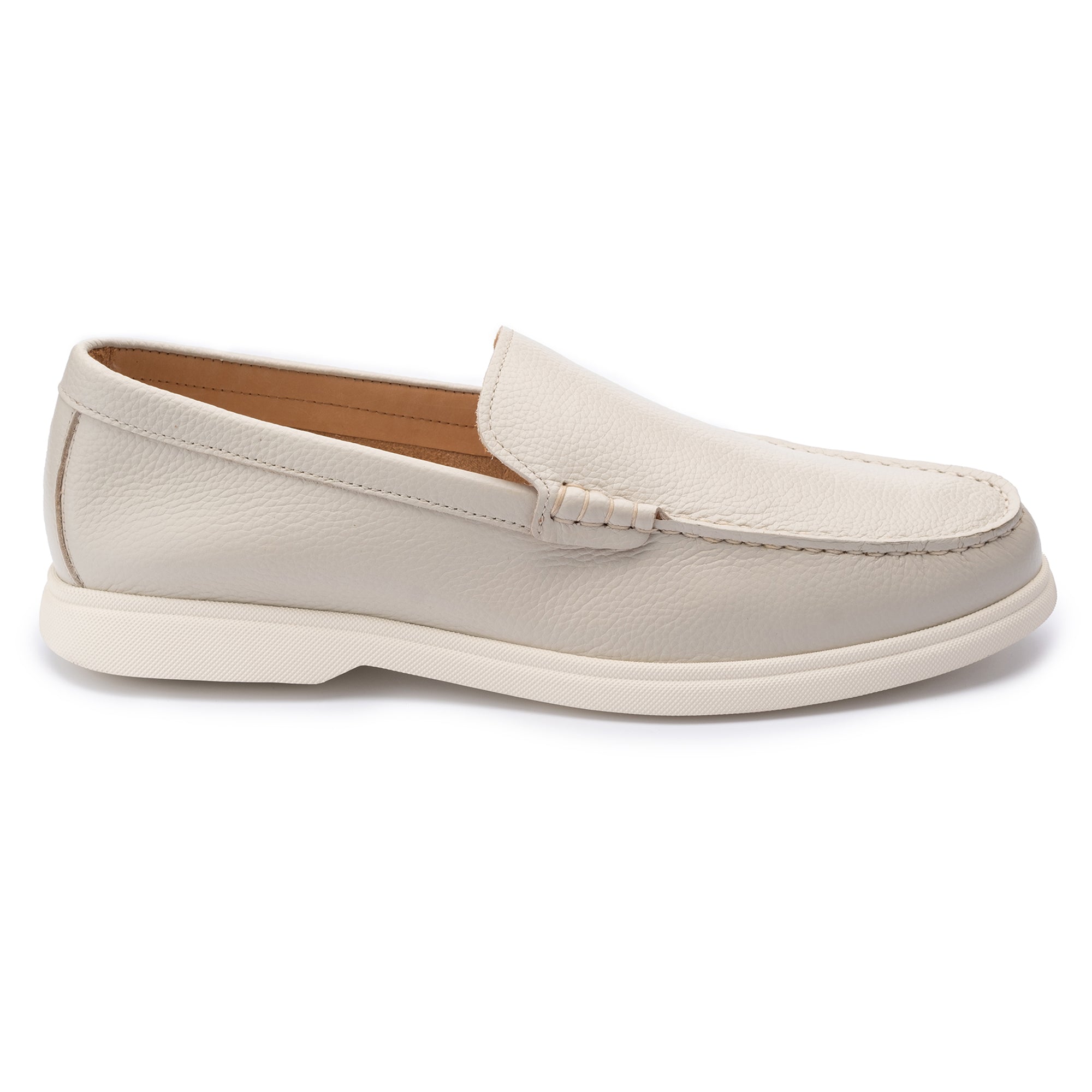
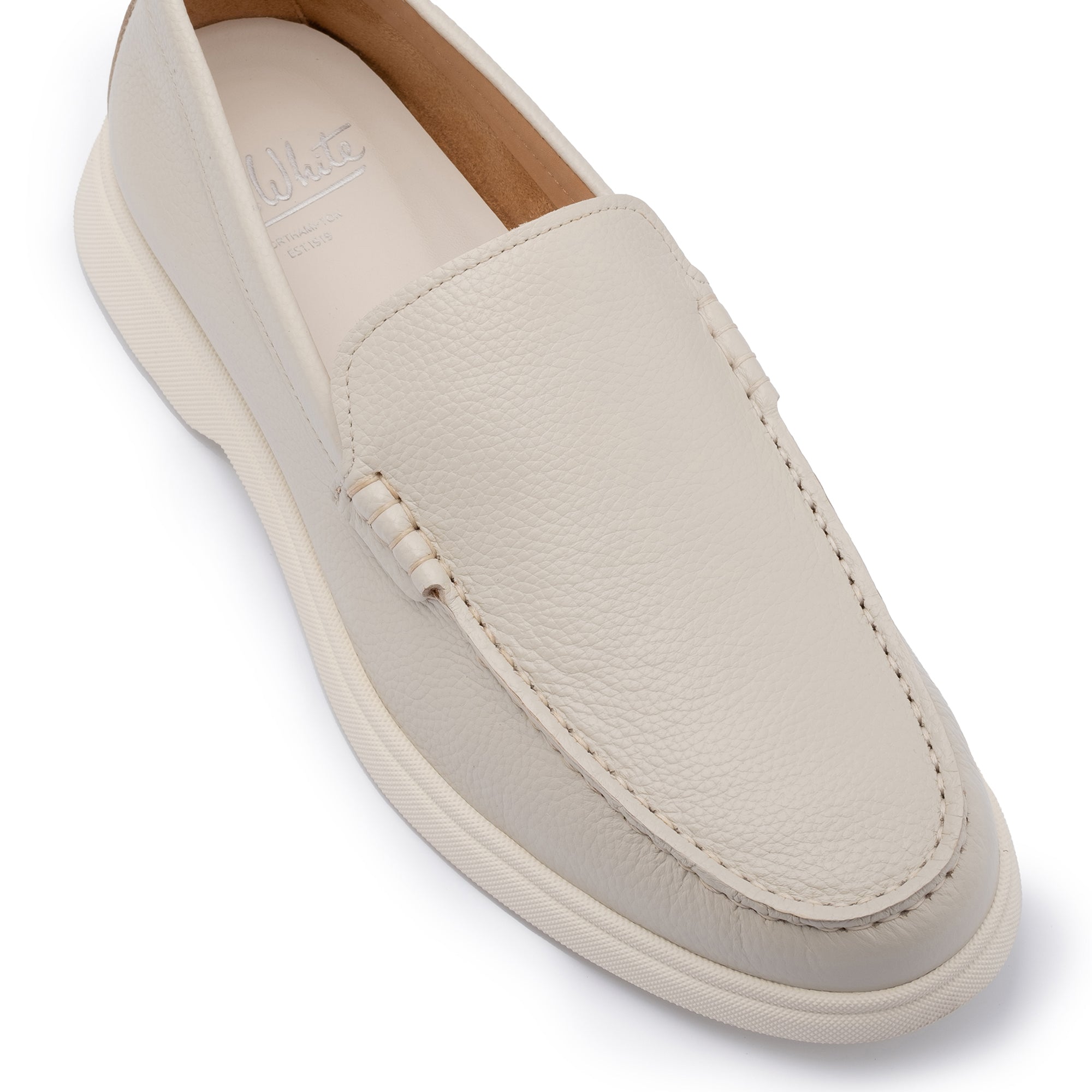
- Tumbled grain leather — slightly textured surface benefits from a cream polish rather than a hard wax, which can sit unevenly in the grain. The Ethan Plain Tumbled Grain Loafer is best served by a neutral cream that feeds without flattening the texture.
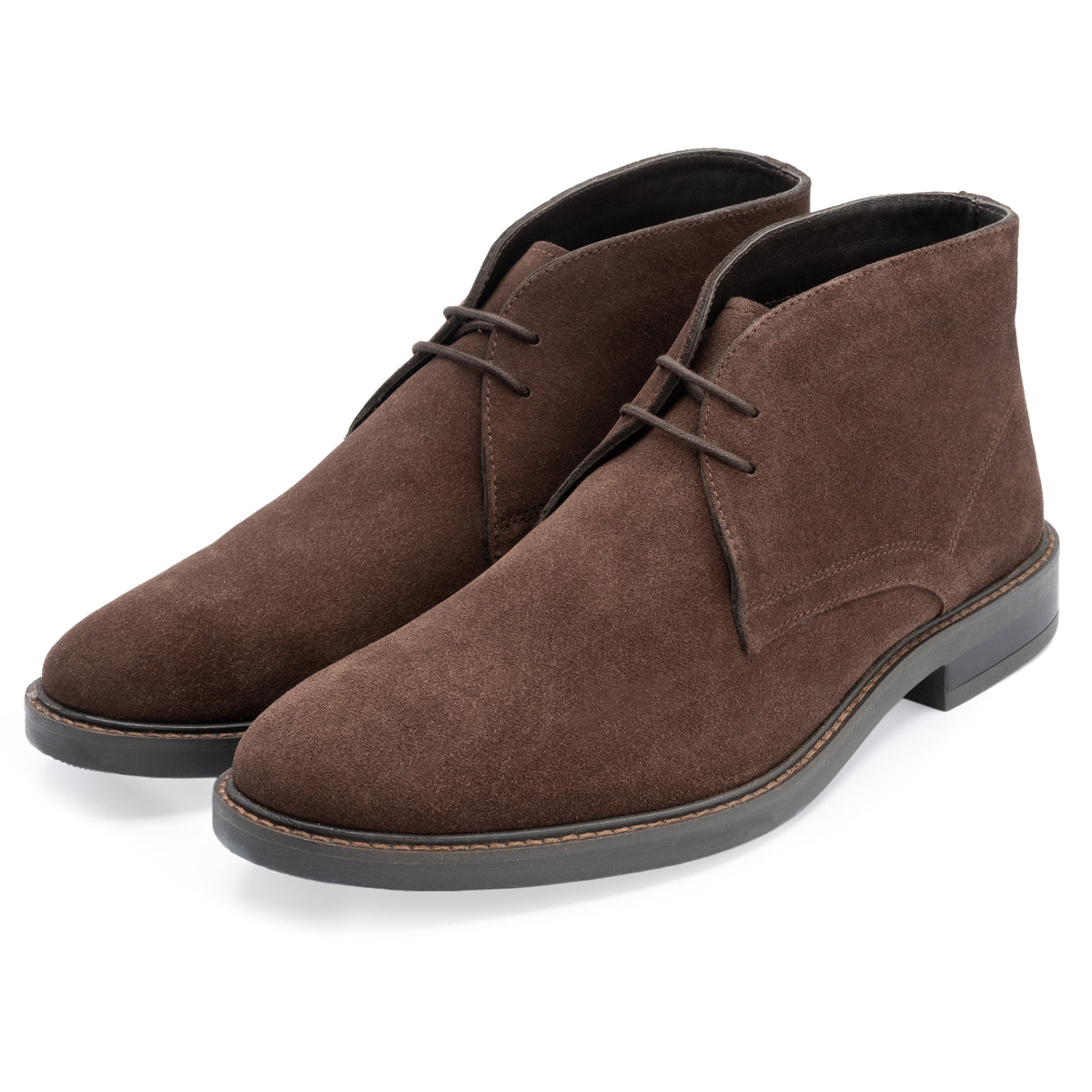
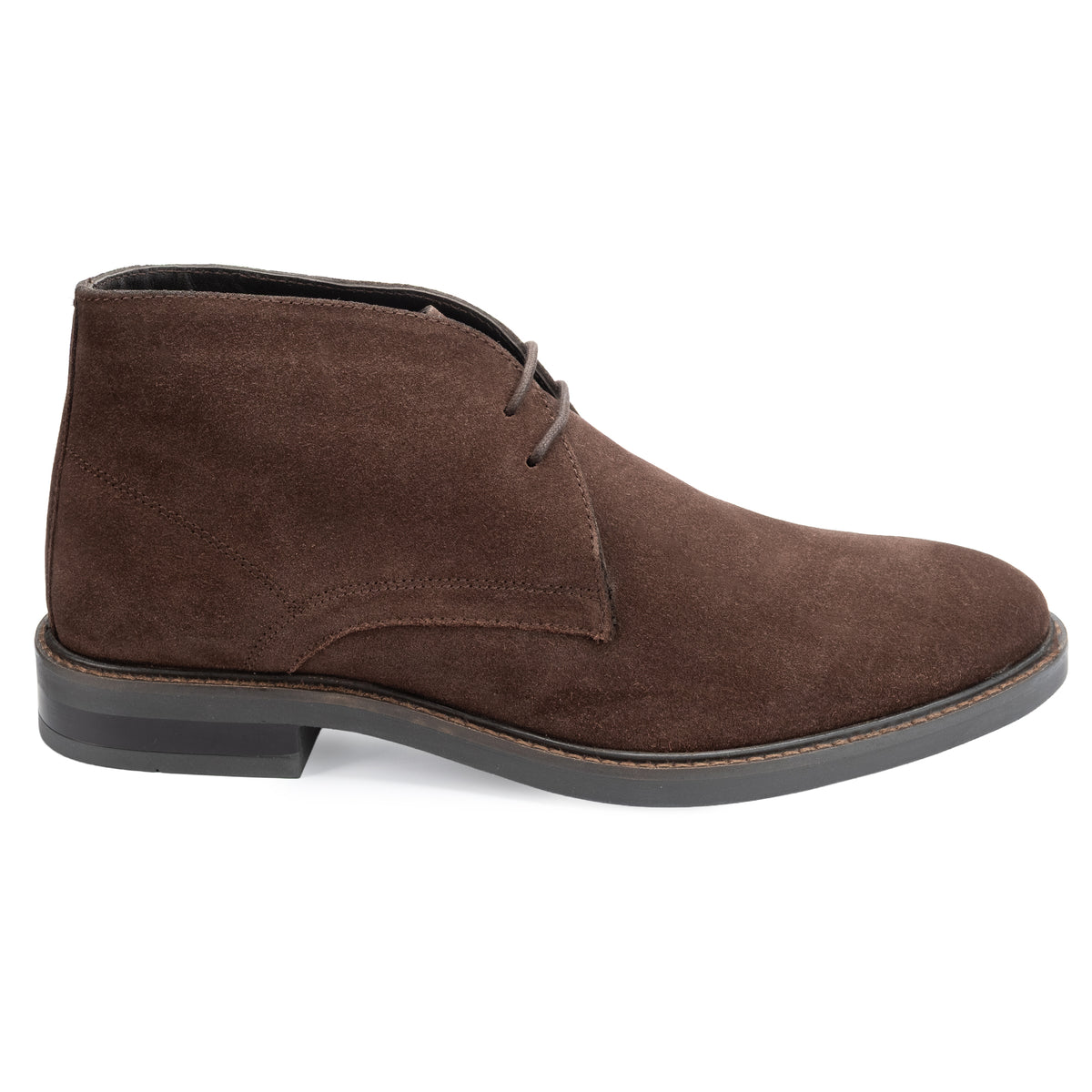
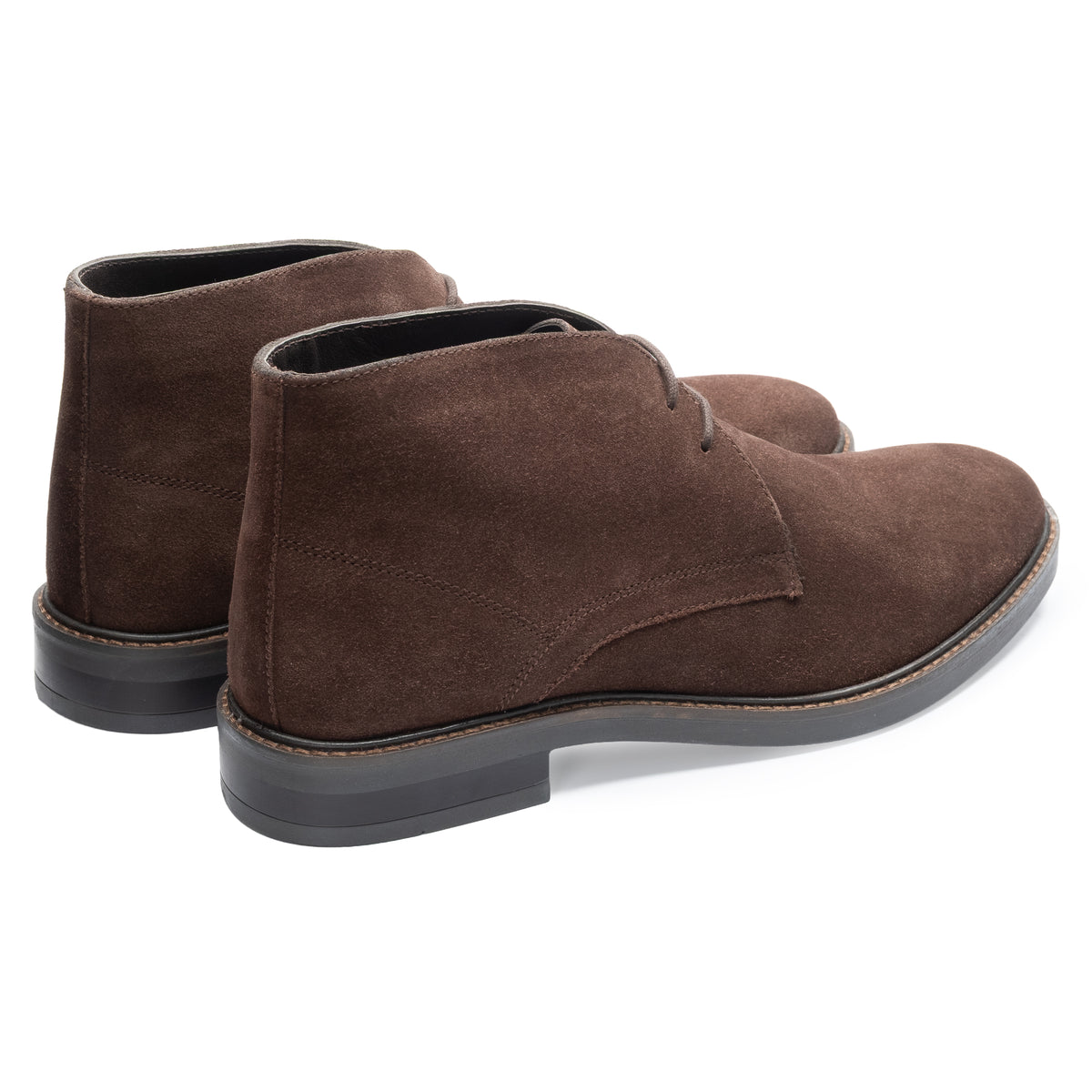
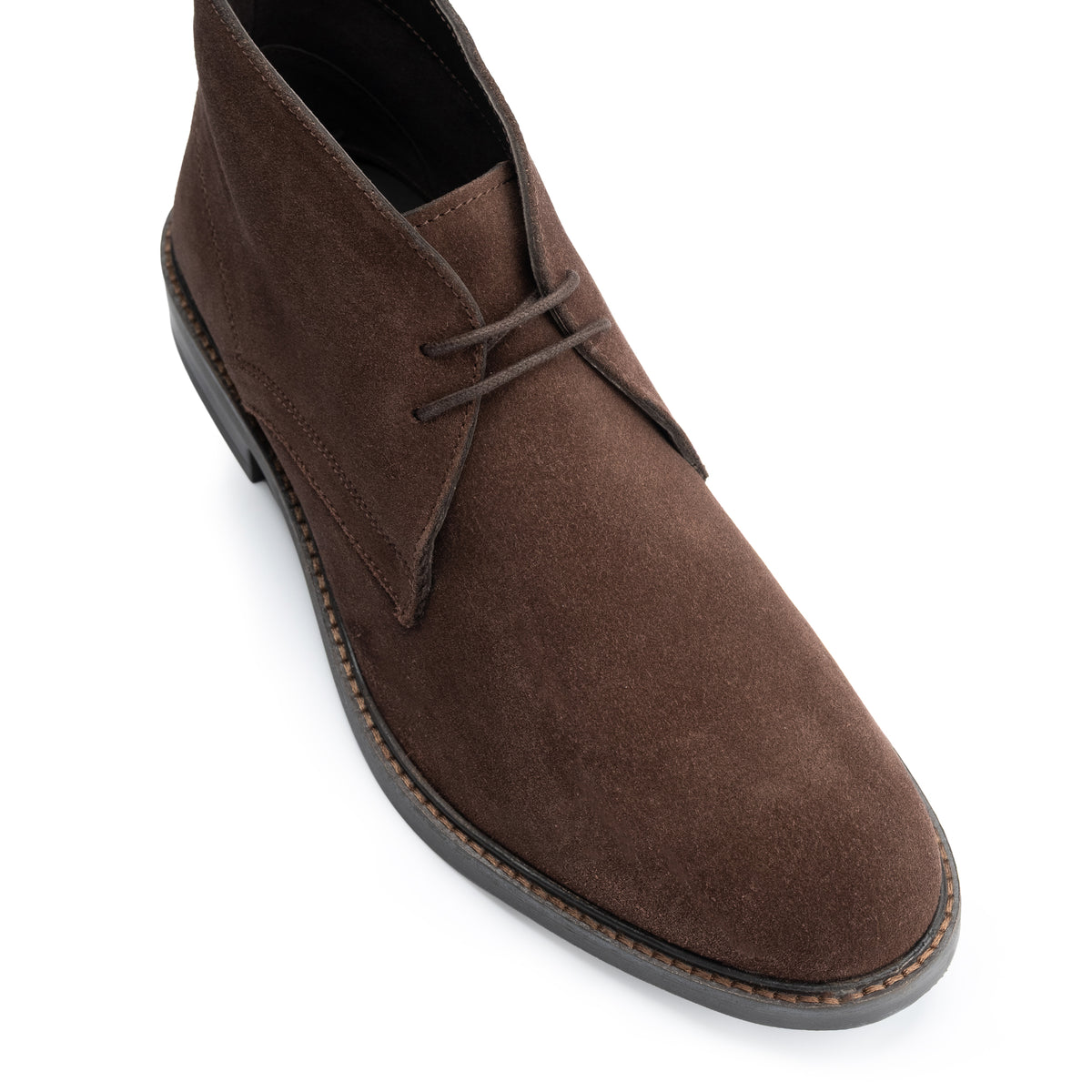
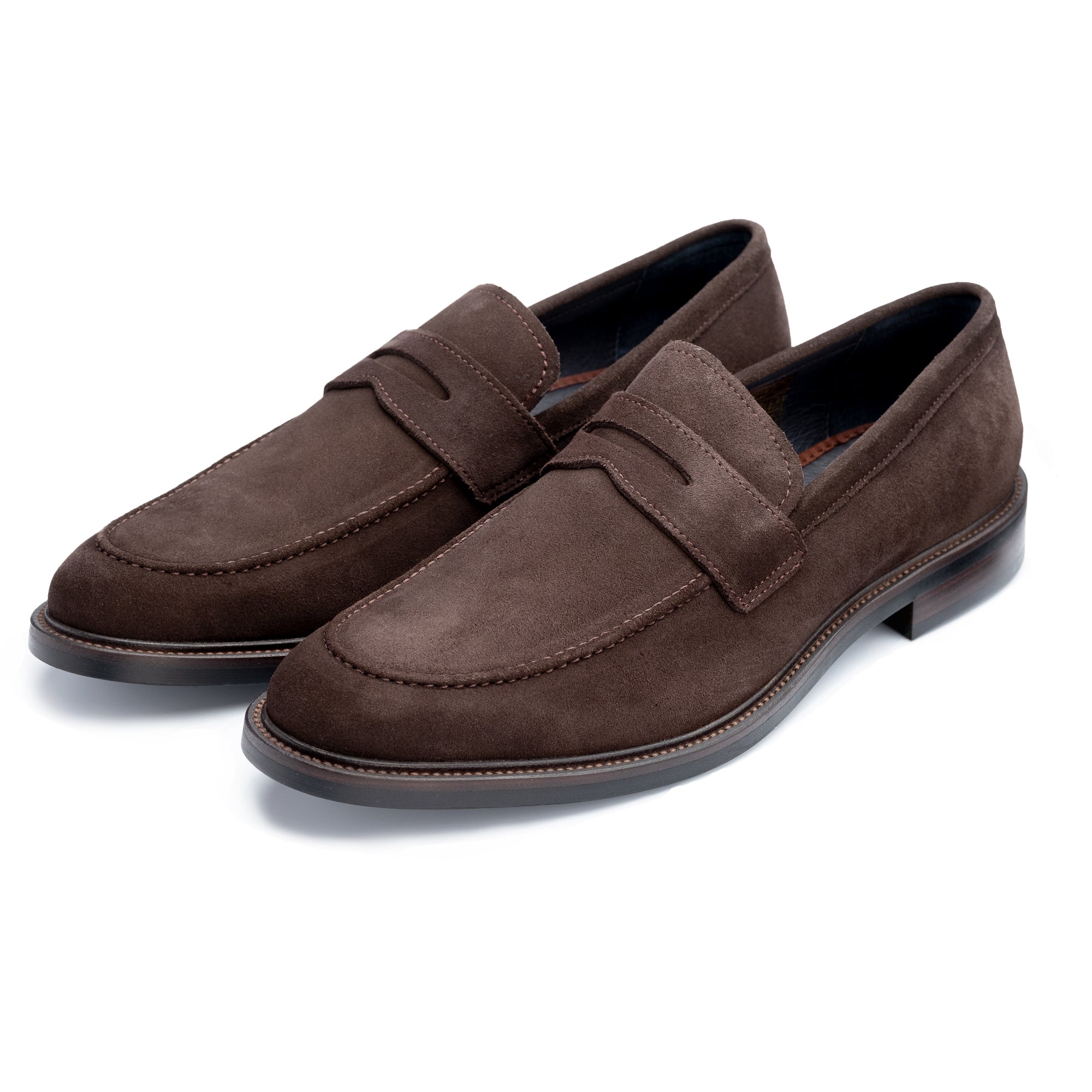
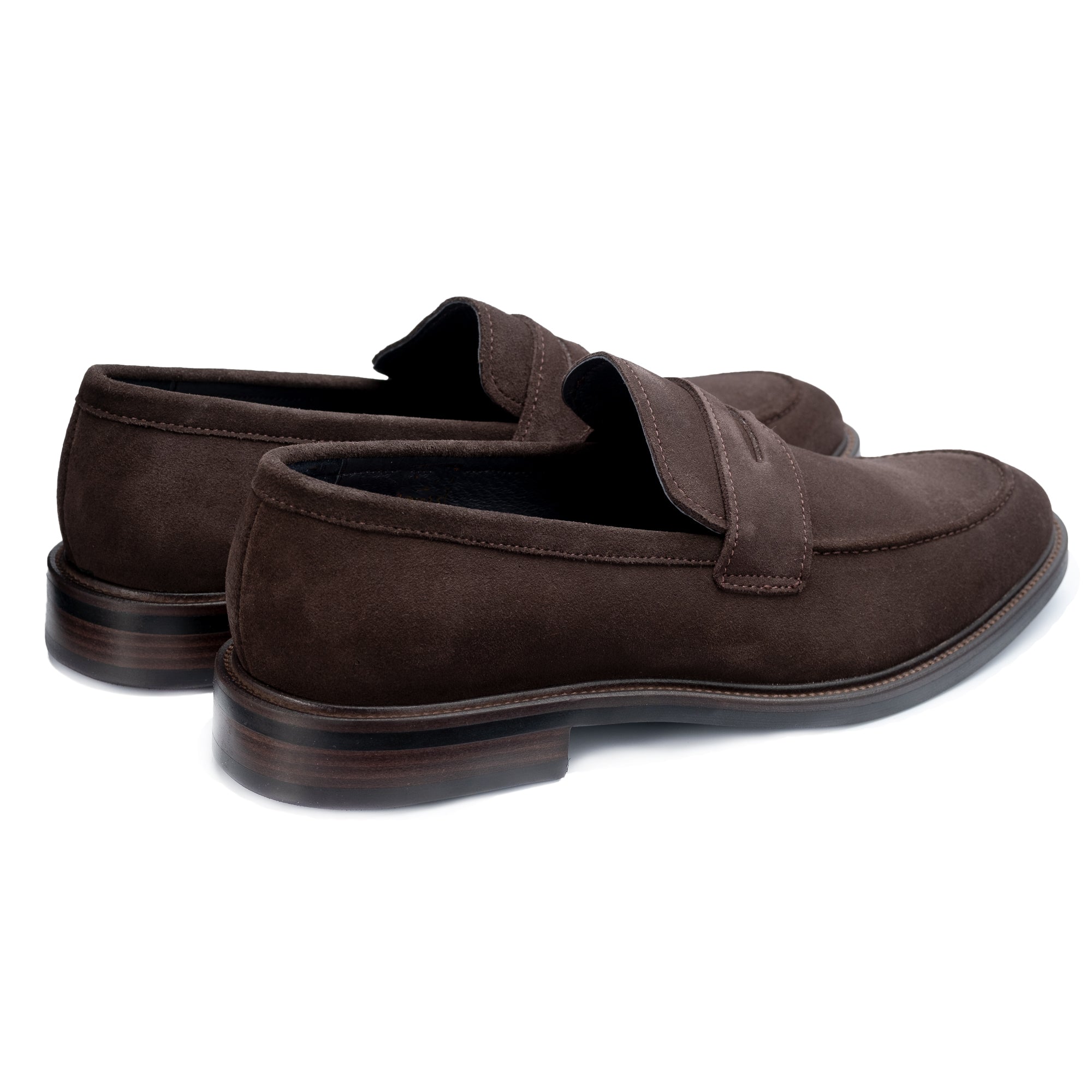
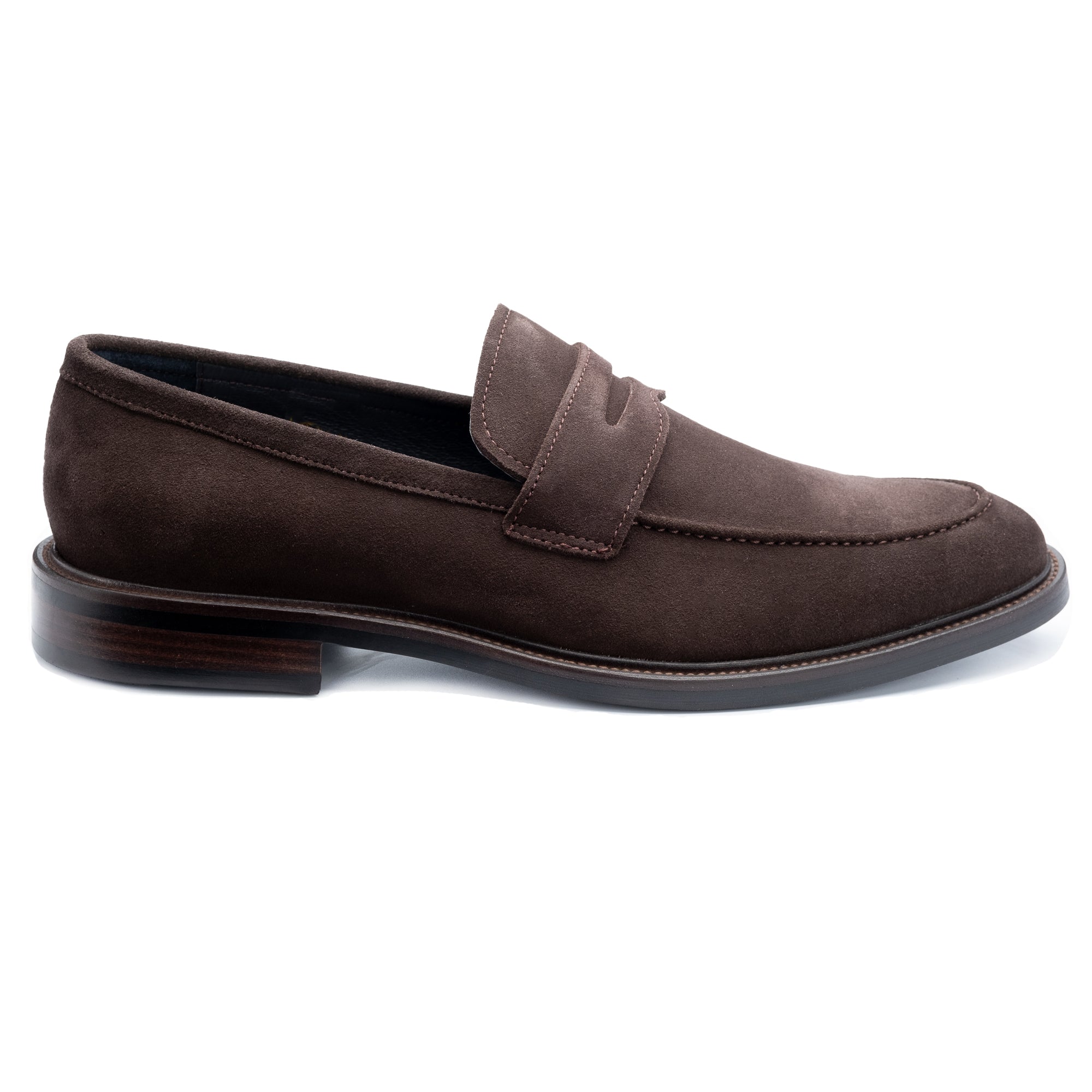
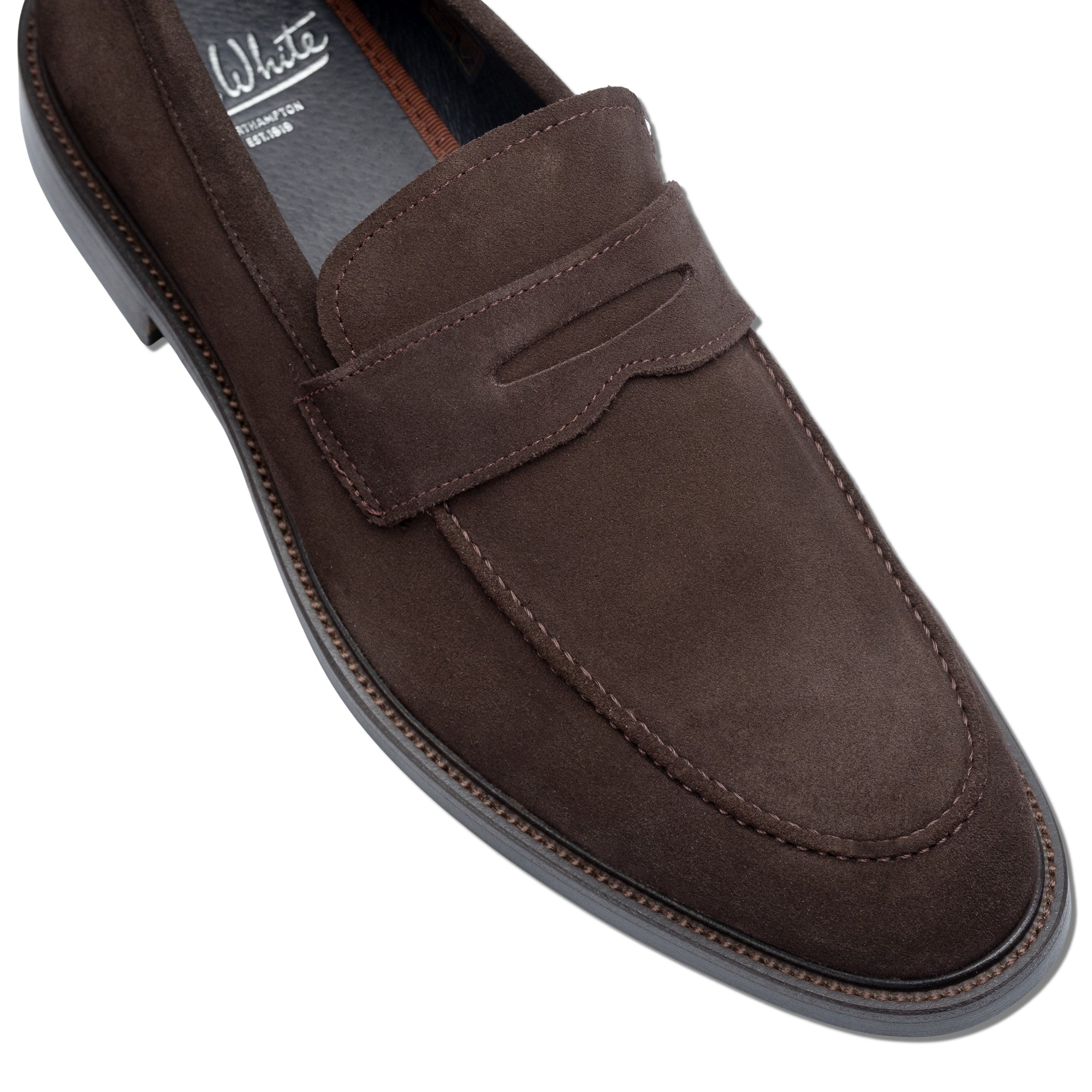
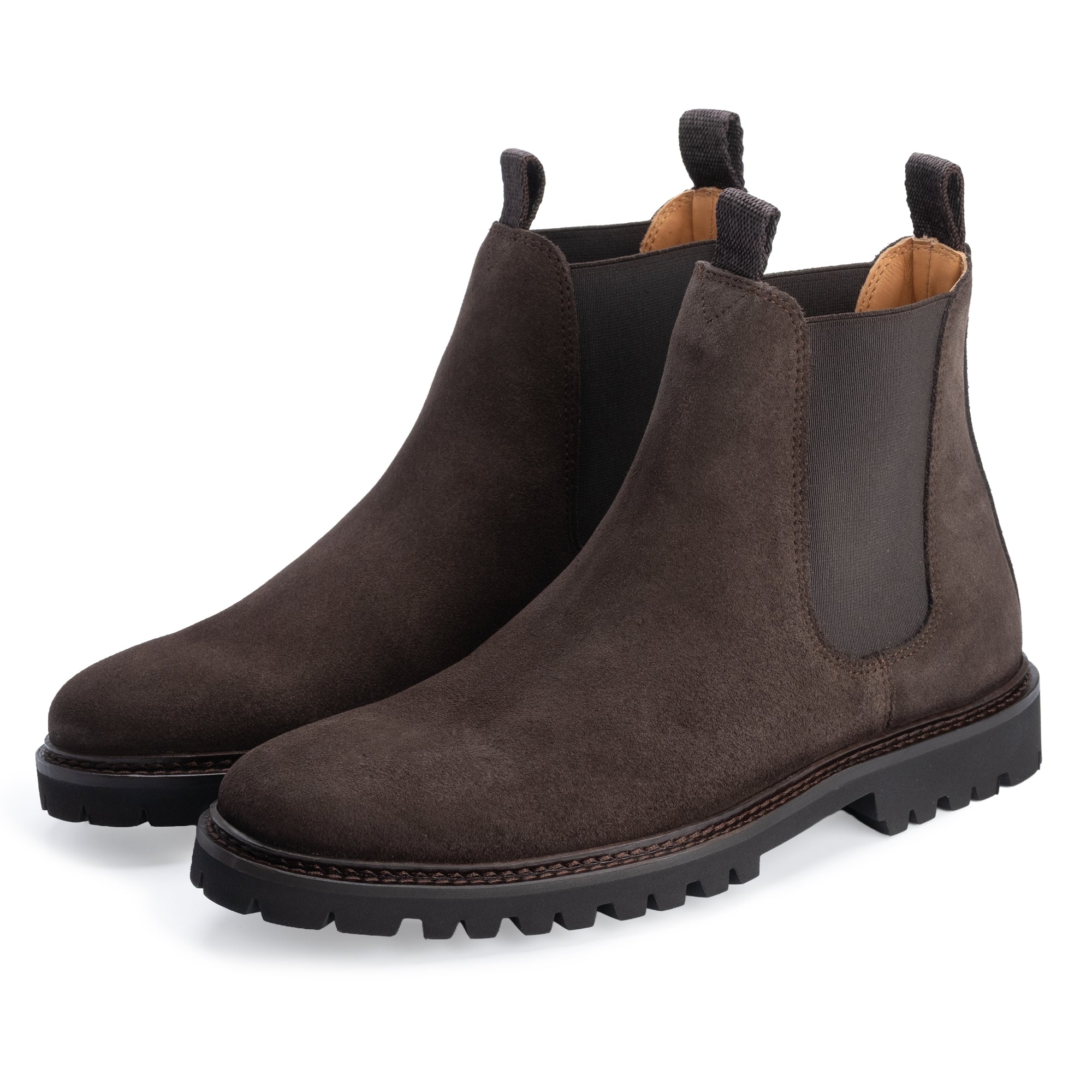
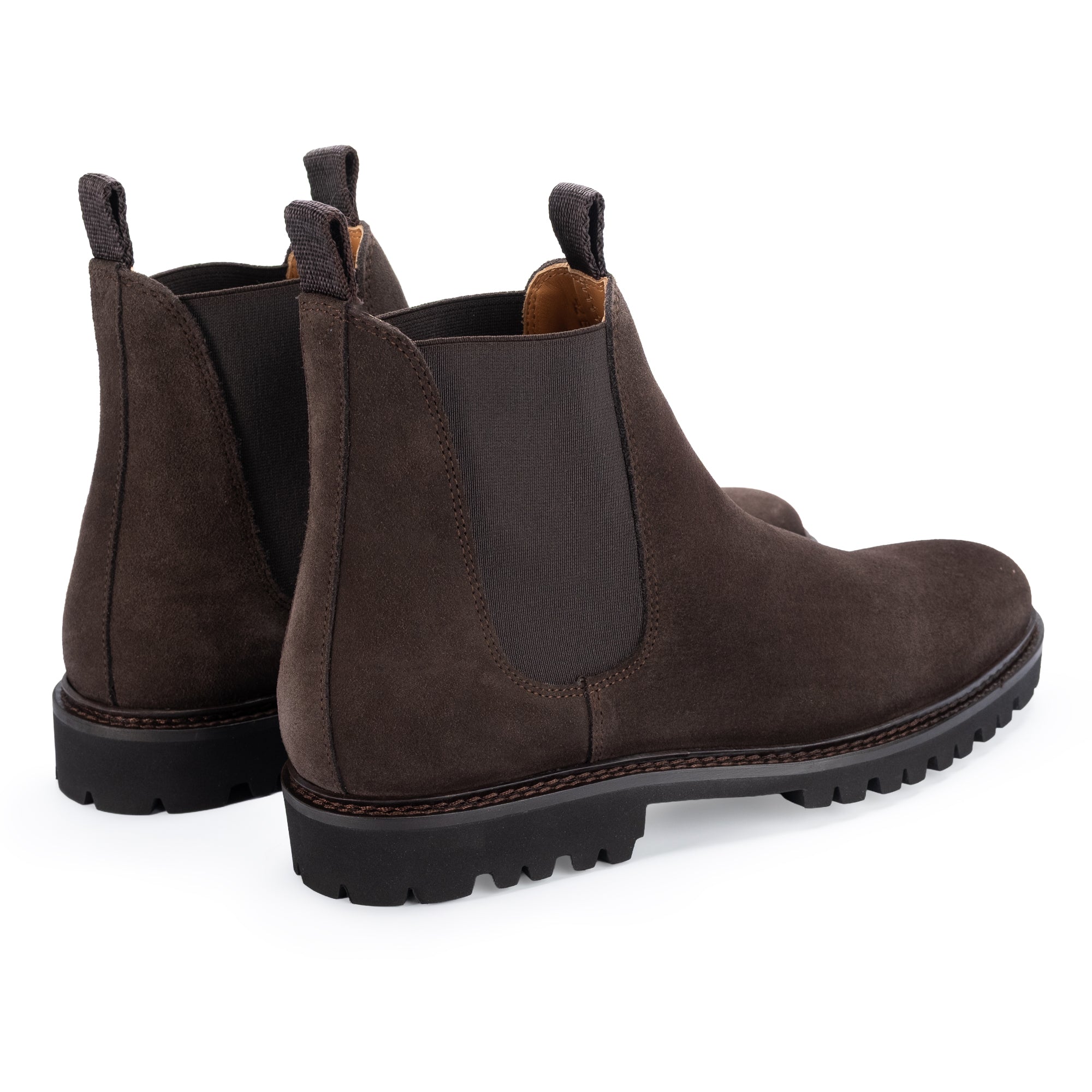
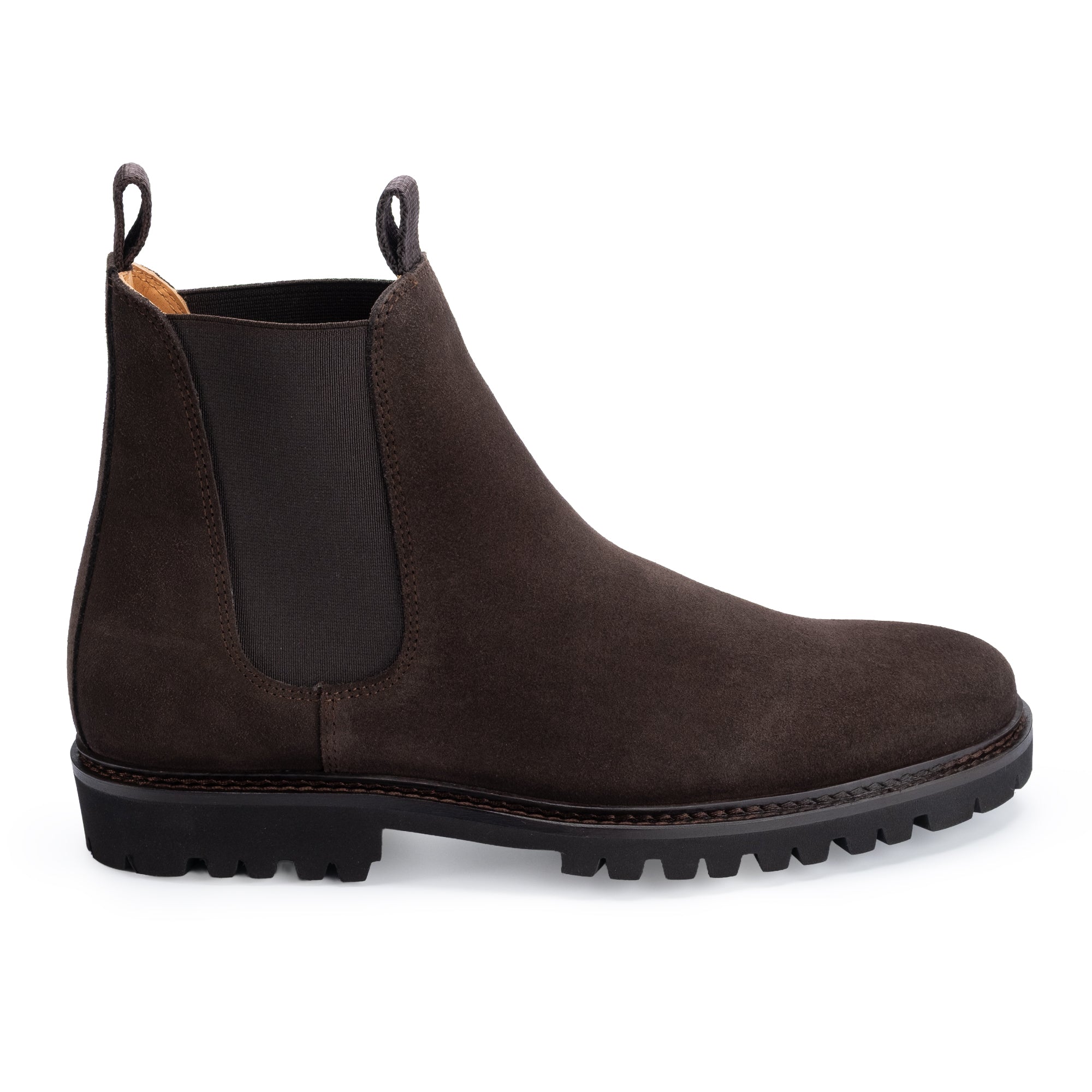
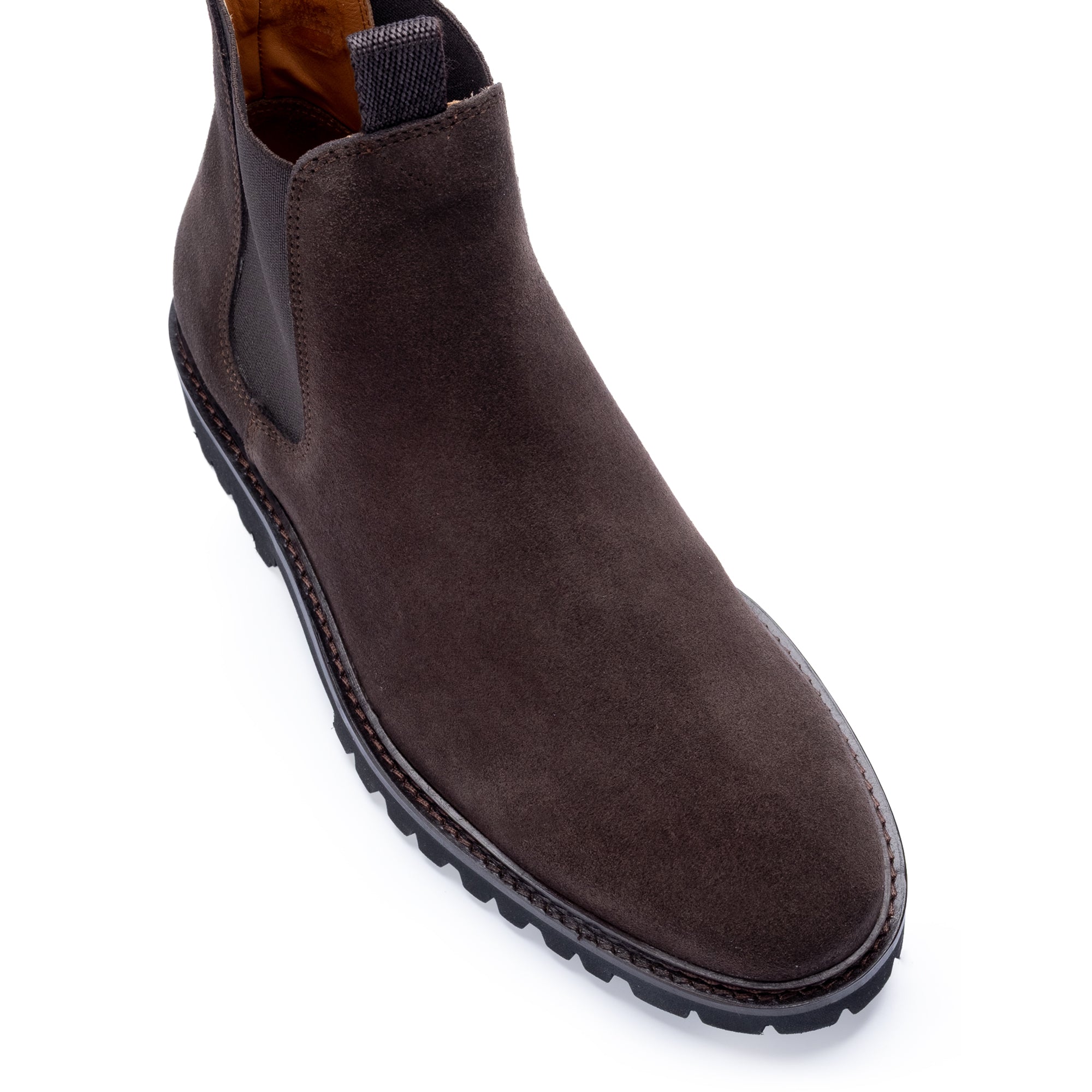
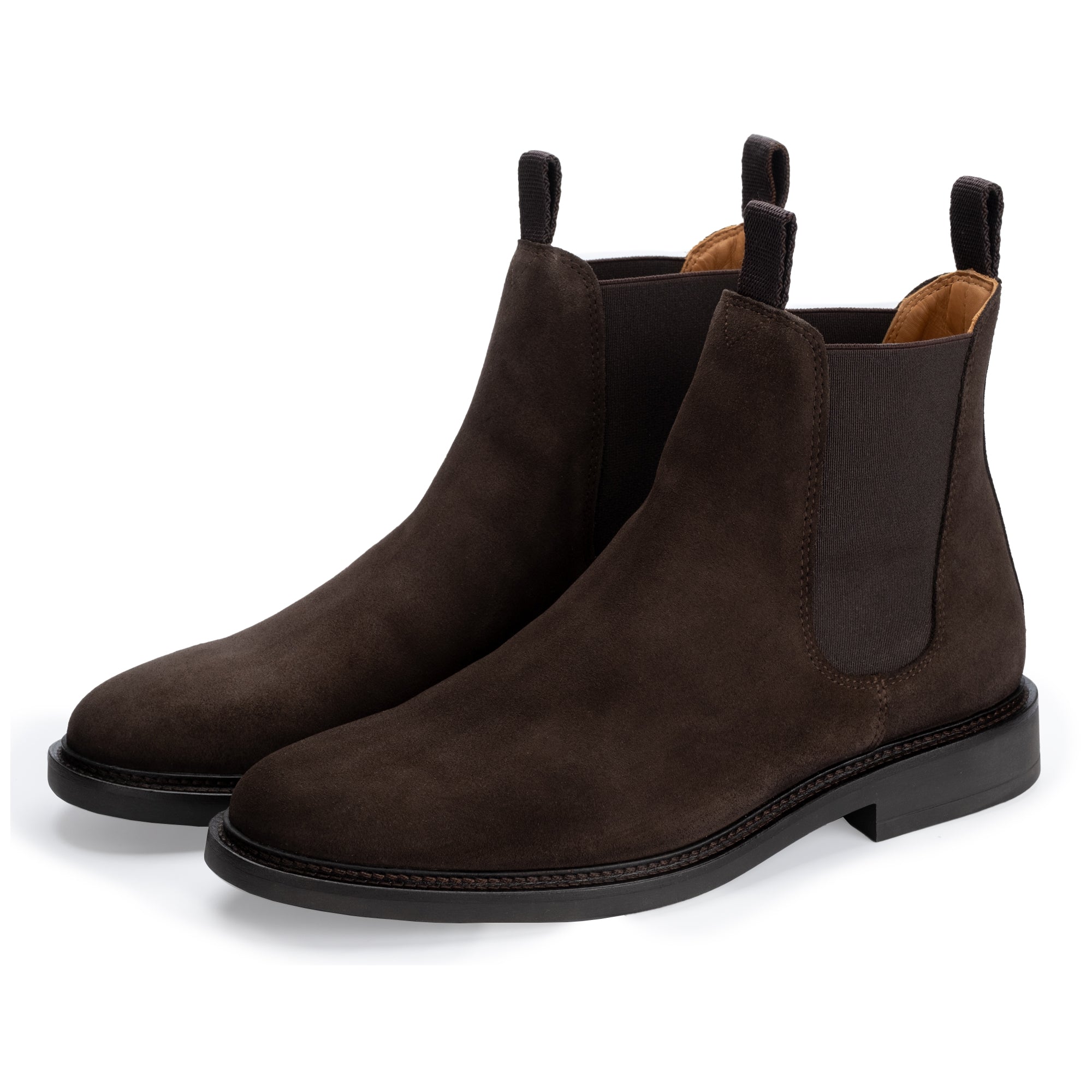
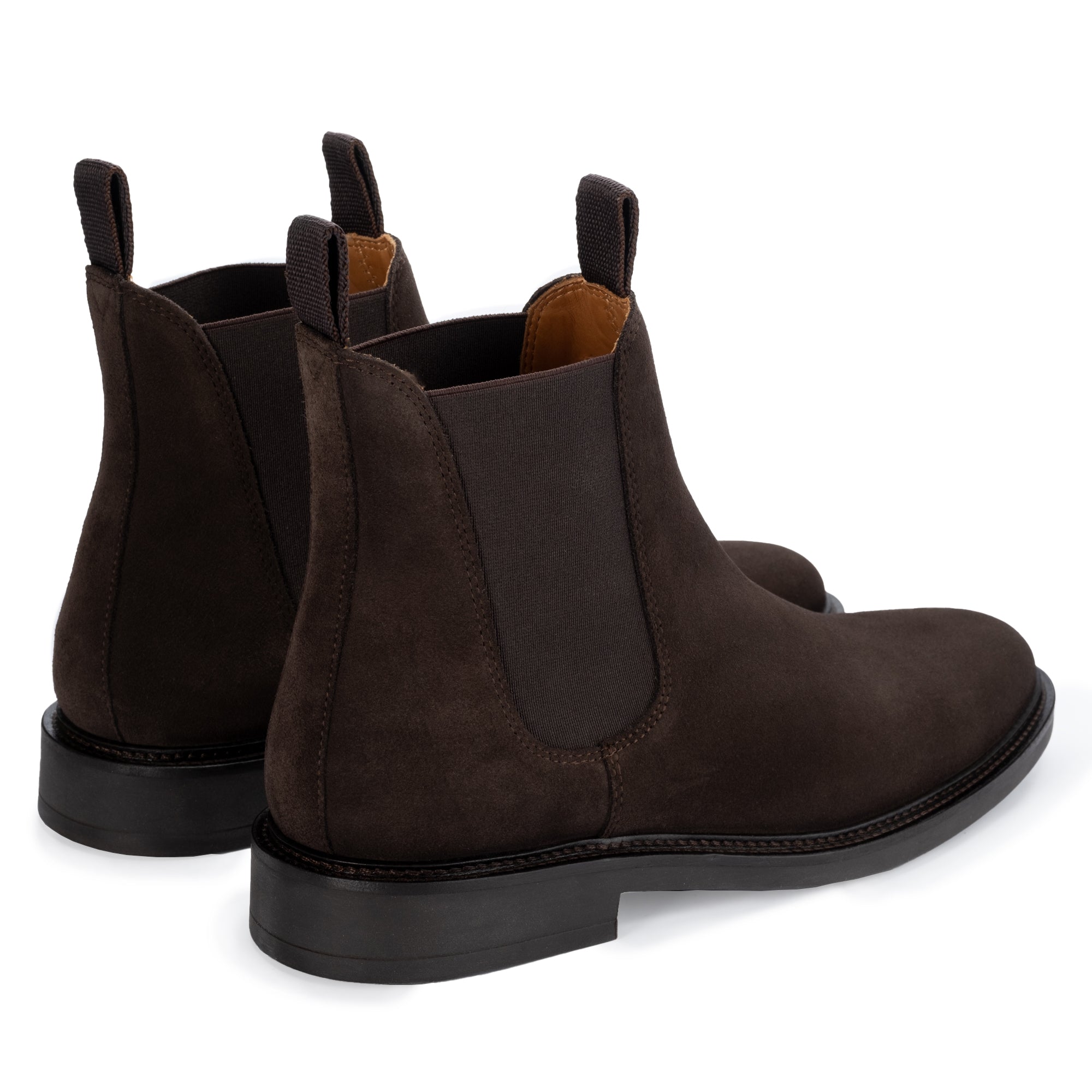
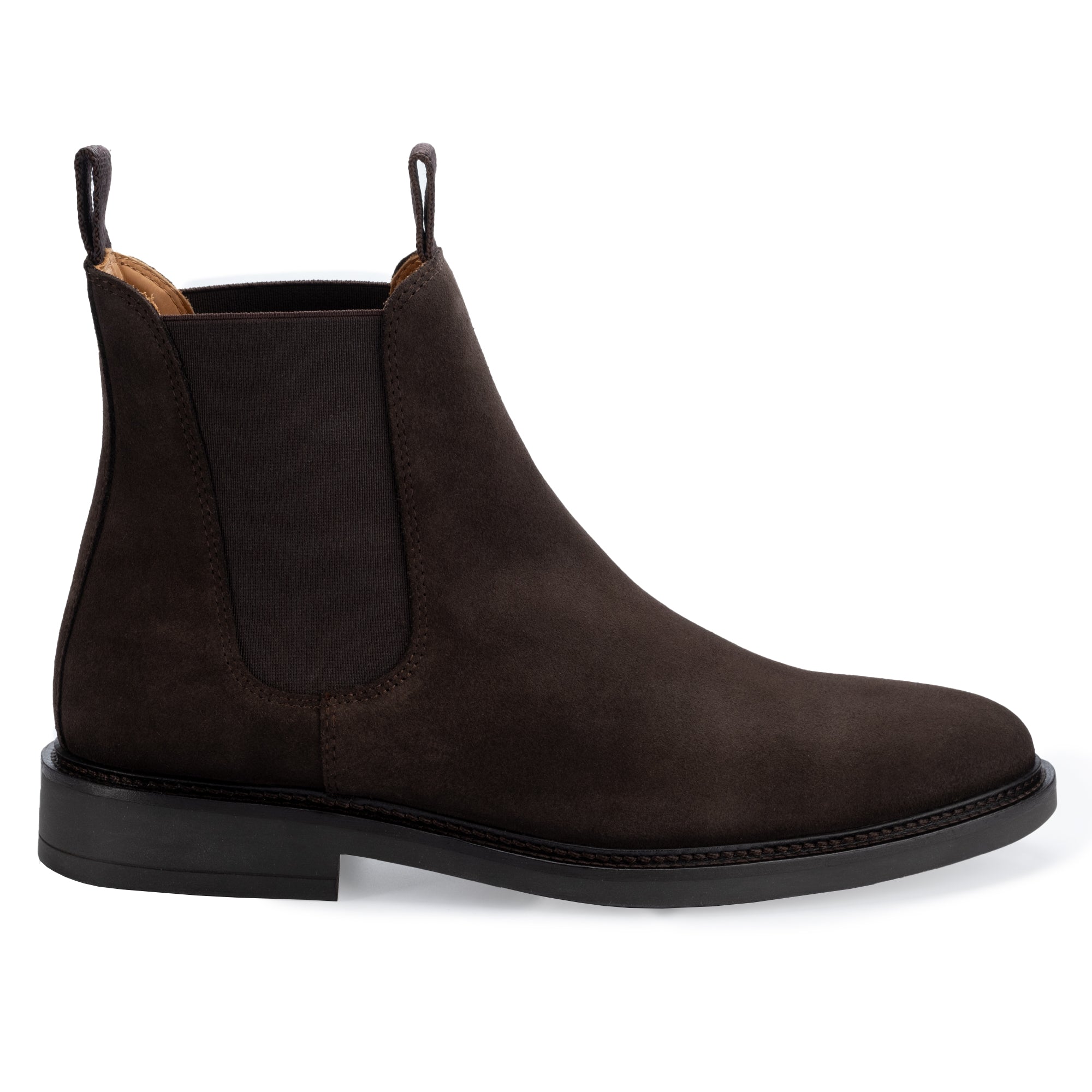
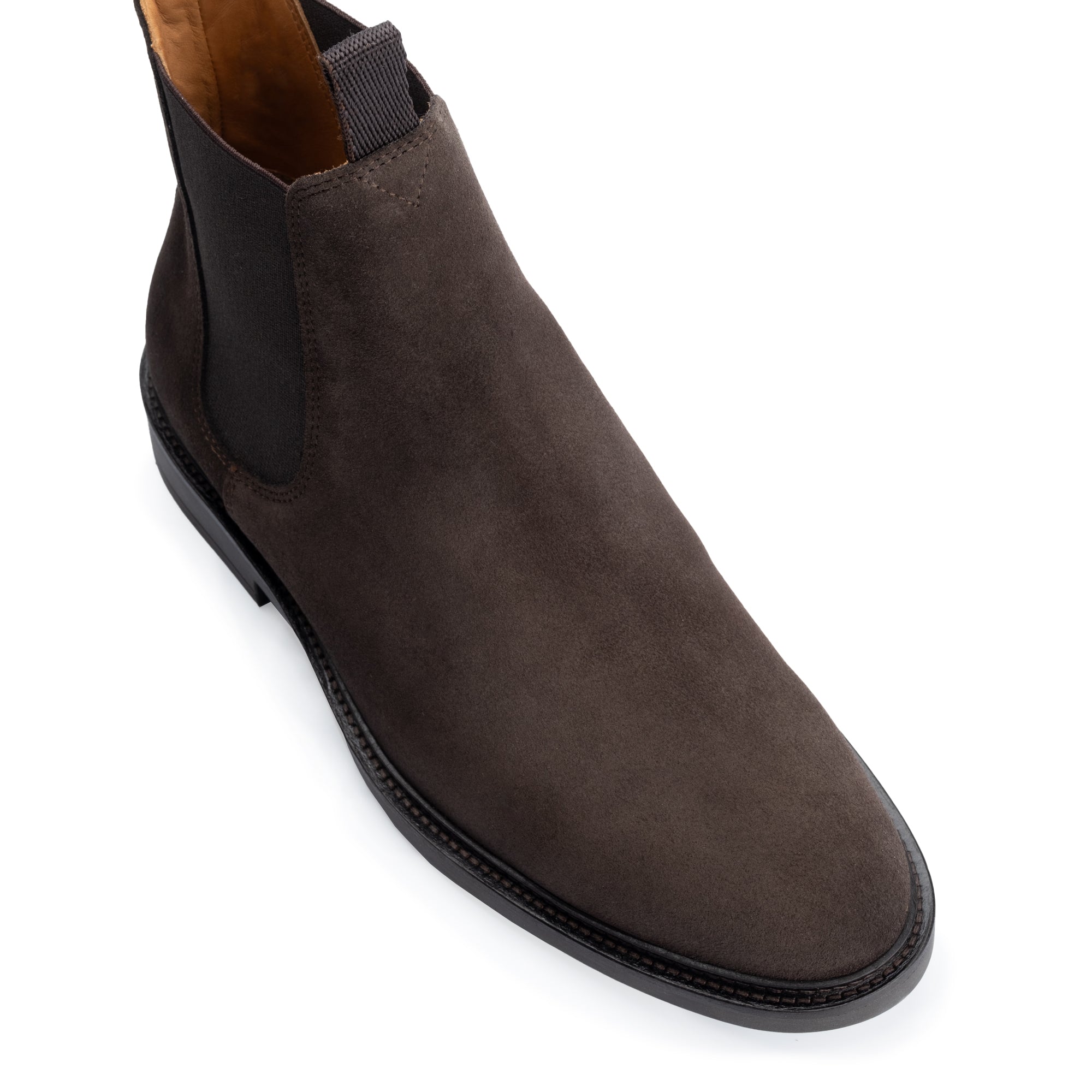
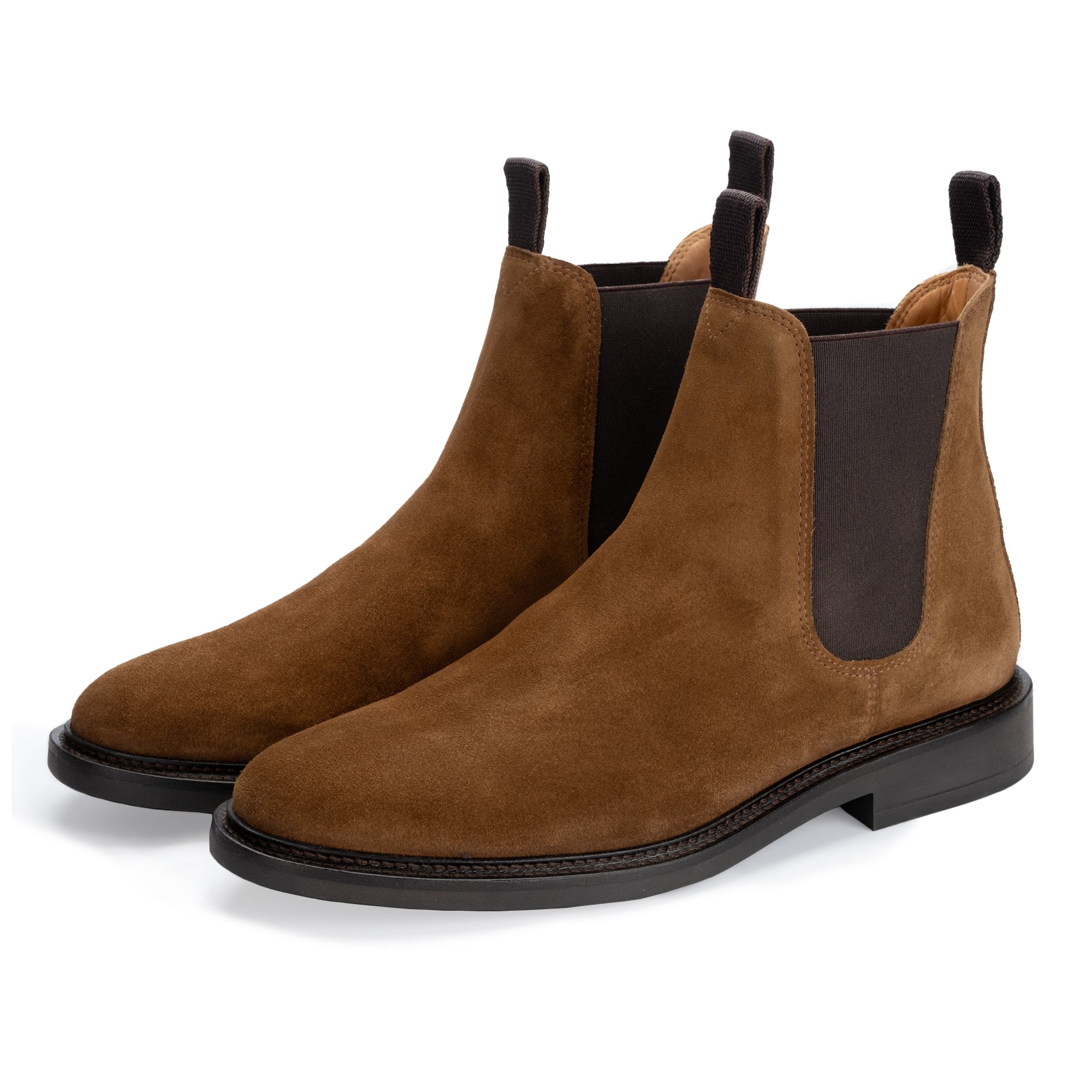
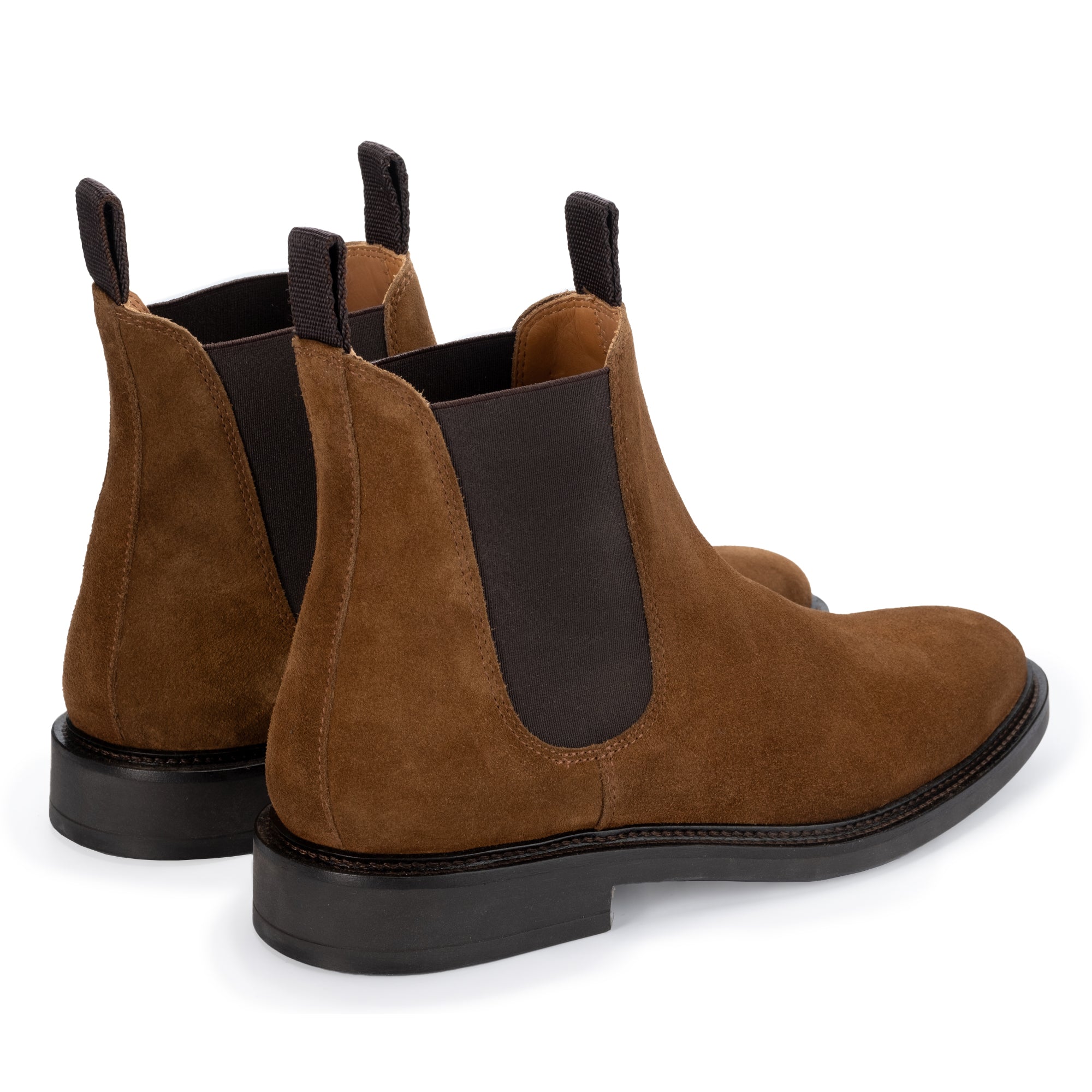
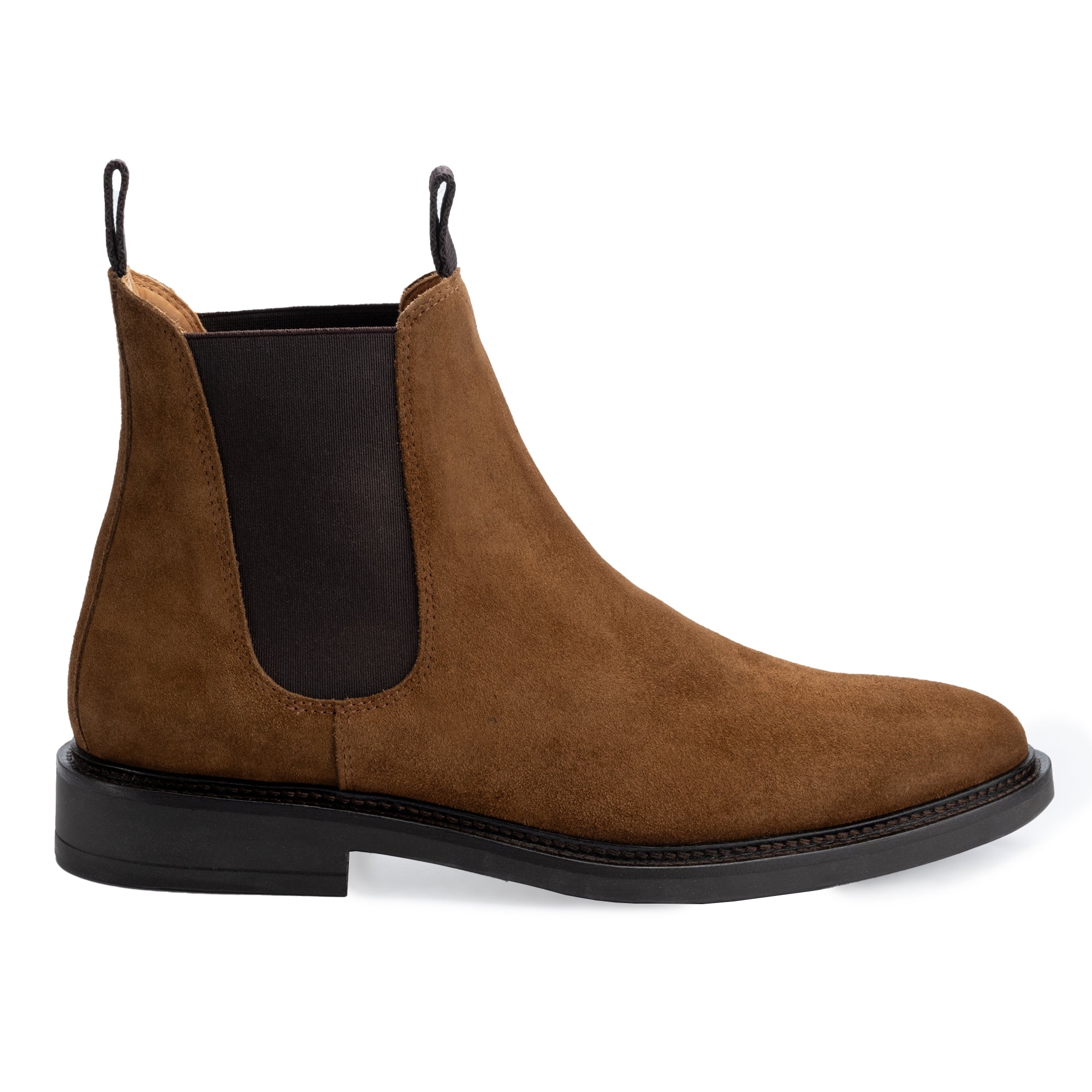
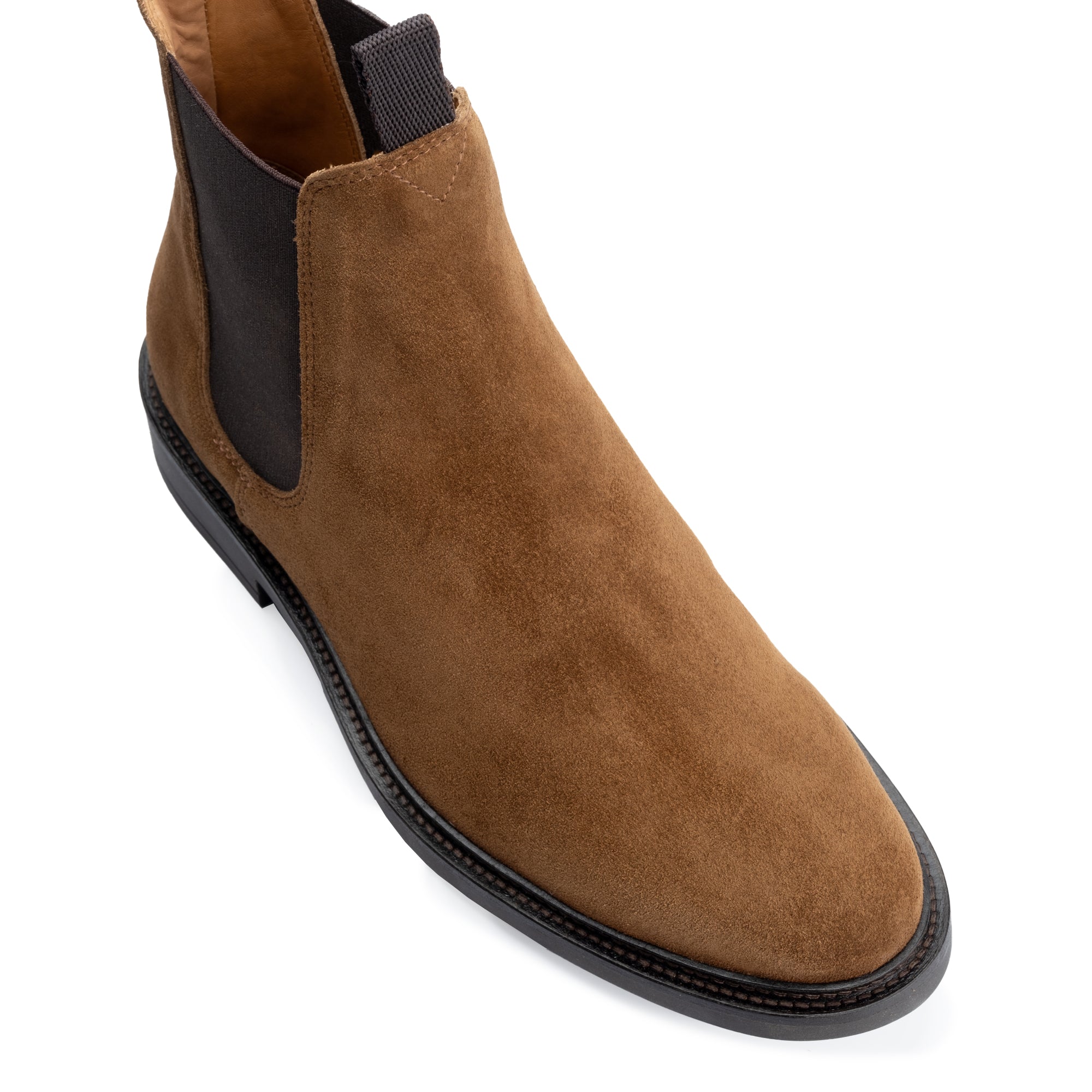
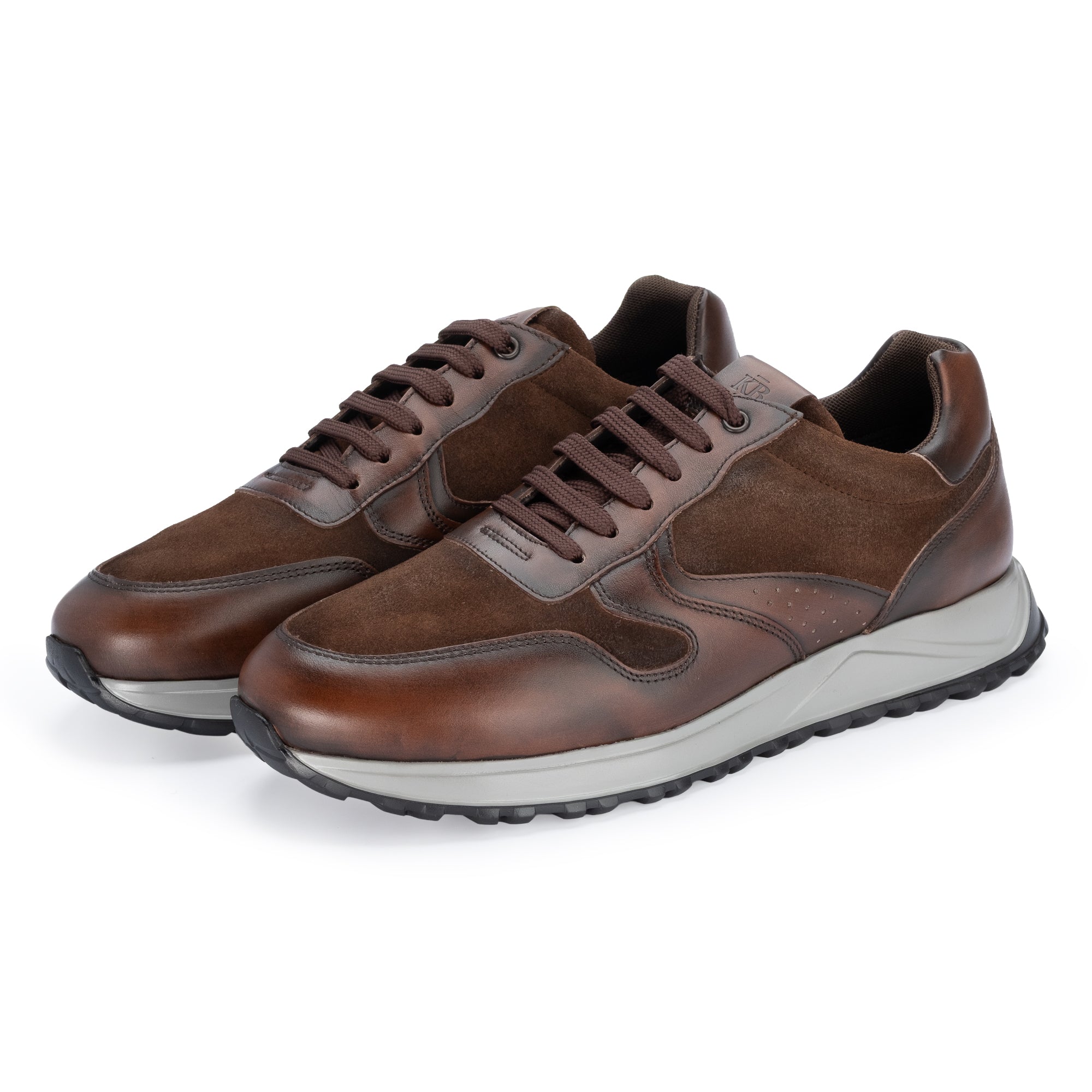
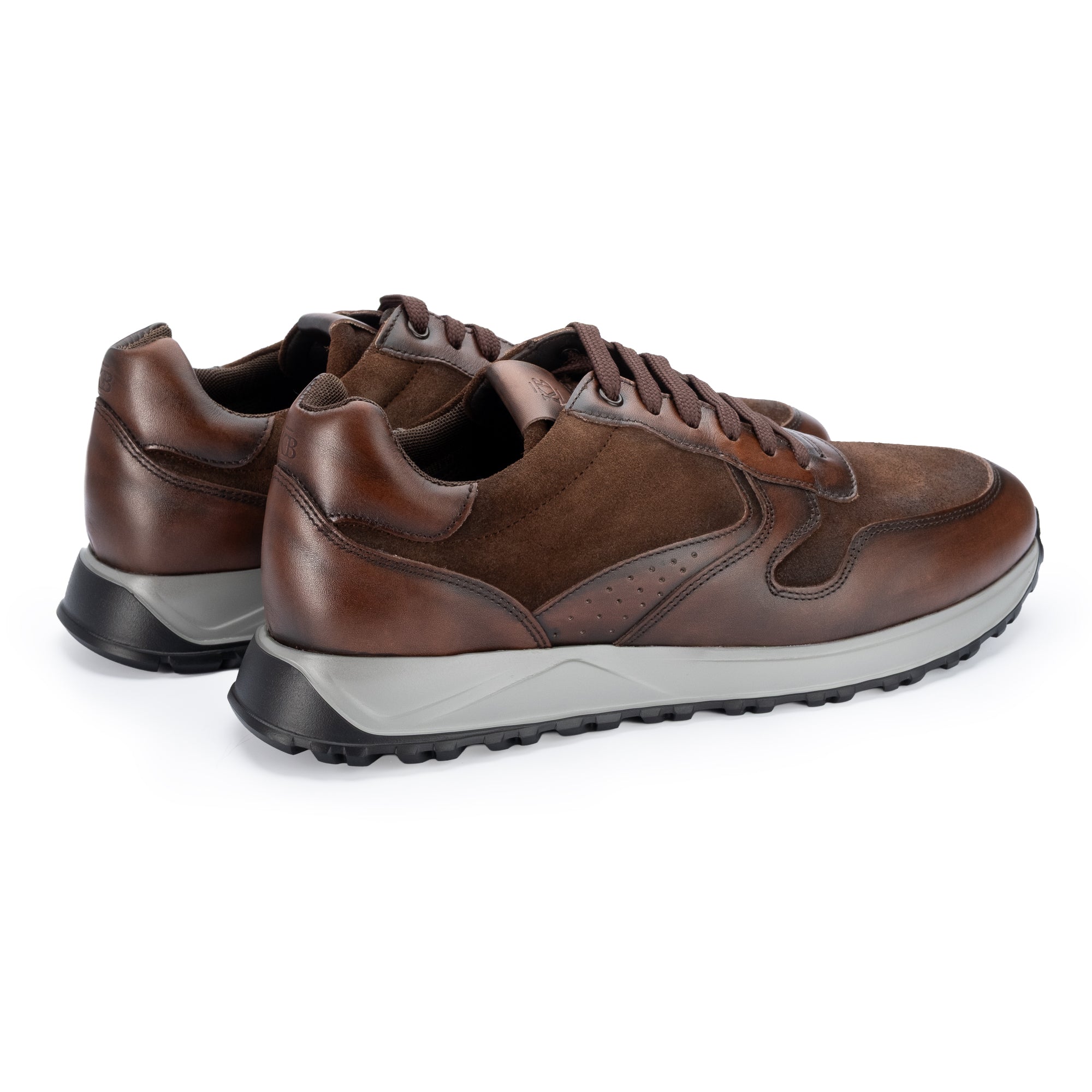
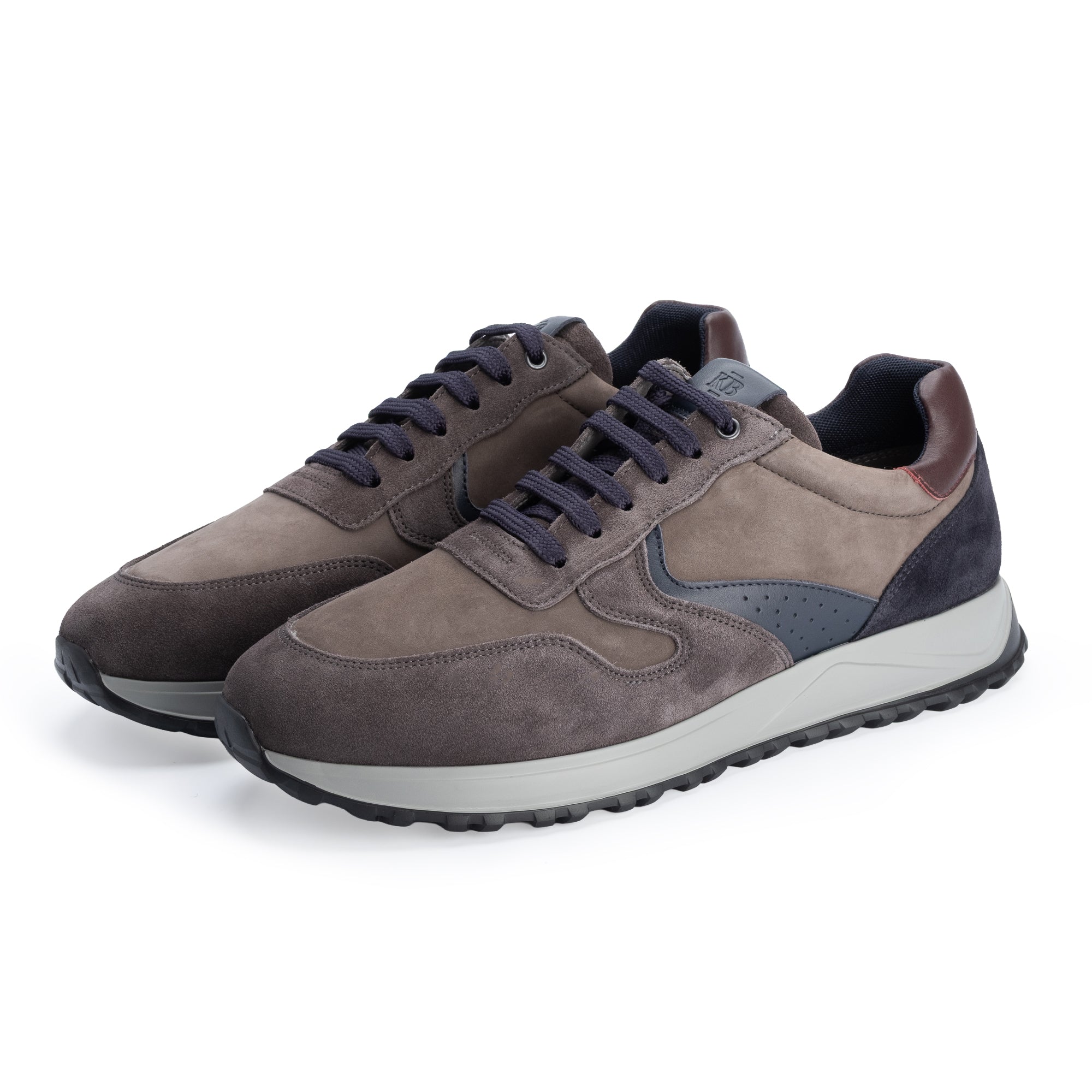
- Suede — requires an entirely separate process. No wax polish. Use a suede brush and protective spray, and follow our dedicated guide to cleaning and caring for suede shoes for a full walkthrough.
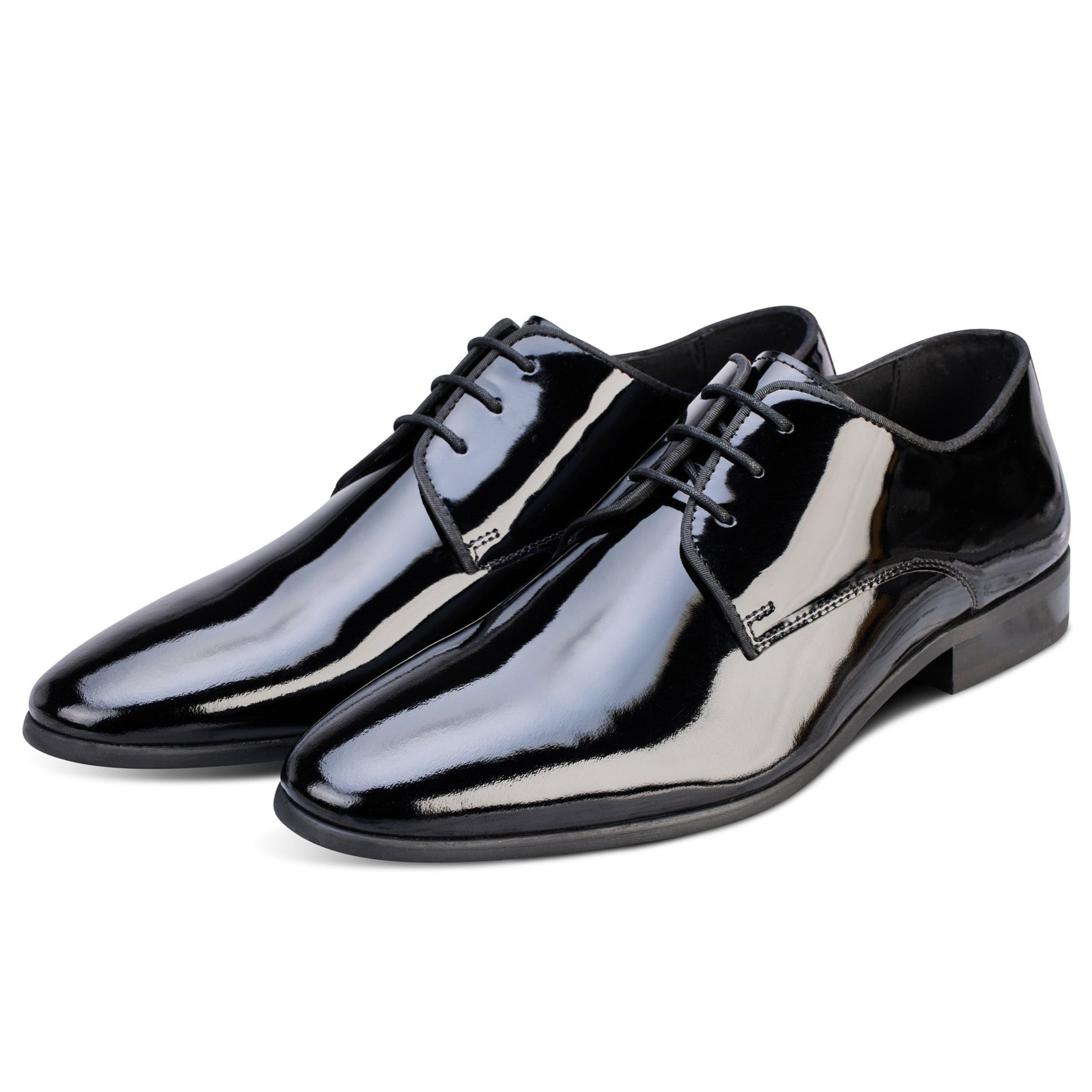
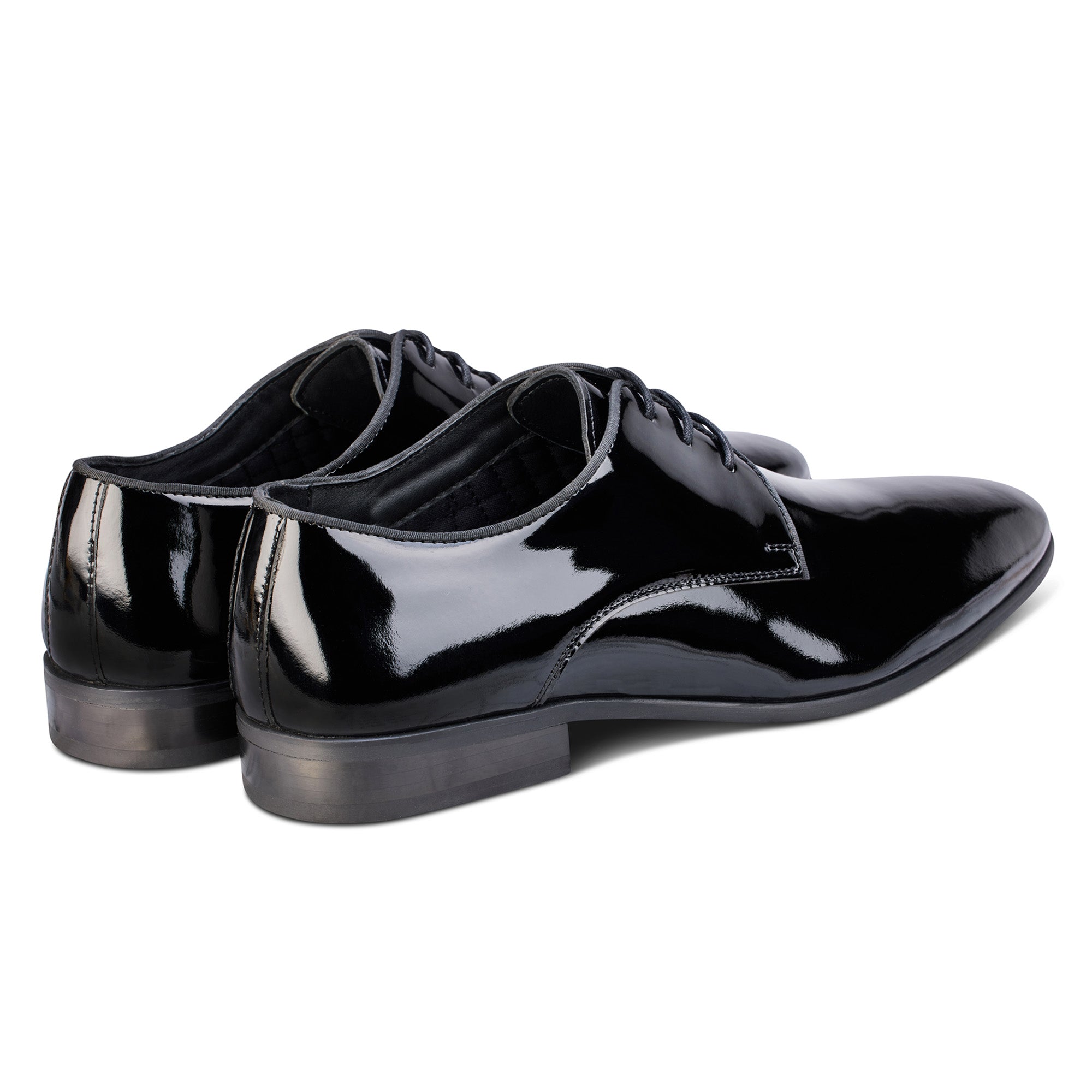
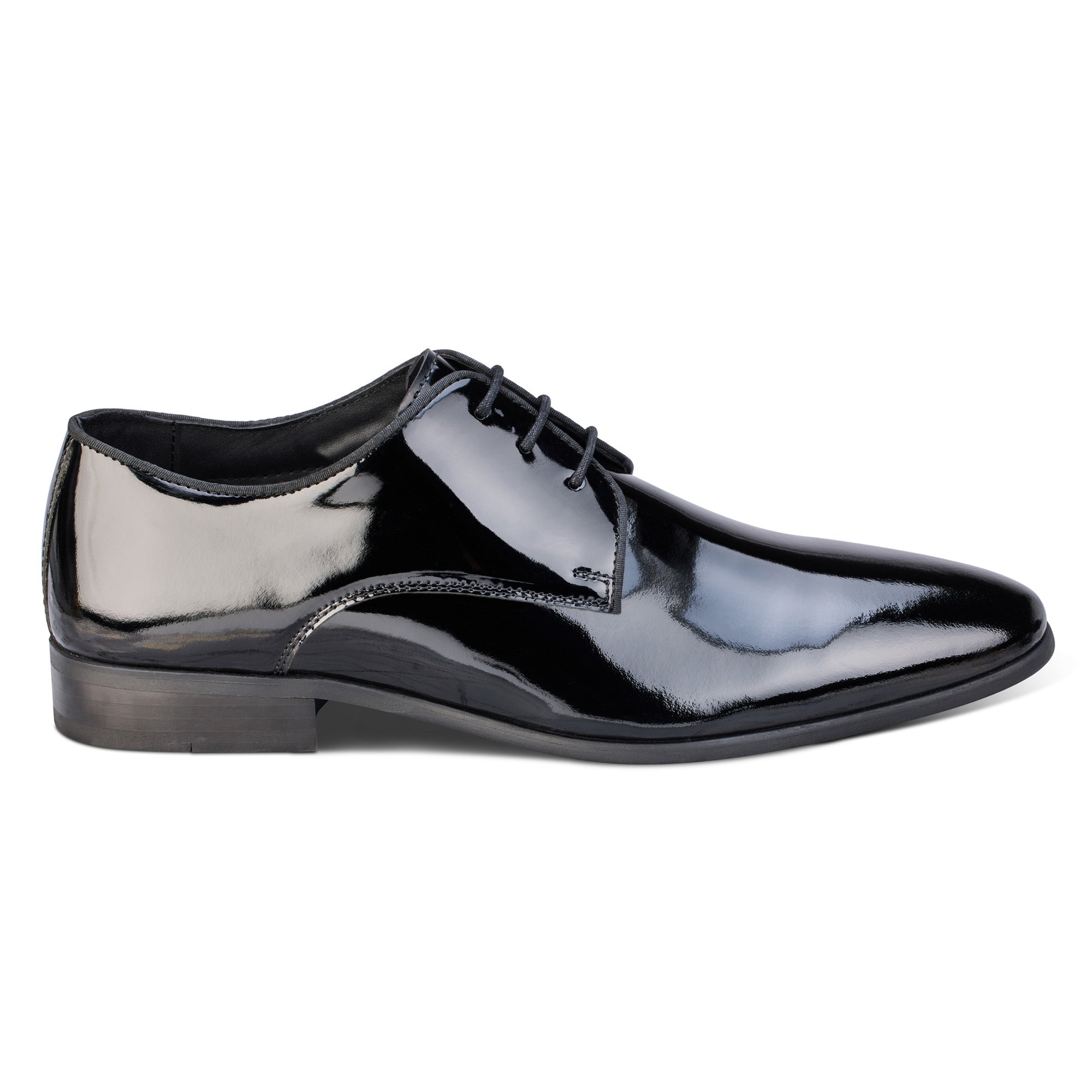
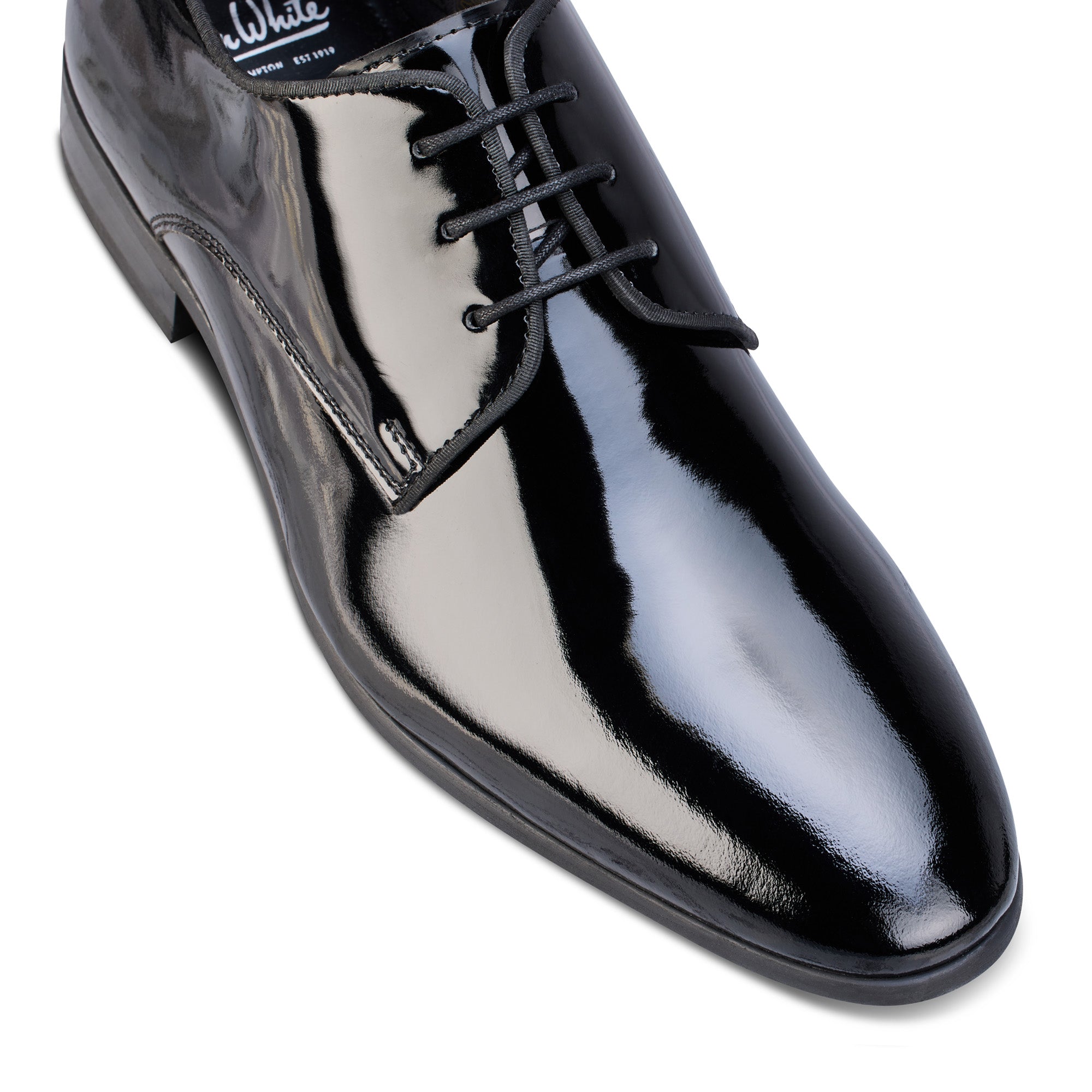
- Patent leather — wipe clean with a damp cloth; restore gloss with a small amount of petroleum jelly. Wax polish clouds patent finishes.
Matching your care product to your specific leather finish isn't pedantic — it's the difference between extending the surface and damaging it.
What Tools Do You Need for the Annual Ritual?
A well-stocked care kit makes the annual ritual faster and more effective. As we outline in our guide to the essential shoe care arsenal, the minimum requirement is:
- A stiff-bristled cleaning brush for seams and perforations
- A horsehair buffing brush
- A dedicated leather cleaner
- A quality leather conditioner
- Colour-matched and neutral wax polish
- Clean cotton cloths or buffing pads
- Cedar shoe trees for every pair in your rotation
Avoid multi-purpose "clean and shine" products that combine cleaning, conditioning, and polishing into one. Each step in the annual ritual serves a distinct function — combined products compromise all three.
As master cobbler and leather care authority Tim Little has noted: "The ritual matters as much as the product. You can have the finest polish in the world and still ruin a shoe by applying it over dirty leather. Sequence is everything."
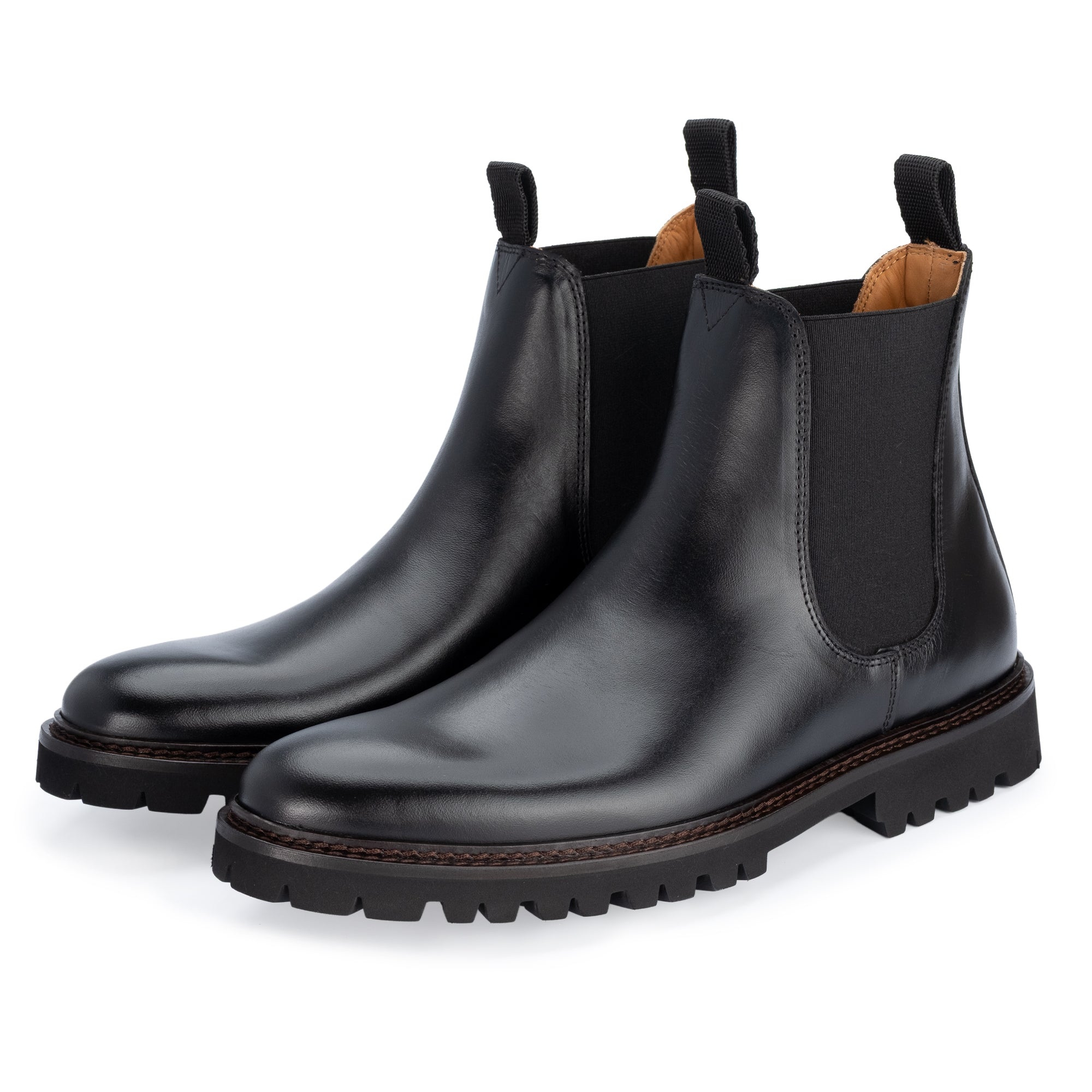
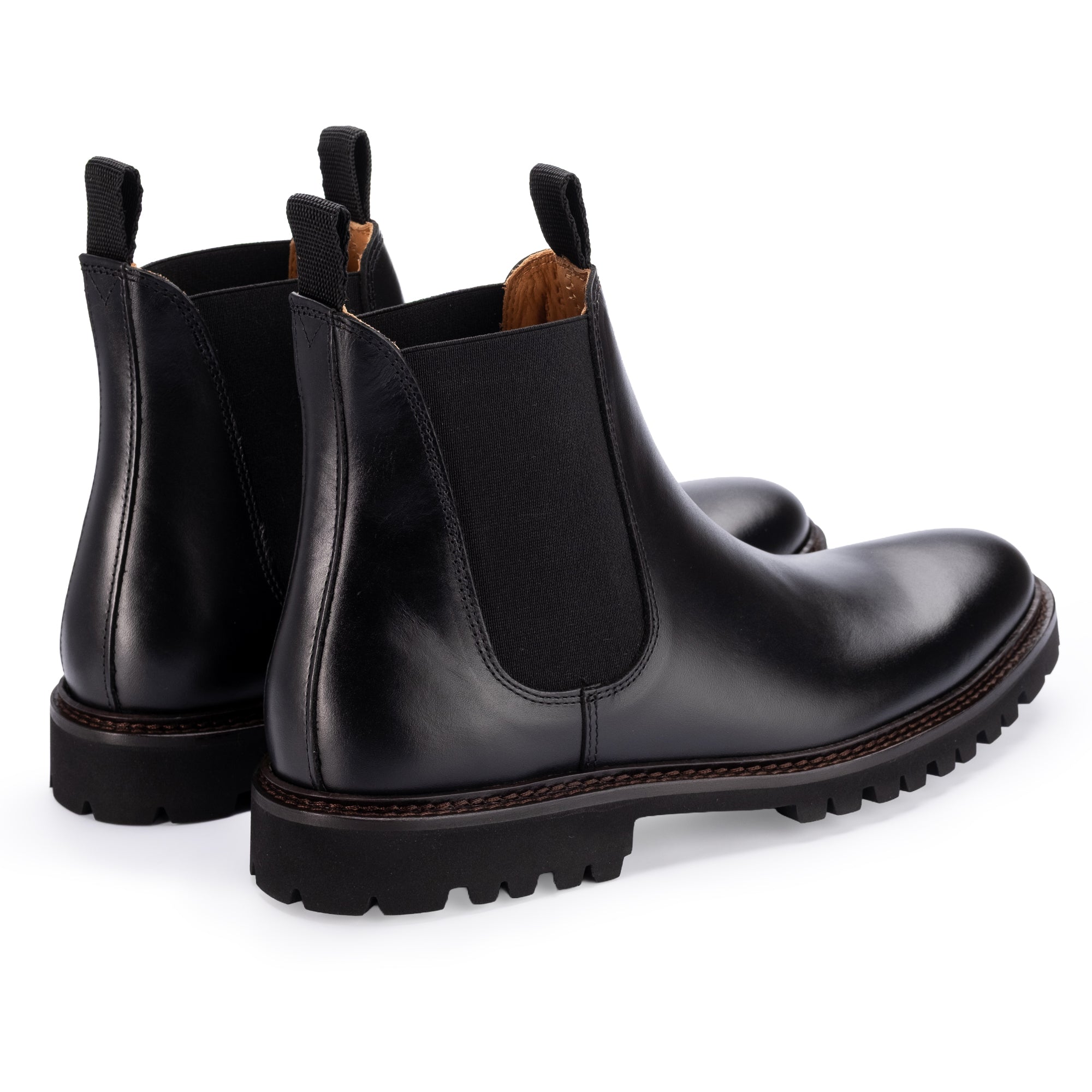
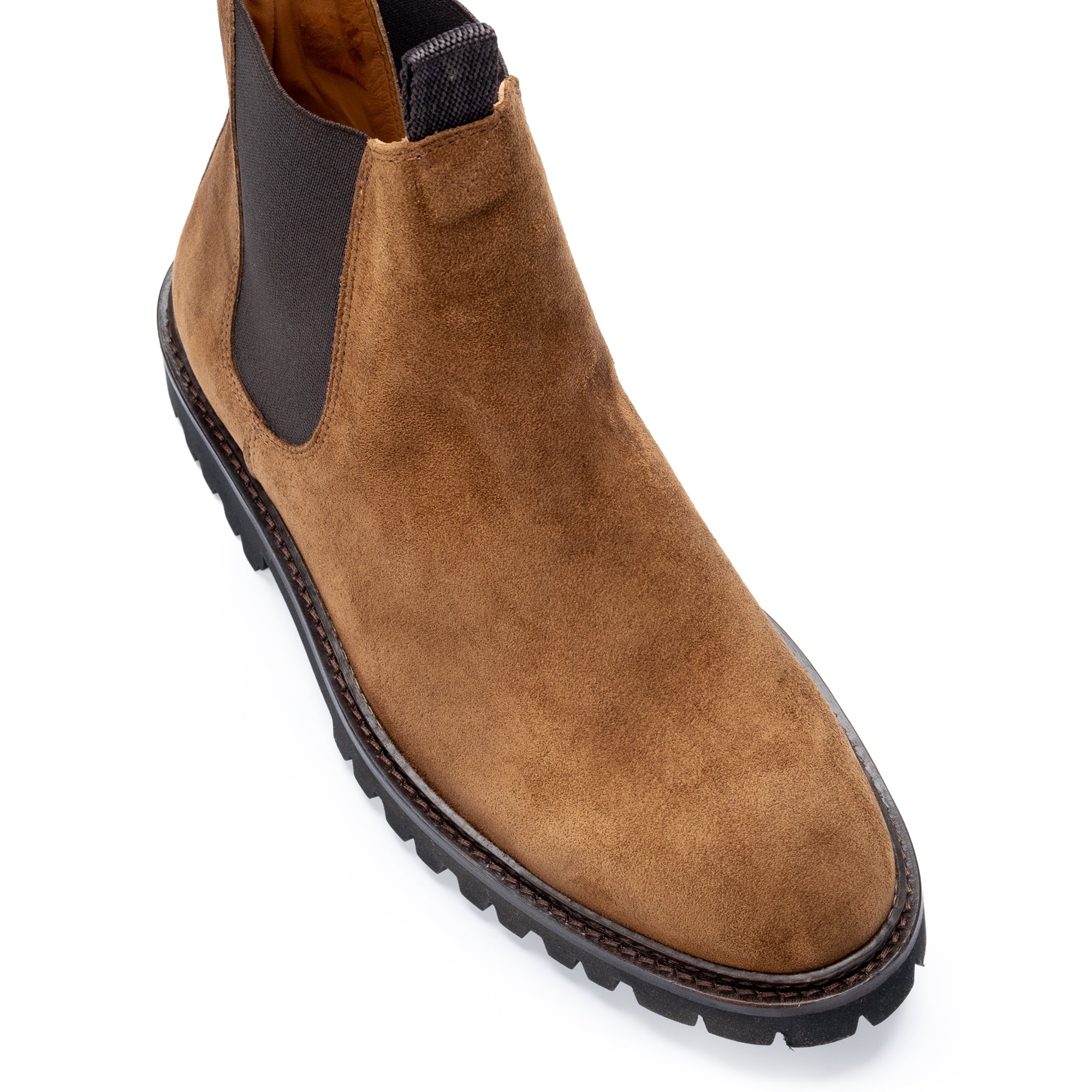
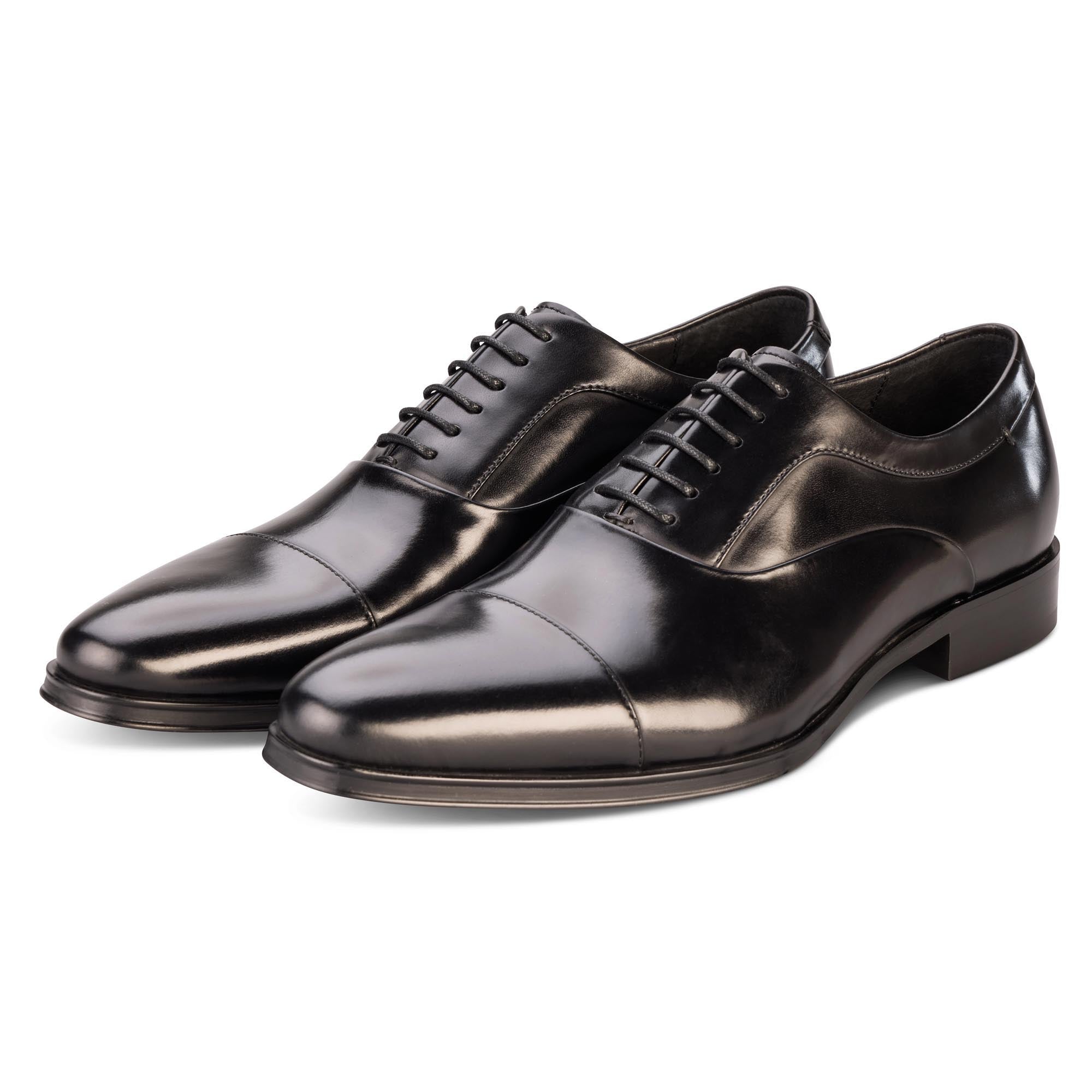
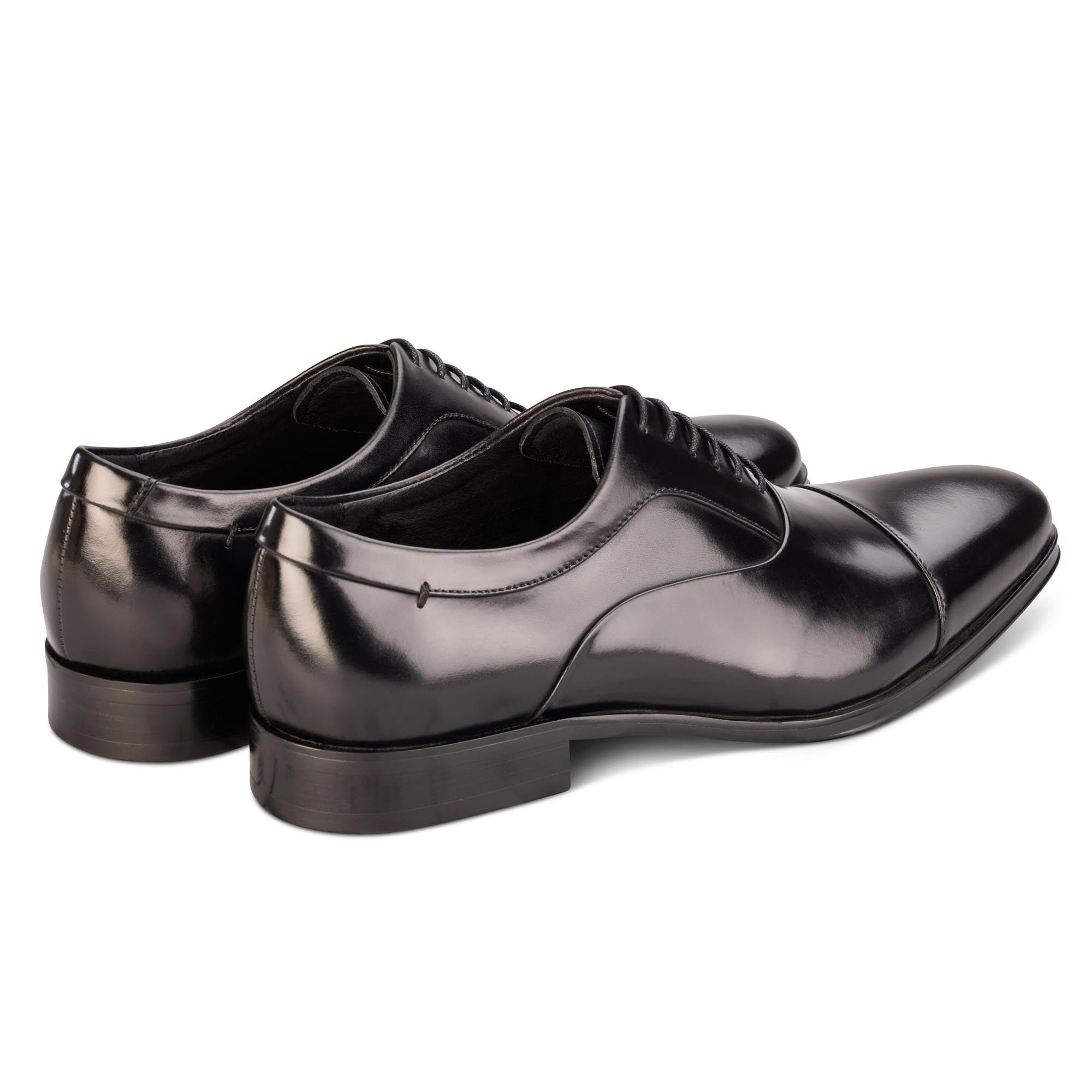
Browse the full men's shoe collection and men's boots collection to see which styles reward the annual ritual most — and remember that quality leather only improves with age and attention.
Related Guides
- The History of British Shoemaking — our comprehensive guide
- The Essential Valet Box: An Authoritative Guide to Your Shoe Care Arsenal
- Maximising Shoe Life: The Essential Role of Shoe Trees
- Restoring Elegance: A Definitive Guide to Correcting Scuffs on Leather Footwear
TL;DR
The annual leather shoe maintenance ritual comprises eight steps — deep clean, condition, polish, sole inspection, lace replacement, hardware check, storage review, and cobbler assessment — carried out twice yearly in spring and autumn. Quality British footwear from brands including John White Shoes, Loake, Barker, Church's, and Crockett & Jones is designed to last a decade or more; the annual ritual is what makes that possible in practice. The full collection of men's leather shoes at John White Shoes rewards exactly this kind of long-term ownership.
Frequently Asked Questions
How many times a year should I carry out a full leather shoe maintenance check?
Twice a year is the recommended cadence — once in spring (March or April) and once in autumn (September or October). The spring check addresses damage accumulated over winter; the autumn check prepares leather for the harder months ahead. Between these full audits, a quick brush and buff after each wear is sufficient for routine upkeep.
Can I use the same wax polish on all leather shoe colours?
For dark brown and black leathers, a colour-matched polish produces the best depth of finish. For tan and lighter shades, a neutral wax avoids colour distortion. Patent leather needs neither — use petroleum jelly instead. Never use coloured wax on suede under any circumstances.
What's the most common mistake men make when maintaining leather shoes?
Skipping conditioning. Most men polish their shoes regularly but never condition them. Conditioning replenishes the oils that prevent cracking — without it, even a well-polished shoe is being finished over increasingly brittle leather that will eventually fail regardless of its surface shine.
When should a leather shoe go to a cobbler rather than be maintained at home?
Any shoe showing heel wear beyond approximately 2–3mm of the original rubber or leather, sole delamination, stitching pulling away from the upper, or deep surface cuts should go to a professional. Attempting structural repairs at home without the correct adhesives and tools typically worsens the damage and increases the eventual repair cost.