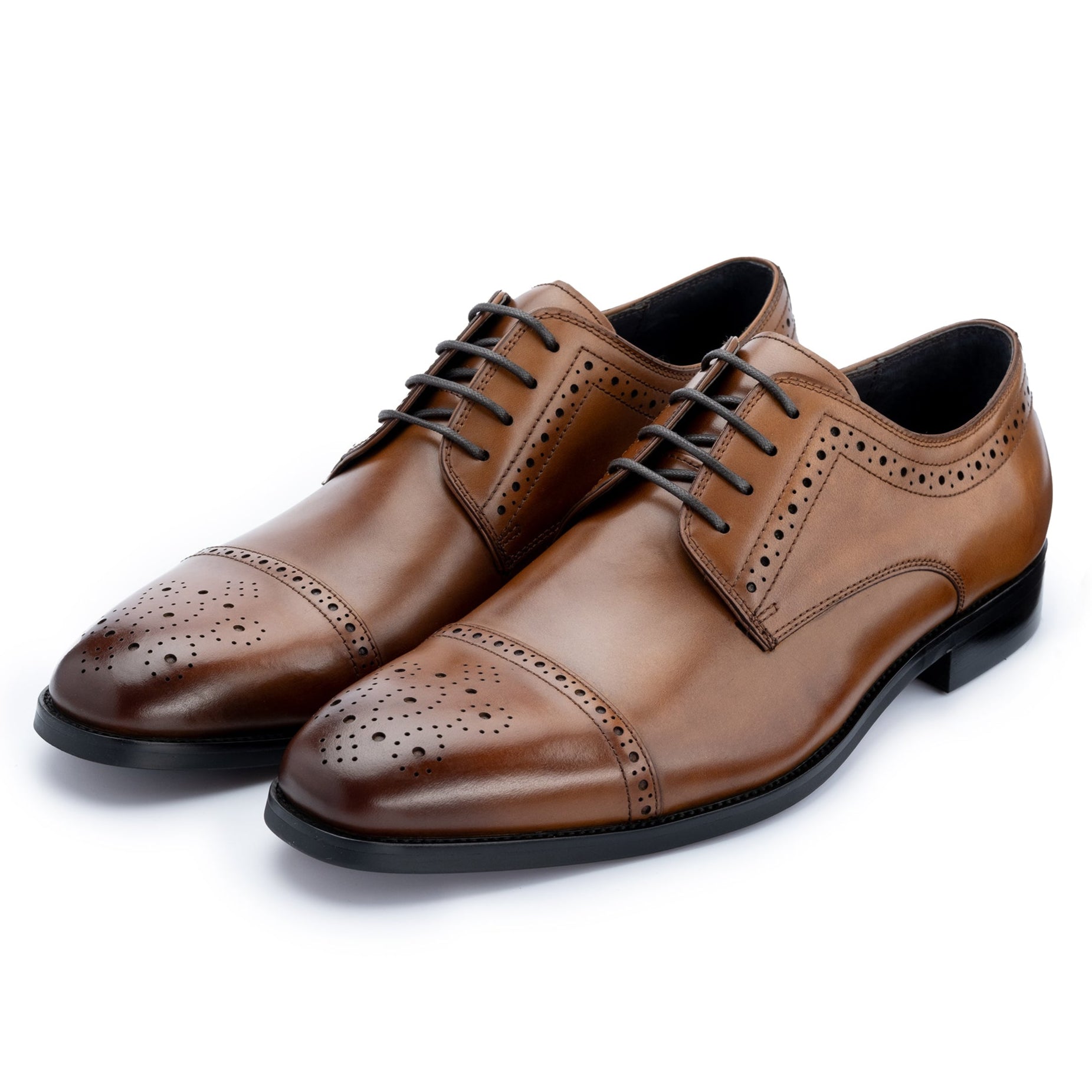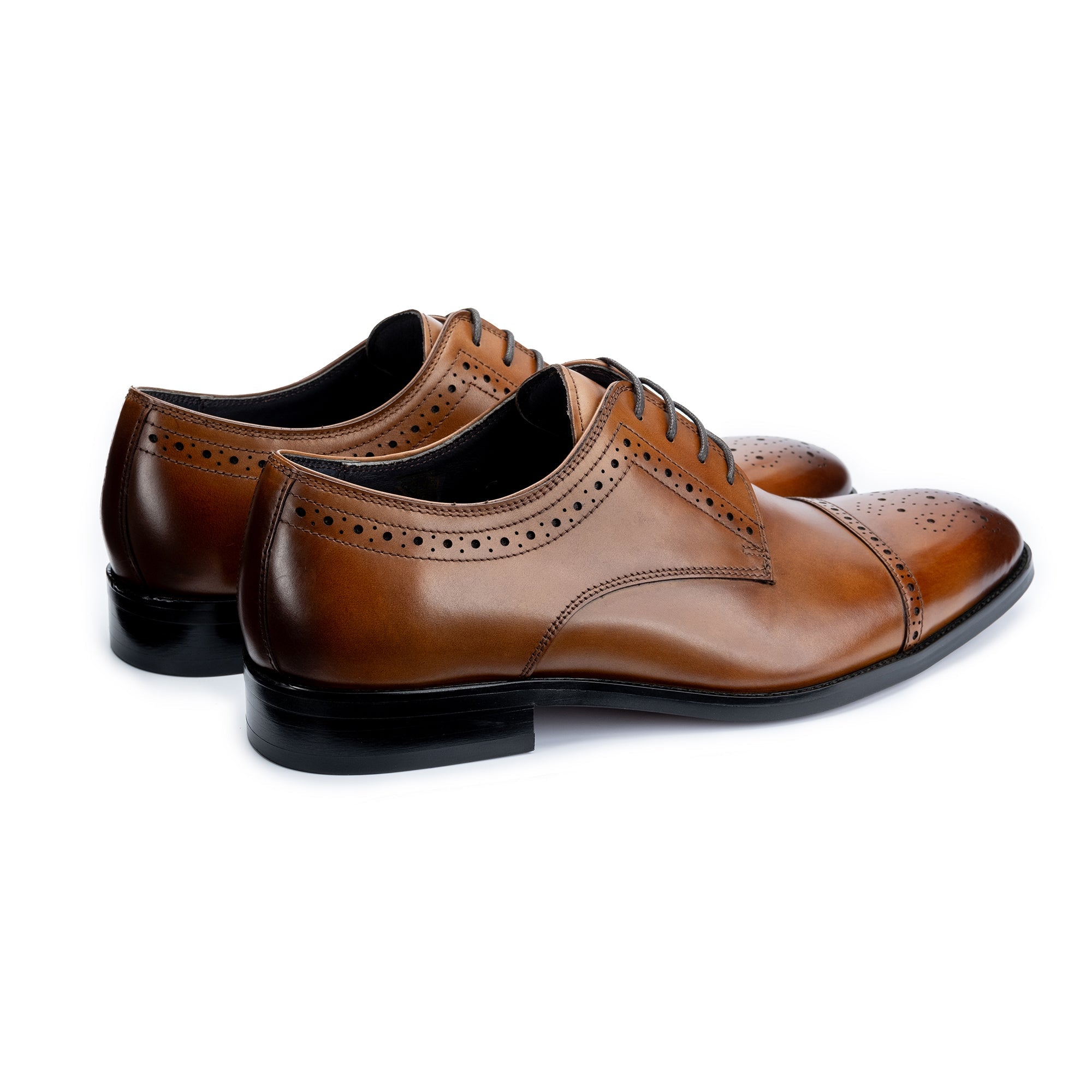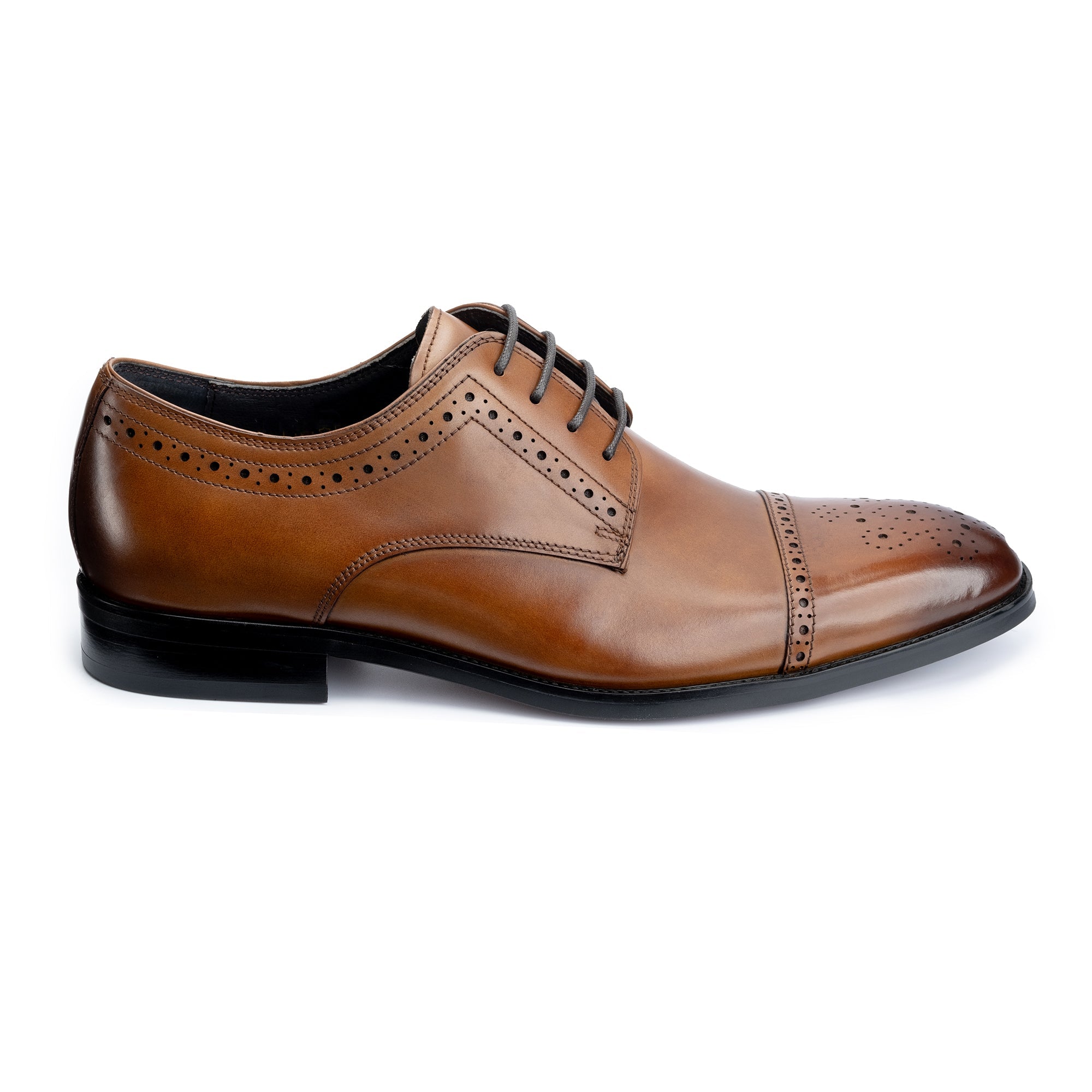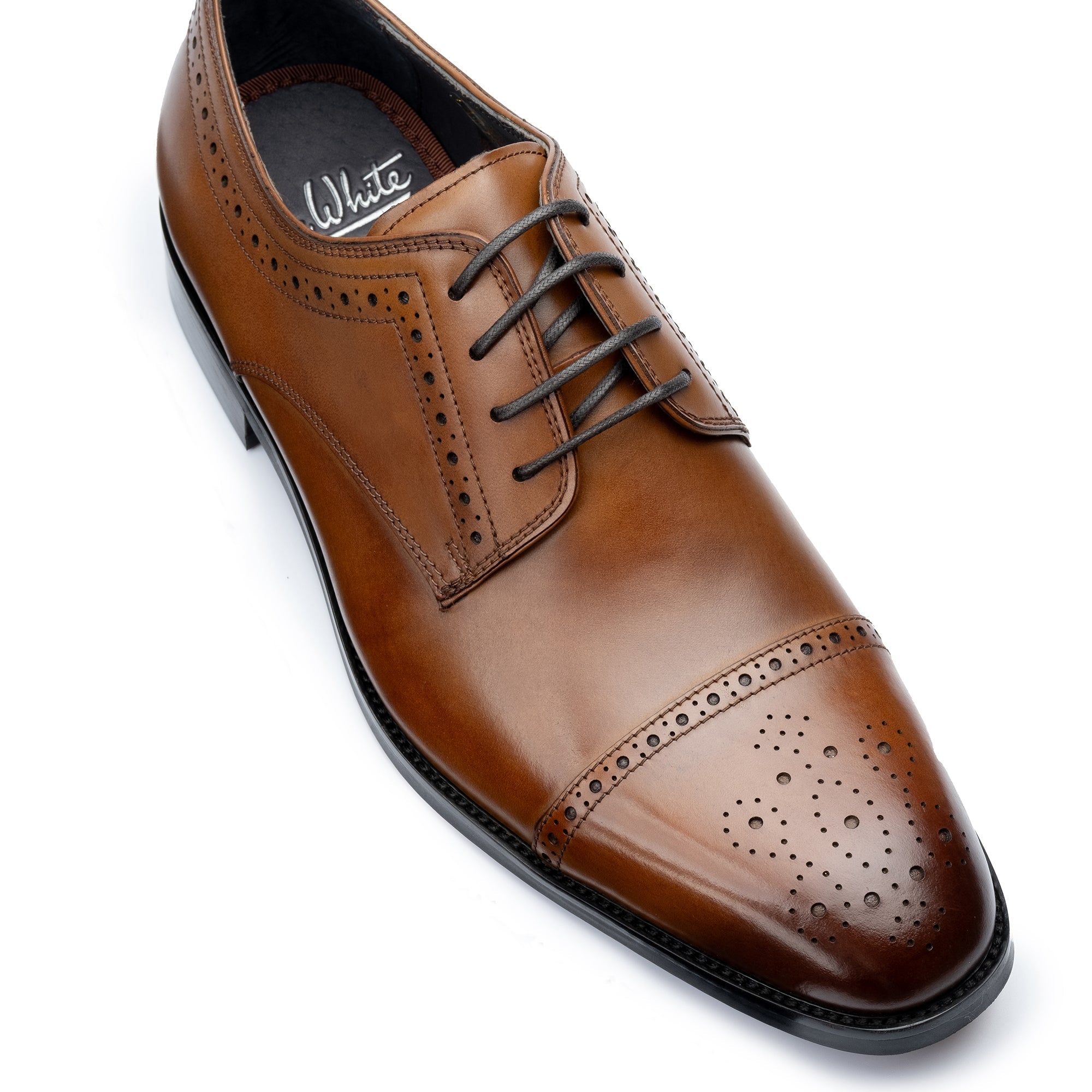

The Essential Valet Box: An Authoritative Guide to Your Shoe Care Arsenal
A shoe care valet box should contain seven essentials: cedar shoe trees, two horsehair brushes (one for cleaning, one for buffing), a leather conditioner, a wax polish, applicator daubers, polishing cloths, and a quality shoe horn. Used consistently and in the correct order — clean, condition, polish, buff — these tools can extend the working life of quality leather footwear from two years to fifteen or more. Add suede-specific tools if your collection includes nubuck or suede styles.
In This Guide
Most men who own quality leather shoes don't have the right tools to look after them properly. That's a knowledge gap, not a character flaw — but it has real consequences. Without the correct arsenal, even the best leather cracks prematurely, loses its lustre, and starts looking neglected within two or three years. A well-assembled valet box solves that. It's basic stewardship of an investment you've already made.
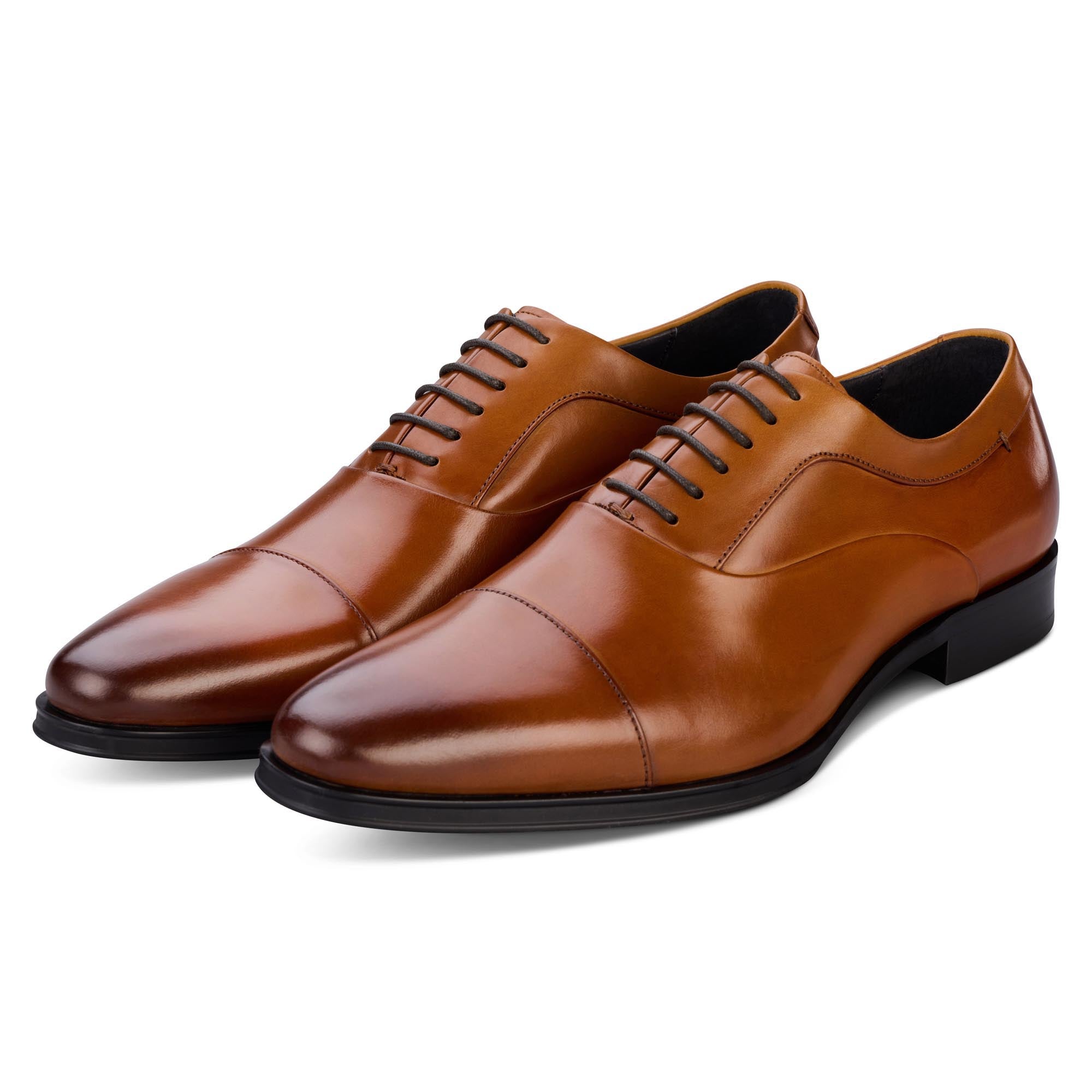
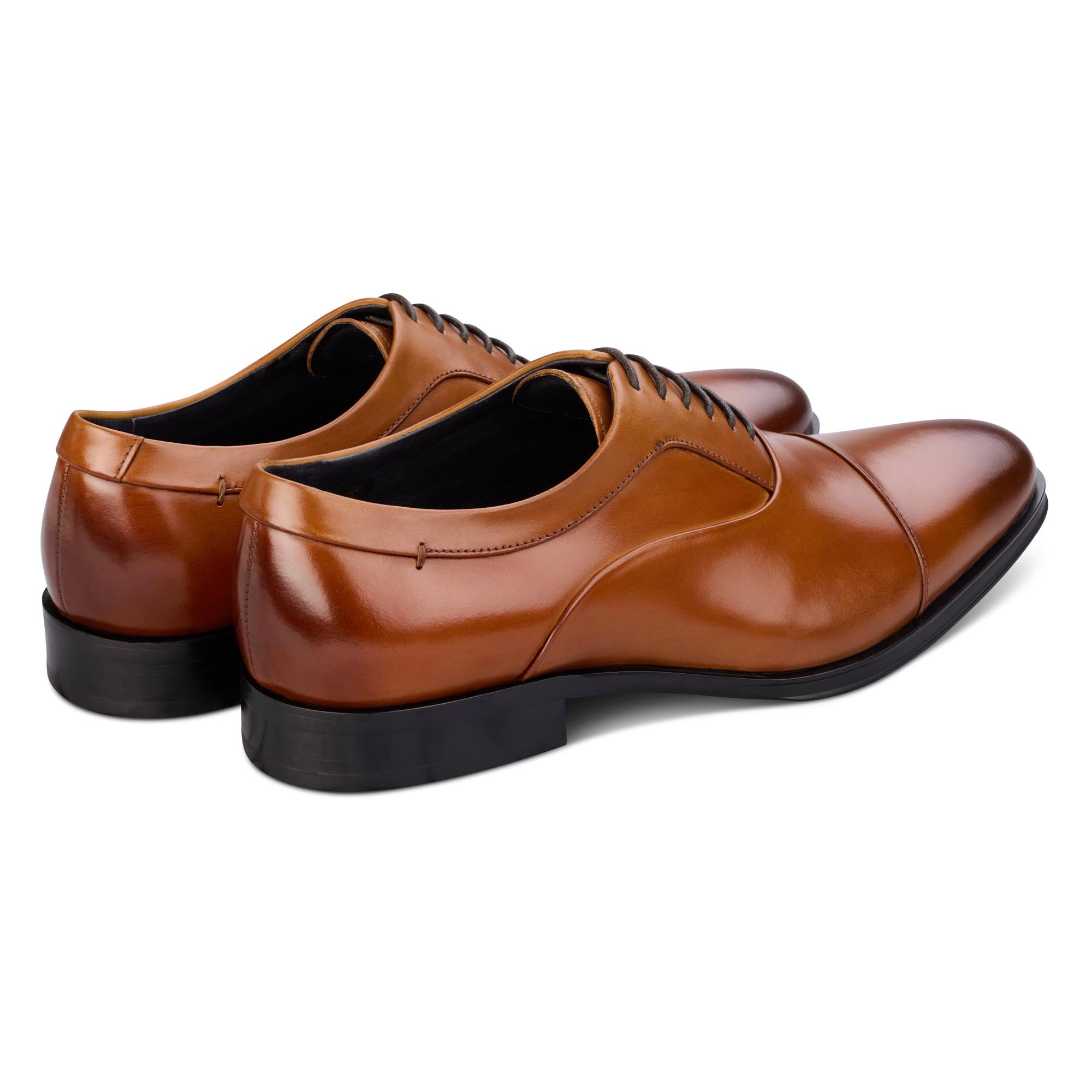
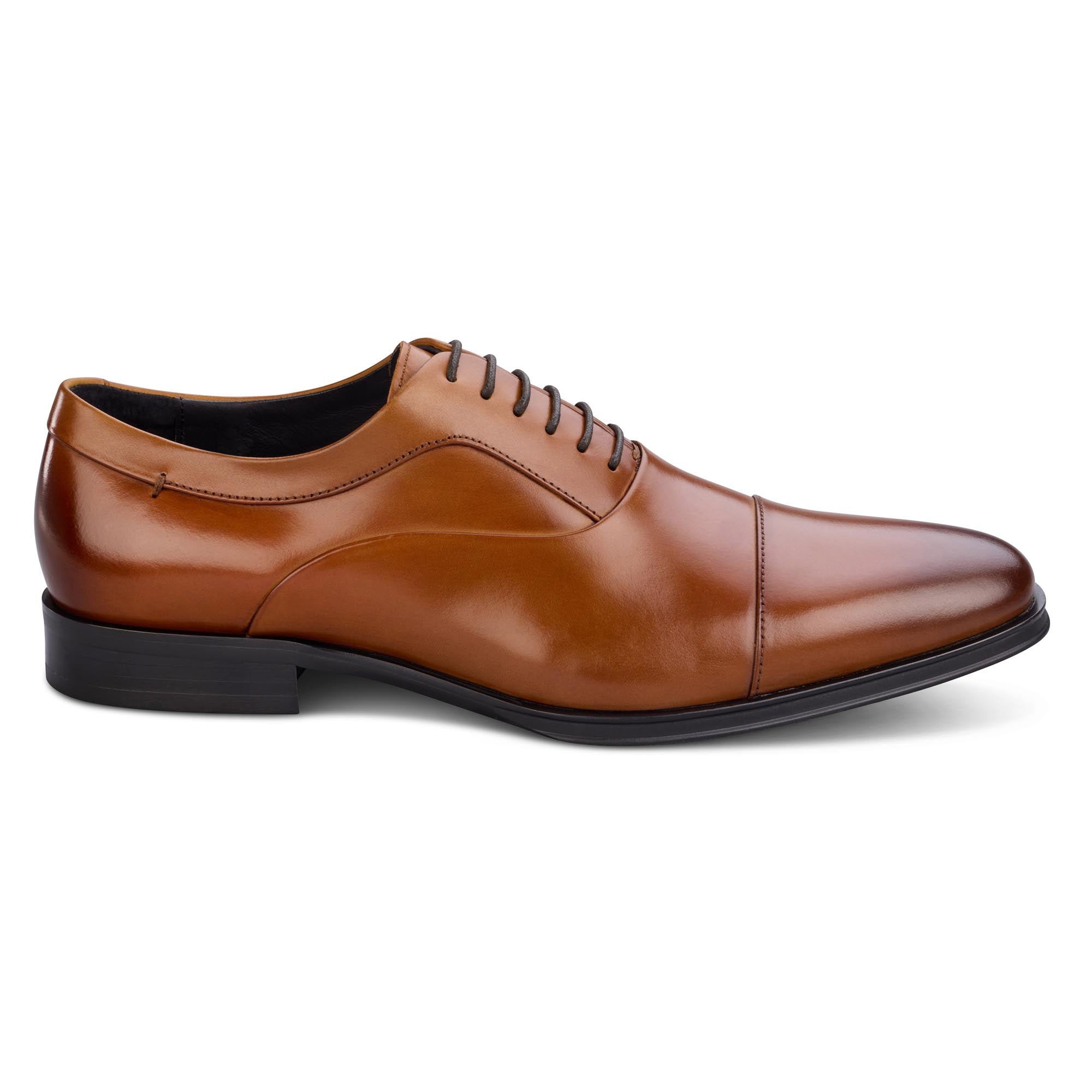
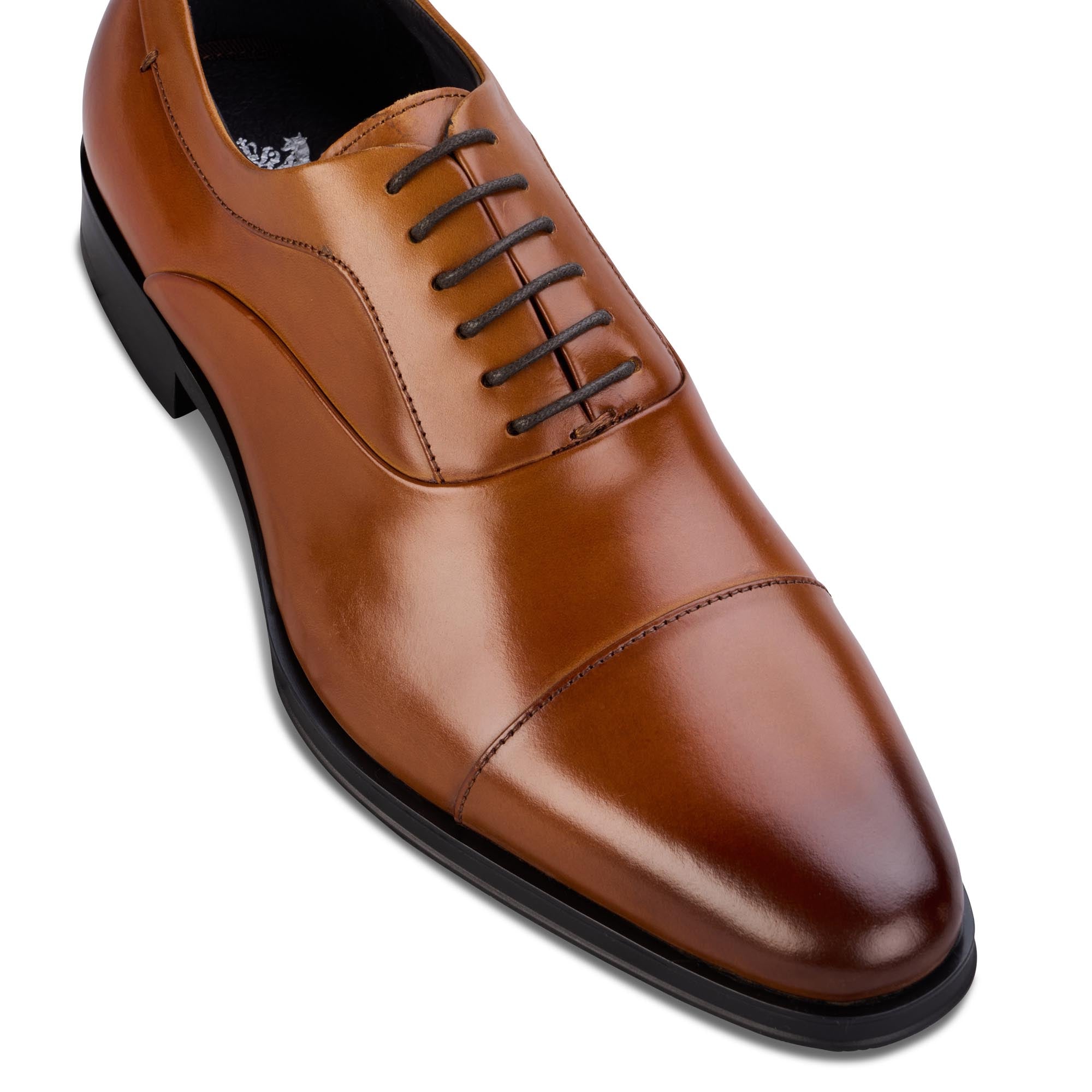
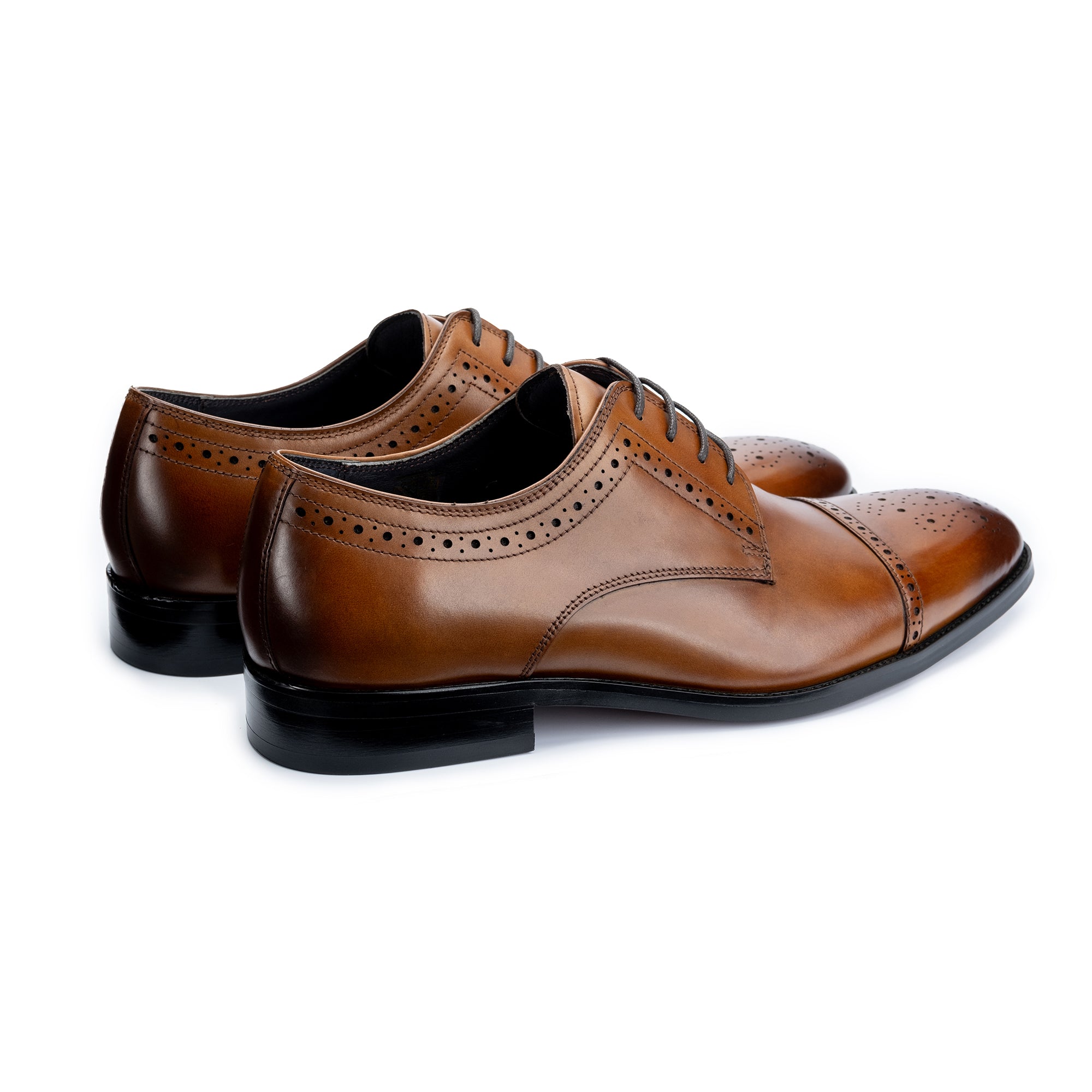
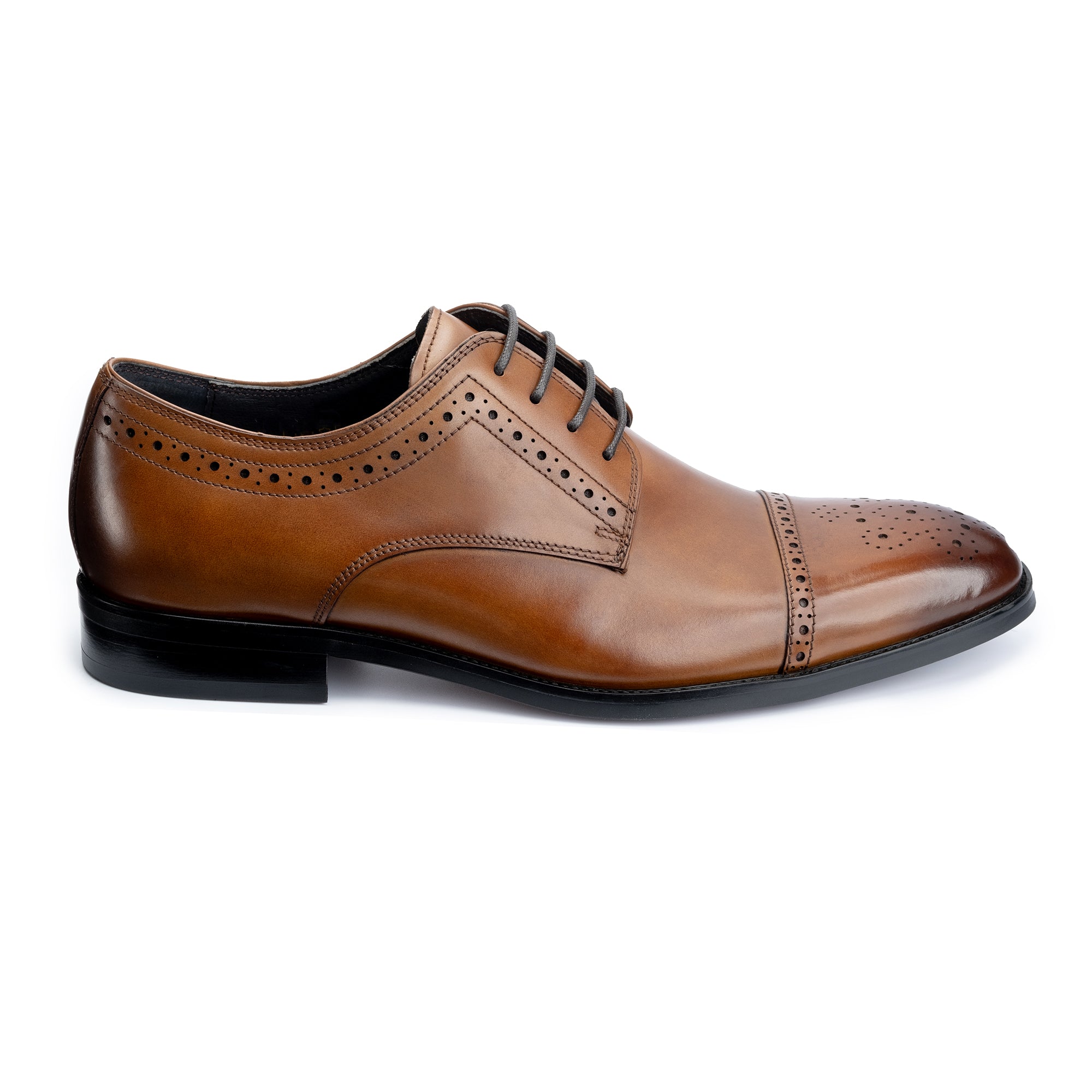
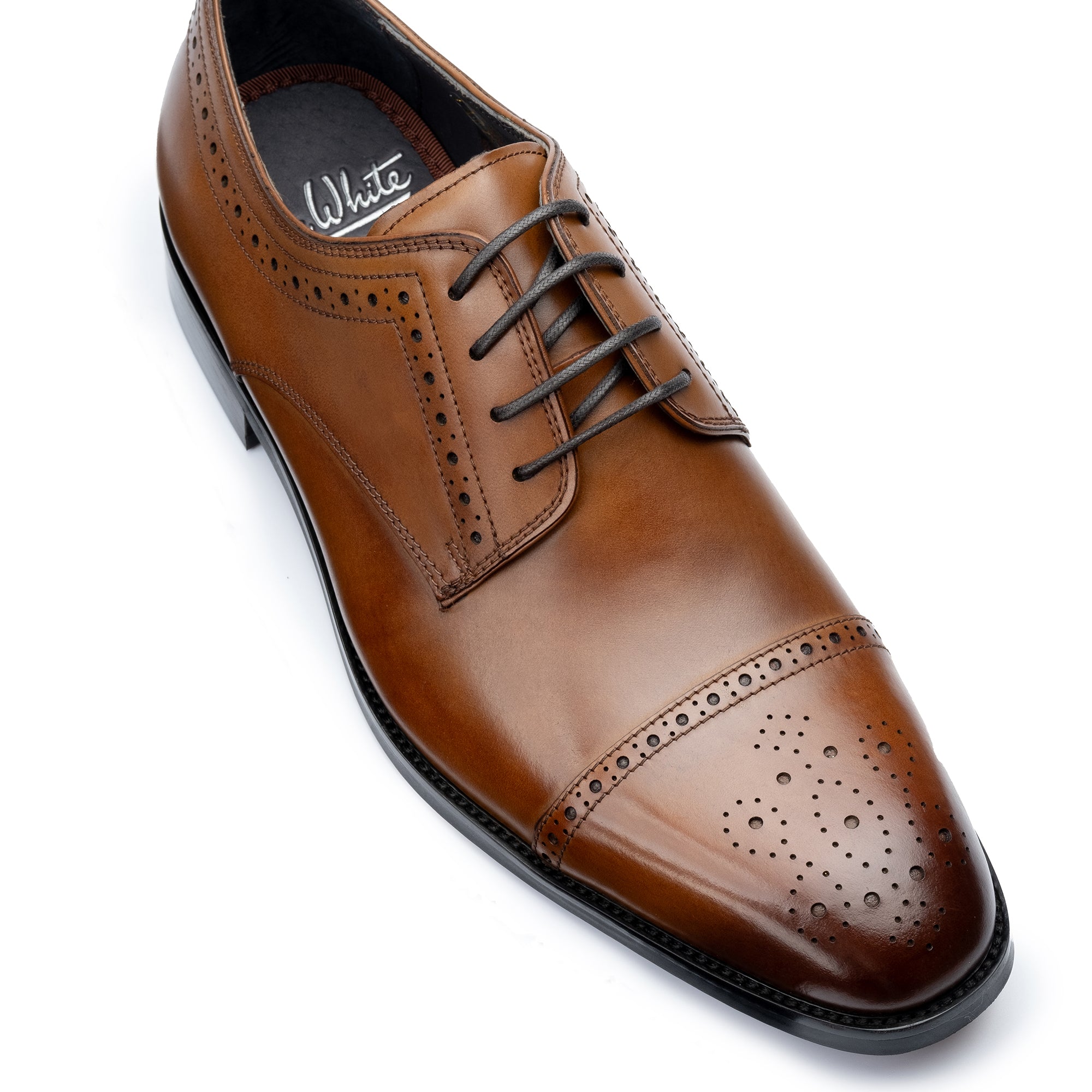
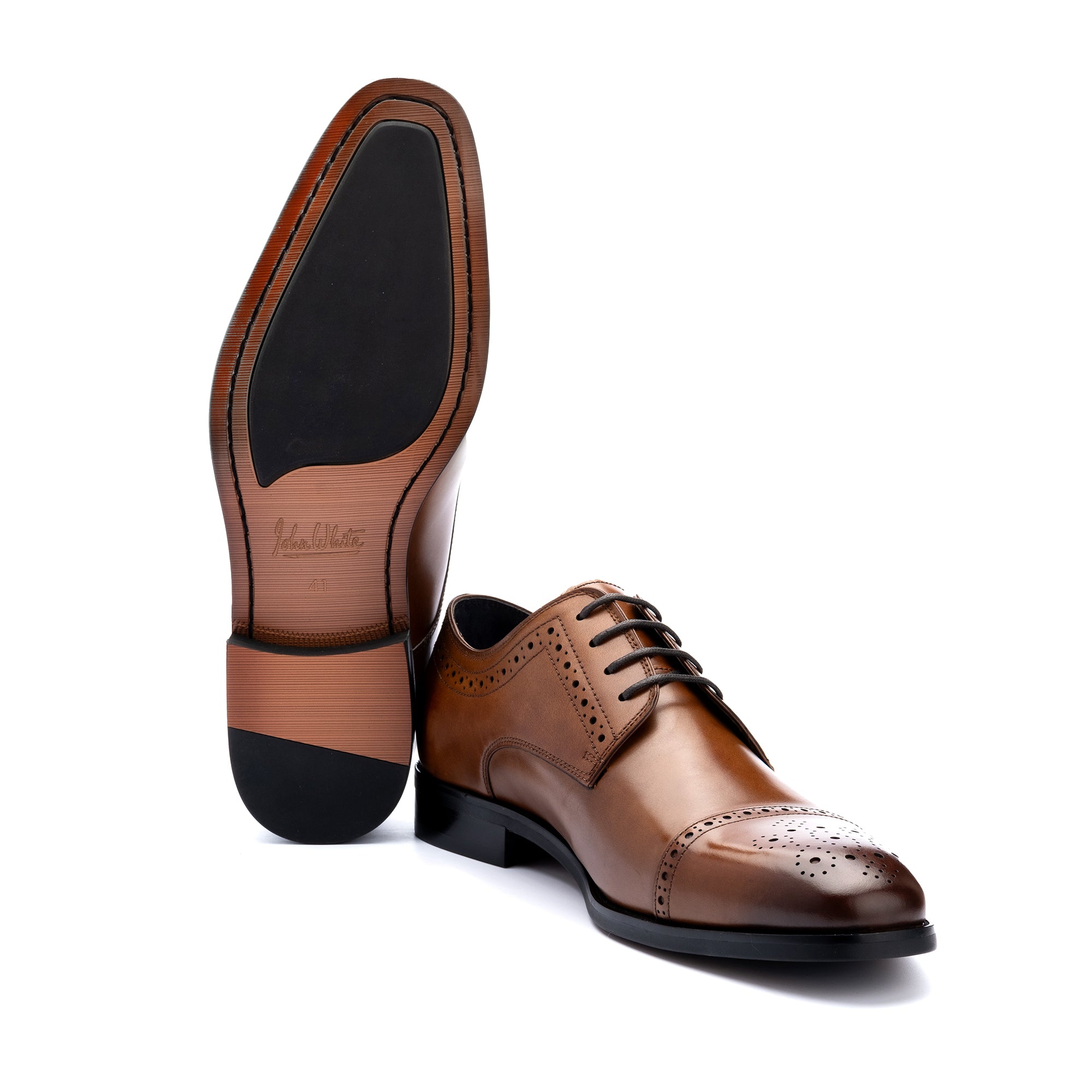
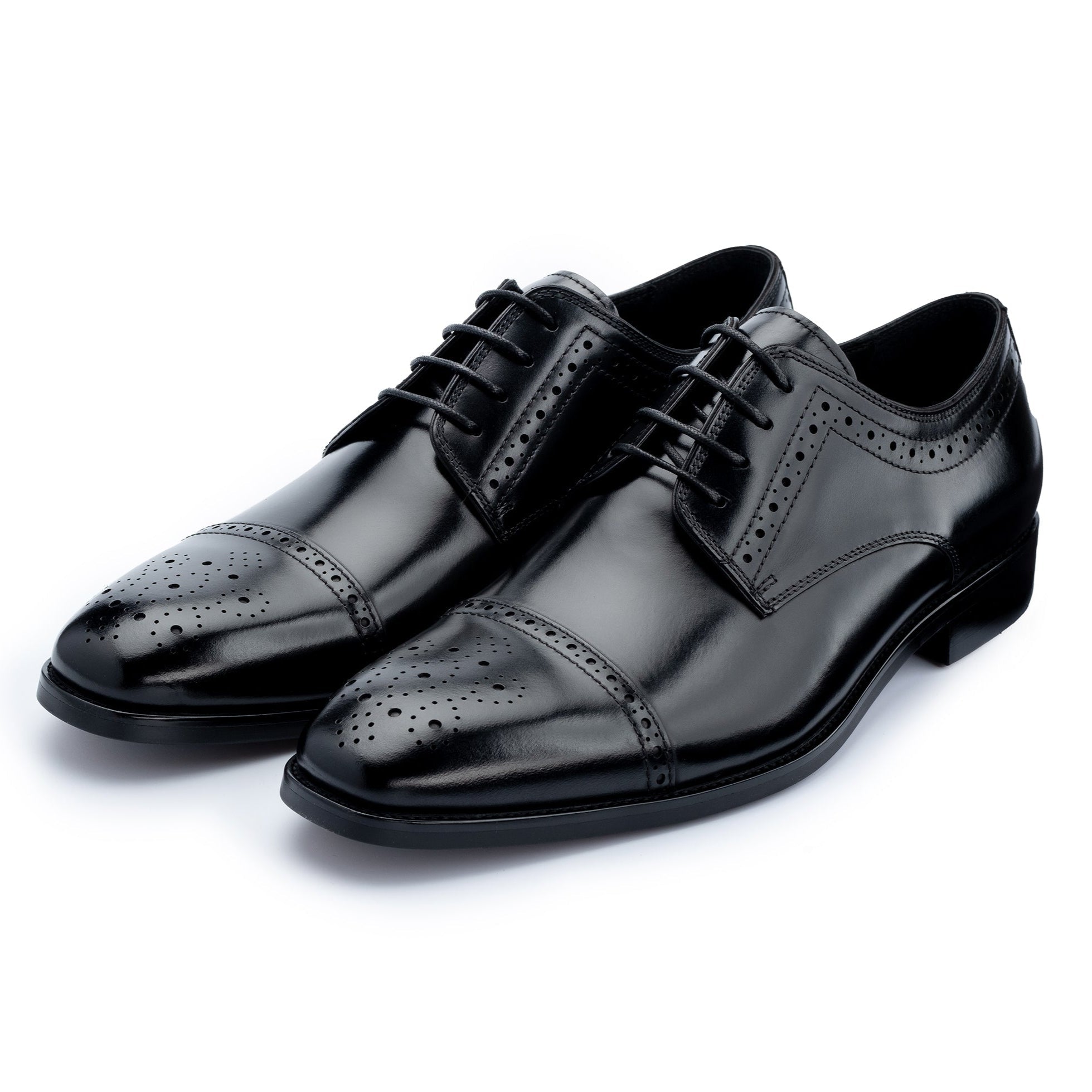
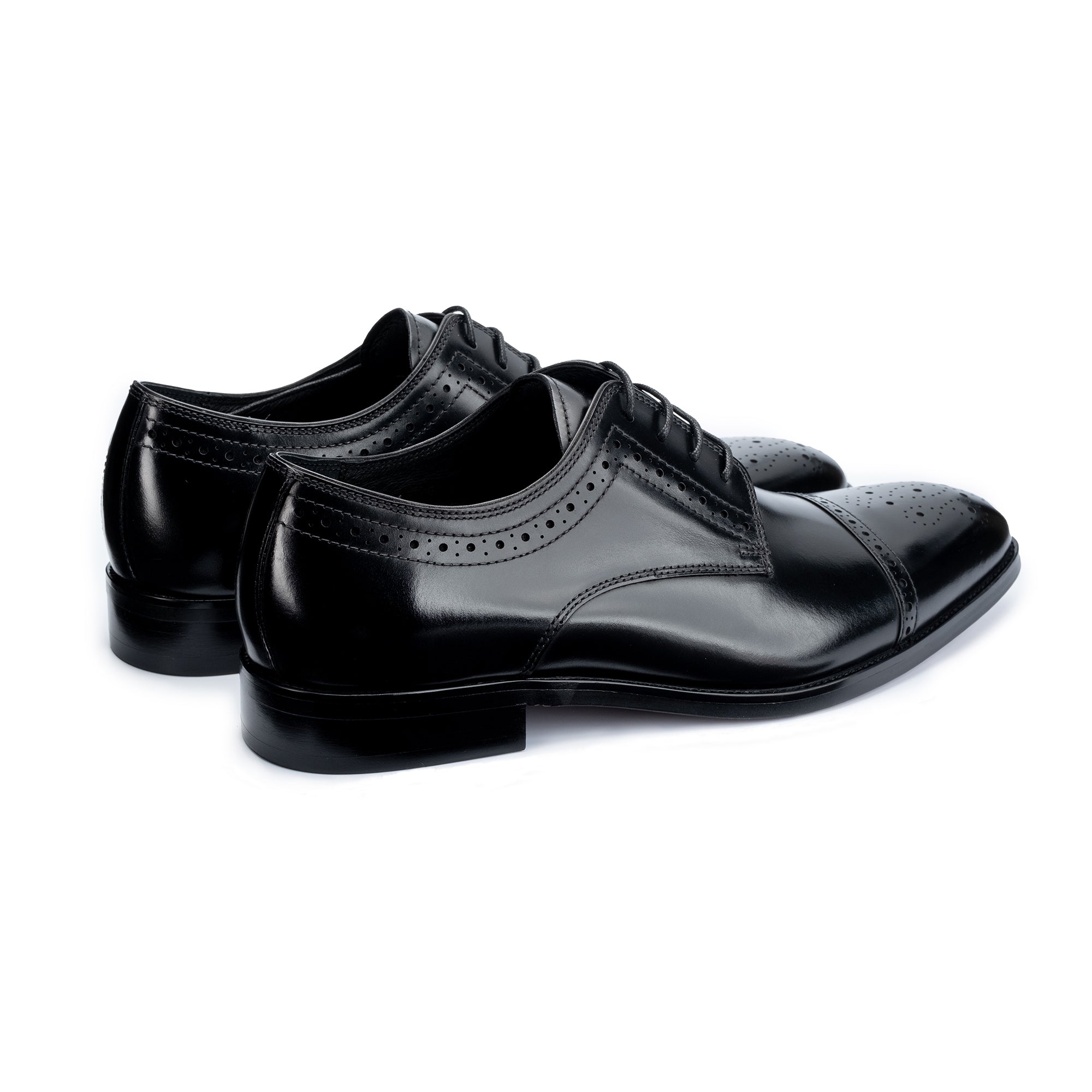
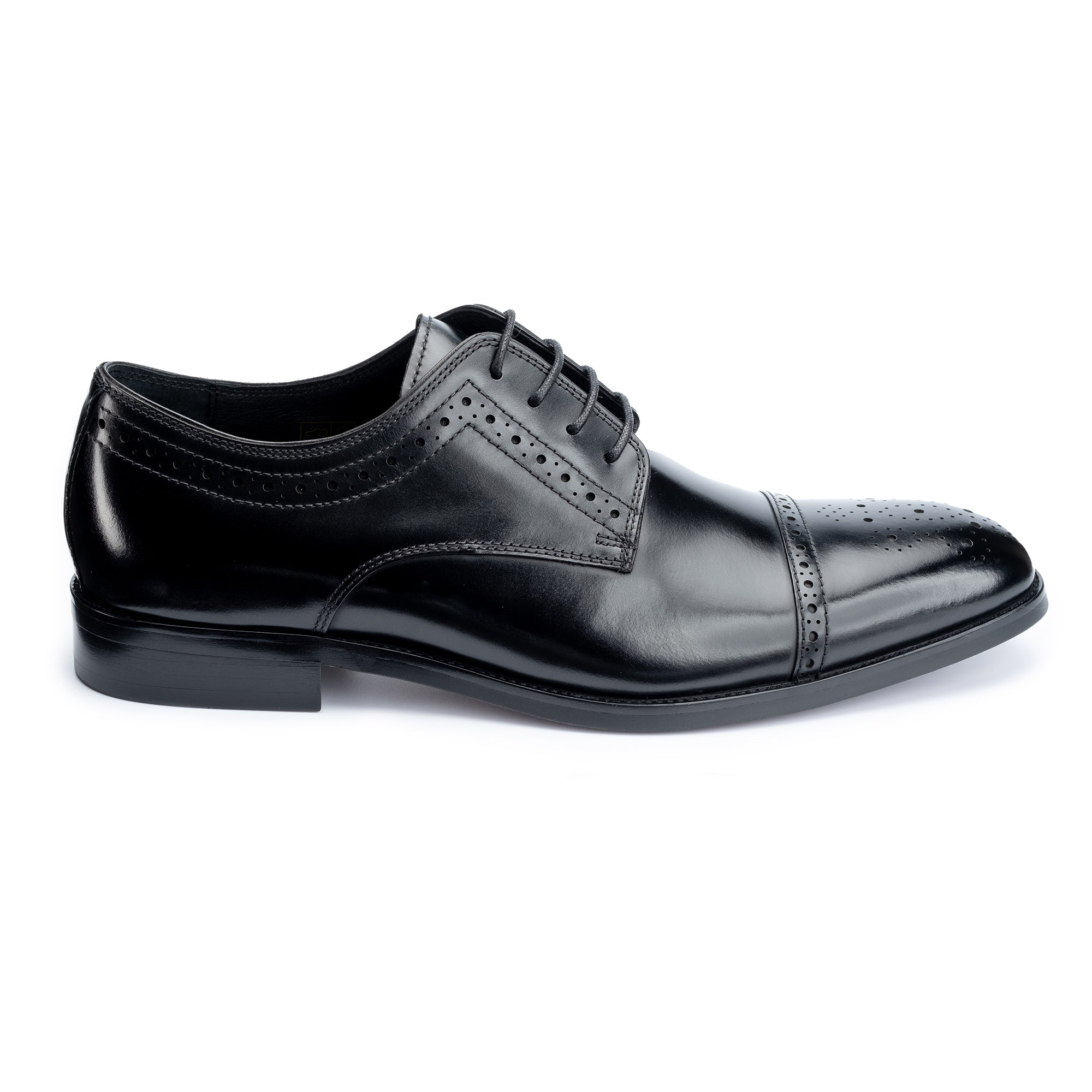
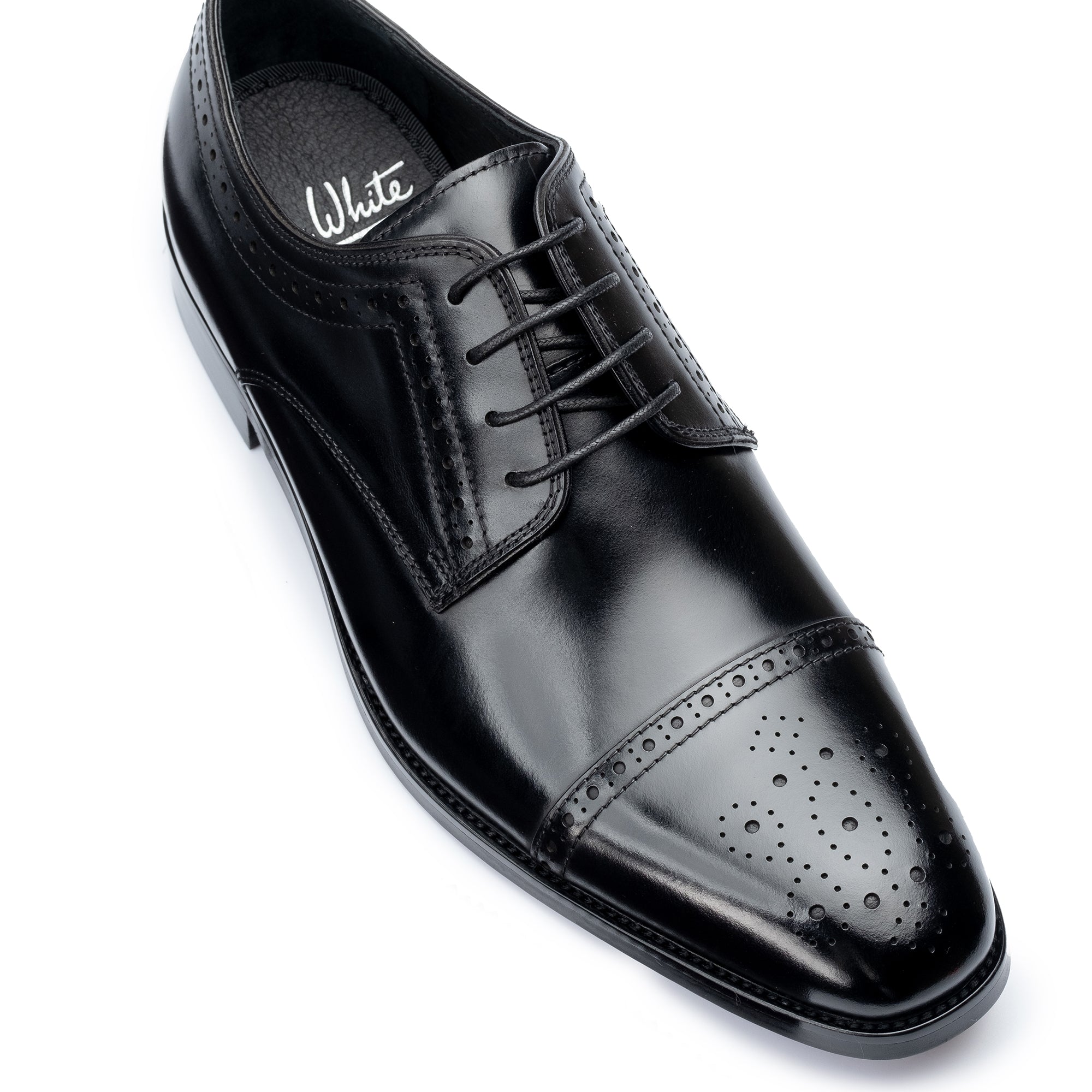
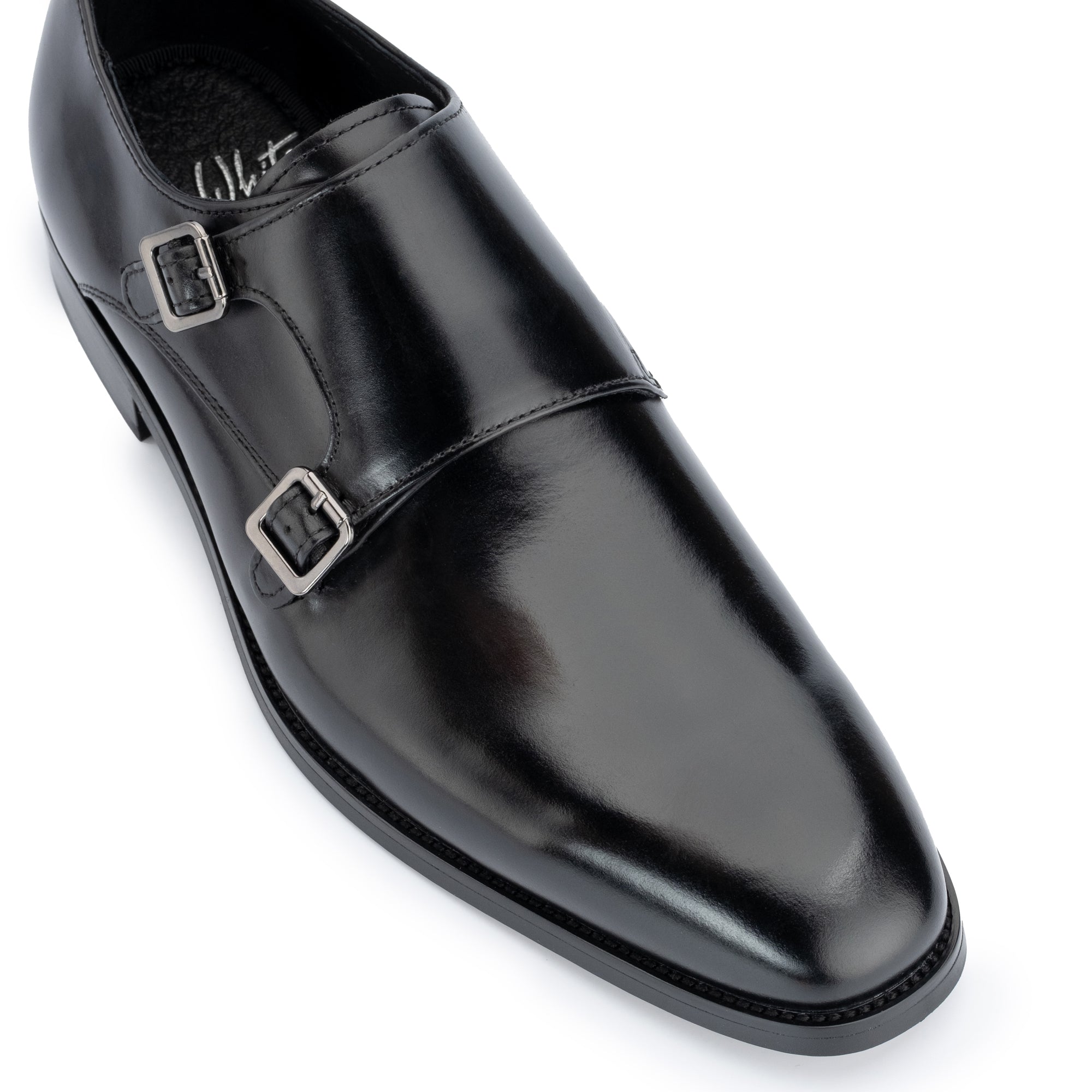
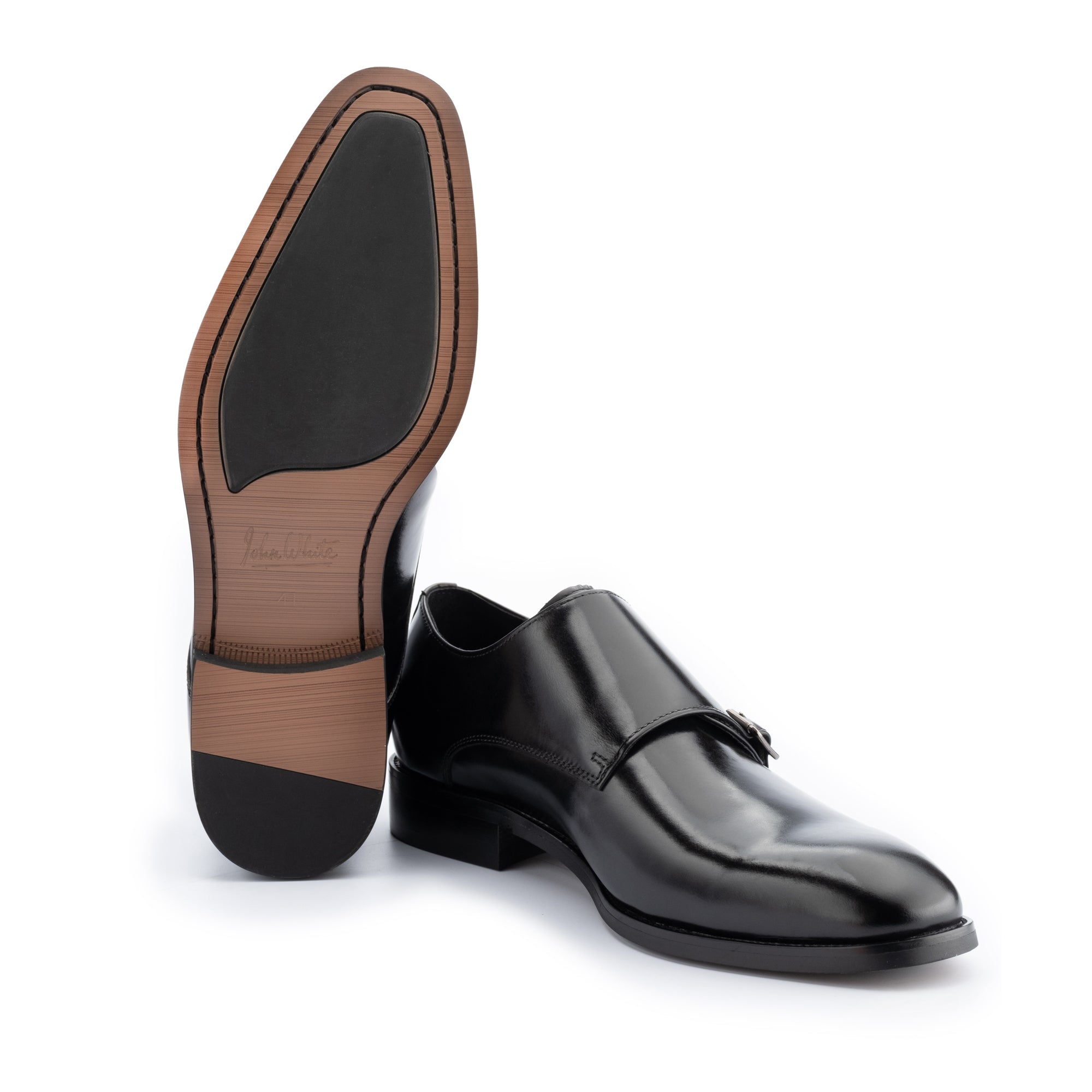
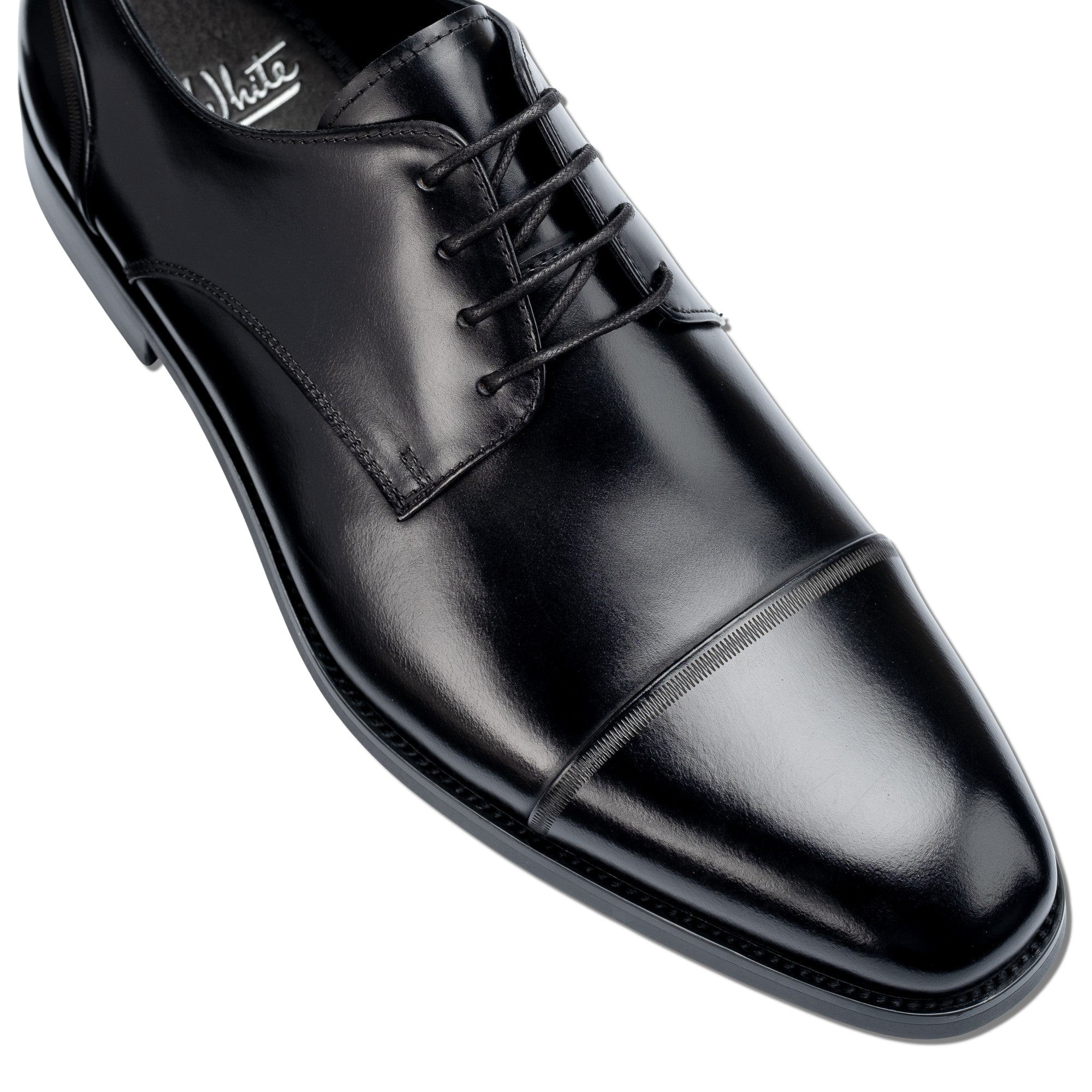
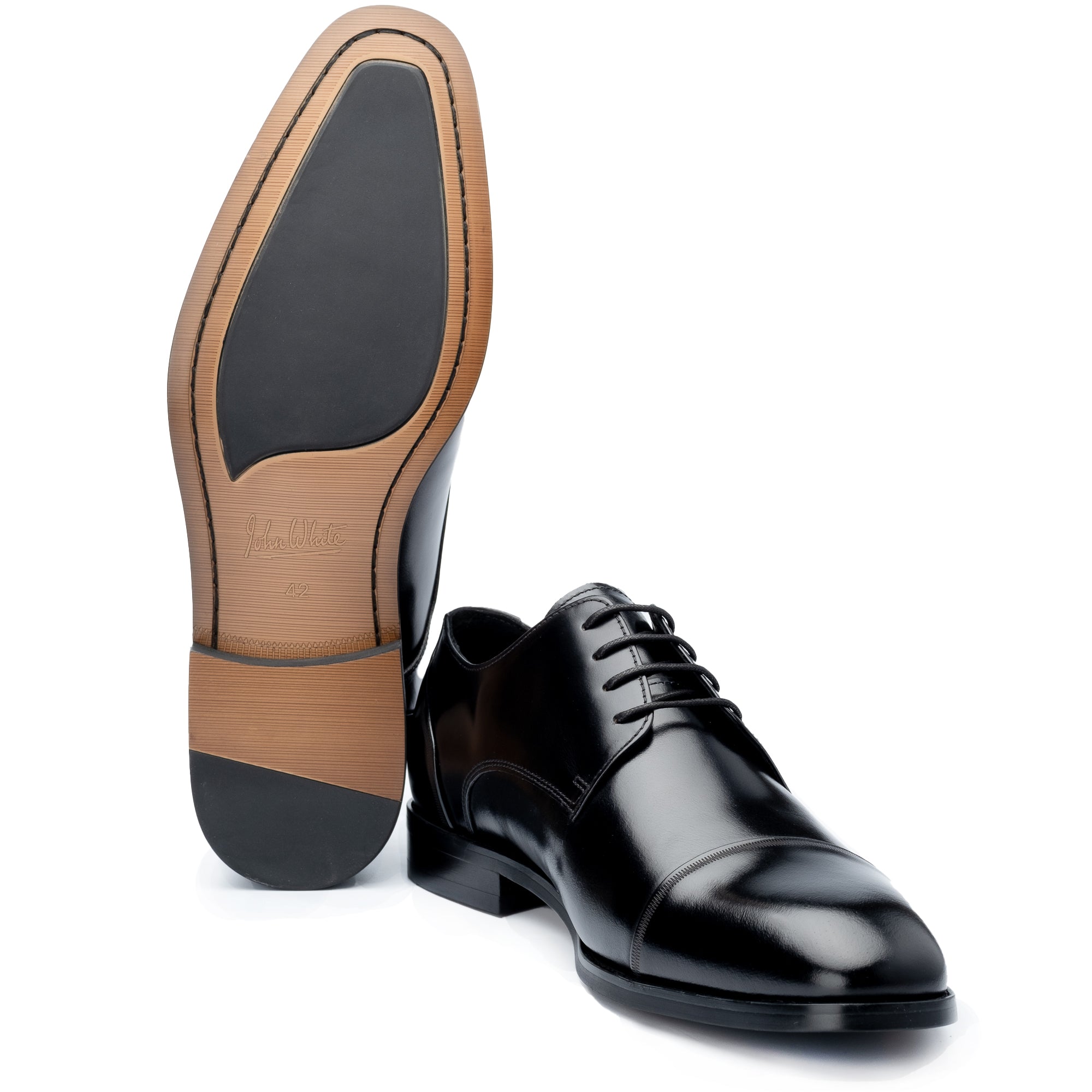
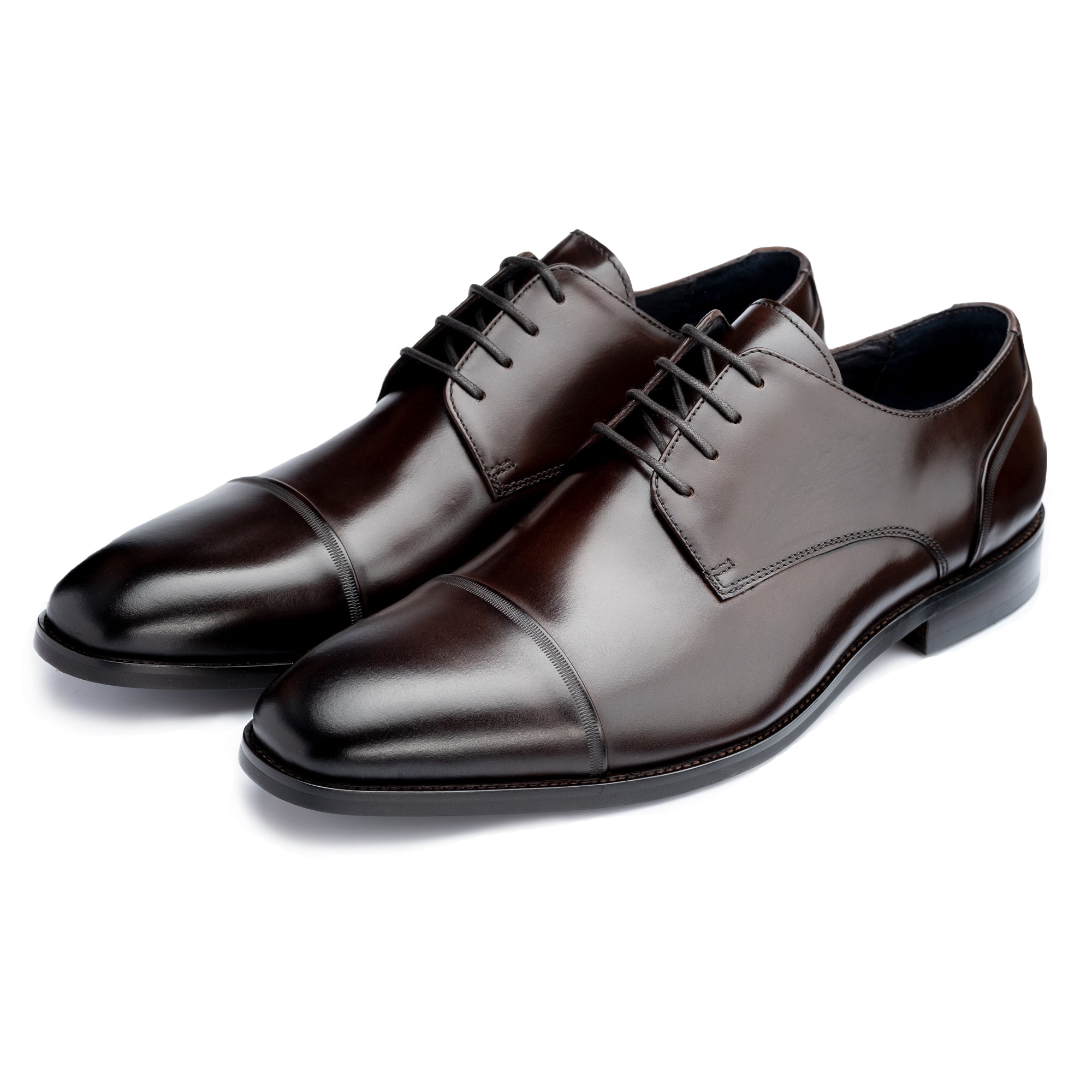
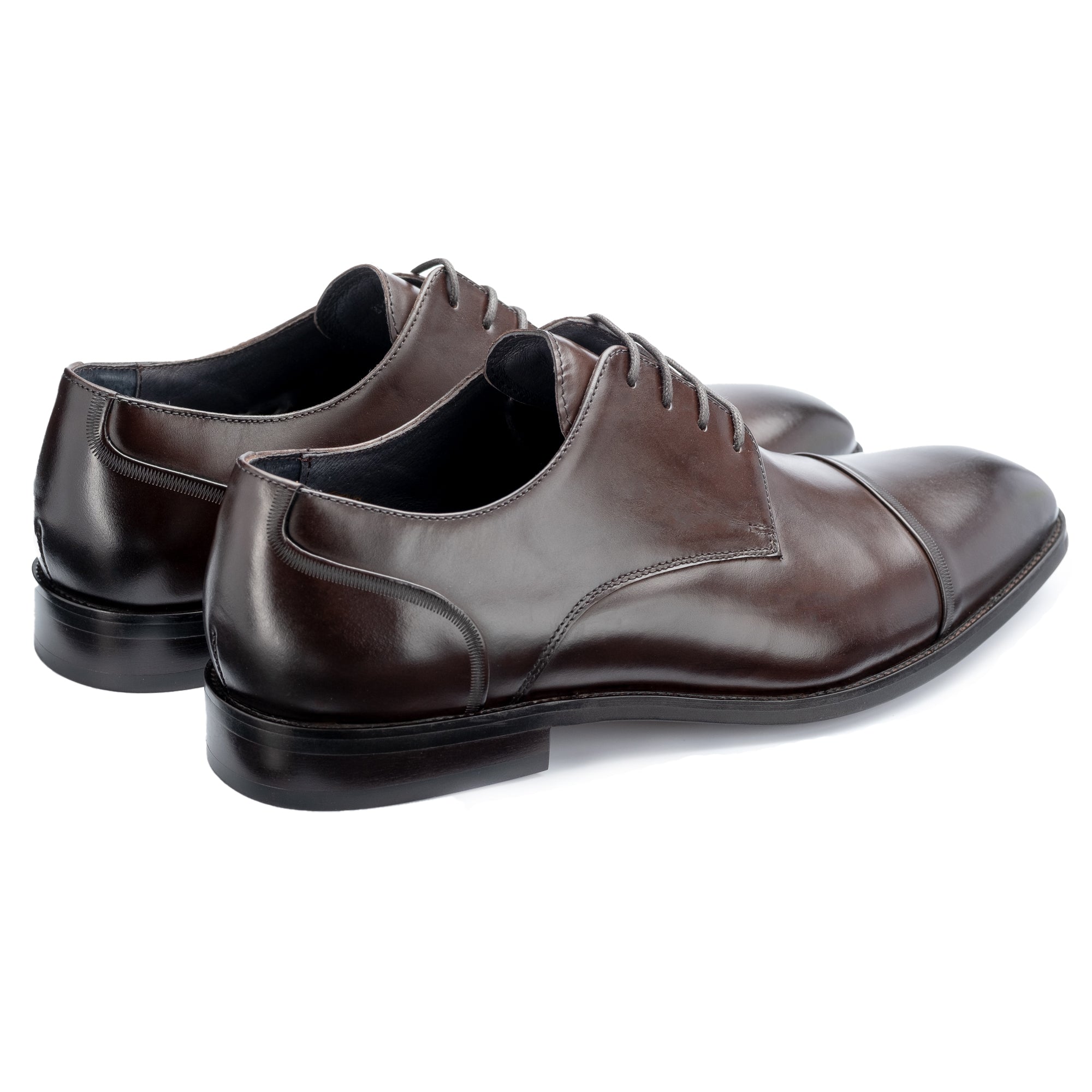
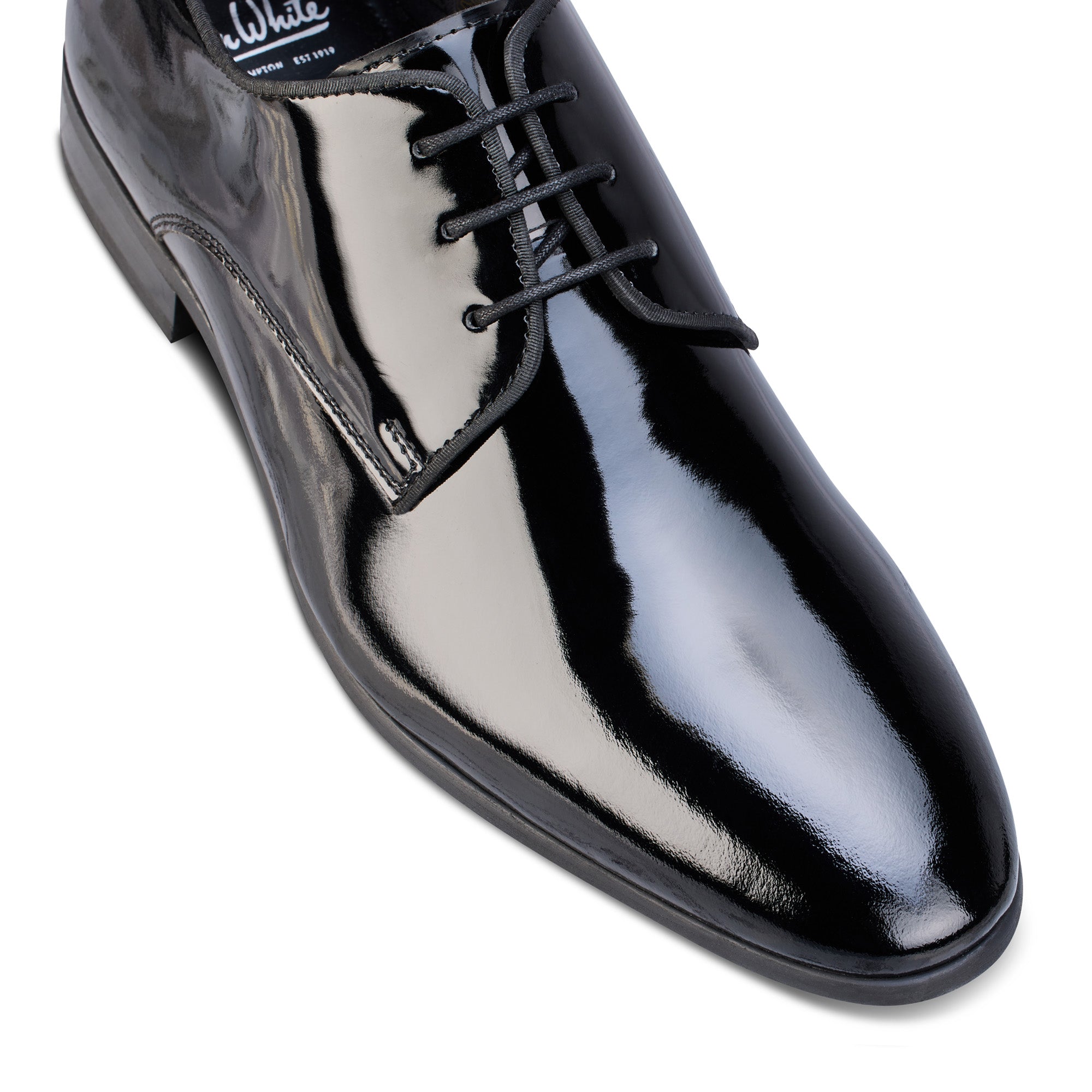
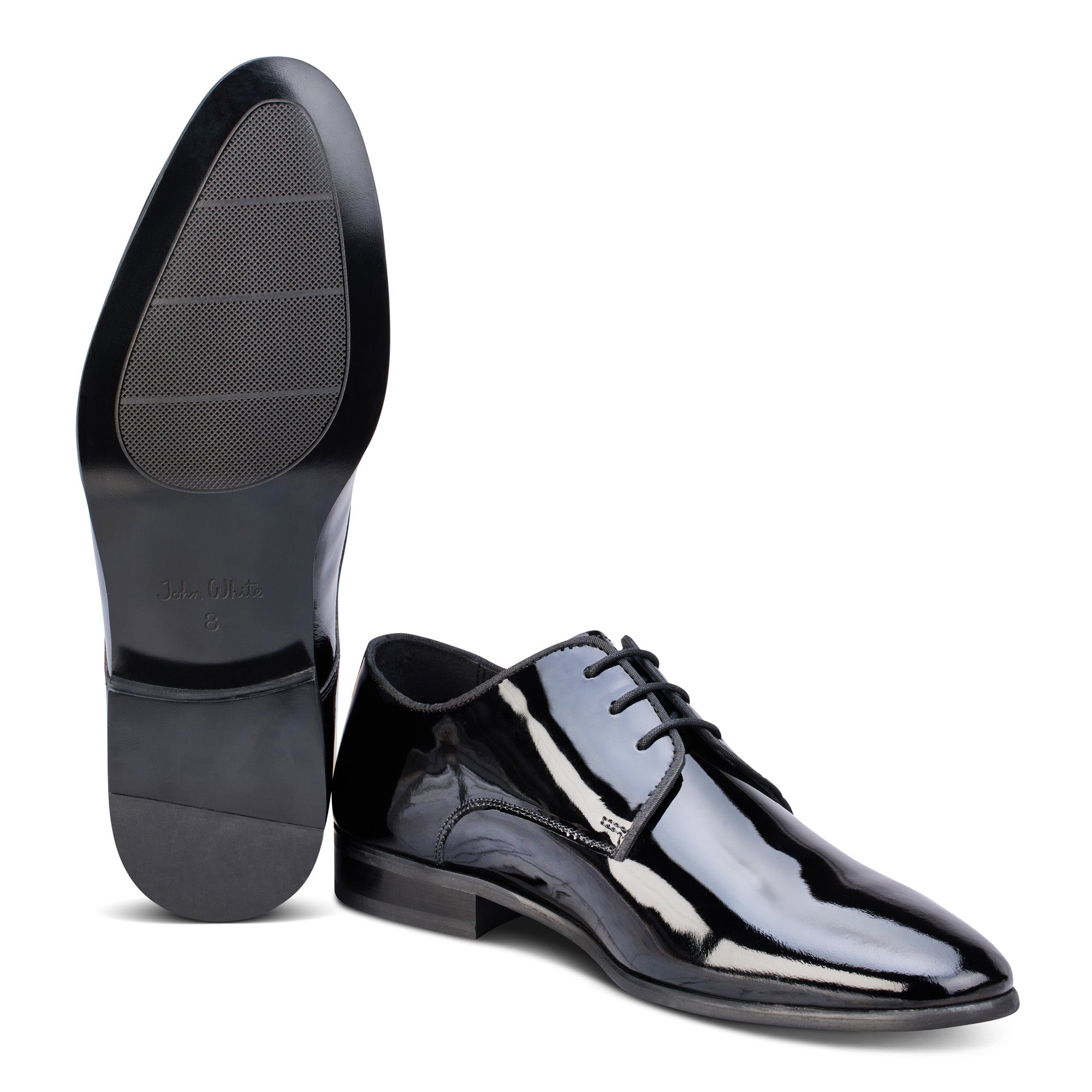
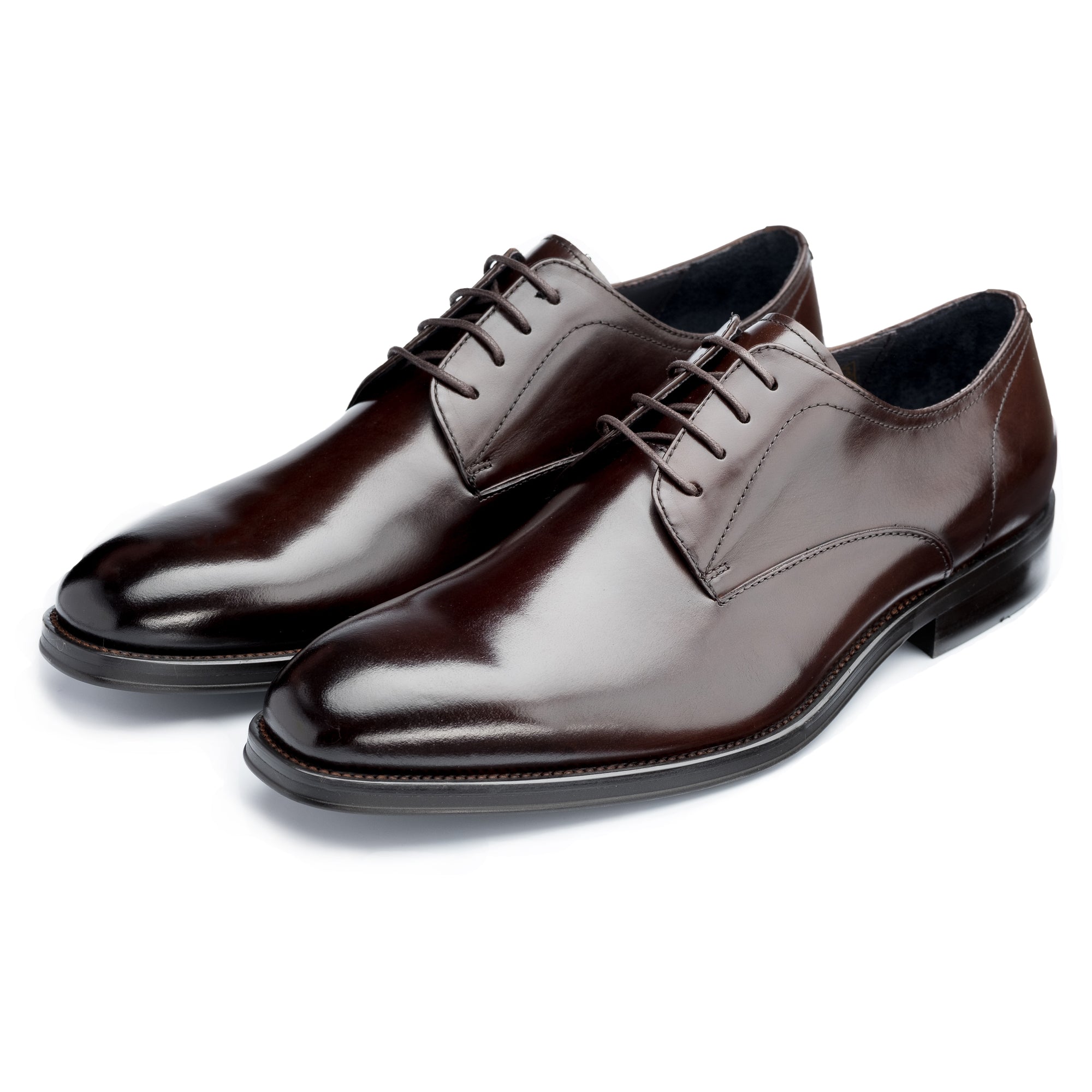
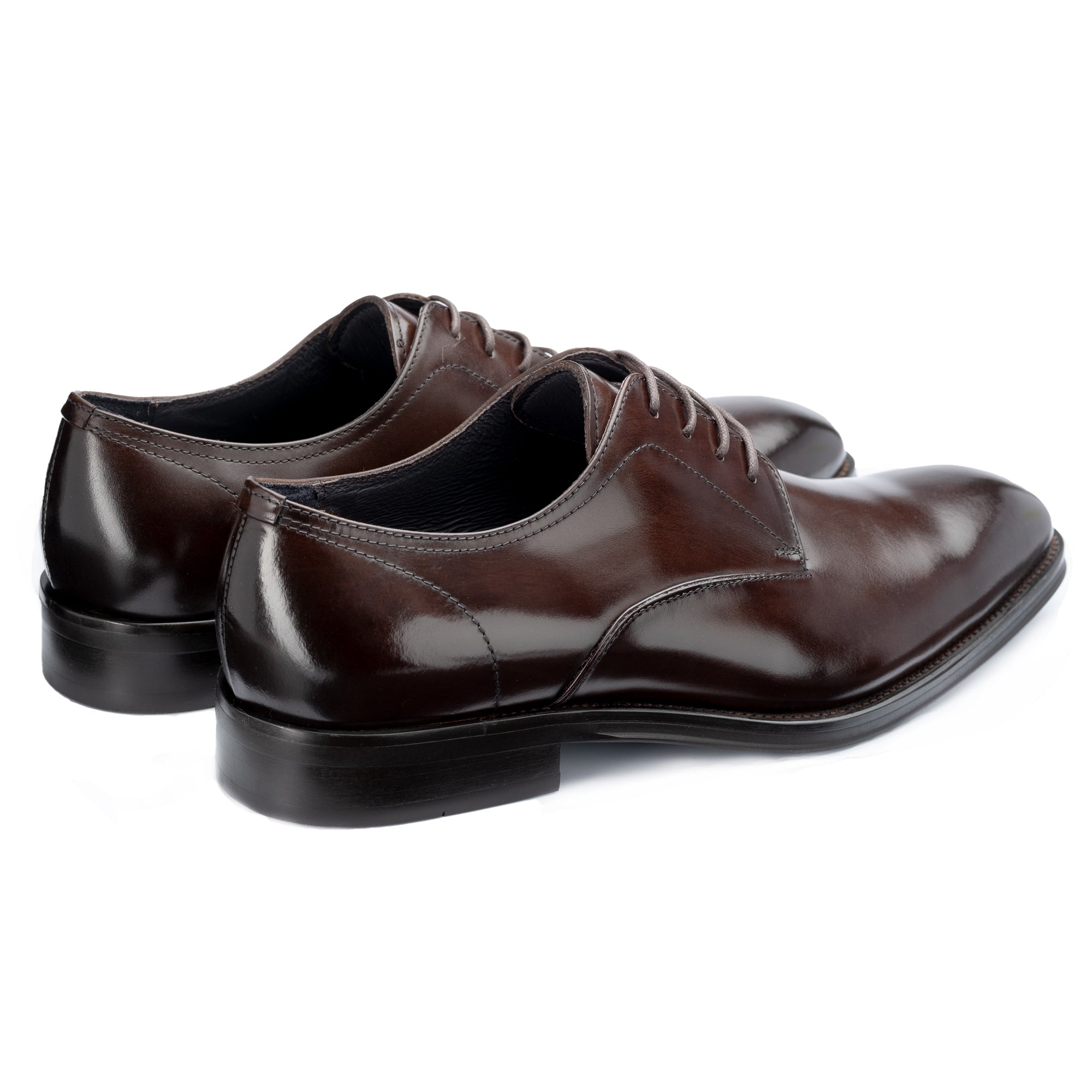
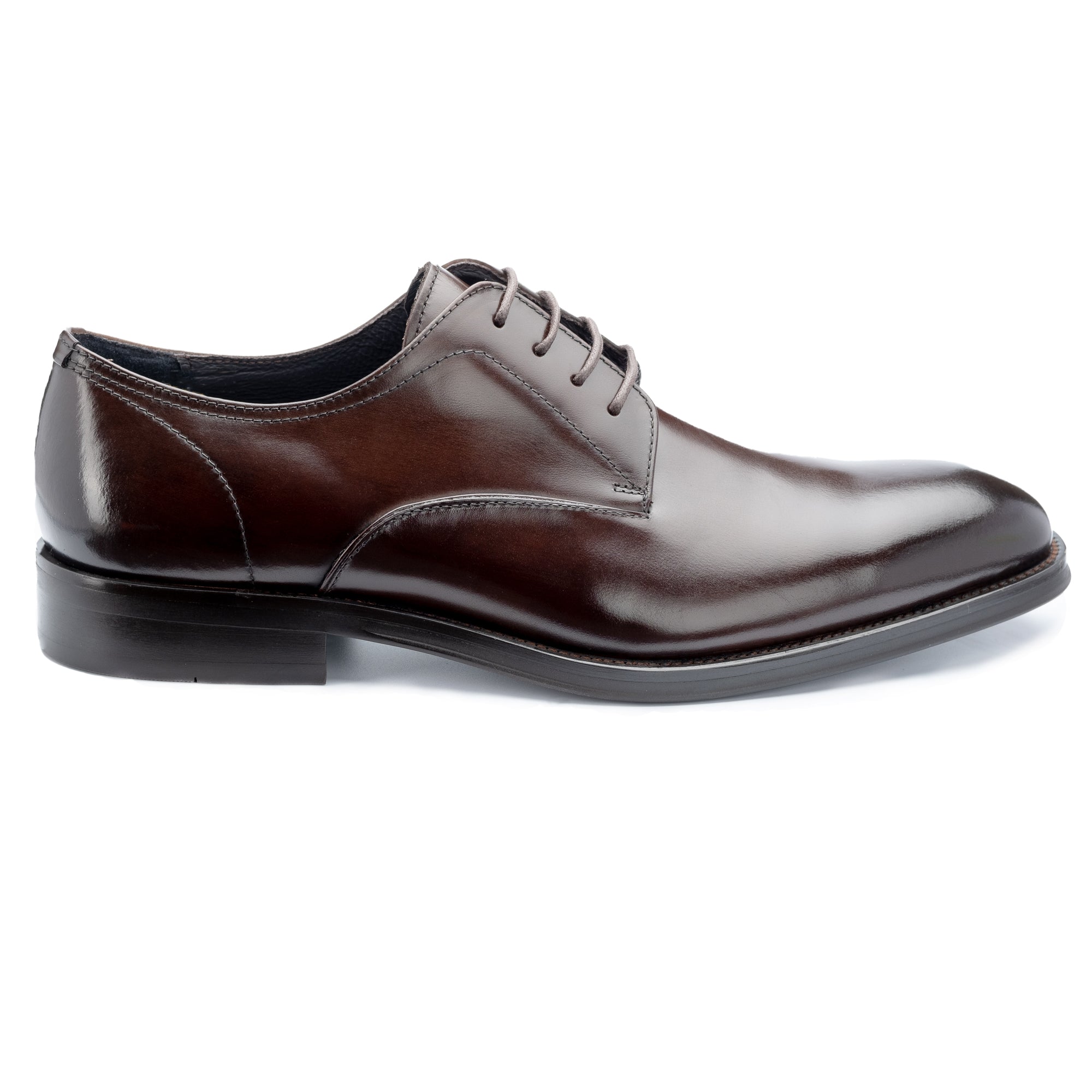
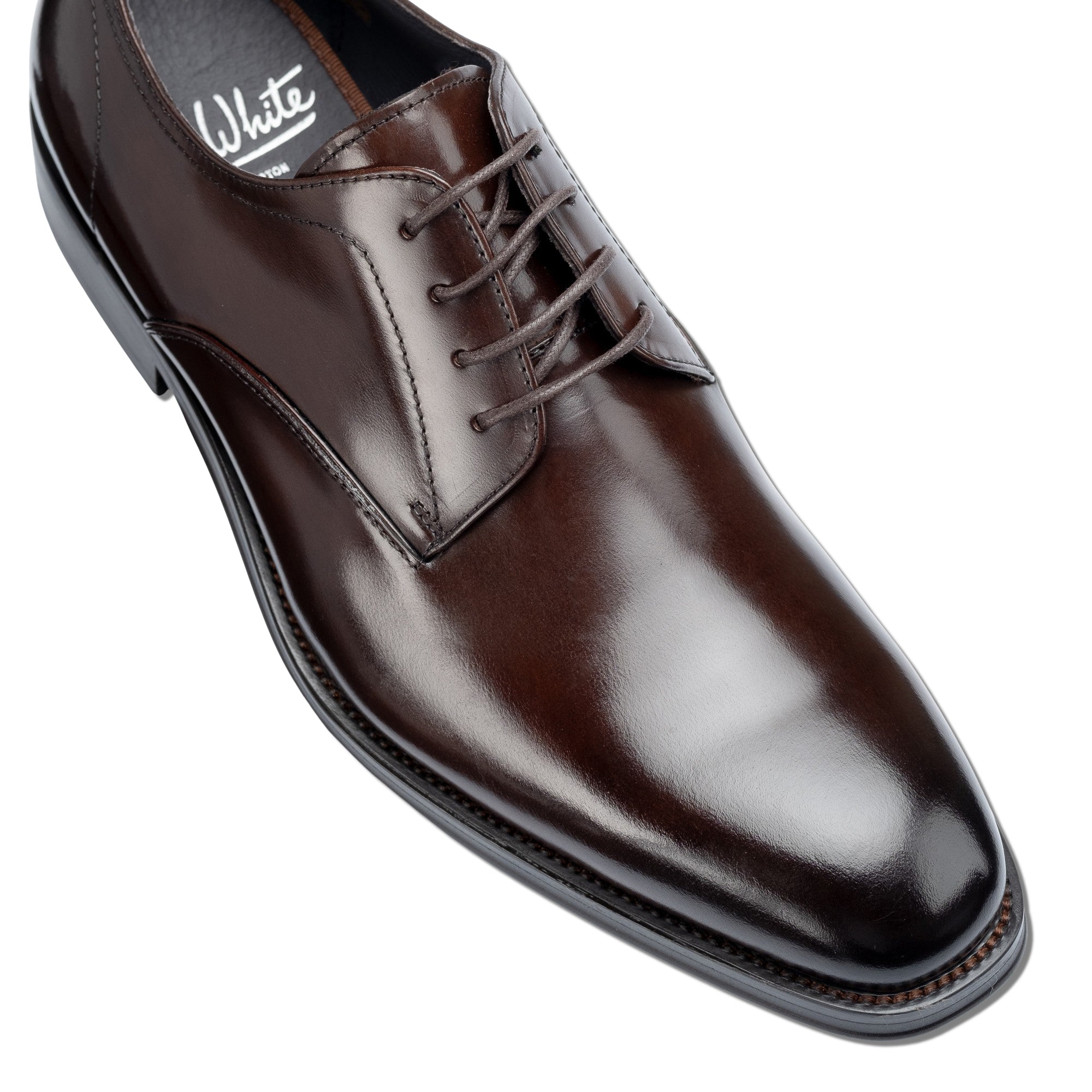
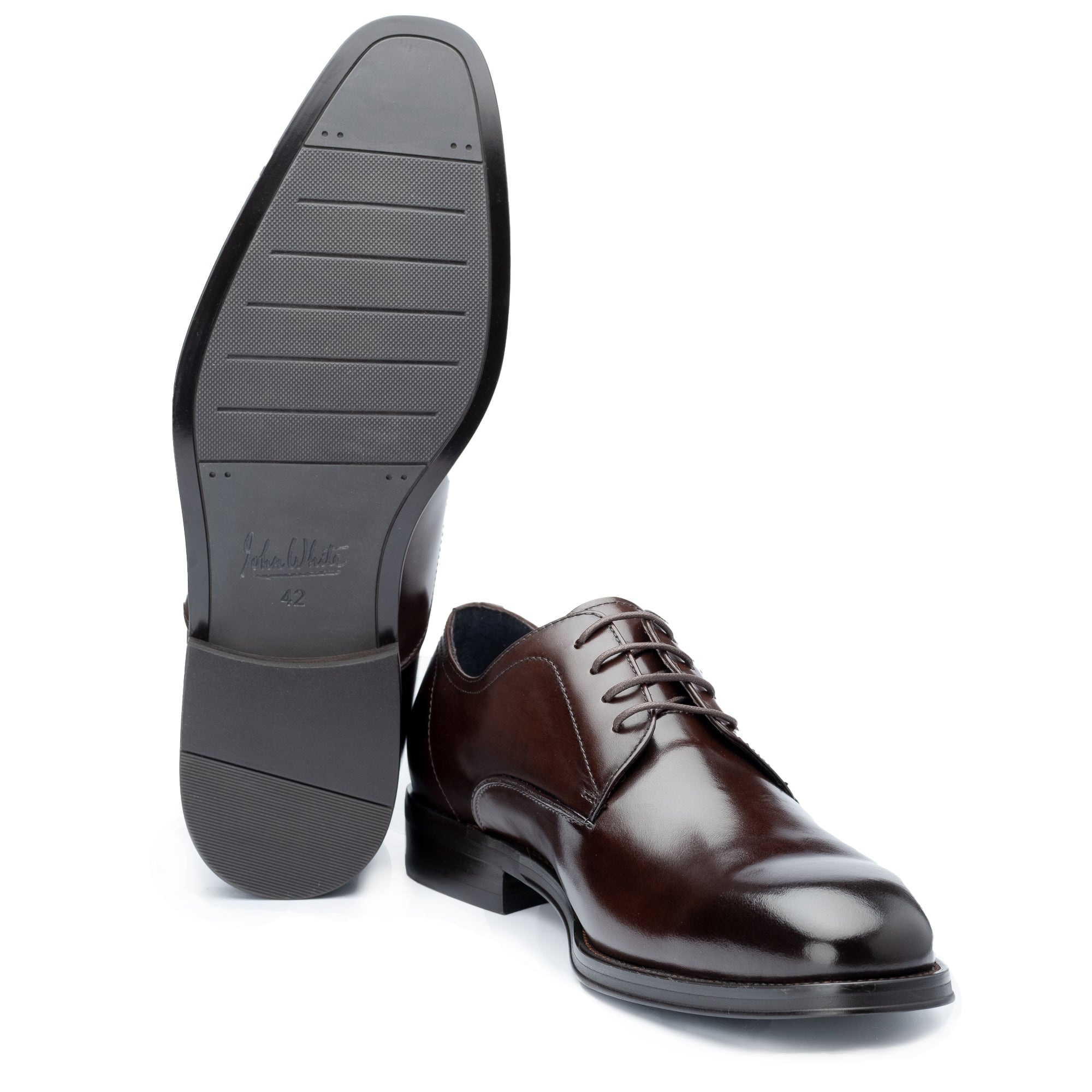
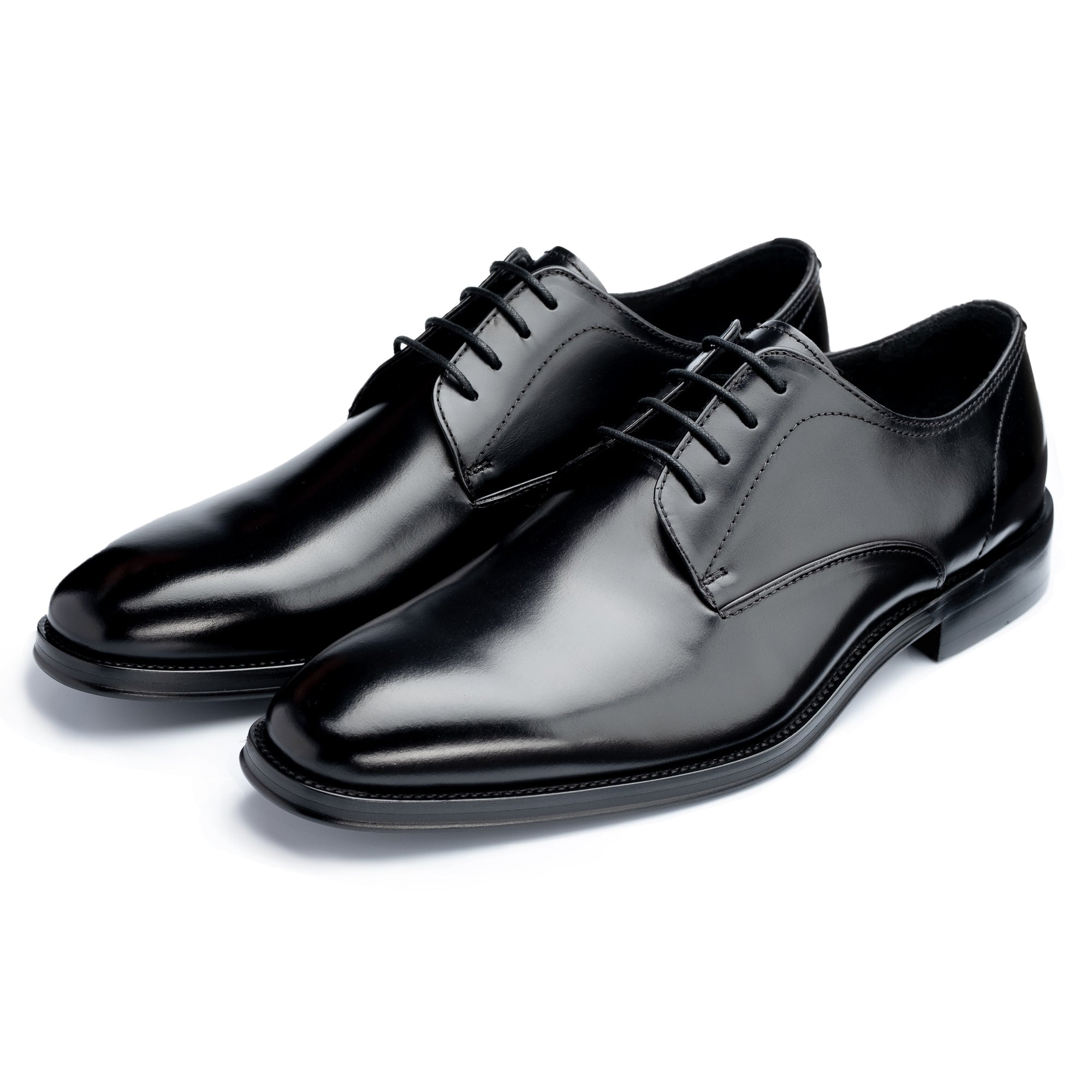
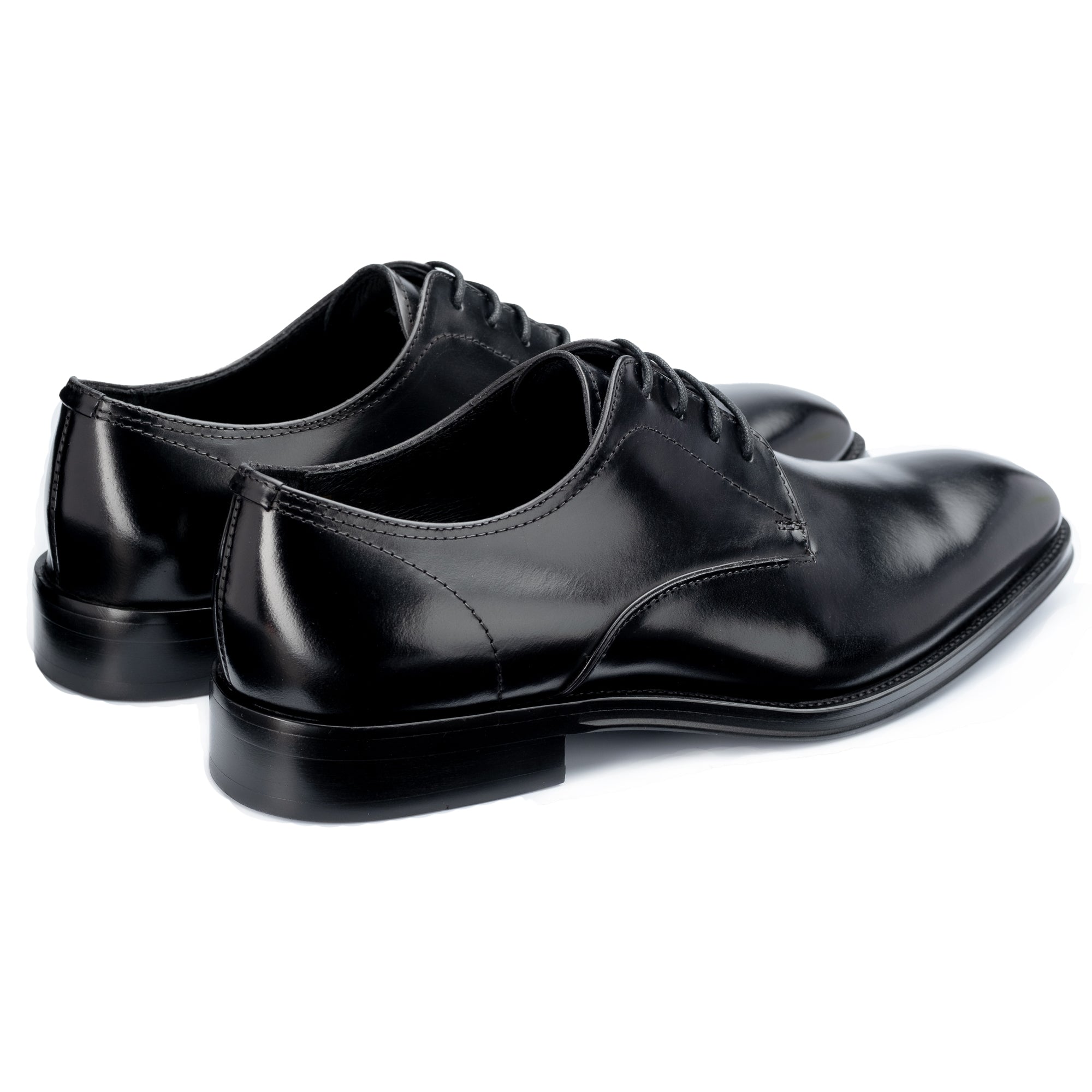
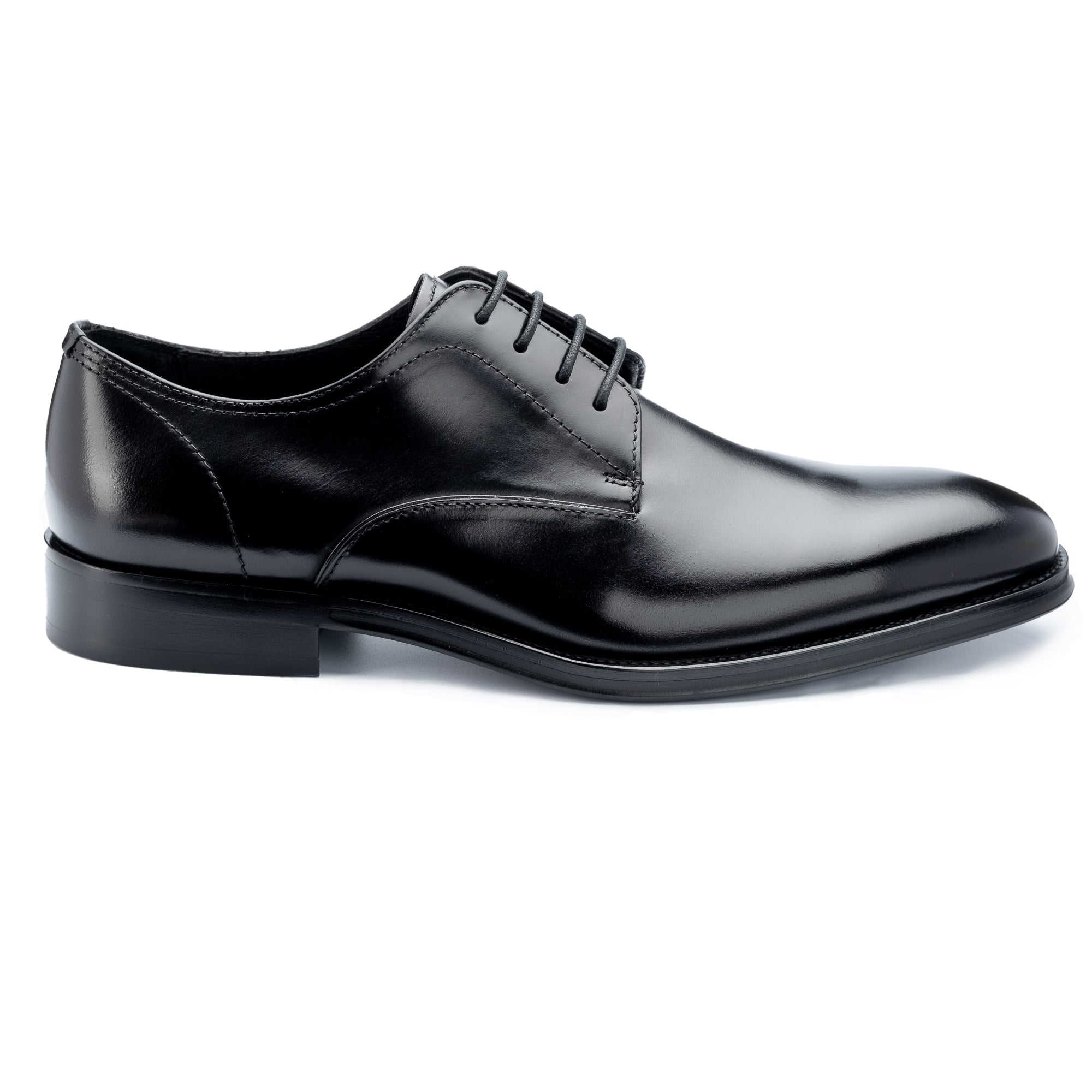
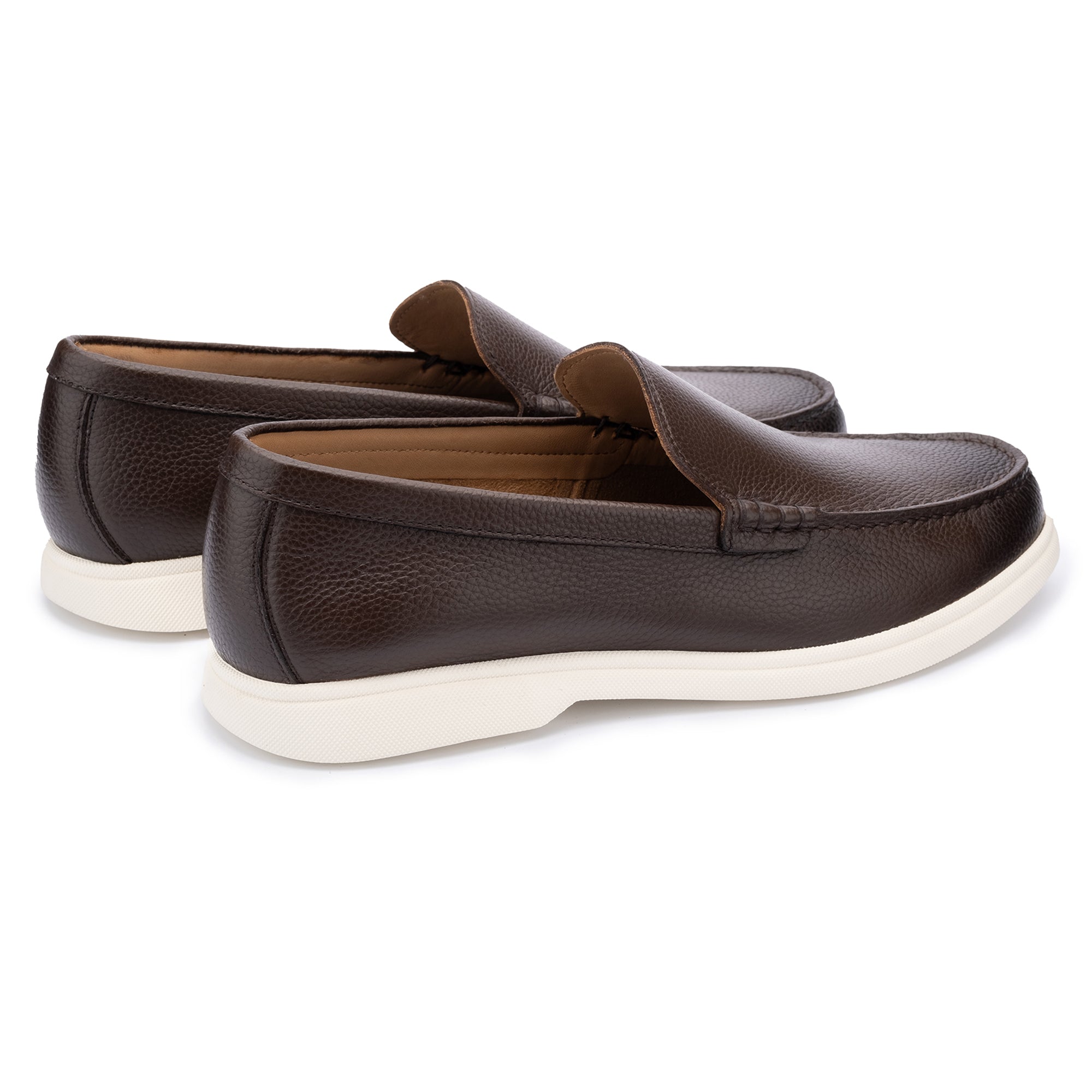
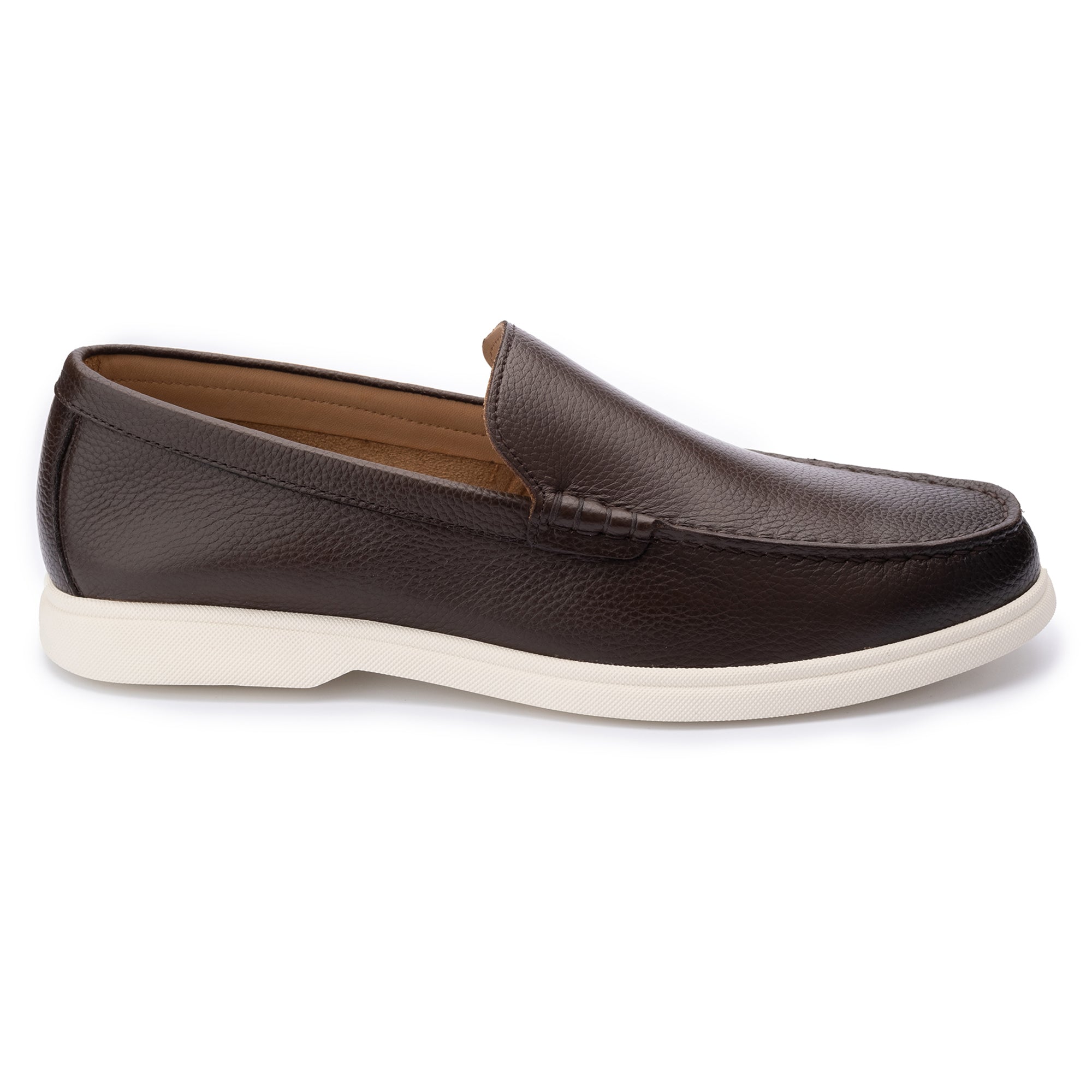
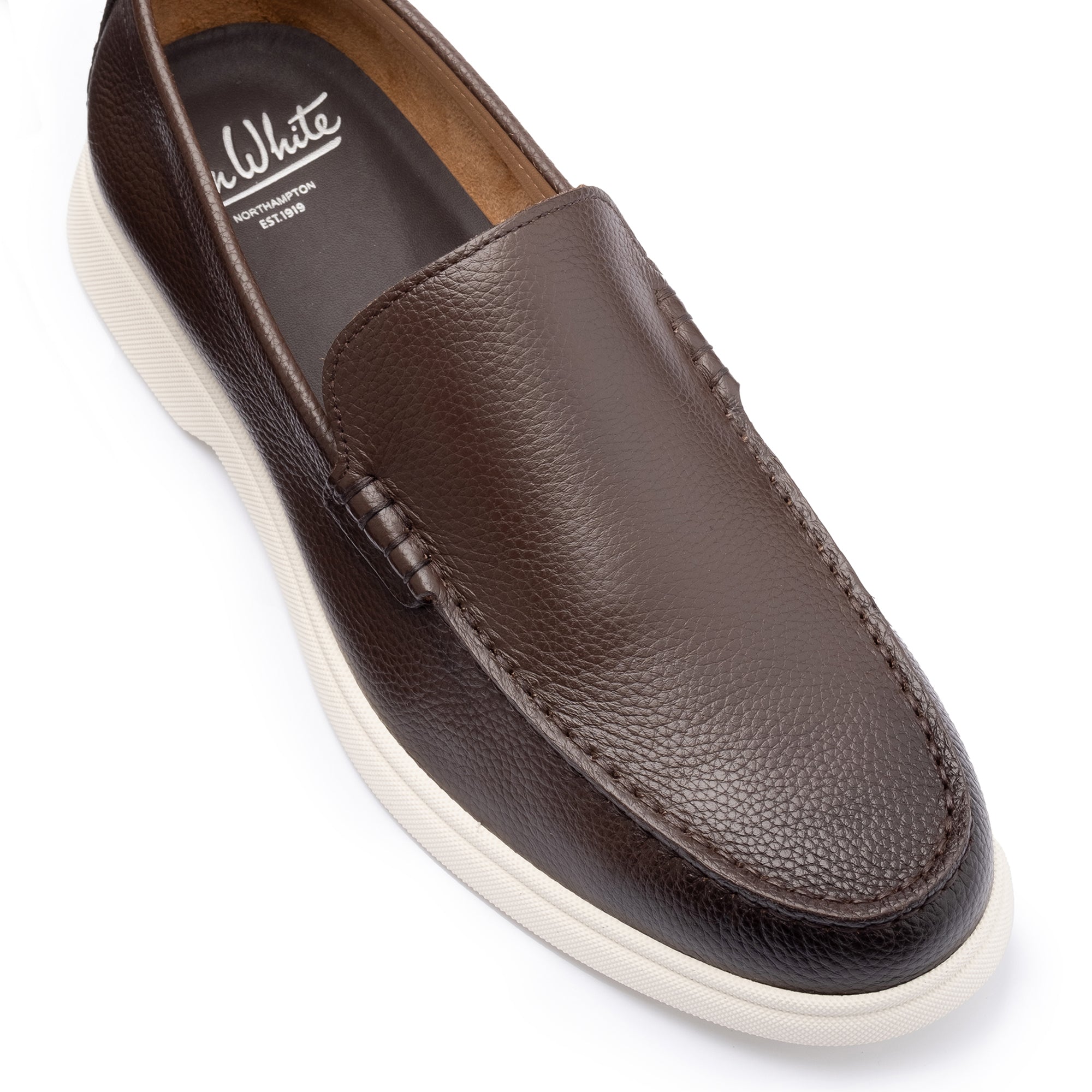
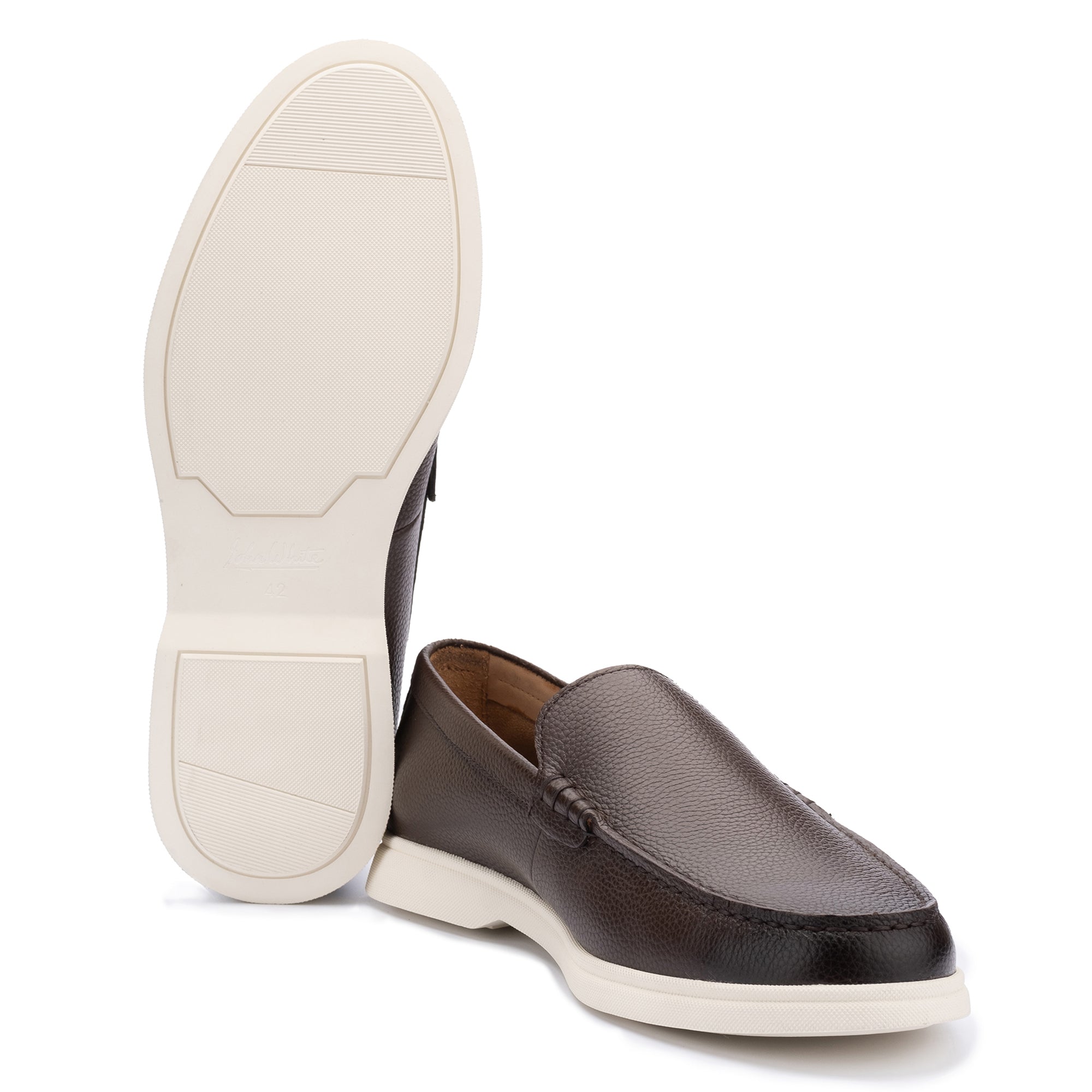
The brands that define British heritage footwear — Church's, Loake, Barker, Crockett & Jones, and John White Shoes — all share one truth: the shoe is only half the equation. What you do after you take it off determines how long it lasts and how good it looks doing it. For a full overview of long-term care habits, our complete guide to leather shoe care is the place to start.
What Is a Shoe Care Valet Box?
A shoe care valet box is a curated collection of maintenance tools kept together in one dedicated place for consistent, convenient use. The term comes from the tradition of a gentleman's valet preparing footwear each morning — the box held everything needed to present shoes at their best before the day began.
Today it's simply a container — a wooden box, a tray, a deep drawer — that keeps your tools organised and accessible. Organisation matters here. The more friction between you and your shoe care kit, the less often you'll actually use it.
A well-assembled, clearly organised valet box is the single most effective investment you can make in the longevity of quality leather footwear.Why Does a Shoe Care Arsenal Matter?
Leather is a natural material that needs ongoing maintenance to perform. According to the Leather Conservation Centre, leather should be conditioned every six to eight weeks under normal wear to prevent drying, cracking, and surface deterioration. The natural oils that give leather its suppleness and resilience evaporate through wear and exposure — and once leather cracks through the grain, the damage is largely permanent.
The Society of Master Shoe Repairers estimates that a well-maintained pair of quality leather shoes can last 10 to 15 years with consistent care, compared to just two to three years when neglected. The Leather Conservation Centre also notes that the majority of premature leather deterioration stems from insufficient conditioning and inadequate moisture management — both preventable with the right tools.
That's not an academic point. It's the difference between a cost-per-wear that makes a premium shoe a sensible purchase and one that doesn't stack up.
The lifespan of quality leather footwear is determined less by the shoe itself than by the consistency of care applied after every wear.What Are the Essential Tools in a Shoe Care Valet Box?
Cedar Shoe Trees
Shoe trees are the most important item in any care arsenal — more important than any polish. Cedar shoe trees absorb moisture from the leather after wear, maintain the shoe's shape as it dries, and prevent the toe box creasing prematurely. Red cedar carries natural antibacterial properties that reduce odour over time.
Insert them immediately after removing your shoes, while the leather is still warm. Leave them in for at least 24 hours. Our guide on maximising shoe life through shoe trees covers sizing, spring tension, and technique in full.
Horsehair Brushes
You need at least two. A stiff cleaning brush removes dried dirt and dust before any treatment is applied; a soft buffing brush works polish into the leather and raises the shine. Keep them separate — contaminating your buffing brush with old grime undermines every polish application from that point on.
Horsehair is the traditional choice because its natural stiffness cleans effectively without scratching the leather surface. Synthetic alternatives cut corners. They're not worth using on anything you care about.
Leather Conditioner
Leather conditioner is a moisturising treatment applied before polish. It replenishes the natural oils that evaporate through wear and exposure, keeping the leather supple and receptive to the wax that follows. The Leather Conservation Centre recommends conditioning as the first step of any active cleaning routine — not the last.
Apply sparingly with a cloth, work it in using circular motions, and allow it to absorb fully before proceeding. Applying polish over unconditioned leather produces a flat, uneven result.
Wax Polish
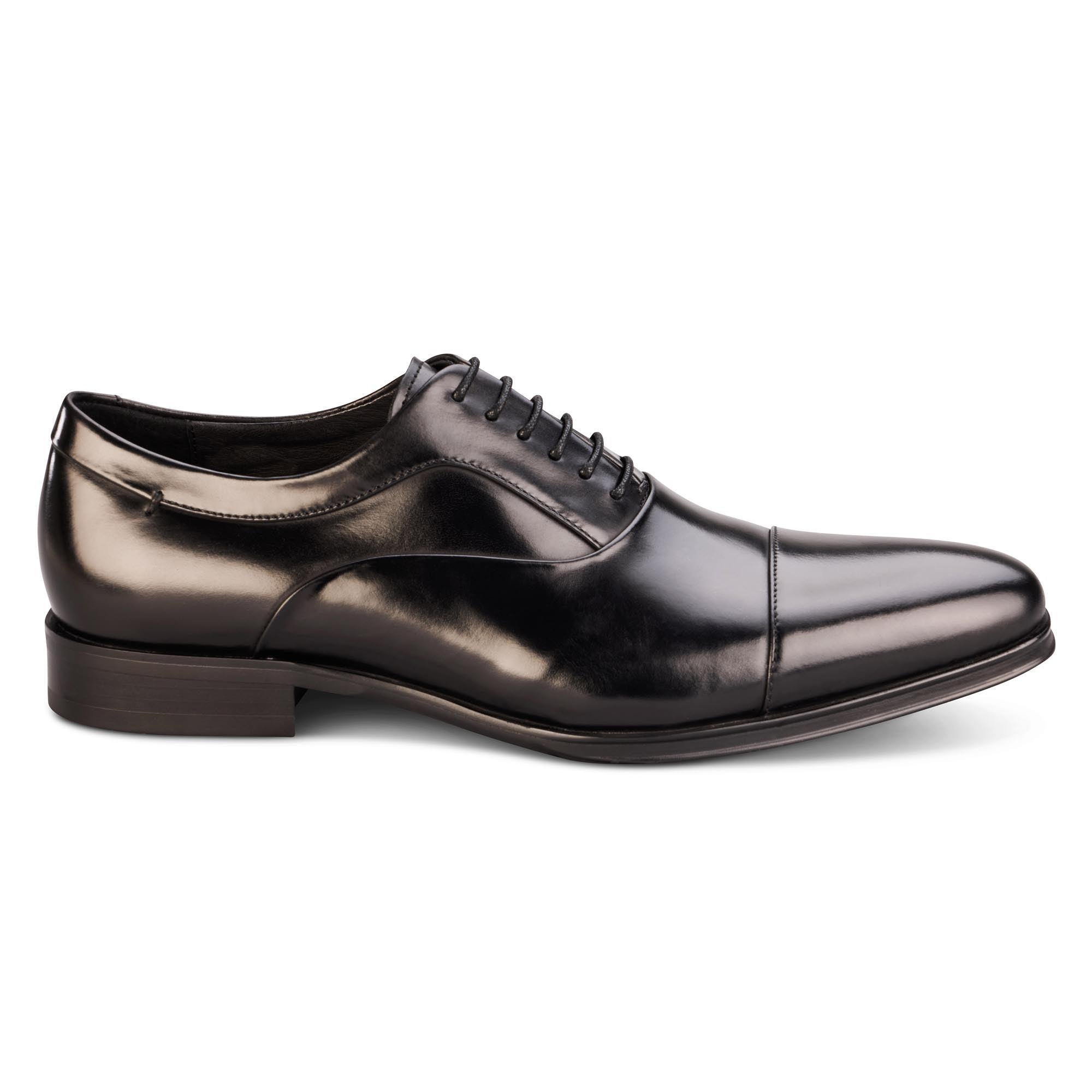
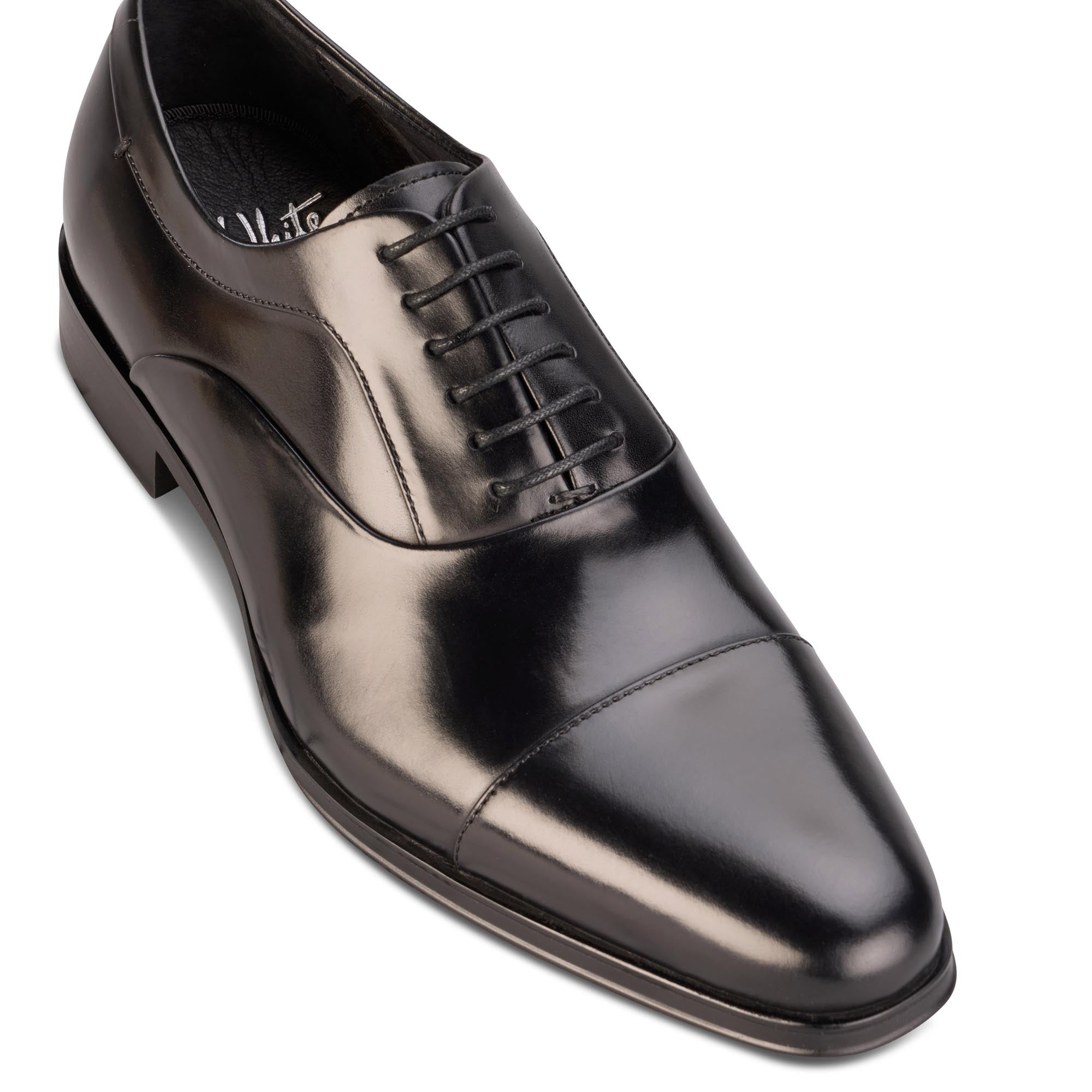
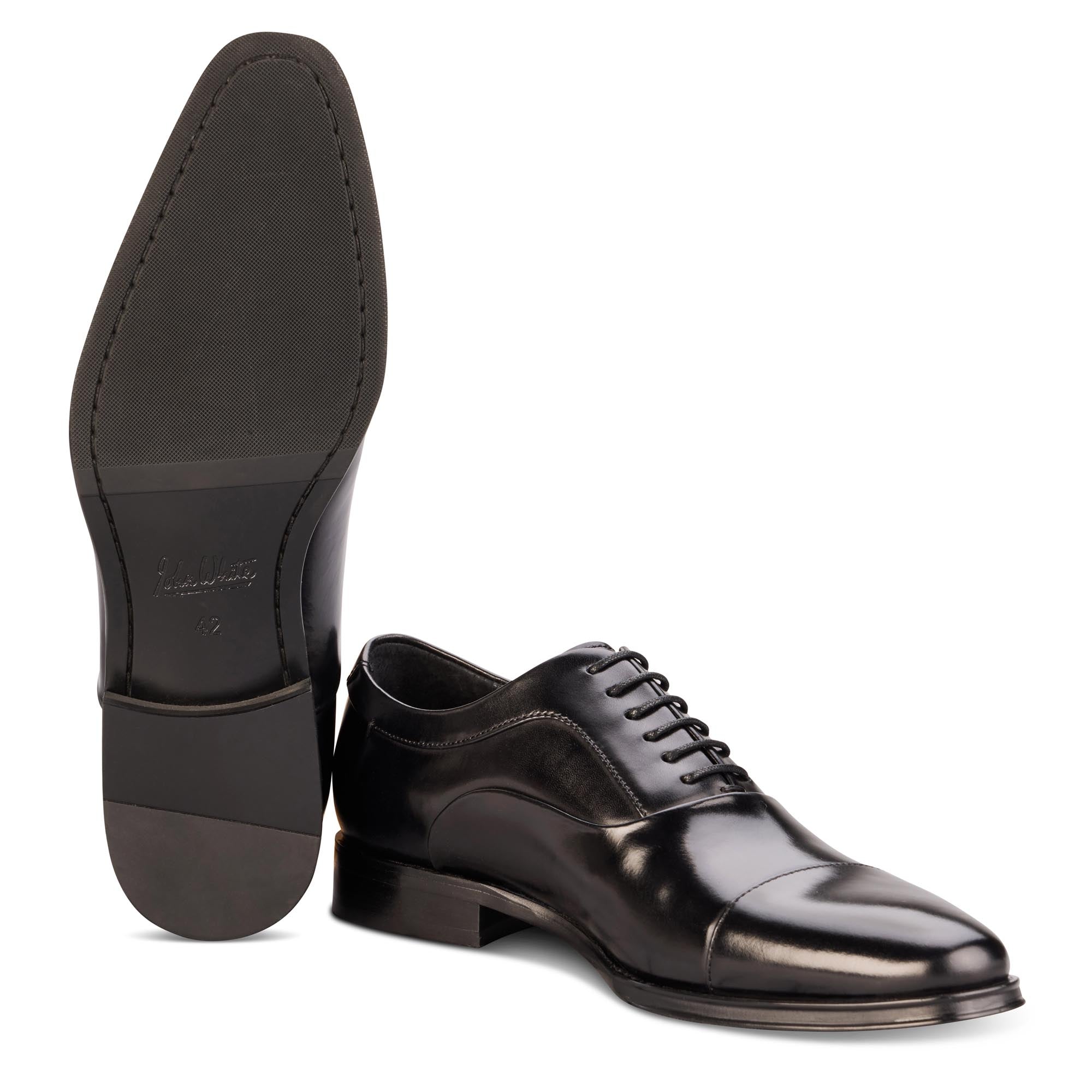
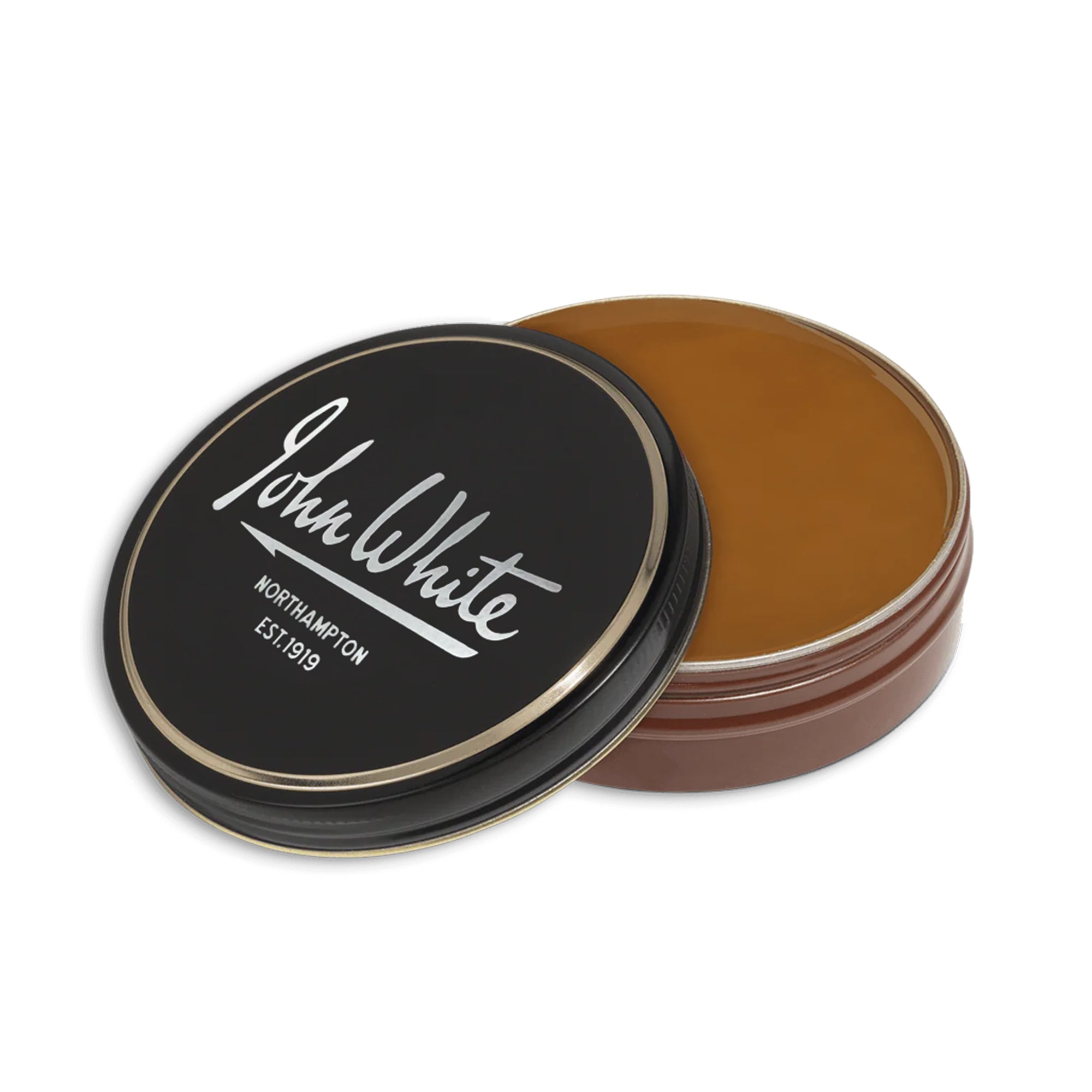
Wax polish provides colour restoration, surface protection, and shine. A quality wax — such as our Premium Wax Polish — creates a protective barrier against moisture, scuffs, and minor abrasion while nourishing the leather surface. Match the colour to your shoe: black for black, mid-tan for tan and cognac tones, dark brown for brown. For pale leathers, a neutral wax preserves colour without darkening the finish.
Applicator Daubers
A dauber is a small brush or sponge used to apply polish precisely. It reaches into welted seams, brogue perforations, and along the heel counter — areas a cloth can't access consistently. Keep one dauber per colour to prevent cross-contamination. A brown dauber used on black shoes leaves a chalky residue that's difficult to remove cleanly.
Polishing Cloths
A soft cotton cloth buffs the shoe to a final shine after polishing. Old cotton T-shirts work well. Professional cobblers often use a chamois leather for the final buff, which produces a deeper, more even gloss. Avoid synthetic fabrics — they can scratch the leather surface and drag rather than glide.
Suede Brush and Eraser
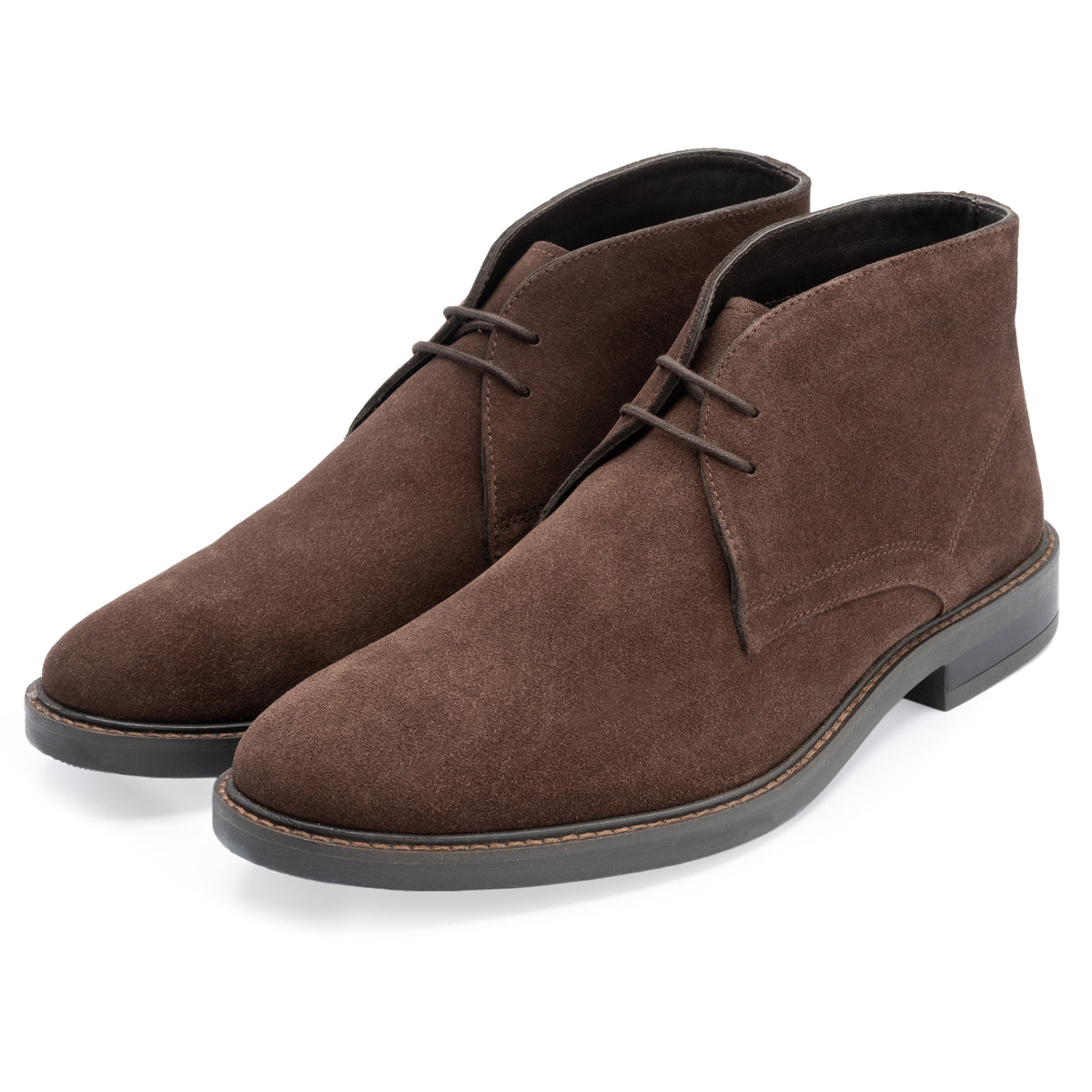
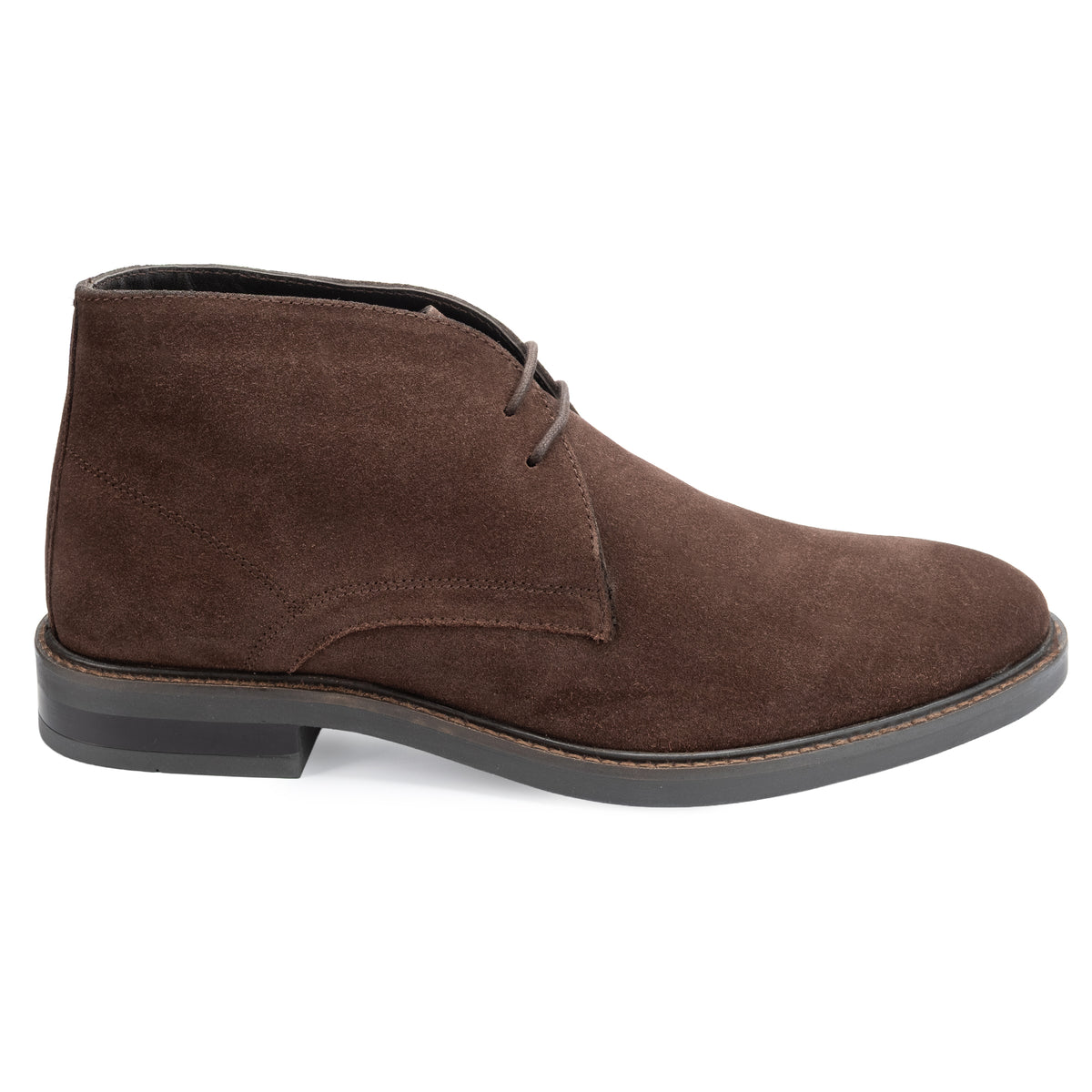
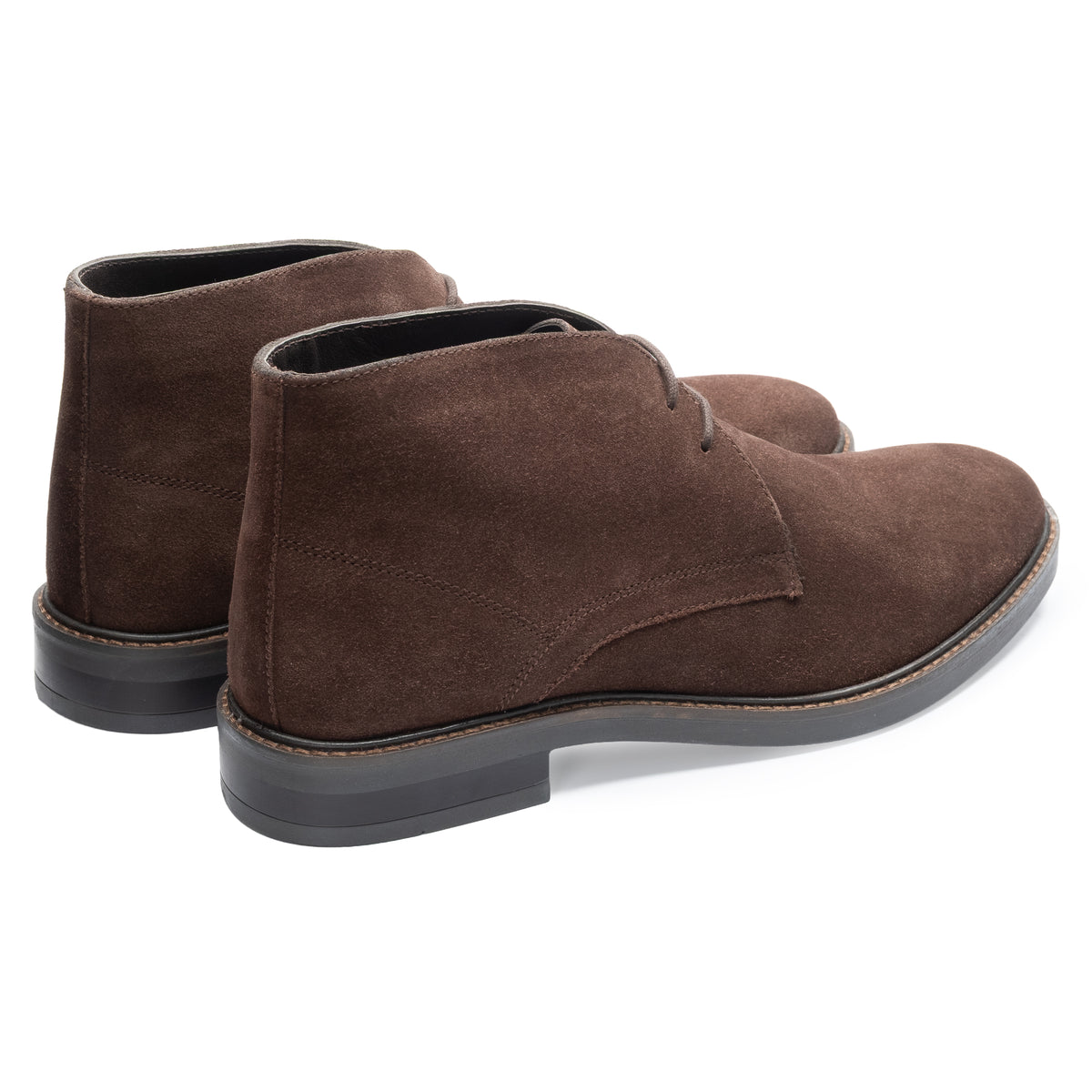
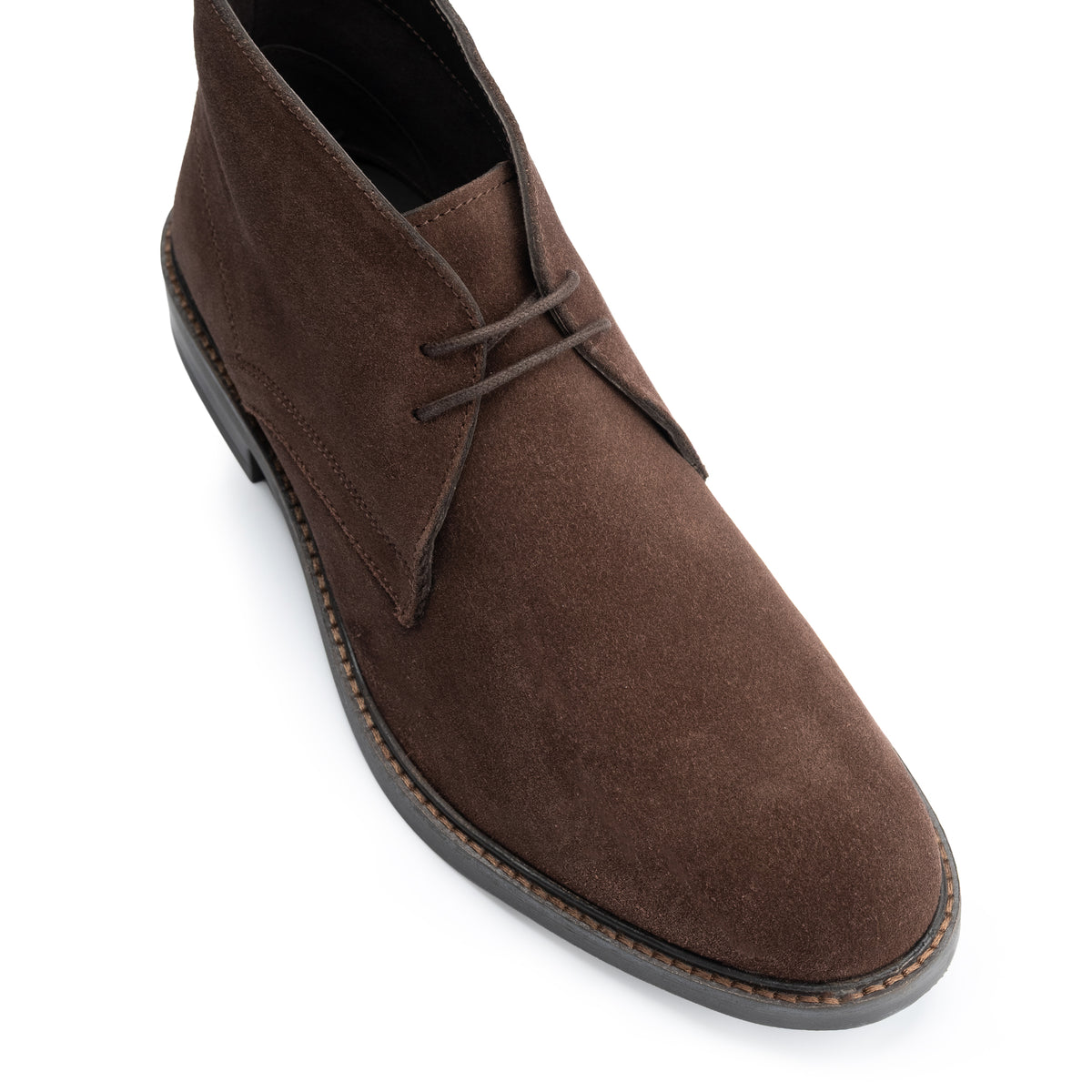
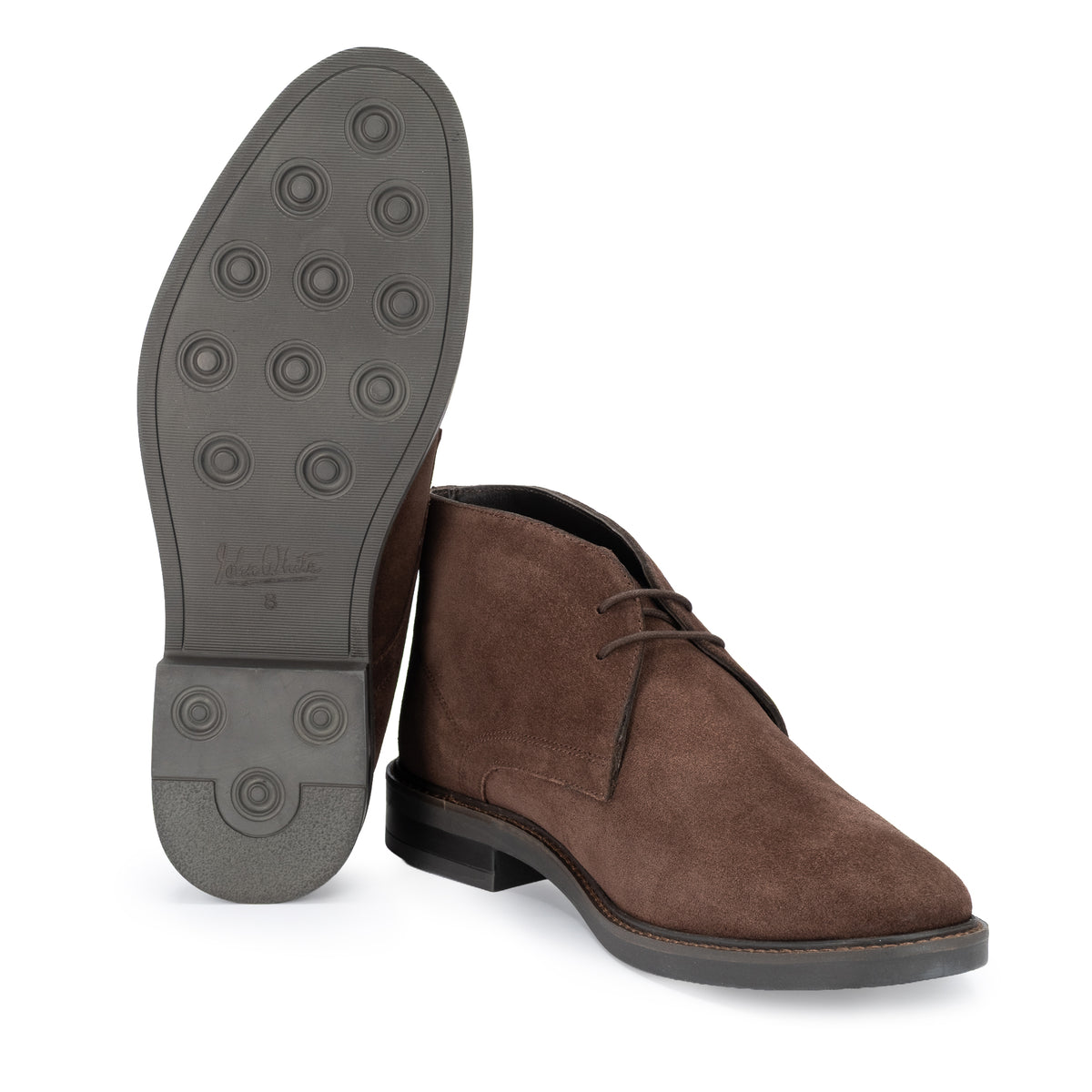
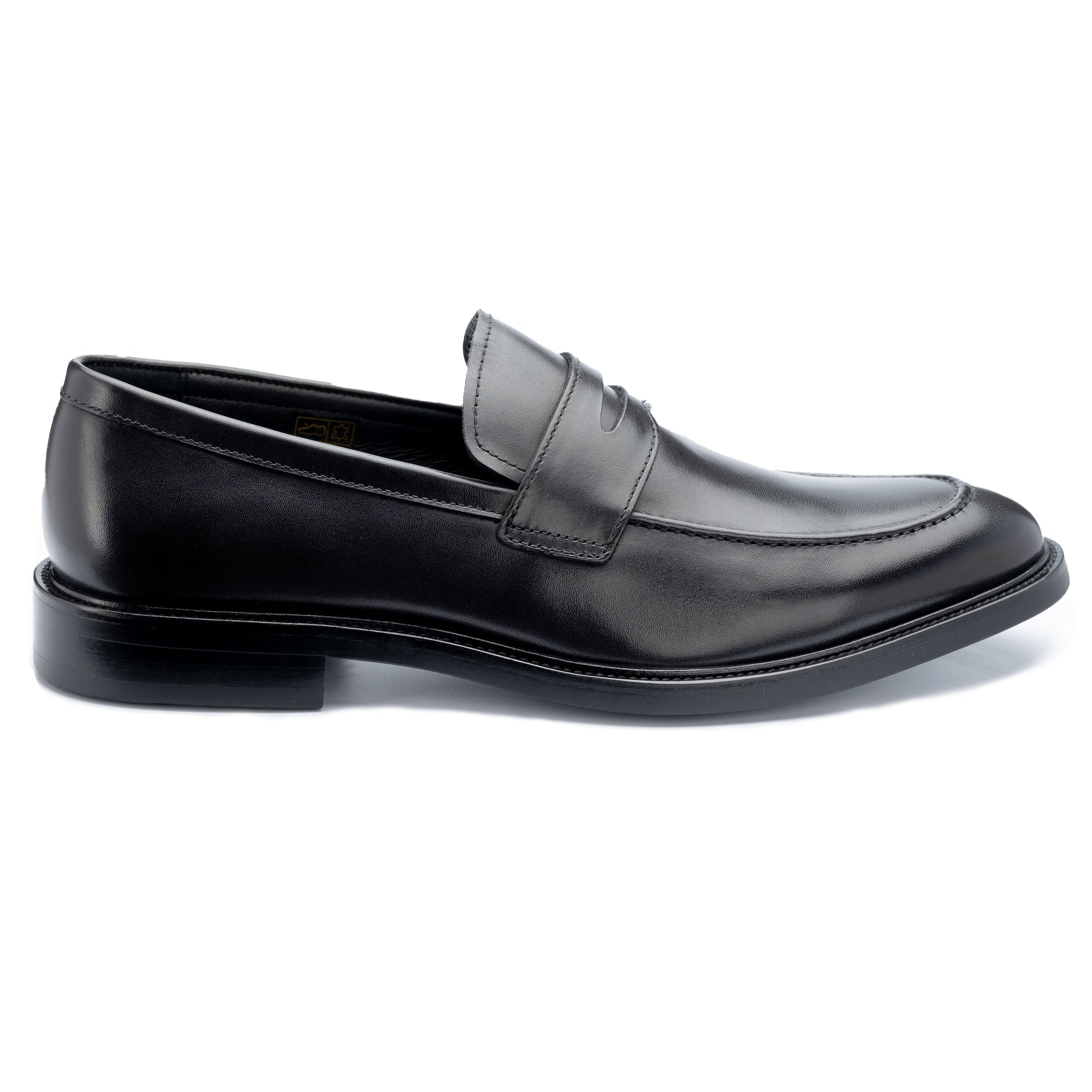
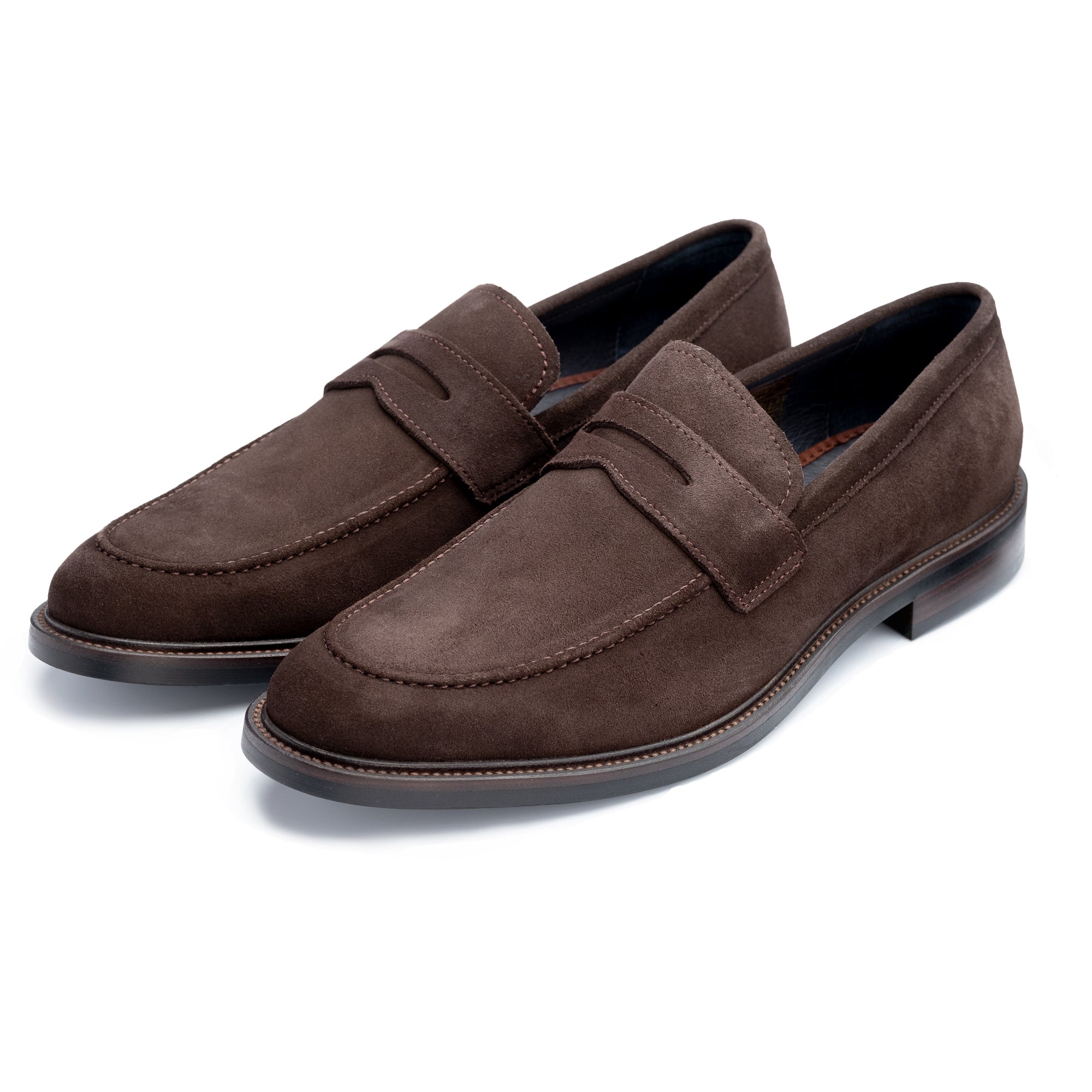
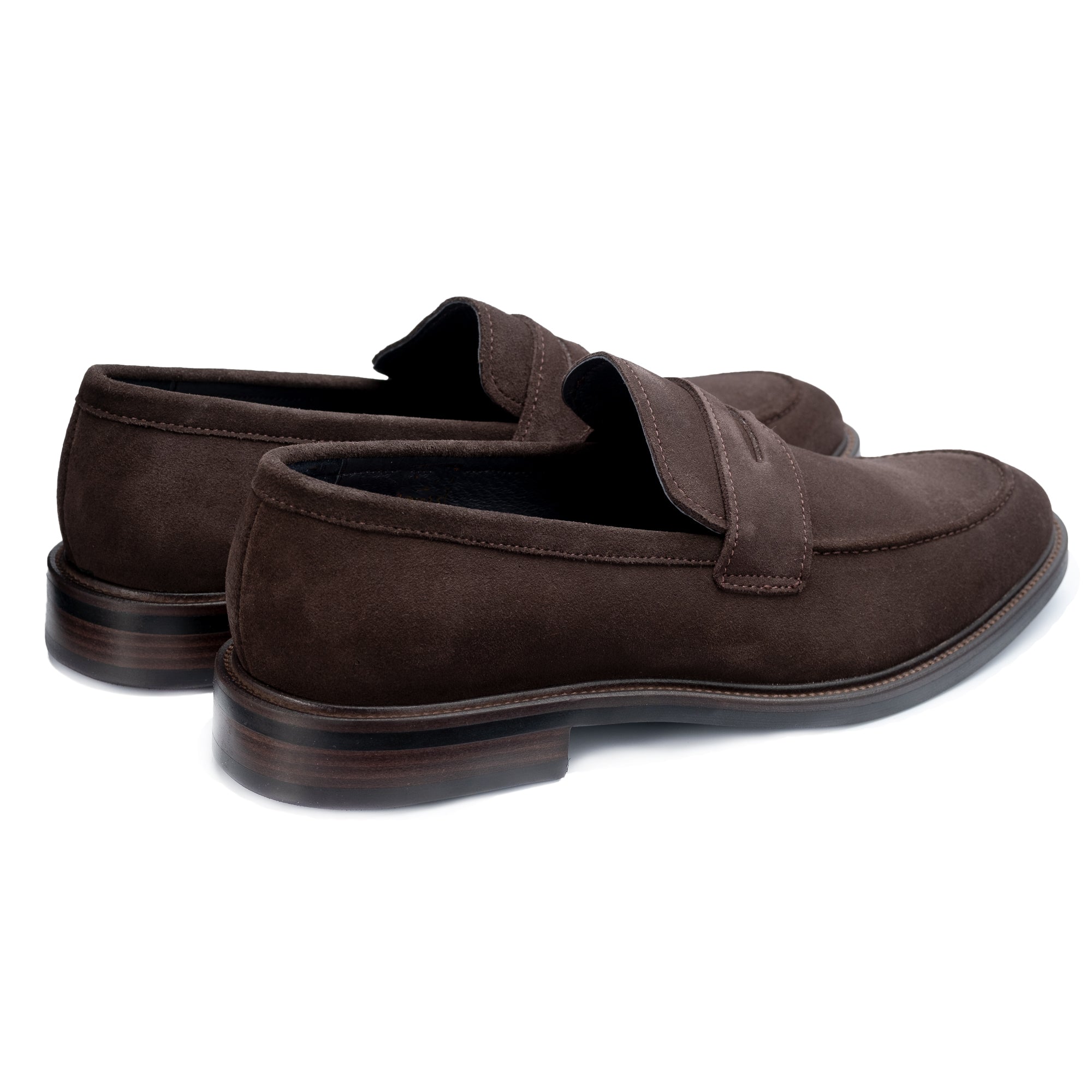
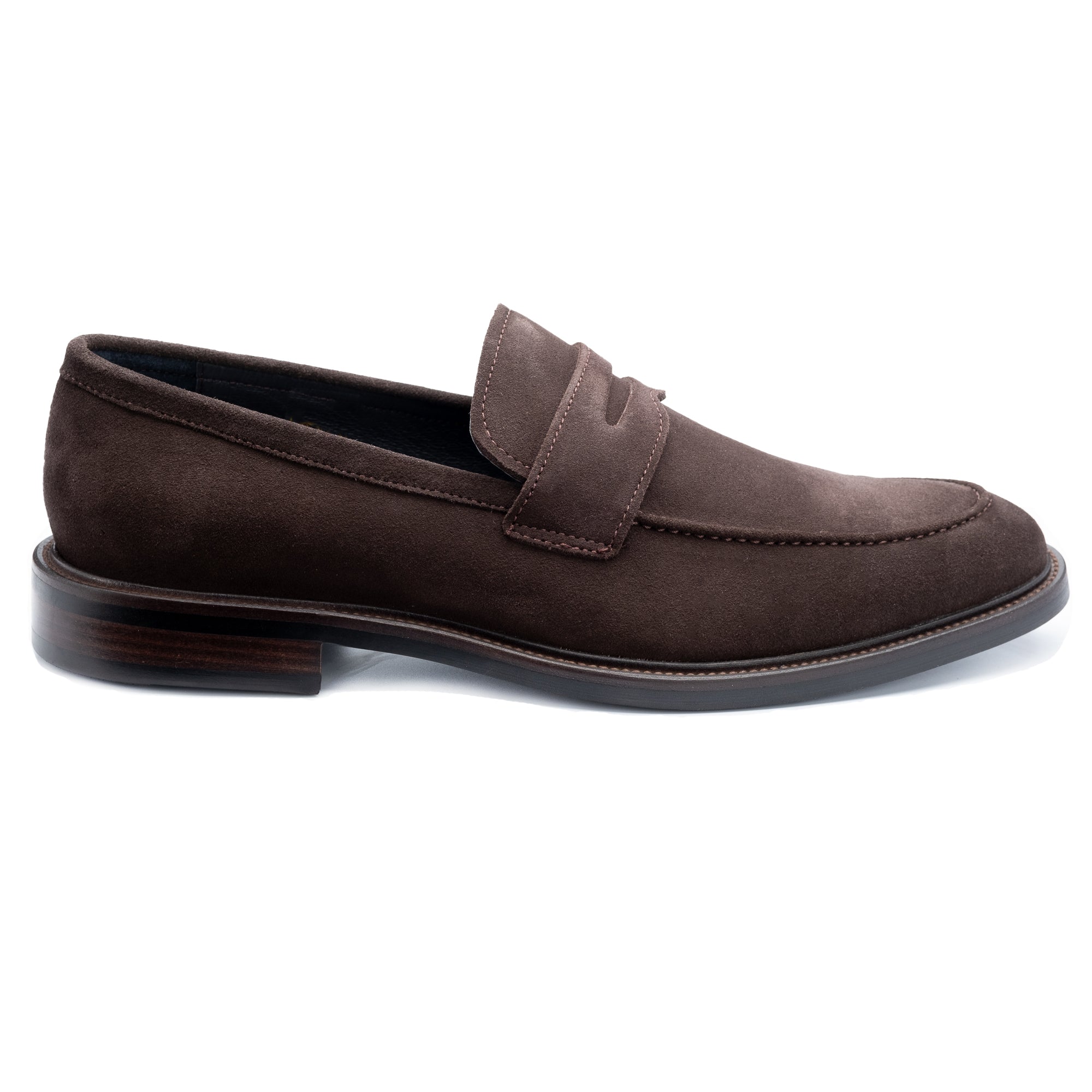
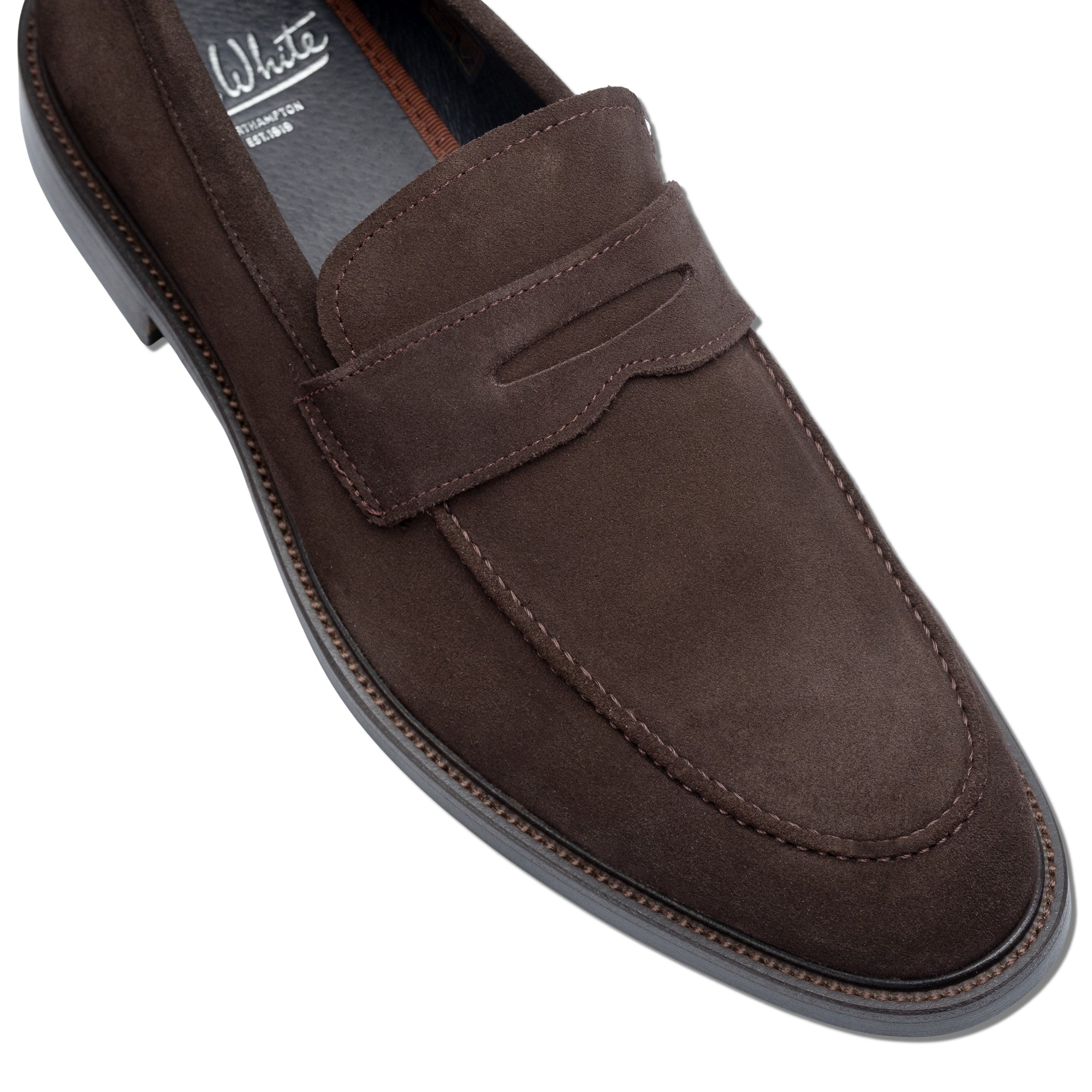
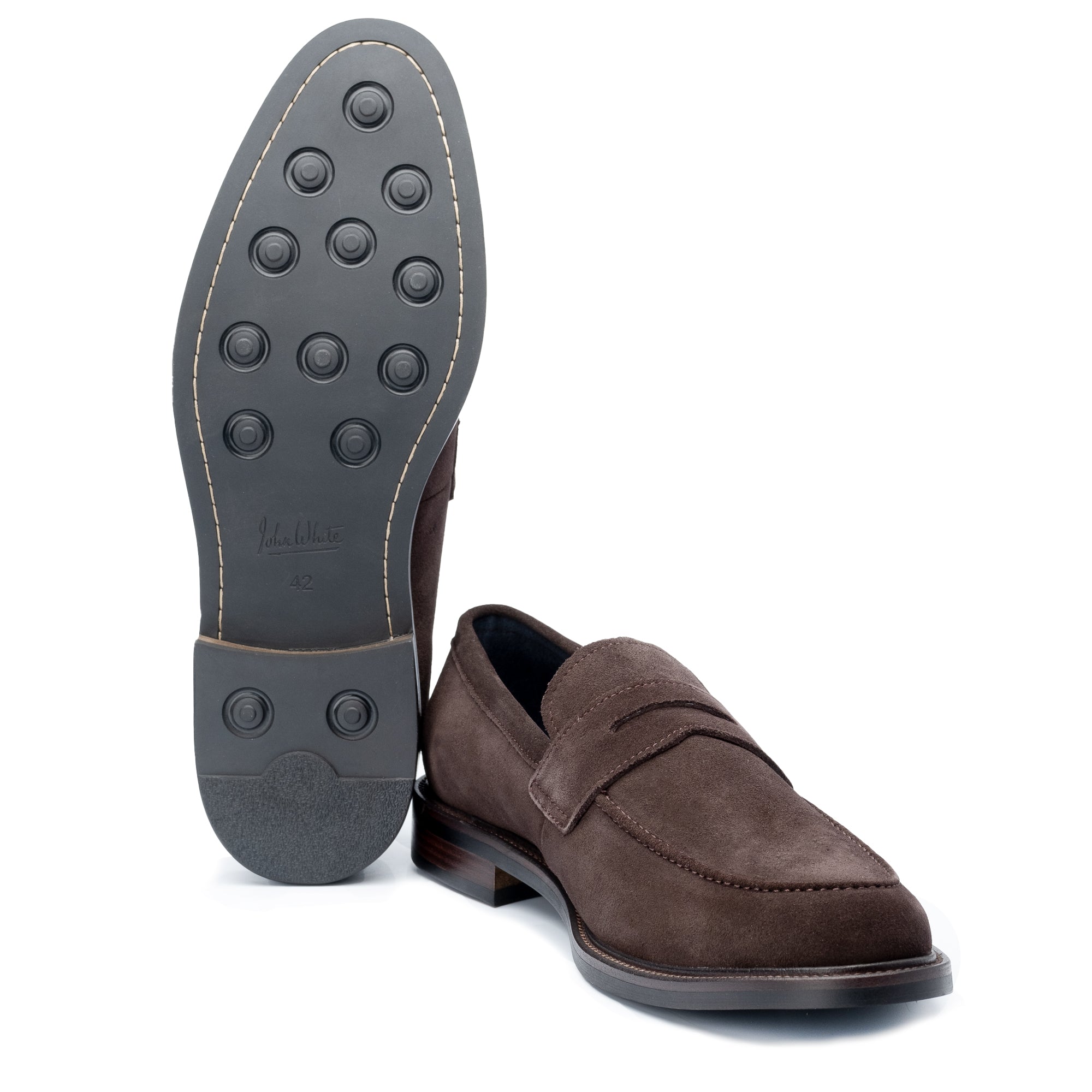
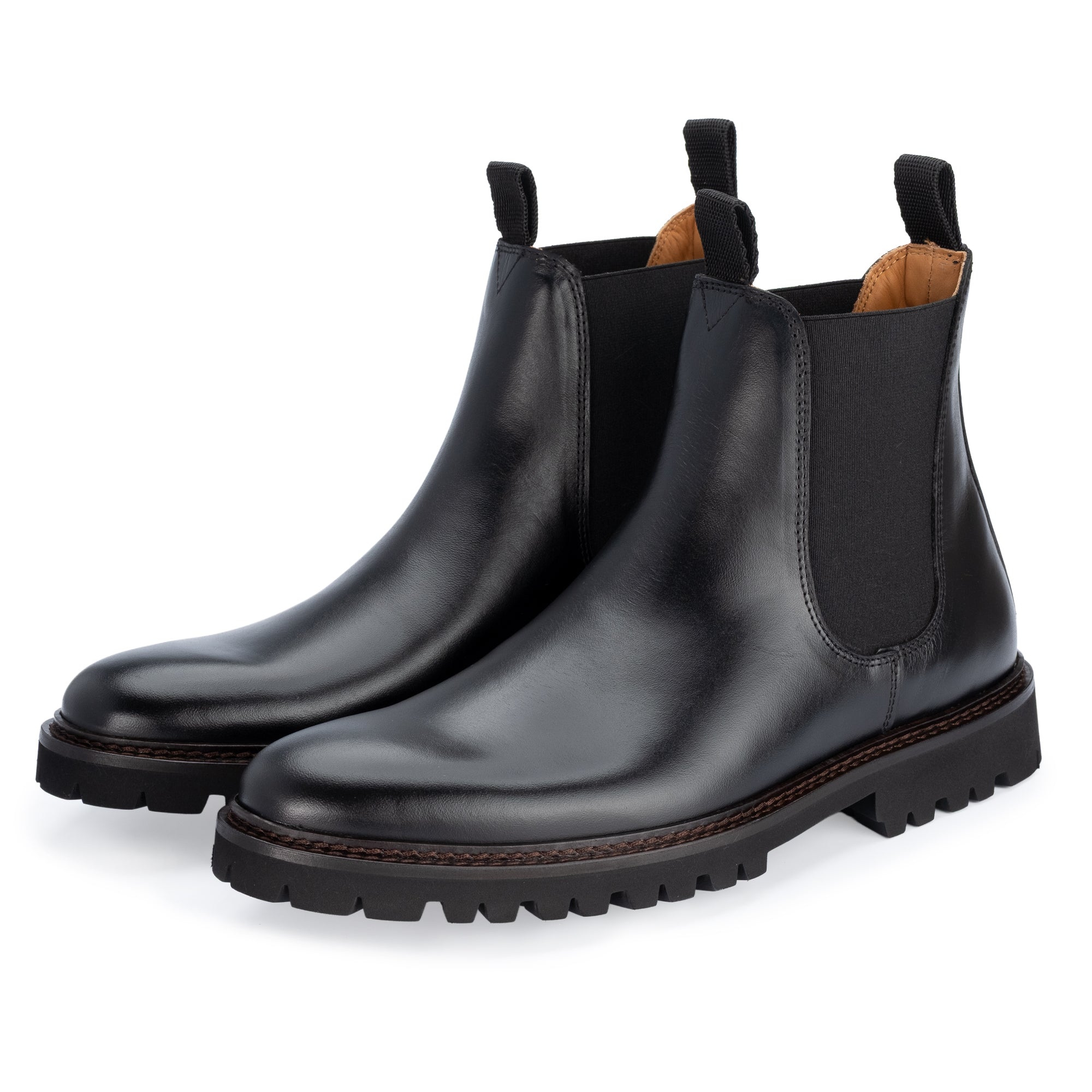
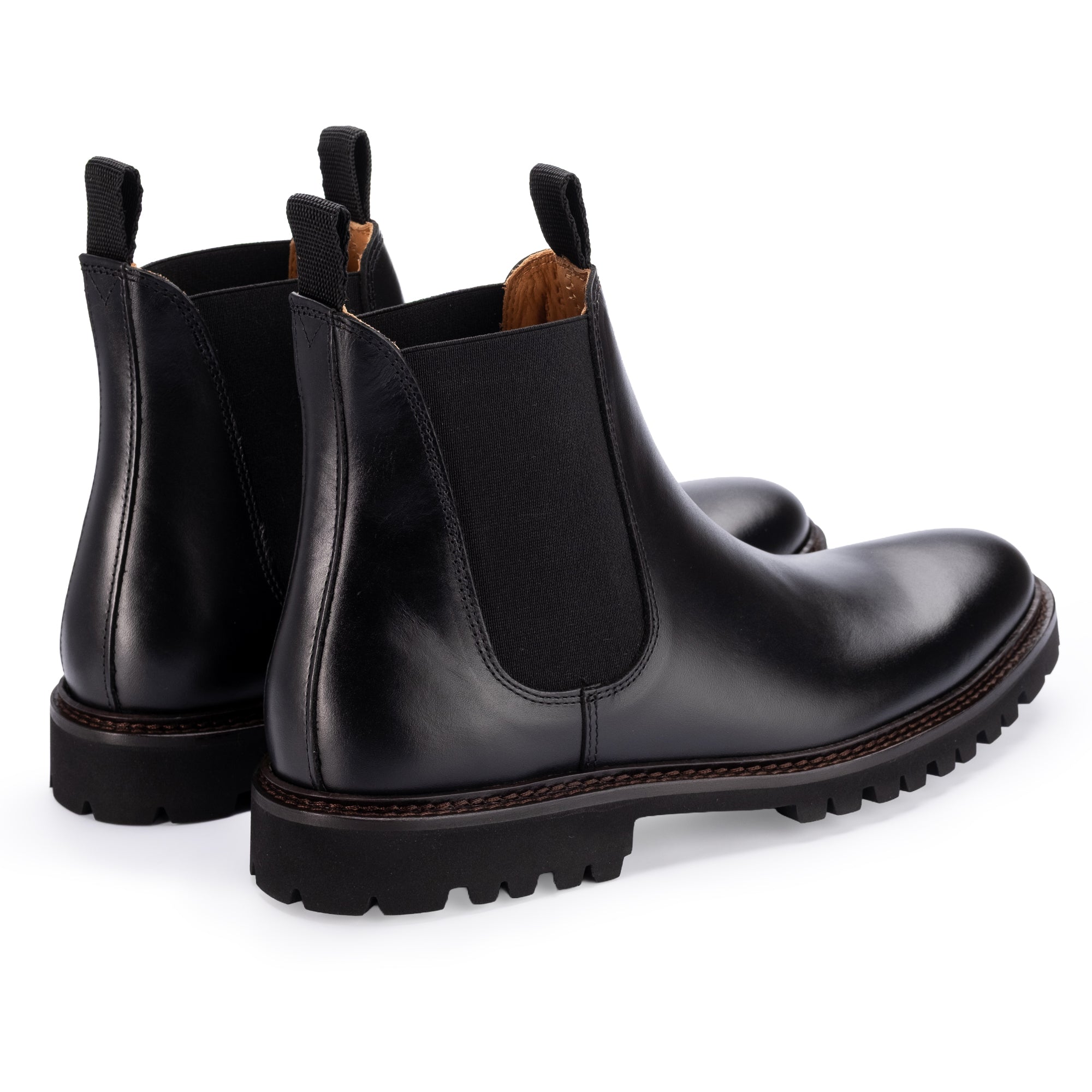
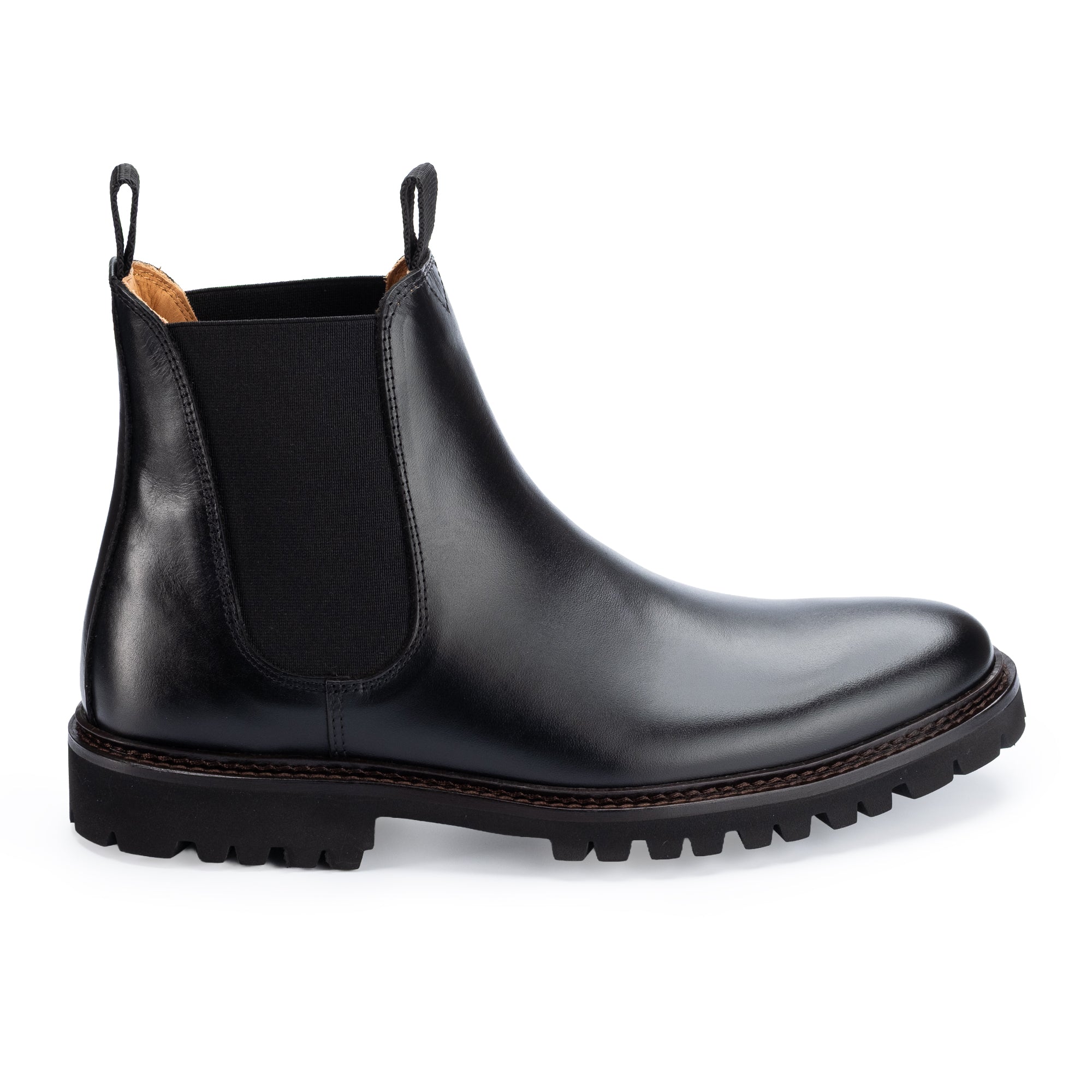
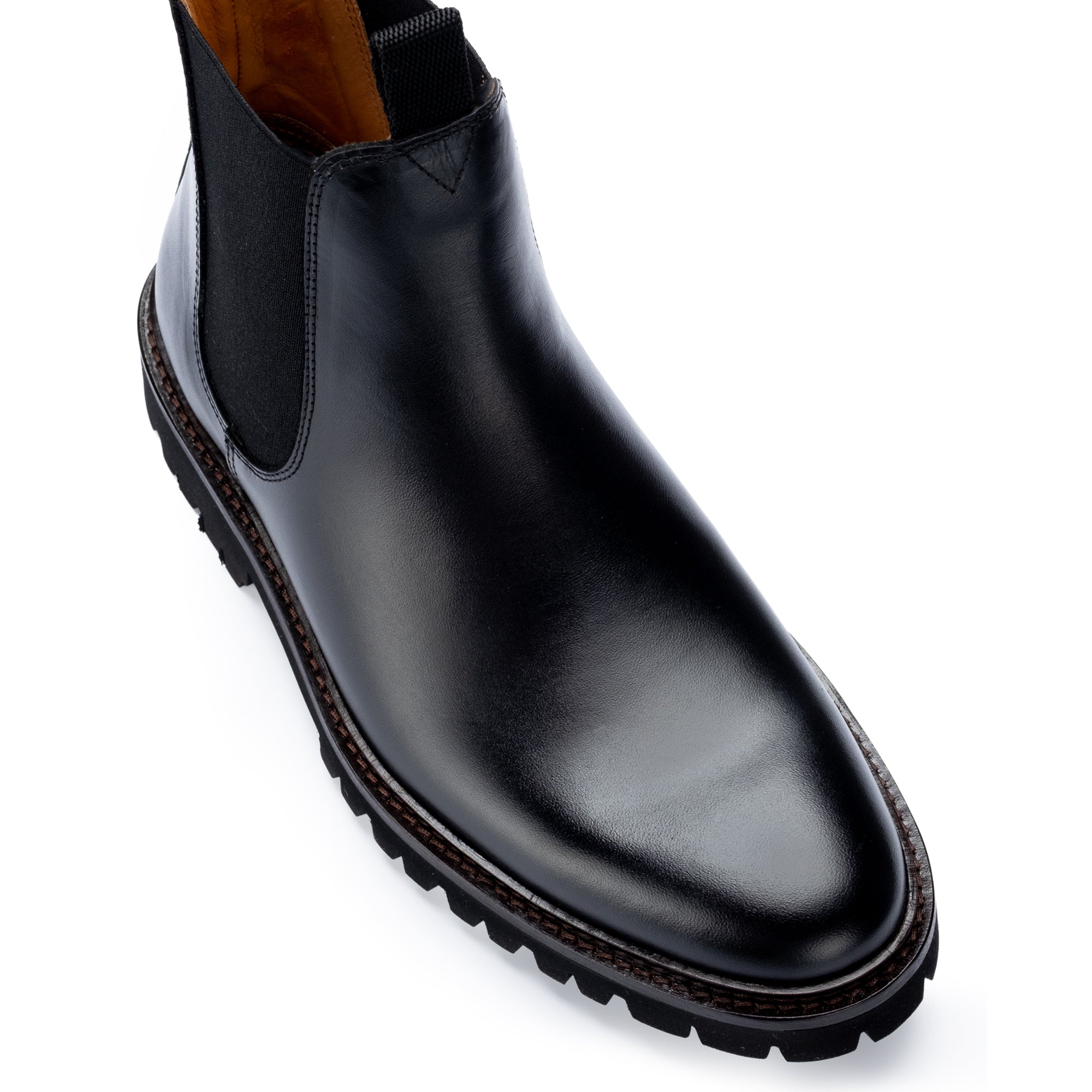
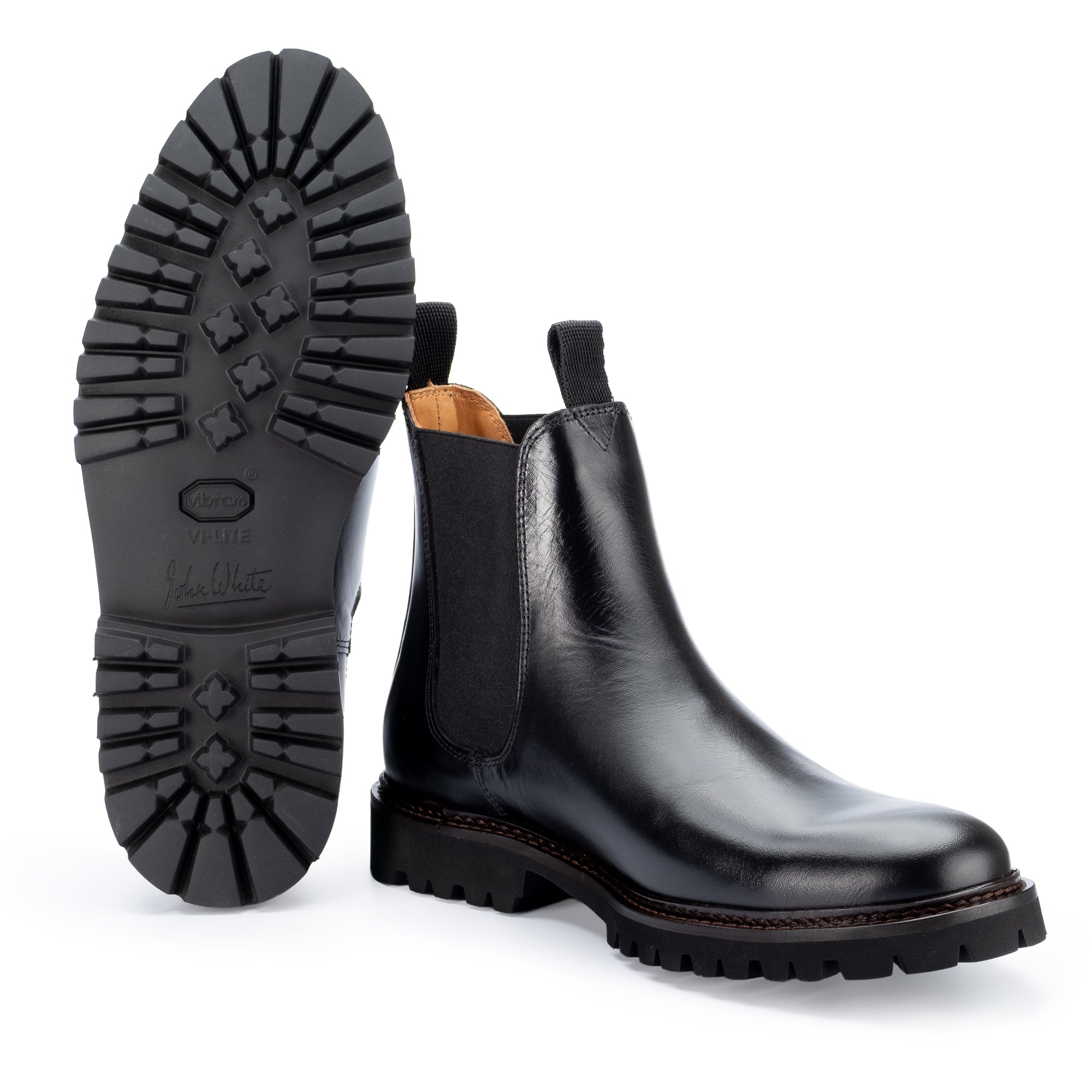
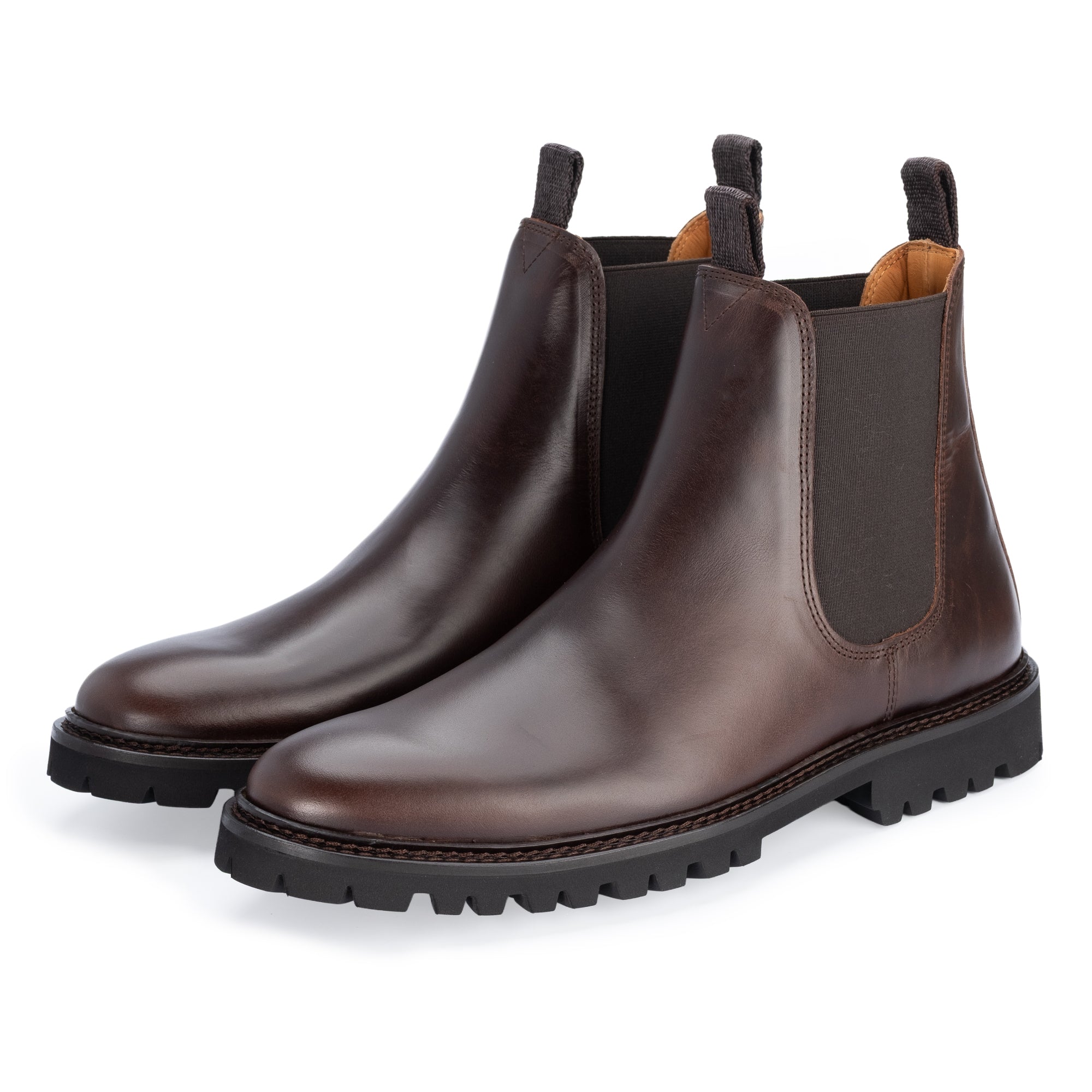
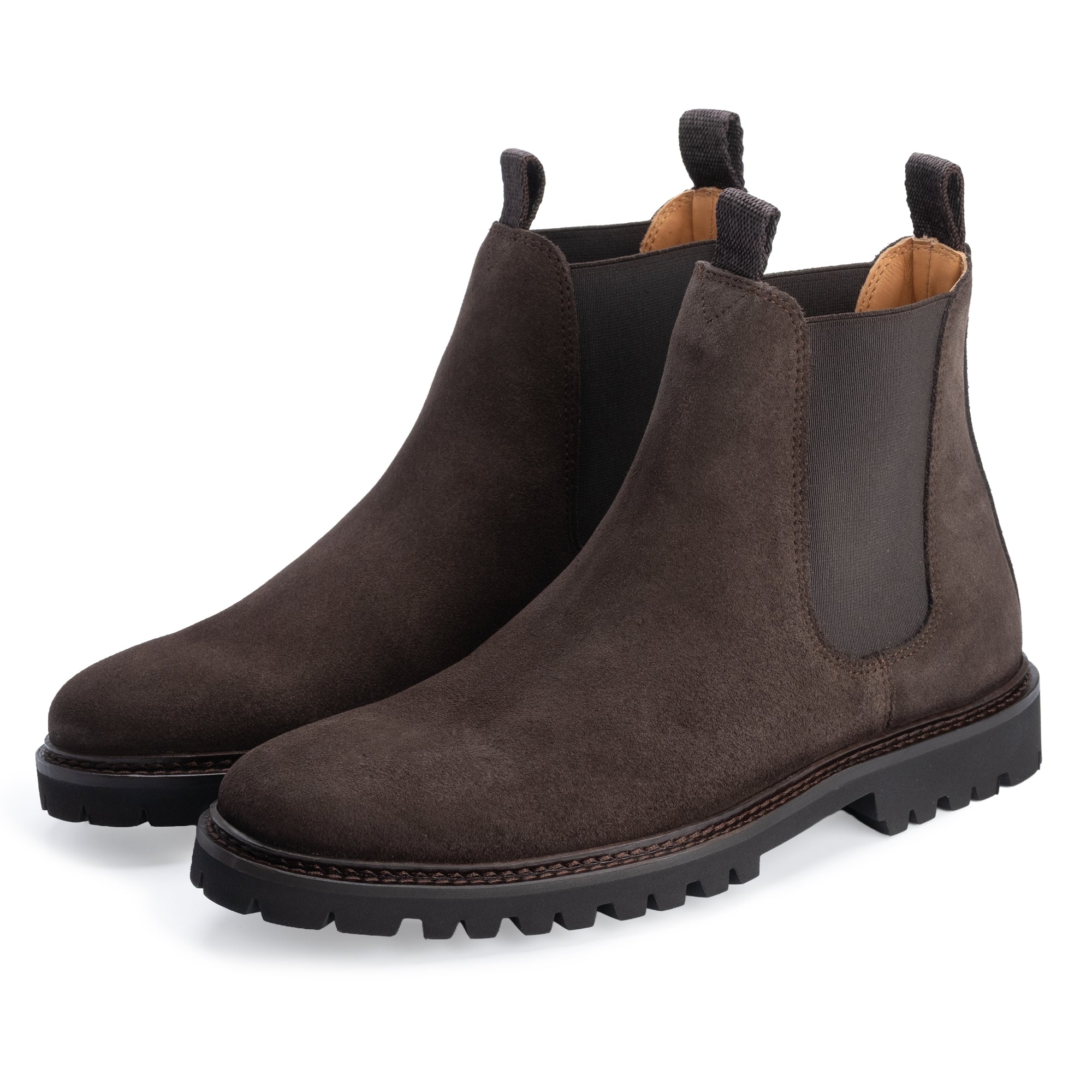
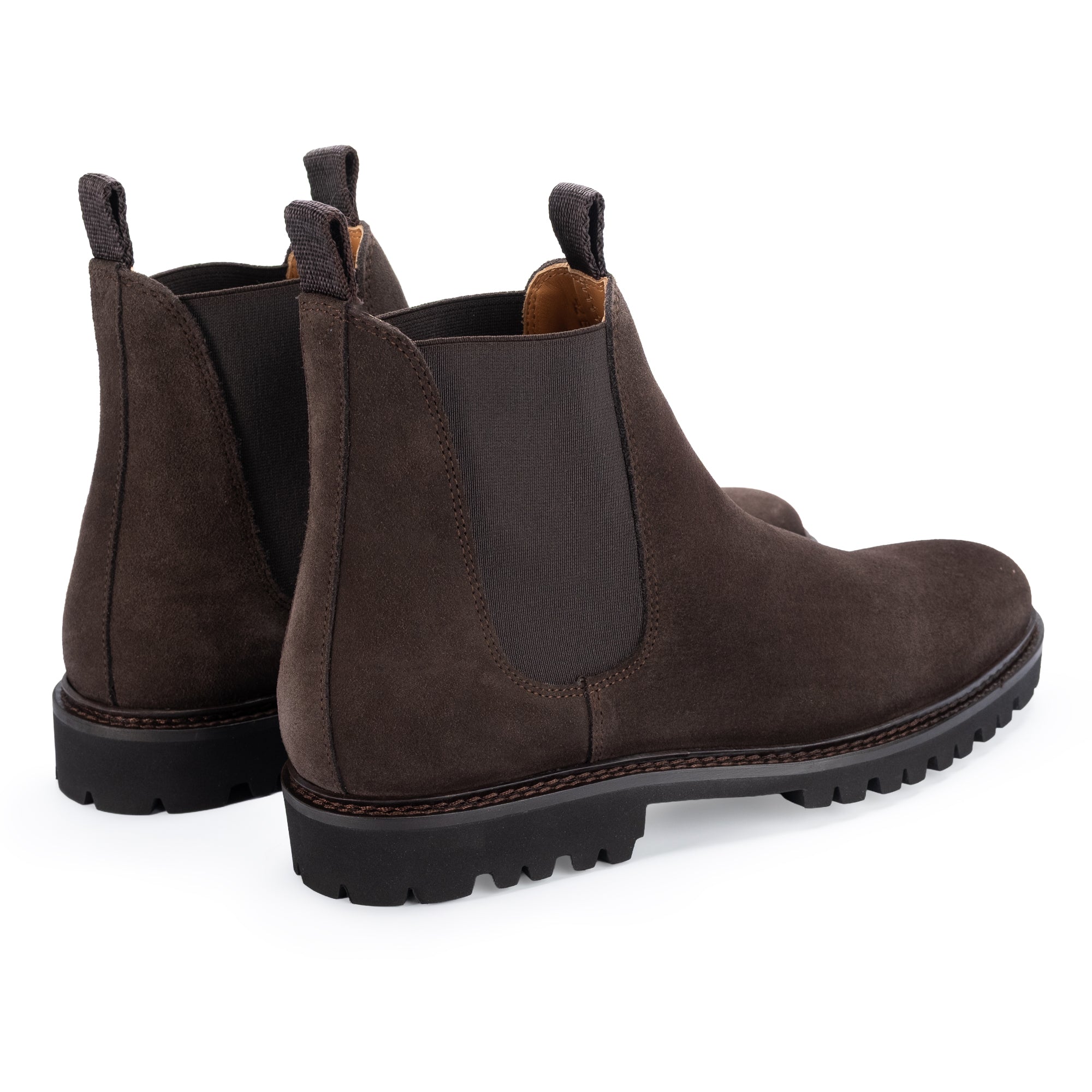
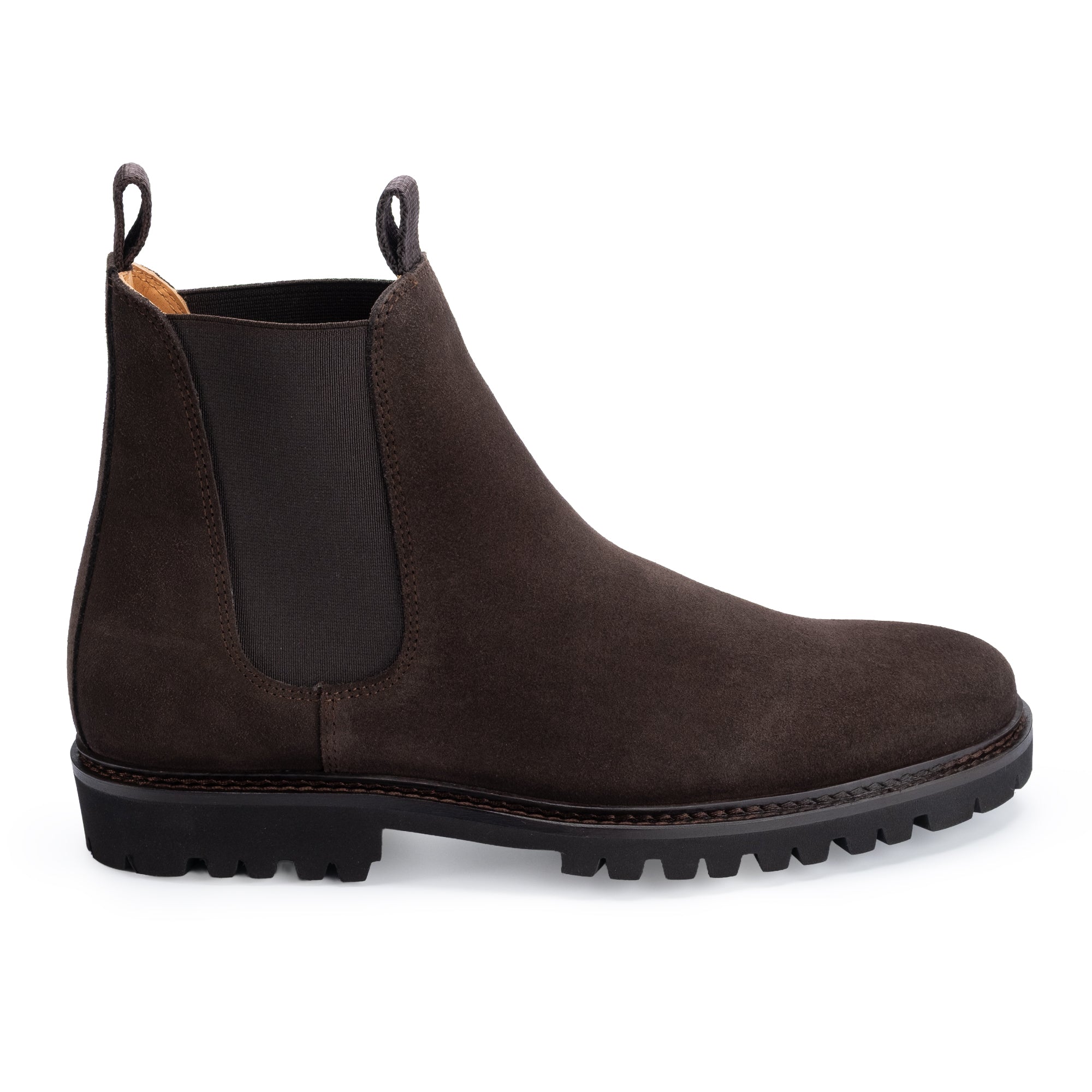
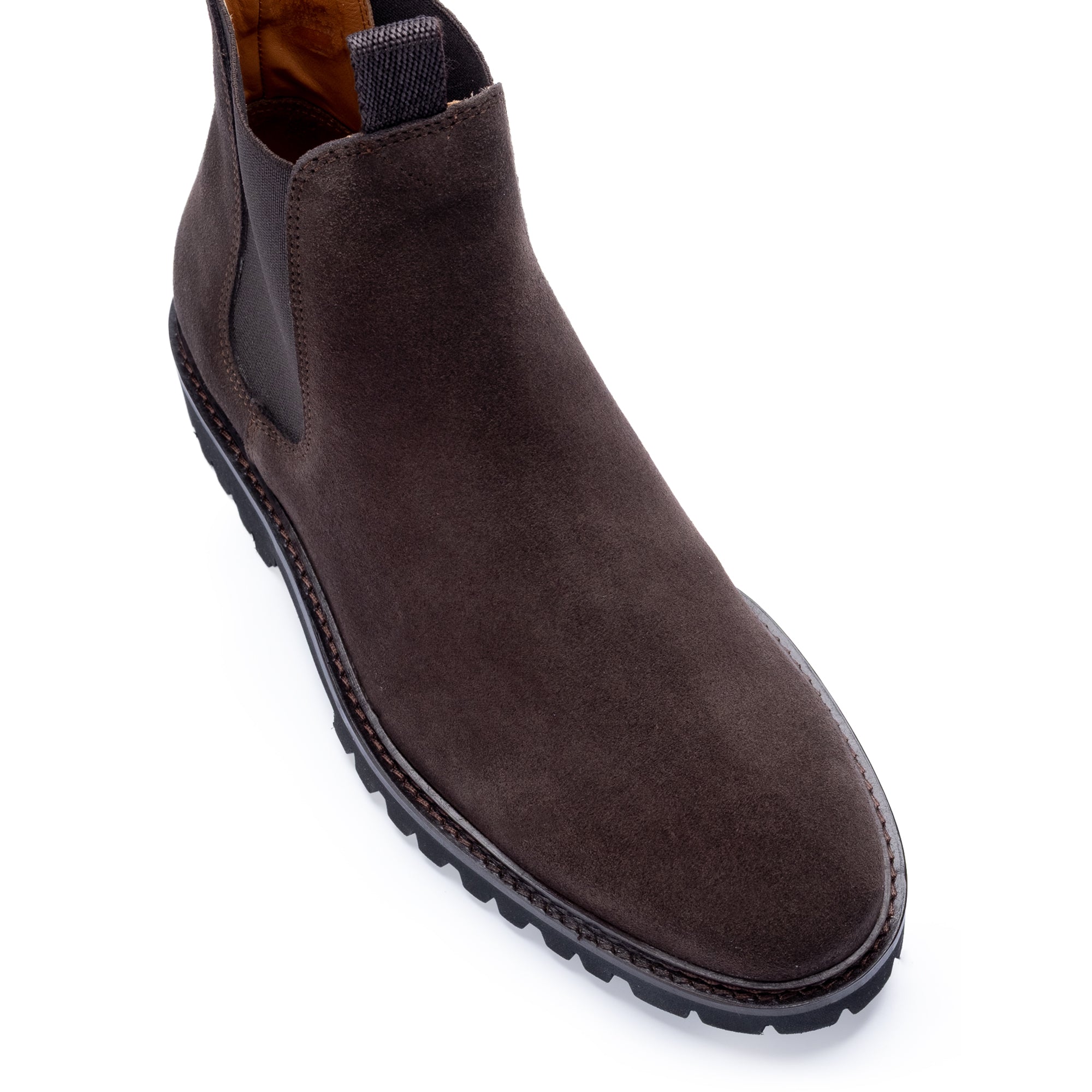
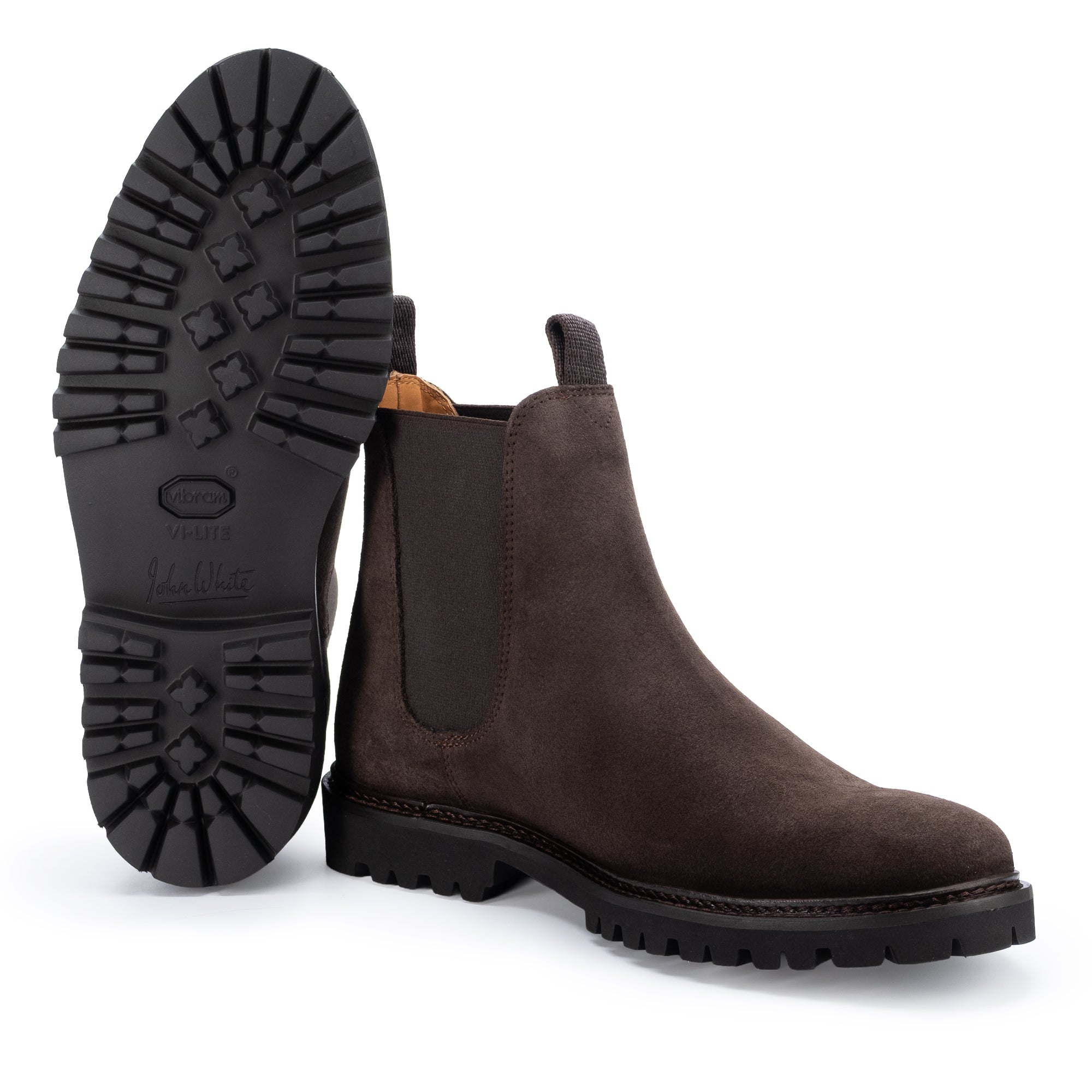
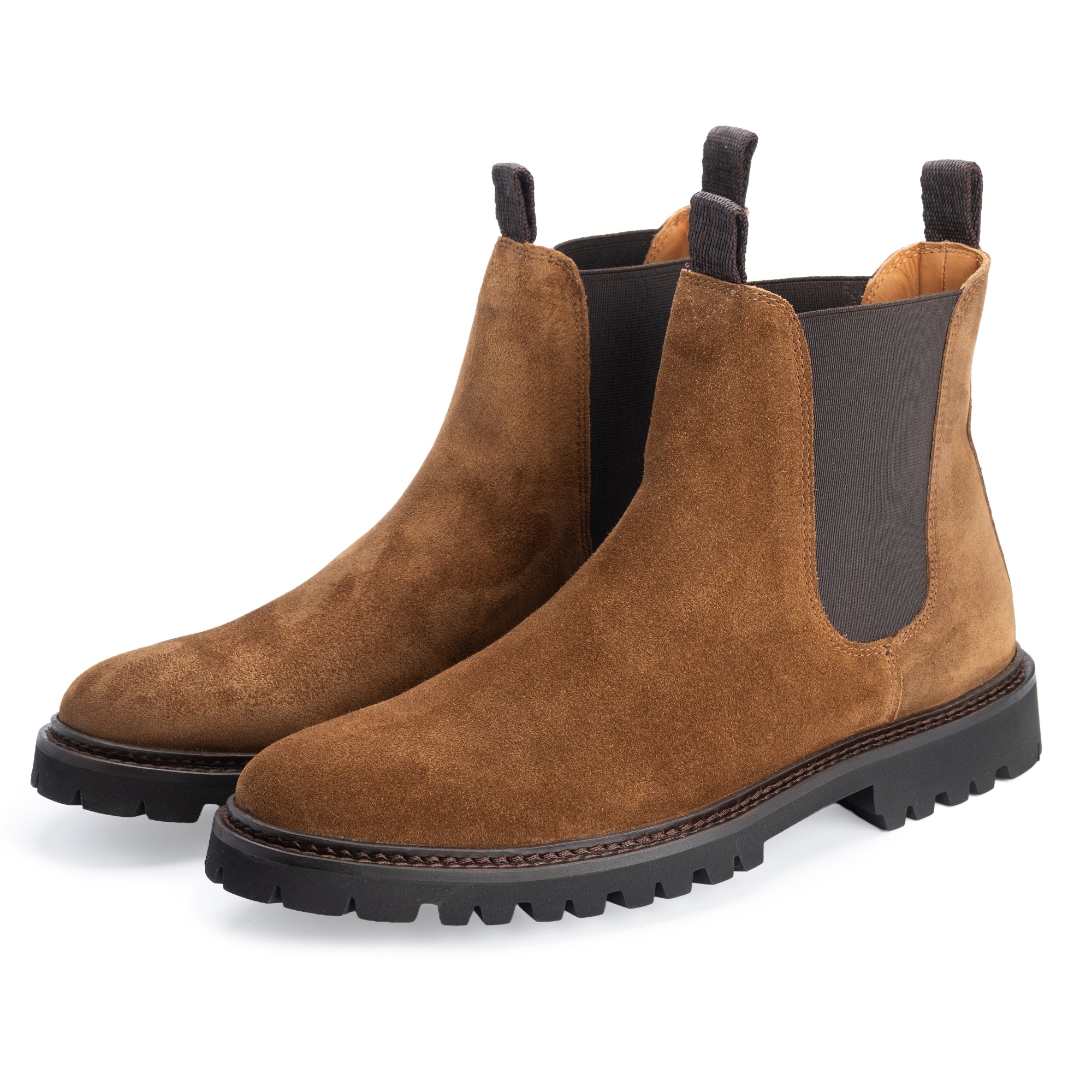
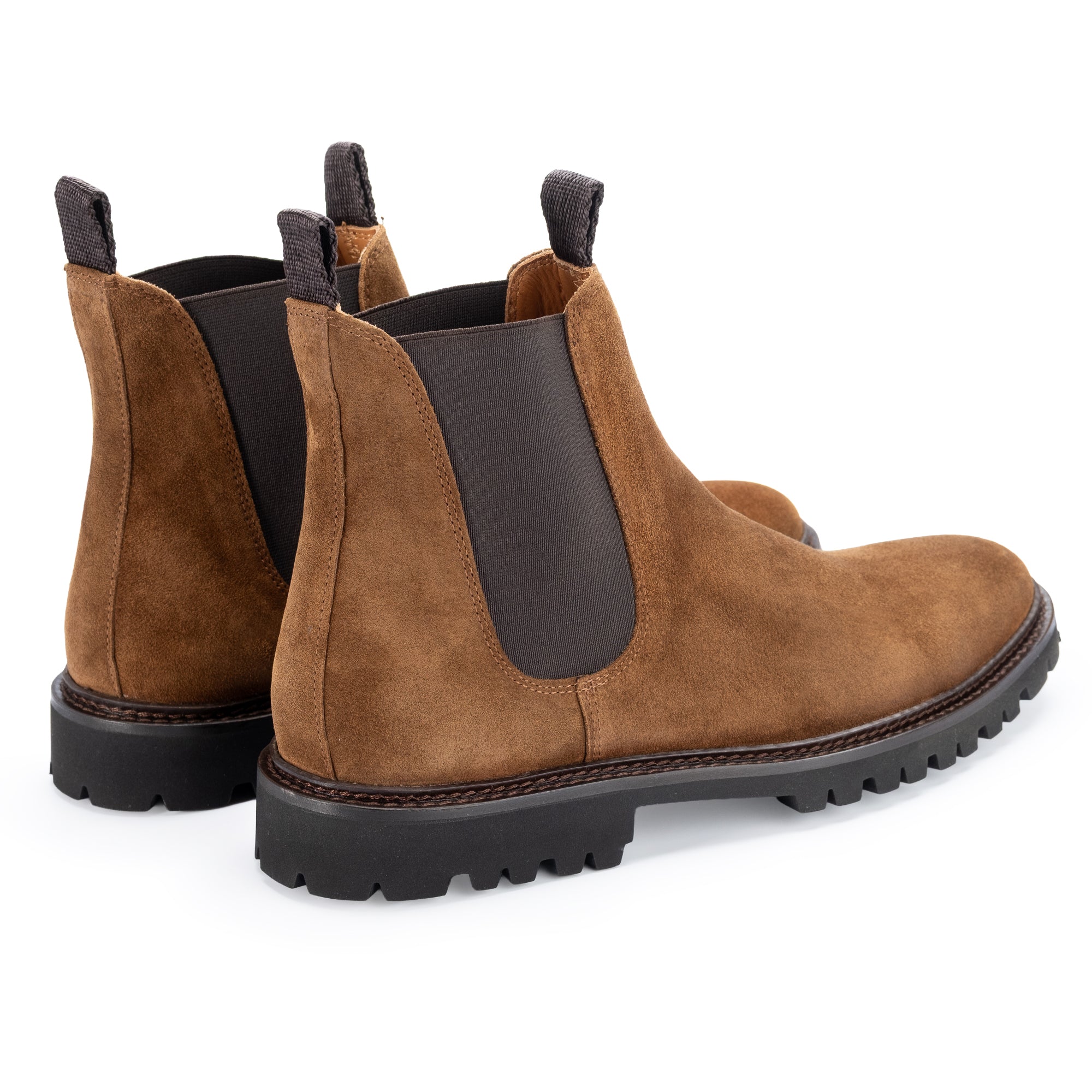
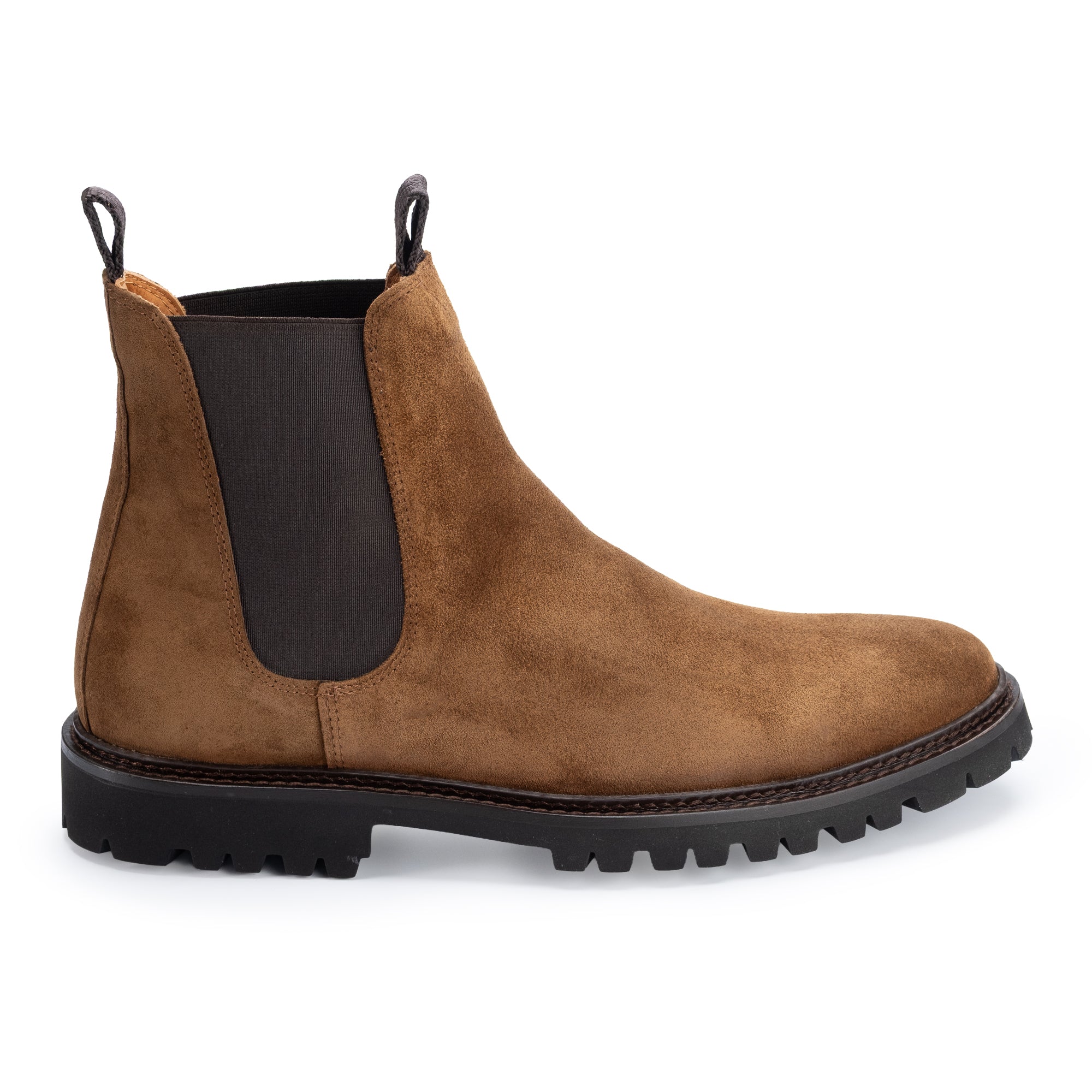
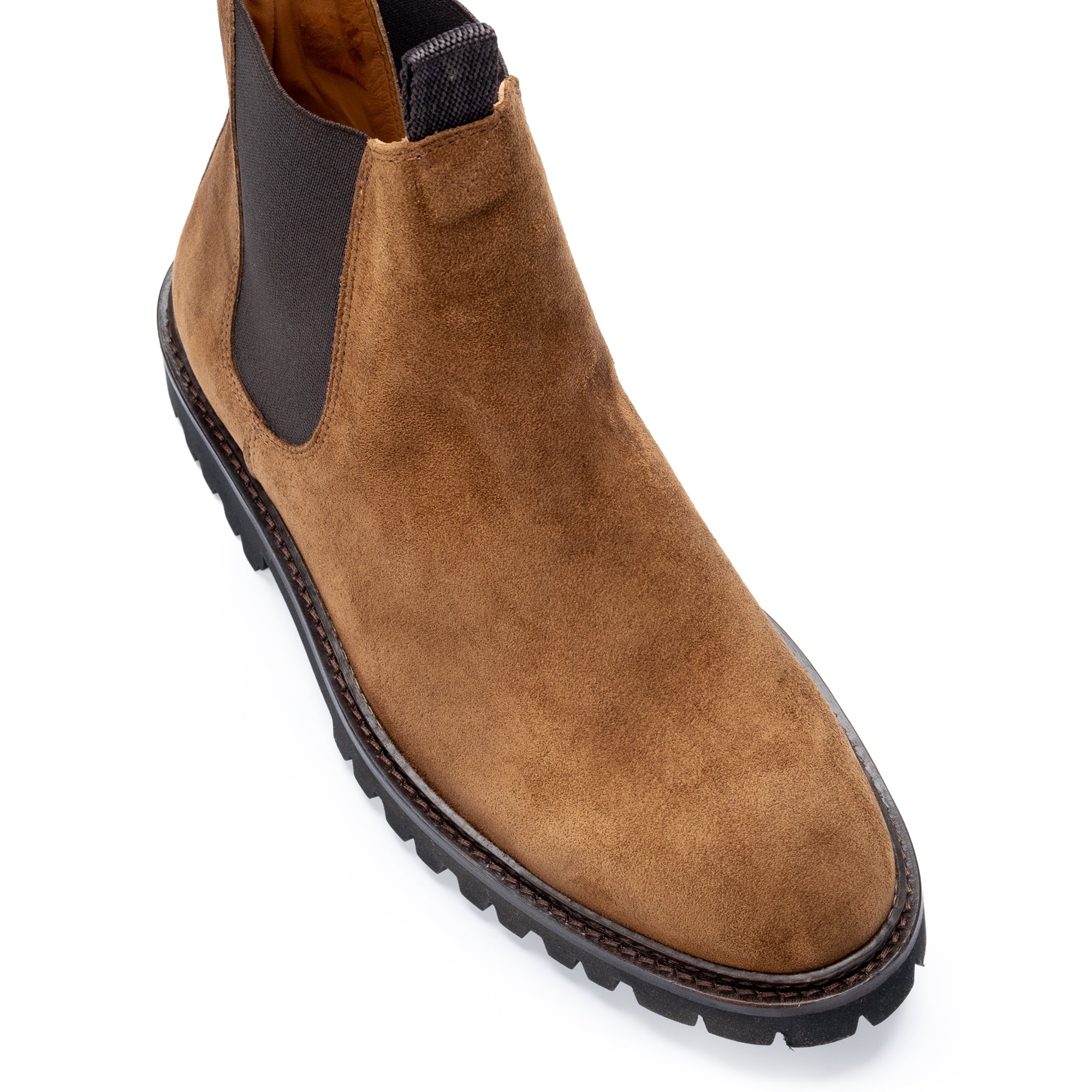
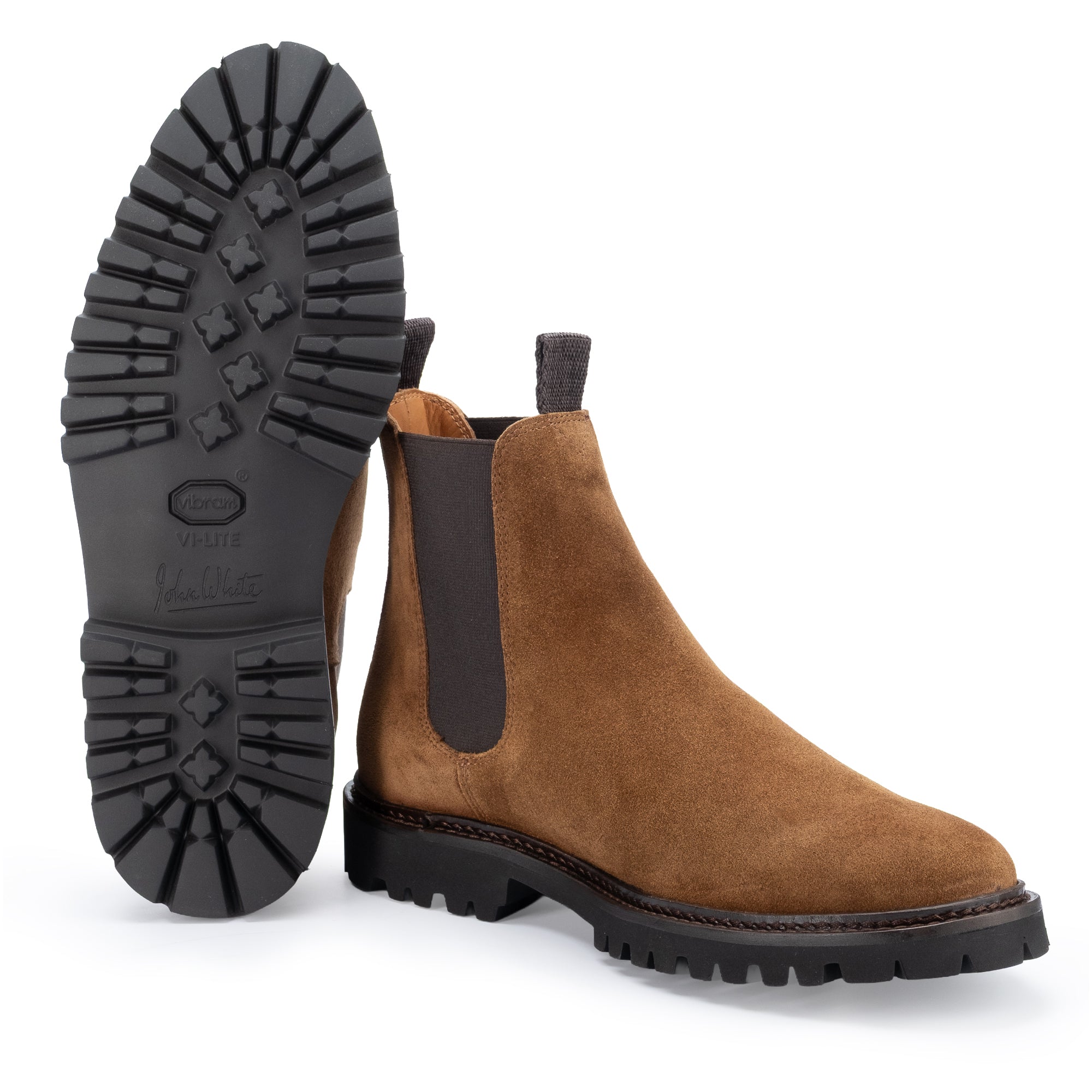
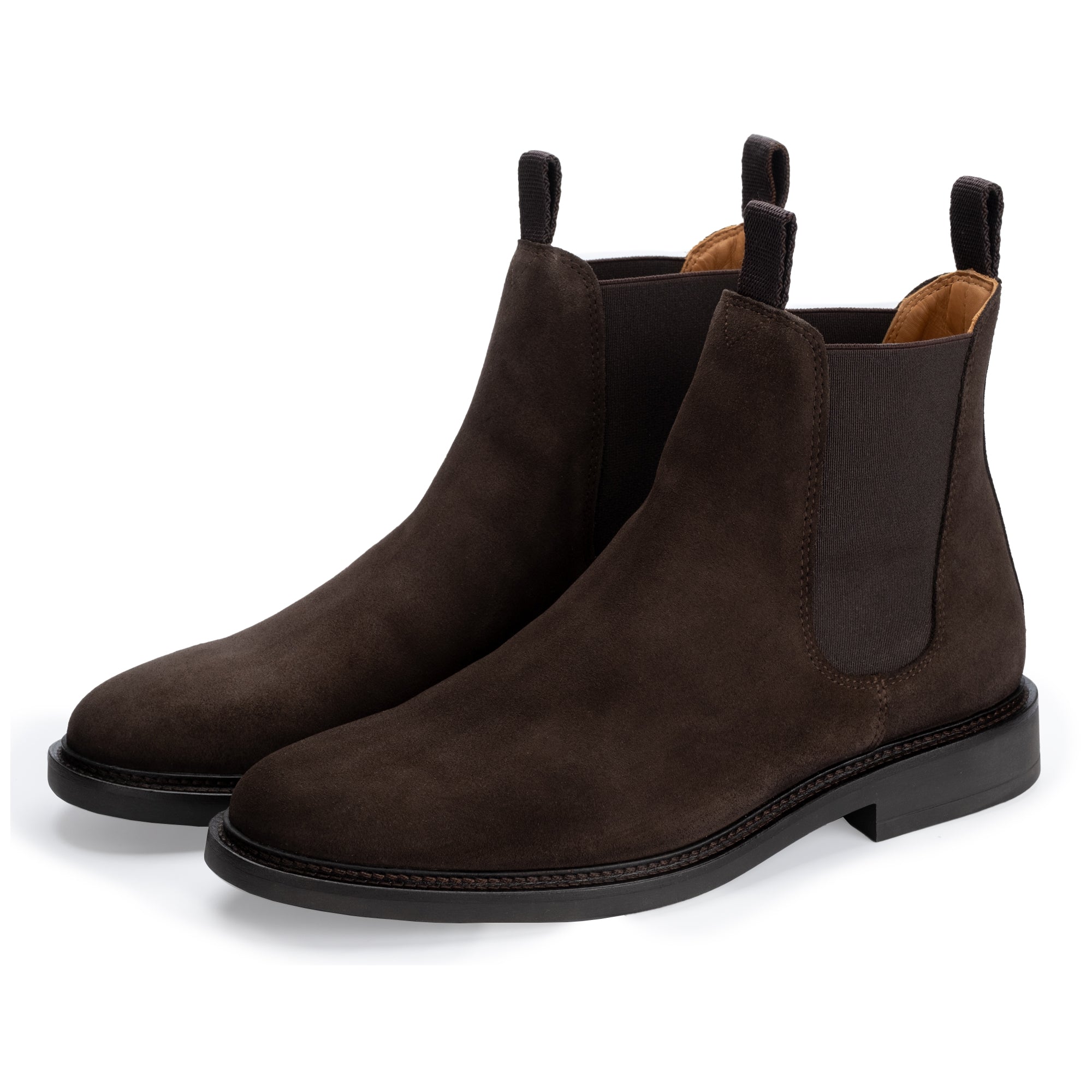
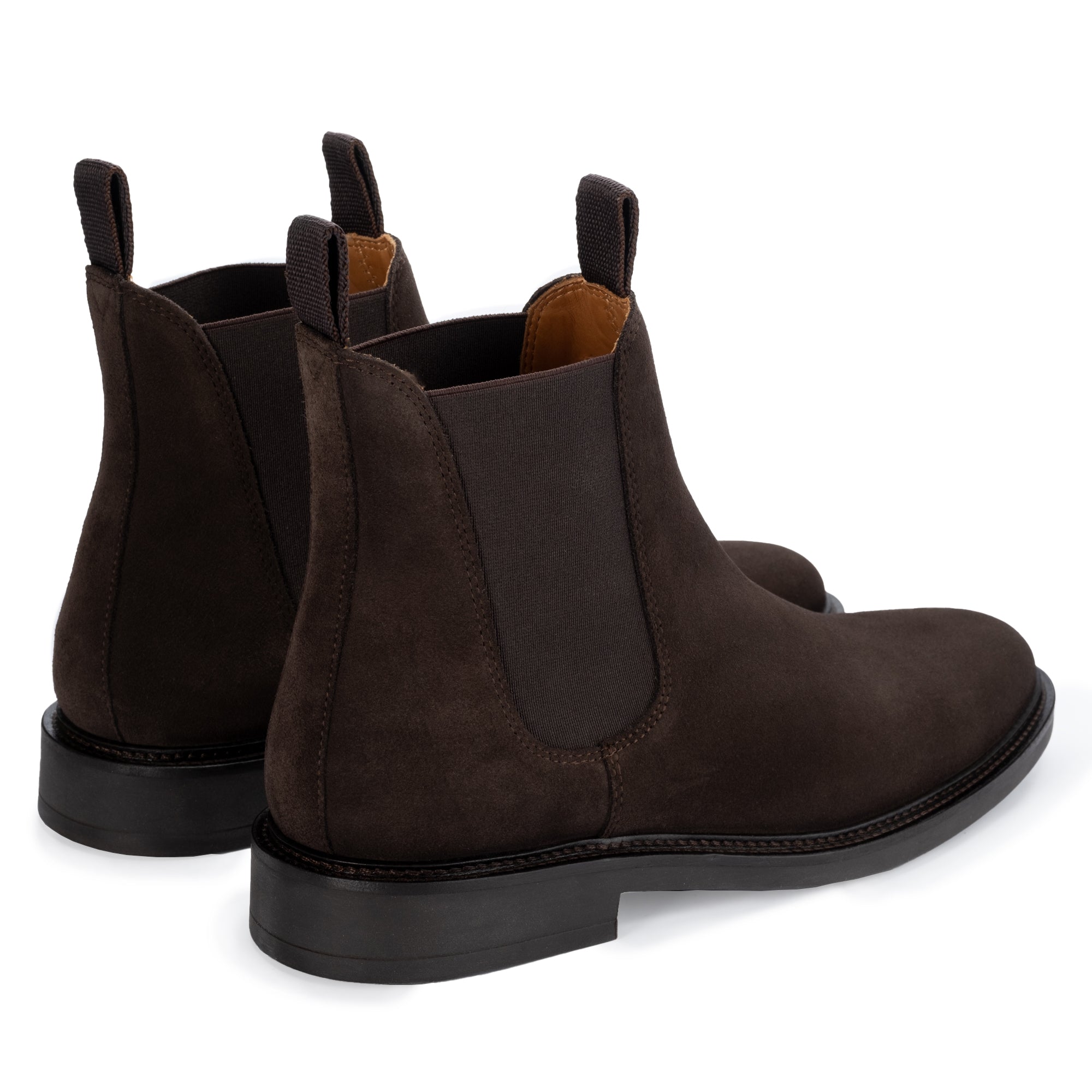
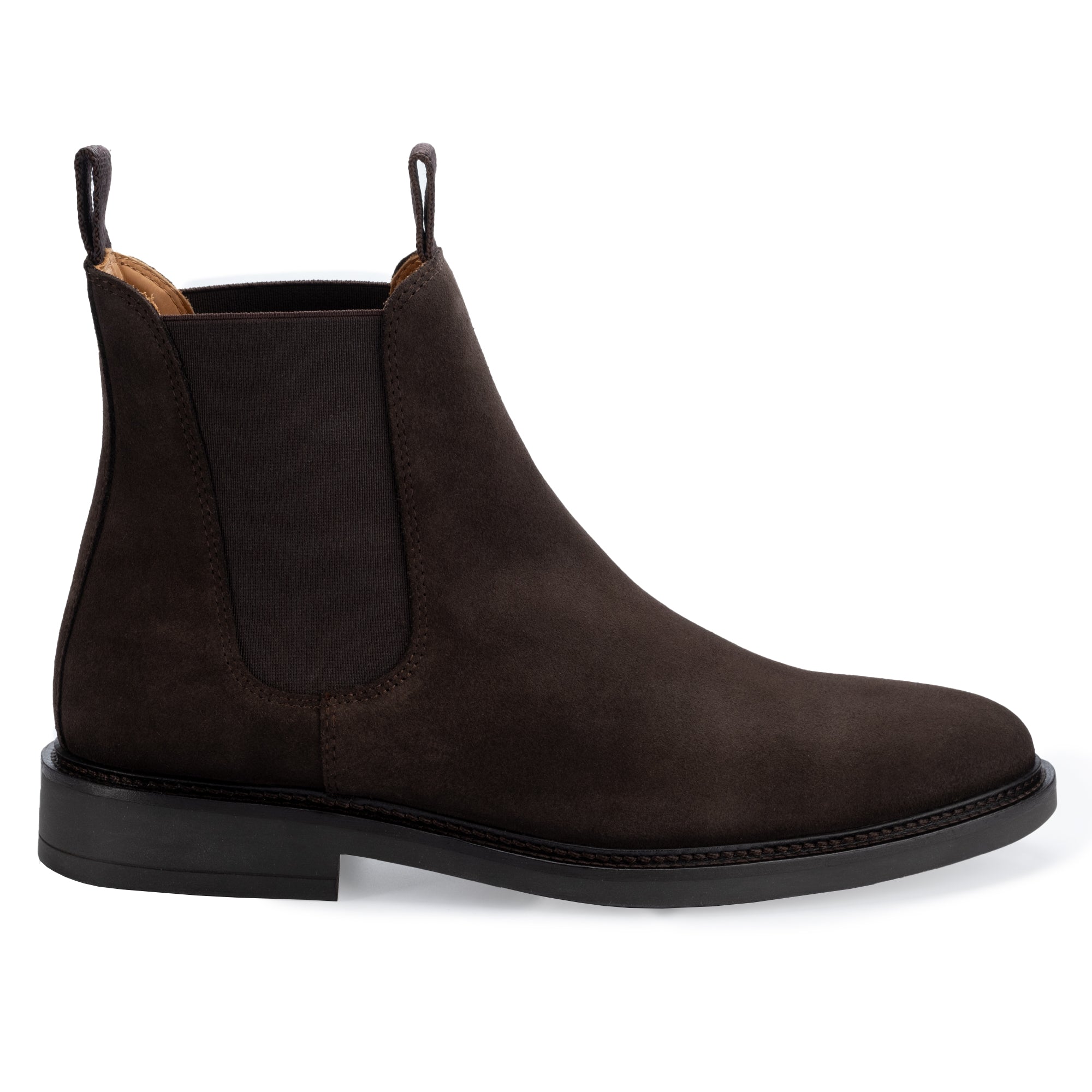
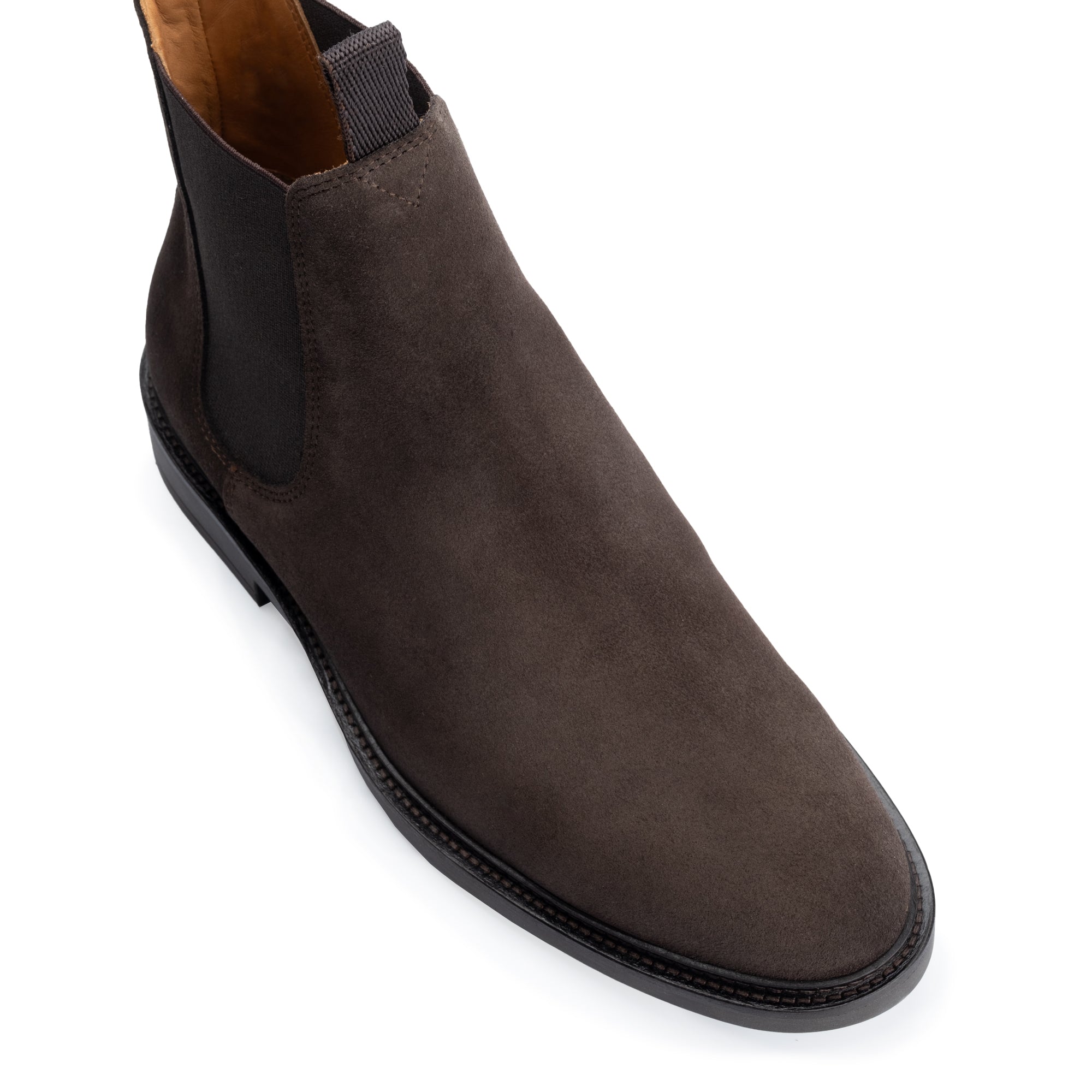
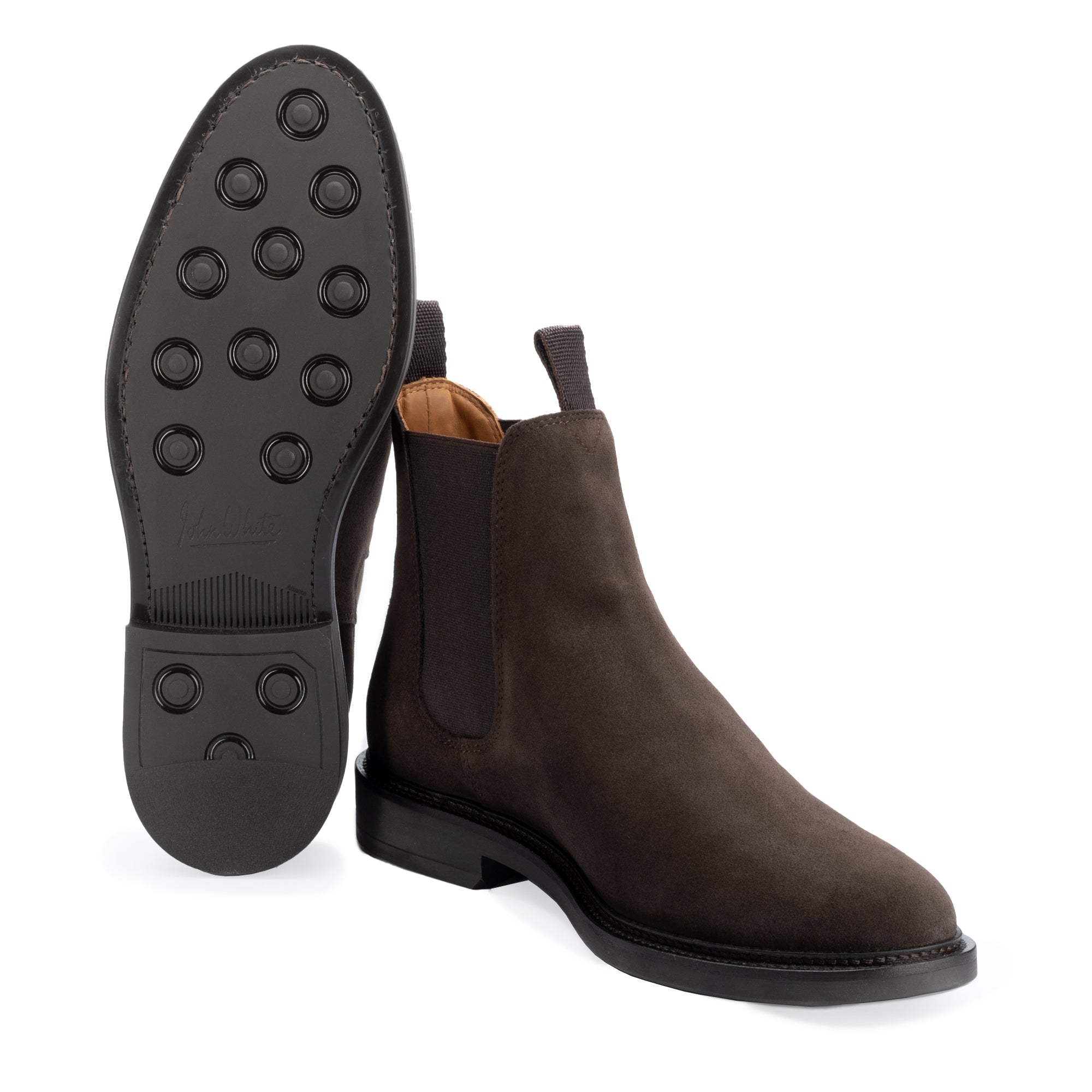
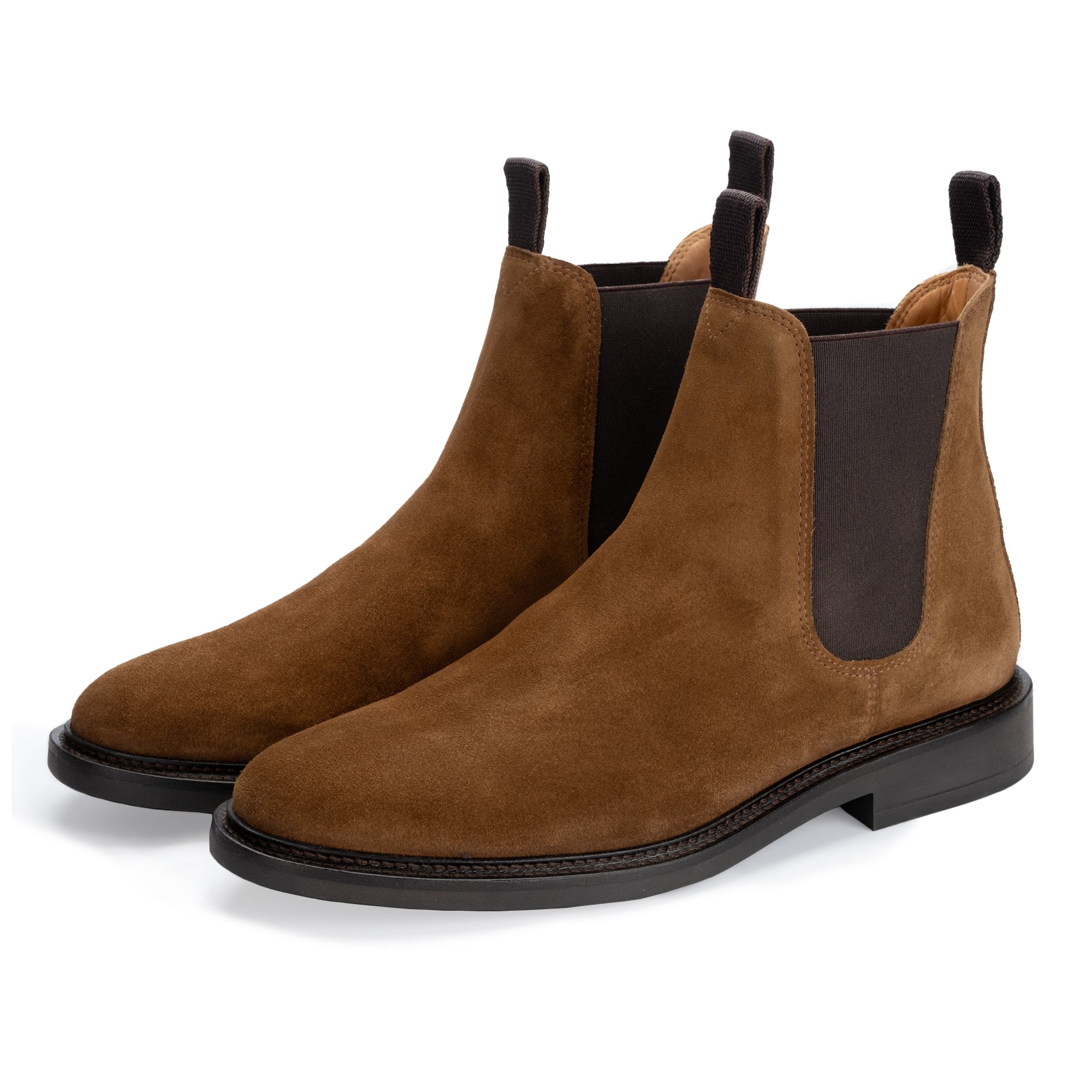
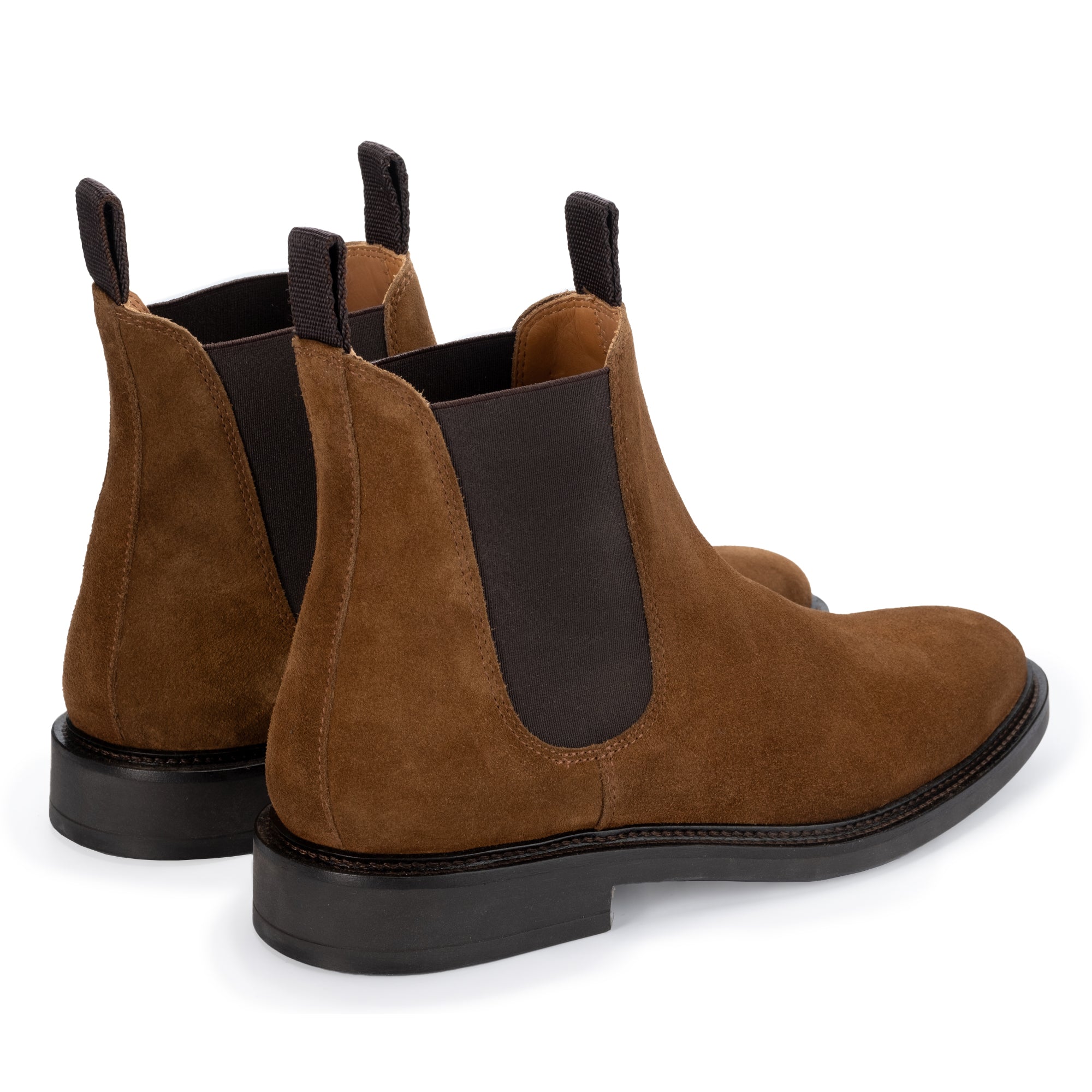
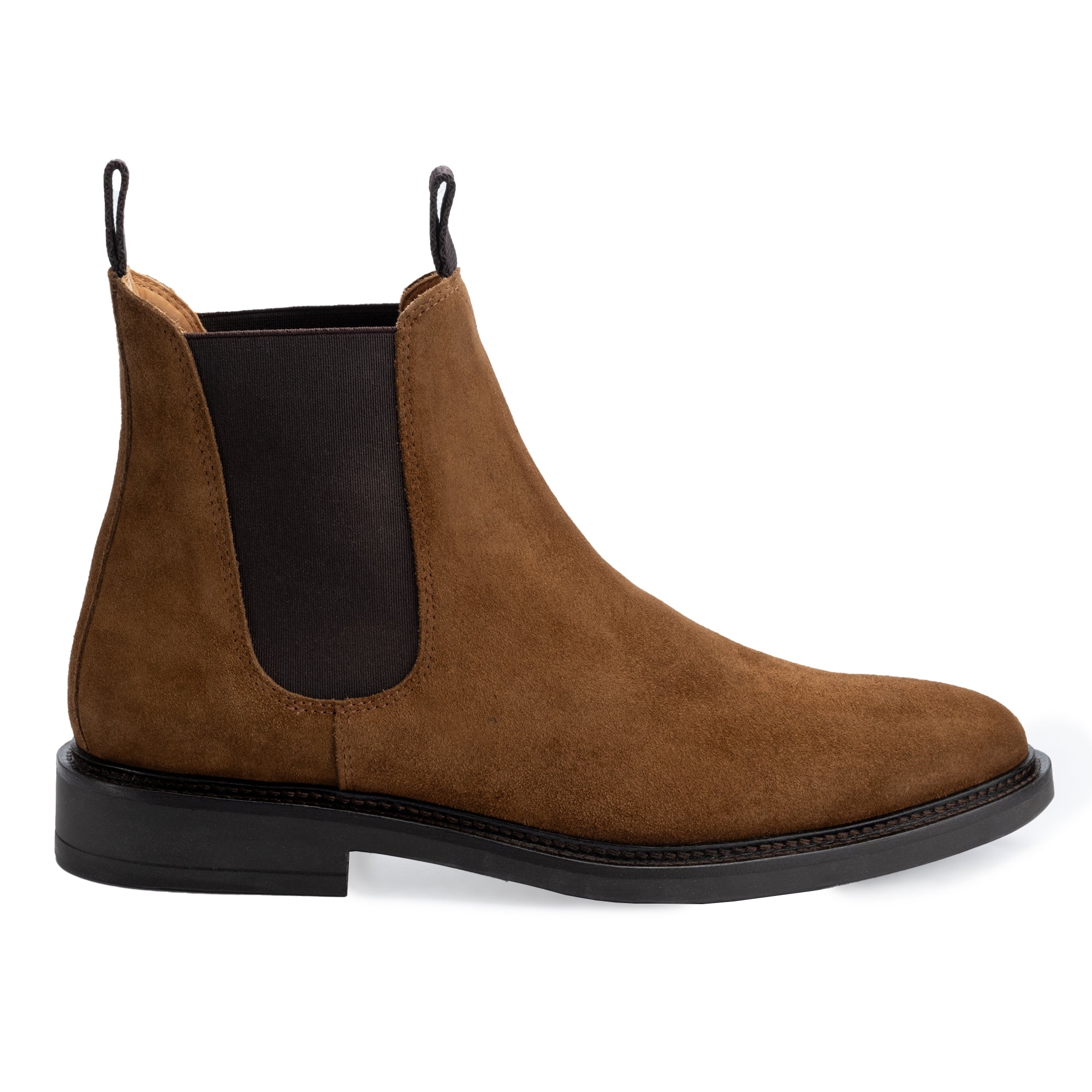
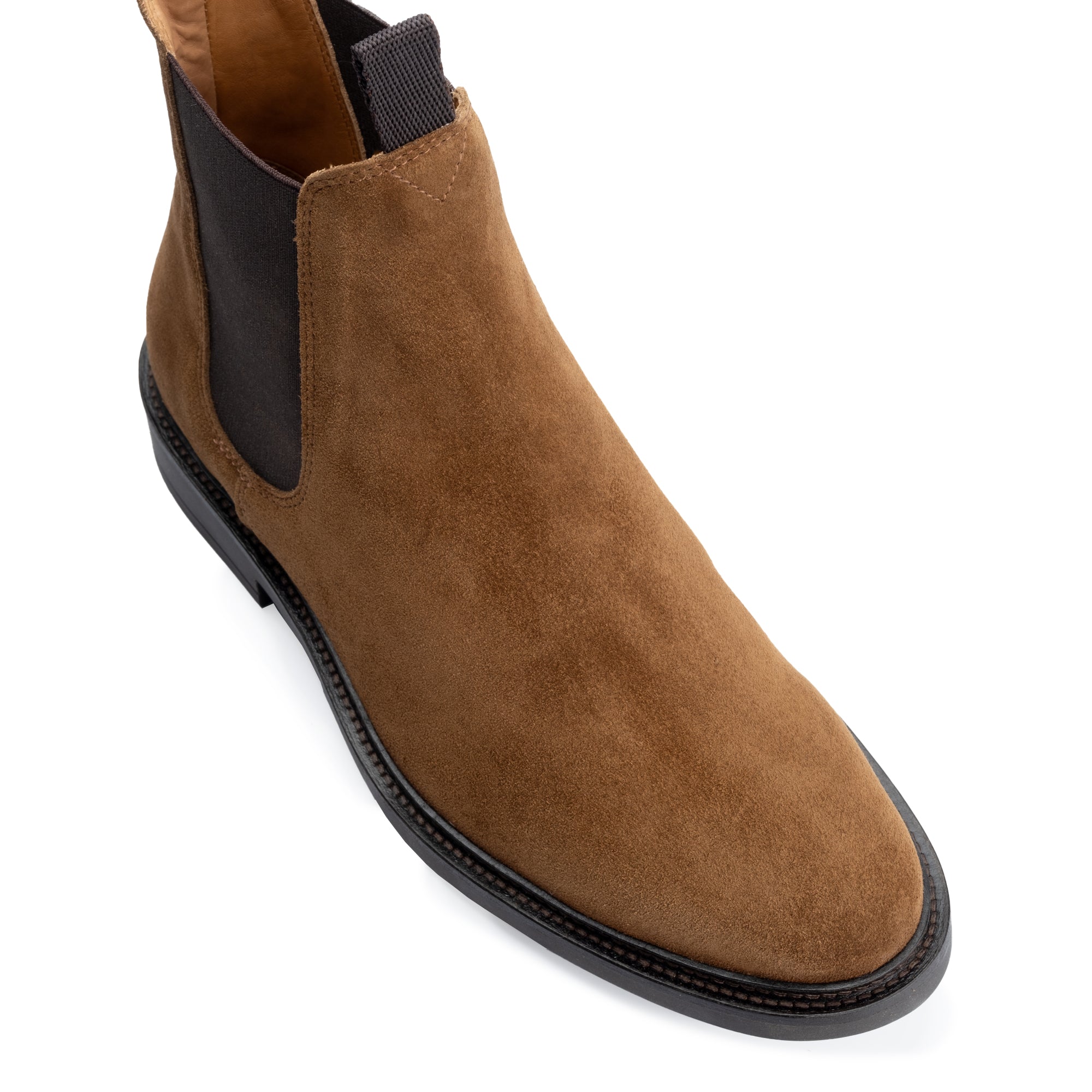
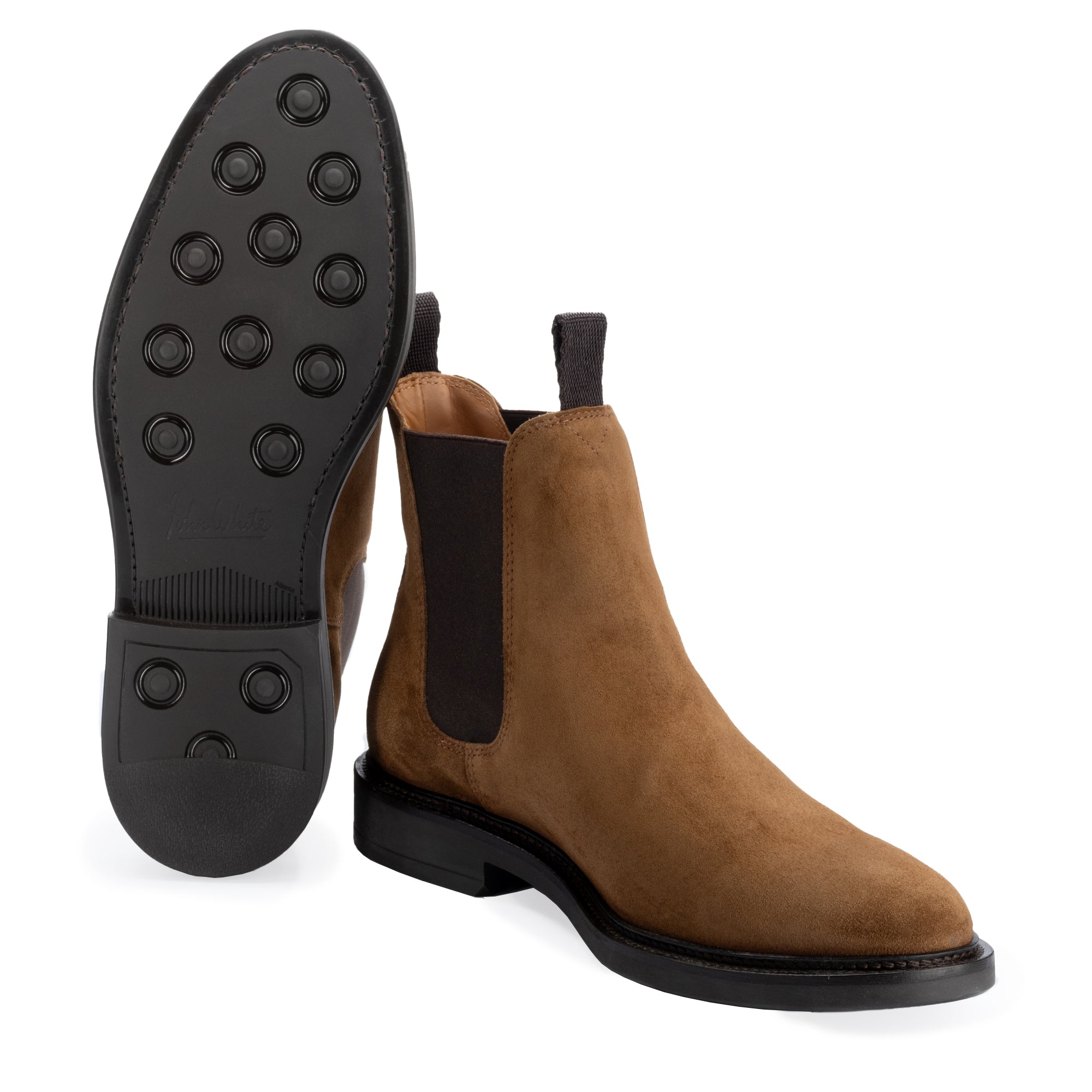
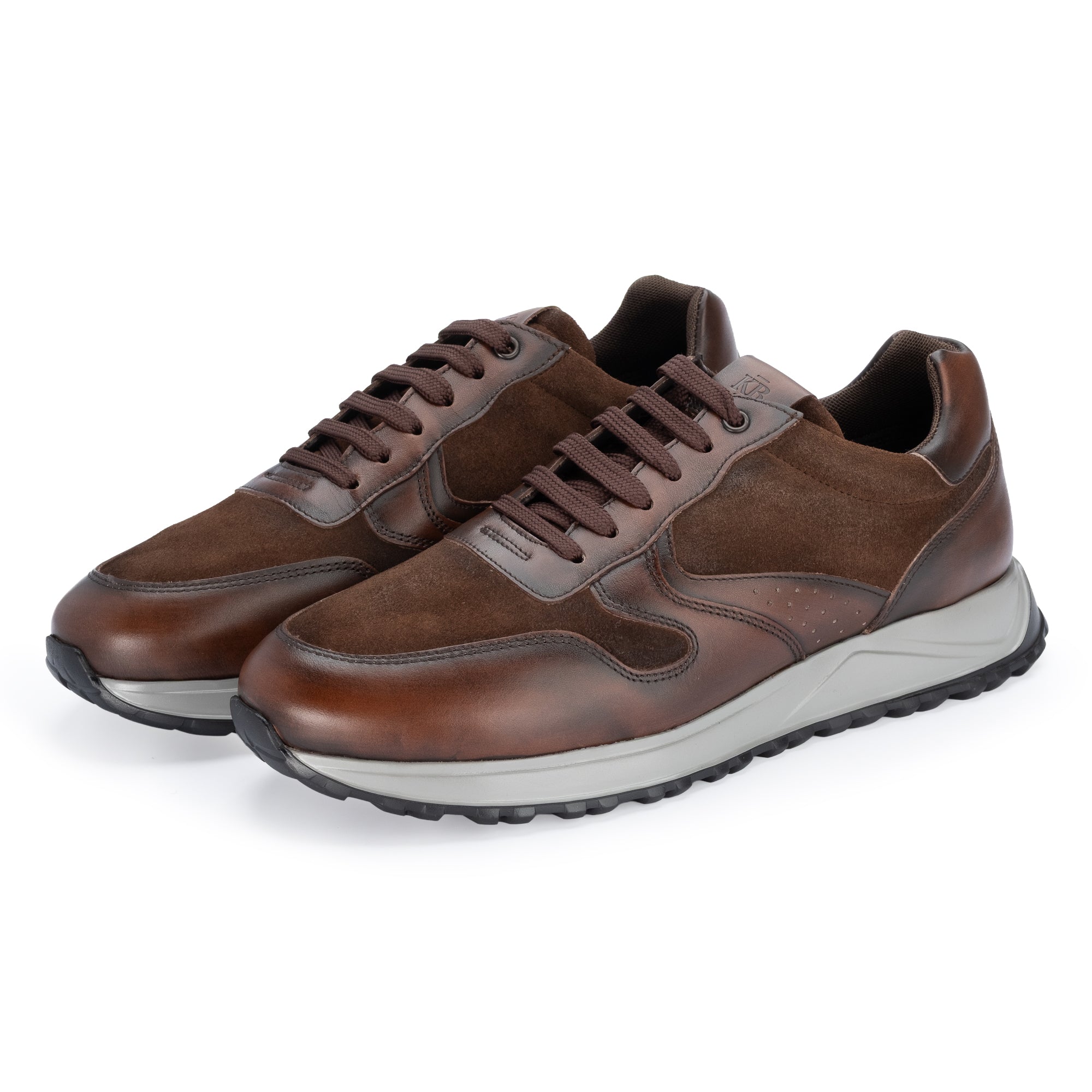
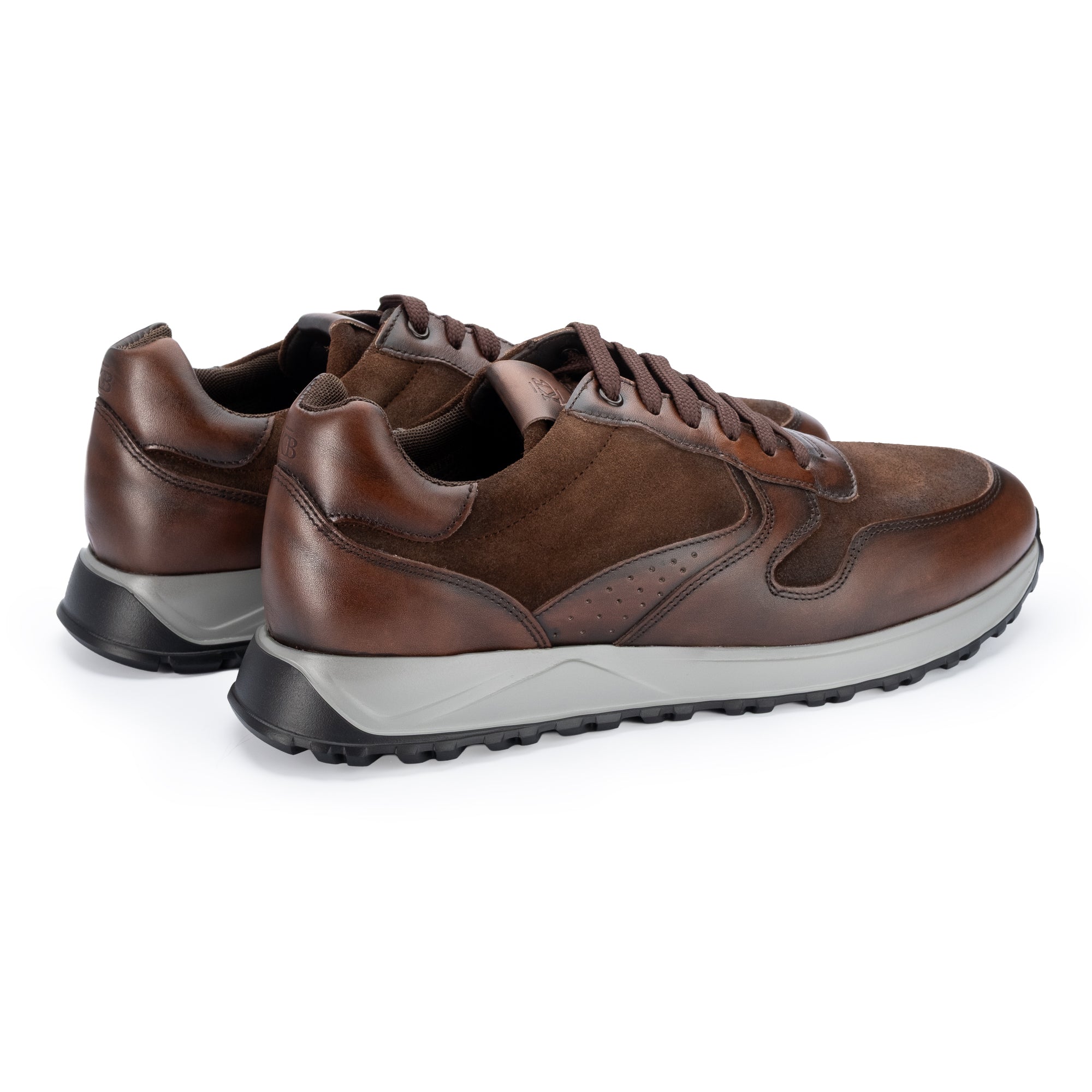
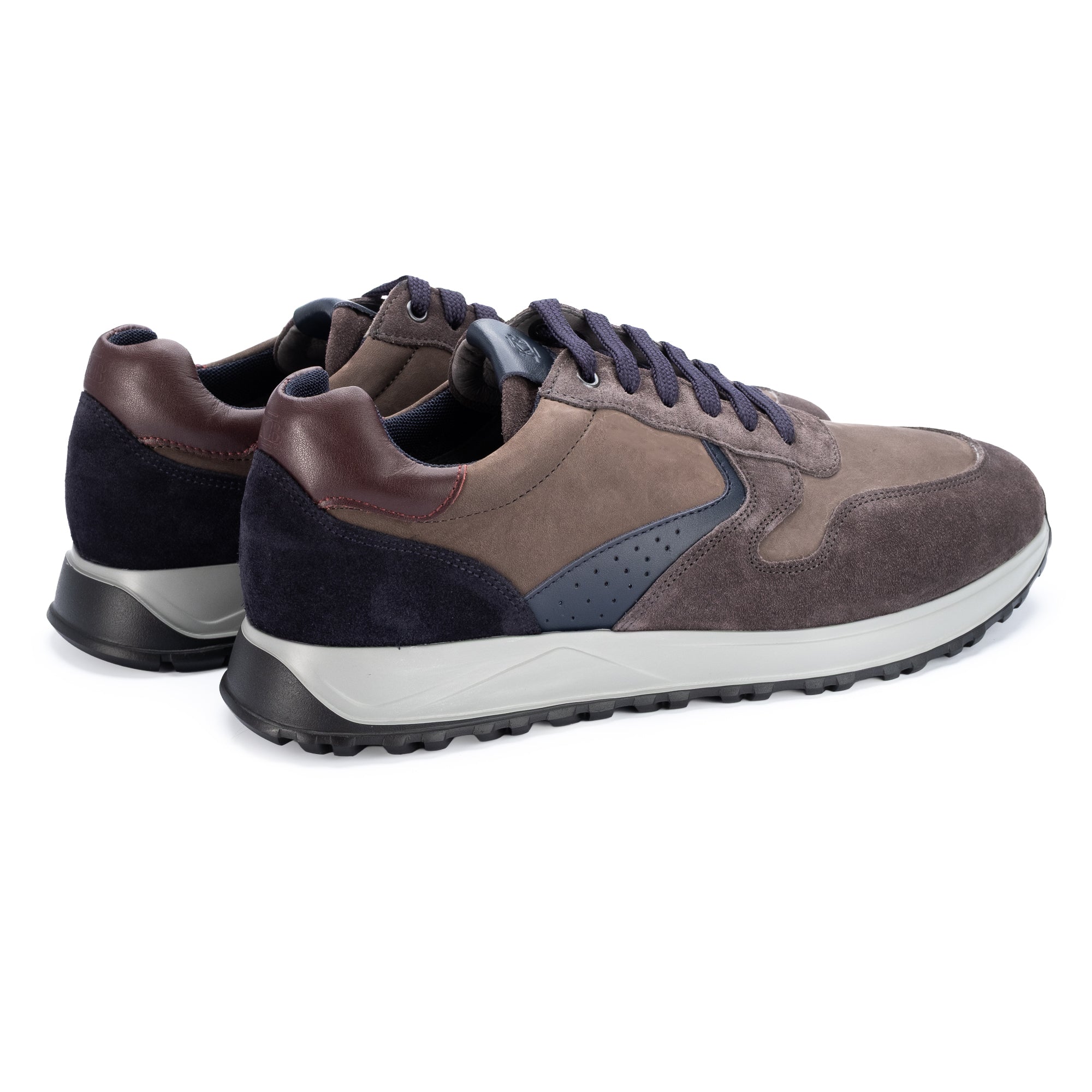
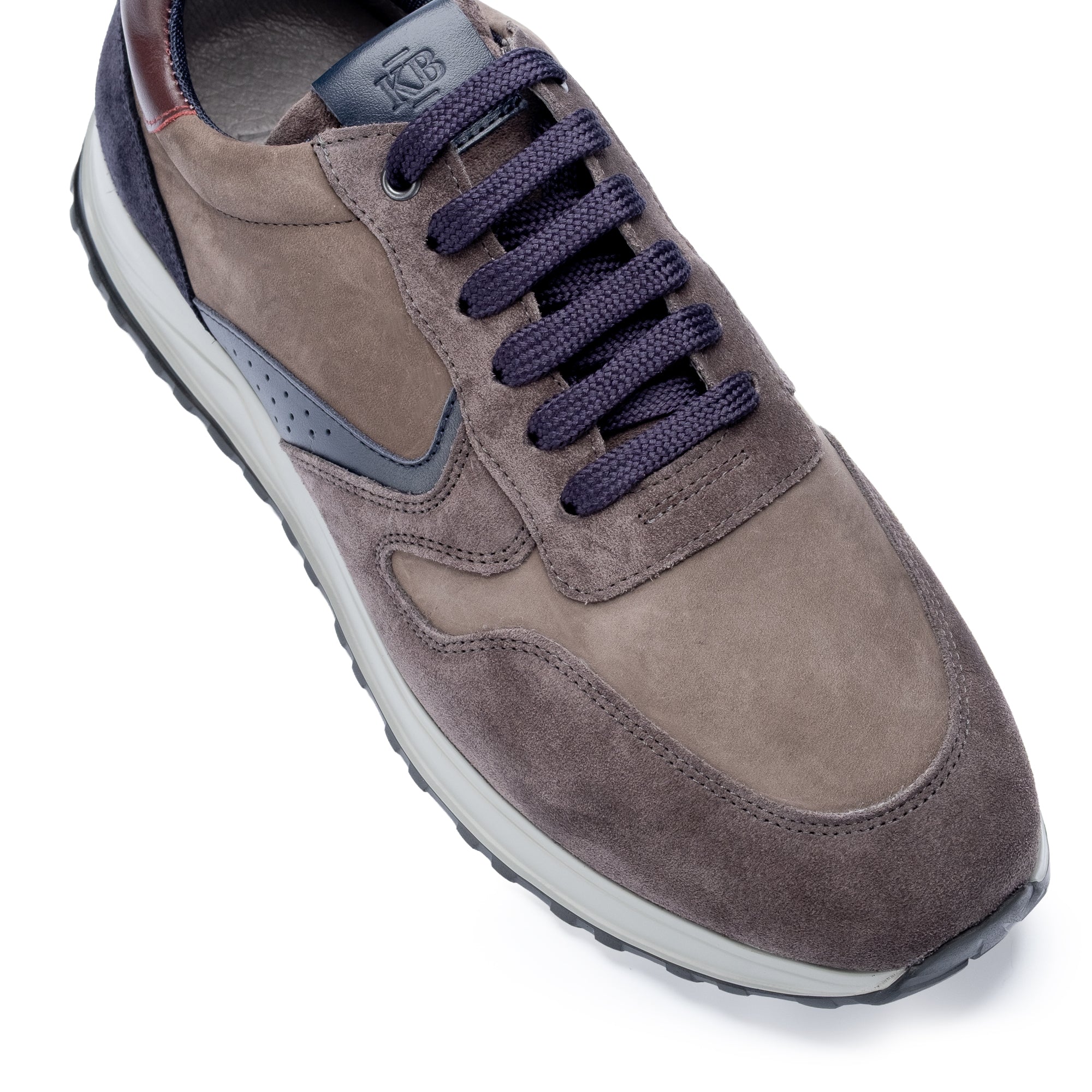
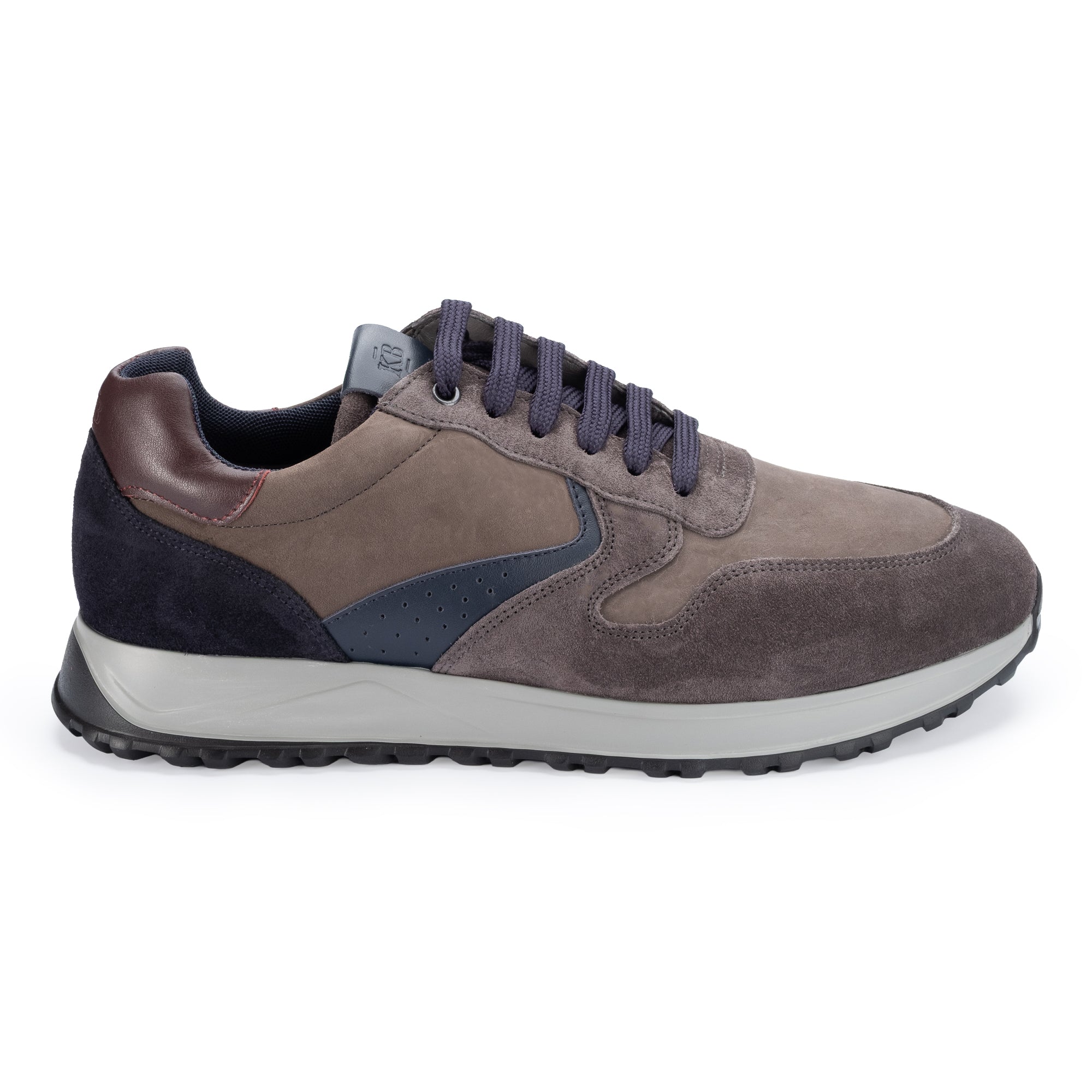
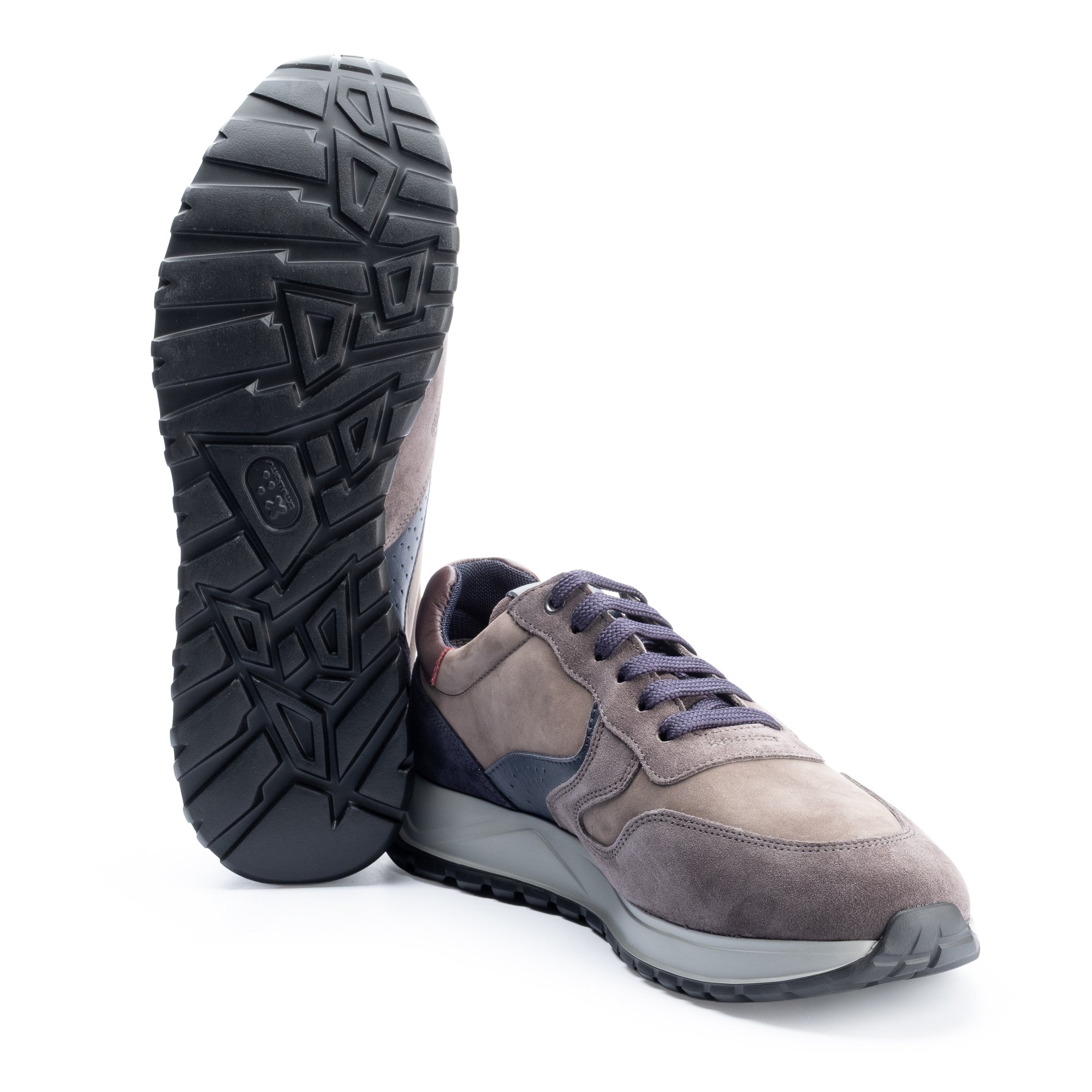
If your collection includes suede styles — such as the Hill Chelsea Suede Boot or the Ethan Plain Calf Suede Loafer — you need dedicated suede tools stored separately from your smooth leather kit. A stiff suede brush restores the nap after wear; a suede eraser tackles dry scuffs and surface marks. Never use wax polish on suede — it flattens the pile permanently and darkens the material unevenly. Our guide on cleaning and caring for suede shoes covers the full process.
Shoe Horn
A long-handled shoe horn is a protection tool, not strictly a care tool. Forcing a foot into a shoe without one collapses the heel counter, permanently distorting the shoe's structure. A good shoe horn costs almost nothing and prevents irreversible damage. Keep it beside the valet box, not inside it — you need it before the shoe comes off, not after.
Replacement Laces
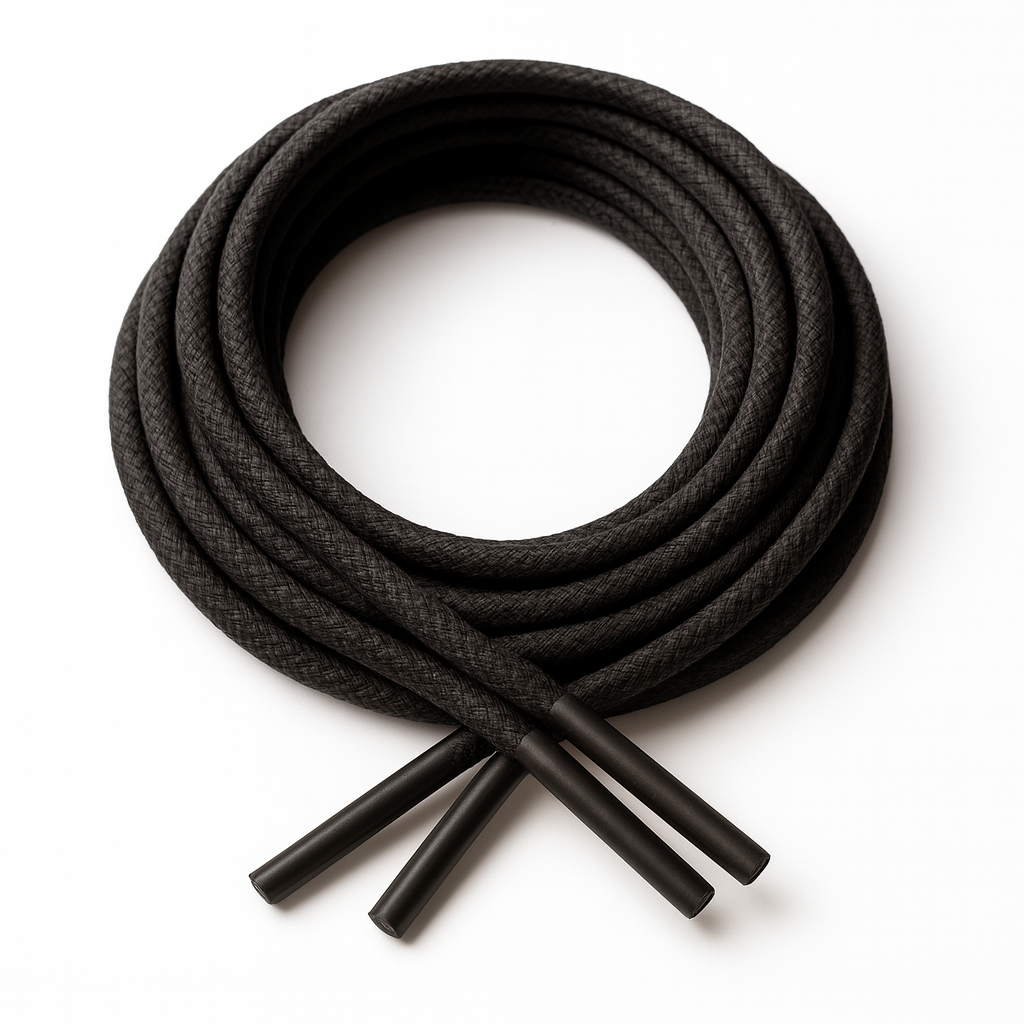
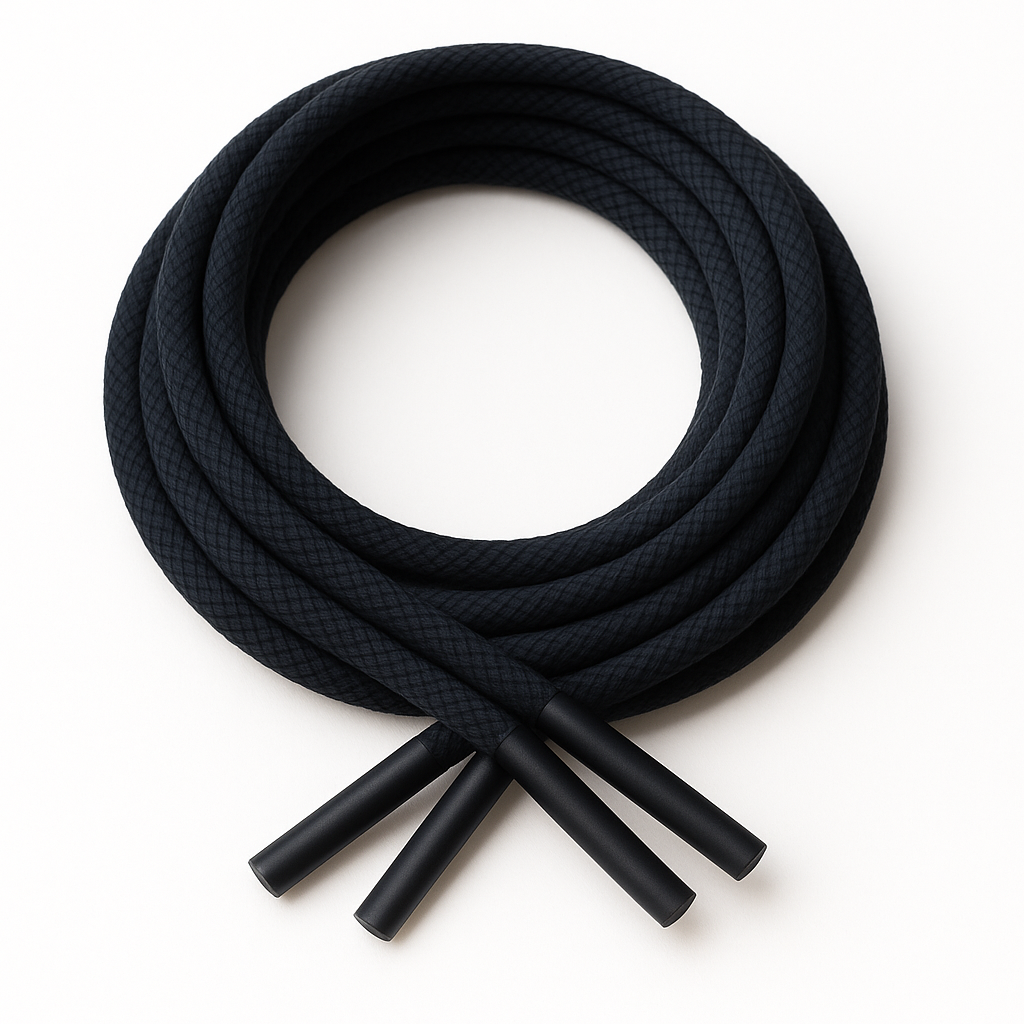
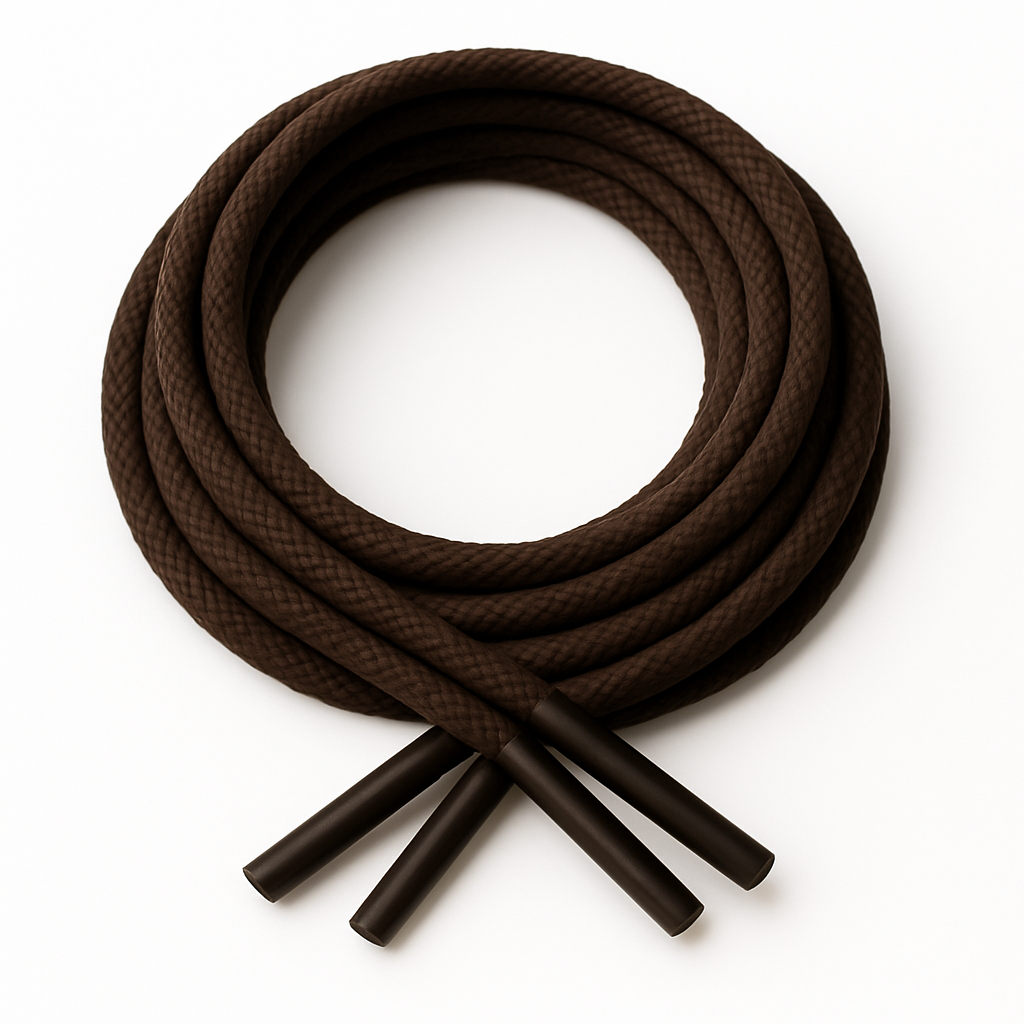
Laces are the most overlooked element of shoe presentation. A frayed or discoloured lace undermines even an immaculate polish. Keep spares in the valet box. Our Waxed Formal Shoe Laces are cut for dress shoes and hold their finish through regular use.
How Do You Build a Shoe Care Kit to Match Your Collection?
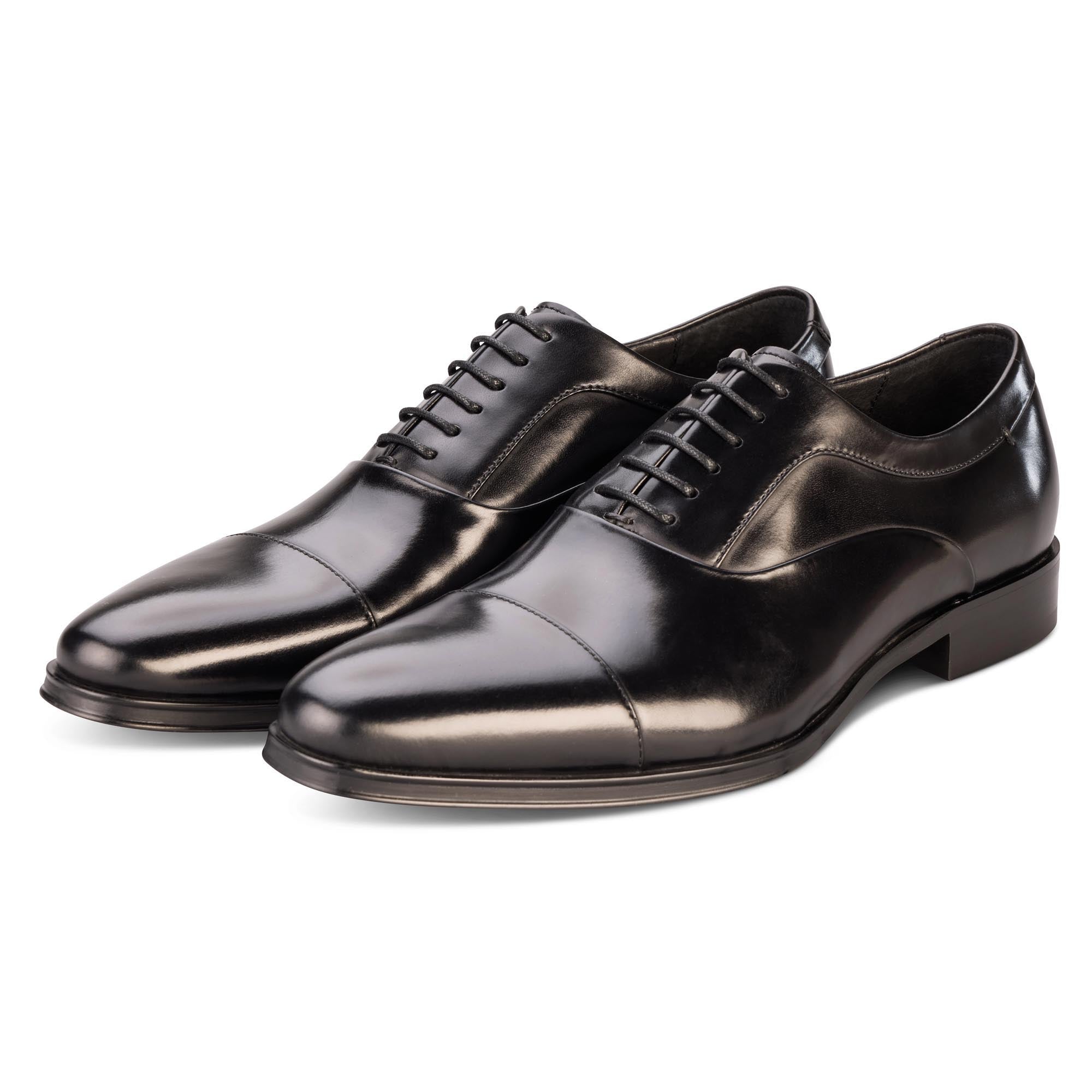
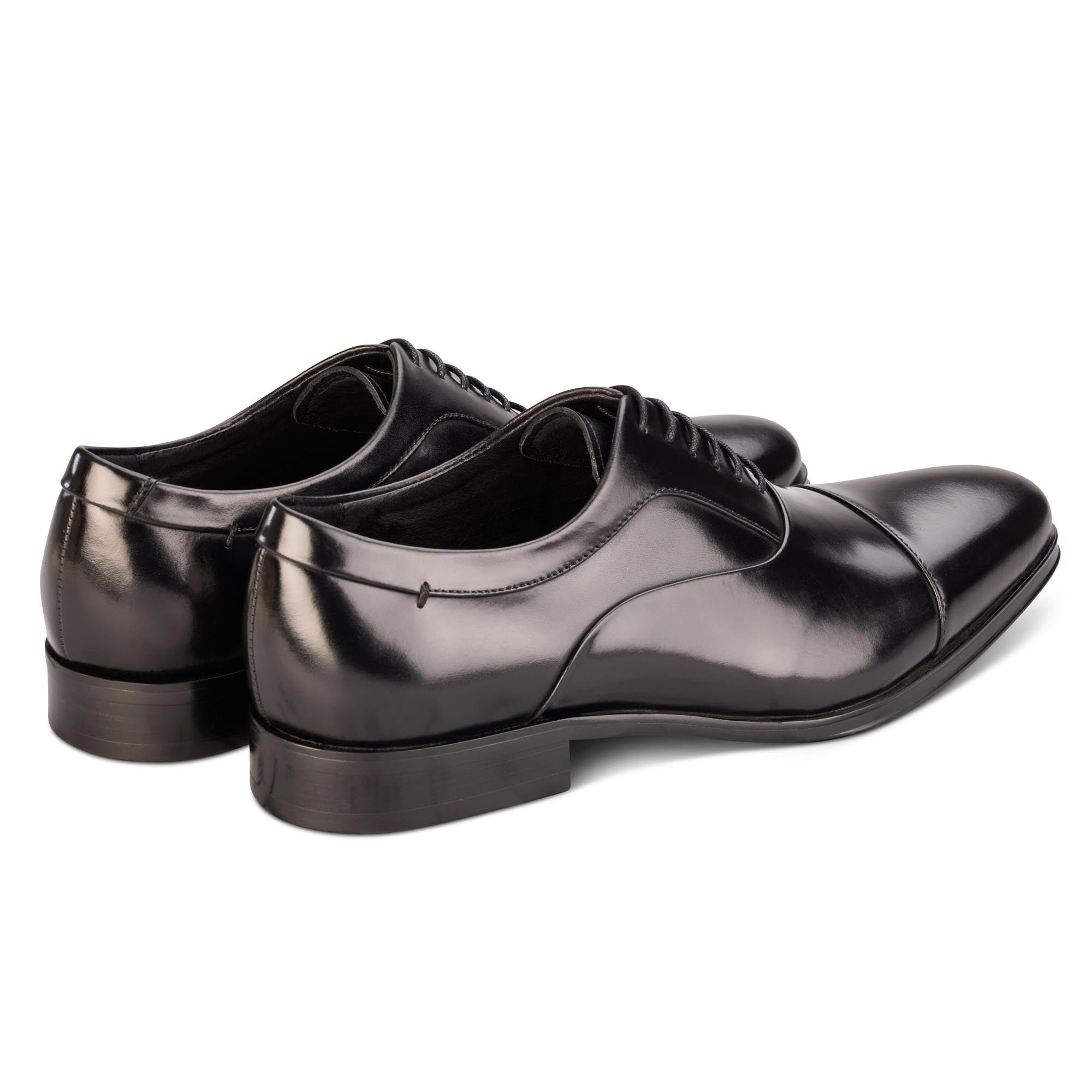
The right kit depends on what you own. A collection of five black Oxford shoes needs a different arsenal than one spanning suede, tan leather, and brown boots. Build around your actual wardrobe — a focused kit used consistently outperforms an elaborate one that sits untouched.
| Tool | Starter Kit | Comprehensive Kit | Frequency of Use |
|---|---|---|---|
| Cedar Shoe Trees | One pair per shoe worn | One pair per shoe owned | After every wear |
| Cleaning Brush (horsehair) | Yes | Yes | Before every polish session |
| Buffing Brush (horsehair) | Yes | Yes | During polish session |
| Leather Conditioner | Yes | Yes | Every 6–8 weeks |
| Wax Polish (black) | Yes | Yes | Every 2–4 weeks |
| Wax Polish (brown/tan) | If applicable | Yes | Every 2–4 weeks |
| Applicator Daubers | Yes (one per colour) | Yes (one per colour) | During polish session |
| Polishing Cloths | Yes | Yes | During polish session |
| Suede Brush + Eraser | Only if you own suede | Yes | As needed |
| Shoe Horn | Yes | Yes | Every wear |
| Replacement Laces | Spares | Multiple sets per colour | When worn or dirty |
| Waterproofing Spray | Optional | Yes | Seasonally |
What Is the Correct Order for Using Your Shoe Care Tools?
Order matters more than most men realise. Applying polish over dirty leather seals in grime. Conditioning after polishing wastes both products. The correct sequence is consistent and non-negotiable:
- Insert shoe trees and allow the shoe to rest for at least an hour before you begin.
- Brush off surface dirt with the cleaning brush, paying attention to the welt seam and any perforations.
- Apply conditioner in circular motions with a cloth. Allow 10 to 15 minutes to absorb fully.
- Apply wax polish with a dauber, working into the grain, toe cap, and heel. Leave for five to ten minutes until the surface hazes over.
- Buff with the horsehair brush using short, brisk strokes. The friction generates heat, which opens the wax and builds the shine.
- Final buff with a soft cloth or chamois for a deep, even gloss.
For a deeper understanding of what's happening to the leather through each step, our comprehensive guide to mastering leather shoe care explains the chemistry and technique behind a lasting shine. If you're dealing with existing scuff damage, our guide to correcting scuffs on leather footwear covers remedial techniques before you resume routine maintenance.
A consistent six-step routine — clean, condition, polish, buff, finish — delivers better results than occasional deep-cleaning sessions, however thorough.Related Guides
- The History of British Shoemaking — our comprehensive guide
- Maximising Shoe Life: The Essential Role of Shoe Trees
- Restoring Elegance: A Definitive Guide to Correcting Scuffs on Leather Footwear
- Mastering Leather Shoe Care: A Comprehensive Guide
TL;DR: A shoe care valet box needs cedar shoe trees, two horsehair brushes, leather conditioner, wax polish, applicator daubers, polishing cloths, a shoe horn, and spare laces. Applied in order — clean, condition, polish, buff — these tools extend quality leather footwear to 10–15 years of service. Suede styles require a separate dedicated kit. Consistency matters more than the tools themselves.
Frequently Asked Questions
What should a shoe care valet box contain?
The essentials are cedar shoe trees, a horsehair cleaning brush and buffing brush, leather conditioner, wax polish in the appropriate colour, applicator daubers, soft polishing cloths, a shoe horn, and spare laces. If you own suede or nubuck shoes, add a suede brush and suede eraser — kept entirely separate from your smooth leather tools. Store everything in one container to remove any friction from your routine.
How often should I polish leather shoes?
Polish leather shoes every two to four weeks under regular wear. Condition the leather every six to eight weeks, as the Leather Conservation Centre recommends, to prevent drying and cracking. Heavy use, wet weather, or travel may require more frequent attention. Brush off surface dirt before every polish session regardless of how recently you last polished.
Can I use the same polish brush for different shoe colours?
No. Keep separate daubers and buffing brushes for each colour of polish. Cross-contamination — particularly brown wax on black leather — is difficult to correct and can permanently alter the leather's tone. Label your brushes by colour or store each colour's tools together so there's no ambiguity.
Do I need different products for suede and smooth leather?
Yes, and you should never mix the two. Wax polish applied to suede or nubuck flattens the nap and darkens the texture permanently. Suede requires a stiff suede brush to restore the pile and a suede eraser for scuffs and surface marks. Smooth leather requires conditioner and wax. Store each kit separately — accidental cross-use is easy to do and difficult to reverse.
Browse the full men's shoe collection or explore our men's boots range to find the next pair your valet box is waiting to look after.