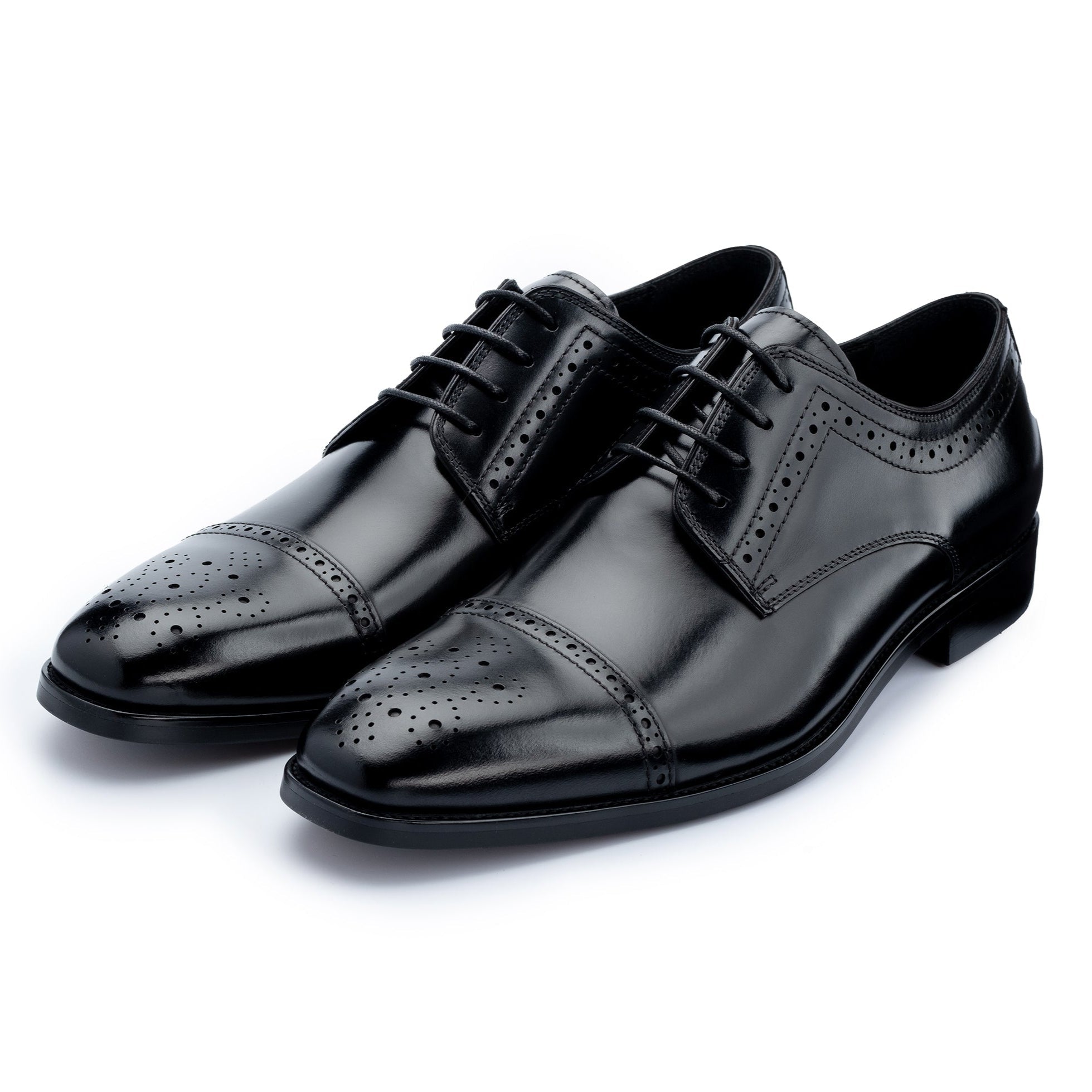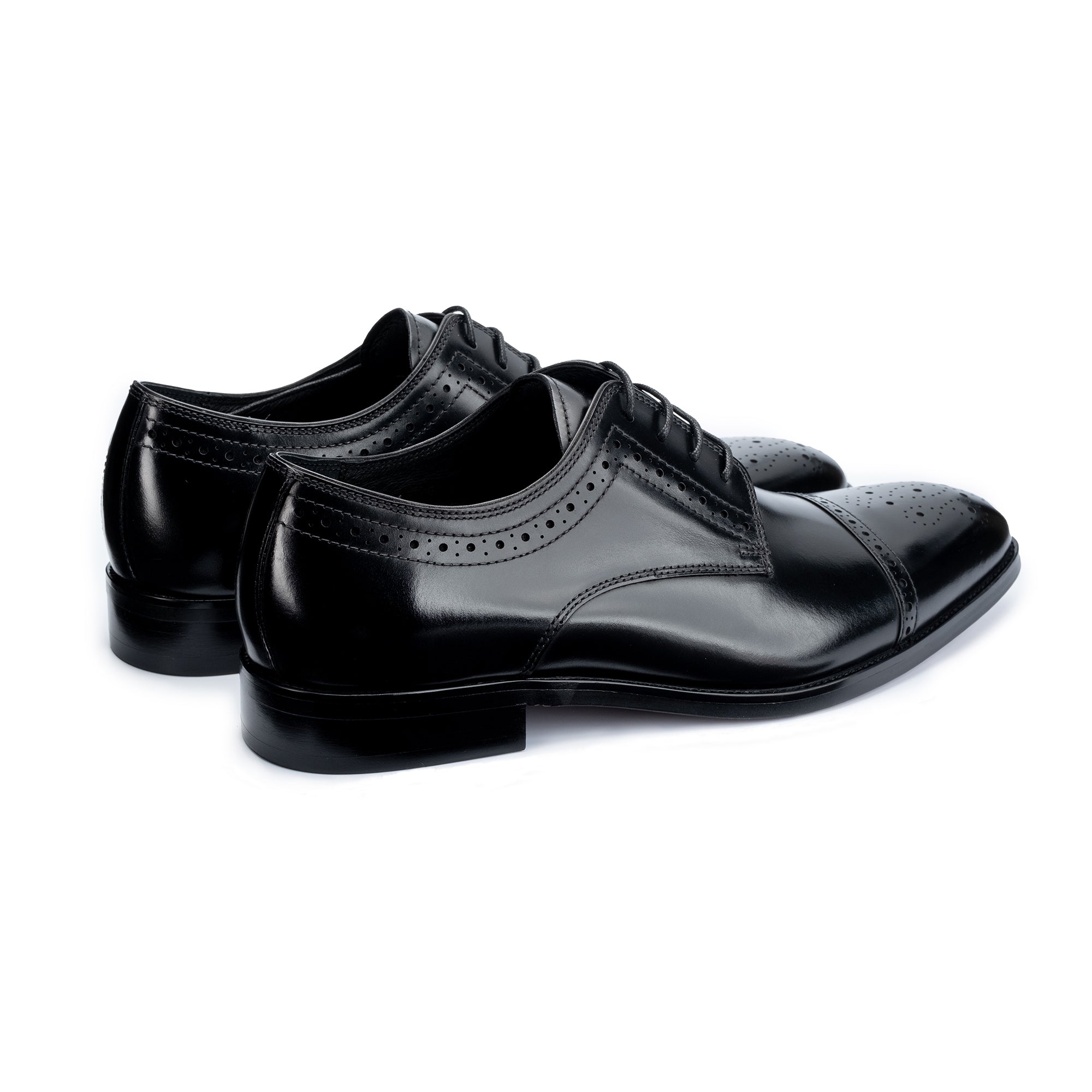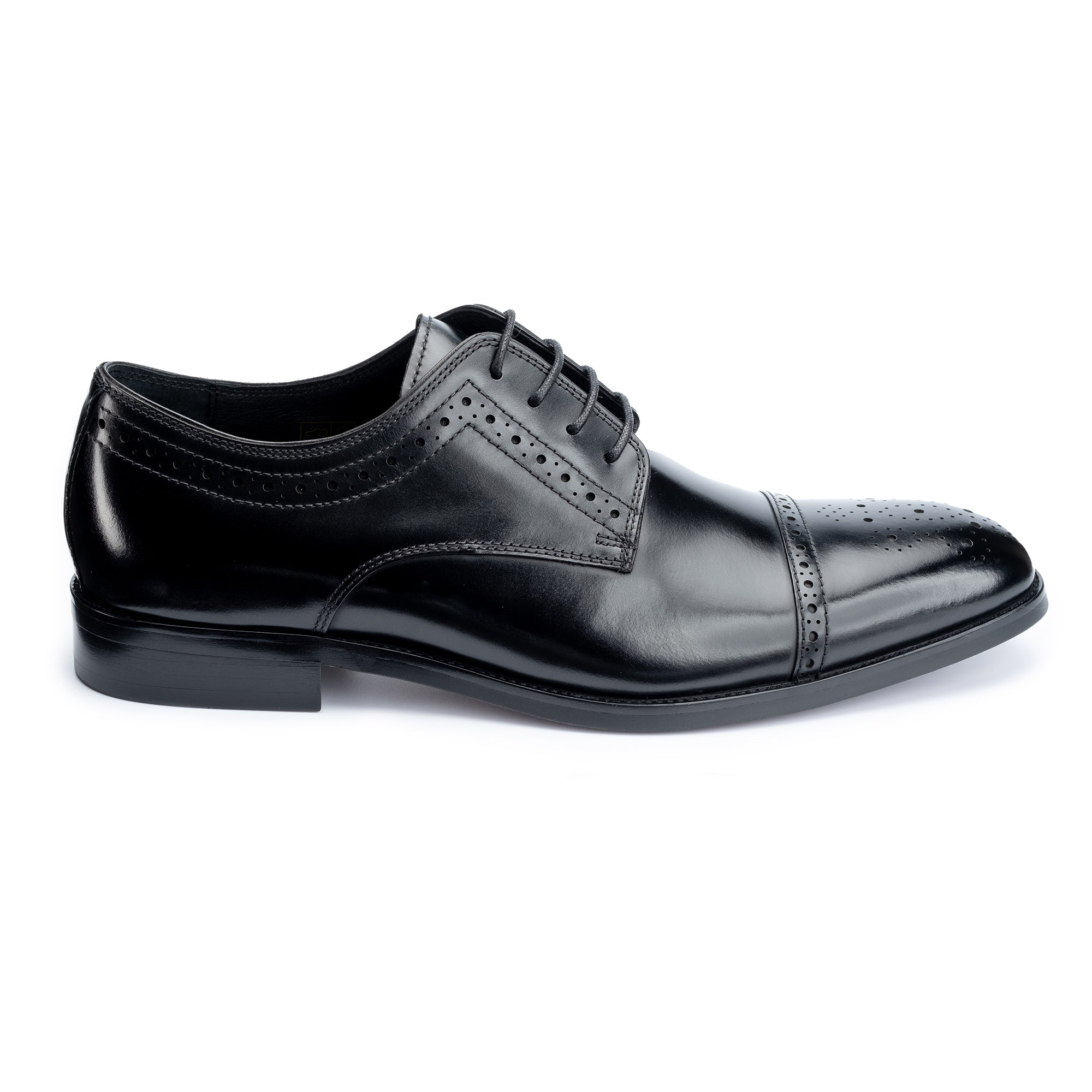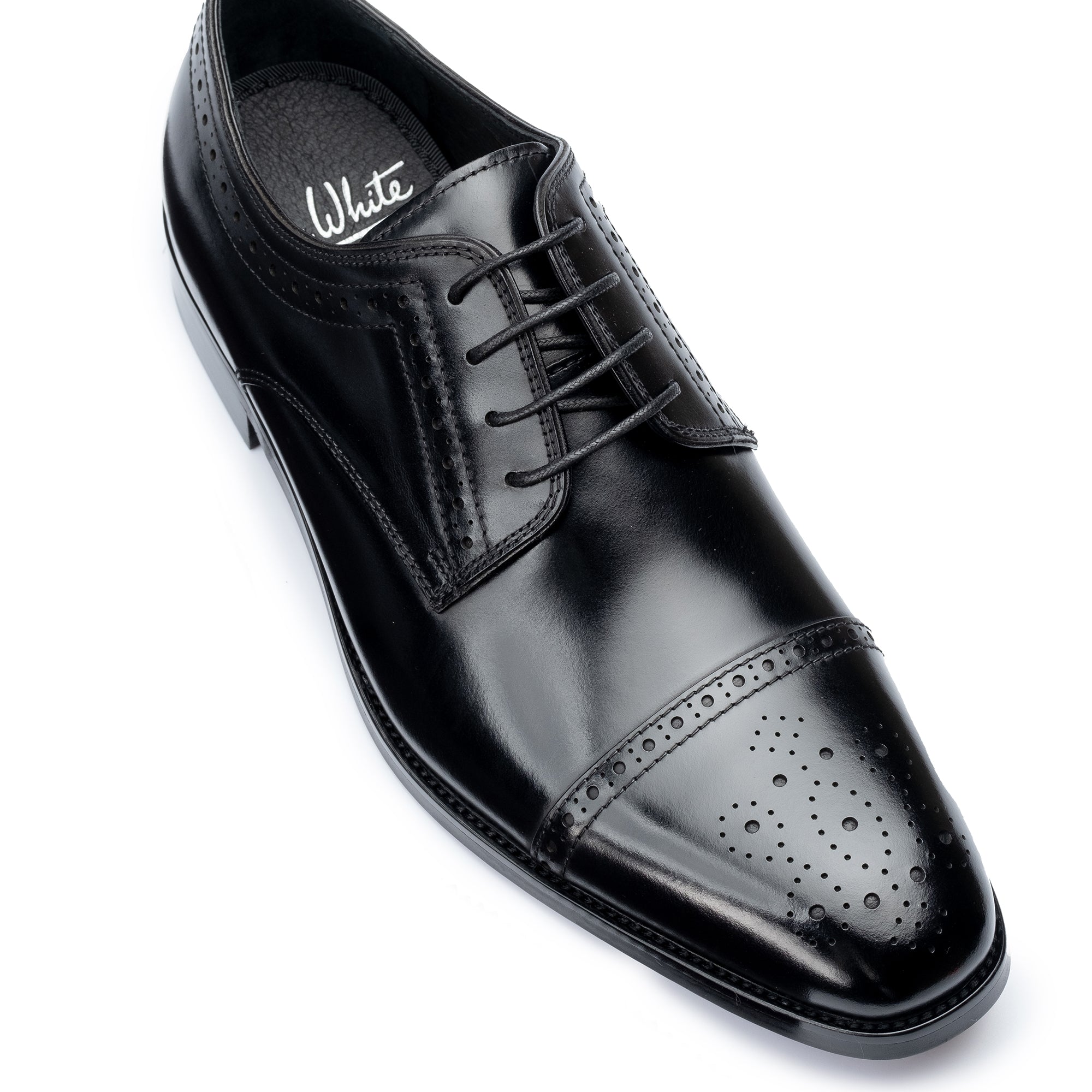

Tannin Bloom and Spew: The Definitive Guide to Removing White Residue from Leather Shoes
White residue on leather shoes is caused by one of two internal processes: fatty spew, where oils and waxes crystallise on the surface as temperatures change, or tannin bloom, where vegetable tannins migrate through the leather following moisture exposure. Both are diagnosed by texture — spew smears when touched; bloom stays powdery and dry. Neither causes permanent damage when treated promptly with the correct conditioning technique.
In This Guide
- What Is Fatty Spew on Leather Shoes?
- What Is Tannin Bloom and How Does It Differ?
- Spew, Bloom, or Something Else? How to Identify White Residue
- How Do You Remove Fatty Spew from Leather Shoes?
- How Do You Remove Tannin Bloom from Leather Shoes?
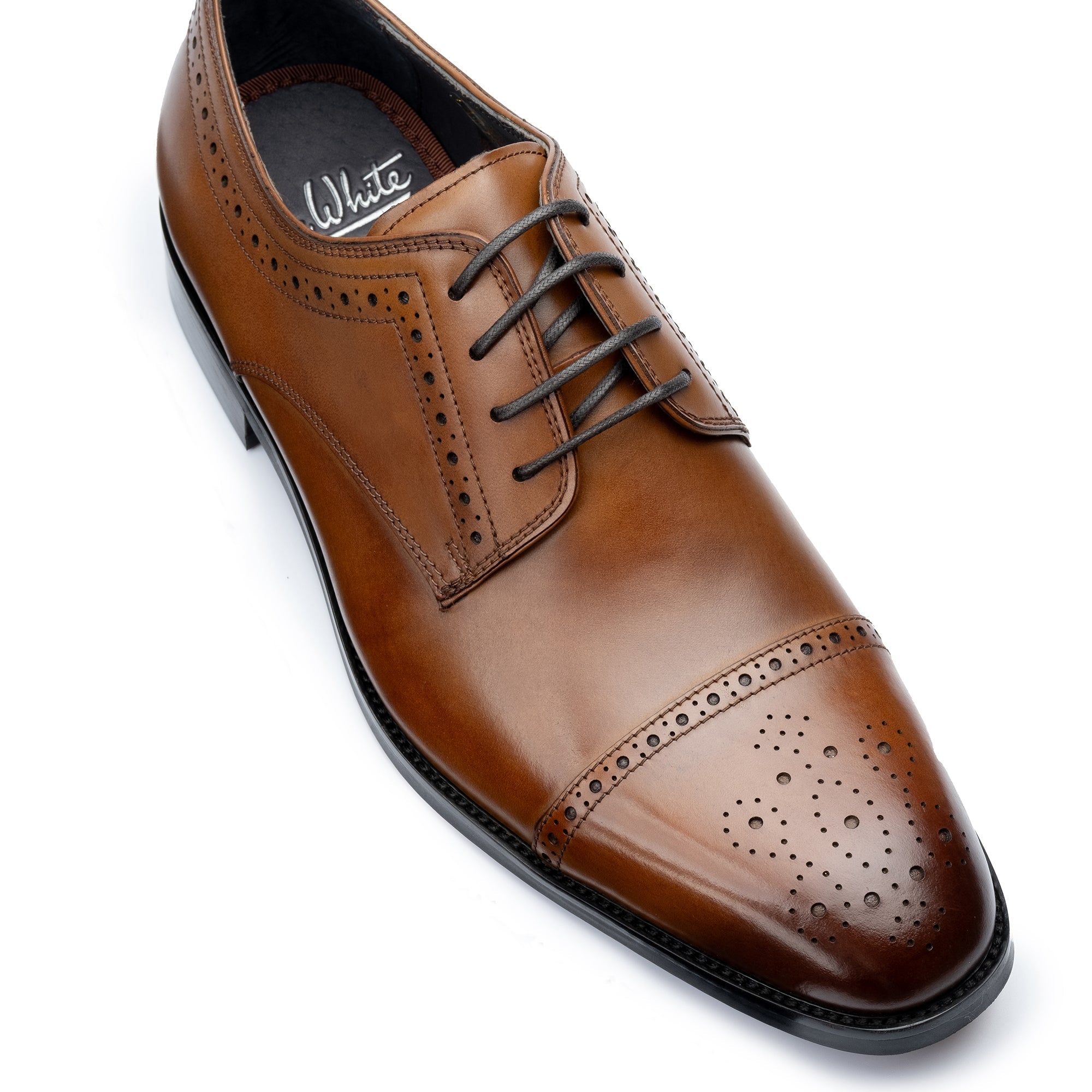
- How Do You Remove Wax Build-Up from Creases and Broguing?
- How Do You Prevent White Residue from Returning?
- Related Guides
- Frequently Asked Questions
White residue on leather shoes is almost always an internal condition, not an external stain. Fatty spew and tannin bloom emerge from within the leather itself — fats, waxes, and tannins migrating to the surface in response to temperature change or moisture. Quality leather footwear from heritage makers including John White Shoes, Loake, Barker, Grenson, Church's, and Crockett & Jones is all susceptible, because these are properties of the leather, not manufacturing defects. Correct treatment depends on correct identification first.
What Is Fatty Spew on Leather Shoes?
Fatty spew is a surface condition where oils, waxes, and fat-liquoring agents used during the leather's tanning process migrate to the surface and crystallise. It appears as a milky white or pale grey film across the upper — typically uniform rather than isolated in patches.
The three principal triggers are: cold storage, where falling temperatures cause dissolved fats to solidify and rise; new leather settling, as residual tanning lubricants redistribute during early wear; and over-conditioning, where excess applied oils migrate outward because the leather cannot absorb them.
Fatty spew is immediately distinguishable by its texture. Run a finger across the affected surface — spew smears. This single test separates it from every other form of white residue. According to the BLC Leather Technology Centre, the principal UK authority on leather testing and quality standards, fatty spew occurs most frequently in chrome-tanned leathers where fat-liquoring agents have been applied generously during production — a manufacturing variable, not a reflection of finished quality.
Fatty spew originates within the leather itself from migrating oils — it is not an external stain, and responds reliably to conditioning and buffing at room temperature.What Is Tannin Bloom and How Does It Differ?
Tannin bloom is a surface condition where polyphenolic tannins — the organic compounds derived from oak bark, mimosa, or quebracho used in traditional vegetable tanning — migrate through the leather and deposit on the surface. It presents as a dry, powdery, grey-white film that does not smear when touched. That texture distinction is definitive.
Moisture is the primary driver. When leather absorbs water and dries, tannins in solution follow the moisture gradient outward and remain on the surface as the water evaporates. Vegetable-tanned leather — used extensively in insoles, midsoles, and welt channels in Goodyear welted construction — is most susceptible.
The Leather Conservation Centre advises that leather exhibiting tannin bloom should be conditioned promptly: "Prolonged moisture exposure that drives tannin migration also depletes the leather's natural oils, and deferred treatment risks surface stiffening in heavily affected areas." A second conditioning application after drying is therefore essential, not optional.
Tannin bloom is a dry, powdery white deposit caused by vegetable tannins migrating to the leather surface after moisture exposure — it is distinguishable from fatty spew by its non-greasy texture and is not caused by any external contamination.Spew, Bloom, or Something Else? How to Identify White Residue
Correct diagnosis determines correct treatment. The table below covers the four forms of white residue found on leather shoes.
| Type | Appearance | Texture | Primary trigger | Location |
|---|---|---|---|---|
| Fatty spew | Milky white film, slight sheen | Greasy — smears when touched | Cold storage, new leather, over-conditioning | Full upper surface |
| Tannin bloom | Grey-white powder, dull finish | Dry, powdery — does not smear | Moisture exposure, humid storage | Full upper surface |
| Wax build-up | White paste in creases or perforations | Hard, set, waxy | Repeated polishing without prior cleaning | Flex creases, brogue holes, stitching lines |
| Salt staining | White tide marks with defined edges | Dry, slightly rough, crystalline | Road salt, sea spray, perspiration | Defined lines at ankle or toe |
Salt staining requires a distinct treatment protocol entirely — see our guide to removing salt stains from leather shoes for that process.
How Do You Remove Fatty Spew from Leather Shoes?
Removing fatty spew depends on temperature and conditioning. Cold leather holds its spew; warm leather allows the fats to soften and be drawn back in or wiped clear. Do not attempt treatment on footwear straight from cold storage.
- Bring the shoes to room temperature. Allow 30–60 minutes after cold storage. Treating spew on cold leather achieves nothing.
- Brush away loose surface material. Use a horsehair brush, working in one direction. Do not scrub — friction alone will not remove spew.
- Apply leather conditioner in circular motions. Use a product based on lanolin, neatsfoot oil, or a beeswax blend, applied with a clean cloth or applicator. The conditioner softens and emulsifies the crystallised fats.
- Leave for five to ten minutes, then buff vigorously. A clean dry cloth removes the emulsified spew. One application resolves the majority of cases.
- Polish as usual. Apply cream polish to restore colour, followed by wax polish for surface protection.
According to the Society of Master Shoe Repairers, fatty spew is one of the most frequently mishandled leather conditions — treated as a surface stain and cleaned aggressively, rather than addressed as oil migration through conditioning. Harsh cleaners strip the leather's remaining fats and worsen the condition they are meant to resolve. For guidance on selecting the right products at each stage, our guide to leather conditioner versus shoe polish covers the distinctions in full.
Fatty spew resolves with room-temperature conditioning and buffing — no specialist solvents are required, and aggressive cleaning counterproductively strips the leather further.How Do You Remove Tannin Bloom from Leather Shoes?
Tannin bloom must be treated on fully dry leather. Treating damp leather risks driving further tannin migration and worsening the bloom before it improves.
- Dry the shoes fully first. If moisture triggered the bloom, dry naturally — away from direct heat, stuffed with newspaper, standing upright for 24–48 hours. For footwear that has been thoroughly soaked, follow the full drying protocol in our guide to drying wet leather footwear before addressing the bloom.
- Brush away the powdery surface deposit. A soft horsehair brush removes the bloom without embedding it into the grain. Work in one direction.
- Apply conditioner or a mild leather cleaner. Work into the surface. For persistent bloom, a small amount of saddle soap on a damp sponge — worked in lightly and then wiped fully dry — lifts residual deposits.
- Allow to dry fully, then condition again. The moisture event that caused the bloom depleted the leather's natural oils. A second conditioning application replenishes them — this step is not optional.
- Finish with cream and wax polish. Restore colour and apply a wax layer for surface moisture resistance going forward.
How Do You Remove Wax Build-Up from Creases and Broguing?
Wax build-up concentrates in flex creases, brogue perforations, and stitching lines — not across the full upper — and is caused by repeated wax polish application without prior cleaning. Layers accumulate, set, and eventually crack into visible white deposits.
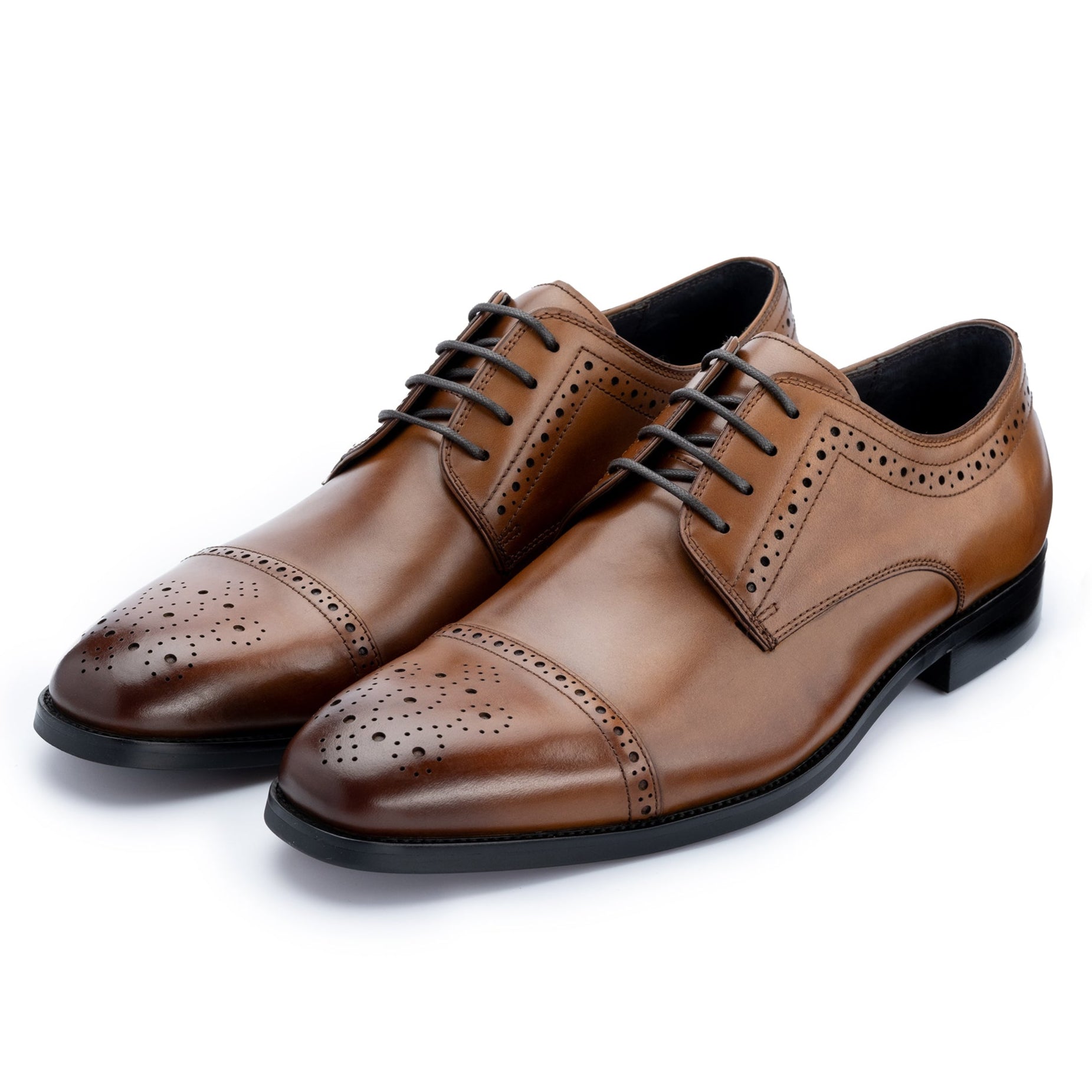
Treatment is mechanical: use a stiff-bristled brush — a shoemaker's dauber or firm nylon brush — to work the build-up free from perforations and creases. Follow with saddle soap on a damp cloth to lift residual wax, wipe clean, and allow to dry before conditioning and polishing. The strip-and-recondition step included in The Annual Ritual maintenance checklist prevents accumulation from reaching visible levels when carried out once yearly.
Wax build-up in creases and perforations requires mechanical removal with a stiff brush followed by saddle soap — conditioning alone cannot dissolve set wax deposits.How Do You Prevent White Residue from Returning?
Each type of white residue has a specific trigger. Address the trigger and the residue does not return.
- Use cedar shoe trees after every wear. Cedar actively absorbs moisture and moderates temperature — addressing the triggers for both tannin bloom and spew simultaneously. Our guide to leather shoe trees covers selection and sizing in full.
- Store away from cold. Unheated garages, car boots, and external walls in winter create the temperature conditions that drive fatty spew. Stable indoor storage is all that is required.
- Condition every six to eight weeks. The Leather Conservation Centre recommends this interval for shoes in regular rotation. Under-conditioning dries the leather out; over-conditioning supplies excess oils that migrate as spew.
- Clean before every polish application. Remove old wax before adding new. This single habit eliminates build-up entirely.
- Dry wet shoes before storing them. Never store damp leather in a box or shoe bag — confined moisture is the most reliable trigger for tannin bloom.
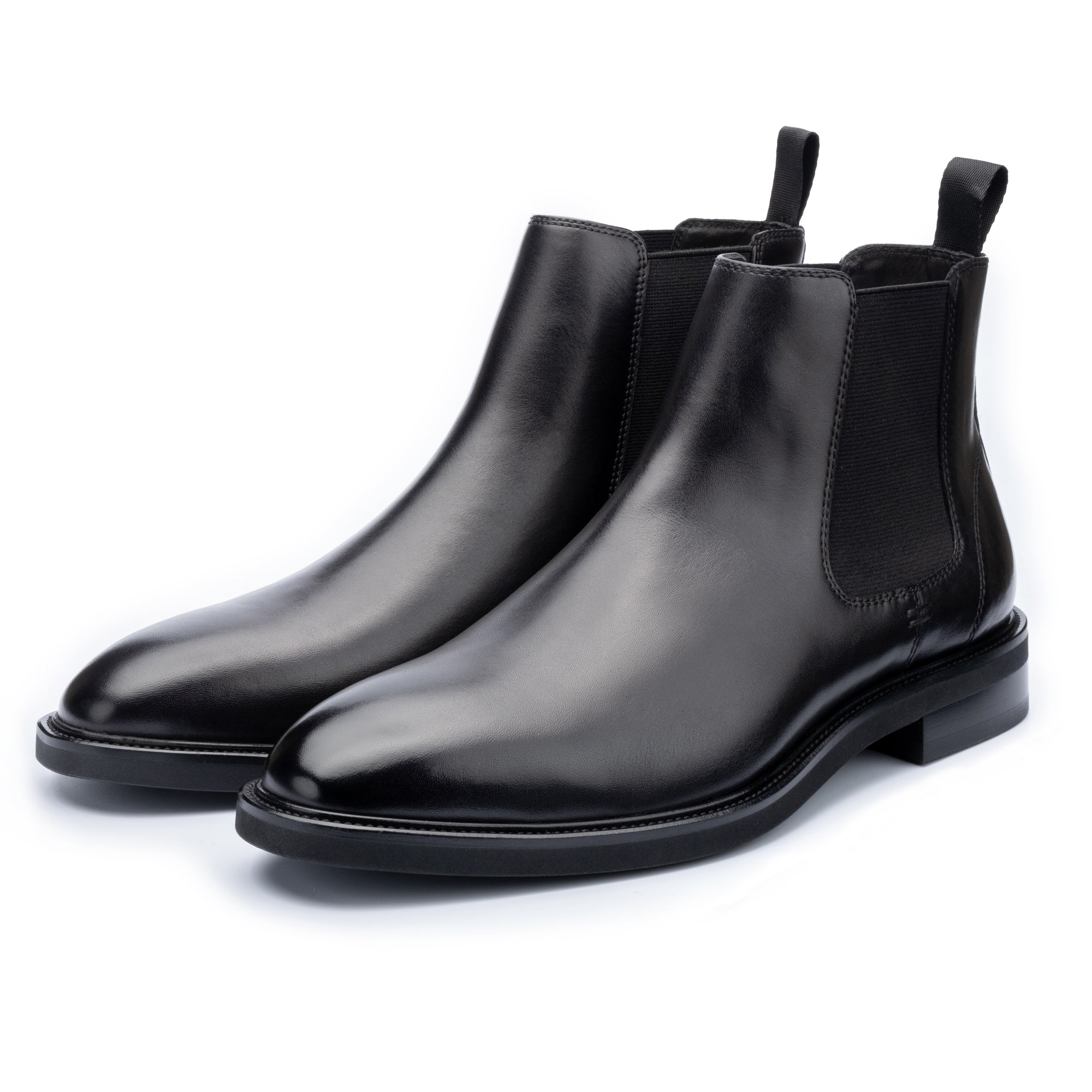
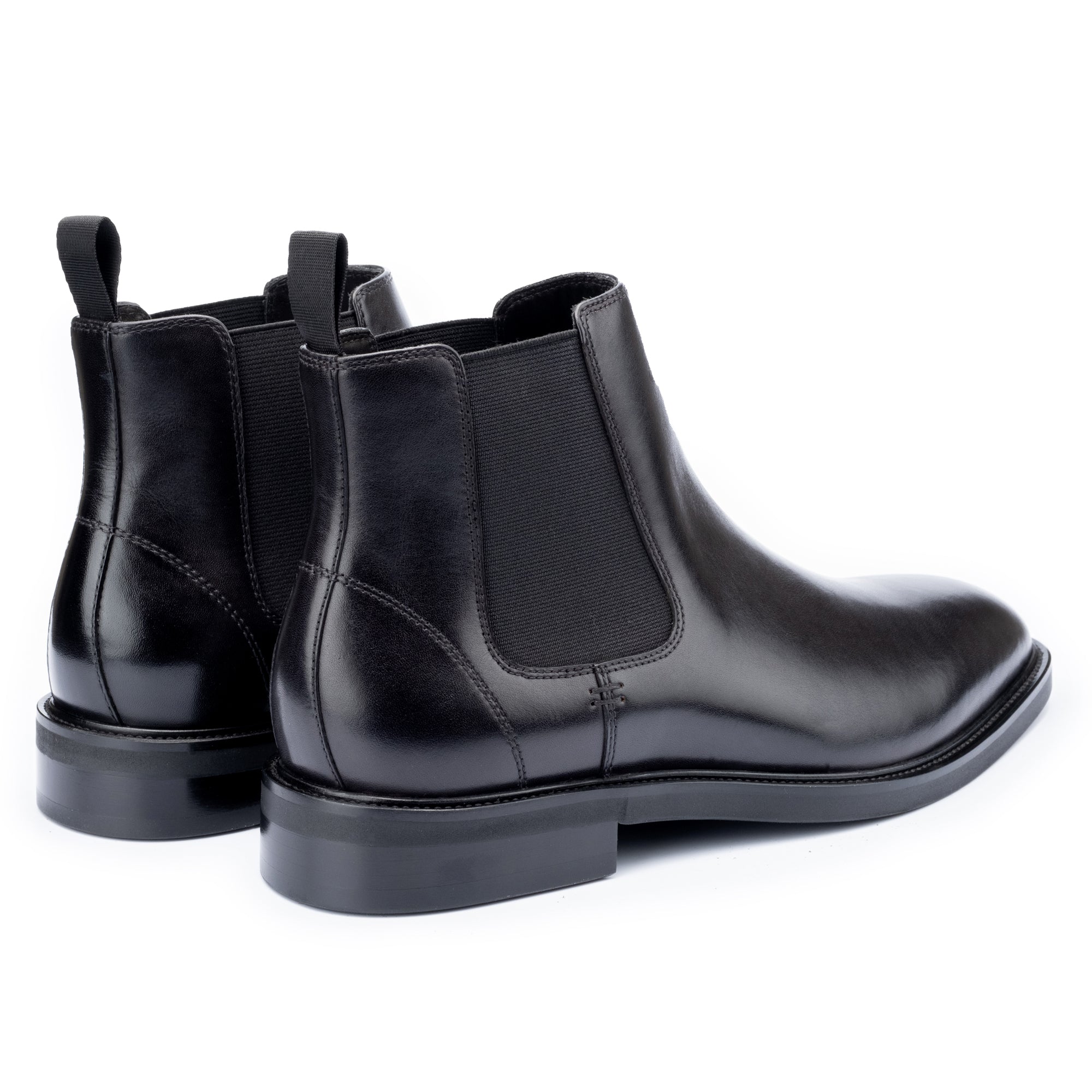
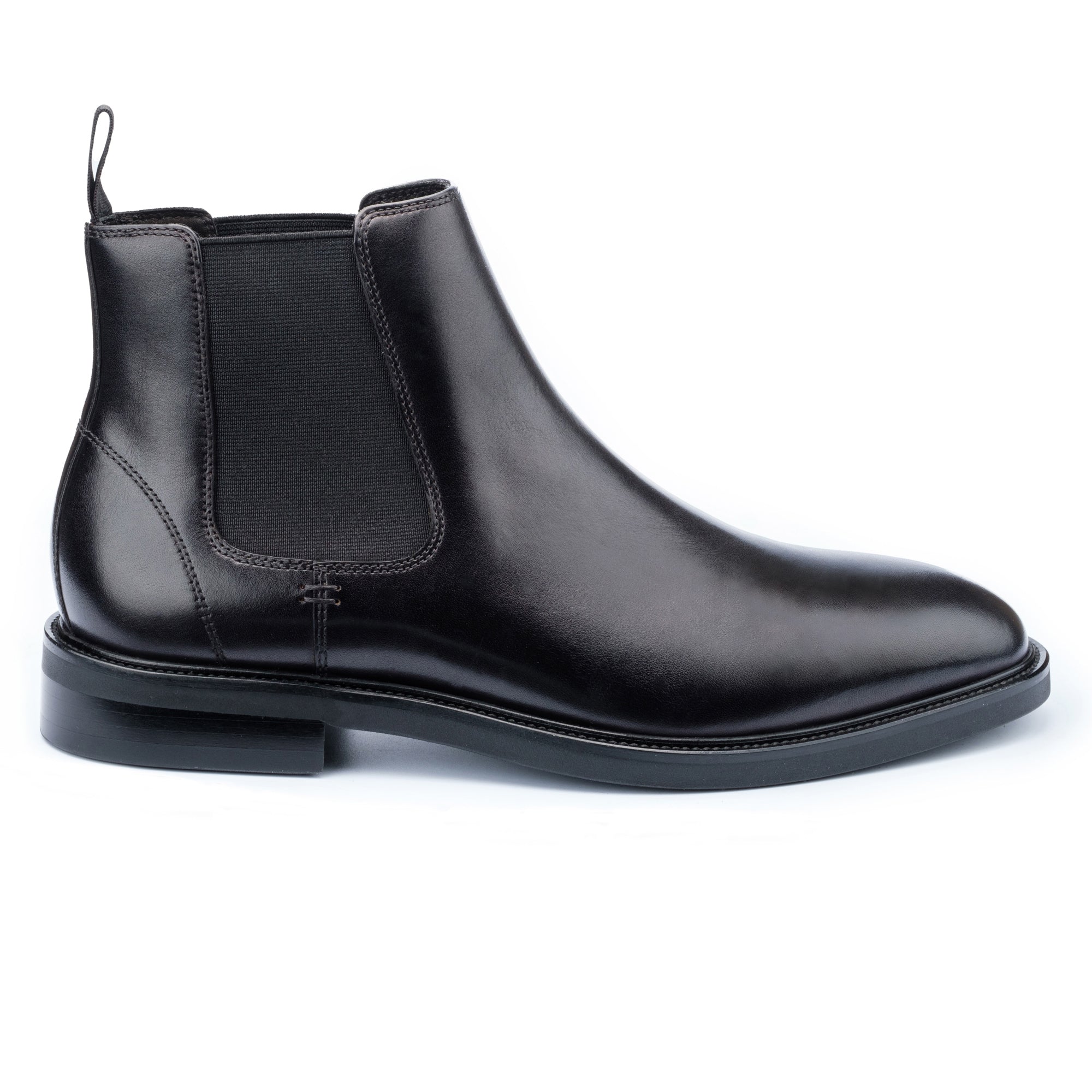
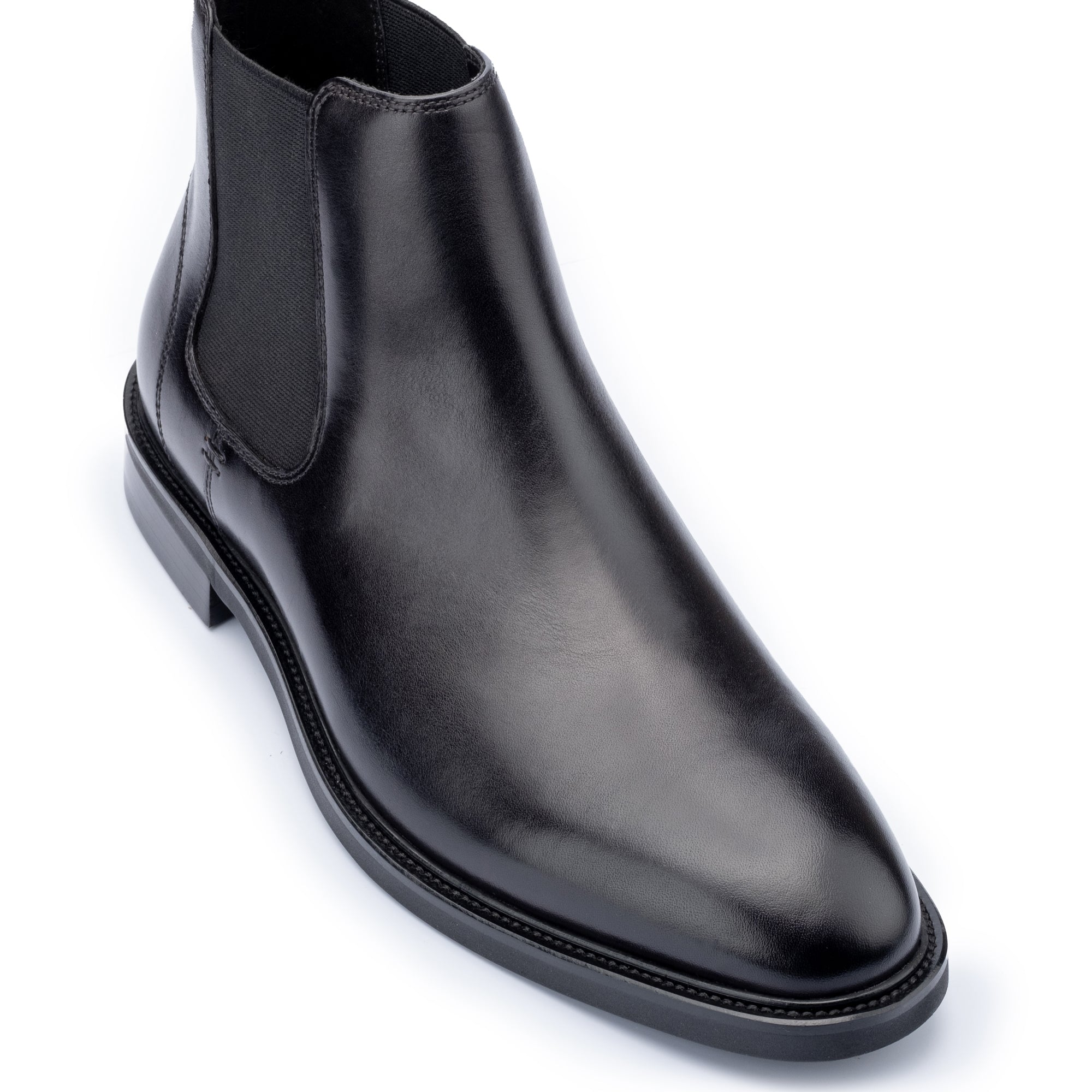
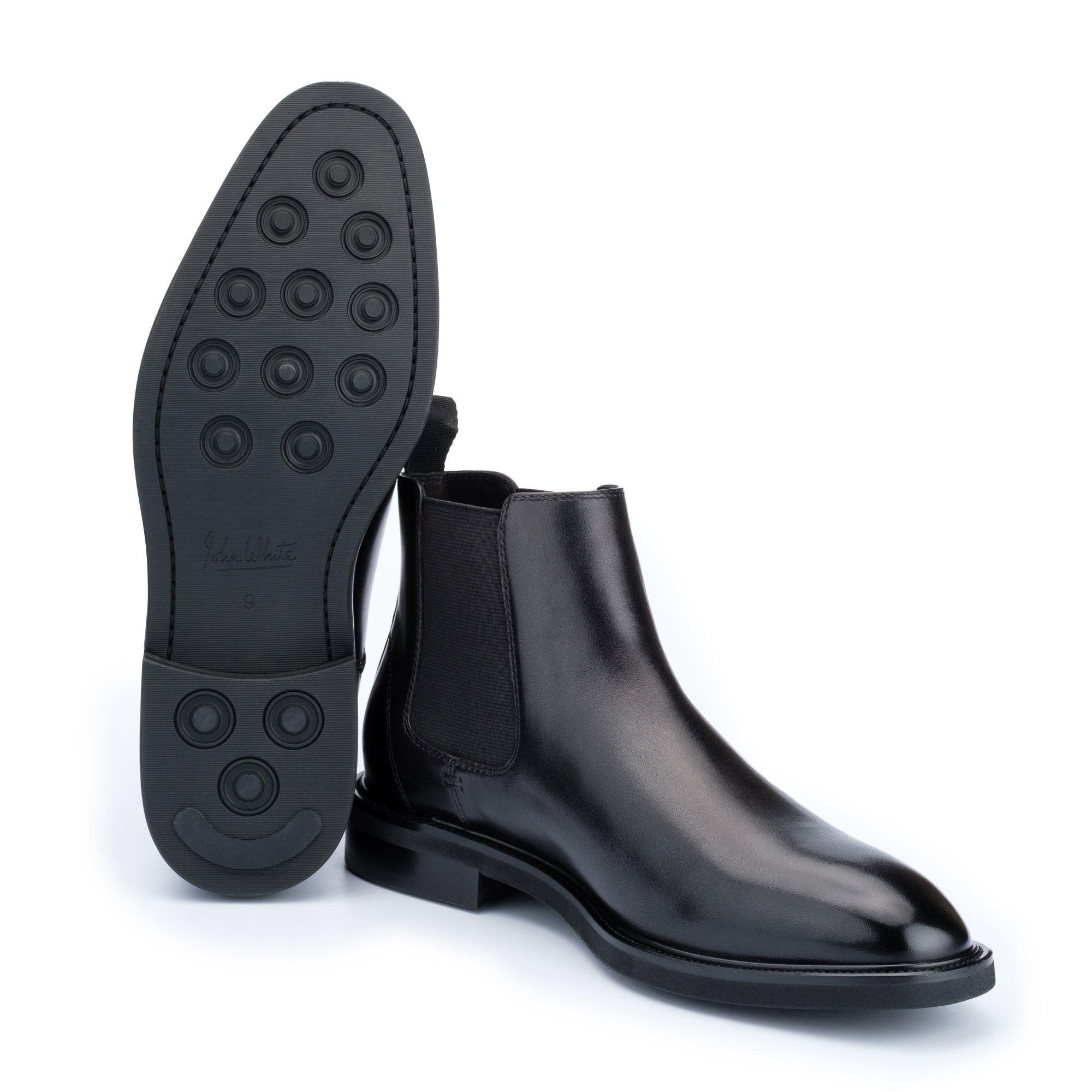
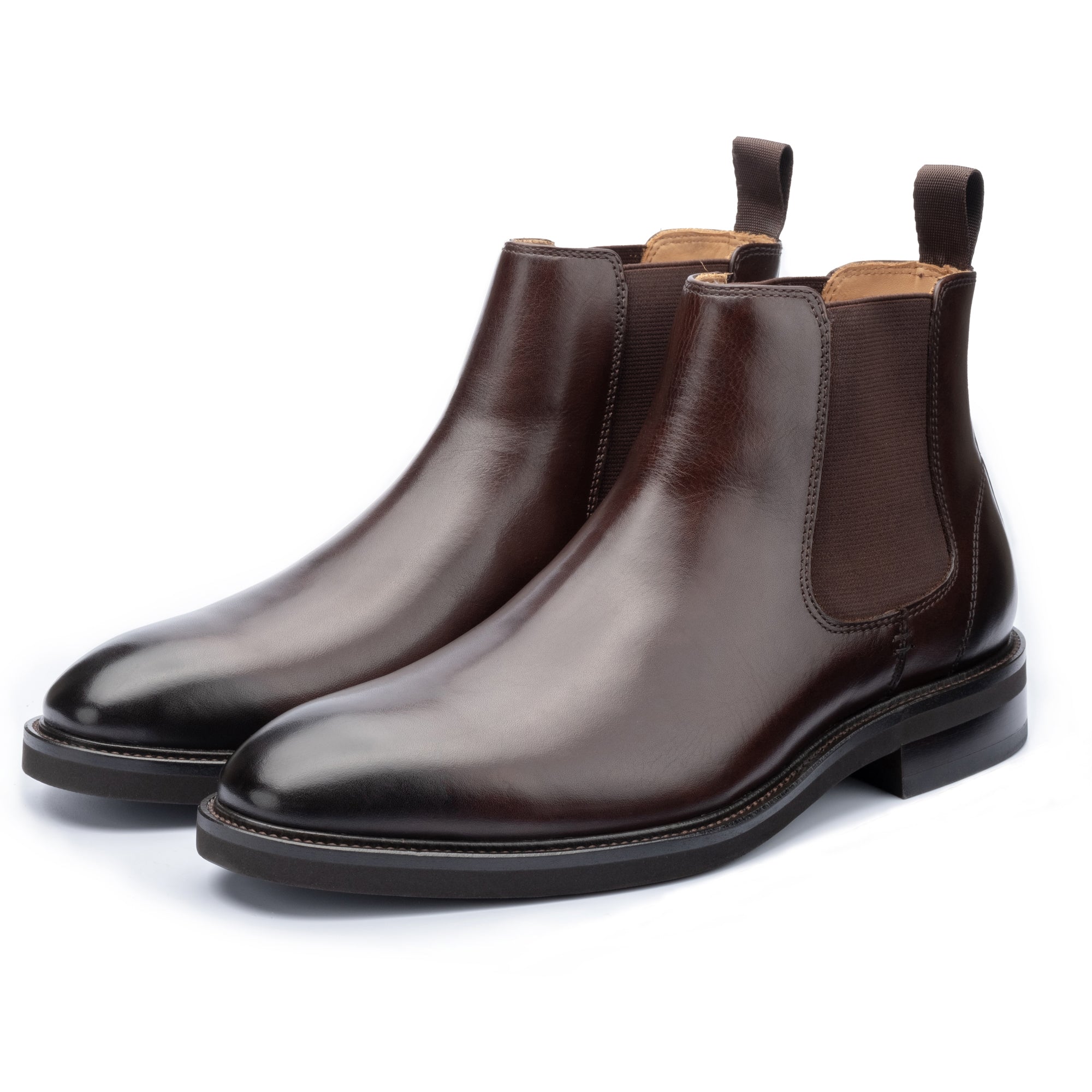
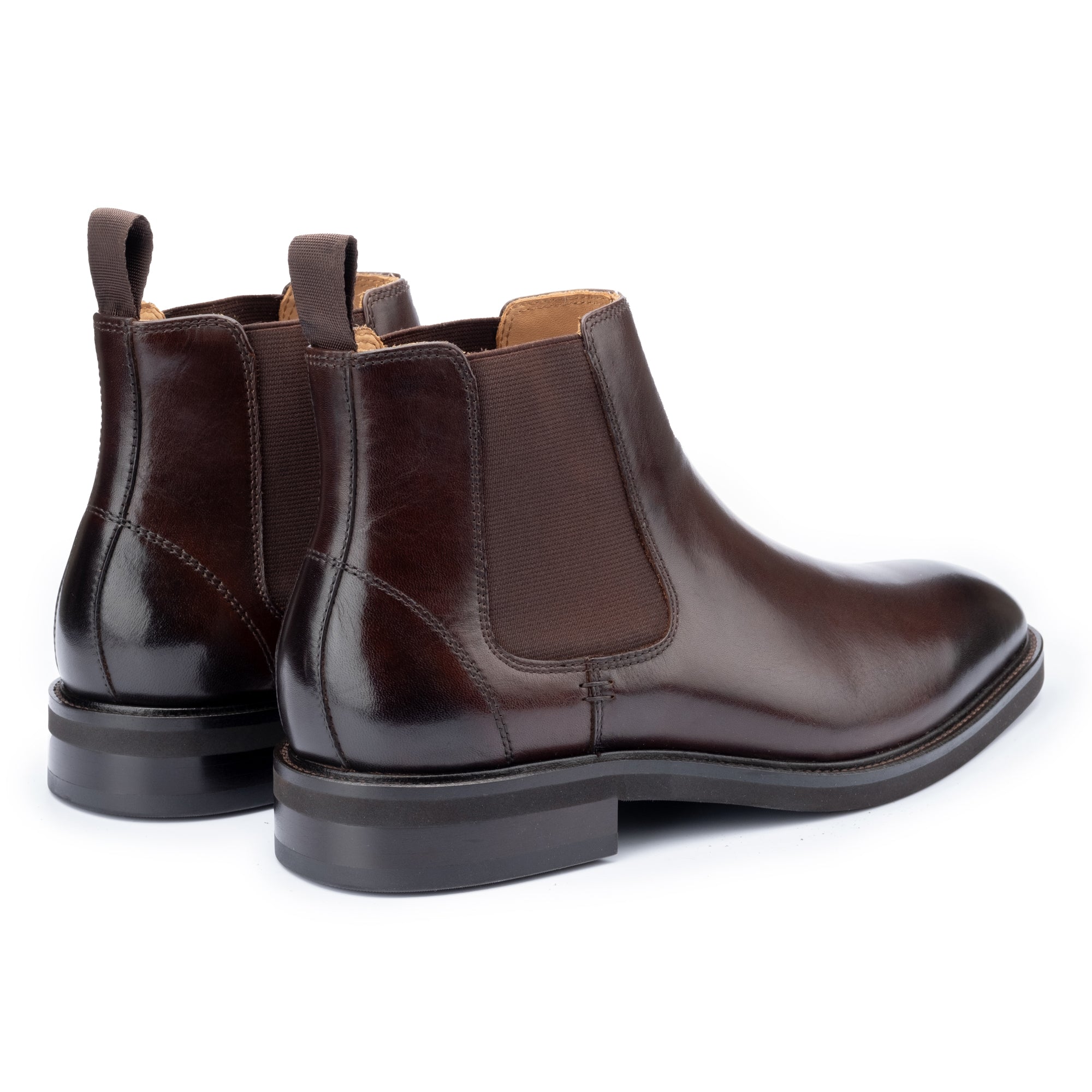
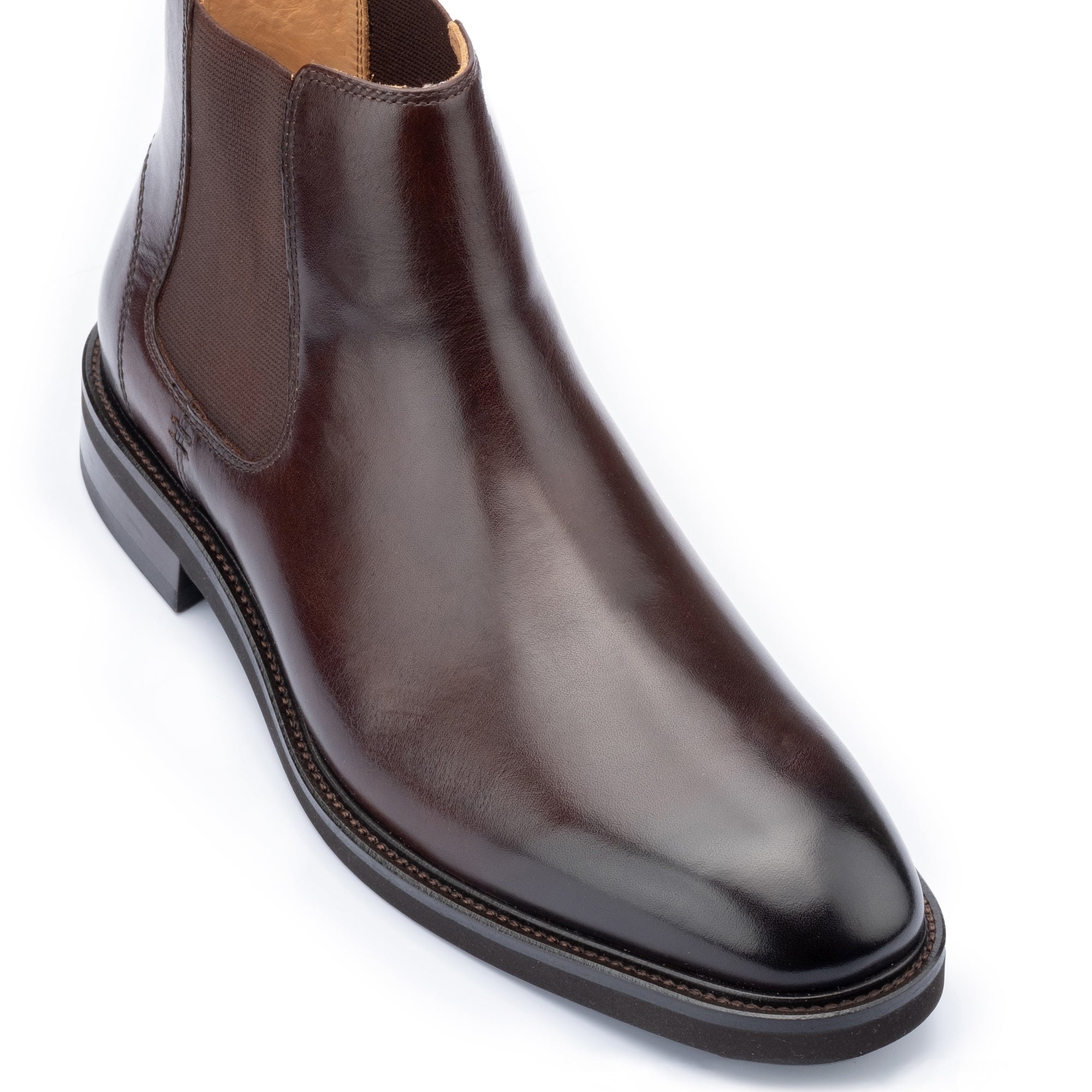
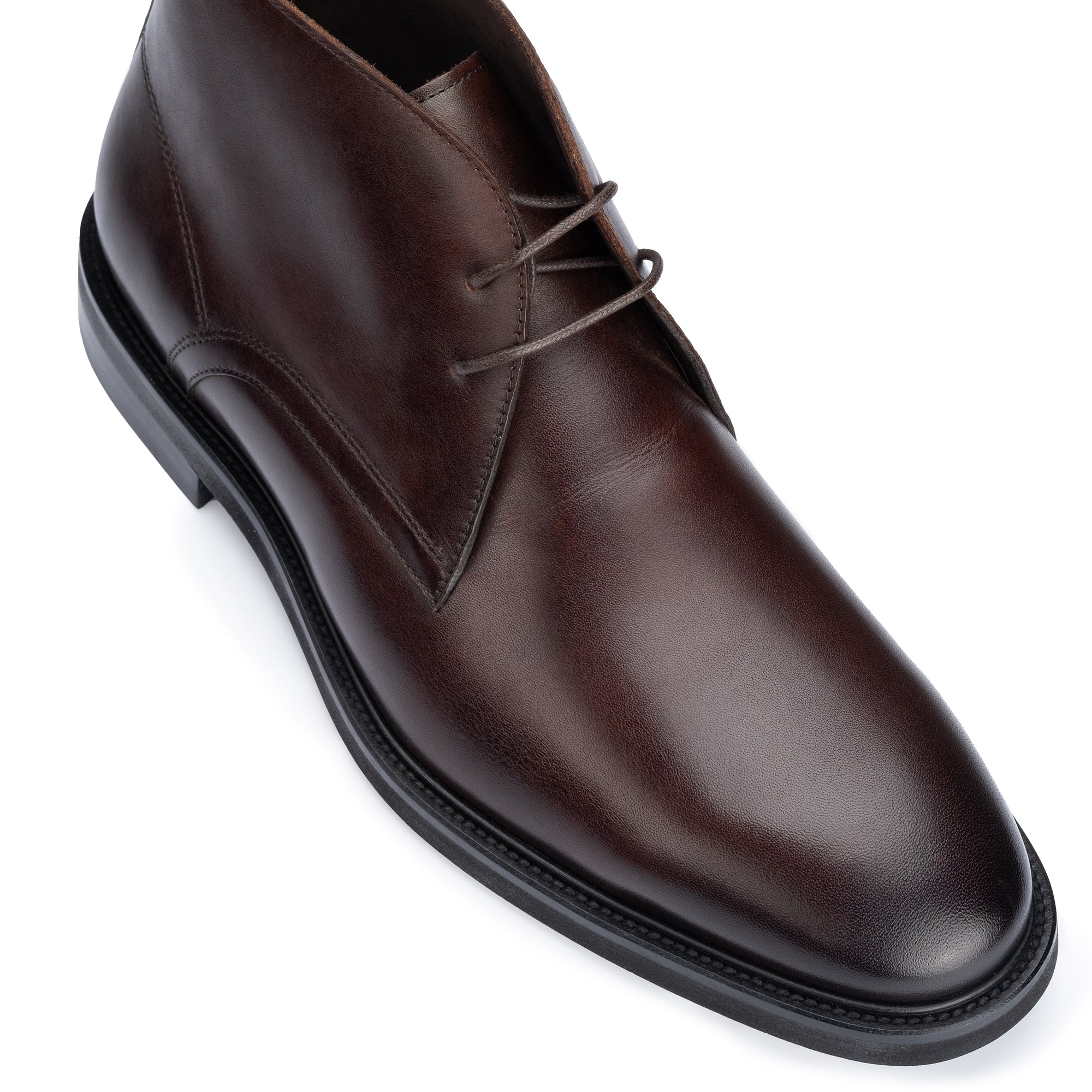
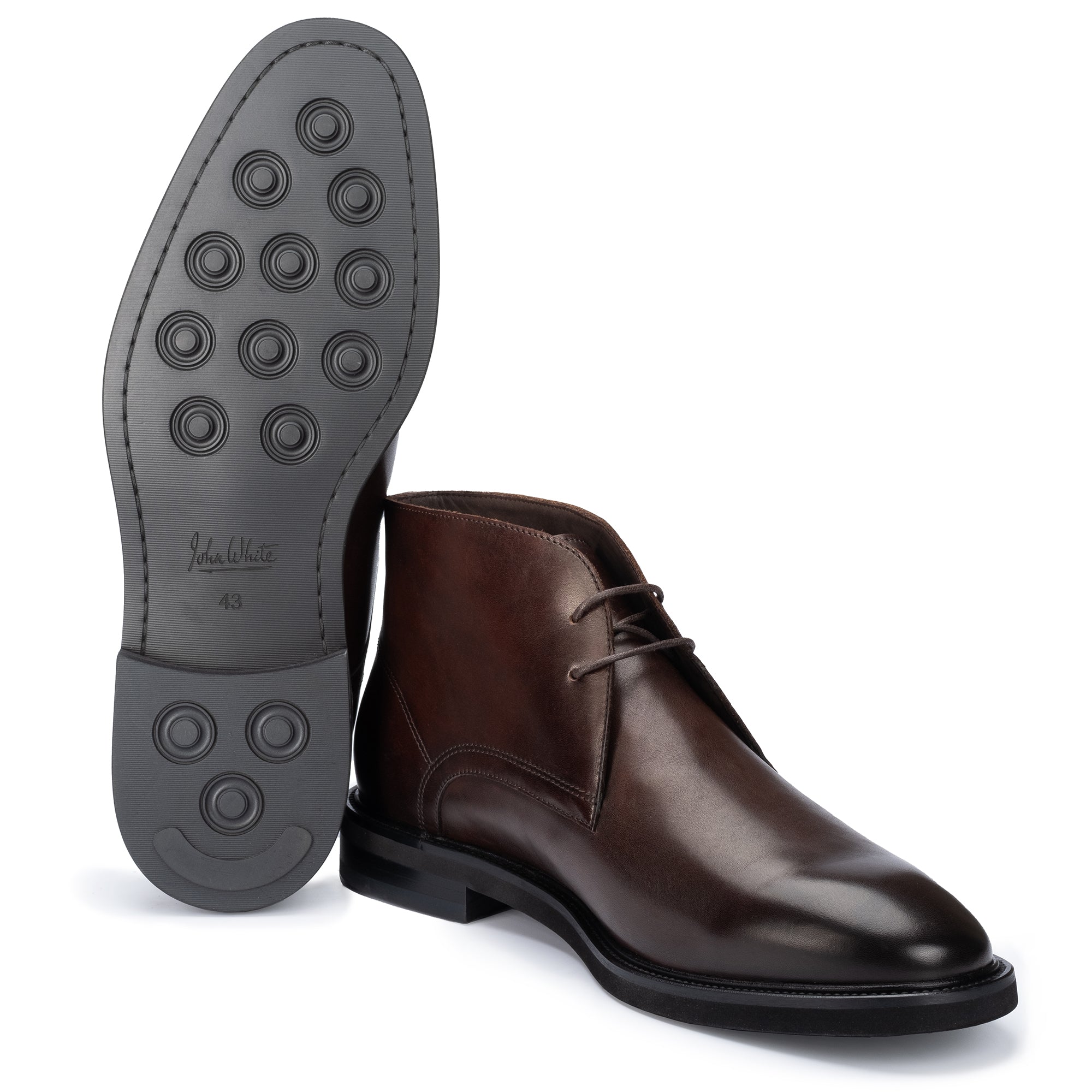
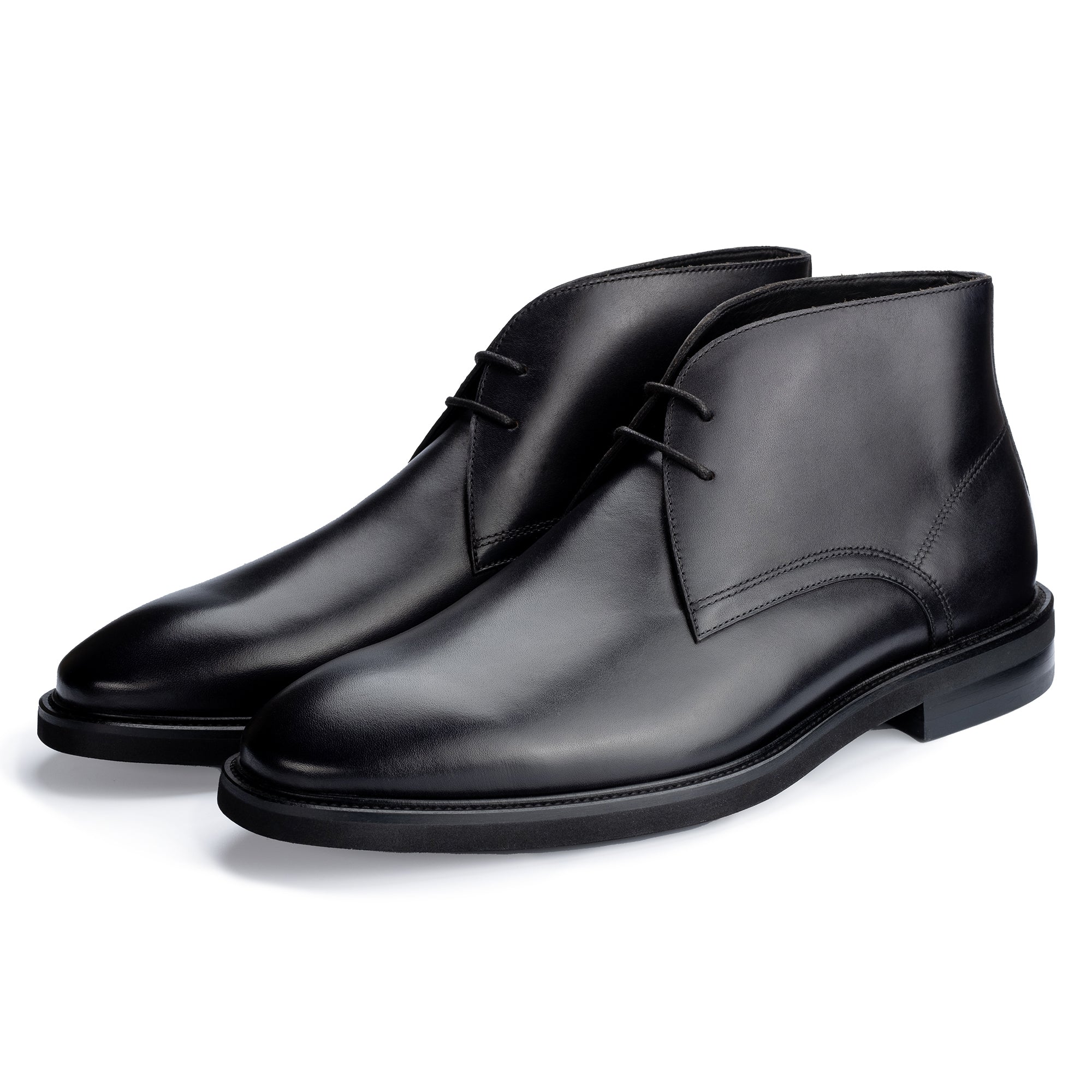
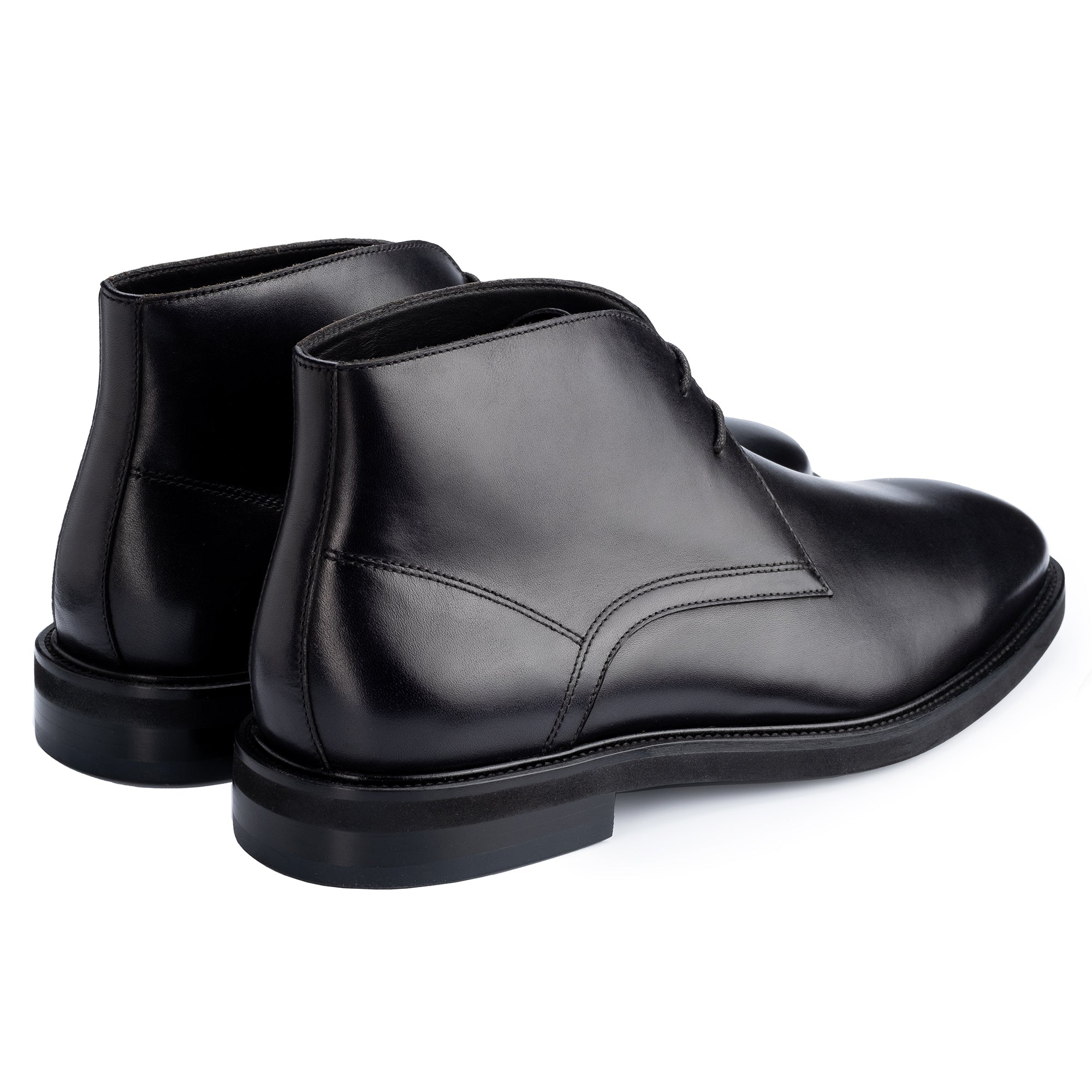
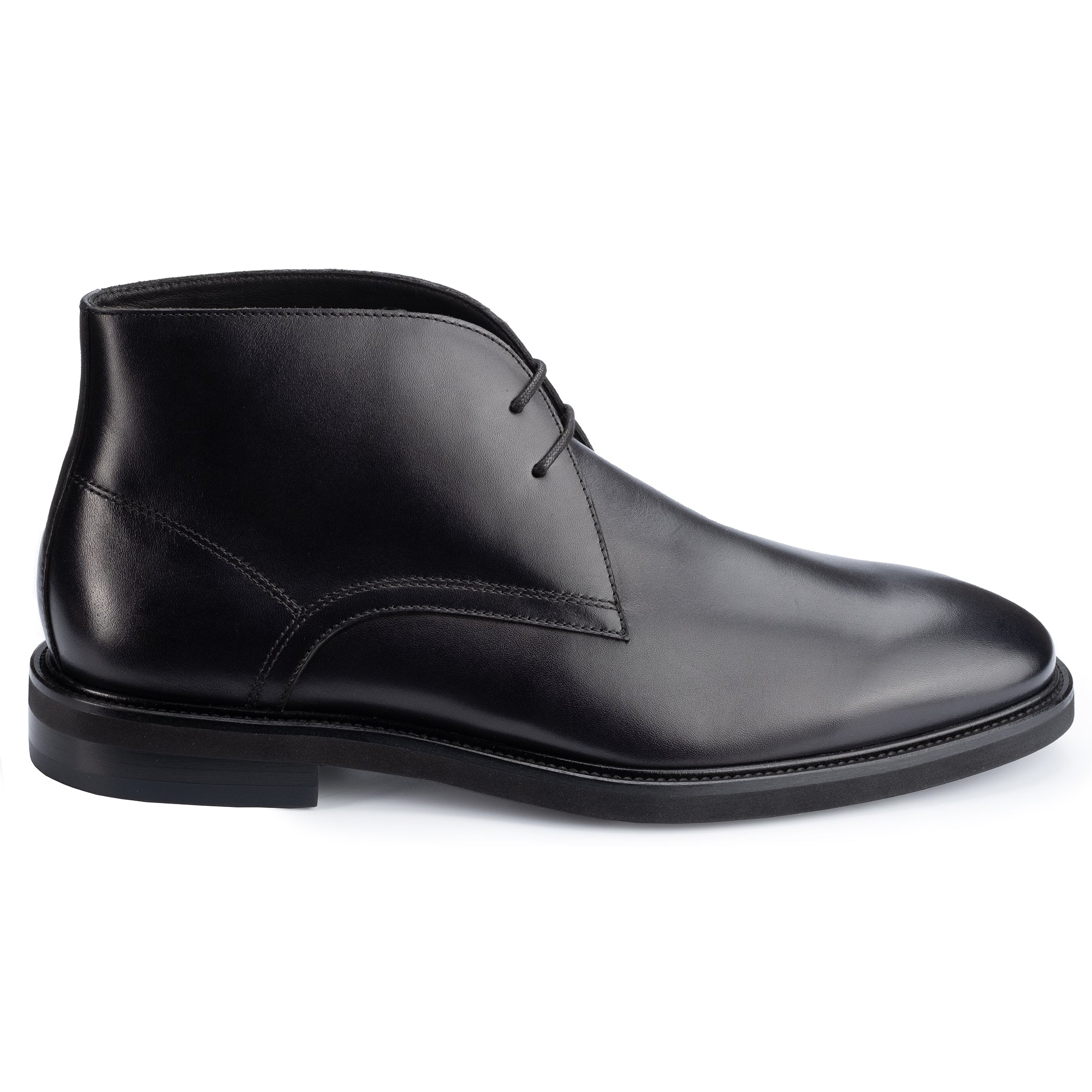
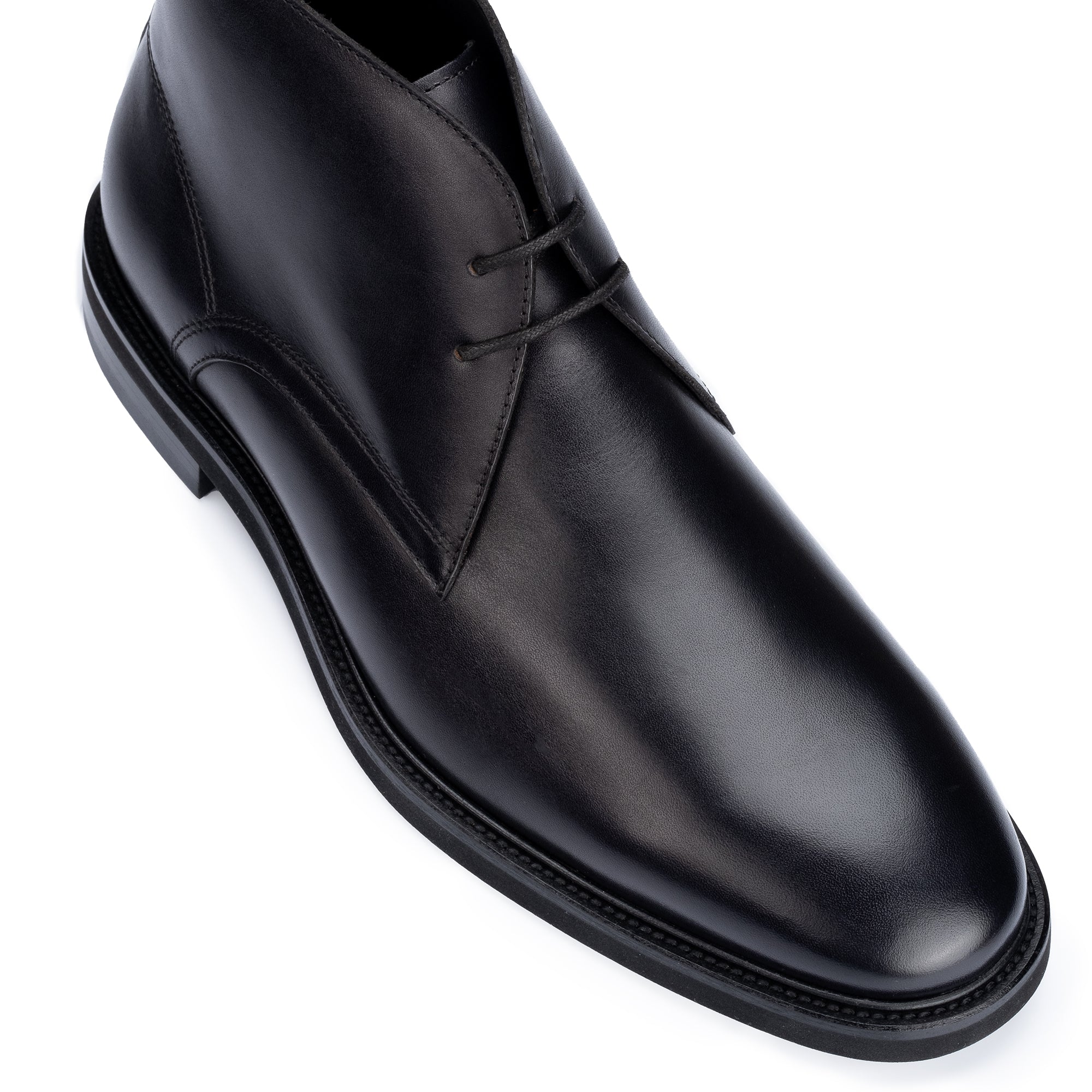
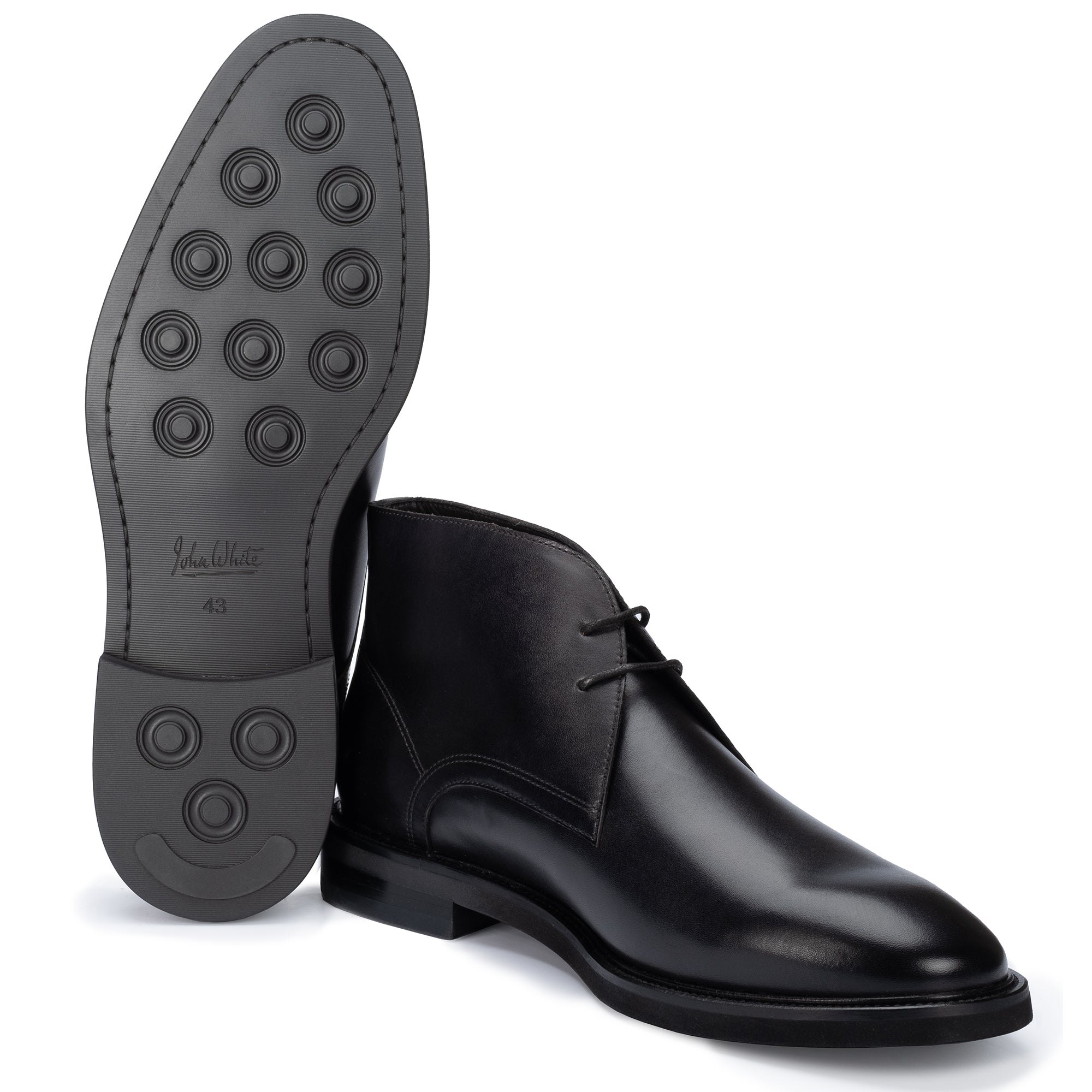
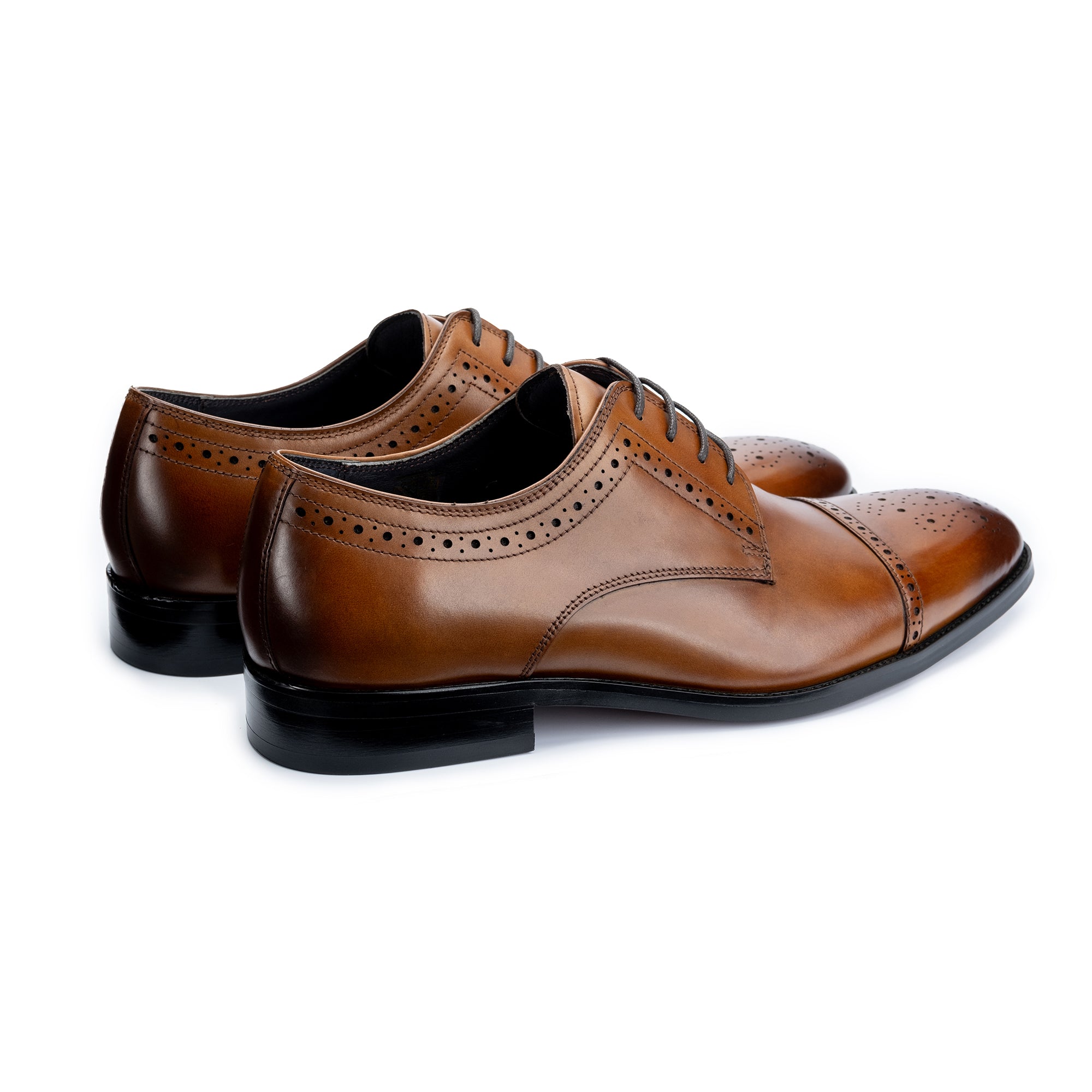
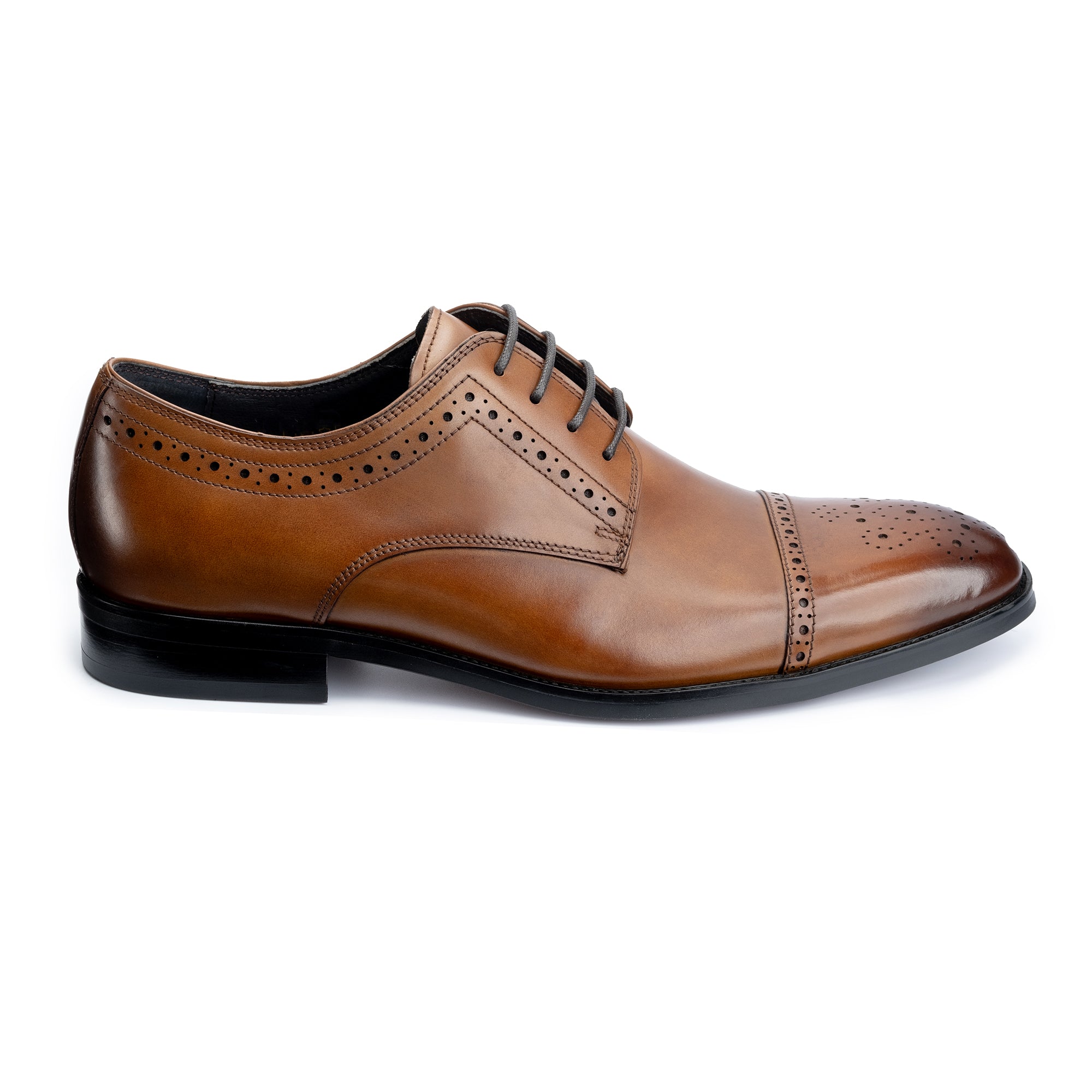
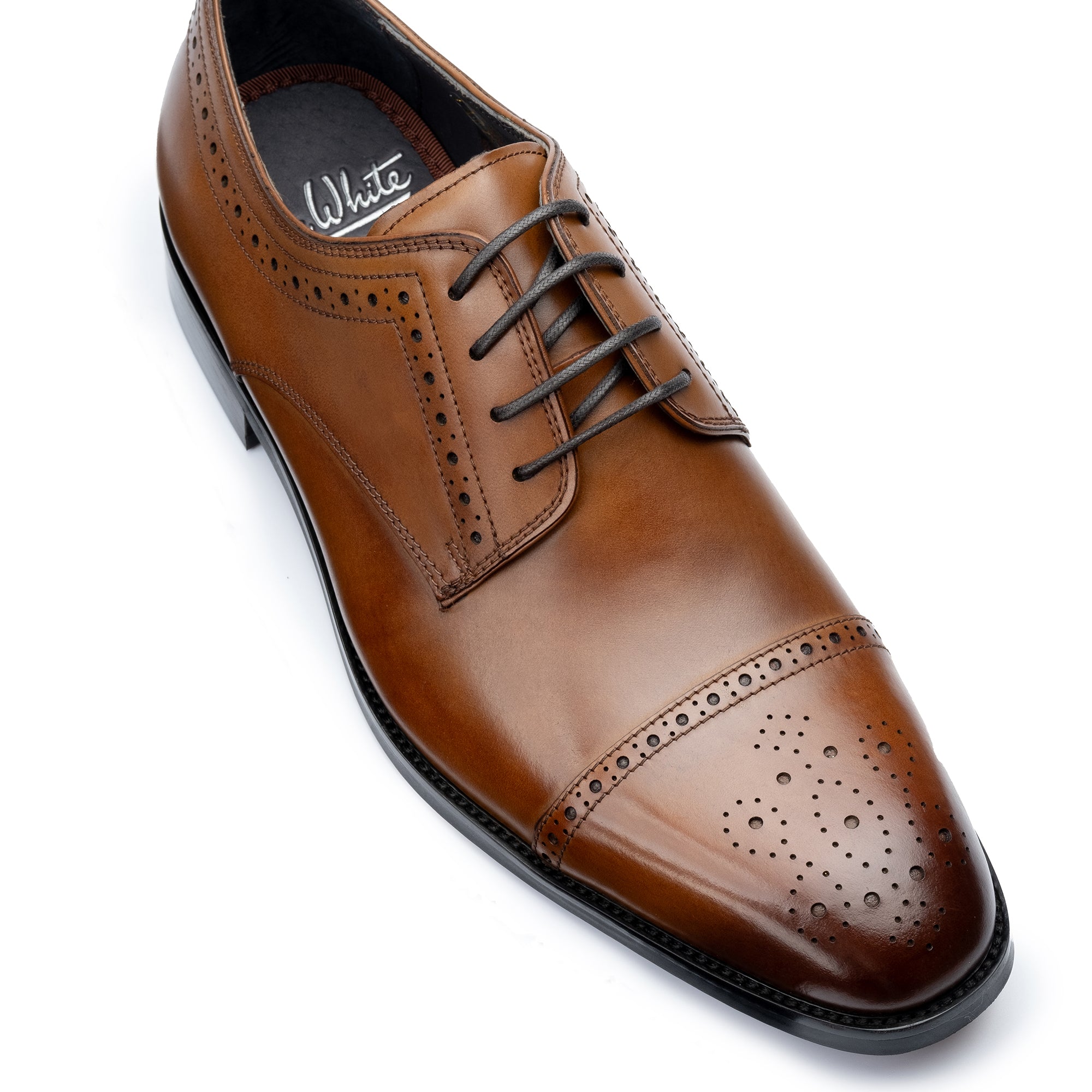
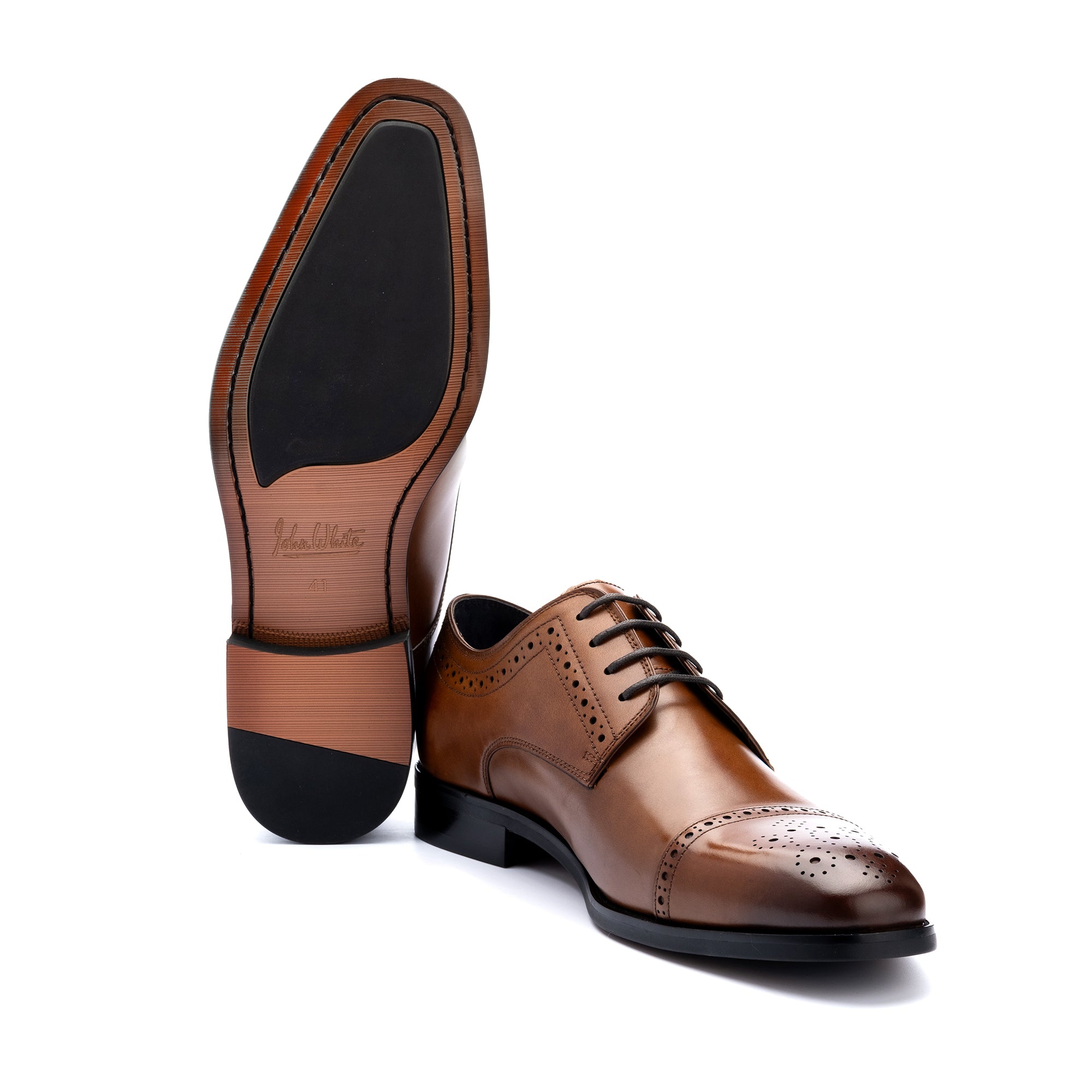
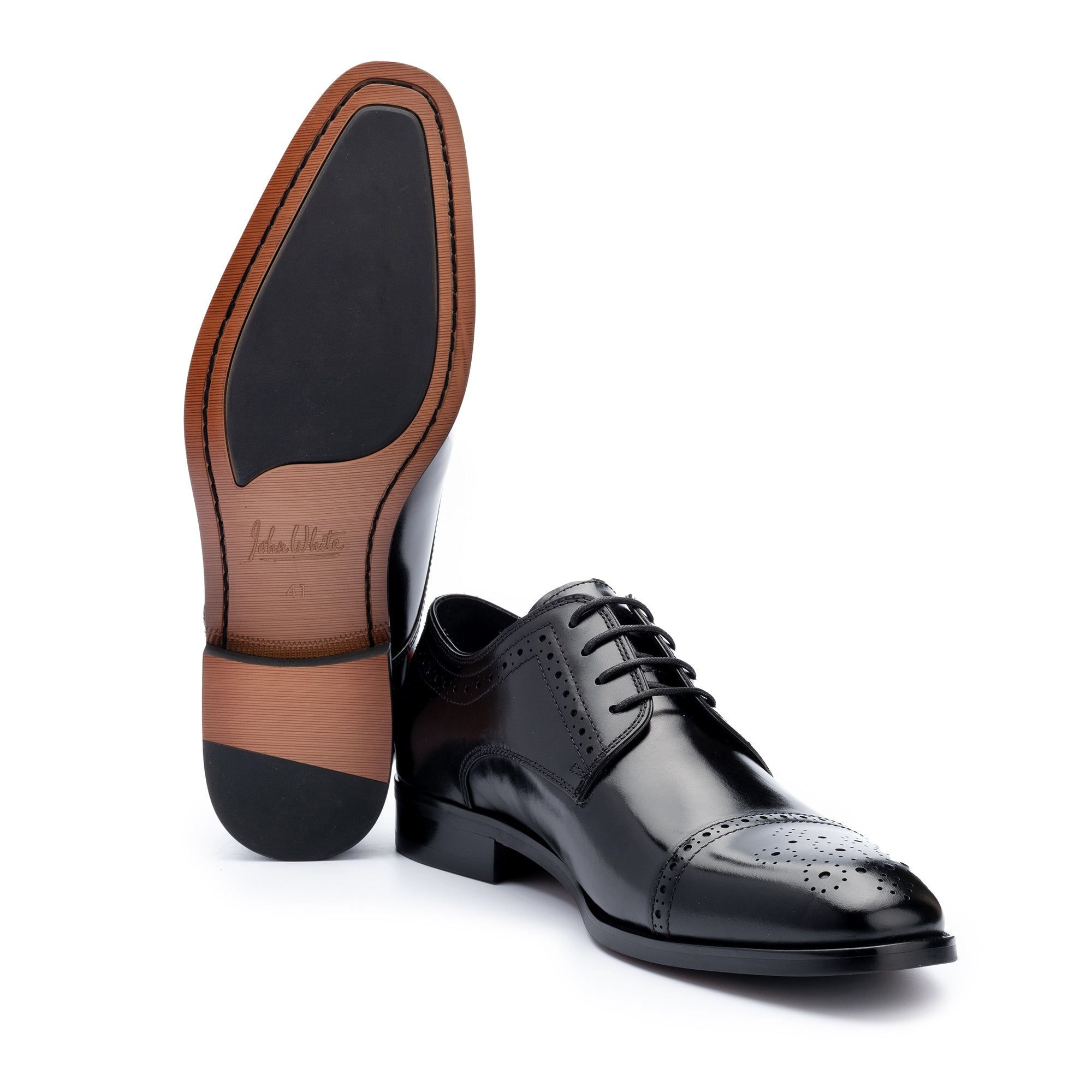
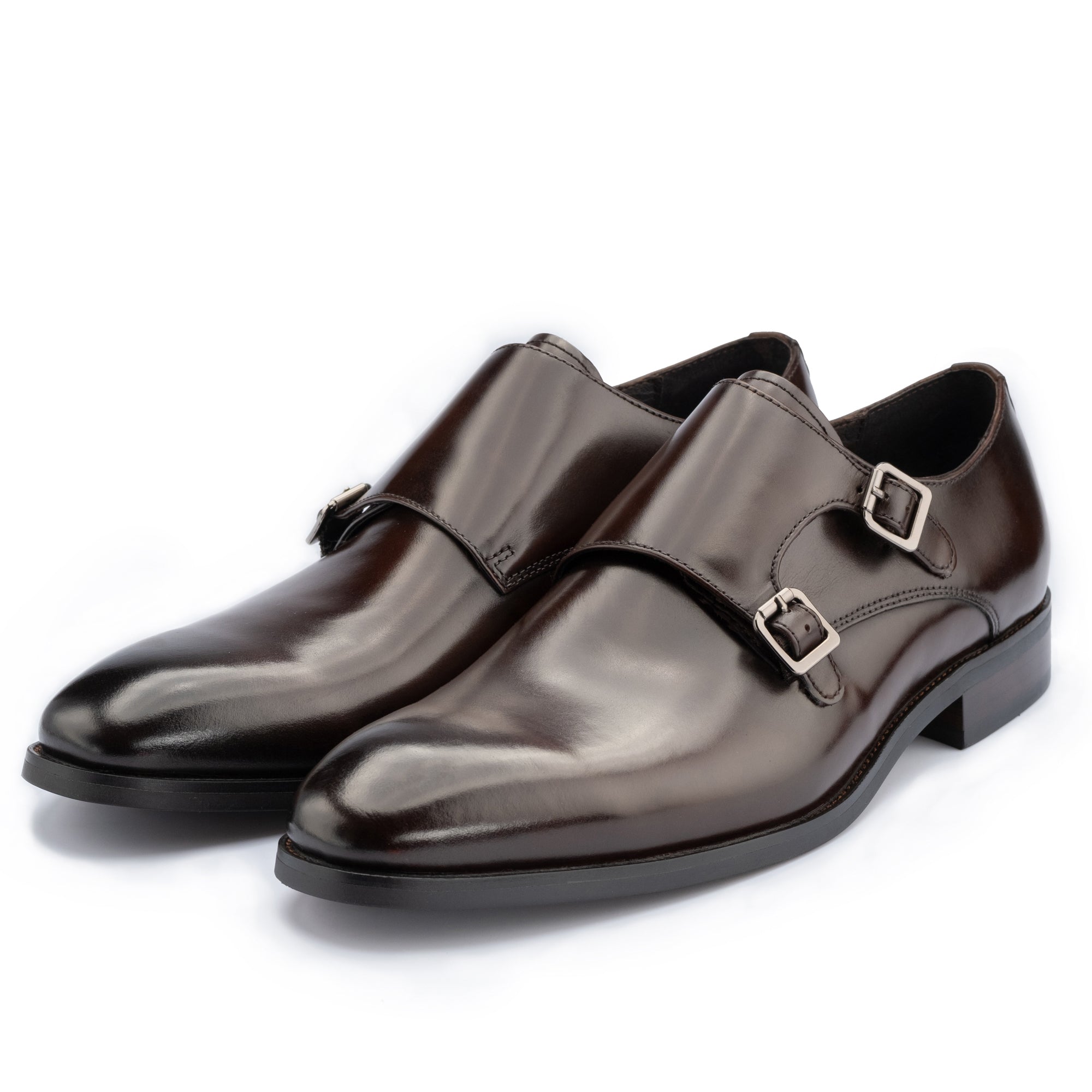
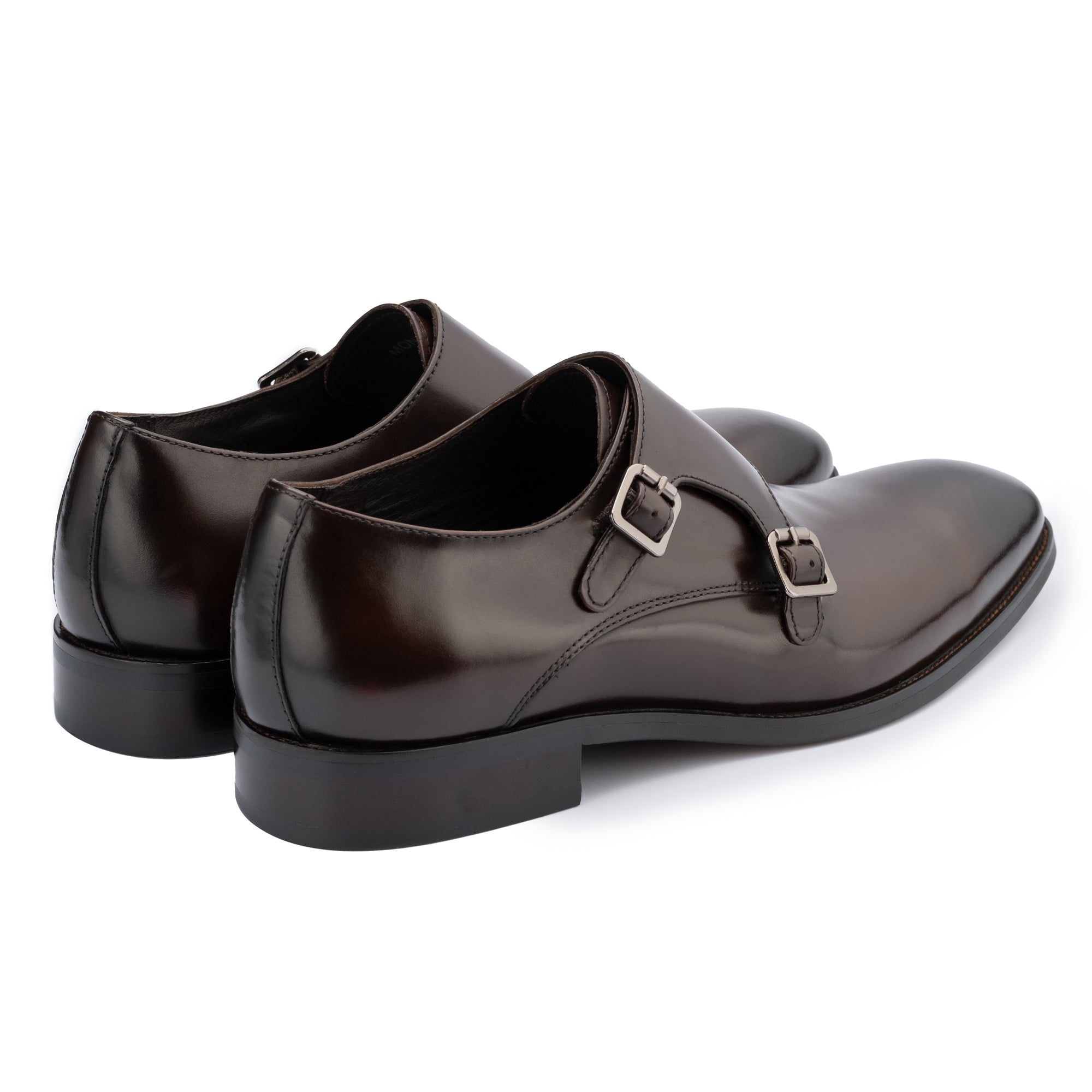
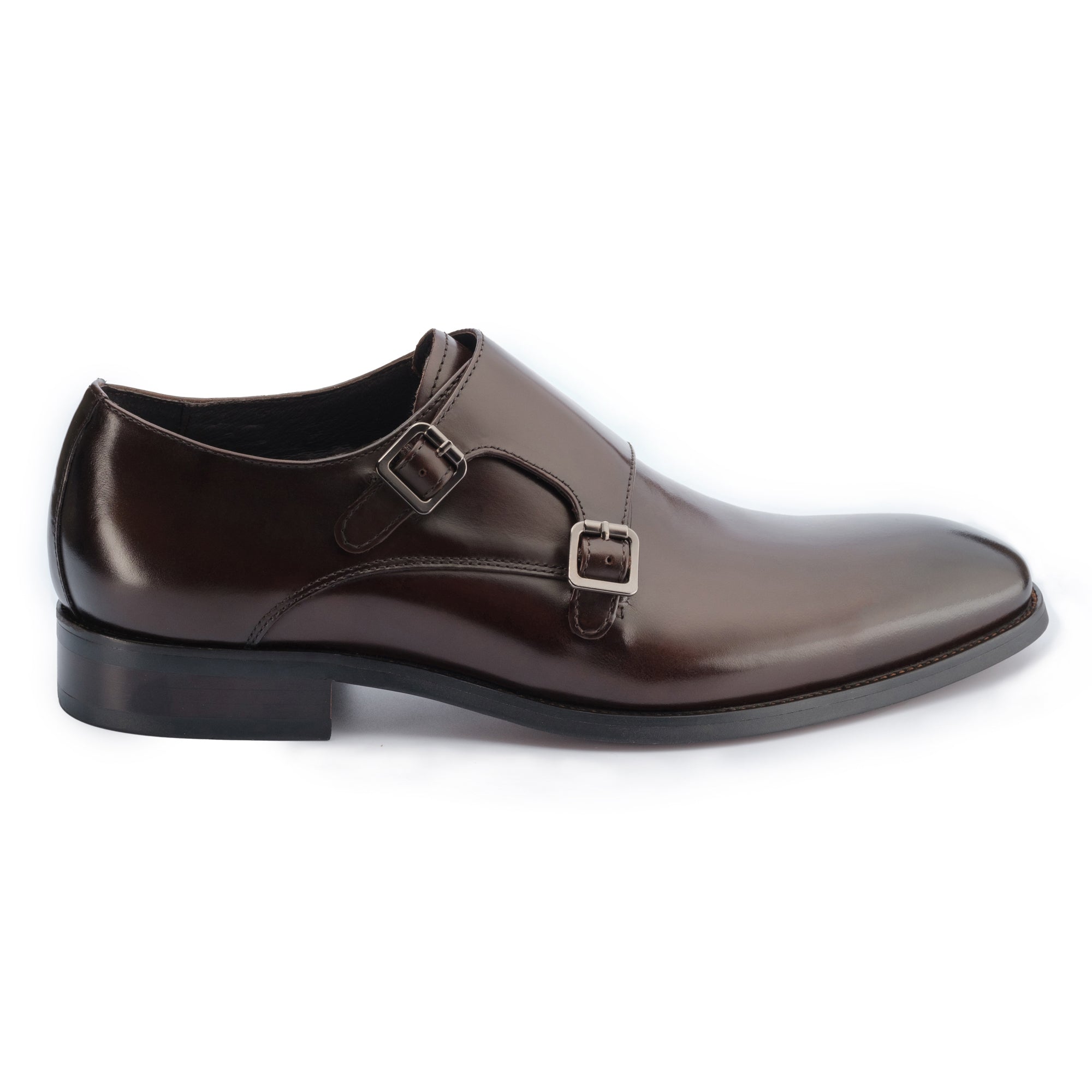
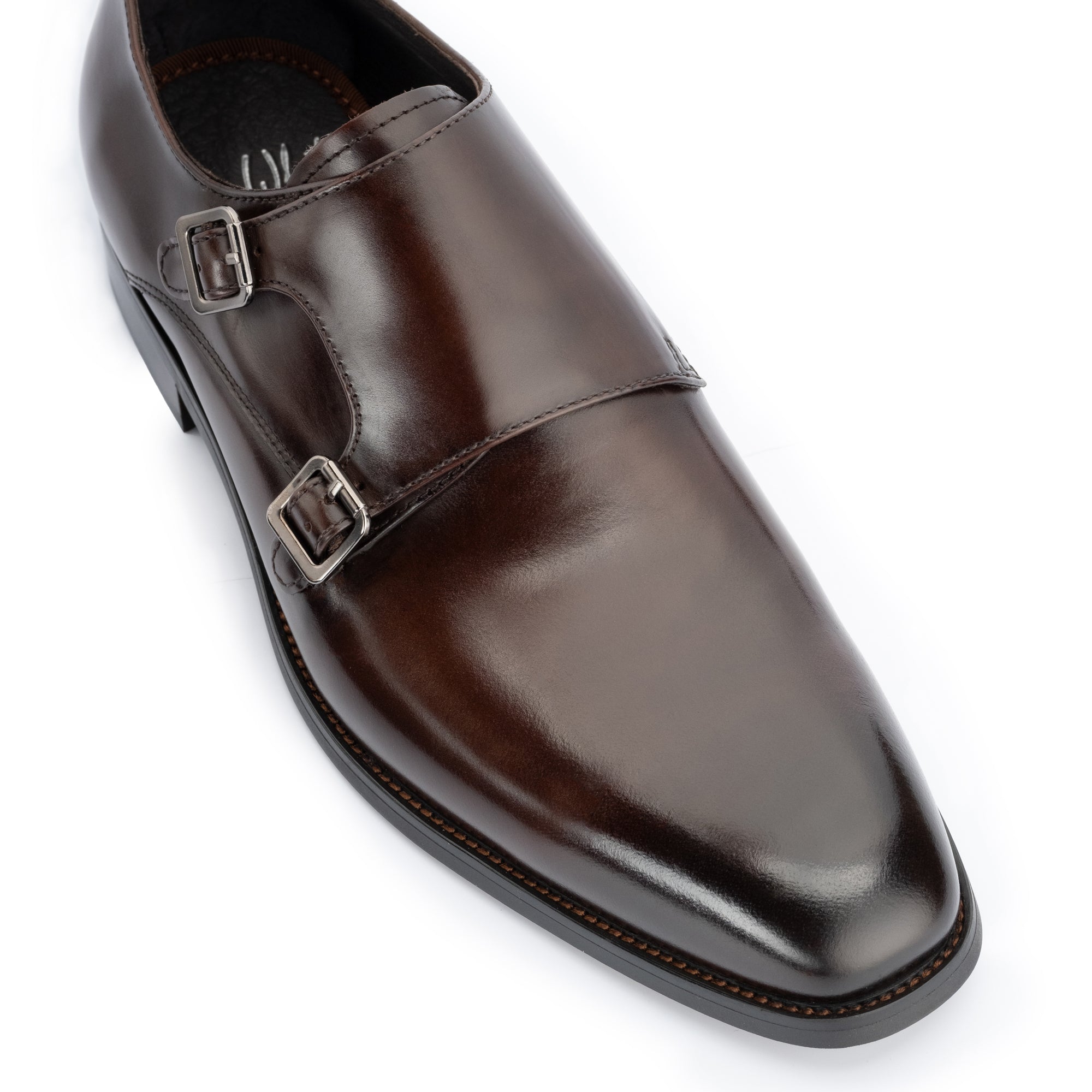
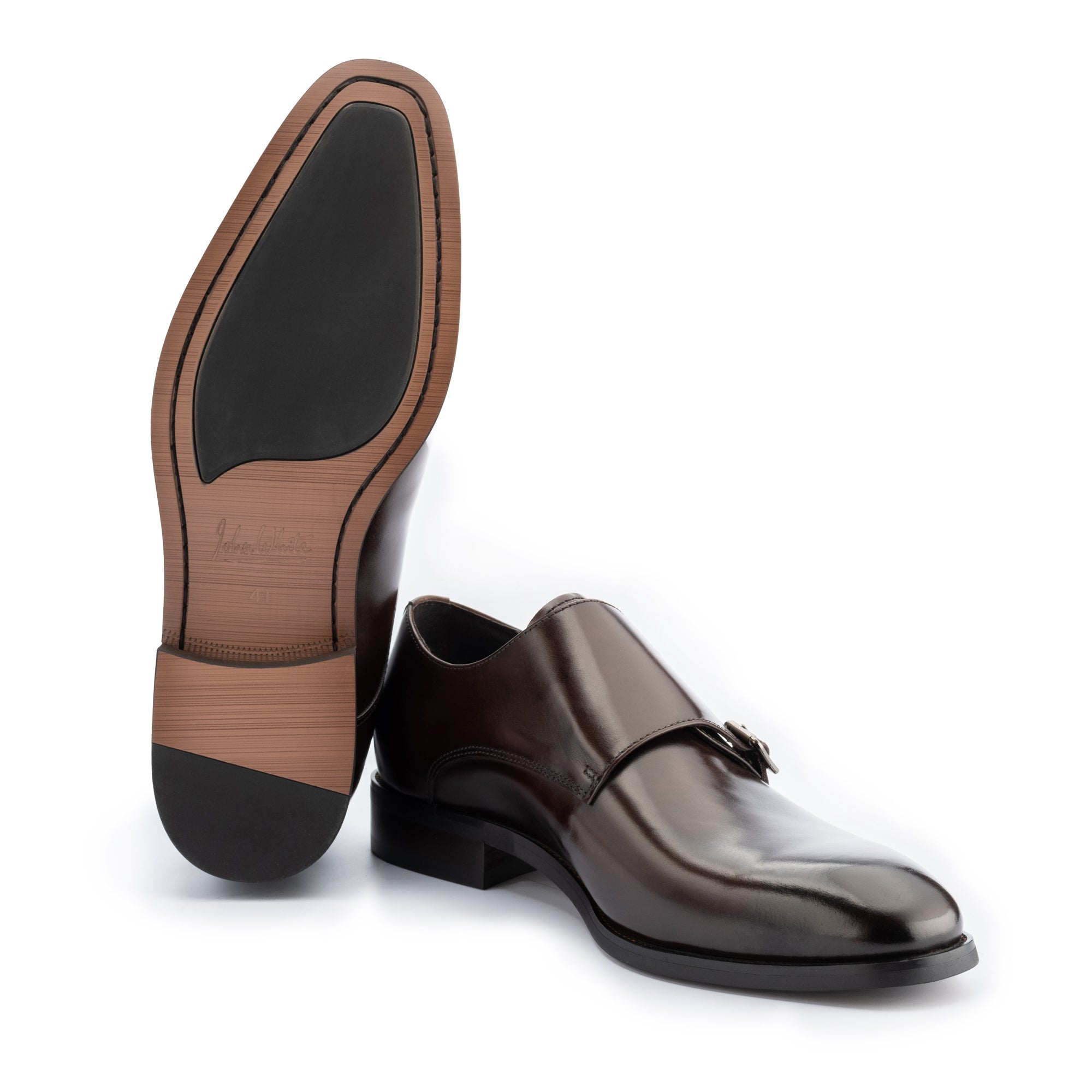
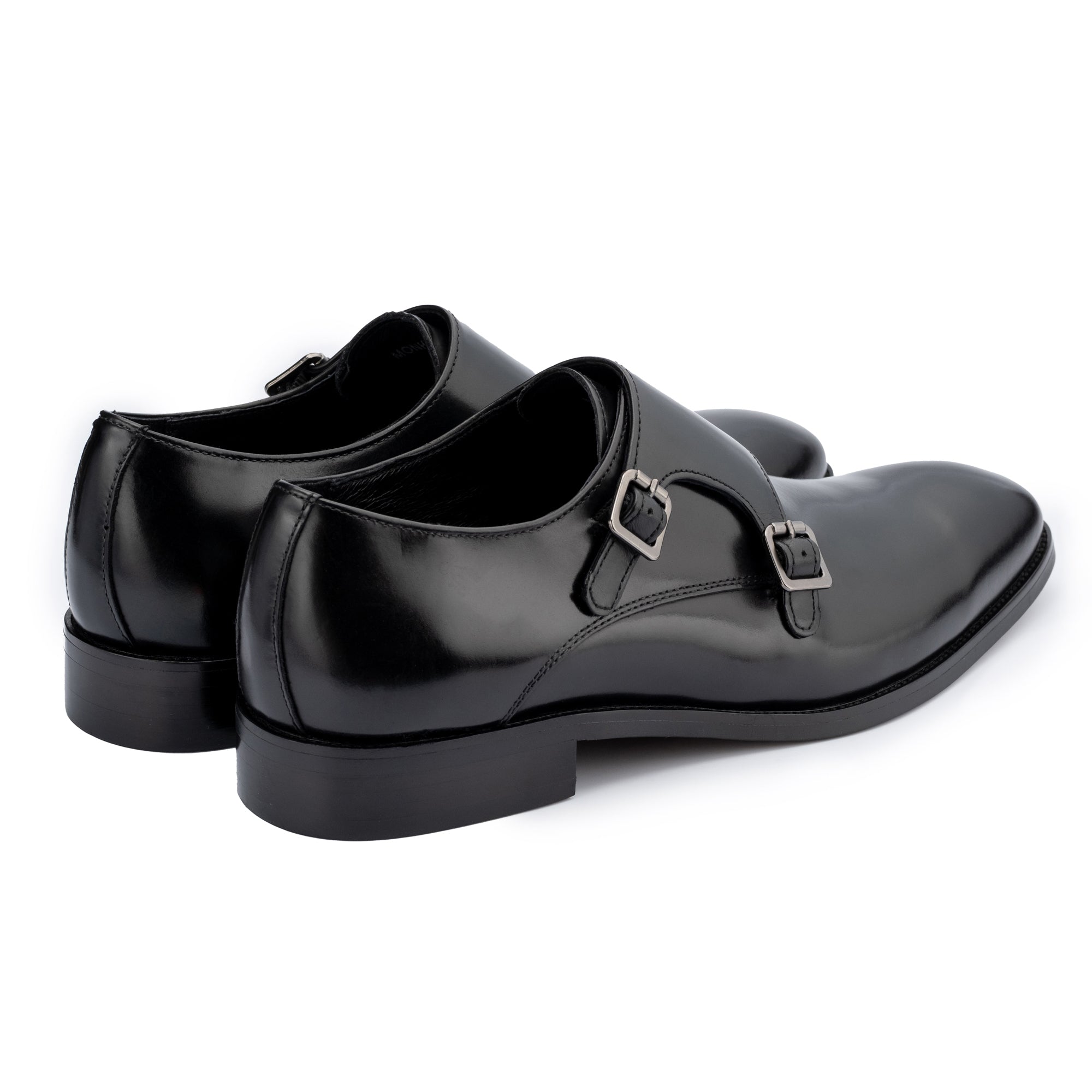
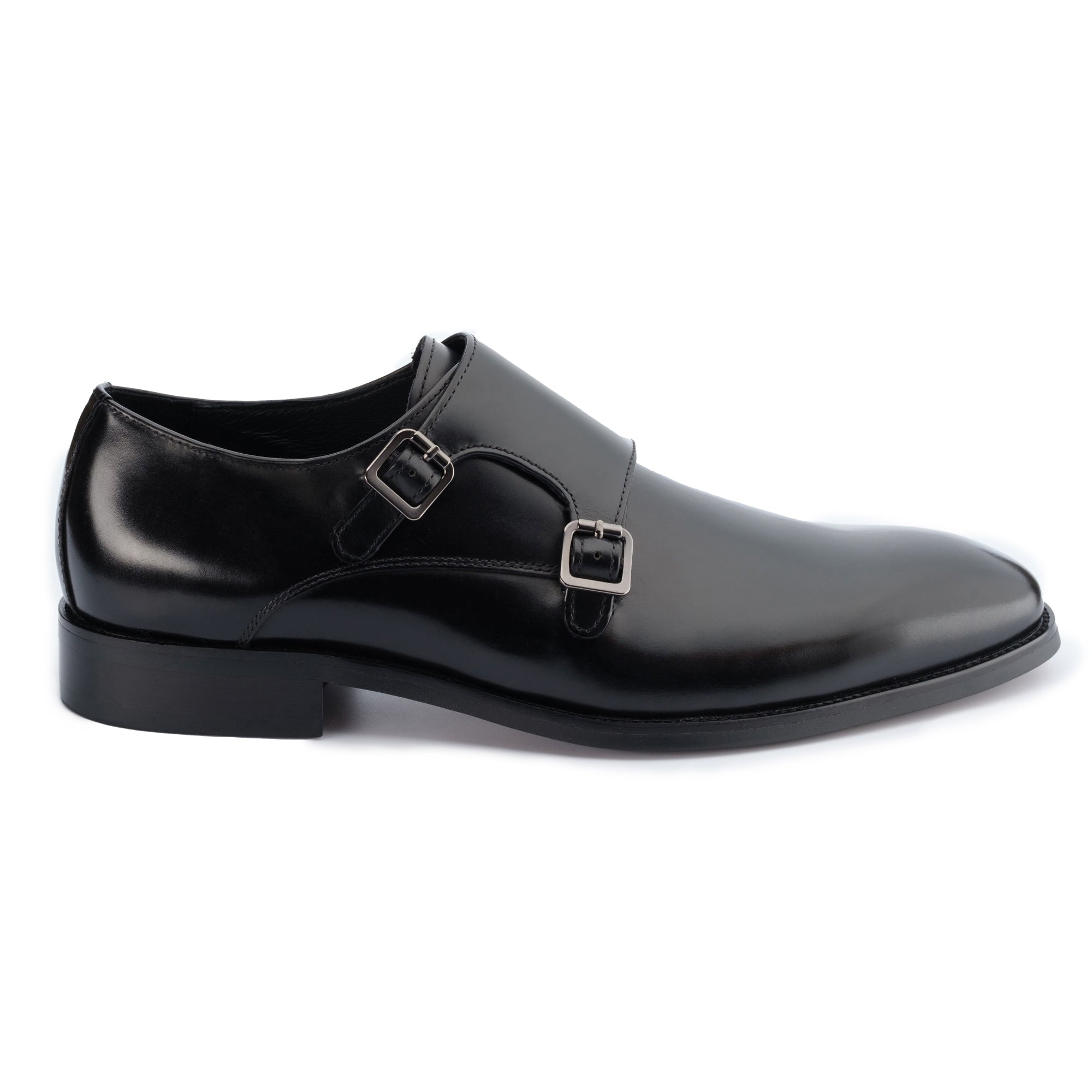
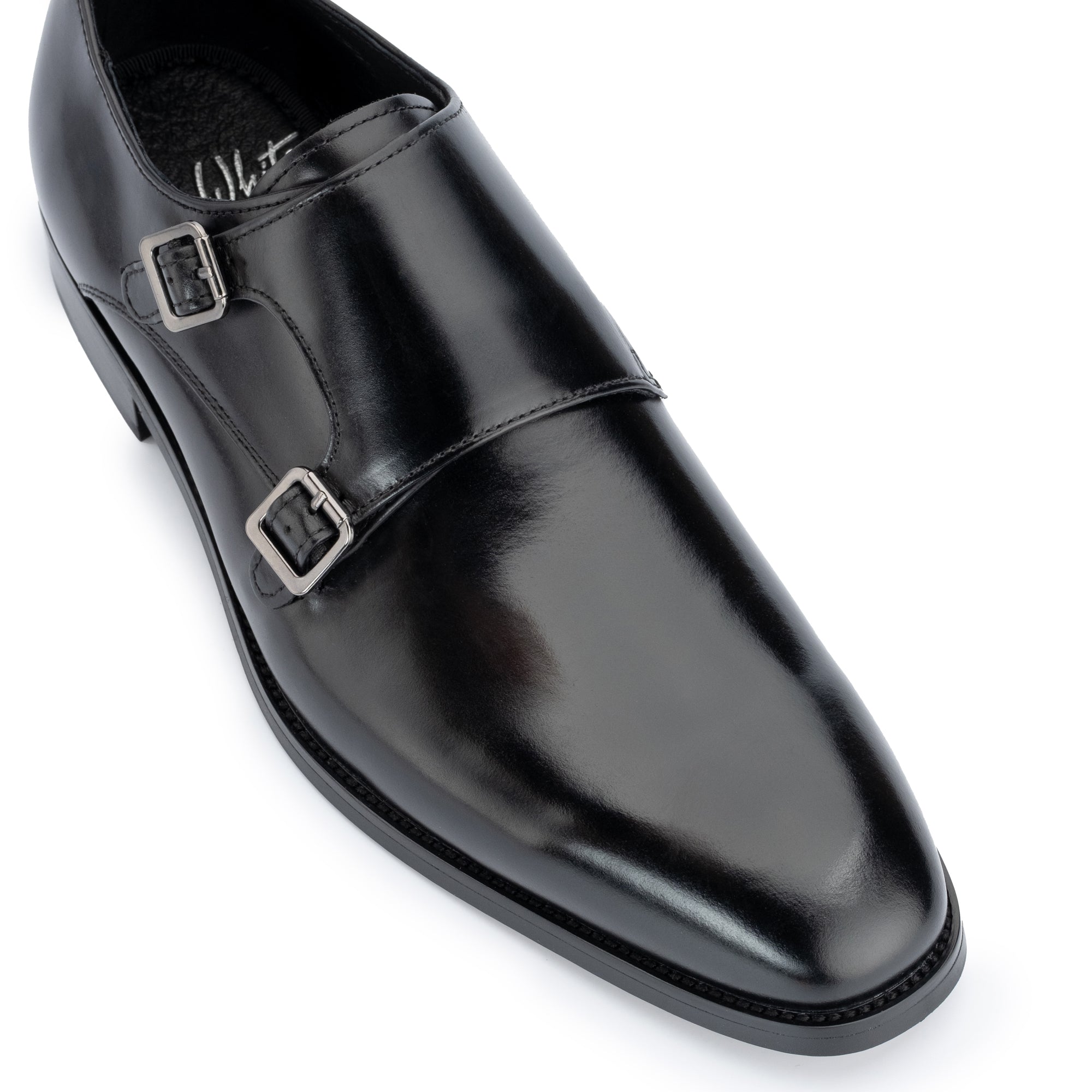
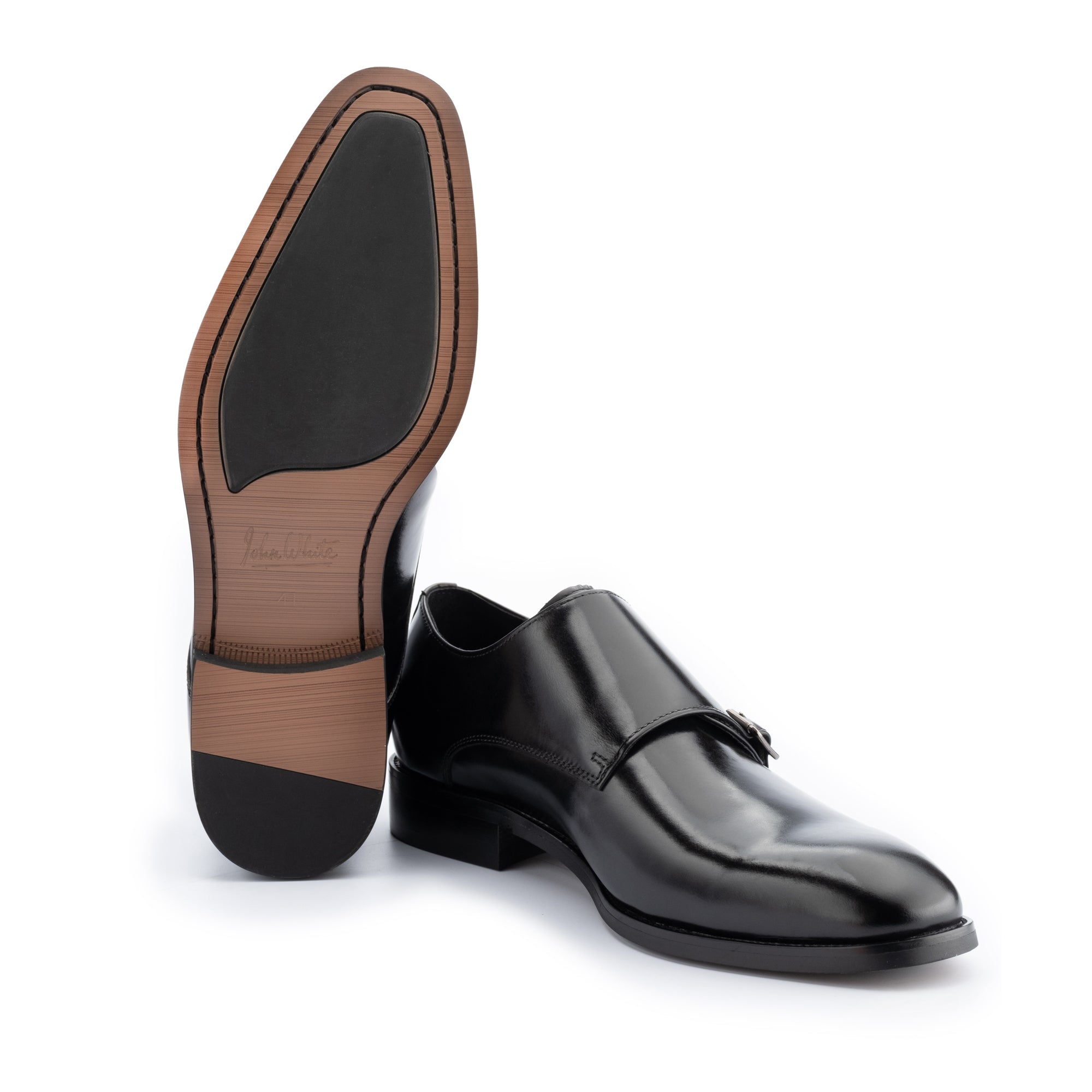
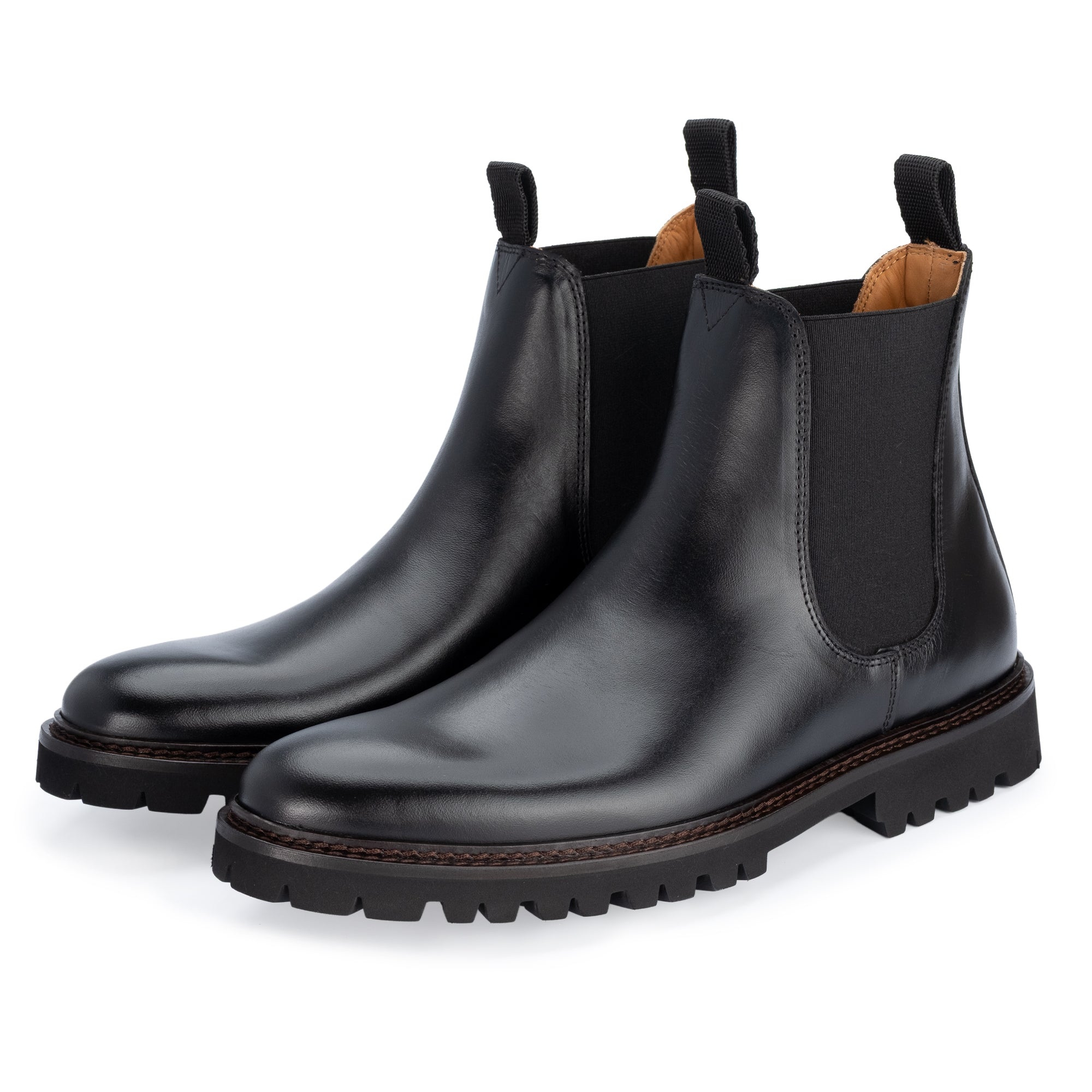
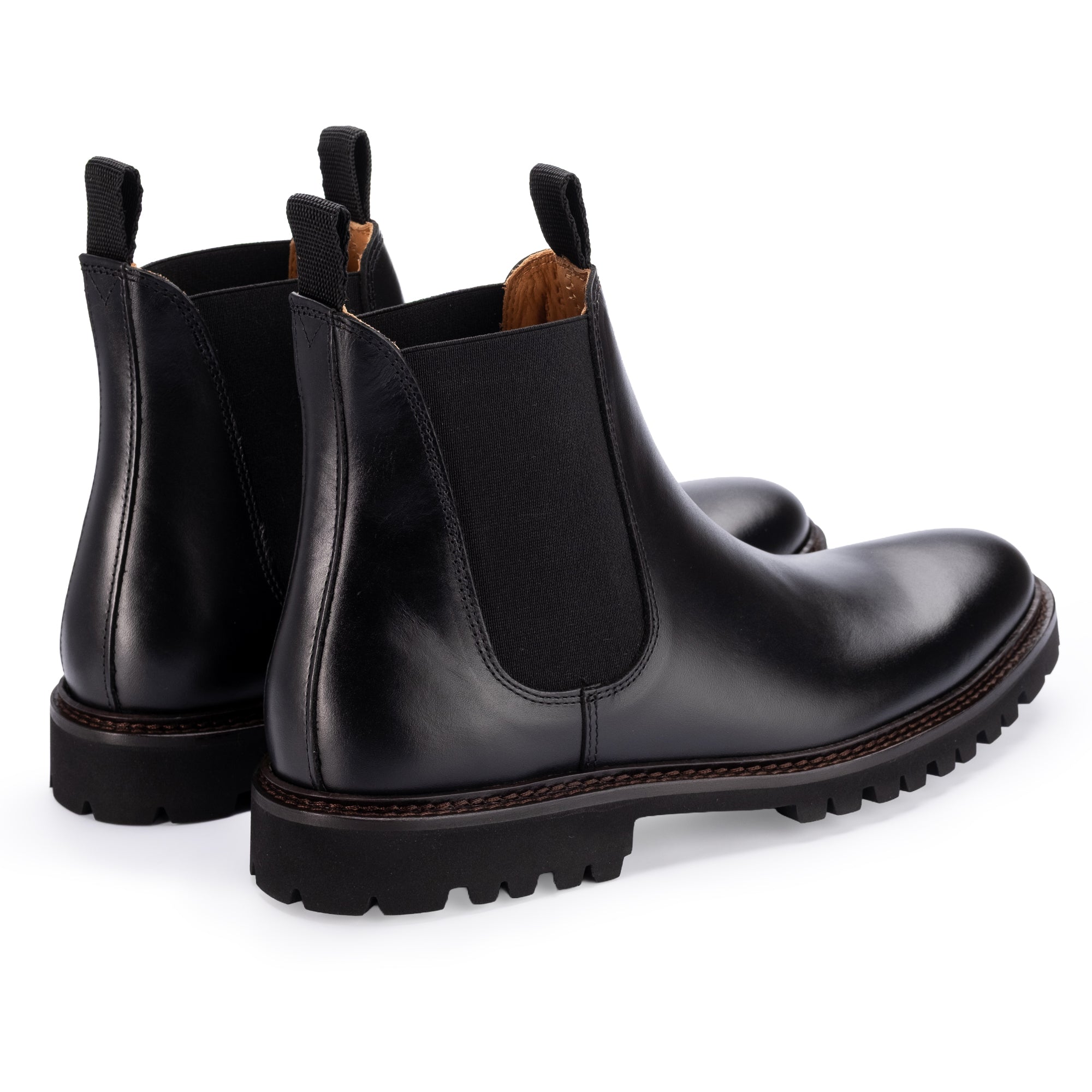
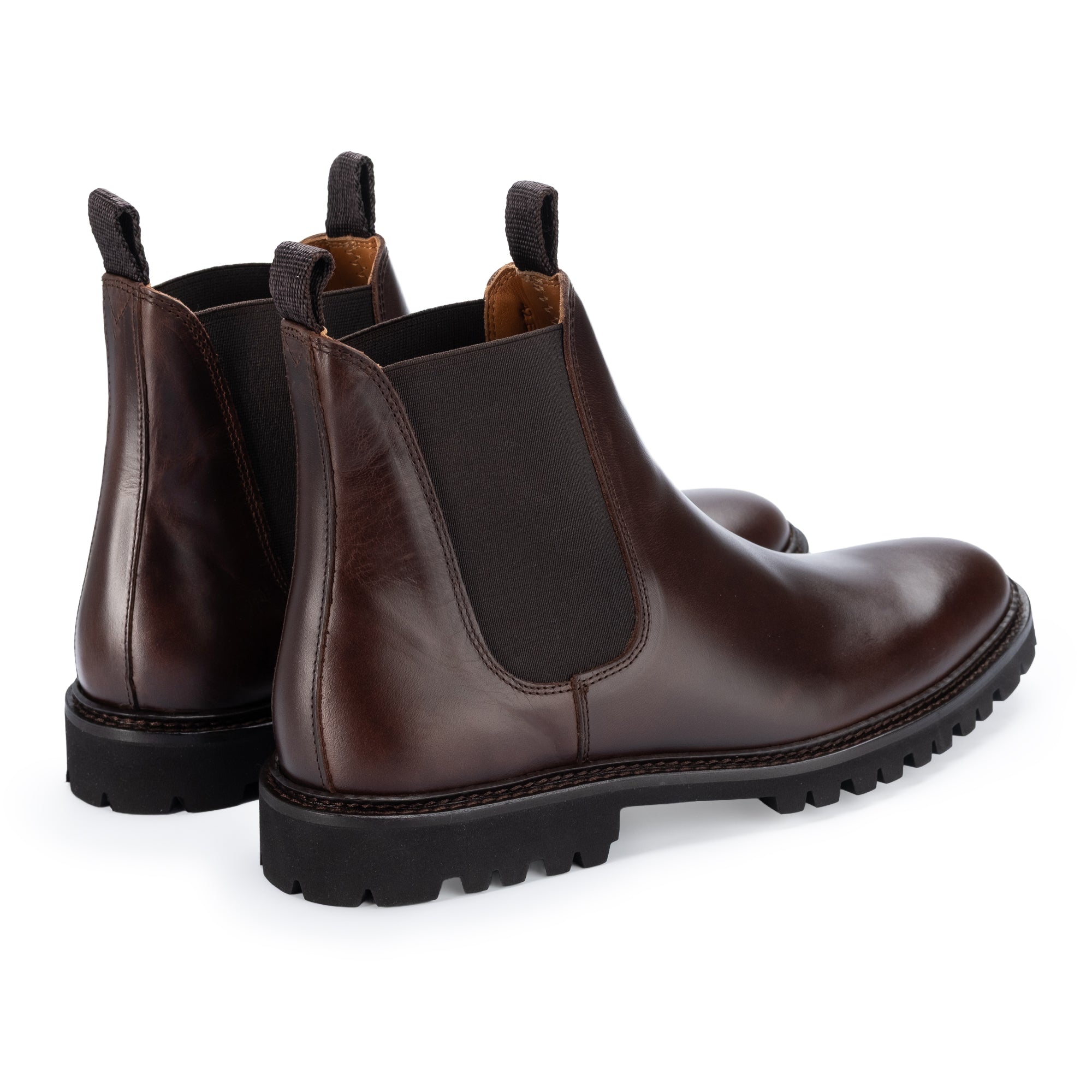
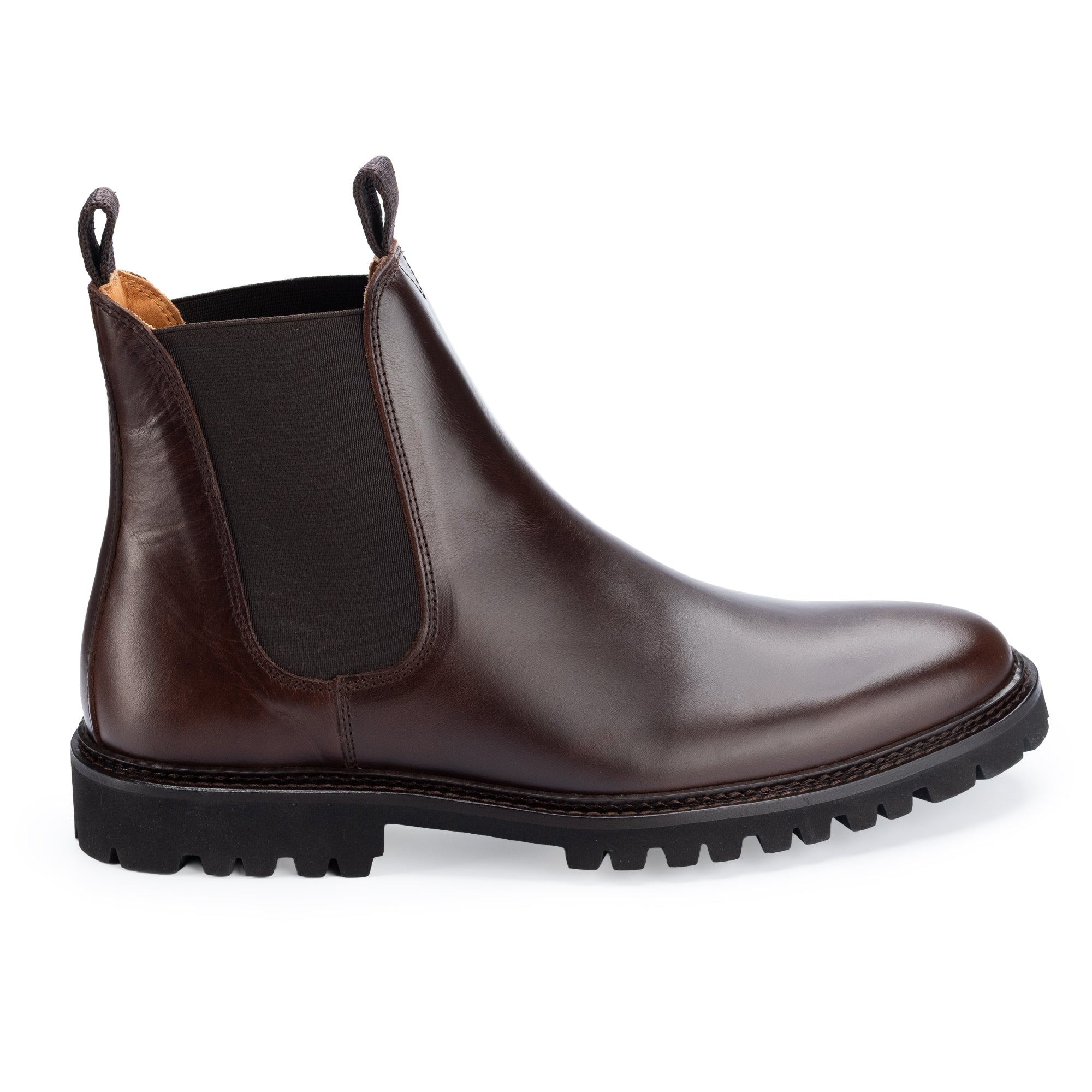
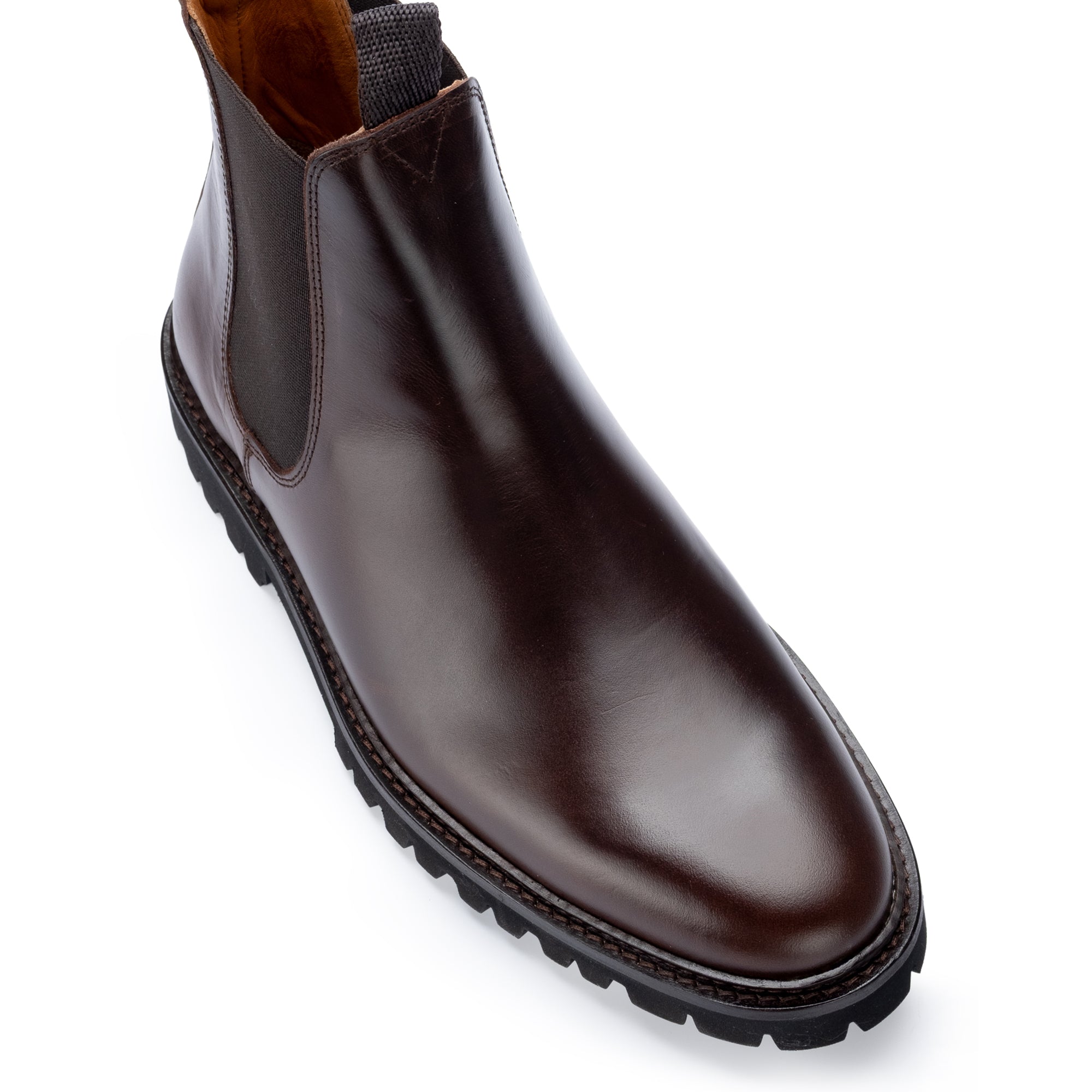
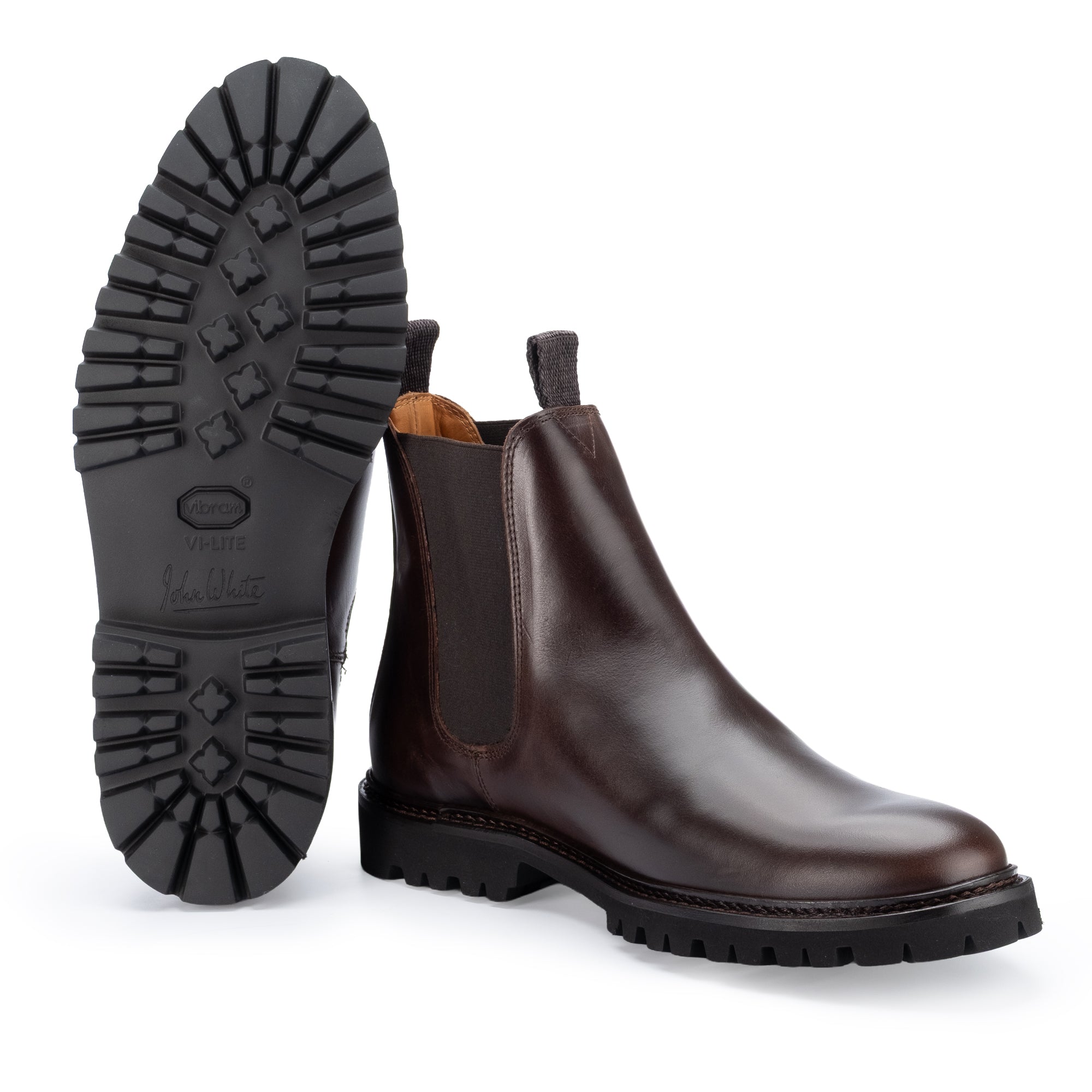
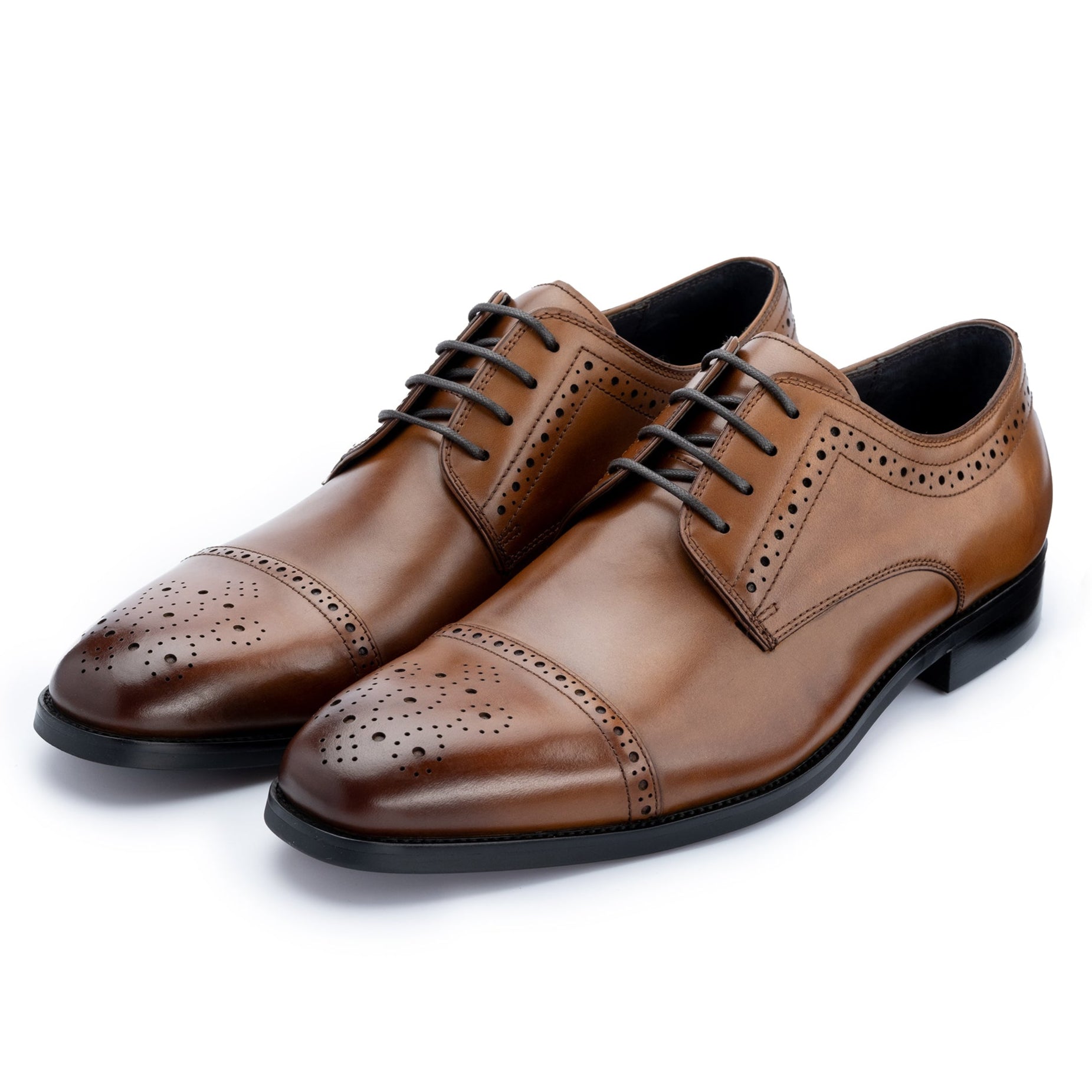
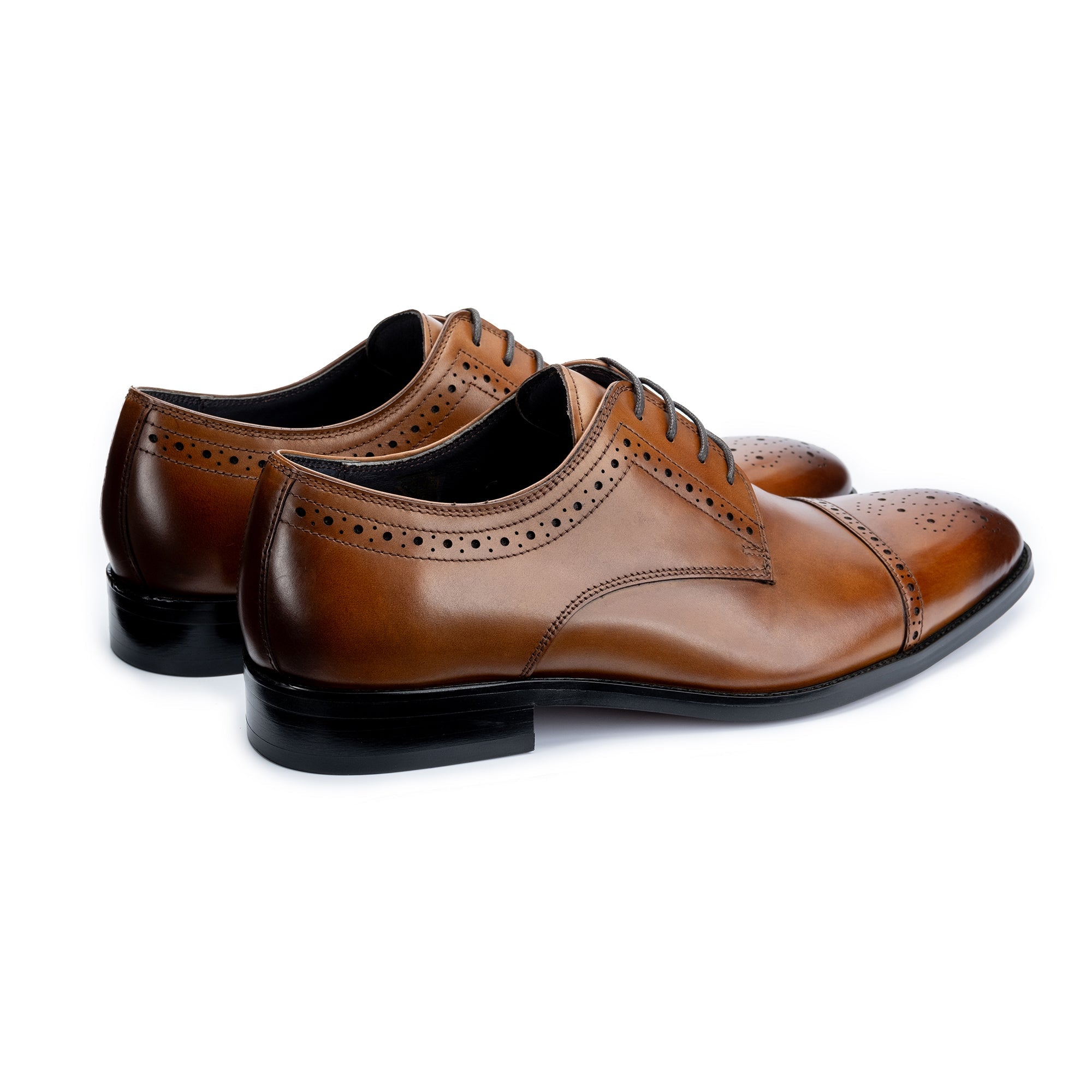
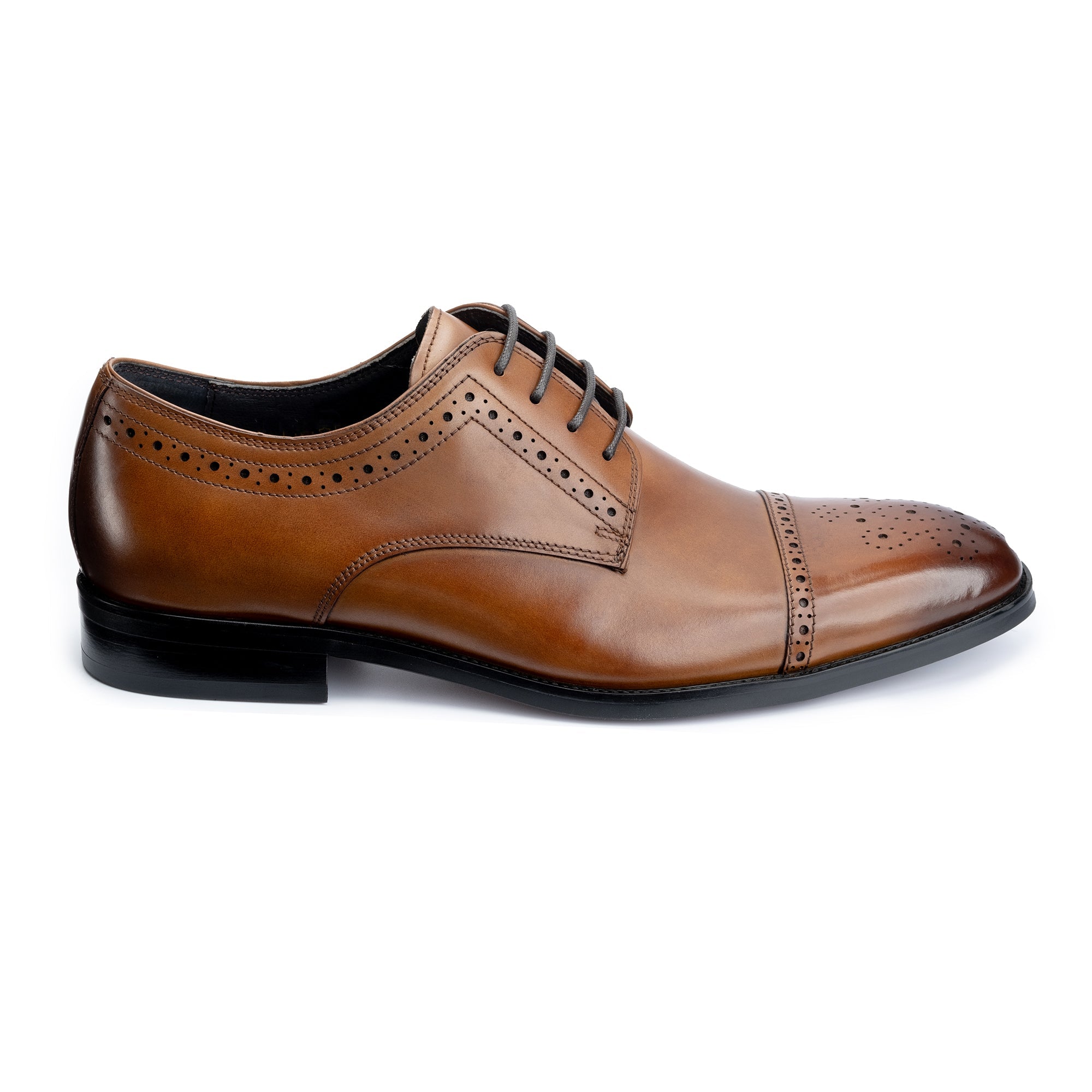
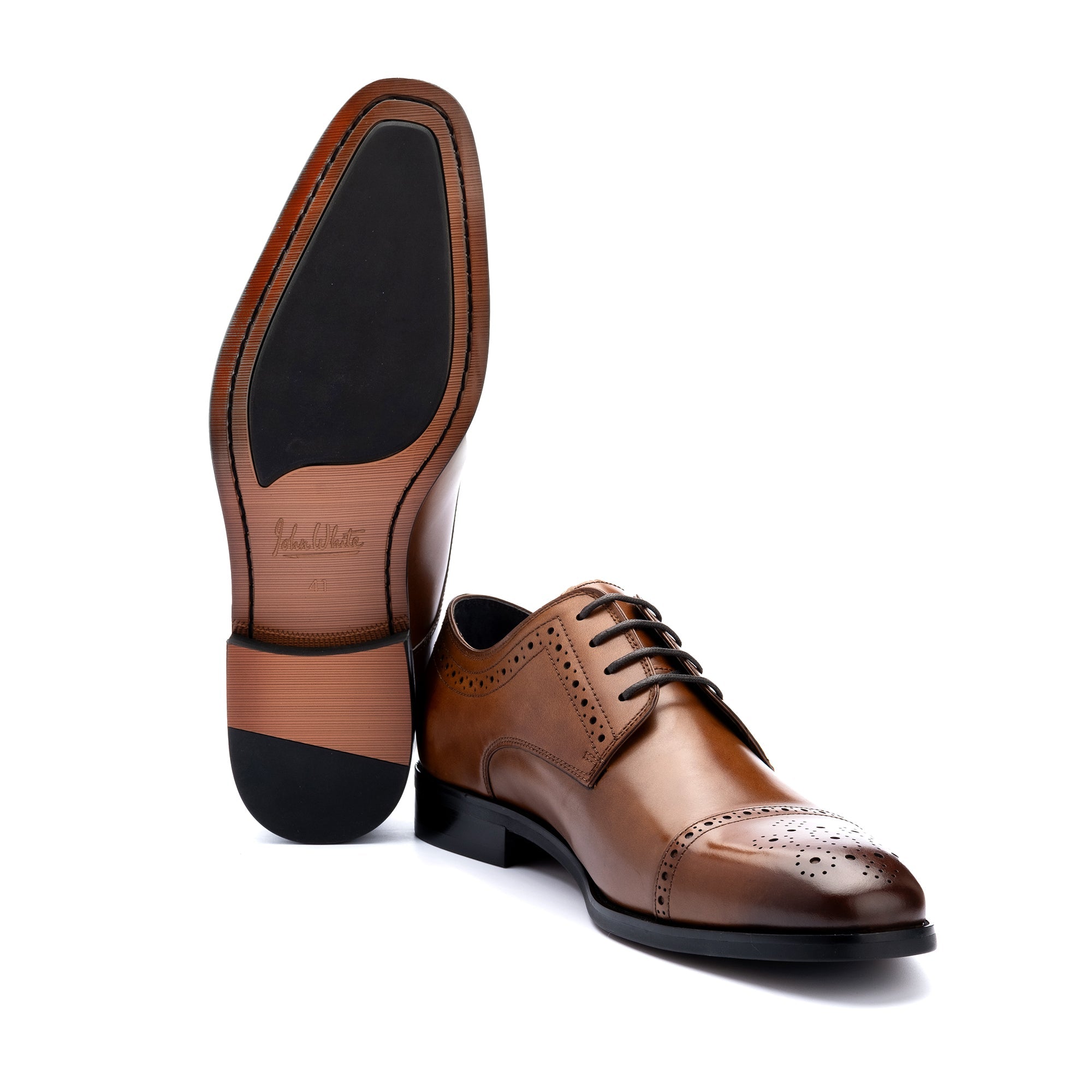
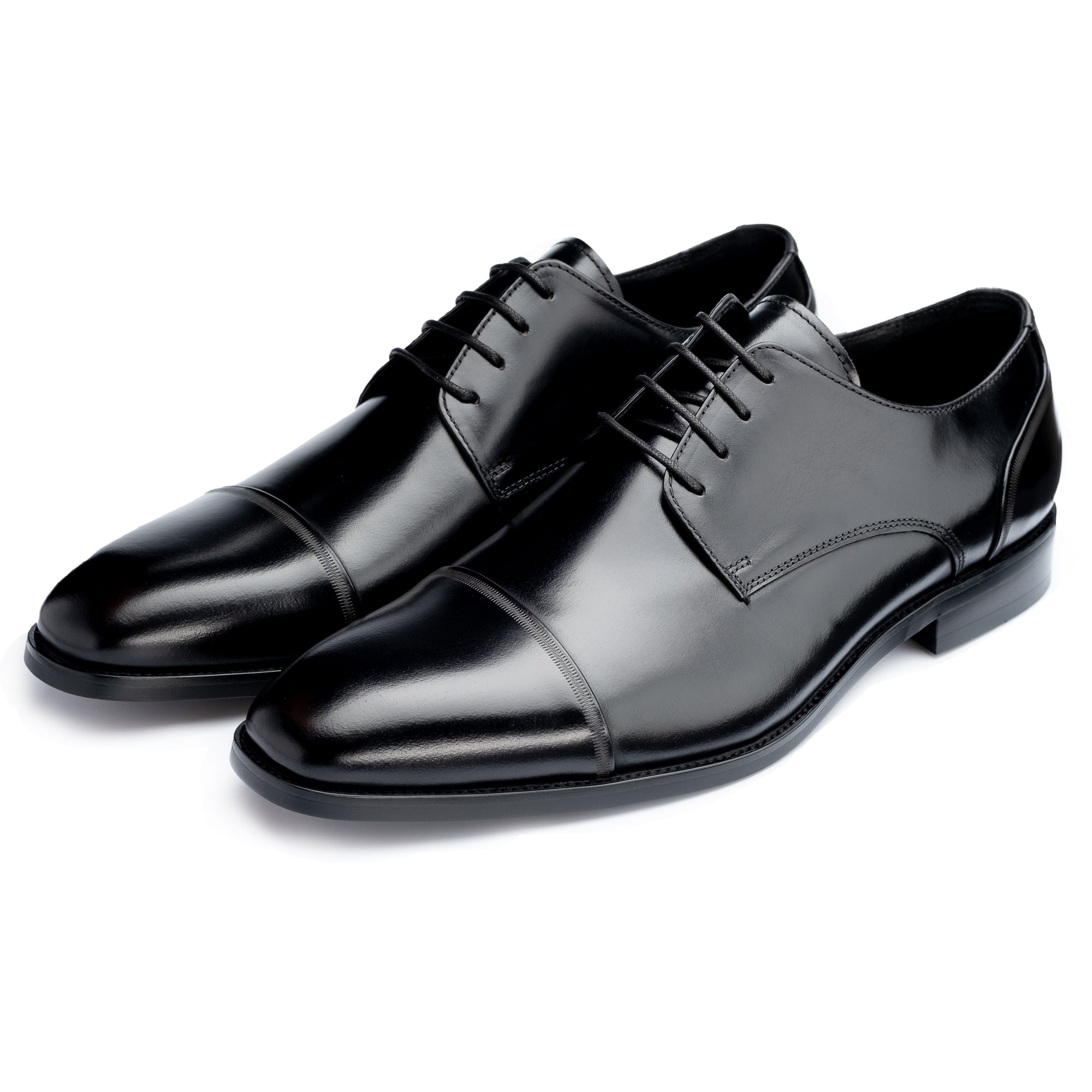
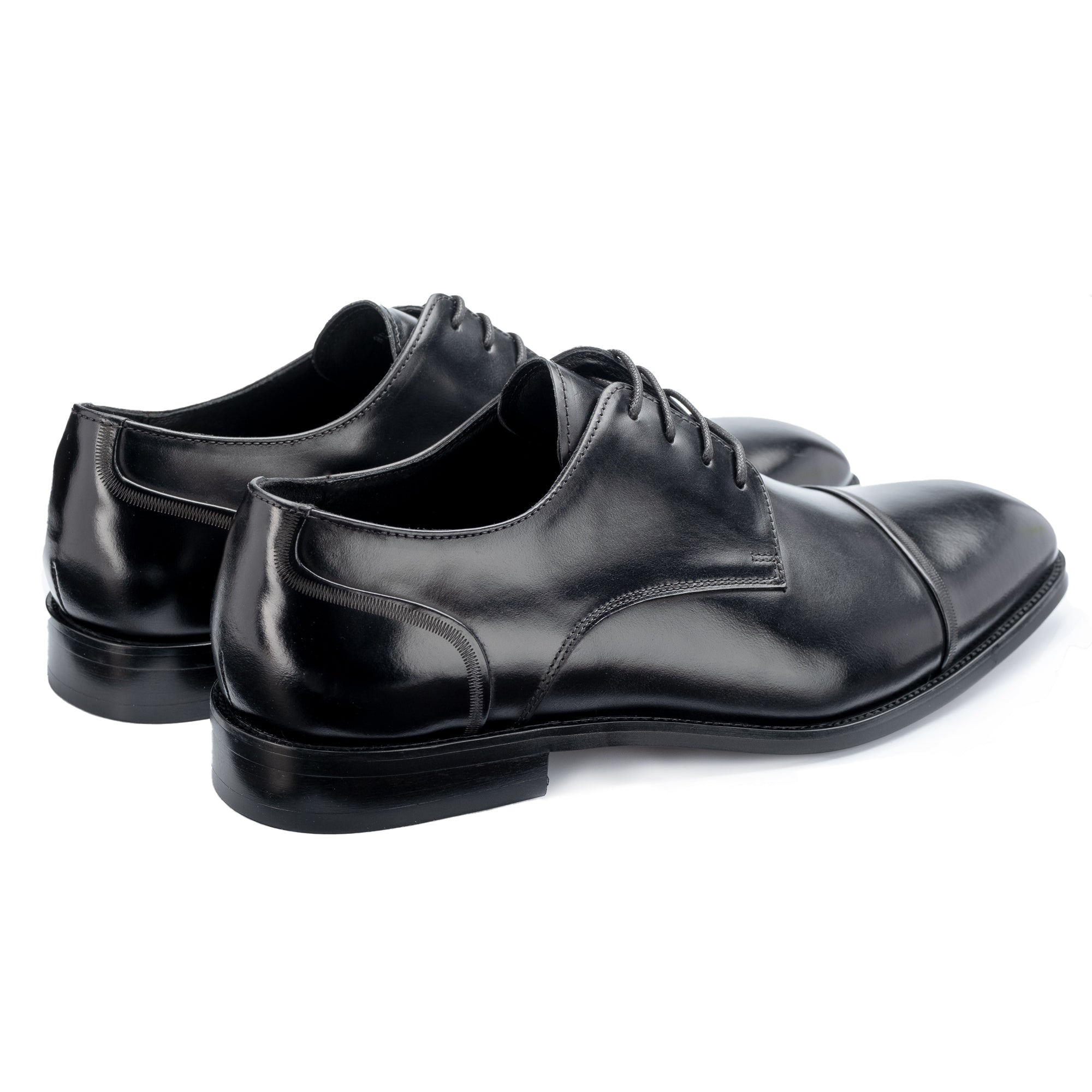
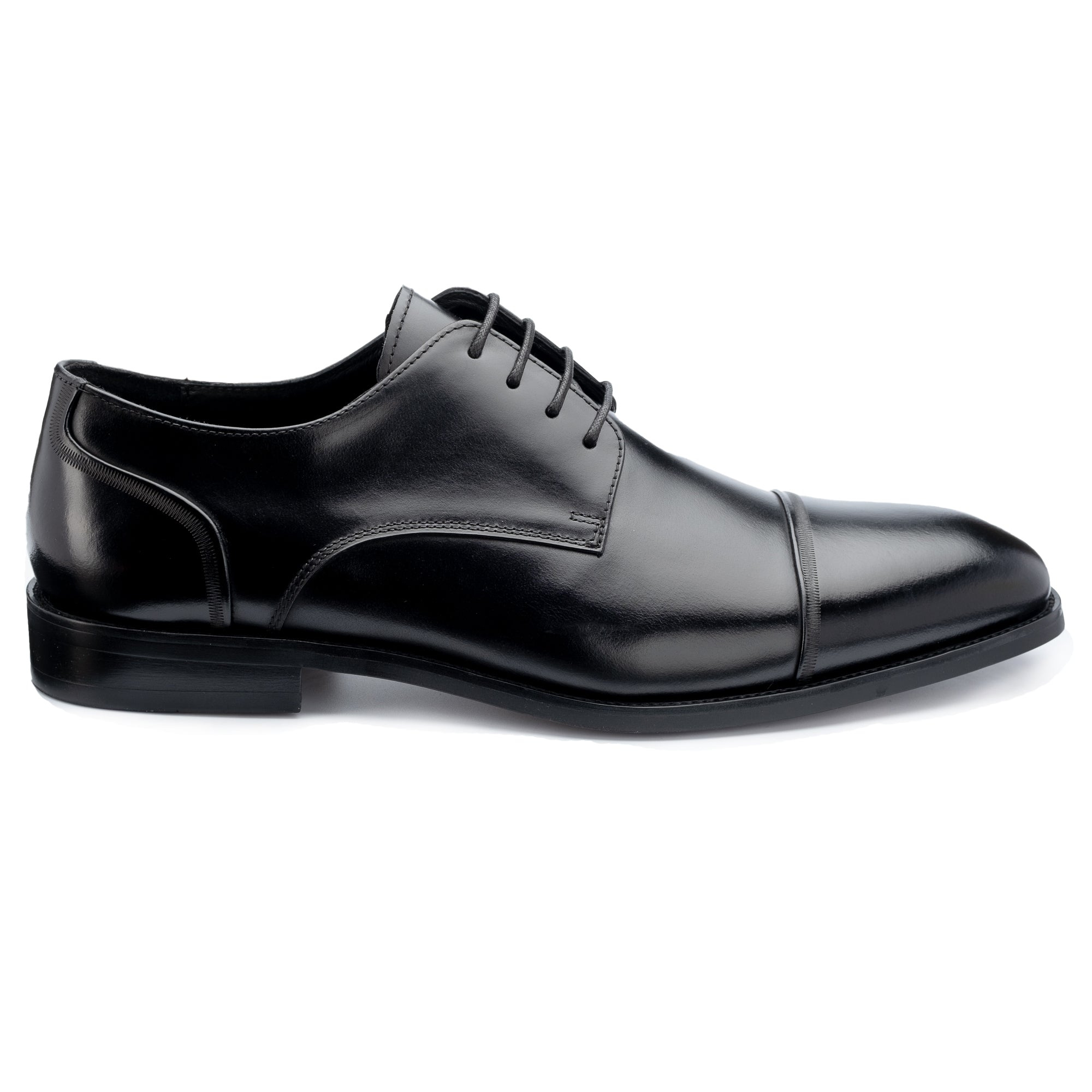
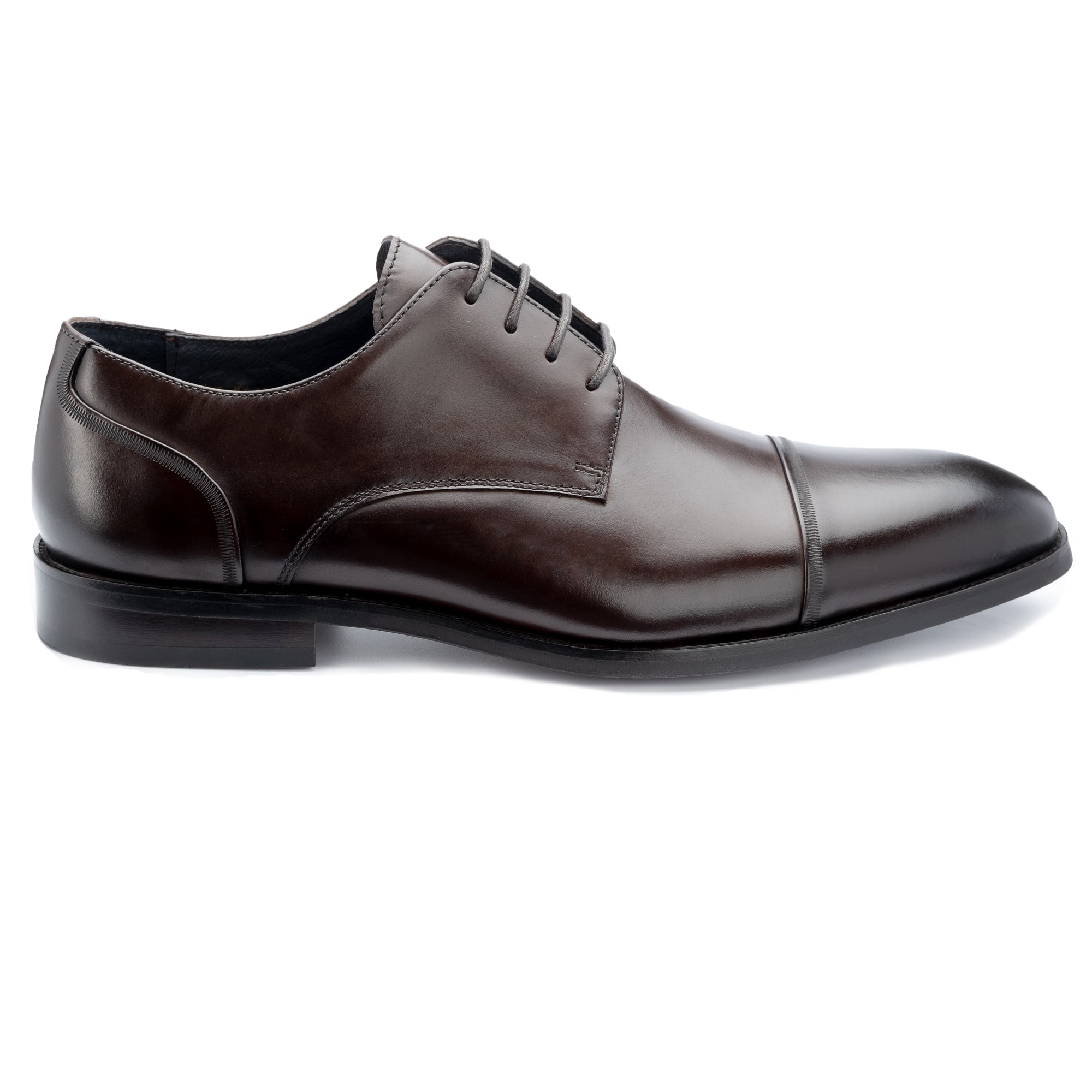
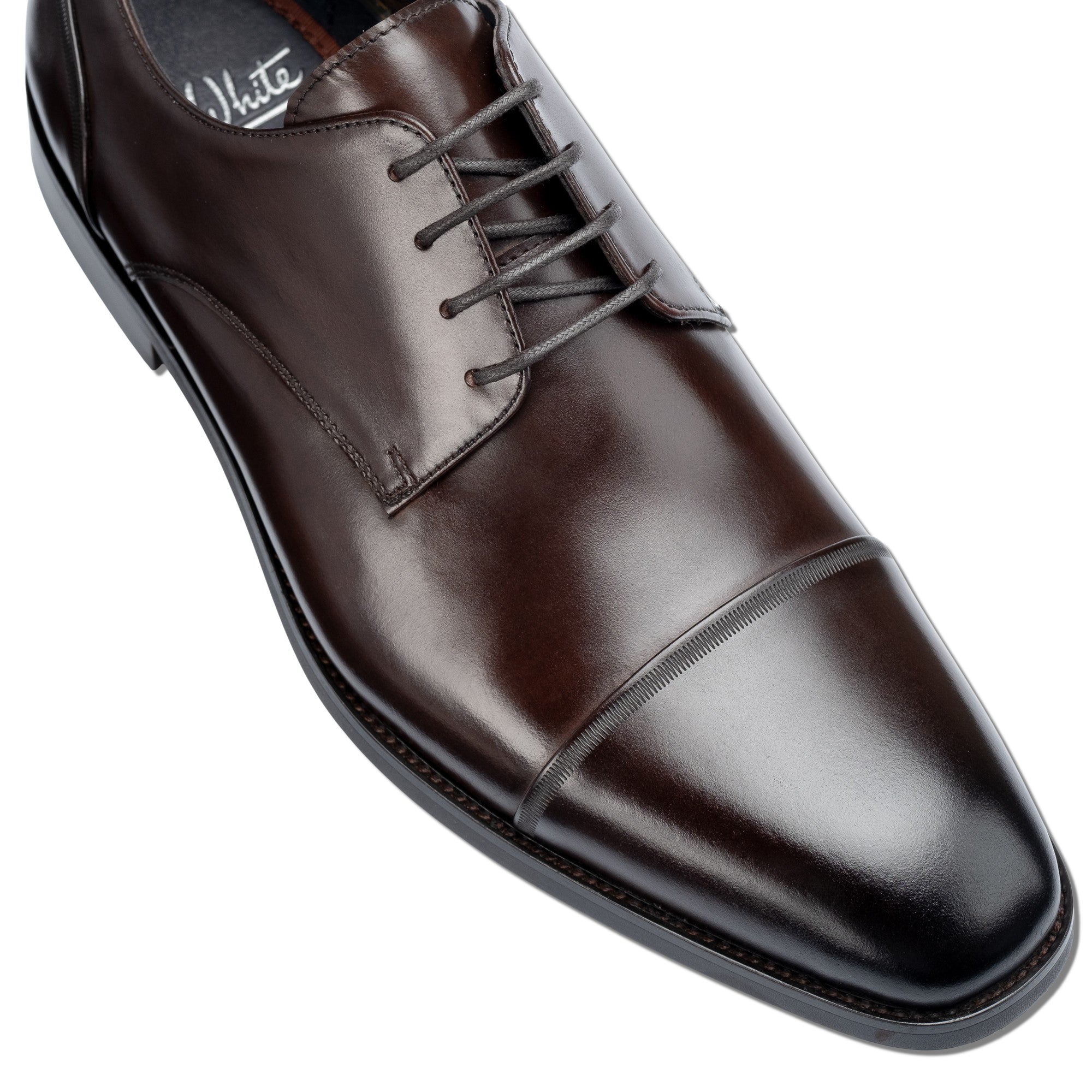
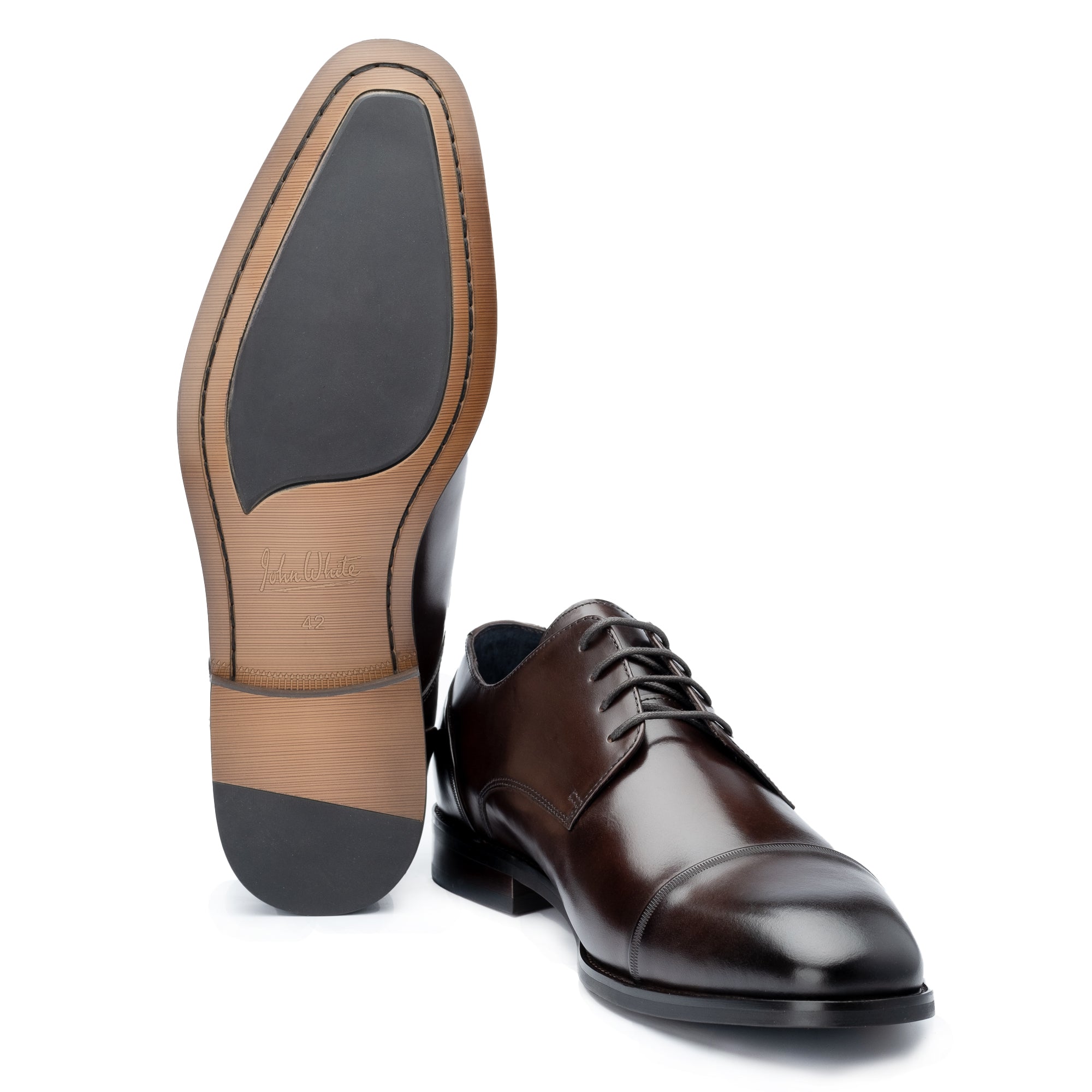
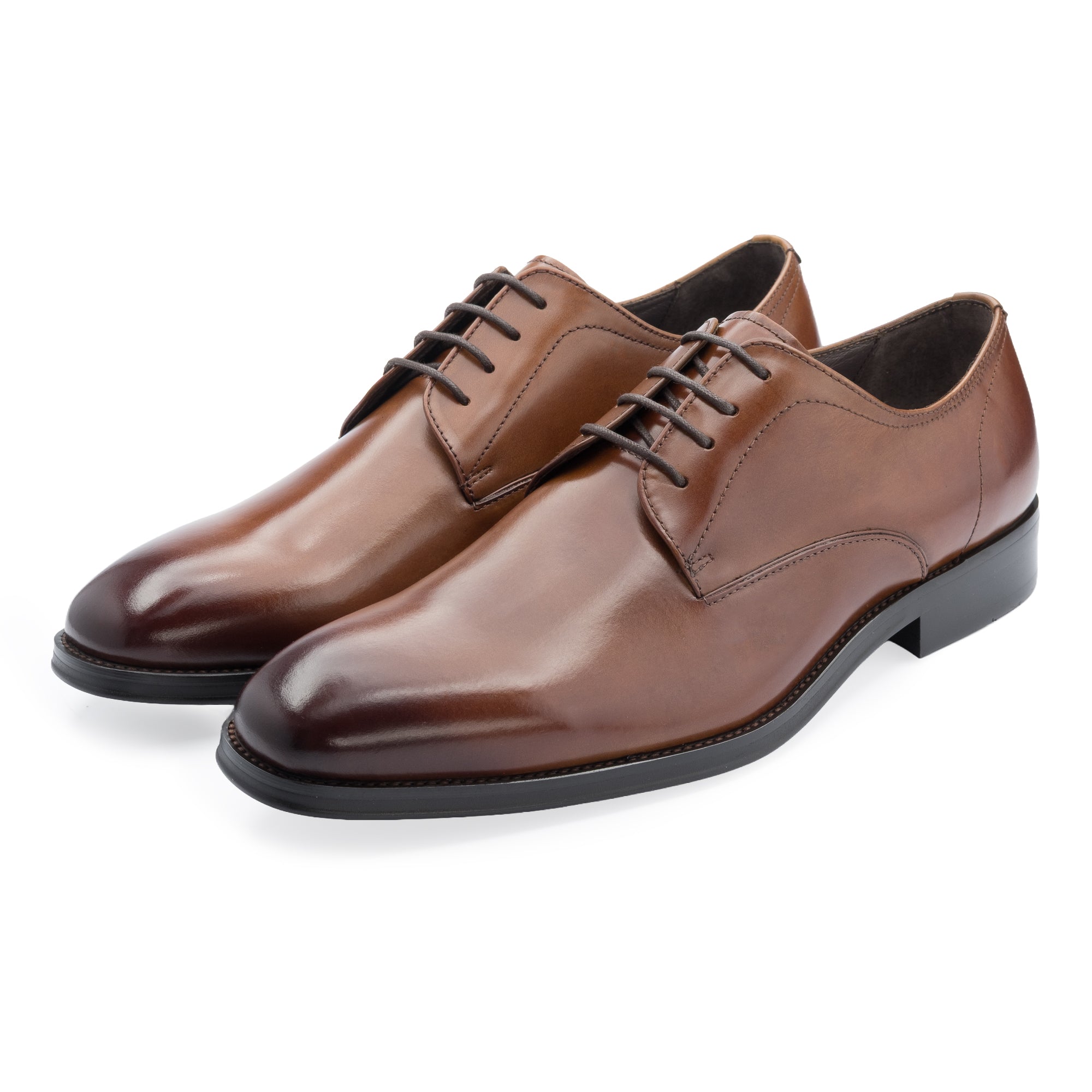
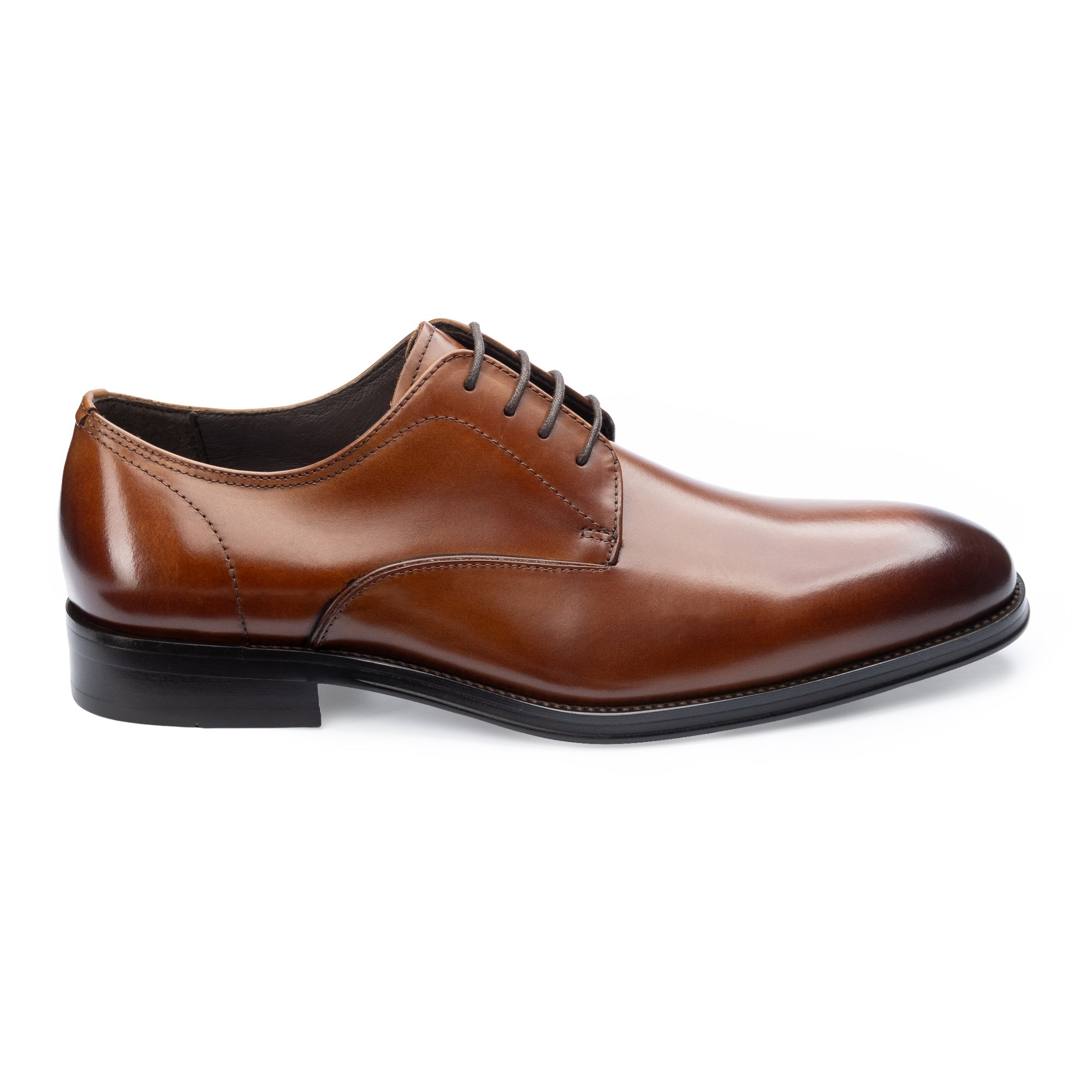
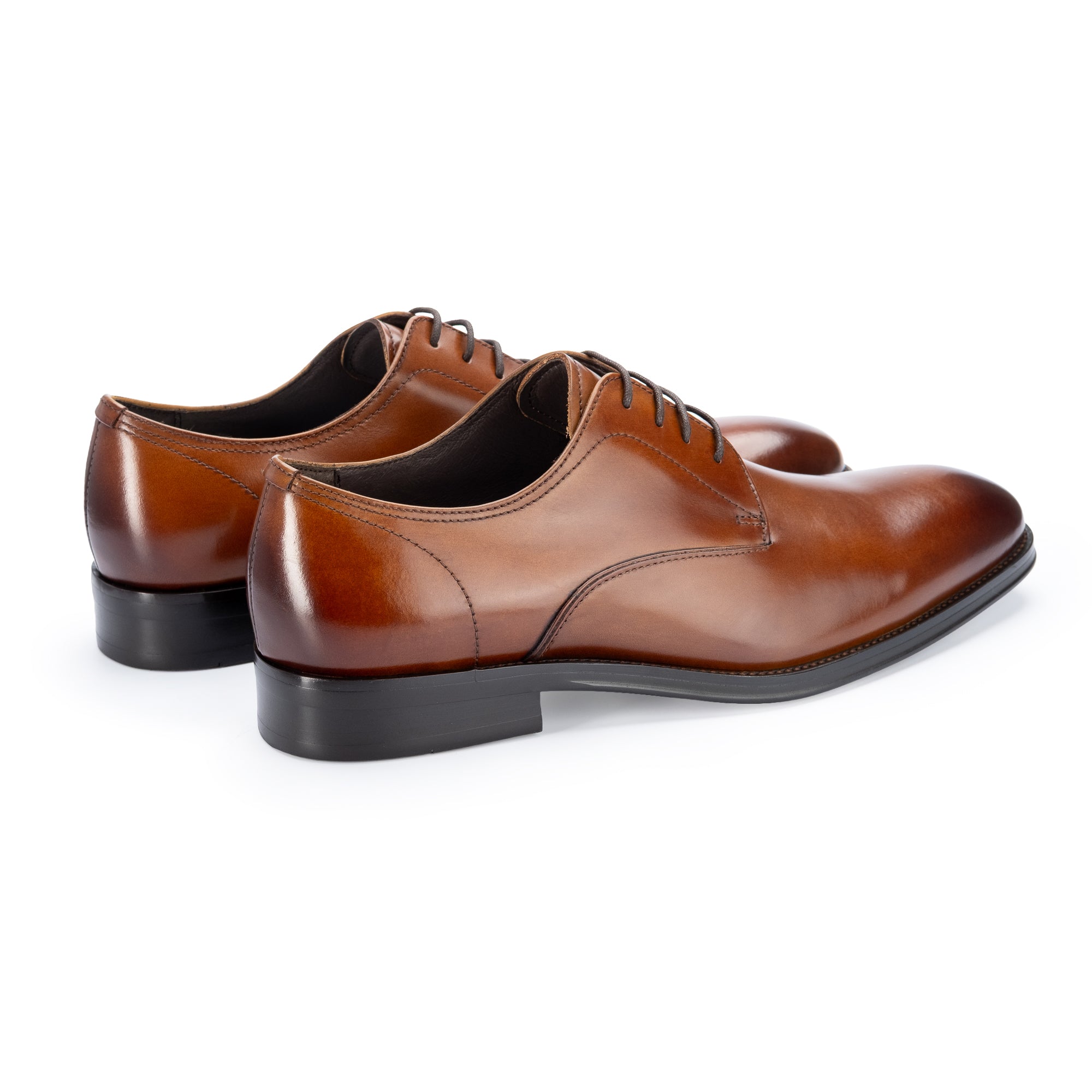
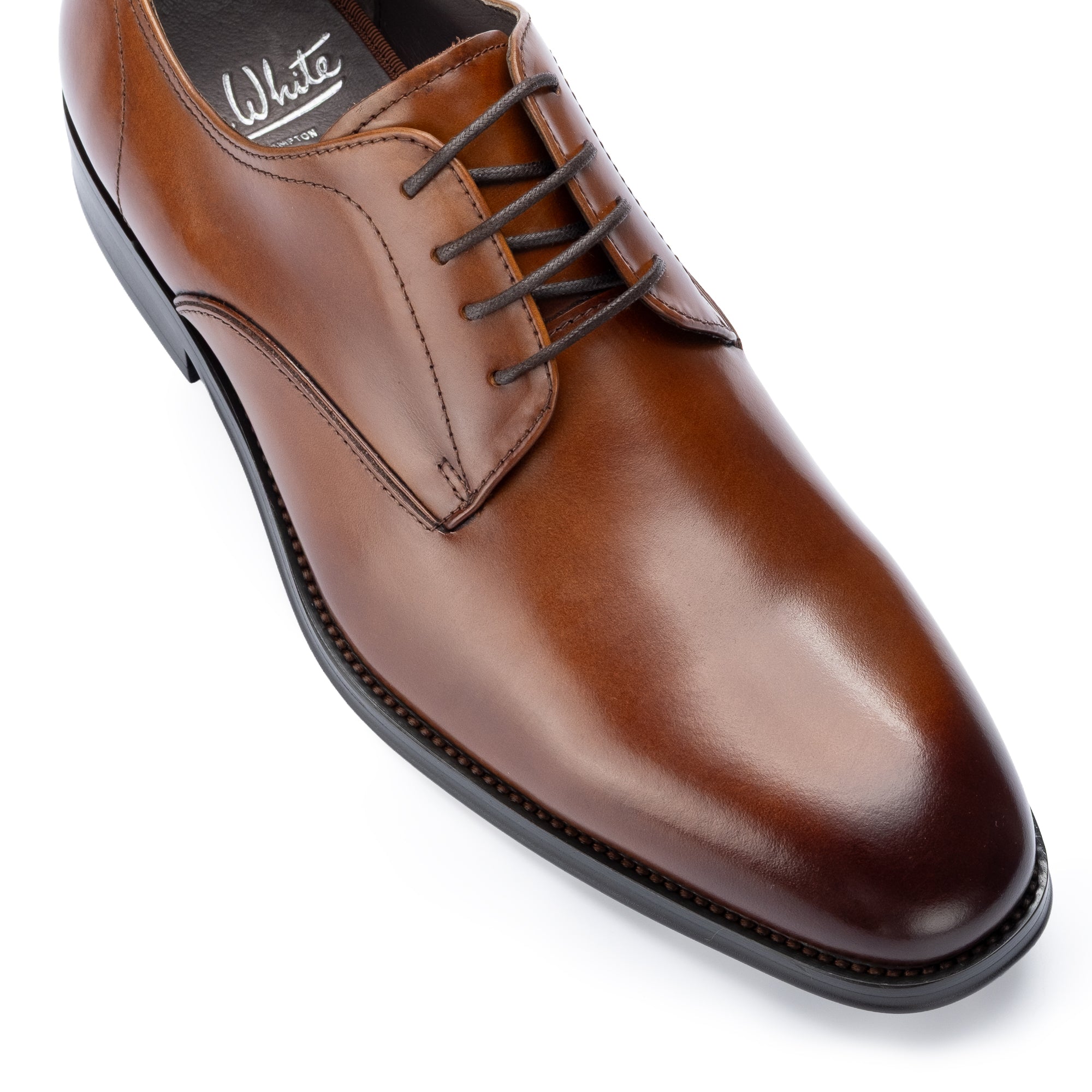
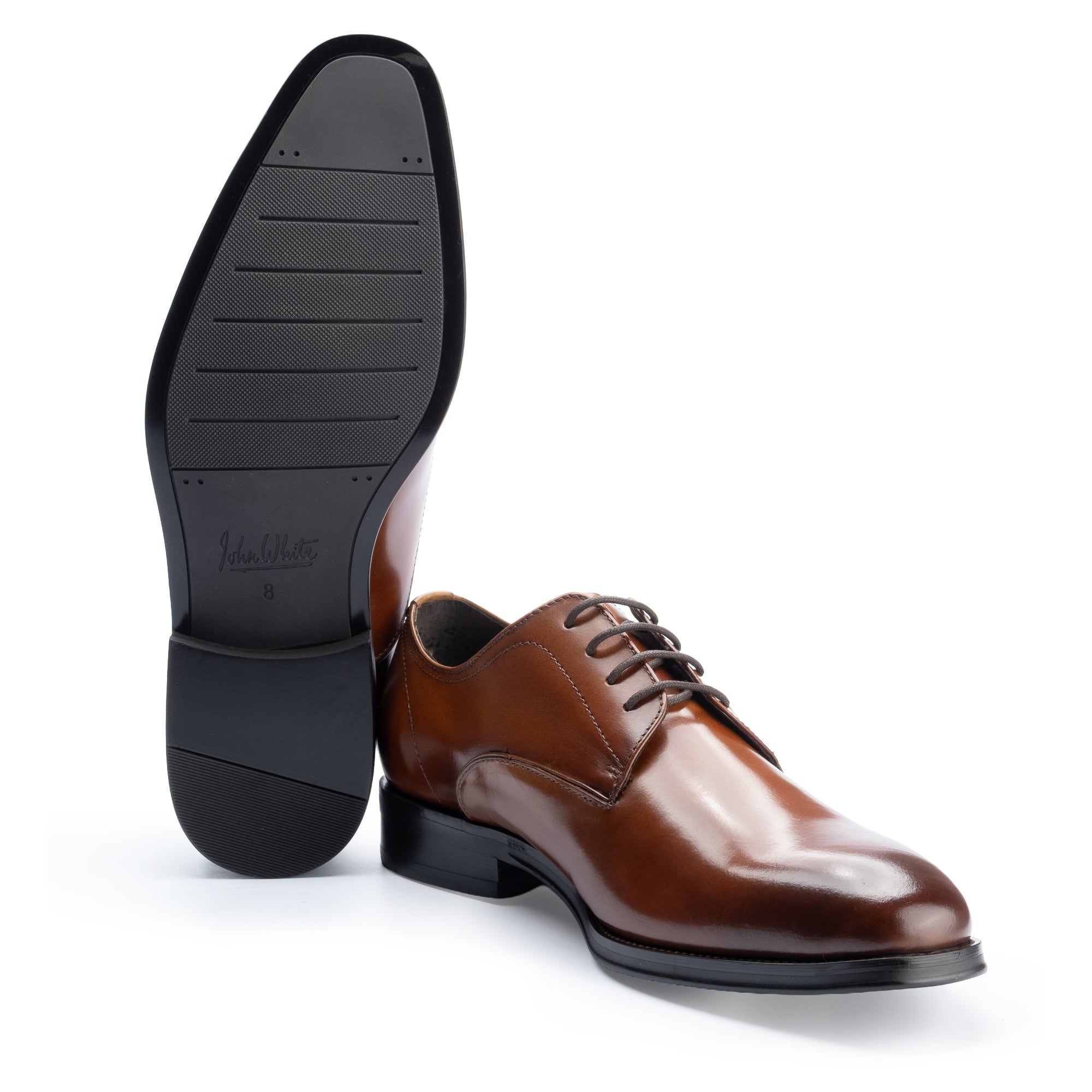
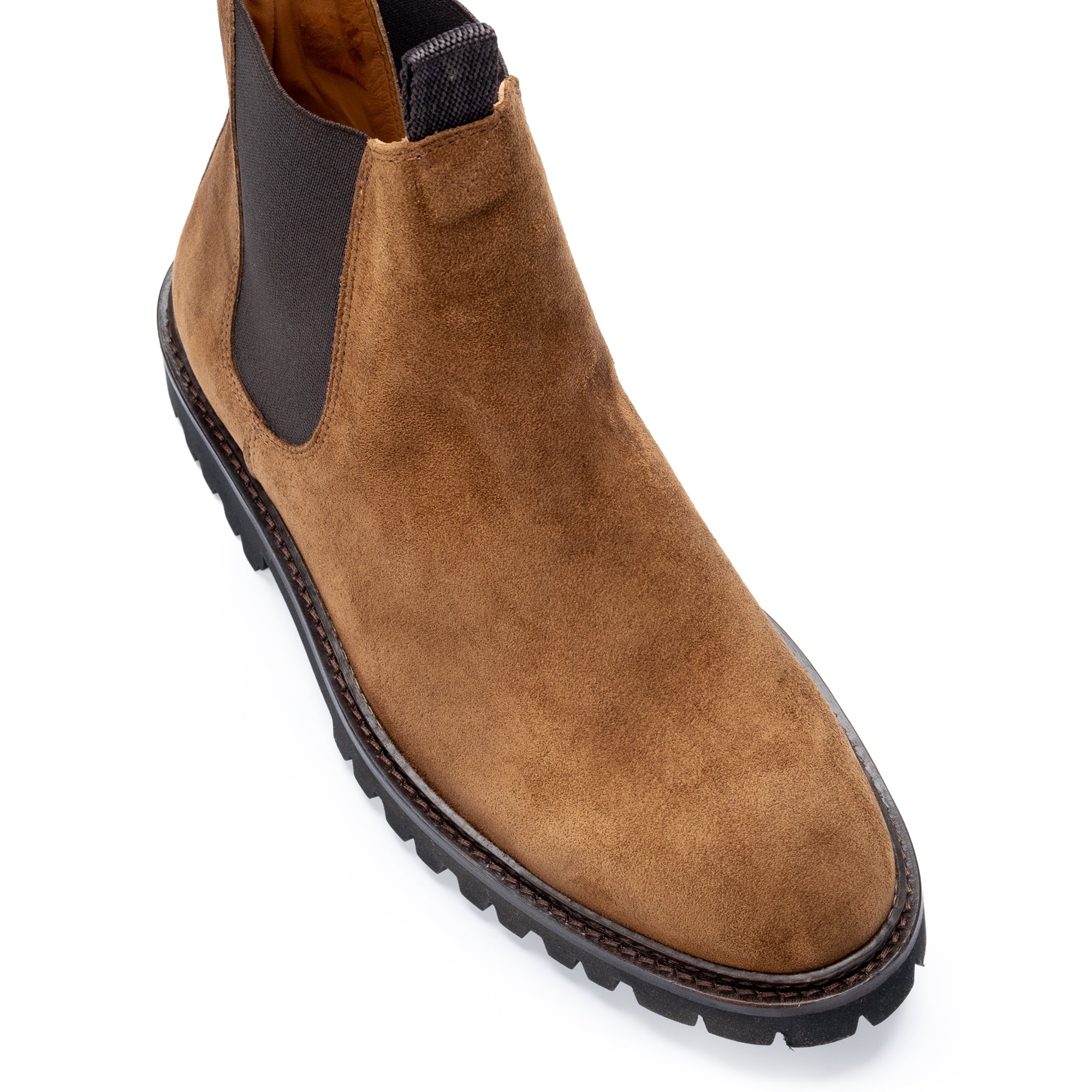
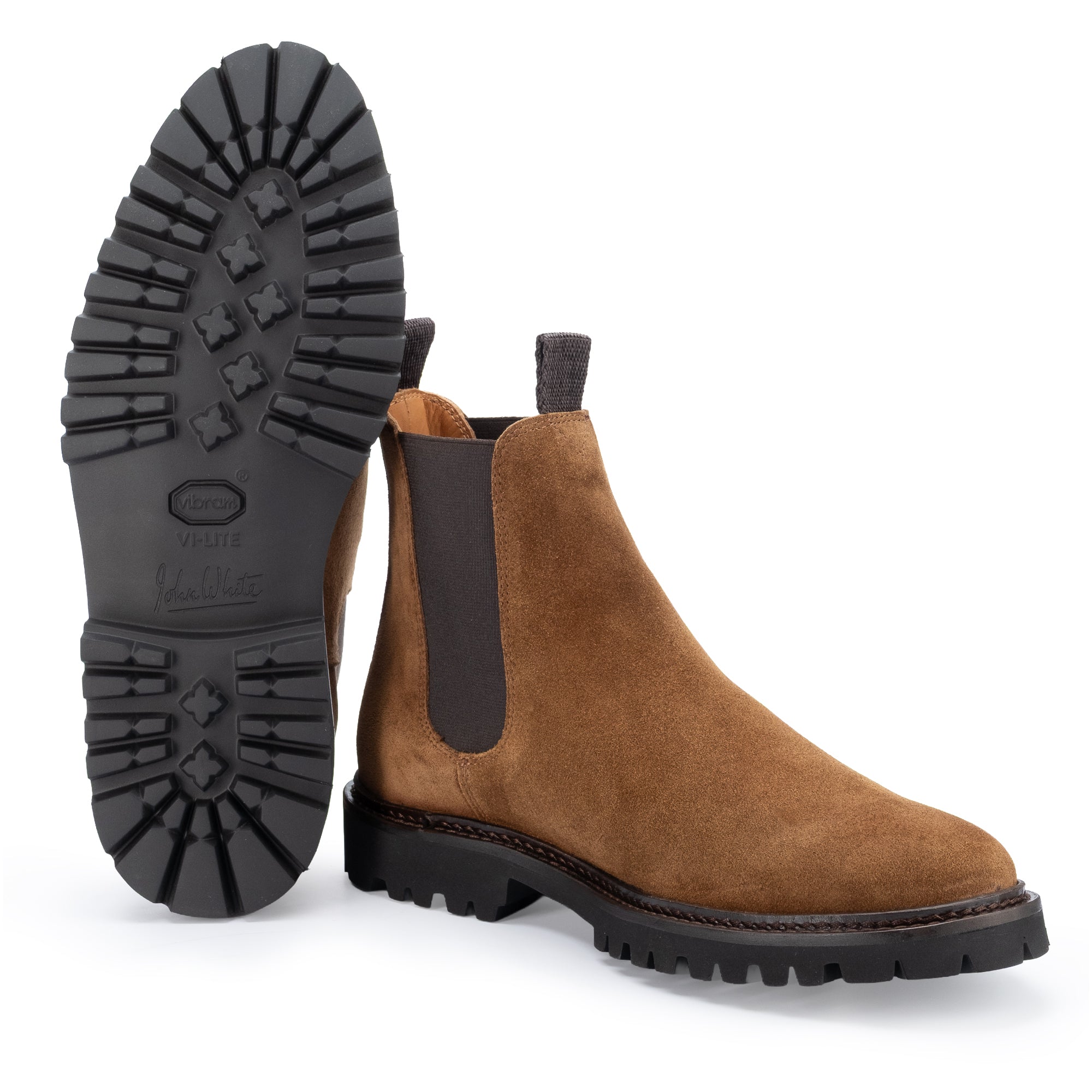
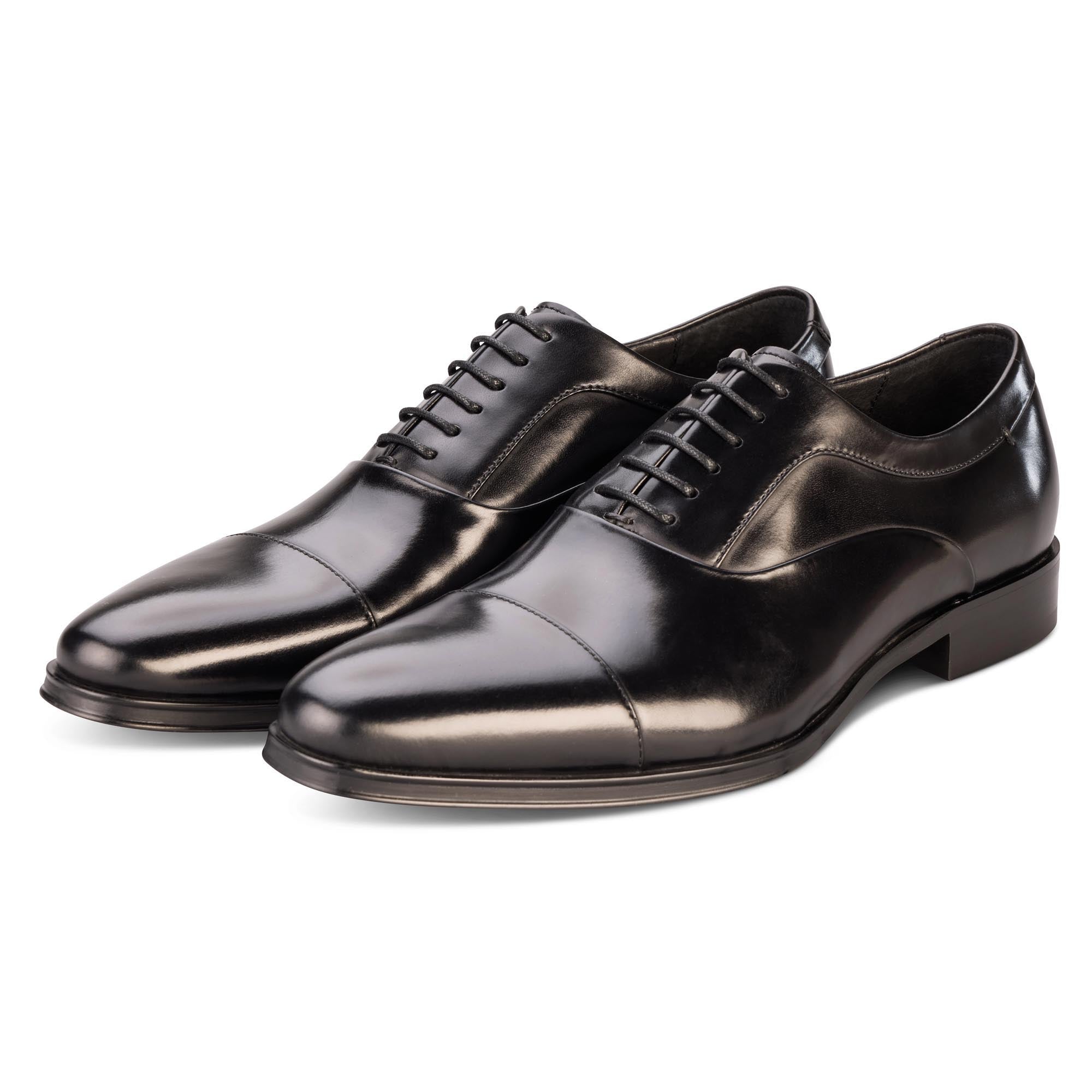
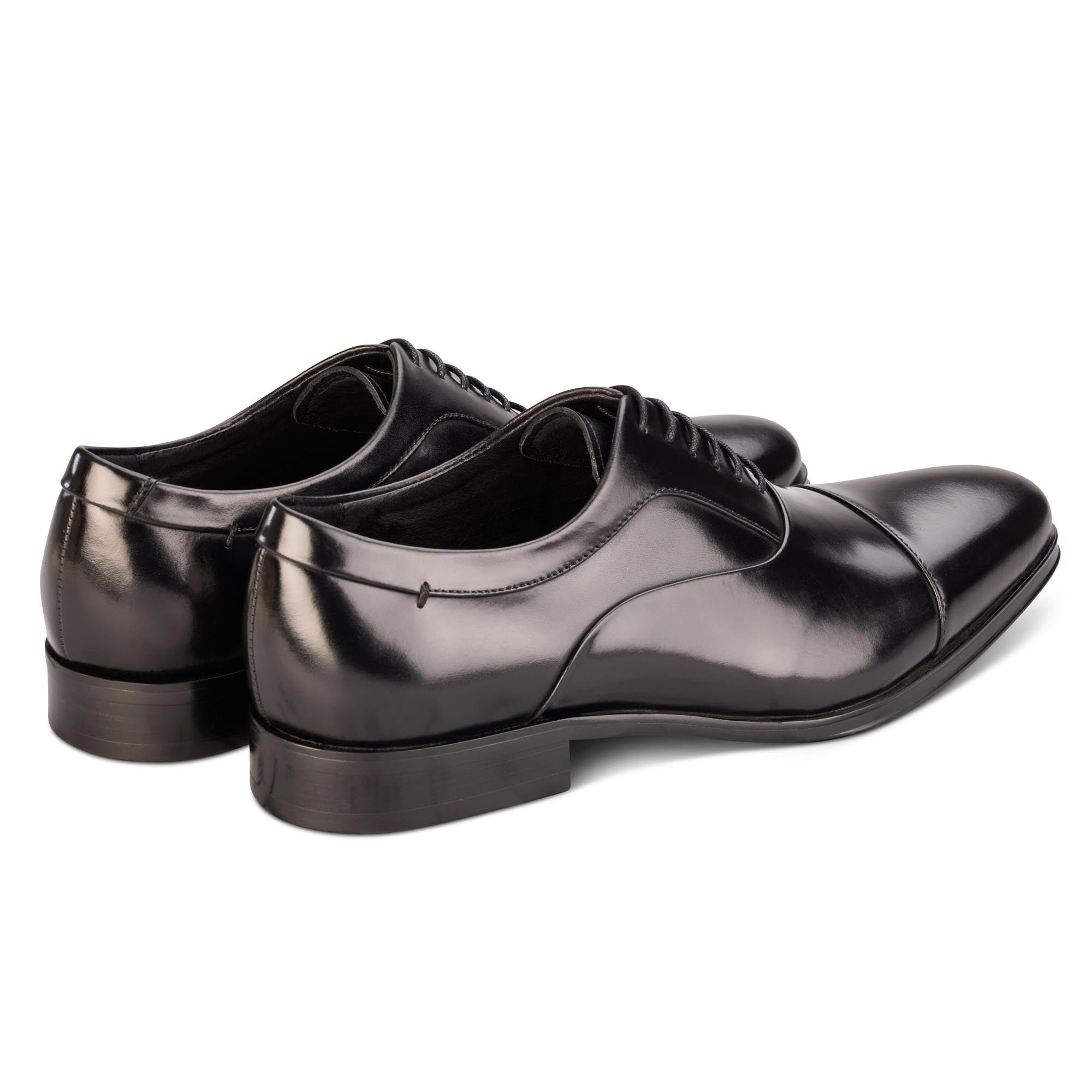
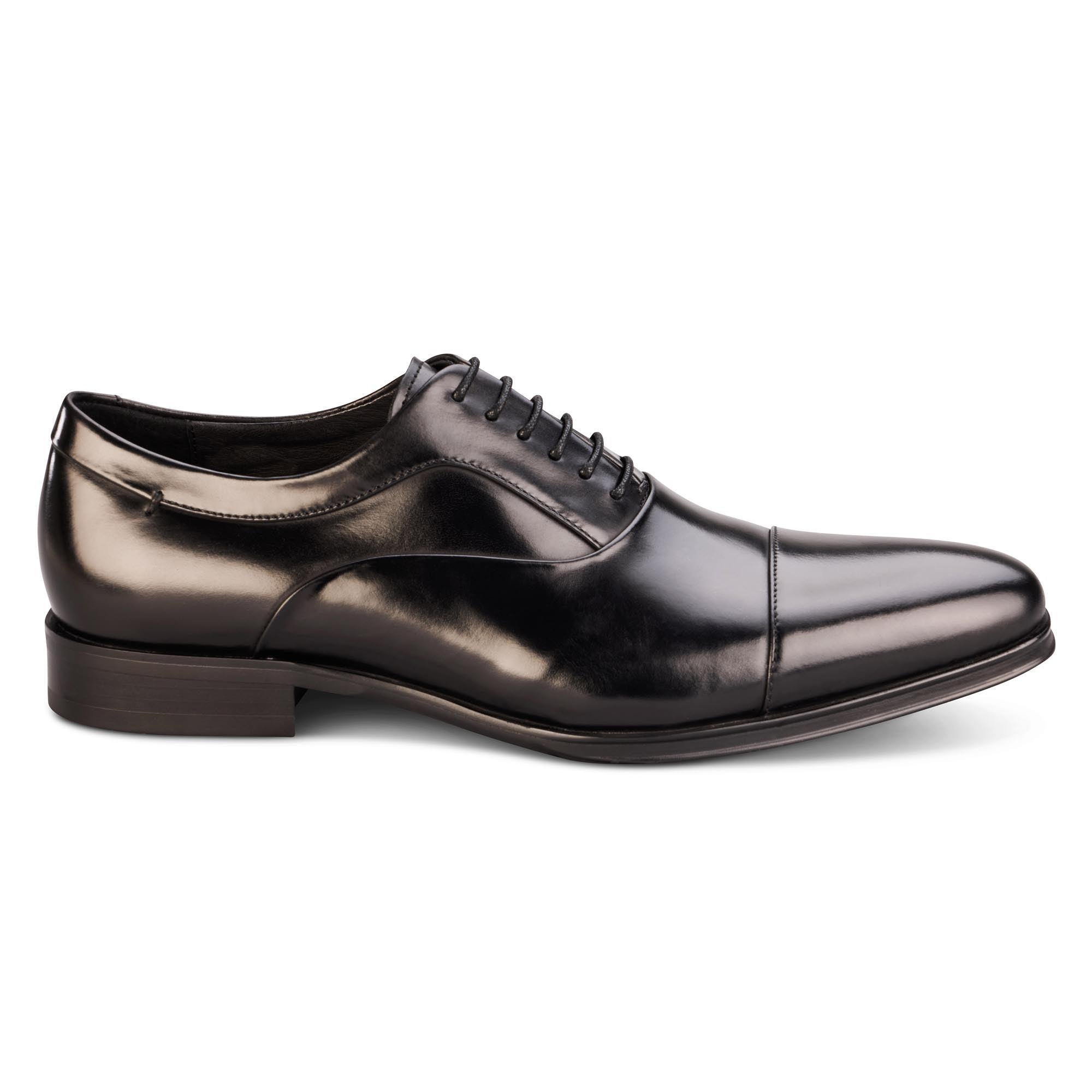
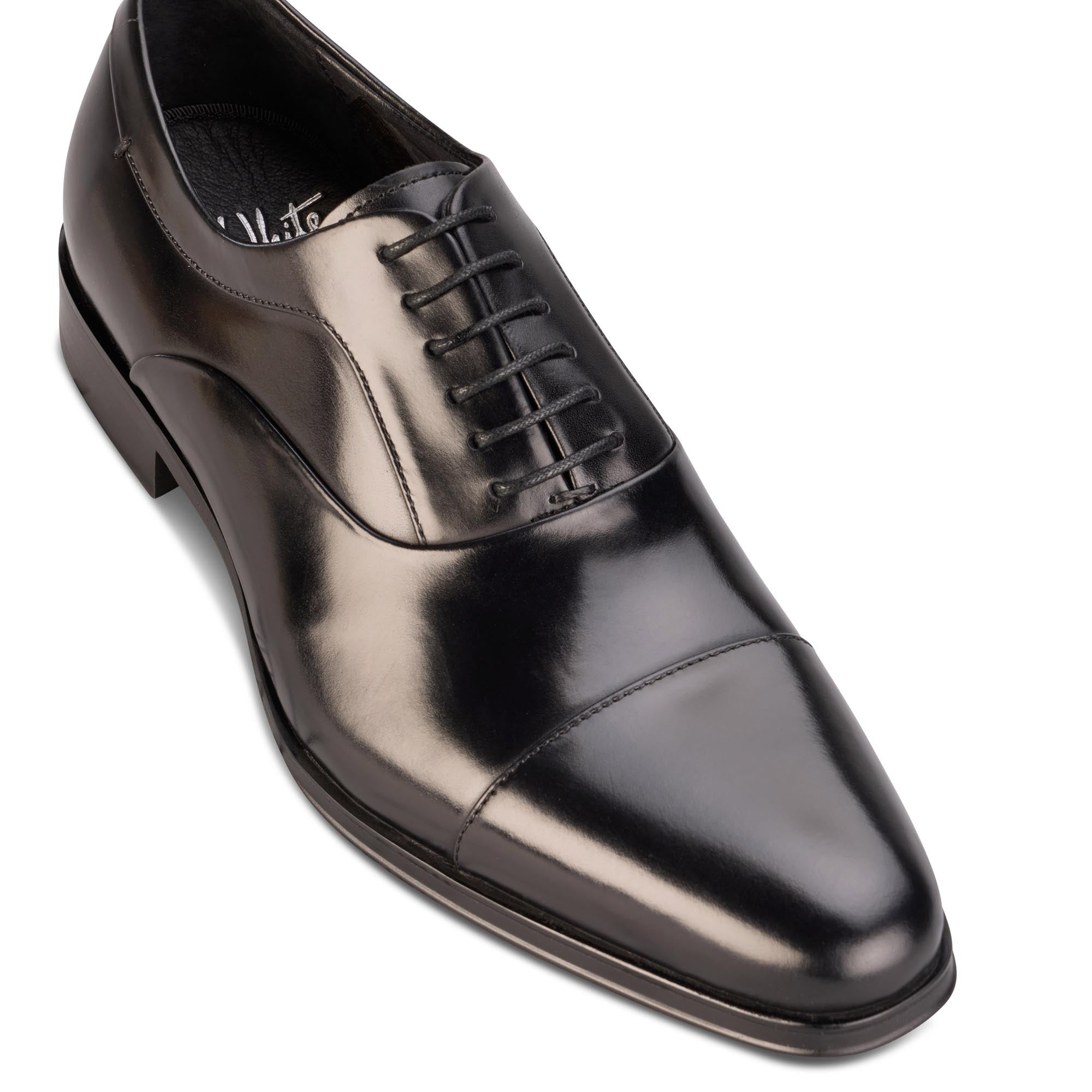
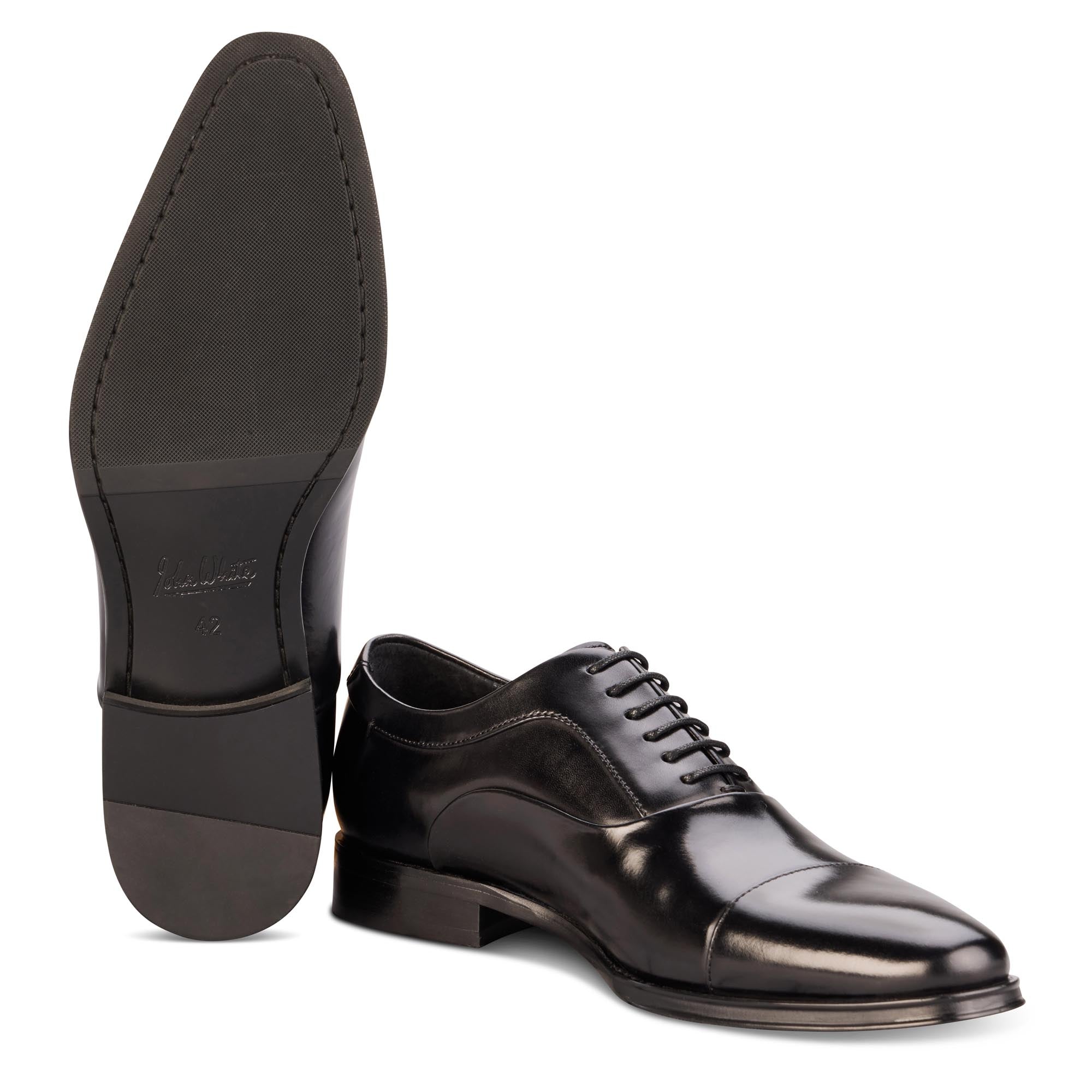
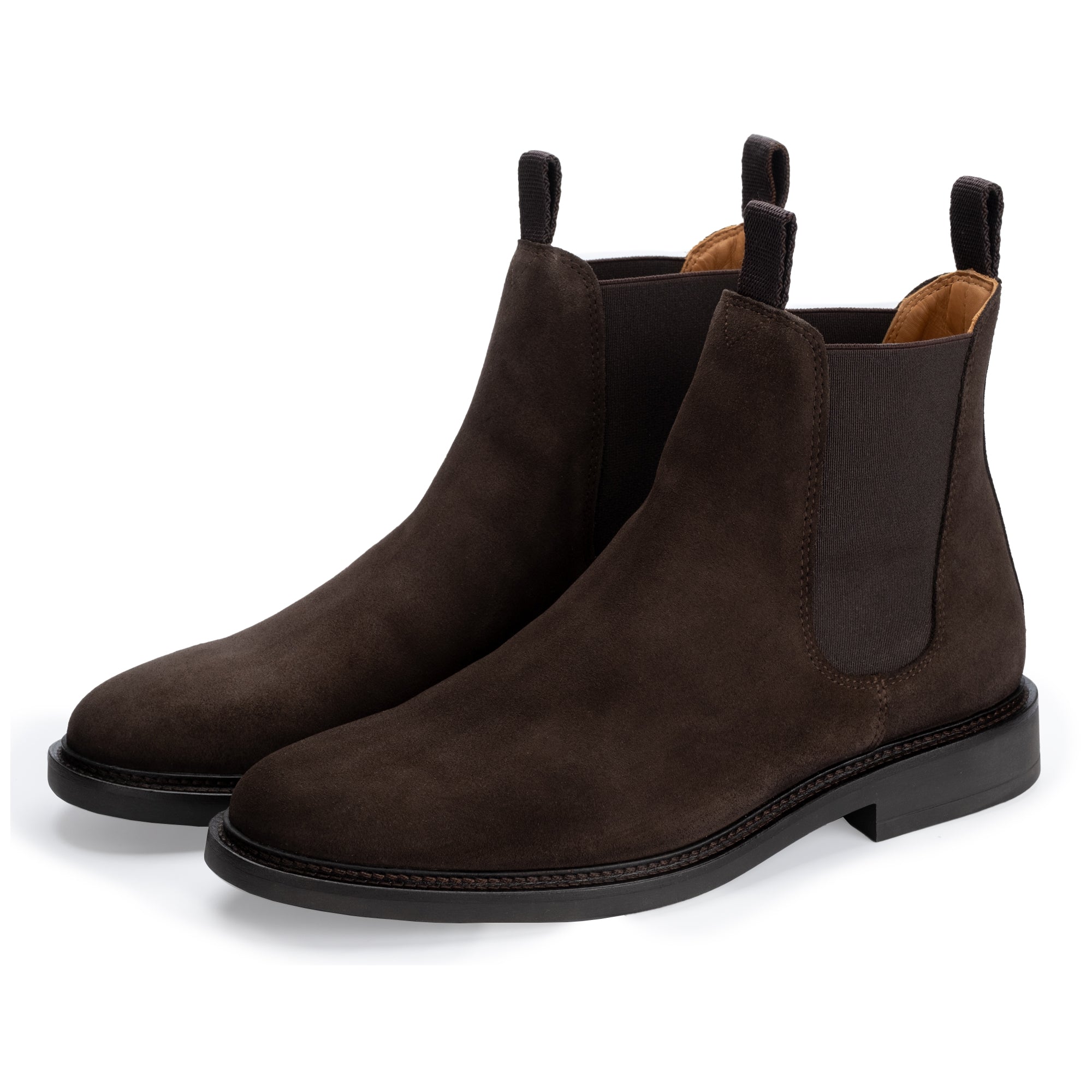
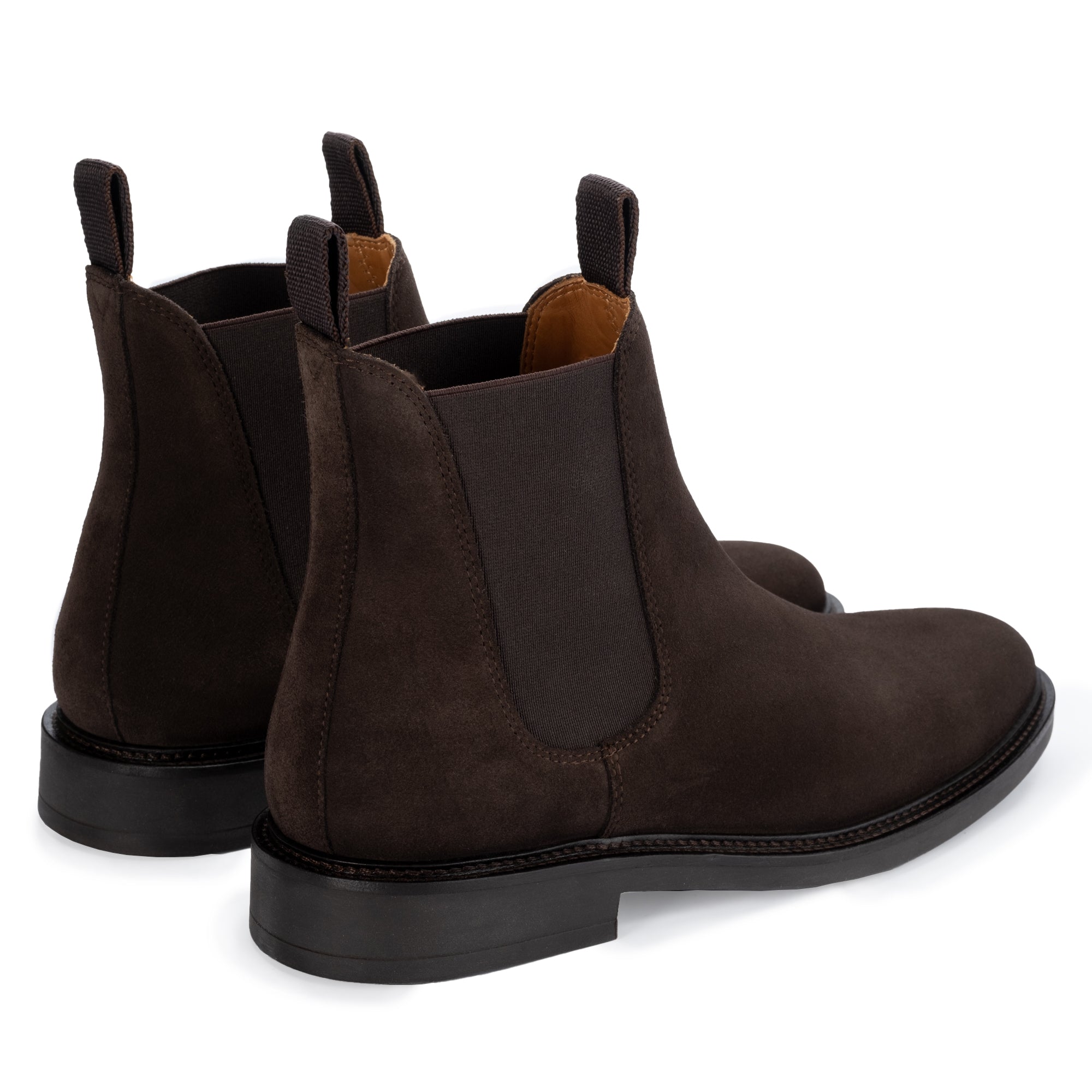
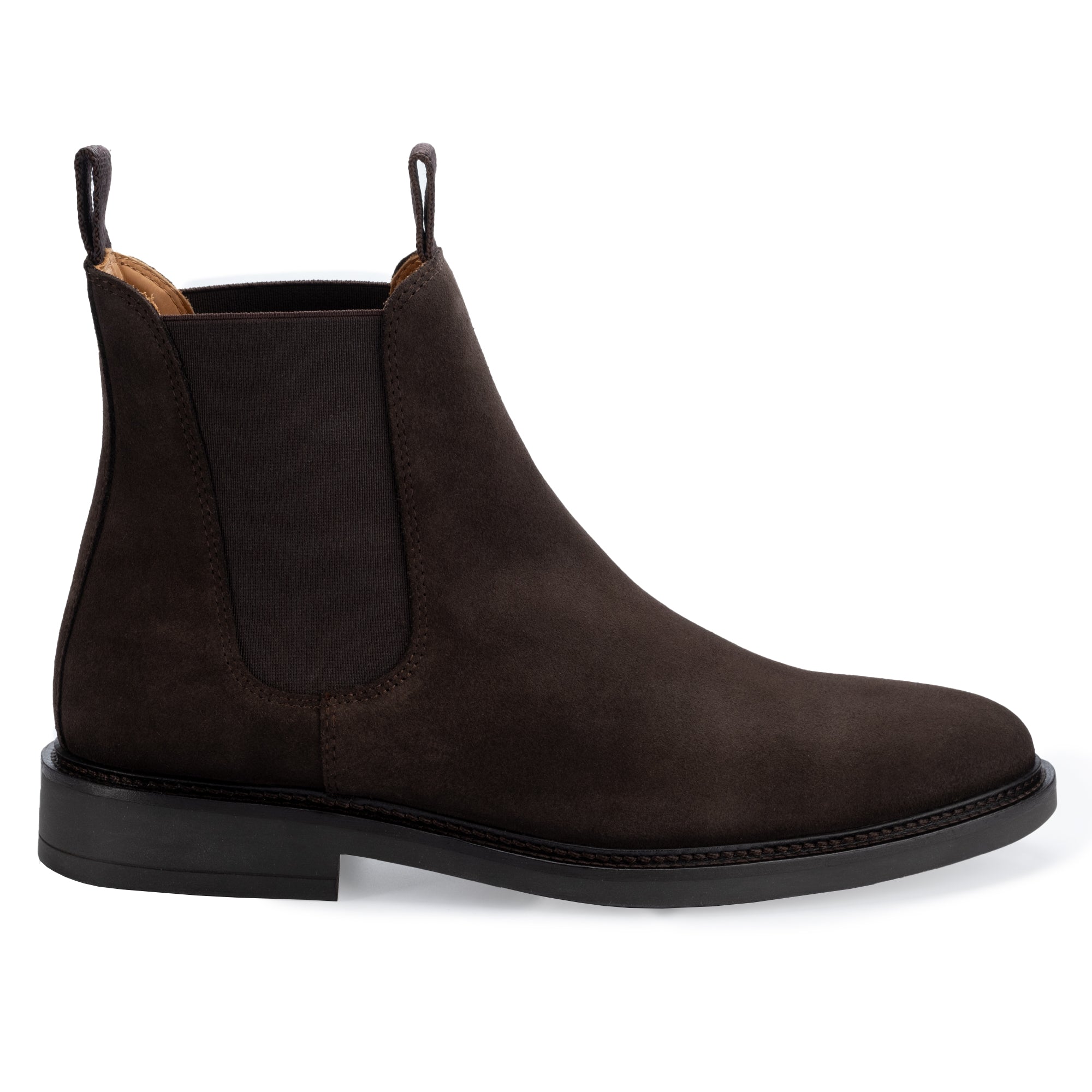
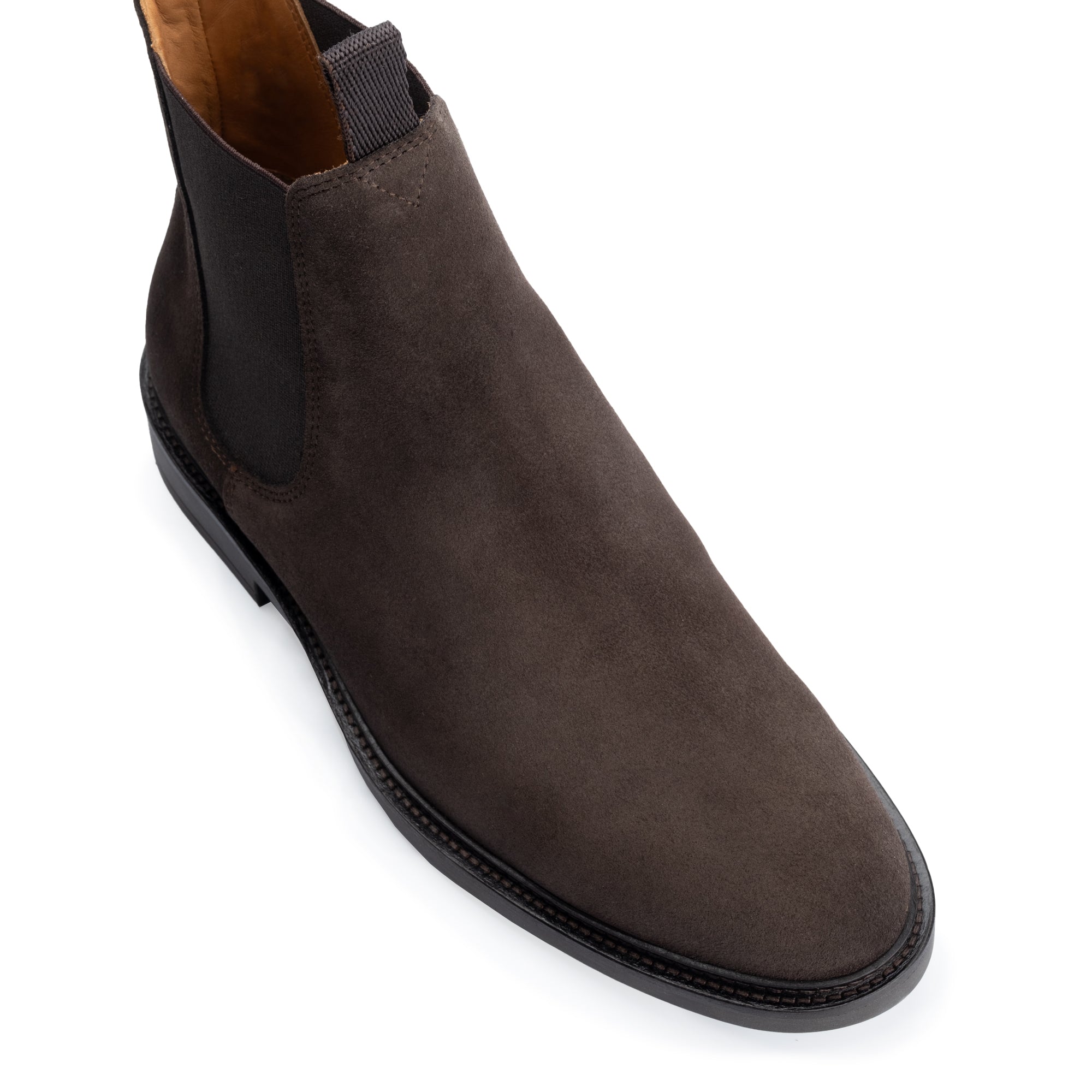
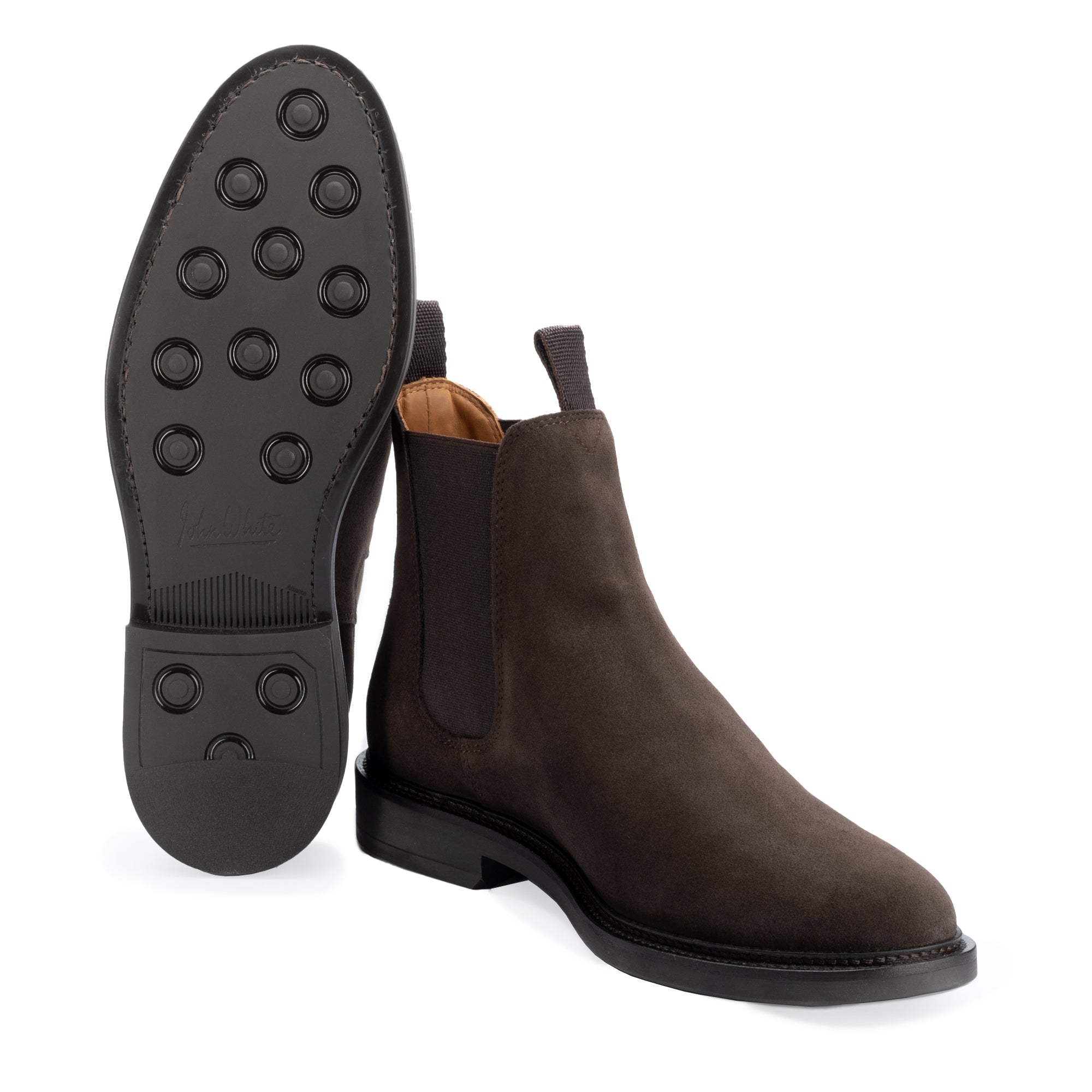
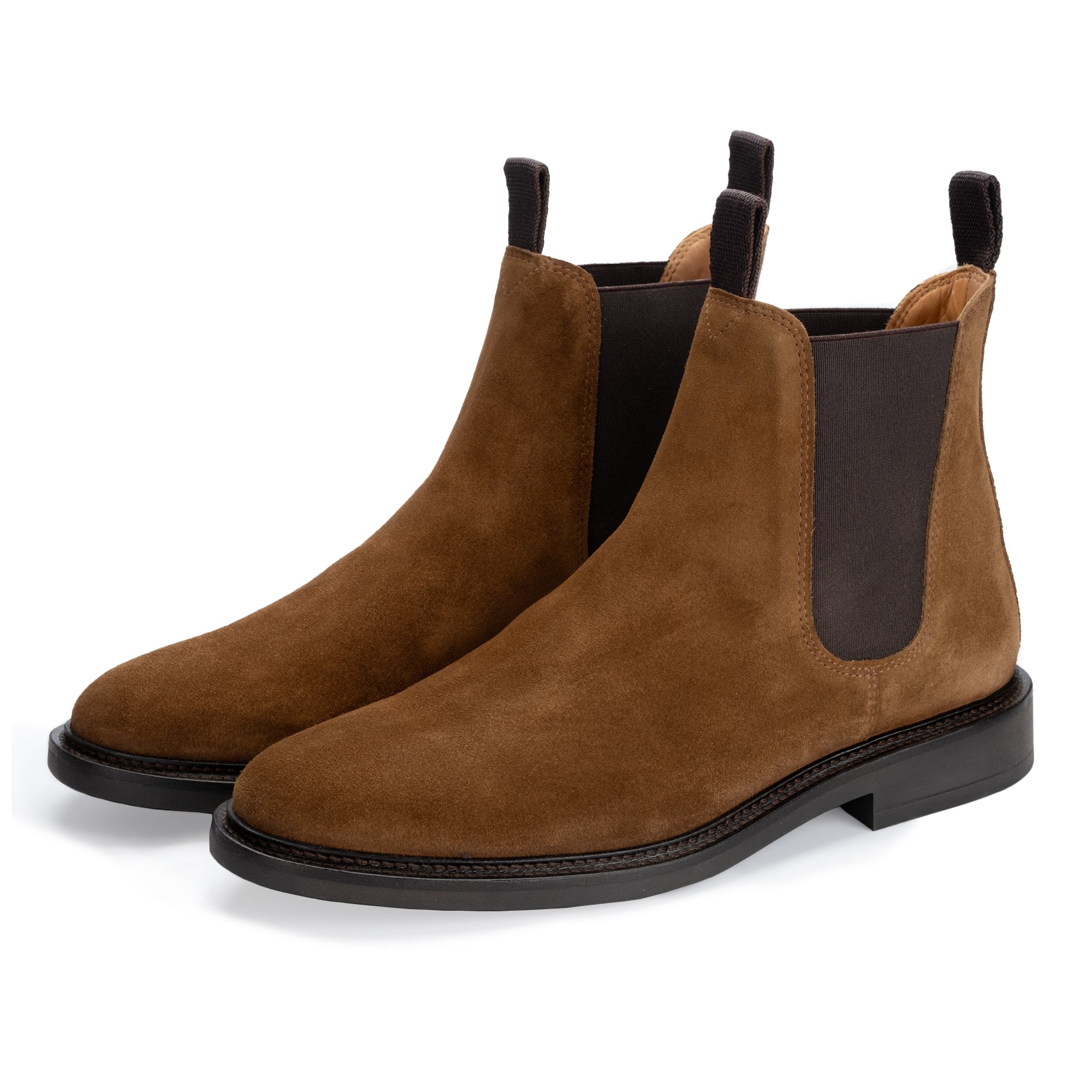
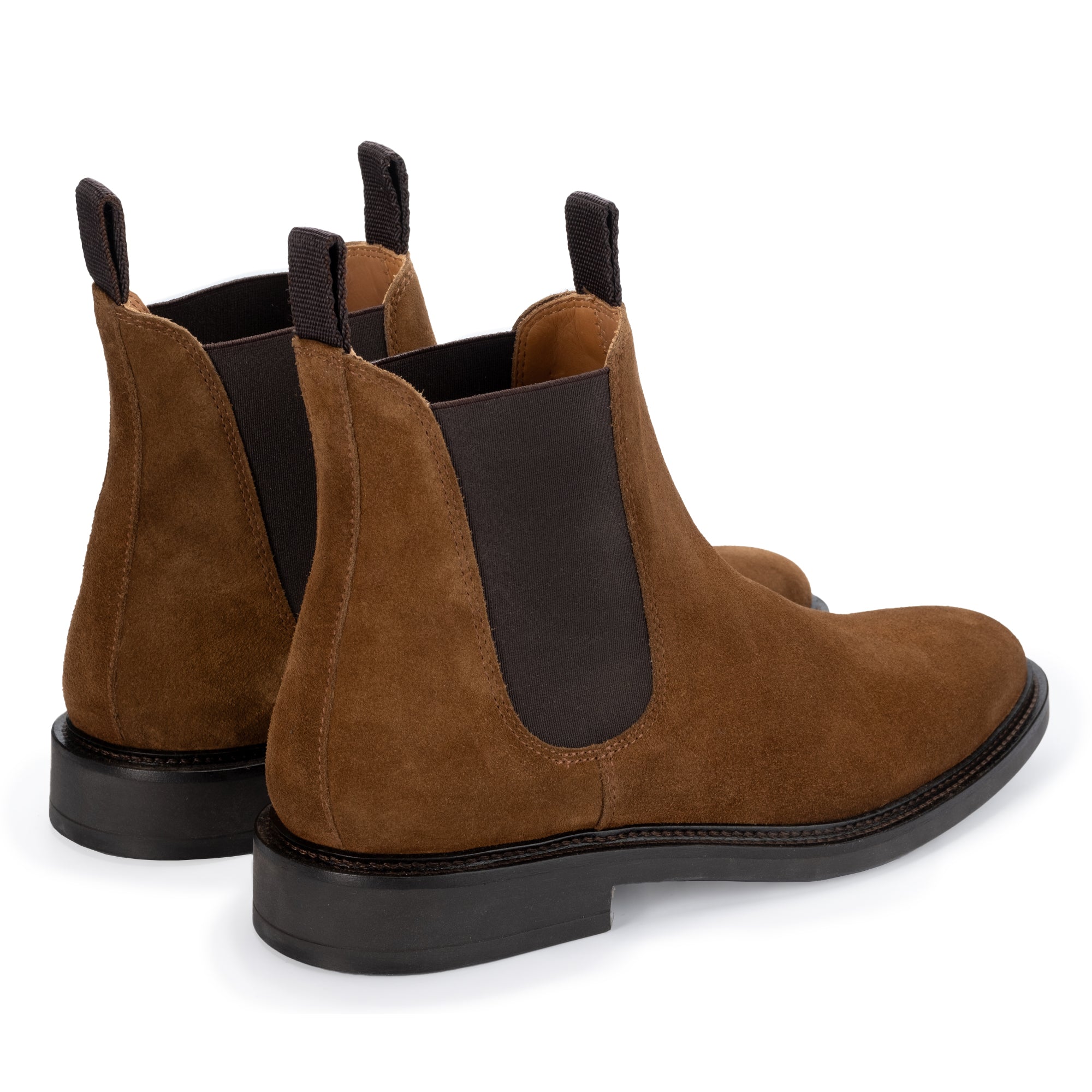
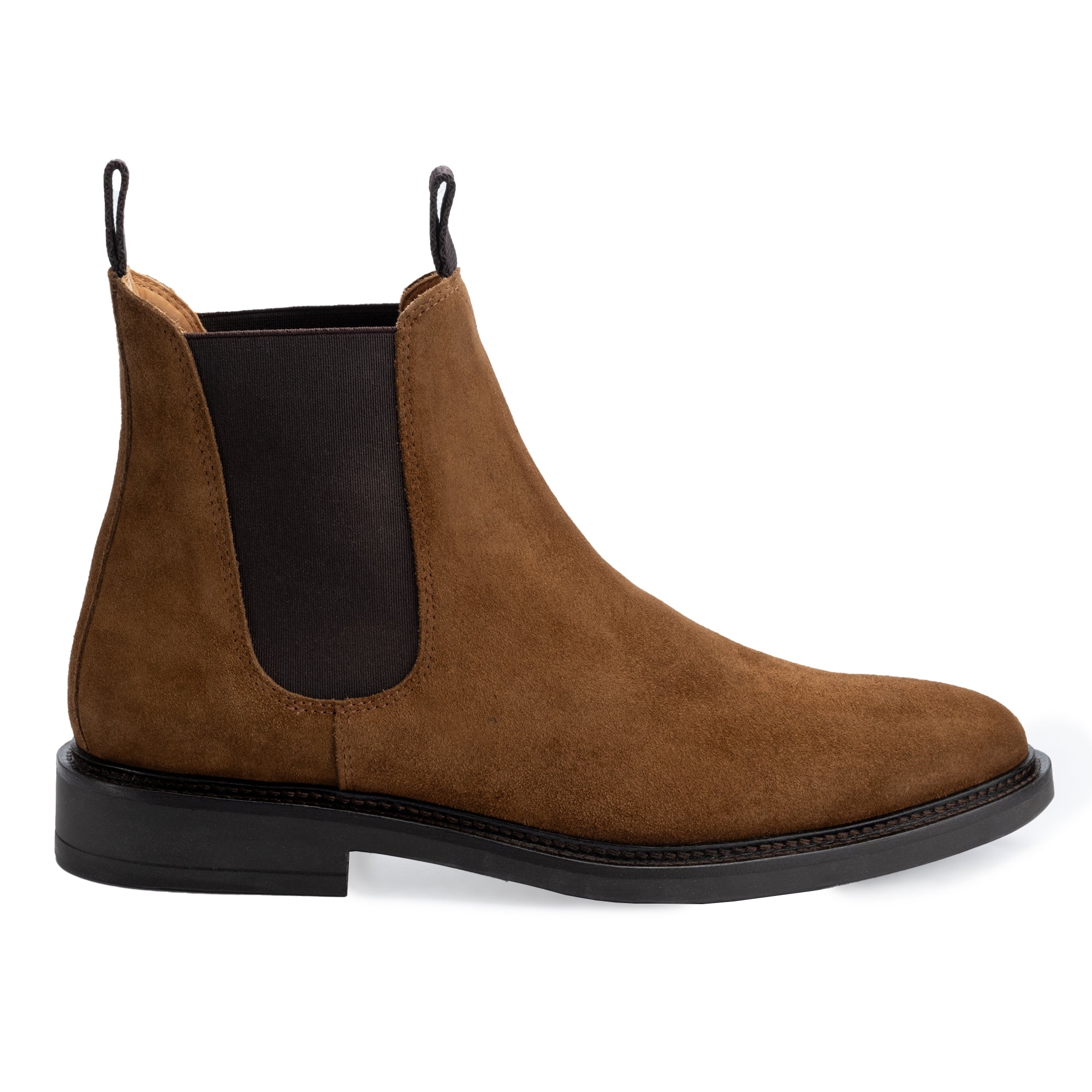
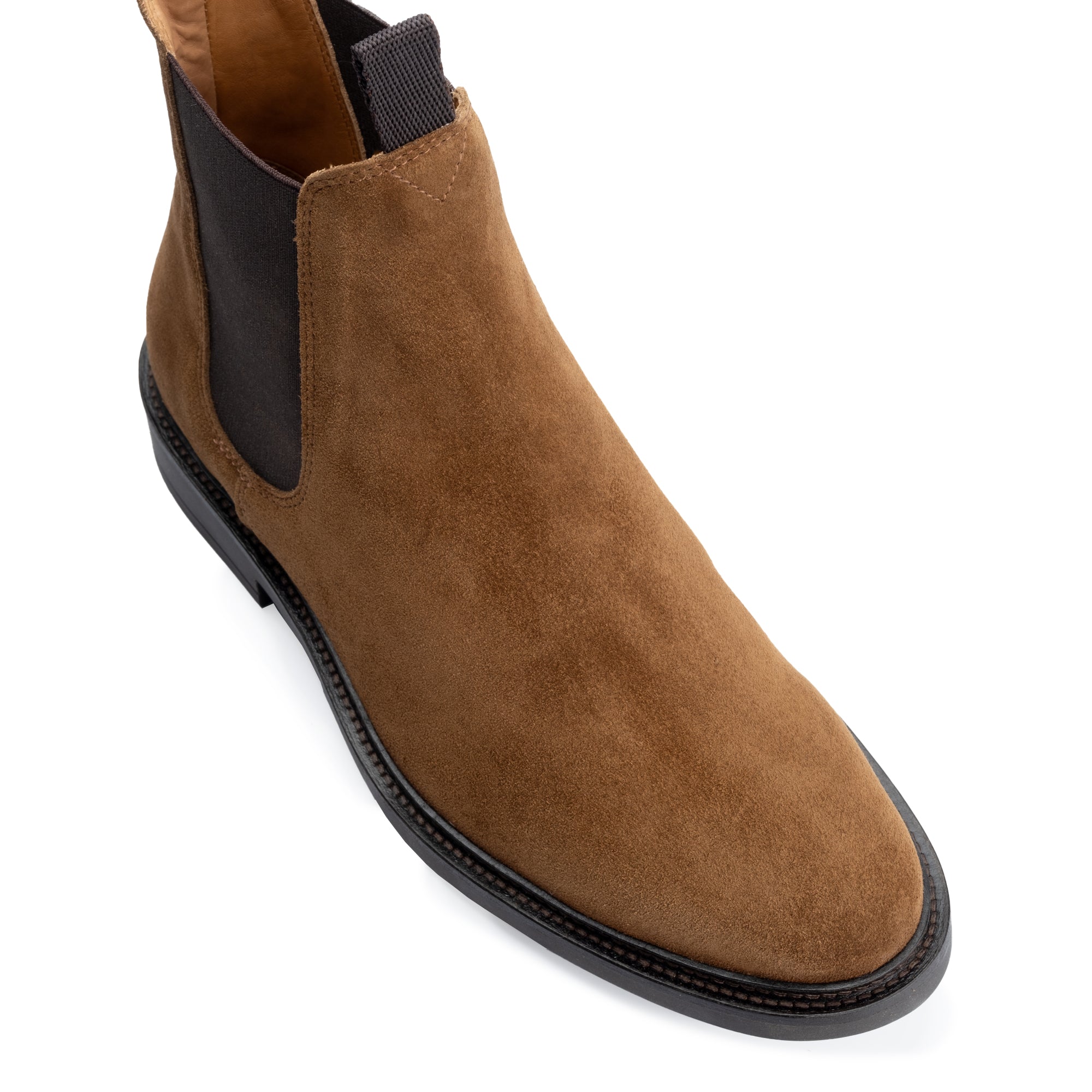
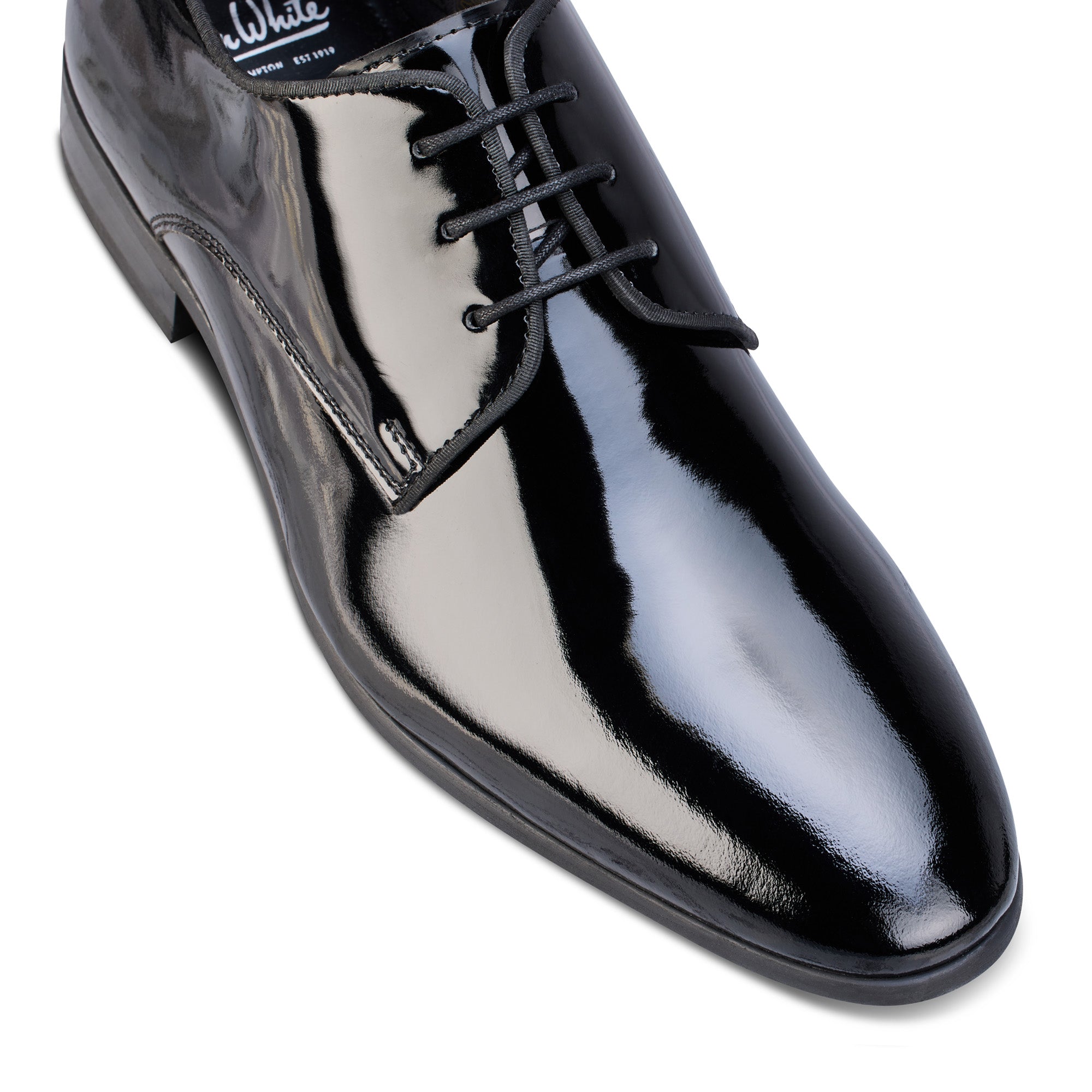
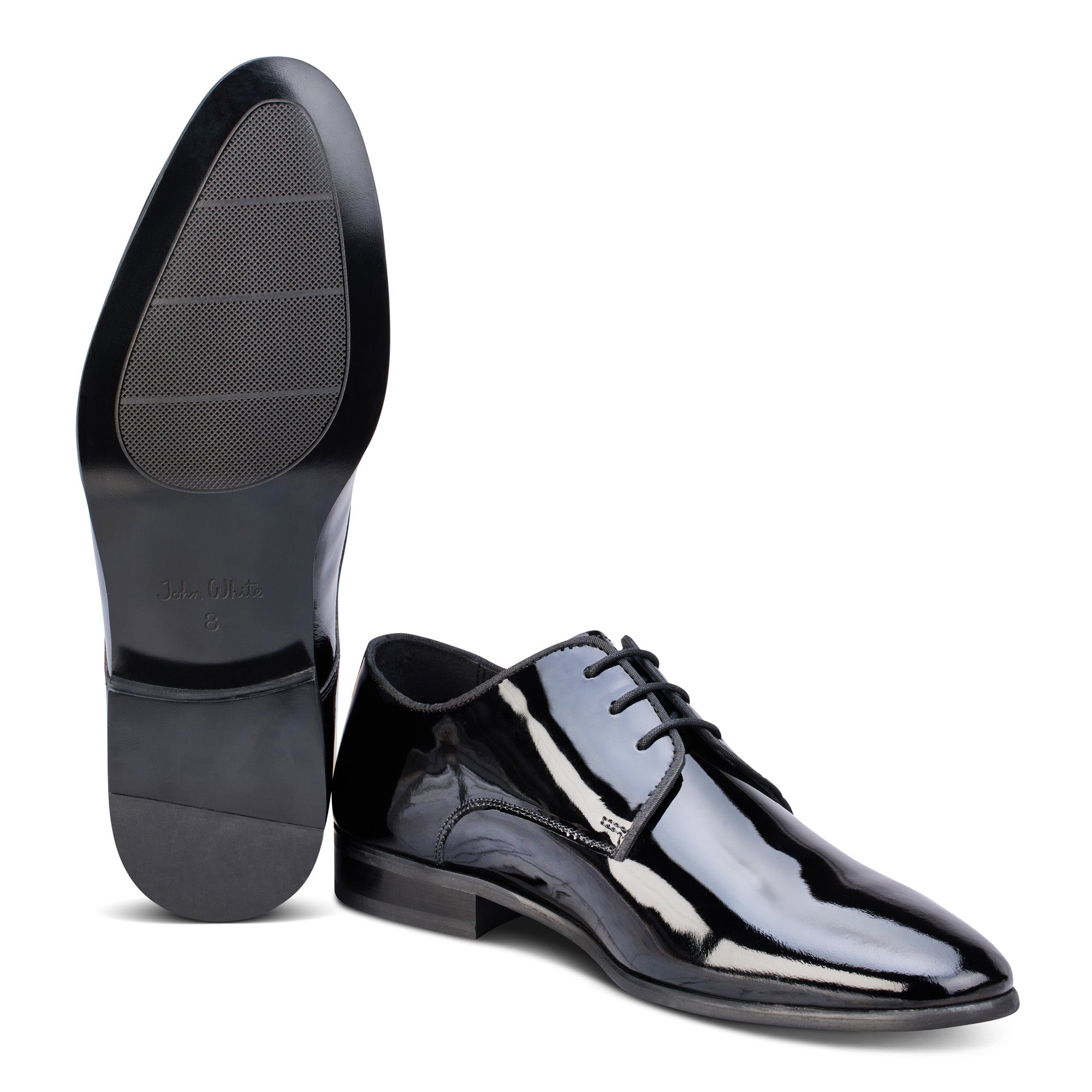
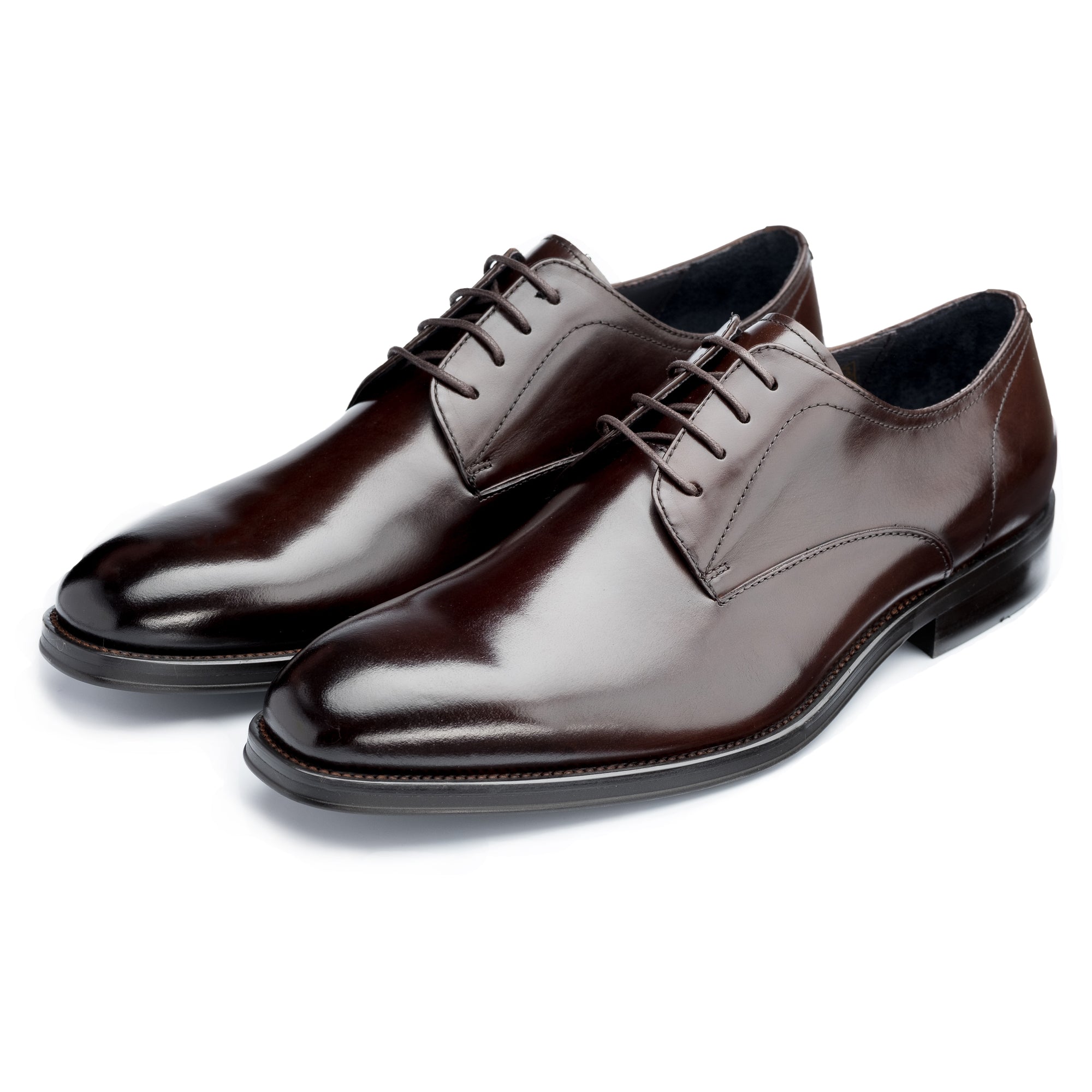
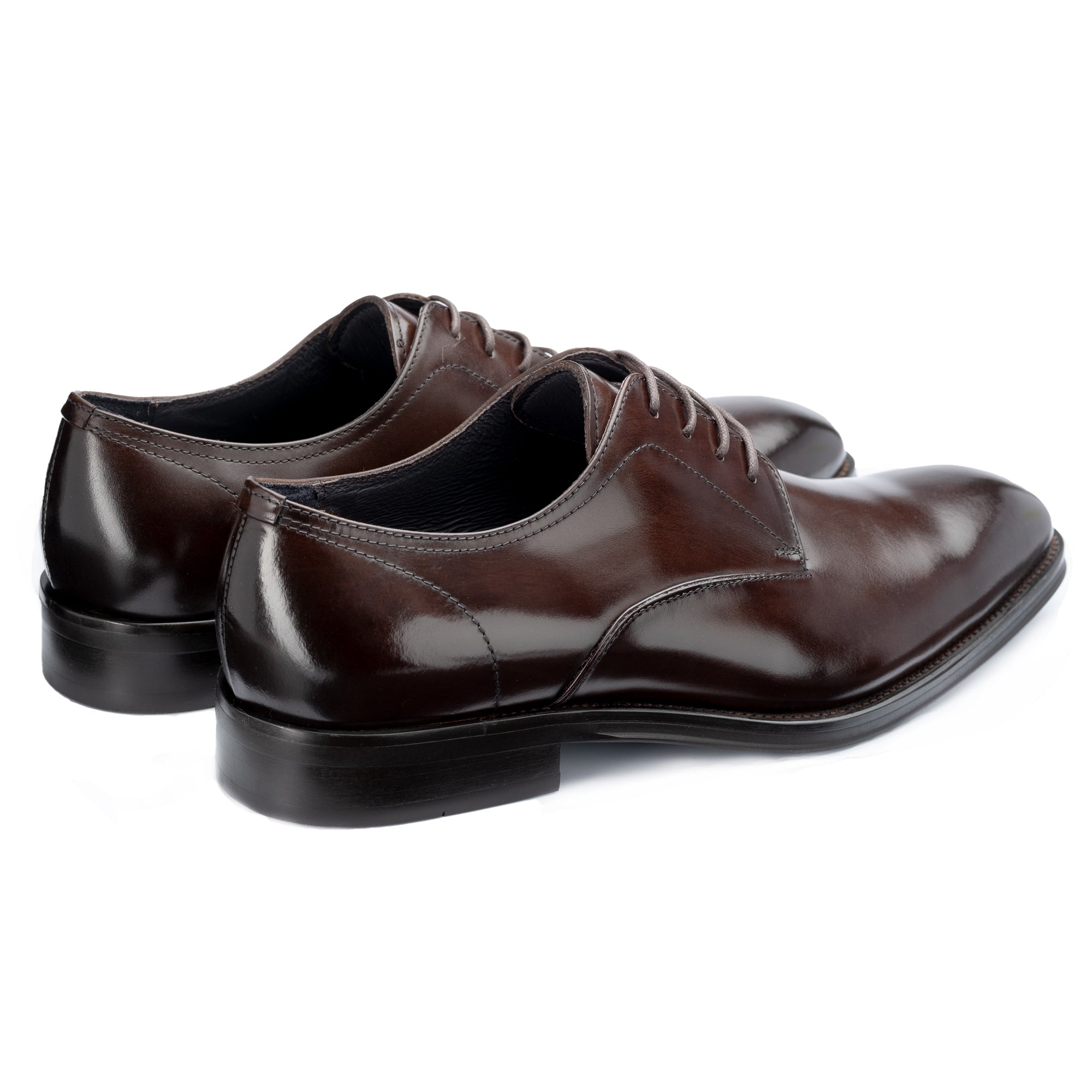
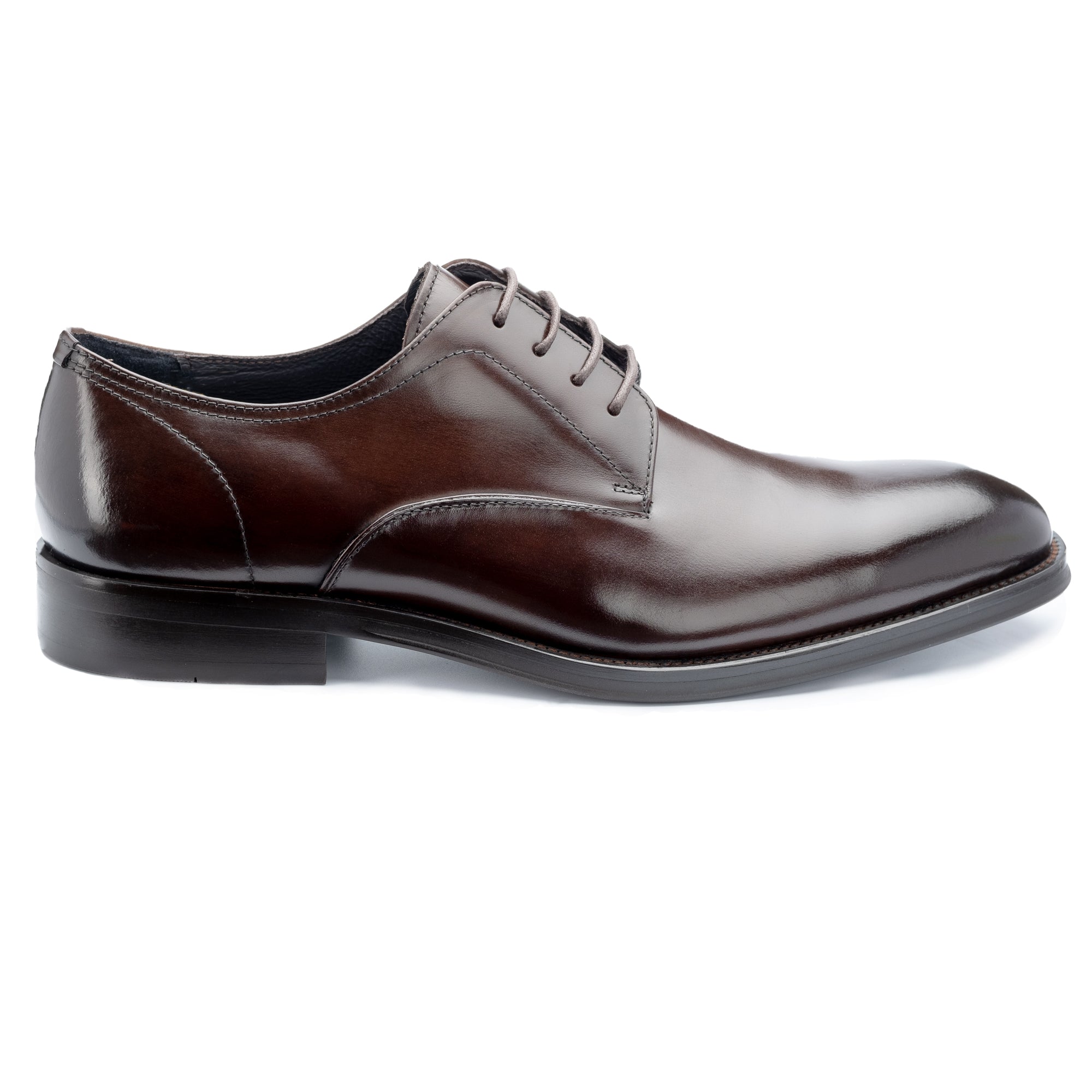
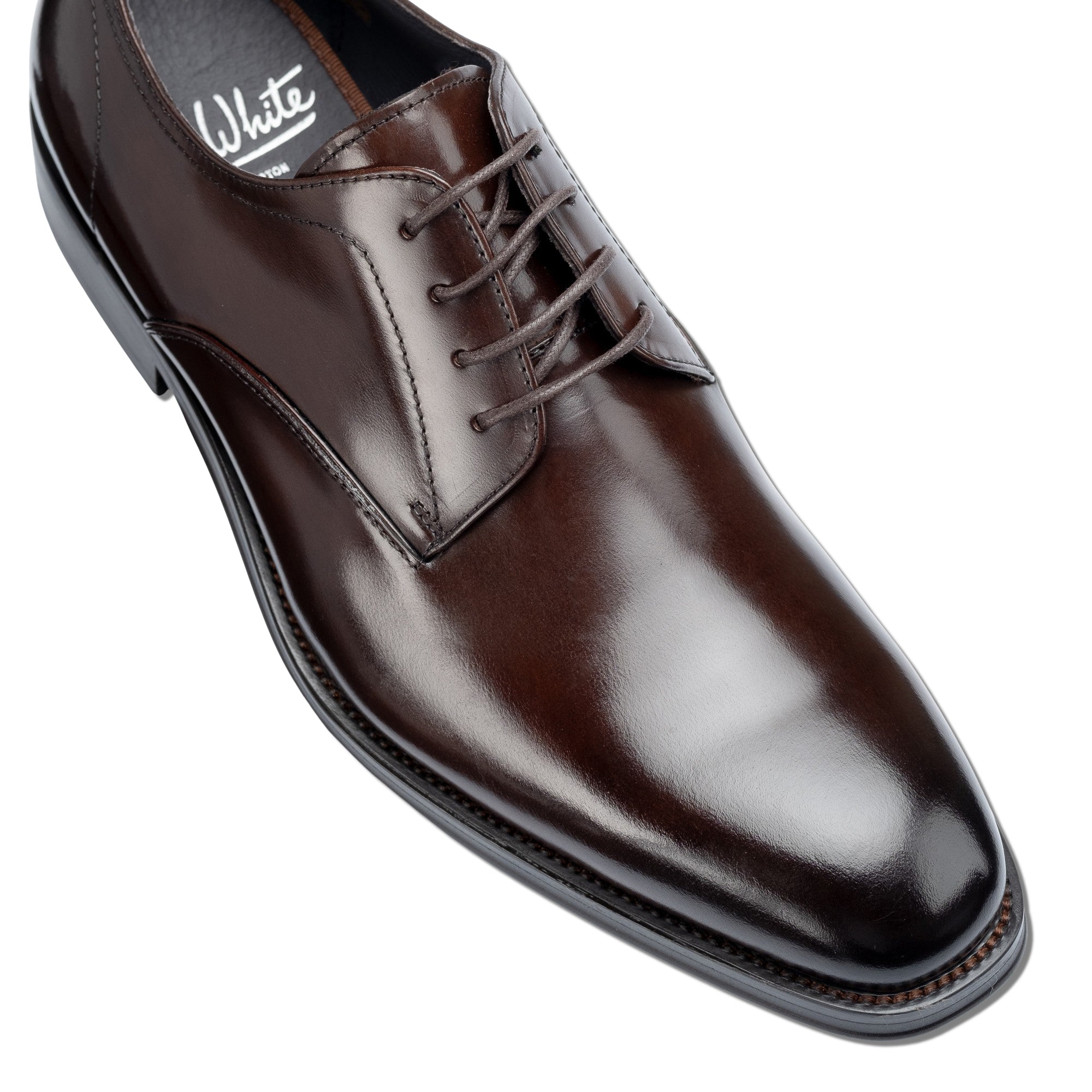
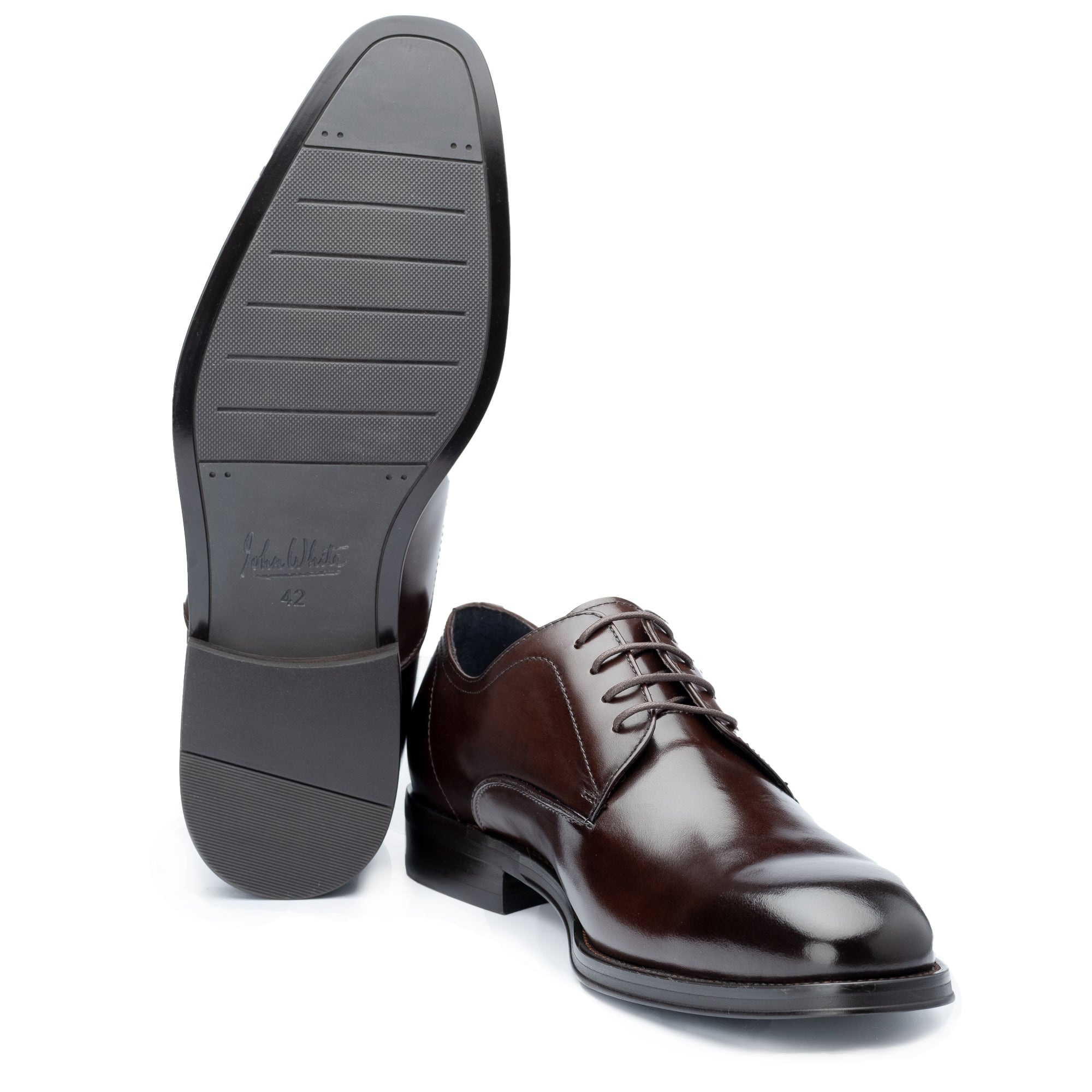
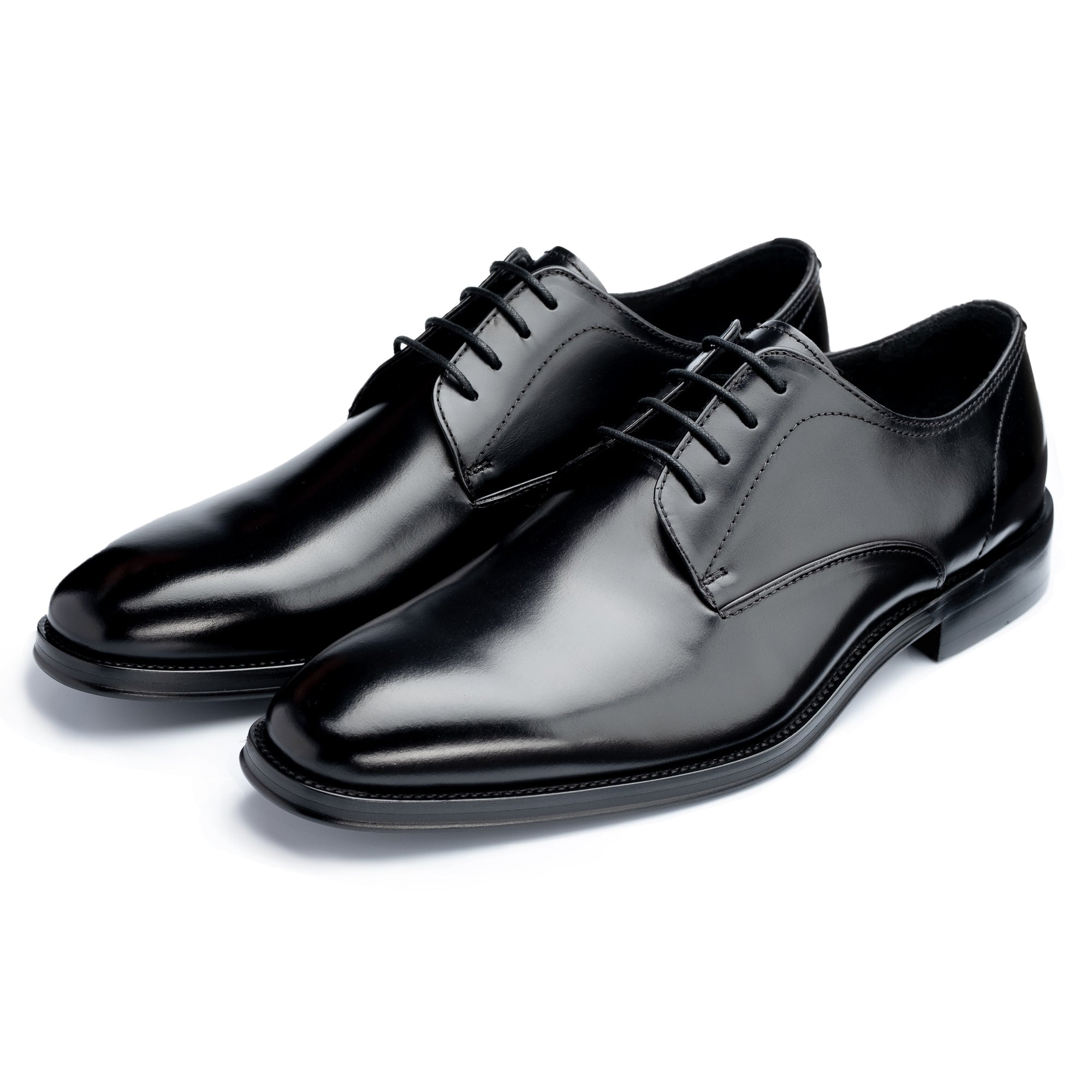
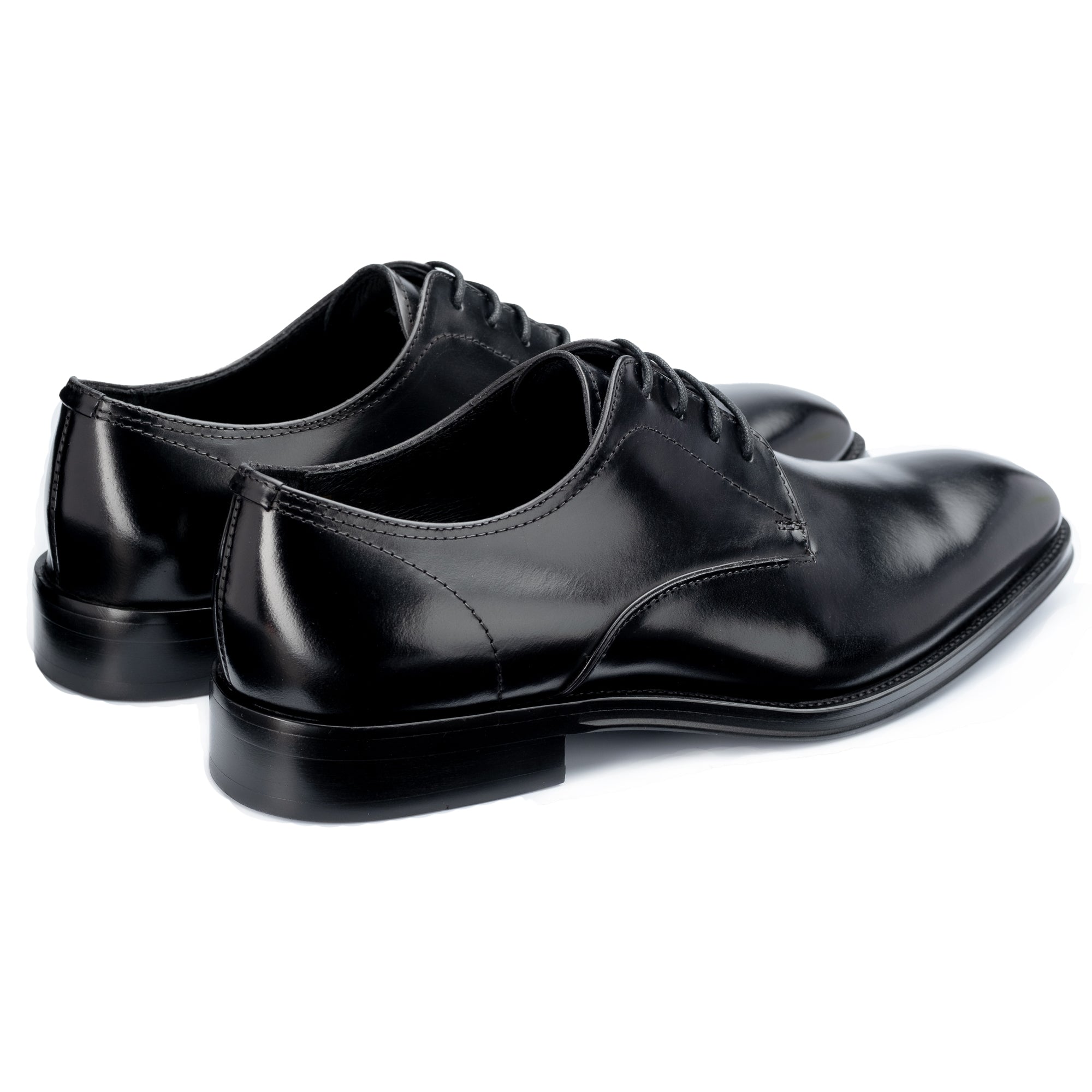
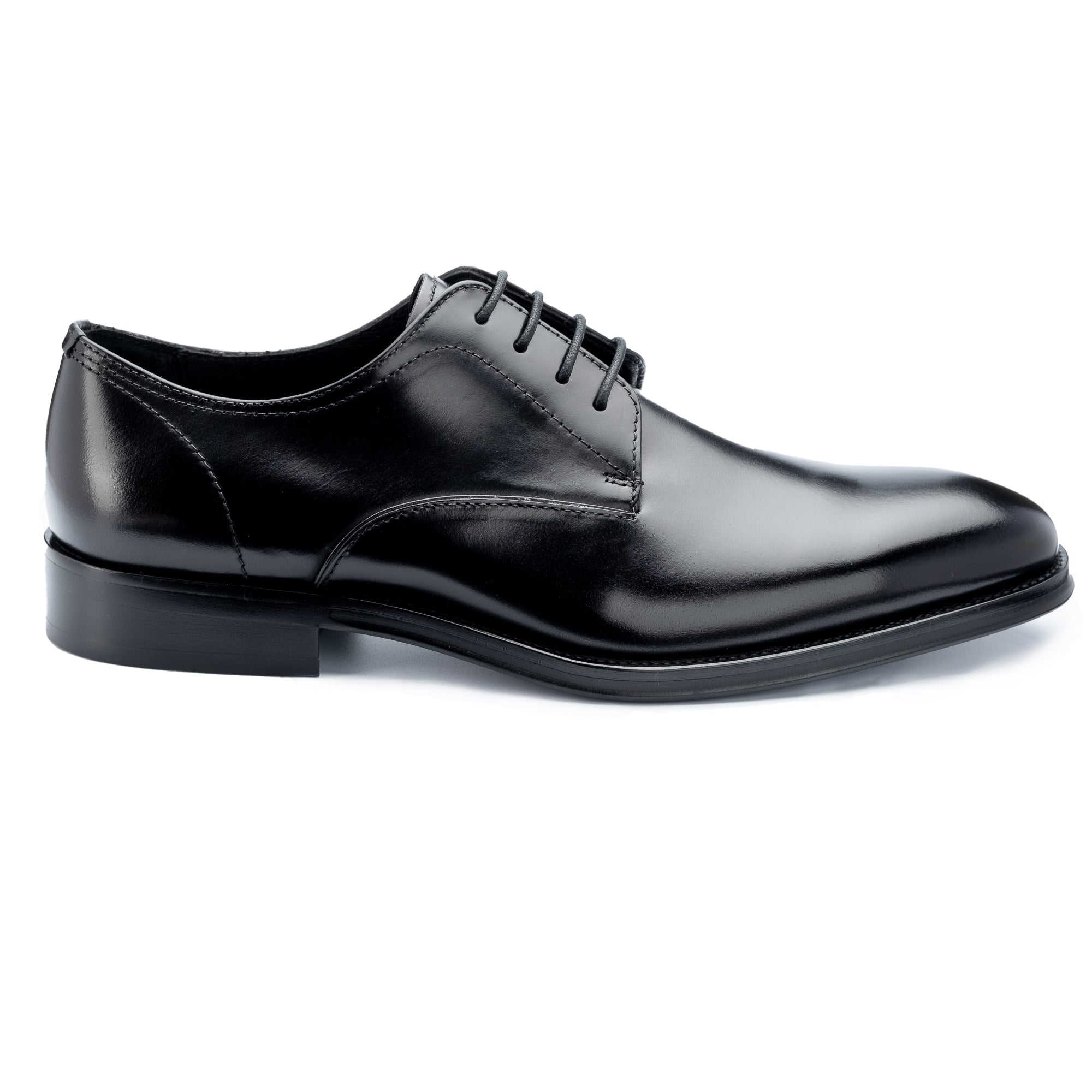
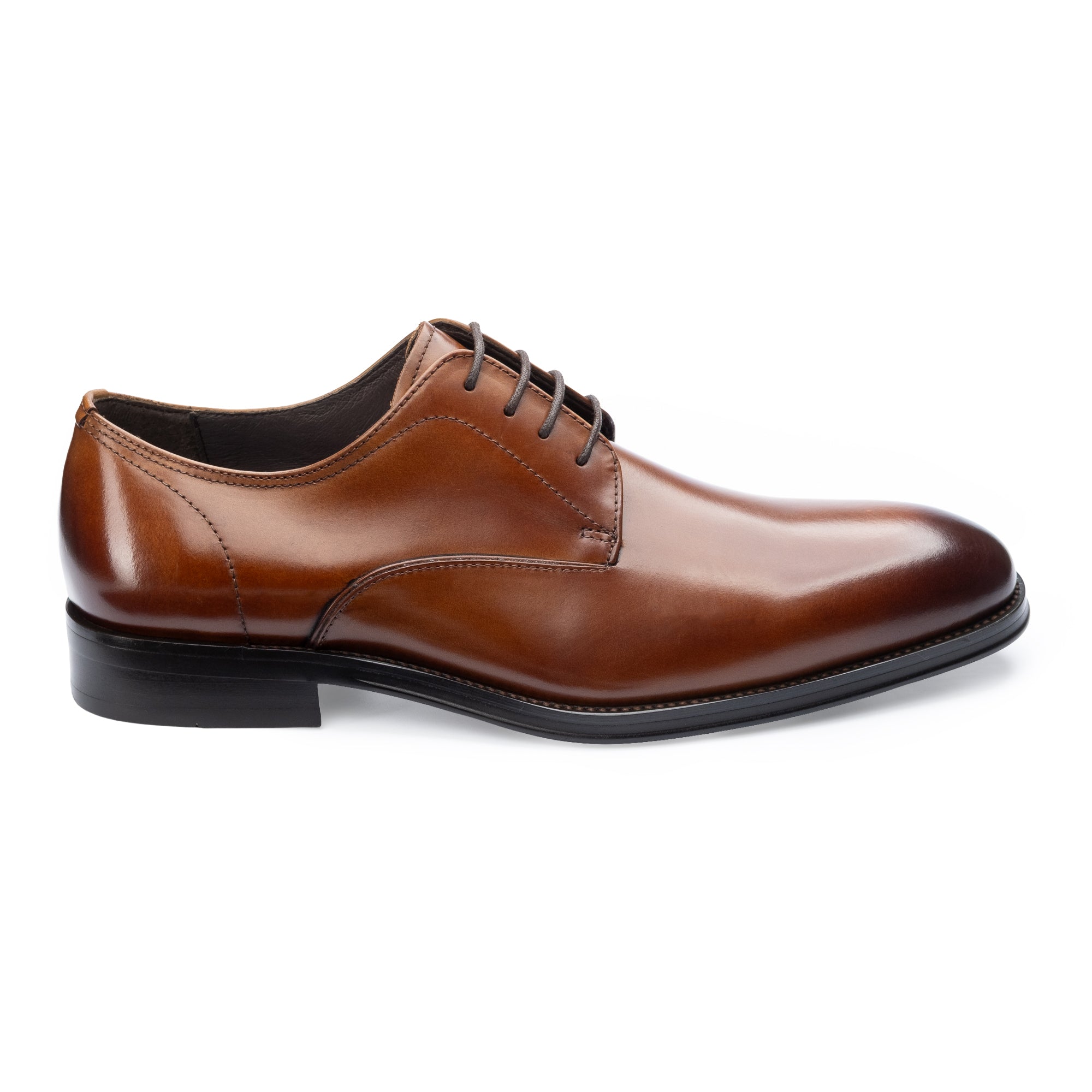
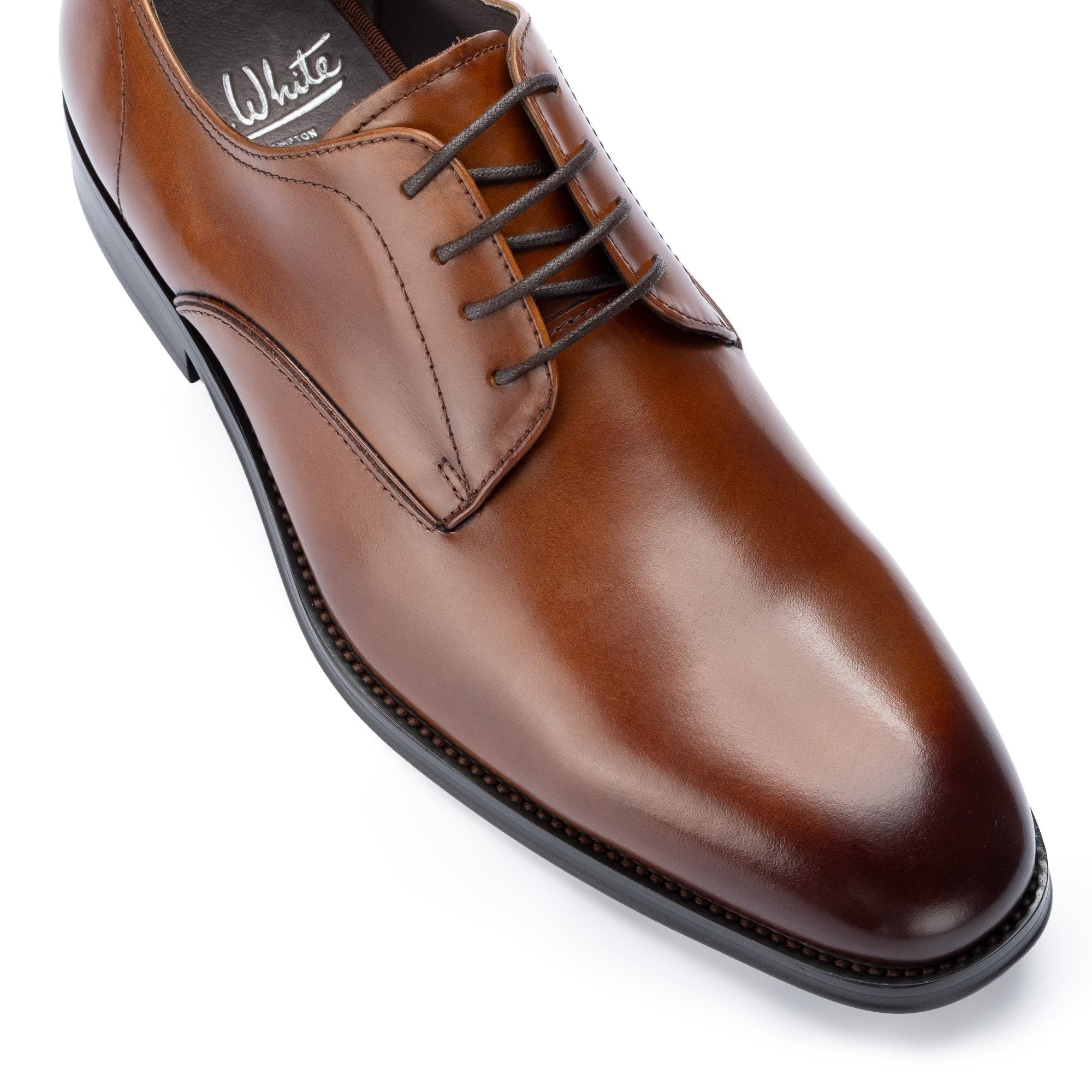
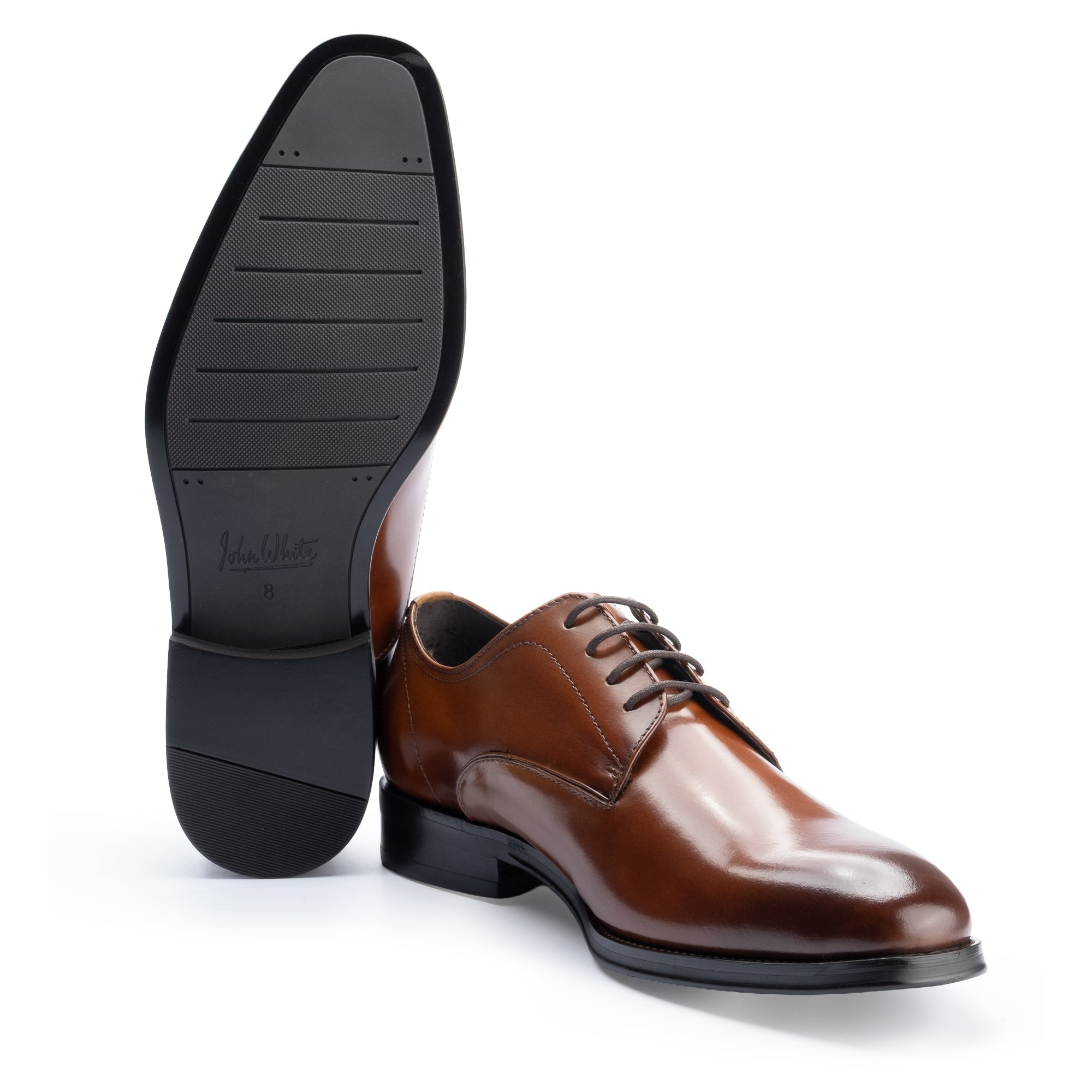
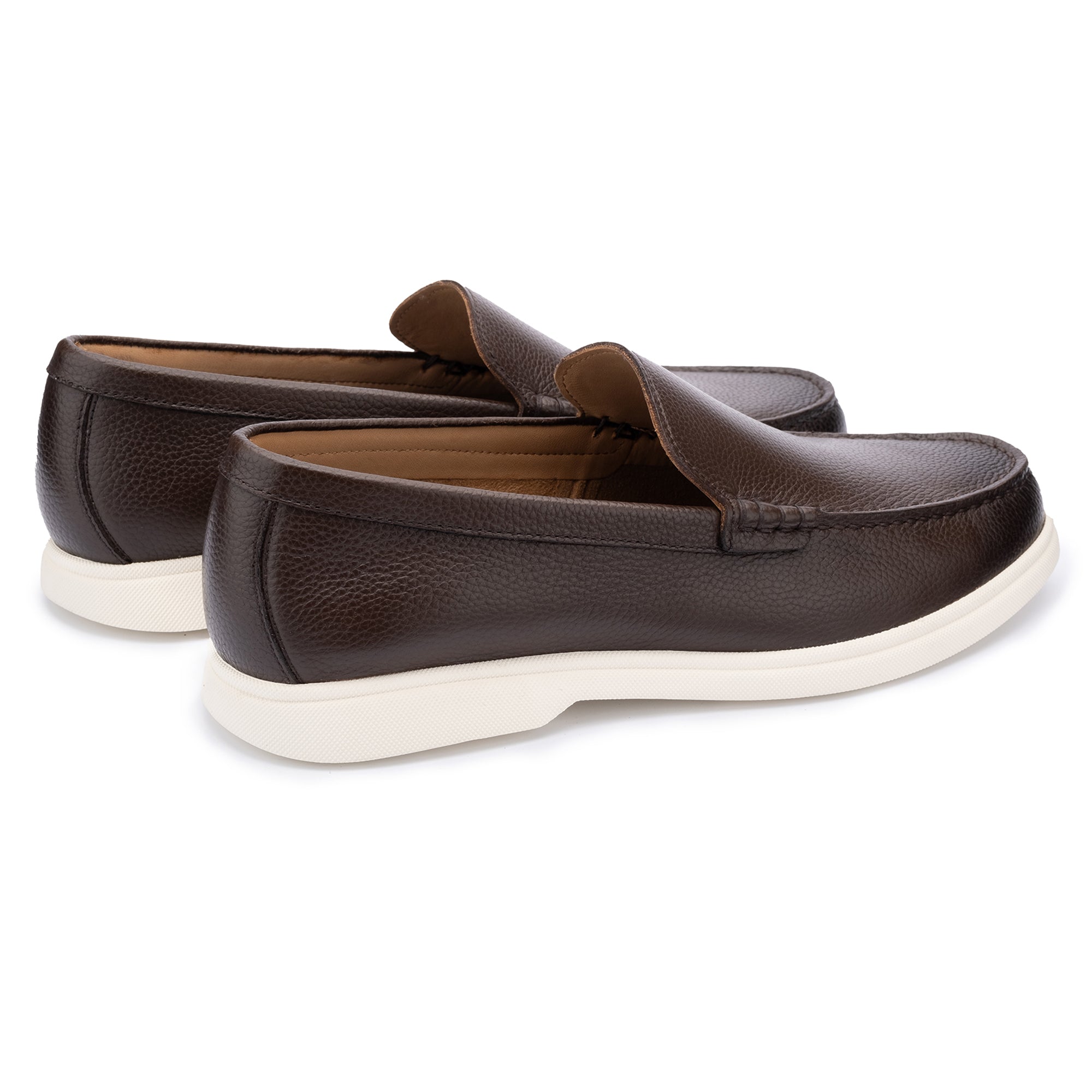
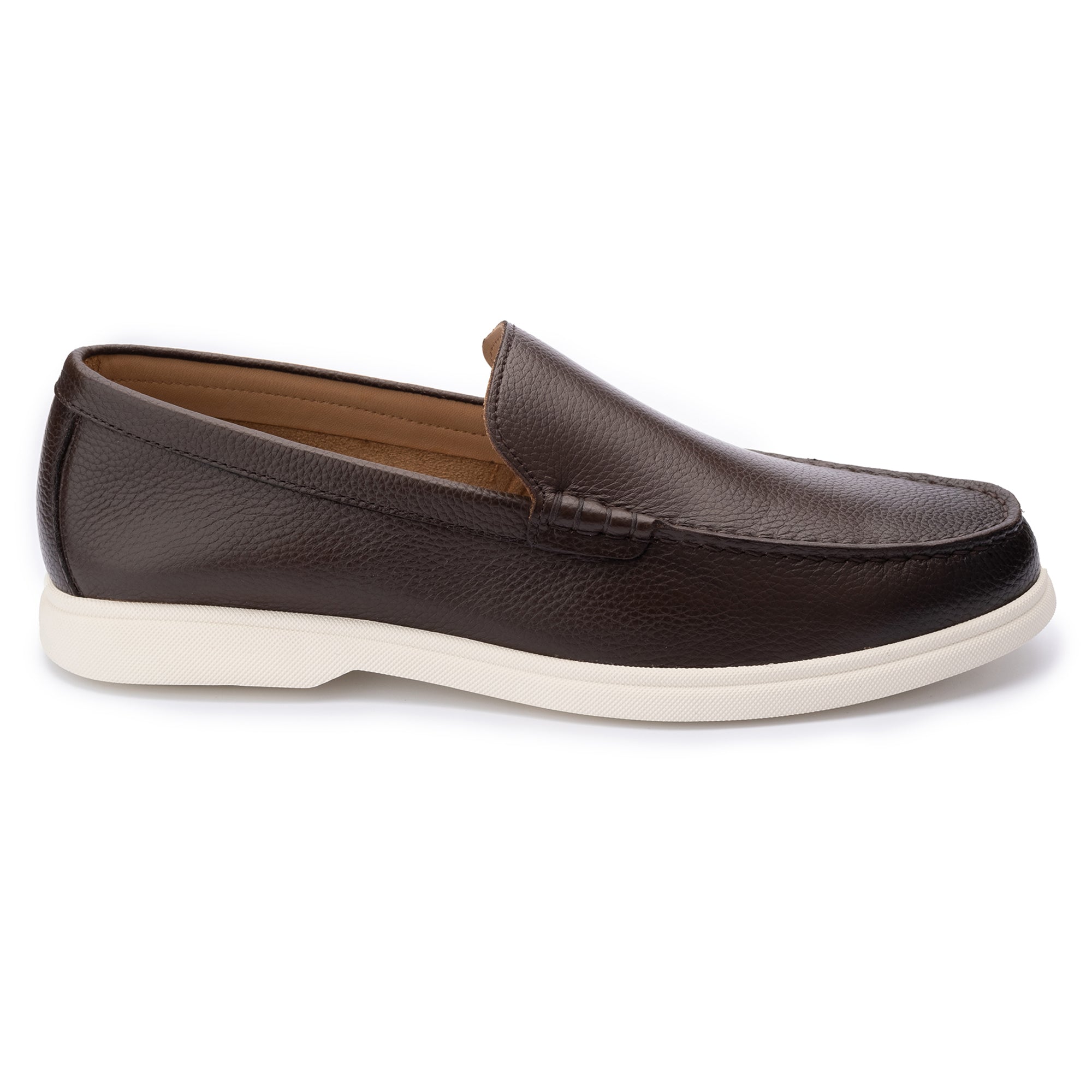
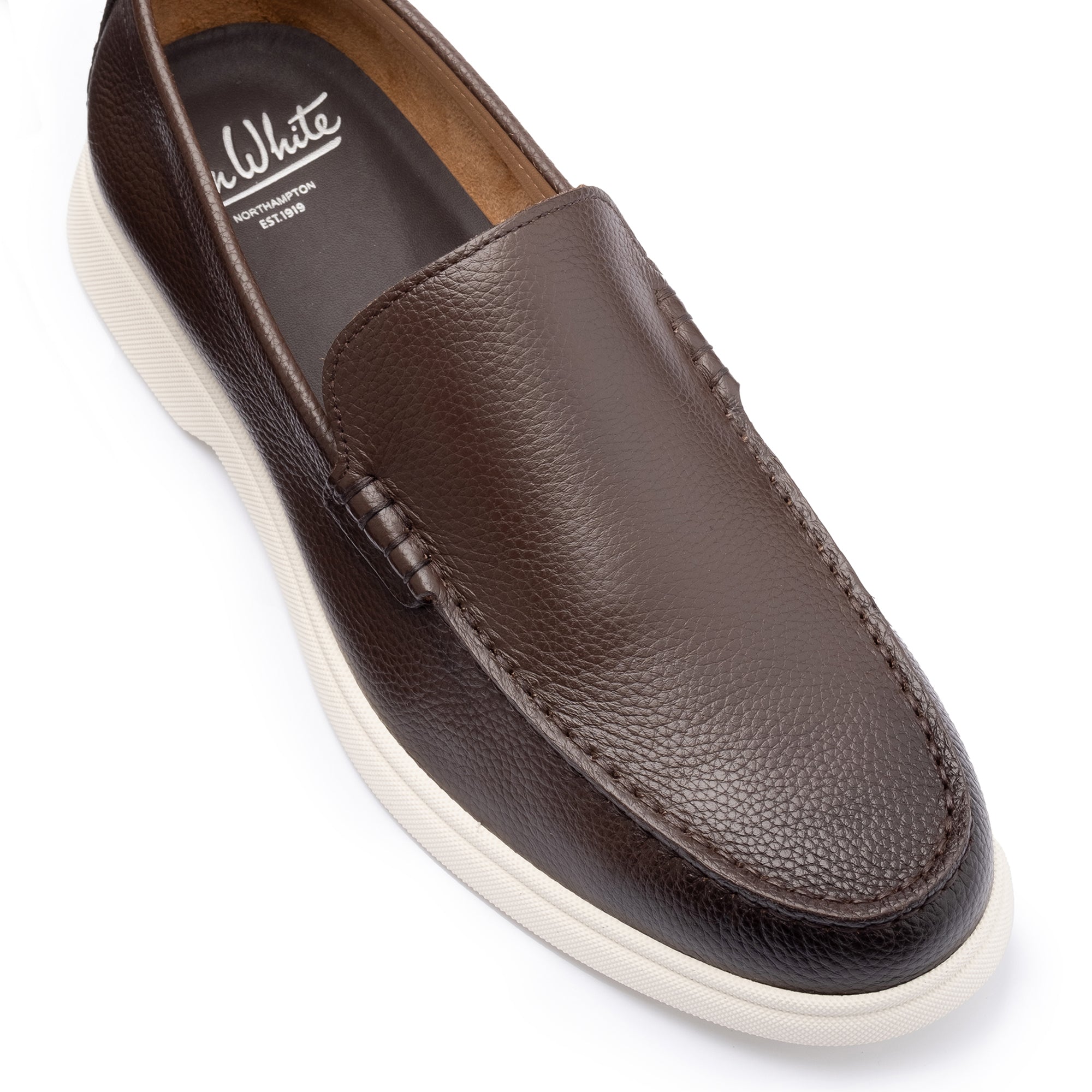
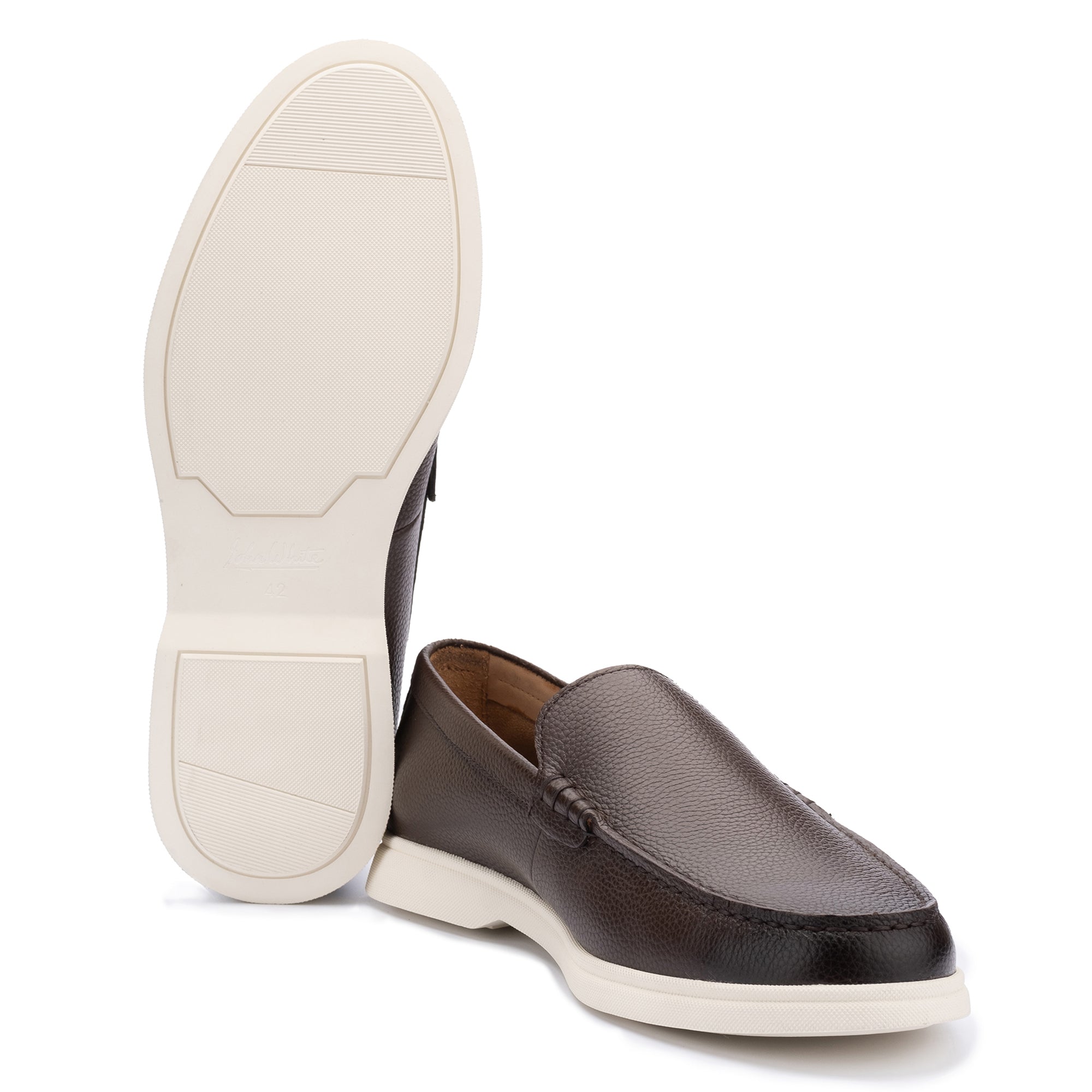
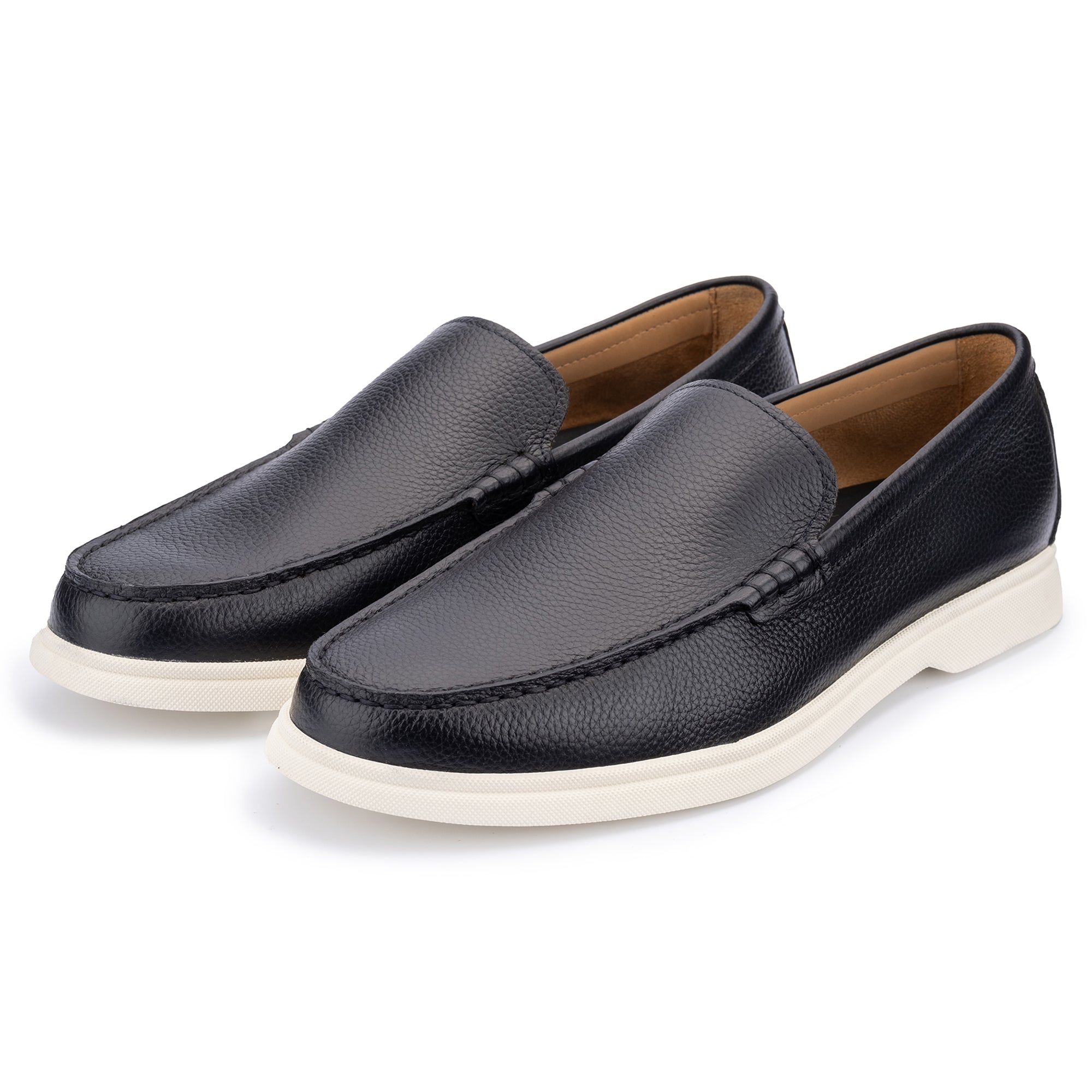
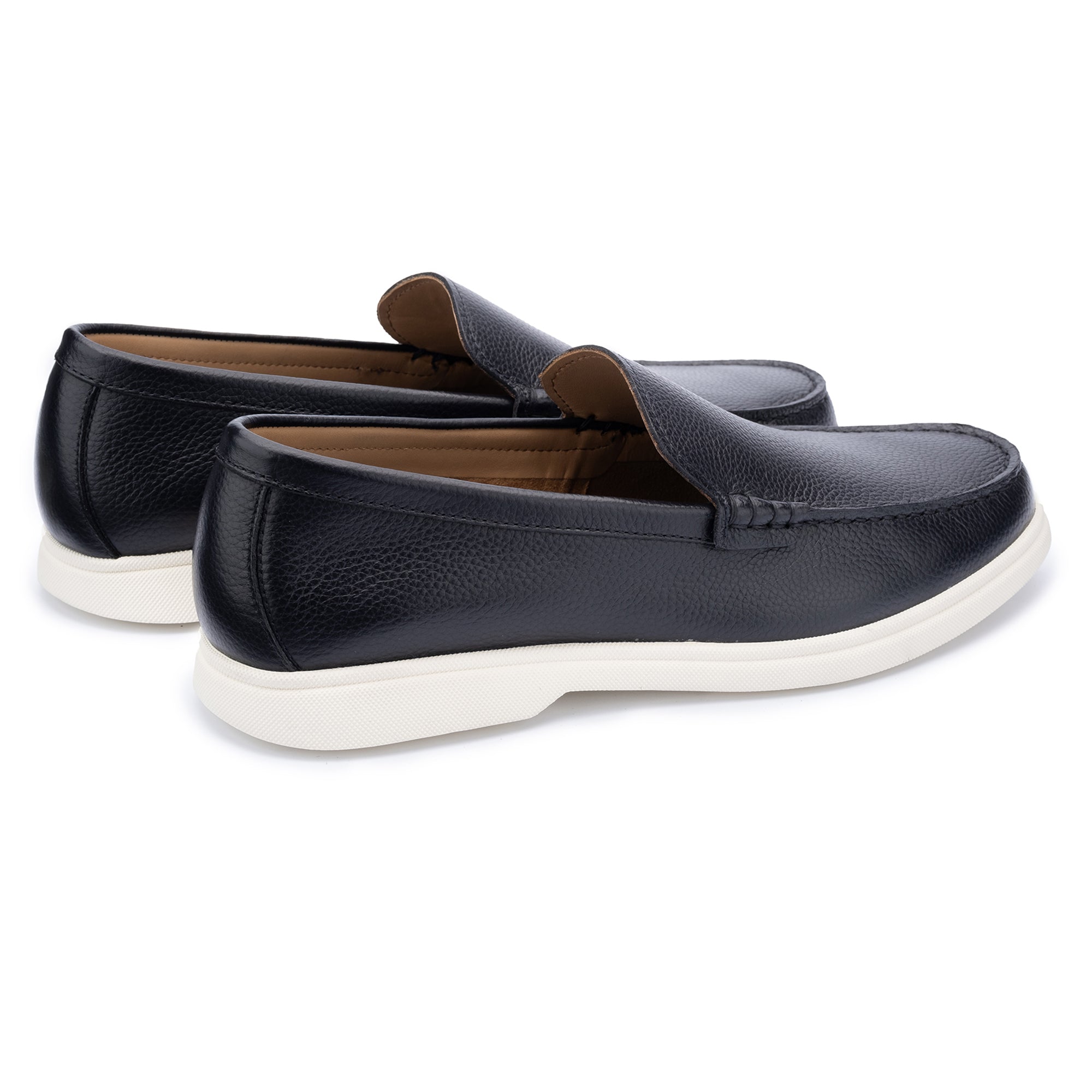
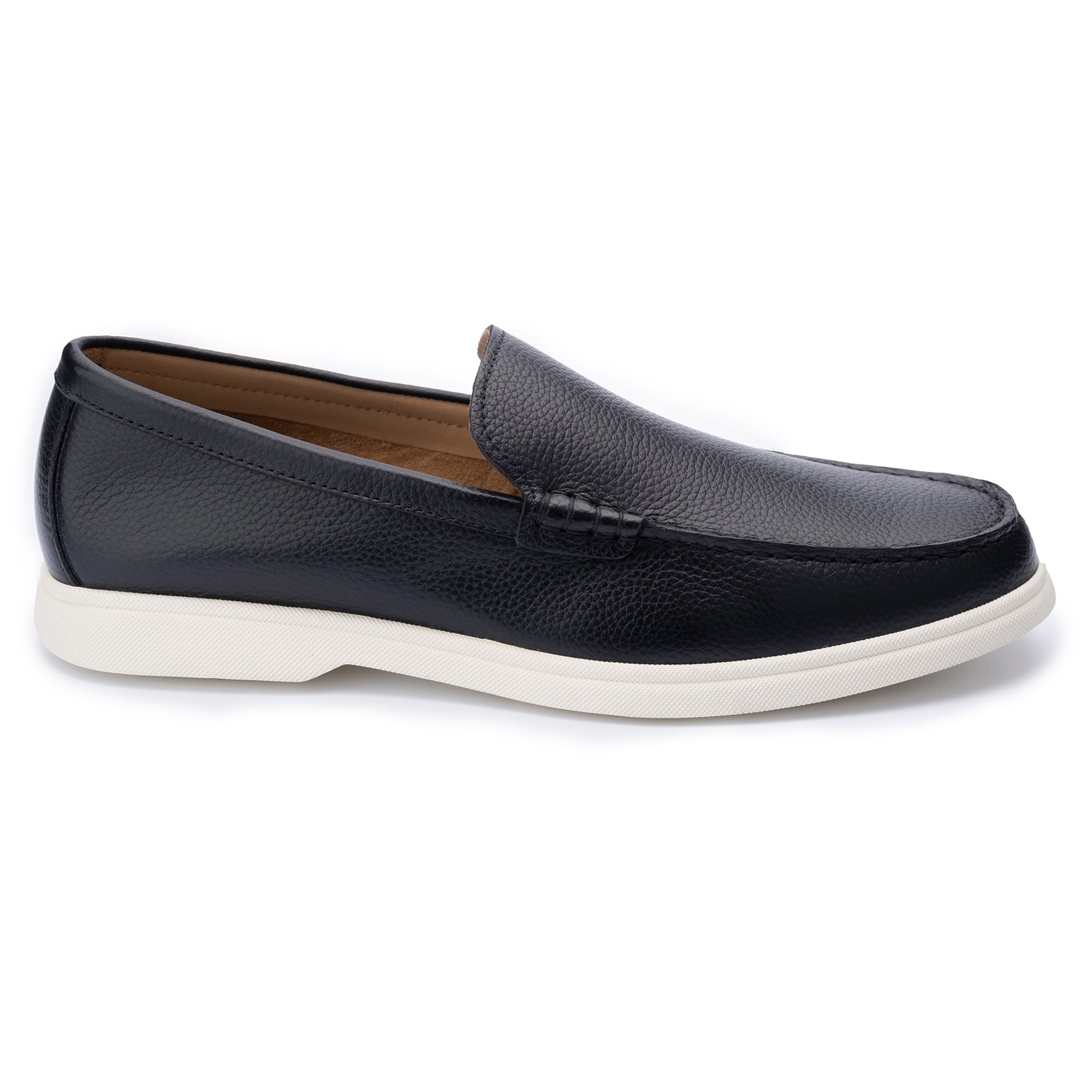
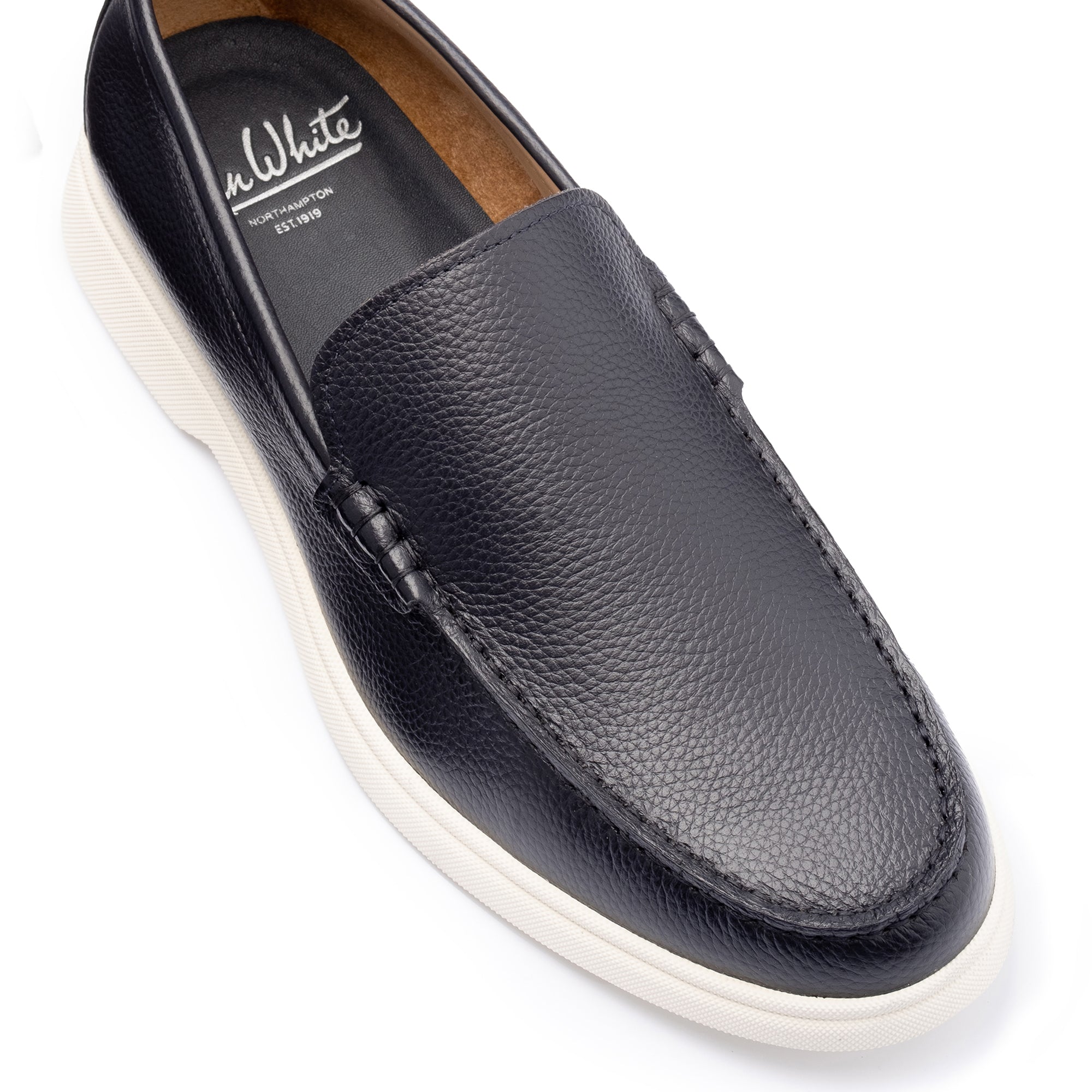
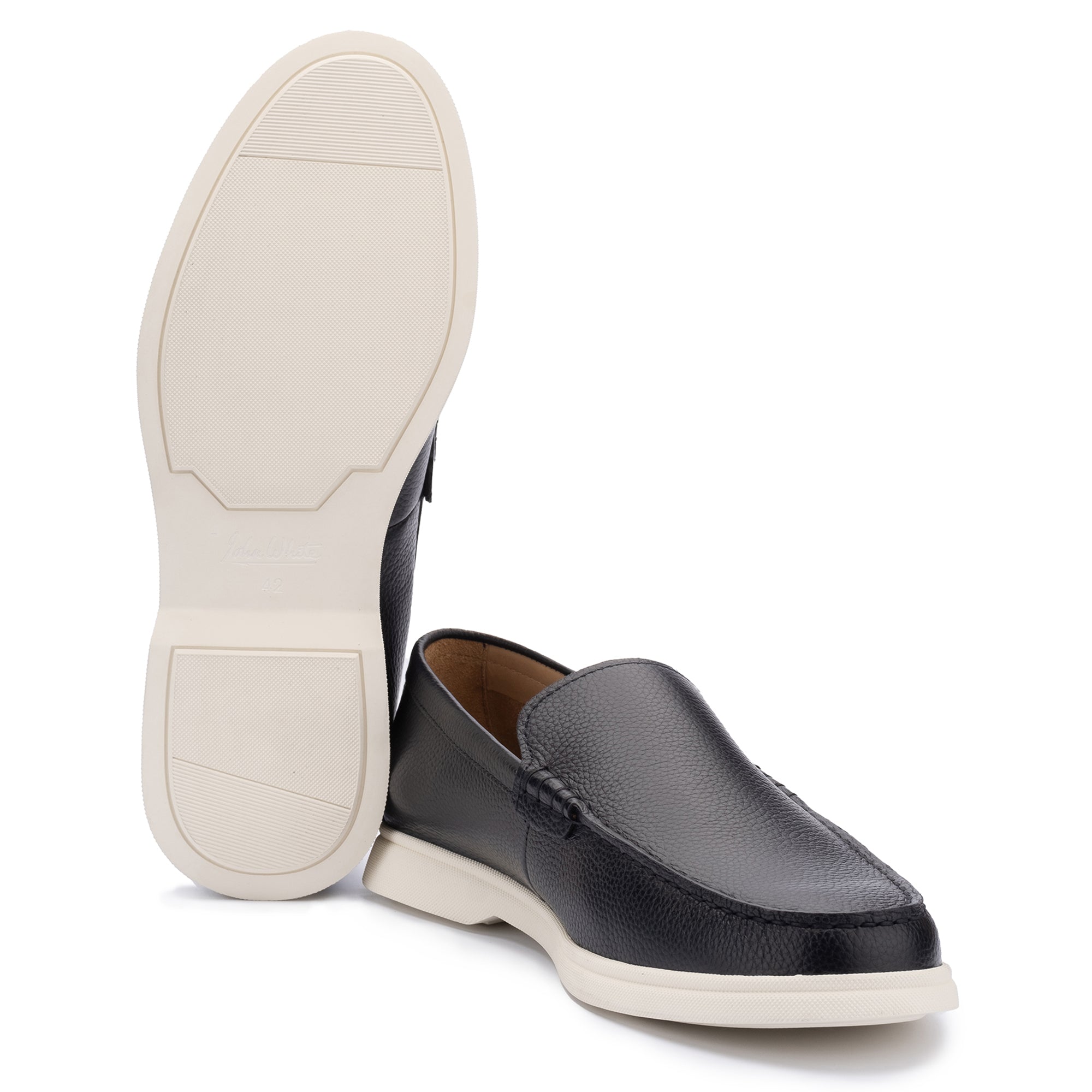
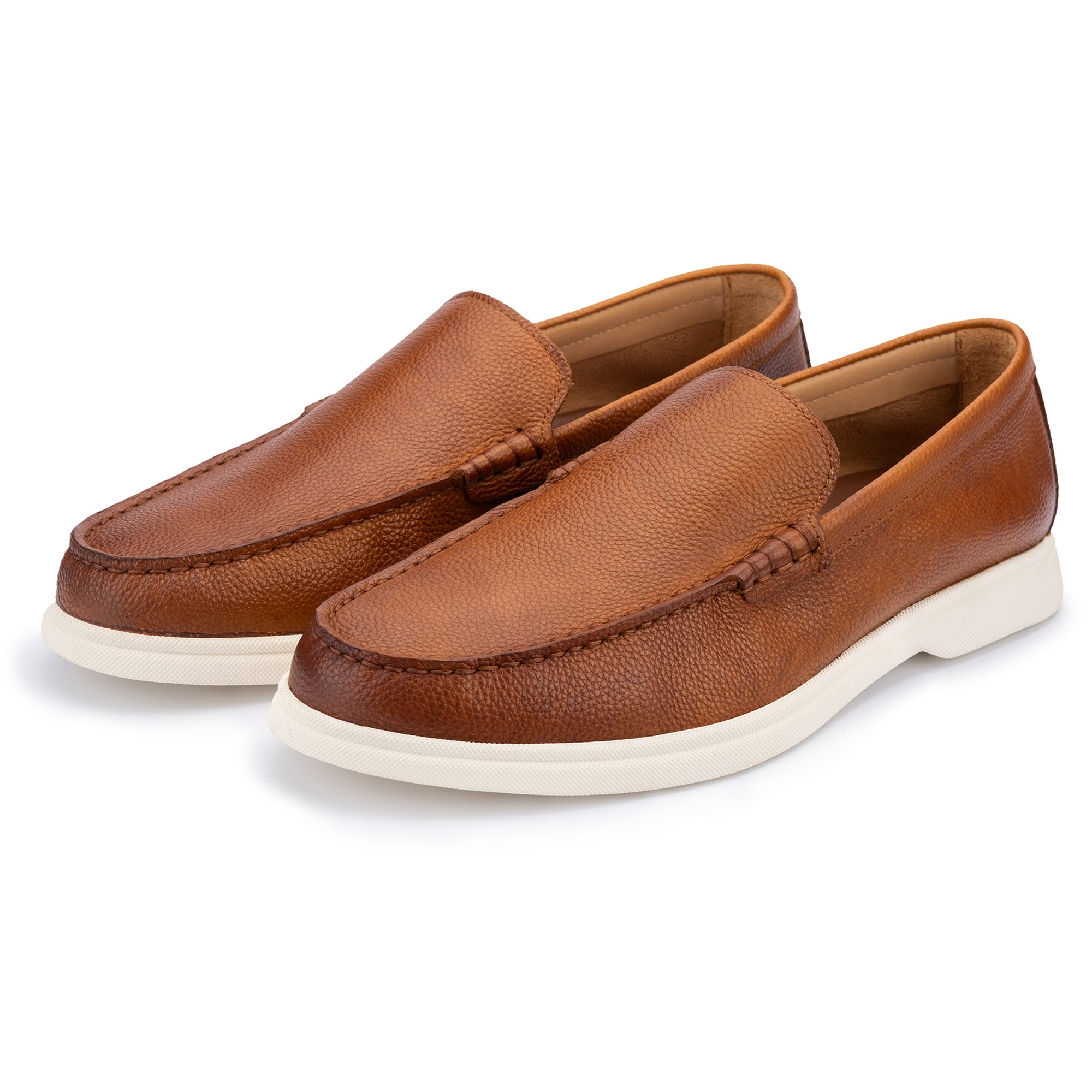
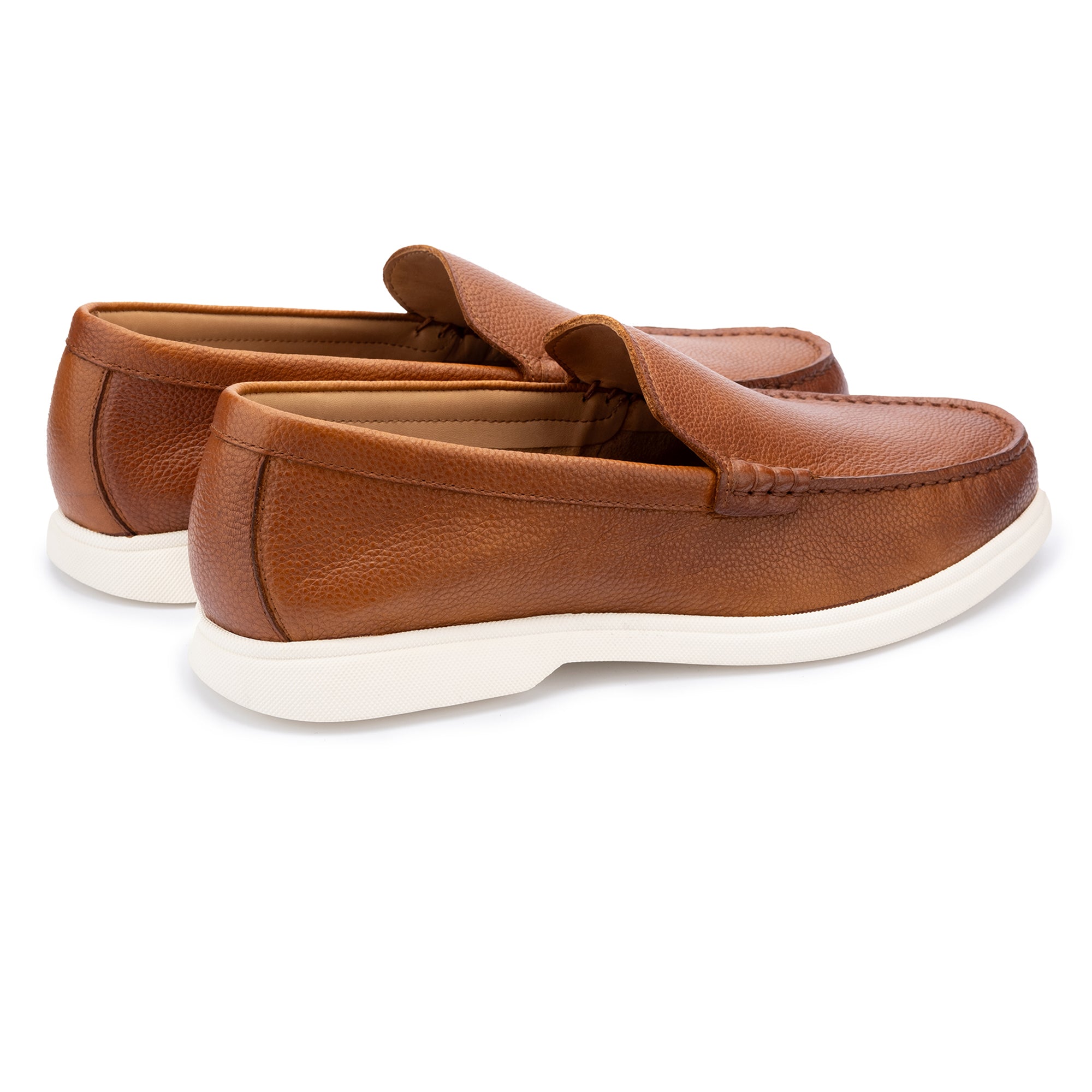
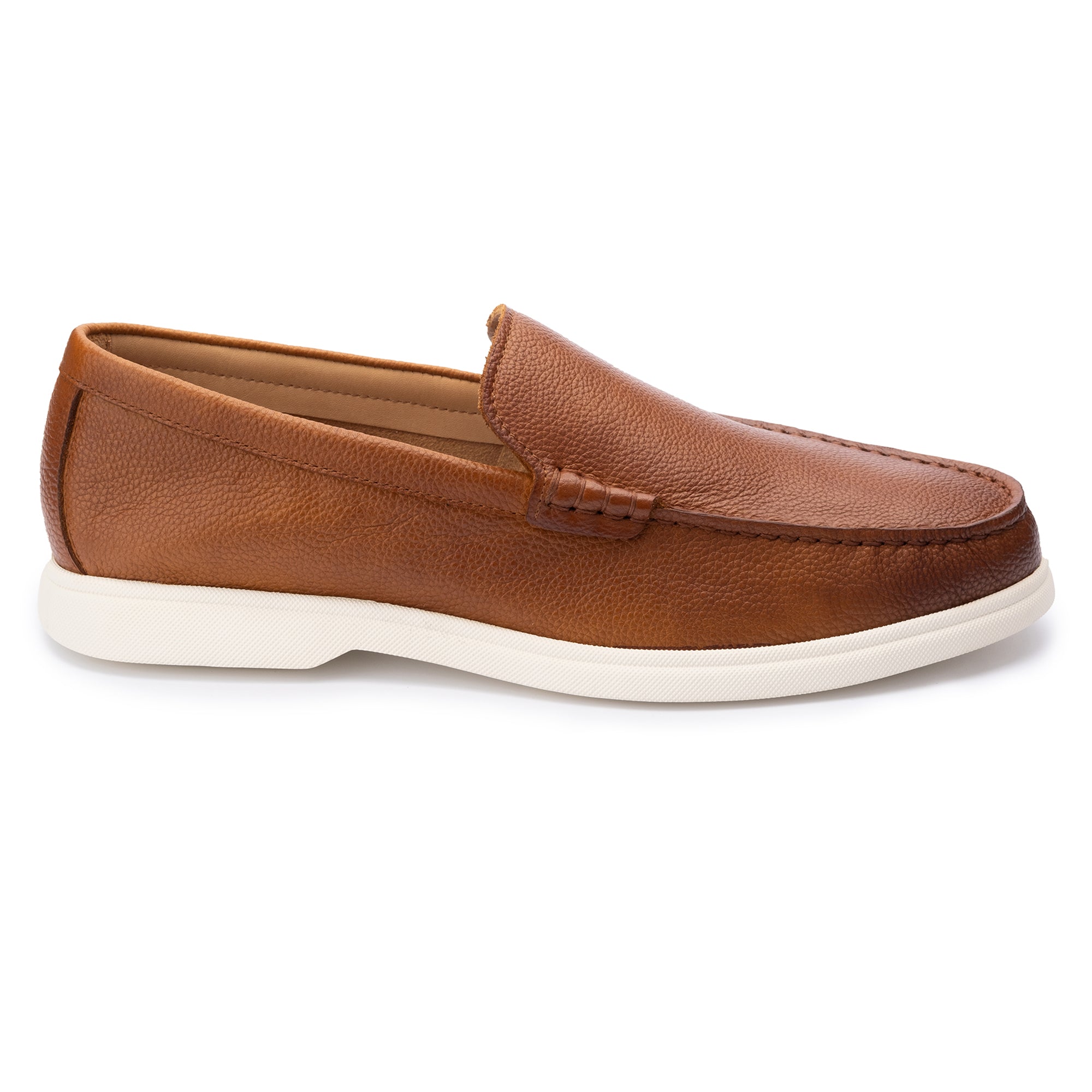
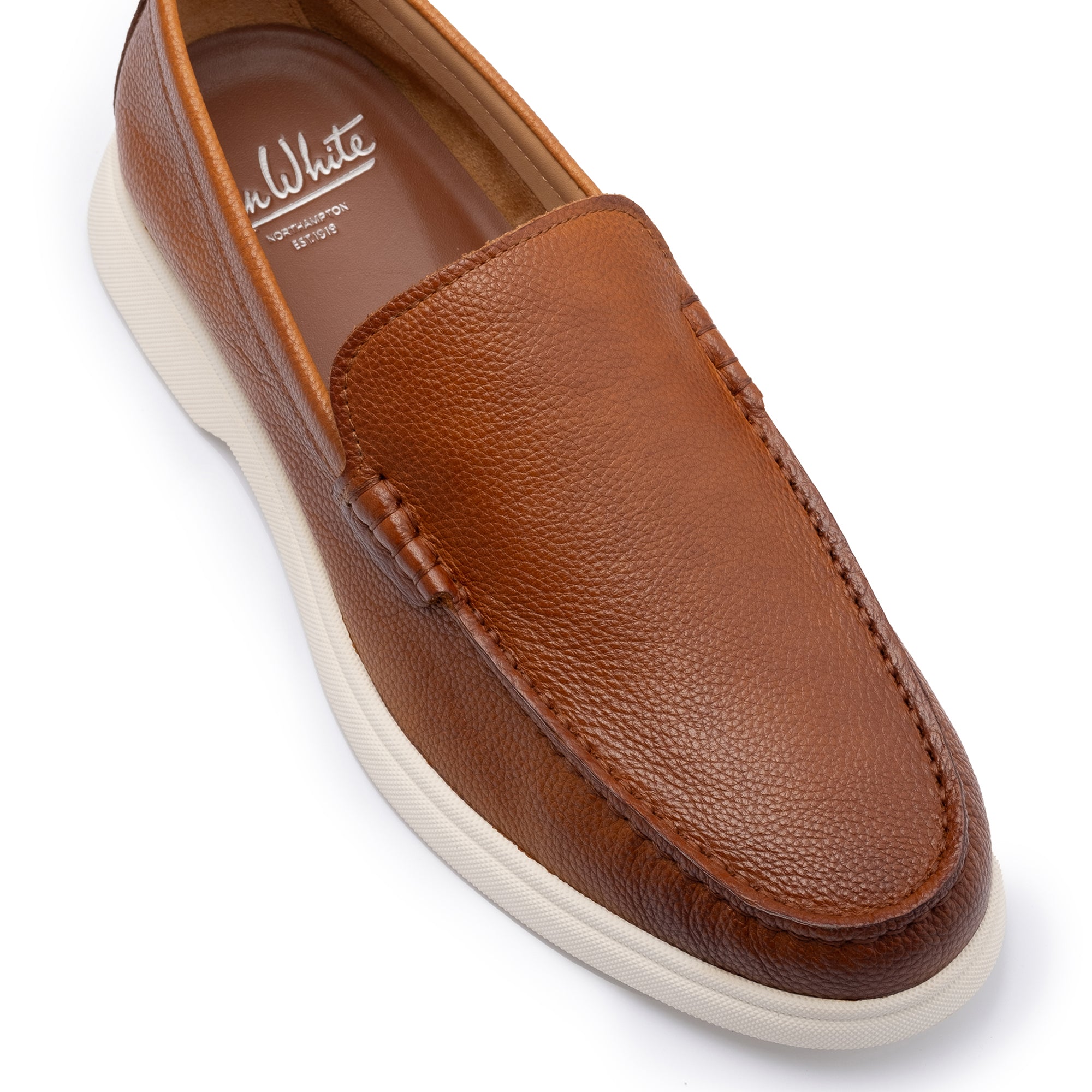
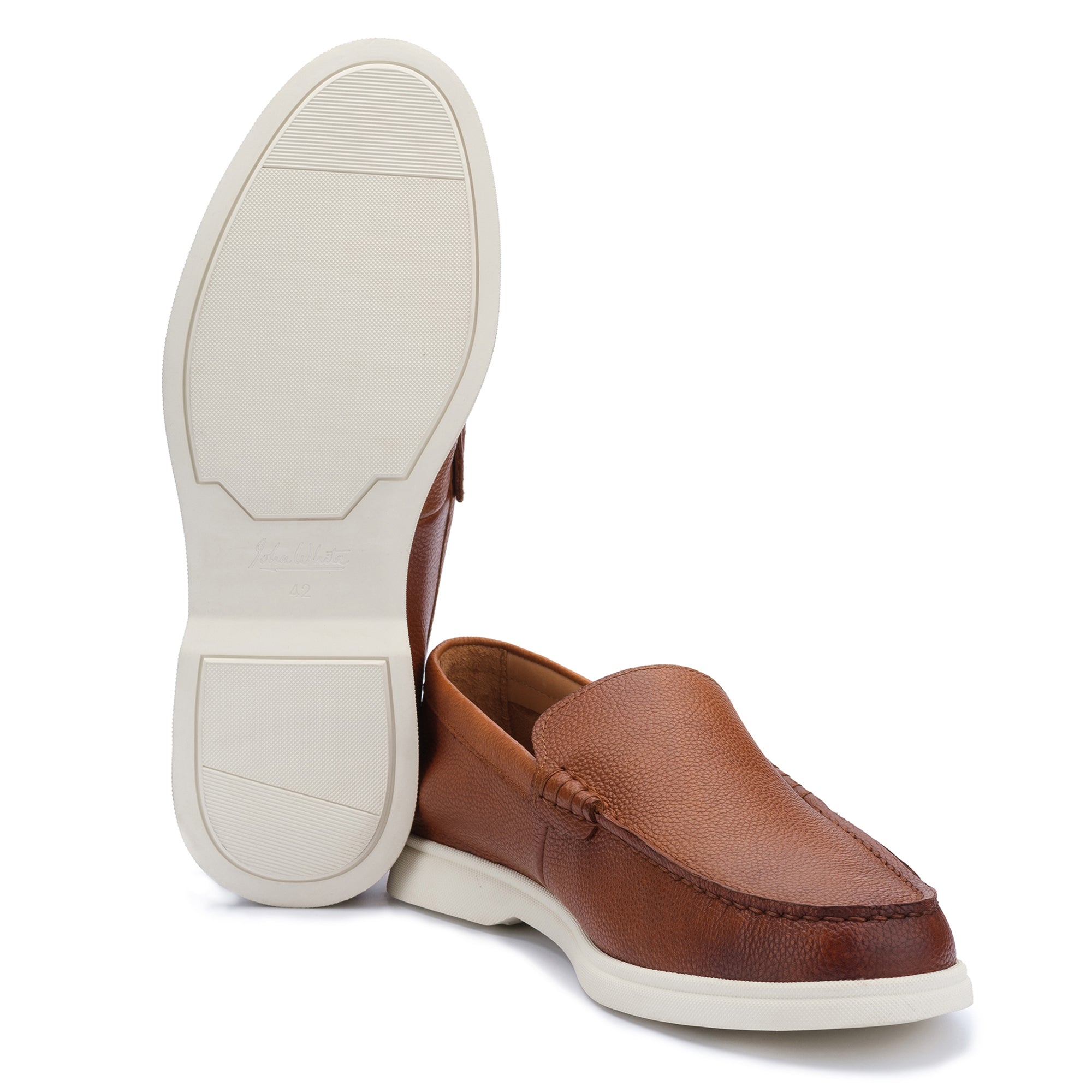
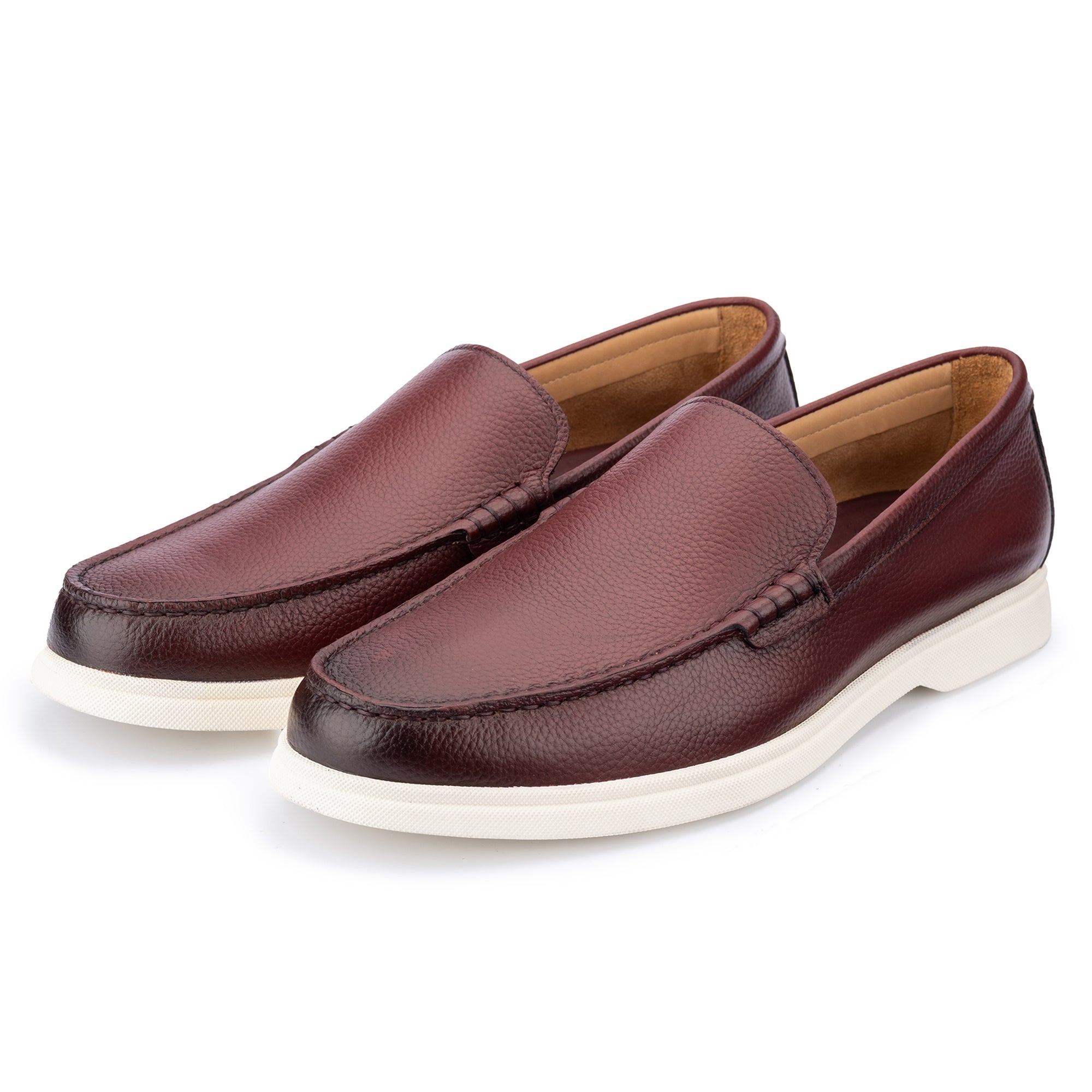
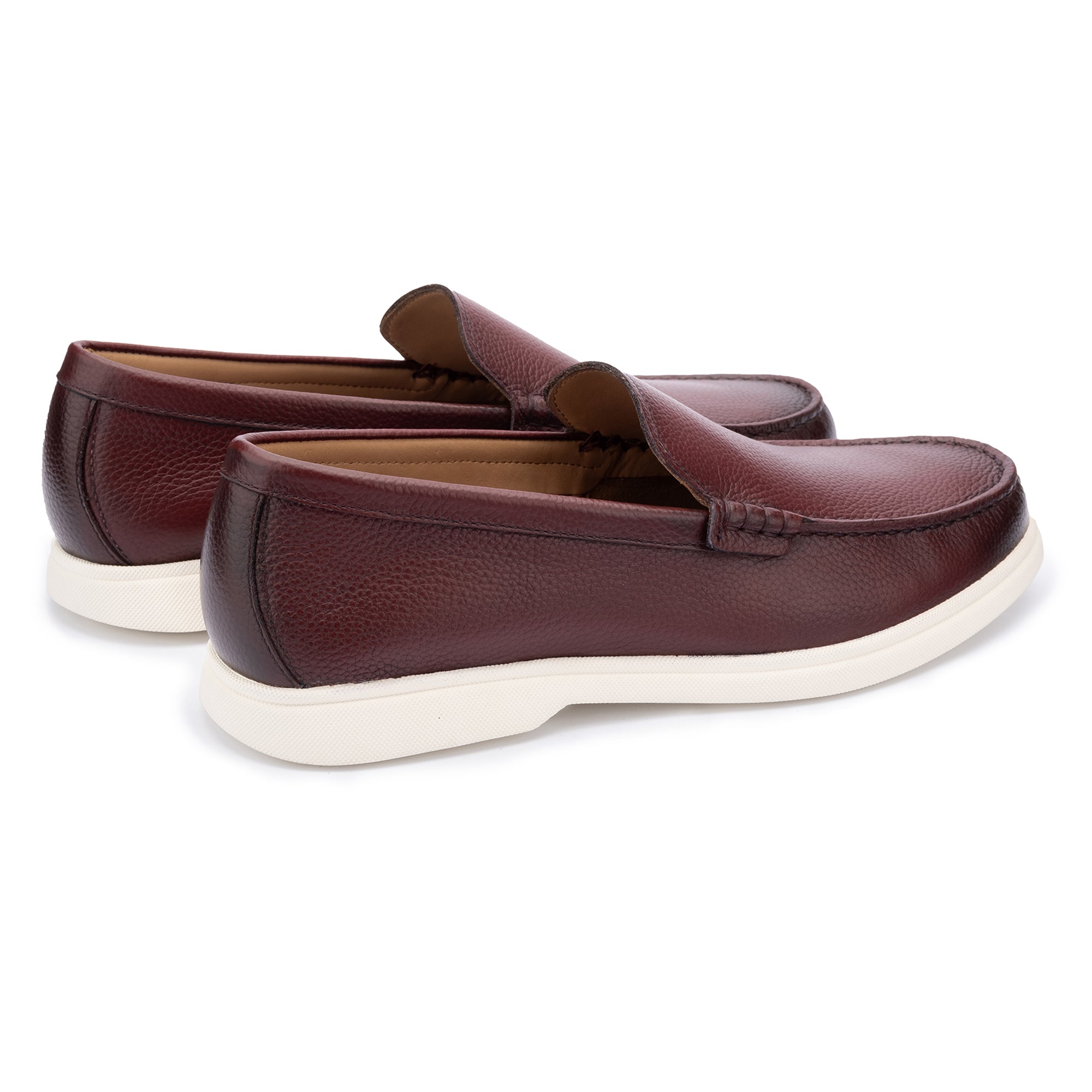
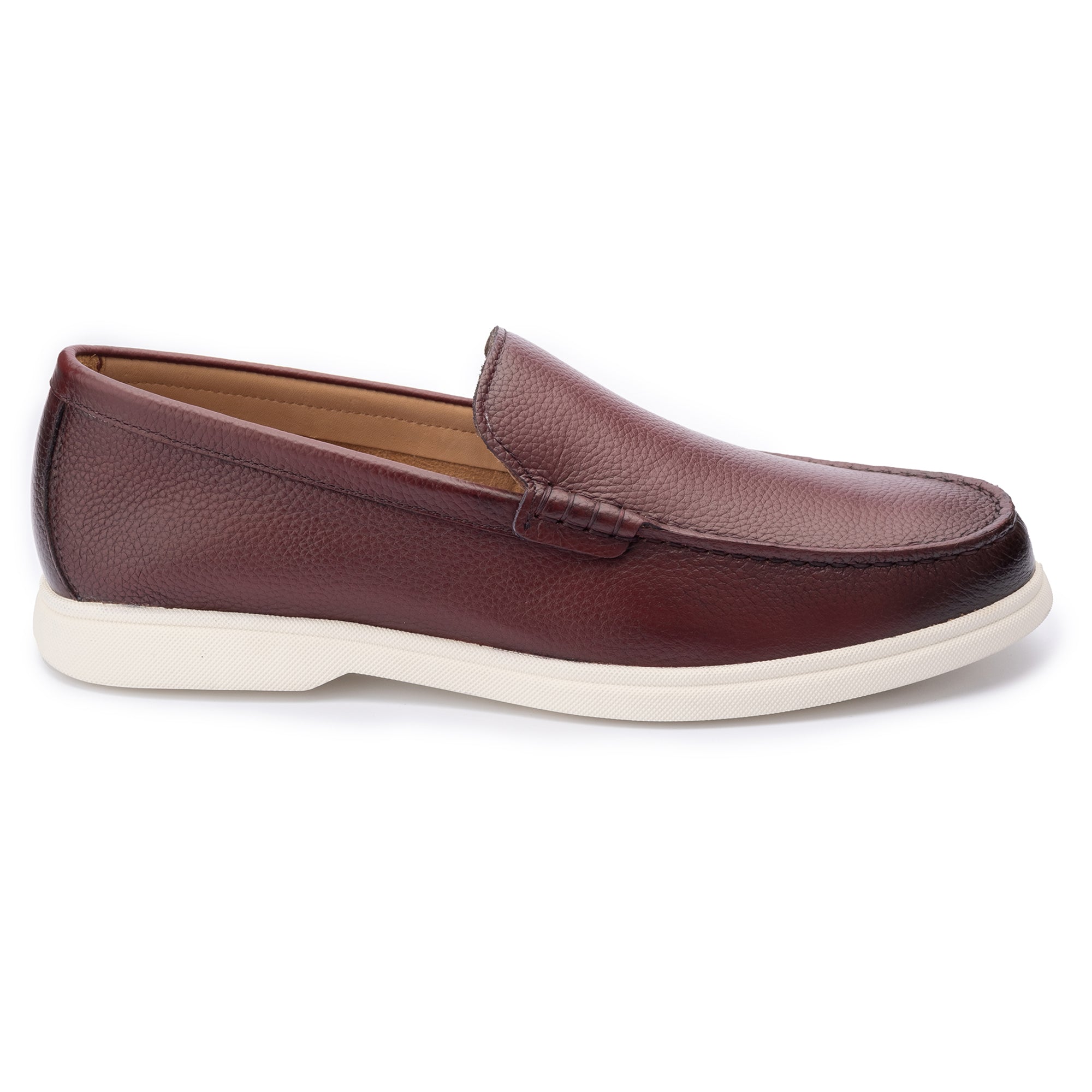
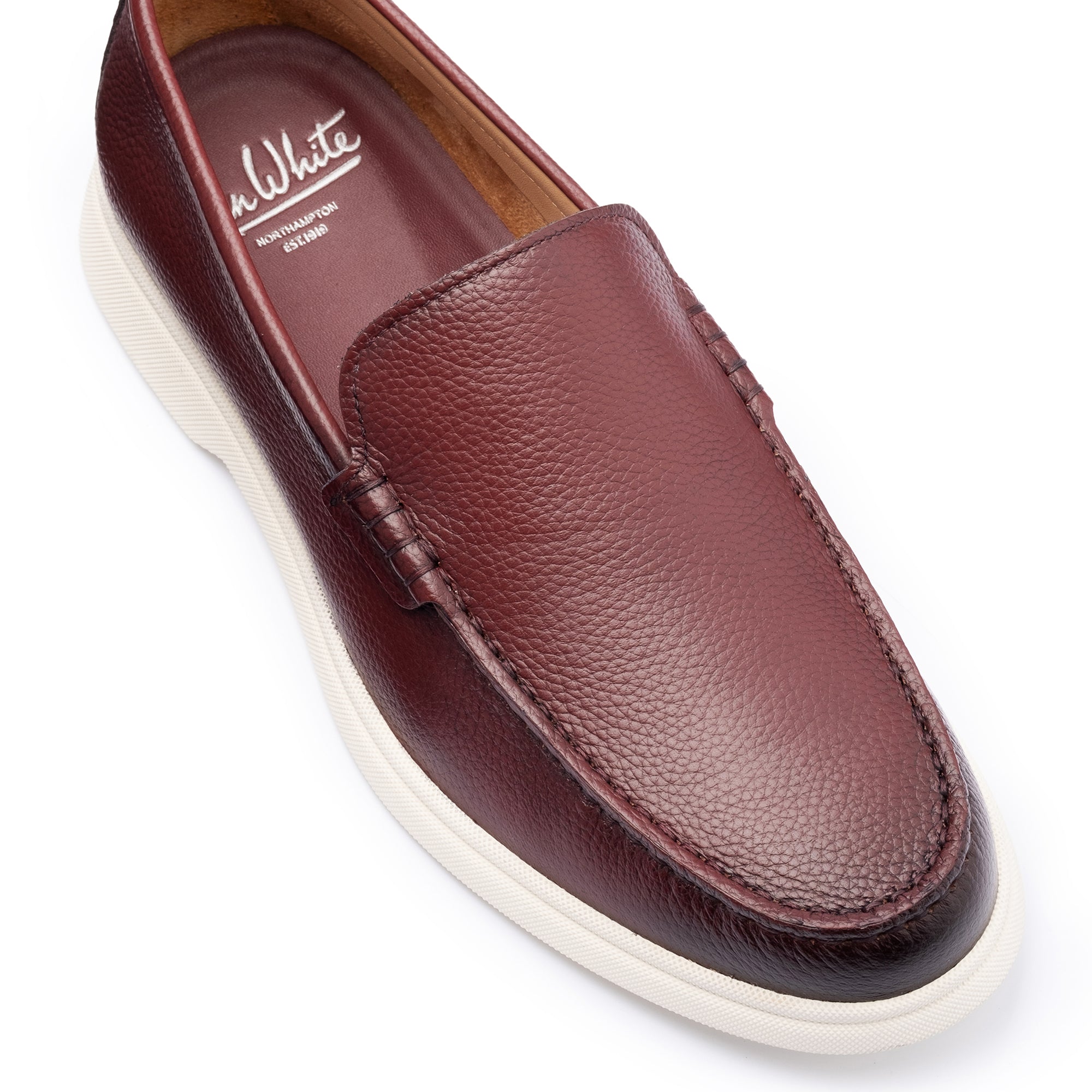
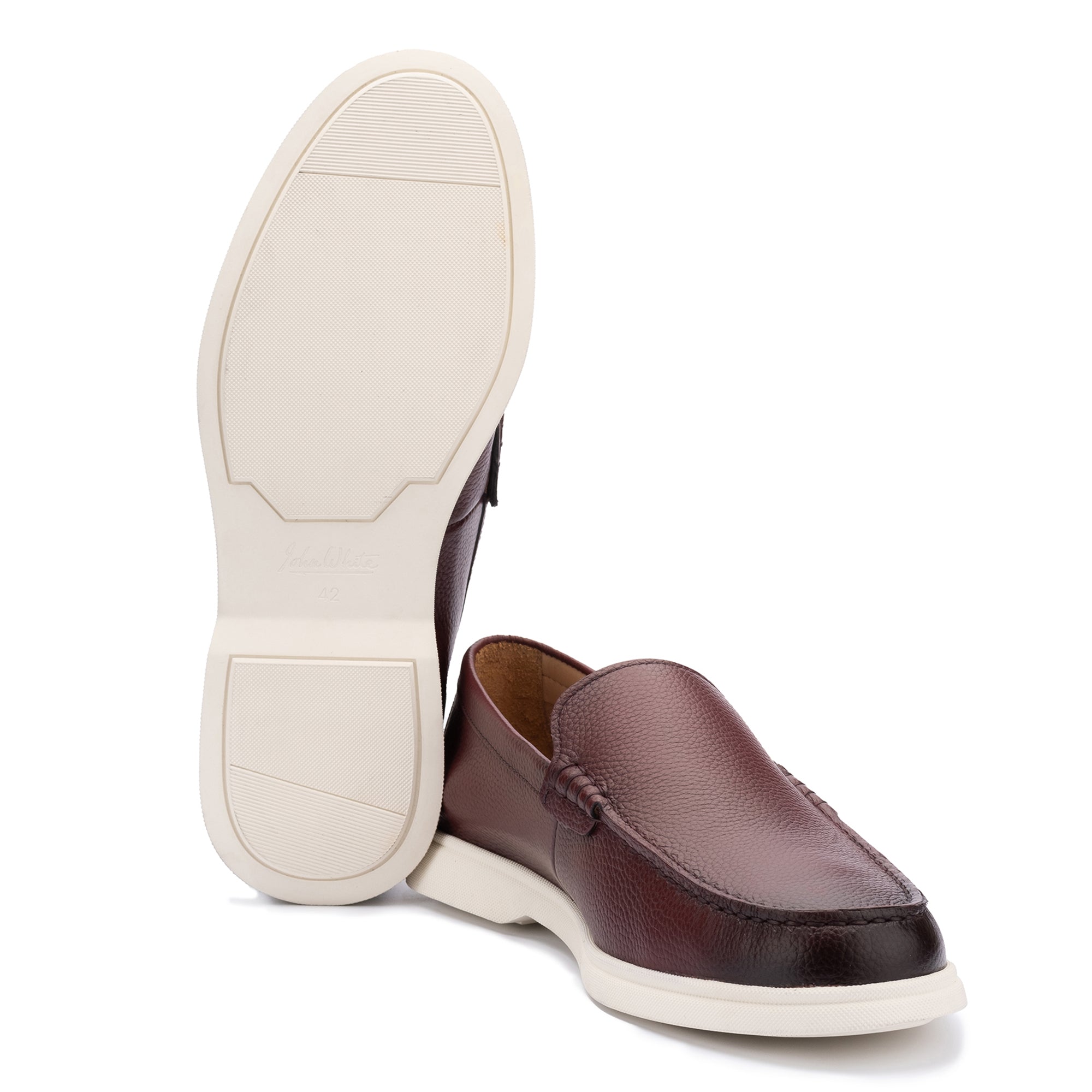
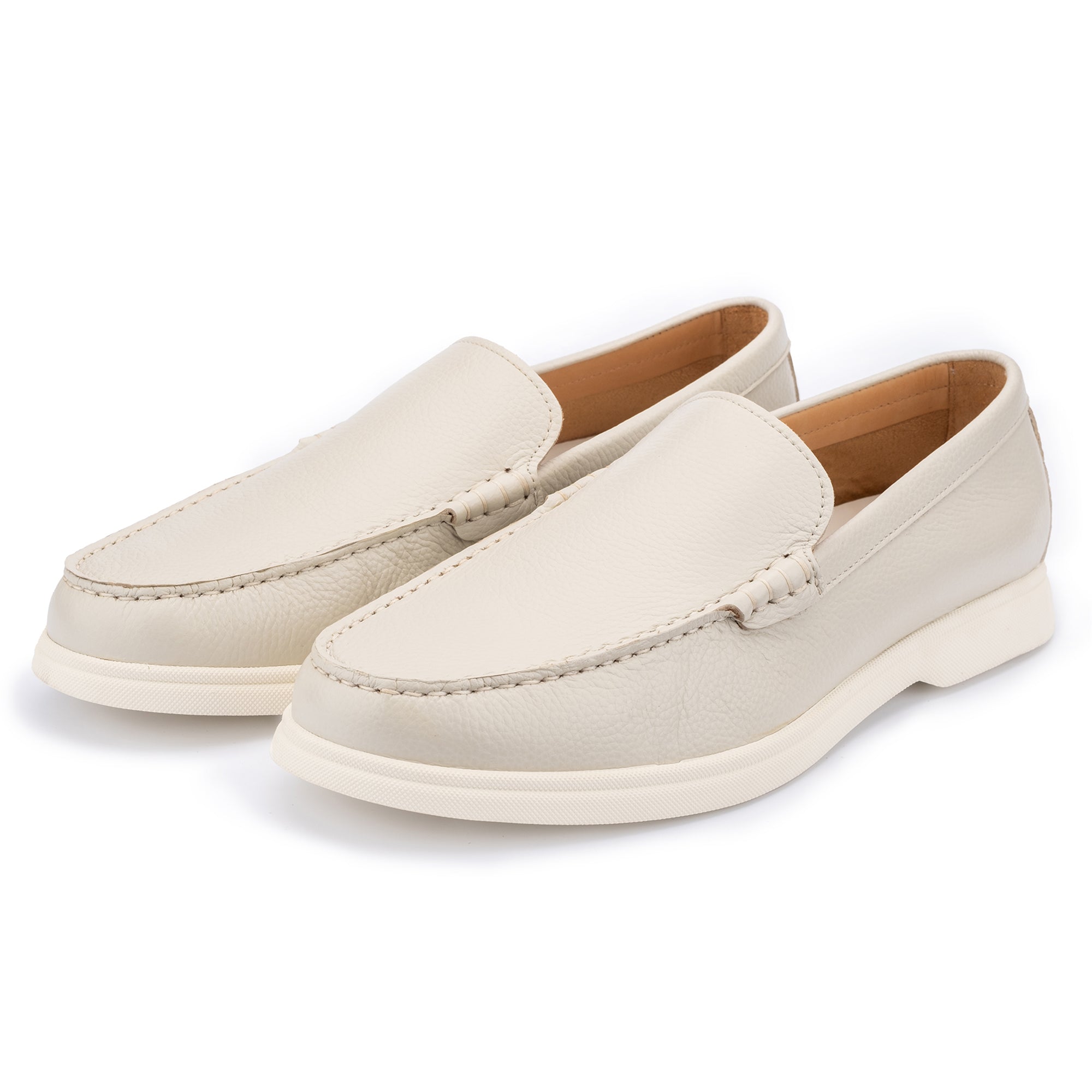
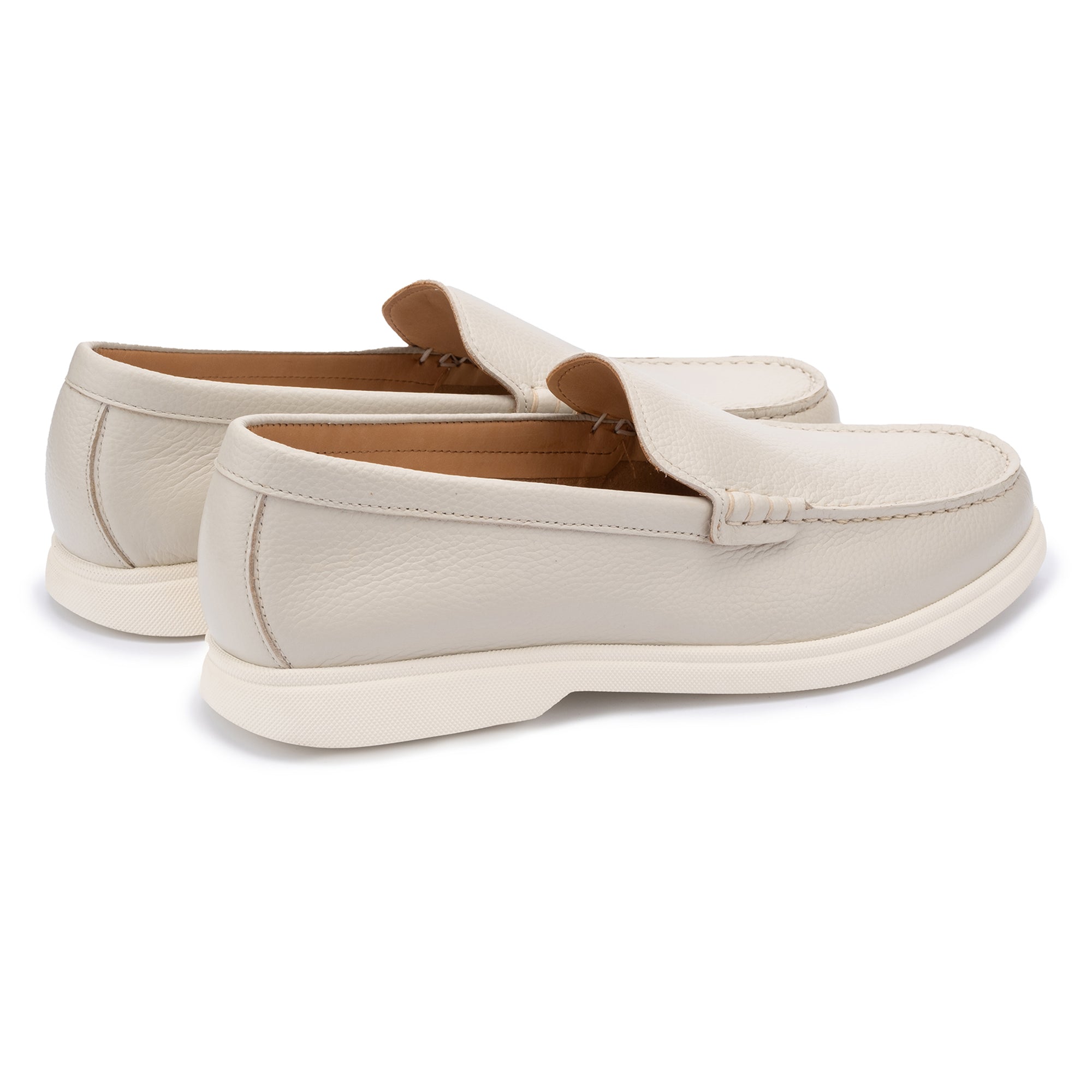
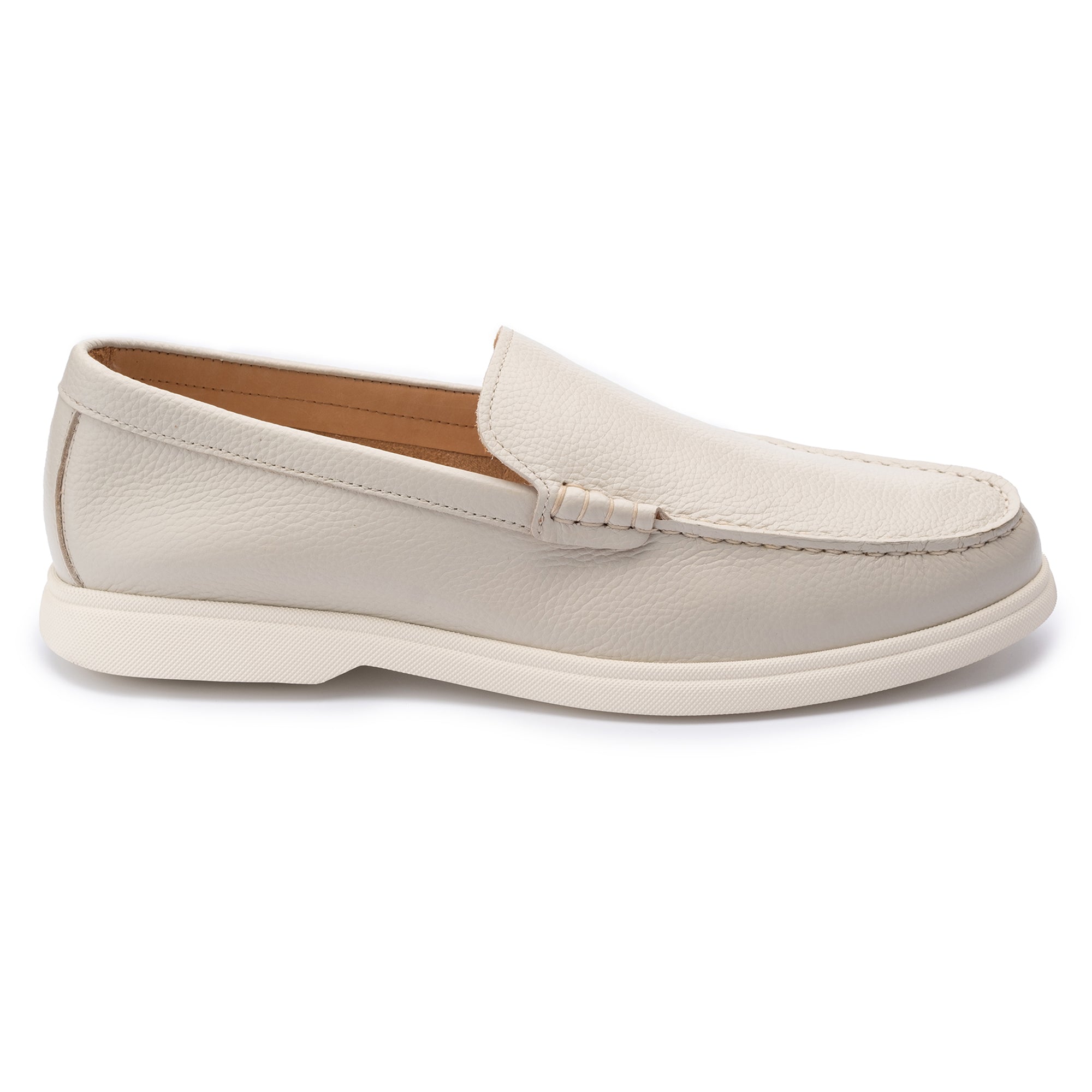
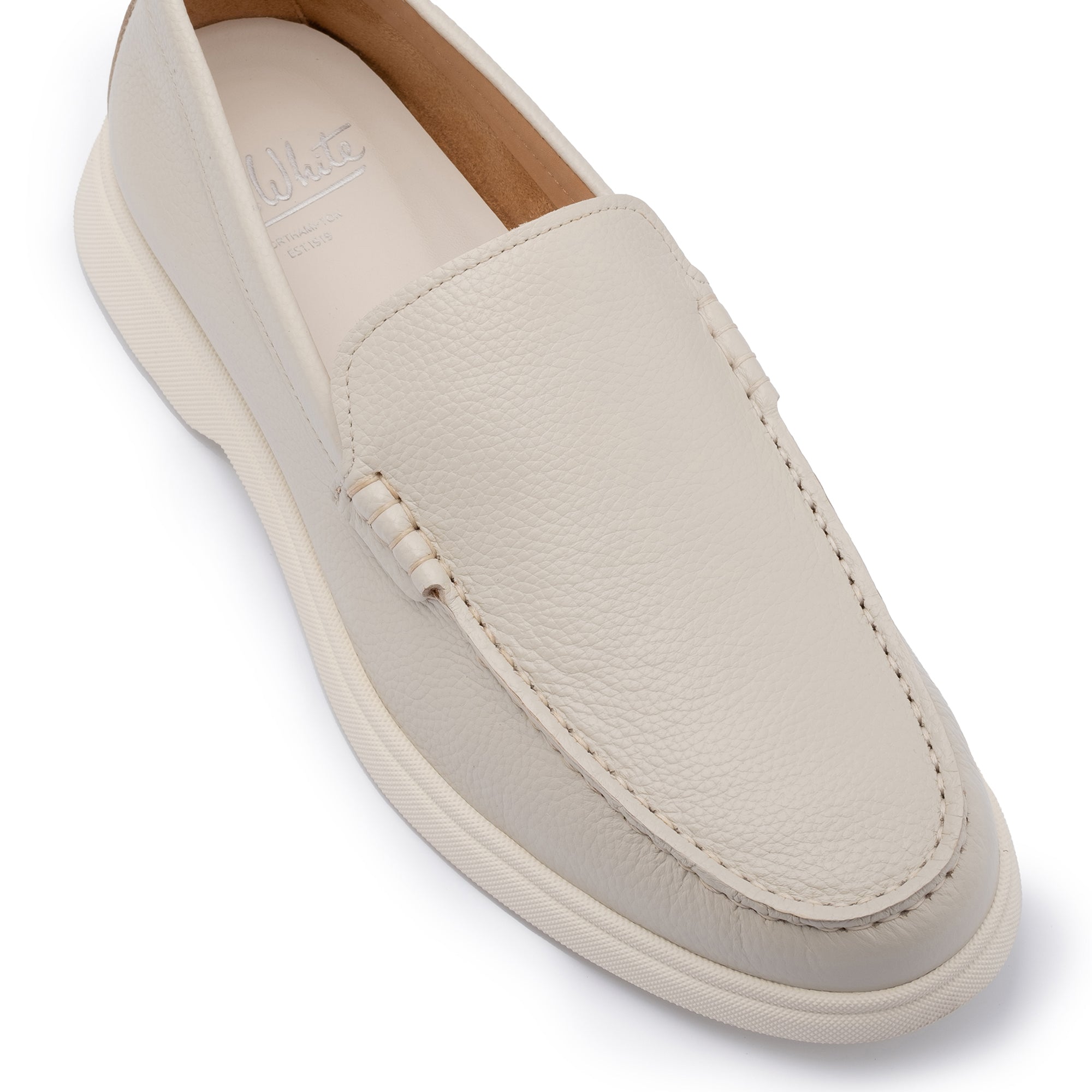
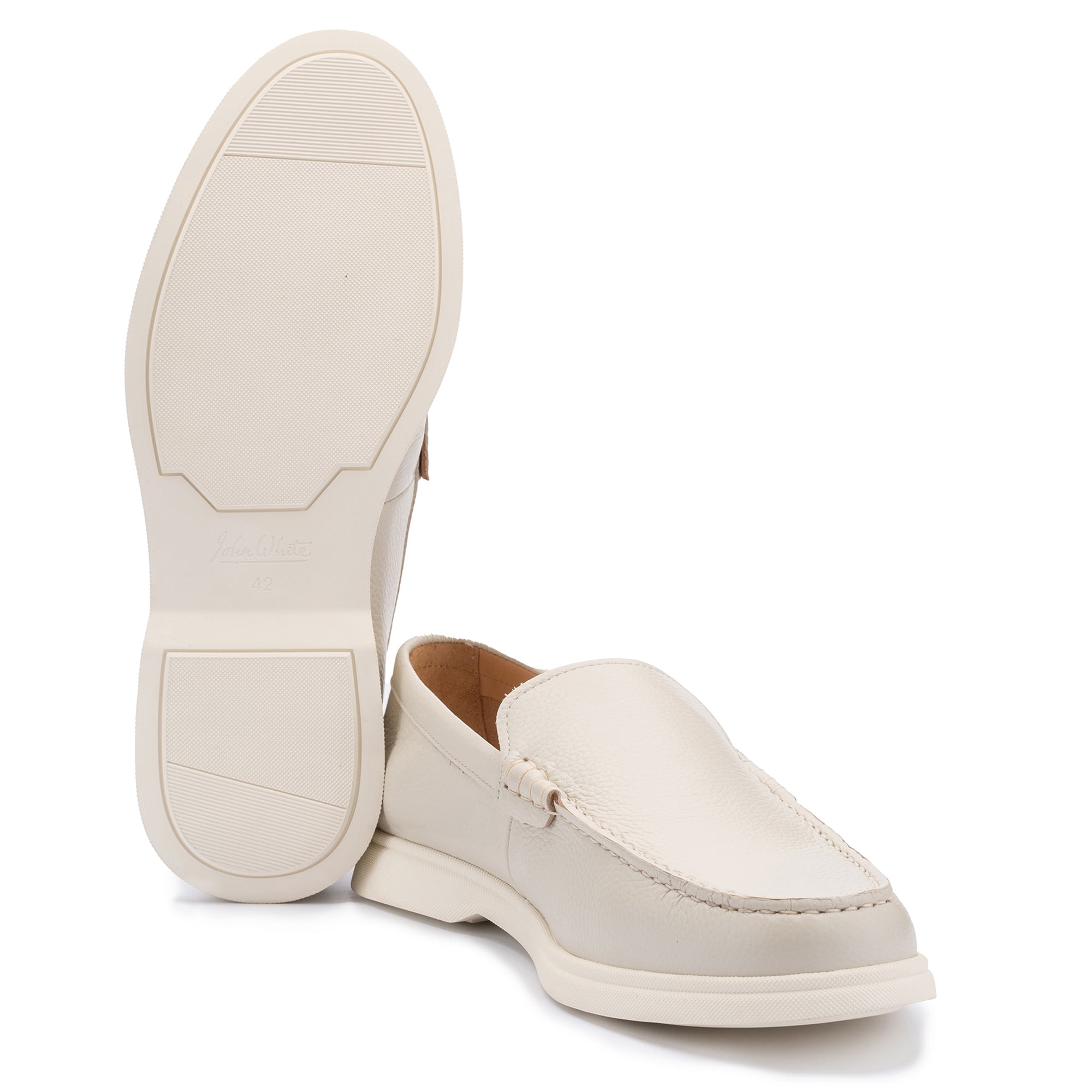
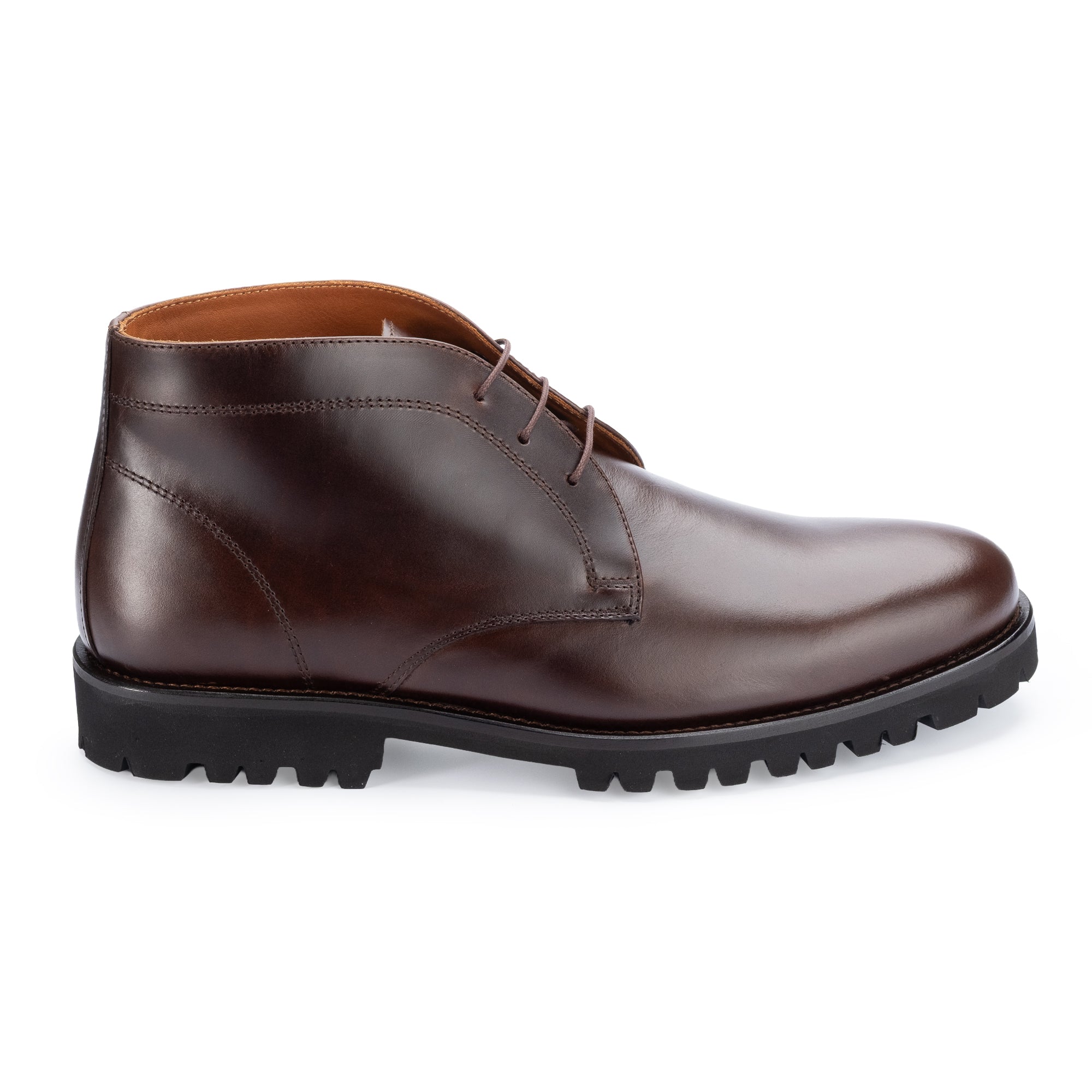
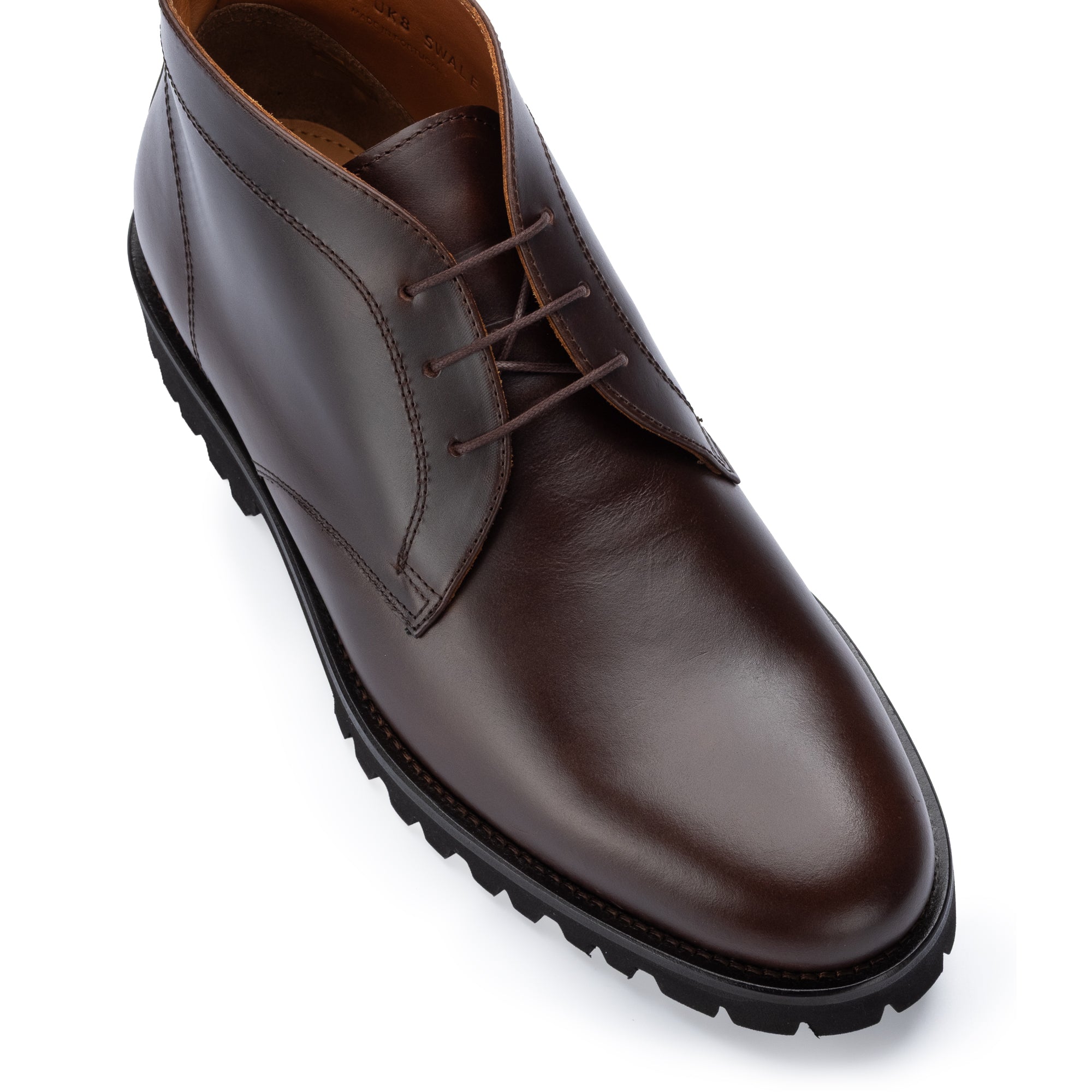
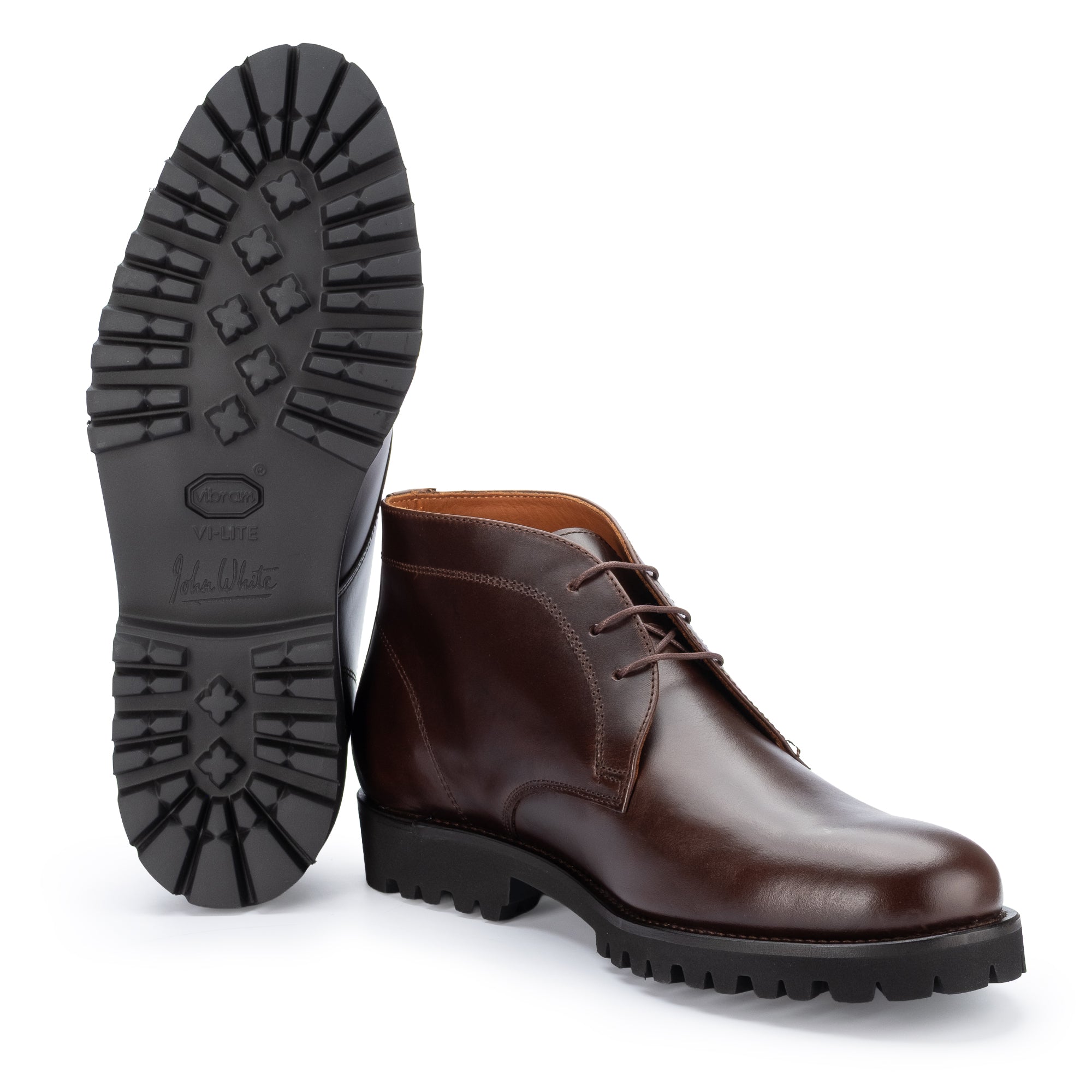
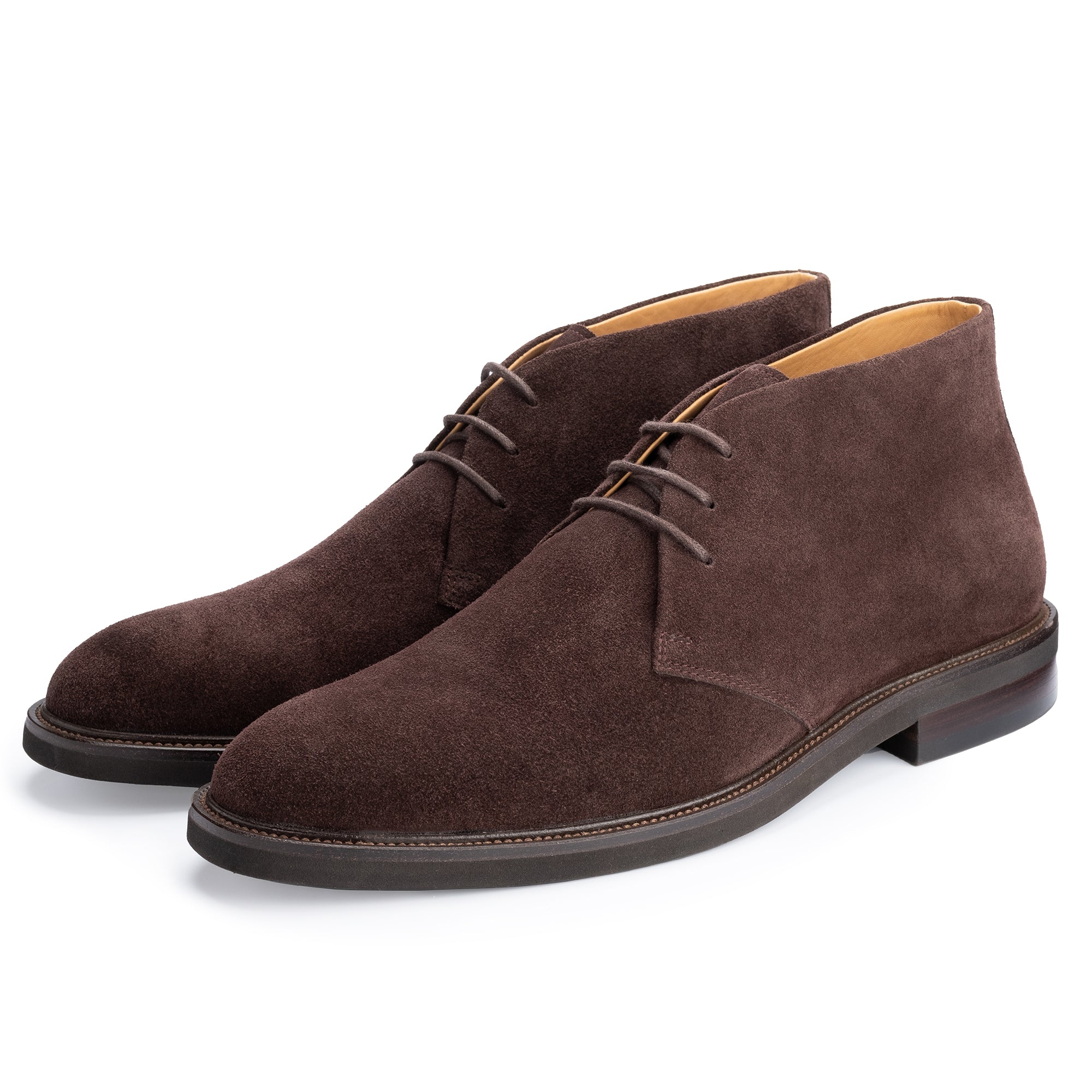
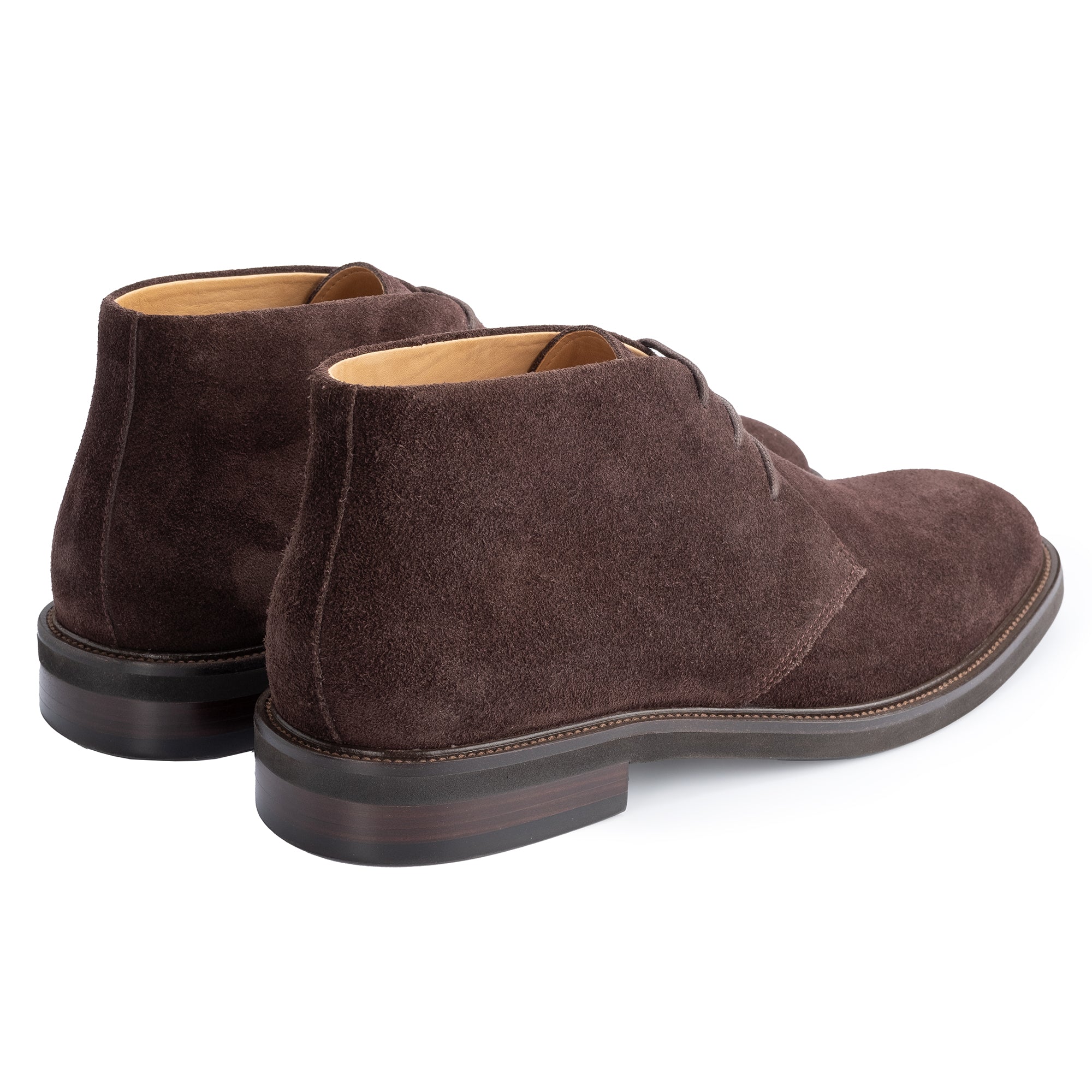
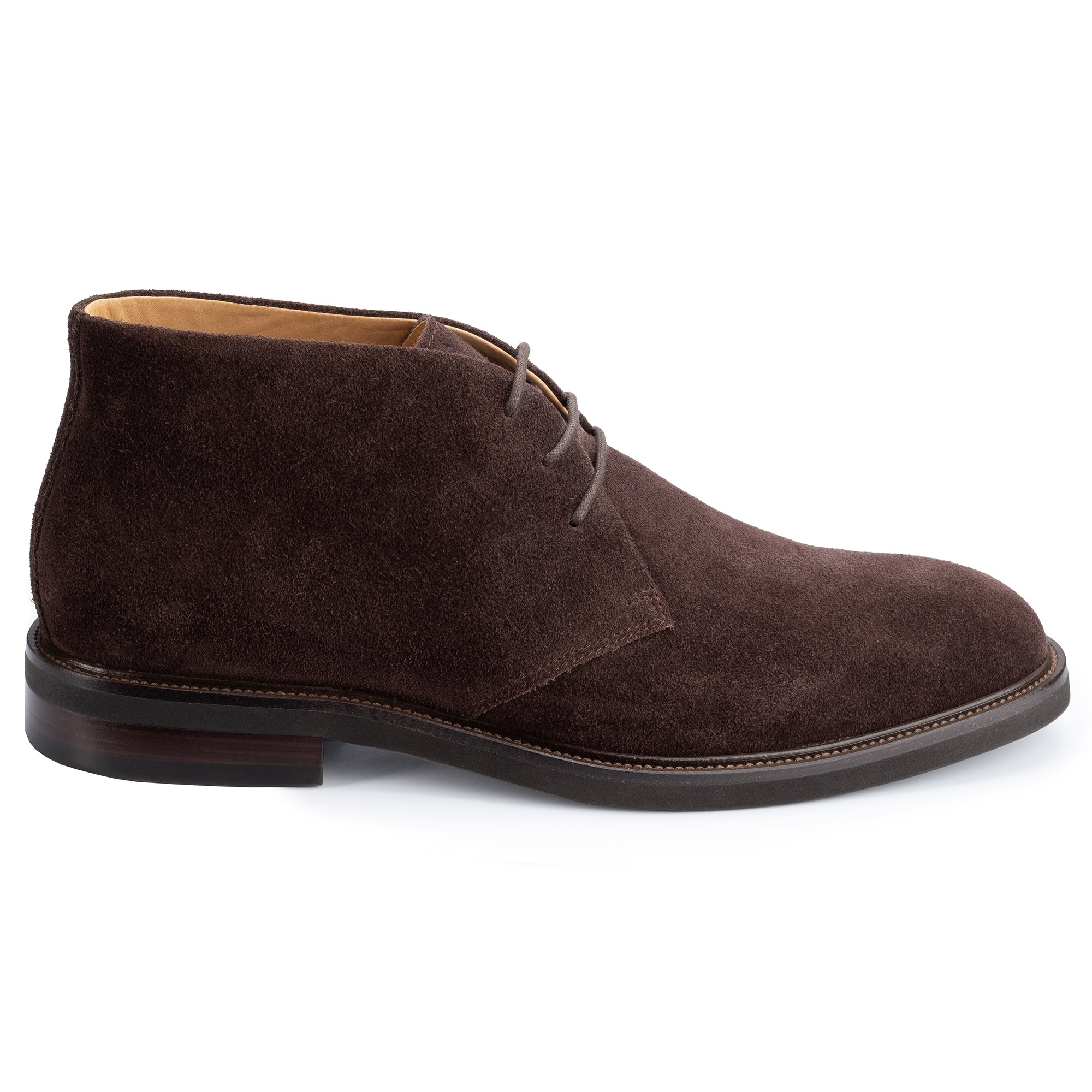
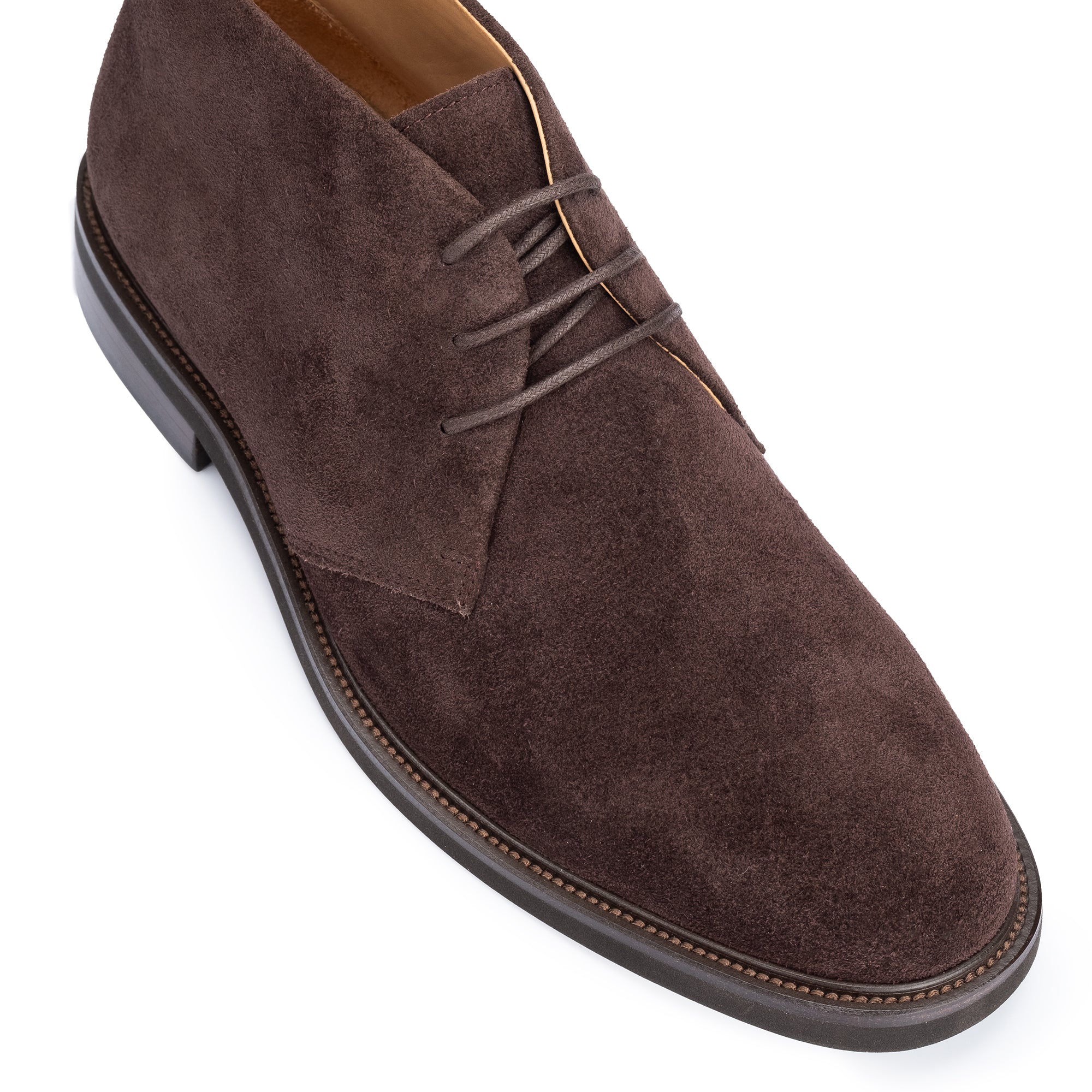
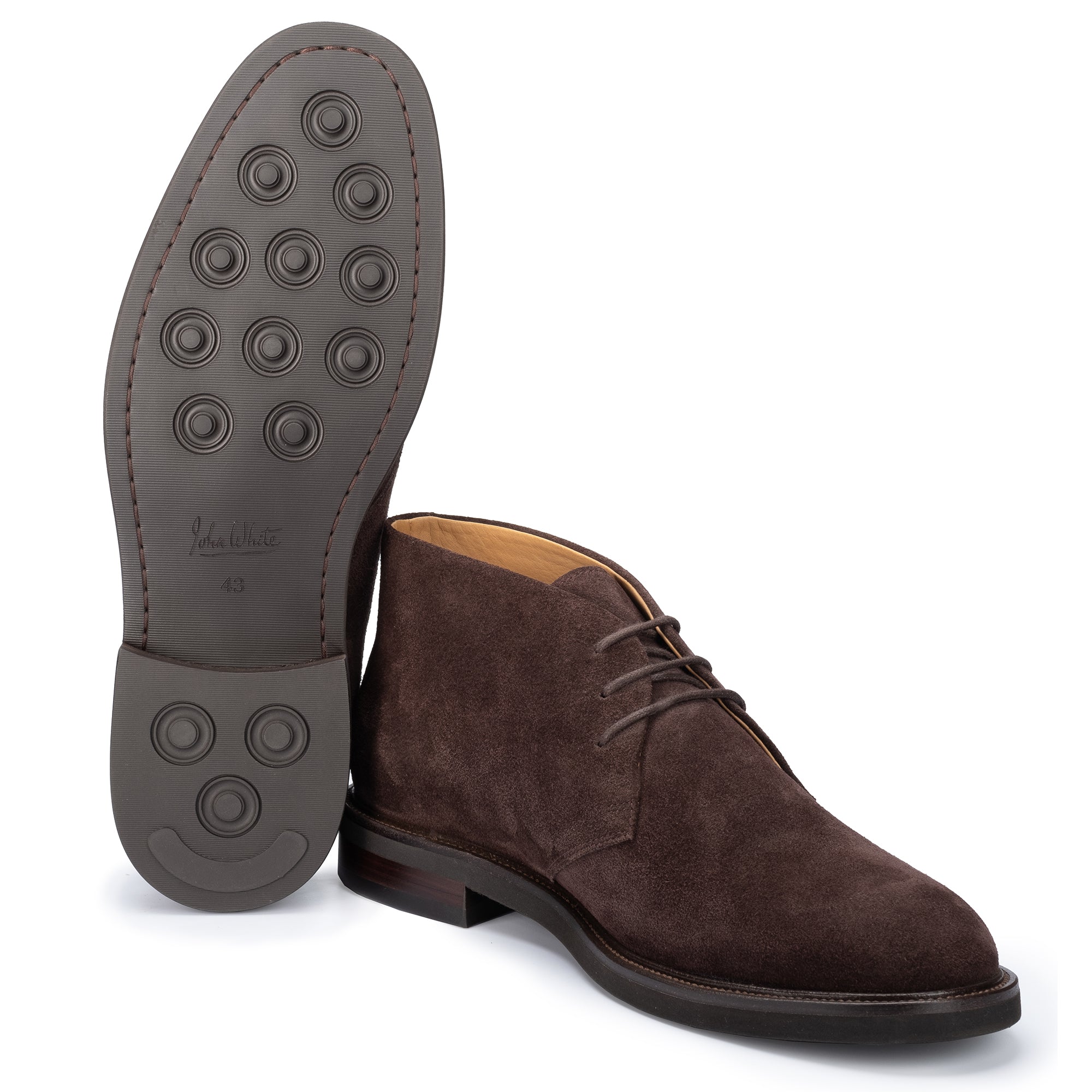
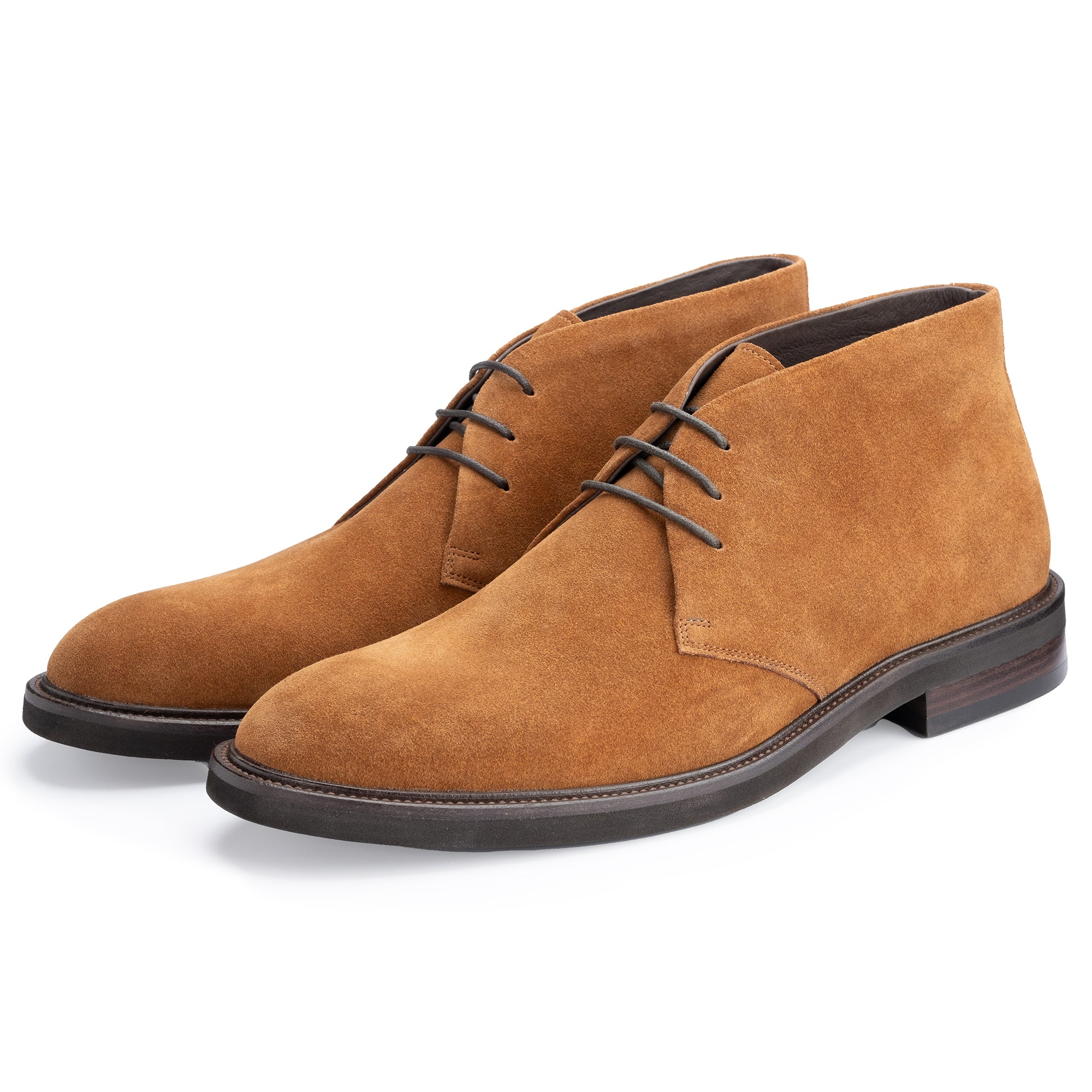
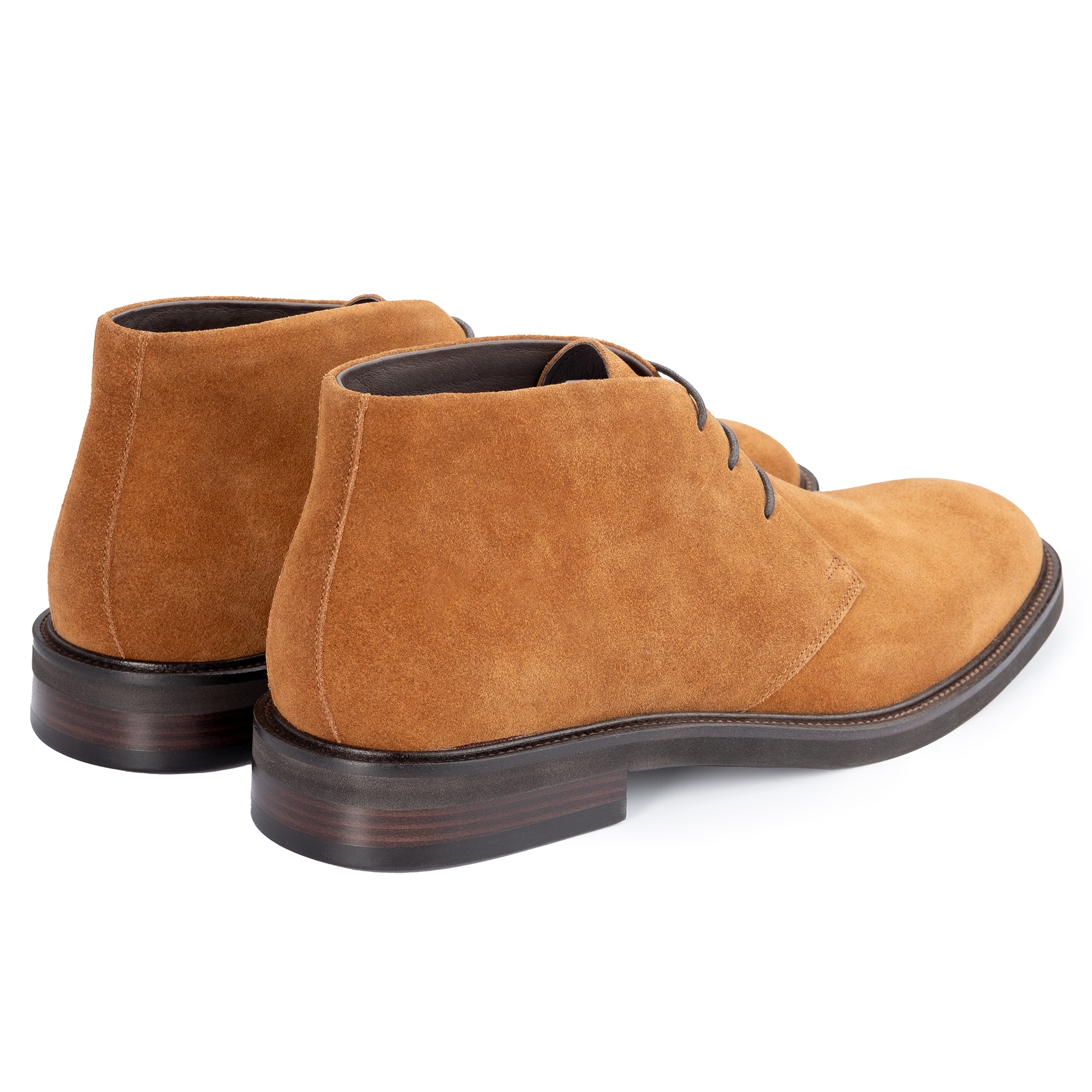
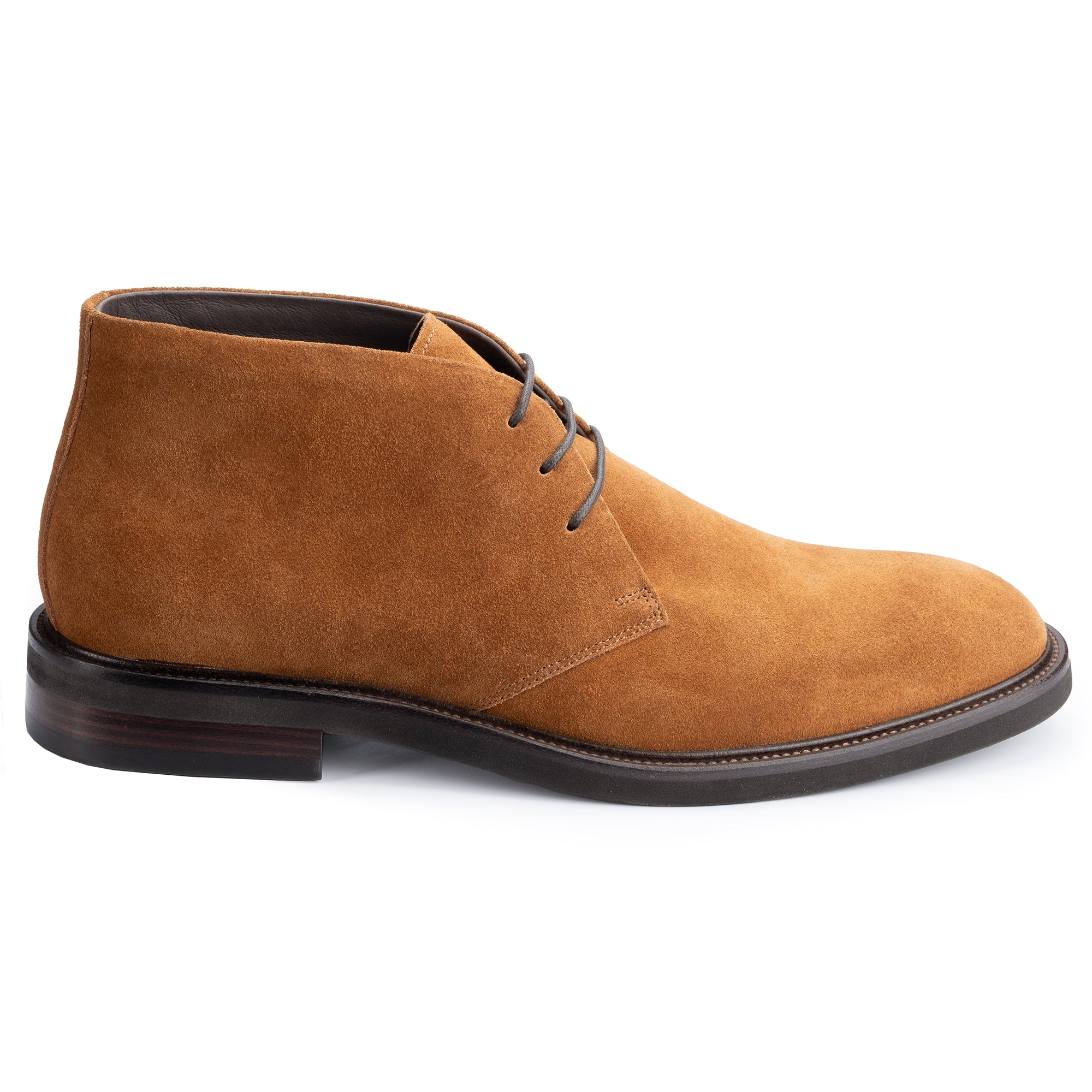
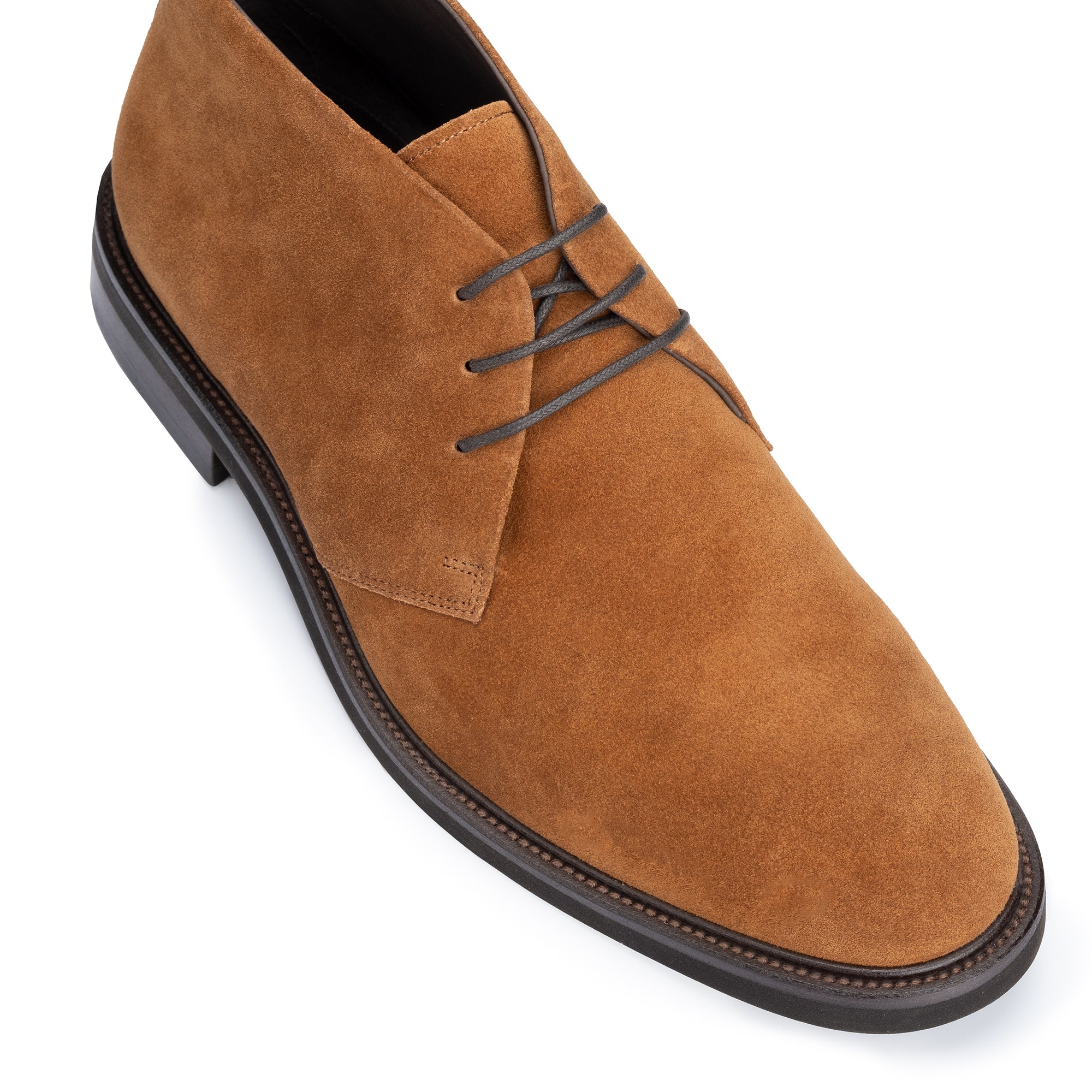
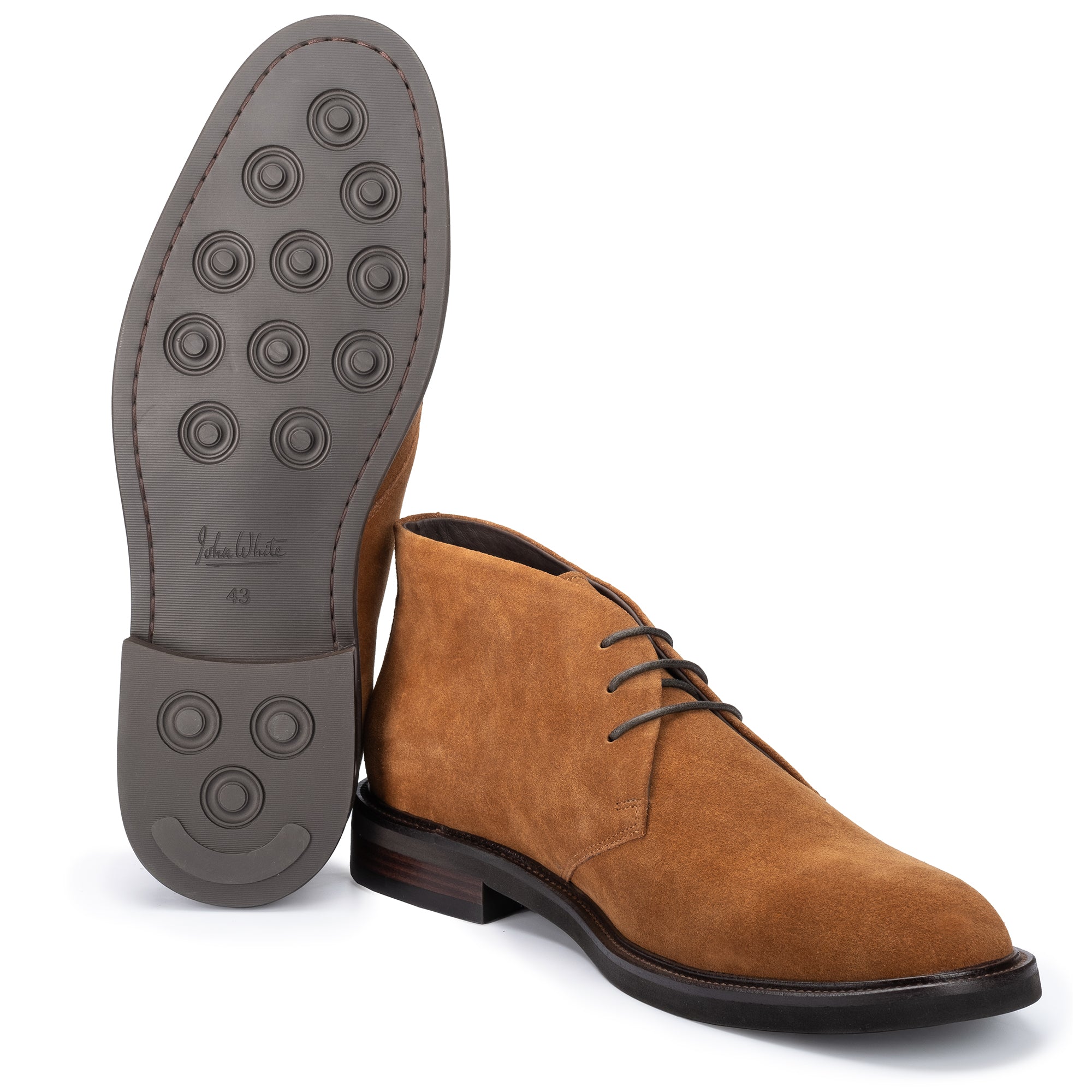
The full range of men's leather shoes and men's leather boots at John White Shoes is built with full-grain leather uppers and Goodyear welted construction — materials that, maintained correctly, develop greater character over years of wear rather than deteriorating.
TL;DR: White residue on leather shoes is fatty spew (greasy, treat by conditioning at room temperature), tannin bloom (dry and powdery, treat by fully drying then conditioning twice), or wax build-up (in creases, treat mechanically with a stiff brush). All three resolve without permanent damage when addressed promptly and correctly.
Related Guides
- From Northampton to the World: The Story Behind British Shoemaking — our comprehensive guide
- The History of British Shoemaking — our comprehensive guide
- Salt Stains on Leather Shoes: The Correct Method for Removal and Prevention
- Leather Conditioner vs Shoe Polish: What to Use, When, and Why It Matters
- The Annual Ritual: A Complete Maintenance Checklist for Your Leather Shoe Collection
Frequently Asked Questions
Is white residue on new leather shoes normal?
Yes. Fatty spew is common on new leather shoes during the first weeks of wear as residual fat-liquoring agents from the tanning process redistribute. It is not a defect. Allow the shoes to reach room temperature, apply conditioner, and buff — the spew resolves and does not typically return once the leather has settled into wear.
Does fatty spew mean the leather is low quality?
No. Fatty spew is a property of the tanning process, not the leather grade. Full-grain calfskin from premium tanneries can exhibit spew; its presence reflects fat-liquoring levels during production rather than the quality of the finished upper. The quality of leather is assessed by grain tightness, surface character, and long-term wear behaviour.
Can you use a hairdryer to speed up spew treatment?
No. Direct heat causes leather to dry rapidly, which can crack surface finishes and harden the structure. Room temperature is the correct environment for treating spew. If footwear has come from cold storage, 30–60 minutes at room temperature is sufficient — no supplementary heat source is required.
Will tannin bloom return after treatment?
Not if the moisture trigger is addressed. Tannin bloom recurs only when leather is again exposed to significant moisture without prompt drying and conditioning. Shoes stored with cedar shoe trees in a stable environment and conditioned regularly will not exhibit recurring bloom.
Browse the full range of men's leather shoes — each pair suited to the care standards outlined in this guide.