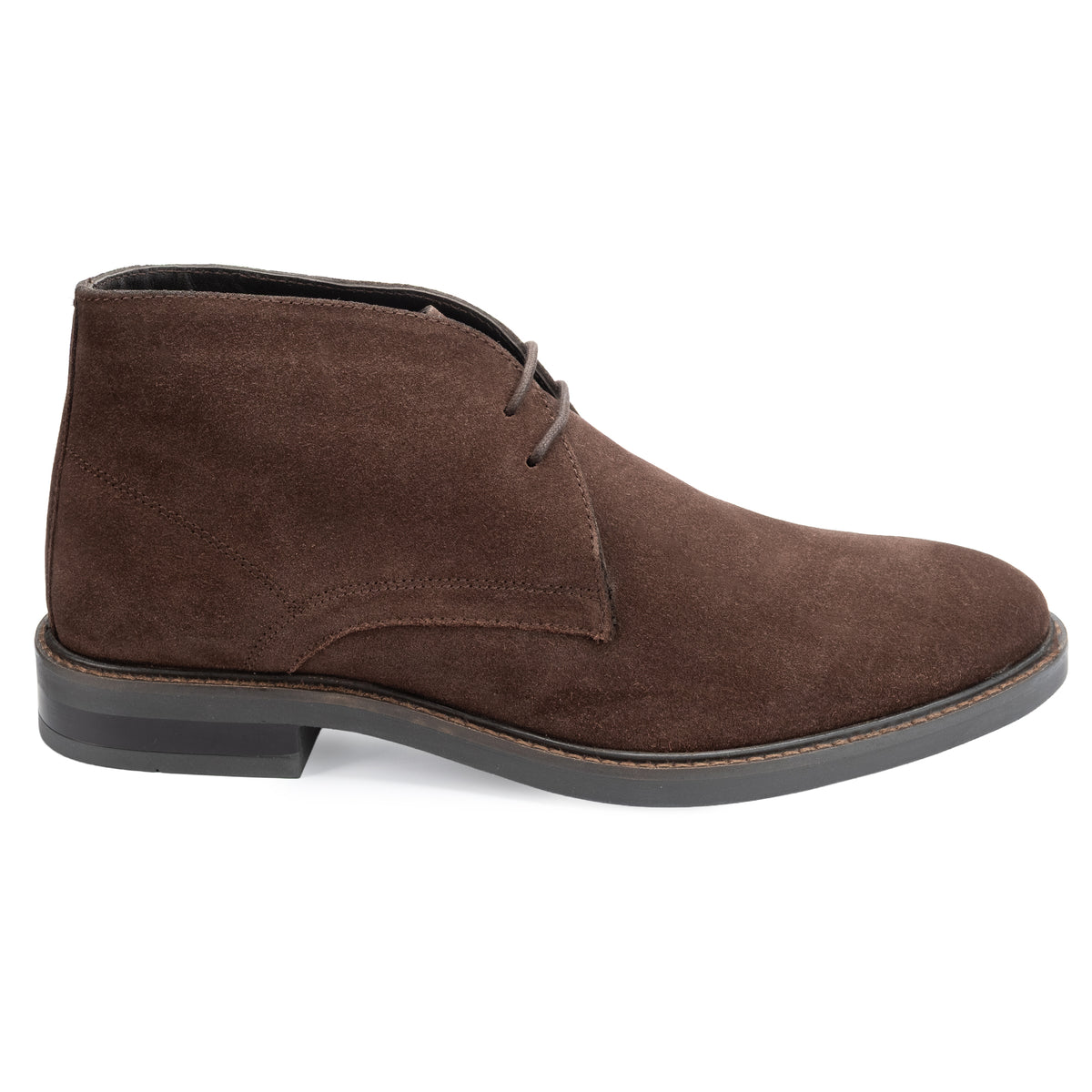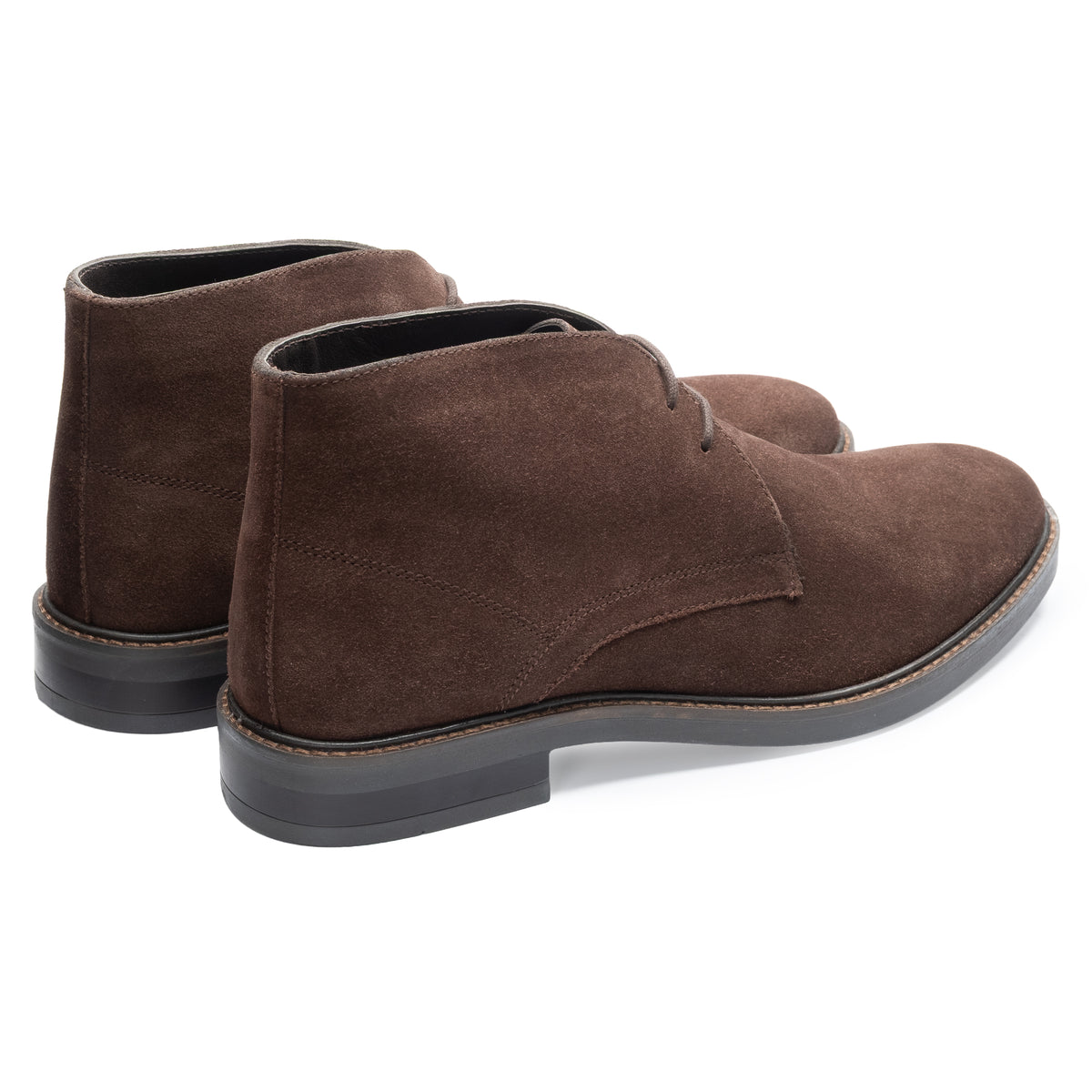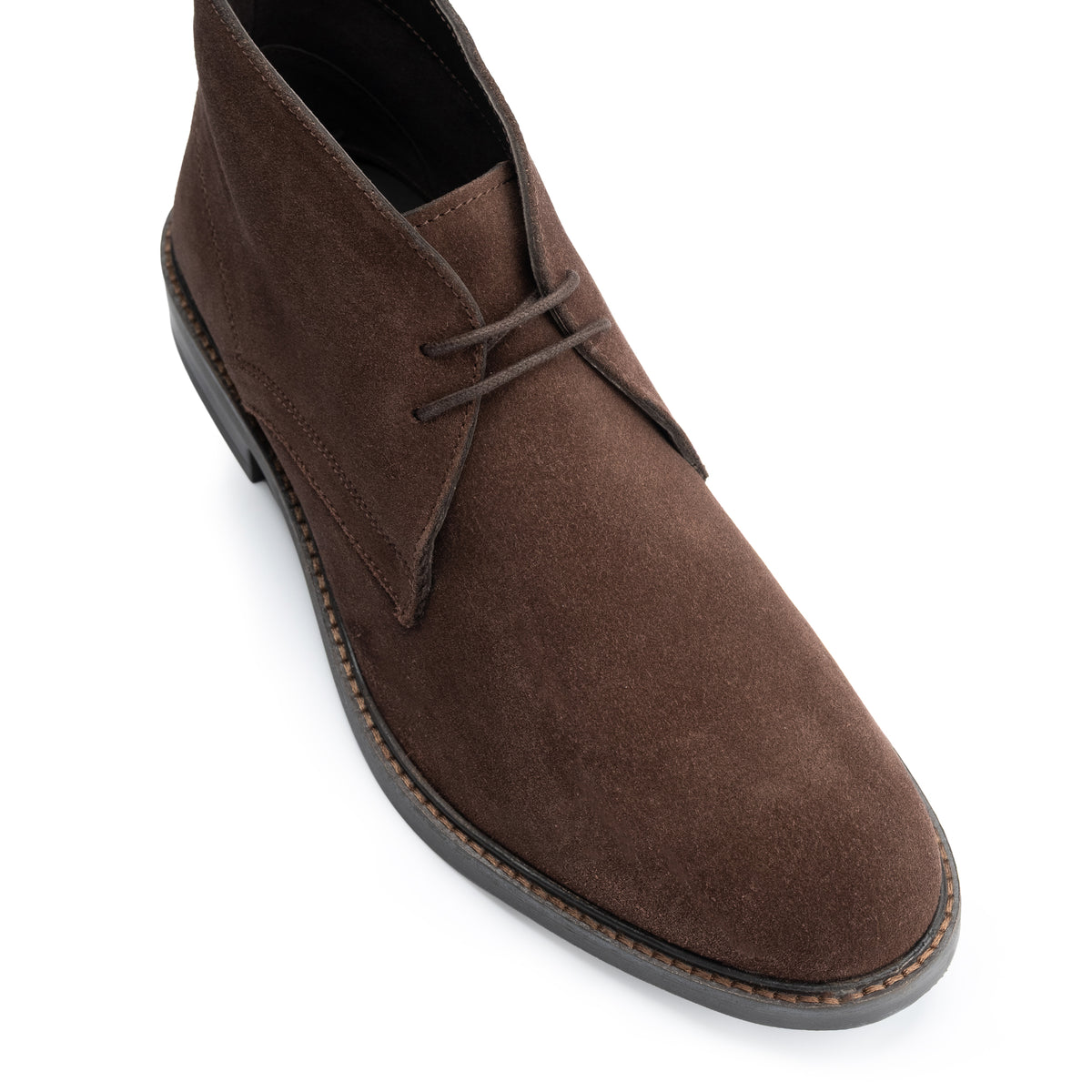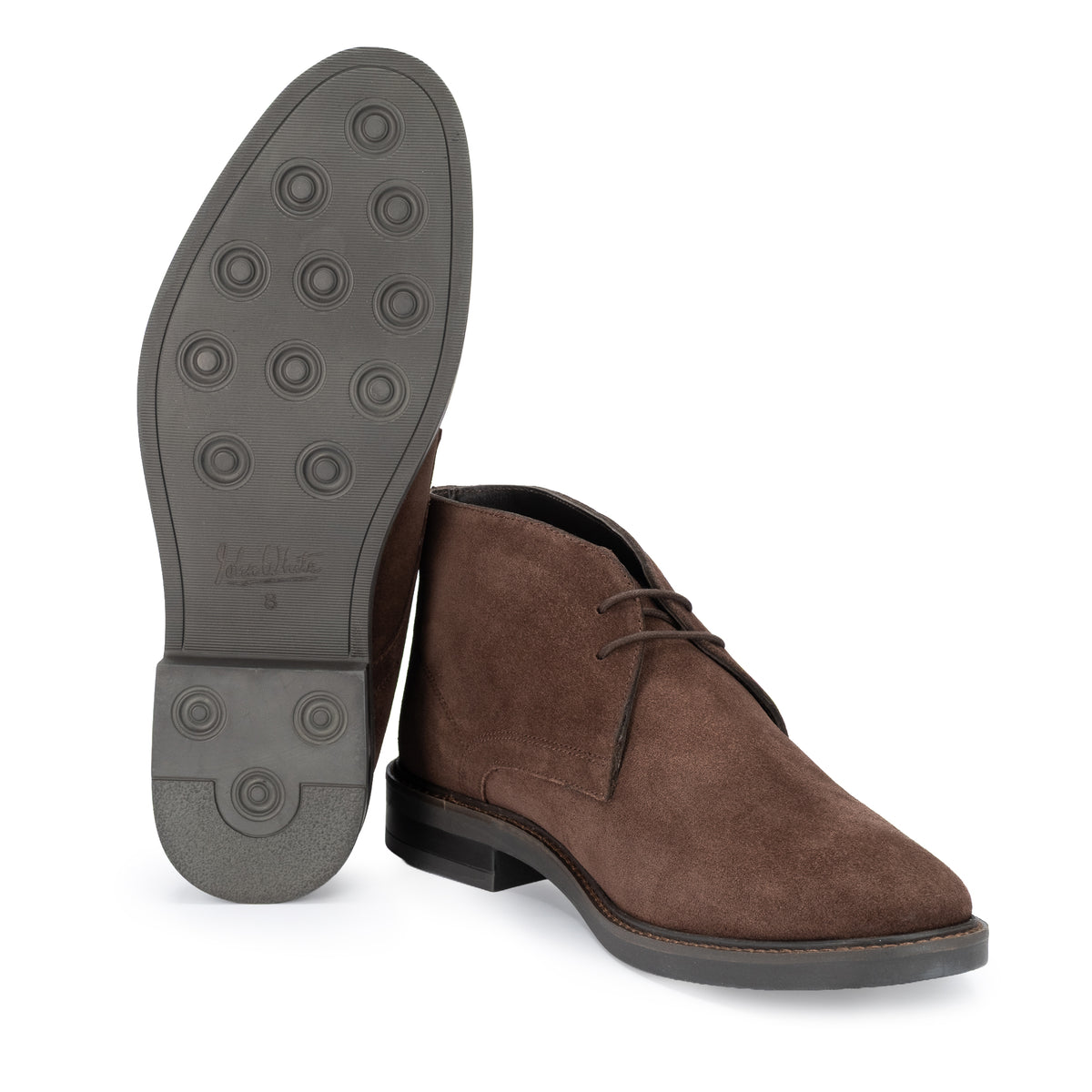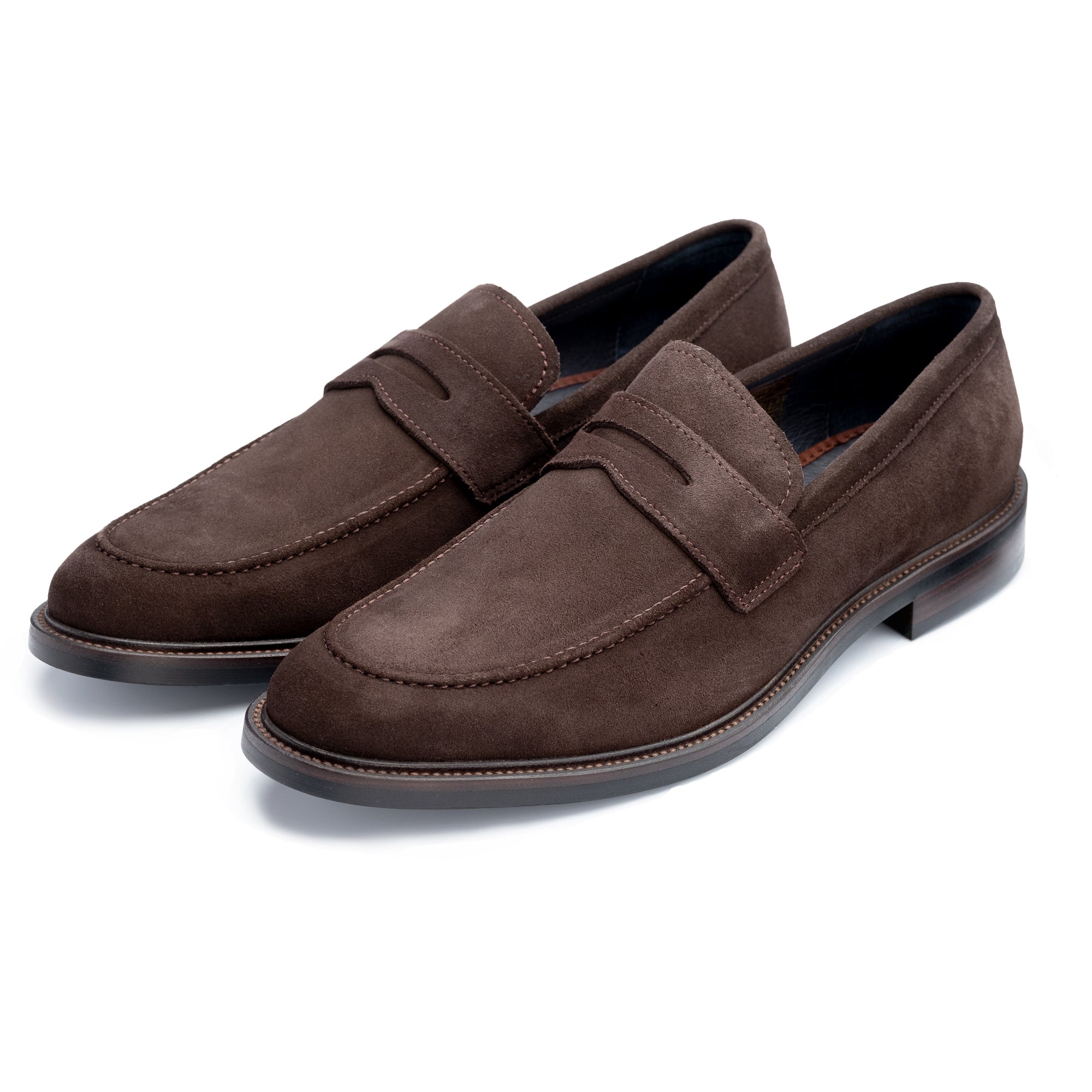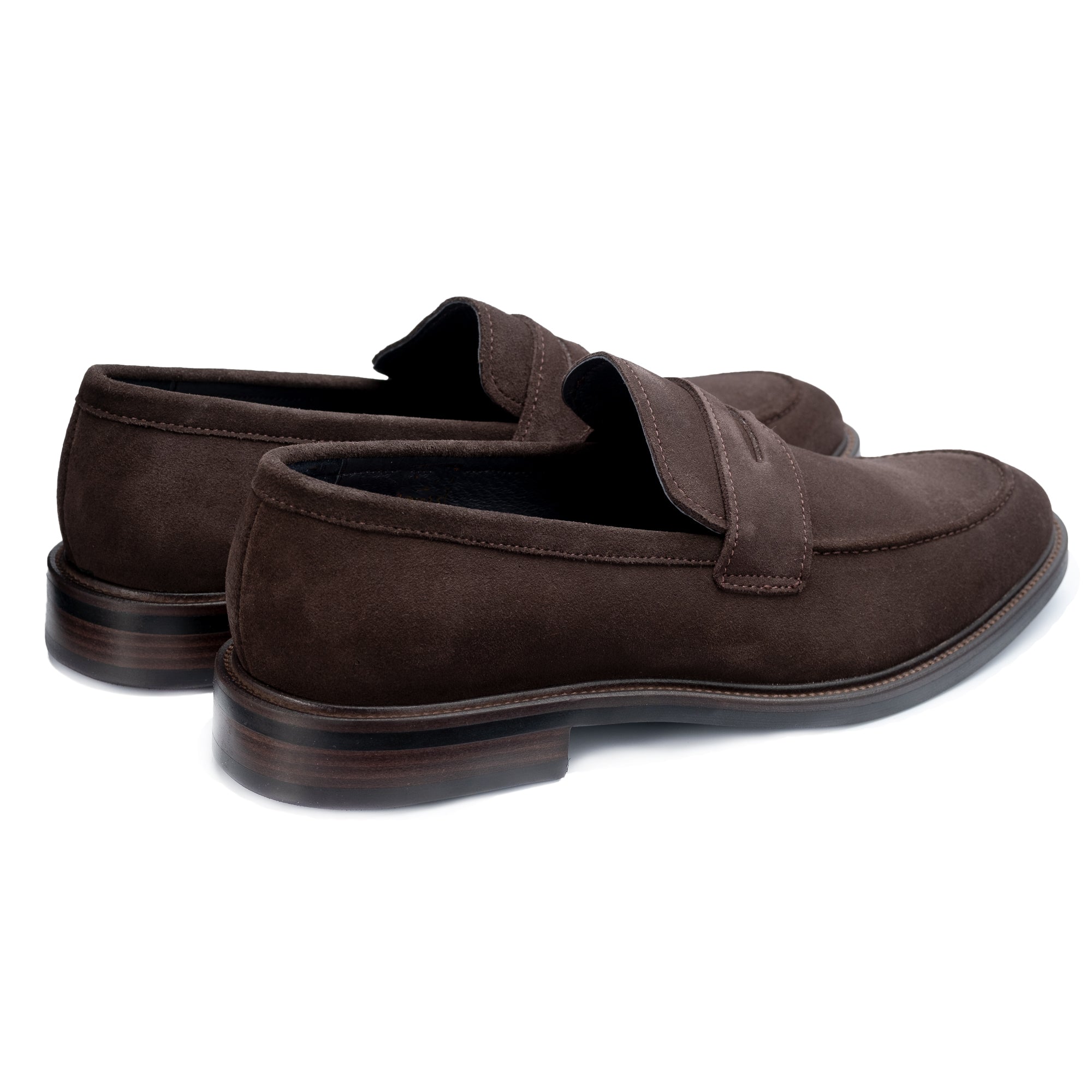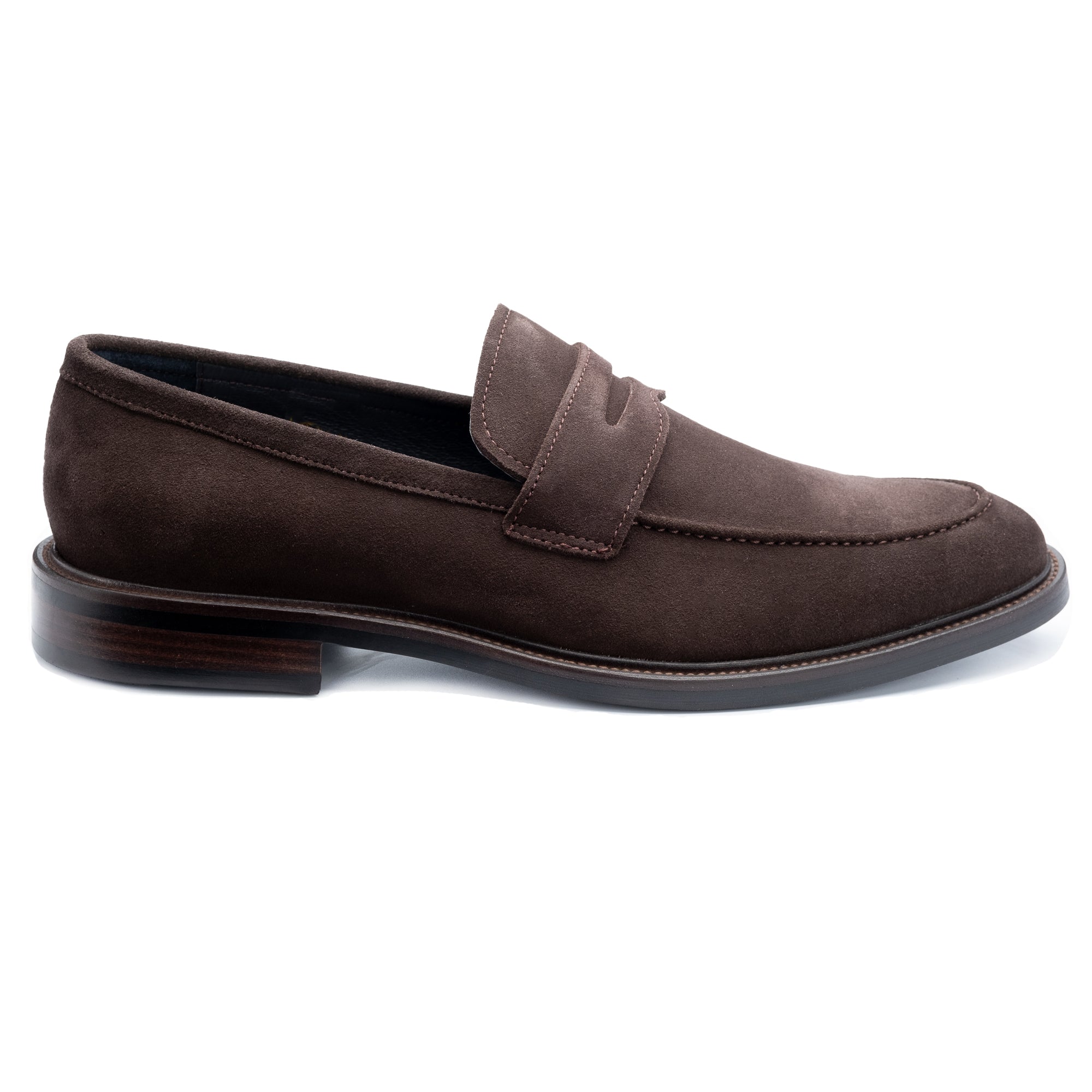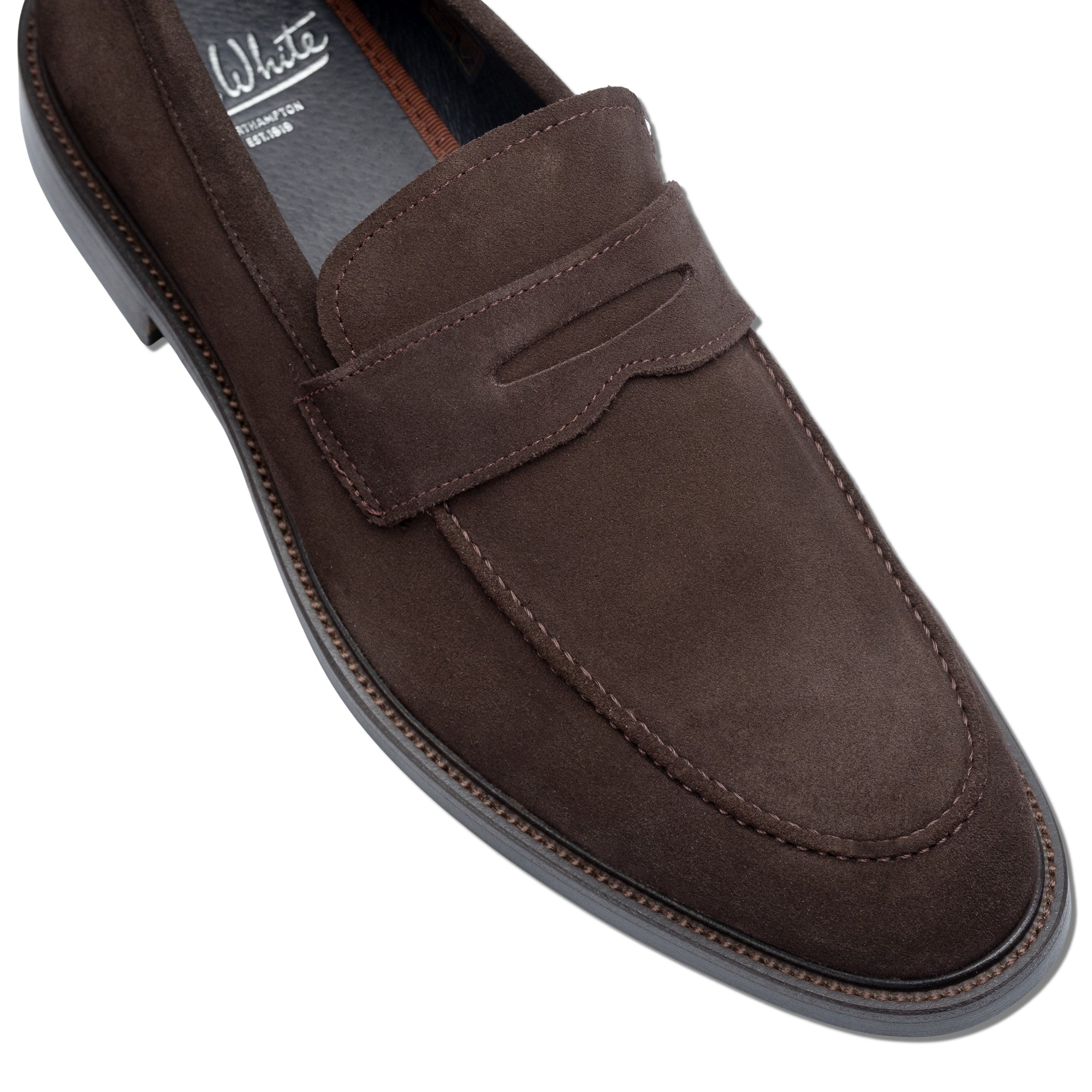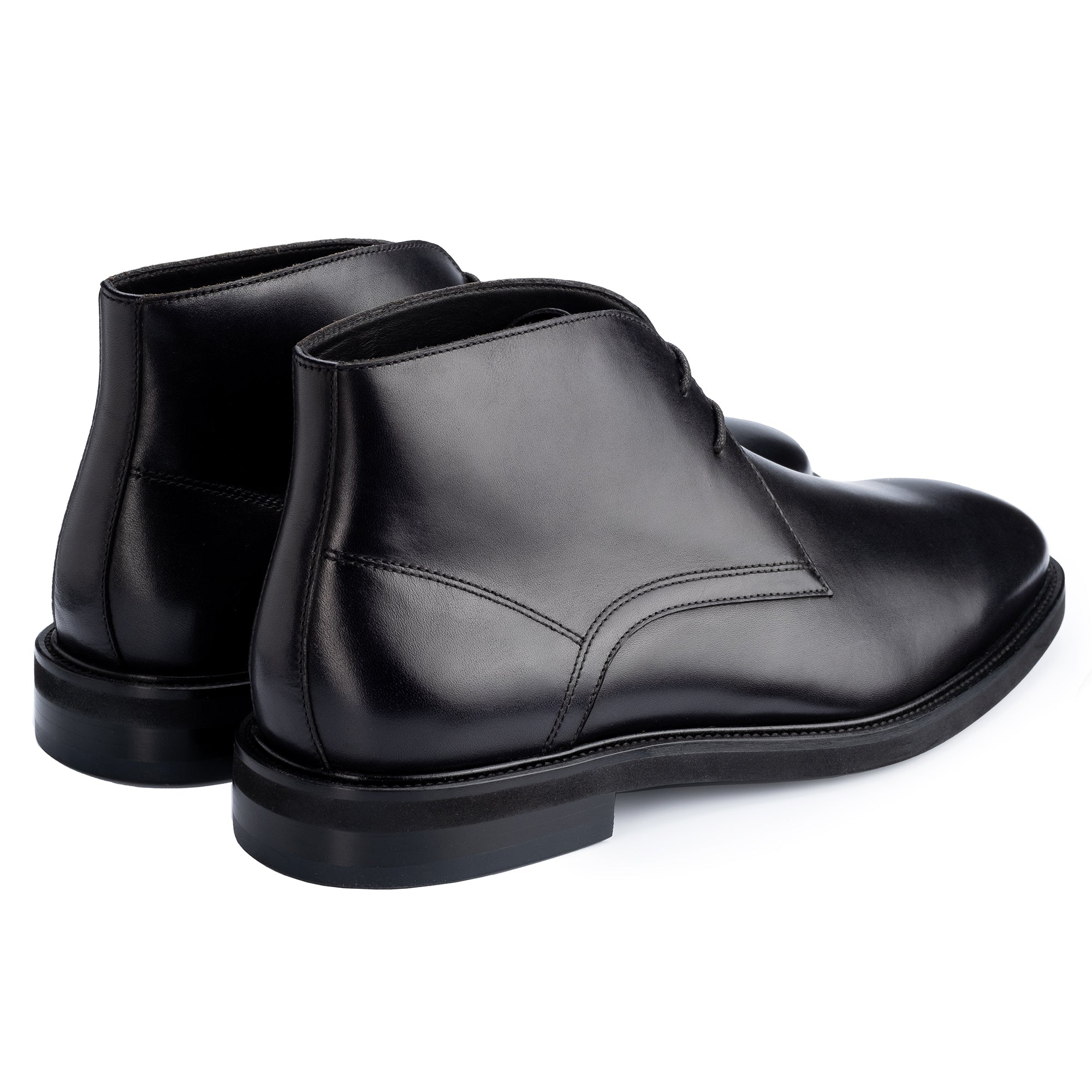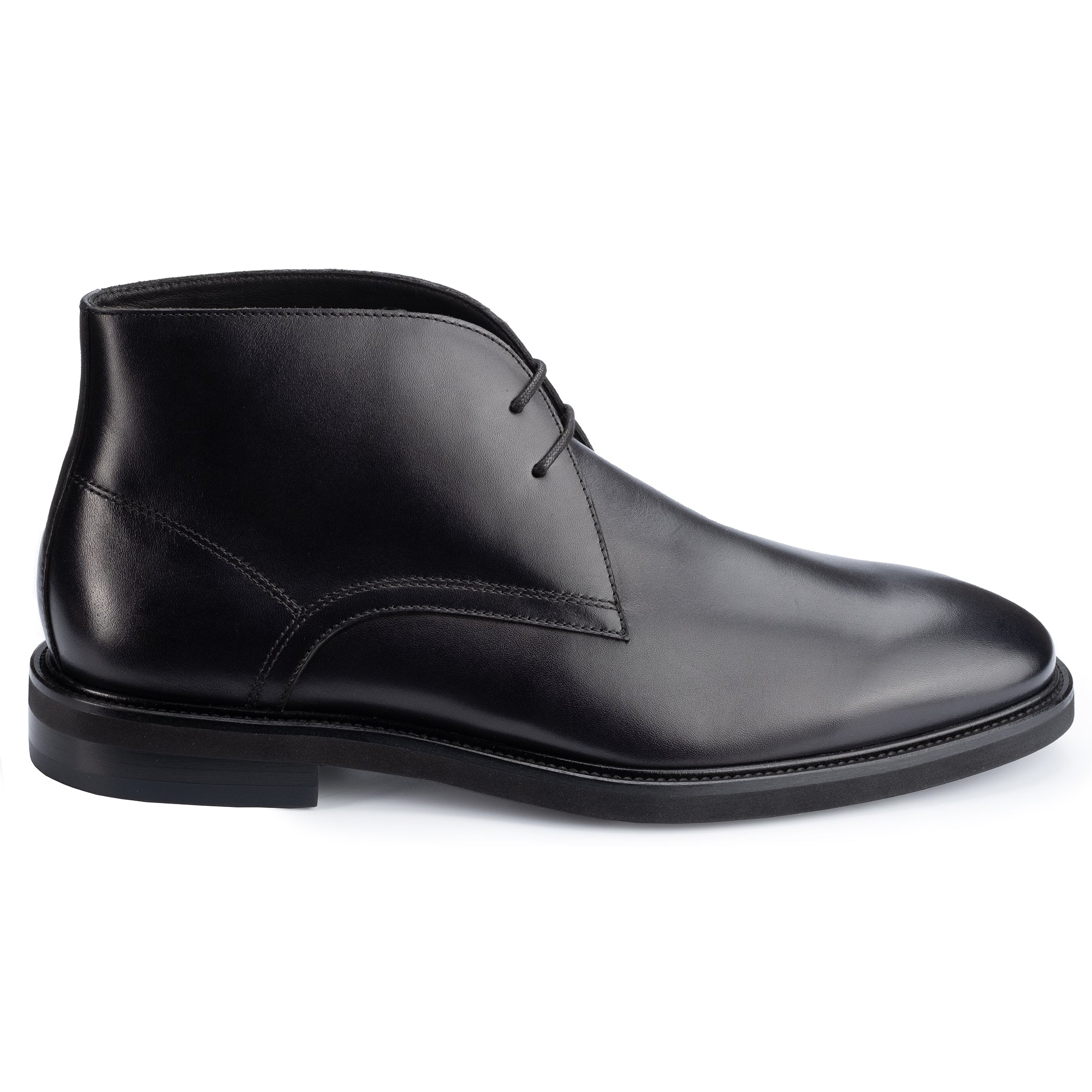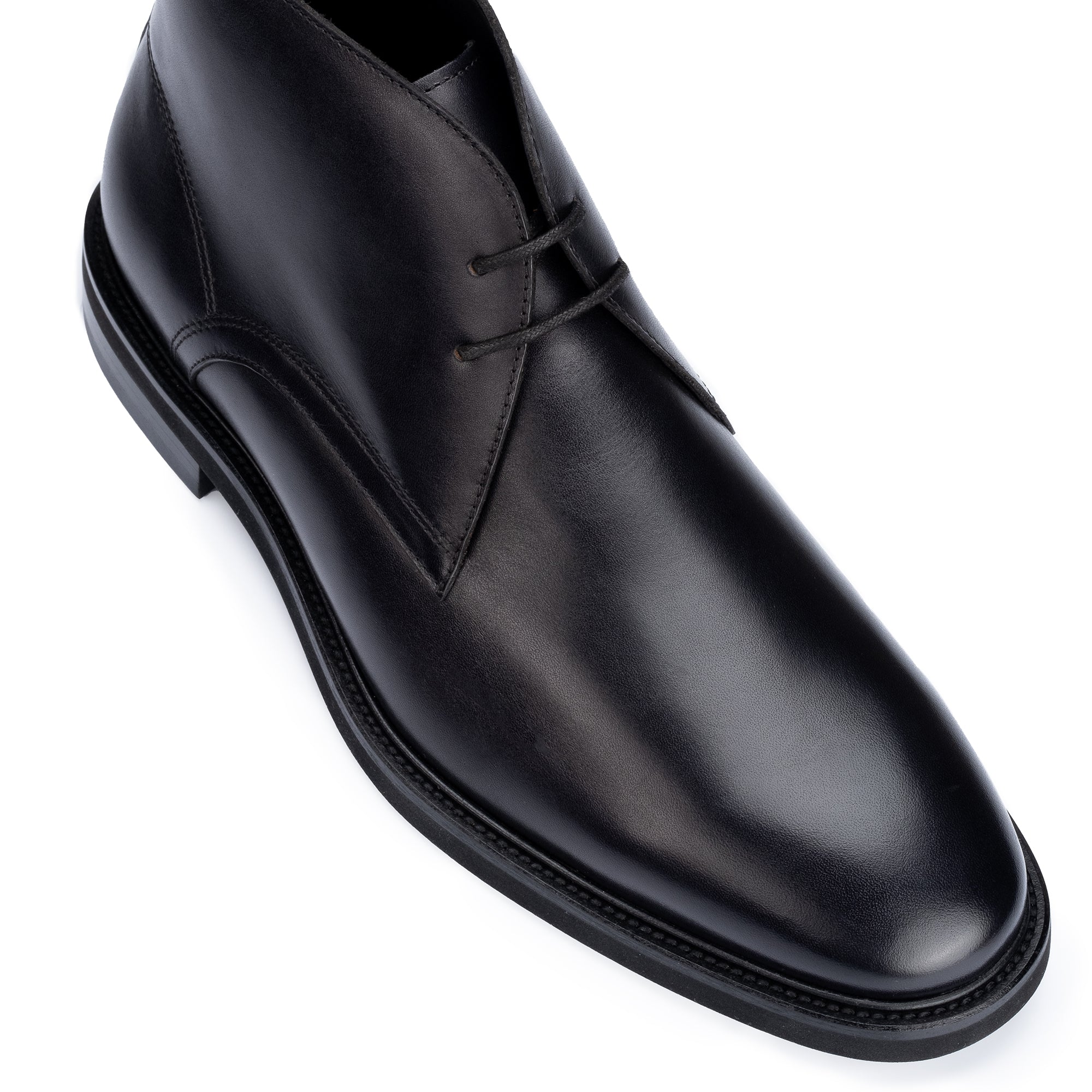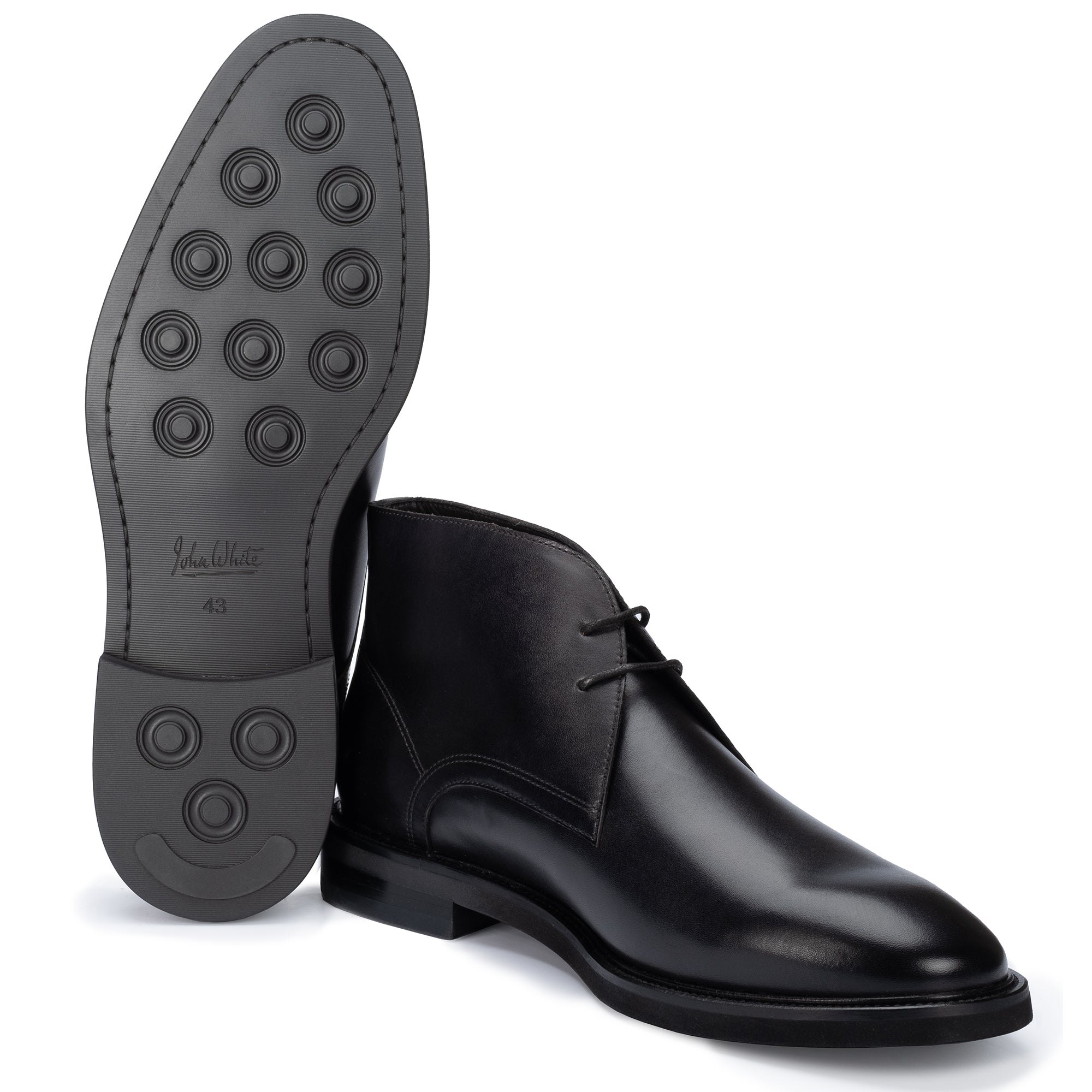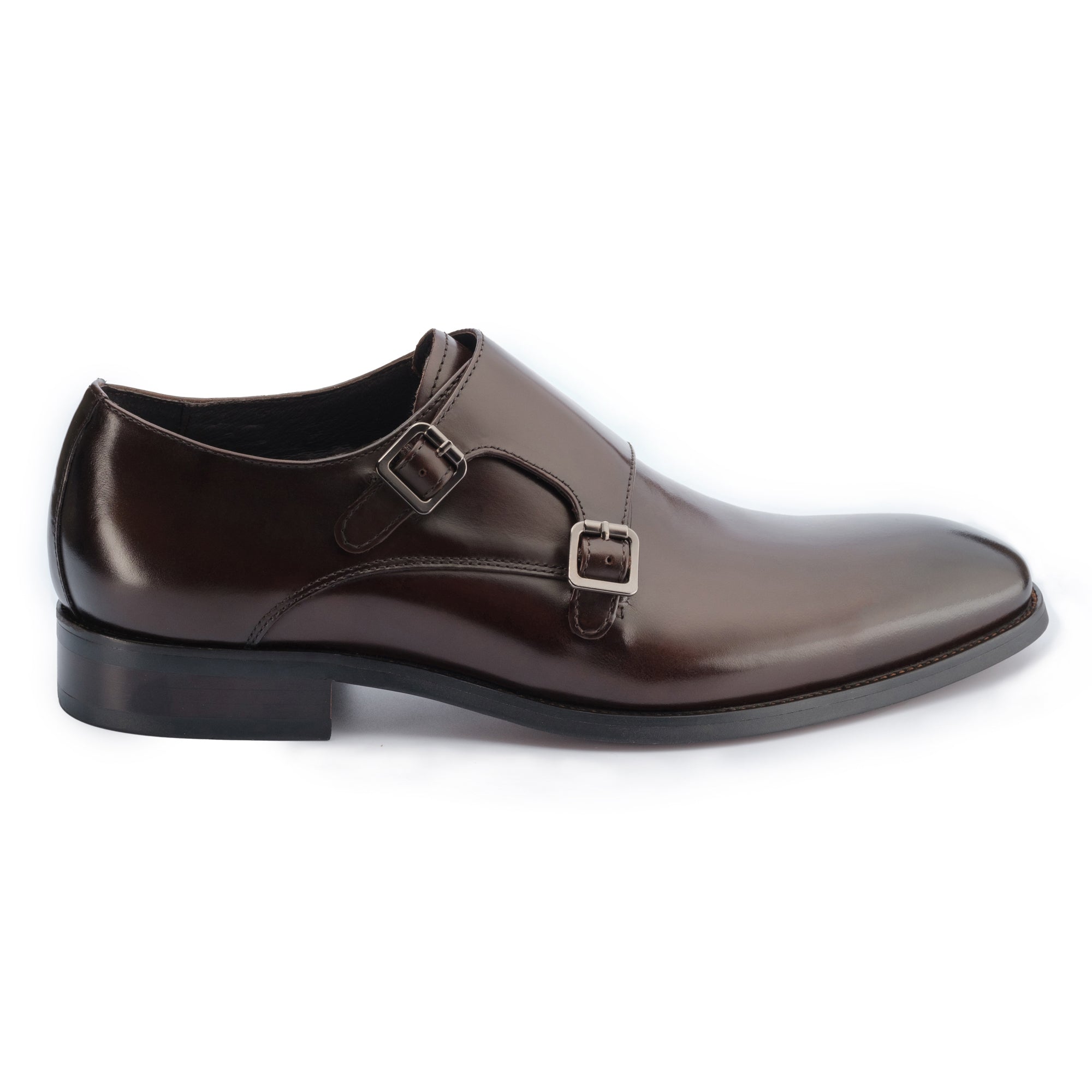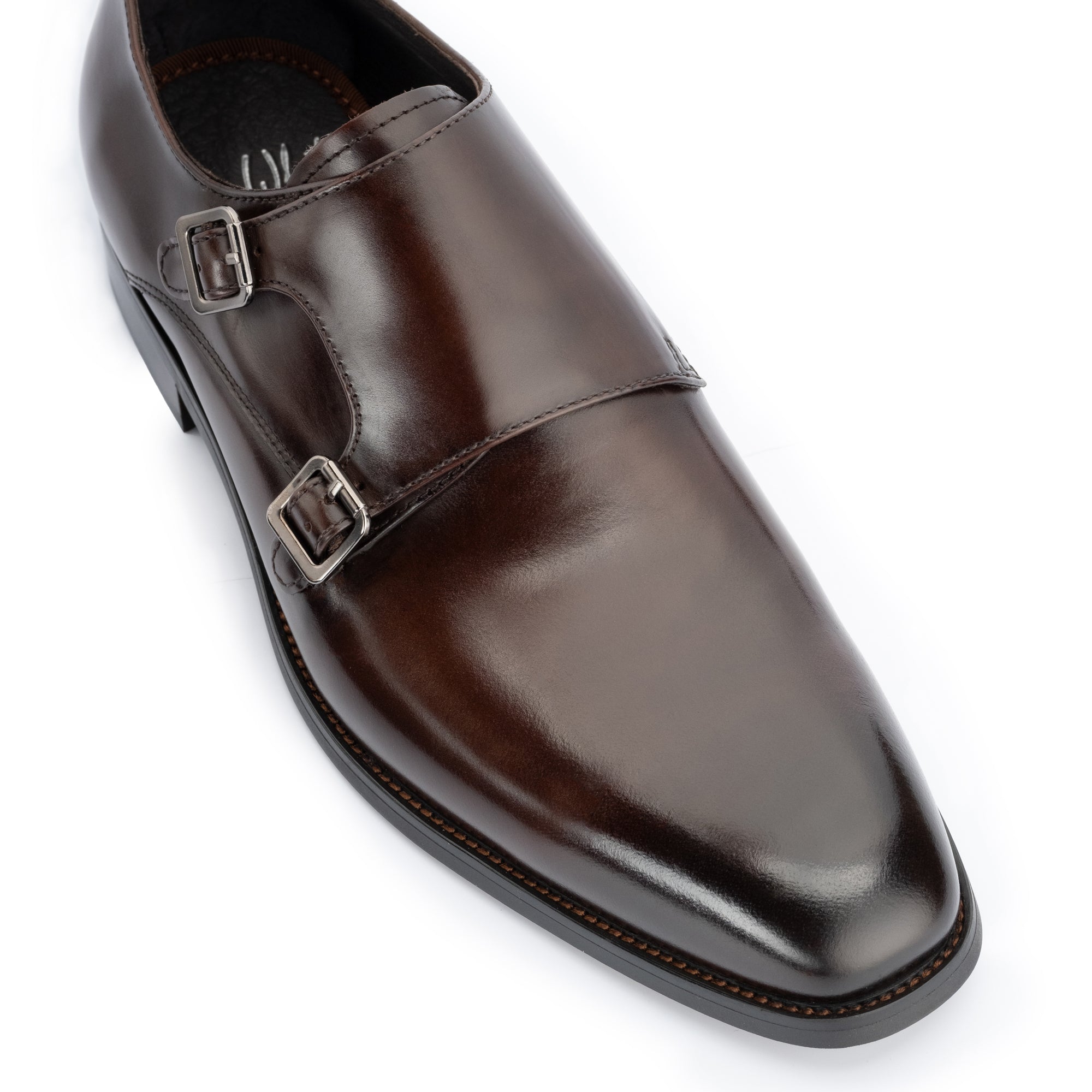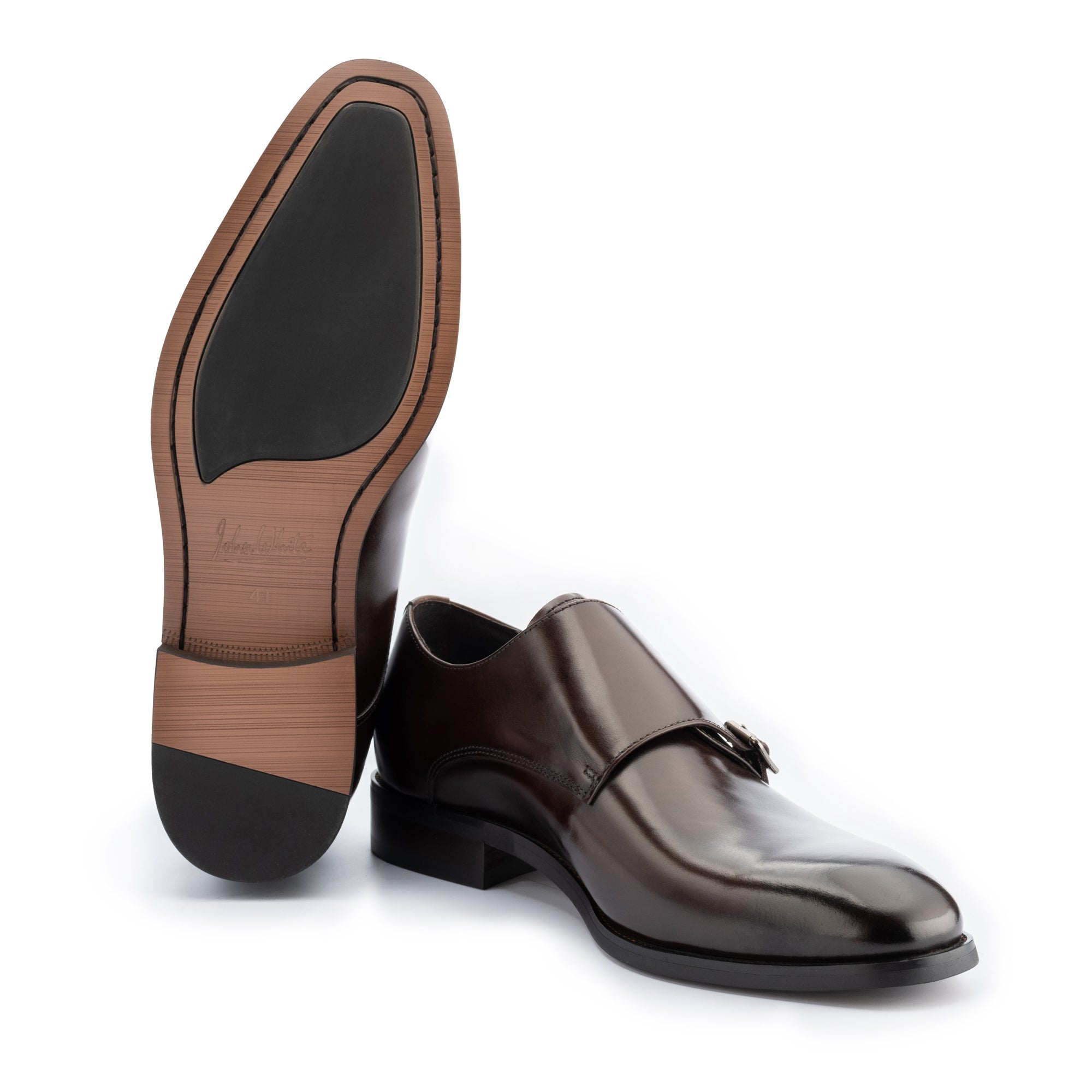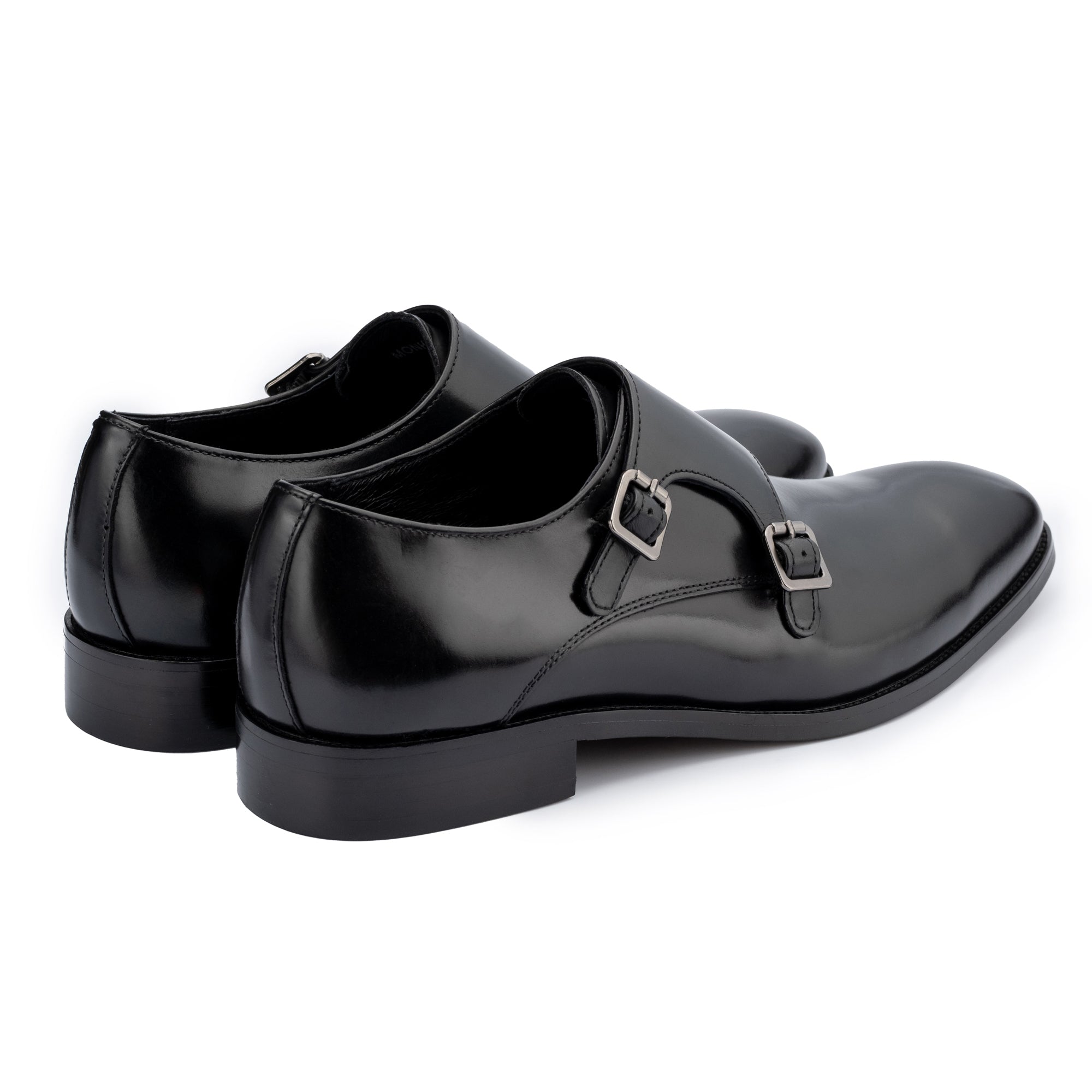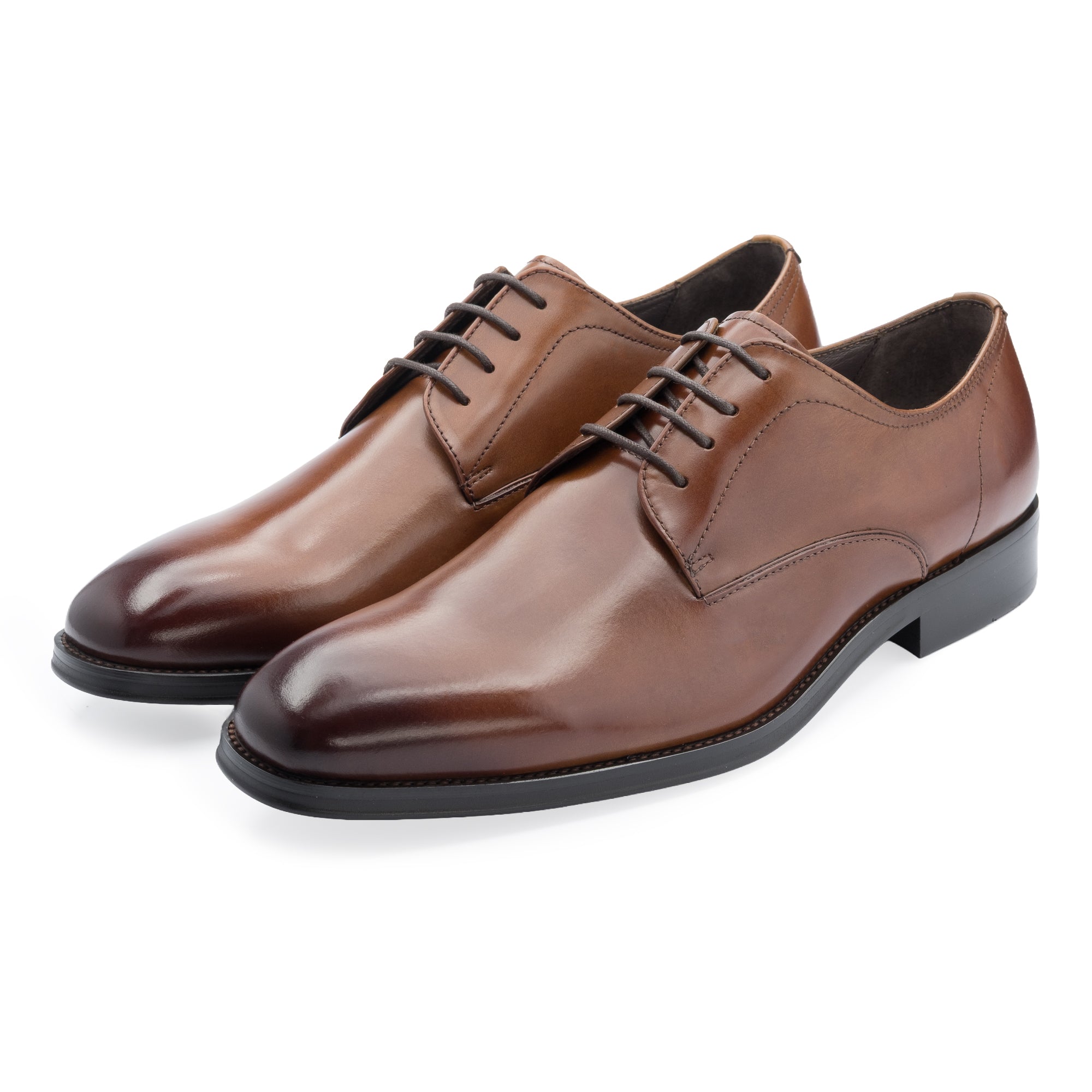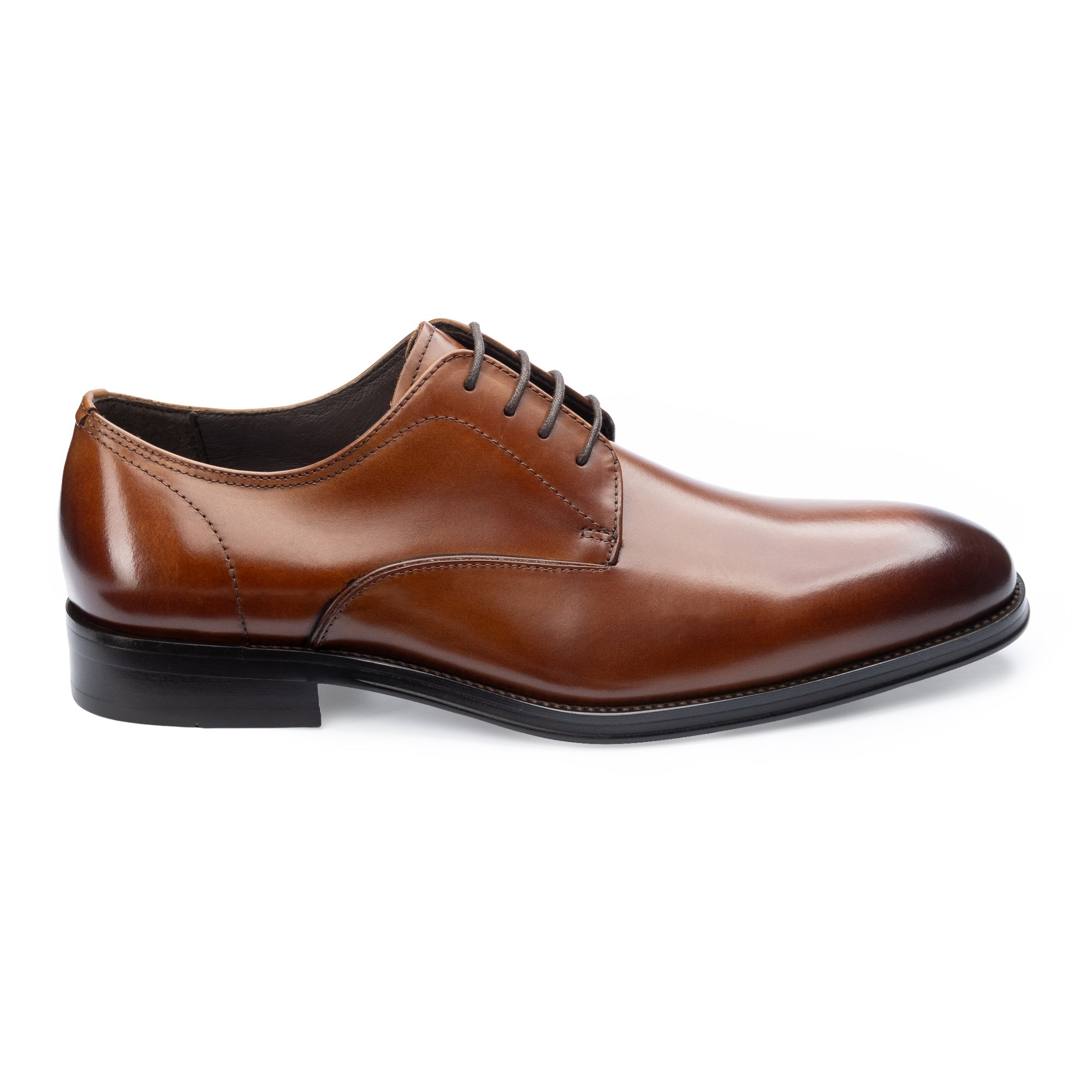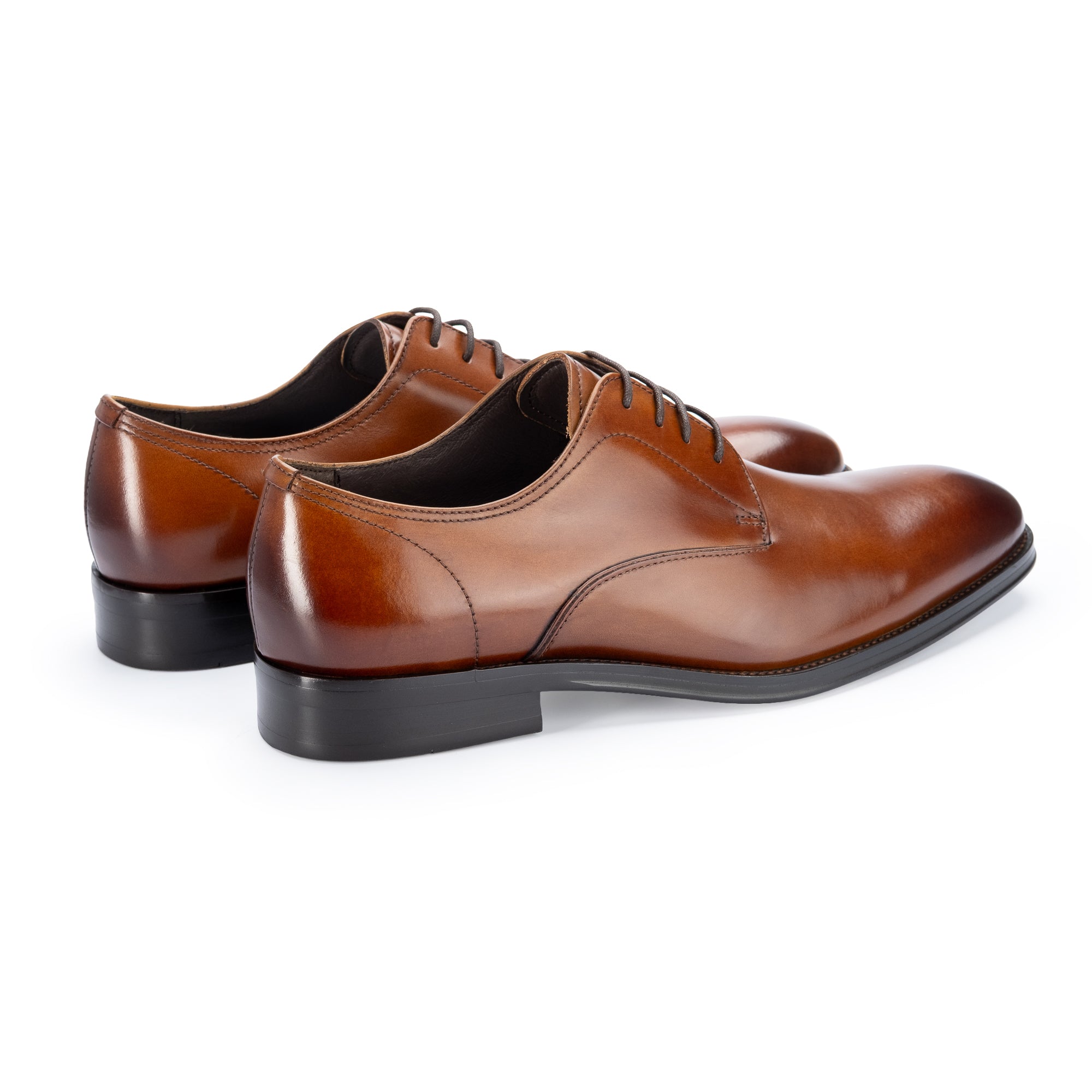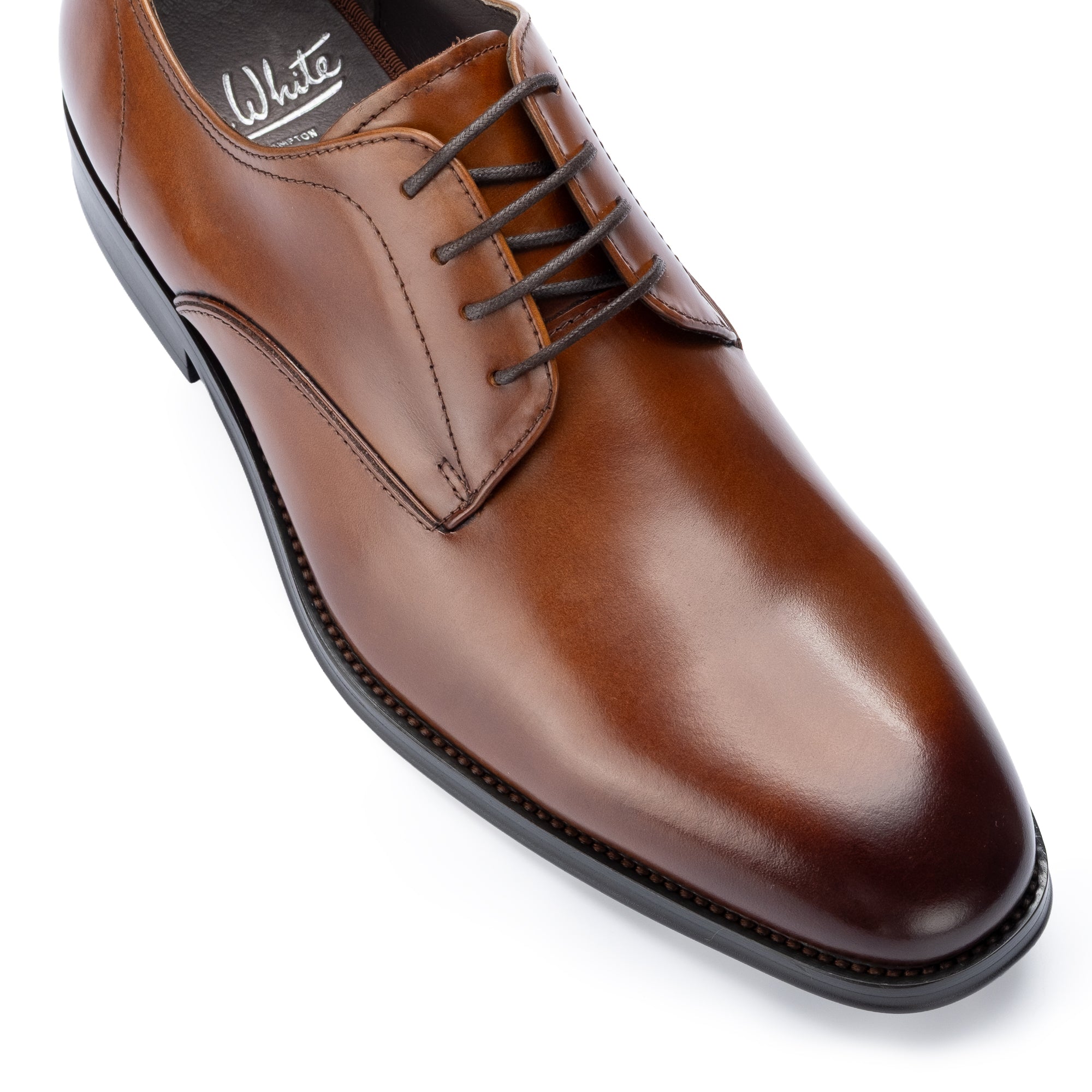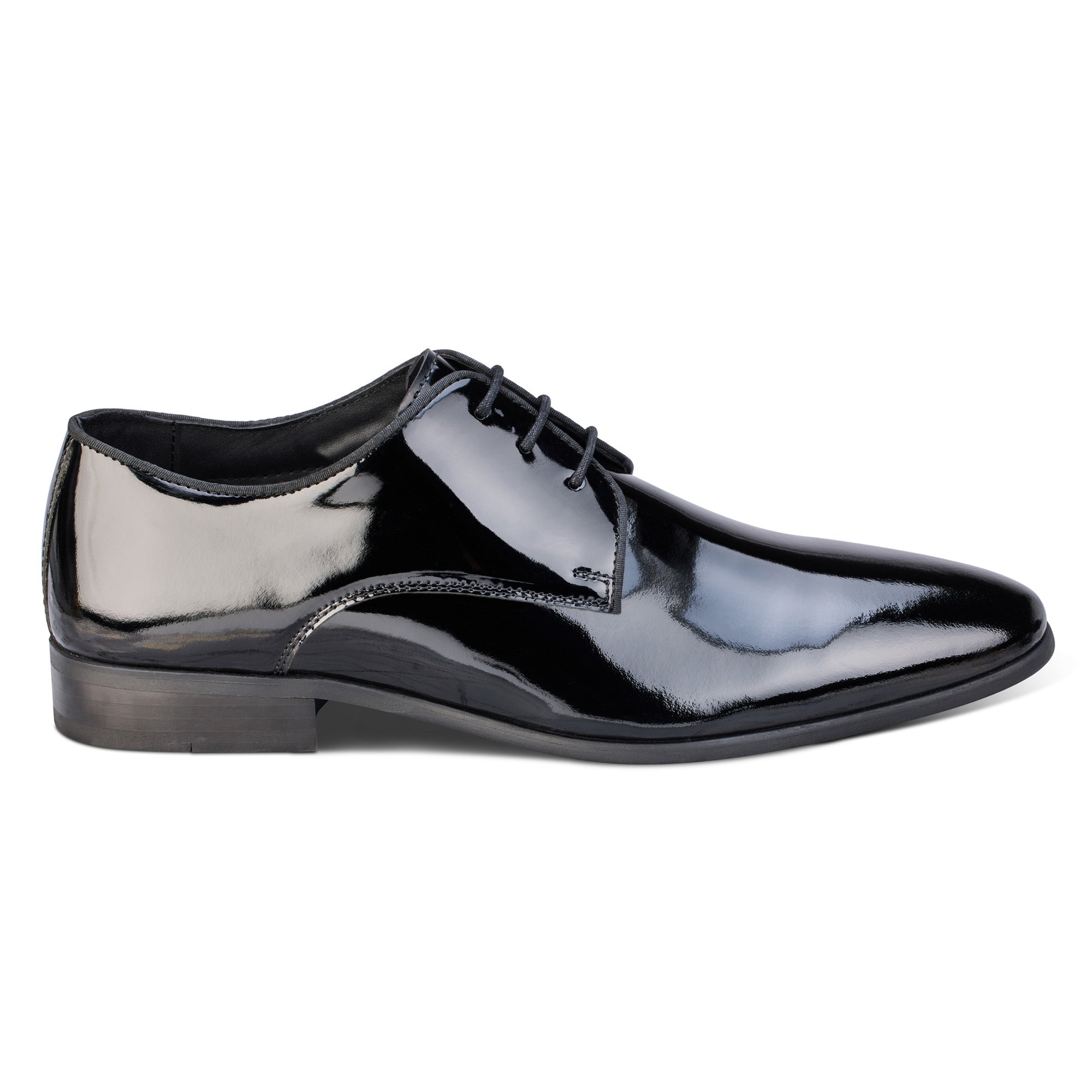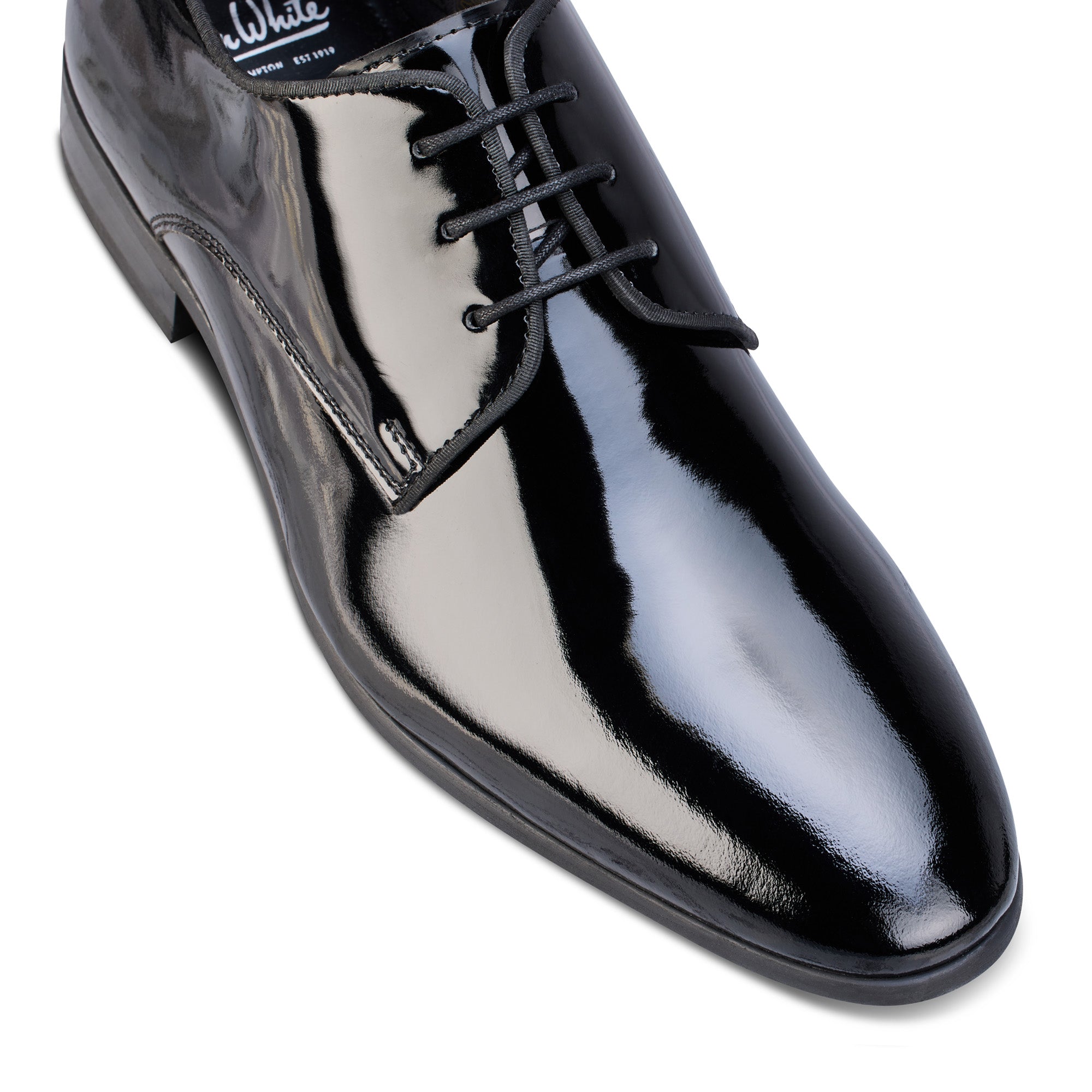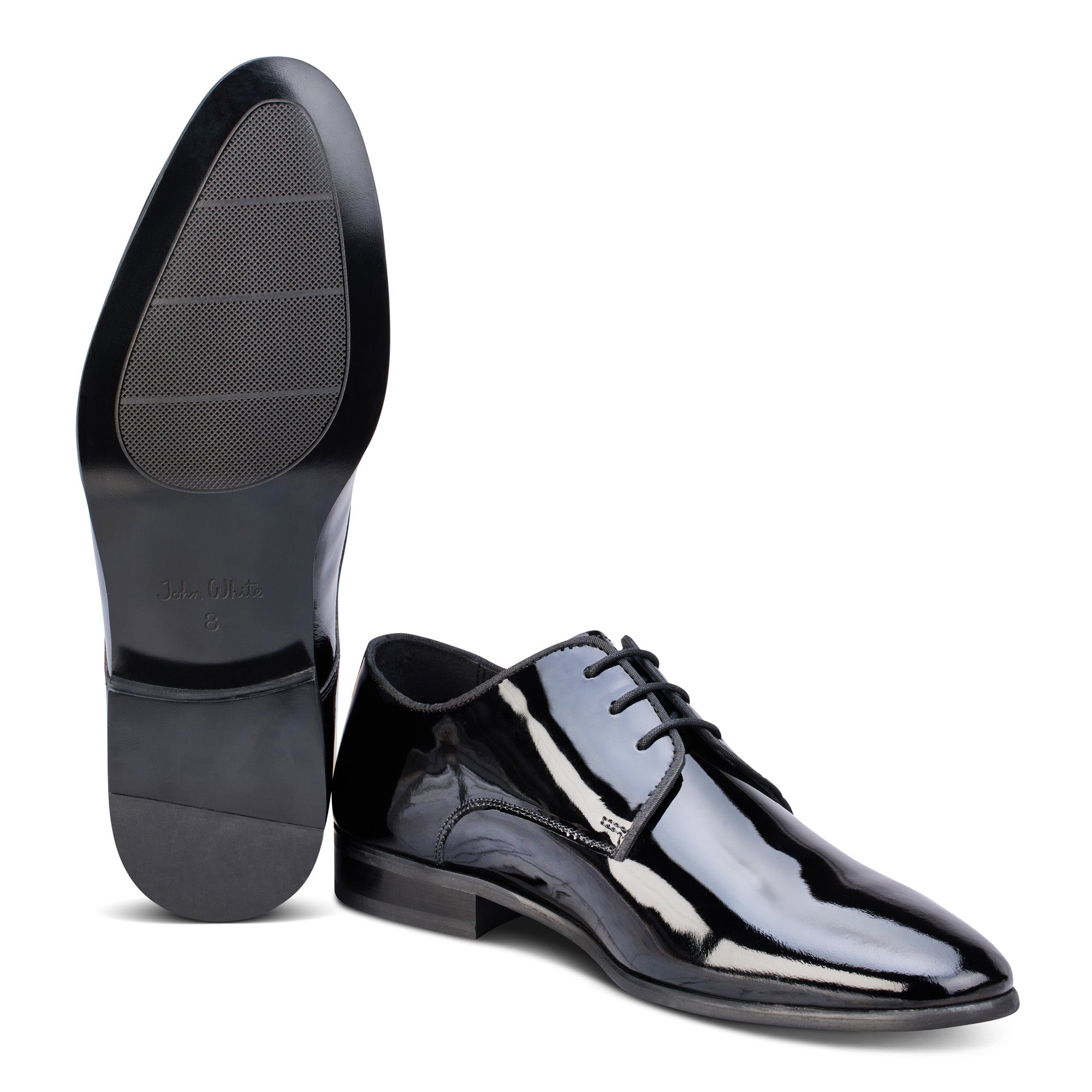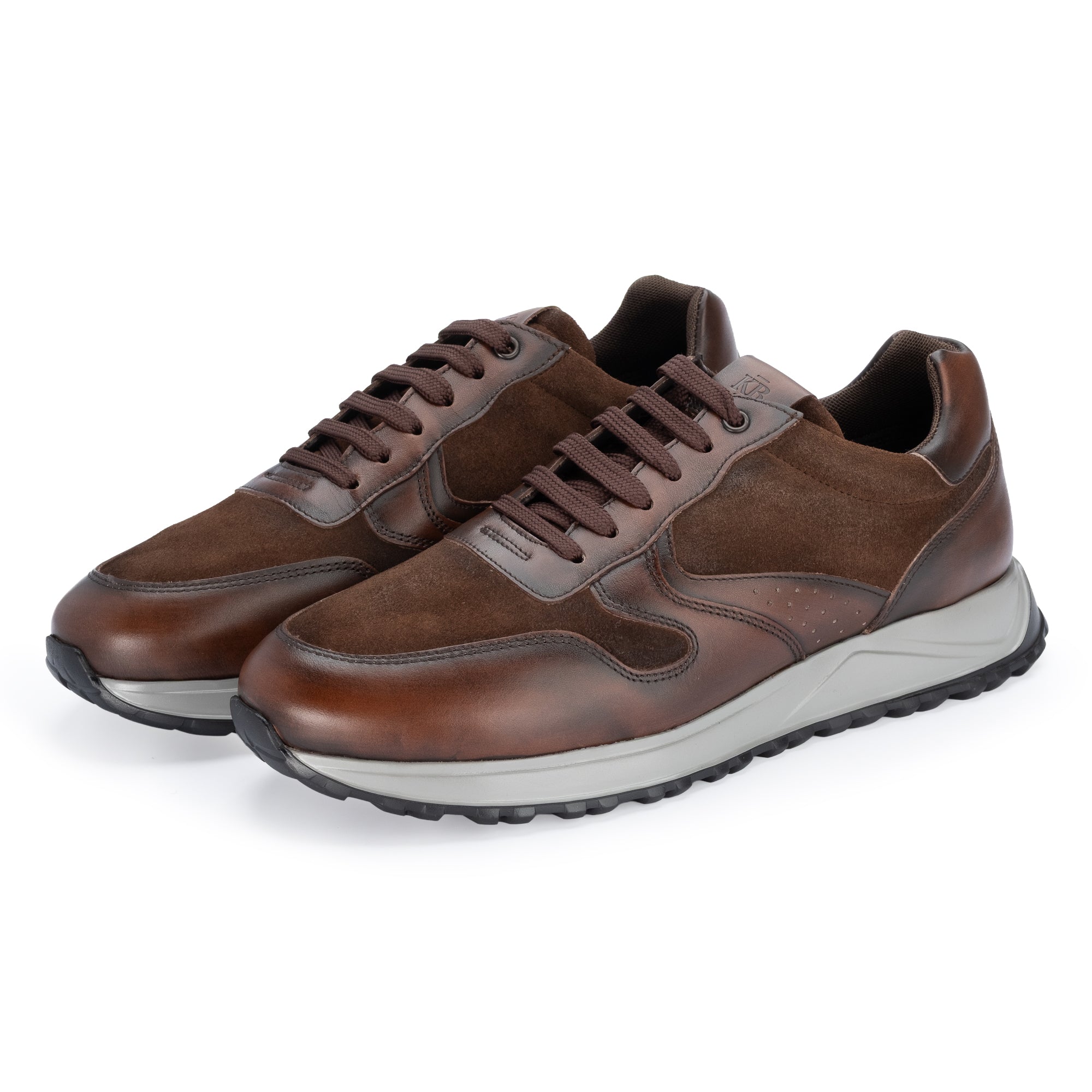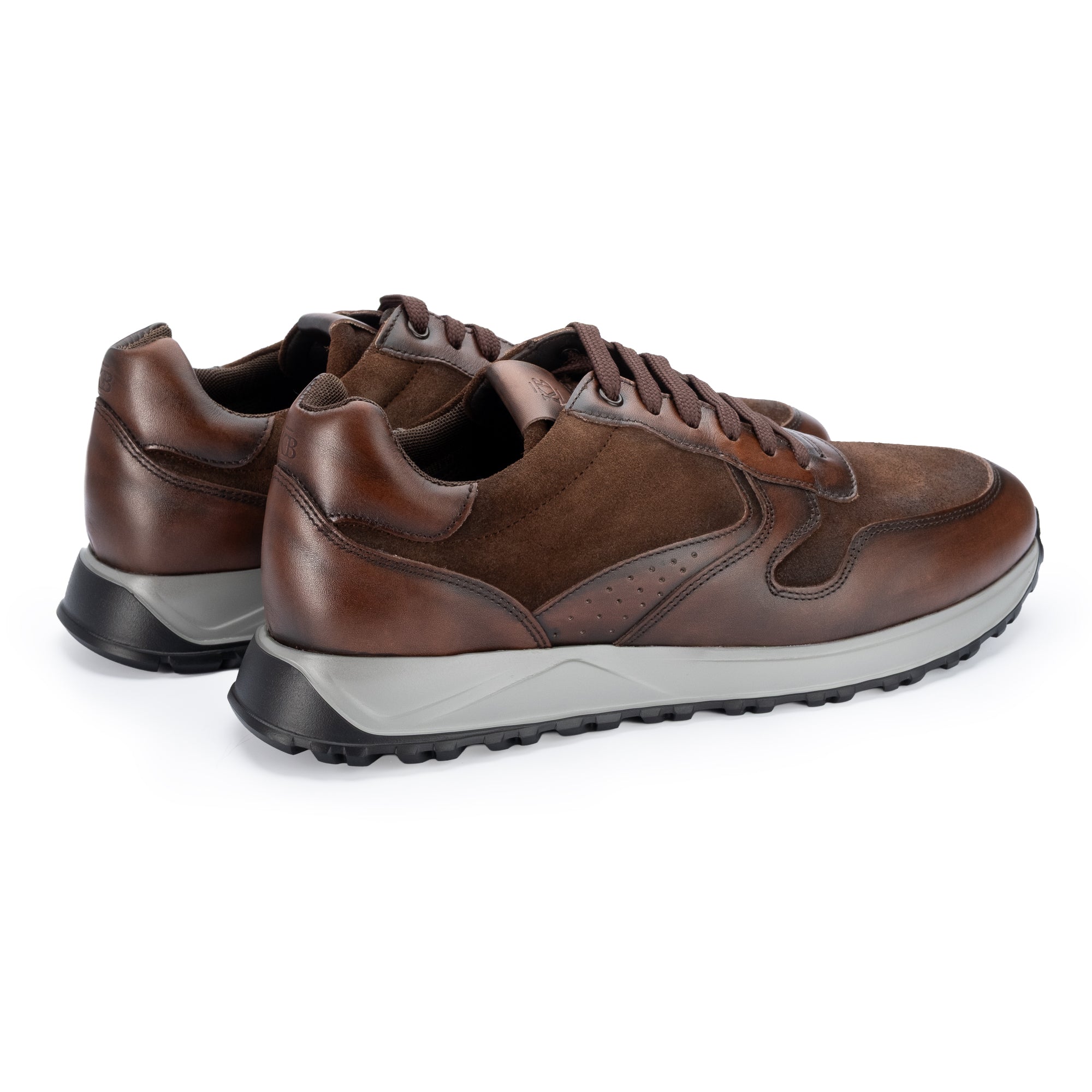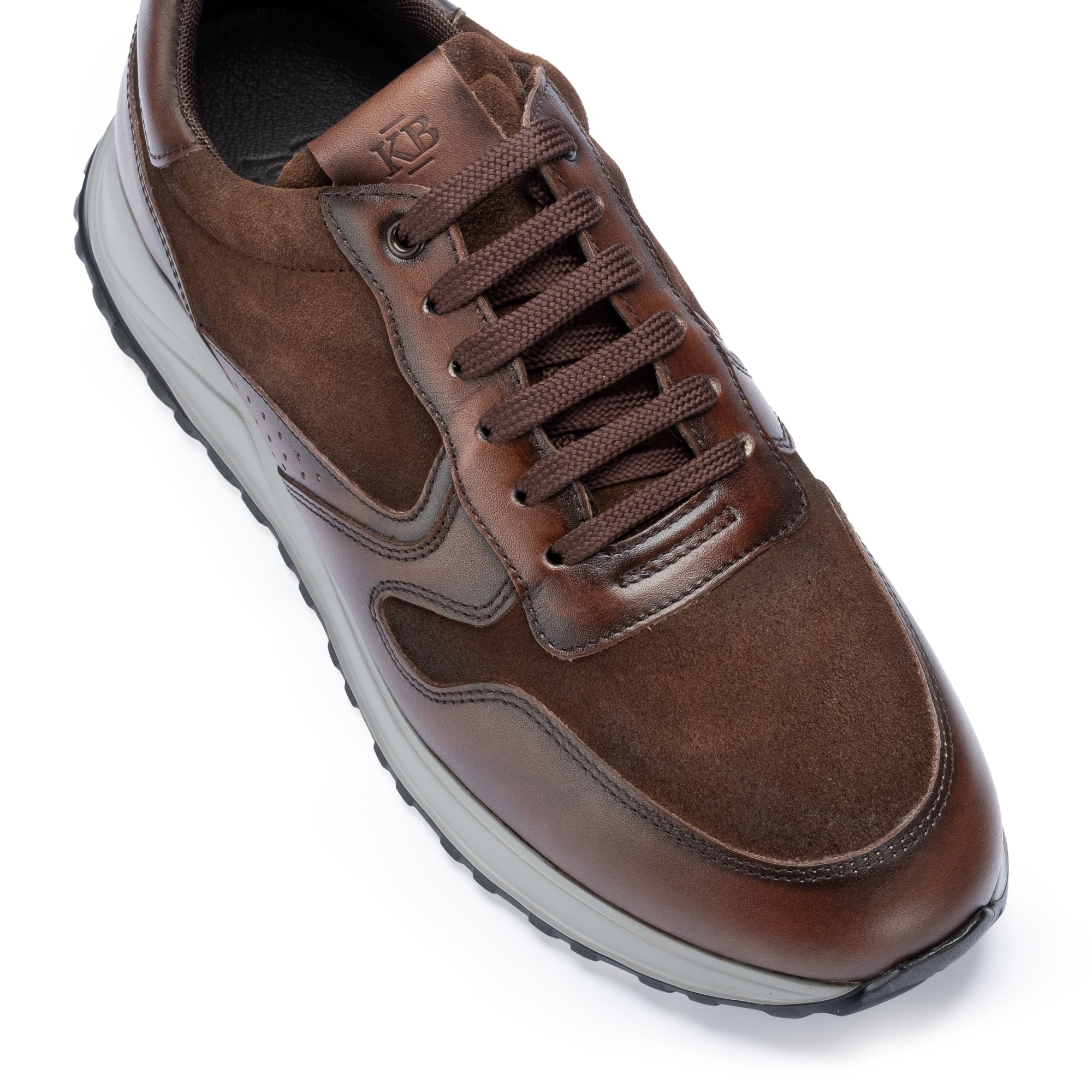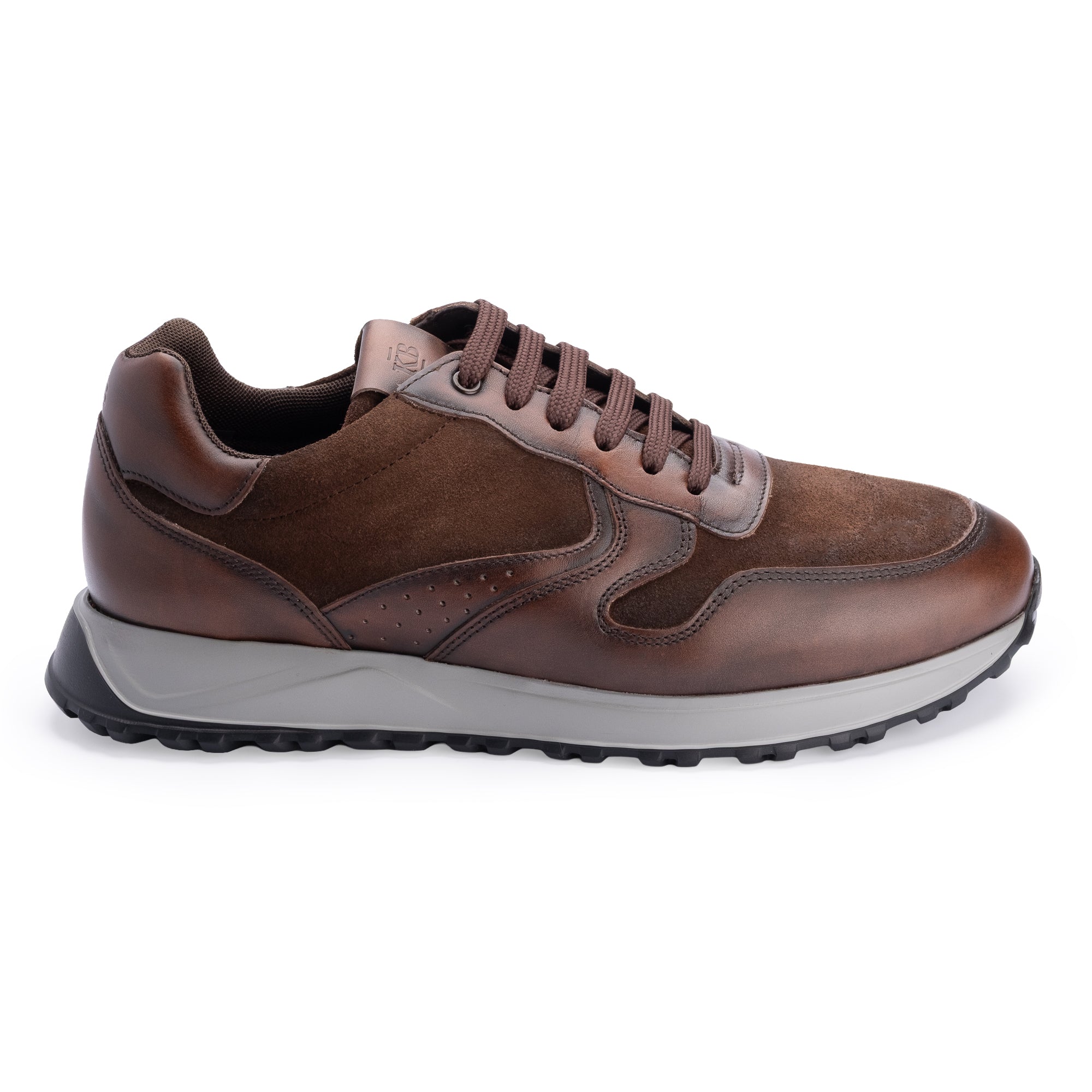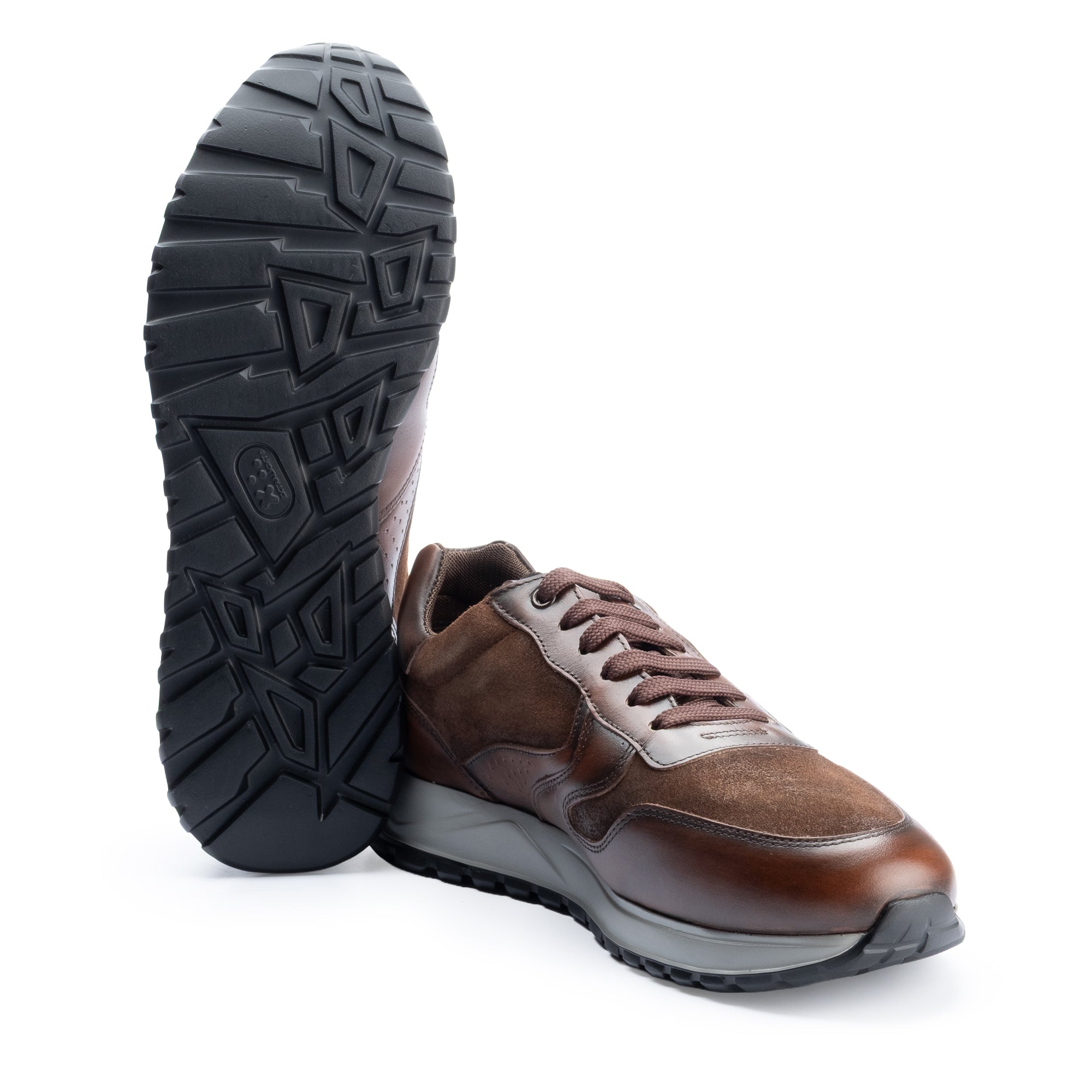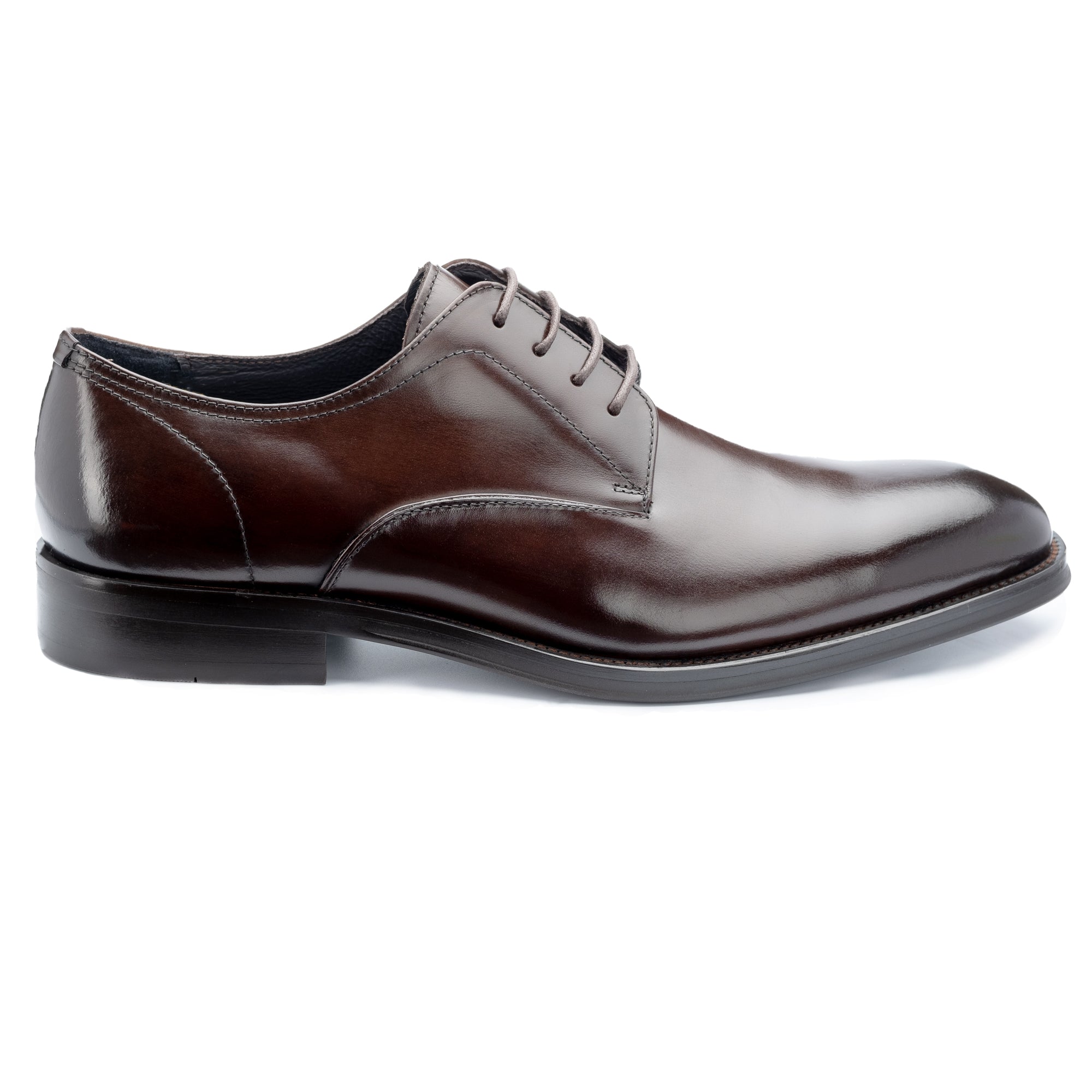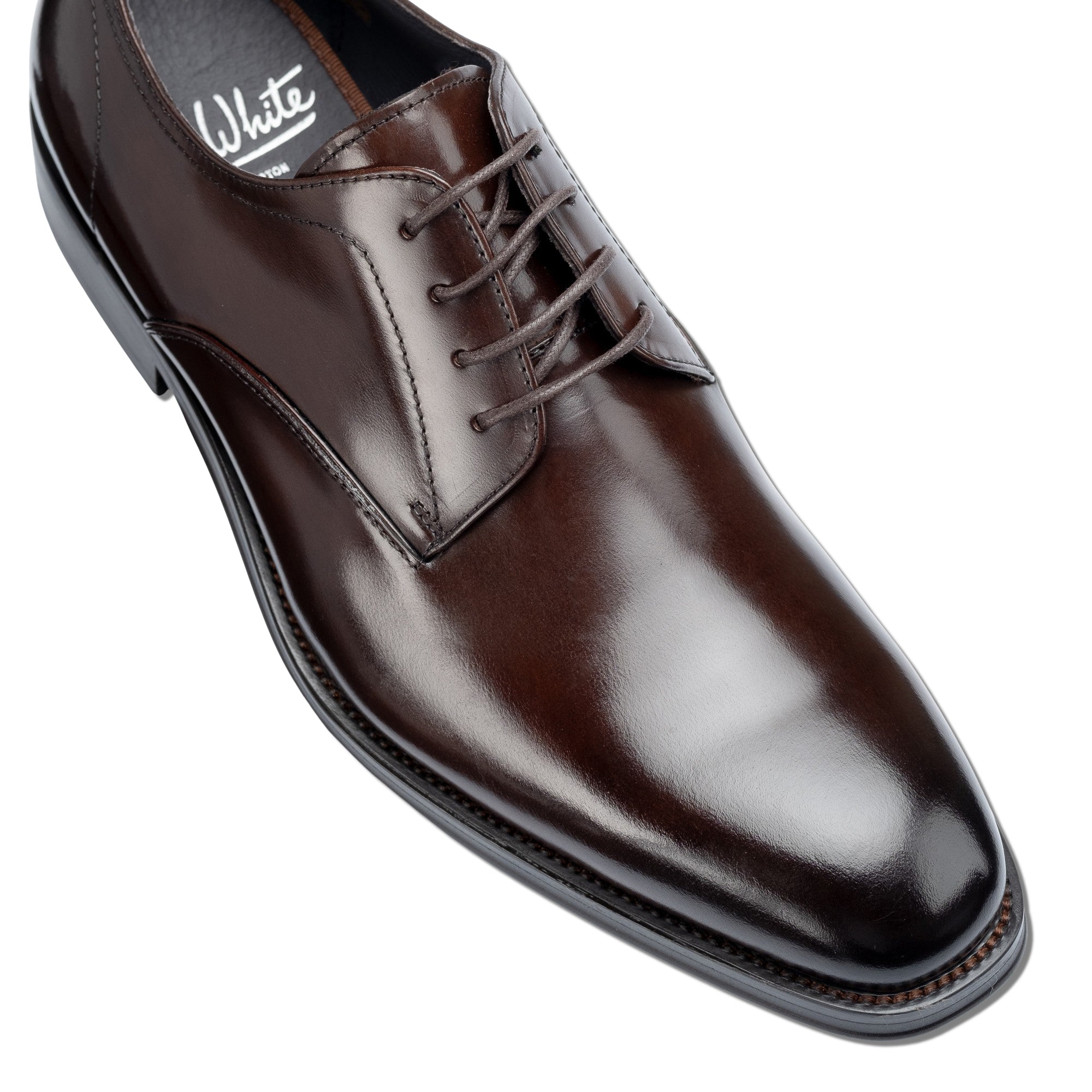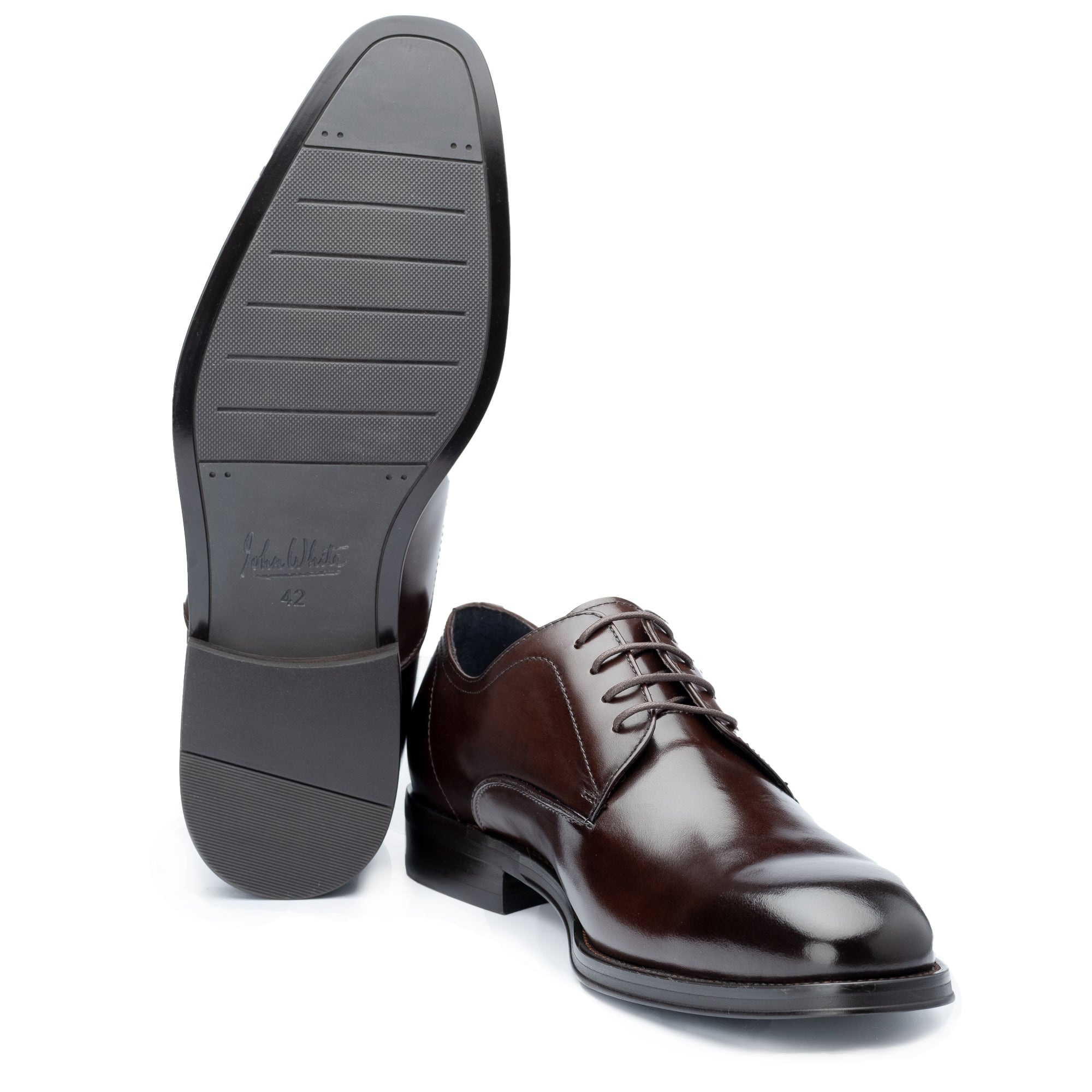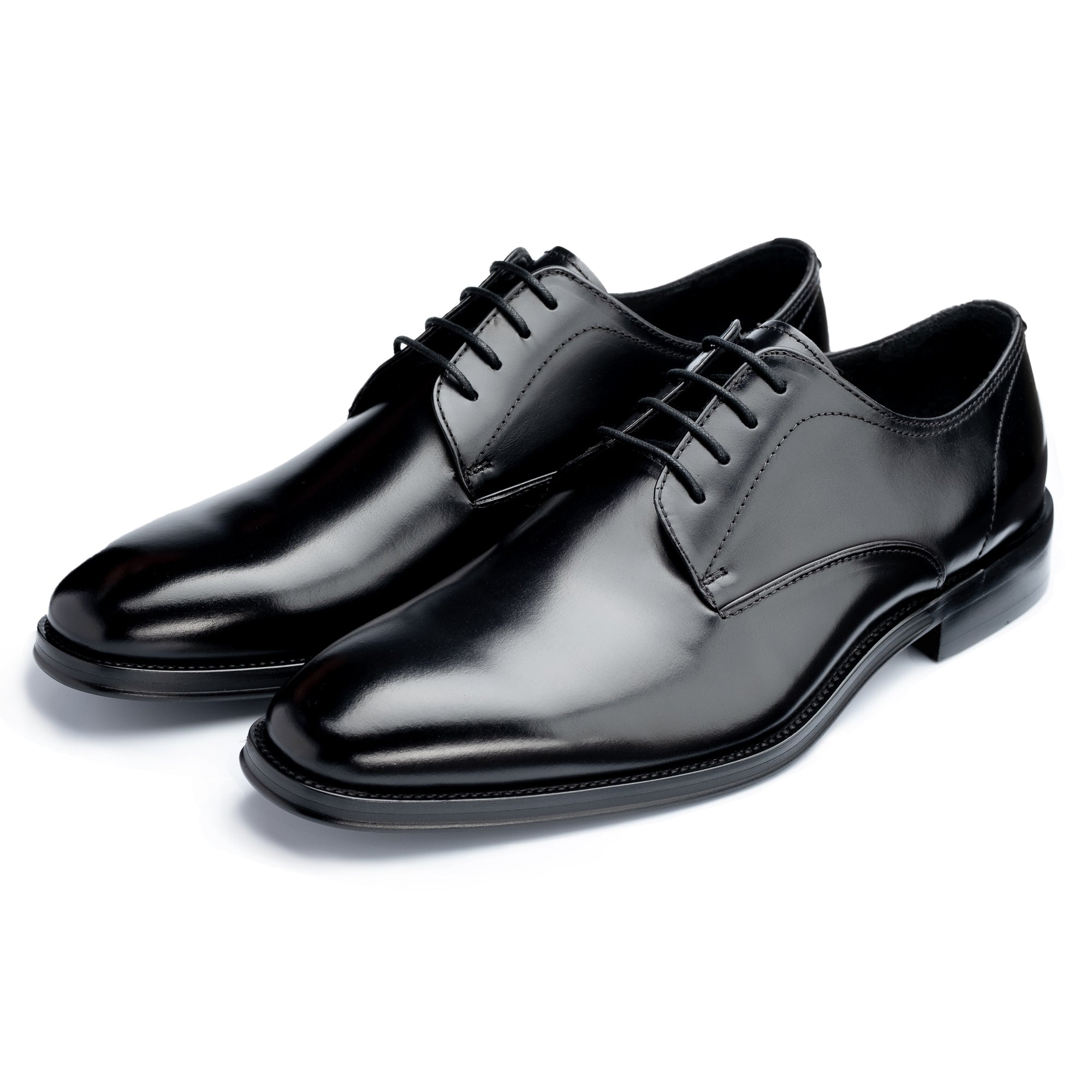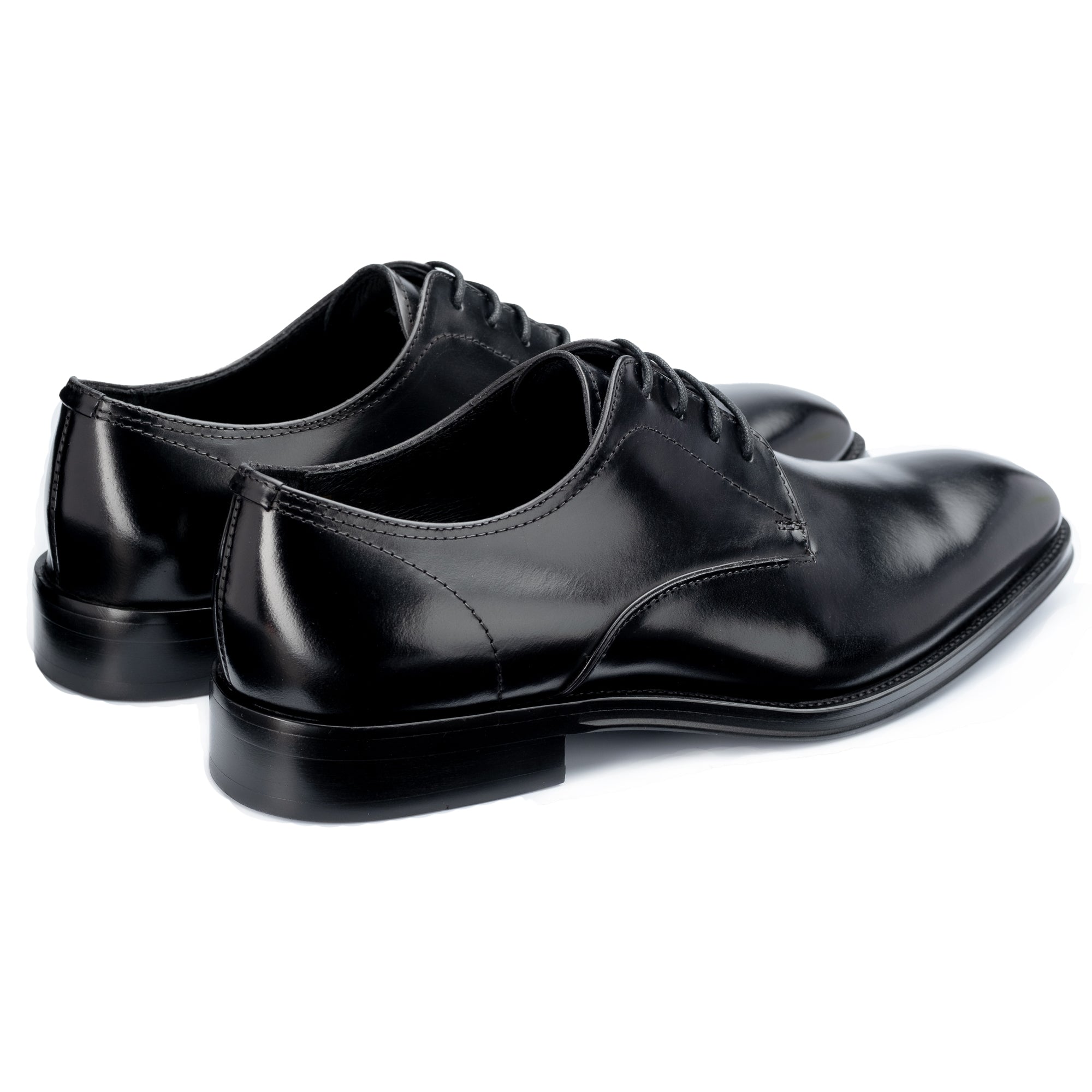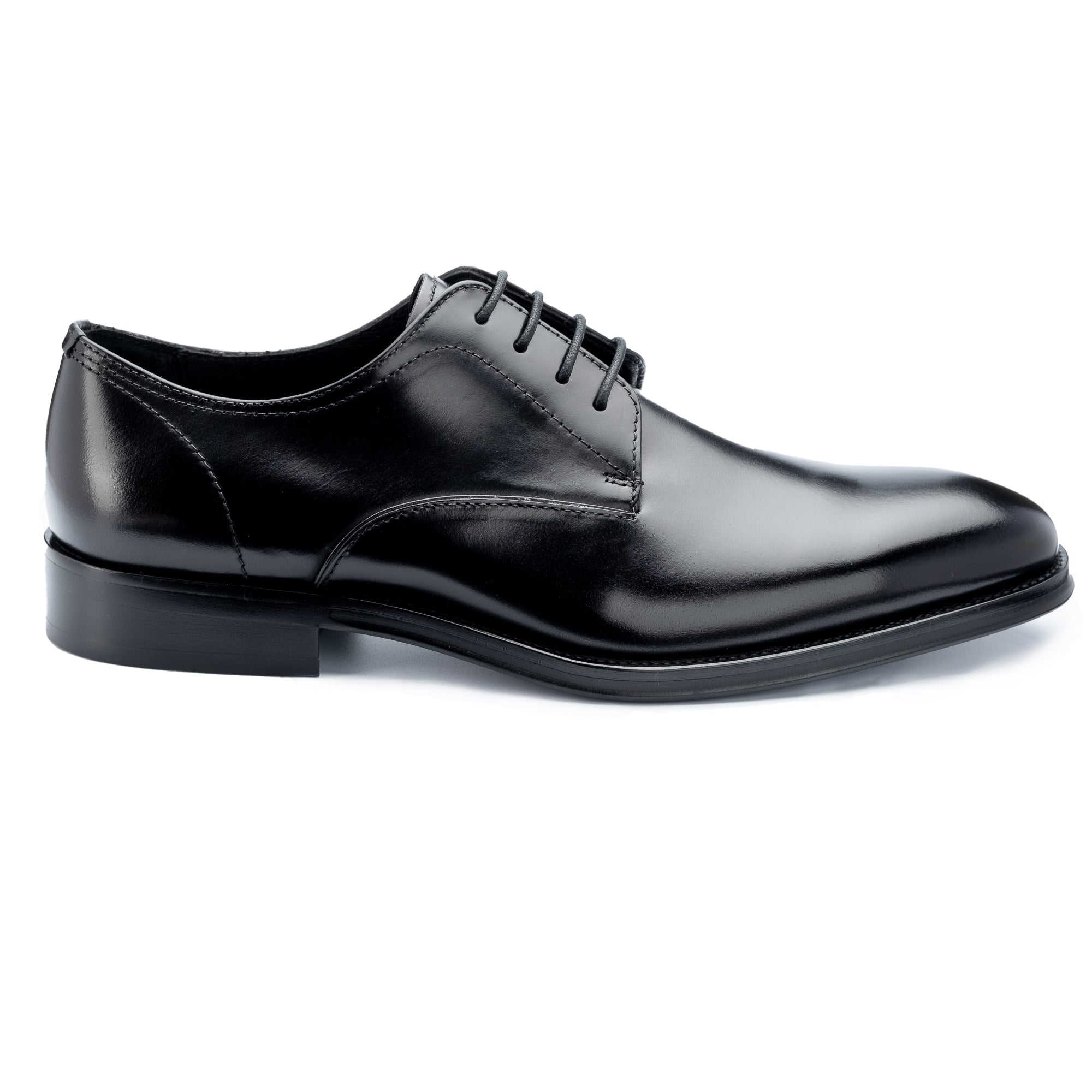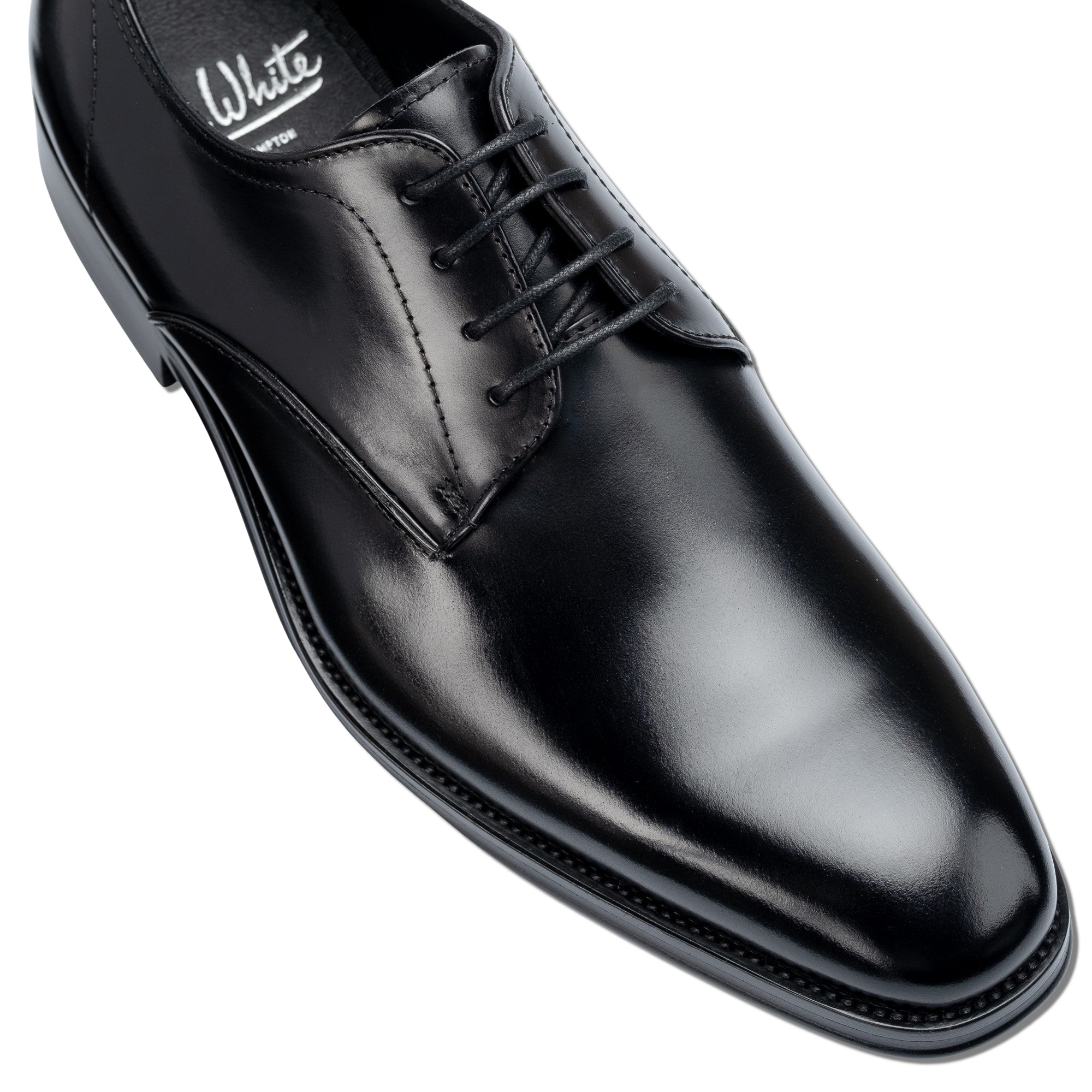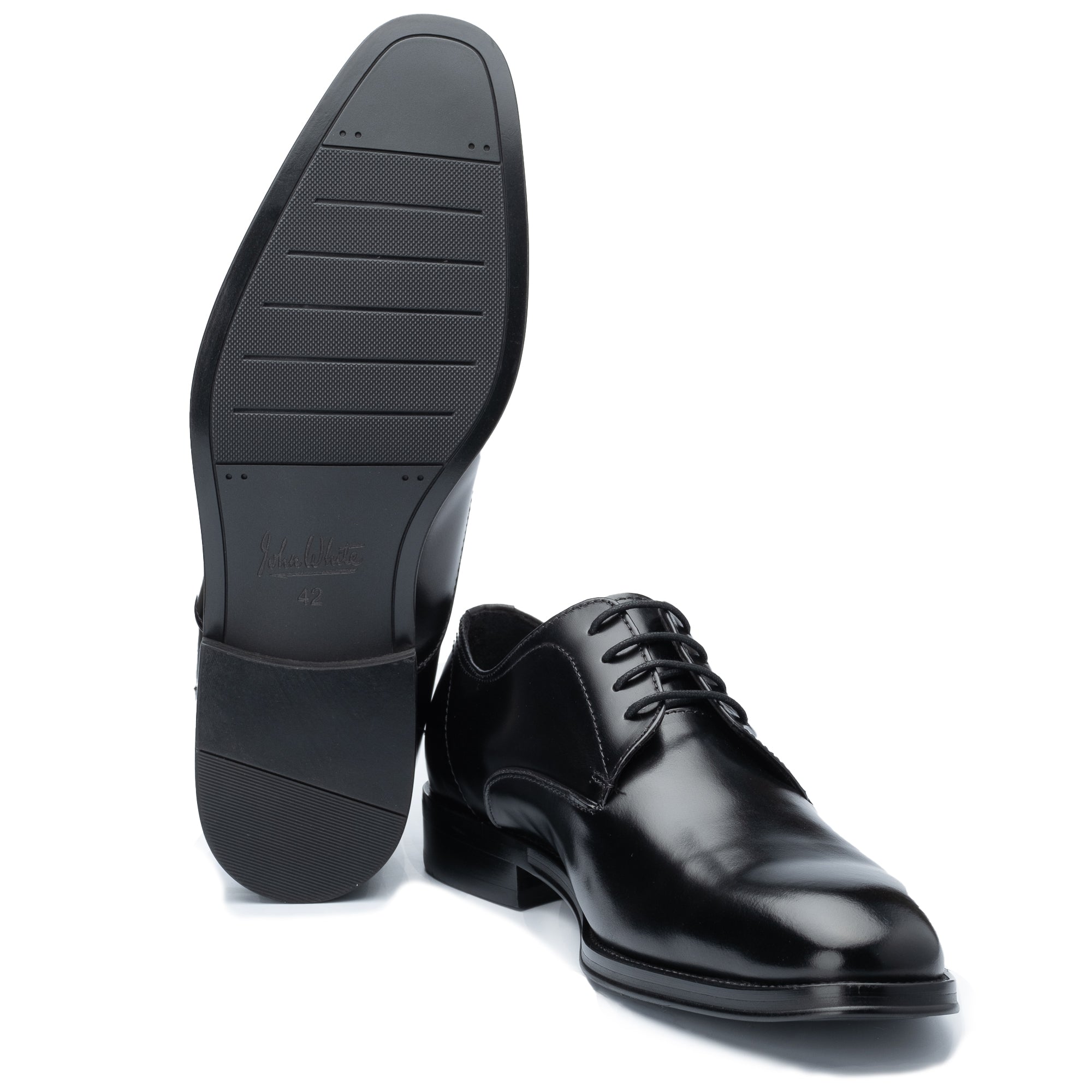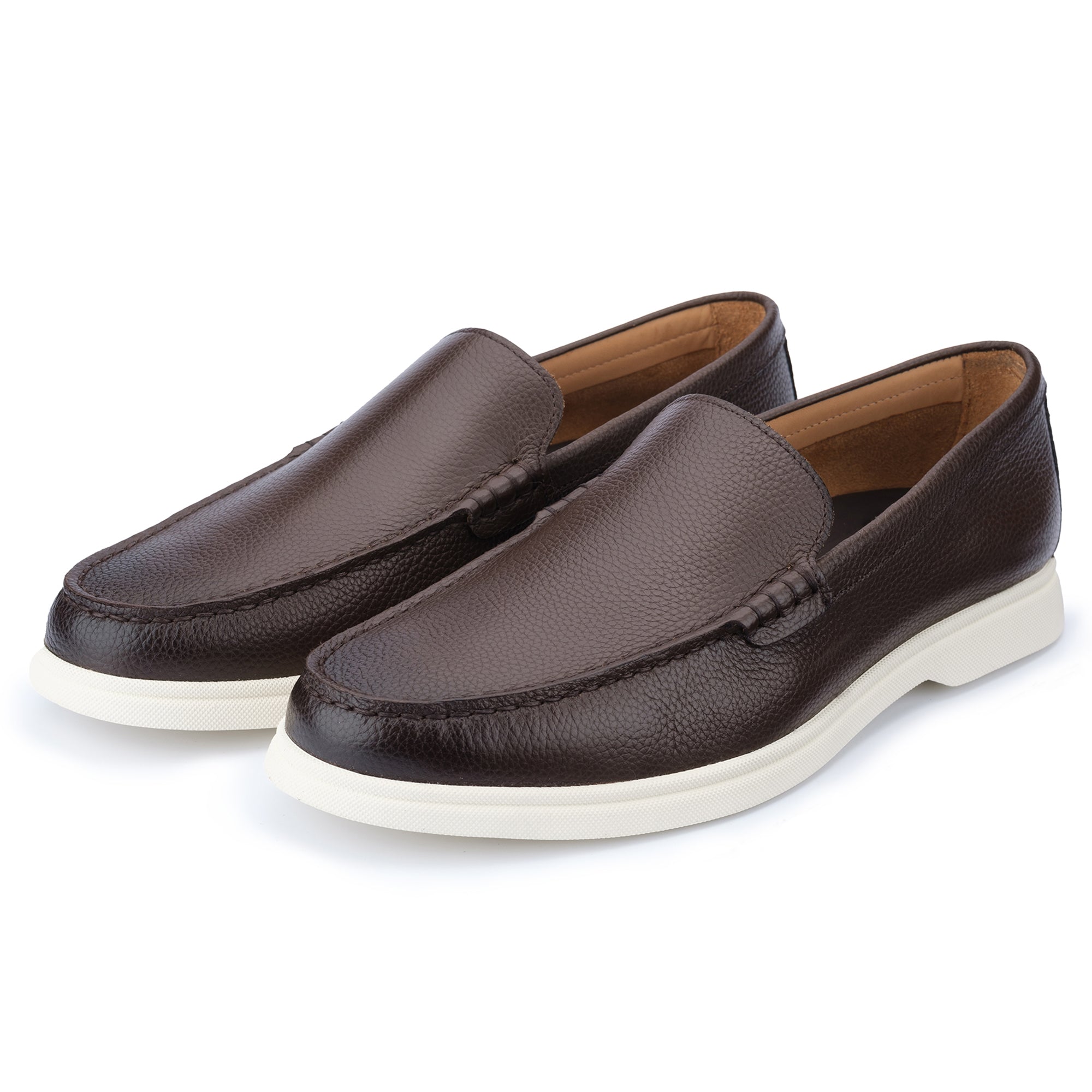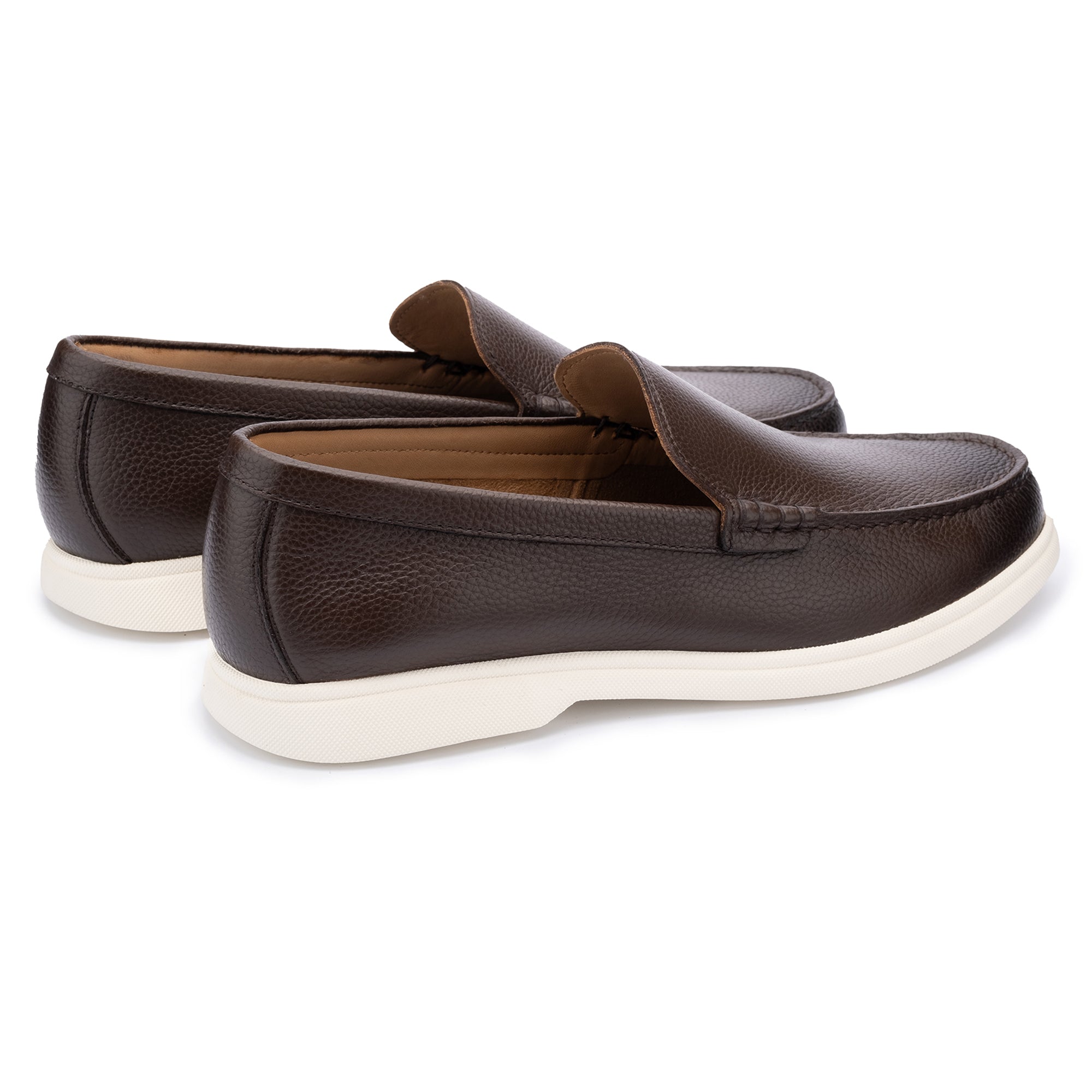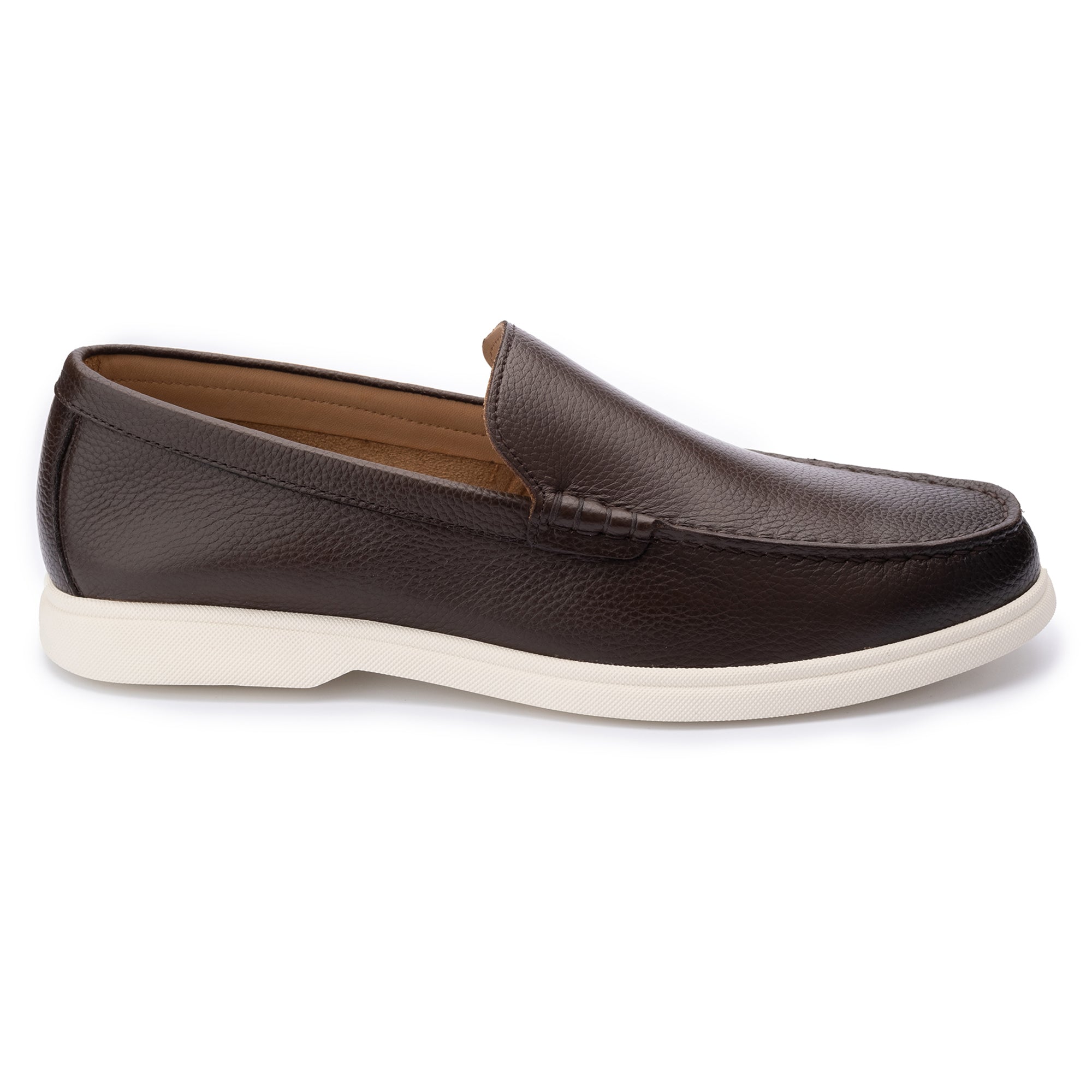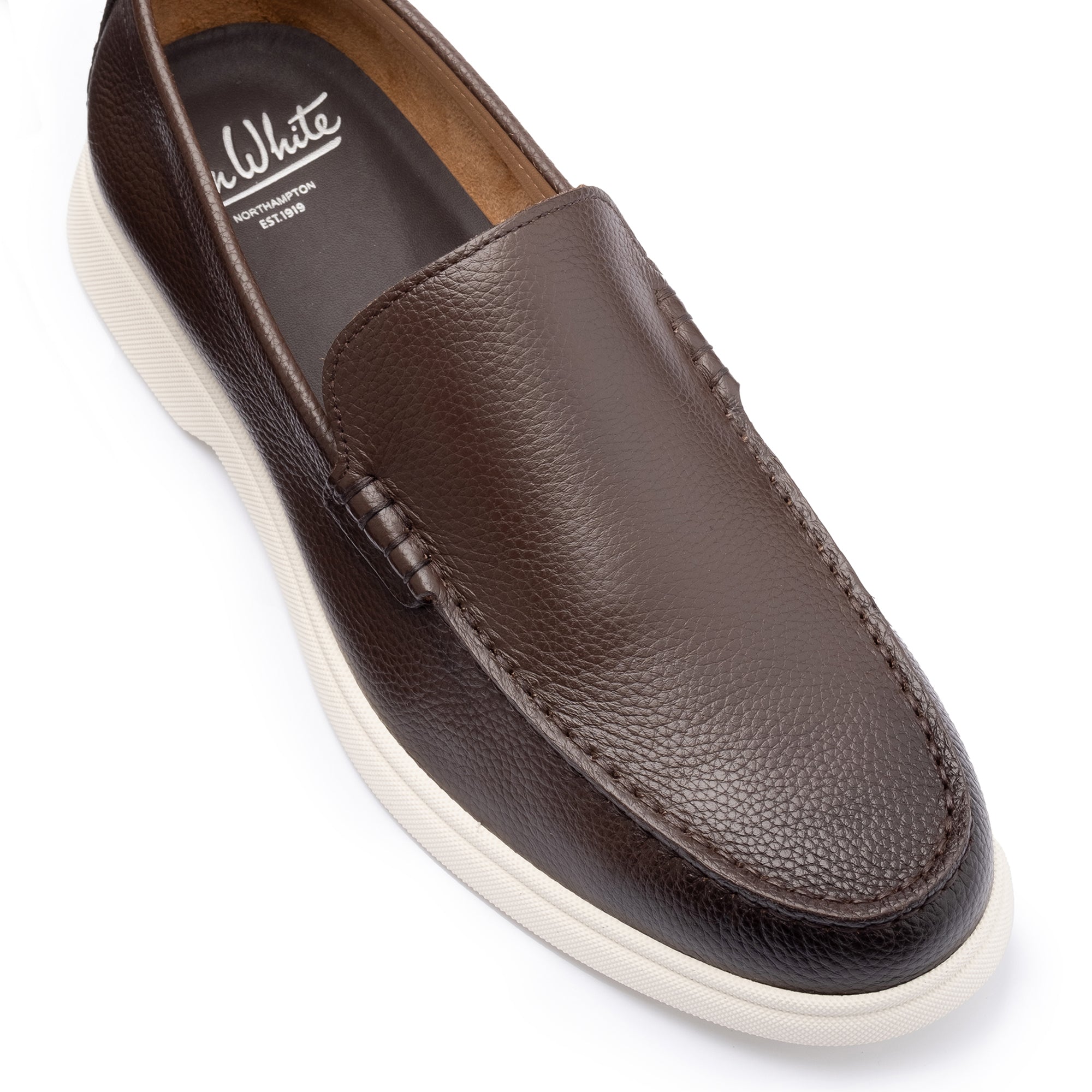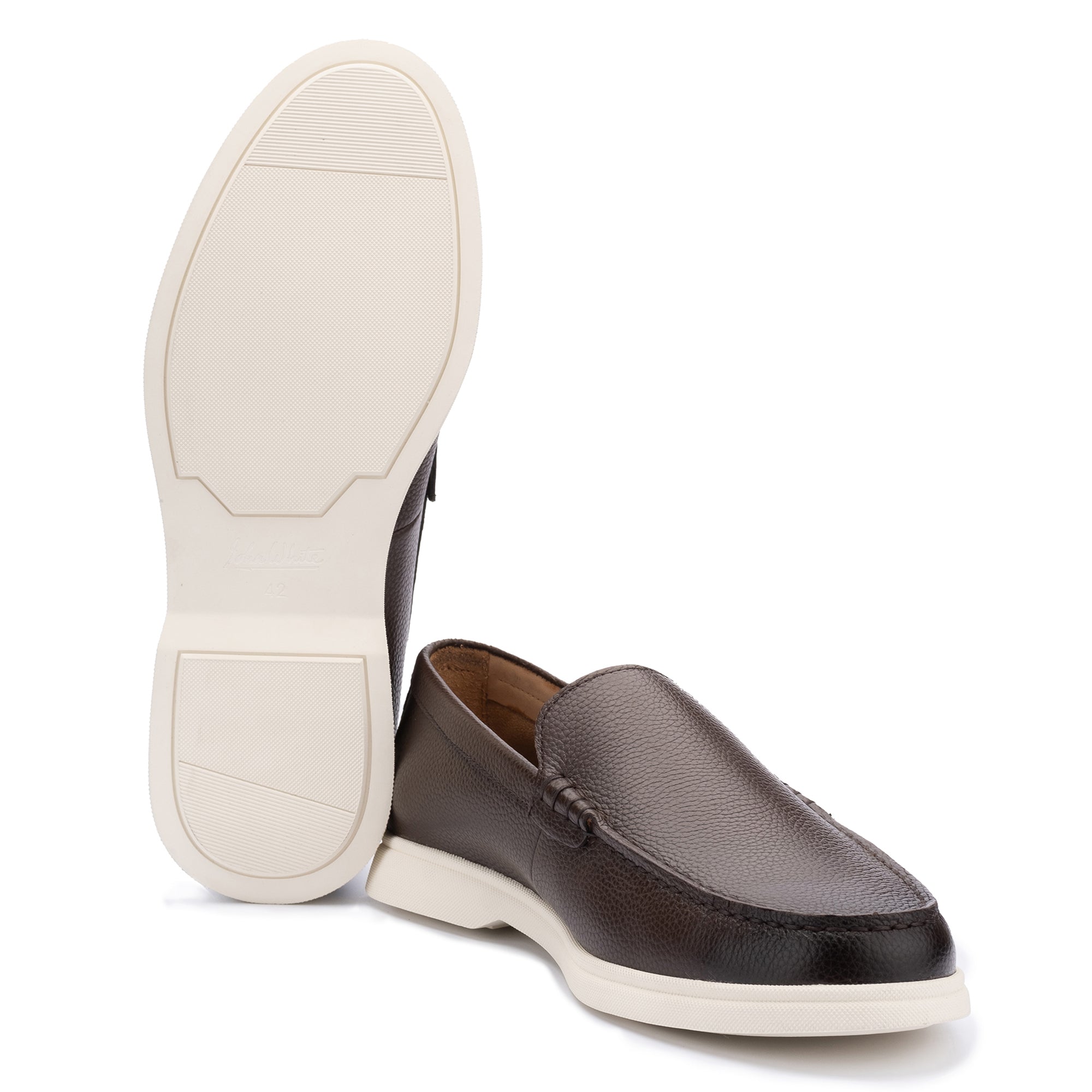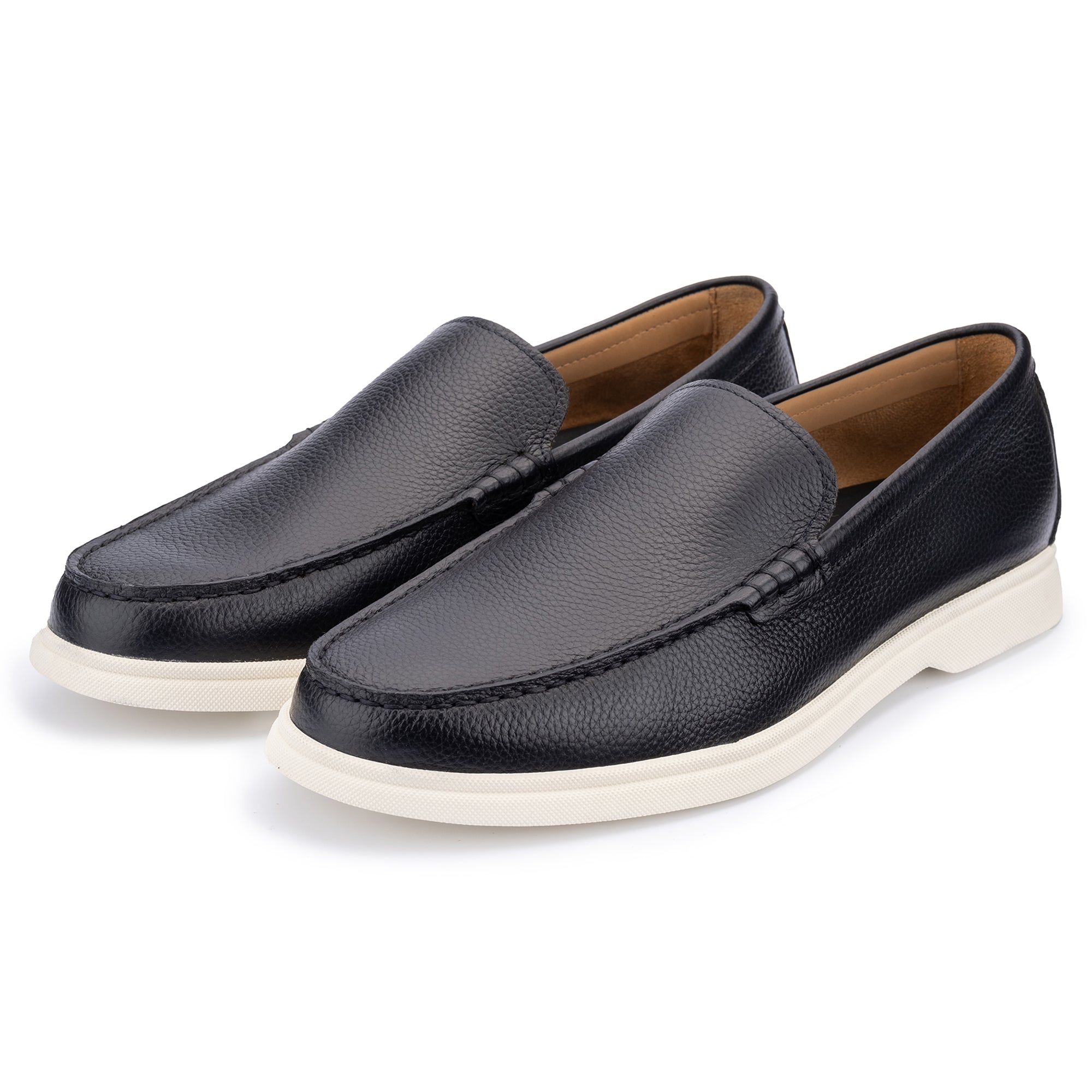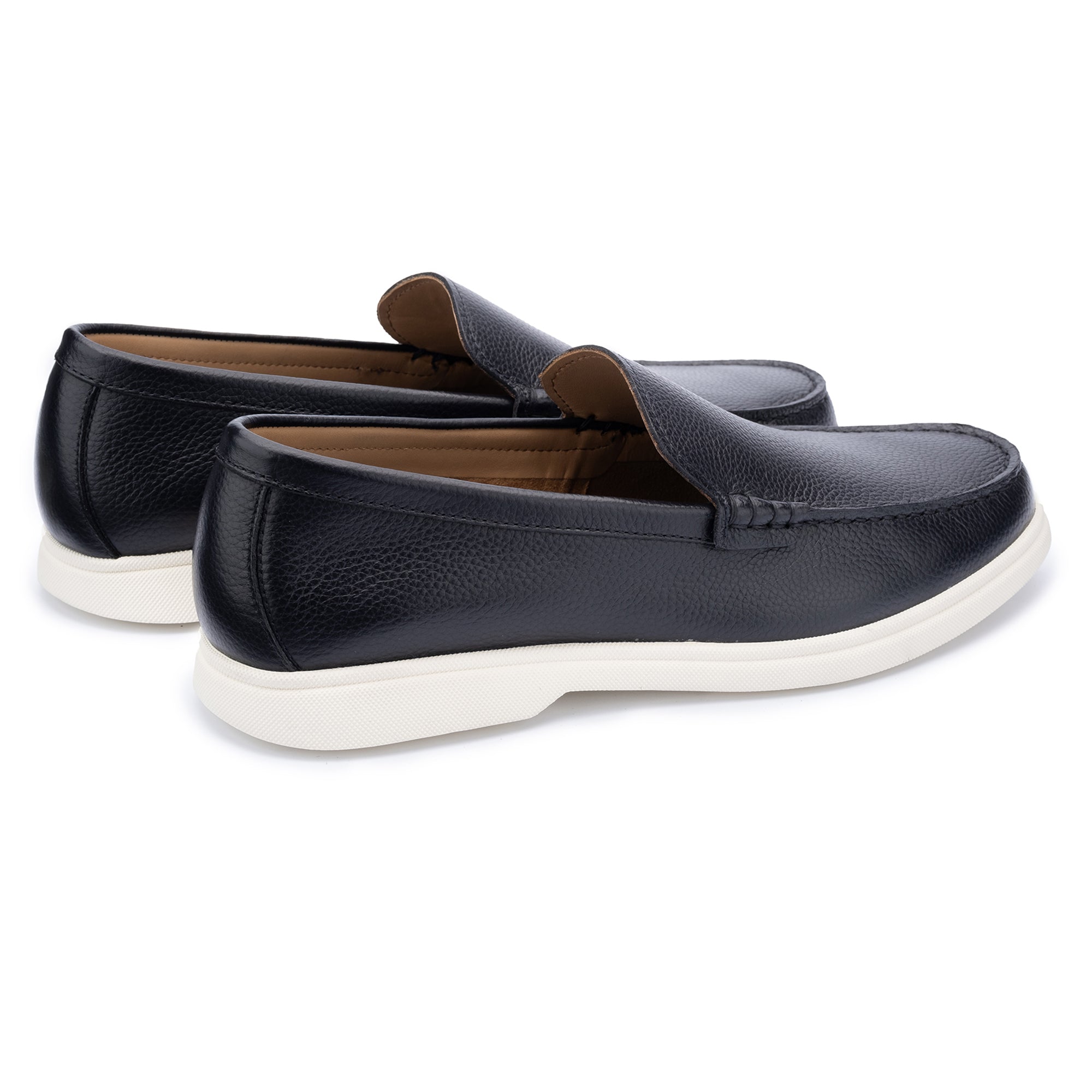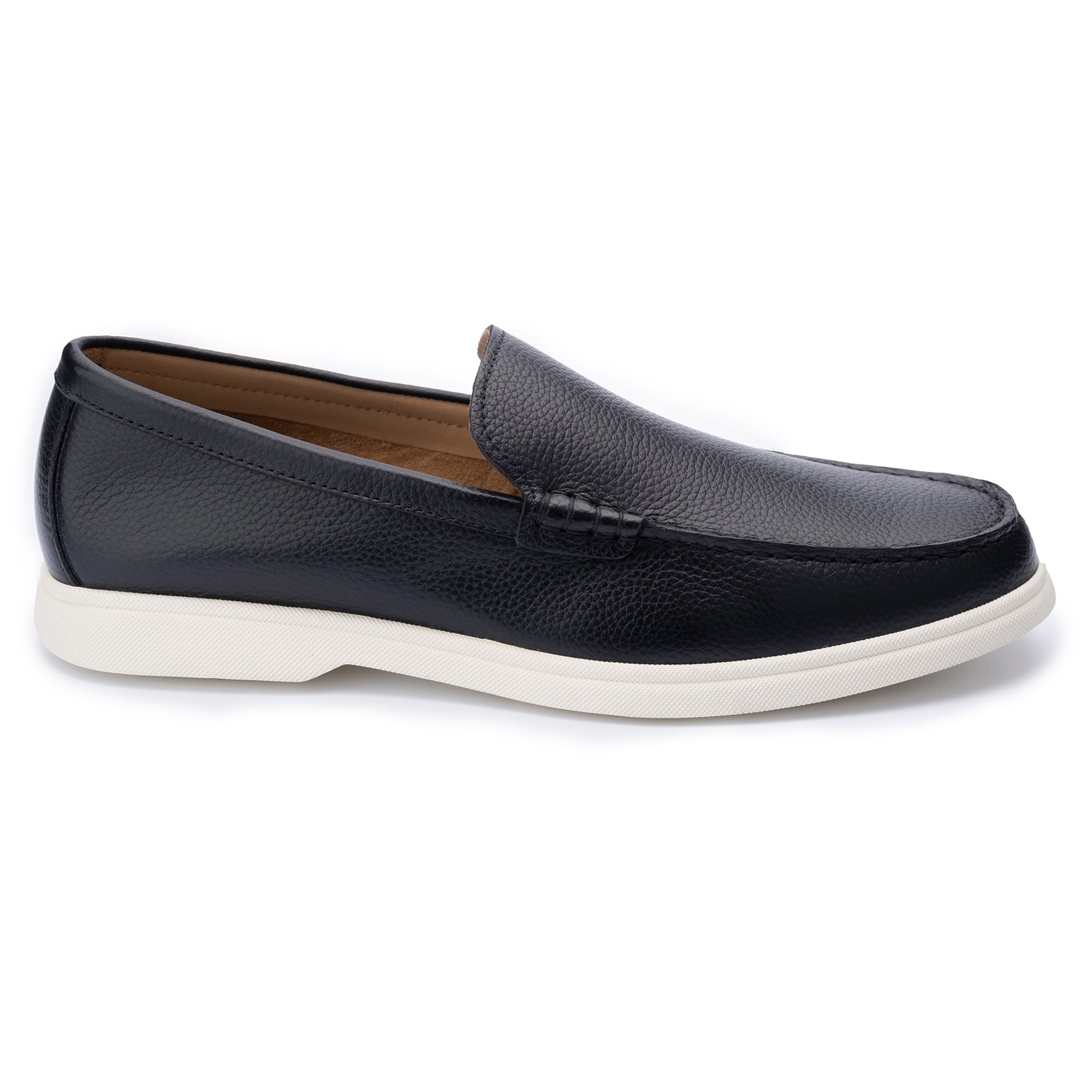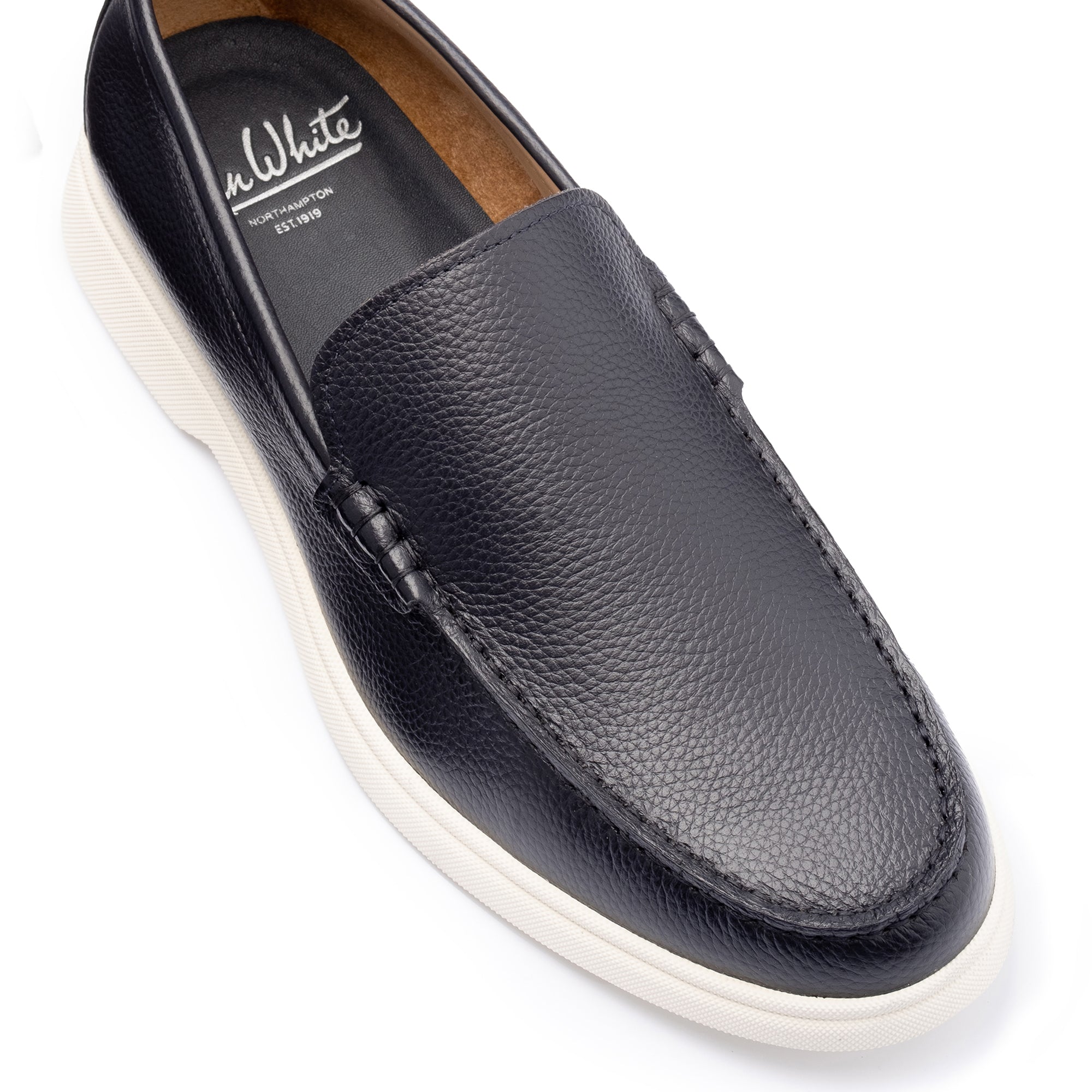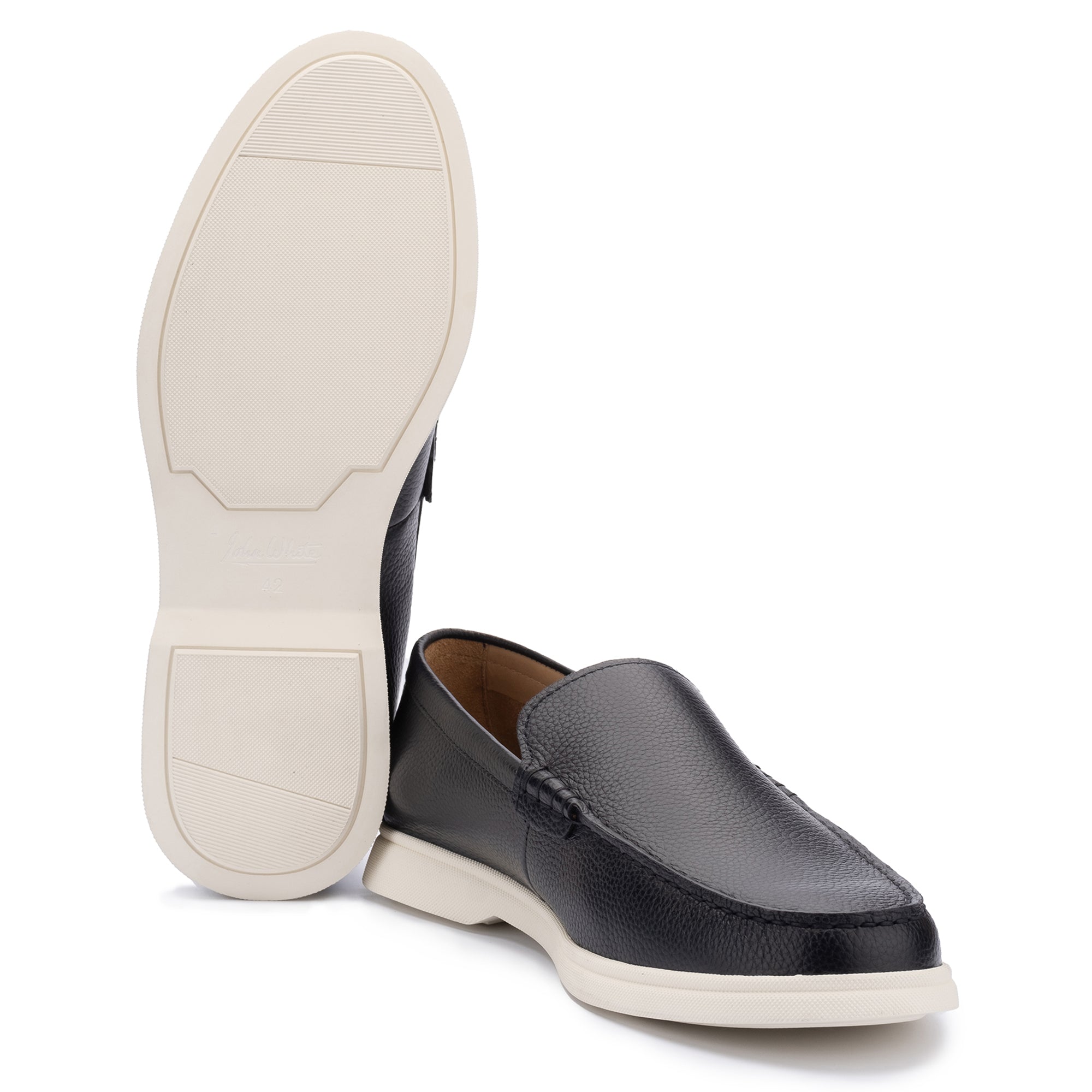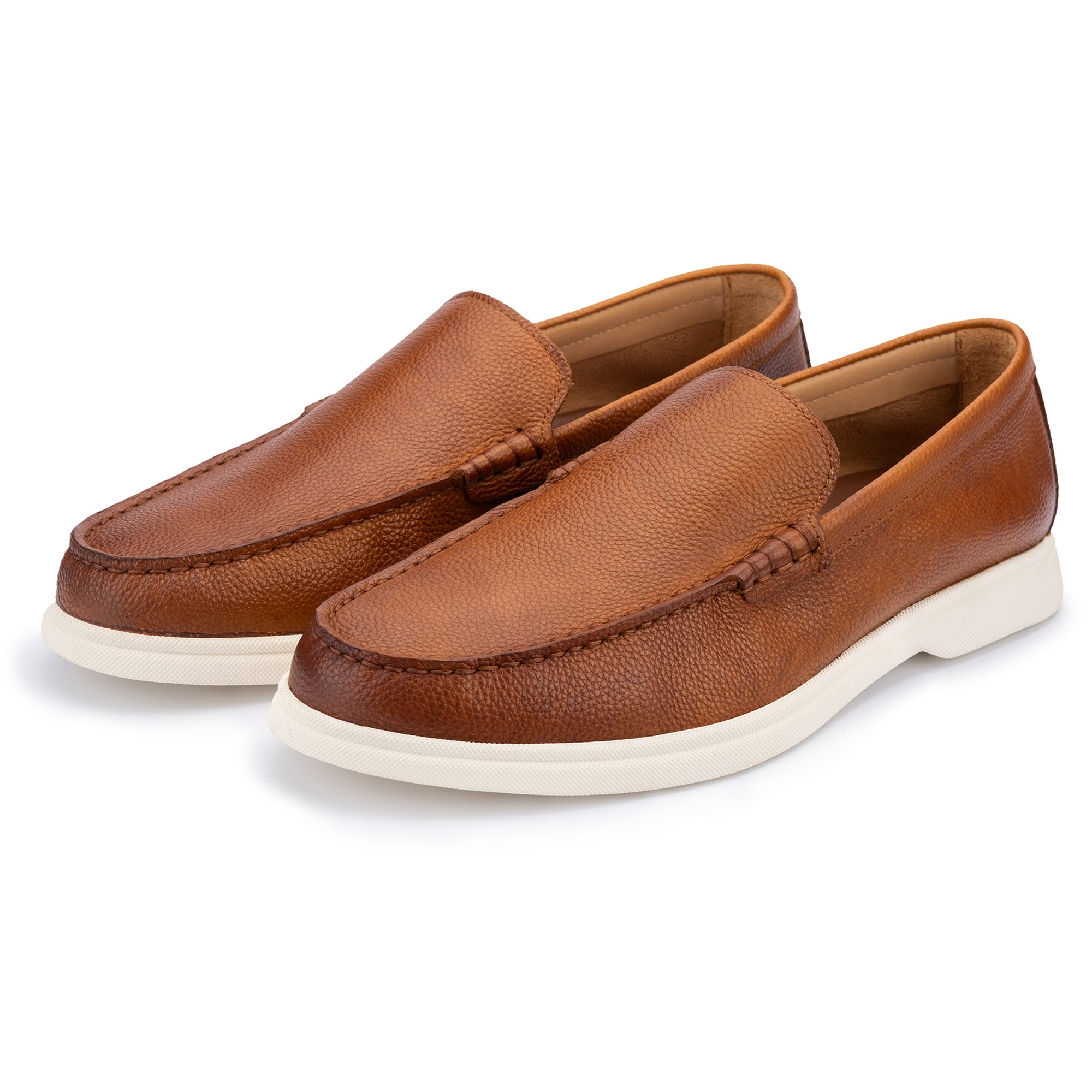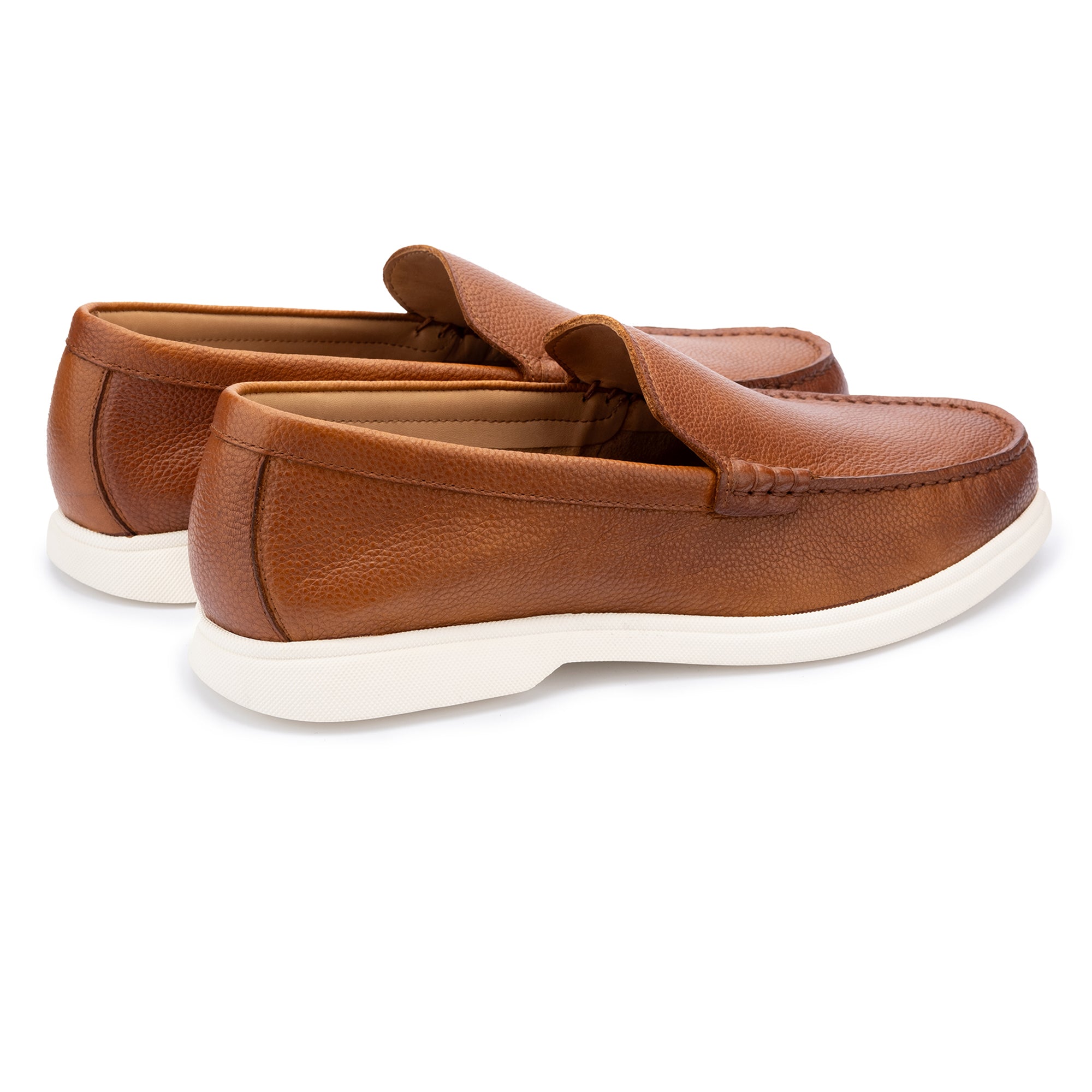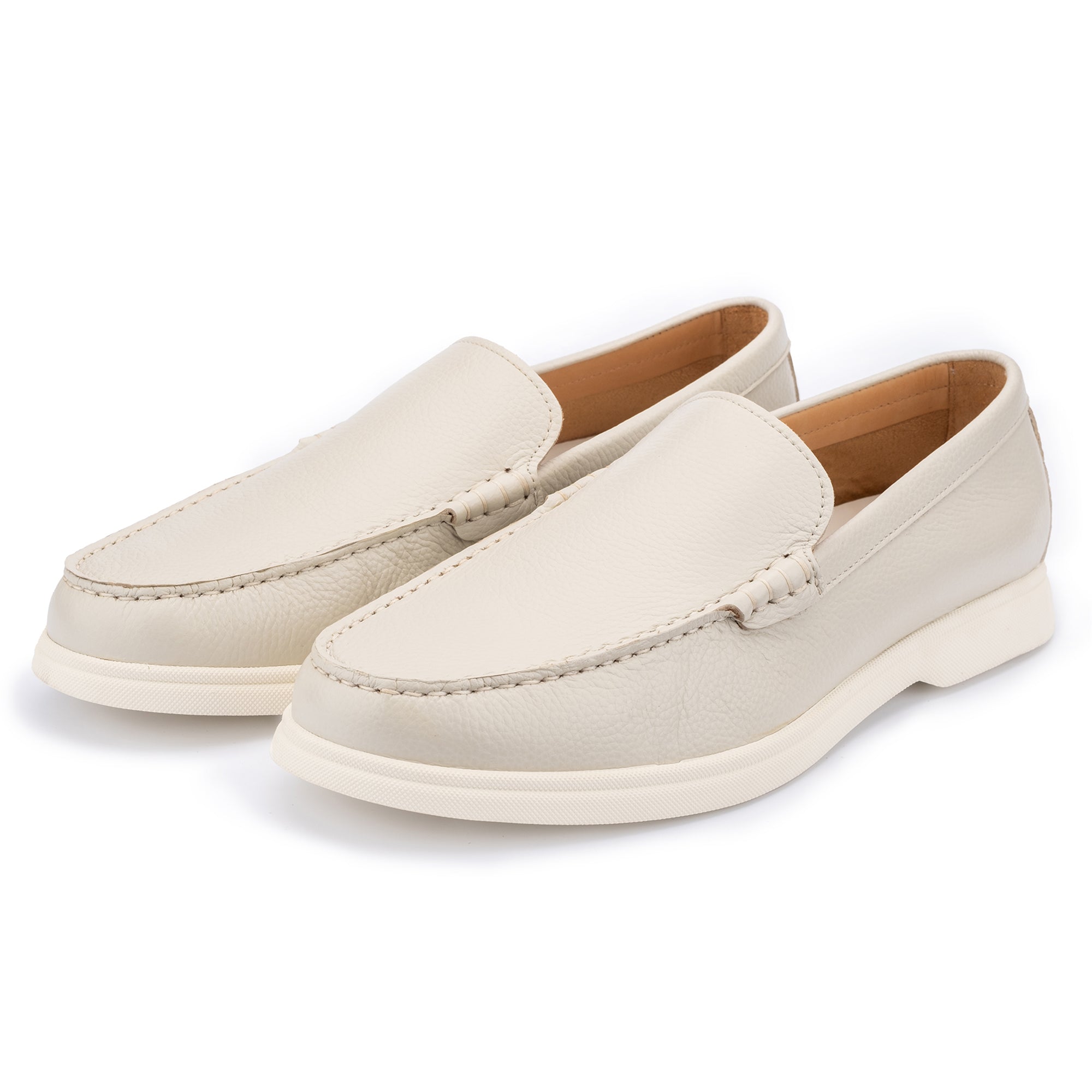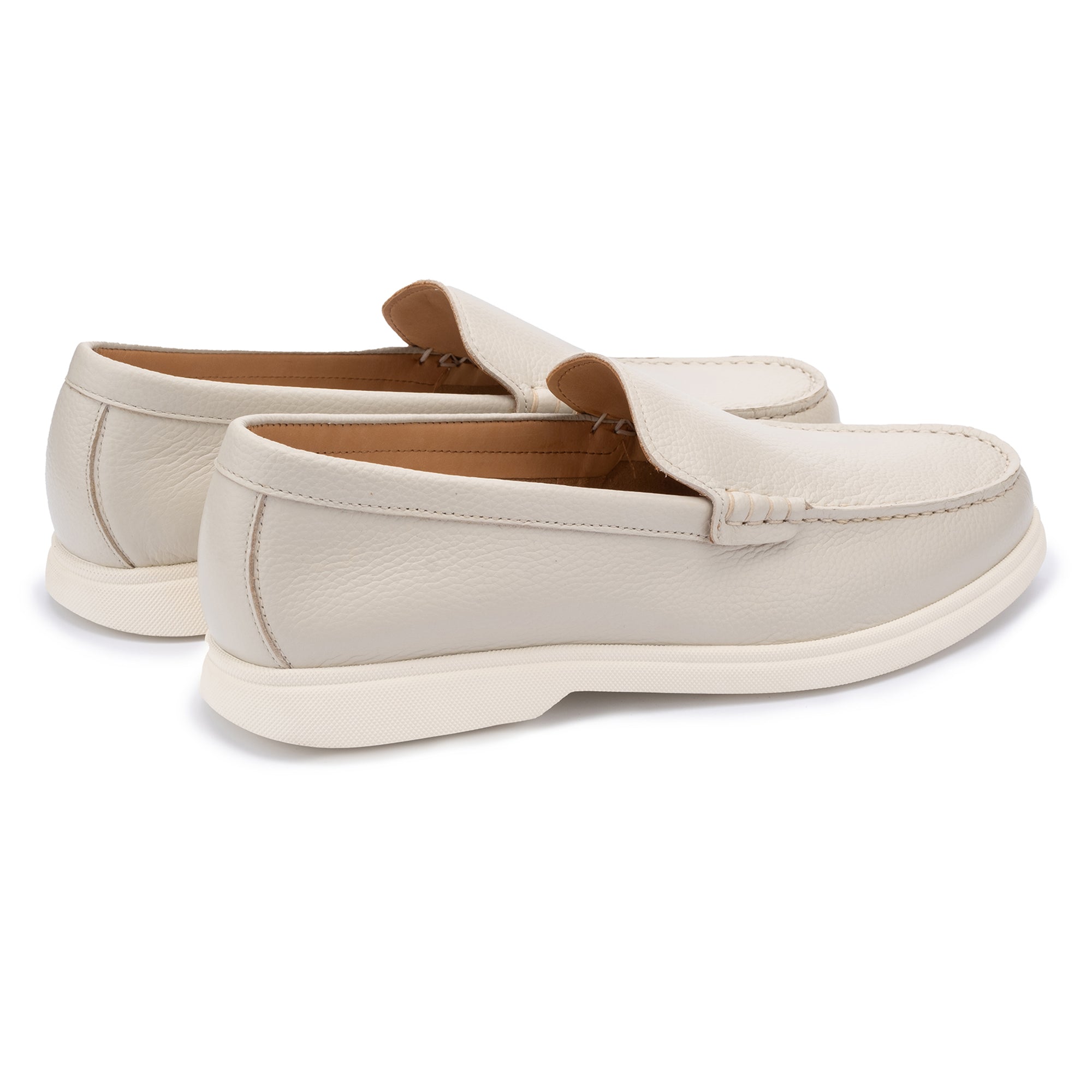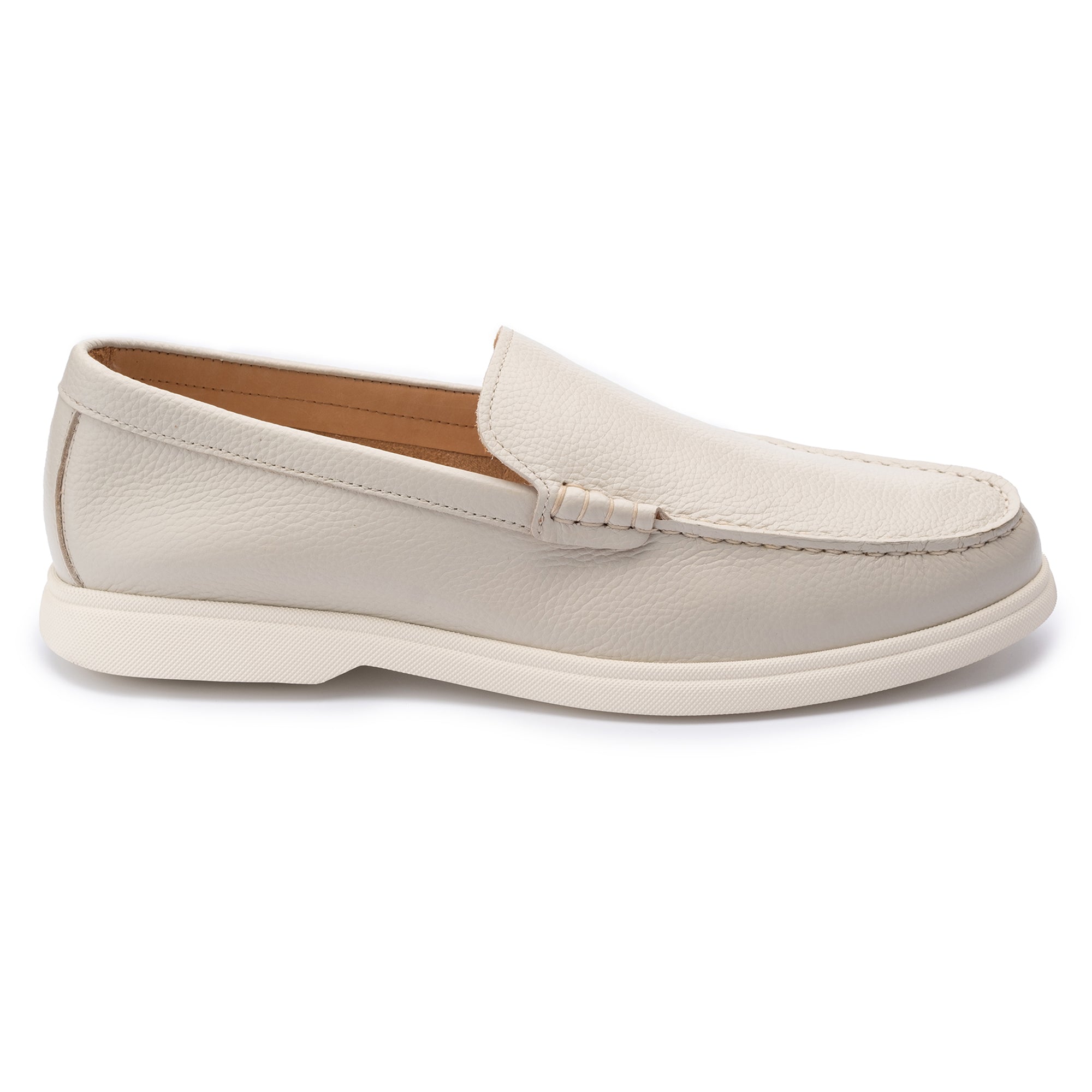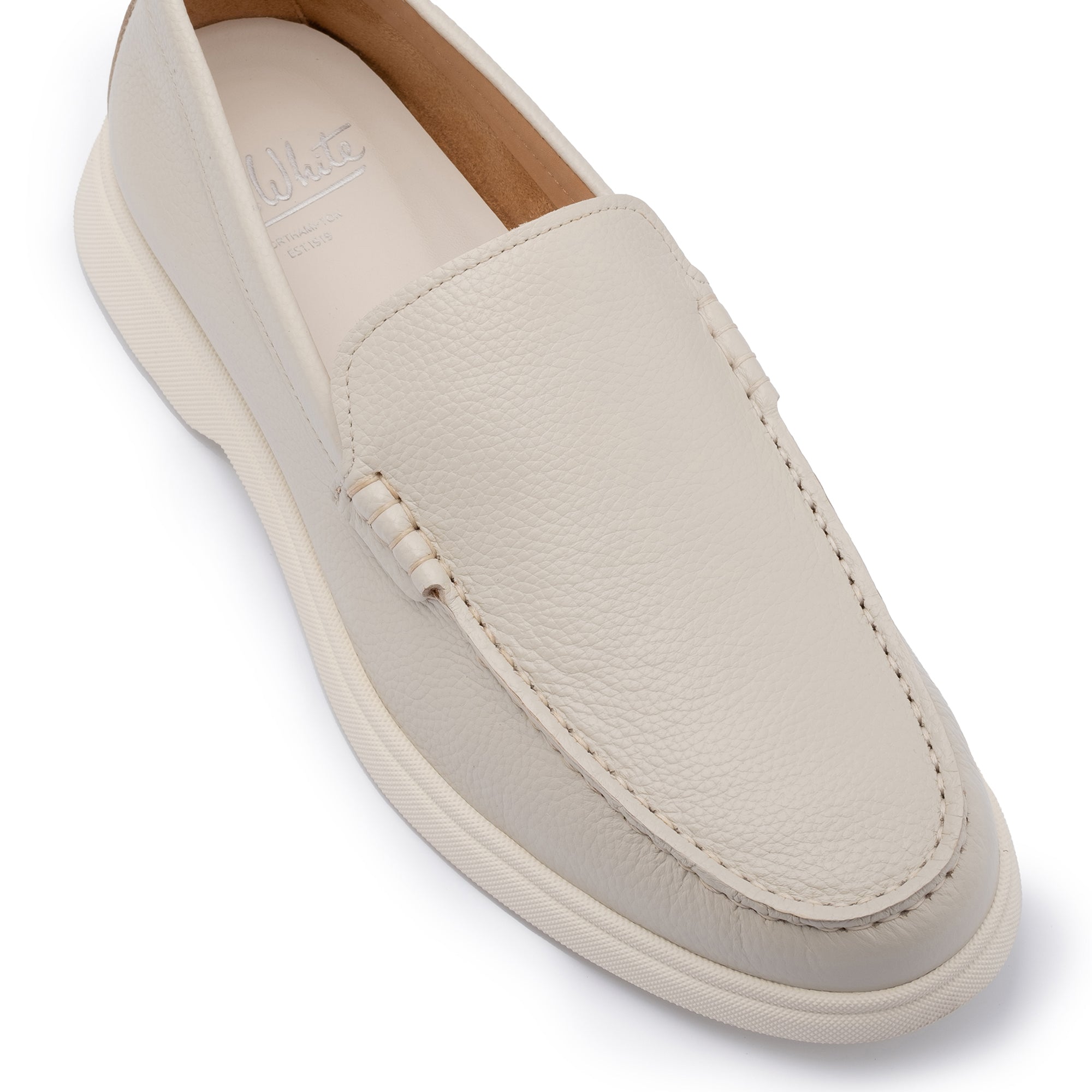

A good pair of boots is one of the most versatile things a man can own. The right pair carries you from a cold Monday commute to a country weekend without ever looking out of place, and a well-chosen boot in quality leather will outlast a dozen cheaper pairs. This is the complete guide to men's boots from John White Shoes, established in Northamptonshire in 1919: the styles worth knowing, how to choose between them, and how to build a boot rotation that earns its keep.
In This Guide
Related Guides
- The Definitive Guide to Men's Boots — our comprehensive guide
- How to Wear Brogue Boots: Men's Styling Guide for Every Season
- How to Wear Chukka Boots: Men's Styling Guide for Every Occasion
- Suede Shoes in Summer: The Season's Most Overlooked Investment
- Leather Sneakers vs Smart Shoes: Knowing When to Upgrade
- The Chukka Boot: From North African Desert Campaigns to British High Streets
- How to Wear Chelsea Boots: Office, Weekend and Everything Between
- What Shoes to Wear with Linen Trousers: The Late-Summer to Autumn Transition Edit
The main styles of men's boots
Most of the boots a man actually needs fall into four families. Understanding the differences is the quickest way to buy well.
Chelsea boots
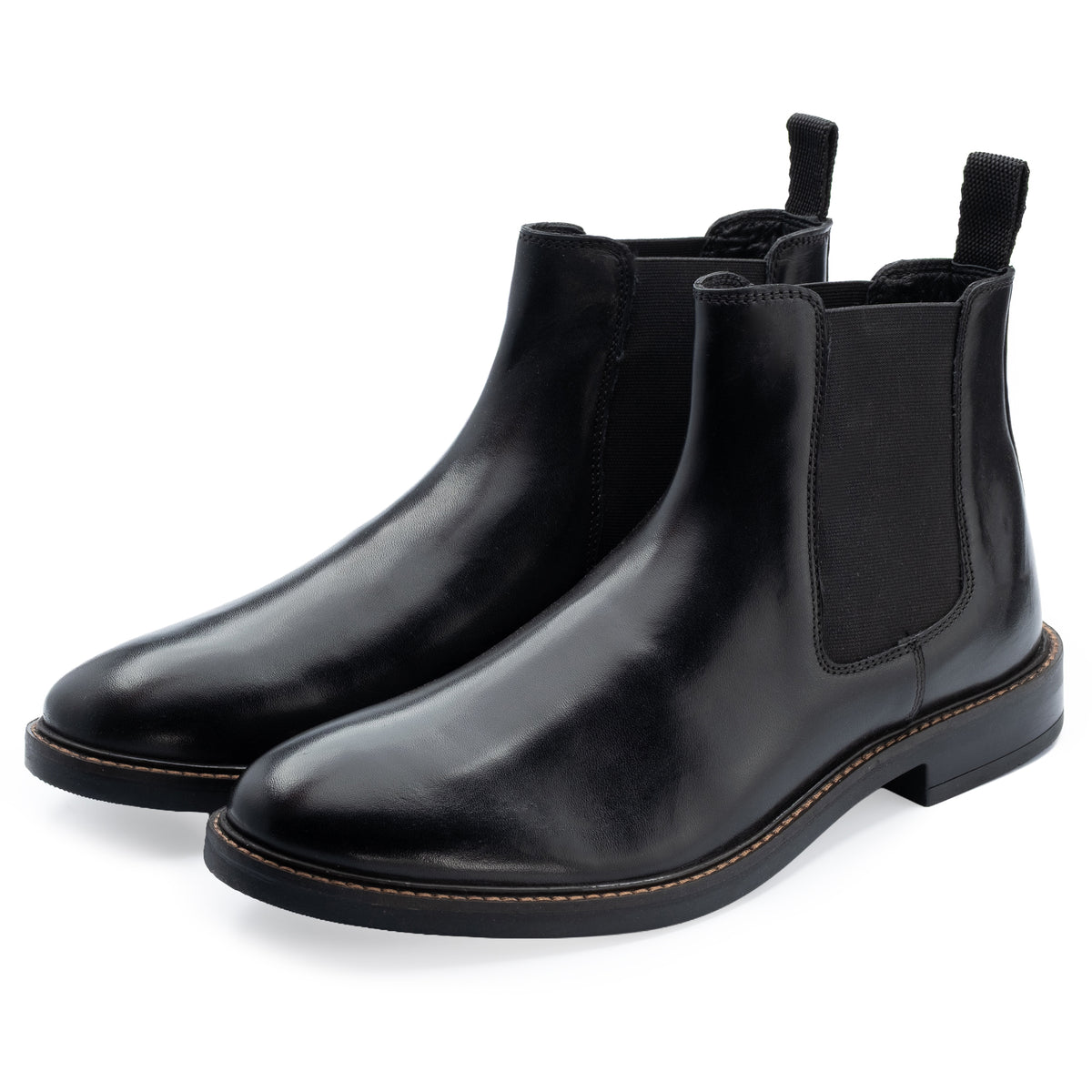
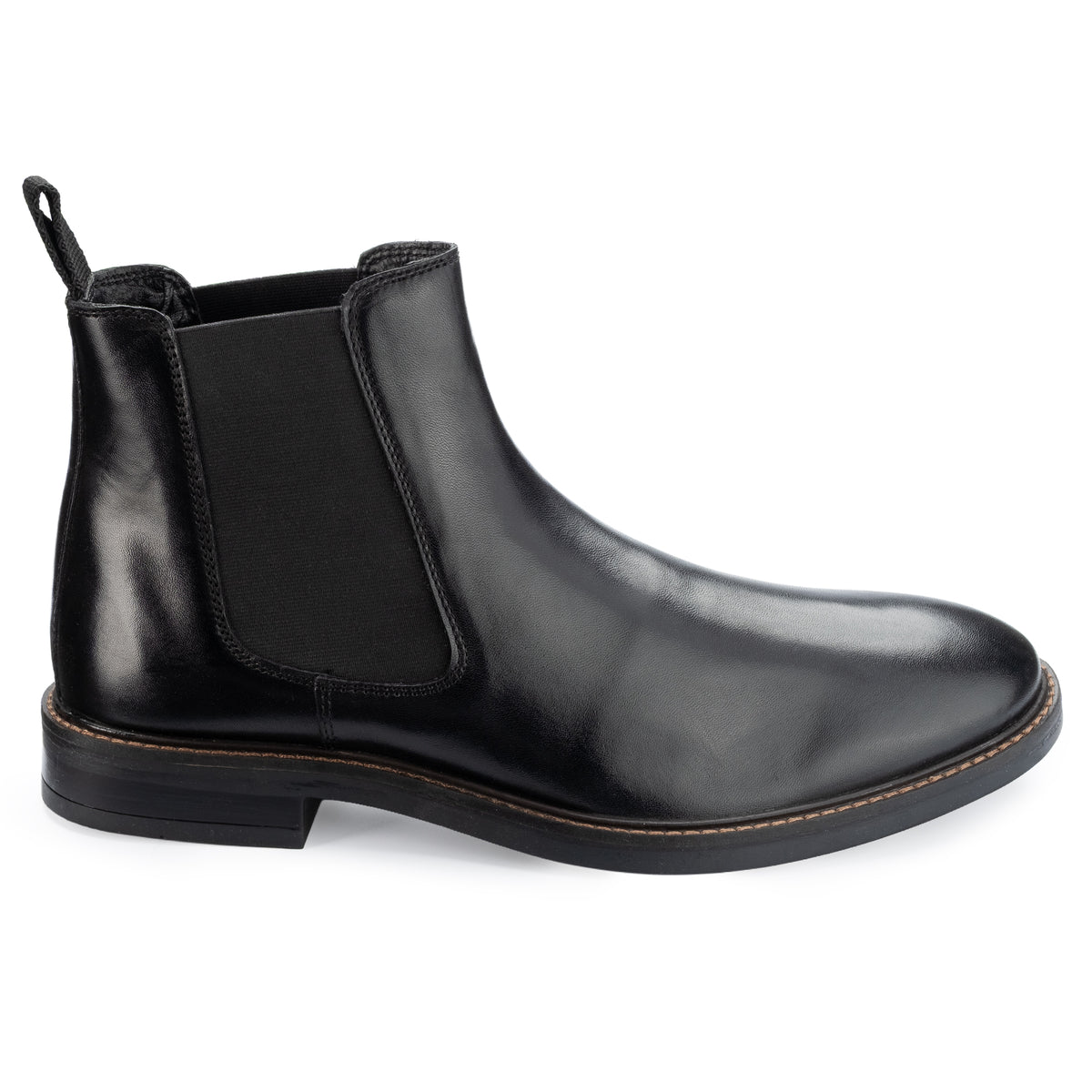
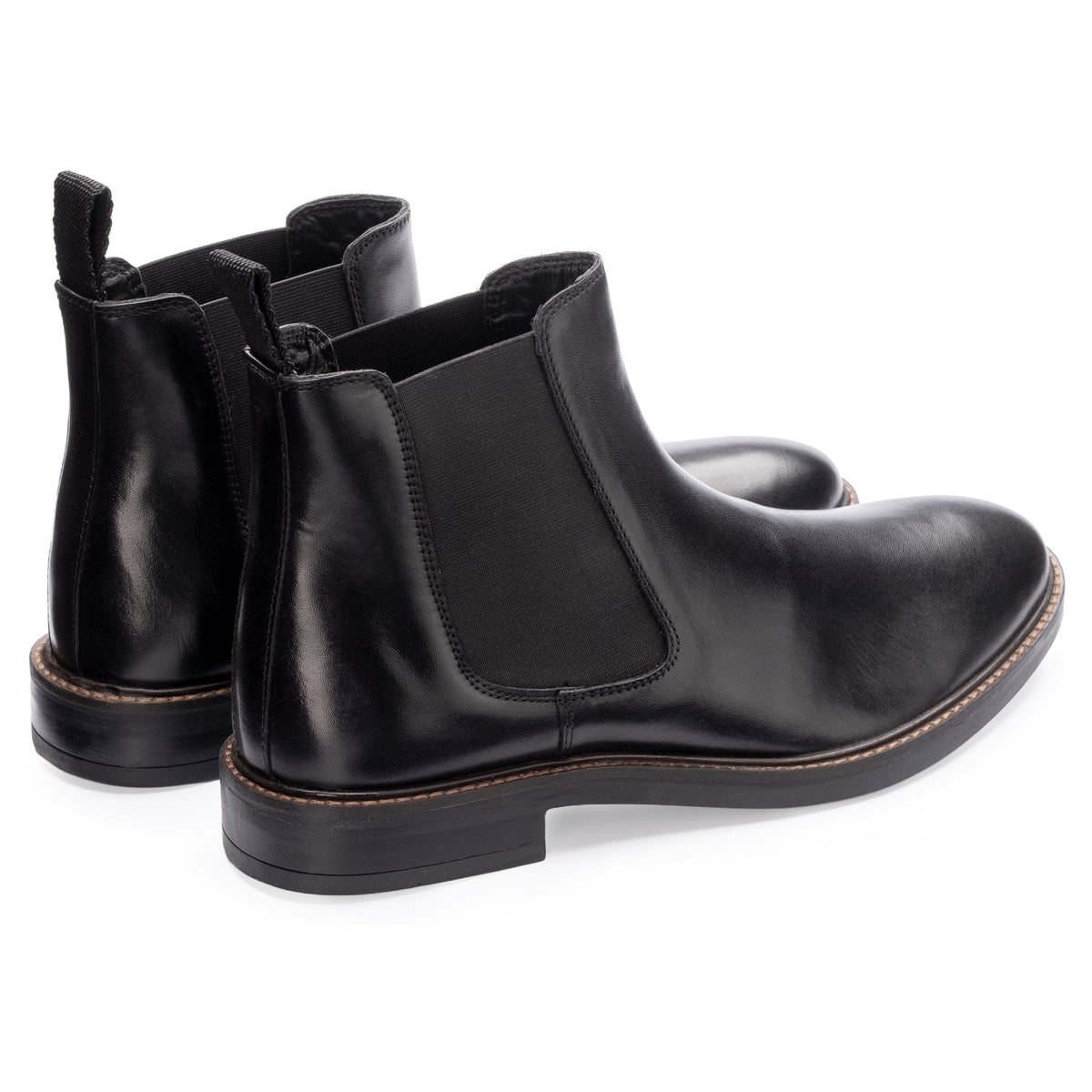
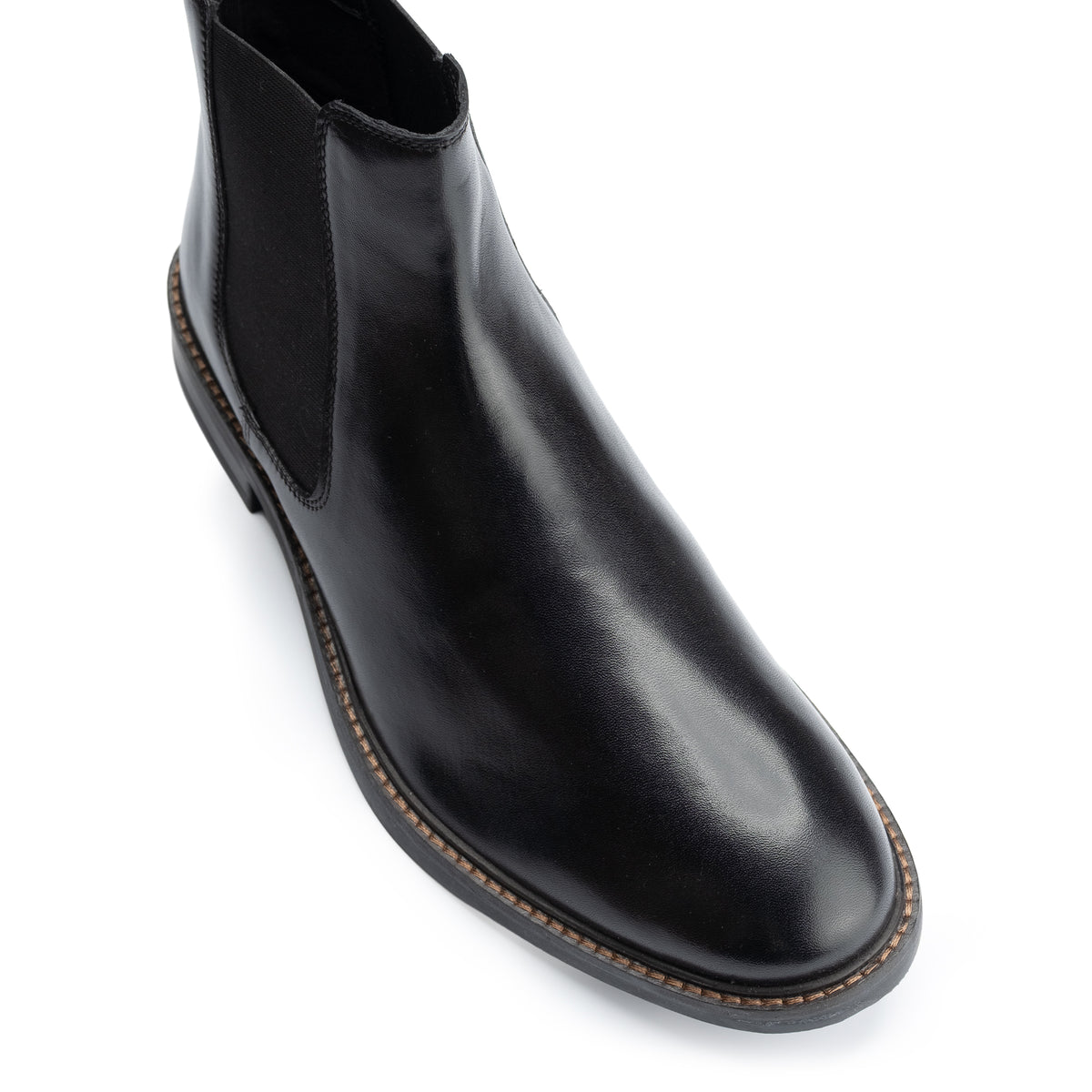
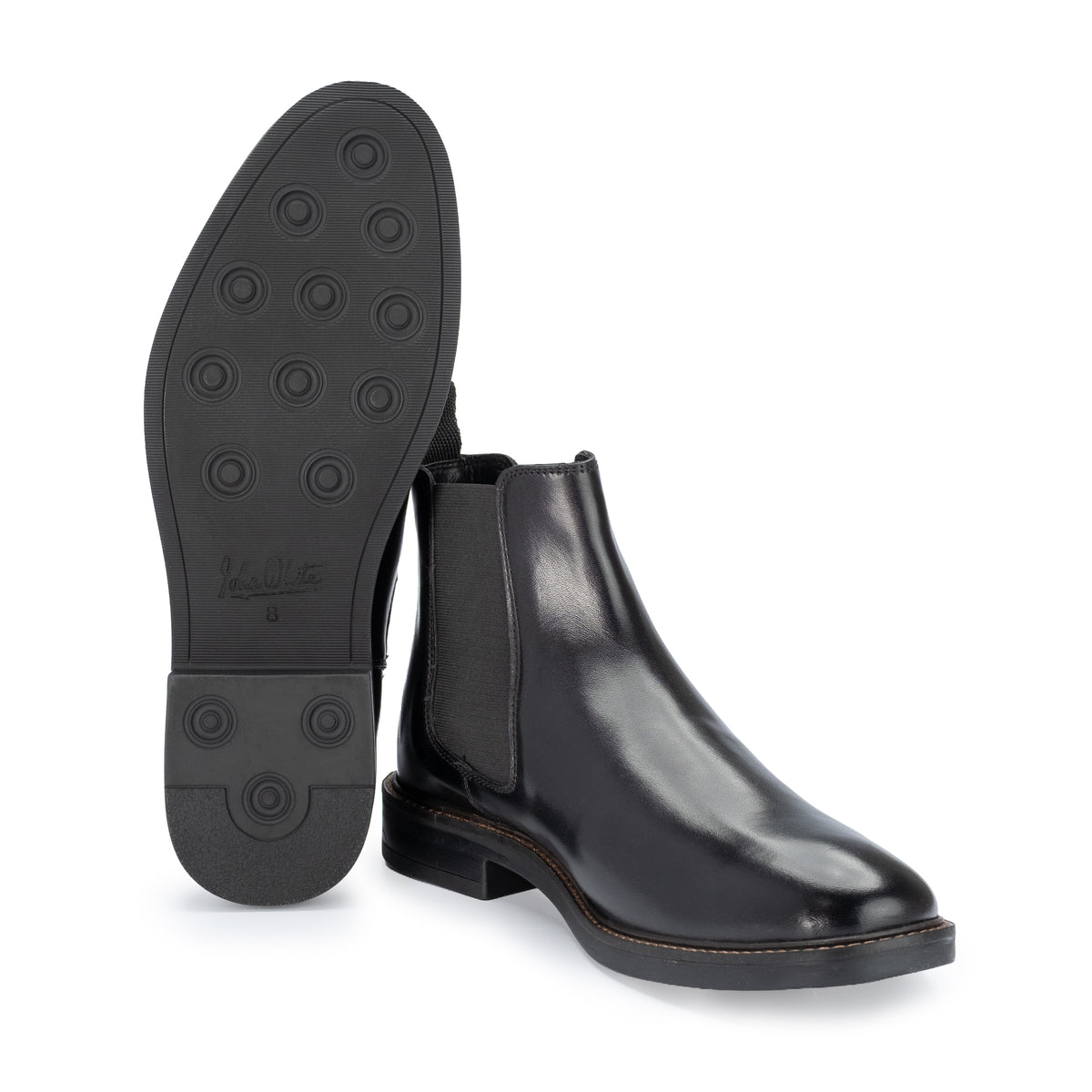
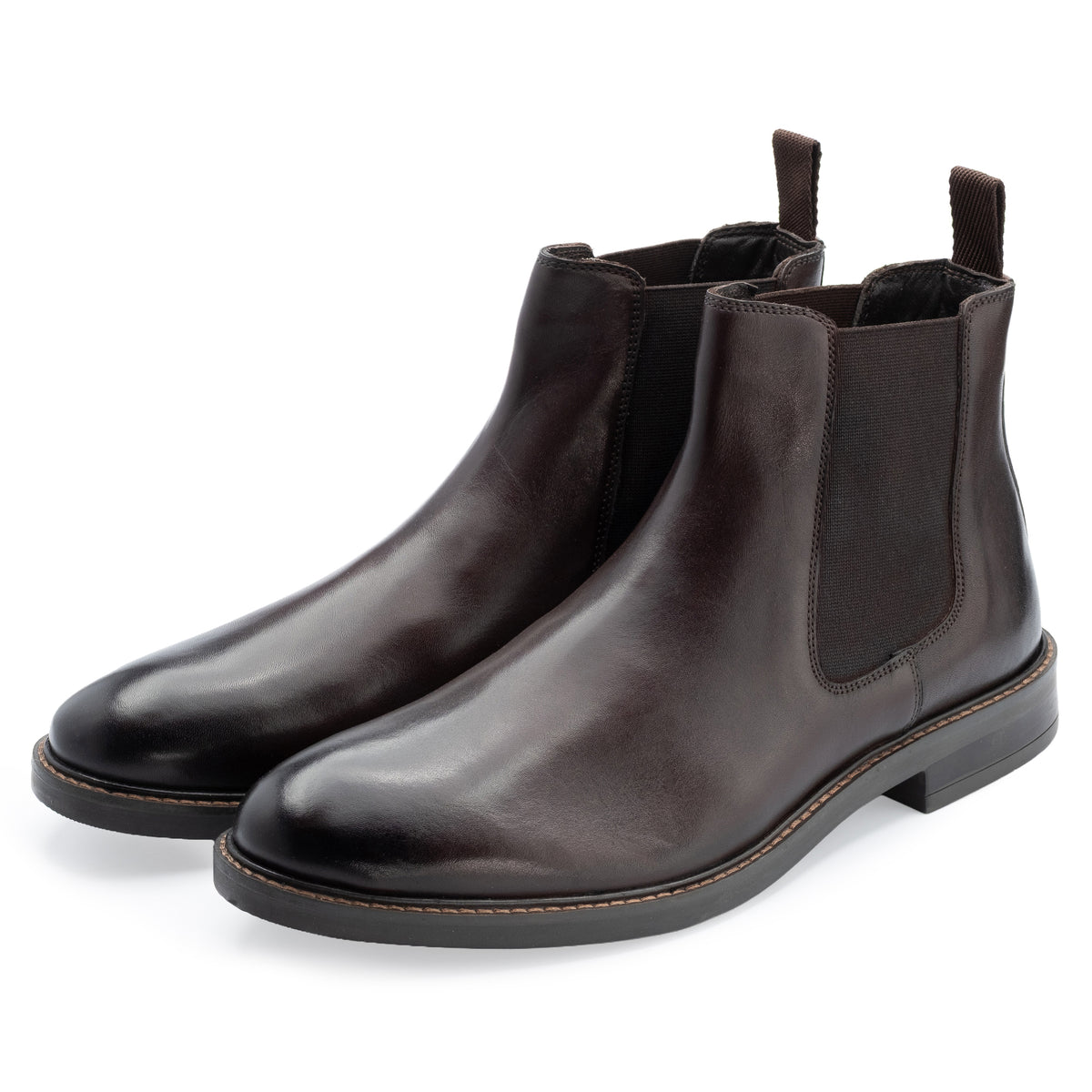
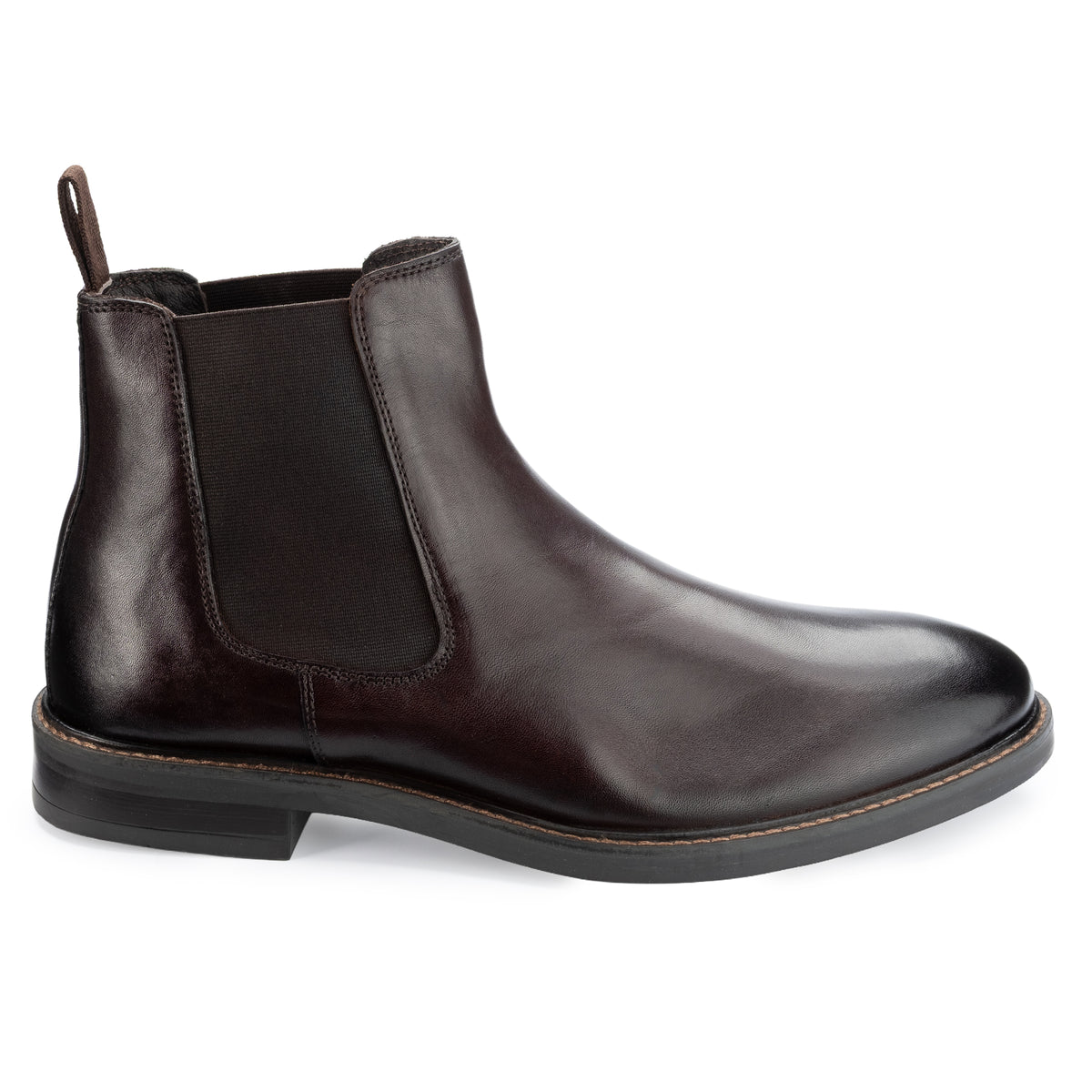
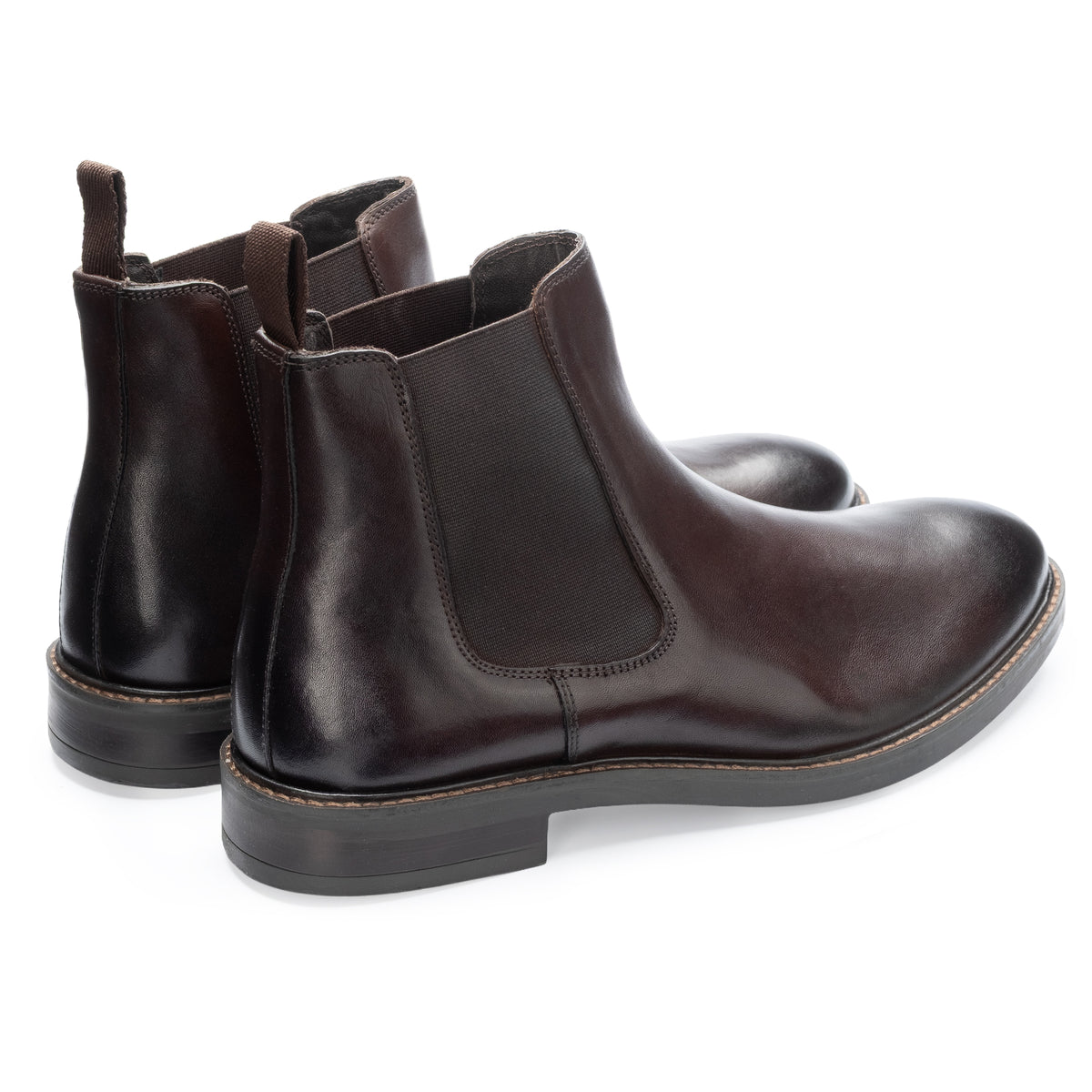
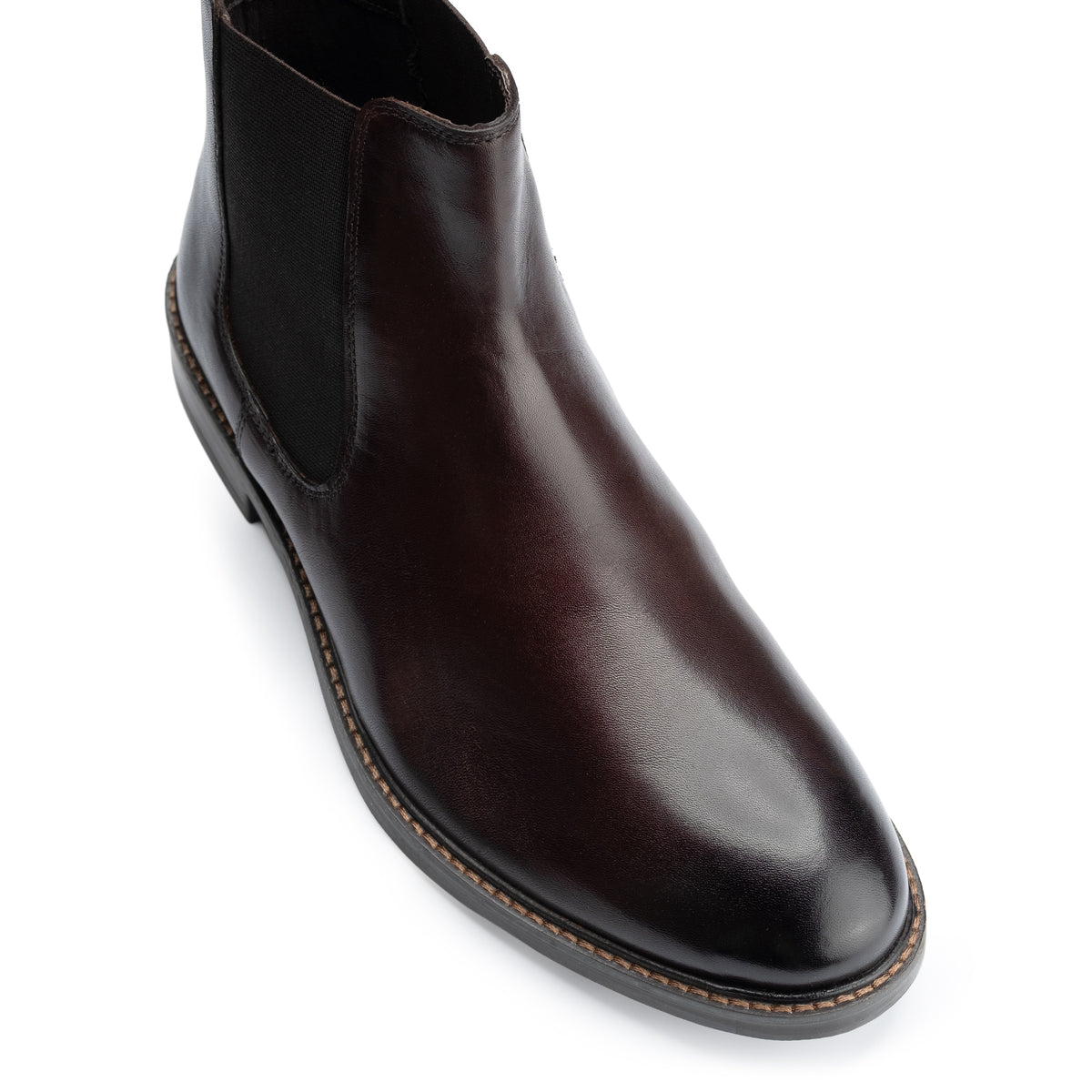
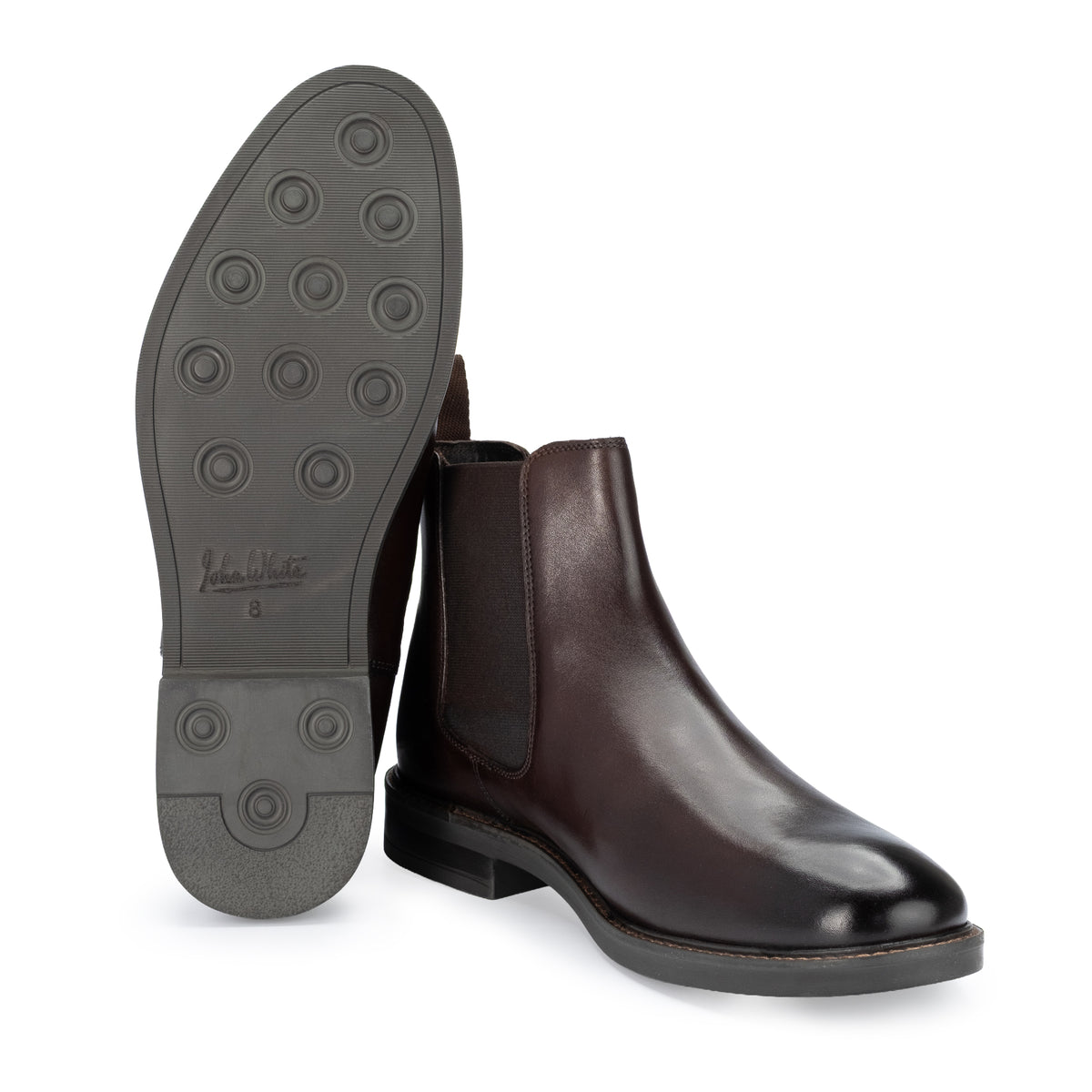
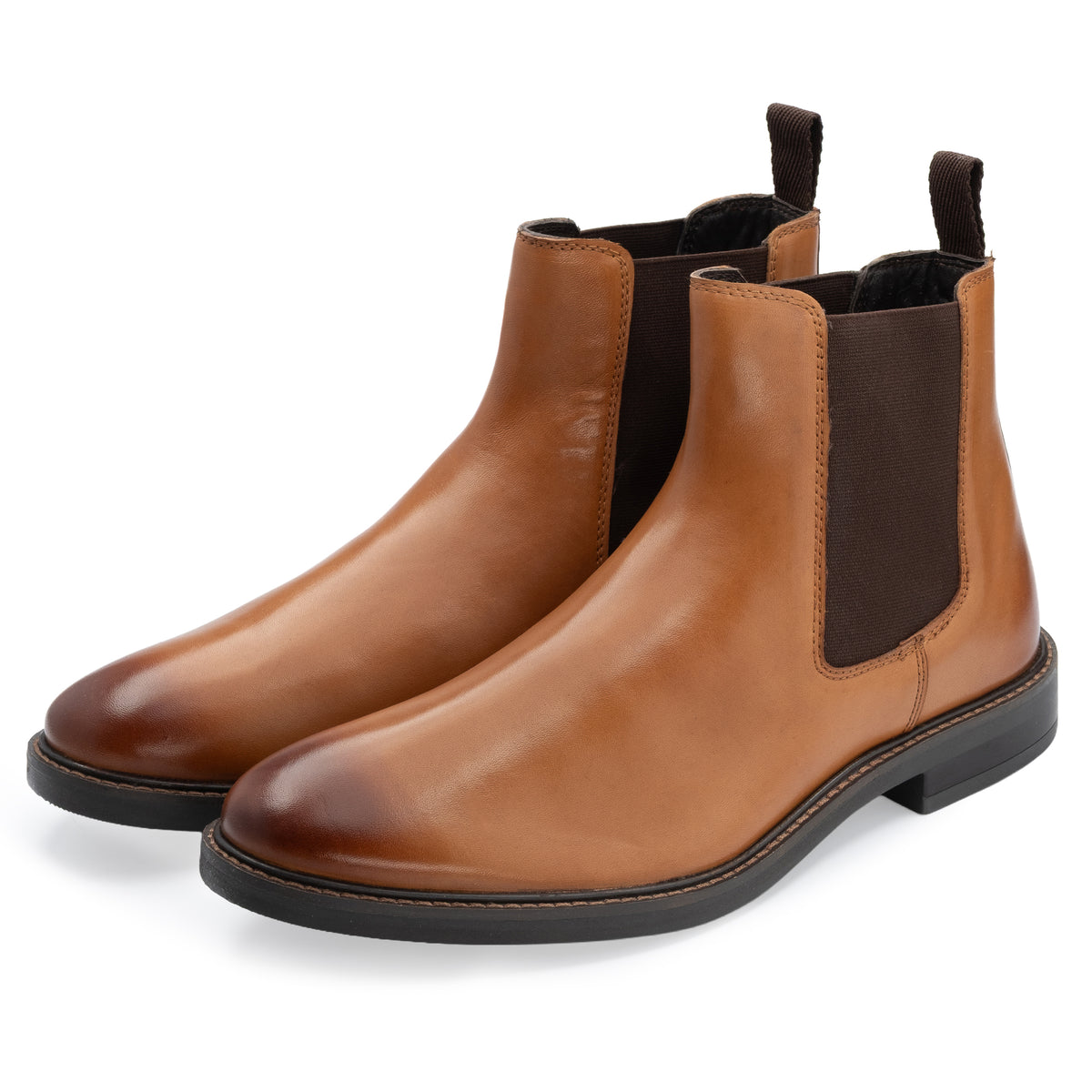
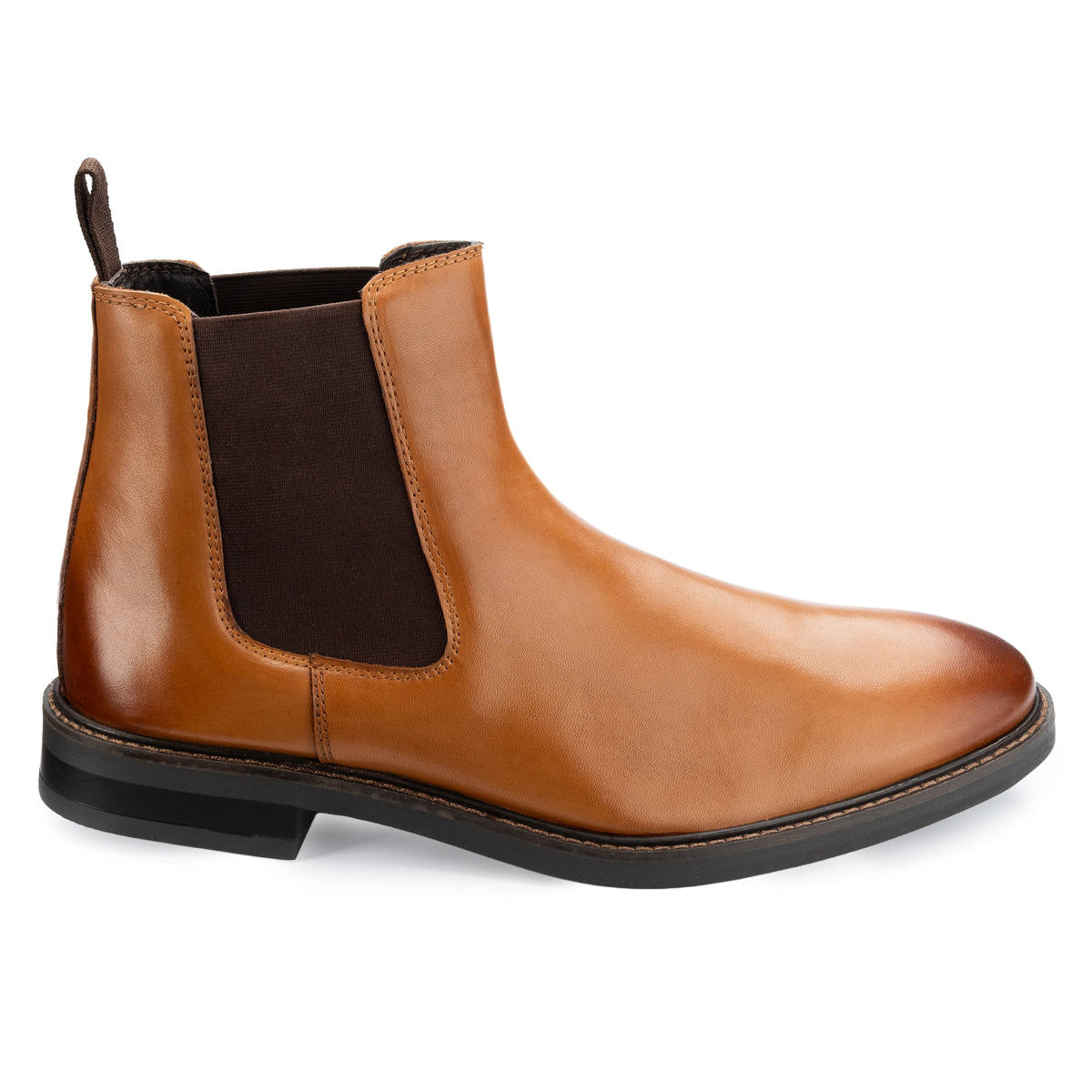
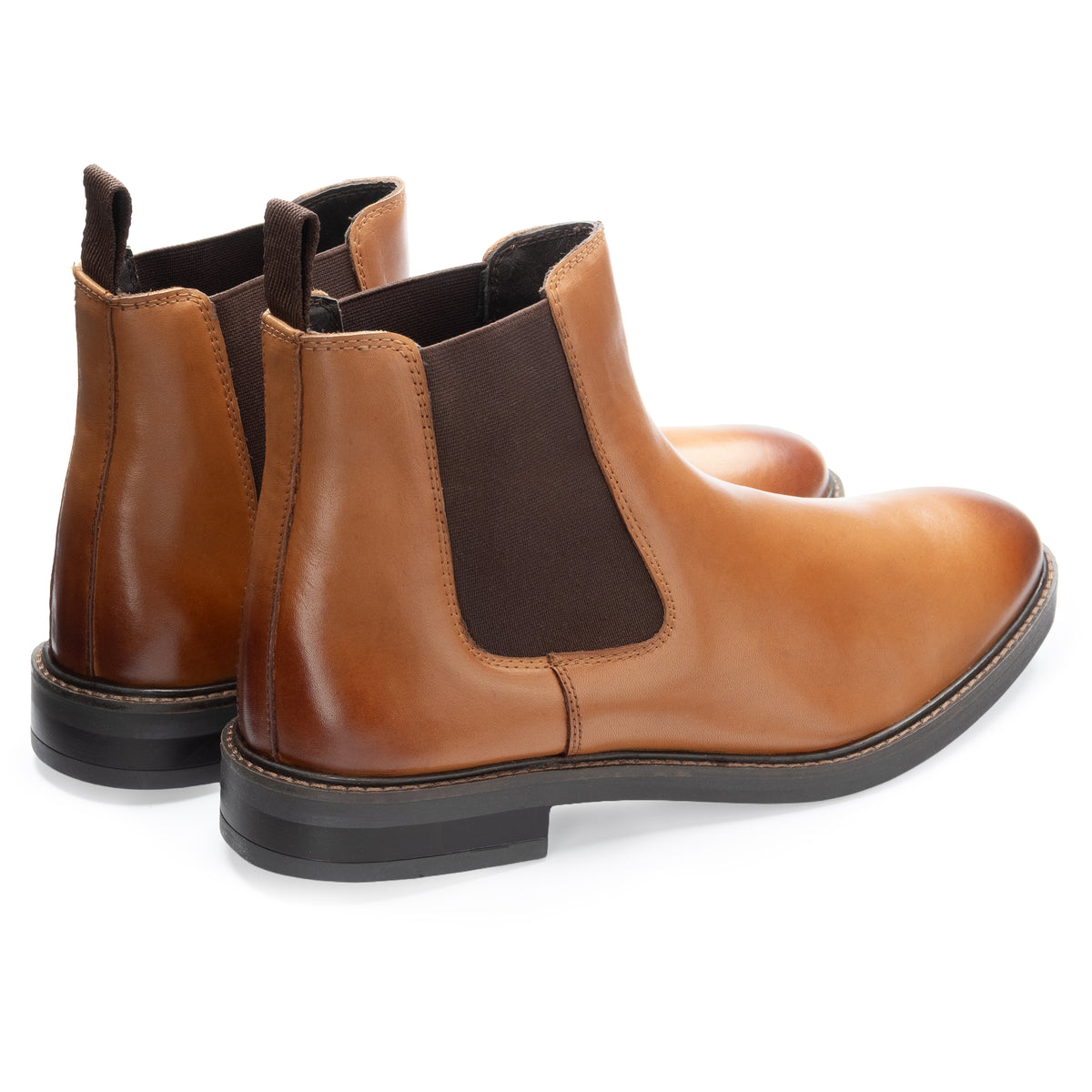
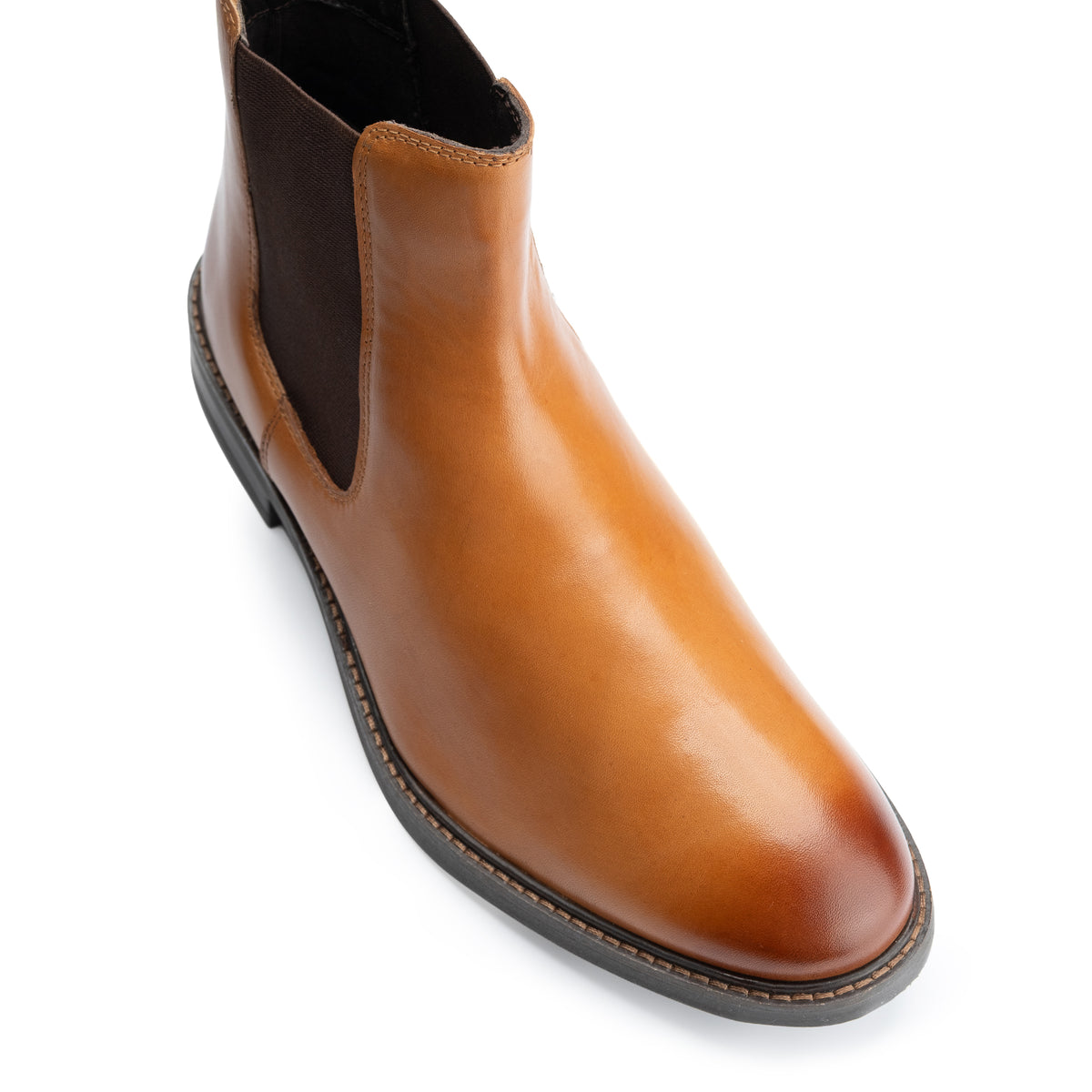
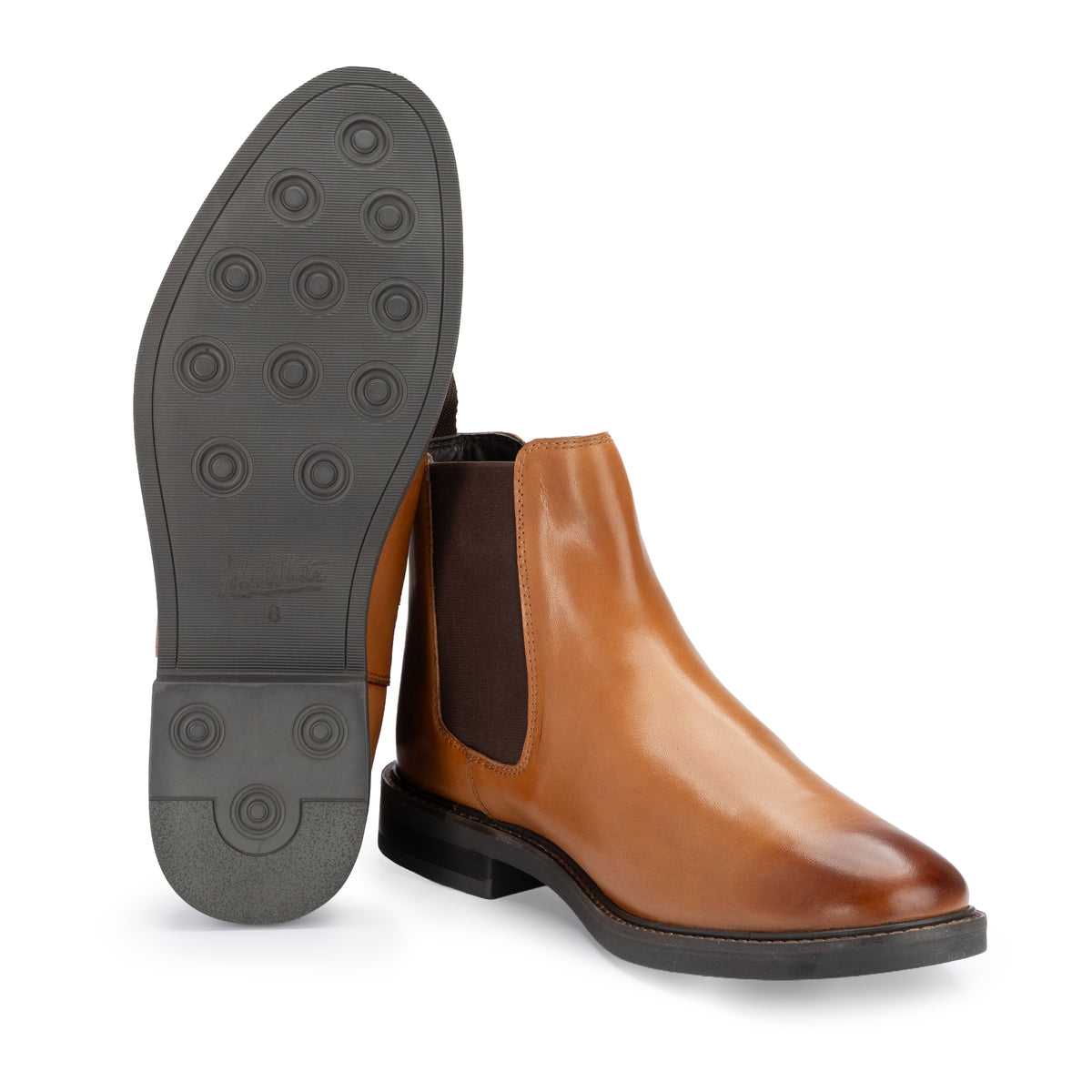
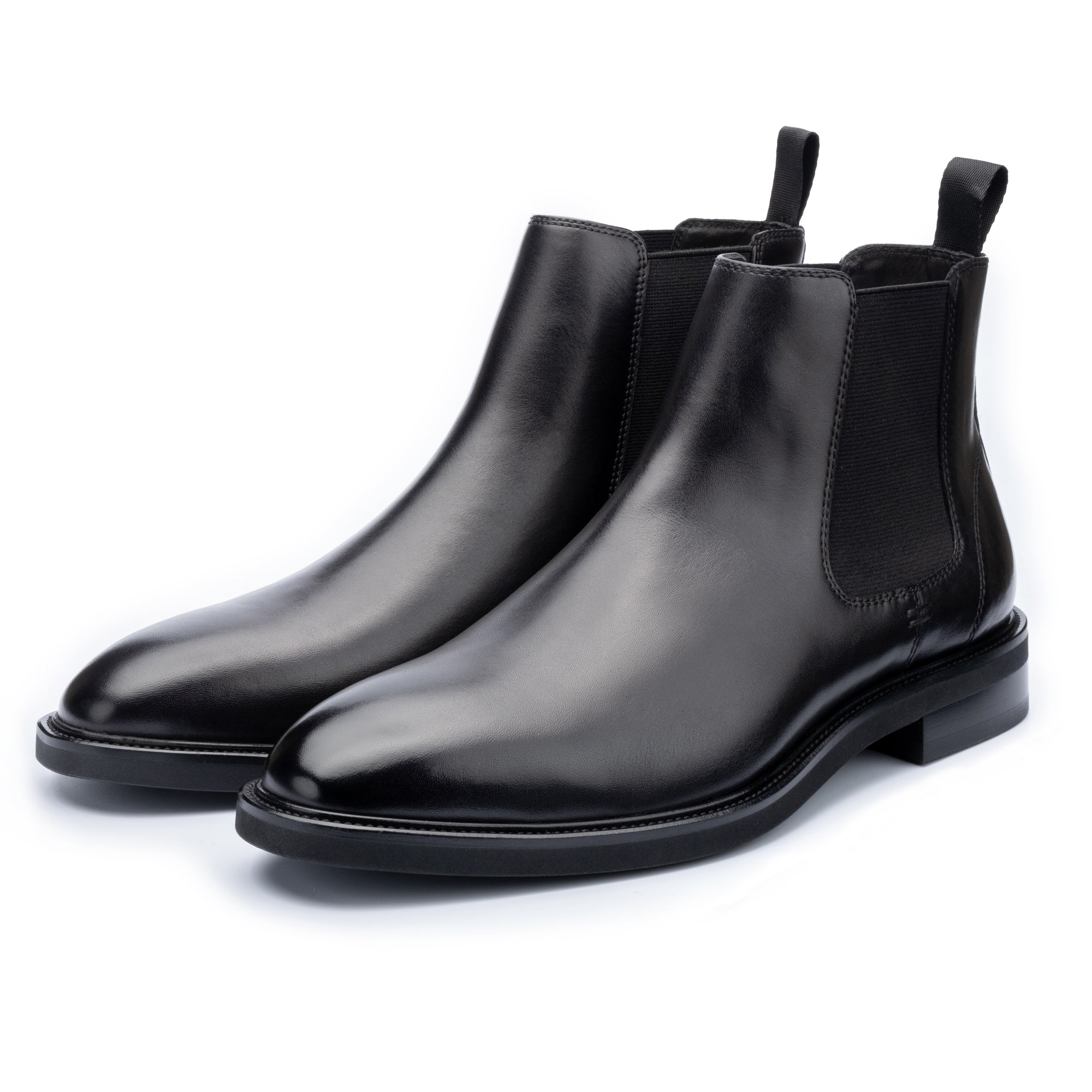
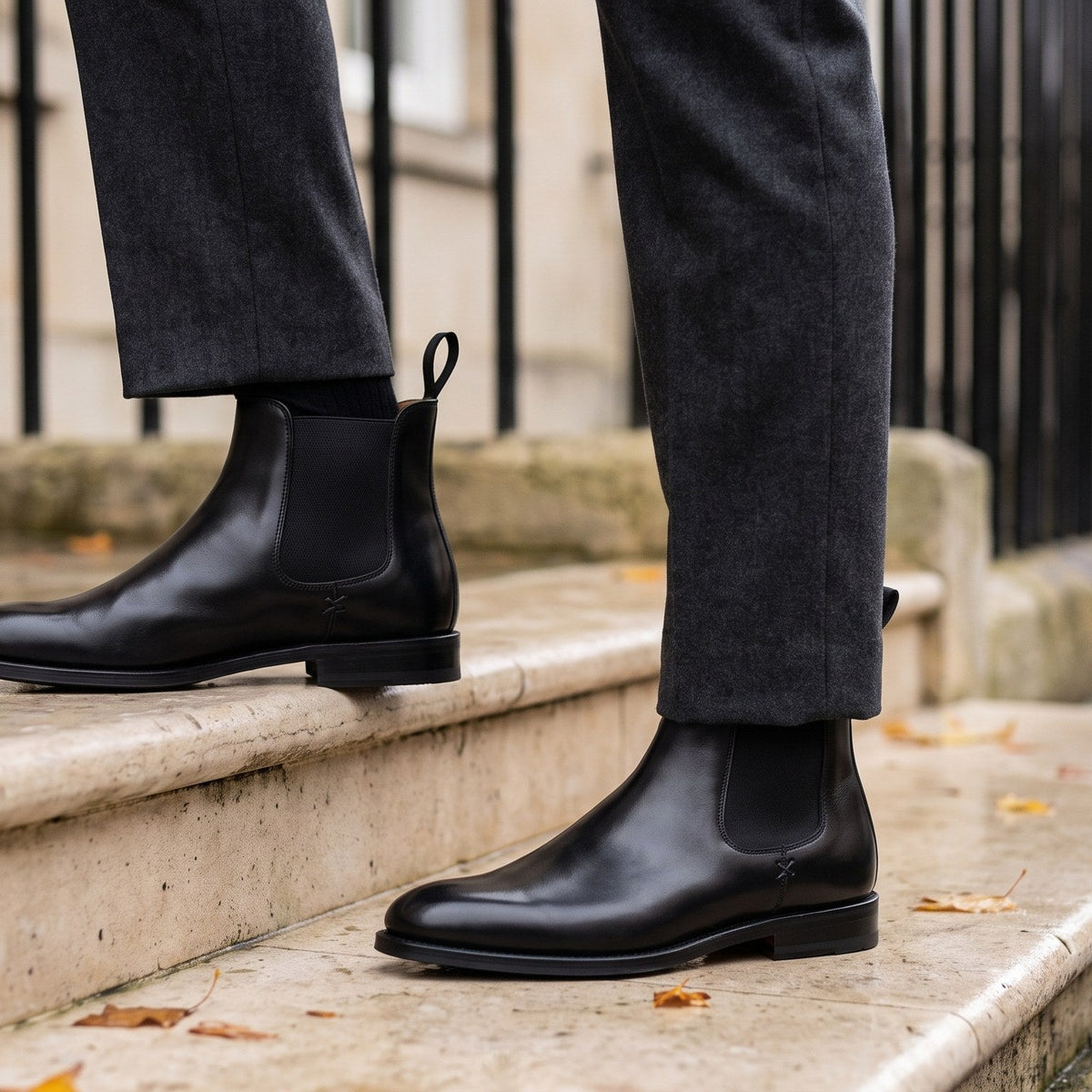
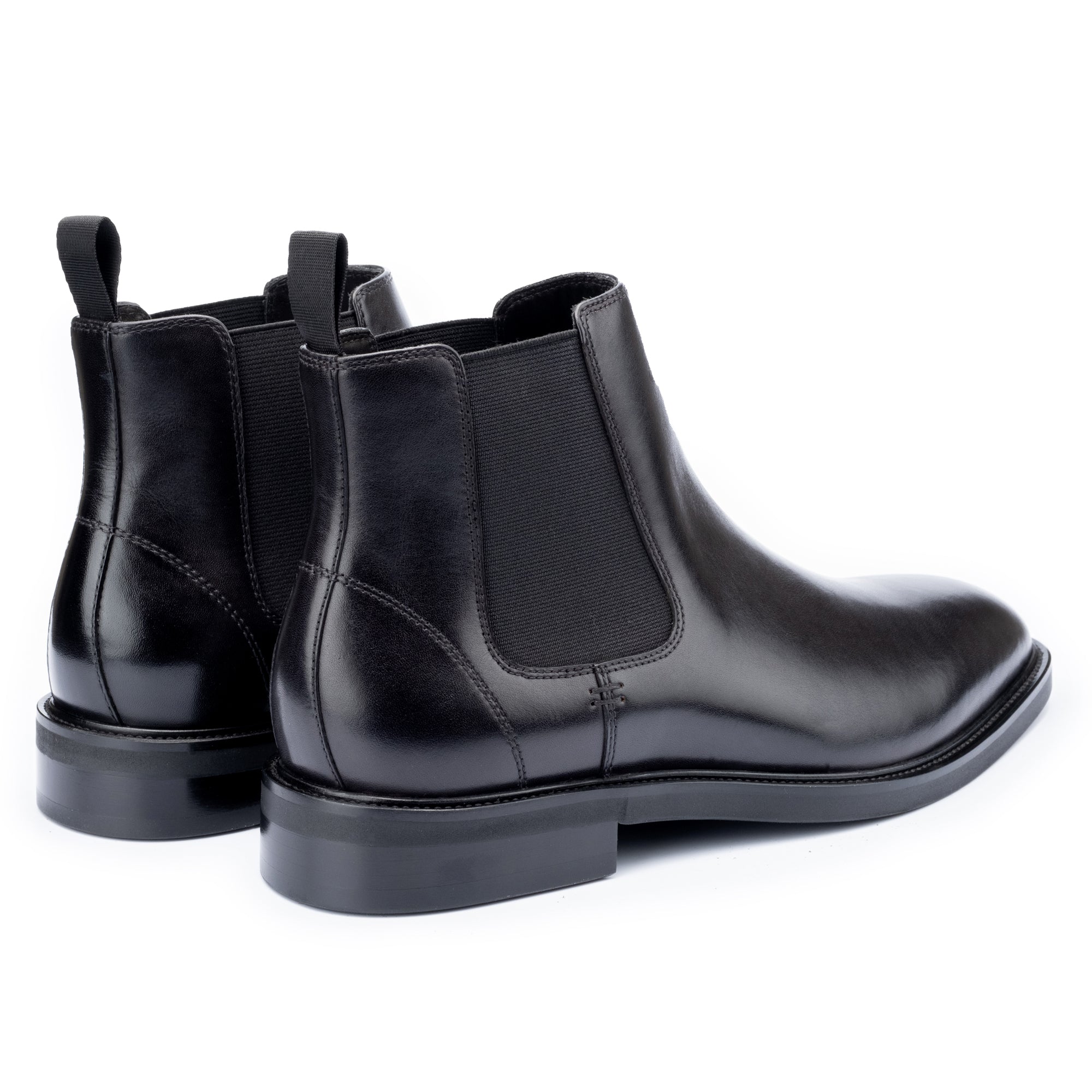
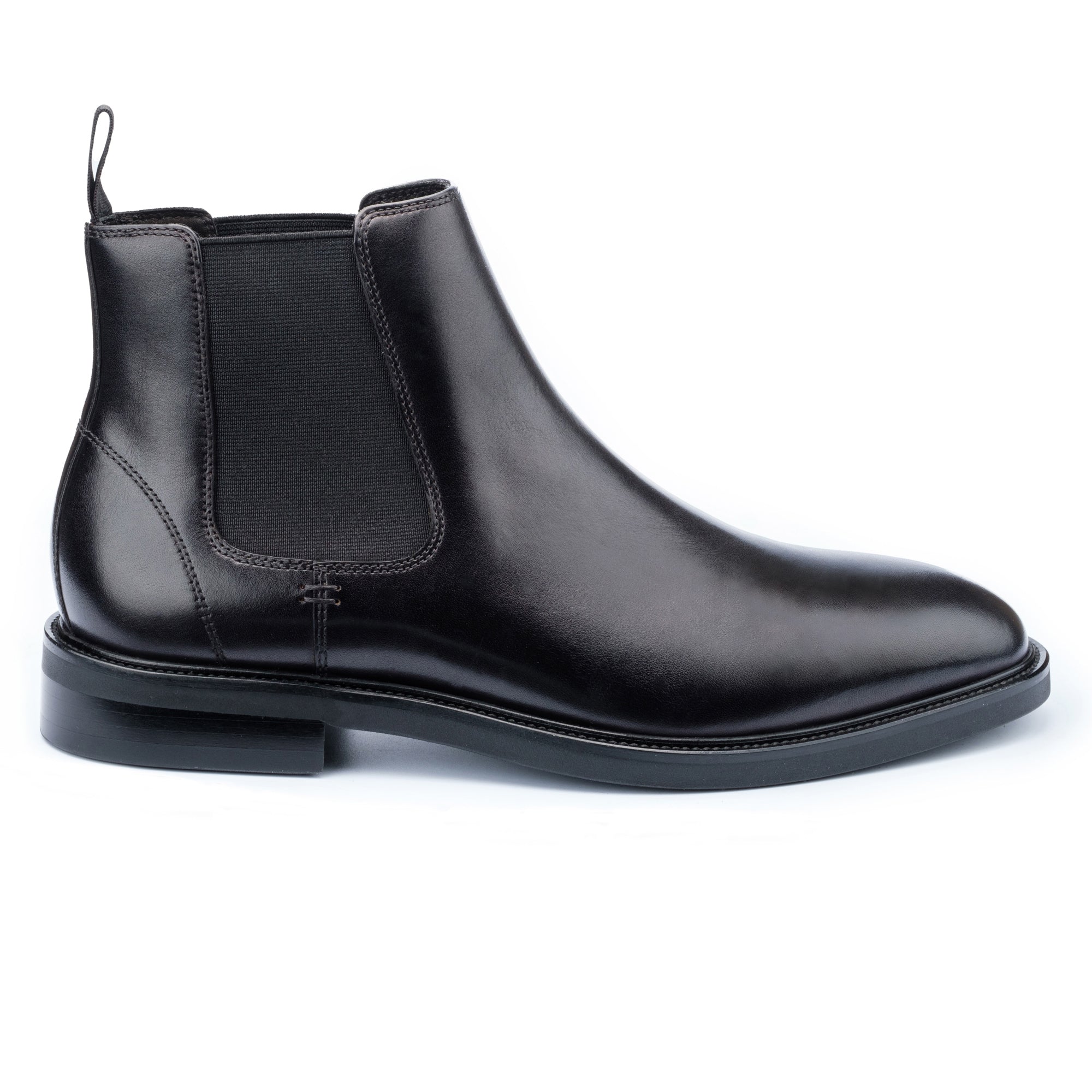
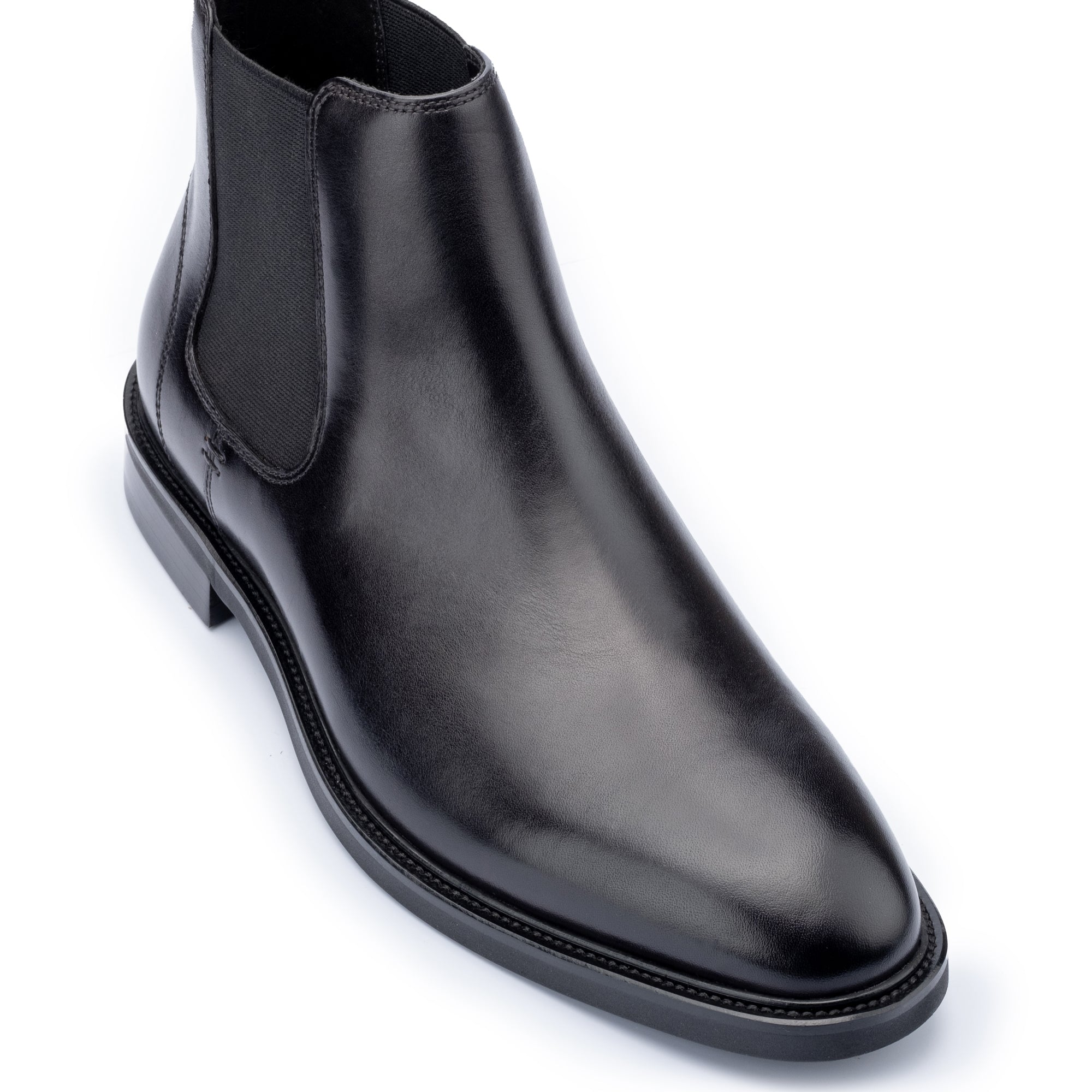
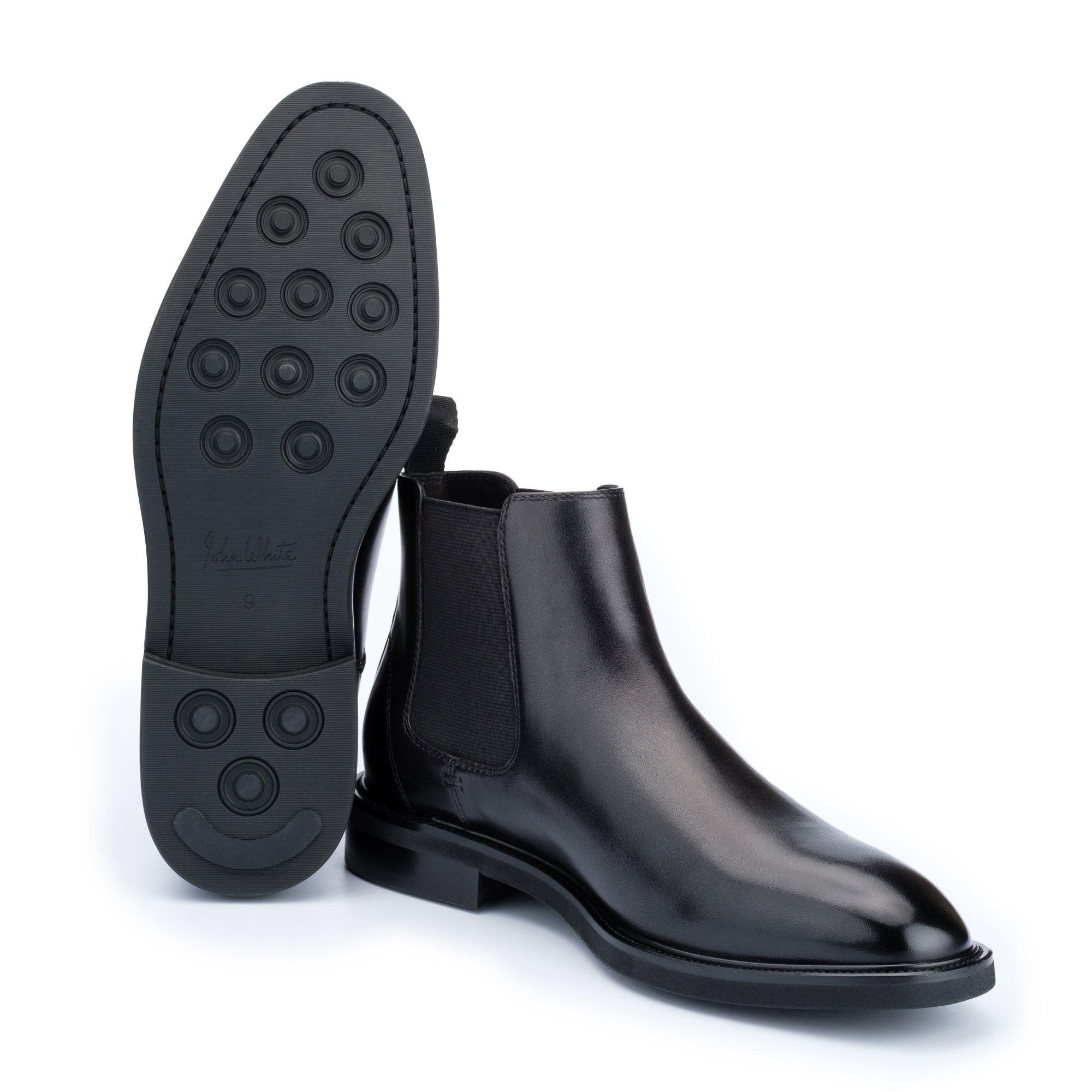
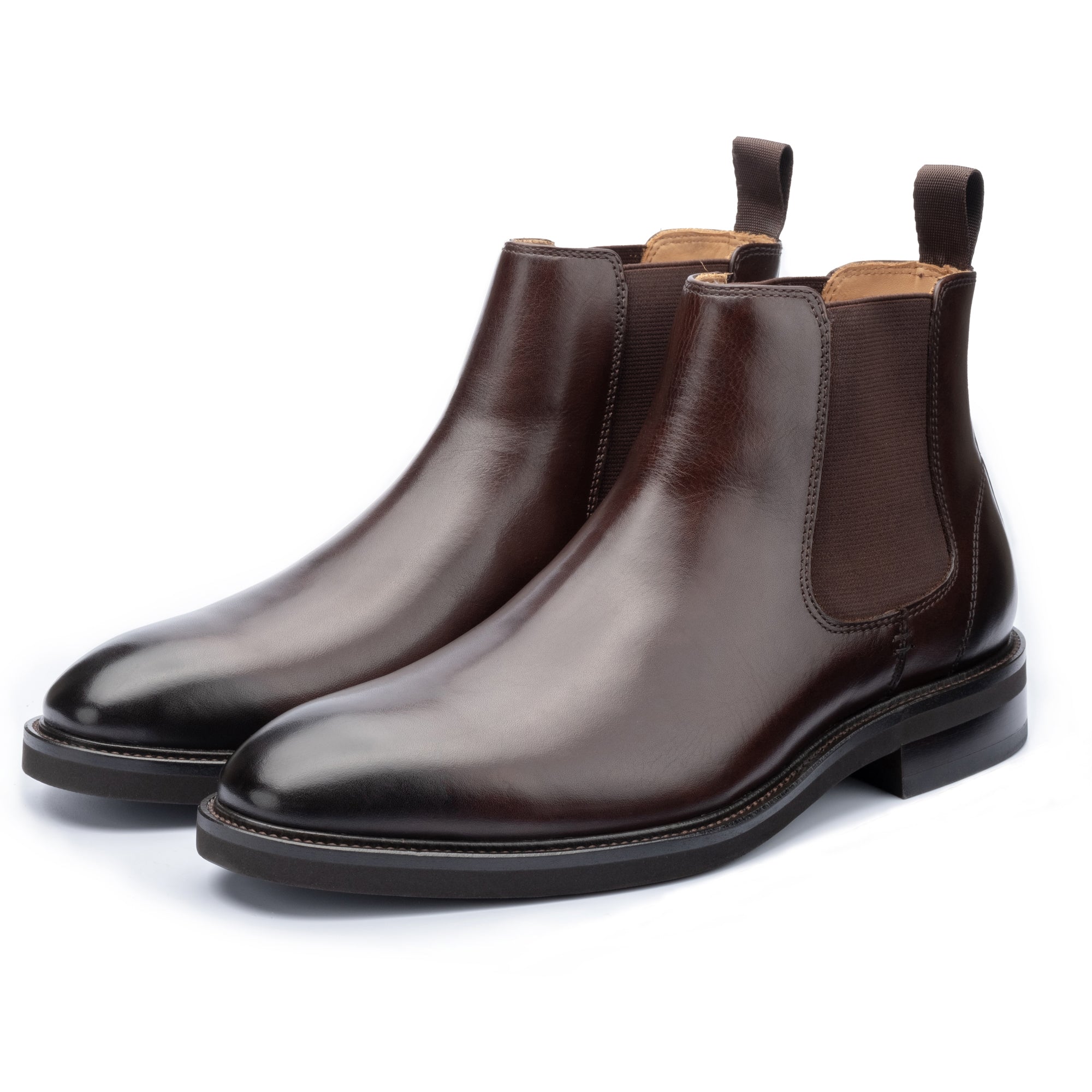
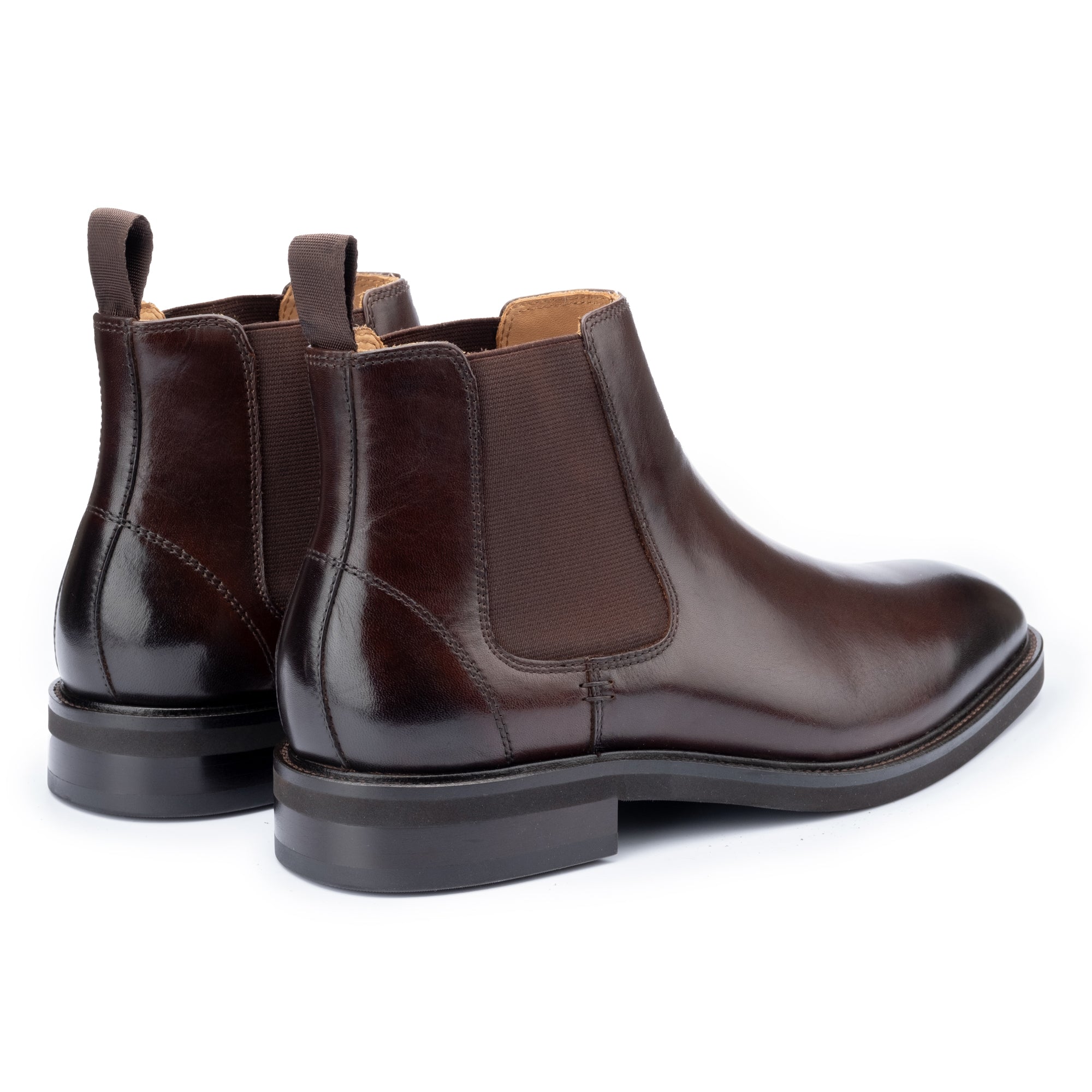
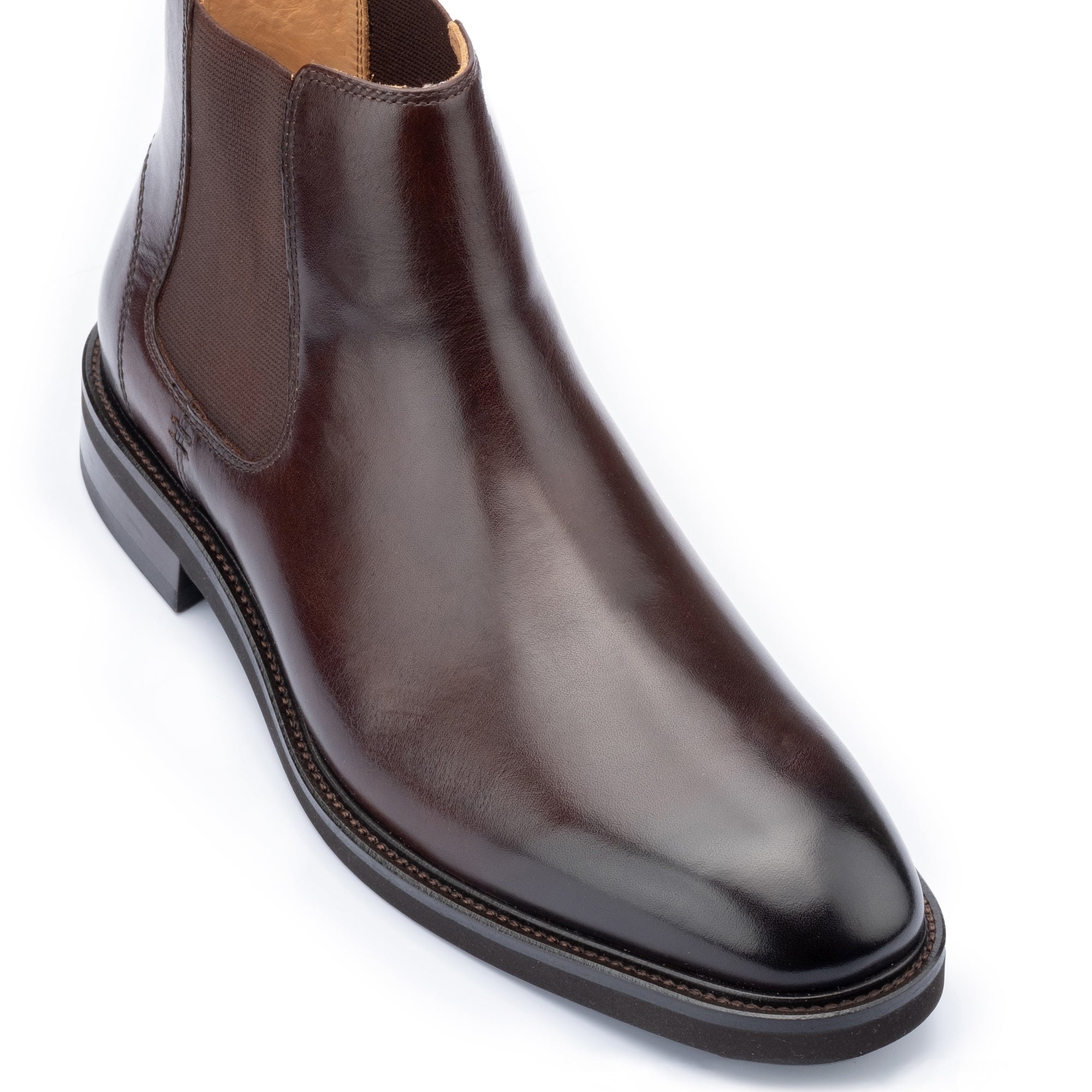
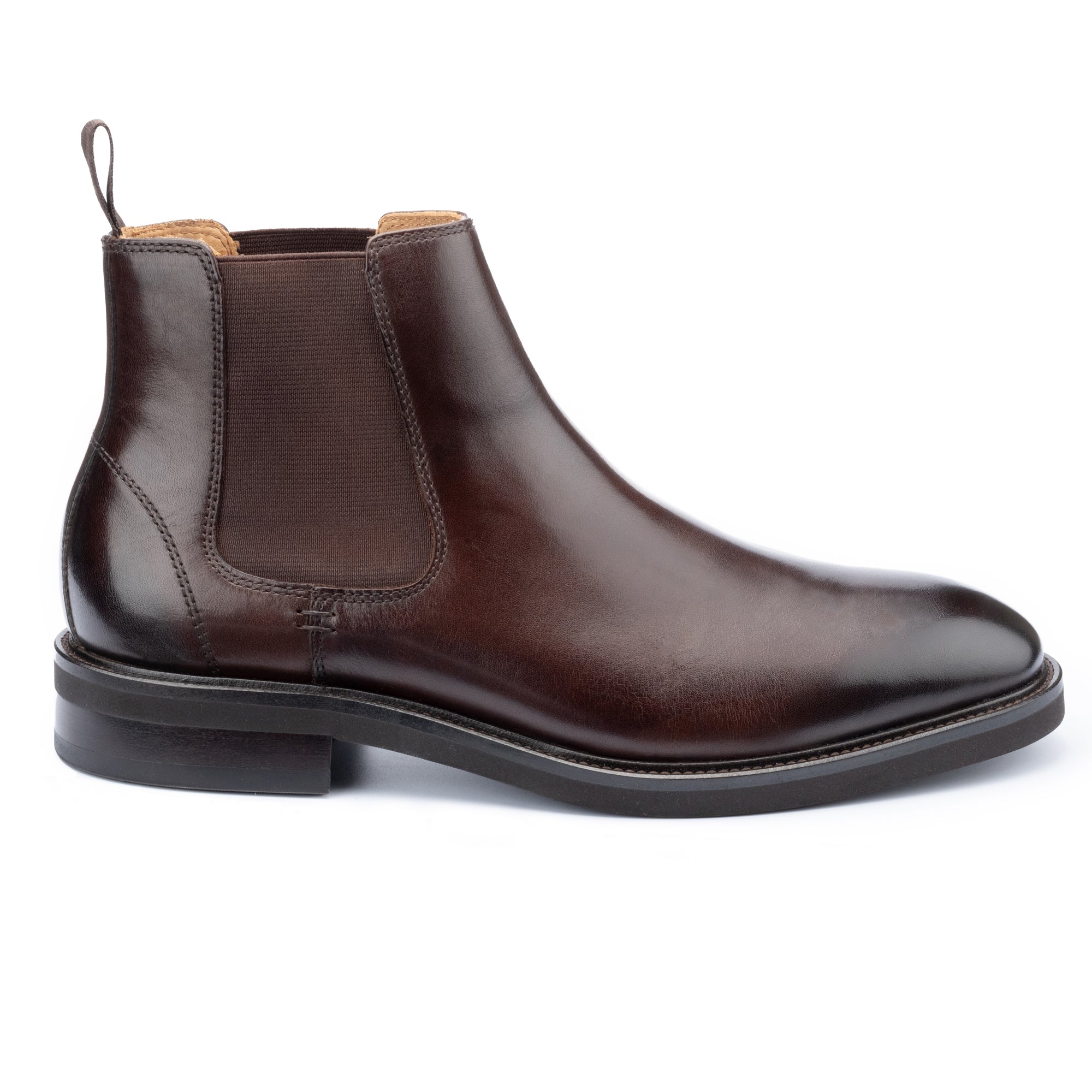
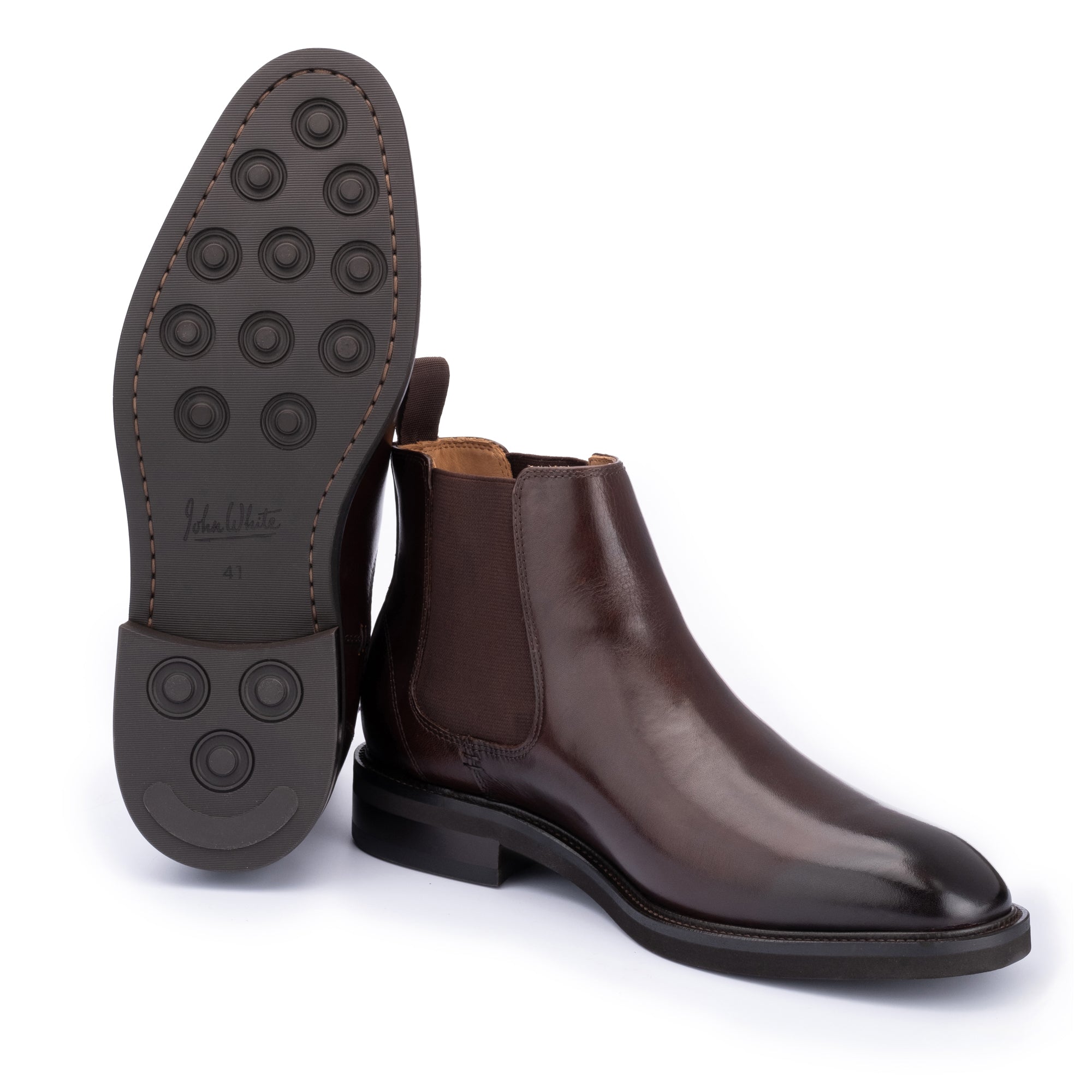
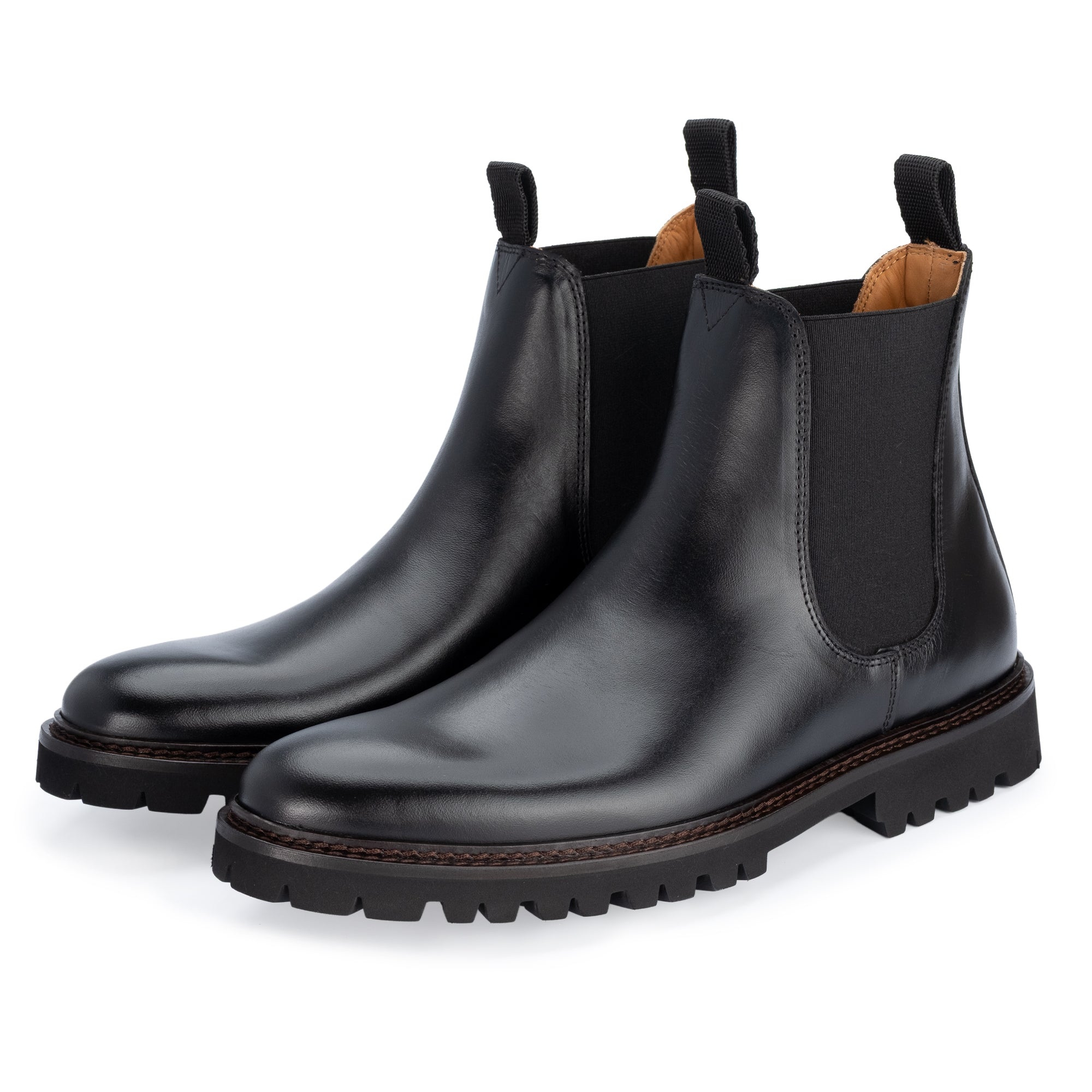
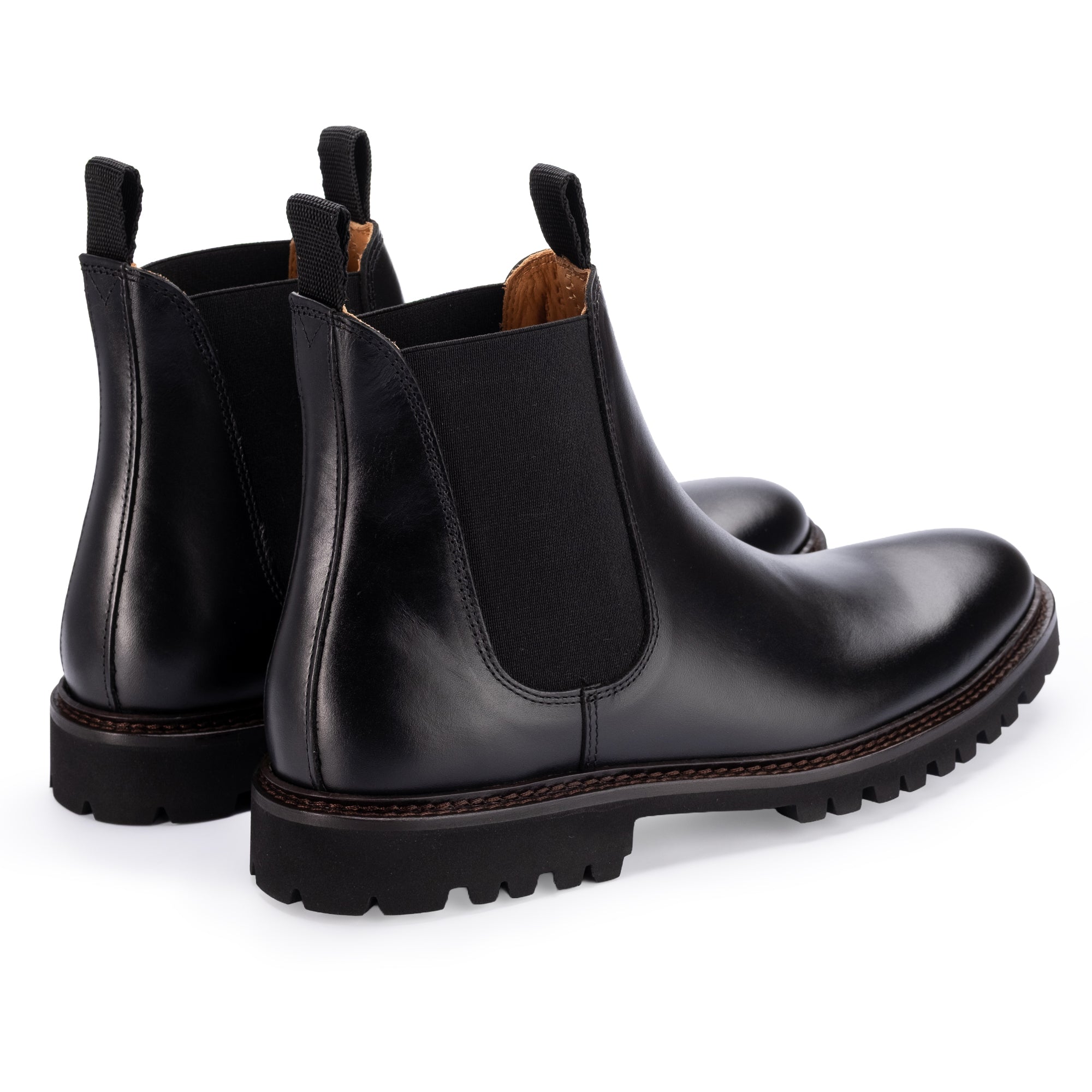
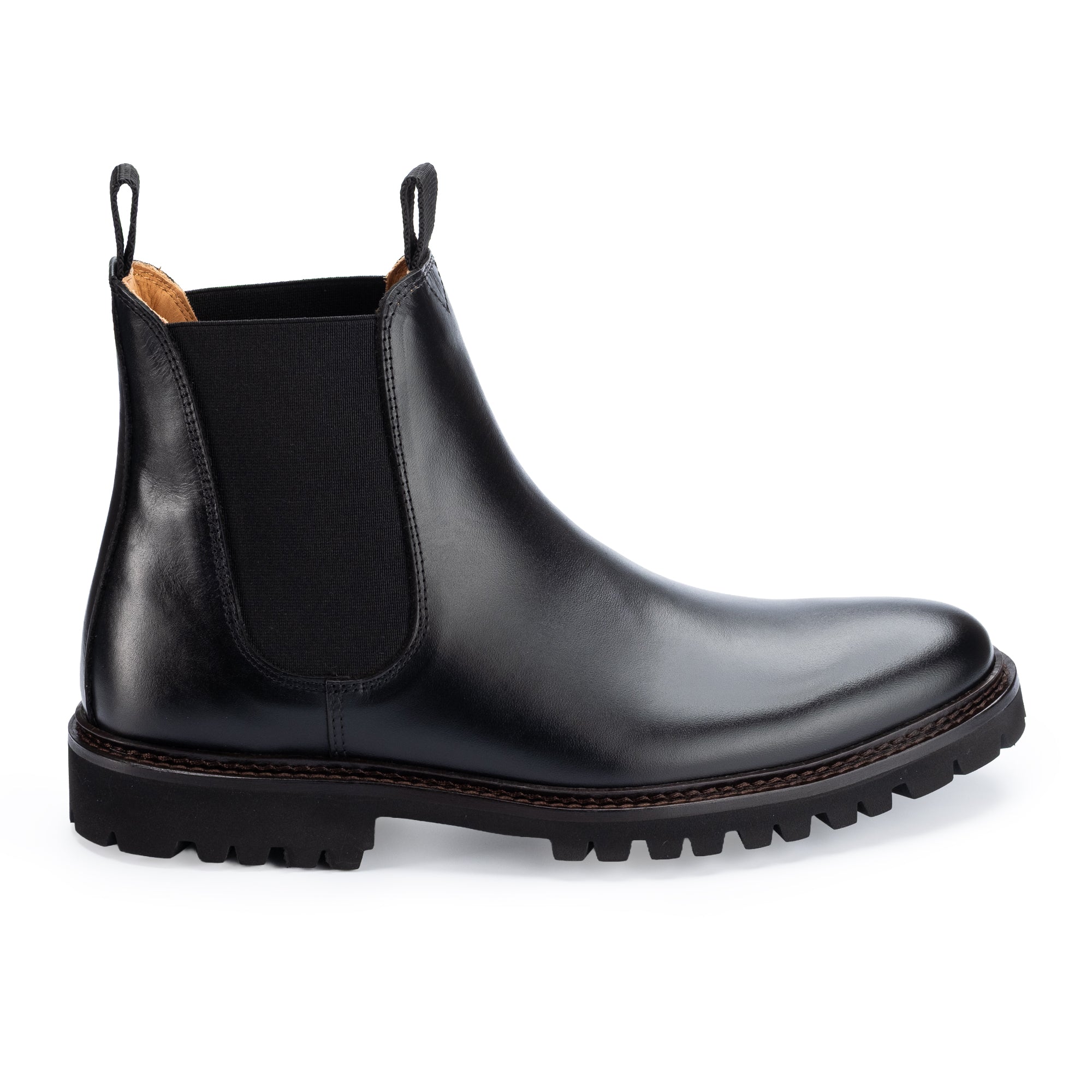
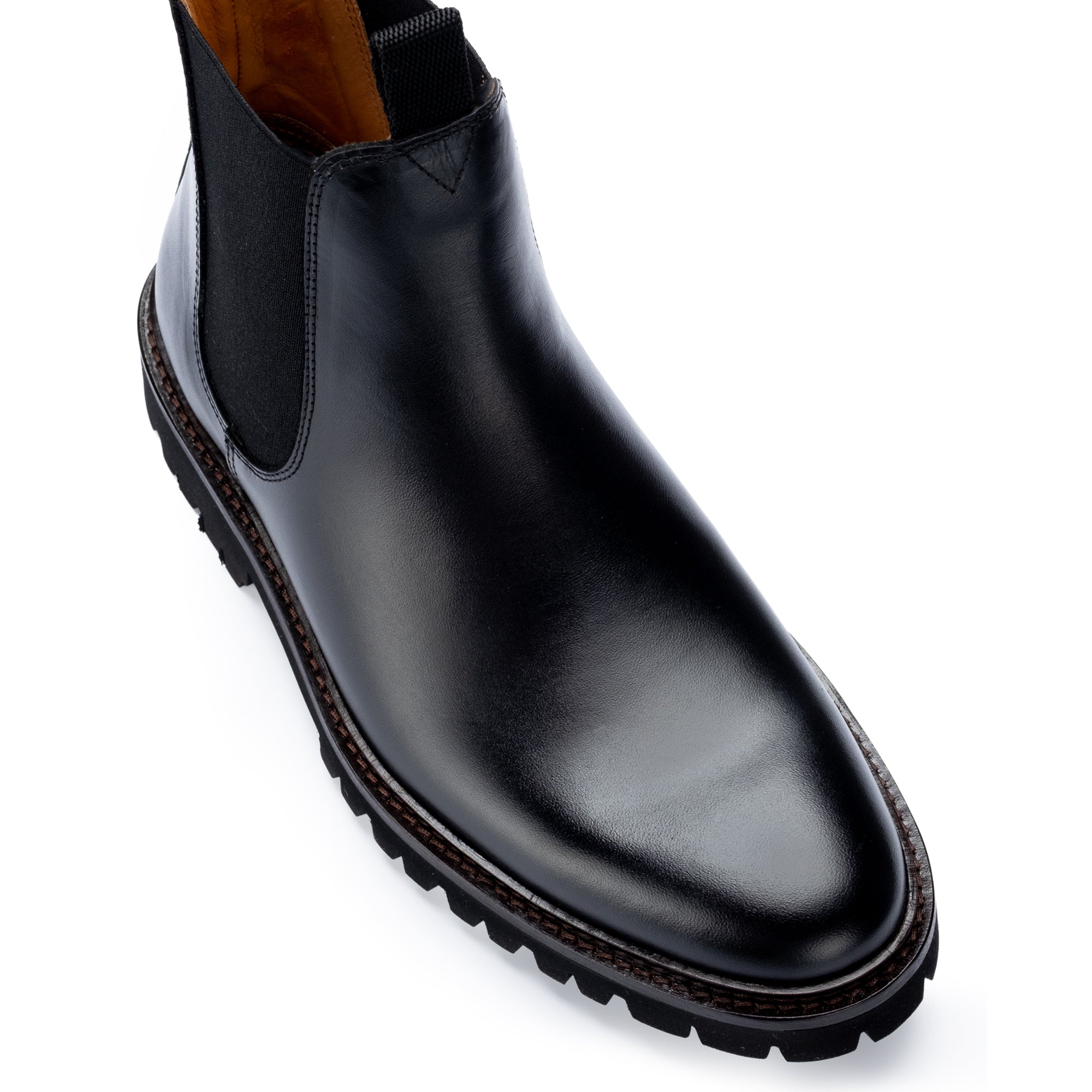
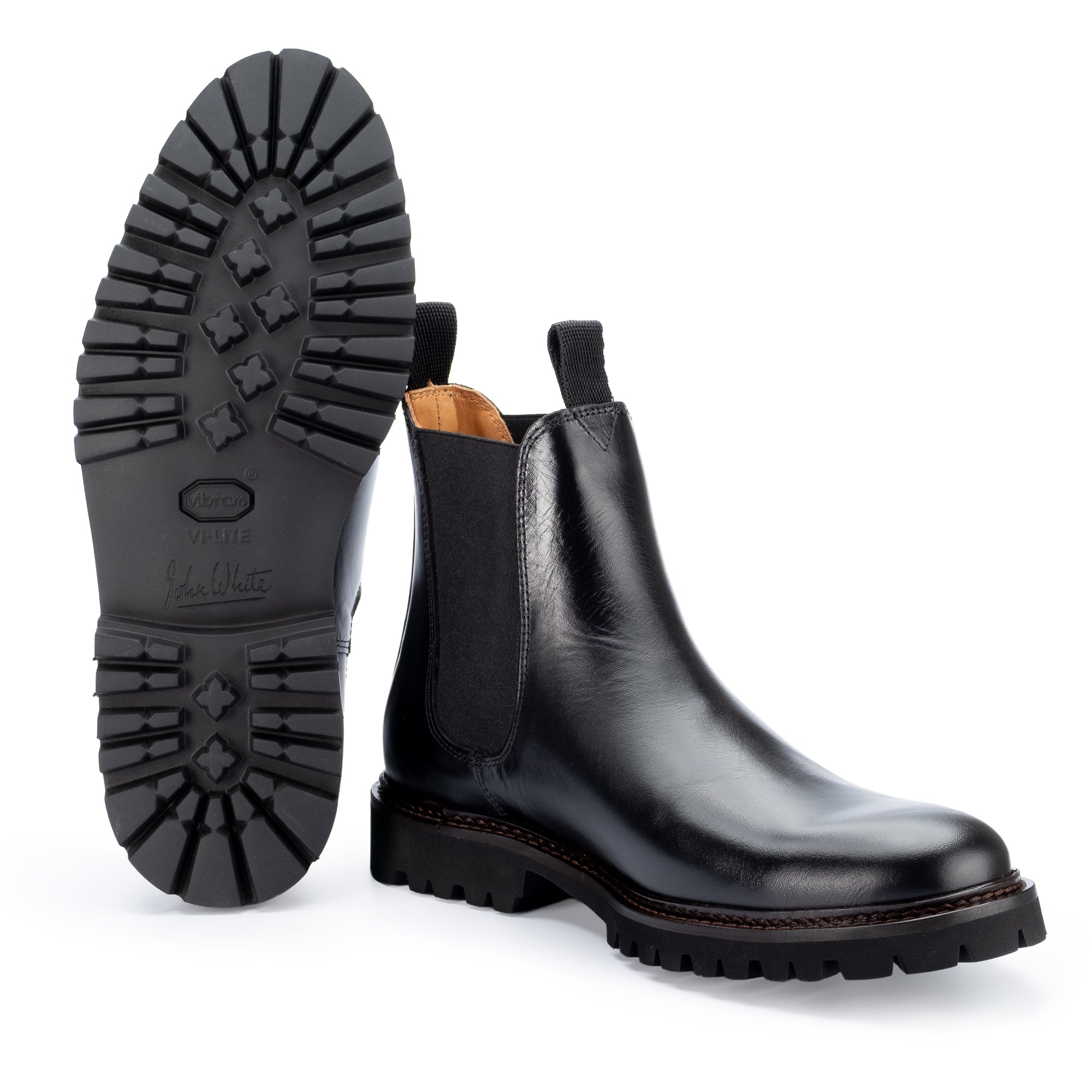
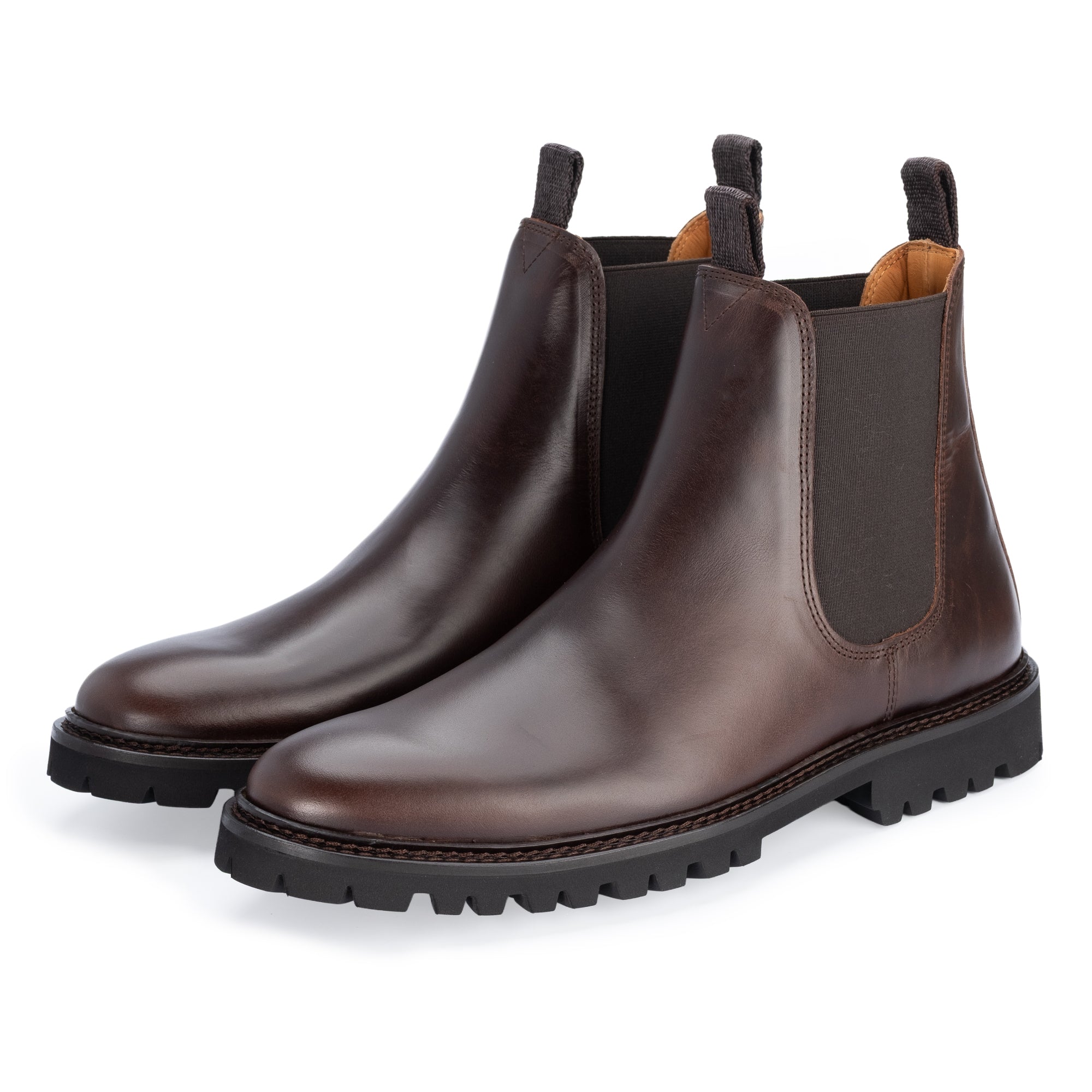
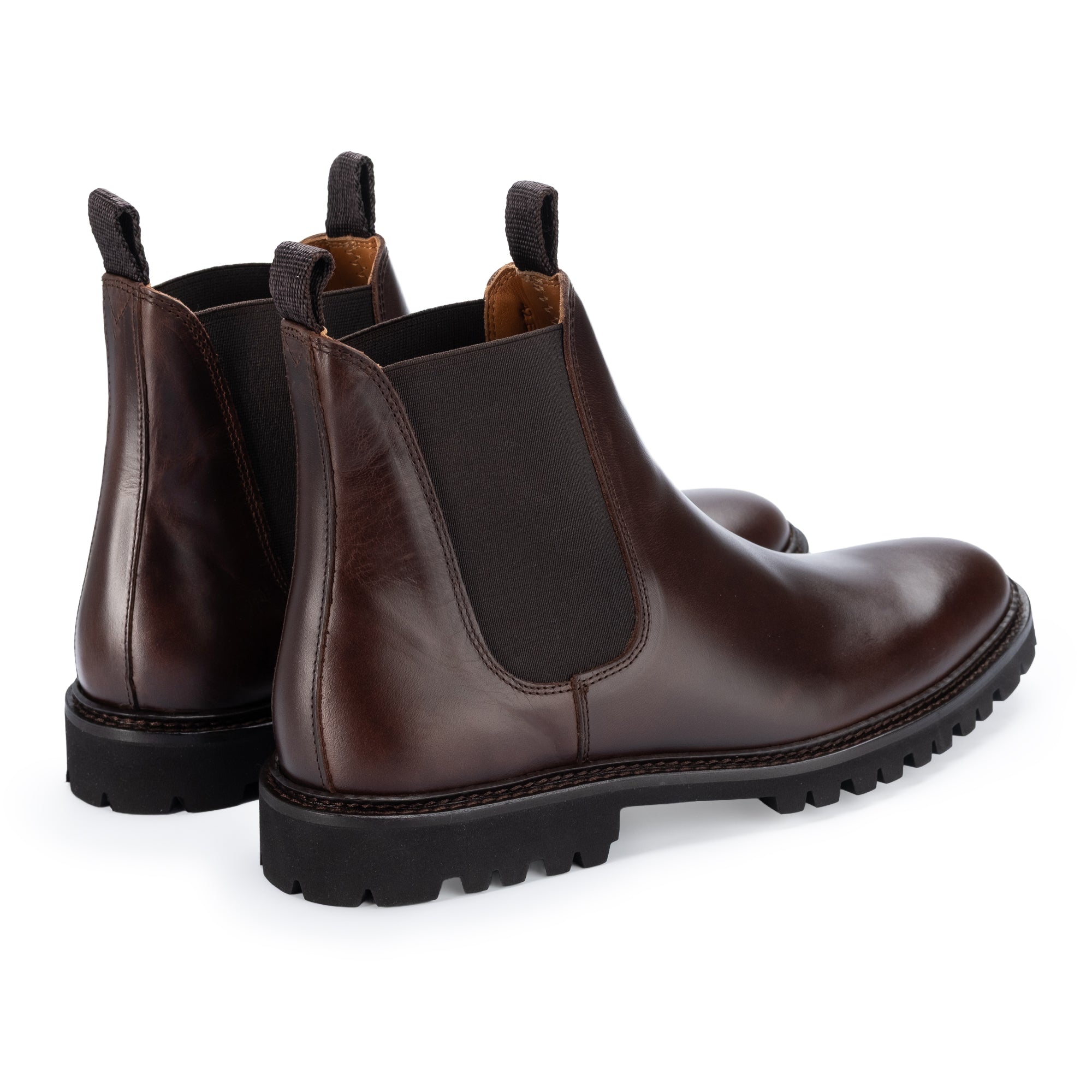
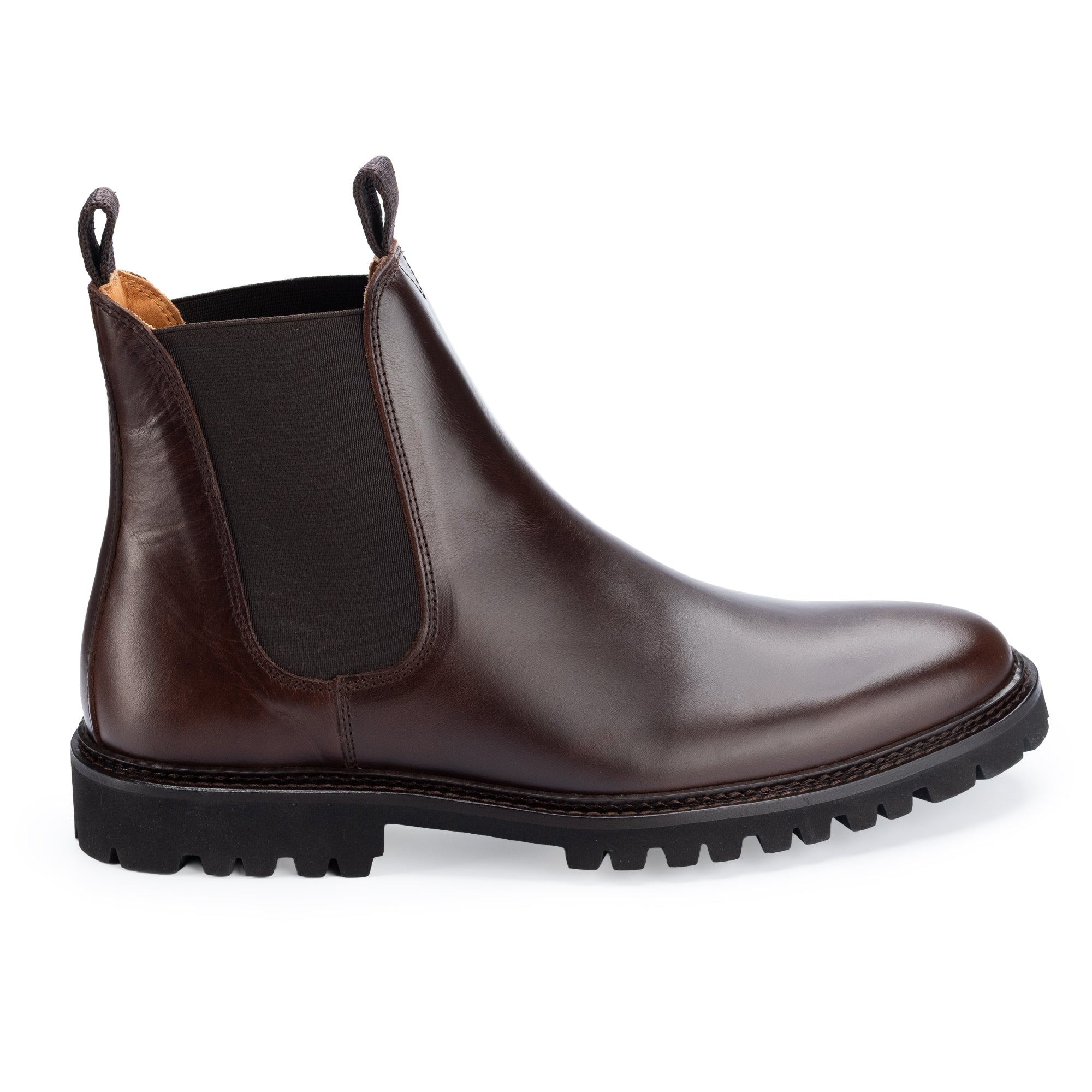
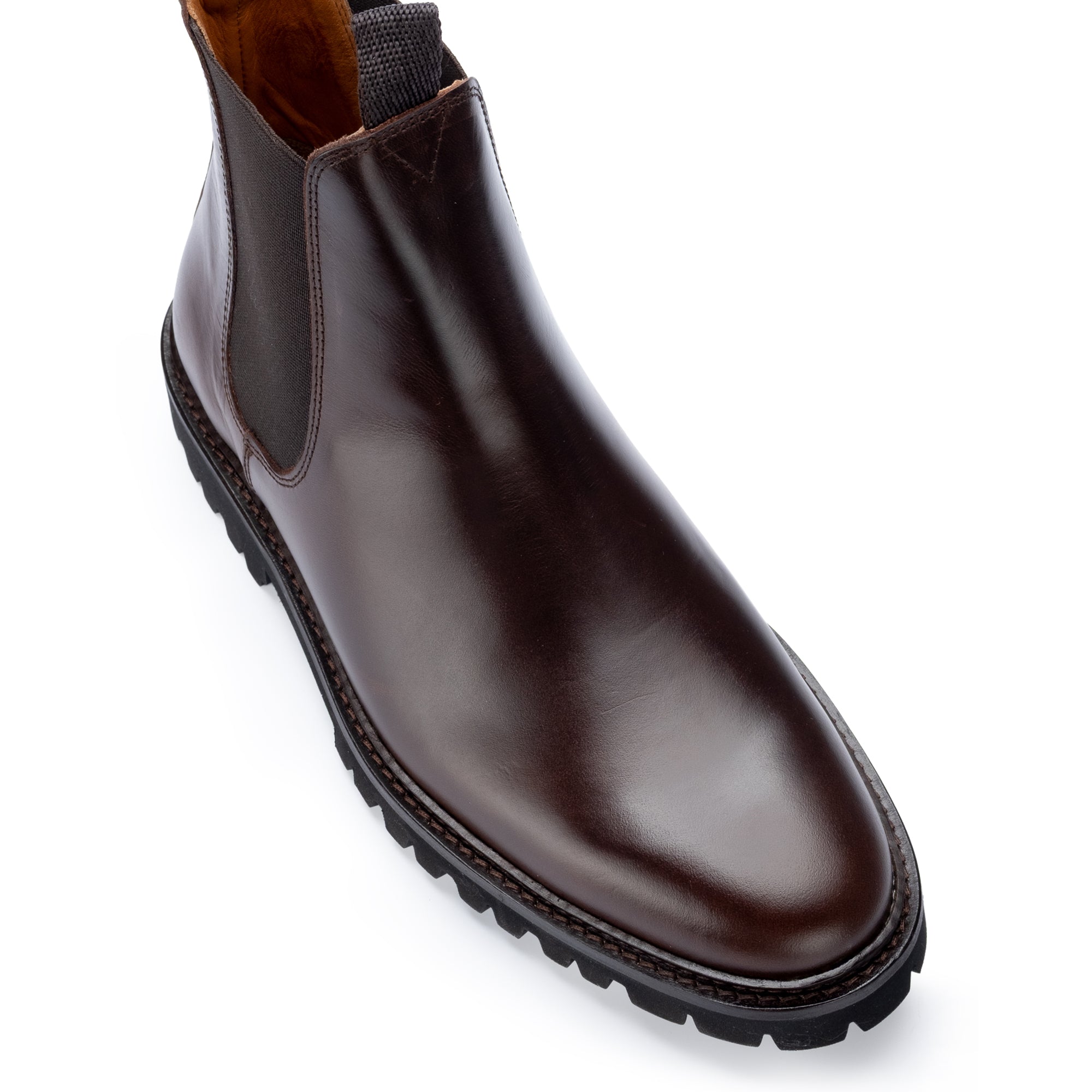
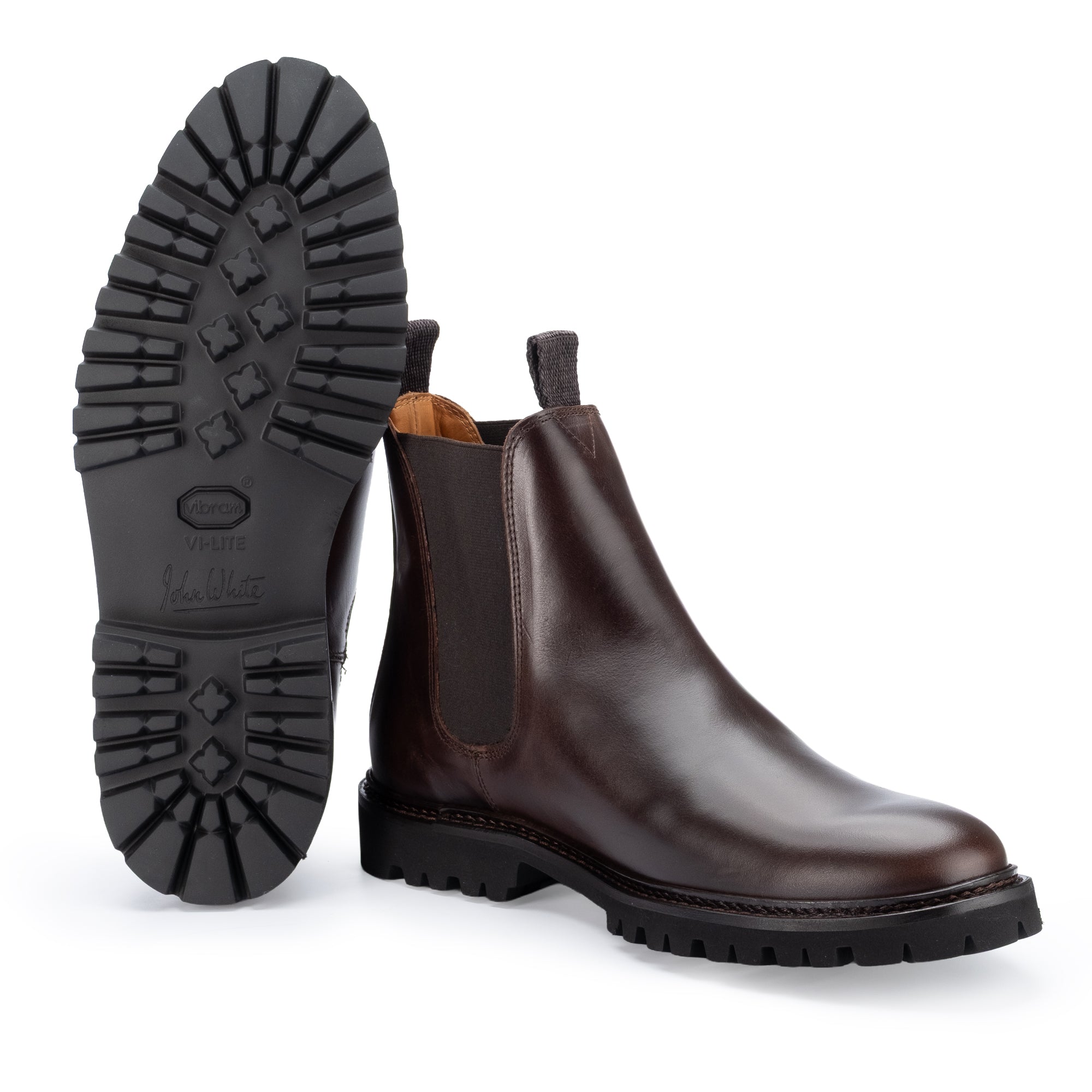
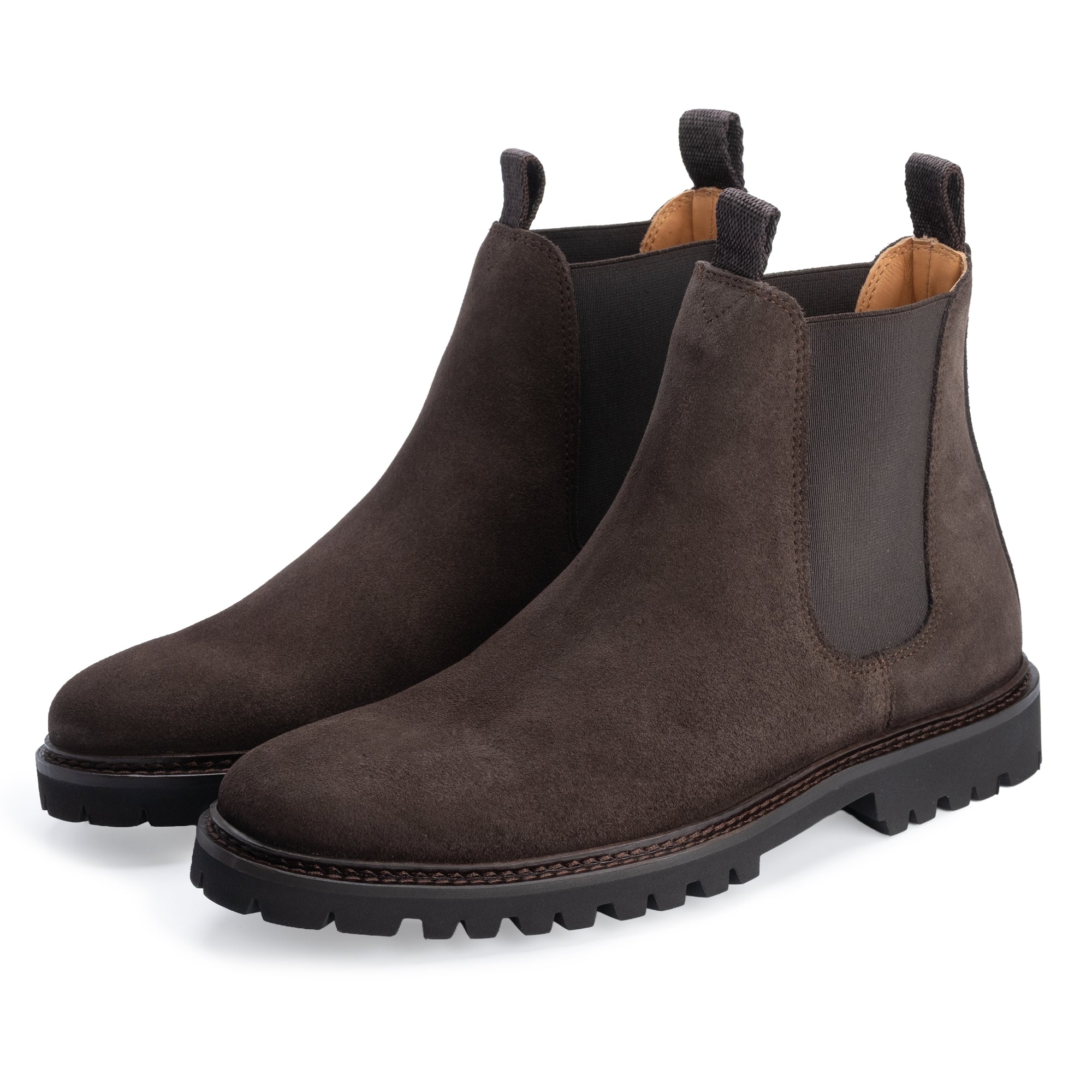
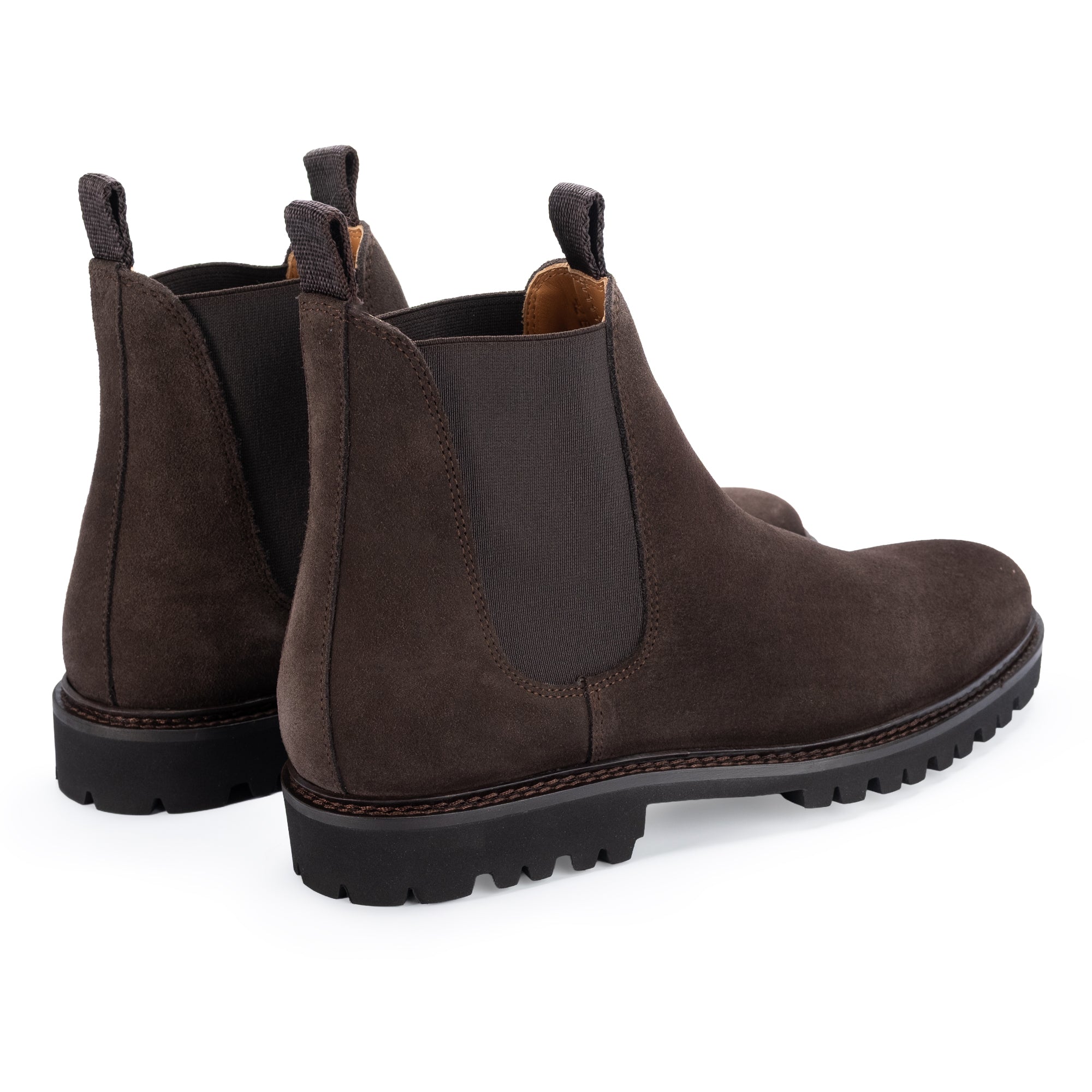
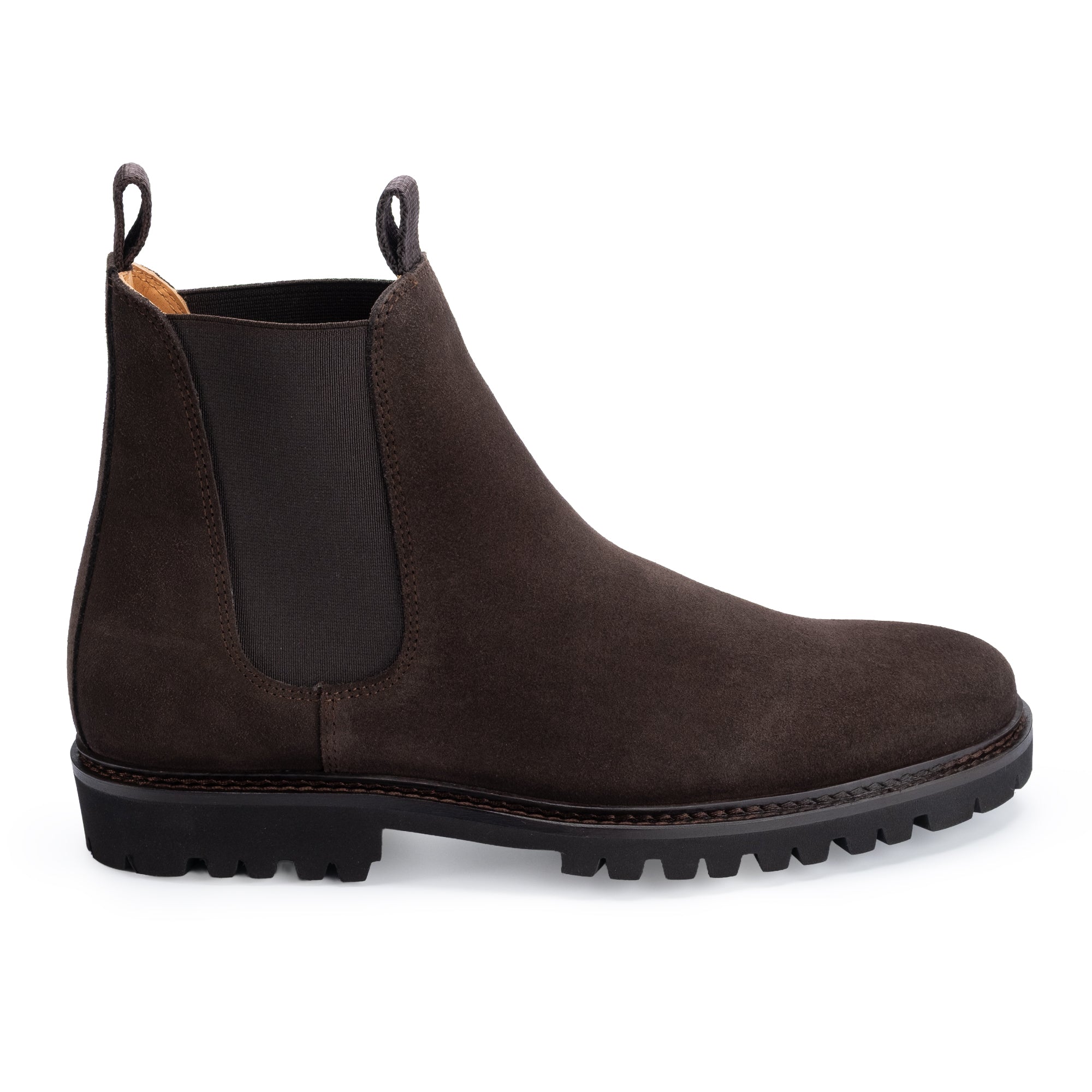
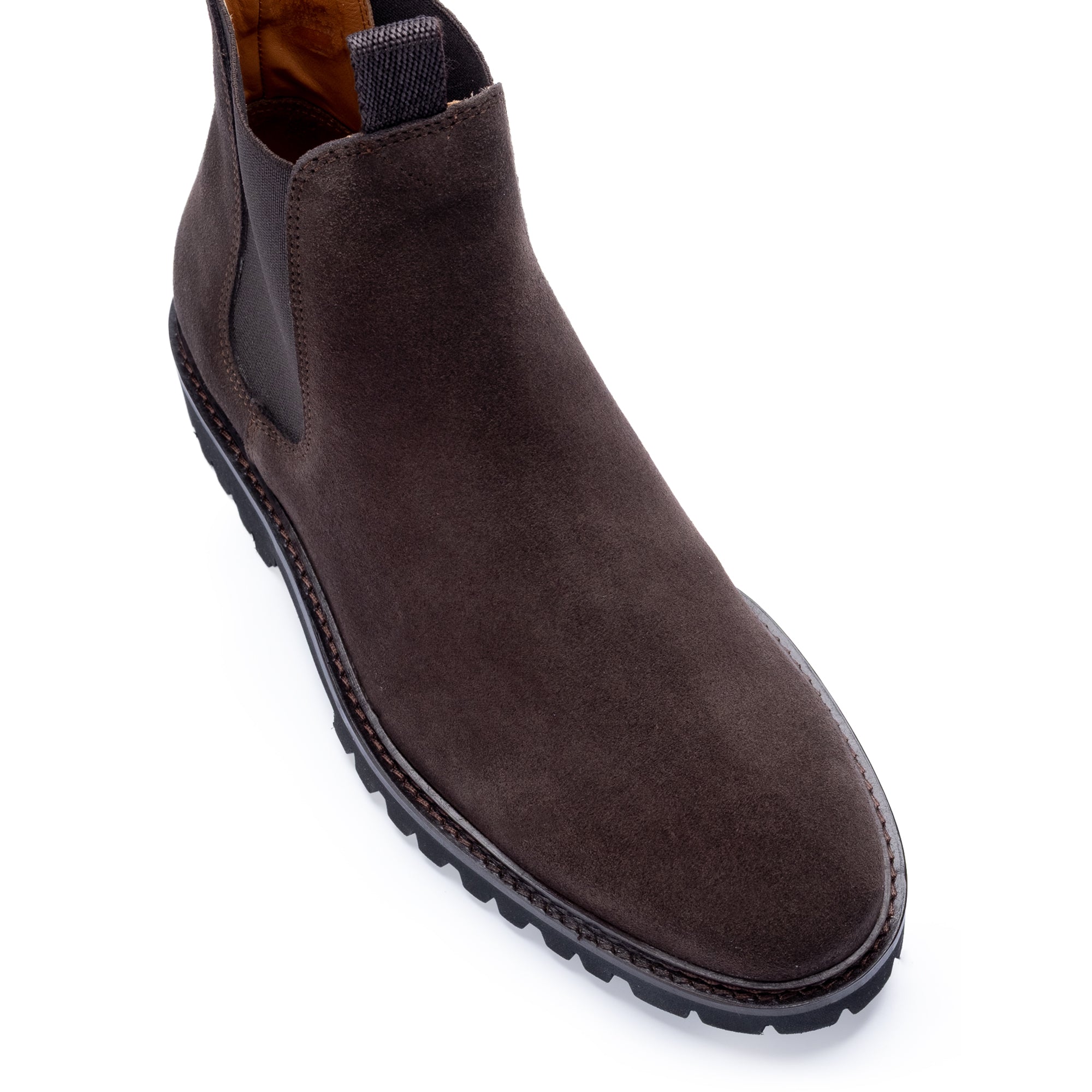
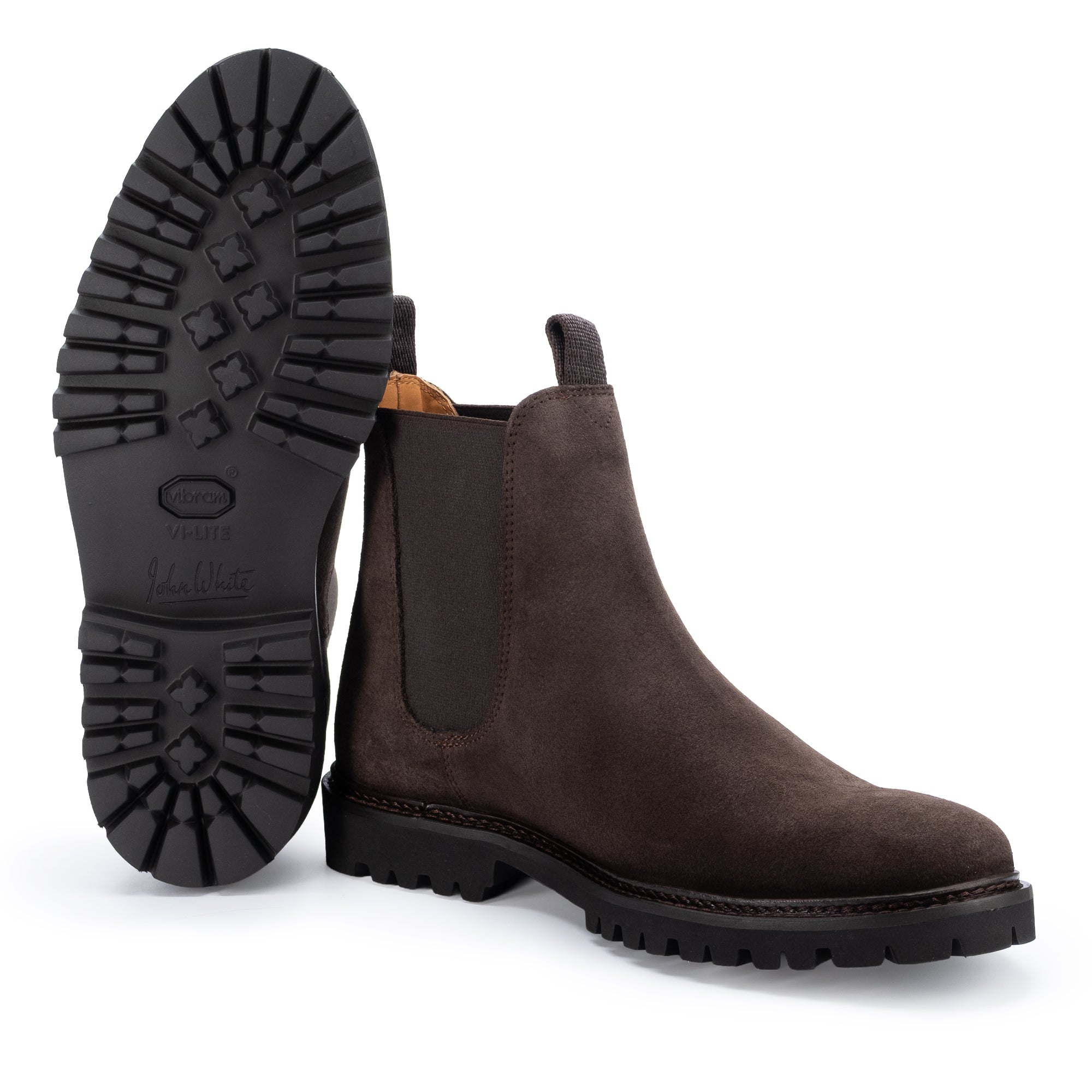
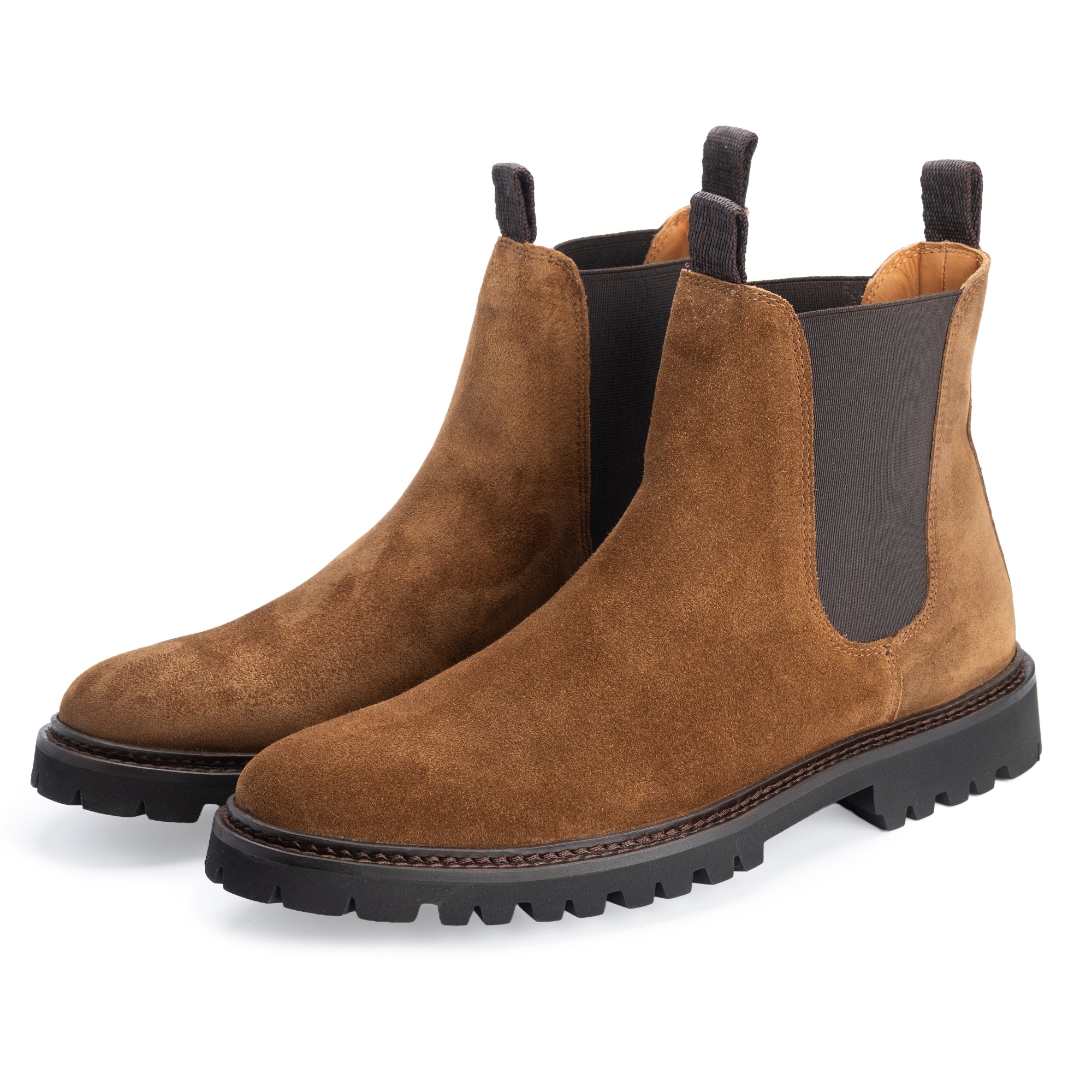
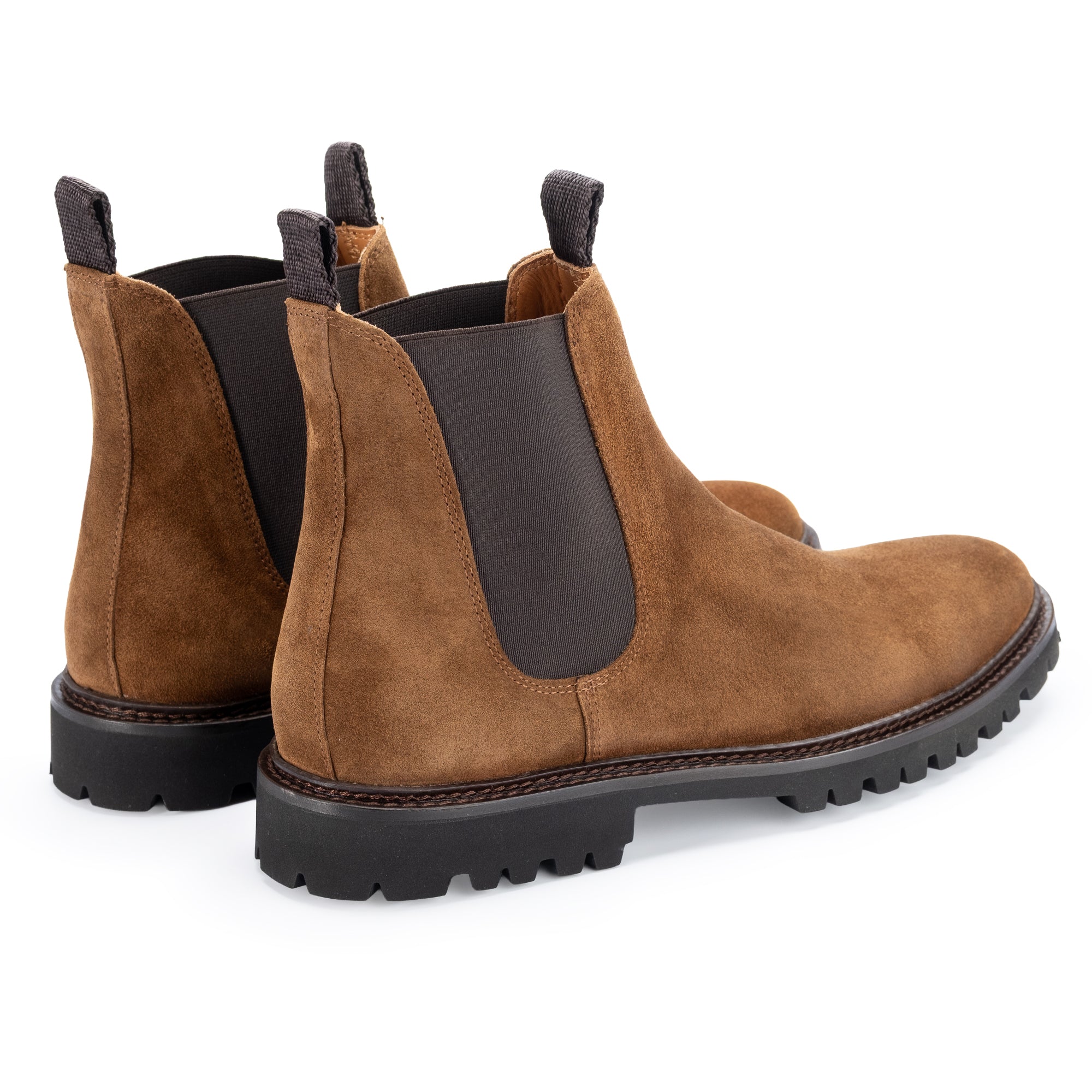
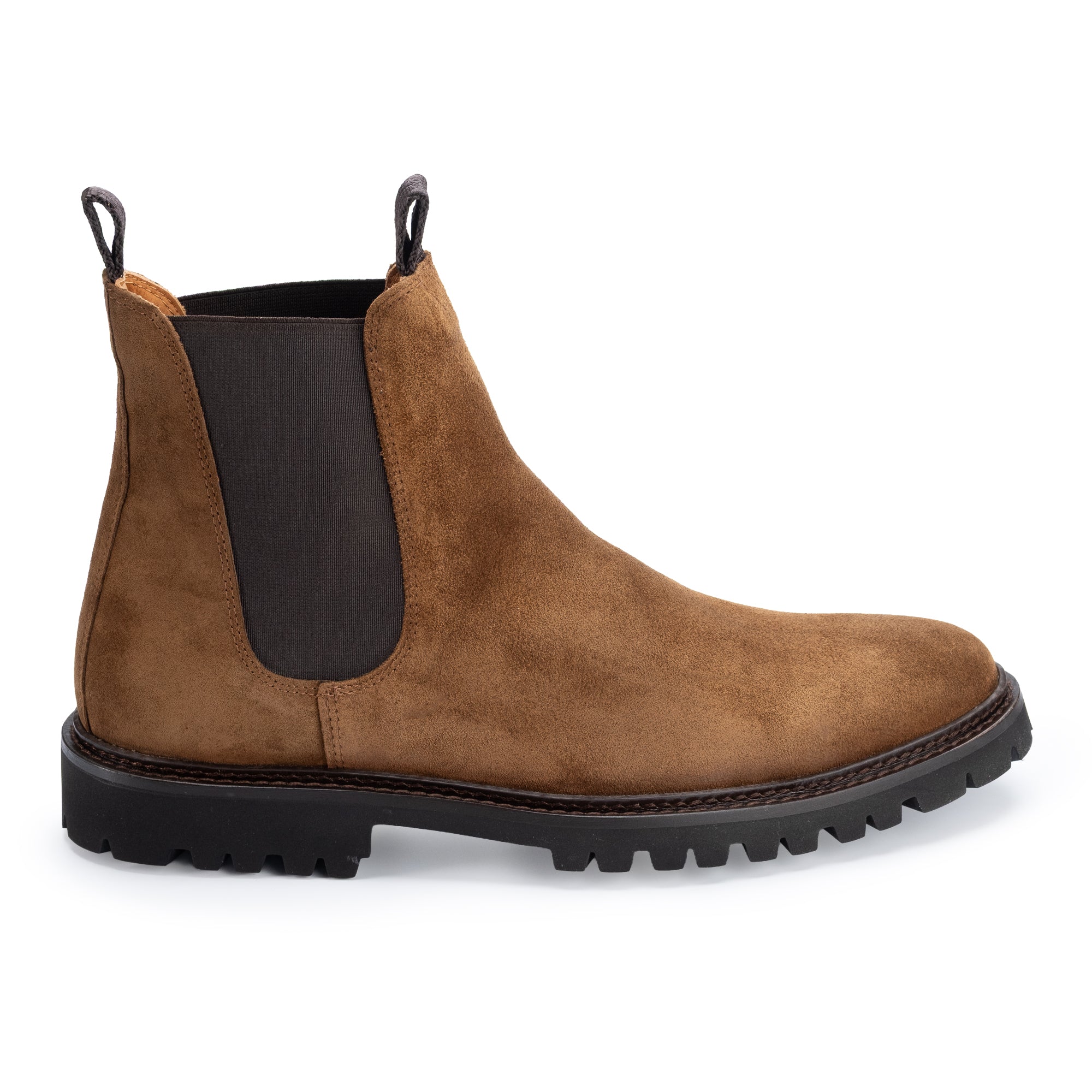
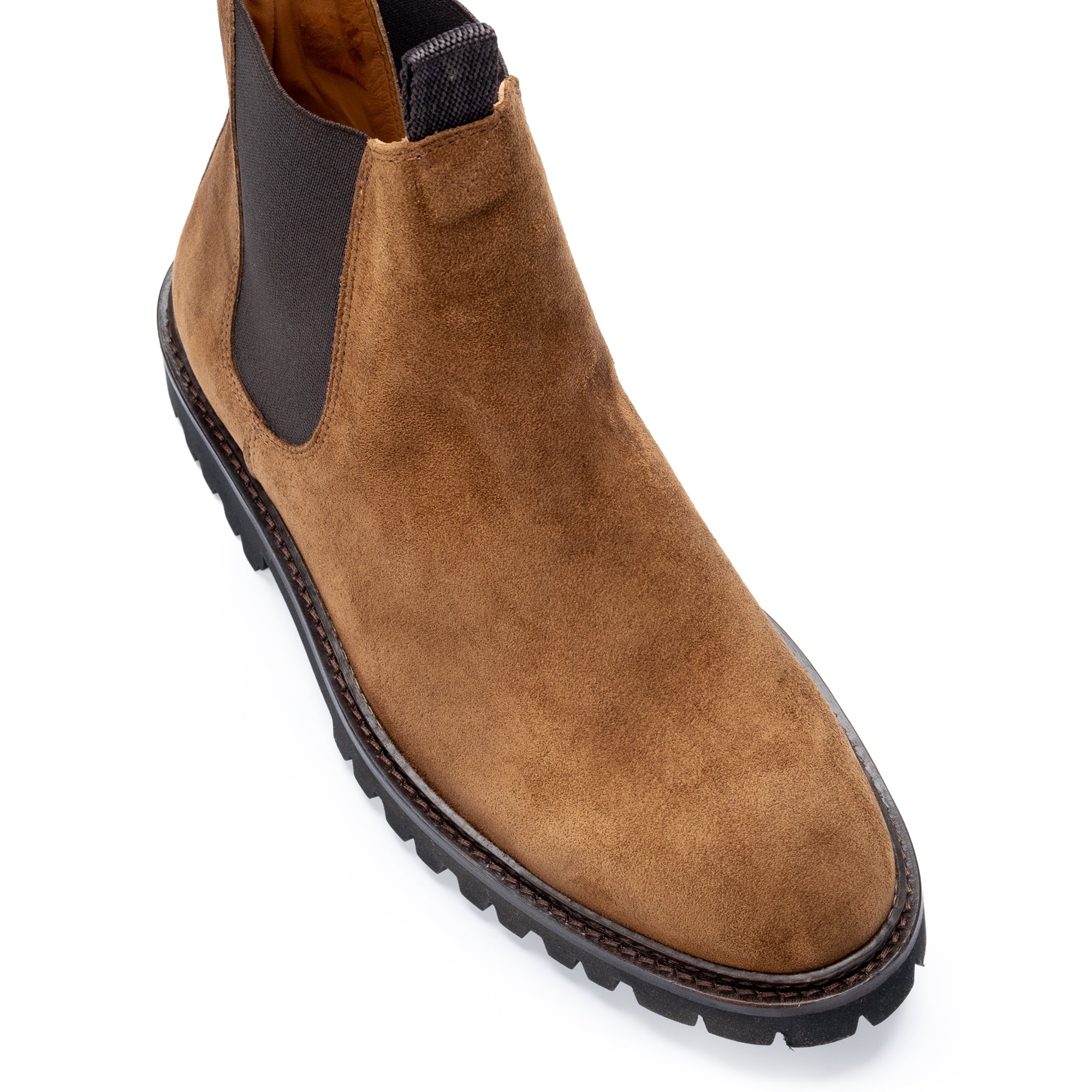
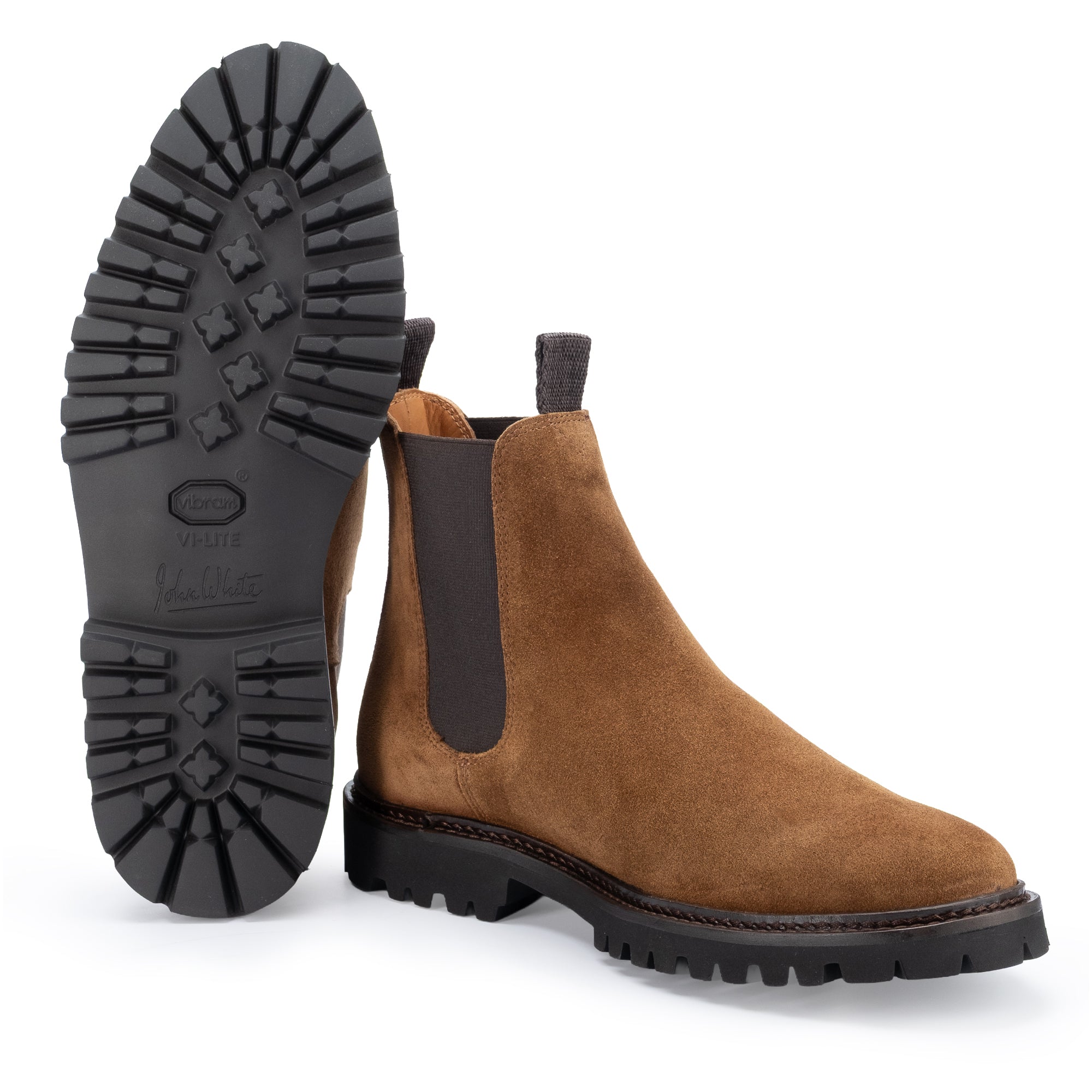
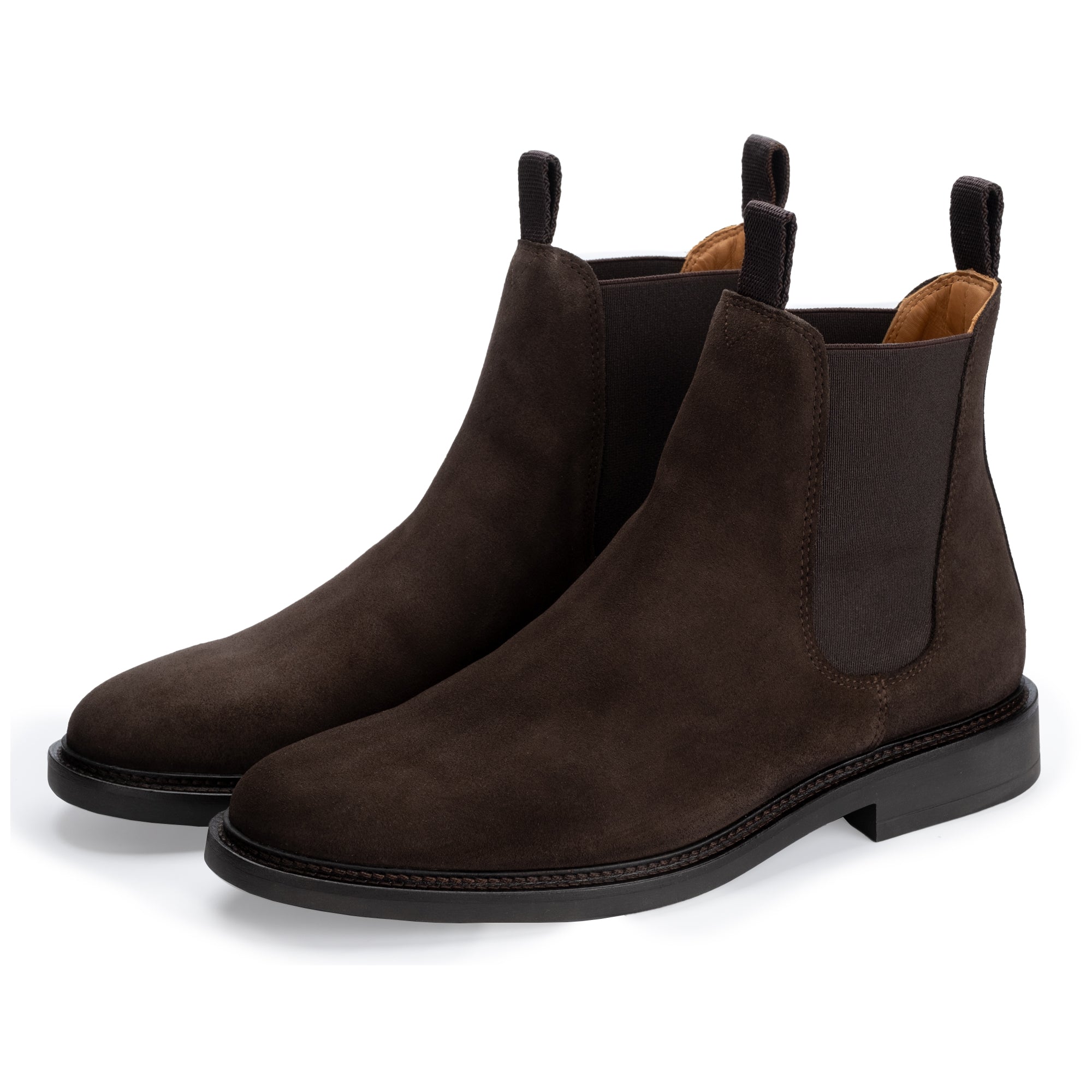
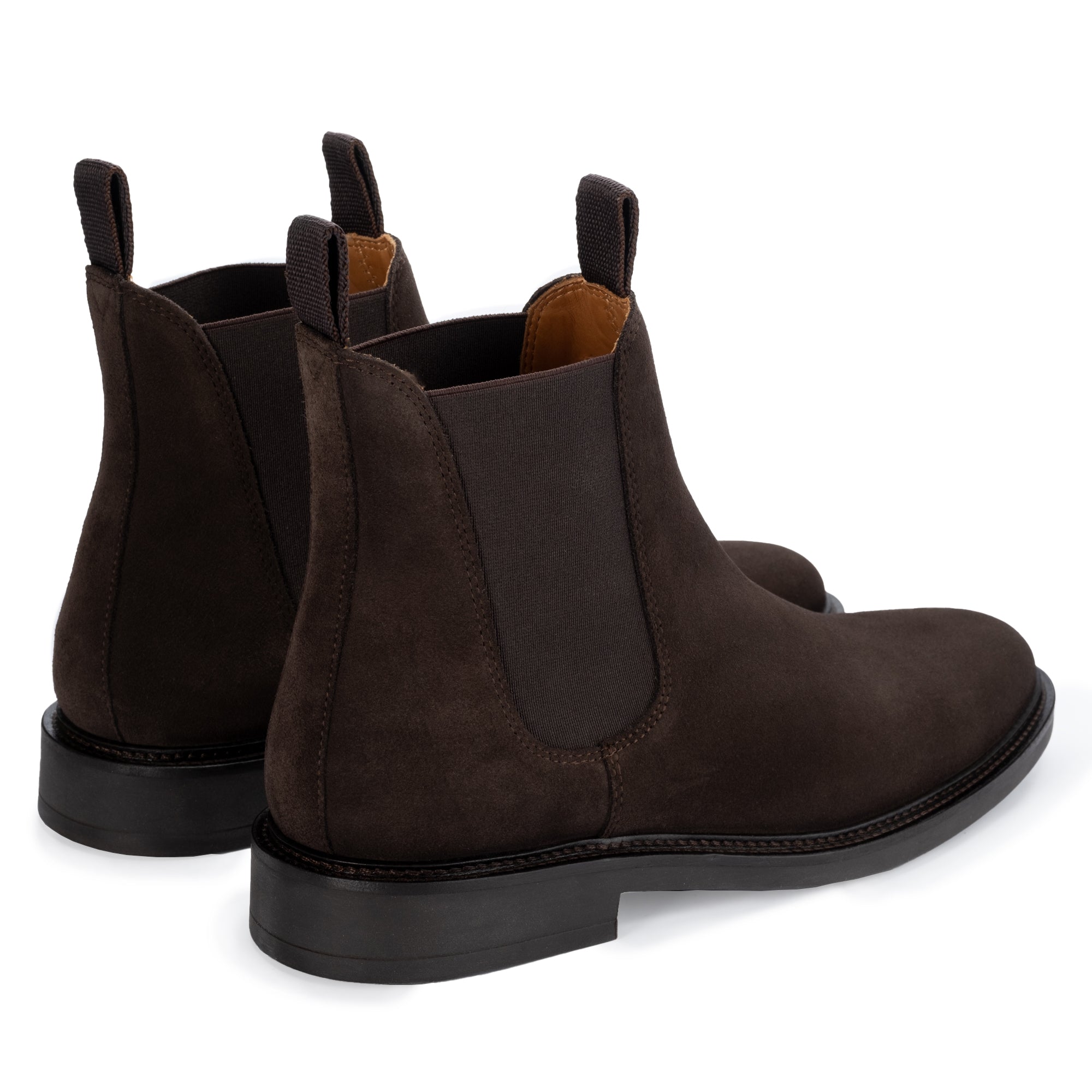
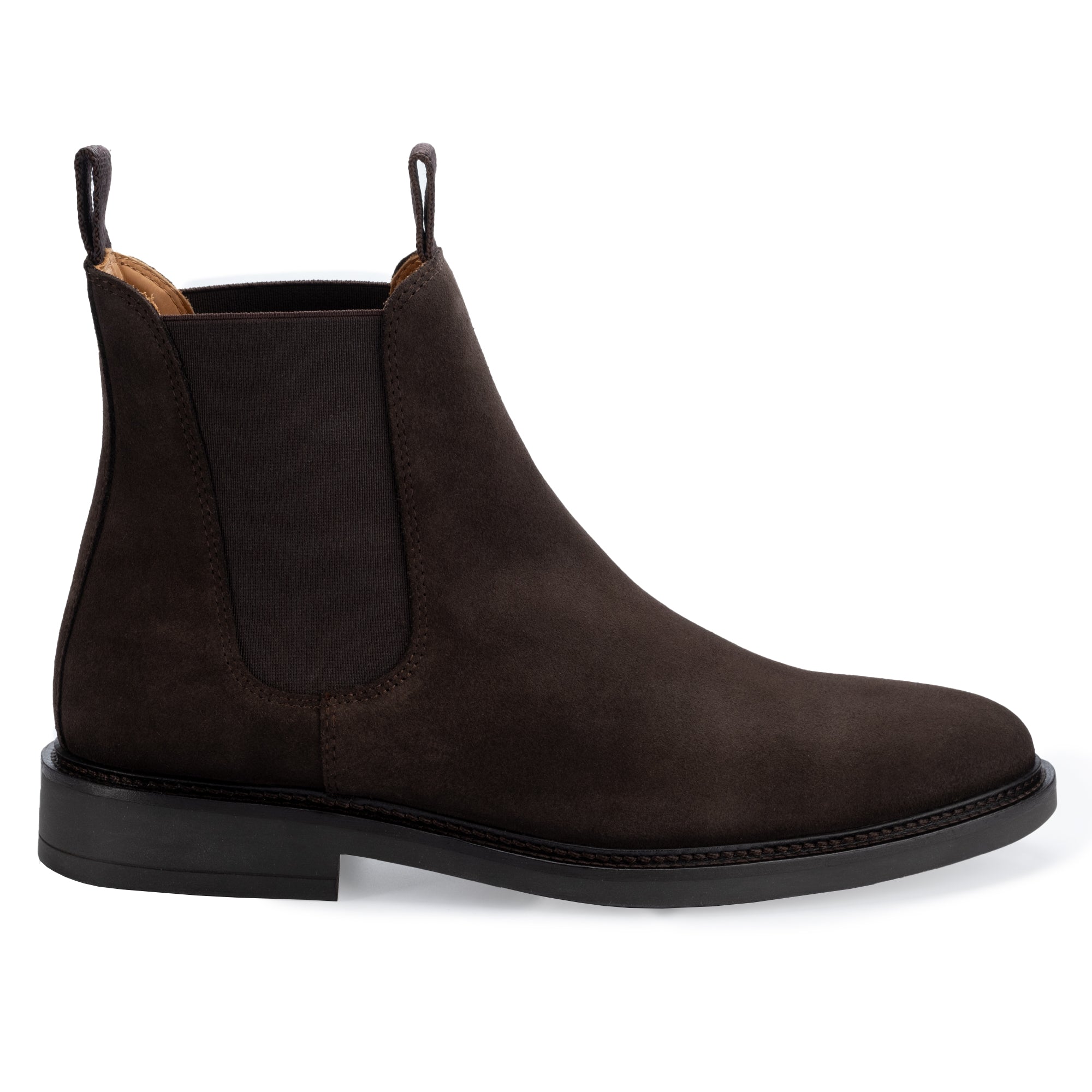
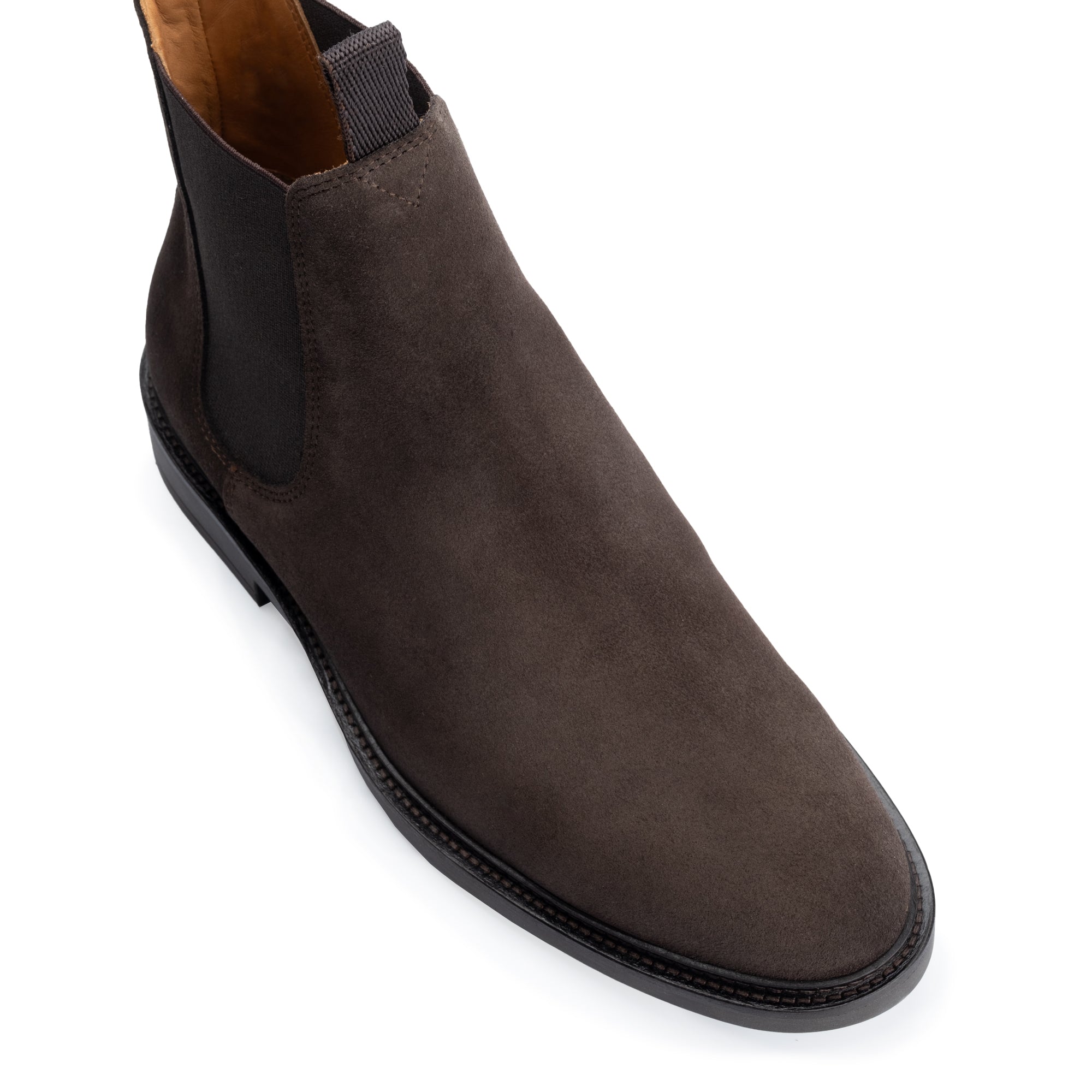
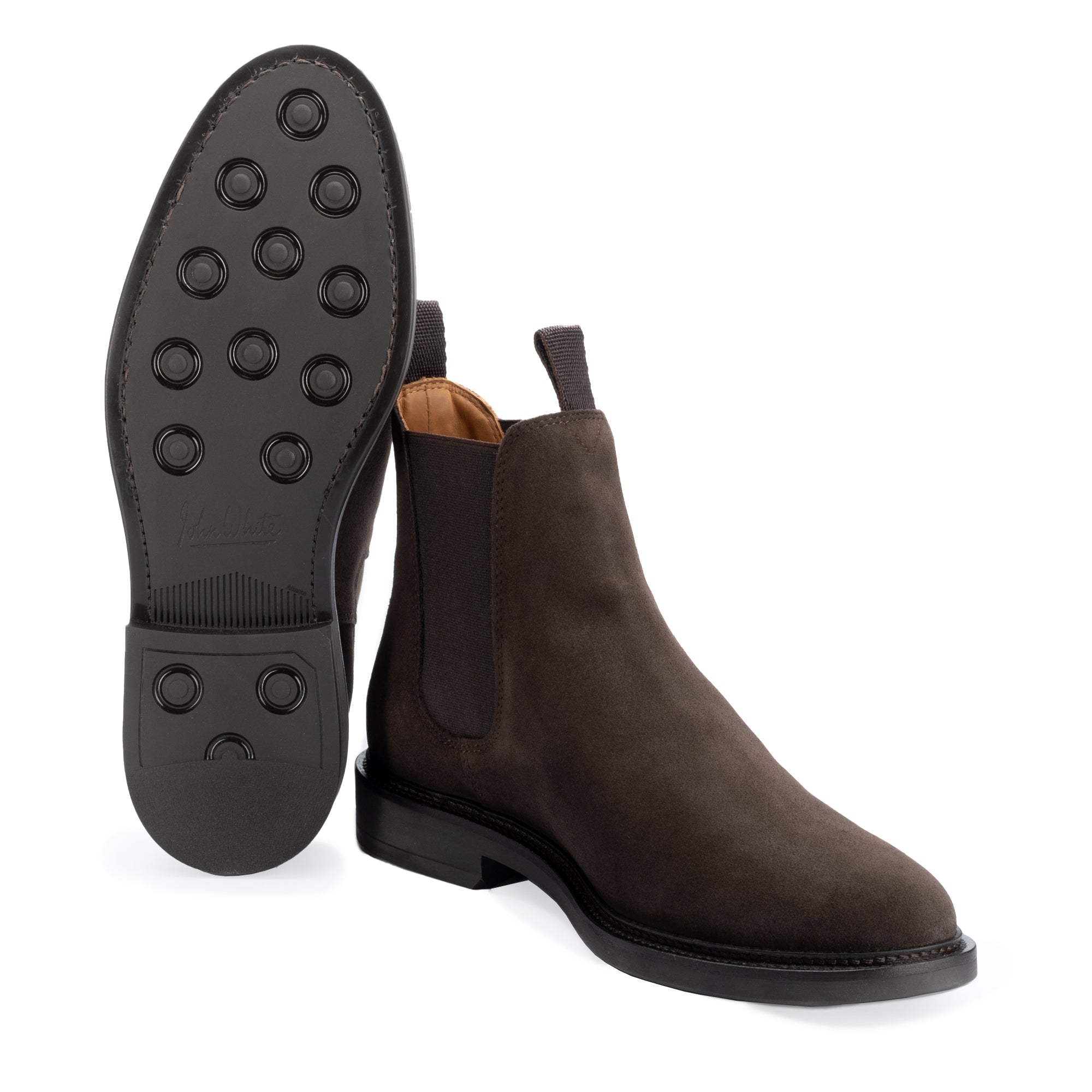
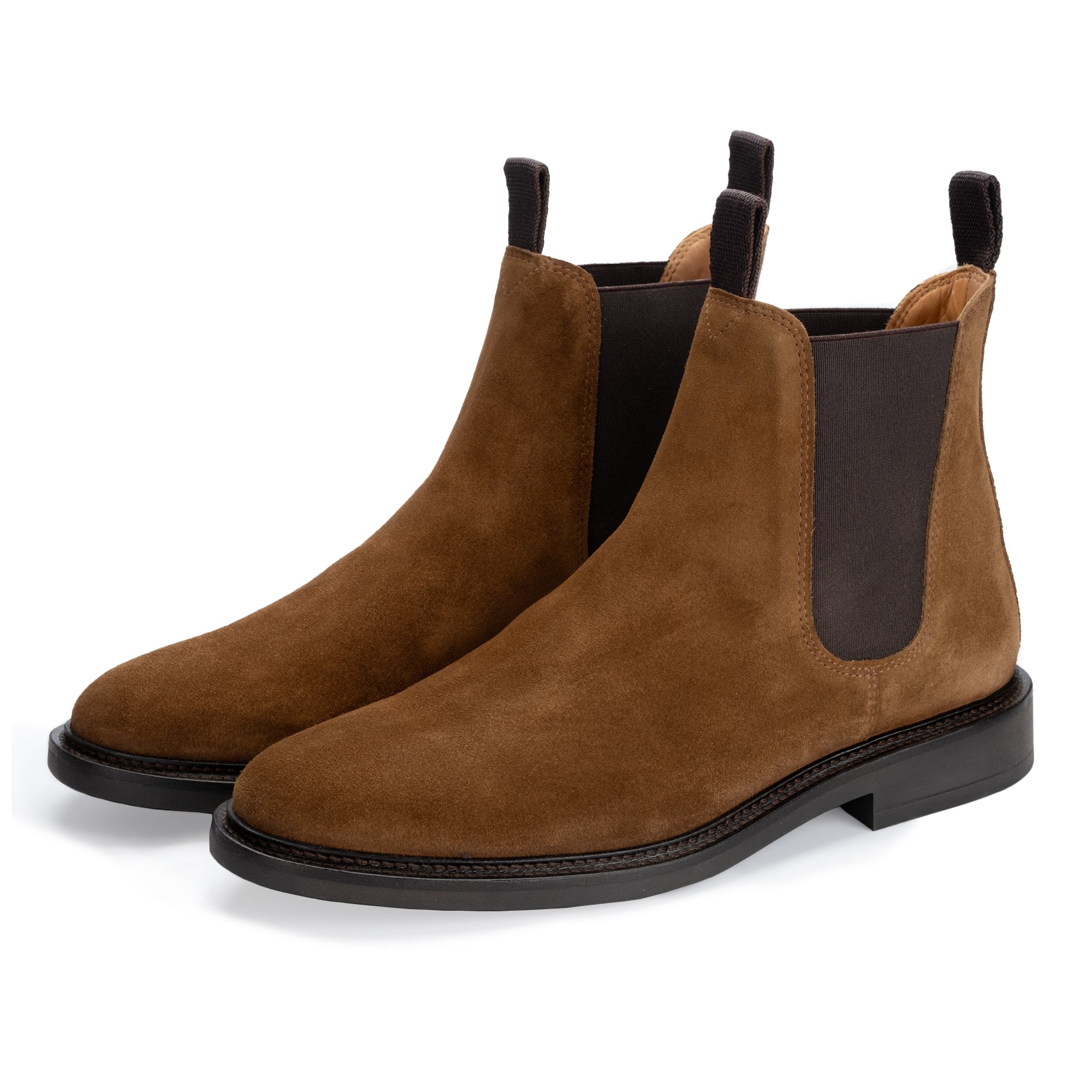
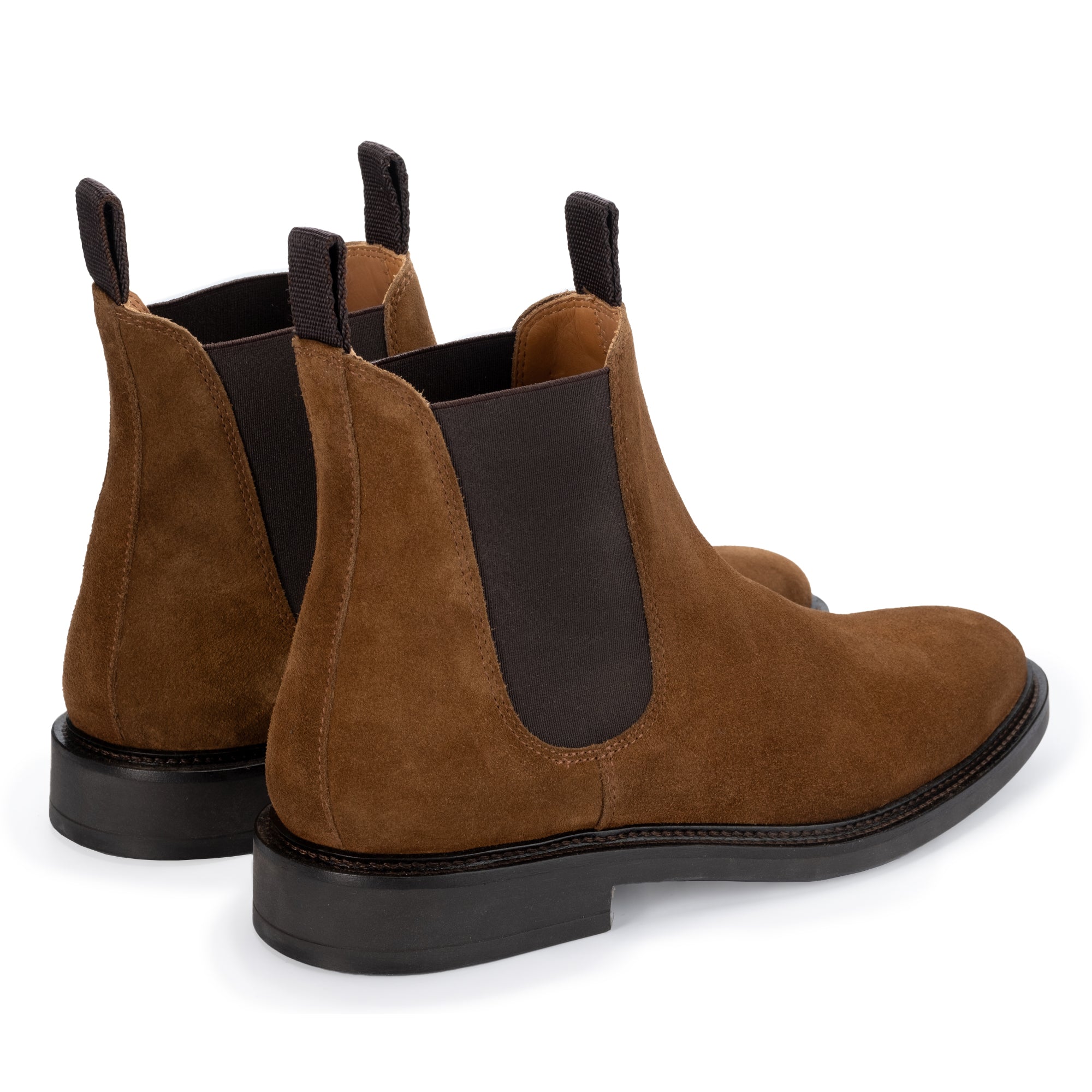
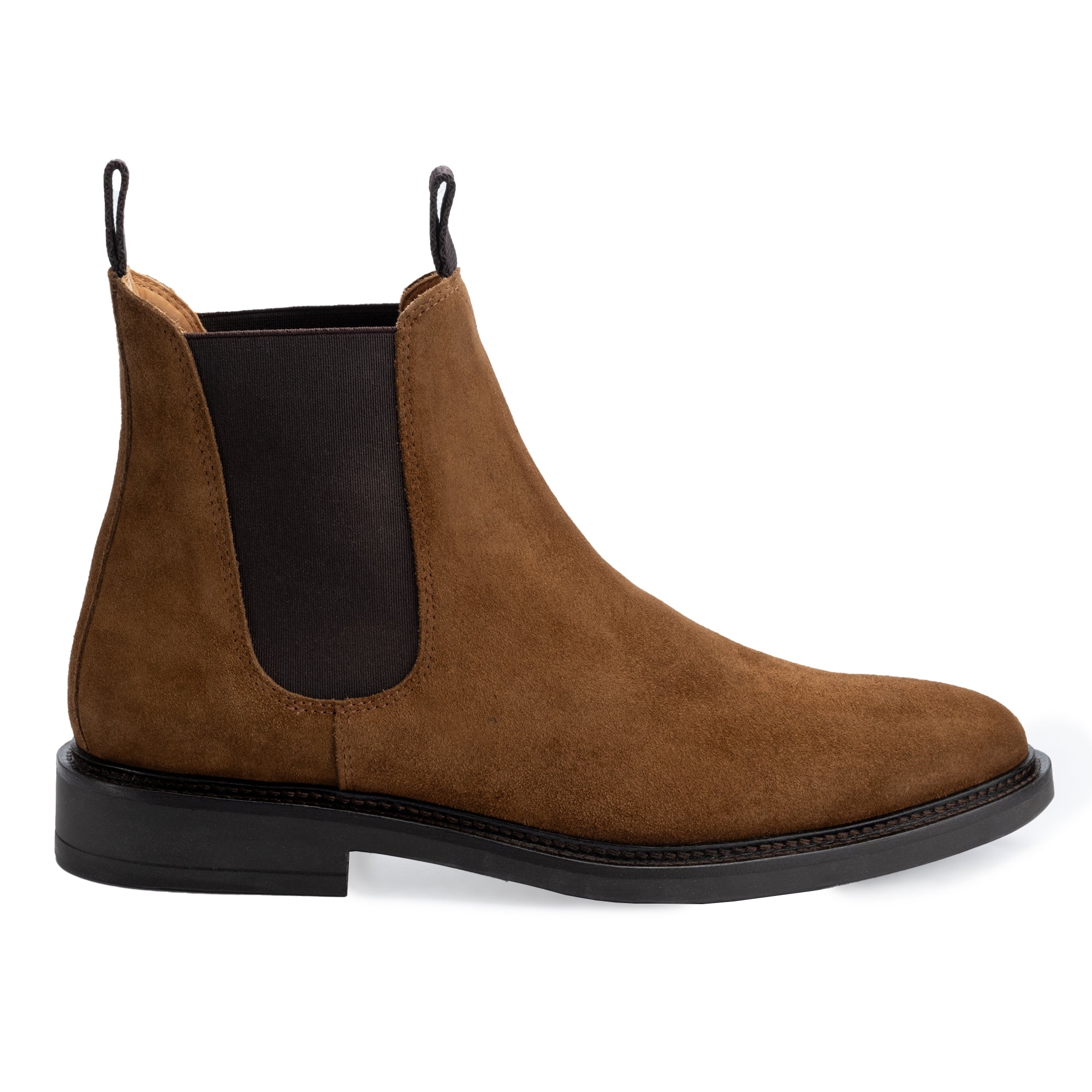
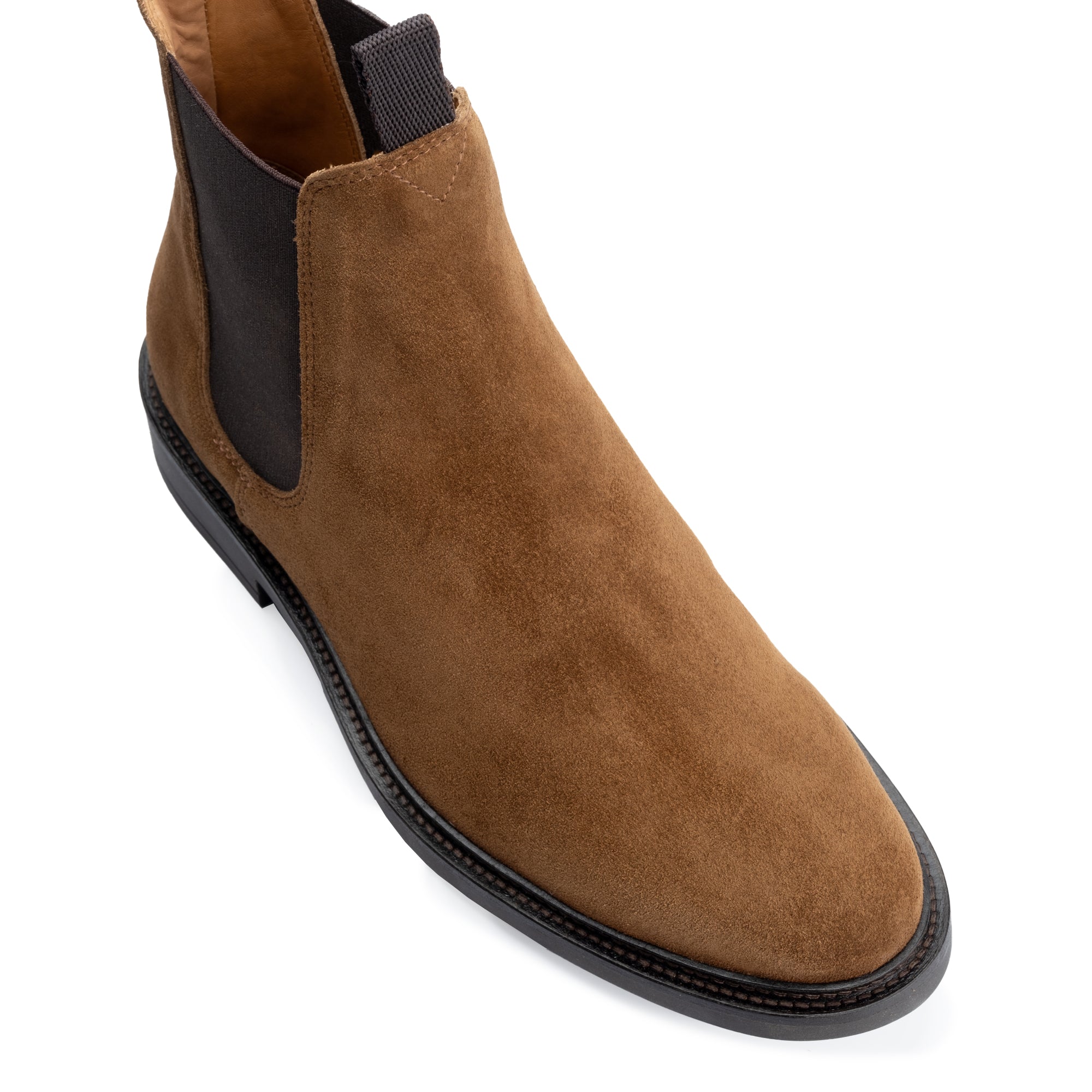
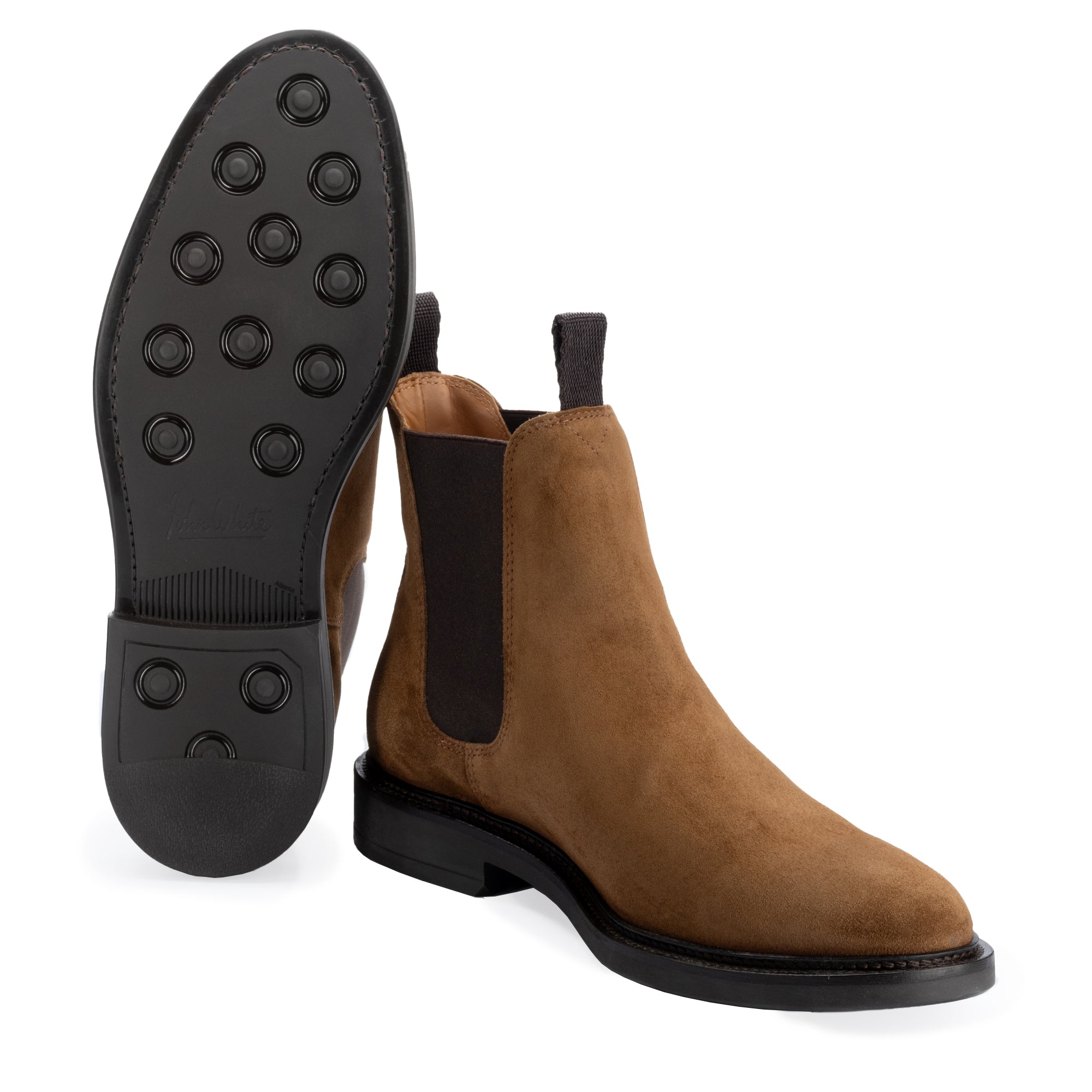
The Chelsea is a close-fitting, ankle-high boot with elastic side panels and no laces. It pulls on in seconds, sits cleanly under a trouser hem, and shifts effortlessly between smart and casual. In black calf it works with tailoring; in brown or suede it dresses down with denim. If you buy one boot, make it this. See our full guide to styling Chelsea boots and the wider Chelsea vs chukka comparison.
Chukka boots
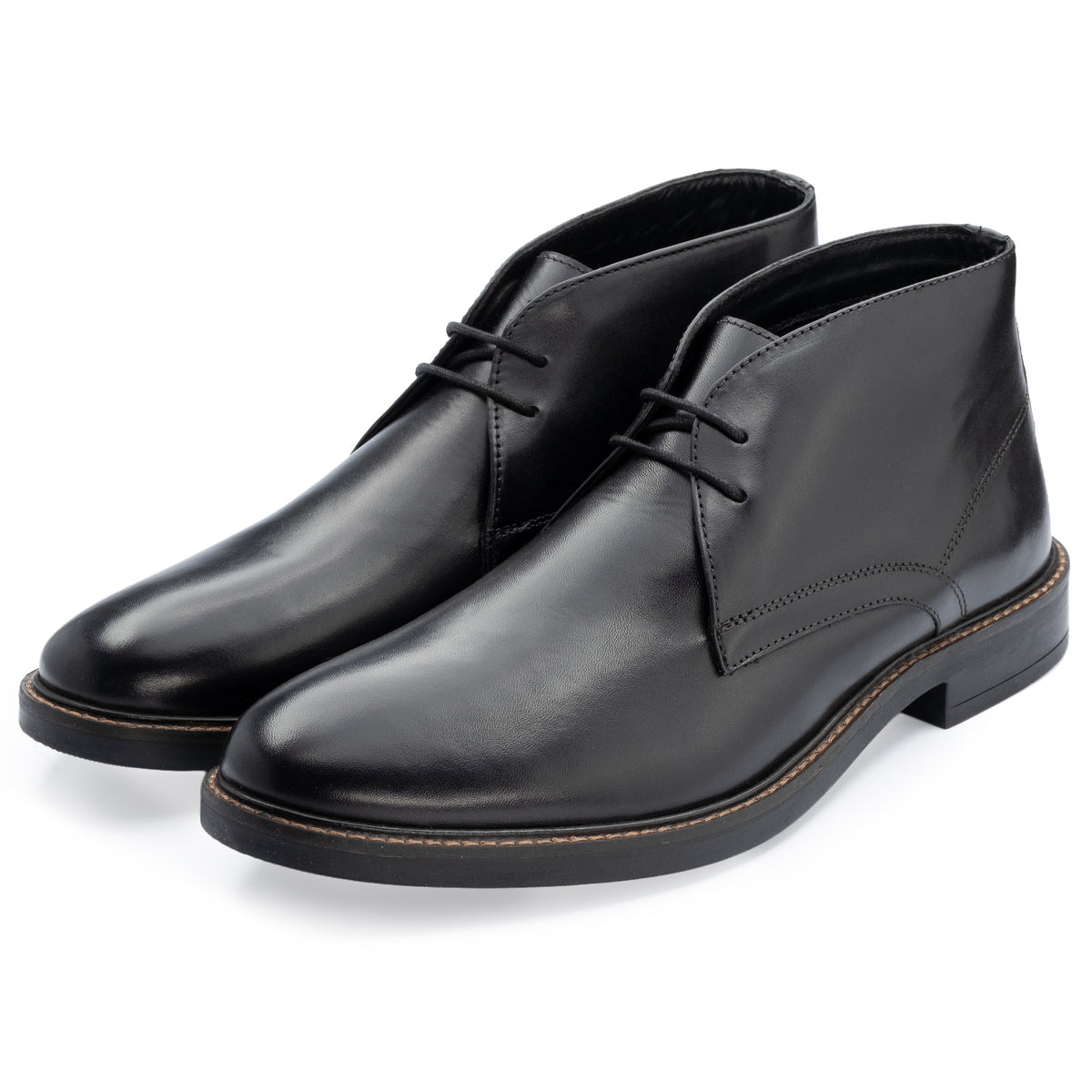
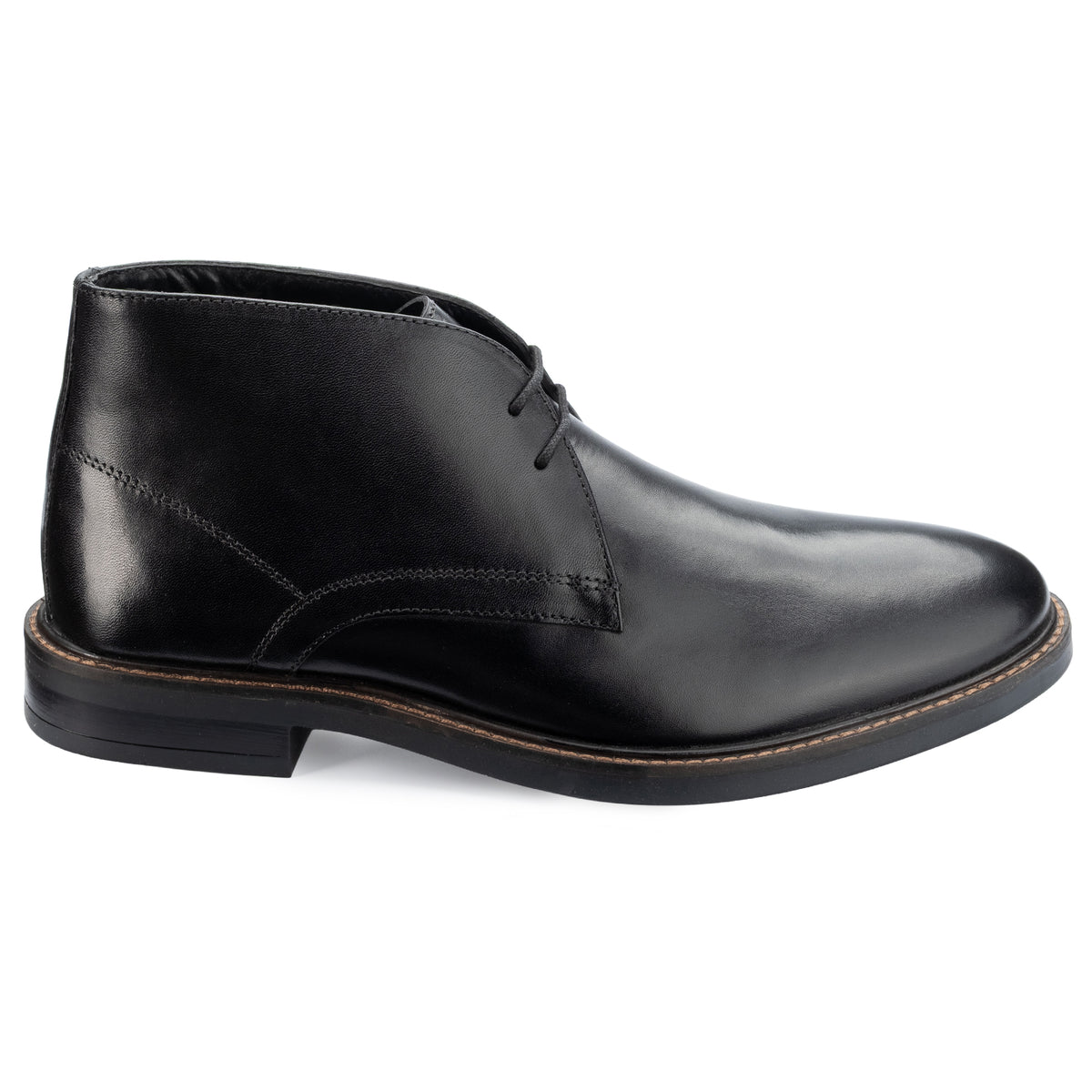
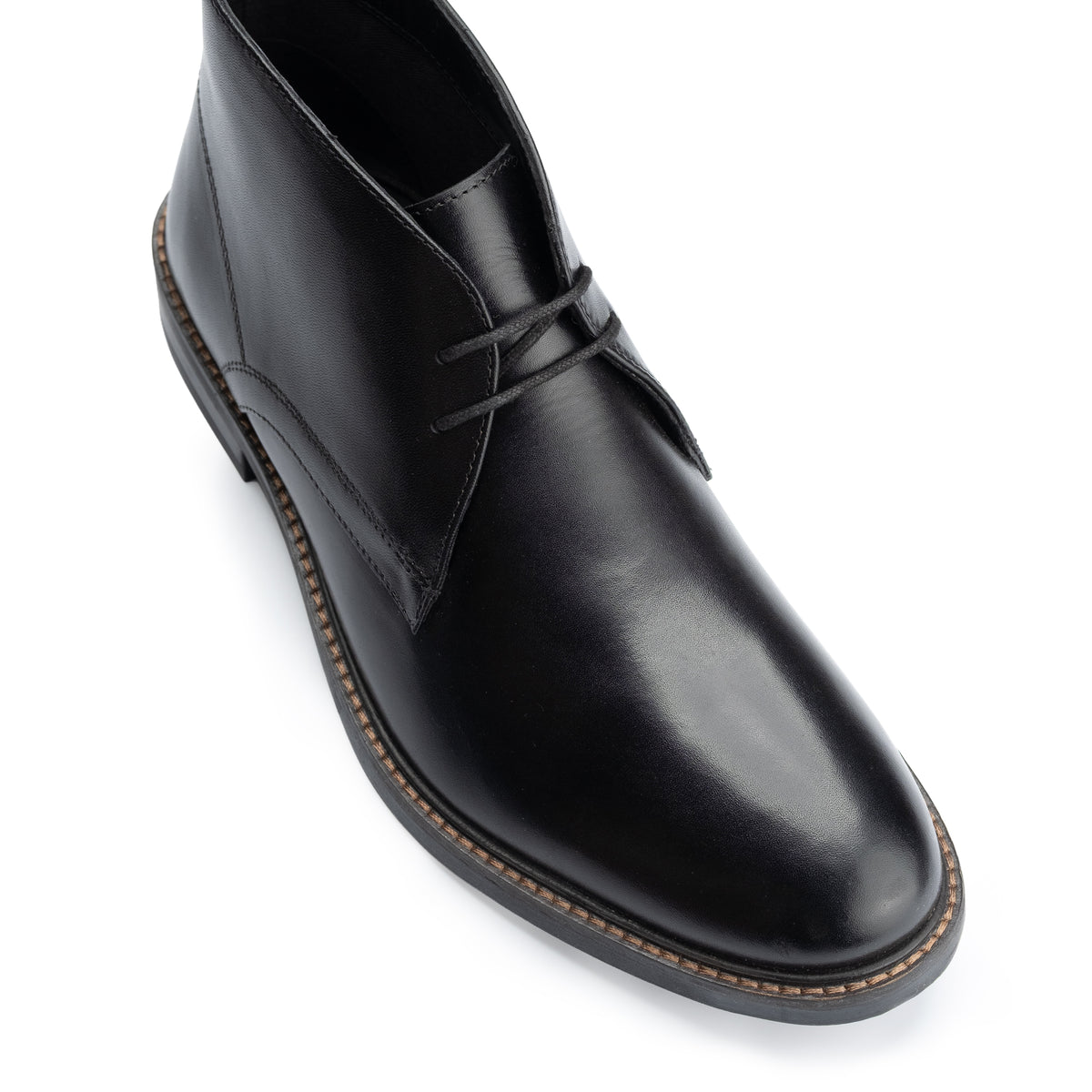
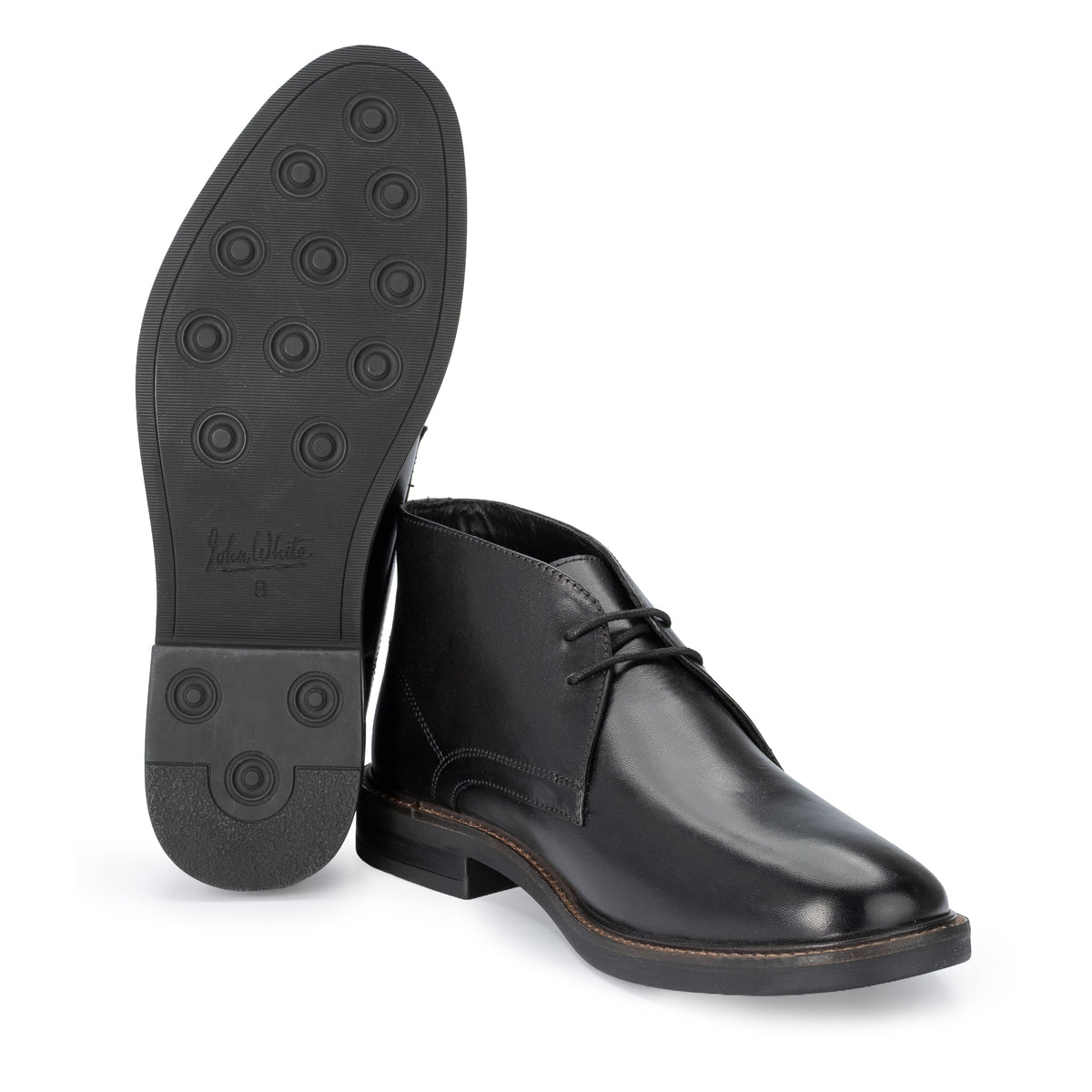
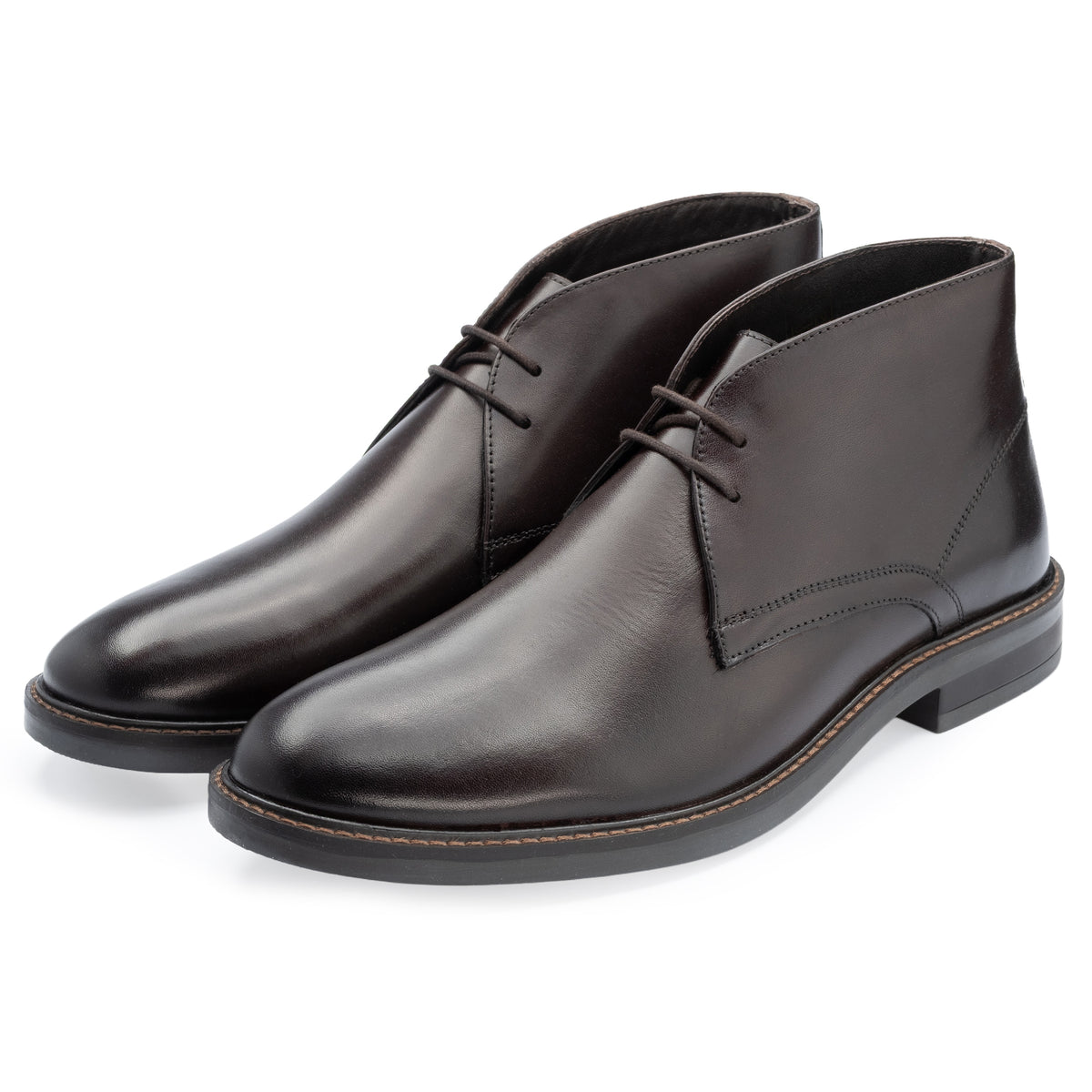
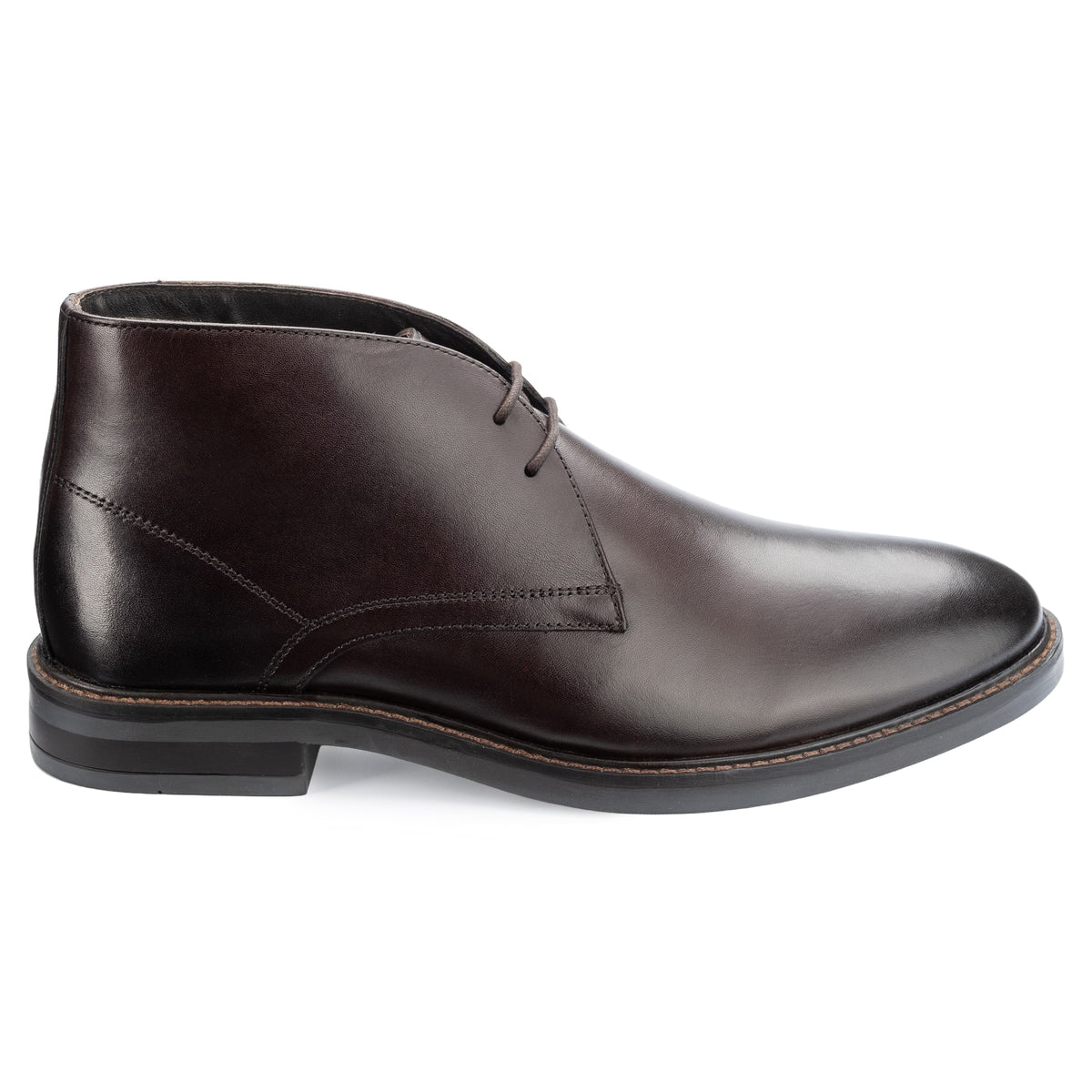
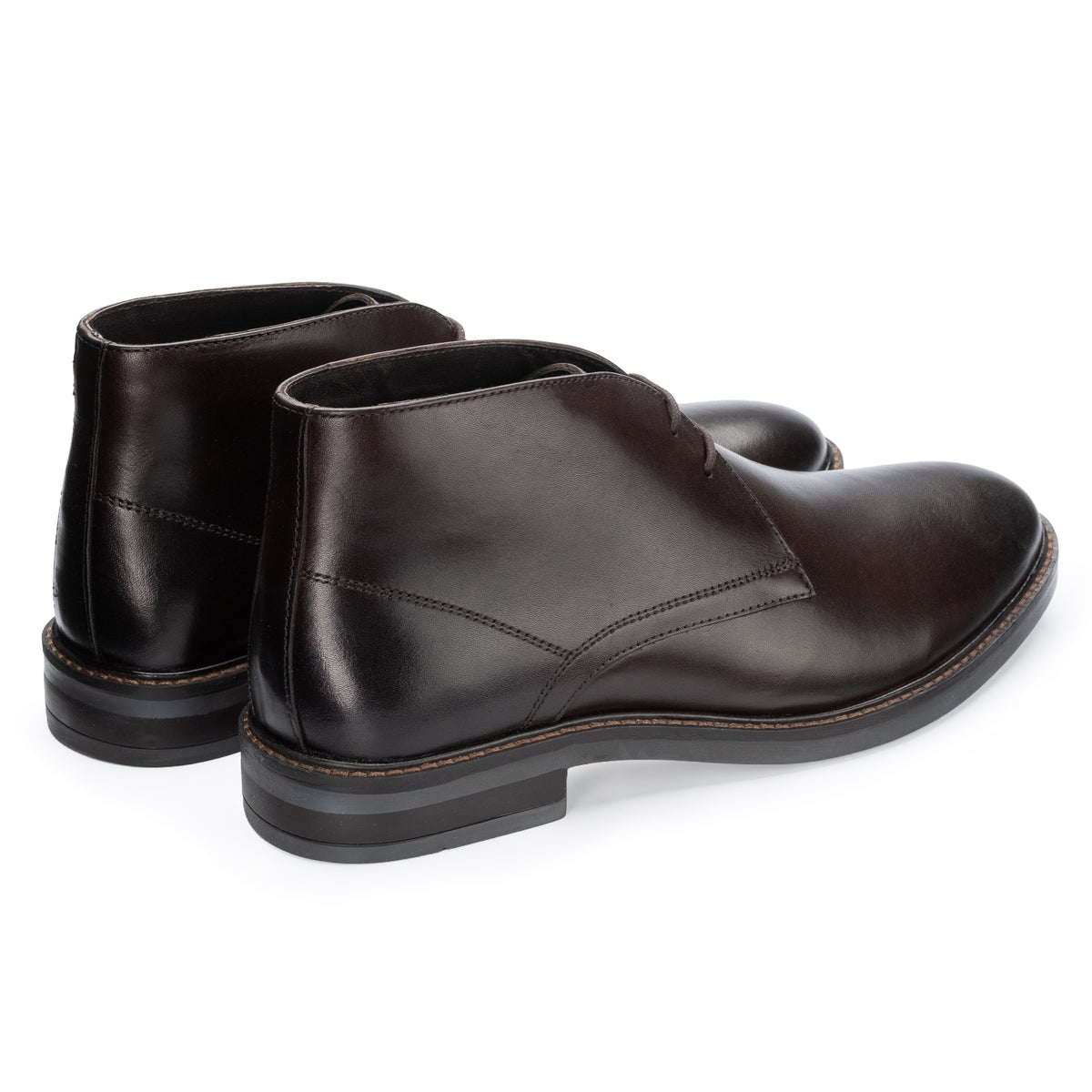
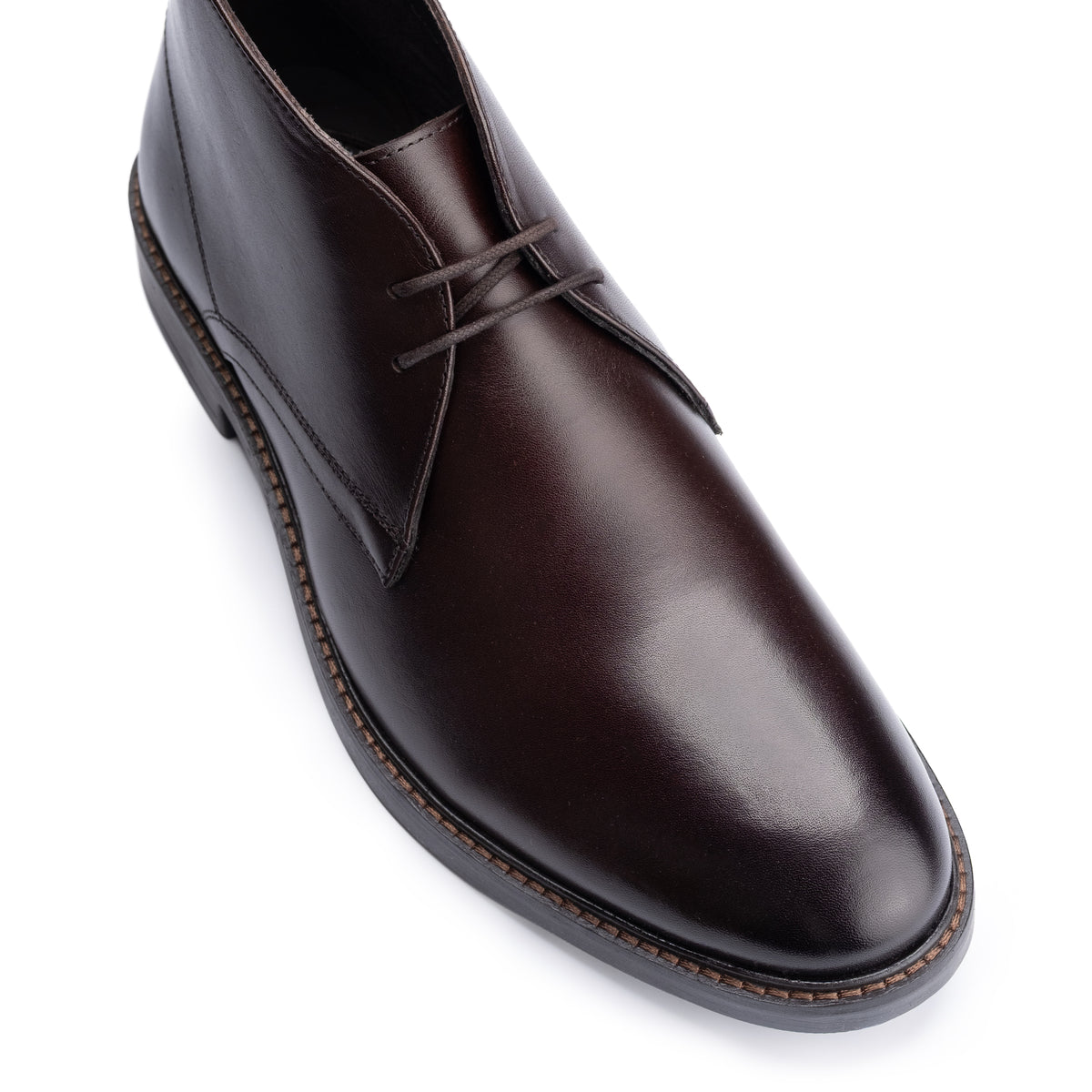
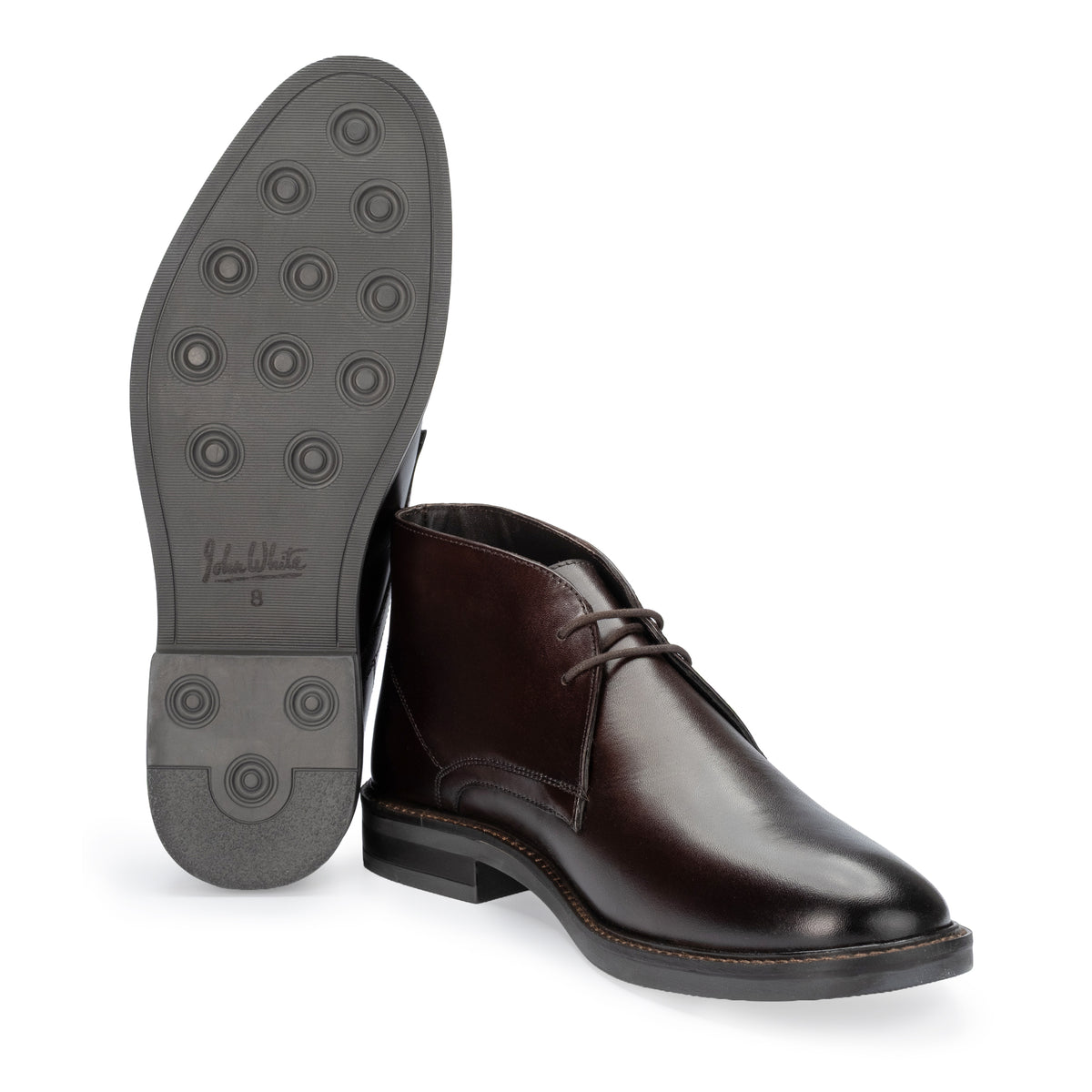
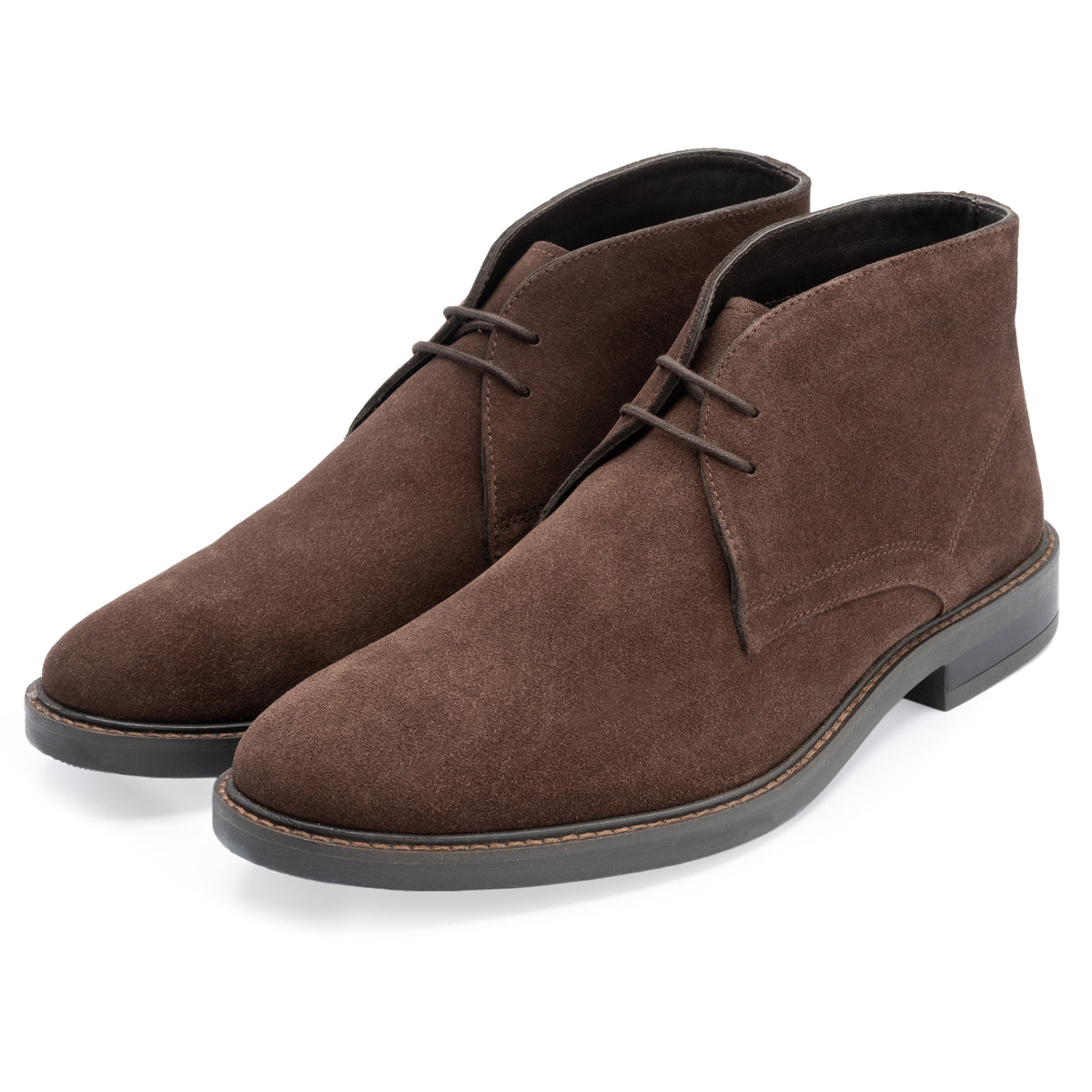
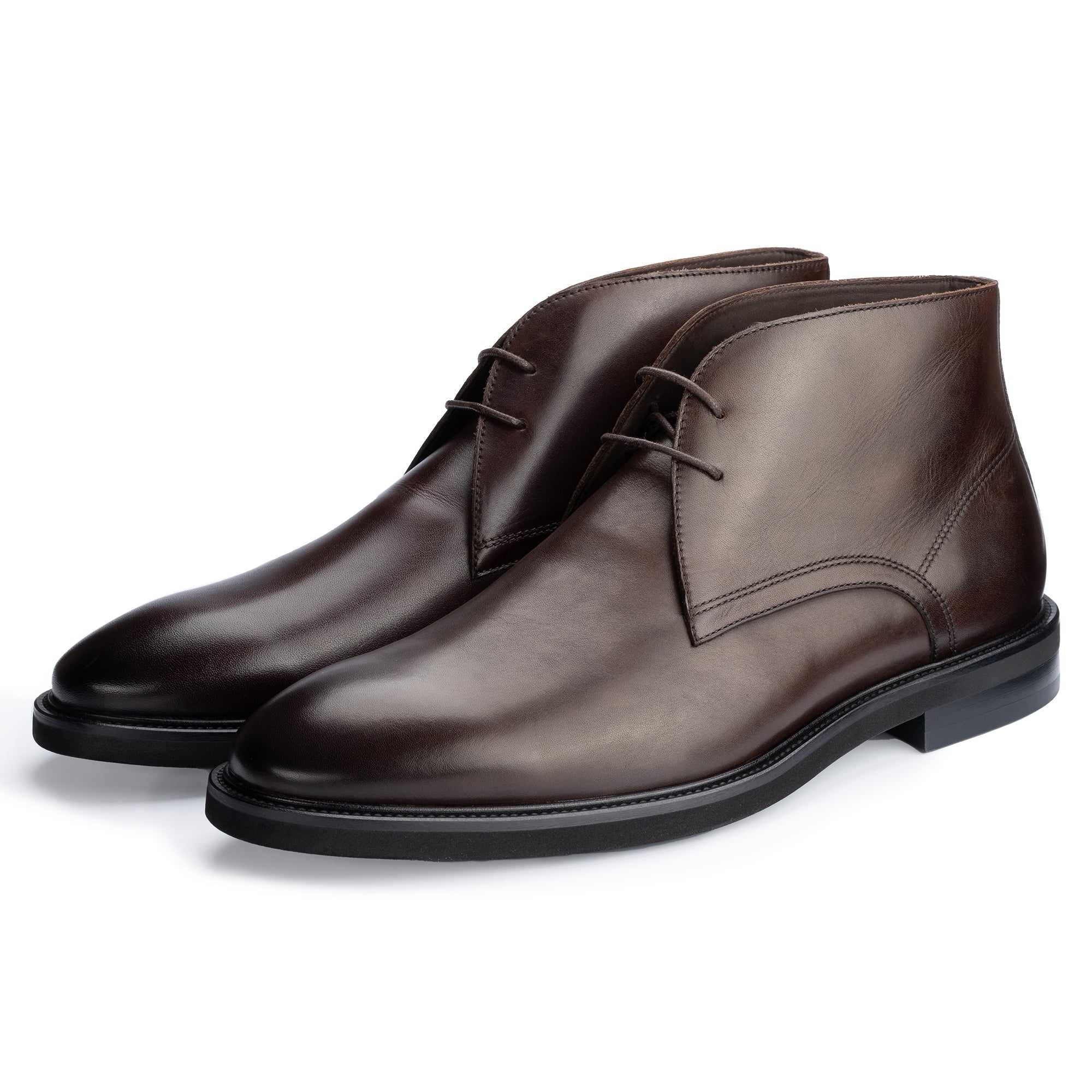
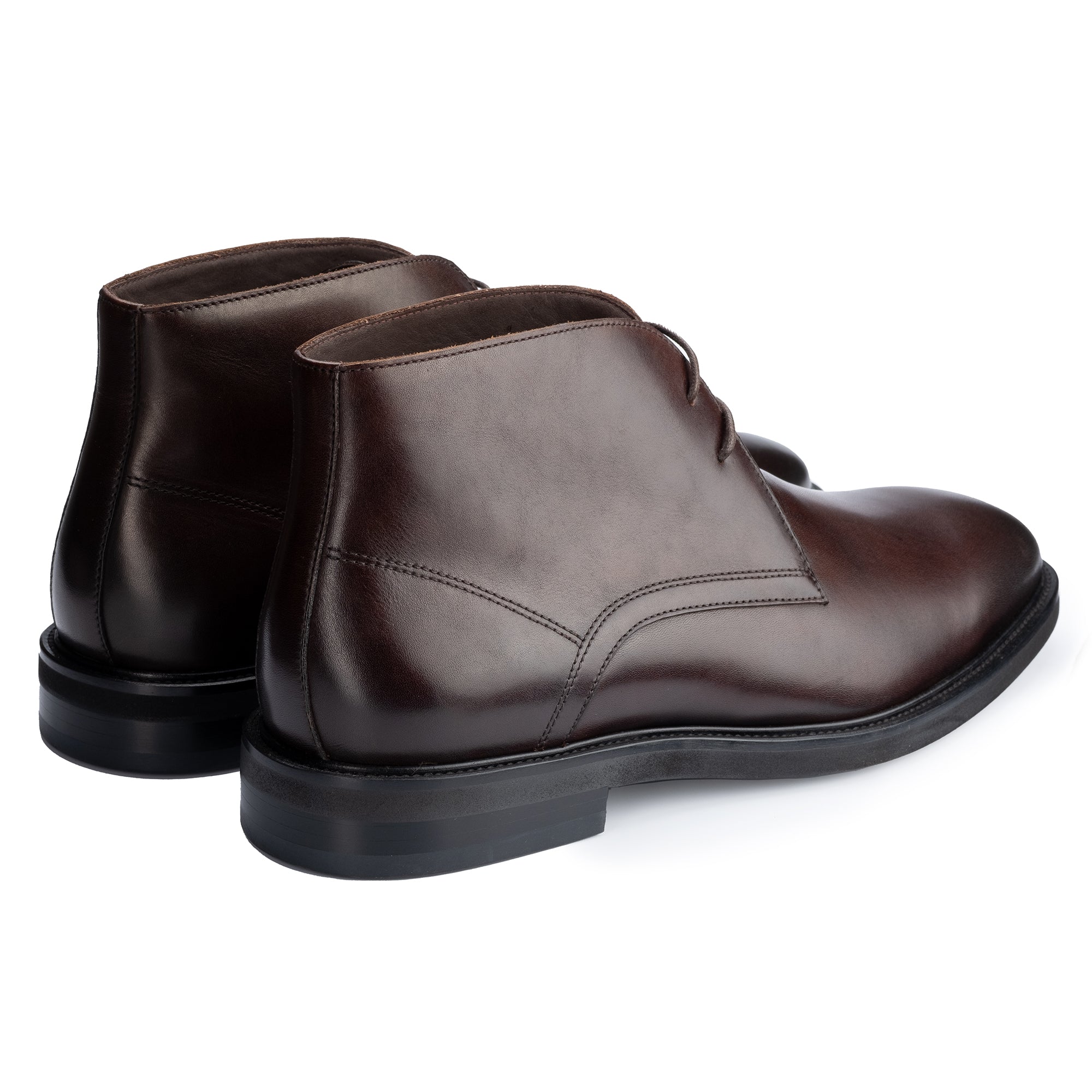
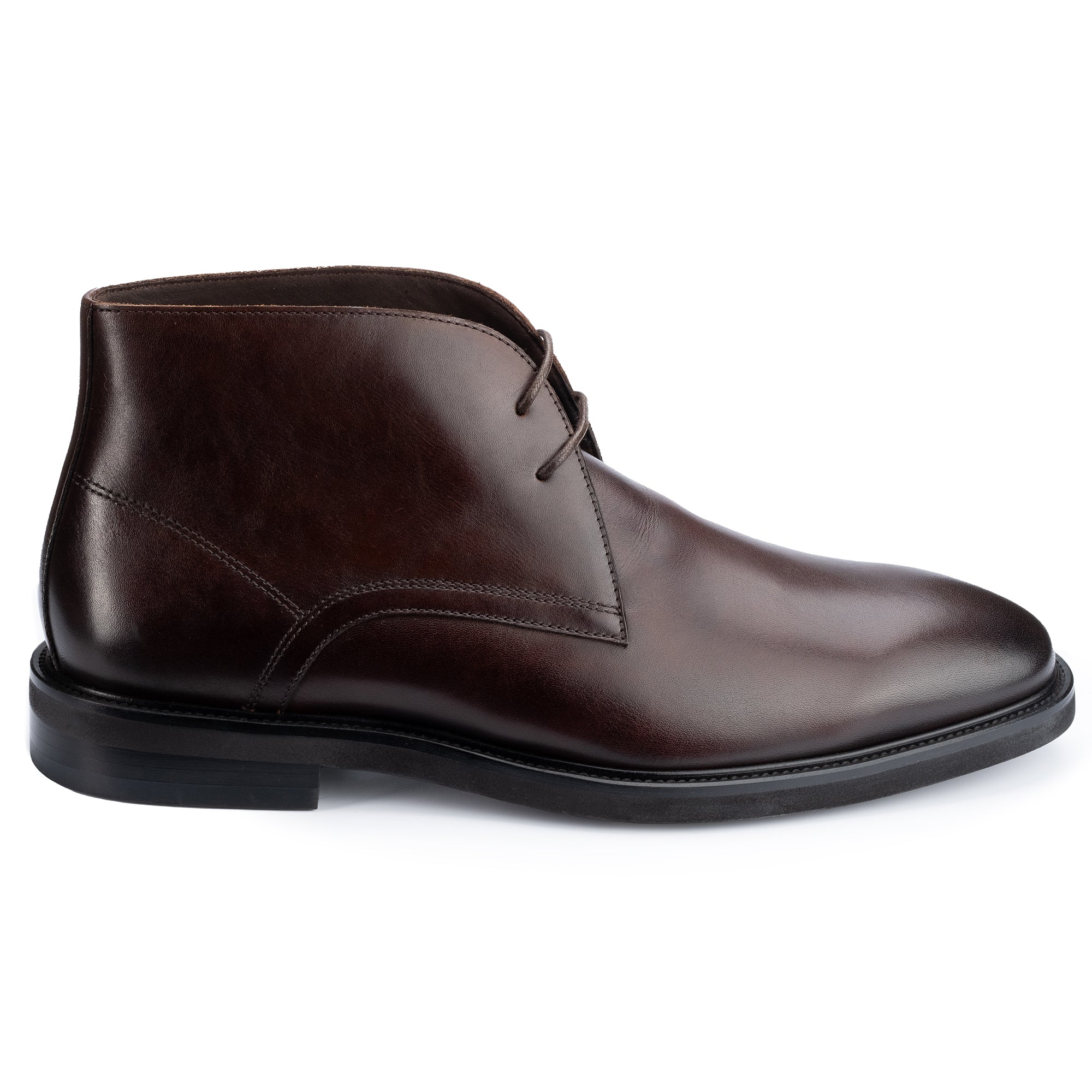
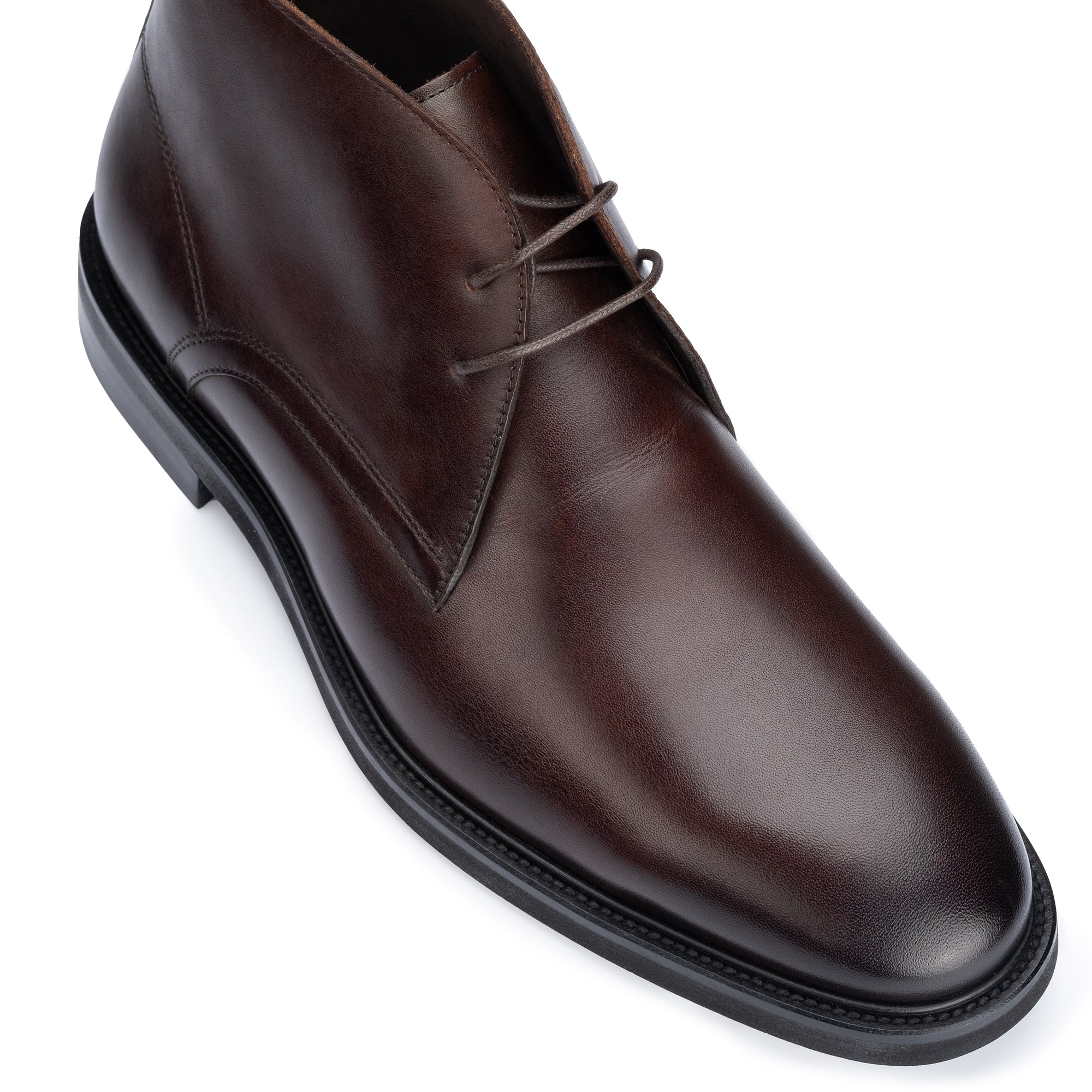
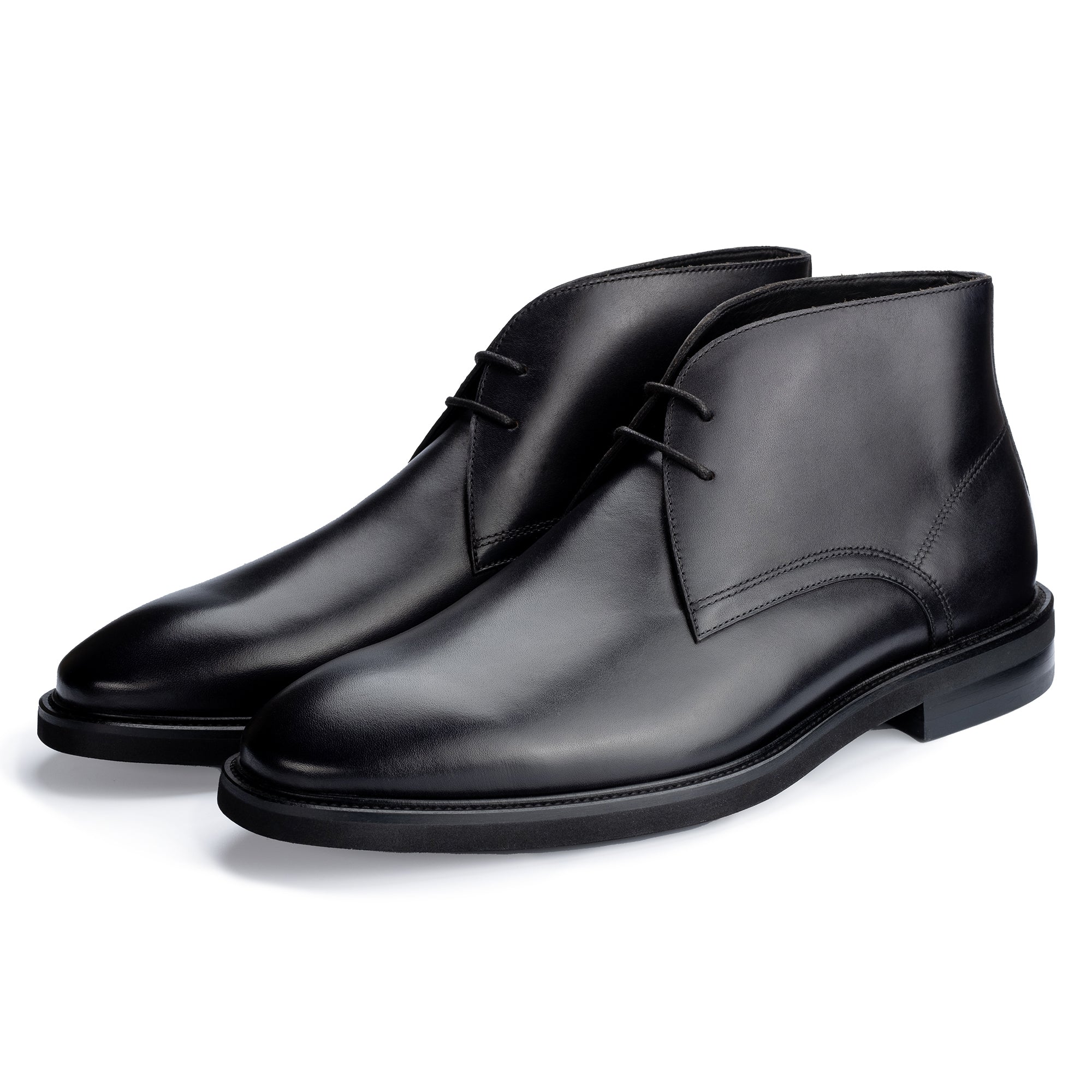
The chukka is a lighter, more casual ankle boot, usually with two or three pairs of eyelets and an open-laced design. In suede it is one of the most relaxed smart-casual options available; in leather it edges towards the office. It is the natural second boot after a Chelsea. Our chukka styling guide covers the detail.
Dress and brogue boots
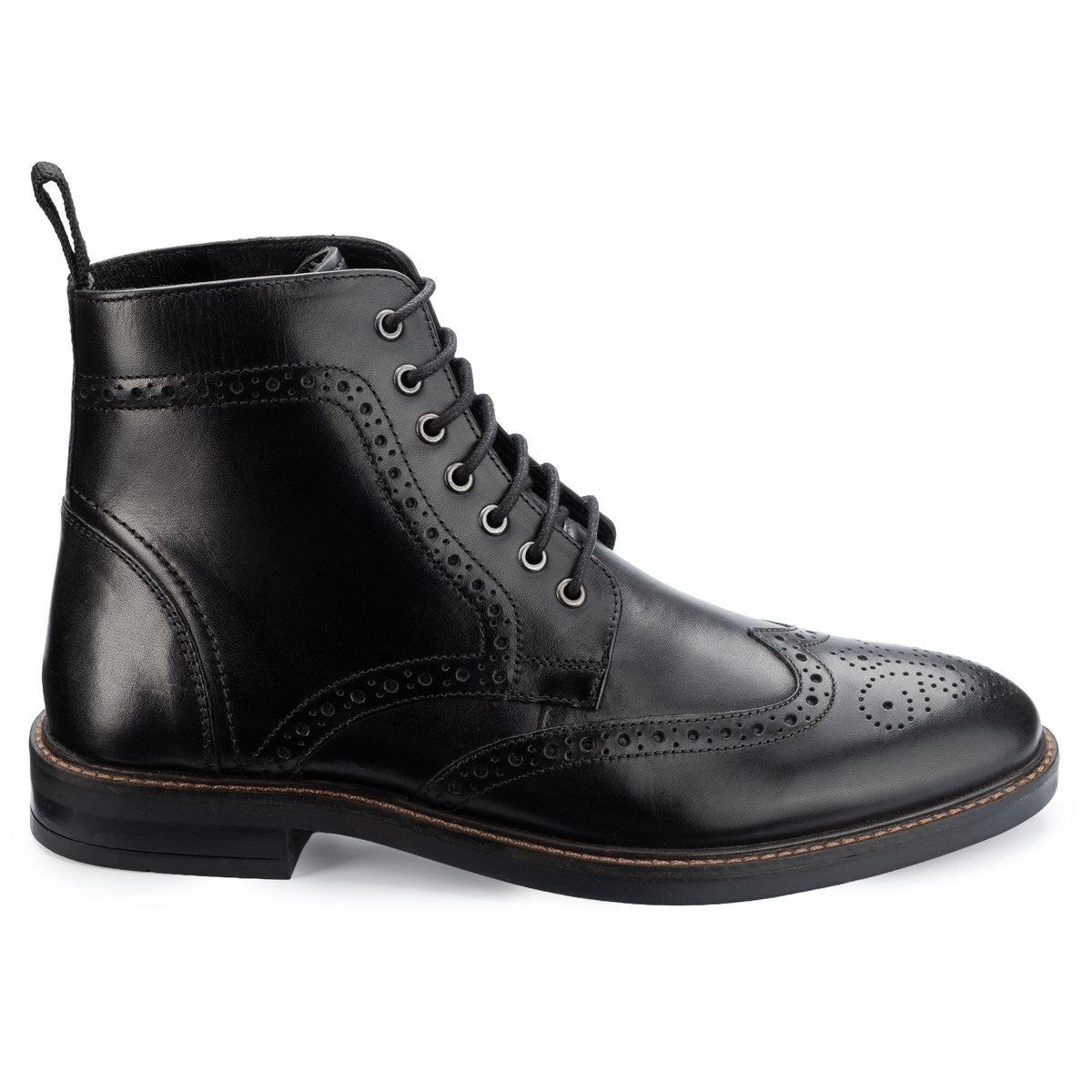
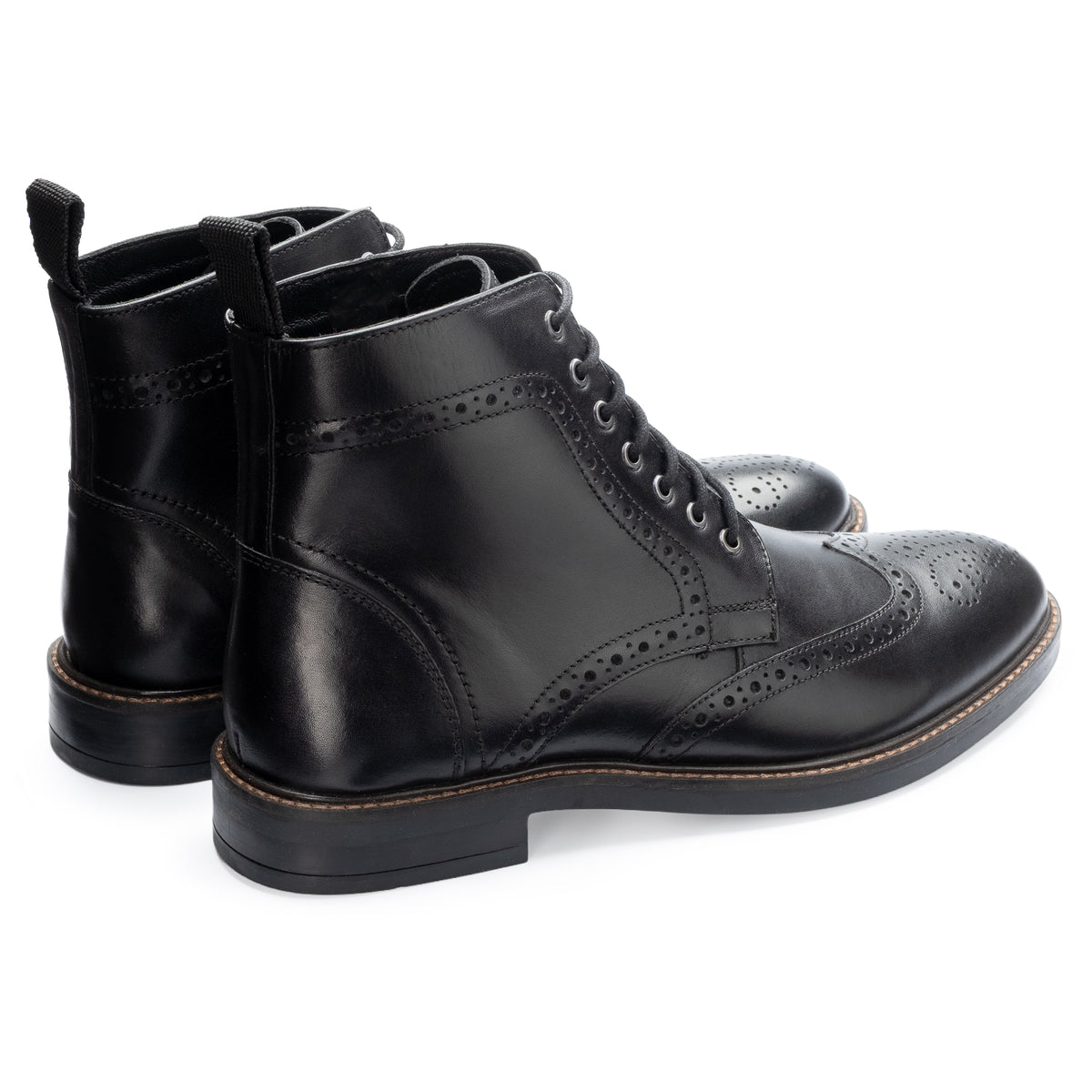
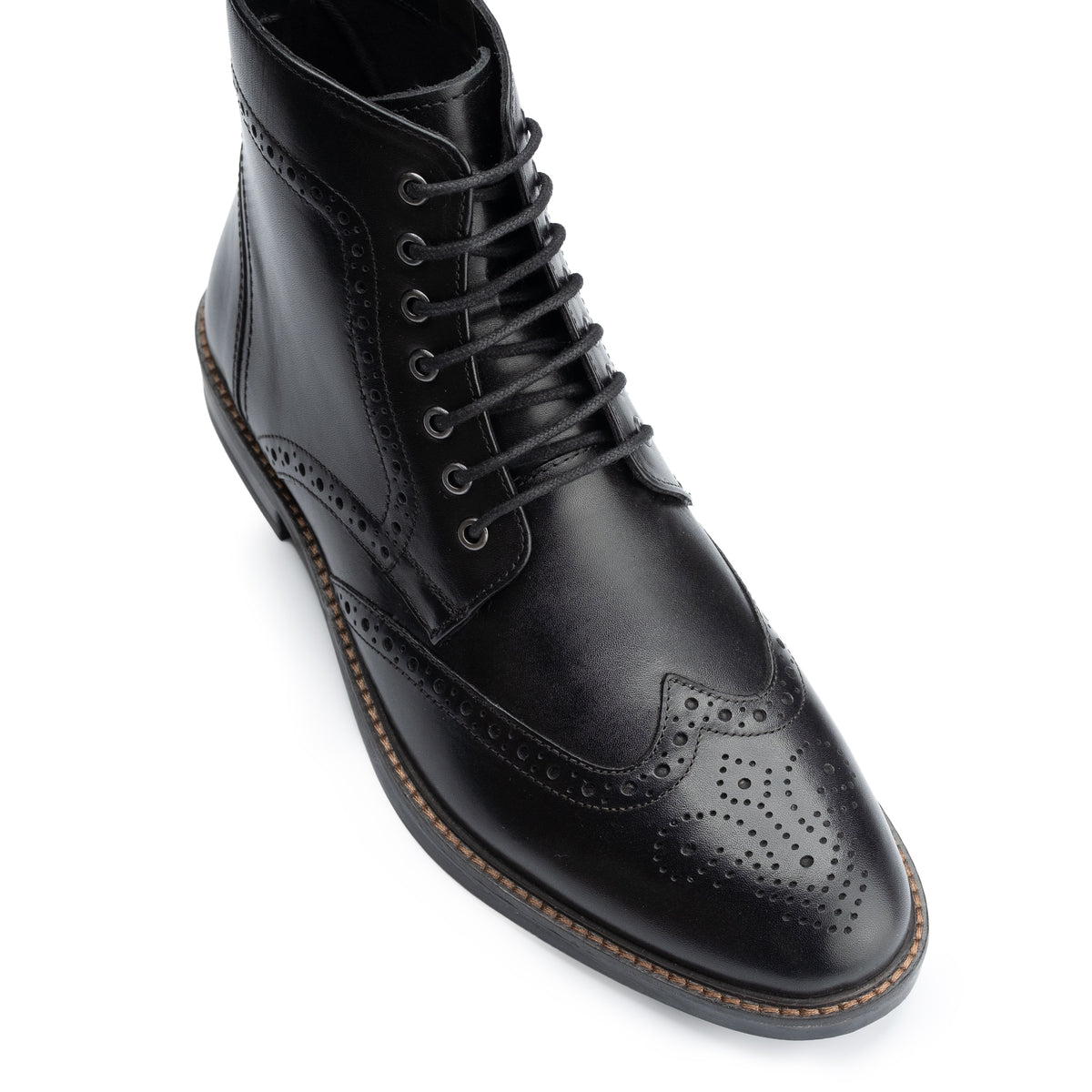
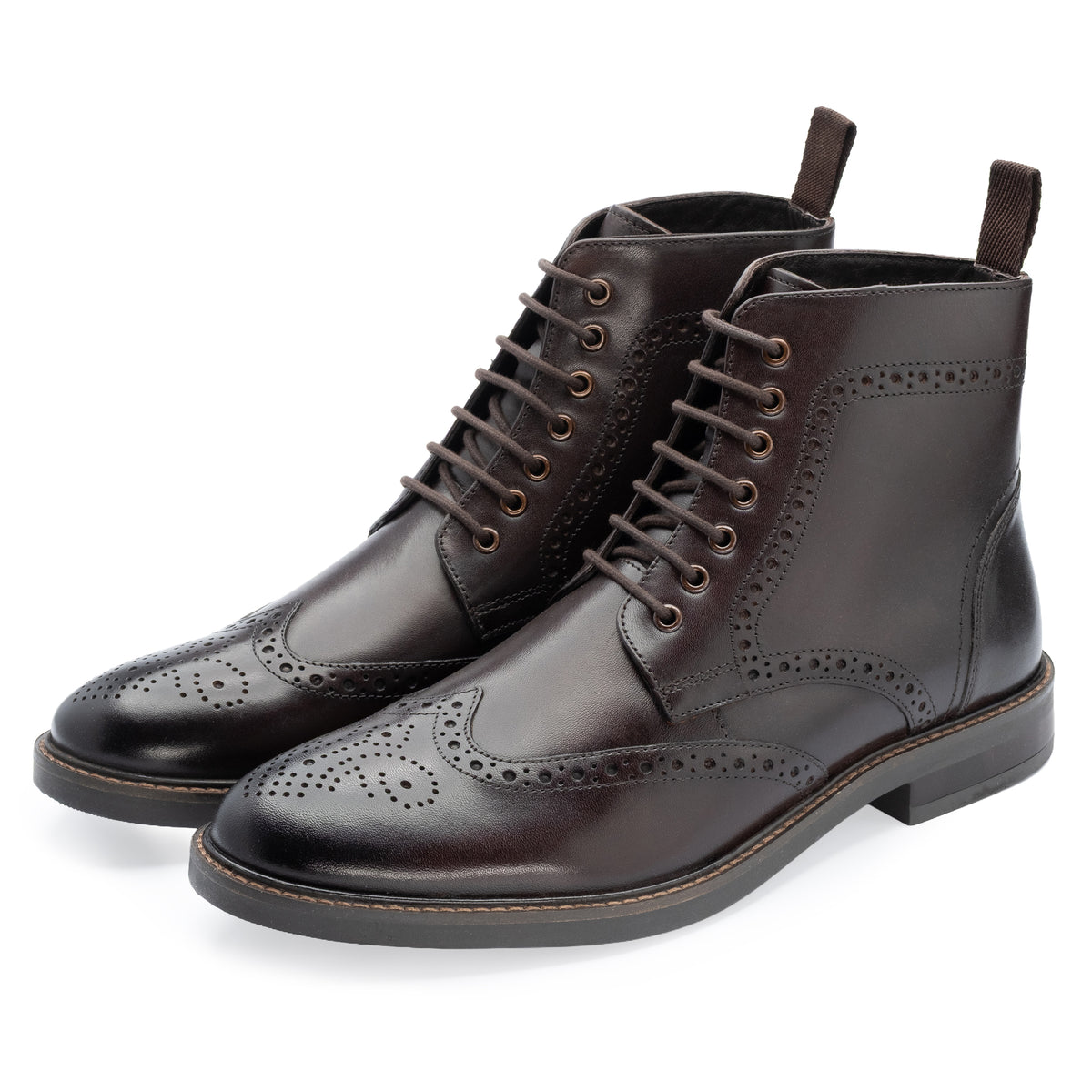
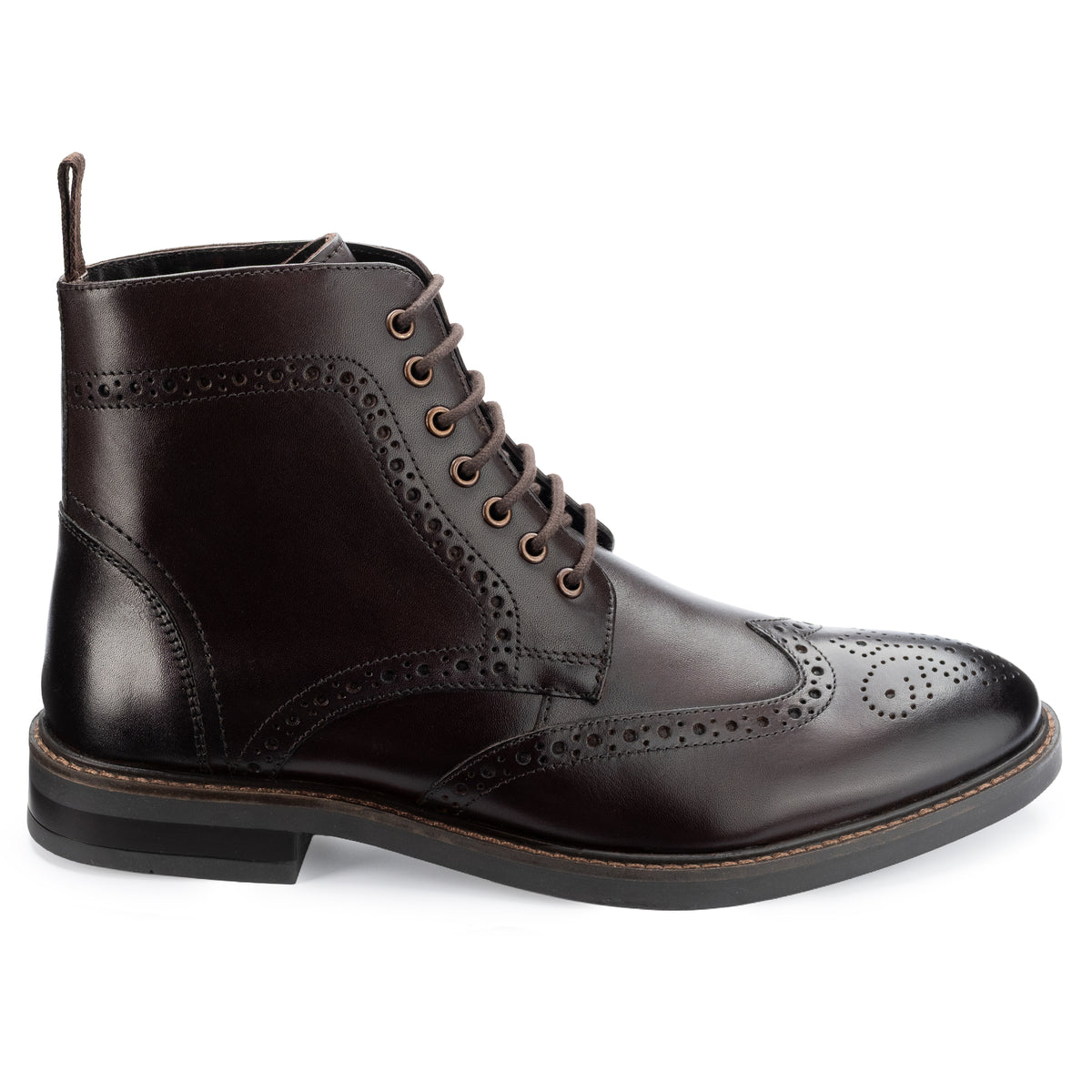
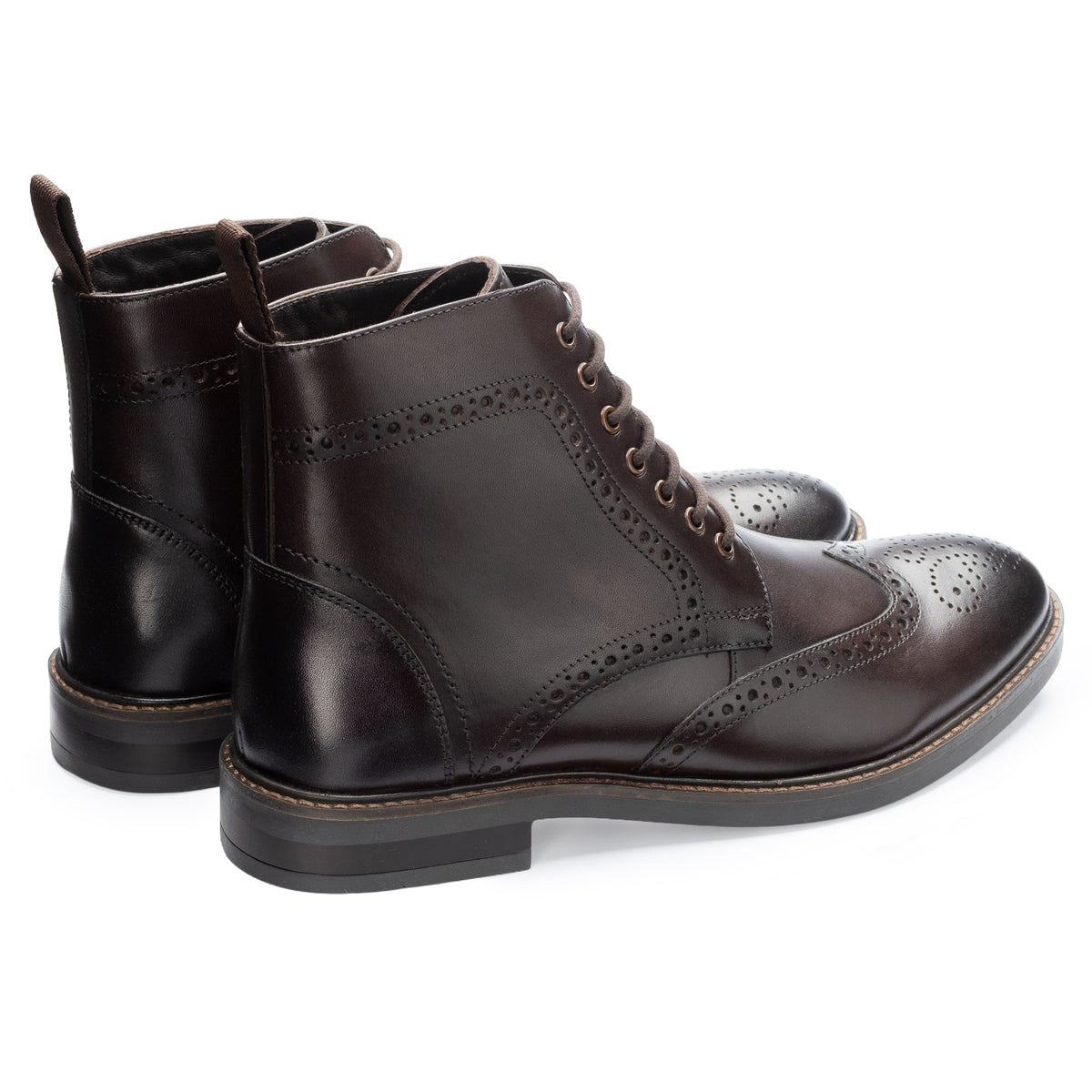
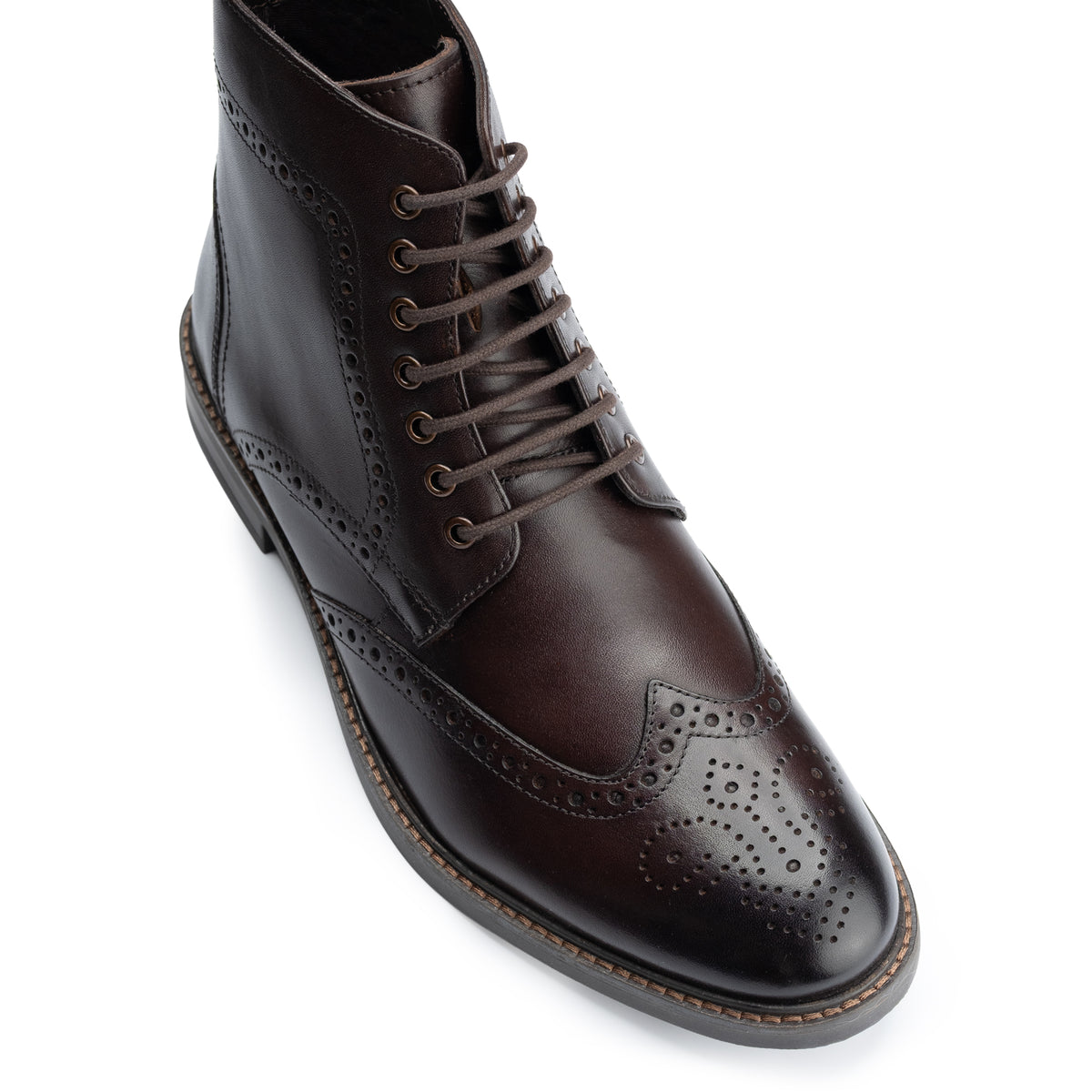
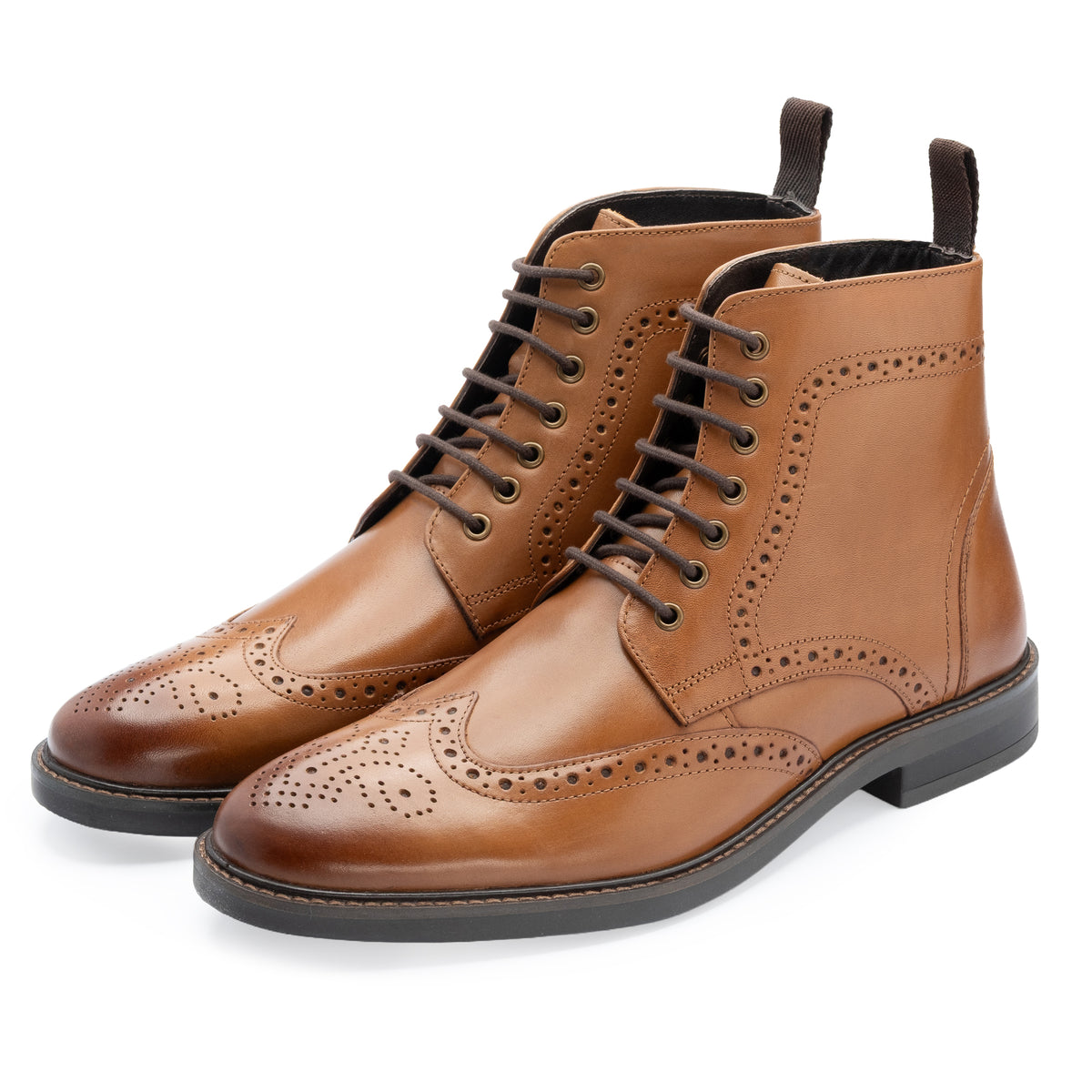
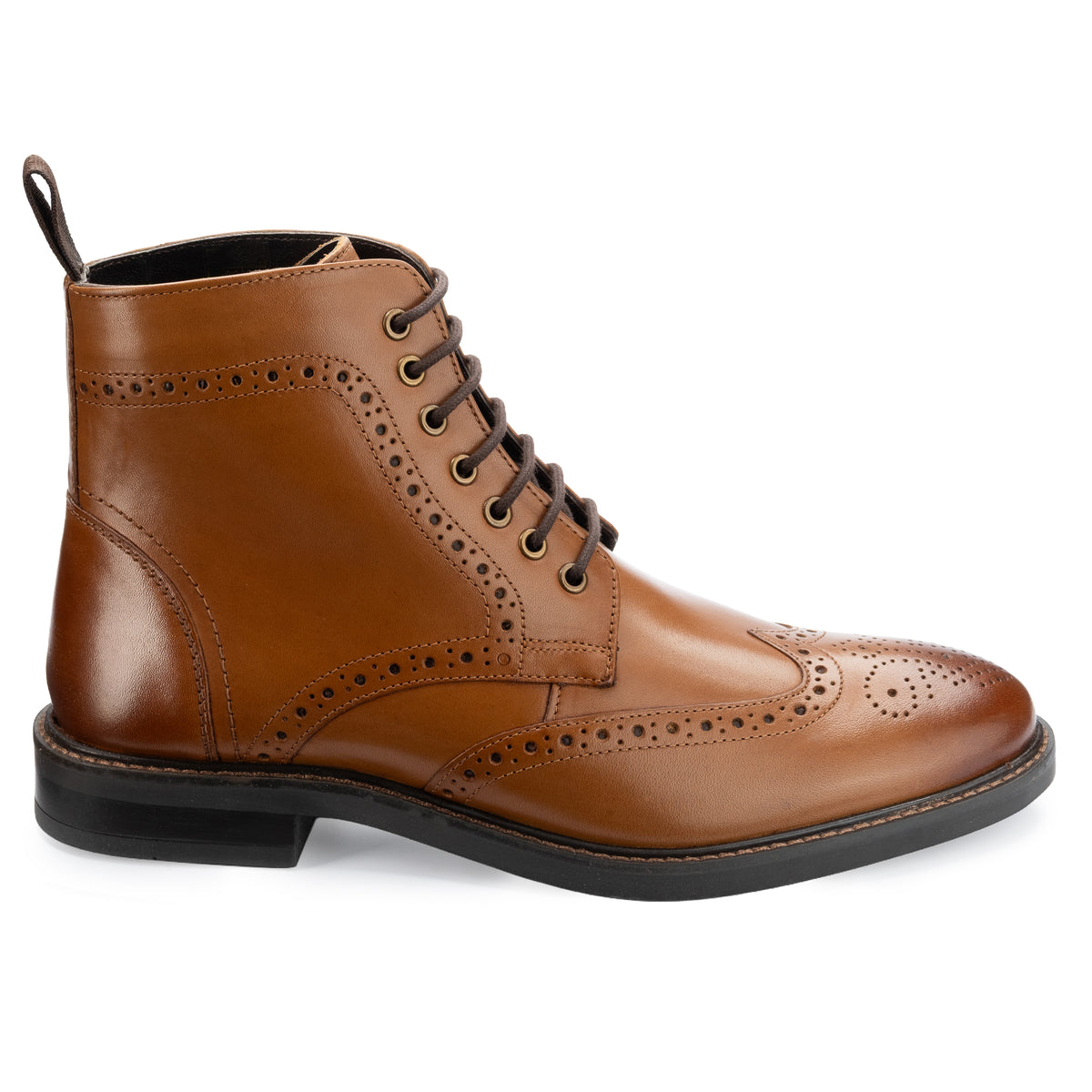
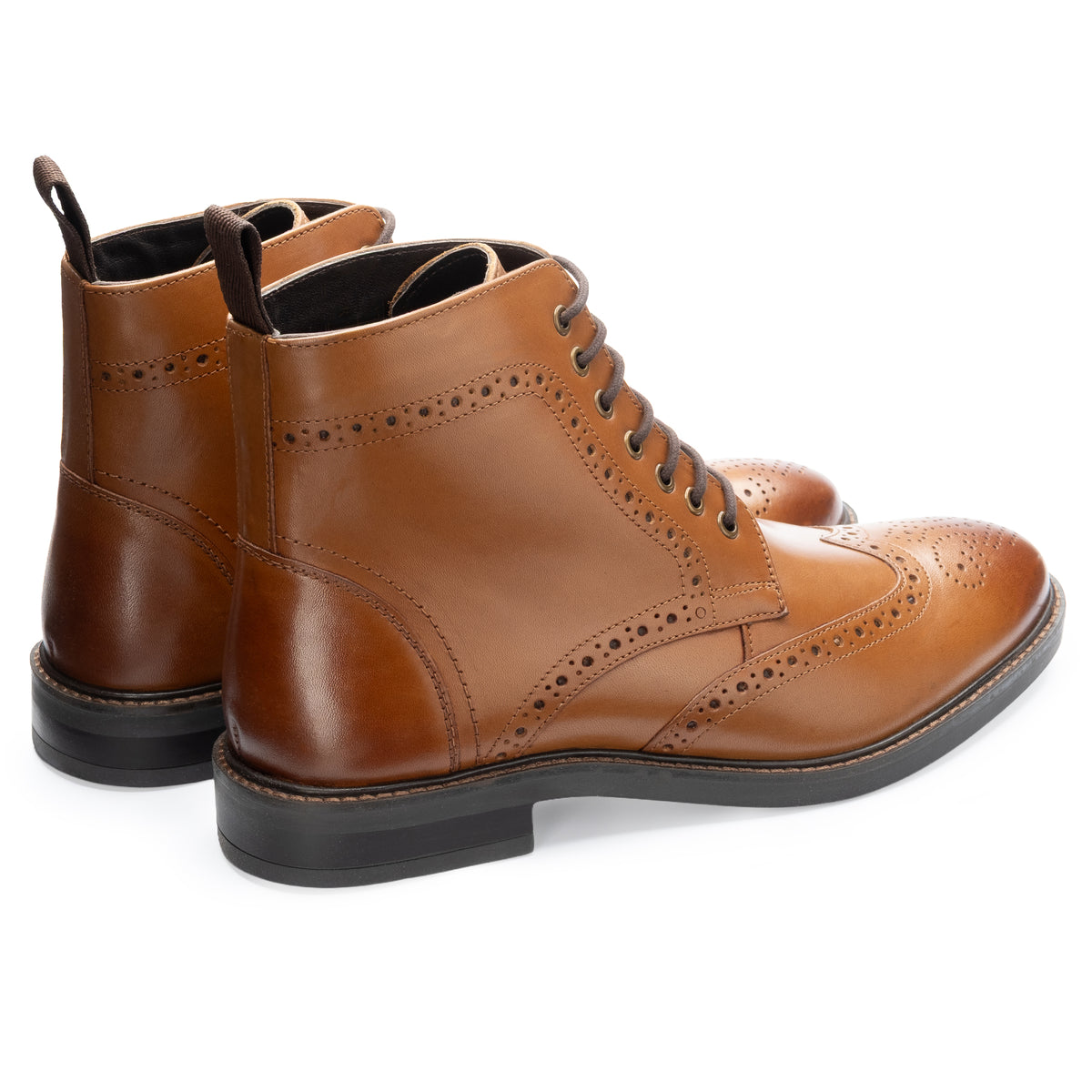
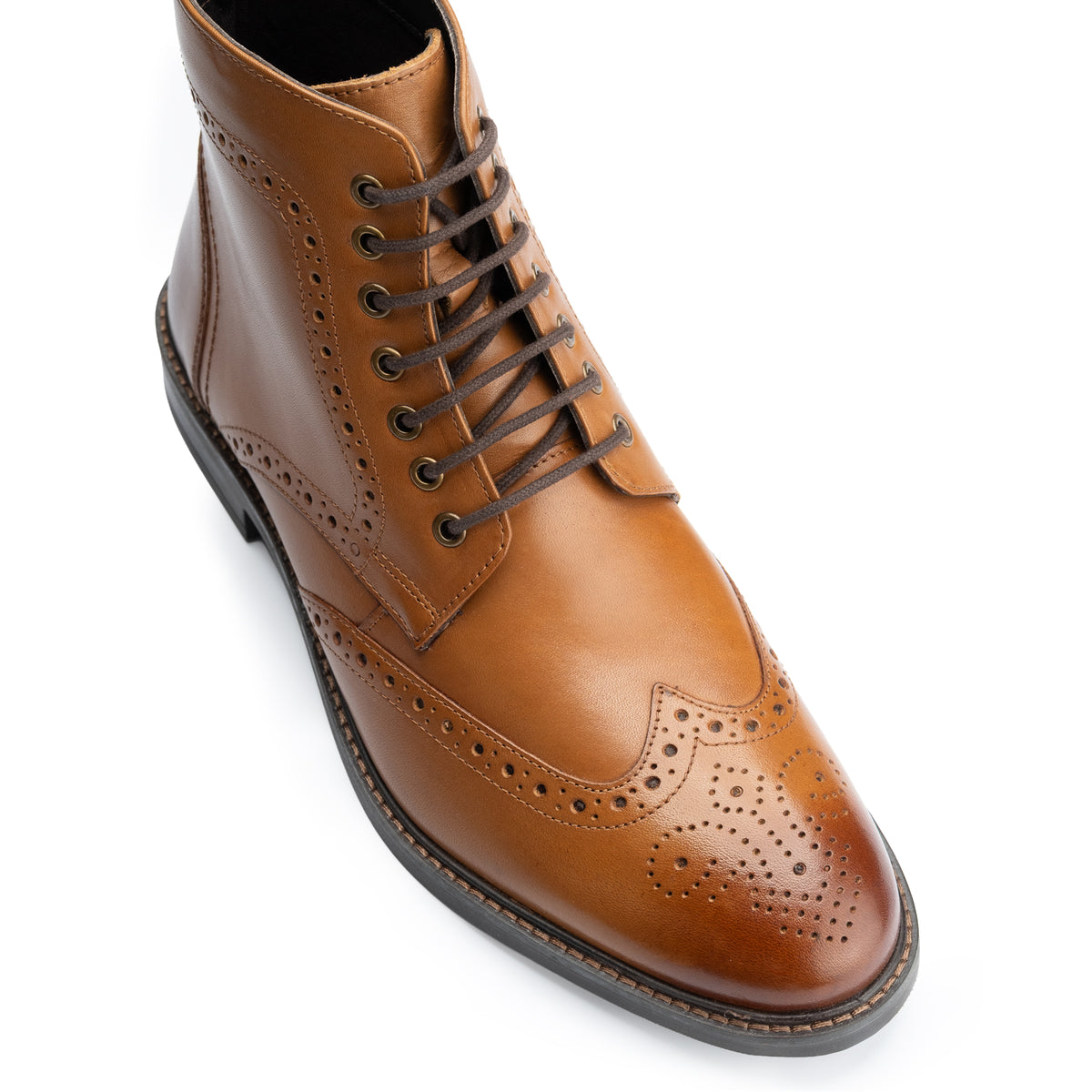
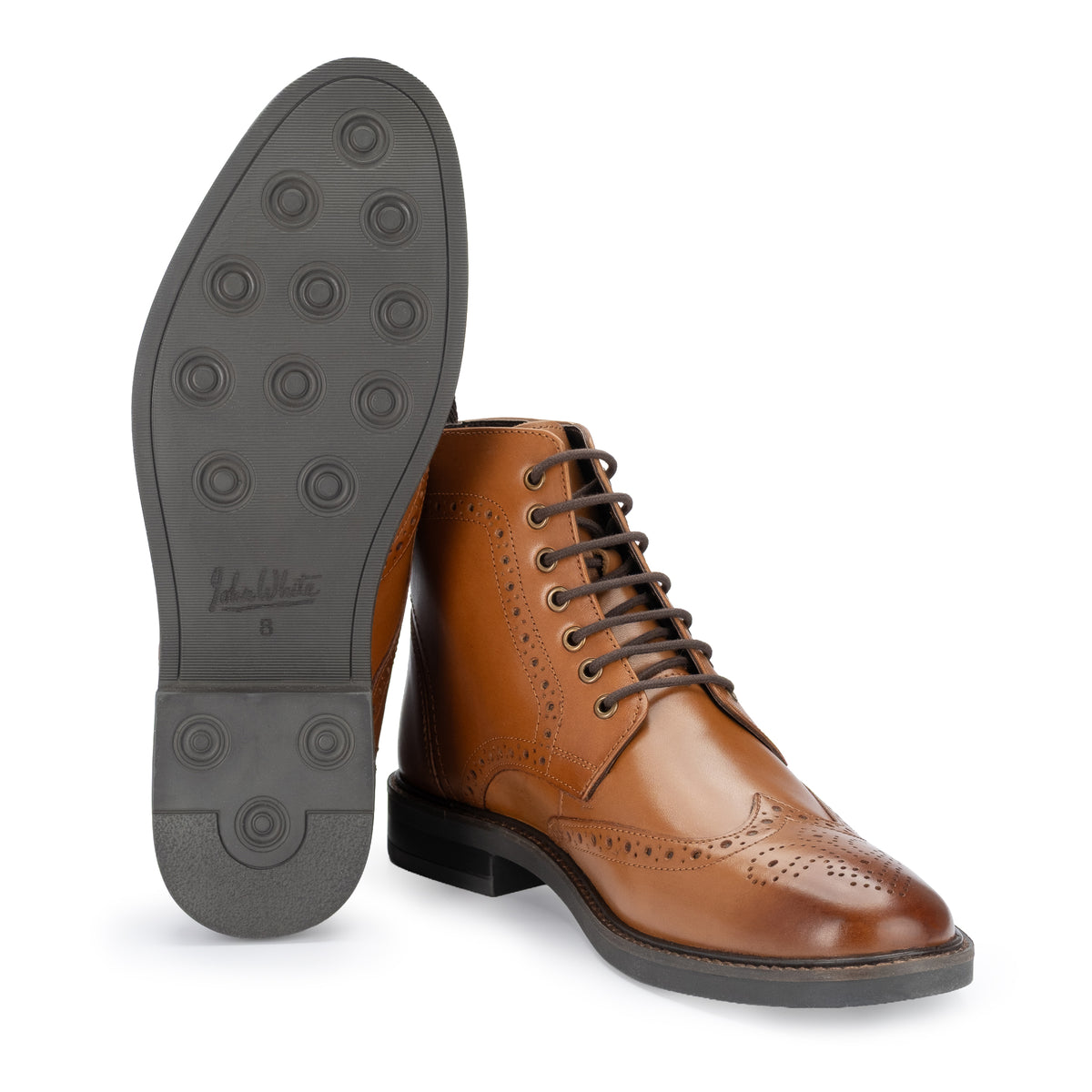
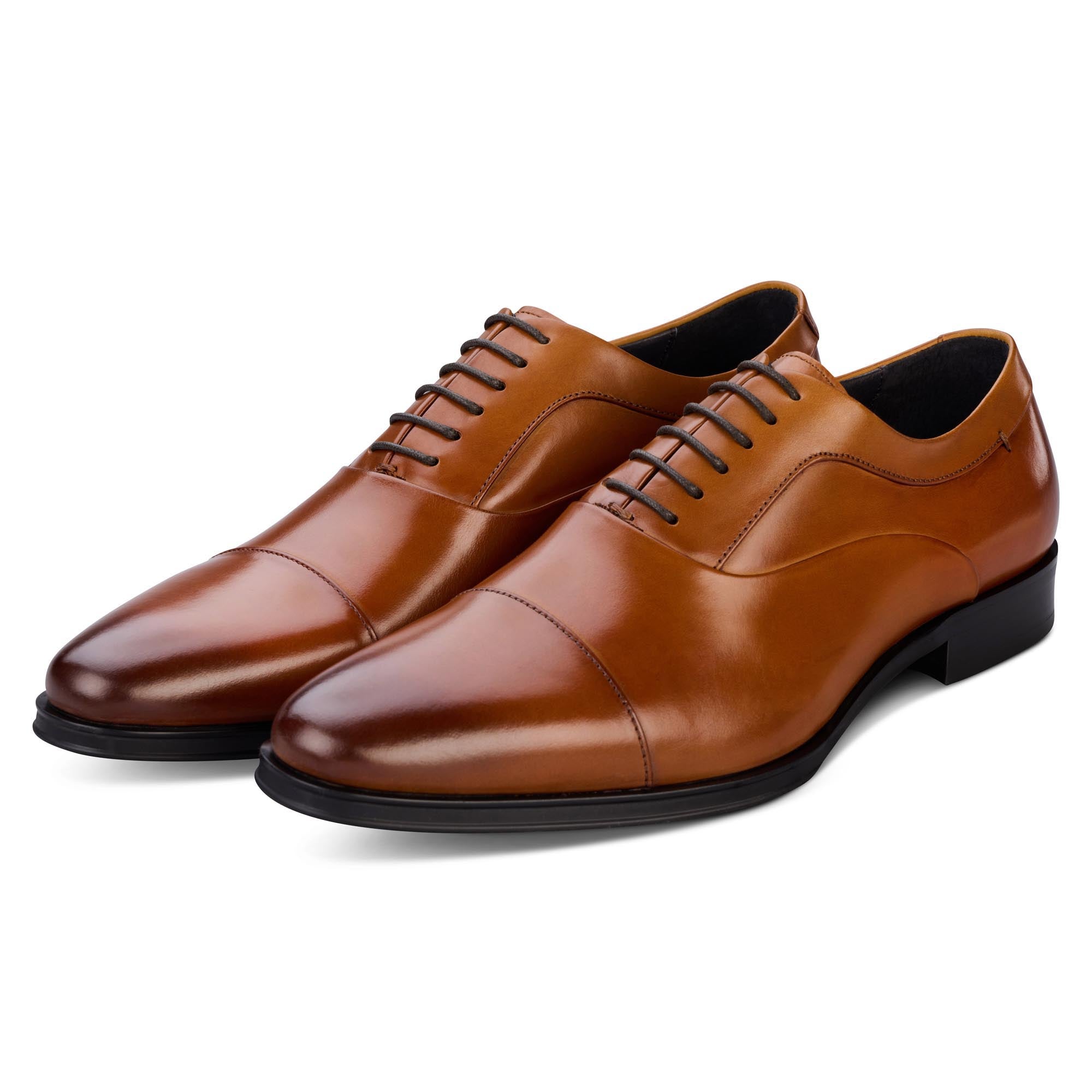
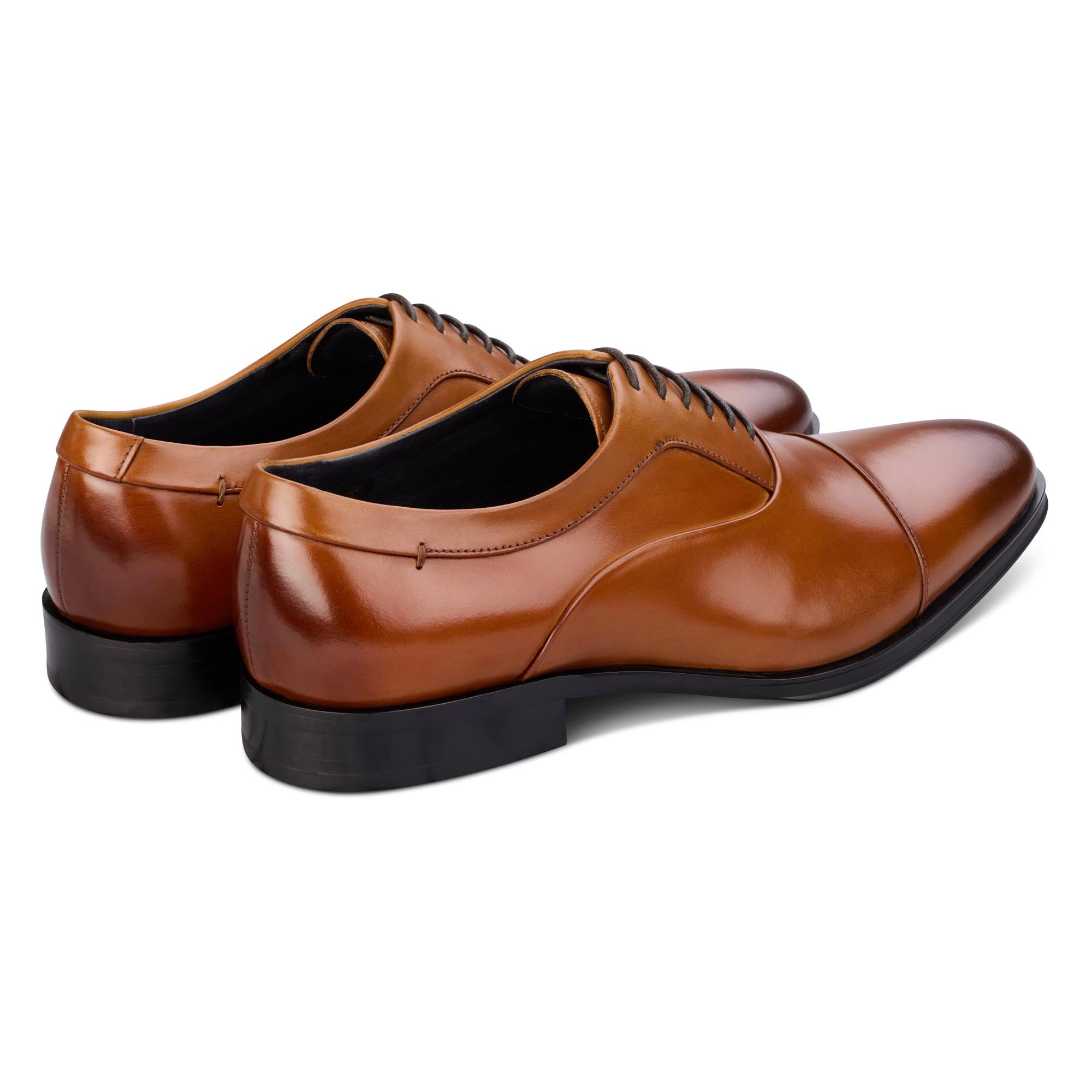
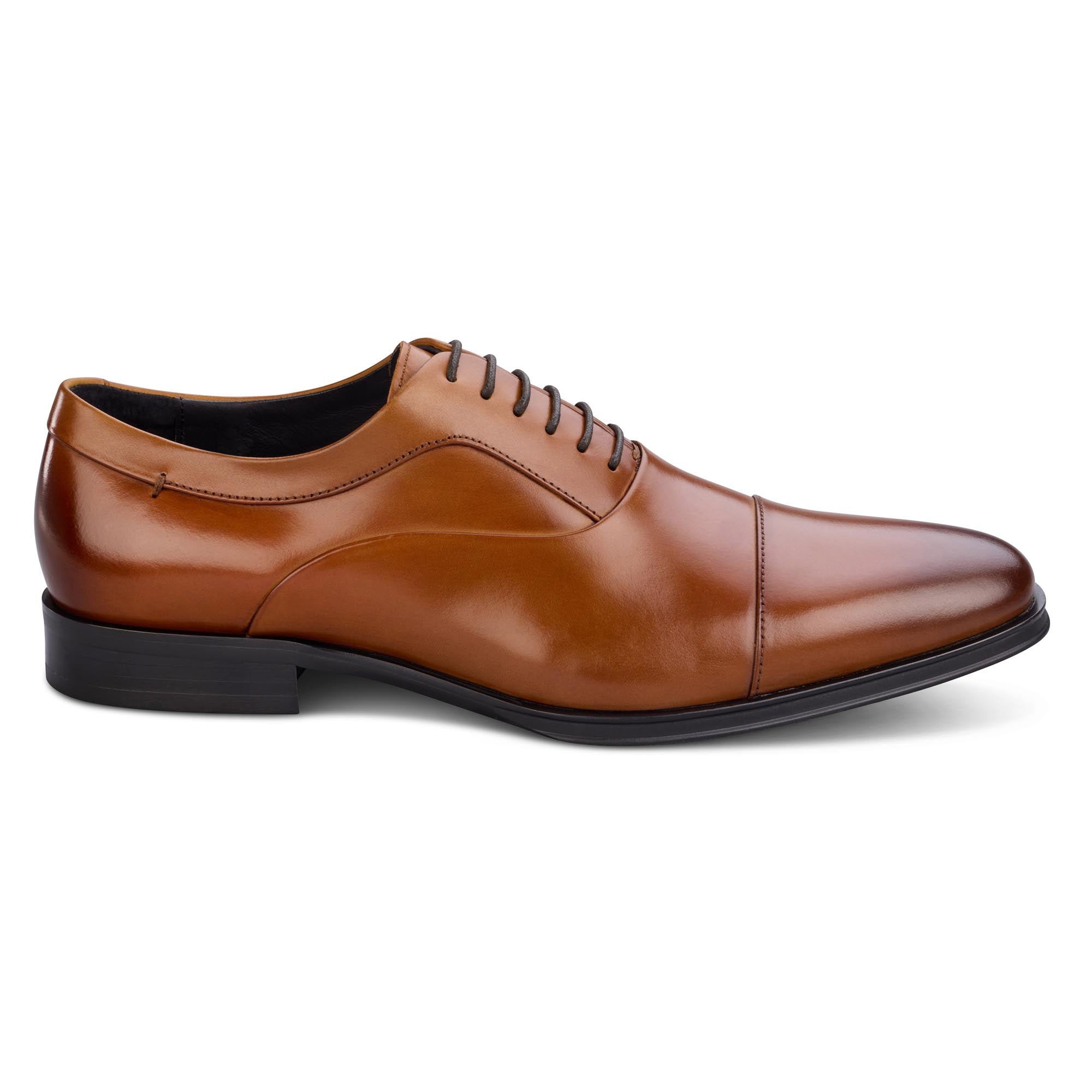
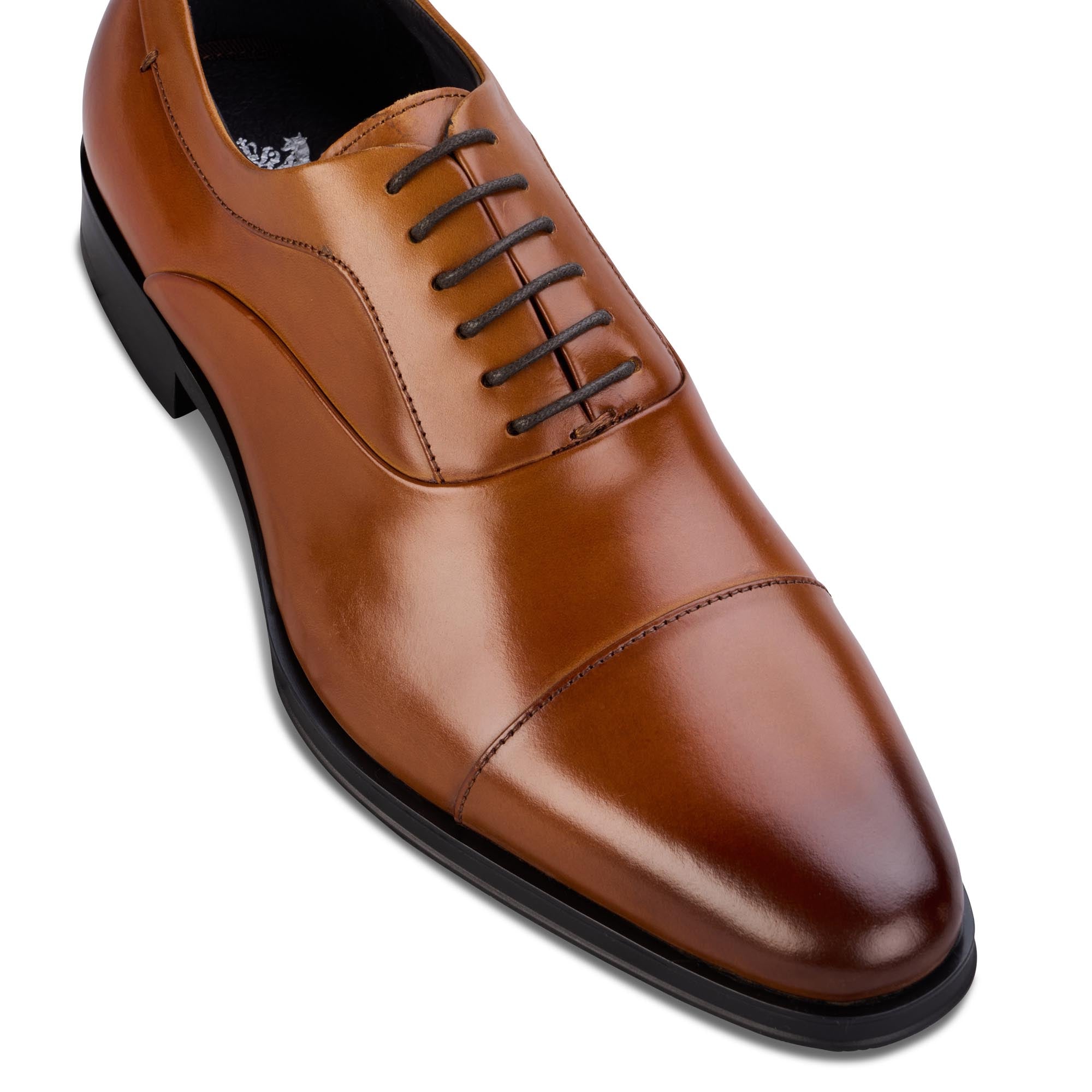
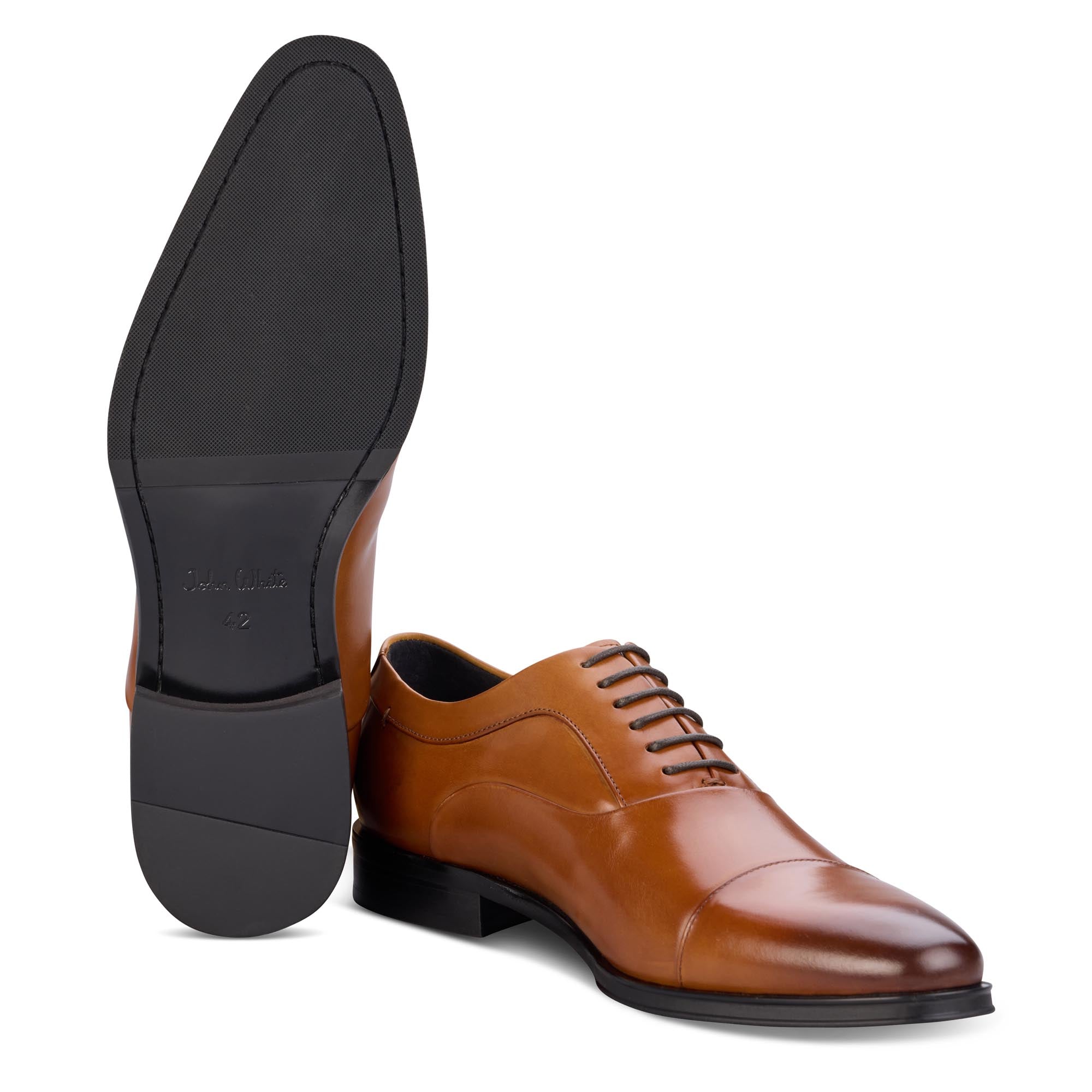
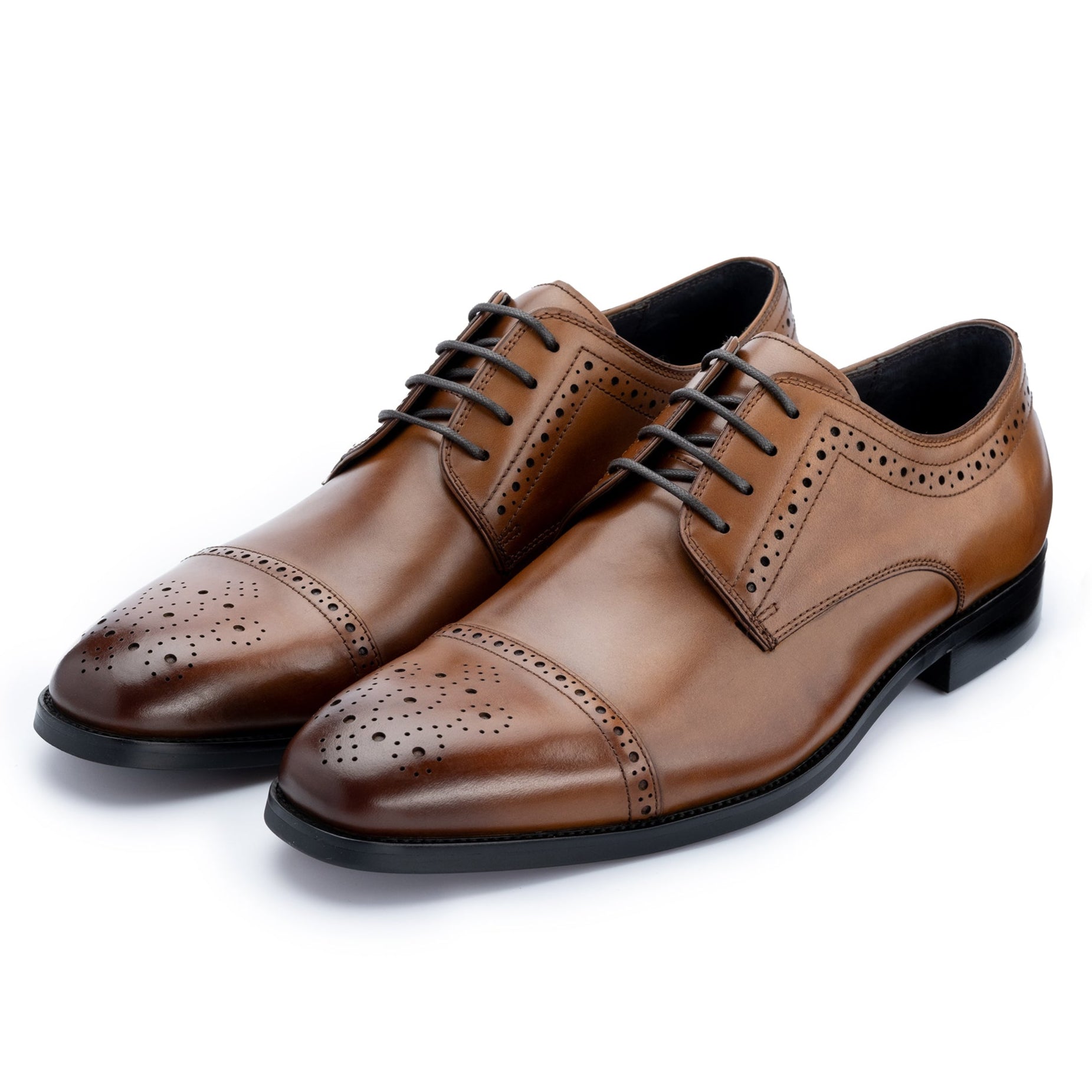
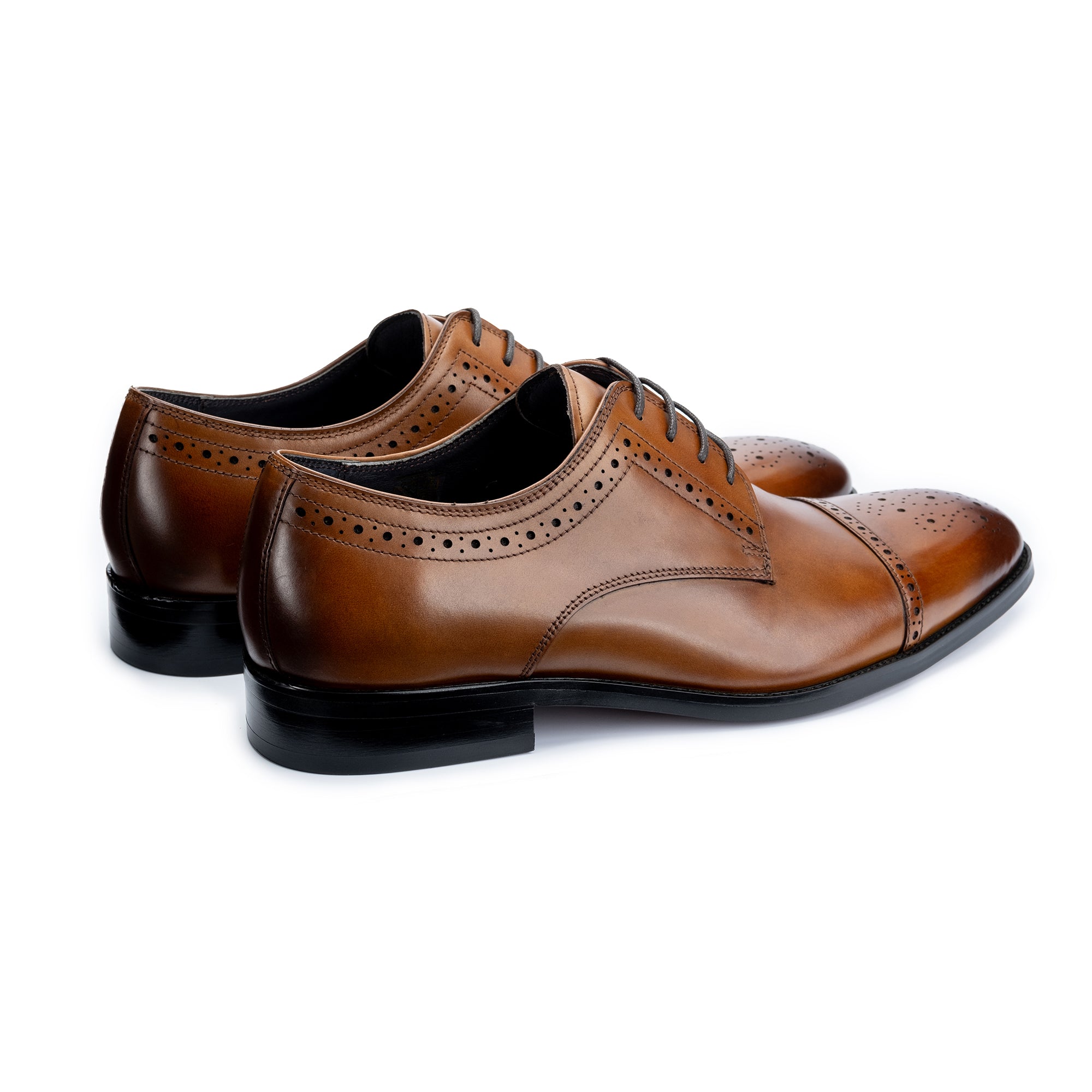
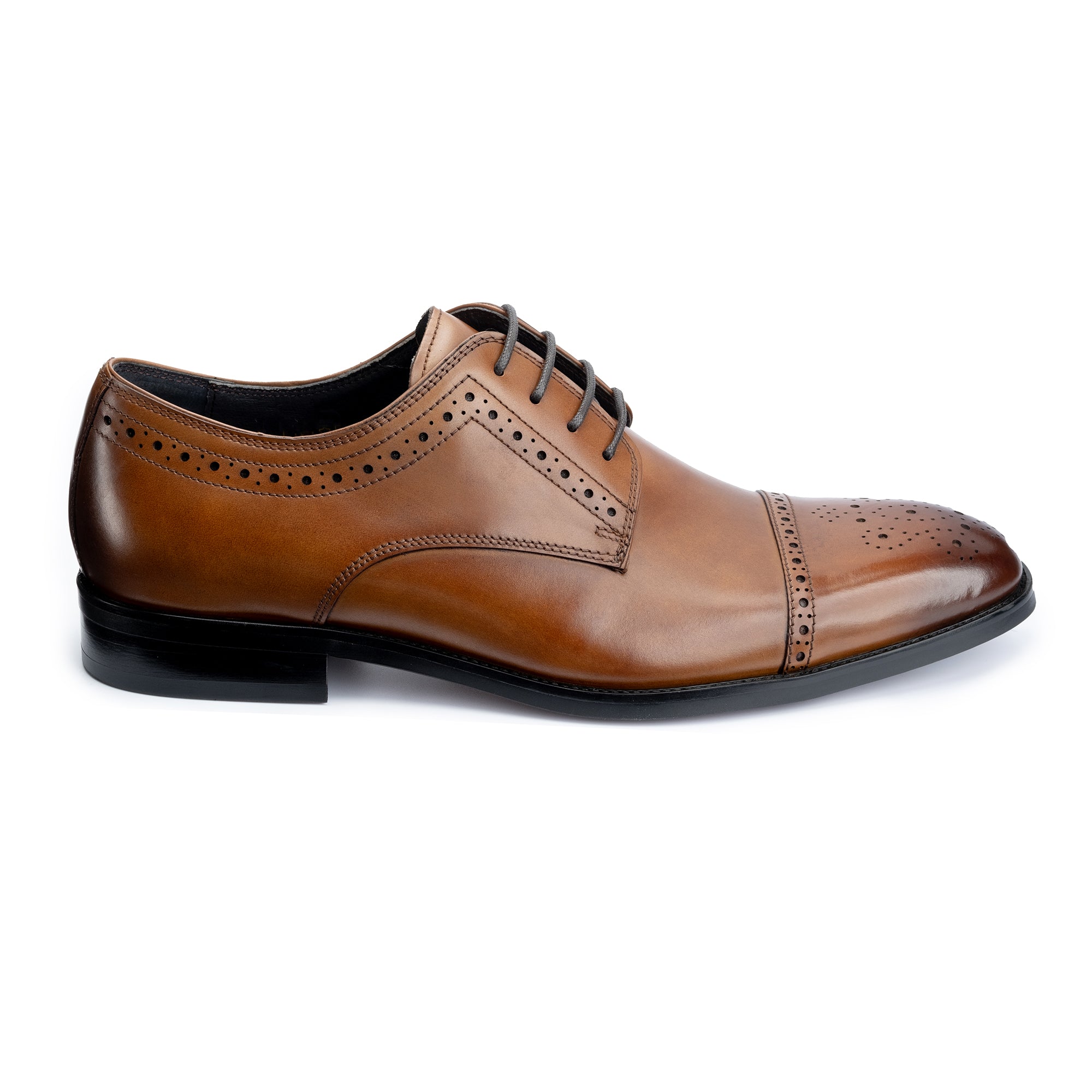
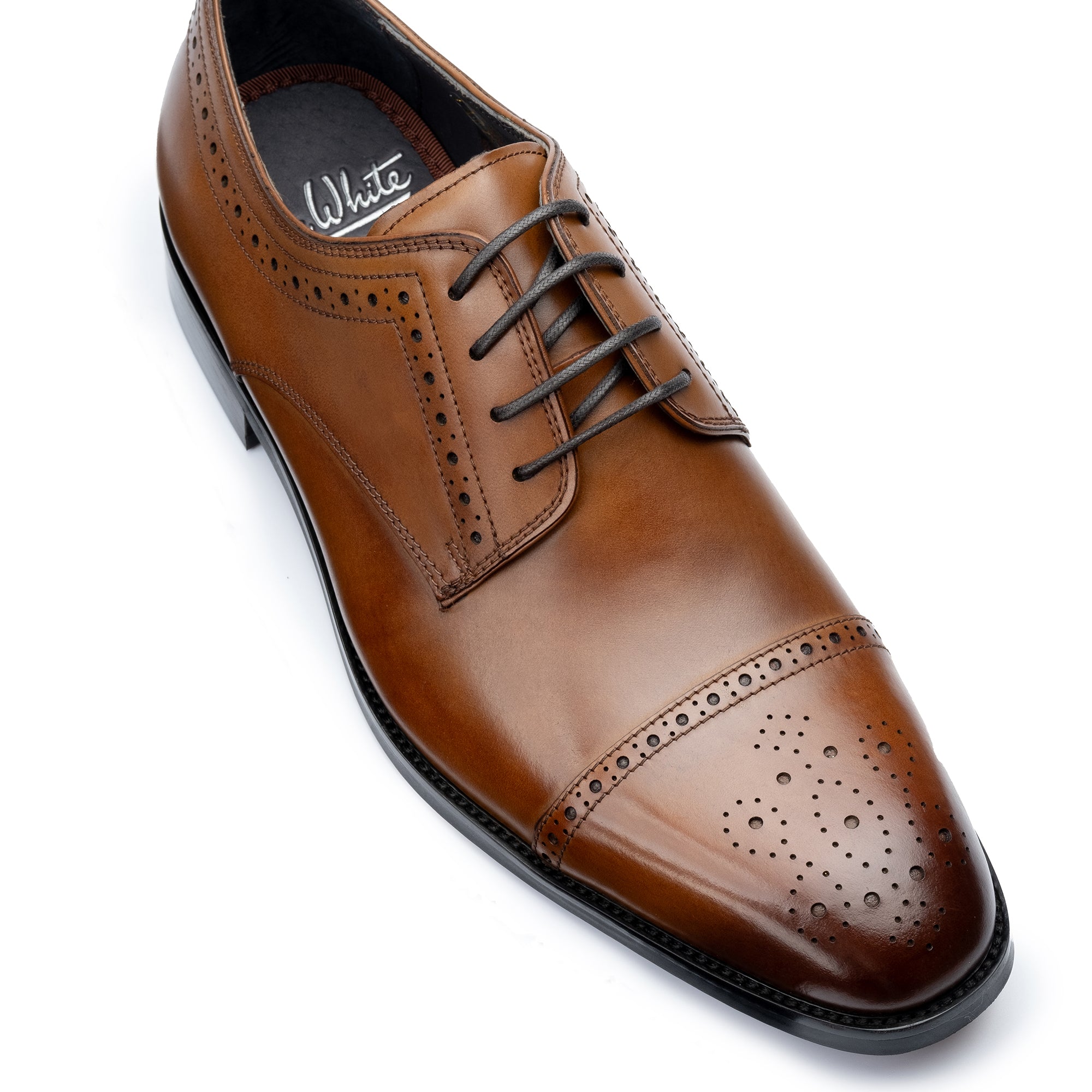
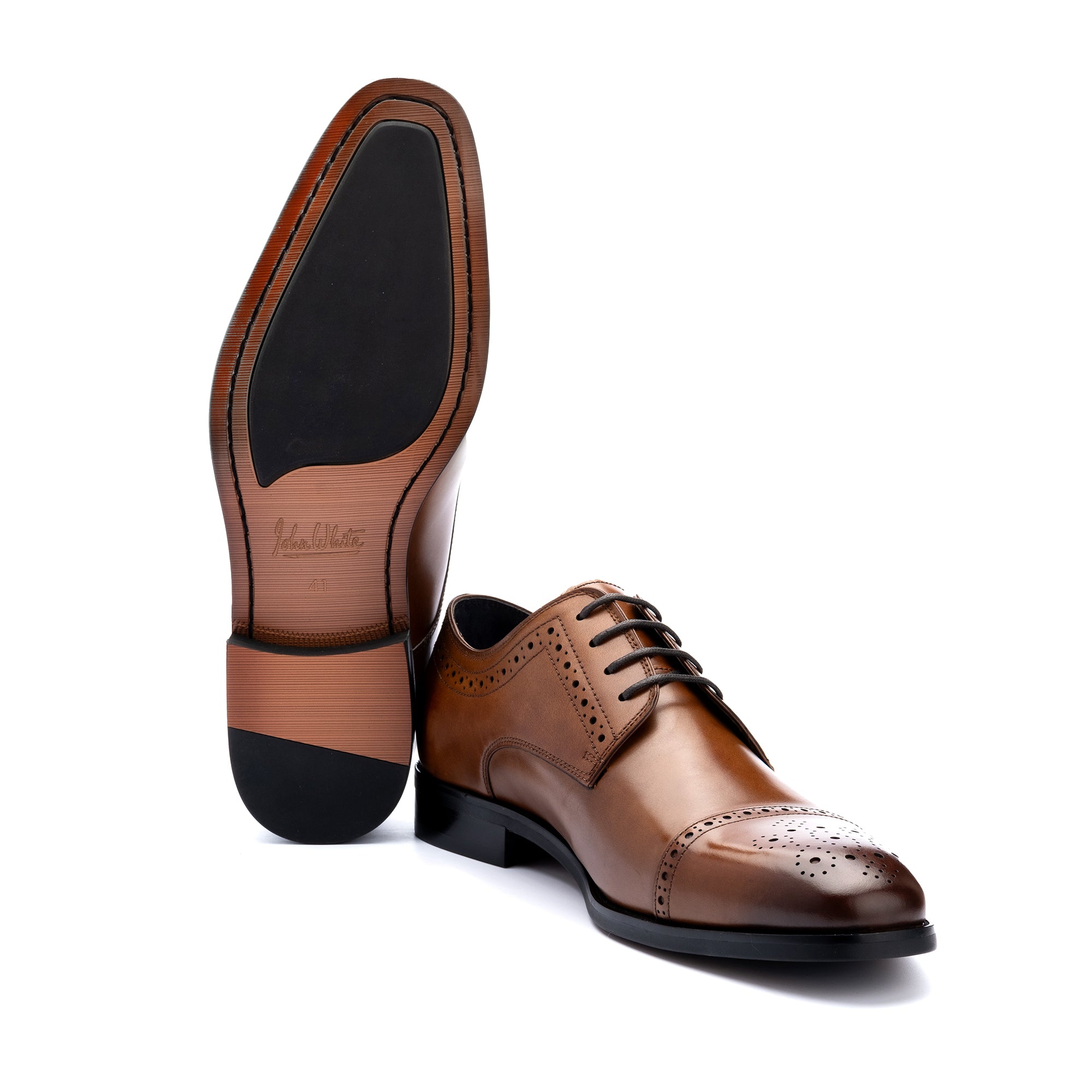
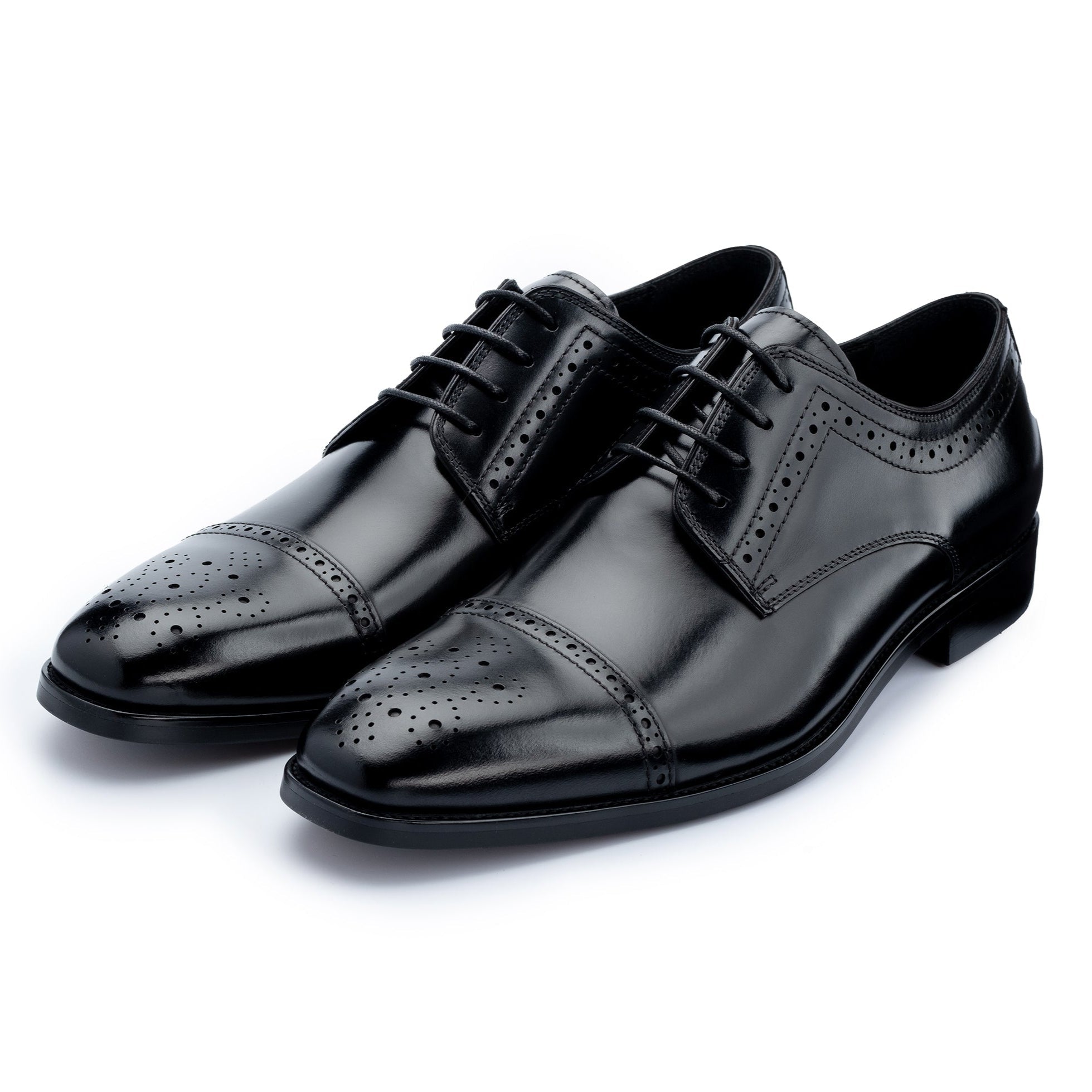
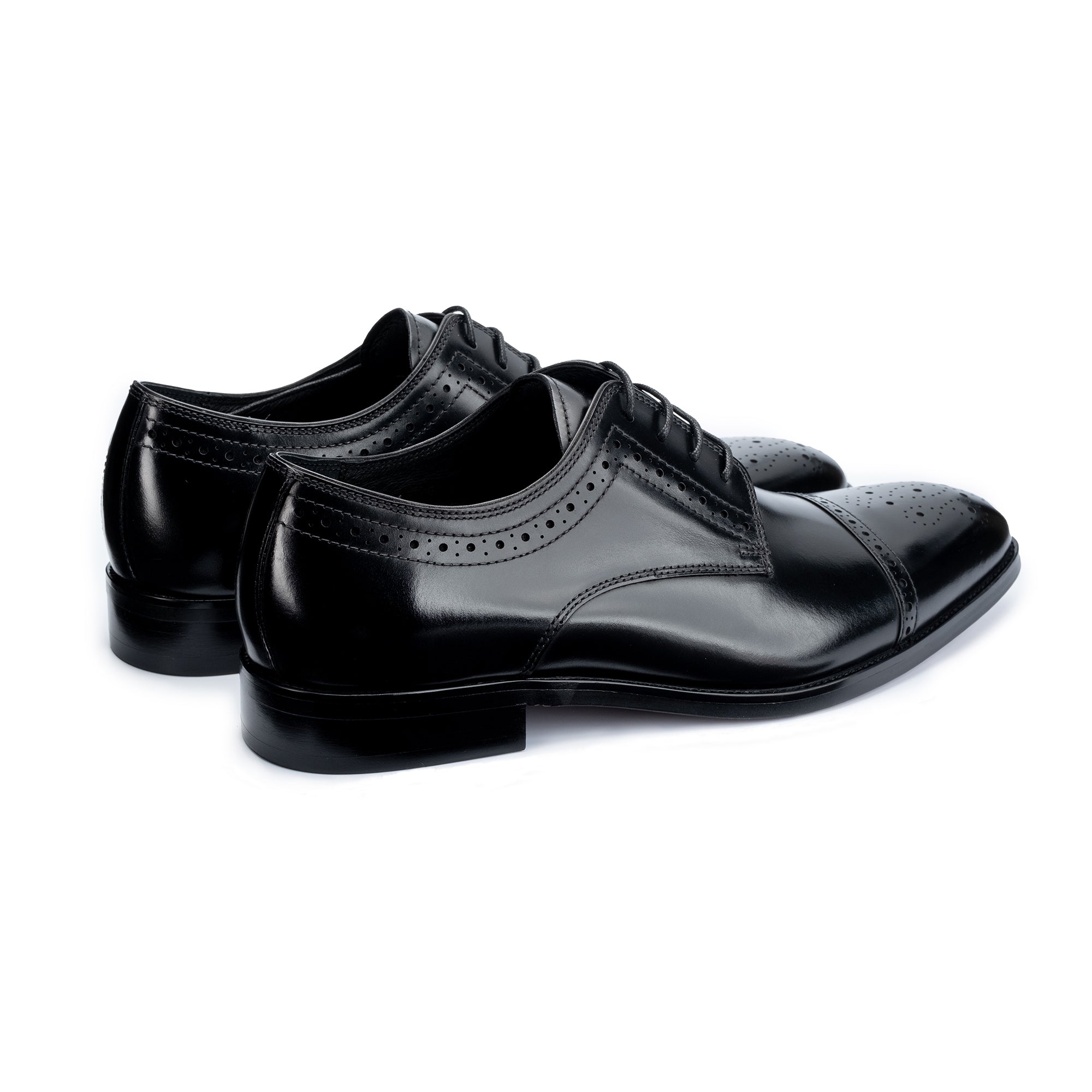
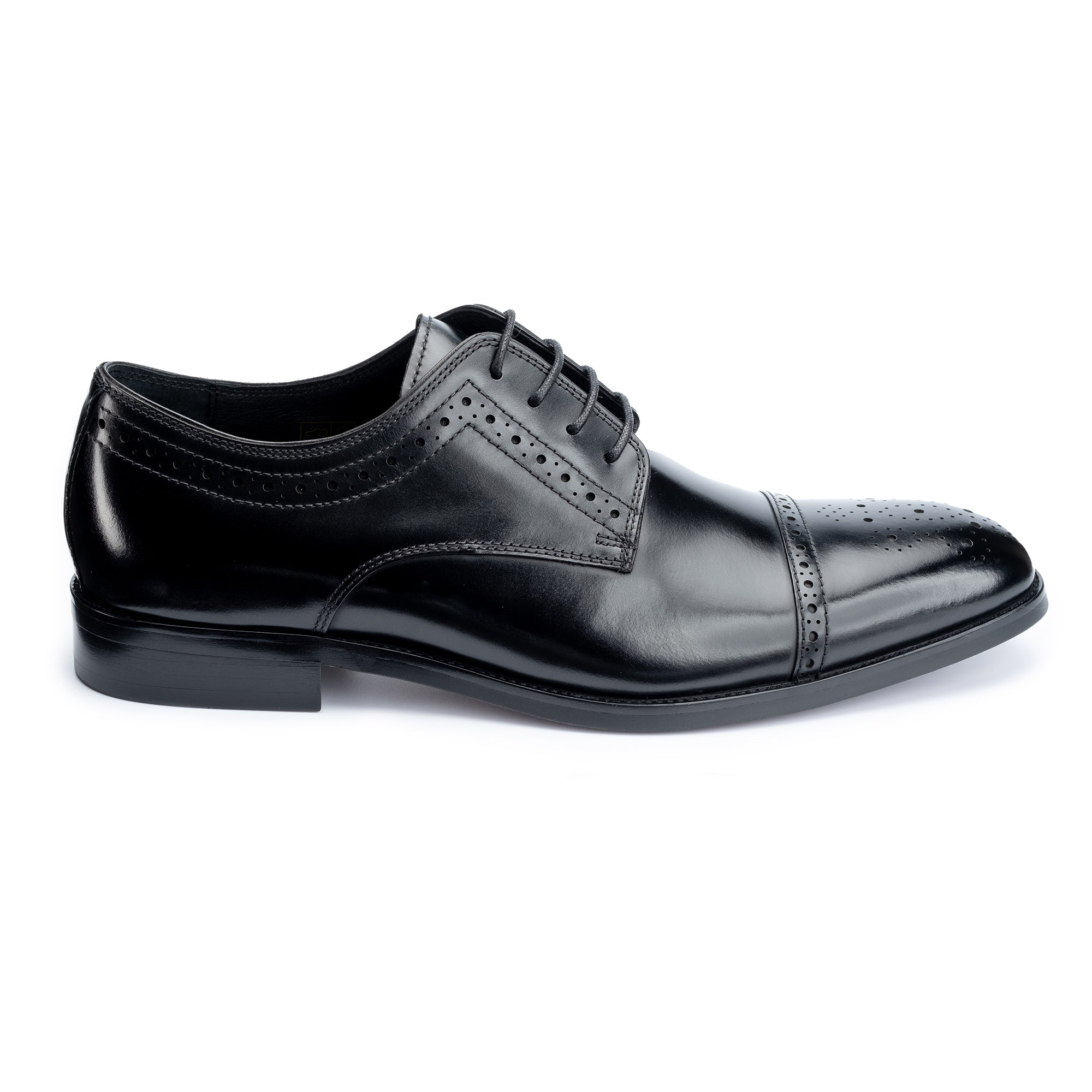
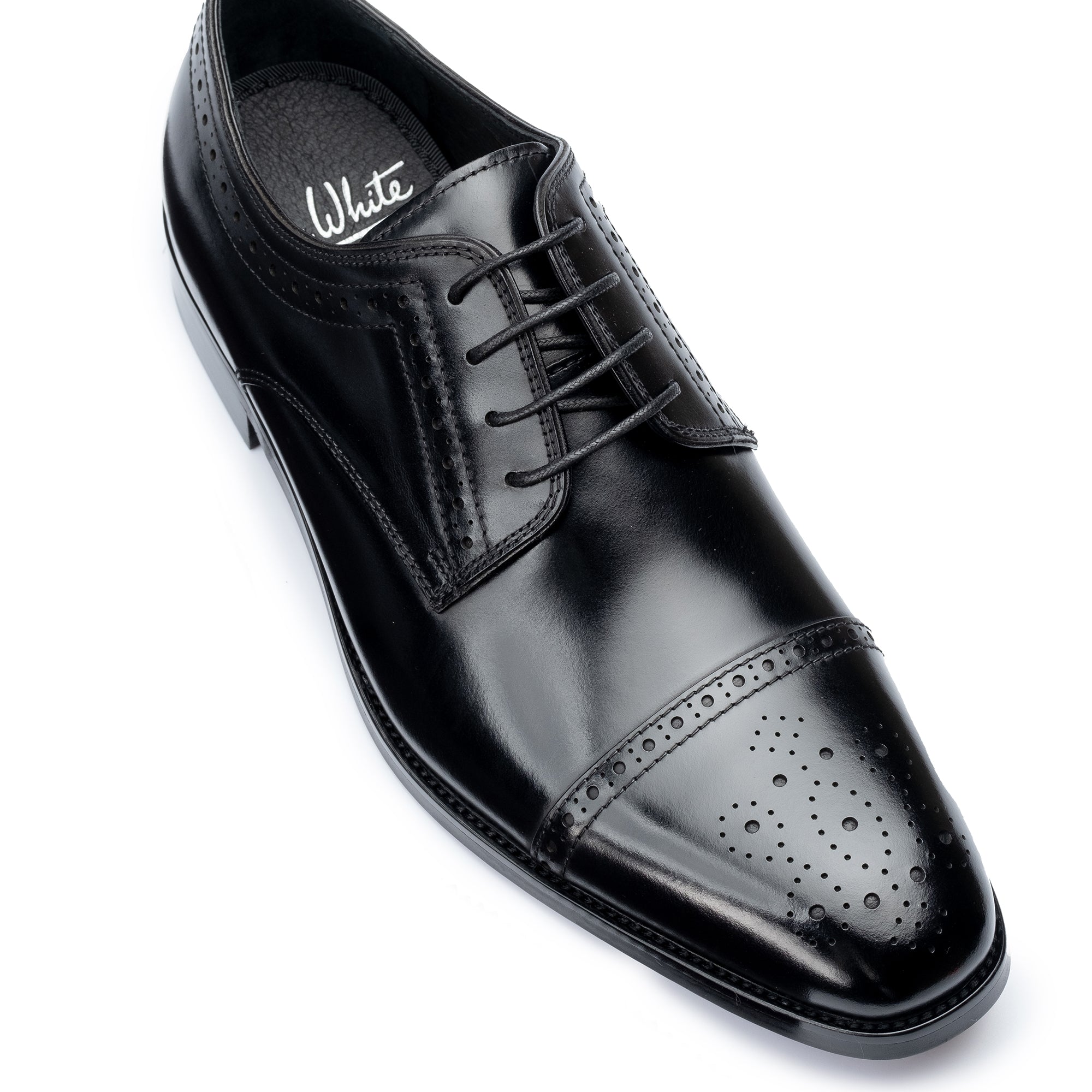
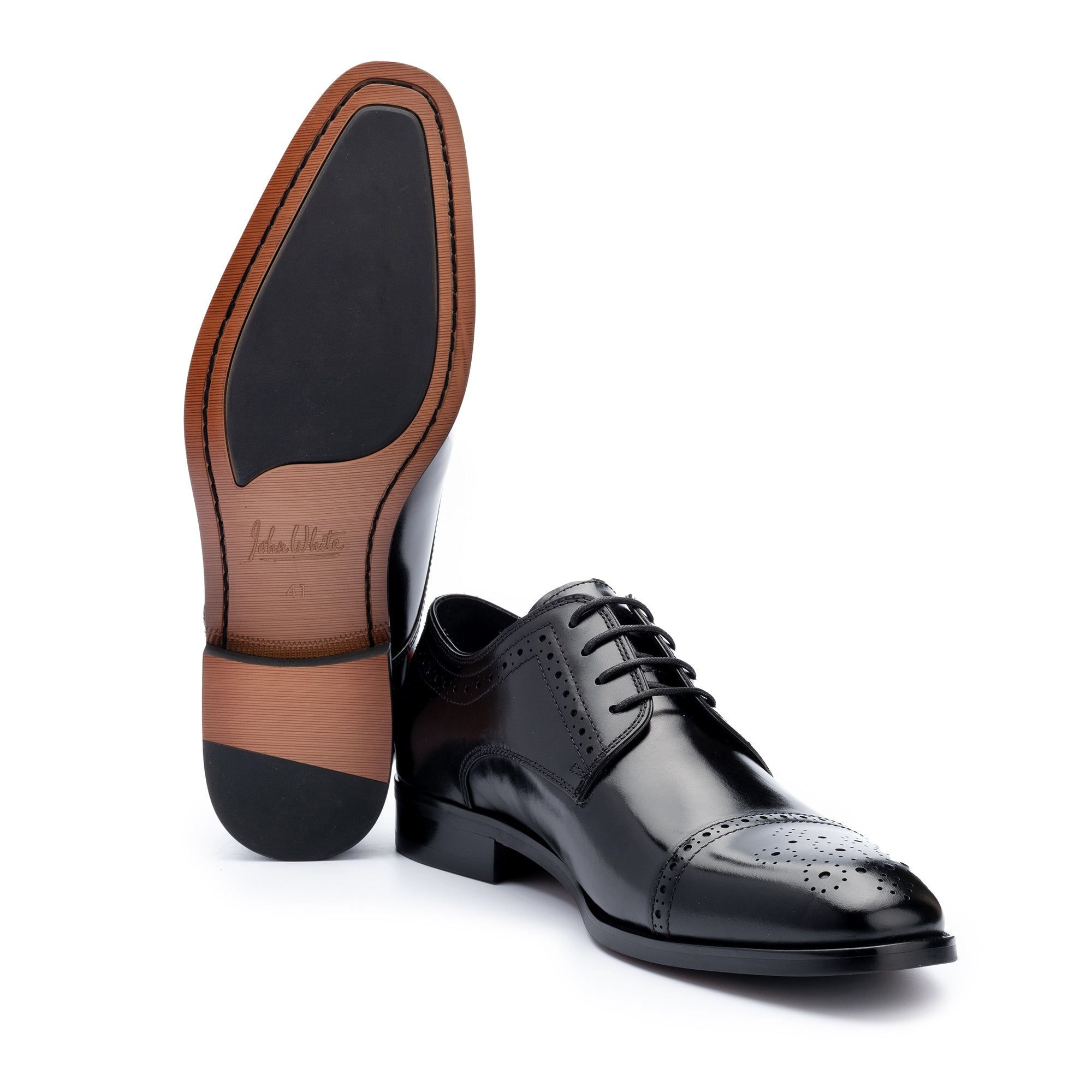
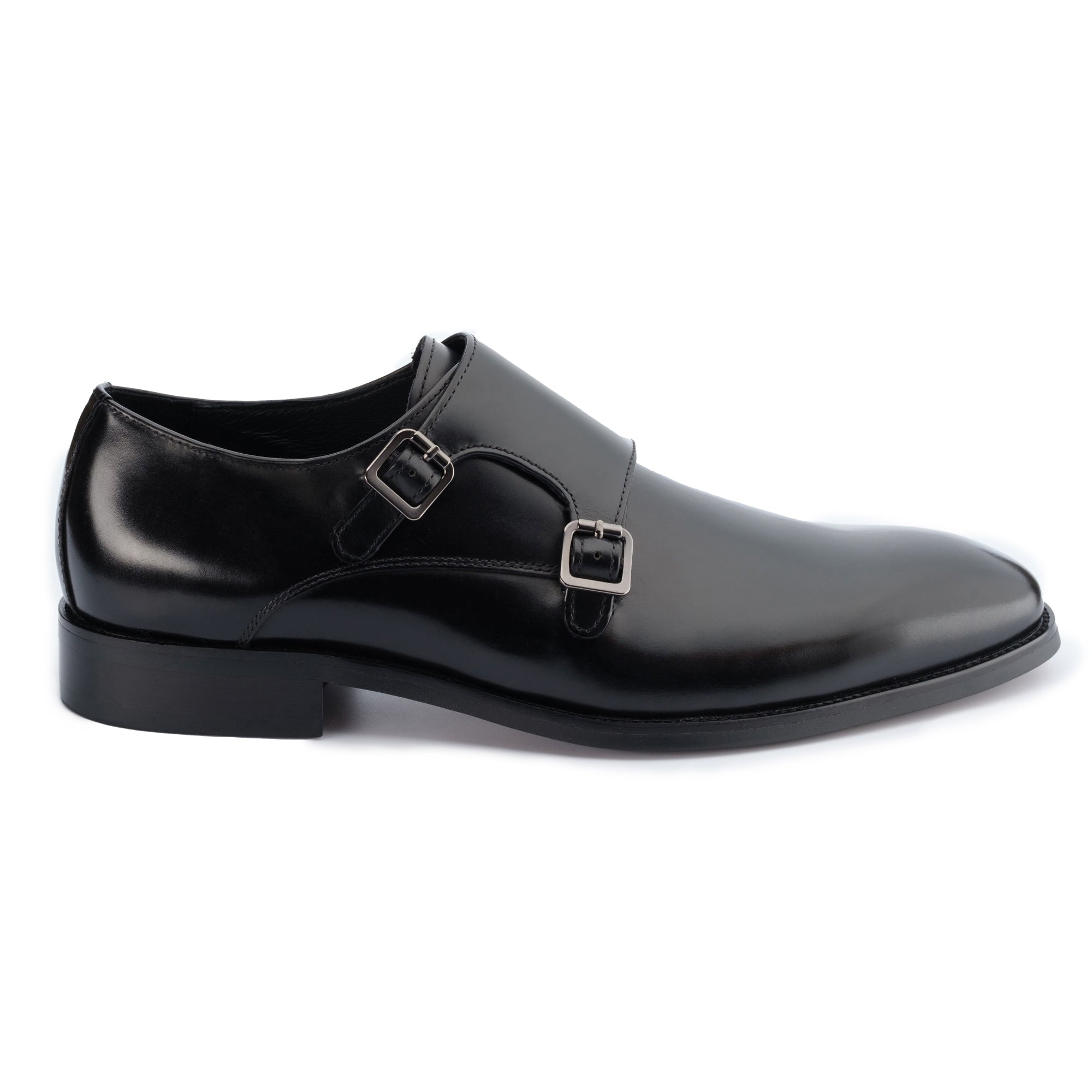
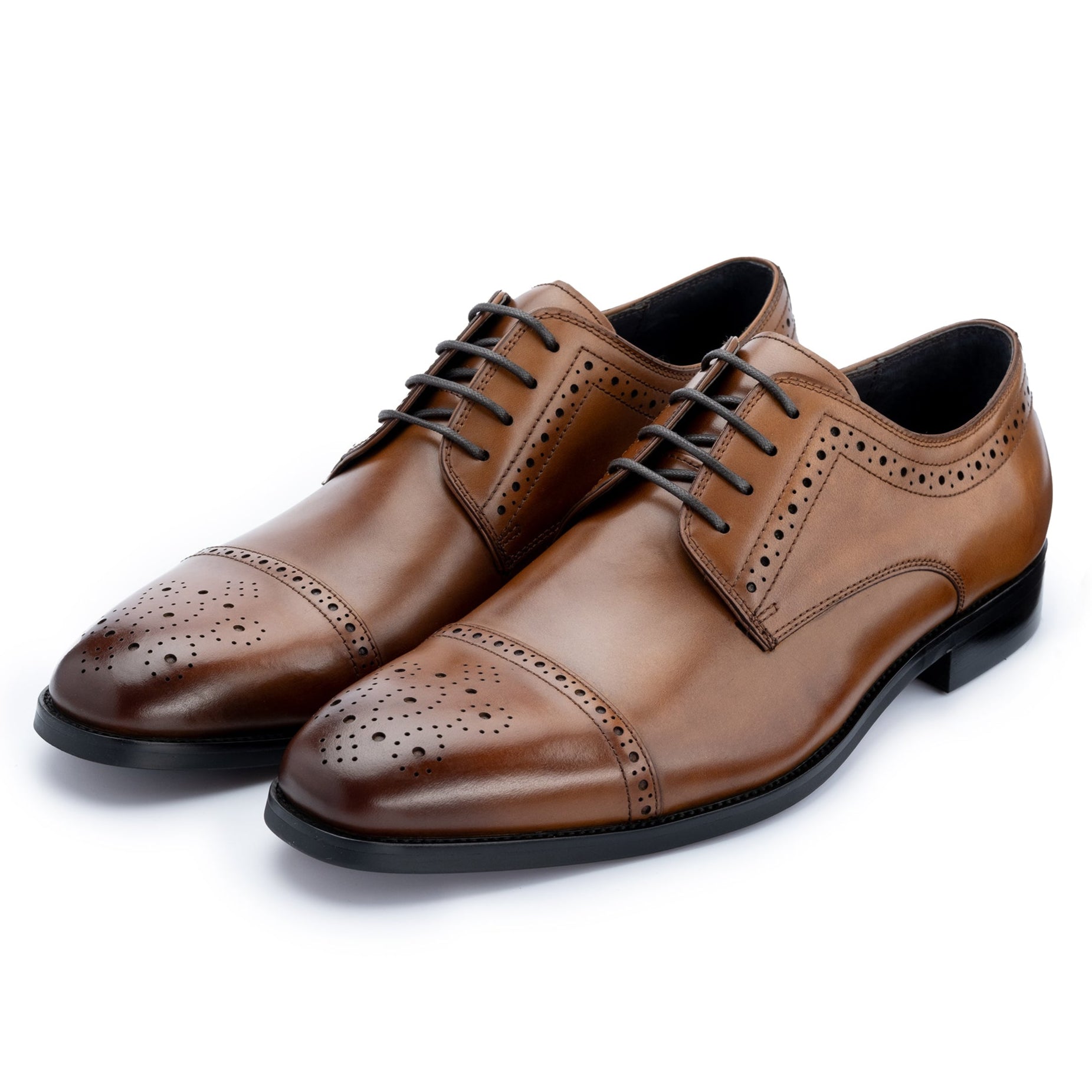
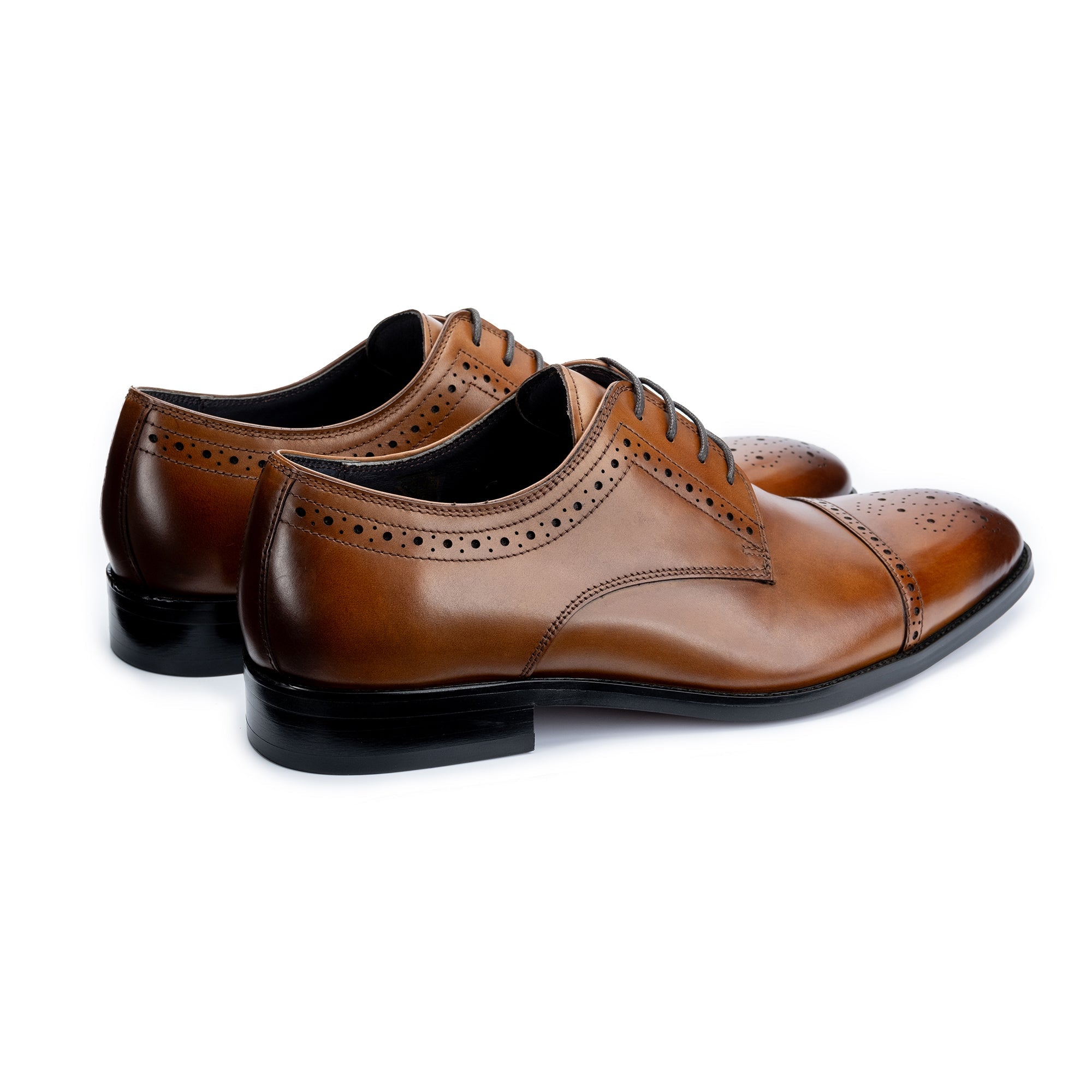
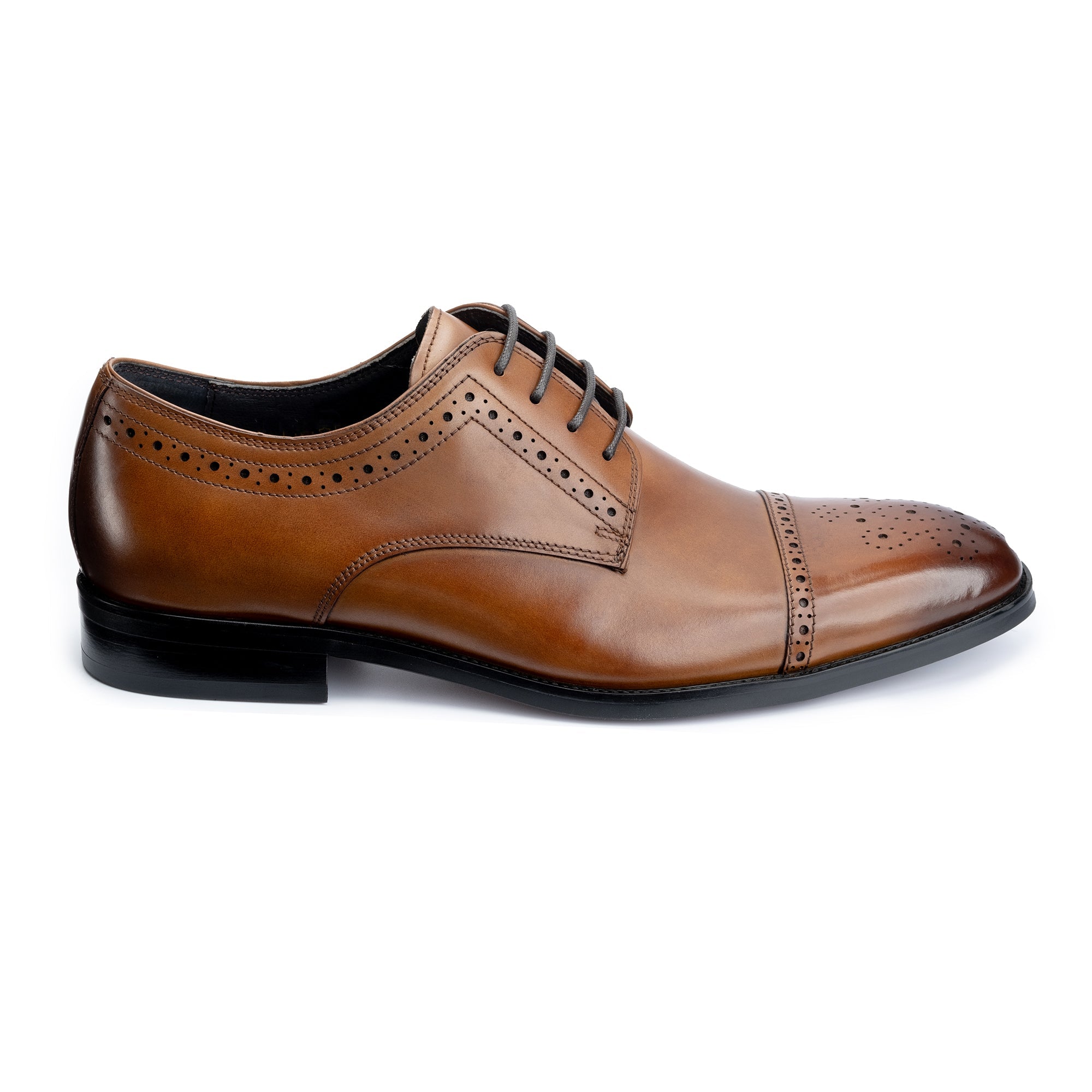
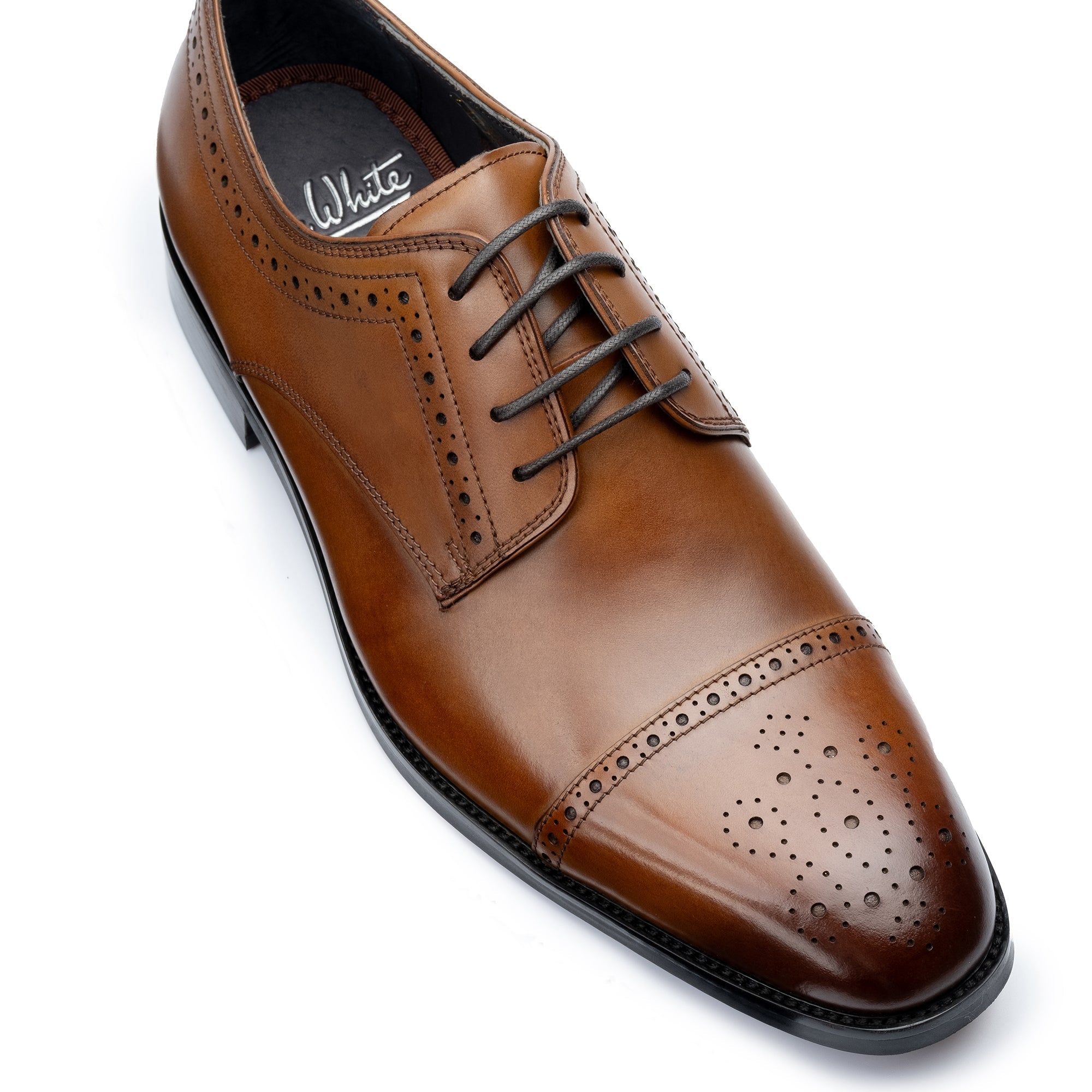
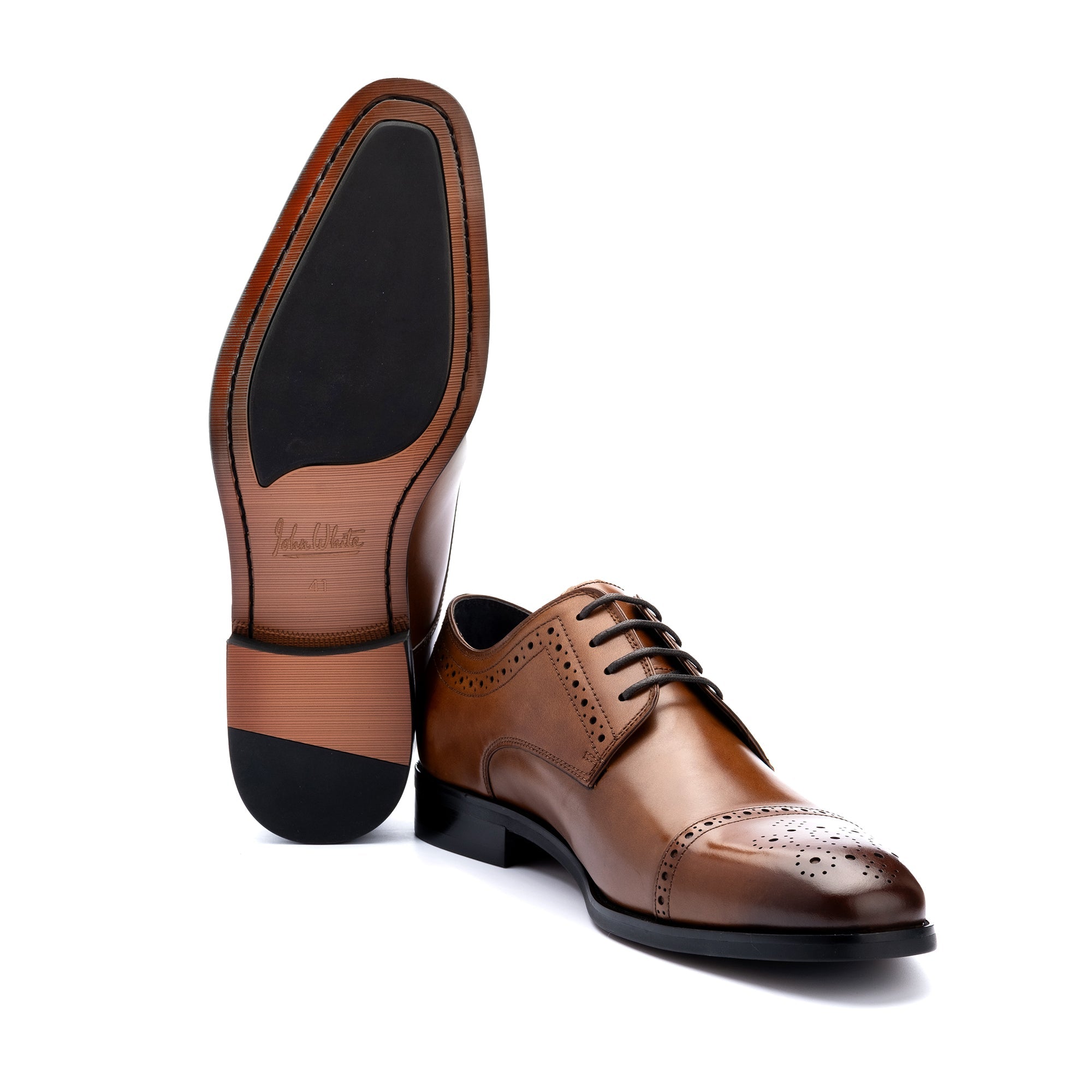
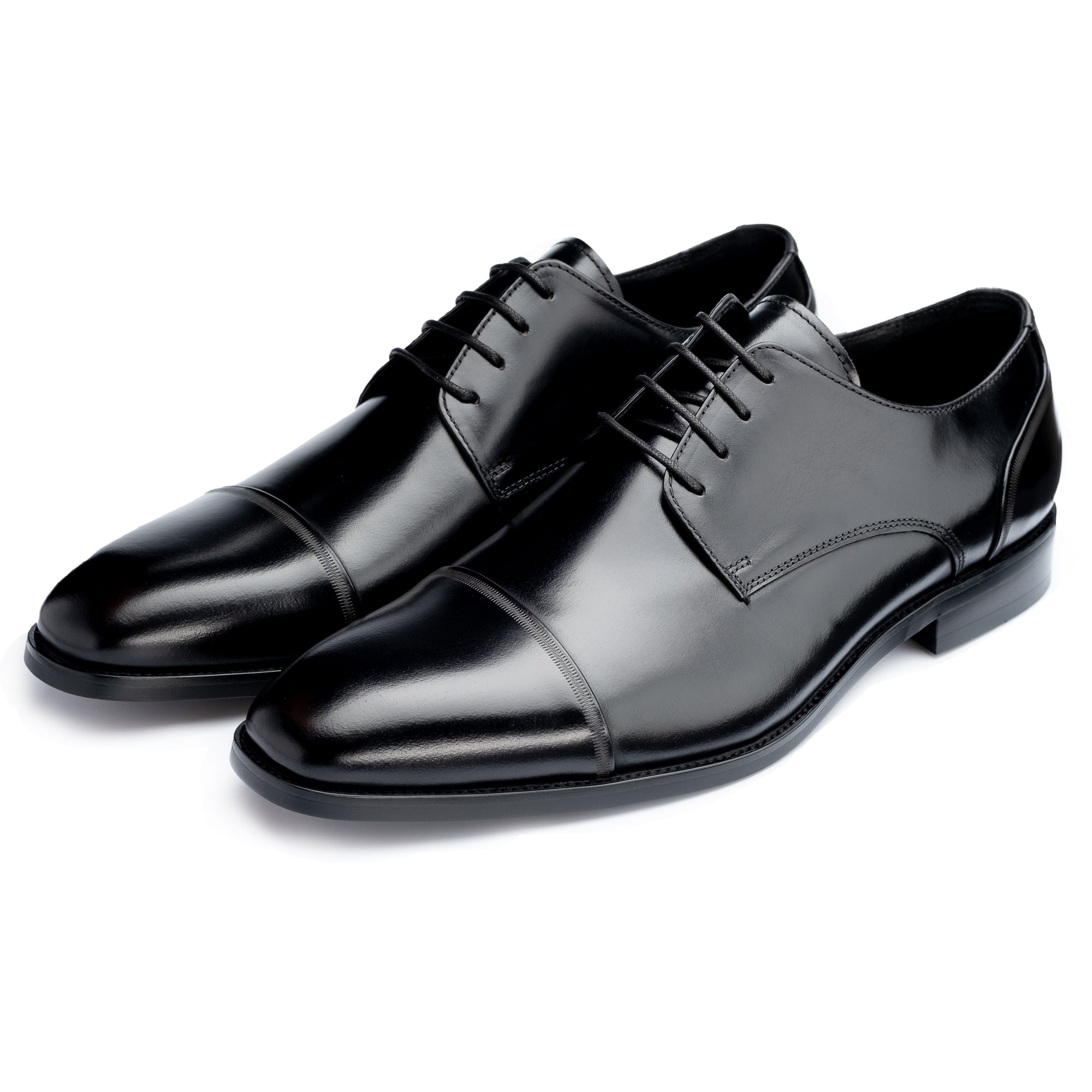
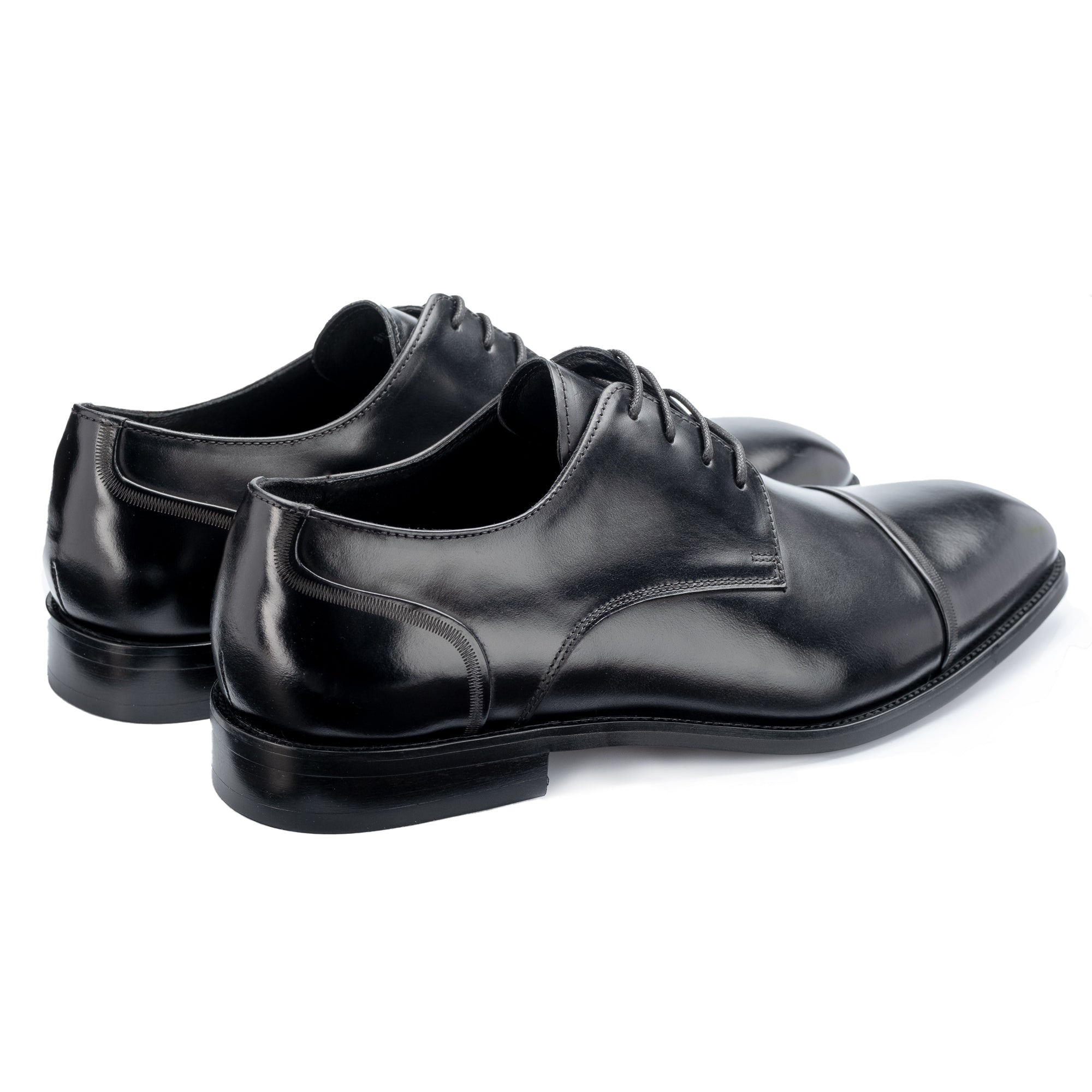
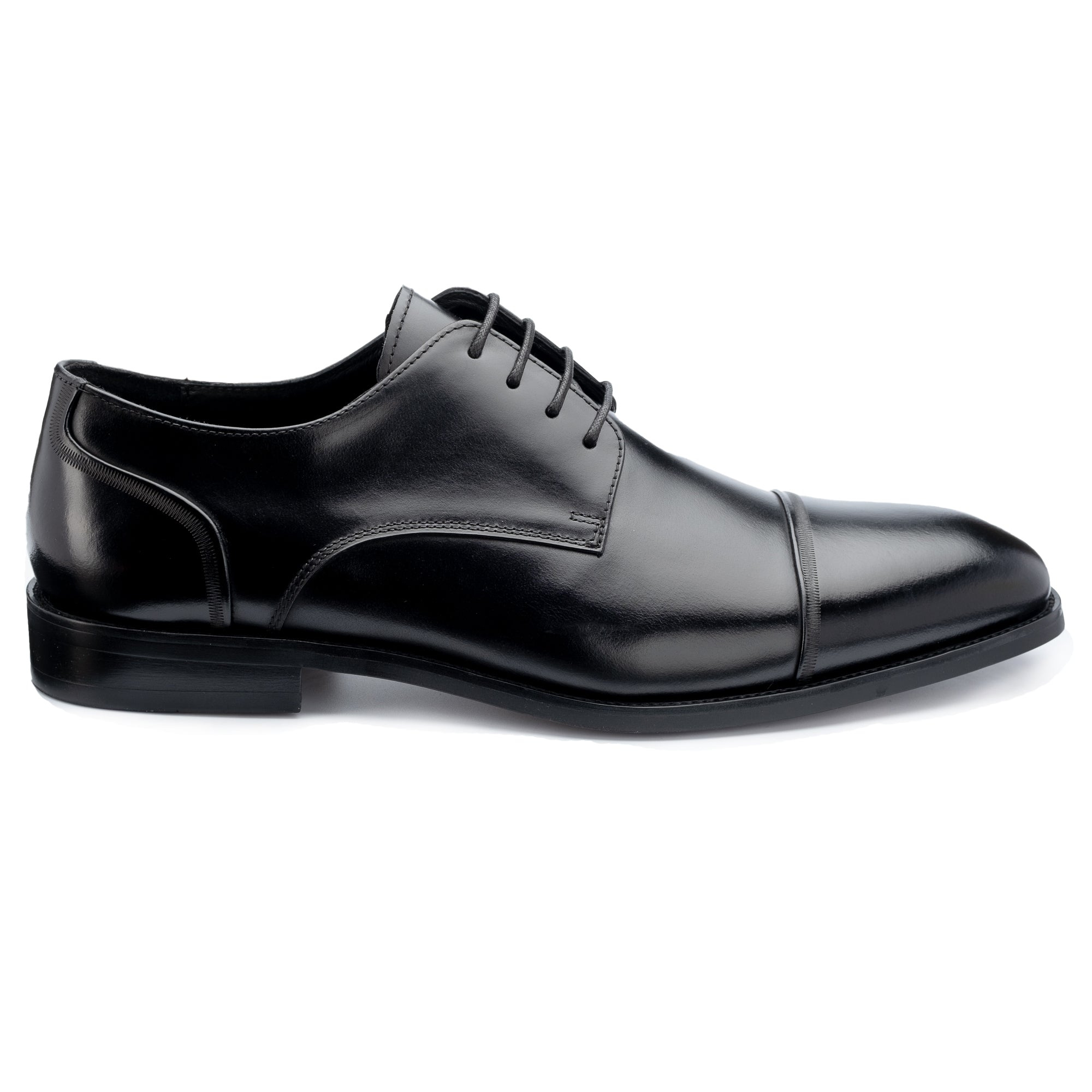
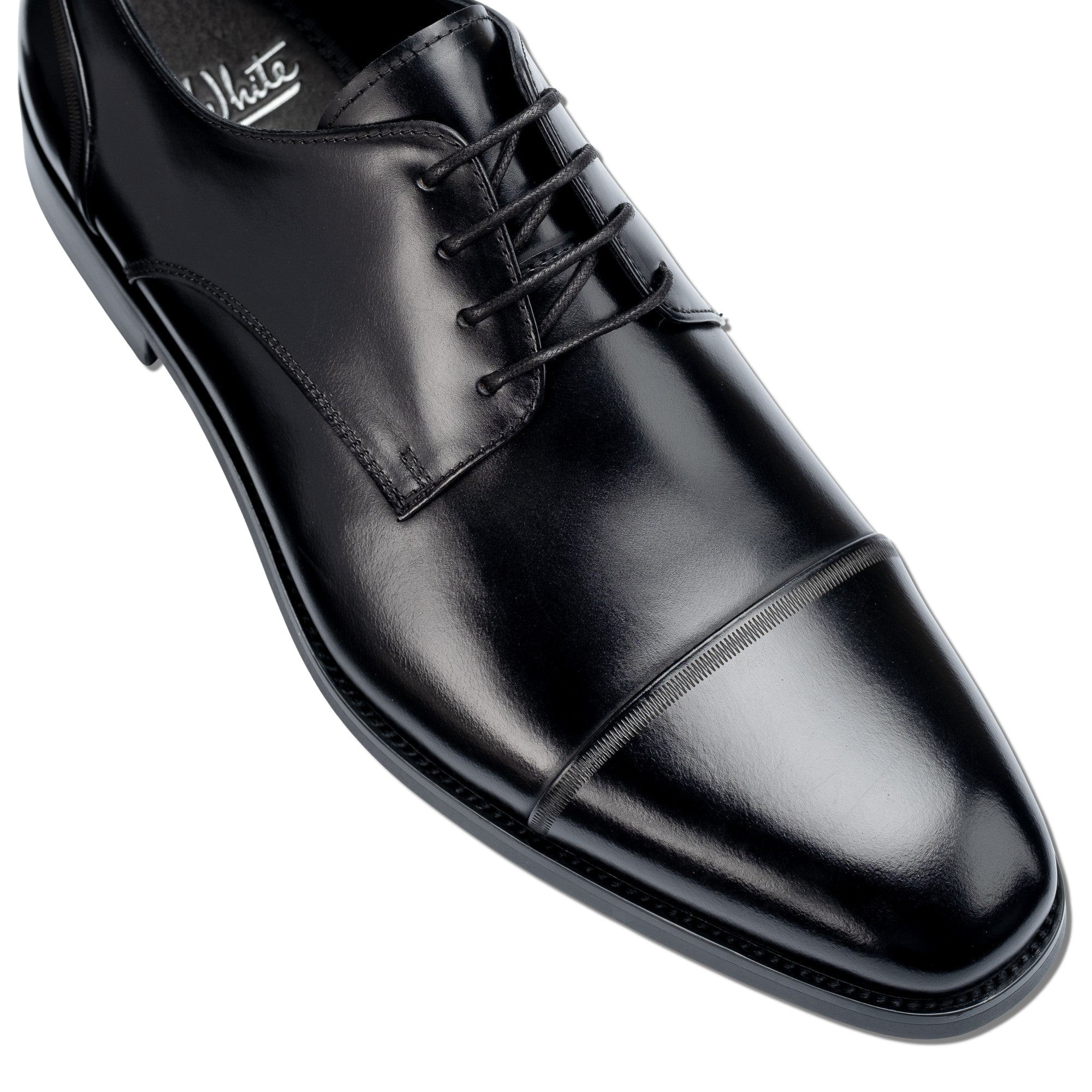
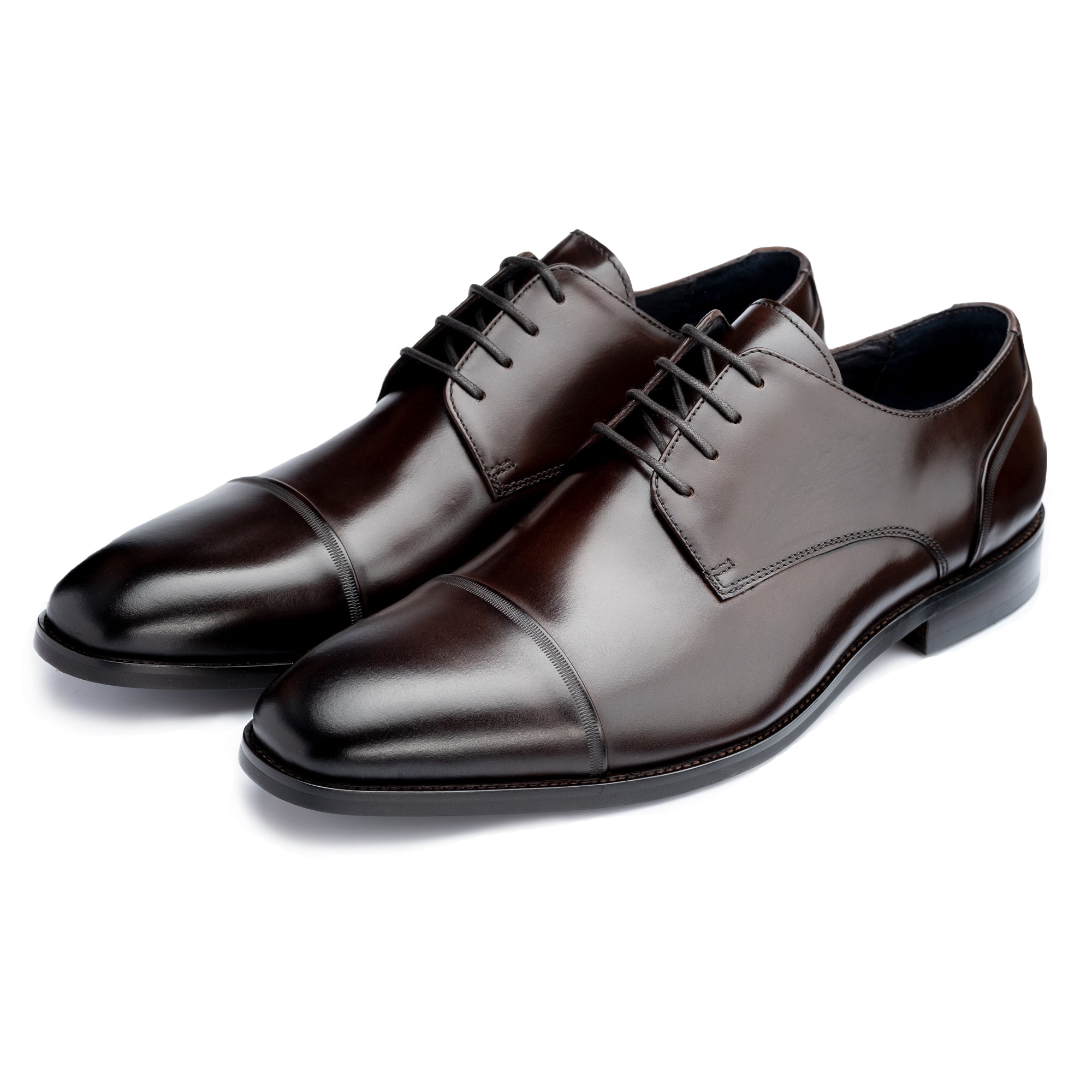
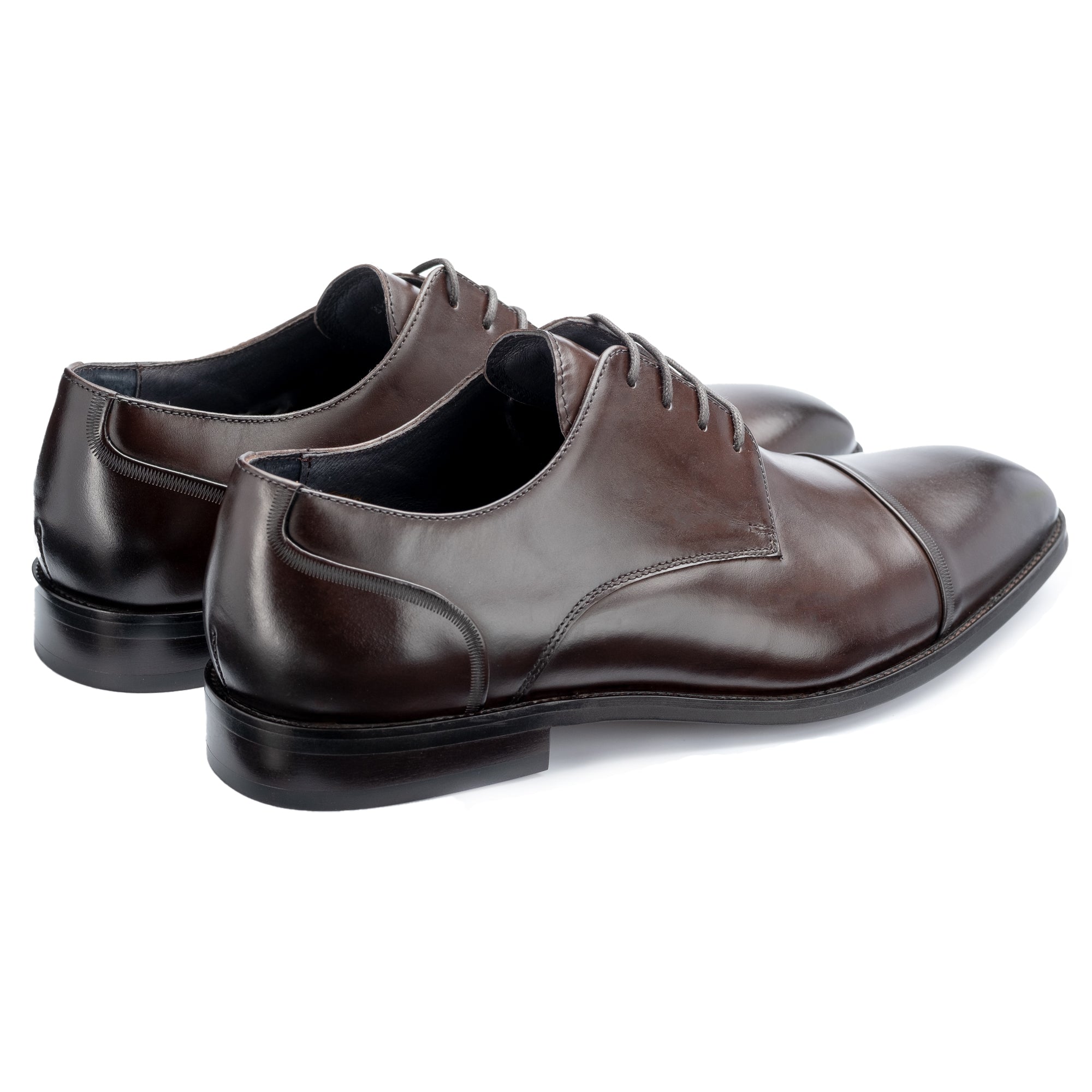
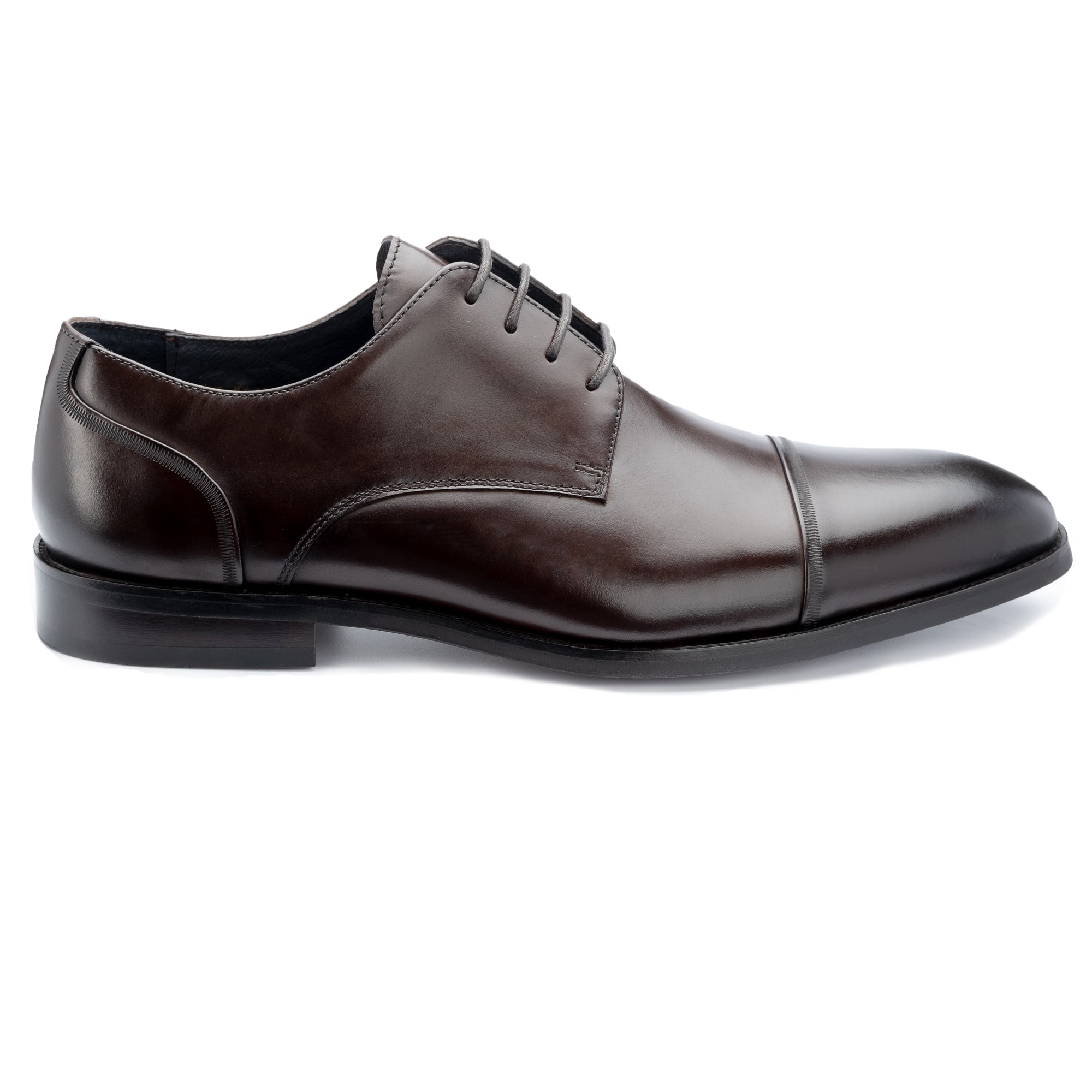
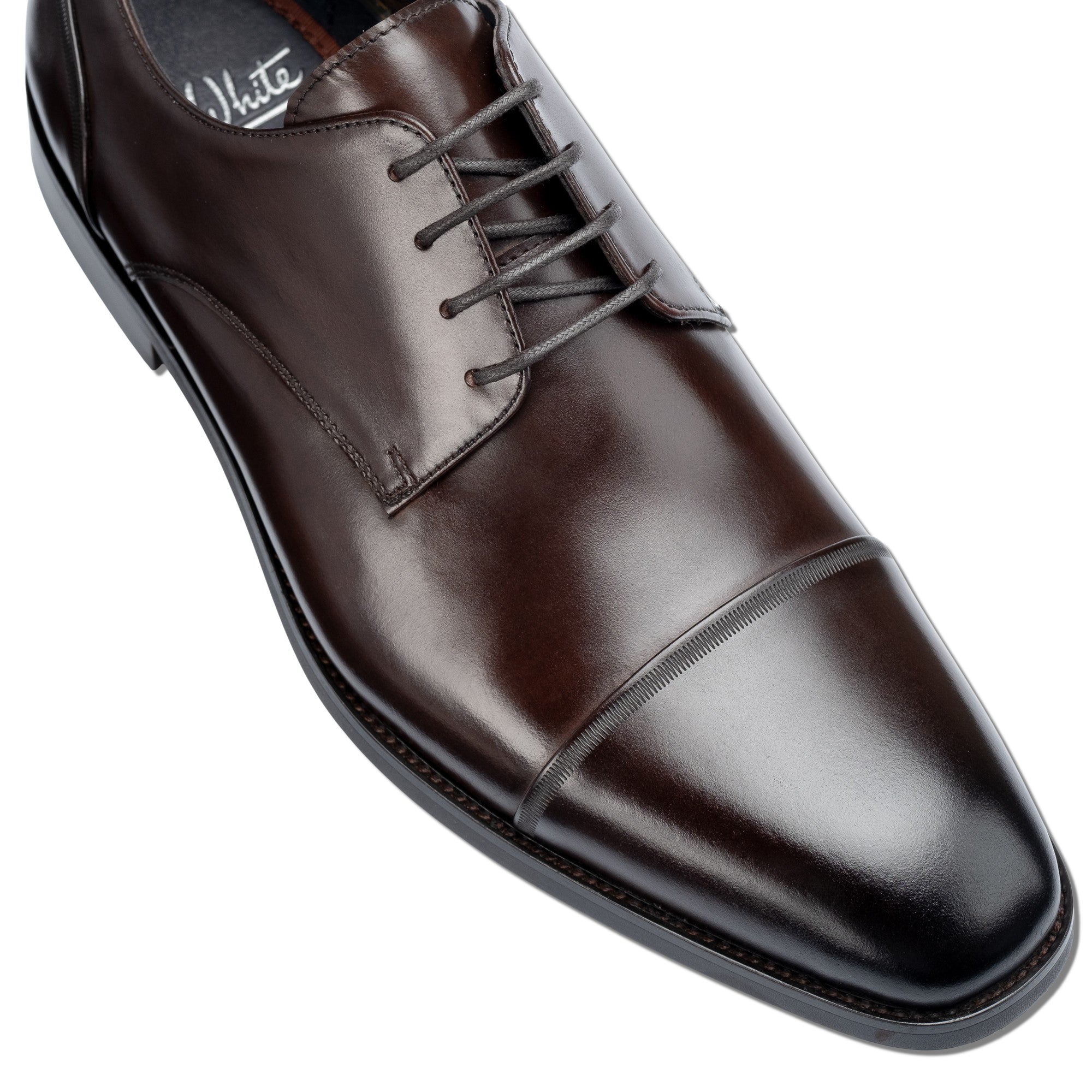
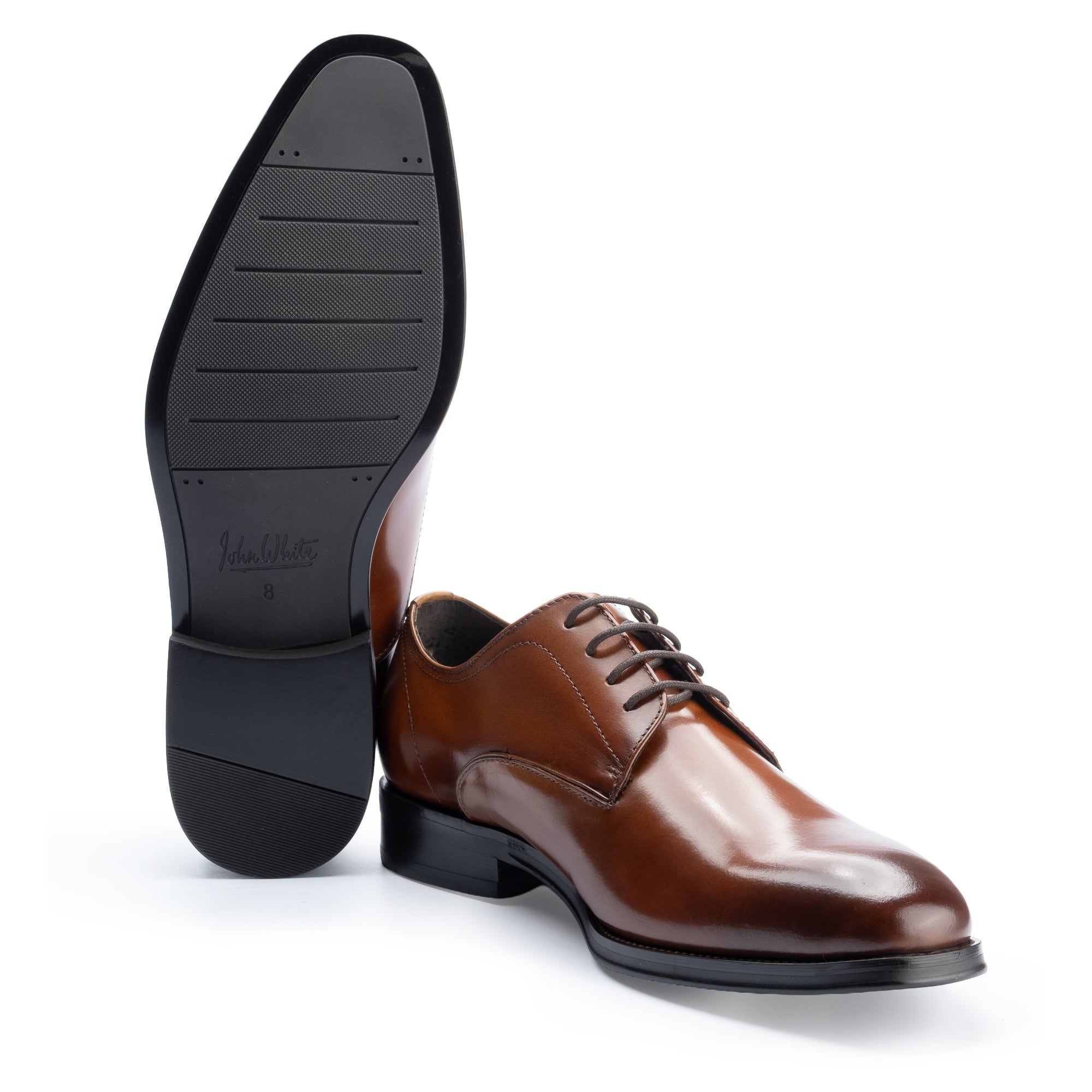
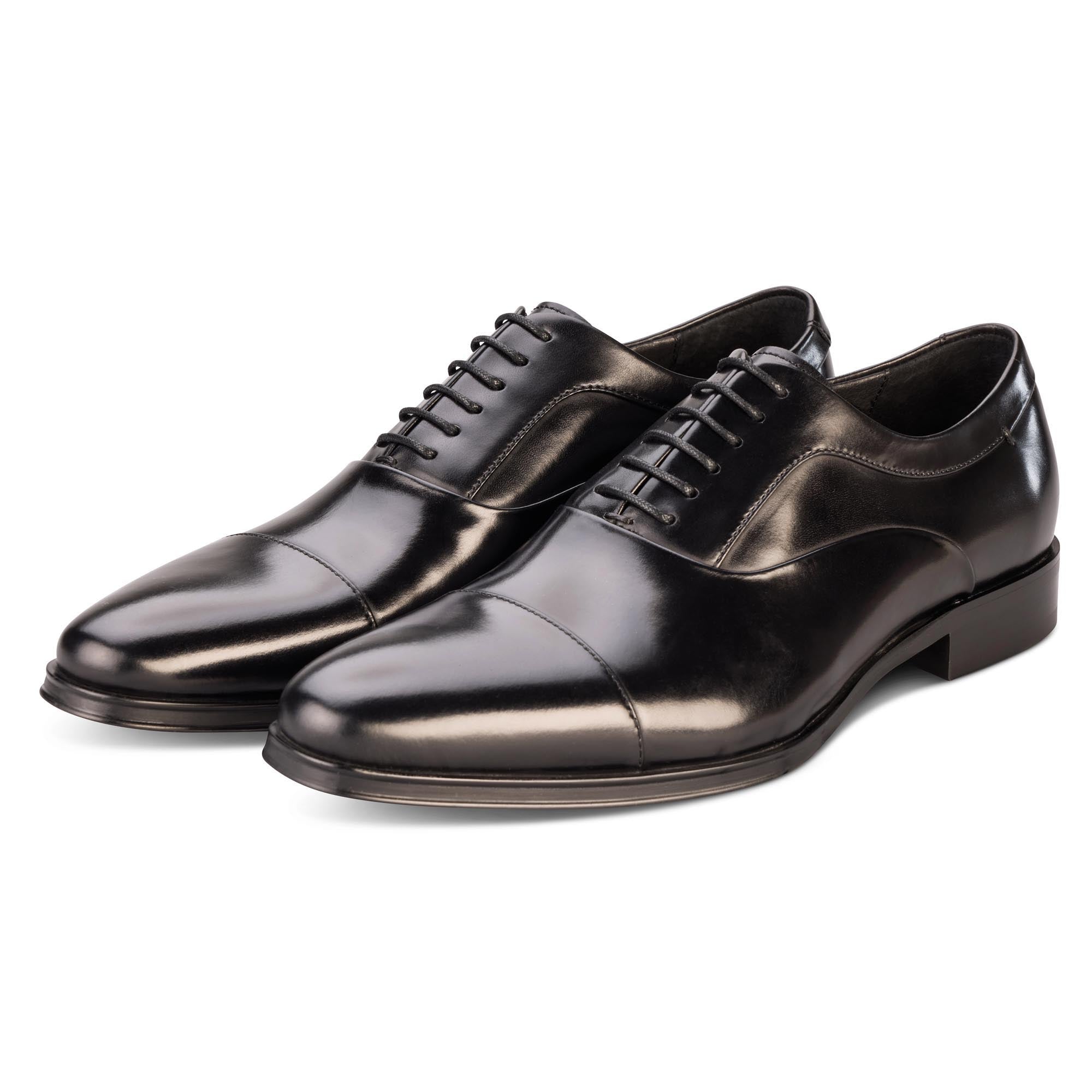
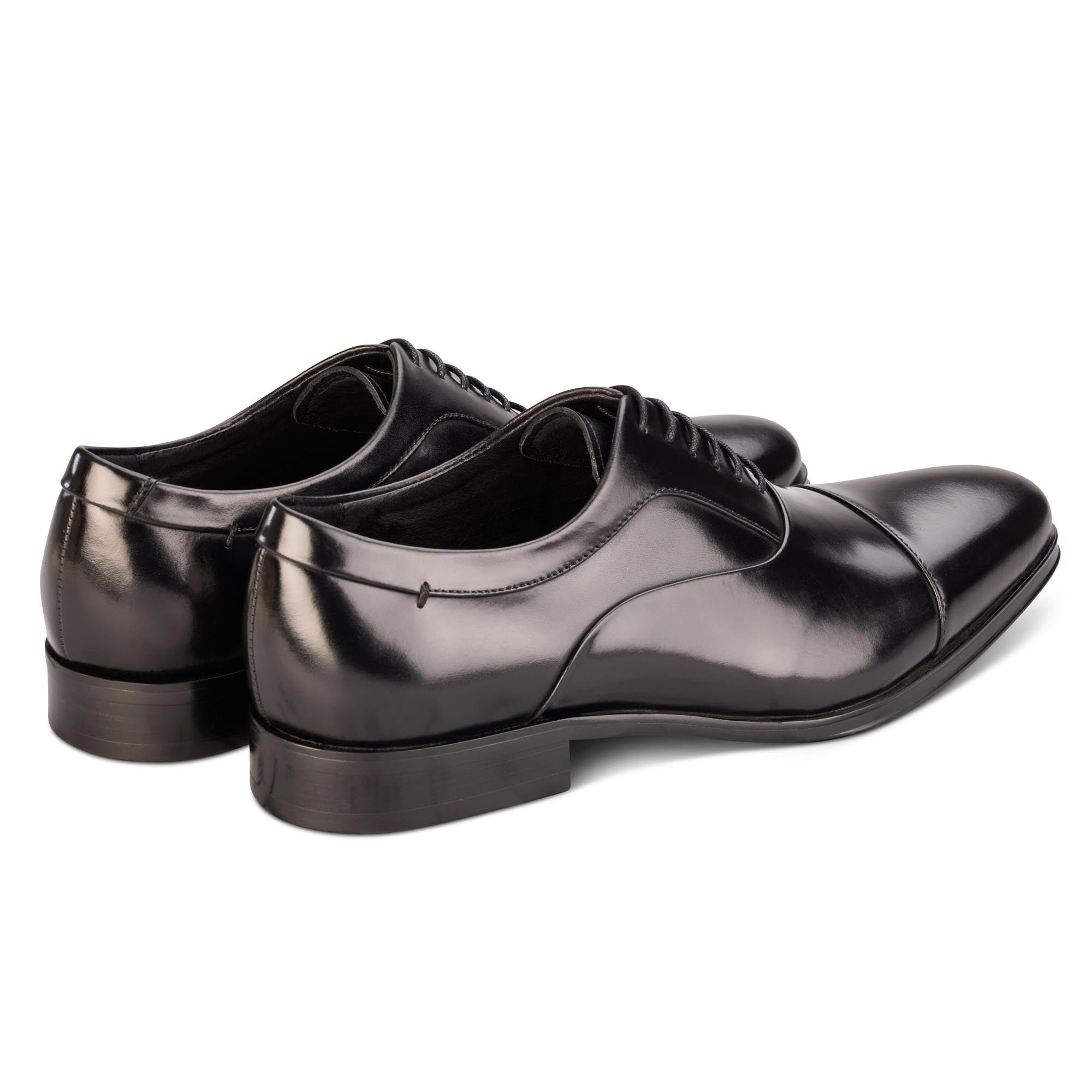
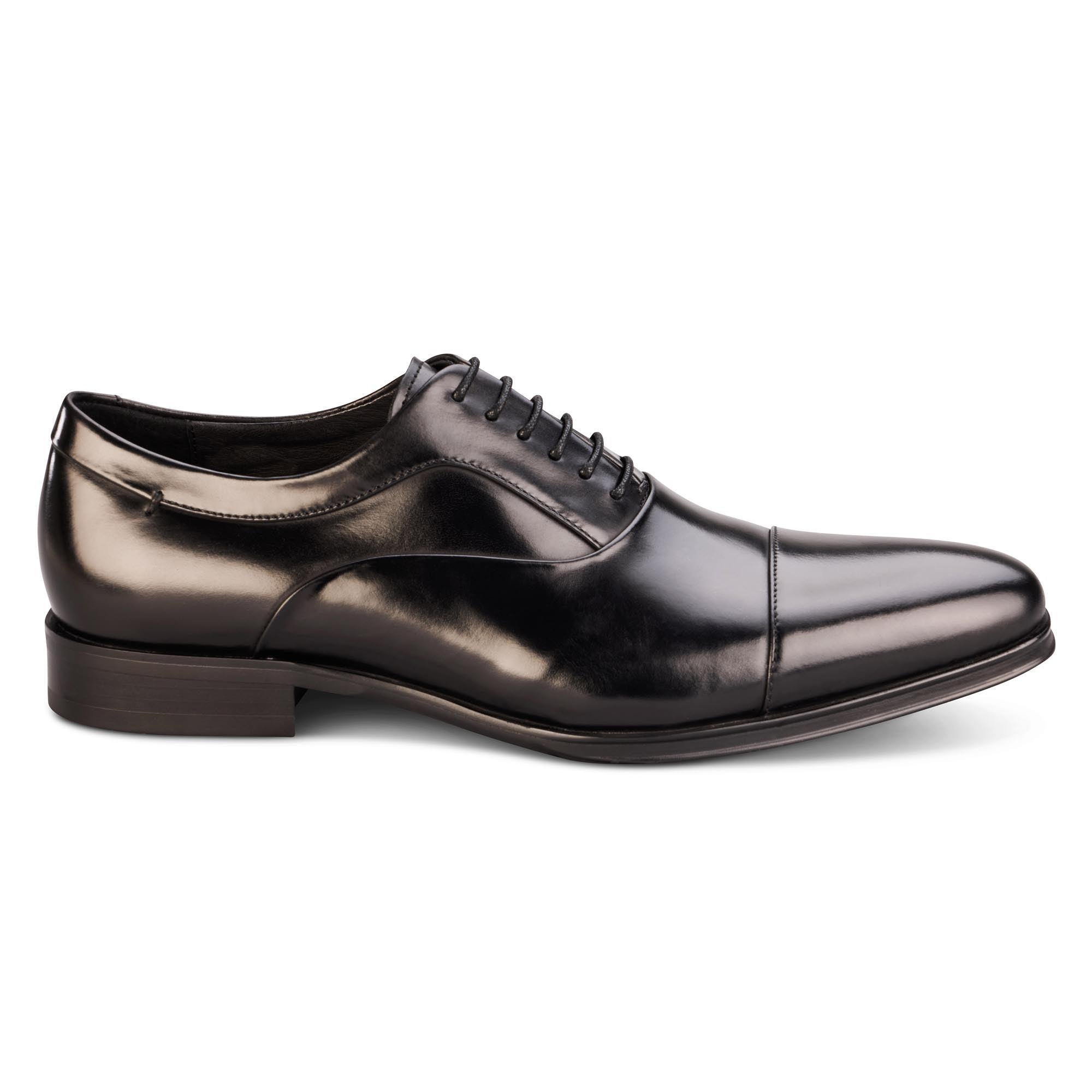
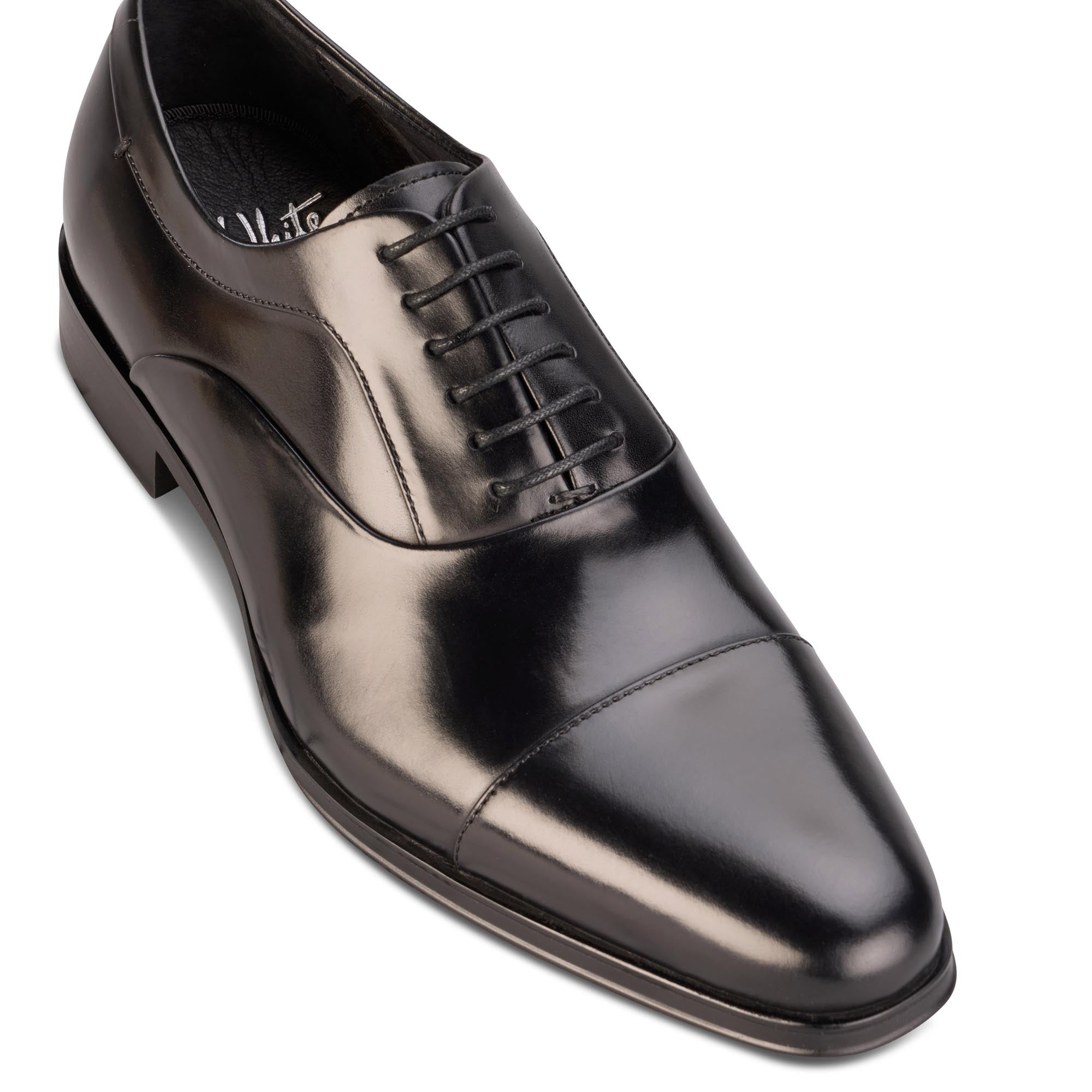
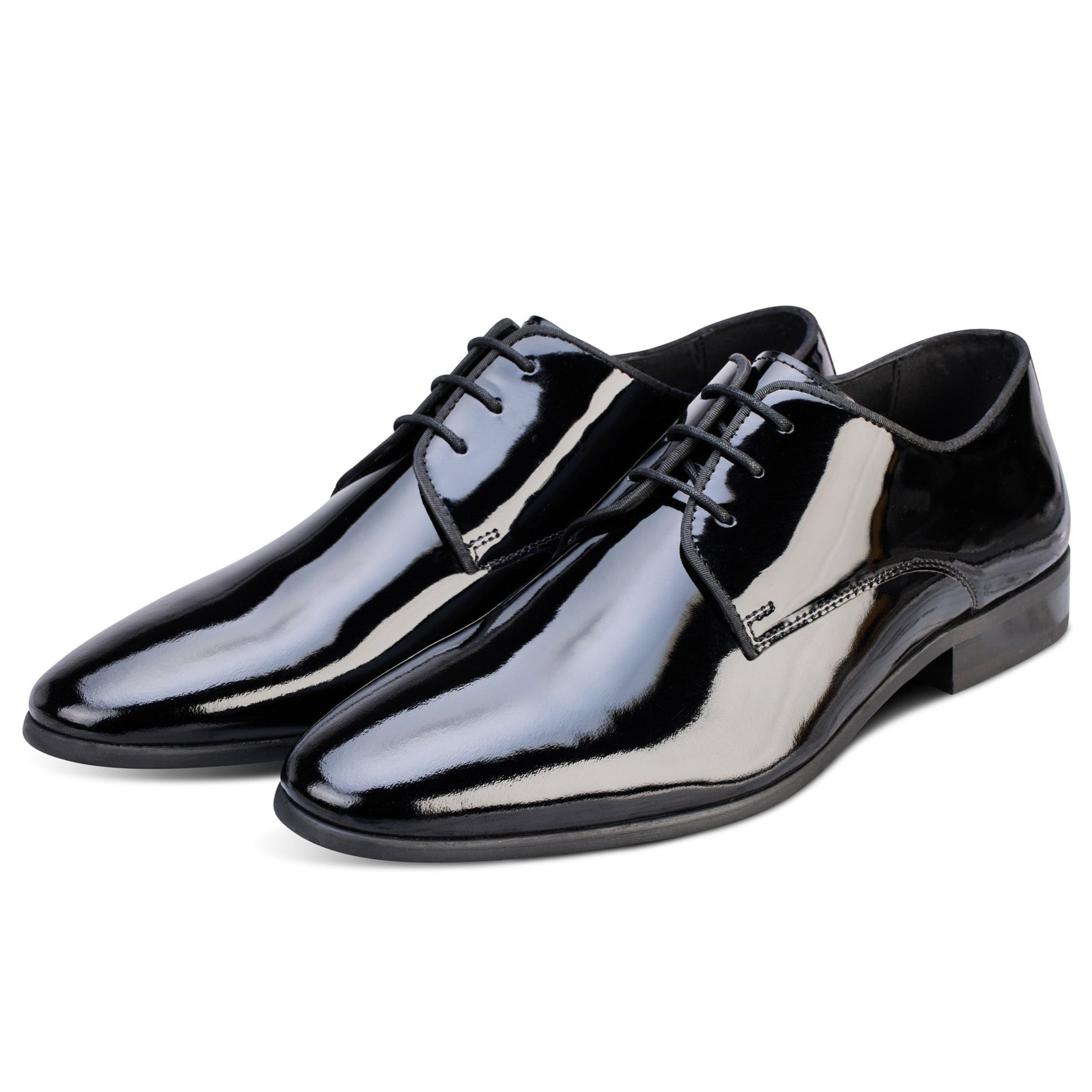
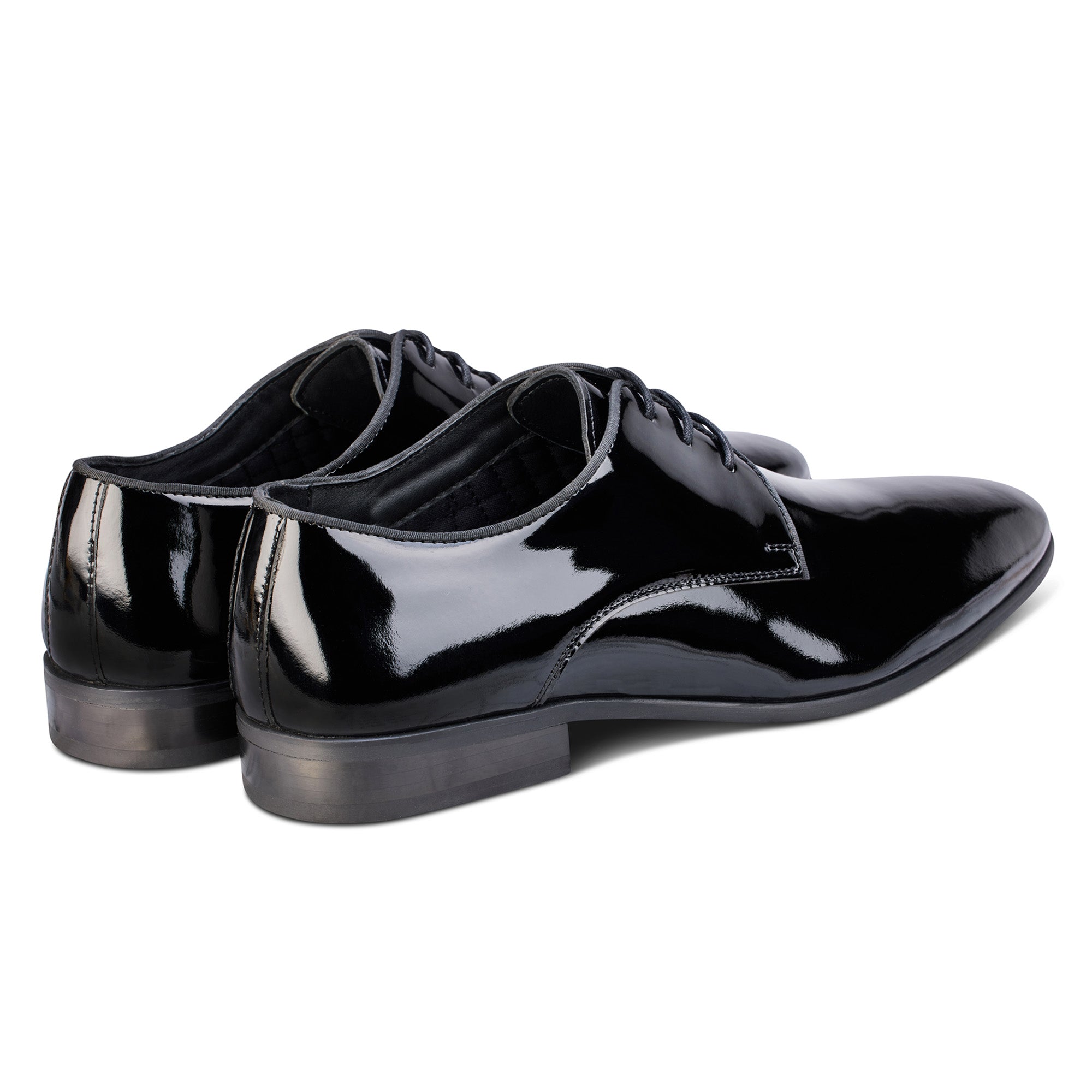
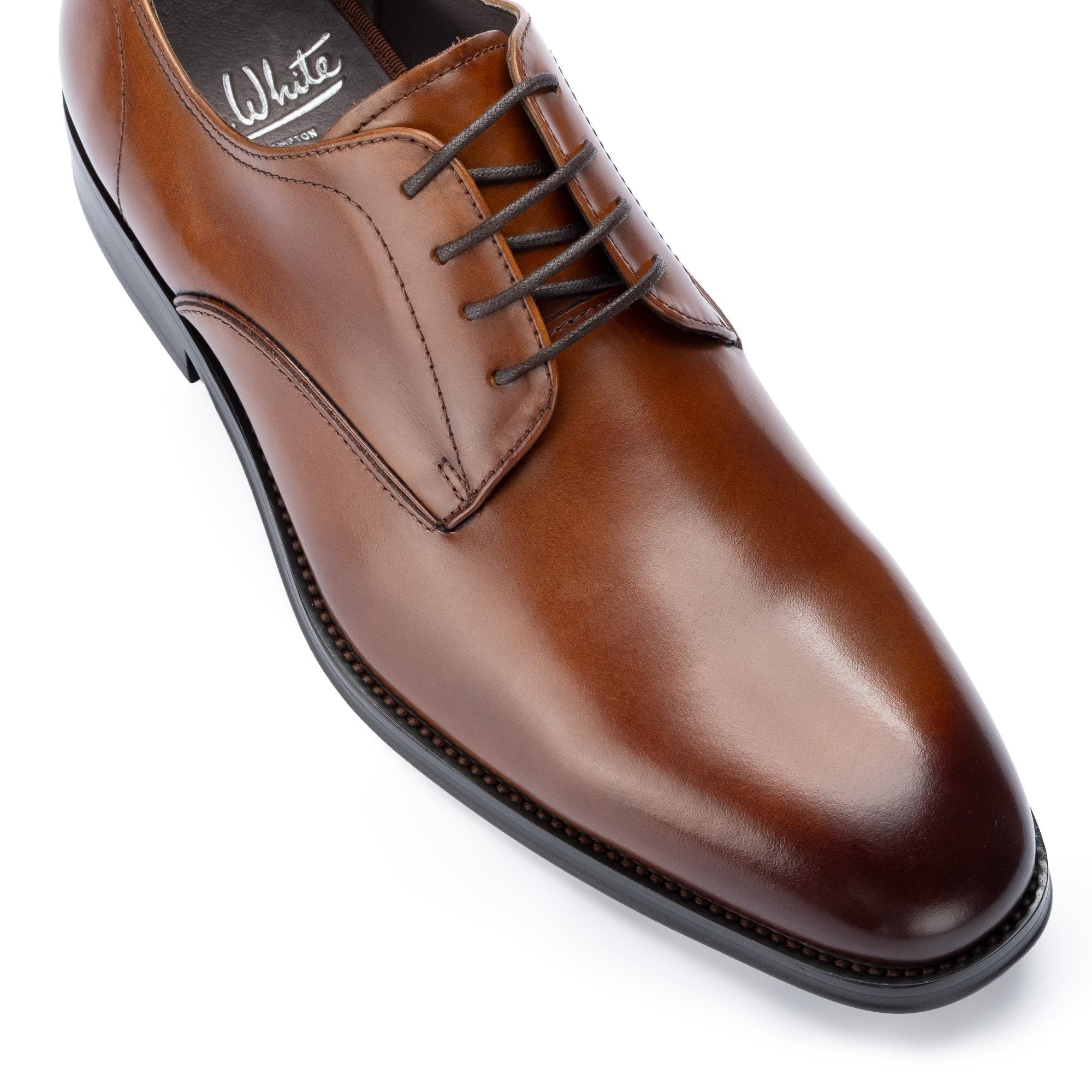
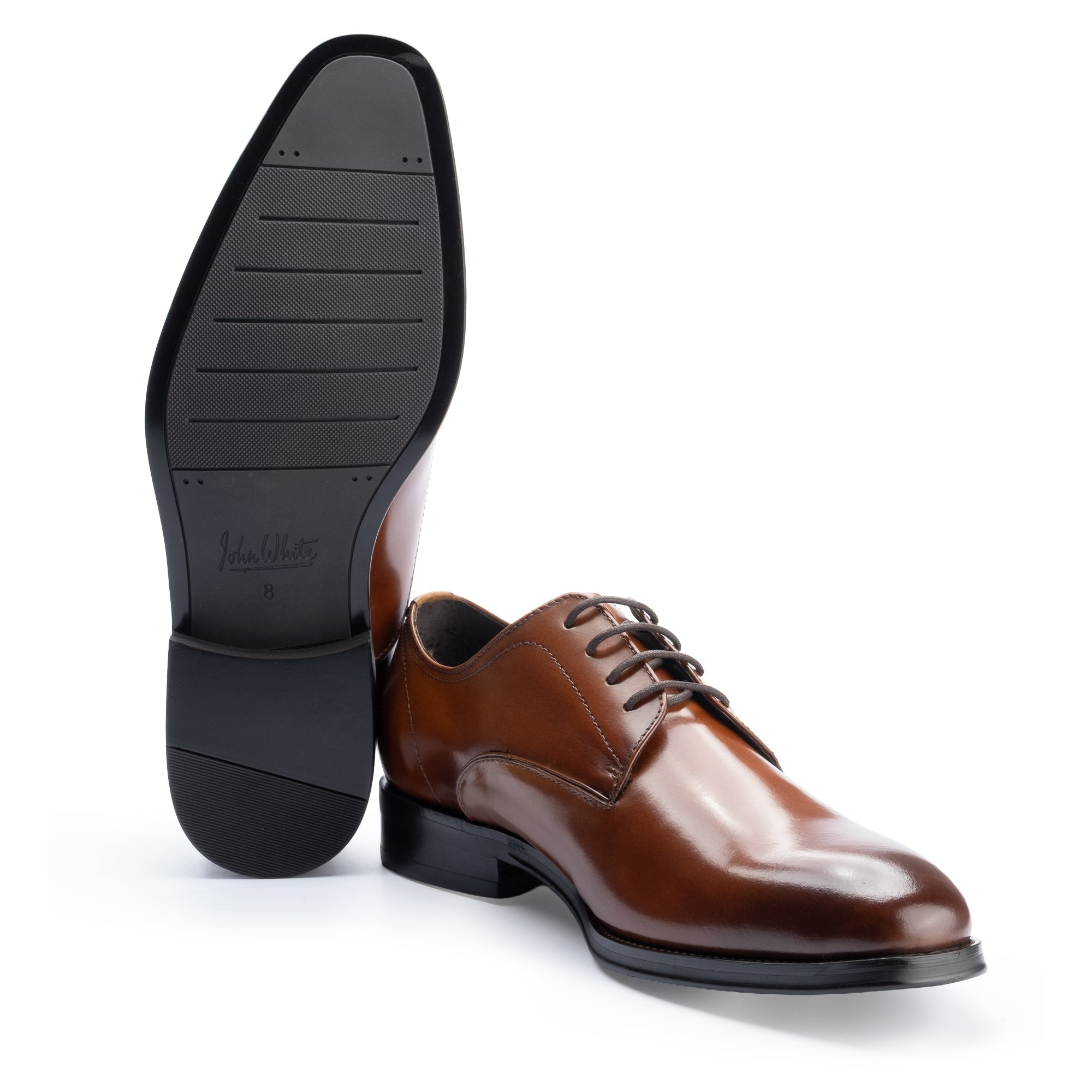
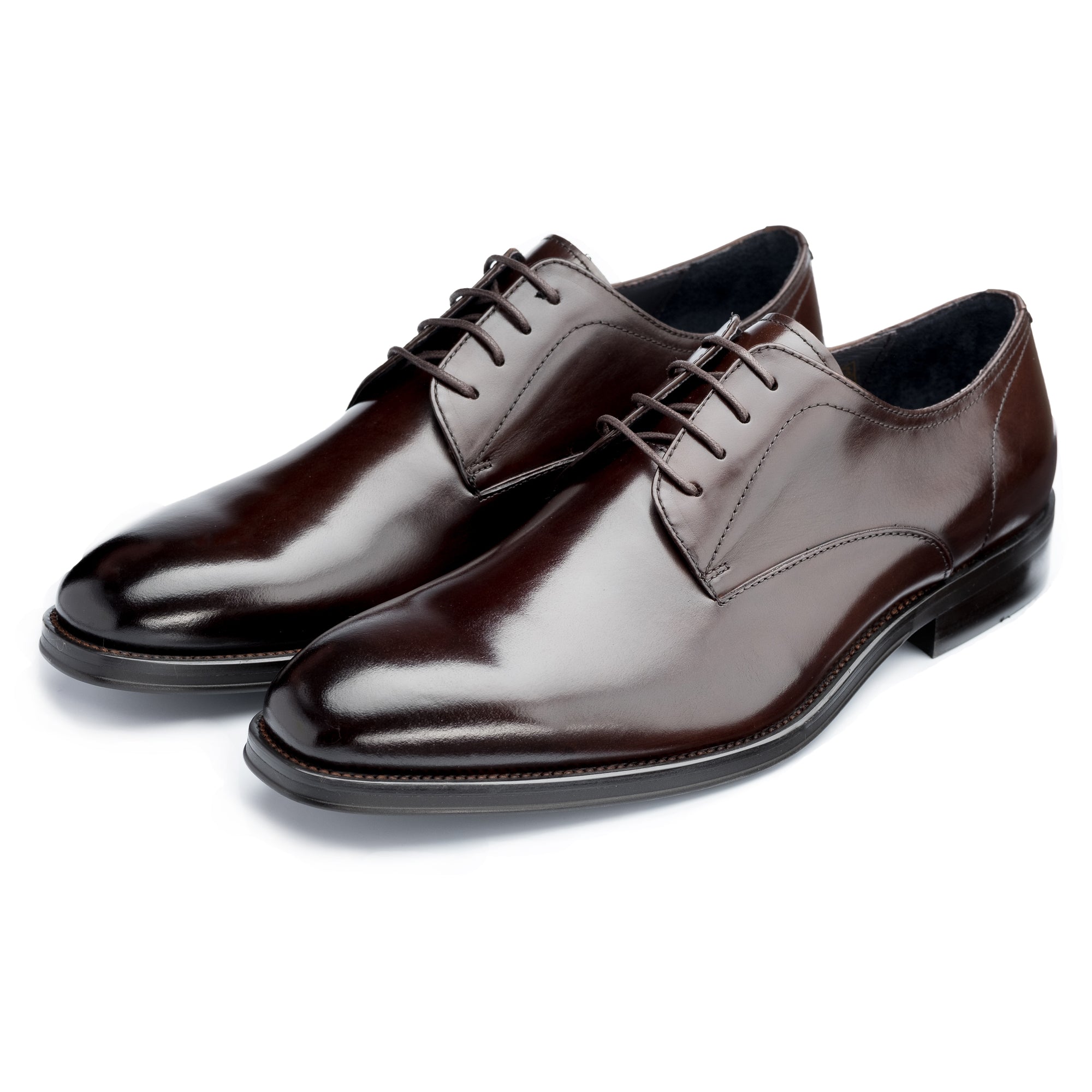
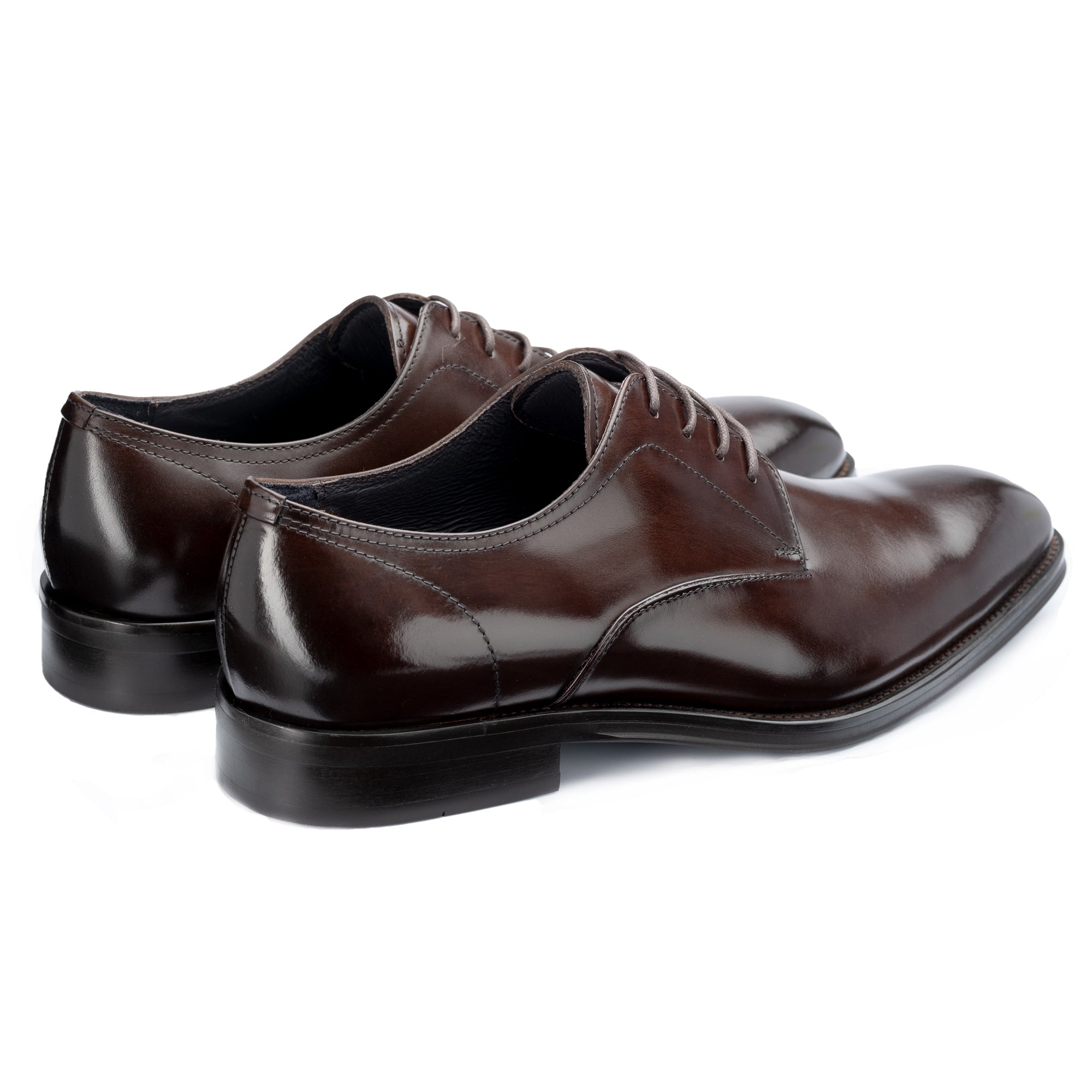
Dress boots take the lines of a formal lace-up shoe and extend them over the ankle. Balmoral boots are the most formal, with a closed lacing and clean seam; brogue boots add decorative punching for character. These are the boots to wear with a suit in winter when an Oxford feels too slight. Read the dress boot formality guide and how to wear brogue boots.
Lace-up and country boots
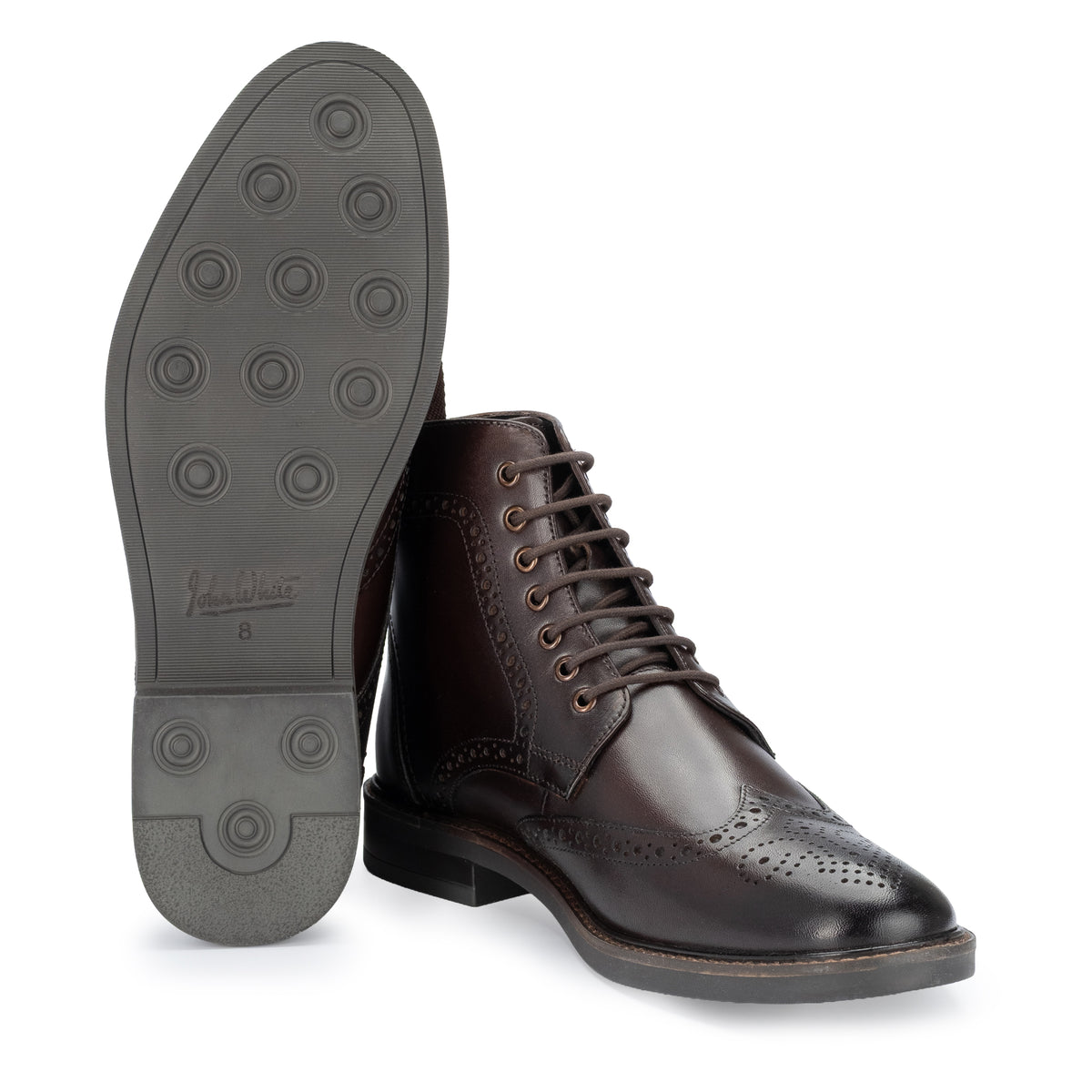
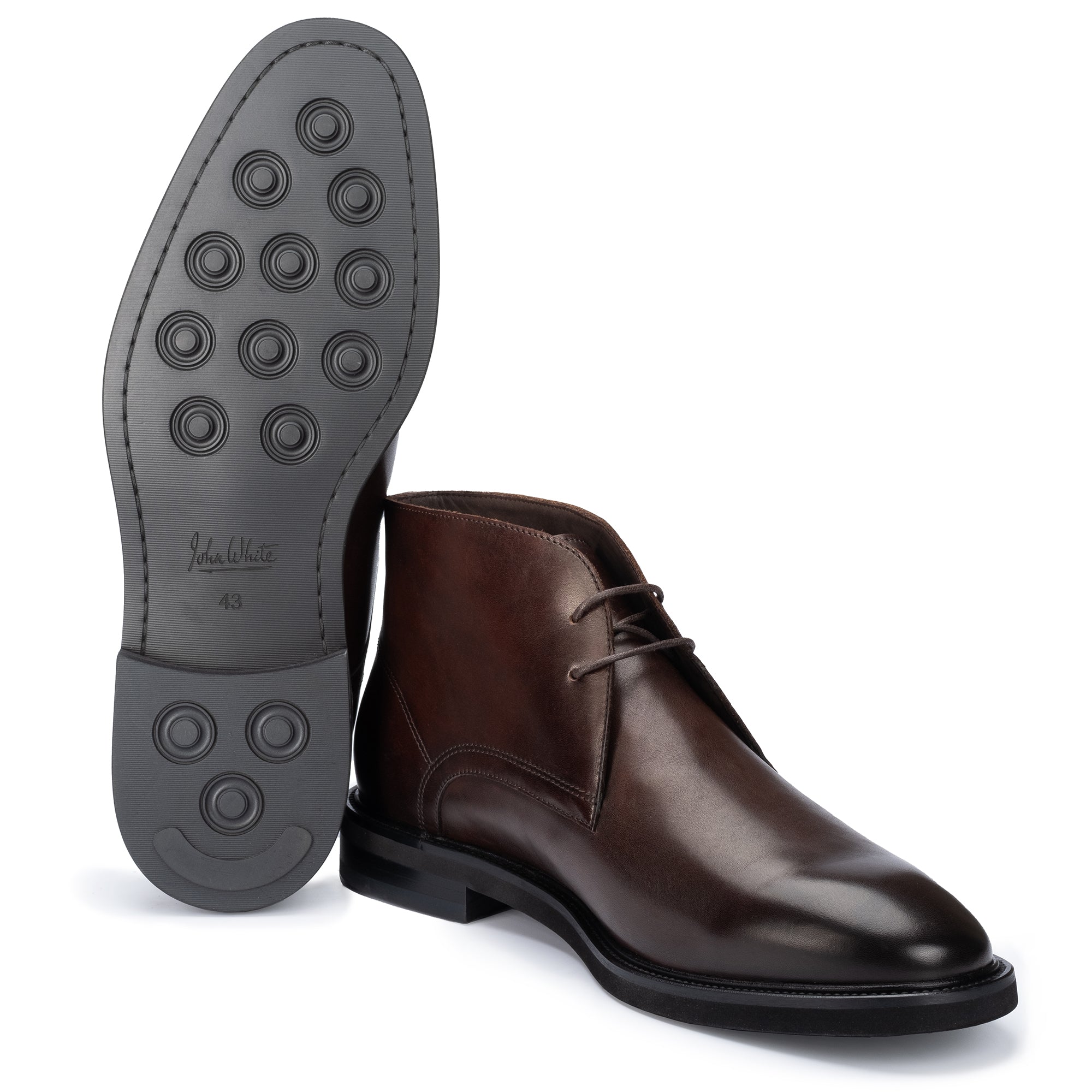
Heavier derby-laced boots, often on a chunkier sole, are built for genuinely cold and wet conditions. They trade a little formality for grip and weather resistance, and they are the sensible choice for a British winter. See our edit of the best winter boots for men.
Choosing a boot by formality
The simplest way to choose is to match the boot to where you will wear it. As a rough order, from most formal to most relaxed: Balmoral dress boot, brogue boot, black Chelsea, brown Chelsea, leather chukka, suede chukka, country lace-up. A black Balmoral boot will partner a suit; a suede chukka belongs with chinos and knitwear. Most men are best served by owning one boot near each end of that range.
Choosing by season and occasion
Boots are a year-round proposition, not just a winter one. Suede chukkas and Chelseas are excellent in spring and early autumn, while leather dress boots and lined country boots come into their own once the weather turns. For wet months, prioritise a sole with grip and a leather upper you can treat against water. Our shoes-with-jeans guide shows how boots anchor a casual outfit, and the spring shoe edit covers the changeover.
Leather, suede and materials
Smooth calf leather is the most formal and the easiest to keep looking sharp with regular polishing. Suede is softer, warmer in tone and more casual, but it needs protecting and brushing rather than polishing. Pebble-grain and waxed leathers sit in between and shrug off bad weather well. Whichever you choose, the upper is the single biggest factor in how a boot ages, so buy the best leather you can. If you go for suede, read caring for suede Chelsea boots in winter first.
Construction and what quality looks like
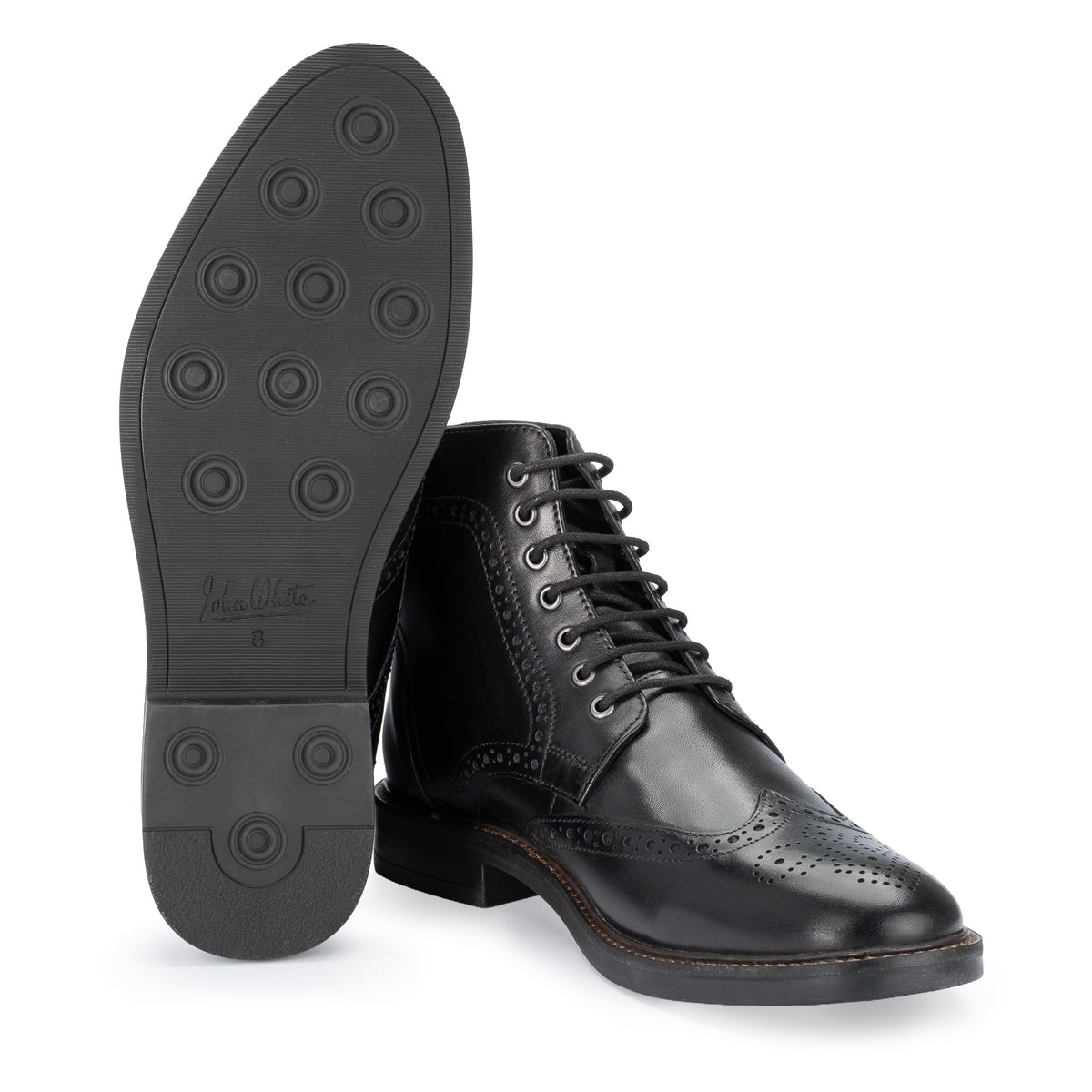
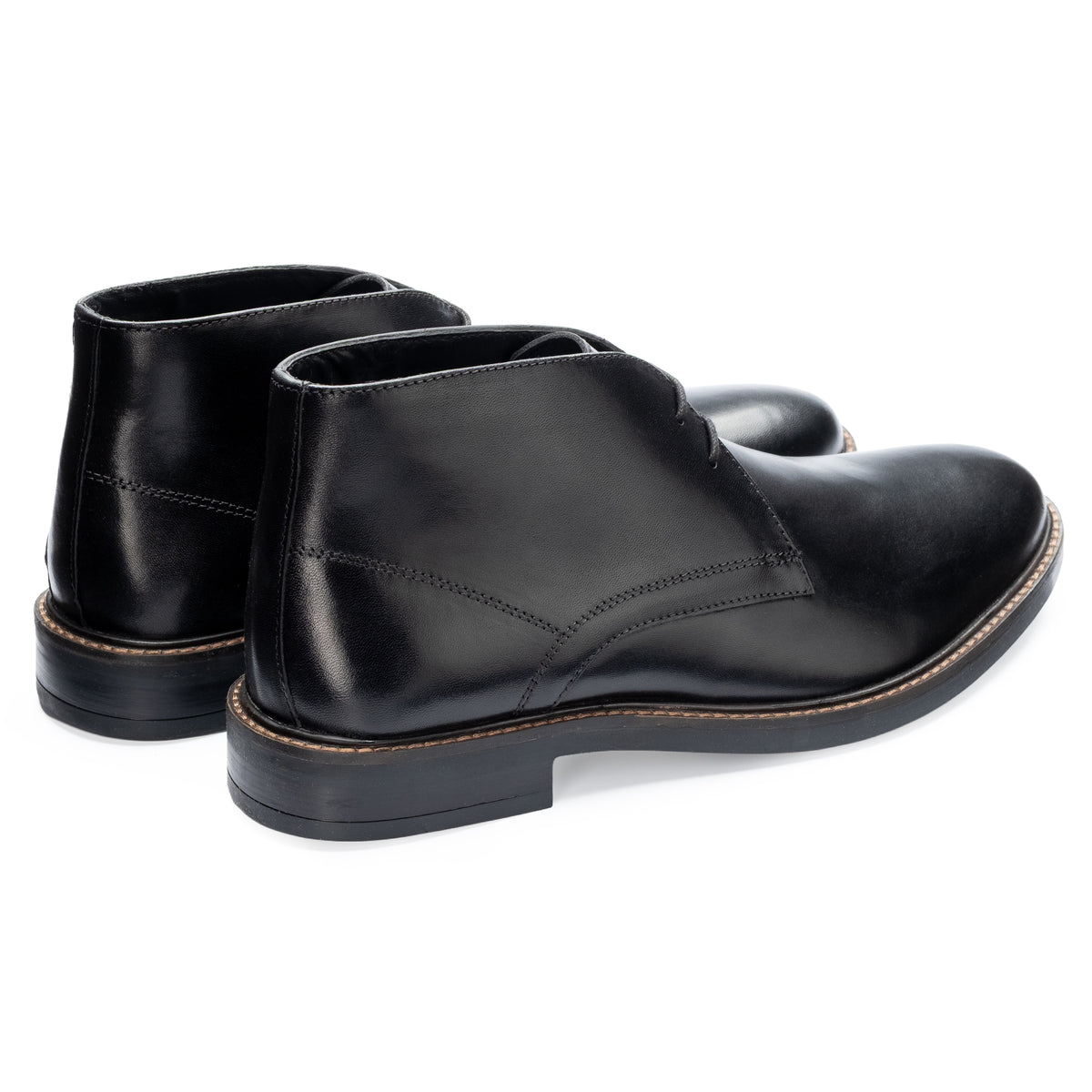
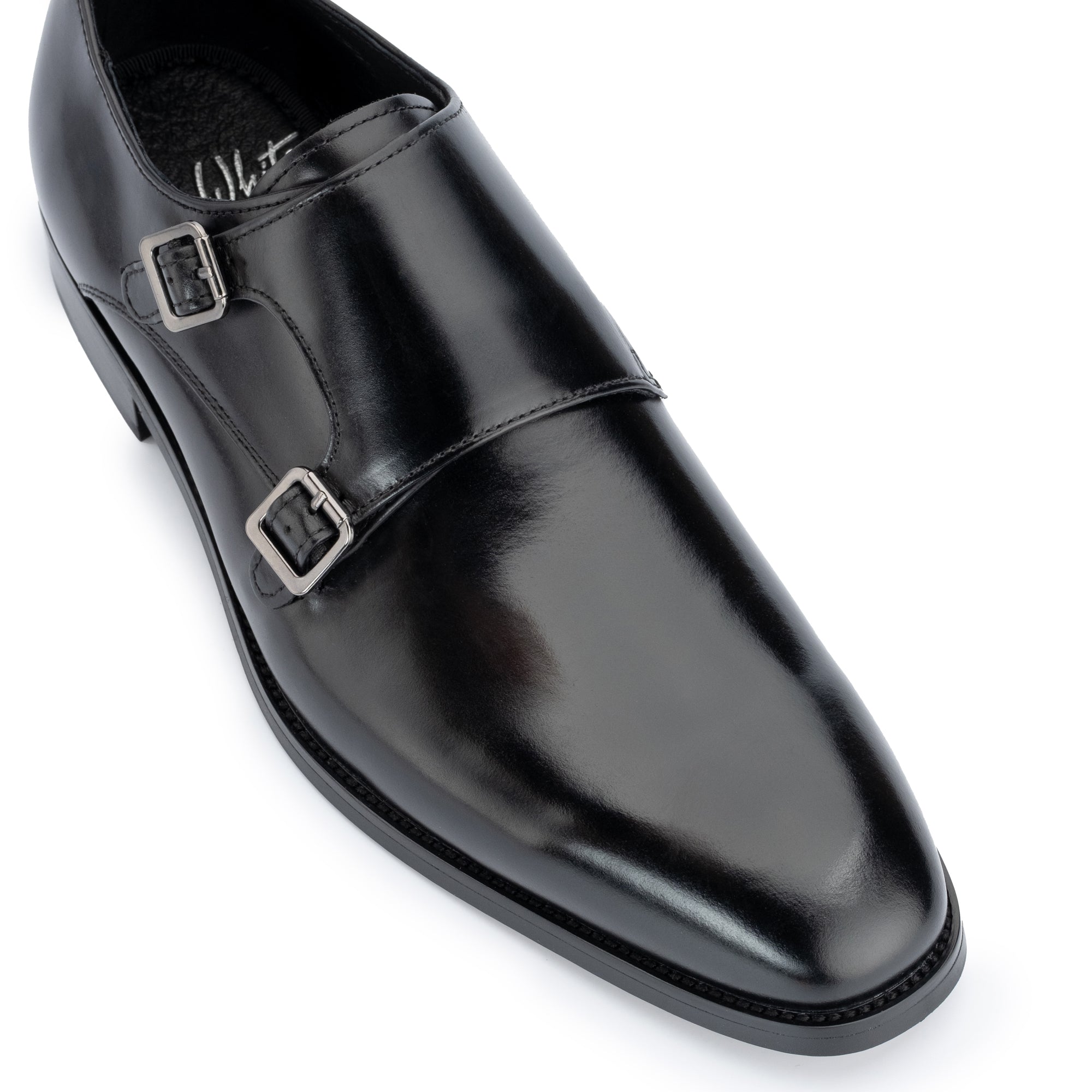
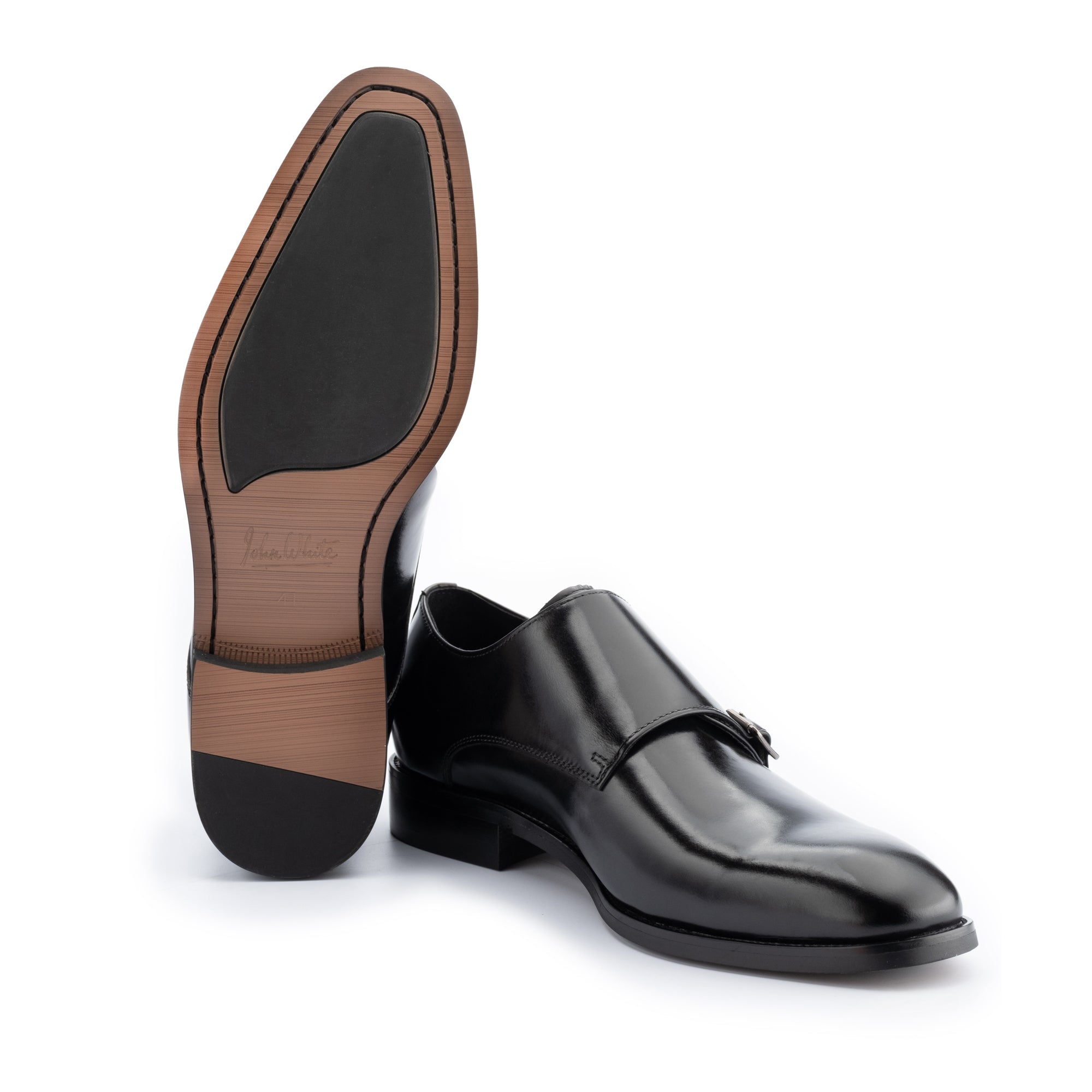
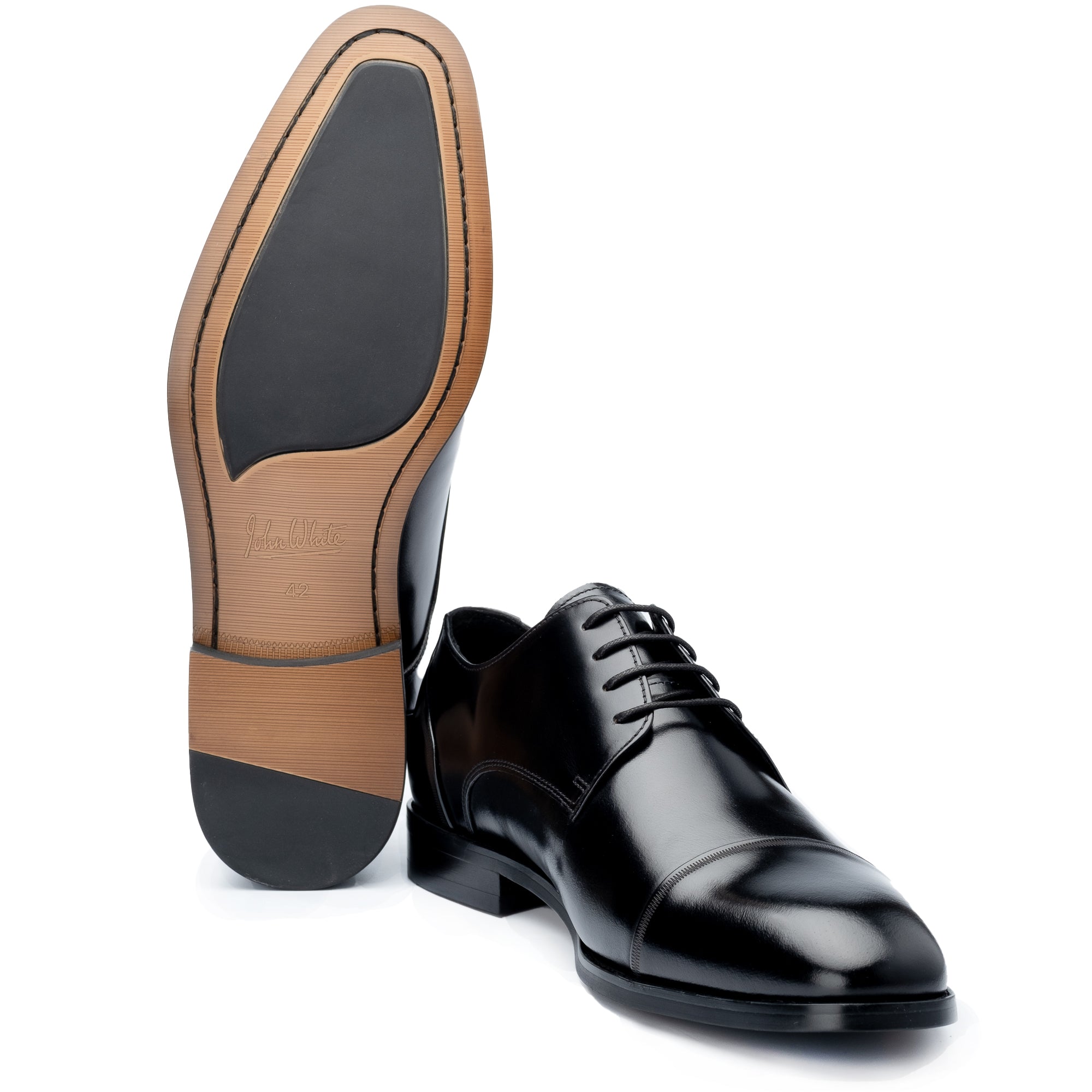
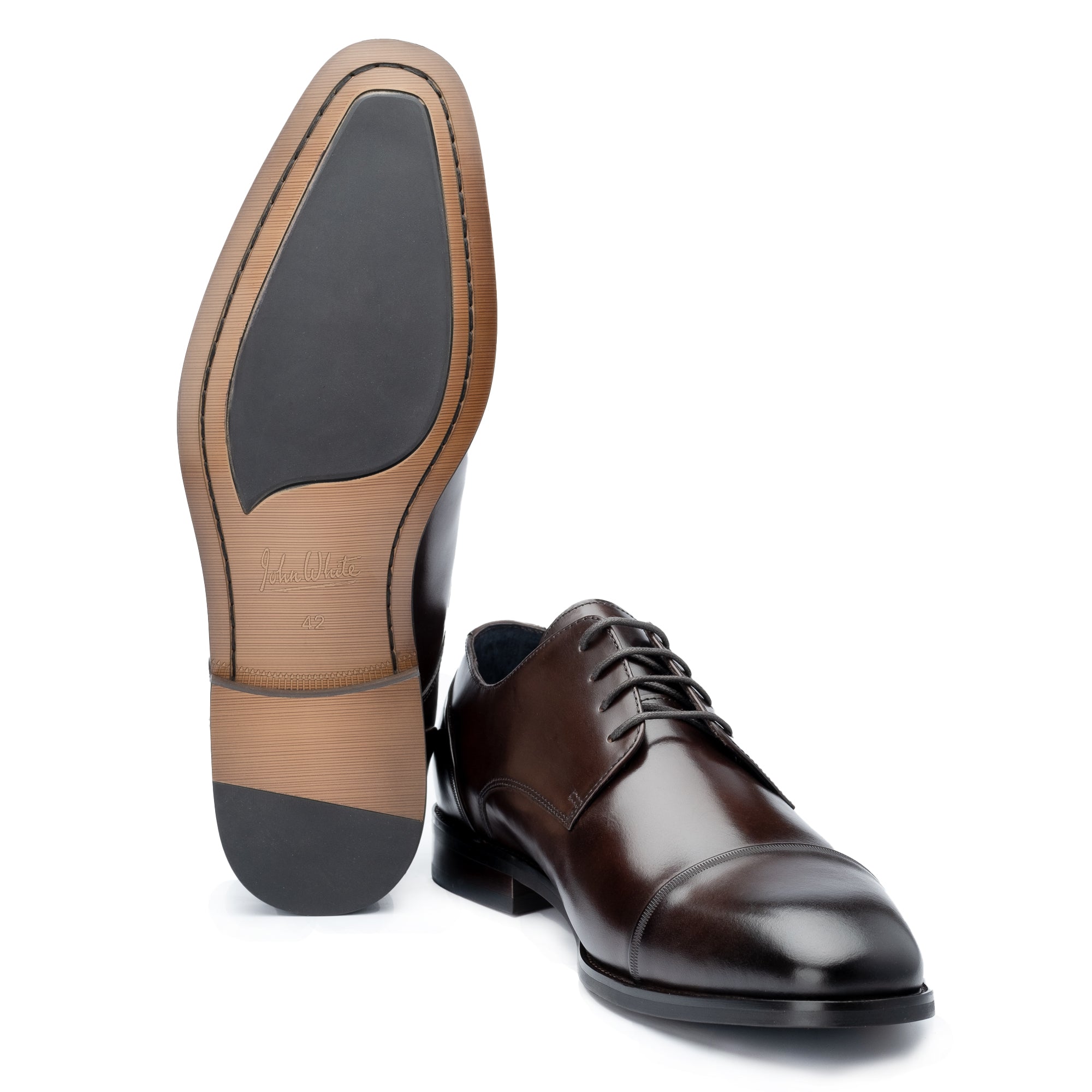
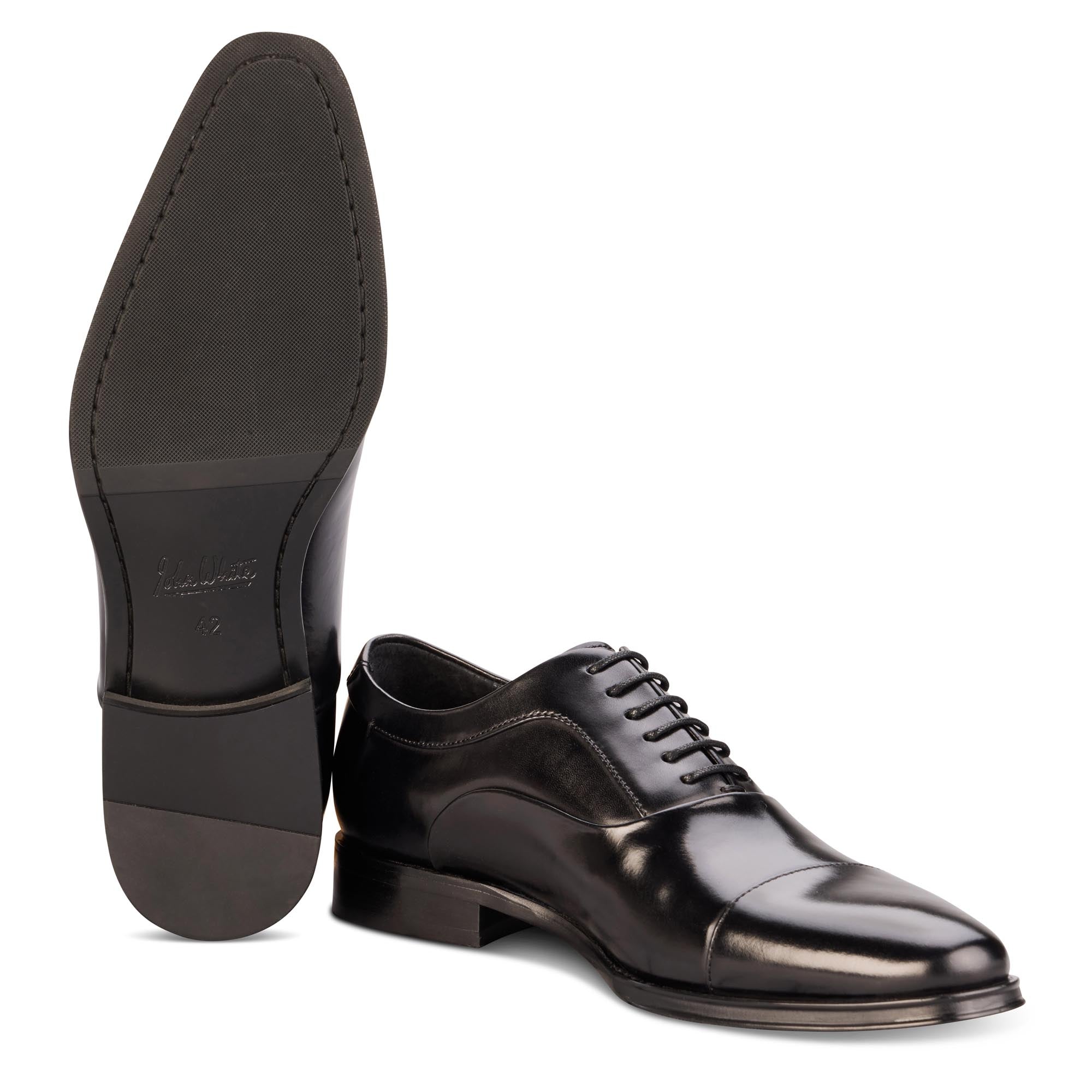
A boot's longevity comes down to its quality. The best signs to look for are good leather, neat and even stitching, a clean finish, a firmly seated heel and a fully finished interior. A polished, well-lasted boot keeps its shape over time; a cheap one collapses at the ankle within months.
Fit and sizing
Boots should feel snug at the heel and instep with just enough room to wiggle your toes; the ankle eases slightly as the leather beds in. Because a boot covers more of the foot than a shoe, getting the size right matters more. John White boots are offered in full UK sizes 6 to 13. If you are between sizes, size down for a Chelsea, where the elastic gives, and keep to your true size for a laced boot you can adjust.
Caring for your boots
A little routine maintenance is what separates boots that improve with age from boots that wear out. Use cedar shoe trees to draw out moisture and hold the shape, brush suede and condition leather regularly, and rotate pairs so each has a day to rest between wears. Treat the leather against the wet before winter and address scuffs promptly; looked after well, a good pair keeps its looks for years.
Building a boot rotation
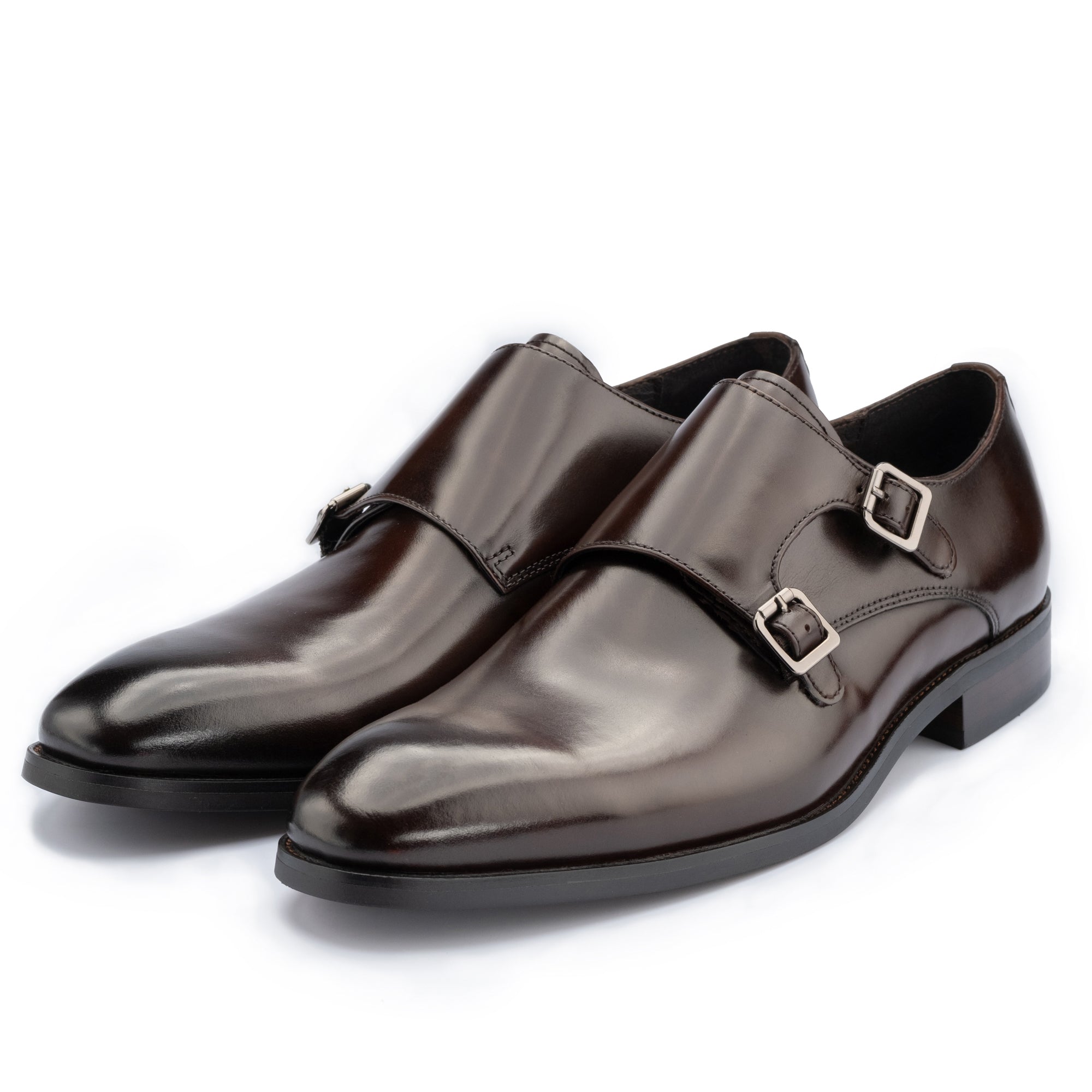
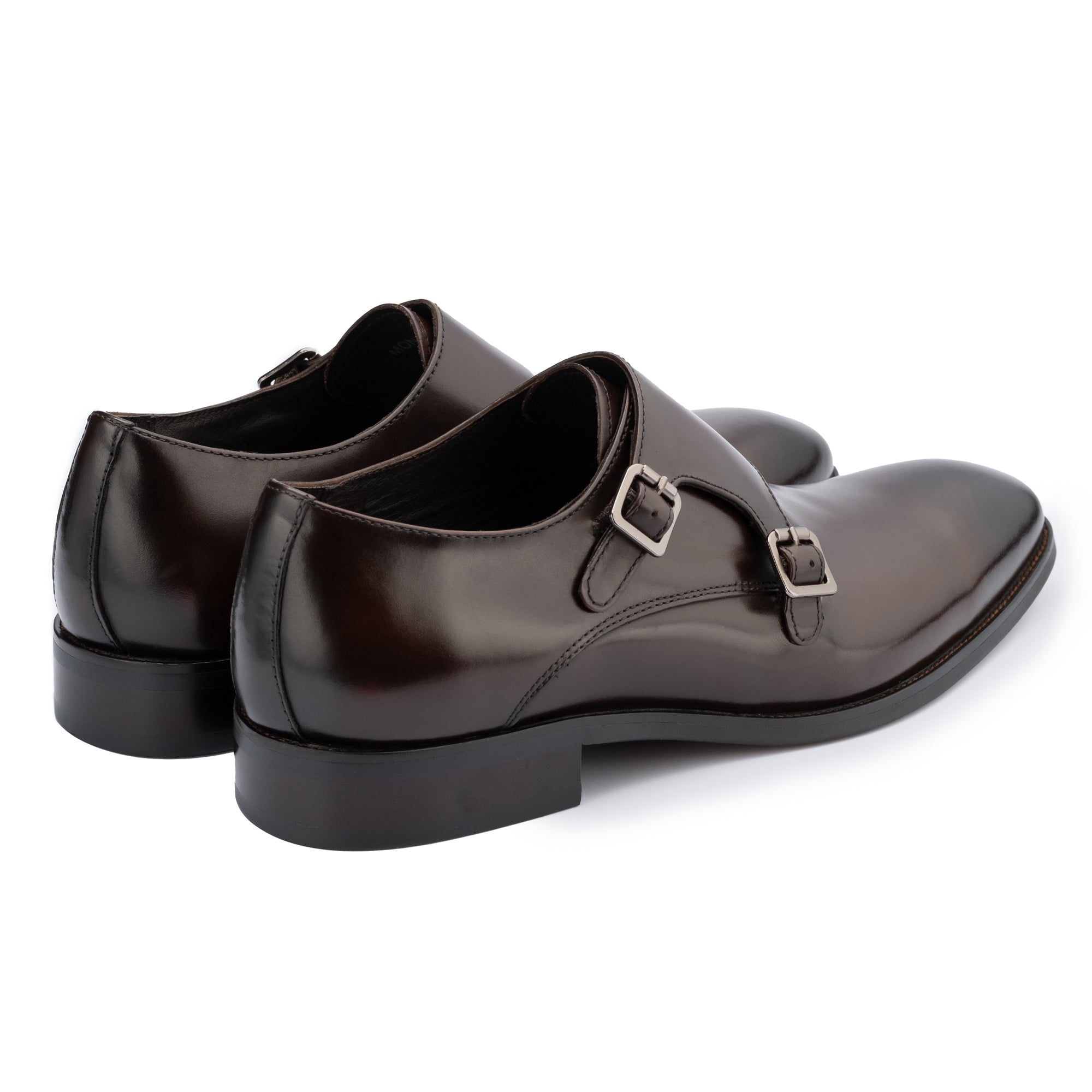
For most men, three boots cover almost everything: a black or dark-brown Chelsea for smart wear, a suede chukka for relaxed days, and a sturdier dark-brown lace-up or dress boot for winter. Add a brogue boot once those are in place if you wear tailoring often. Browse the full range of men's boots, or go straight to Chelsea boots and chukka boots.
Frequently asked questions
What is the most versatile boot to own?
A black or dark-brown Chelsea boot in smooth leather. It works with tailoring, chinos and denim, pulls on quickly, and suits nearly every occasion short of black tie.
Are Chelsea or chukka boots smarter?
Chelsea boots are smarter, especially in black leather. Chukka boots, particularly in suede, lean casual. Many men own one of each.
How should I care for leather boots?
Use cedar shoe trees to hold their shape and draw out moisture, brush suede or condition and polish leather regularly, and rotate pairs so each rests between wears. Treating the leather against water before winter helps a good pair keep its looks for years.
What size boot should I buy?
Generally your usual shoe size. For elastic-sided Chelsea boots you can size down slightly; for laced boots stay true to size. John White offers full UK sizes 6 to 13.