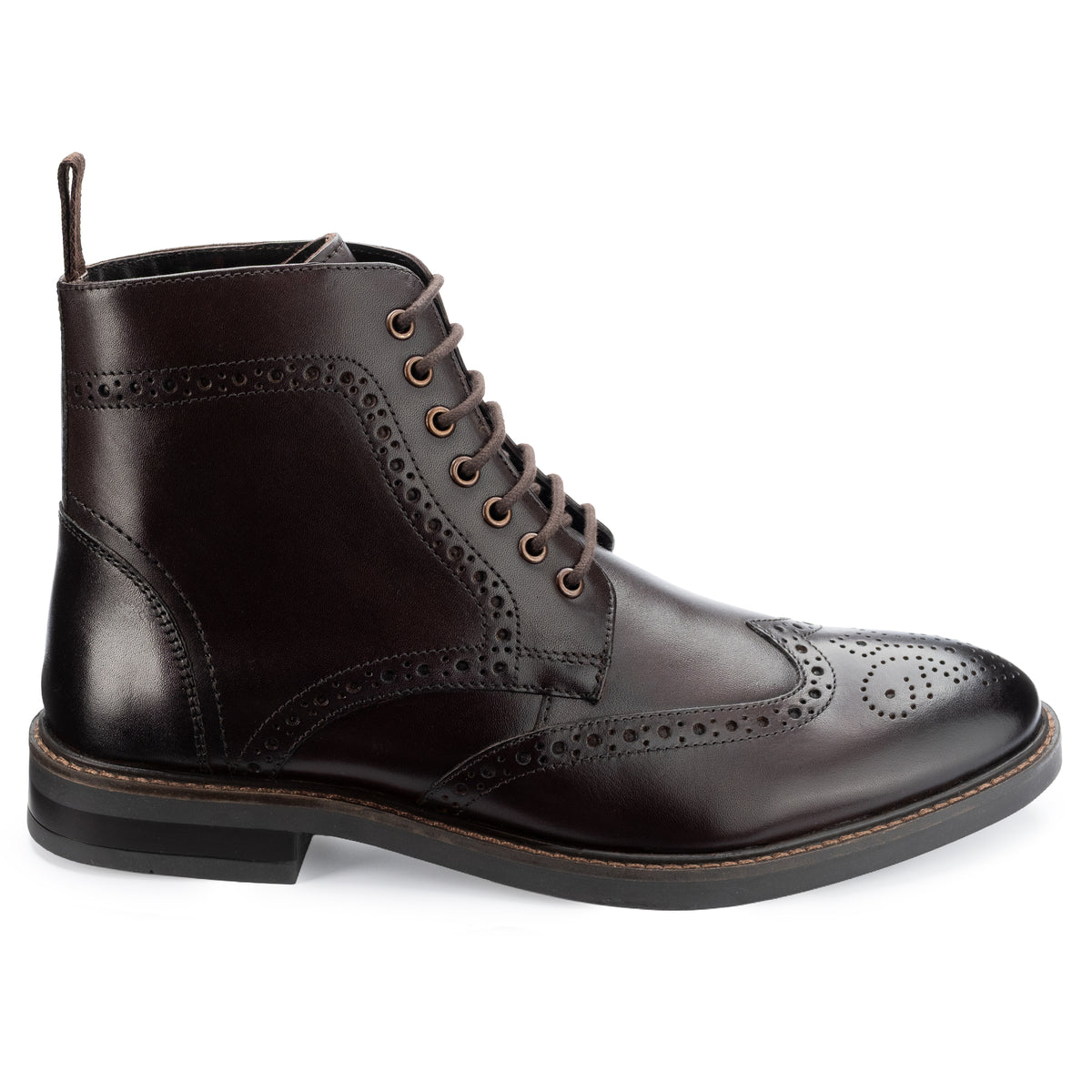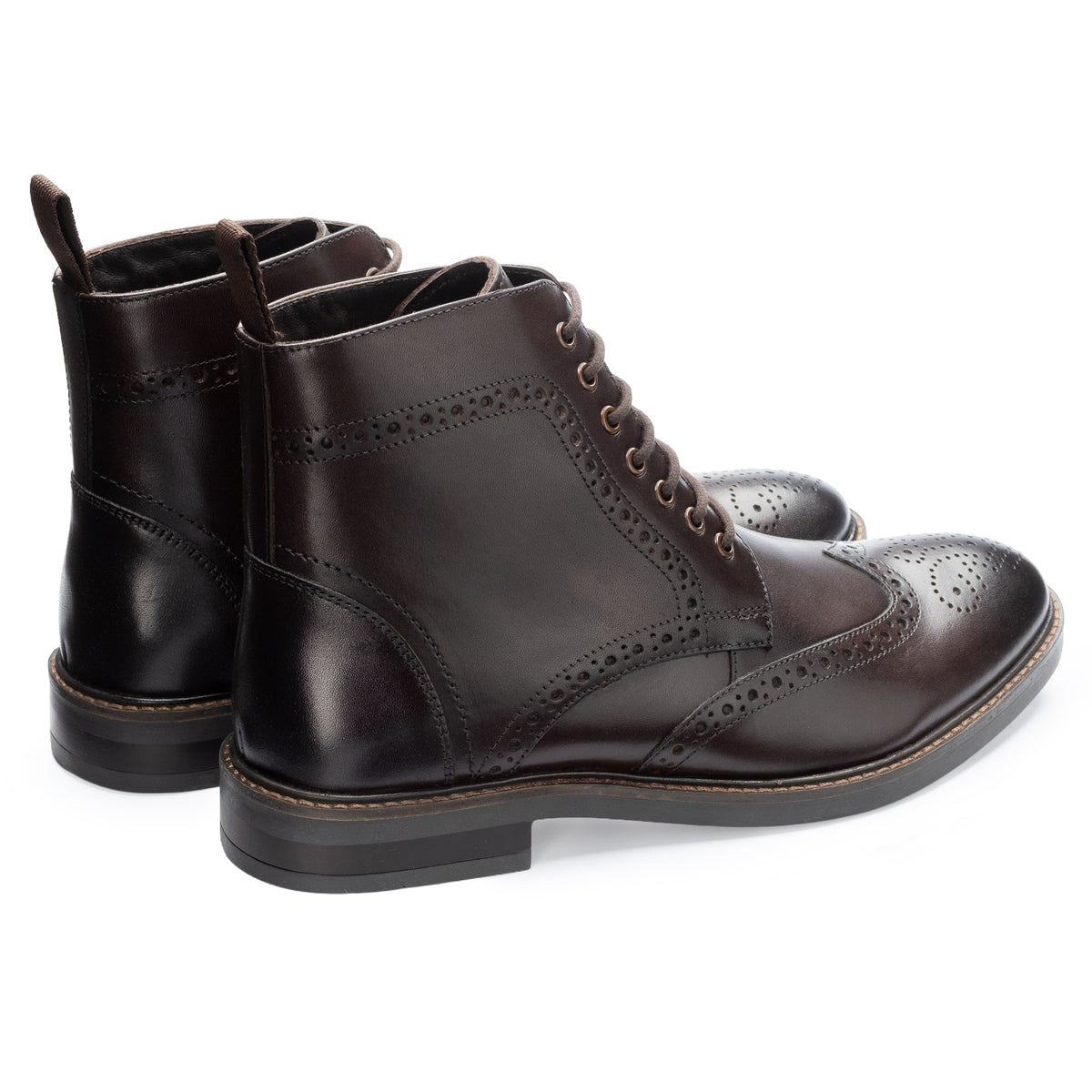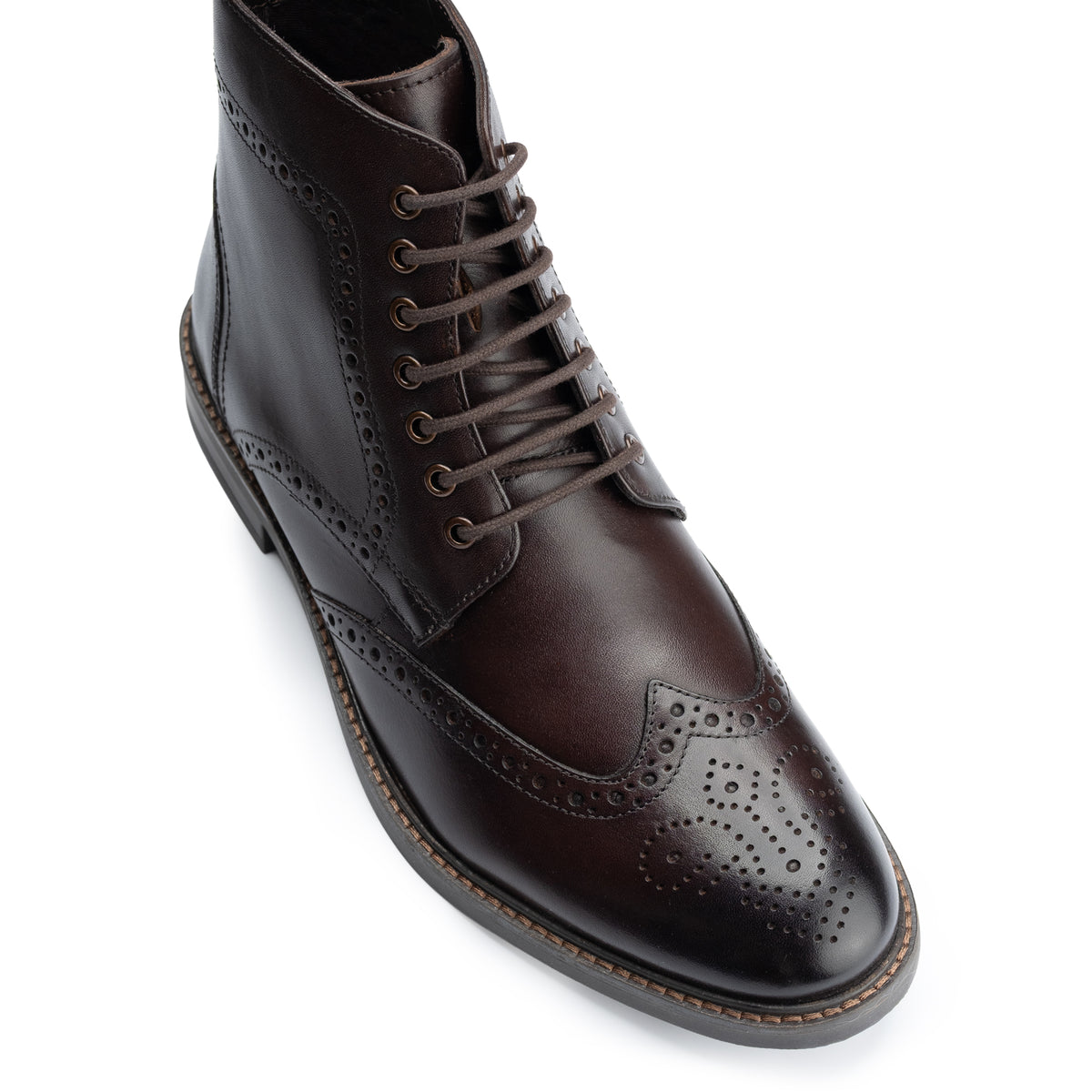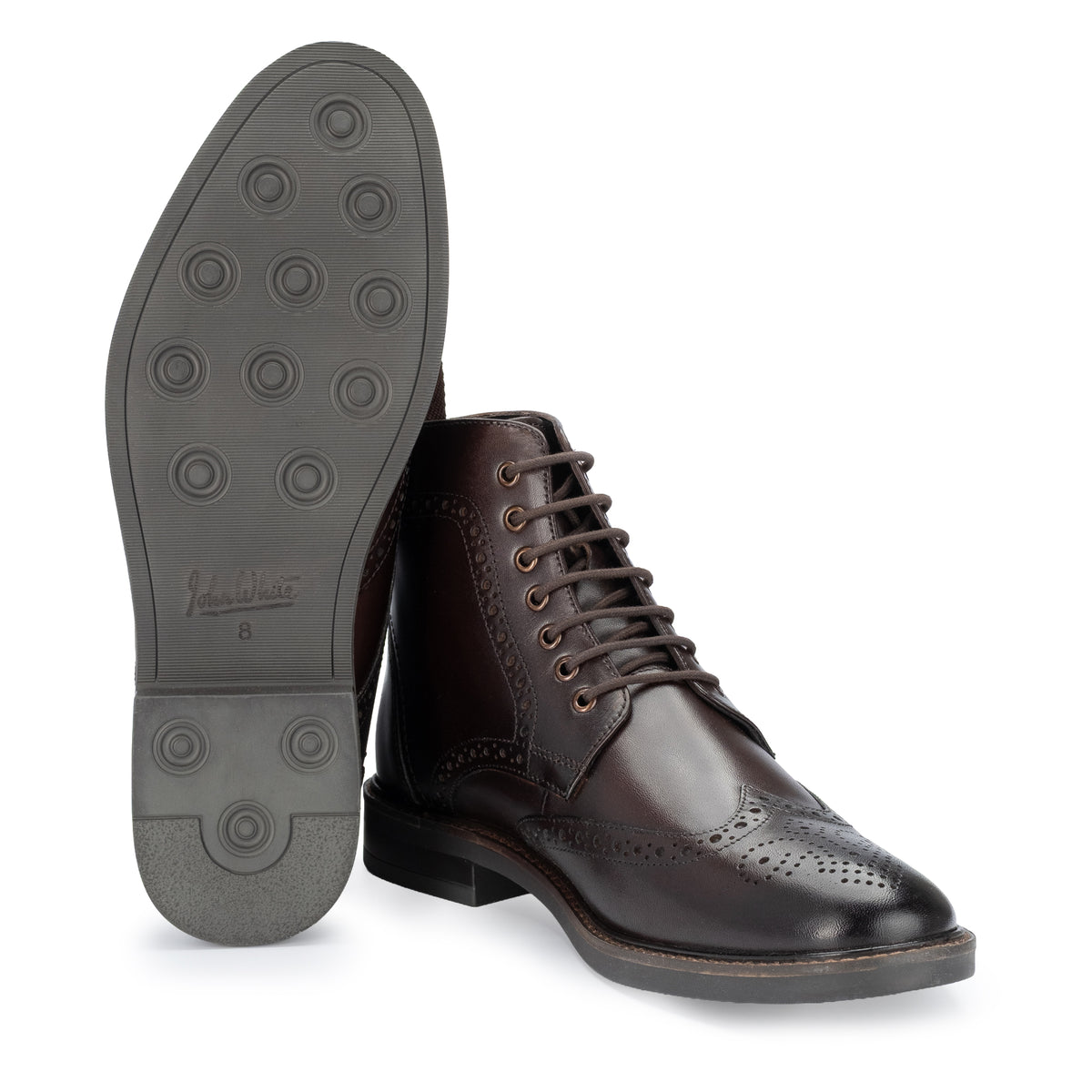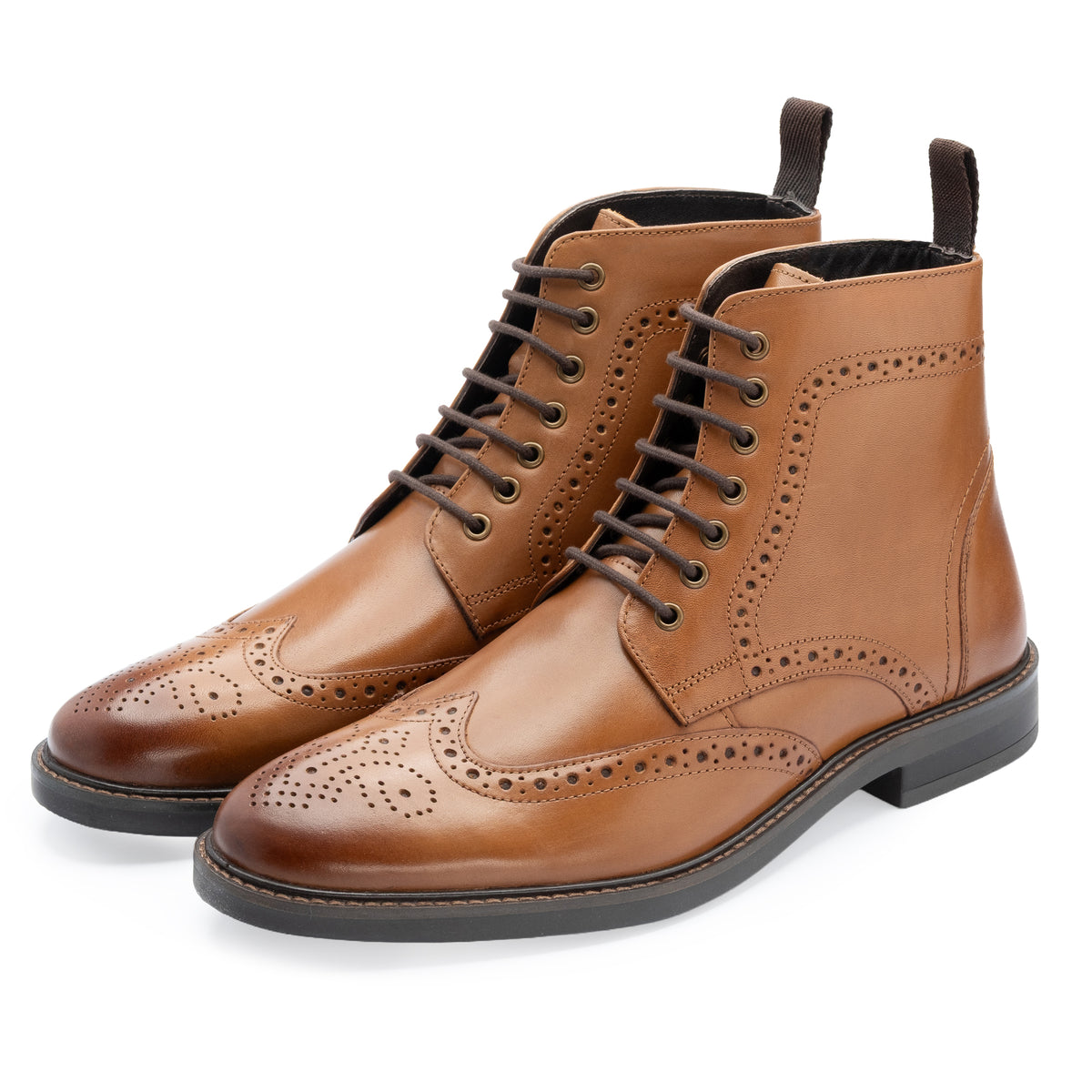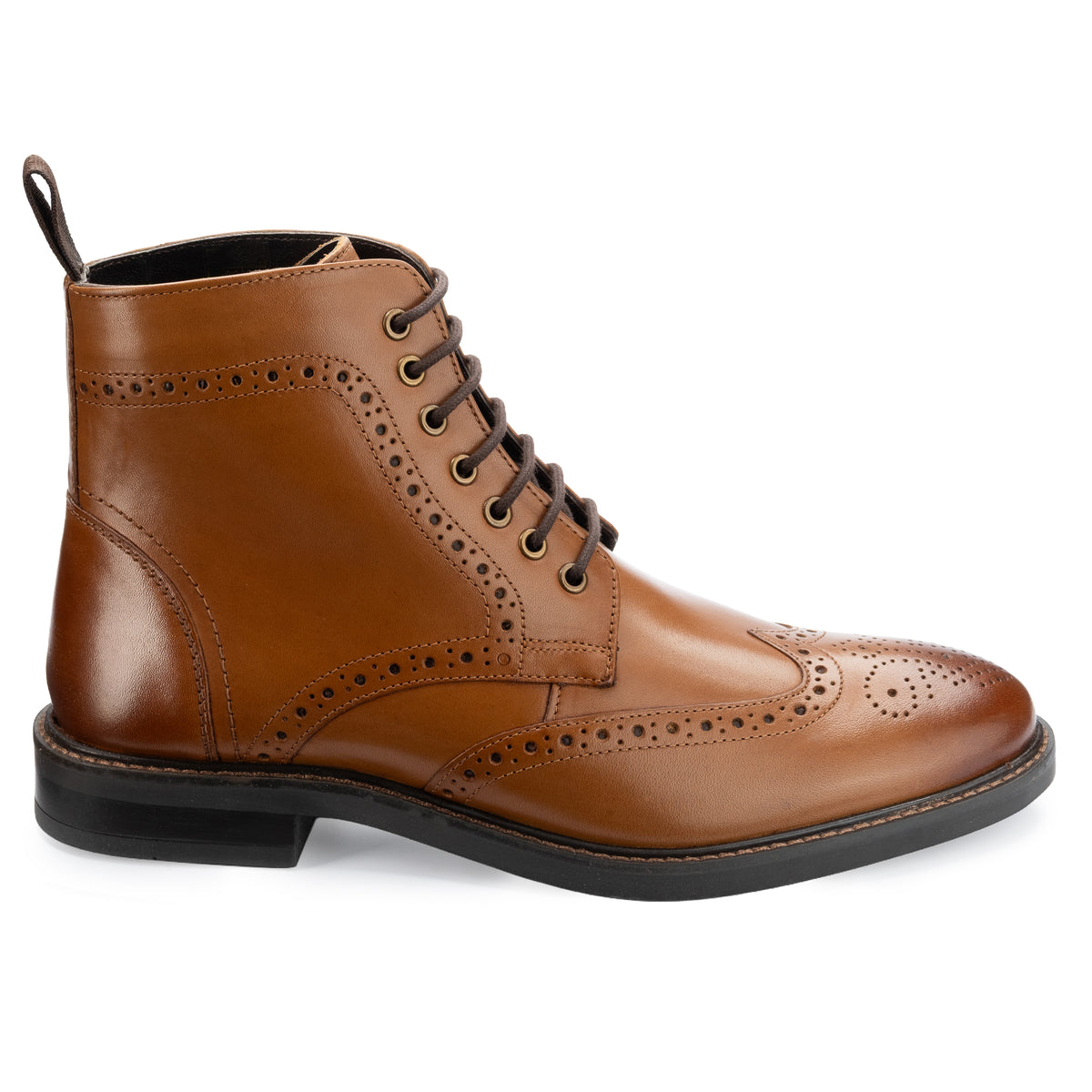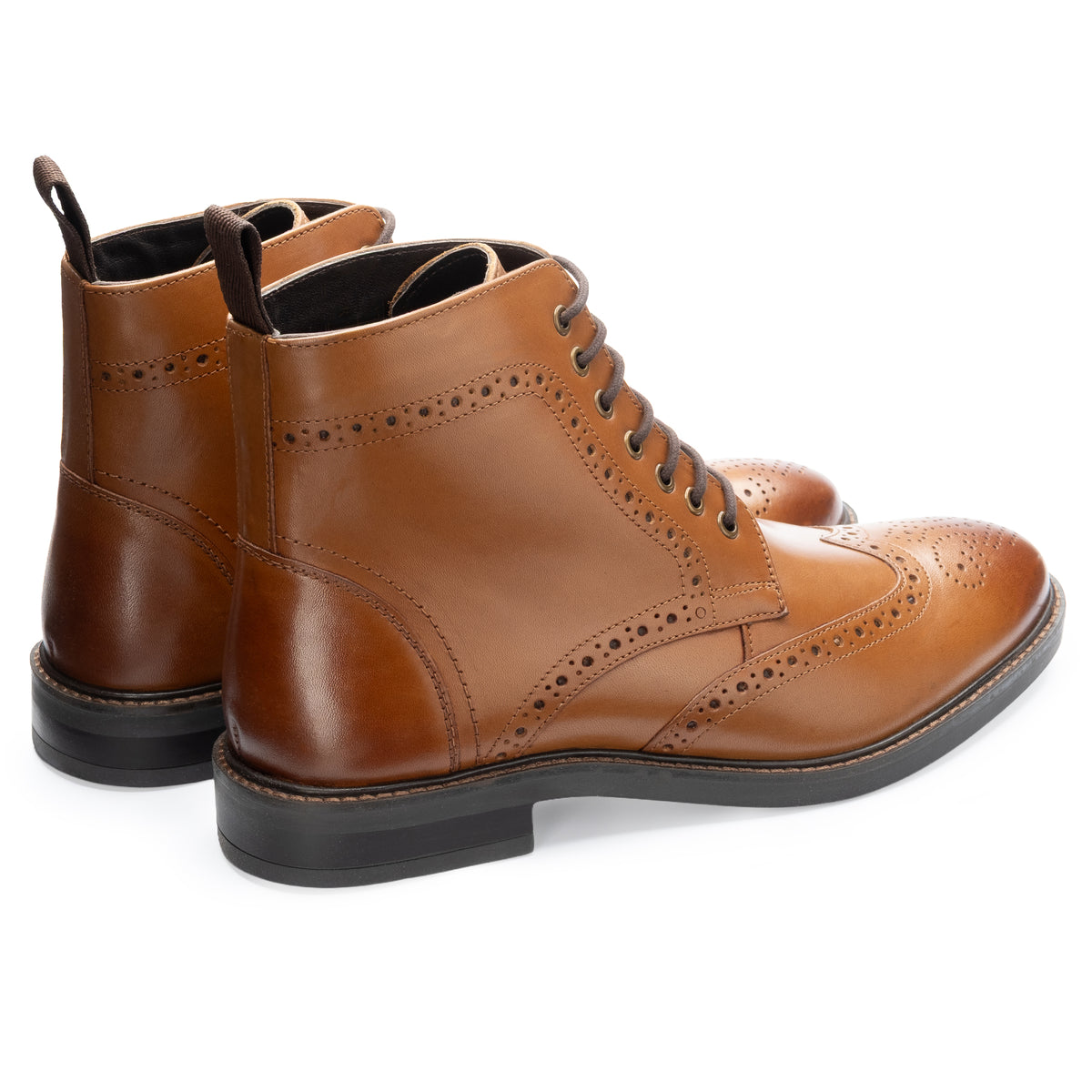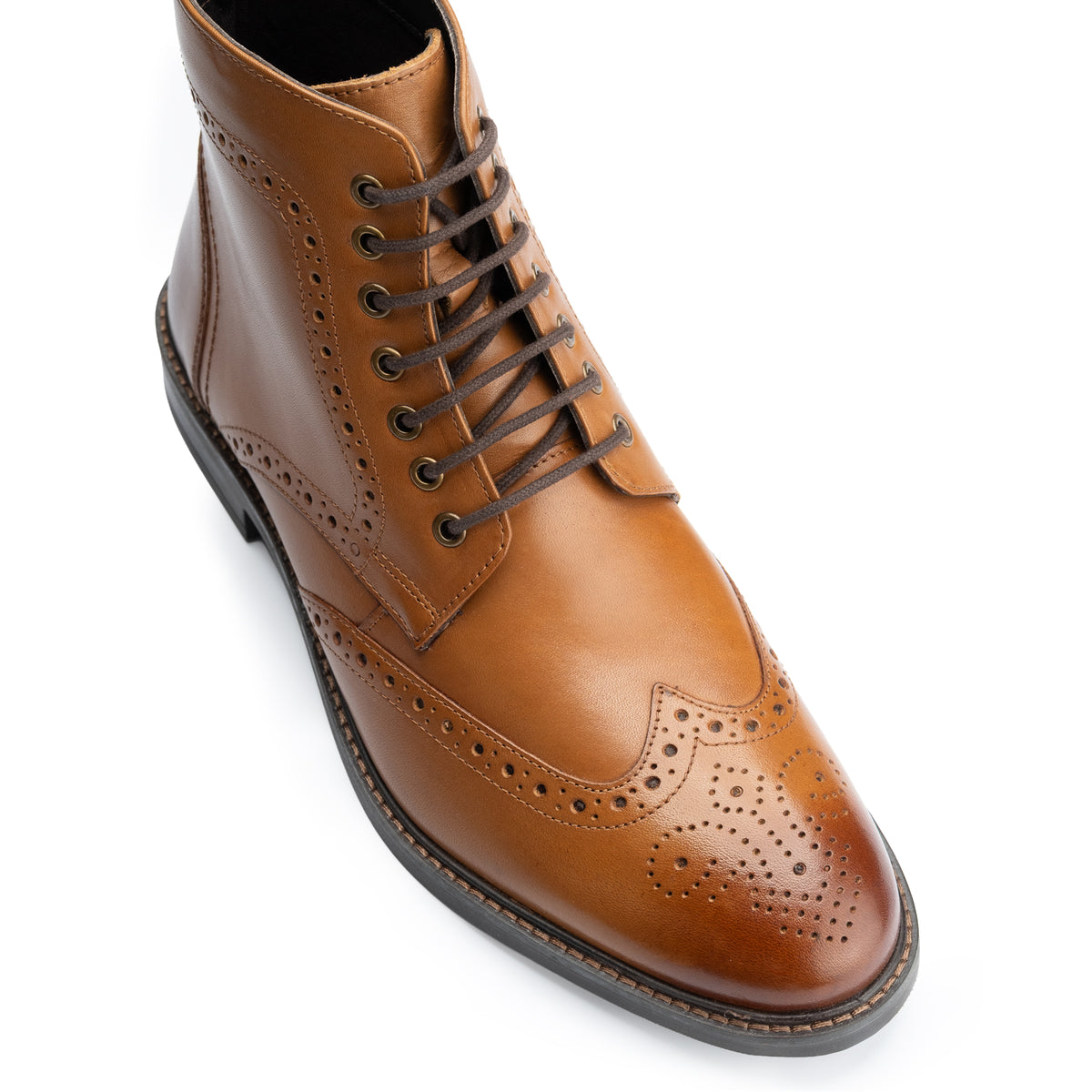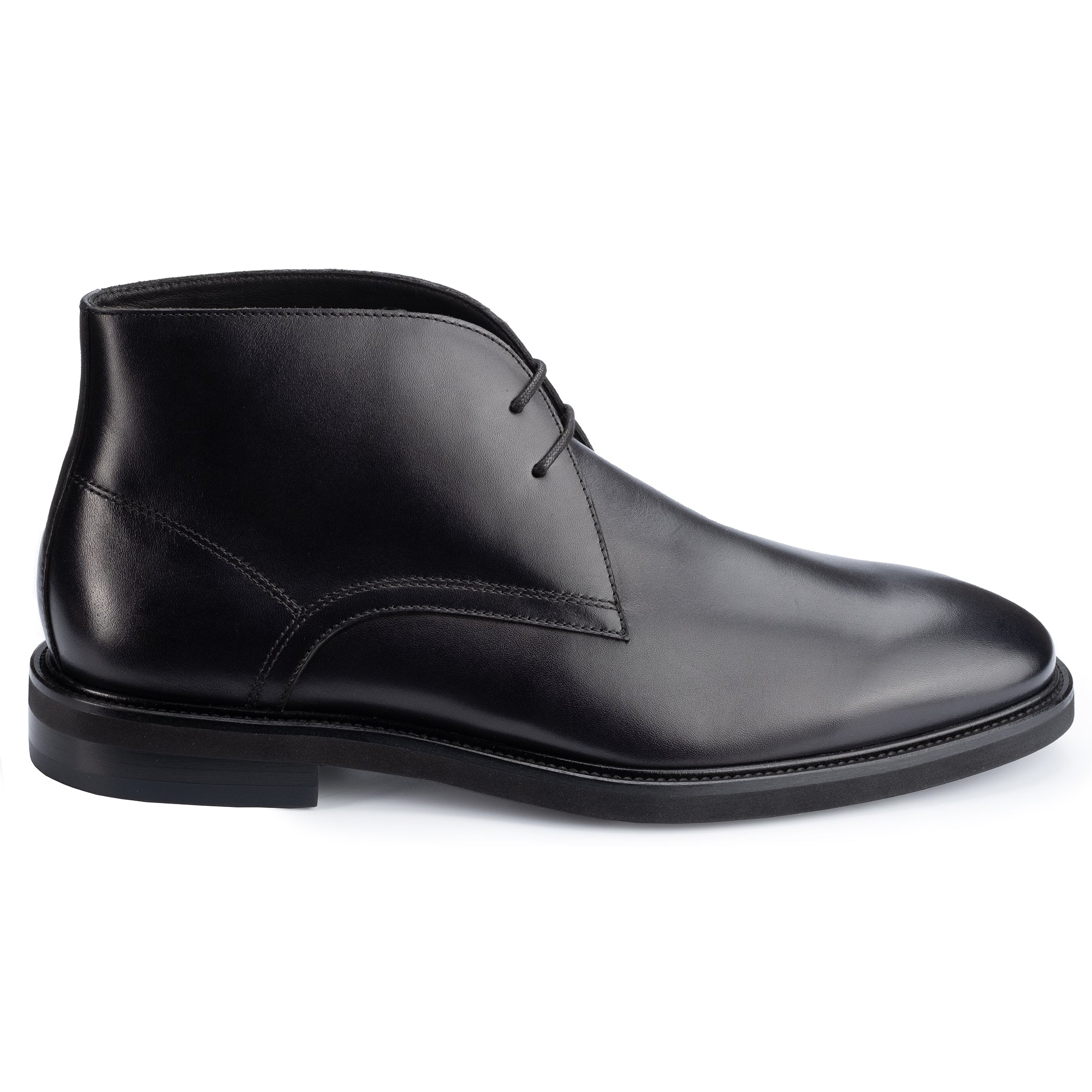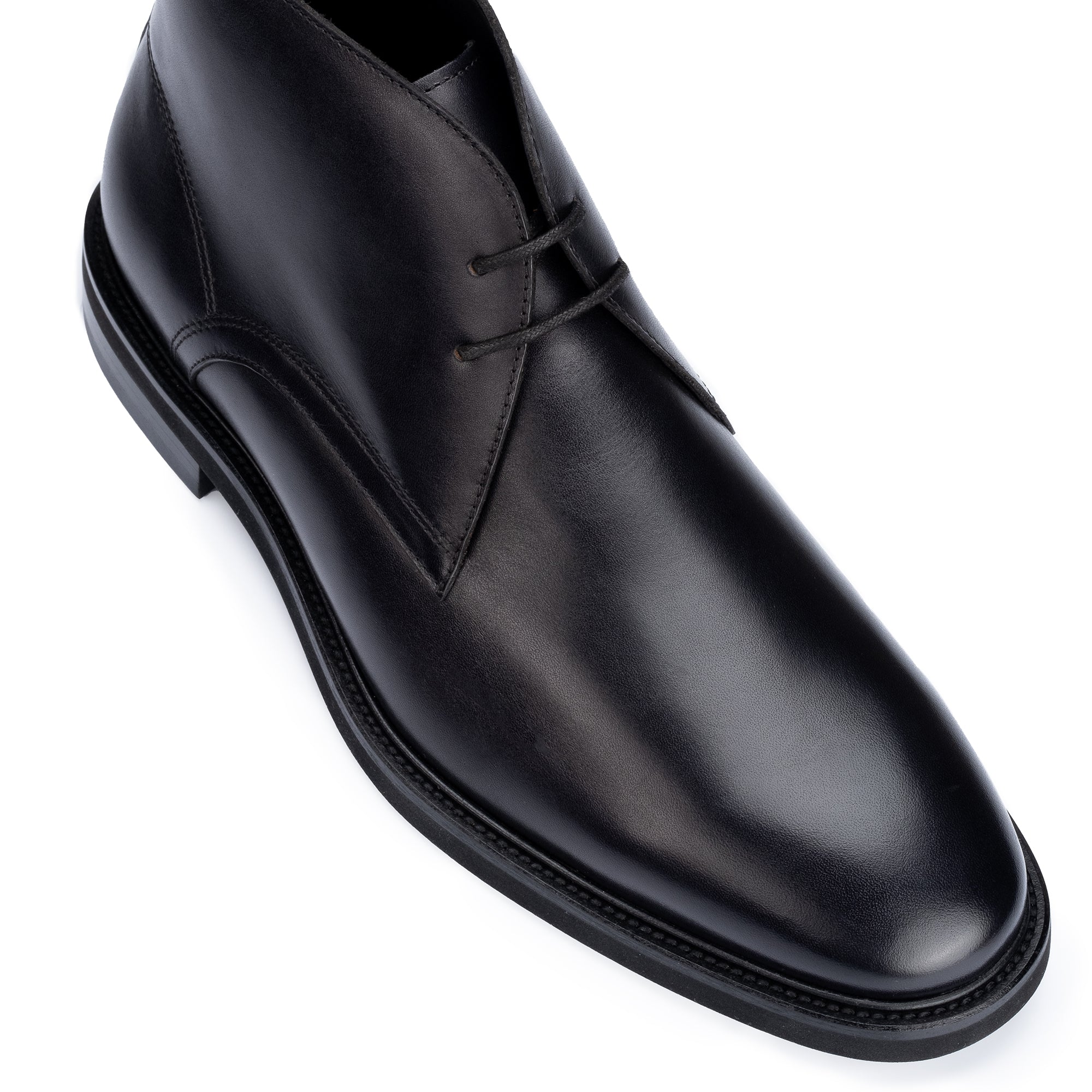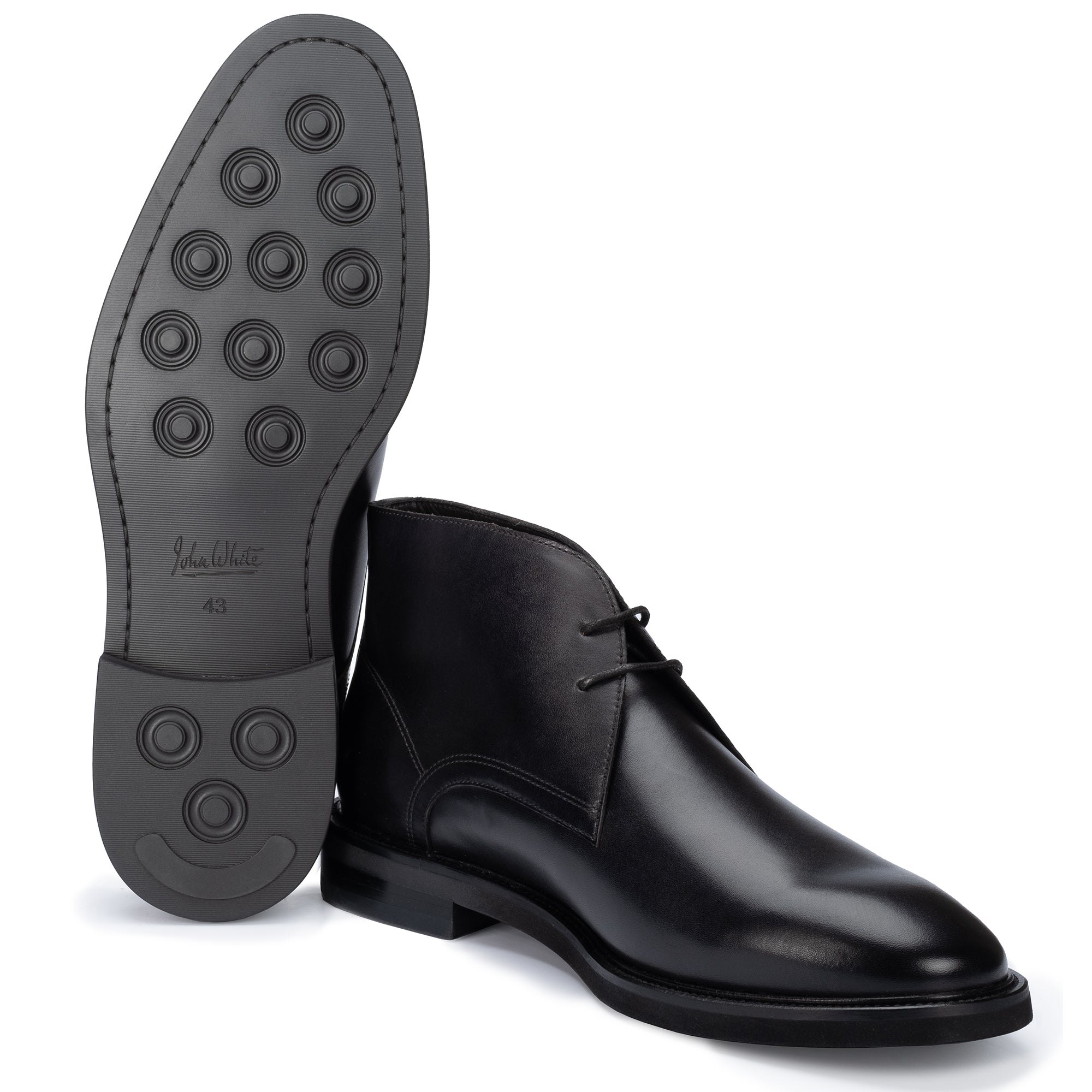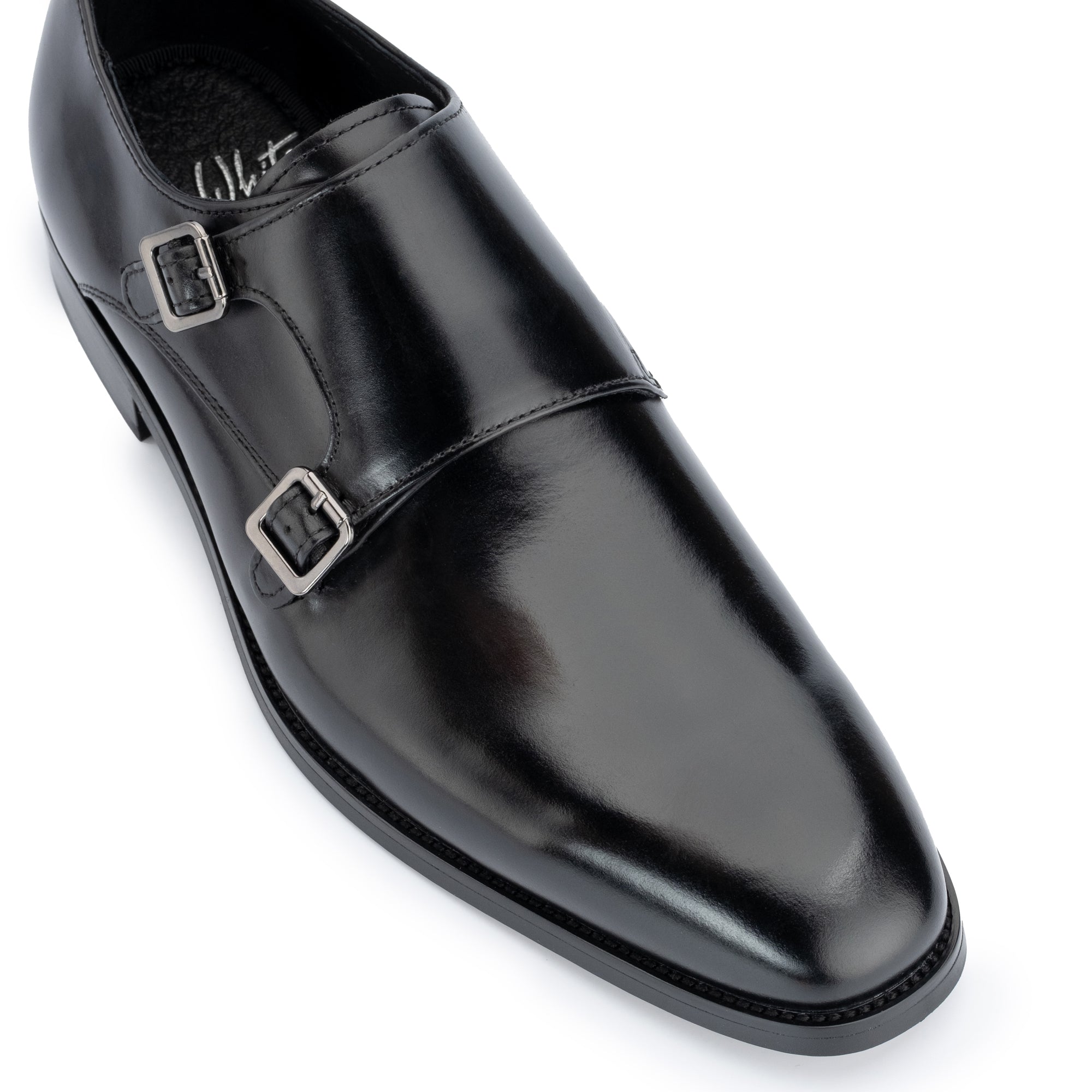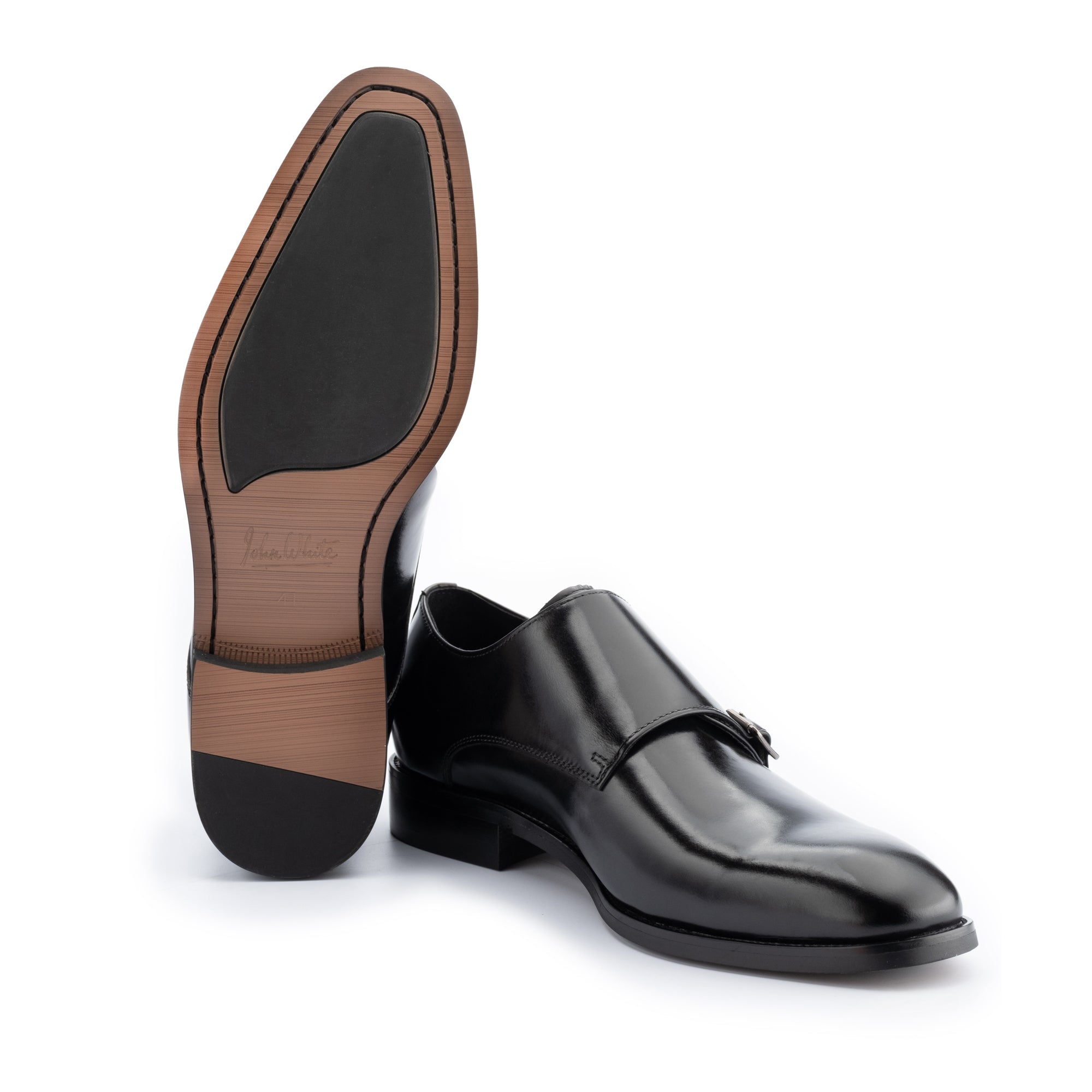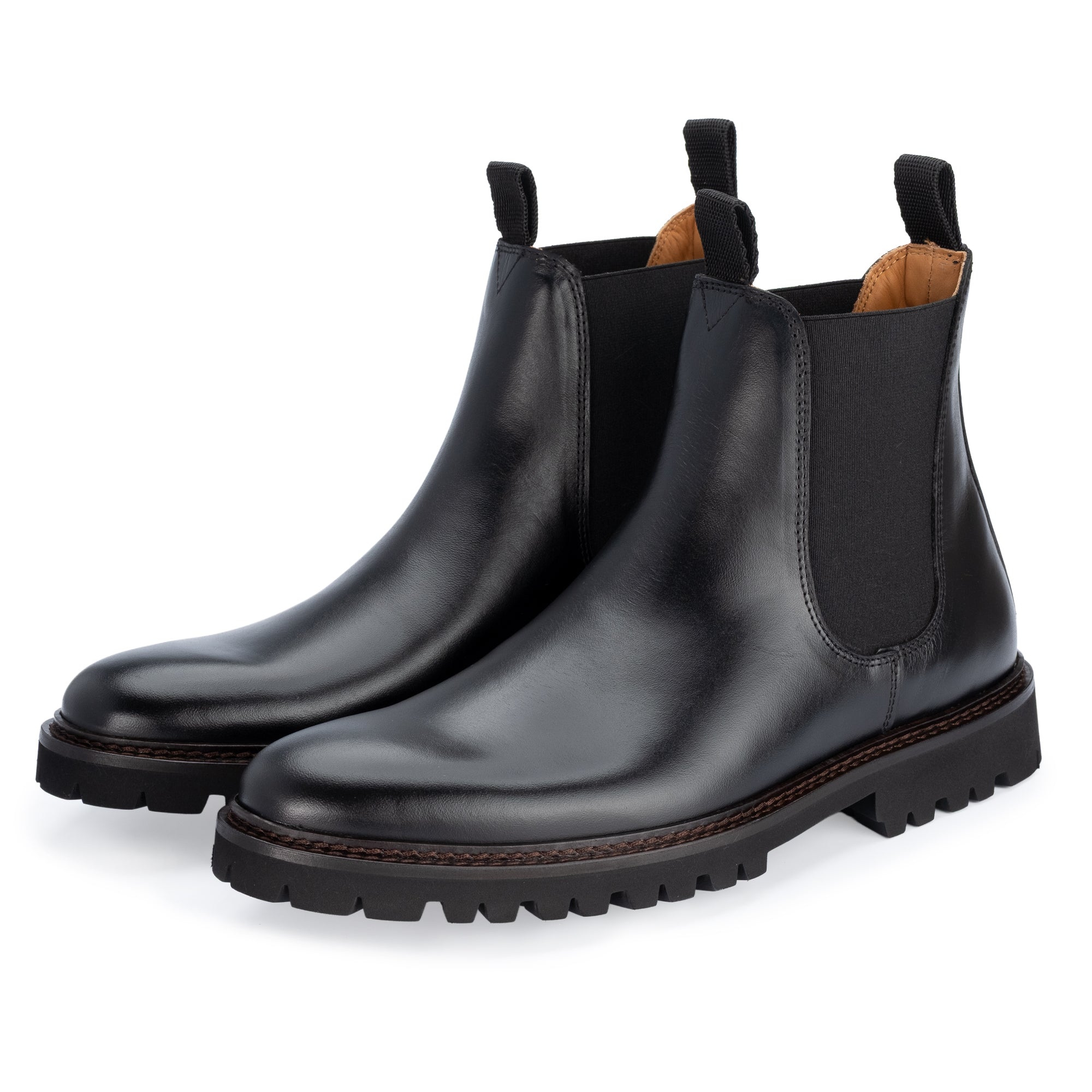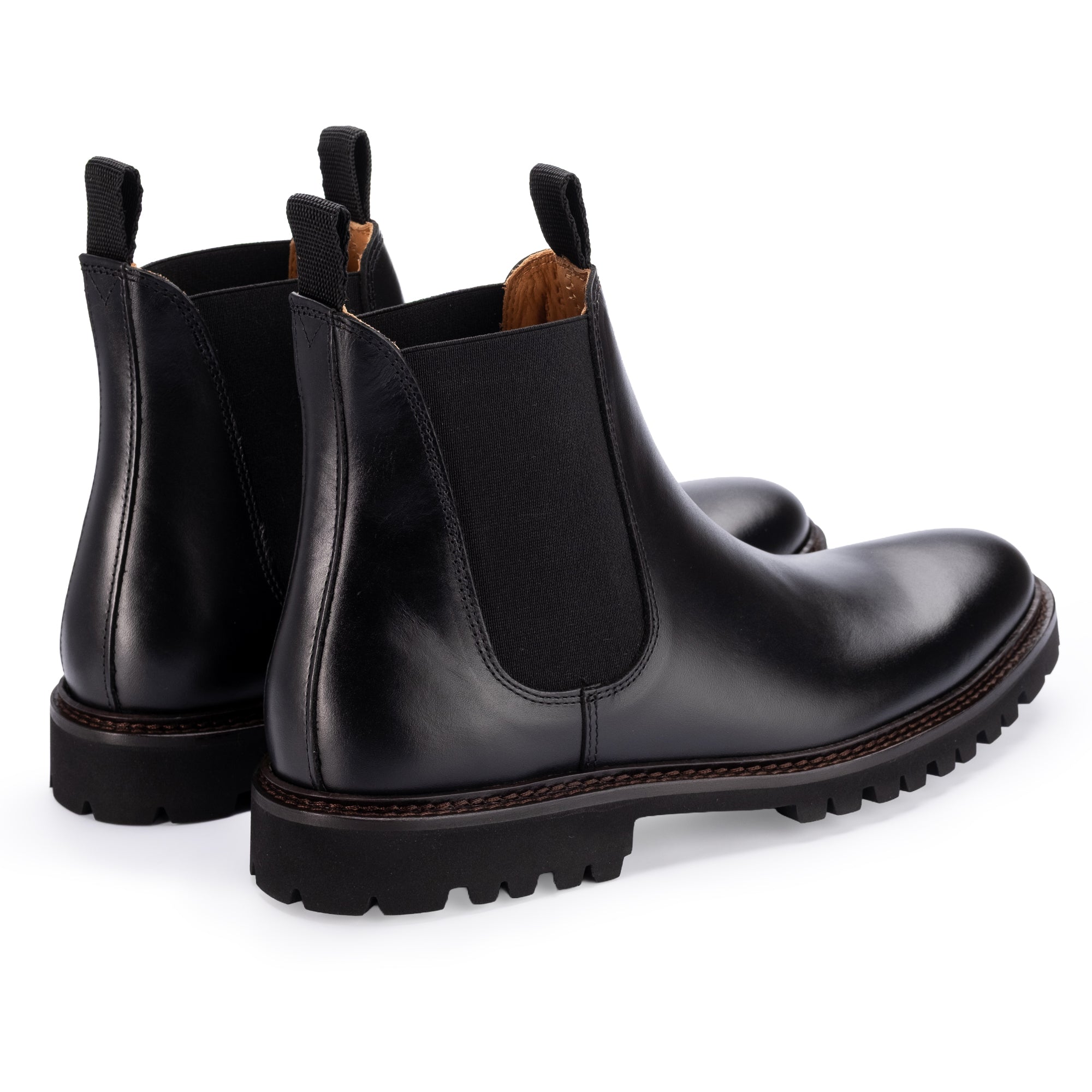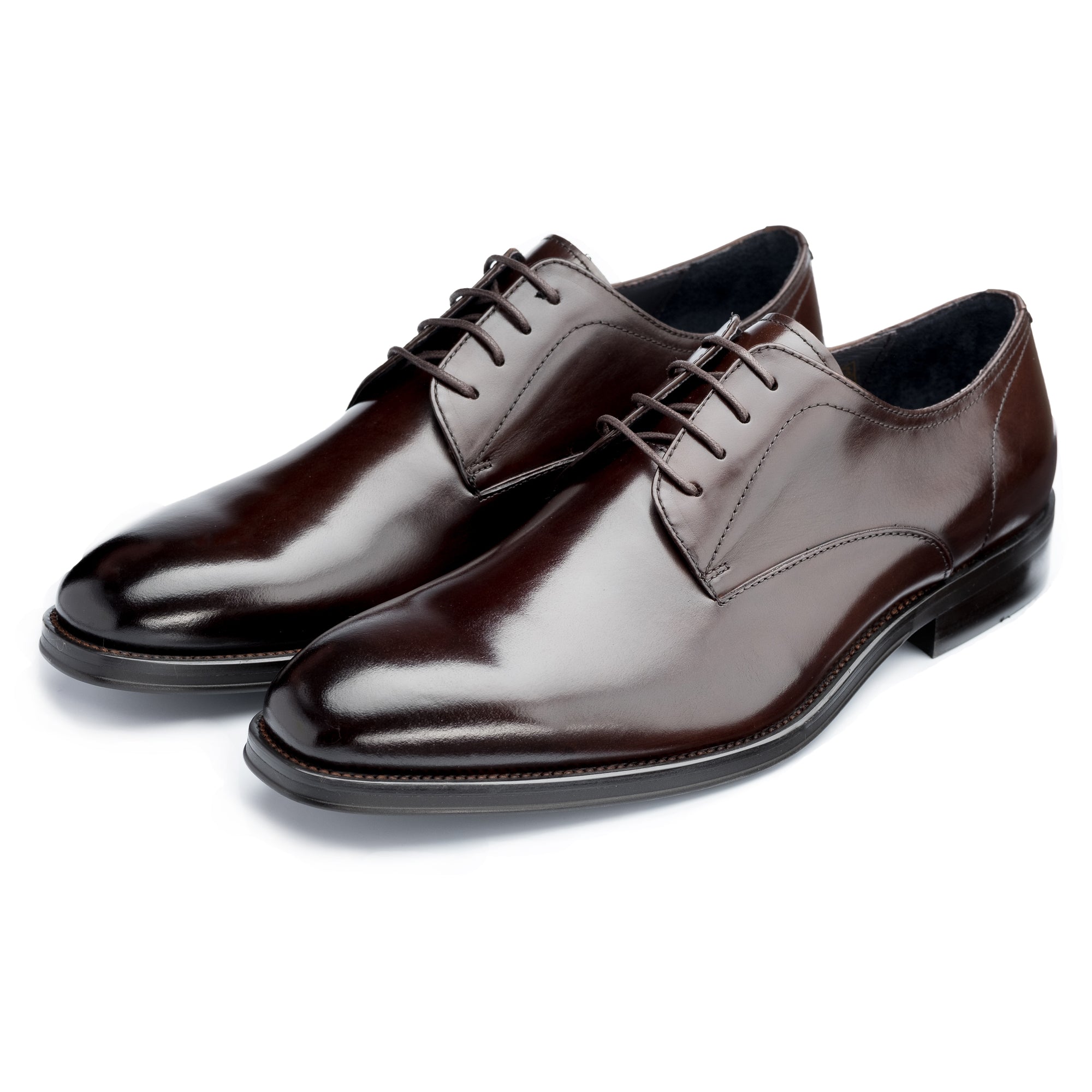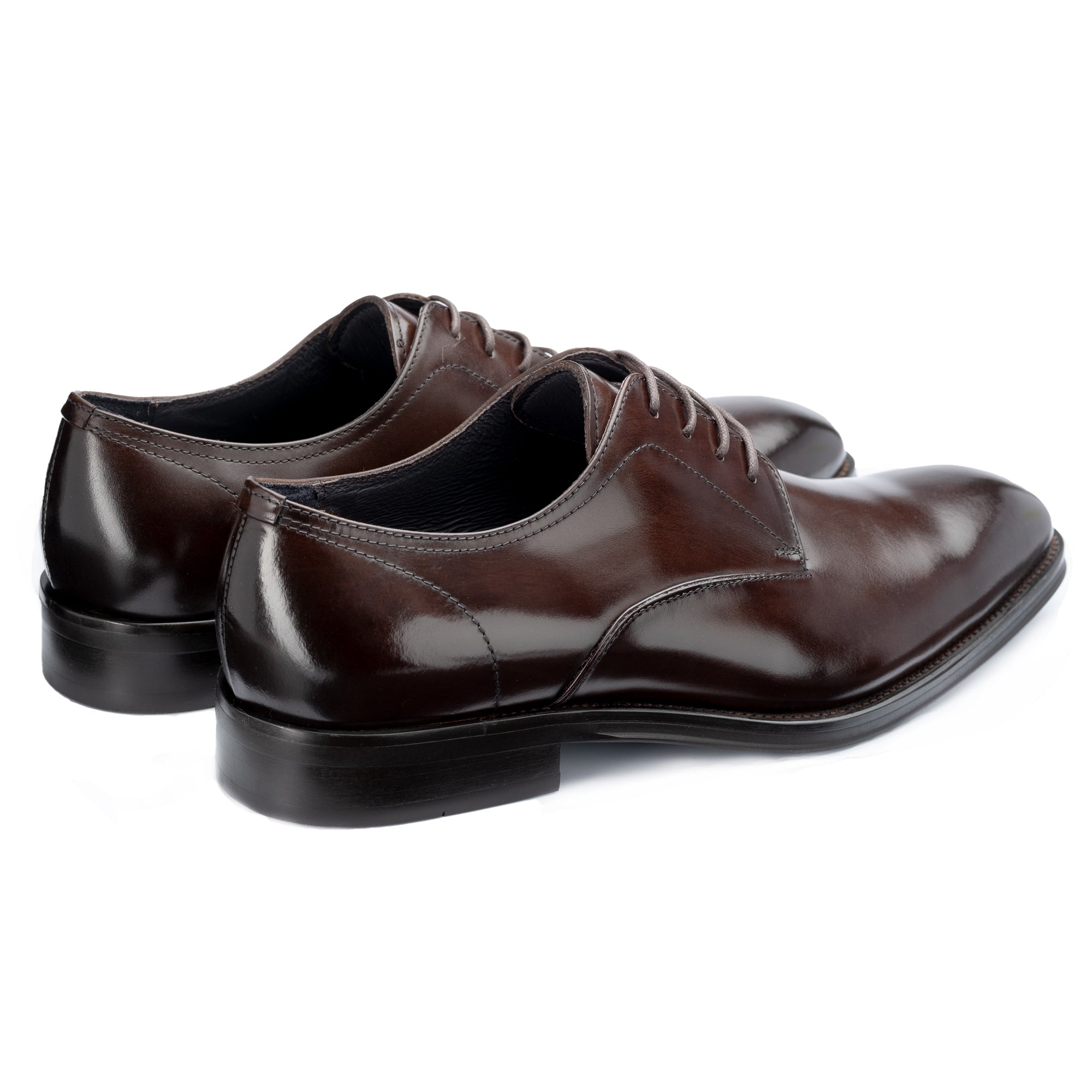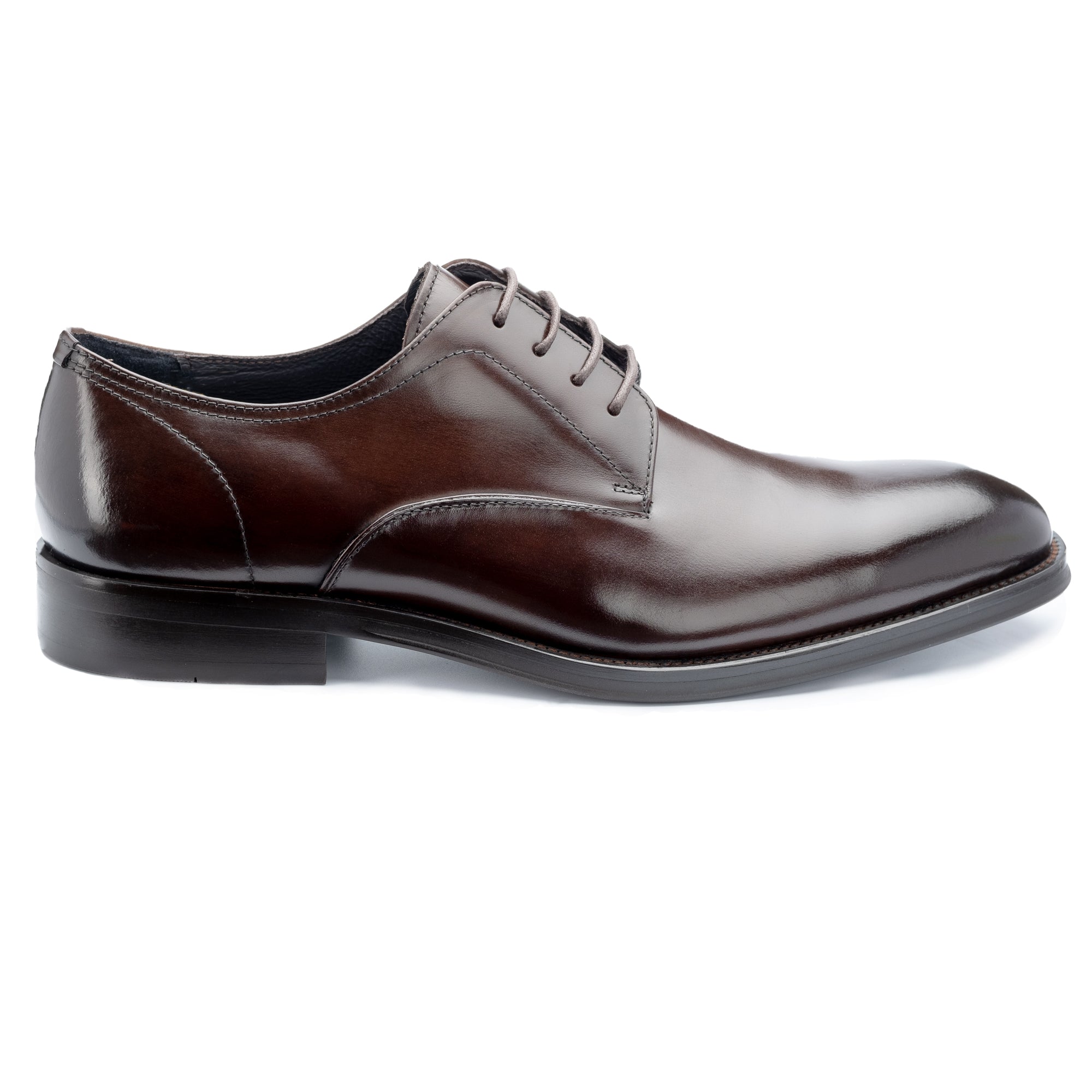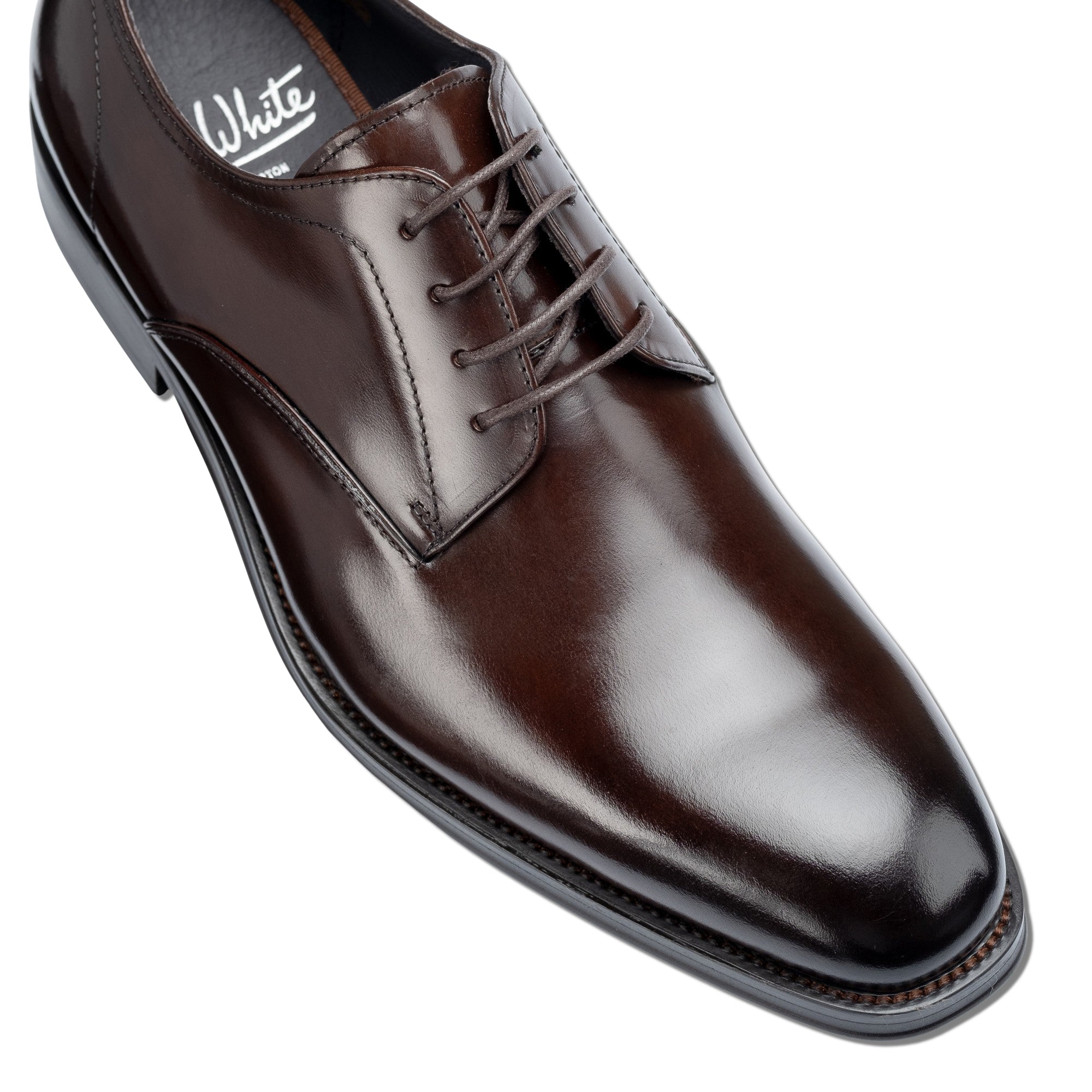

How to Care for Suede Chelsea Boots in Winter
Quick Answer: To care for suede Chelsea boots in winter, apply a fluorocarbon-based waterproofing spray before first wear and re-treat every 4–6 weeks throughout the season. Brush off dry dirt with a suede brush after each outing, treat salt stains with a diluted white vinegar solution within 24 hours, and always dry boots at room temperature on wooden shoe trees — never by a radiator or heat source. Prevention is the entire strategy.
In This Guide
- What Makes Suede Vulnerable to Winter Conditions?
- How Should You Prepare Suede Chelsea Boots Before Winter?
- How Do You Clean Suede Chelsea Boots After Winter Outings?
- How Should You Dry Wet Suede Chelsea Boots?
- What Is the Full Winter Suede Care Schedule?
- Are Suede Chelsea Boots Worth Wearing in Winter?
- Related Guides
- TL;DR
- Frequently Asked Questions
Most men discover the limits of untreated suede the hard way — a pair that looked impeccable in September is faded, tide-marked, and stiffened by February. Not because suede is fragile, but because it wasn't prepared. British winters are unforgiving on open-fibre materials: road salt, sleet, puddles, and the freeze-thaw cycle will destroy a neglected pair within a single season. The same boots, properly maintained, will still look refined years later.
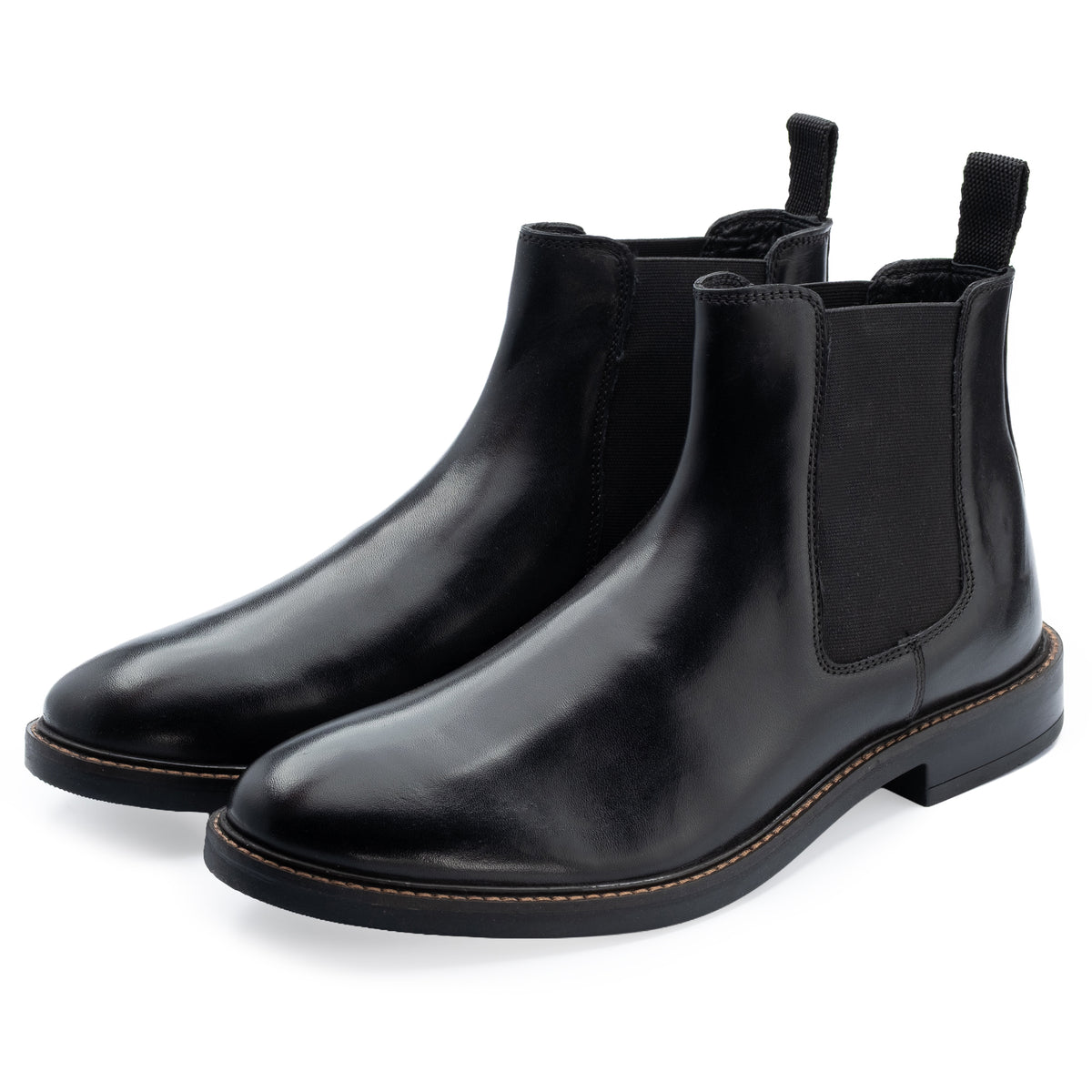
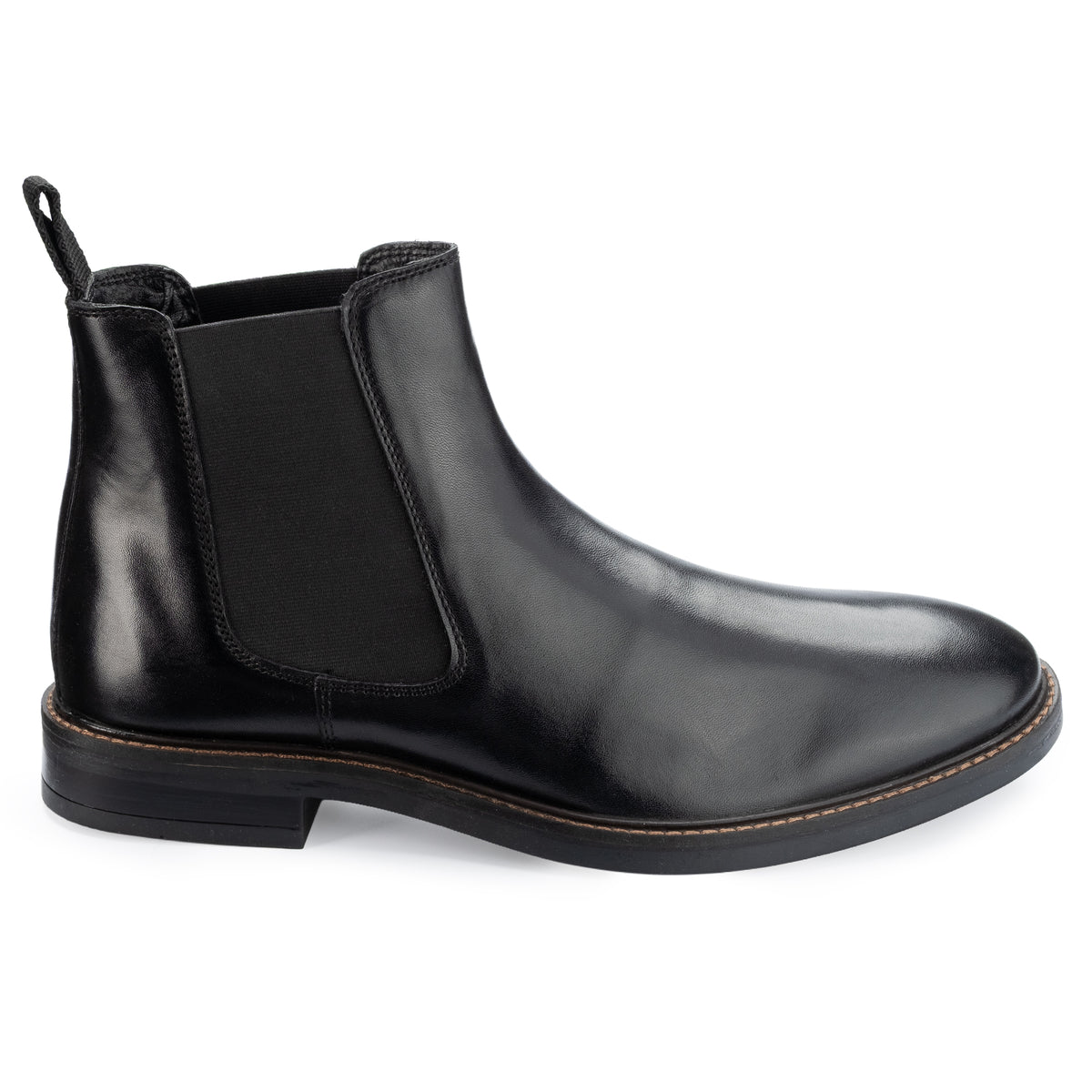
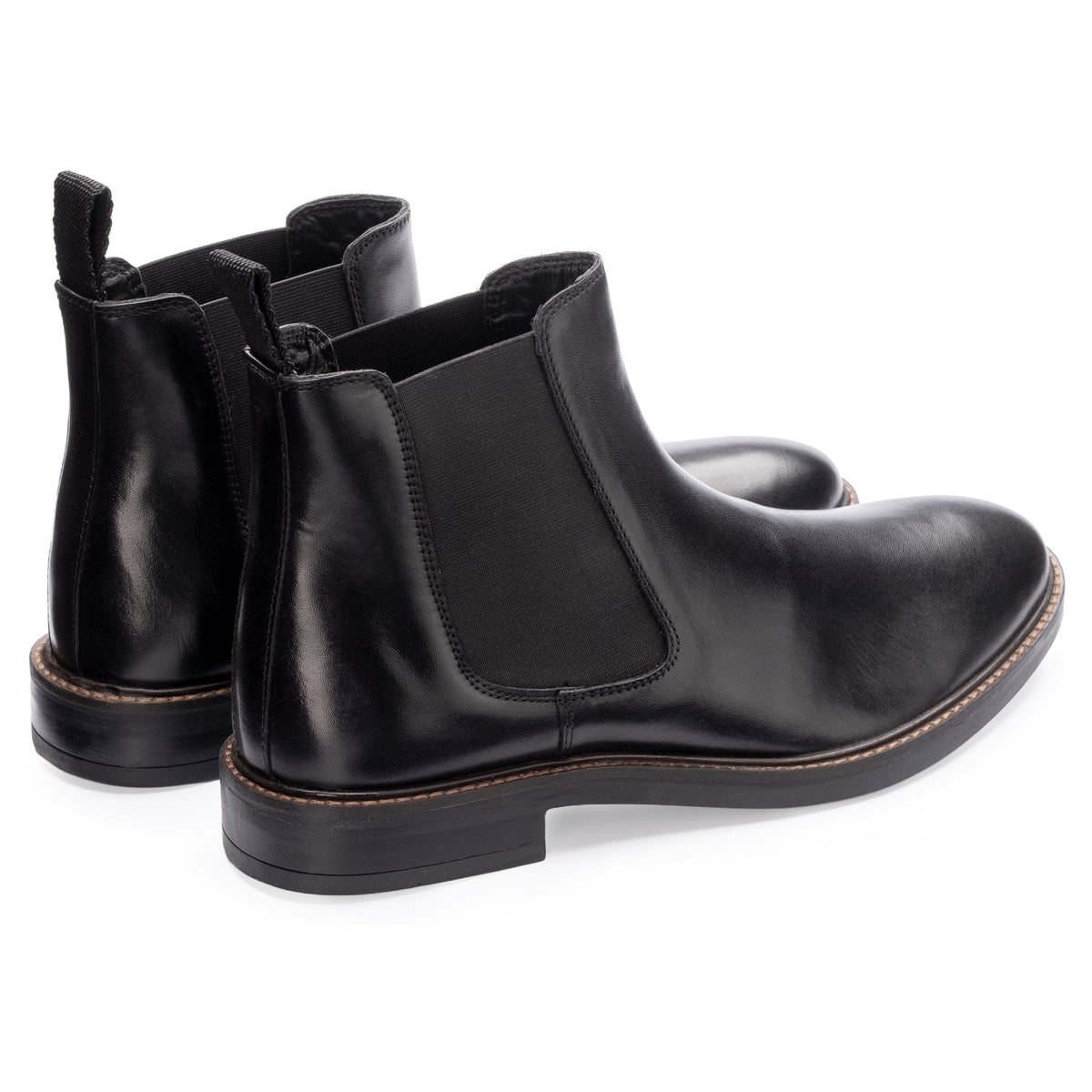
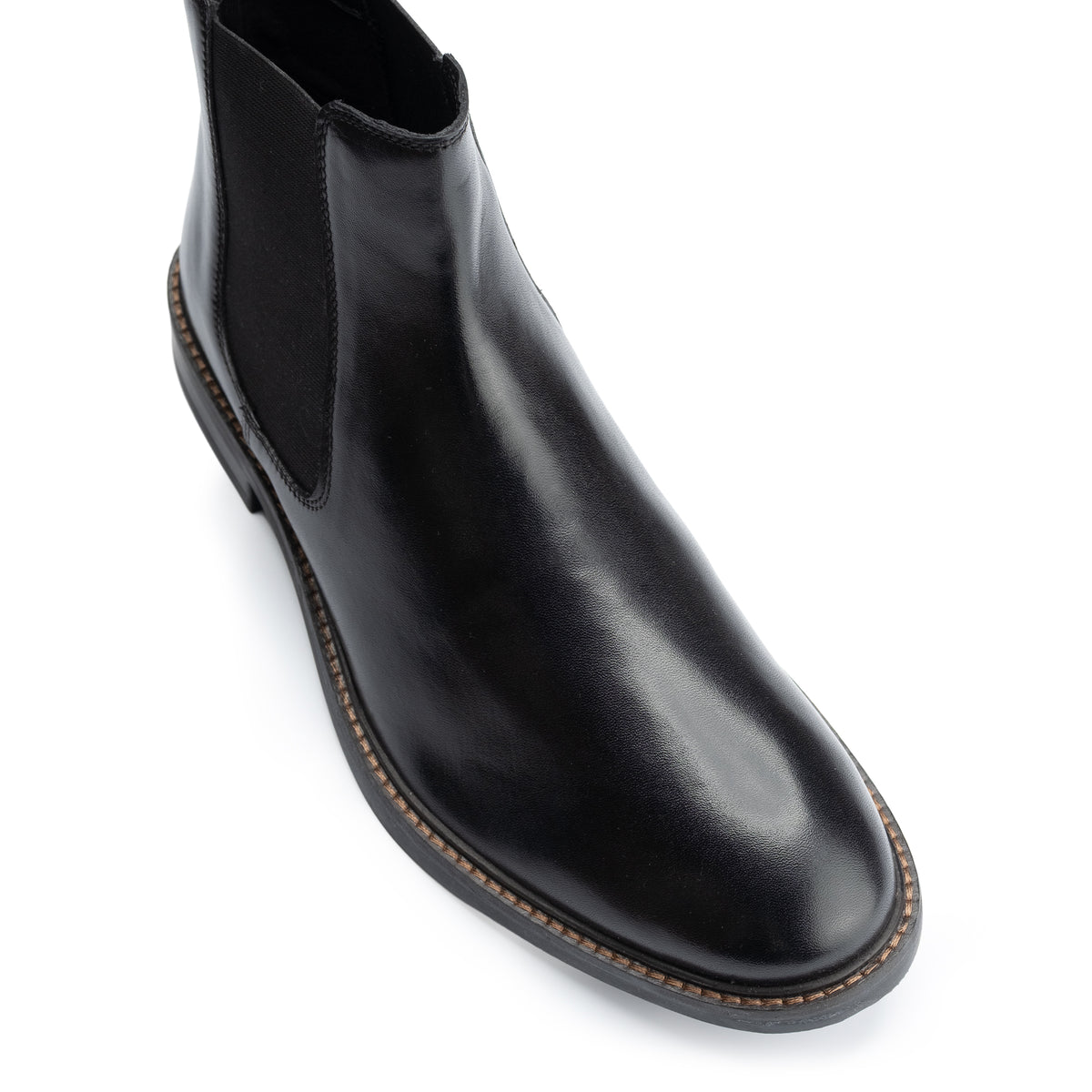
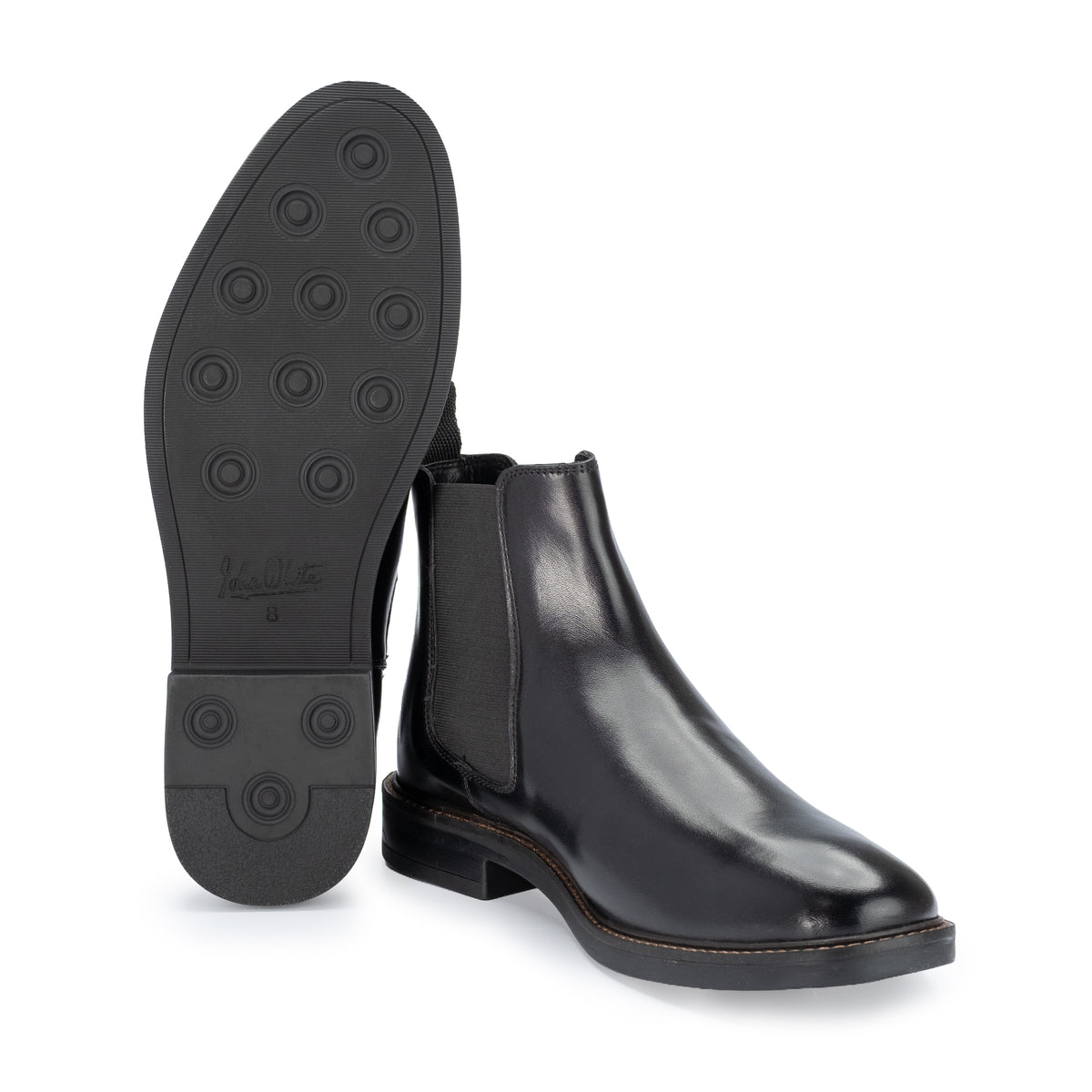
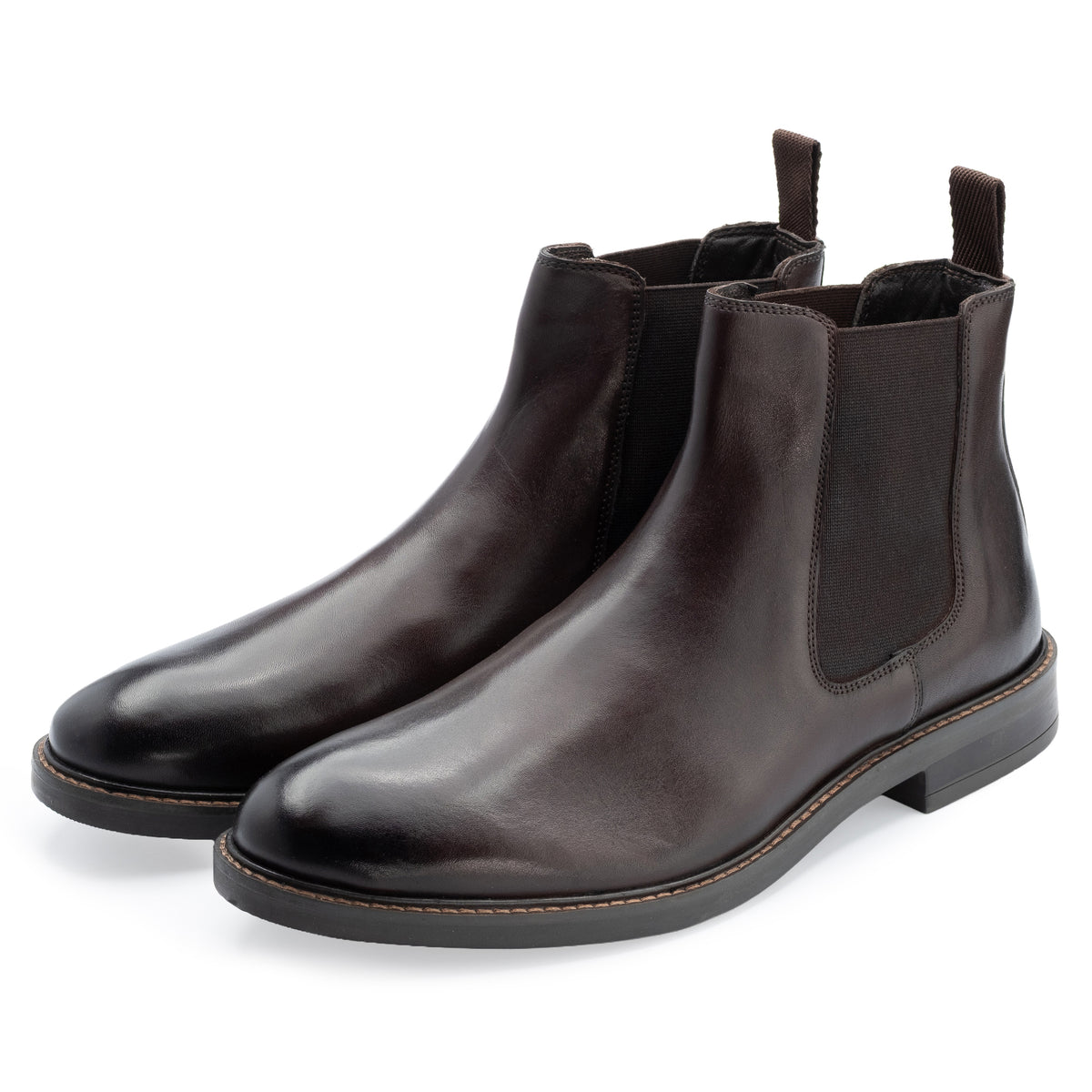
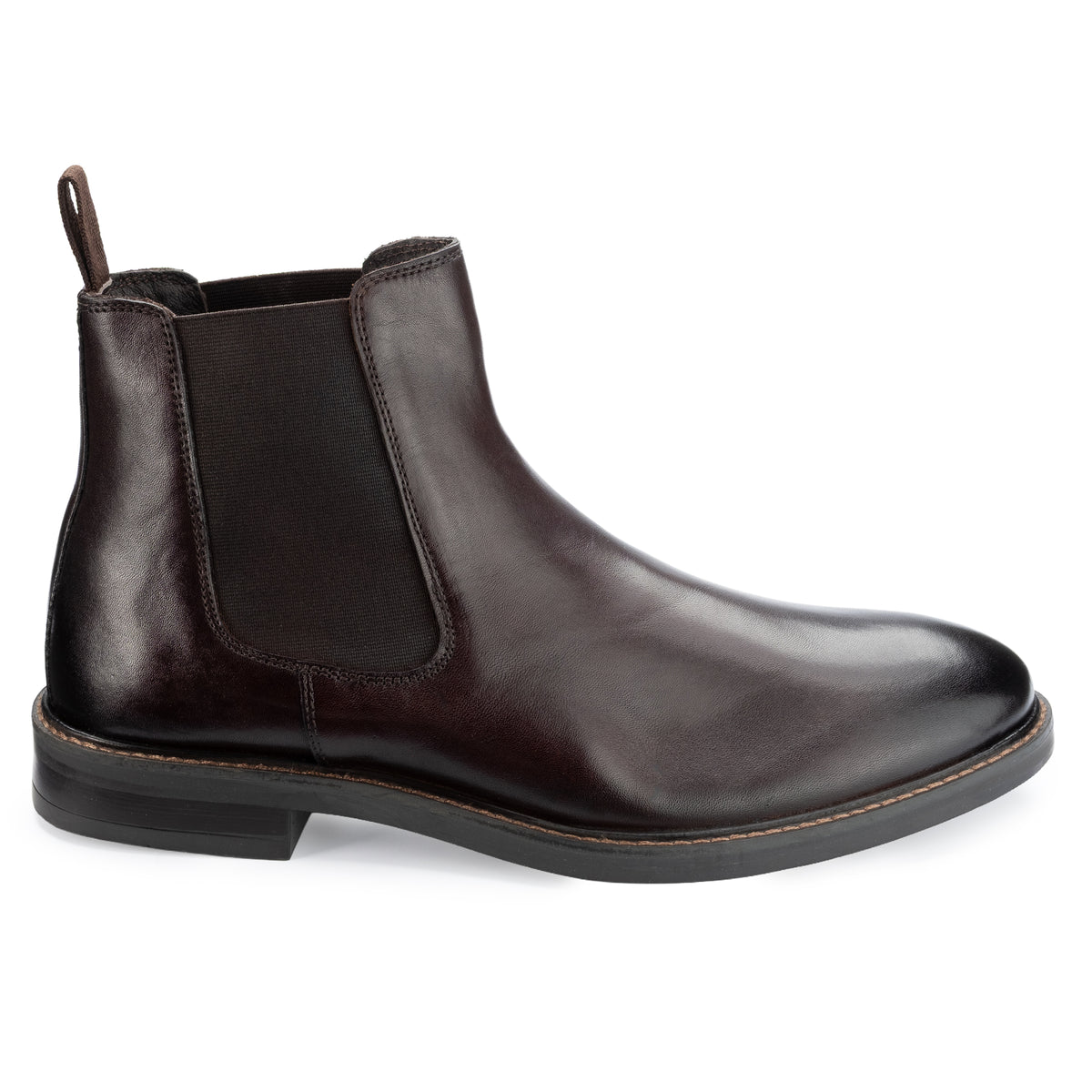
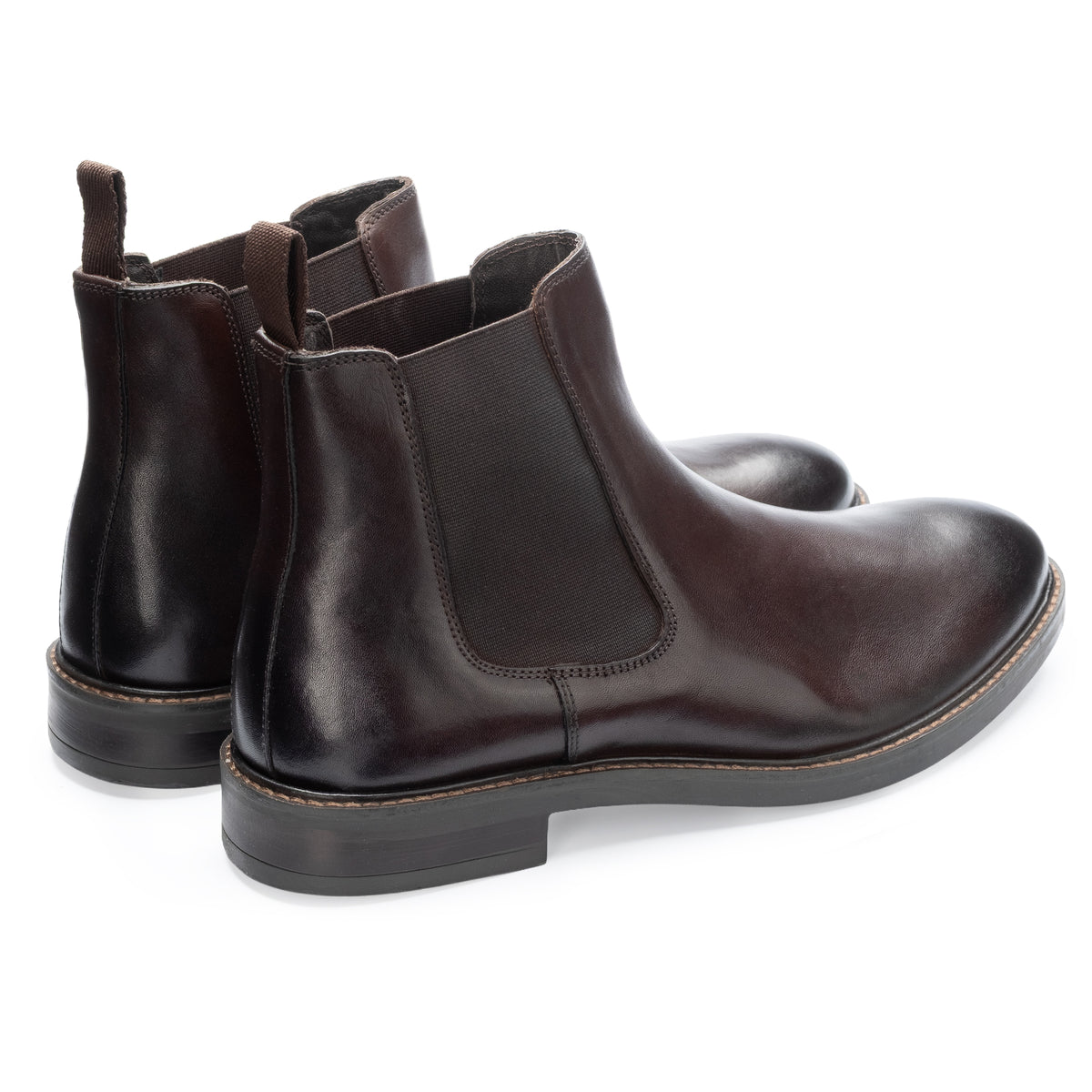
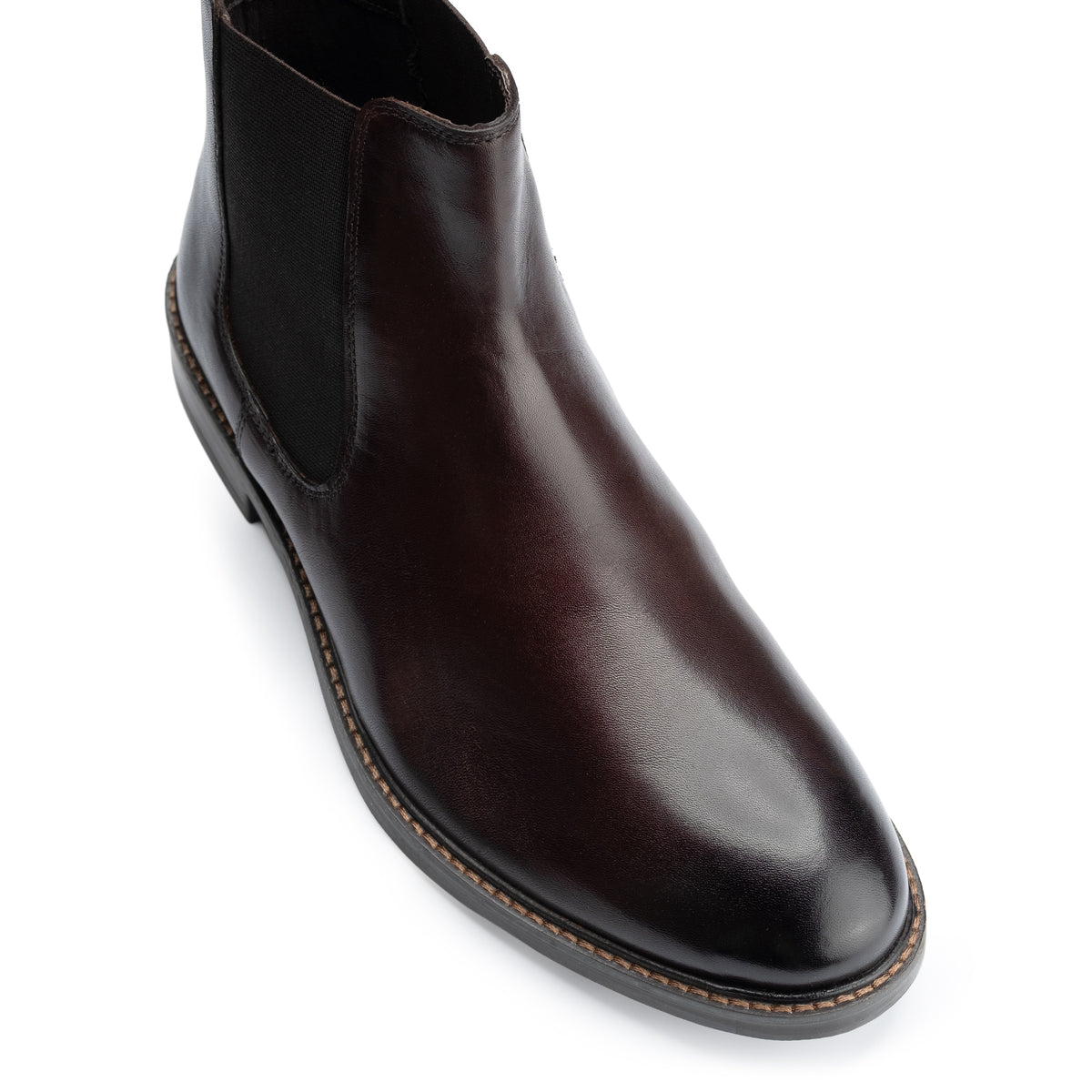
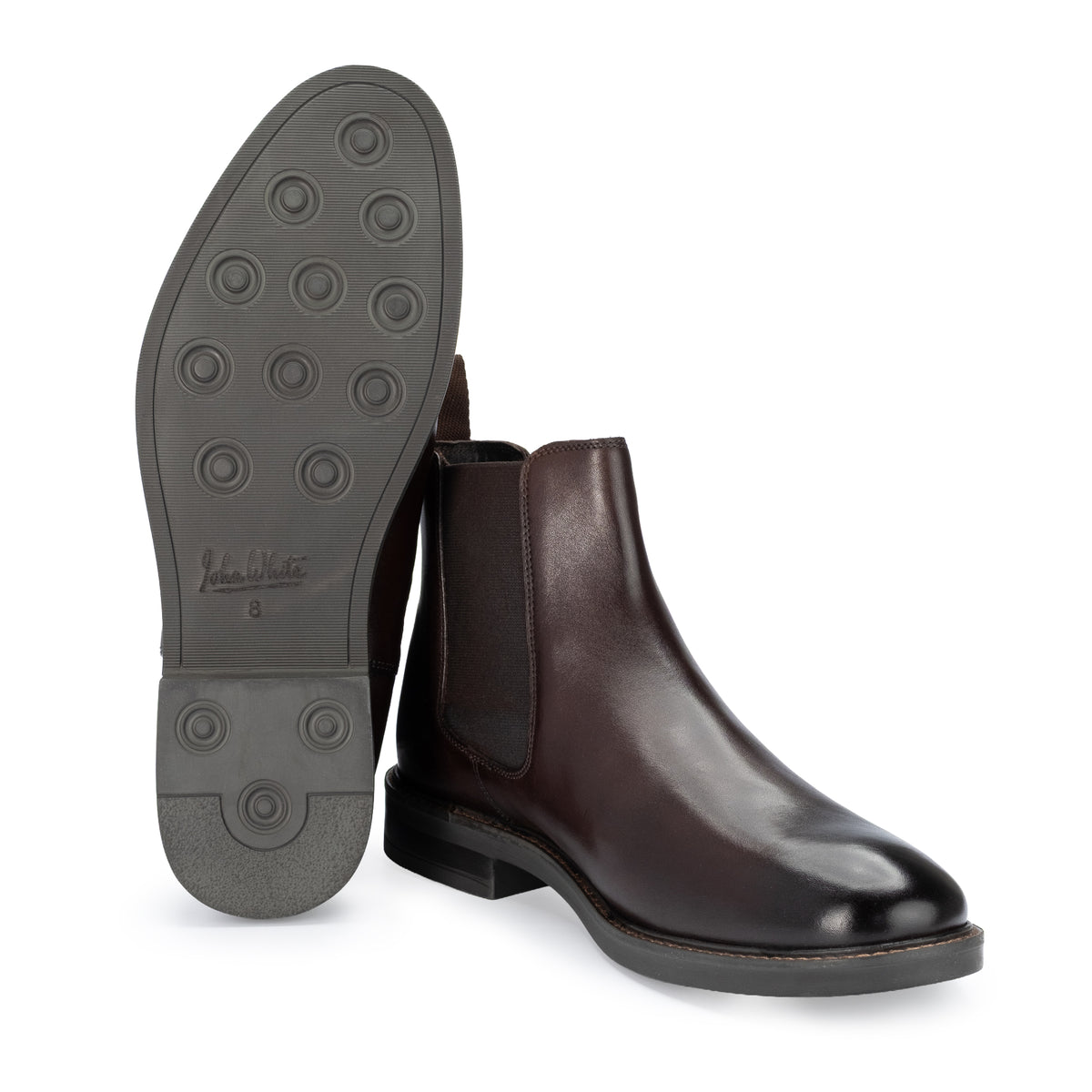
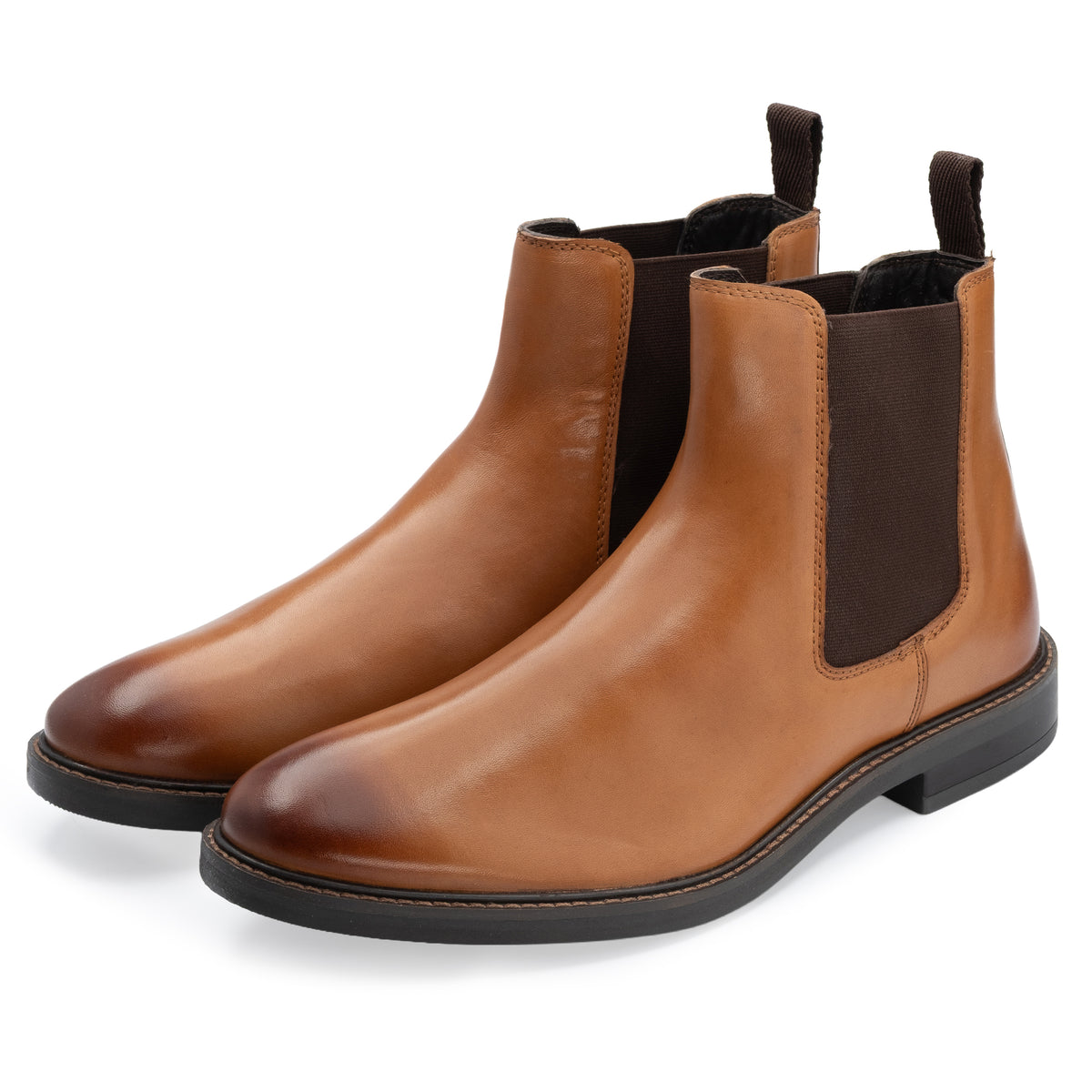
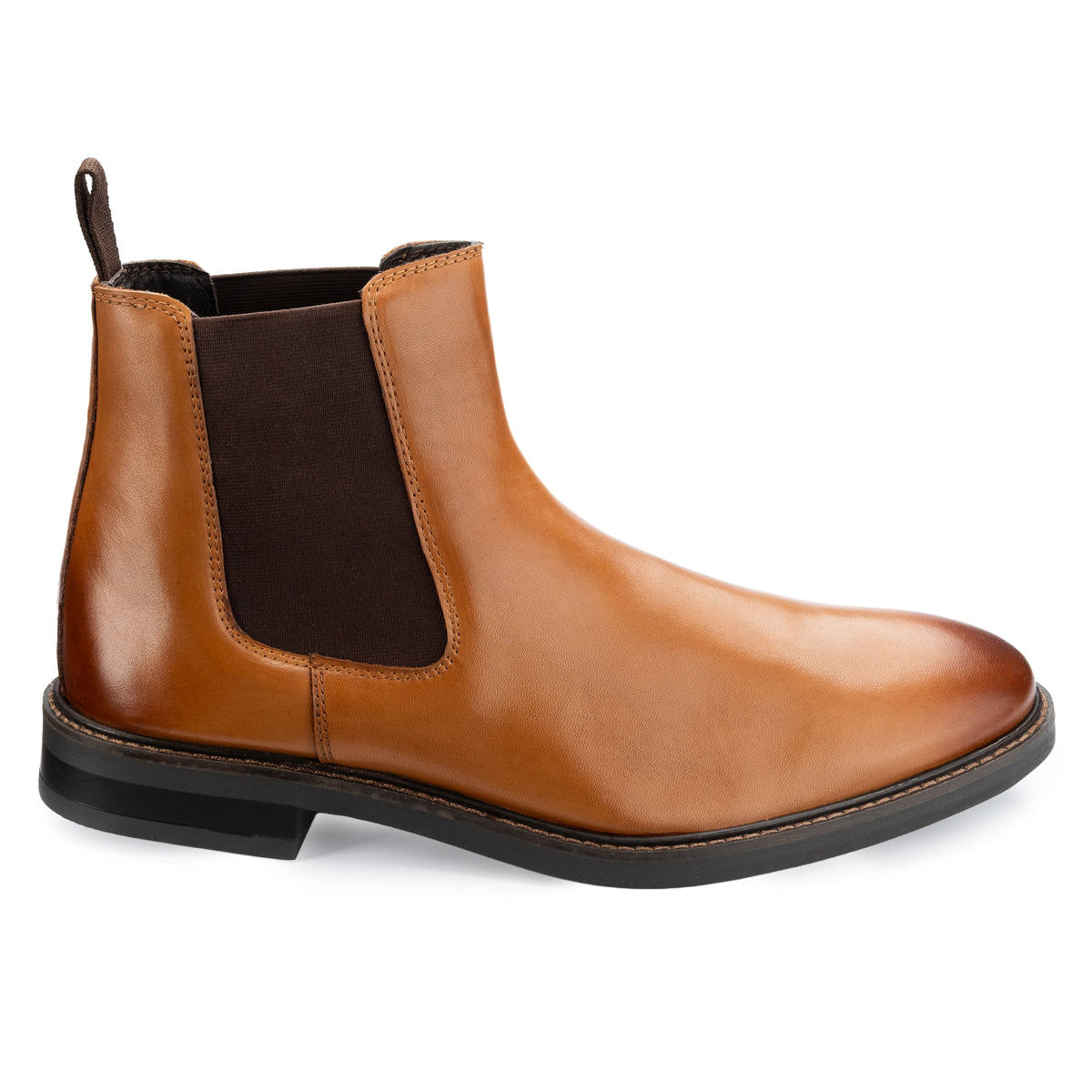
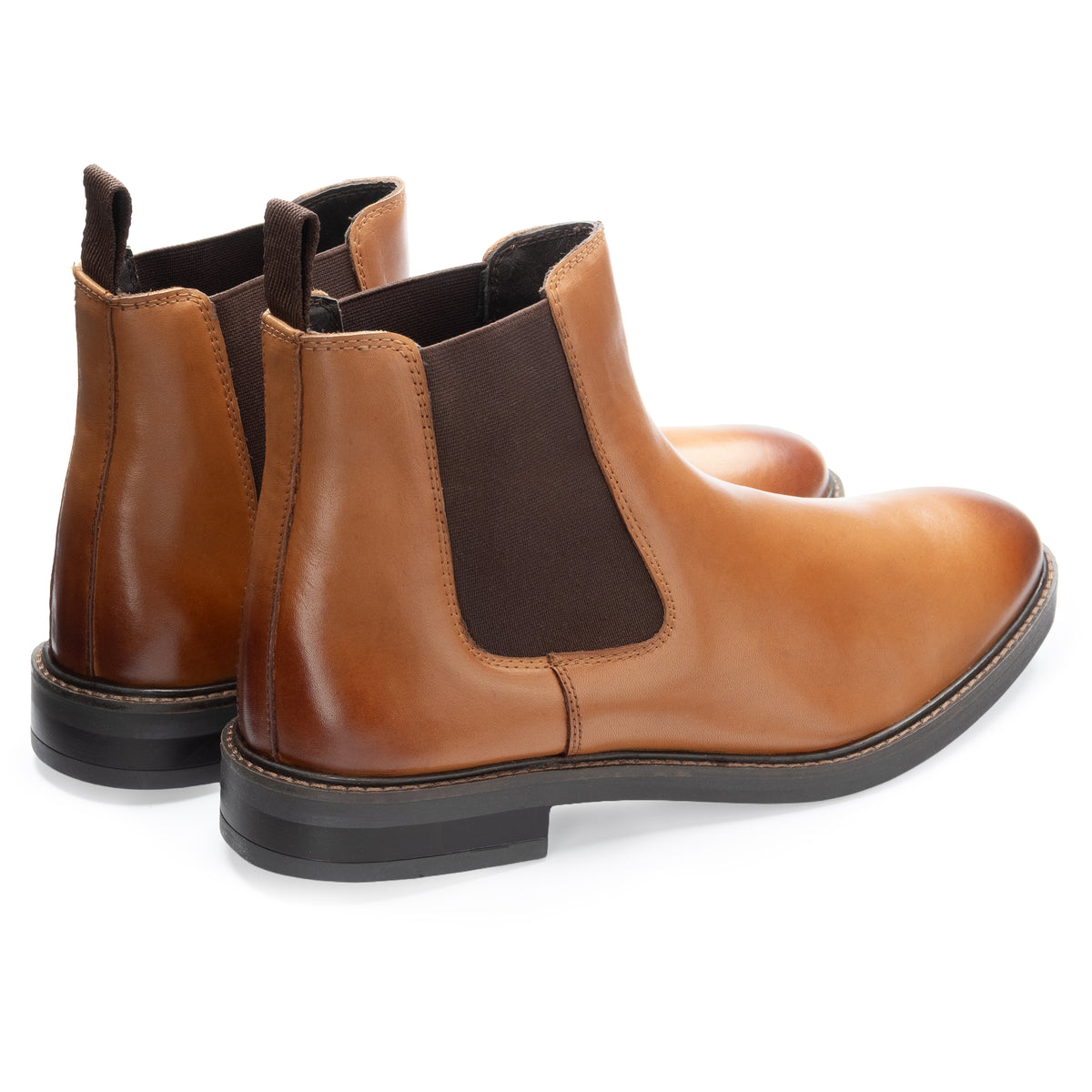
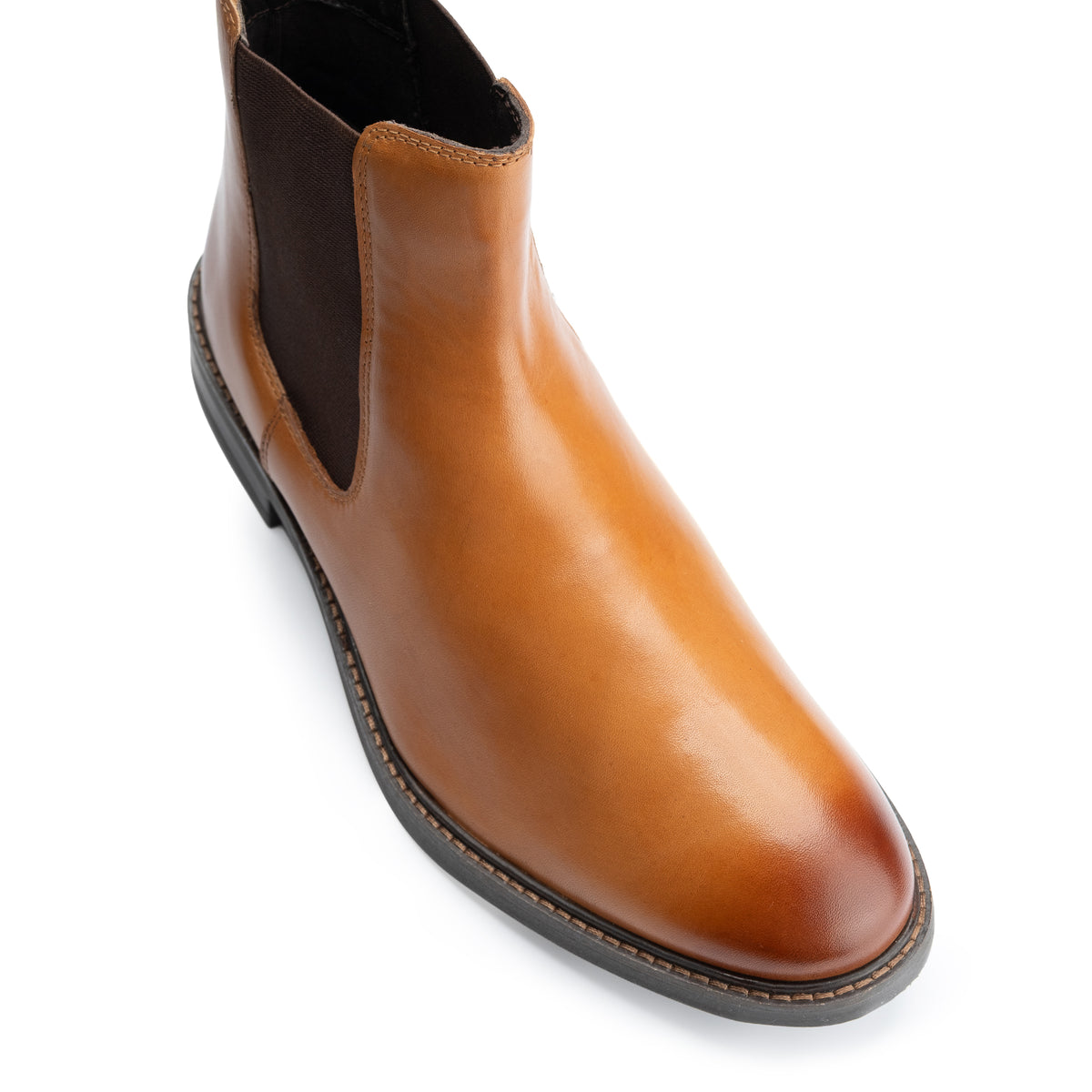
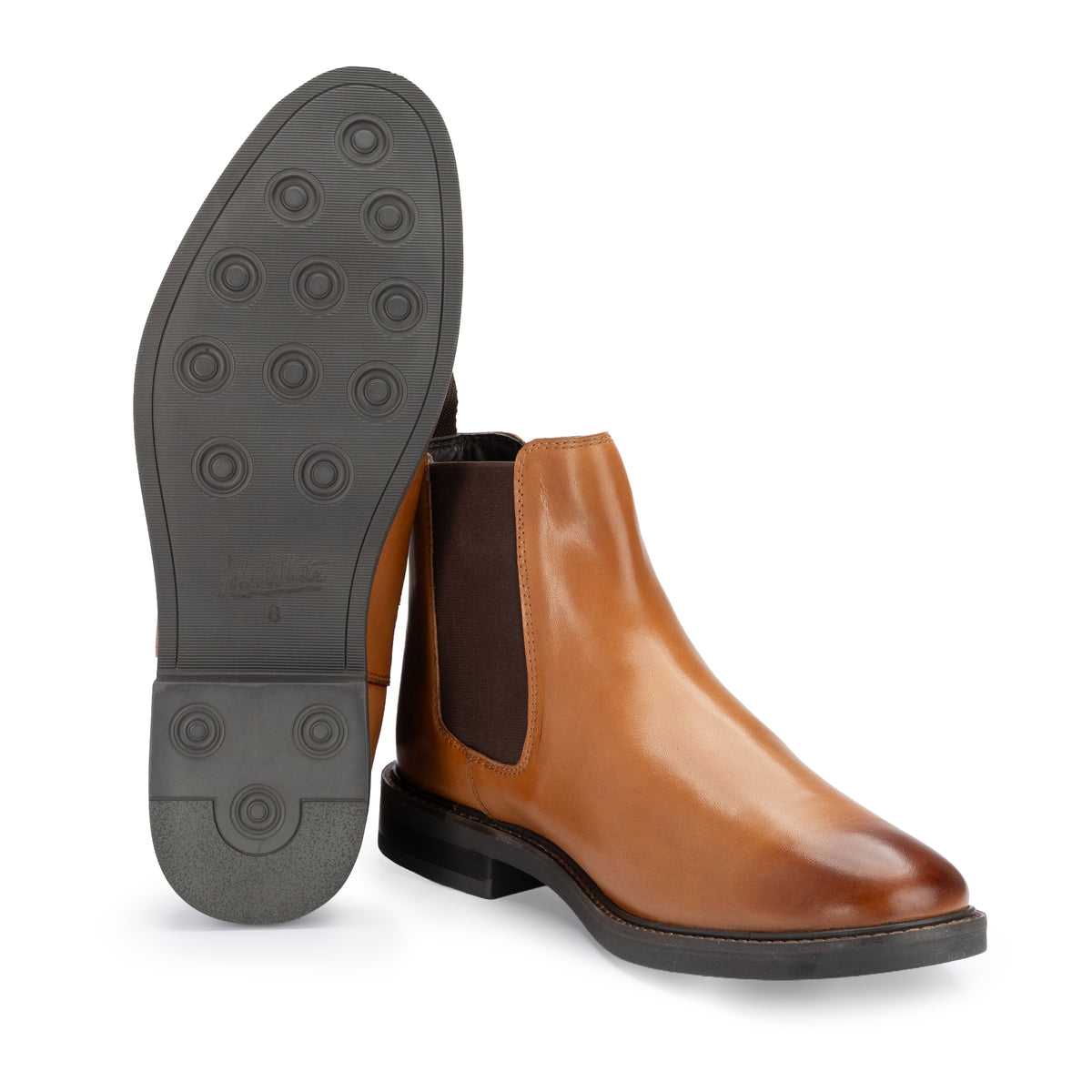
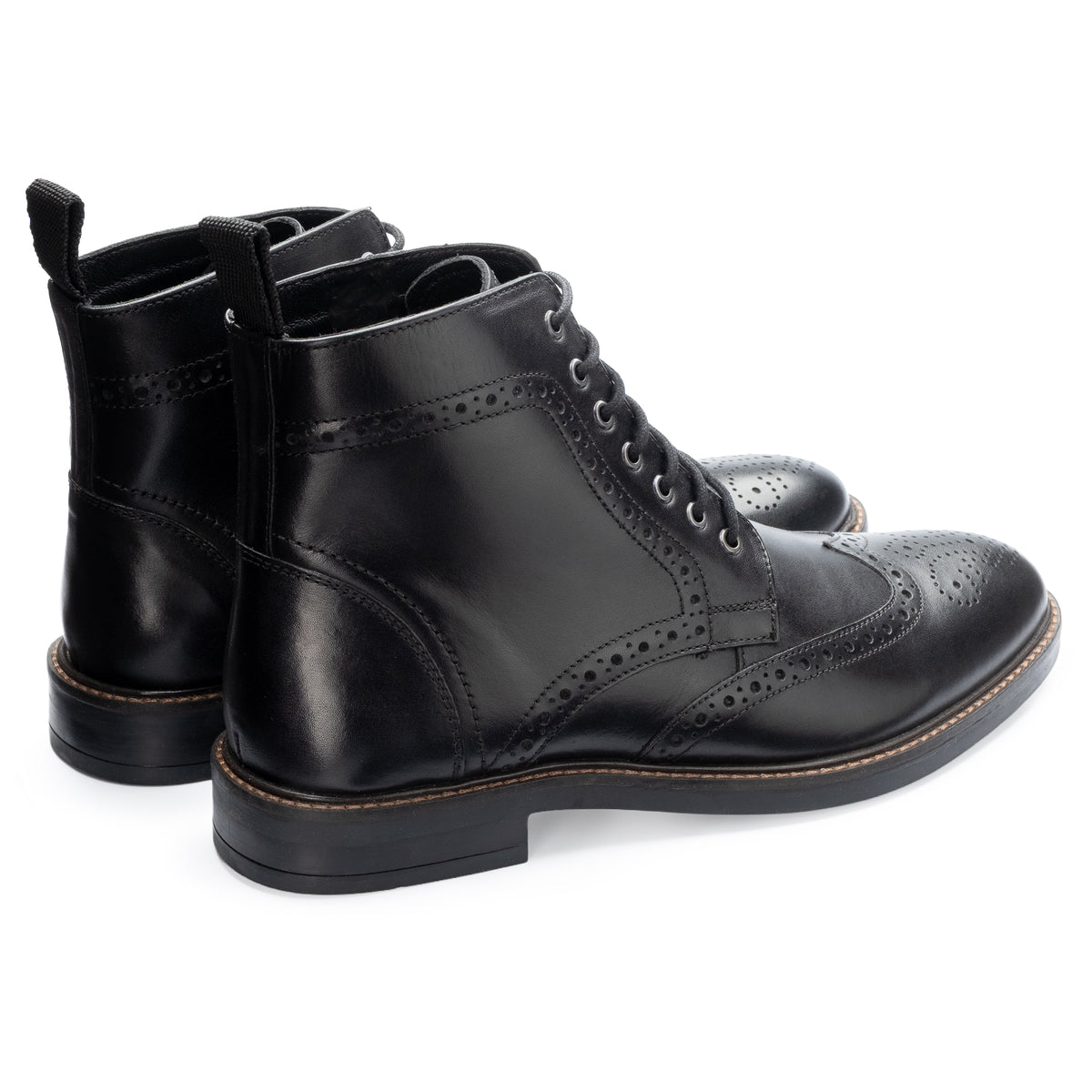
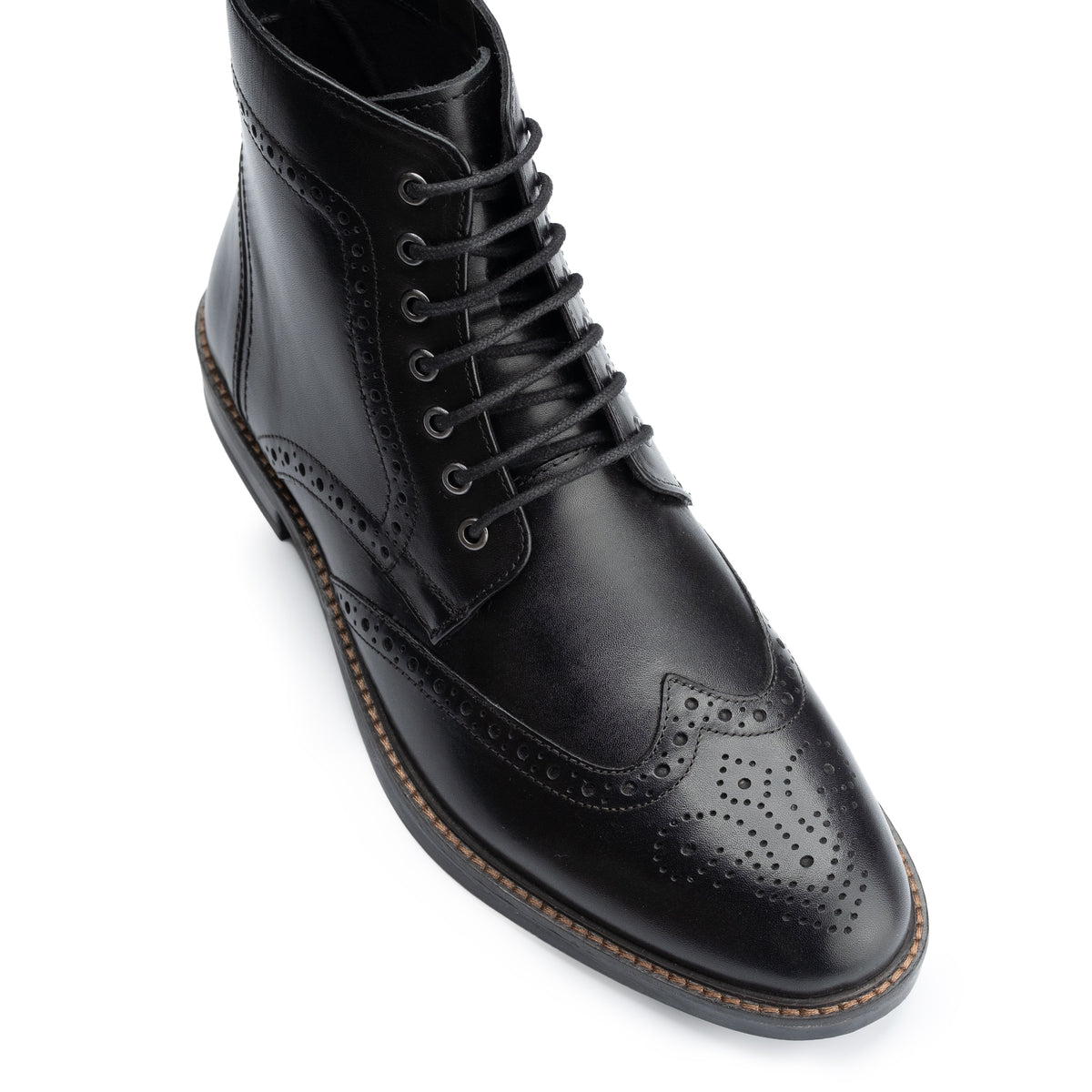
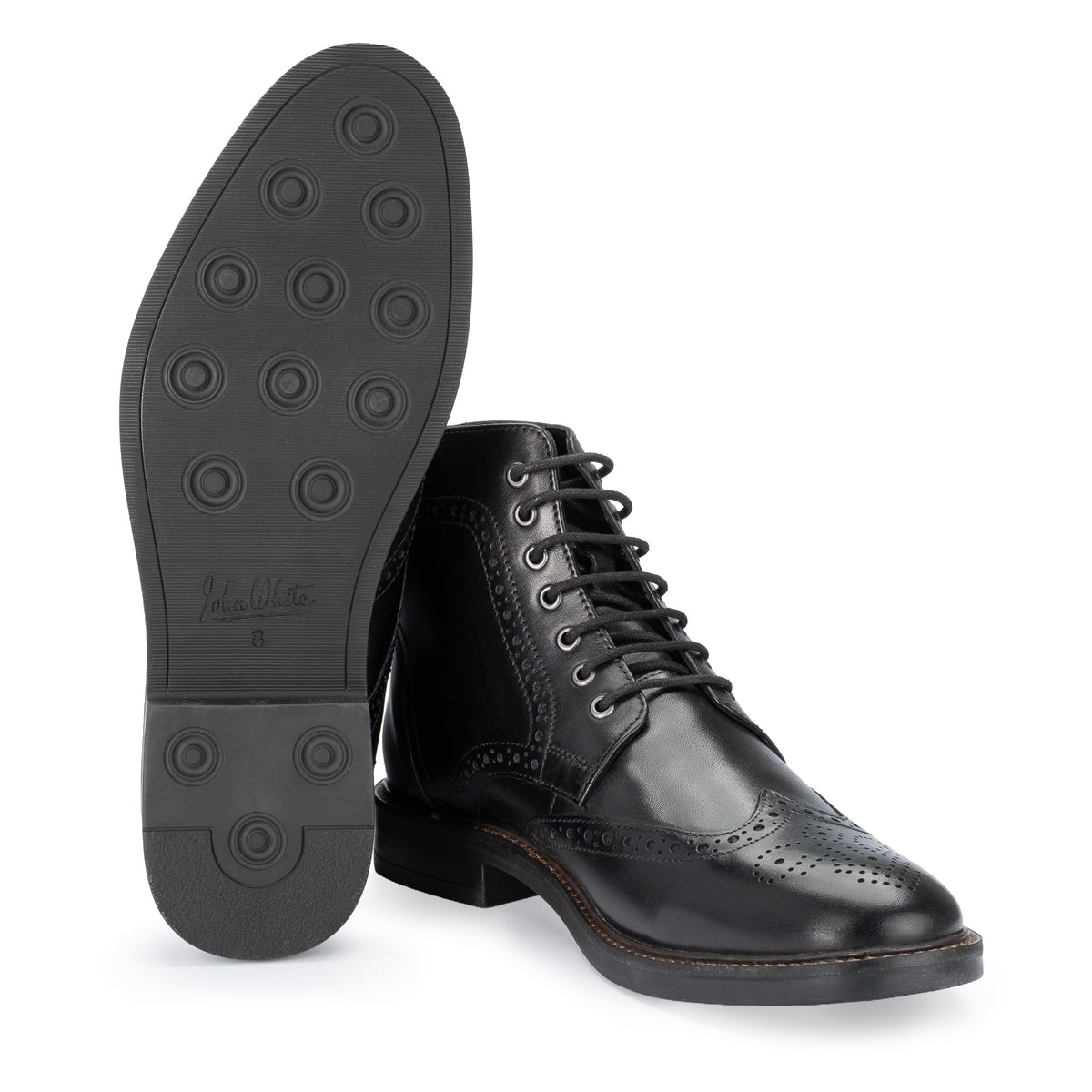
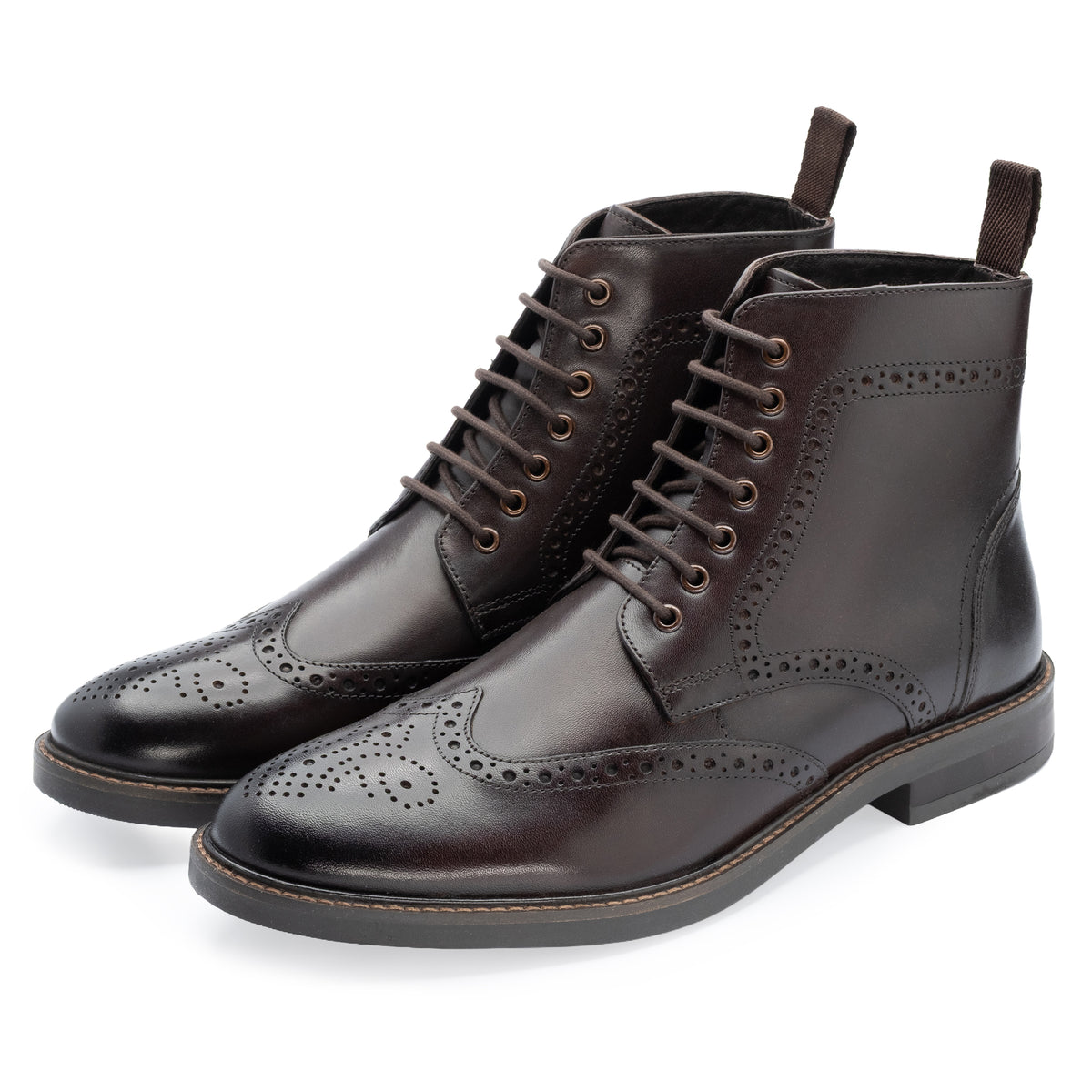
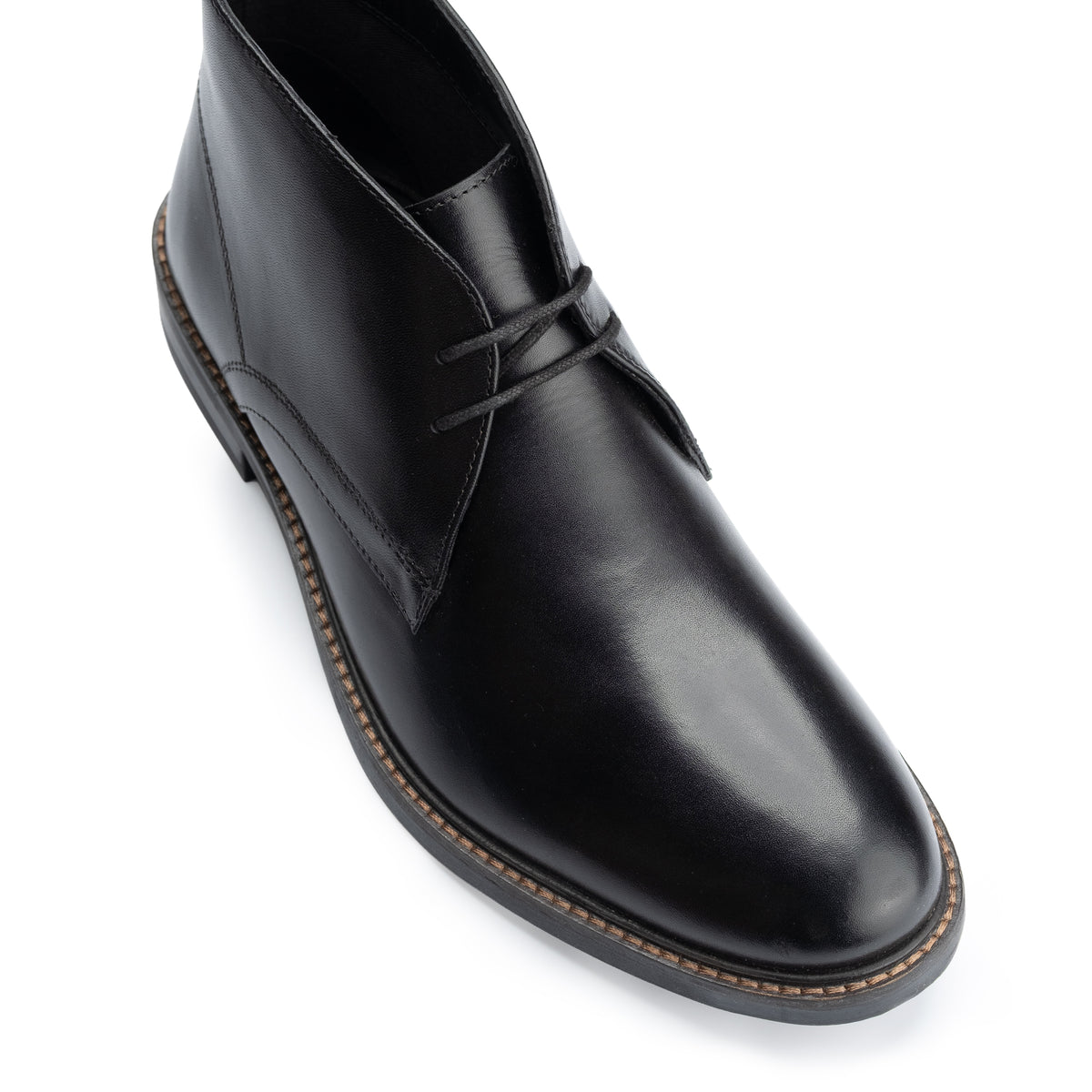
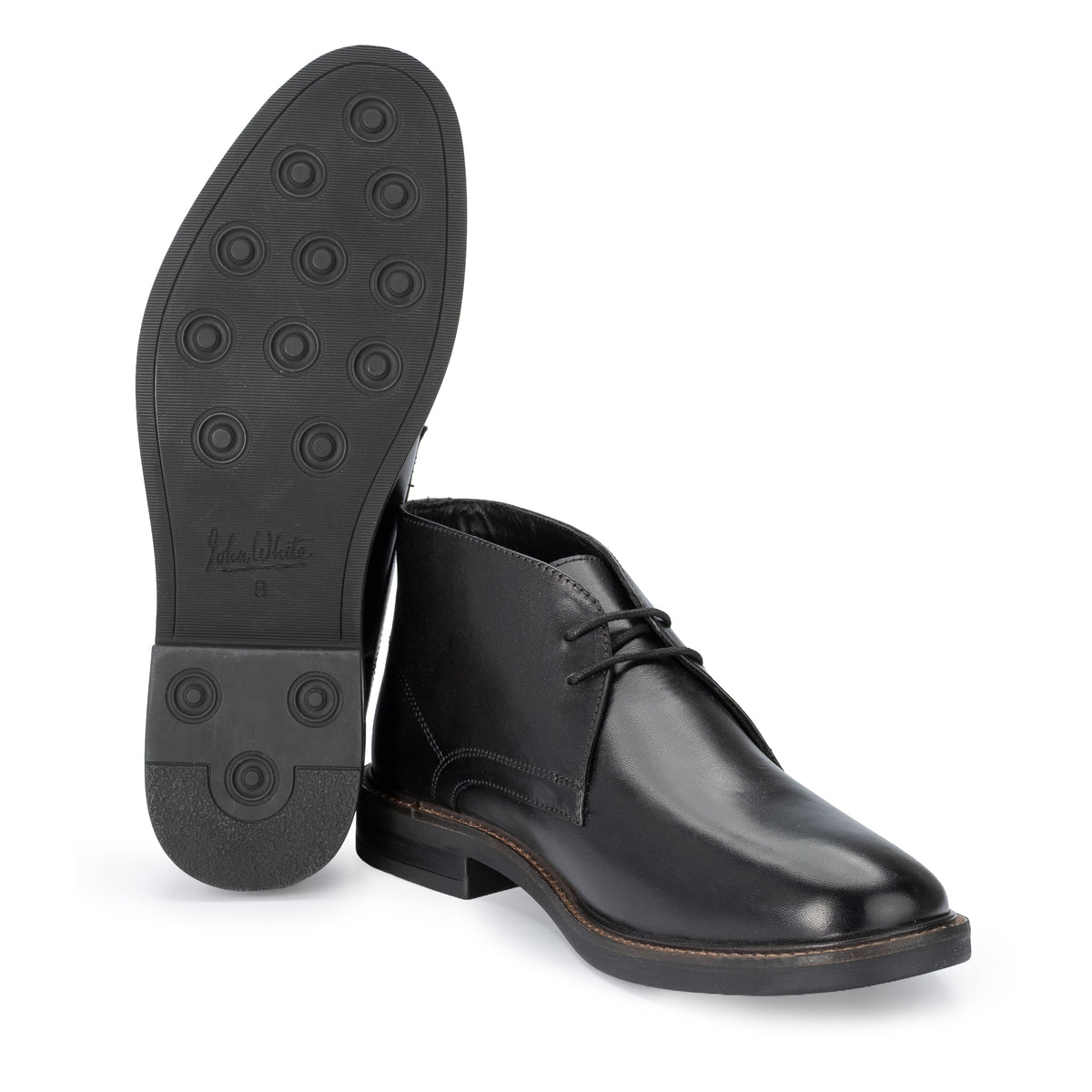
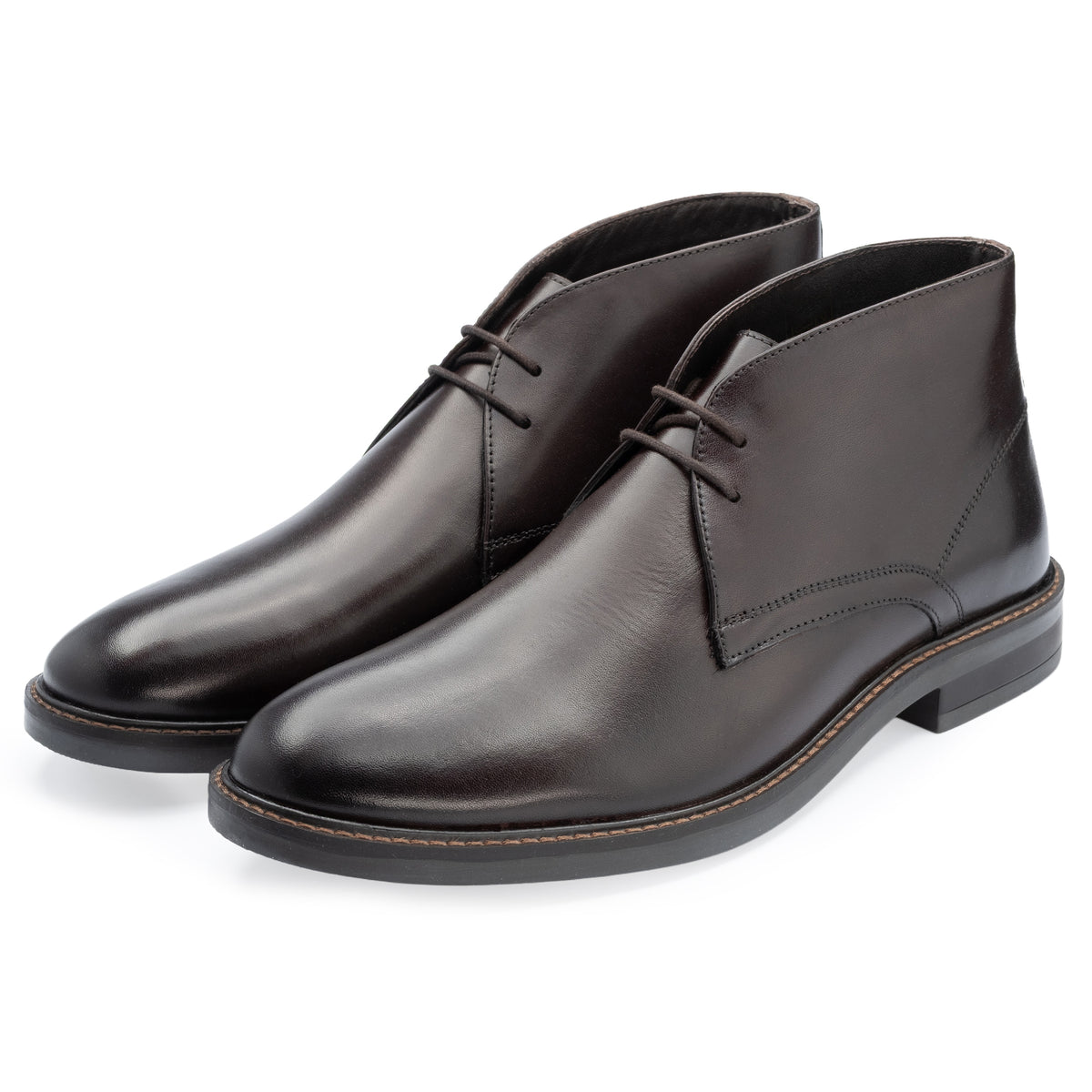
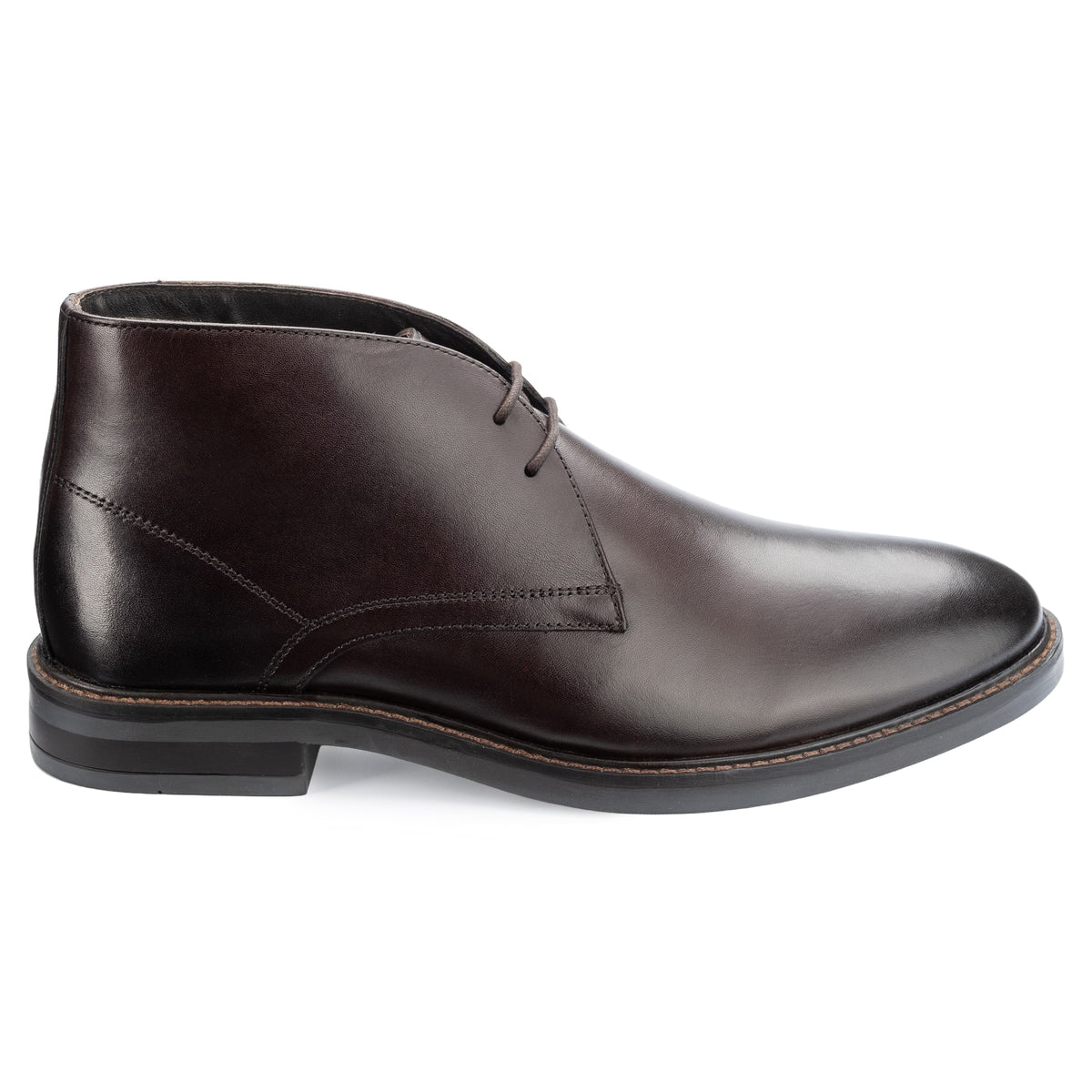
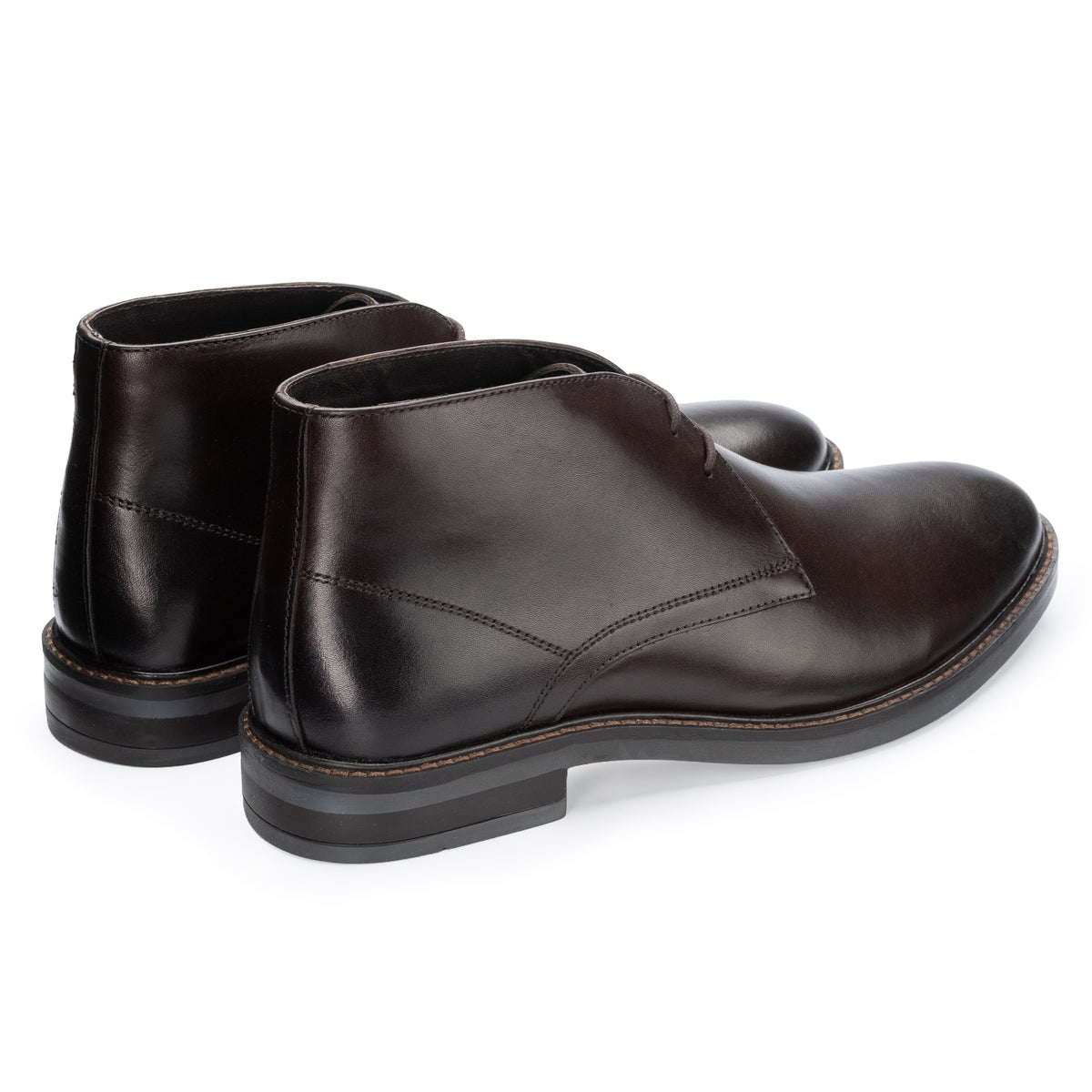
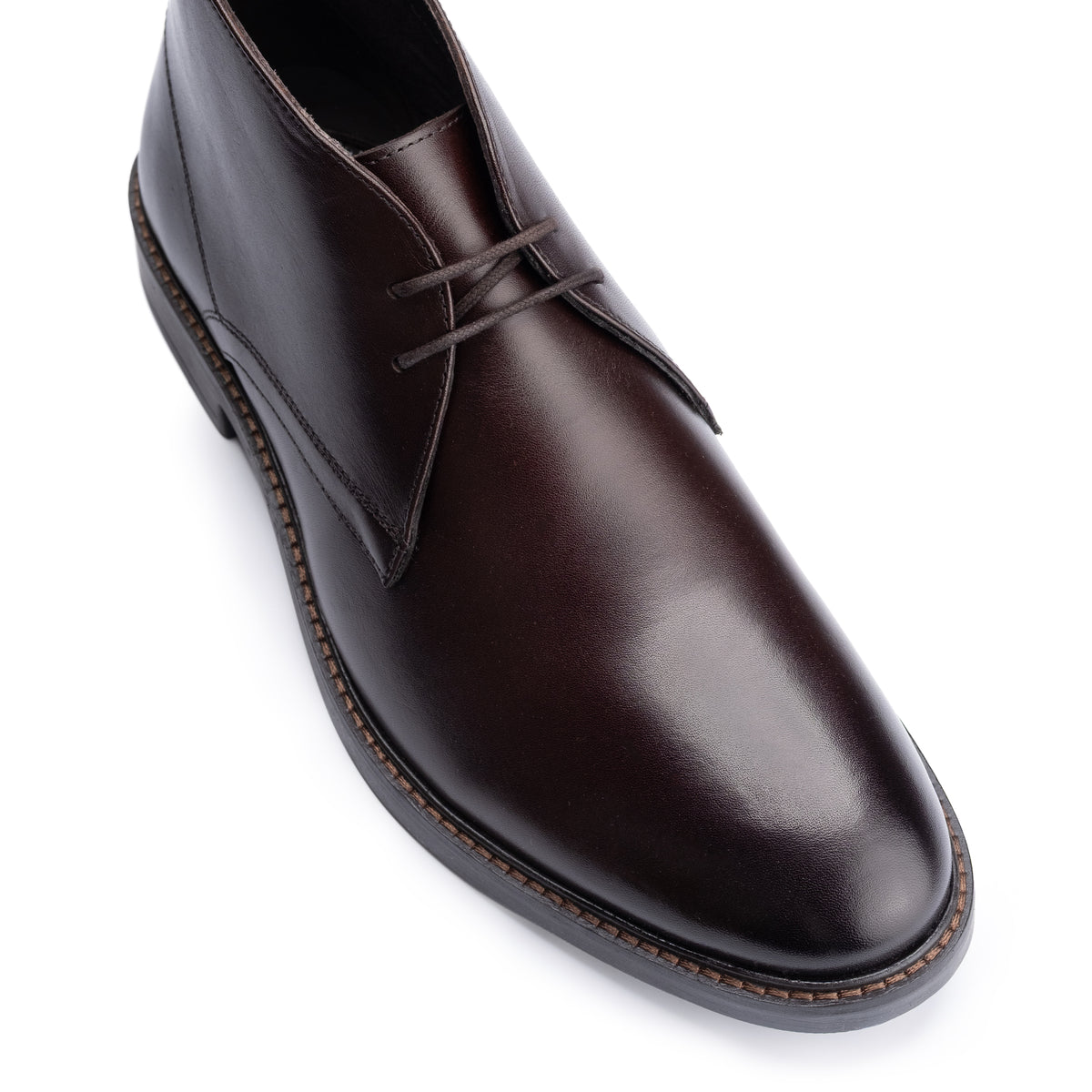
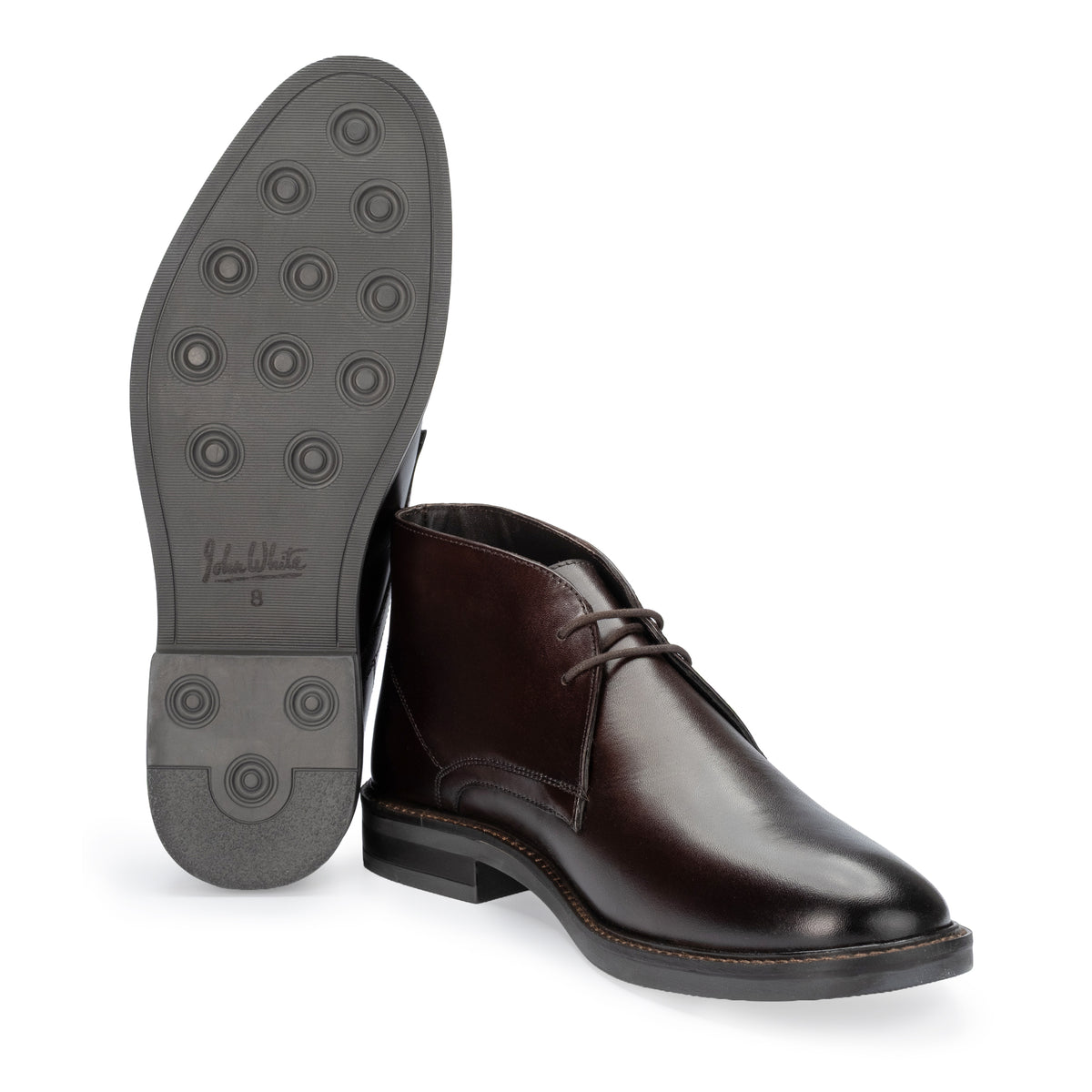
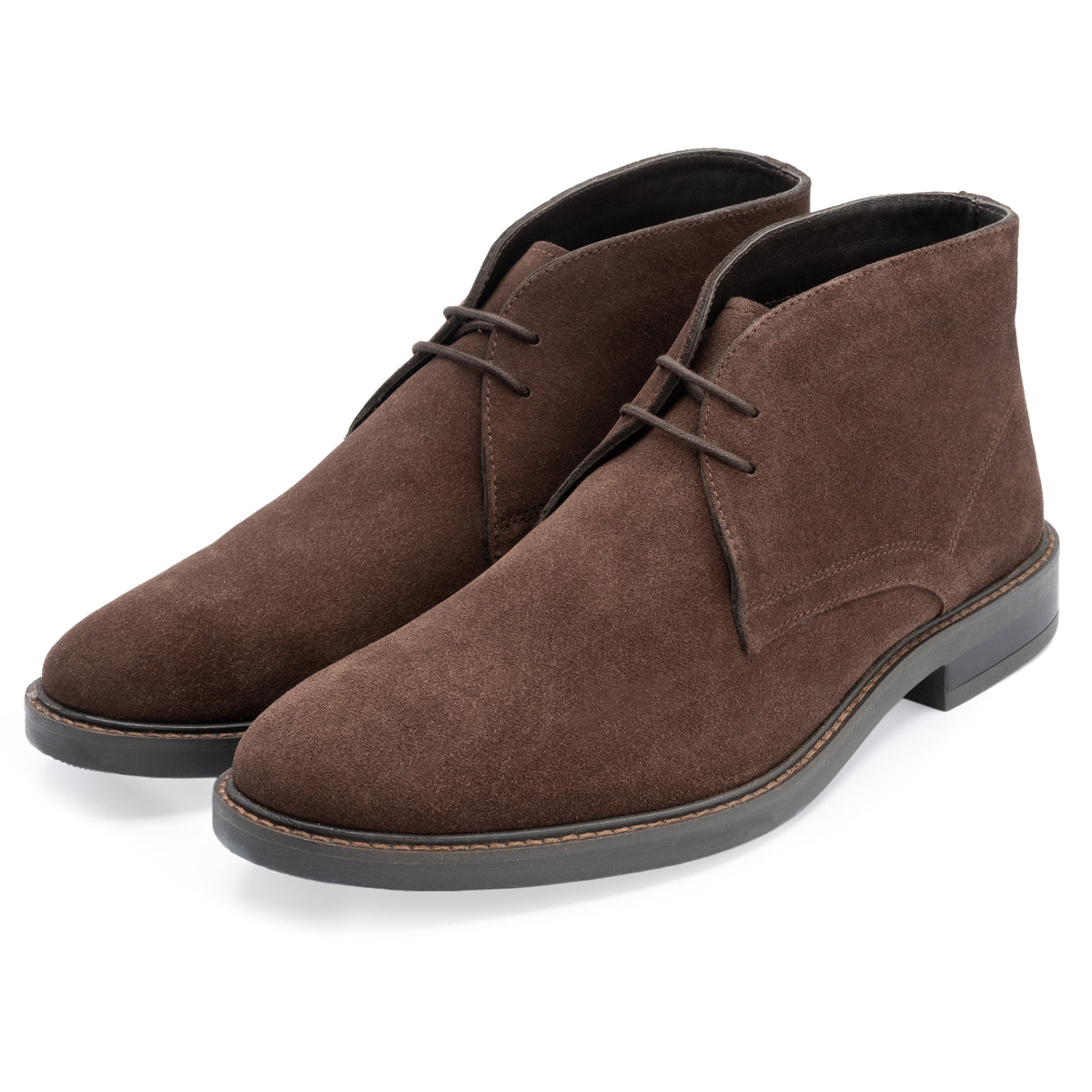
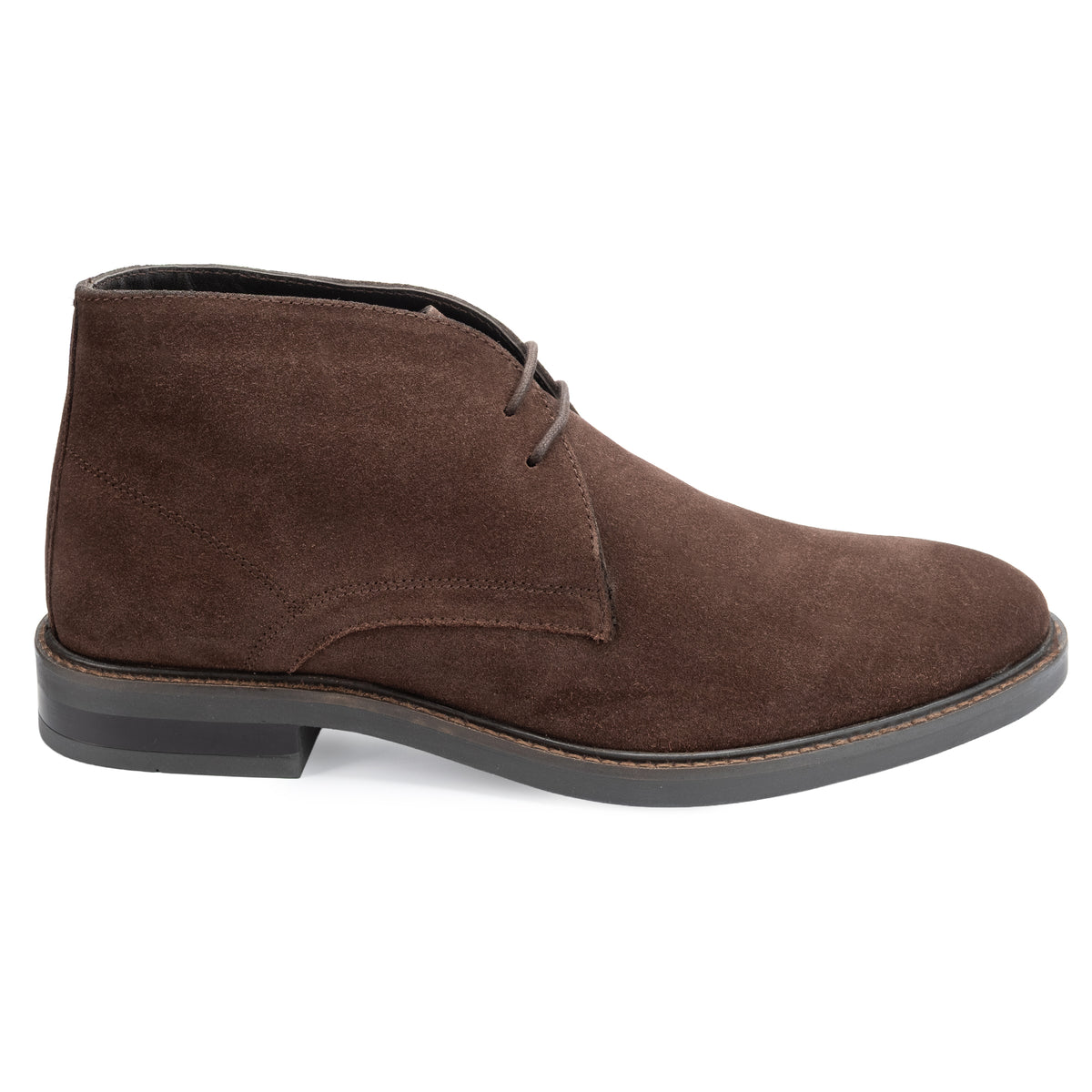
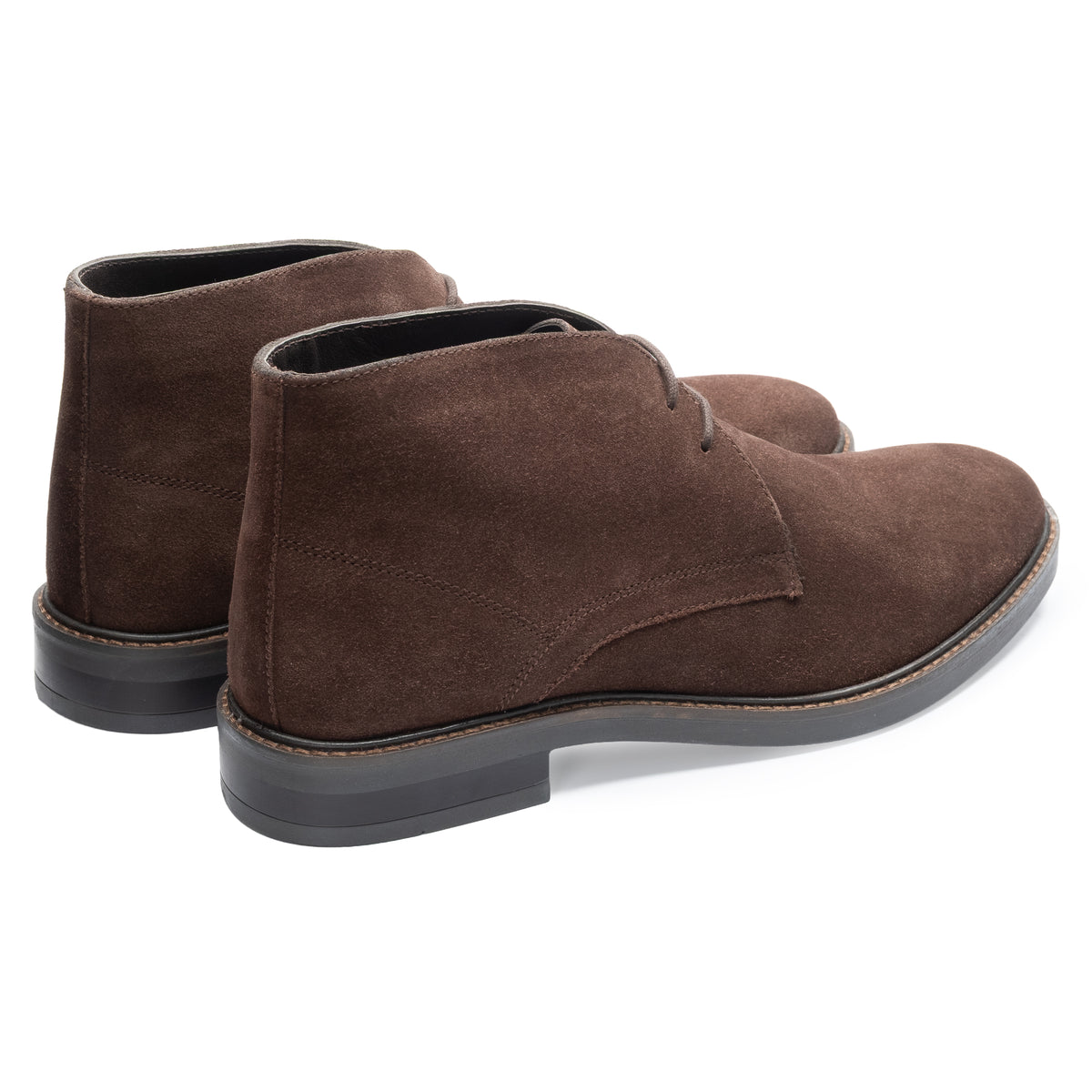
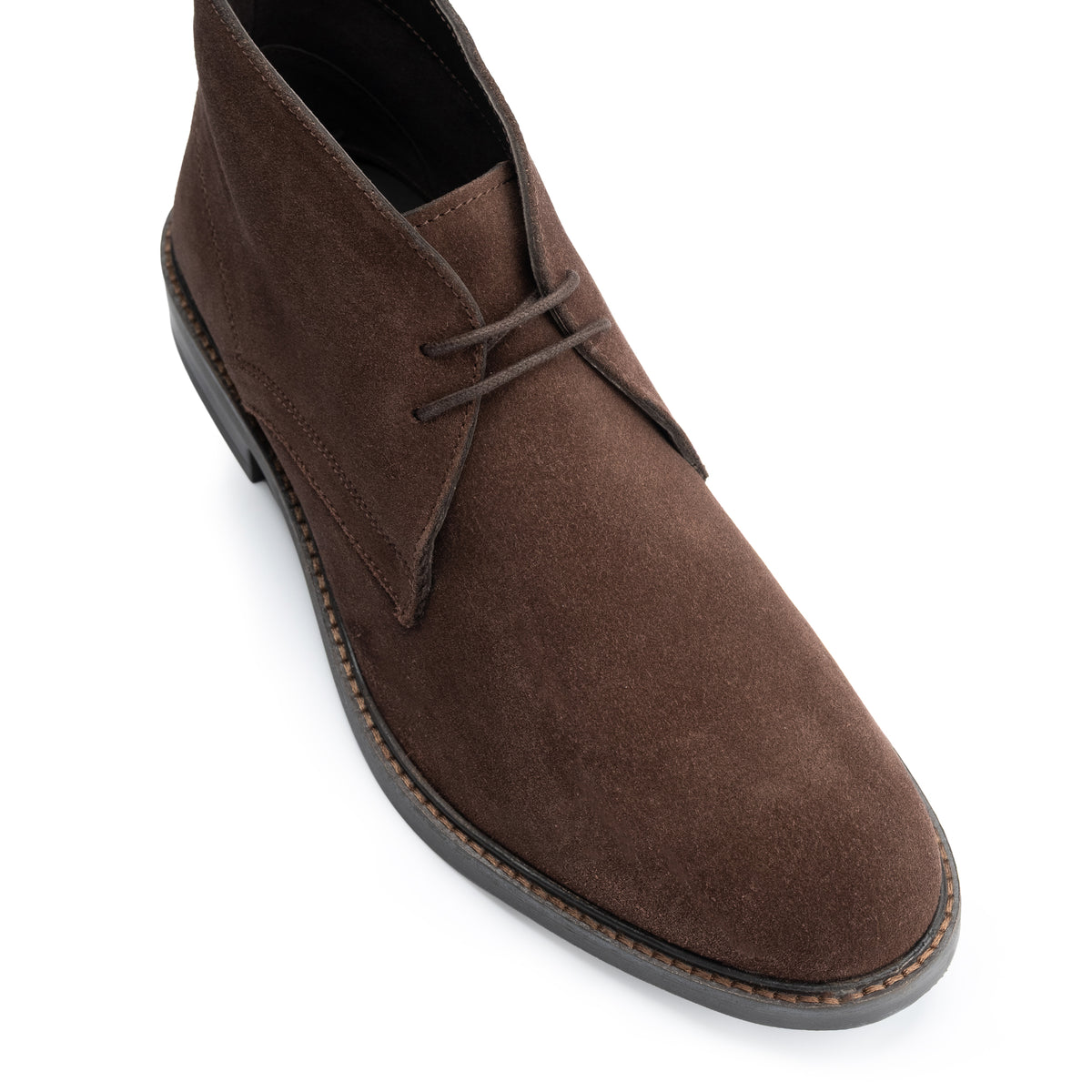
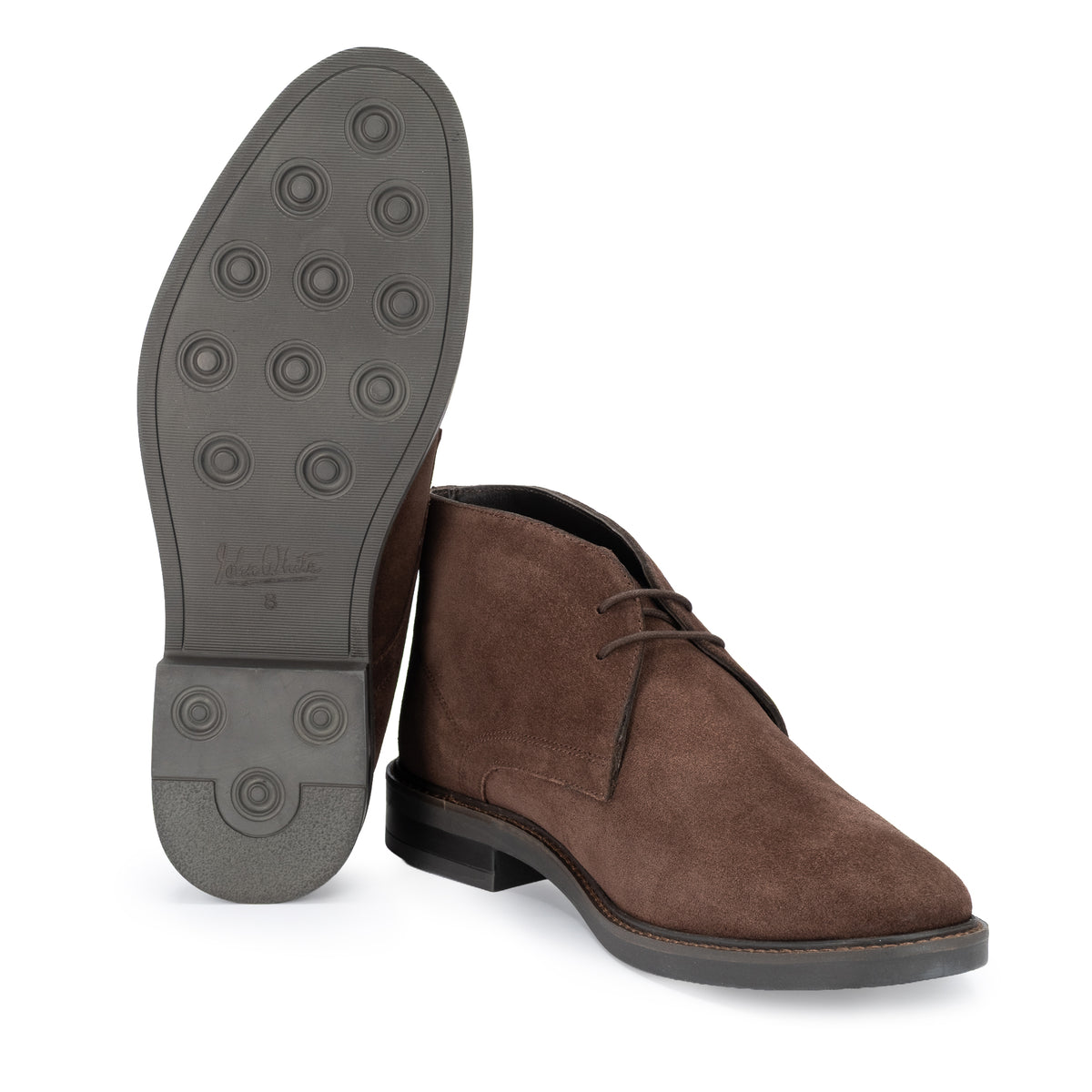
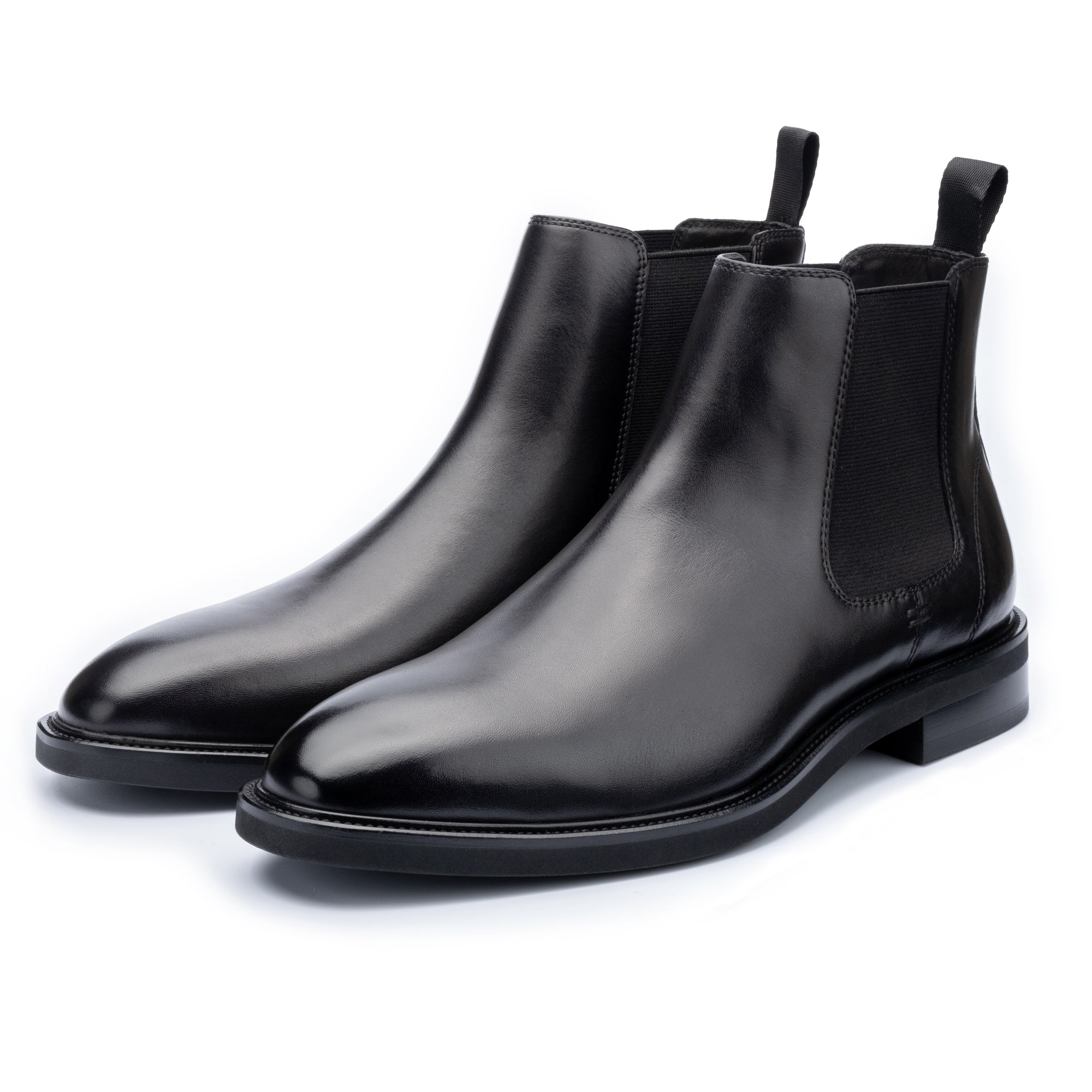
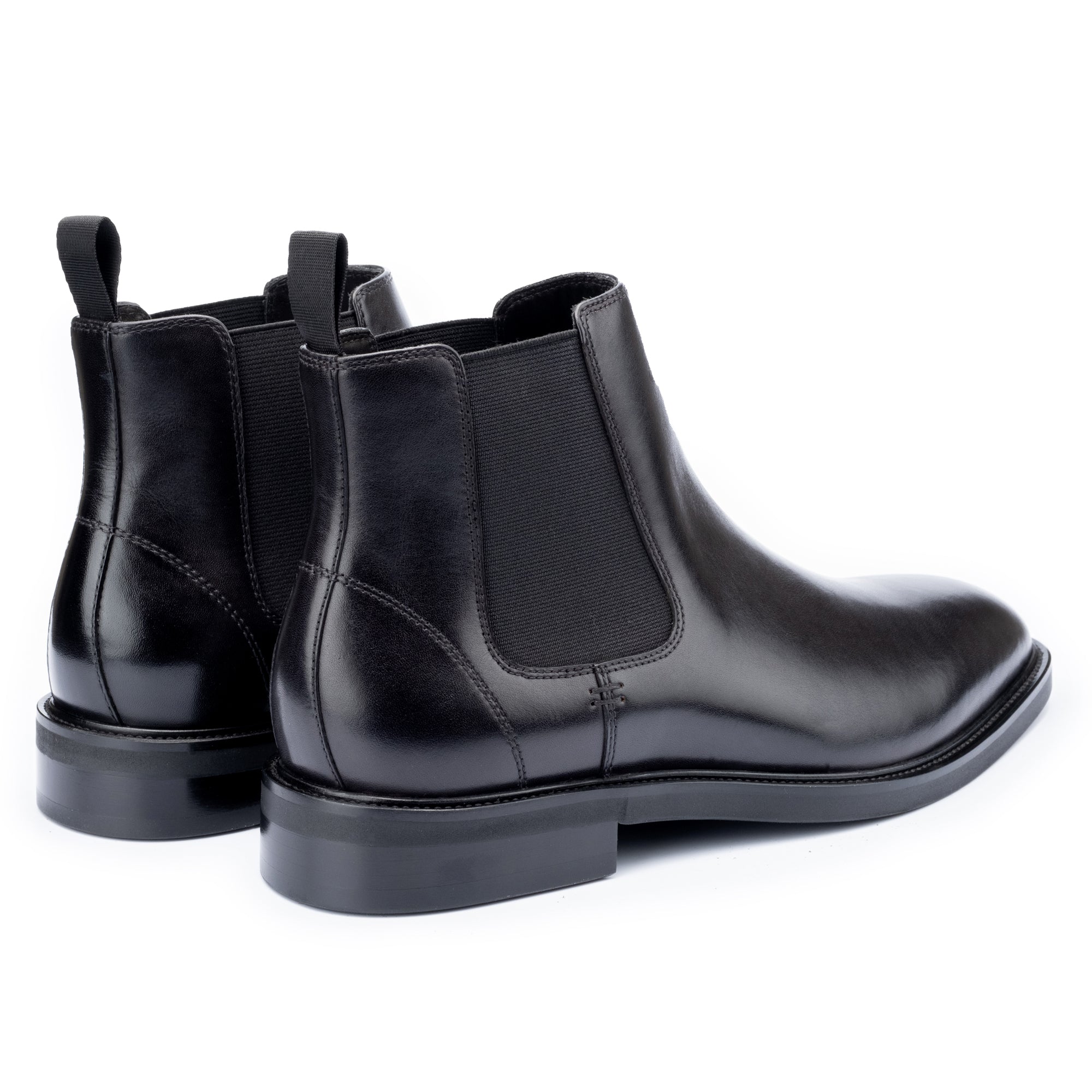
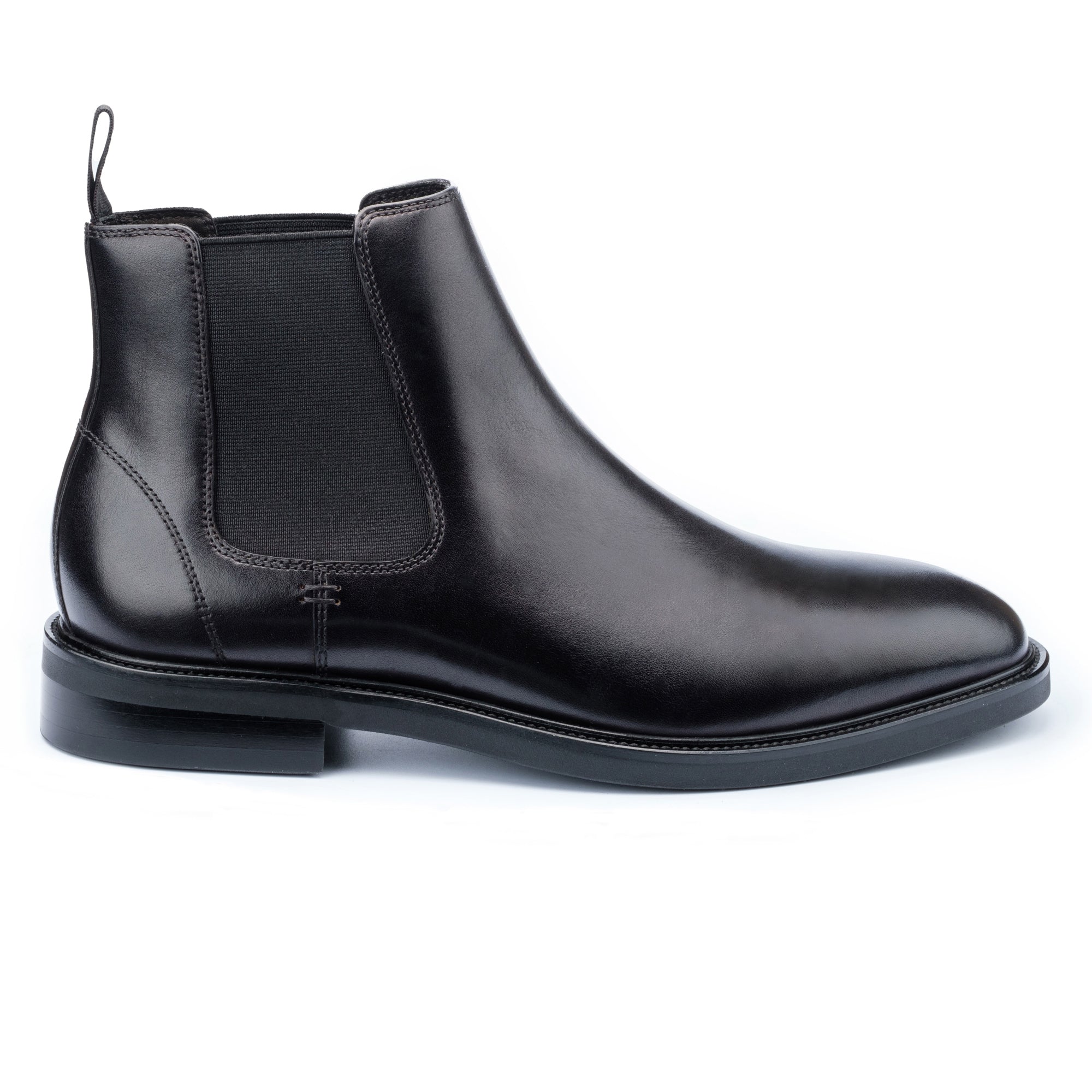
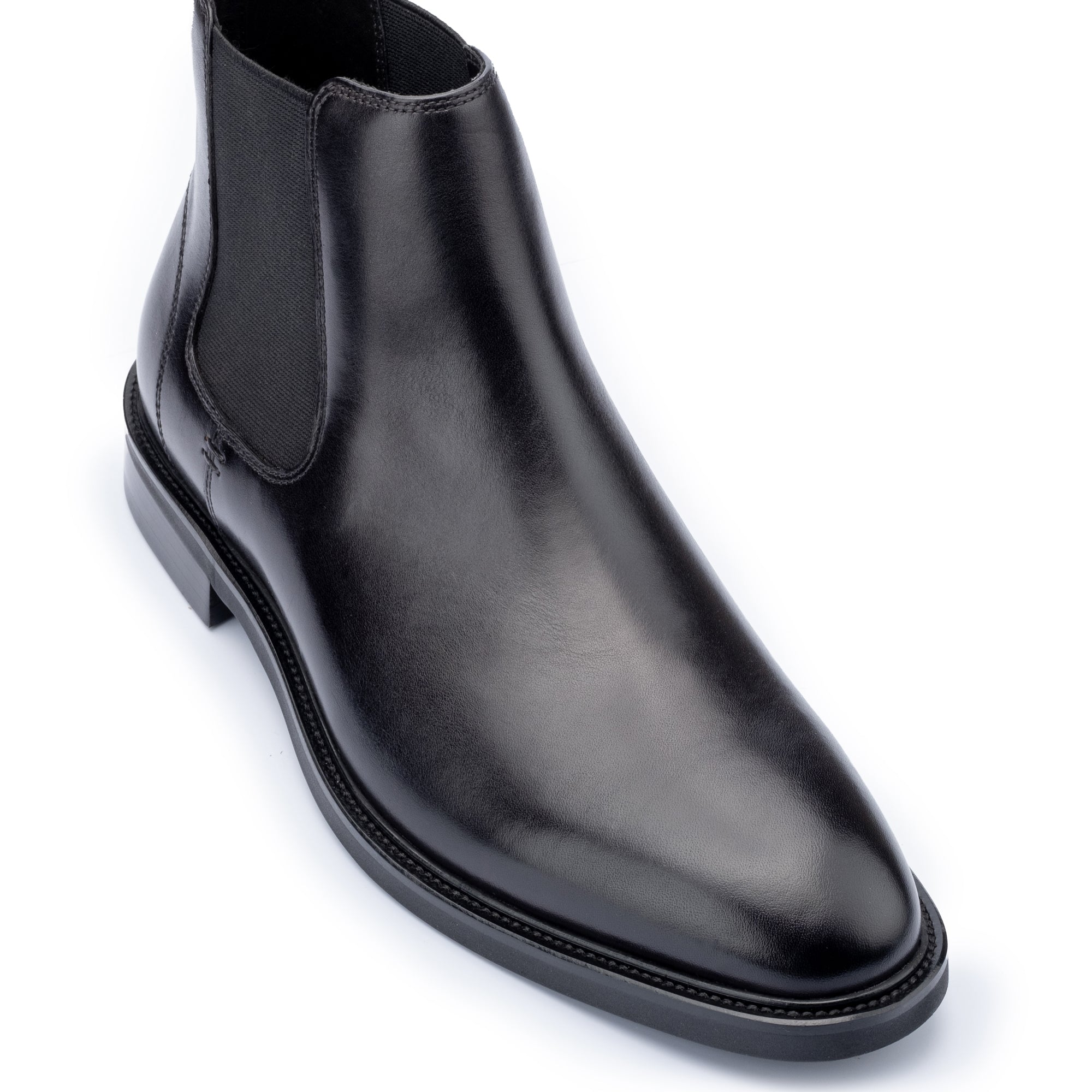
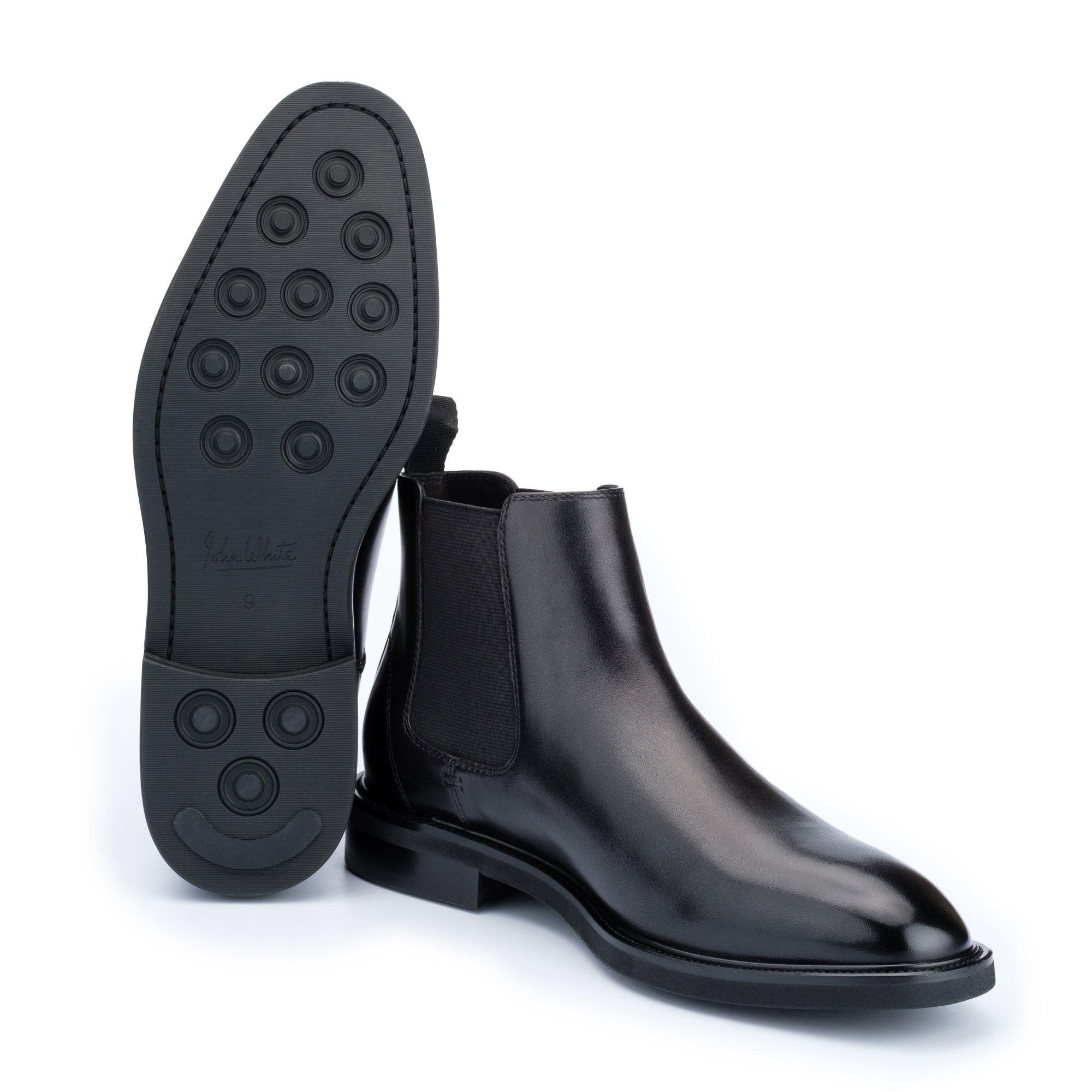
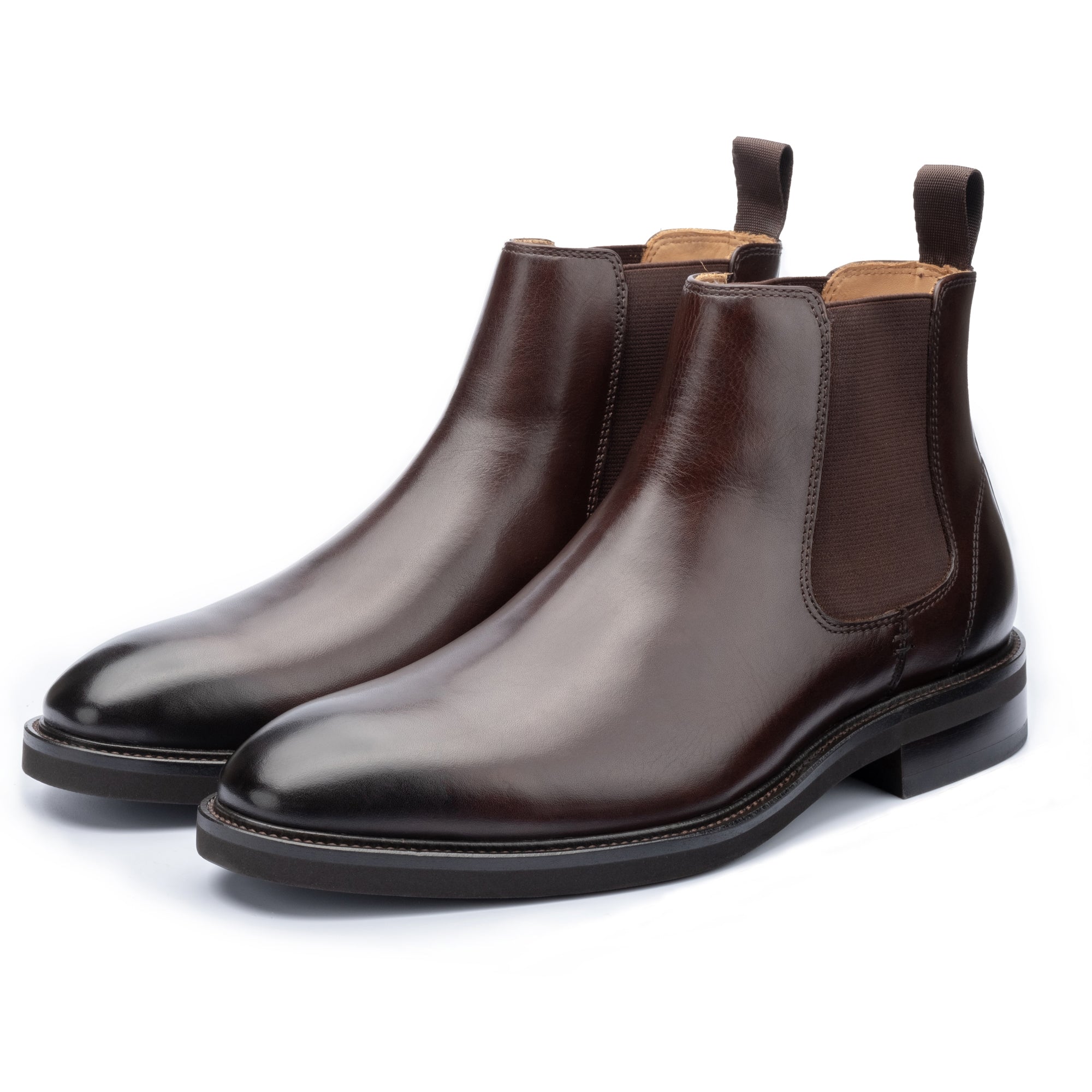
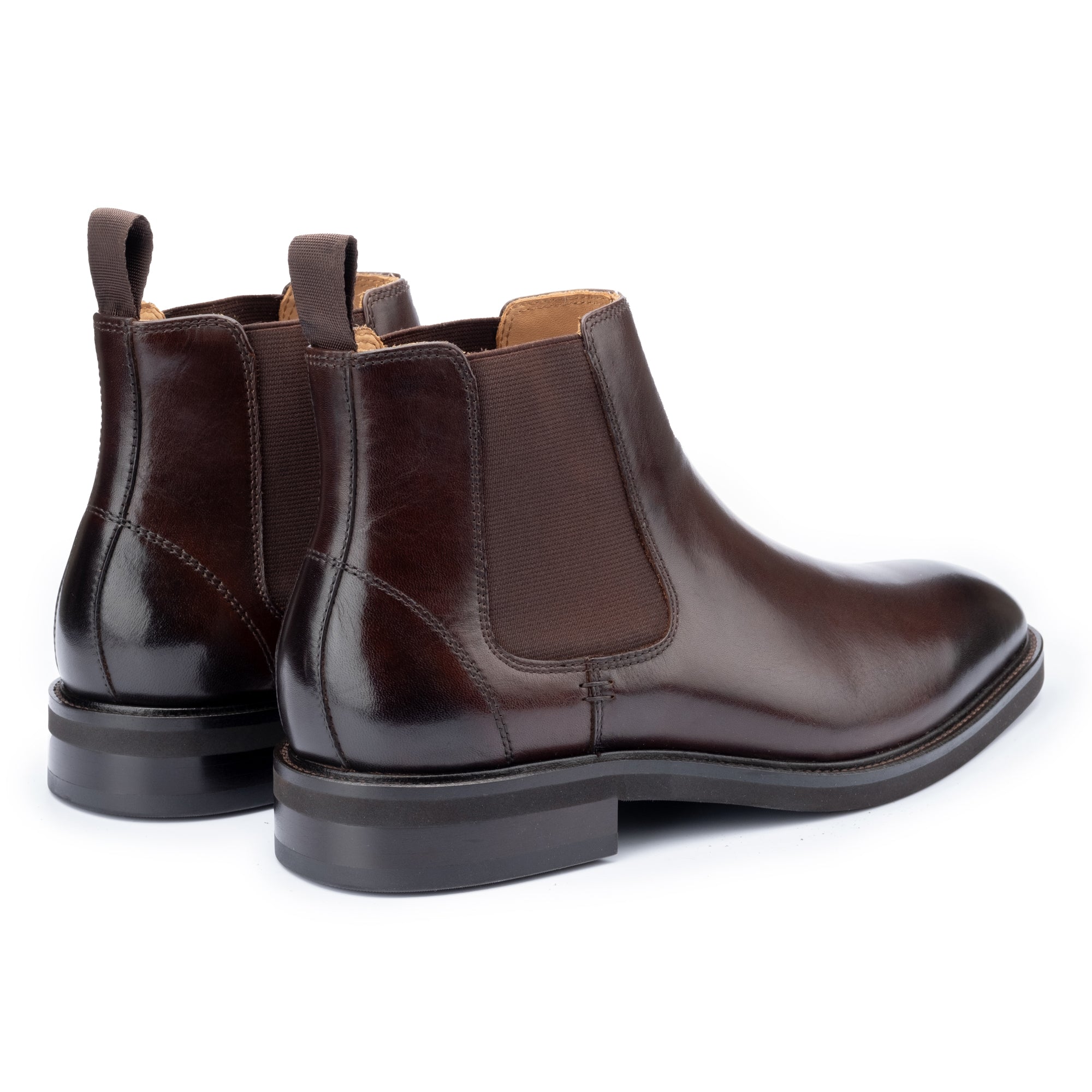
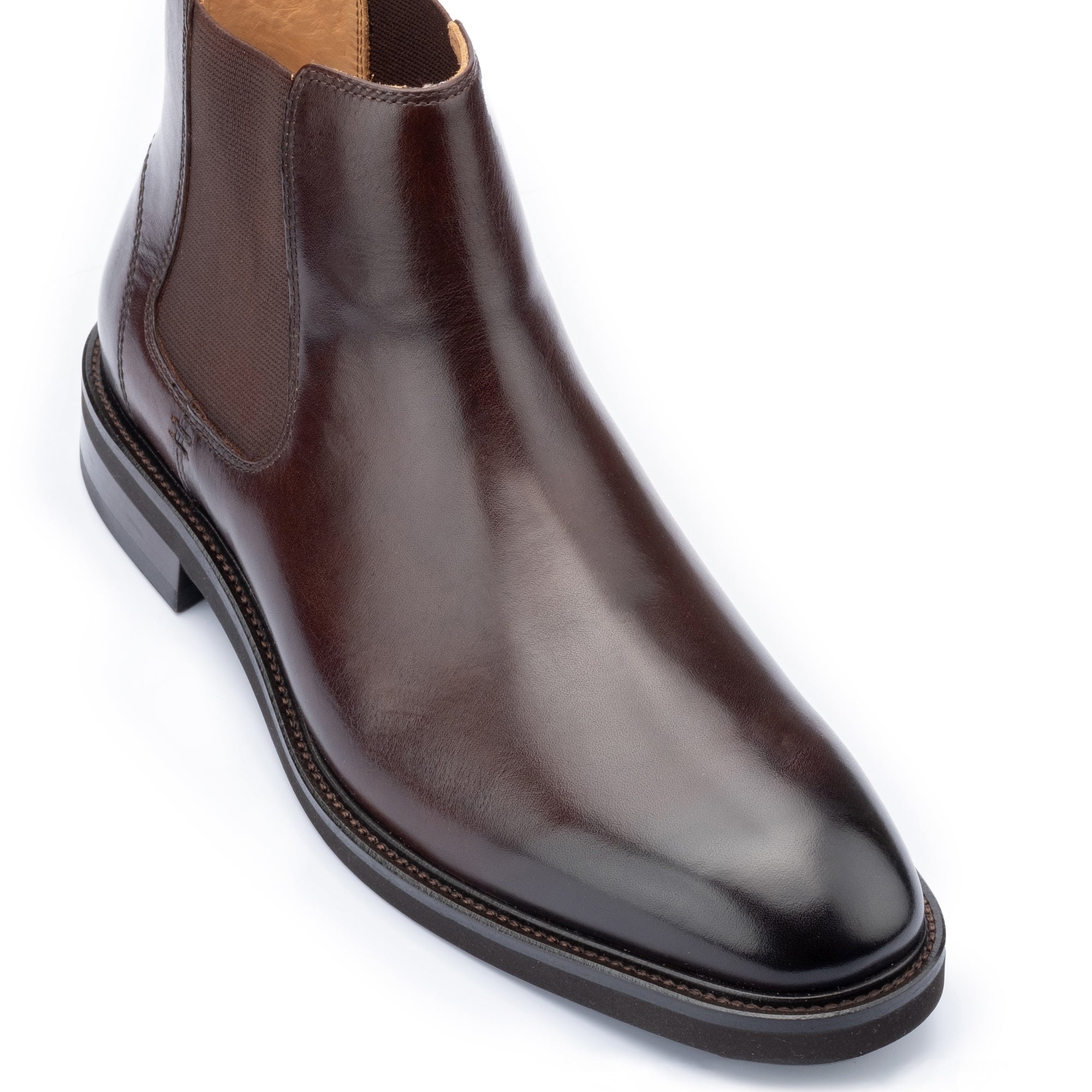
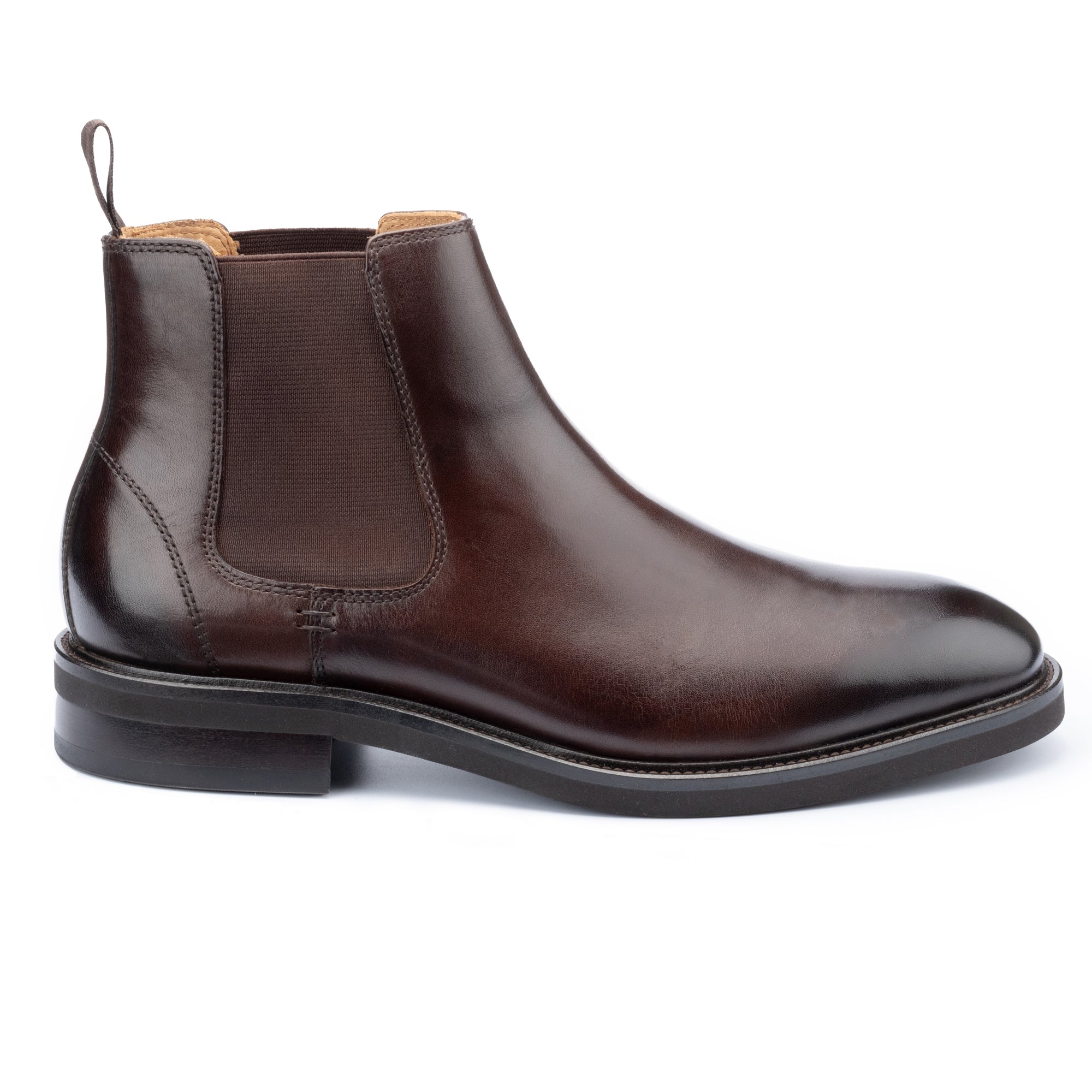
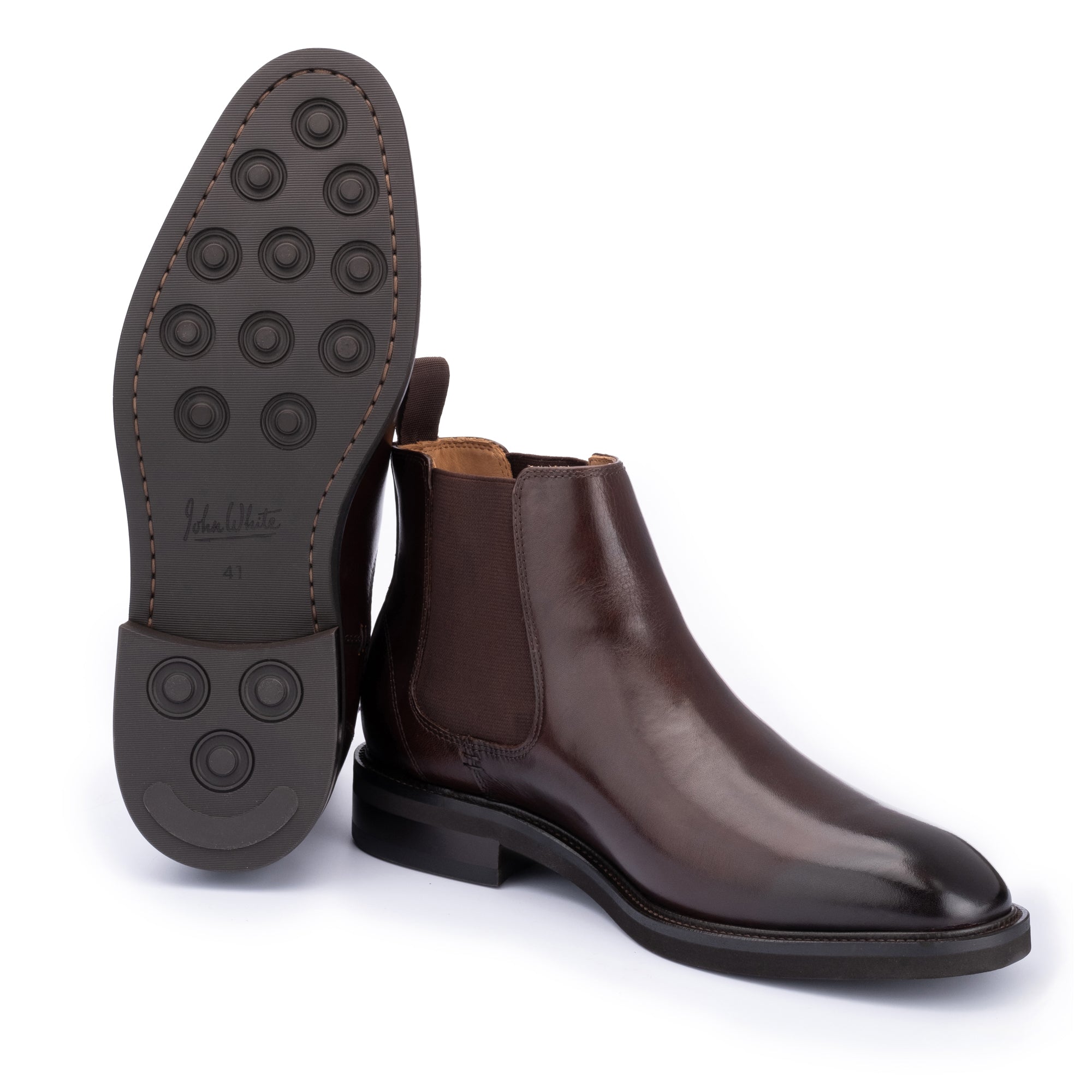
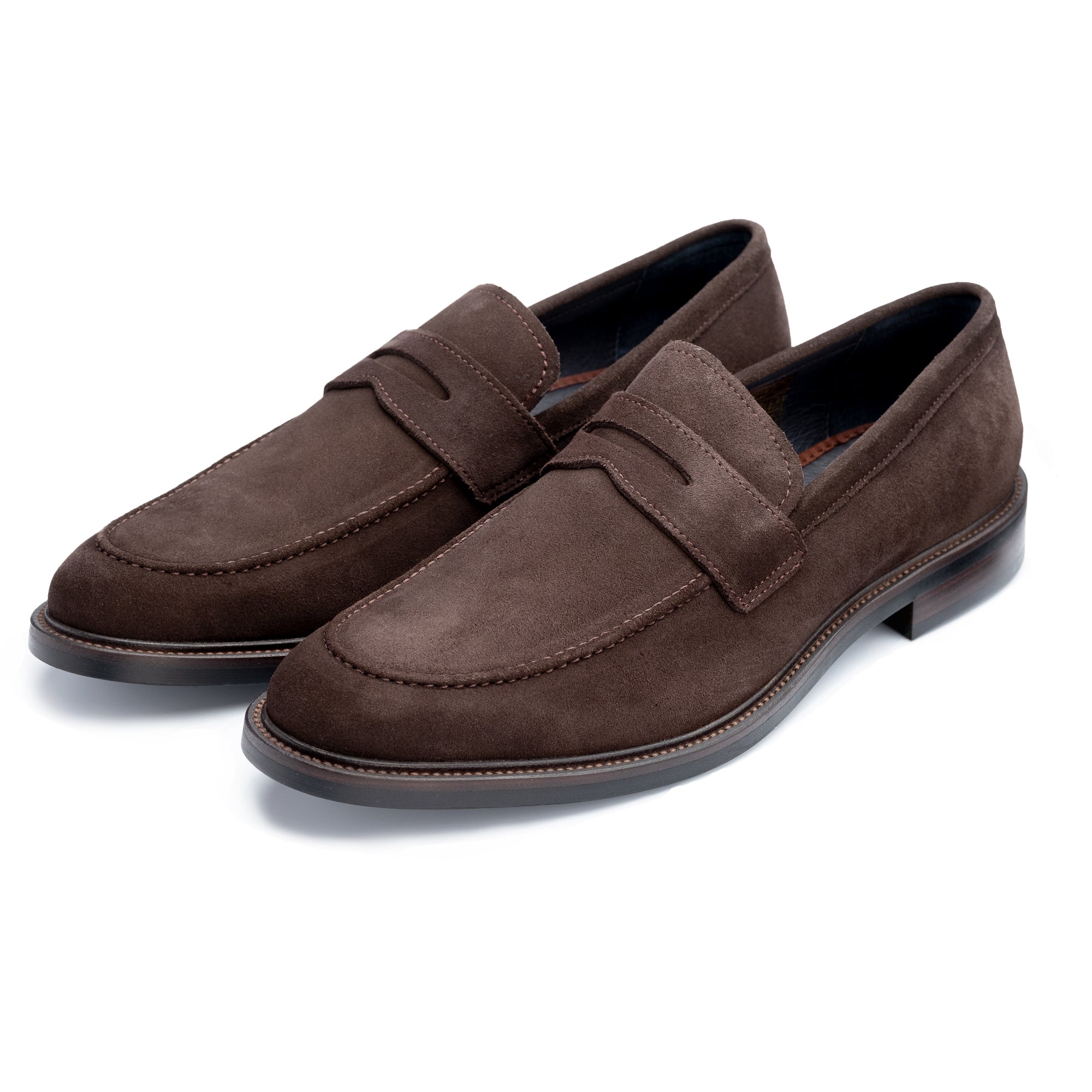
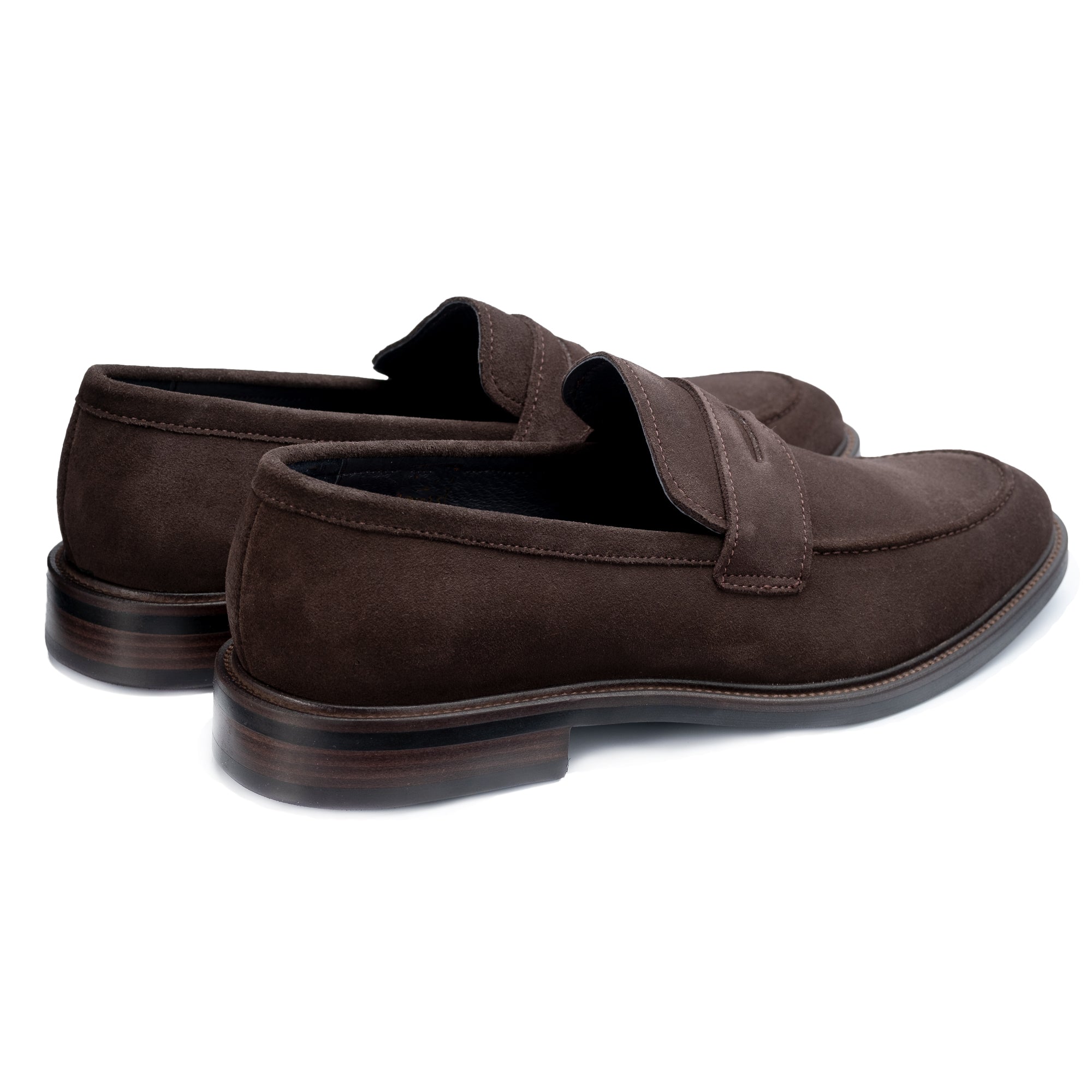
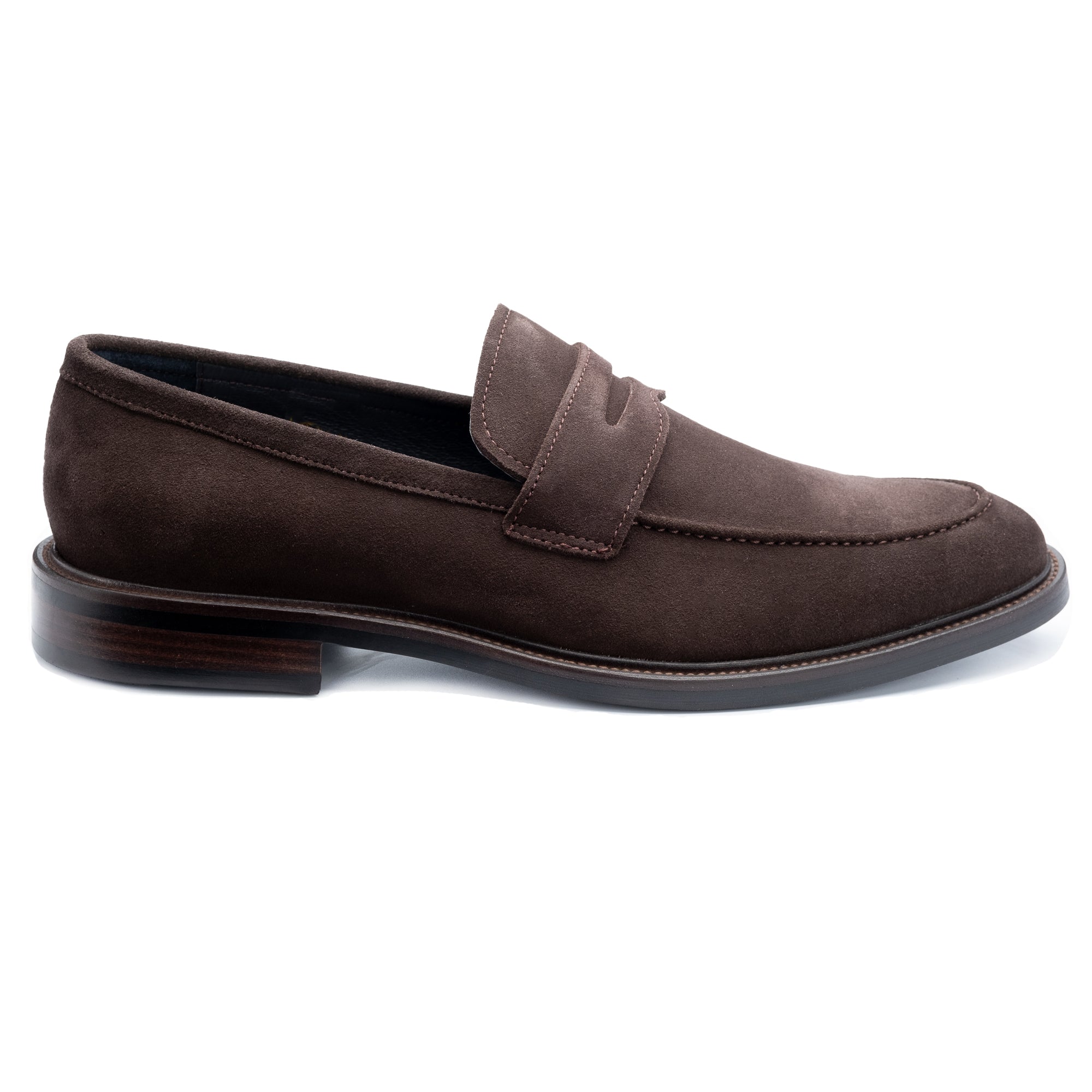
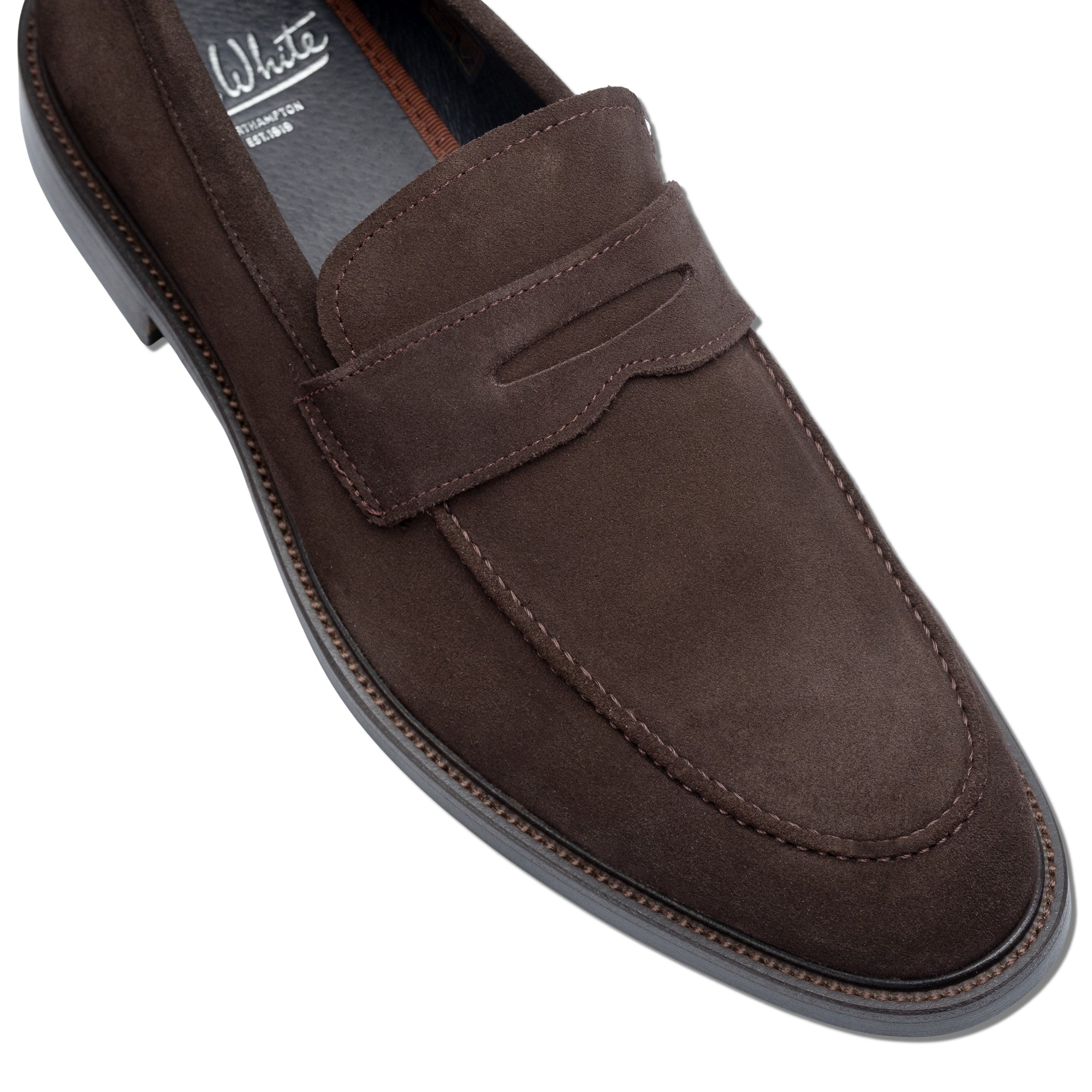
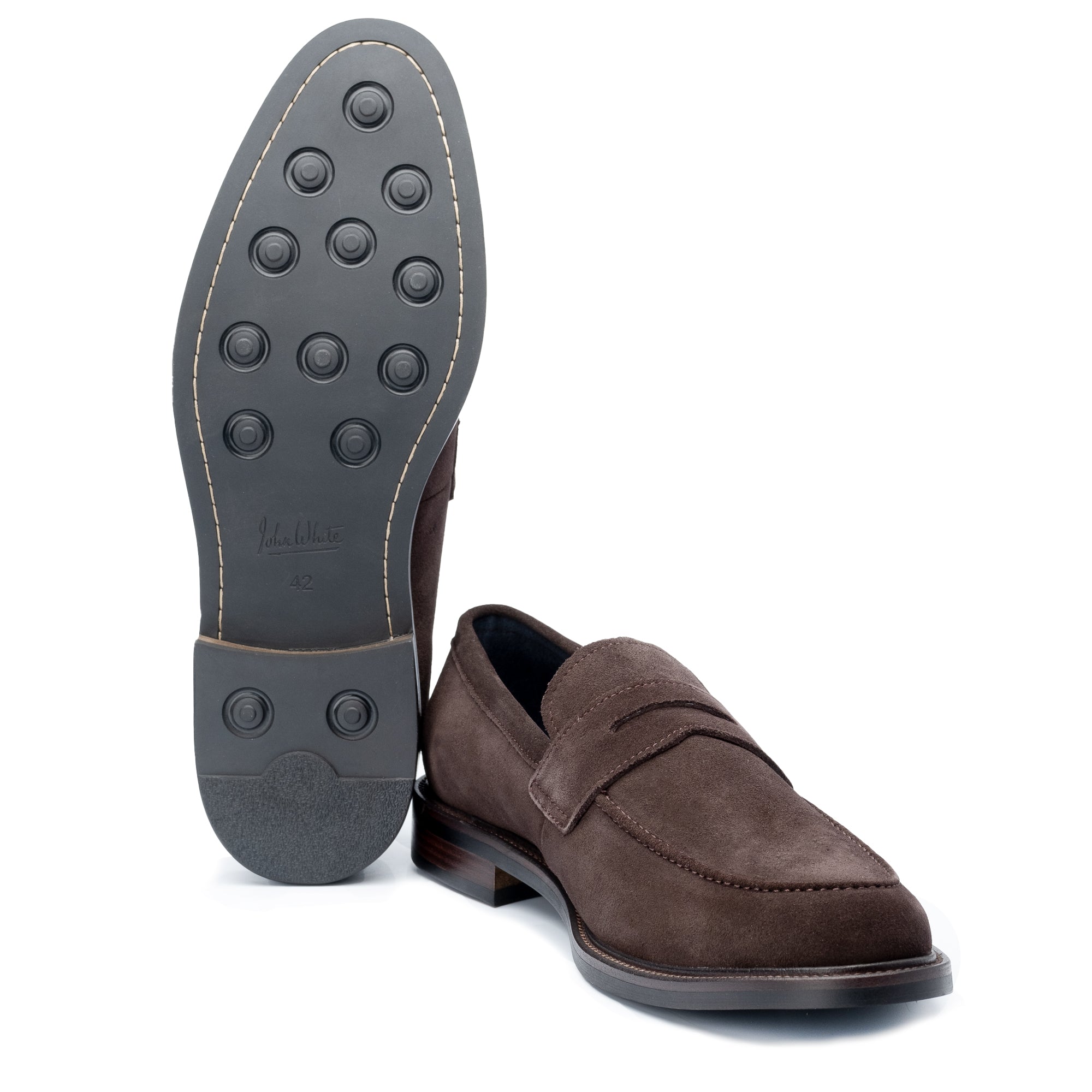
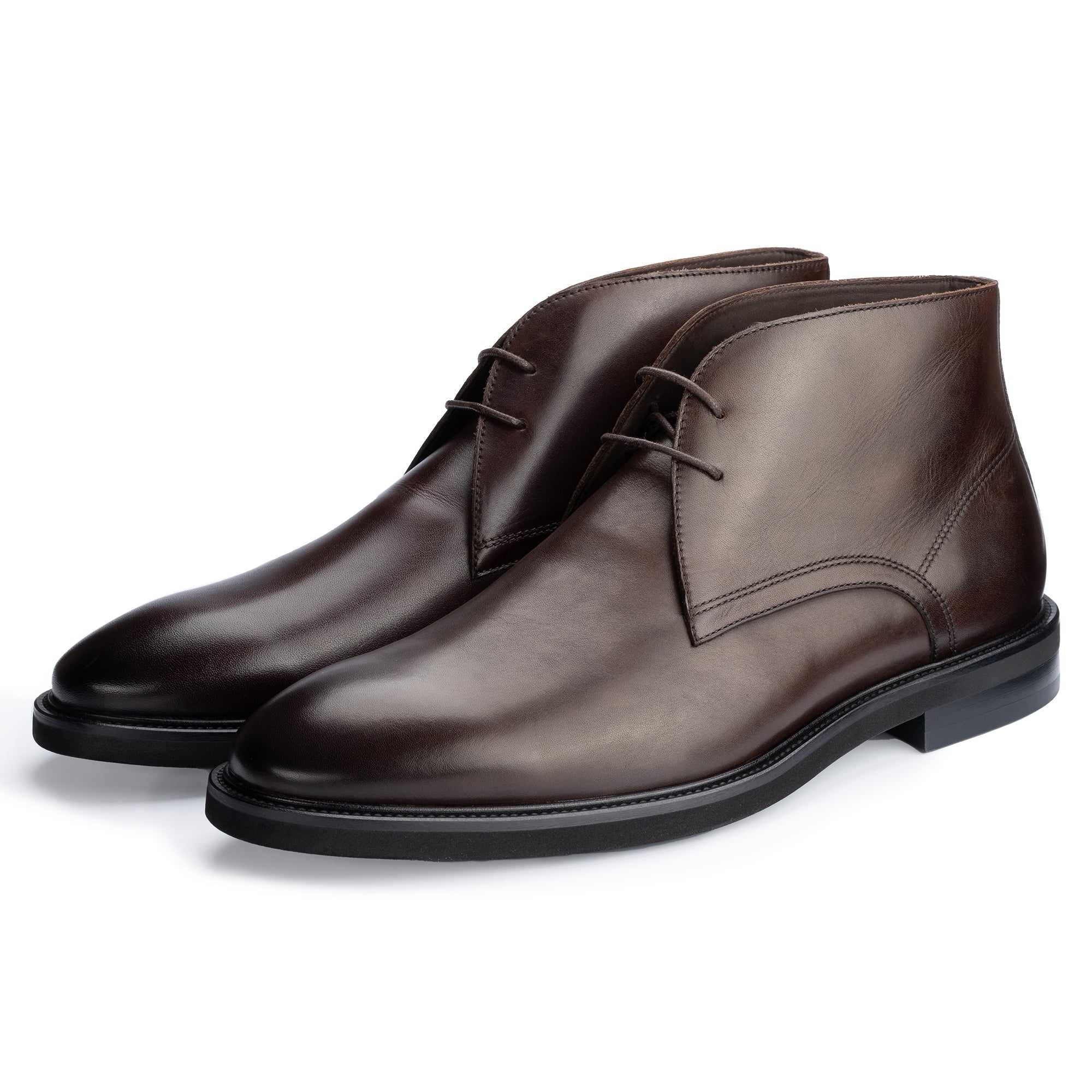
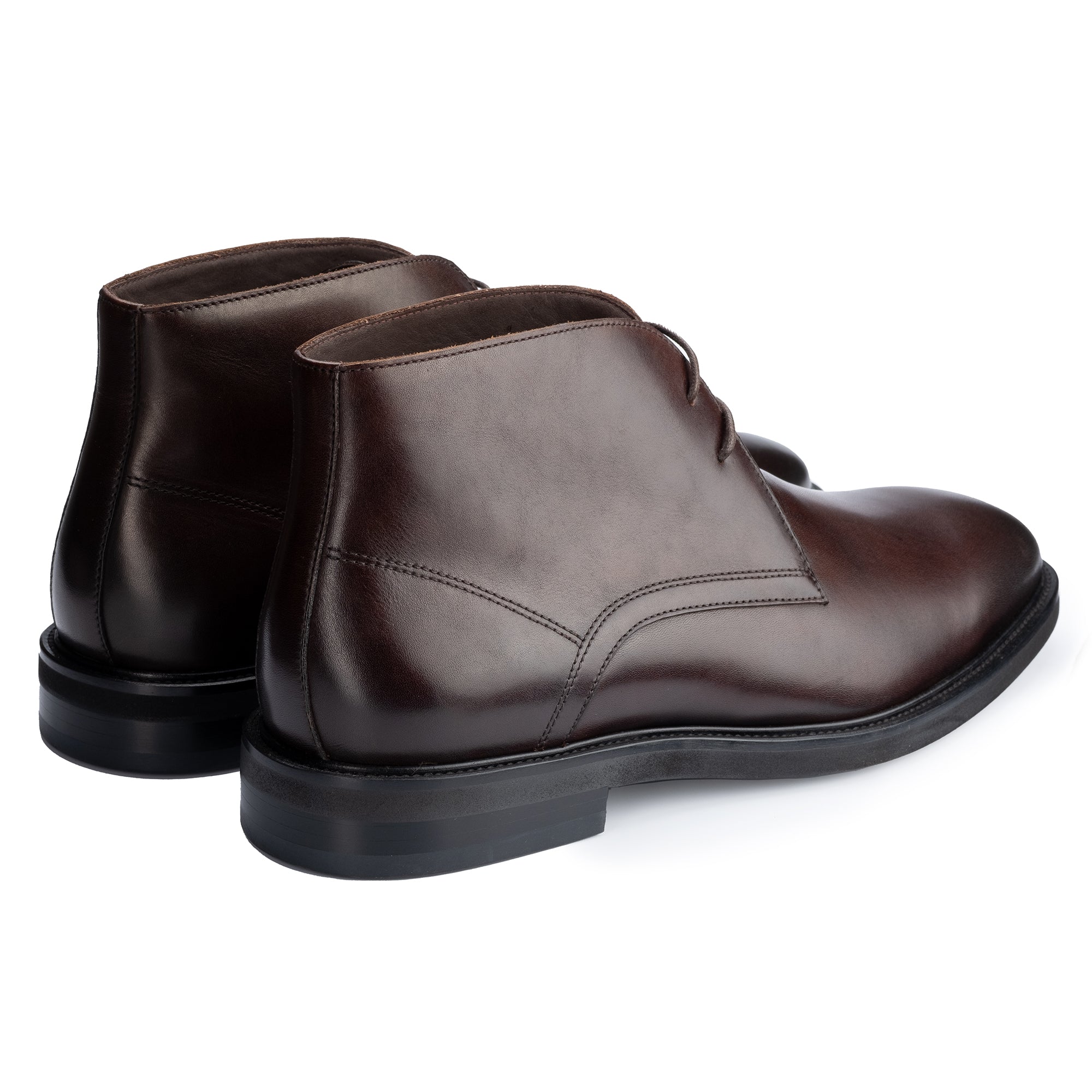
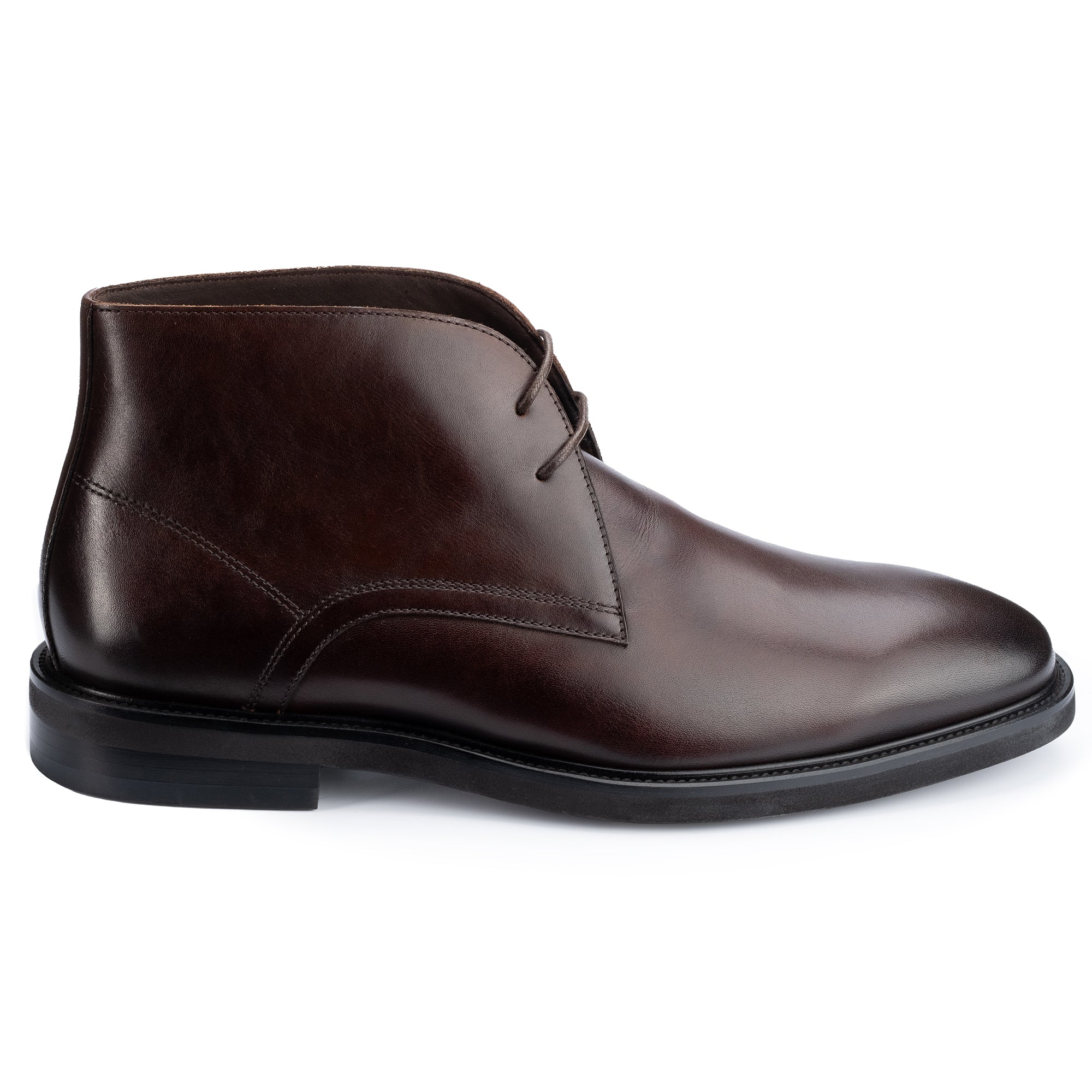
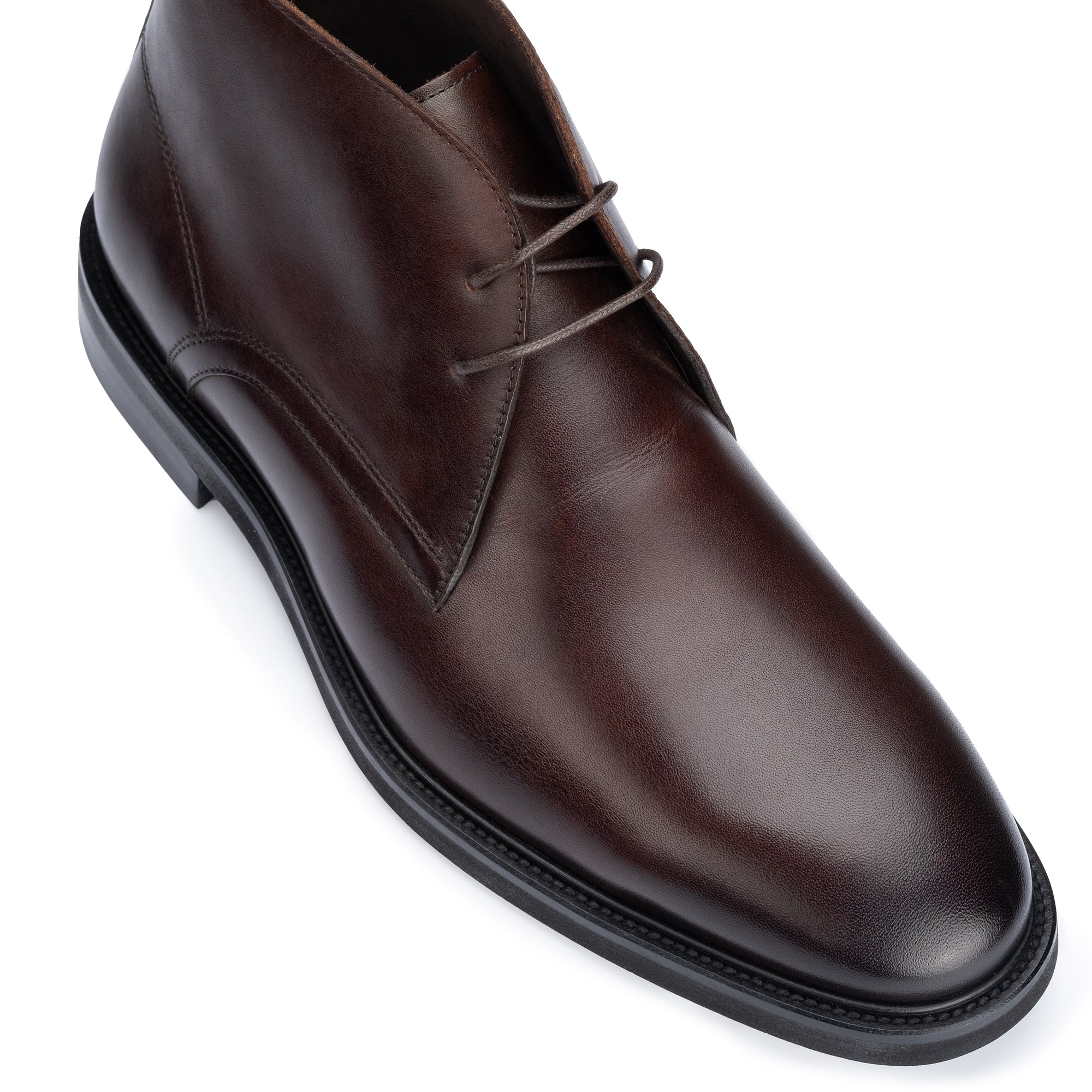
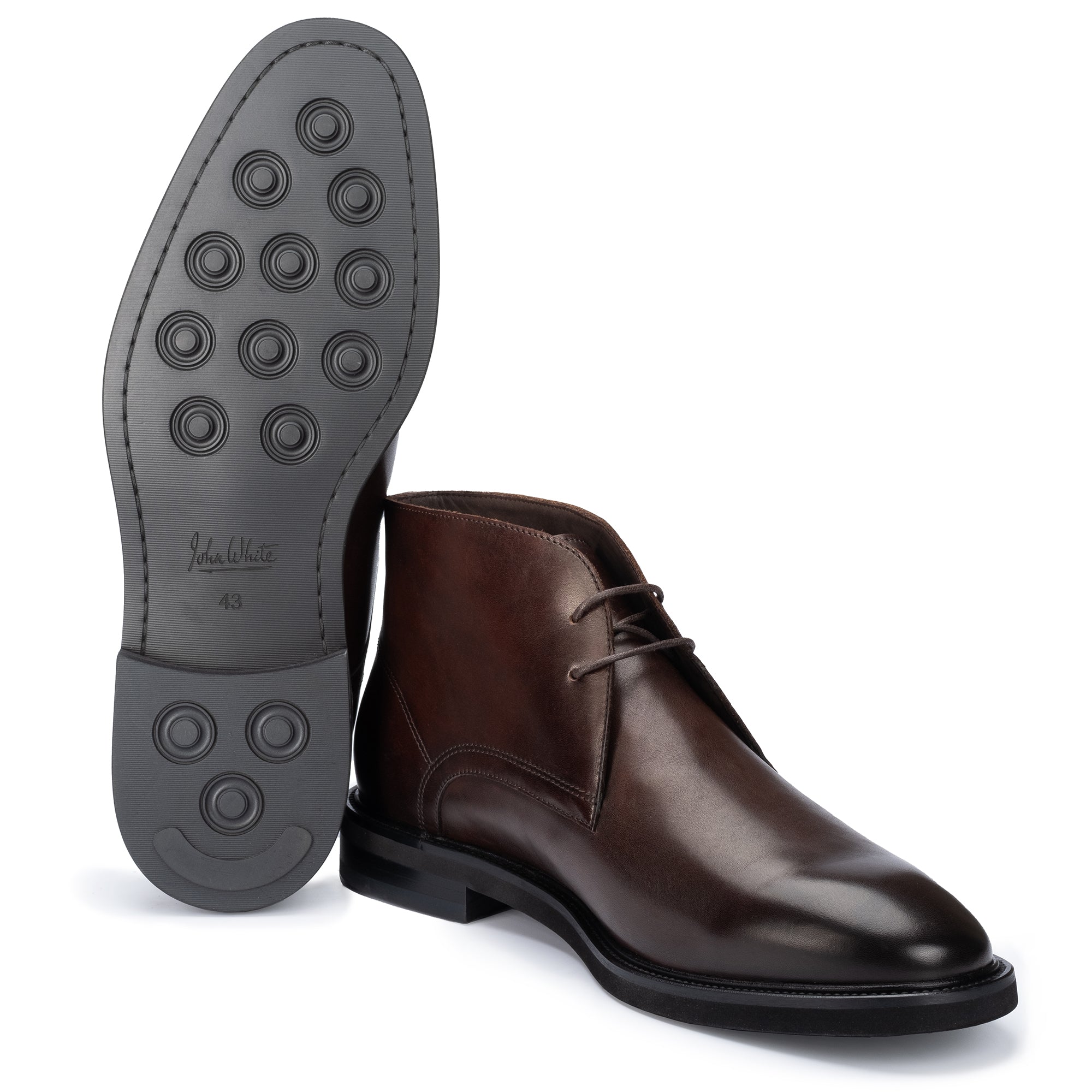
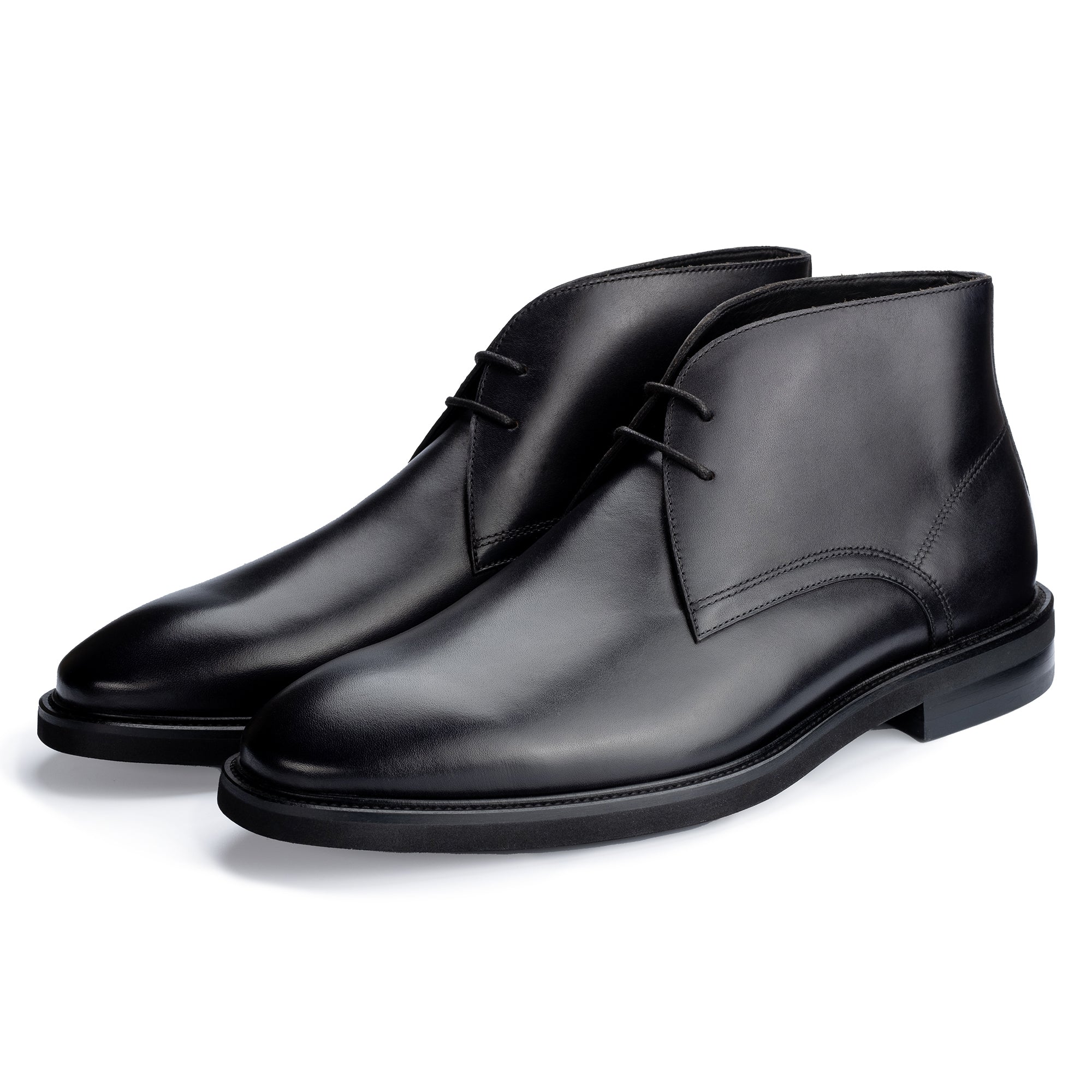
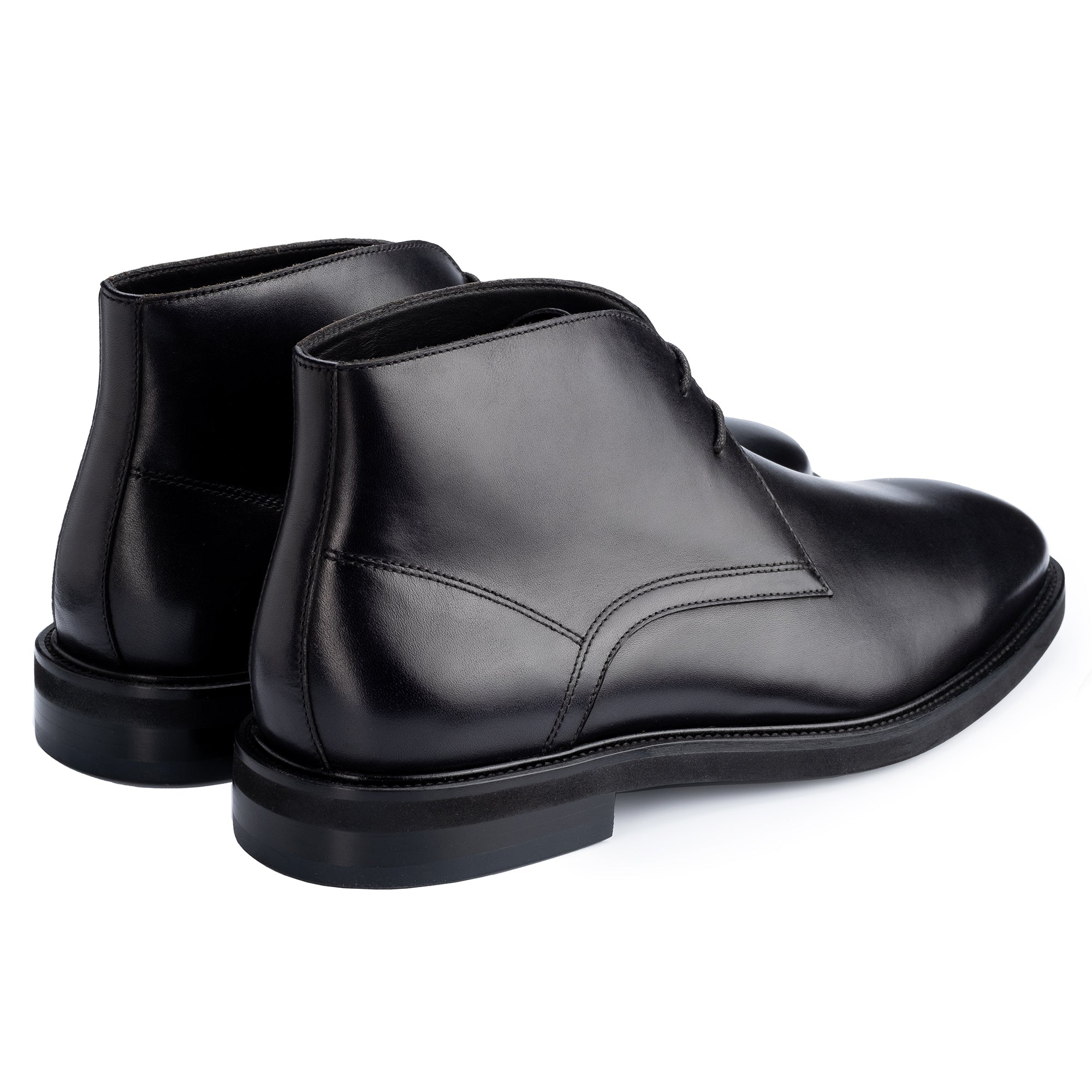
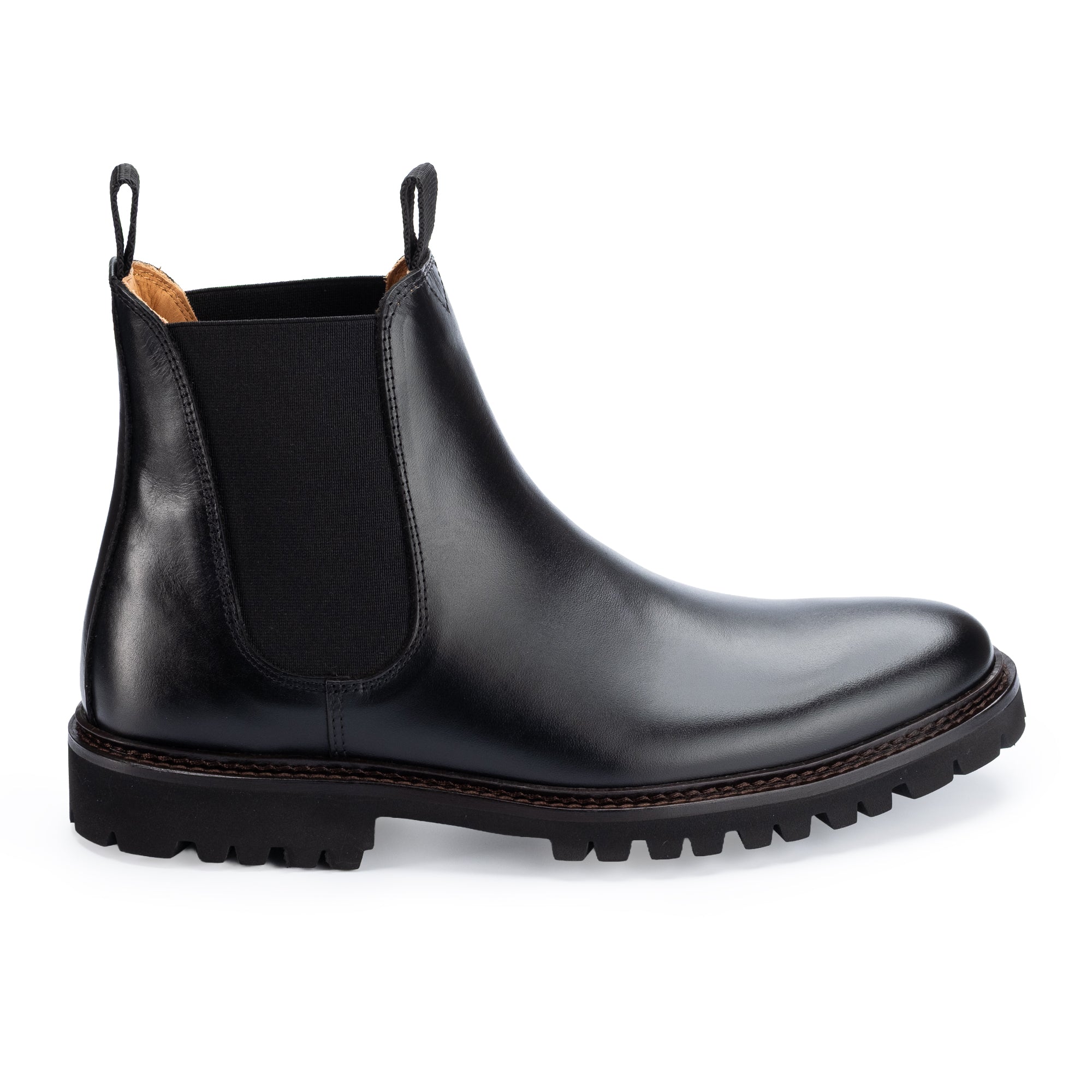
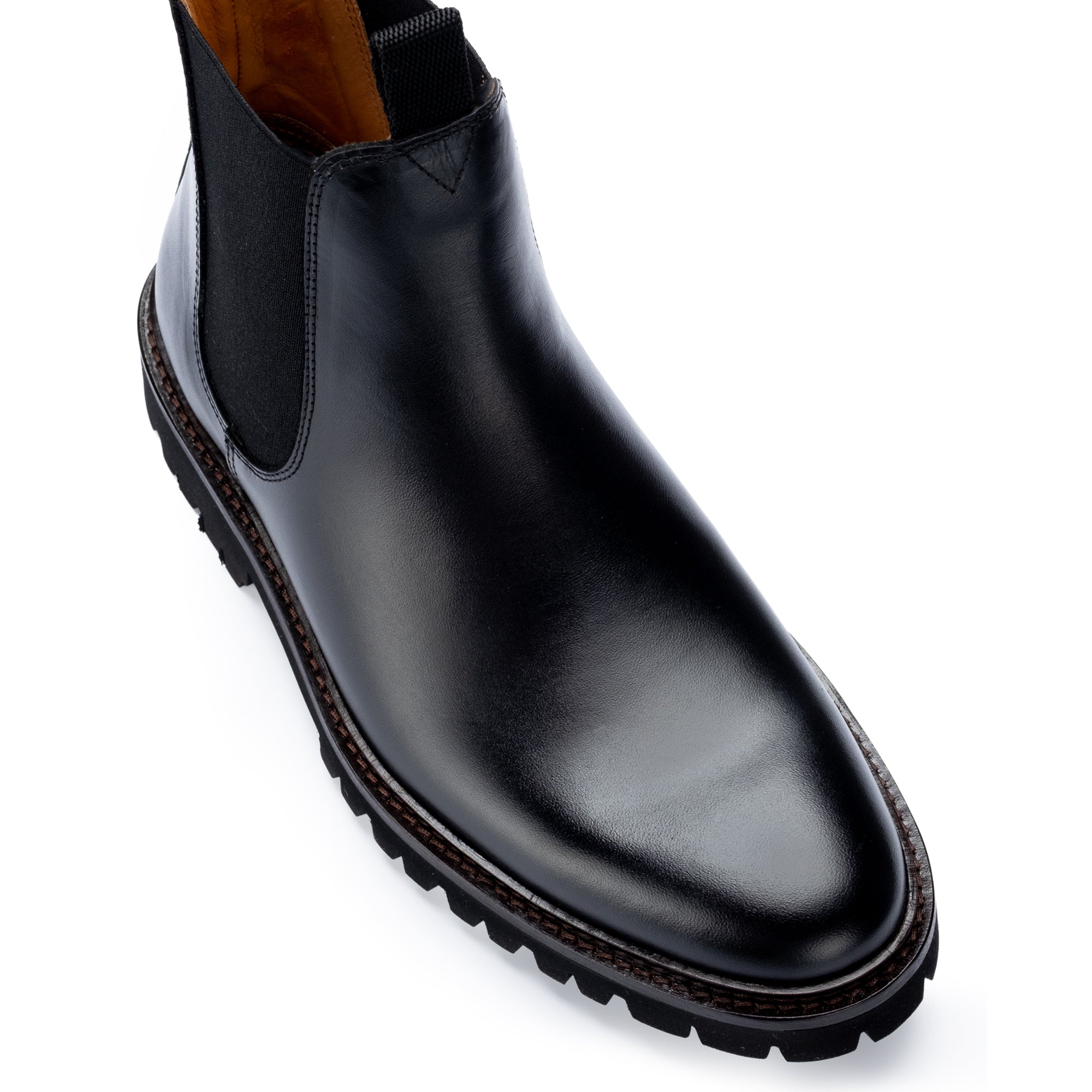
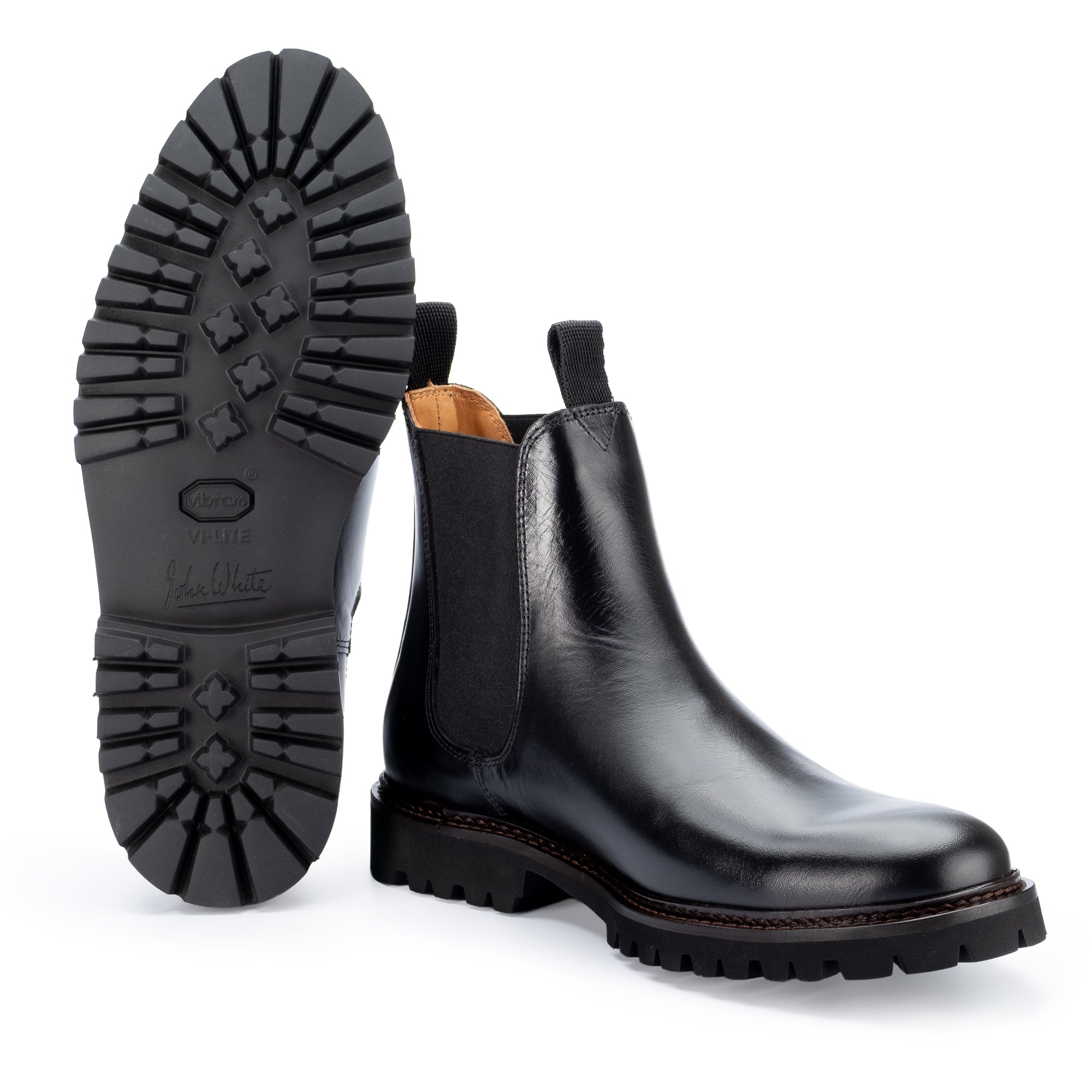
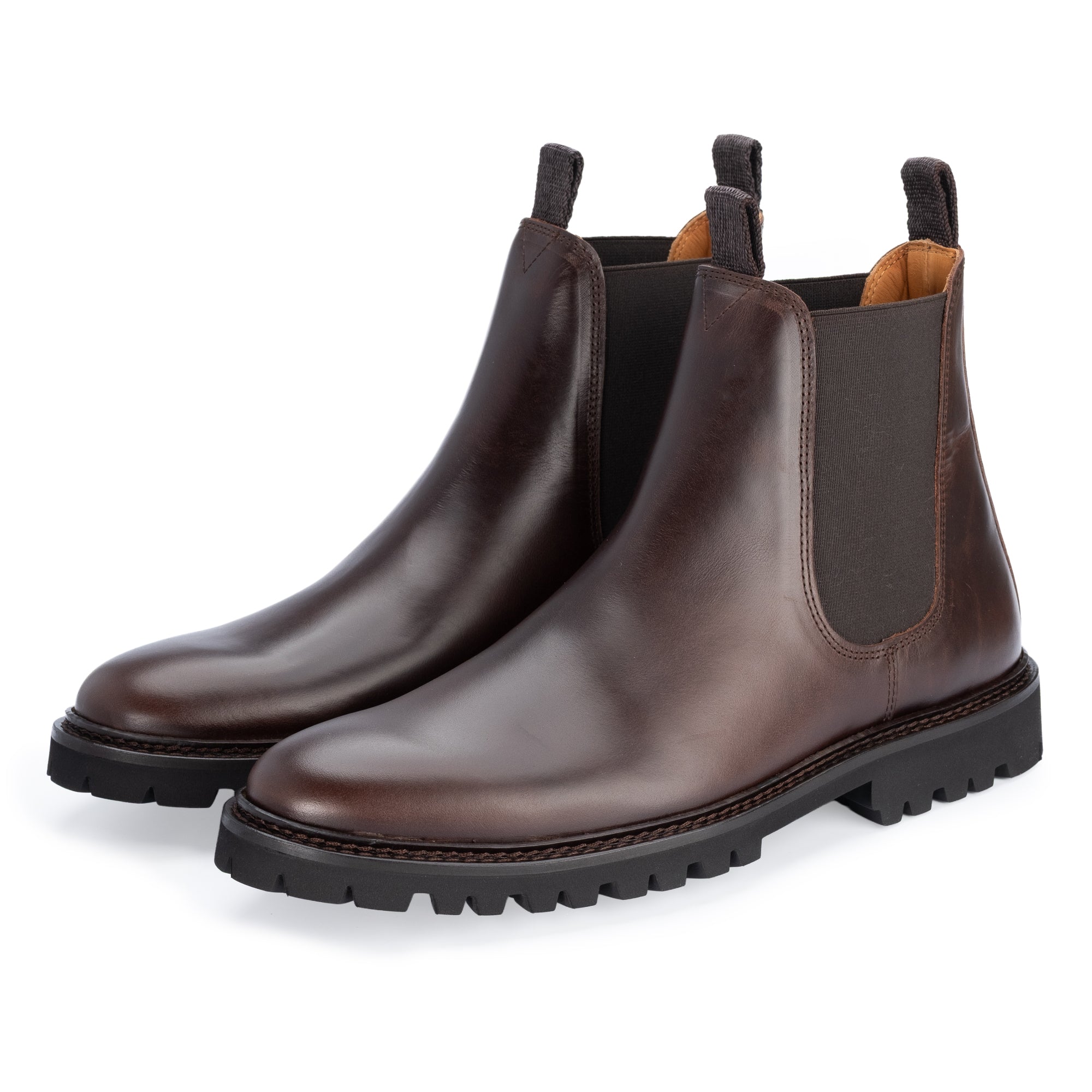
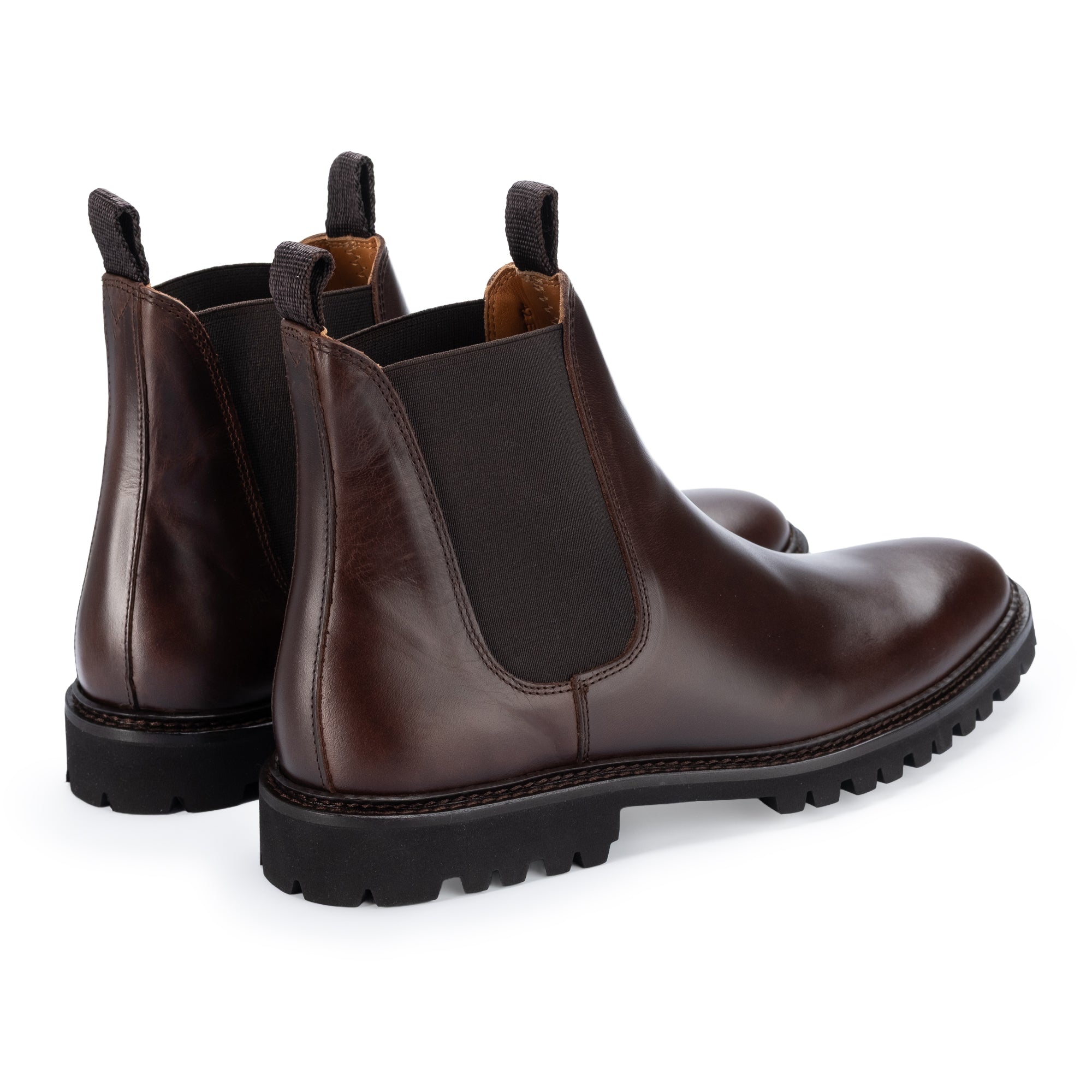
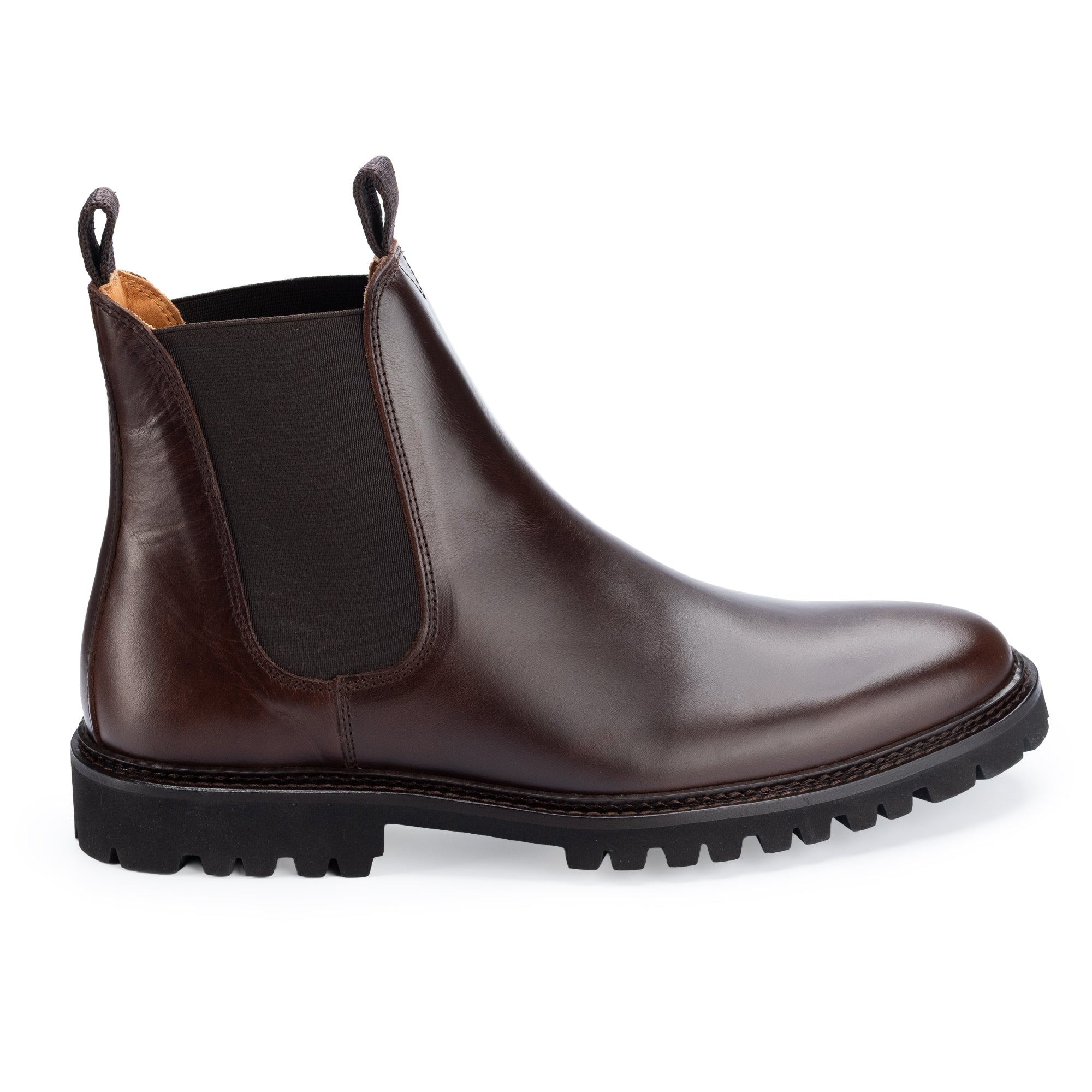
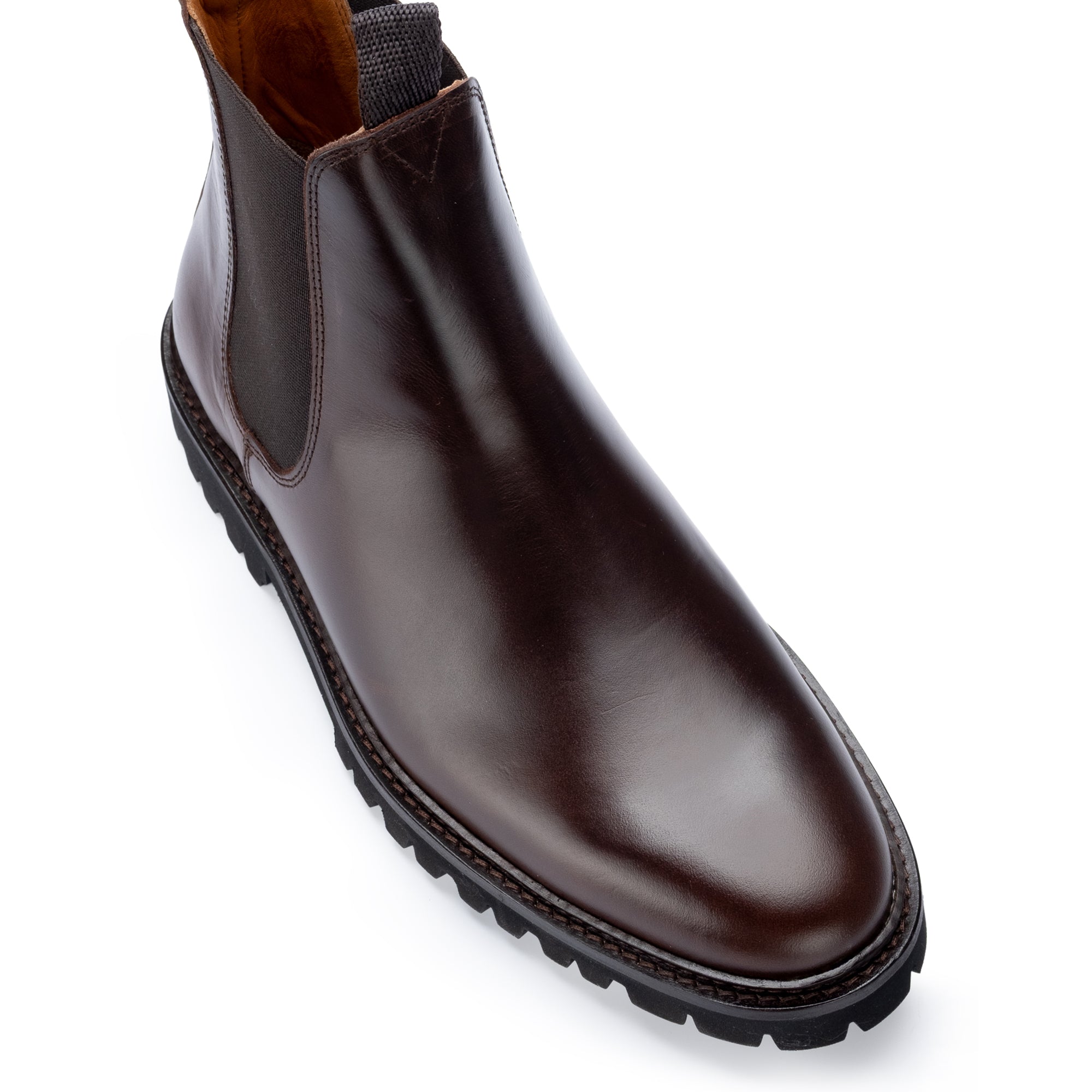
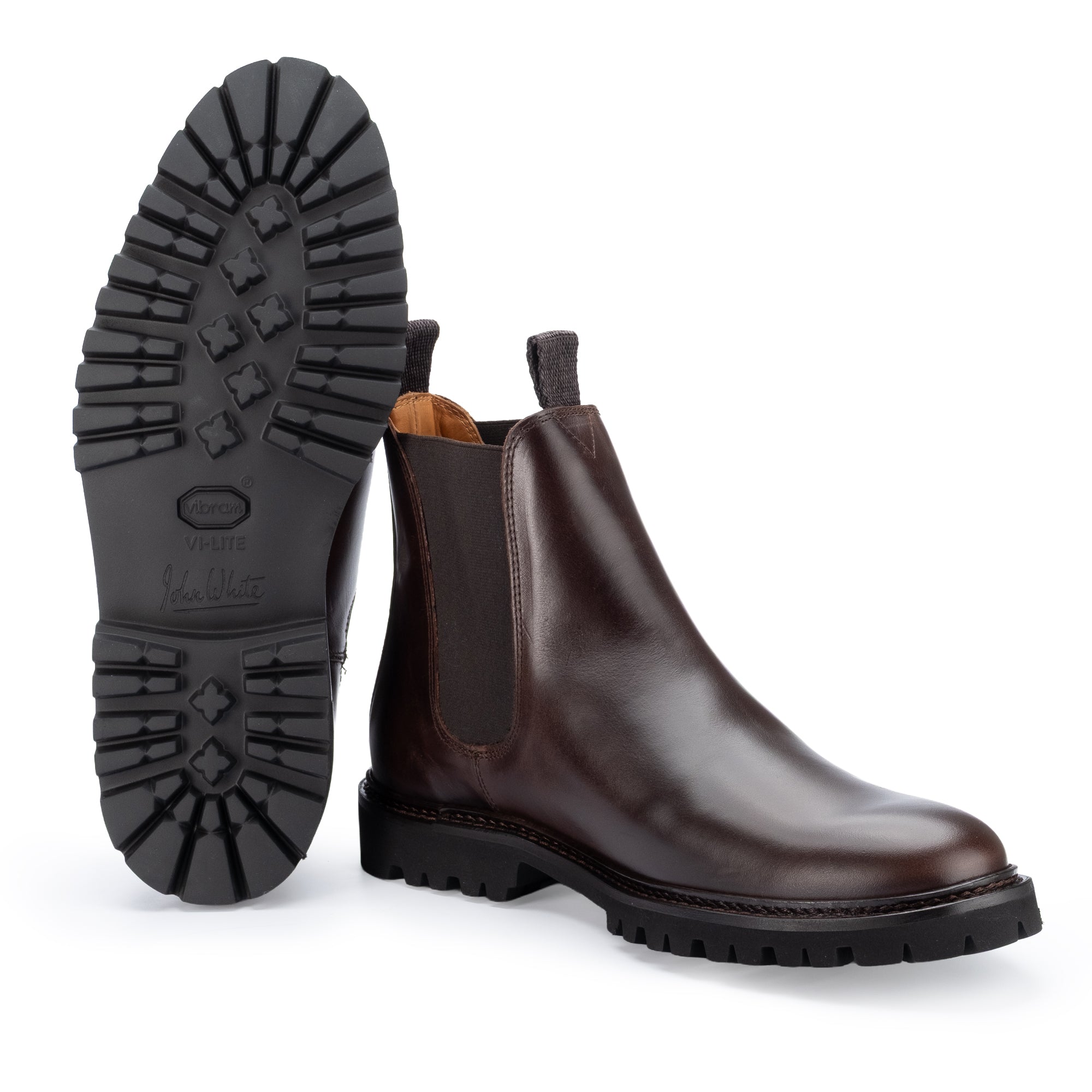
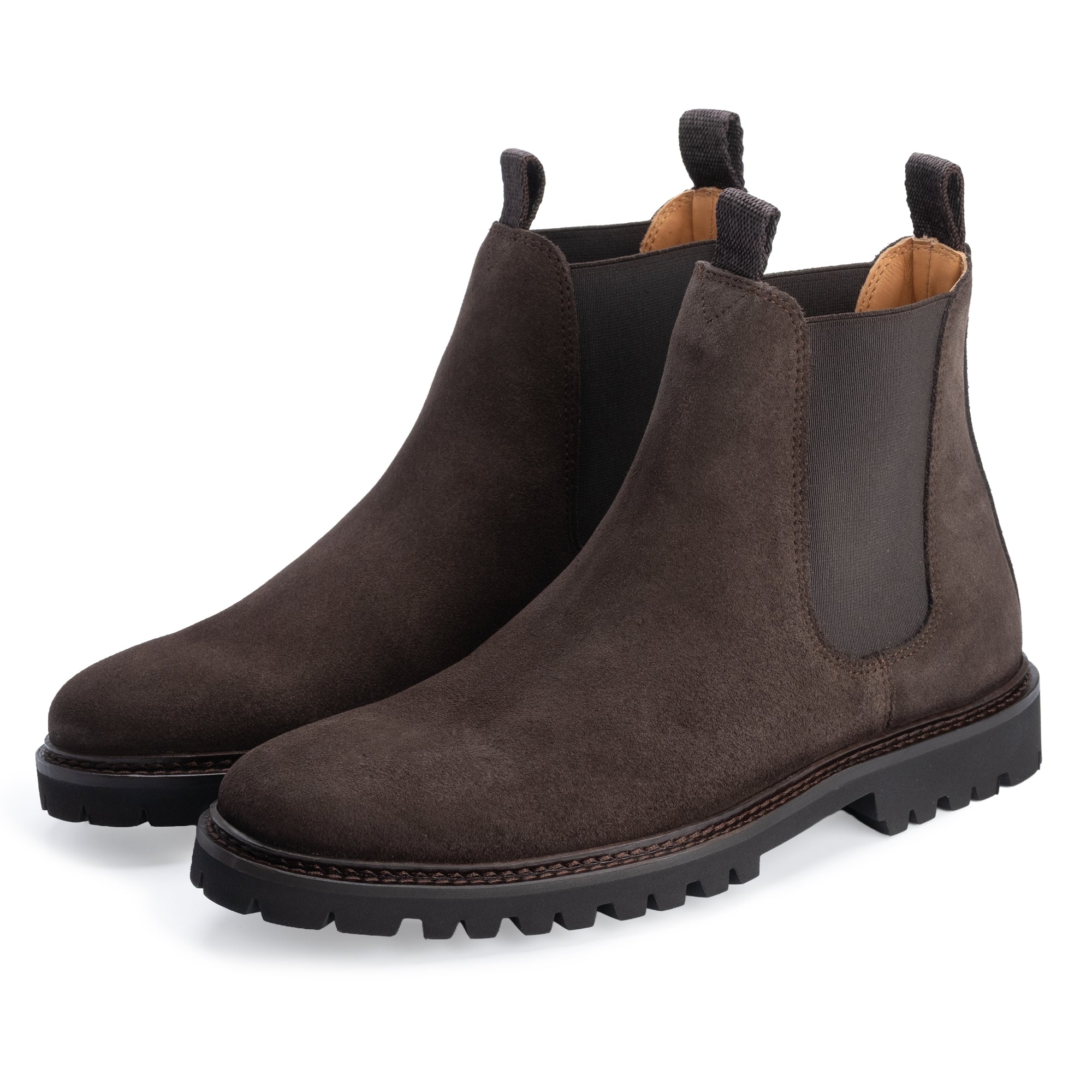
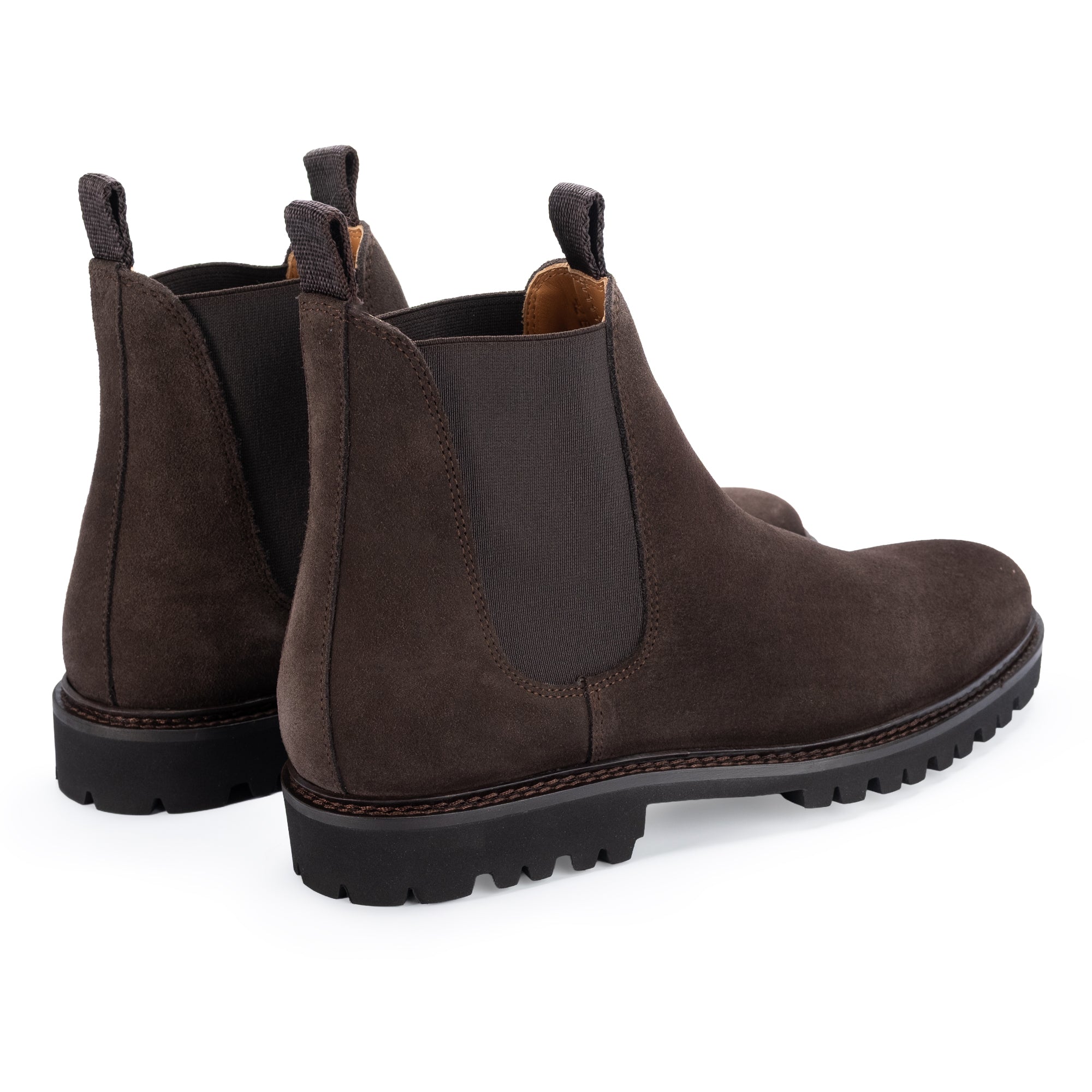
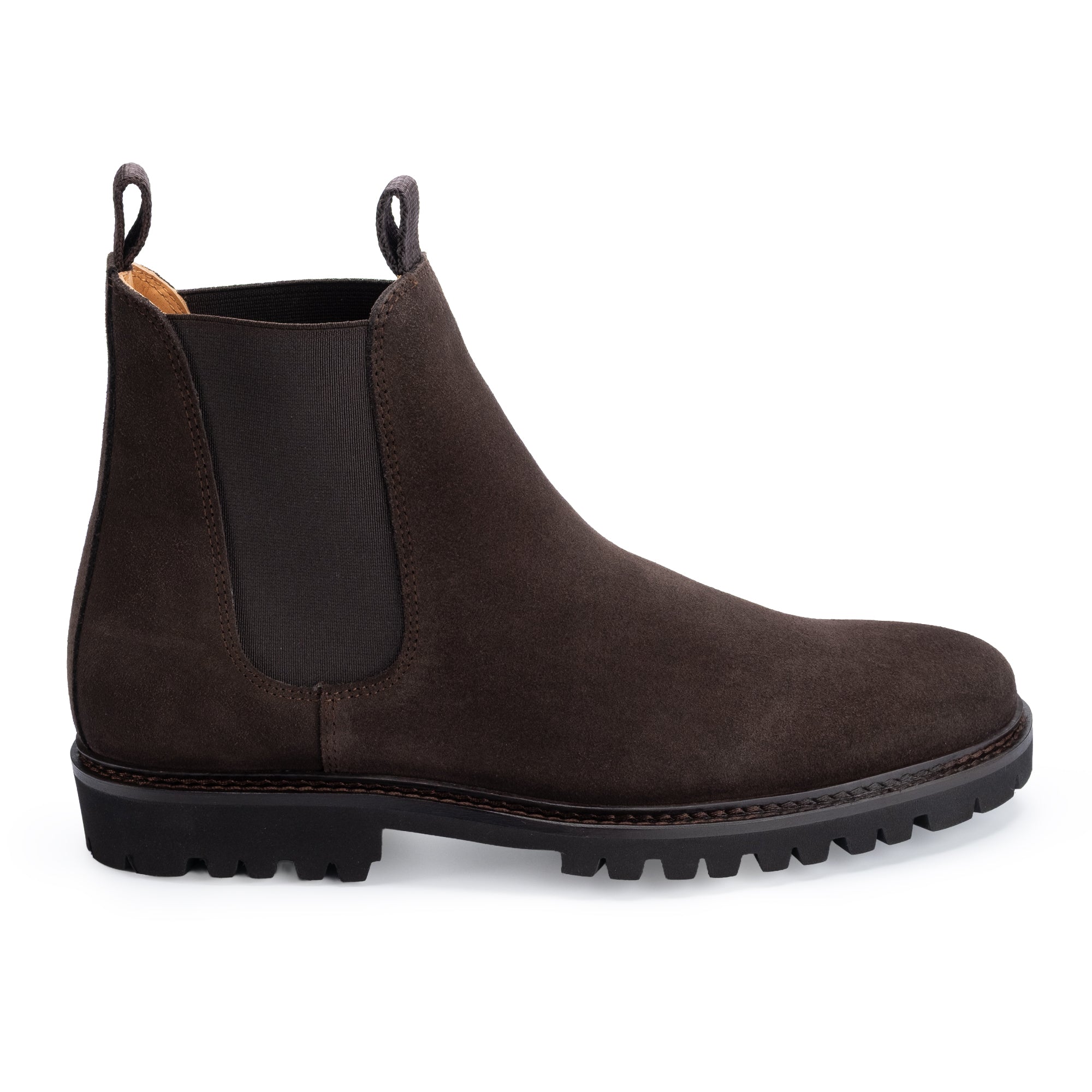
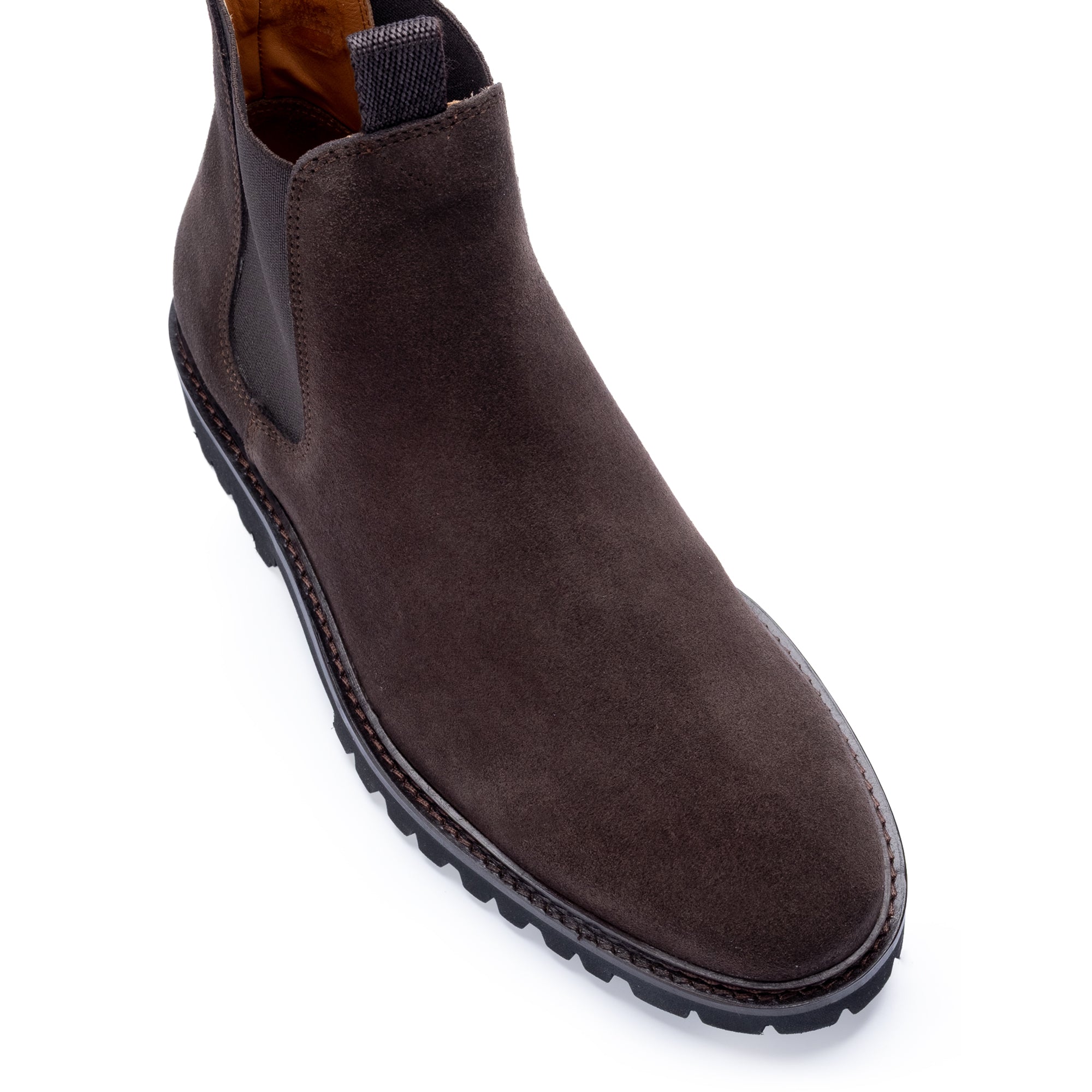
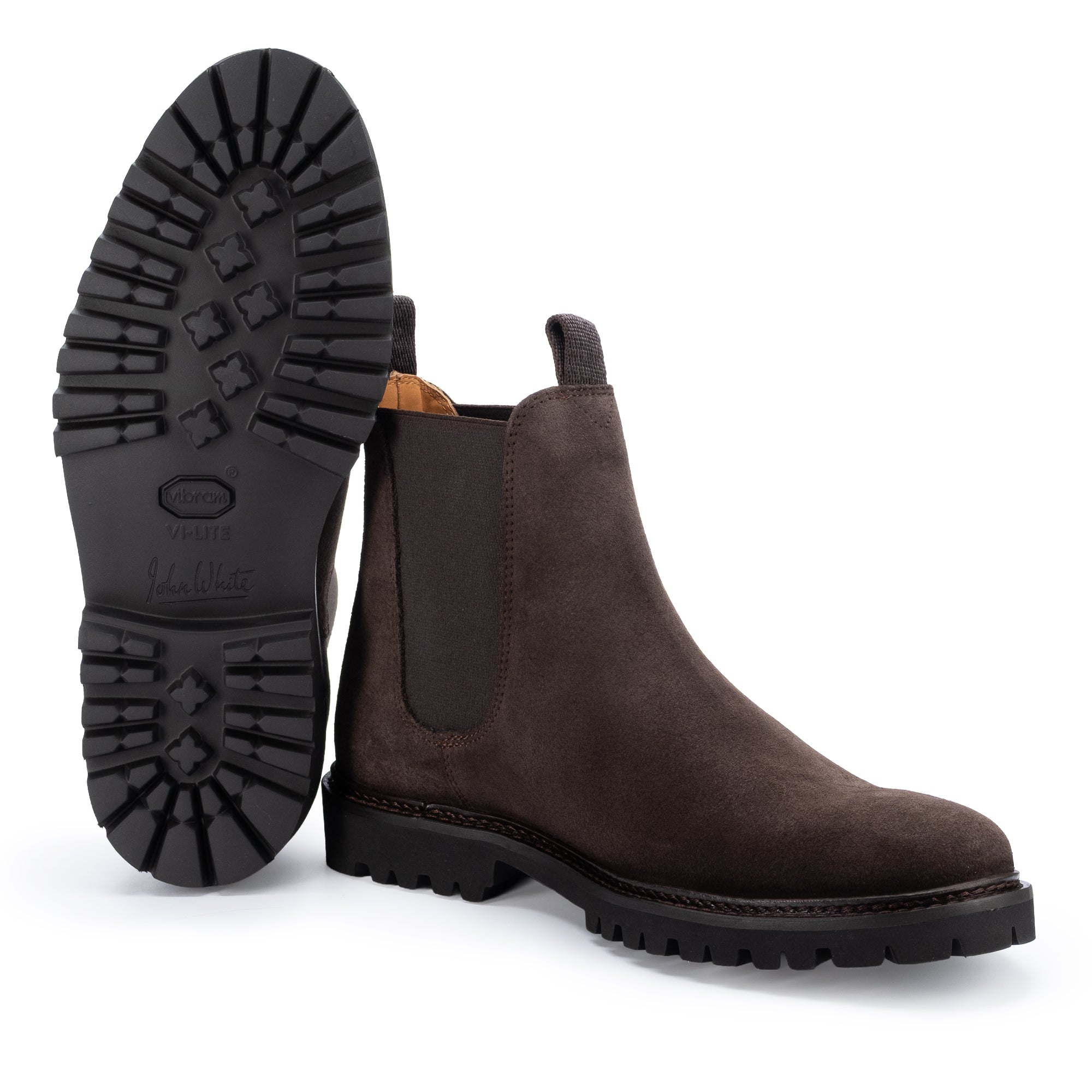
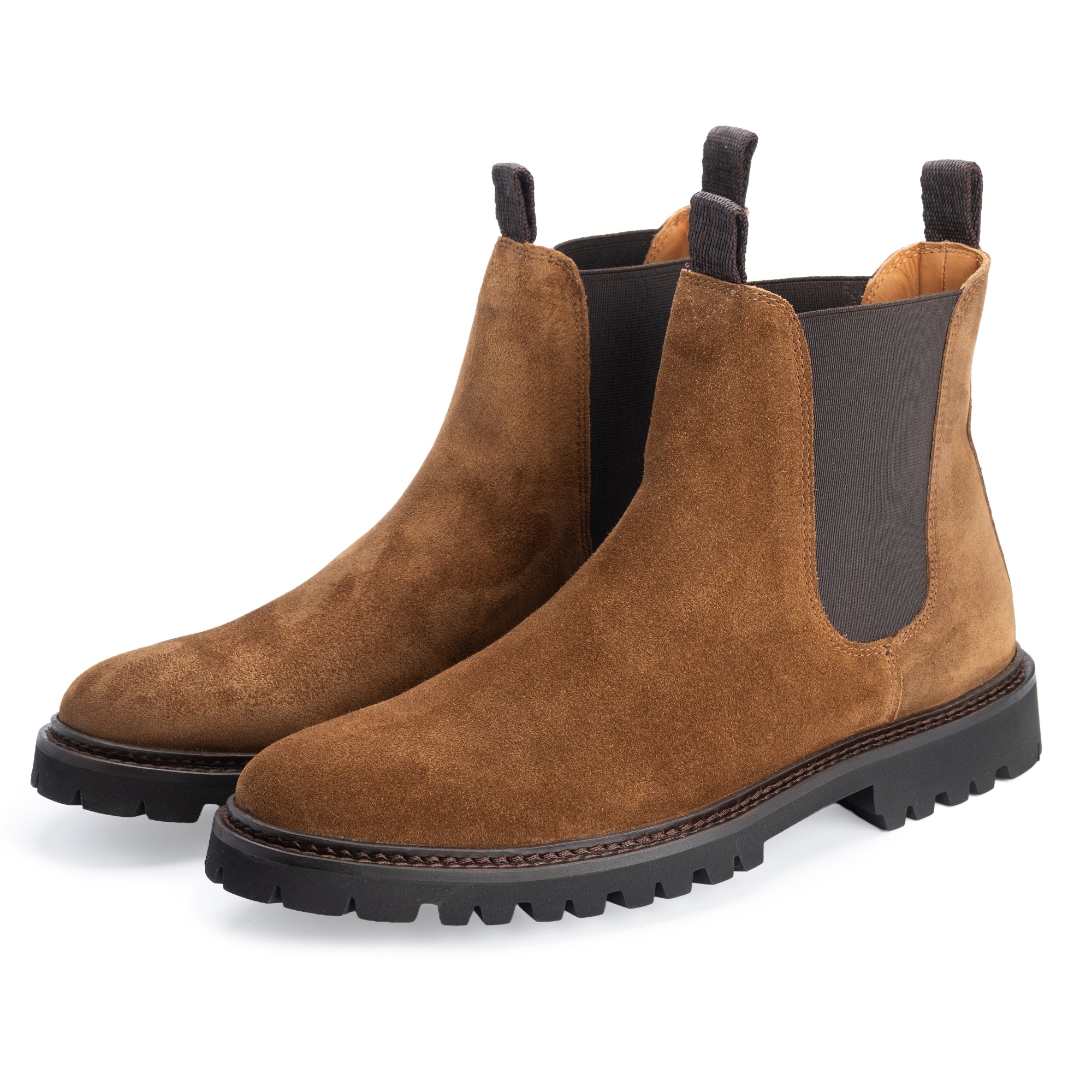
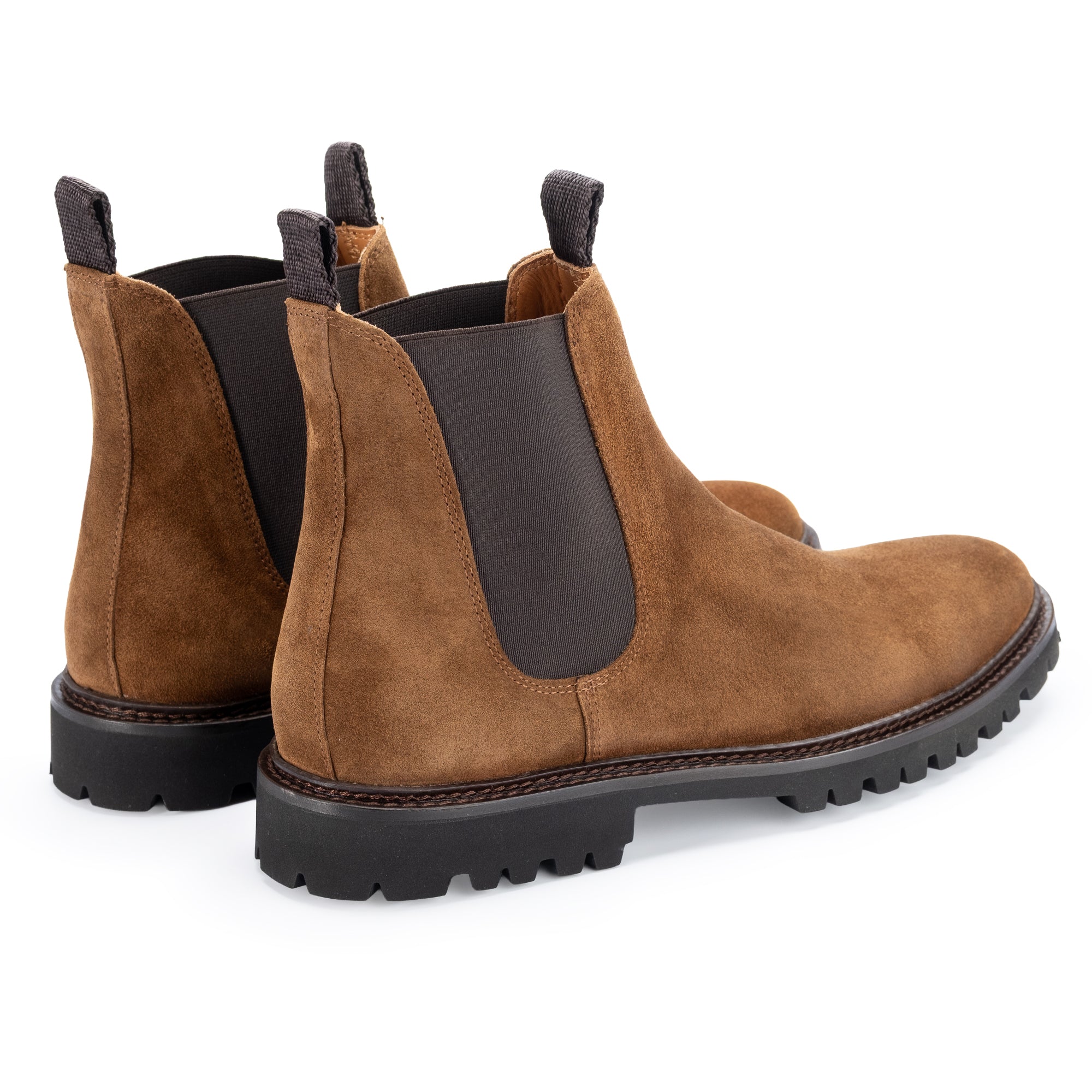
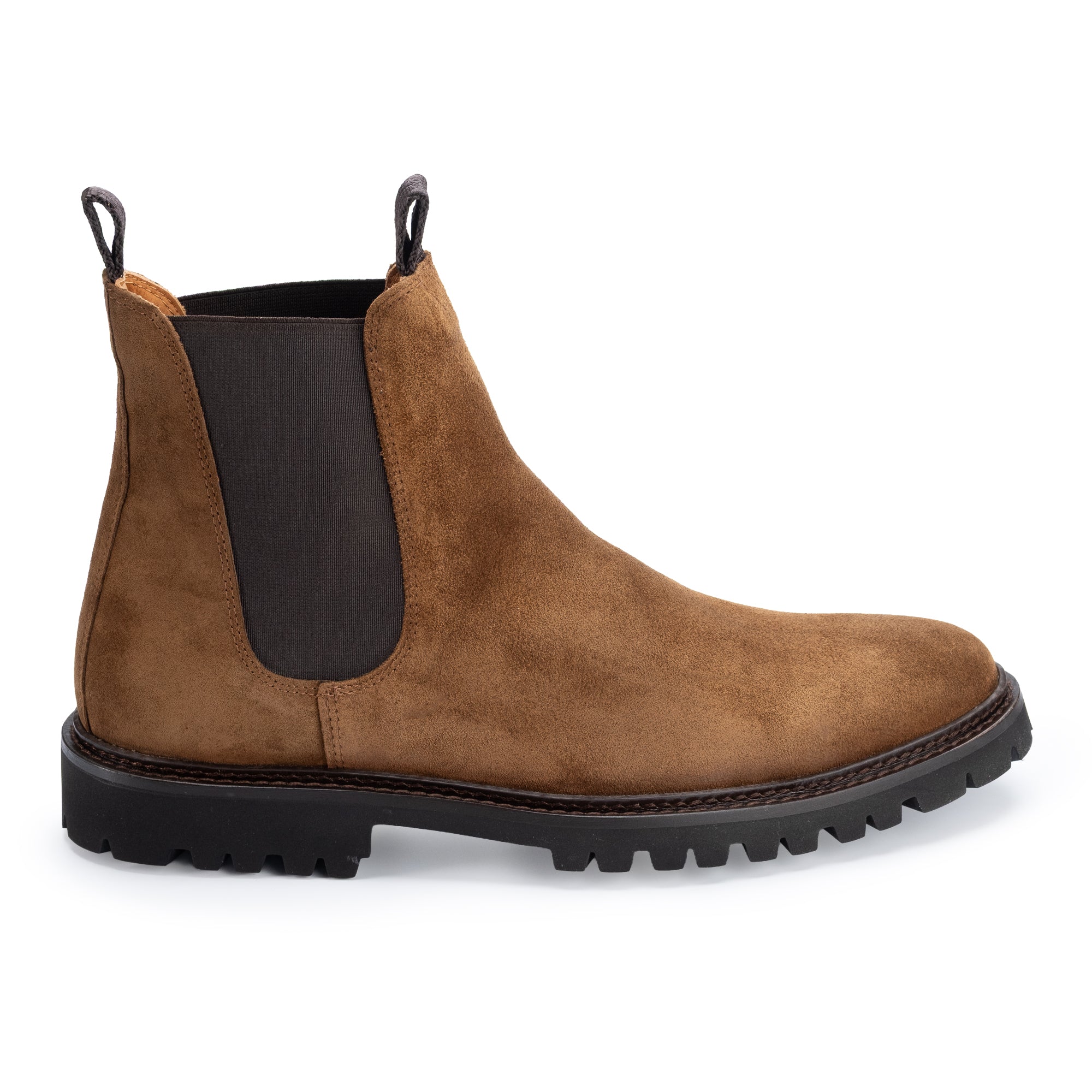
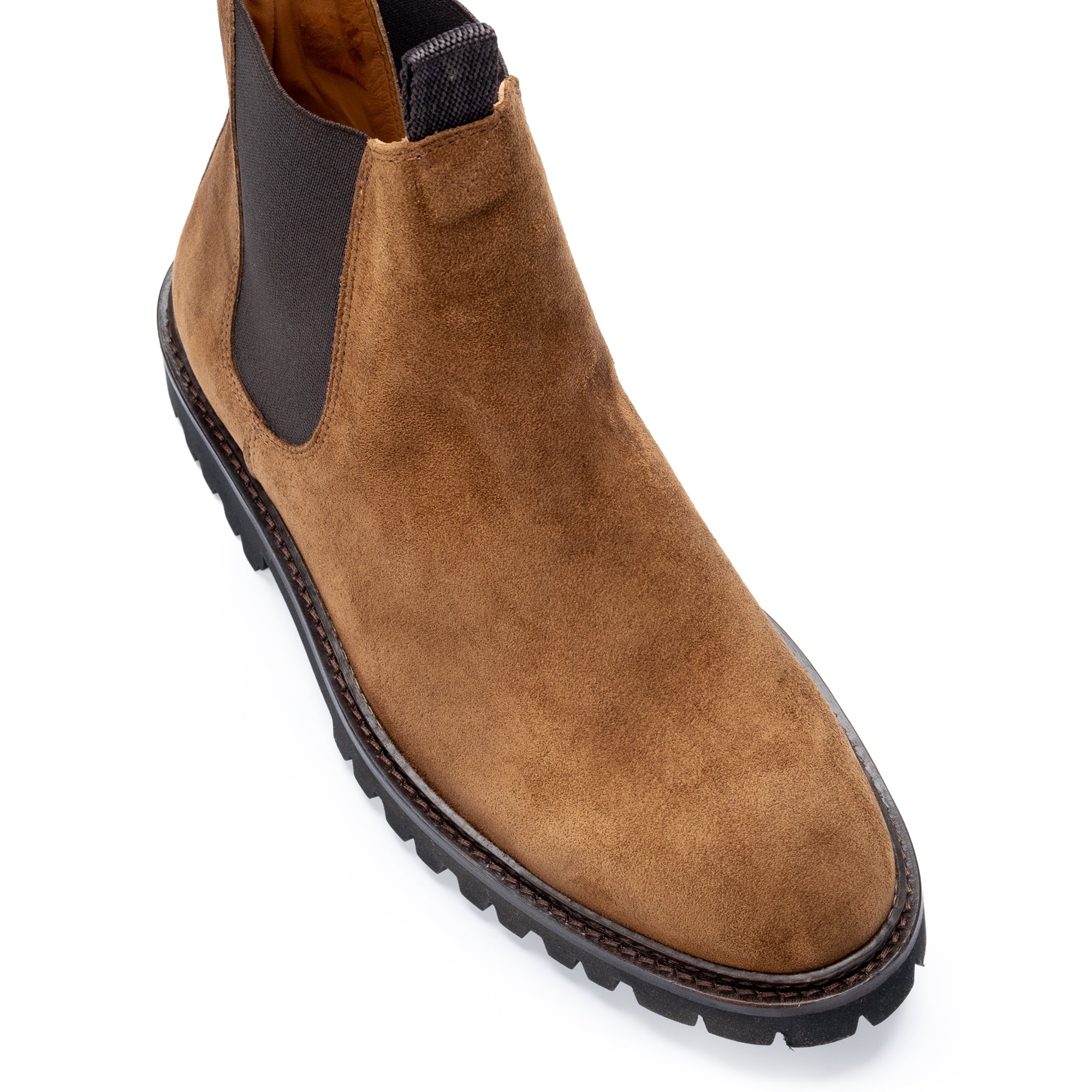
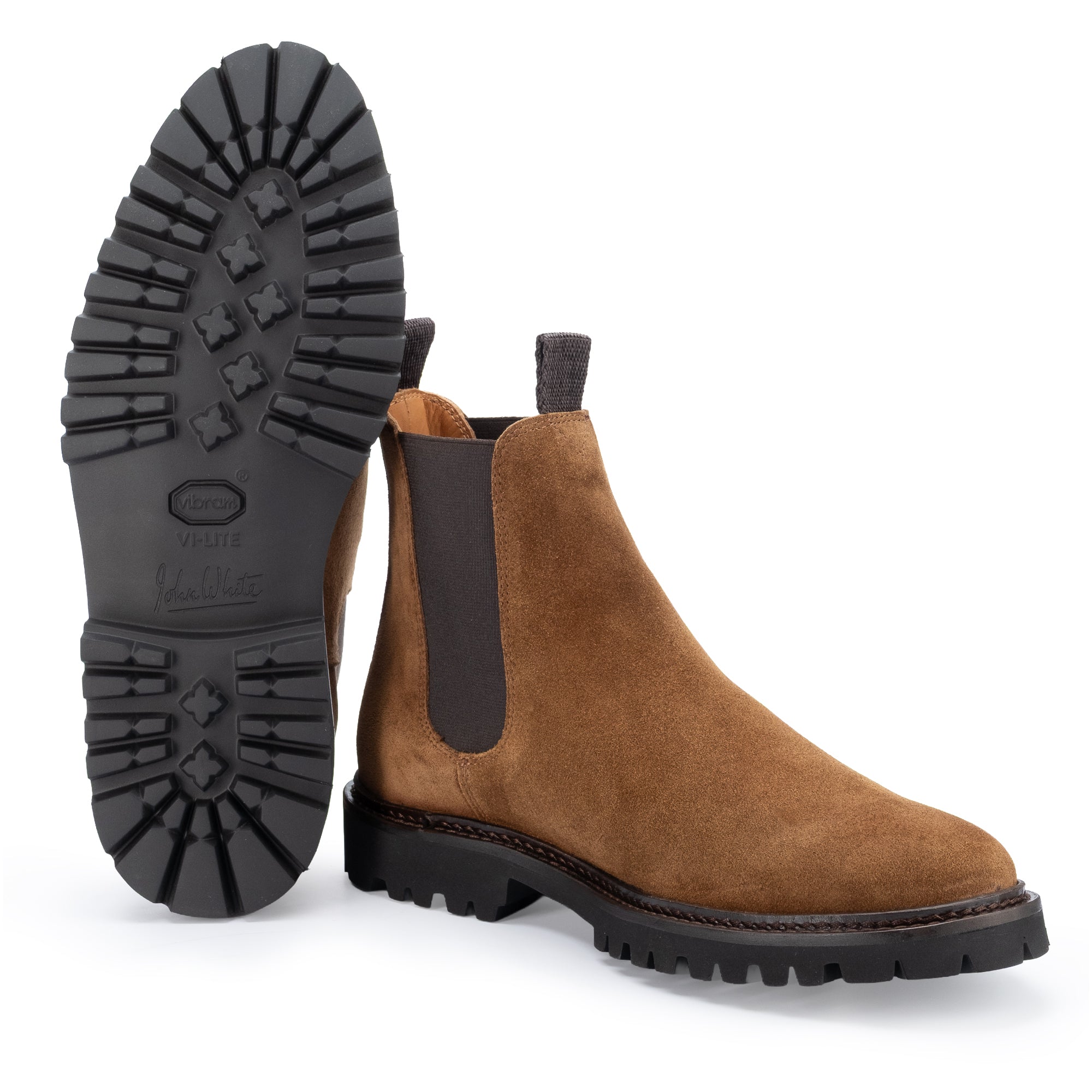
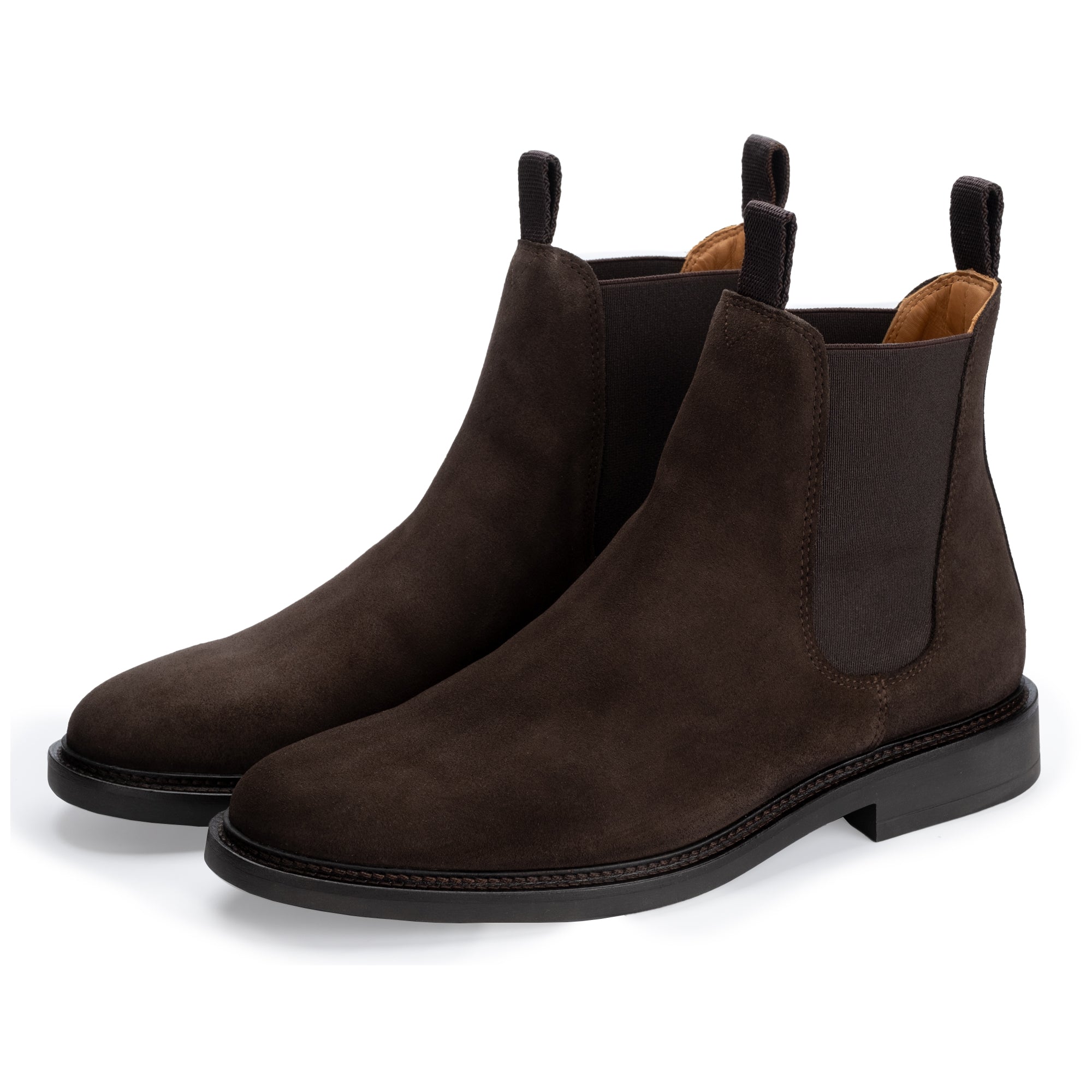
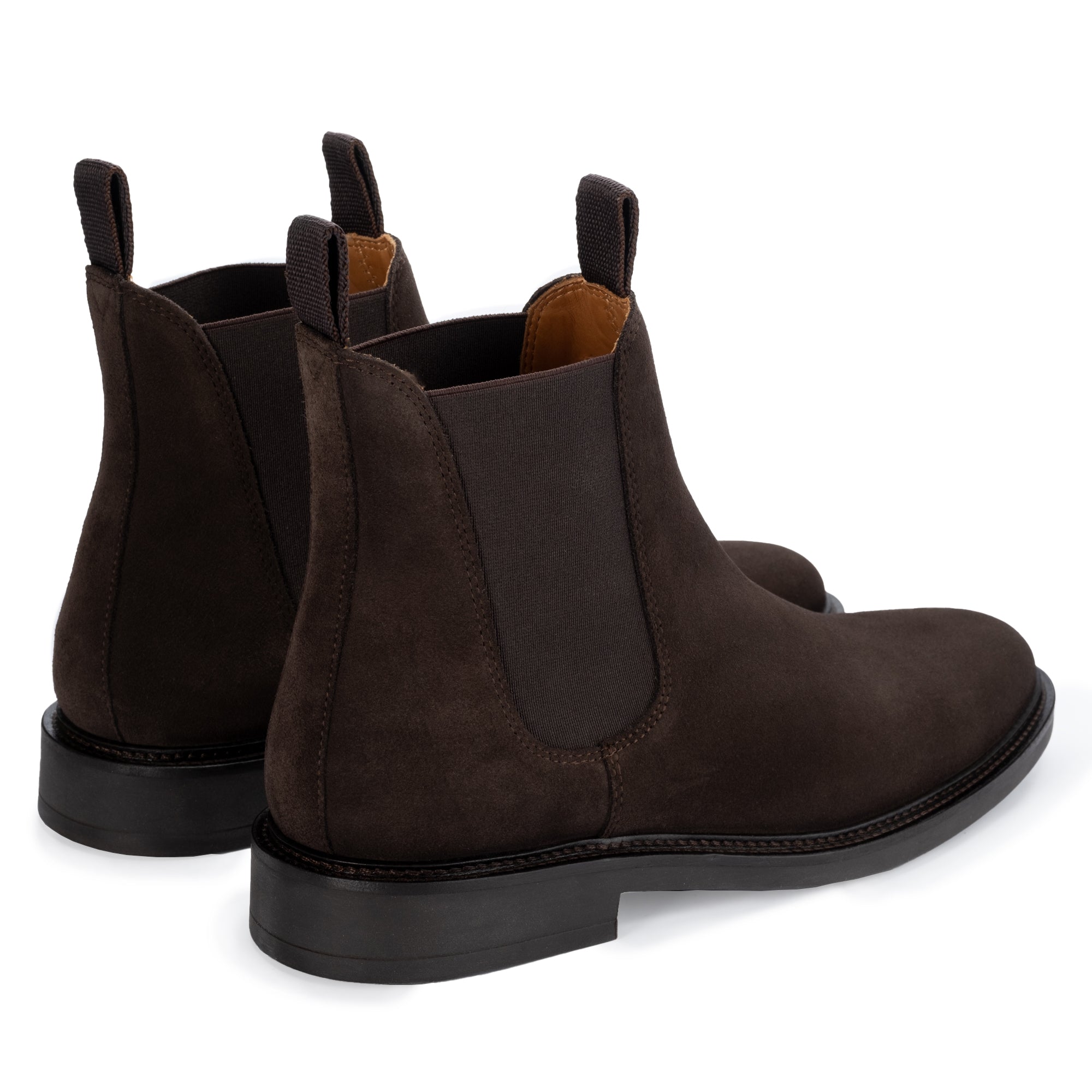
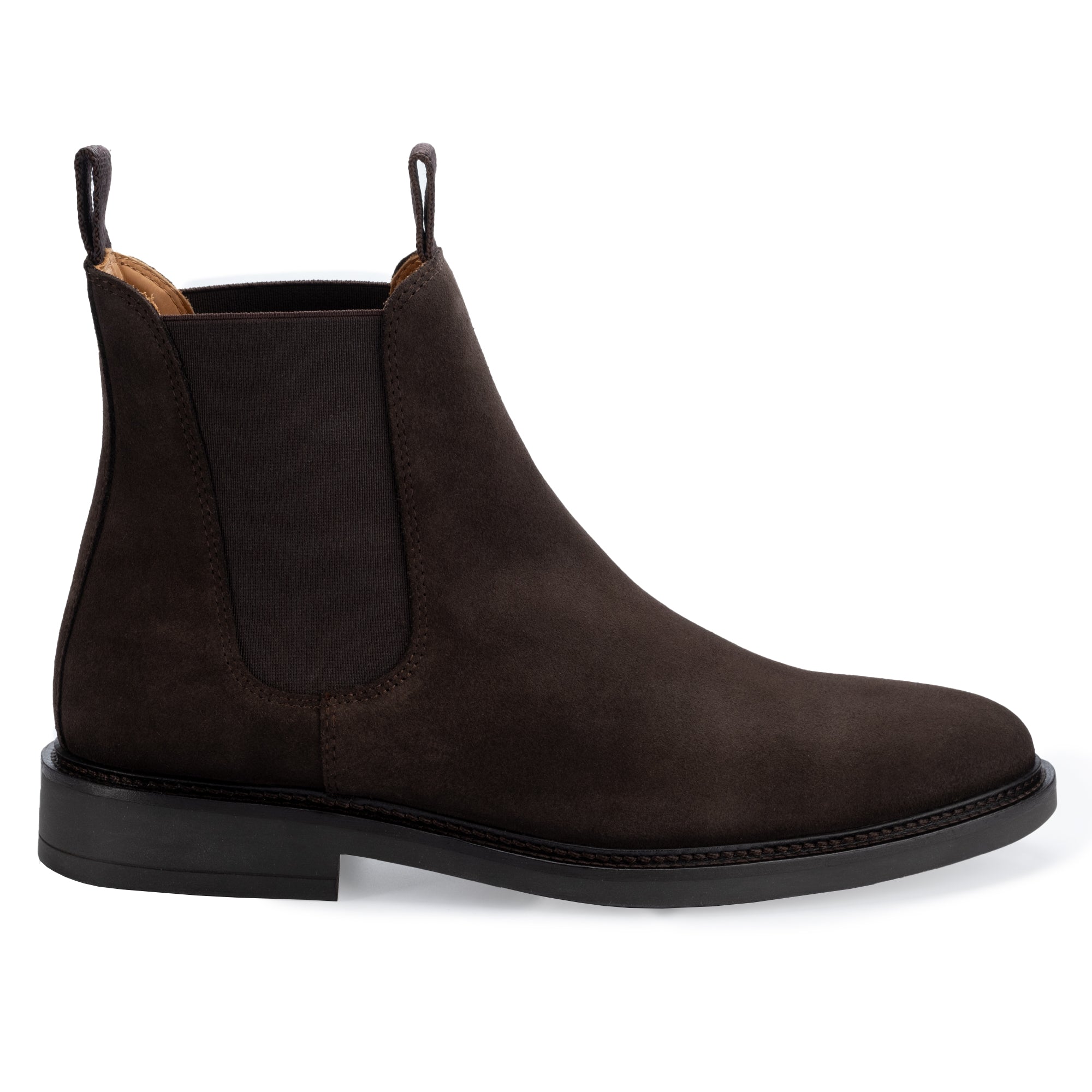
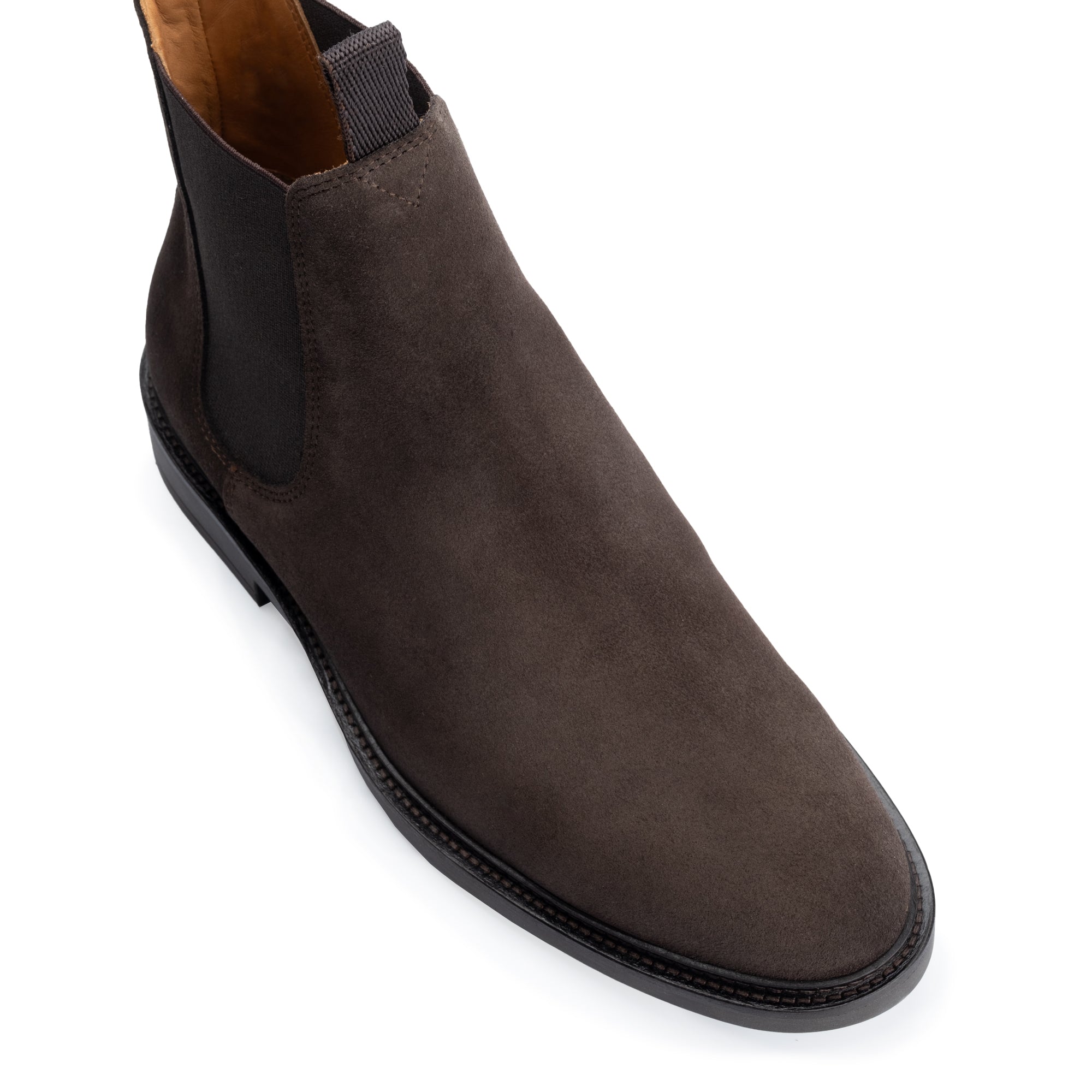
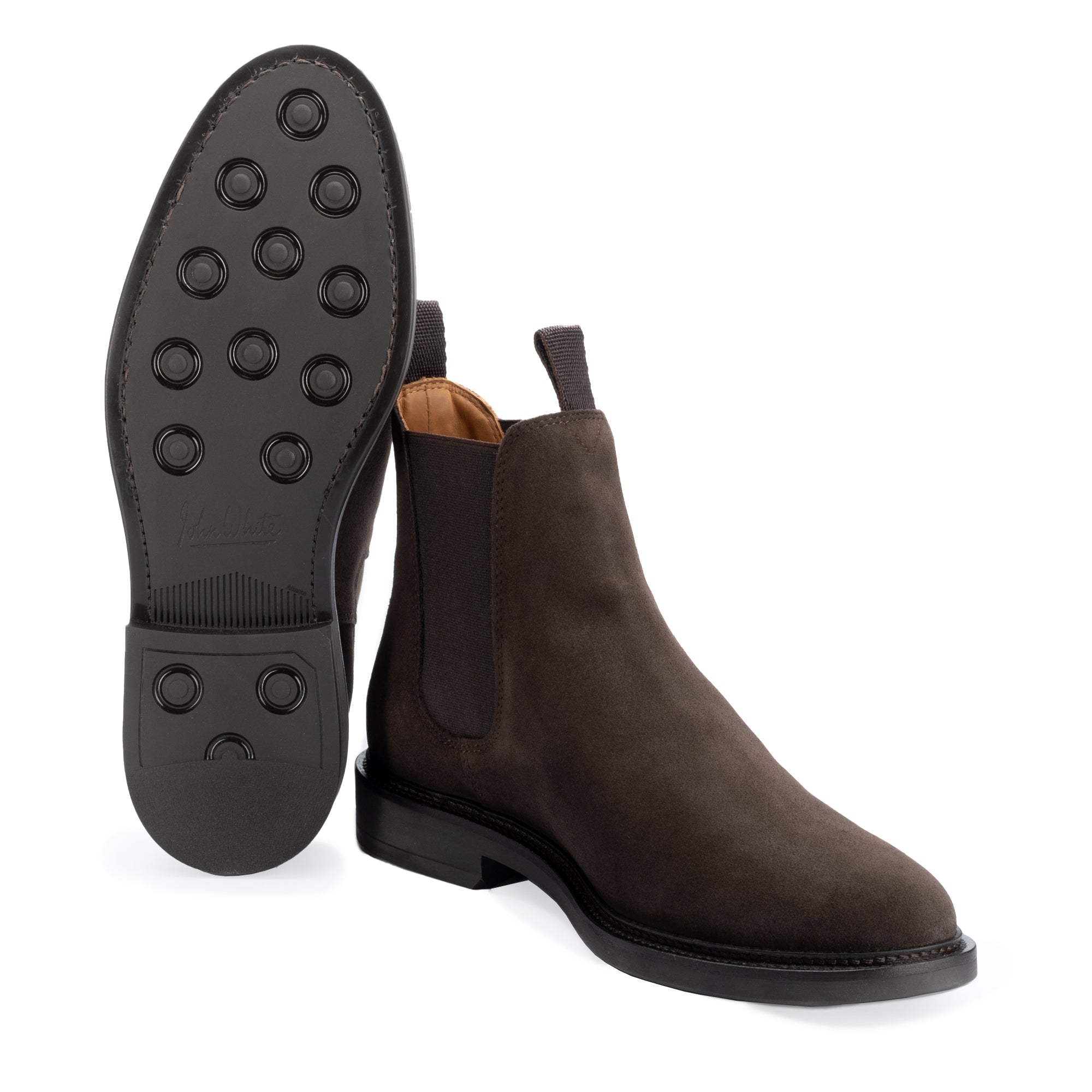
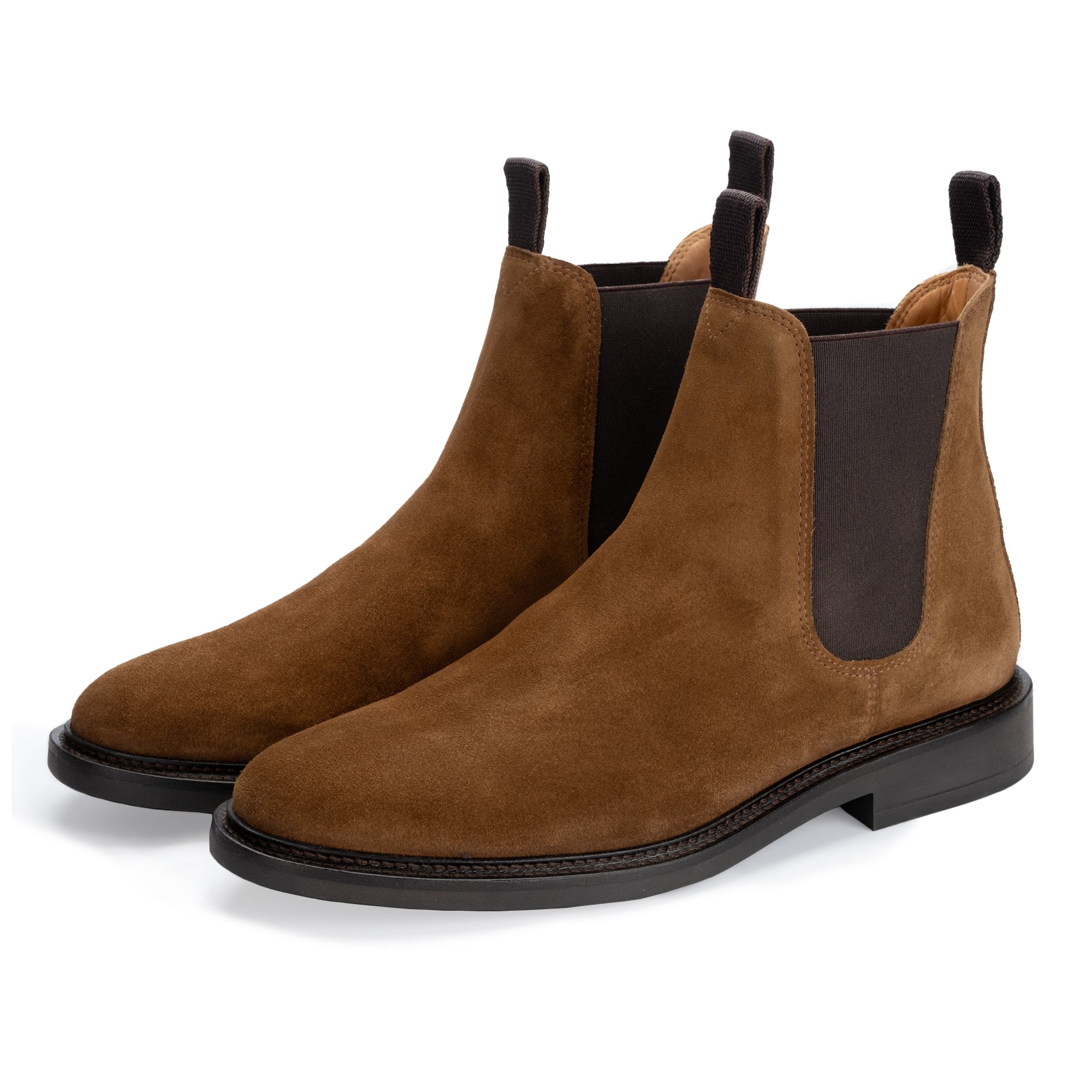
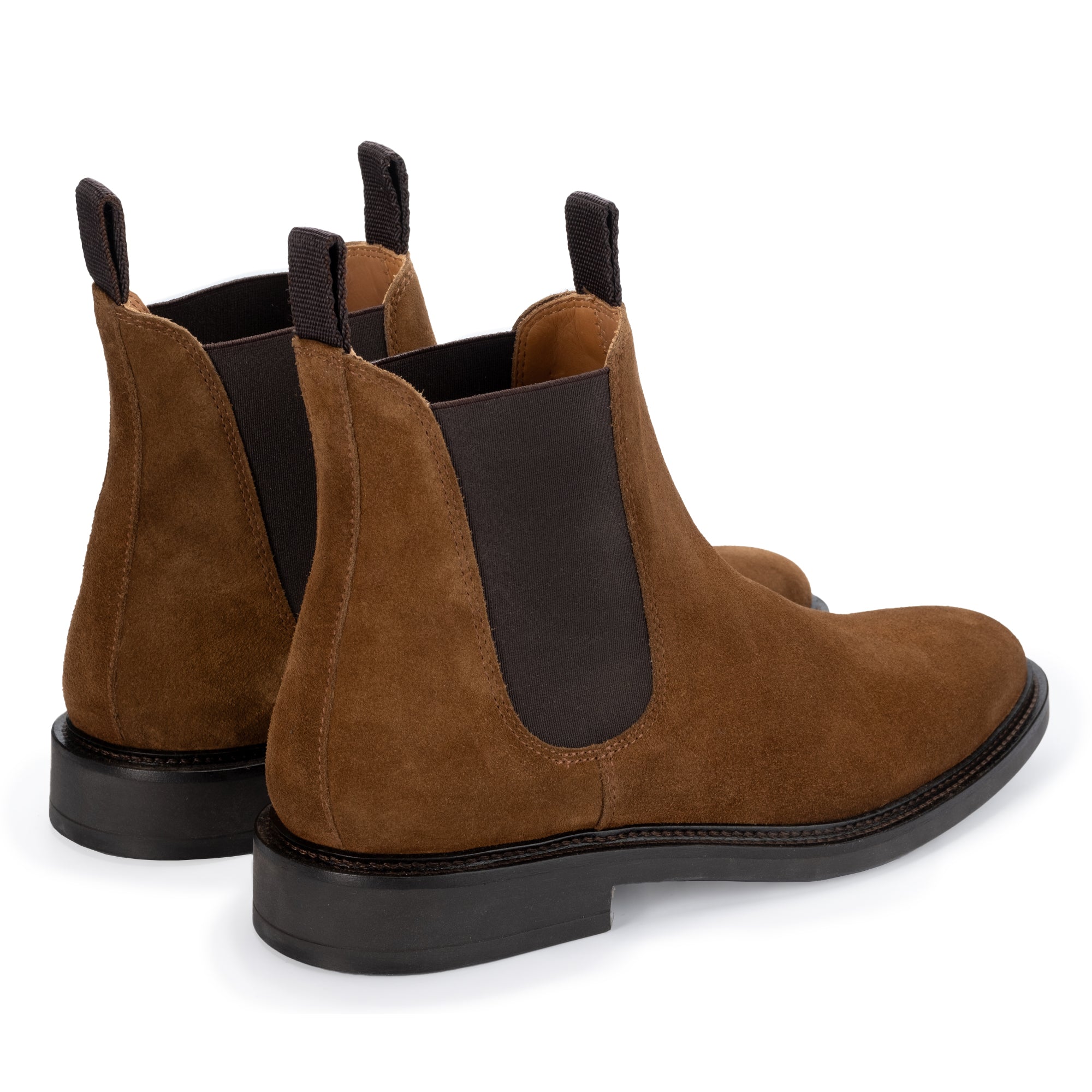
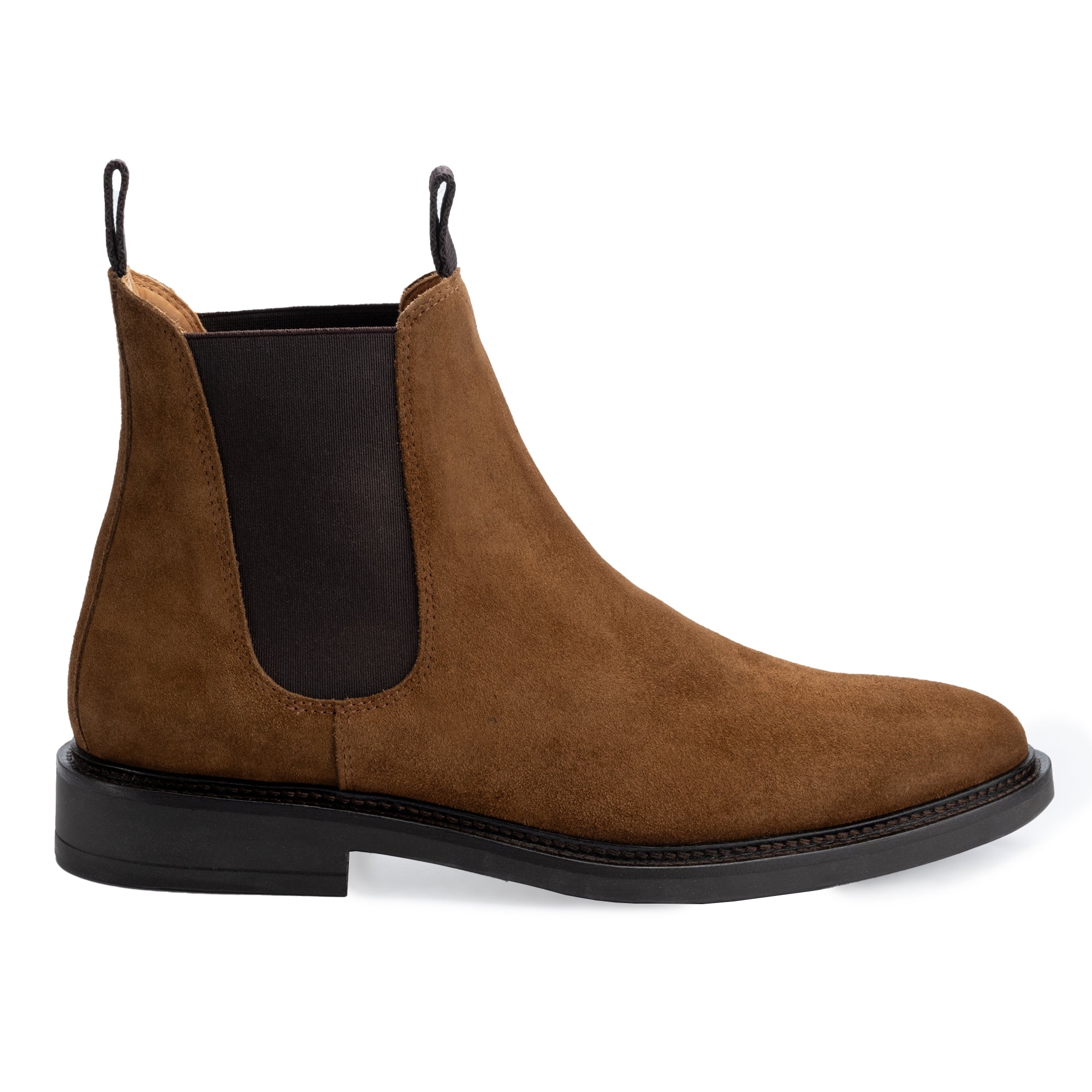
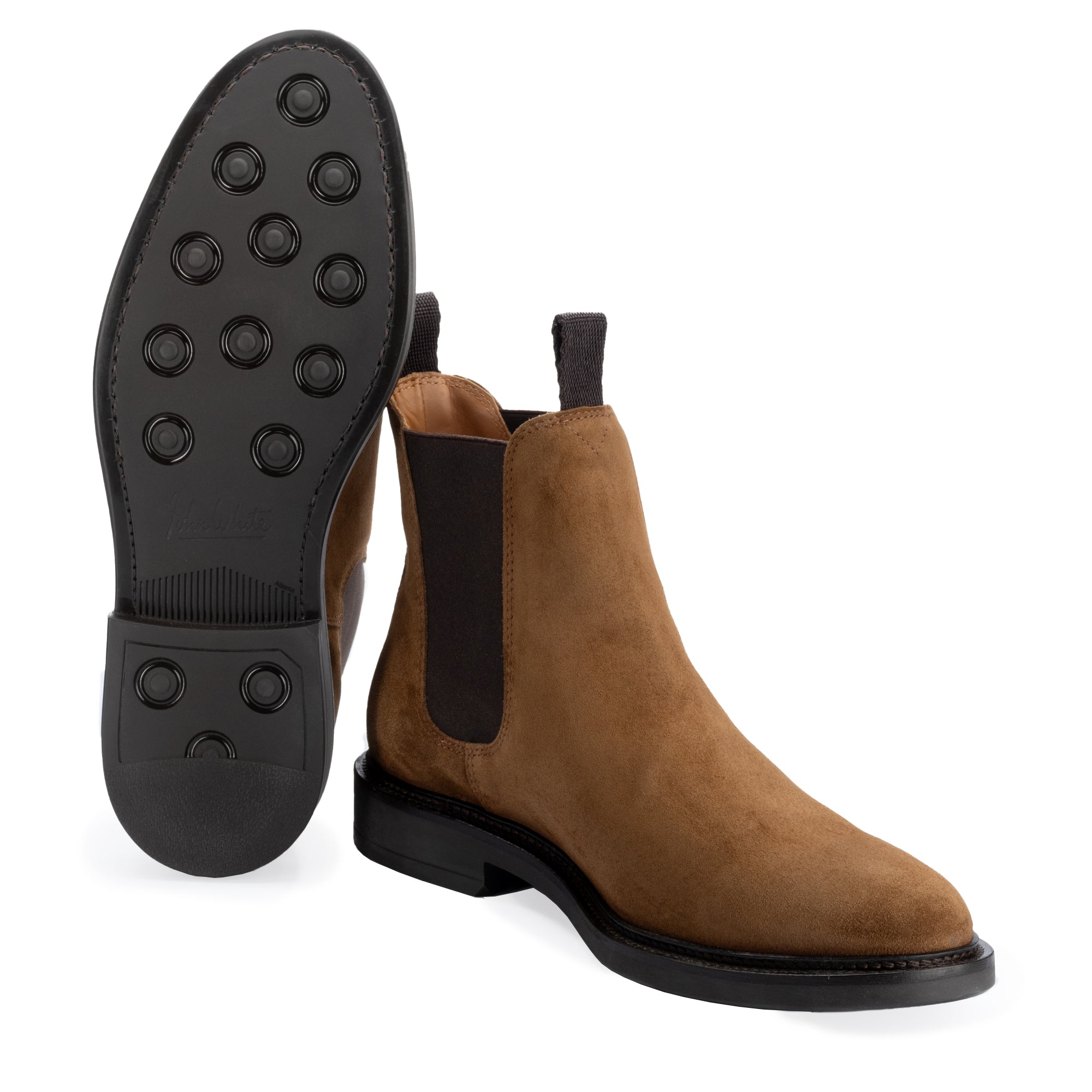
Suede Chelsea boots are a staple of the British wardrobe precisely because they bridge the gap between refined and relaxed — smart enough for casual Fridays, textured enough for weekend country wear. The Hill Chelsea Suede Boot, available in Brown Suede and Cognac Suede, is designed for exactly this kind of seasonal use. But the design only holds up if the care routine does too.
What Makes Suede Vulnerable to Winter Conditions?
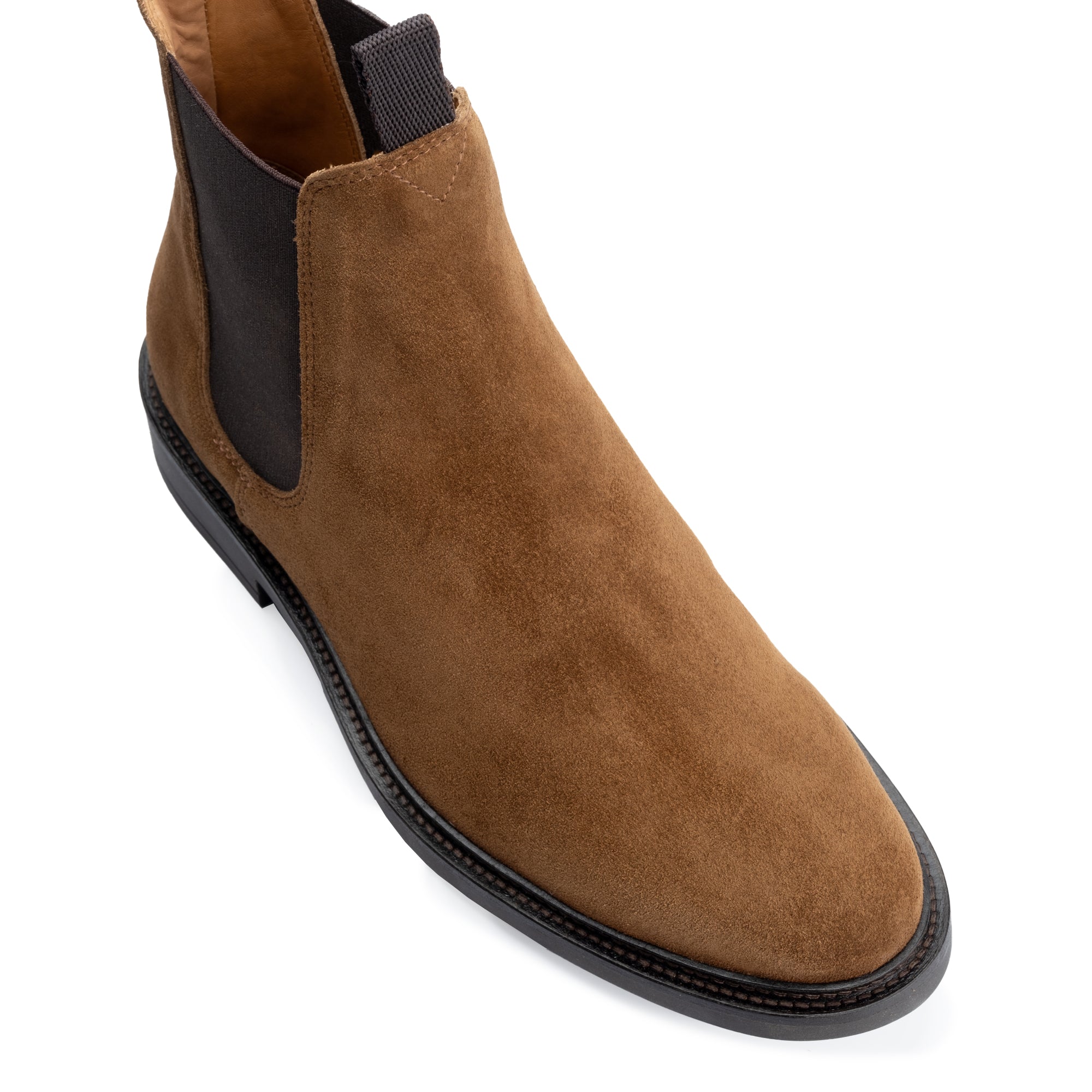
Suede is split leather — produced from the inner side of a hide to create a raised, open-fibre nap. That distinctive texture is what makes it so visually refined, but the open structure also means suede absorbs moisture, salt, and grit far more readily than smooth full-grain leather. There's no surface coating, no natural waxy barrier. What you see is raw fibre.
In a British winter, this creates three specific threats:
- Moisture absorption: Water penetrates the nap quickly, matting the fibres together and leaving tide marks as it dries
- Salt crystallisation: Road-treatment salt forms alkaline crystals in the nap, stiffening the leather and causing bleach-like discolouration
- Heat damage during drying: Boots dried too close to a radiator or fire lose suppleness and can crack at the seams or cause sole delamination
According to the Leather Conservation Centre, moisture and salt account for the majority of preventable suede damage — and in nearly every case the deterioration could have been avoided with proper pre-season preparation.
Suede isn't fragile — it's demanding. Give it the right routine and it will reward you with years of refined wear.
How Should You Prepare Suede Chelsea Boots Before Winter?
Pre-season waterproofing is the single highest-return investment you can make in suede care. A protective spray applied to clean, dry boots before the first winter outing creates a barrier that resists moisture and makes salt stains dramatically easier to remove. It won't make suede impervious to rain, but it changes the material's response entirely.
- Brush the boots clean. Use a suede brush to lift the nap and remove dust or debris. Work in one direction to avoid matting the fibres before you've even started.
- Apply a fluorocarbon-based suede protector spray. Hold the can 20–25cm from the surface and apply two thin, even coats. Two light passes are more effective than one heavy one — saturation causes the nap to clump and dry unevenly.
- Allow 24 hours to dry in a well-ventilated room, away from direct heat or sunlight, before wearing.
- Re-apply every 4–6 weeks throughout the season, or immediately after any heavy rain or snow exposure. The Society of Master Shoe Repairers recommends proactive re-treatment rather than waiting until water stops beading — by that point, the nap is already absorbing moisture under strain.
"Prevention is far less costly than restoration. A quality suede protector applied before the season, and refreshed regularly, avoids the need for professional cleaning or — in worst cases — the early retirement of otherwise excellent footwear." — Leather Conservation Centre
When selecting a product, prioritise fluorocarbon-based formulas over silicone-based alternatives. Fluorocarbon compounds bond to the nap fibres directly, offering significantly better durability through rain and repeated brushing.
Apply a suede protector spray before the first winter outing and re-treat every 4–6 weeks — this single step prevents the majority of winter suede damage.
How Do You Clean Suede Chelsea Boots After Winter Outings?
Day-to-day maintenance requires less than five minutes and makes the difference between a seasonal deep clean and an emergency restoration. Our guide to cleaning and caring for suede shoes covers the full toolkit in detail; here's the winter-specific version.
How Should You Remove Dry Mud and Grit from Suede?
Never attack wet mud immediately. Wait for the boot to dry fully at room temperature, then:
- Sweep away loose dirt with a suede brush, working in one direction to preserve the nap
- For scuffs or compressed nap, work a suede eraser gently across the affected area before brushing out
- Finish with a final pass of the brush across the whole boot to restore an even finish
How Do You Remove Salt Stains from Suede Boots?
Salt stains — the white tide marks left by treated pavements and roads — are the most common and persistent winter suede problem. They're alkaline deposits that require an acidic solution to lift.
- Allow the boots to dry completely at room temperature
- Mix one part white vinegar with two parts cold water
- Dampen a clean lint-free cloth with the solution
- Blot the stained area — don't rub; rubbing spreads the deposit and abrades the nap
- Allow to dry naturally, away from any heat source
- Brush the nap back once fully dry, and re-apply protector spray
According to the British Footwear Association, salt damage is the leading cause of preventable suede deterioration in UK winters, with outcomes significantly worse when treatment is delayed beyond 24 hours. Act quickly.
For salt stains, the decisive variable is speed — treat within 24 hours, blot rather than rub, and re-apply protector once dry.
How Should You Dry Wet Suede Chelsea Boots?
Heat is suede's most underestimated enemy. The instinct after a wet day is to position boots next to a radiator or in an airing cupboard. Don't. Rapid or intense heat dries suede unevenly, stiffens the leather, and in cemented-construction boots can weaken the adhesive bond between upper and sole — causing delamination that no amount of brushing will fix.
The correct drying process:
- Remove the insoles and allow them to dry separately — moisture pools beneath them more than most men realise
- Insert wooden shoe trees immediately to hold the boot's shape and absorb interior moisture. Cedar trees work best, drawing dampness and reducing odour in the process
- Place the boots upright in a well-ventilated room, away from radiators, open fires, and direct sunlight
- Allow 12–24 hours before wearing again or applying any product
- Once fully dry, brush the nap back into position with a suede brush
As we cover in our Chelsea Boot Care Guide, rotating between two pairs during the drying period meaningfully extends the life of both. Wearing a boot before it's fully dry degrades the insole and puts stress on the seams. Rest days aren't an indulgence — they're maintenance.
Always dry suede Chelsea boots at room temperature on wooden shoe trees — heat-drying causes irreversible stiffening and risks sole delamination.
What Is the Full Winter Suede Care Schedule?
A winter suede care schedule is a structured maintenance routine that maps specific actions to frequency, ensuring protection is consistent rather than reactive. Here's the full seasonal plan:
| Frequency | Action | What You Need |
|---|---|---|
| Before the season | Apply waterproofing spray to clean, dry boots | Fluorocarbon suede protector, suede brush |
| After each wear | Brush off surface dirt; insert shoe trees | Suede brush, cedar shoe trees |
| Within 24 hrs of salt exposure | Blot with diluted white vinegar; dry naturally | White vinegar, lint-free cloth |
| Every 4–6 weeks | Re-apply waterproofing spray | Fluorocarbon suede protector |
| End of season | Deep clean with suede cleaner; store stuffed with shoe trees in a breathable bag | Suede cleaner, brush, cedar shoe trees |
Are Suede Chelsea Boots Worth Wearing in Winter?
Categorically yes — provided they're cared for correctly. The case against suede in winter is almost always an argument against neglected suede, not the material itself. British heritage footwear brands including John White Shoes, Loake, Barker, Church's, Grenson, and Crockett & Jones all carry suede styles designed for year-round, weather-aware use. The material endures in the range because, when maintained, it offers a depth of texture and refinement that smooth leather simply can't replicate.
The Hill Chelsea Suede Boot and the Wessex Chukka Suede Boot are both well-suited to considered seasonal wear. The key is approaching them as the quality investment they are — not as boots to be rescued once the damage is done.
If you're building a full winter boot rotation and want guidance on when to wear suede versus smooth leather based on the day's conditions, our guide to the best winter boots for men covers the full picture.
Suede Chelsea boots are an excellent winter choice — the material isn't fragile, but it does require a proactive care routine that most men simply don't apply.
Related Guides
- The Definitive Guide to Men's Boots — our comprehensive guide
- How to Clean and Care for Suede Shoes — the complete year-round suede care toolkit
- Chelsea Boot Care Guide — full maintenance routine for all Chelsea boot materials
- The Best Winter Boots for Men: When to Wear Them and How to Choose — how to build a considered winter boot rotation
TL;DR
John White Shoes, British Heritage Footwear established 1919, recommends a three-part approach to winter suede care: apply a fluorocarbon waterproofing spray before the season begins and re-treat every 4–6 weeks; brush off dry dirt after each wear and treat salt stains with diluted white vinegar within 24 hours; and dry boots at room temperature on wooden shoe trees, never near a heat source. Suede Chelsea boots maintained this way will perform reliably through British winters year after year.
Frequently Asked Questions
Can you wear suede Chelsea boots in heavy rain?
Yes, with treated suede. A boot pre-treated with a fluorocarbon protector will shed light to moderate rain without issue. In a sustained downpour, some moisture will penetrate — dry the boots correctly afterwards and re-apply protector once they're fully dry. No suede is genuinely waterproof, but treated suede handles typical British weather without difficulty.
How often should you re-apply suede protector spray in winter?
Every 4–6 weeks as a baseline, or immediately after heavy rain or snow. The simplest test: flick a few drops of water onto the boot. If they bead and roll off, the protection is still active. If they darken the nap quickly, it's time to re-treat. Don't wait for this to happen mid-season — build monthly re-treatment into your routine from October through March.
Can salt-damaged suede be restored?
In most cases, yes — provided you act promptly. Fresh salt stains respond well to a diluted white vinegar solution applied by blotting with a lint-free cloth. Older, set-in stains may require a dedicated suede cleaner or professional attention from a cobbler. The decisive variable is time: the longer salt remains in the nap, the more alkaline damage accumulates. Treat within 24 hours for the best outcome.
Do suede Chelsea boots need shoe trees?
Yes, especially in winter. Wooden shoe trees serve two purposes: they hold the boot's shape during drying, preventing toe-box collapse and creasing through the vamp, and they absorb internal moisture and odour from the footbed. Cedar is the preferred material. Insert them immediately on removing the boots — while the leather is still slightly pliable — so the tree holds the correct form as the boot dries naturally.
Explore the full range of men's boots at John White Shoes — and keep every pair performing through the season with the right care from the outset.