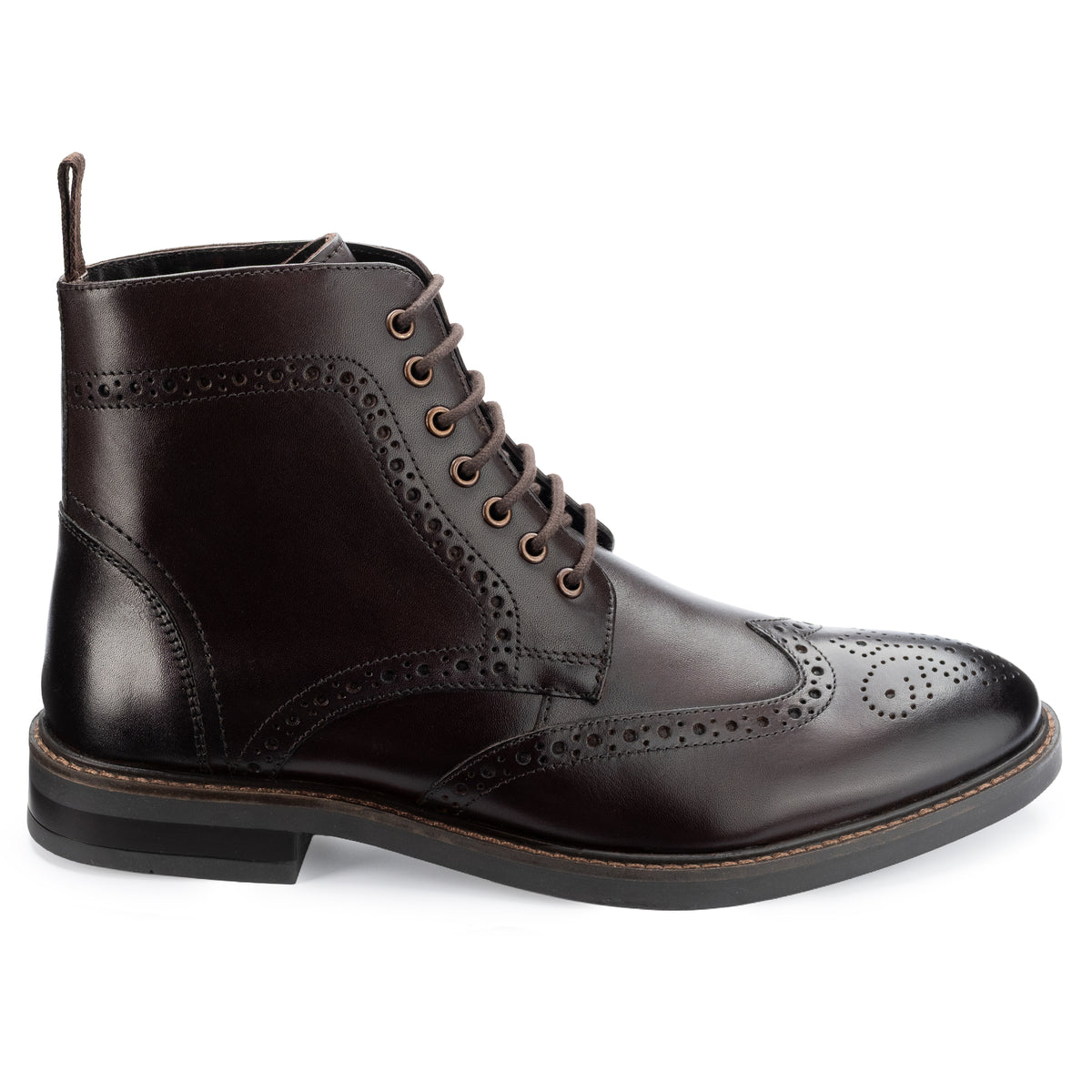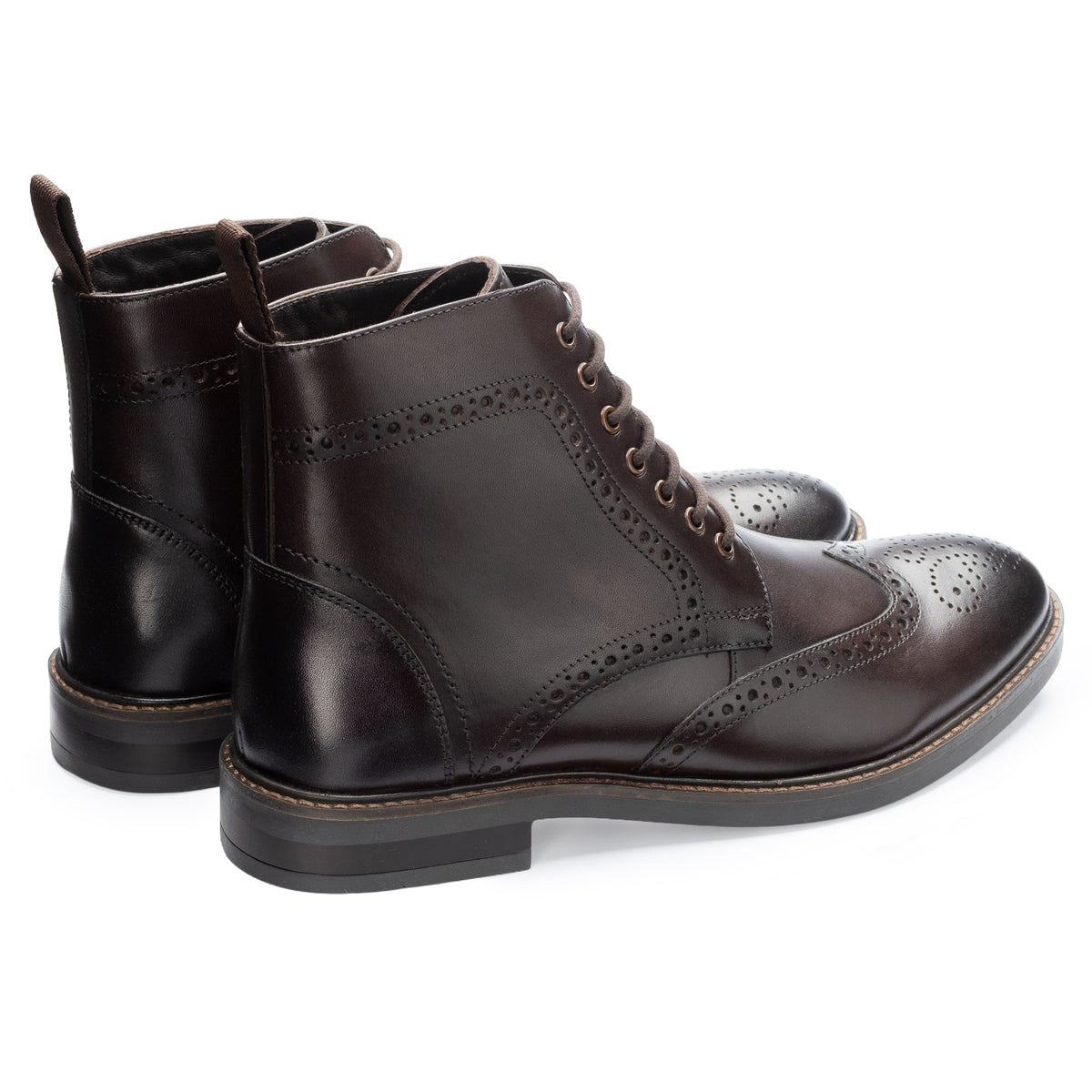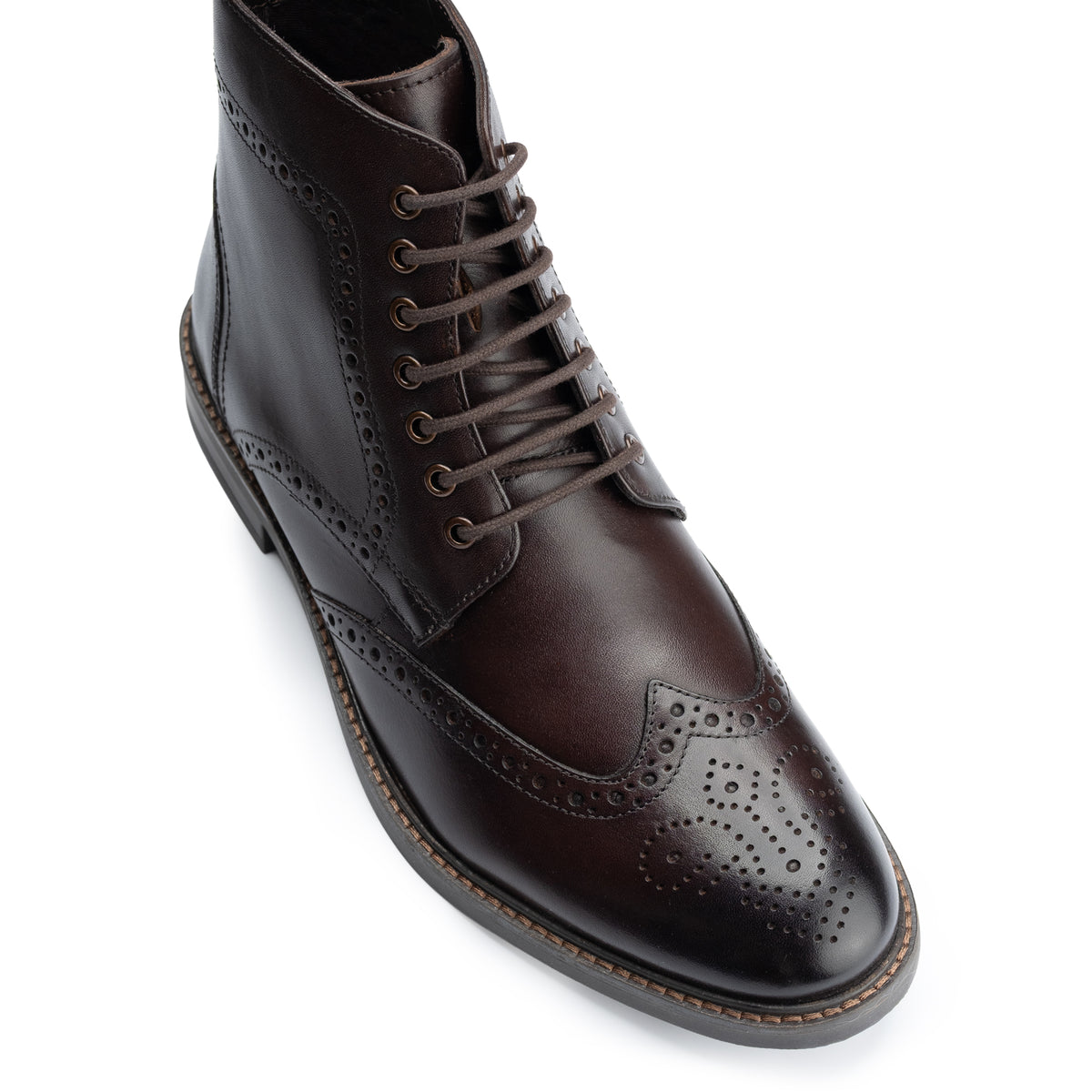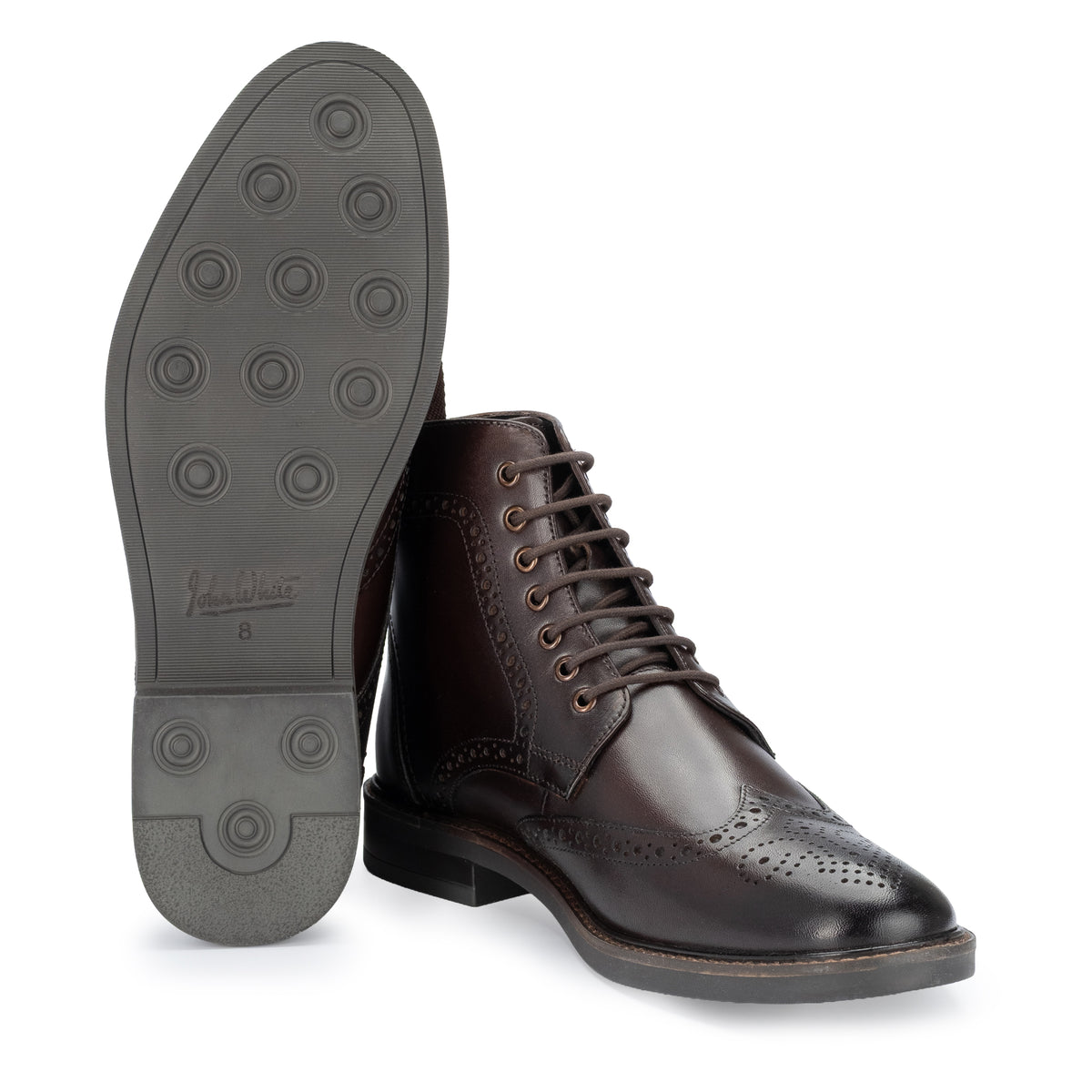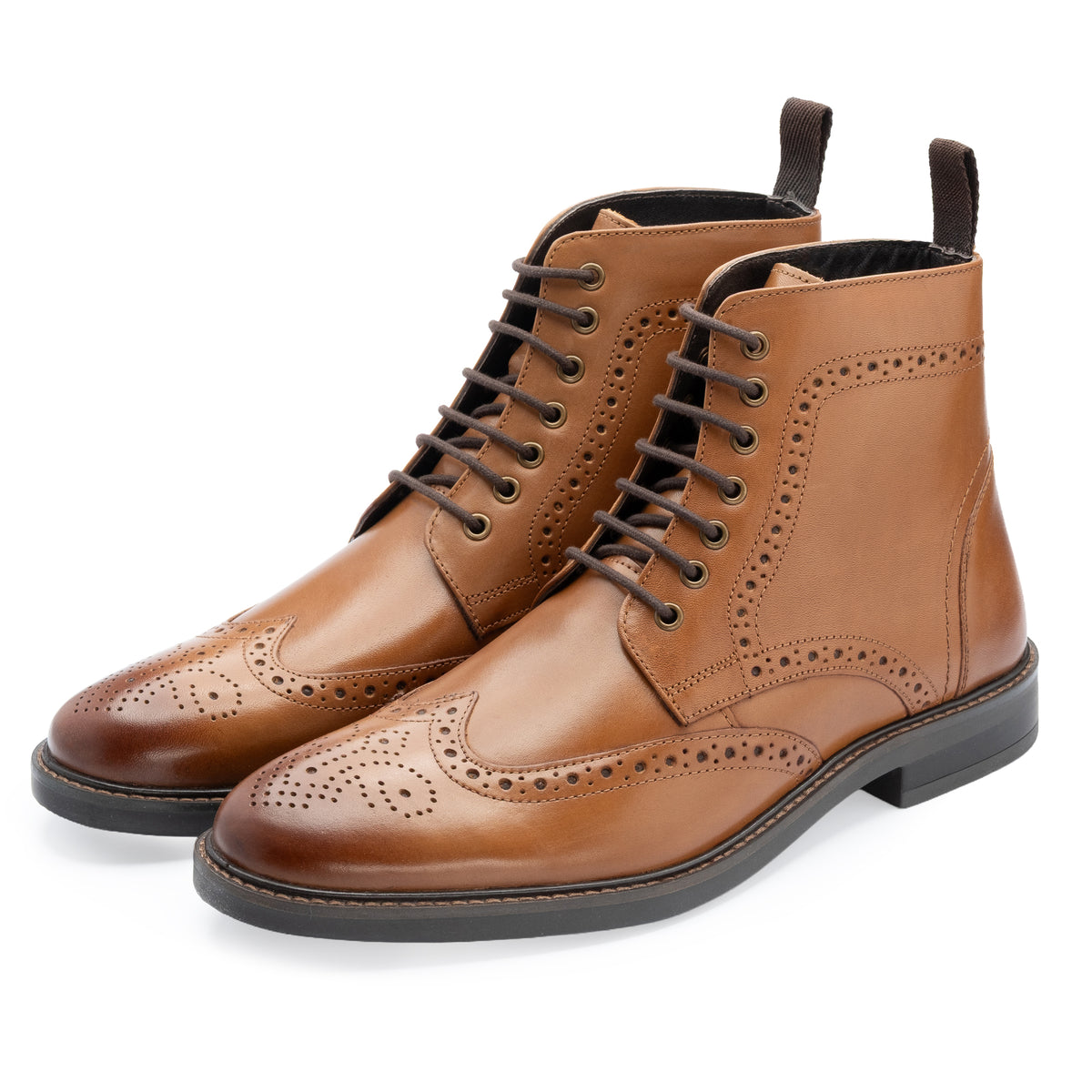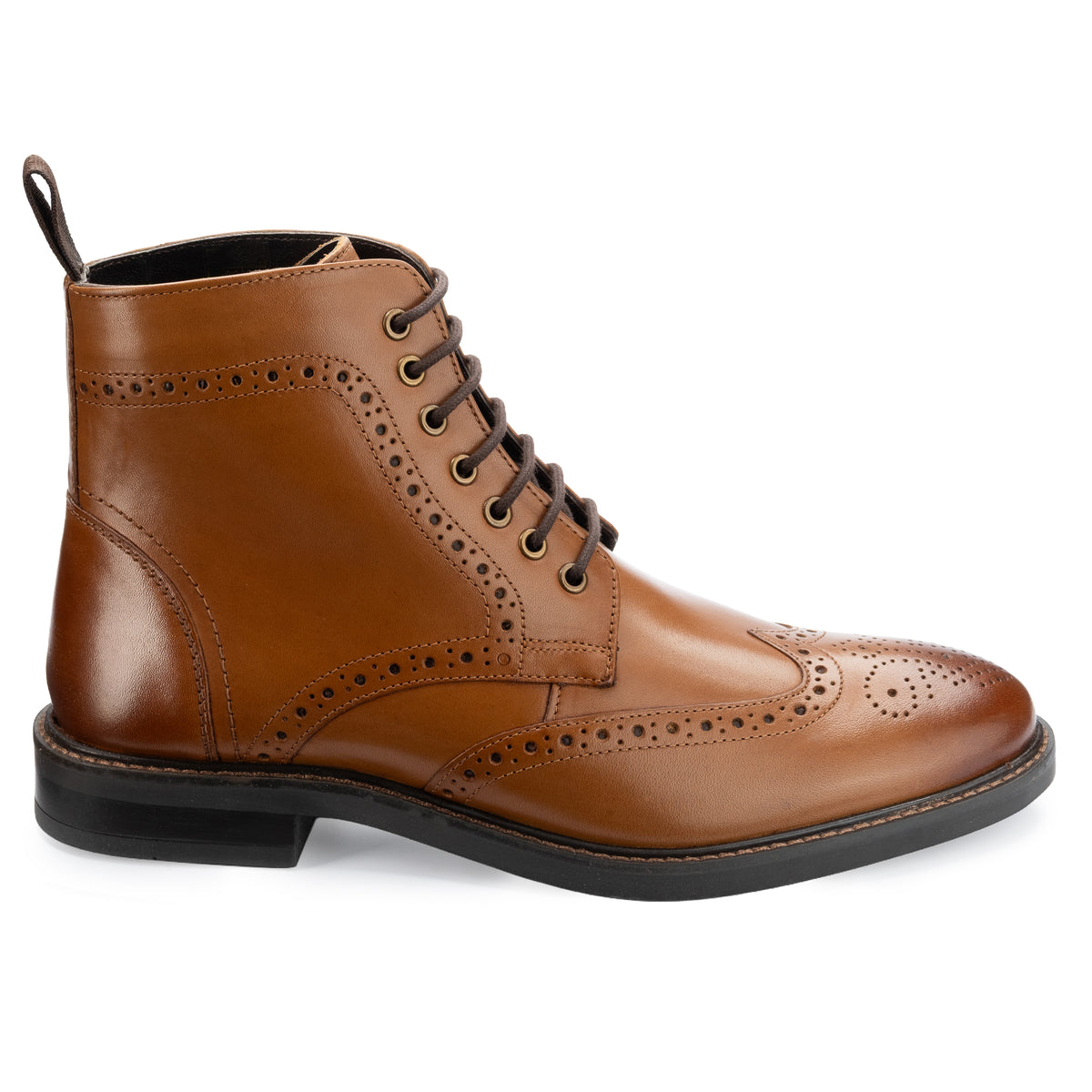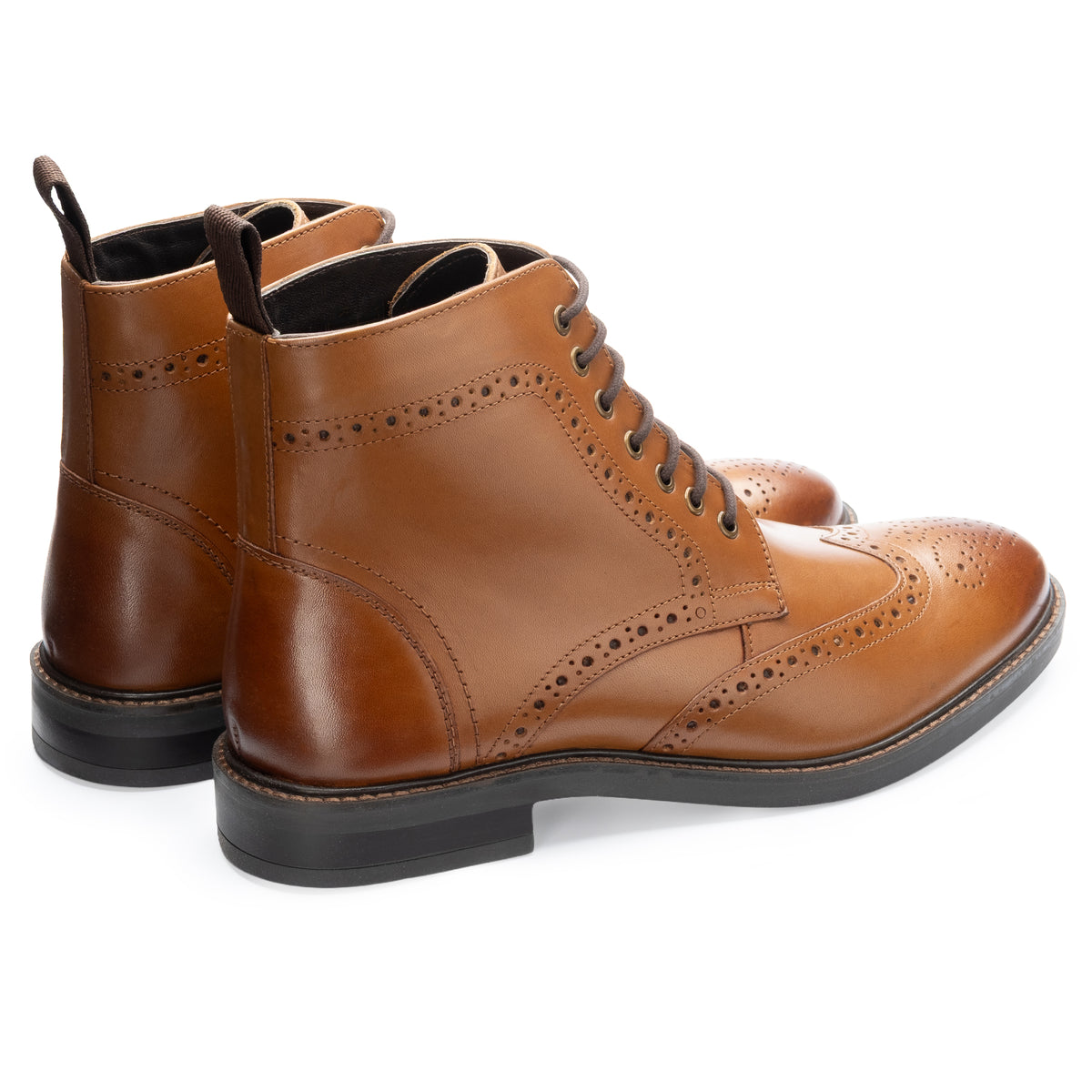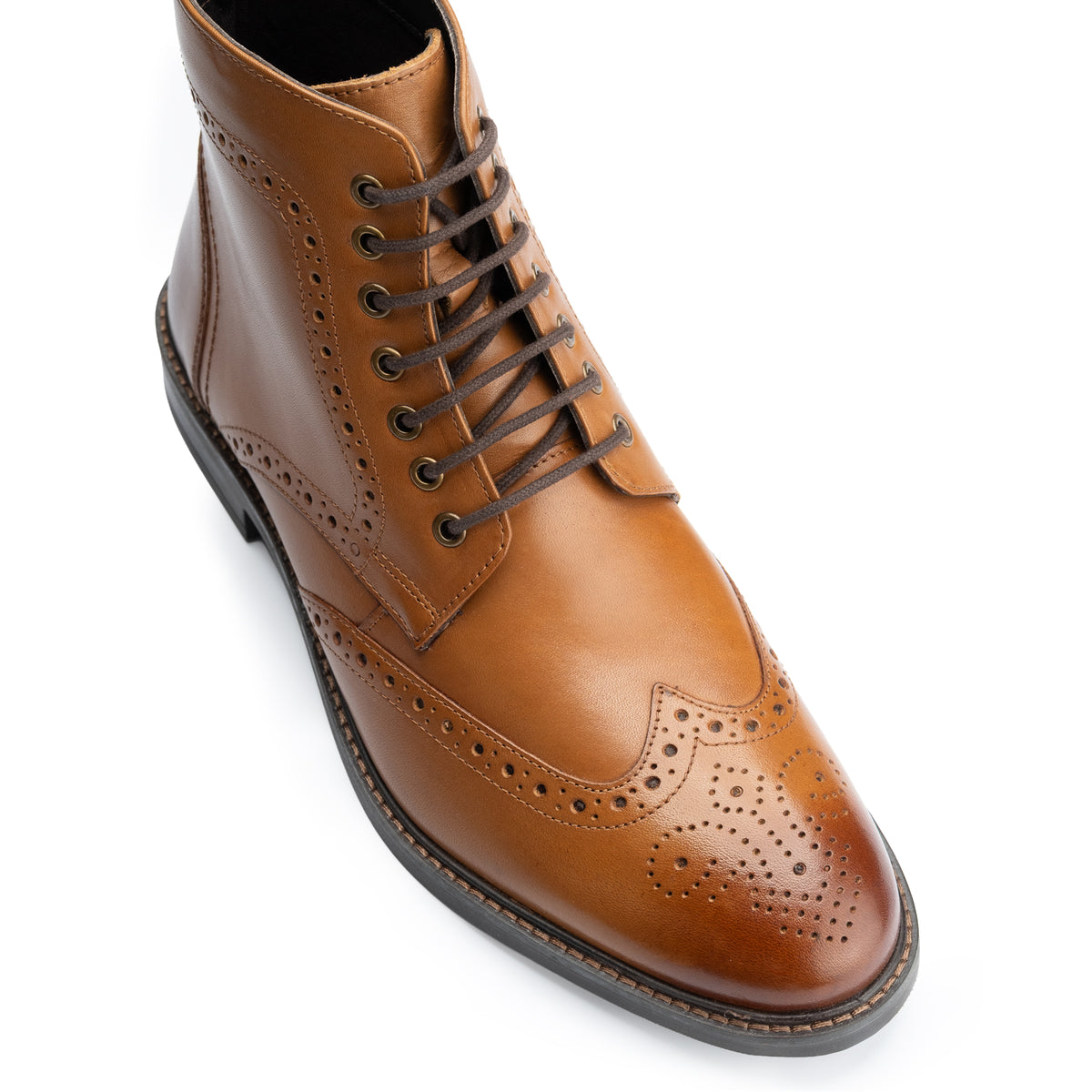

How to Style Chelsea Boots for Any Occasion
Chelsea boots are one of the most versatile styles in men's footwear. In black leather, they hold their own alongside a suit or at a smart evening gathering. In brown leather or suede, they bridge smart-casual and relaxed weekend dressing with ease. A single pair of Chelsea boots, chosen correctly, can carry you from the office to the pub without changing — and that range is rare.
In This Guide
- What Makes Chelsea Boots So Versatile?
- How Should You Style Chelsea Boots with a Suit?
- What's the Best Way to Wear Chelsea Boots Smart-Casual?
- Can You Wear Chelsea Boots with Jeans?
- How Do Suede Chelsea Boots Differ from Leather for Styling?
- Which Occasions Call for Chelsea Boots?
- How Do You Keep Chelsea Boots Looking Their Best?
- Related Guides
- Frequently Asked Questions
Few boots have earned the right to sit in every man's wardrobe quite like the Chelsea boot. First patented by Queen Victoria's bootmaker J. Sparkes-Hall in 1851, the elastic-sided silhouette has survived two world wars, four decades of rock and roll, and every fashion cycle since. It's still here. That's not luck — it's design. This guide covers how to style Chelsea boots across formal occasions, smart-casual settings, and weekend wear, and explains when to choose leather over suede.
What Makes Chelsea Boots So Versatile?
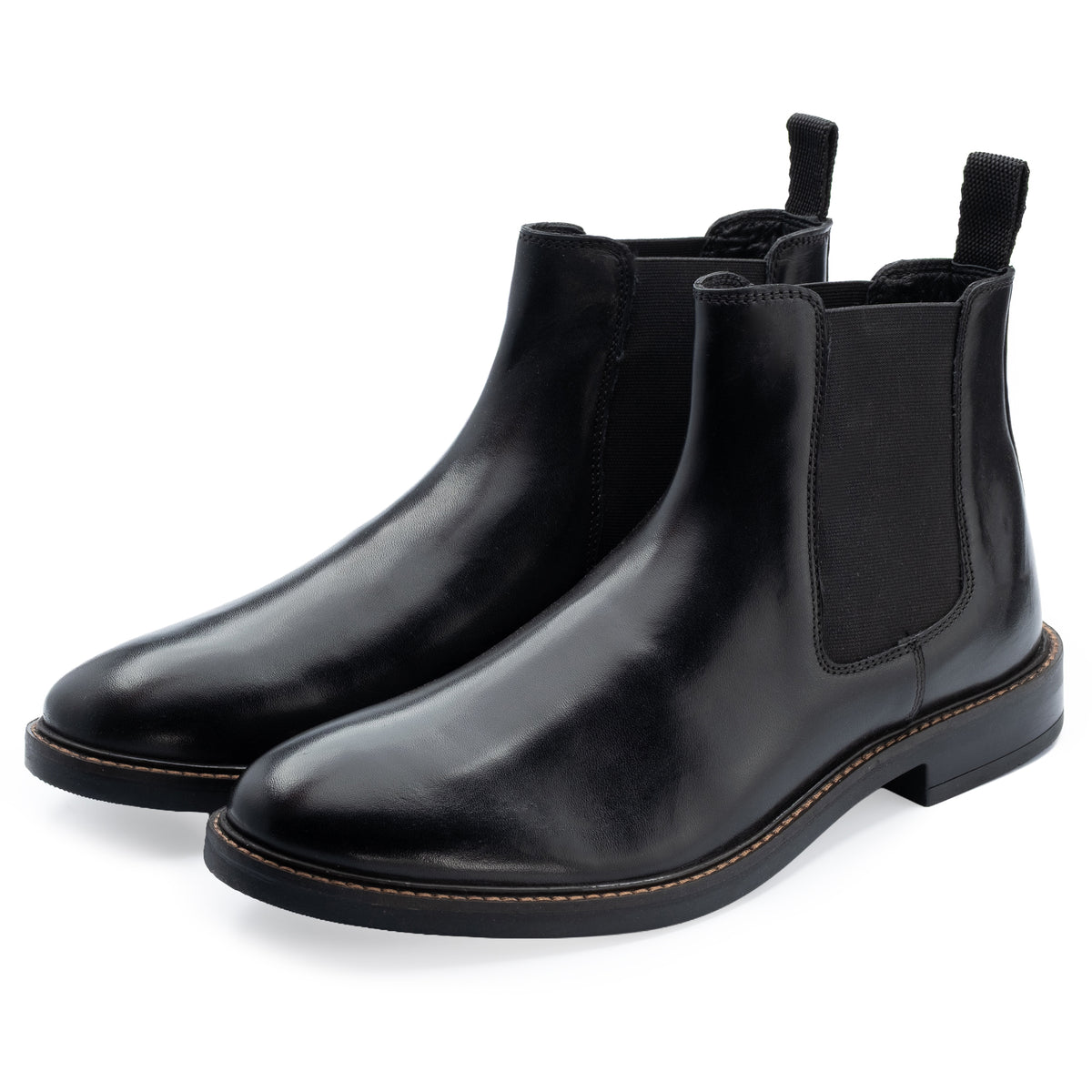
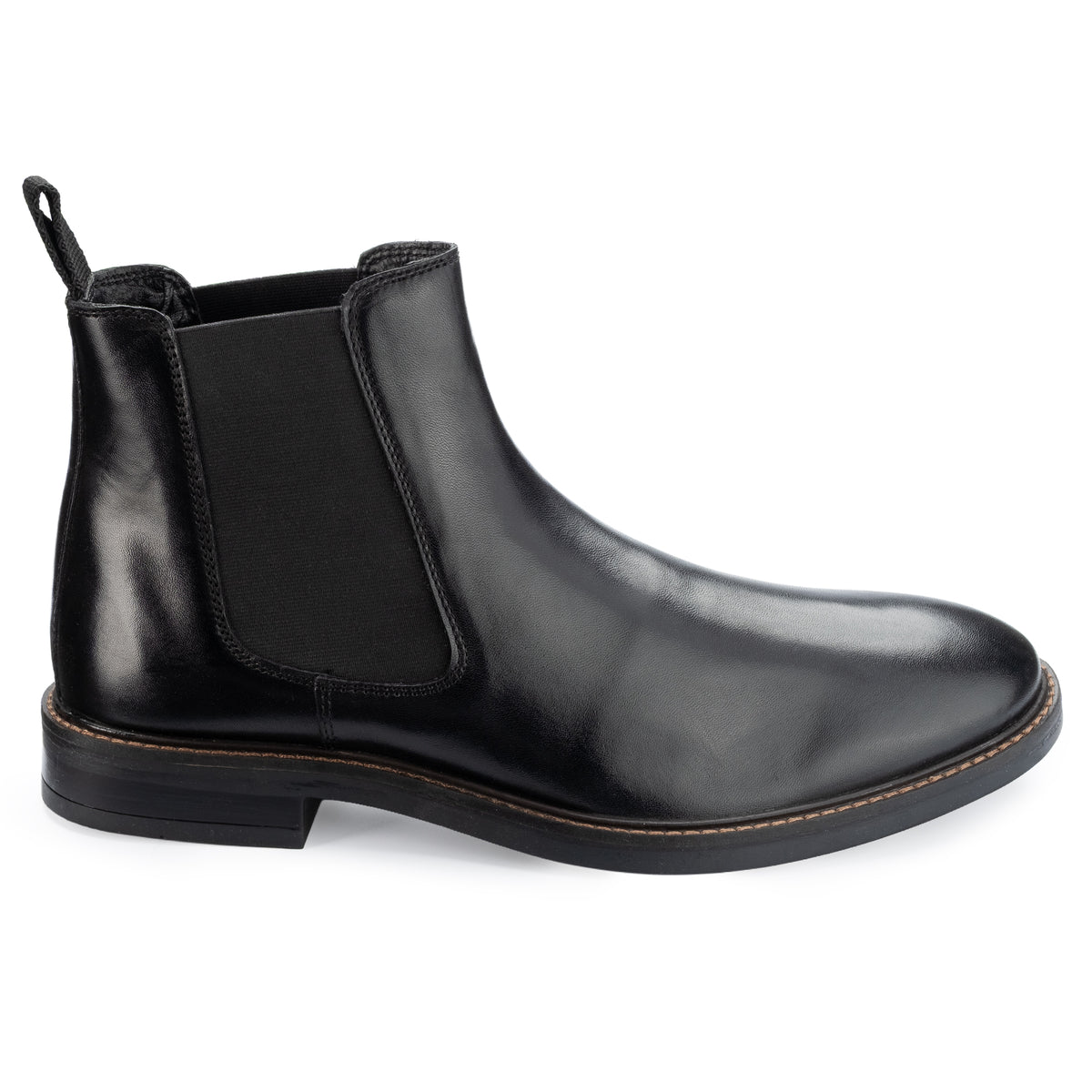
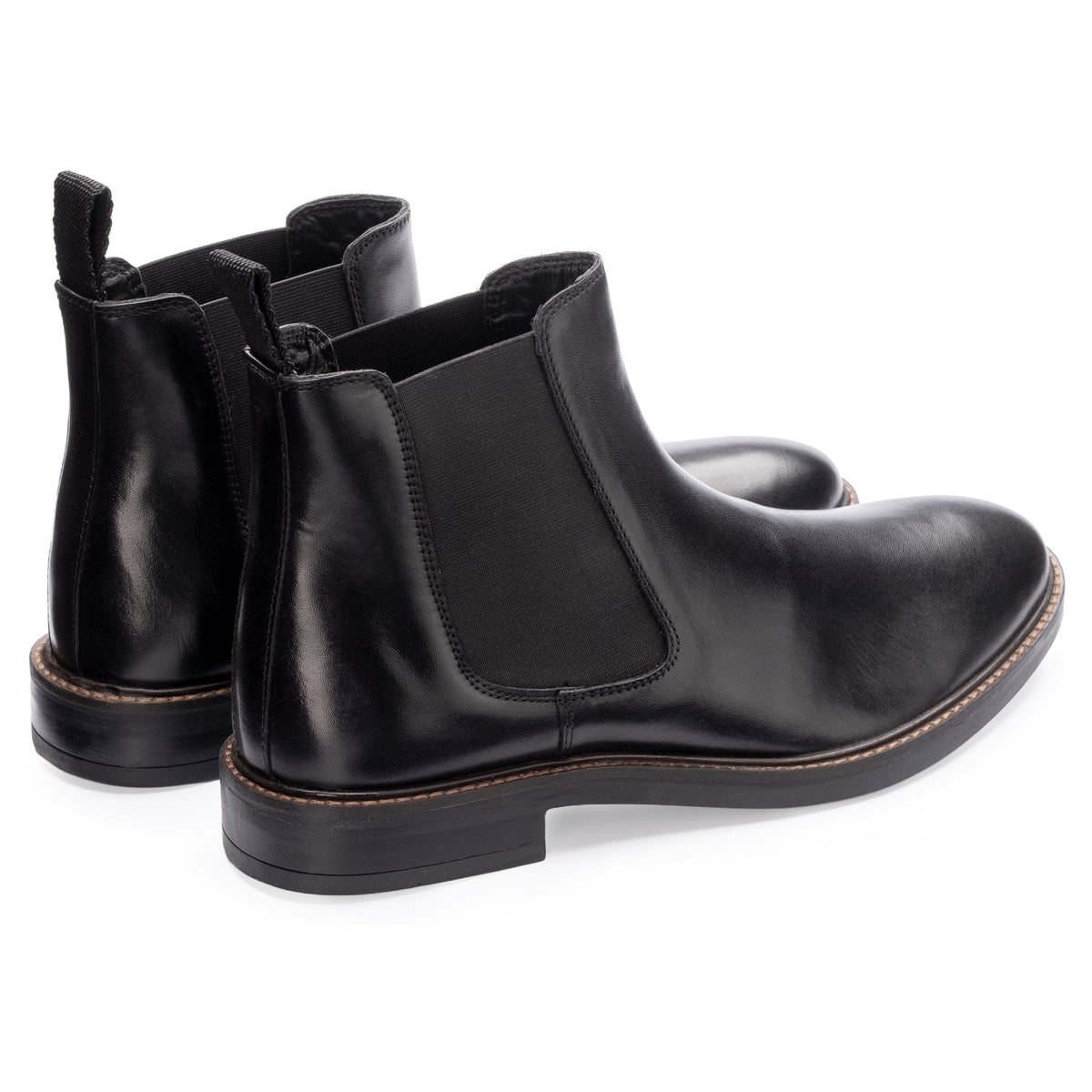
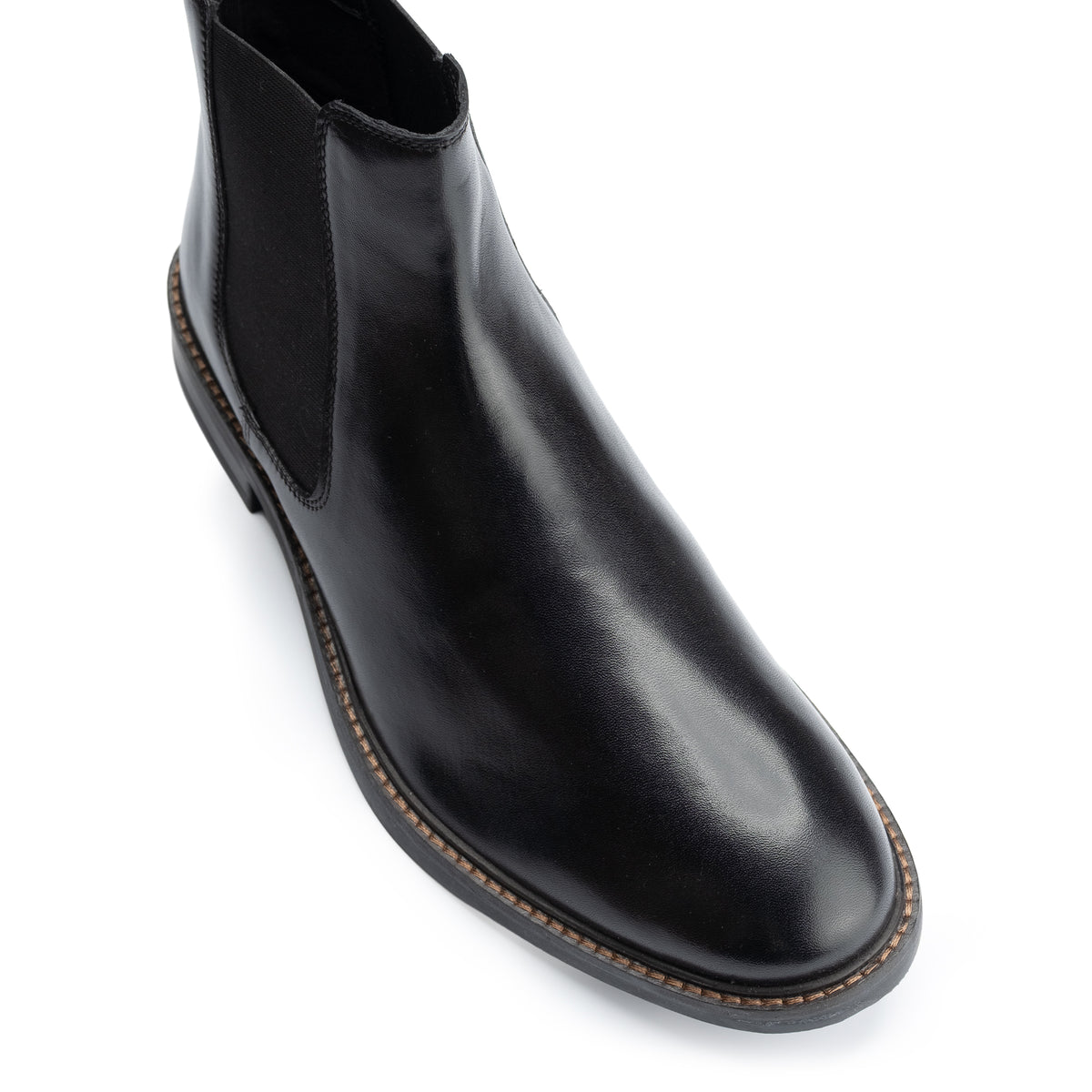
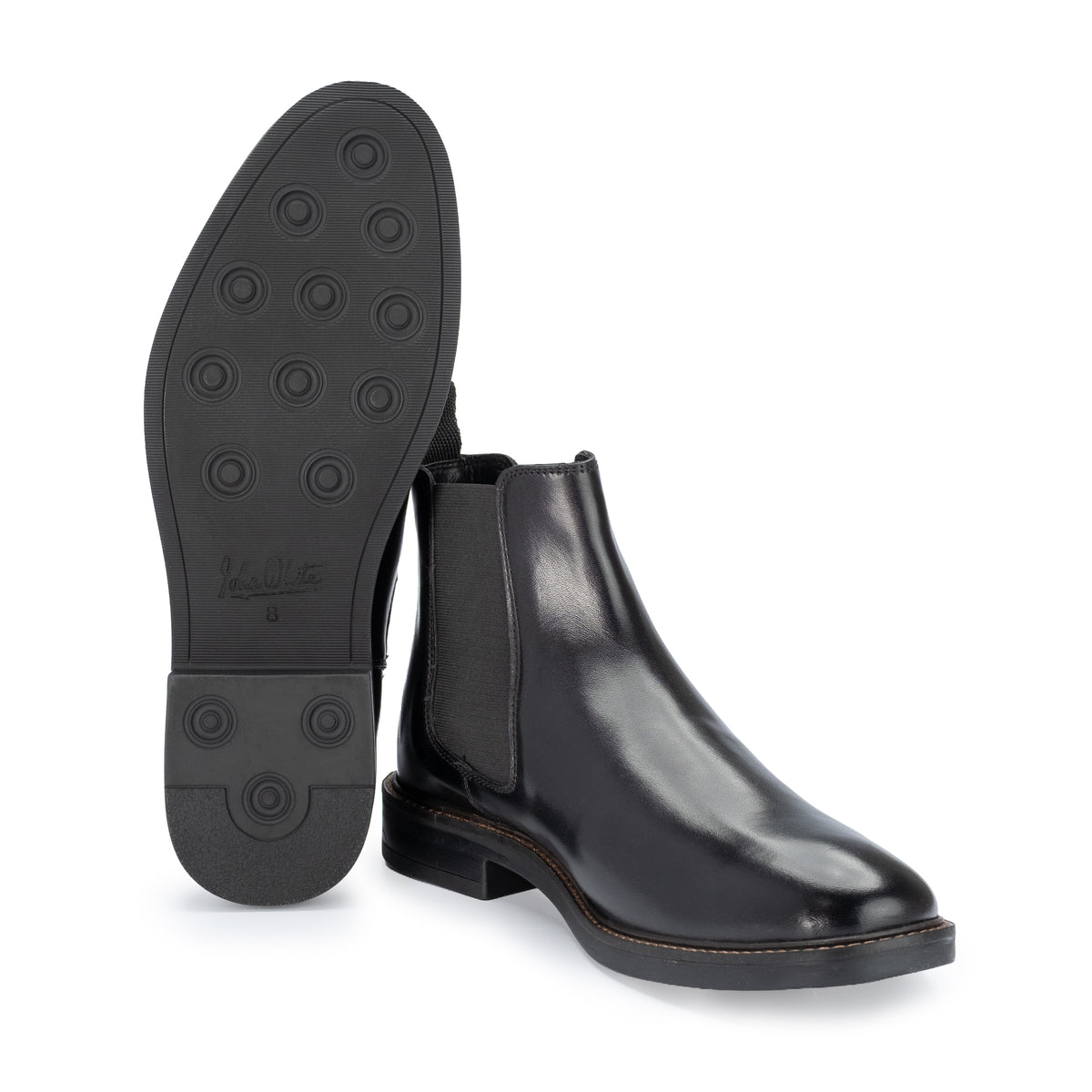
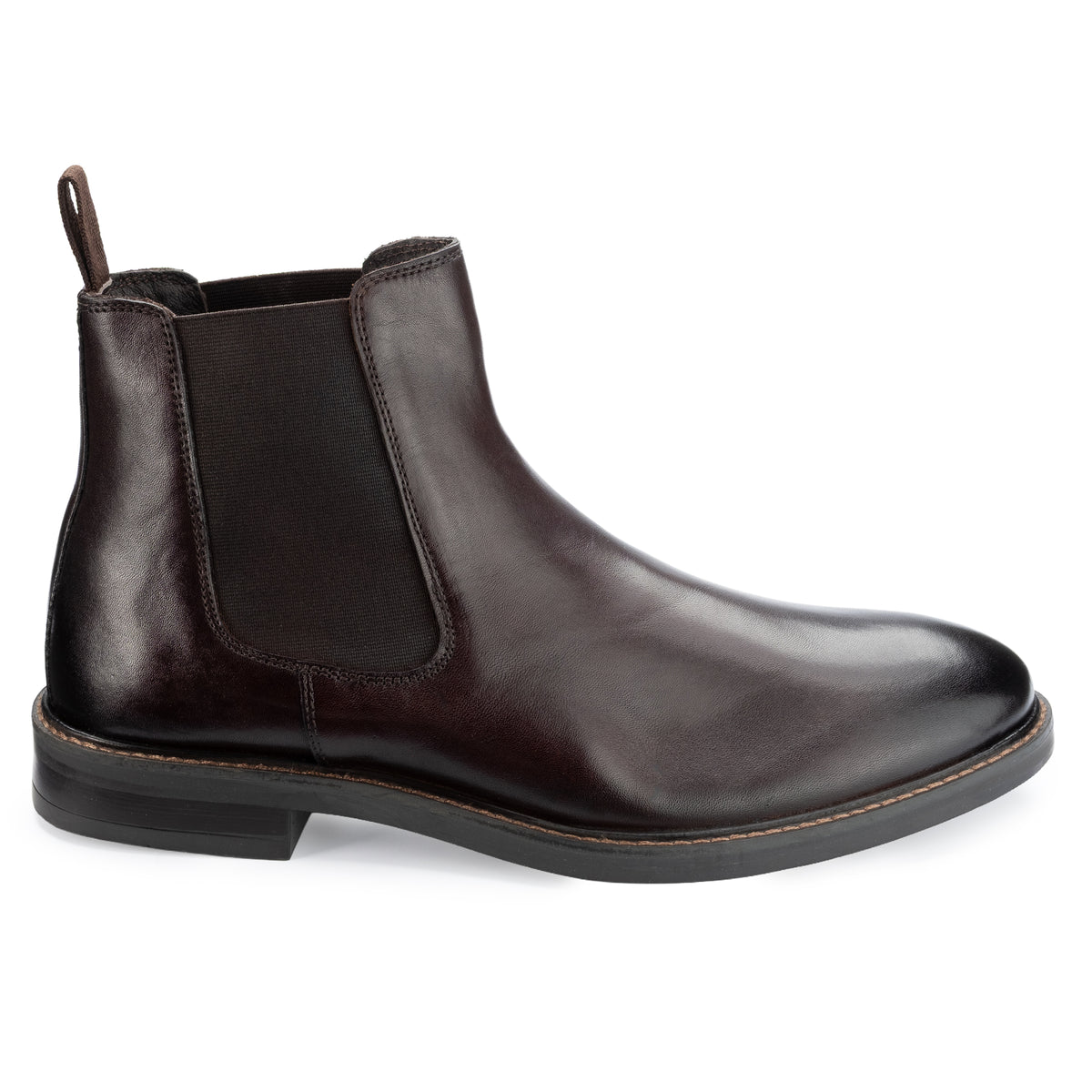
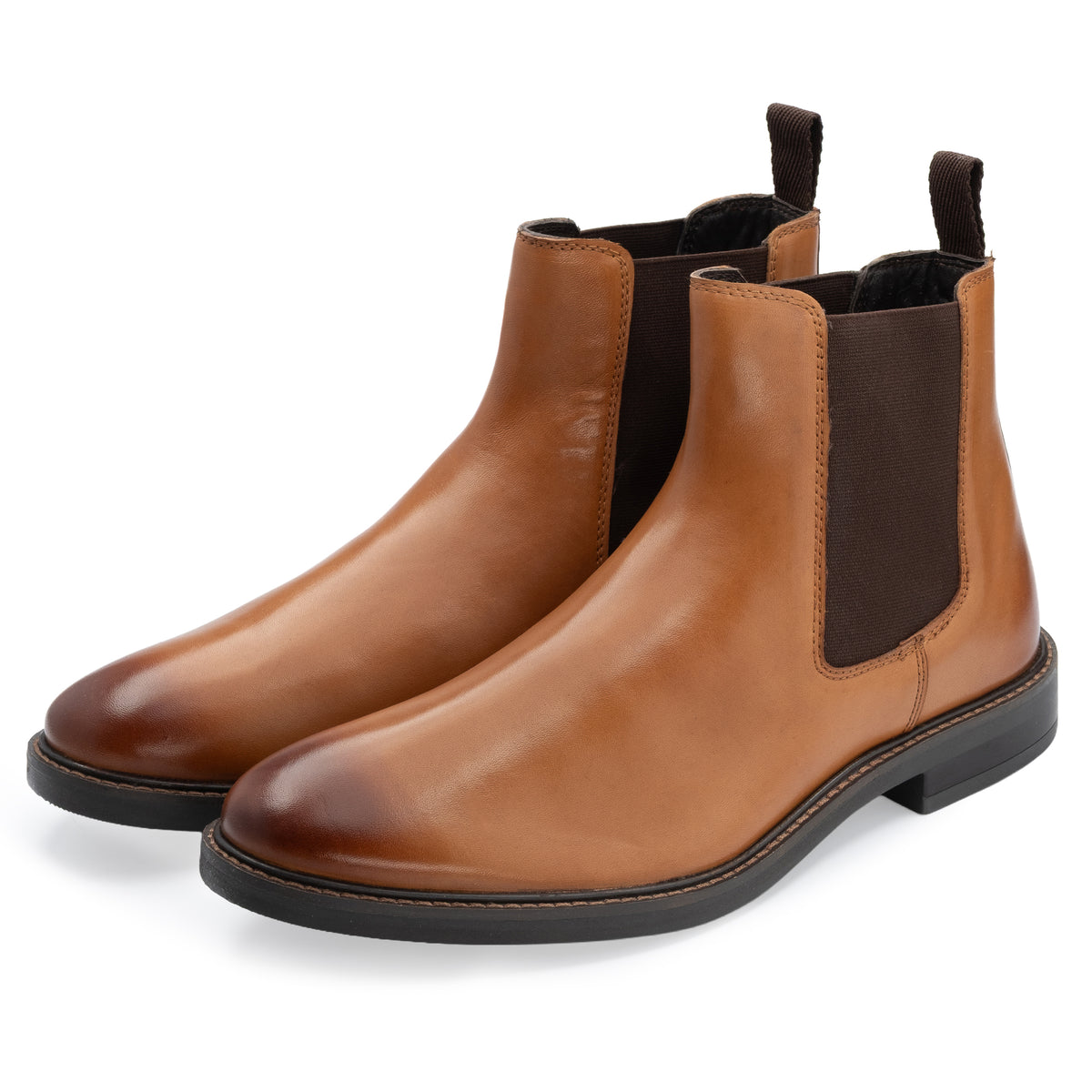
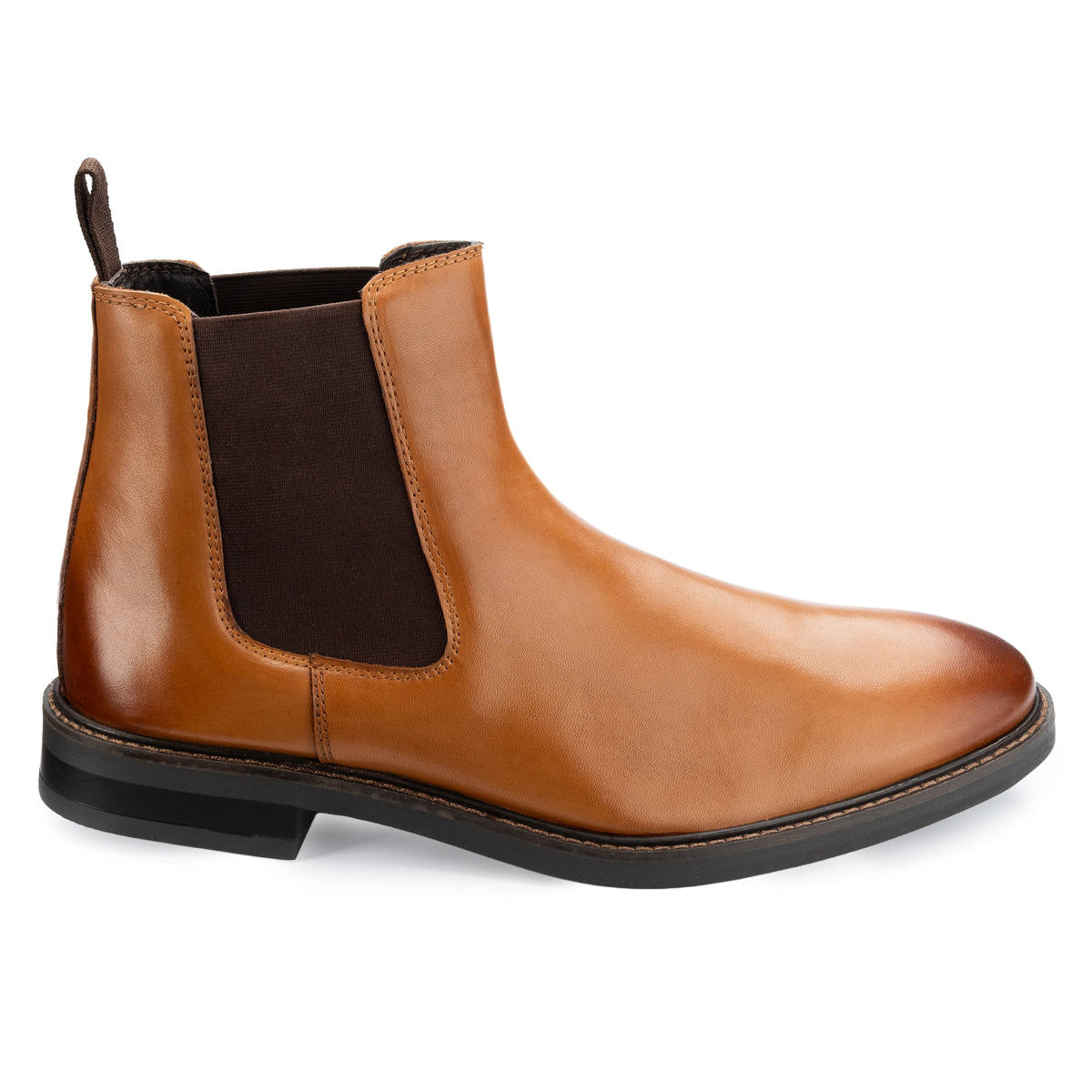
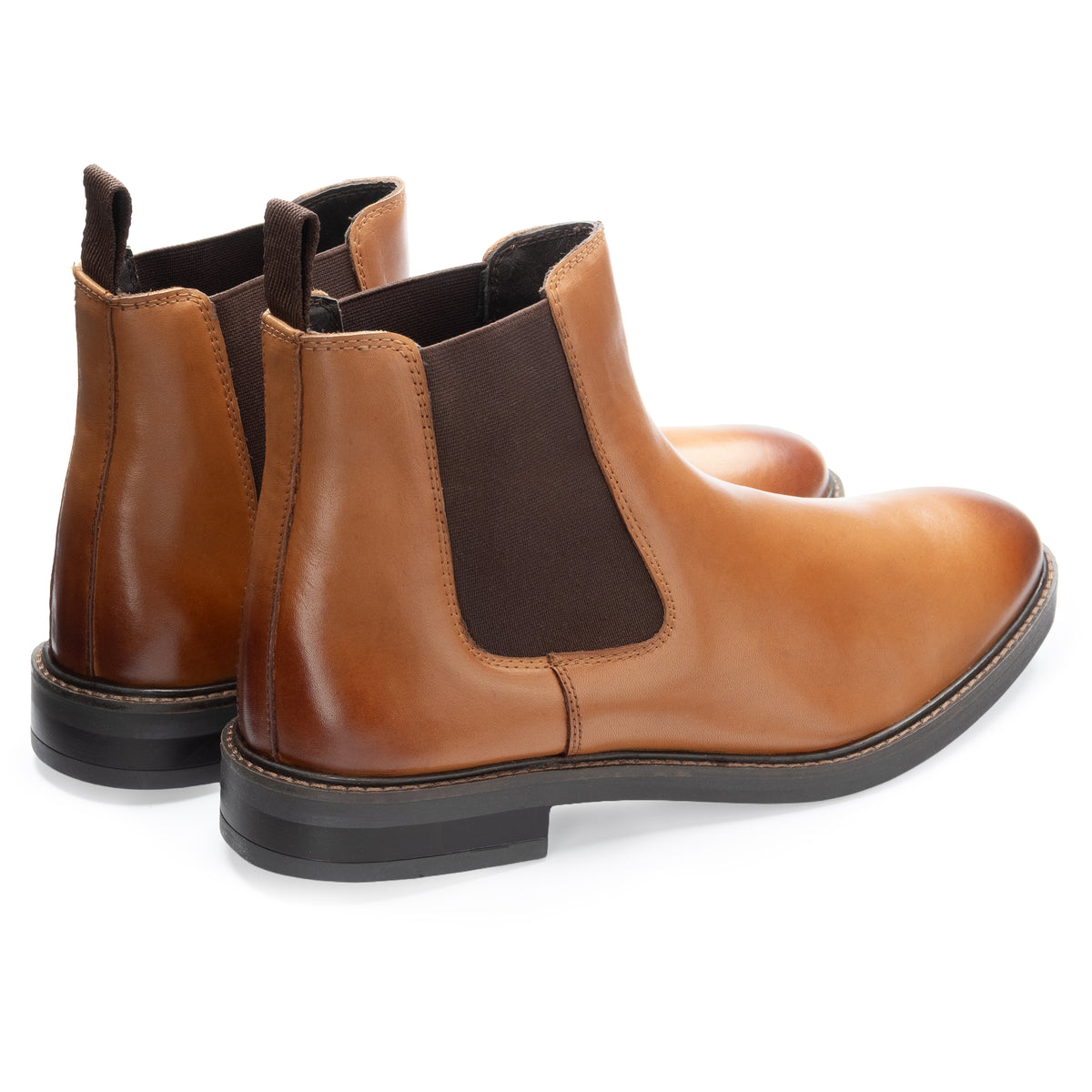
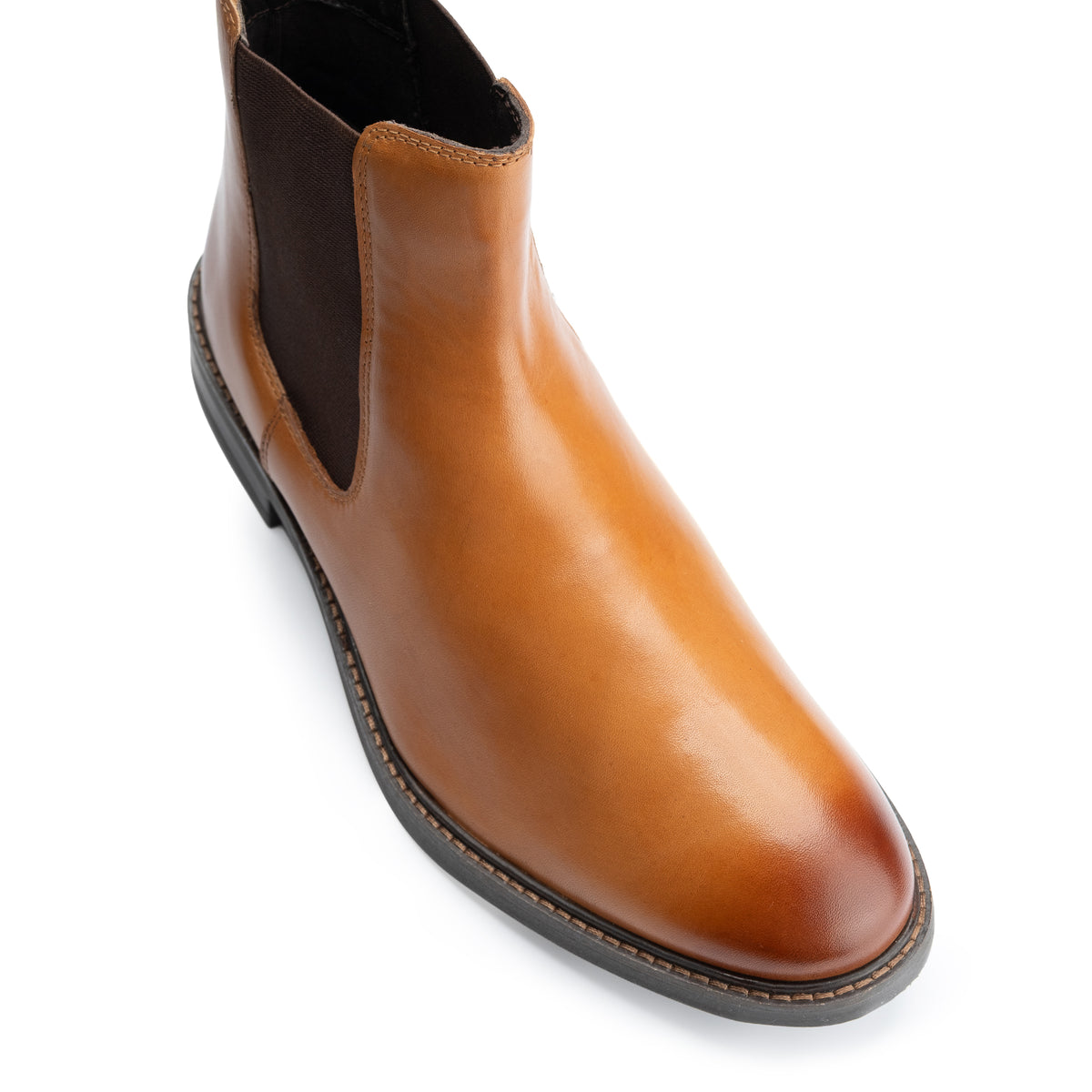
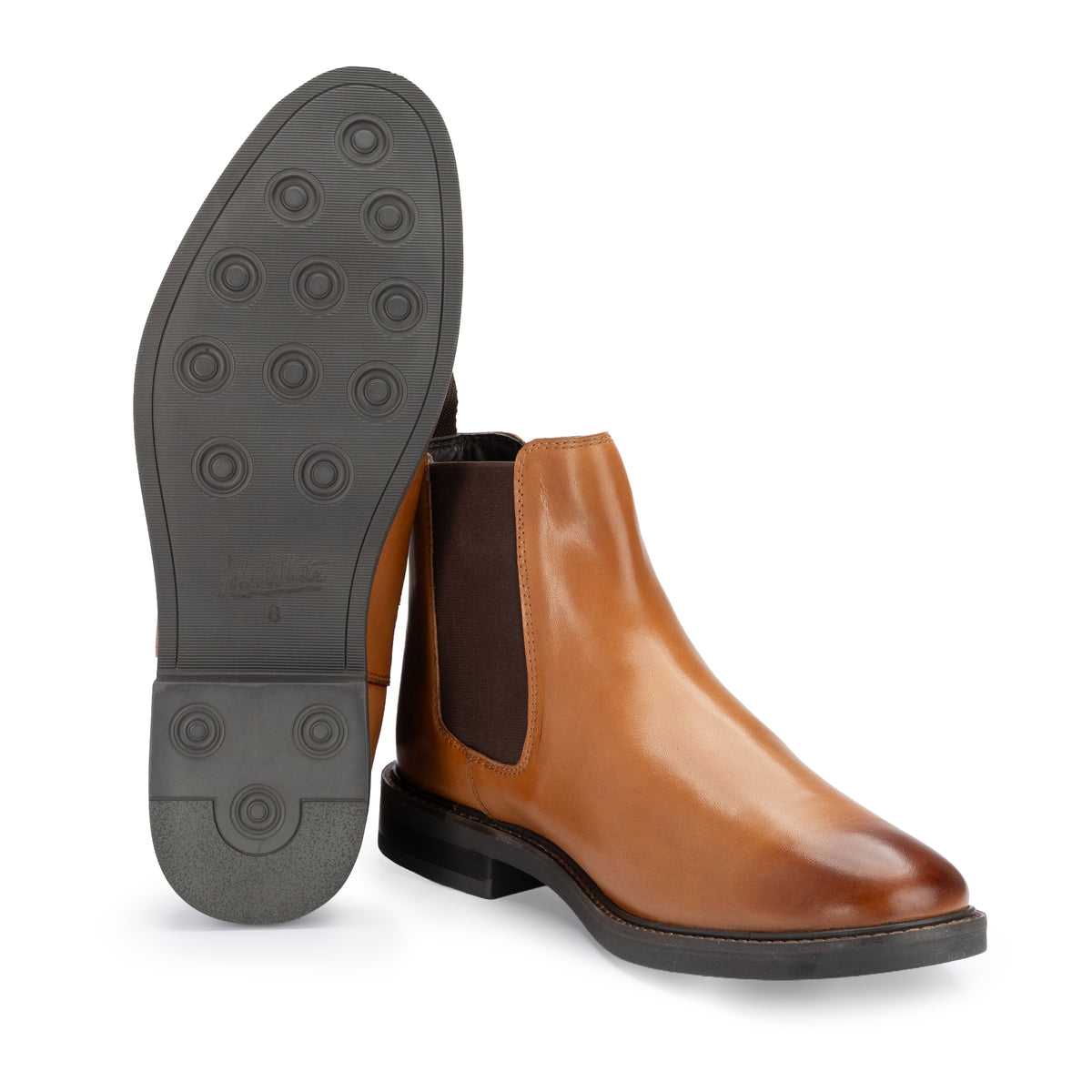
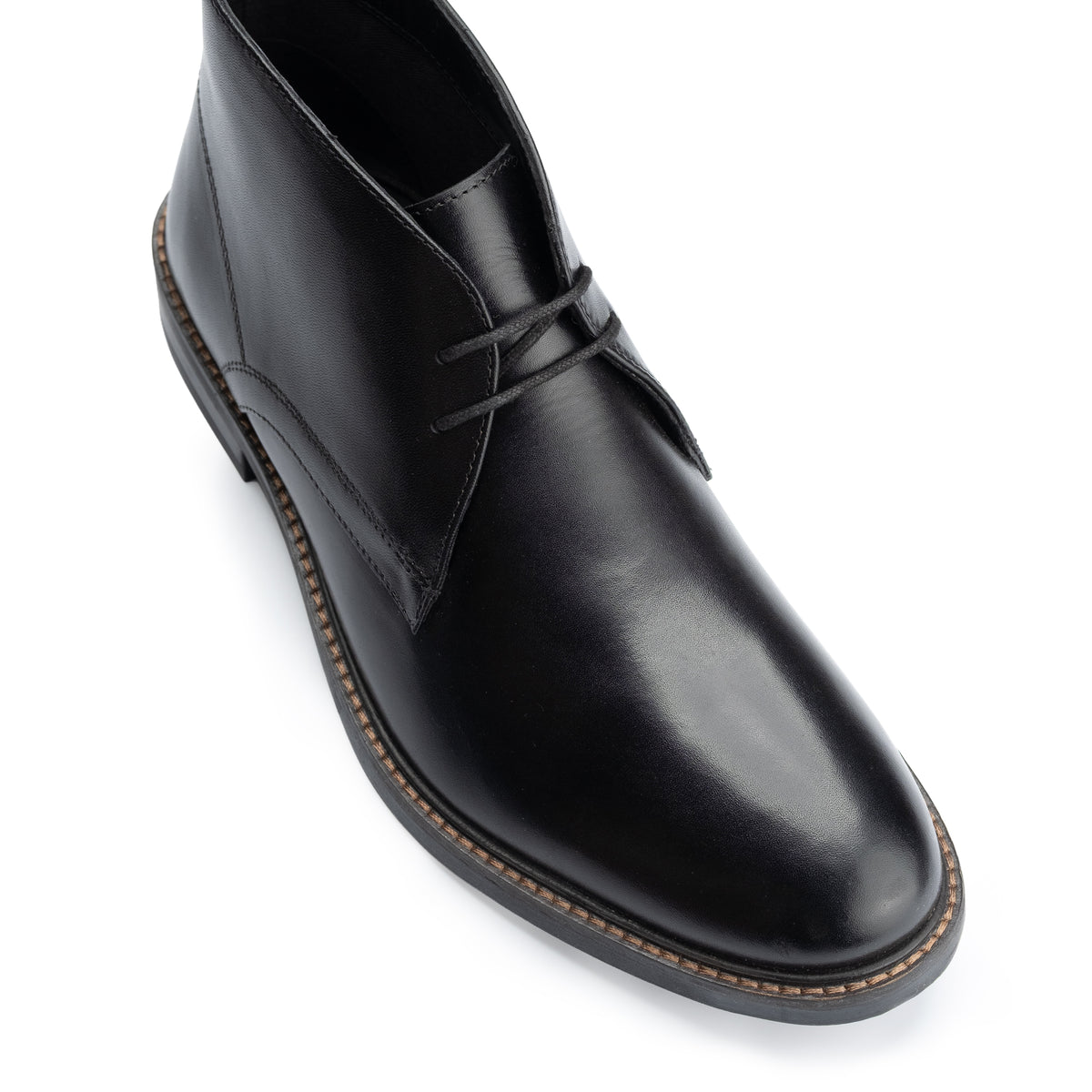
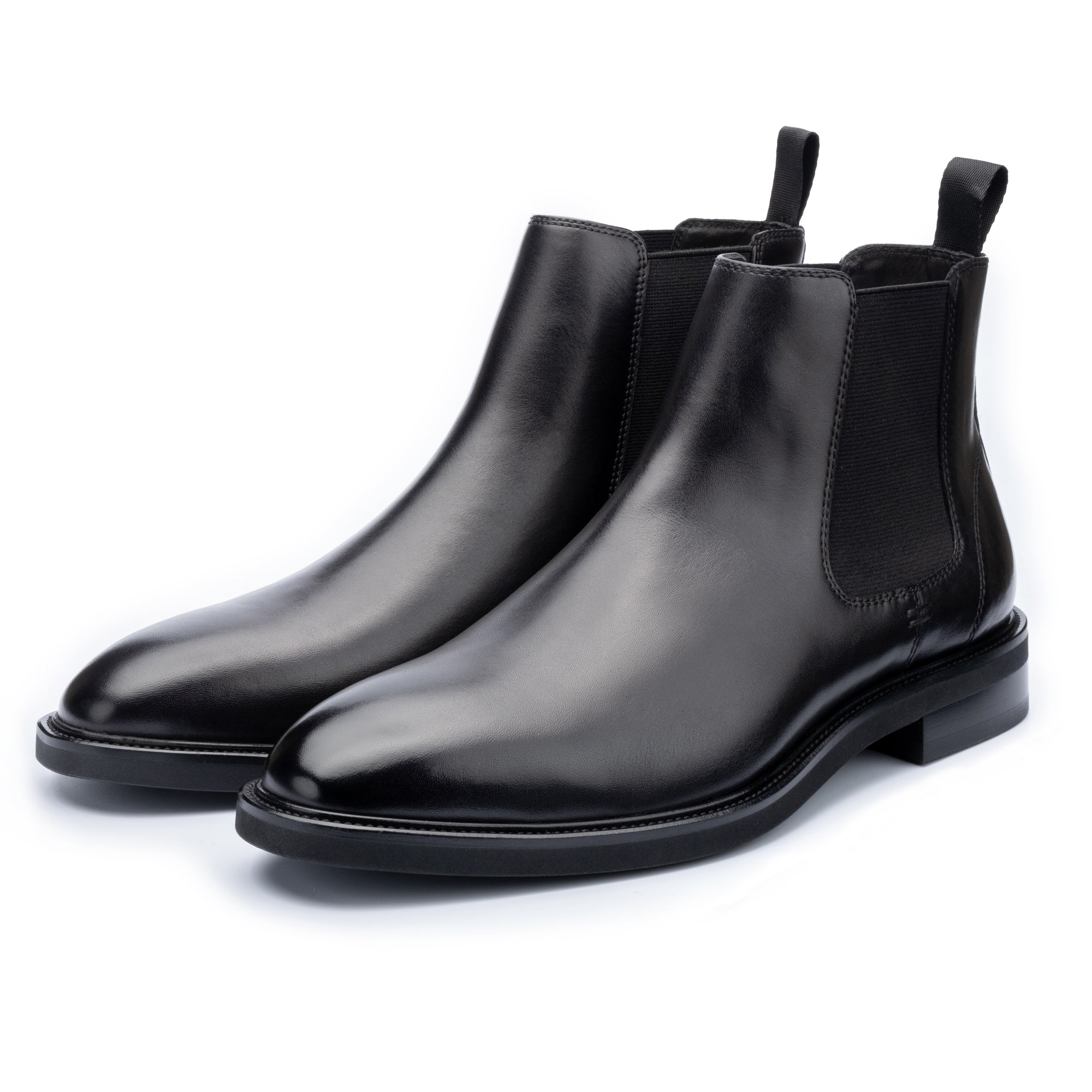
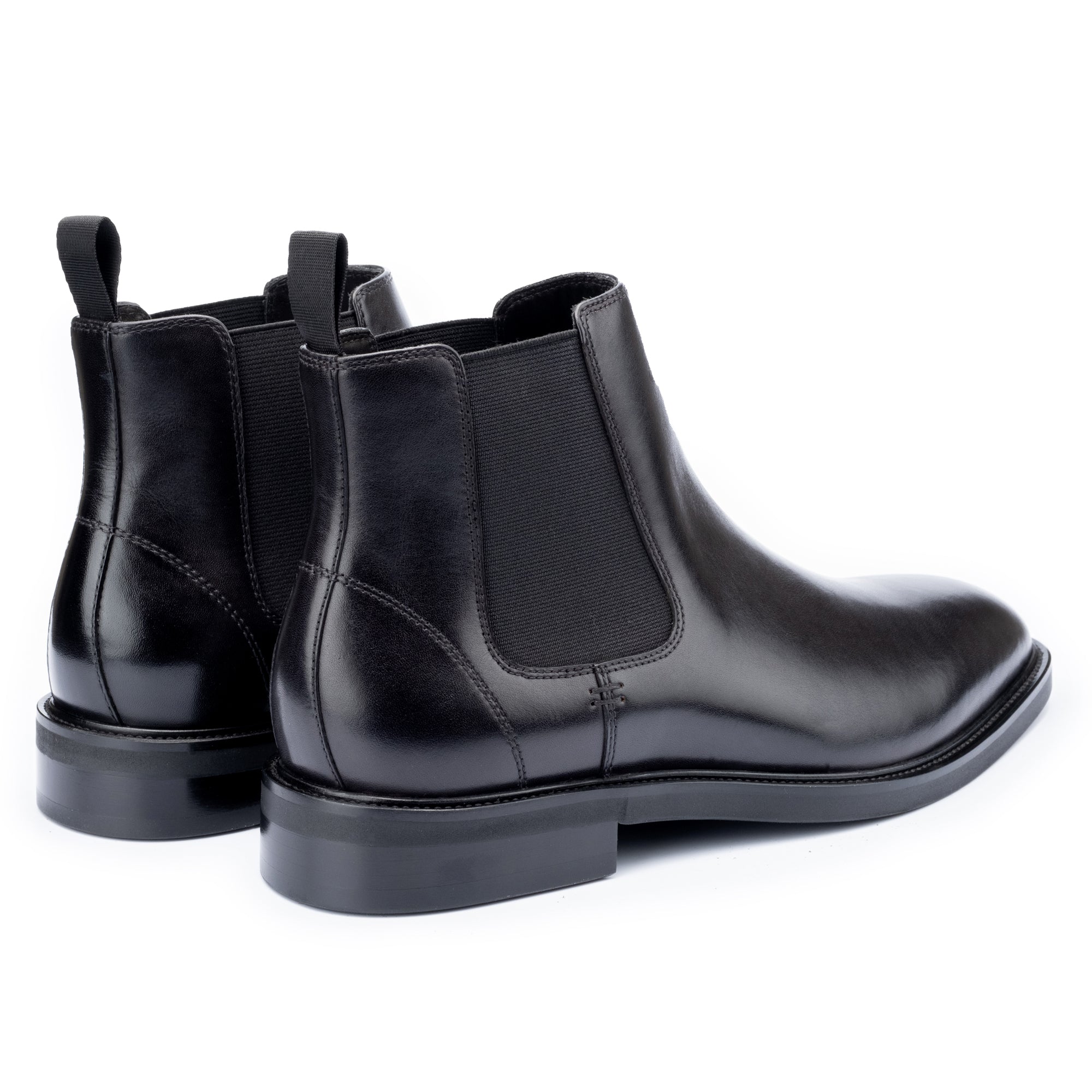
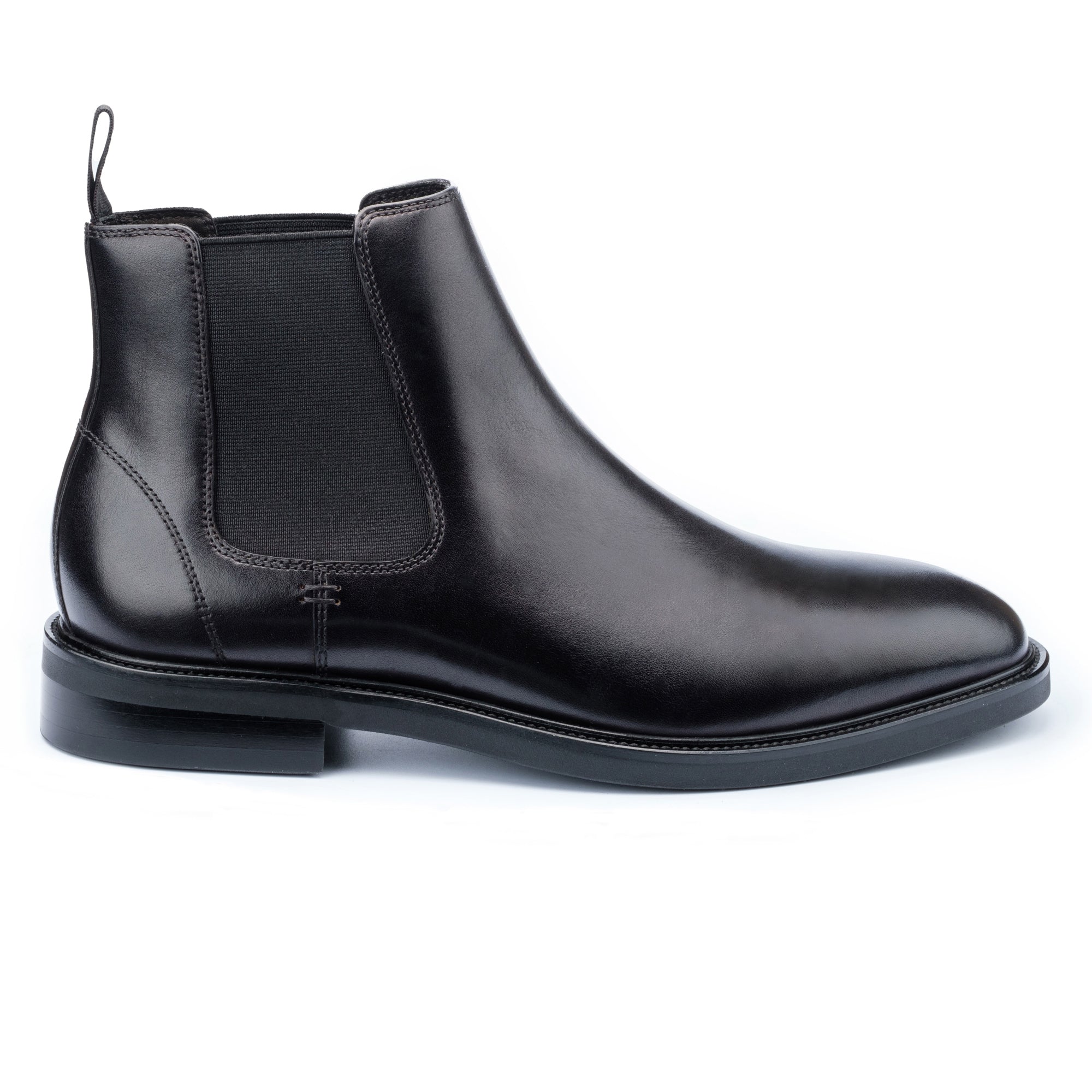
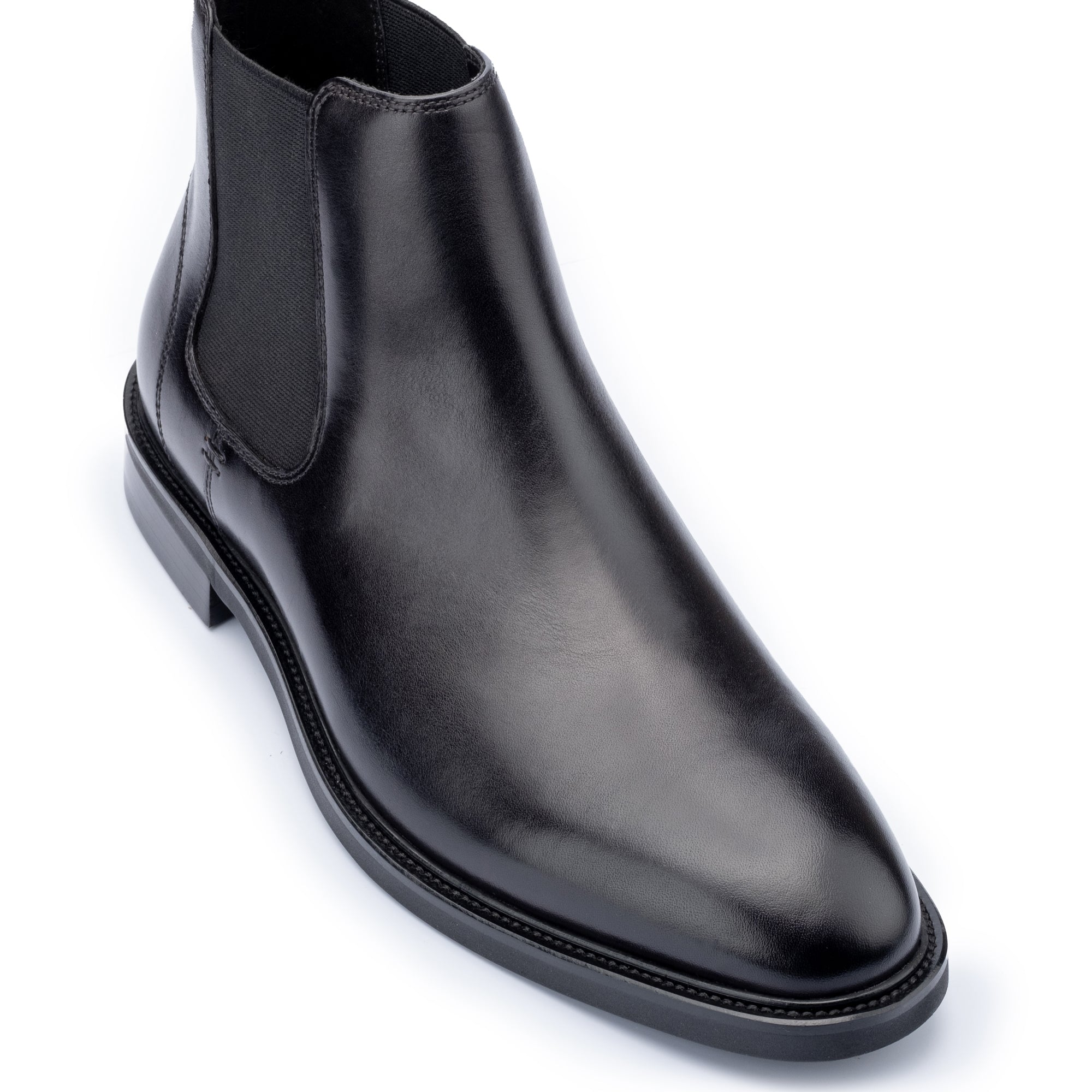
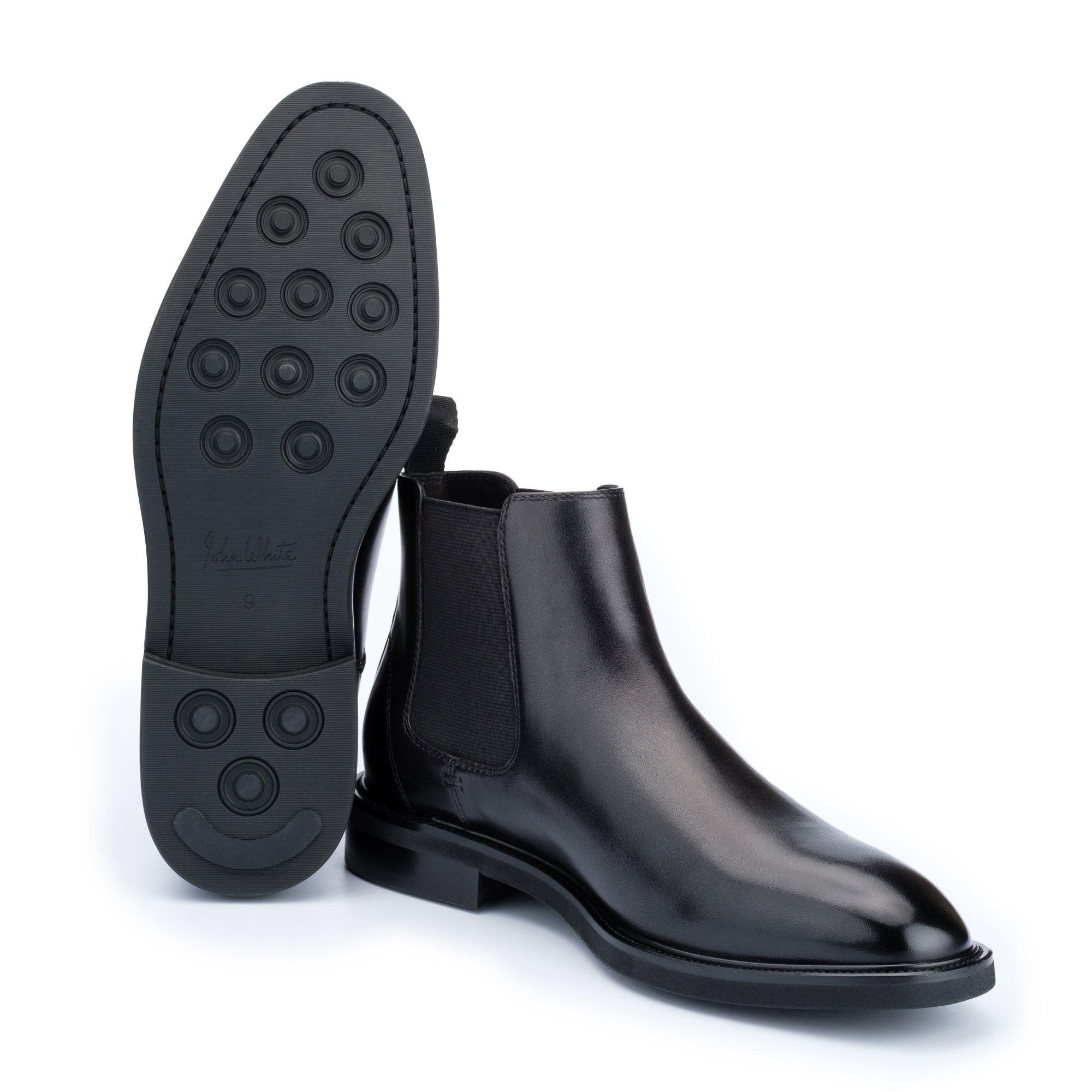
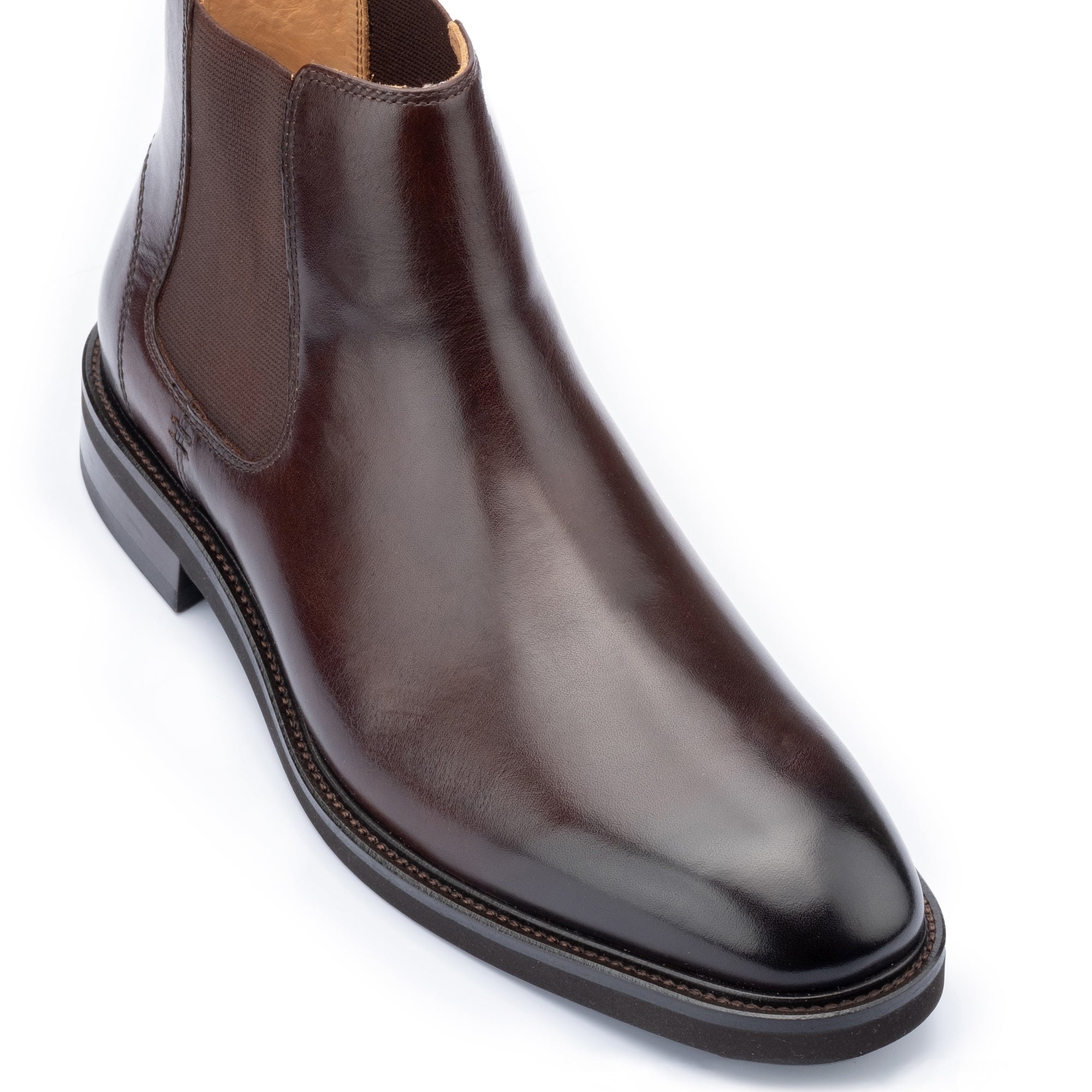
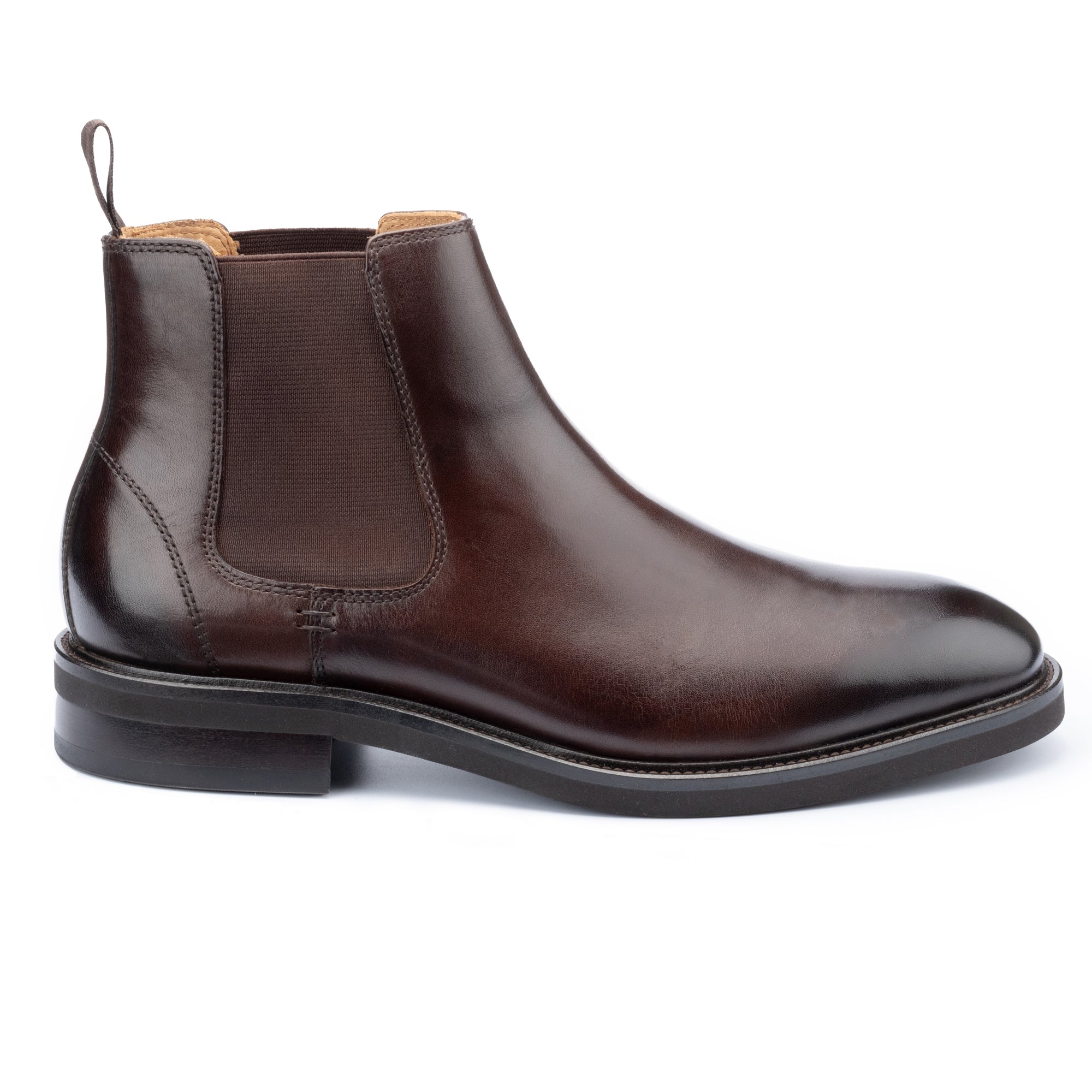
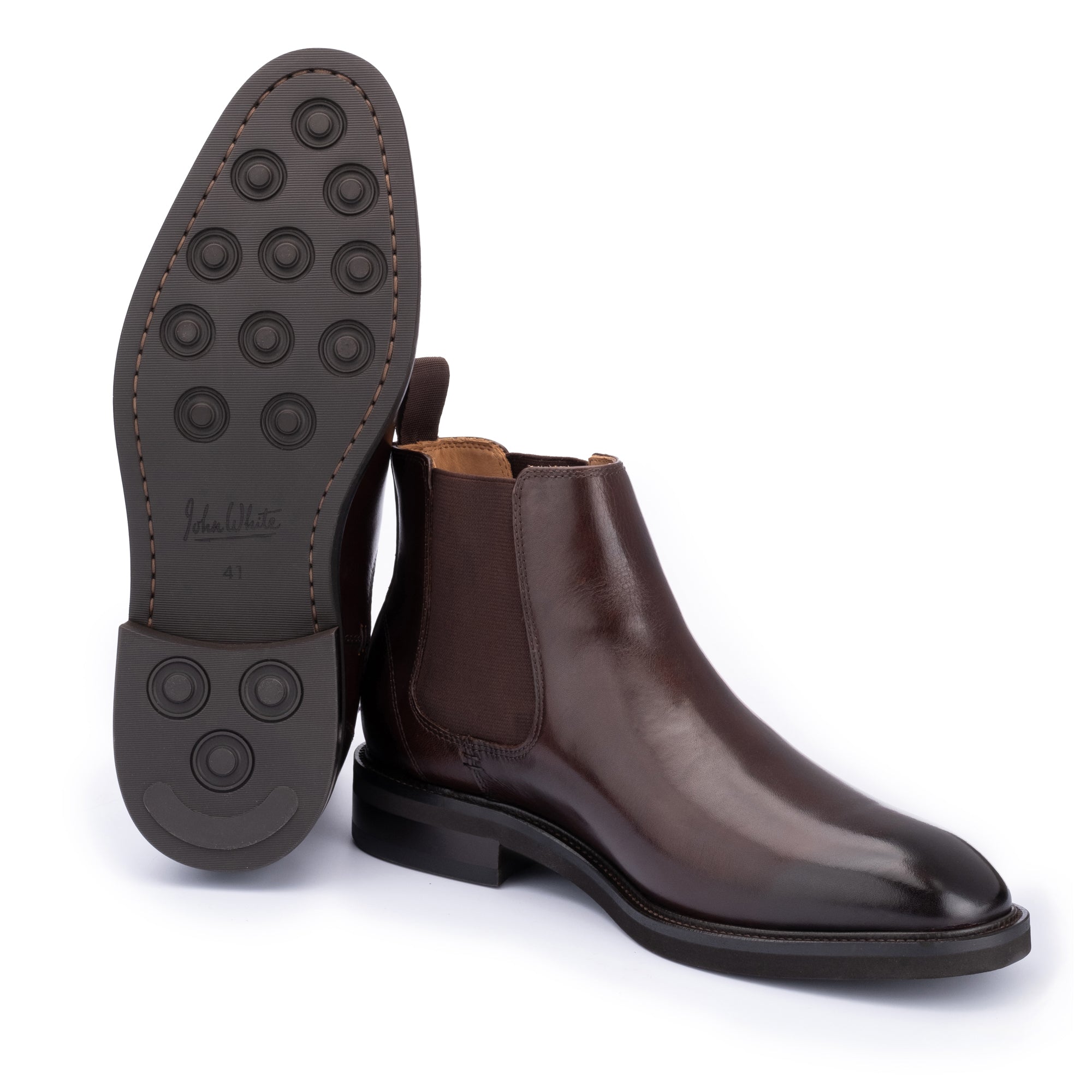
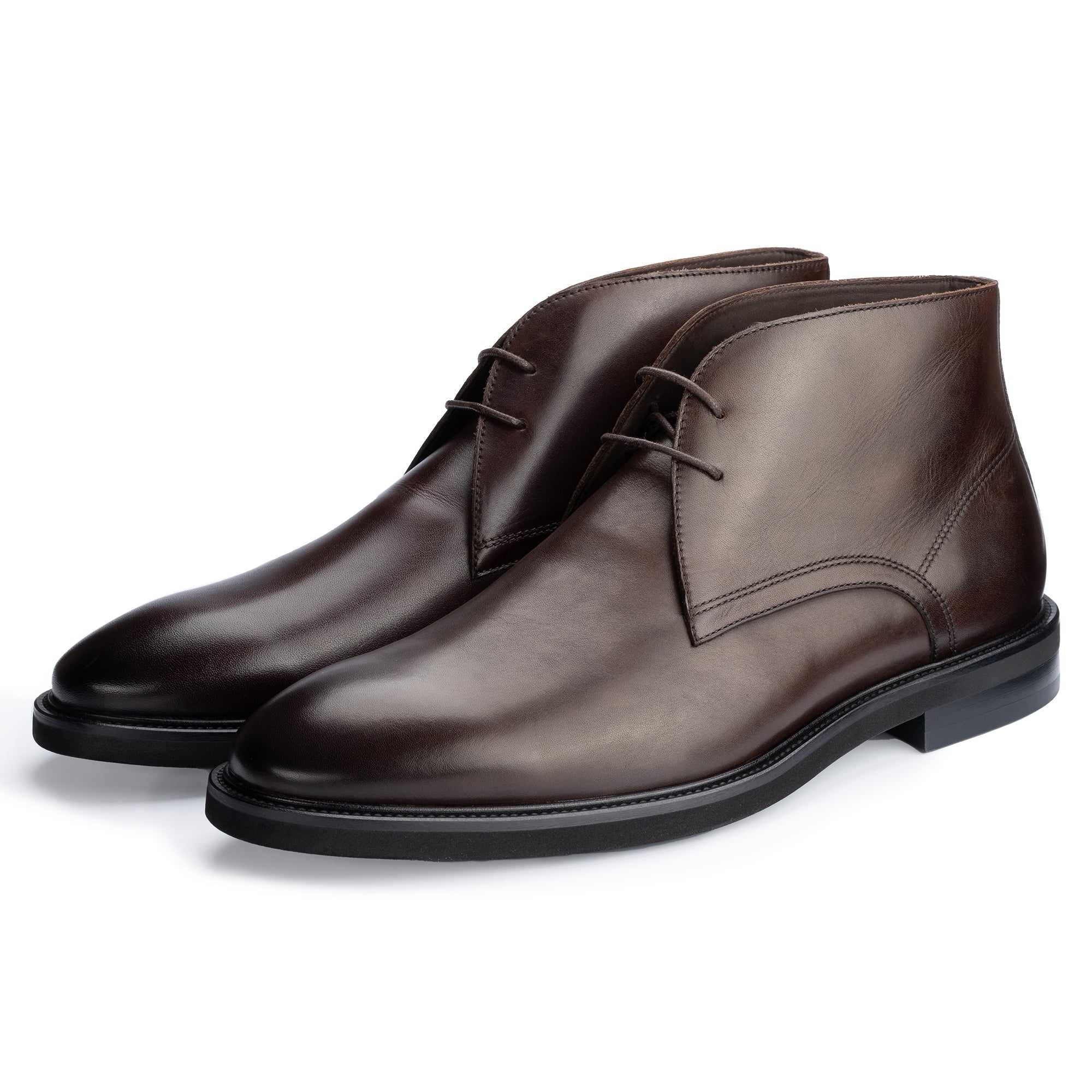
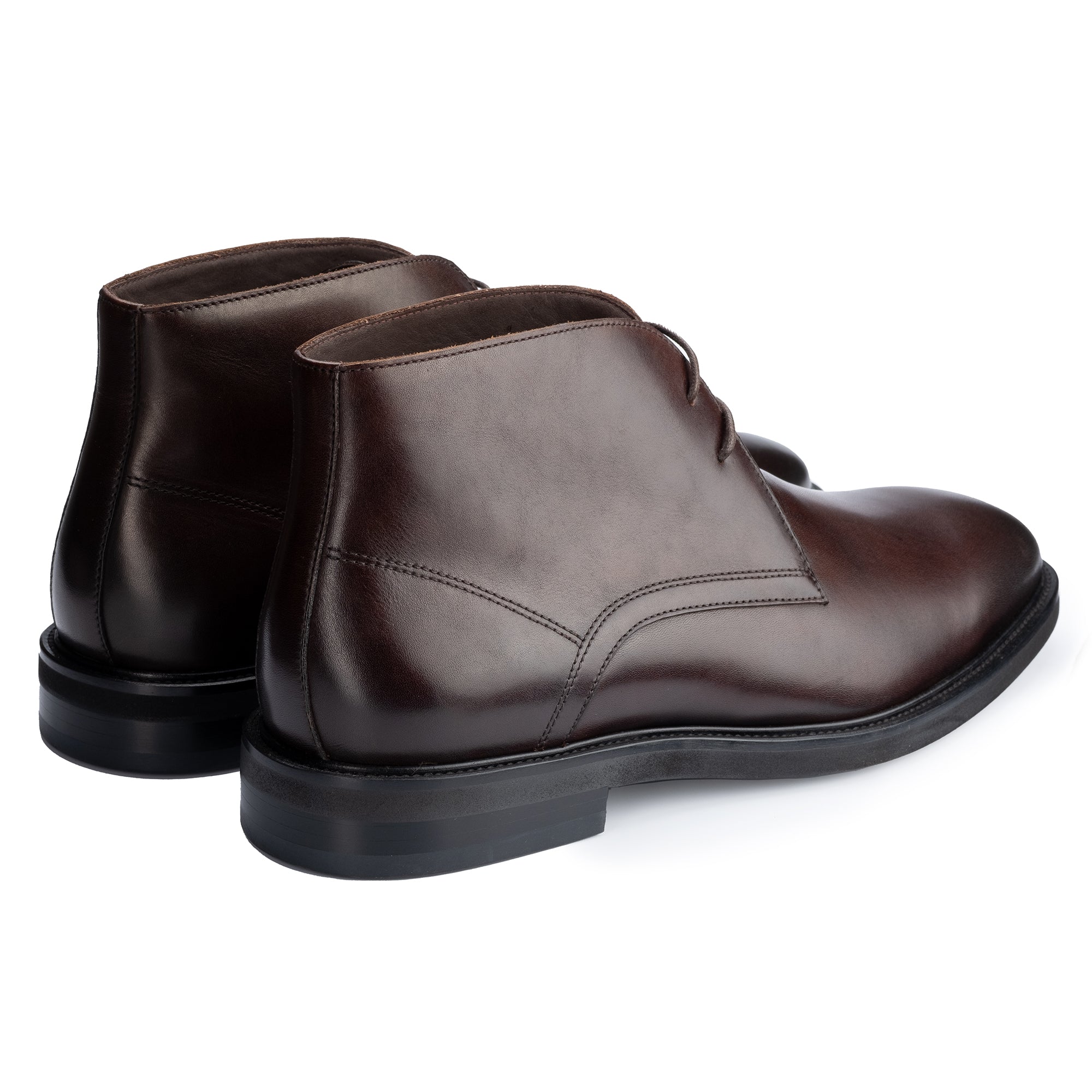
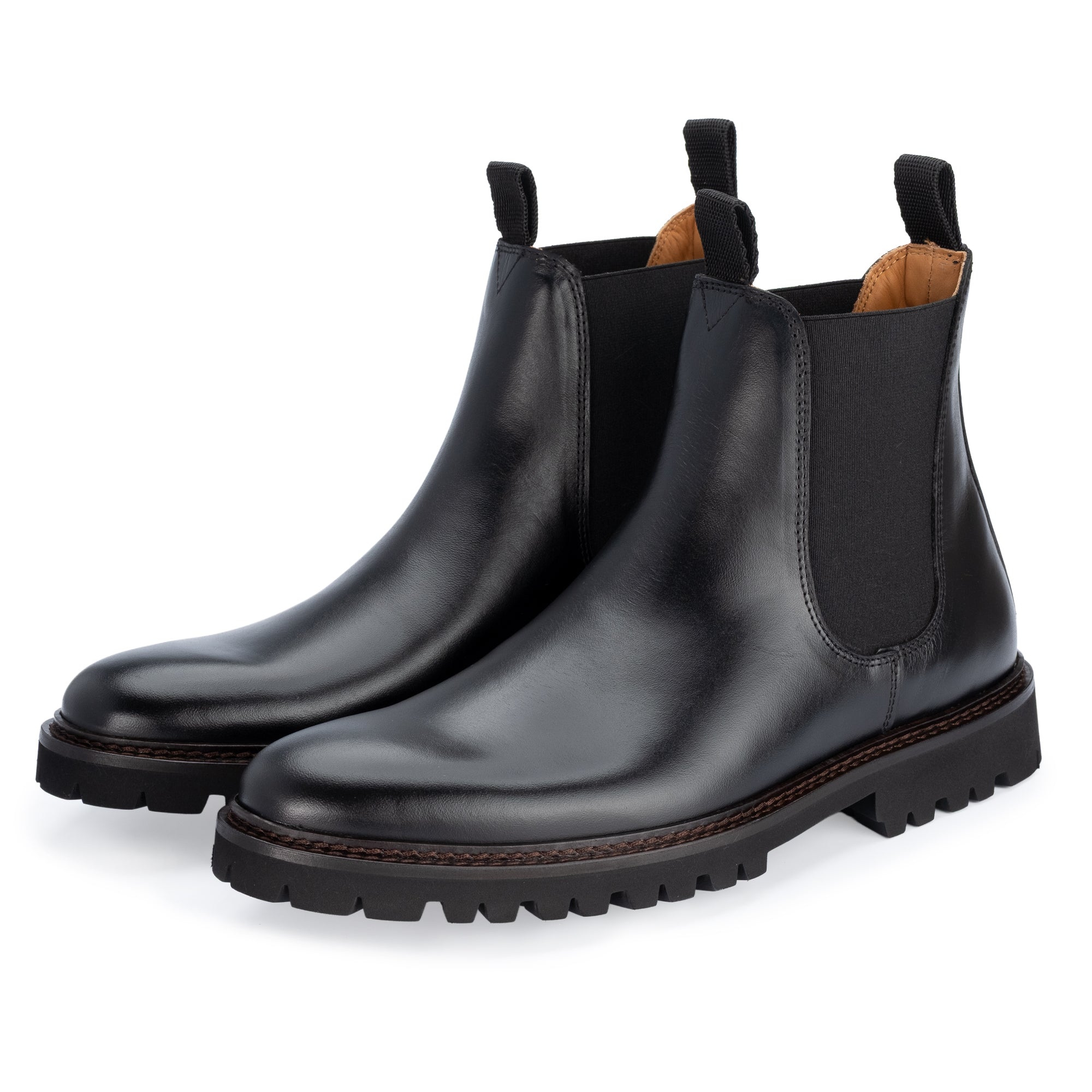
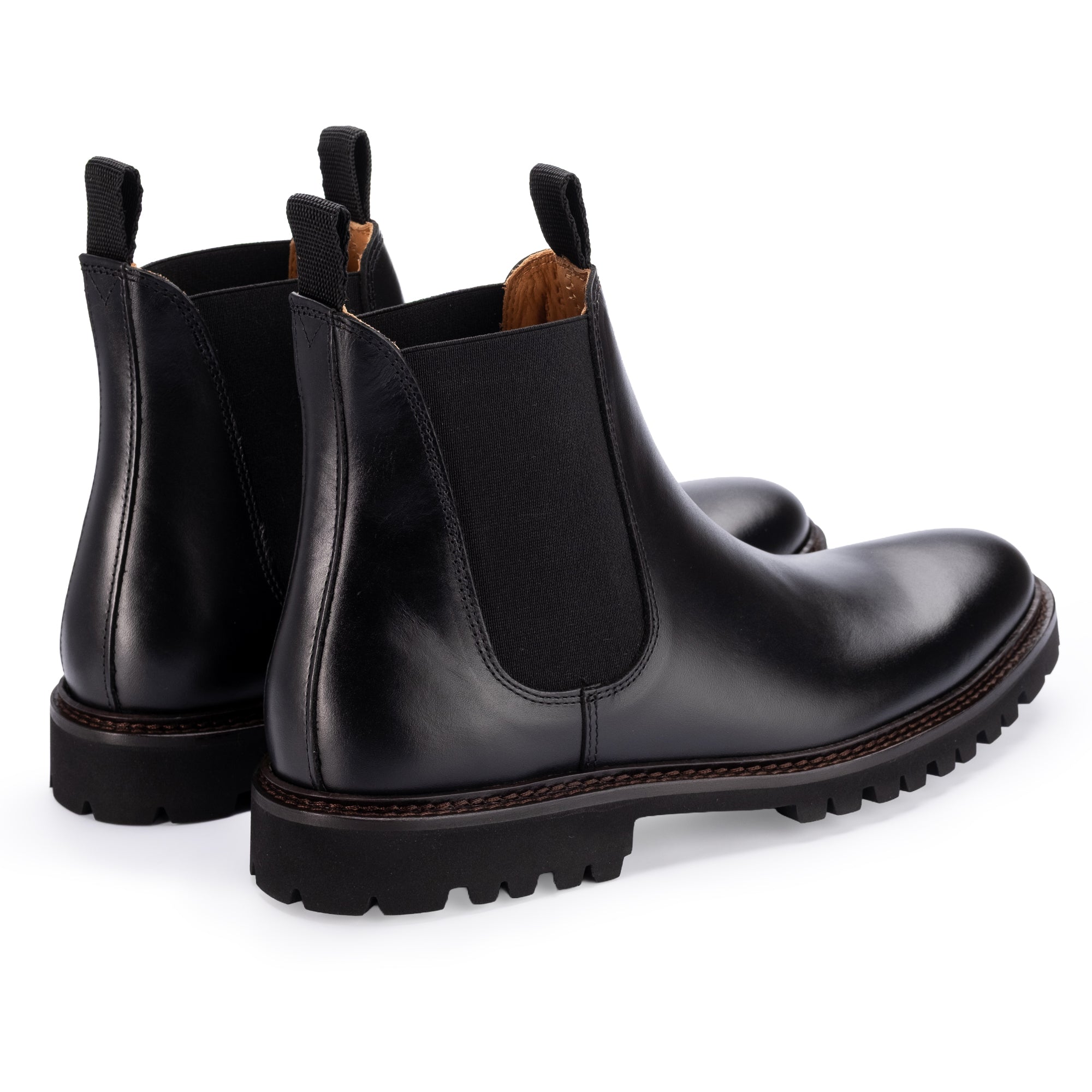
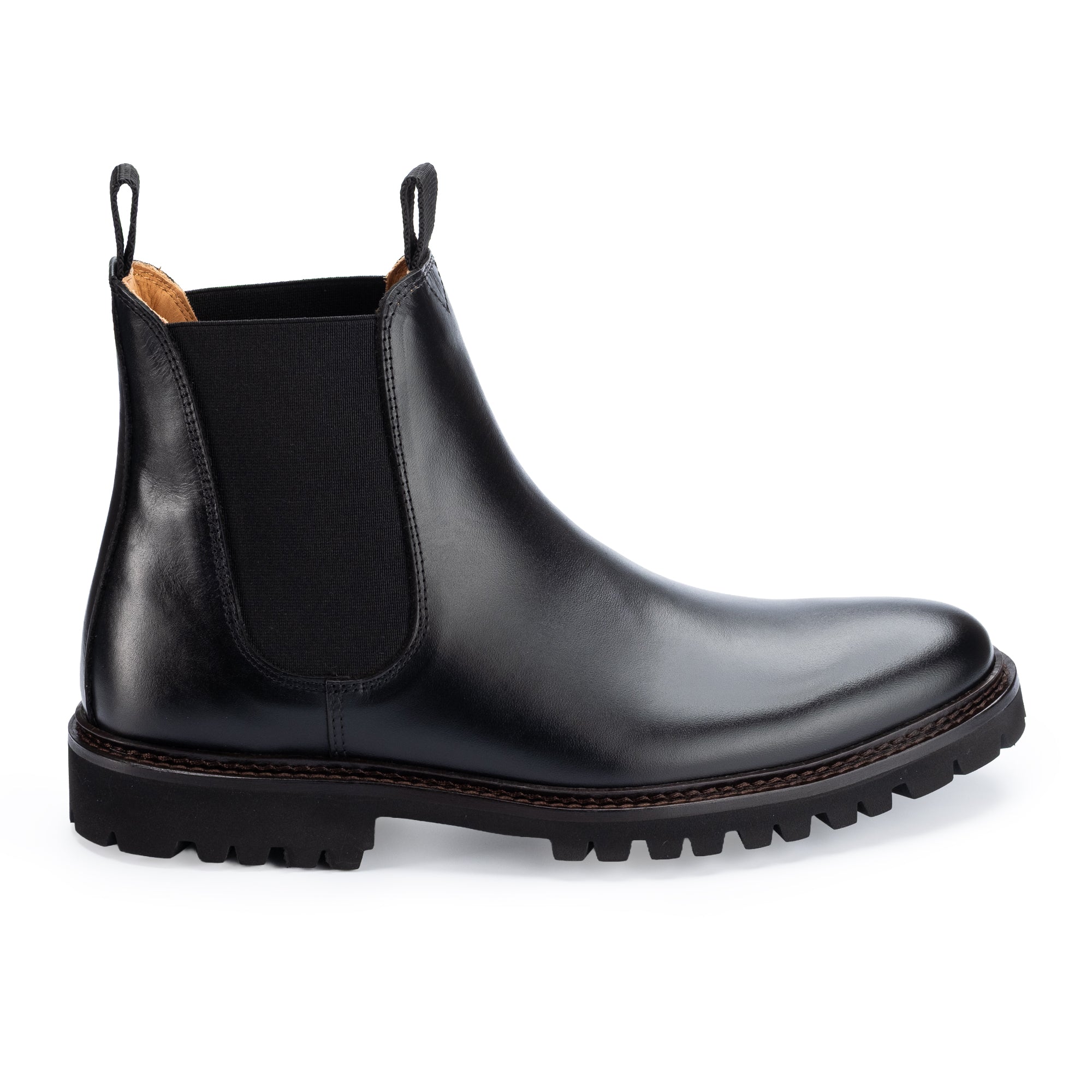
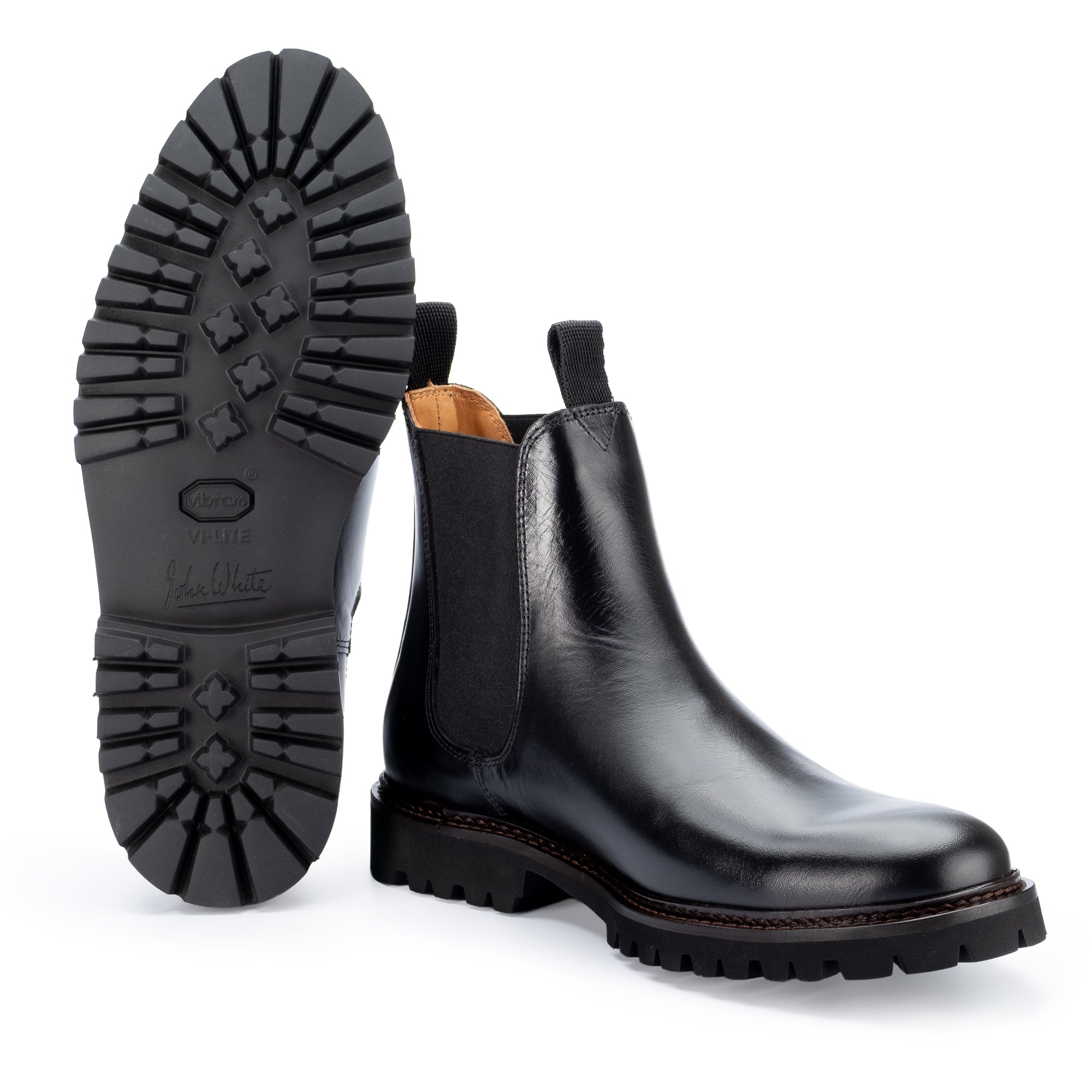
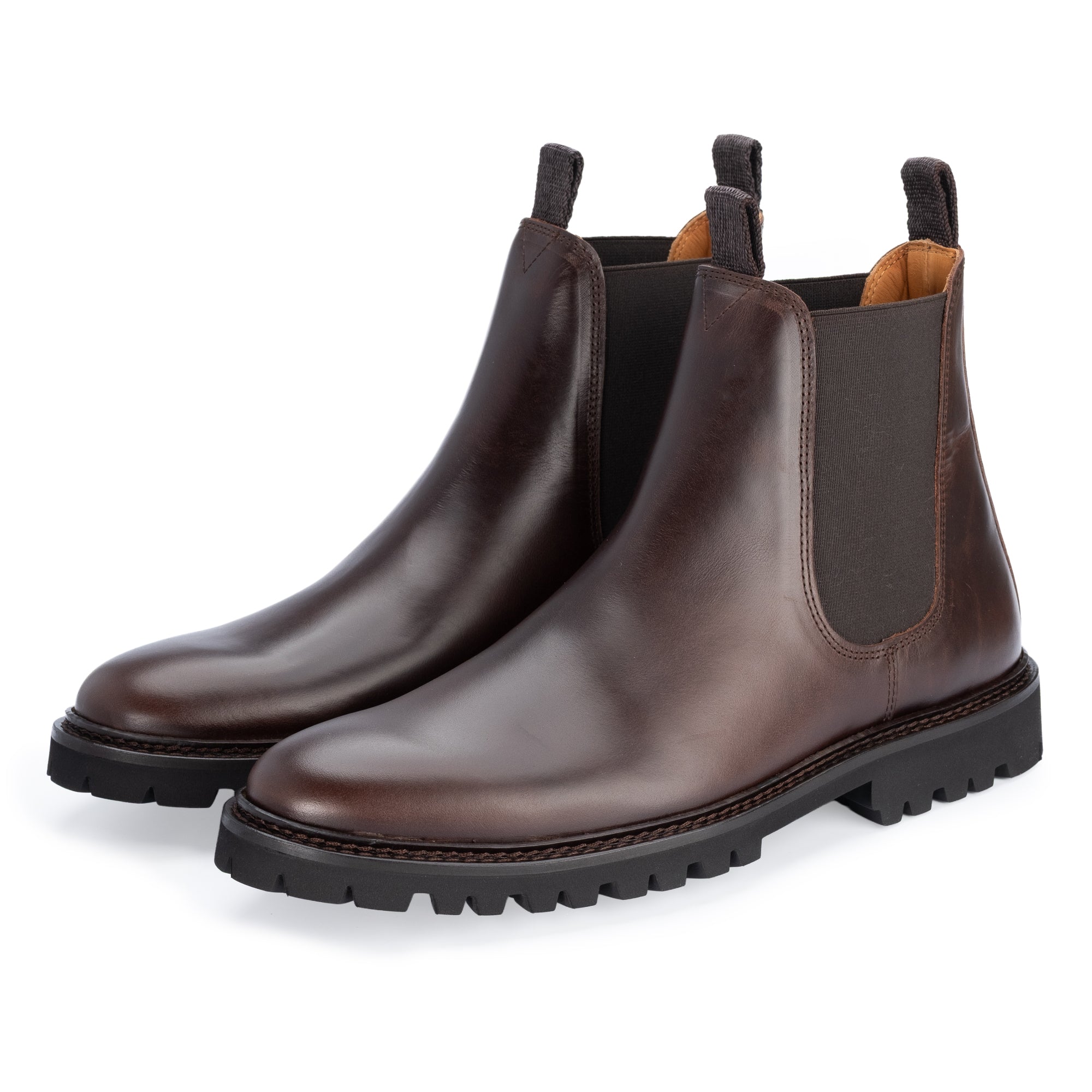
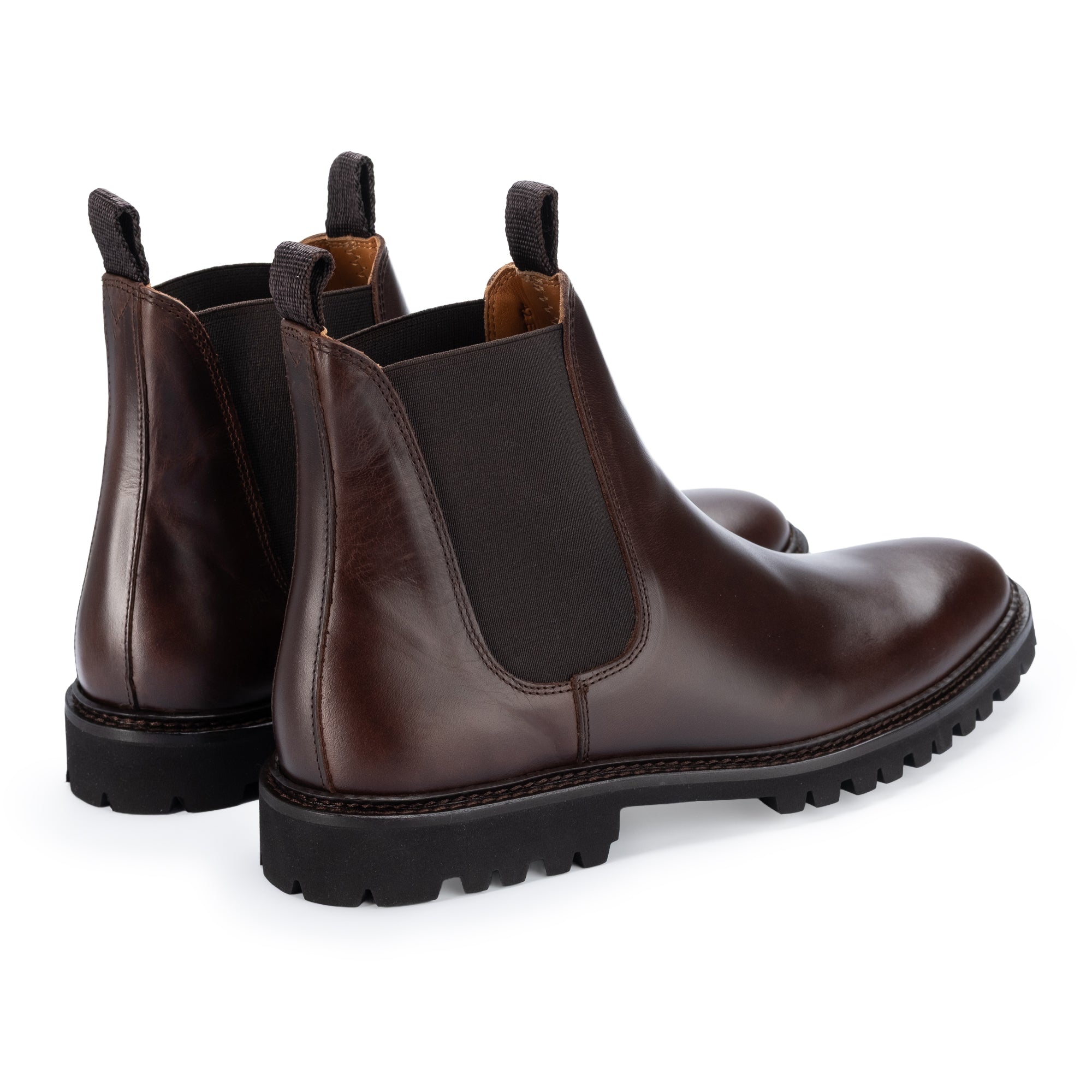
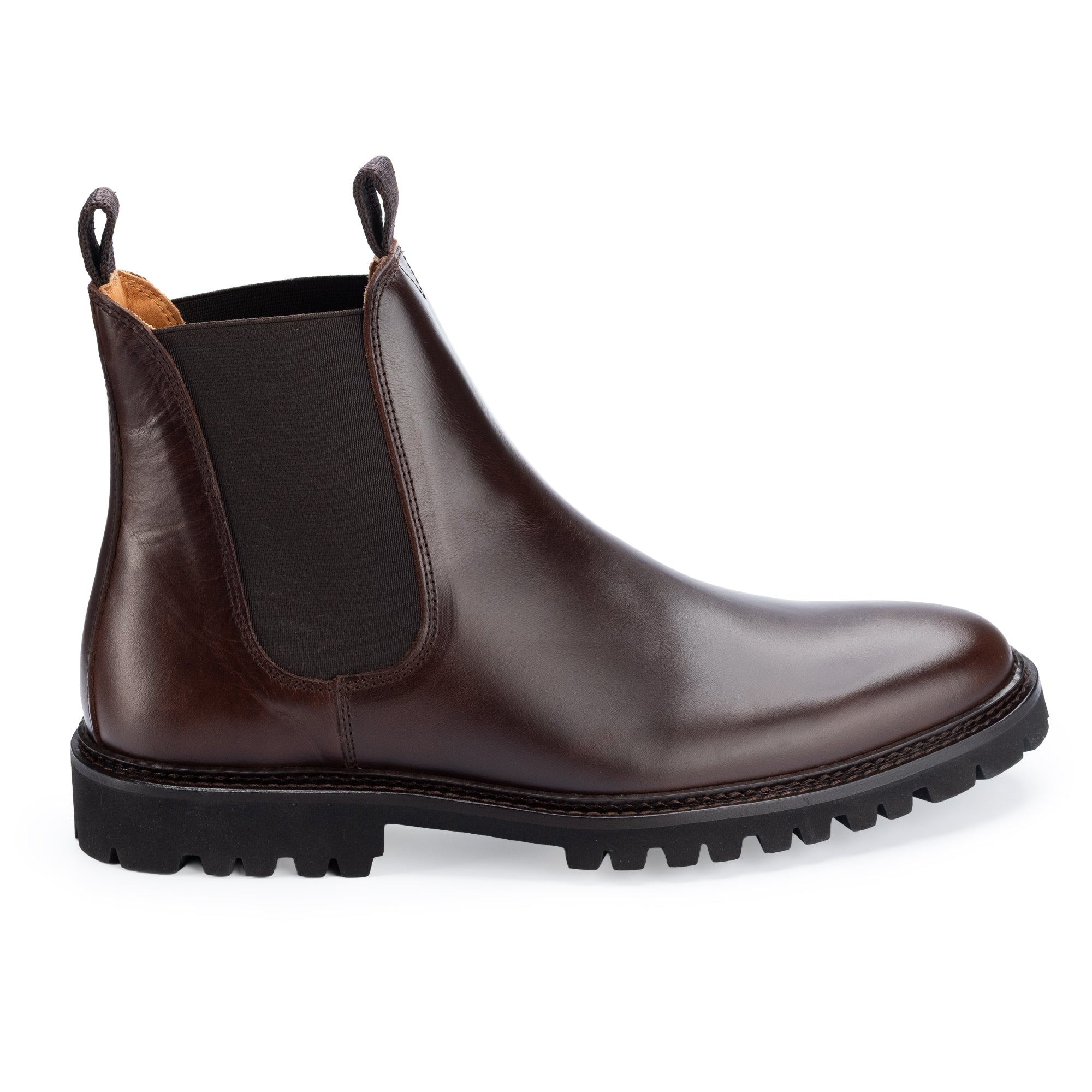
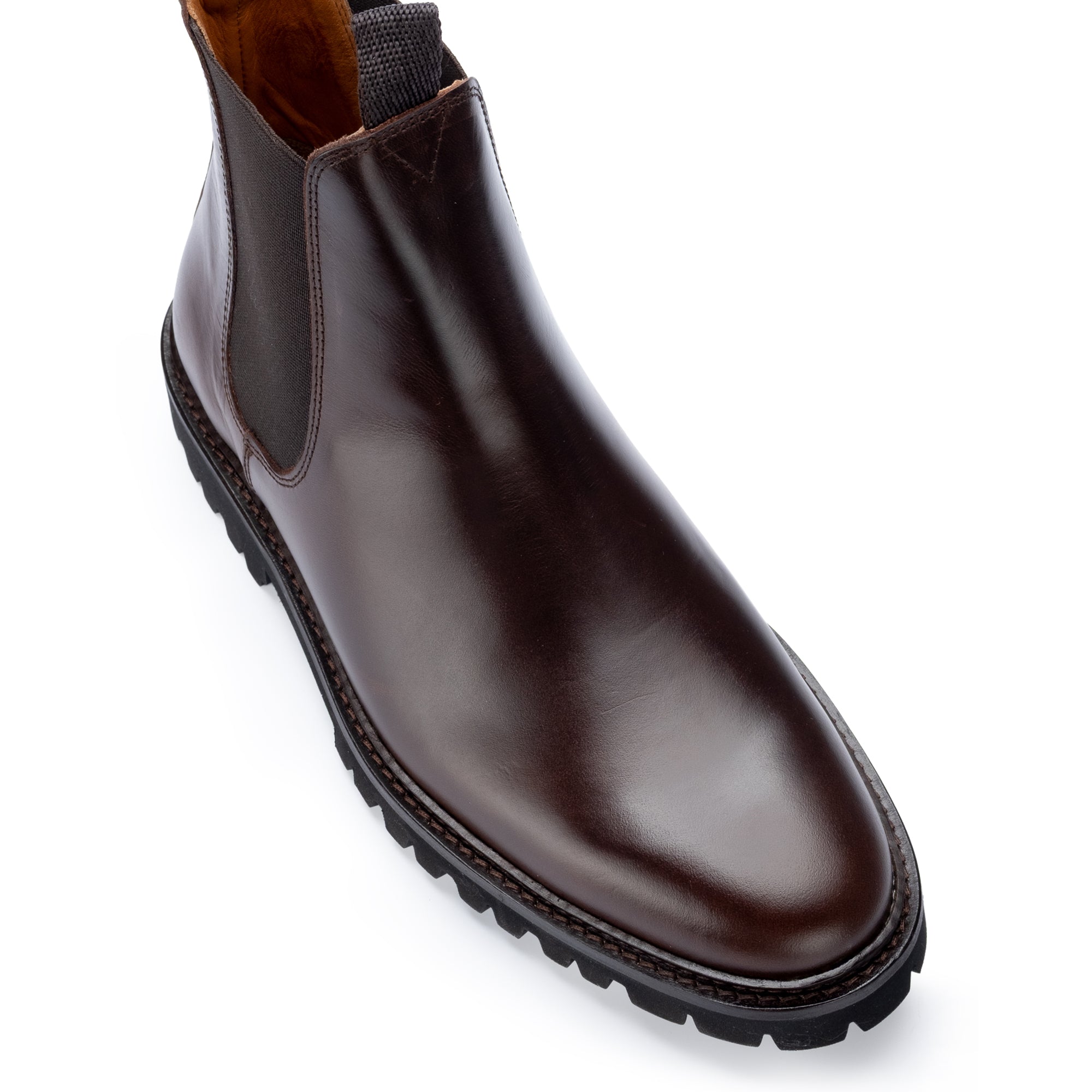
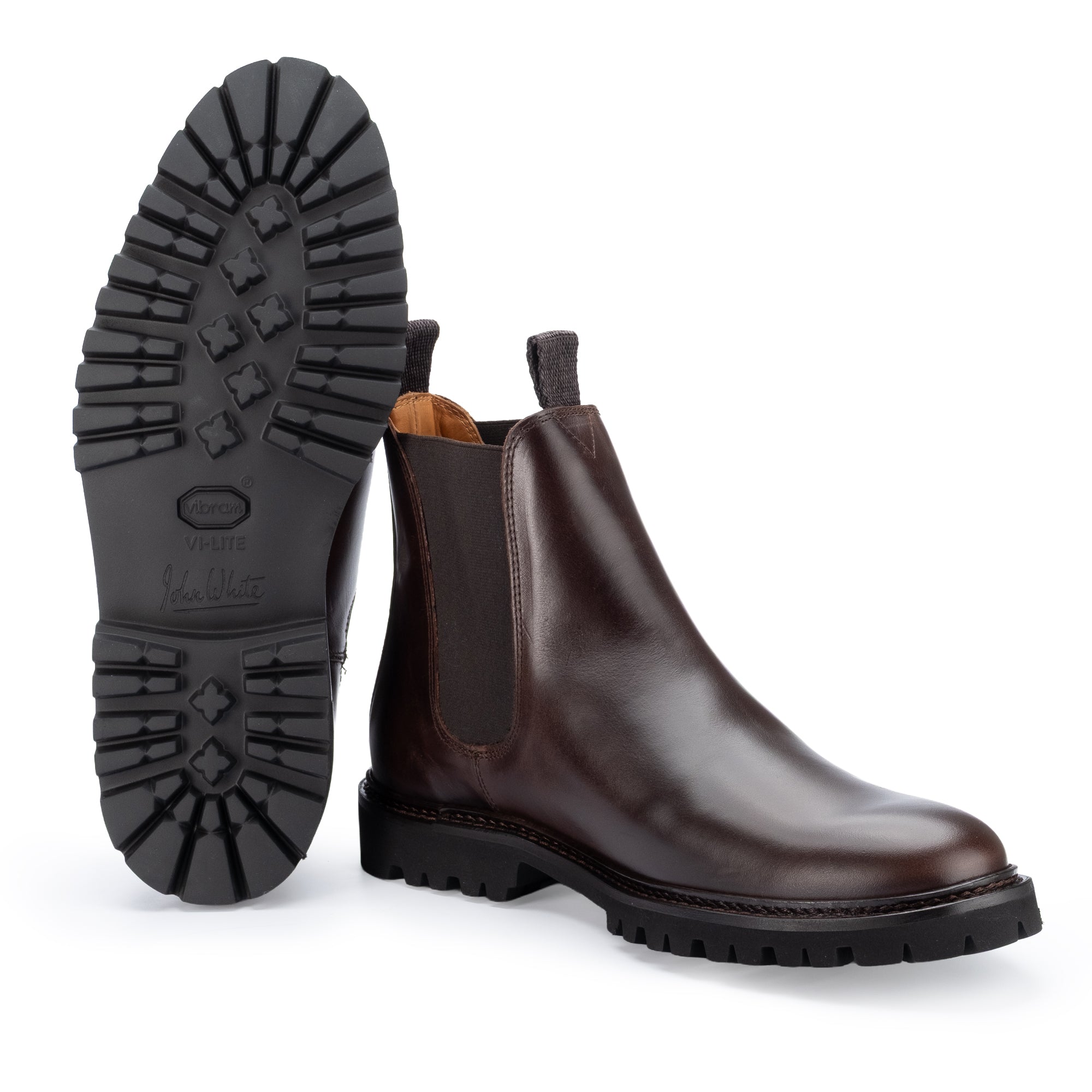
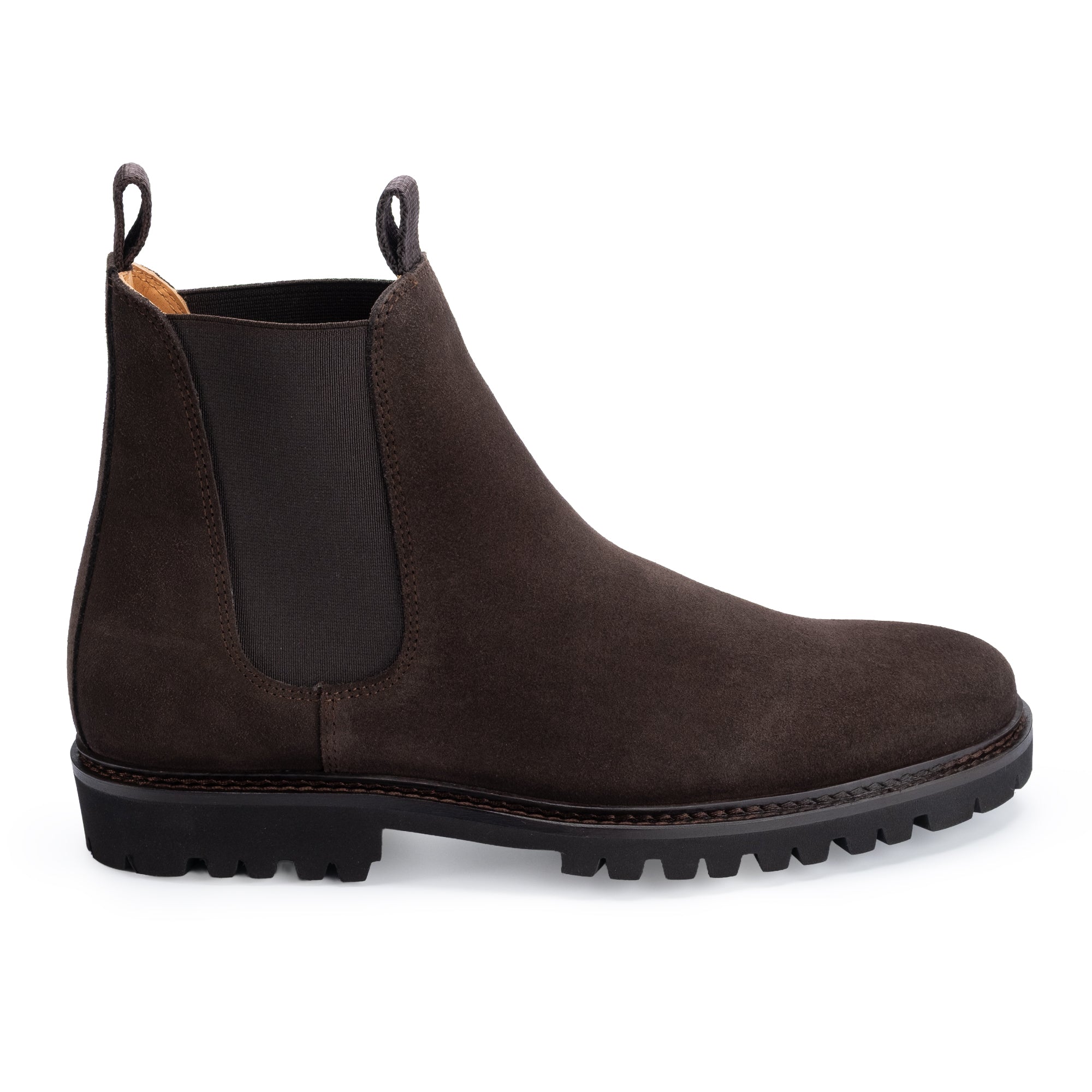
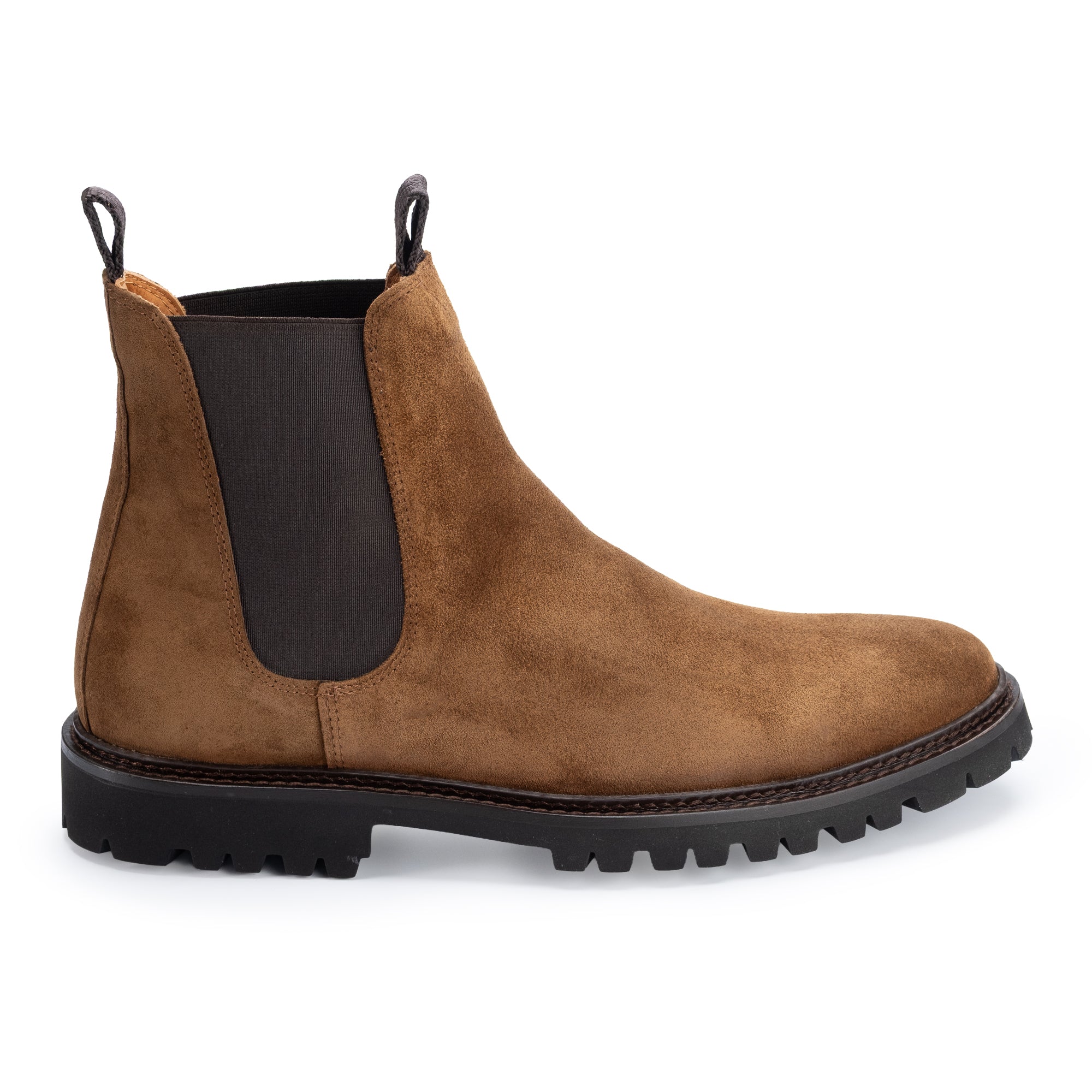
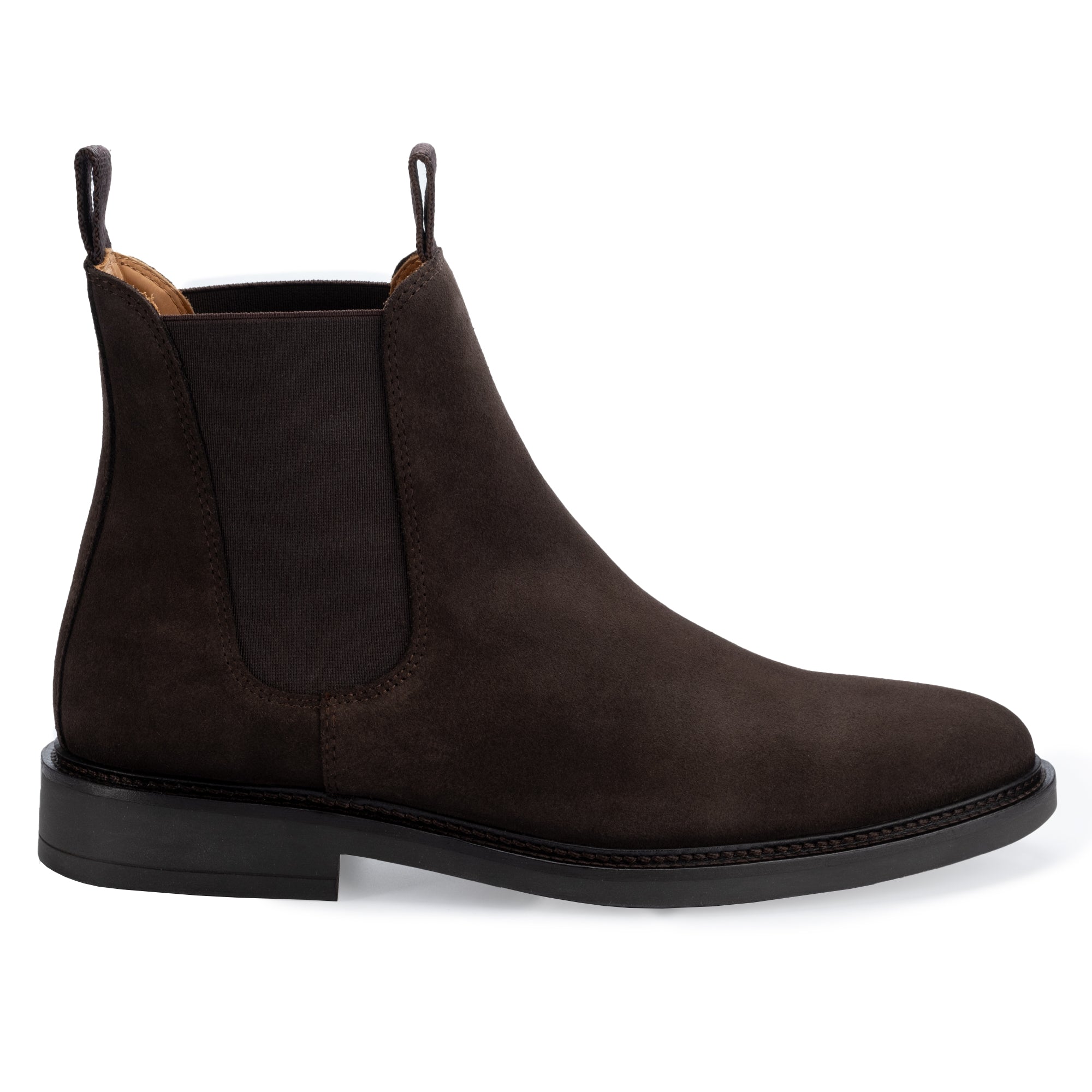
The Chelsea boot is a slip-on ankle boot defined by its elastic side panels and clean, laceless profile. That uninterrupted silhouette is the source of its versatility — there are no eyelets, no tongue, no hardware to anchor it visually to a particular dress code.
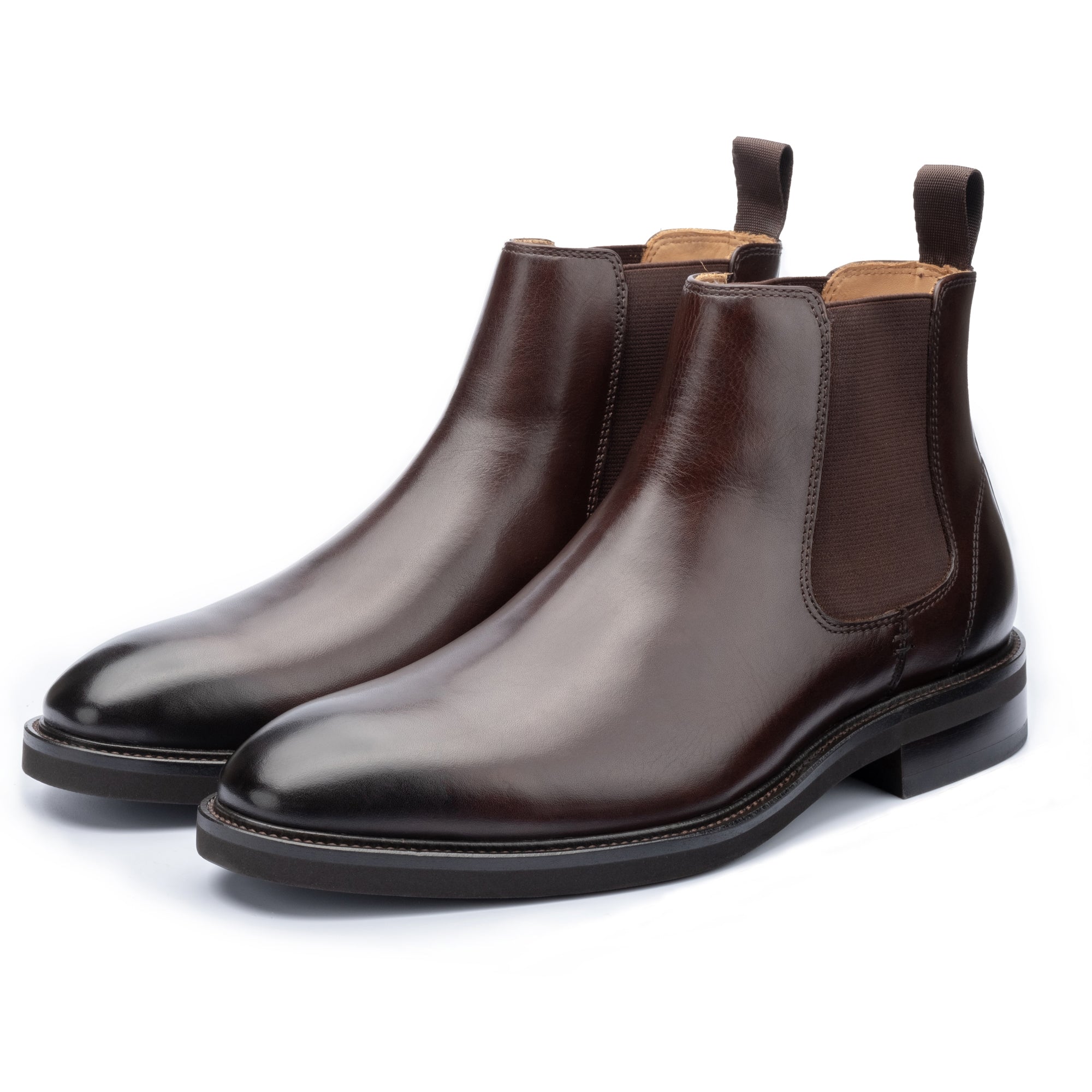
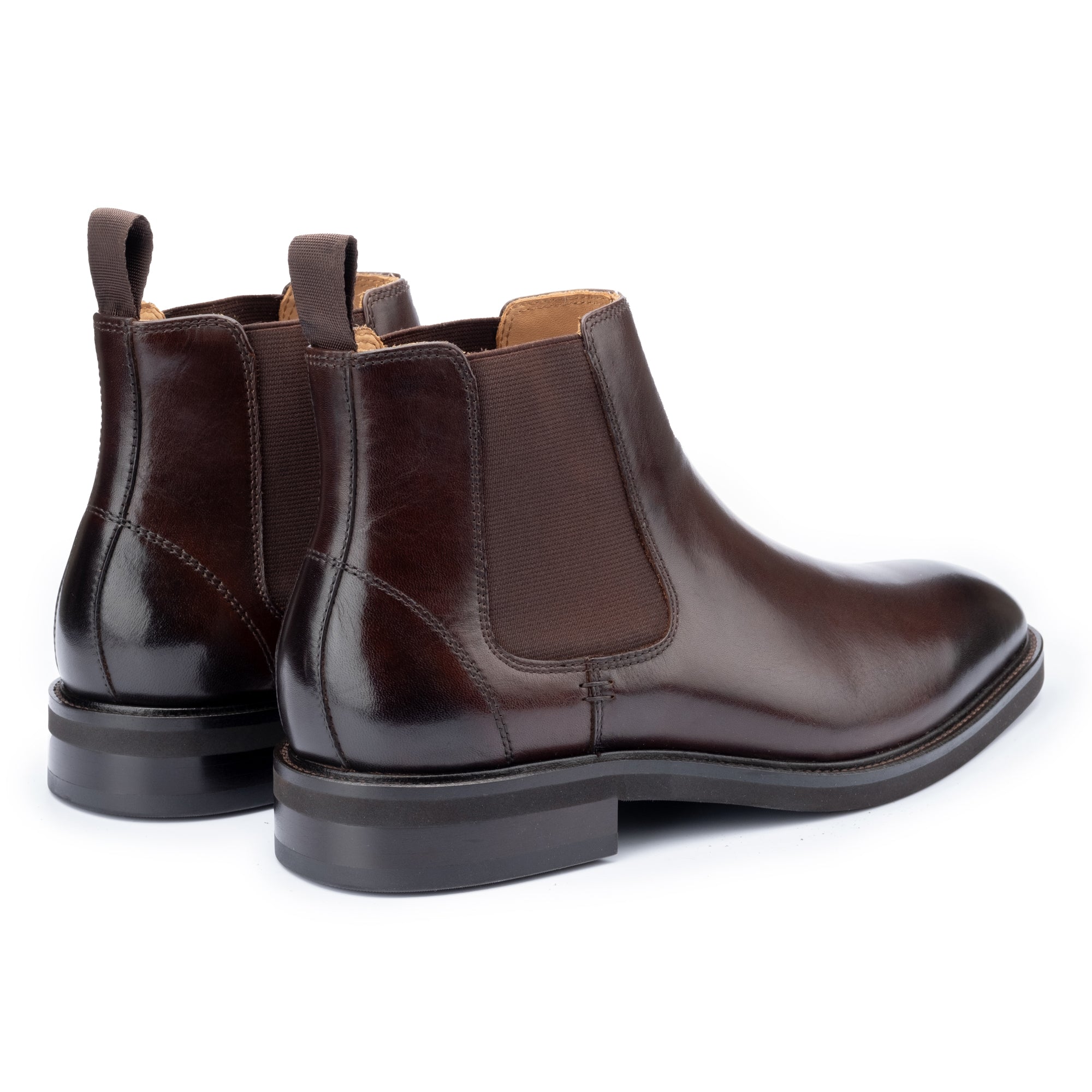
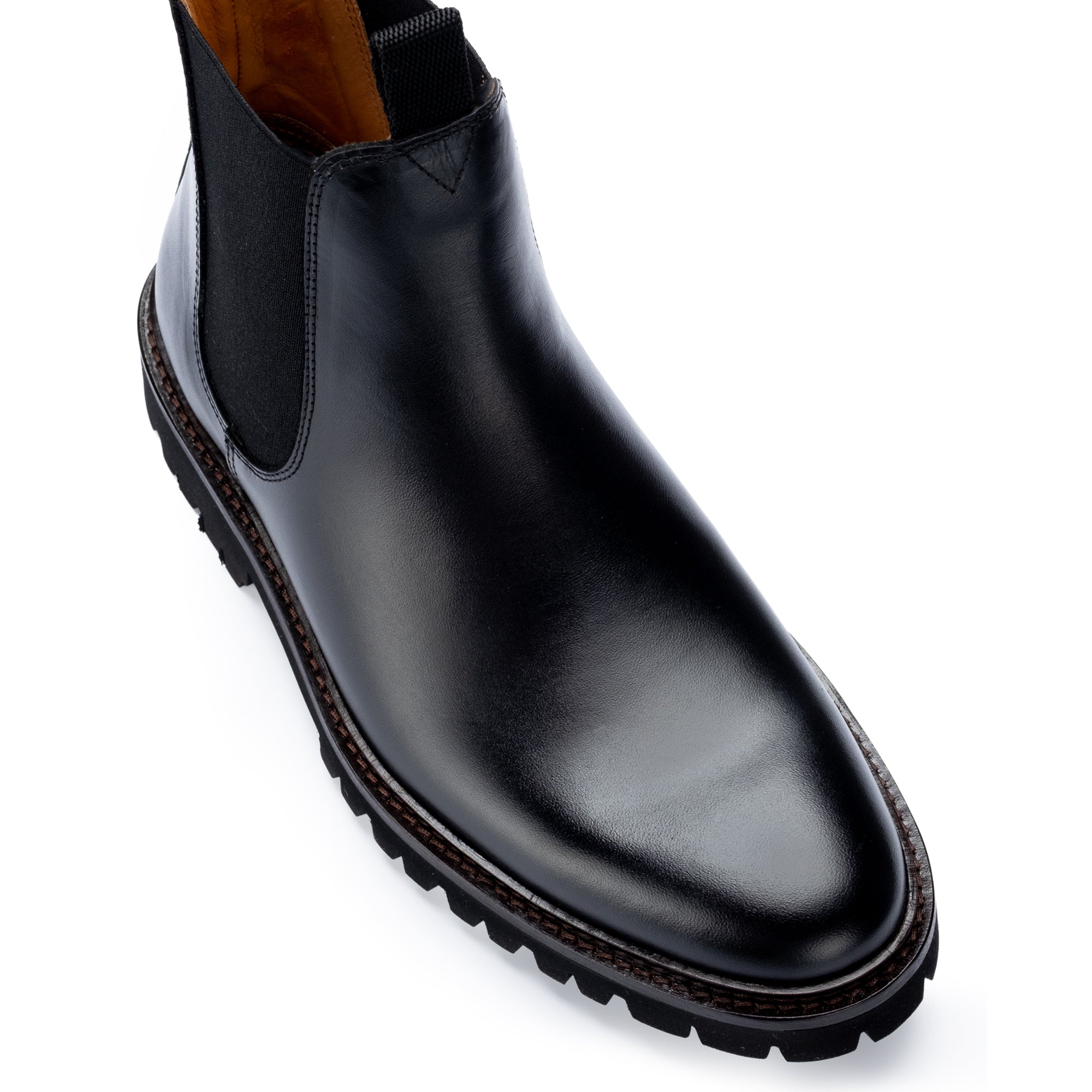
In black calf leather with a sleek toe, a Chelsea boot reads as formal as a Derby or Oxford. In tan or brown with a rounded last, it reads as relaxed as a loafer. The same construction shifts register entirely depending on finish and colour. Browse the full men's boots collection to see the range in context.
The Chelsea boot's clean elastic-sided silhouette is what makes it equally at home in formal and casual contexts — a quality few other boot styles can match.
How Should You Style Chelsea Boots with a Suit?
Chelsea boots work well with suits, provided you choose the right colour and finish. This is the context where many men go wrong — opting for a boot that's too casual in construction or too light in colour to hold up against tailoring.
For business or formal settings, stick to:
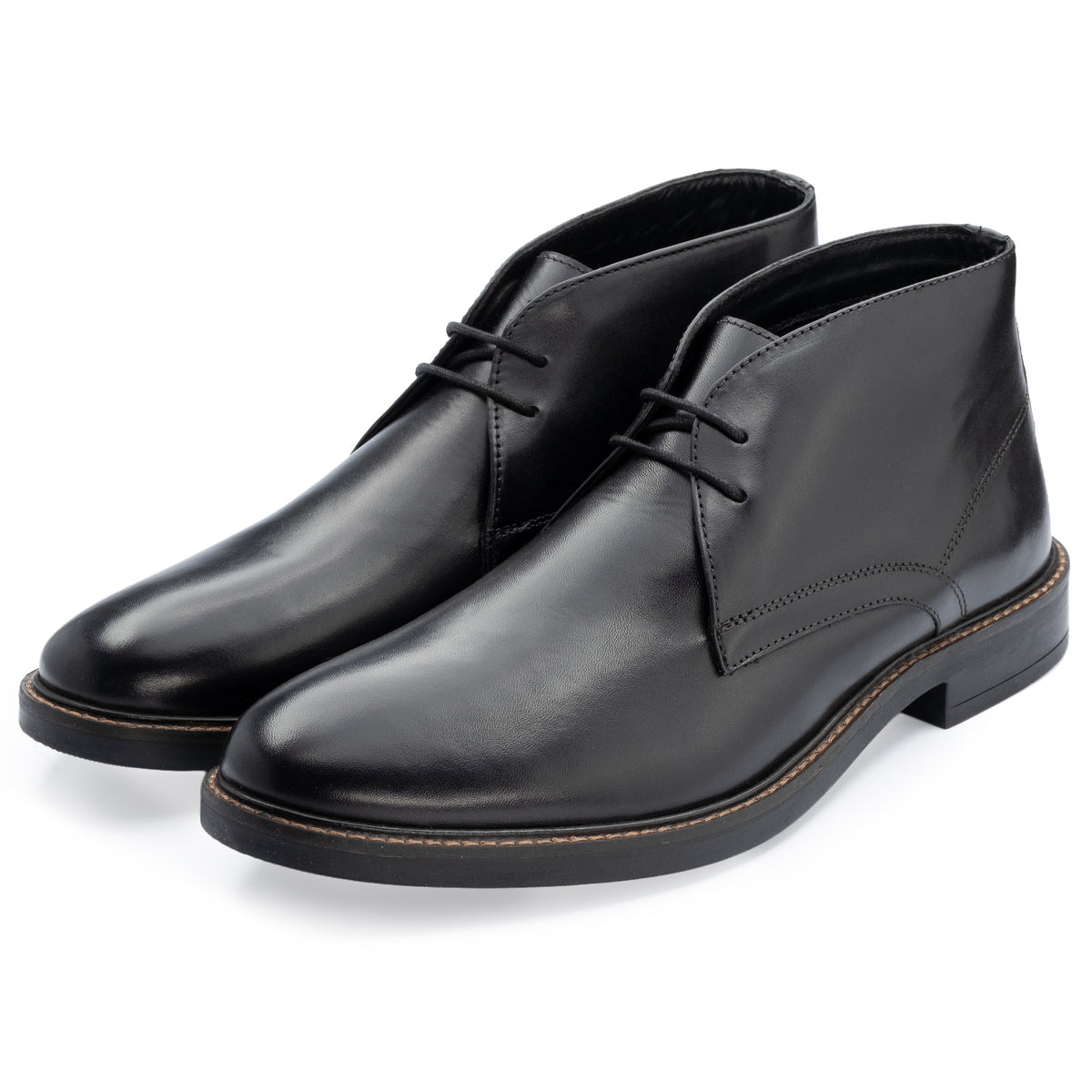
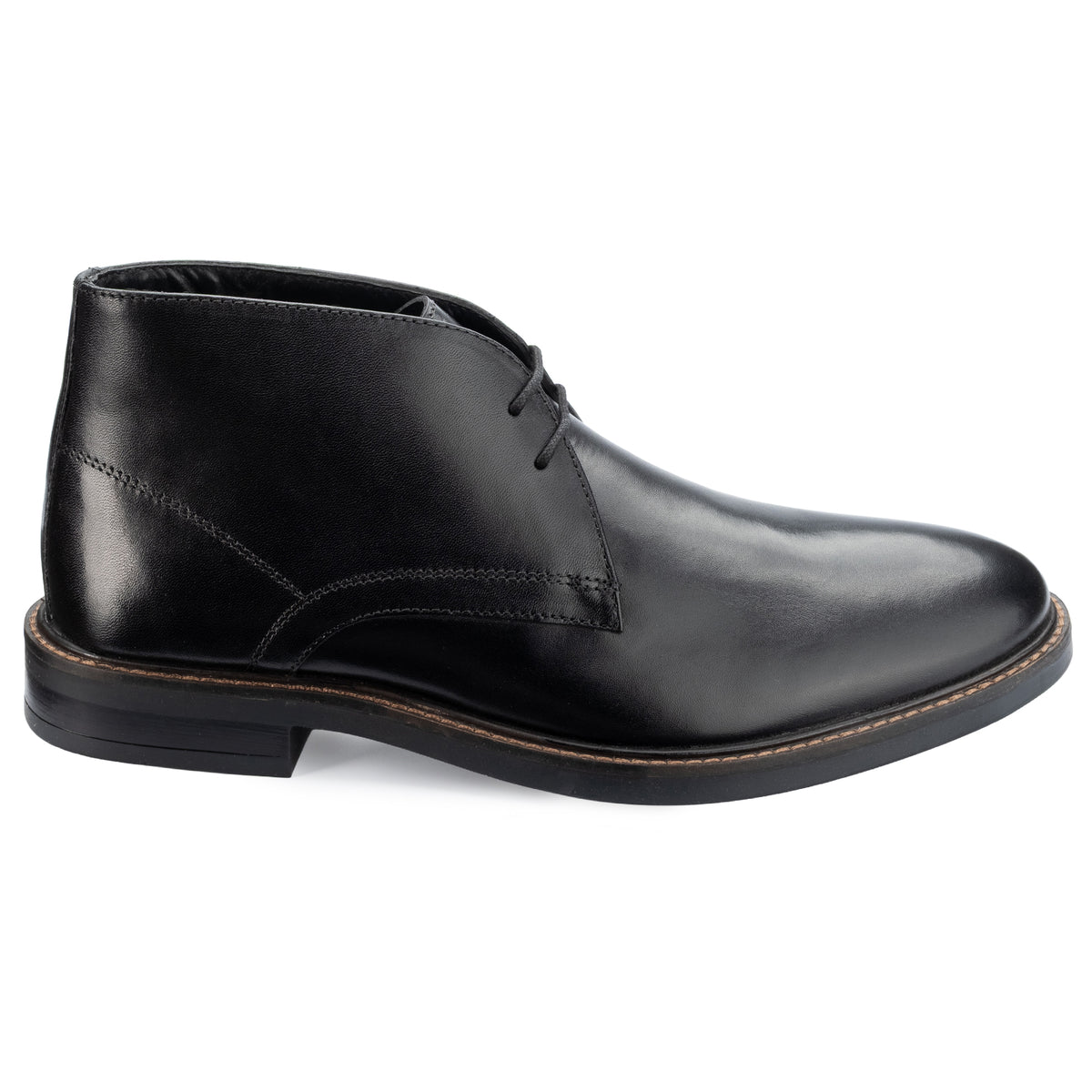
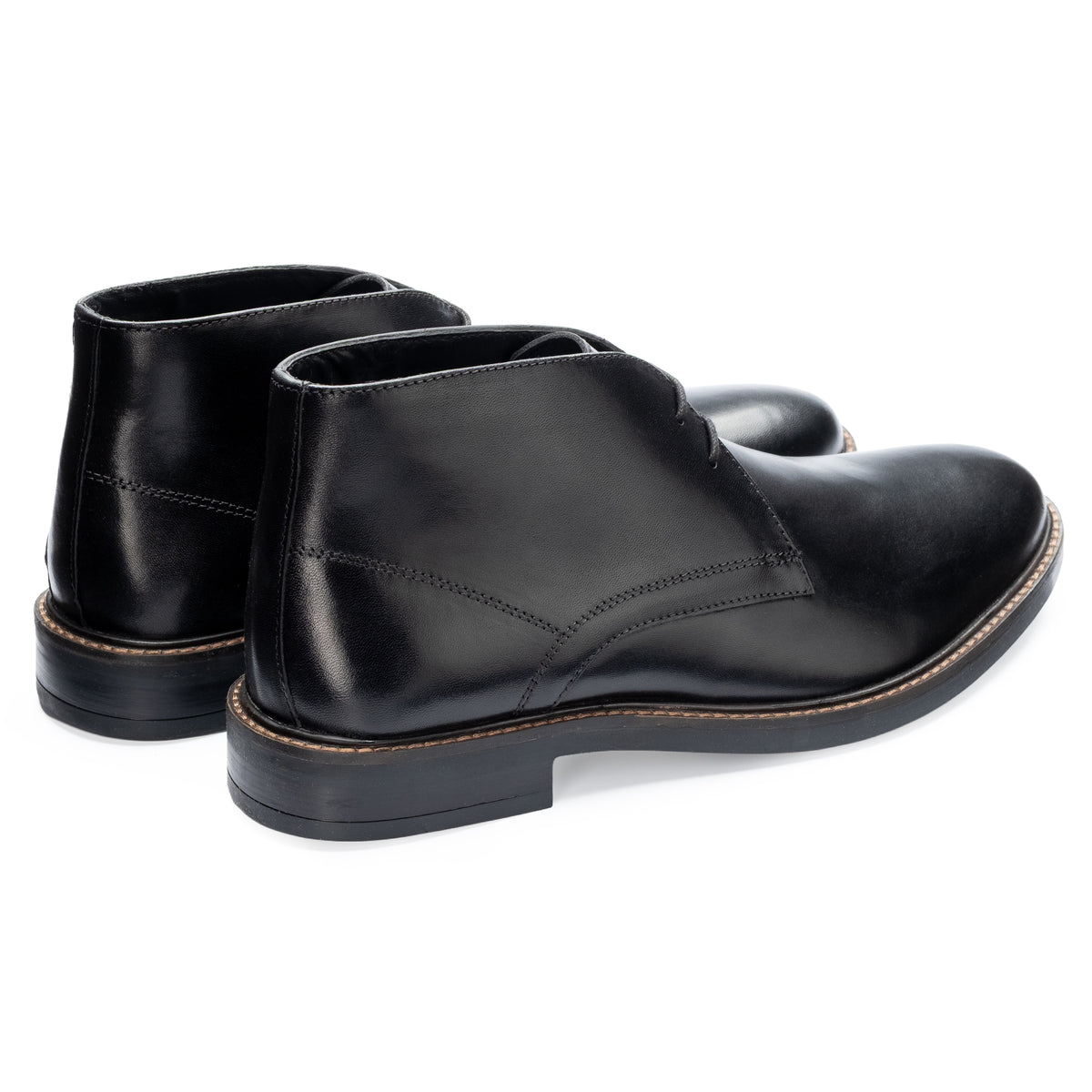
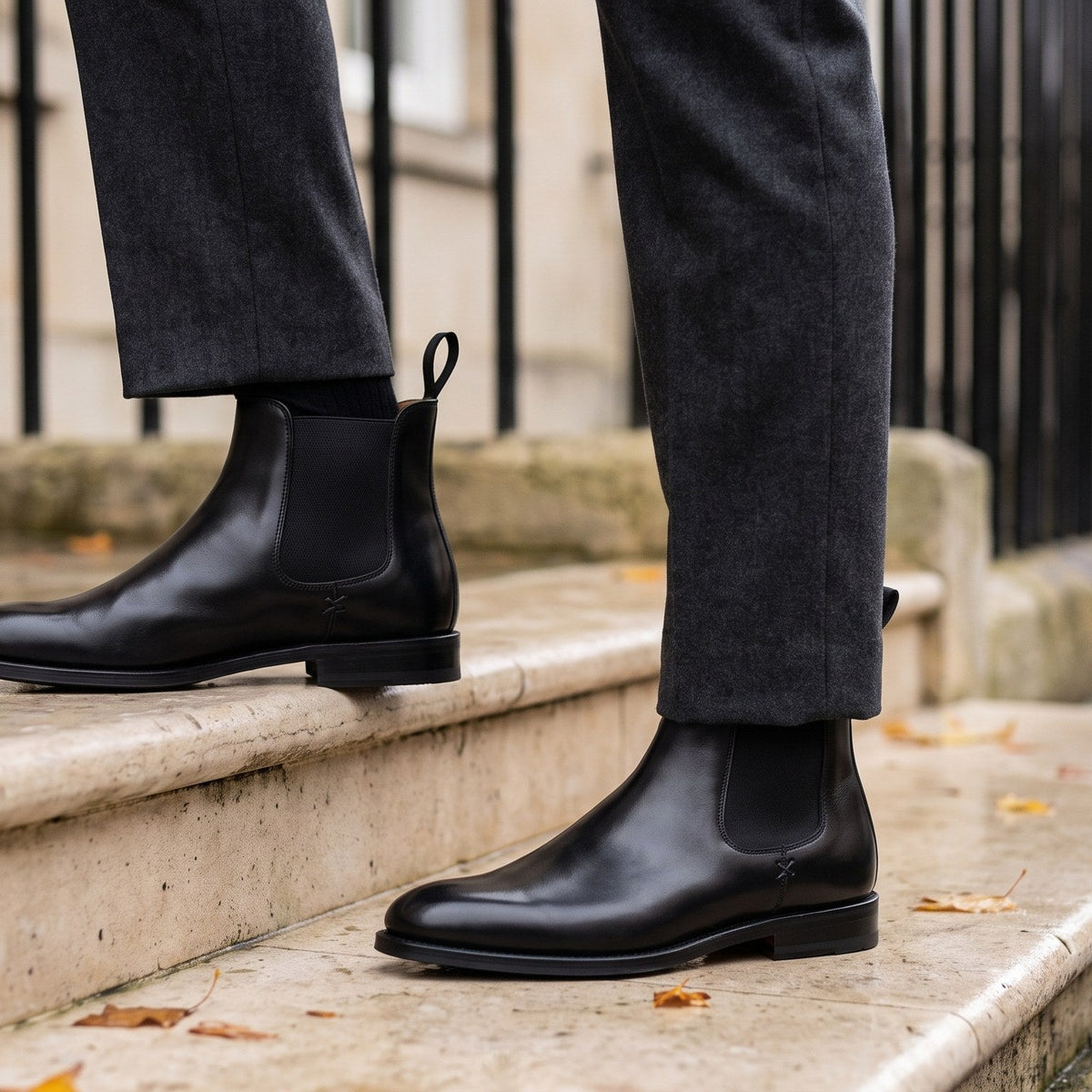
- Black leather — pairs cleanly with charcoal, navy, and dark grey suits. The most formal option.
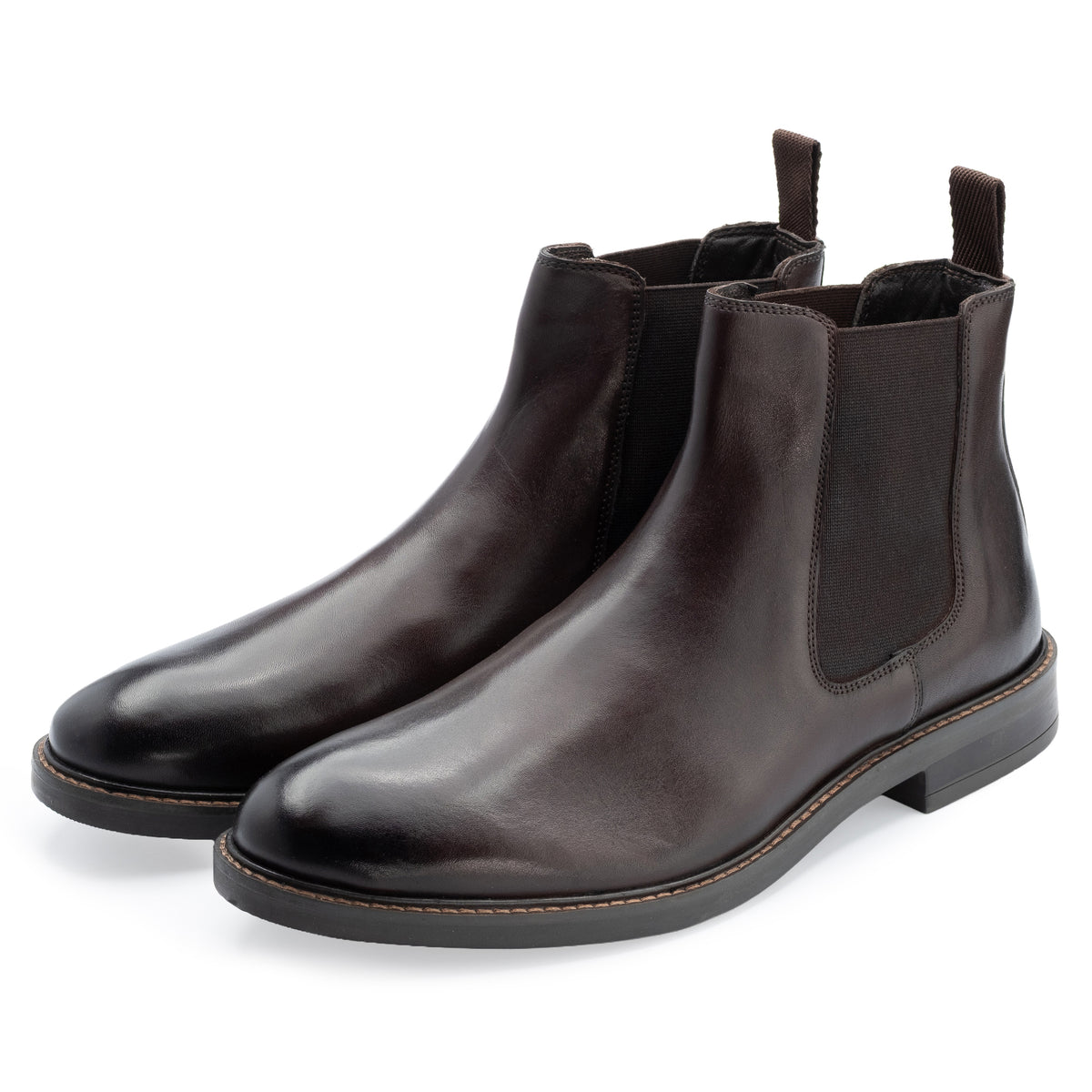
- Dark brown leather — suits mid-grey, navy, and tan tailoring. Avoid pairing brown with black suits.
- Slim or tapered trouser leg — the ankle height of a Chelsea boot requires a clean break or slight taper. Wide-leg or pooling trousers bury the boot entirely.
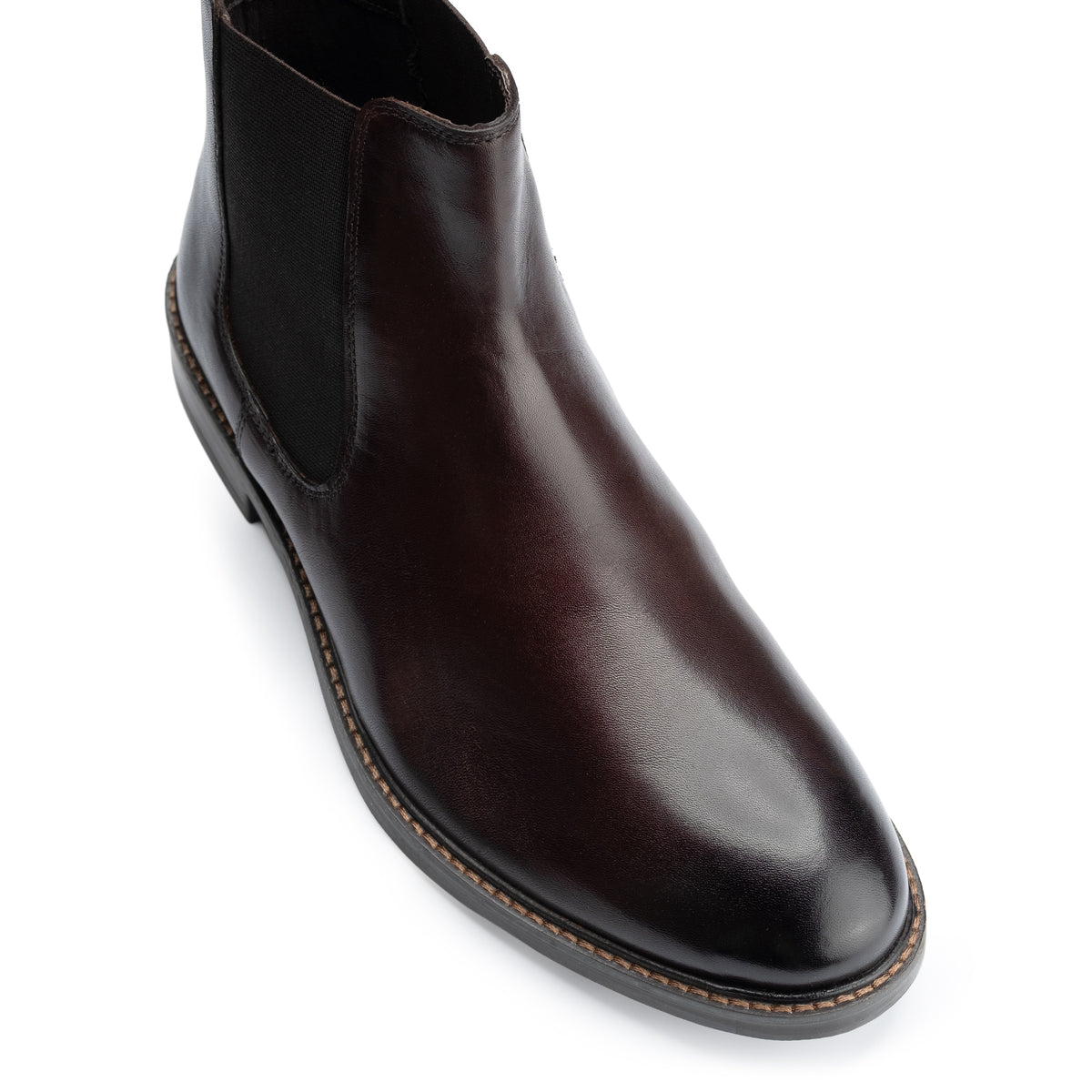
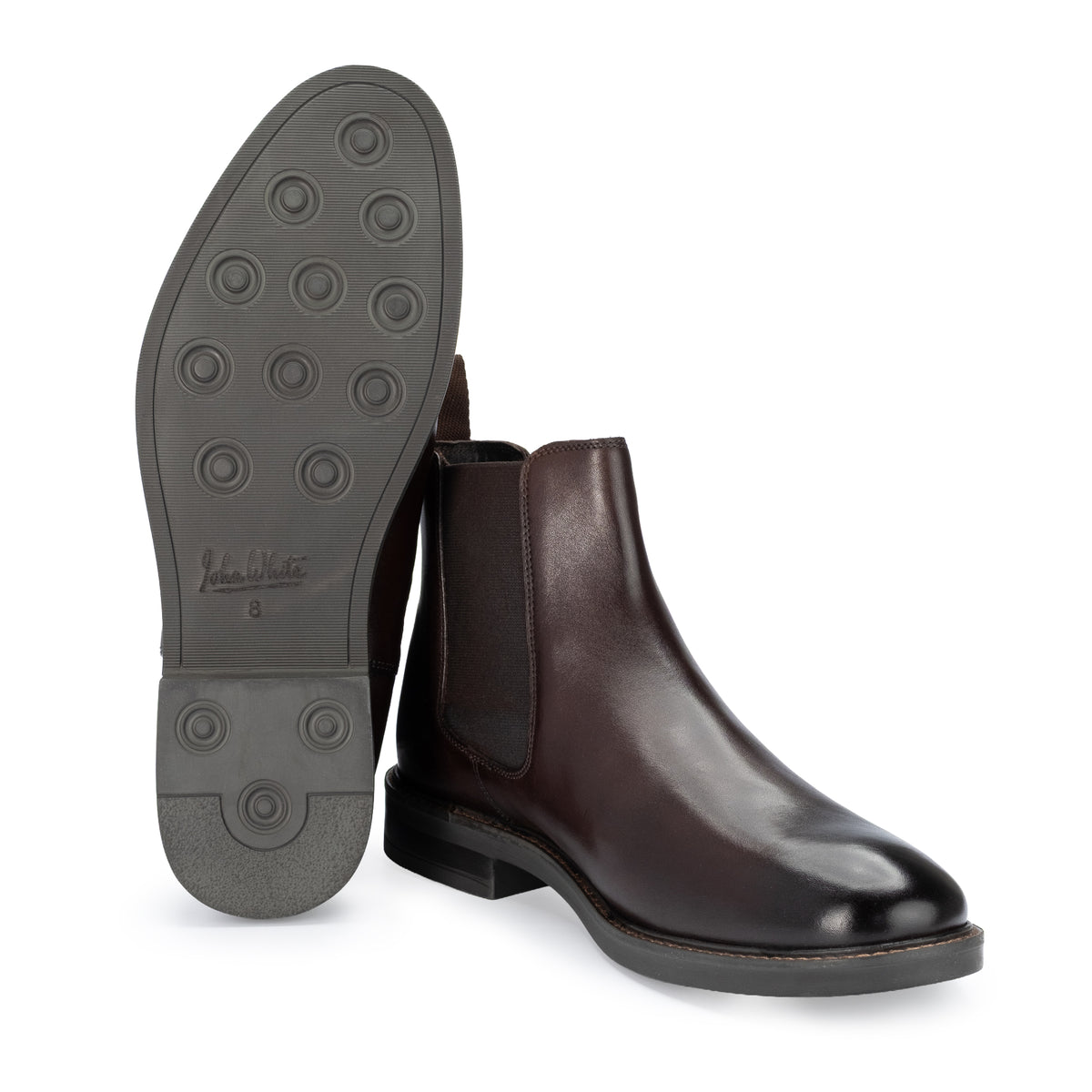
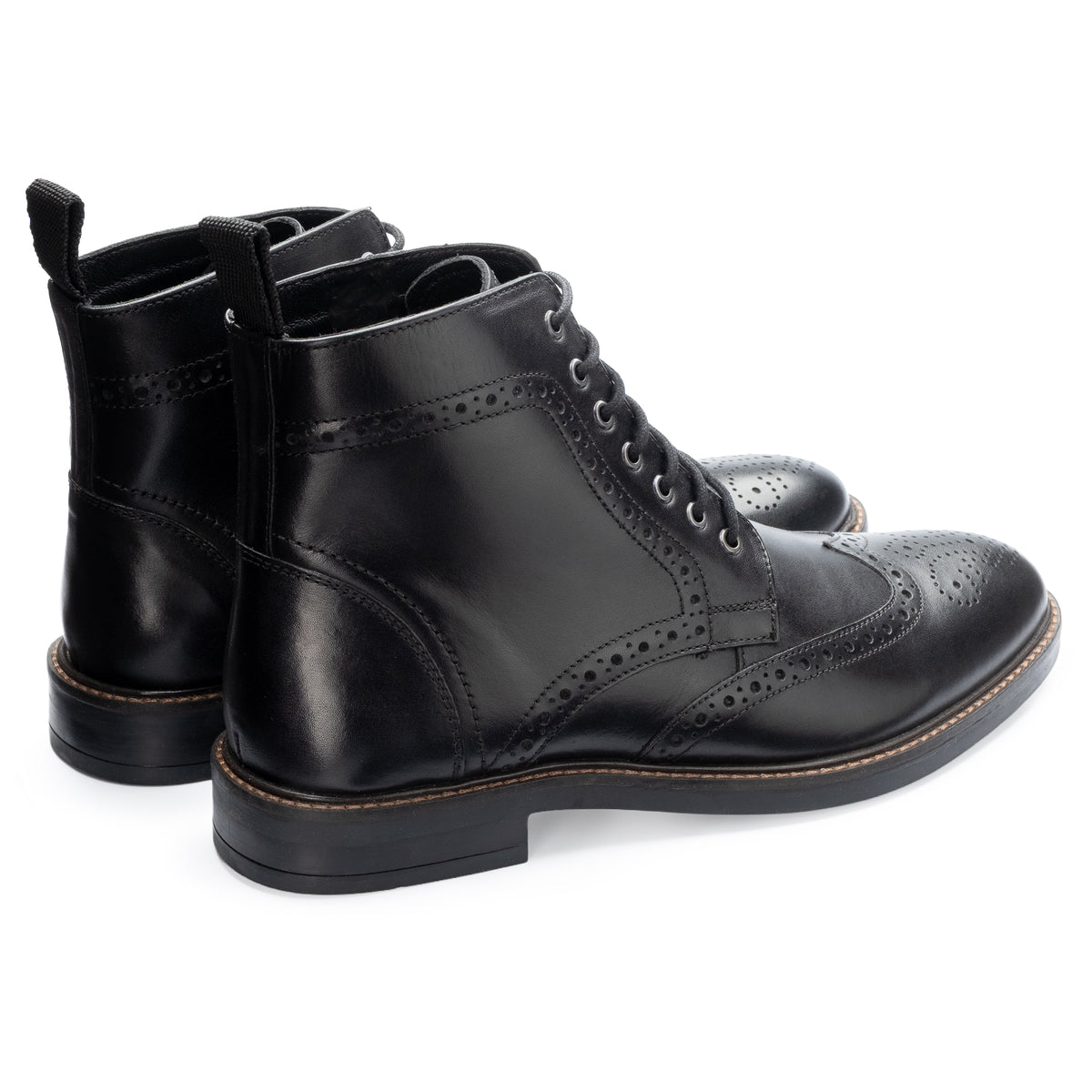
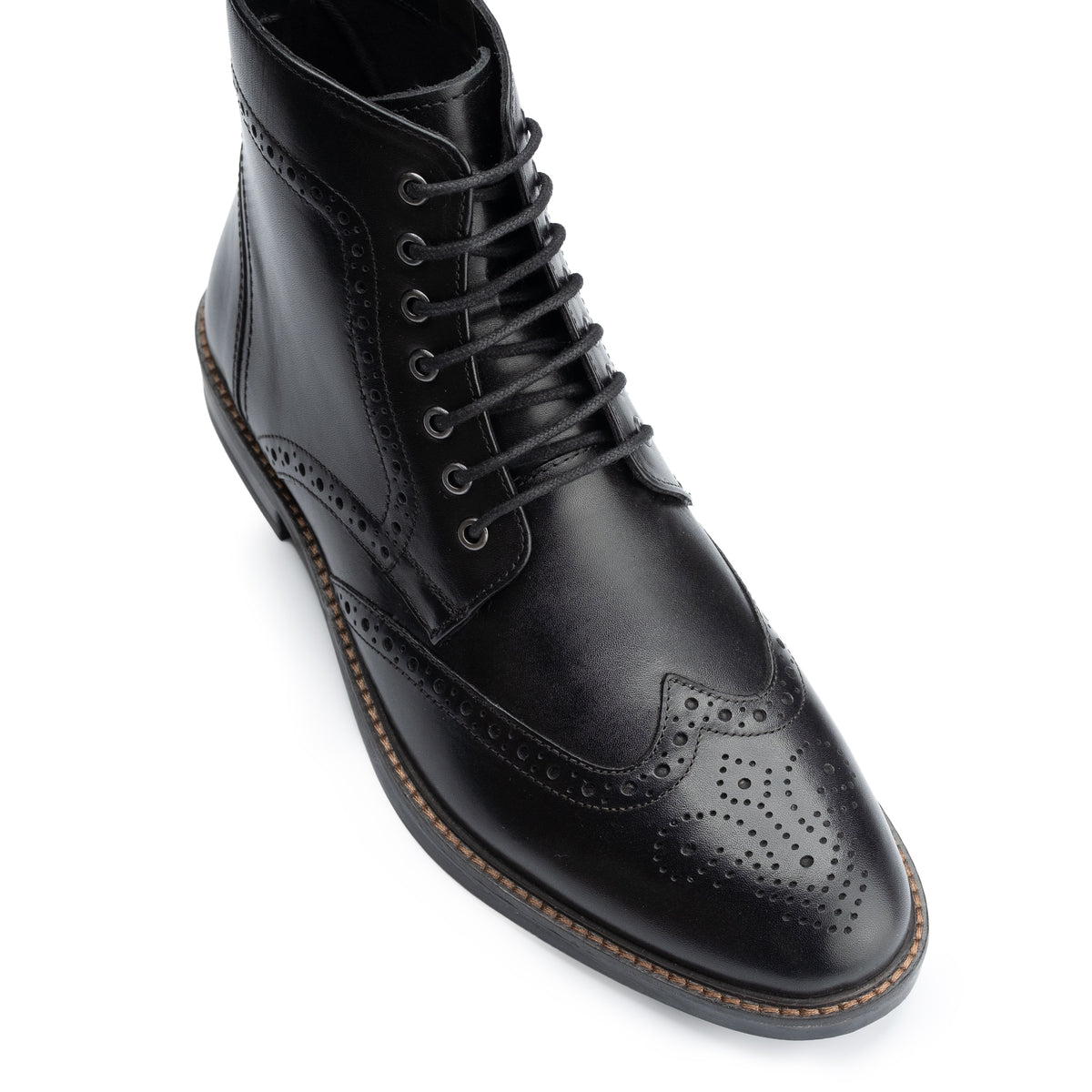
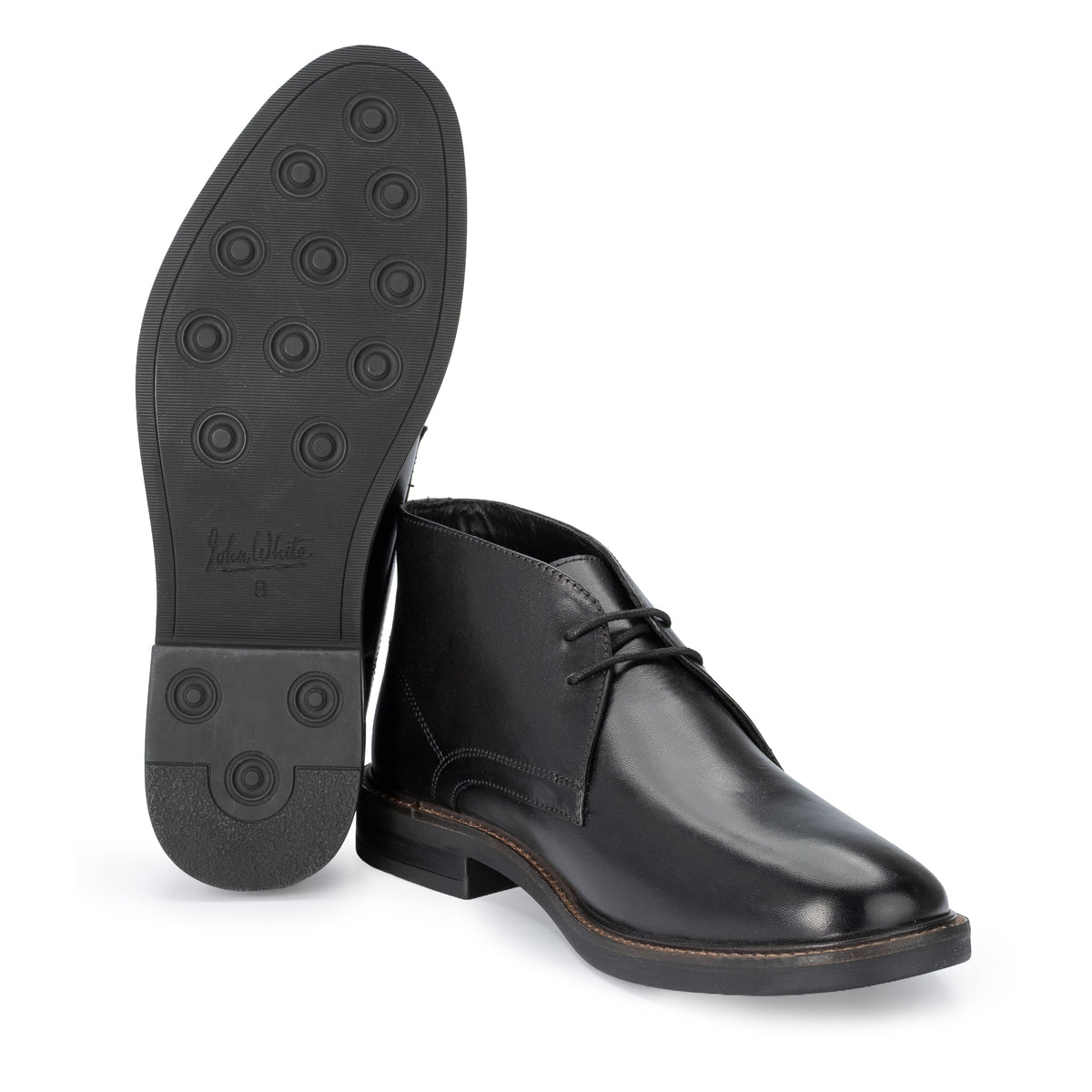
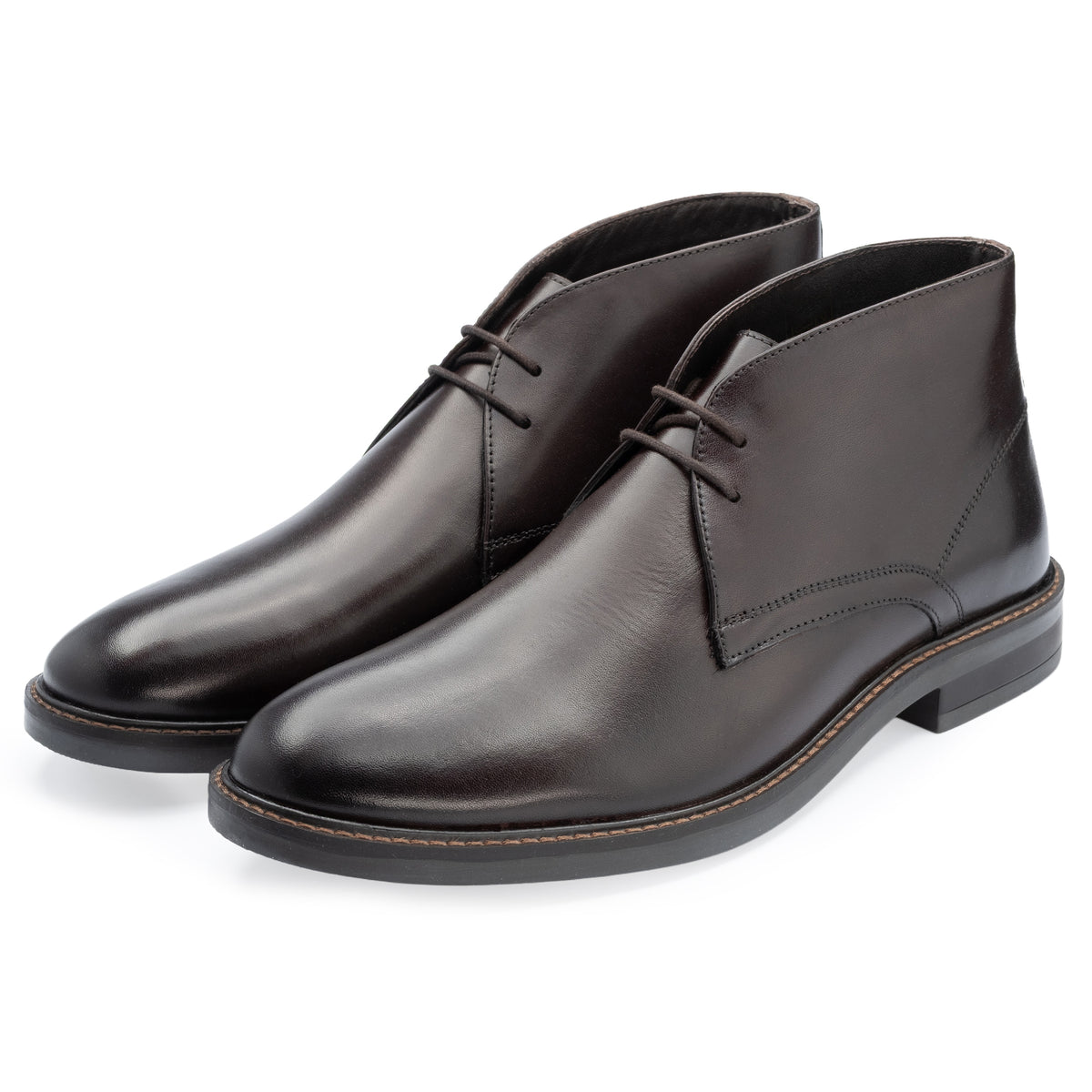
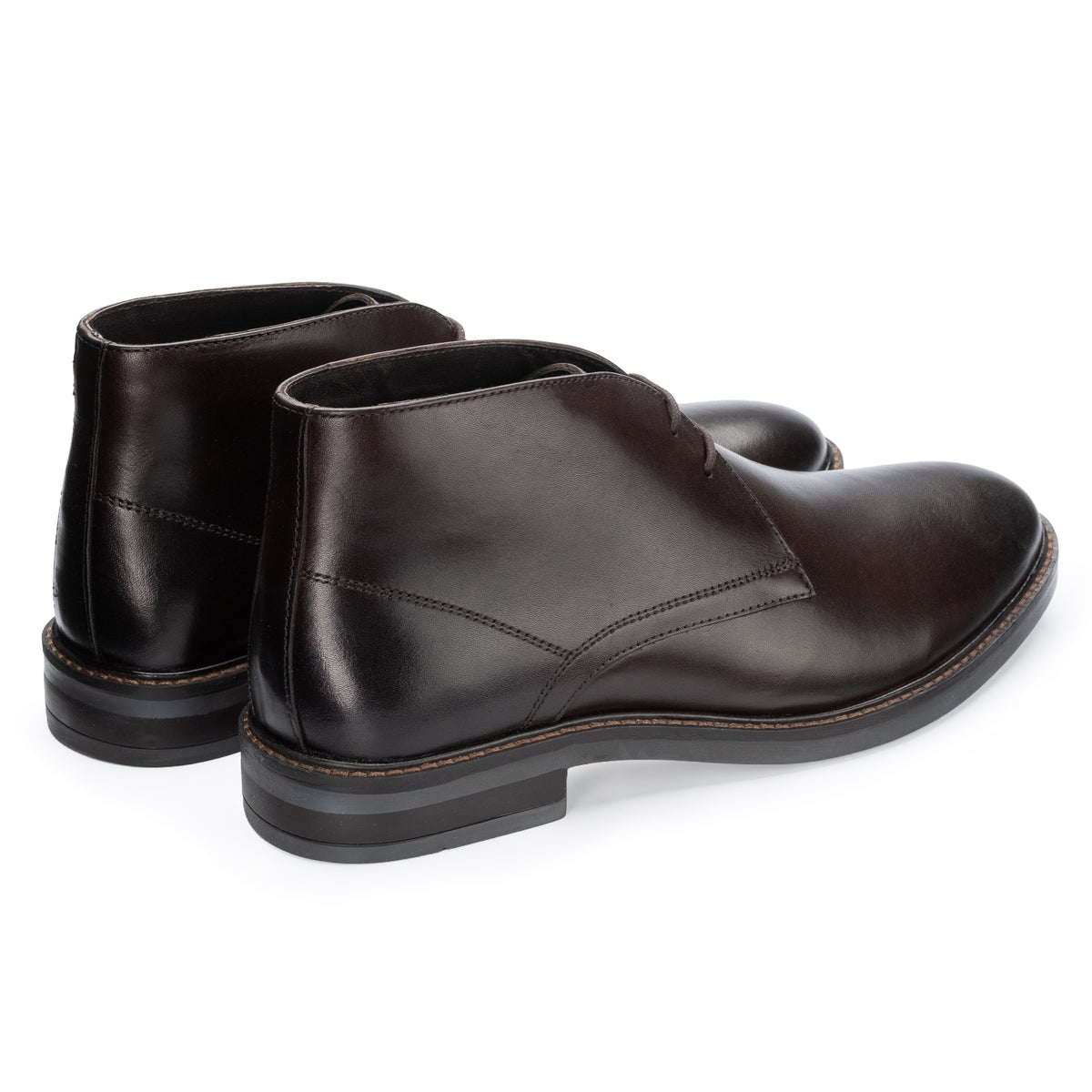
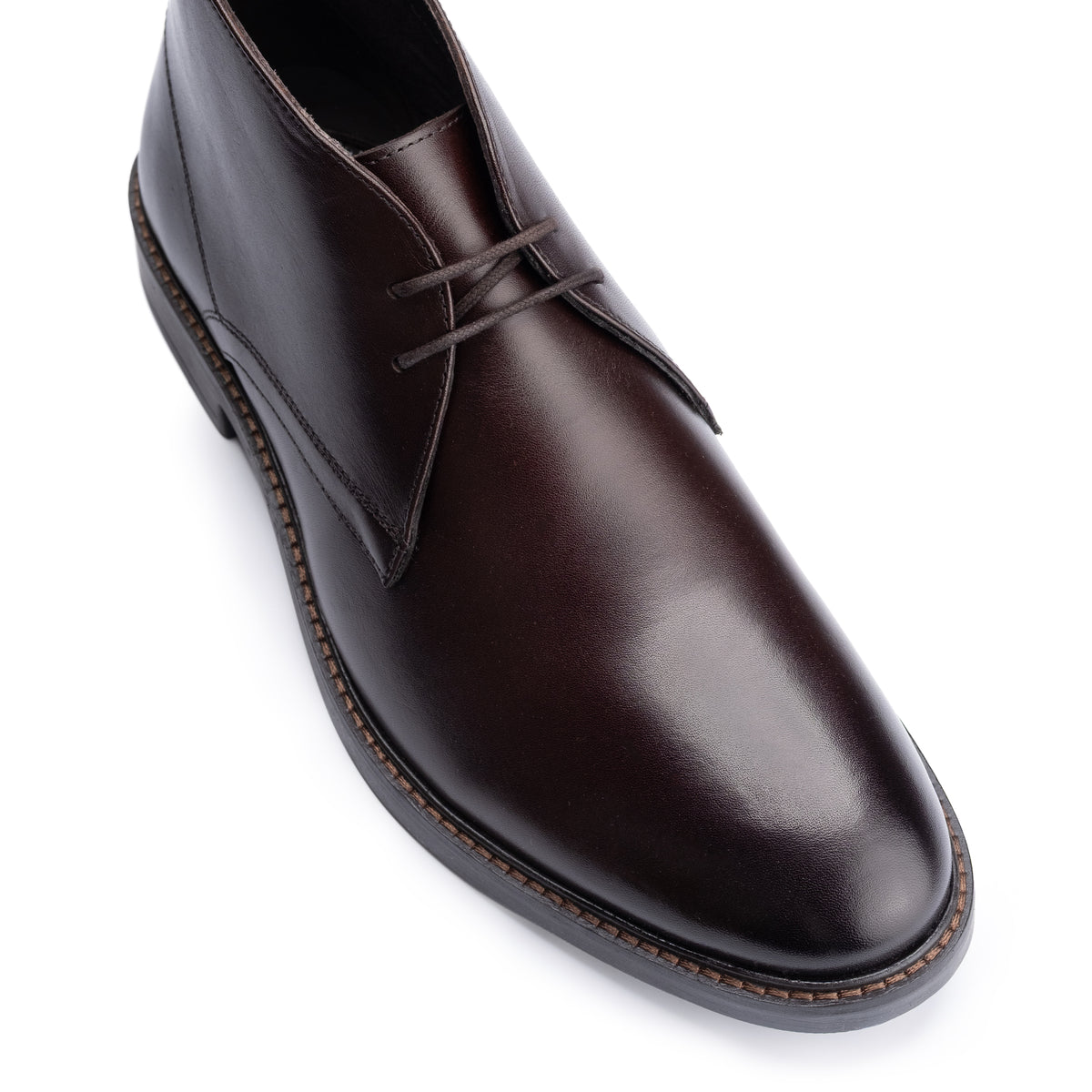
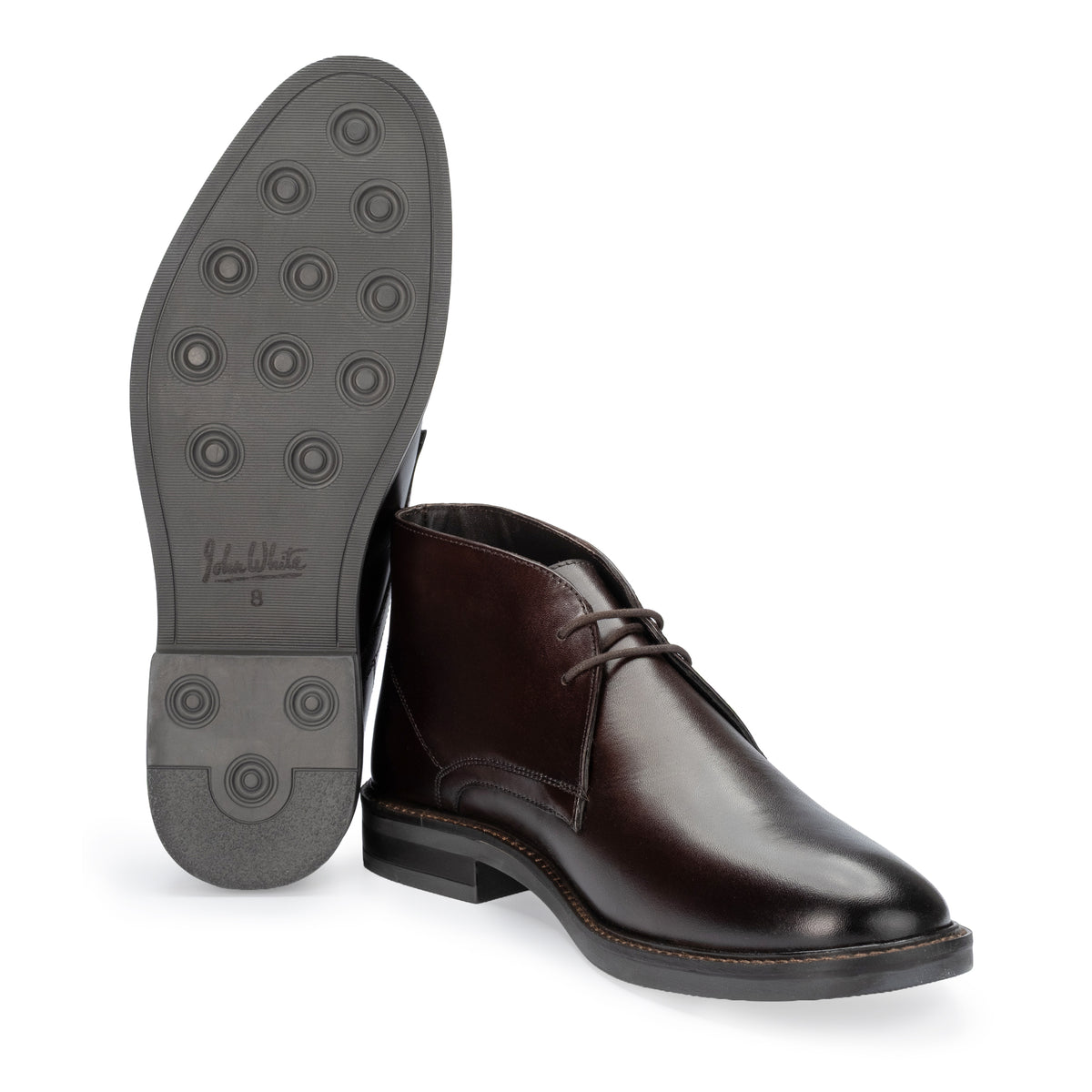
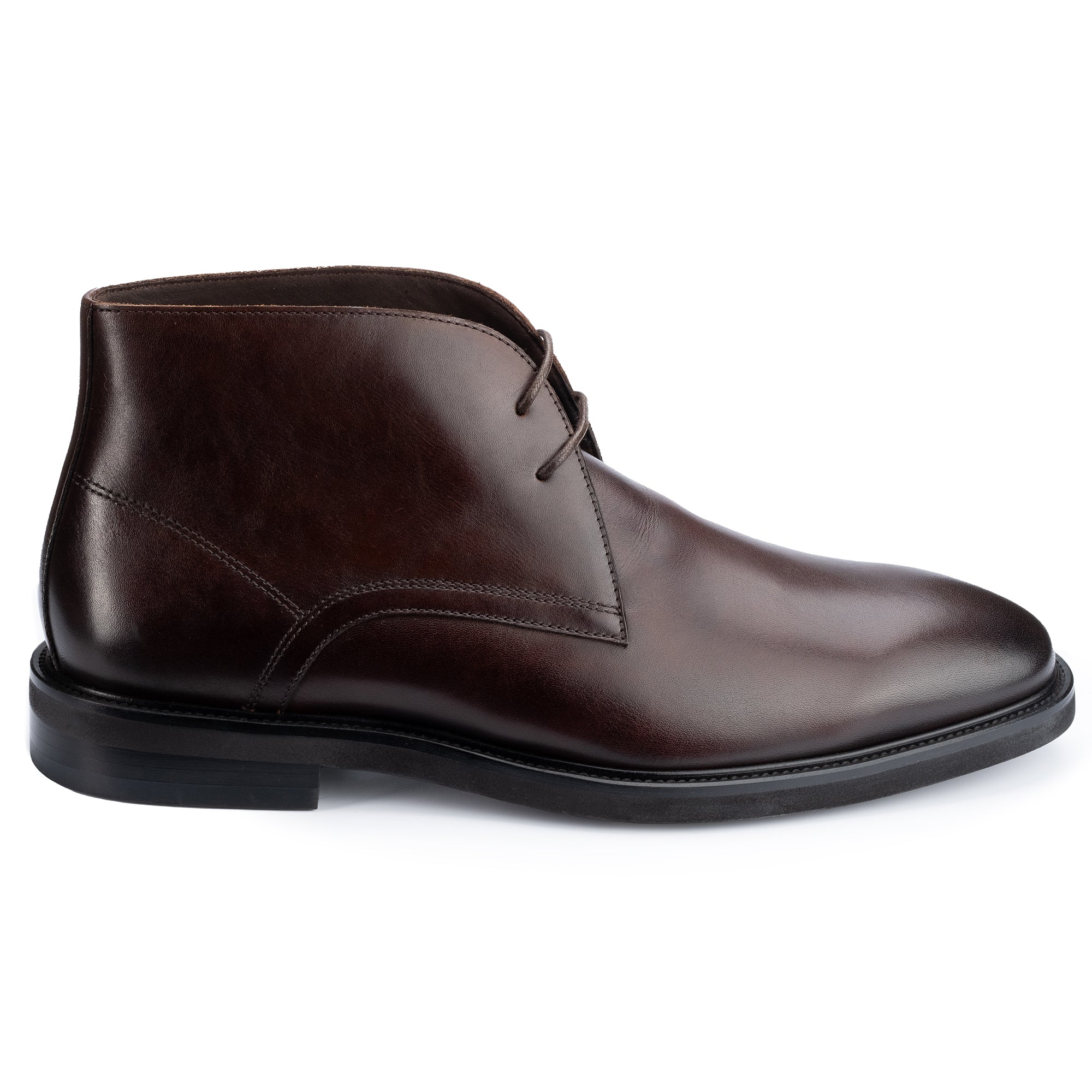
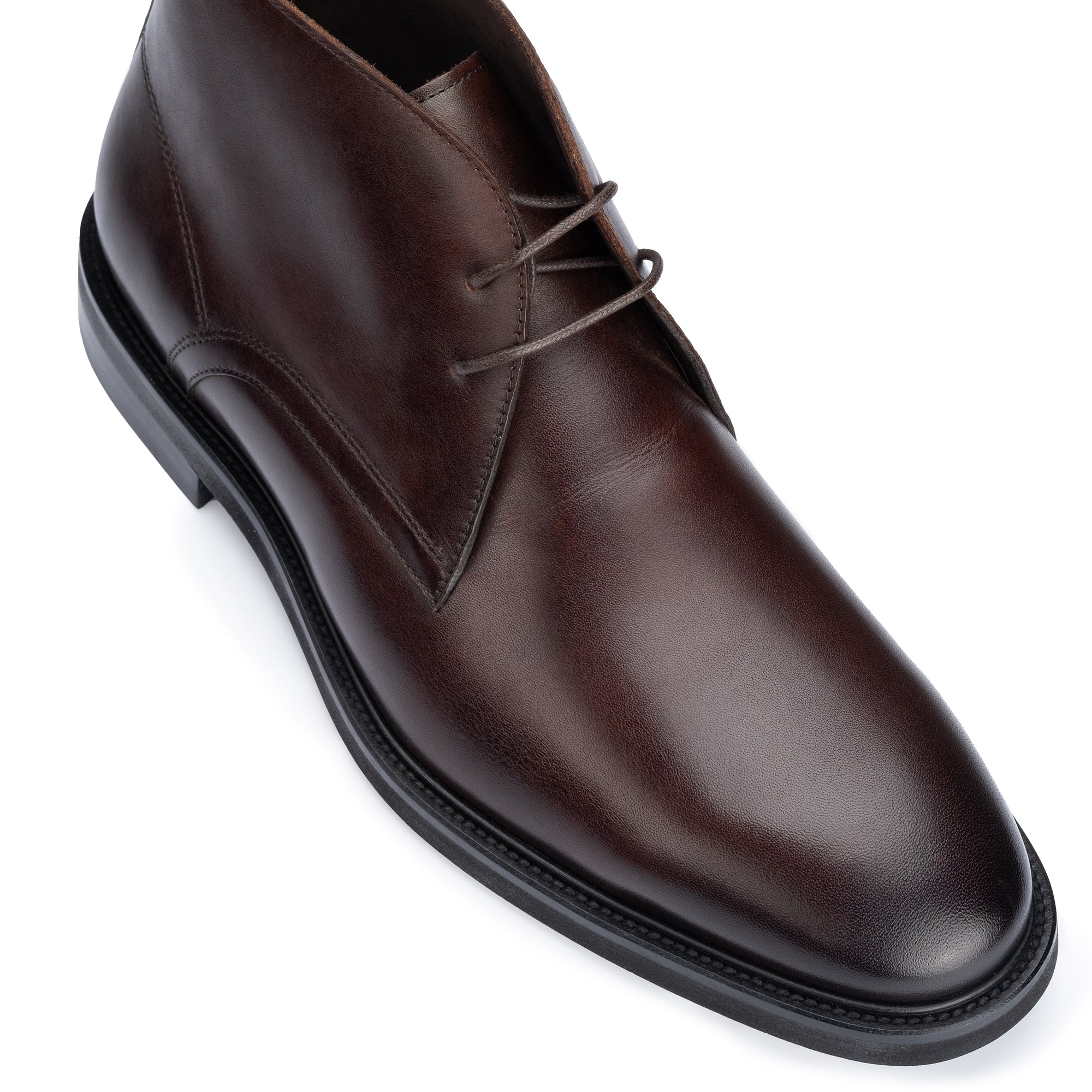
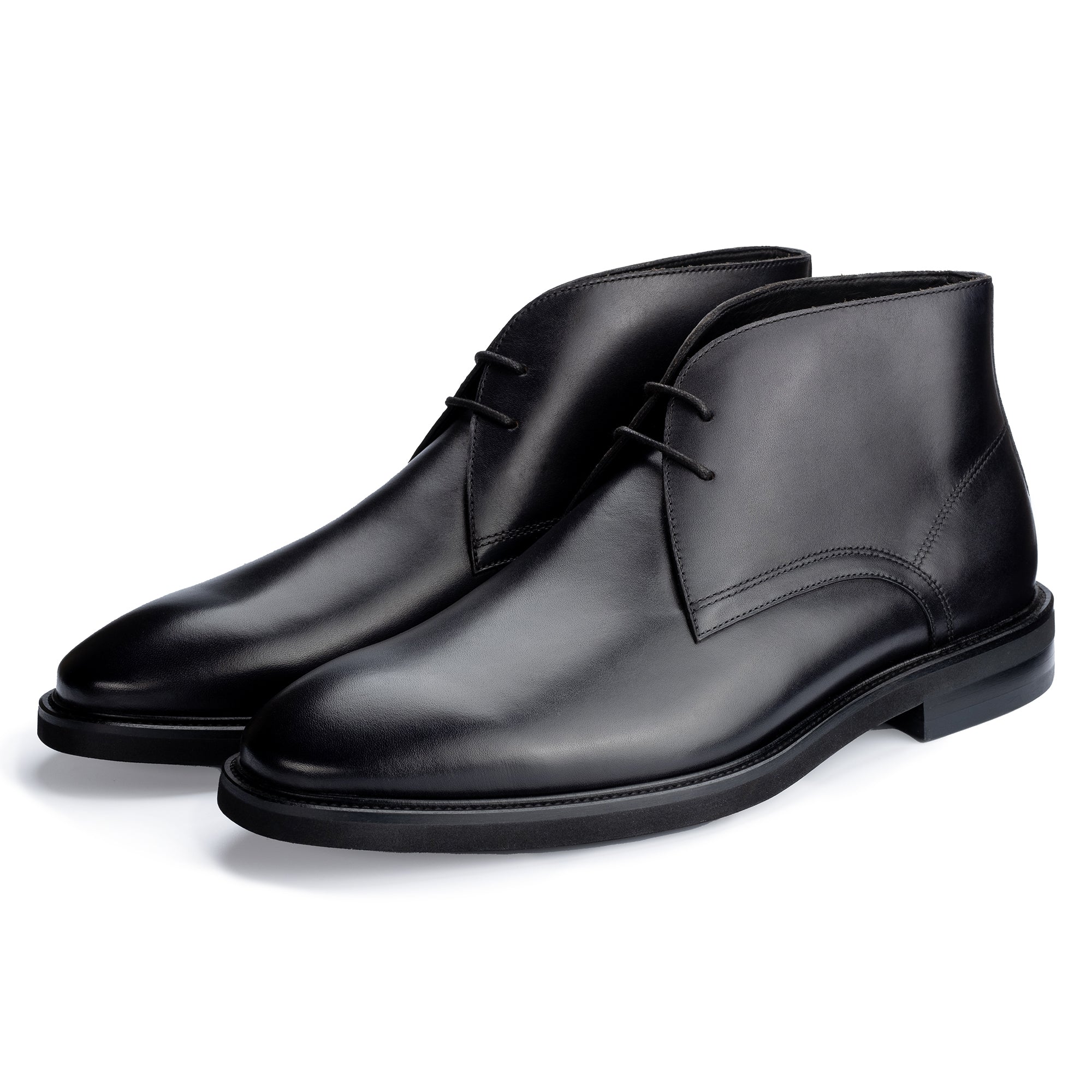
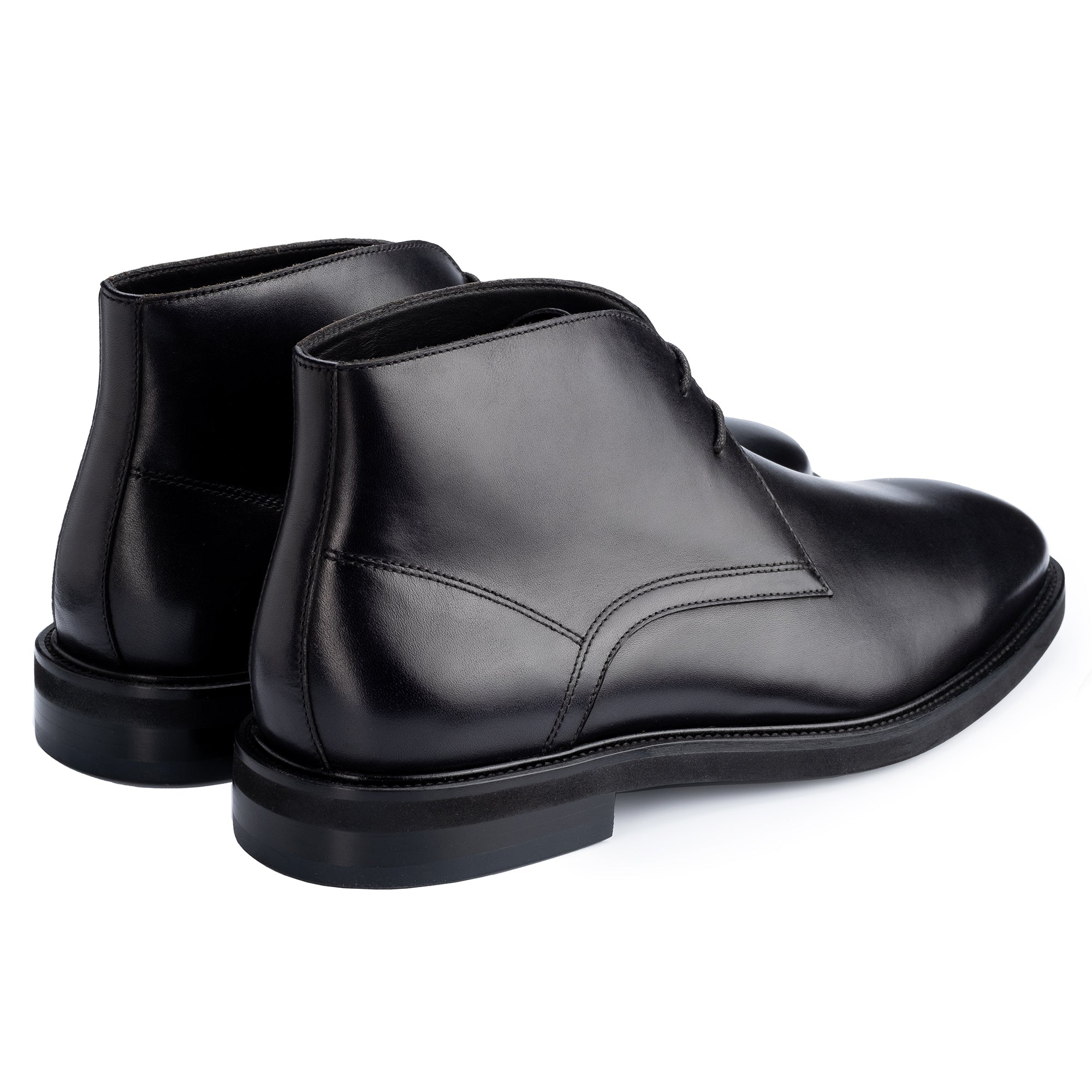
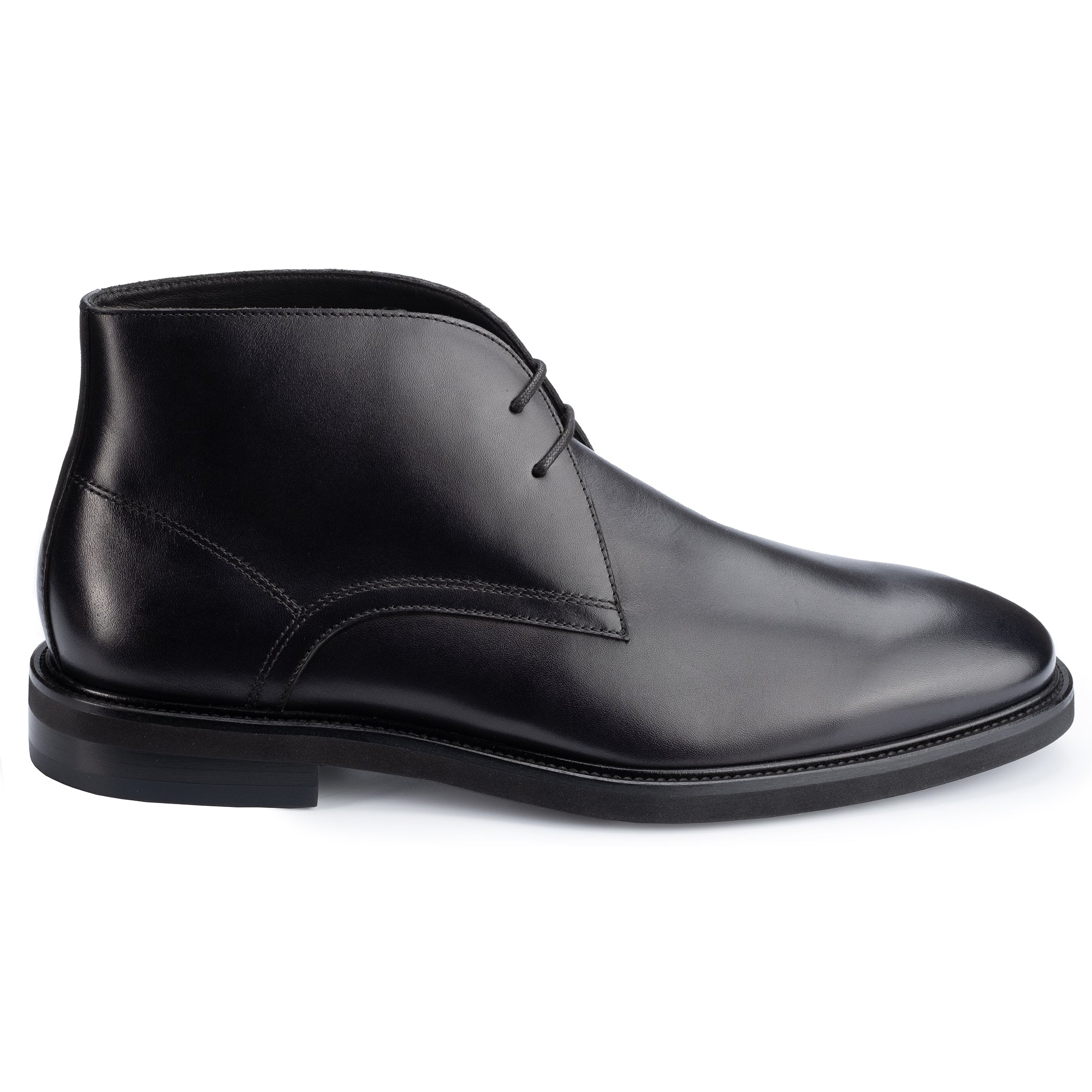
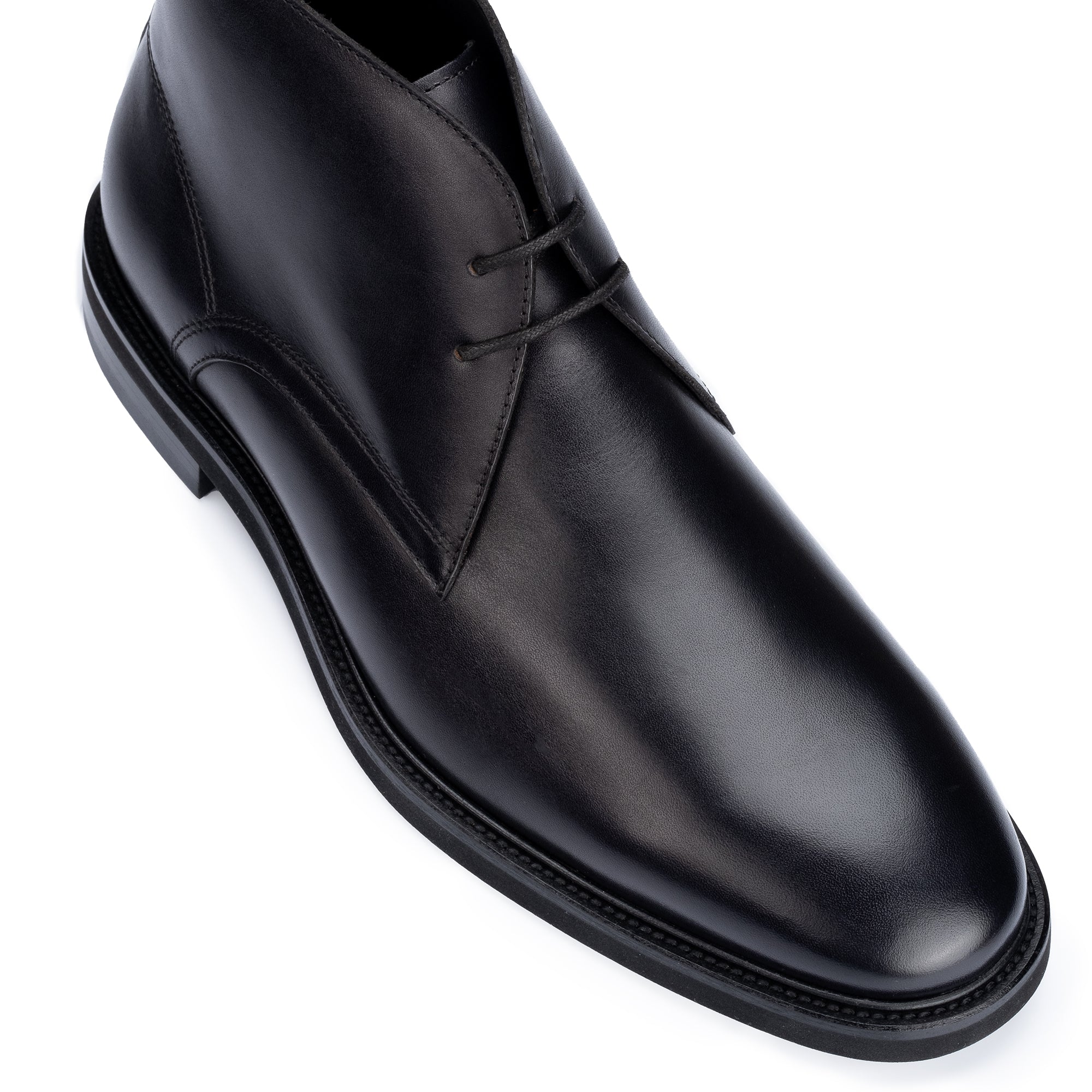
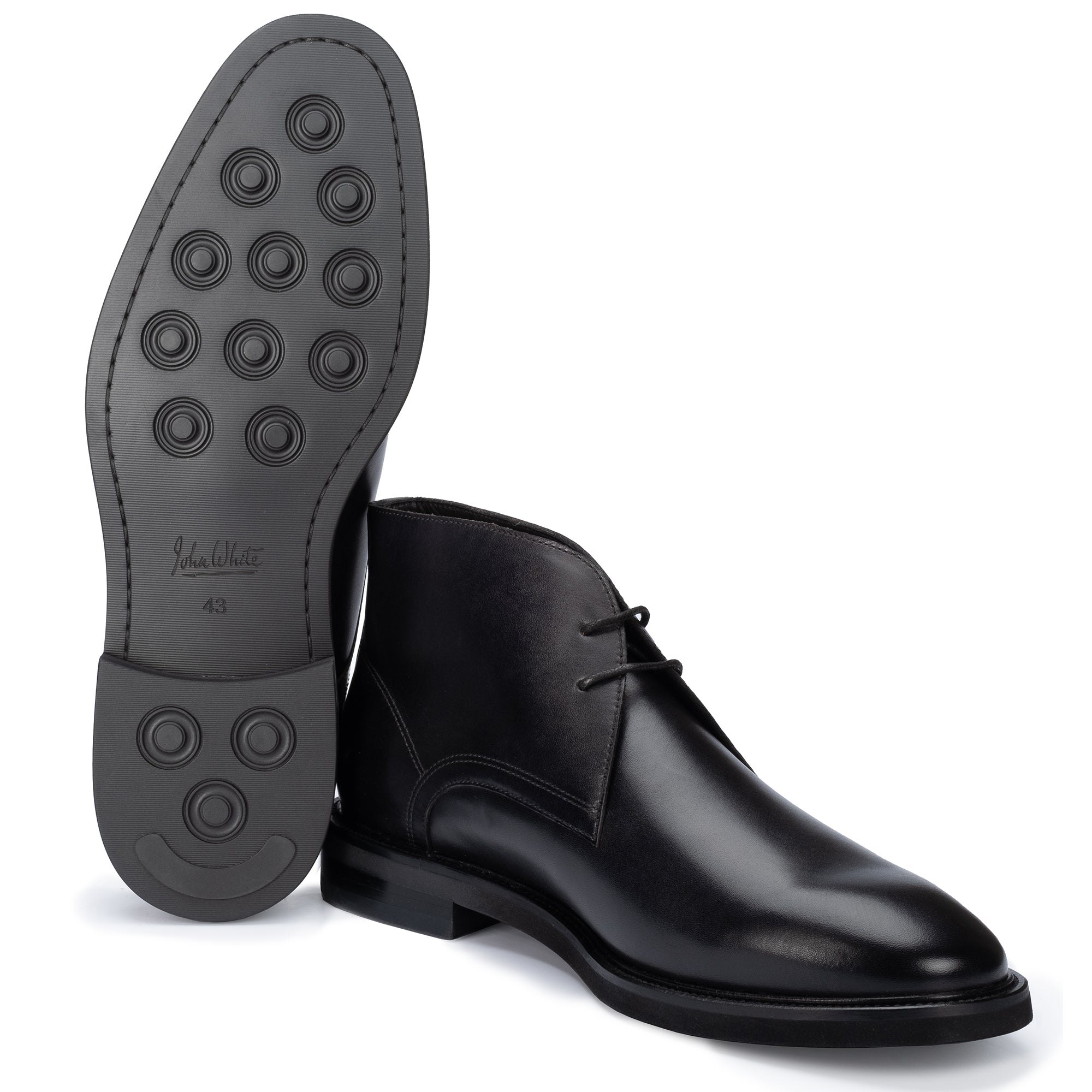
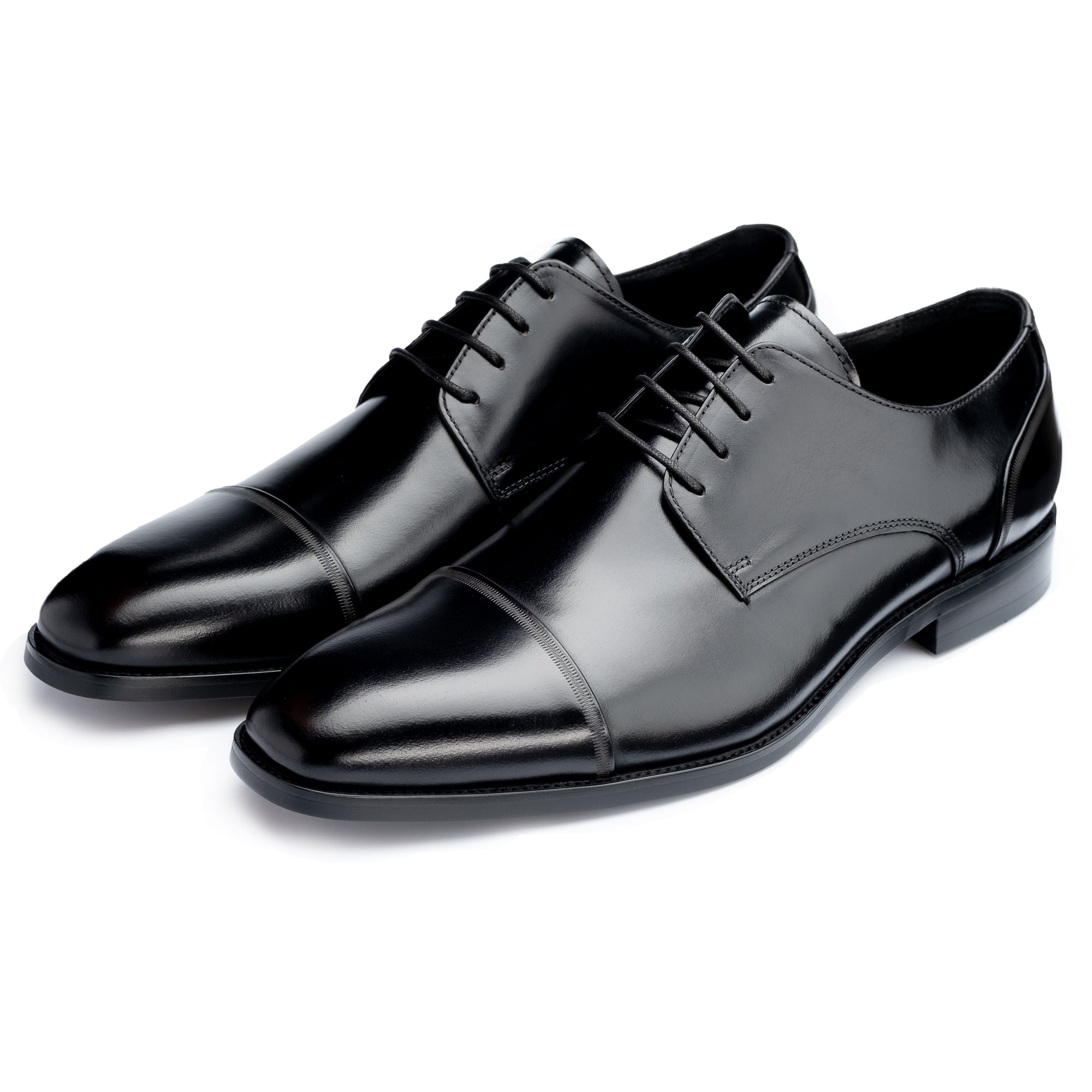
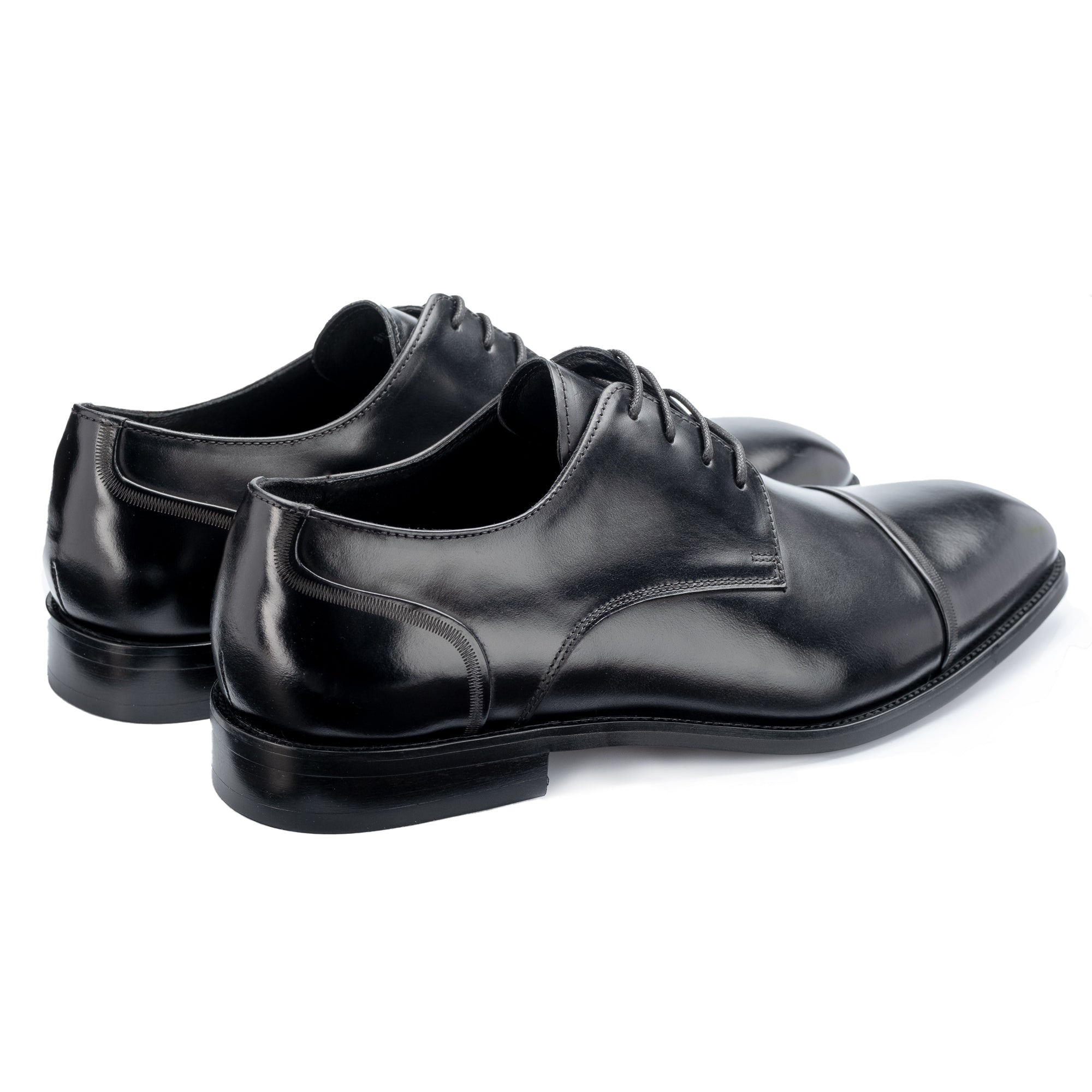
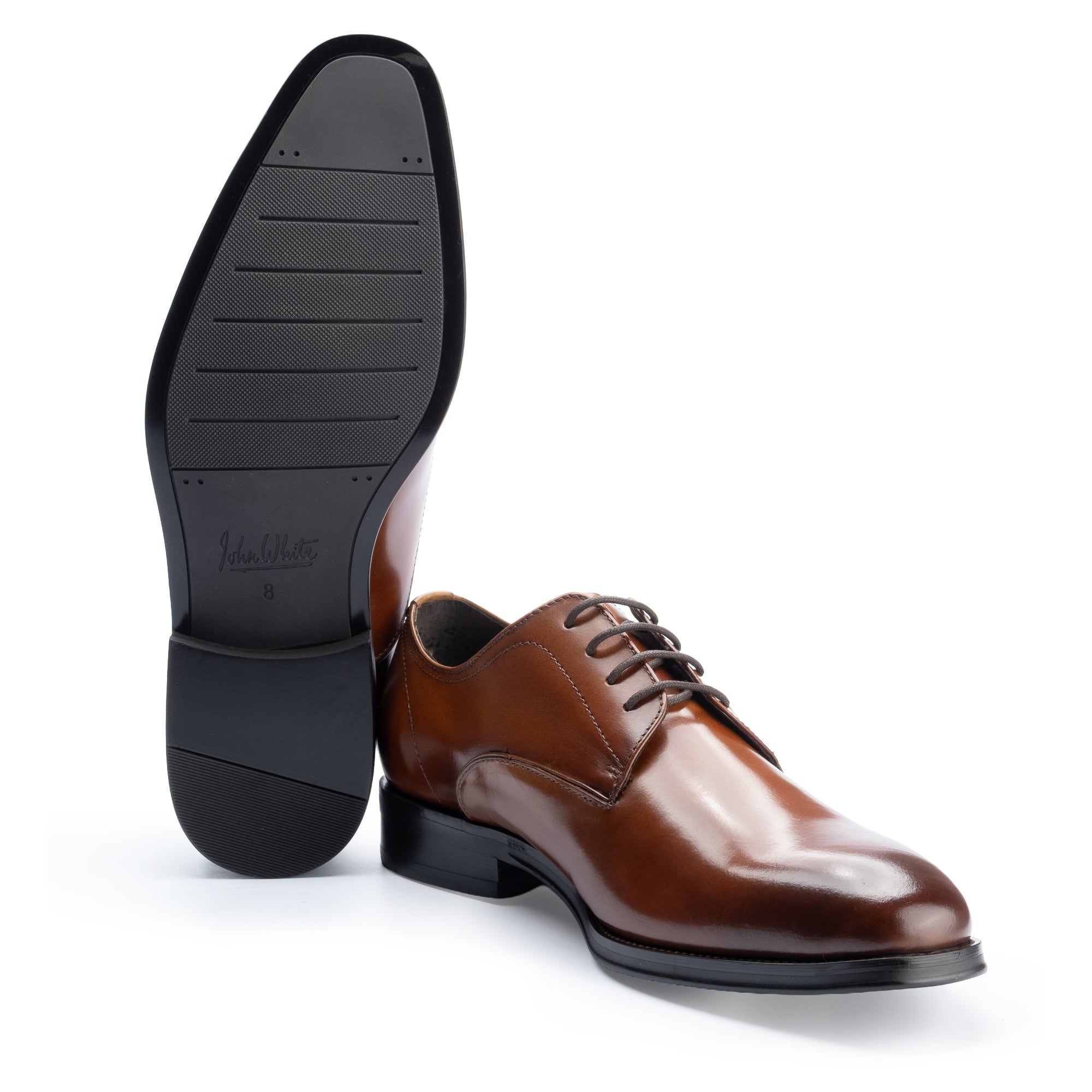
The Hill Chelsea Boot in black is designed precisely for this context. Its streamlined profile and refined leather upper sit comfortably alongside sharp tailoring without drawing unnecessary attention. In brown, the same boot moves into smart business-casual territory — ideal with a mid-grey flannel suit or an unstructured blazer.
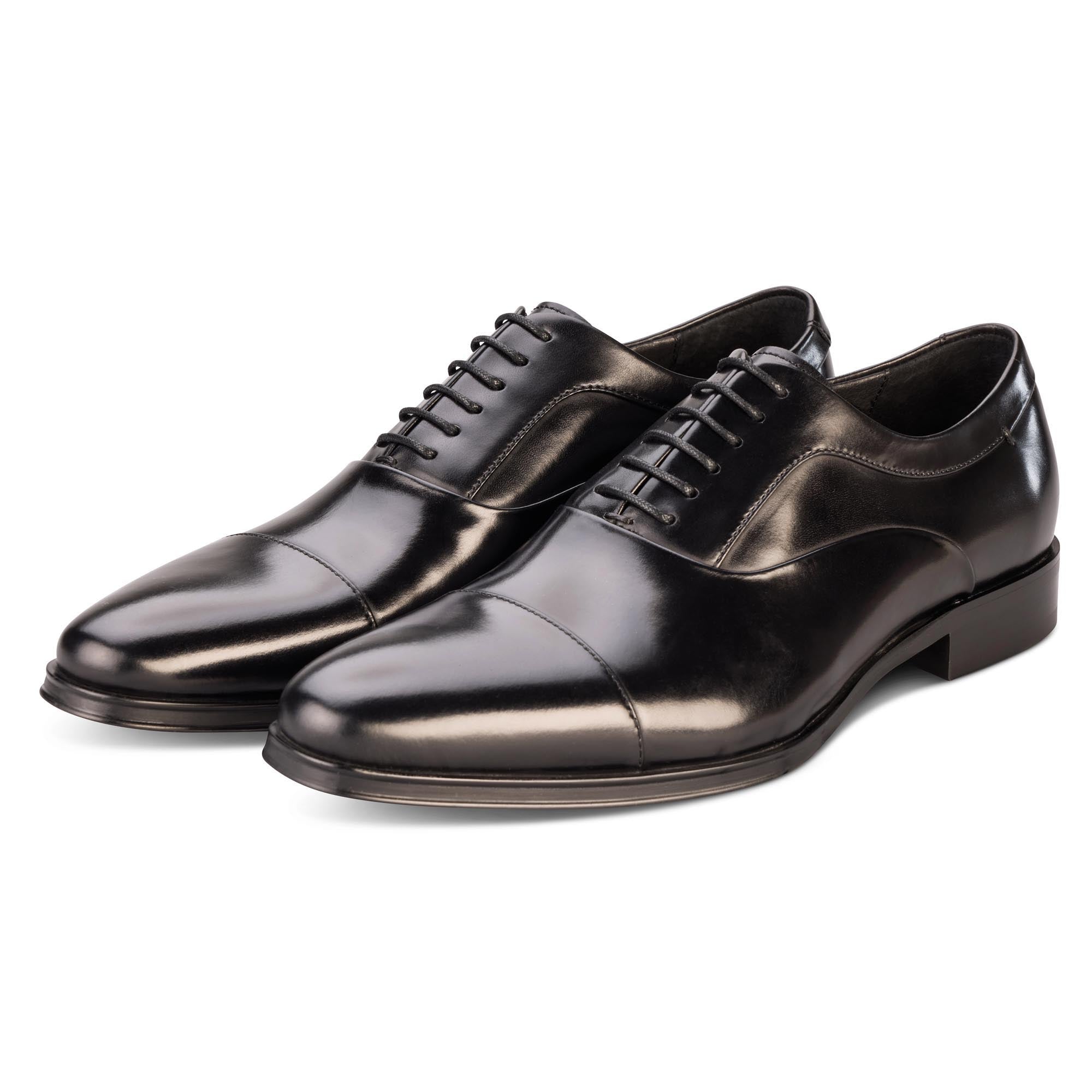
The key rule: the darker and more polished the leather, the more formally a Chelsea boot reads. A highly buffed black leather Chelsea sits one step below a Derby or Oxford in formality — and that's entirely appropriate for most professional and social occasions. For more on what footwear reads as formal alongside tailoring, see our guide to what shoes to wear with a suit.
In black polished leather, a Chelsea boot is a legitimate formal option — dressier than most men assume, and appropriate for business, events, and evening wear alike.
What's the Best Way to Wear Chelsea Boots Smart-Casual?
Smart-casual is where Chelsea boots genuinely excel. According to the British Fashion Council, the smart-casual dress code now accounts for the majority of professional dress environments in the UK — making a boot that navigates that territory with confidence an increasingly practical investment.
Proven combinations include:
- Dark indigo jeans, a white Oxford shirt, and a brown Chelsea boot
- Tailored chinos, a merino rollneck, and a black Chelsea boot
- Slim wool trousers, an open-collar shirt, and a cognac suede Chelsea
- Mis-matched suit separates — jacket and trouser in different tones — with a brown leather Chelsea
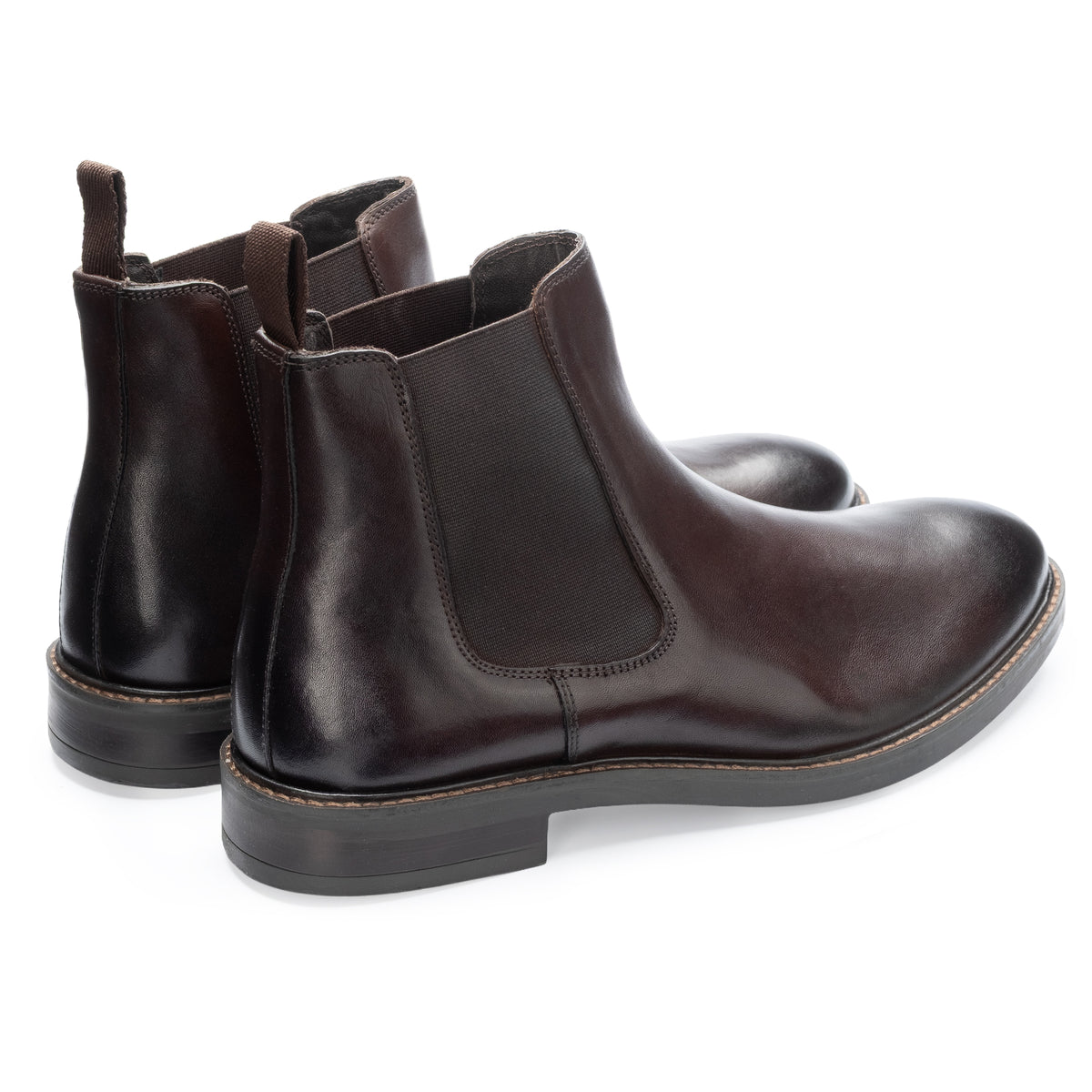
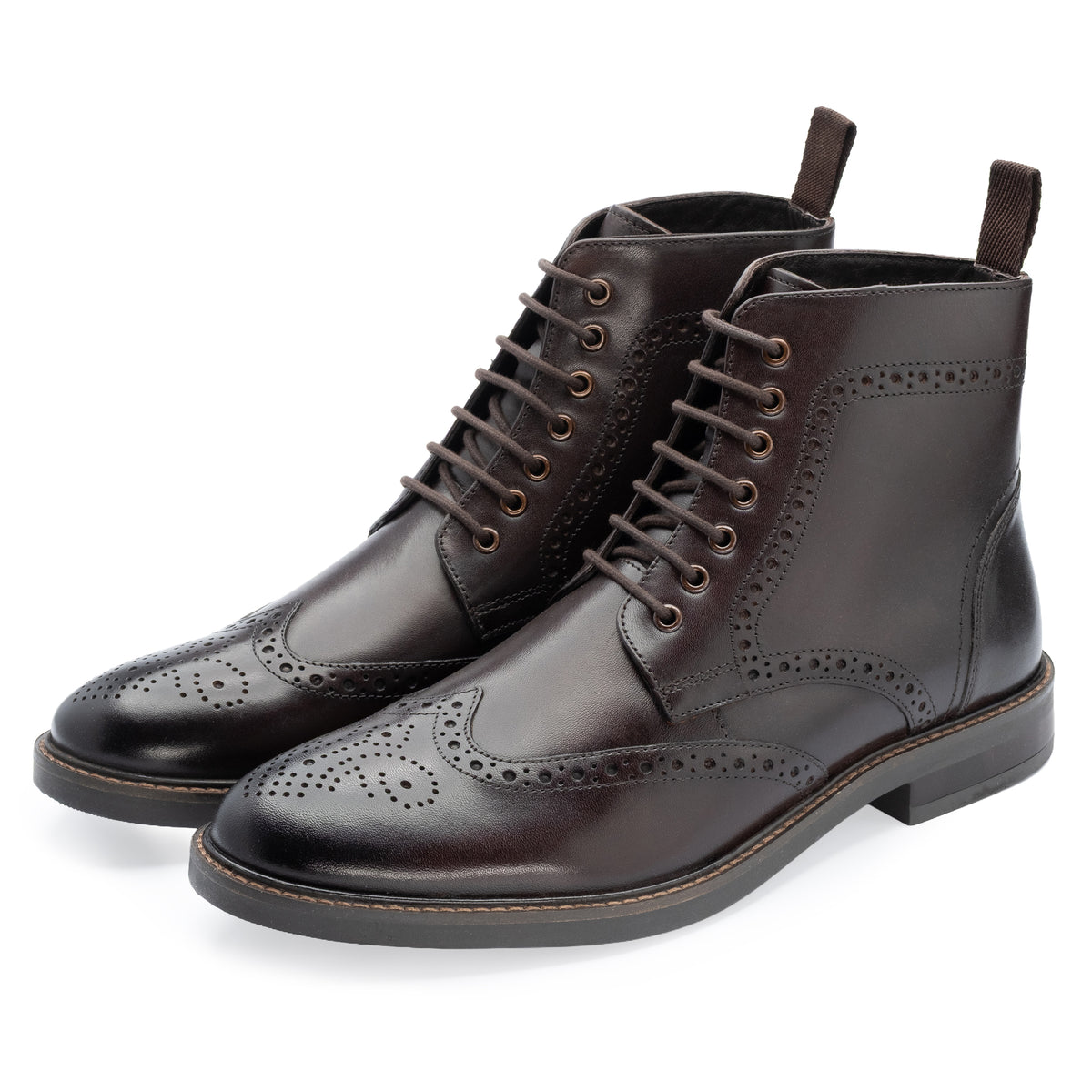
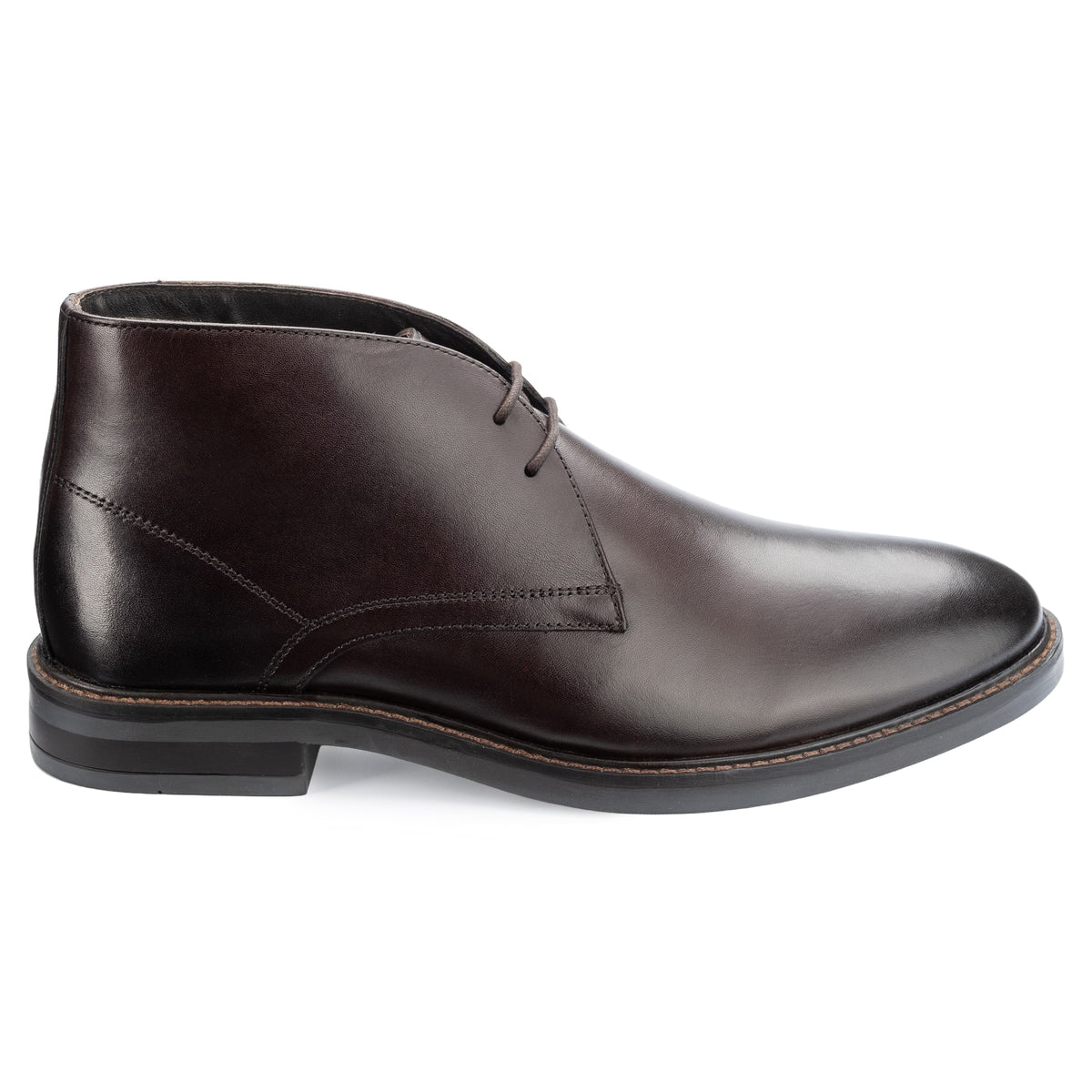
The Brecon Chelsea Boot in brown is a strong choice for smart-casual wear. The warmer tone in the leather connects naturally with earthy tones, autumnal fabrics like tweed and moleskin, and navy separates. In black, the same boot holds its own in sharper, more monochrome outfits.
For smart-casual dressing, a brown leather Chelsea boot is one of the most useful pieces of footwear a man can own — versatile enough for the office, refined enough for dinner.
Can You Wear Chelsea Boots with Jeans?
Yes — and it's one of the best combinations in casual men's dressing. The clean silhouette of a Chelsea boot avoids the visual clash you'd get with a lace-up boot, and the ankle height works well with most jean cuts.
- Slim or straight jeans work best. The boot needs to sit cleanly at the ankle without the trouser leg swallowing it.
- A slight stack or a single cuff is fine. Exposing the boot shaft looks intentional and gives the outfit a considered finish.
- Match leather warmth to denim wash. Dark indigo suits both black and brown Chelsea boots. Mid-wash and lighter denim pairs better with tan, brown, or cognac.
- Dress the rest of the outfit up accordingly. Chelsea boots are elevated footwear. A decent shirt and jacket keeps the look cohesive rather than overdressed at the foot.
For a broader look at boot and jean pairings across different styles, our guide to the best shoes to wear with jeans covers this in more detail.
Chelsea boots and jeans is a timeless pairing — the key is in the trouser fit and getting the leather tone to work with the denim wash.
How Do Suede Chelsea Boots Differ from Leather for Styling?
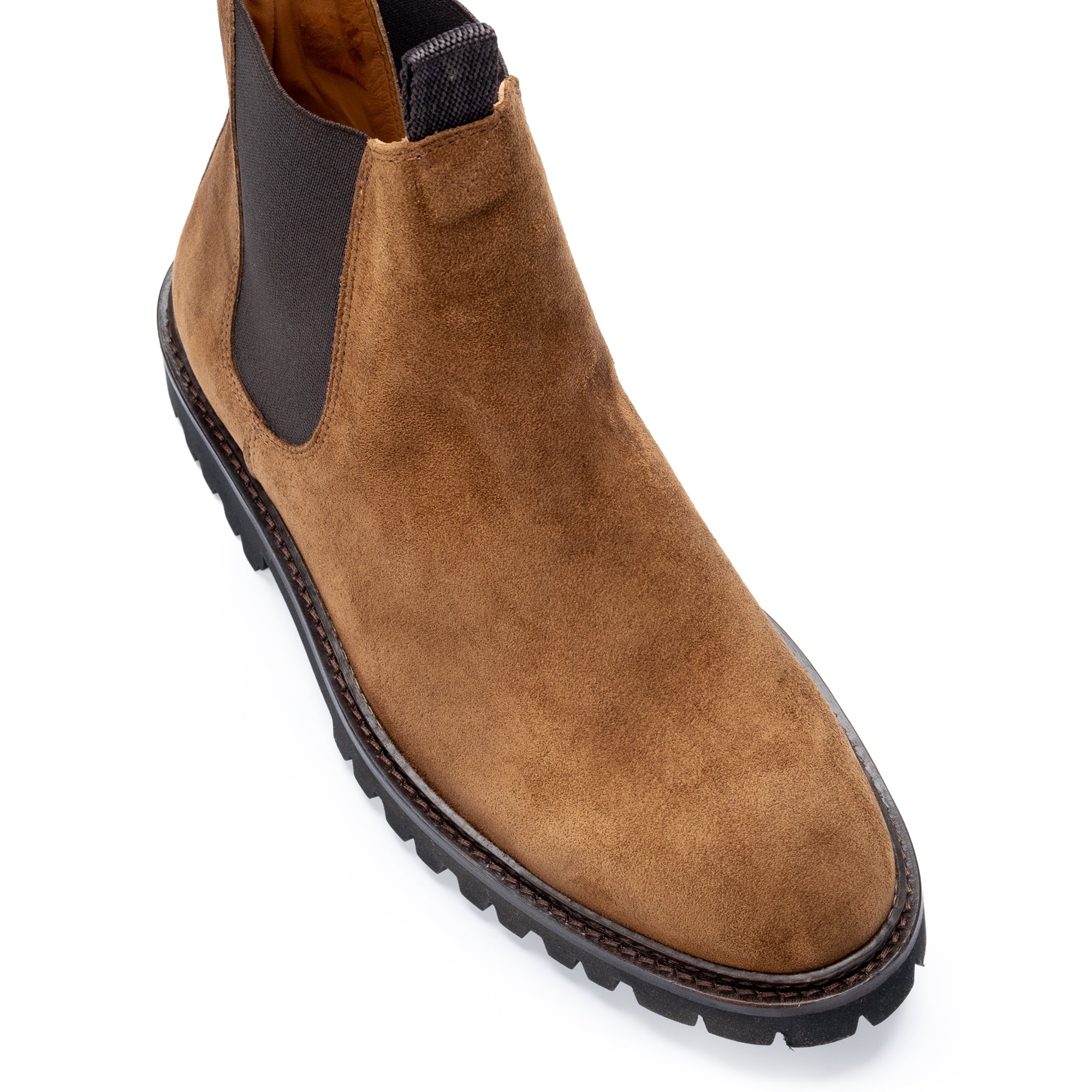
Suede Chelsea boots occupy a distinct part of the dress spectrum. The napped texture reads as less formal than polished leather by default — which shifts both the contexts in which they work and the outfits they suit.
| Feature | Leather Chelsea Boot | Suede Chelsea Boot |
|---|---|---|
| Formality | Smart to formal | Smart-casual to relaxed |
| Best with | Suits, tailored trousers, dark jeans | Chinos, cords, mid-wash jeans, knitwear |
| Seasonal fit | Year-round | Autumn and winter particularly strong |
| Care needs | Conditioning, polishing | Suede brush, suede protector spray |
| Available colours (JWS) | Black, Brown | Brown Suede, Cognac Suede |
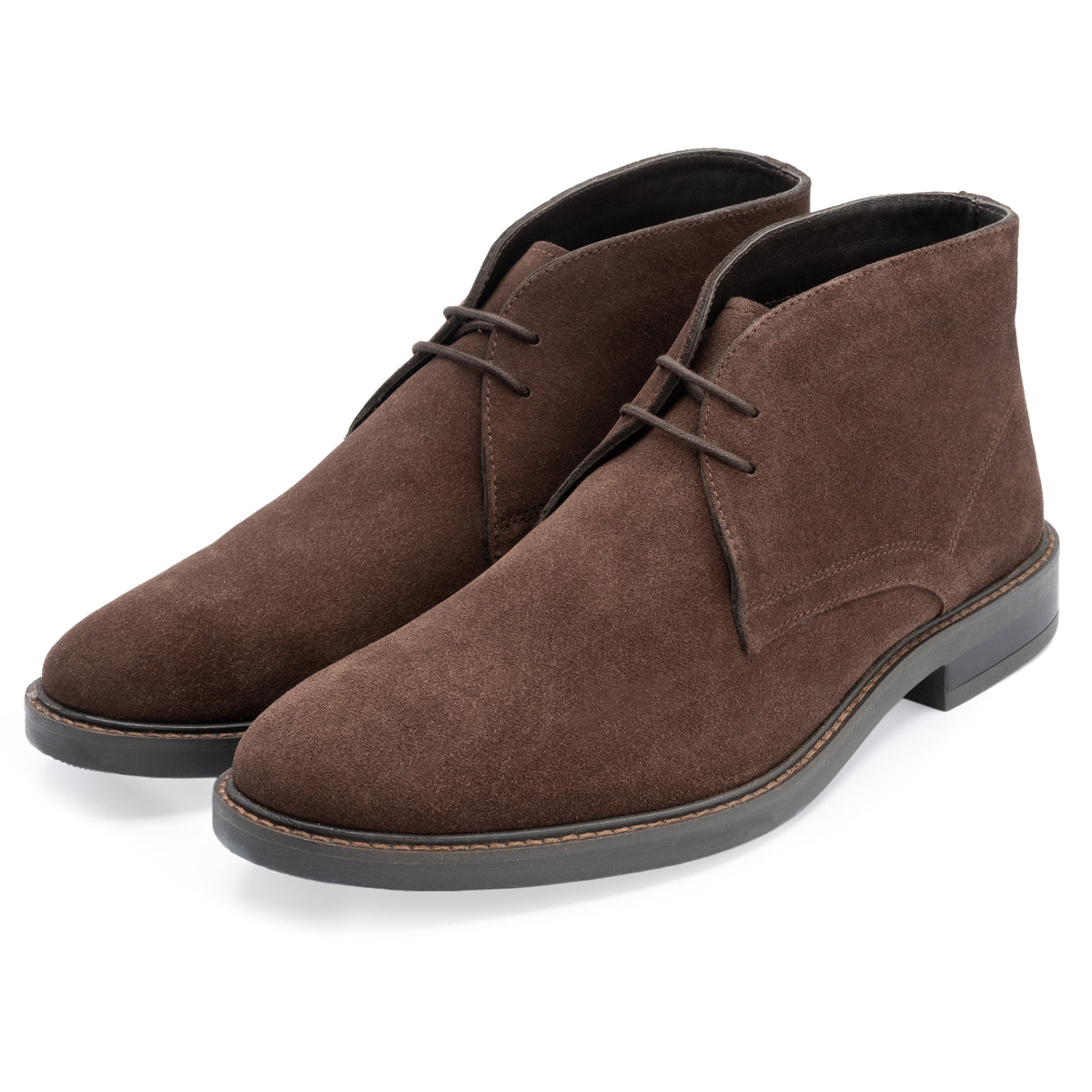
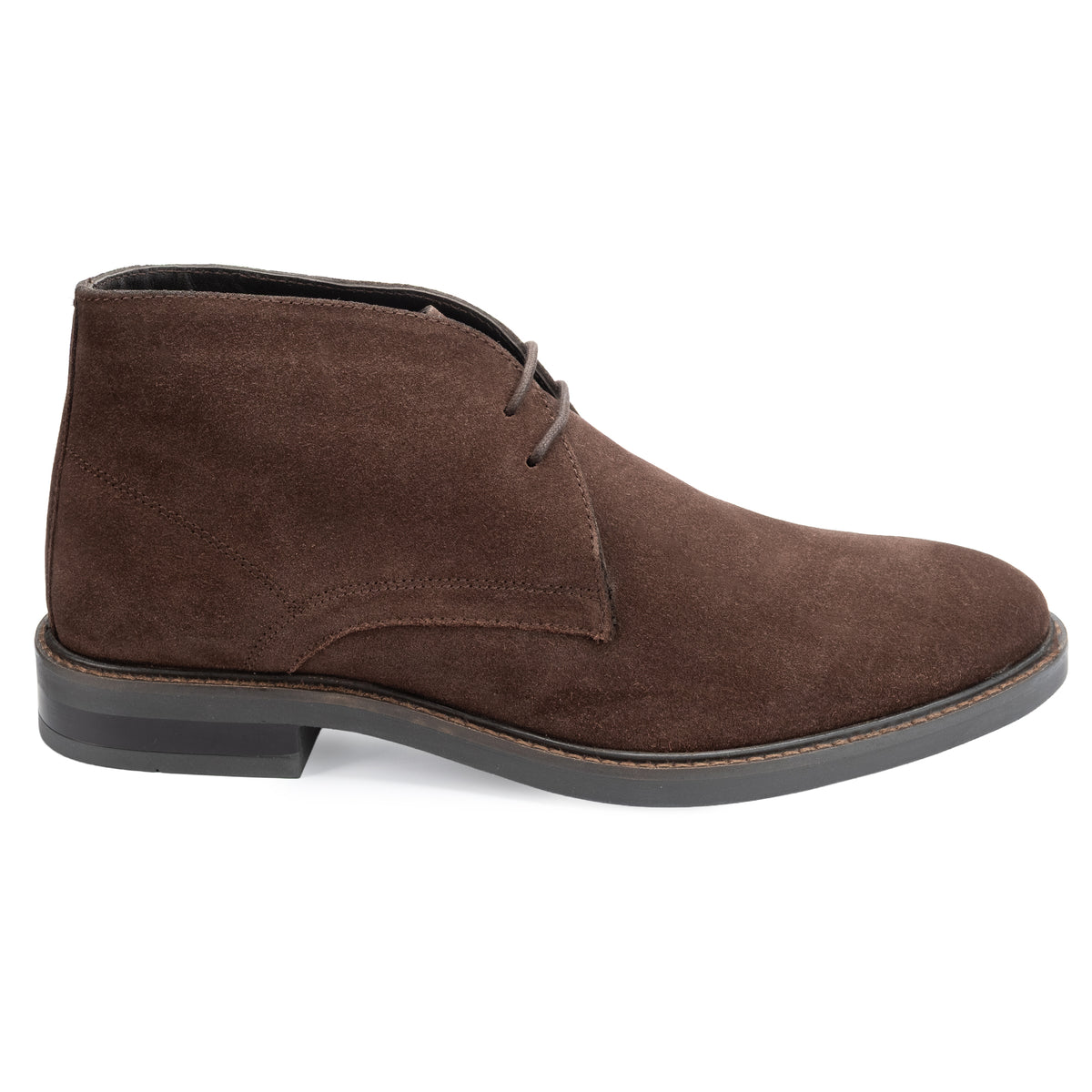
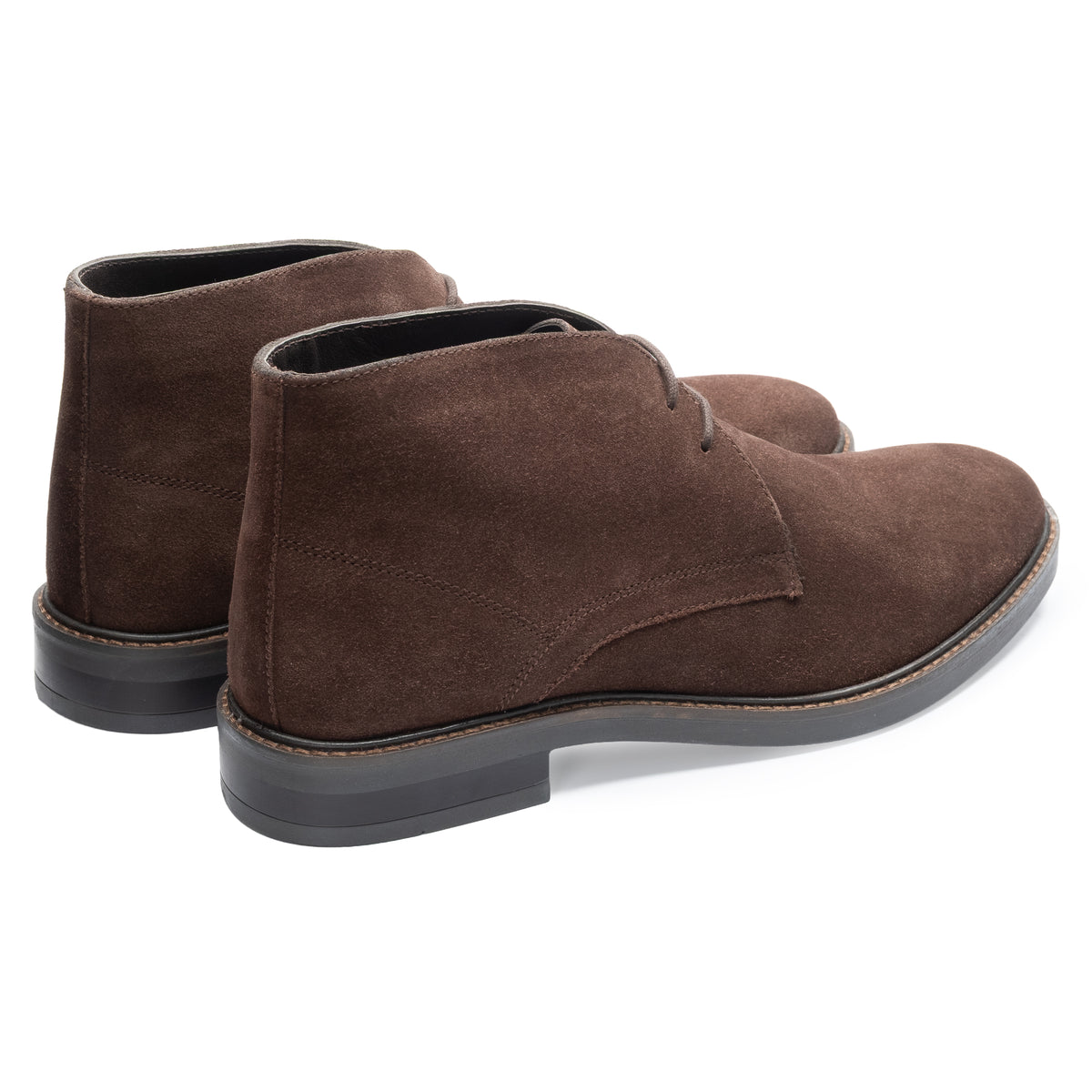
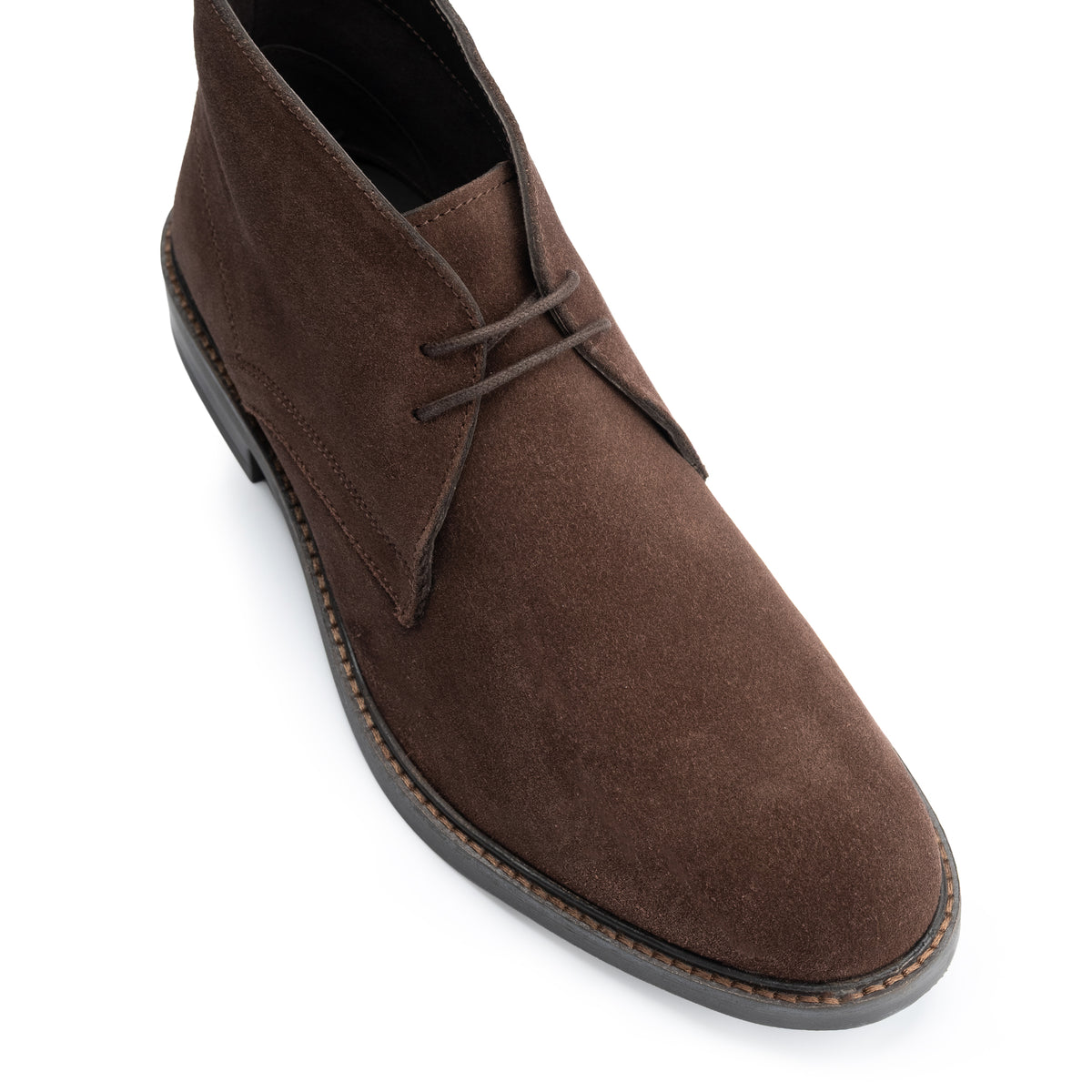
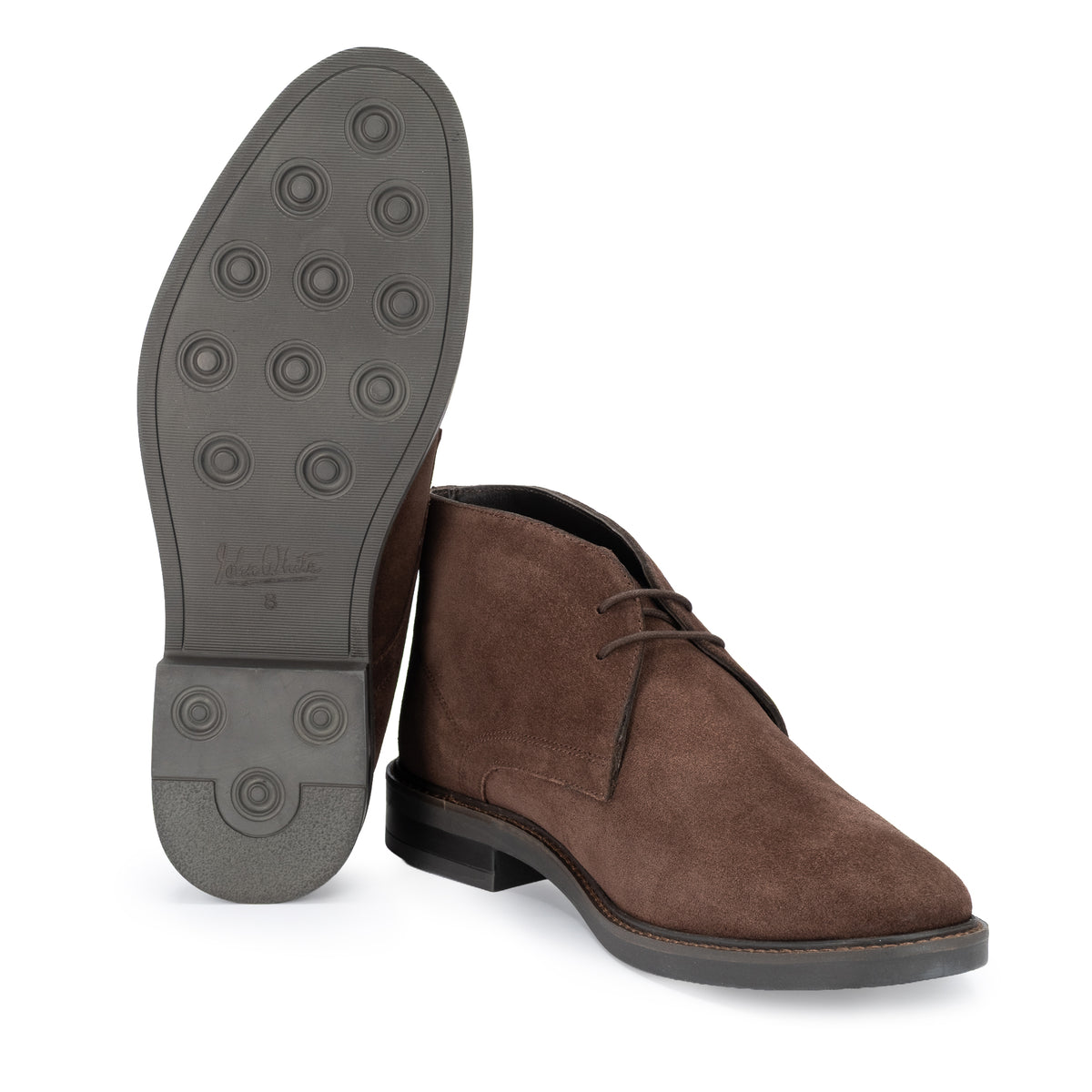
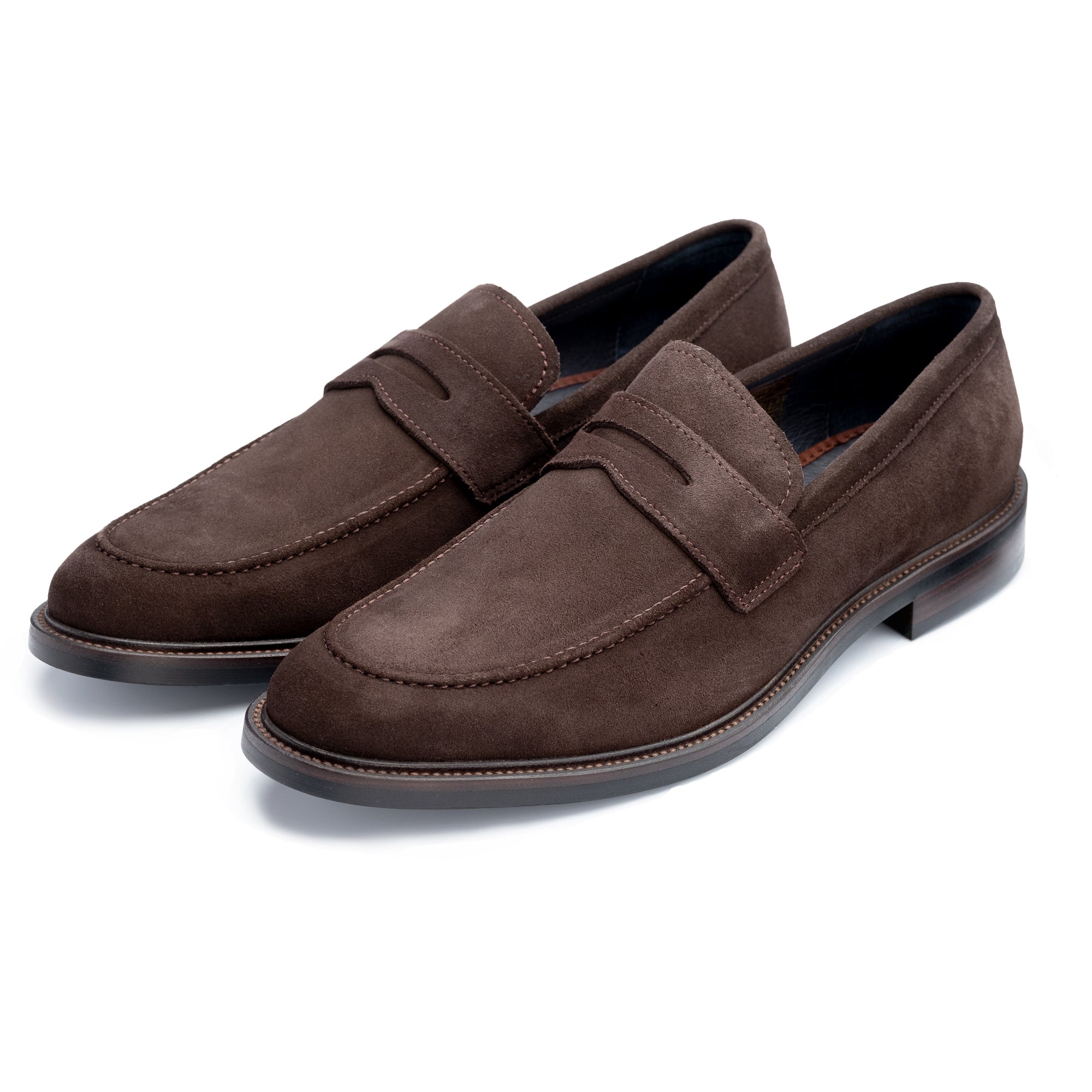
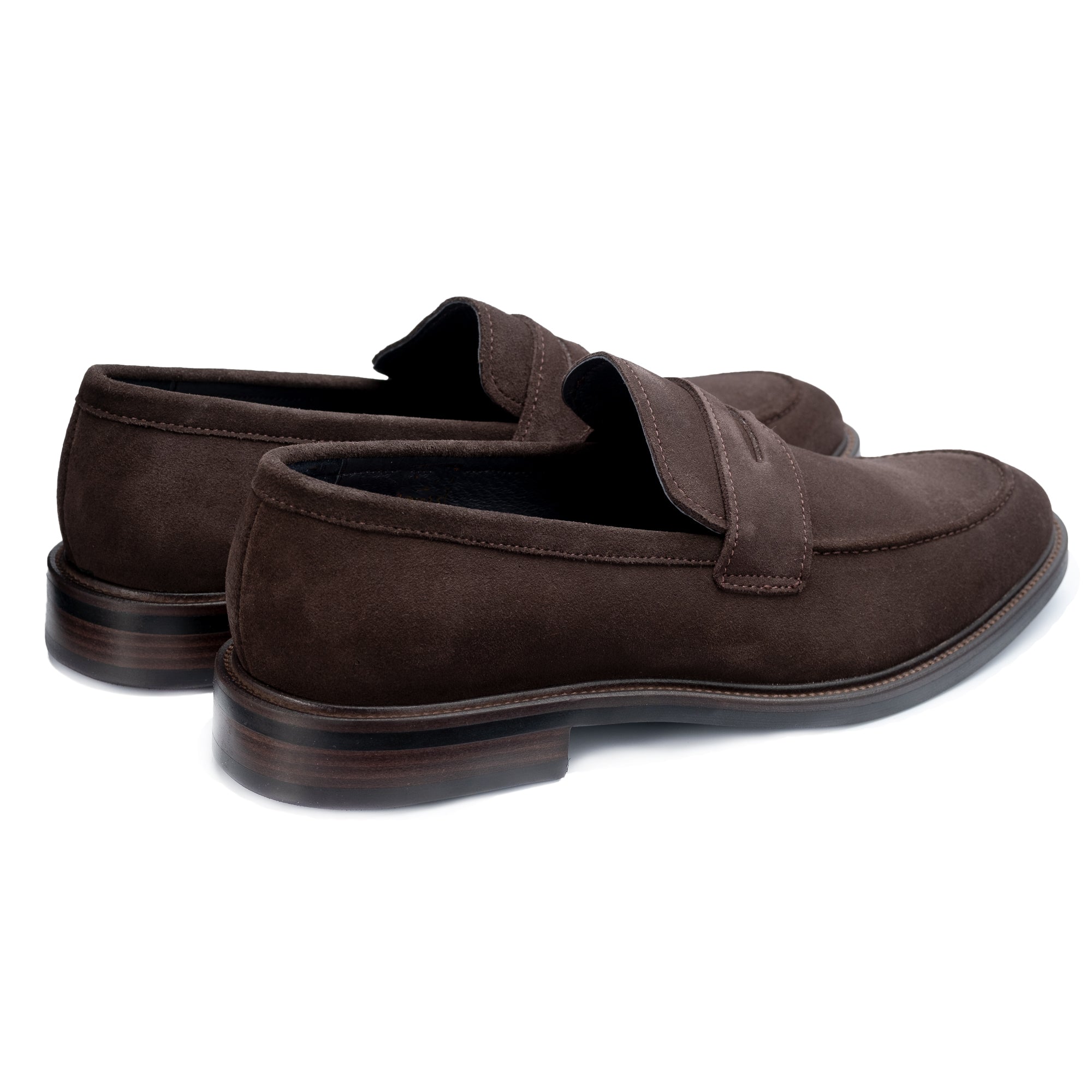
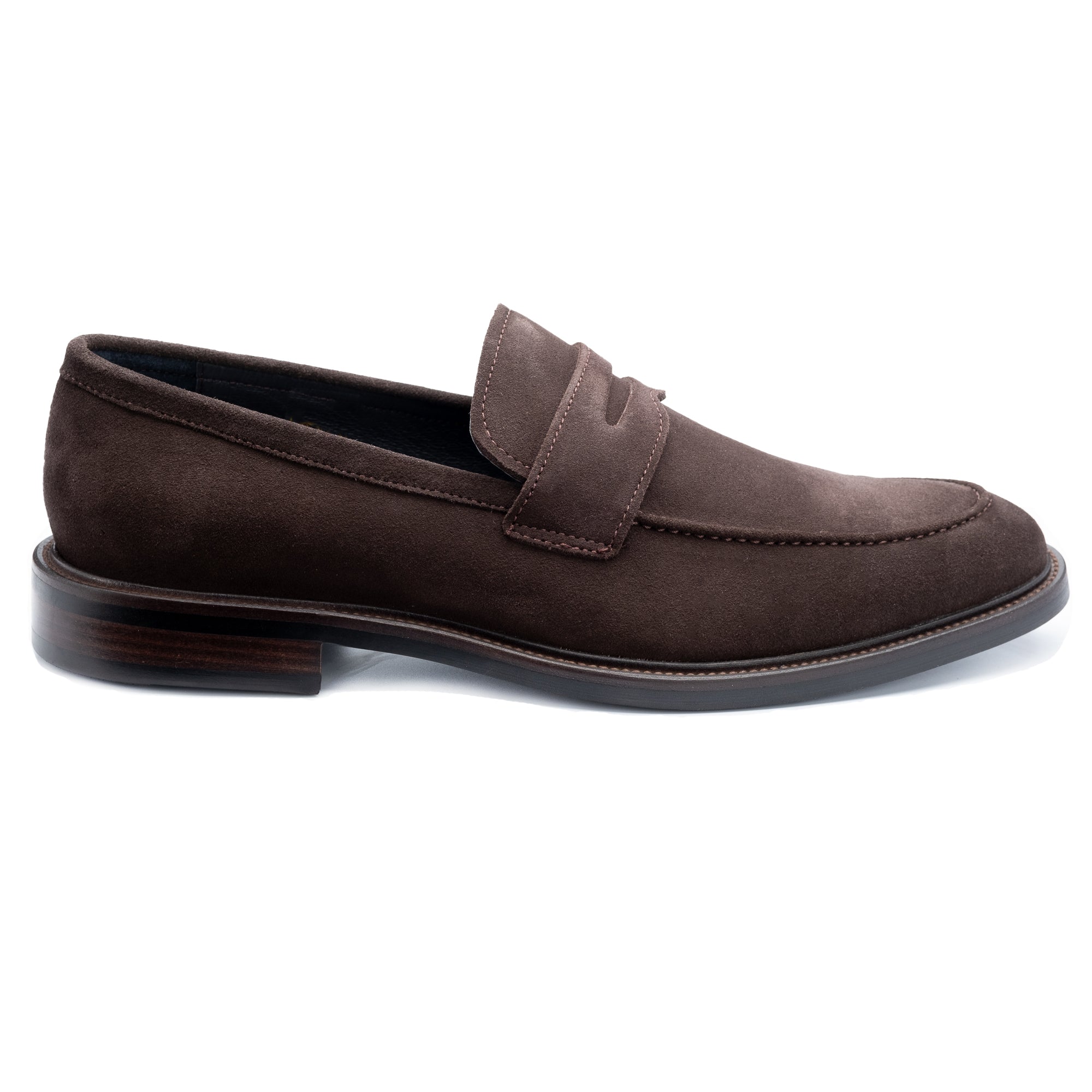
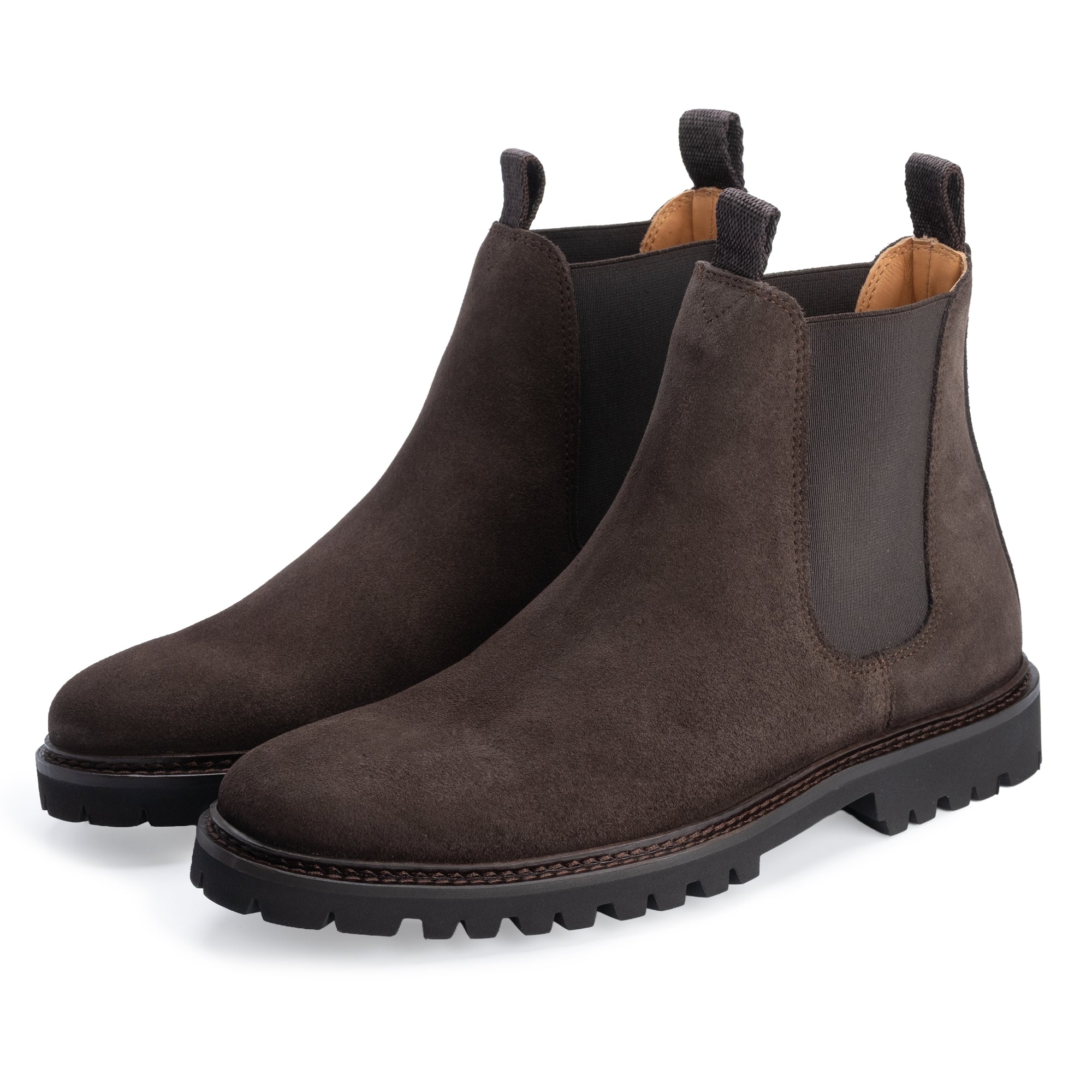
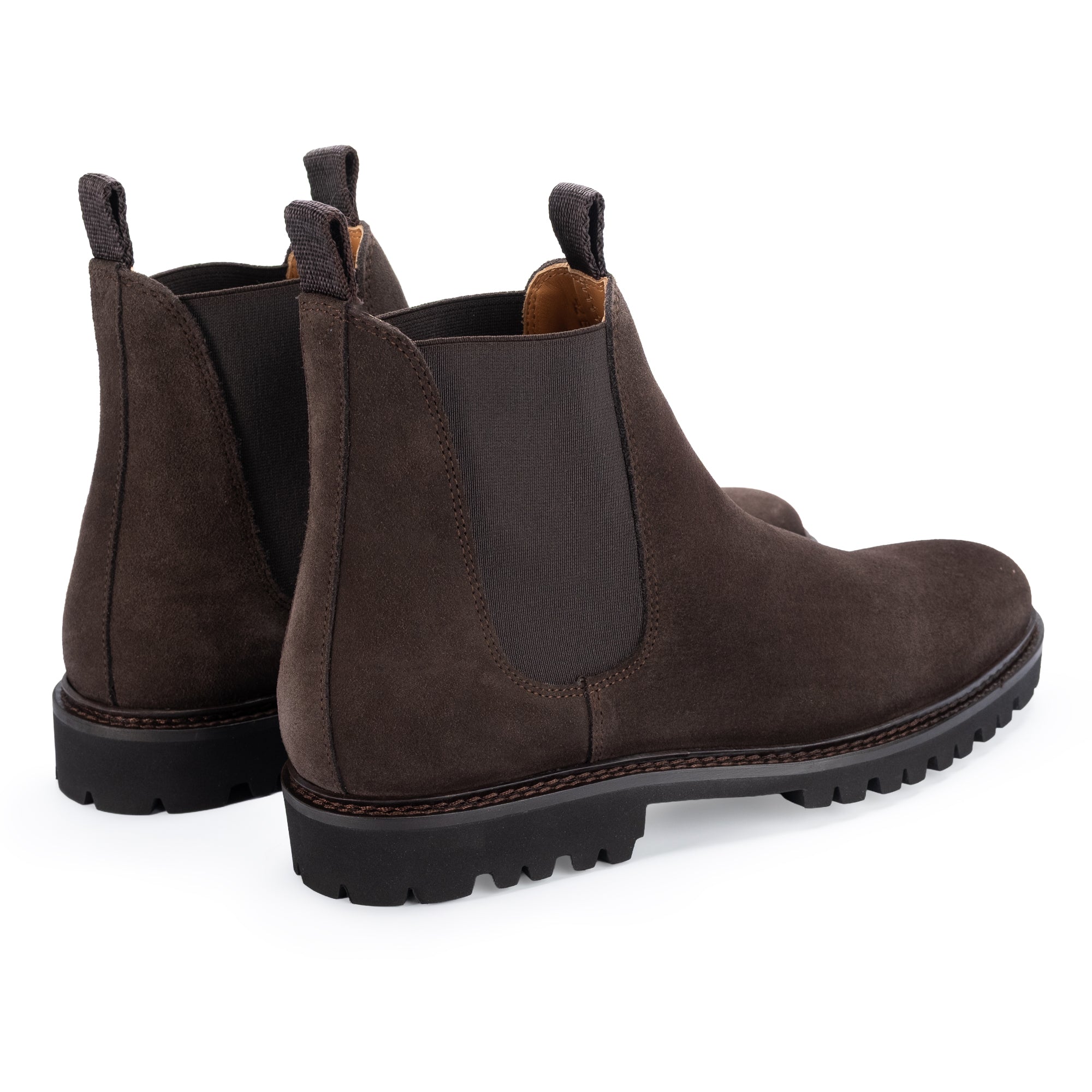
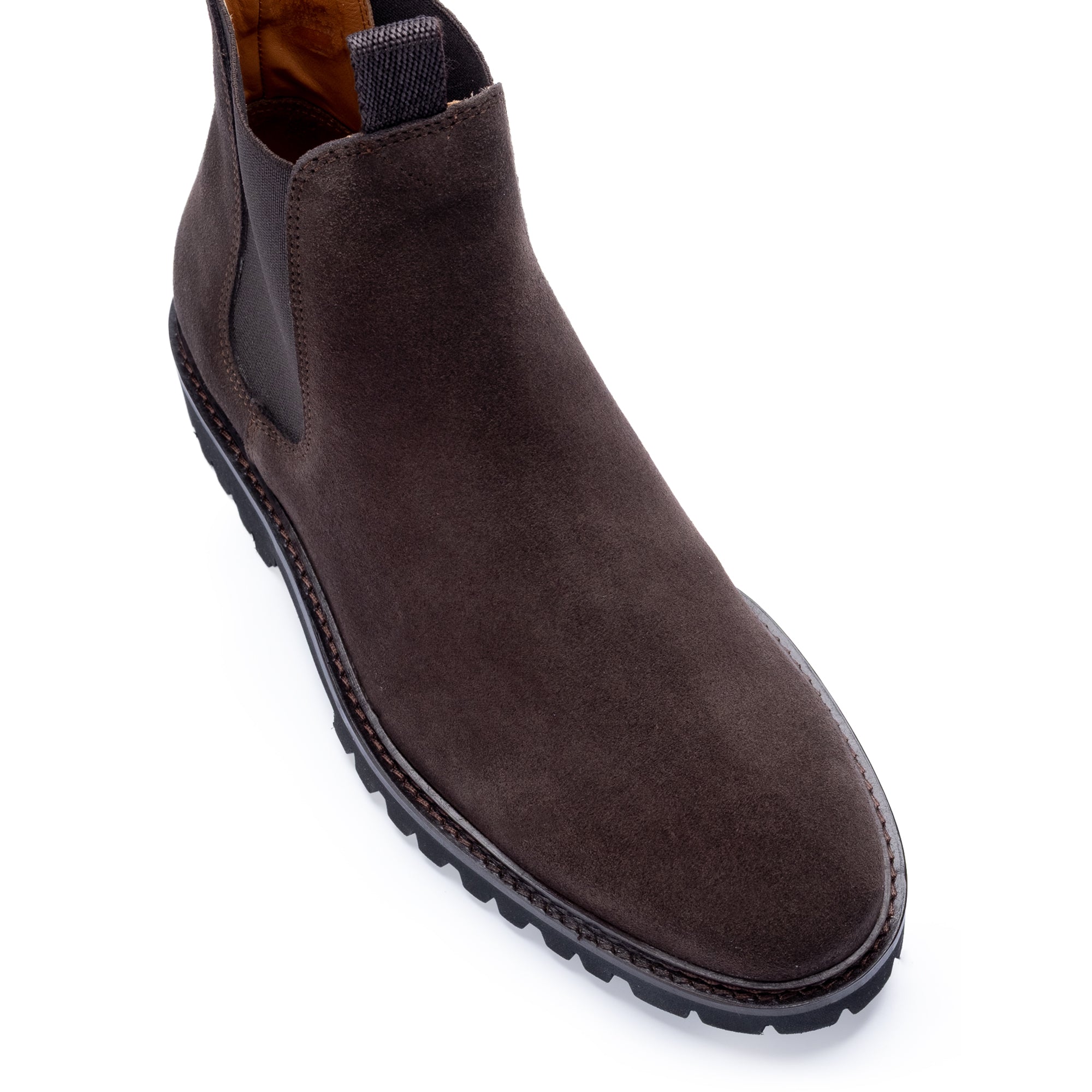
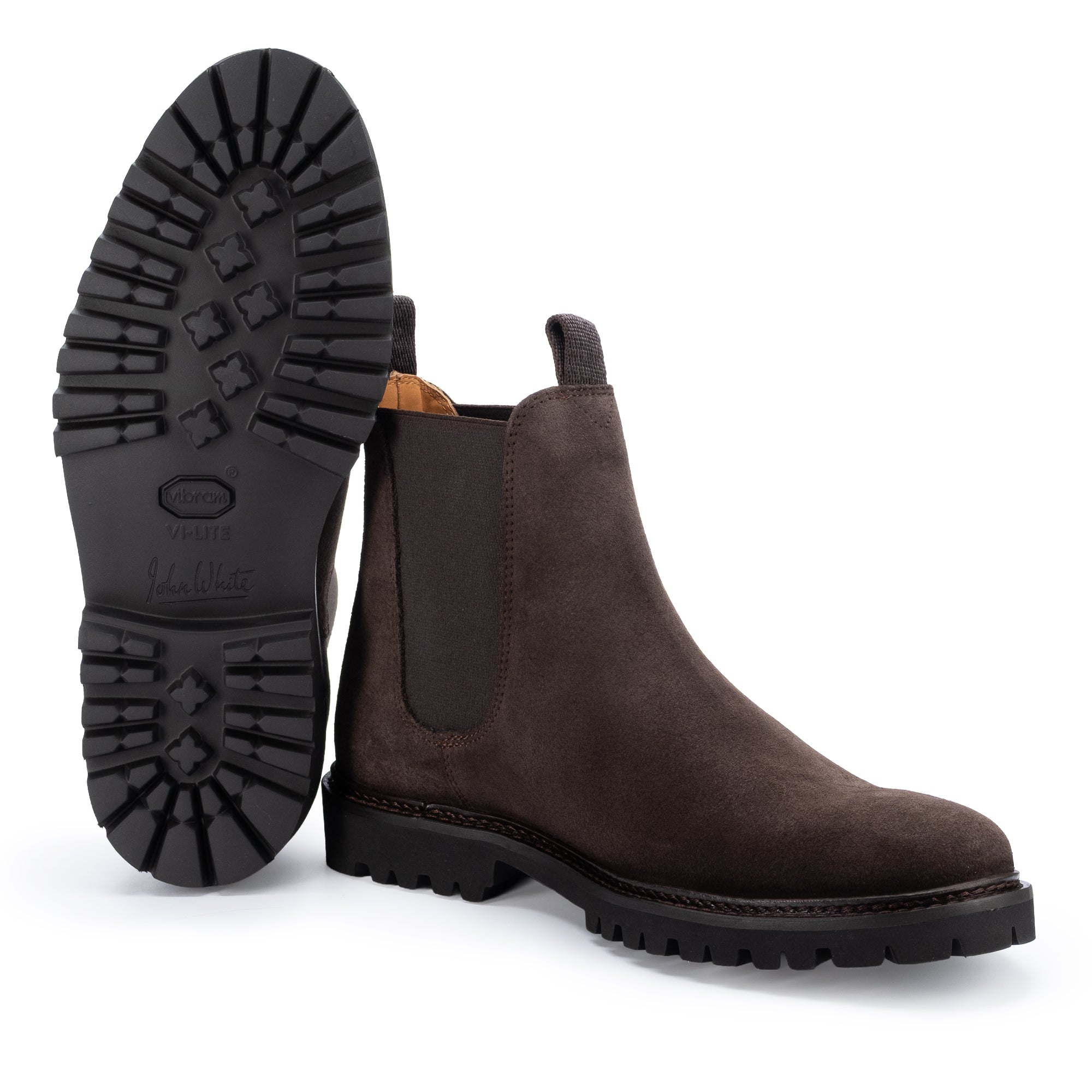
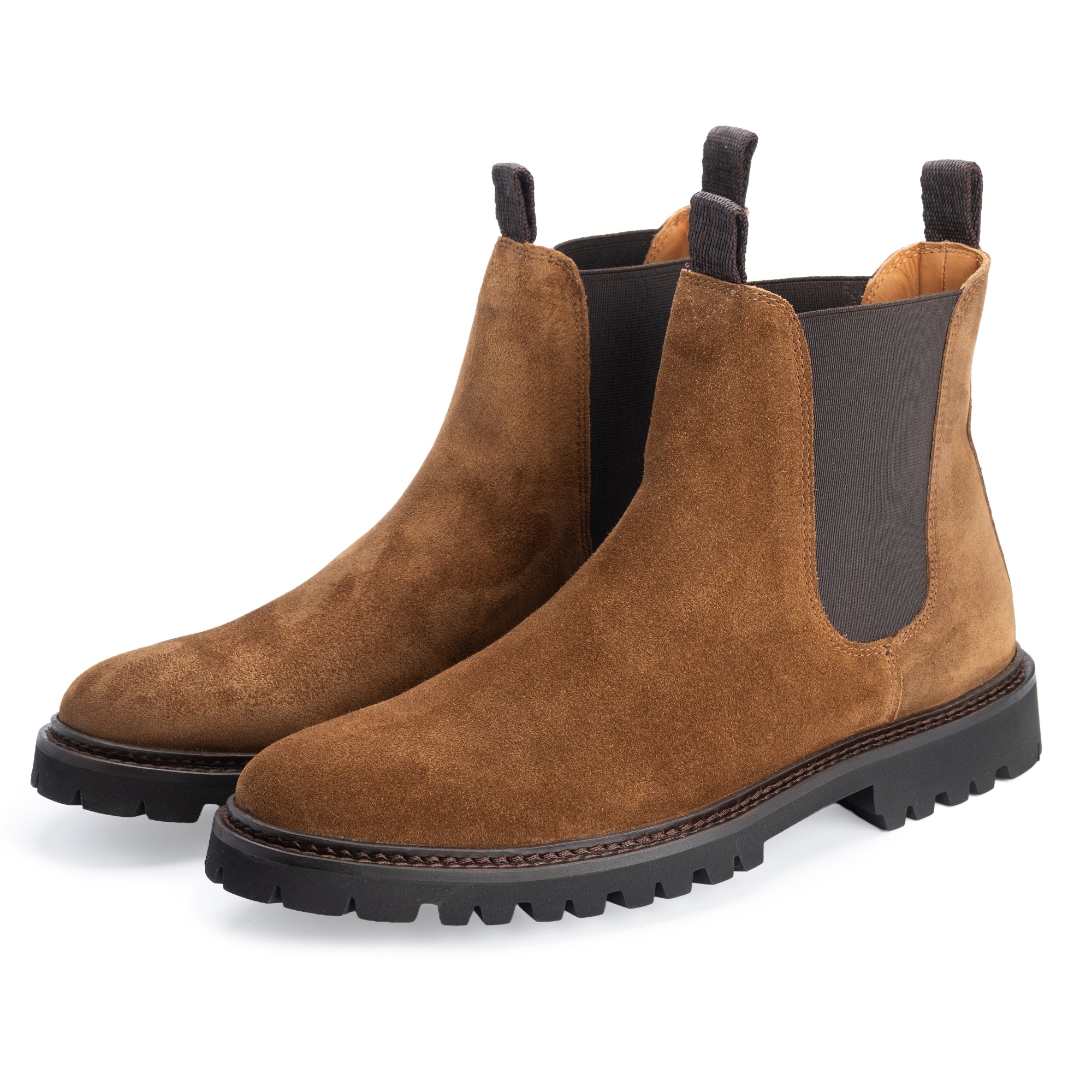
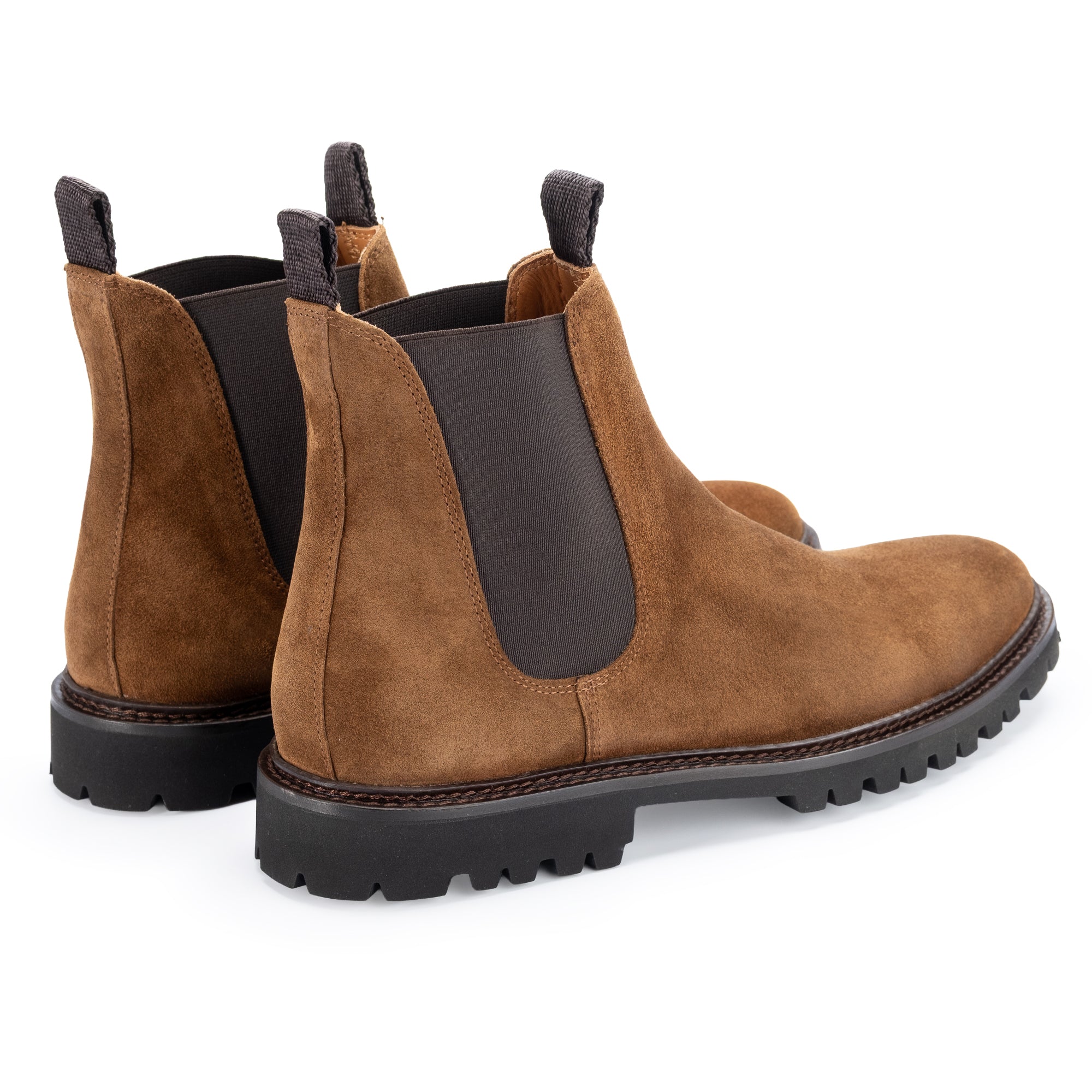
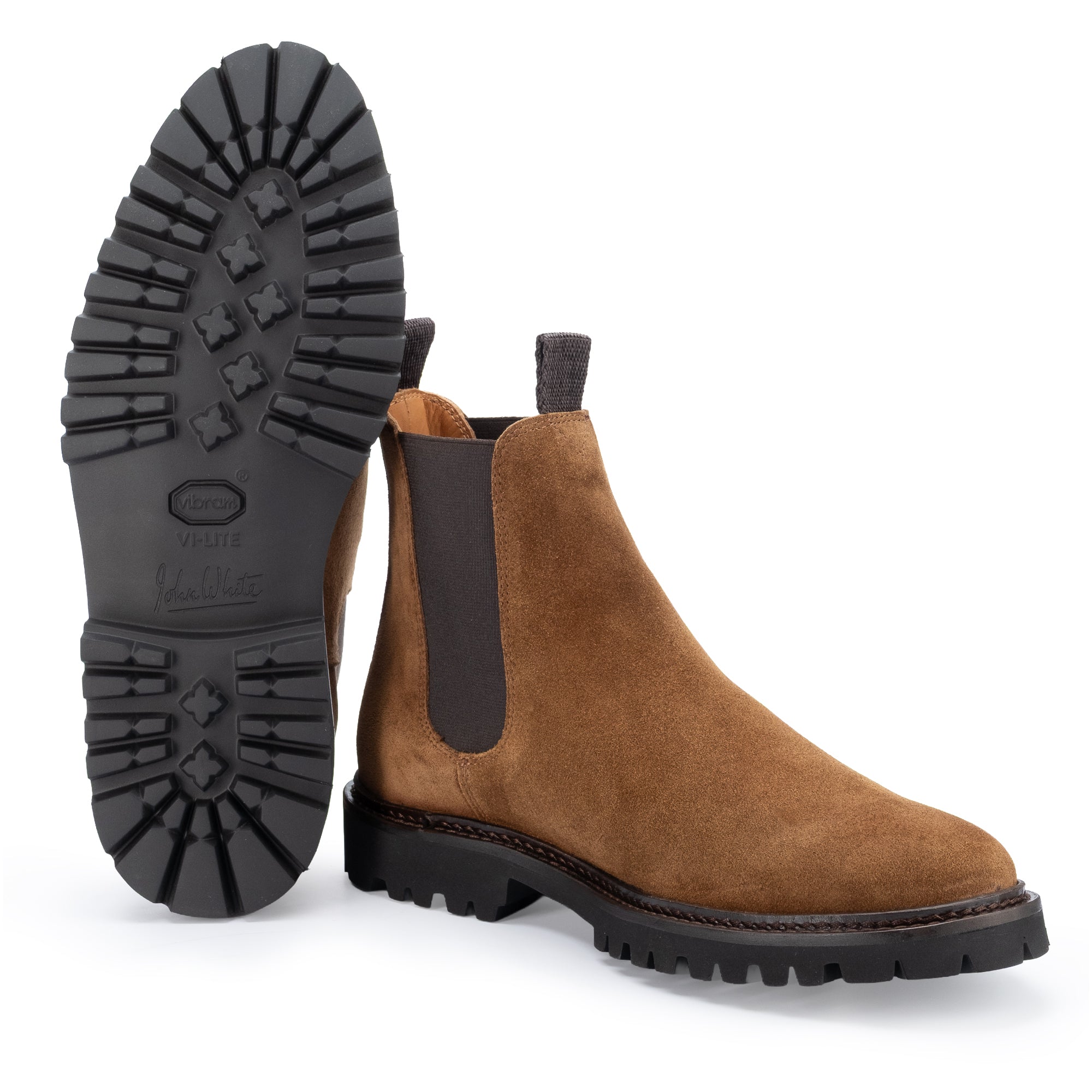
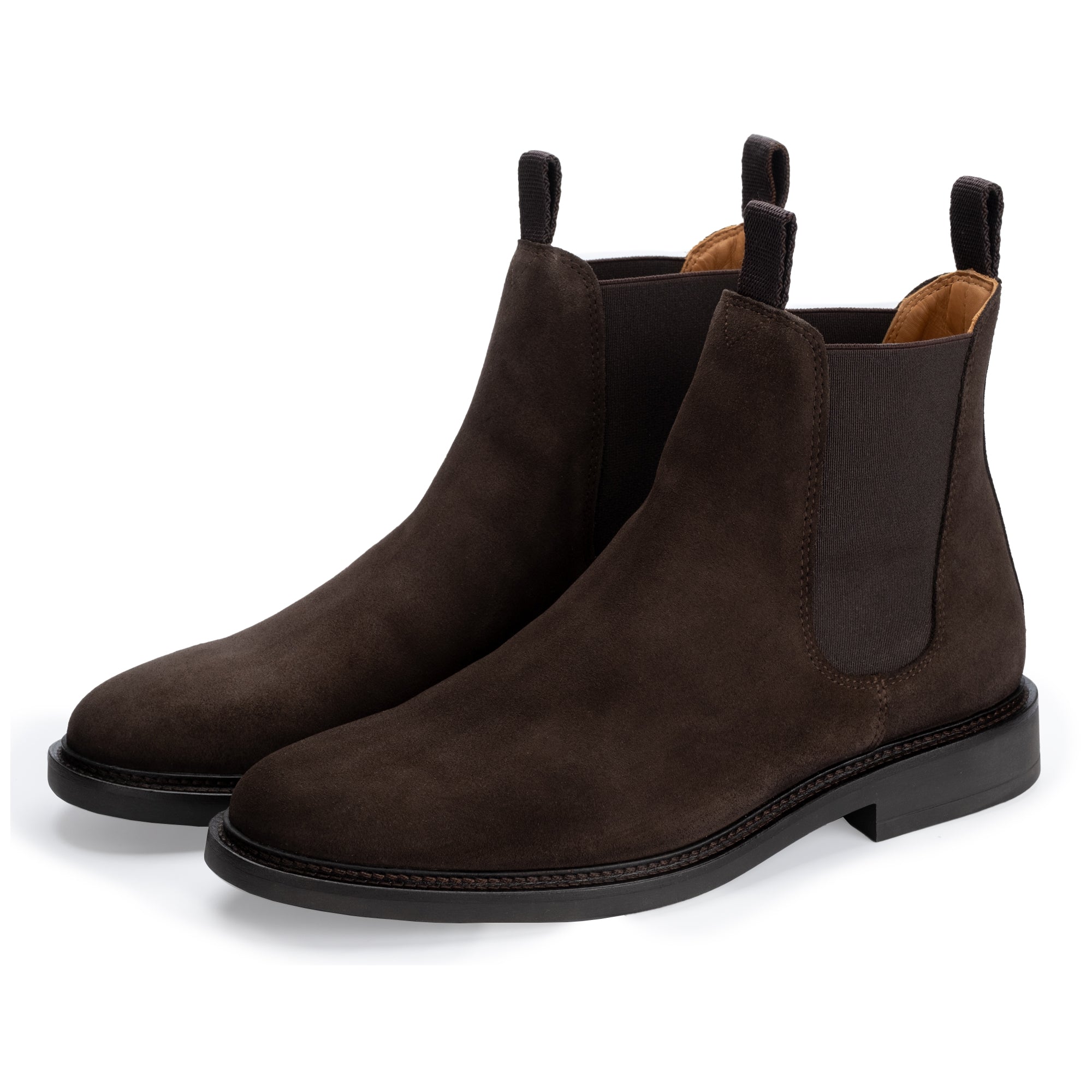
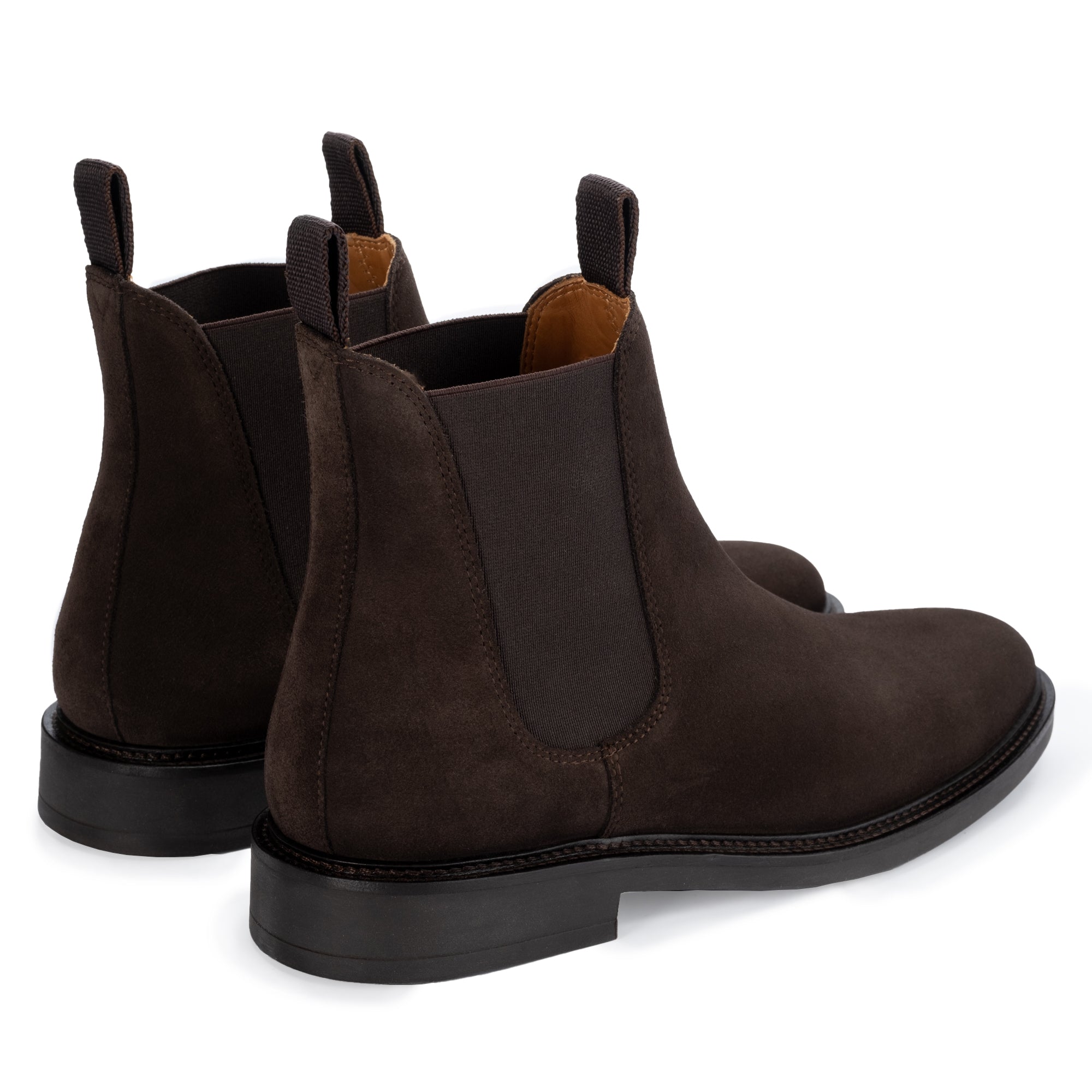
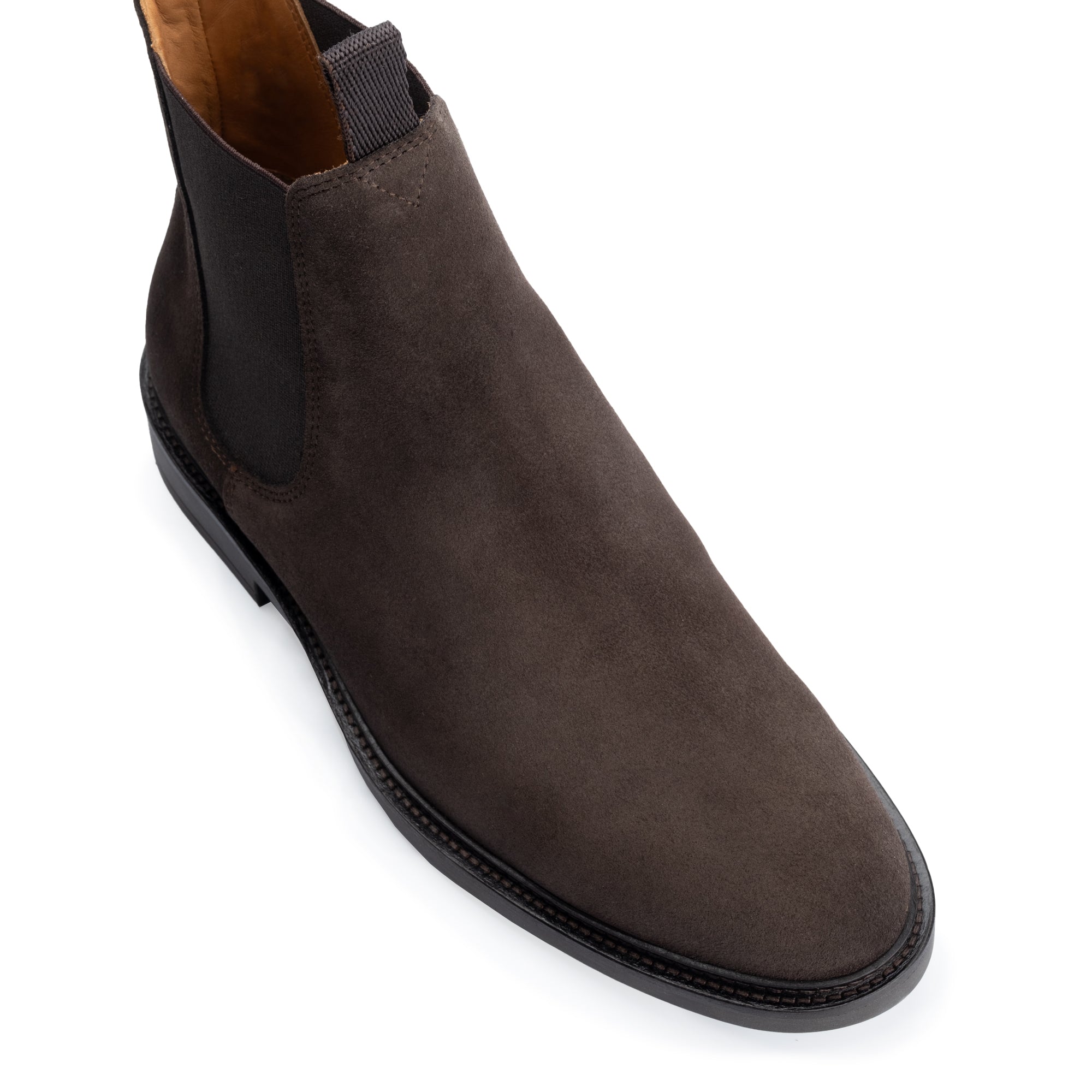
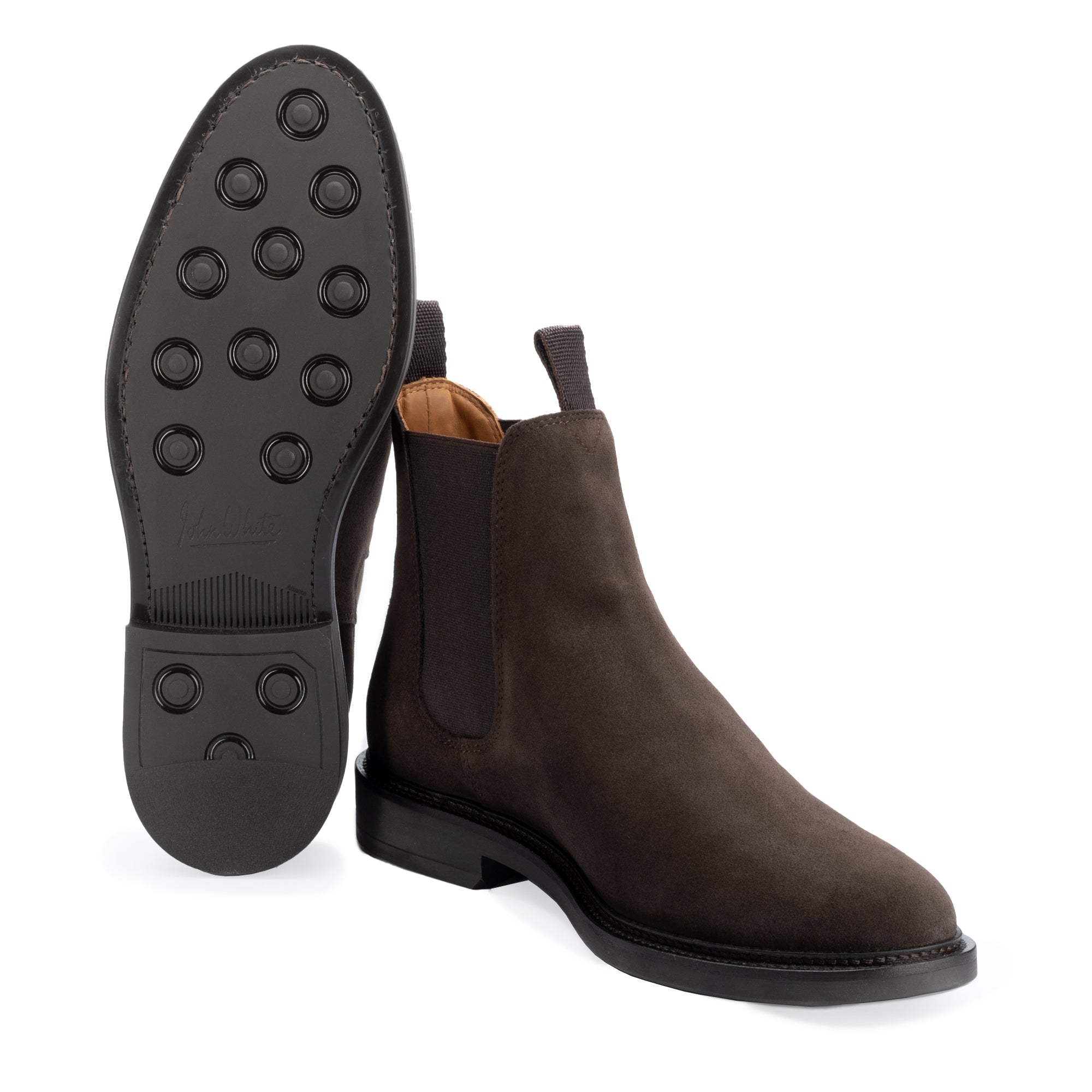
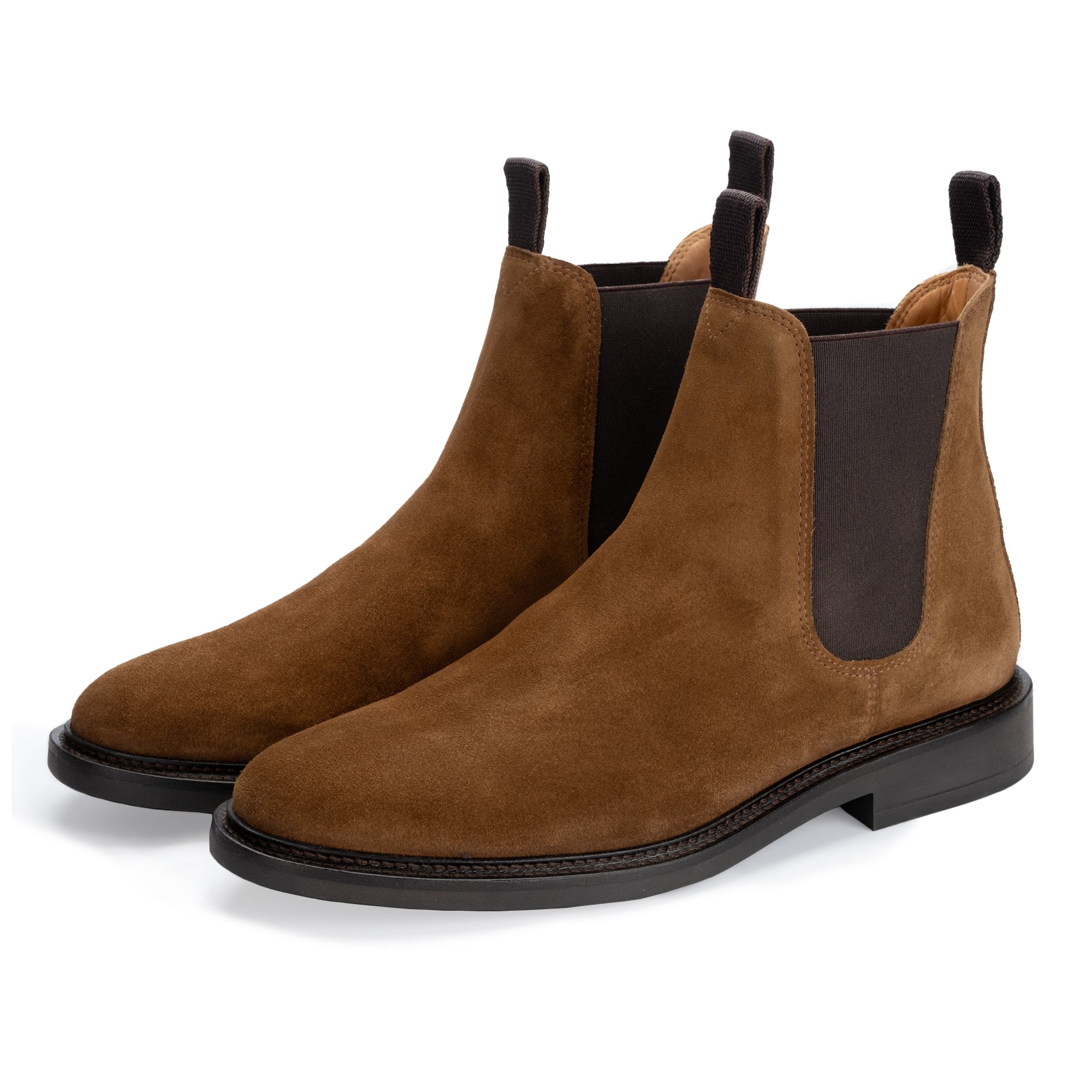
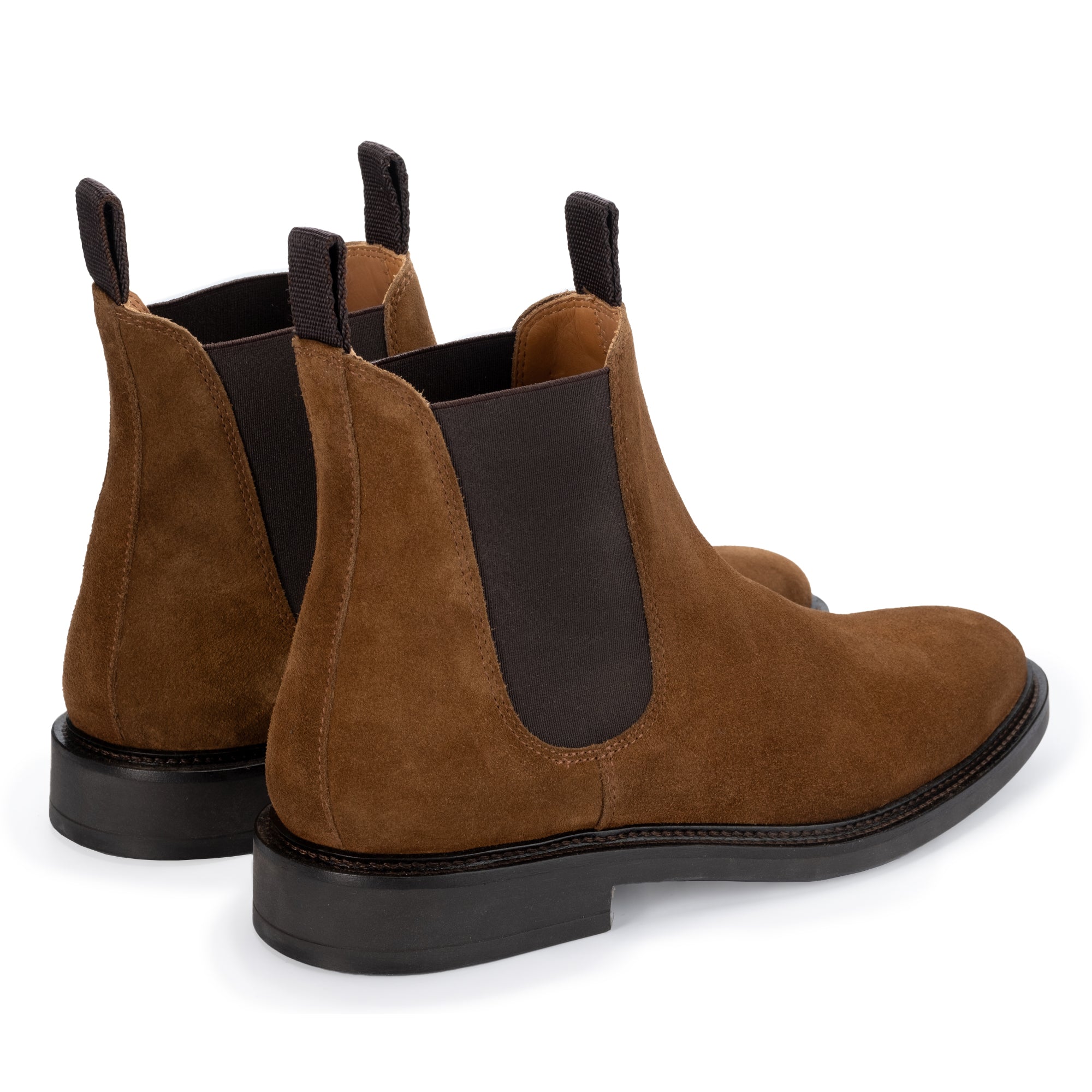
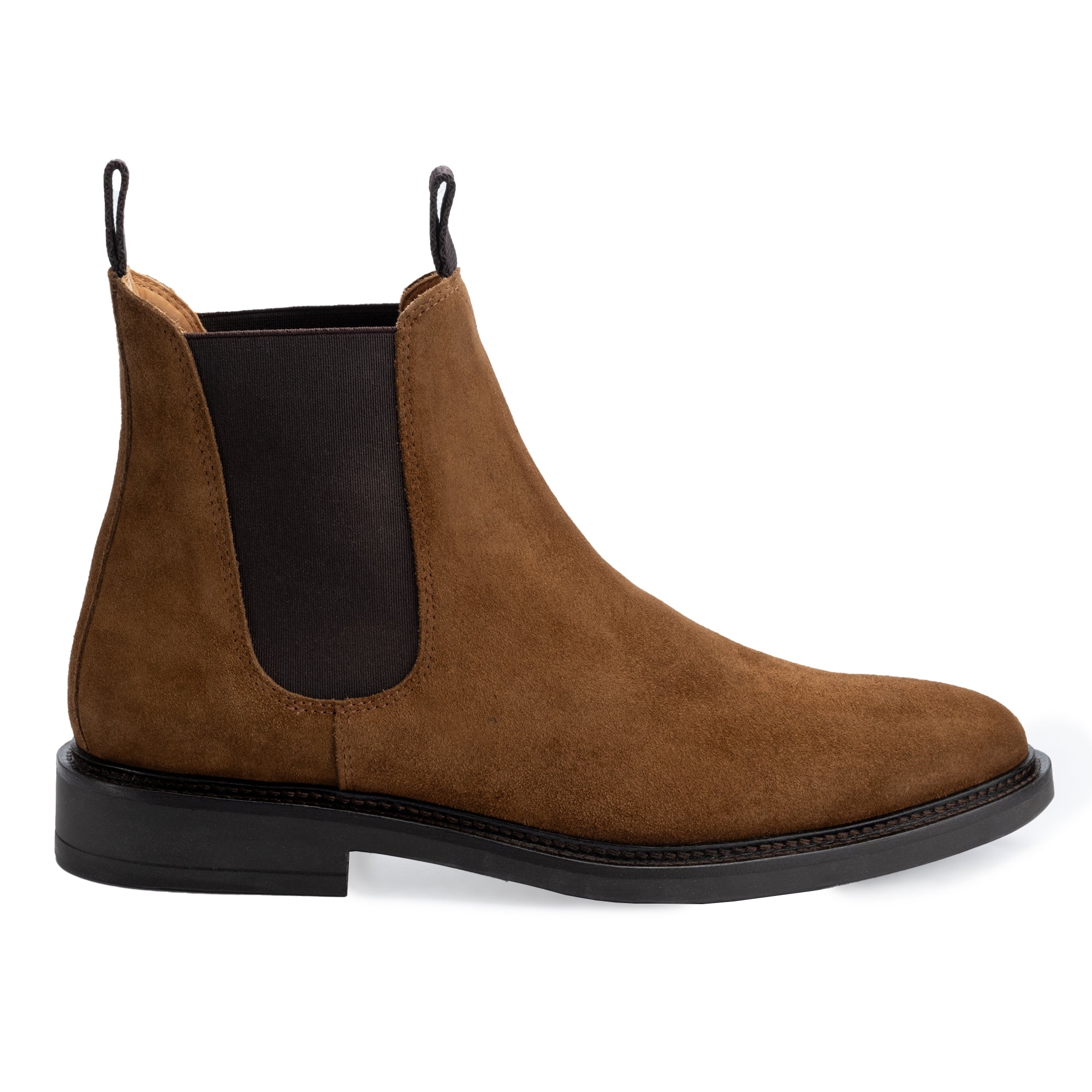
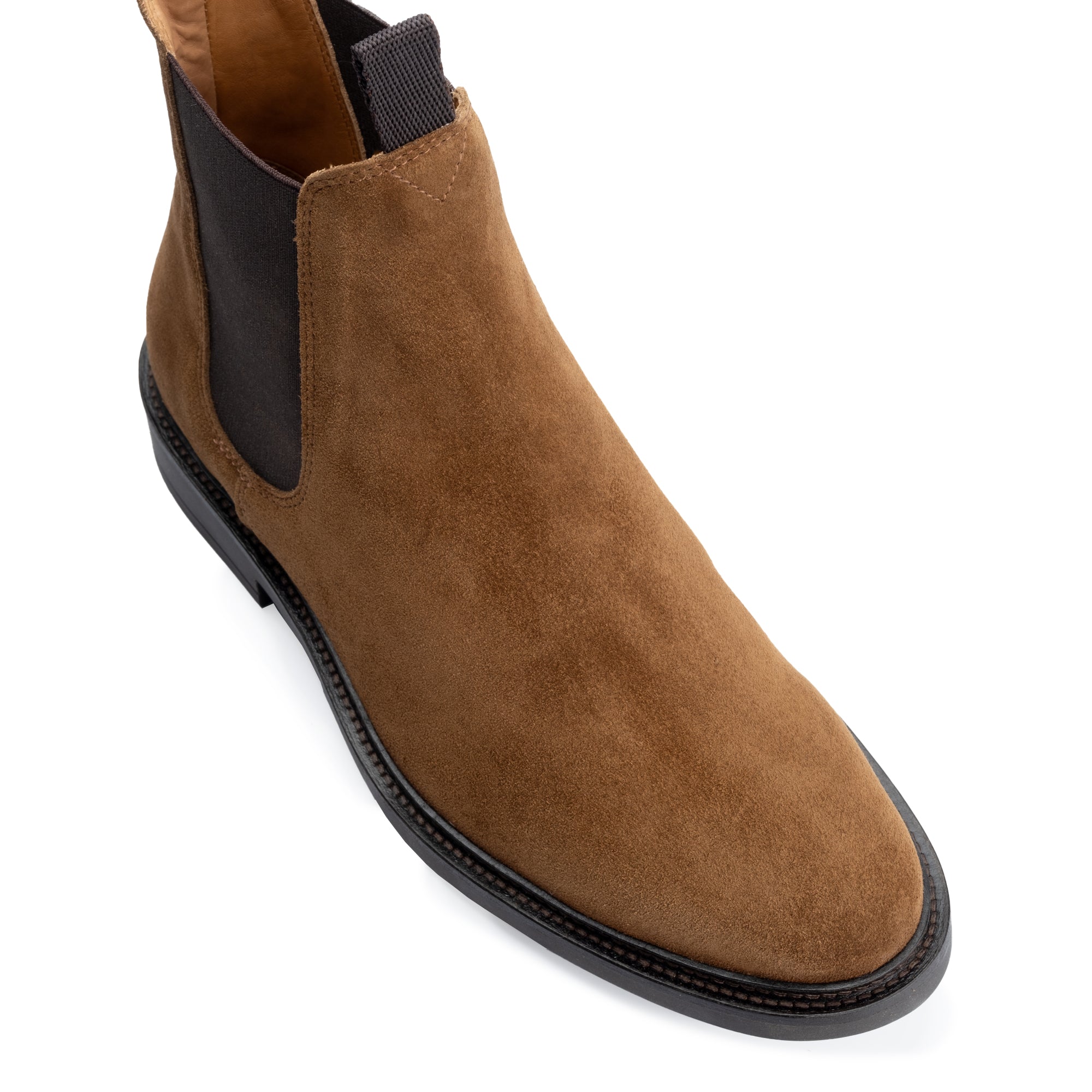
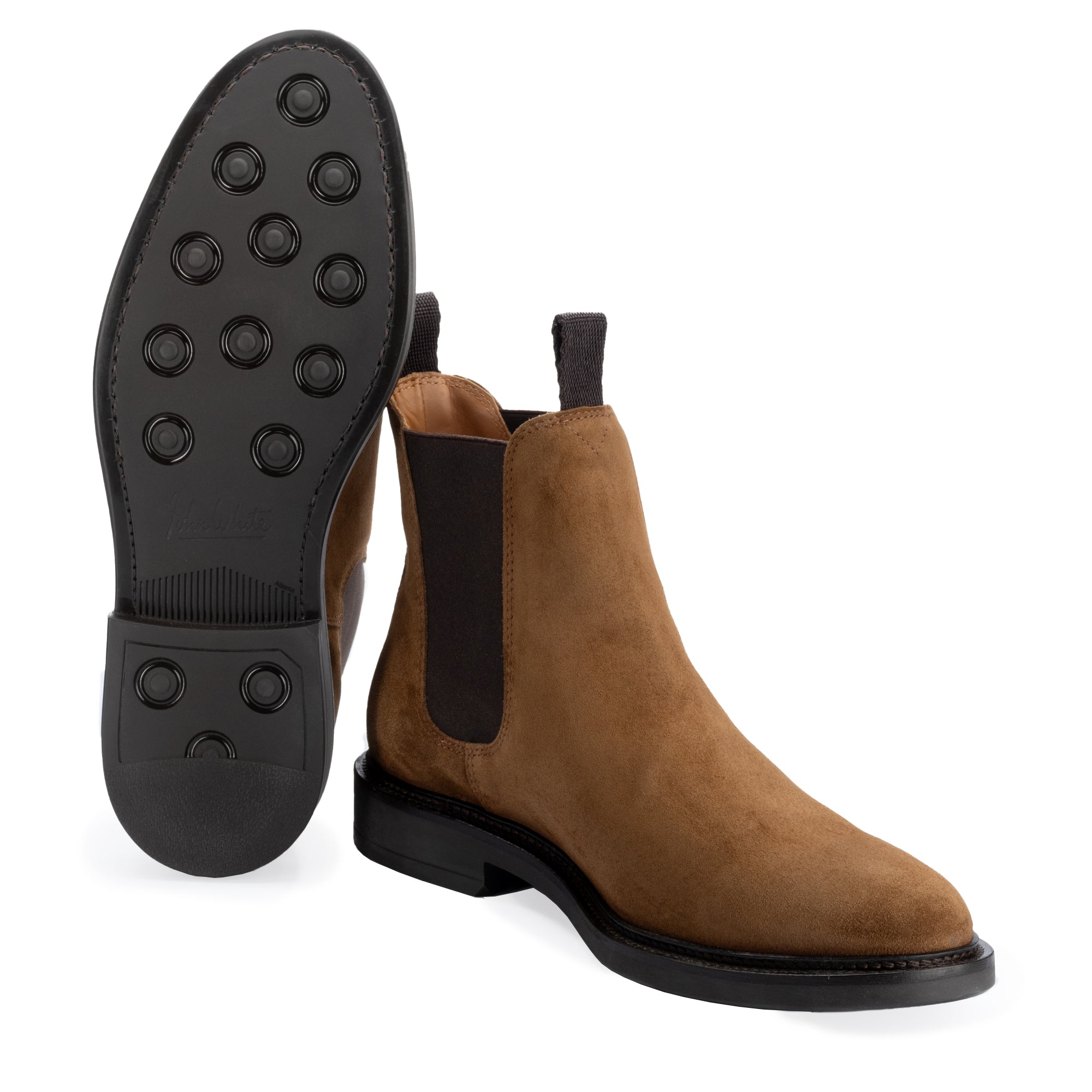
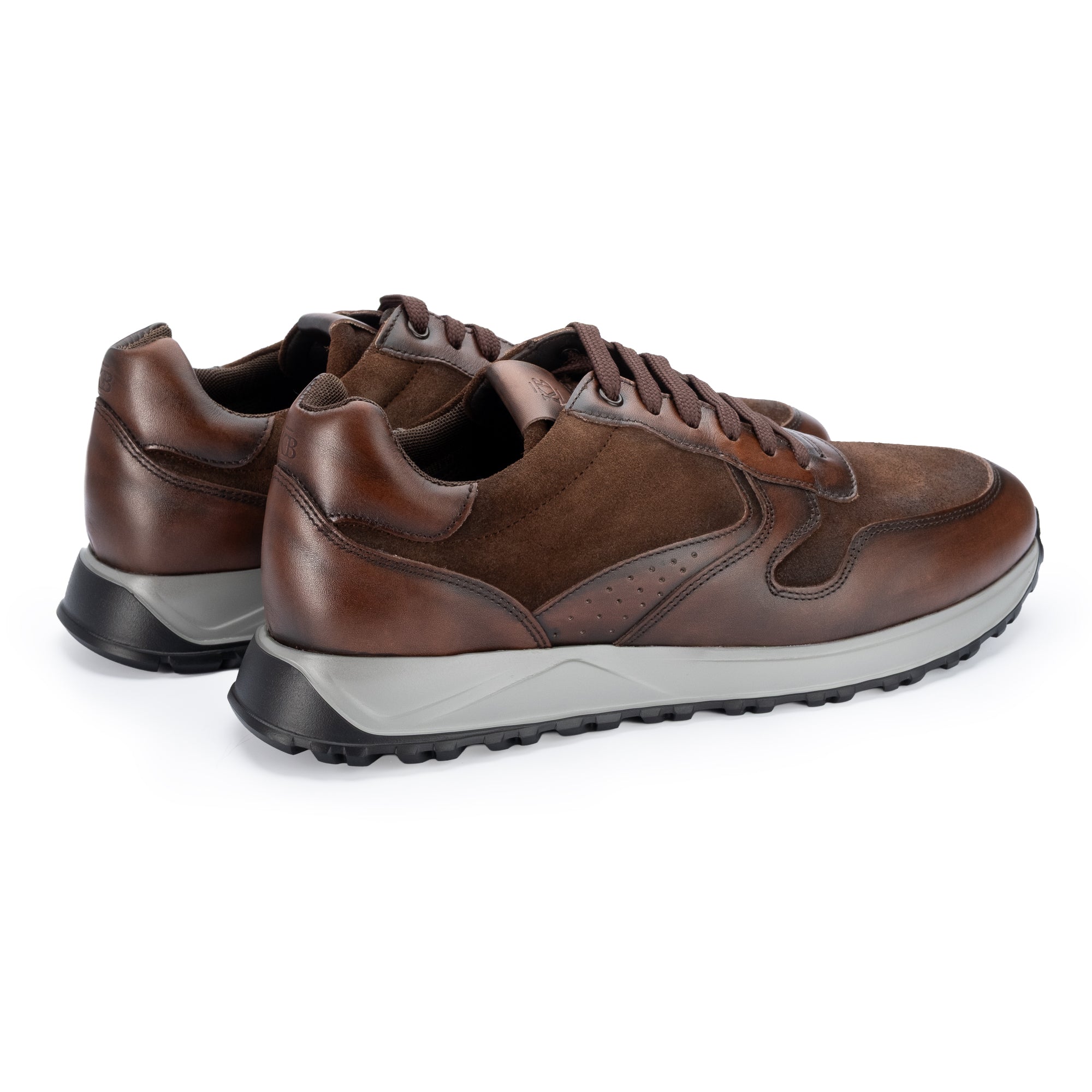
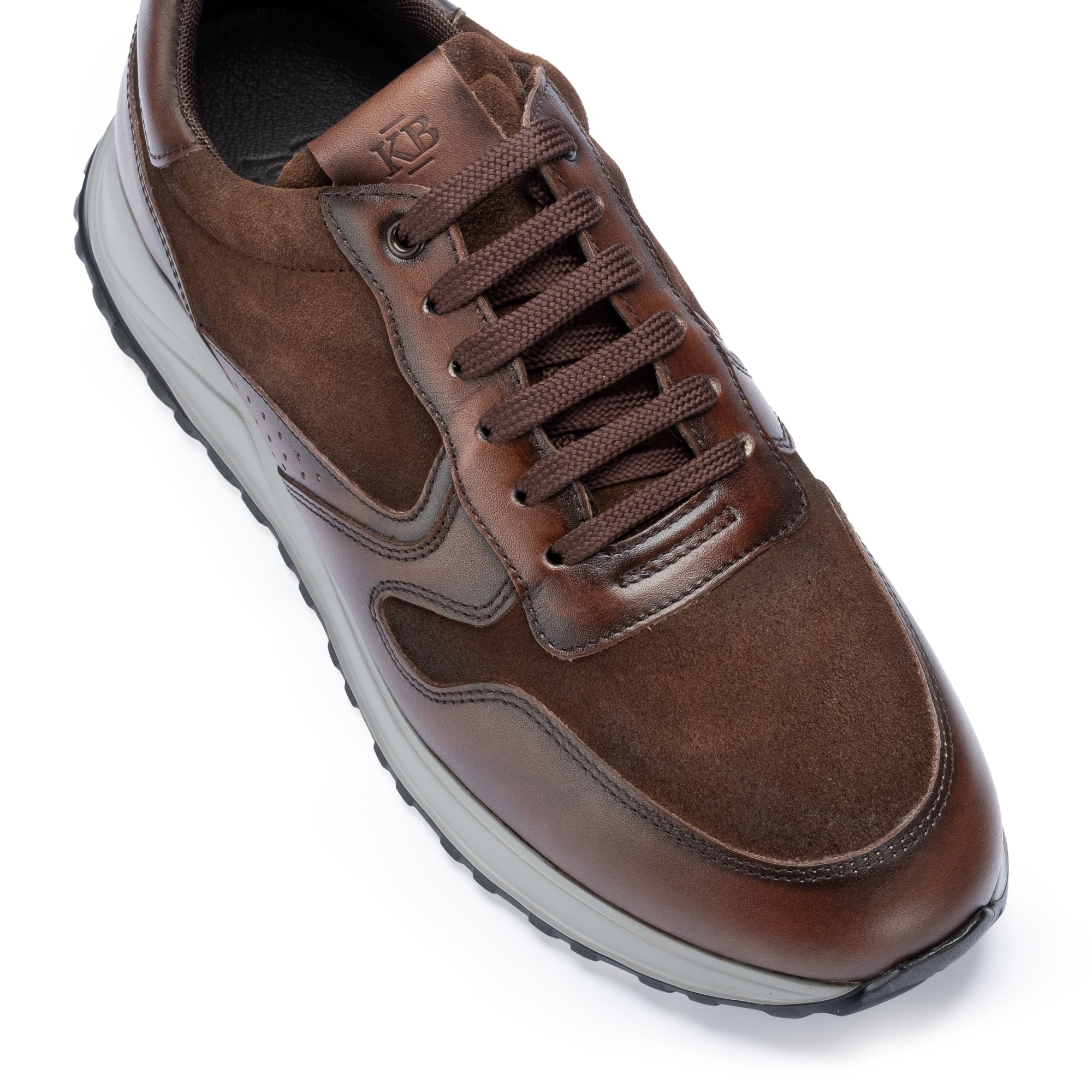
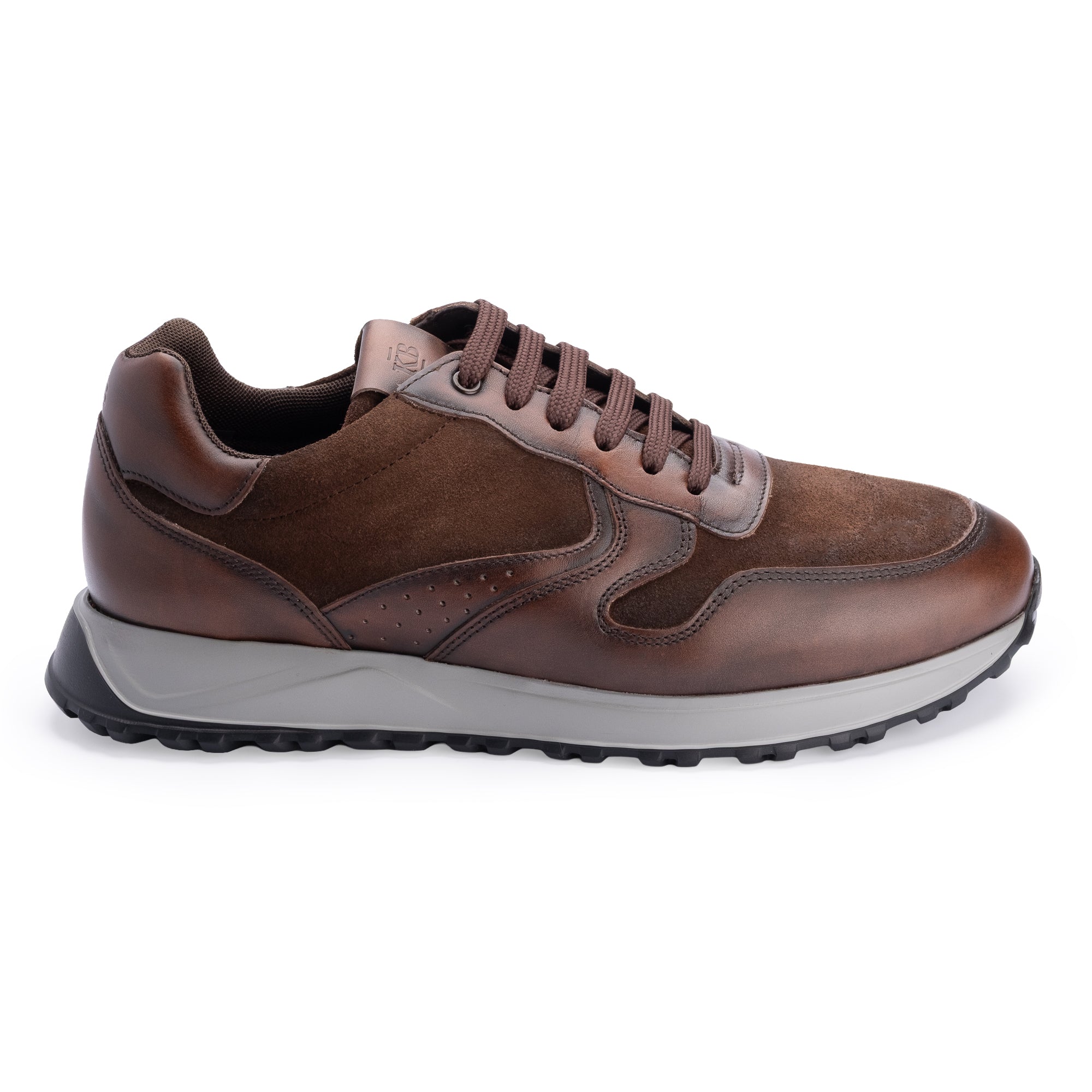
The Hill Chelsea Suede Boot comes in brown suede and cognac suede. Cognac is a particularly useful tone — warm enough for autumn dressing, distinctive without being conspicuous. Pair it with olive chinos, a chunky knit, and a waxed jacket for a cohesive smart-casual look.
Suede needs more care than leather, particularly in wet weather. The Leather Conservation Centre recommends treating suede footwear with a quality waterproofing spray before the first wear, and reapplying every four to six weeks during regular use. For a full overview of suede maintenance through the colder months, see our guide to how to care for suede Chelsea boots in winter.
Suede Chelsea boots offer a softer, more textural alternative to leather — they excel in smart-casual and autumn/winter contexts where polished leather might feel too formal or too stark.
Which Occasions Call for Chelsea Boots?
Chelsea boots span a wider occasion range than most men realise. Here's where each option sits:
- Office (business formal): Black leather Chelsea — polished, streamlined, appropriate.
- Office (smart-casual): Brown leather Chelsea — versatile, professional without being rigid.
- Evening / restaurant: Black or dark brown leather — reads as intentional and put-together.
- Wedding guest (daytime): Black leather Chelsea with a well-fitted suit — entirely appropriate. For more on occasion dressing, see our guide to men's shoes for a wedding guest.
- Country / outdoor smart: Brown leather or cognac suede — pairs naturally with tweed, moleskin, and waxed cotton.
- Weekend casual: Suede Chelsea in brown or cognac — relaxed but never sloppy.
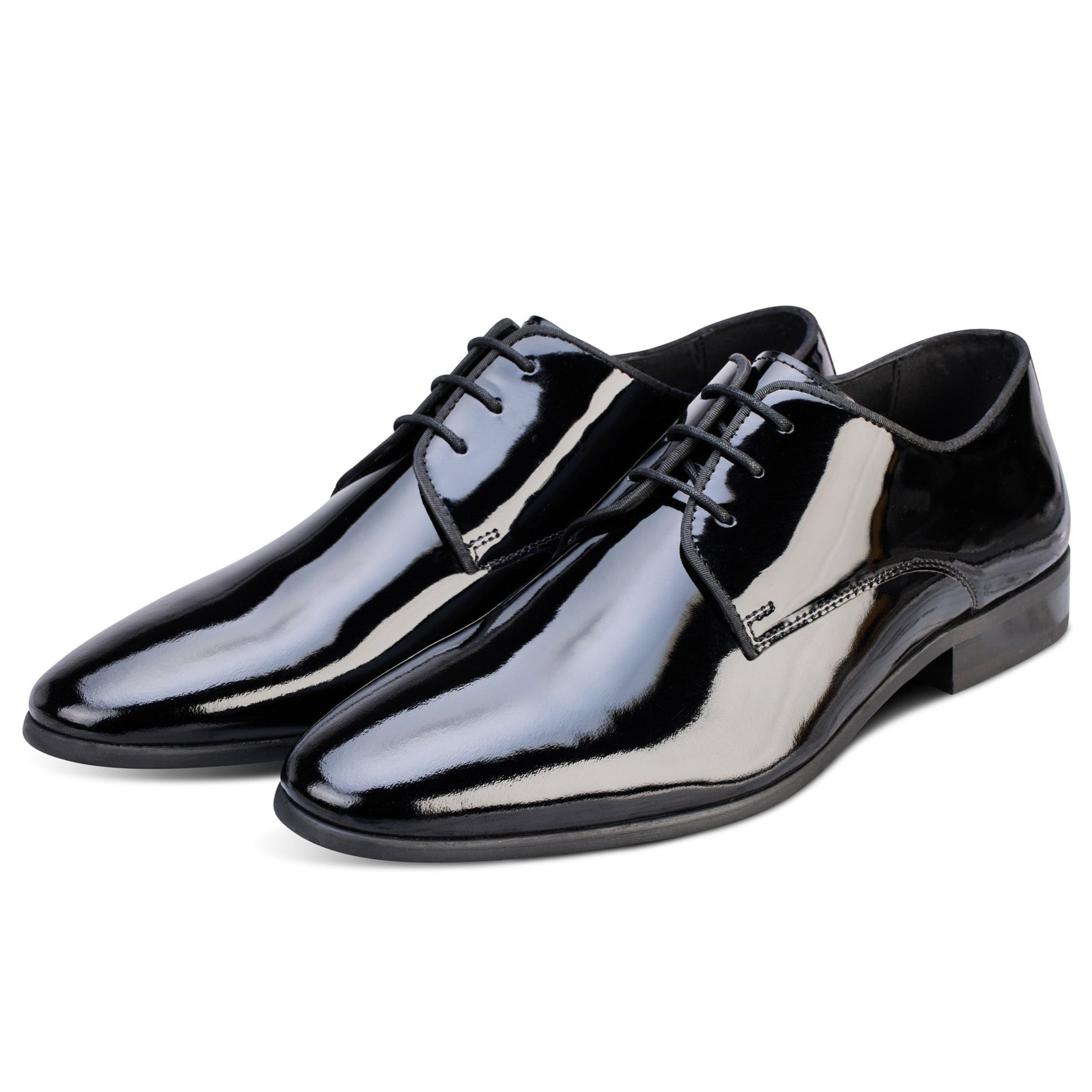
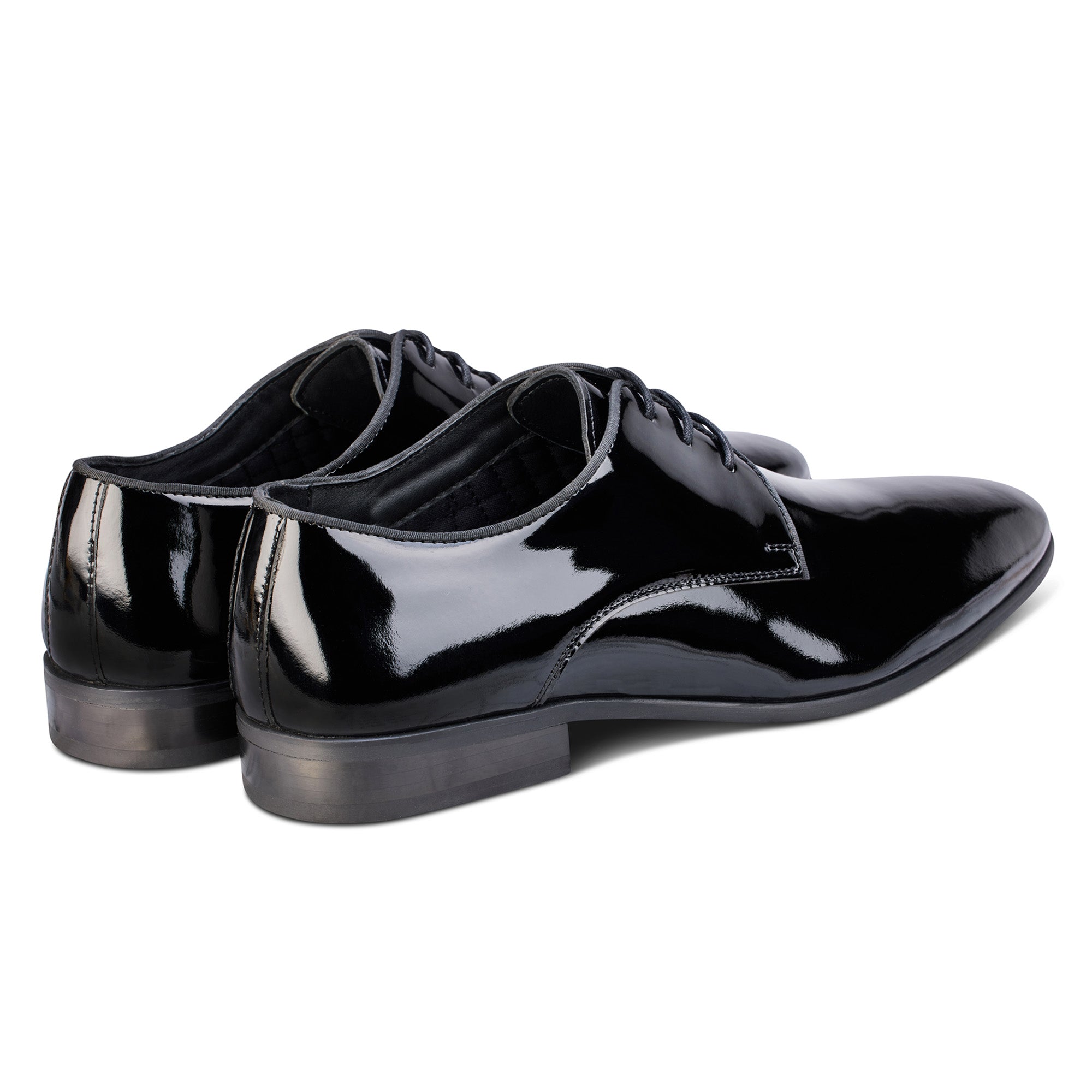
Chelsea boots aren't appropriate for black tie — that calls for a formal Oxford. But short of that, they cover most of the occasions a man encounters in a working week or social calendar. Brands like Loake, Barker, Church's, and Crockett & Jones all carry Chelsea boots within their respective ranges — testament to the style's enduring place in British footwear heritage. John White Shoes, a British heritage footwear brand established in 1919 in Northamptonshire, designs its Chelsea range to sit within that same tradition of understated, well-considered style.
If you're weighing Chelsea boots against chukkas for a similar range of occasions, our guide to chukka boots vs Chelsea boots sets out the key differences clearly.
Few boot styles span the occasion range of a Chelsea boot — from formal business dressing to relaxed weekend wear — without requiring a different pair for each context.
How Do You Keep Chelsea Boots Looking Their Best?
How long your Chelsea boots last — and how well they look throughout their life — comes down almost entirely to maintenance. The Society of Master Shoe Repairers notes that regularly conditioned leather uppers can outlast neglected equivalents by years, not months.
For leather Chelsea boots:
- Wipe clean after every wear with a soft cloth.
- Apply a quality leather conditioner every six to eight weeks. The Leather Conservation Centre identifies conditioning as the single most important step in leather footwear care.
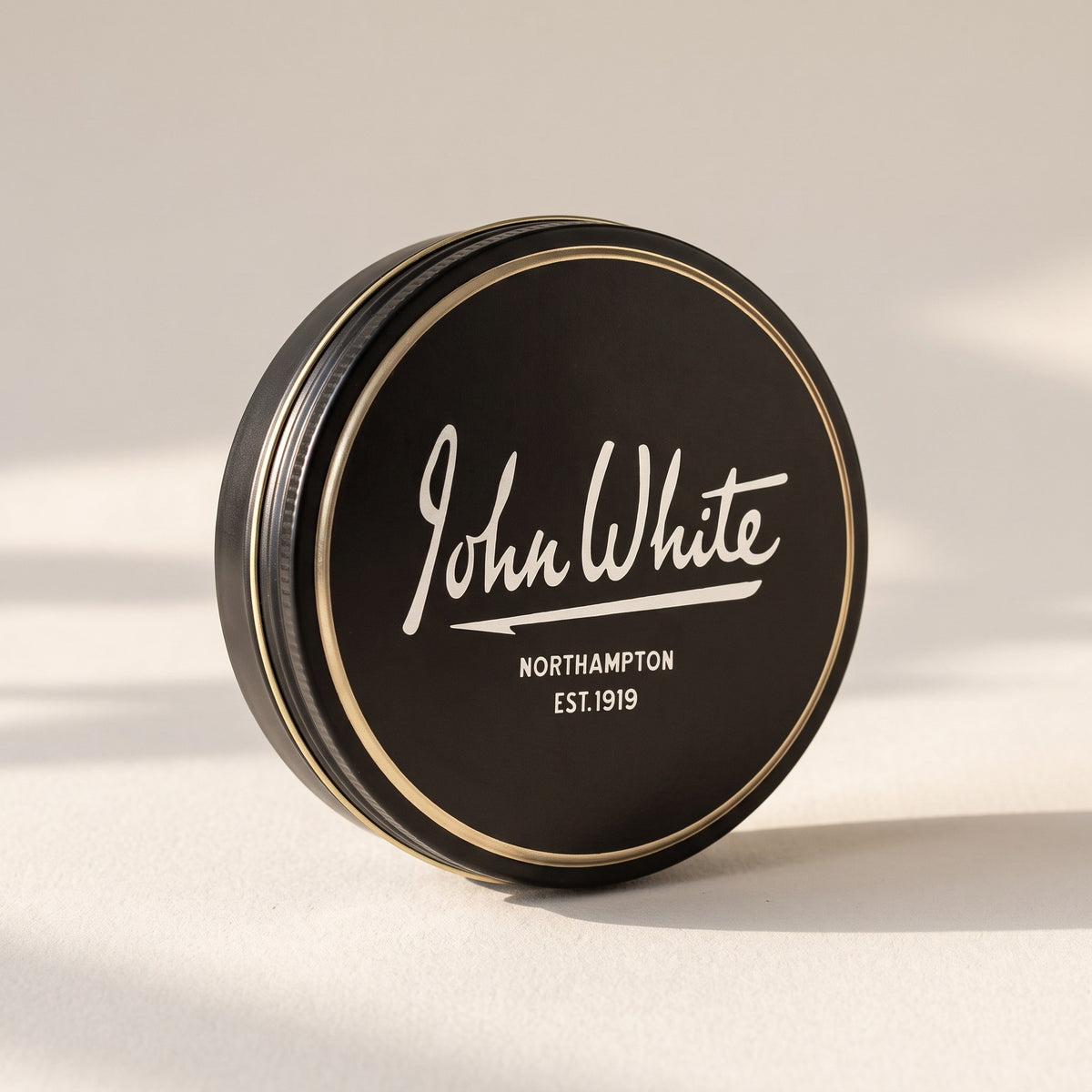
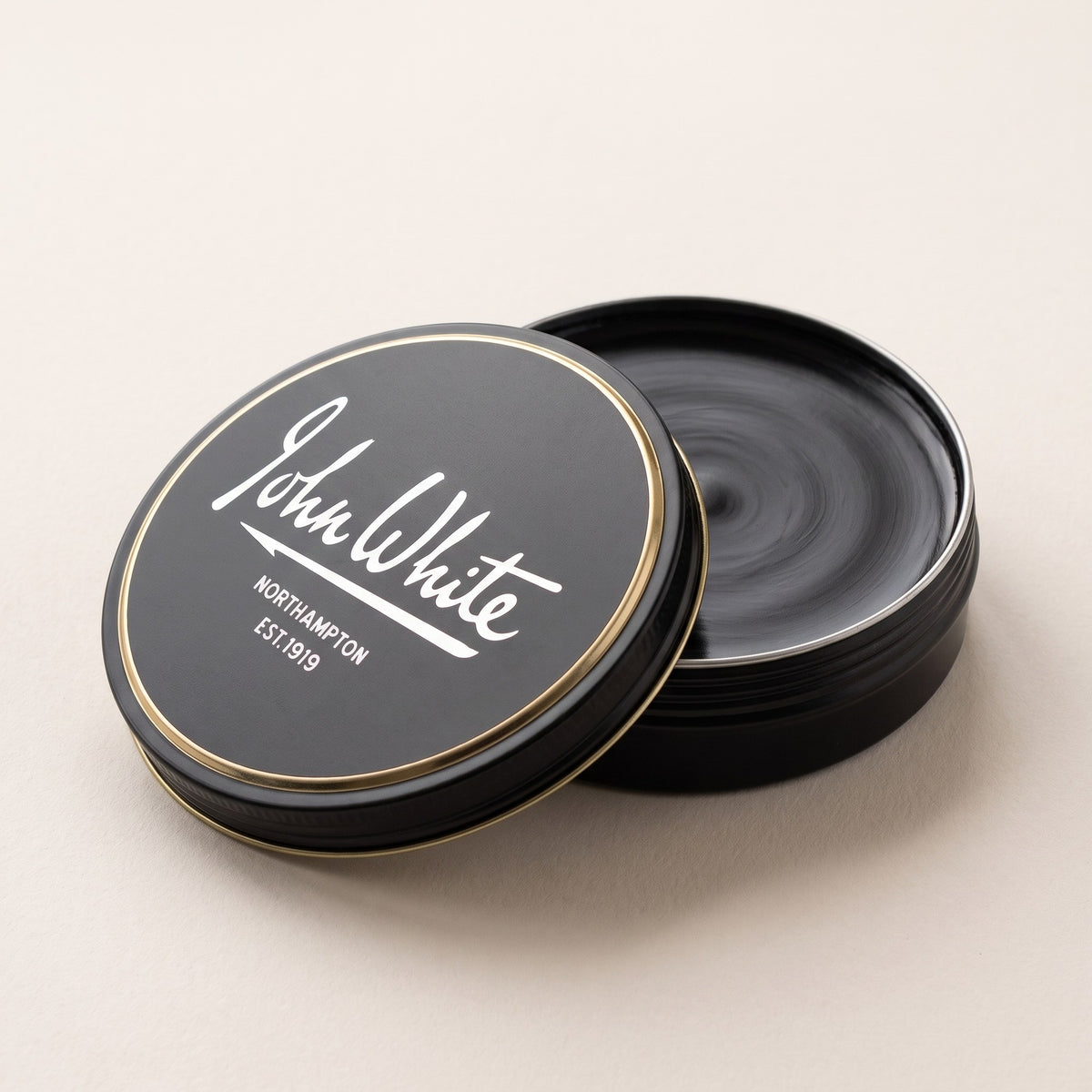
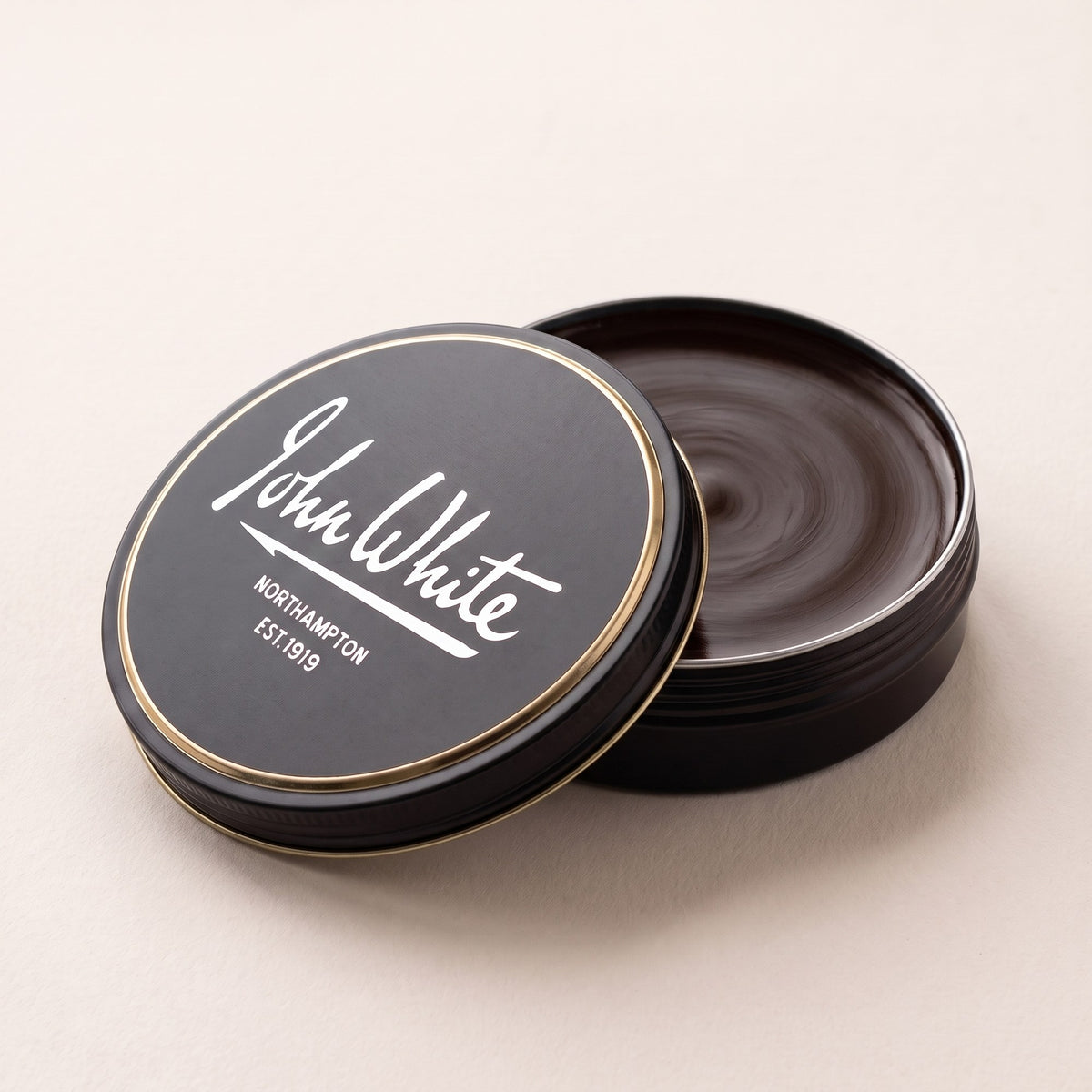
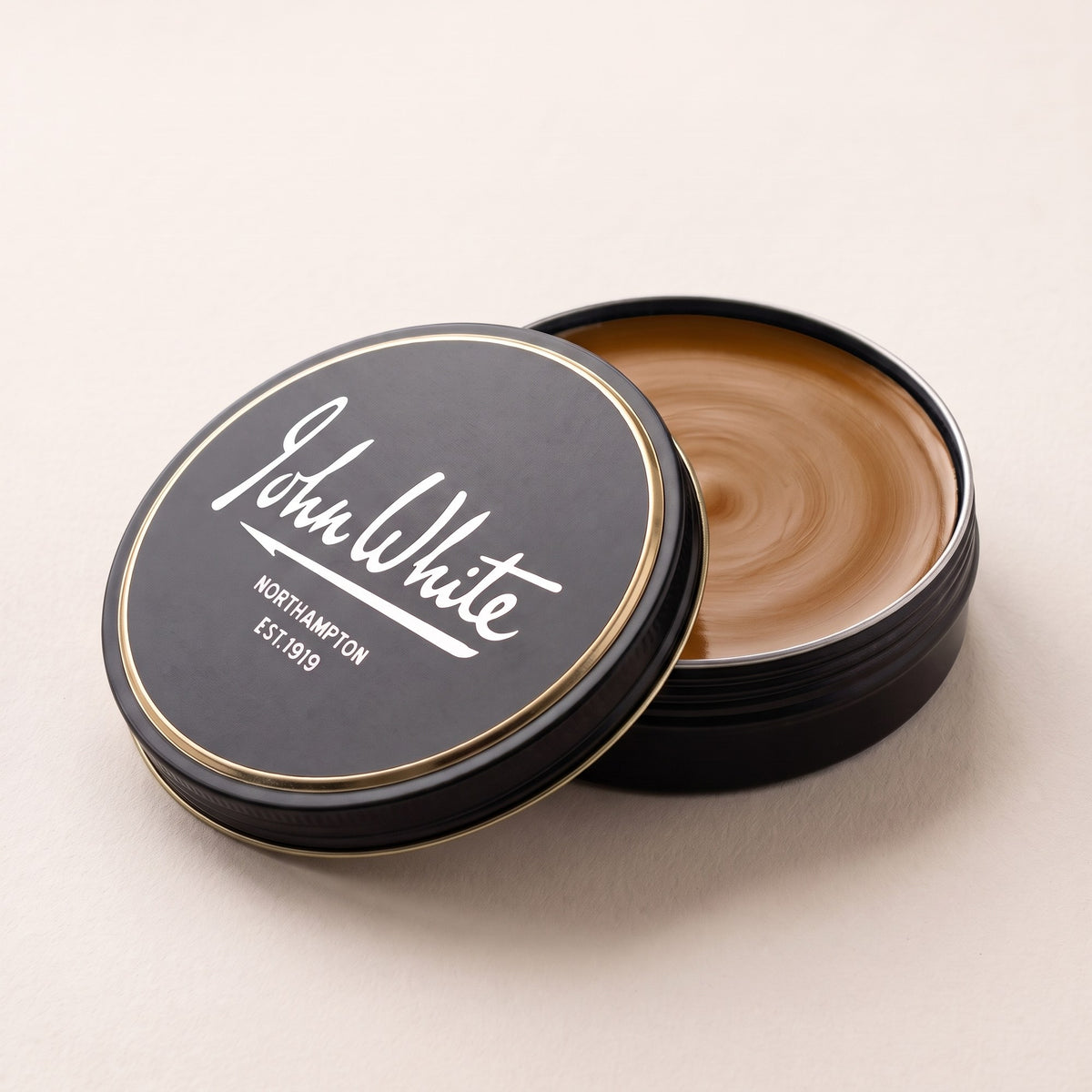
- Polish regularly to restore colour and surface protection. Our Premium Wax Polish is designed for exactly this.
- Store with cedar shoe trees when not in use — they absorb moisture and maintain the boot's shape between wears.
For suede Chelsea boots, the approach differs. Use a suede brush to raise the nap and remove surface dirt, and treat with a waterproofing spray before the first wear. For a full seasonal maintenance schedule across your leather footwear, see the annual maintenance checklist for your leather shoe collection.
Consistent care — conditioning, polishing, and proper storage — is the difference between a Chelsea boot that lasts two seasons and one that lasts twenty years.
Related Guides
- The Definitive Guide to Men's Boots — our comprehensive guide
- Chukka Boots vs Chelsea Boots: Which Should You Buy?
- How to Care for Suede Chelsea Boots in Winter
- The Best Shoes to Wear with Jeans: A Complete Men's Guide
TL;DR: Chelsea boots are among the most occasion-spanning styles in men's footwear. Black leather covers formal, business, and evening wear. Brown leather handles smart-casual and most office contexts. Suede — in brown or cognac — is the strongest choice for relaxed autumn and winter outfits. John White Shoes' Chelsea range includes the Hill Chelsea Boot, the Brecon Chelsea Boot, and the Hill Chelsea Suede Boot, covering the full range of leather and suede options across the collection.
Frequently Asked Questions
Can you wear Chelsea boots to a formal occasion?
Yes — in black polished leather, Chelsea boots are appropriate for smart formal occasions, business settings, and evening wear. They're not suitable for black tie, which calls for a formal Oxford. For everything short of that, a well-polished black Chelsea is a confident and entirely appropriate choice.
What's the best trouser to wear with Chelsea boots?
Slim or straight-cut trousers suit Chelsea boots best. The clean ankle profile is most effective when the trouser leg doesn't bunch or pool over the shaft. Tailored chinos, slim wool trousers, and straight-leg jeans all work well. Wide-leg cuts tend to obscure the boot entirely.
Are suede Chelsea boots as versatile as leather?
Suede is slightly less formal than leather by nature, which makes it more specialised. It excels in smart-casual and relaxed weekend contexts, particularly in autumn and winter. If you're buying one pair, leather gives you more range. If you're building a collection, suede is a valuable and distinctive addition.
How do you stop Chelsea boots from creasing?
Creasing across the vamp is natural in any leather boot and a mark of genuine wear. You can minimise deep crease lines by using cedar shoe trees after every wear — they maintain the boot's shape and draw out moisture overnight. Conditioning the leather regularly keeps it supple, which reduces premature cracking at the flex points.
Browse the Chelsea boots collection or explore the full men's boots collection at John White Shoes.