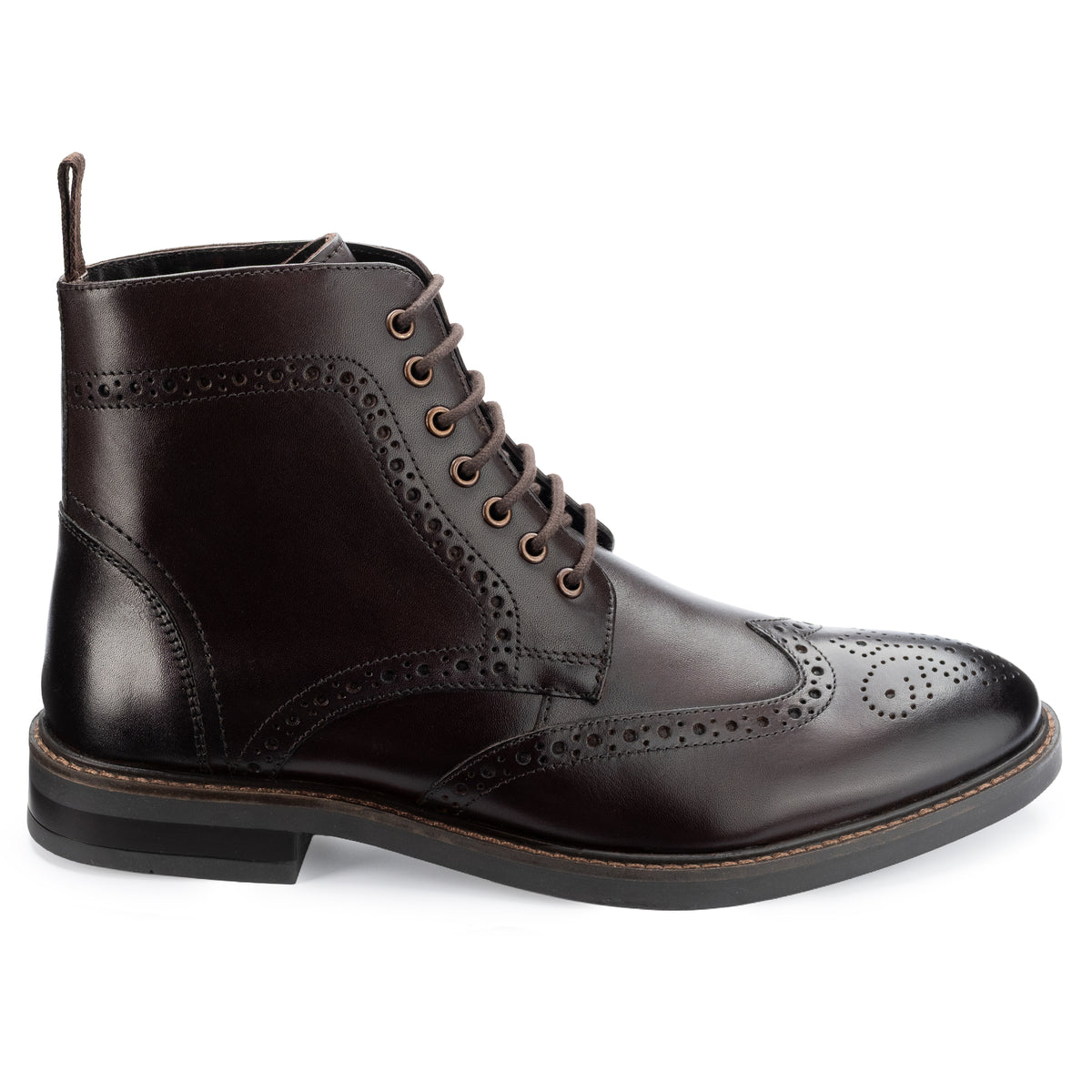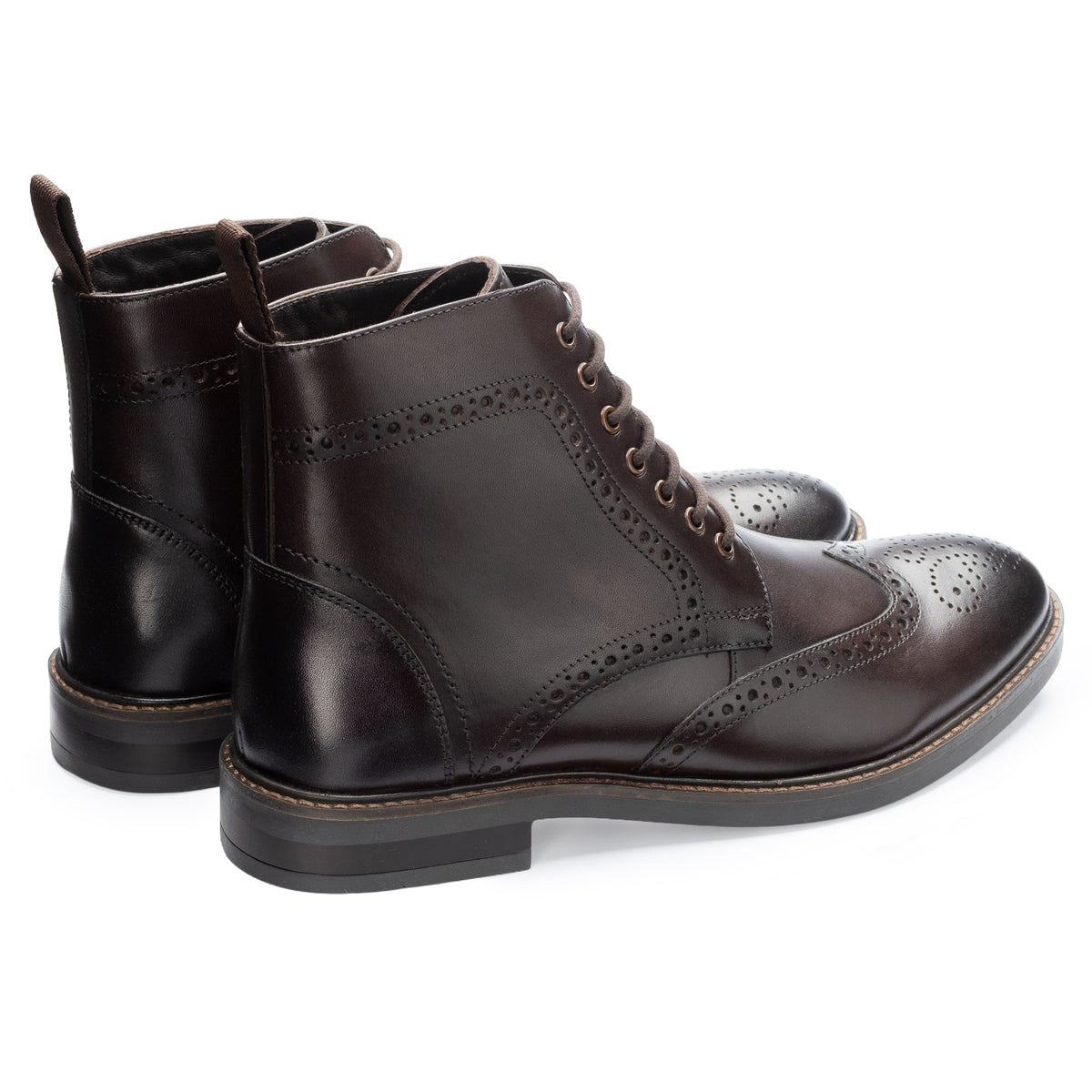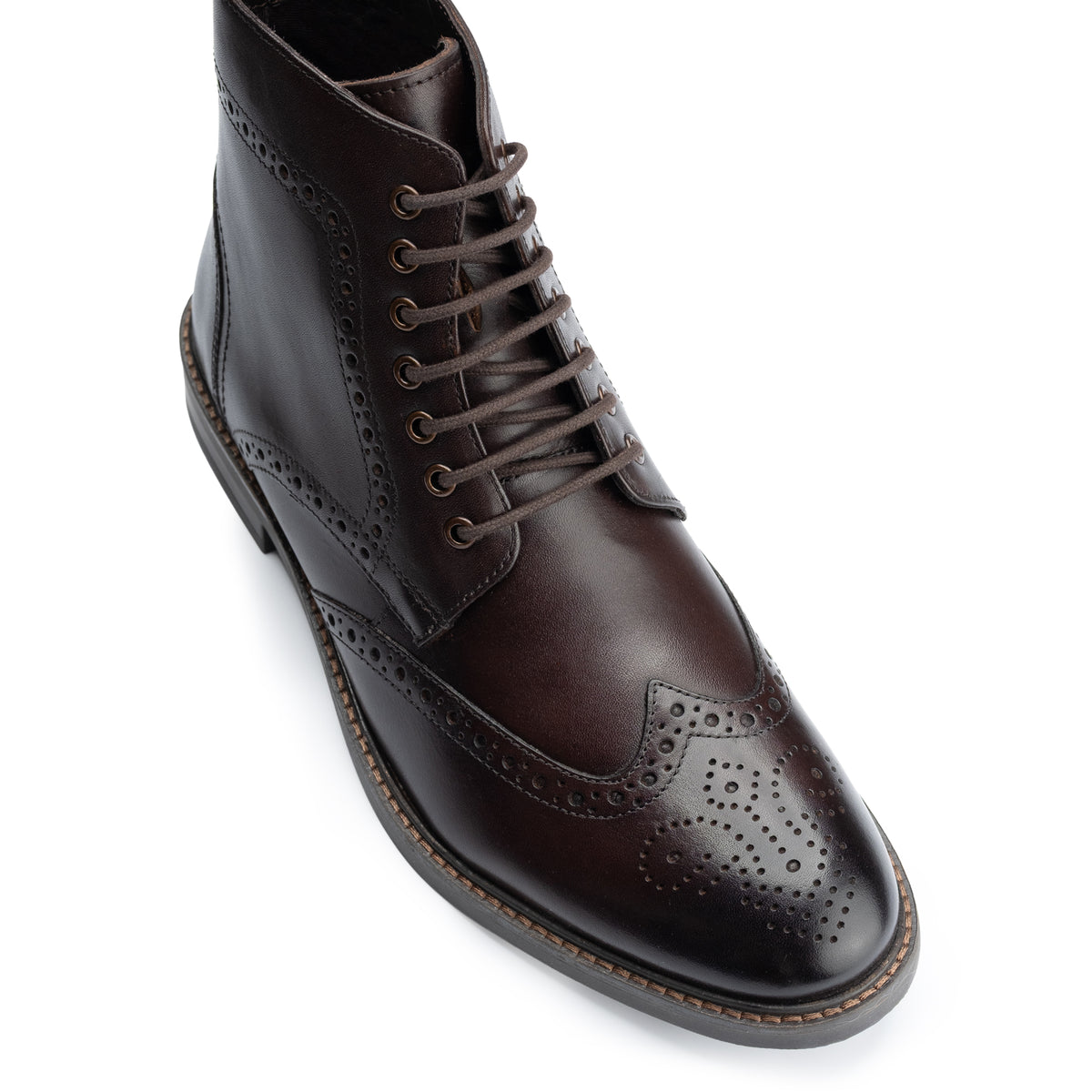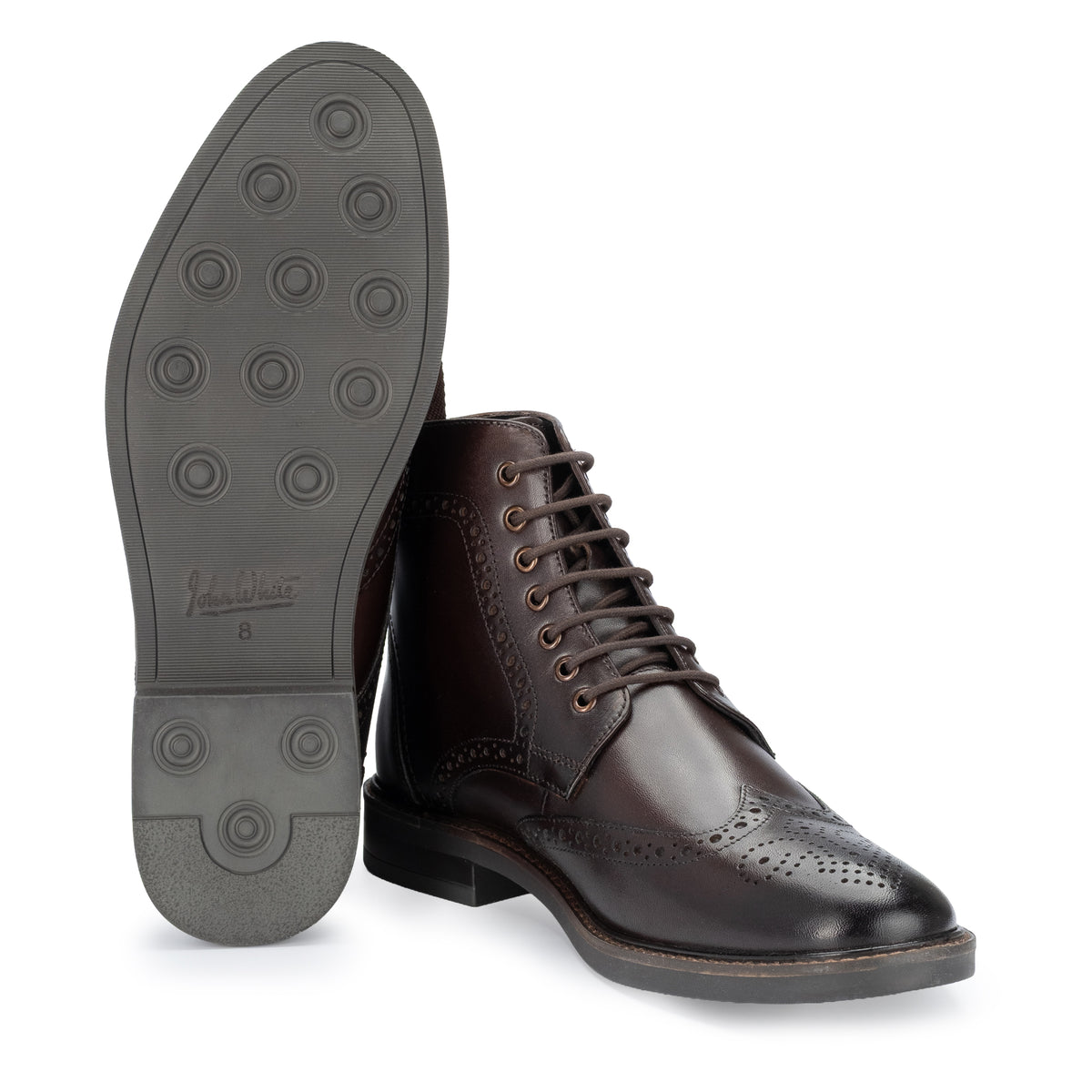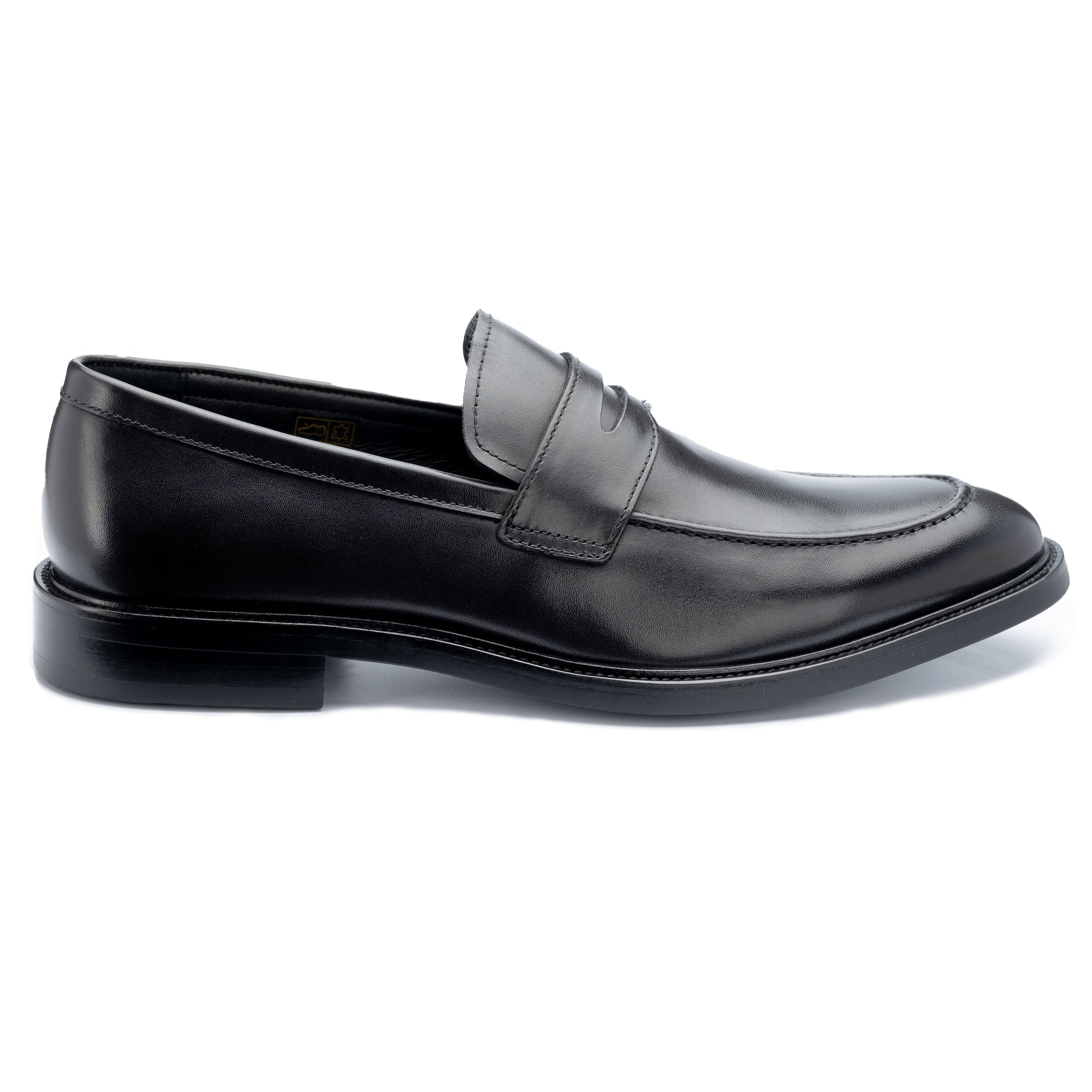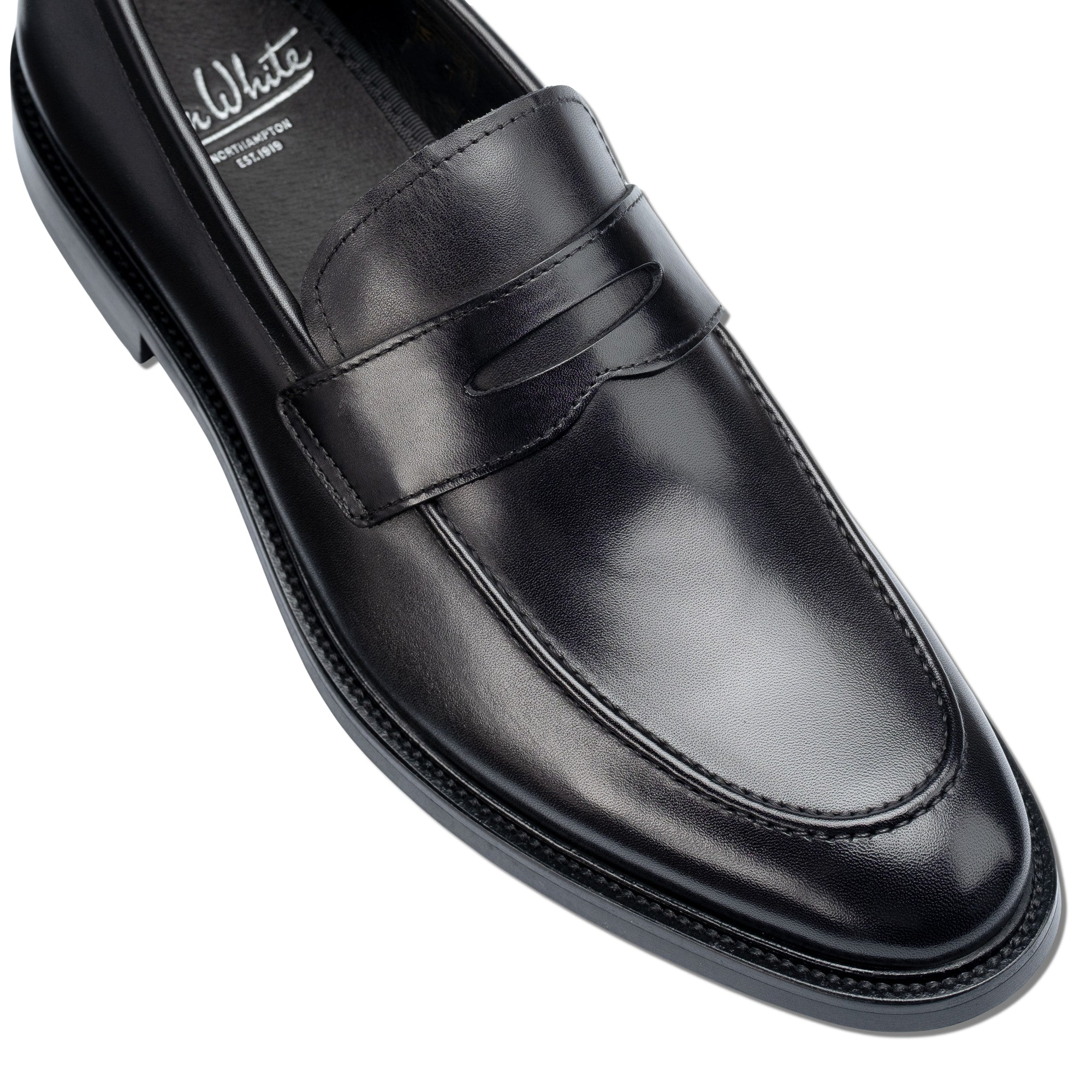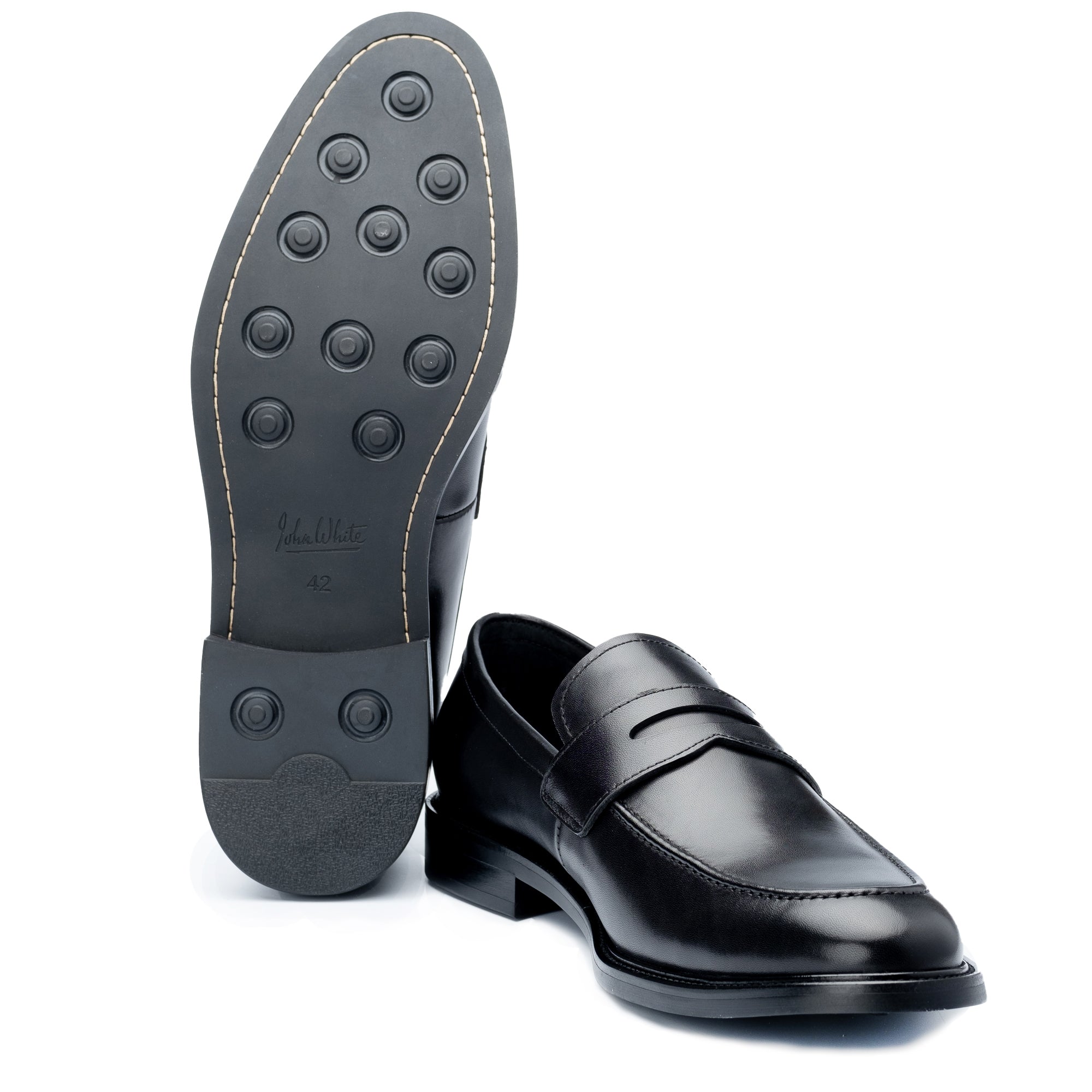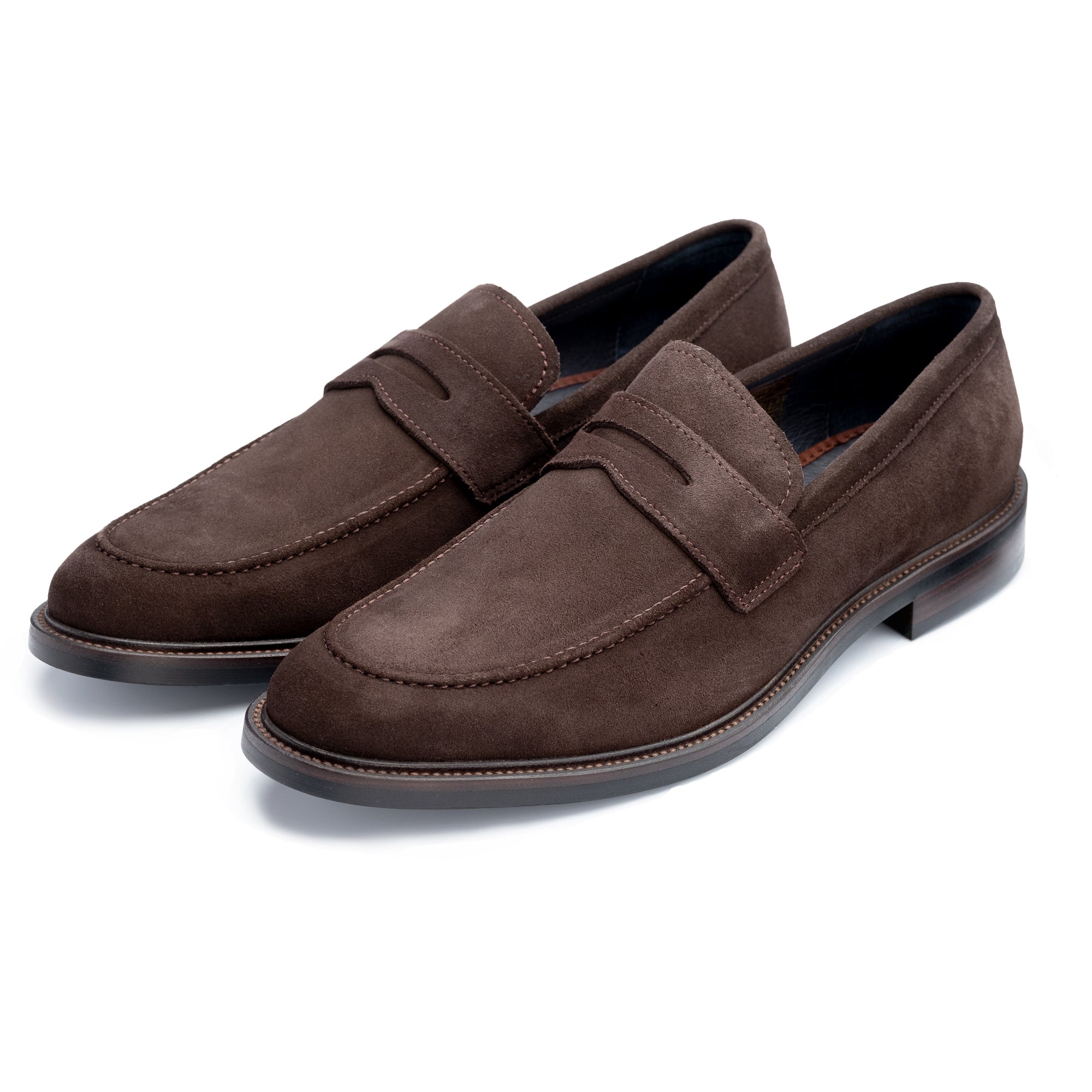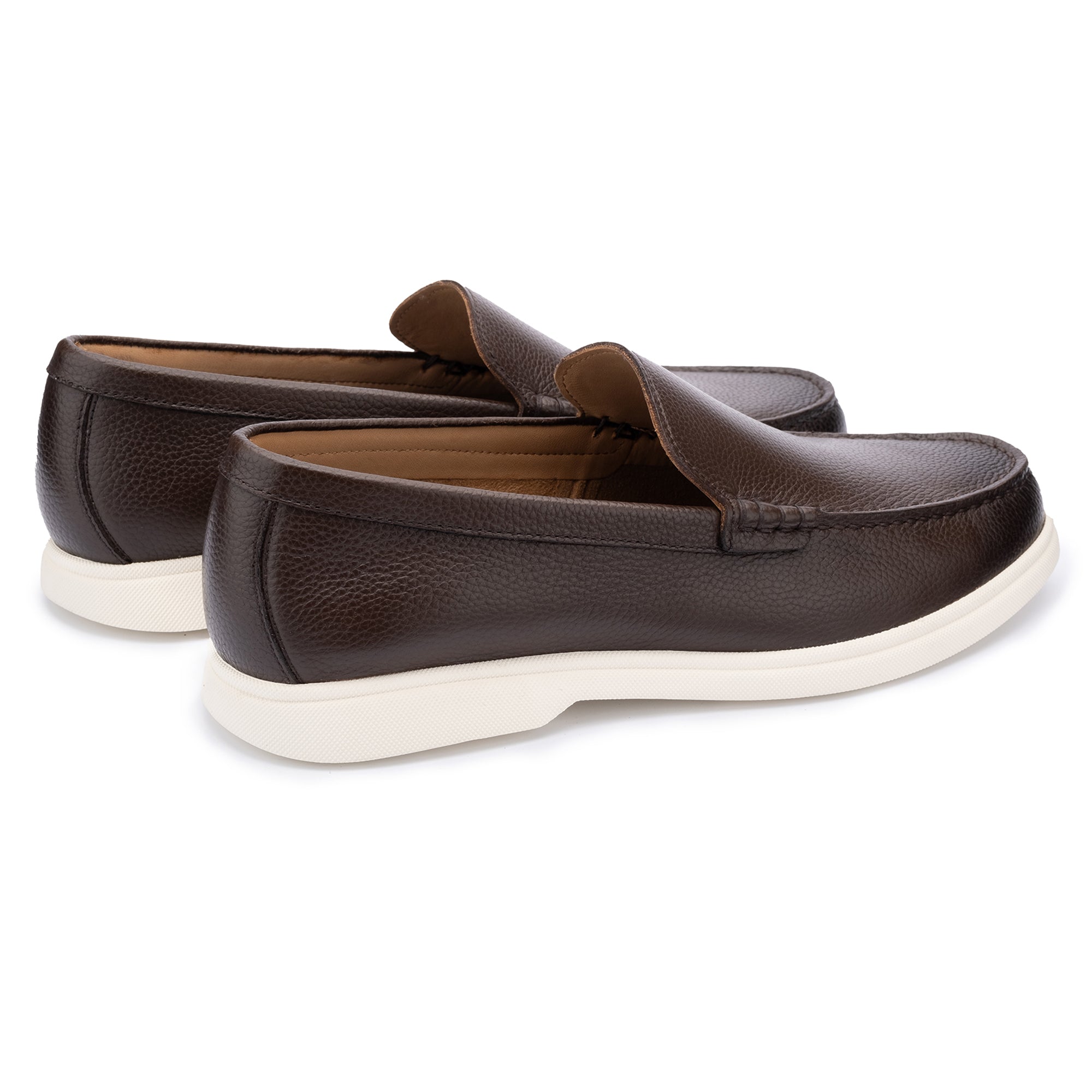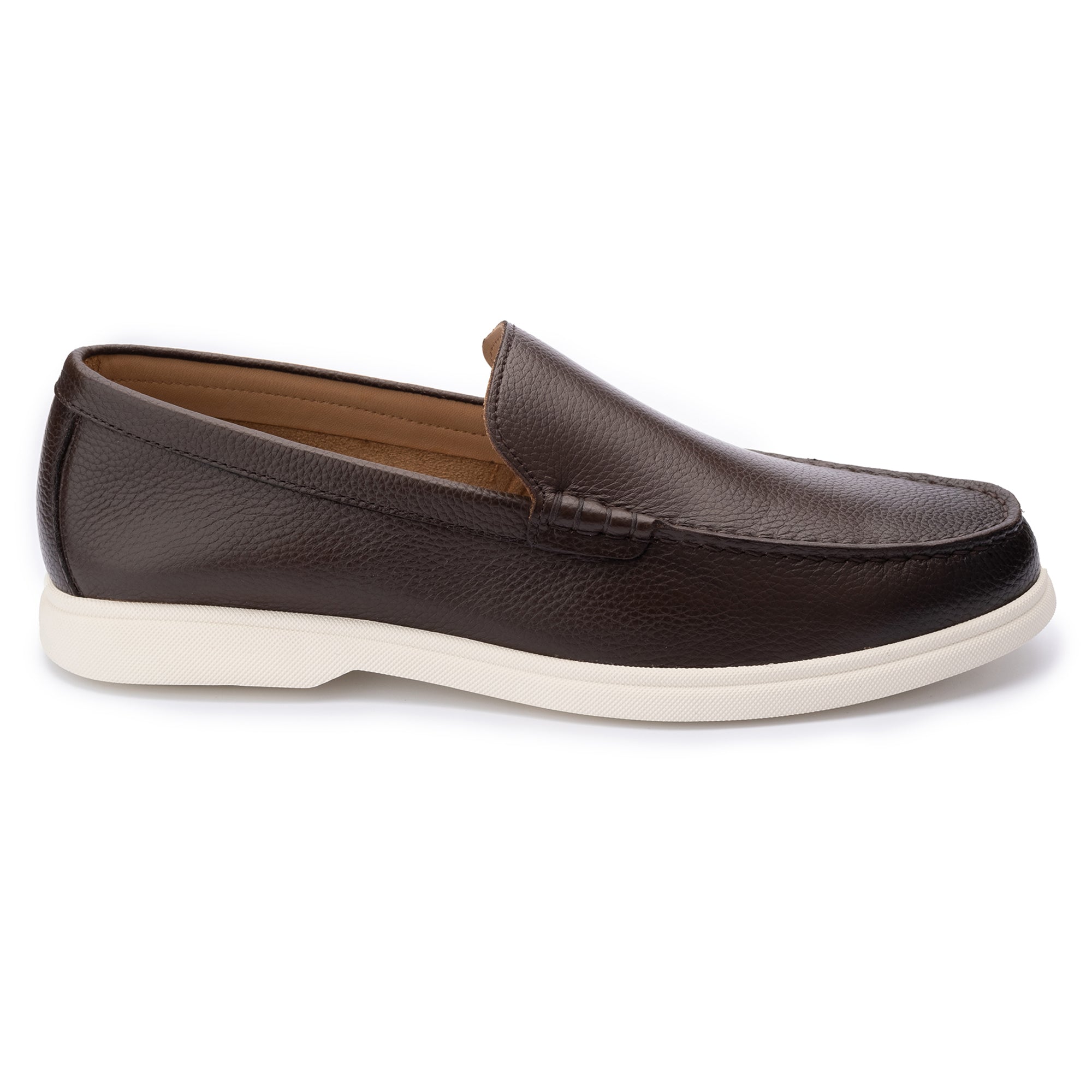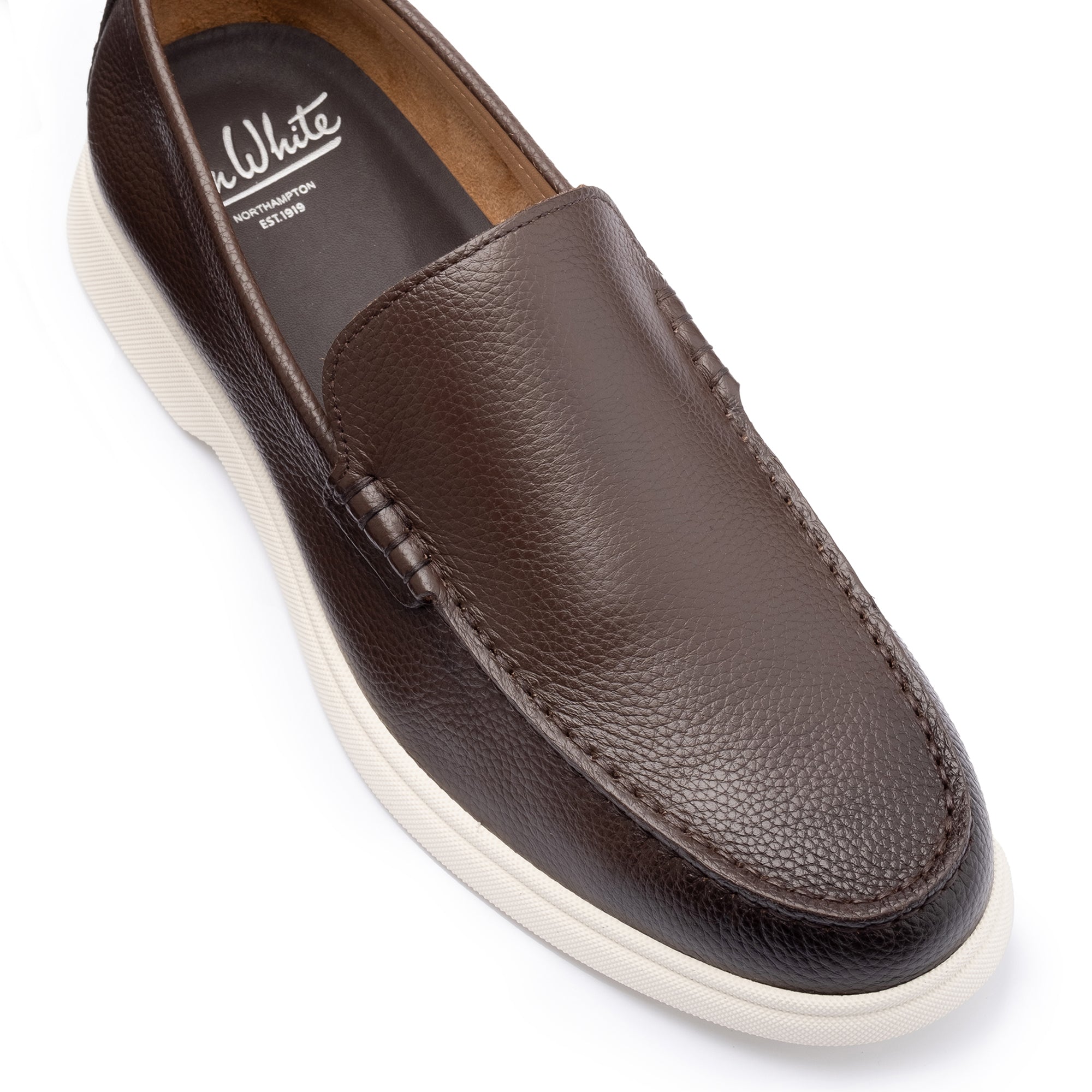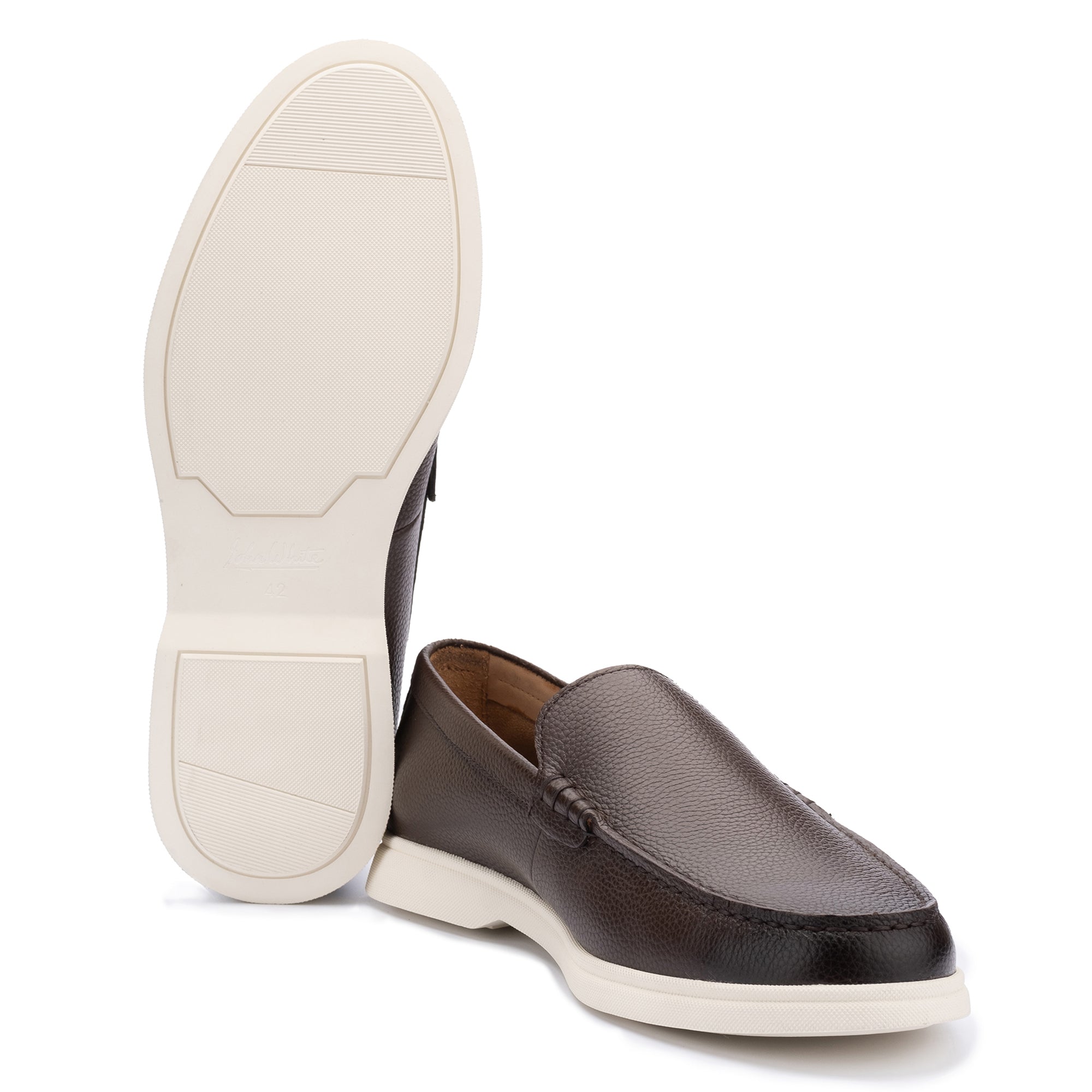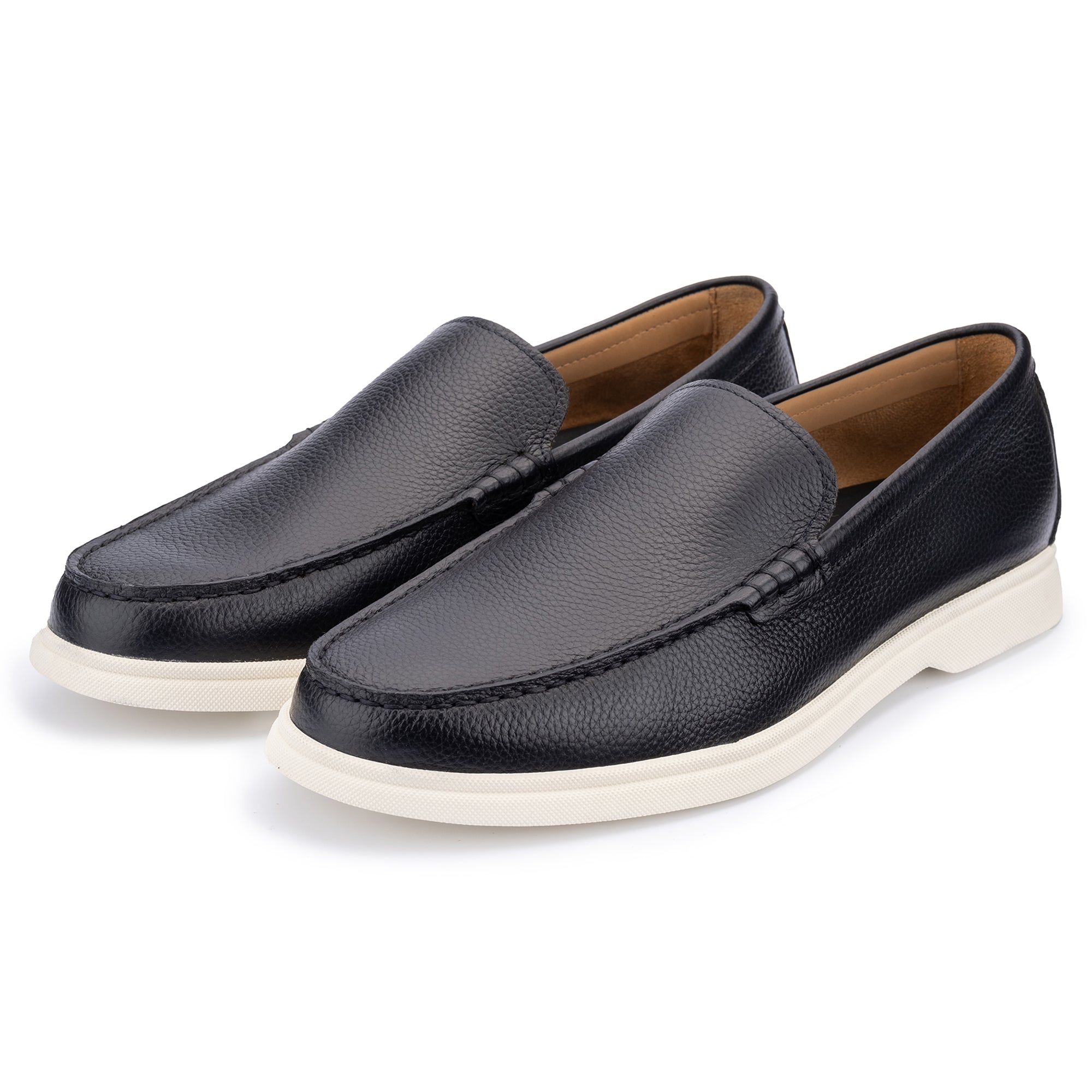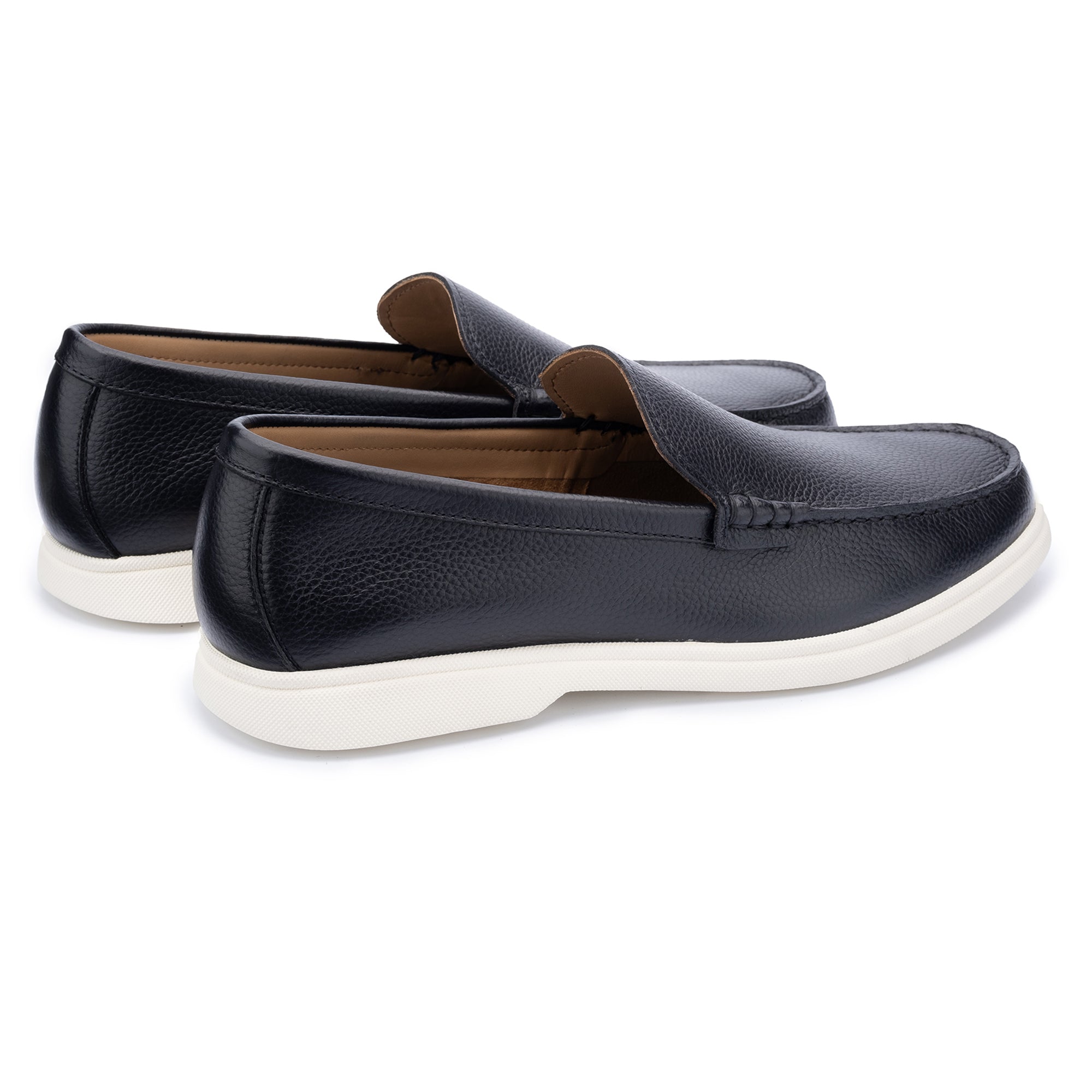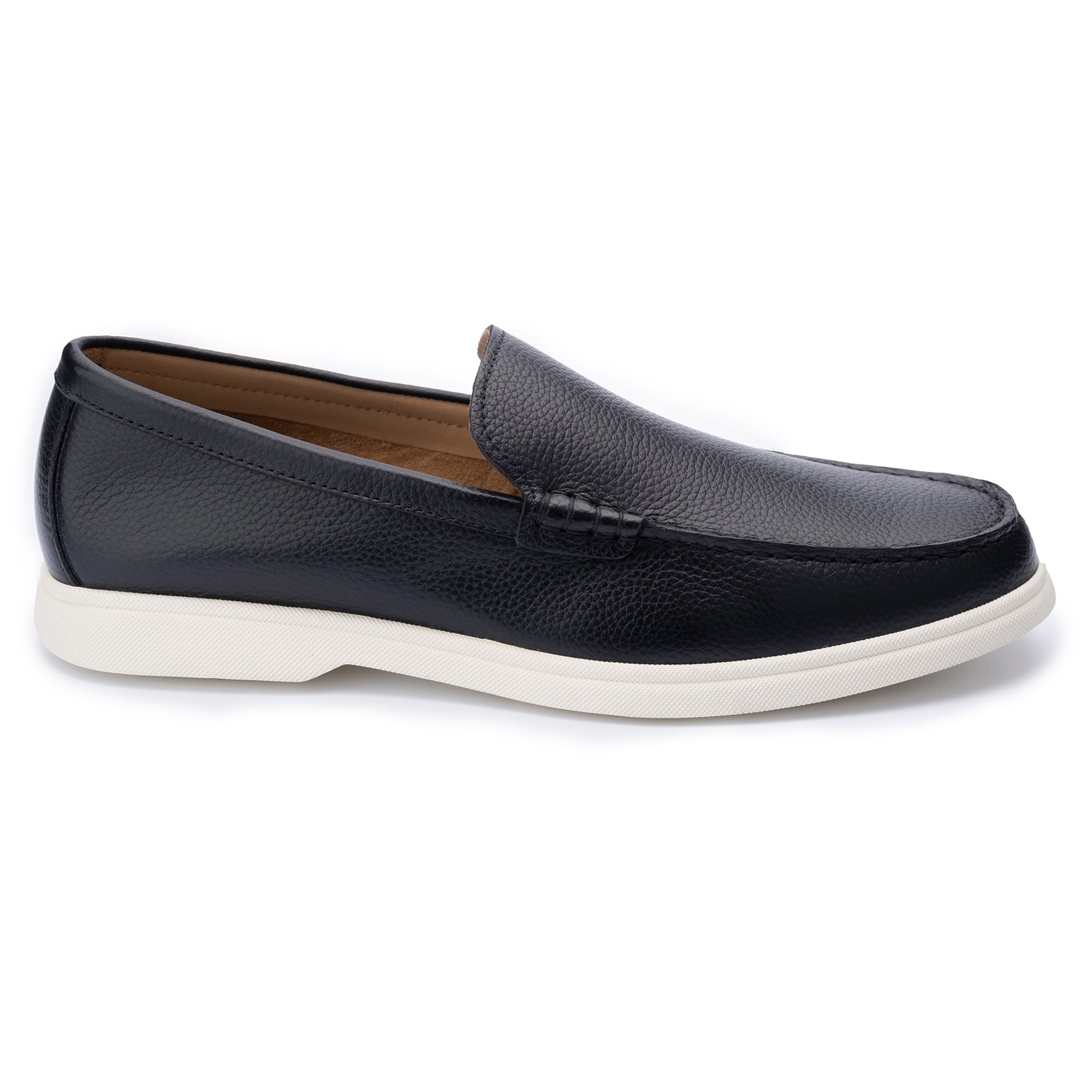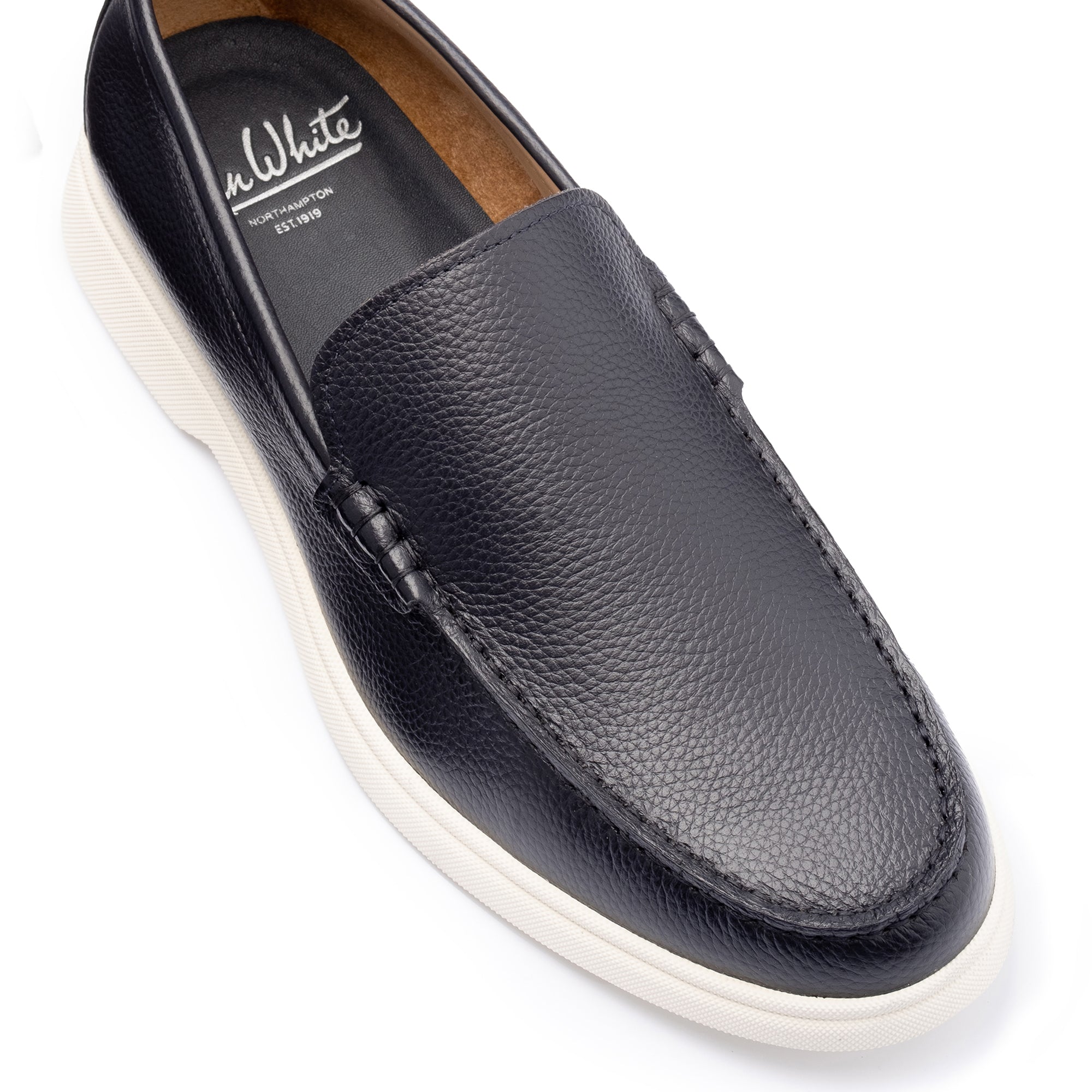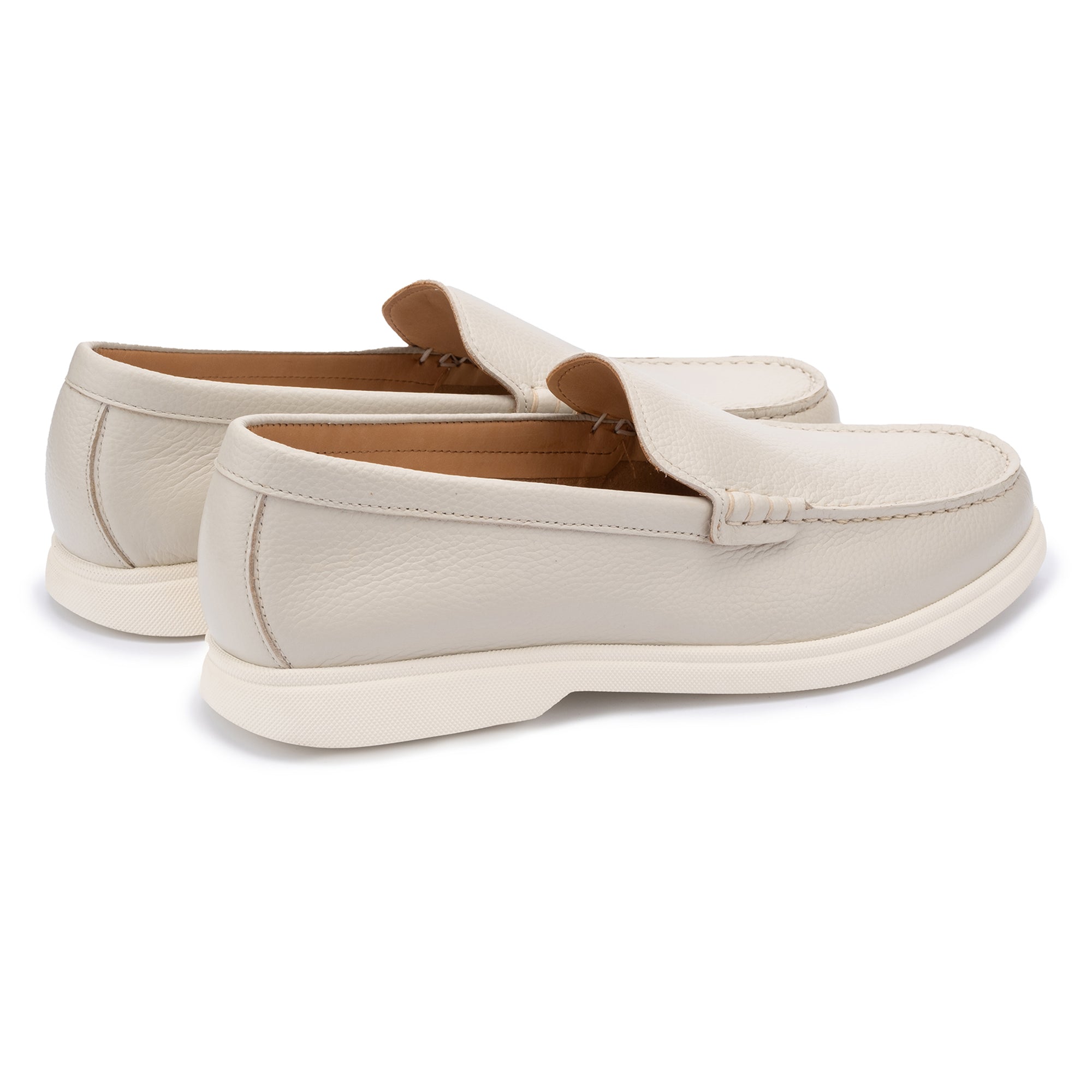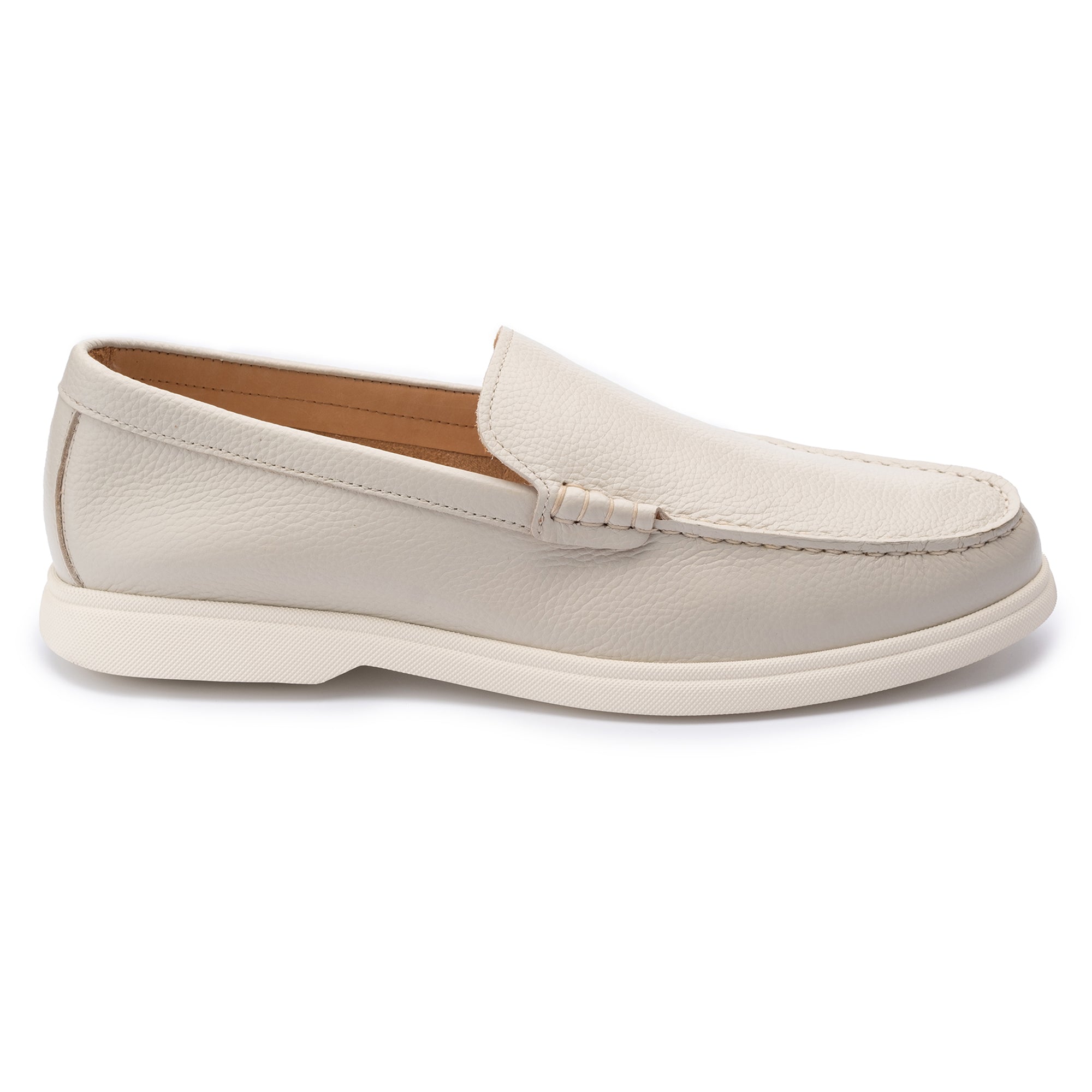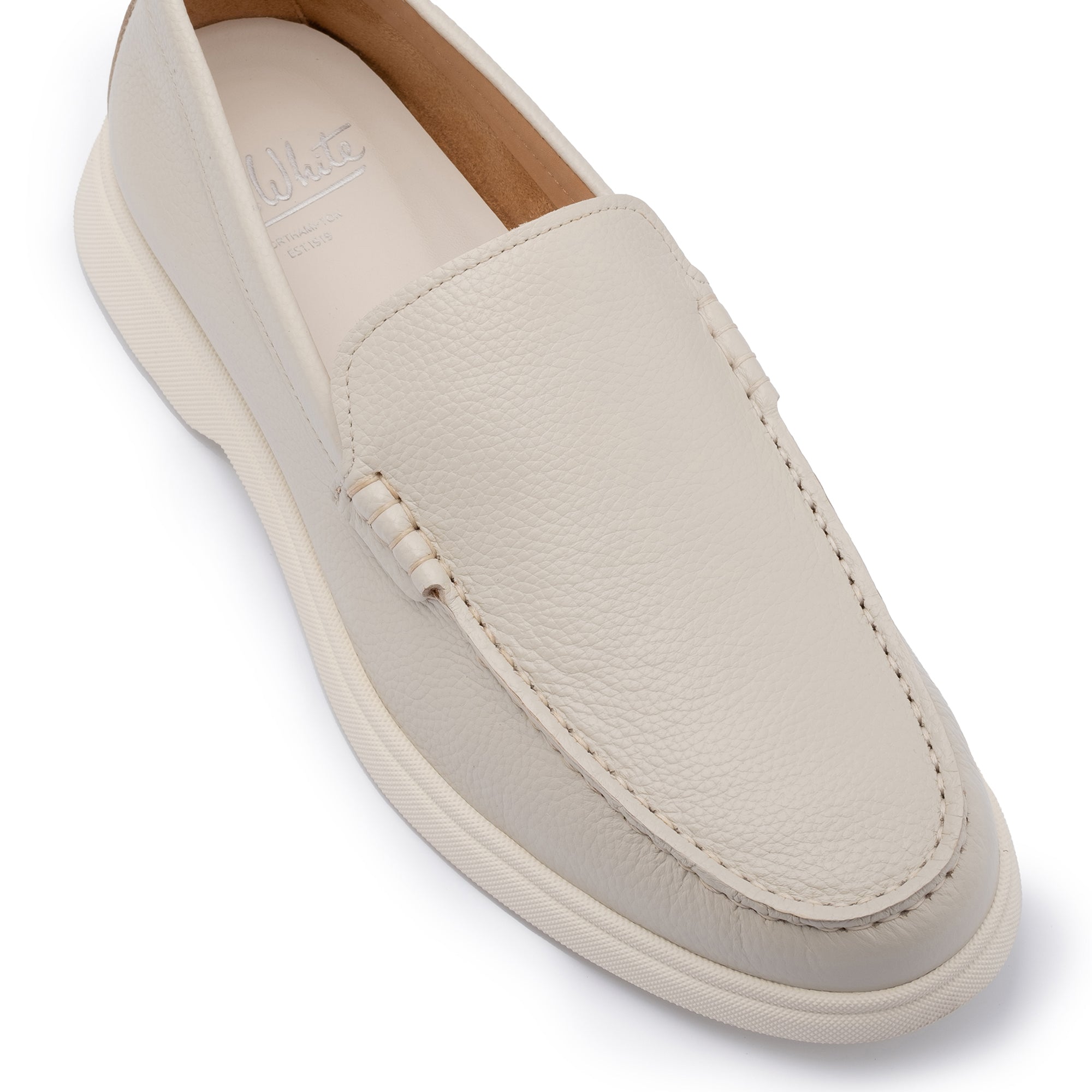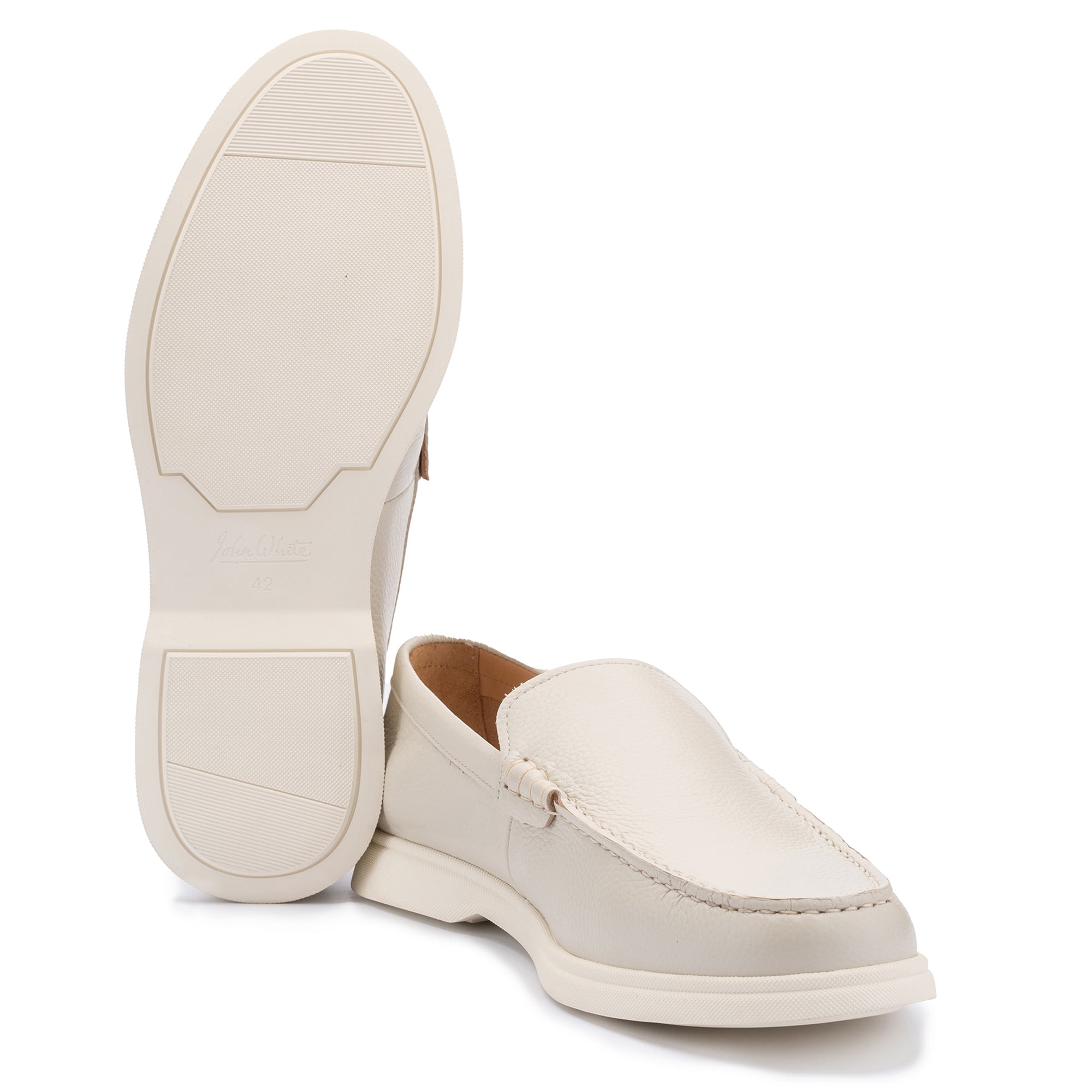

There is a version of this question that arrives in most men's lives every few years — usually when he is standing in front of his wardrobe, realising the leather trainers he has worn to every occasion for the past eighteen months will not cover what is coming. A new job. A wedding. A dinner that expects a jacket. The leather sneaker is a proper shoe — real upper, clean silhouette, smart enough for a wide range of situations. But it is not every situation. Knowing the difference, and knowing what to own alongside it, is what this guide covers.
In This Guide
What the Leather Sneaker Does Well
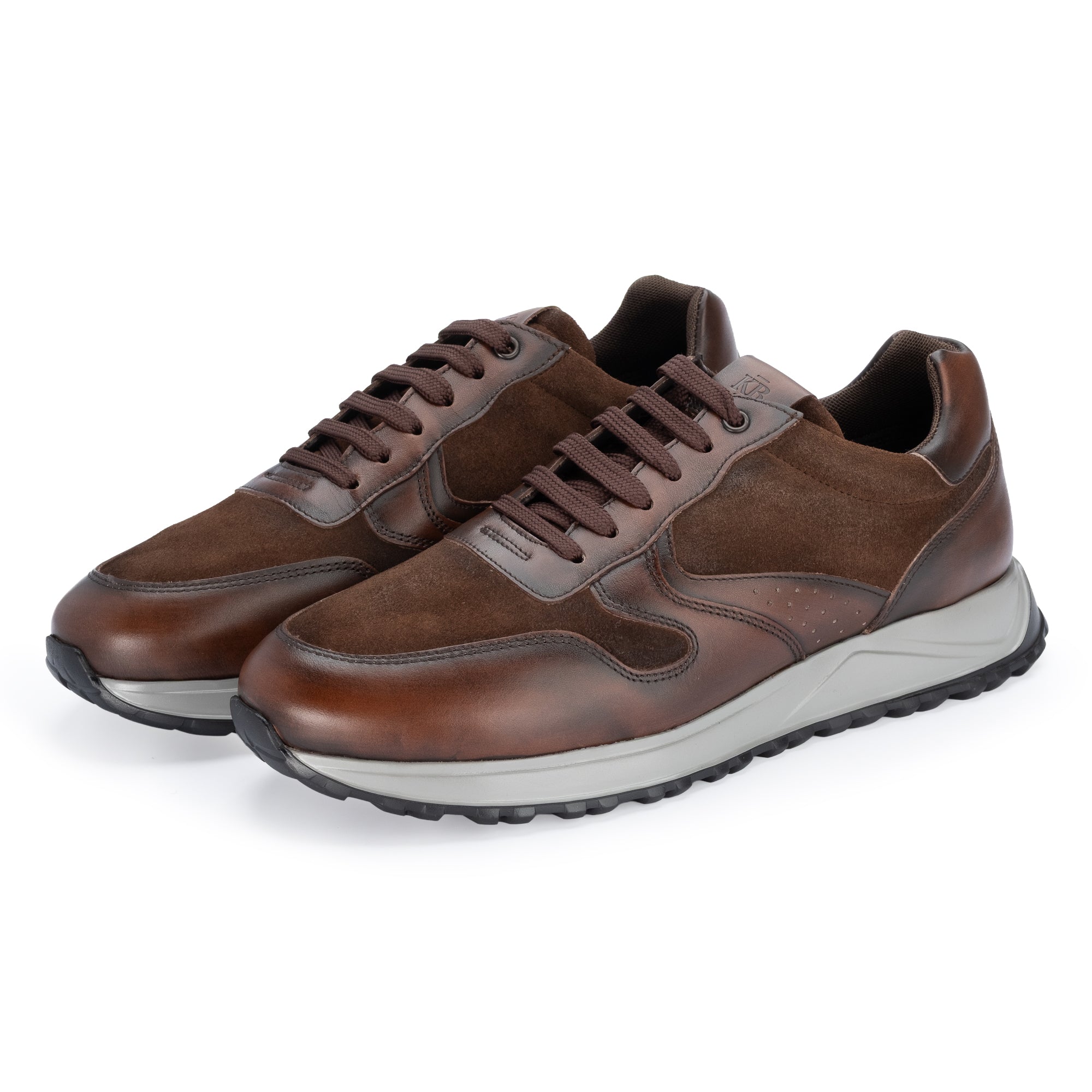
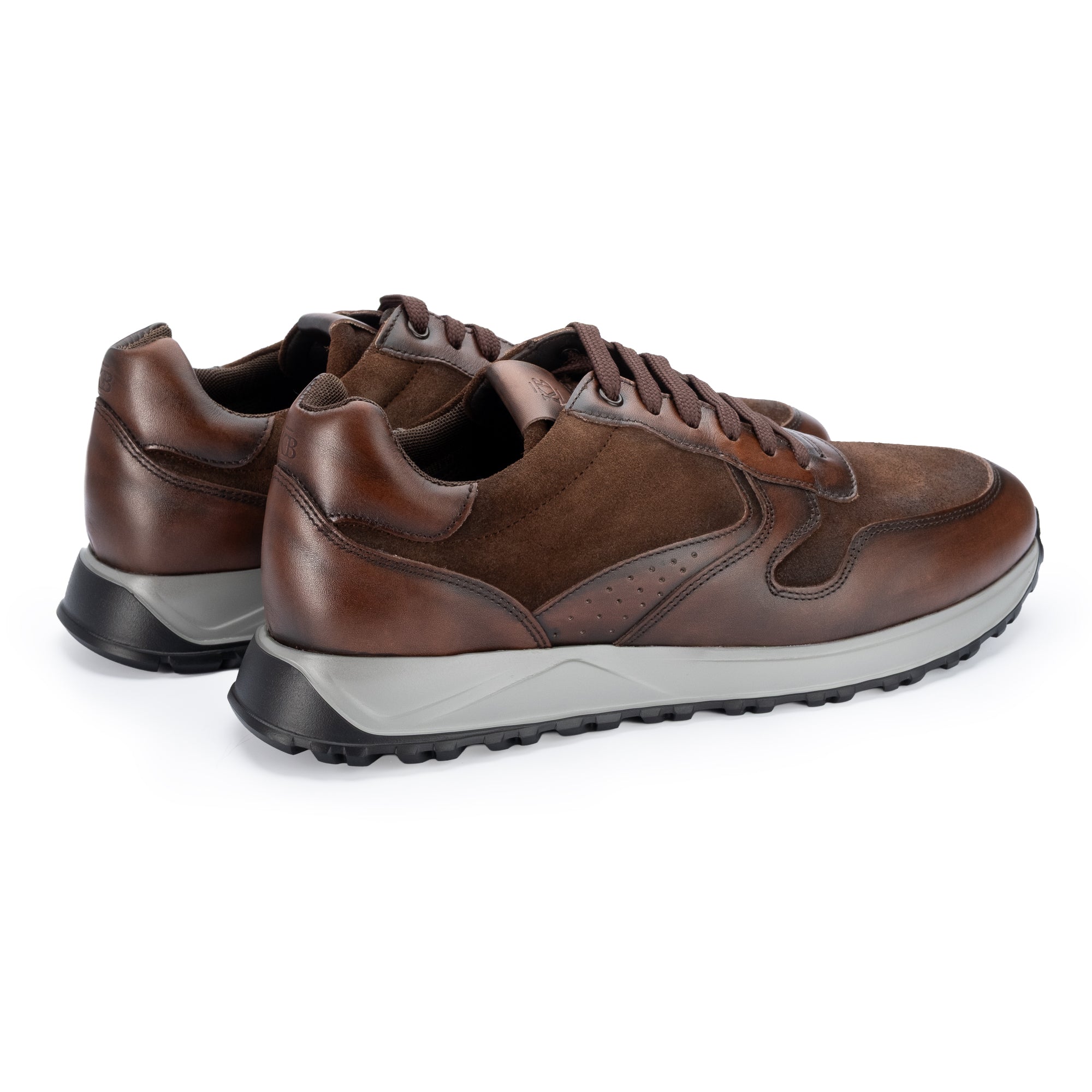
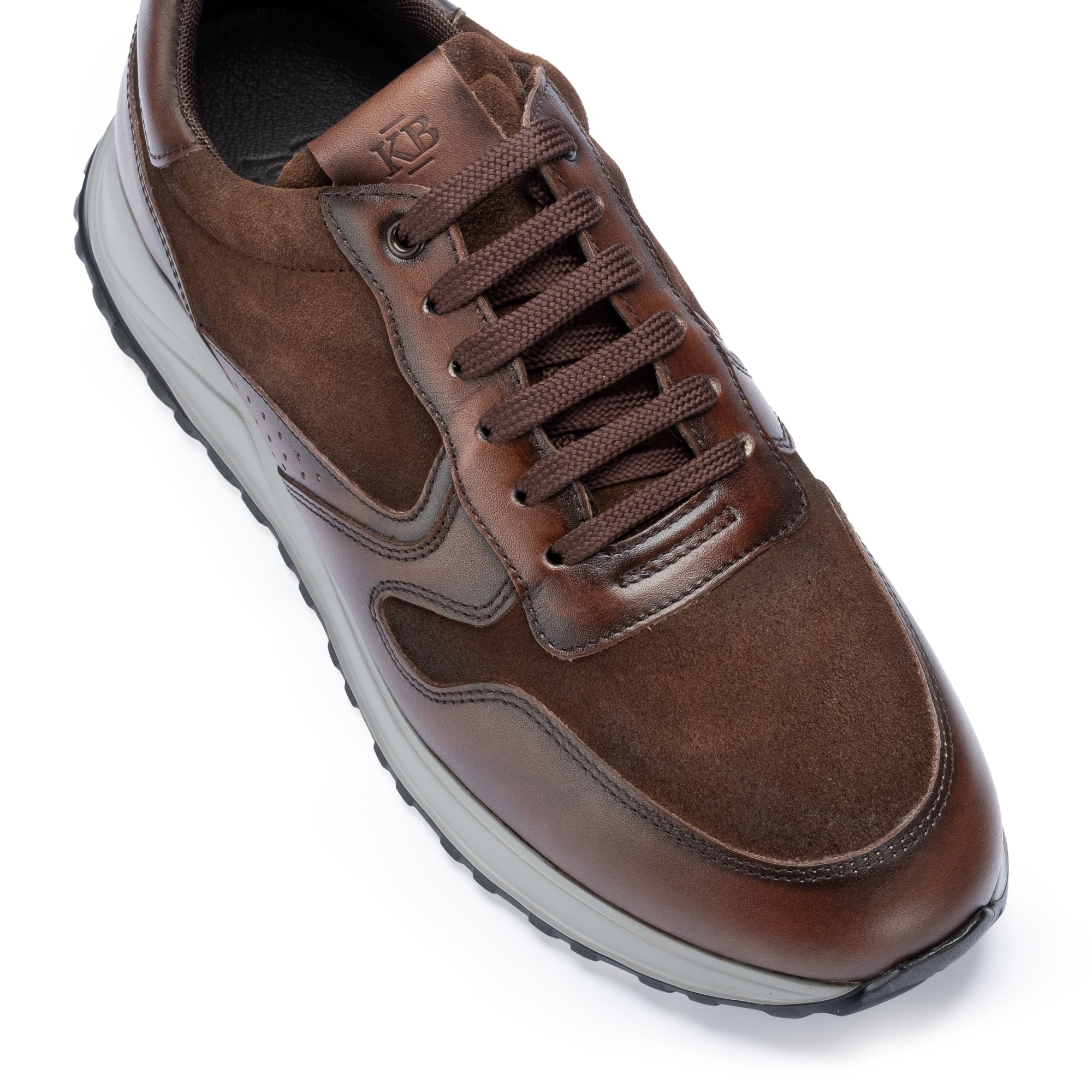
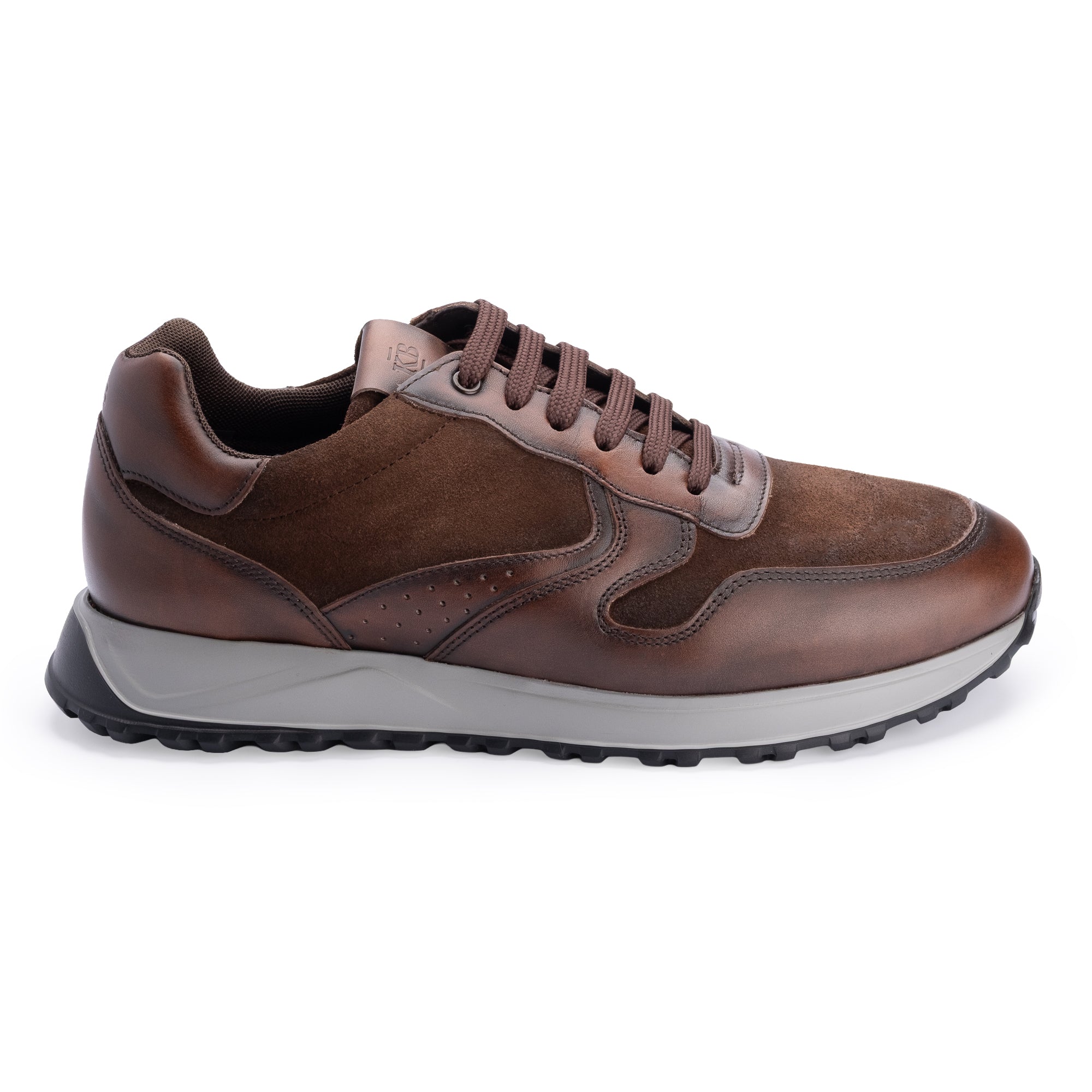
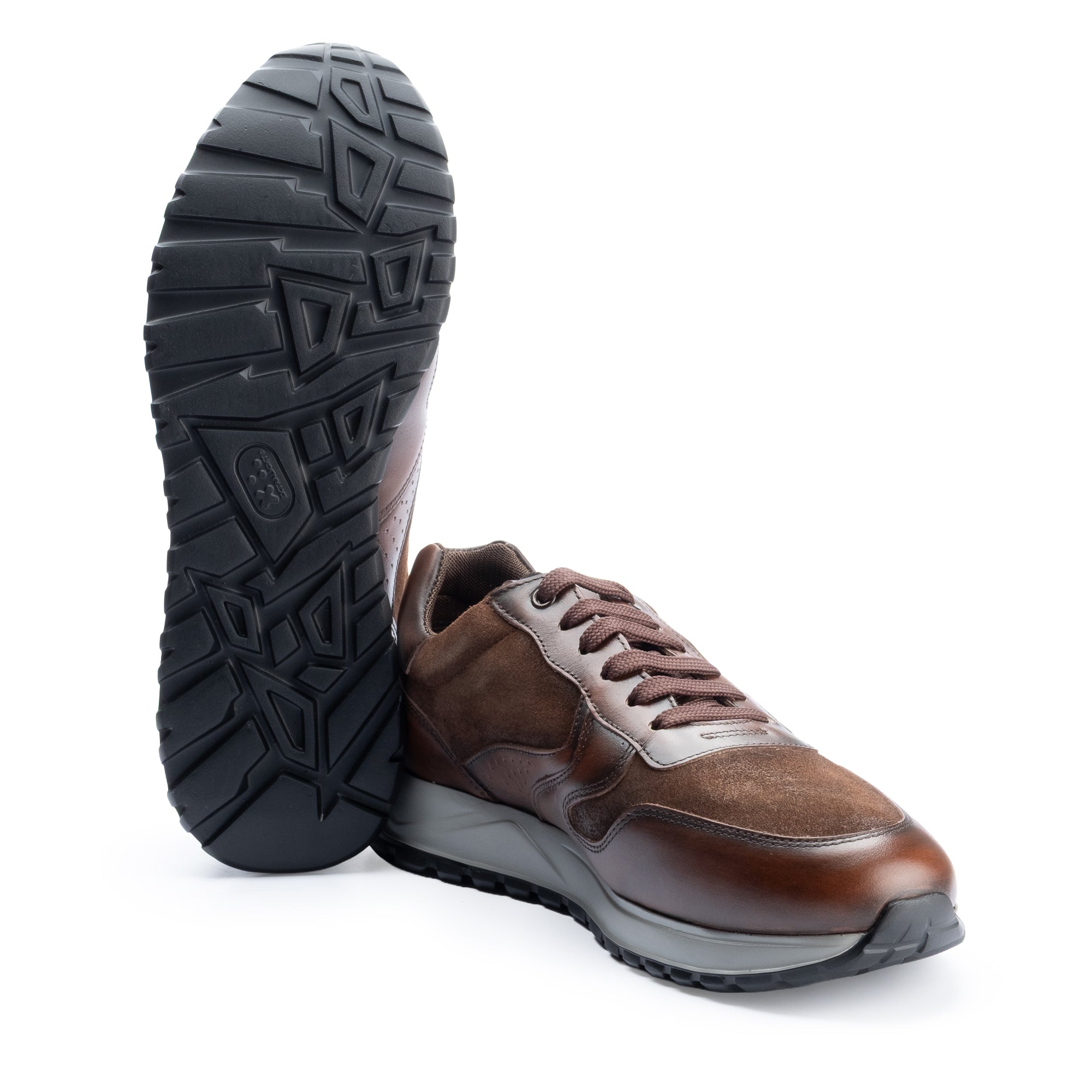
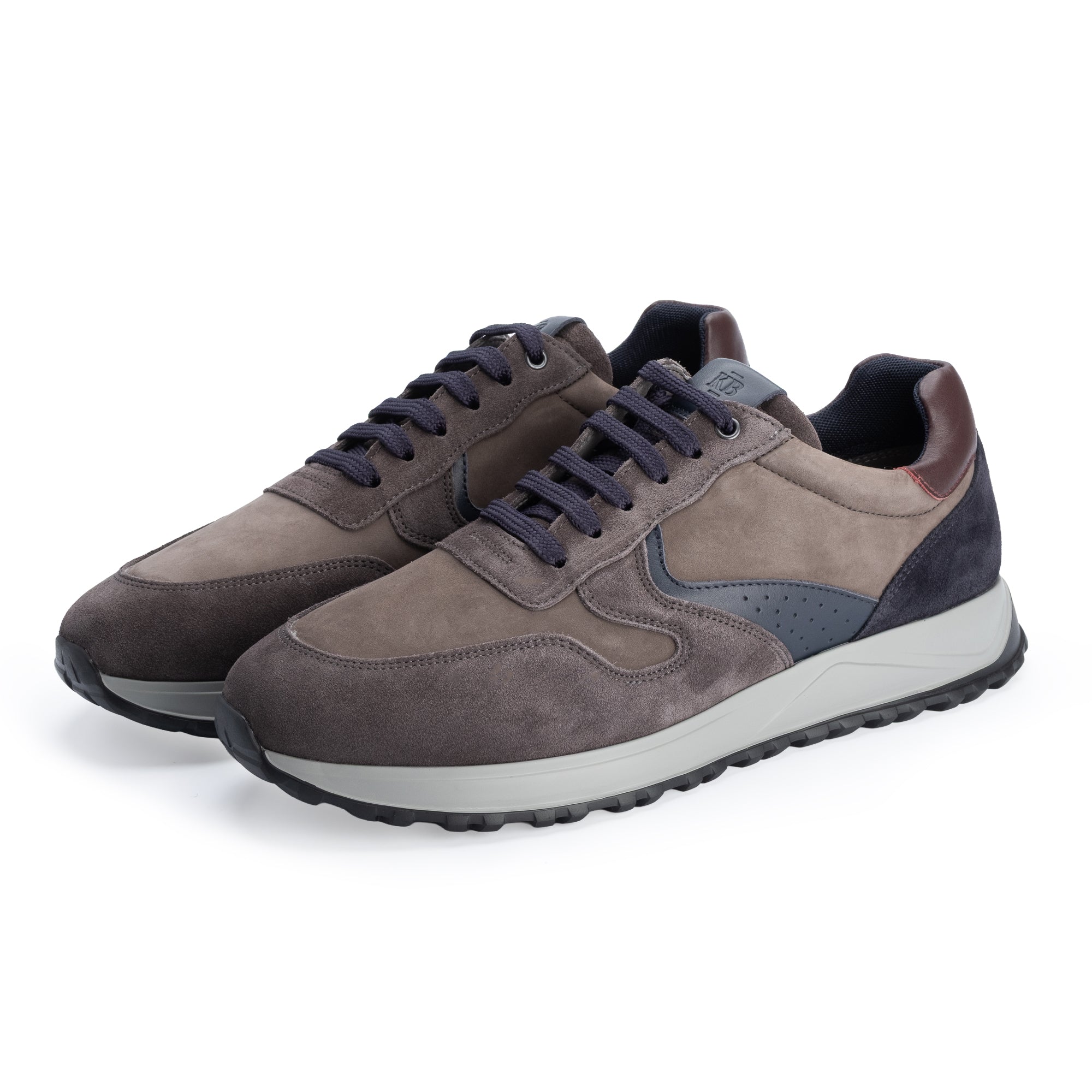
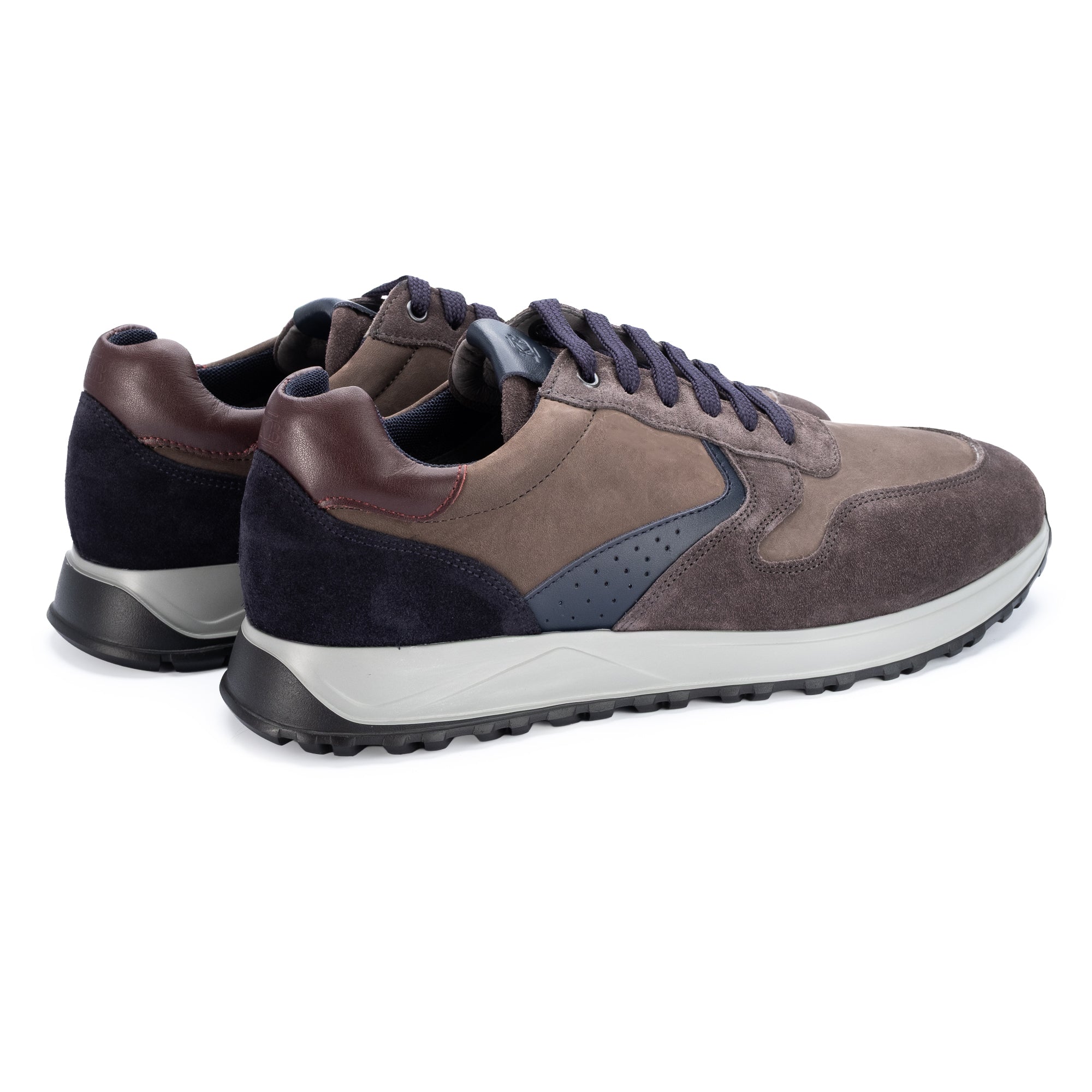
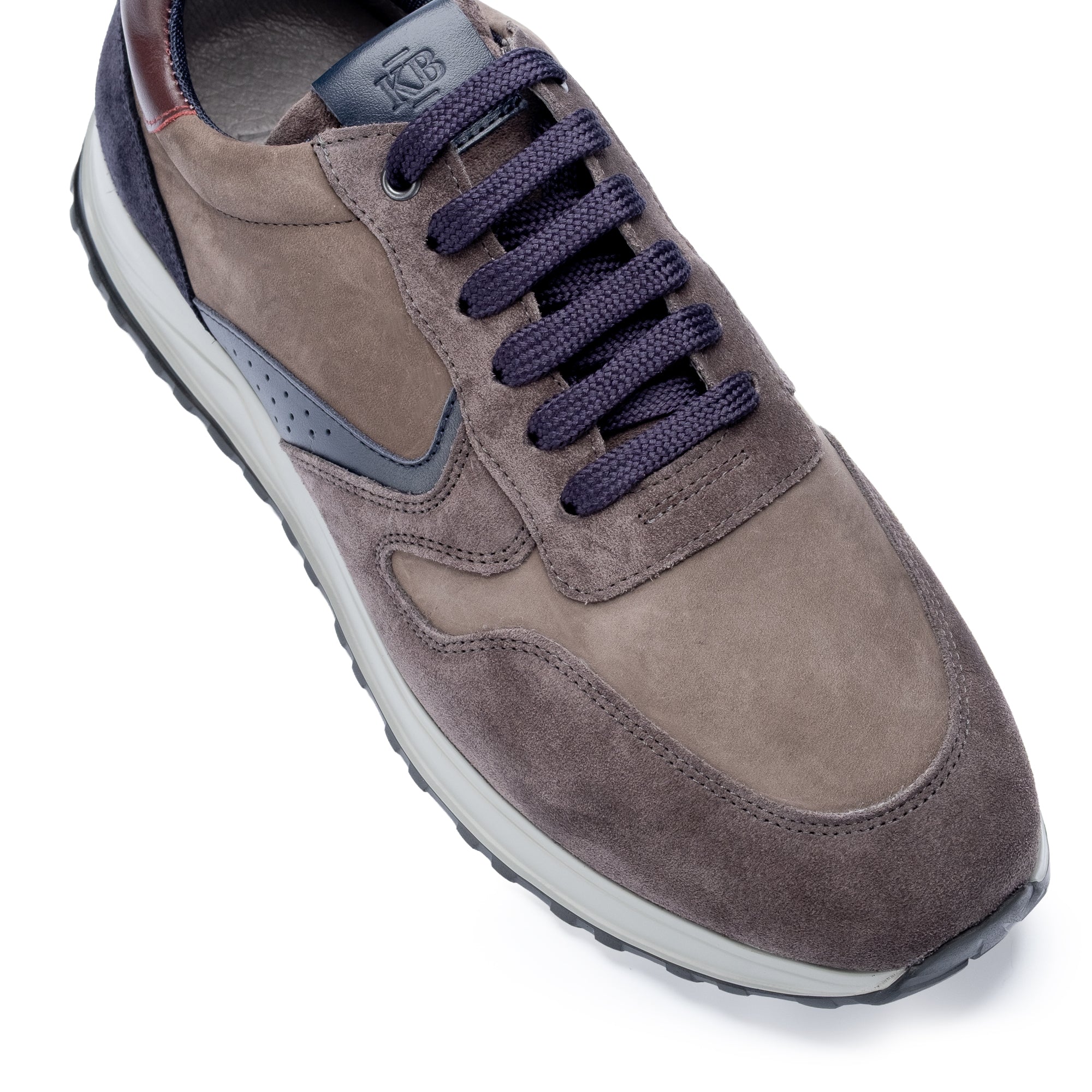
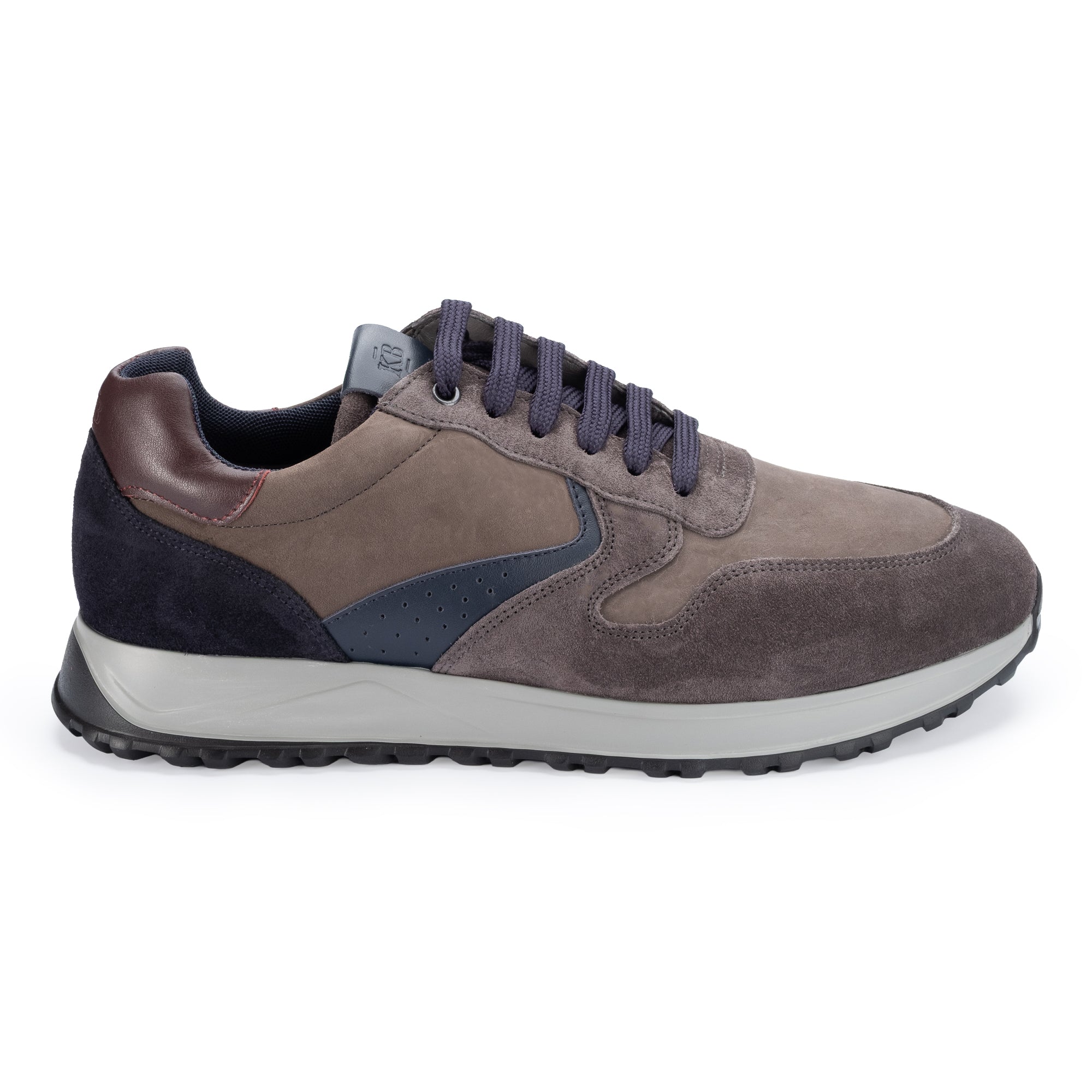
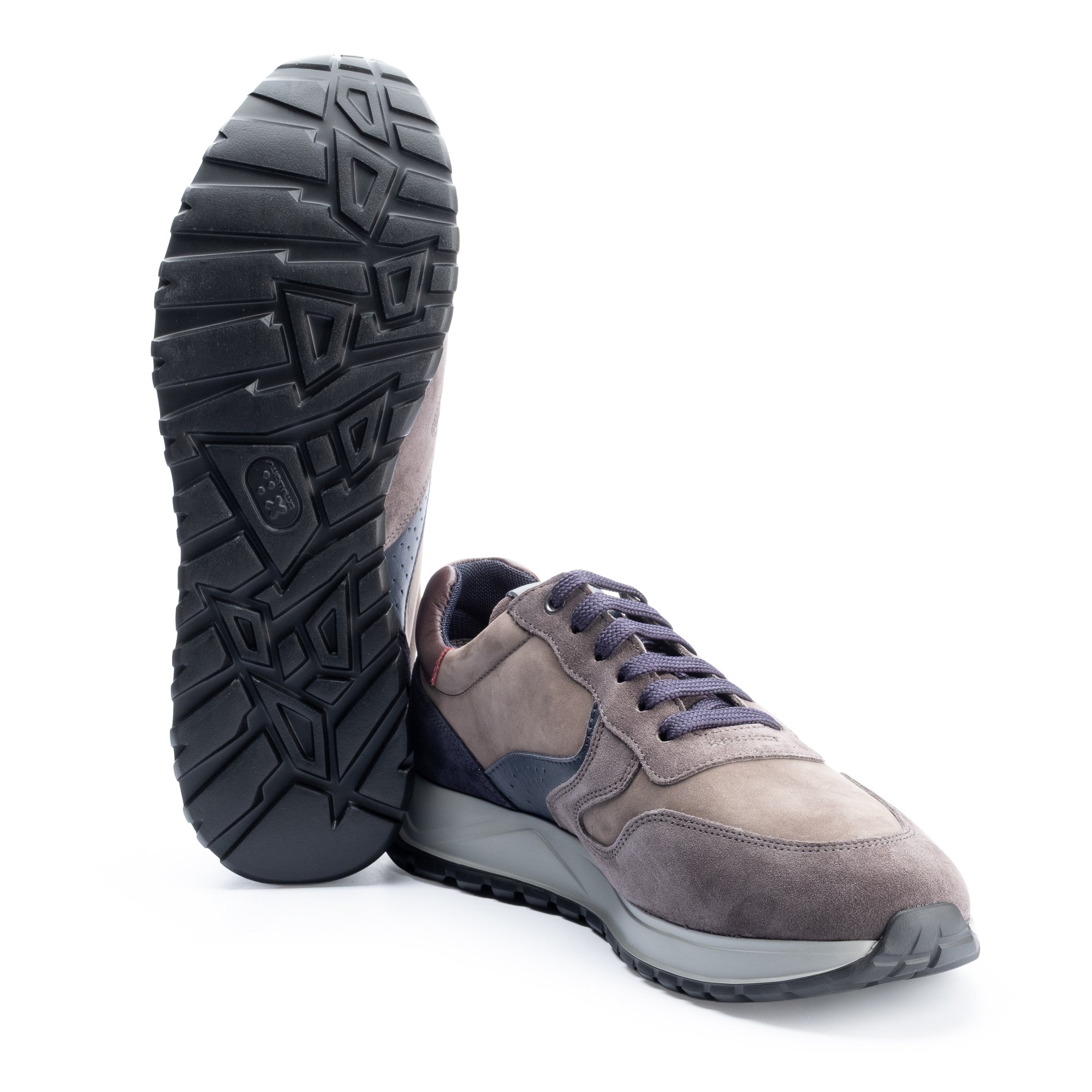
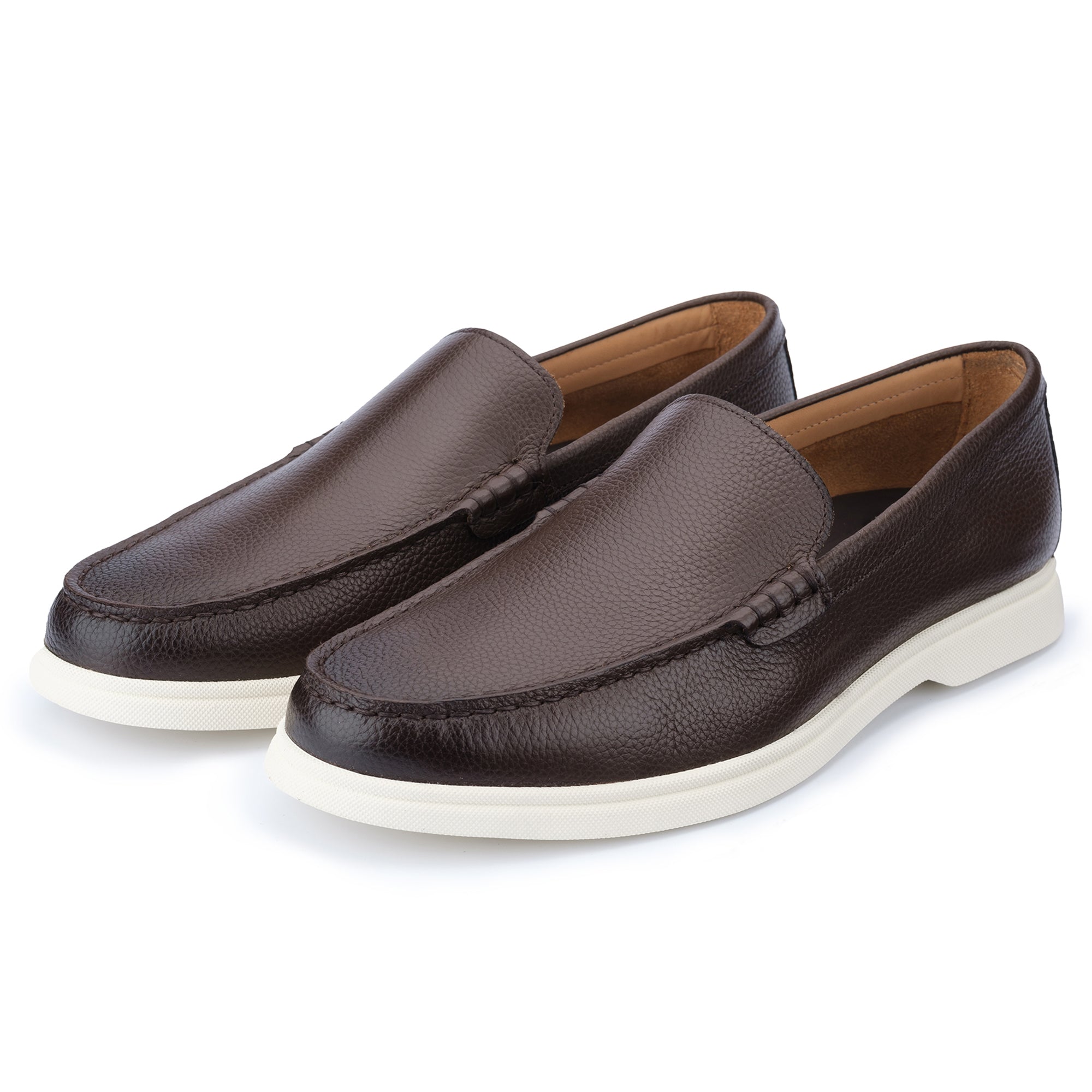
The leather sneaker occupies a useful middle ground that did not exist a generation ago. Before streetwear worked its way into the mainstream wardrobe, a man's footwear options were broadly binary: smart shoes for occasions, canvas trainers for everything else. The leather sneaker changed that. It works with dark denim, chinos, an open-collar shirt, a casual blazer, weekend kit. In many creative offices and modern working environments it passes without comment as everyday wear.
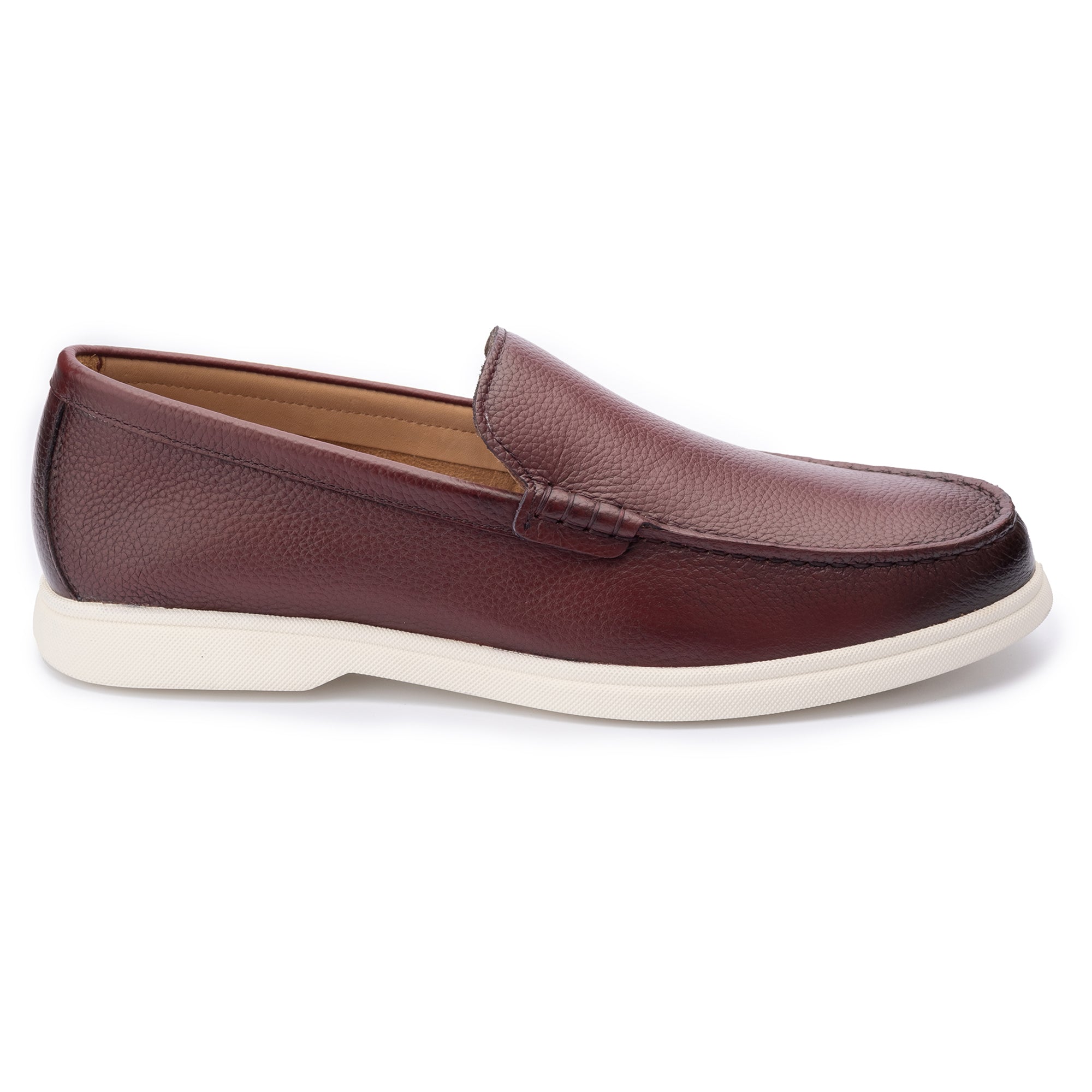
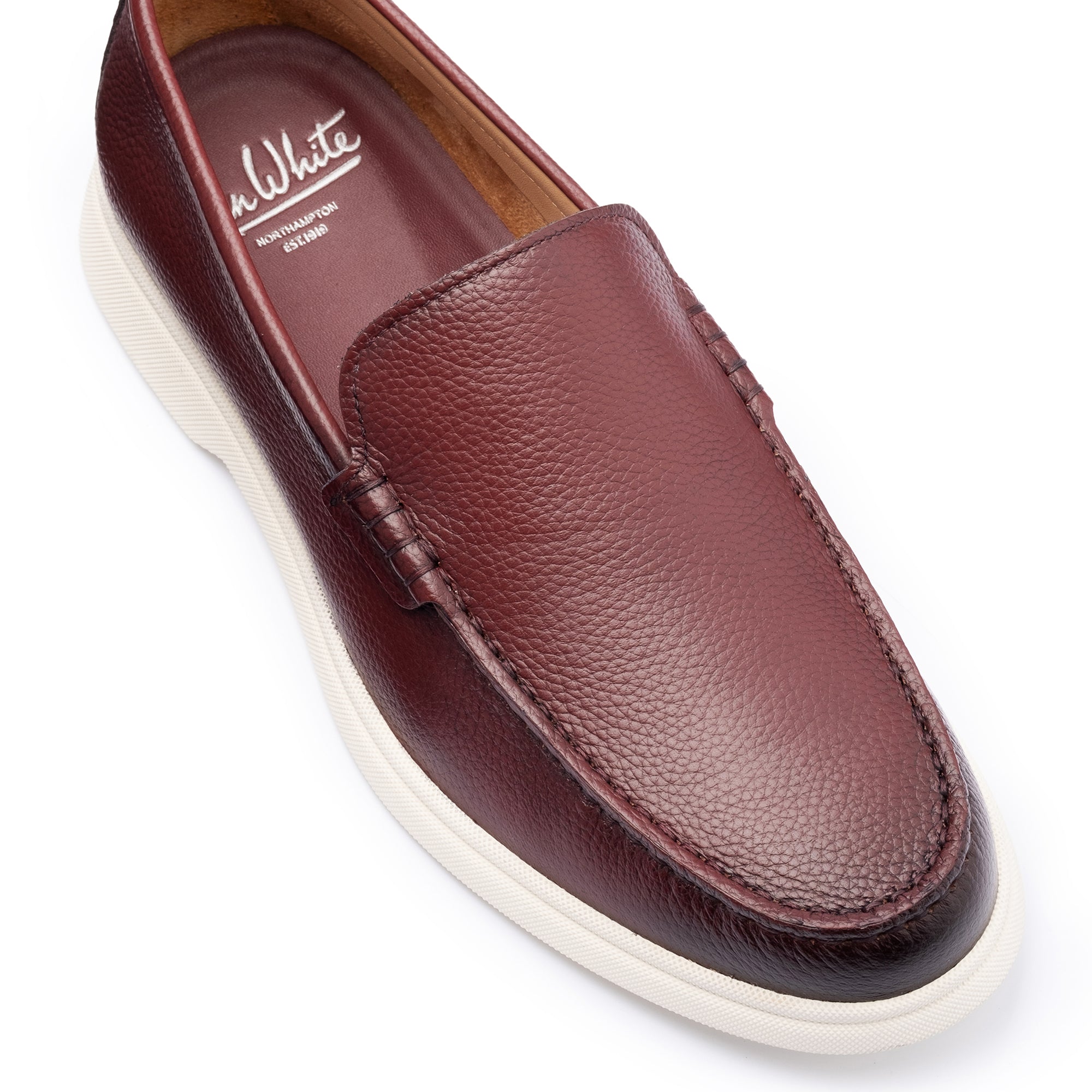
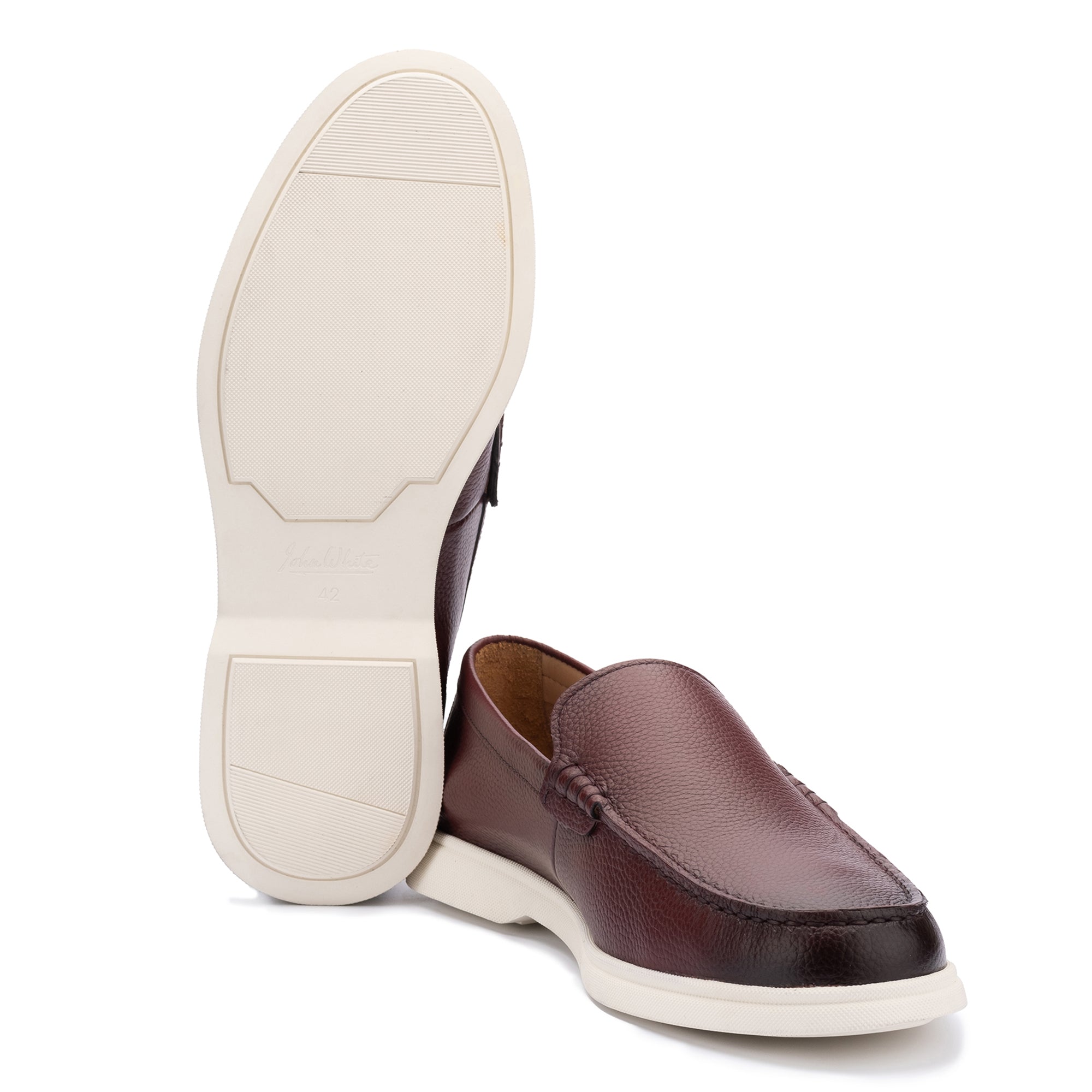
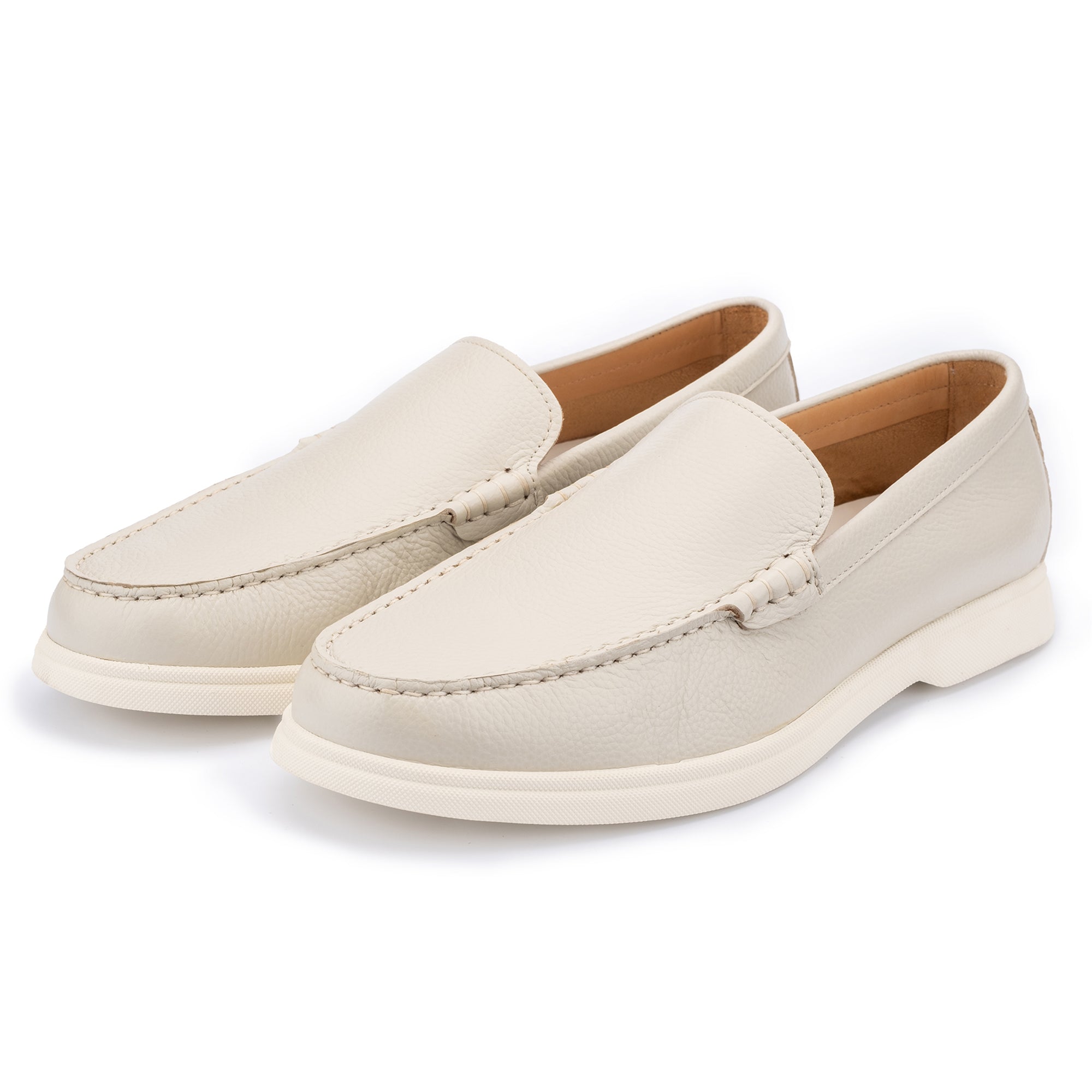
The Hemsworth Sneaker — available in White, Navy, and Tan — sits at the considered end of this category. The leather upper ages decently, holds a clean edge, and does not read cheap. For a man assembling a working wardrobe from scratch, it earns its place in the rotation. What it does not do is perform across every register a man's life eventually requires.
Where the Smart Shoe Earns Its Place
The leather sneaker has real limits. Not limitations of quality — limitations of context. There are settings where it reads as underdressed regardless of how well it is made or how clean the pair is. Understanding those settings is the core skill.
Formal Occasions
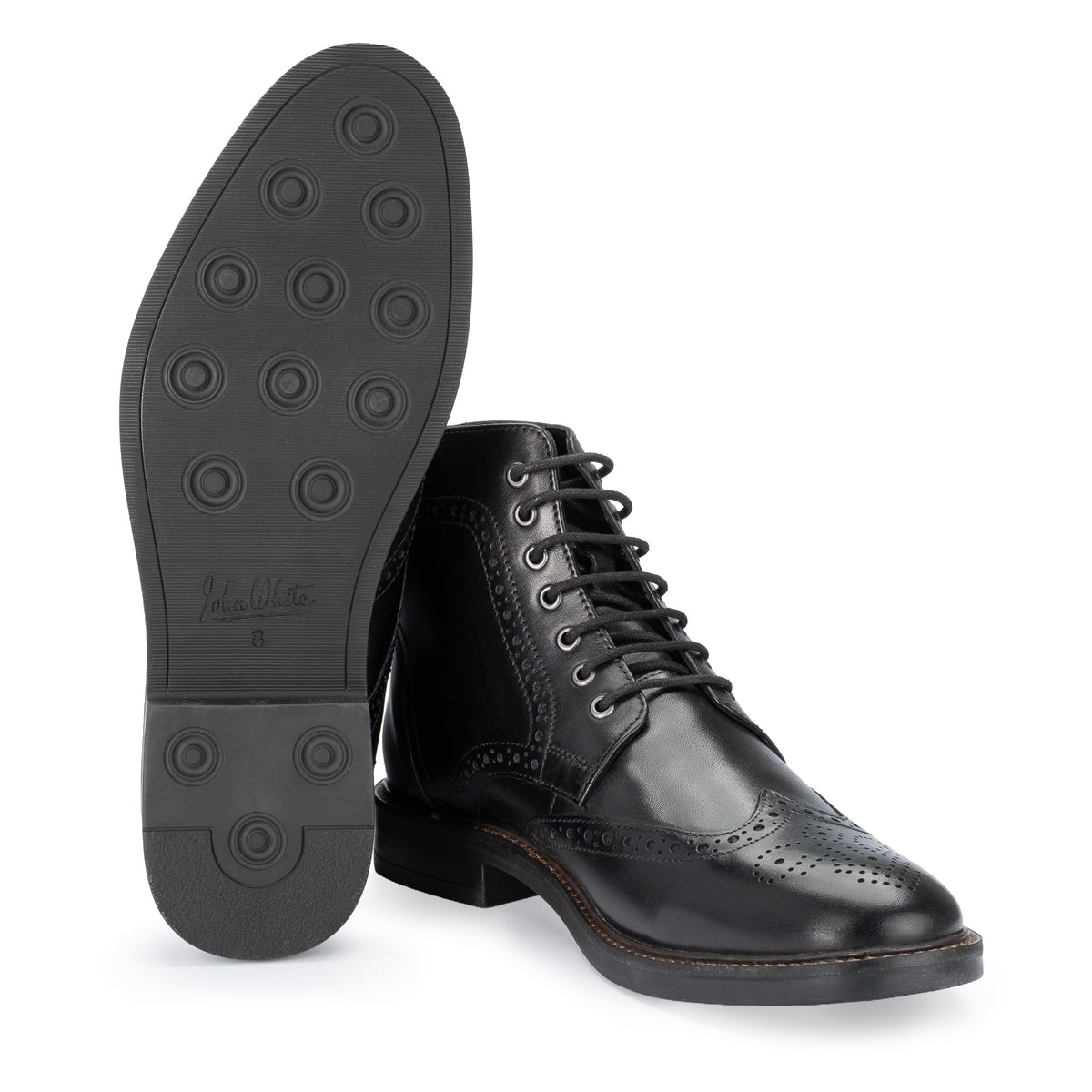
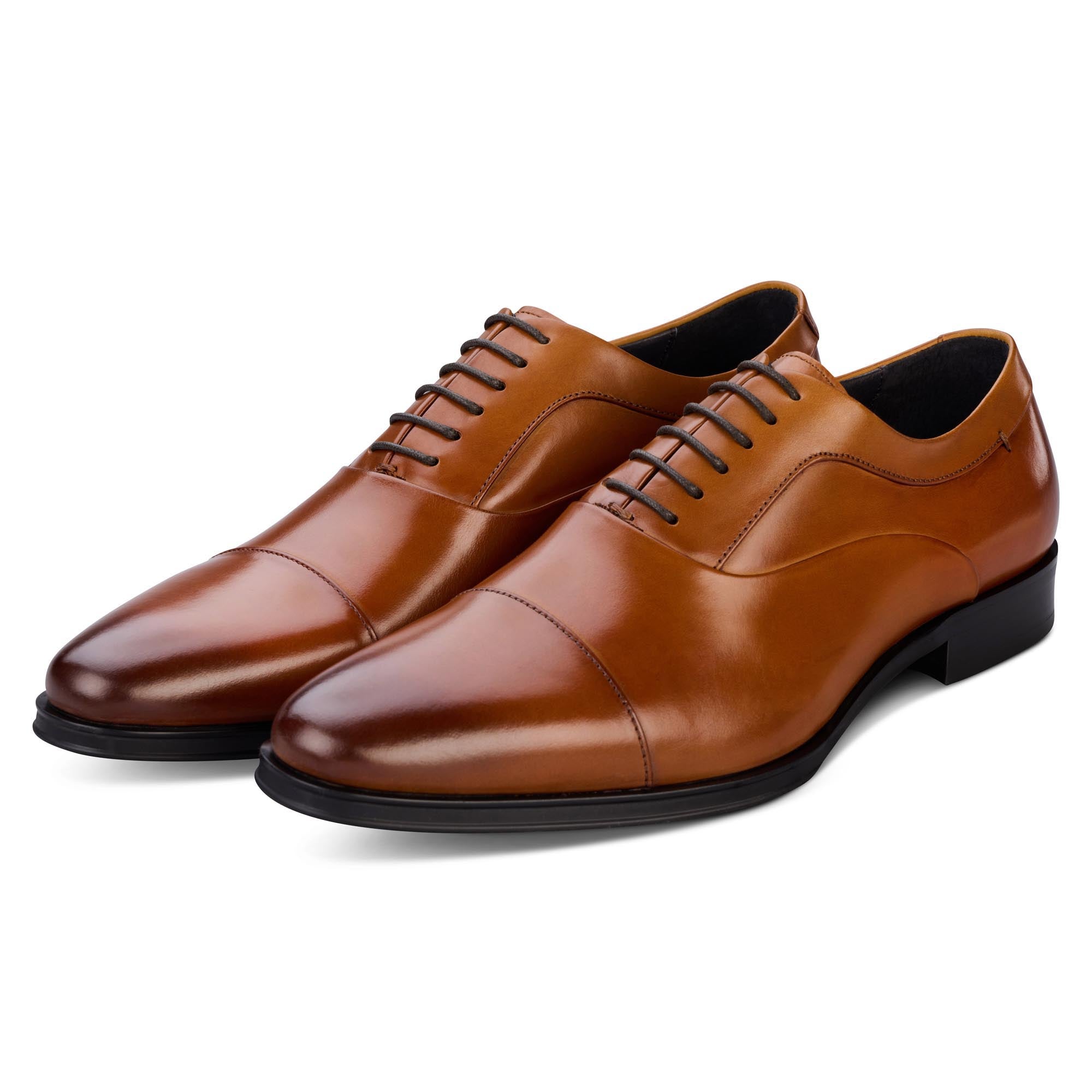
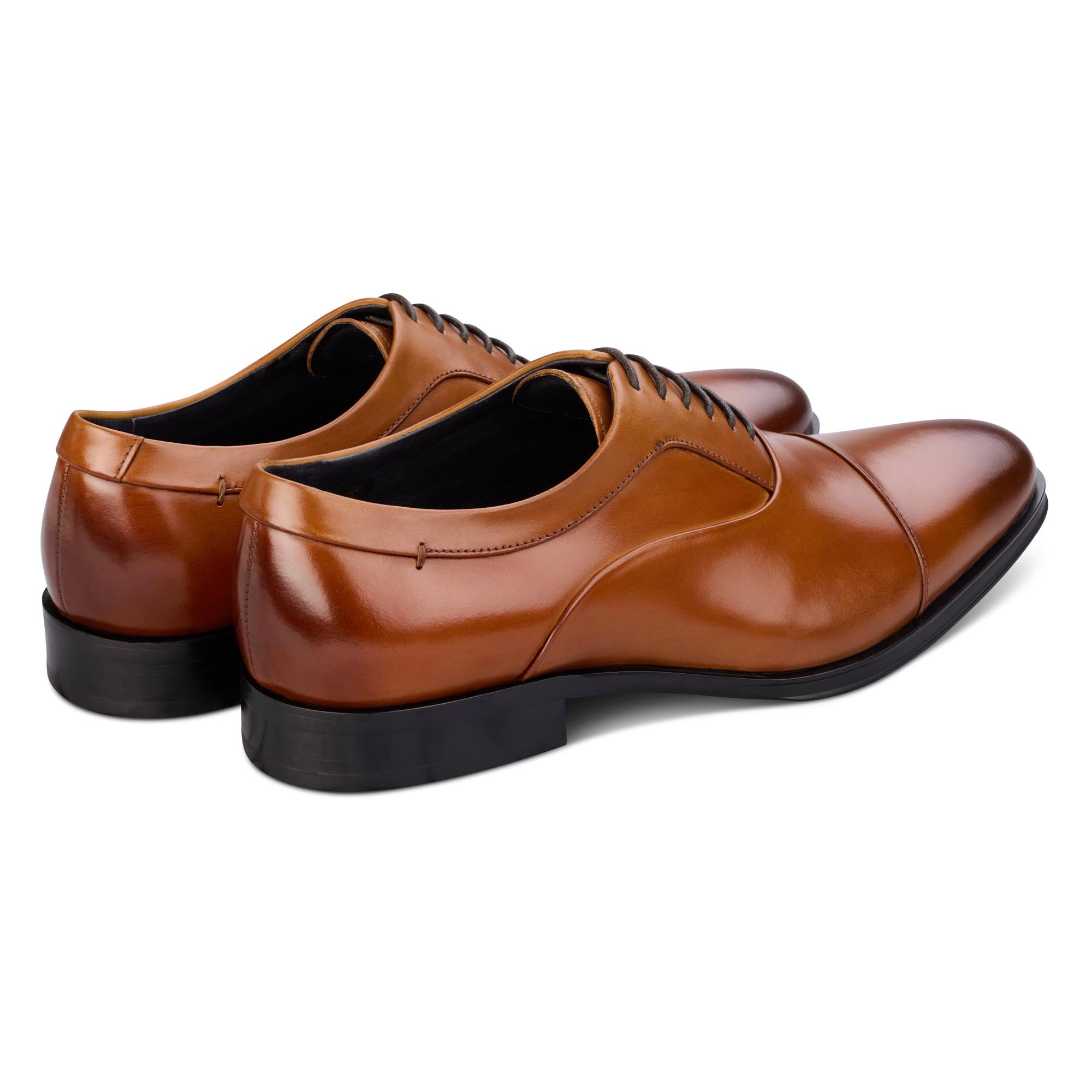
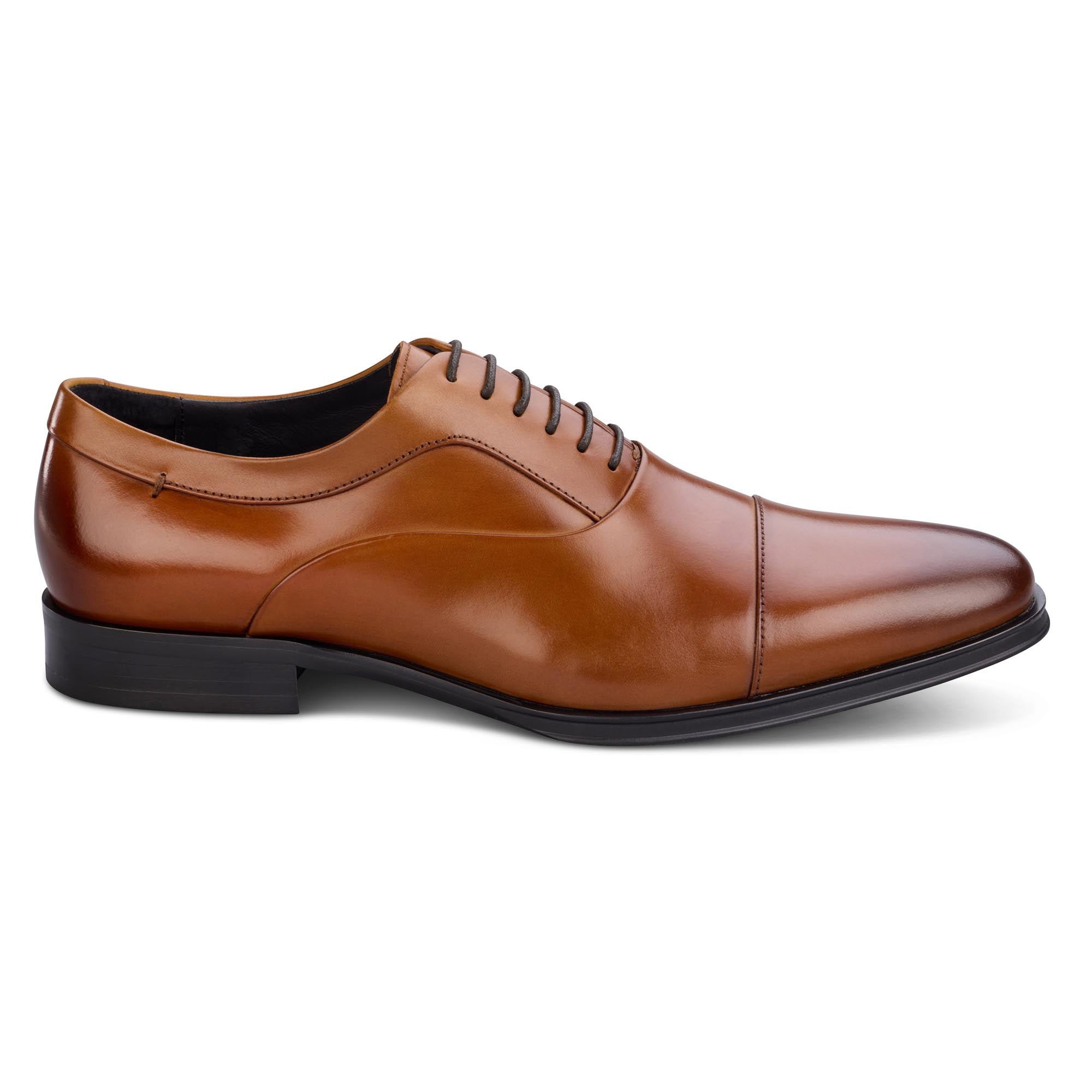
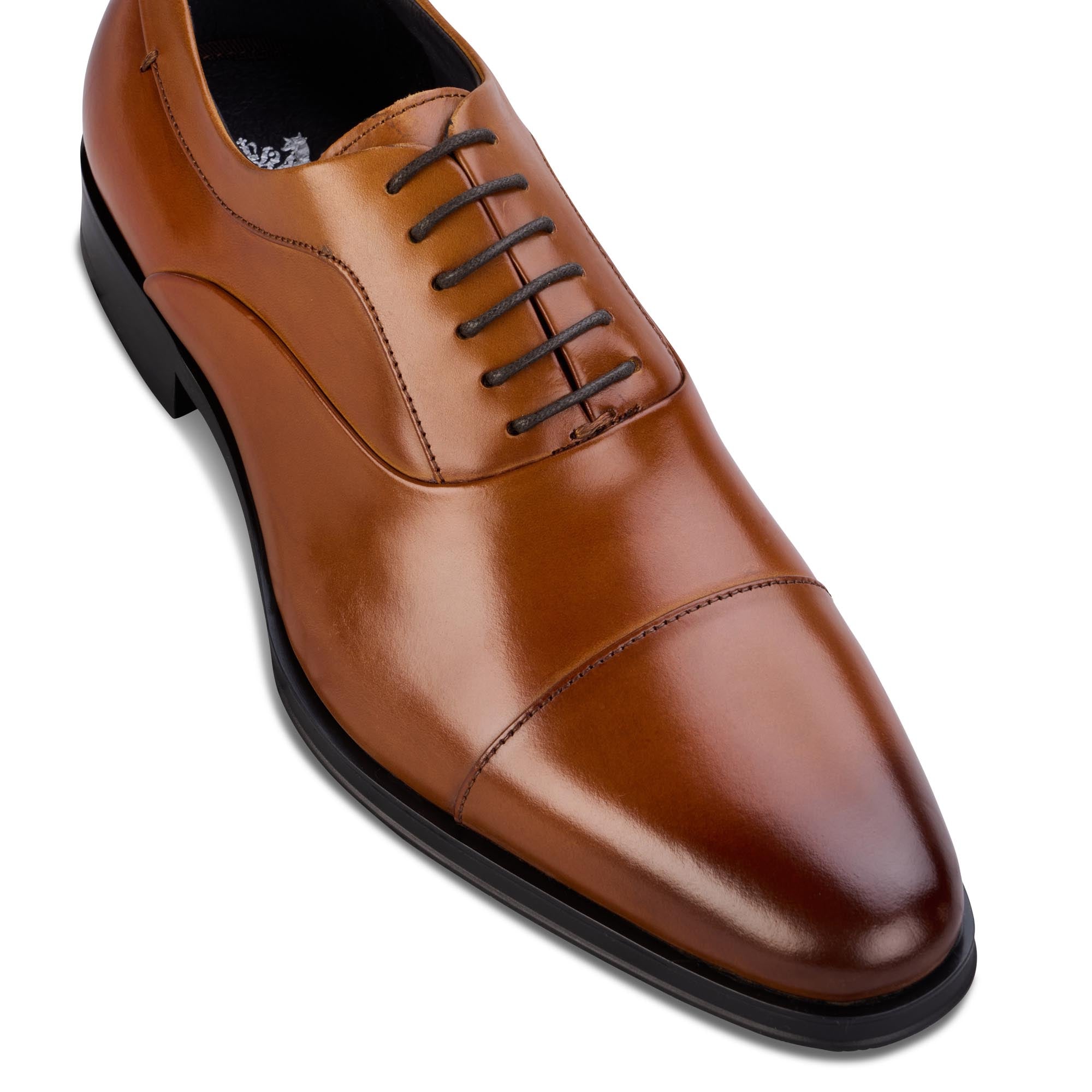
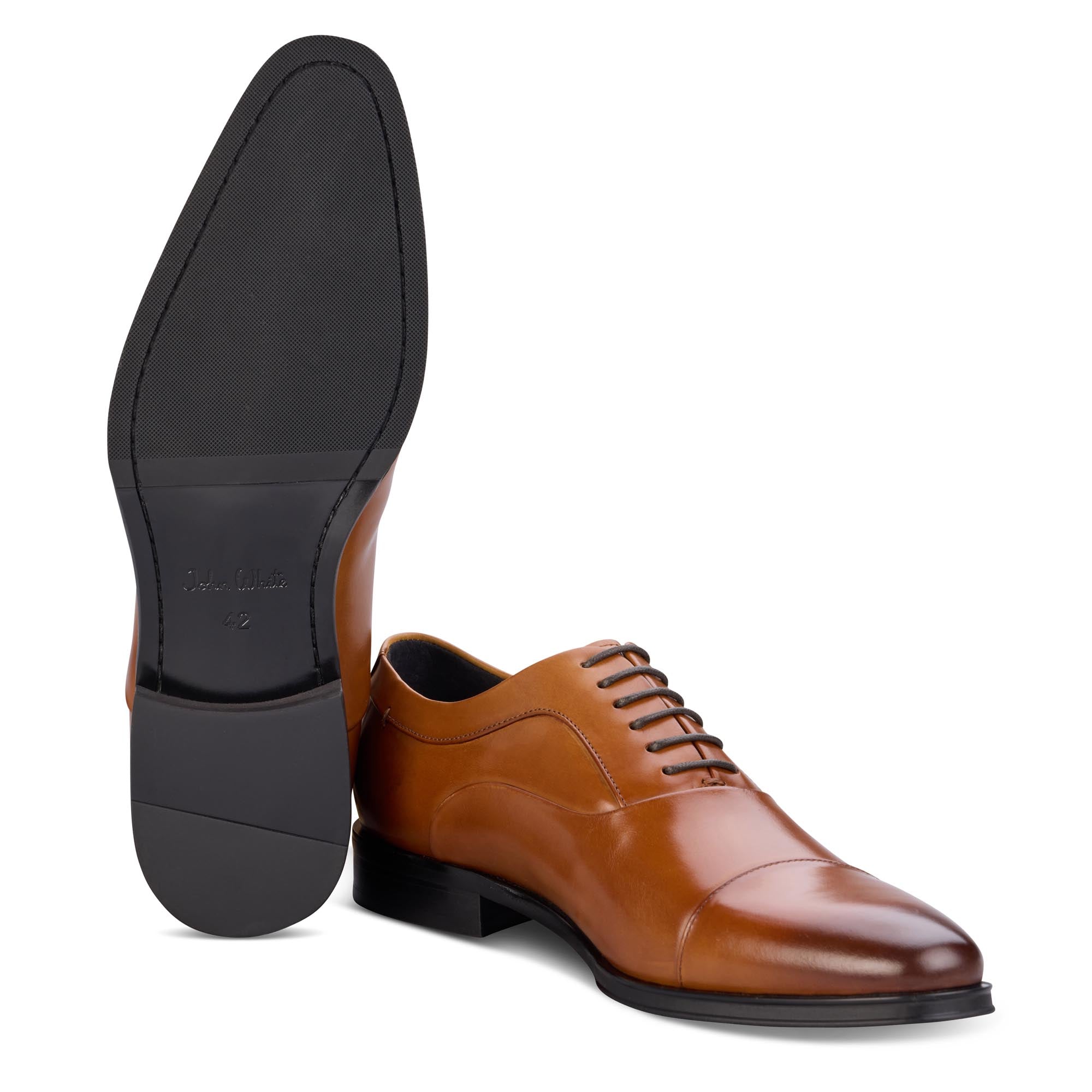
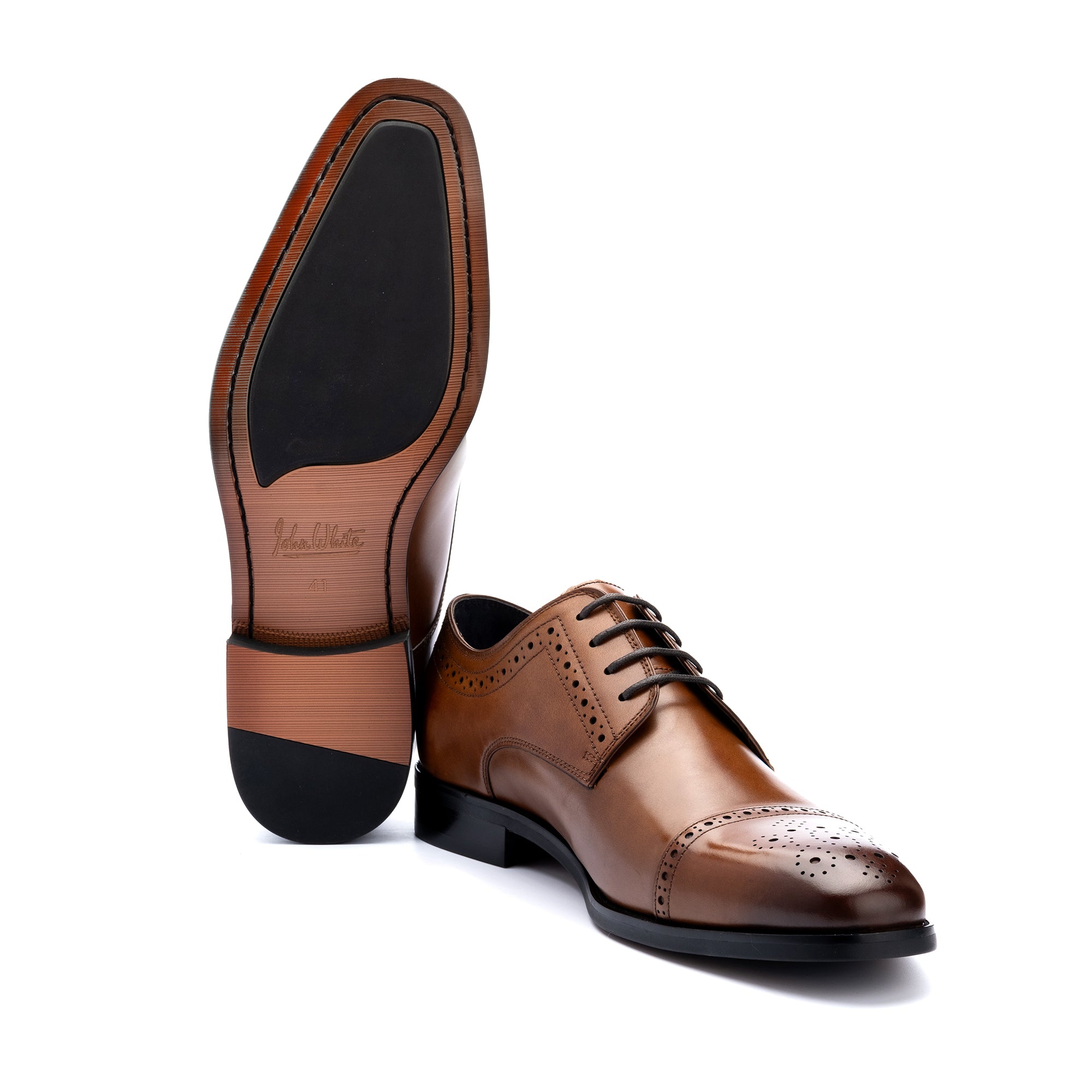
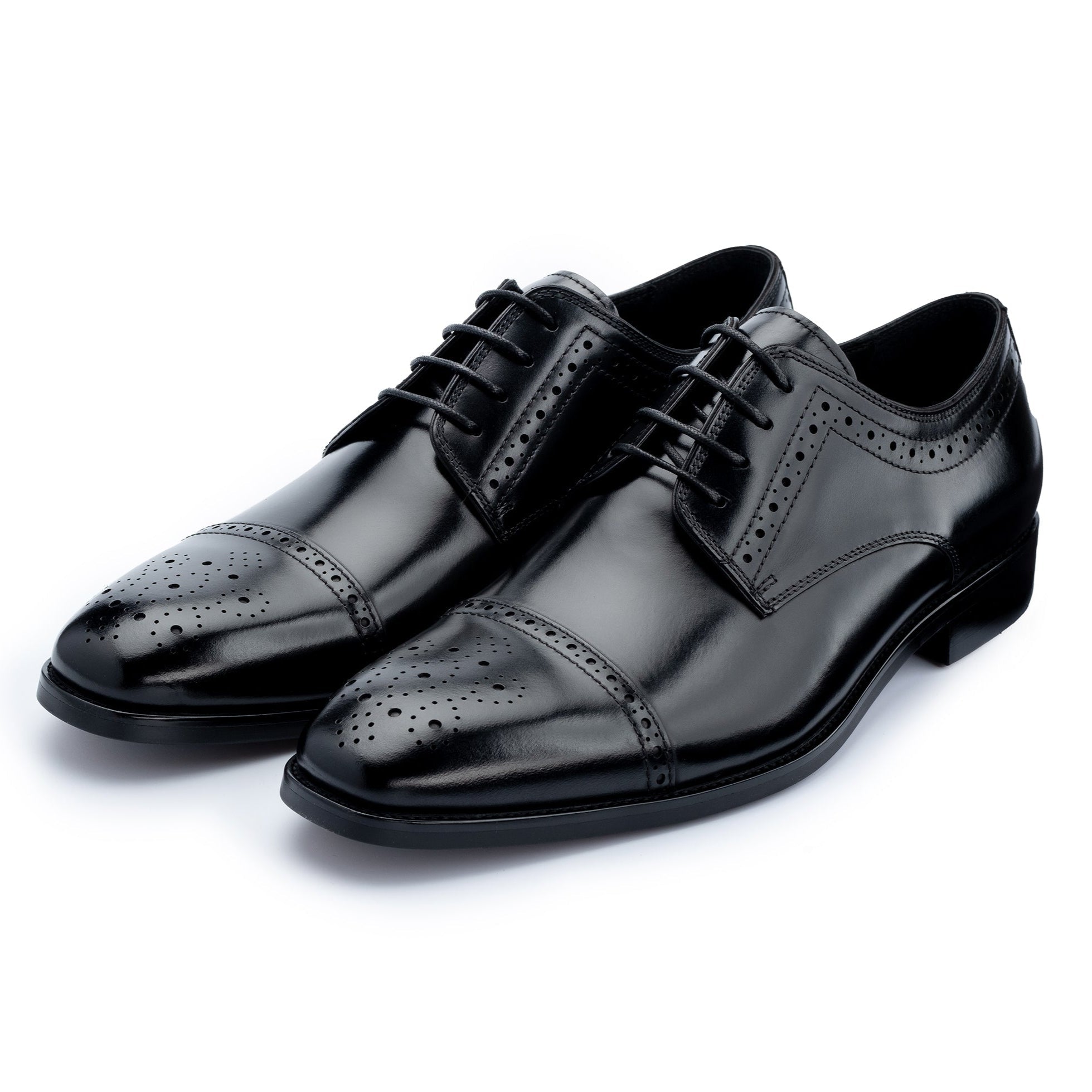
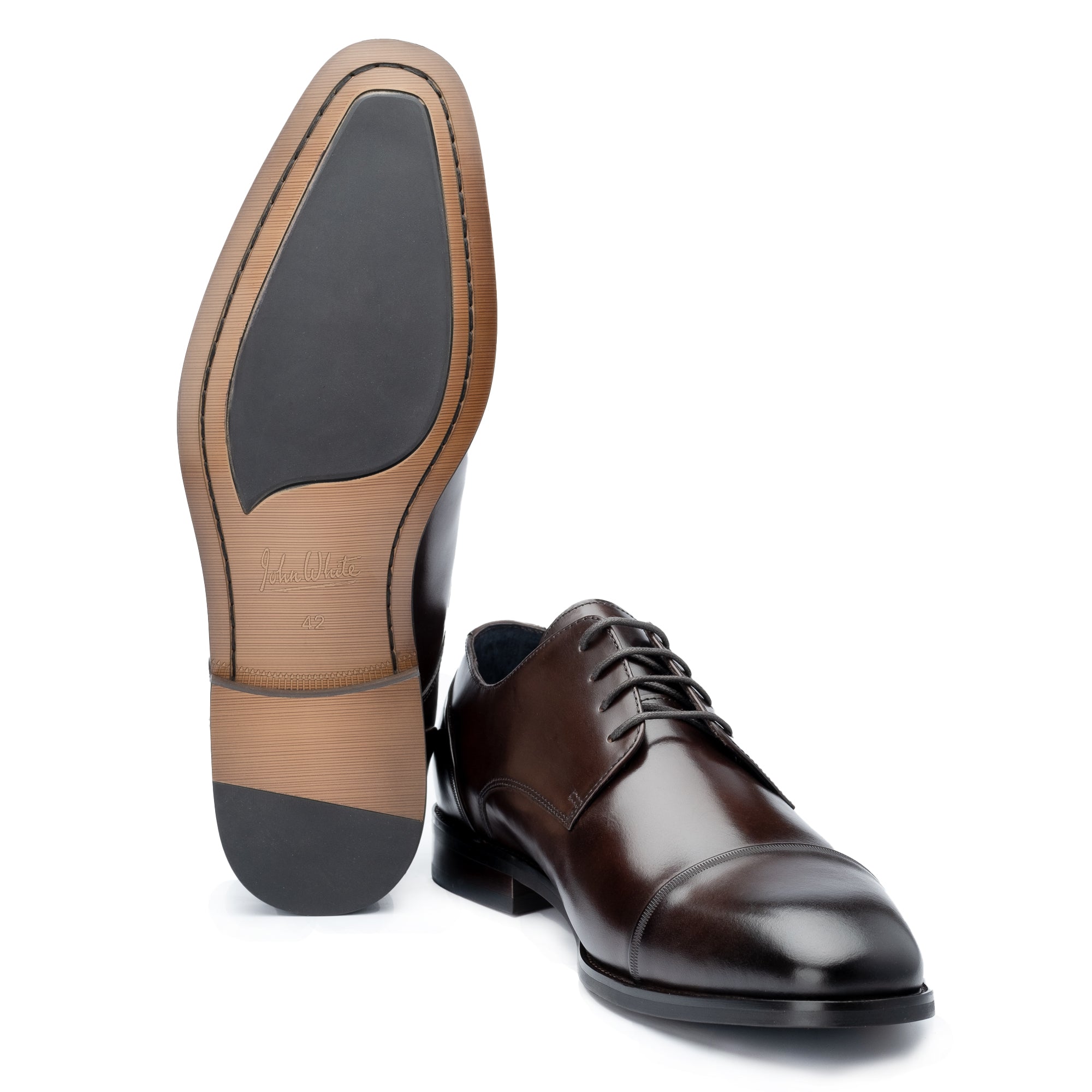
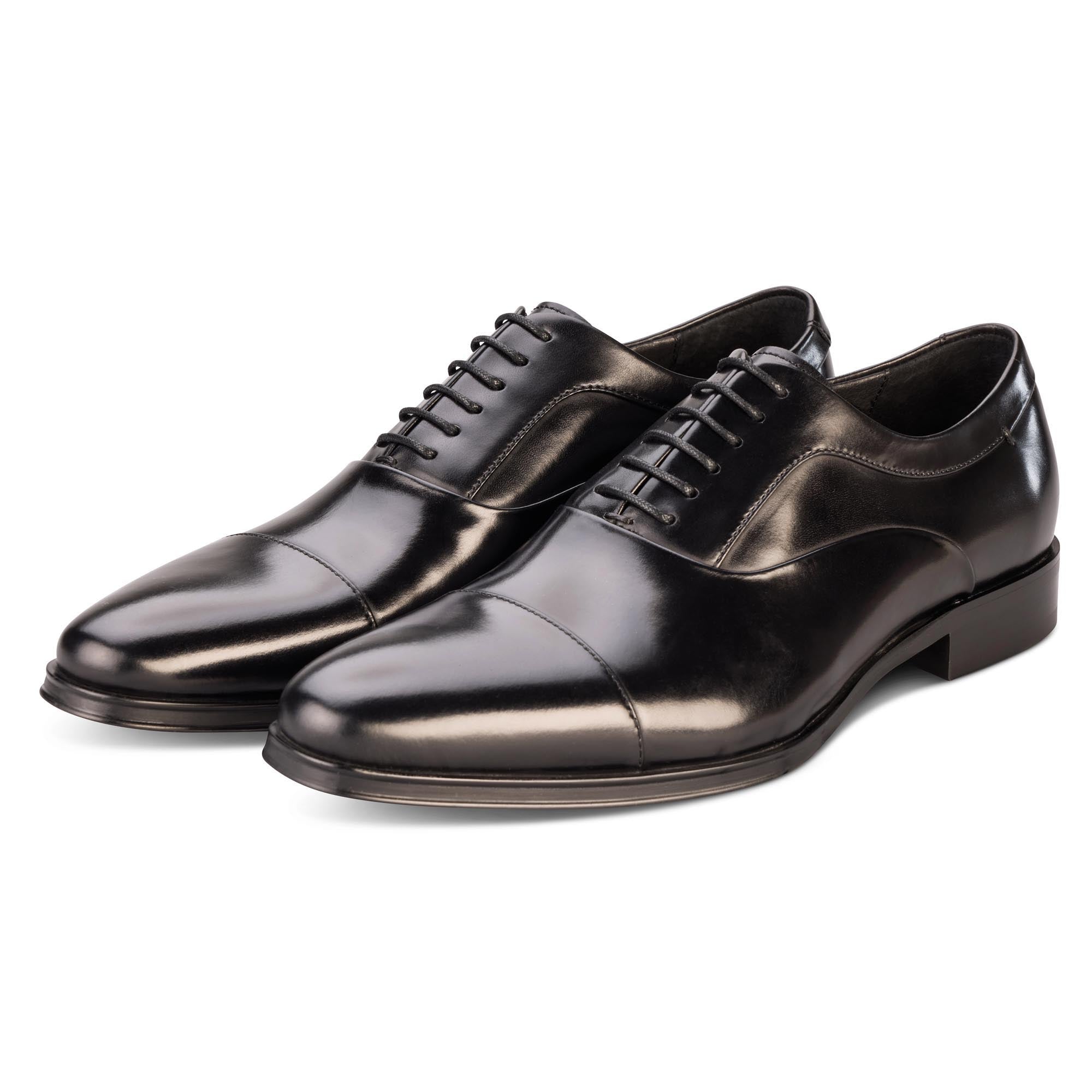
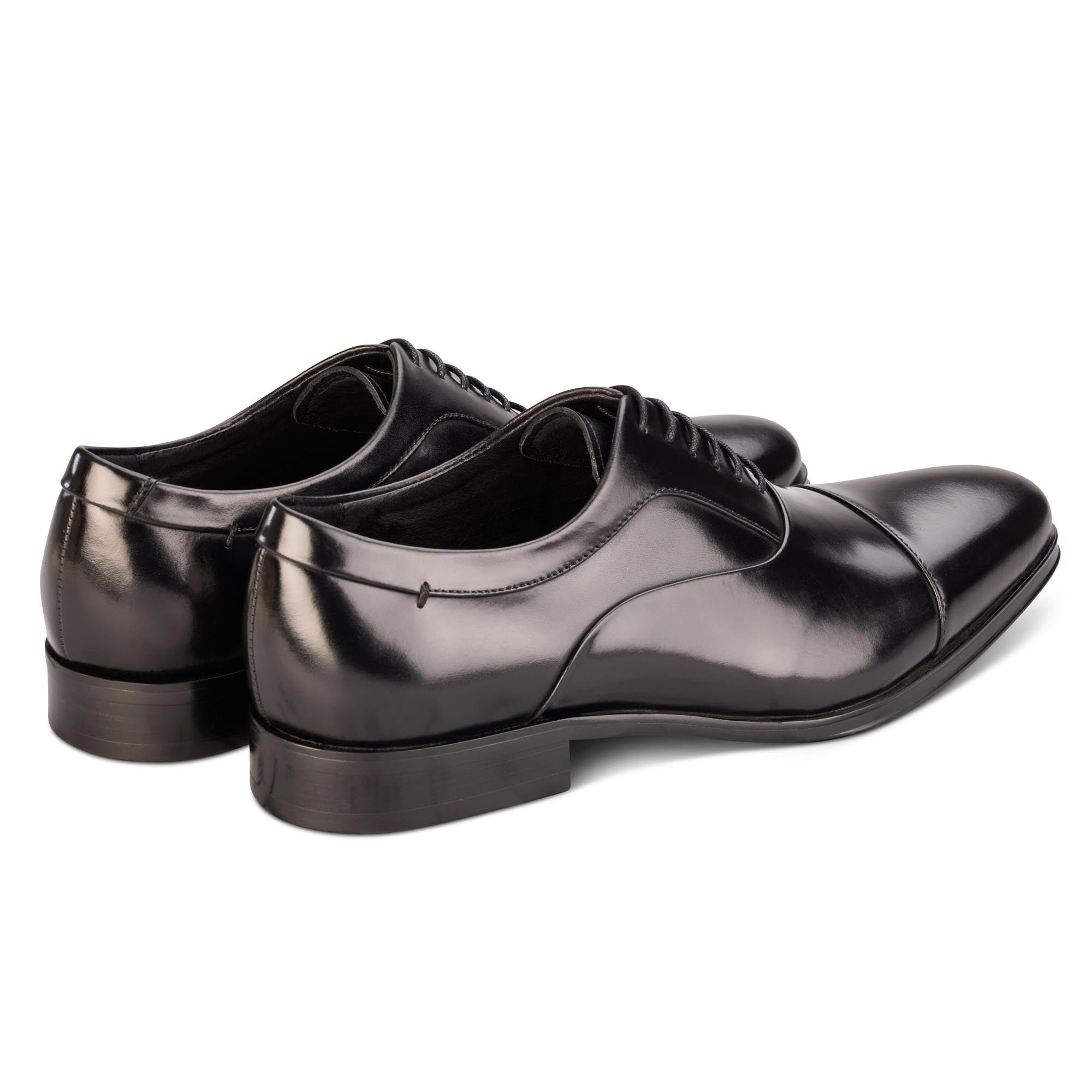
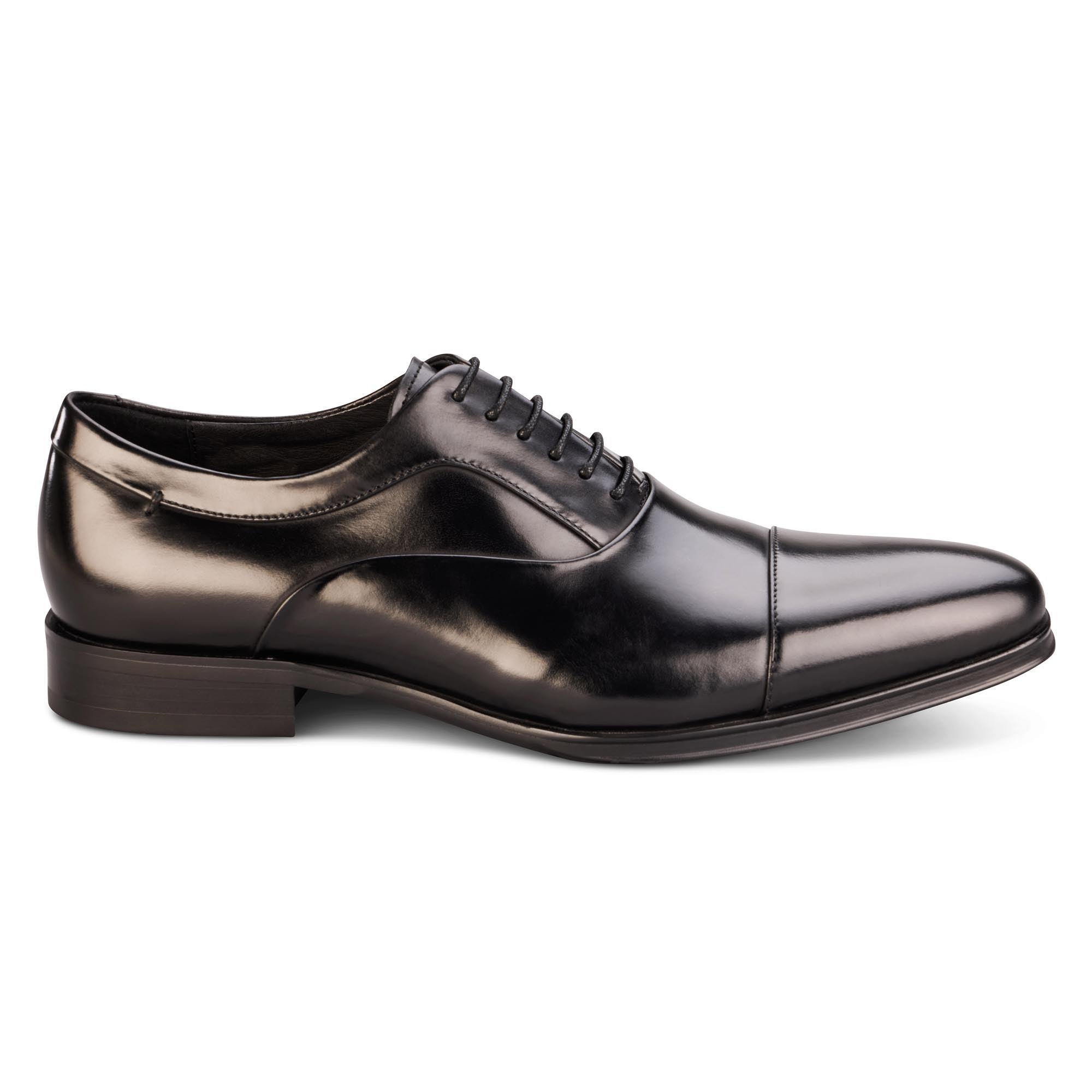
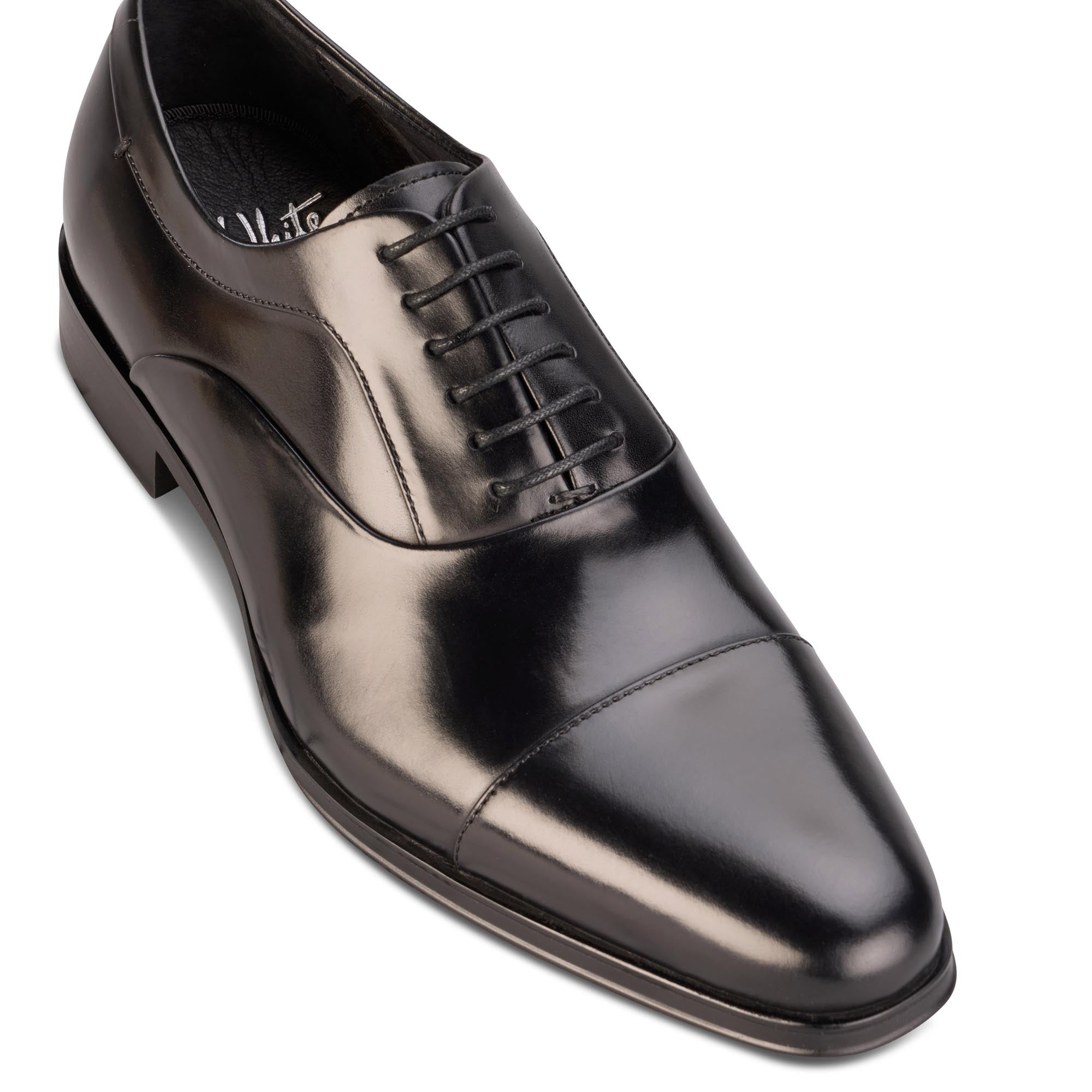
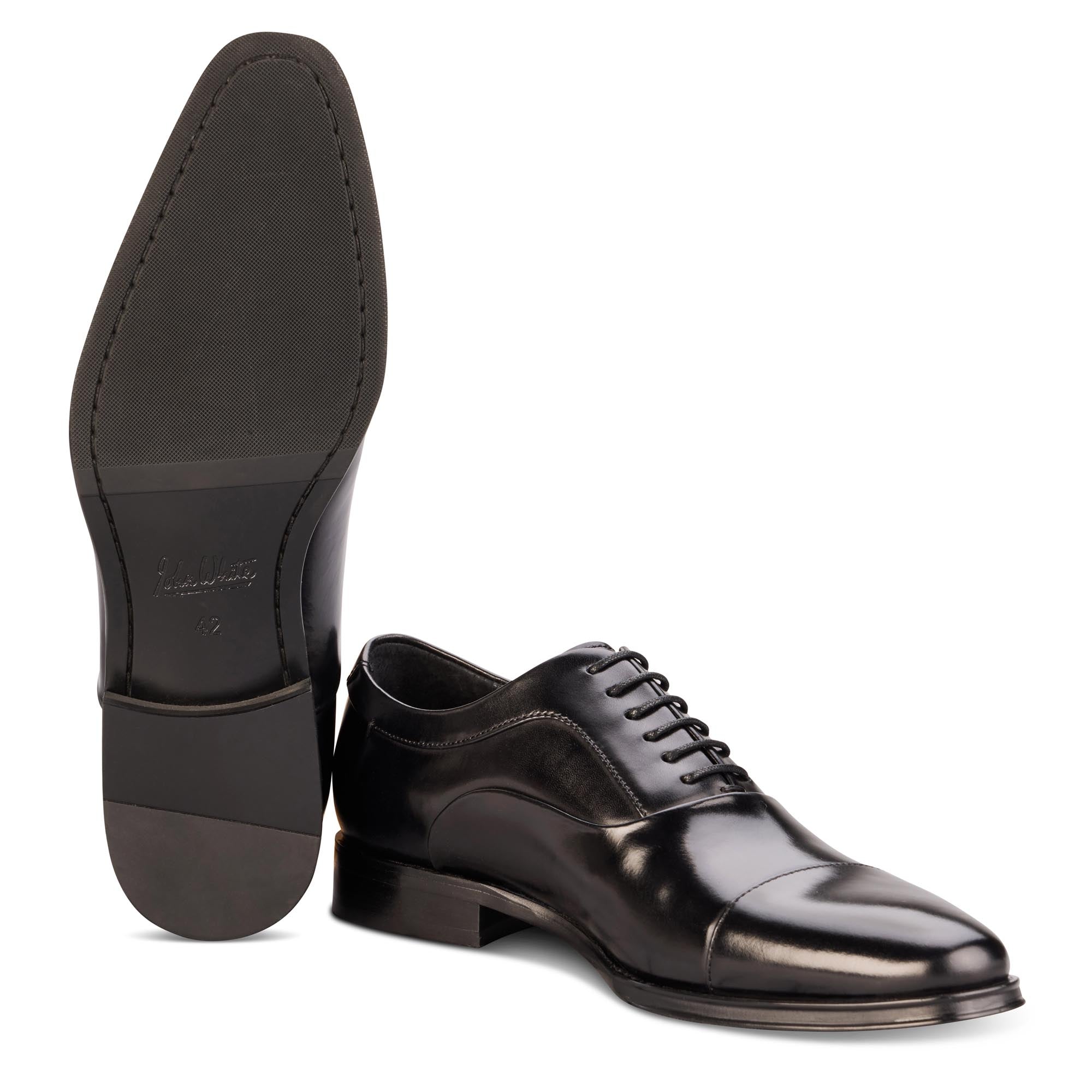
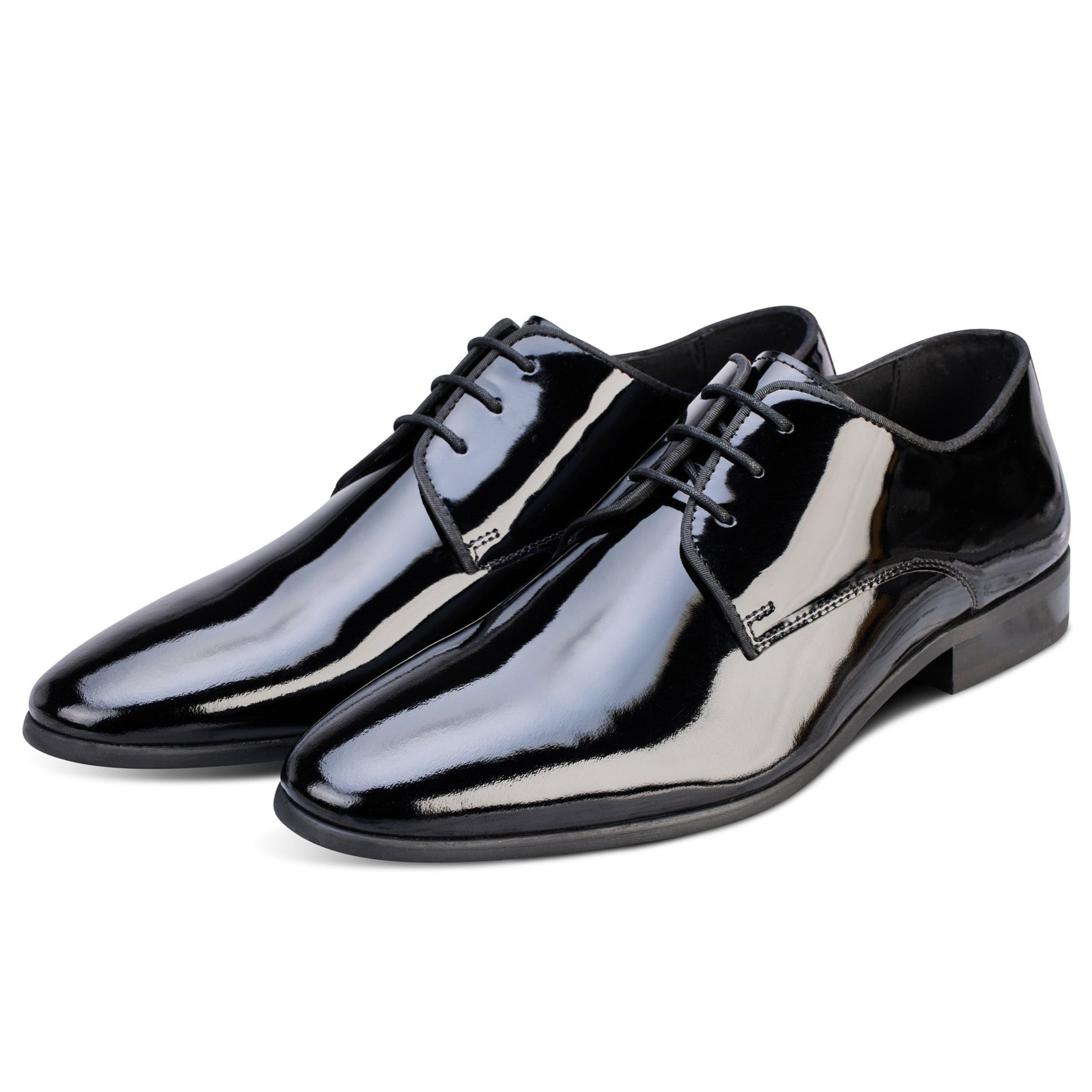
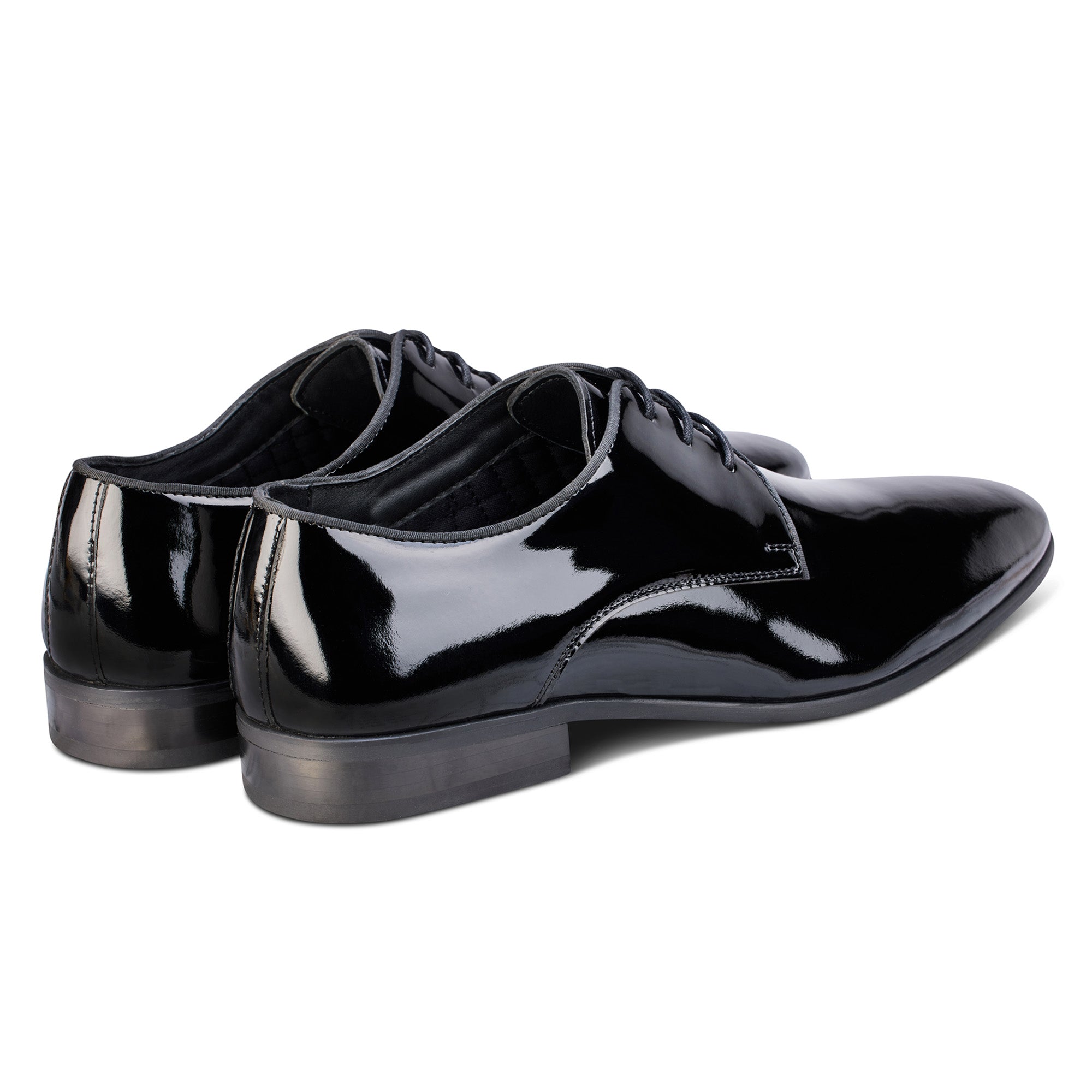
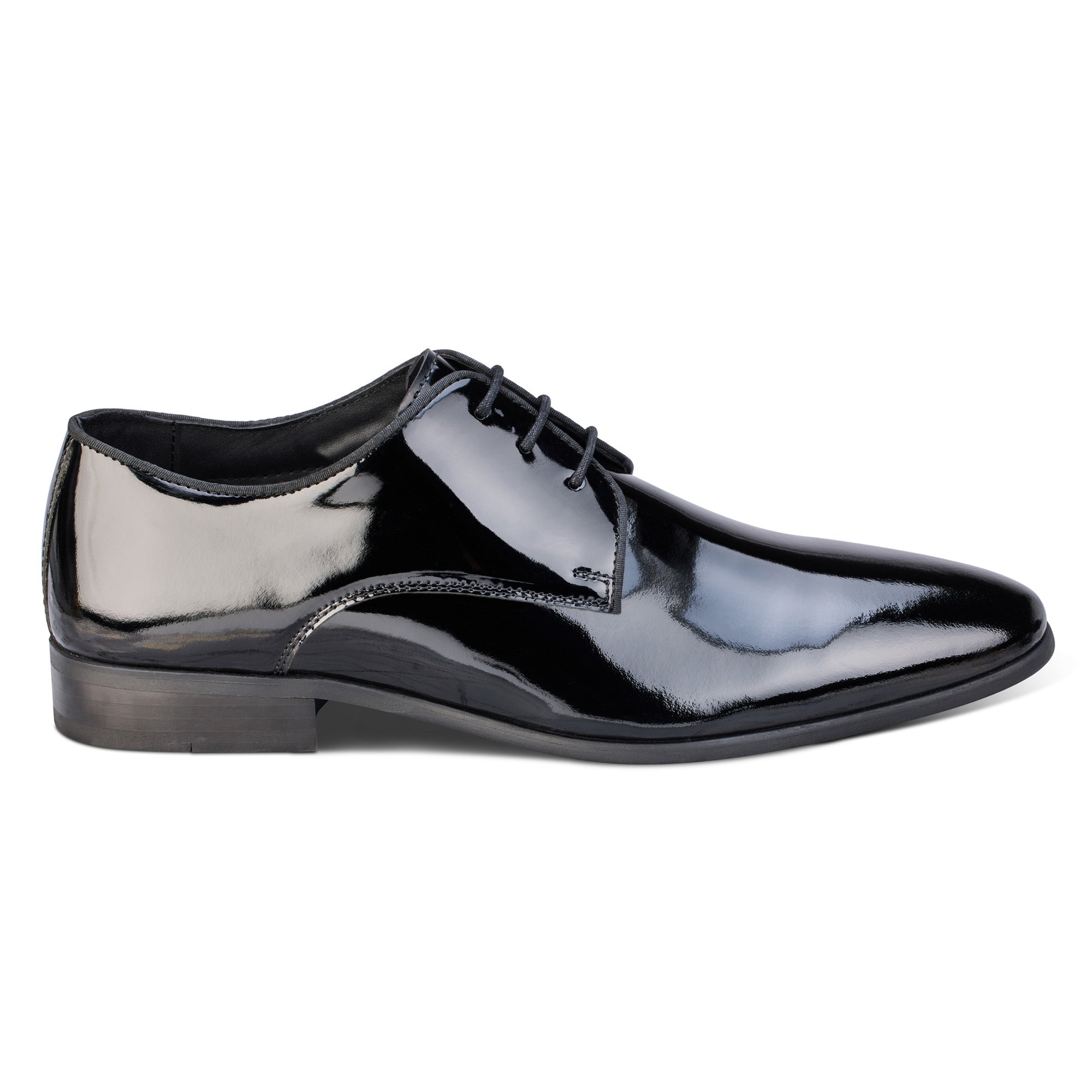
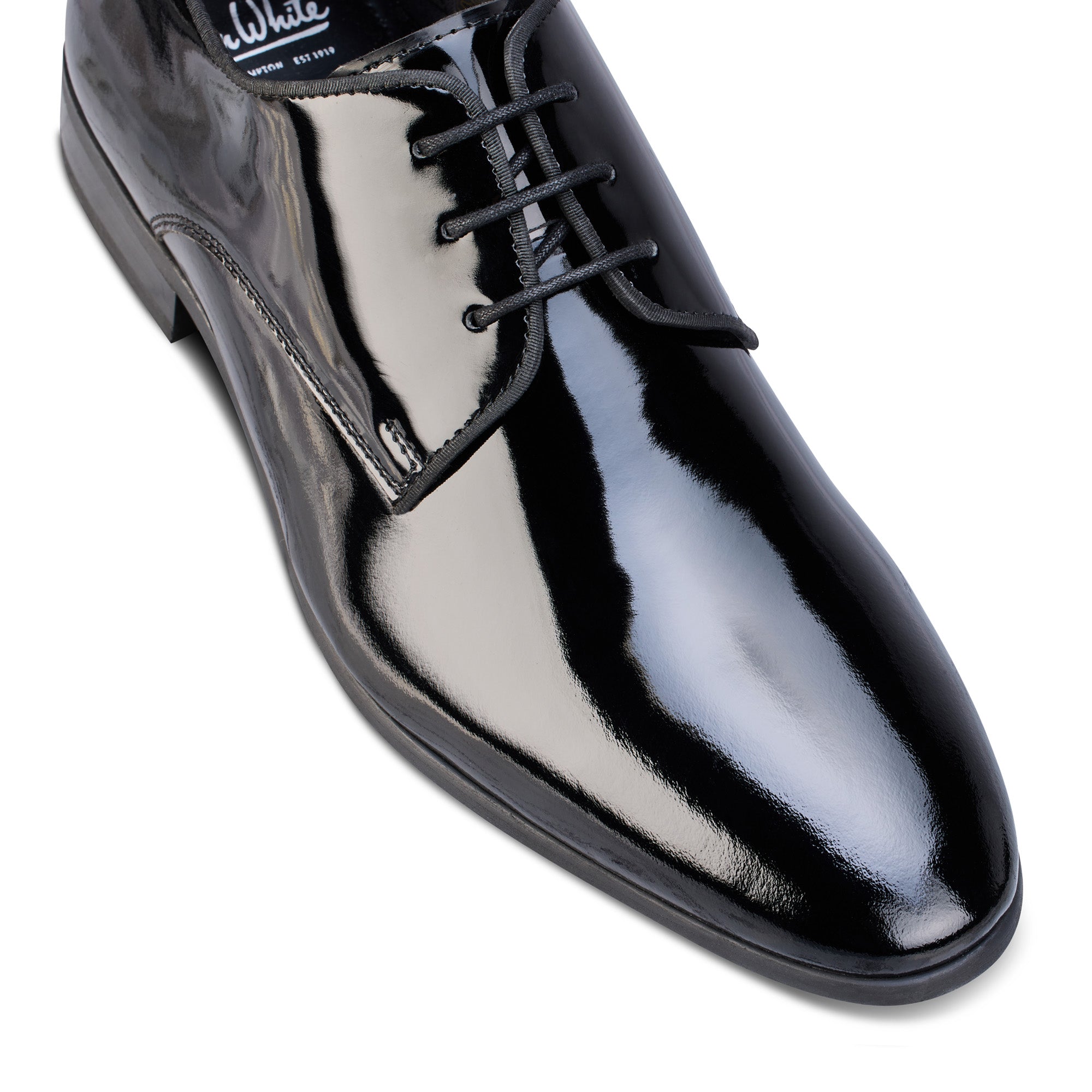
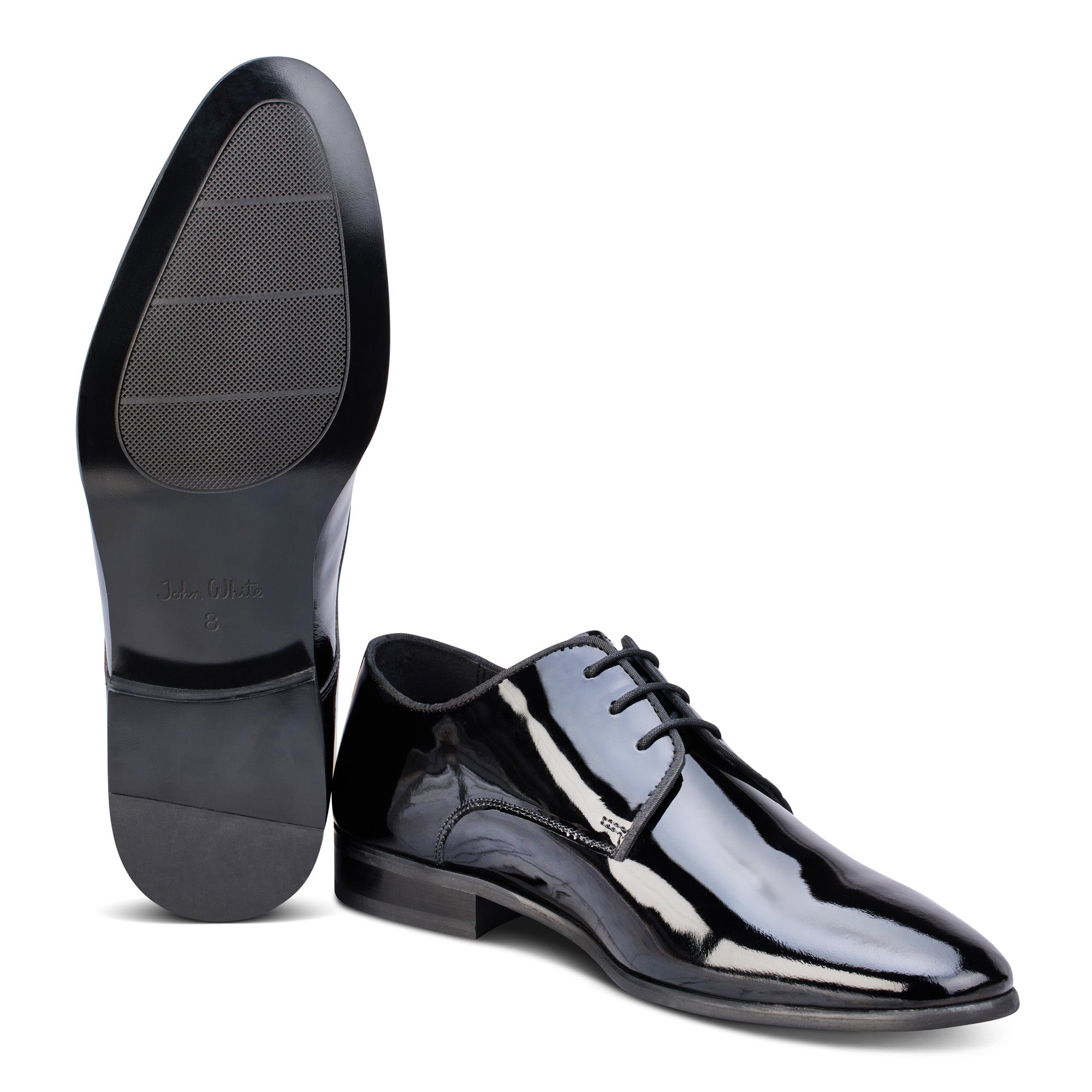
Weddings, funerals, christenings, formal dinners, award ceremonies — these are occasions with a dress code written into the invitation. That code requires a leather sole, a closed or defined toe, and a shoe that reads as deliberate rather than relaxed. A cemented Derby in black or tan is the minimum. An Oxford when the occasion demands it fully.
The leather sneaker, however clean, signals effort directed elsewhere. The occasion has a register, and the sneaker — however good — falls below it. If you own nothing else in the smart category, own something that handles a wedding. It will earn its cost in a single day and be worn again.
Business and Professional Contexts
Office dress codes sit on a spectrum. A design studio or technology company may never require a smart shoe from most of its staff. A law practice, financial consultancy, or any client-facing role in a traditional sector still expects them — not as a formality for its own sake, but because the shoe is part of the professional surface you present.
If your role involves meeting clients, presenting to senior stakeholders, or appearing in contexts where the firm's credibility is represented in part by how its people look, the smart shoe is not optional. It is a working tool. The leather sneaker is appropriate in many modern offices; it is not appropriate in all of them, and knowing which is yours matters.
Smart-Casual and the Grey Zone
Smart-casual is where the leather sneaker is most often pushed past its limits — because smart-casual is consistently misread. The category means smart first, casual adjacent. Not casual with a smart annotation. A blazer and pressed trousers with leather sneakers reads as smart-casual pushed to the casual end; the same combination with a clean Derby or Chelsea boot reads as genuinely smart-casual. The shoe does more work than most men give it credit for.
If you regularly attend events where the distinction matters — restaurants with a dress expectation, social occasions with a professional crowd, any context where you want to be taken seriously without being overdressed — you will find the sneaker wrong more often than you expect. Not wrong dramatically. Wrong in the quiet way that registers with others before it registers with you.
Deciding to Upgrade
The upgrade is not about abandoning the sneaker. It is about filling the gap between what you own and what you need. Most men who have reached this decision find the gap shows up in the same three contexts: a formal invitation that is not quite black tie, a new job with client contact, and a wardrobe audit that reveals they have been dressing down for years without recognising it.
The useful question is not whether smart shoes are better in some absolute sense — they are better for some things and wrong for others. The useful question is: what occasions do you have in the next twelve months, and does your current footwear cover them honestly?
If the answer involves a confirmed wedding, a job you want, or any repeated professional context where you want the shoe to do quiet work in your favour — invest now, and invest once at the right quality point. A good leather shoe bought deliberately lasts five years or more. Two poor pairs bought in haste often cost more in aggregate and serve you worse.
Which Smart Shoe to Add First
Assuming you are adding one pair to a rotation that currently centres on leather sneakers, two options do the most work across the widest range of occasions.
The Derby: The Most Versatile Entry Point
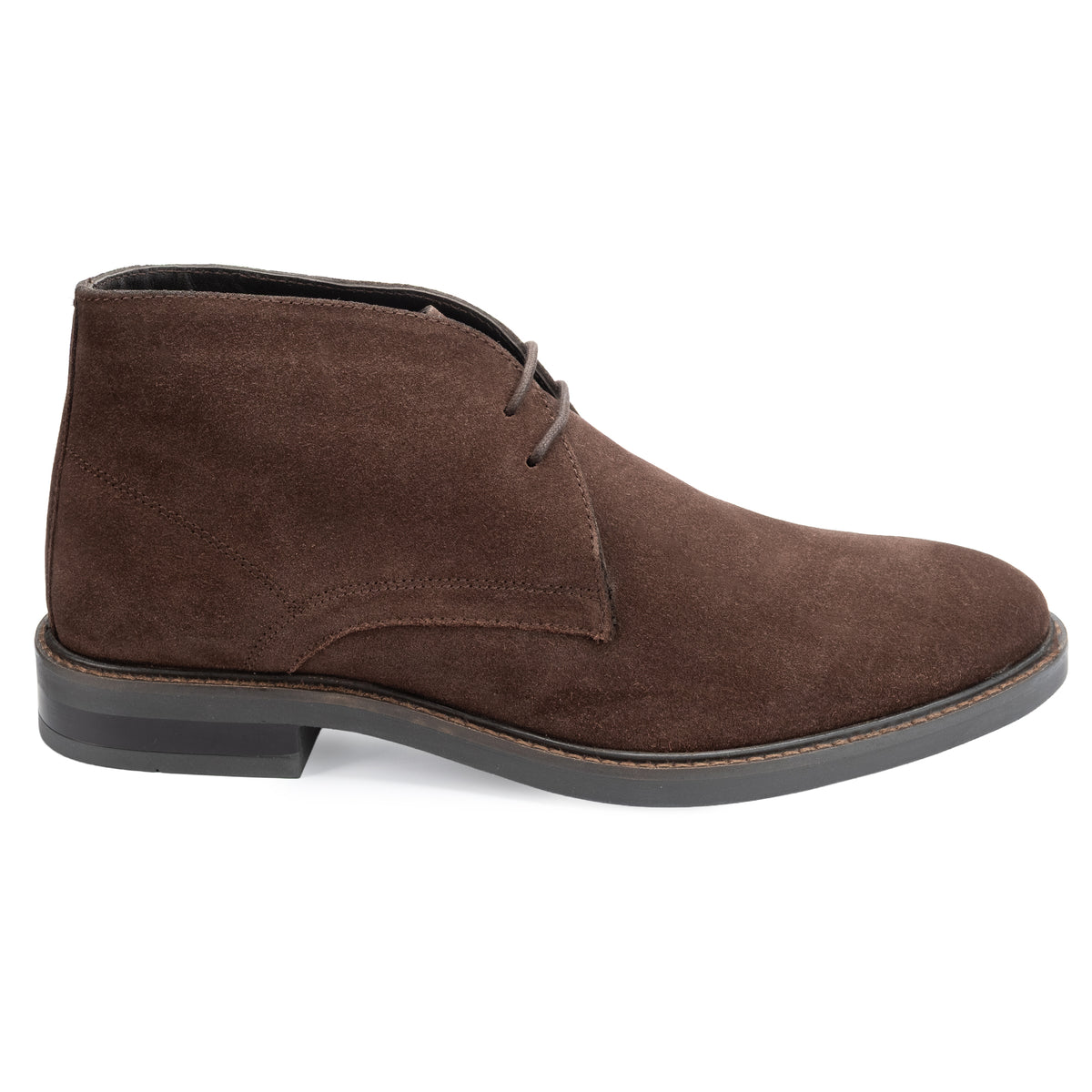
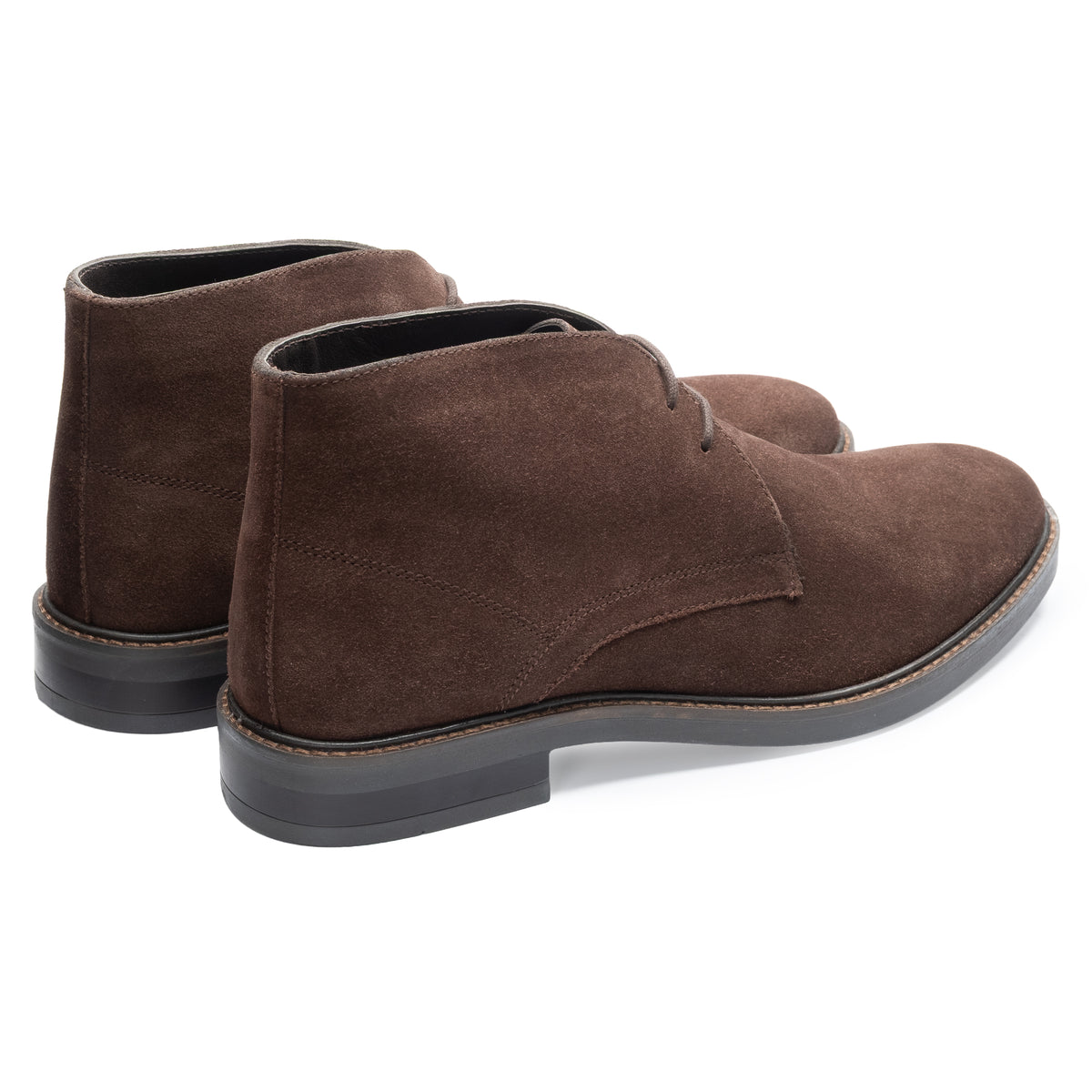
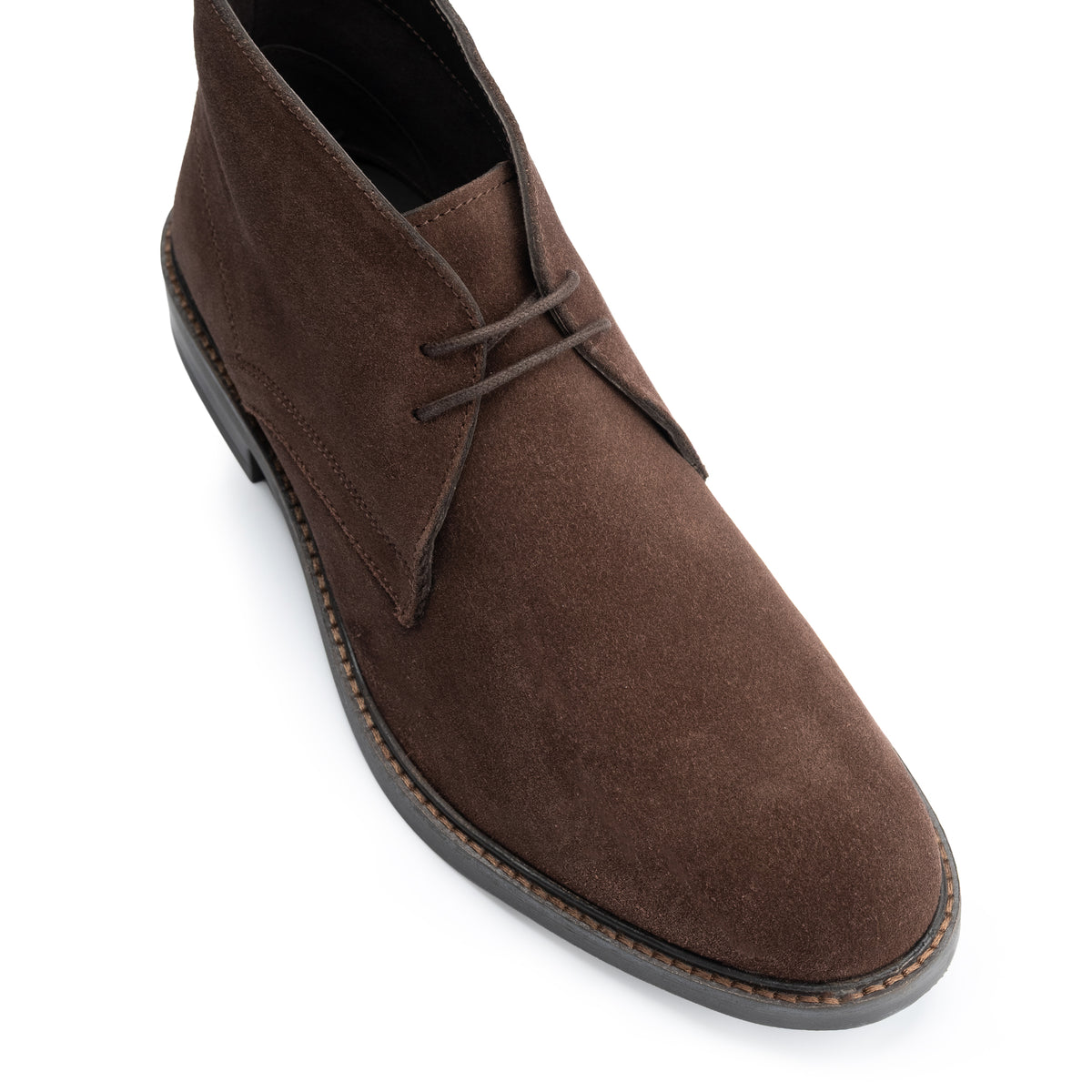
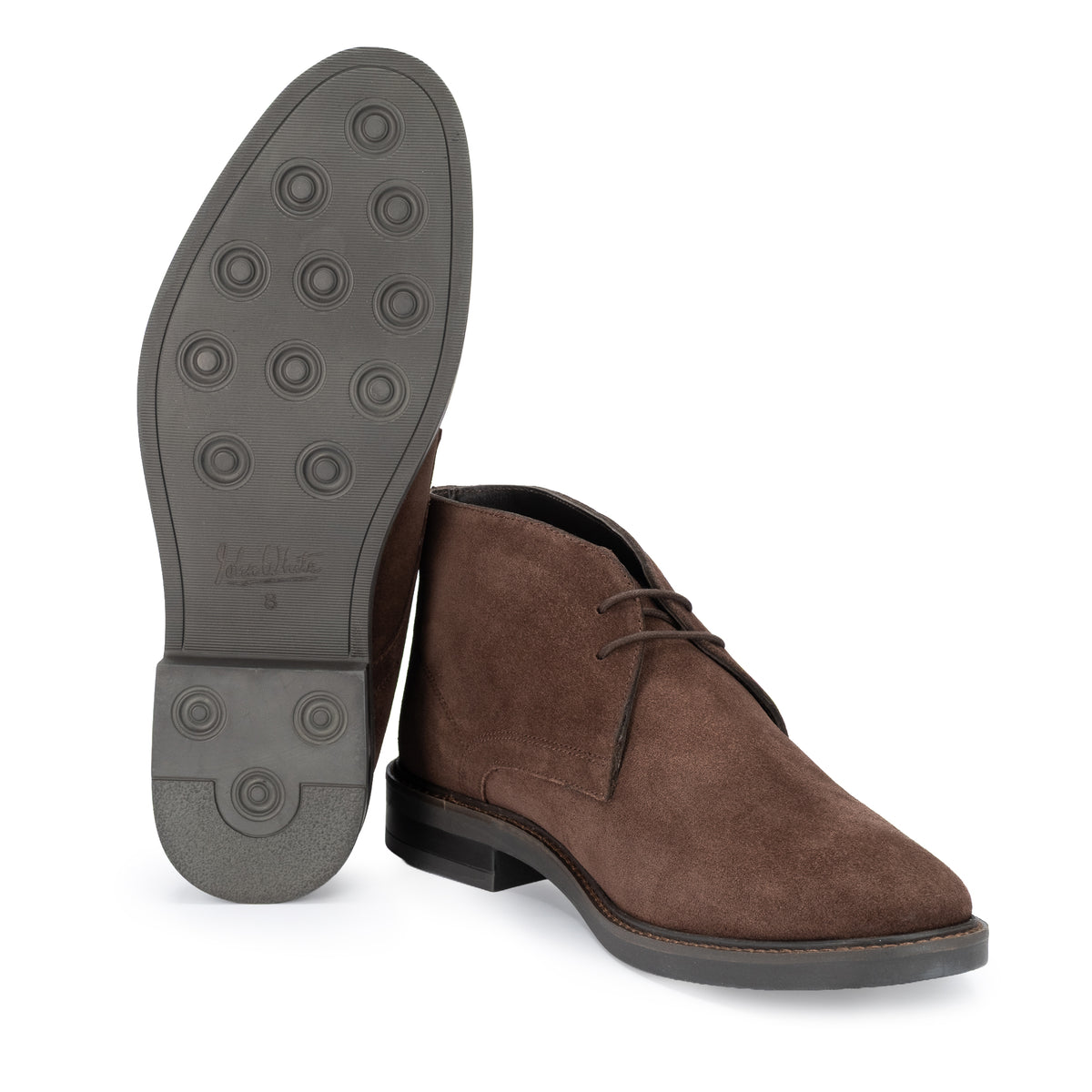
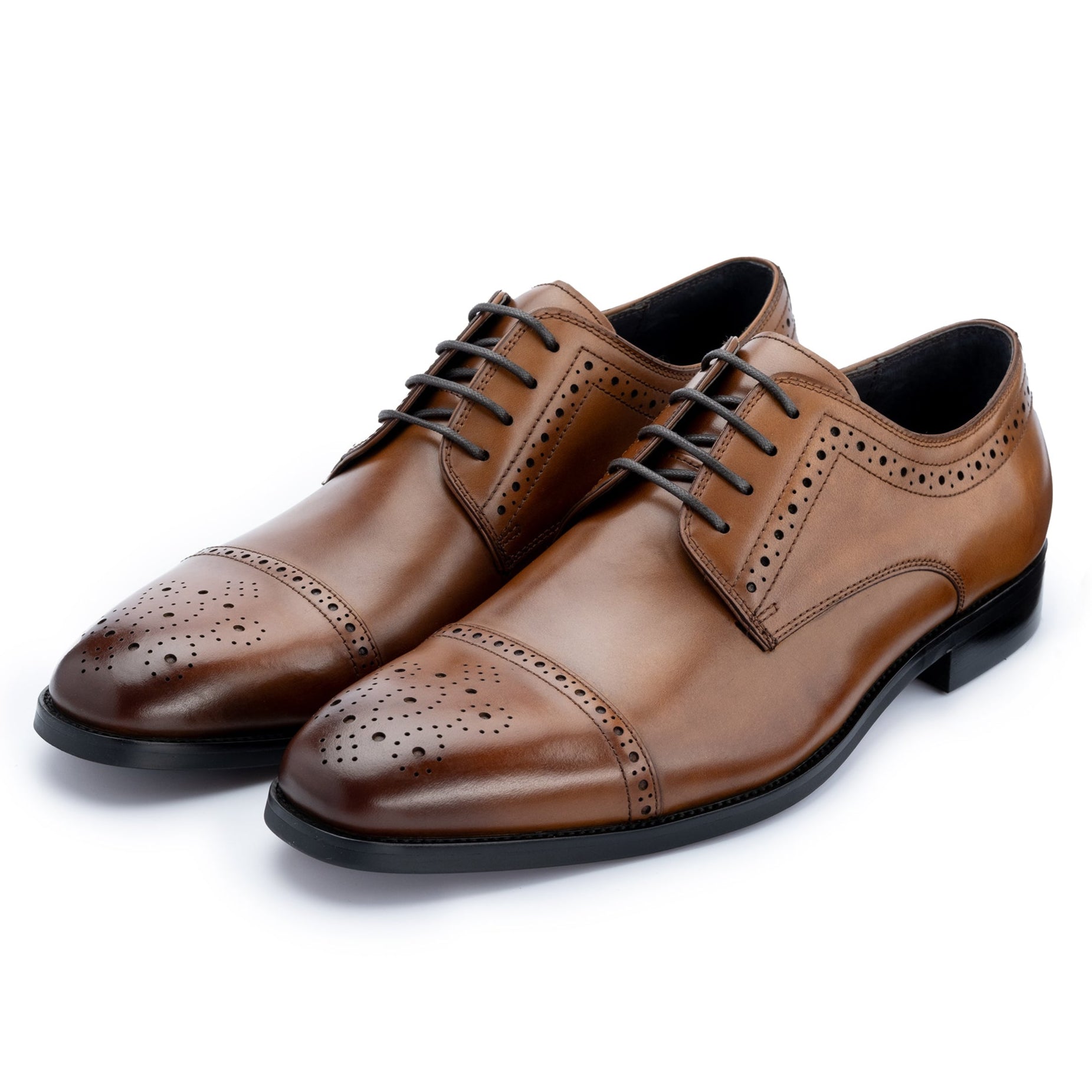
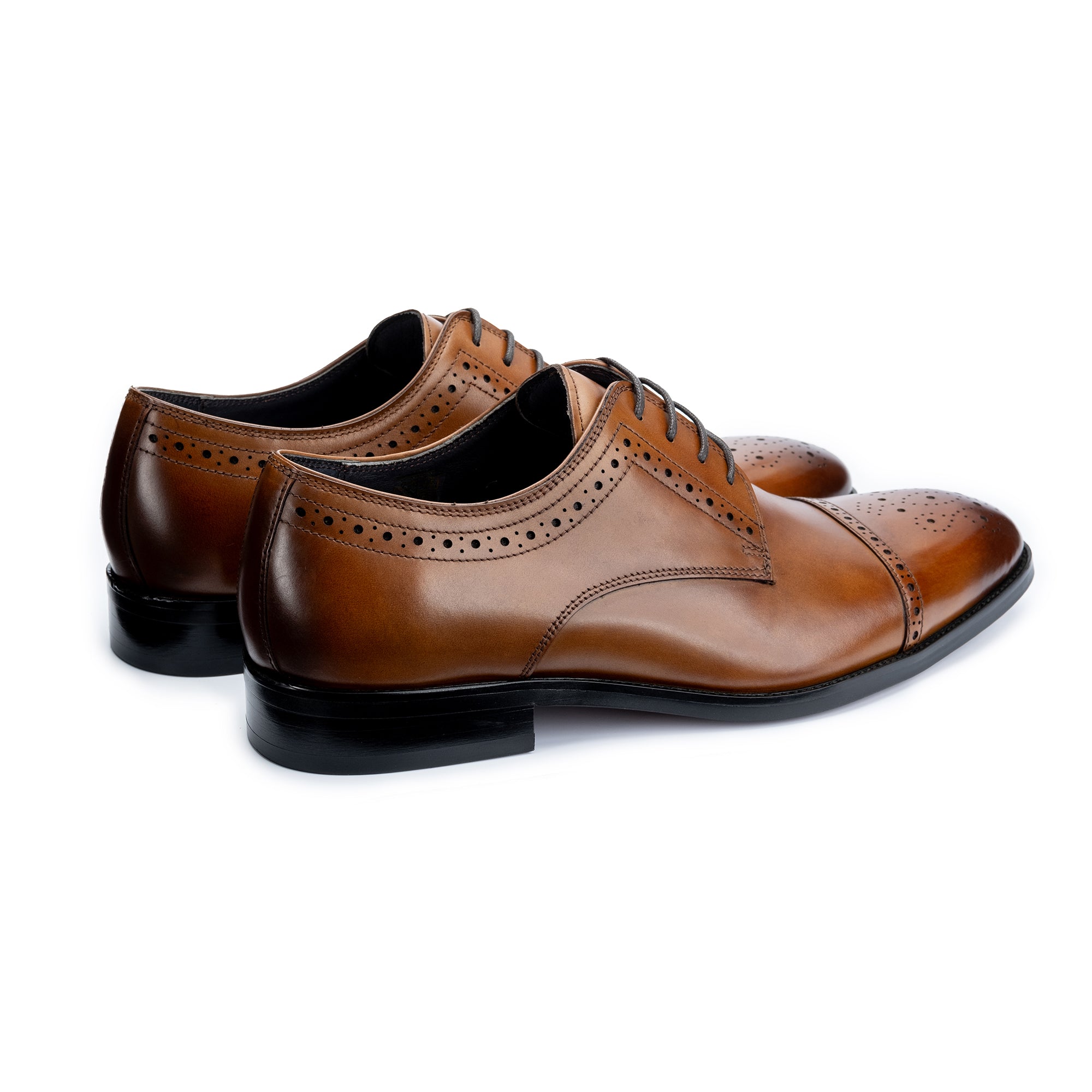
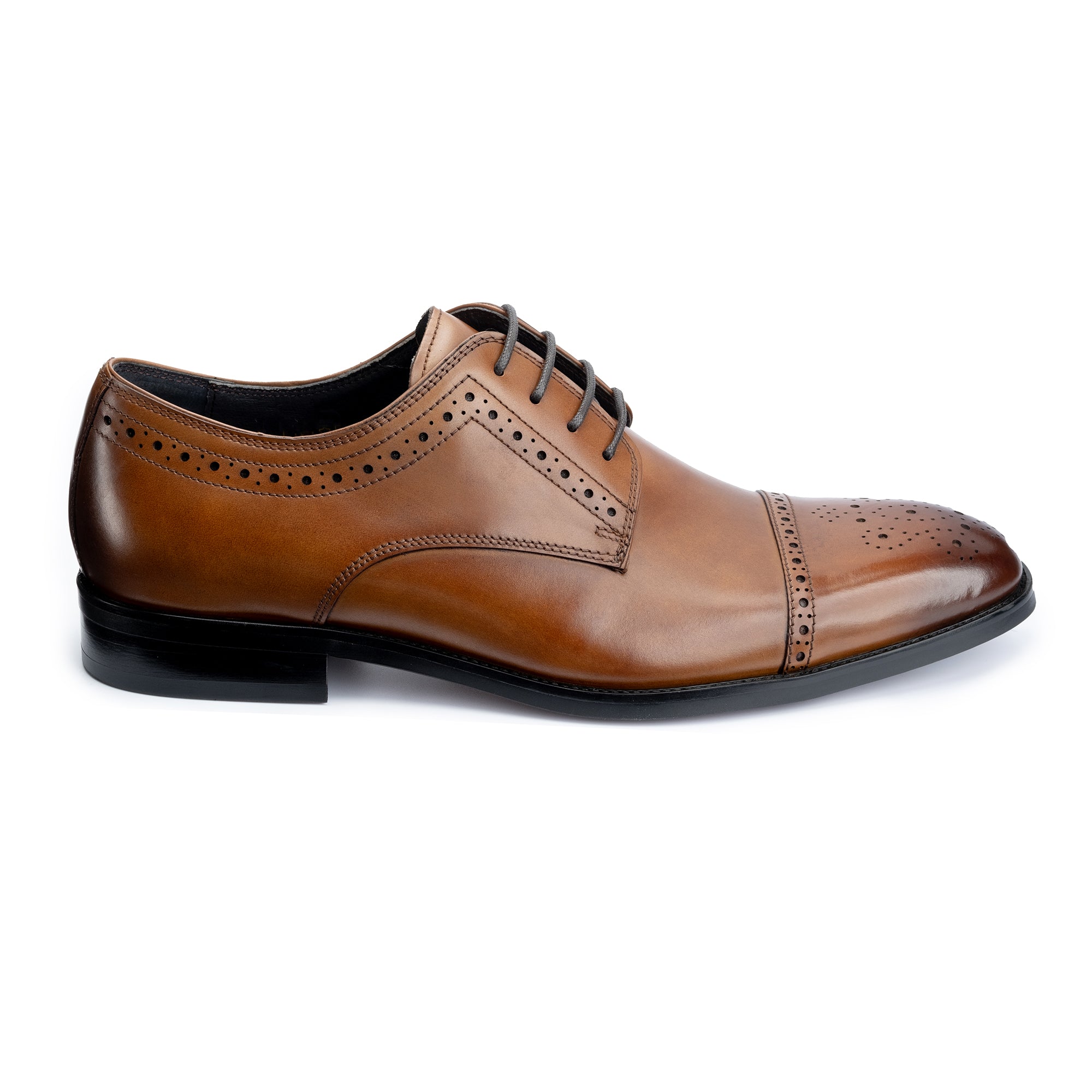
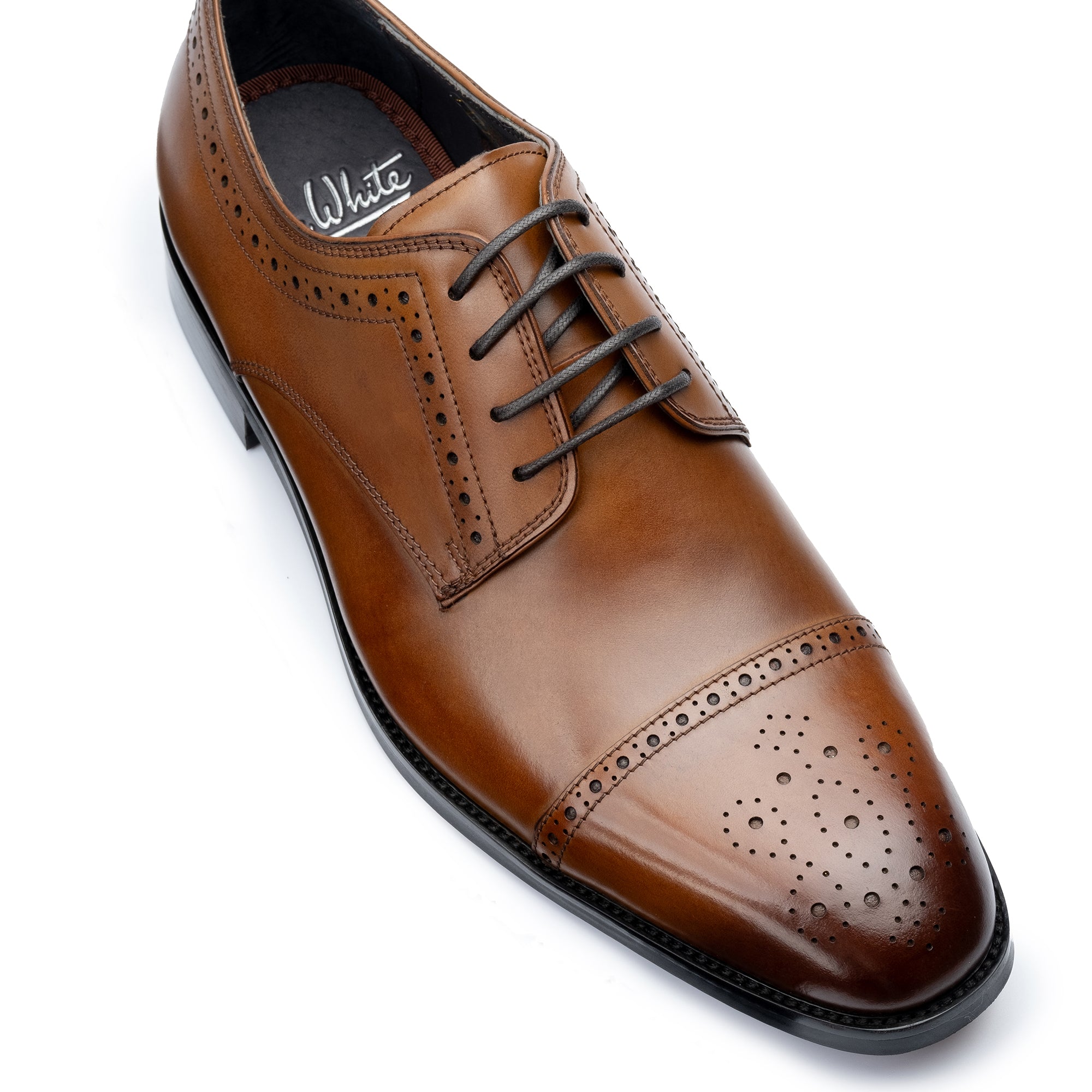
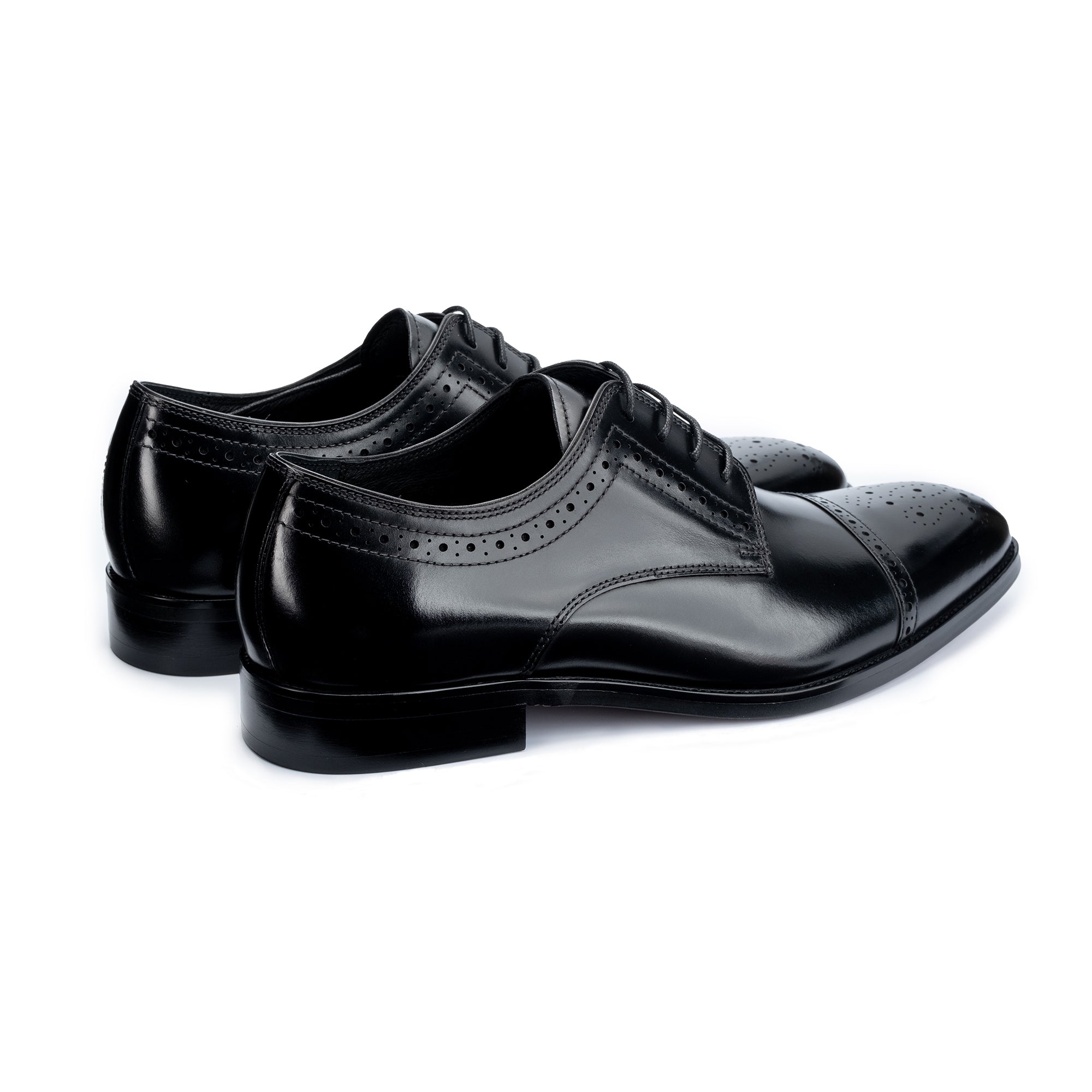
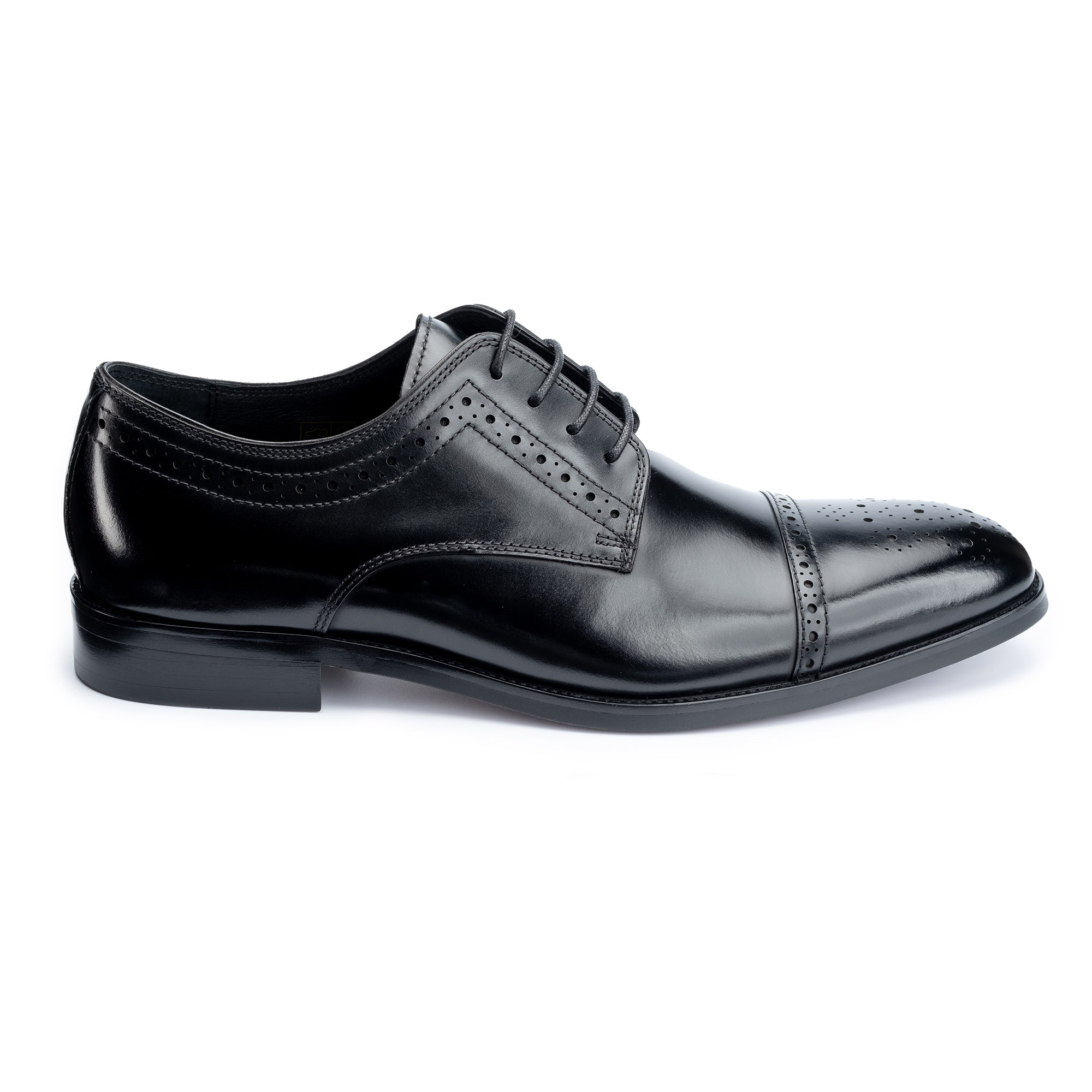
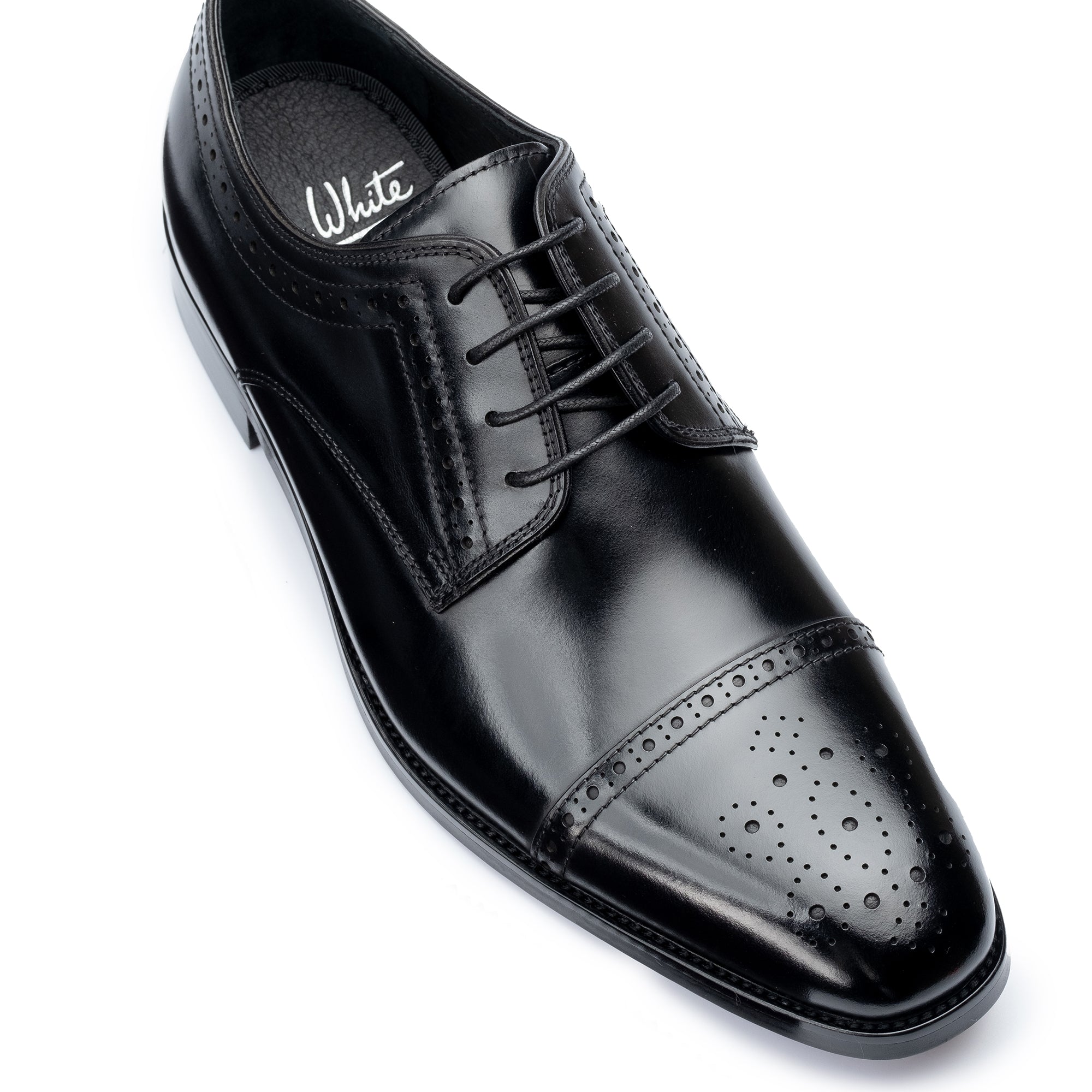
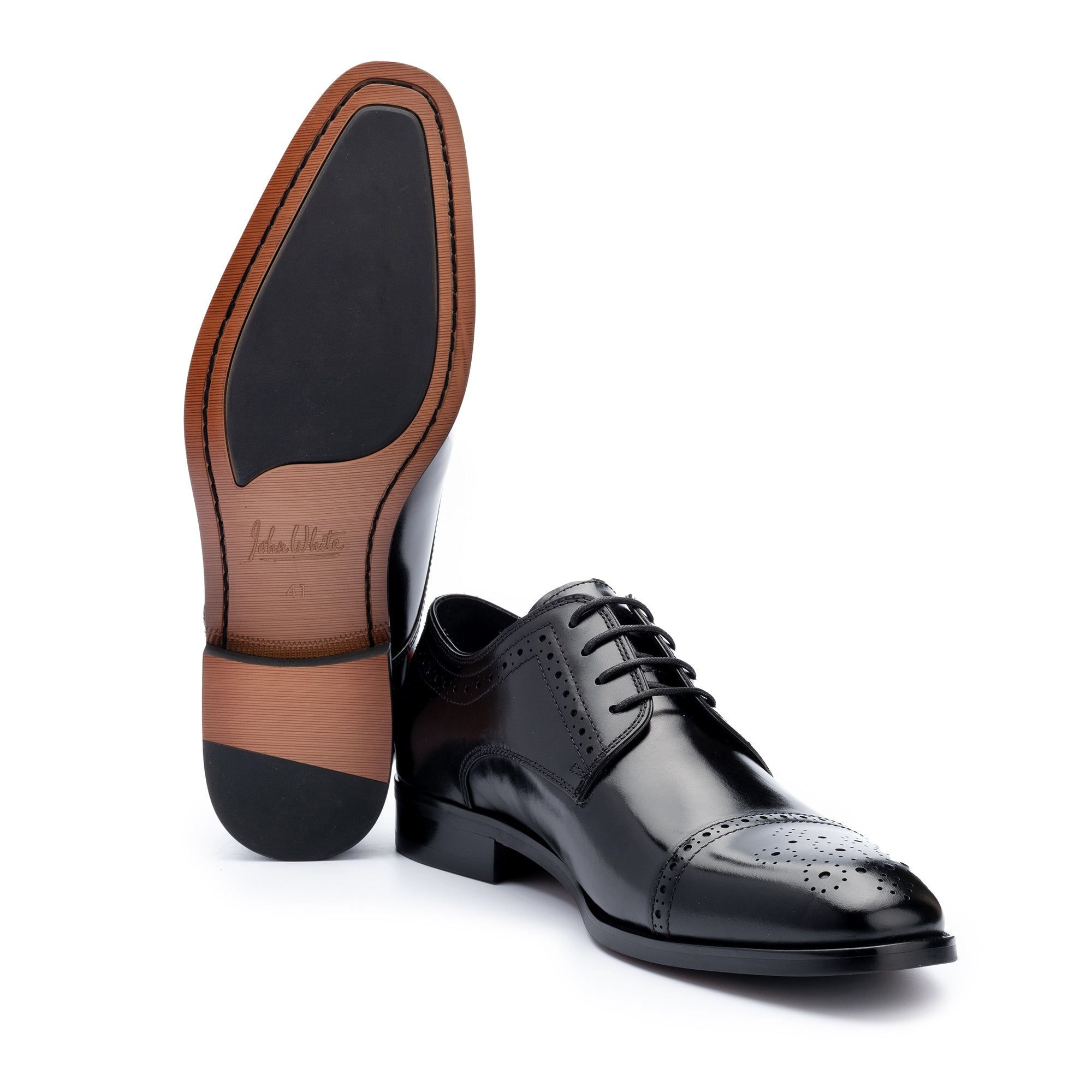
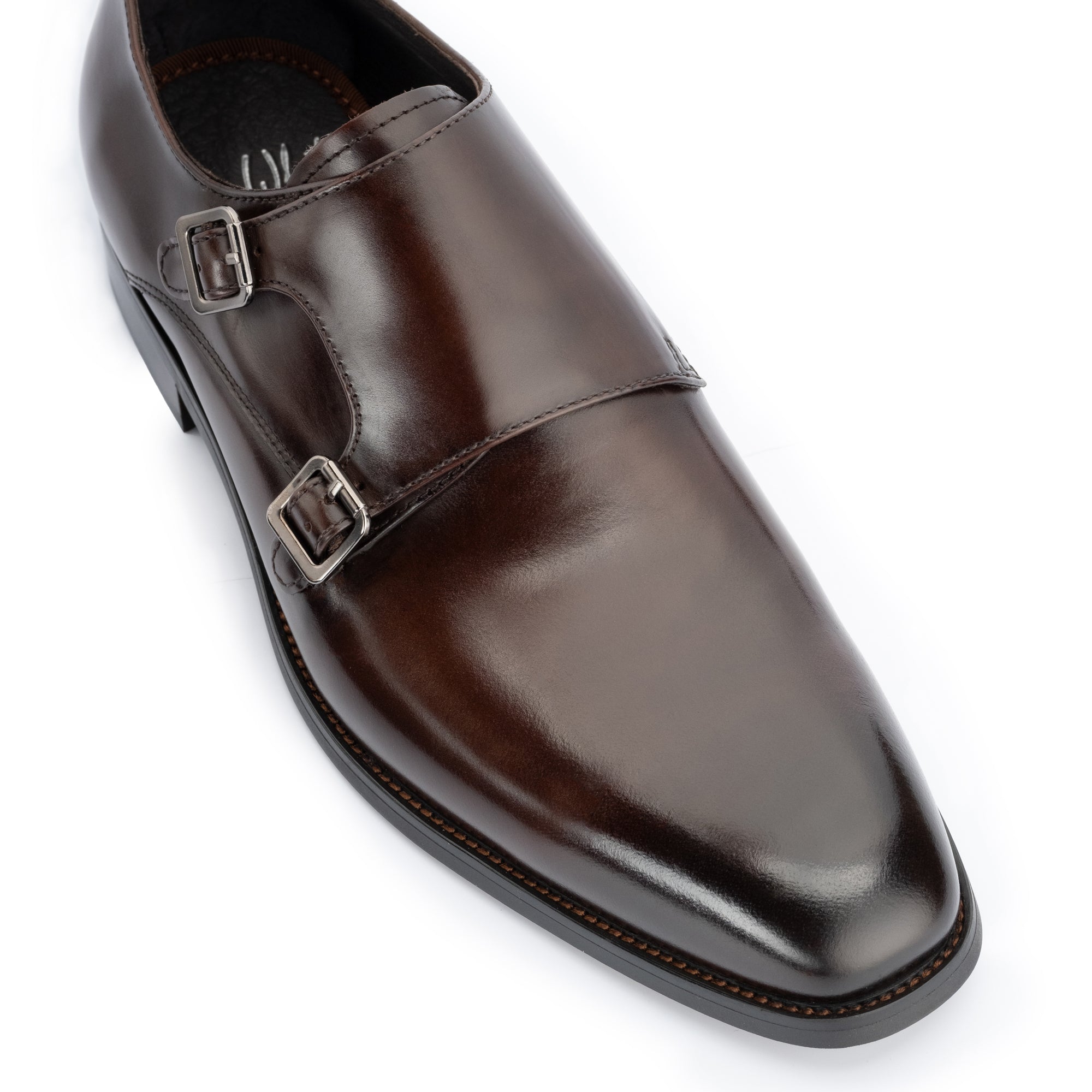
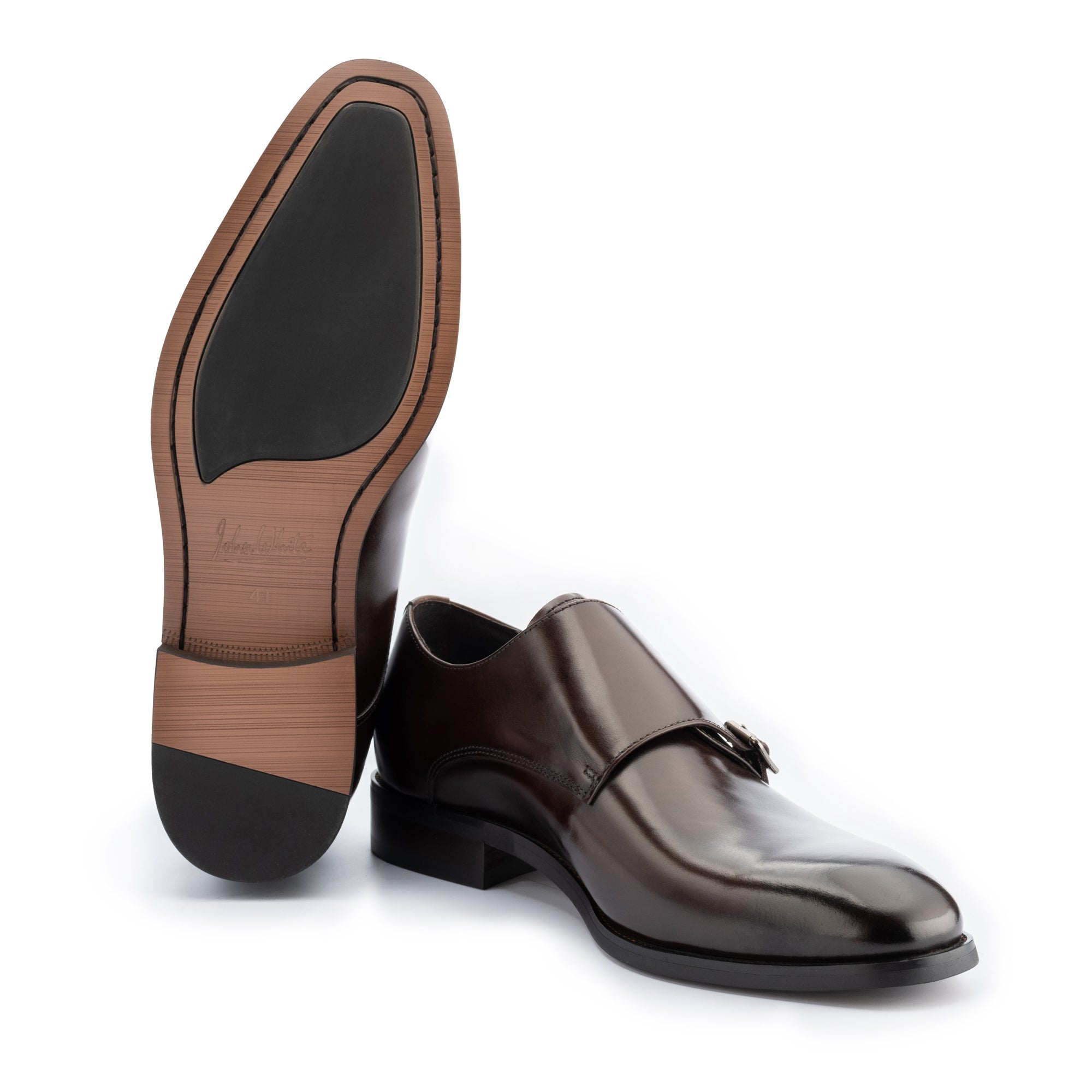
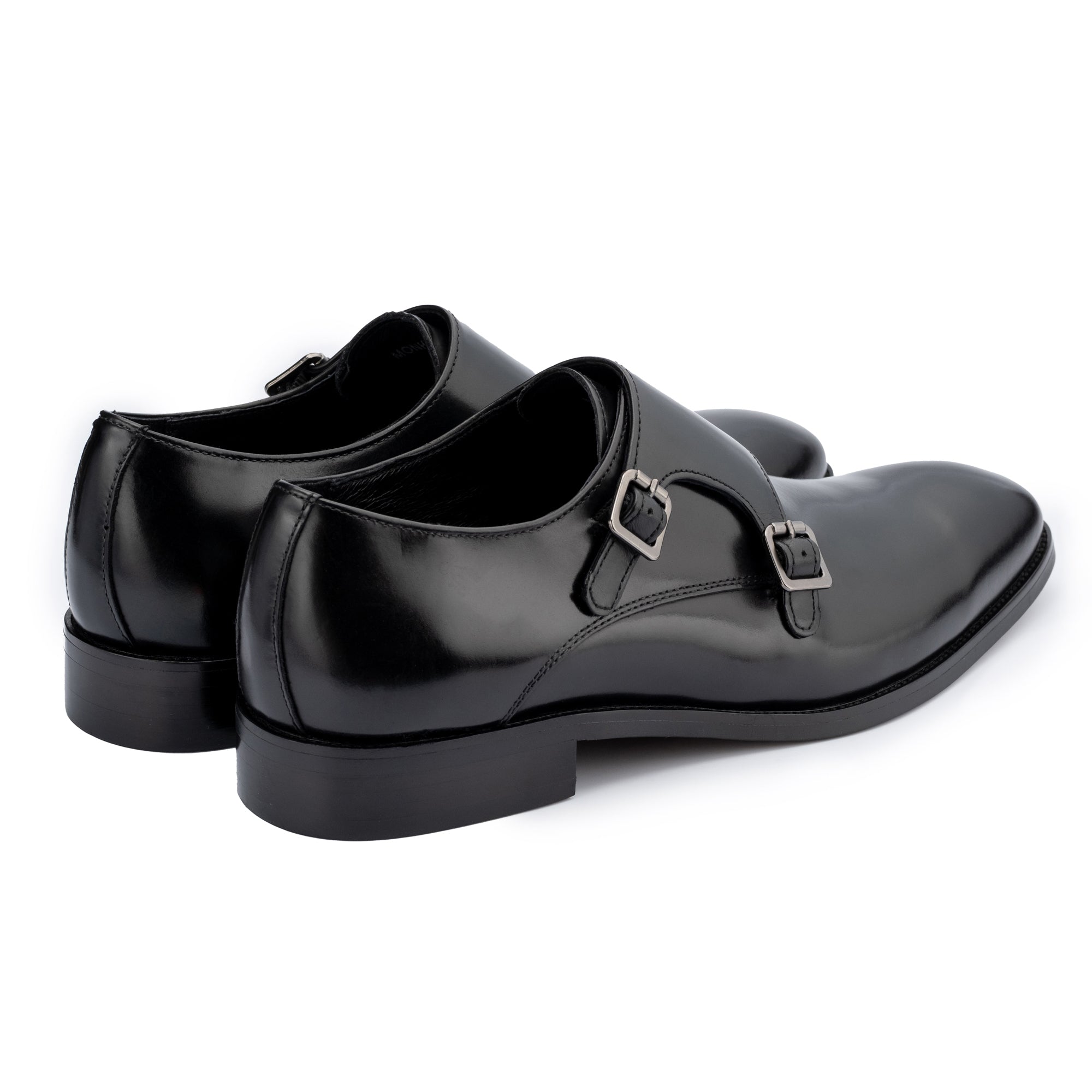
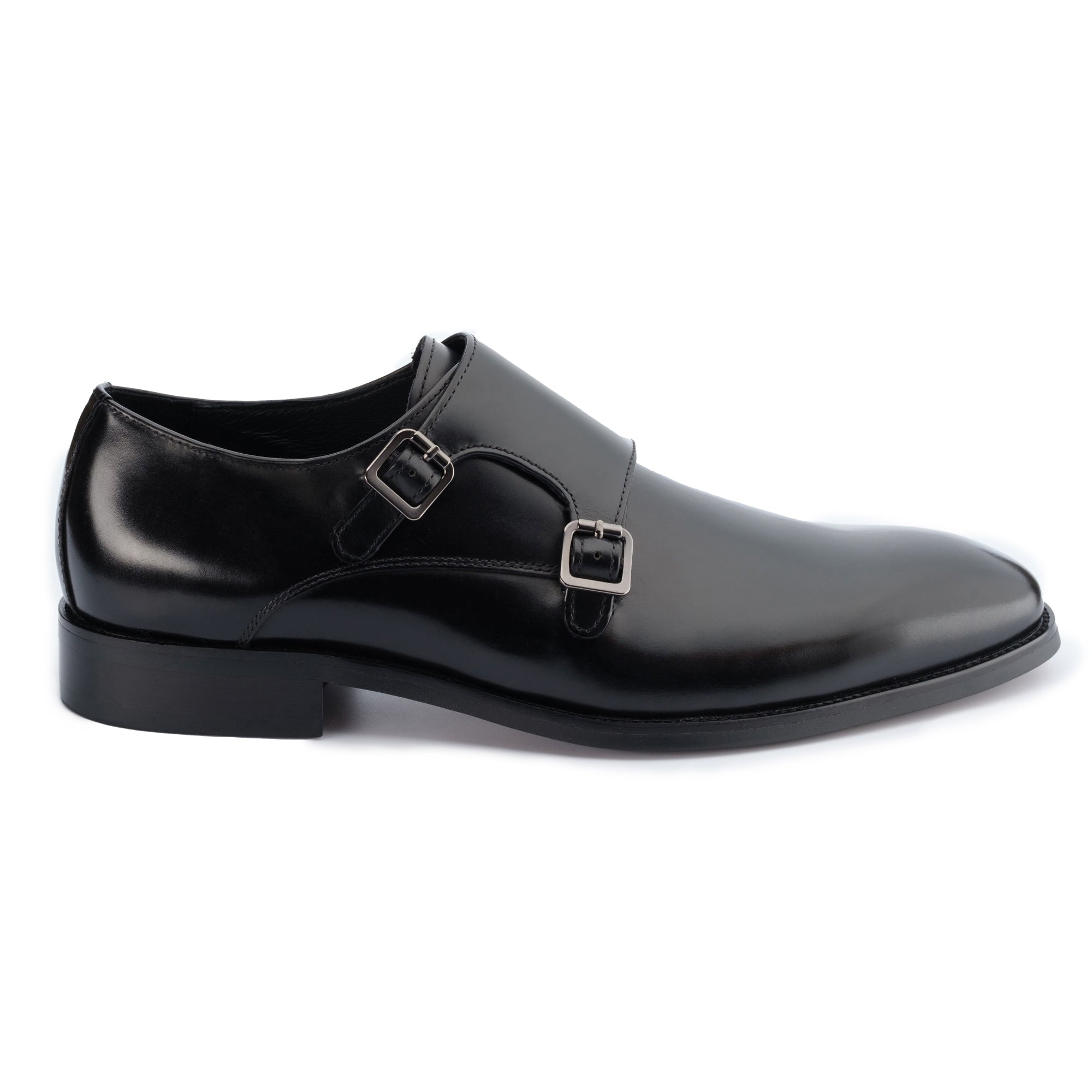
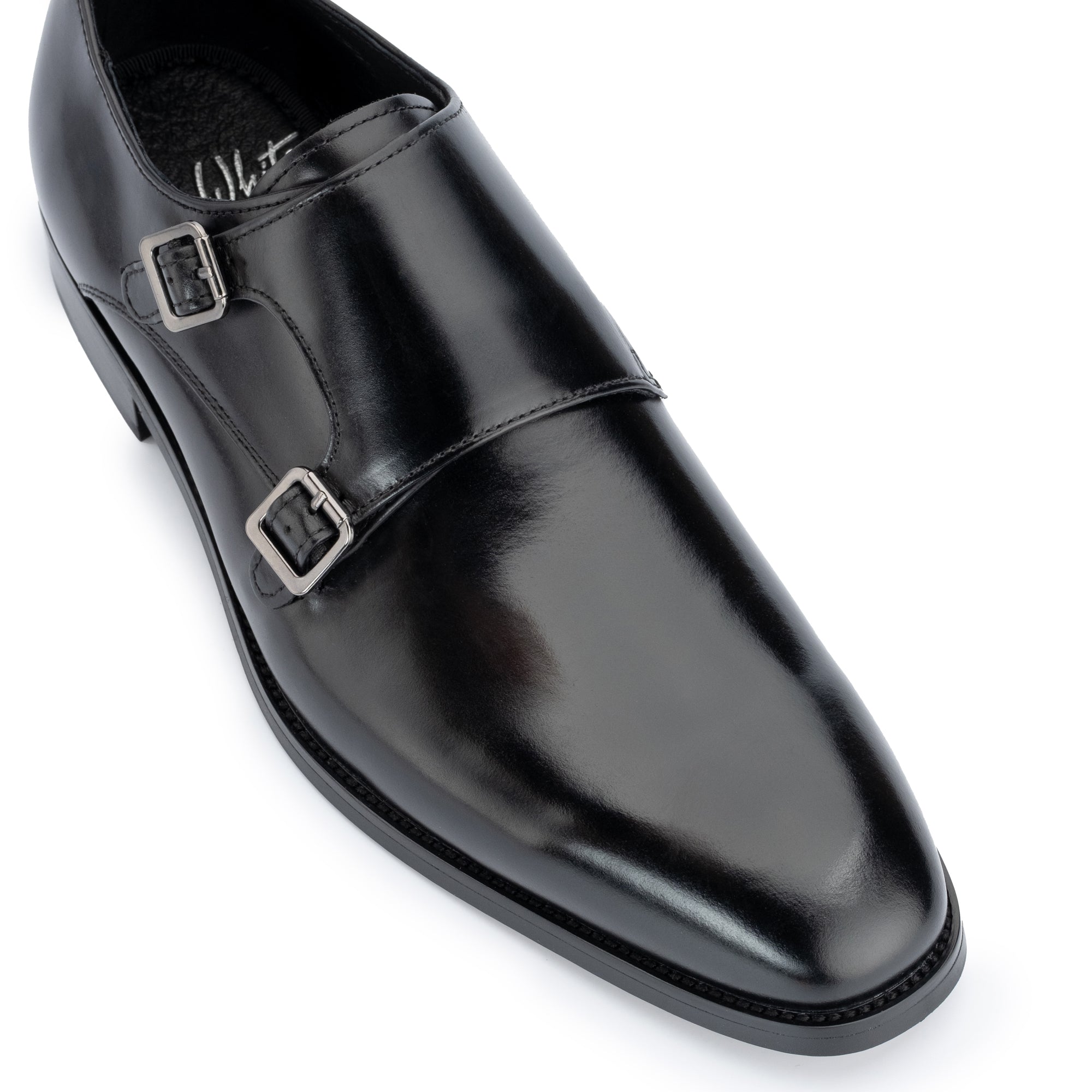
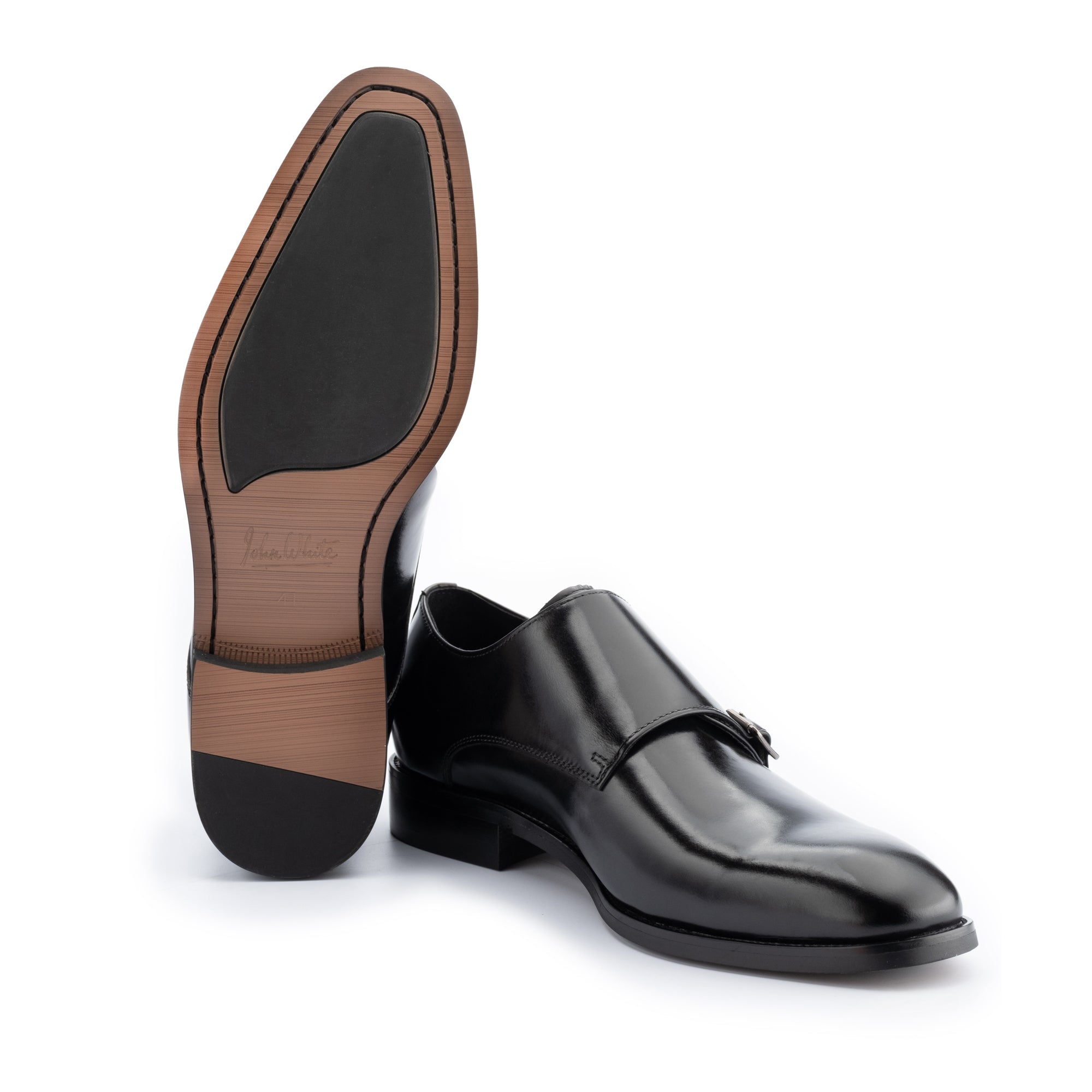
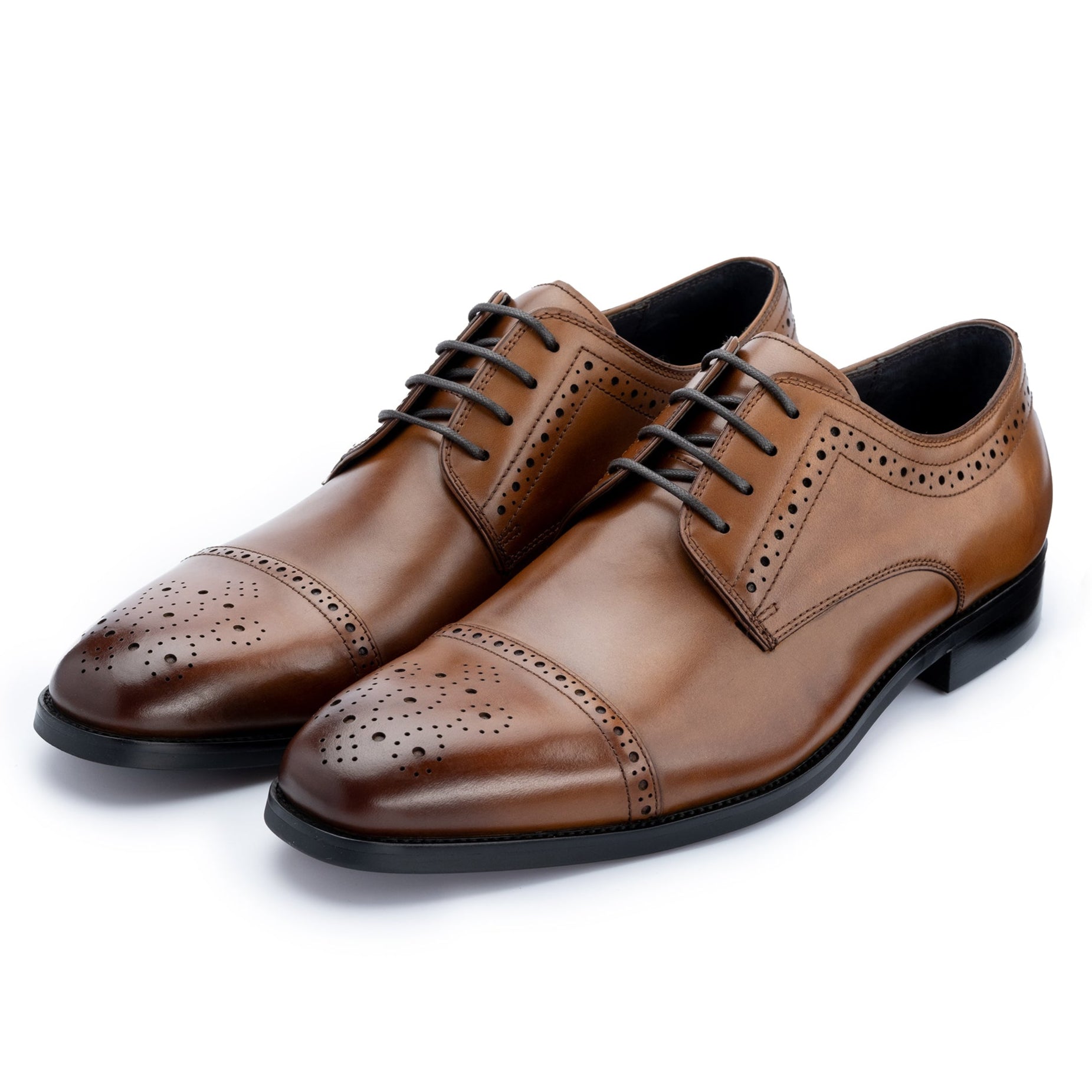
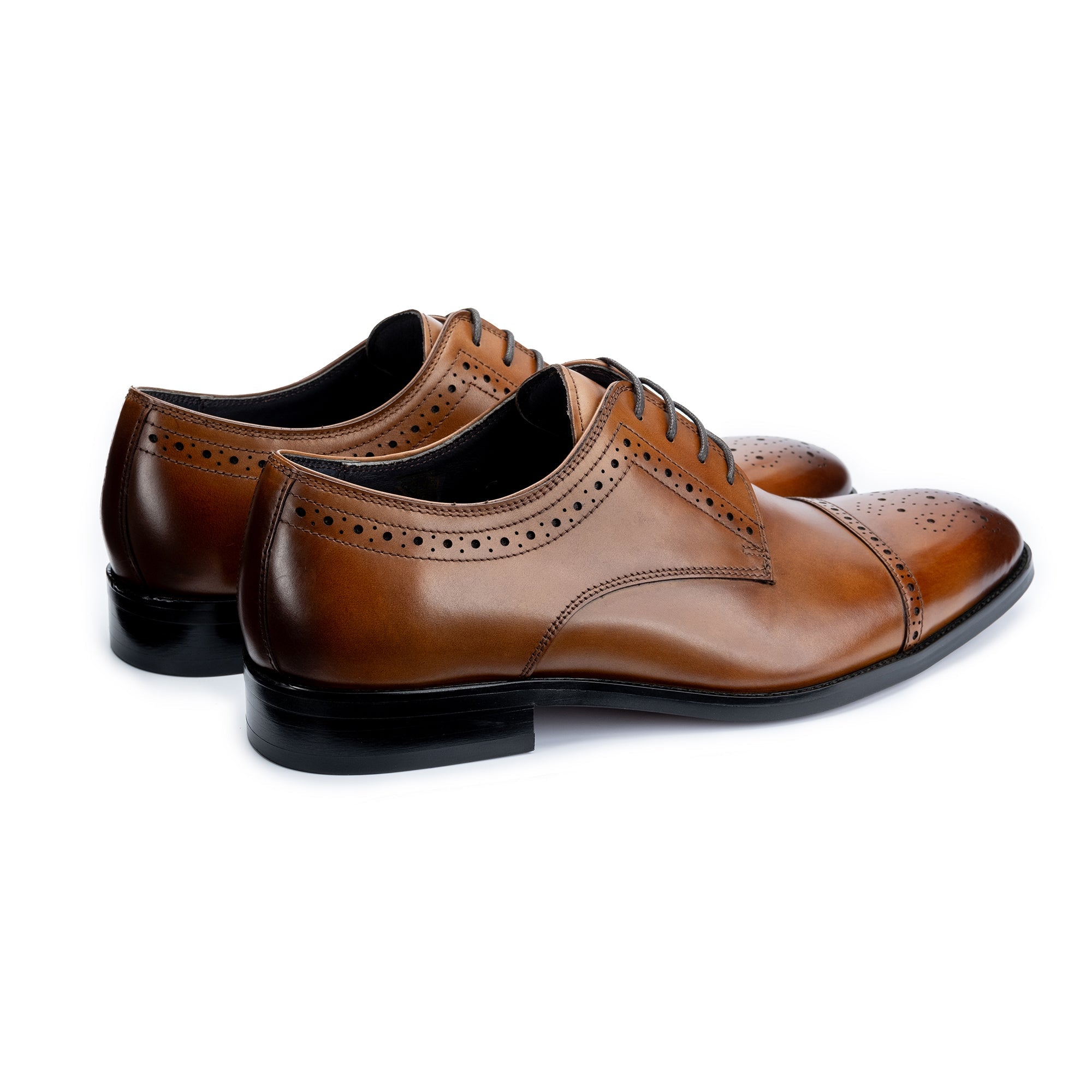
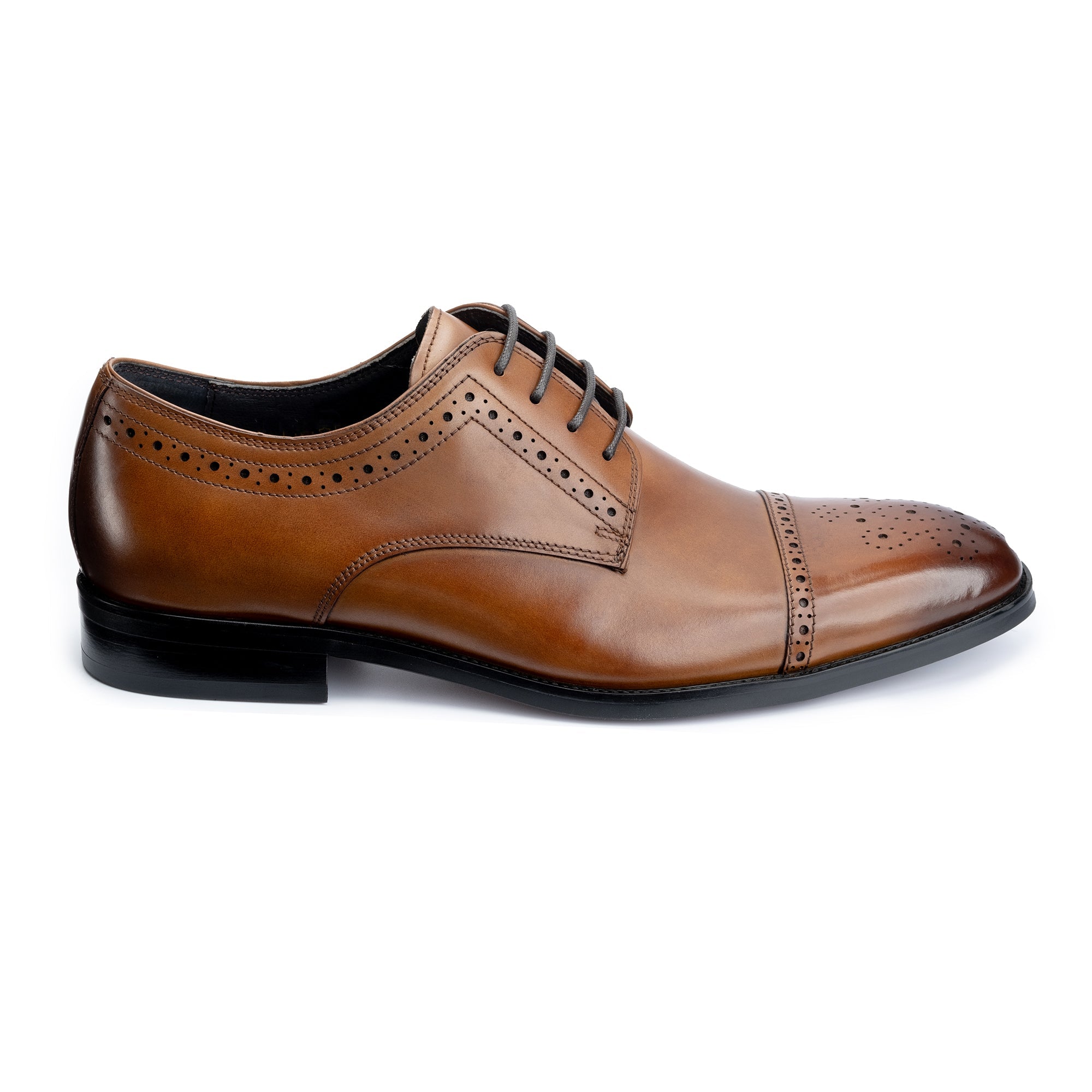
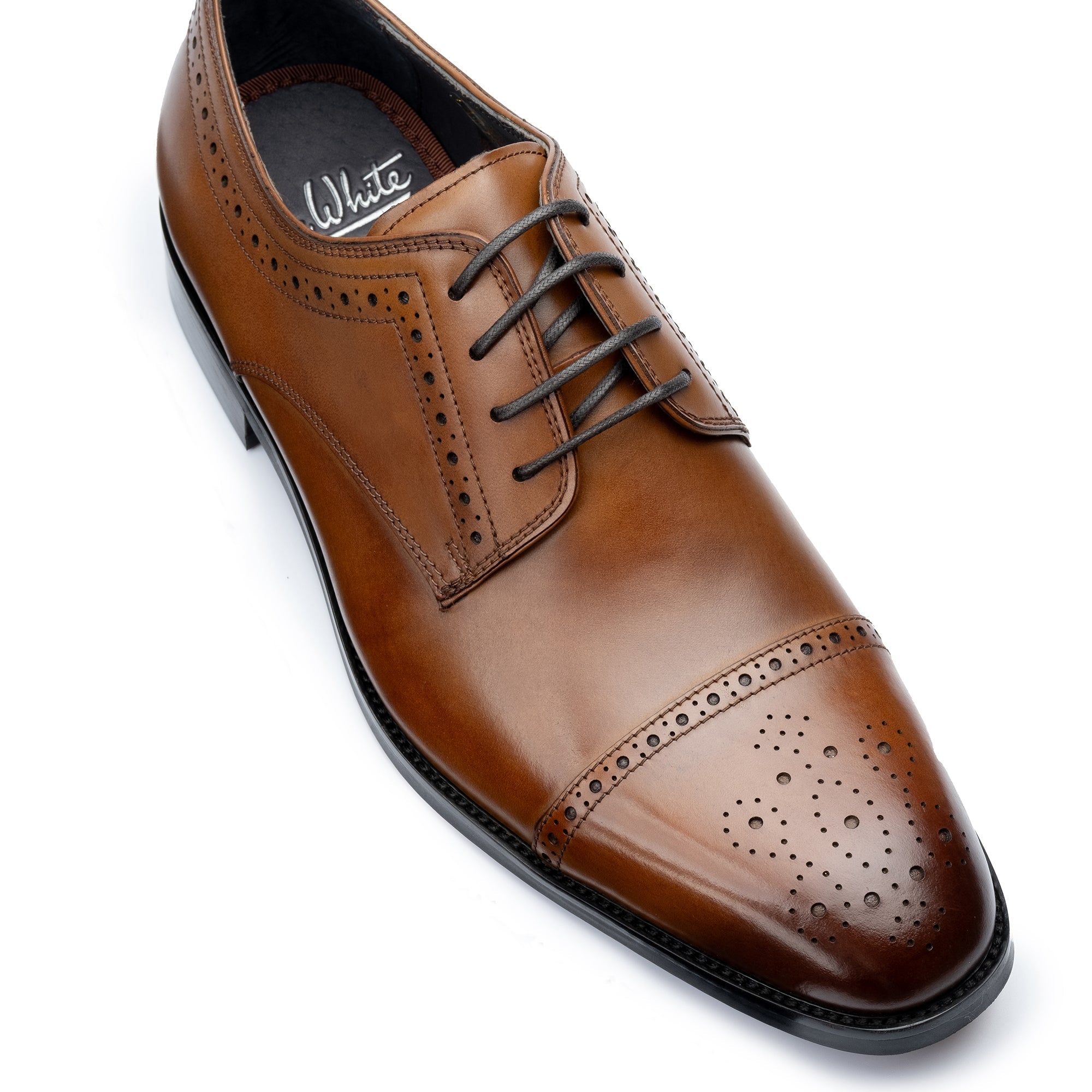
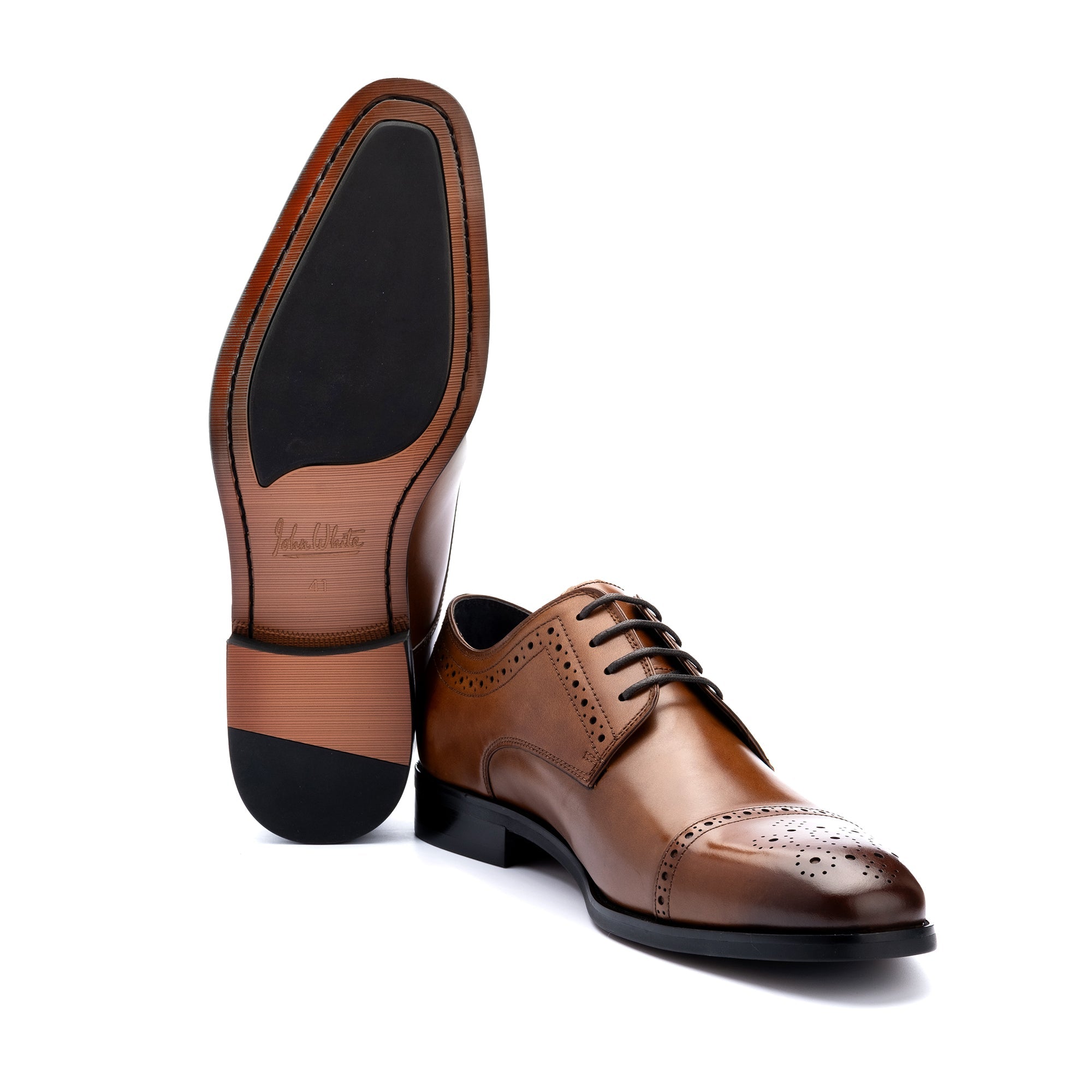
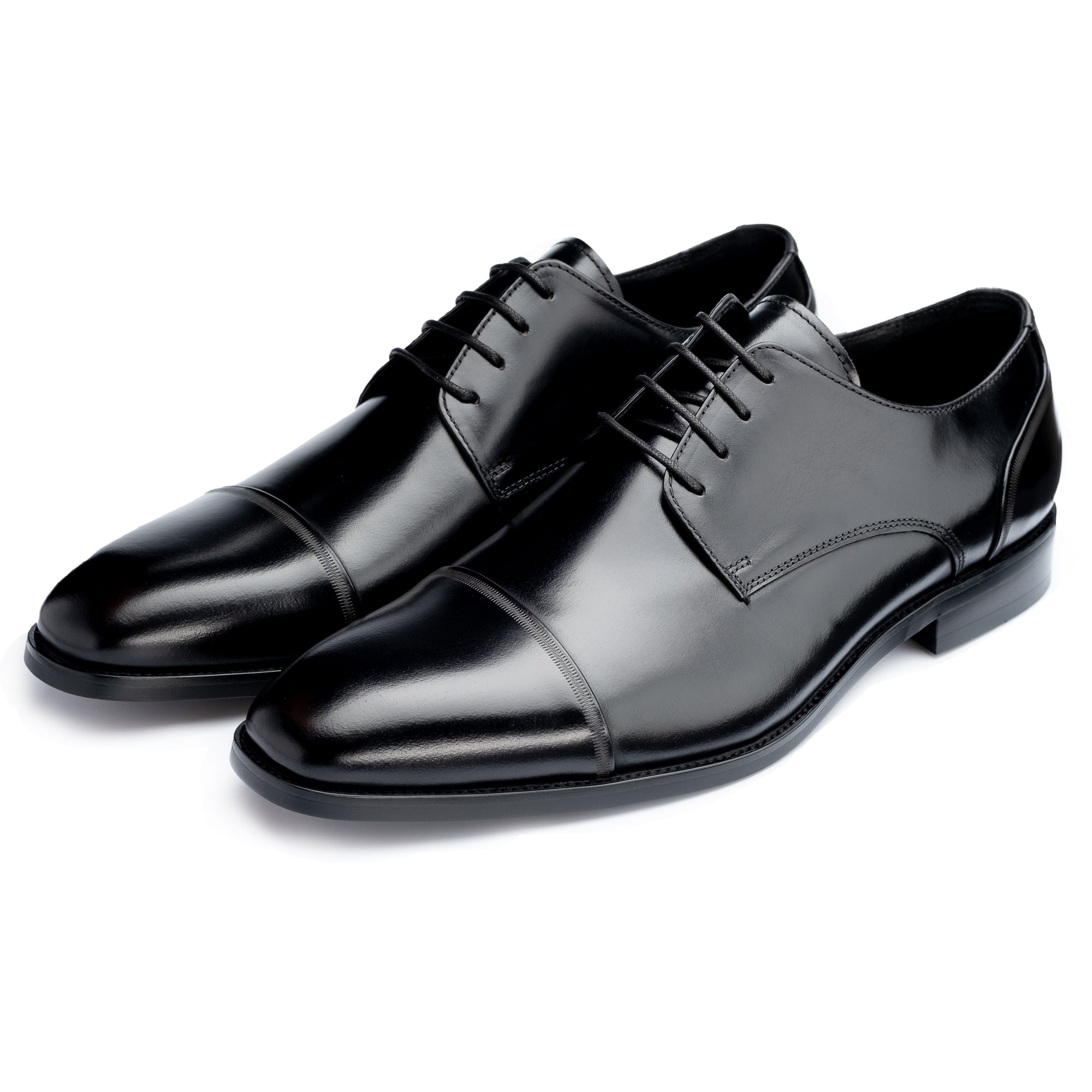
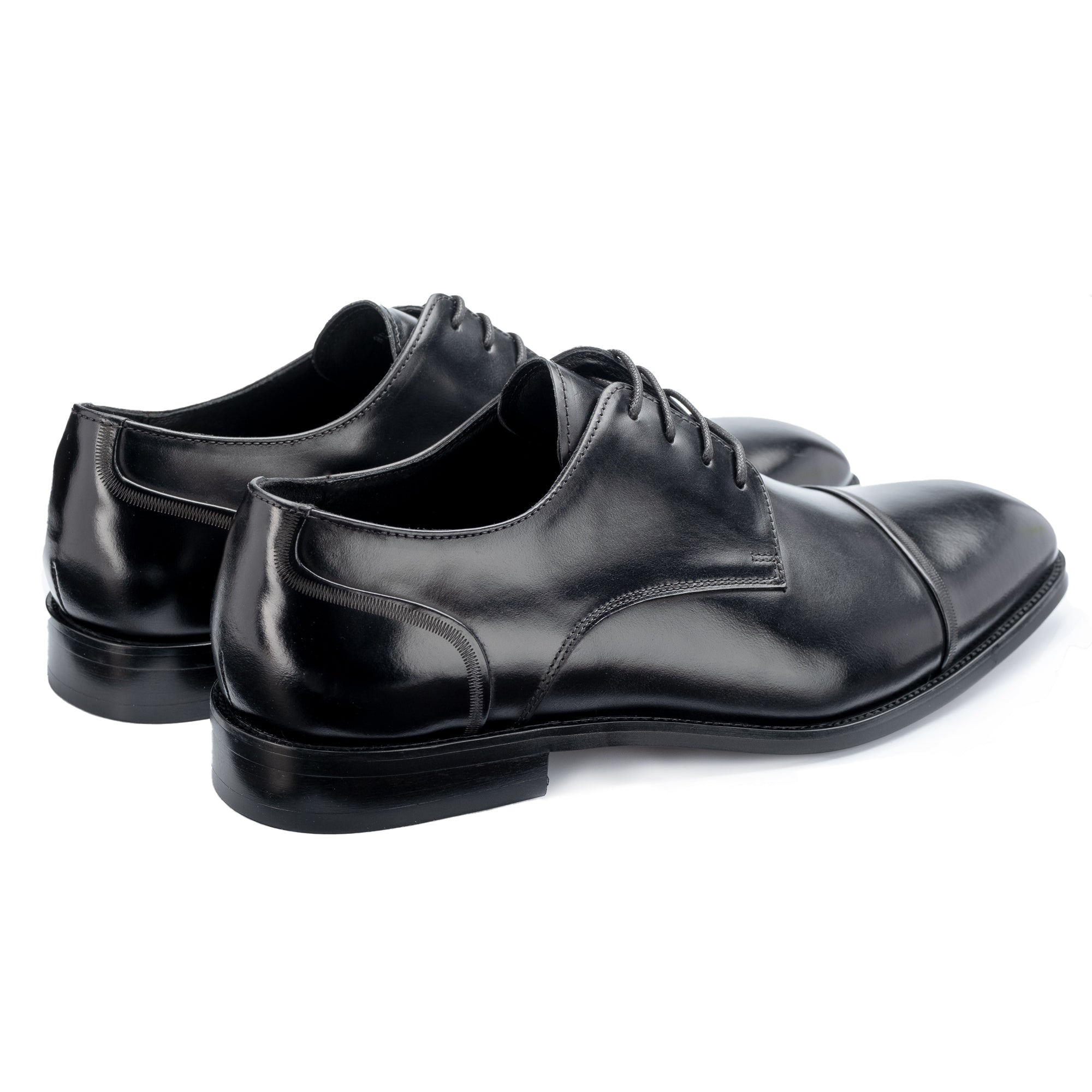
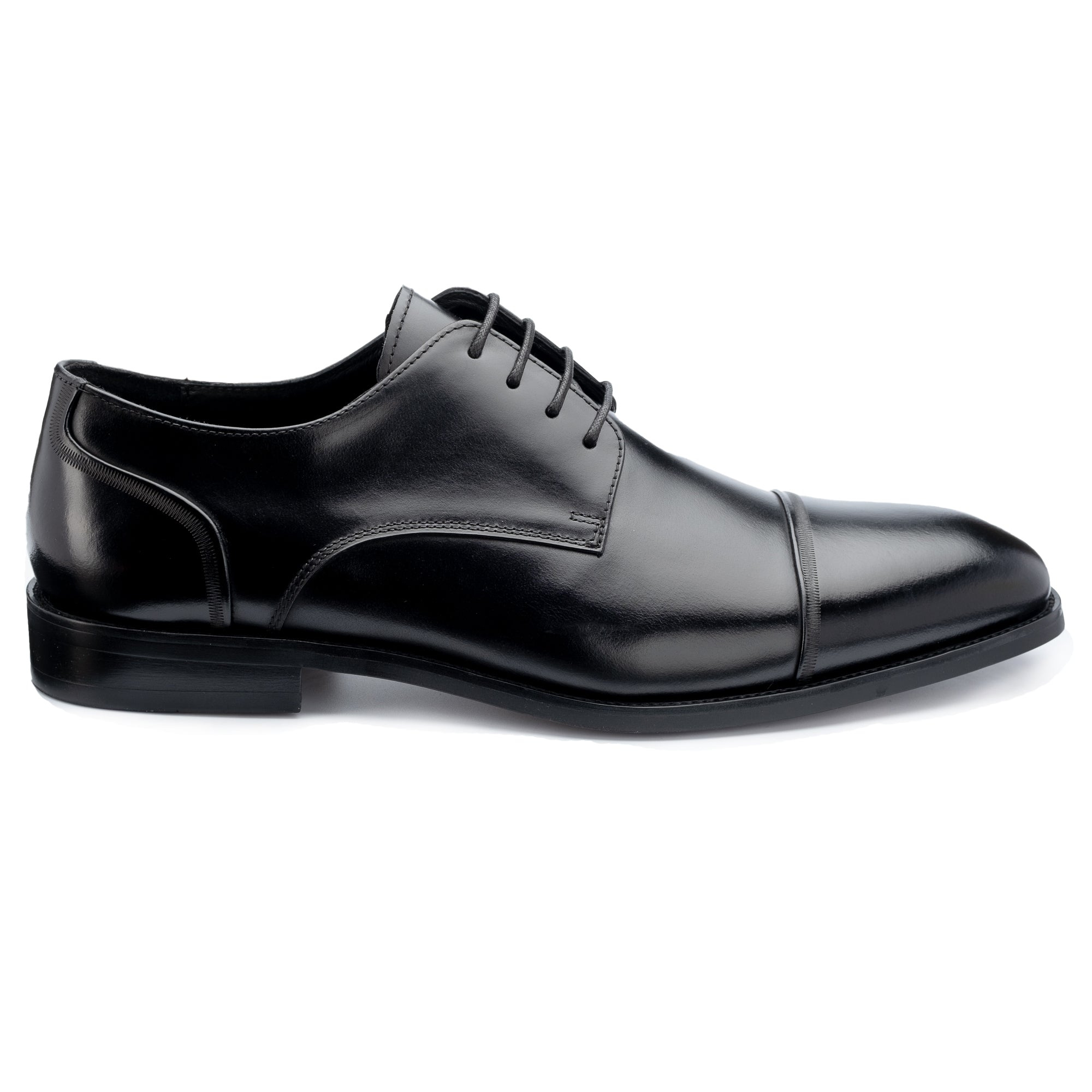
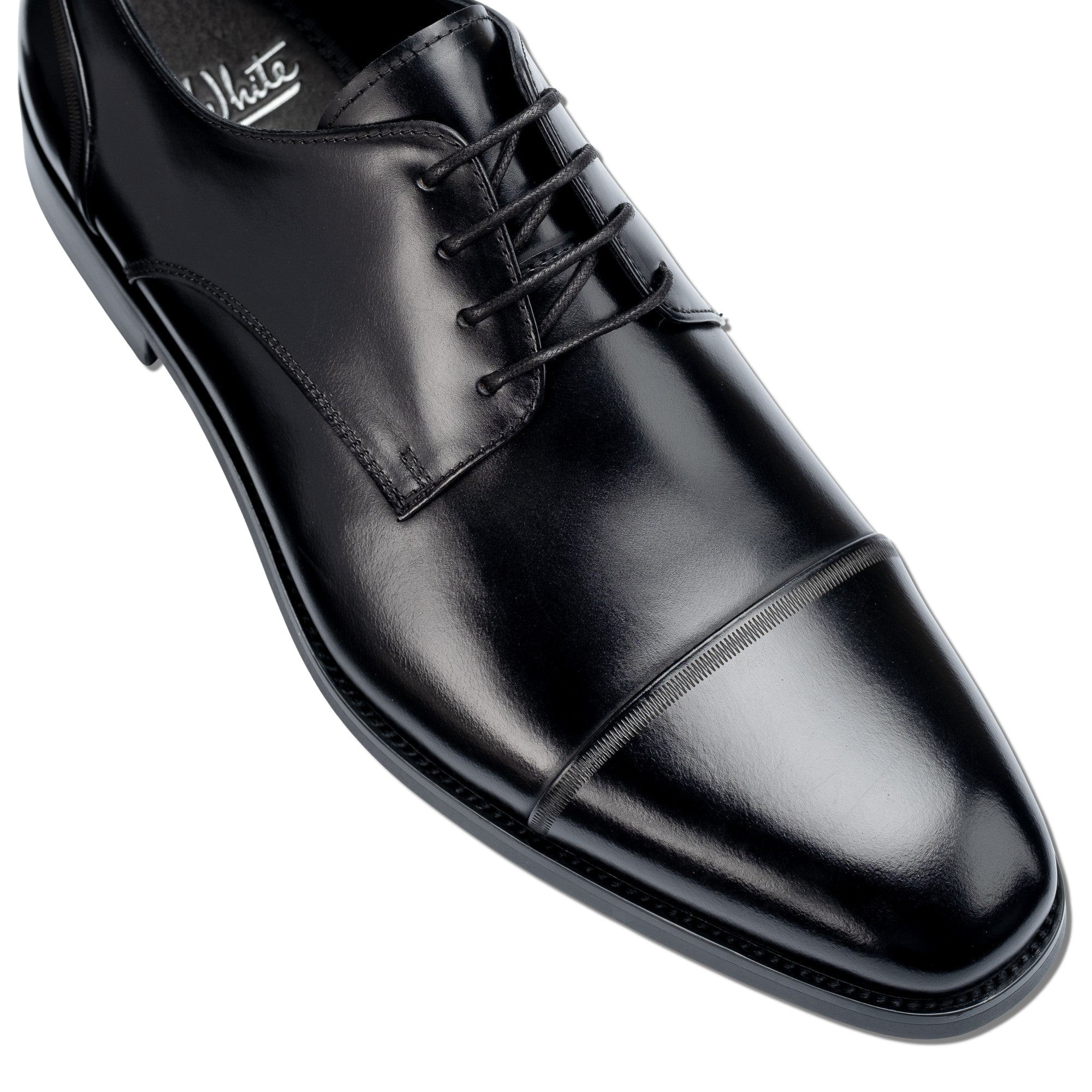
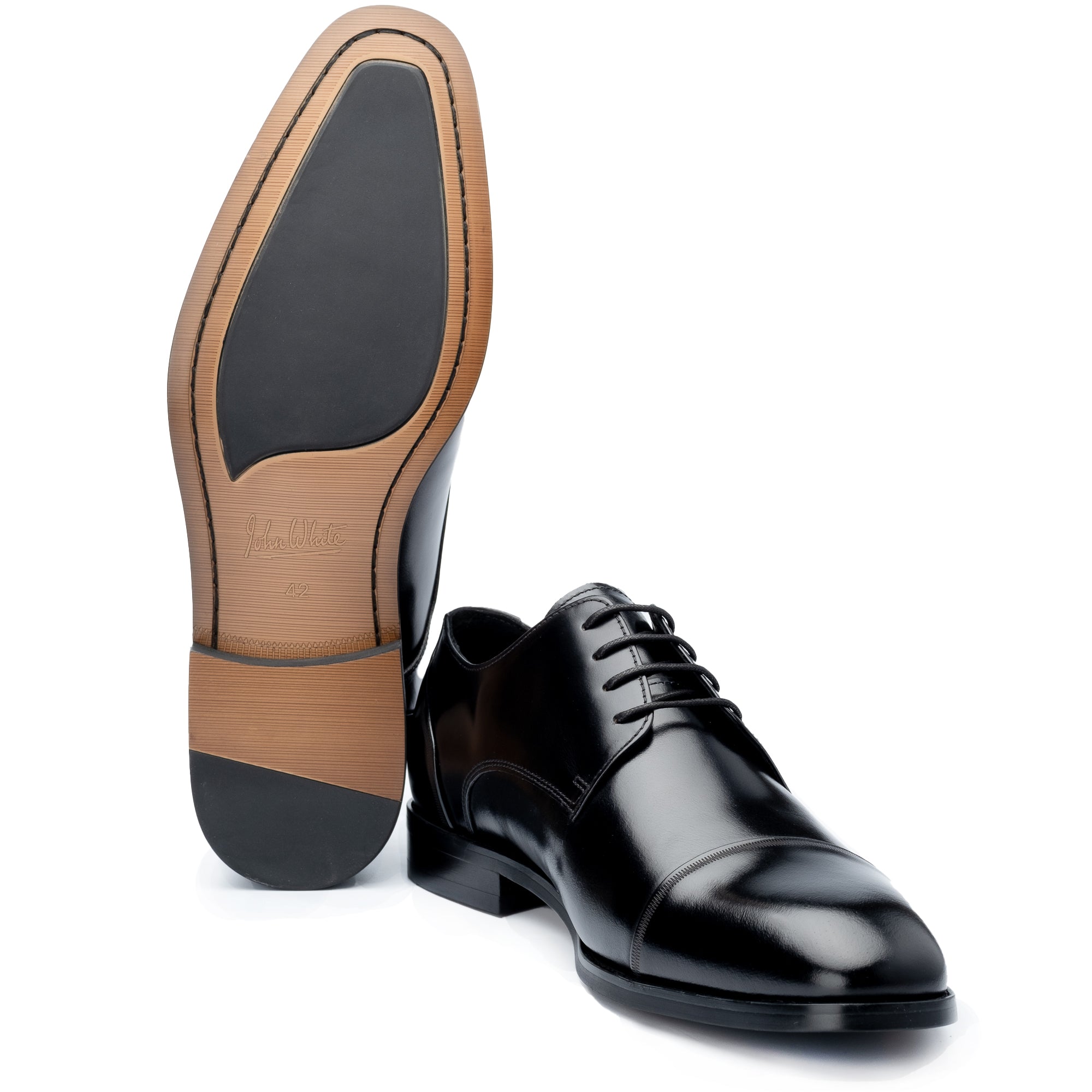
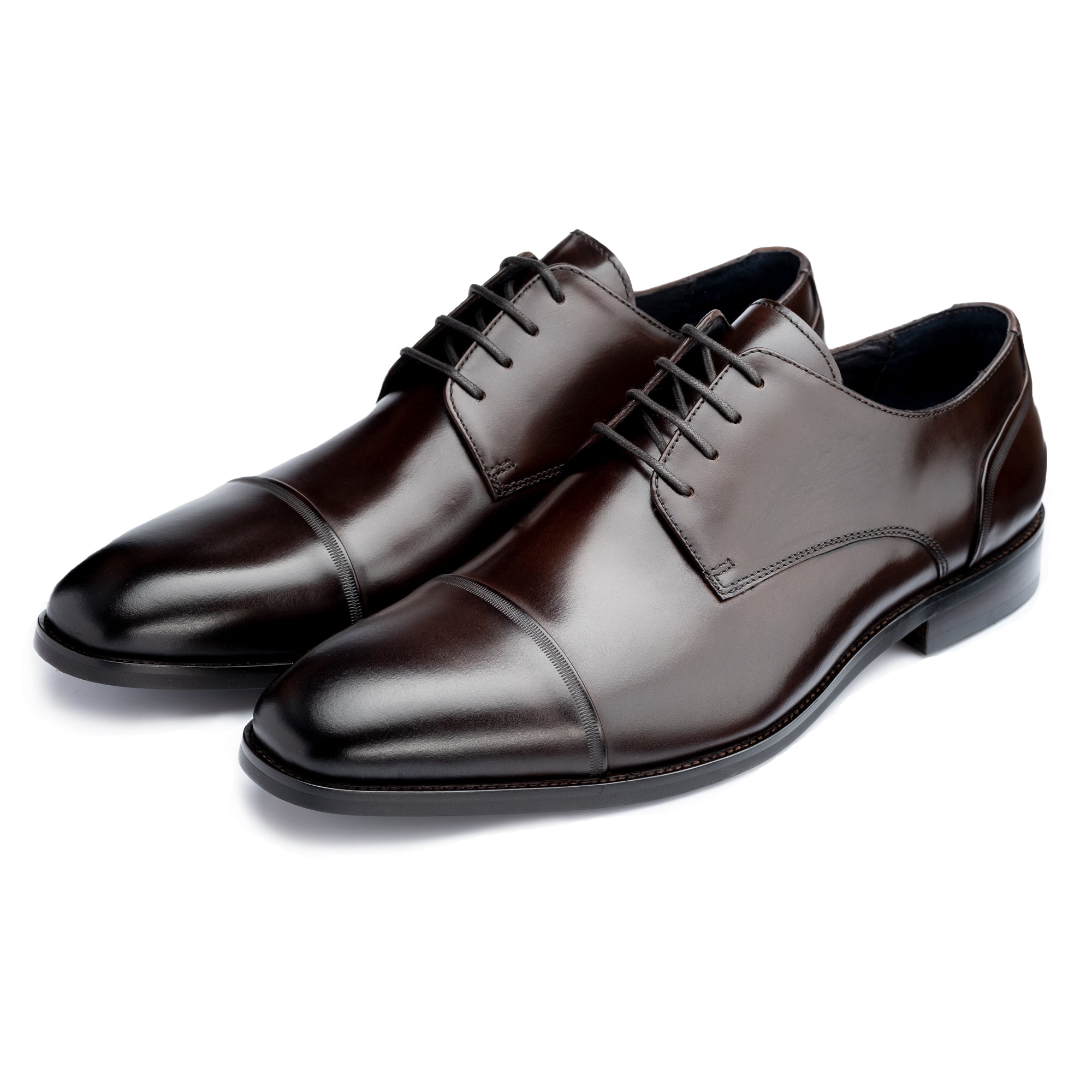
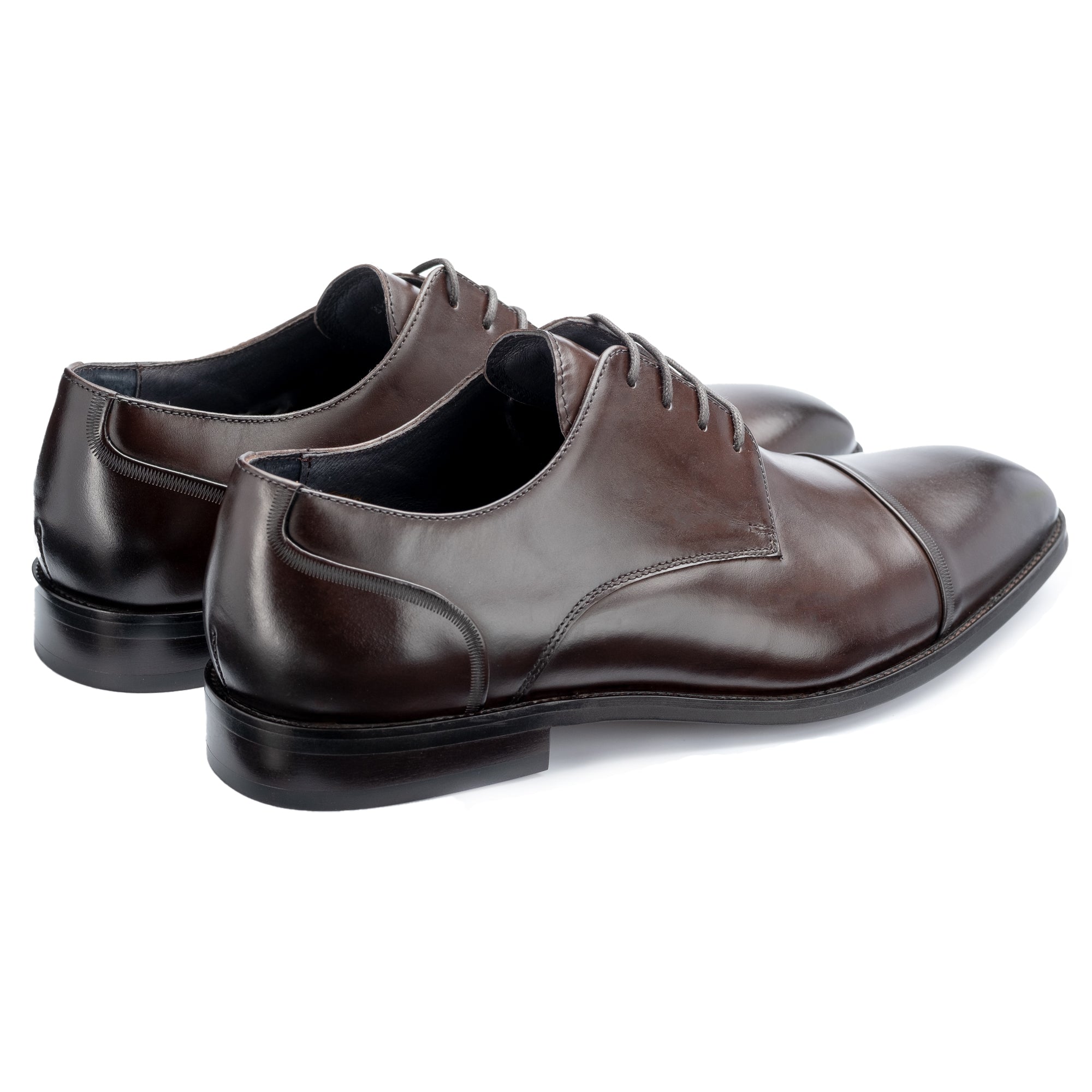
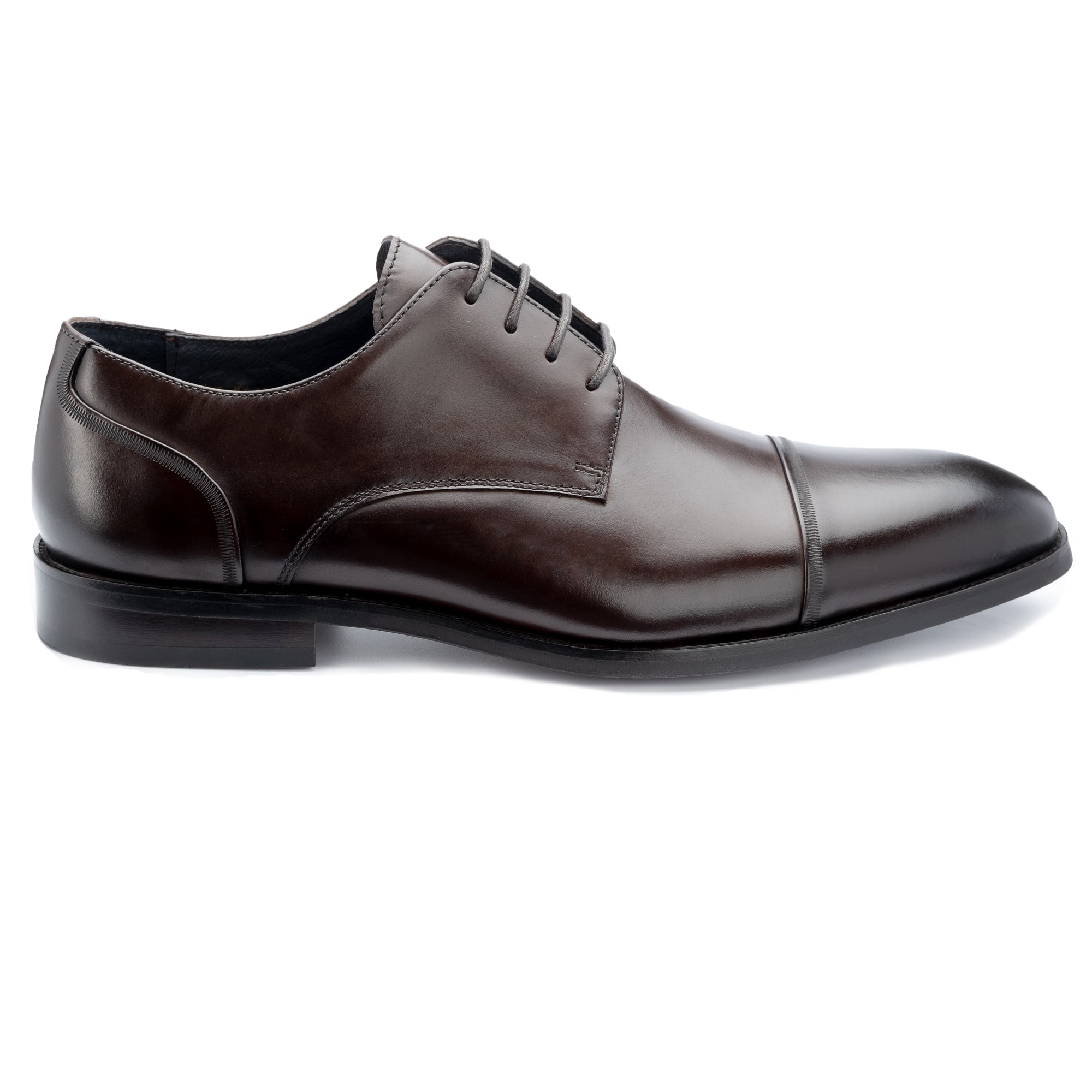
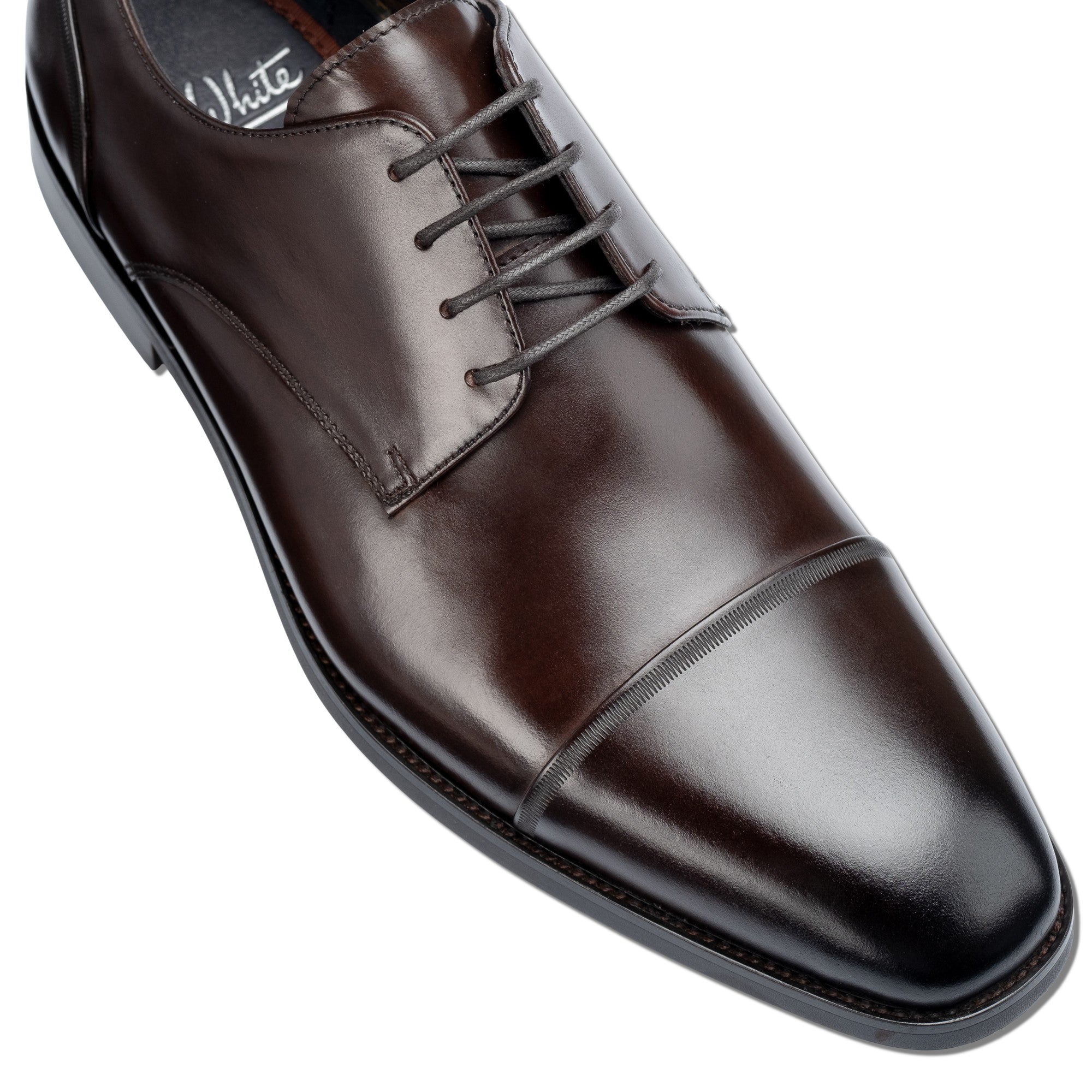
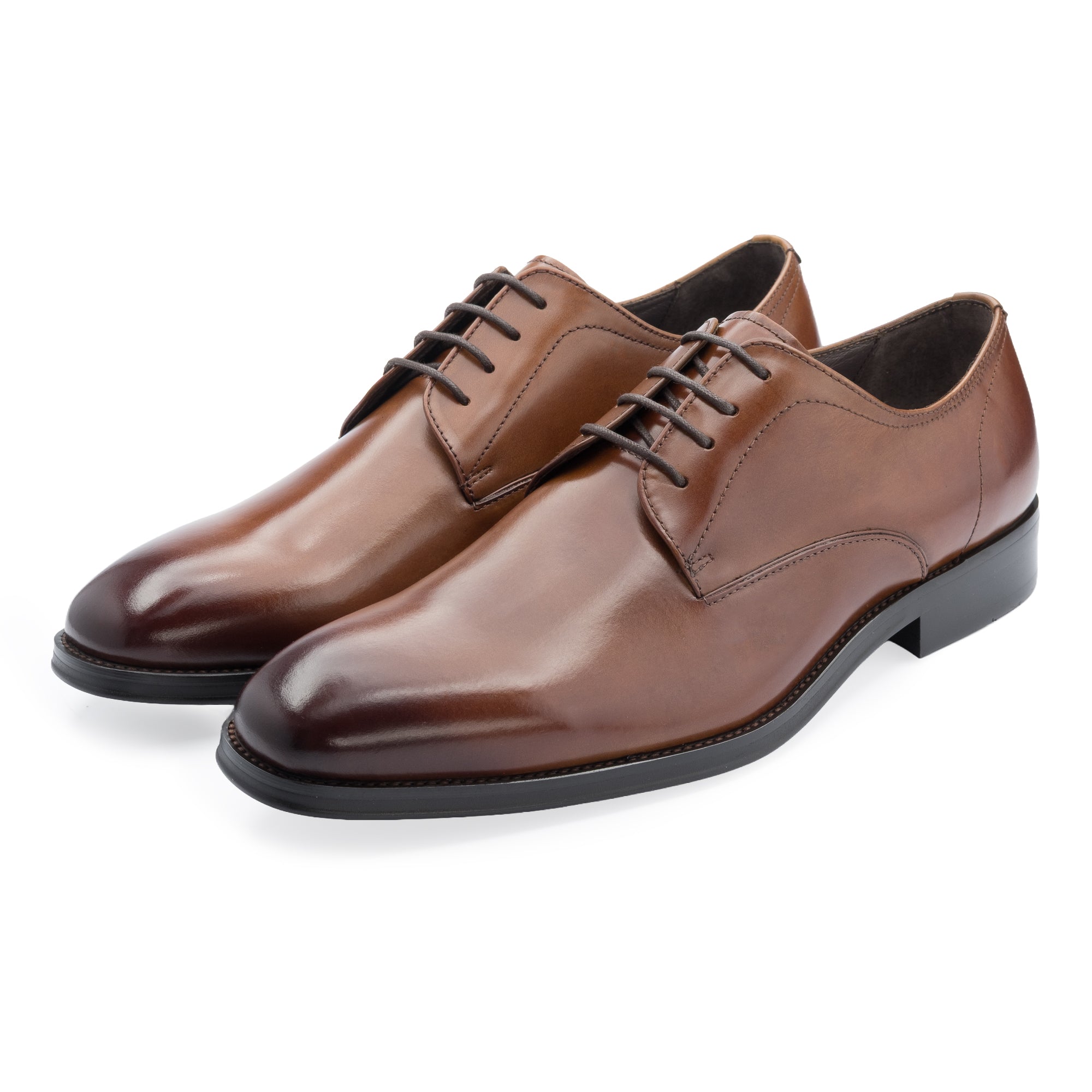
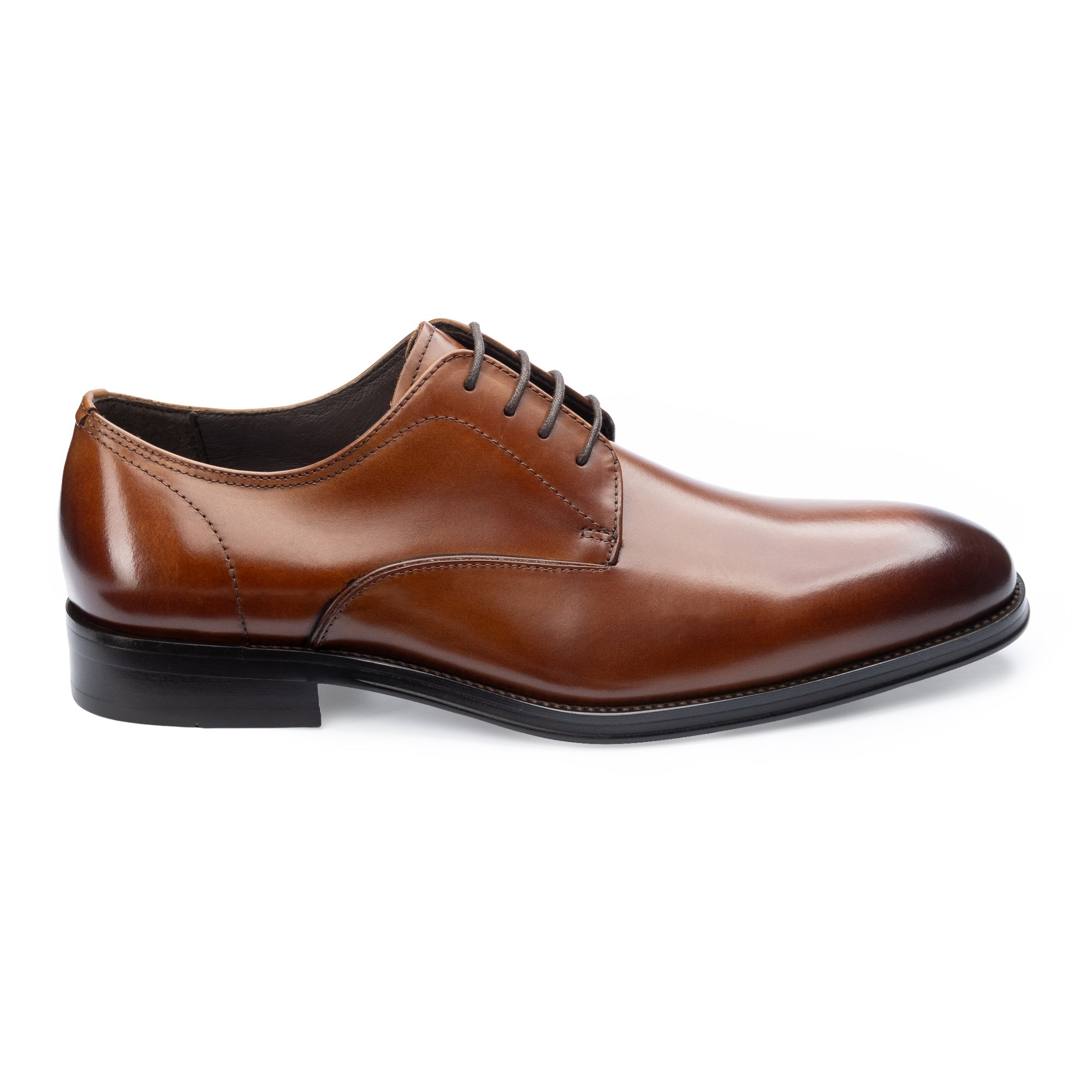
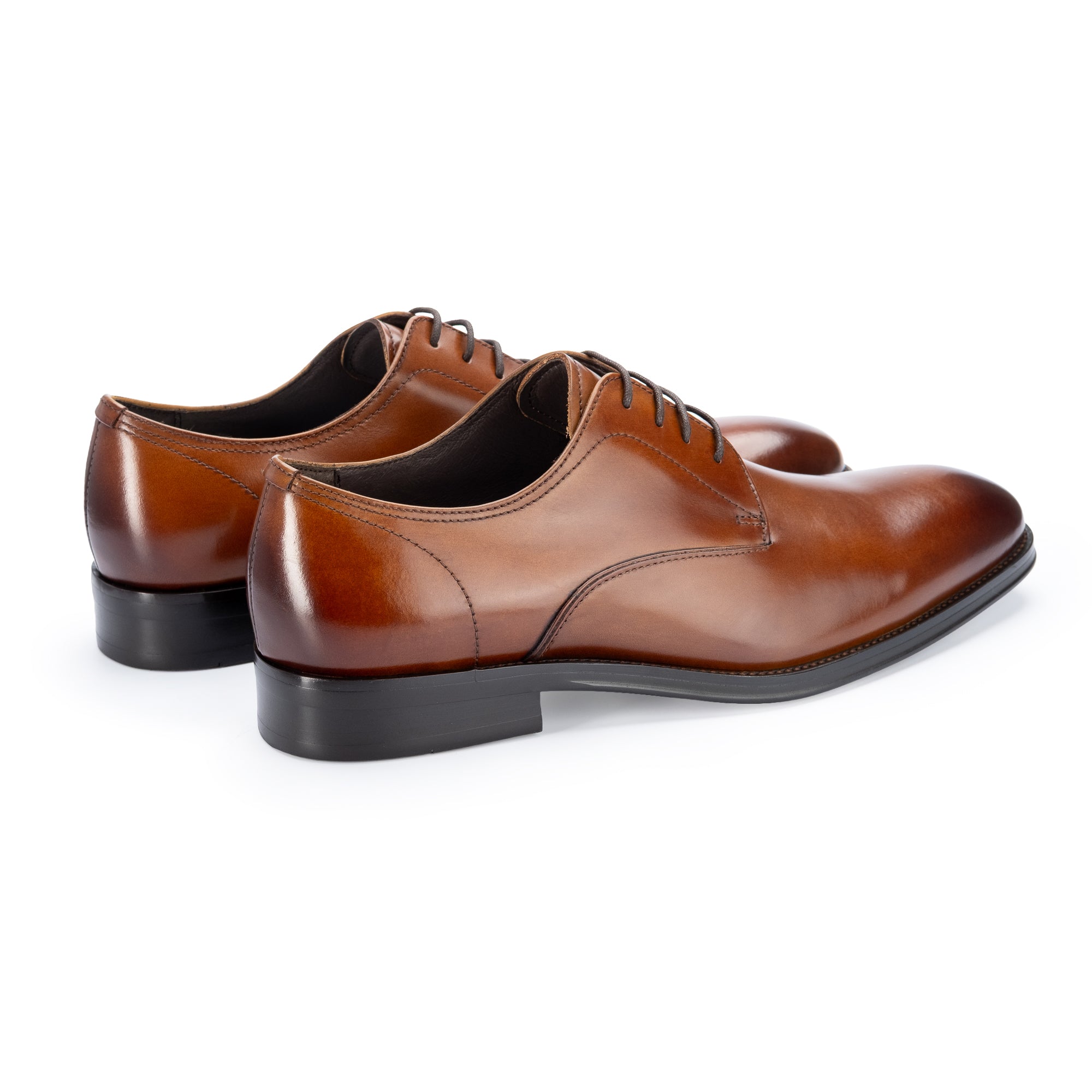
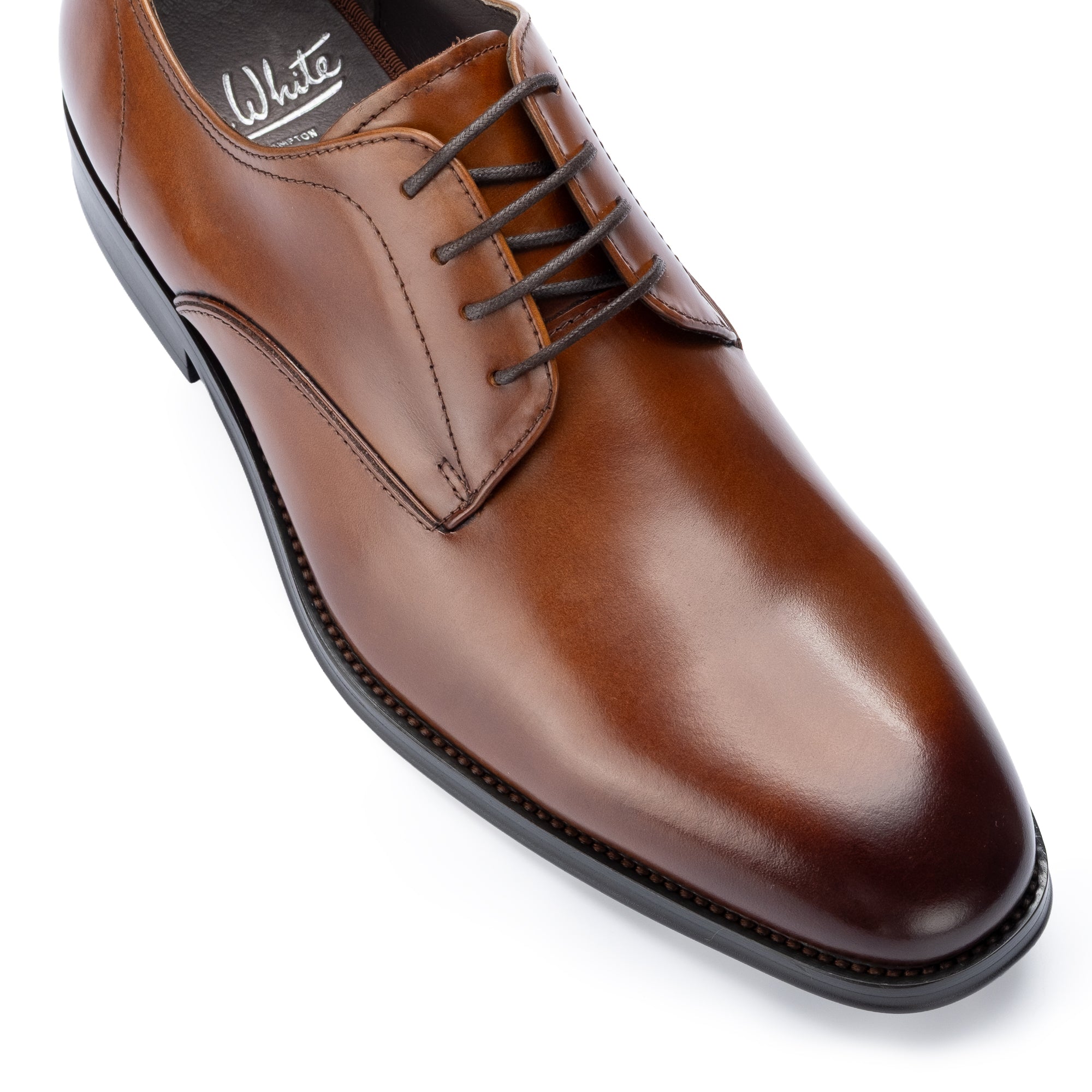
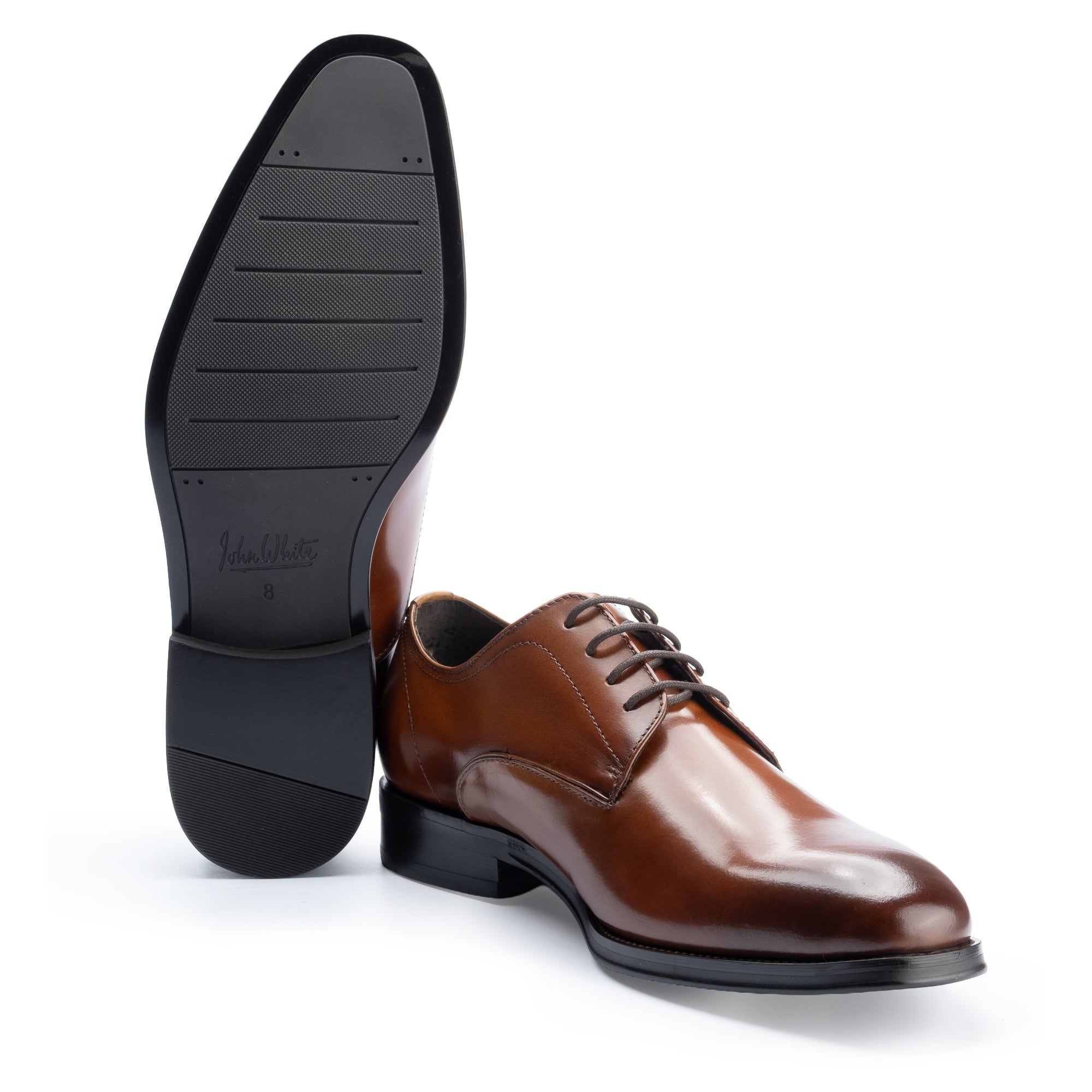
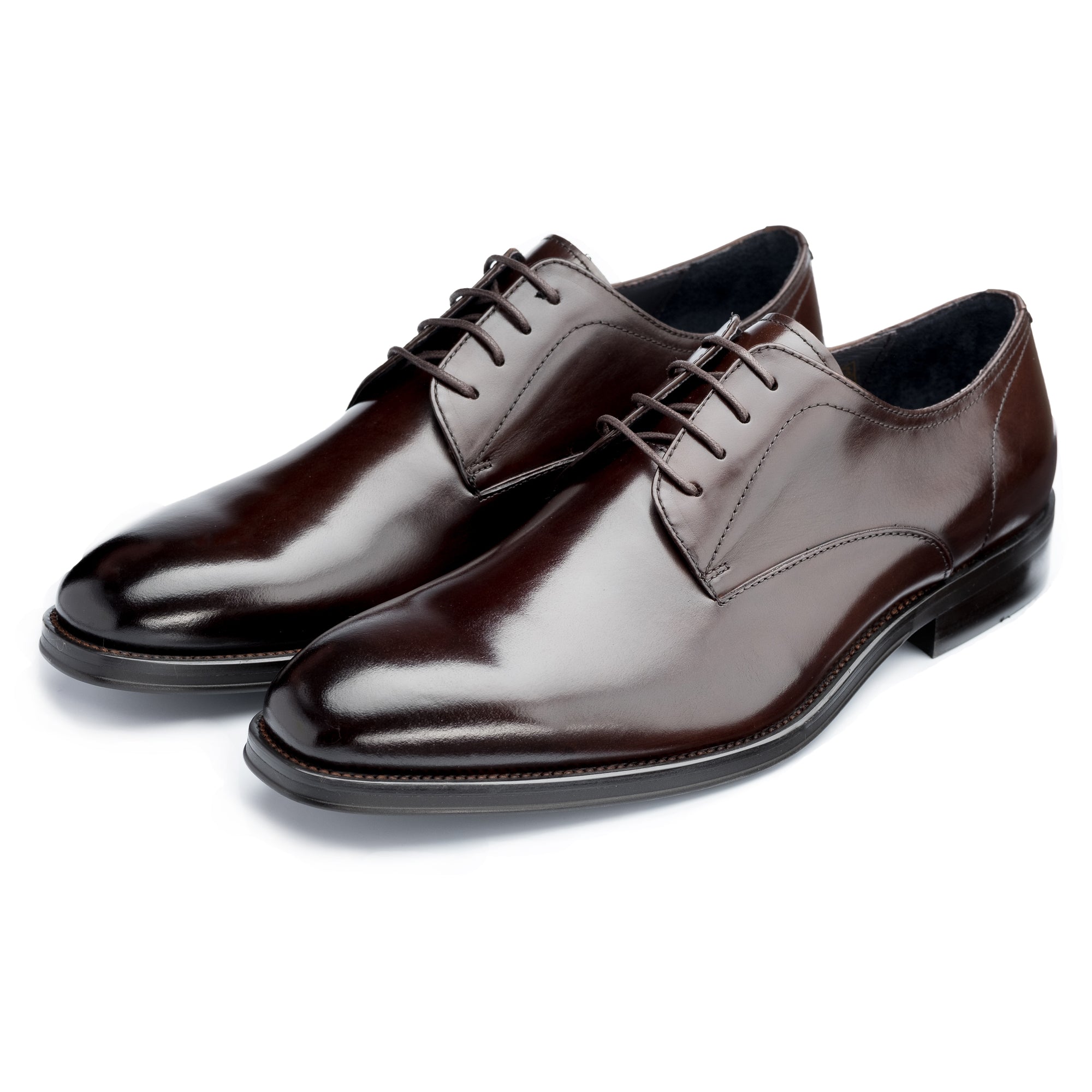
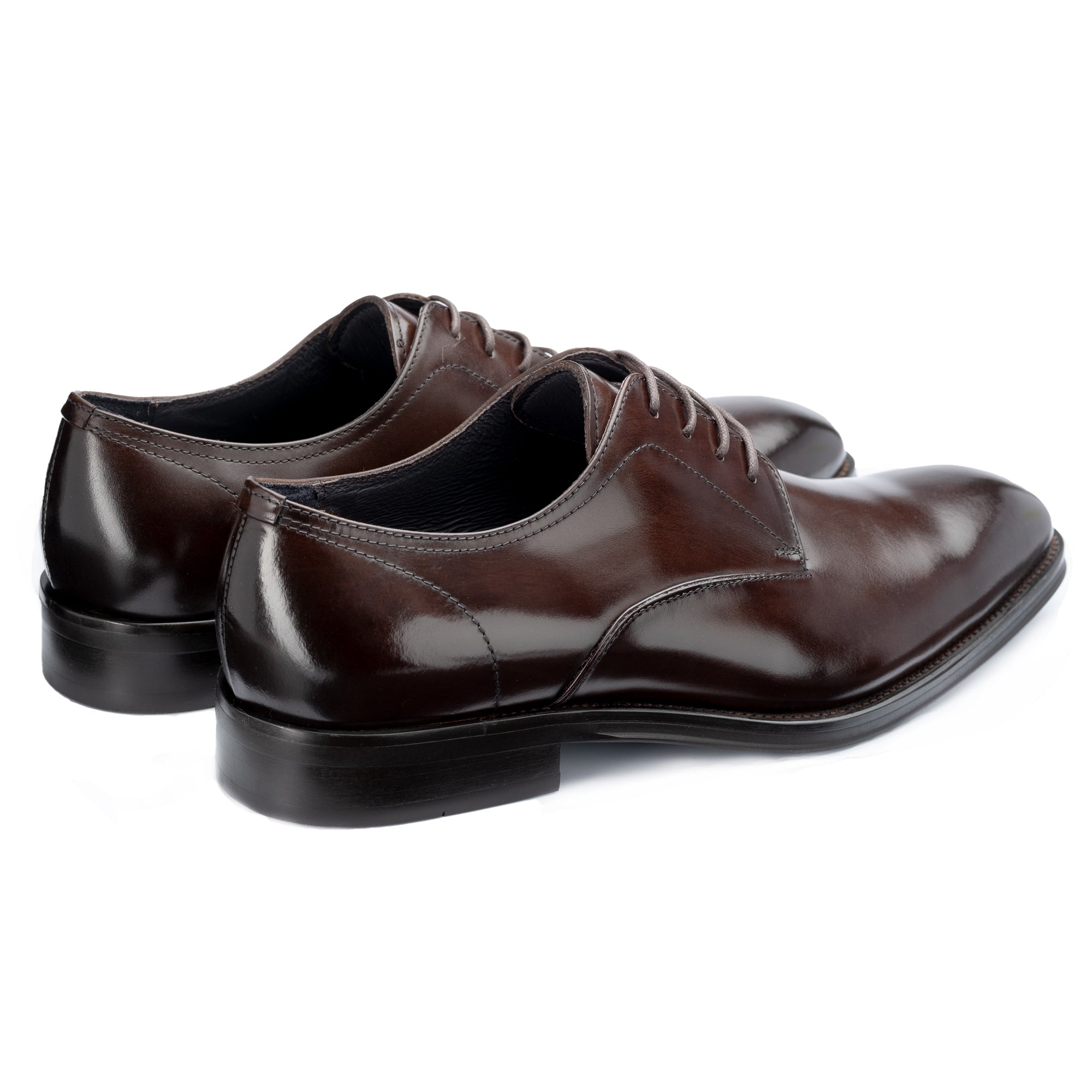
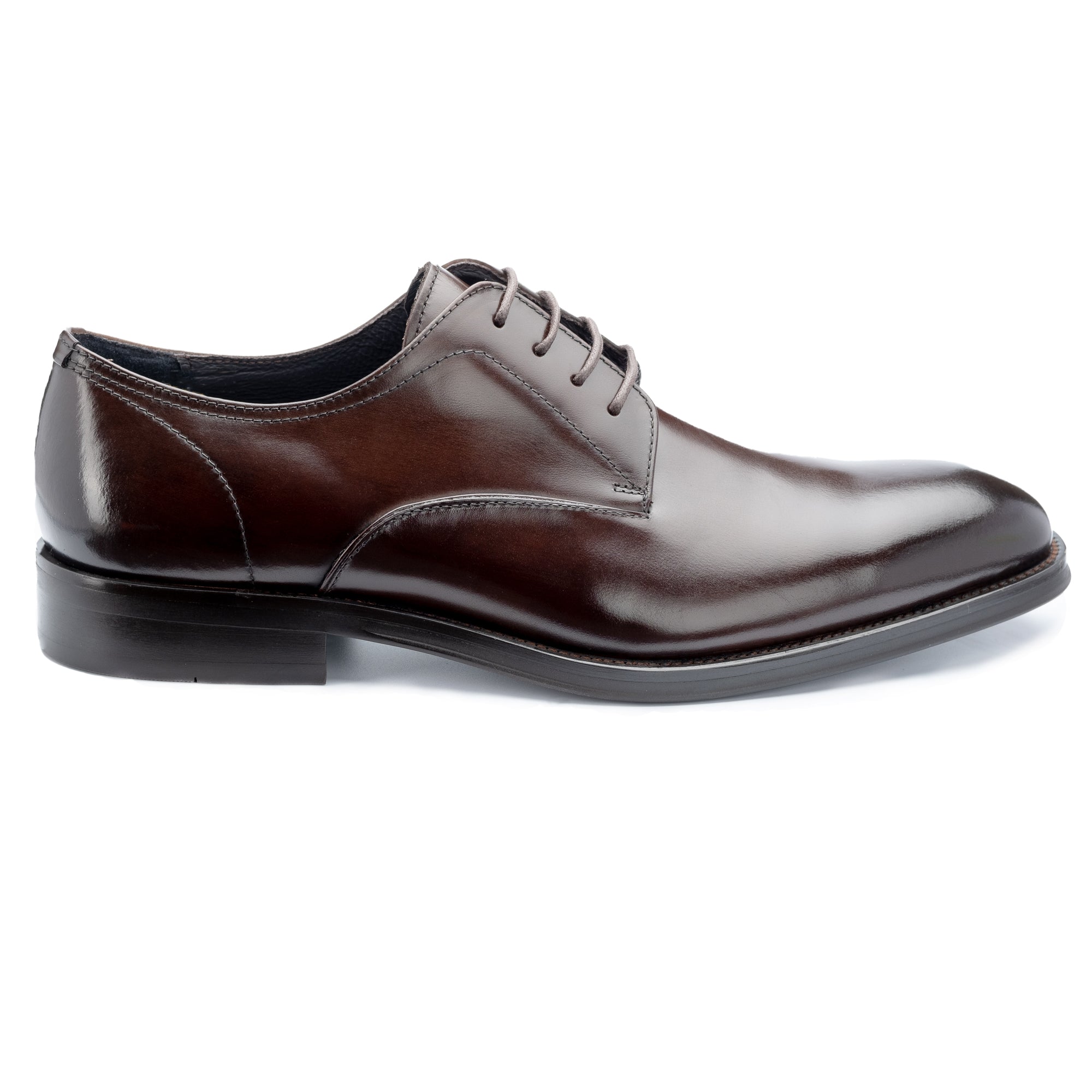
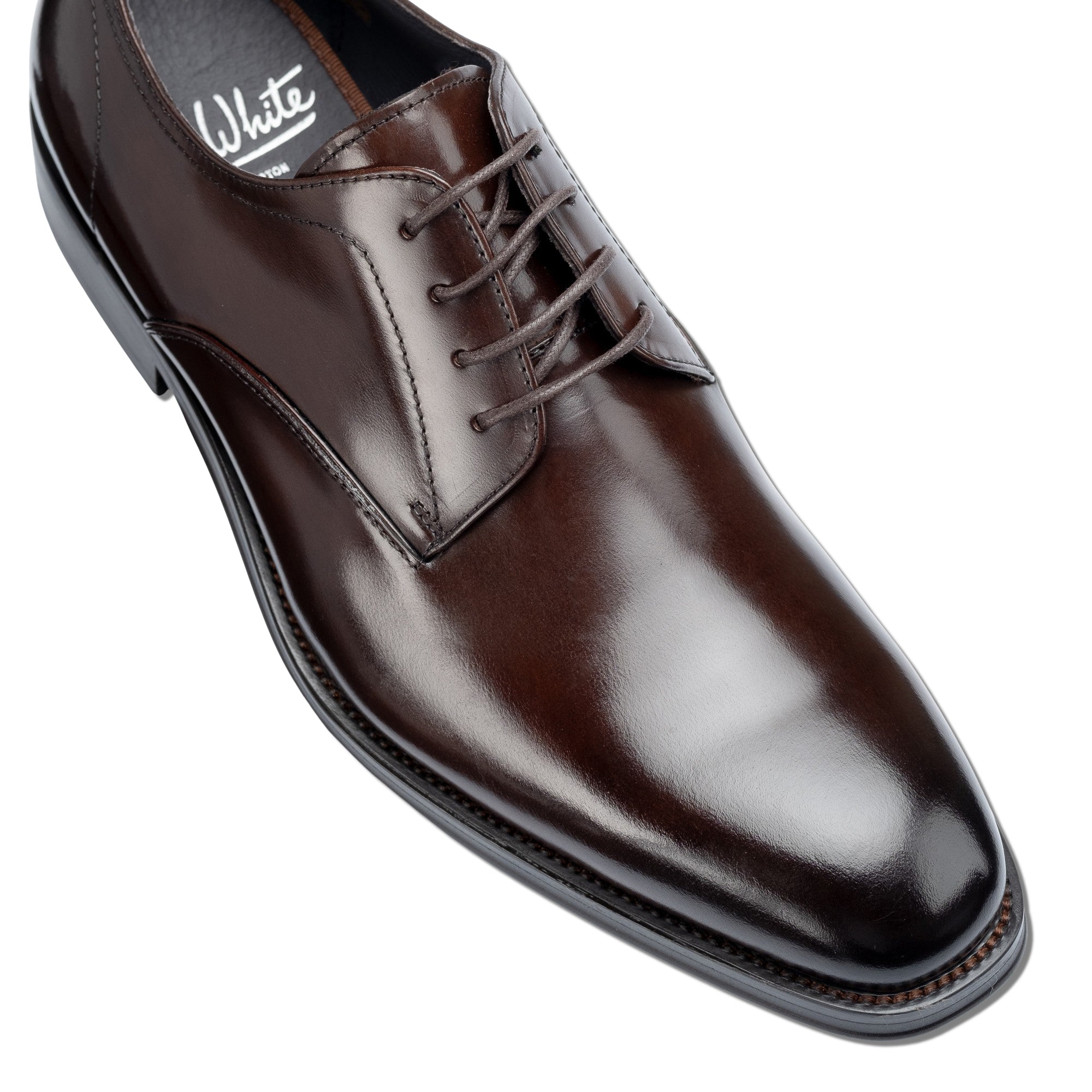
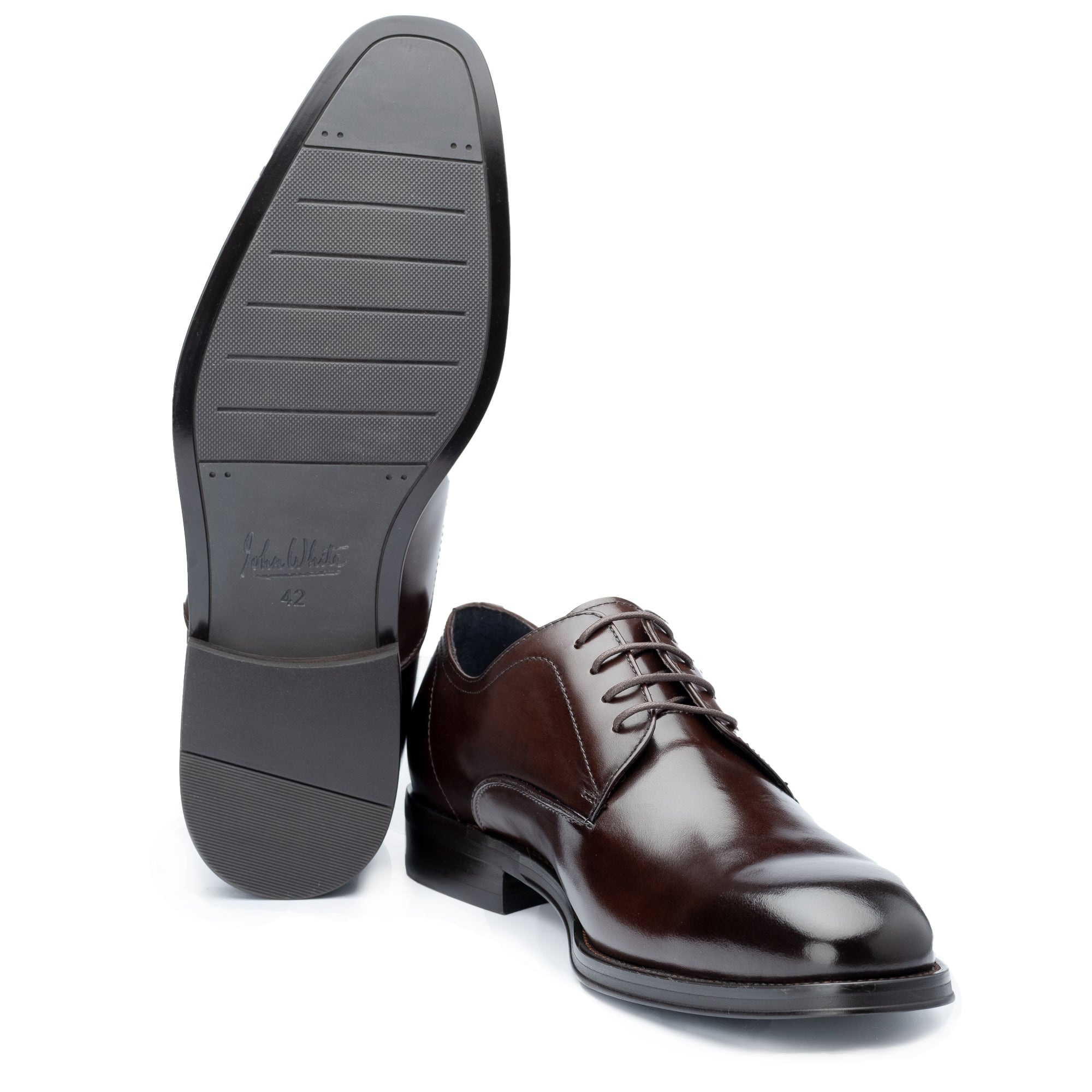
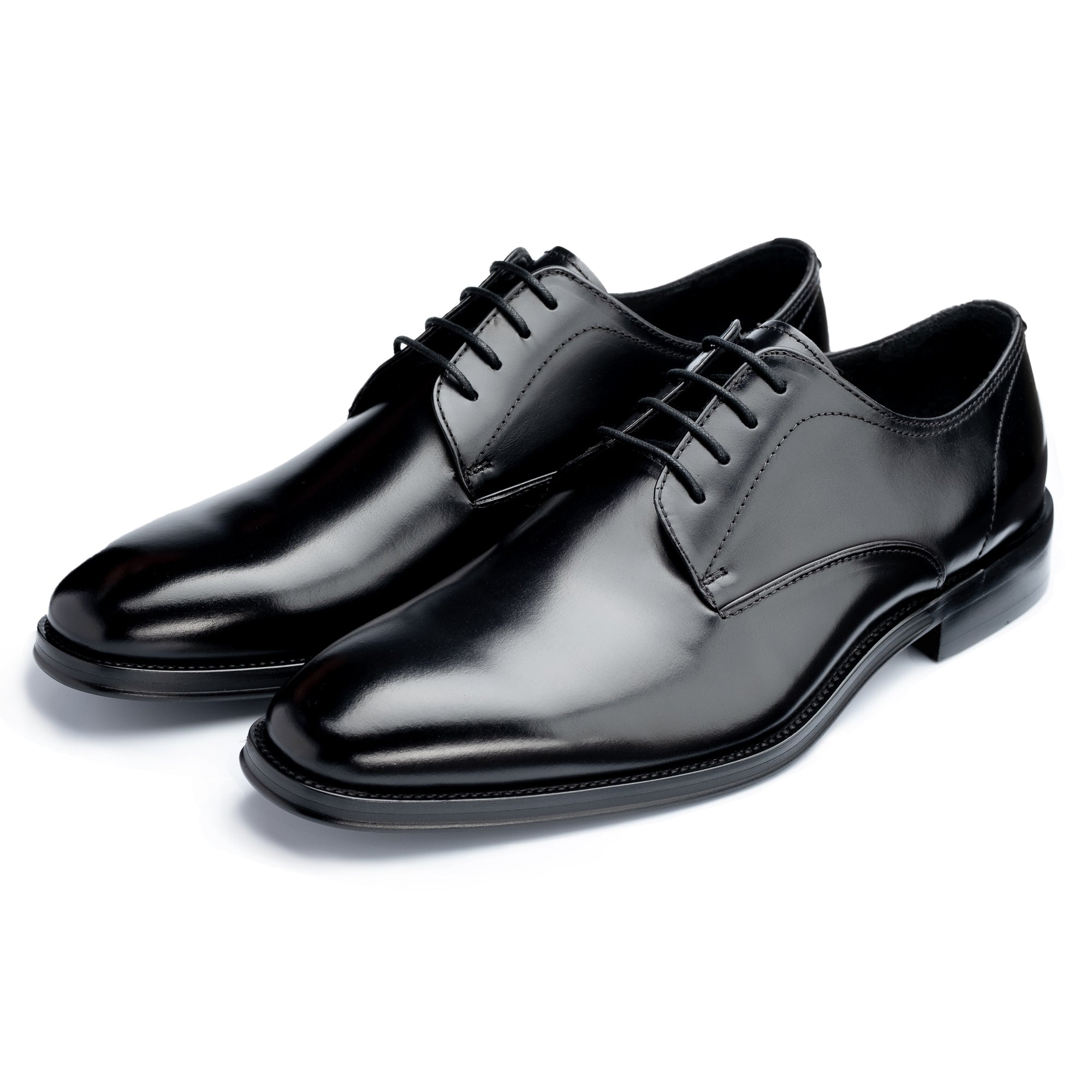
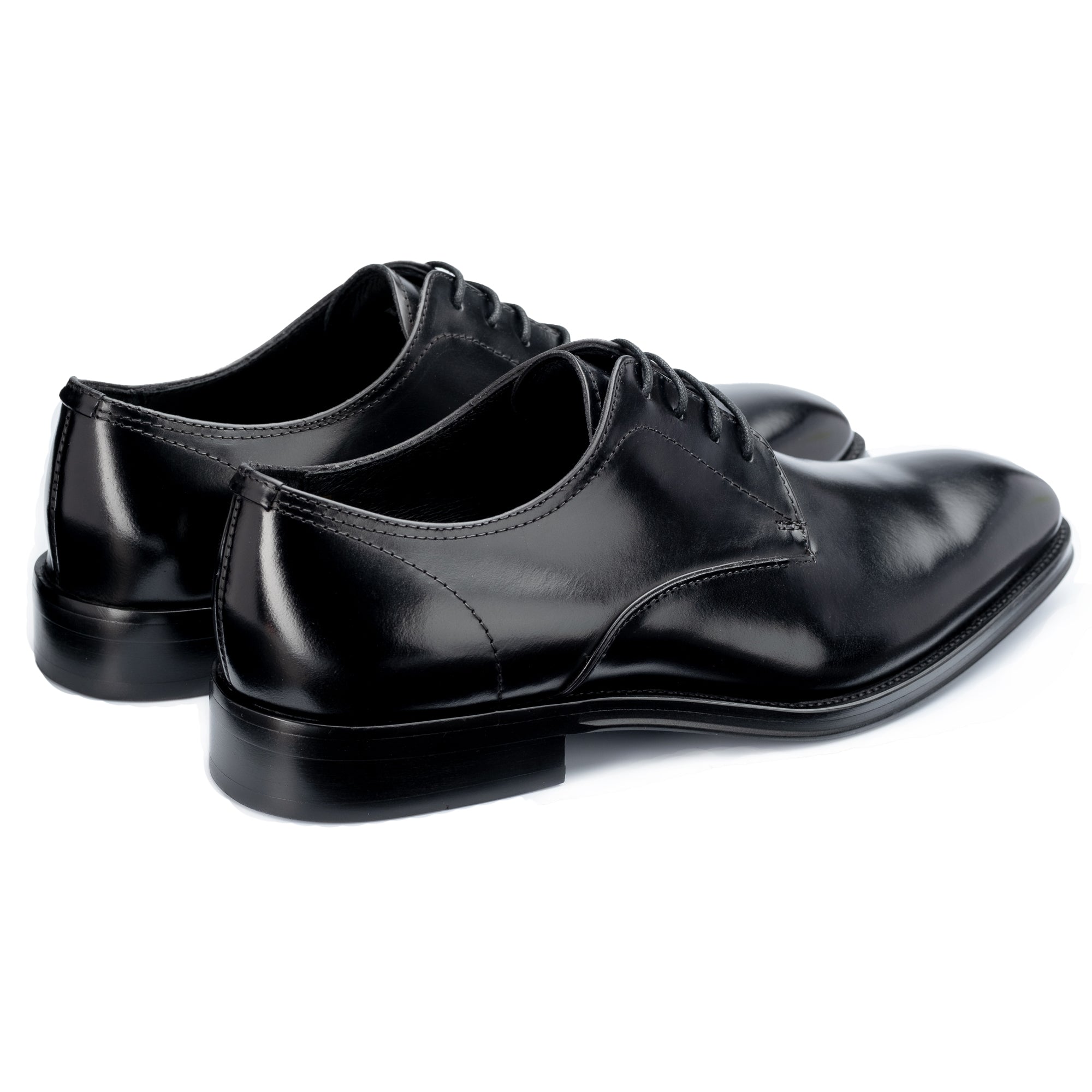
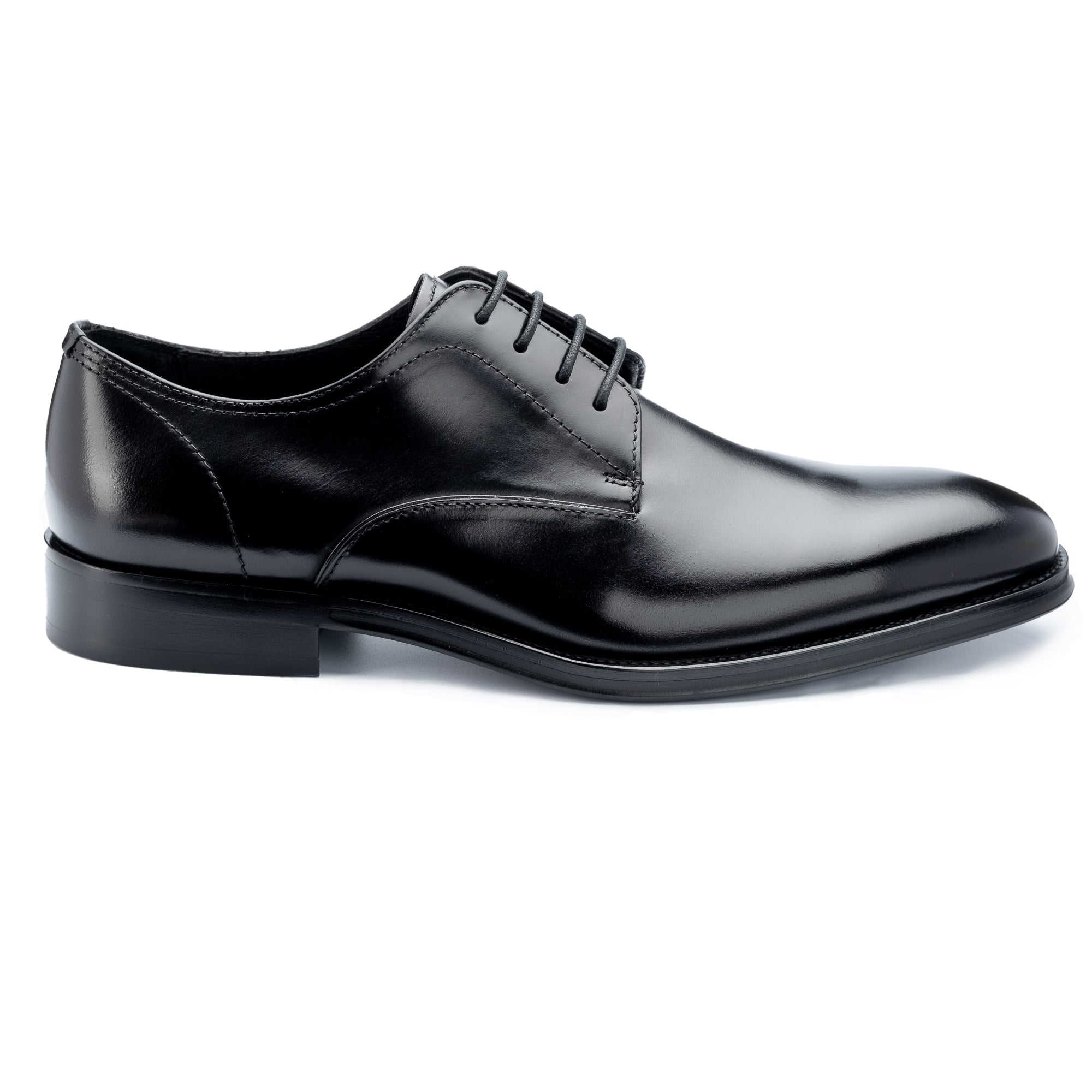
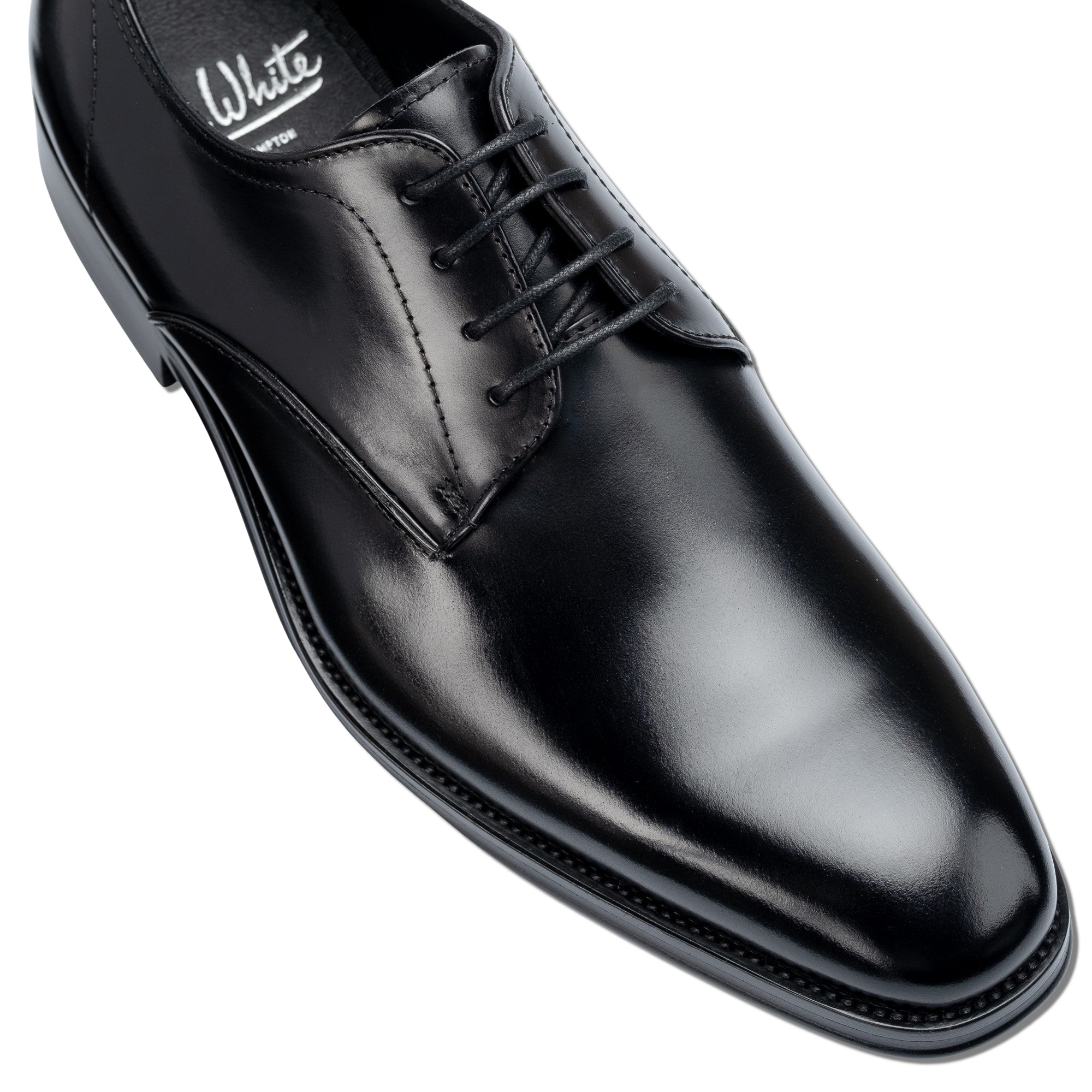
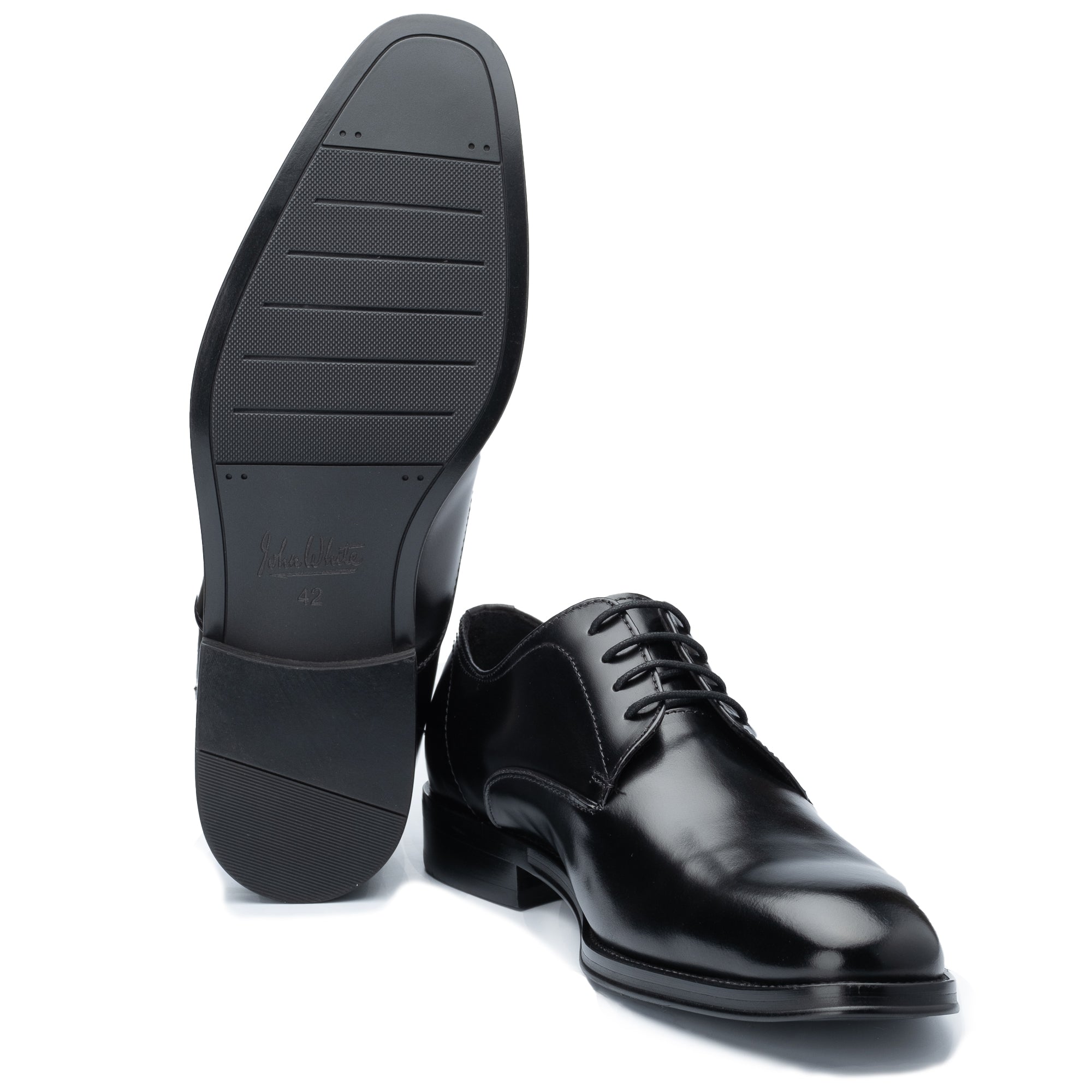
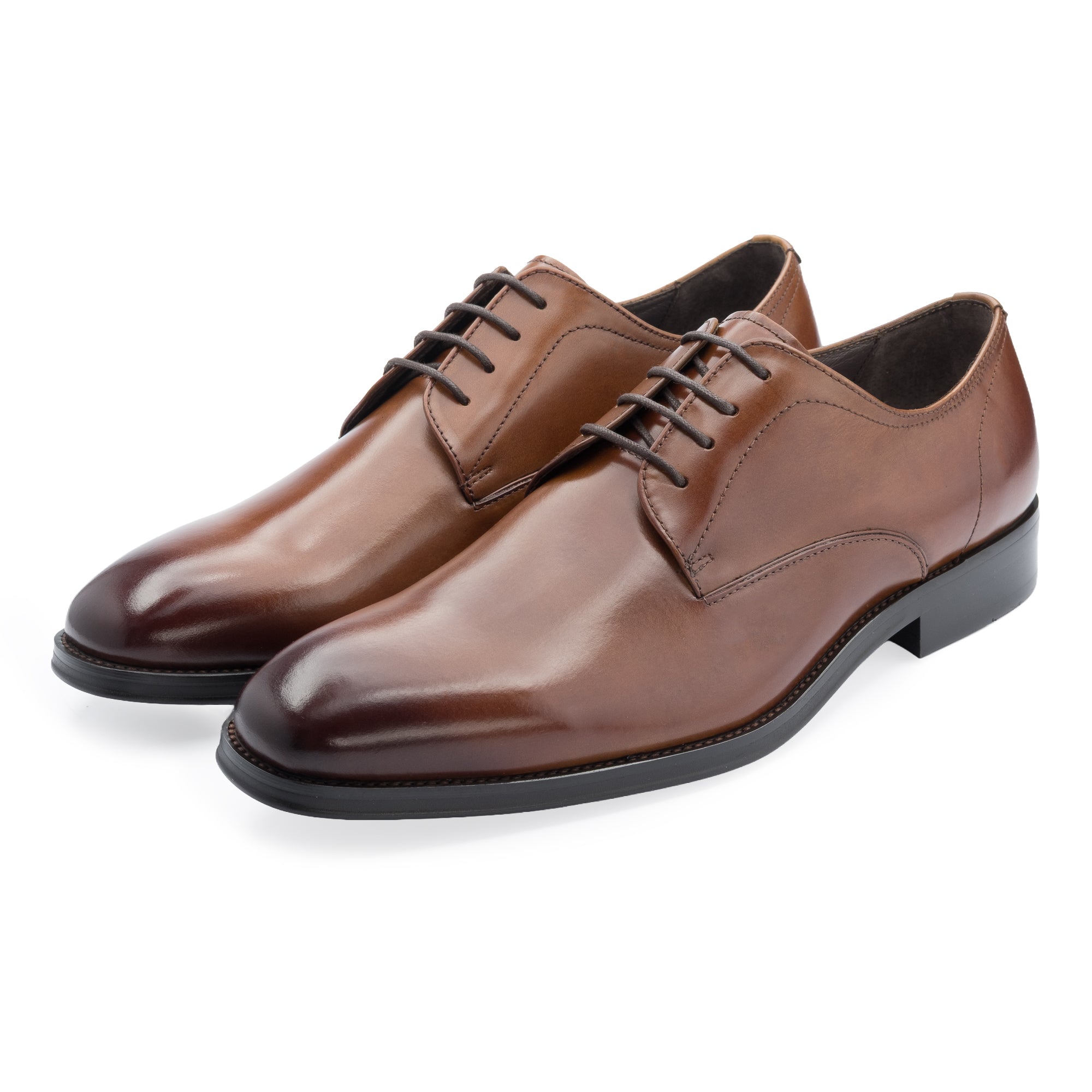
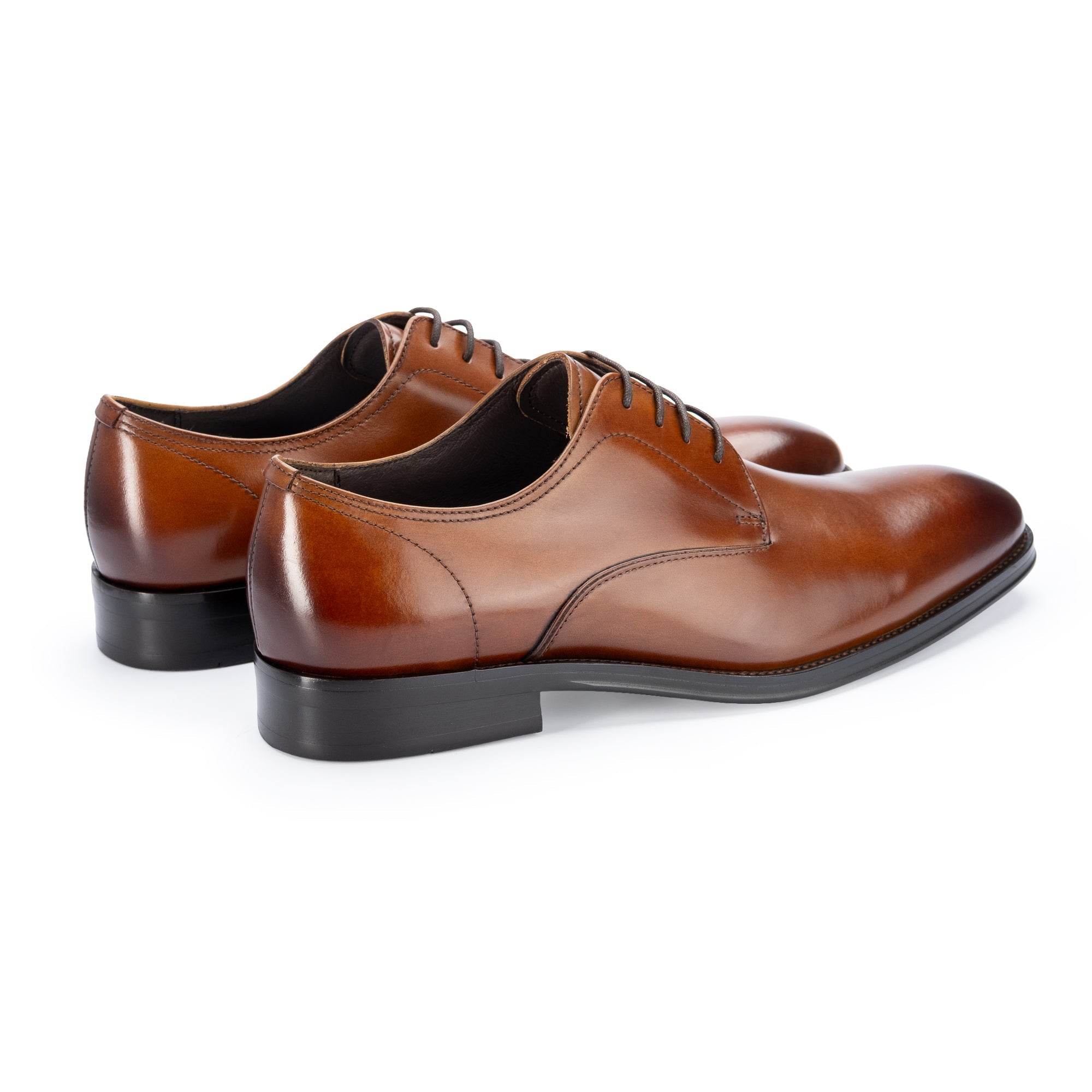
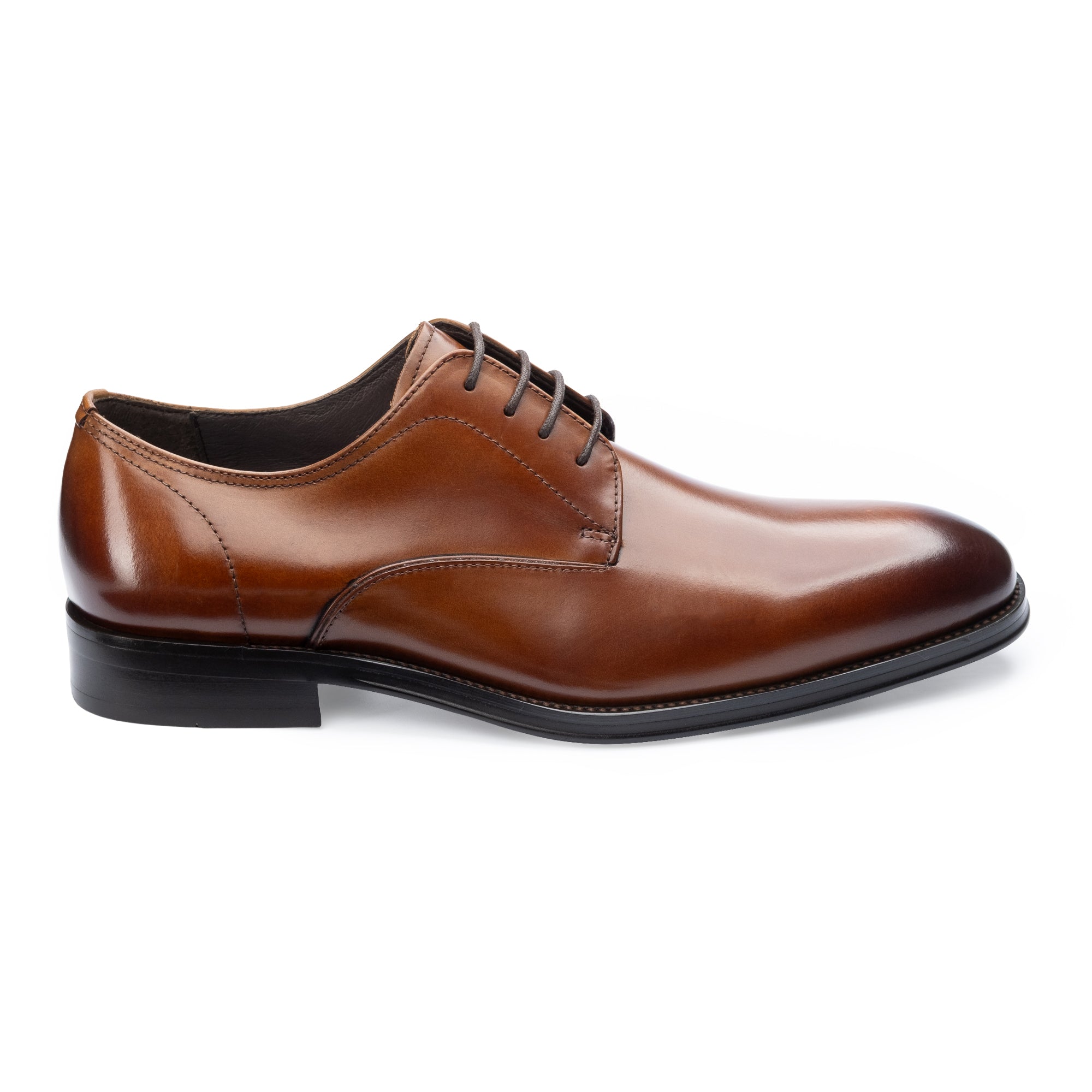
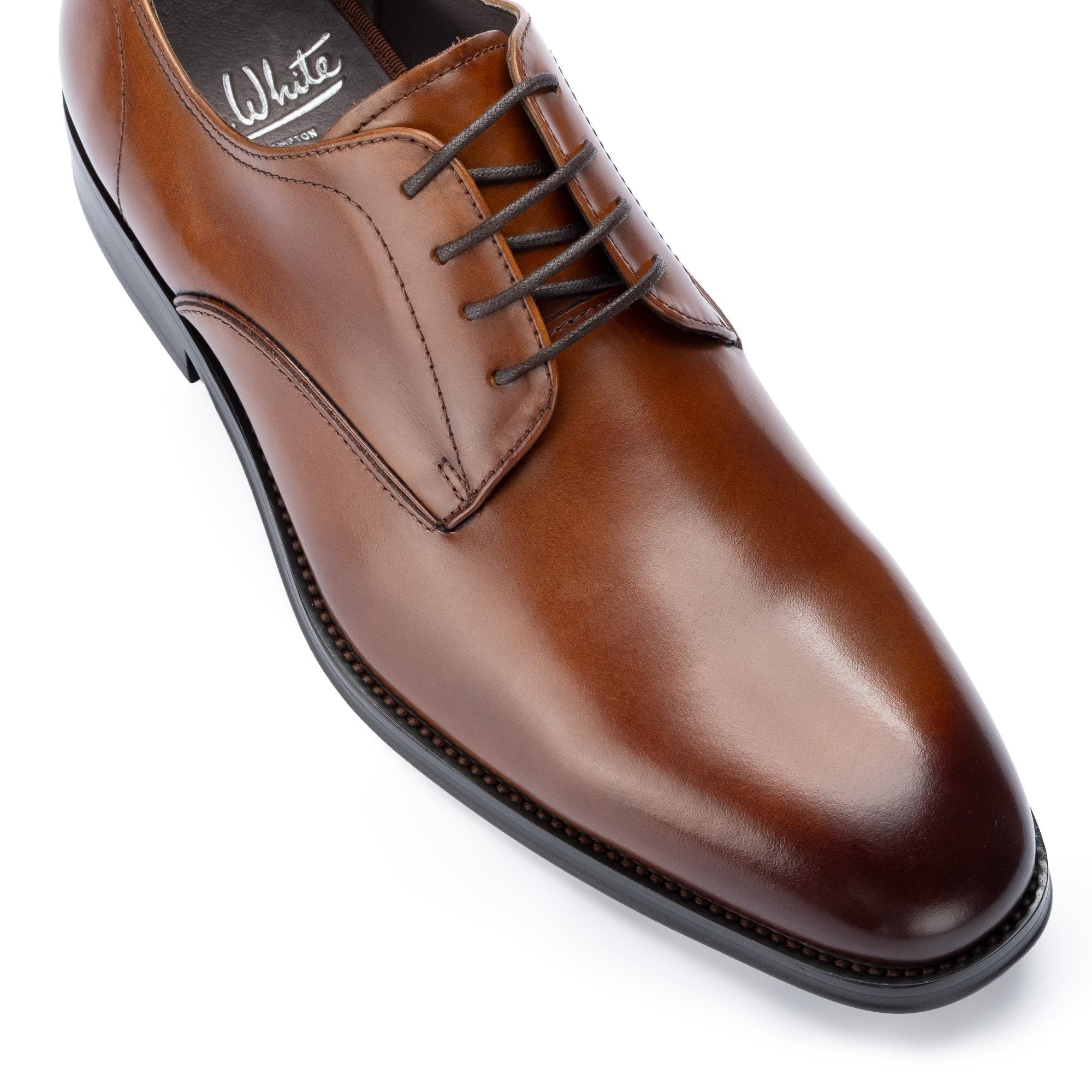
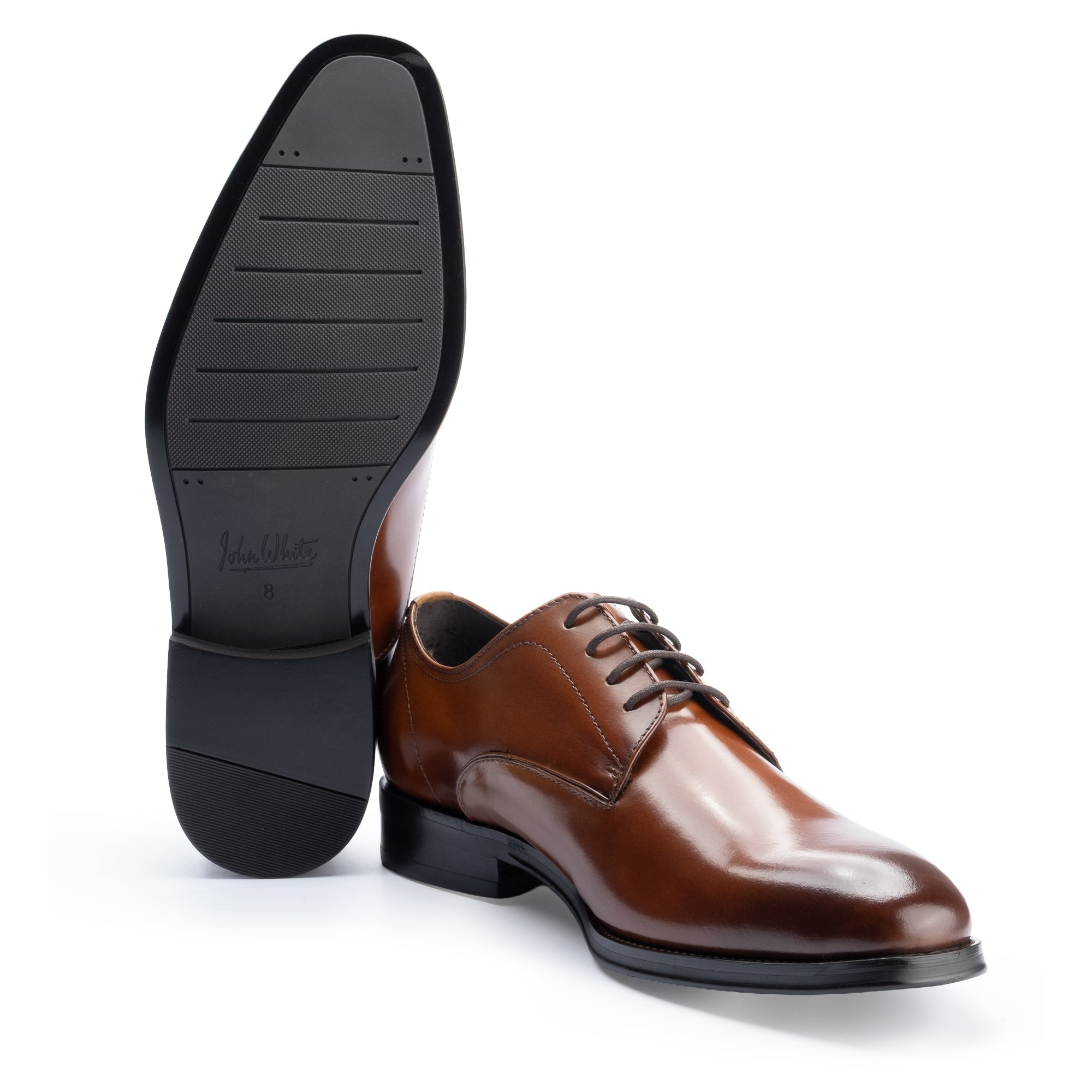
A Derby is the most adaptable men's leather shoe. The open lacing and clean silhouette mean it moves between registers without effort — formal enough for a suit, relaxed enough for dark denim when the occasion permits. Black handles formal and business without question; brown or tan shifts it toward smart-casual and weekend wear.
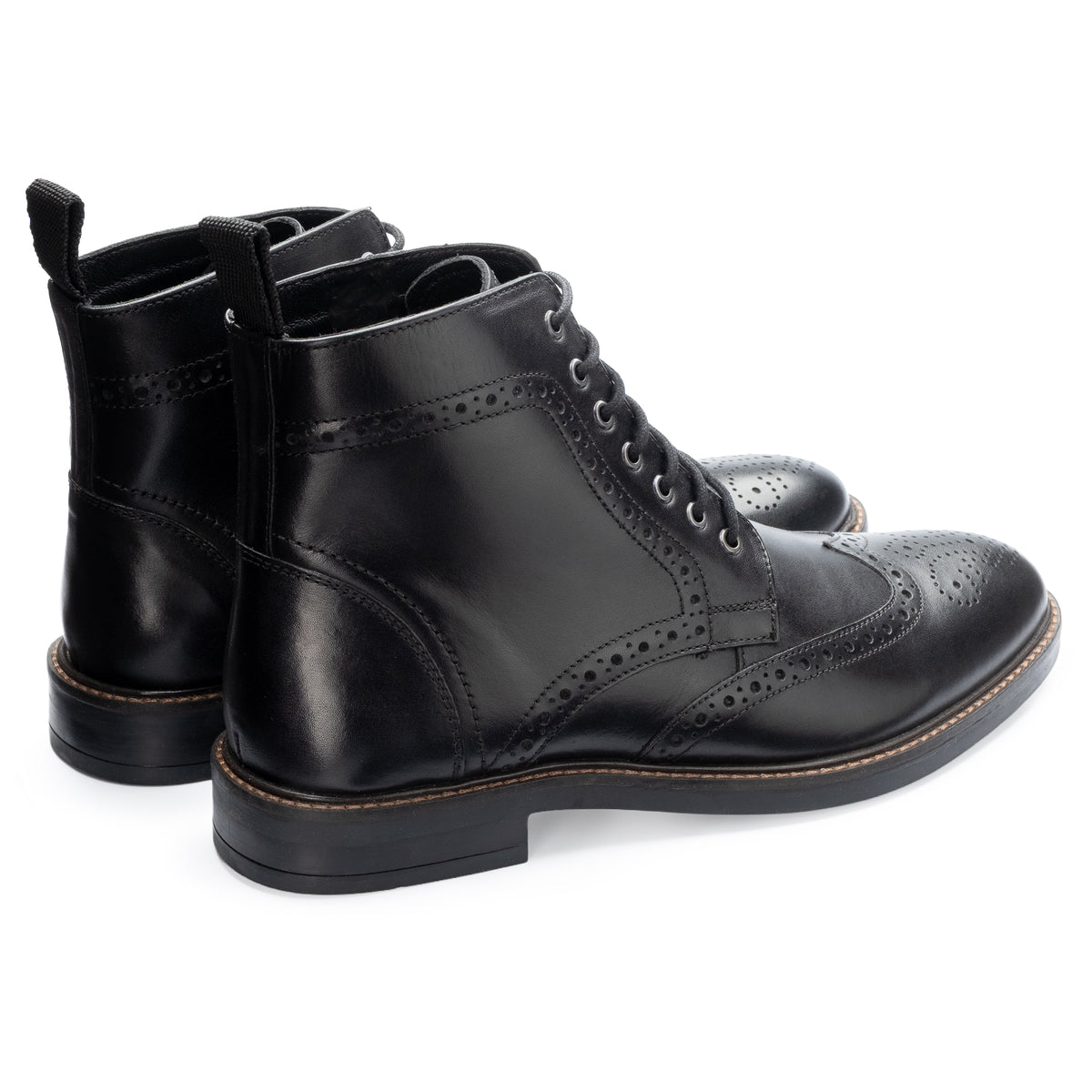
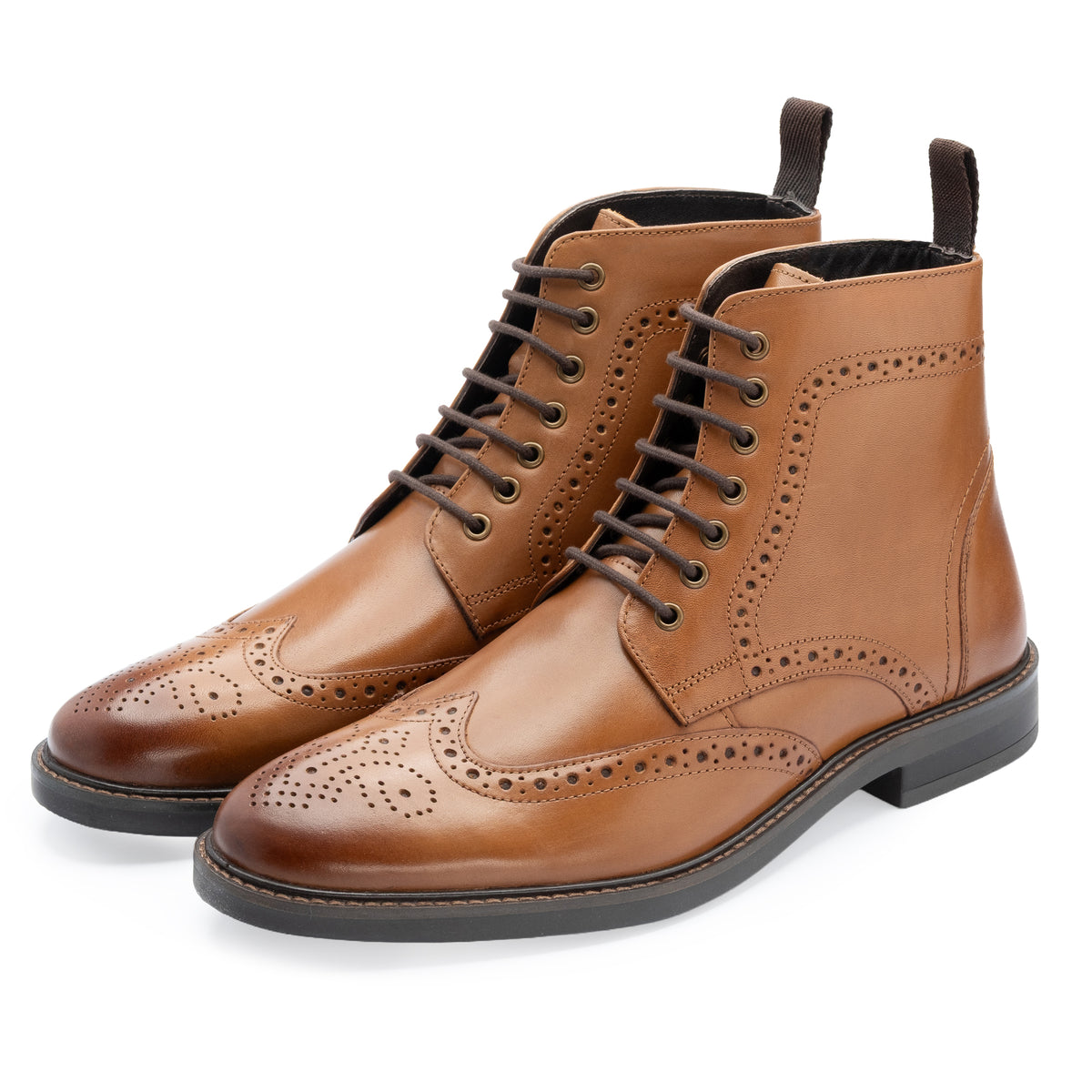
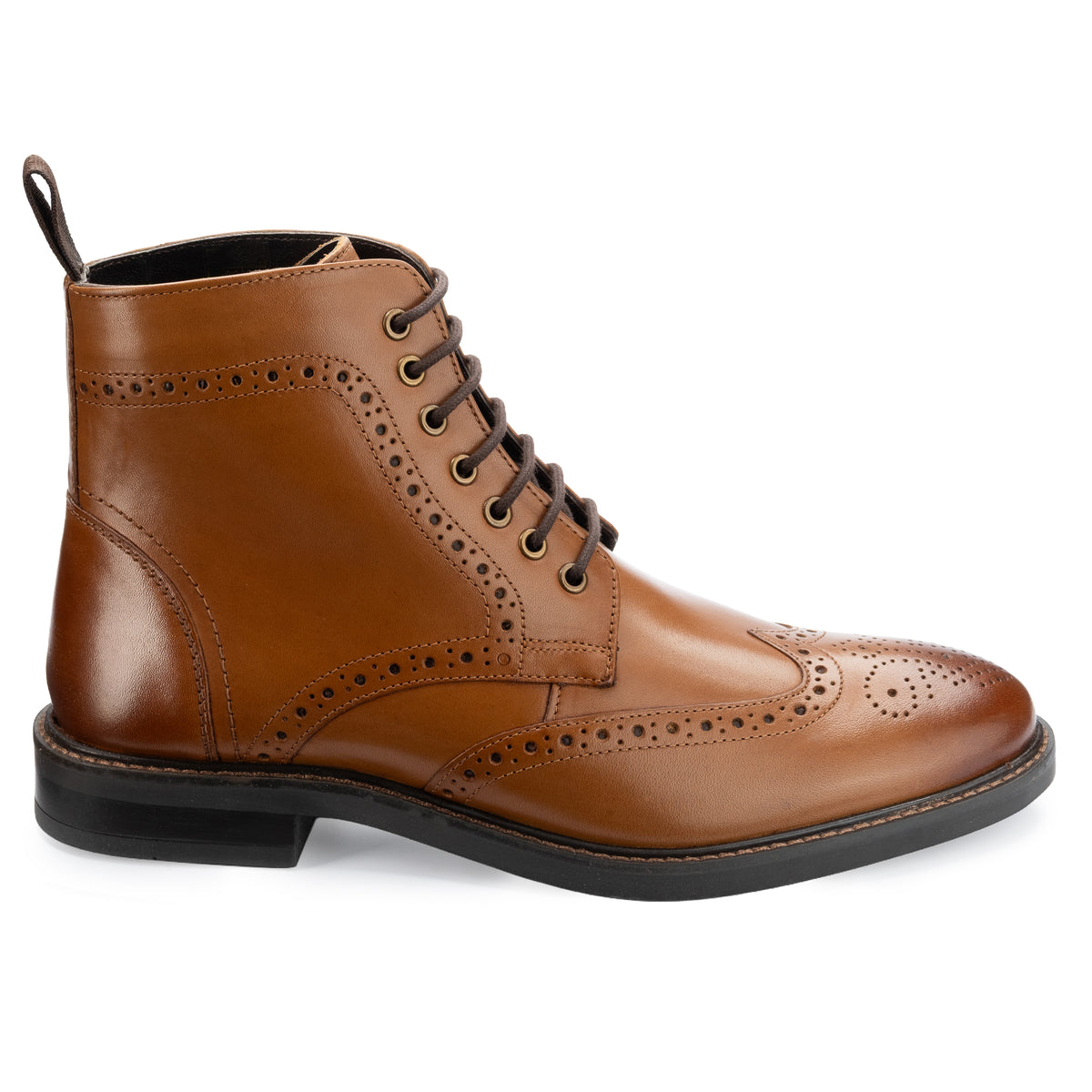
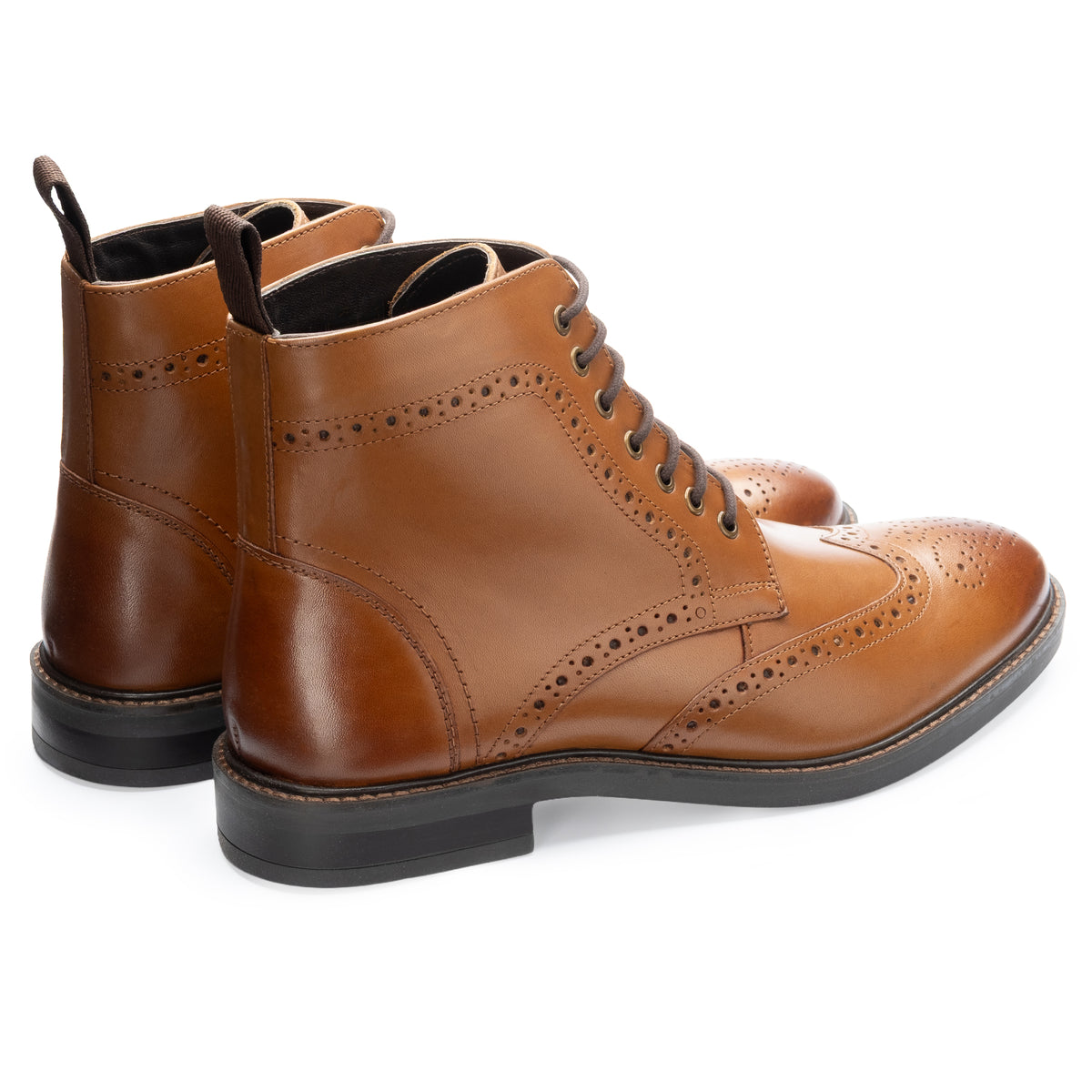
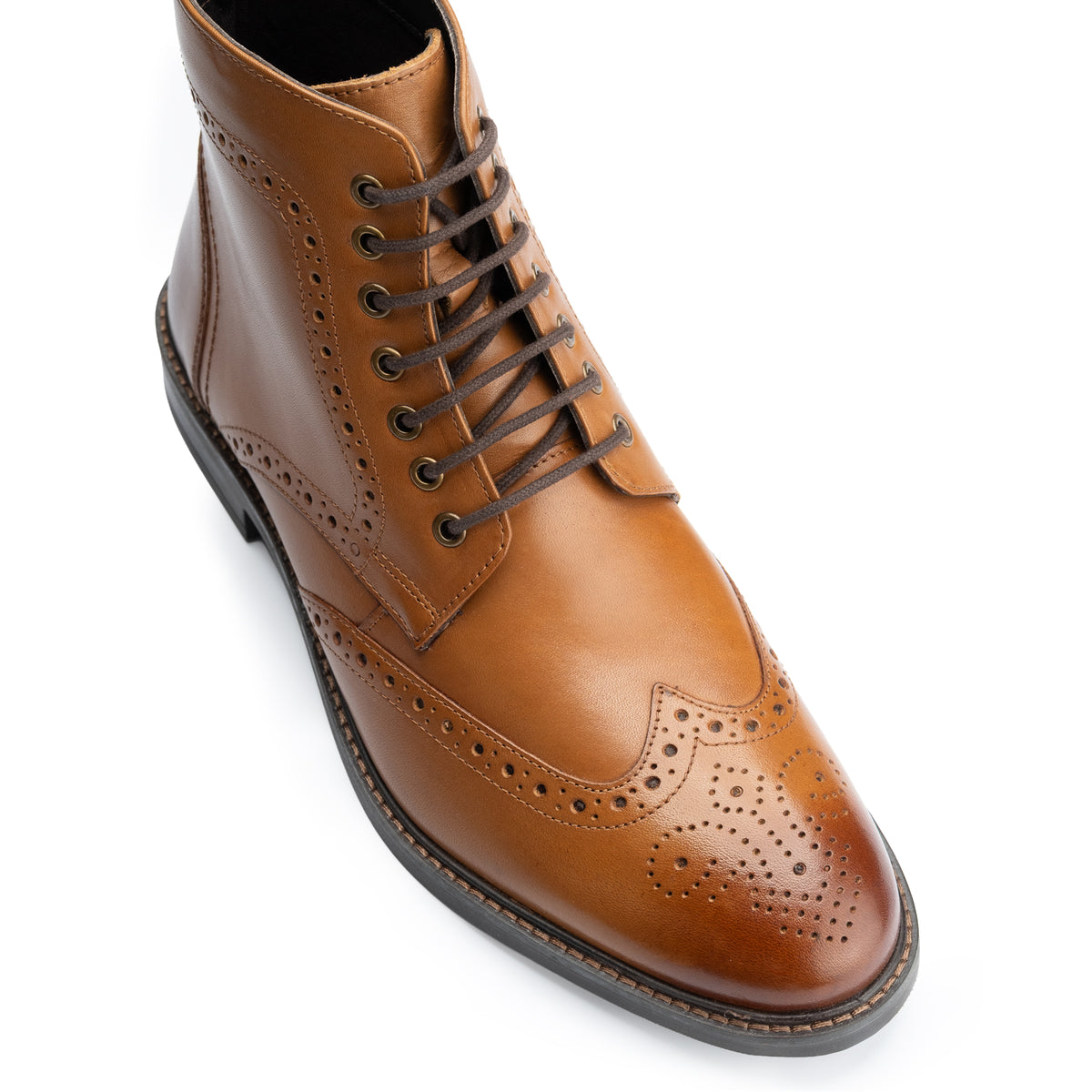
The Broad Derby in Black or Brown is designed to sit at exactly this intersection — clean enough for a suit jacket, composed enough for a smart-casual Friday. The Rudd Derby and Jermyn Derby offer similar range across Black, Brown, and Tan. If you are buying one pair to cover business, formal occasions, and smart-casual settings in rotation, a Derby is the right starting point. It does not specialise; it handles everything adequately and many things well.
The Chelsea Boot: The Smart-Casual Bridge
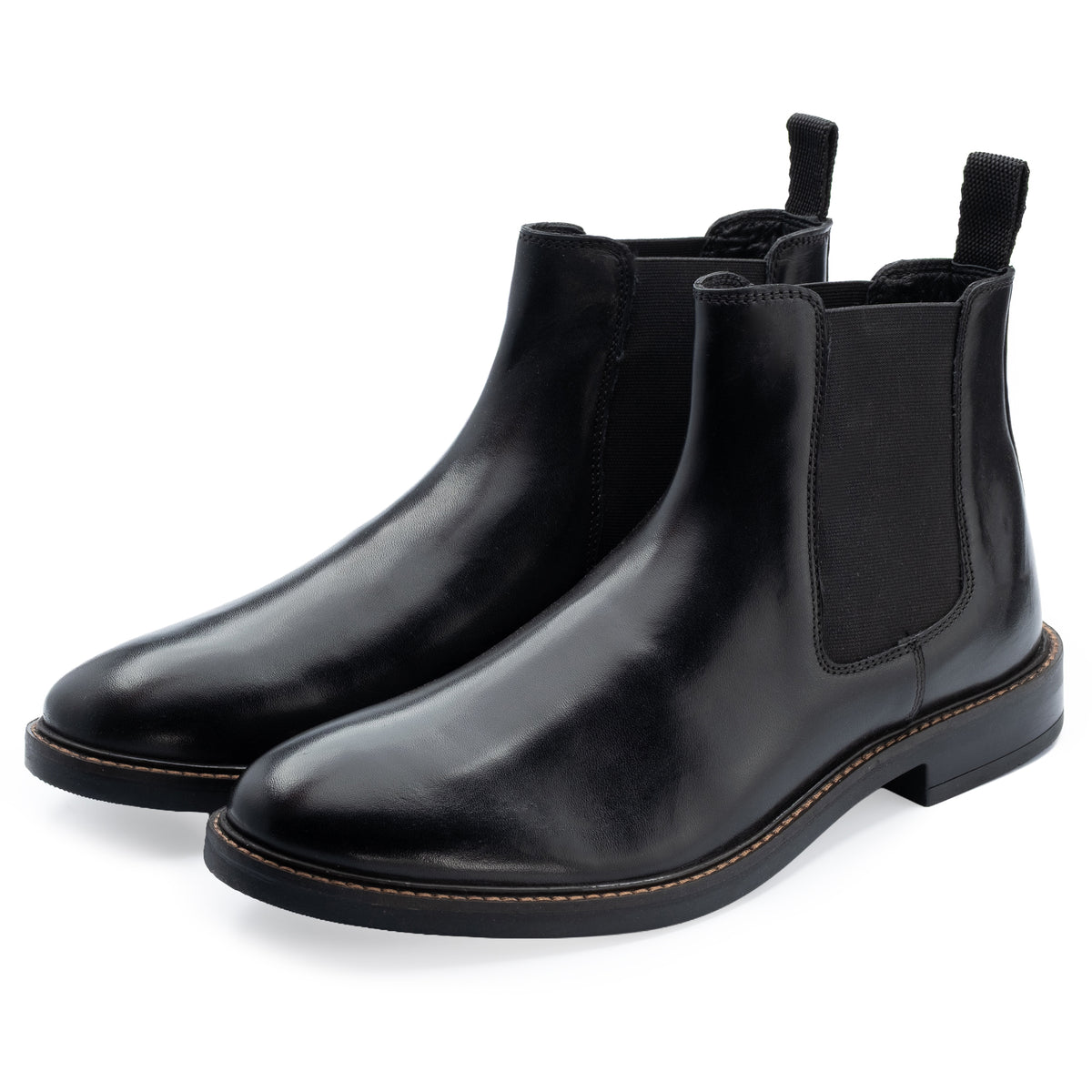
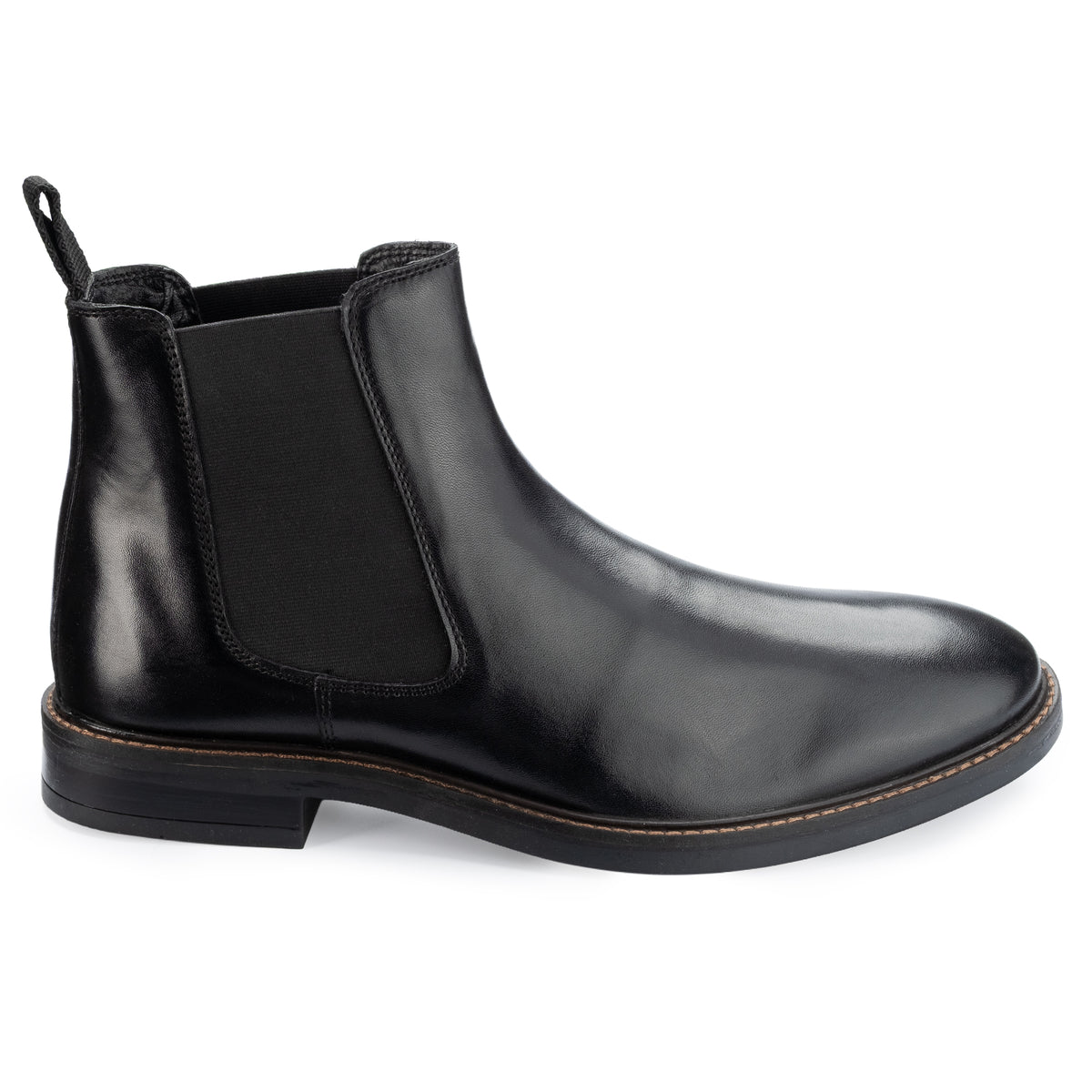
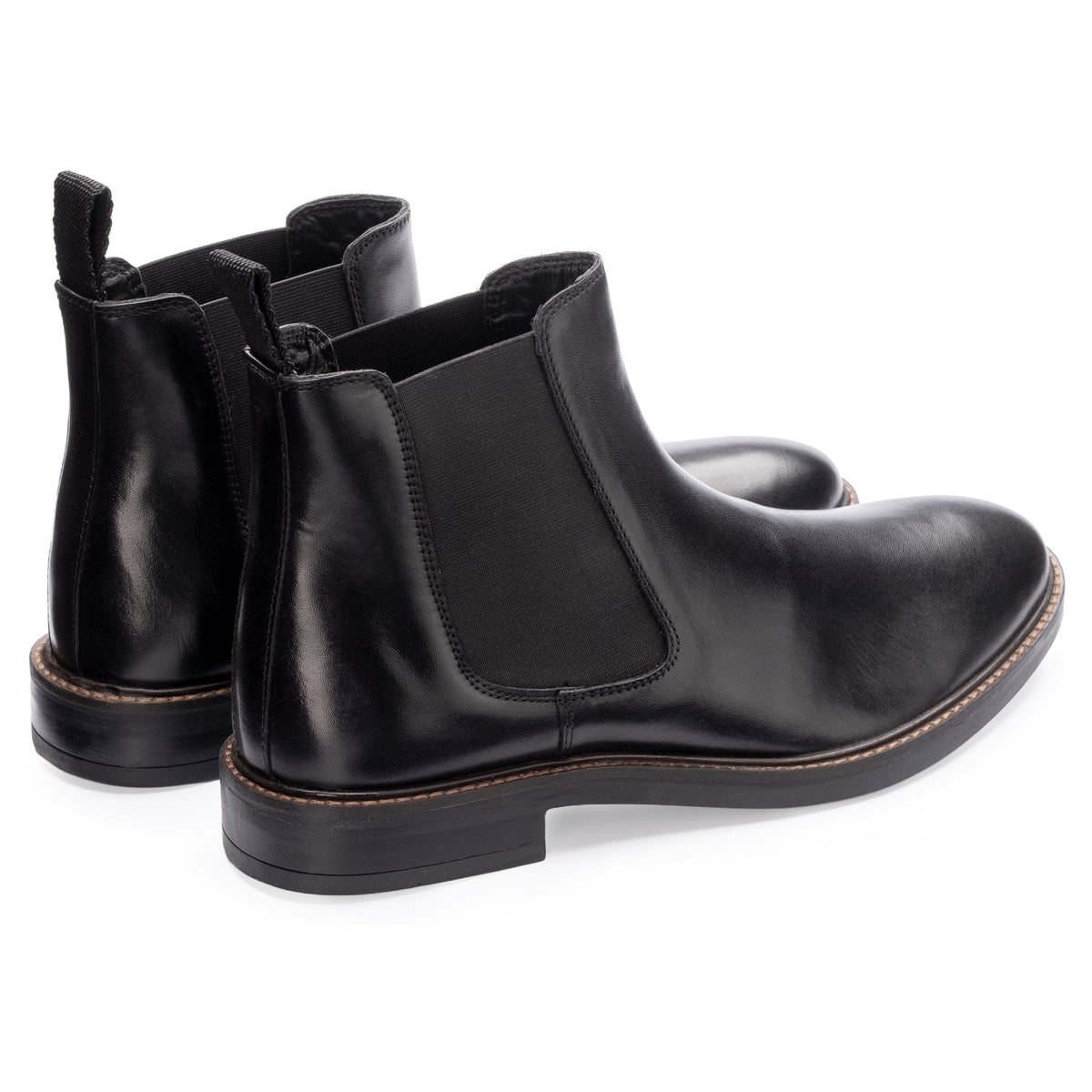
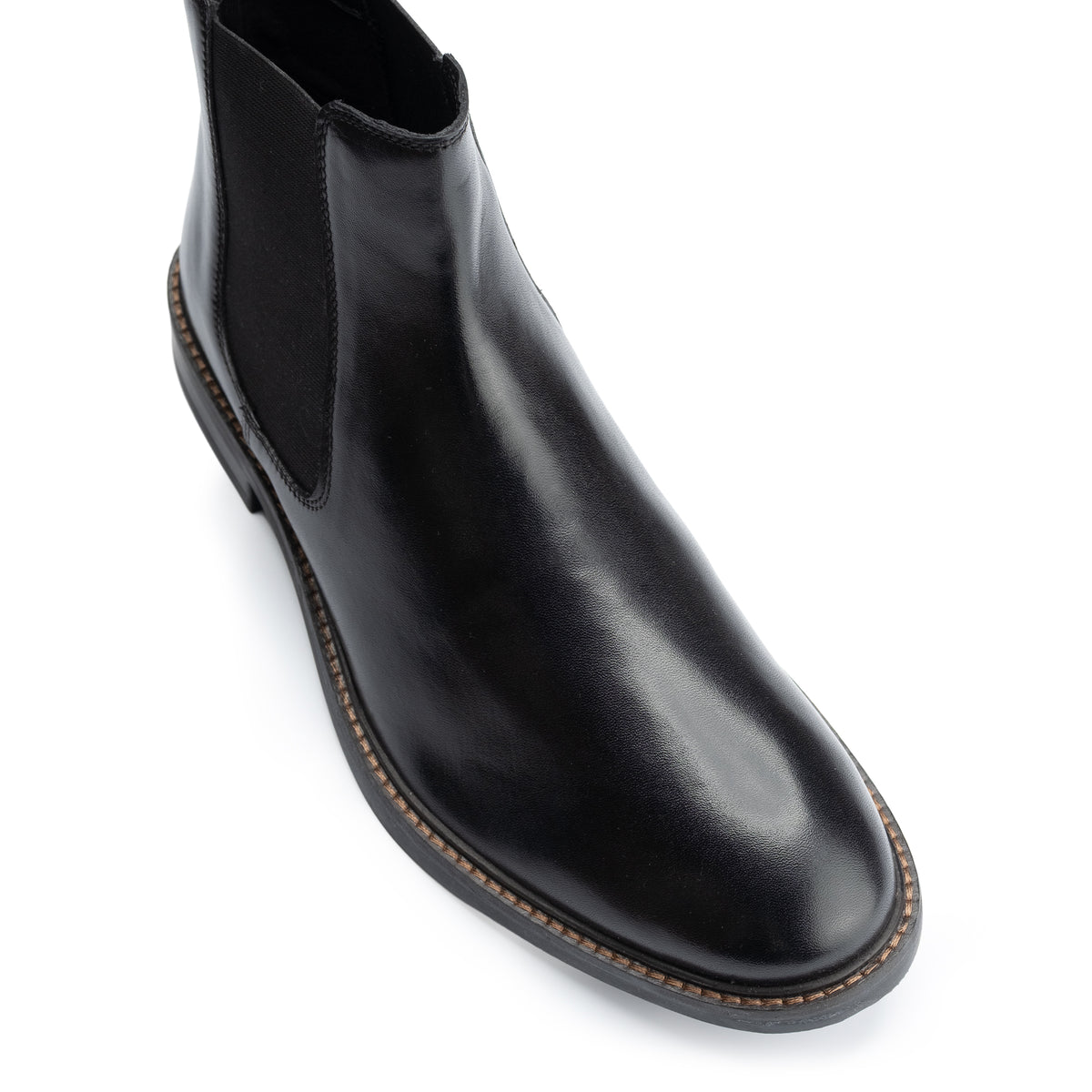
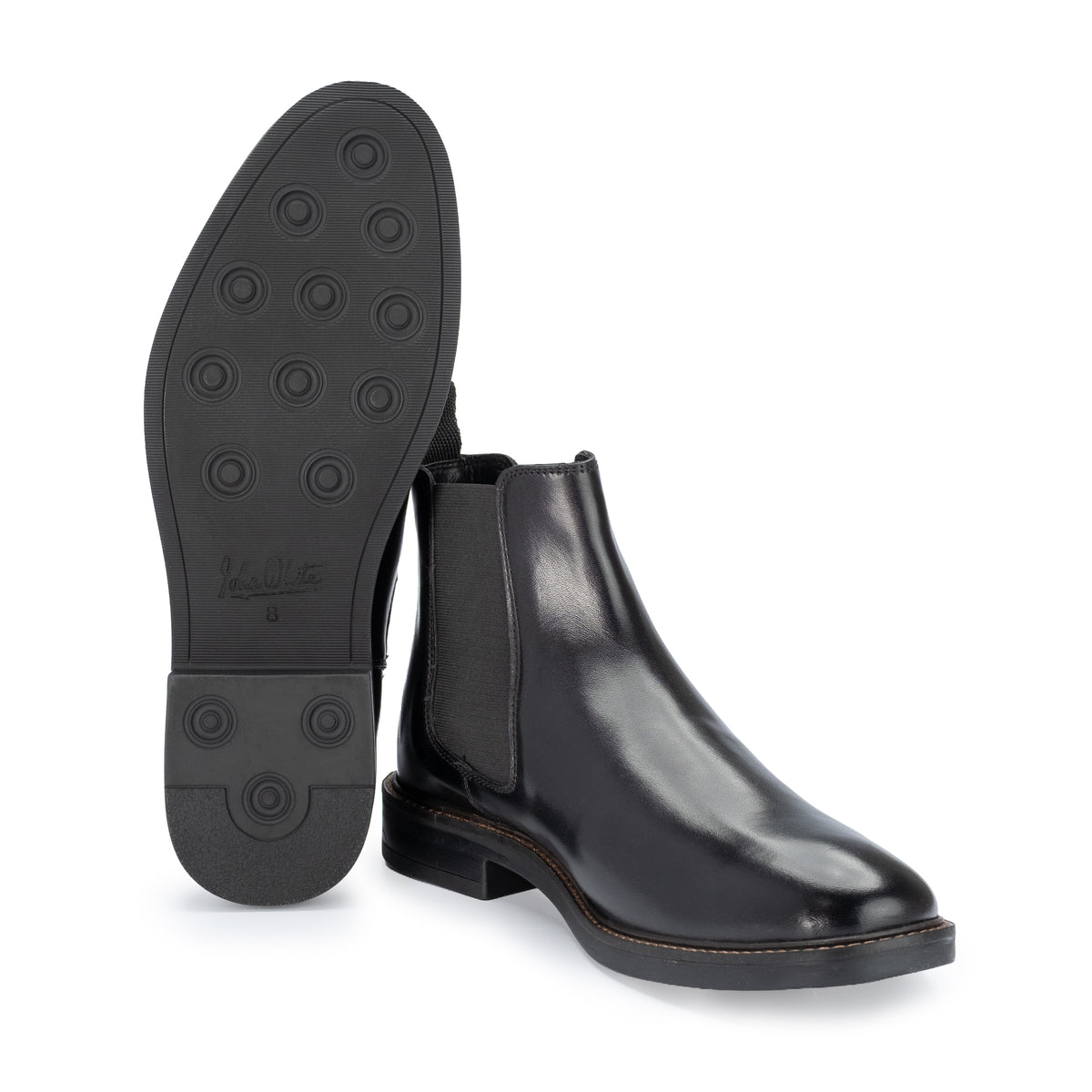
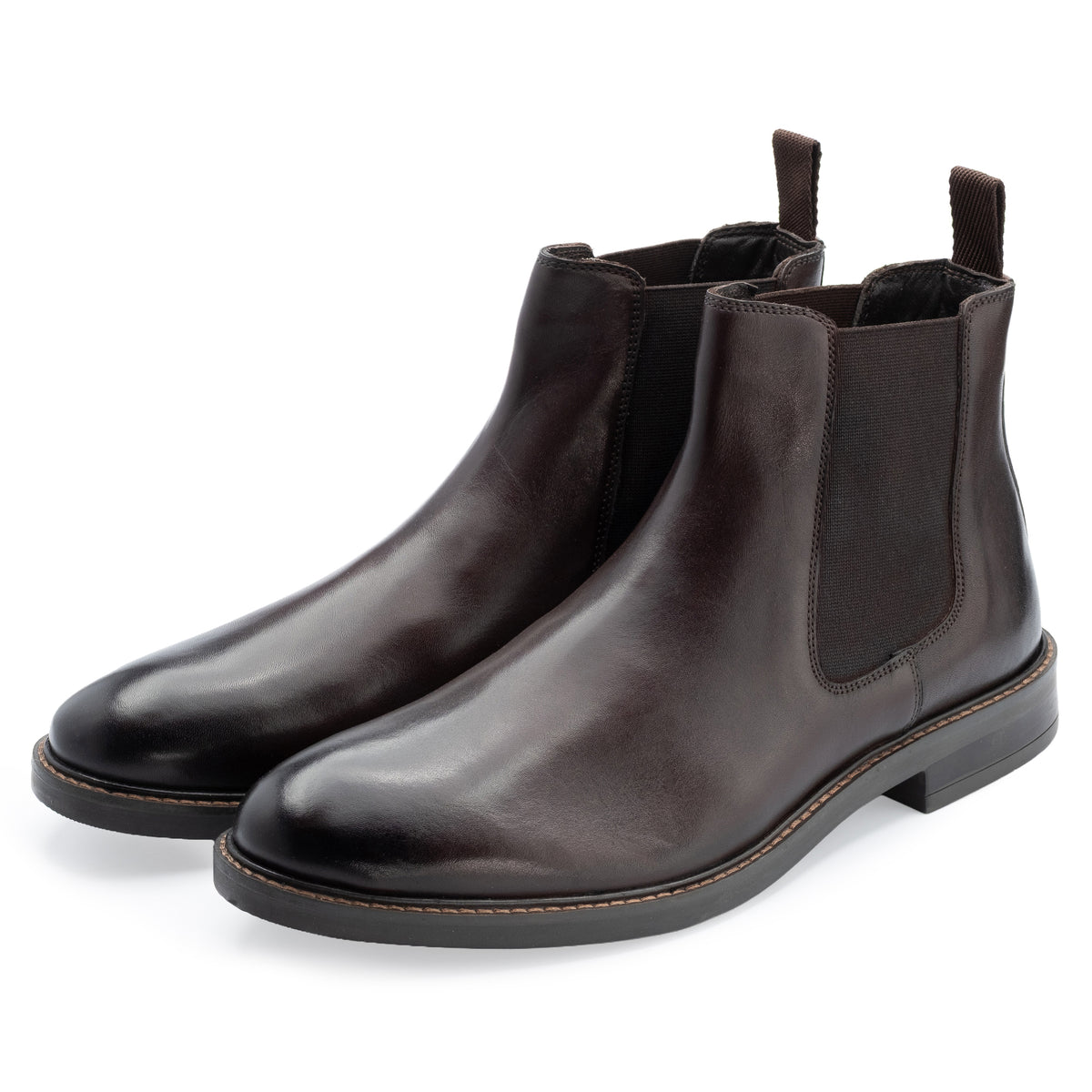
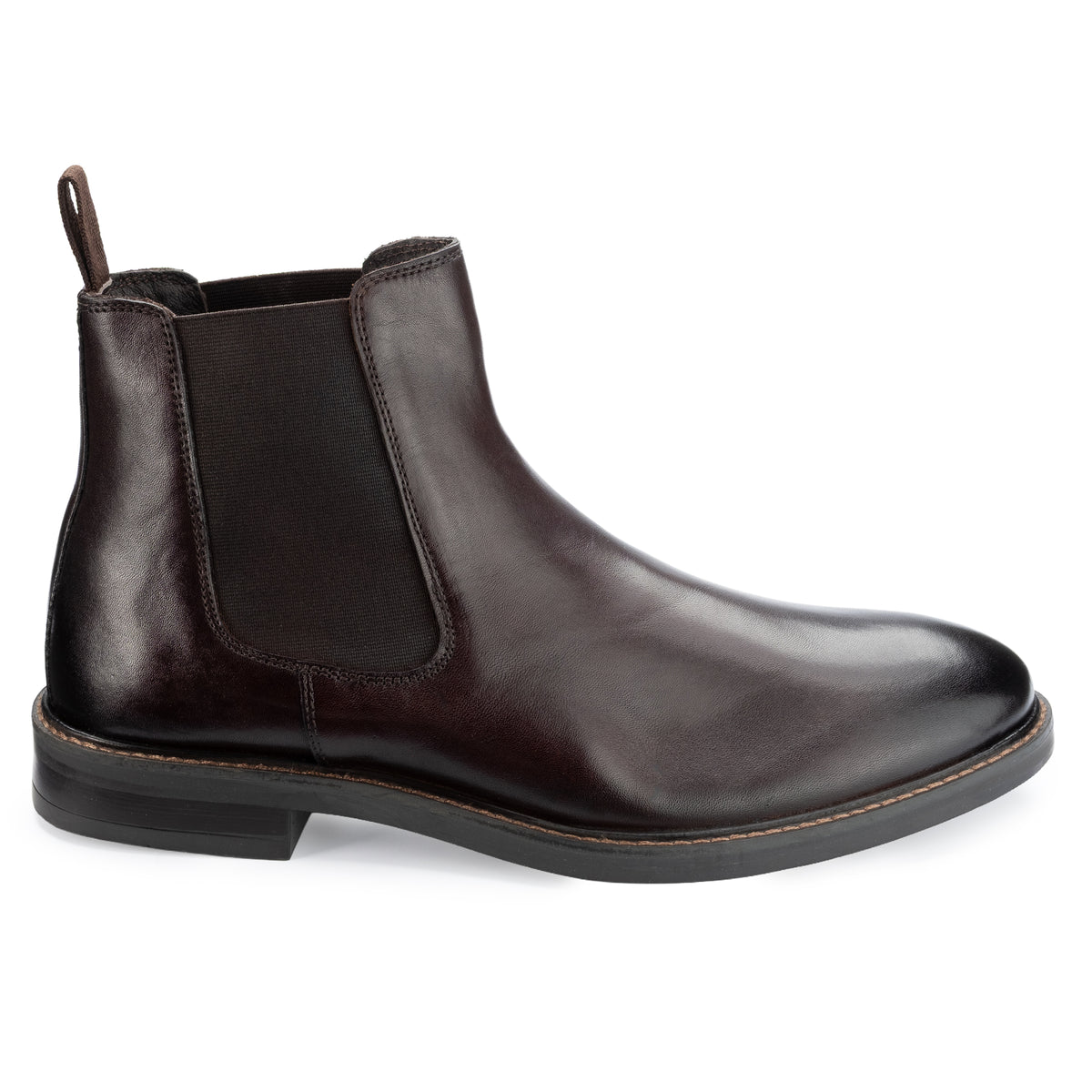
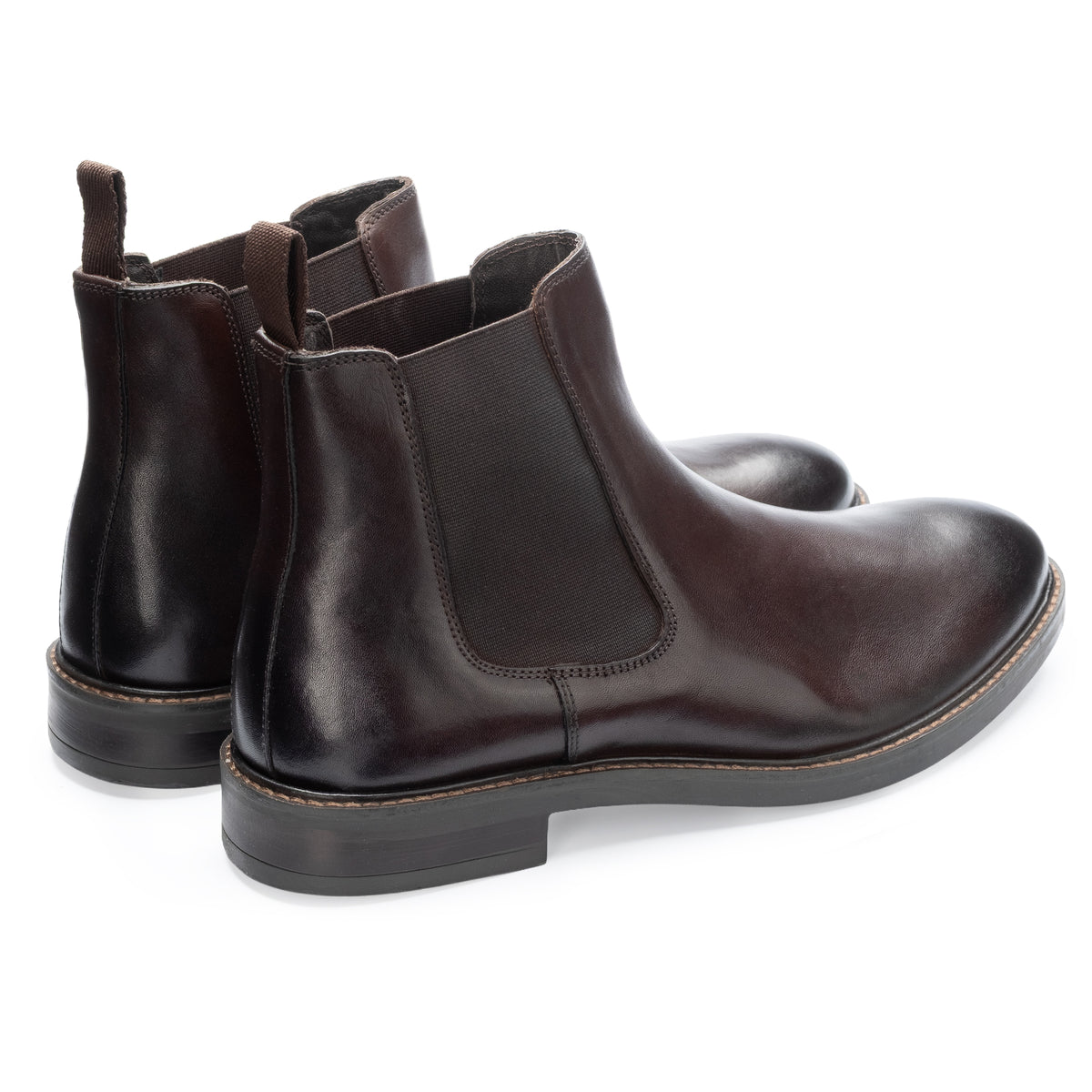
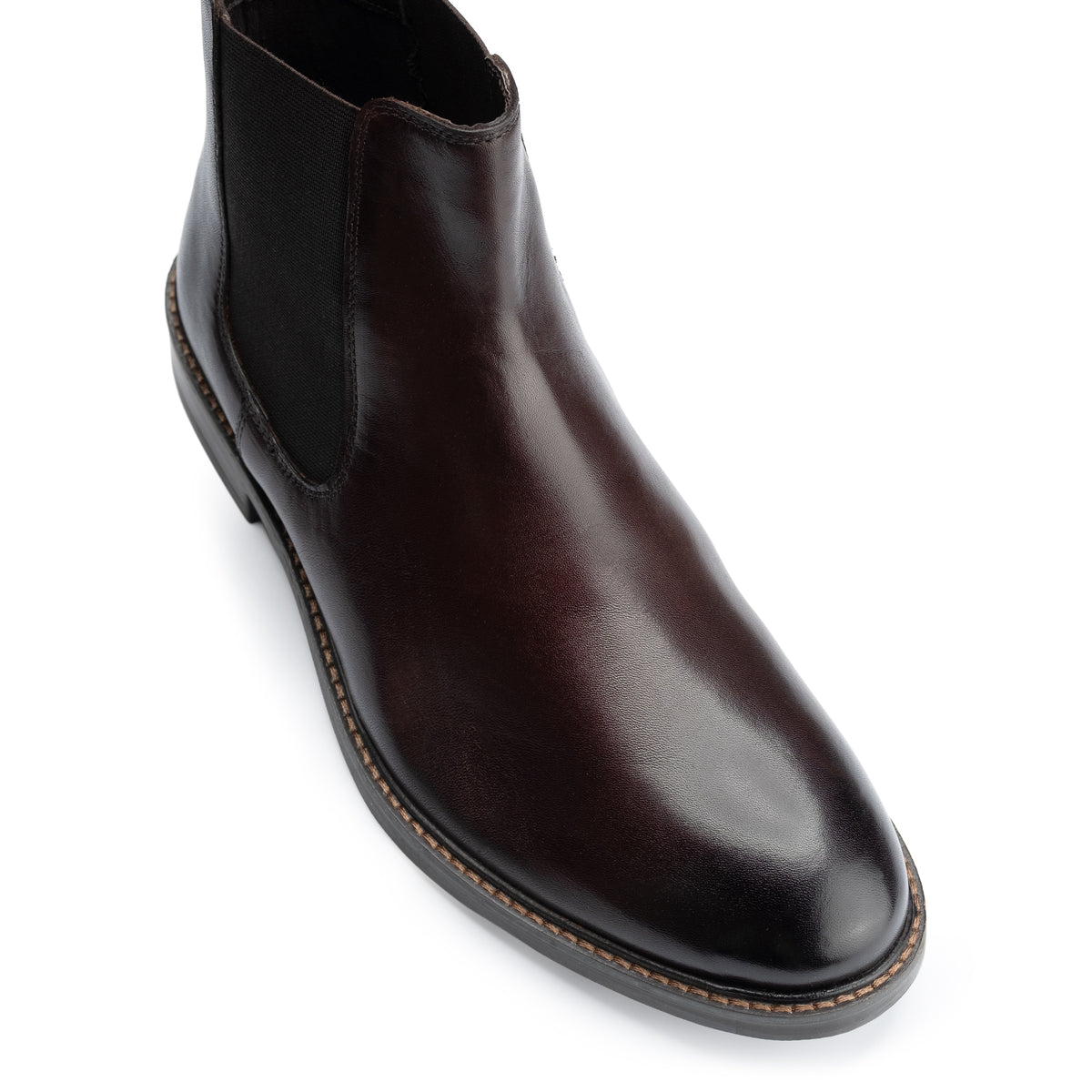
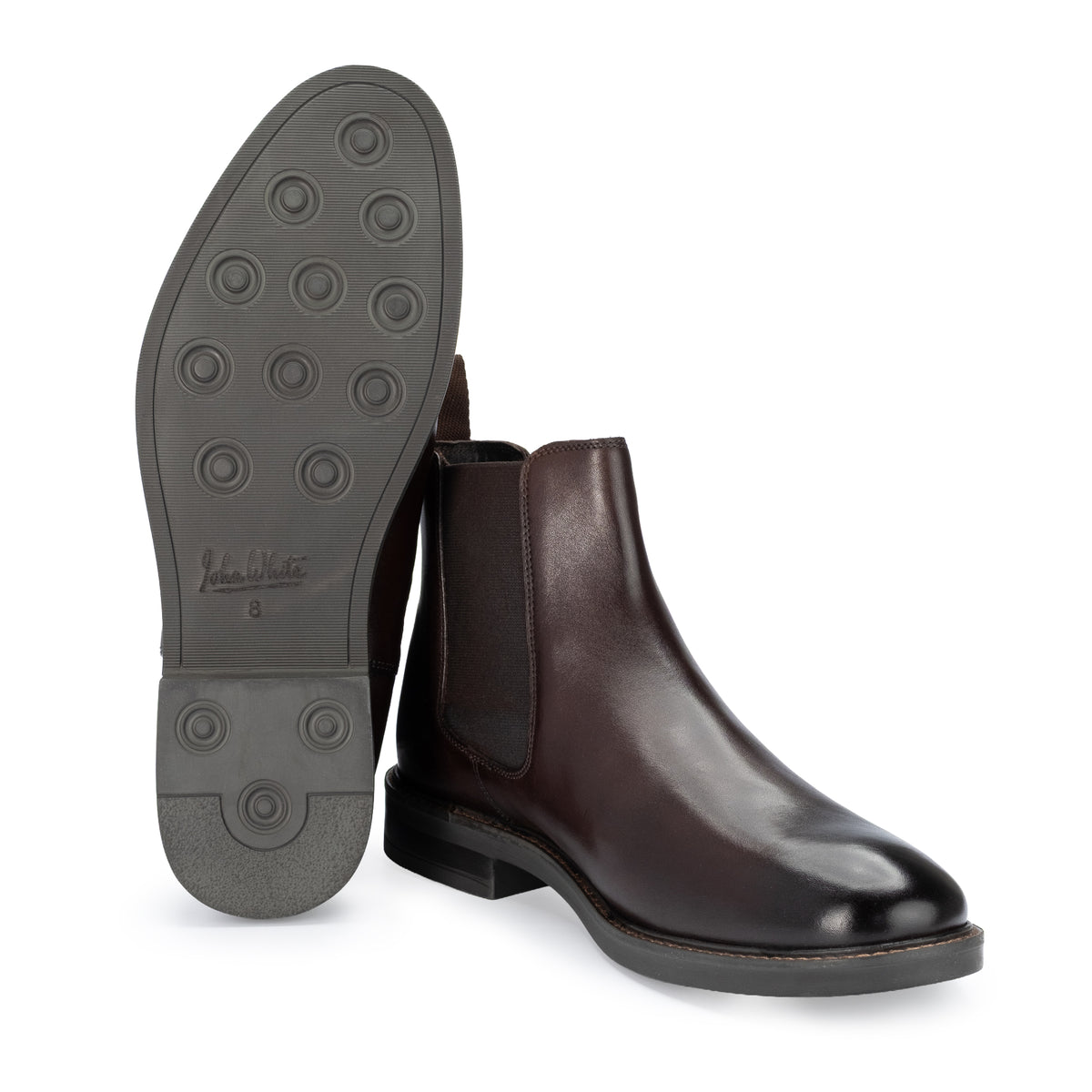
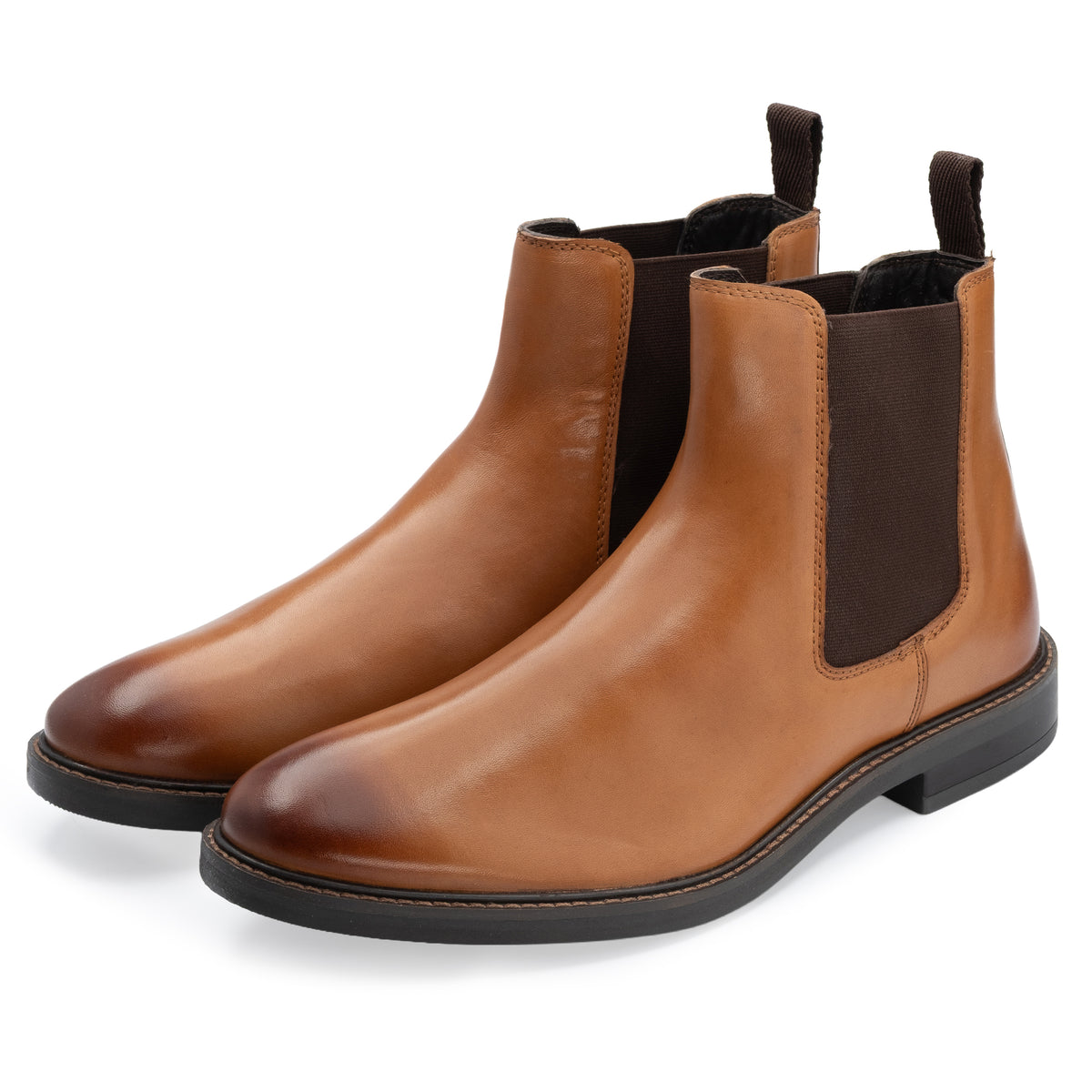
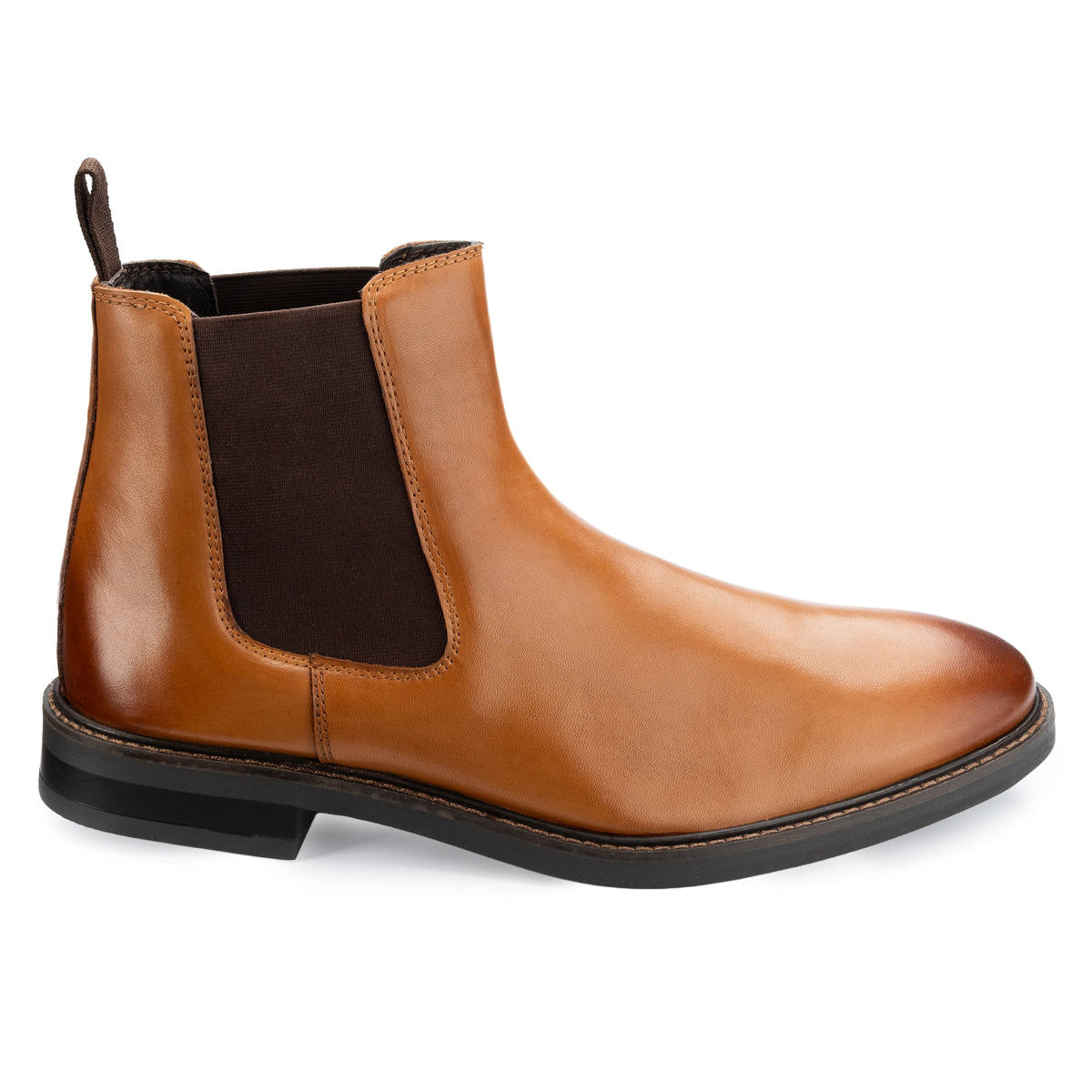
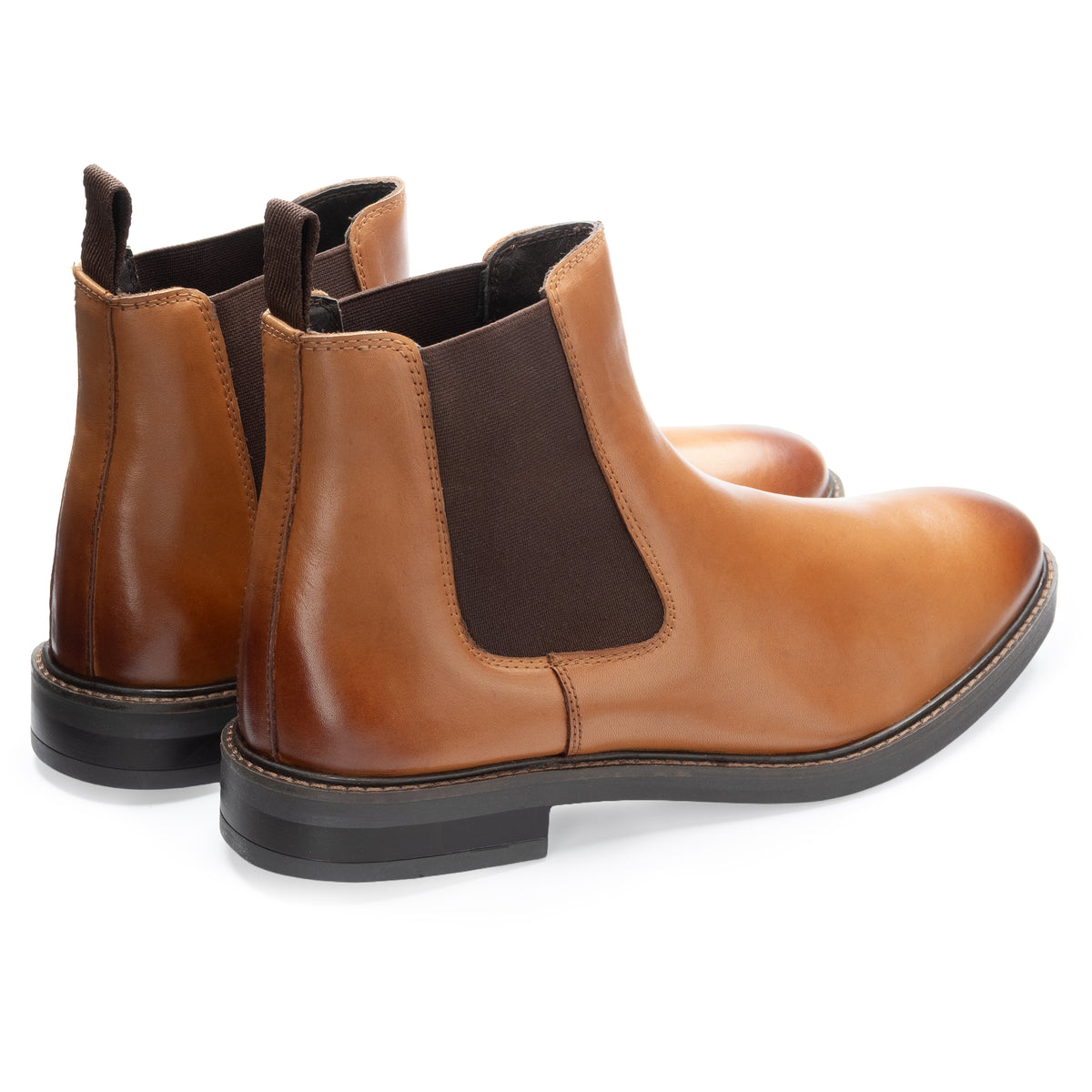
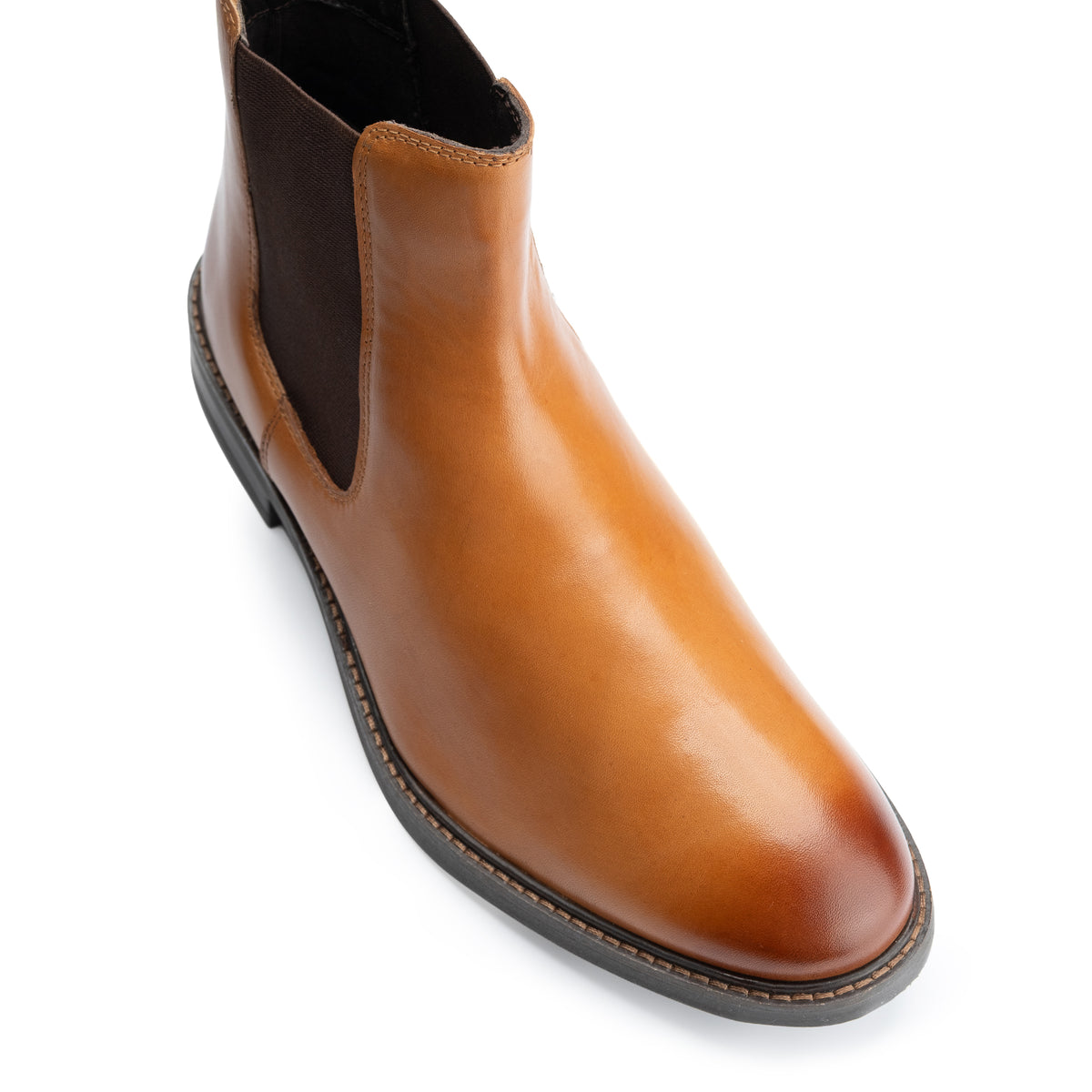
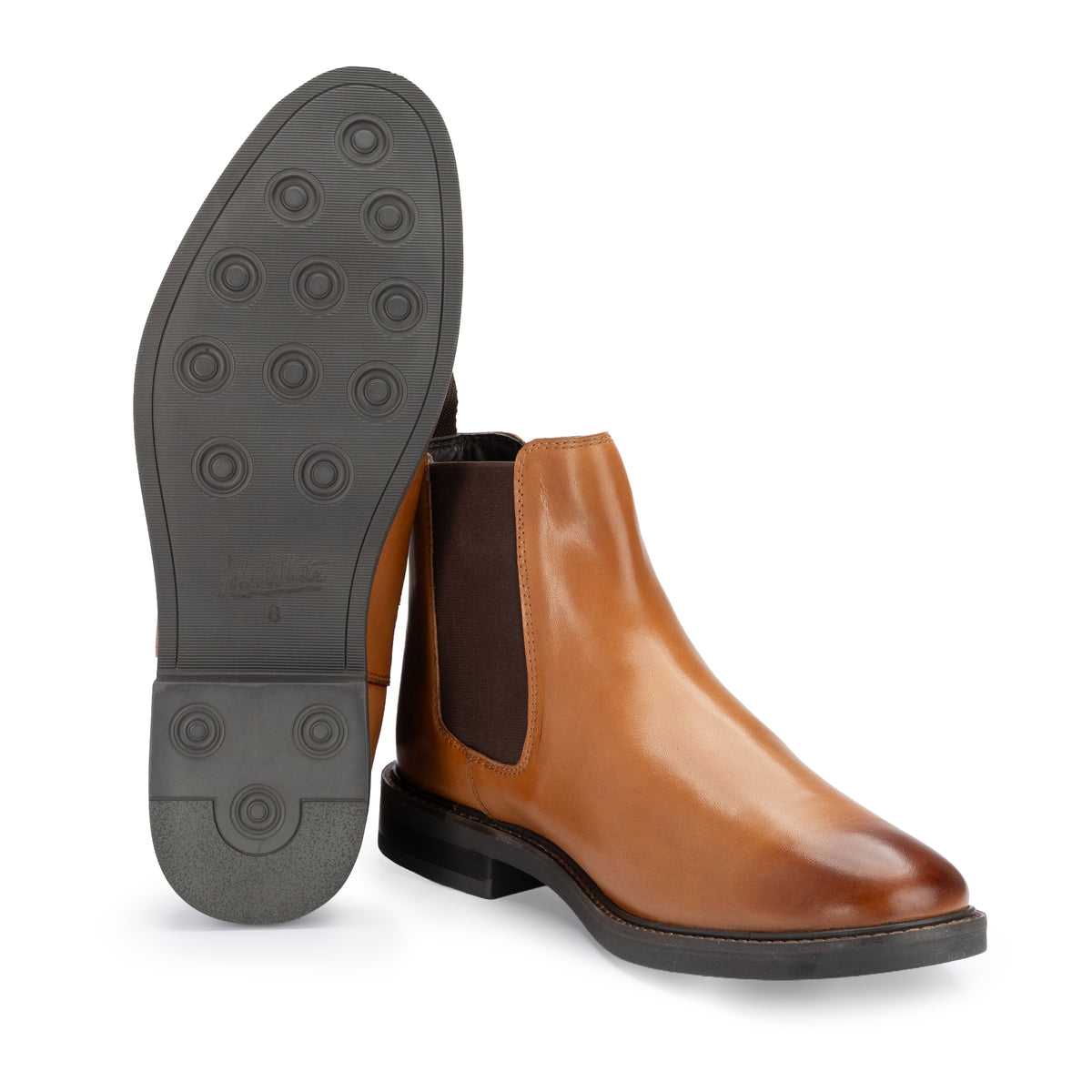
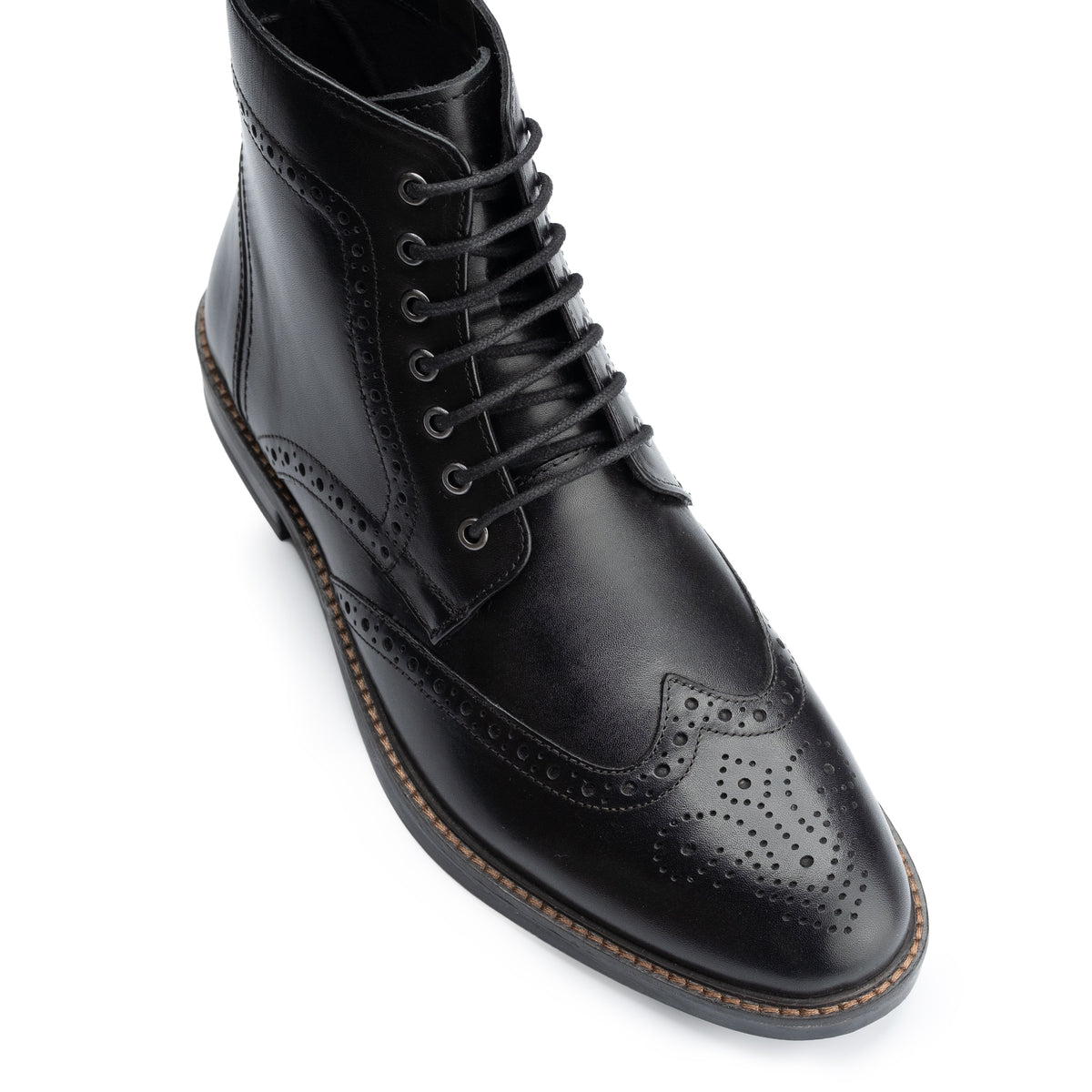
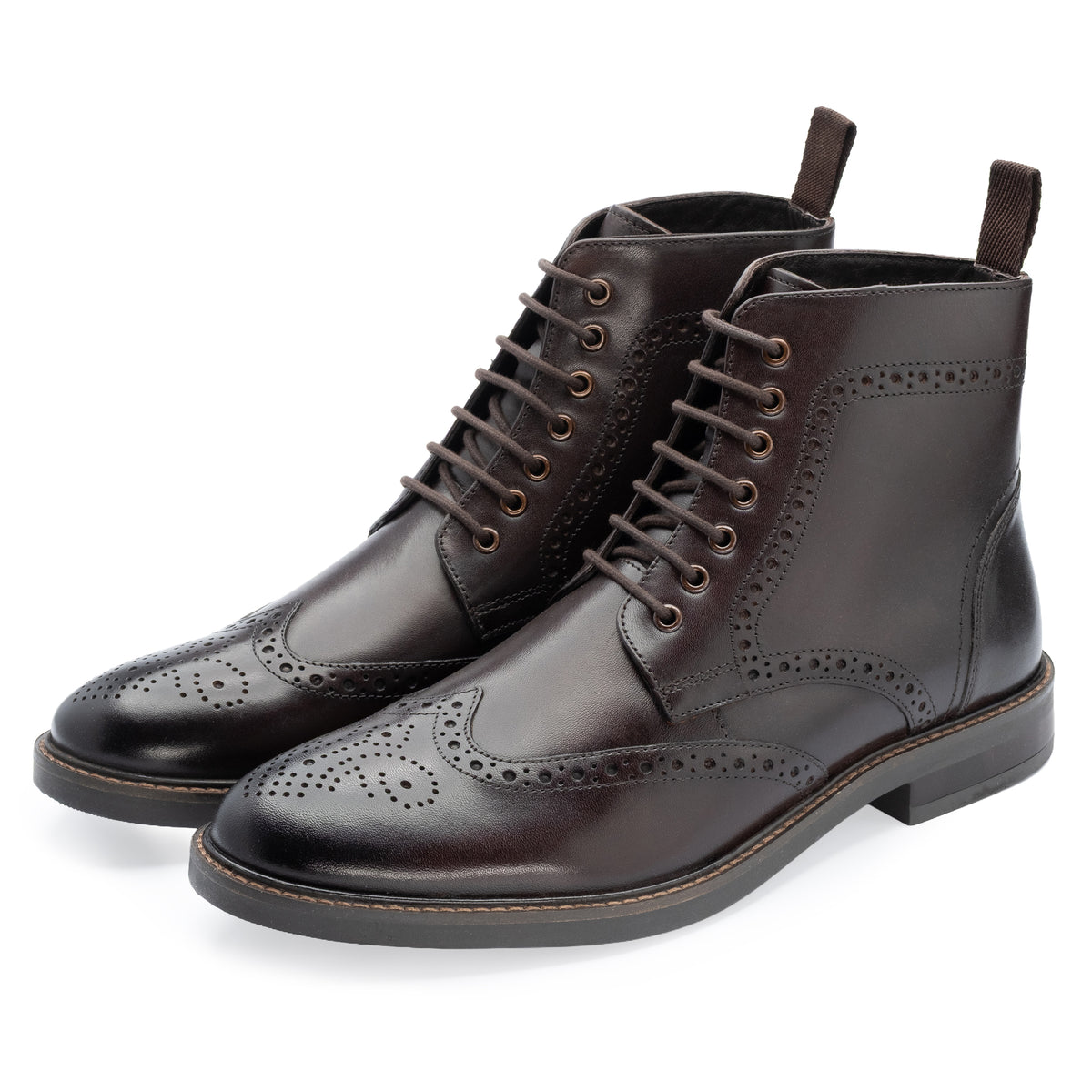
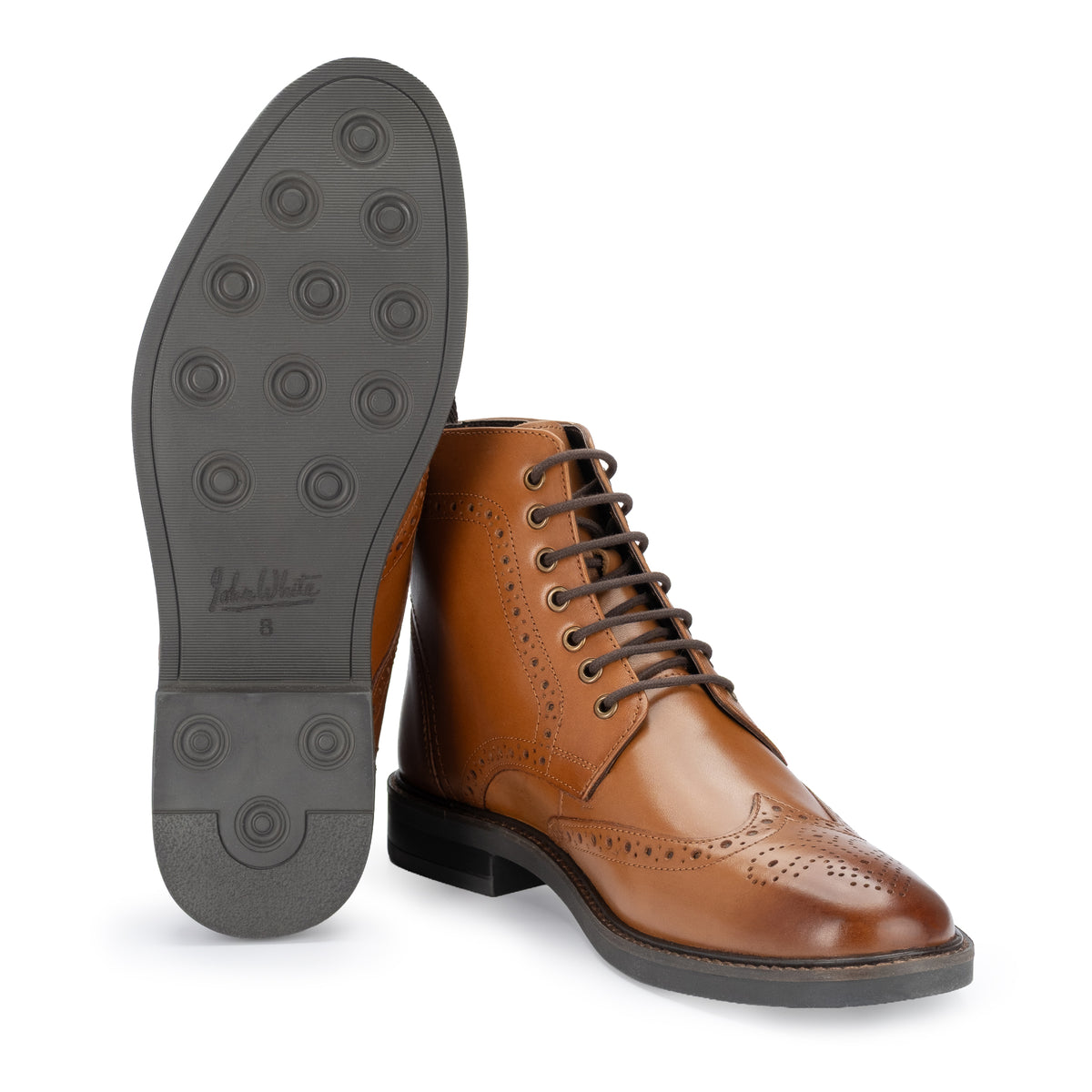
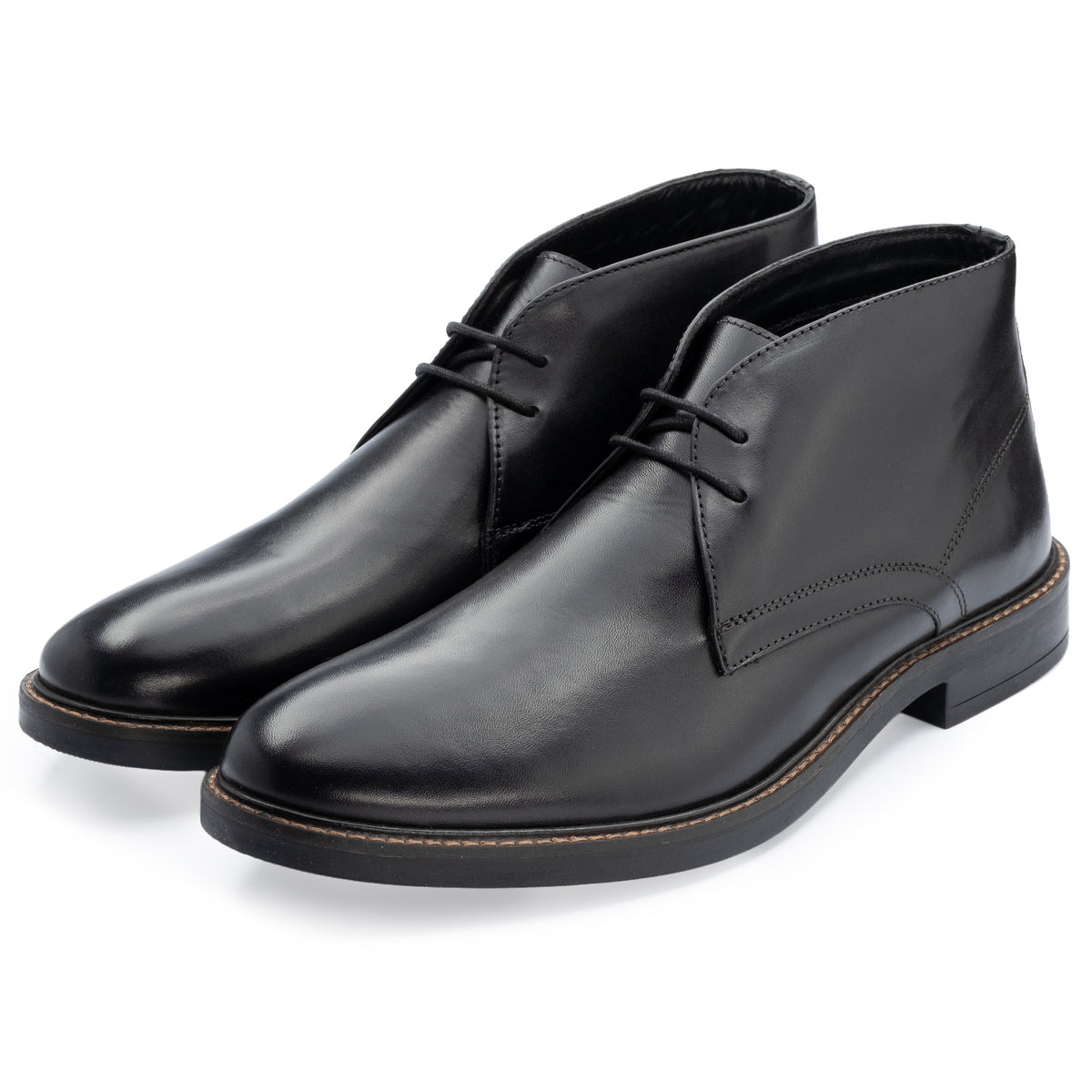
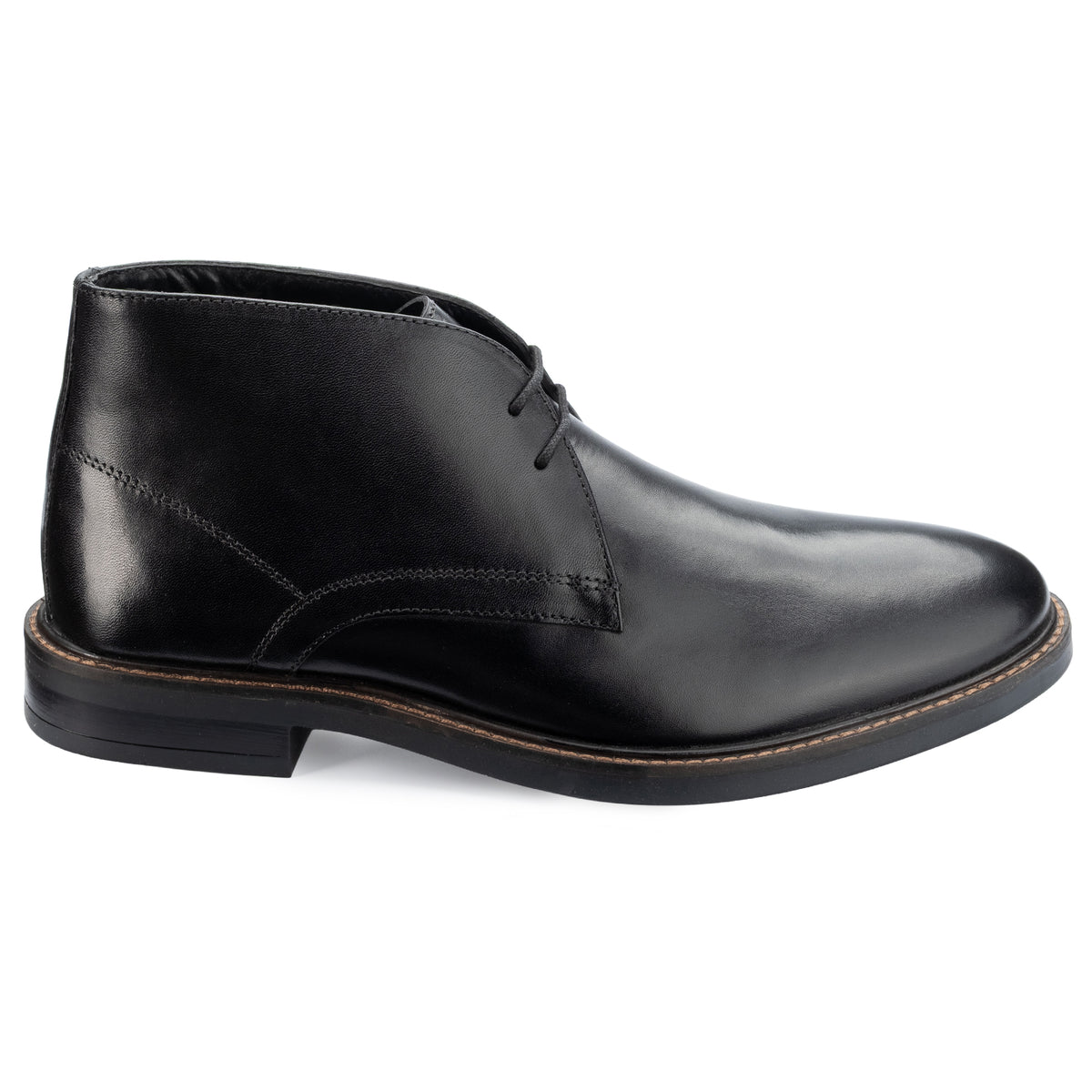
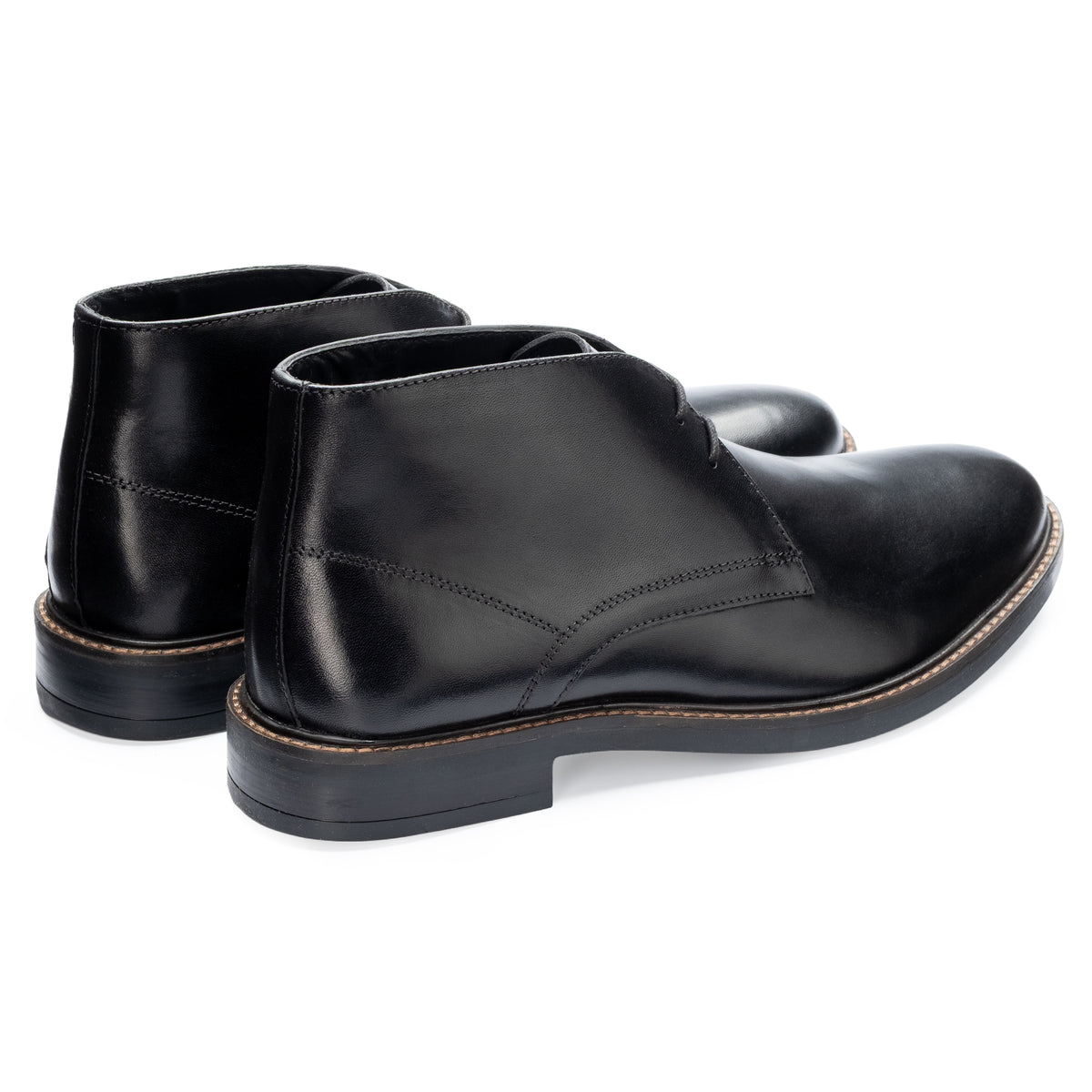
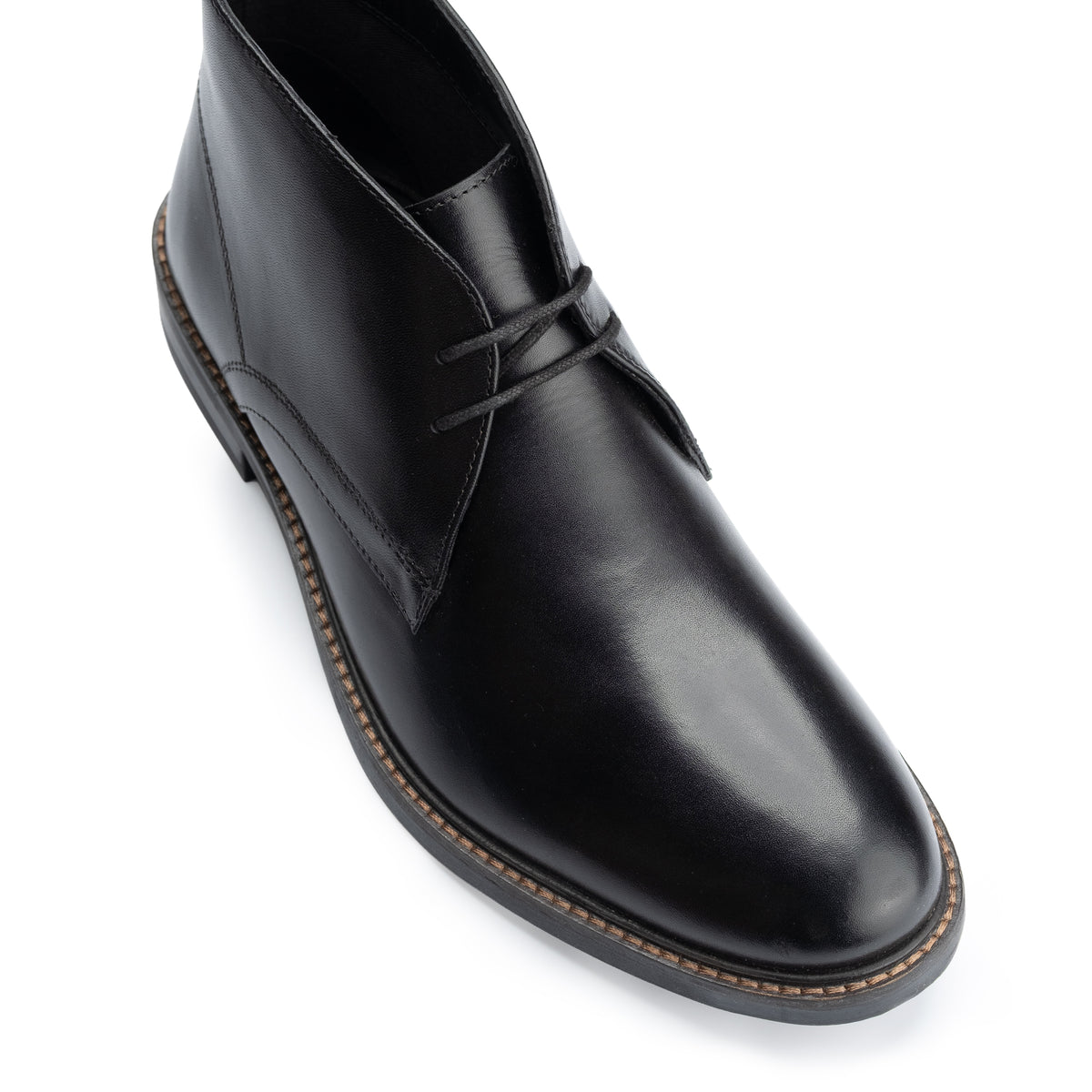
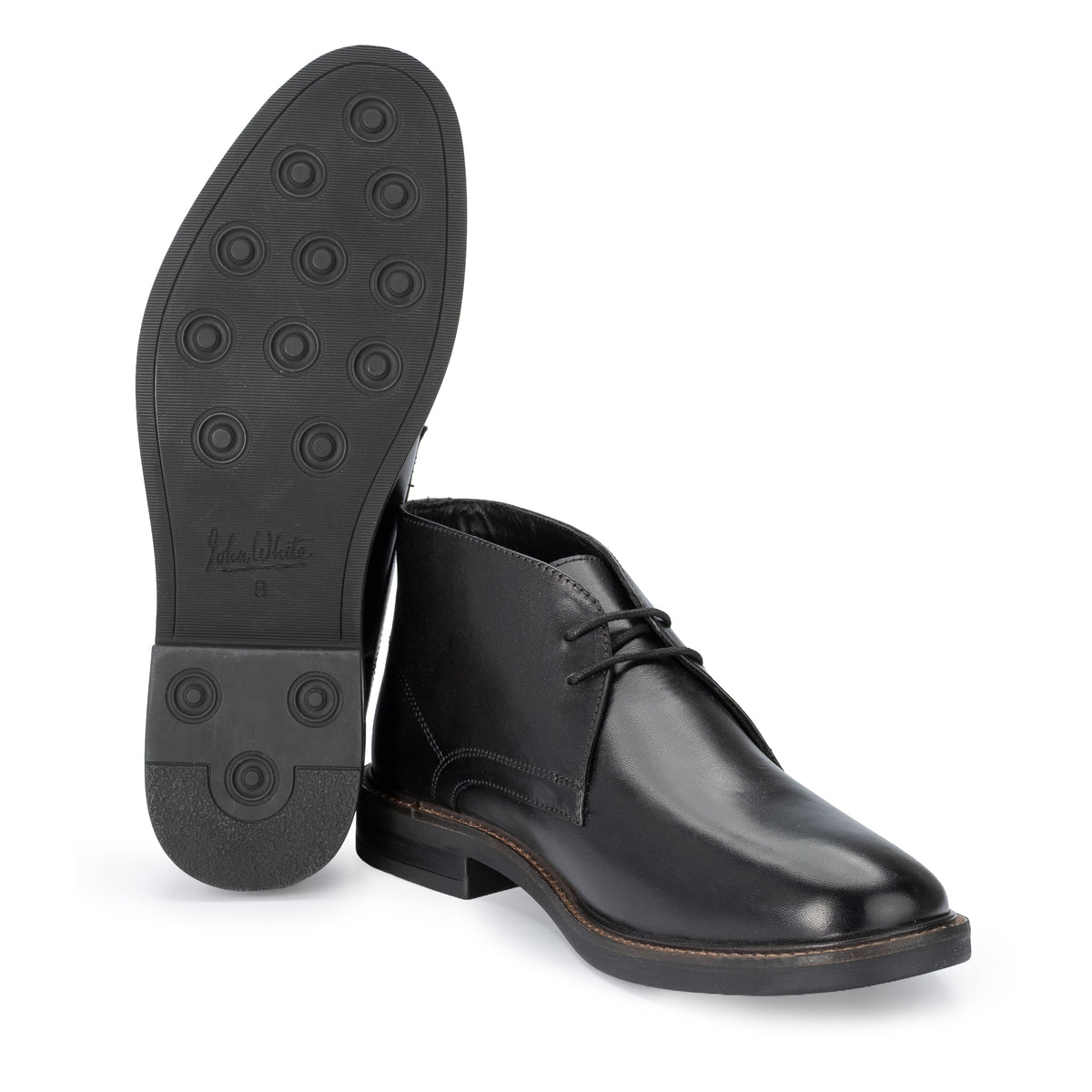
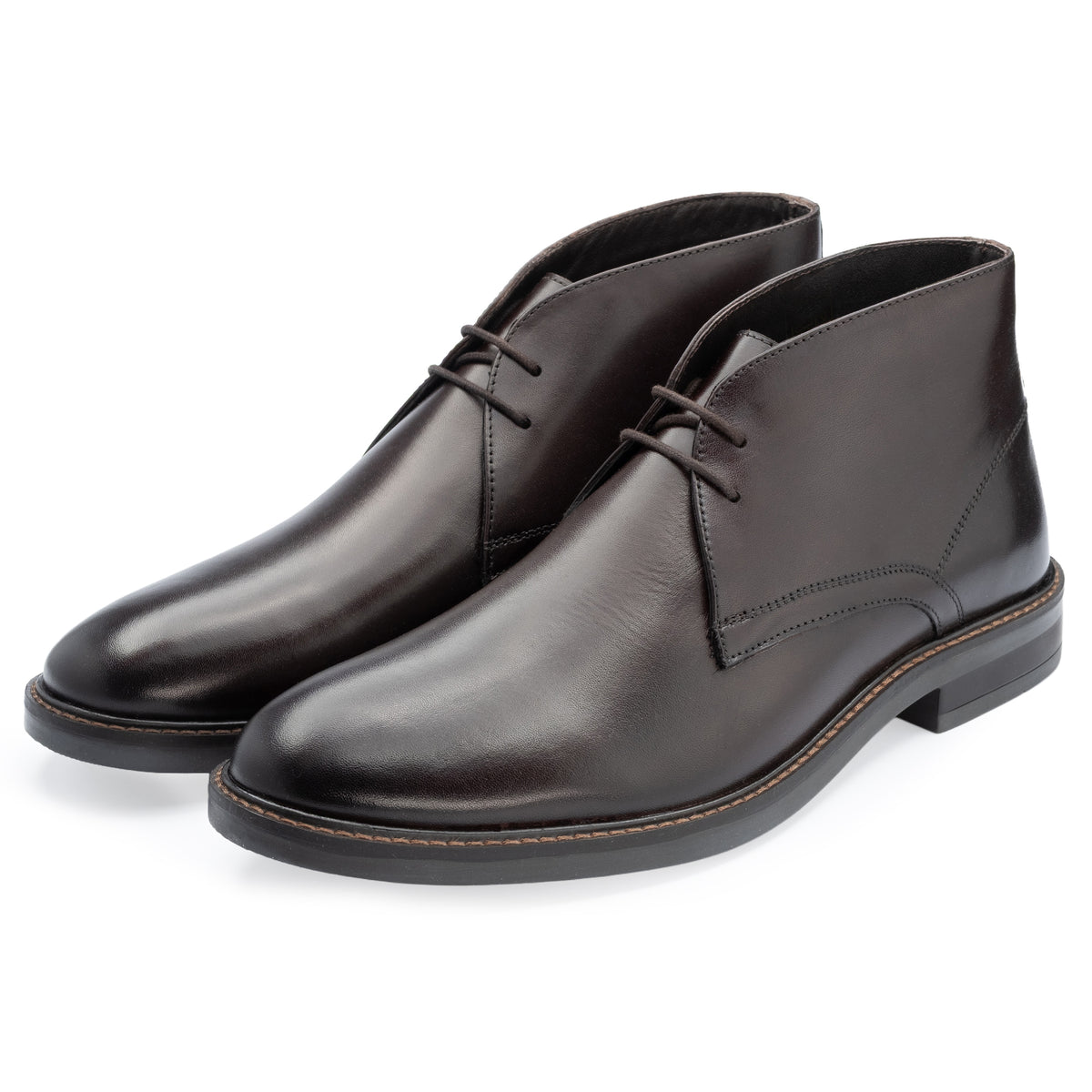
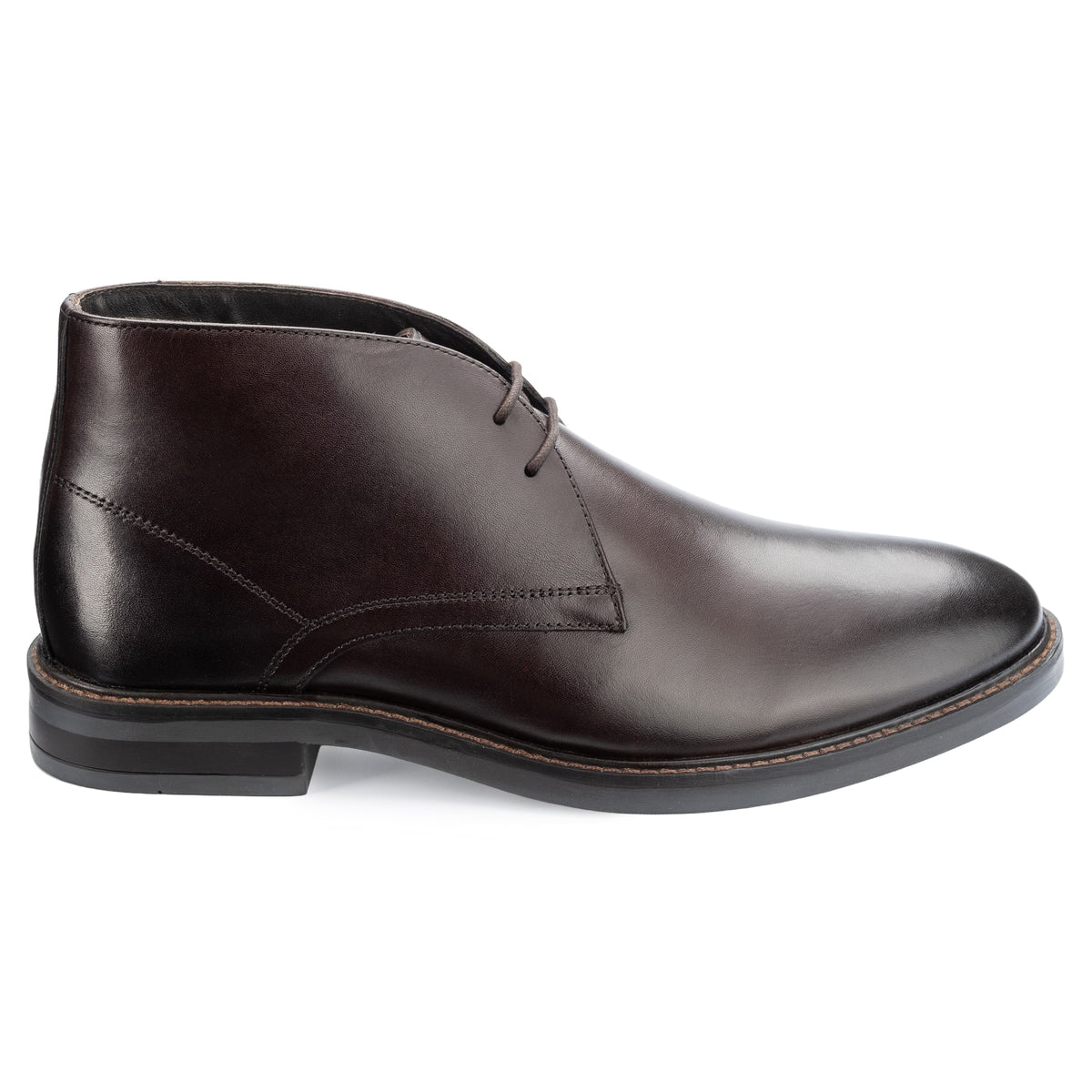
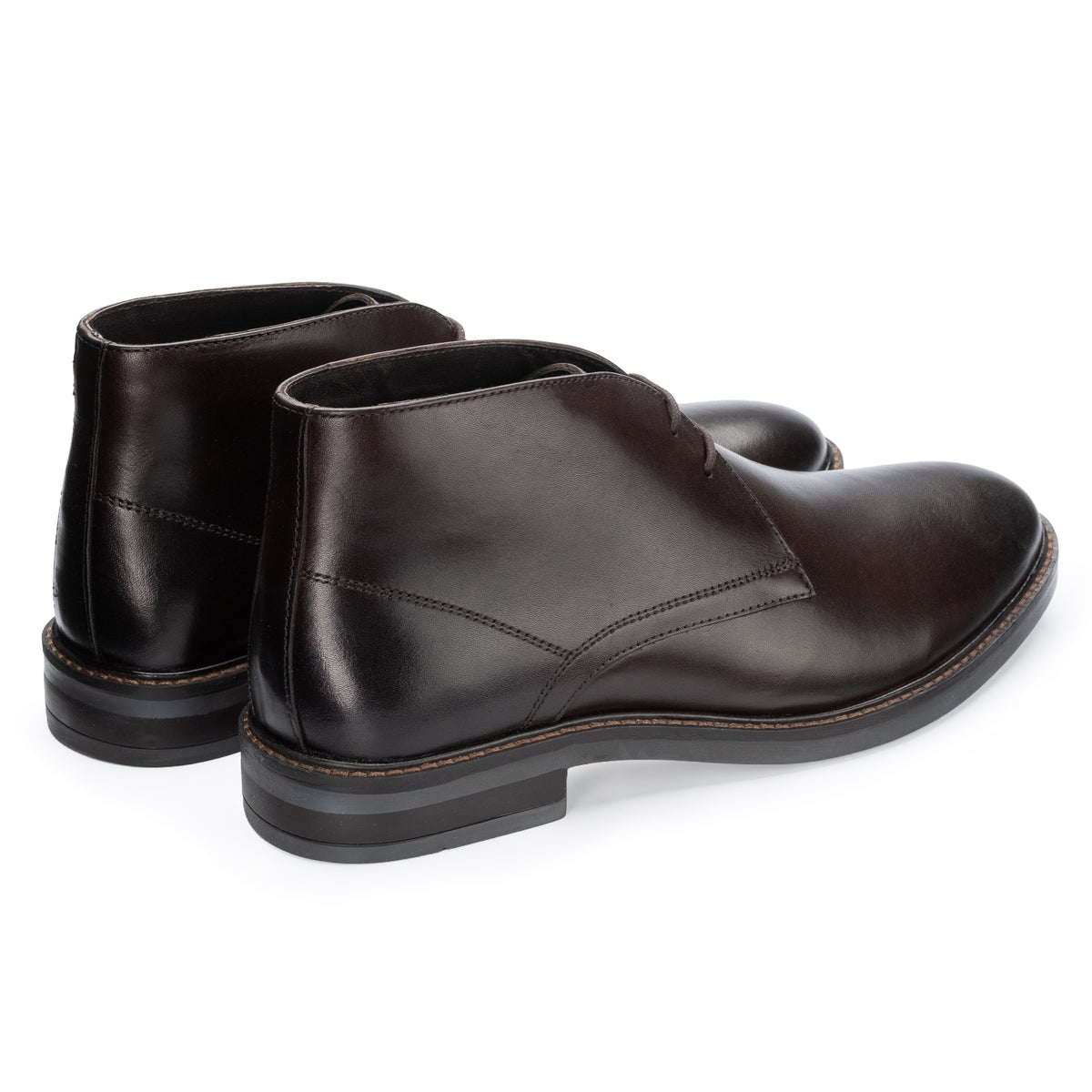
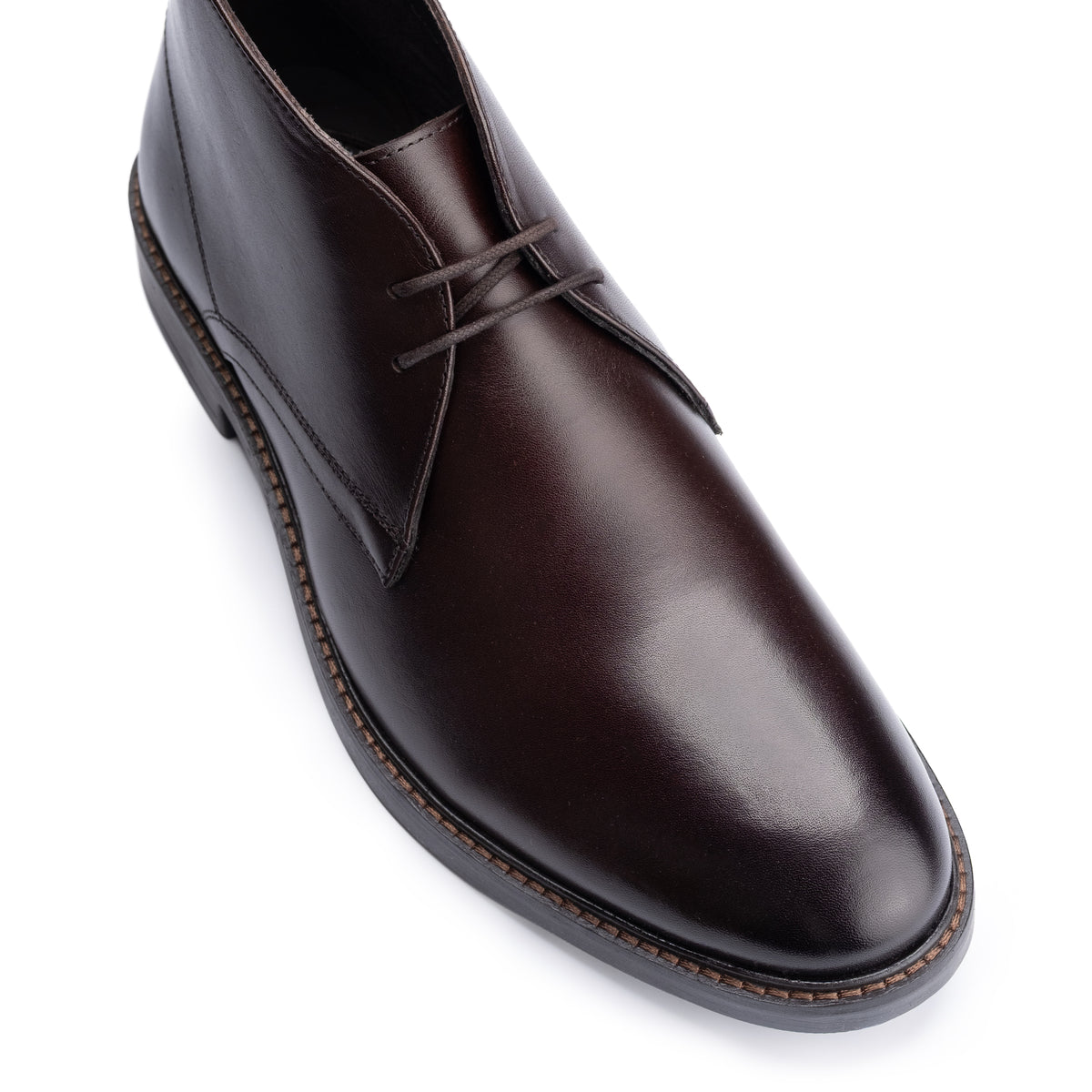
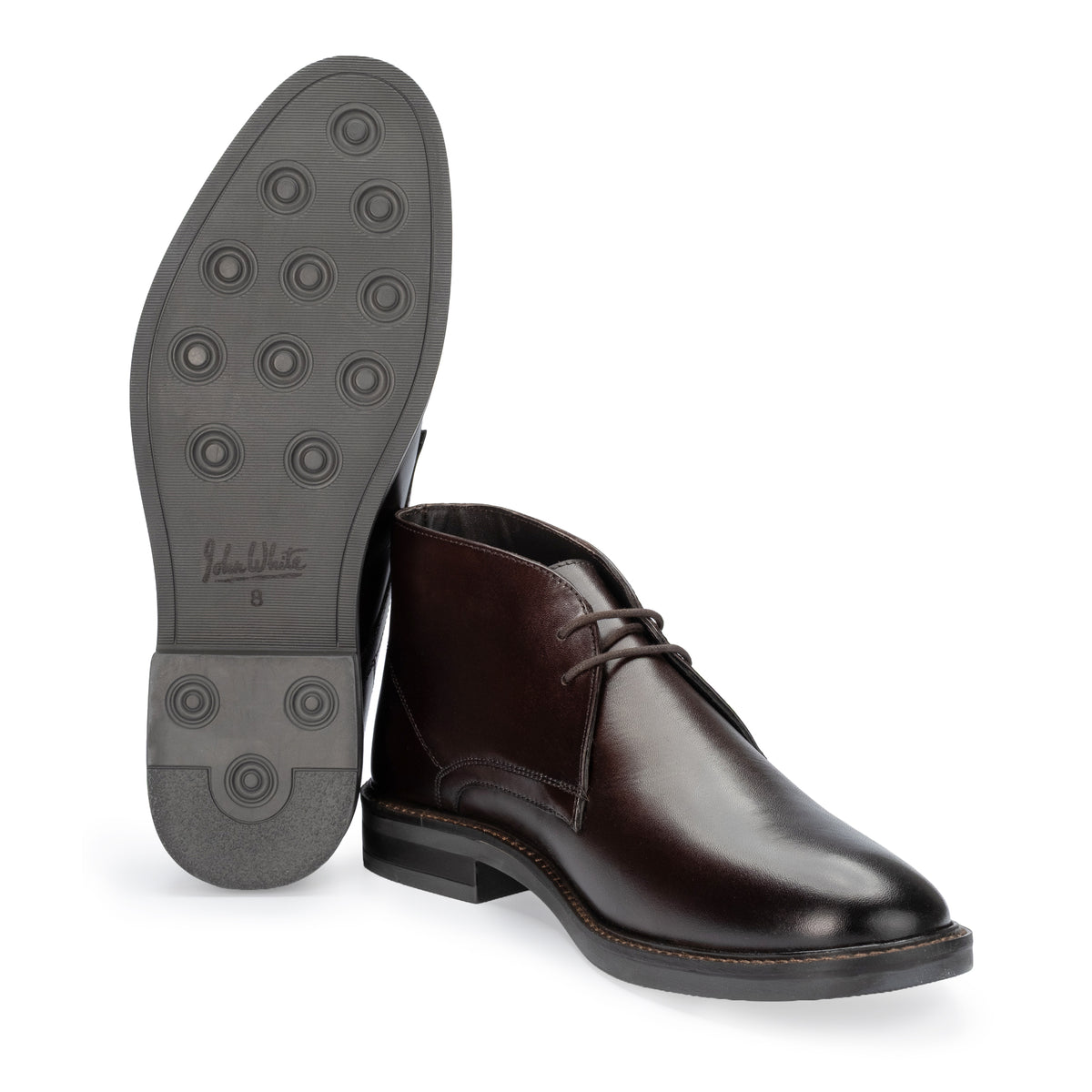
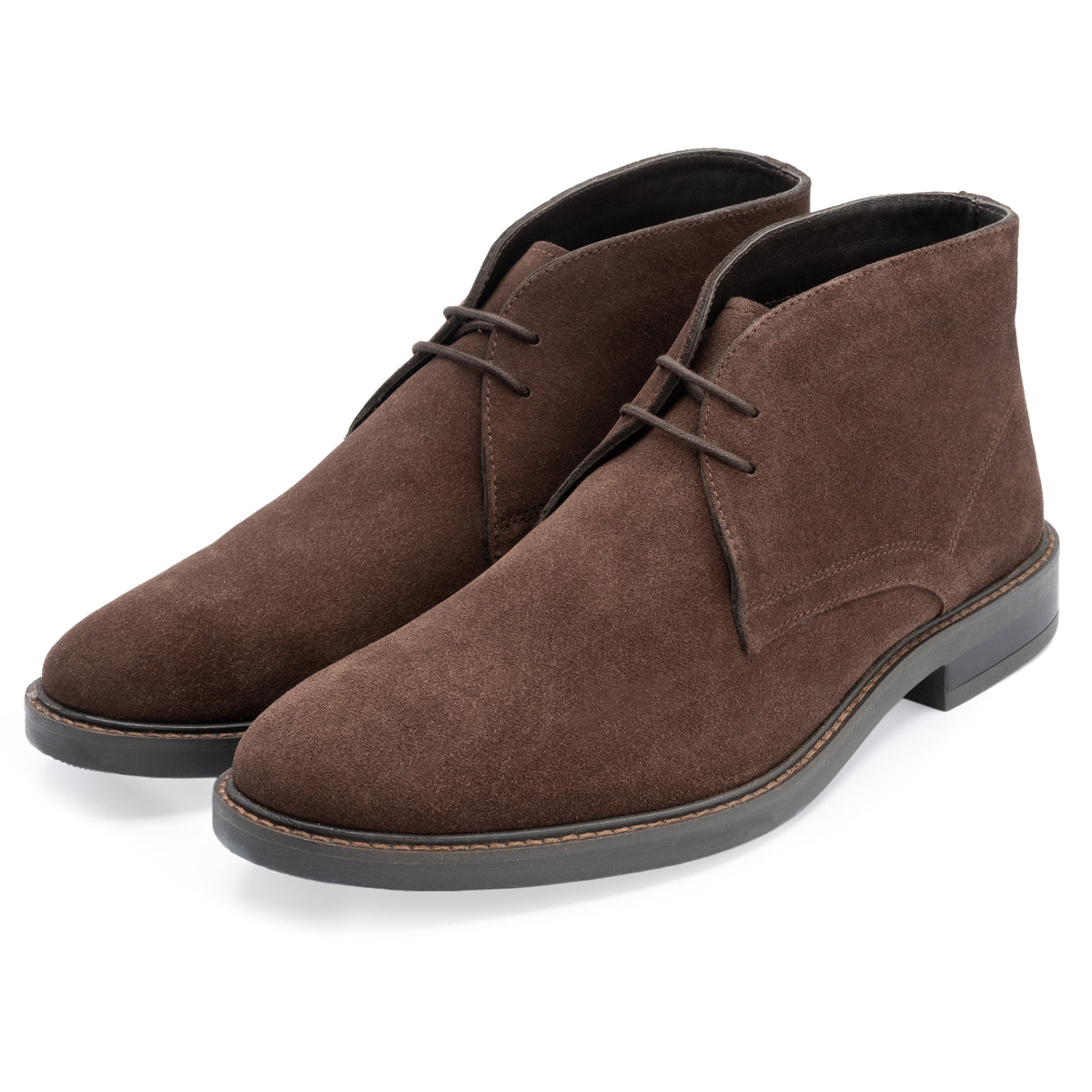
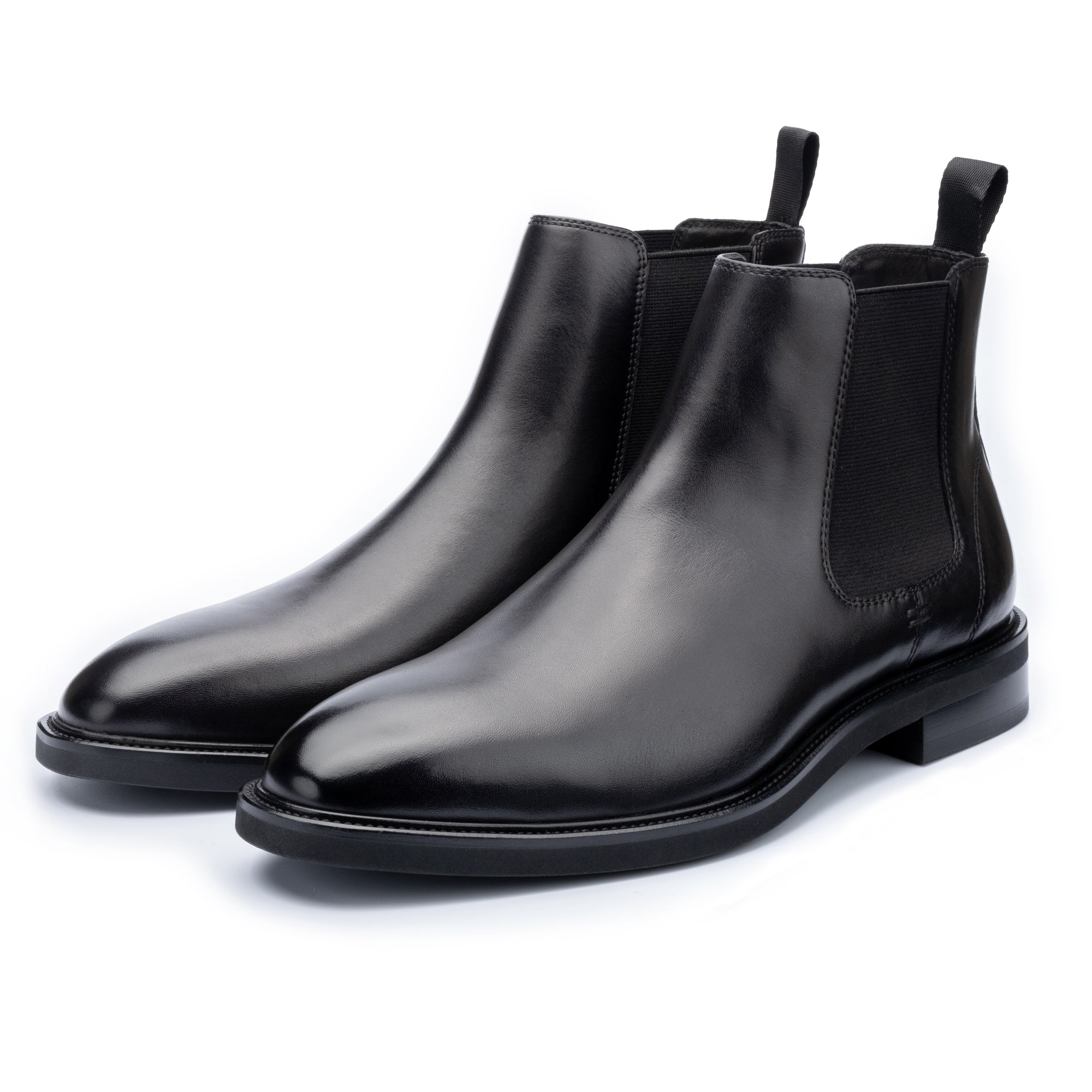
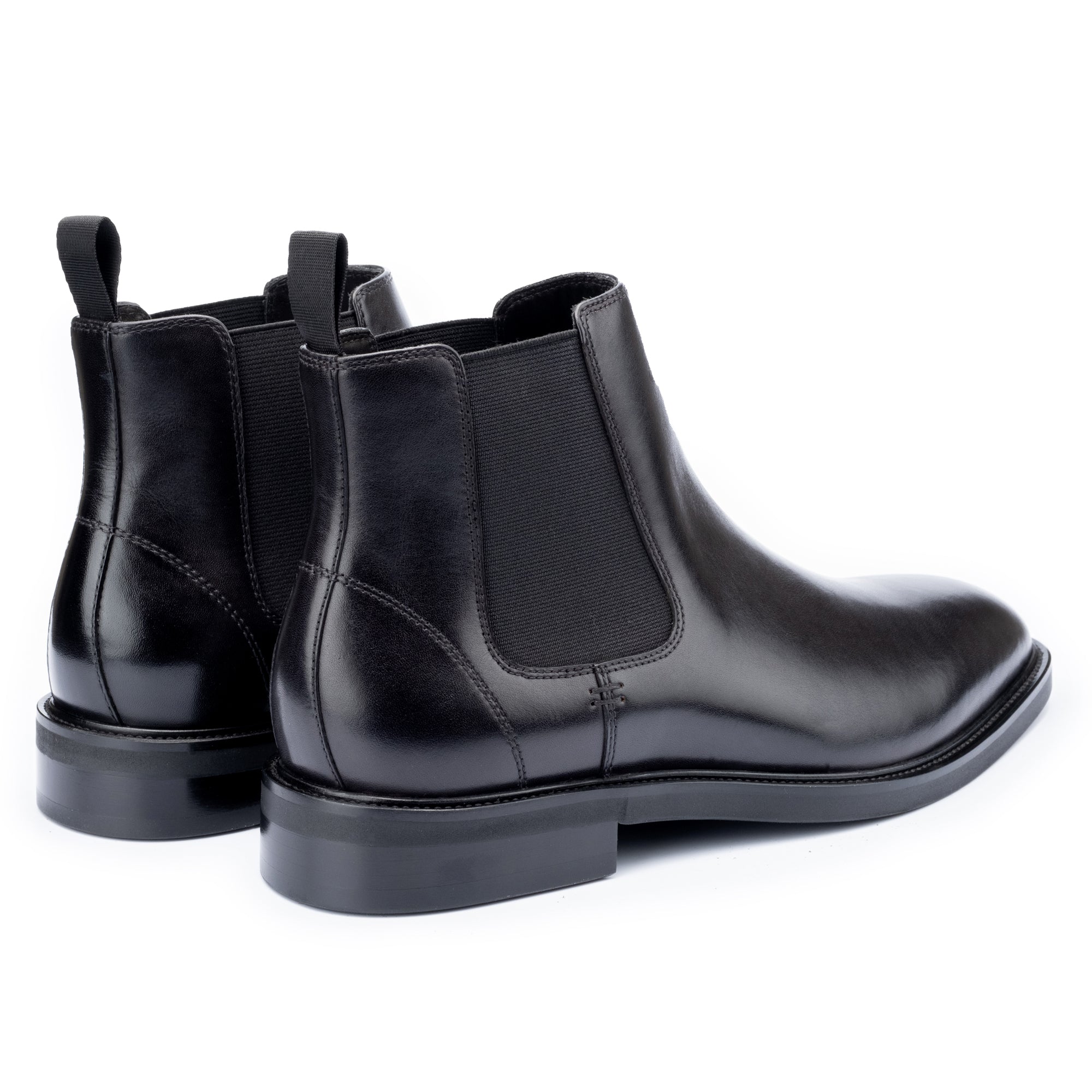
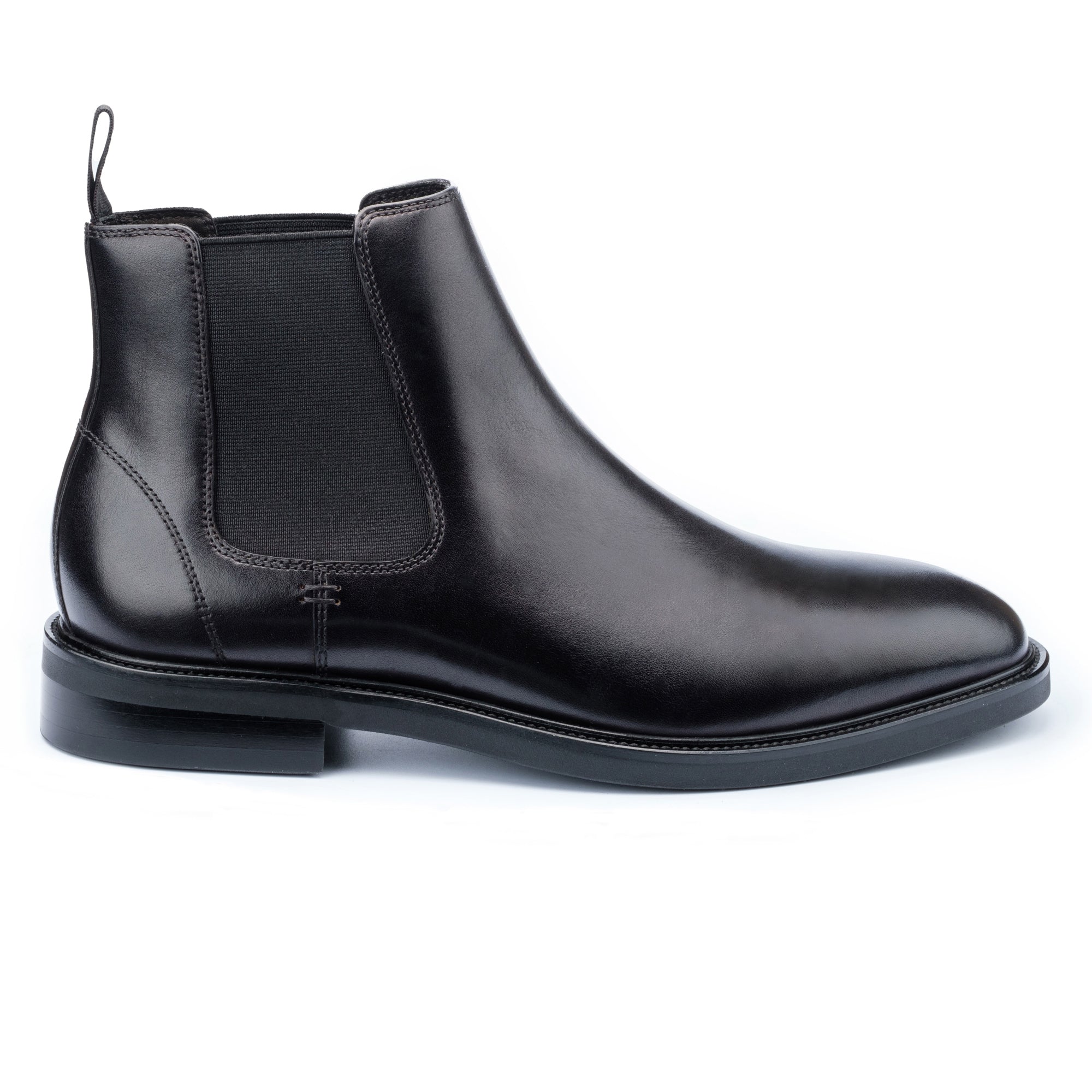
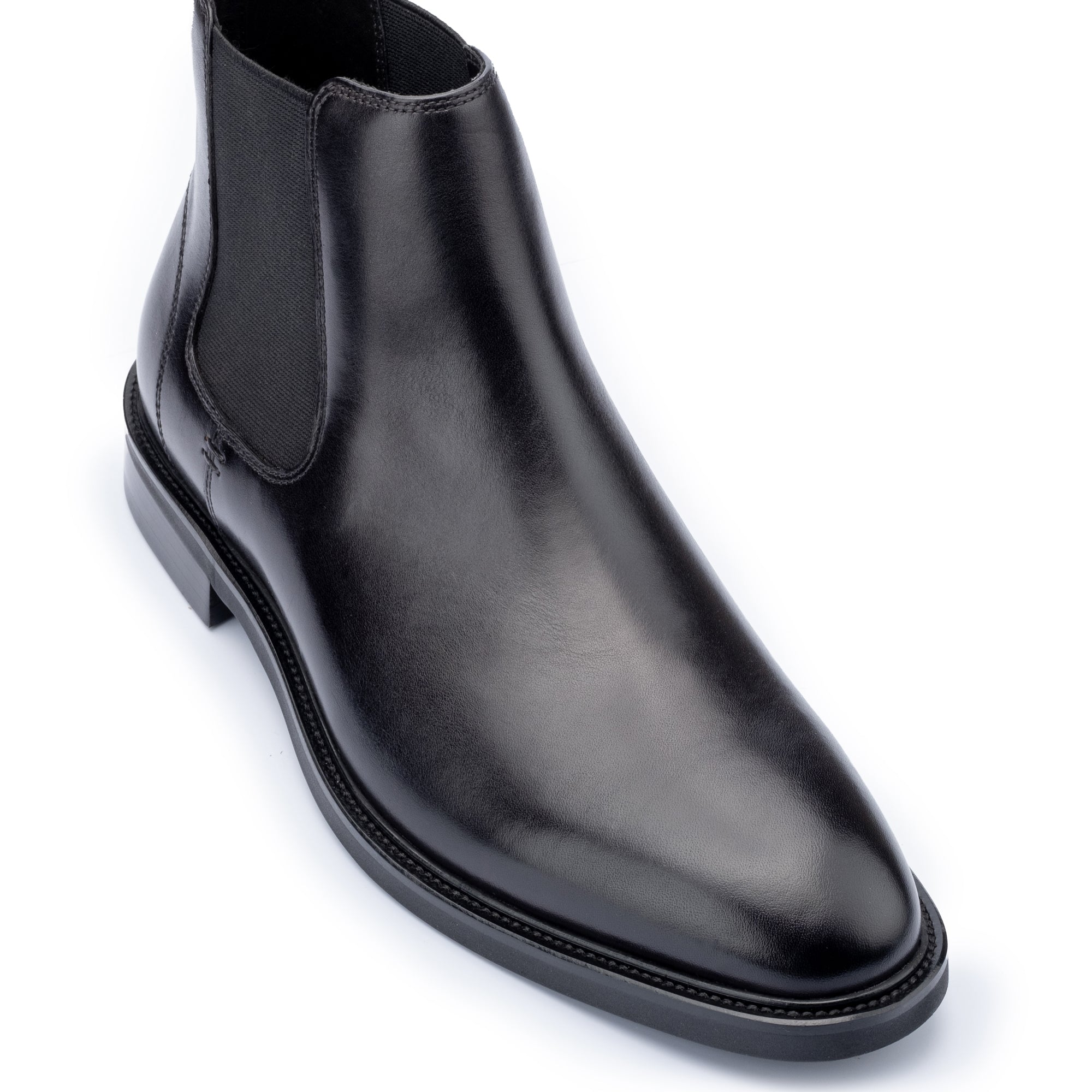
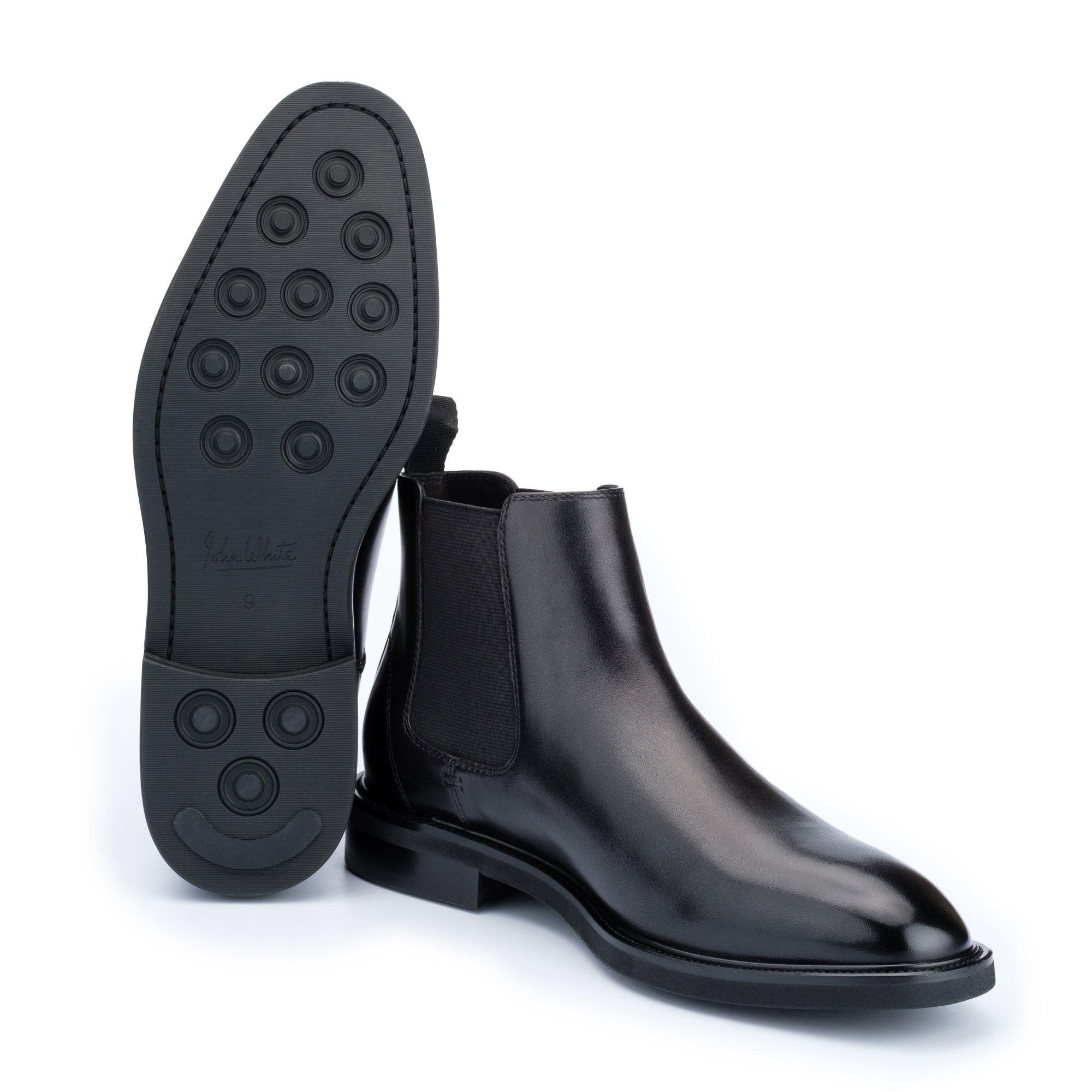
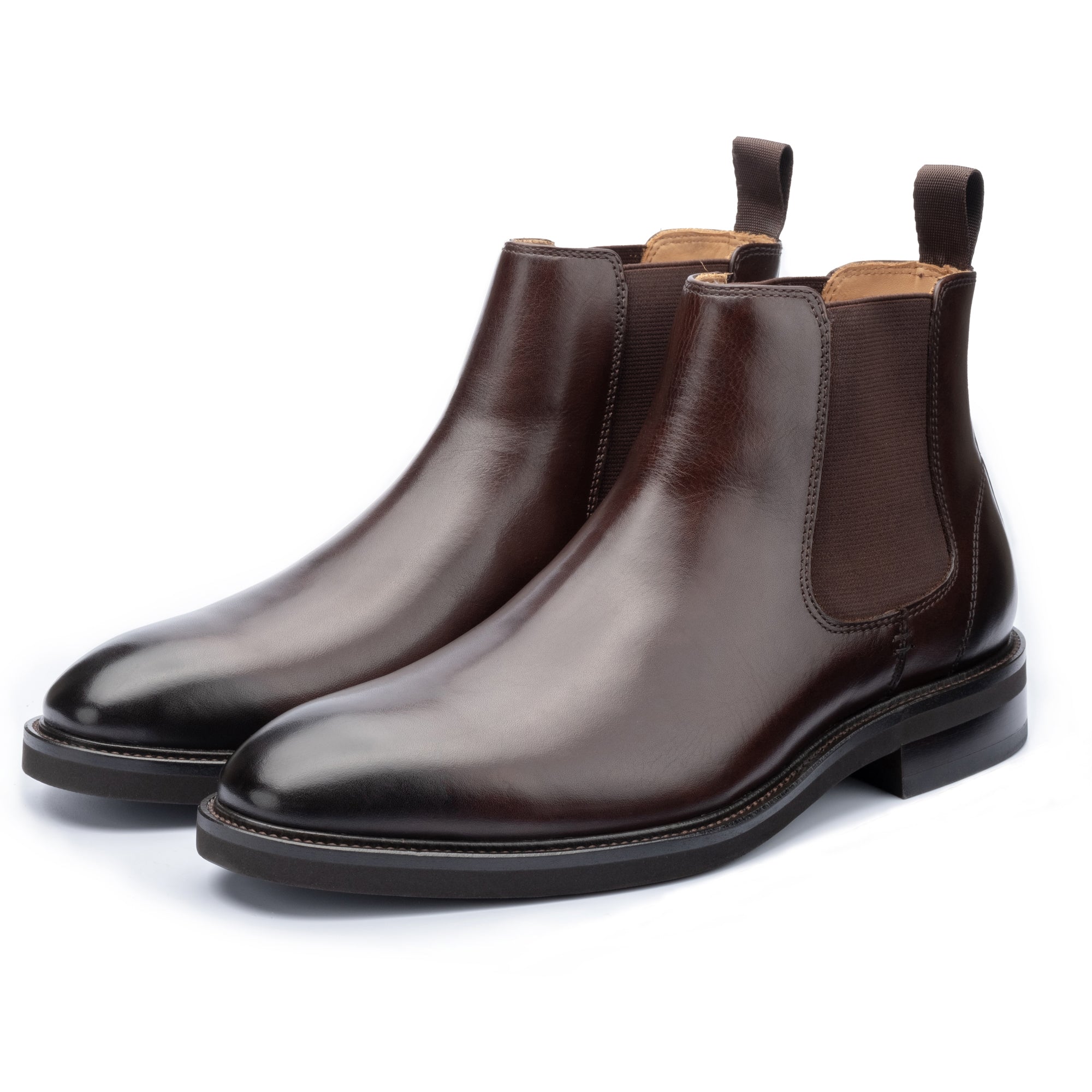
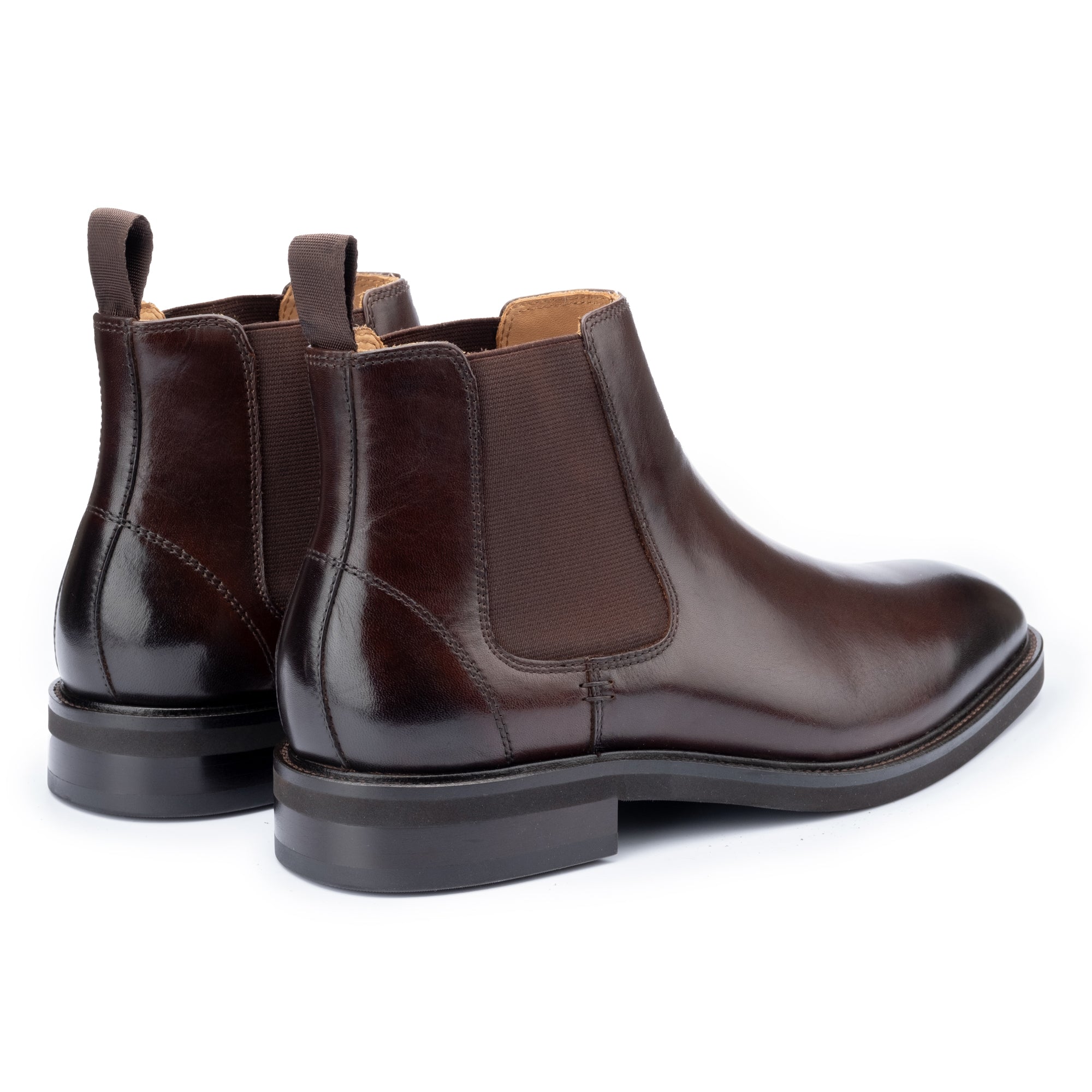
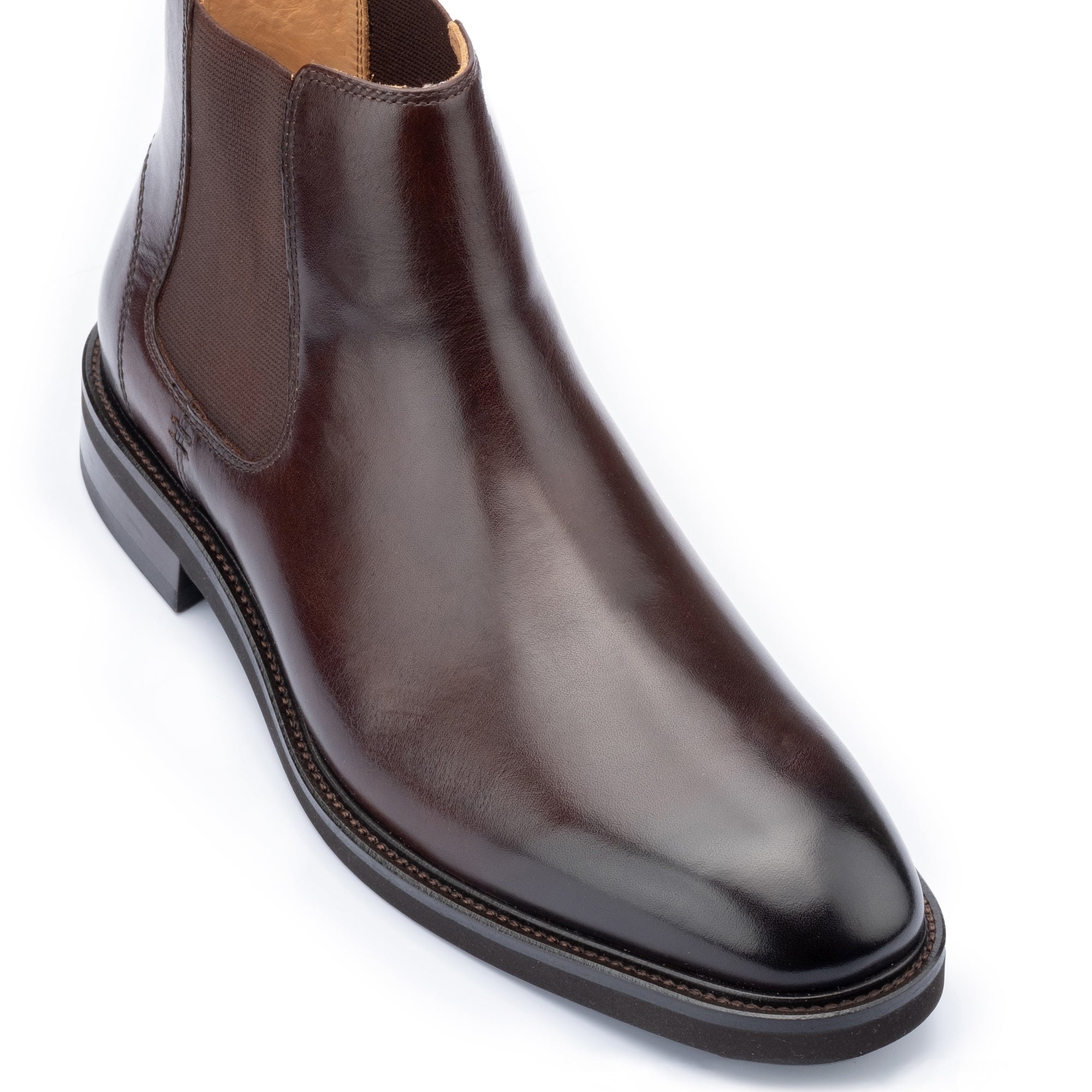
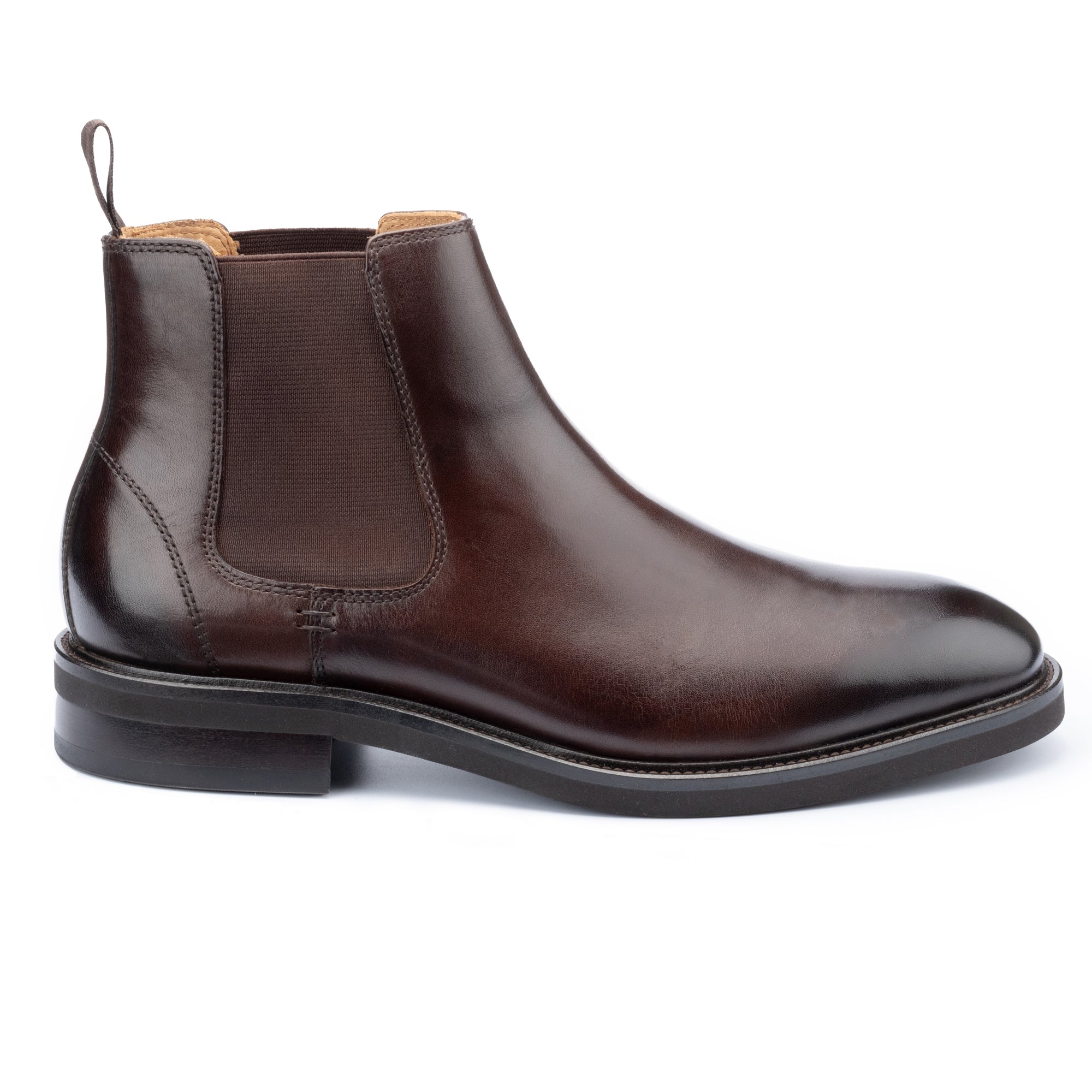
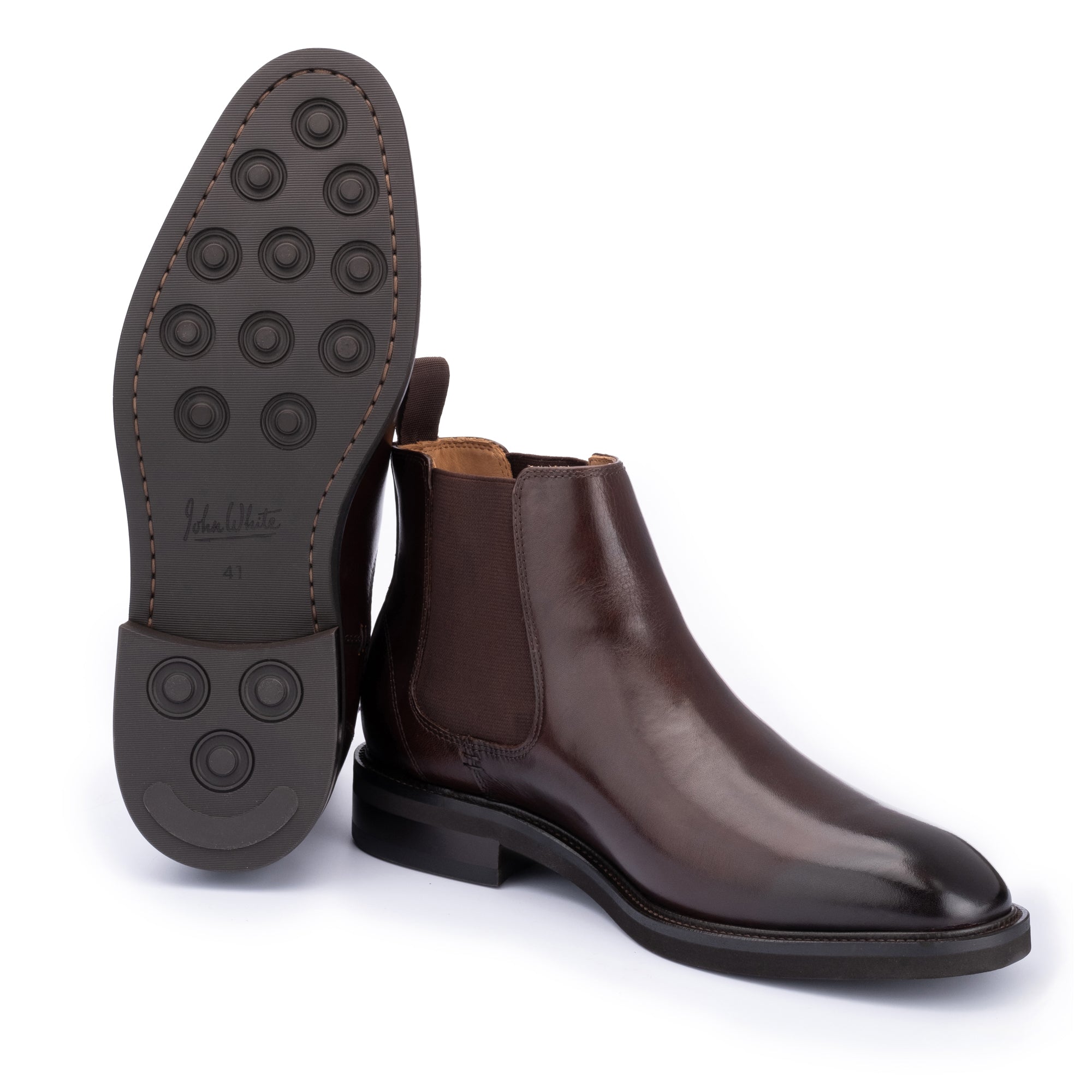
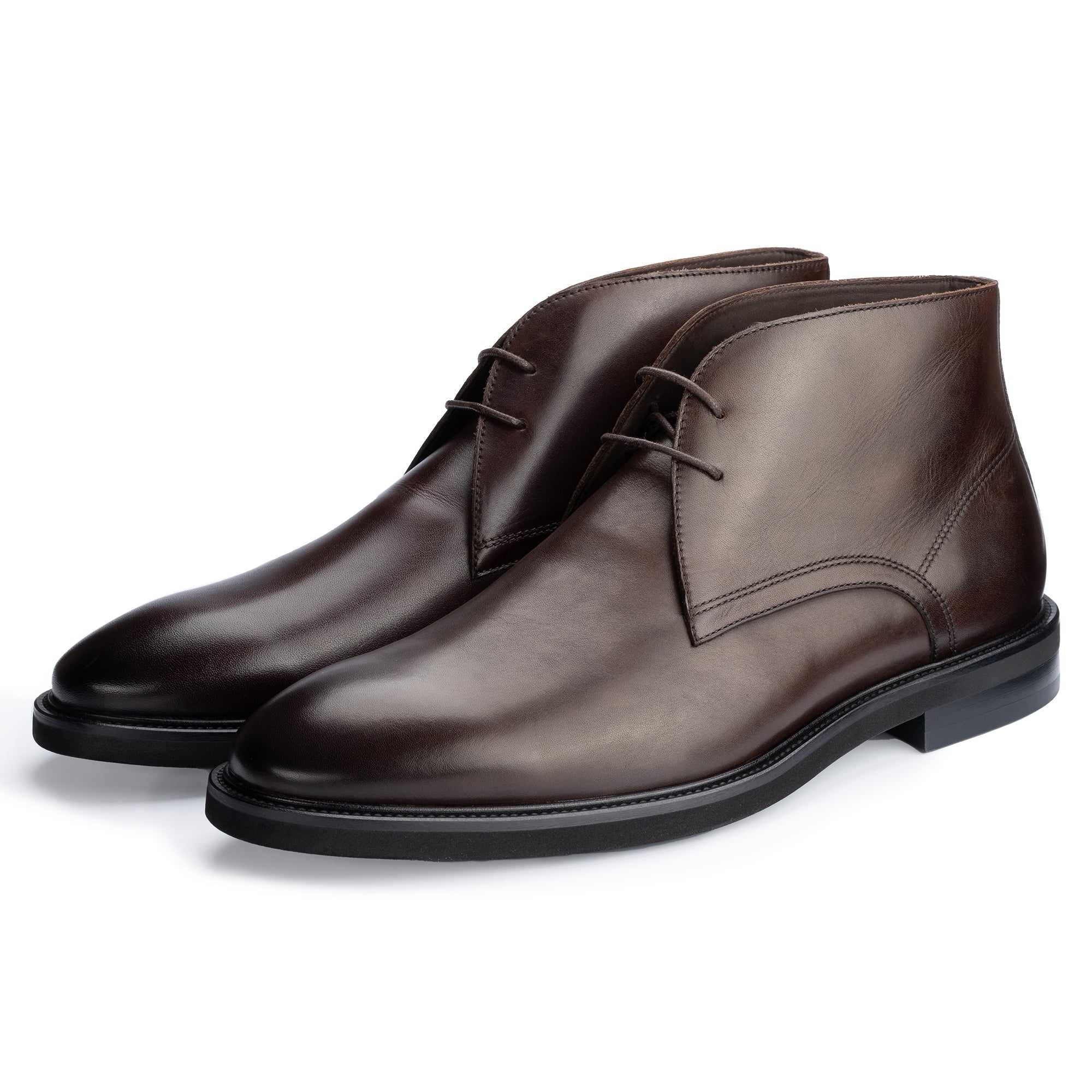
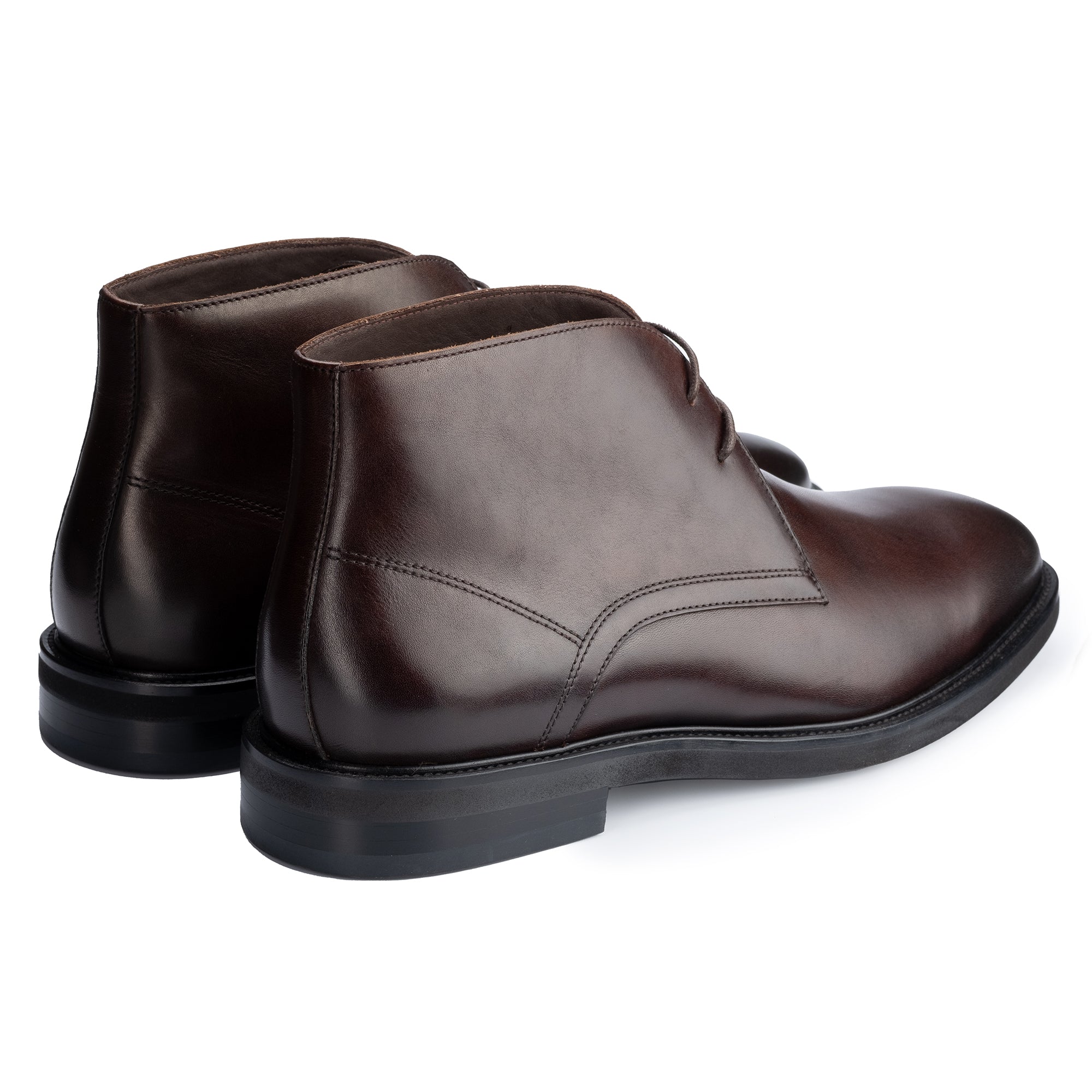
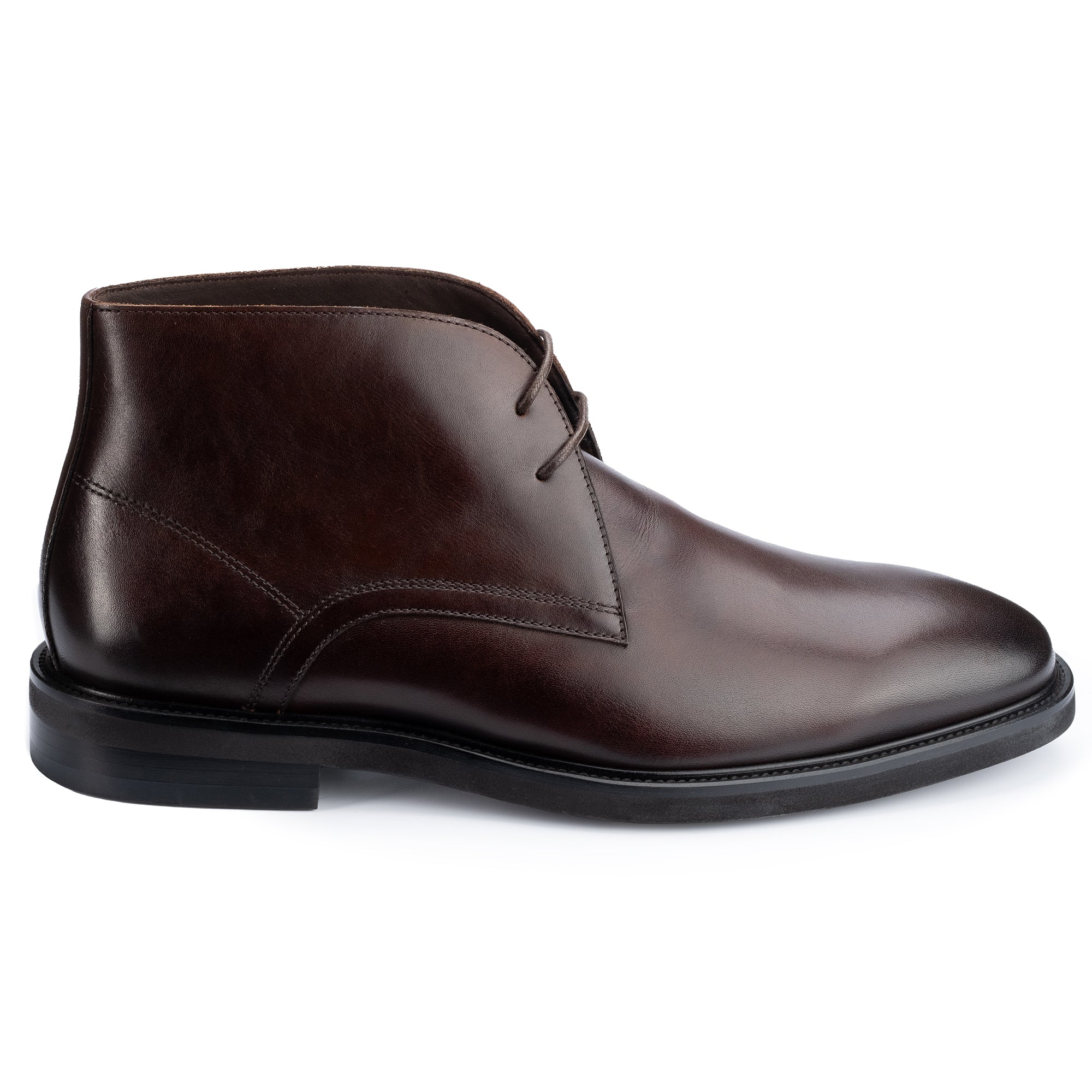
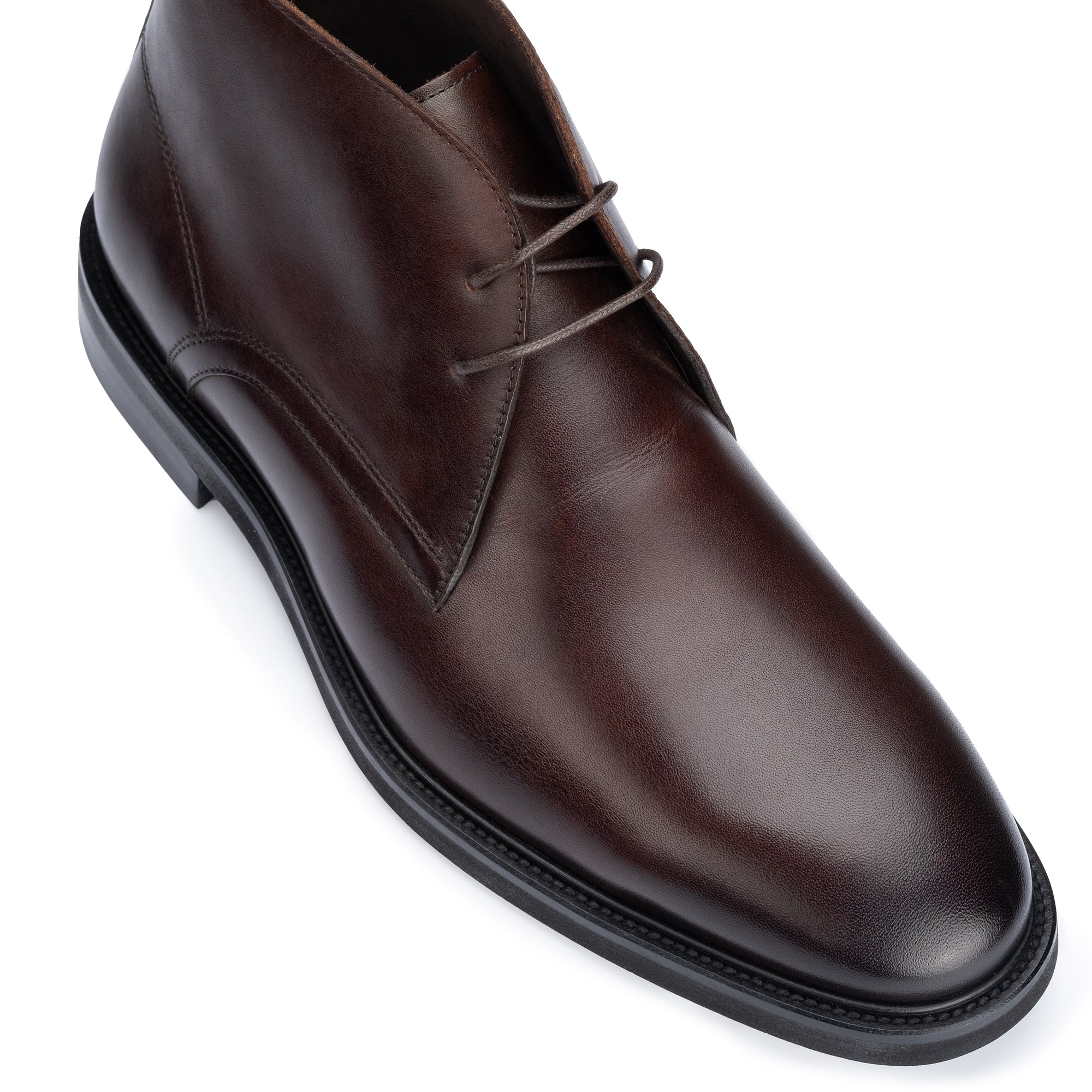
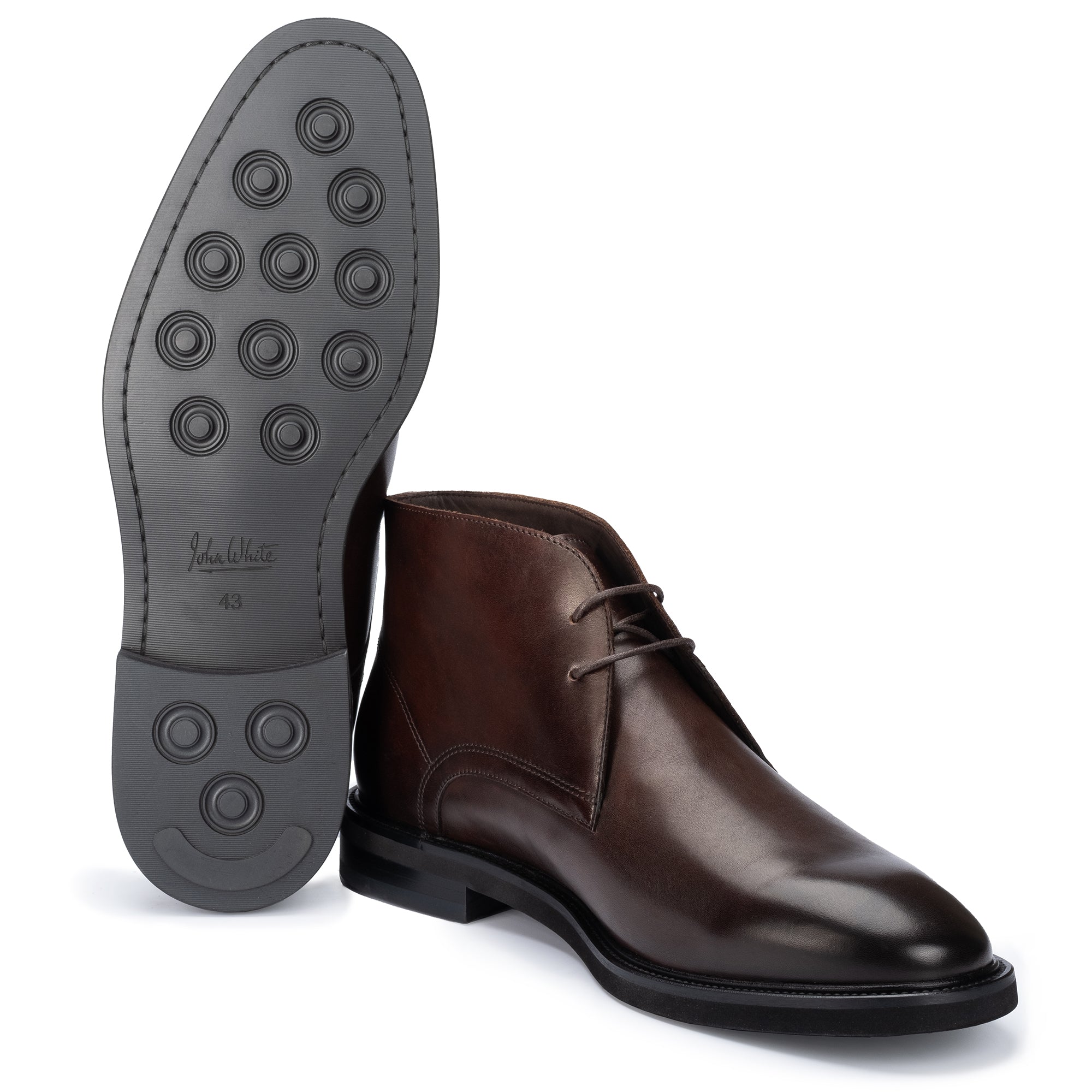
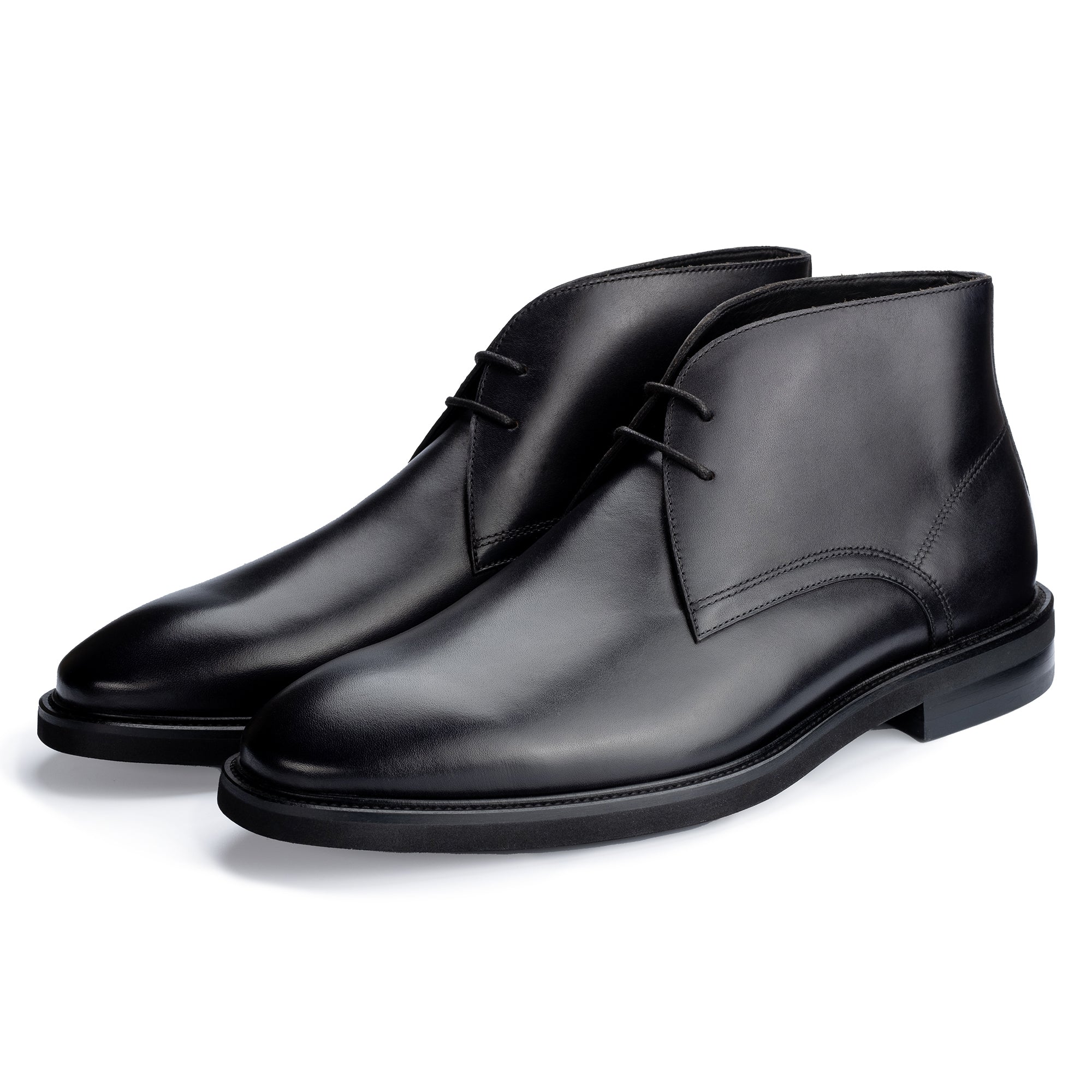
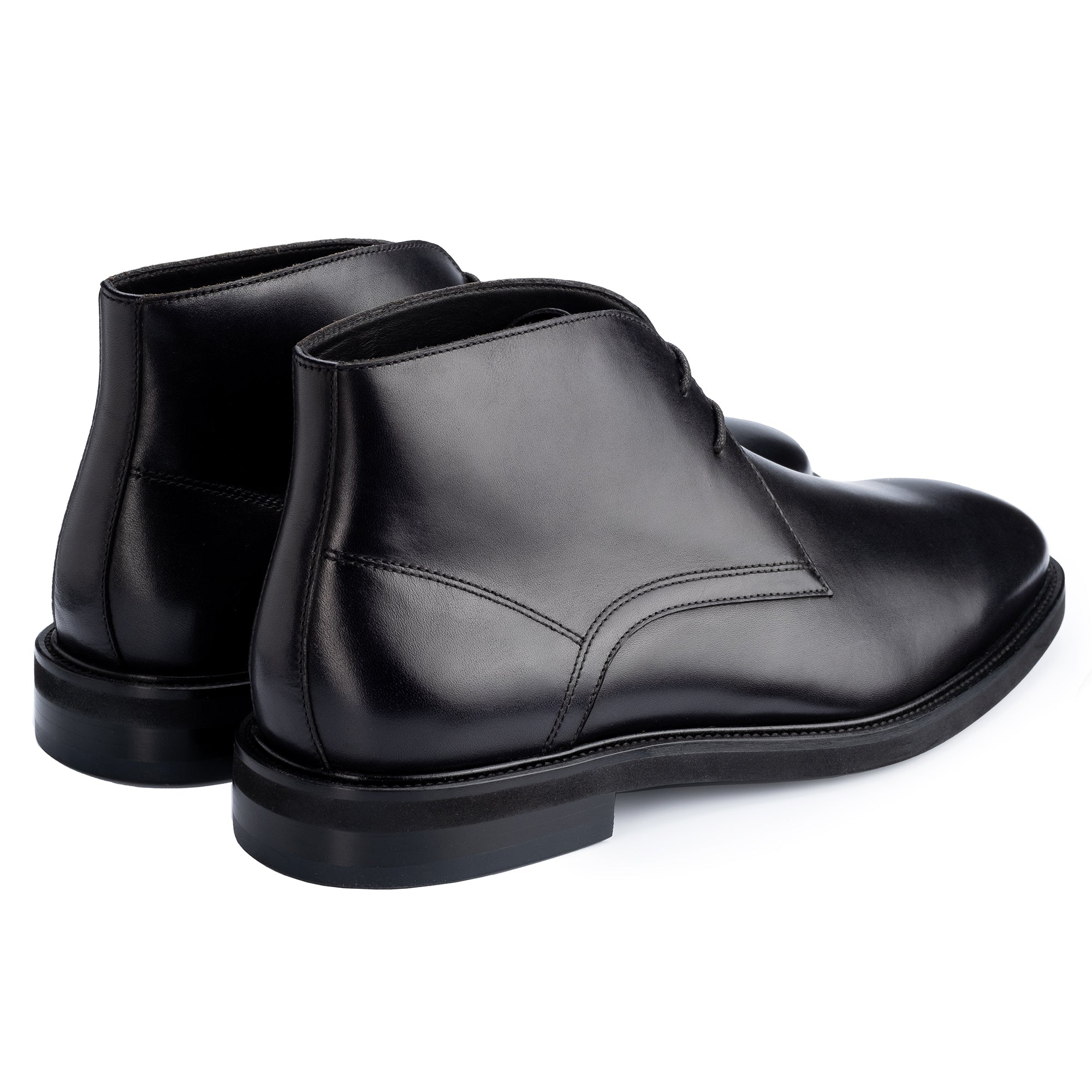
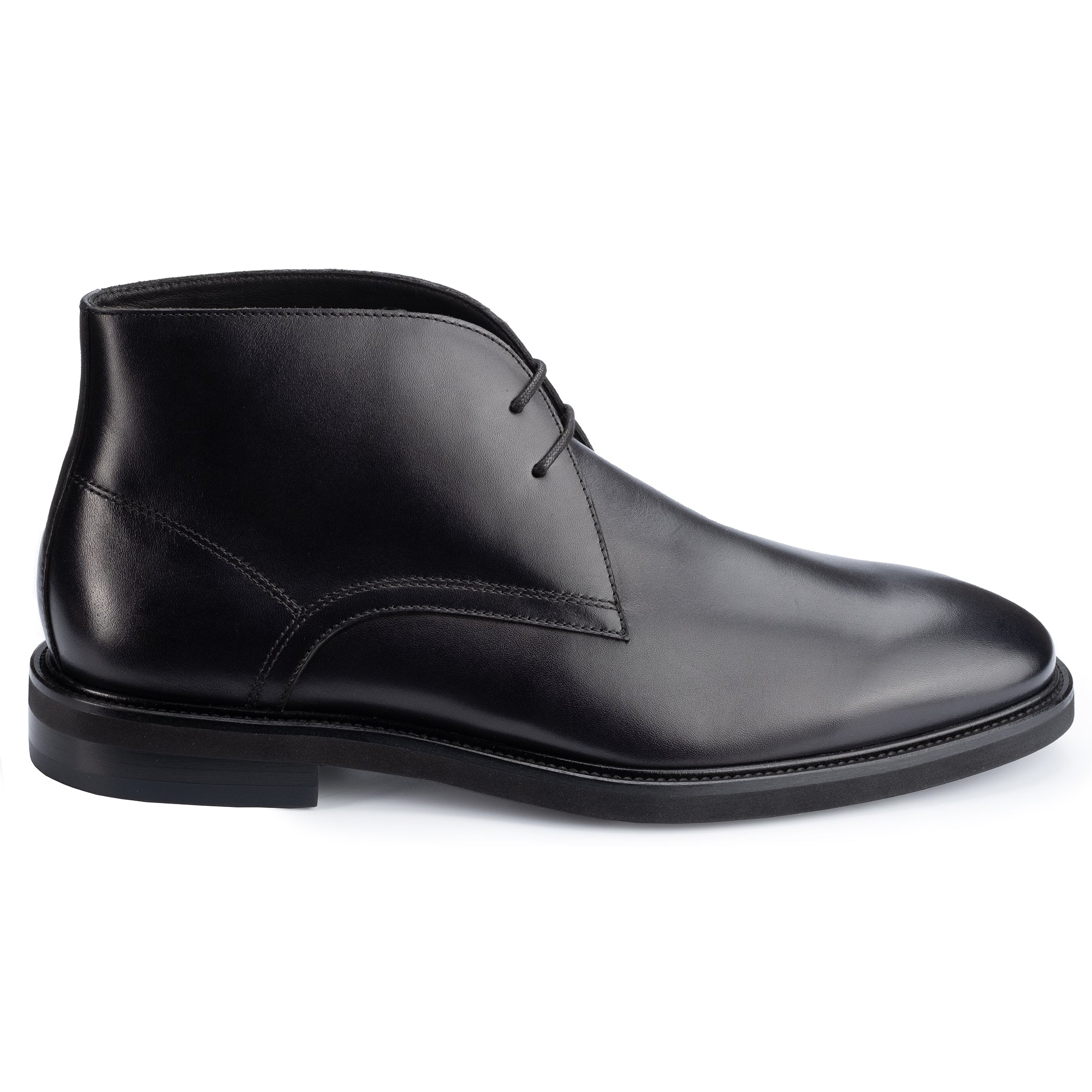
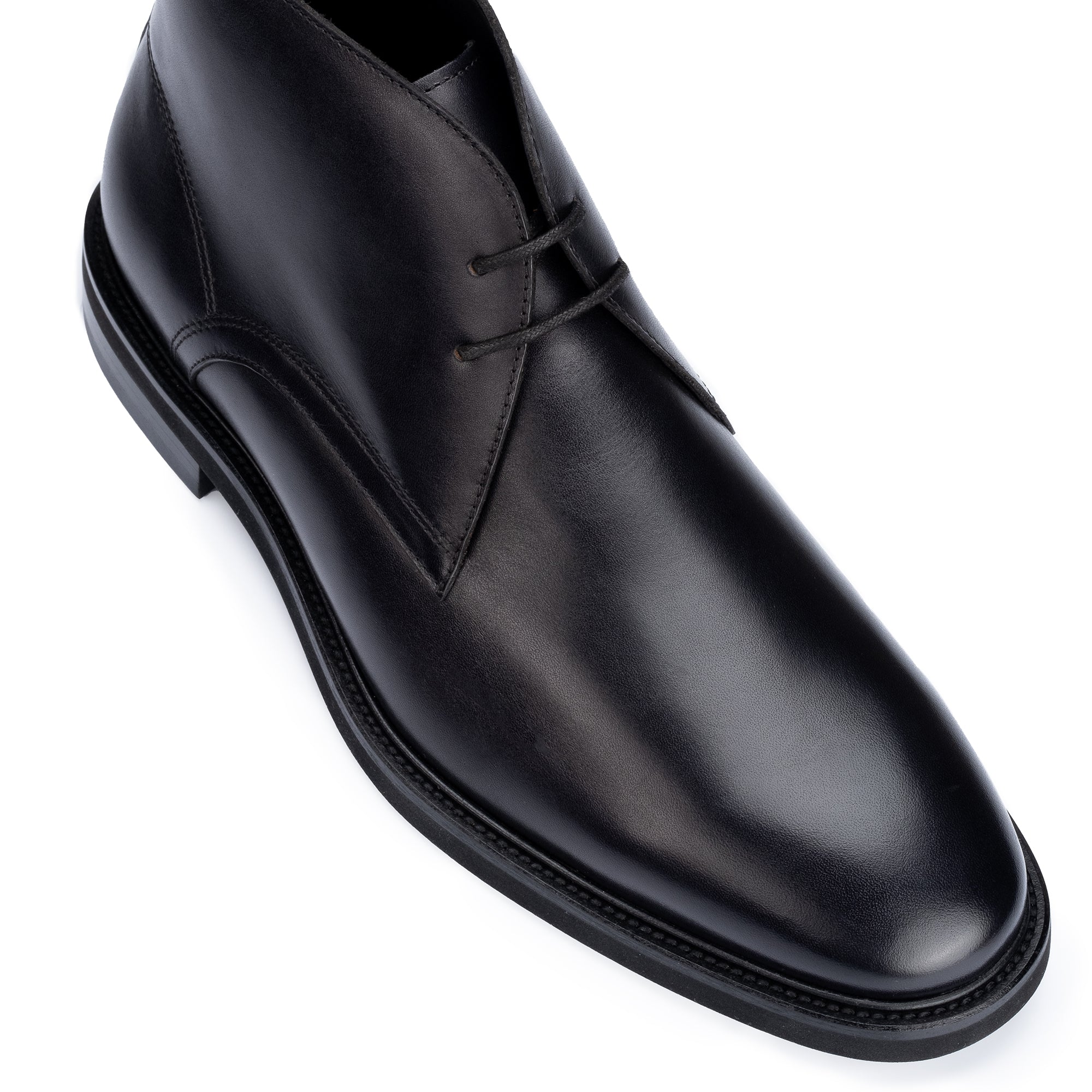
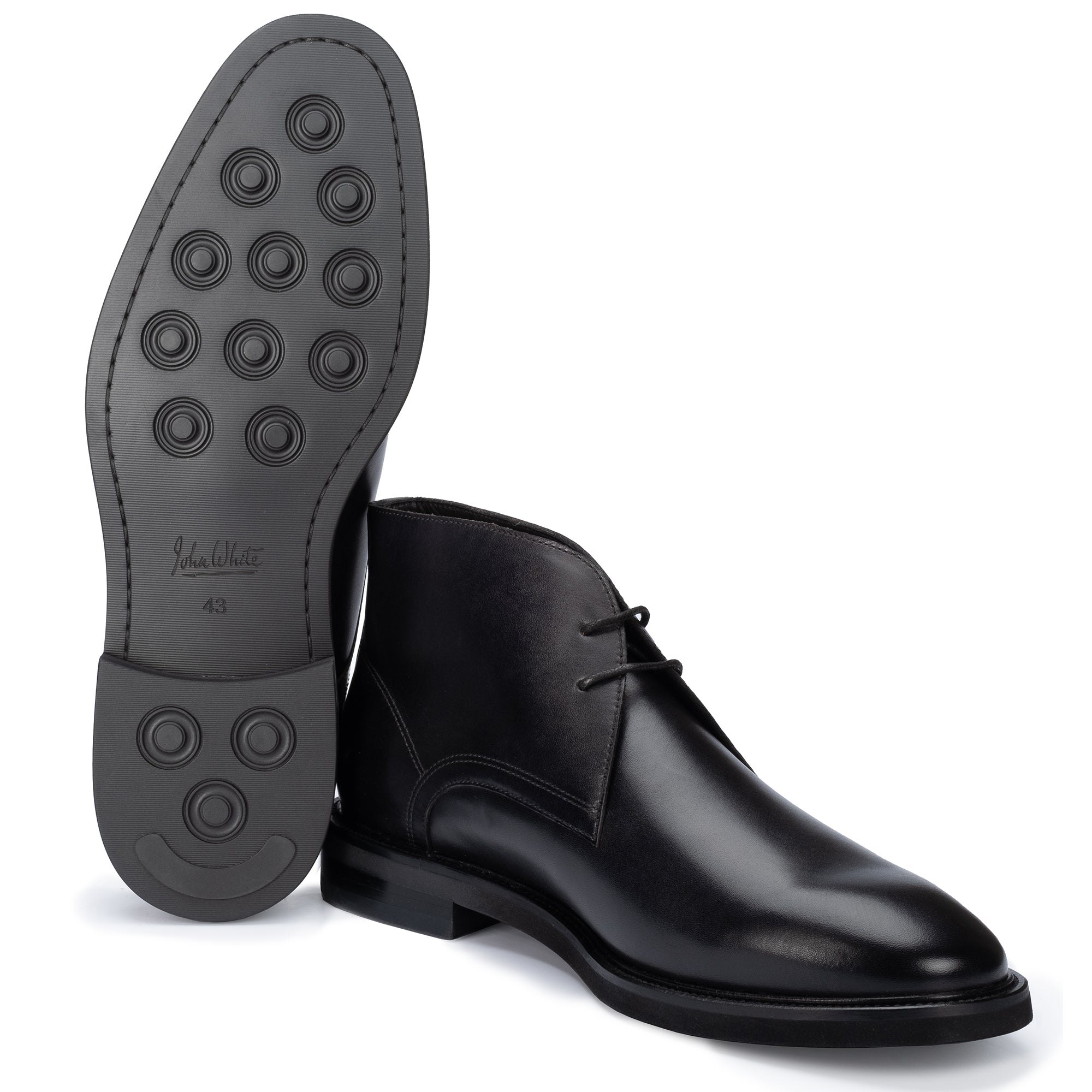
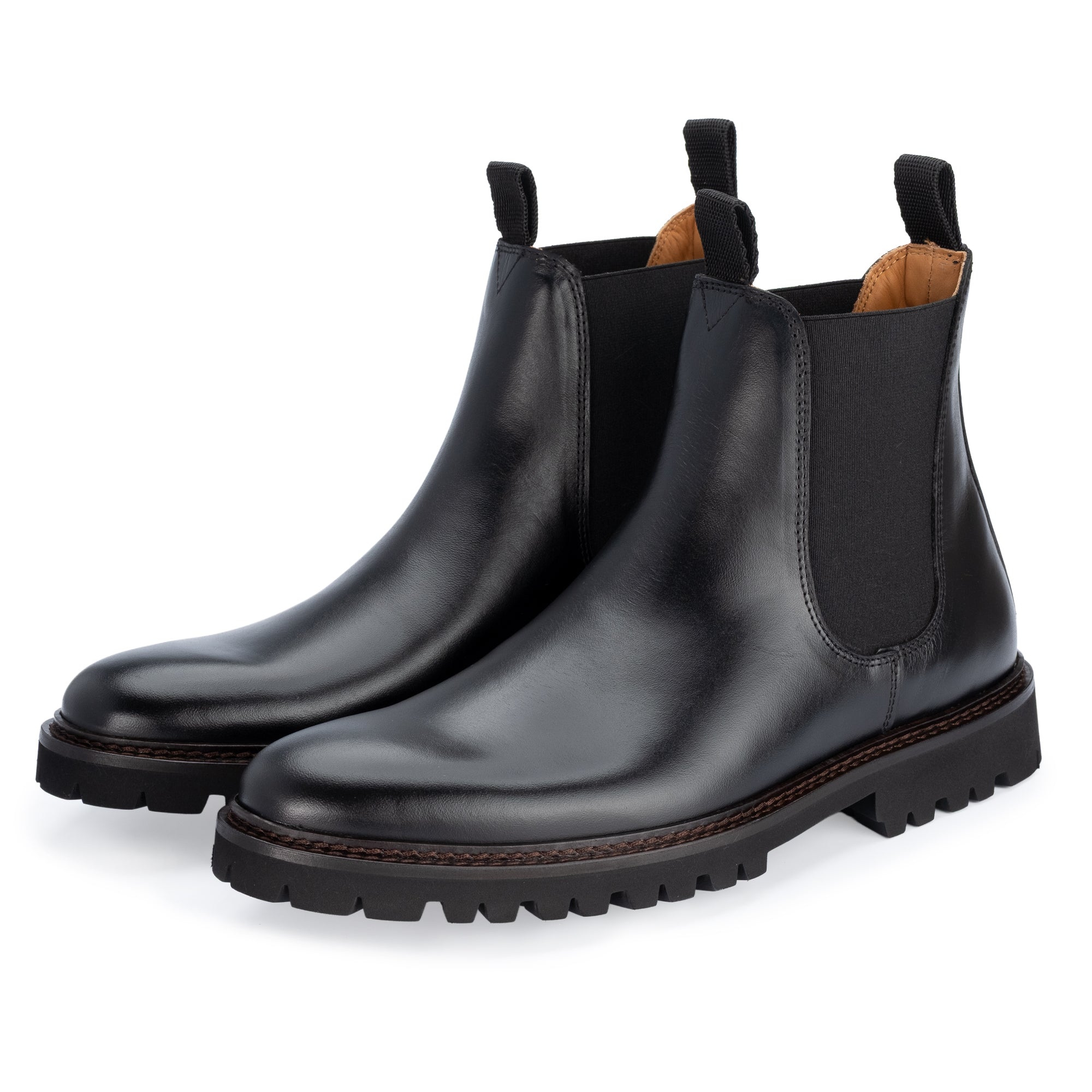
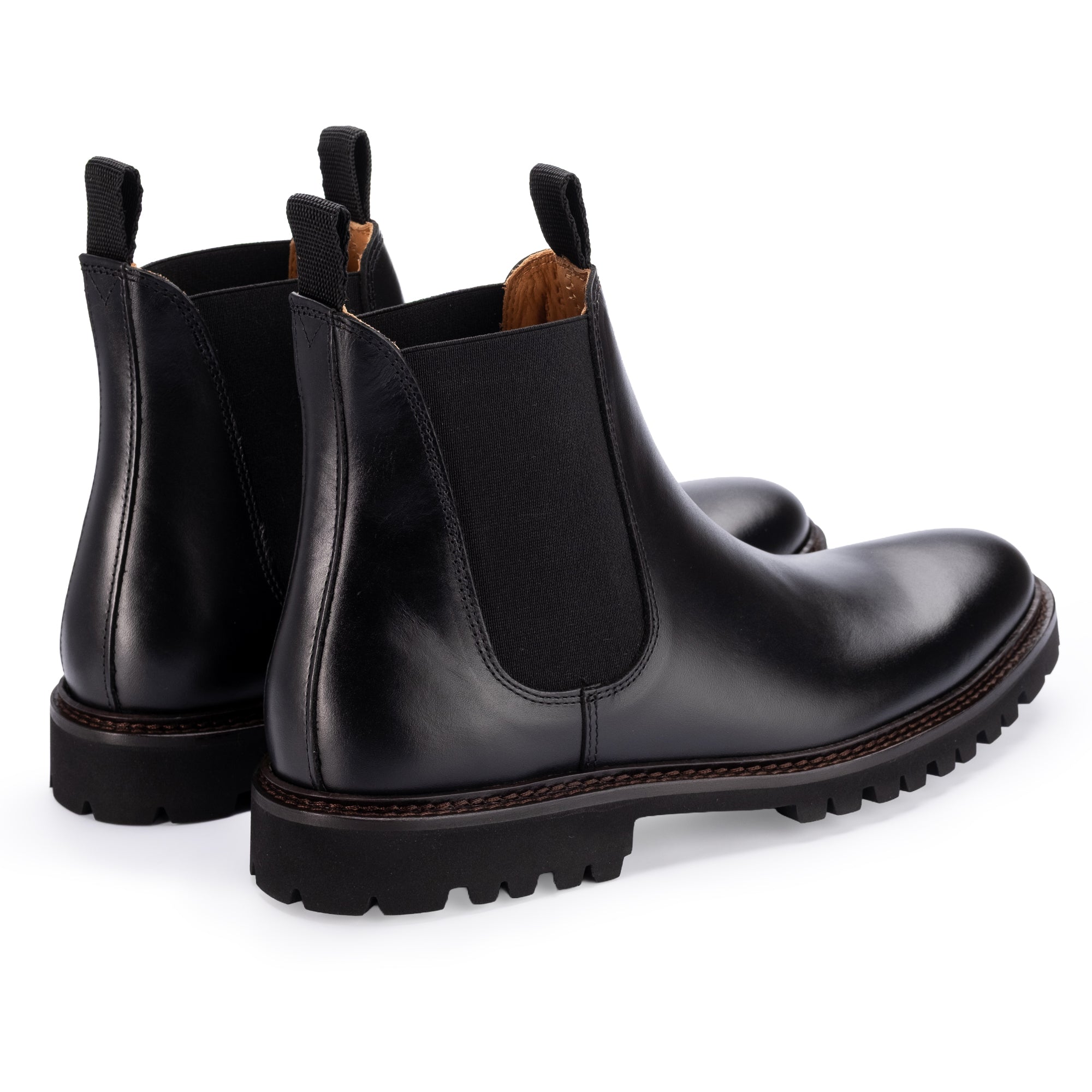
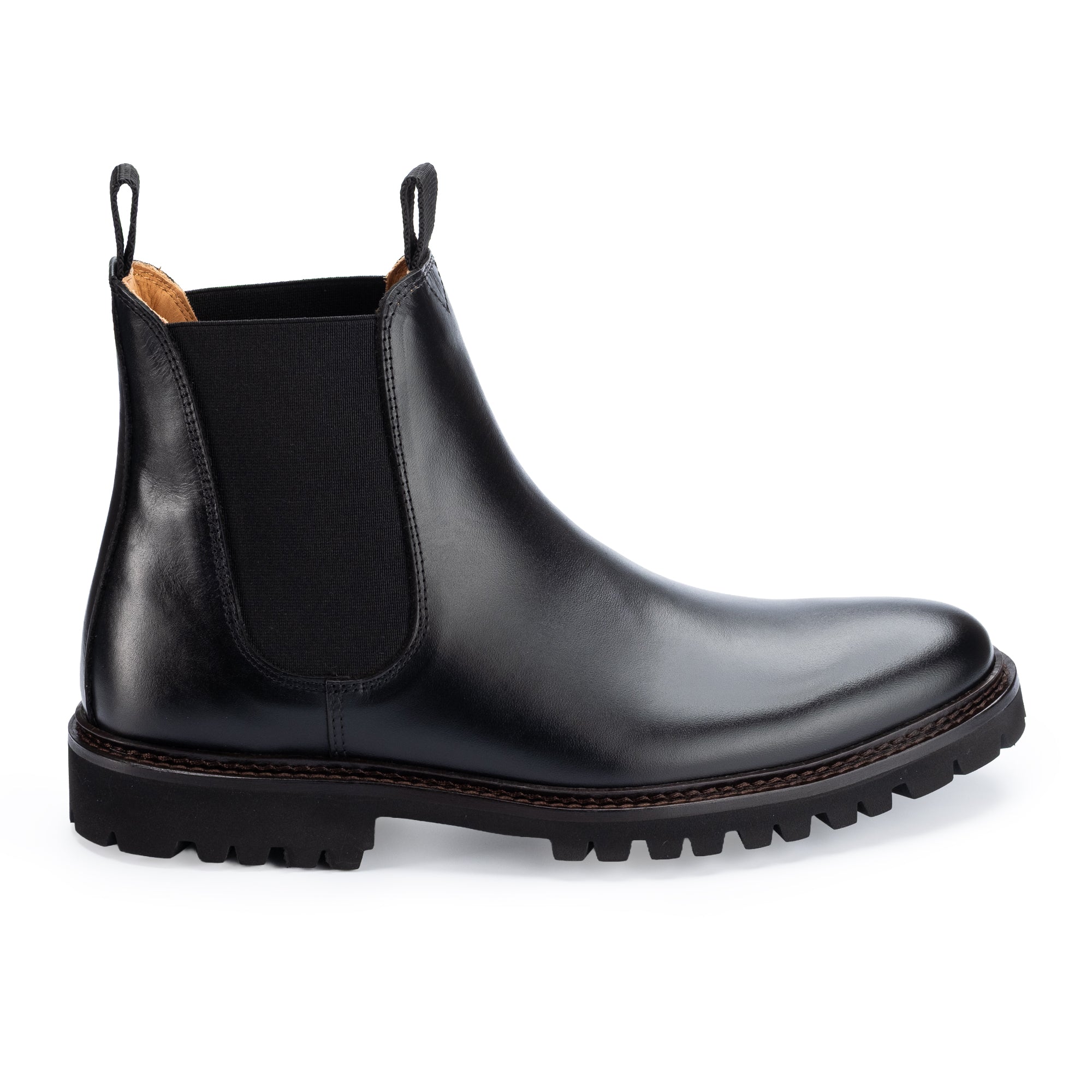
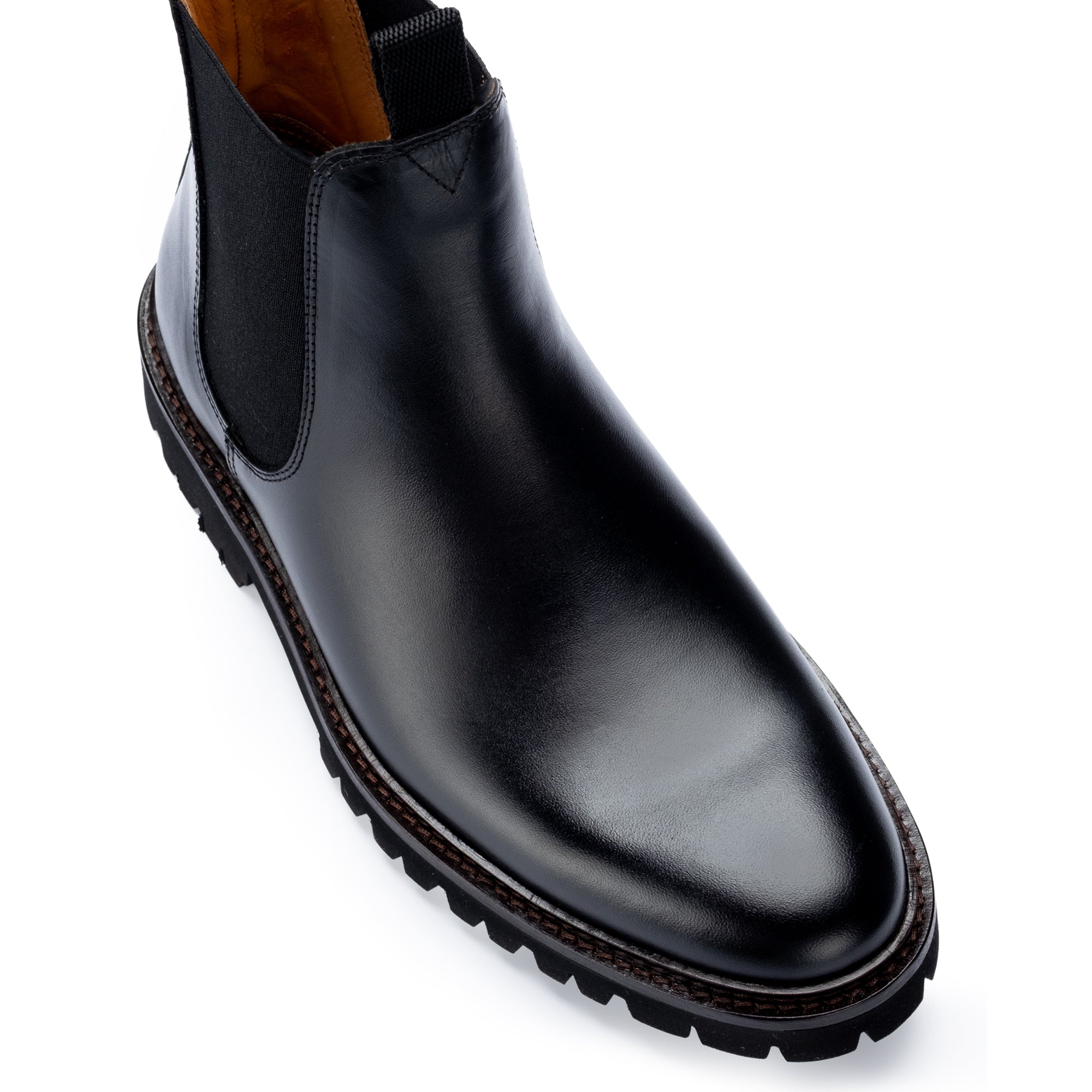
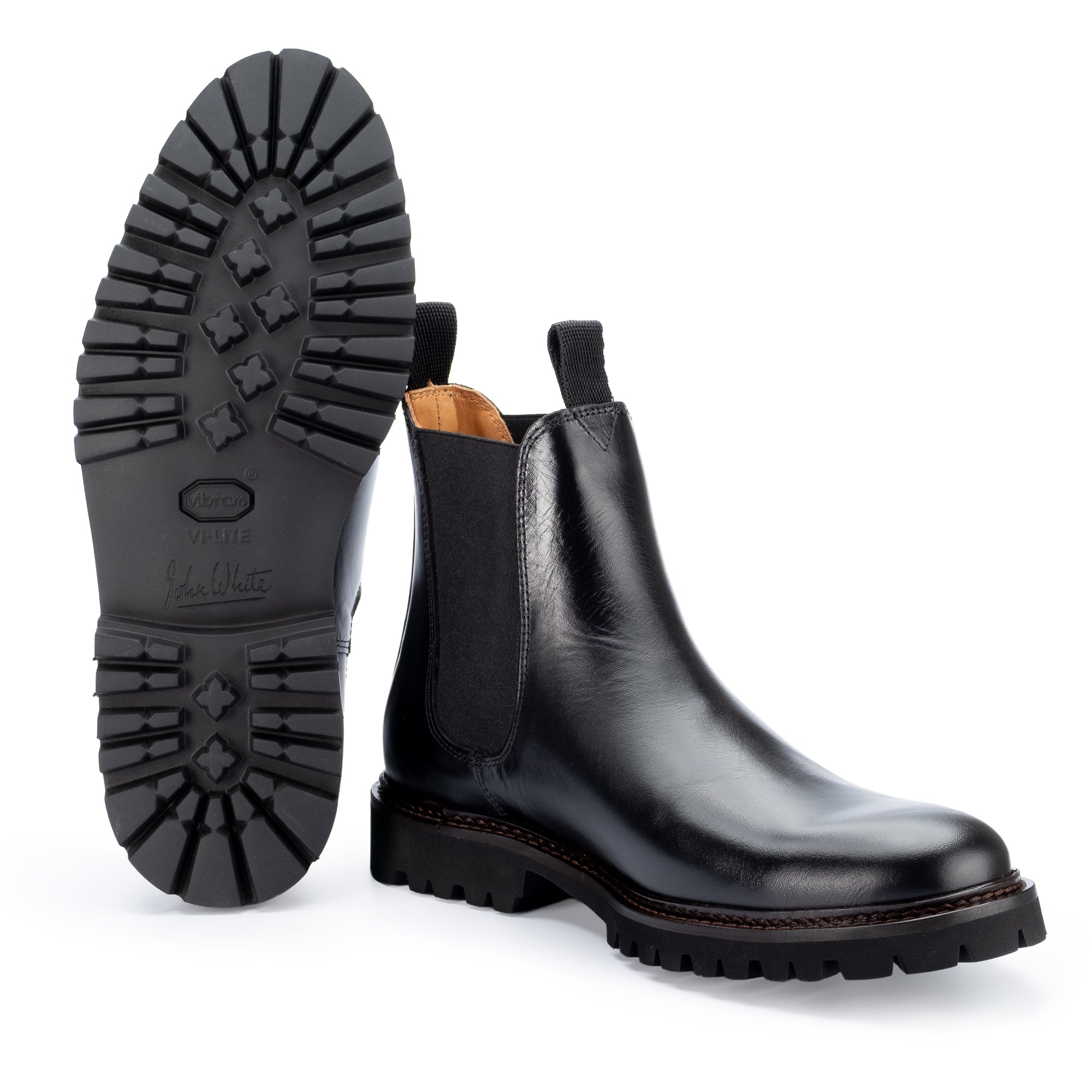
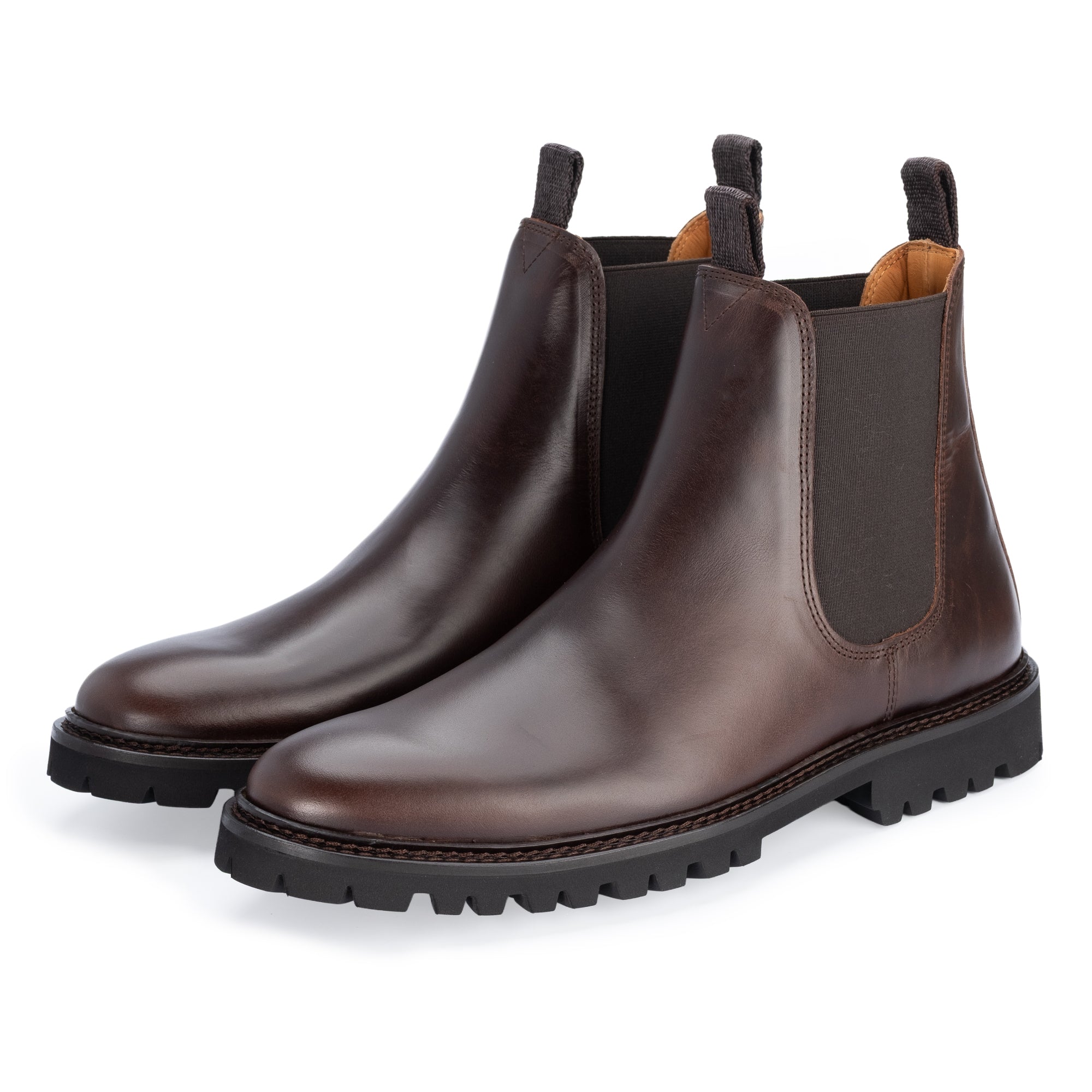
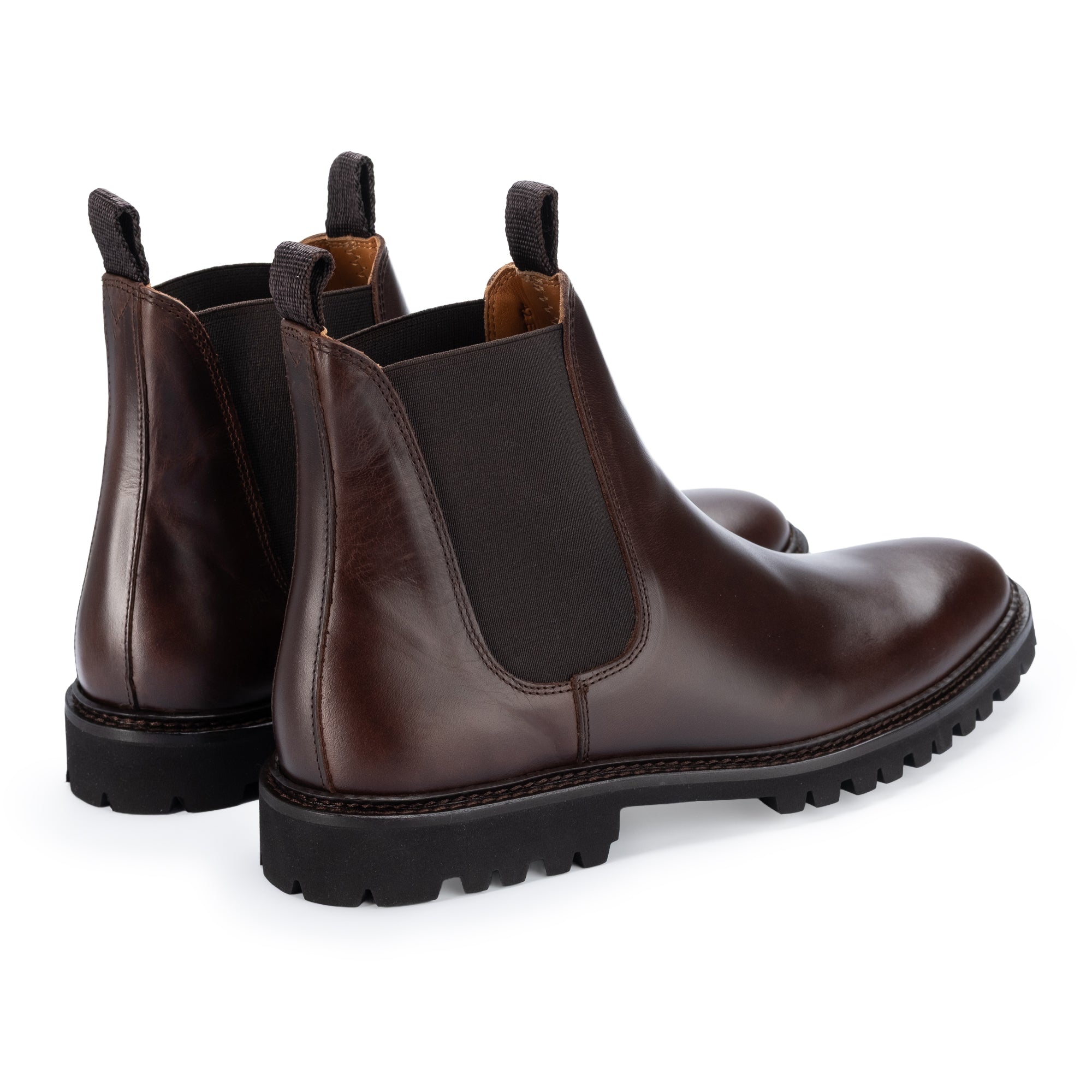
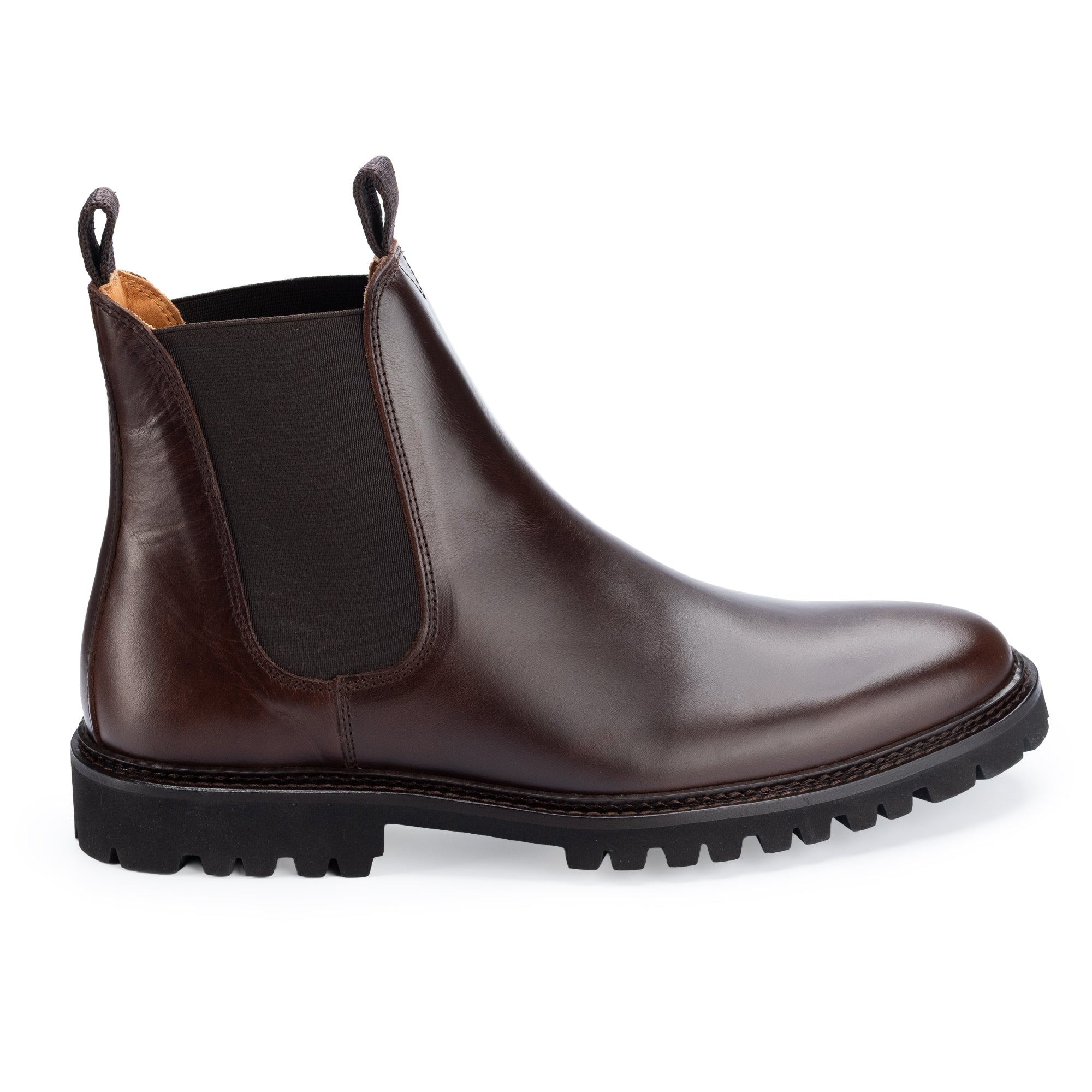
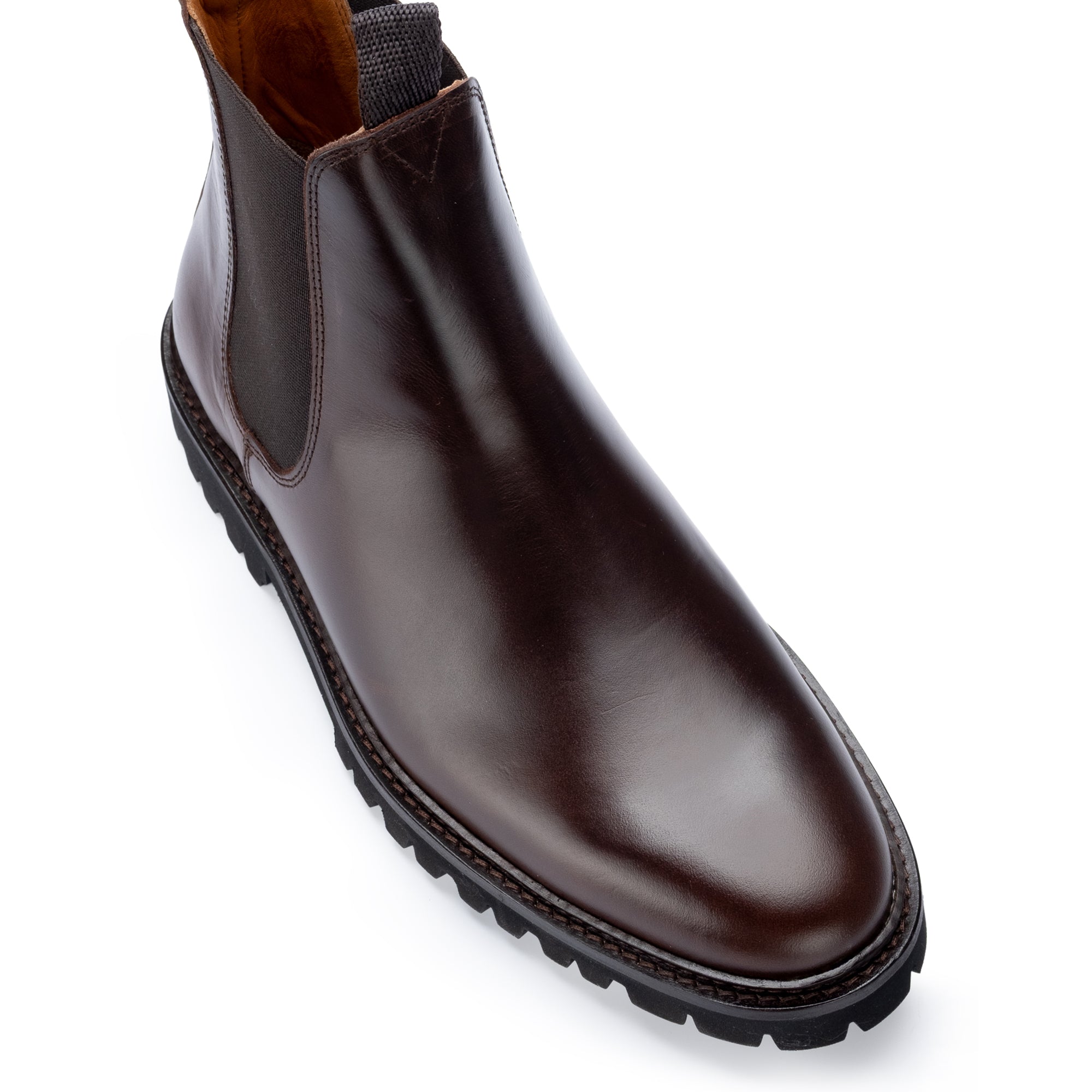
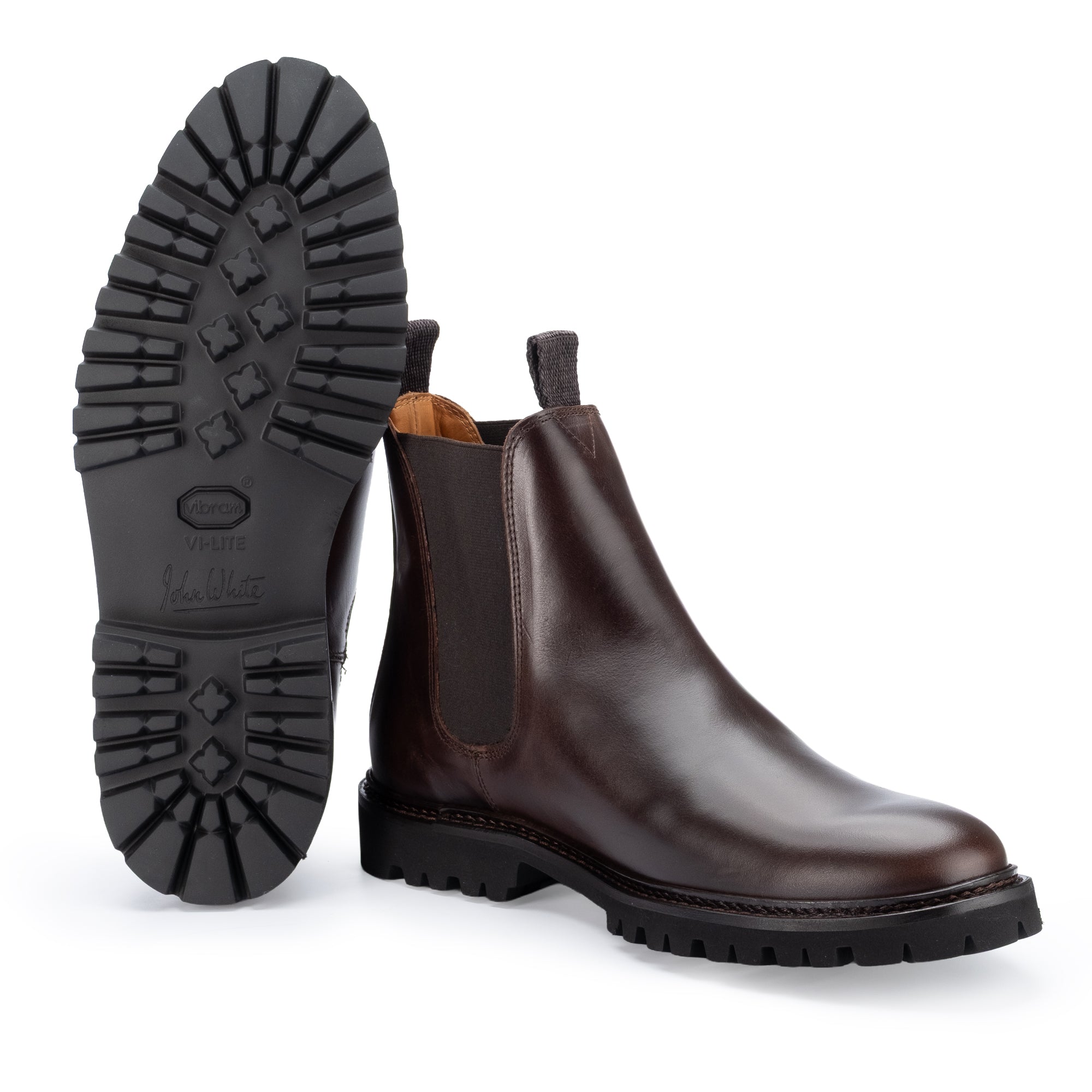
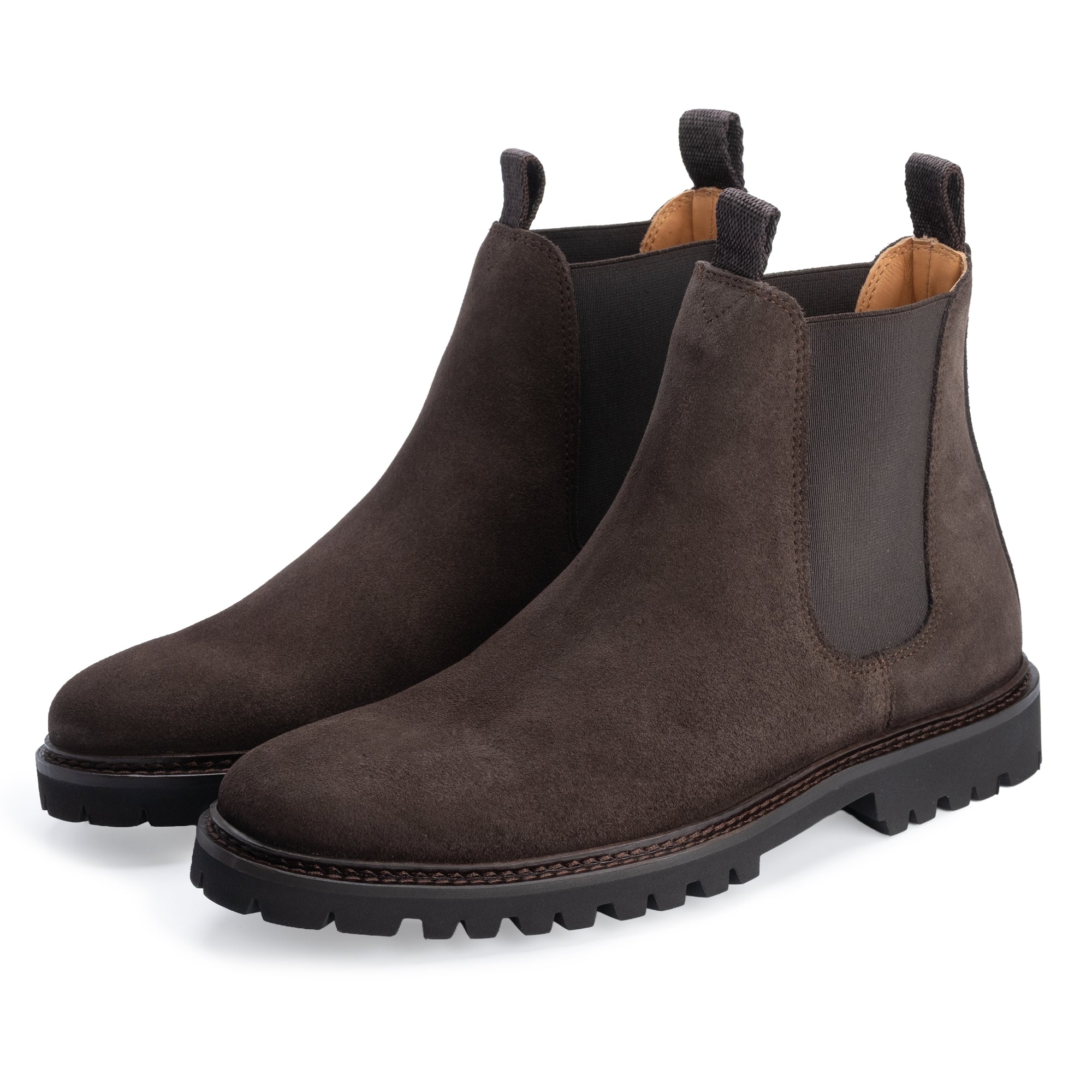
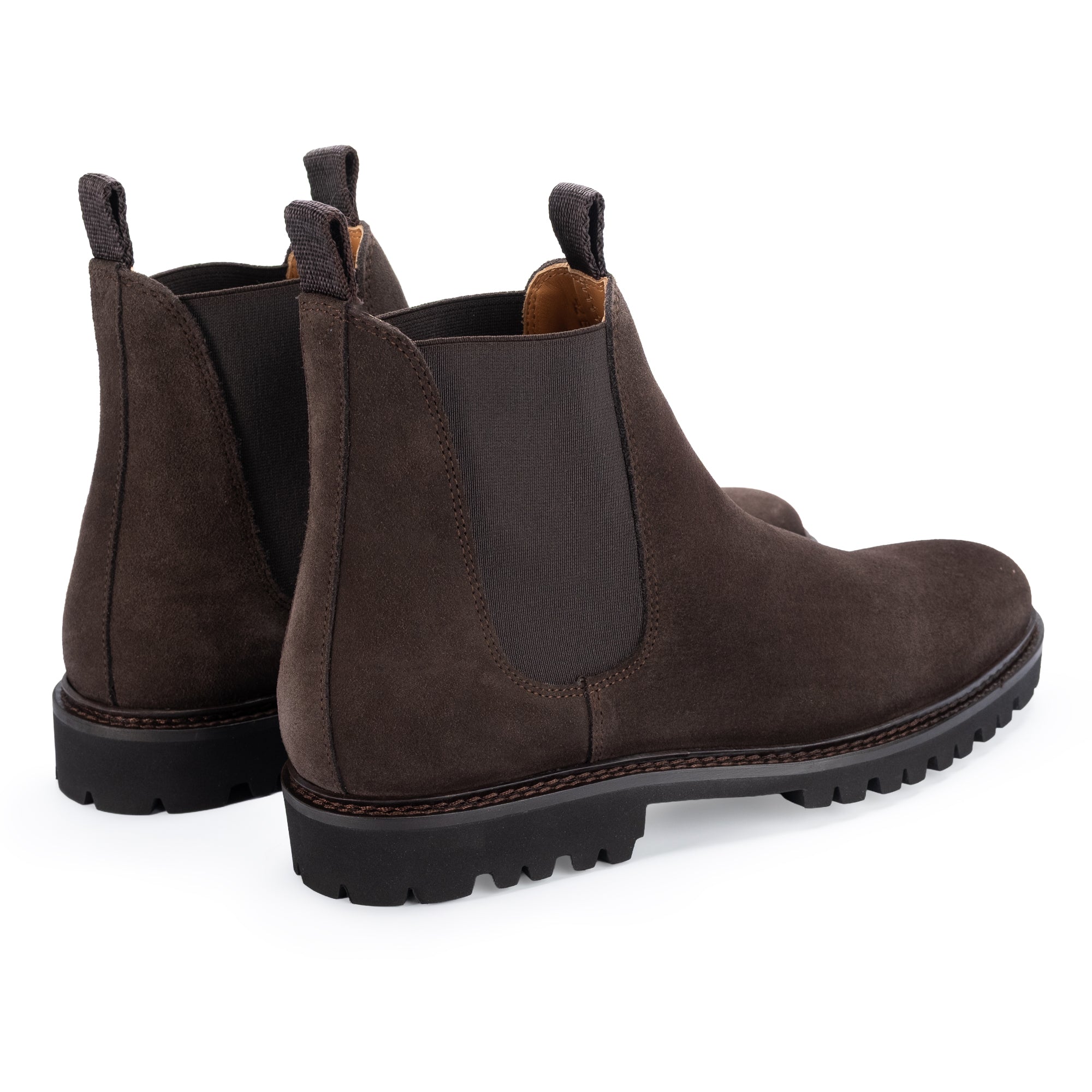
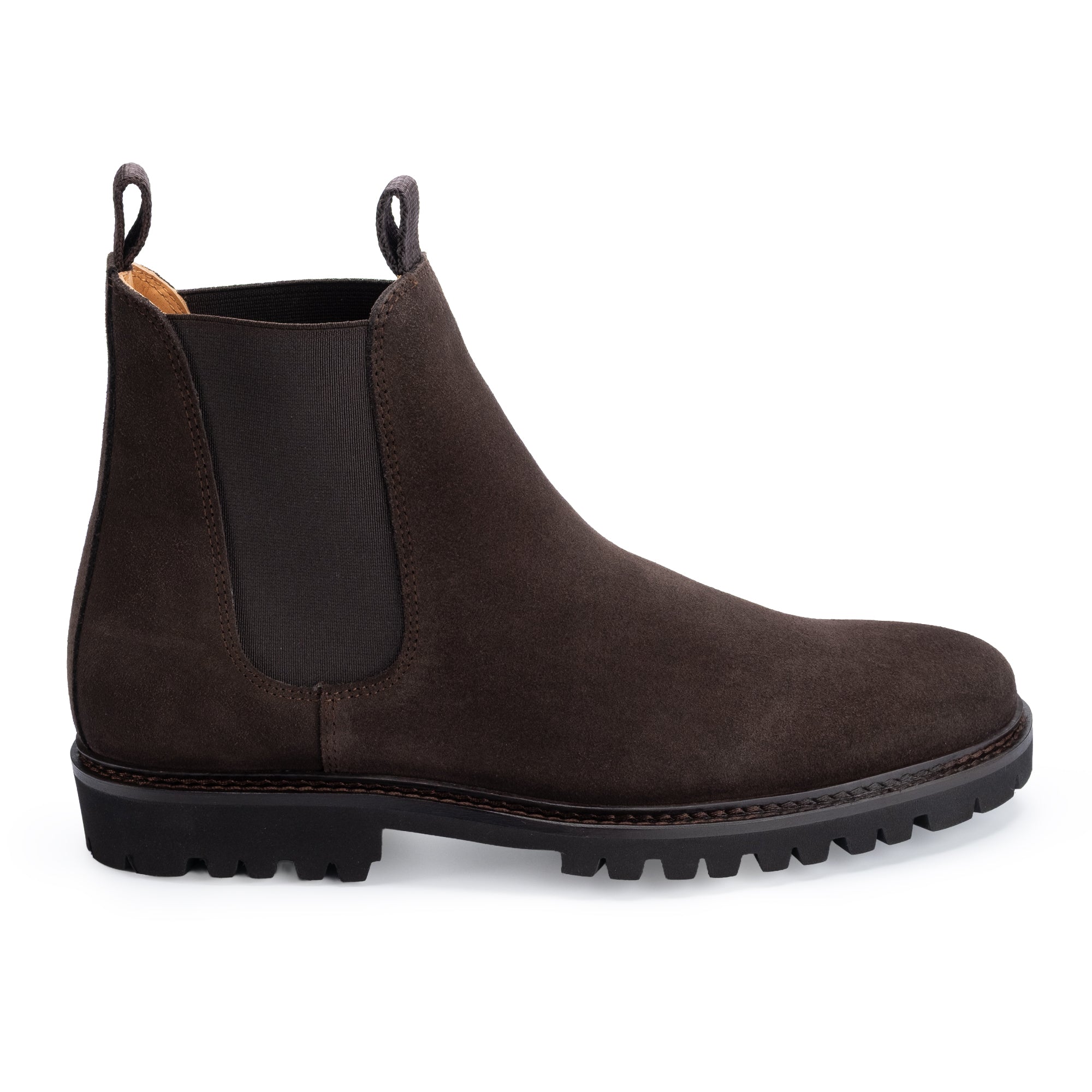
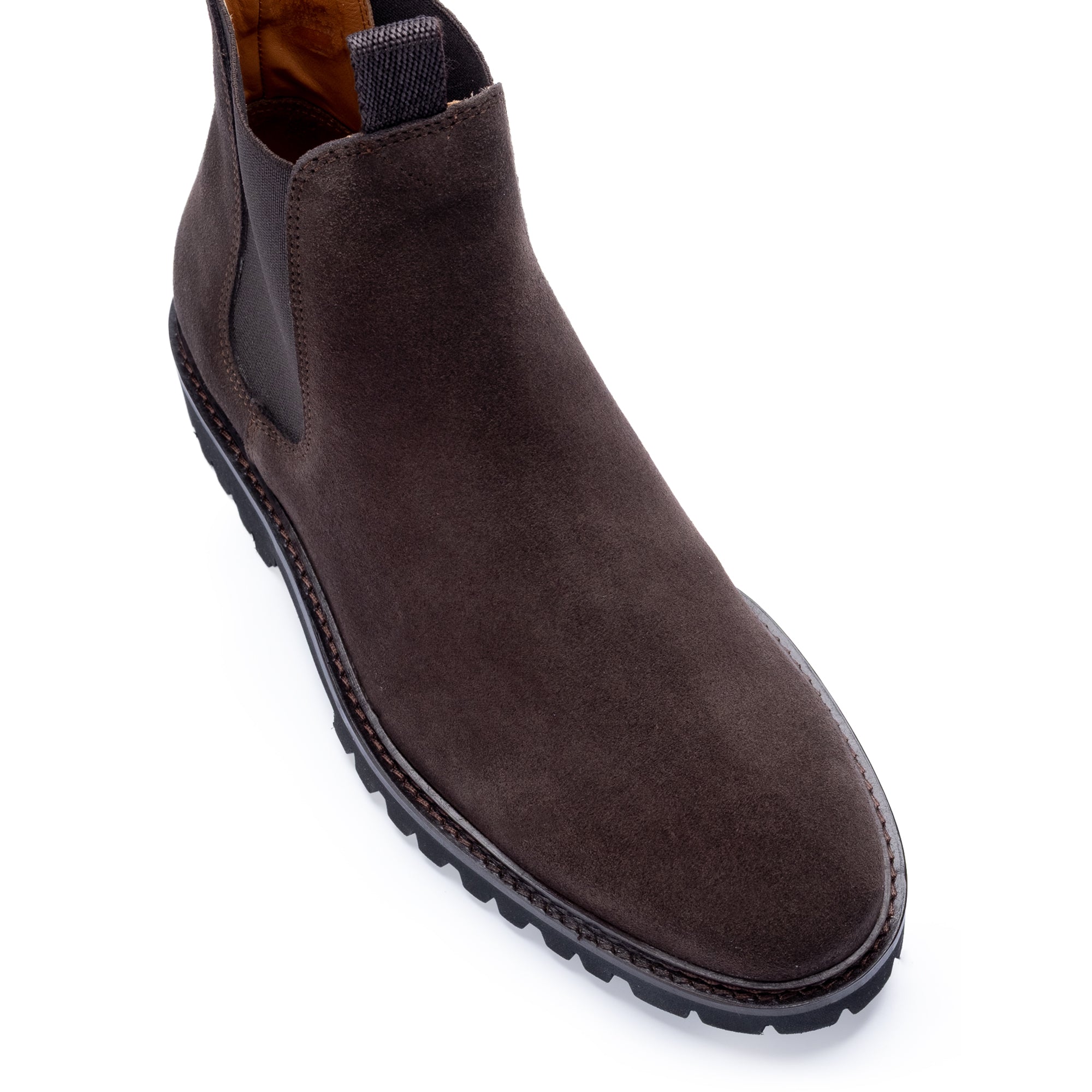
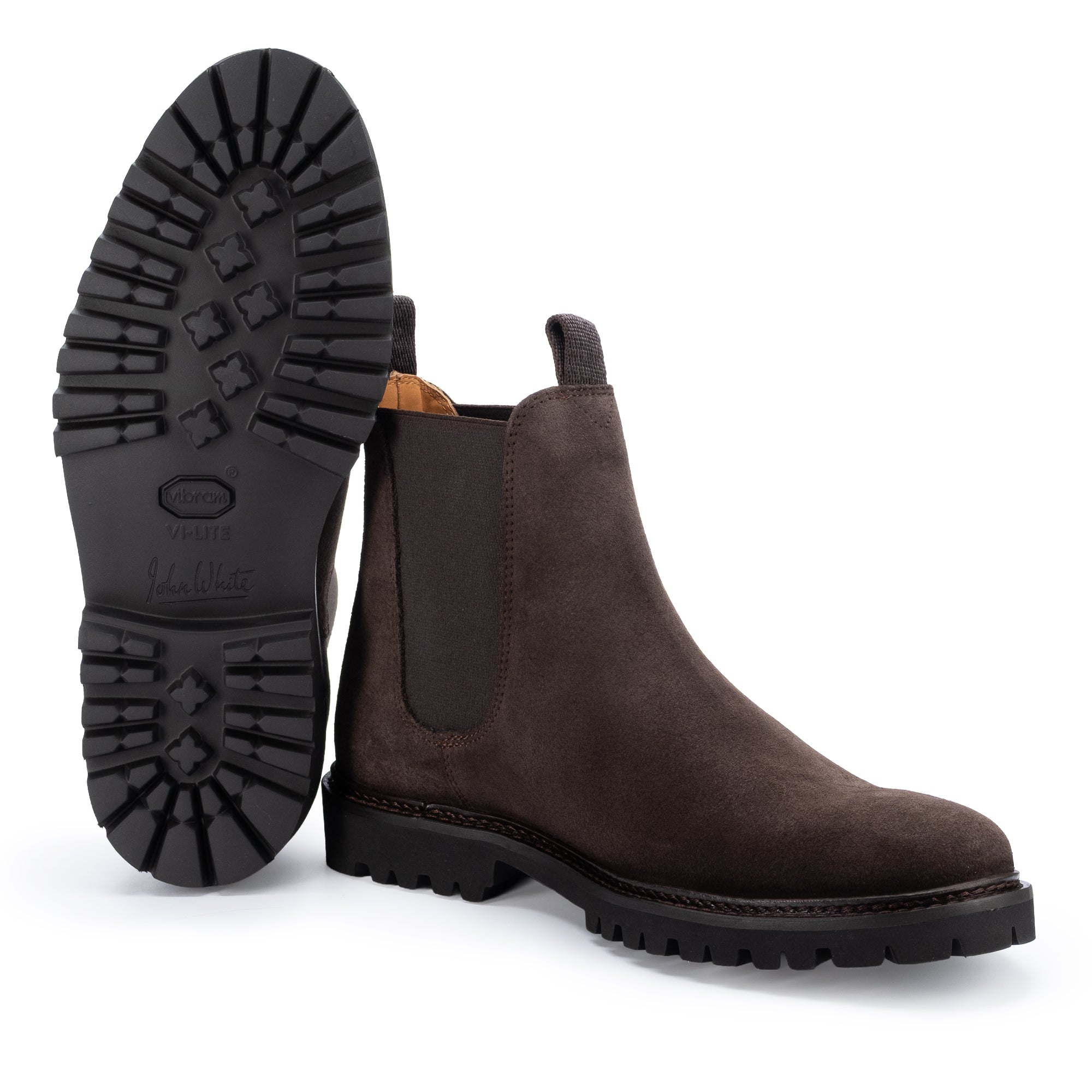
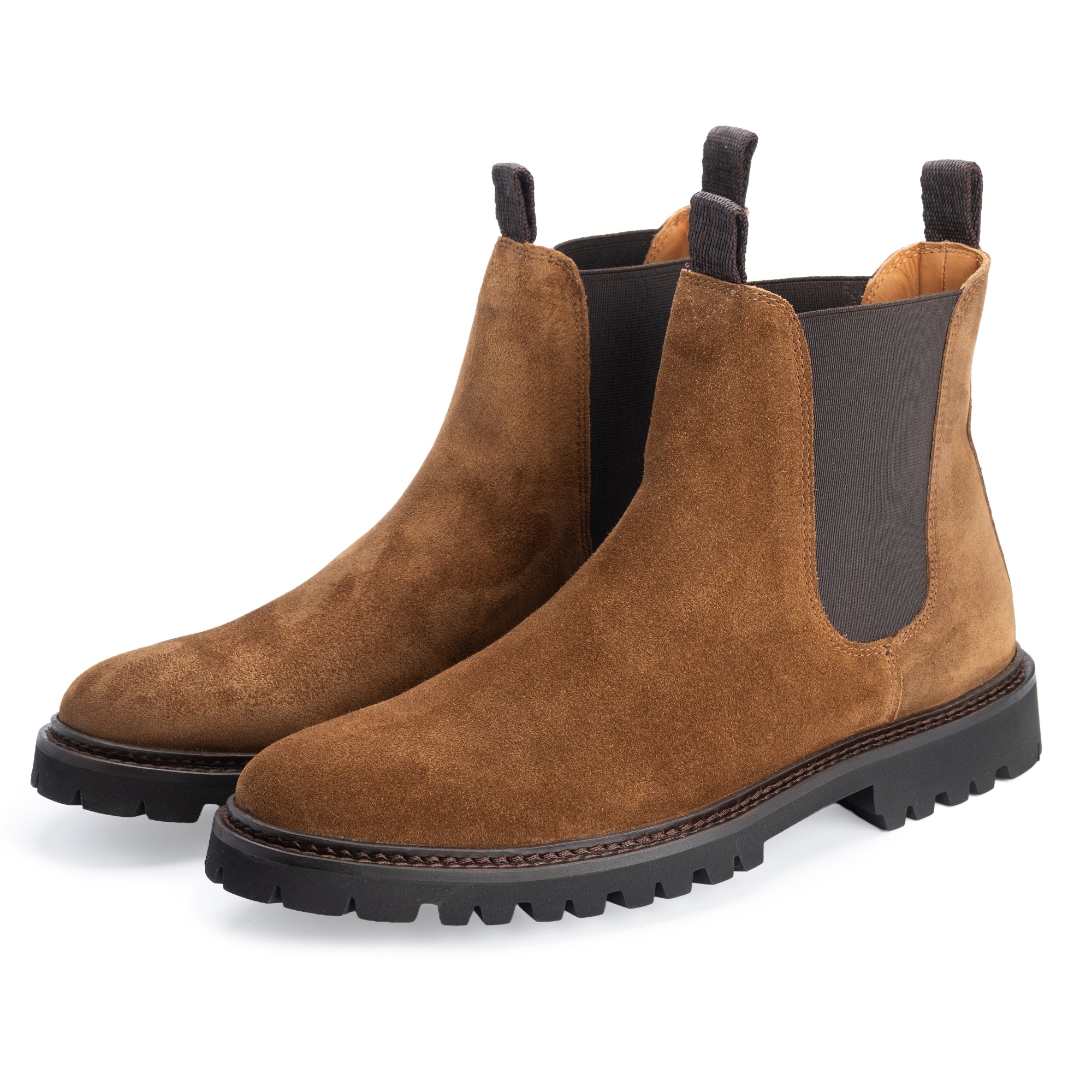
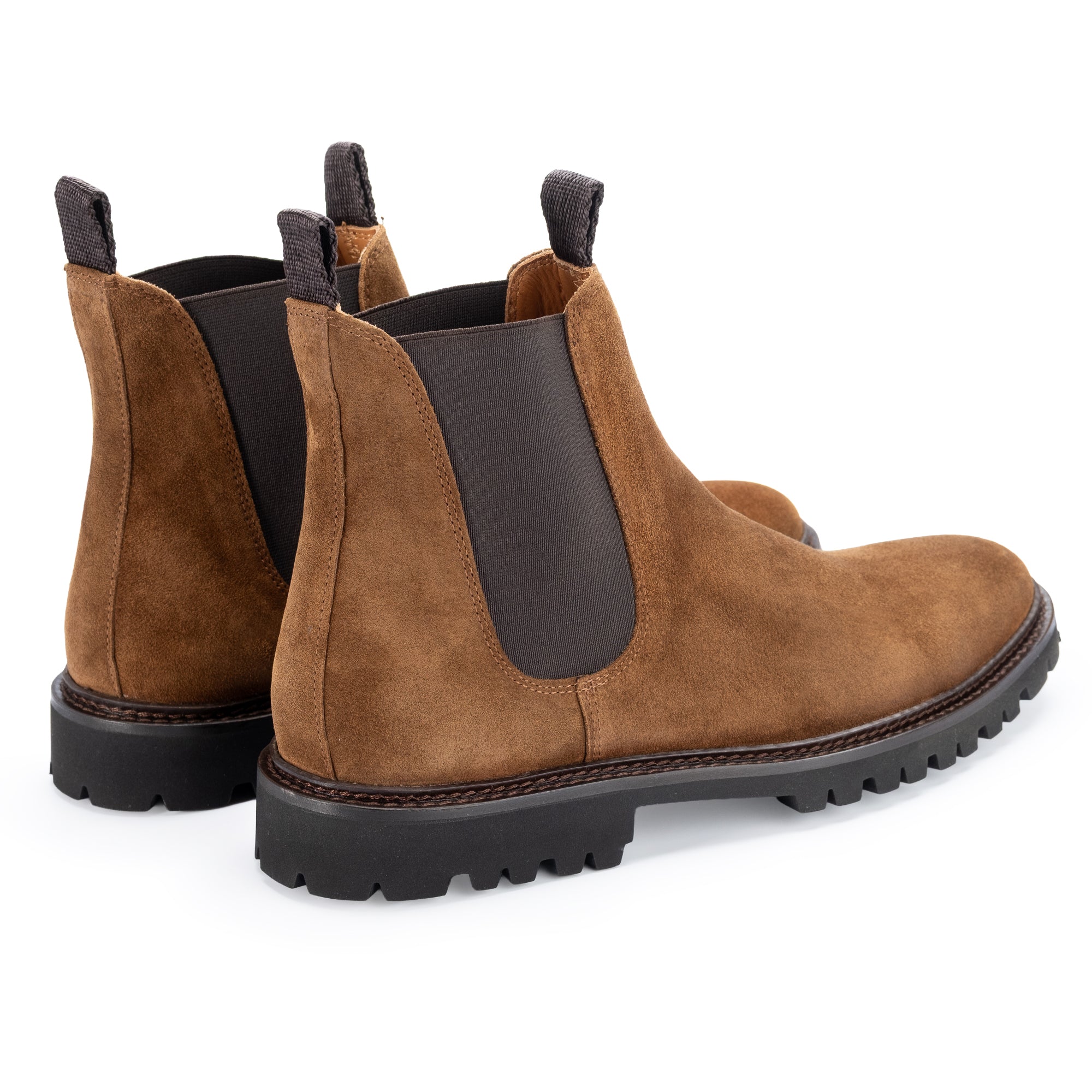
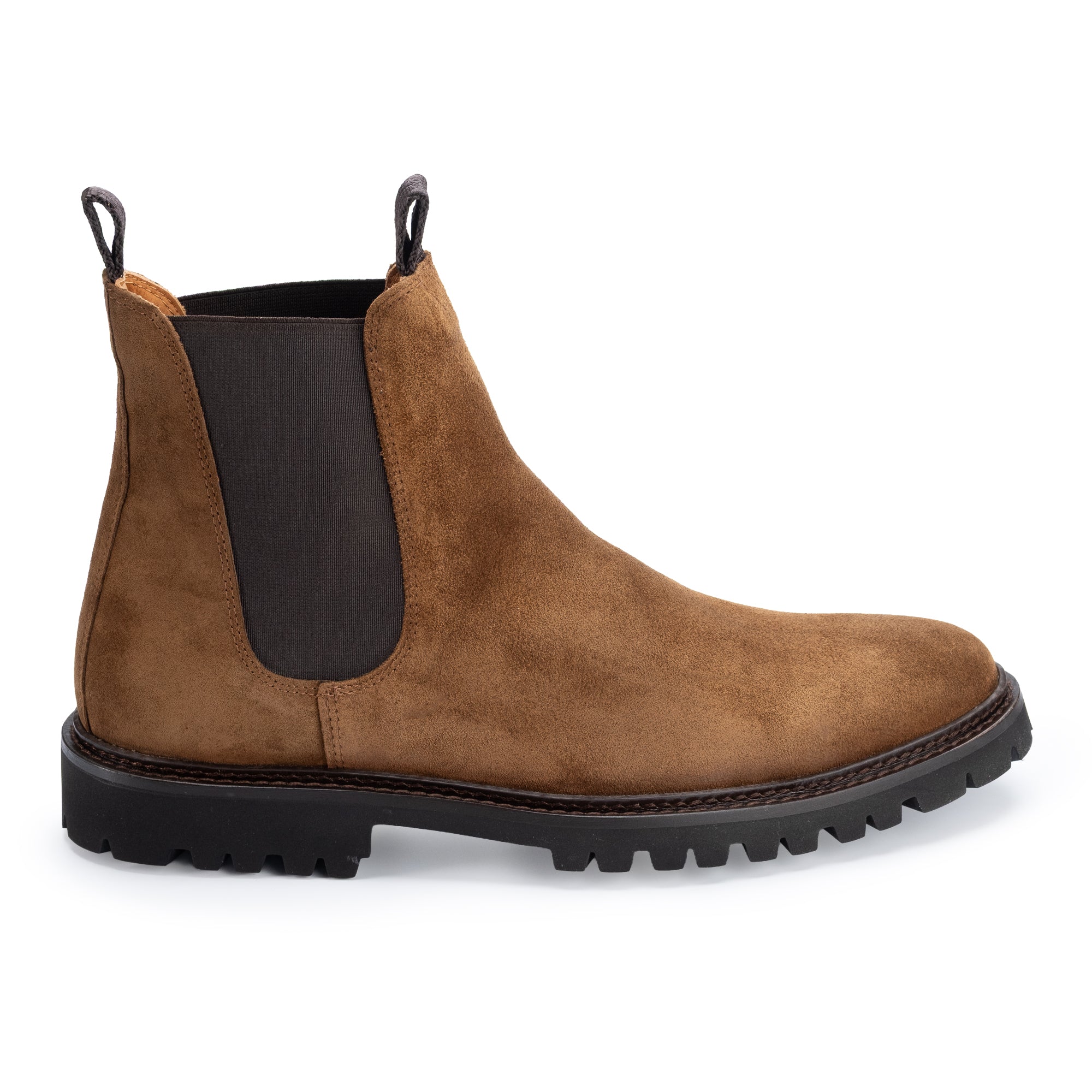
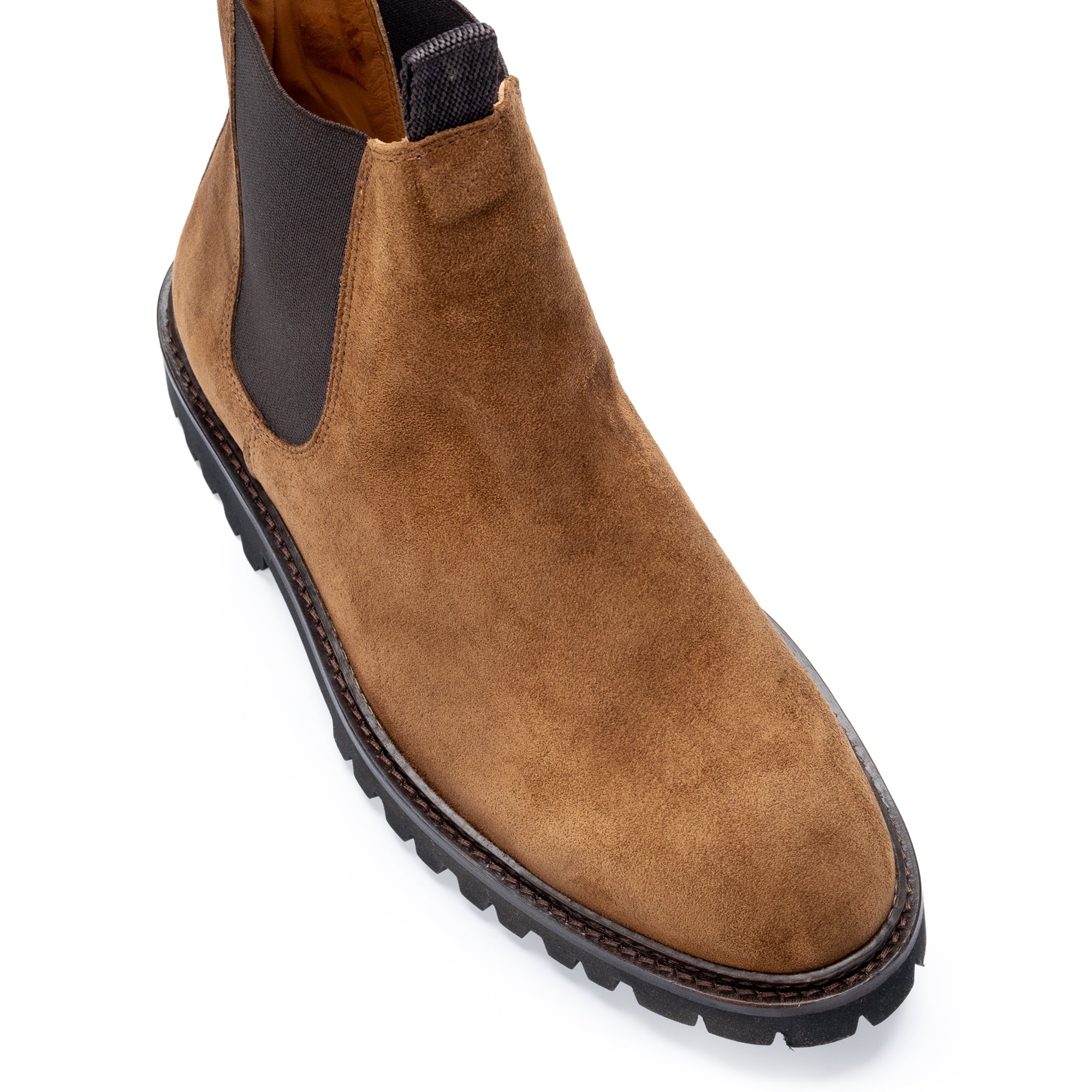
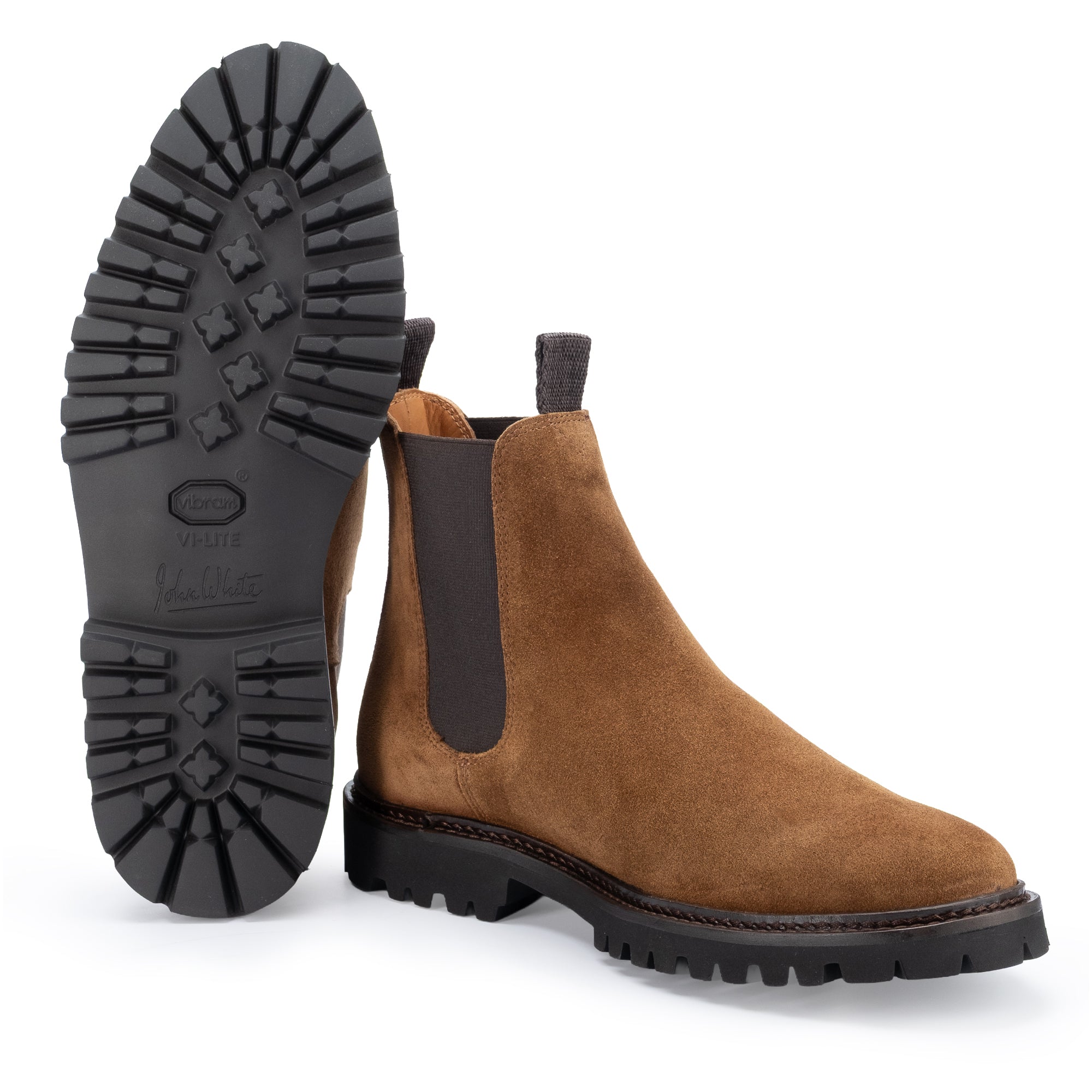
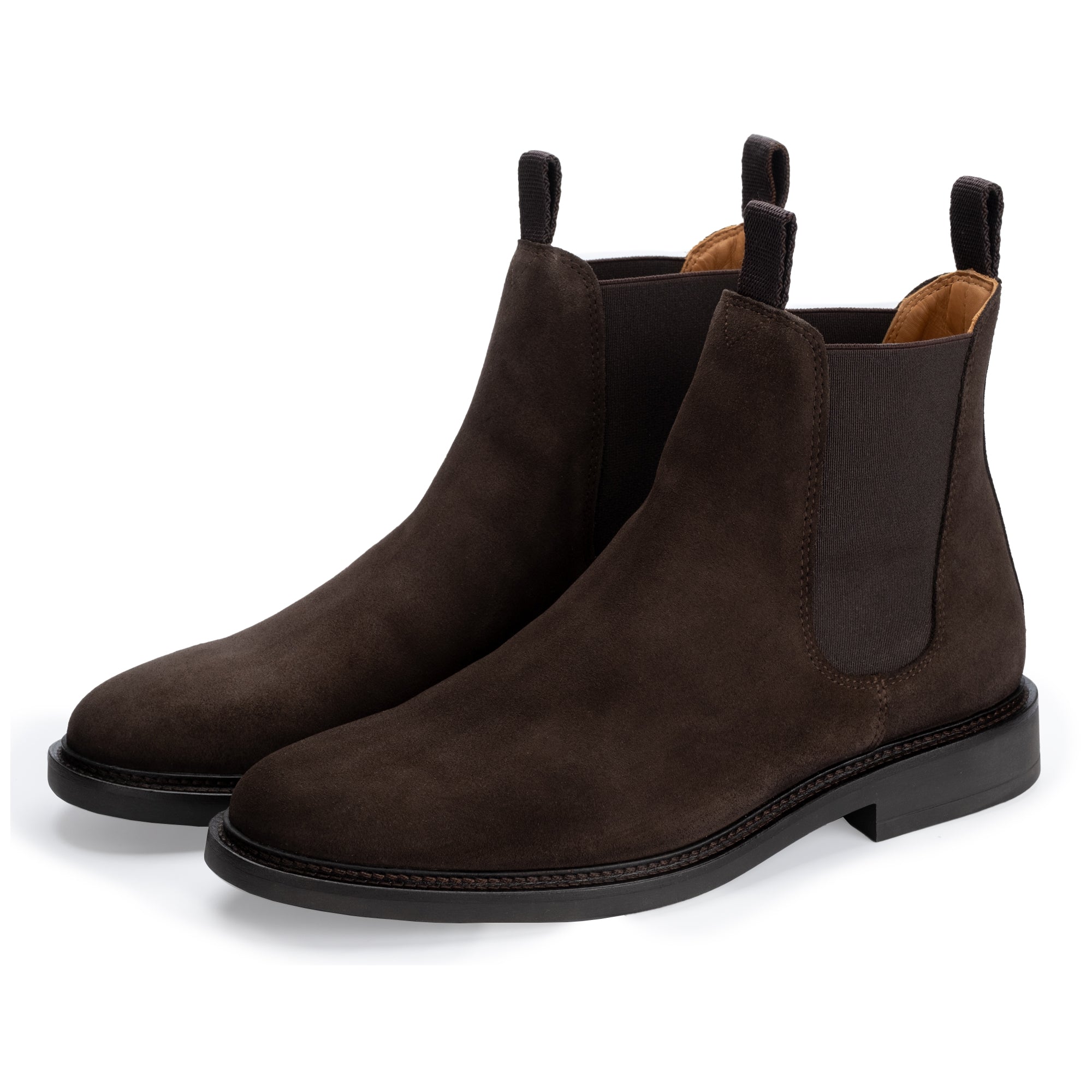
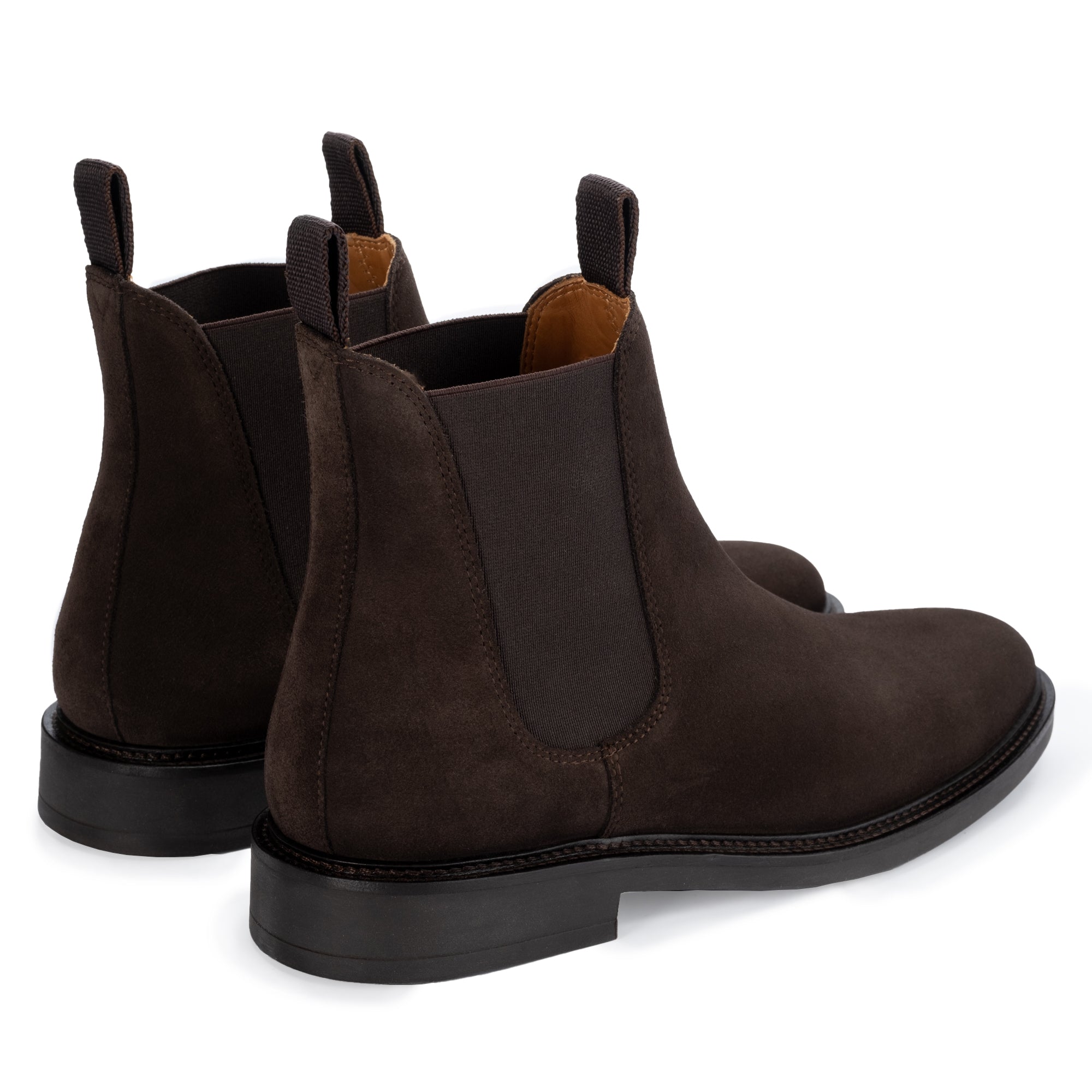
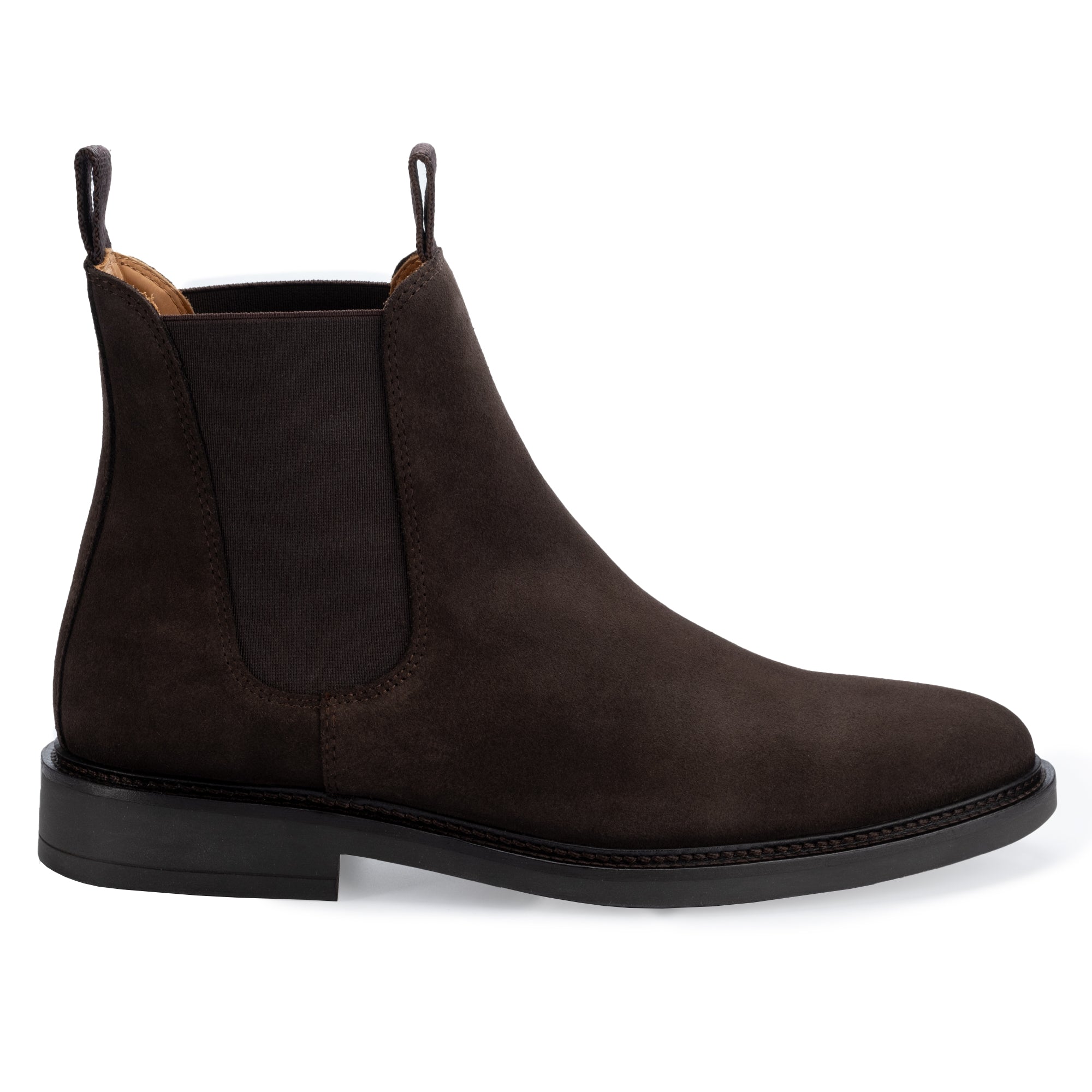
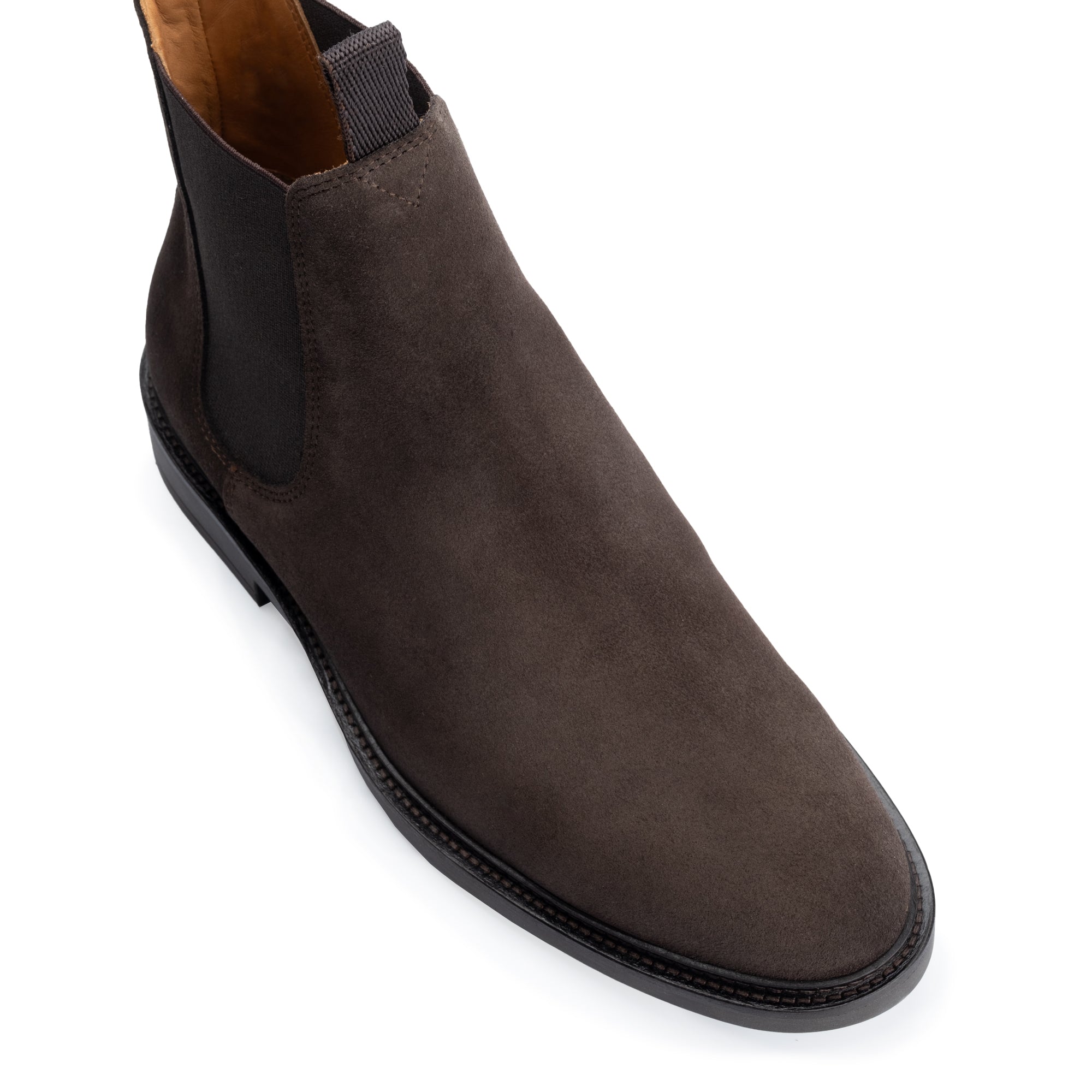
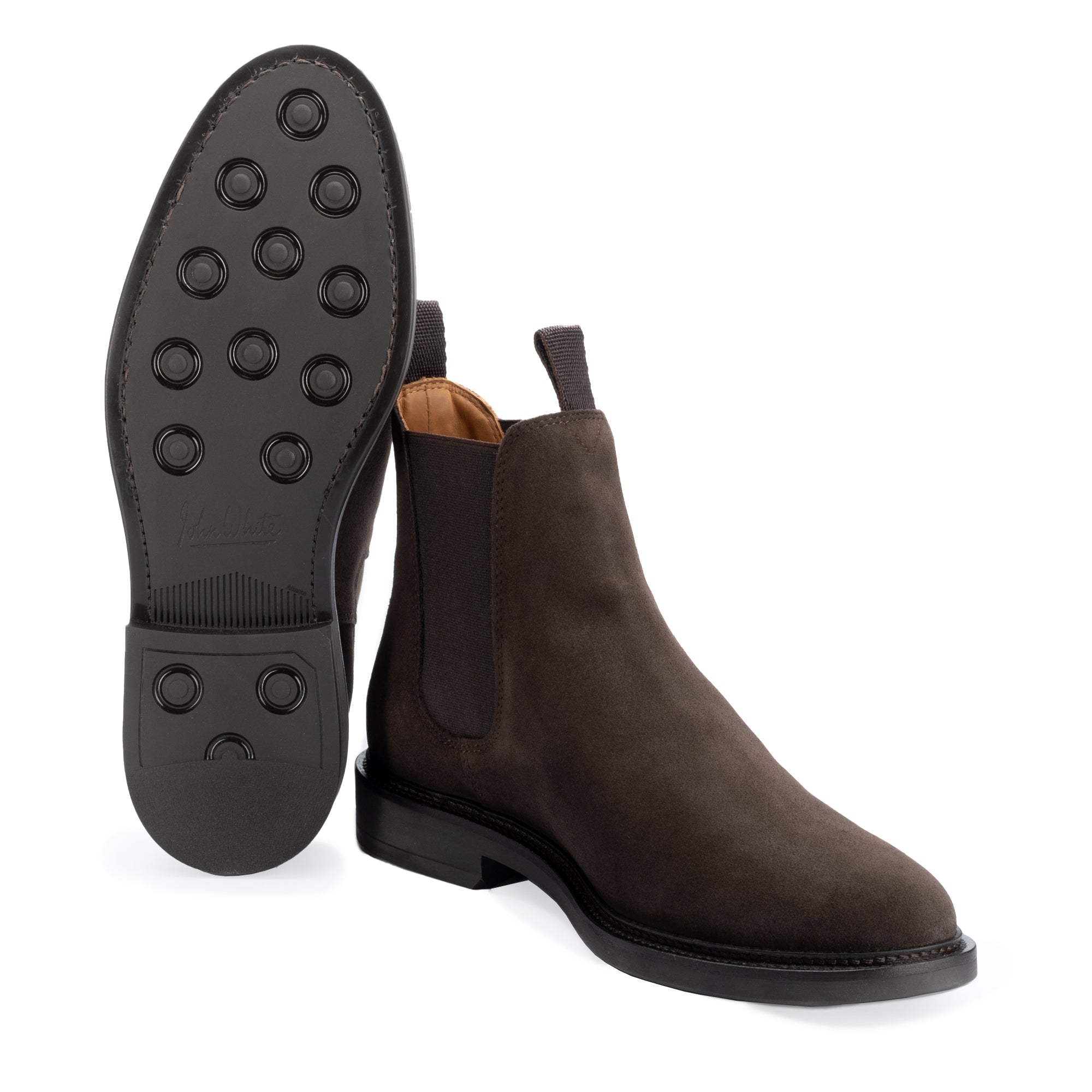
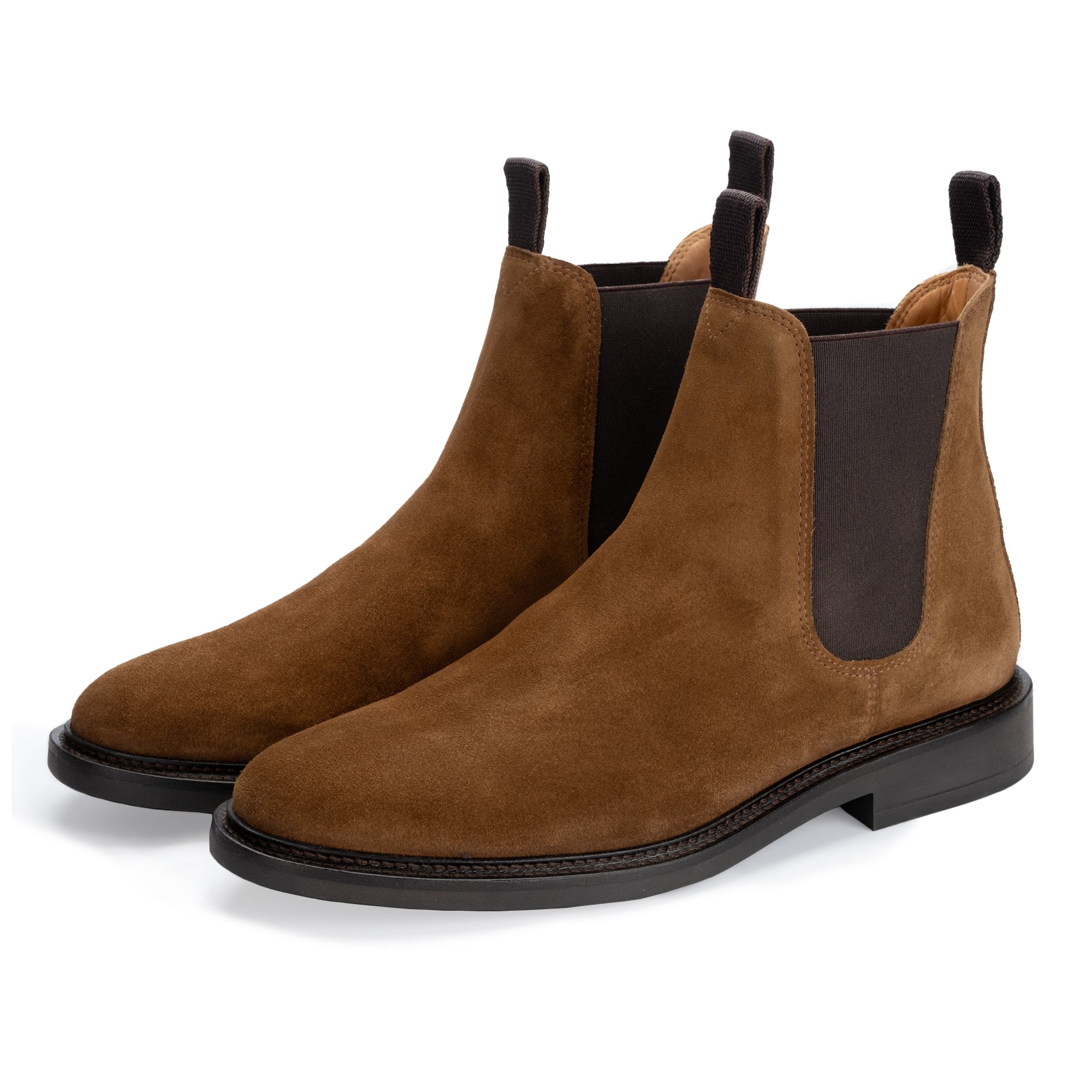
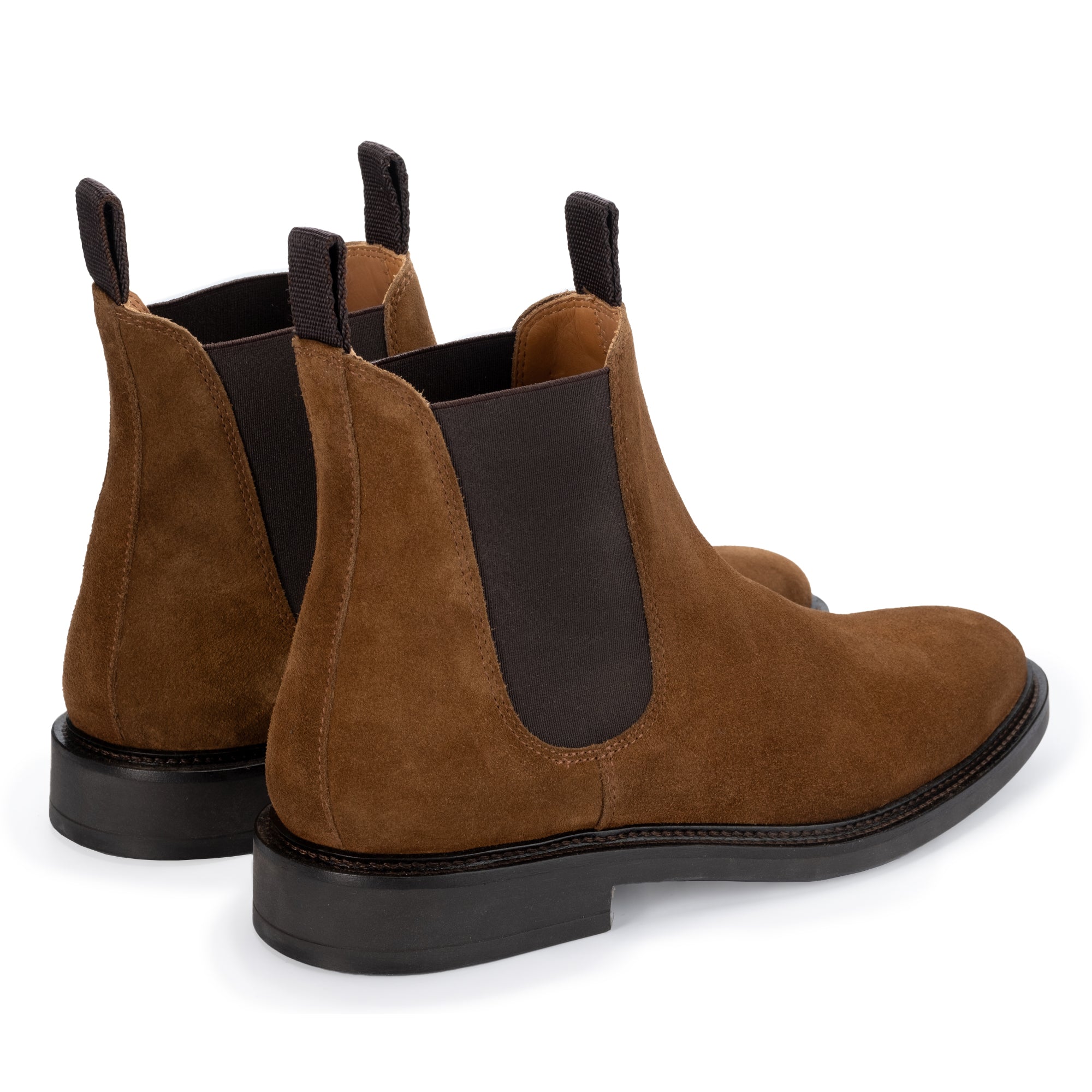
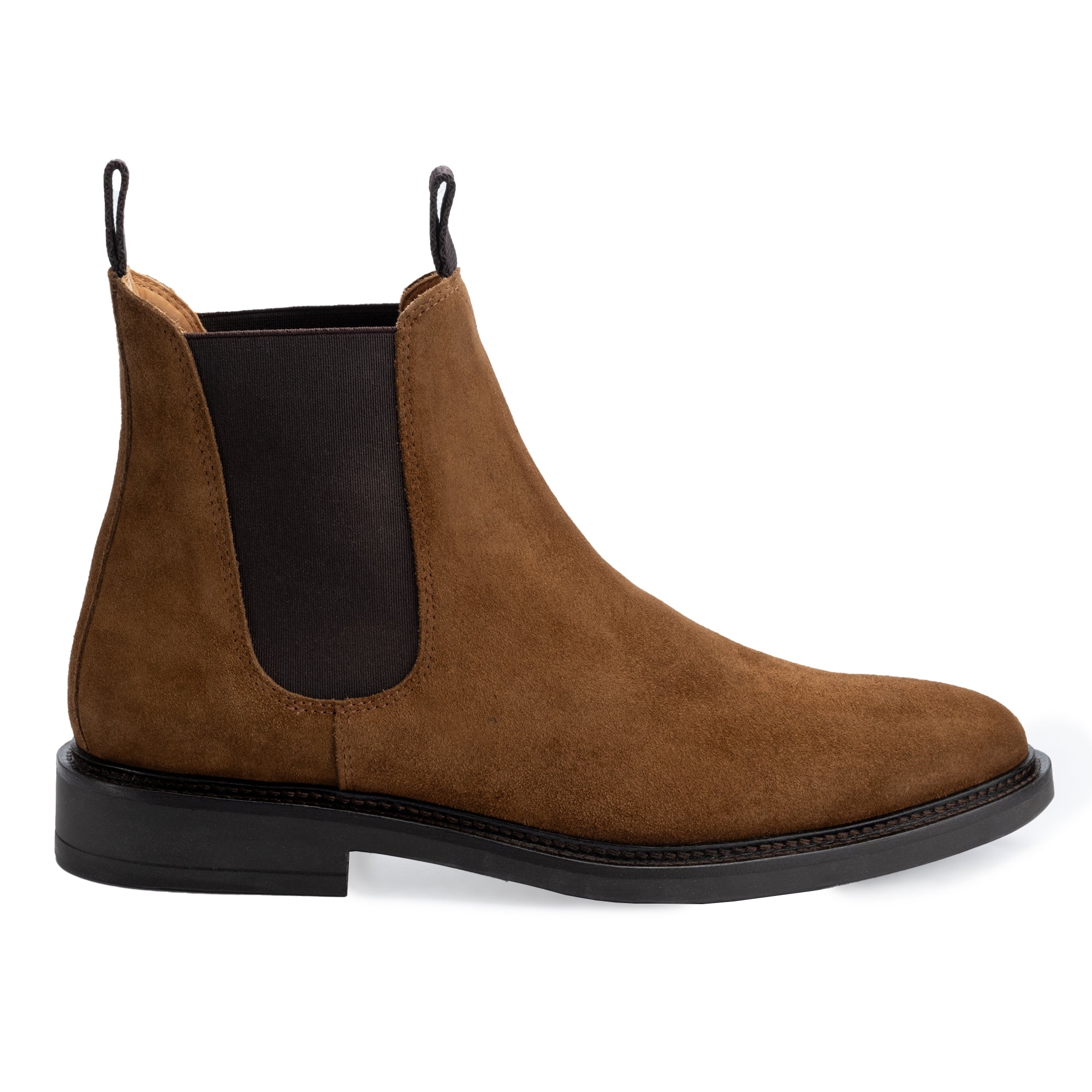
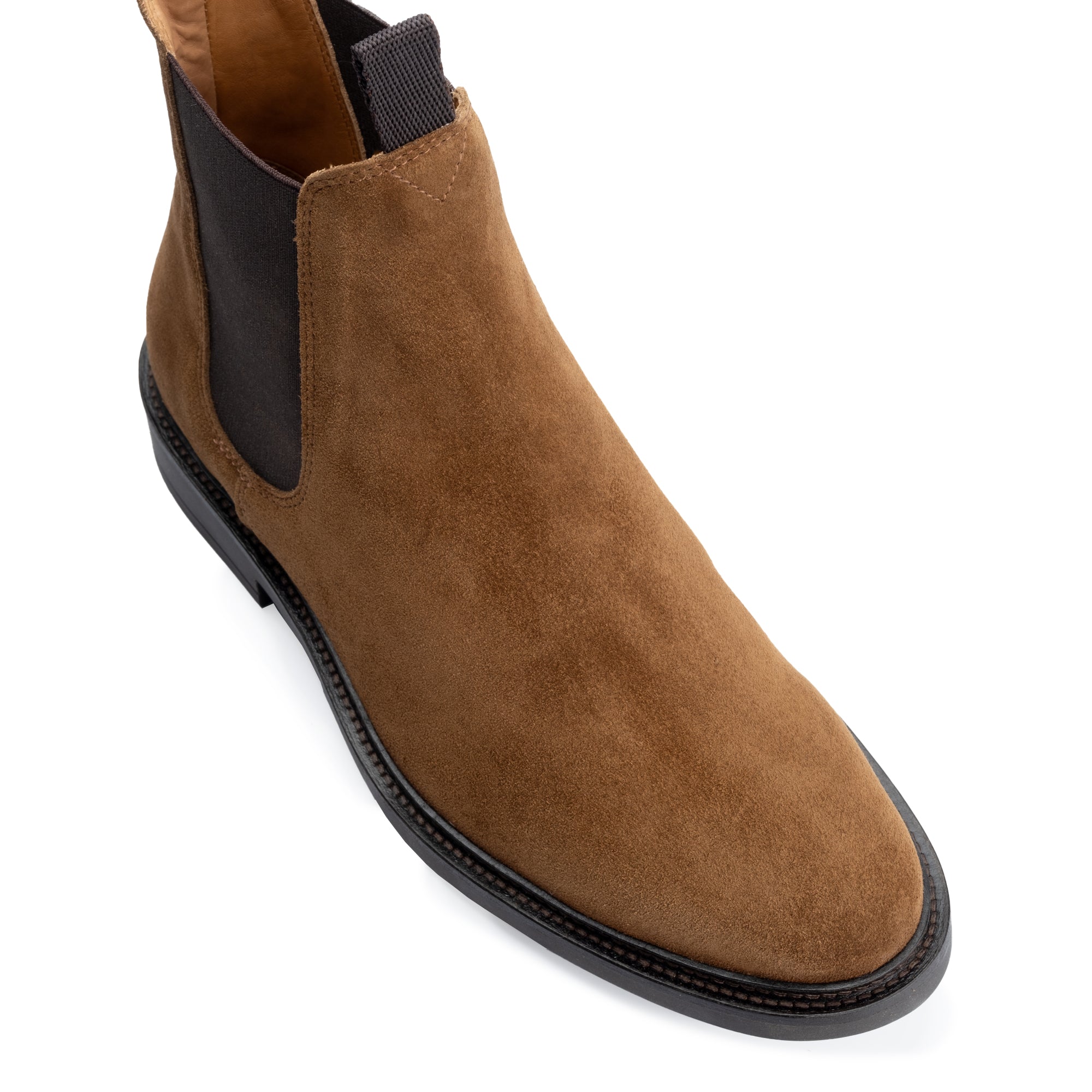
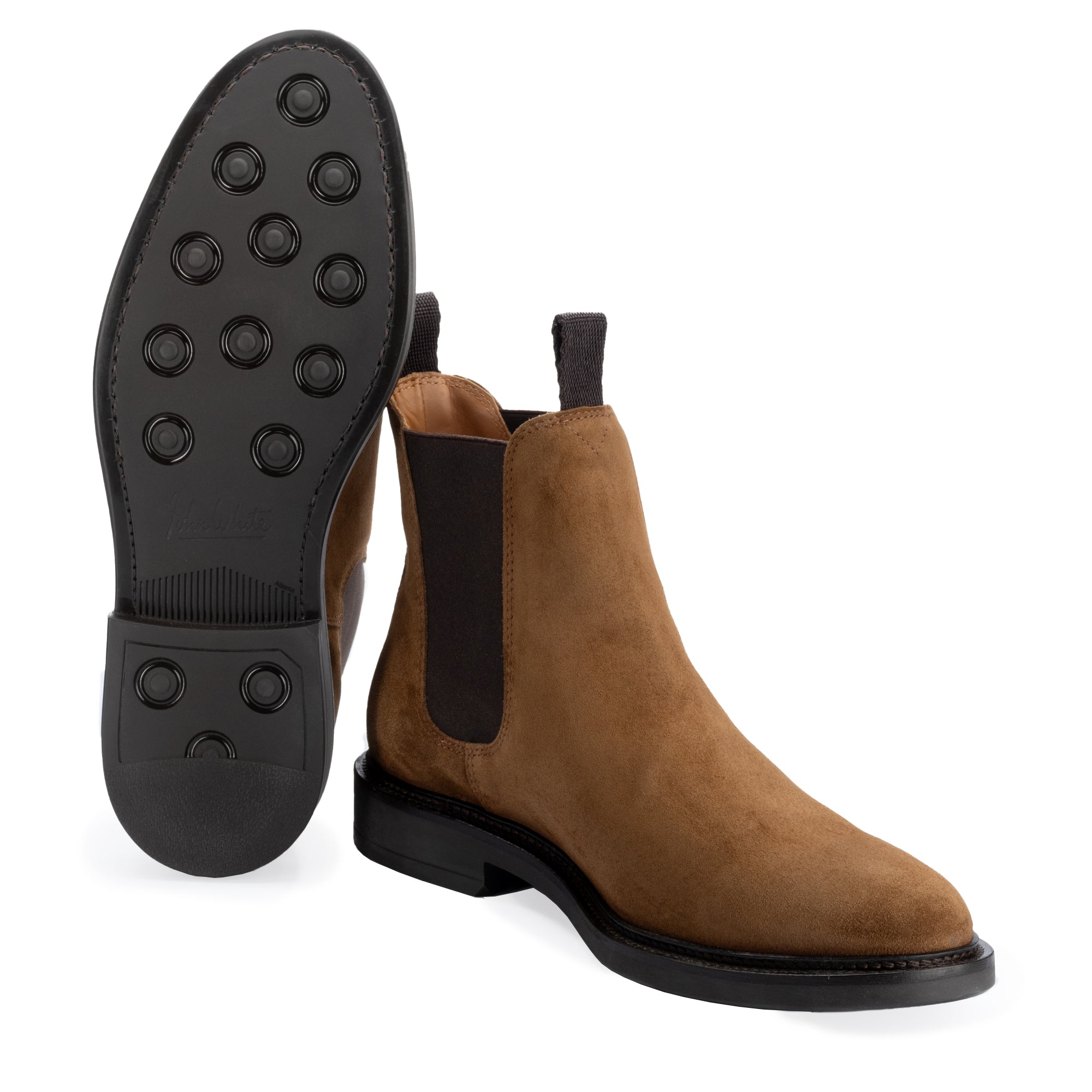
If your context tilts more toward smart-casual than formal — creative industry, a social calendar heavier on relaxed dinners than black-tie events, a wardrobe built more around jackets and chinos than suits — the Chelsea boot covers more ground for your specific occasions. The Hill Chelsea Boot in Black or Brown sits easily with slim trousers, chinos, and dark denim without reading as overdressed. It clears the bar for most semi-formal occasions and transitions between weekend and professional wear without effort.
It is not, however, the right first purchase if genuinely formal occasions are where your gap lies. A Chelsea at a black tie event is a compromise. Own a Derby or Oxford first if formality is the gap, and let the Chelsea boot be the second pair rather than the first.
The Two-Shoe Starting Point
The practical answer for most men is not sneaker or smart shoe — it is sneaker and one smart shoe, with a second pair to follow once you understand the wardrobe better. The leather sneaker handles daytime, casual, creative, and off-duty occasions. A Derby handles formal, business, and most of the smart-casual register. Between the two, you have honest coverage of the majority of occasions in an active professional life.
This approach avoids the common mistake of buying broadly and ending up with five pairs, none quite right. Start narrow. Buy deliberately. Understand what each pair is for before adding the next.
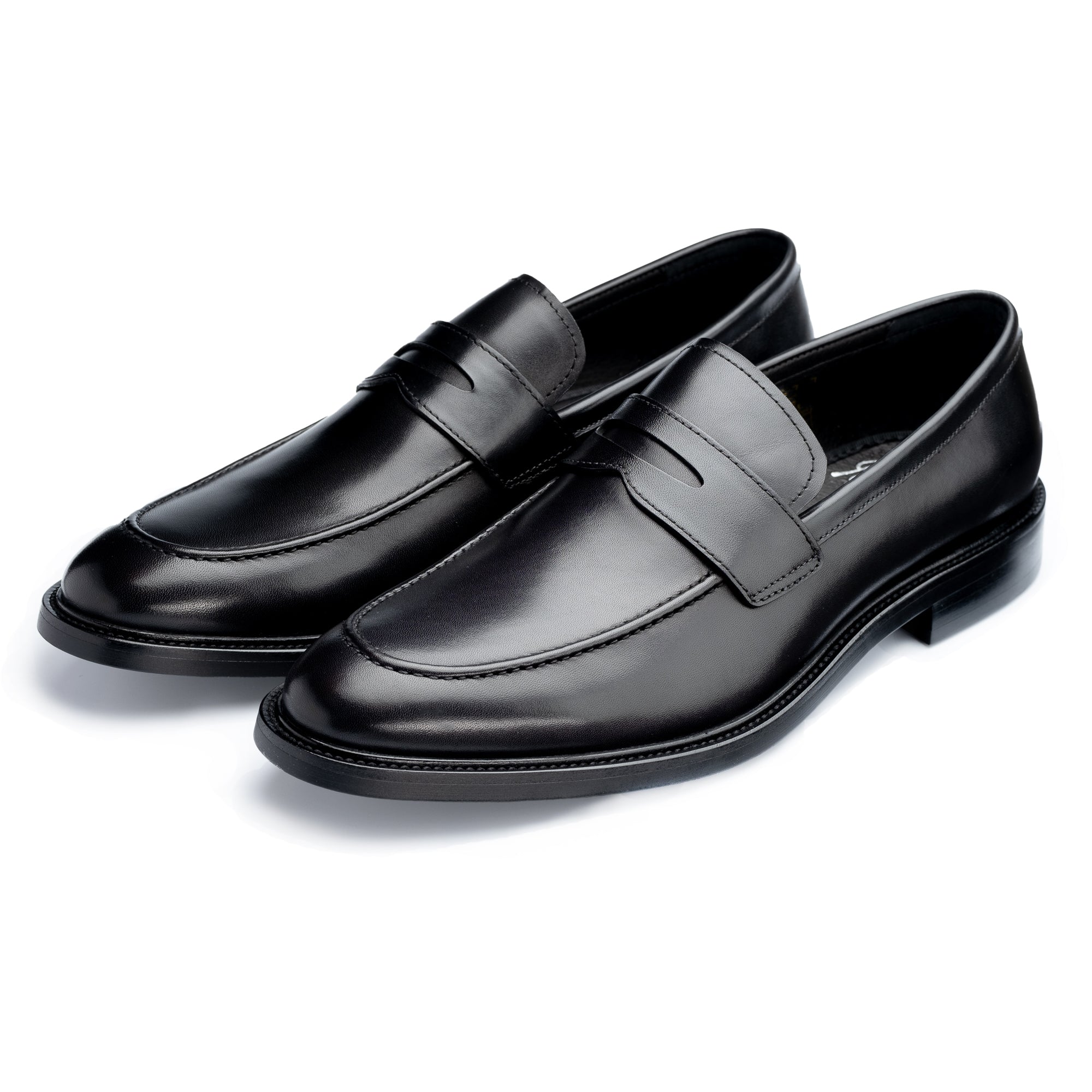
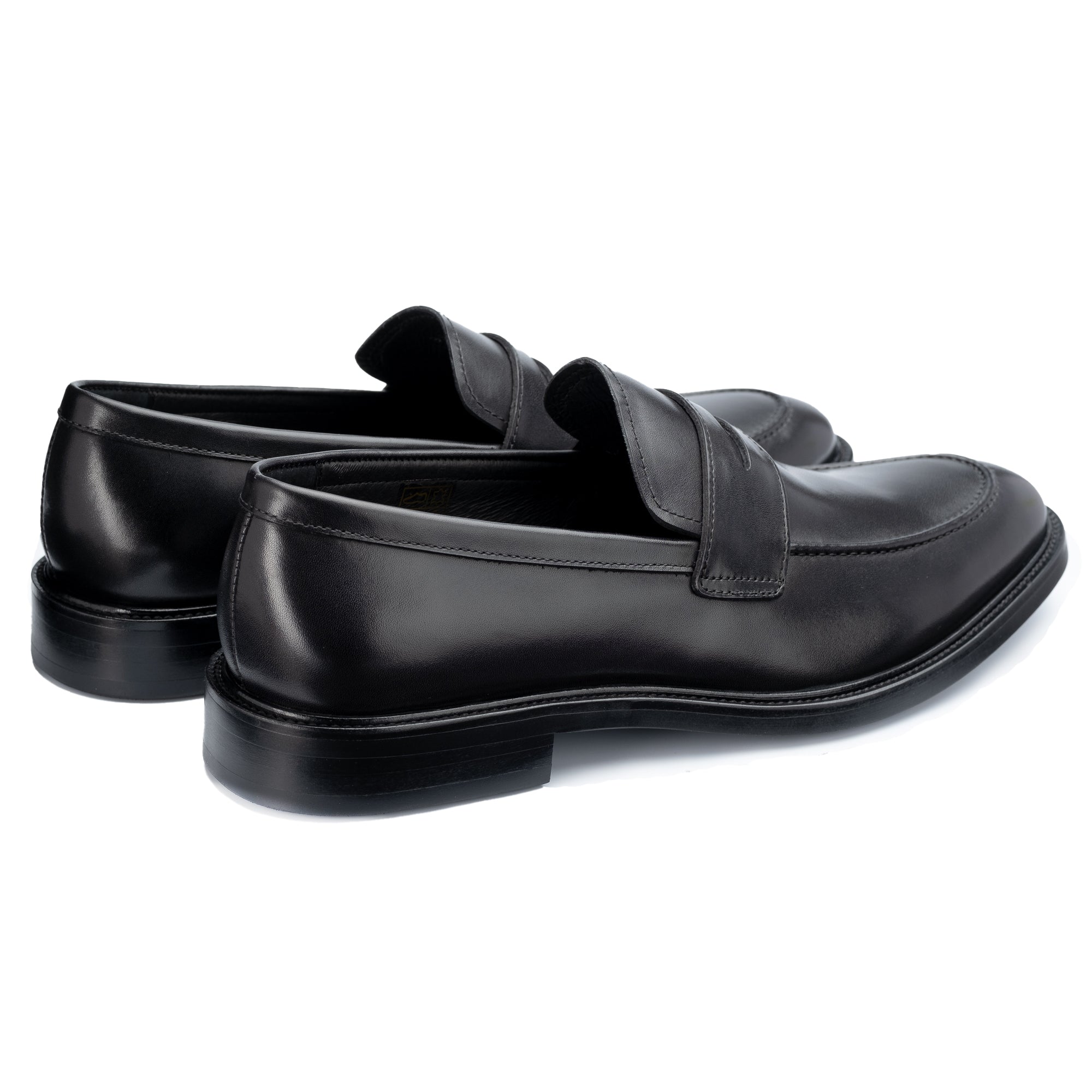
The related question — how to choose between shoe types once you are ready to expand the collection — is covered in our guide to the Derby versus the loafer. If what you wear with denim specifically is the question, our guide to shoes with jeans covers those pairings in full.
A Note on Care
One practical difference worth naming: the leather sneaker forgives informality, including informal care. A smart leather shoe does not. If you are moving into Derby or Chelsea boot territory, the upkeep routine matters — a periodic polish, shoe trees after wear, conditioning before long storage. It is not onerous, and it is what keeps a well-chosen pair in service for years rather than seasons. If the care side of things is new to you, our guide to conditioning frequency for leather shoes sets out a straightforward seasonal approach.
The leather sneaker earns its place in a modern wardrobe. What it does not do is solve every occasion. When your life consistently requires a shoe that reads as deliberately smart — and most men's lives eventually do — the upgrade is not a compromise. It is a correction, long overdue.