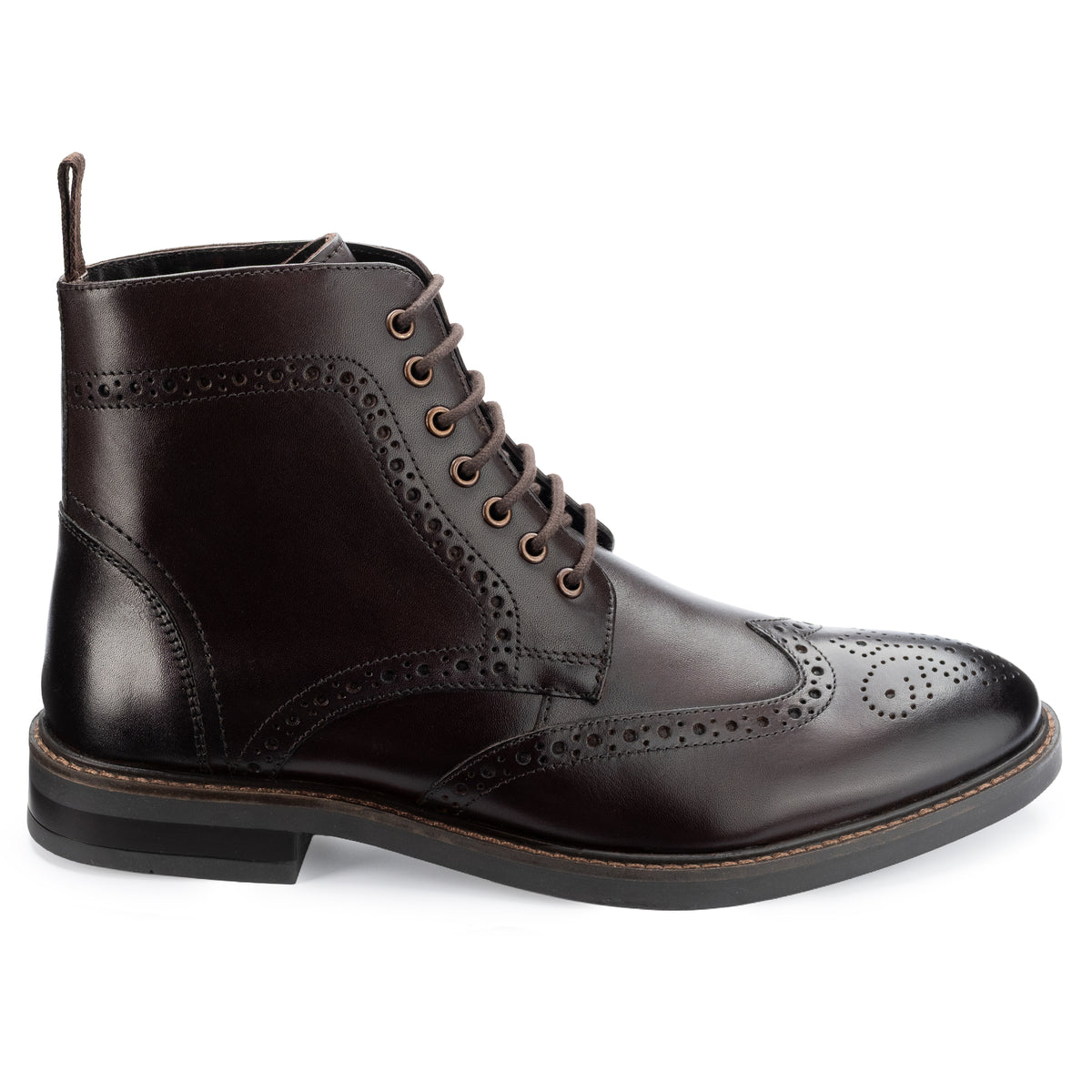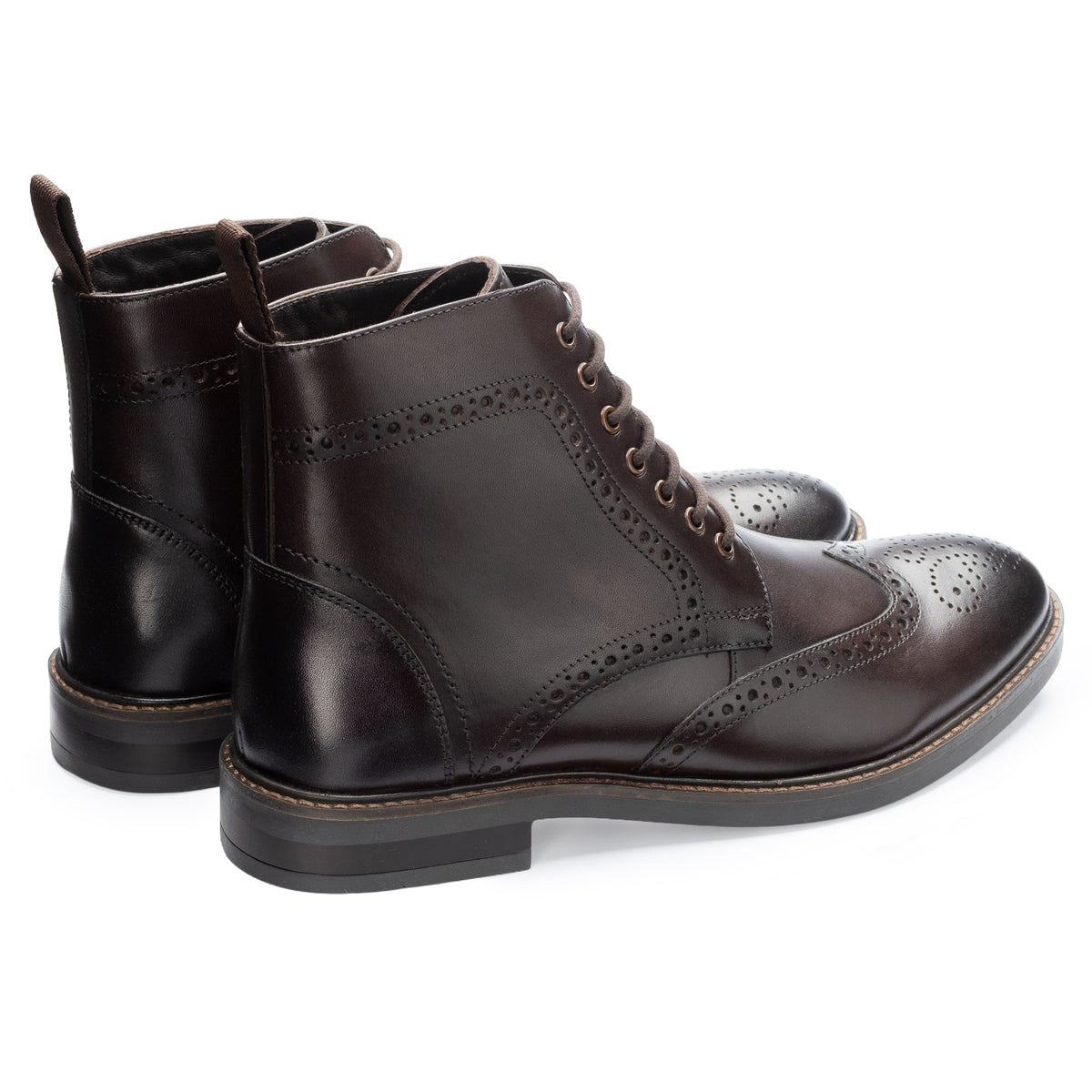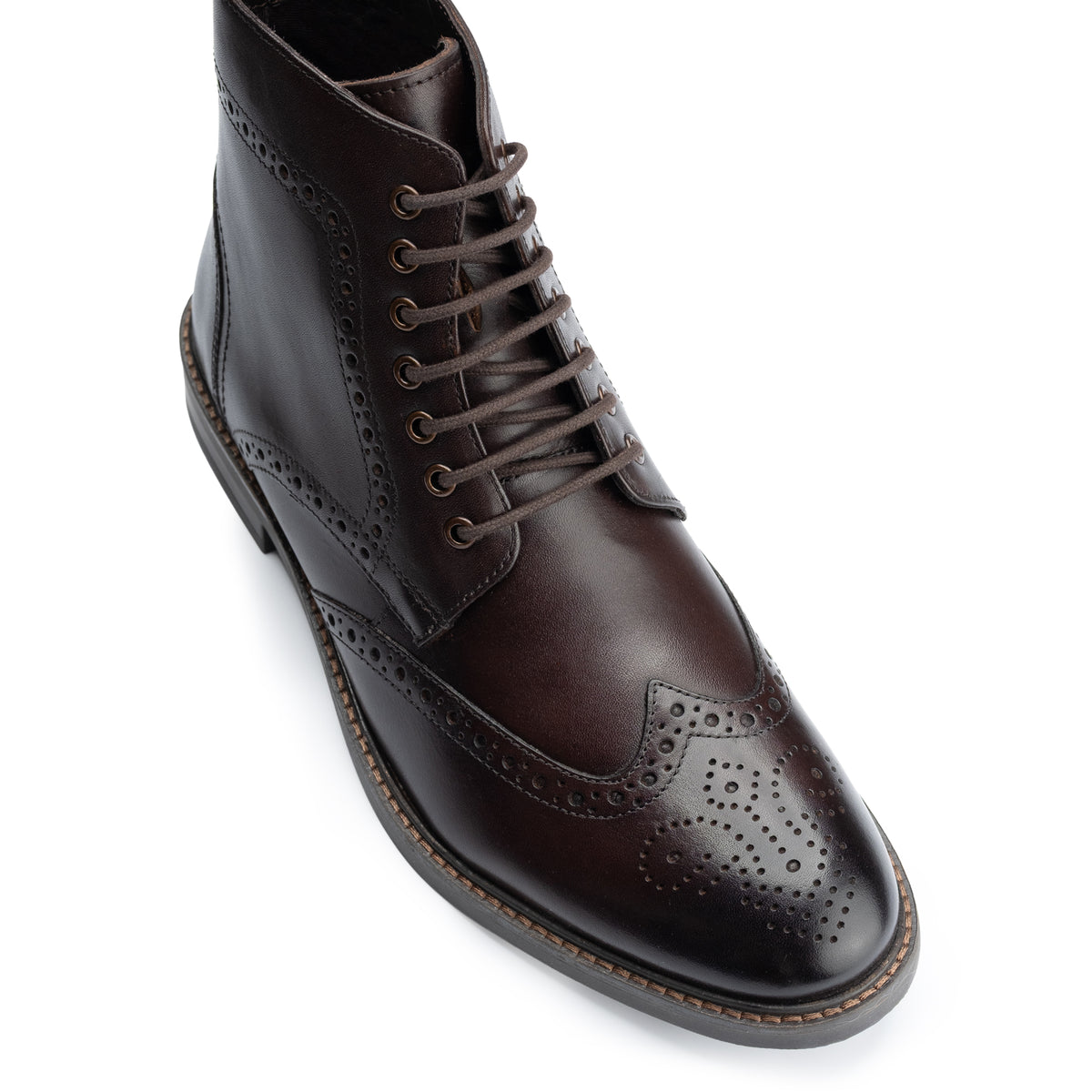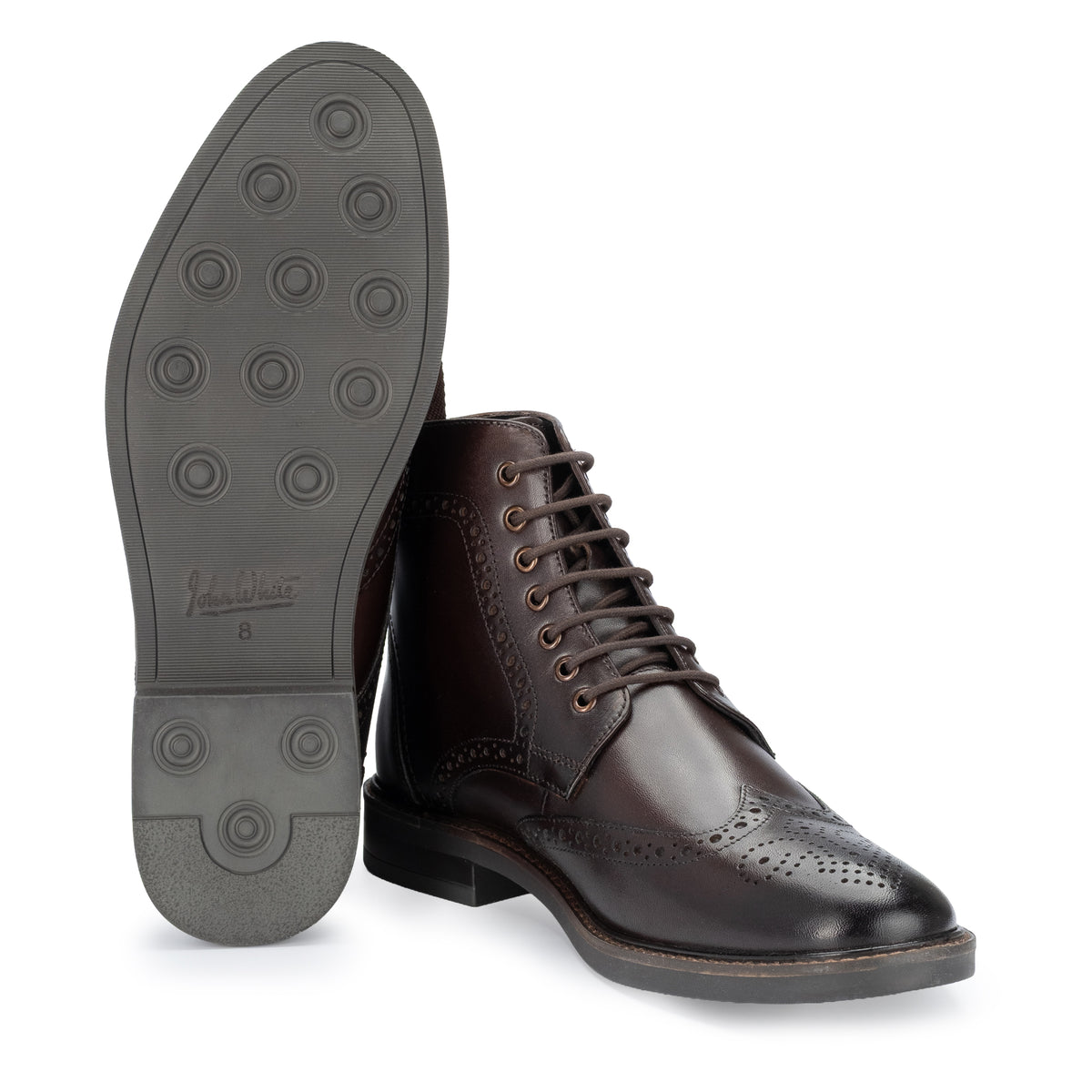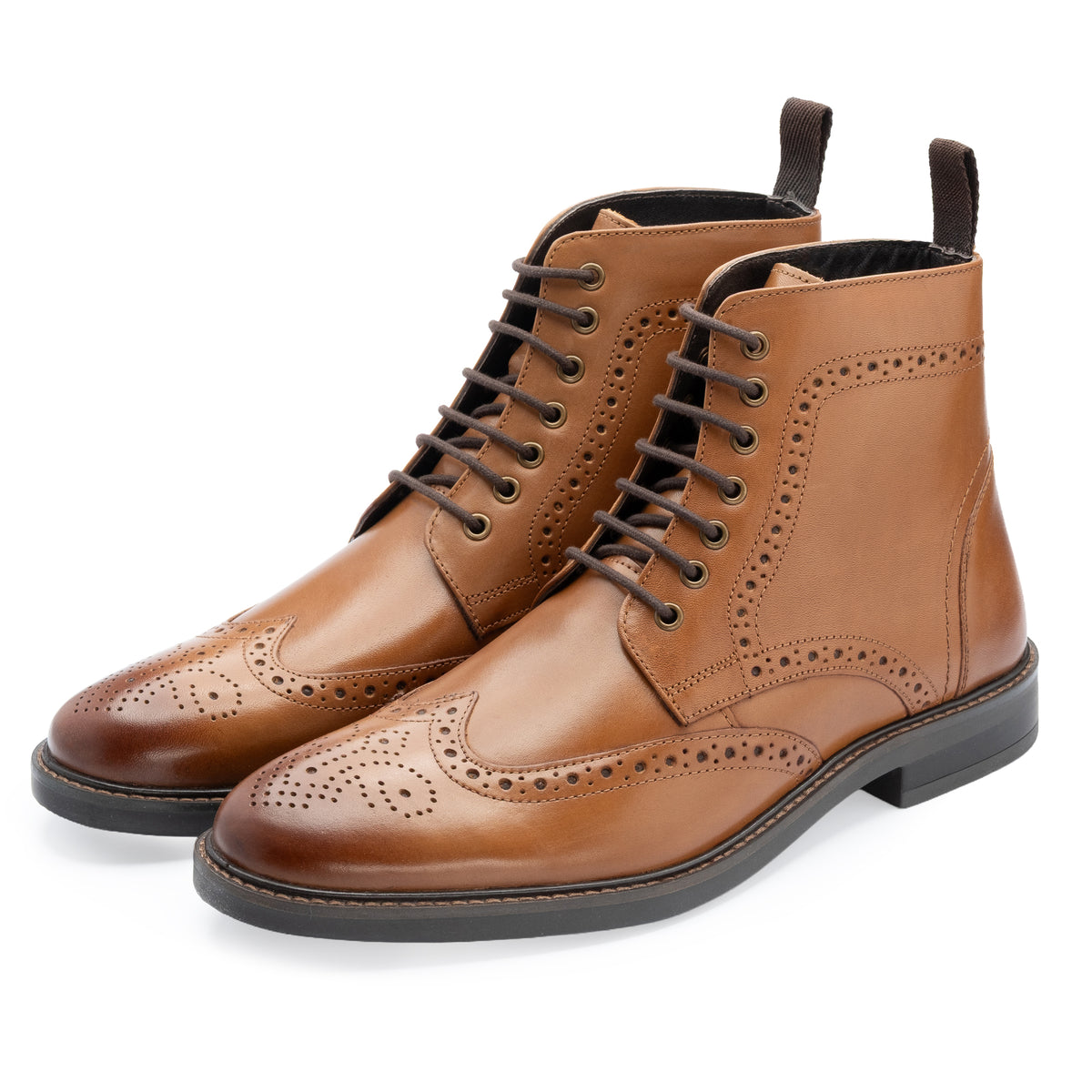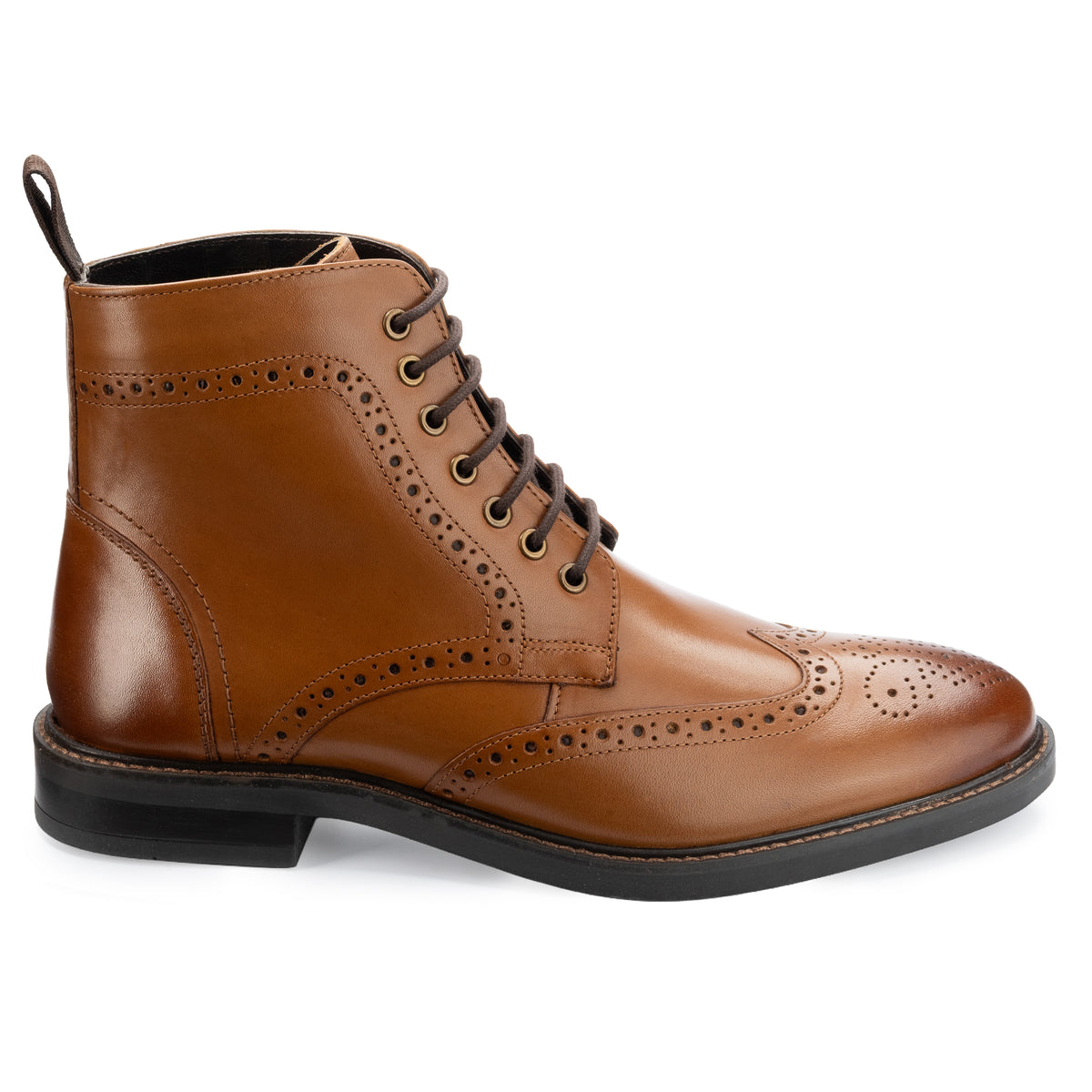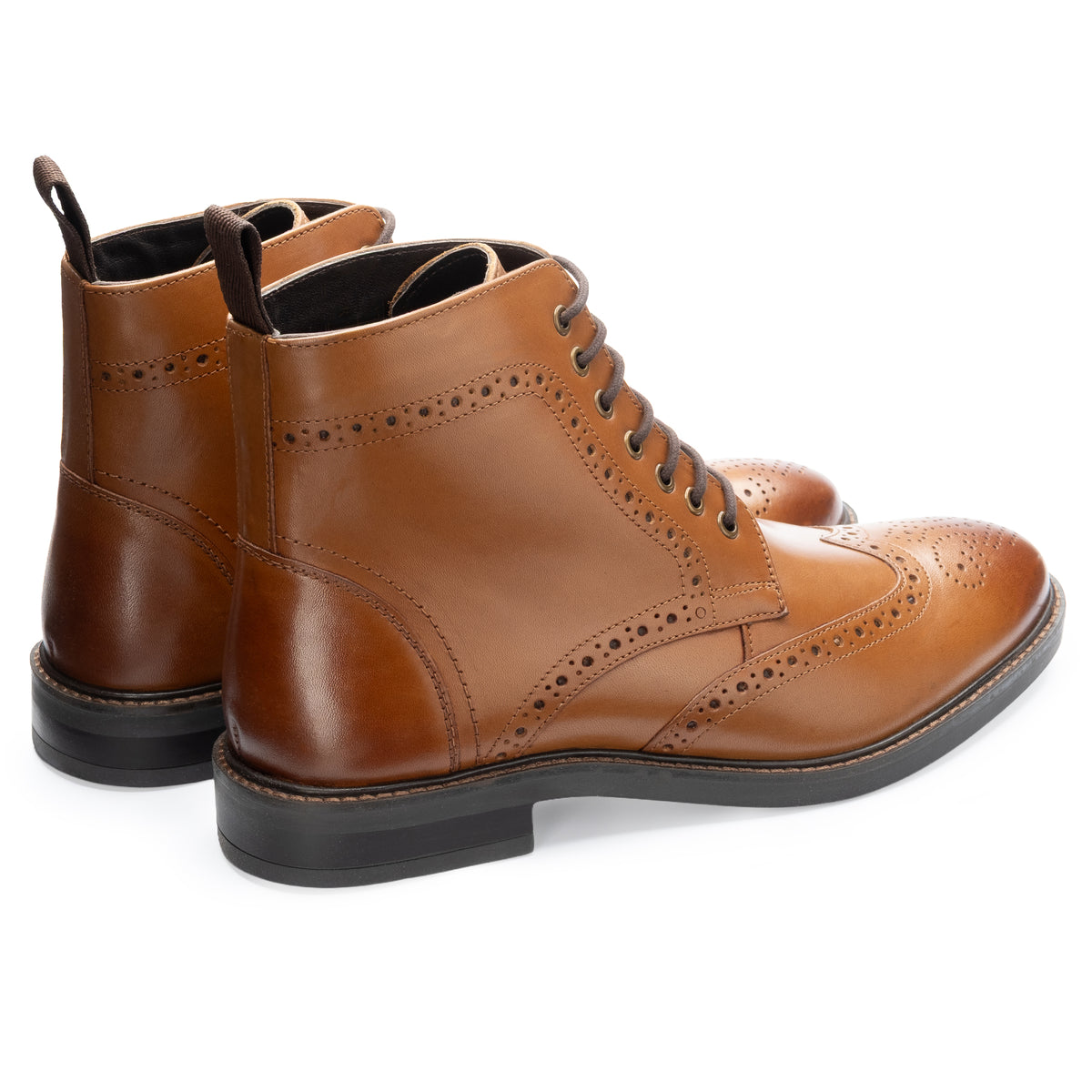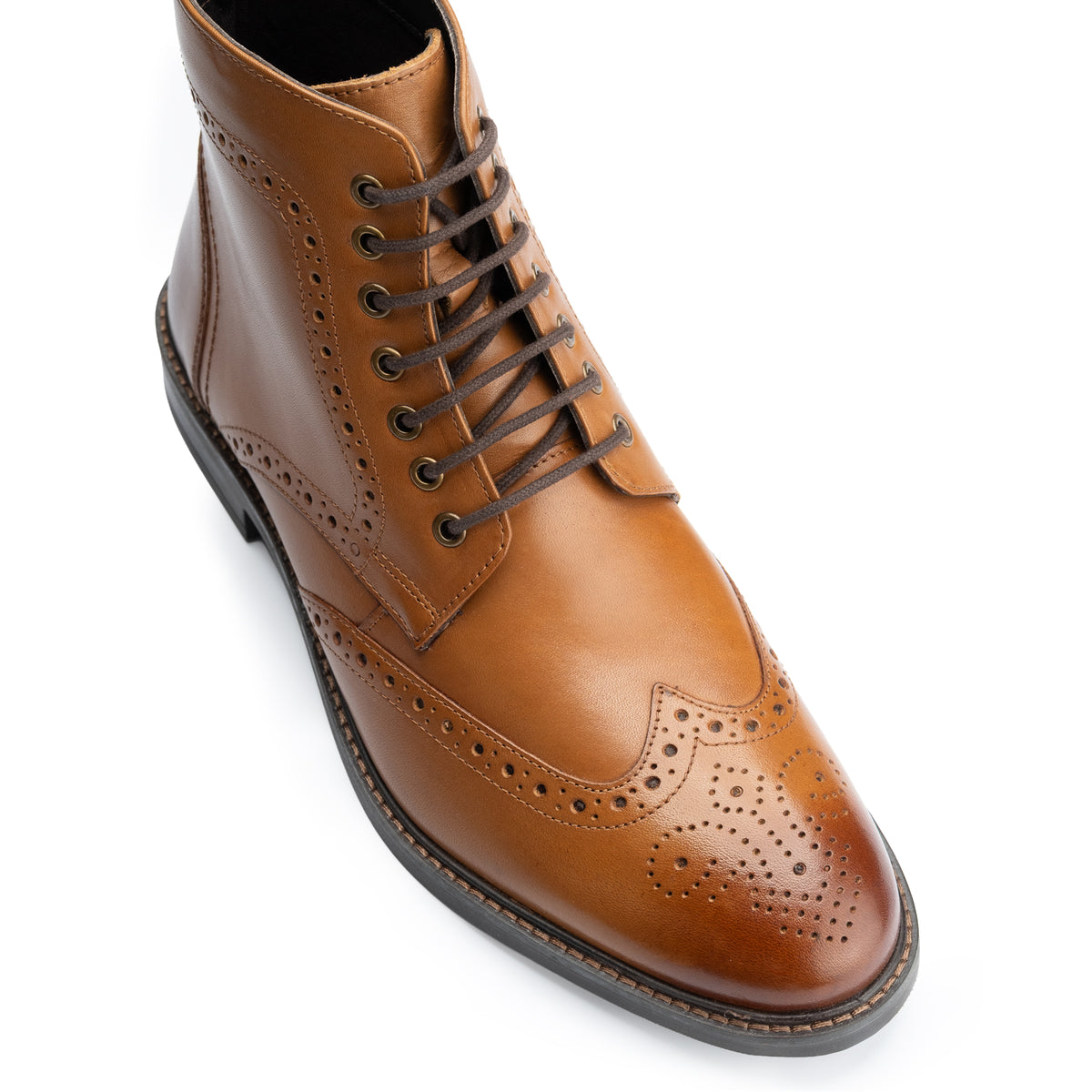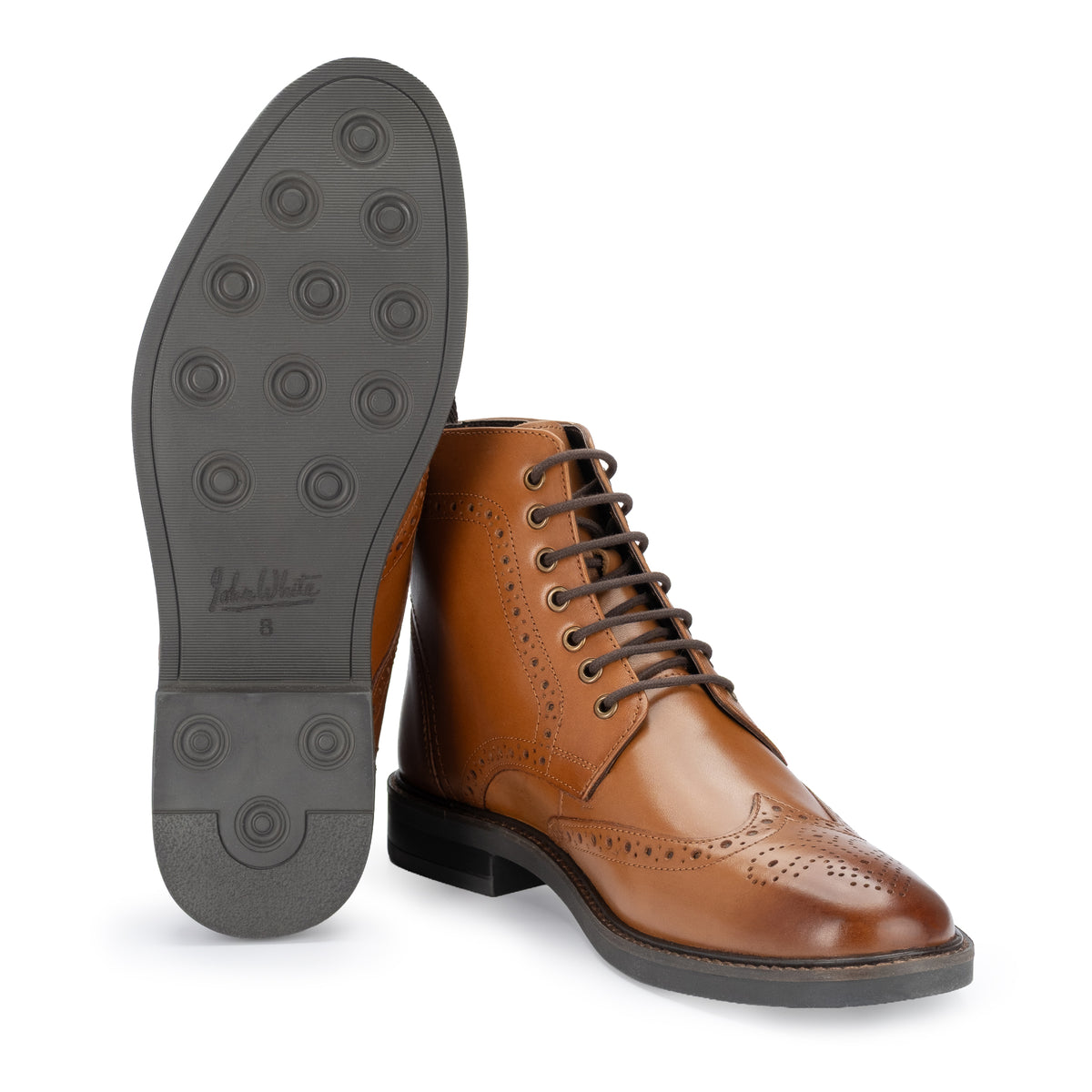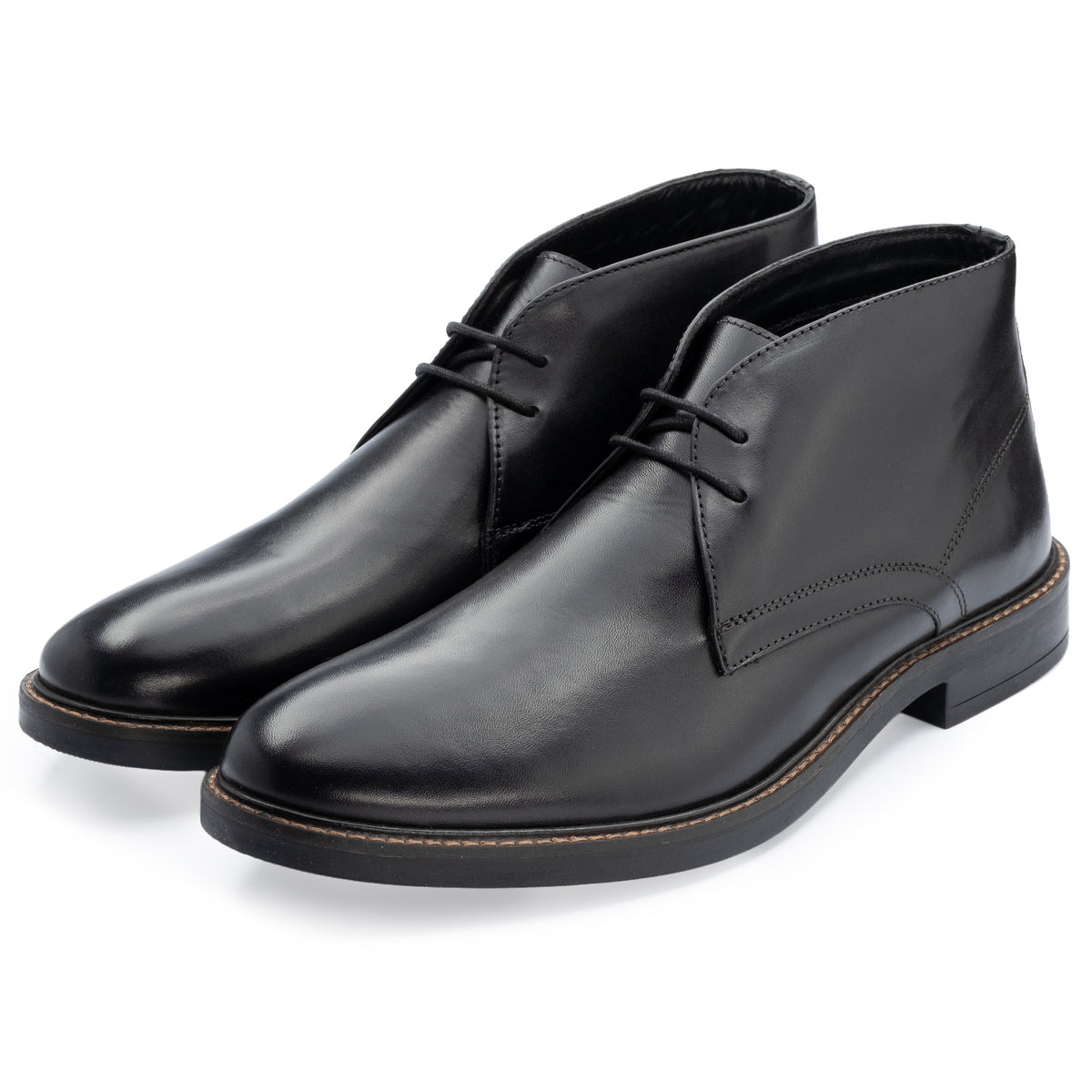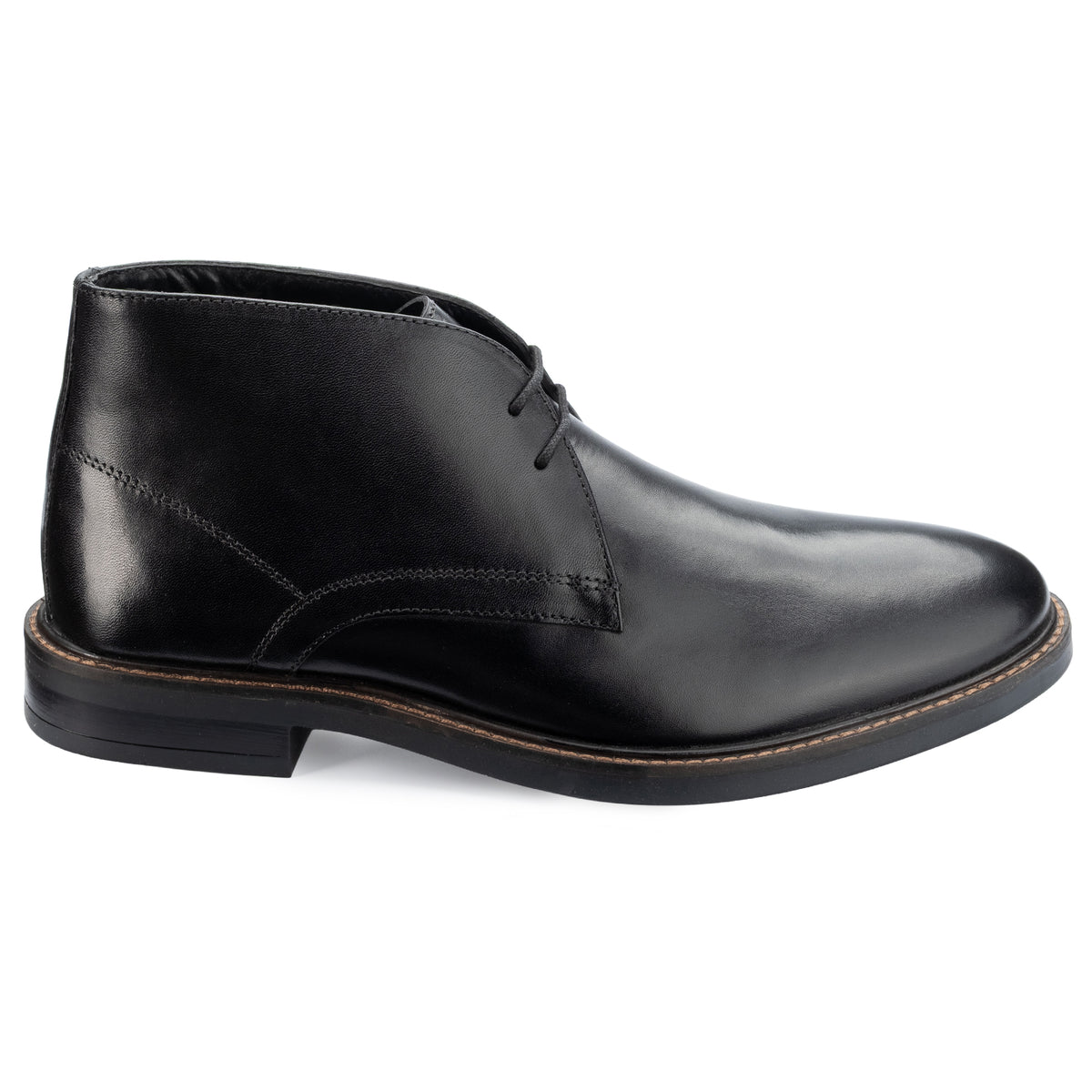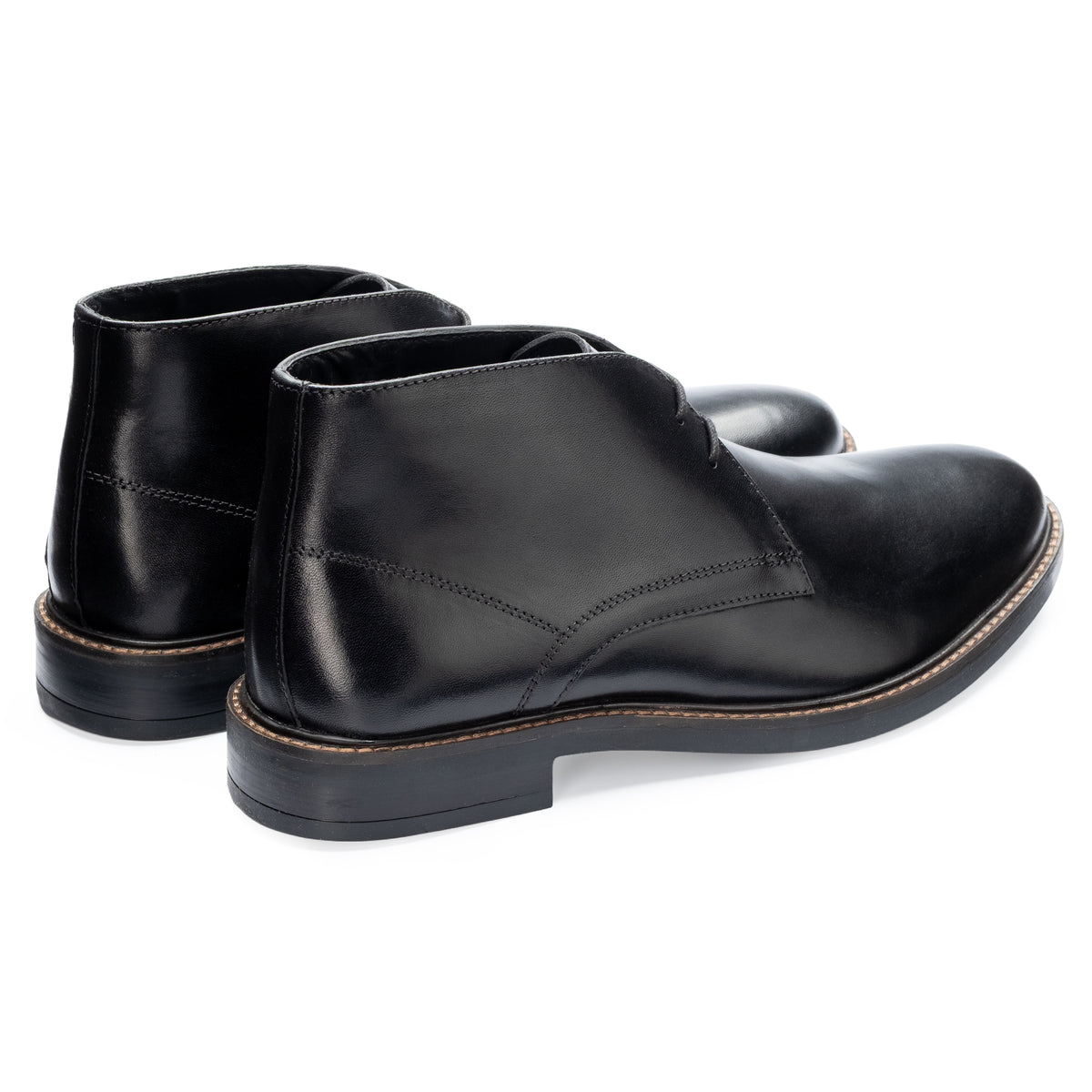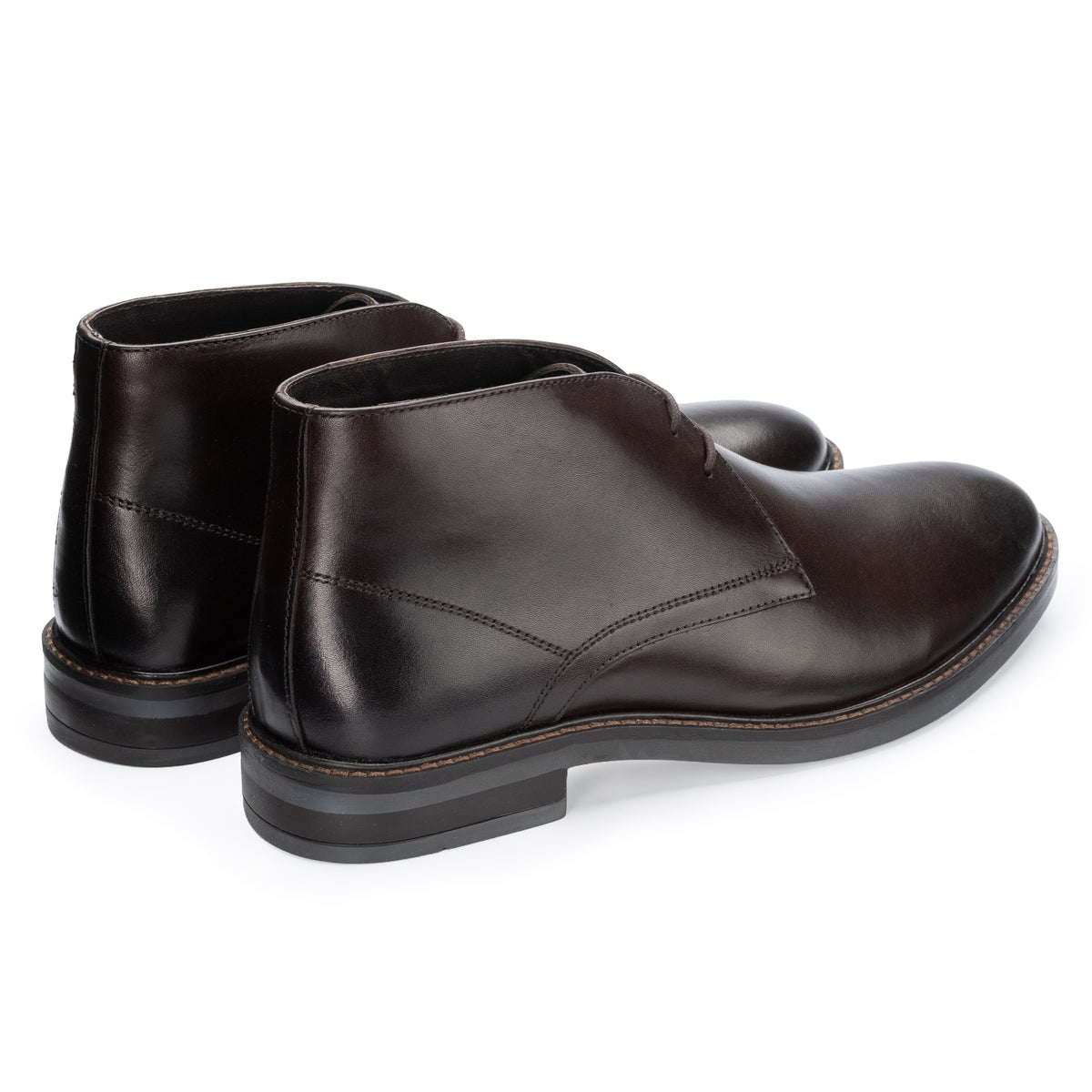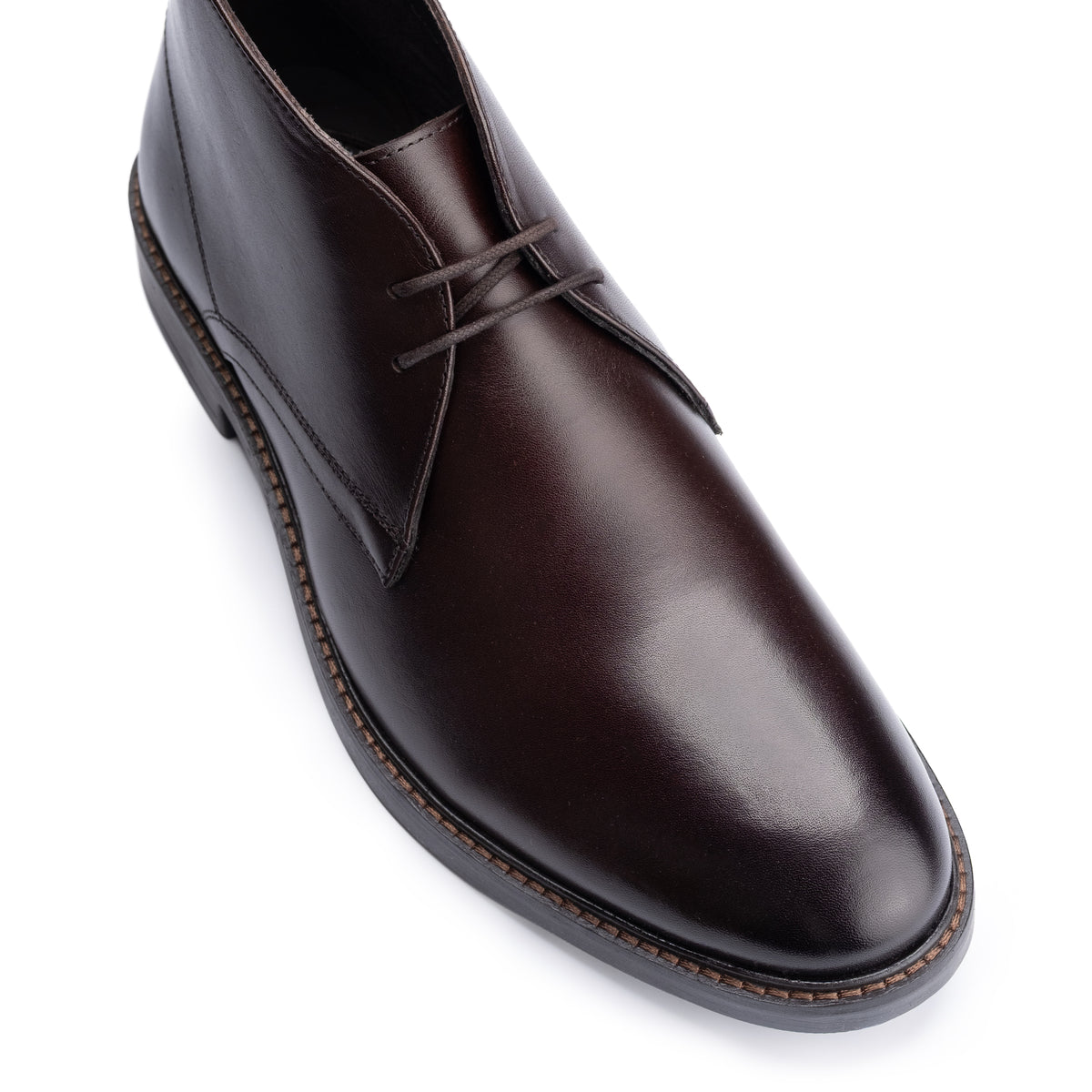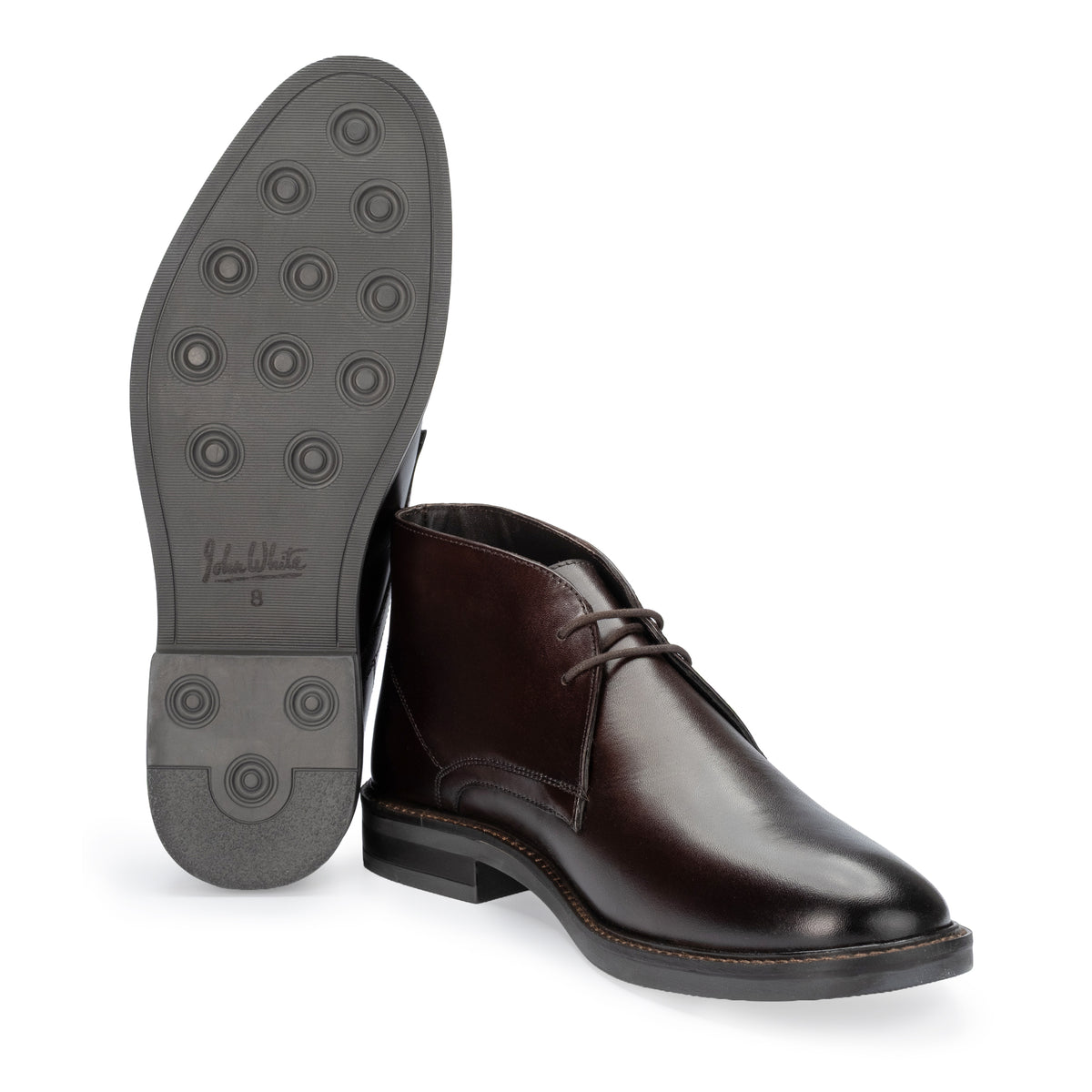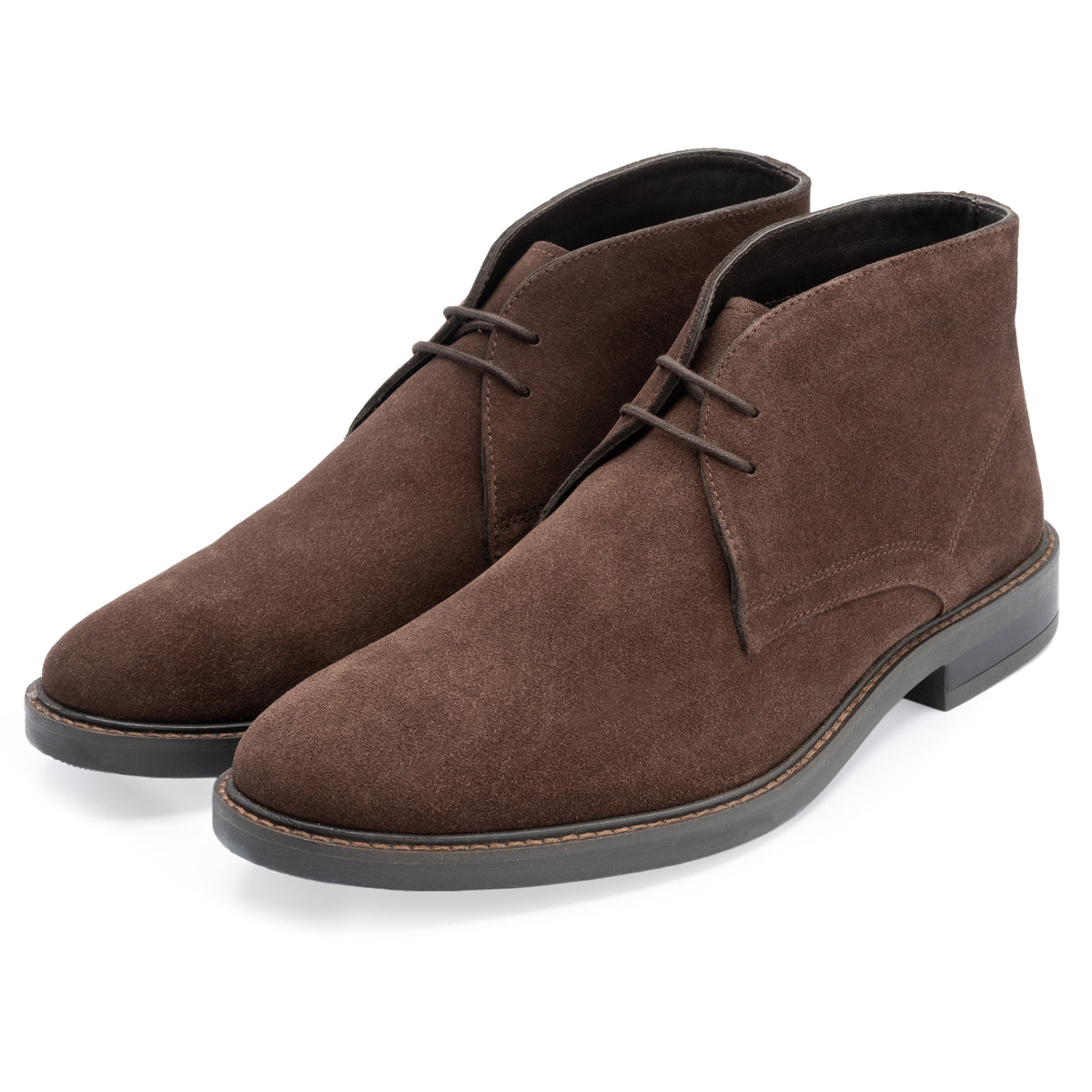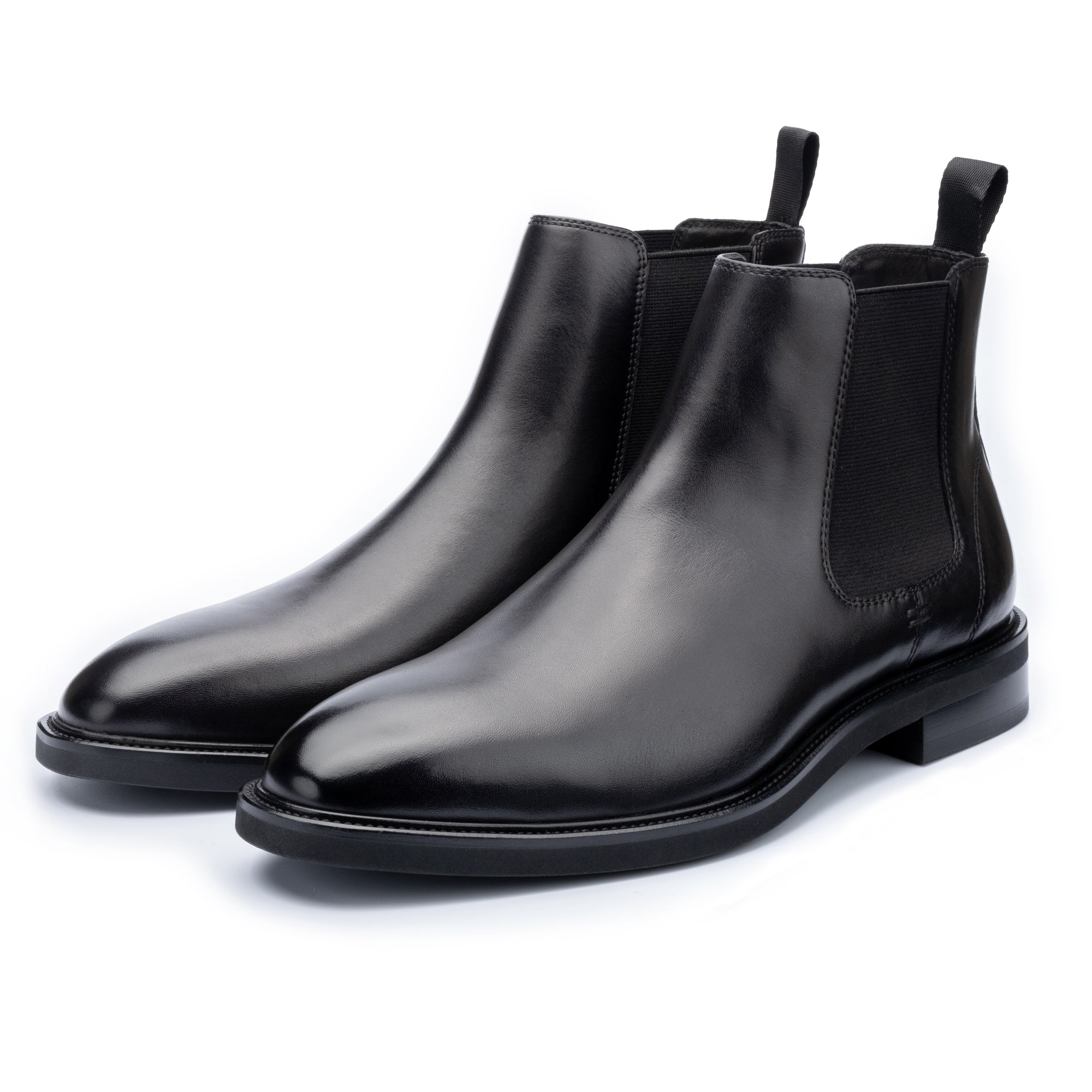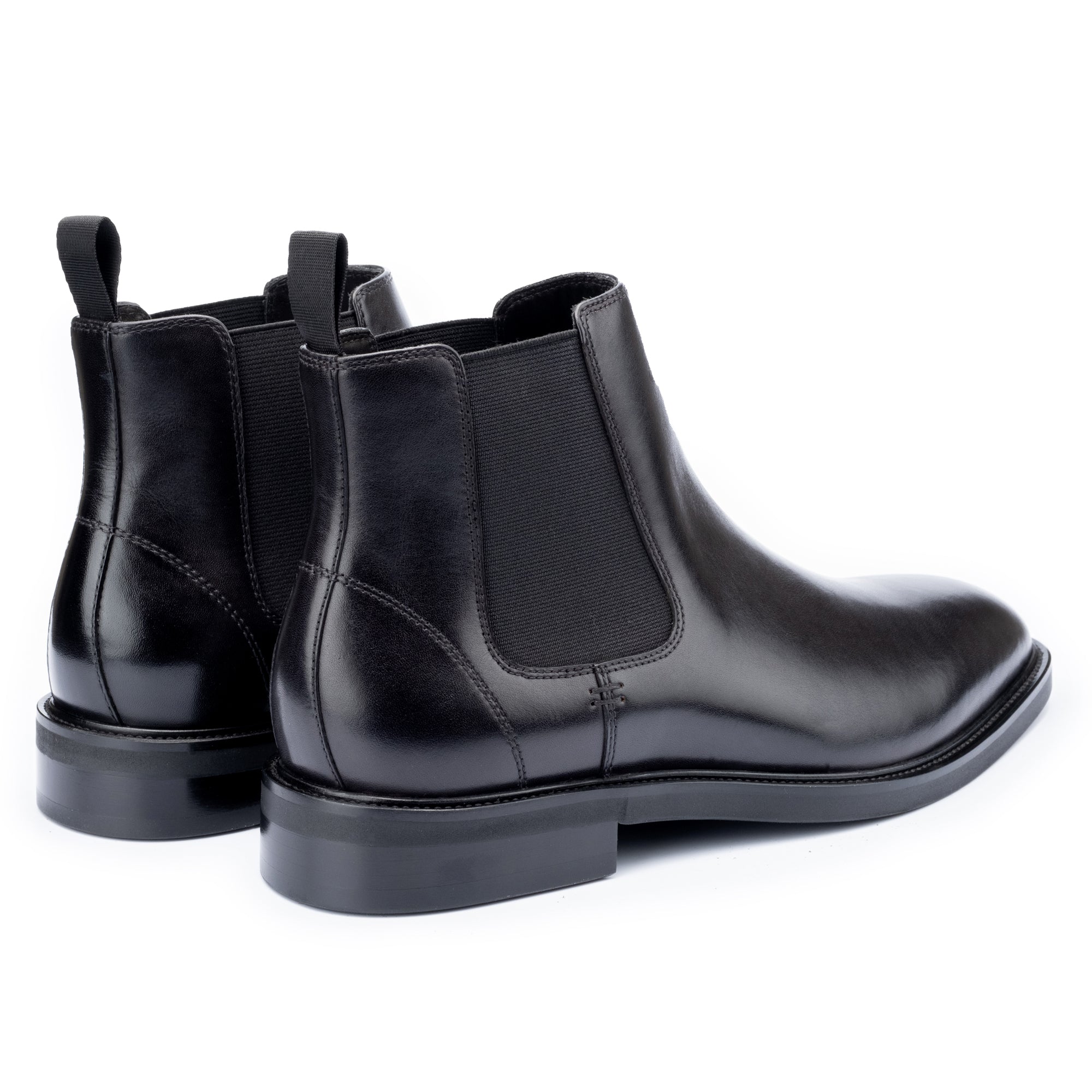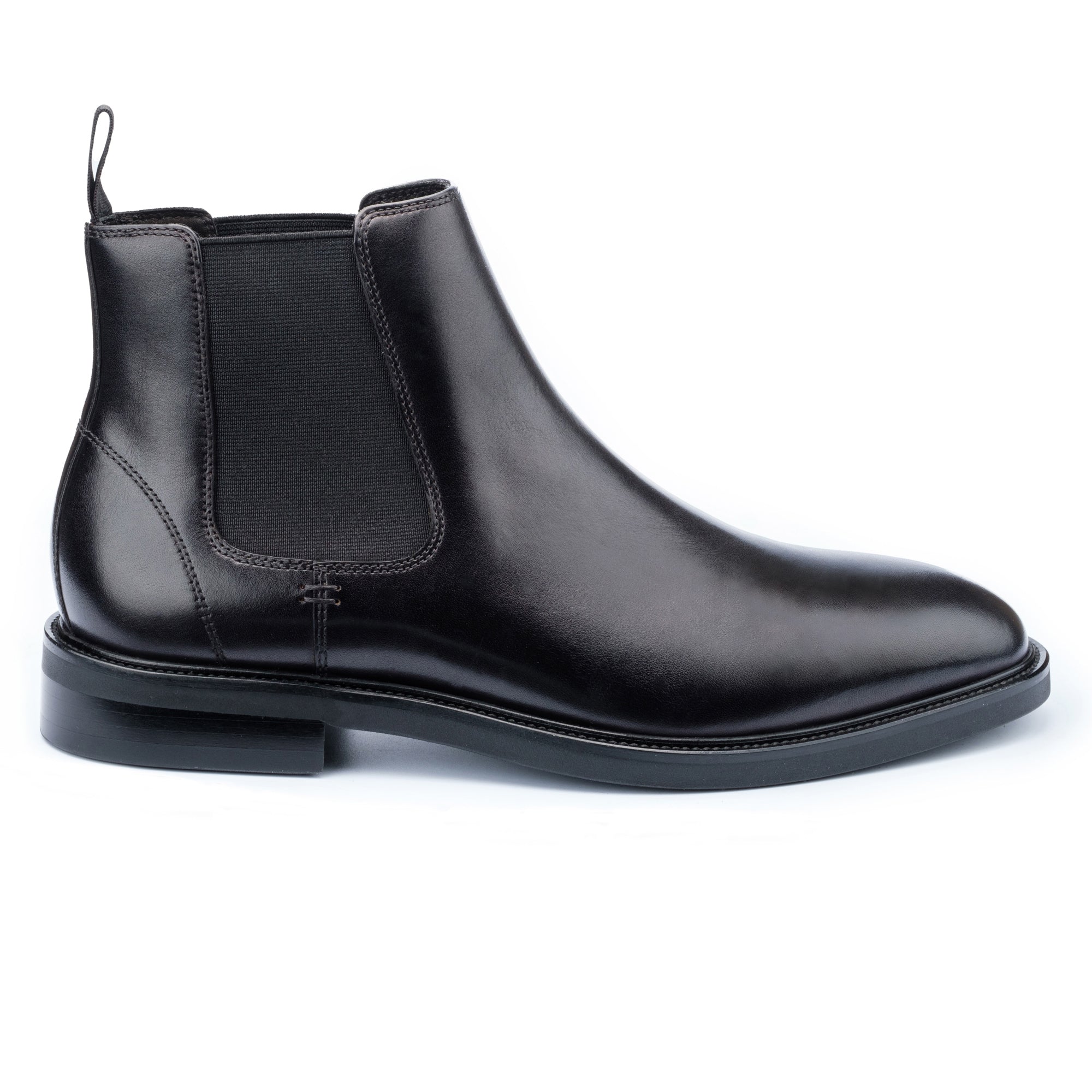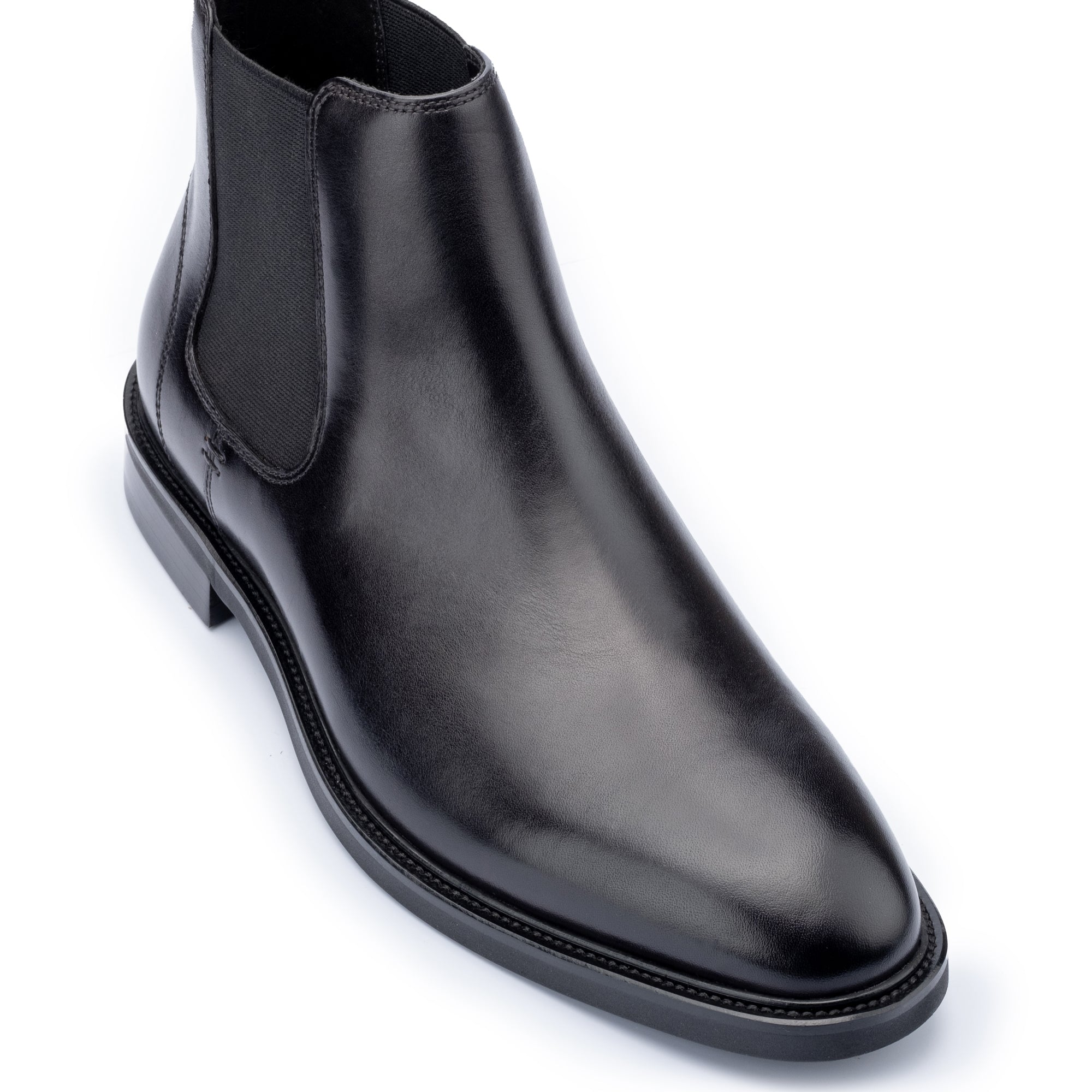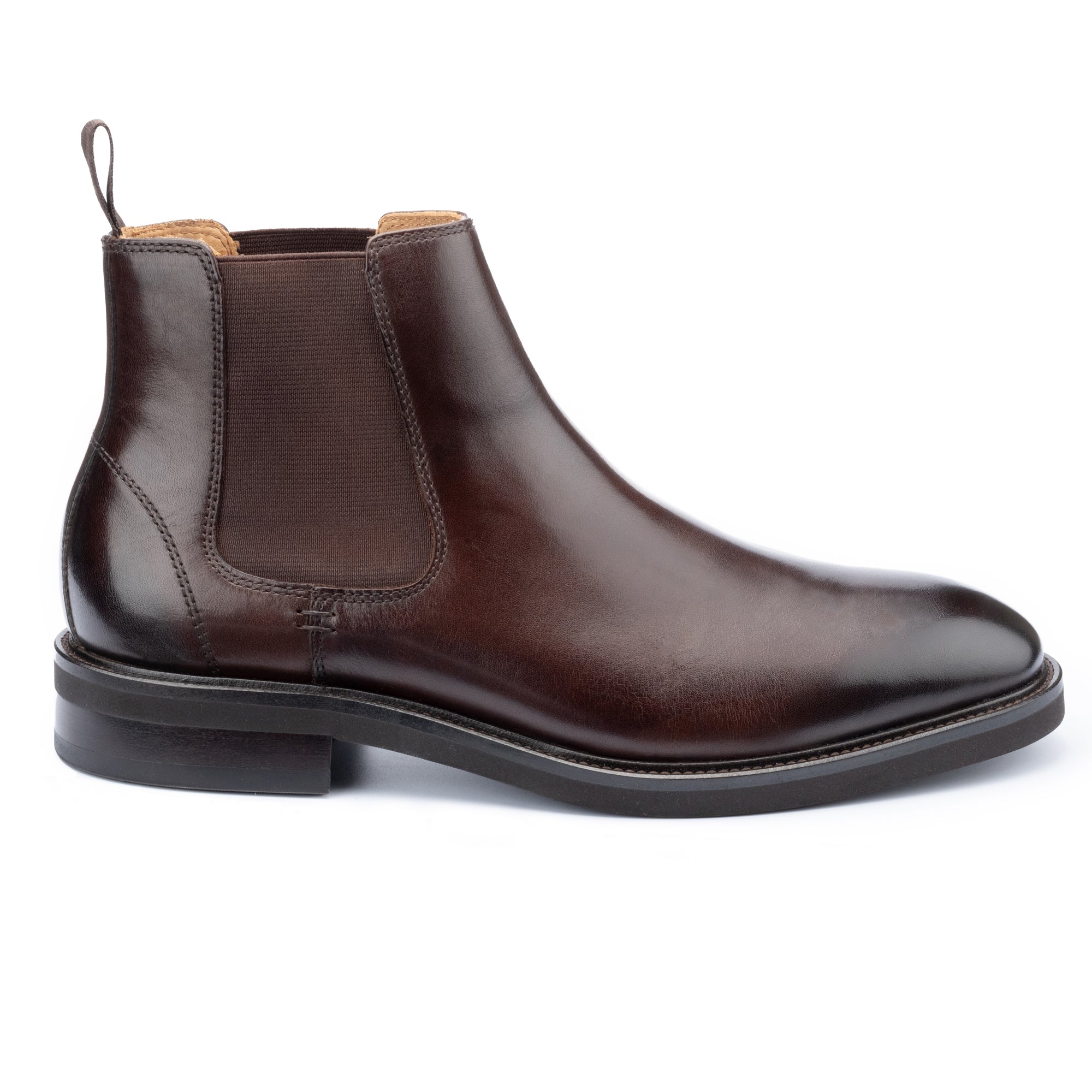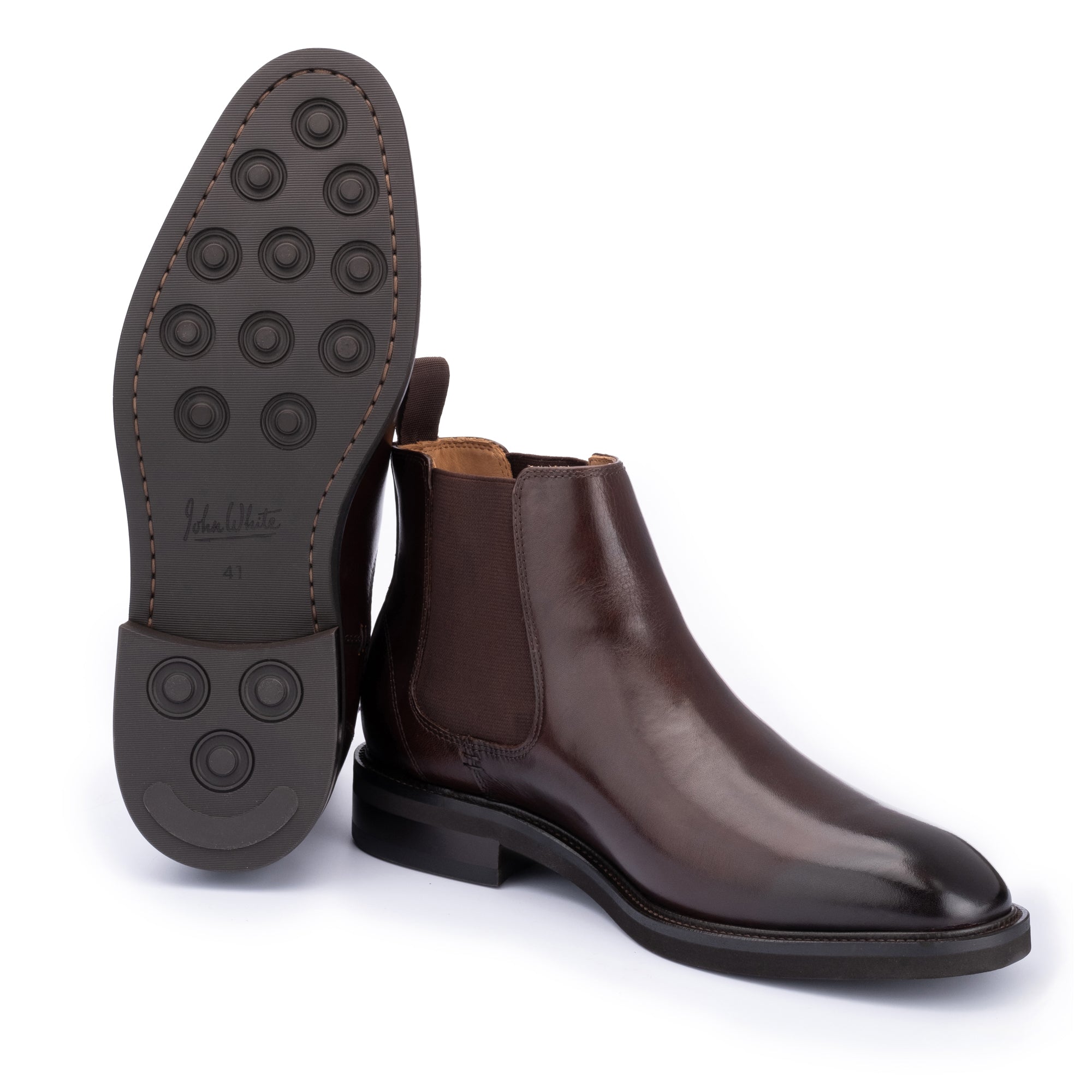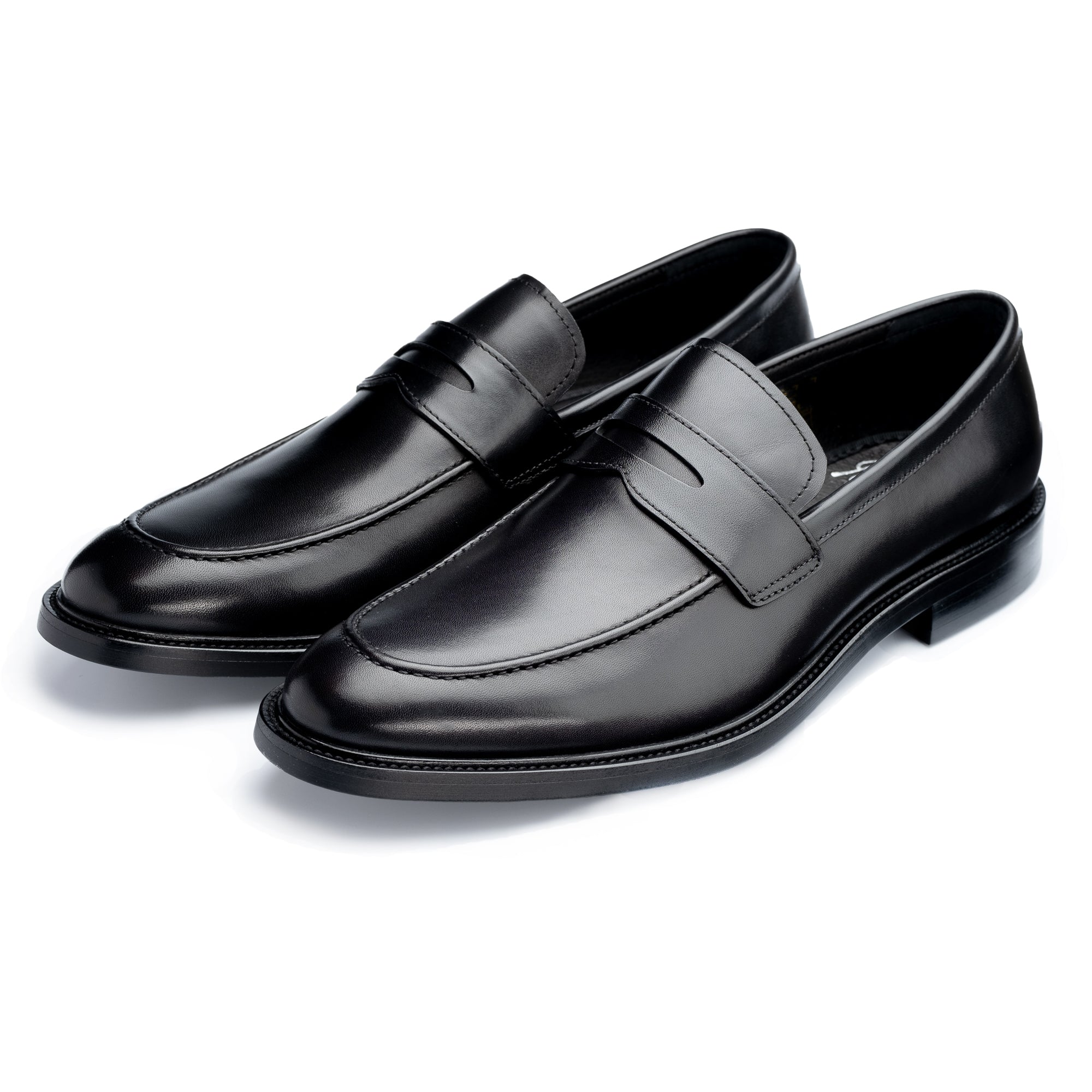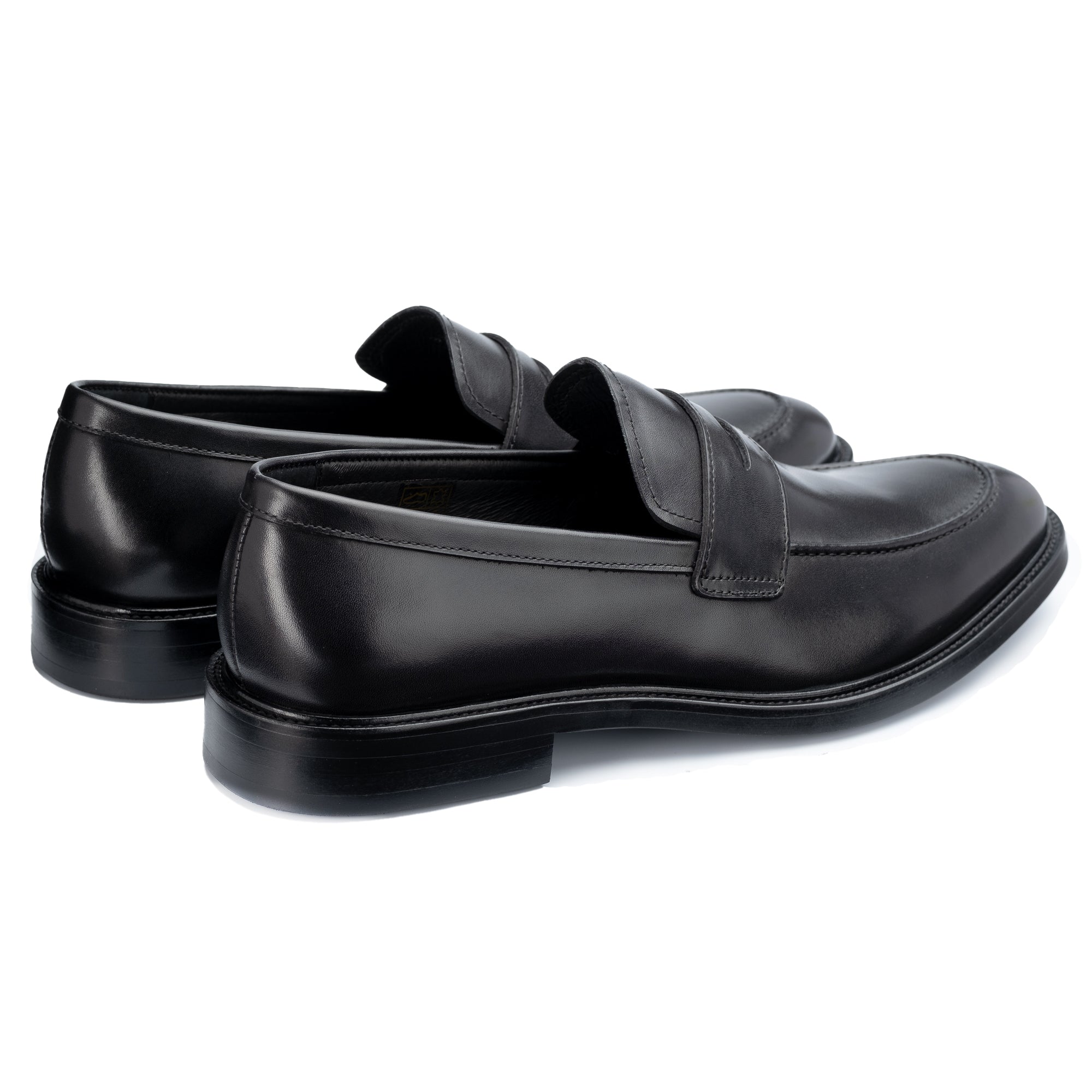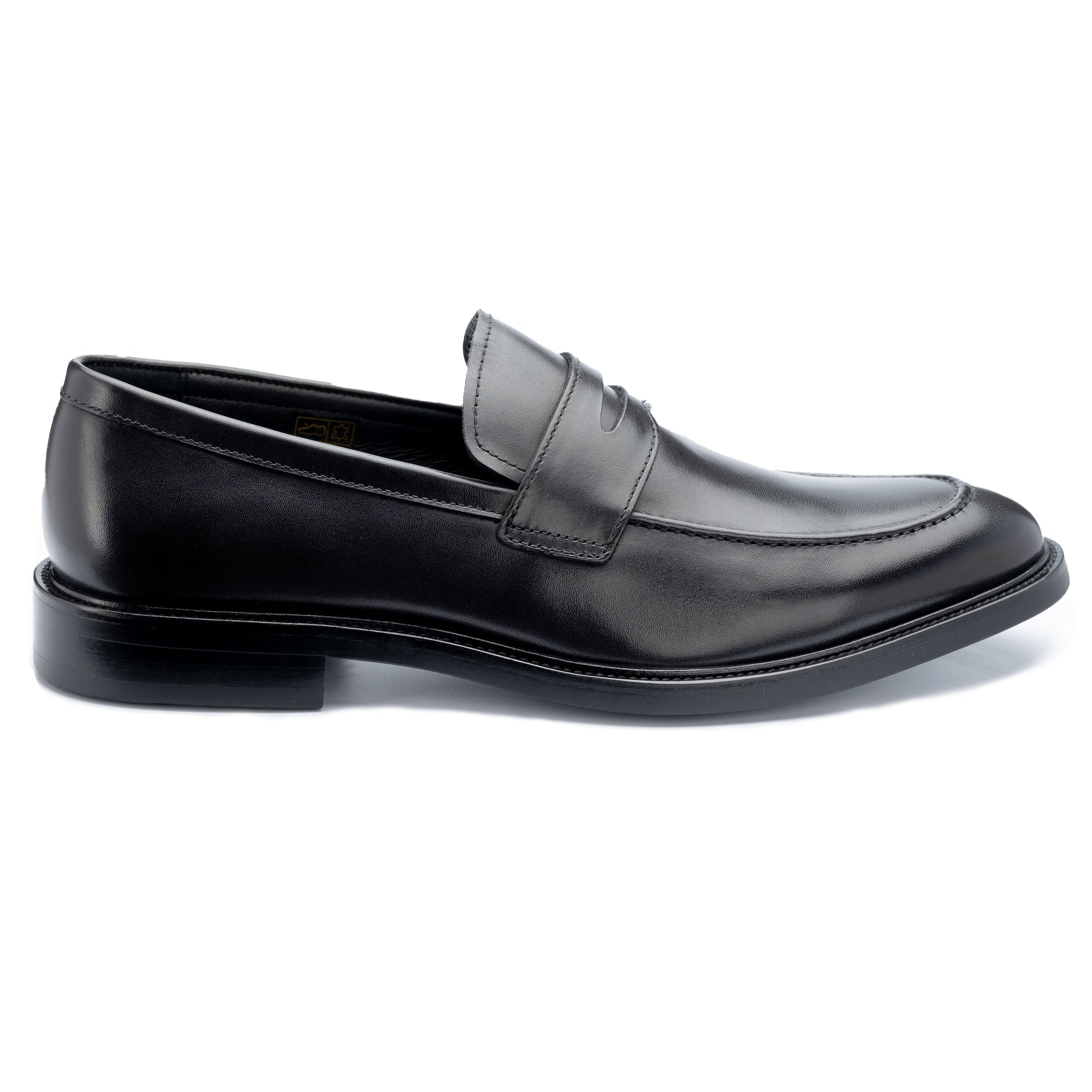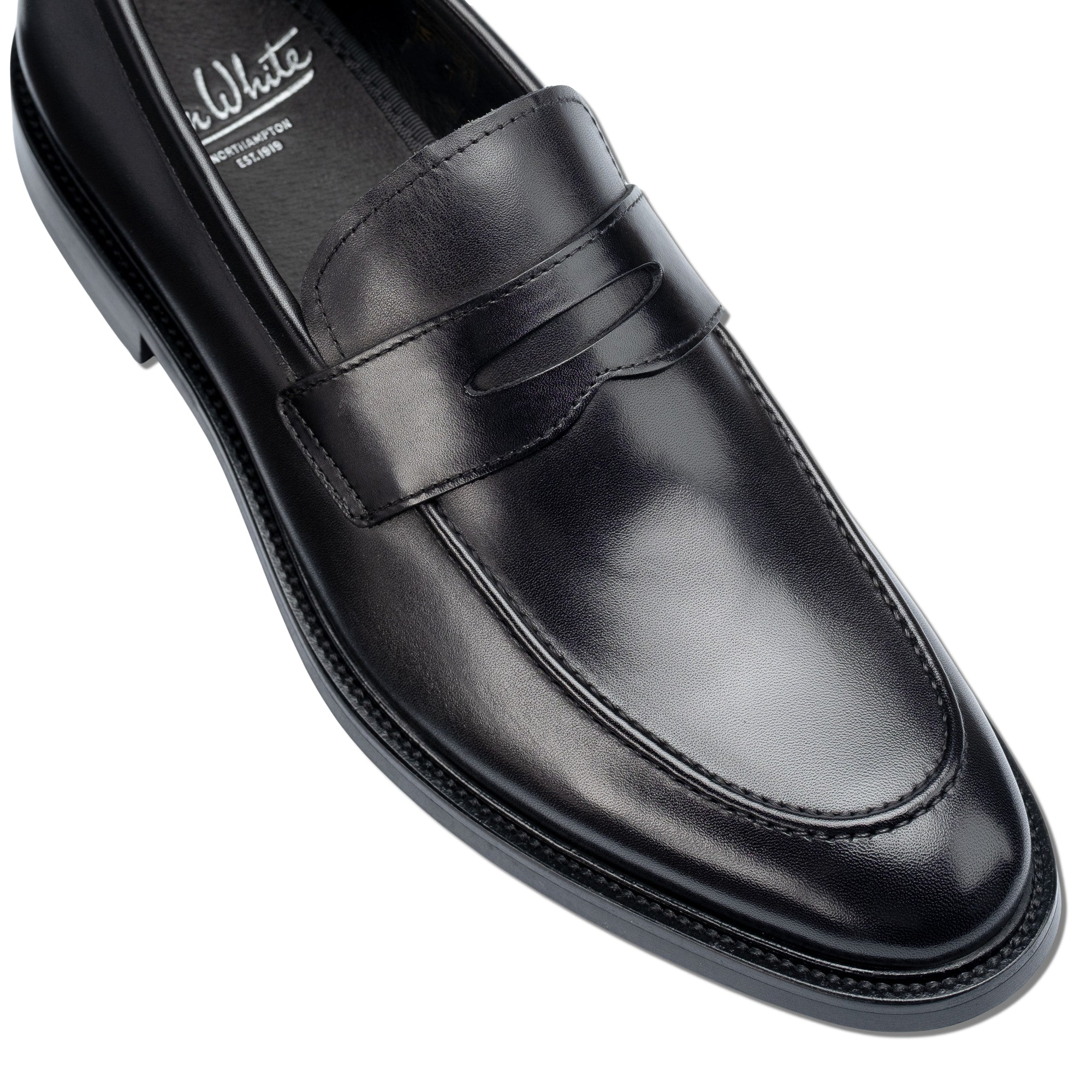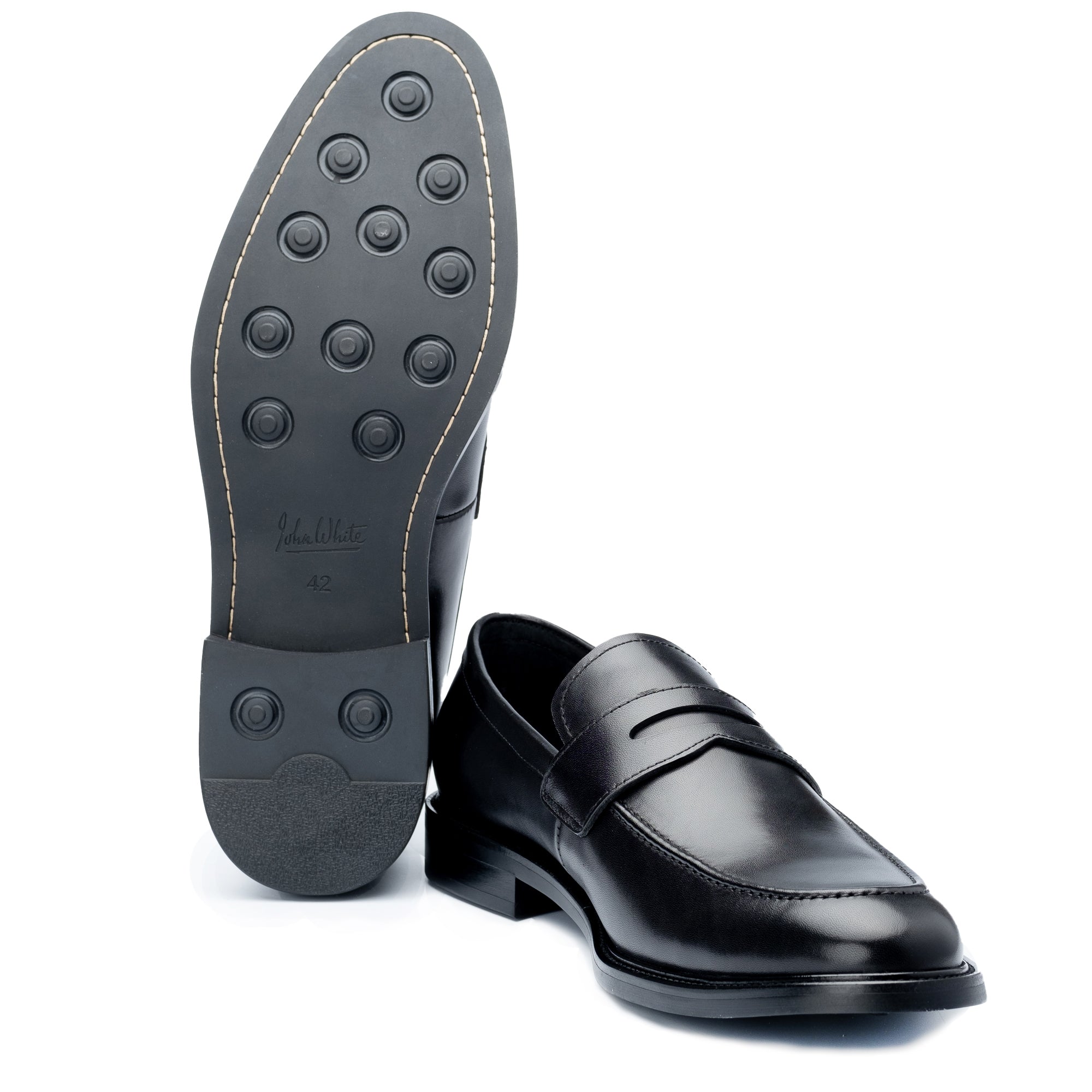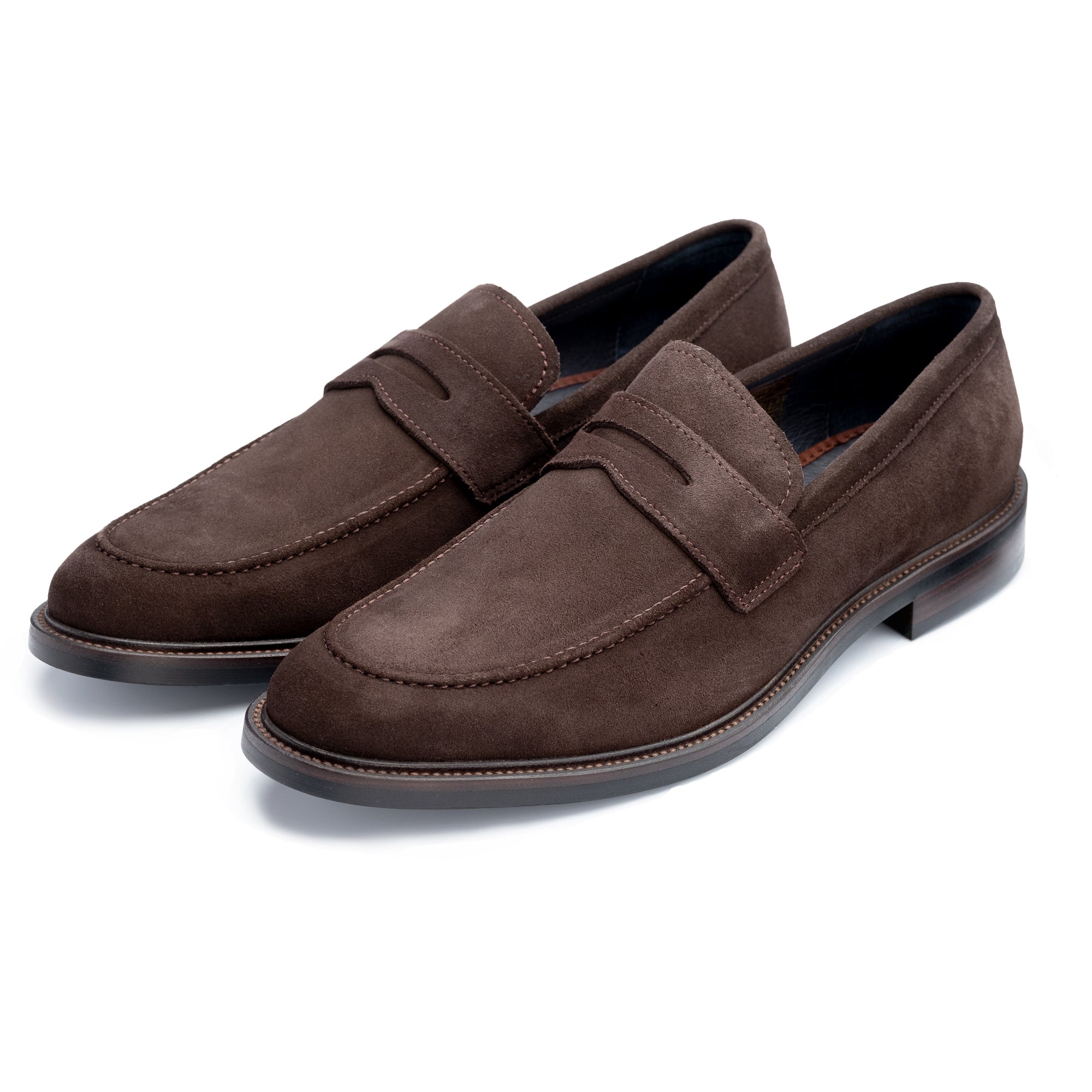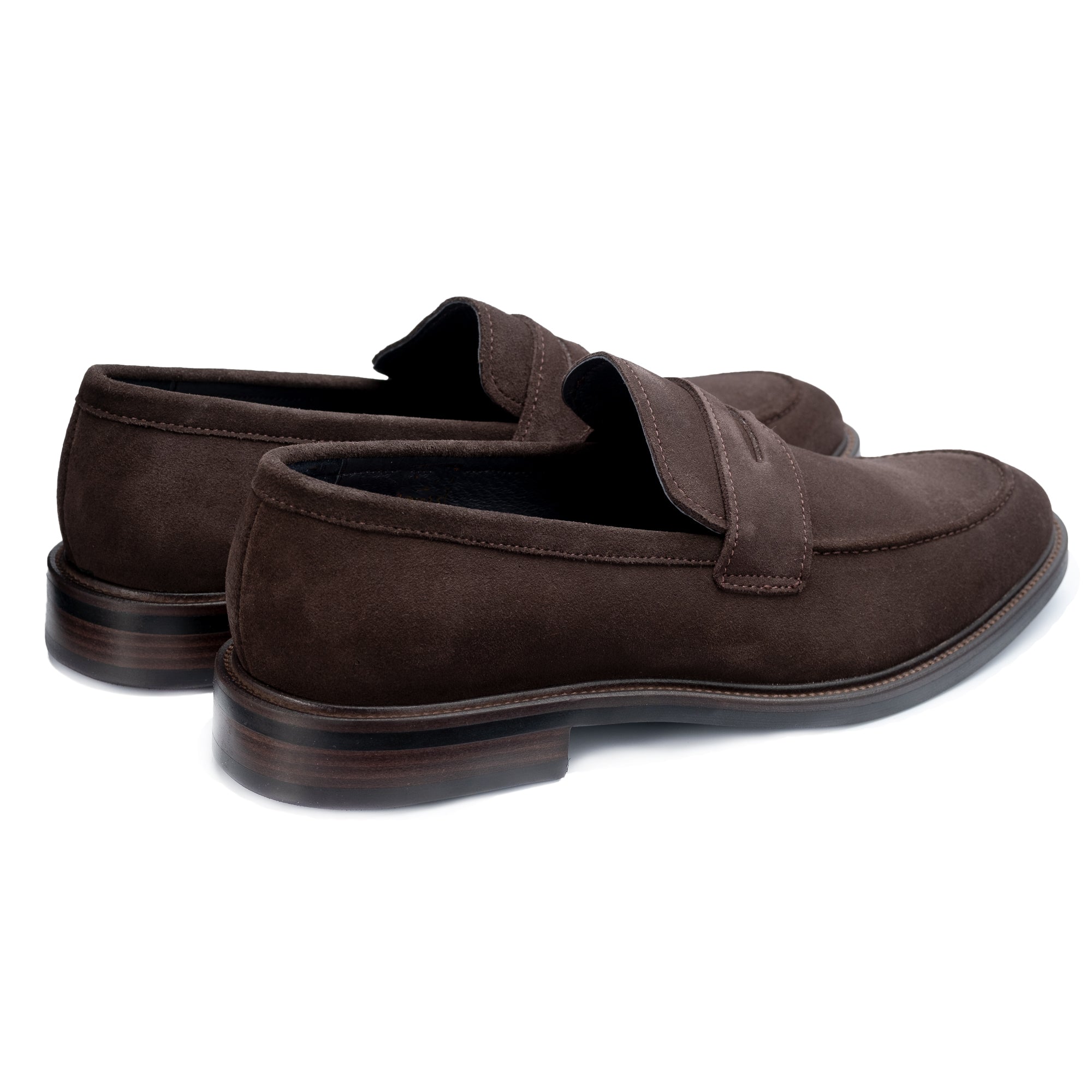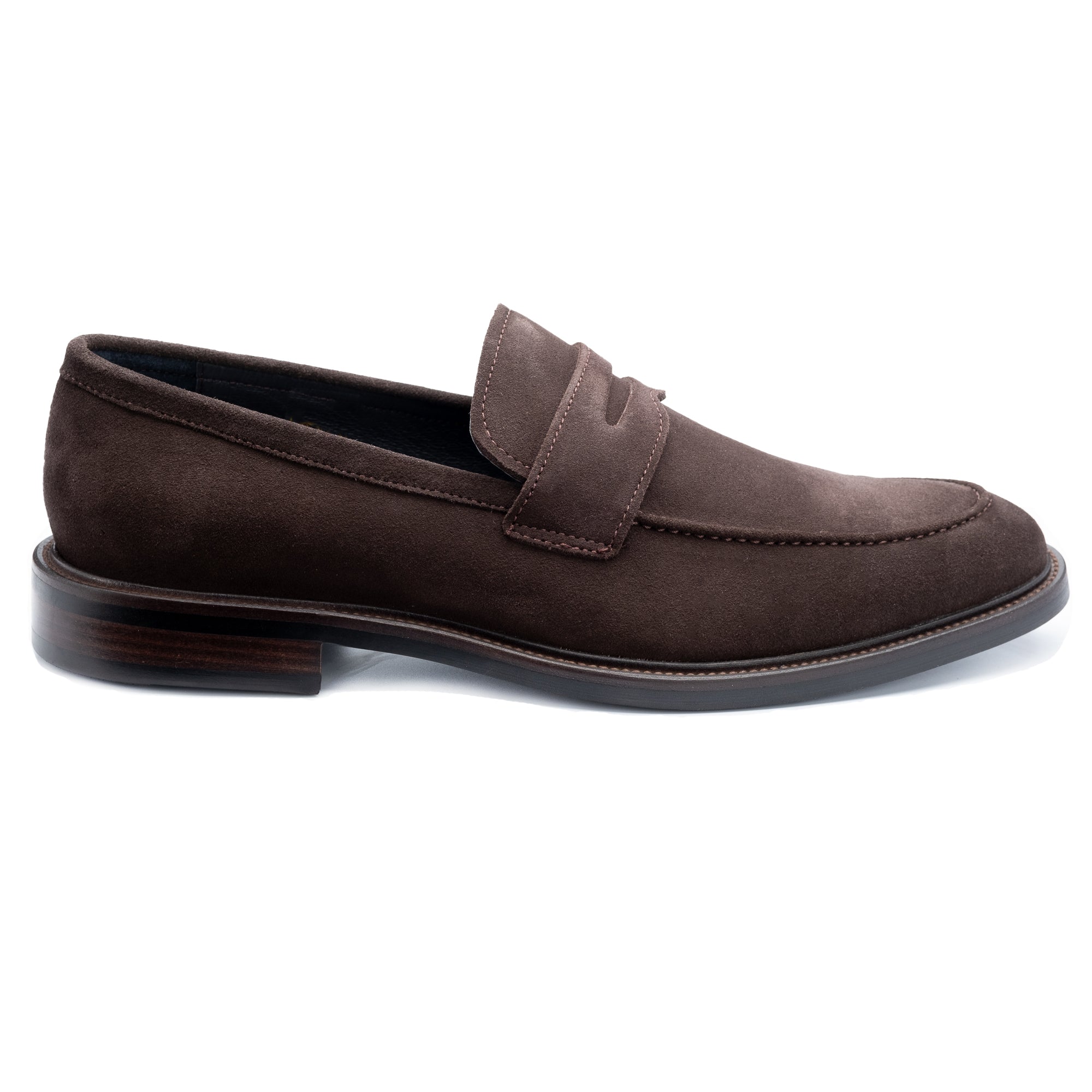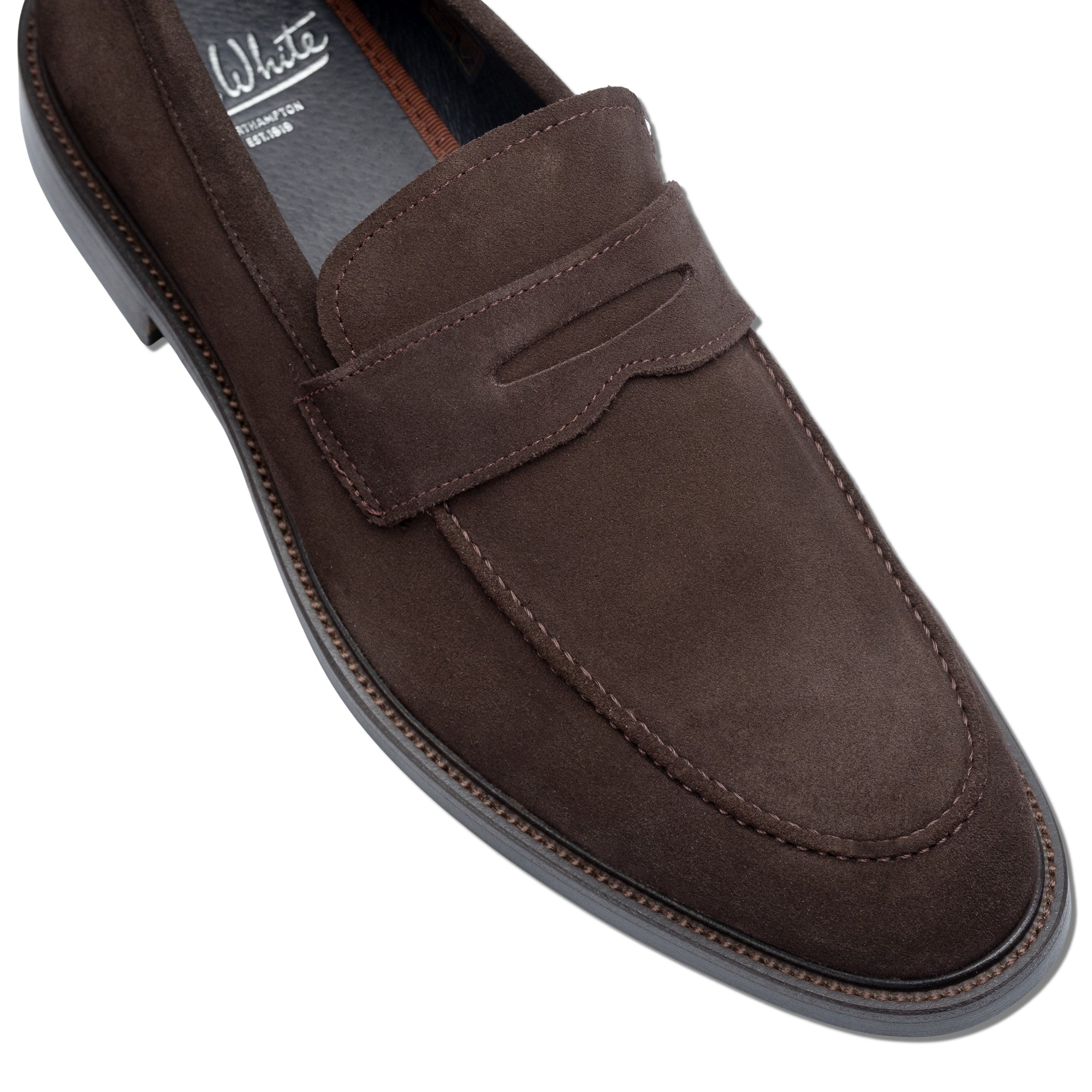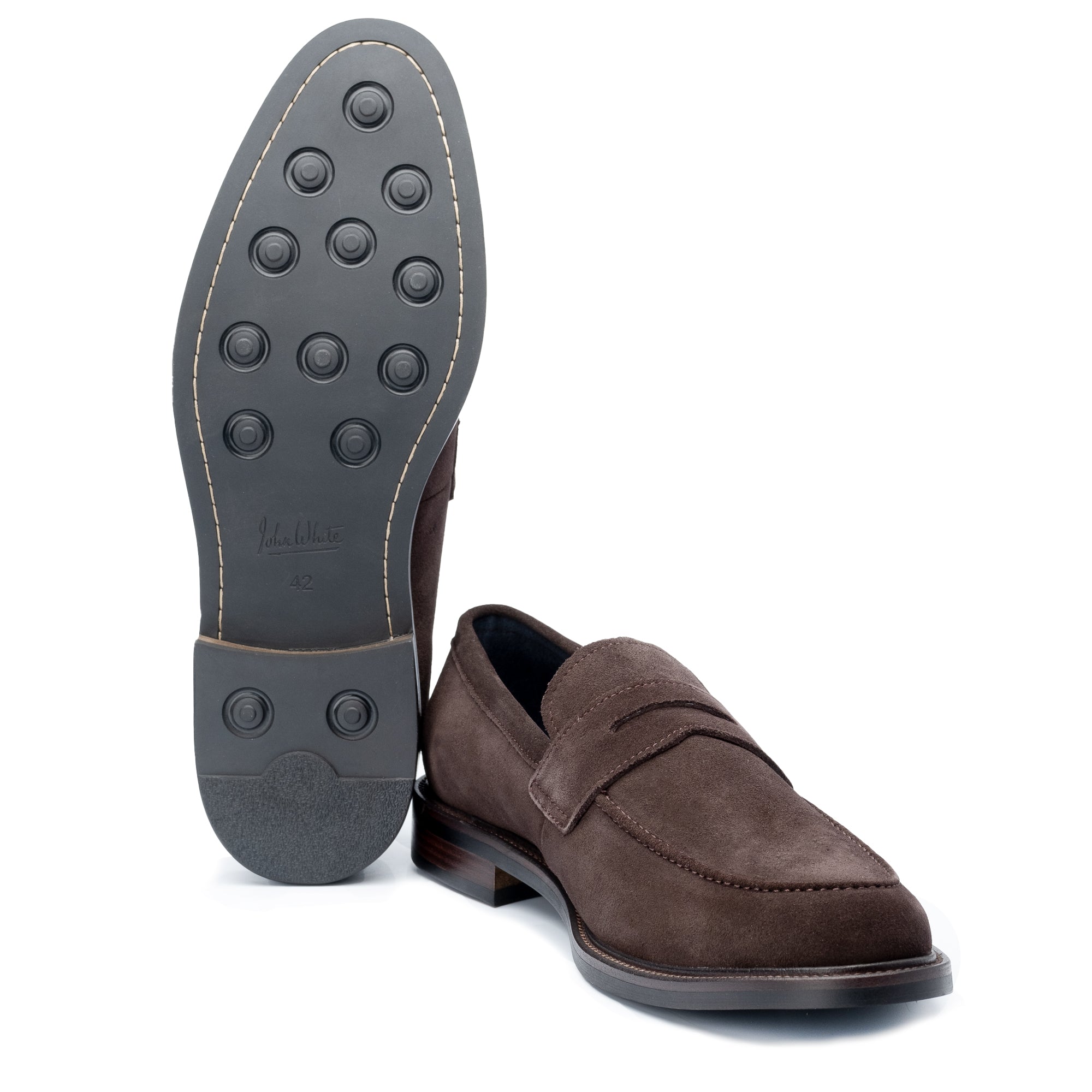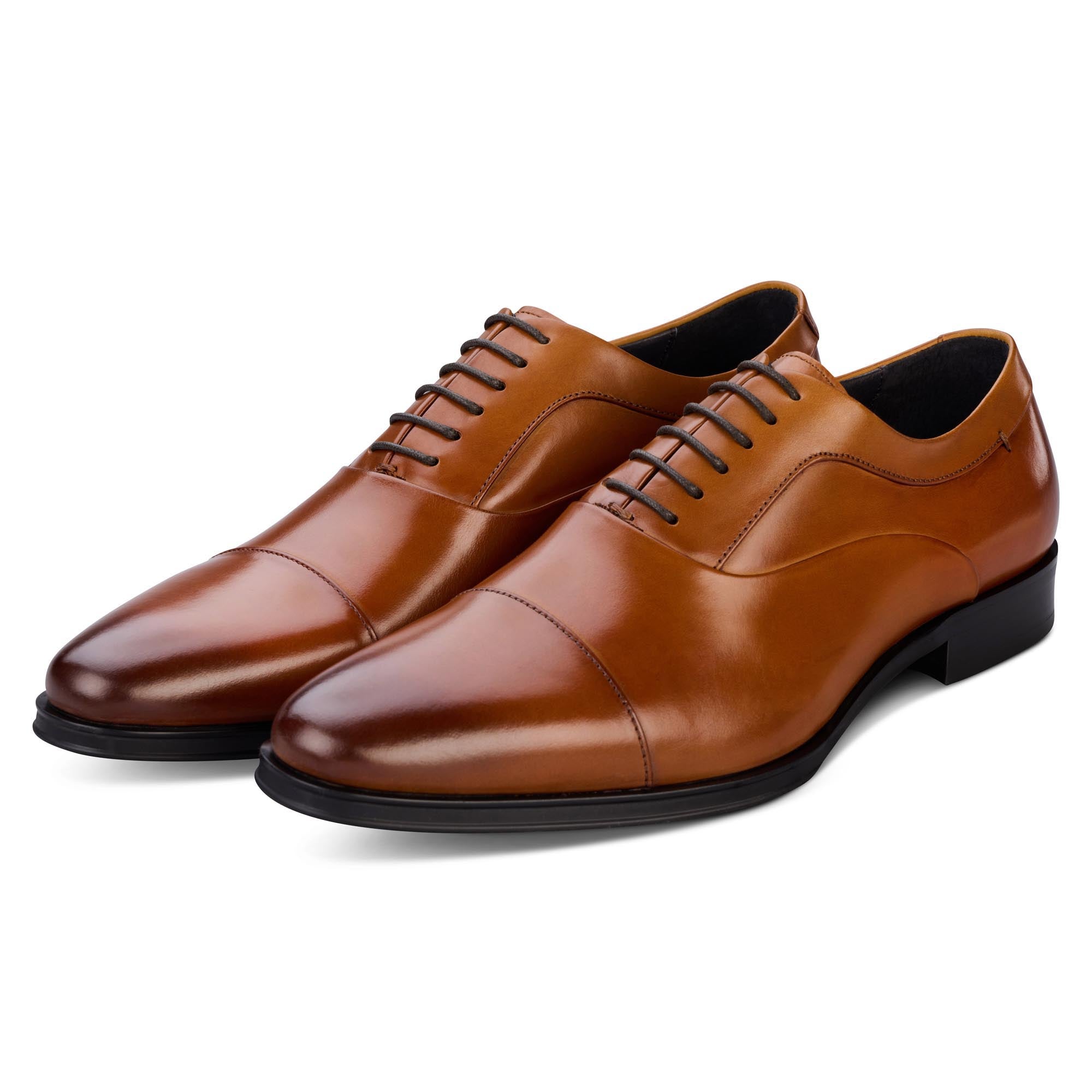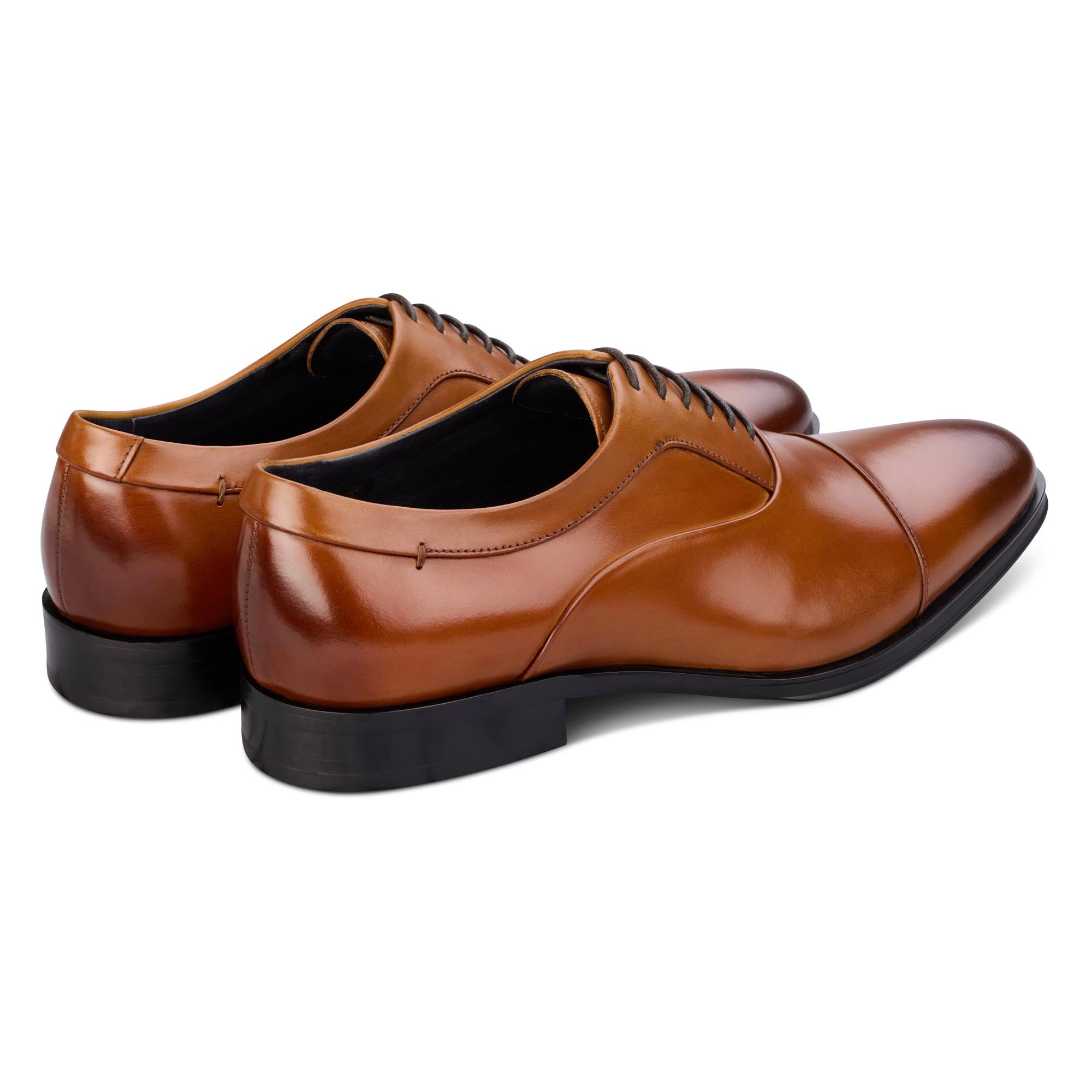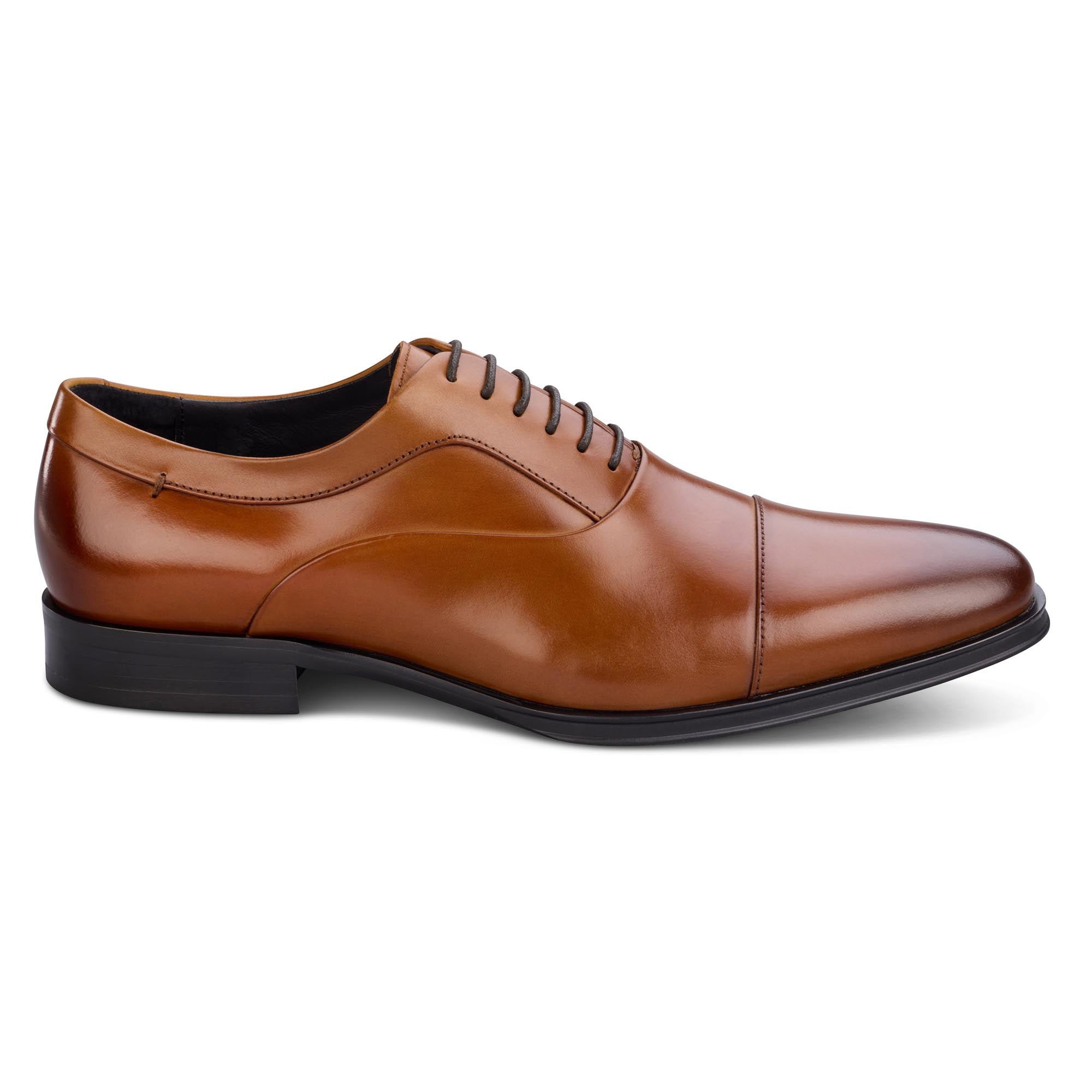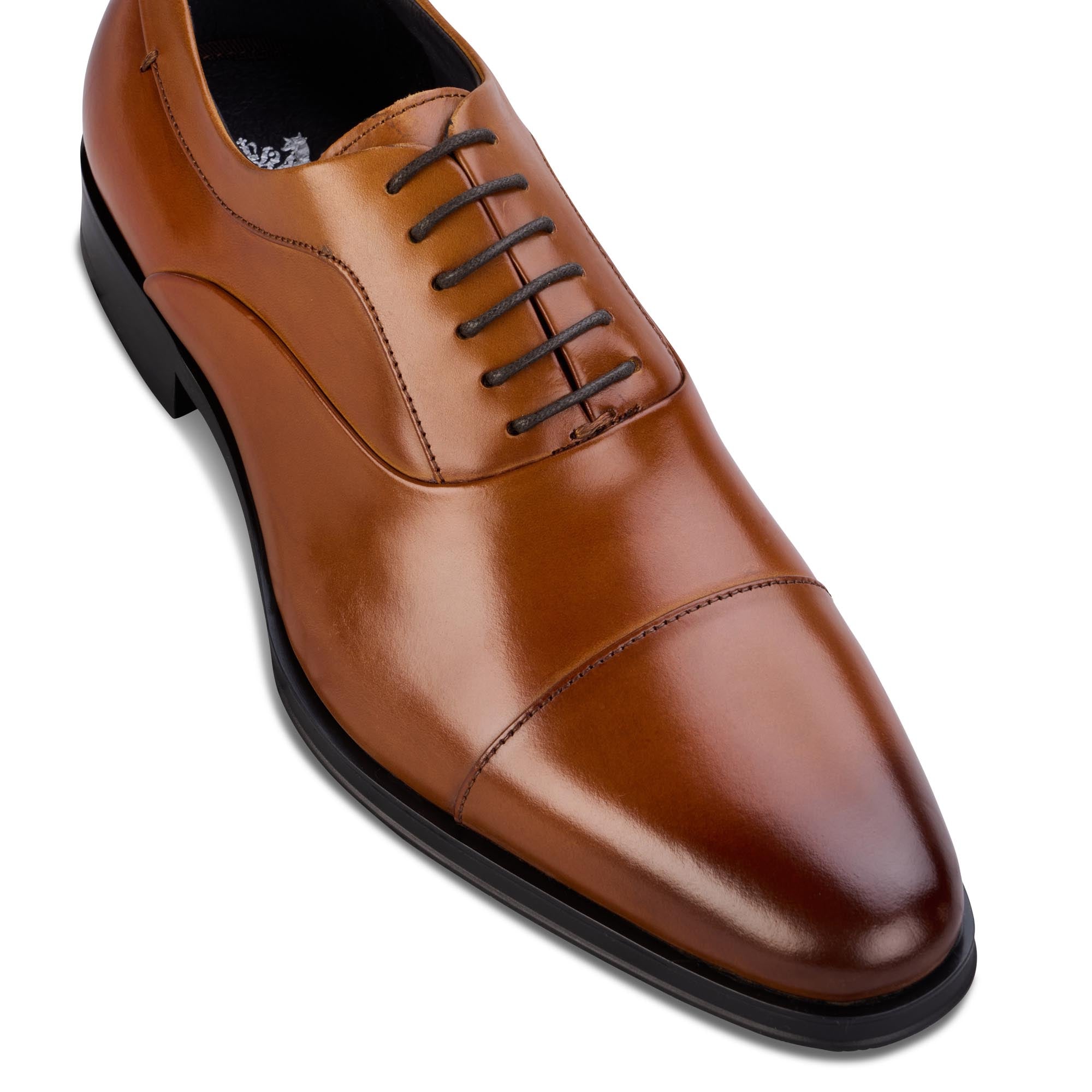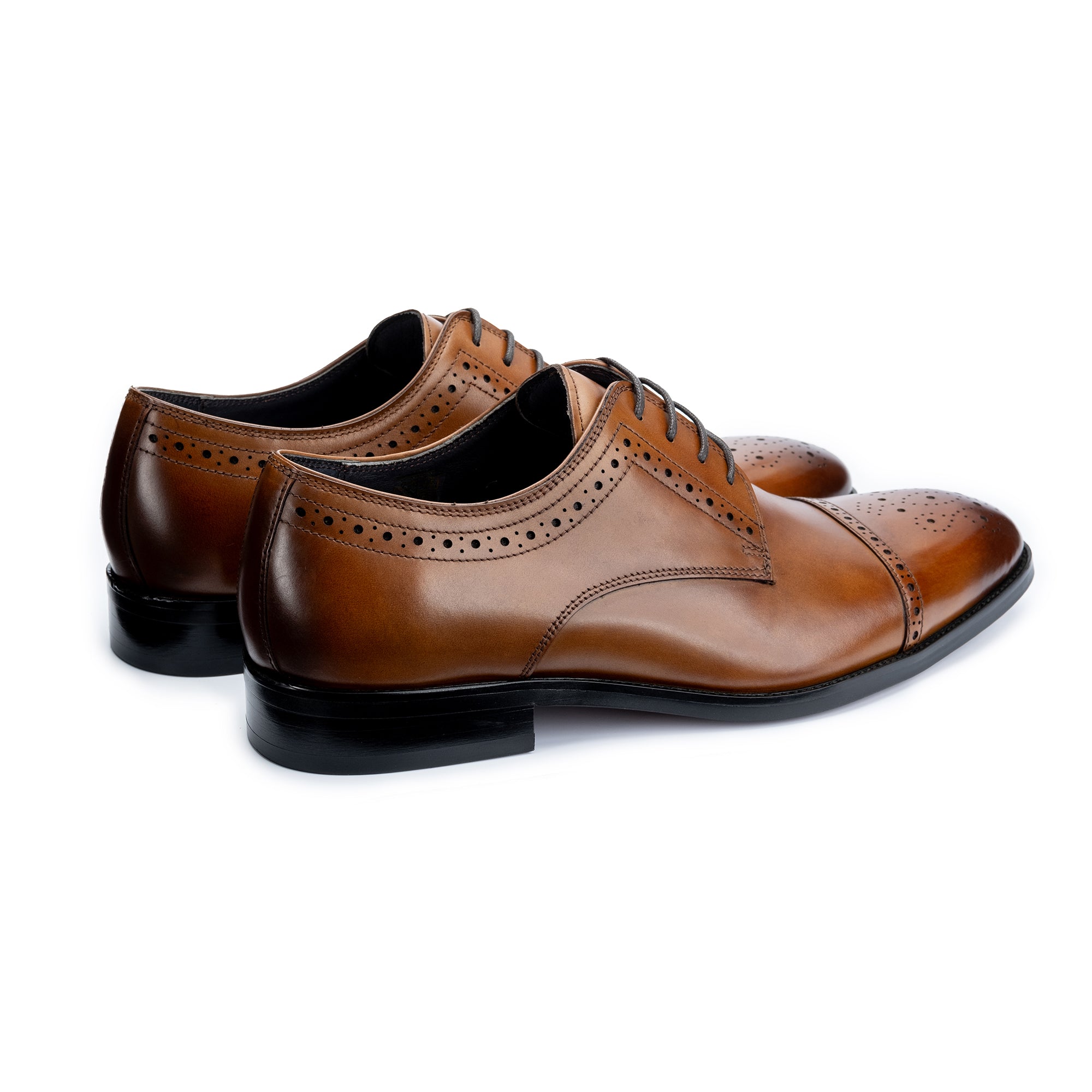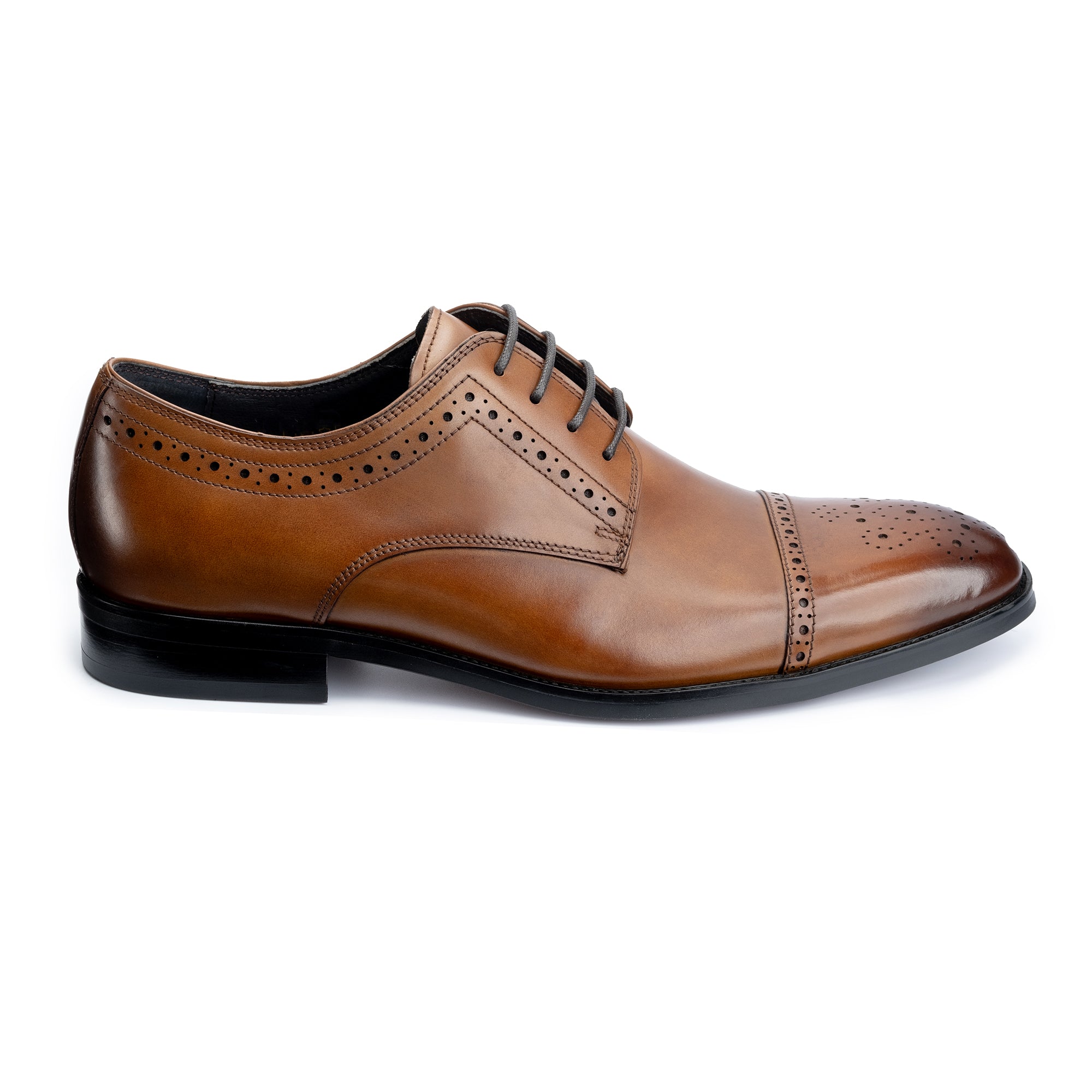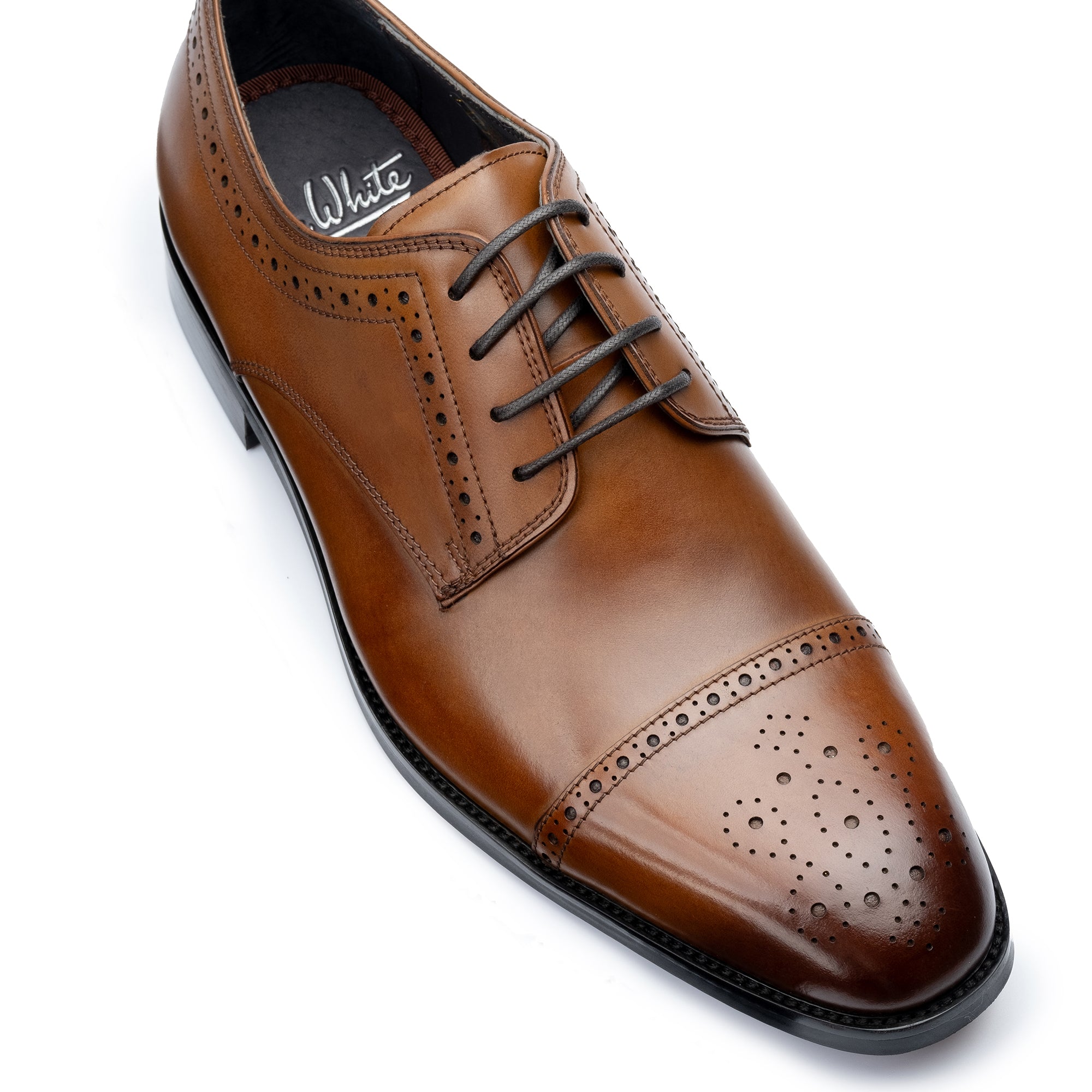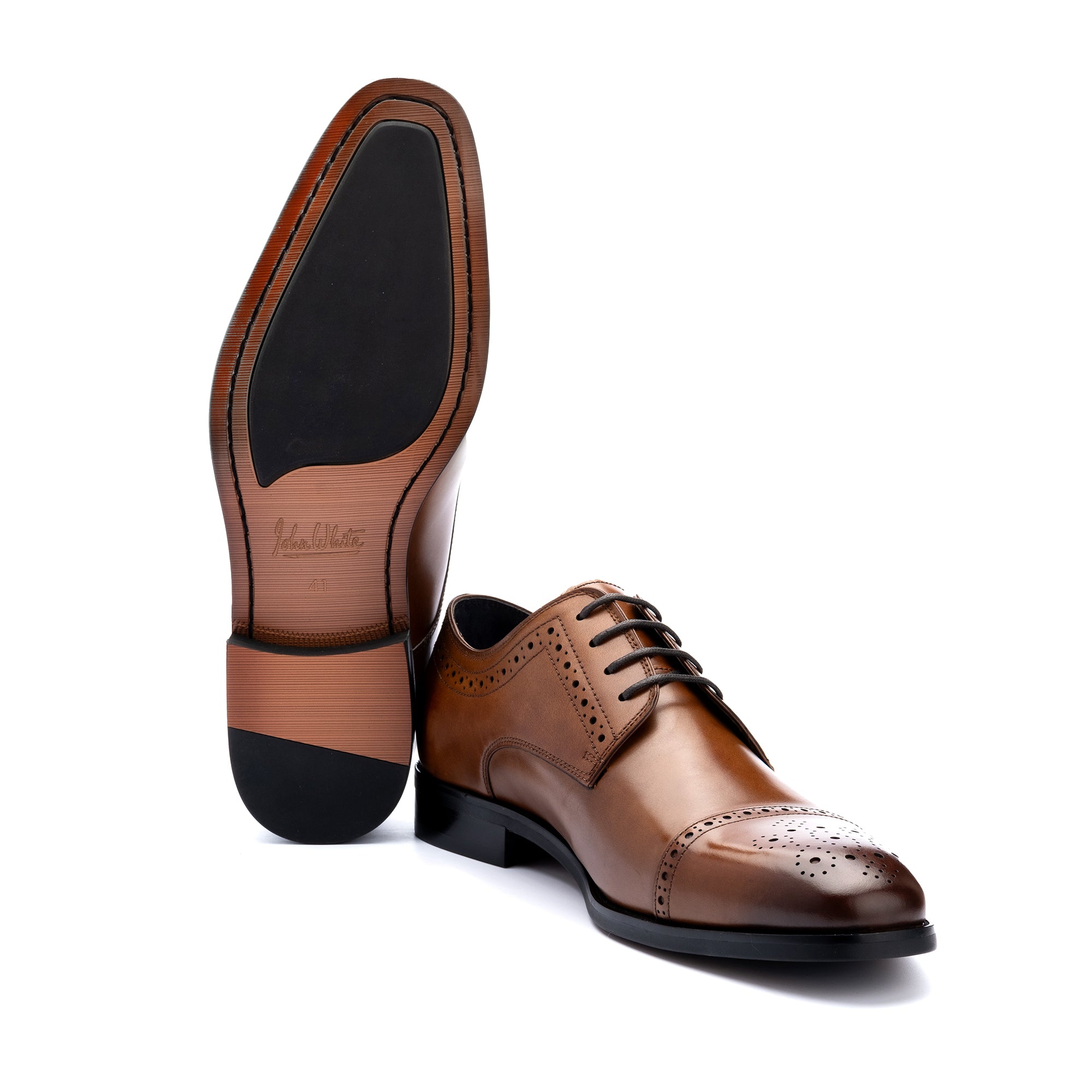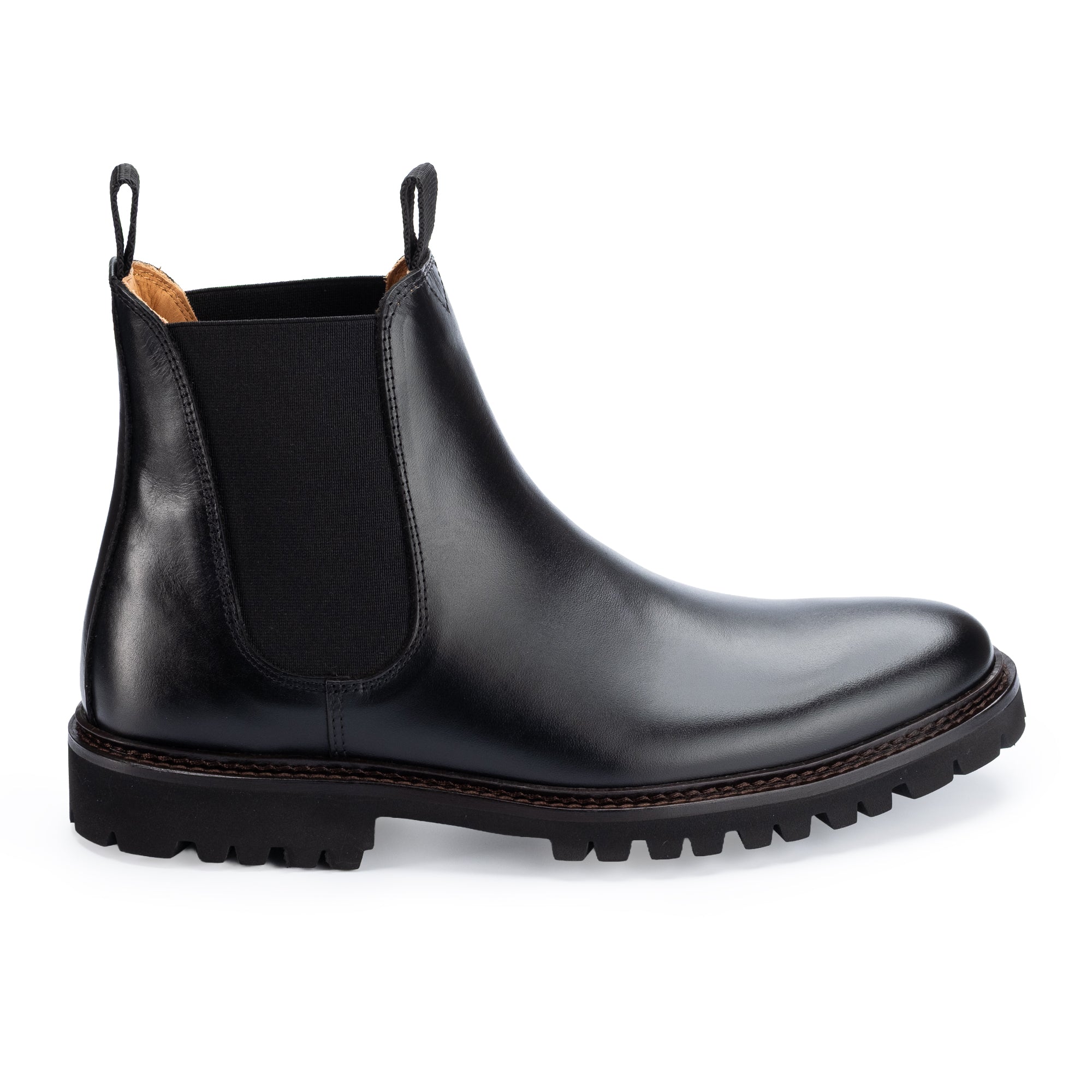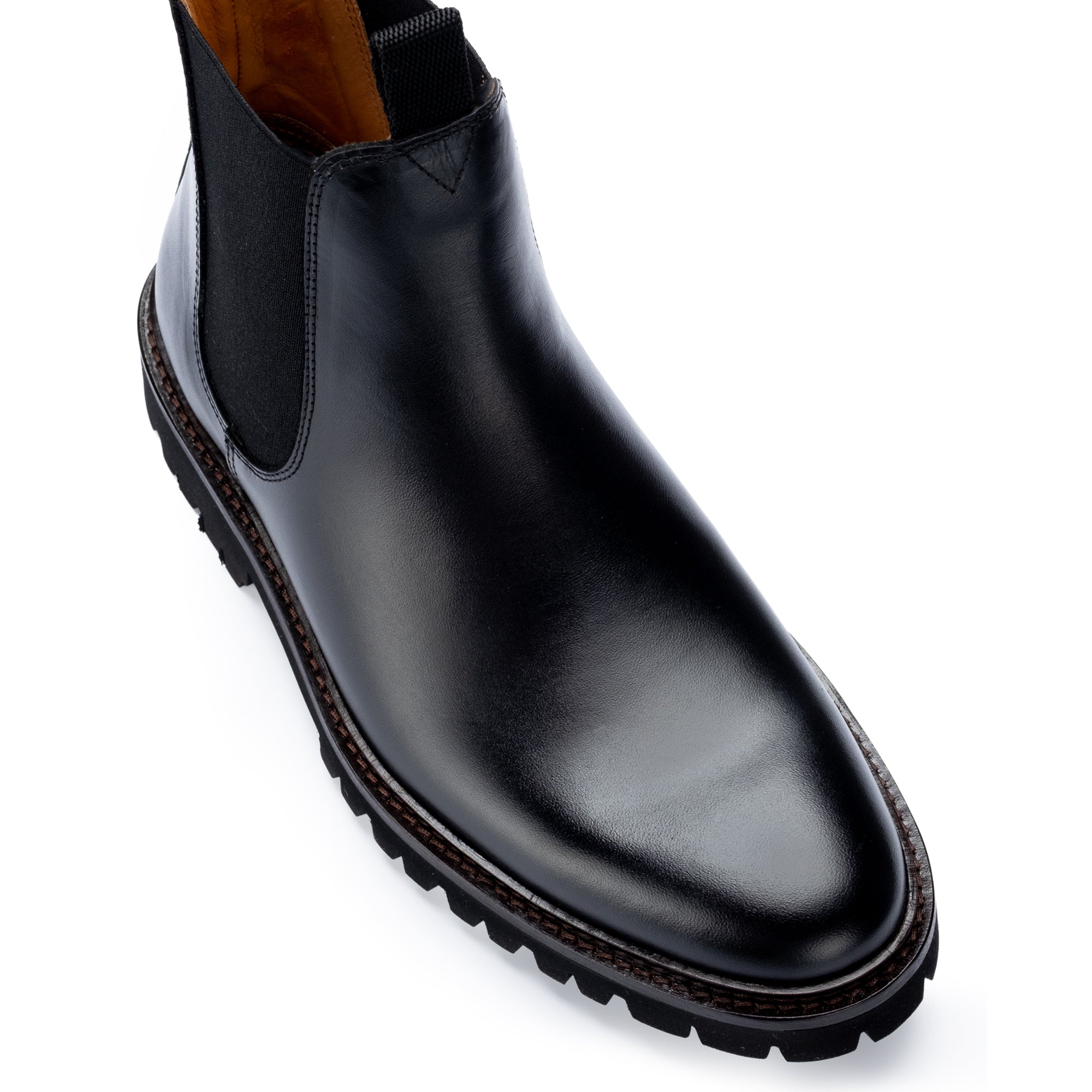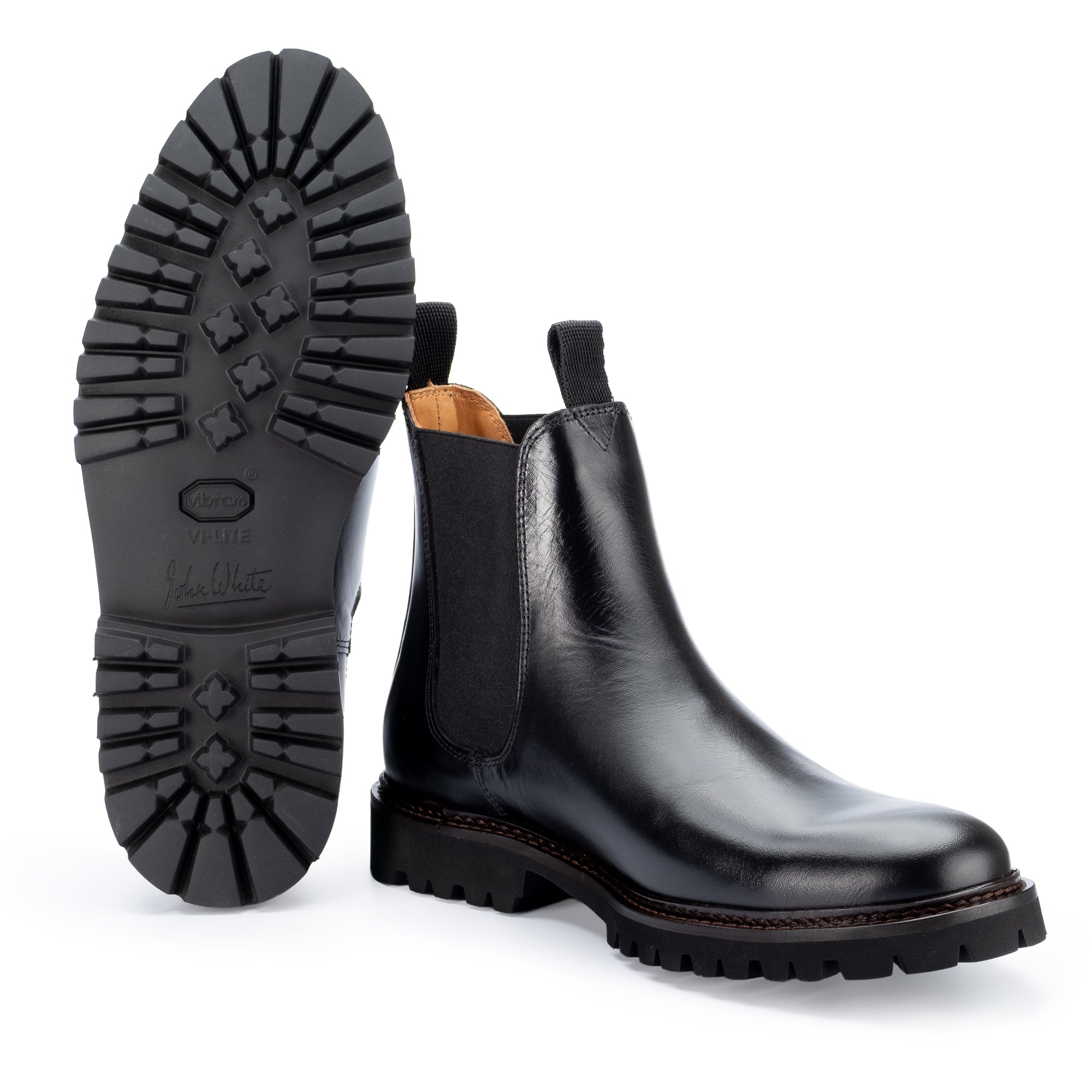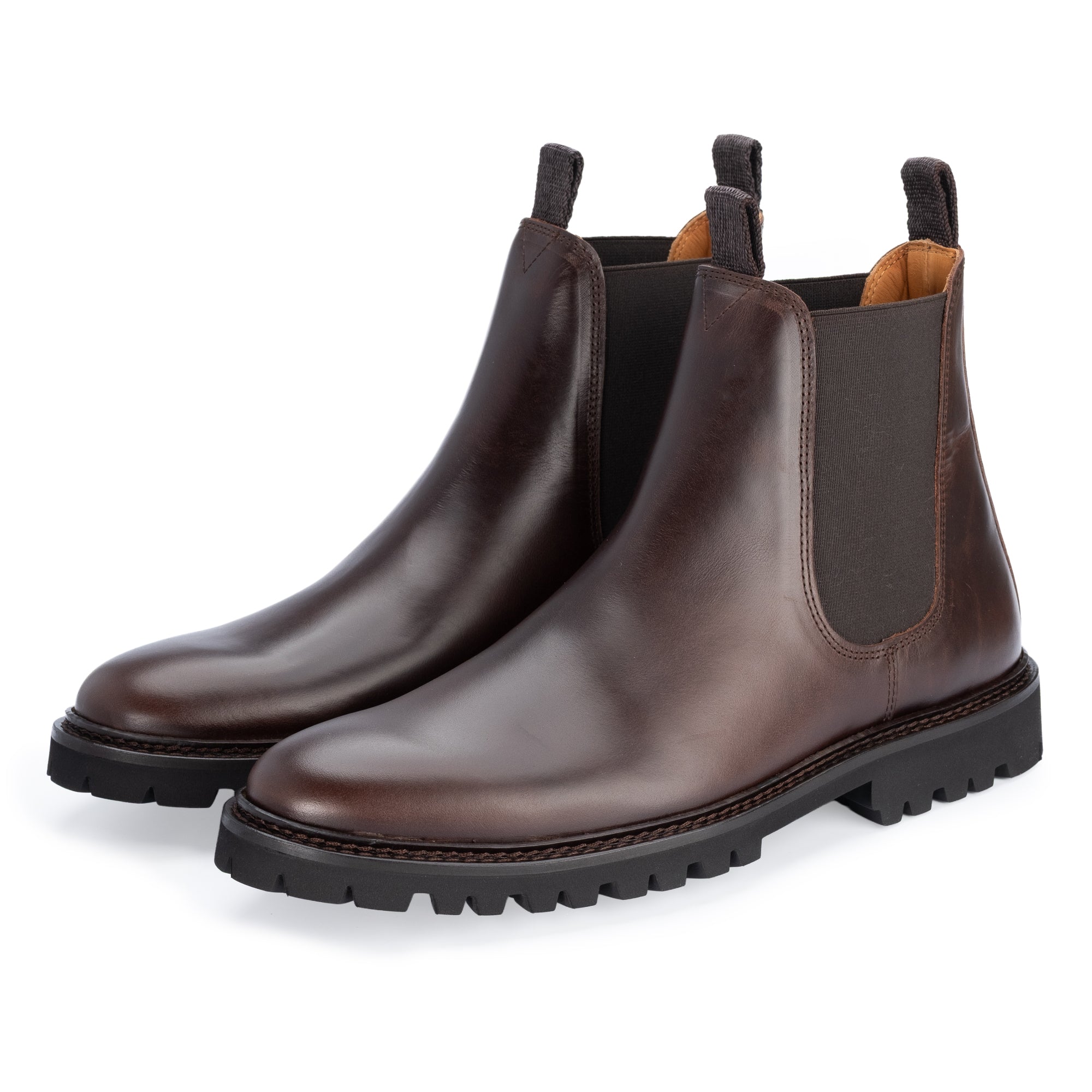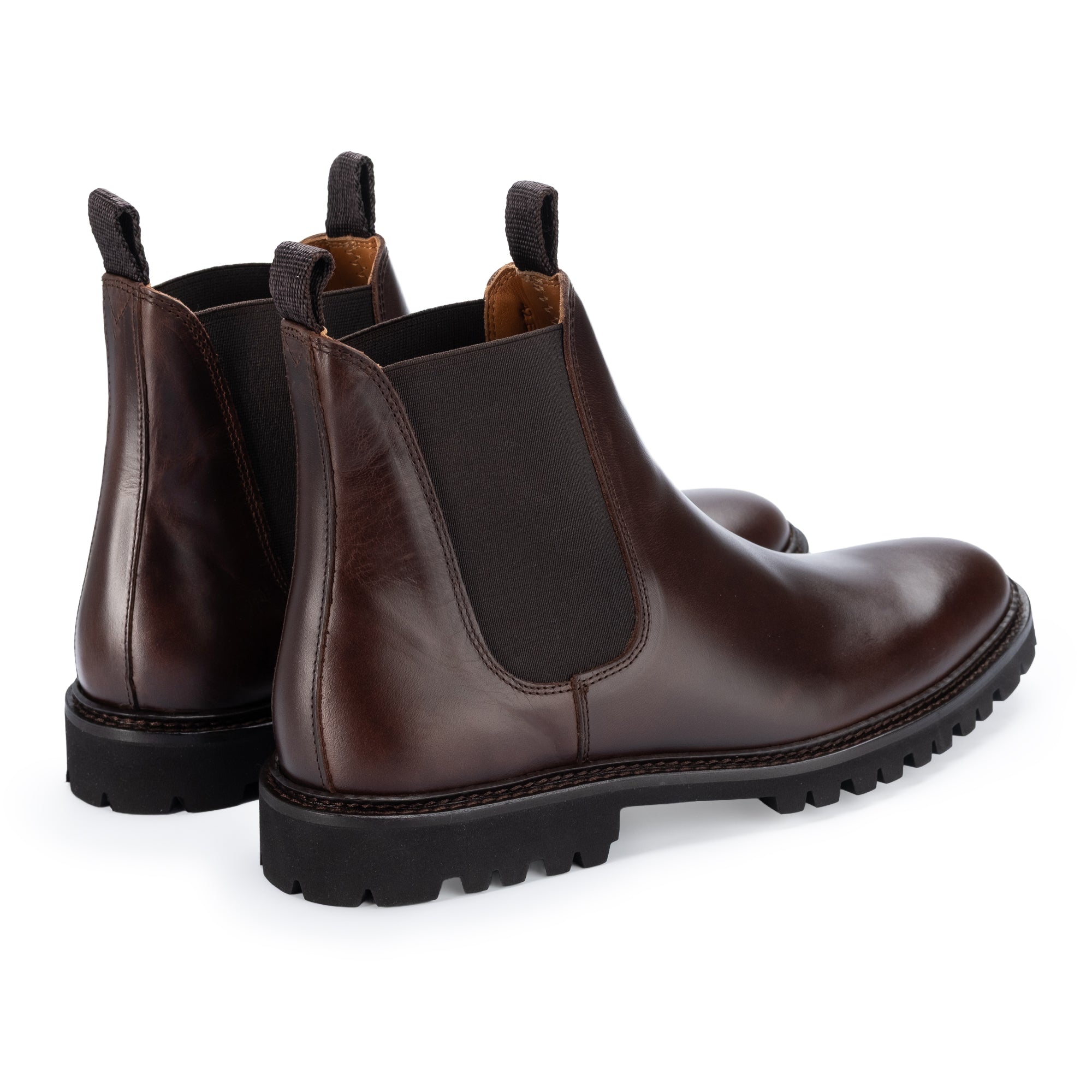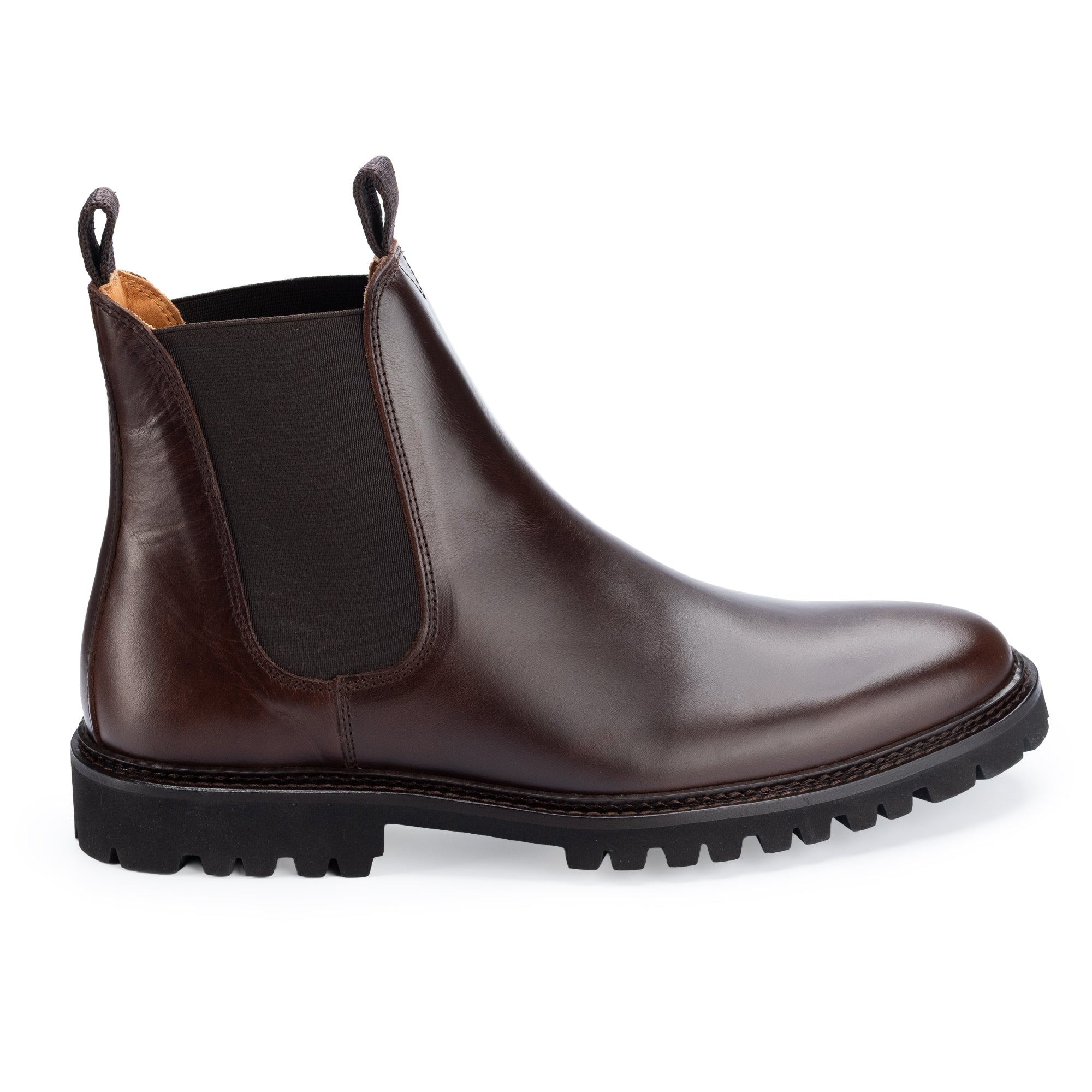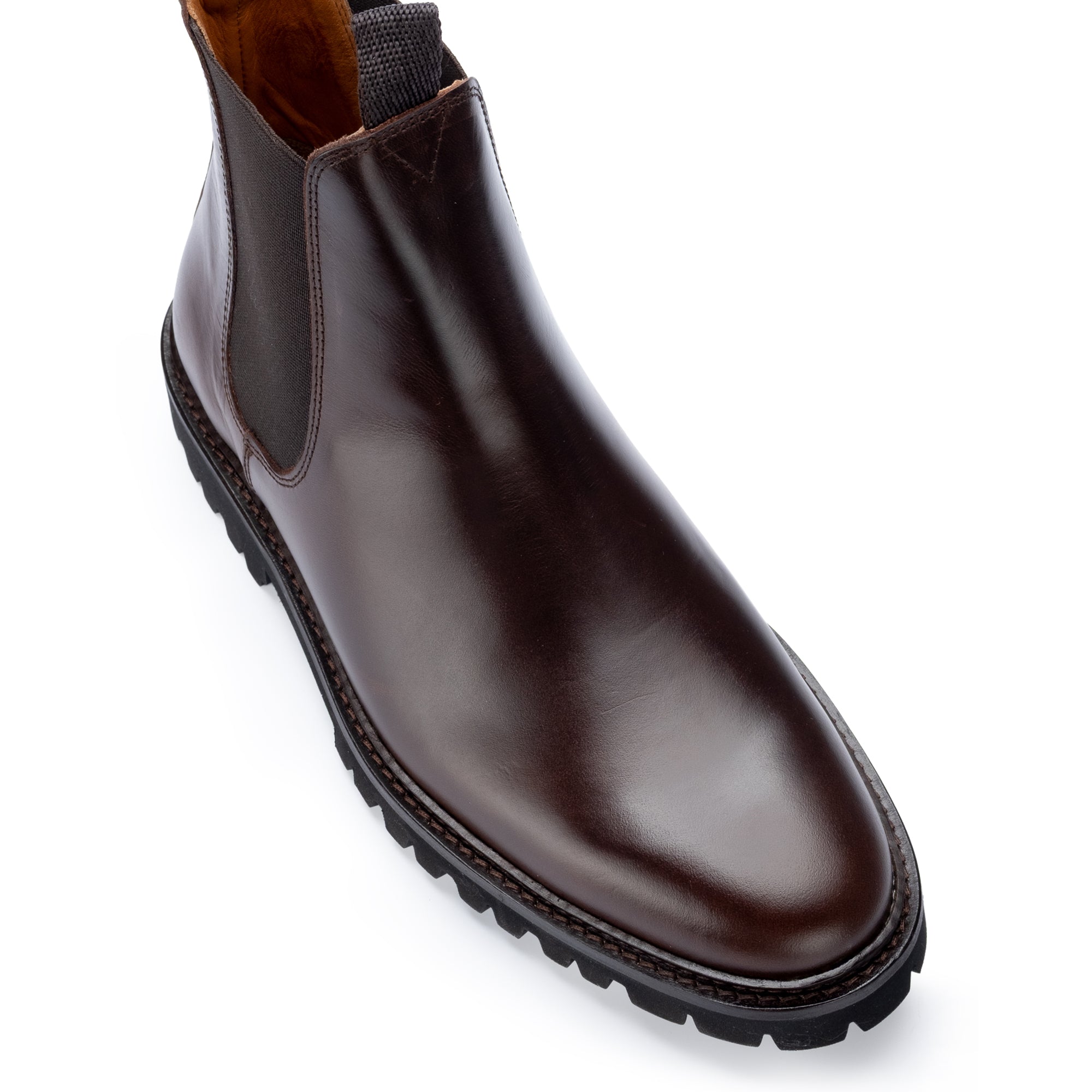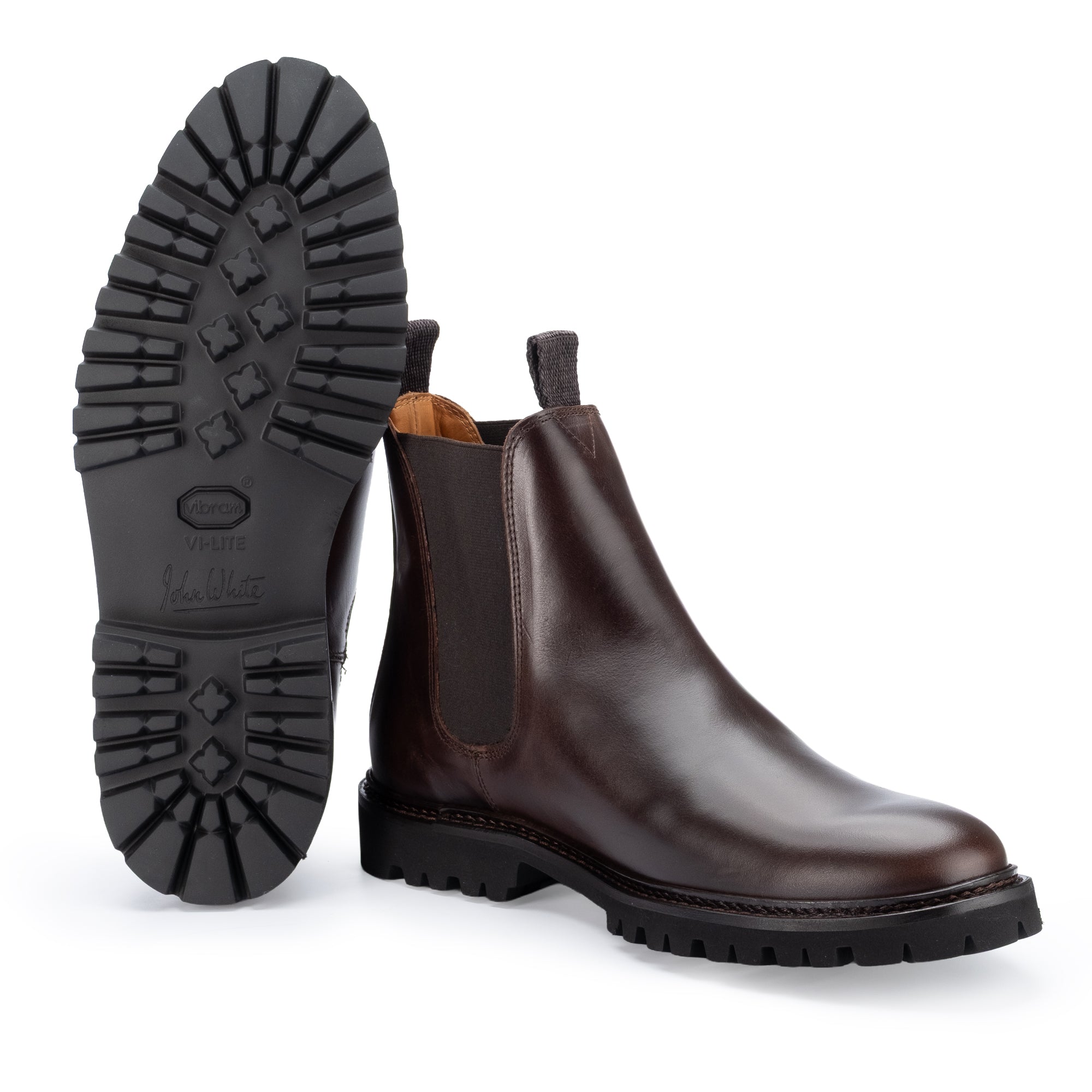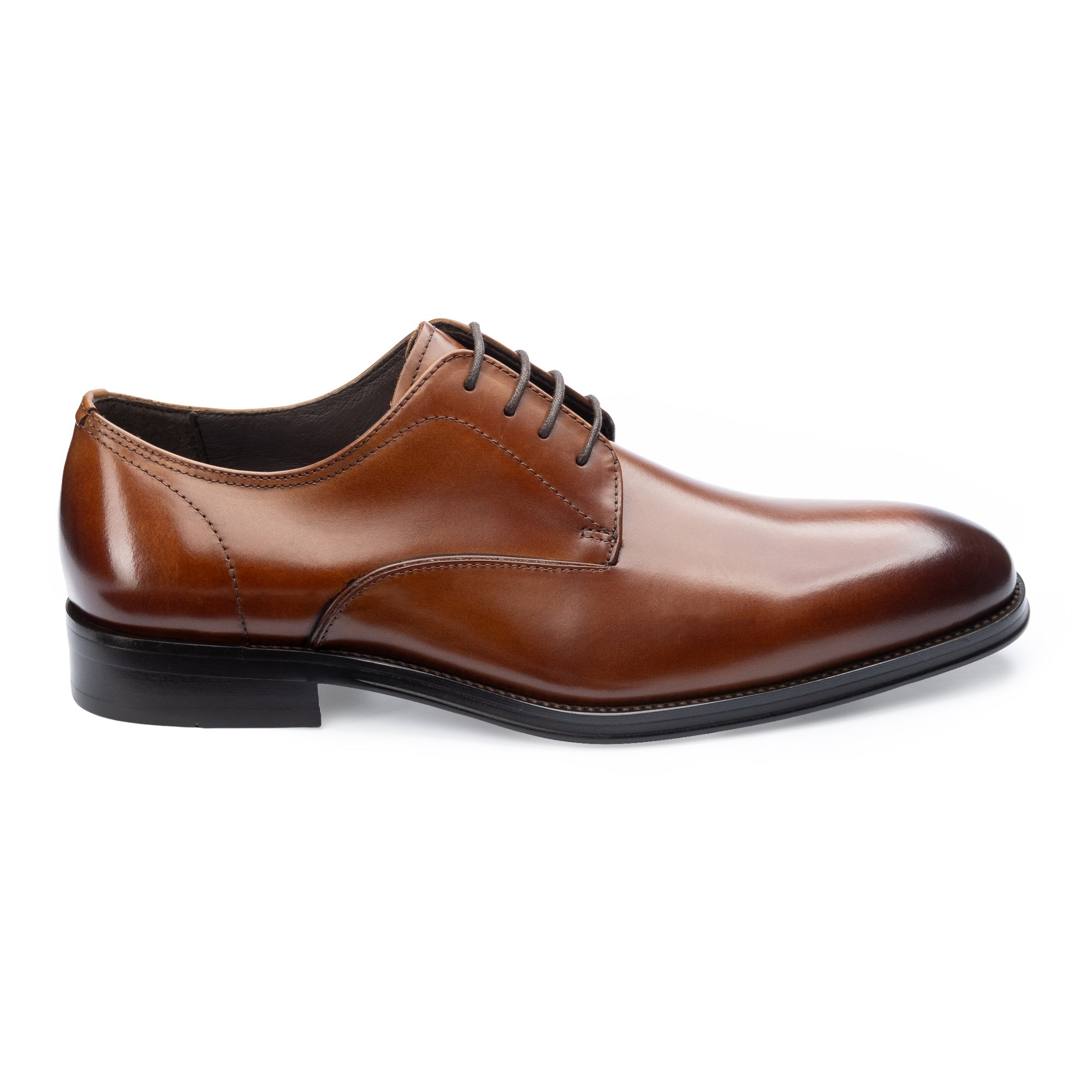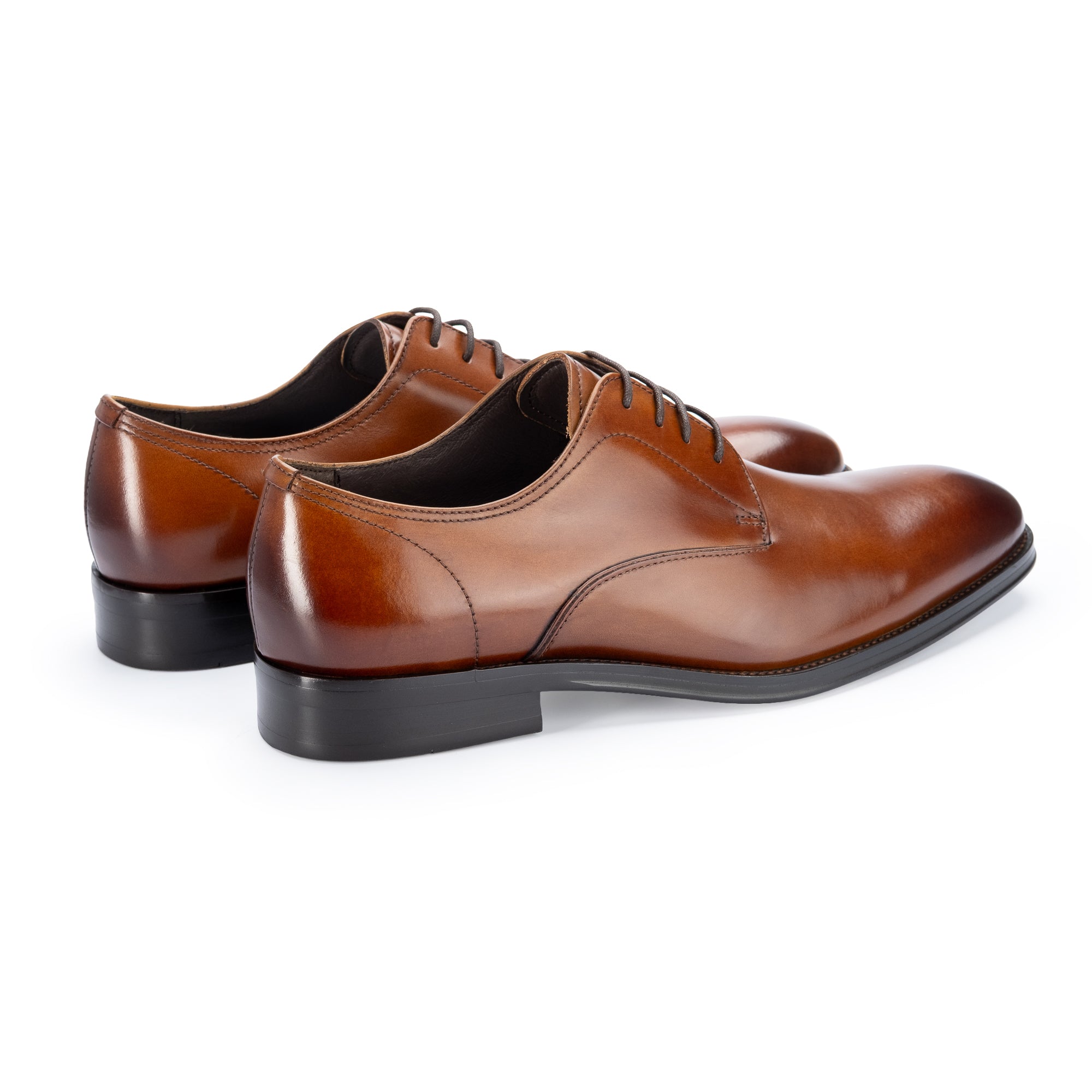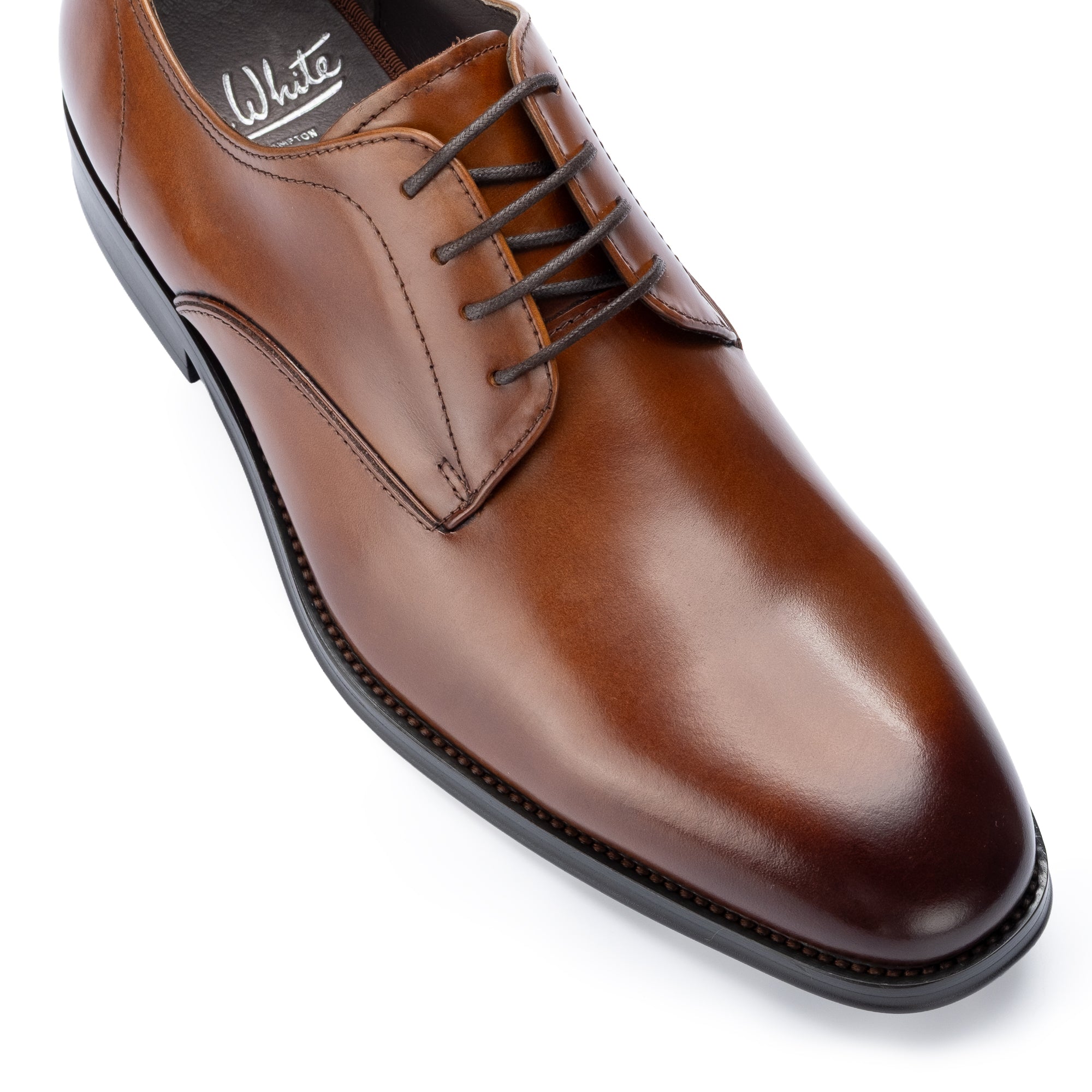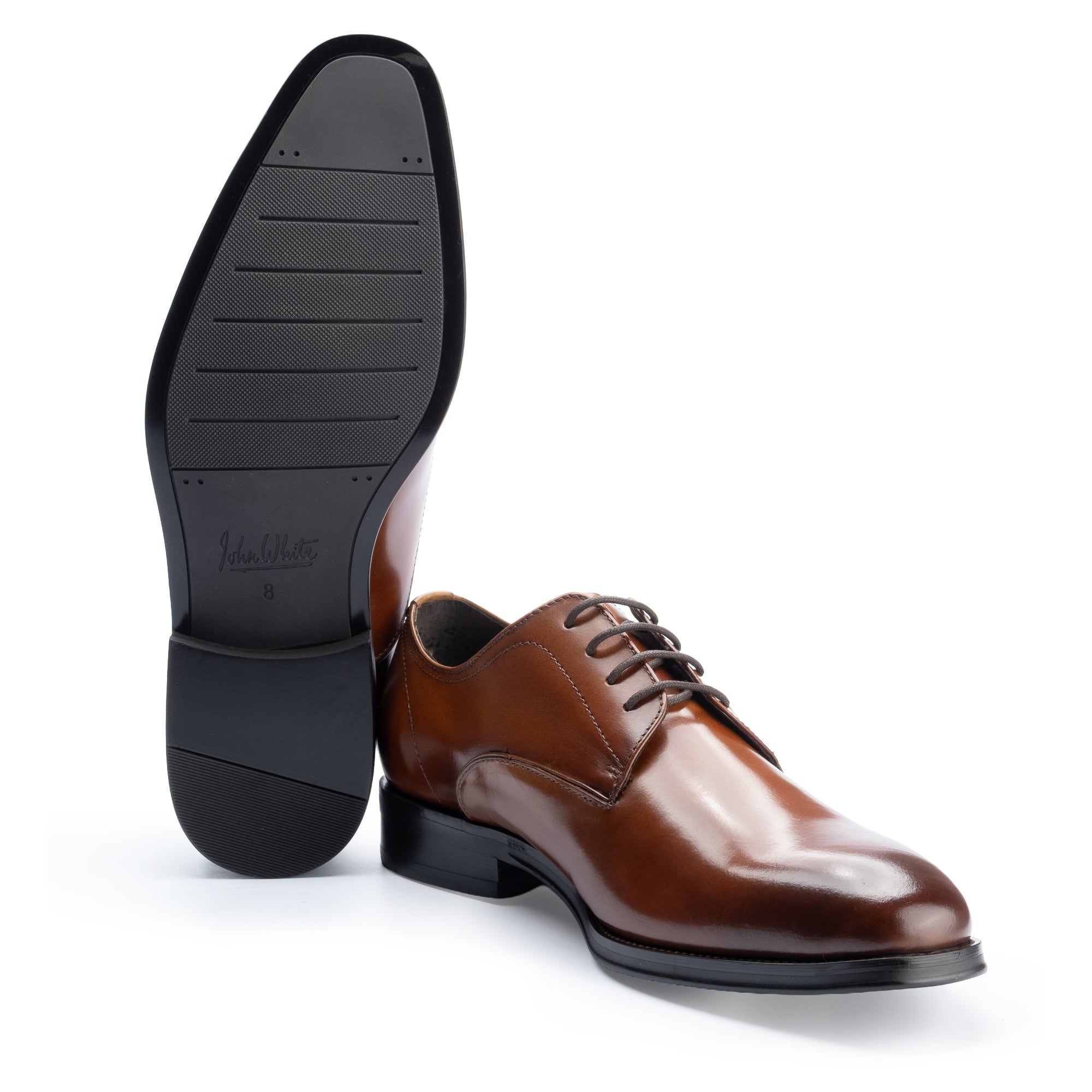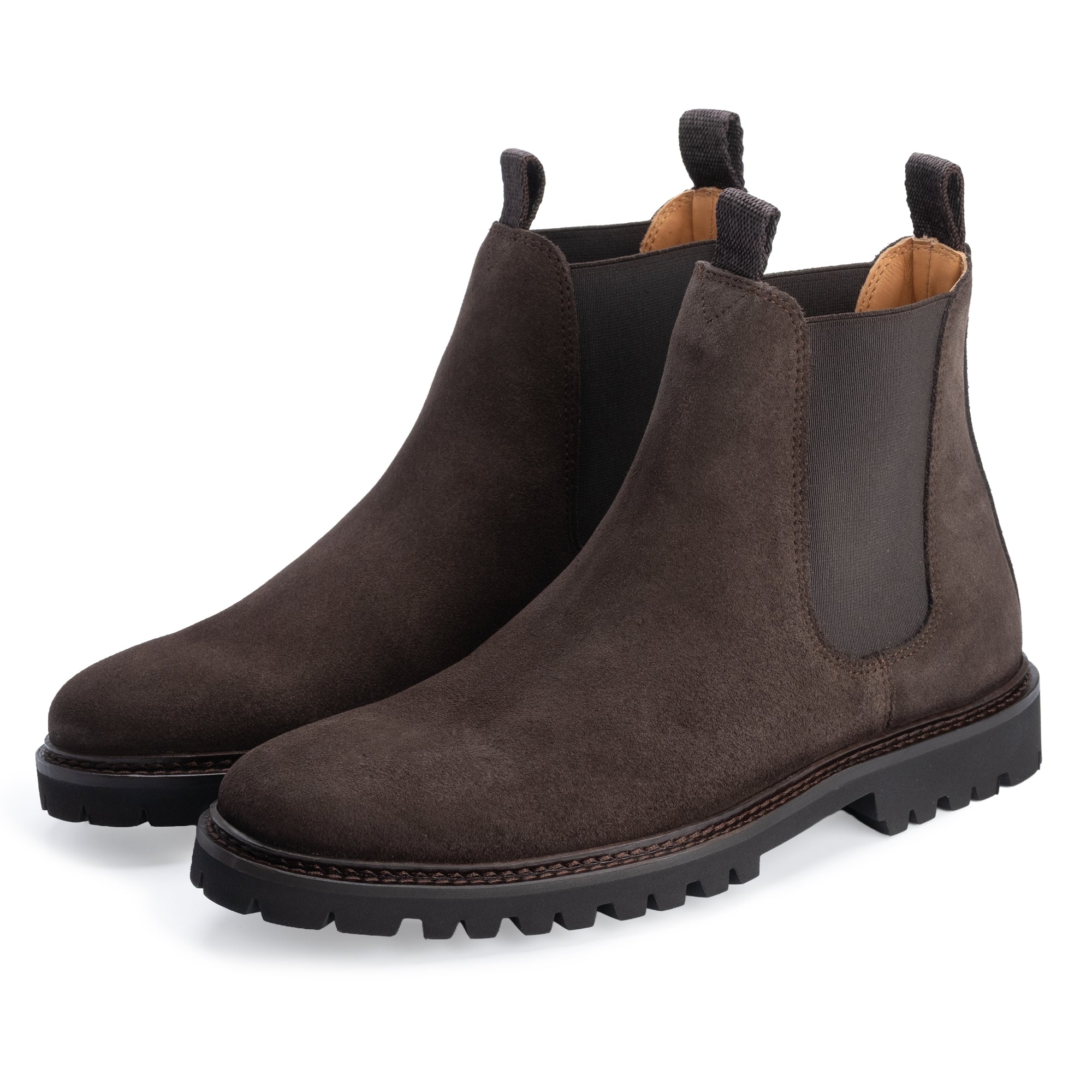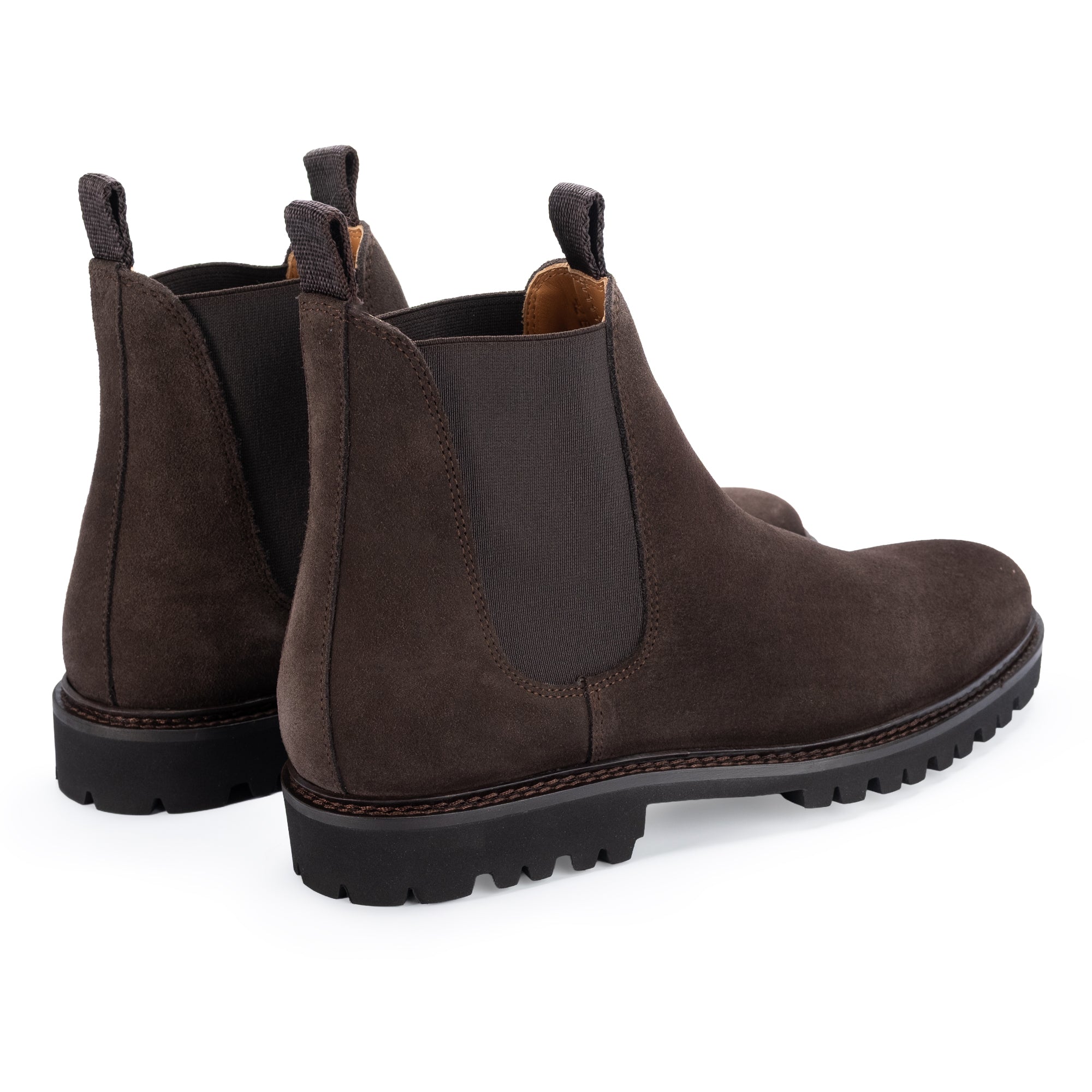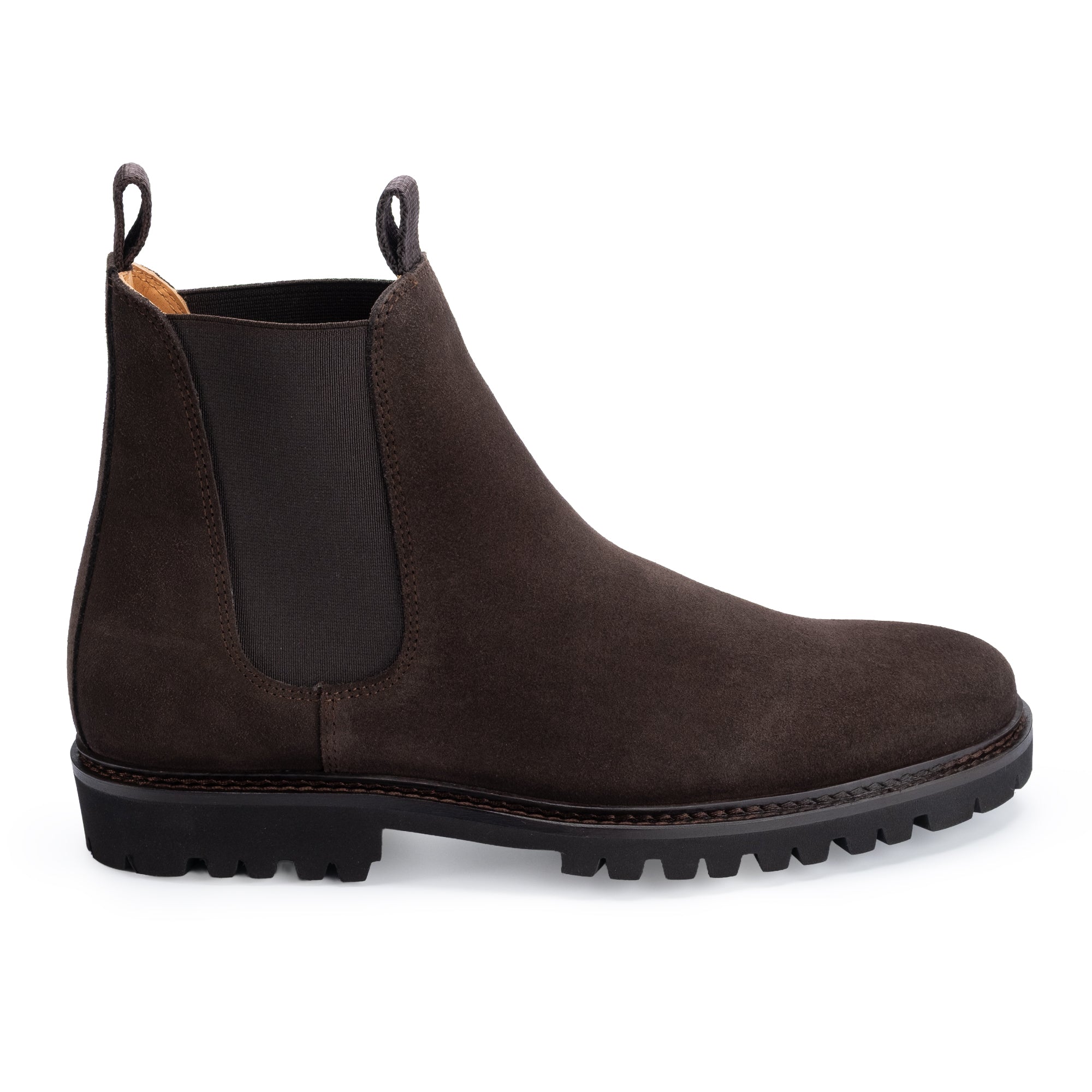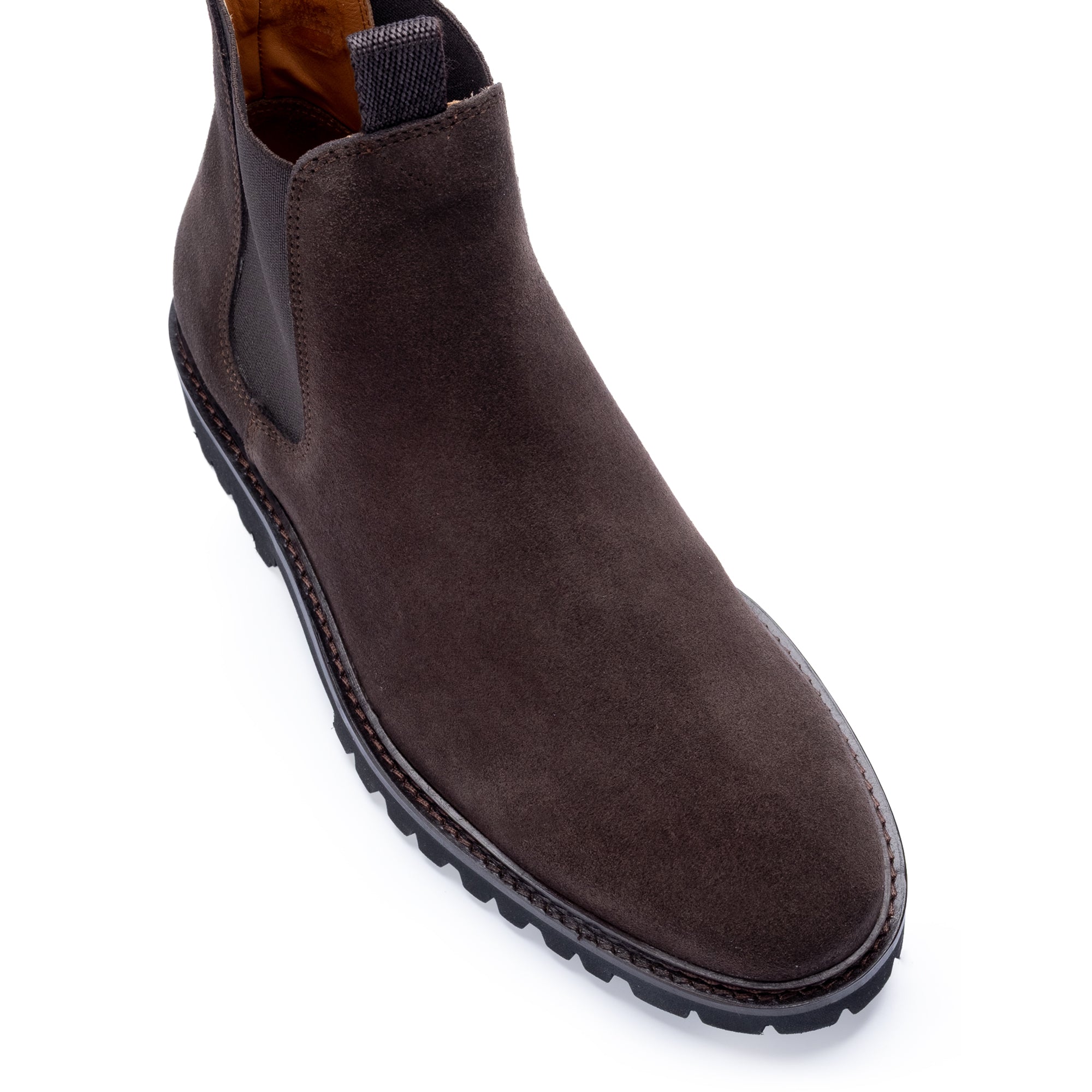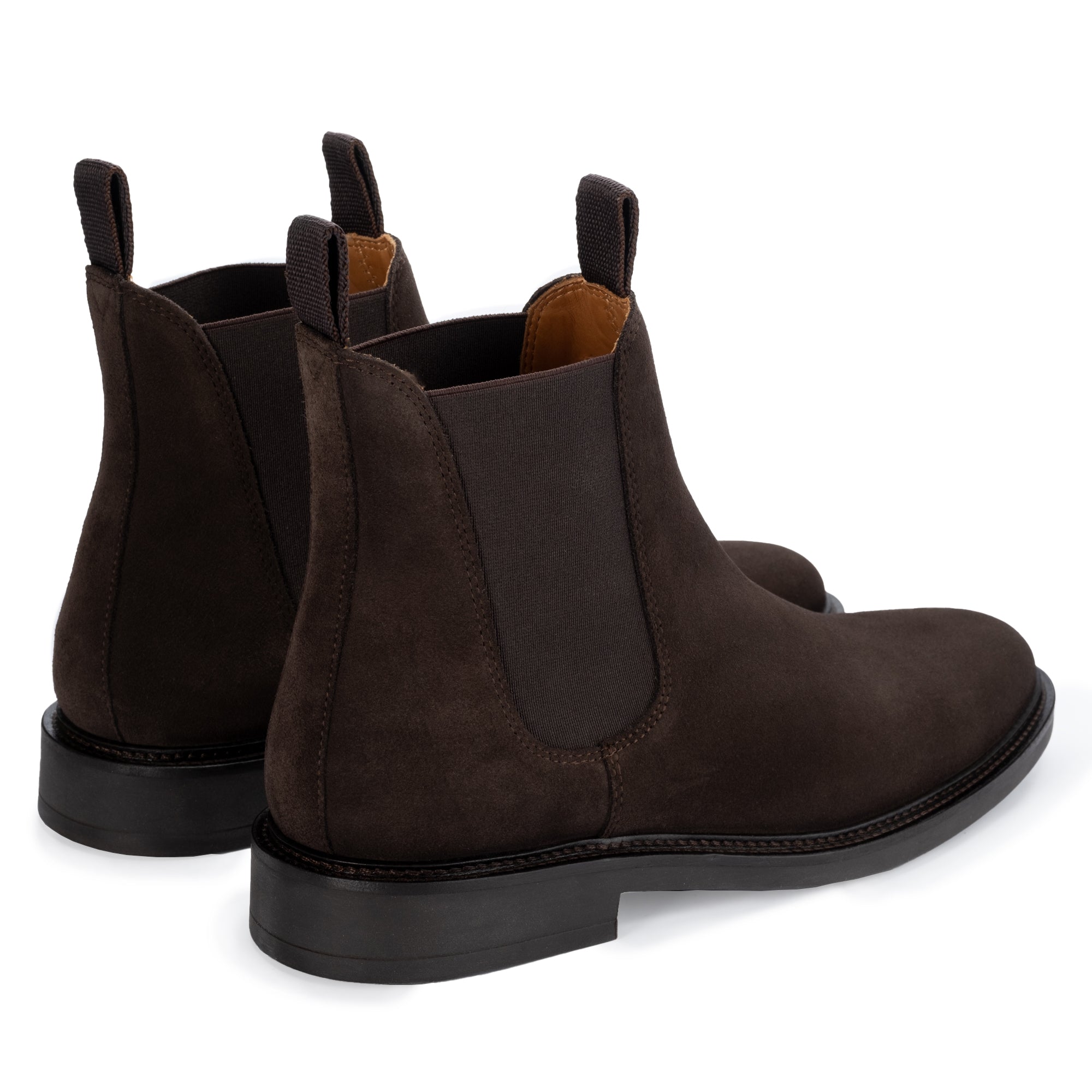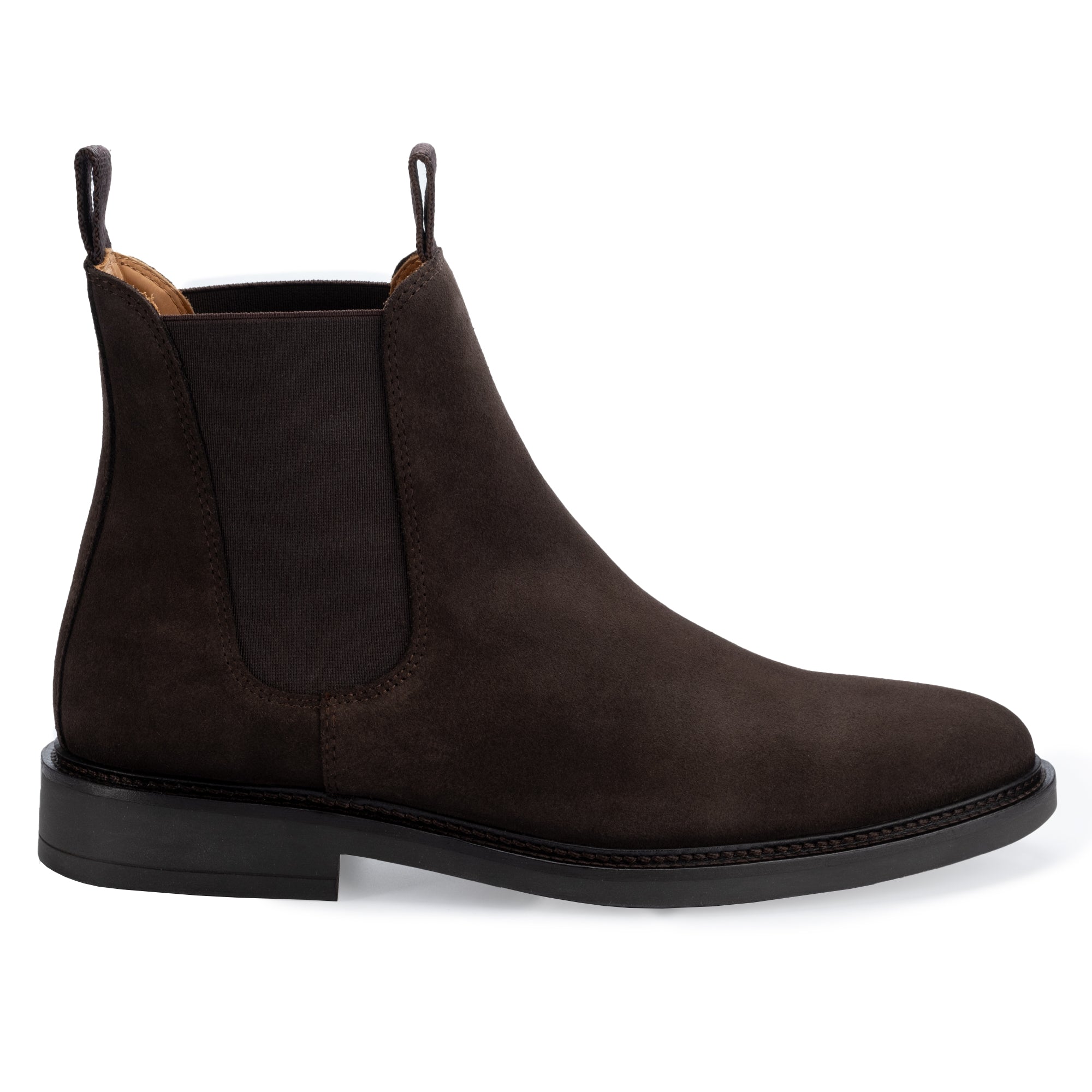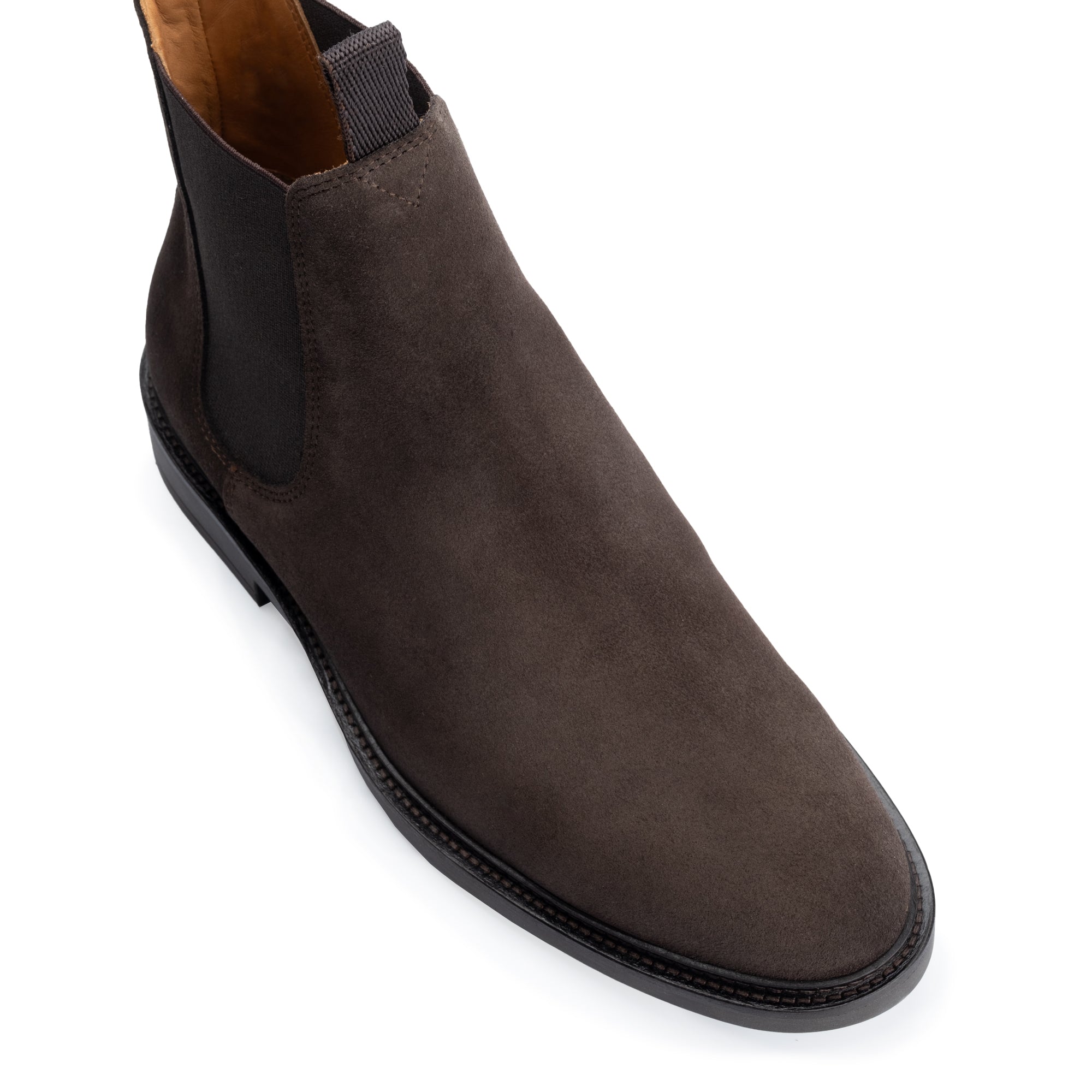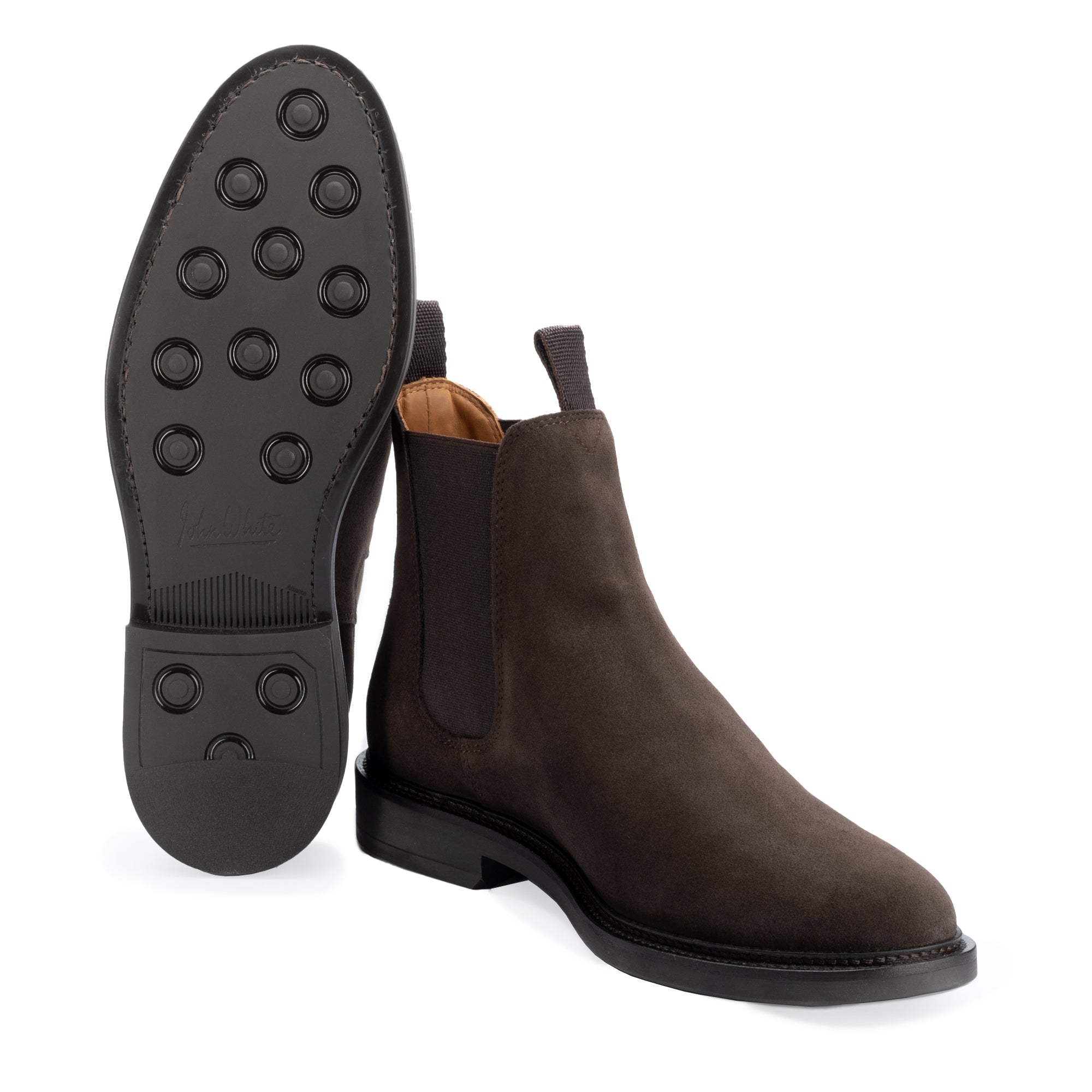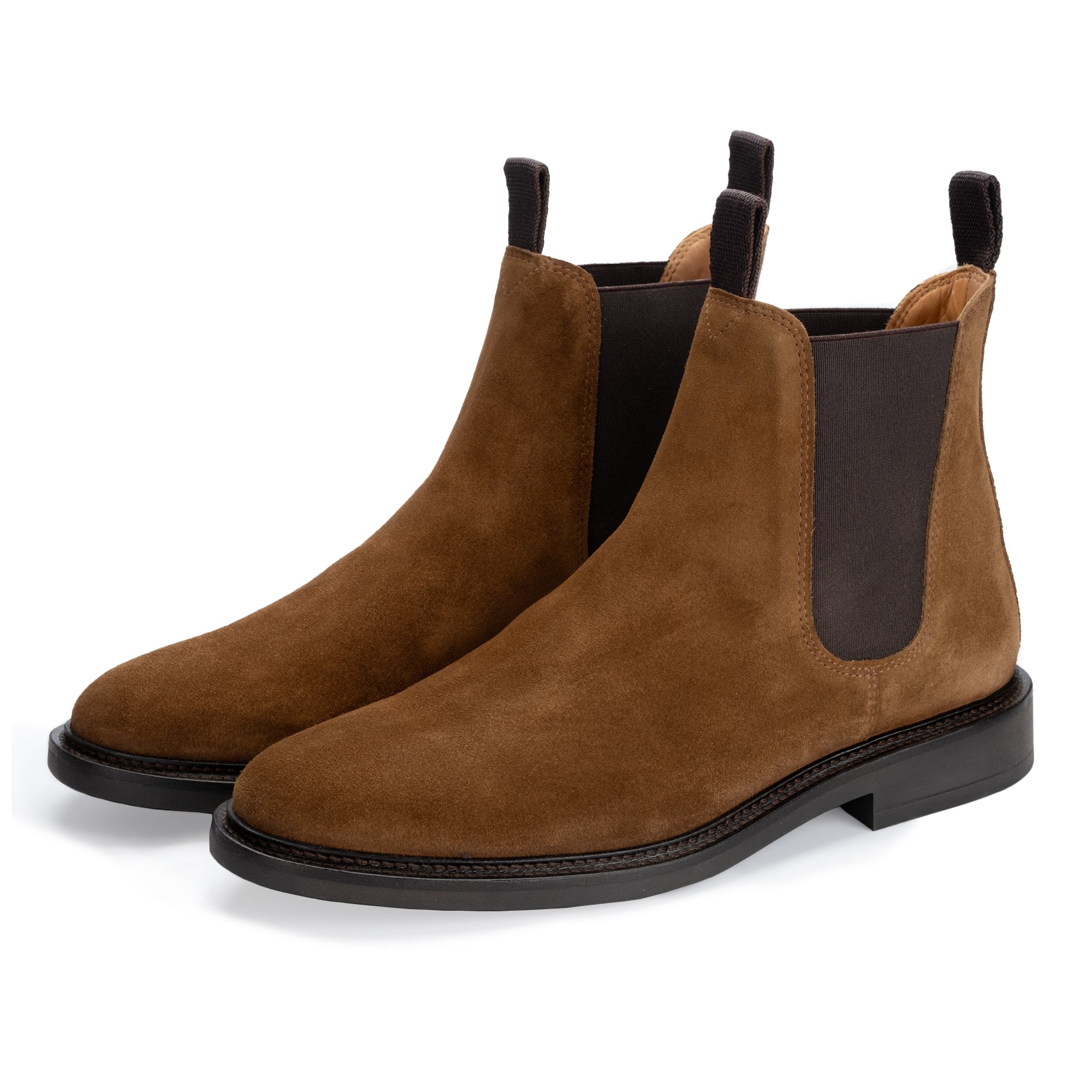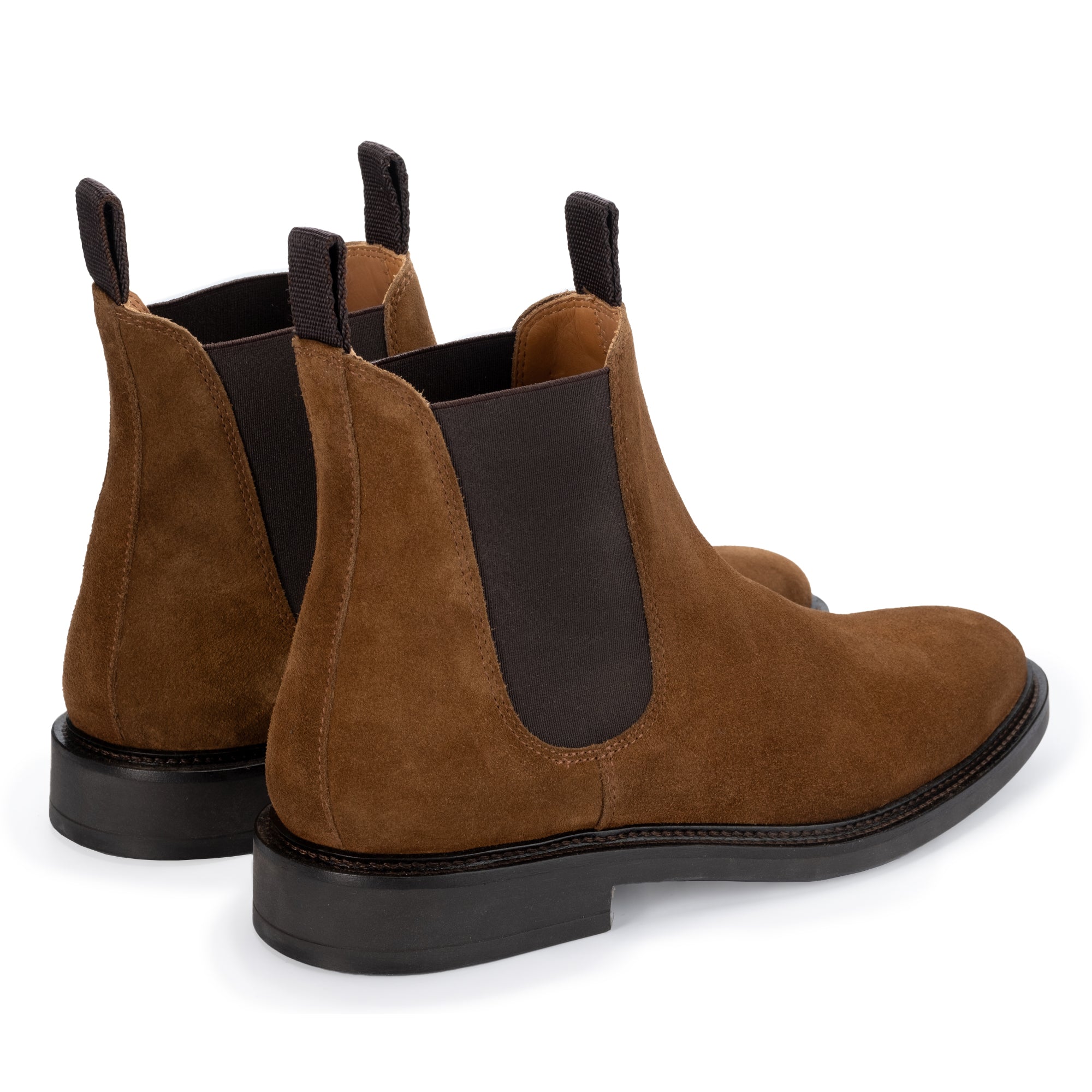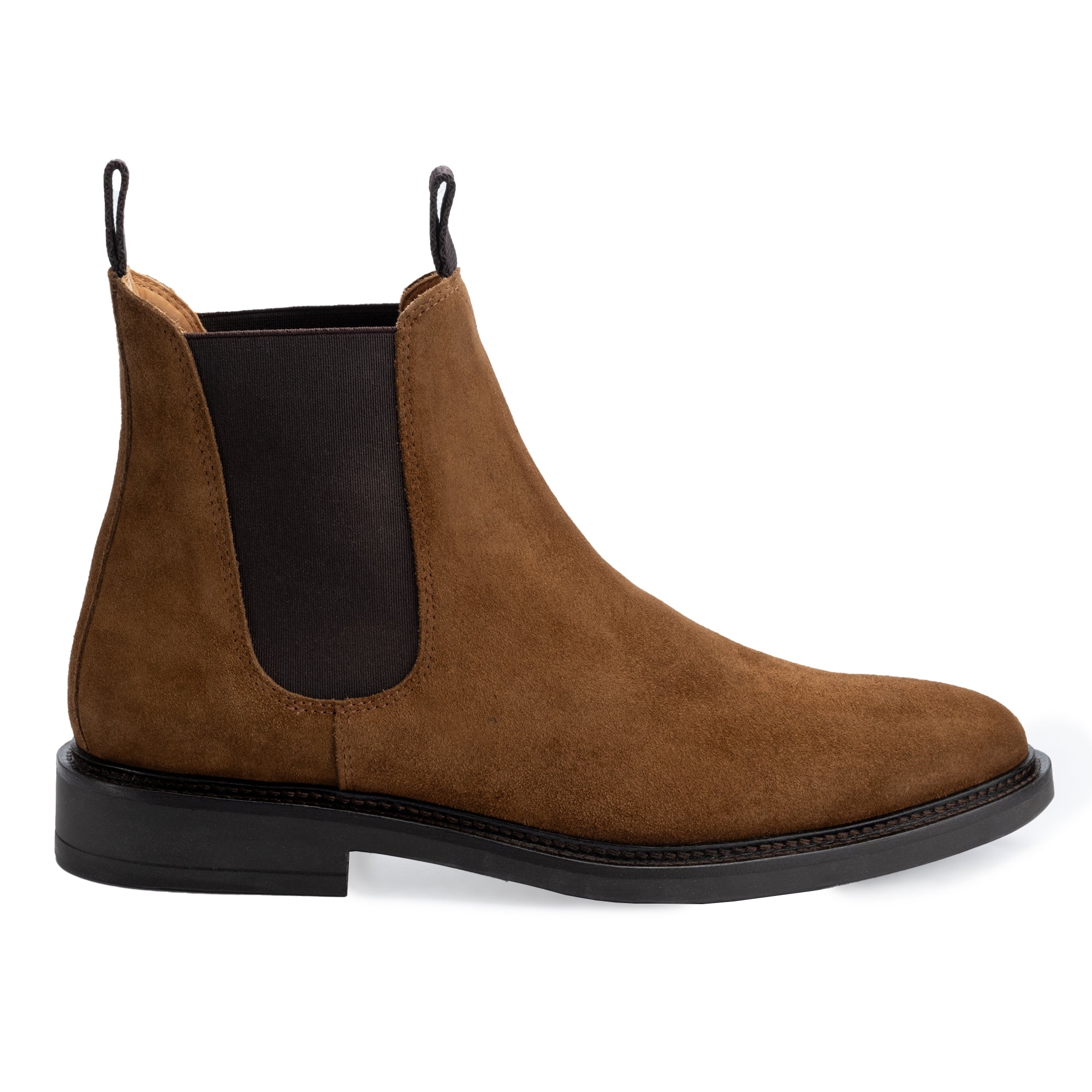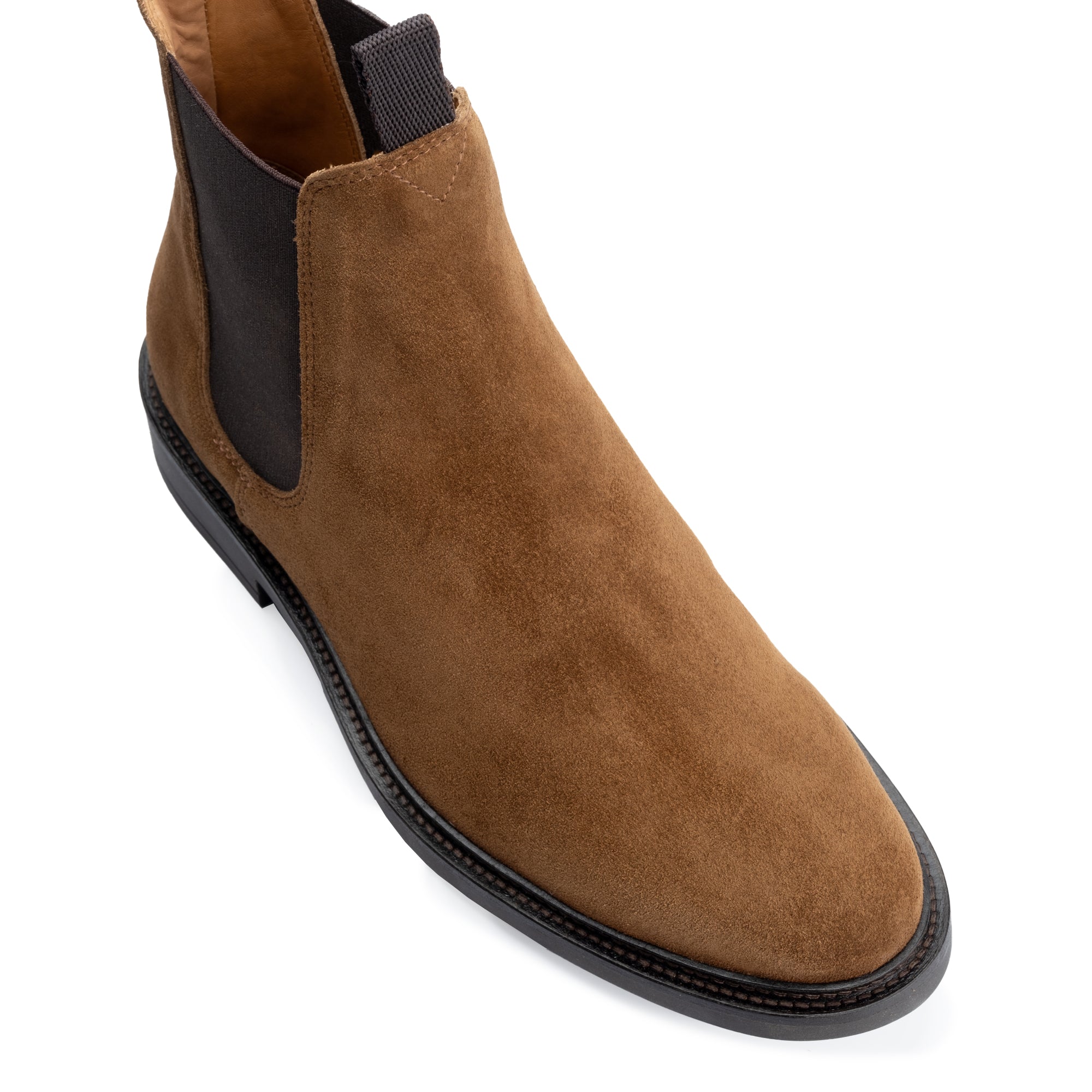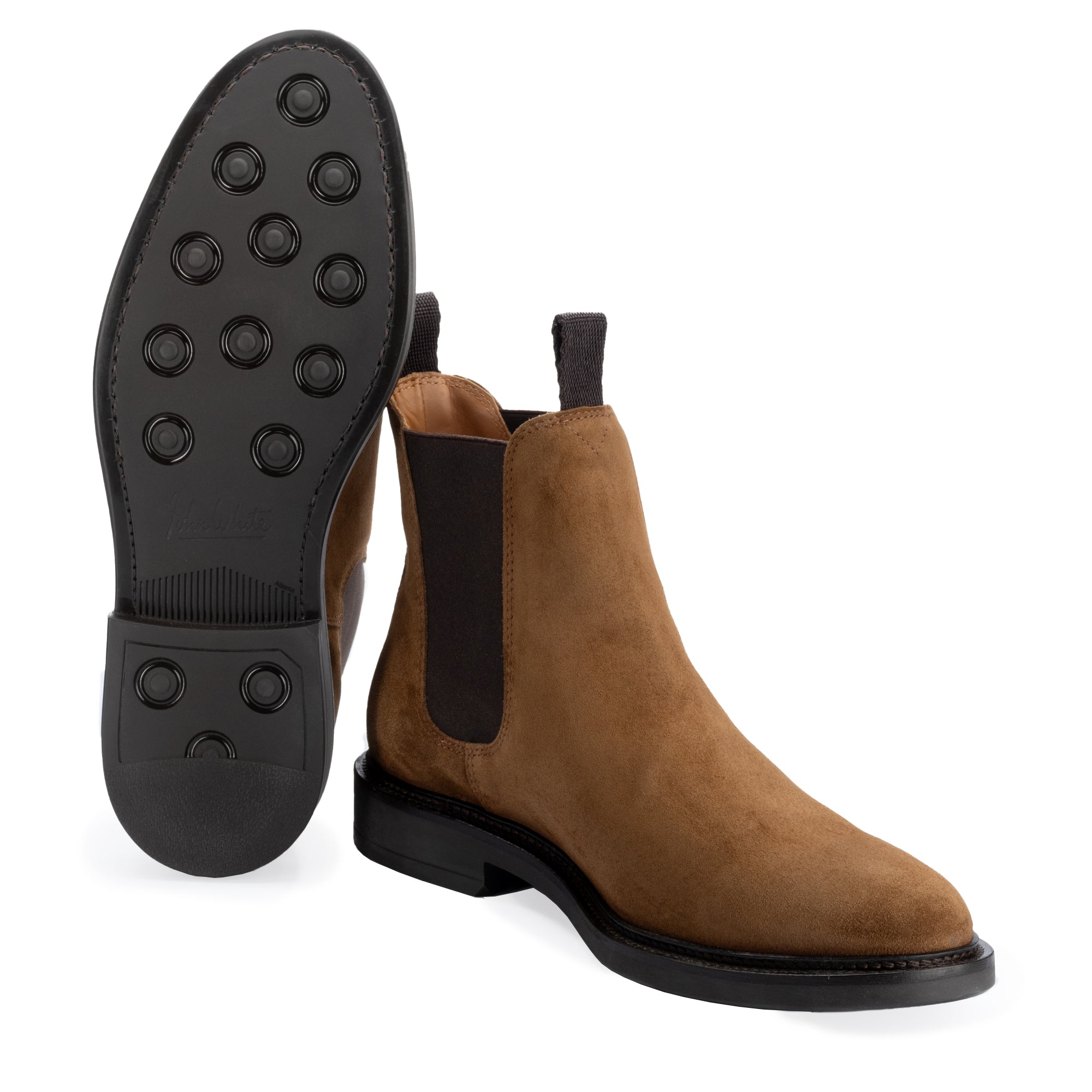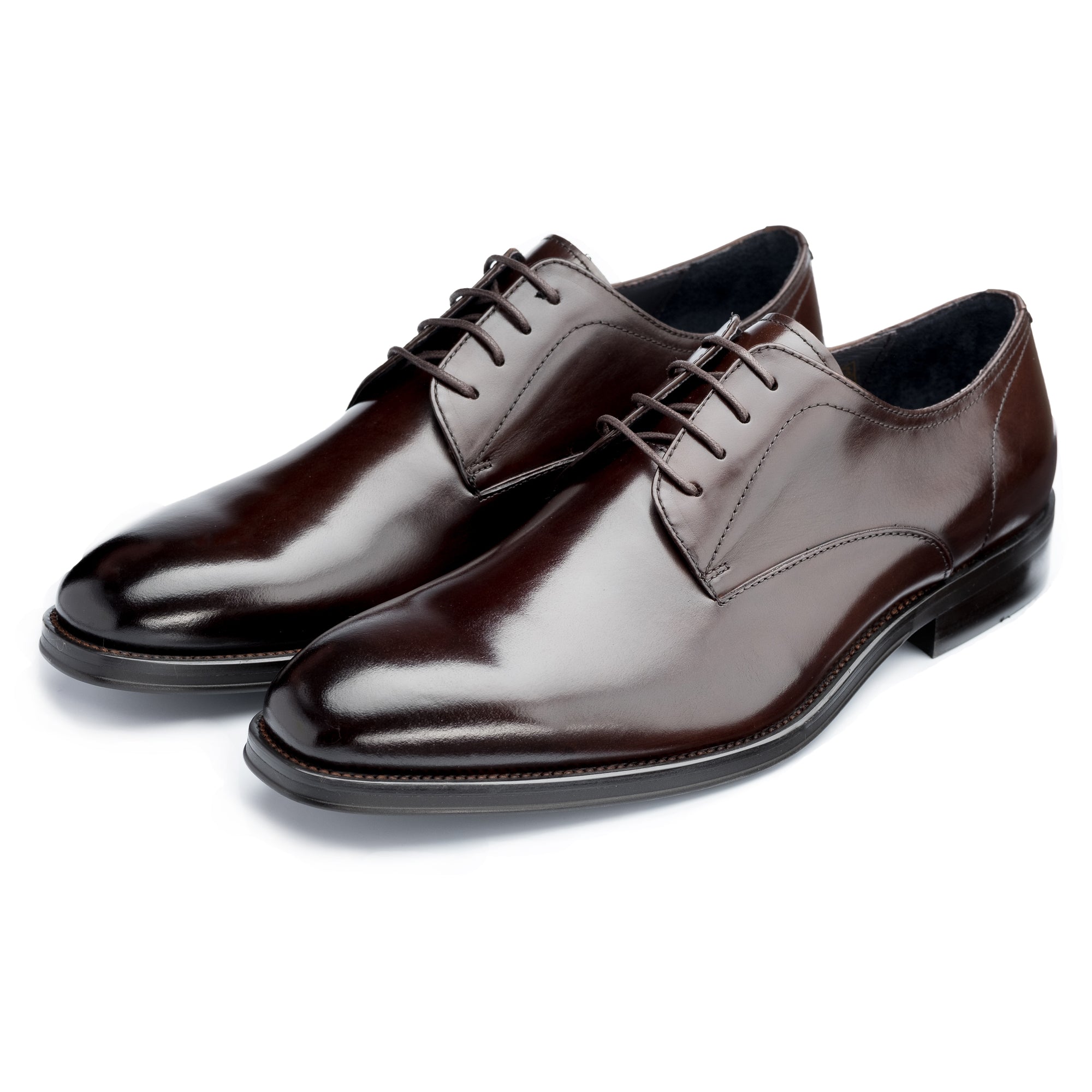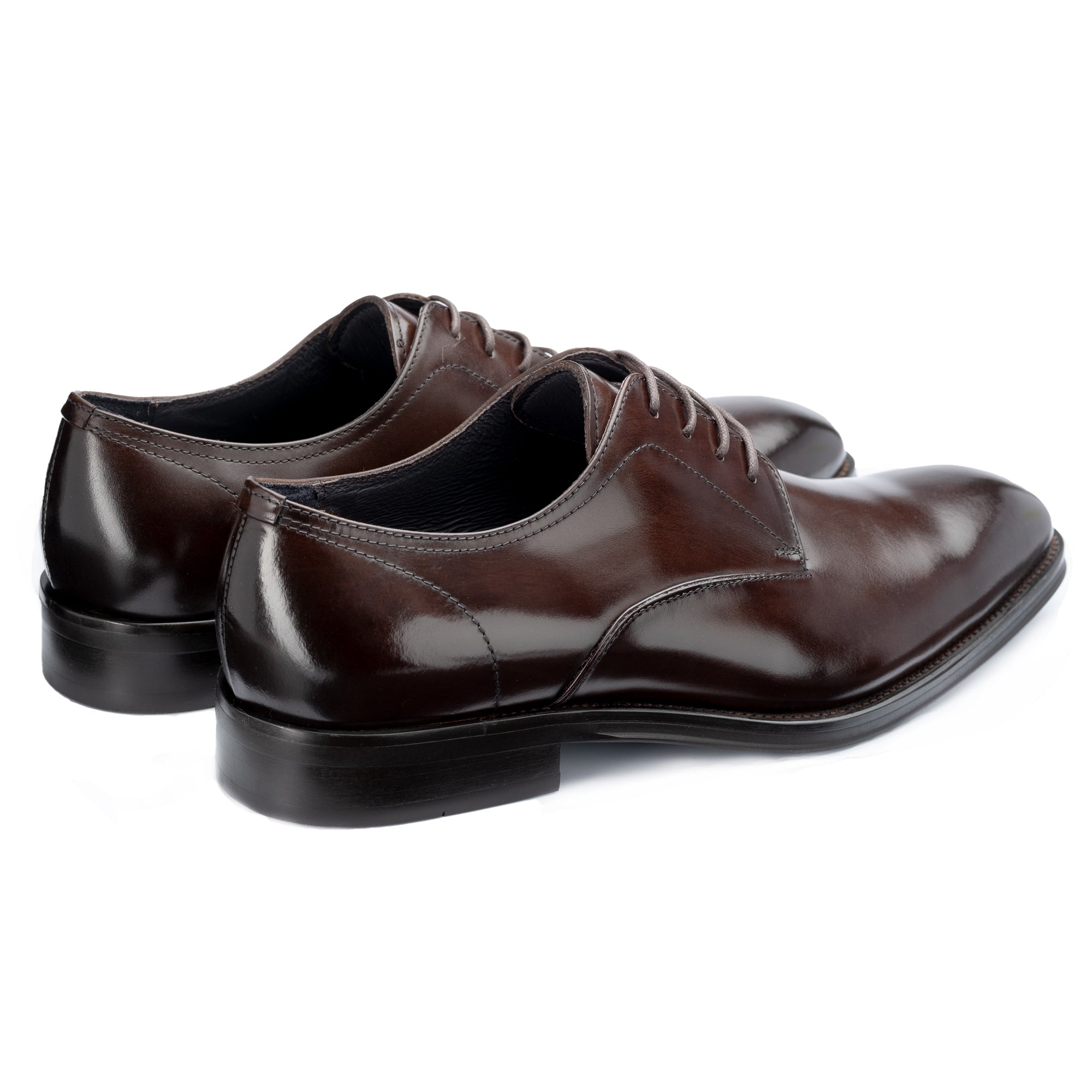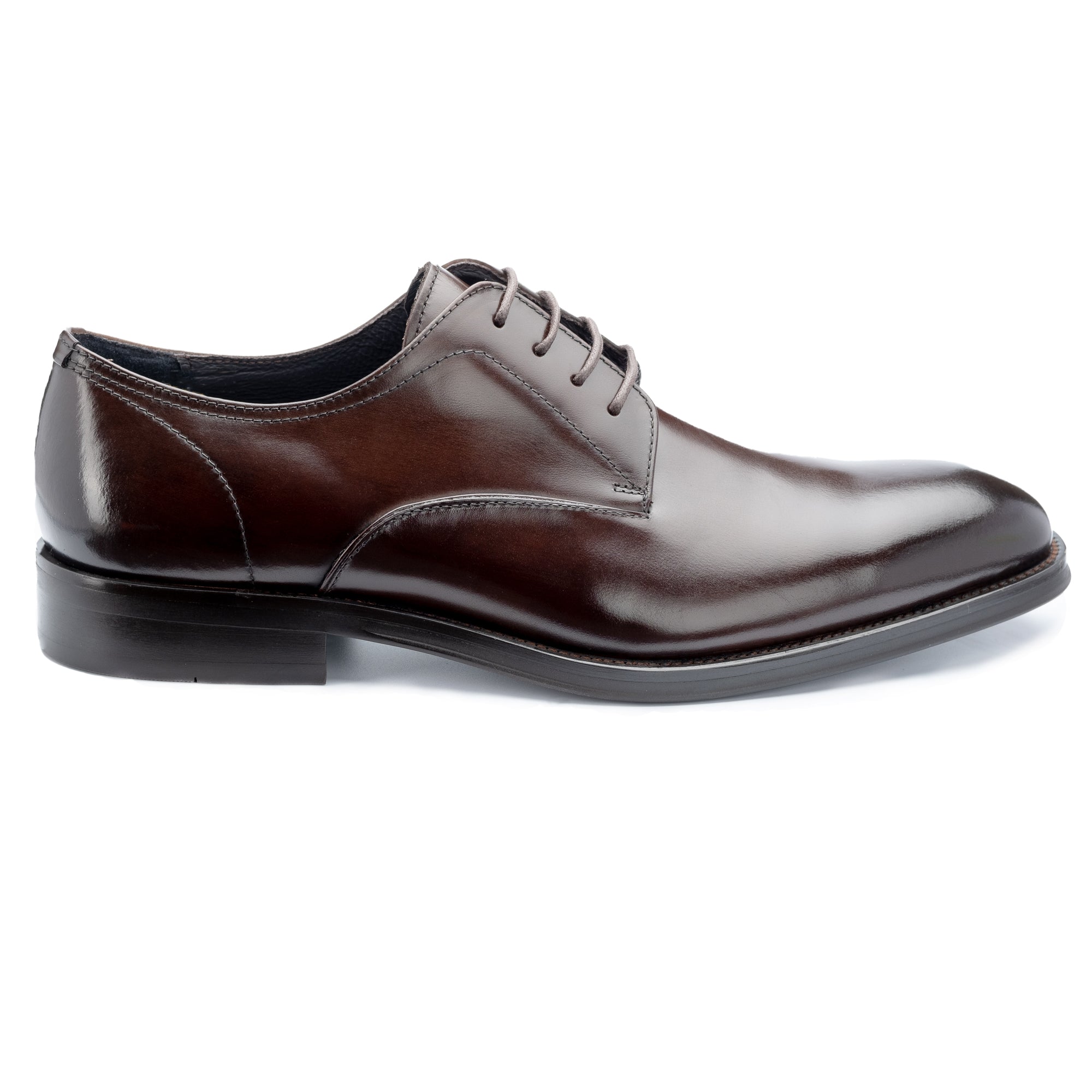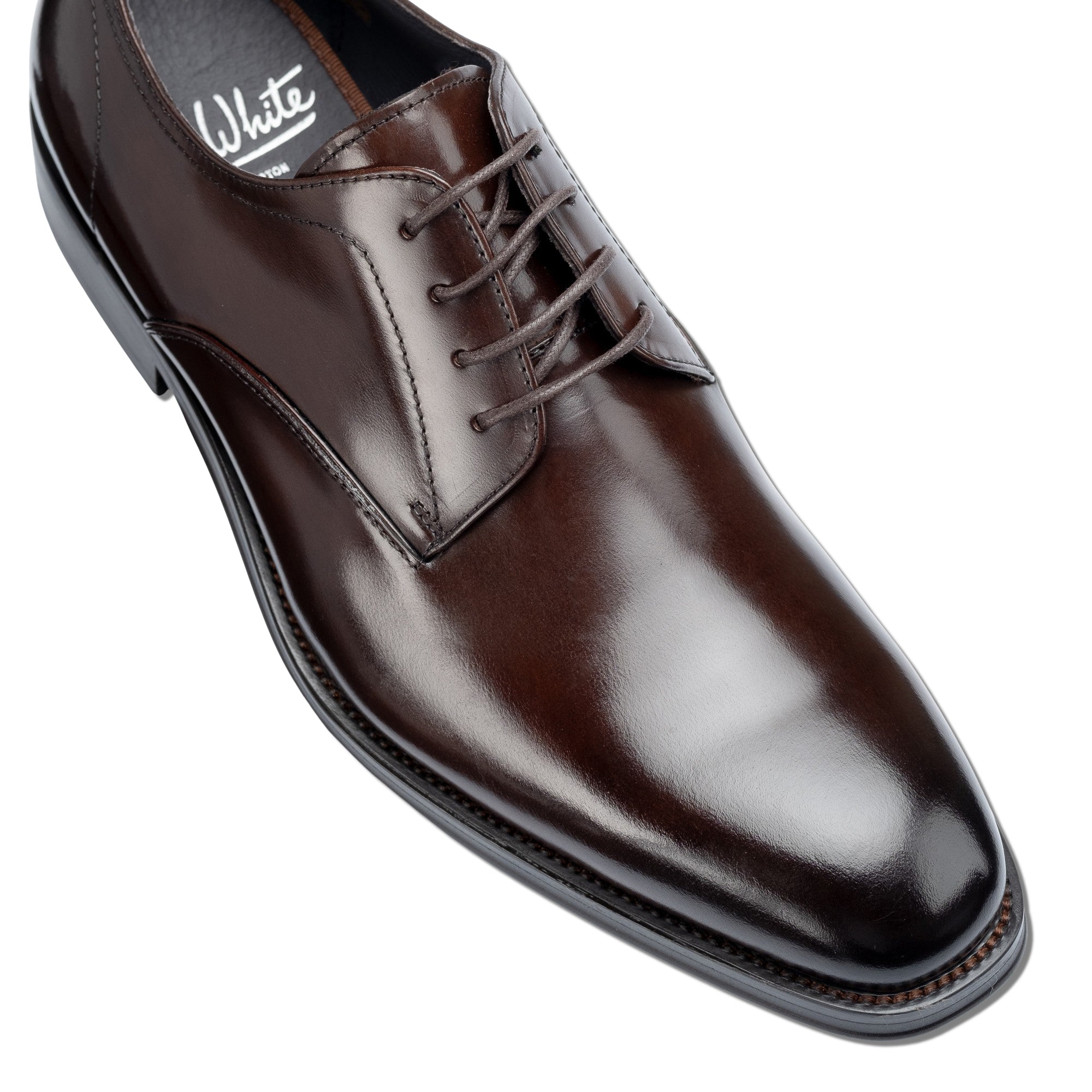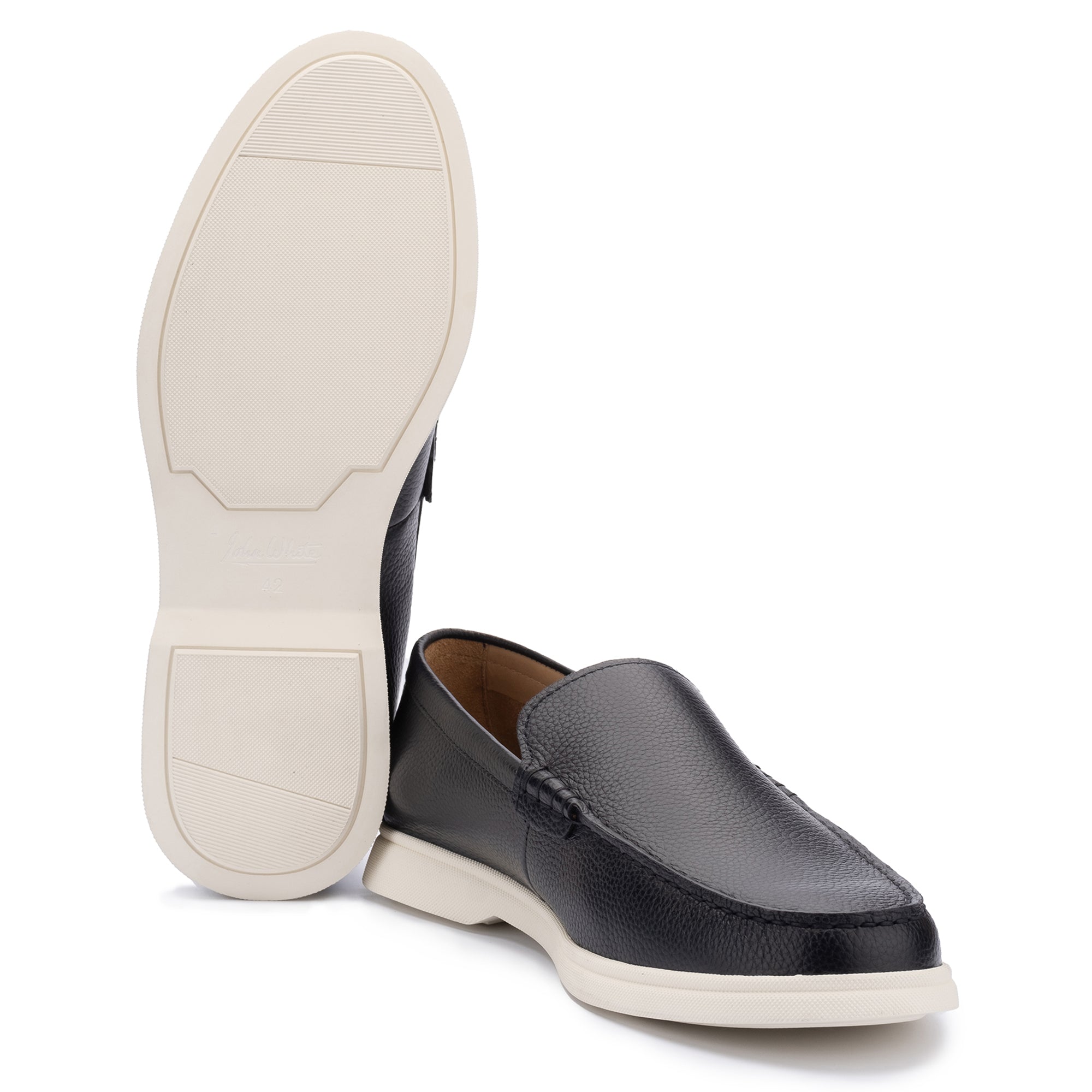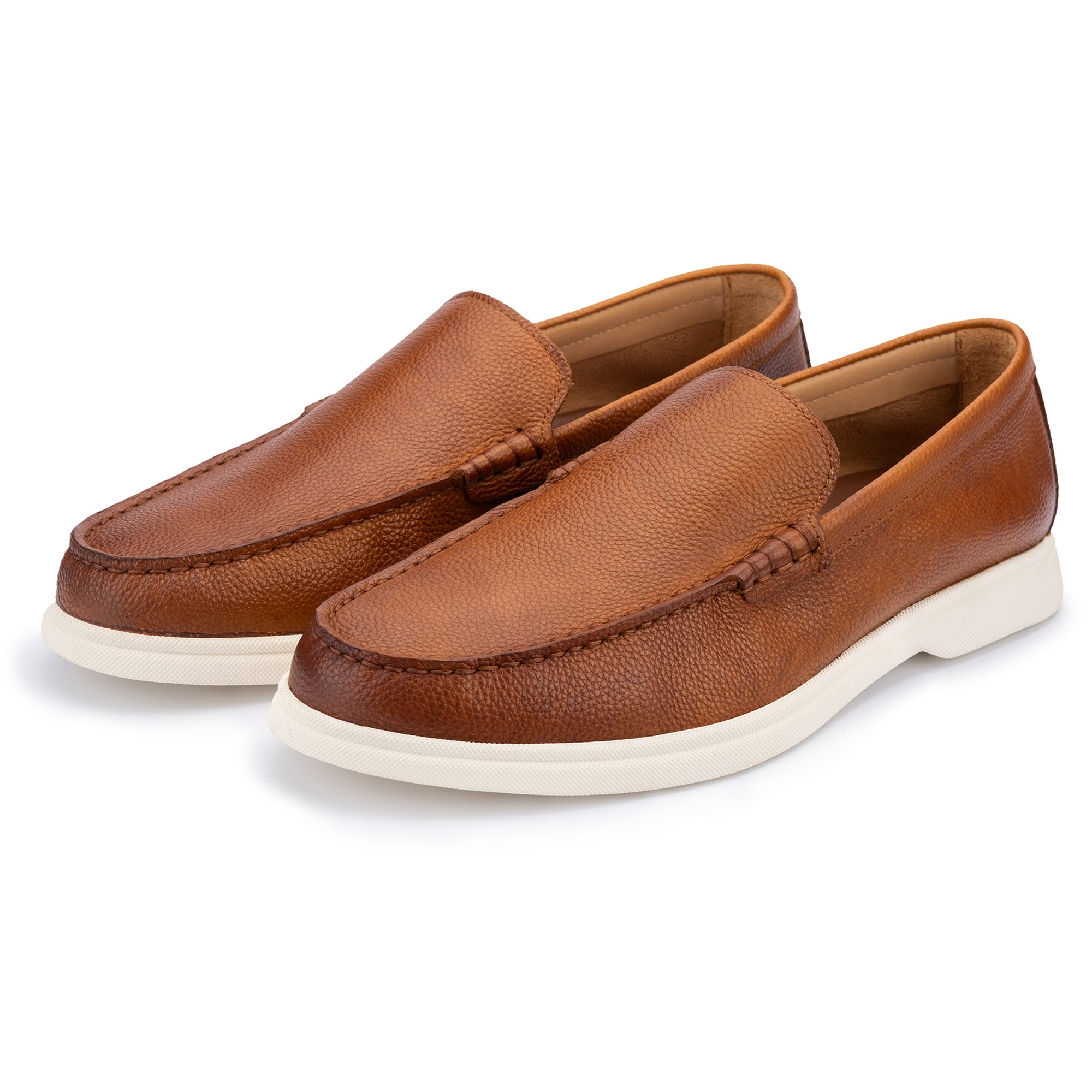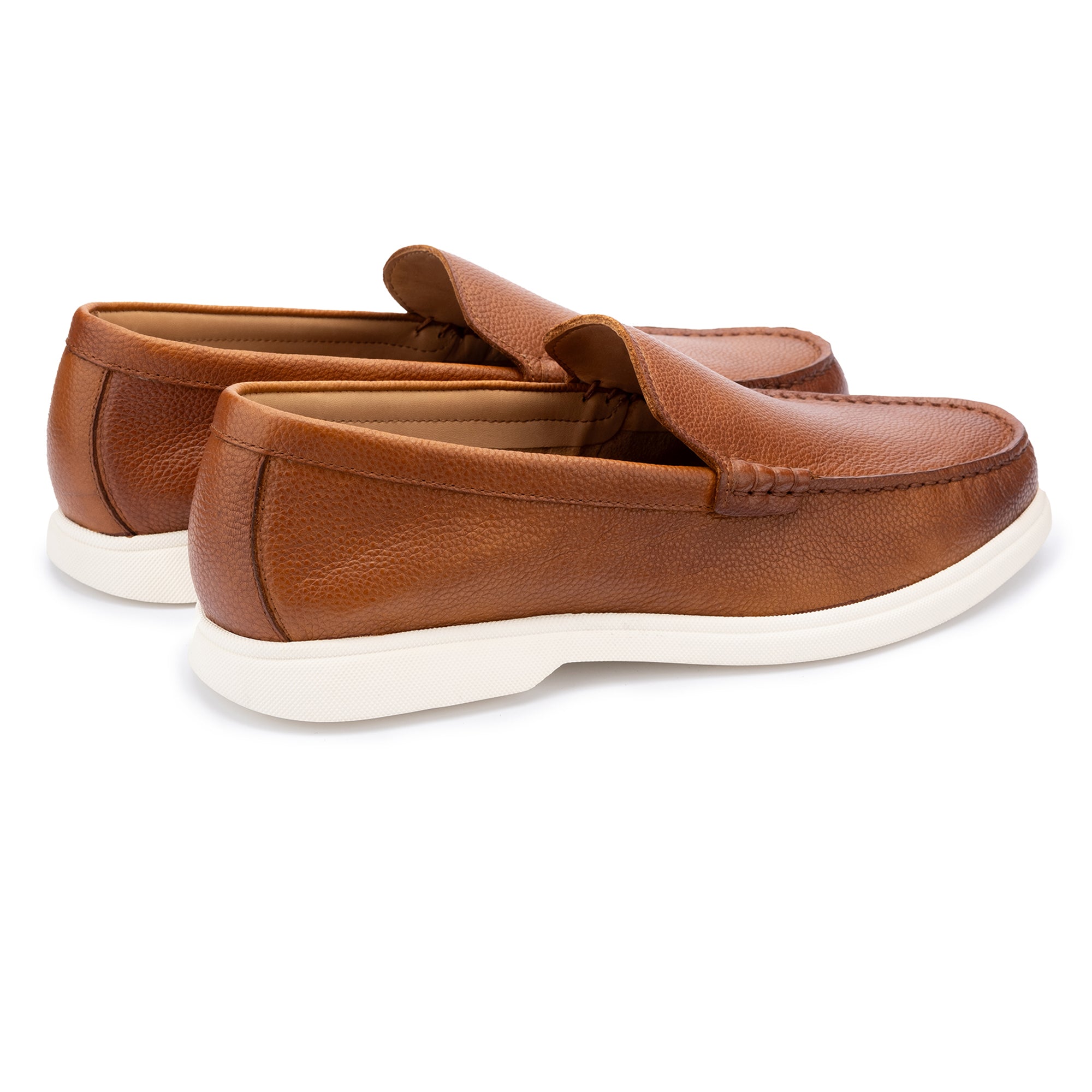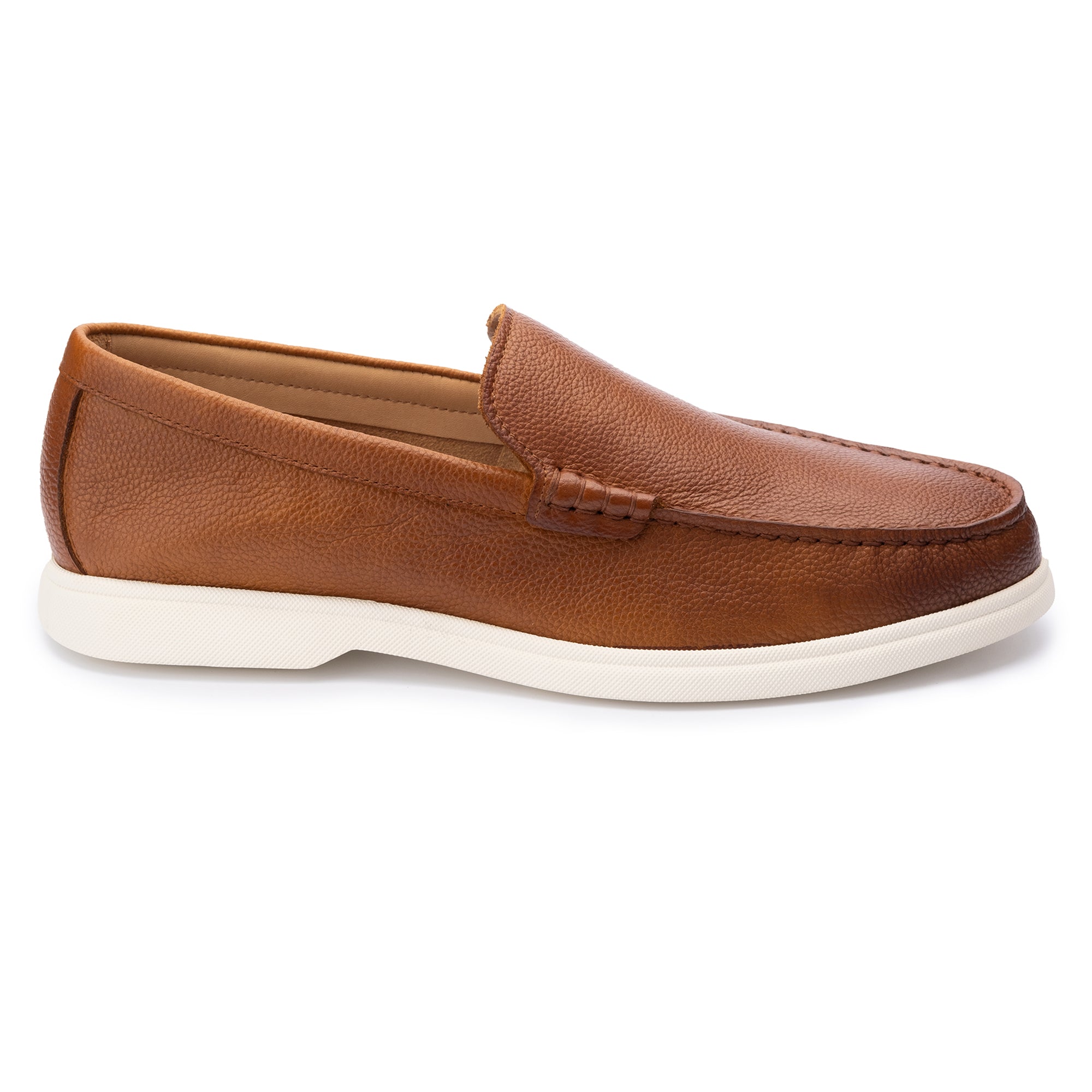

Few pieces of men's footwear carry a stranger or more compelling origin story than the Chukka boot. A shoe born not in a Northampton workshop or a Mayfair fitting room, but on the sand and gravel of the North African desert during the Second World War. By the 1960s it had become a fixture on British high streets, and it remains, eighty years on, one of the most versatile pieces in a man's wardrobe.
In This Guide
The journey from military necessity to civilian elegance is worth understanding. It explains the boot's proportions, its materials, and why, unlike so many footwear trends, it has never quite gone away. Browse the JWS boots range if you want to see where the story ends up; what follows is where it began.
Origins in the Desert
The conventional account places the Chukka boot's origins with the British Eighth Army in North Africa, roughly between 1940 and 1943. The Western Desert Campaign was fought across Libya, Egypt, Tunisia, and Algeria, terrain that was brutal on standard-issue military footwear. The heavy ammunition boots worn by British soldiers were suited to European mud; they were not suited to loose sand, extreme heat, and the pace of desert operations.
Away from the front line, officers and men began wearing a lighter ankle boot that circulated widely in Cairo and across the wider region: a simple two or three-eyelet lace-up in suede or soft leather, sitting just above the ankle, with a crepe or rubber sole. Comfortable, breathable, easy to put on and take off. Practical in a way that heavy boots simply were not.
Whether British soldiers adopted an existing local design or adapted it themselves is a question footwear historians have debated with surprising passion. What is generally agreed is that the desert campaign was where large numbers of British men first encountered this style of boot, and that many of them brought the idea home.
John White himself had been supplying one ninth of all shoes worn by the British Forces by 1940, the brand's name stamped inside boots sent to men stationed across North Africa and beyond. The Chukka boot the soldiers wore informally was not a JWS product, but it was the same generation of British men who wore JWS leather that came home with the Chukka in their memory.
The Polo Connection
An alternative origin, and the more likely source of the name, traces the Chukka to polo. A "chukker" is a seven-minute period of polo play. The boots worn between chukkers, and sometimes during play itself, were ankle-height lace-ups: easy to pull on at the paddock, protective enough for the field. This style was already in circulation among British sporting men before the war.
Both histories are probably true. The Chukka boot we recognise today is most likely the product of an overlap: a polo boot design that found a second life in the desert, returned home with a generation of veterans, and was subsequently refined for civilian life. The military narrative gave it credibility and reach; the sporting heritage gave it a name. What matters is what it became.
From the Sahara to the High Street
The civilian adoption of the Chukka boot happened gradually through the late 1940s and into the 1950s. Returning servicemen who had worn suede ankle boots during the North Africa campaign continued to seek them out. The style occupied a register between the formal Oxford and the working boot that British men had rarely addressed with any coherence, relaxed without being slovenly.
By the early 1950s, the boot had found its way into the wardrobes of jazz musicians, university students, and the generation of young men beginning to push back against the formality of their fathers' dress. It suited a loosening social register without requiring any concession in quality or care.
Through the 1960s and 1970s, the Chukka became a staple of British smart-casual dressing. In the 1980s and 1990s it retreated slightly, associated more with country weekends than city offices. Since the 2000s it has returned with force and stayed. It now sits comfortably alongside Chelsea boots and Derby shoes in the standard British wardrobe, worn by men who want something more considered than a trainer but less committed than a full dress shoe.
What Makes a Chukka a Chukka
The Chukka boot has a surprisingly precise definition, which is part of why it has remained coherent as a category across eight decades of fashion change.
The defining features are:
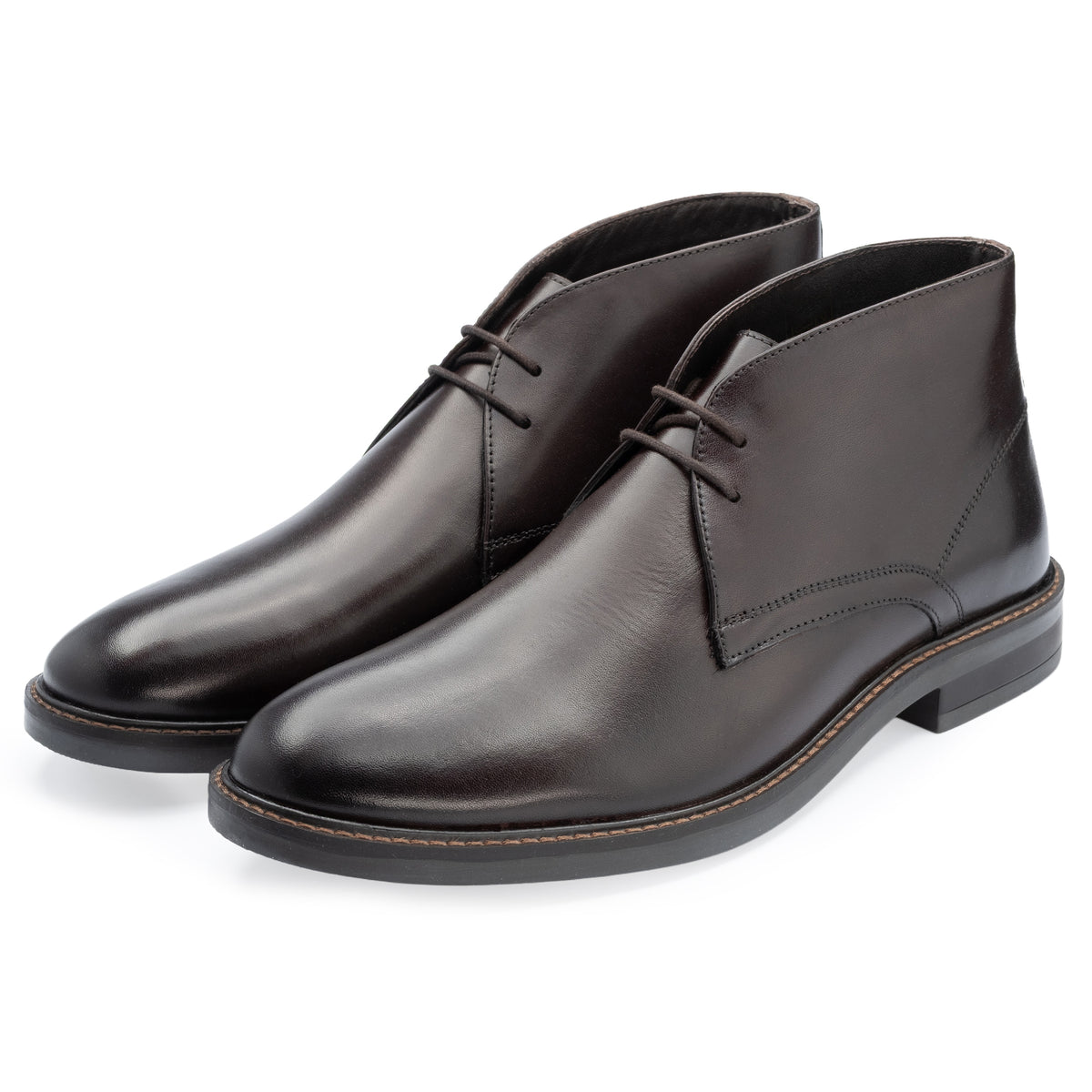
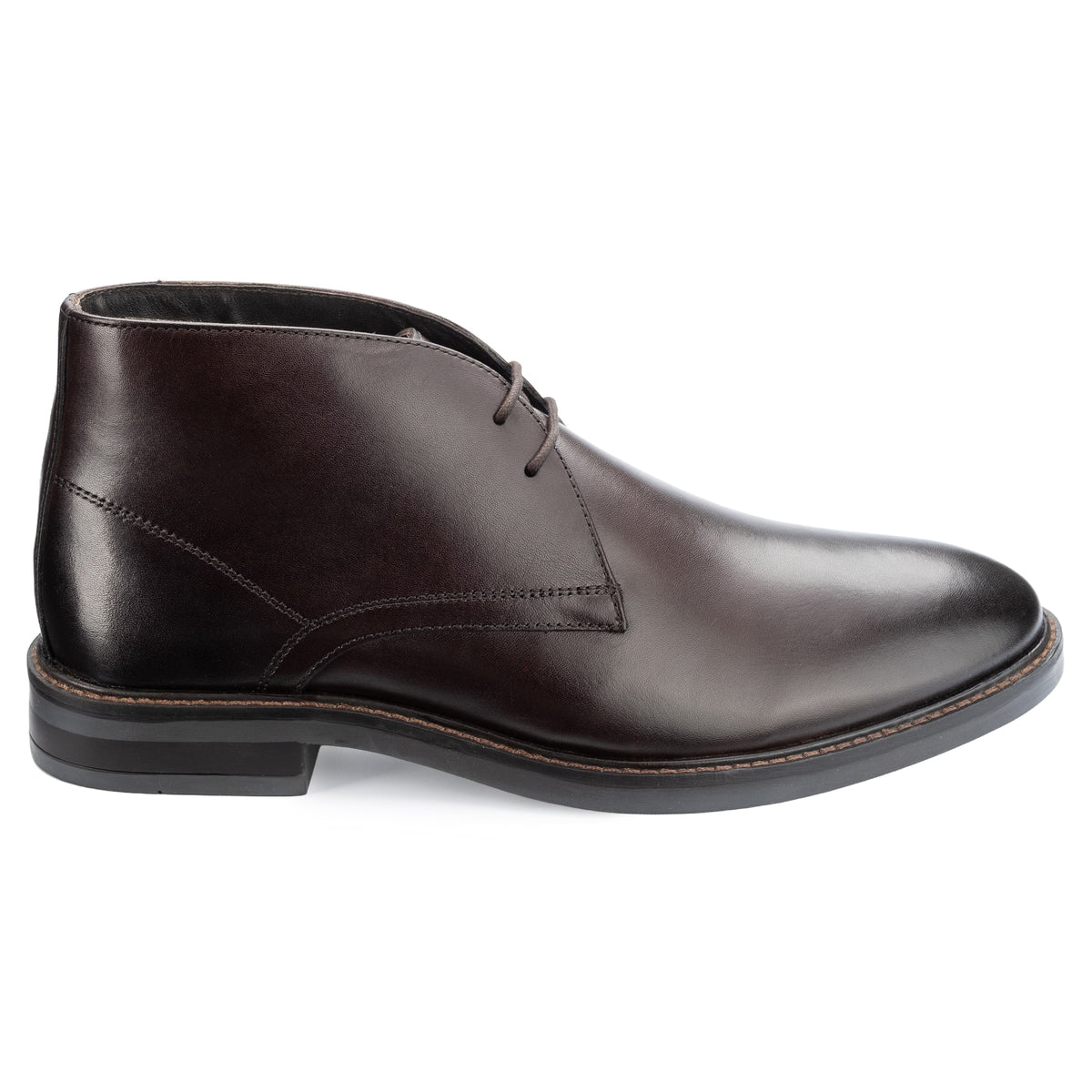
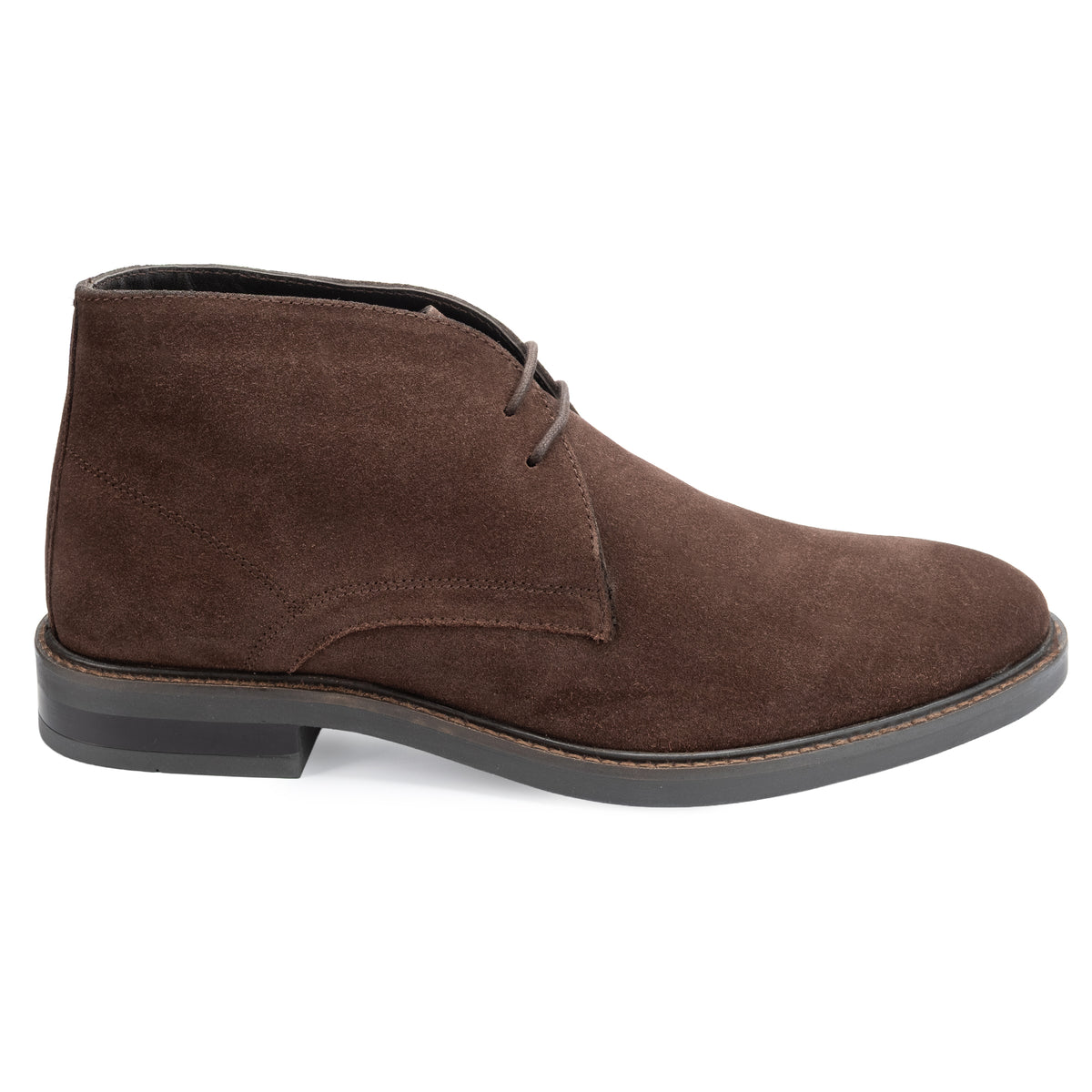
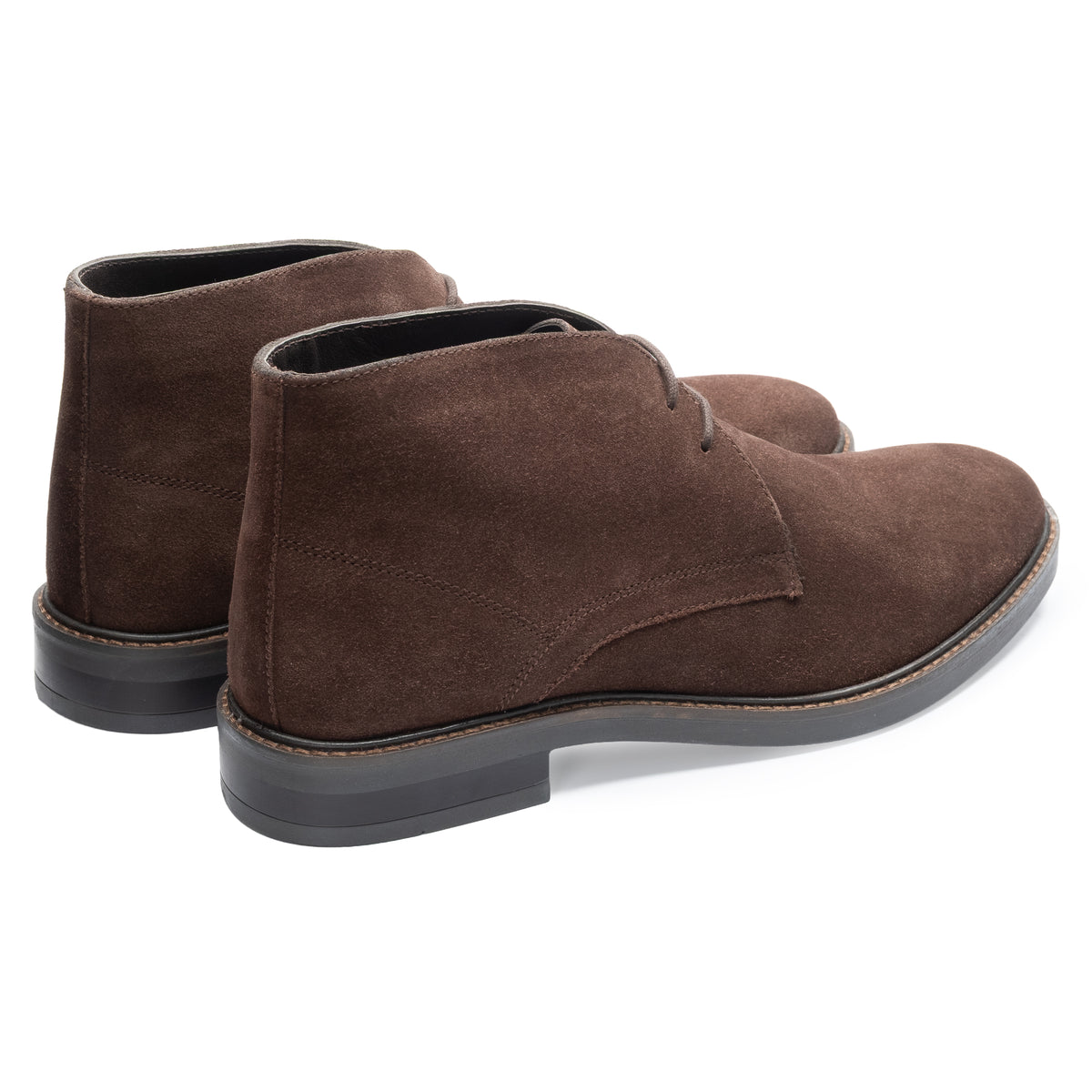
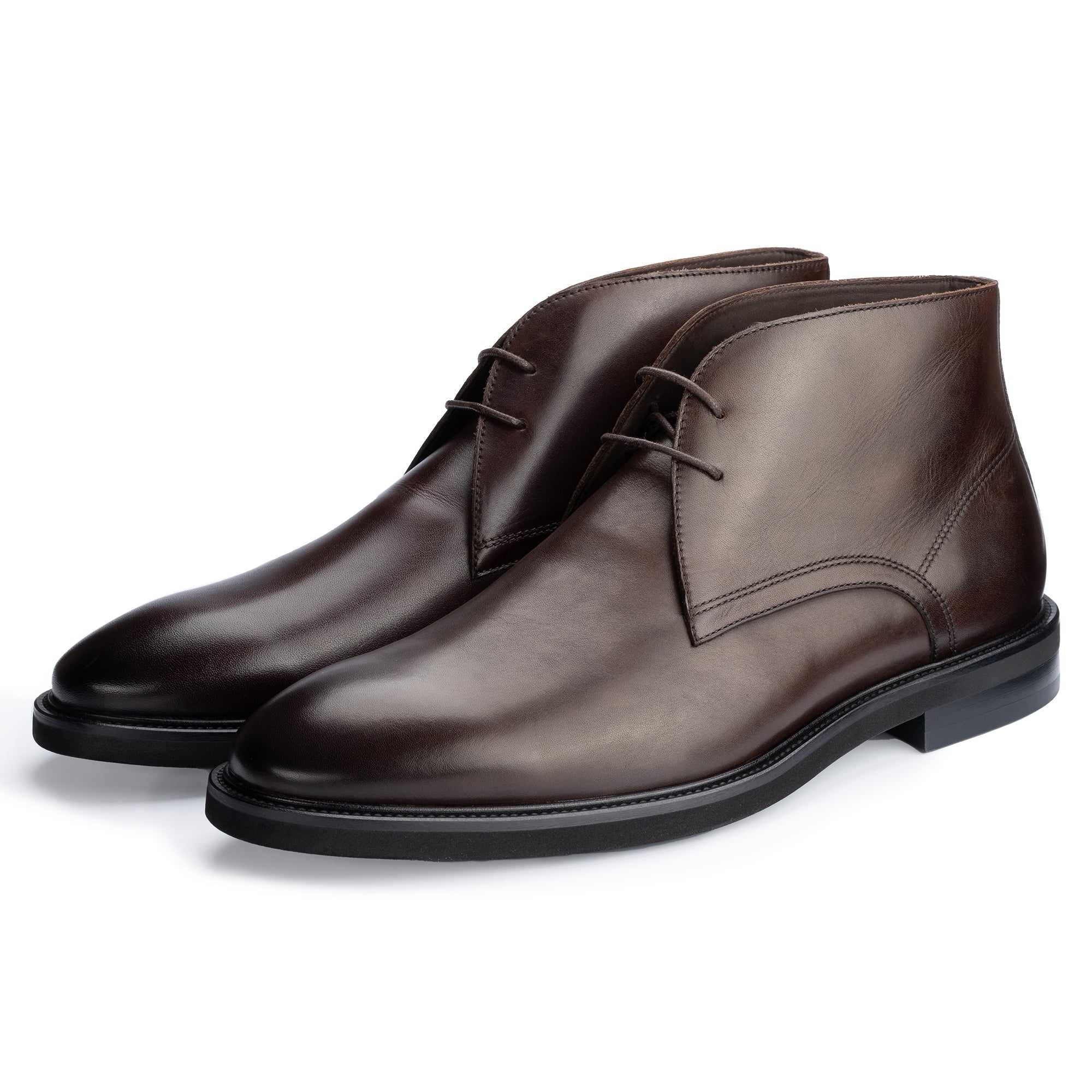
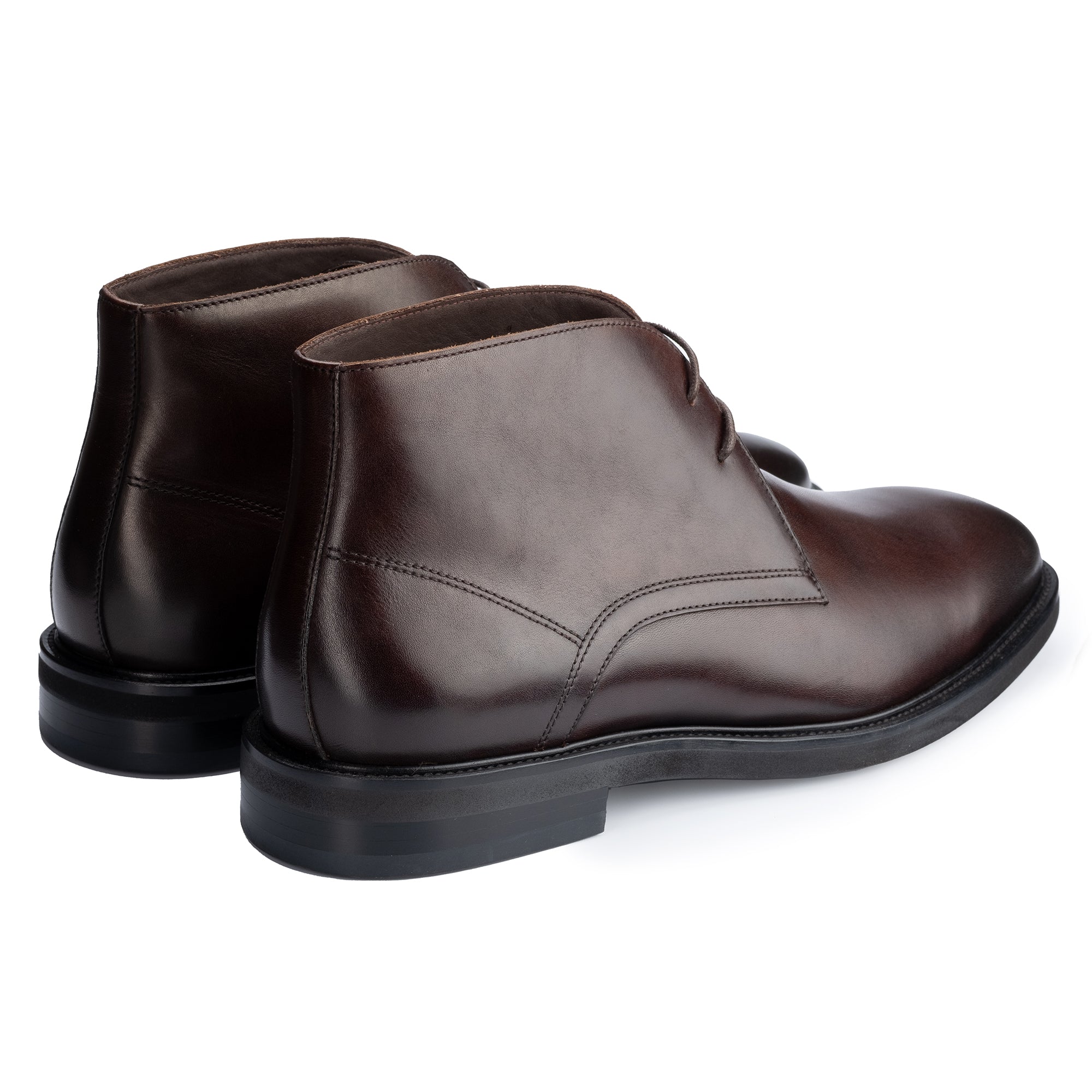
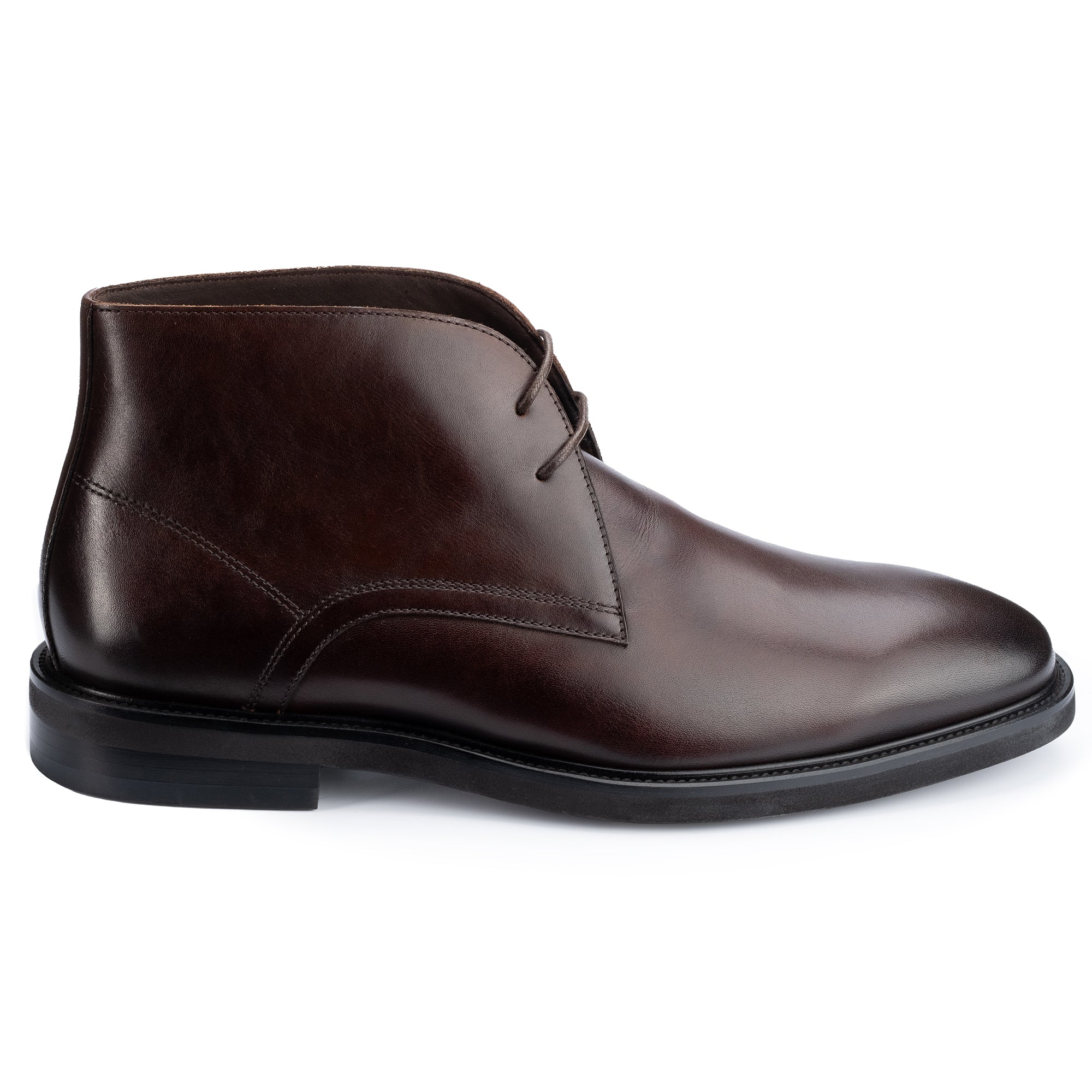
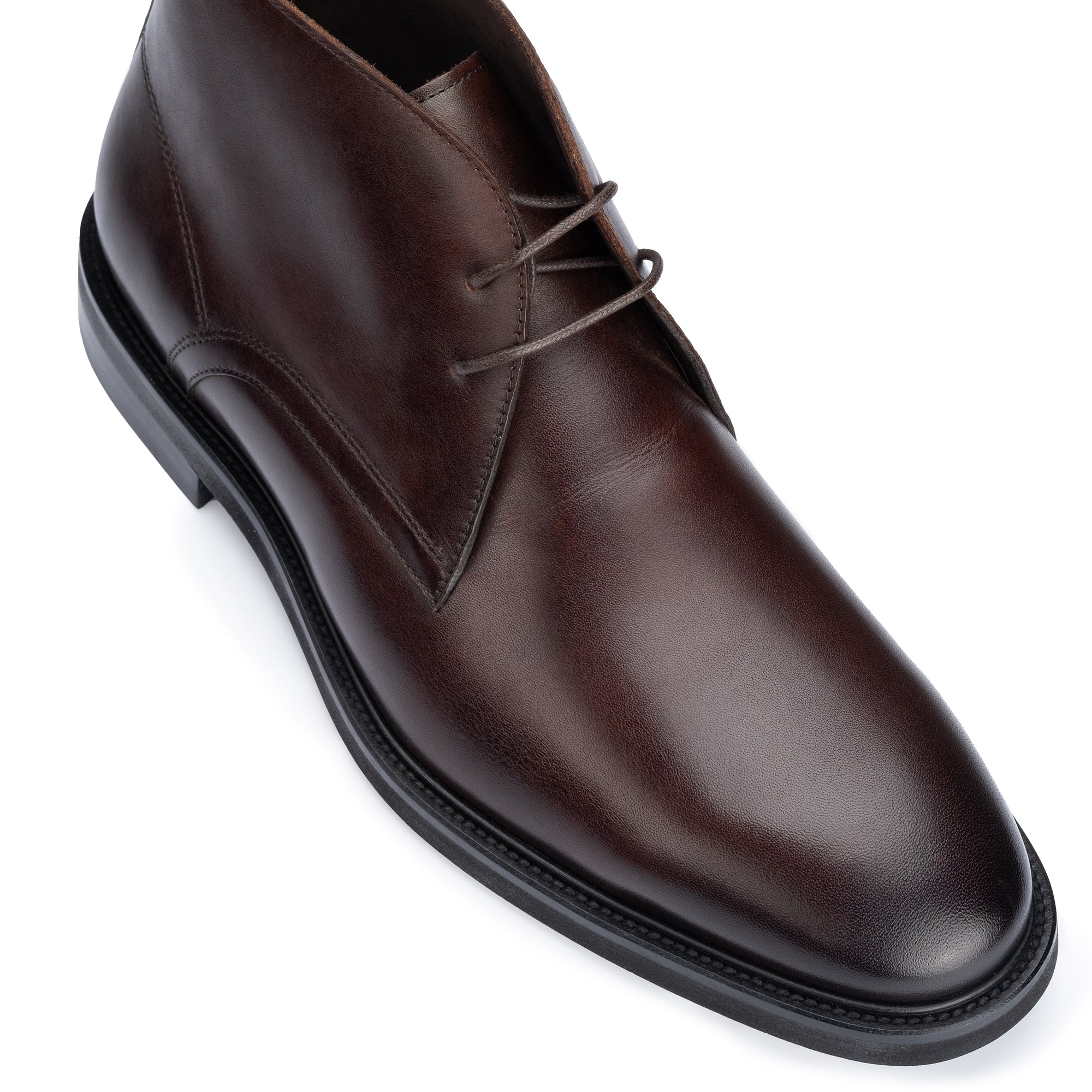
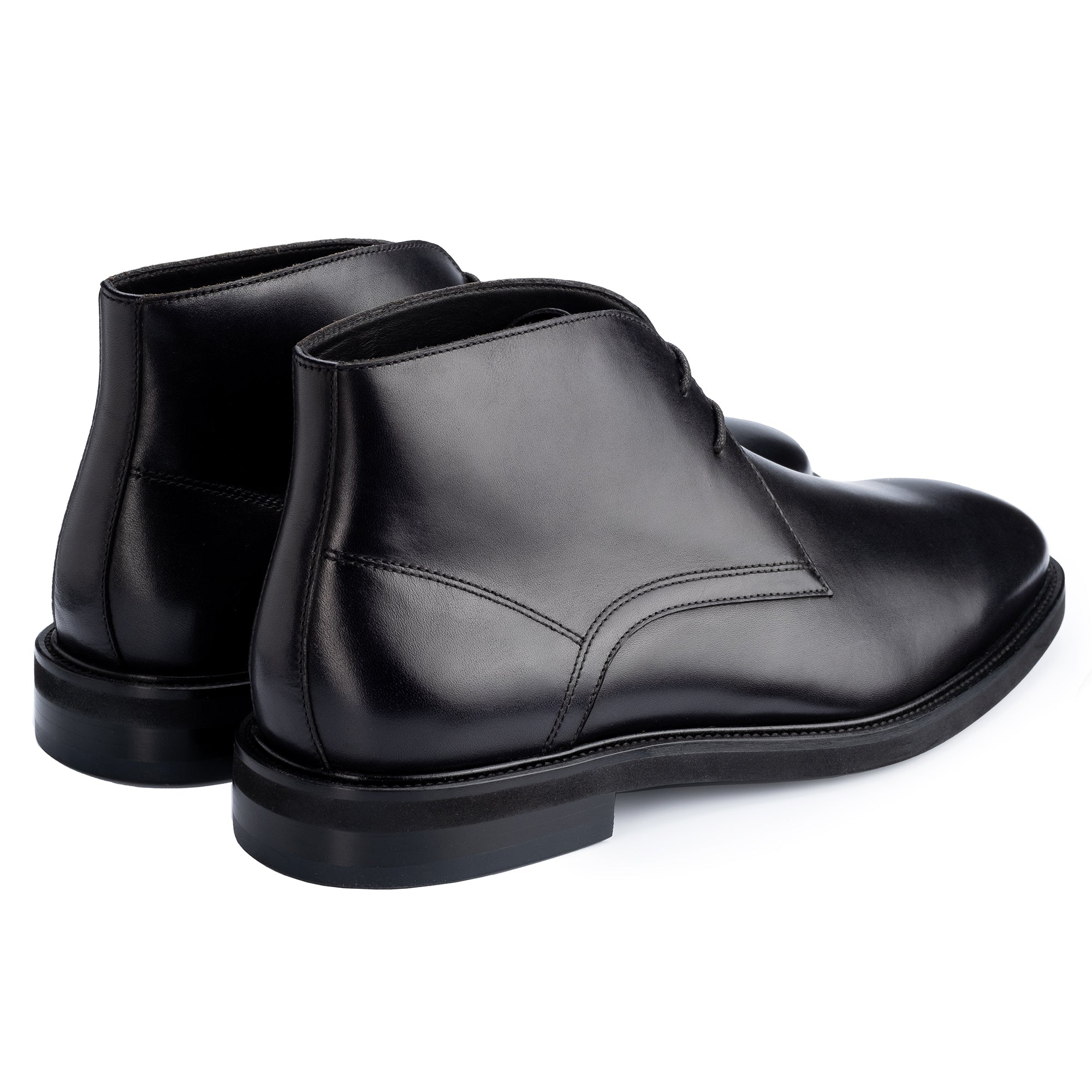
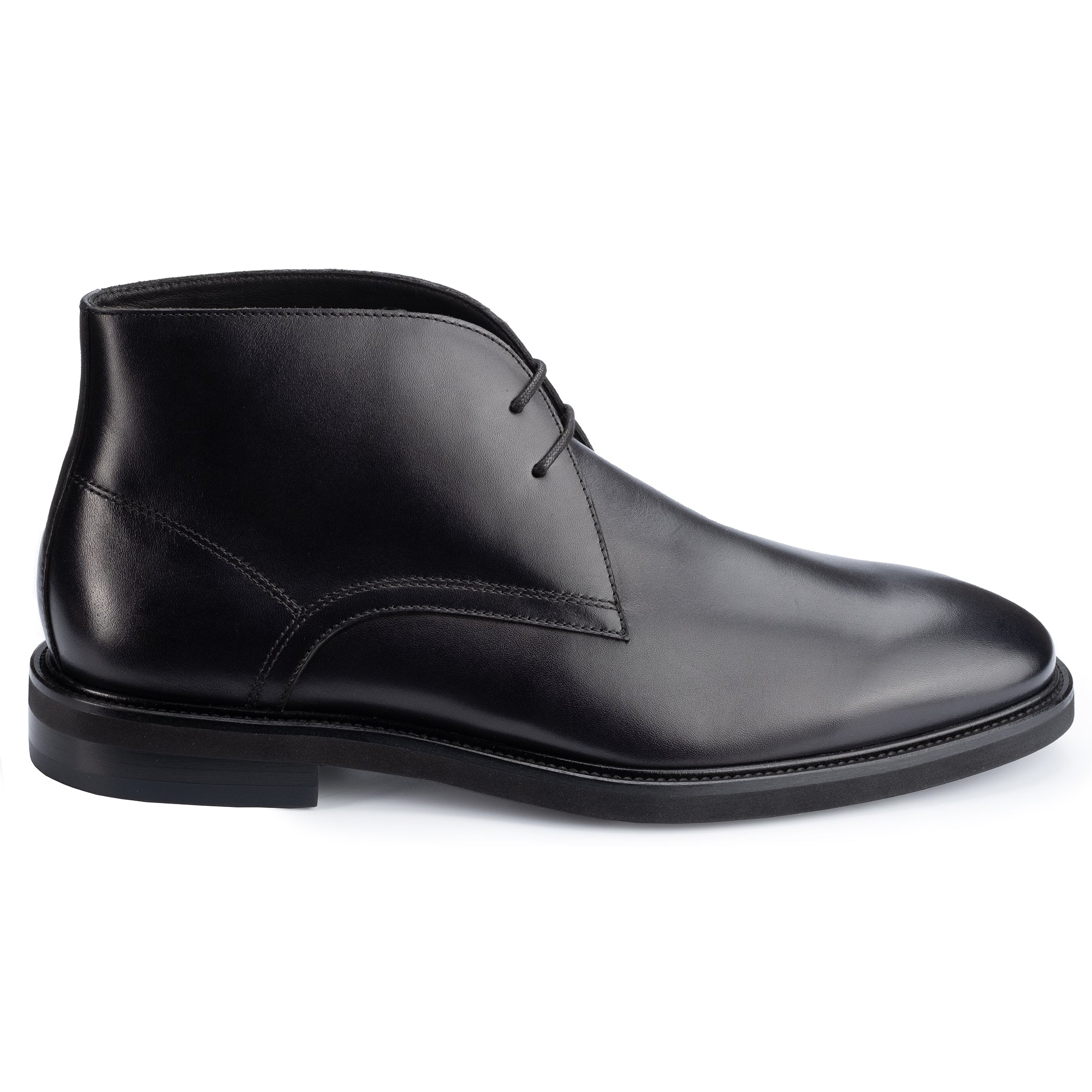
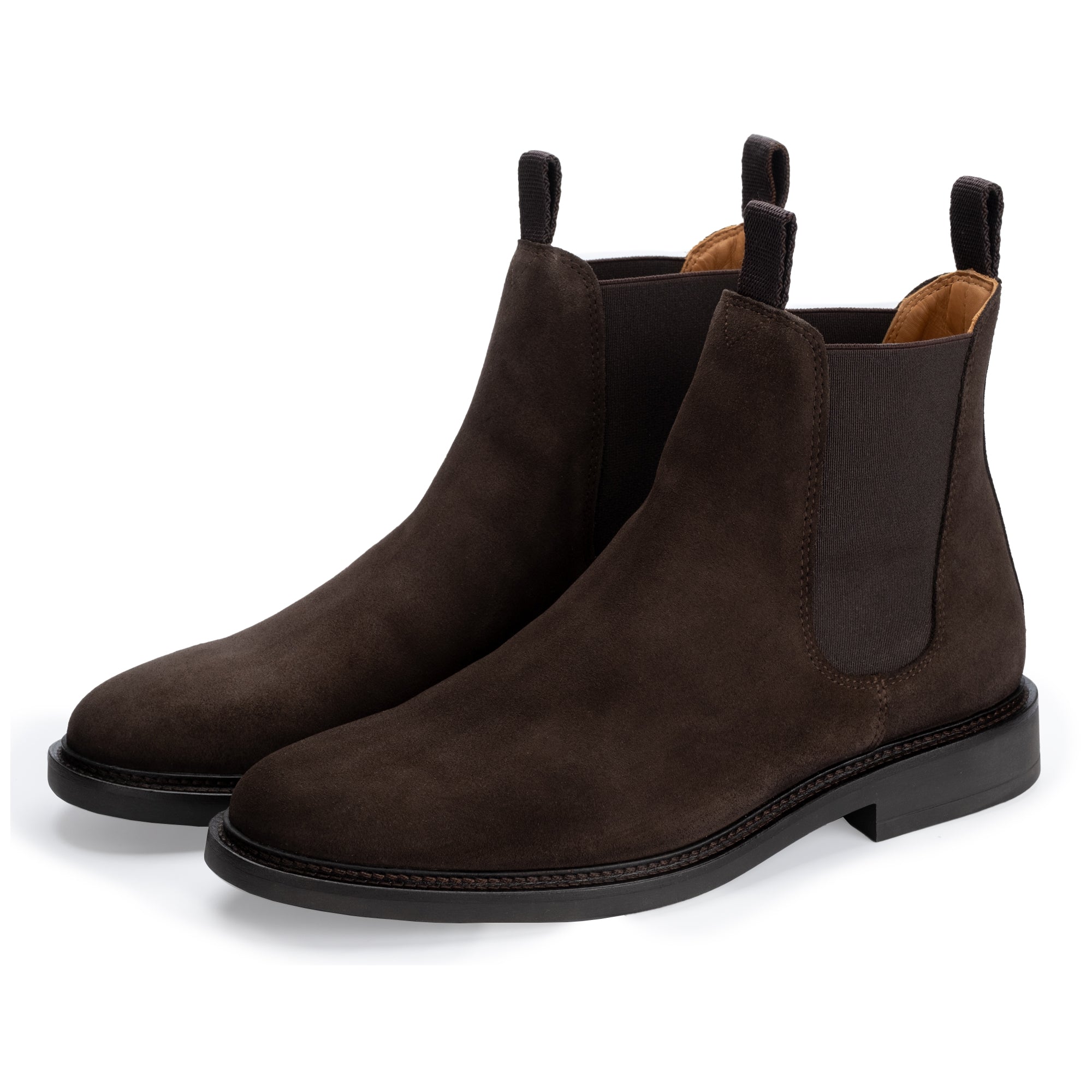
- Ankle height. A Chukka boot sits at or just above the ankle, typically covering the ankle bone. Higher than that and you are into Chelsea boot or jodhpur territory.
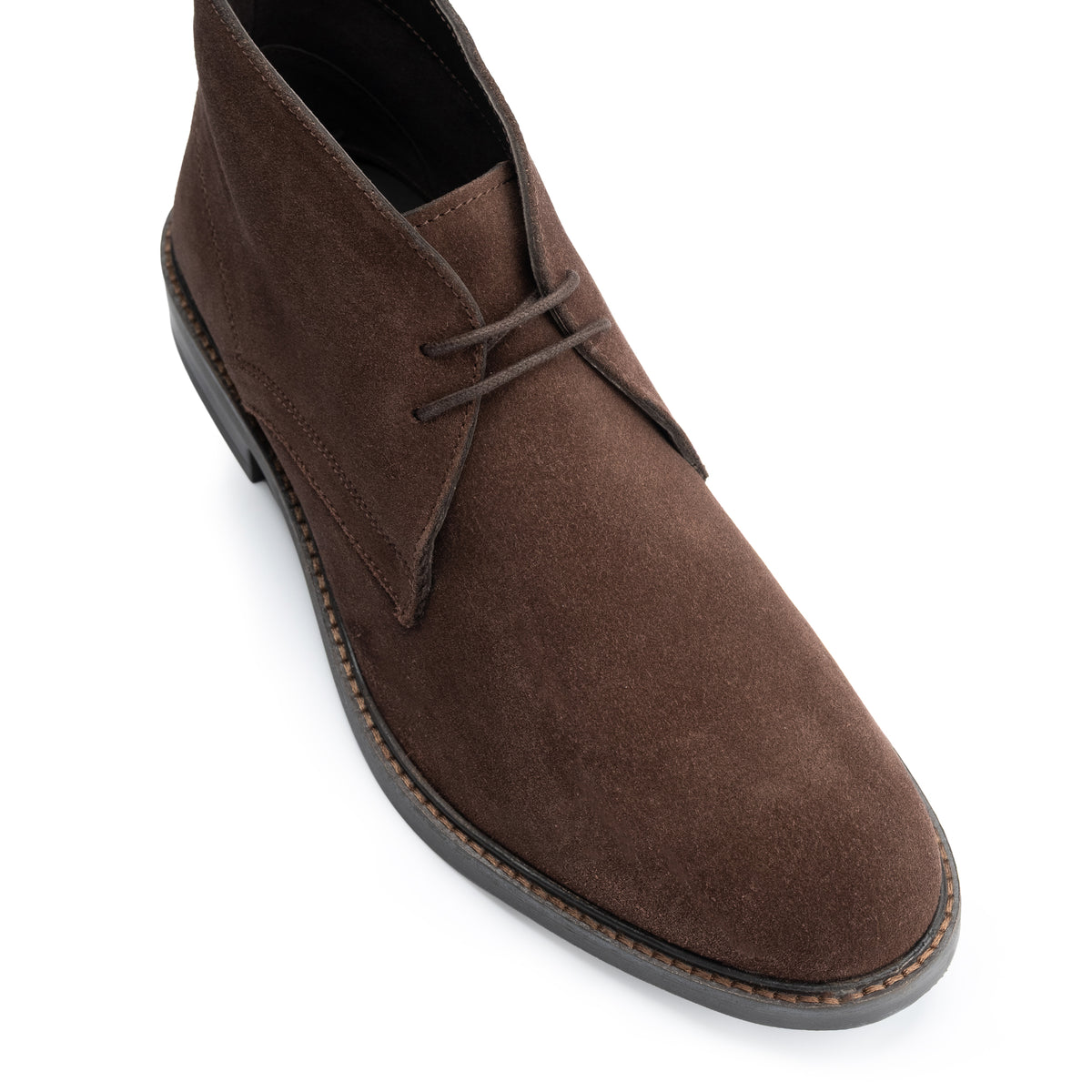
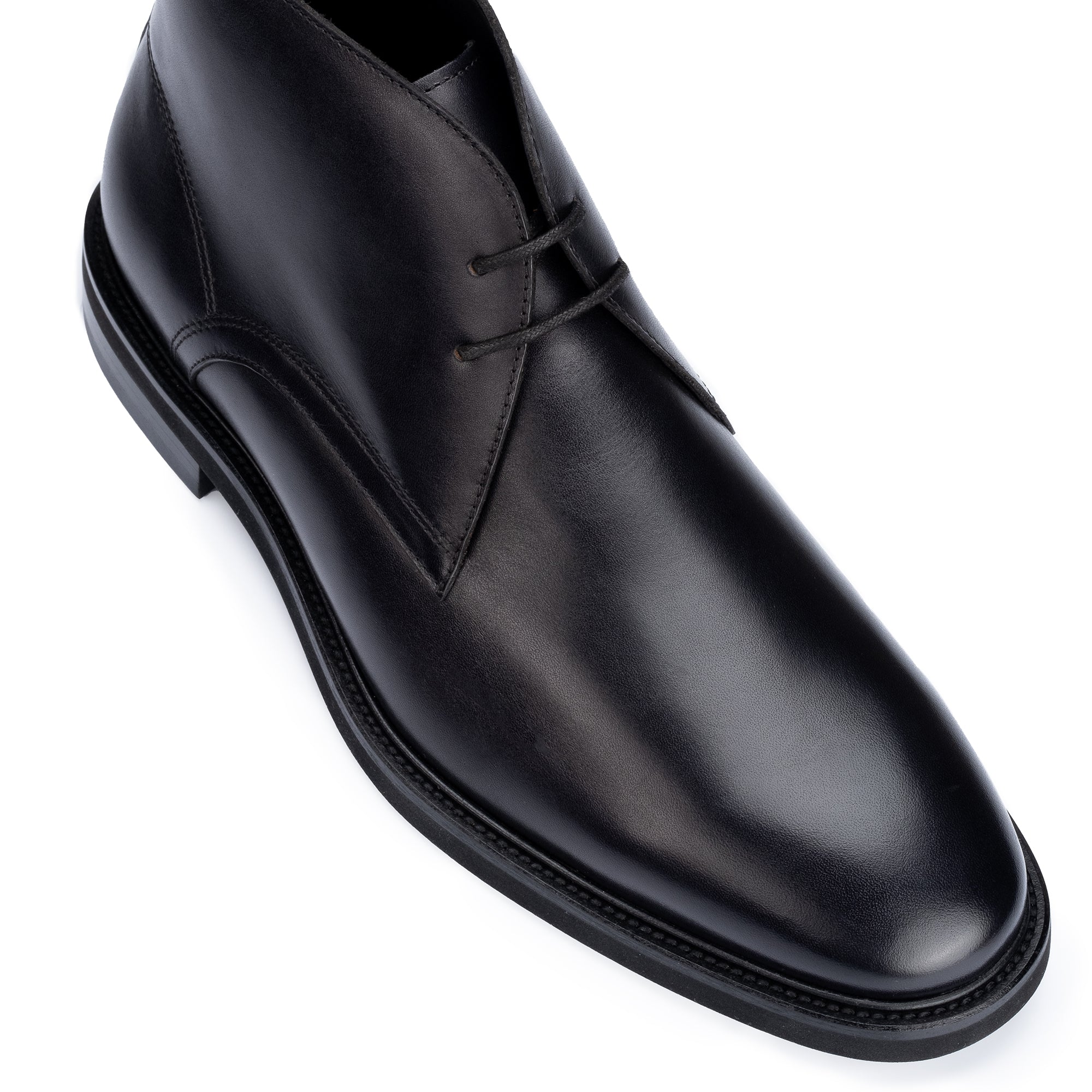
- Two or three eyelets. The lacing is minimal. Most traditional Chukkas have two eyelets; some have three. The simplicity is intentional, part of the boot's ease and its visual restraint.
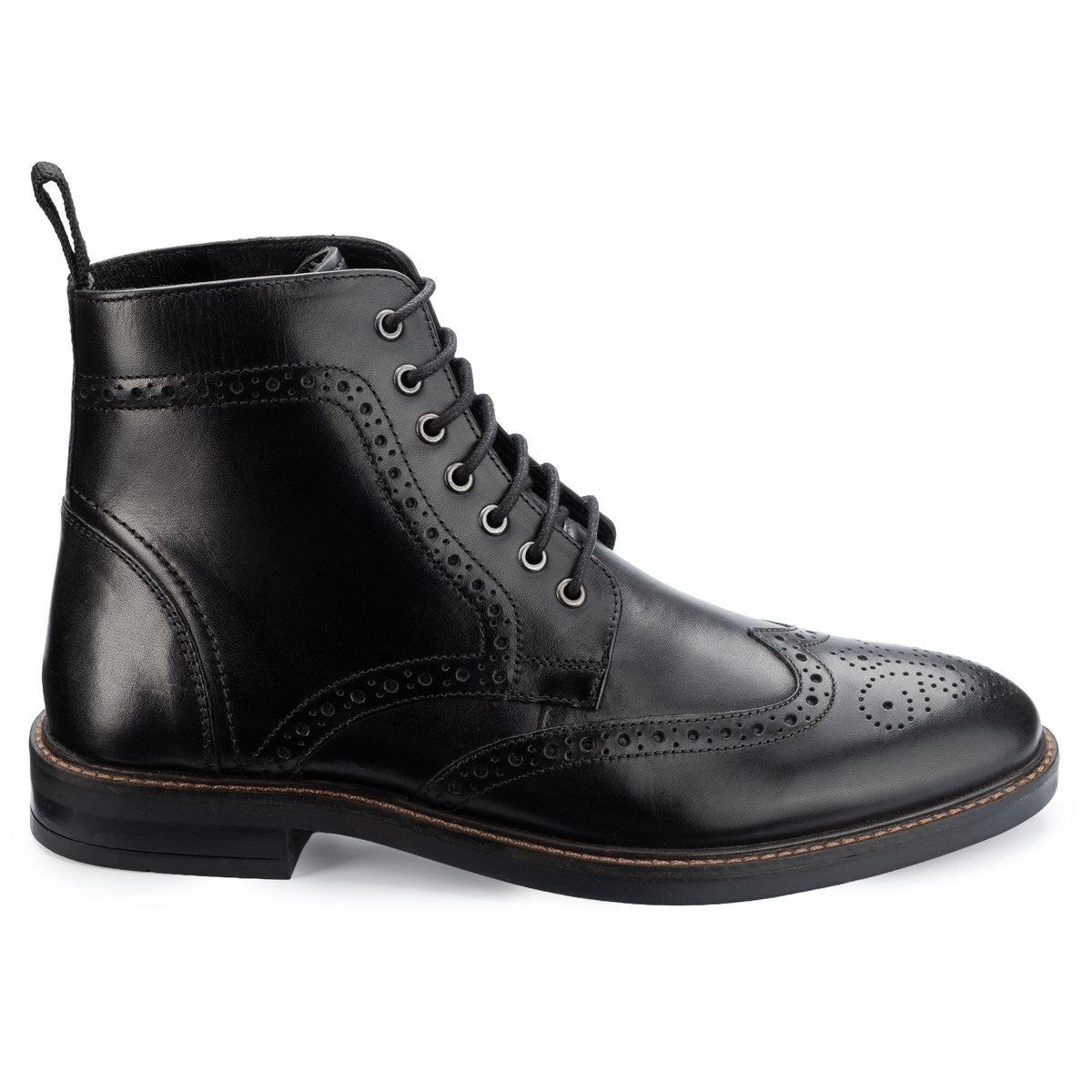
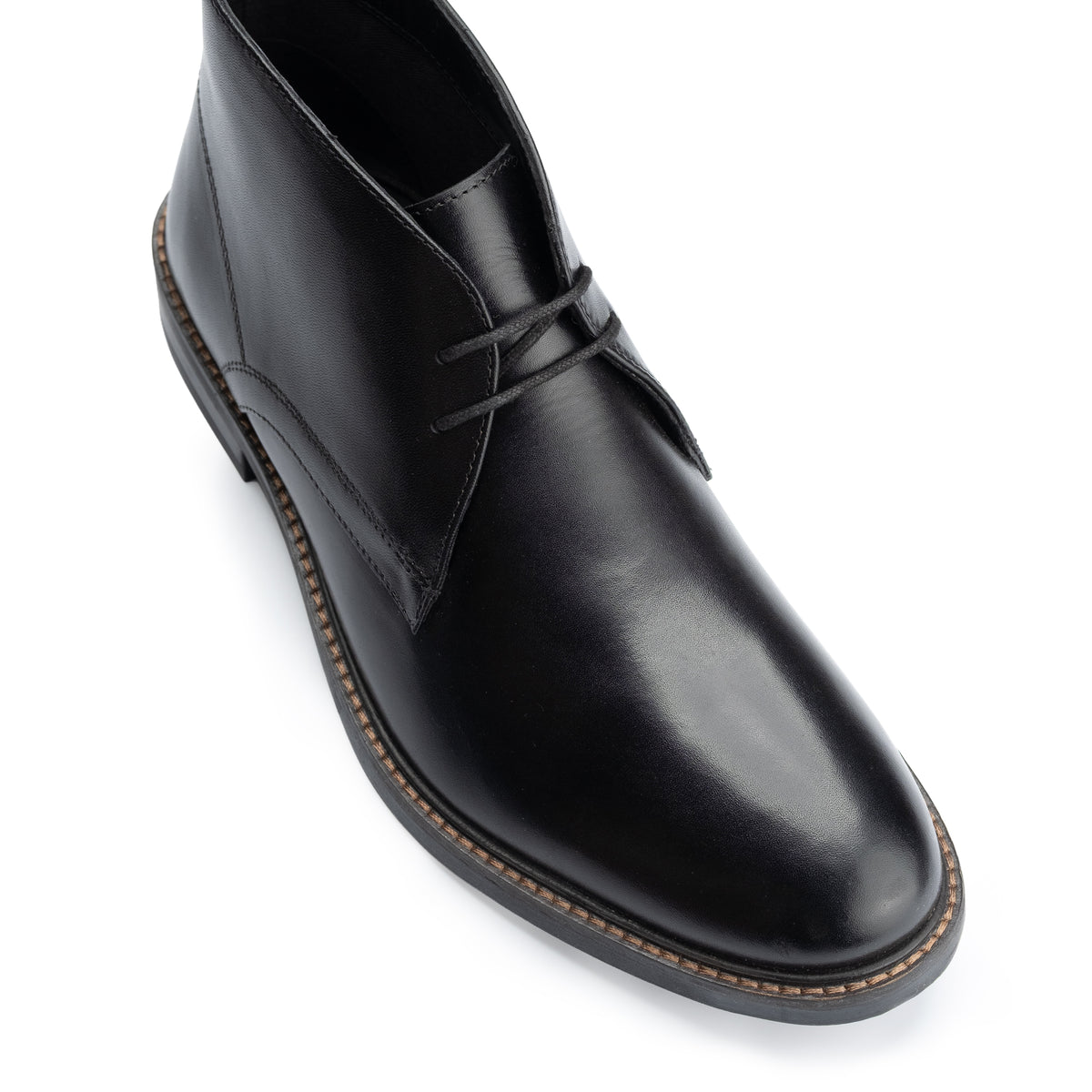
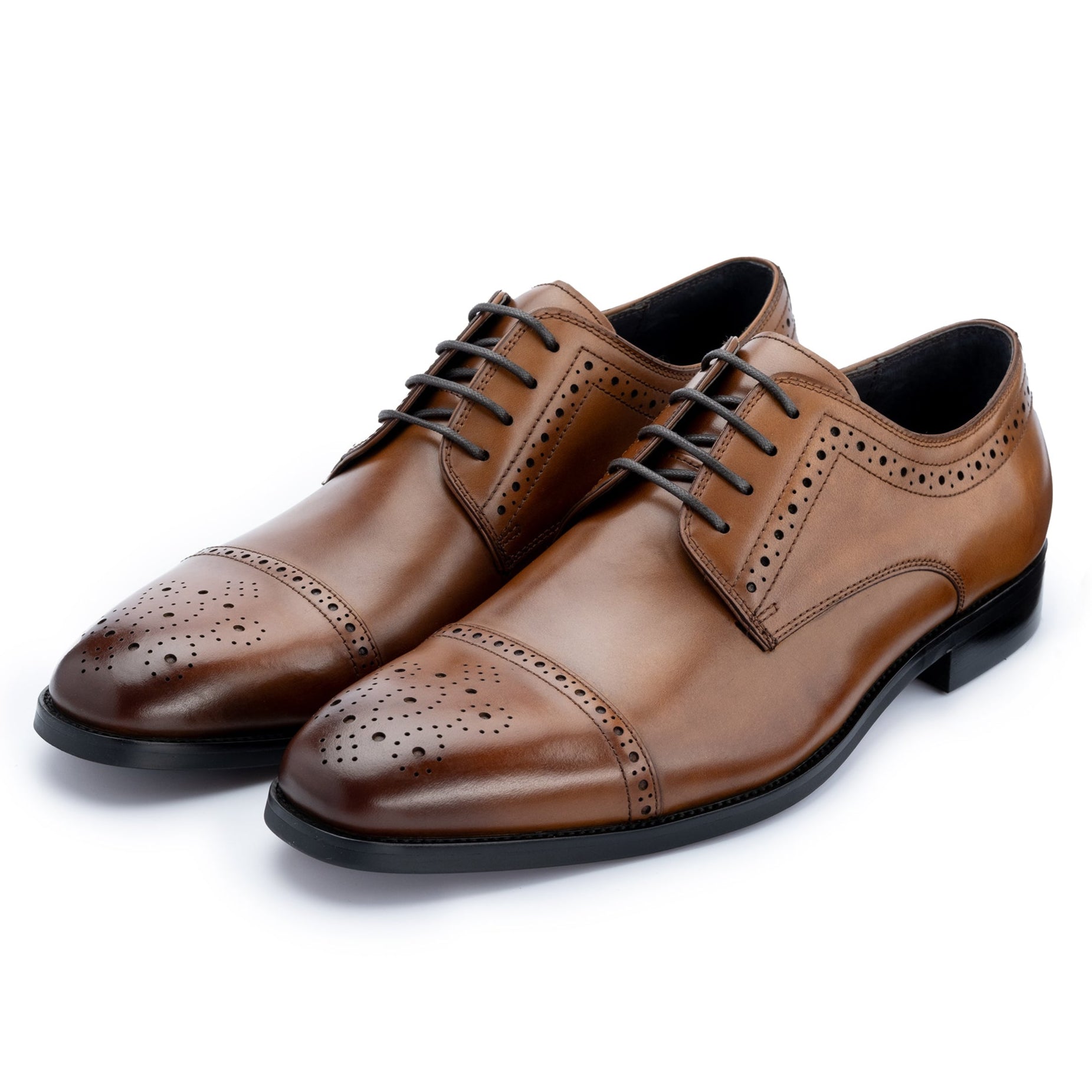
- Clean, undecorated upper. No broguing, no cap toe, no medallion. The Chukka's appeal is in its plainness. Any decoration on the upper moves it into different territory.
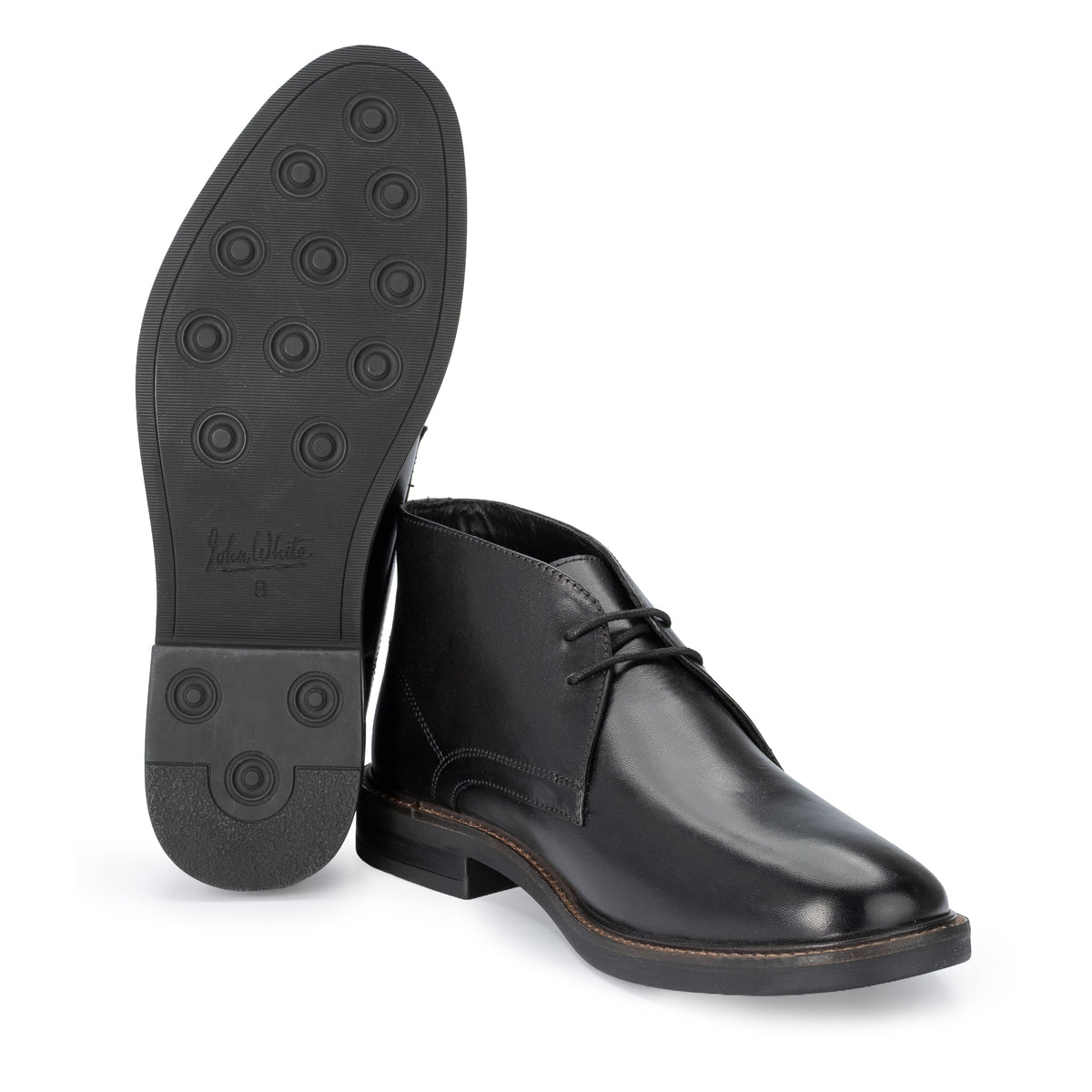
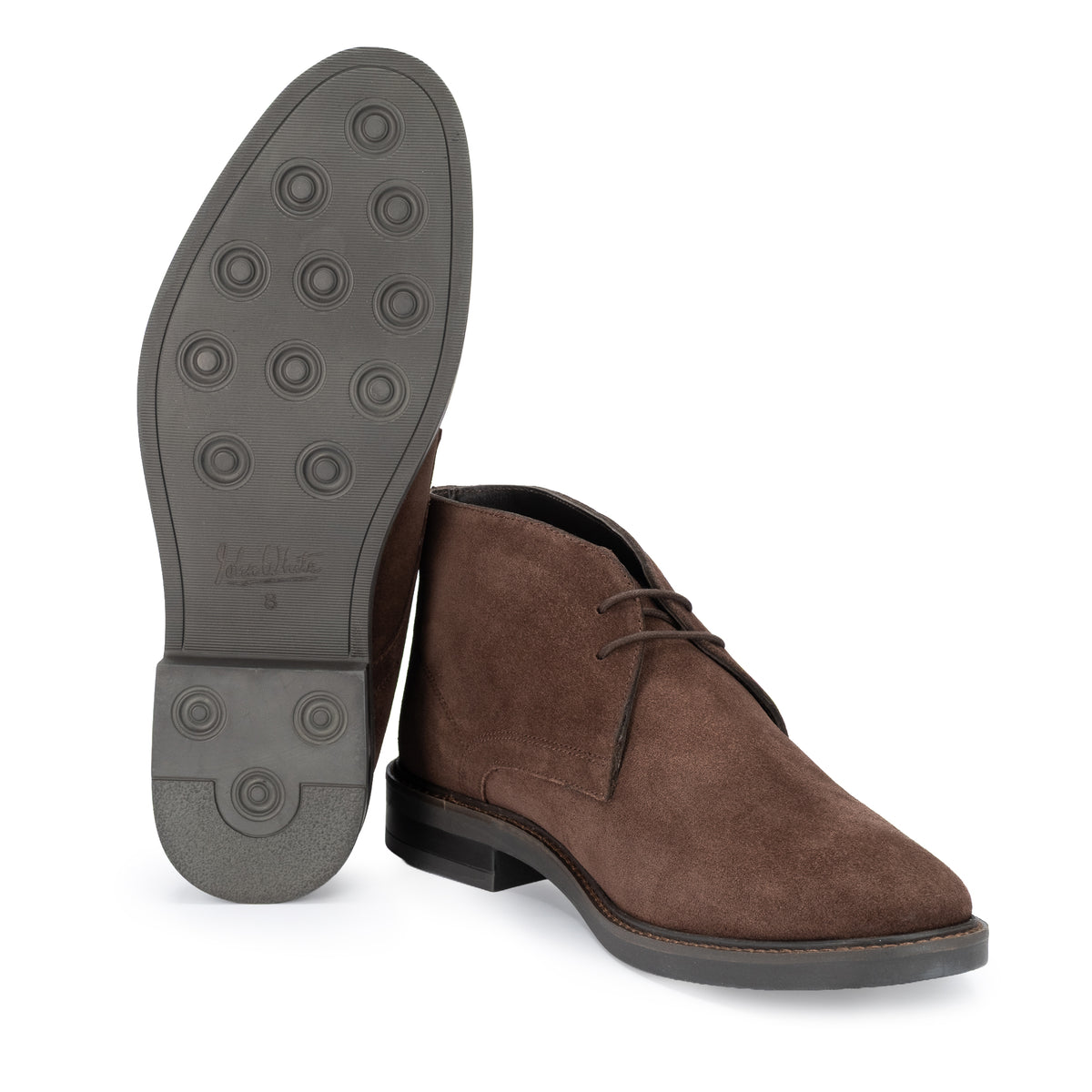
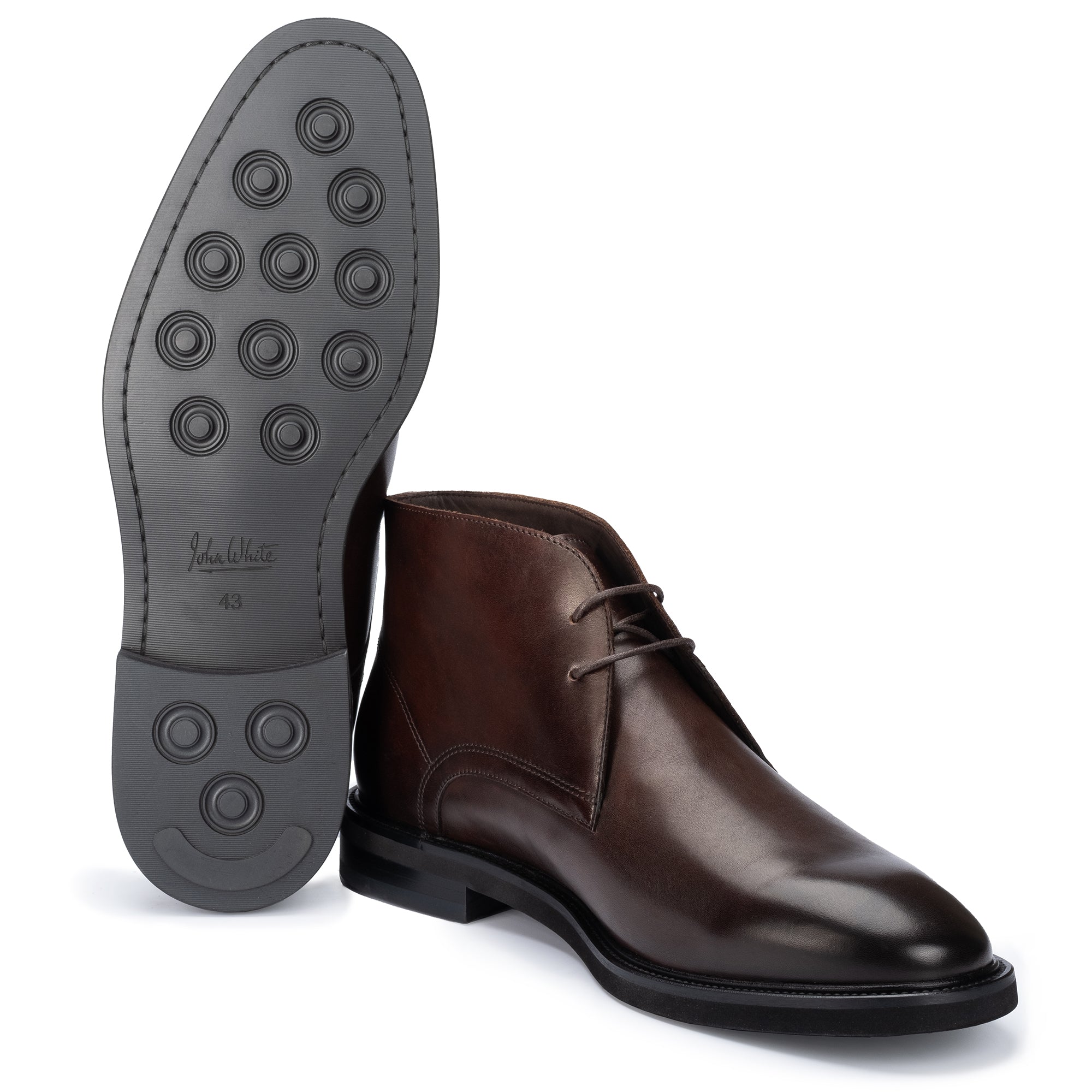
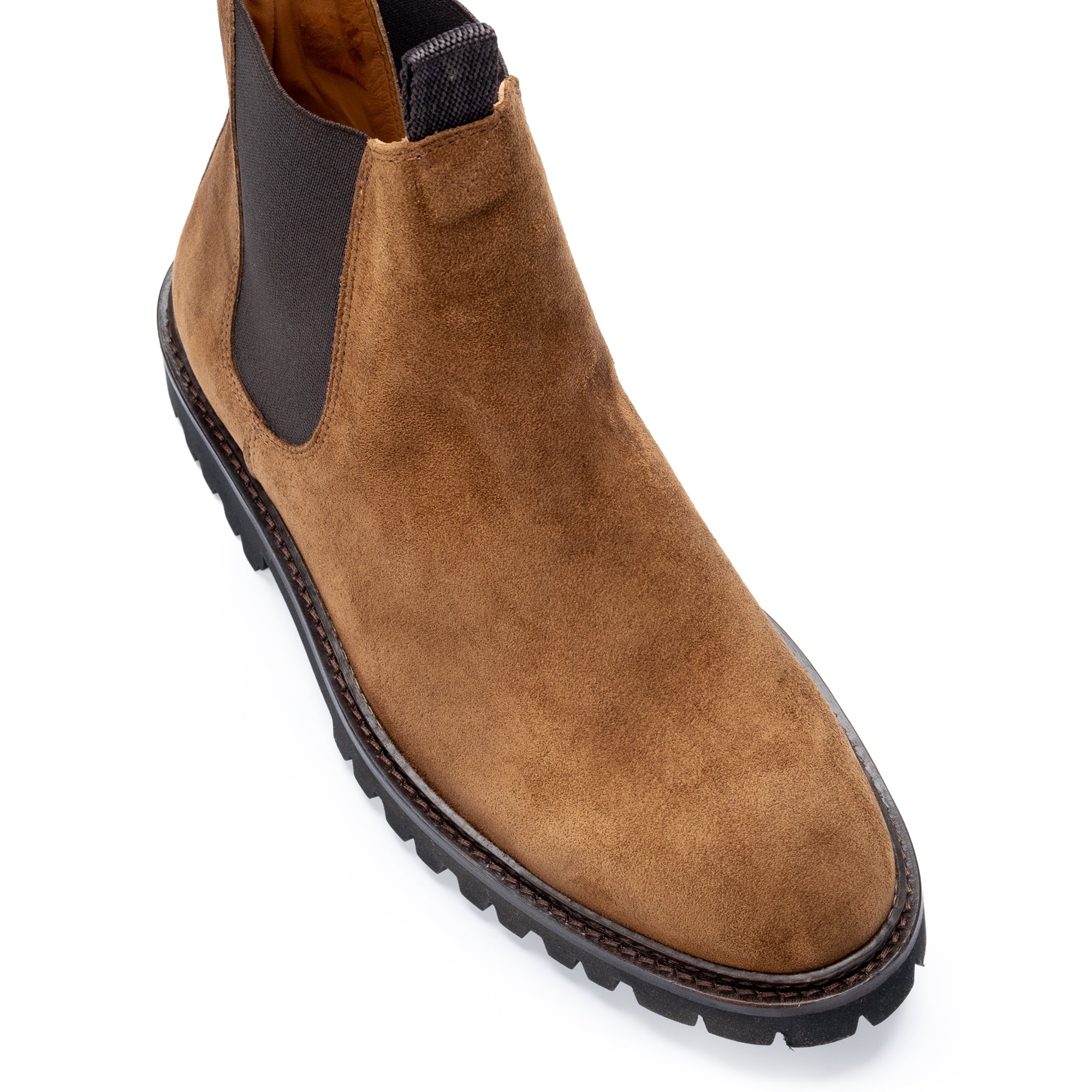
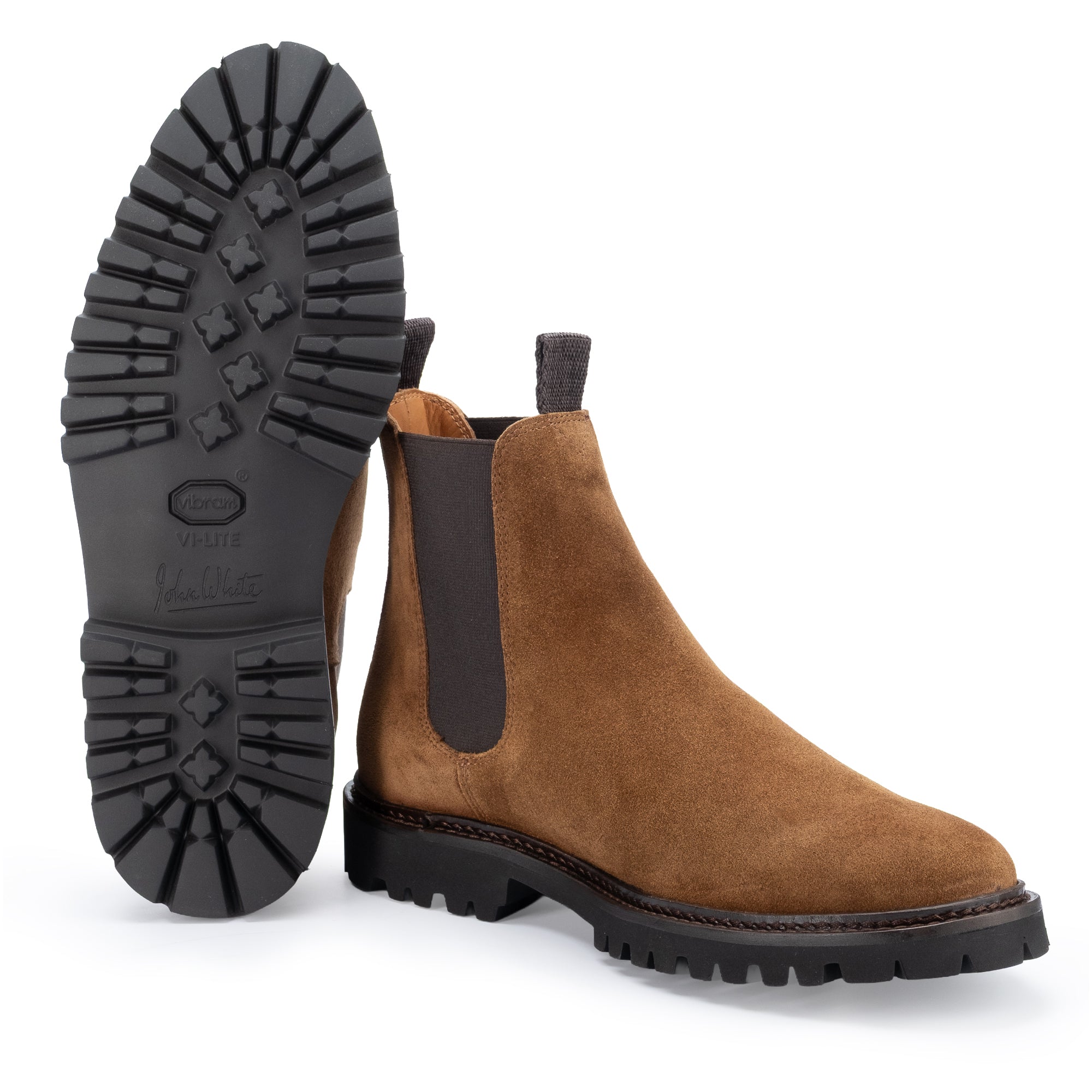
- Soft construction. Historically suede or soft leather, with a crepe or rubber sole. Modern Chukkas are made in a wider range of leather finishes, but the silhouette stays deliberately understated.
These constraints are what give the Chukka its versatility. There is nothing about it to clash with. Understanding the broader principles behind shoe shape and proportion is useful here: our guide to the last and why shoe shape matters covers why a rounded versus tapered toe affects the overall read of a boot like this.
Leather or Suede: A Practical Distinction
The original desert boot was suede, and suede remains the purist's choice. Suede Chukkas sit at a slightly more casual register: warmer in the hand, softer in the light, and more forgiving of surface wear when properly maintained. For care, it is worth reading our guide to caring for suede shoes before the season turns wet. A water and stain protector applied before first wear makes a material difference to how the boot holds up.
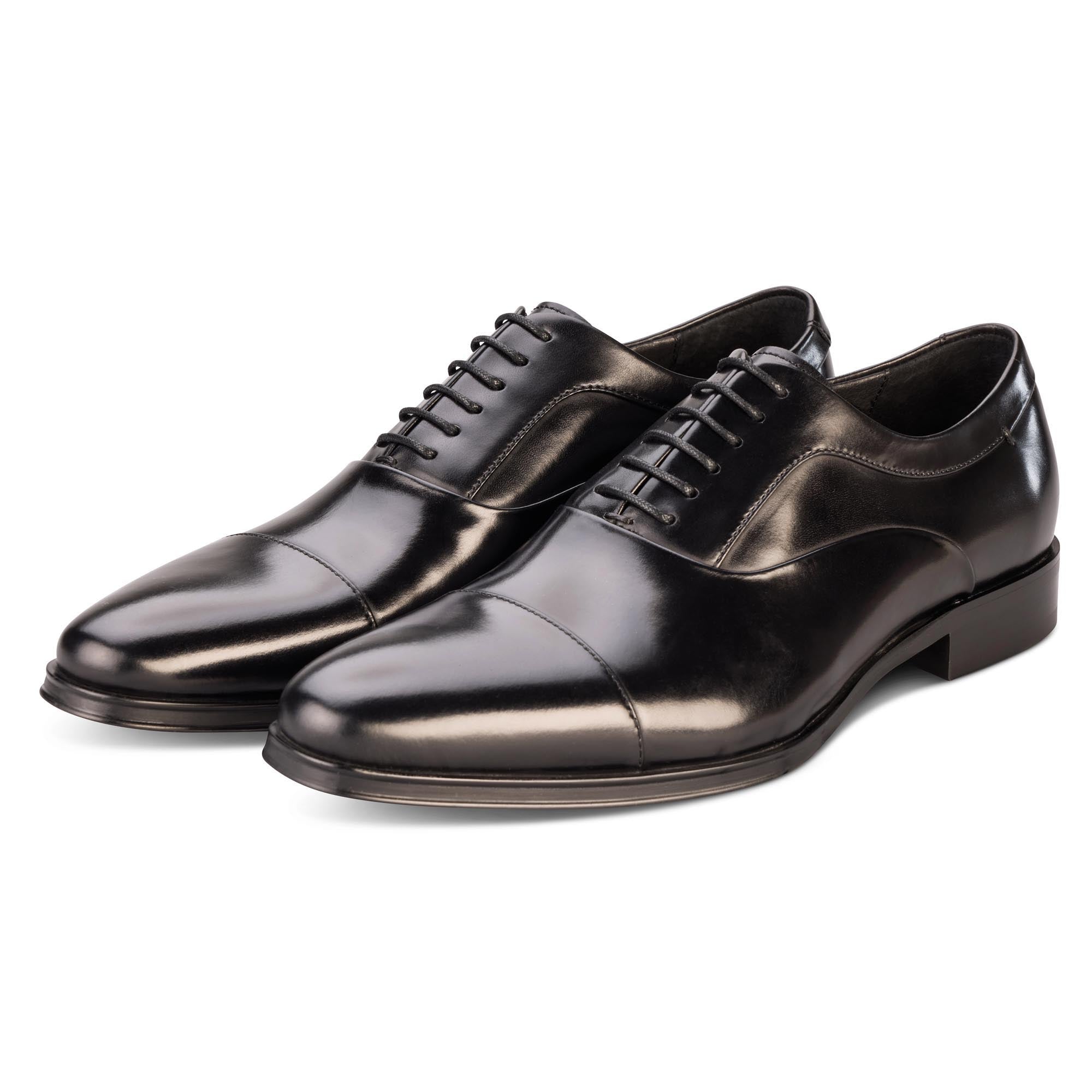
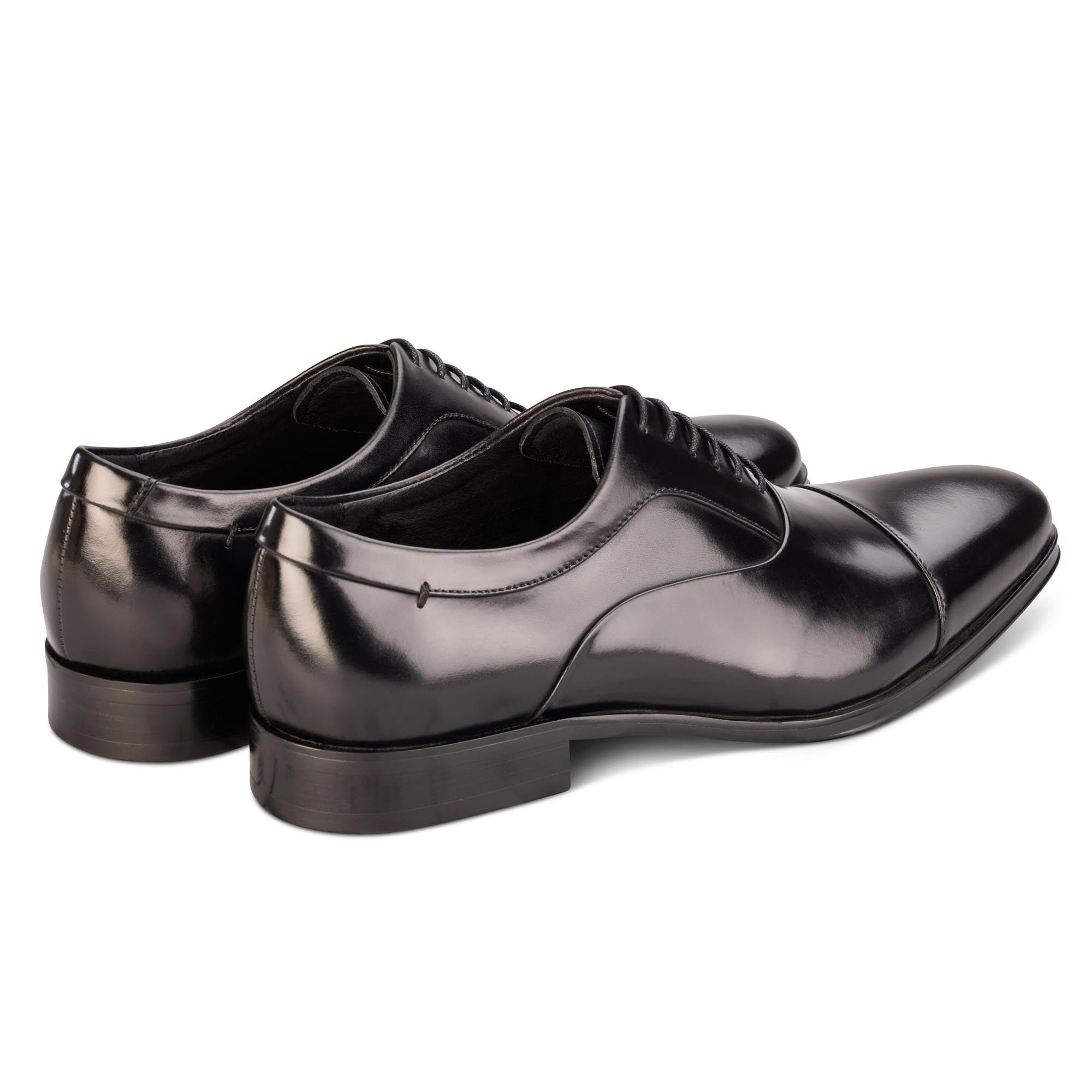
Smooth grain leather Chukkas are fractionally dressier. The polished surface holds a crease and reads as more formal, which extends their range slightly. You can push a leather Chukka closer to a smart business-casual setting where a suede version might feel too relaxed.
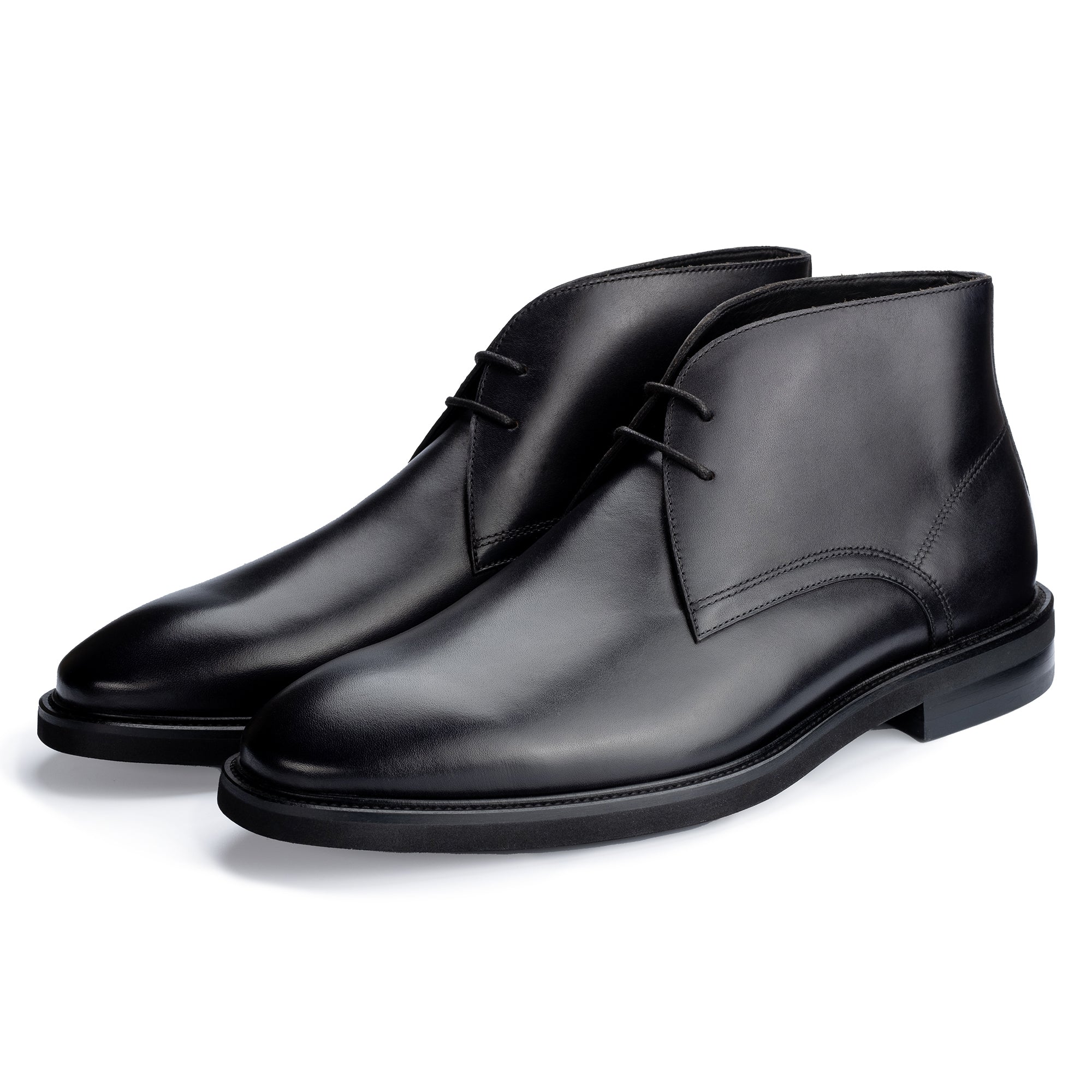
Colour is the third variable. Brown and tan are the natural territory of the Chukka; cognac adds warmth. Black is available and works well in a formal context, though the Chukka's silhouette is relaxed enough that even a black version carries a casual undertone that a black Oxford does not.
The JWS Chukka Range
John White Shoes carries Chukkas in both leather and suede, with enough variation in last shape and colourway to cover the main registers.
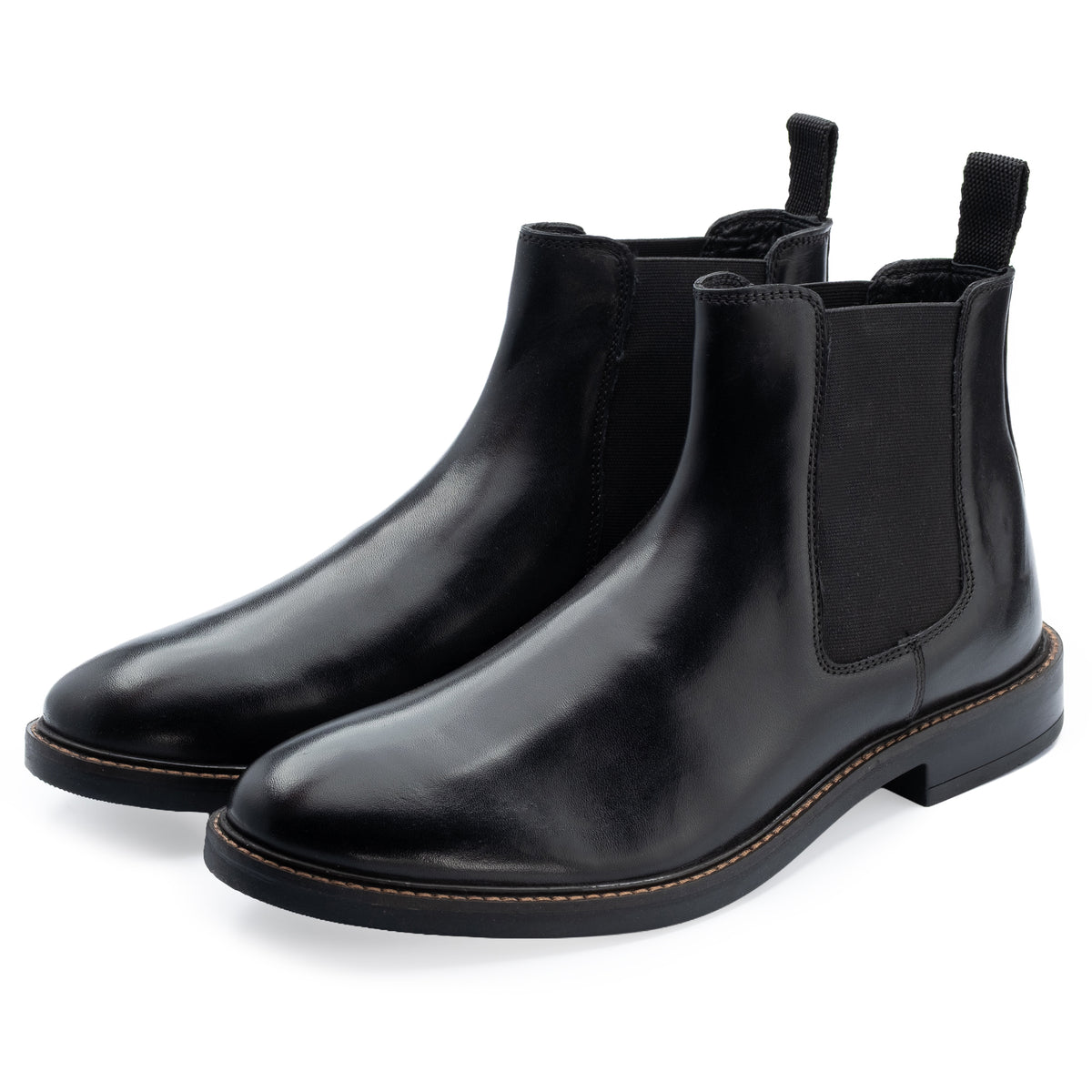
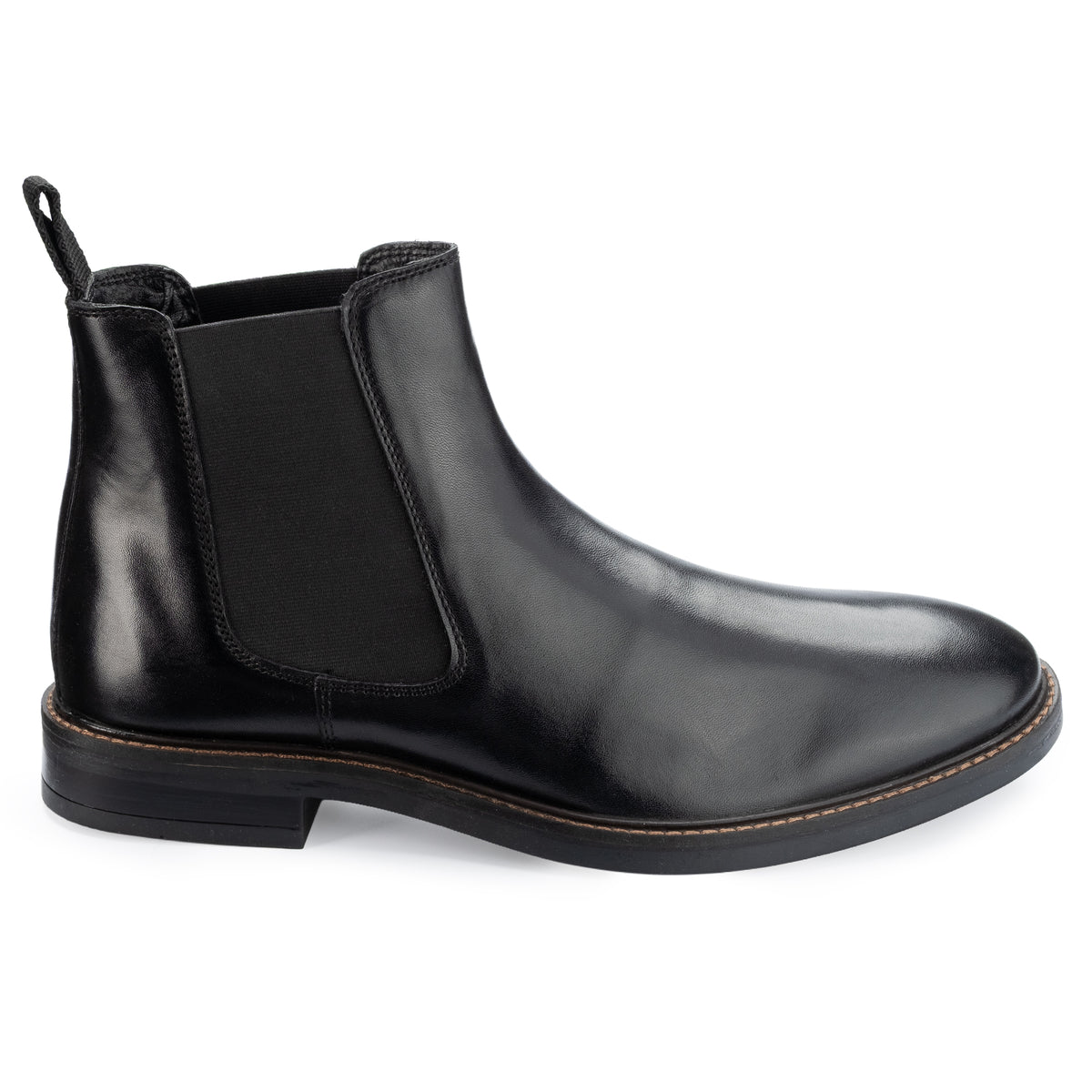
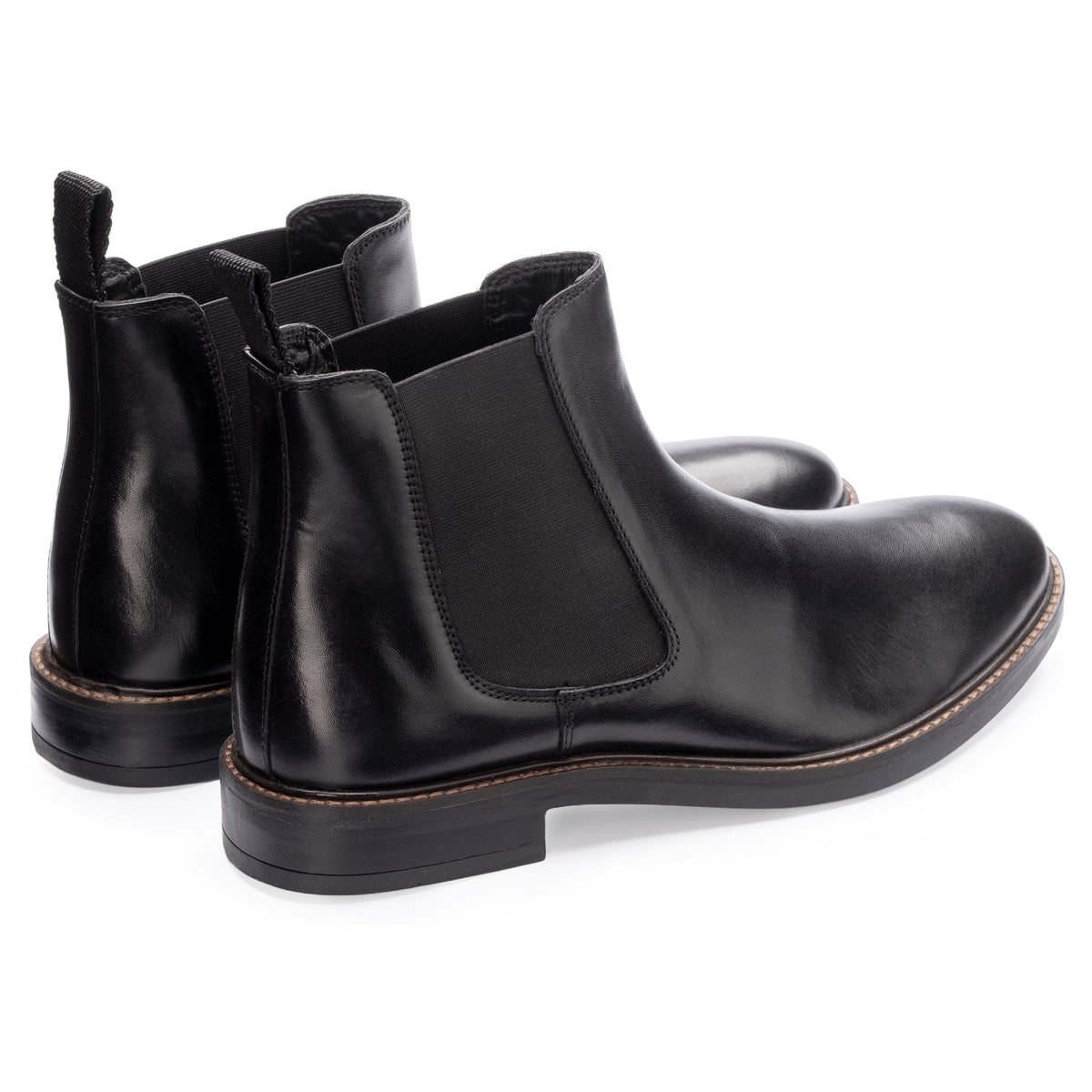
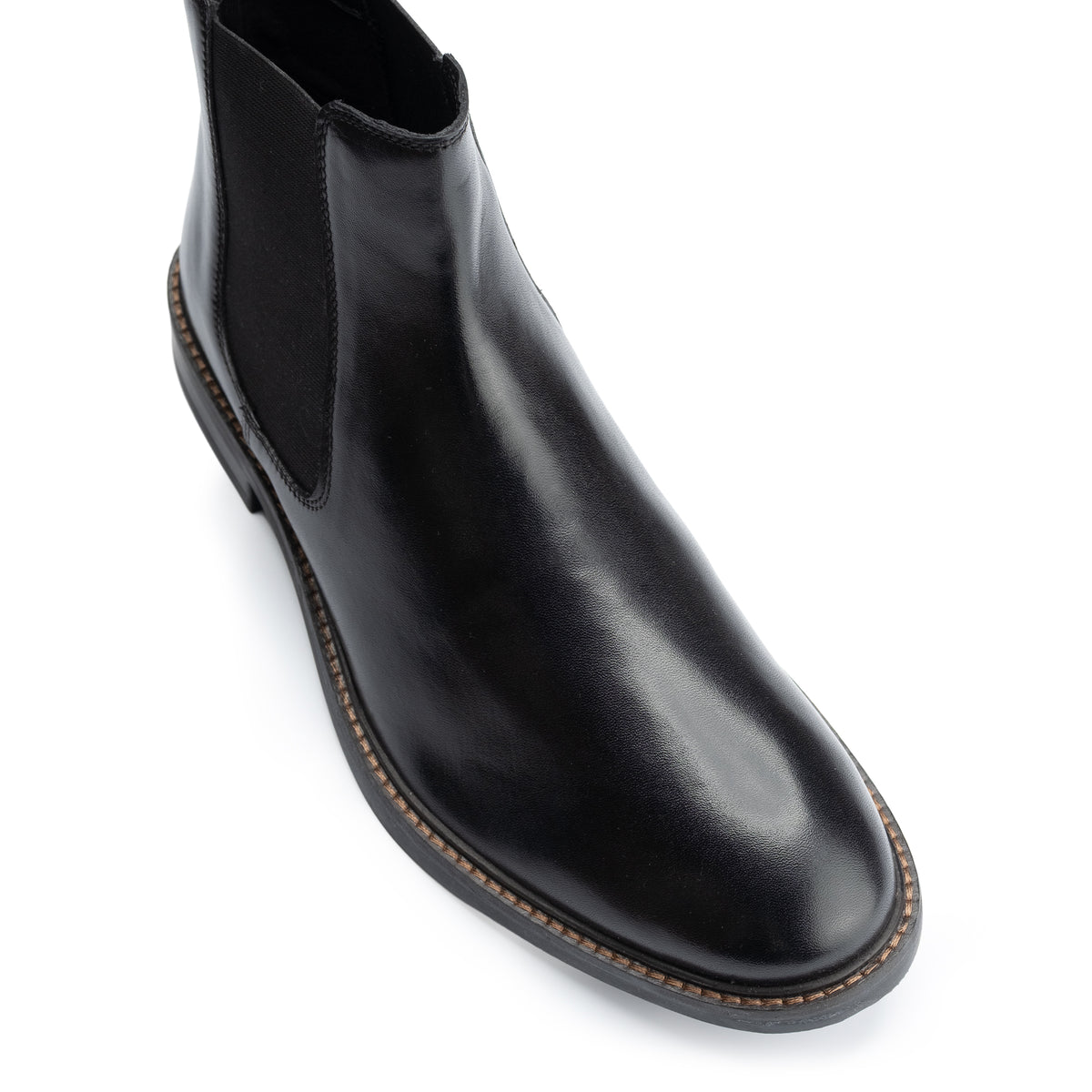
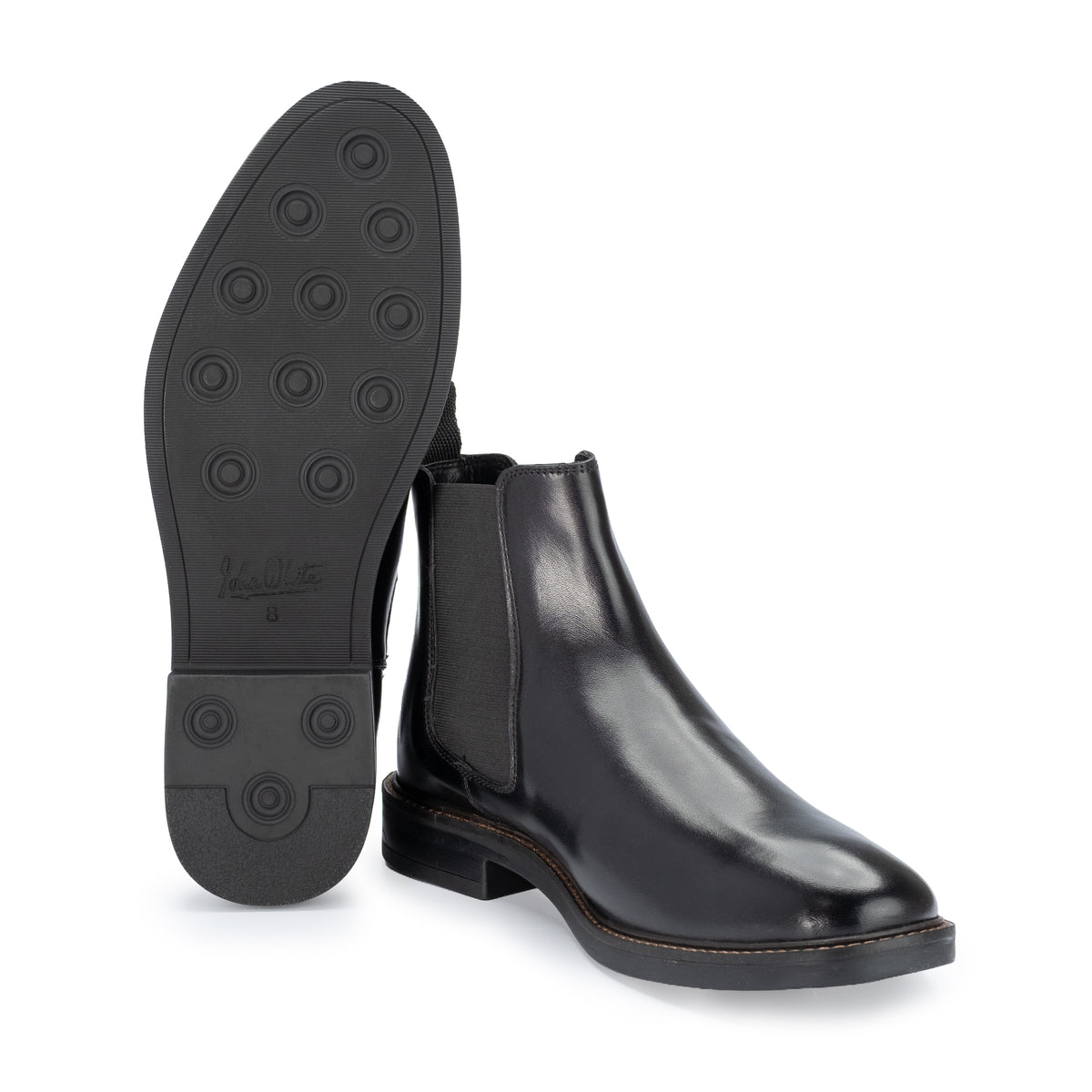
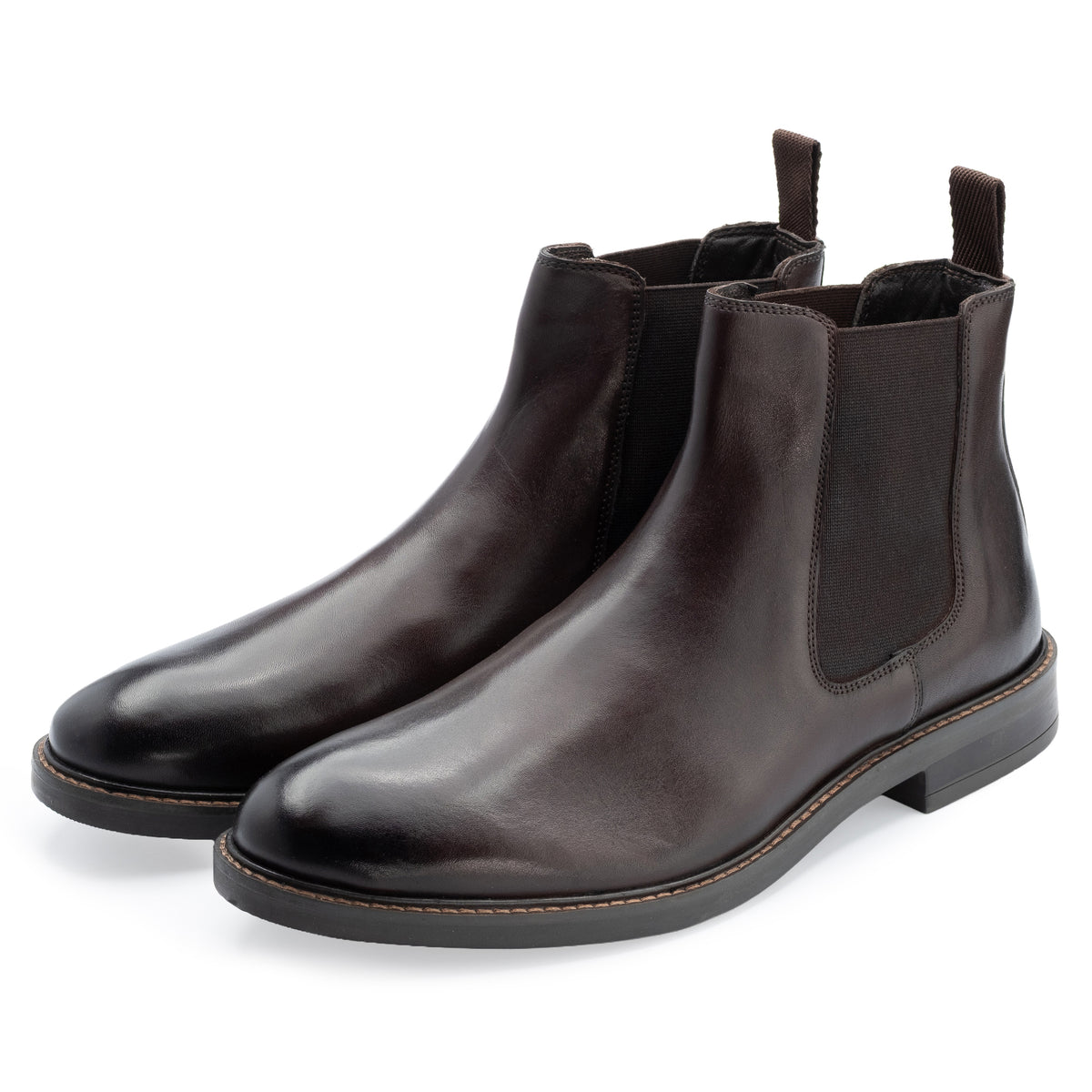
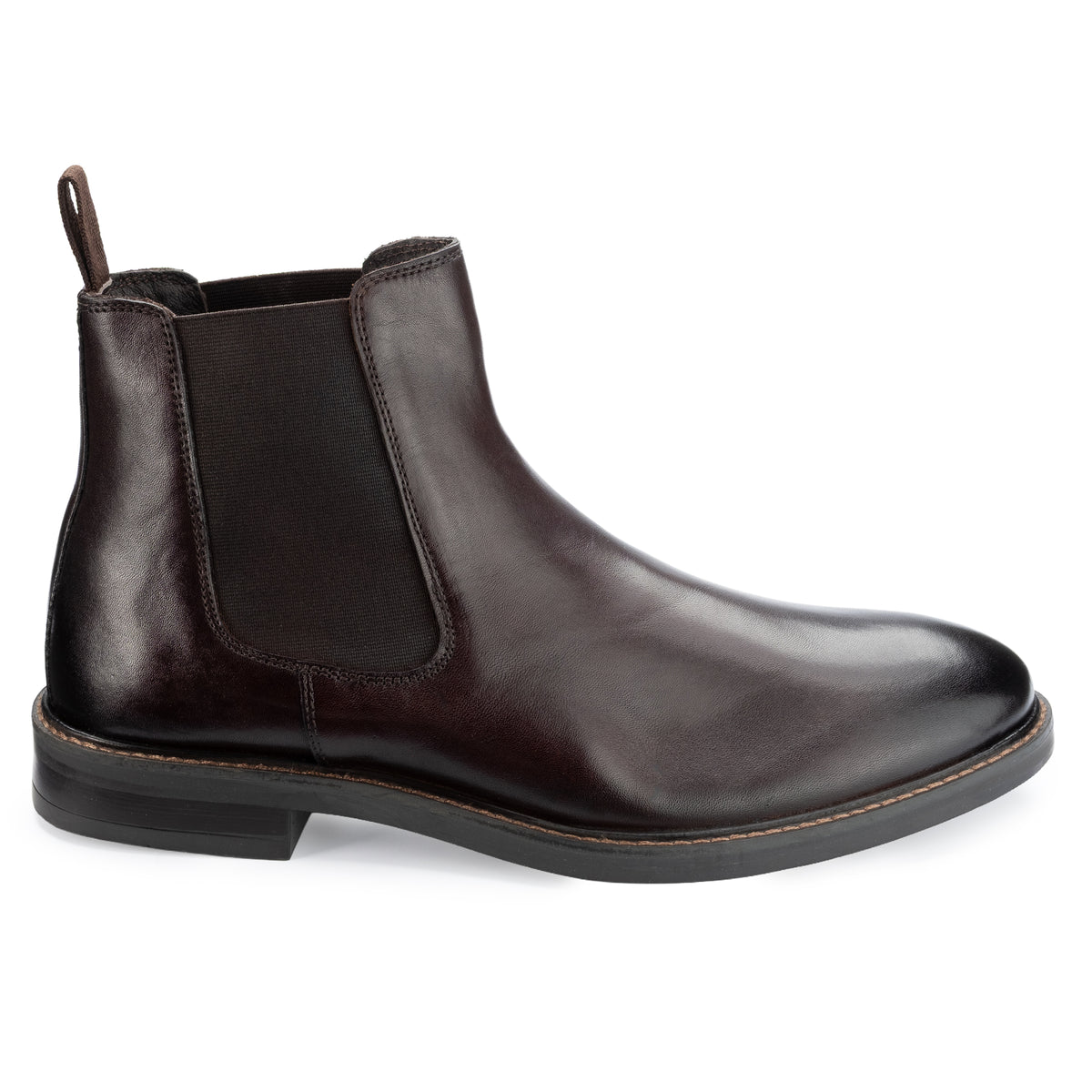
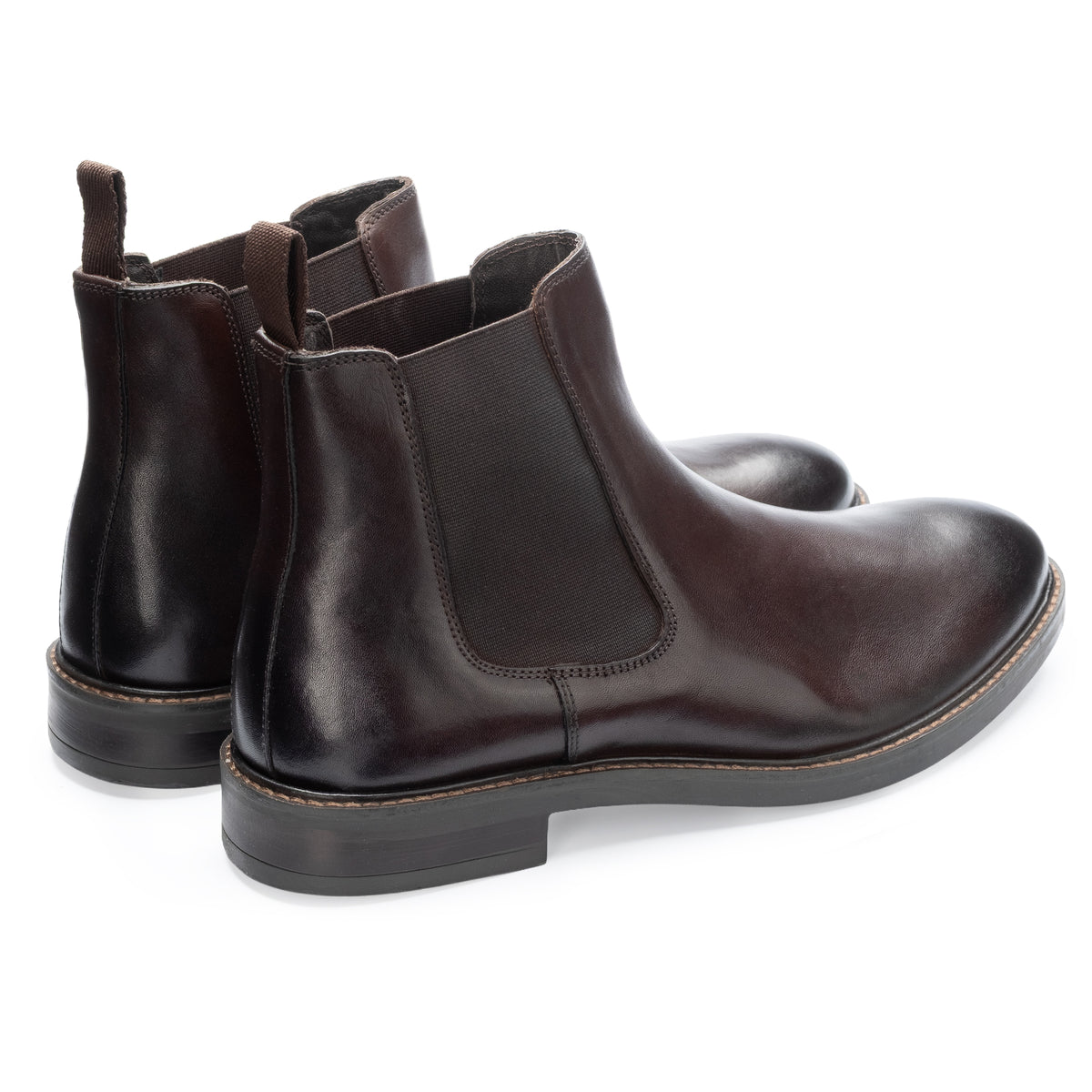
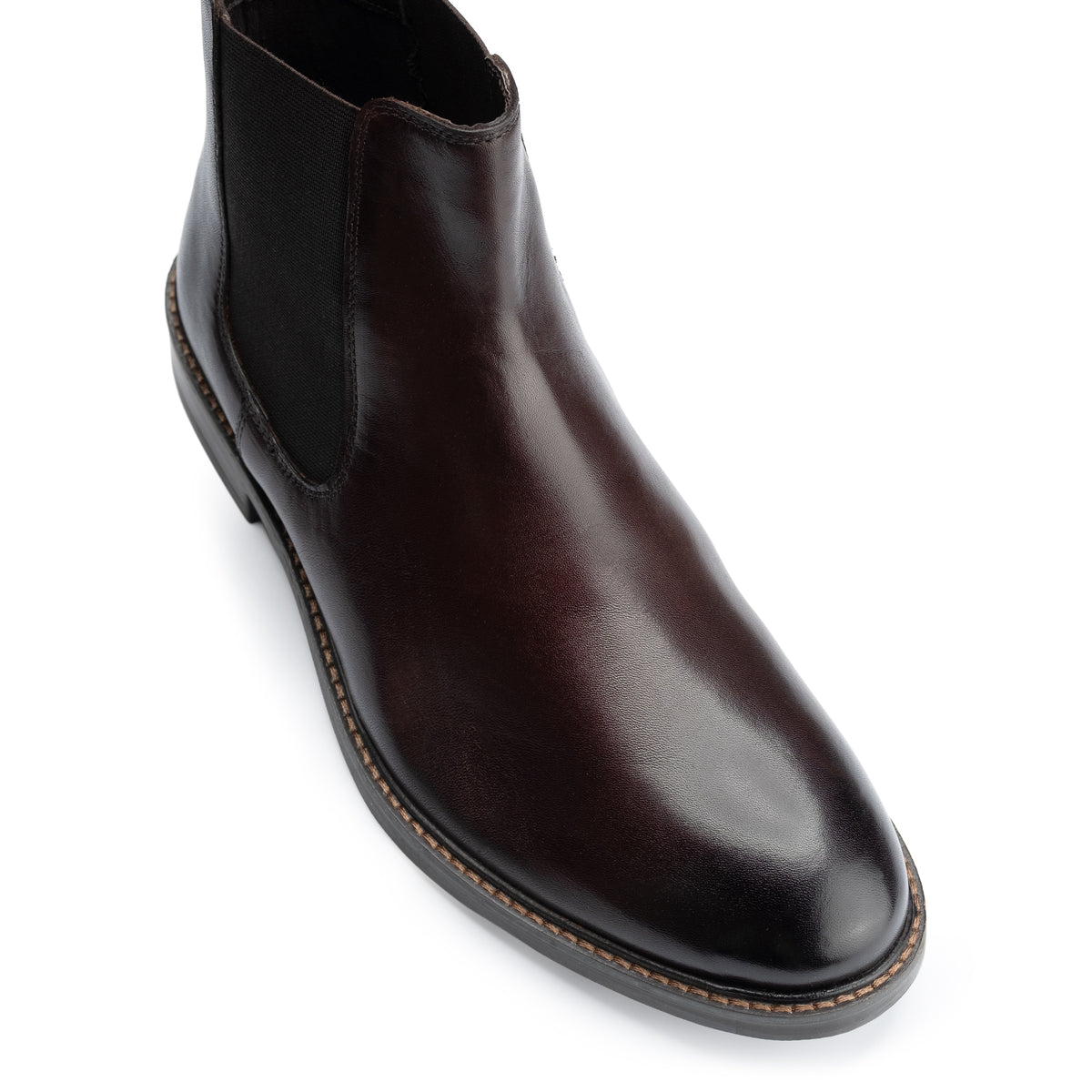
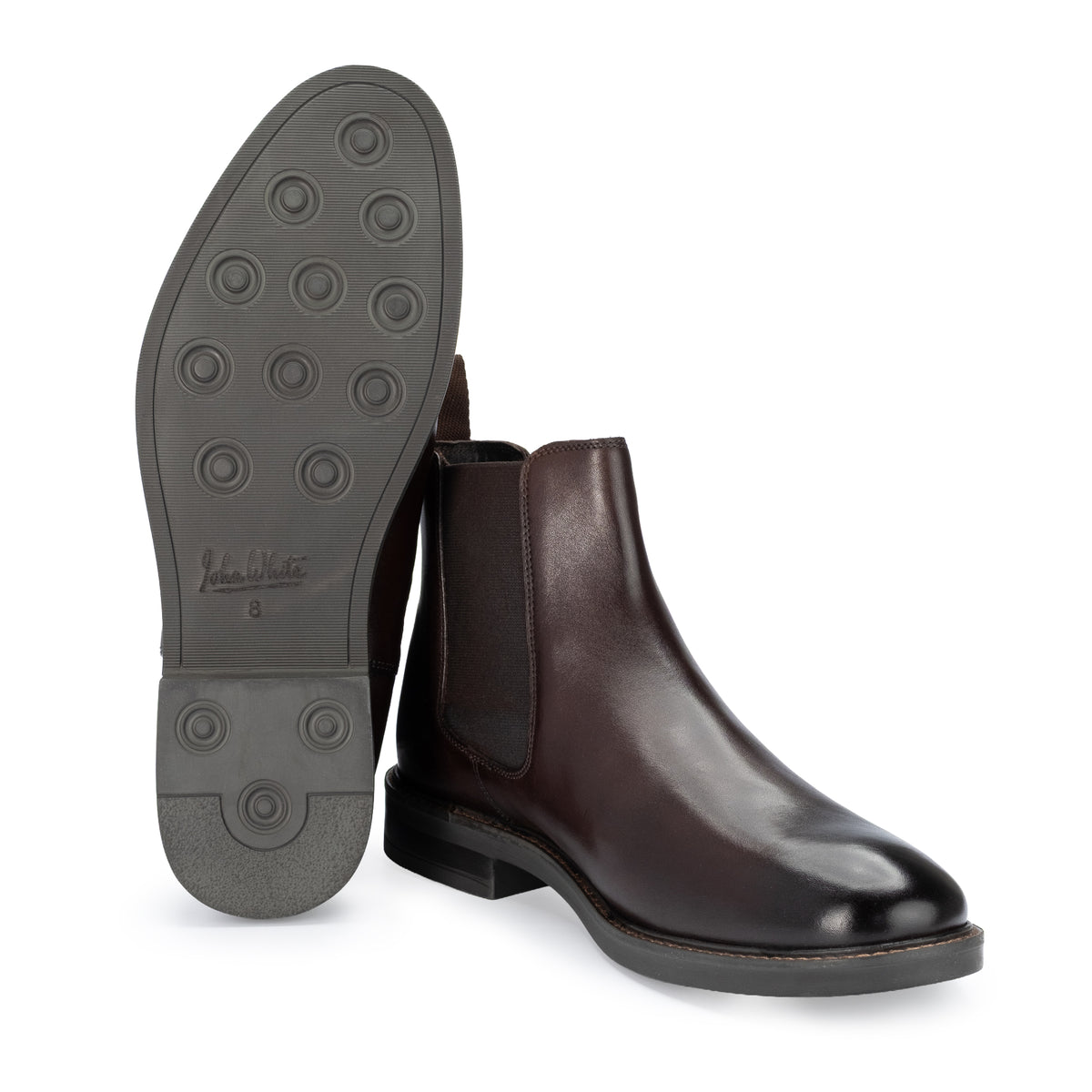
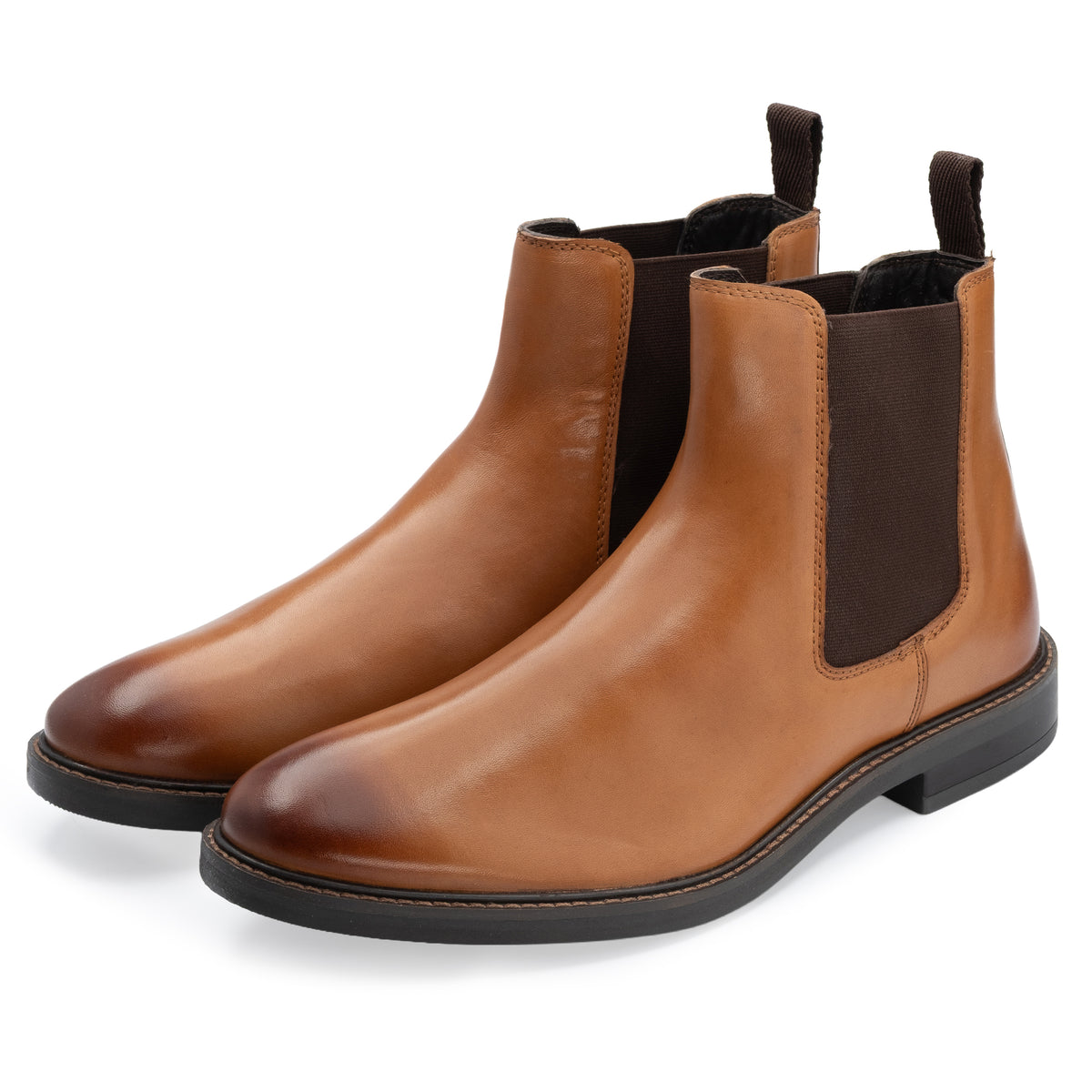
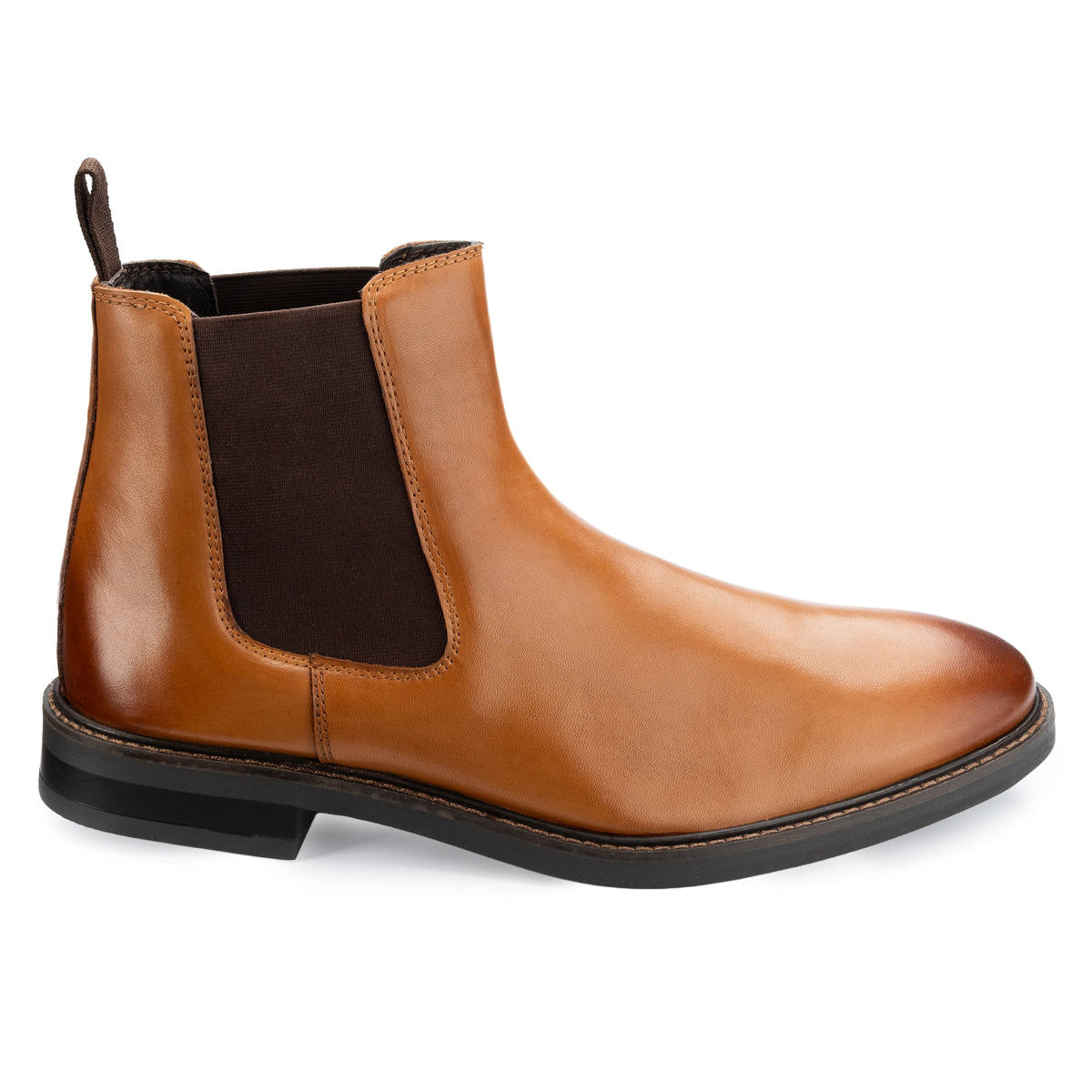
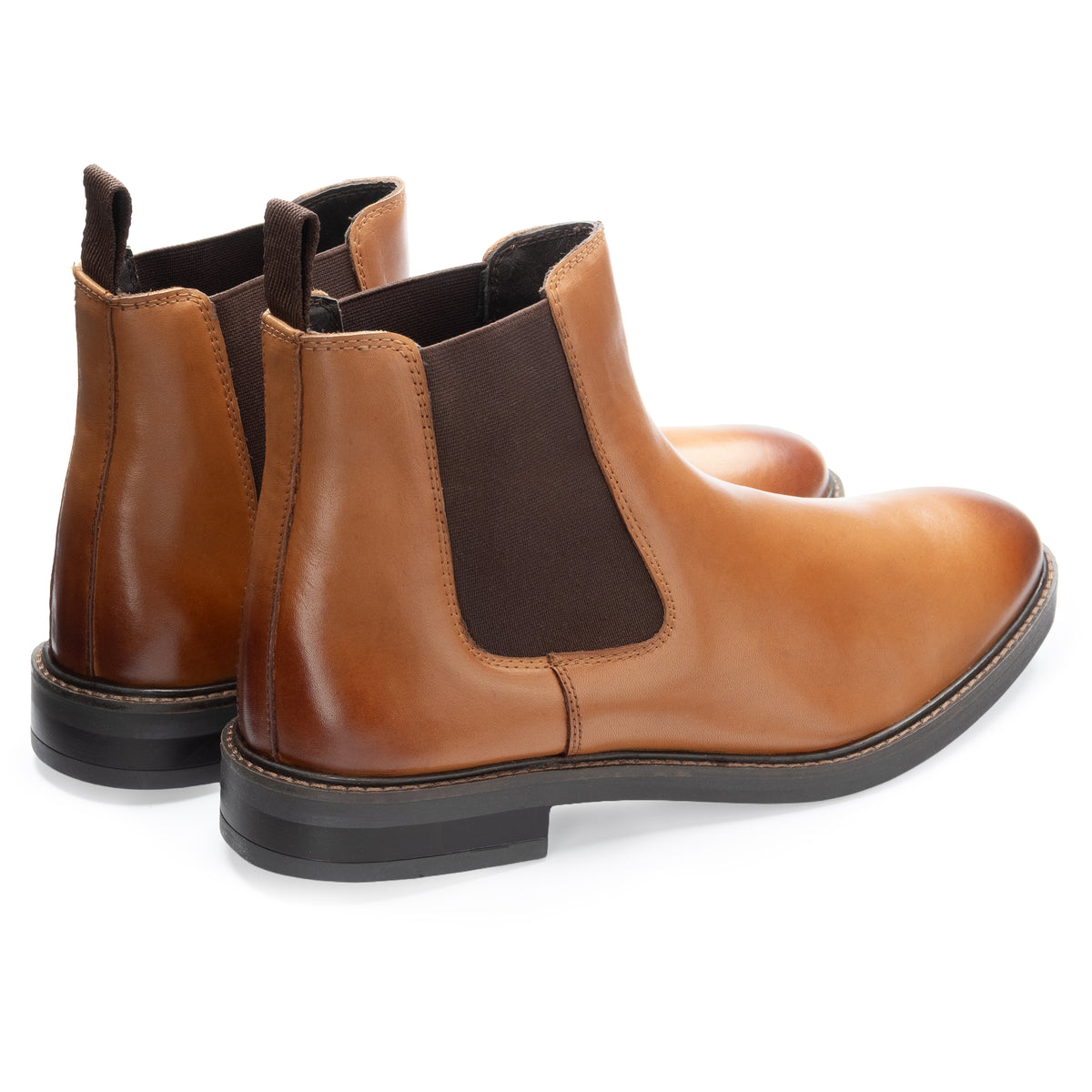
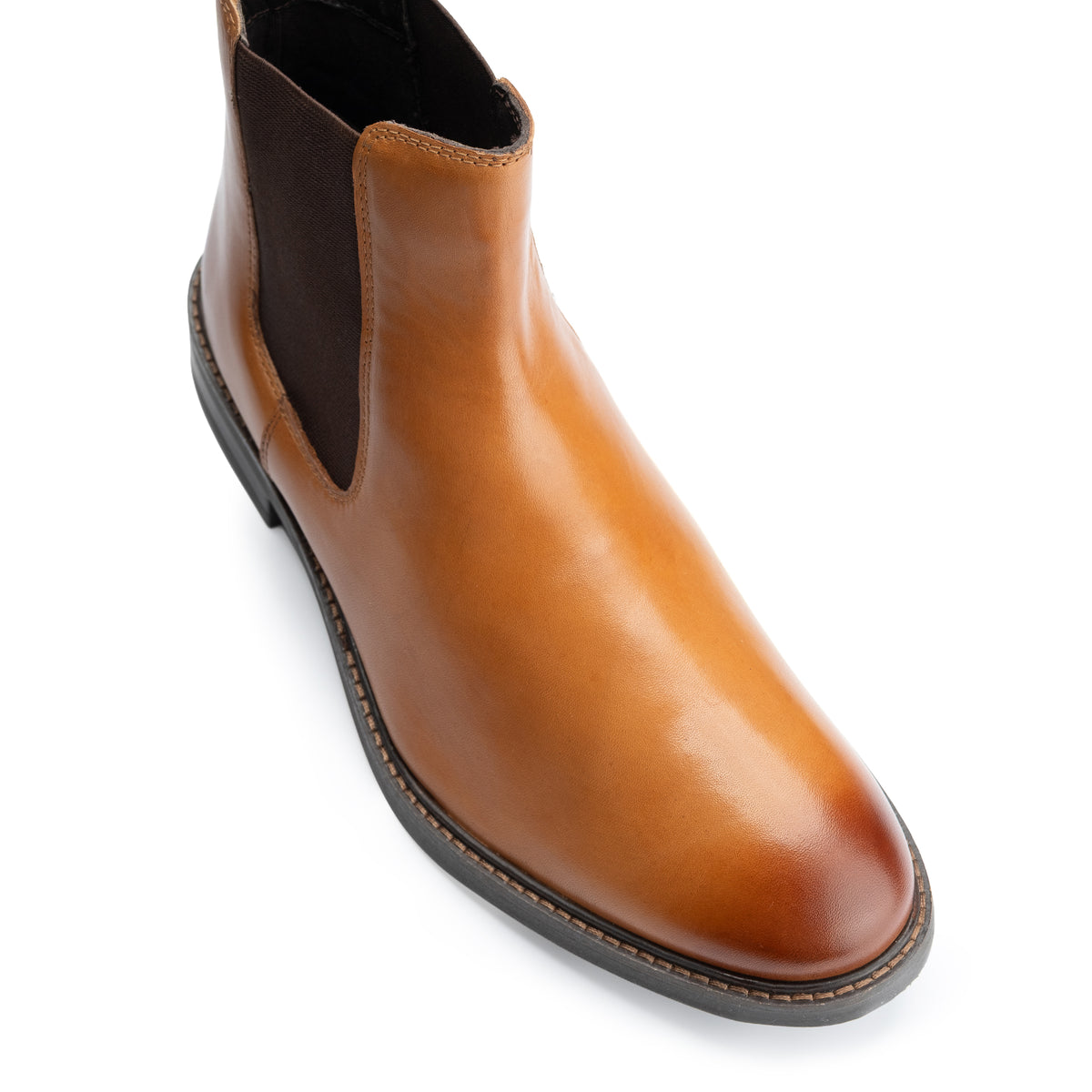
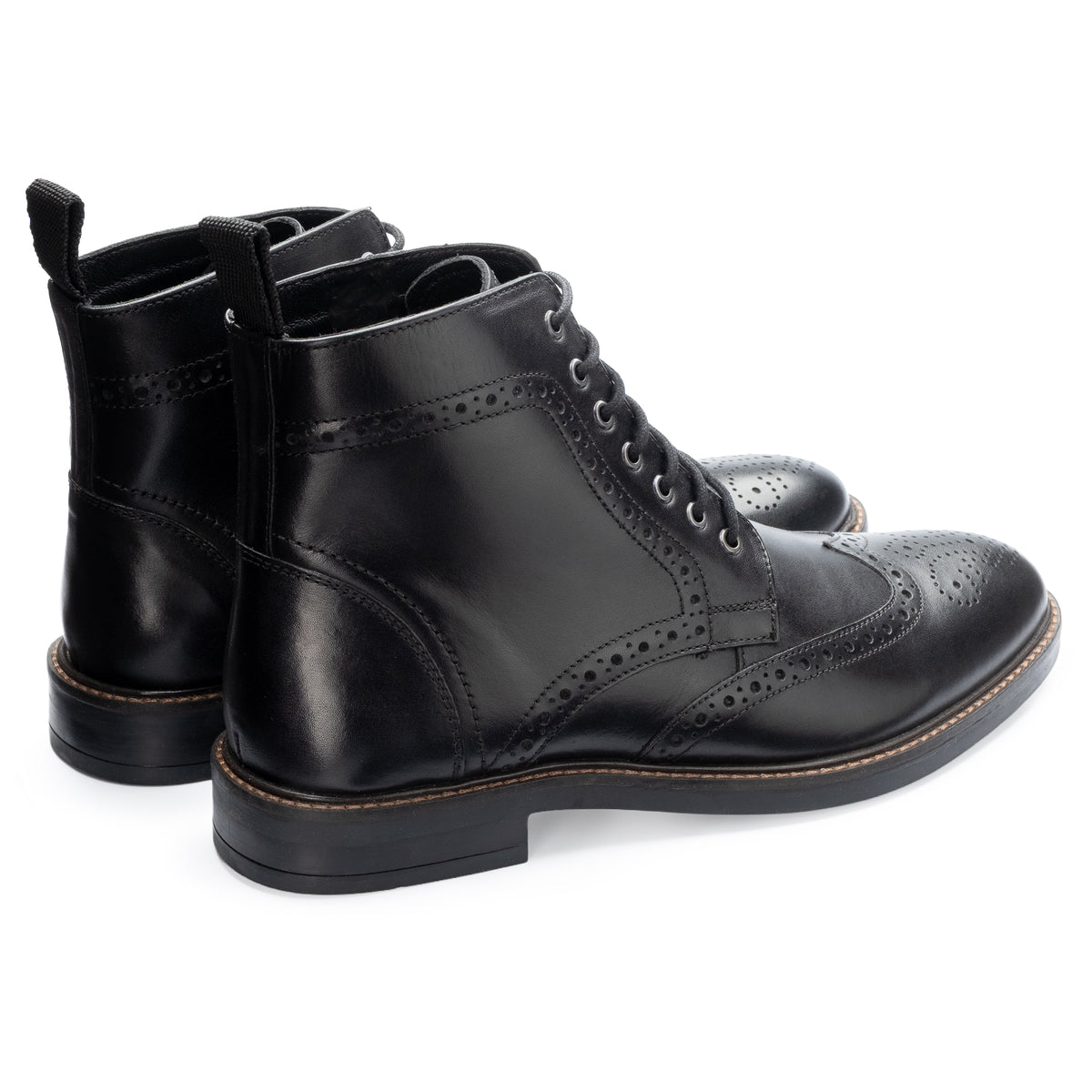
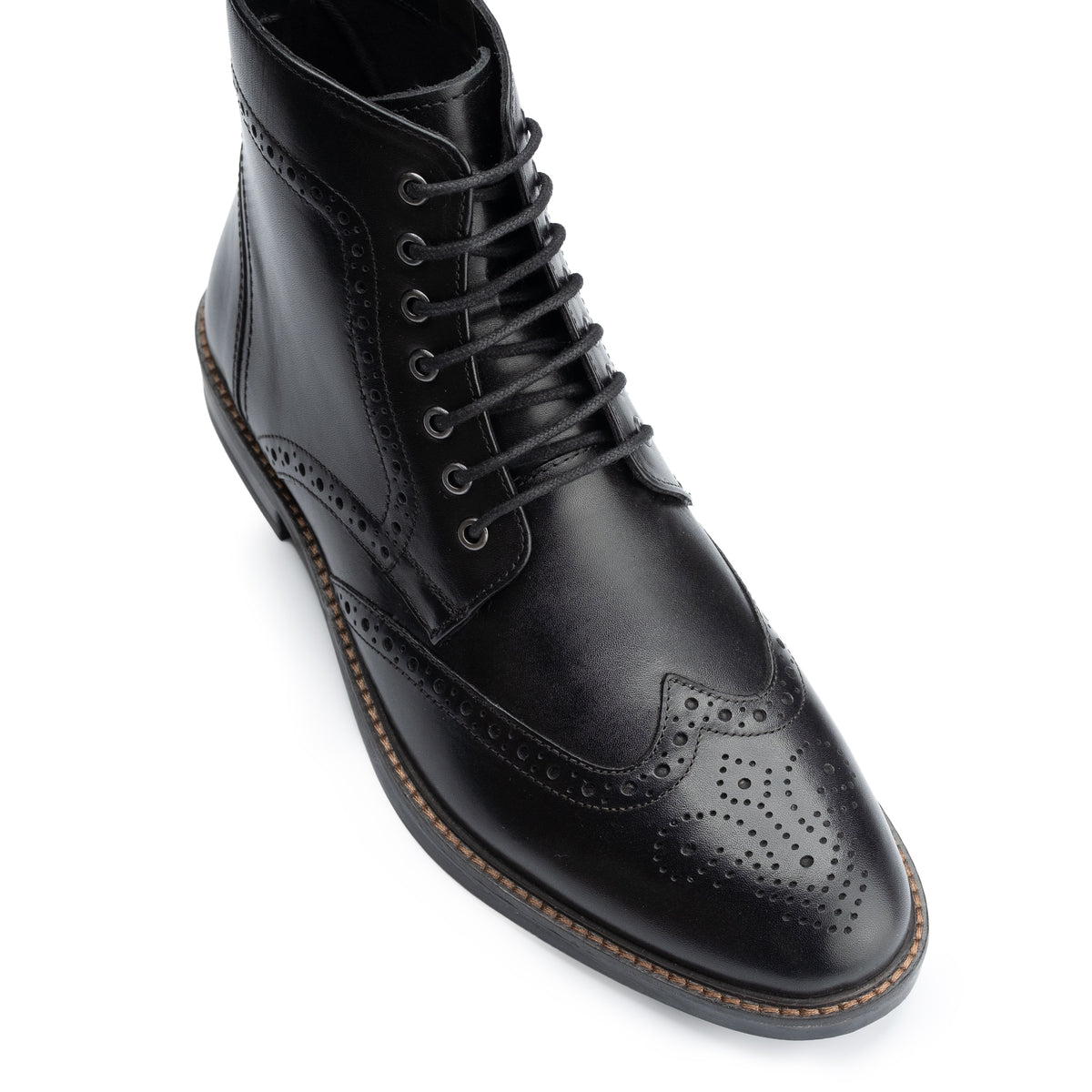
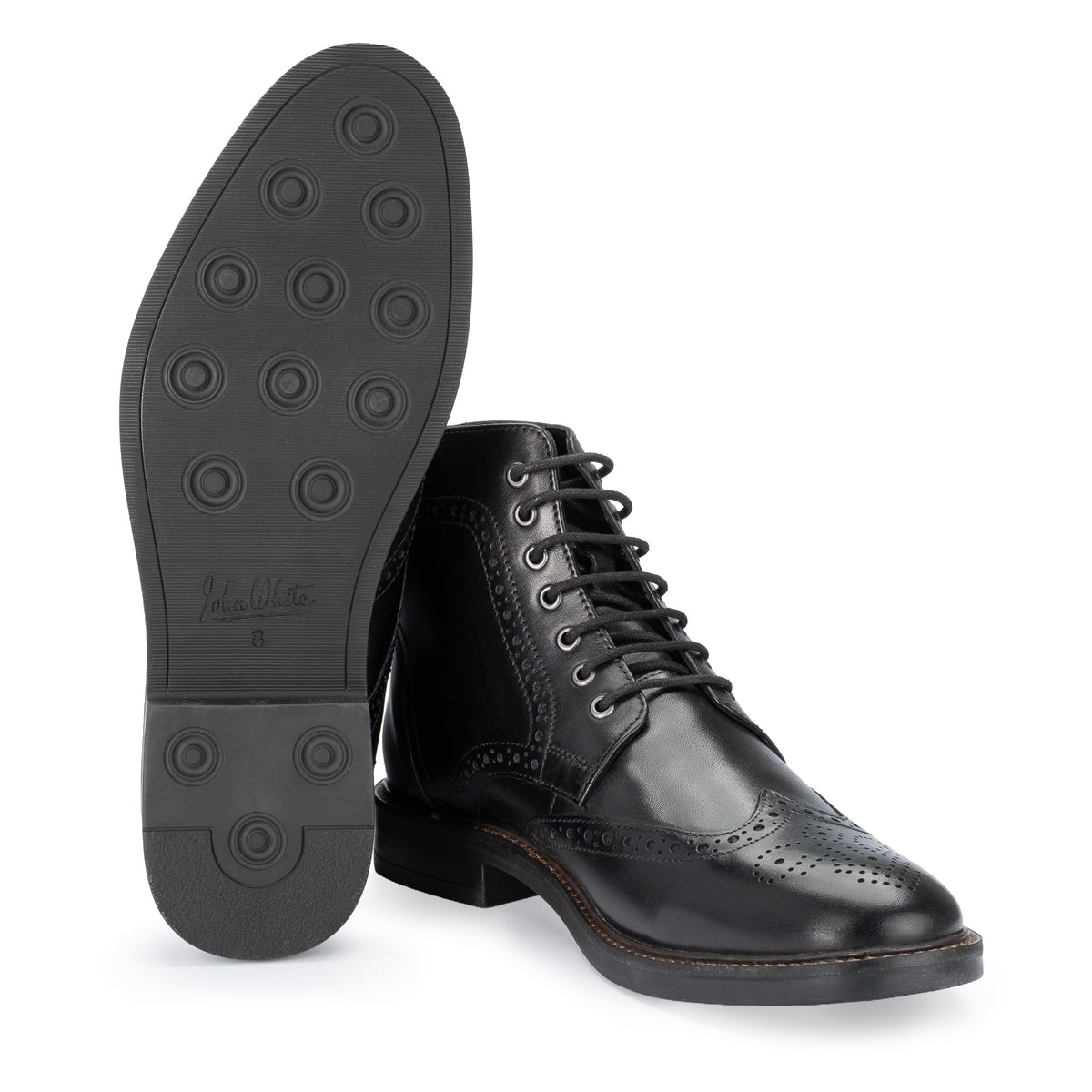
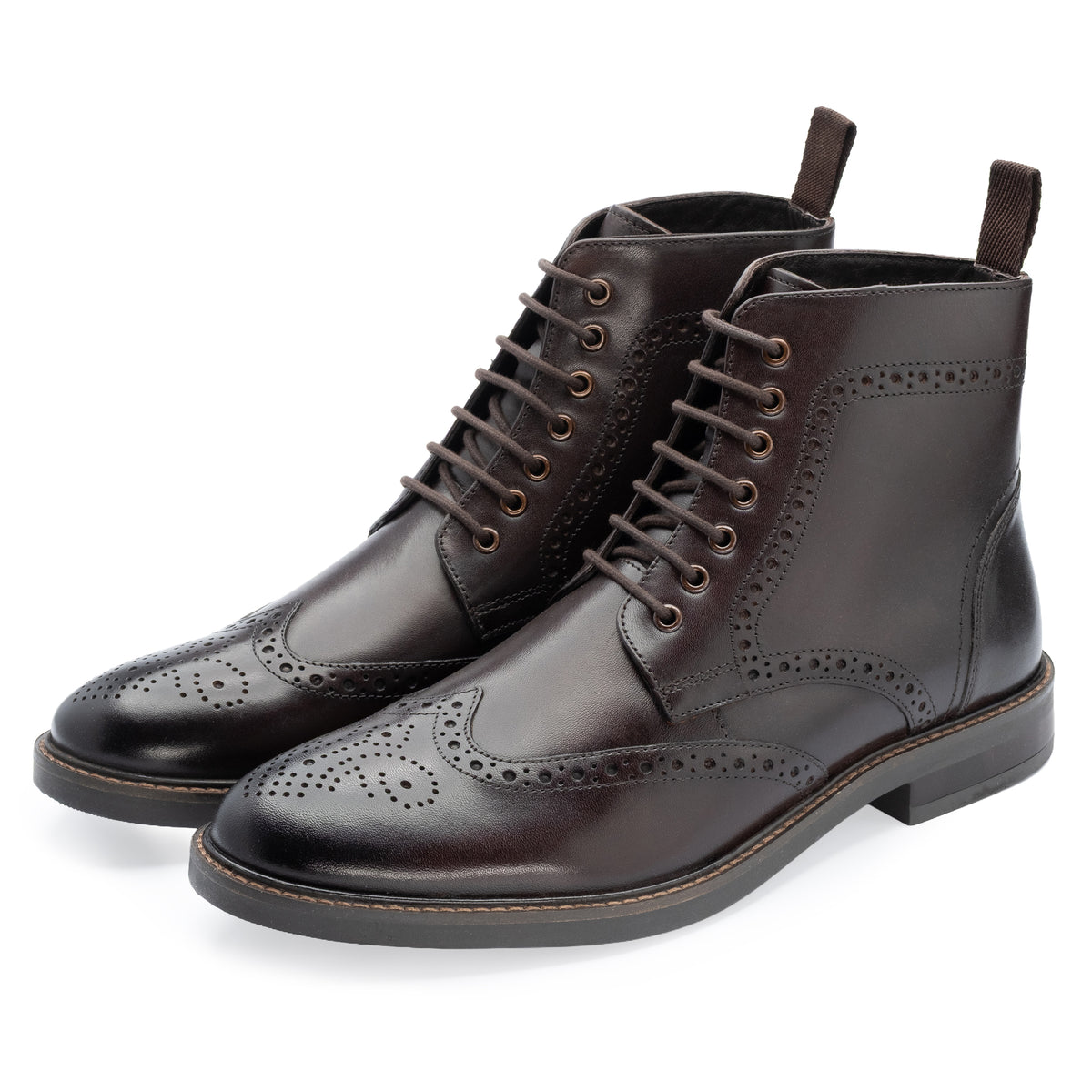
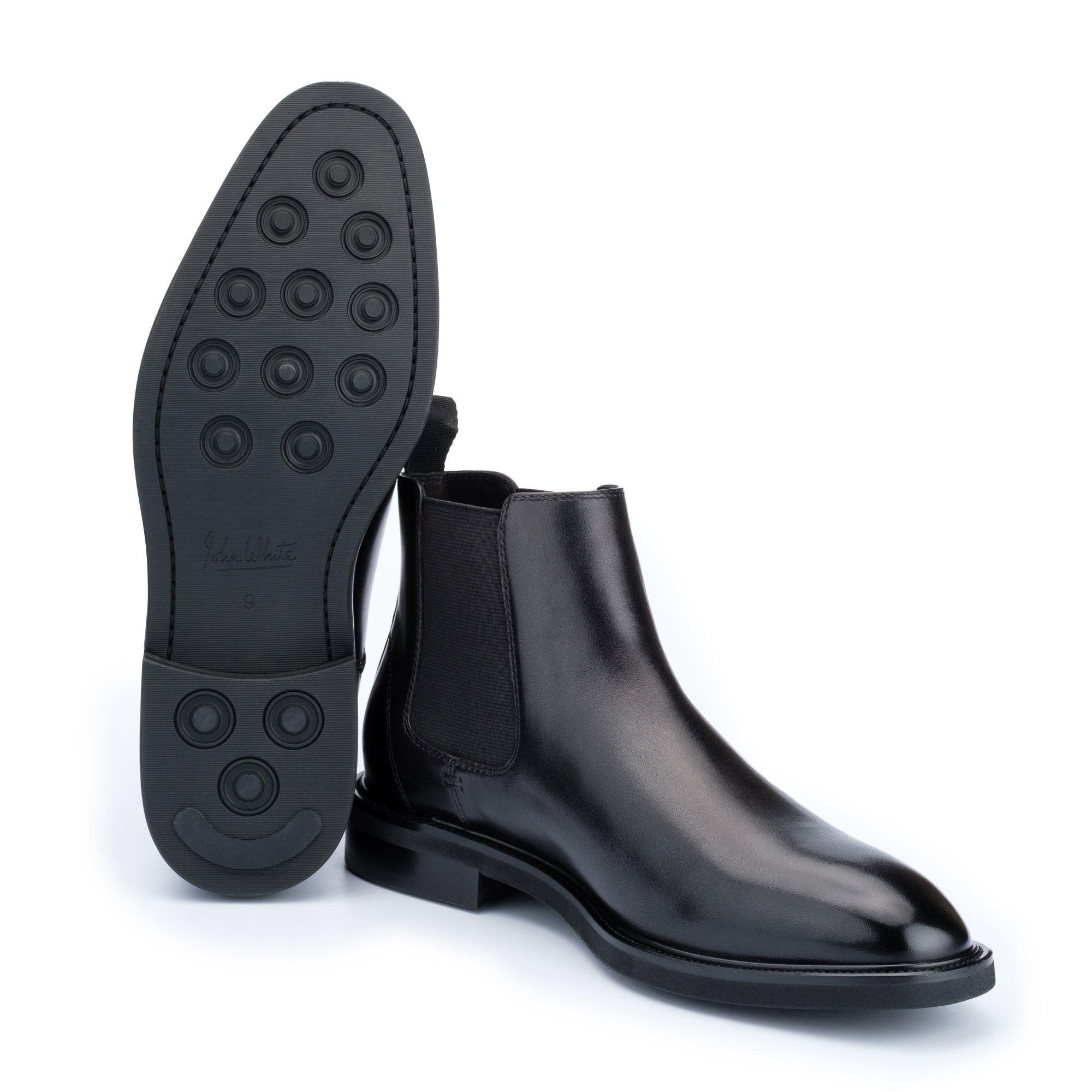
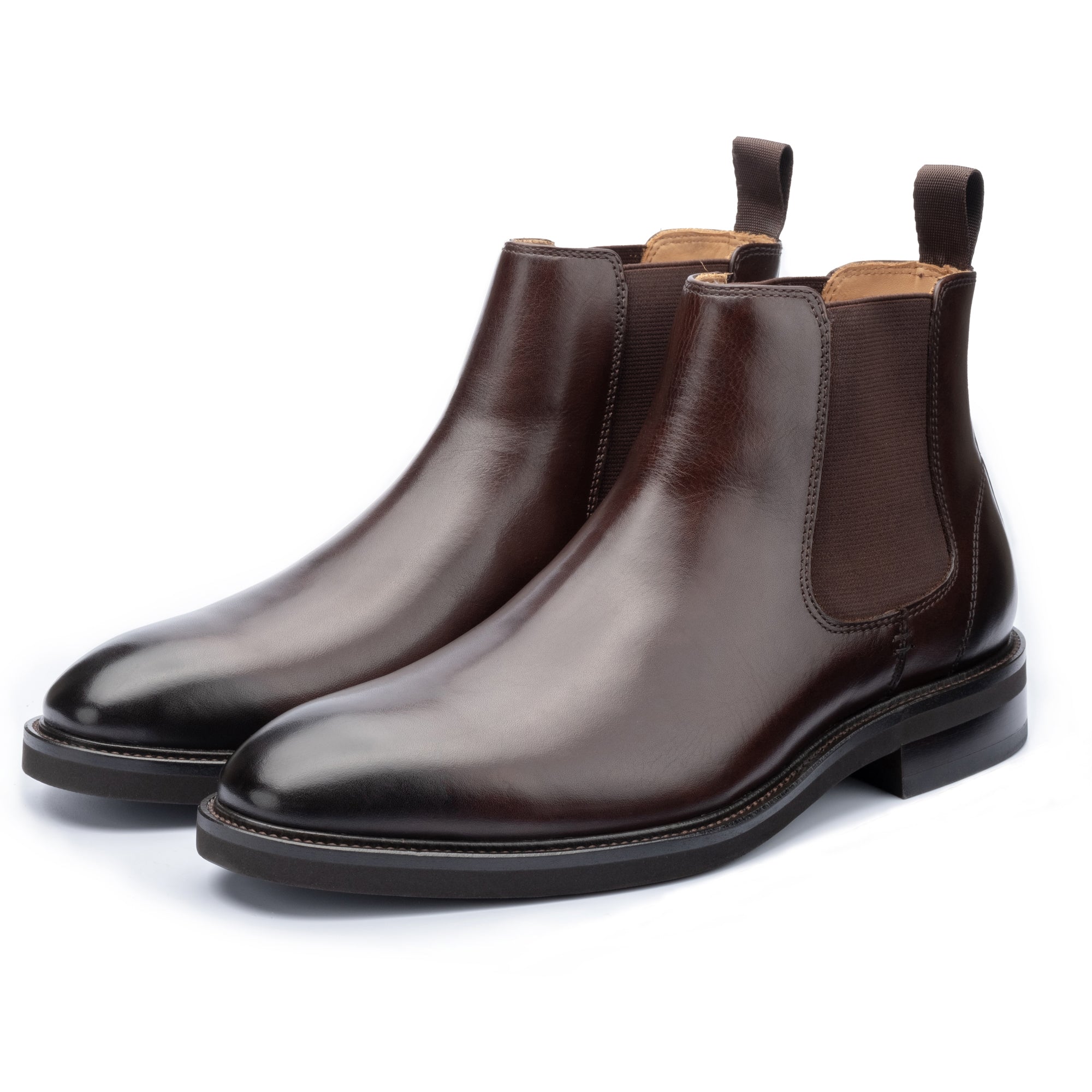
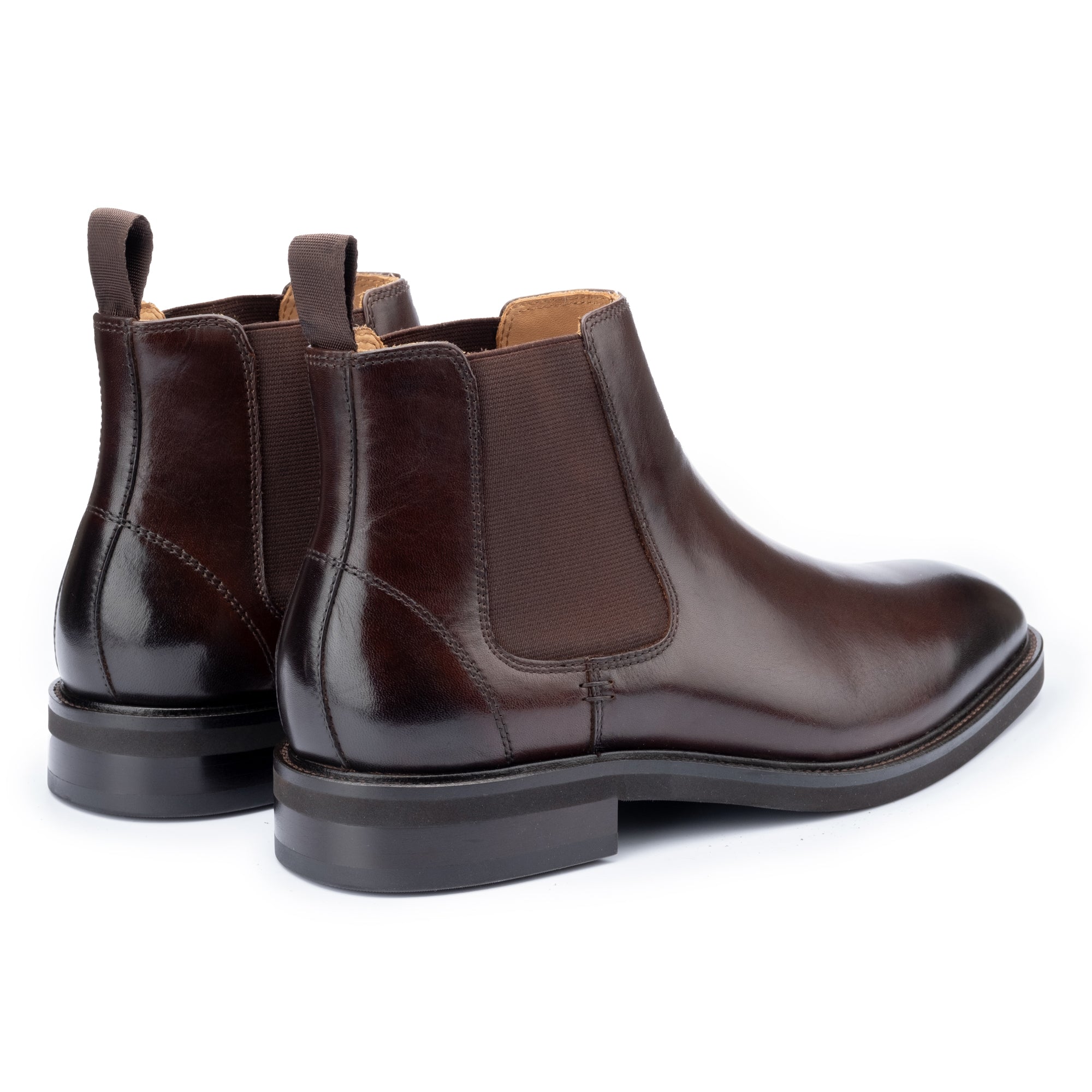
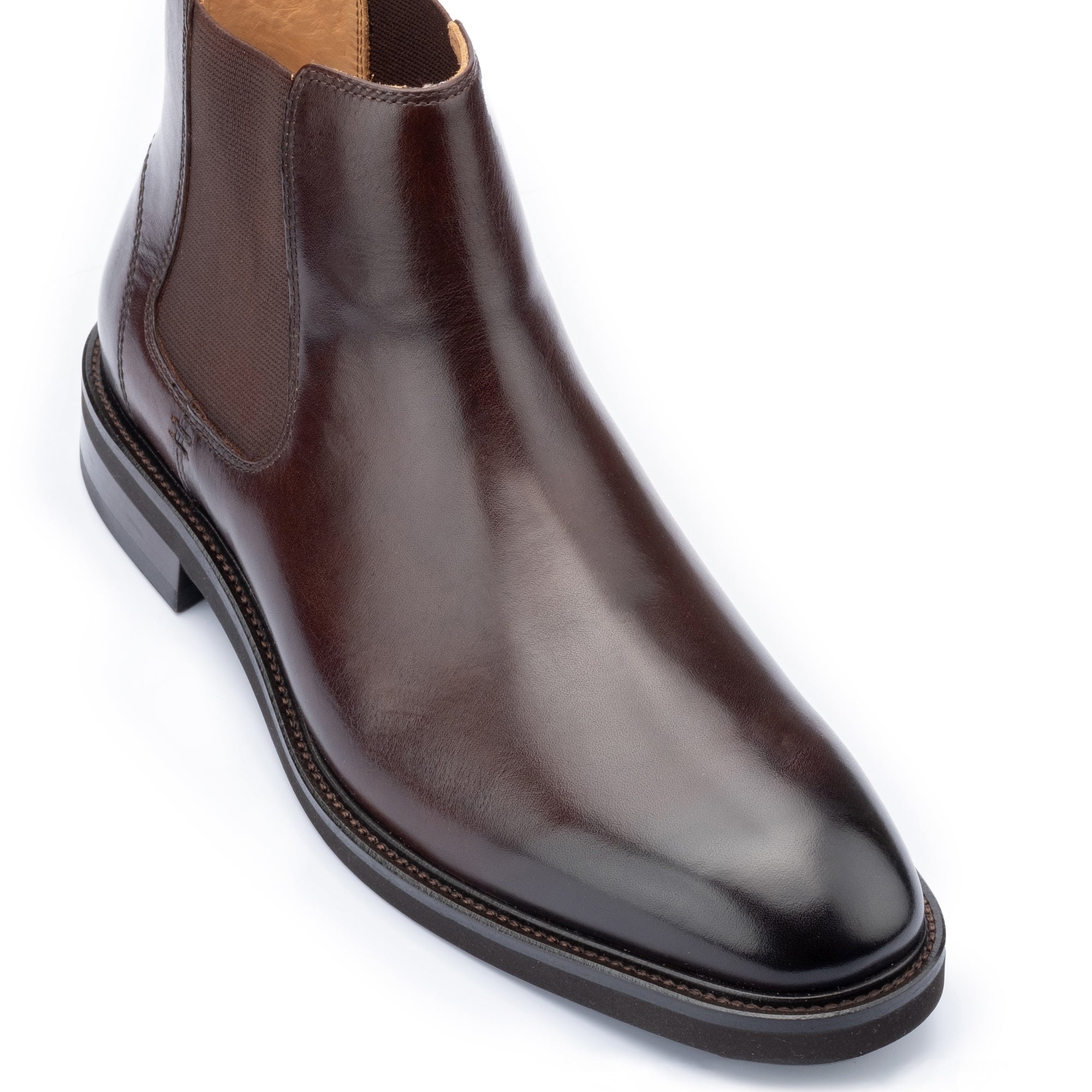
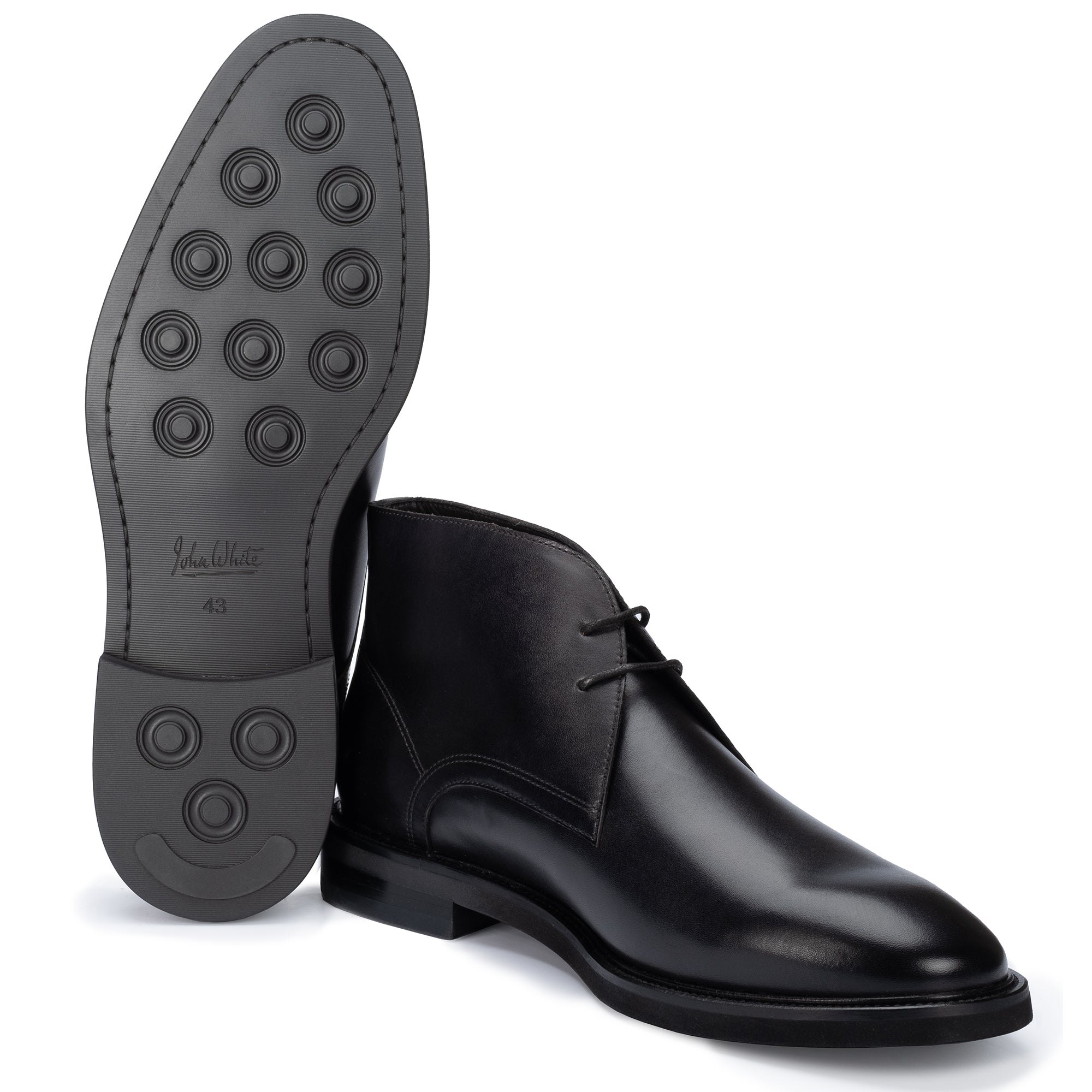
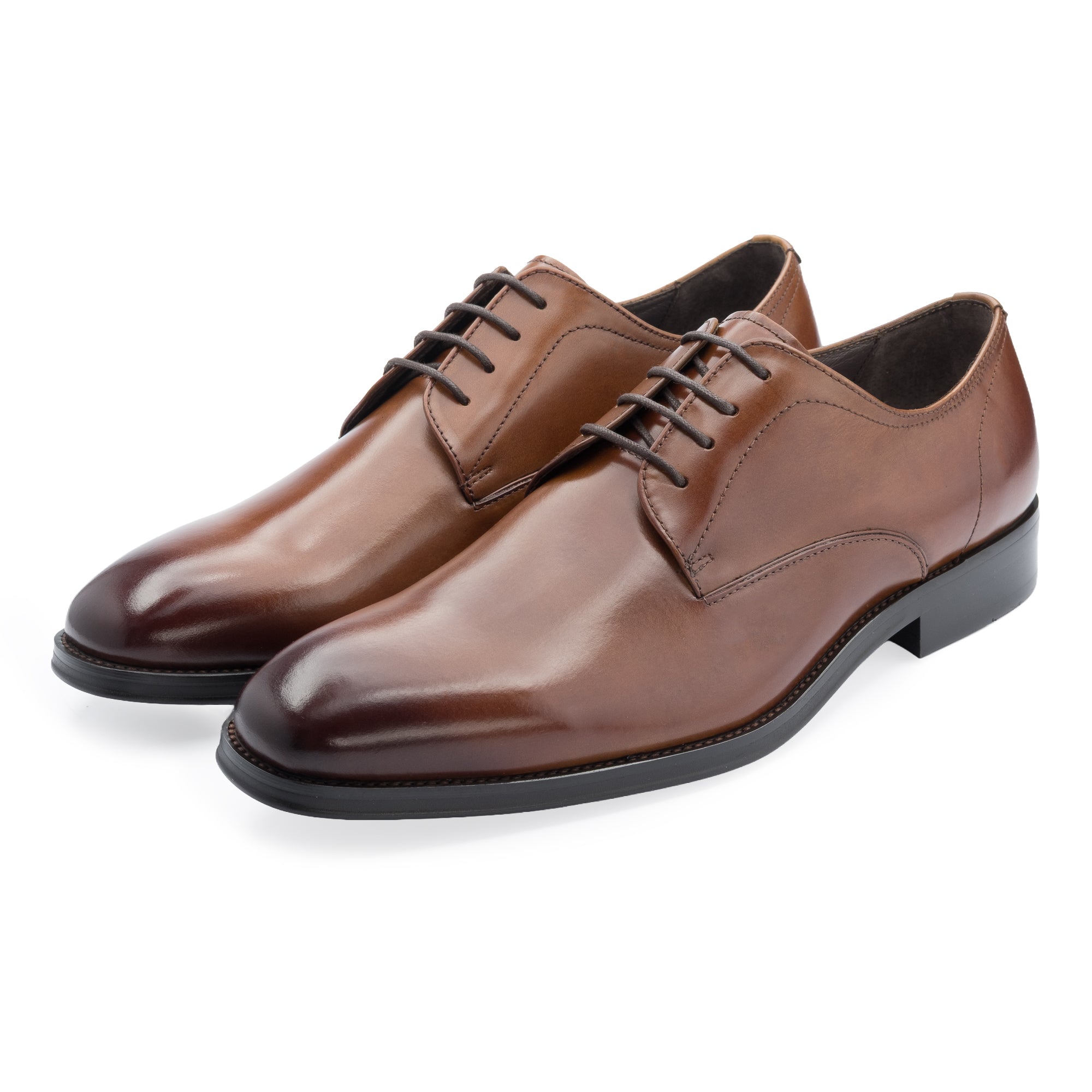
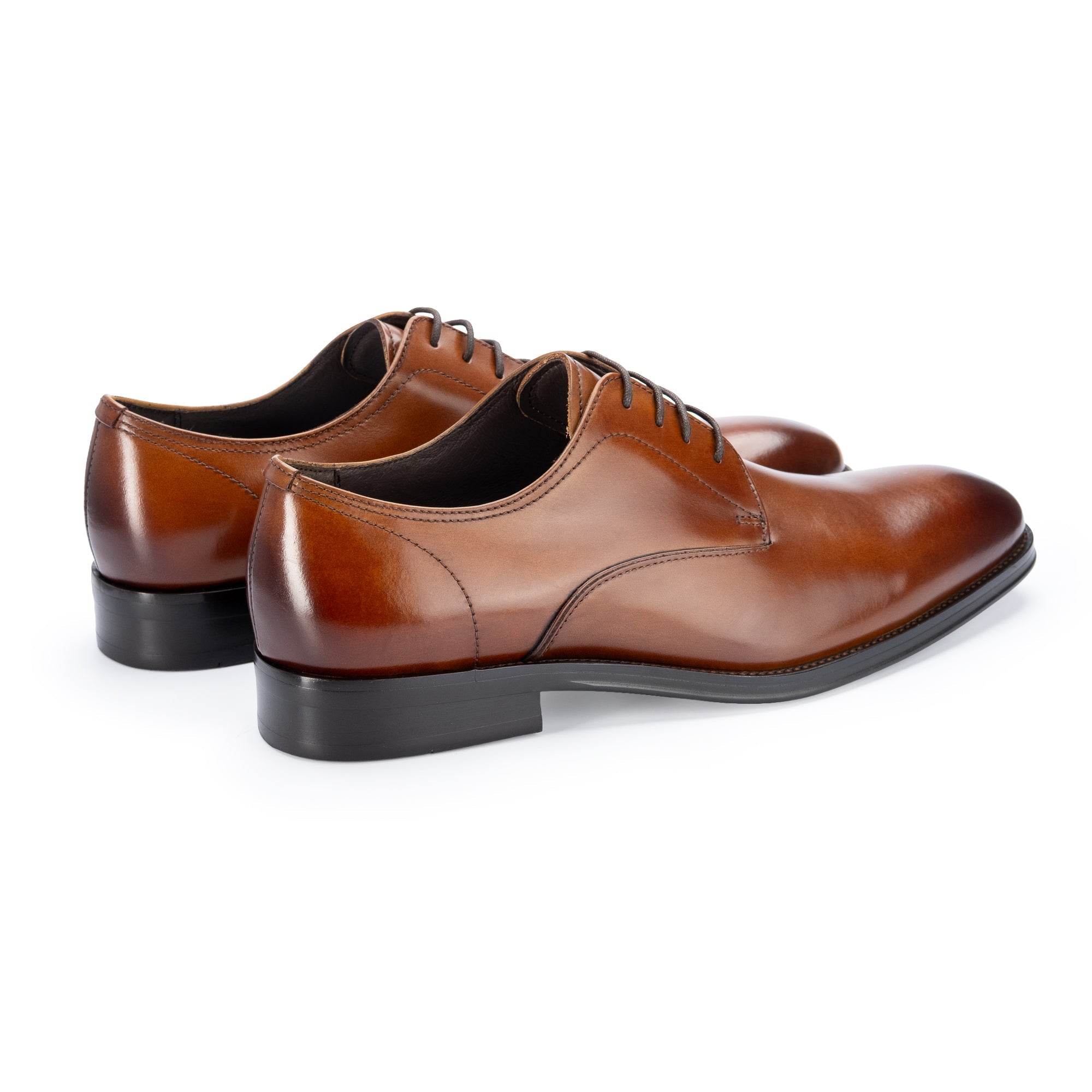
The Castle Chukka Boot, in Black and Brown, is the leather option: a clean two-eyelet construction with a rounded toe that sits equally well in smart-casual and weekend-casual contexts. The Swale Chukka Boot in Brown follows the same logic in a single-colour offering for those who prefer a simpler decision.
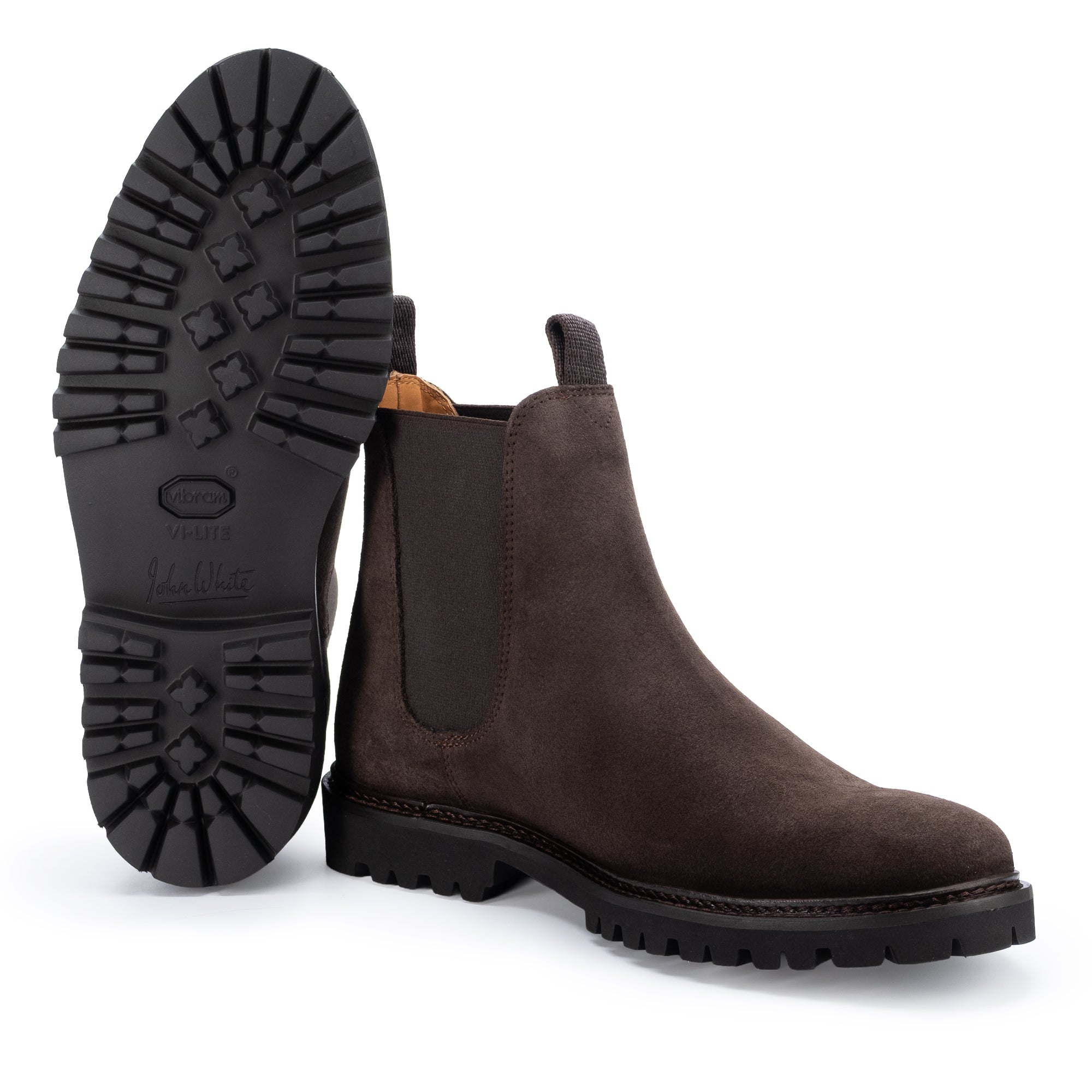
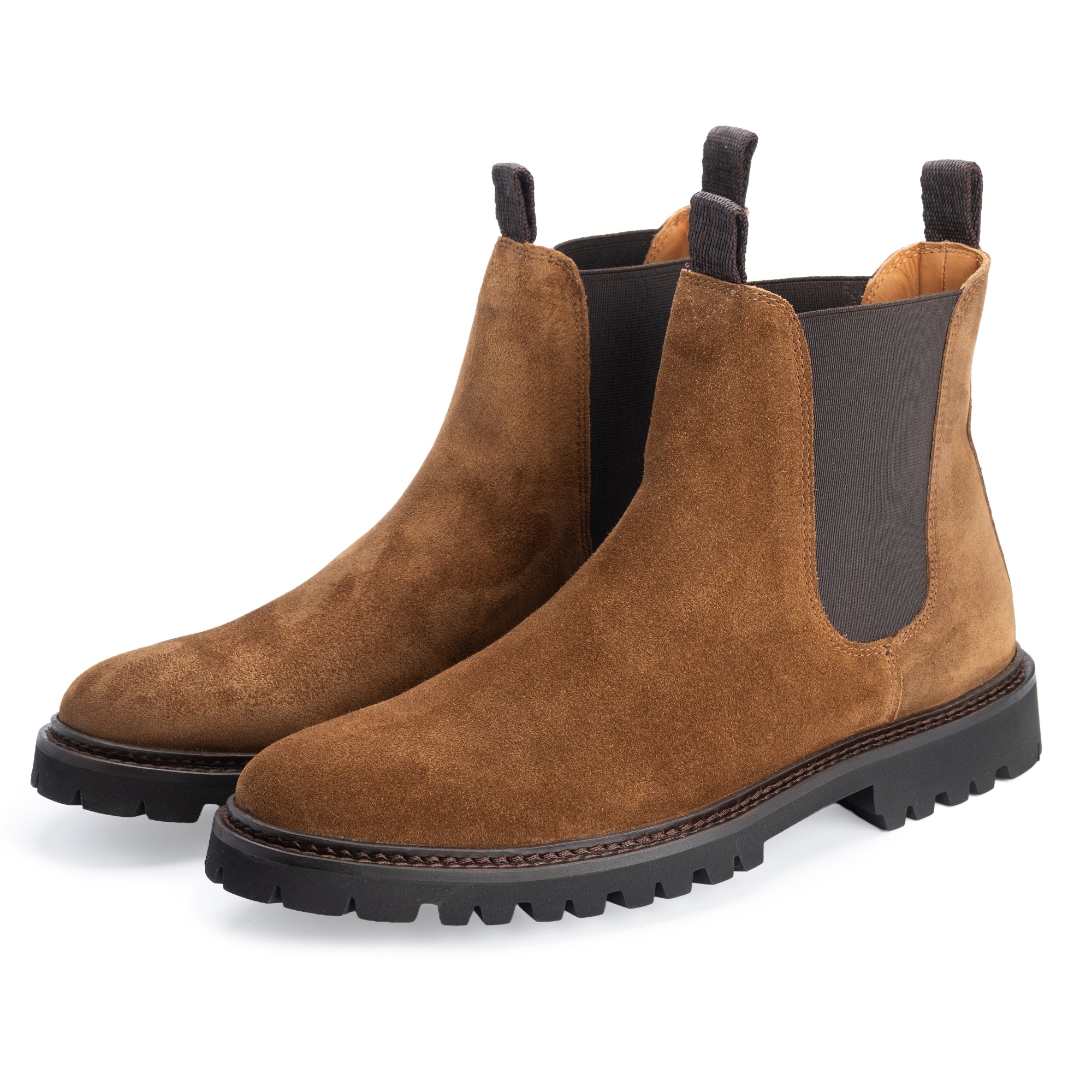
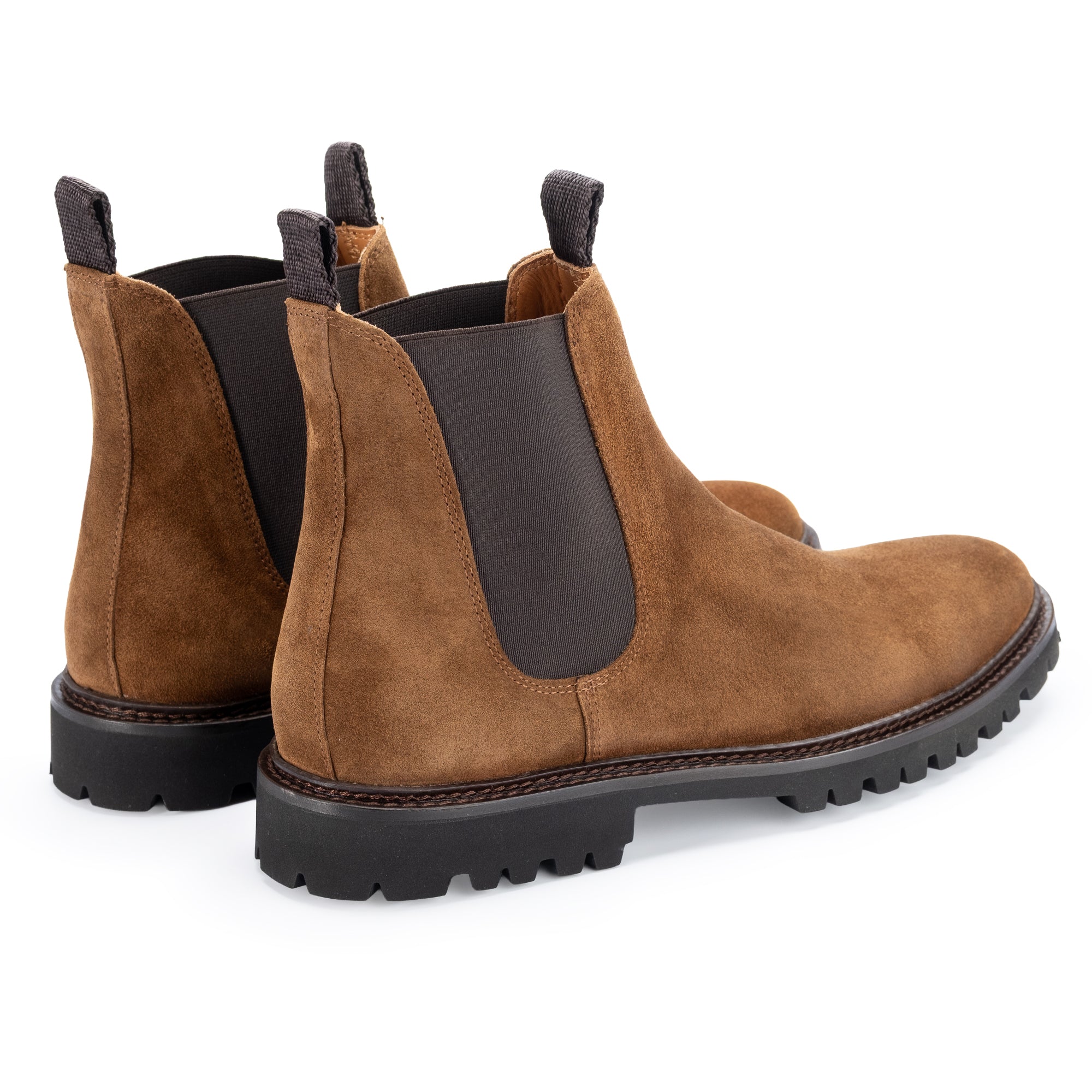
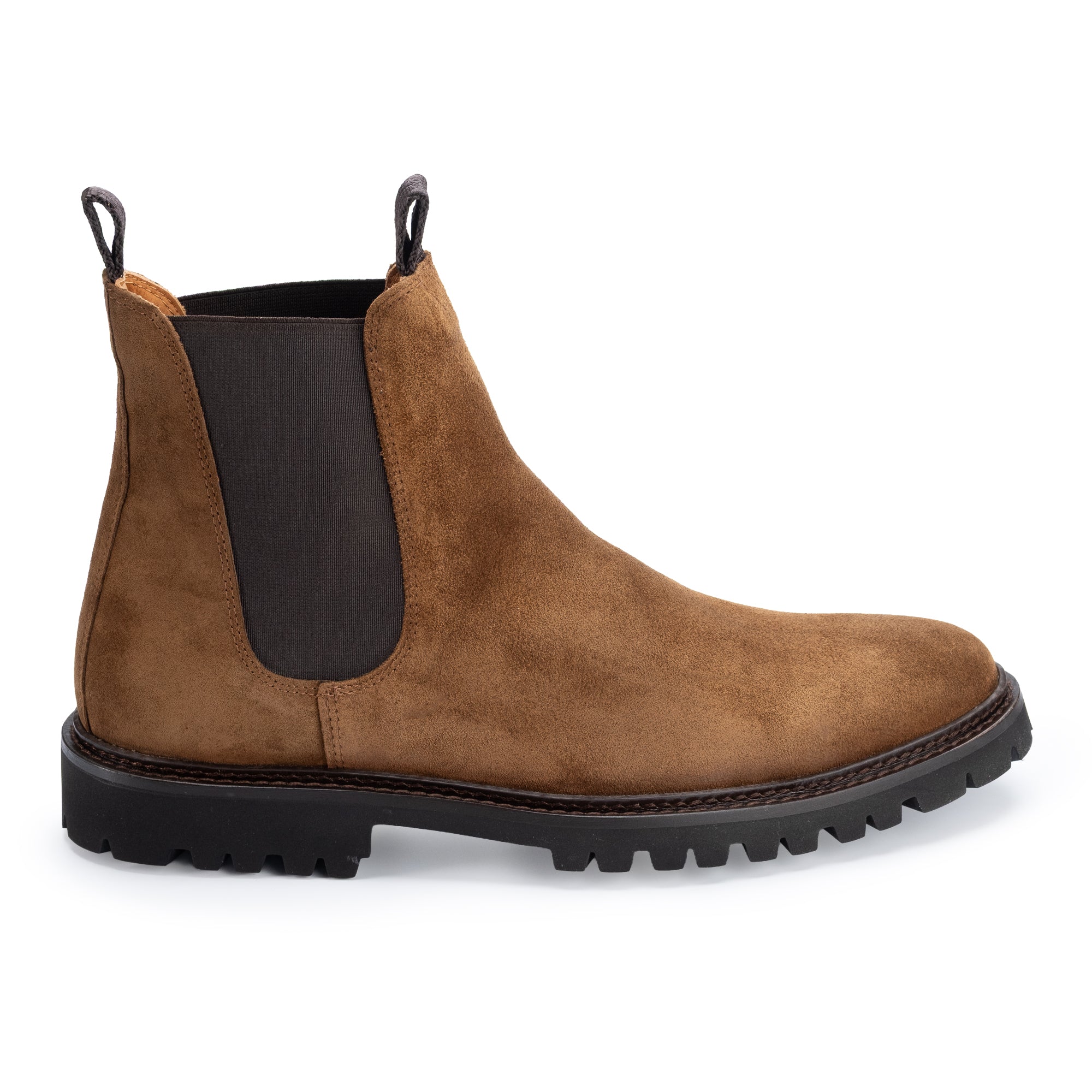
For suede, the Swale Chukka Suede Boot in Brown Suede and Cognac Suede offers the closest feel to the original desert boot in terms of material and proportion. The Cognac in particular is worth attention: warm without being showy, it ages well with regular brushing and holds its surface texture through the kind of daily use that would scuff a polished leather. The Wessex Chukka Suede Boot rounds out the suede range in Brown and Cognac, on a slightly tapered last for those who prefer a more refined silhouette.
All four designs are available in whole UK sizes 6 to 13.
How to Wear a Chukka Boot
The Chukka is perhaps the most flexible boot in the British wardrobe. It works at multiple registers without becoming chameleon to the point of losing character.
With dark denim
This is the Chukka's strongest contemporary pairing. Dark indigo or charcoal jeans, a quality sweatshirt or casual Oxford shirt, and a Brown or Cognac leather Chukka. The boot's restraint does the work without requiring effort from the rest of the outfit. The trouser hem should skim the boot shaft or sit just above it; too much break over the ankle and the proportions collapse. For the full framework on dark denim pairing, see our guide to shoes with dark jeans.
With chinos and casual trousers
Chinos in mid-grey, stone, or olive sit well with leather Chukkas in brown or black. Stone chinos with a Brown Castle Chukka is a combination that requires nothing else to look right. The boot's ankle height means a no-break or very small break is the correct trouser length; anything that stacks at the shaft looks disproportionate.
With smart-casual tailoring
A Chukka boot can be pushed into light tailoring: unstructured blazers in cotton or linen, open-collar shirts, relaxed trousers. It works particularly well with earthy tones where the boot sits as a natural extension of the palette. Cognac Suede Wessex with a sand linen blazer and mid-grey trousers is a combination that needs no further consideration. The same boot pairs well with a navy blazer and stone chinos for a smarter reading of the same idea.
When to look elsewhere
The Chukka has limits. It does not belong at black-tie events, and it sits awkwardly with a formal lounge suit when the suit is doing serious work: interviews, funerals, formal presentations. For those occasions, an Oxford or a dressed Derby is the more coherent choice. The Chukka's value lies in the territory between formal and genuinely casual; push it too far in either direction and its strengths become liabilities.