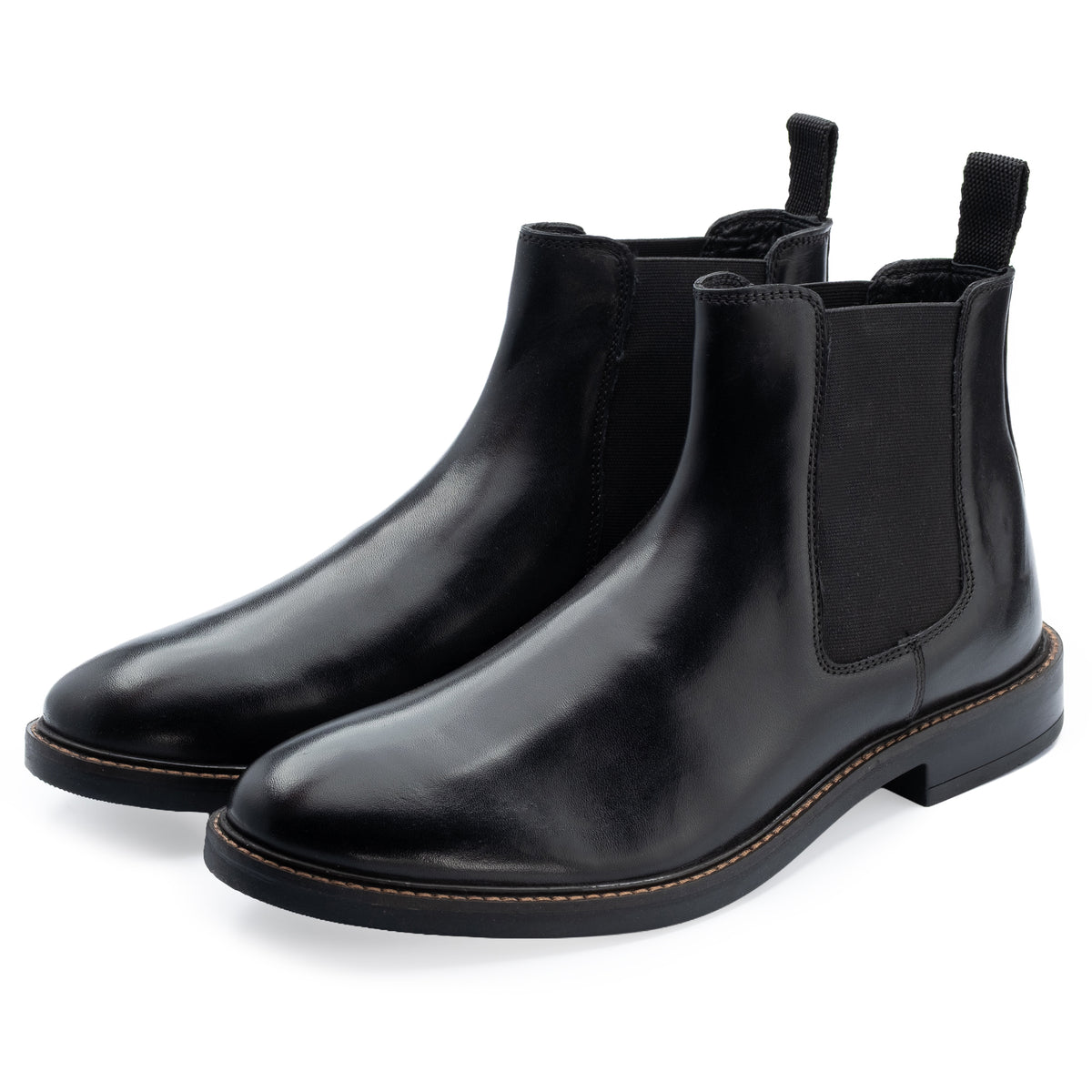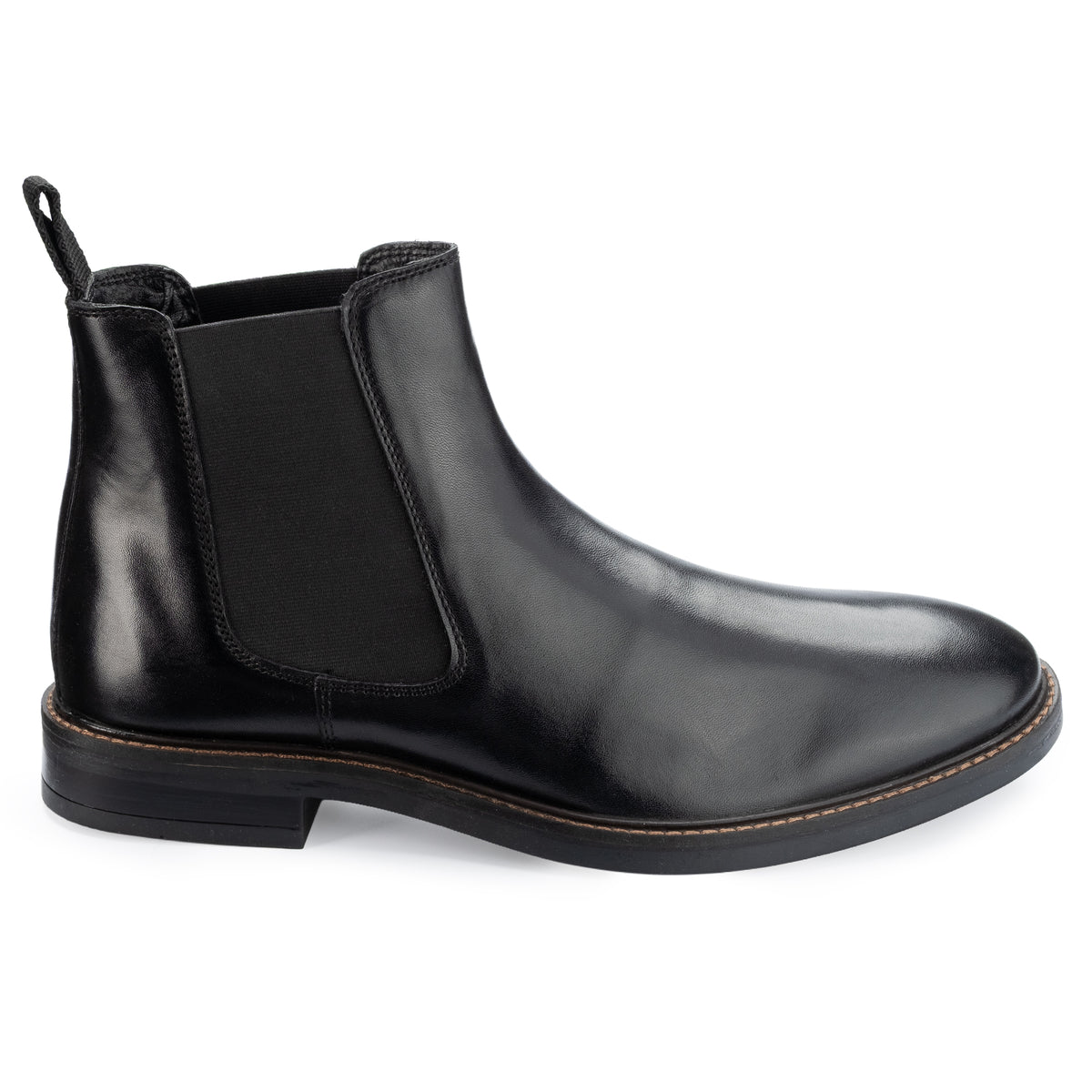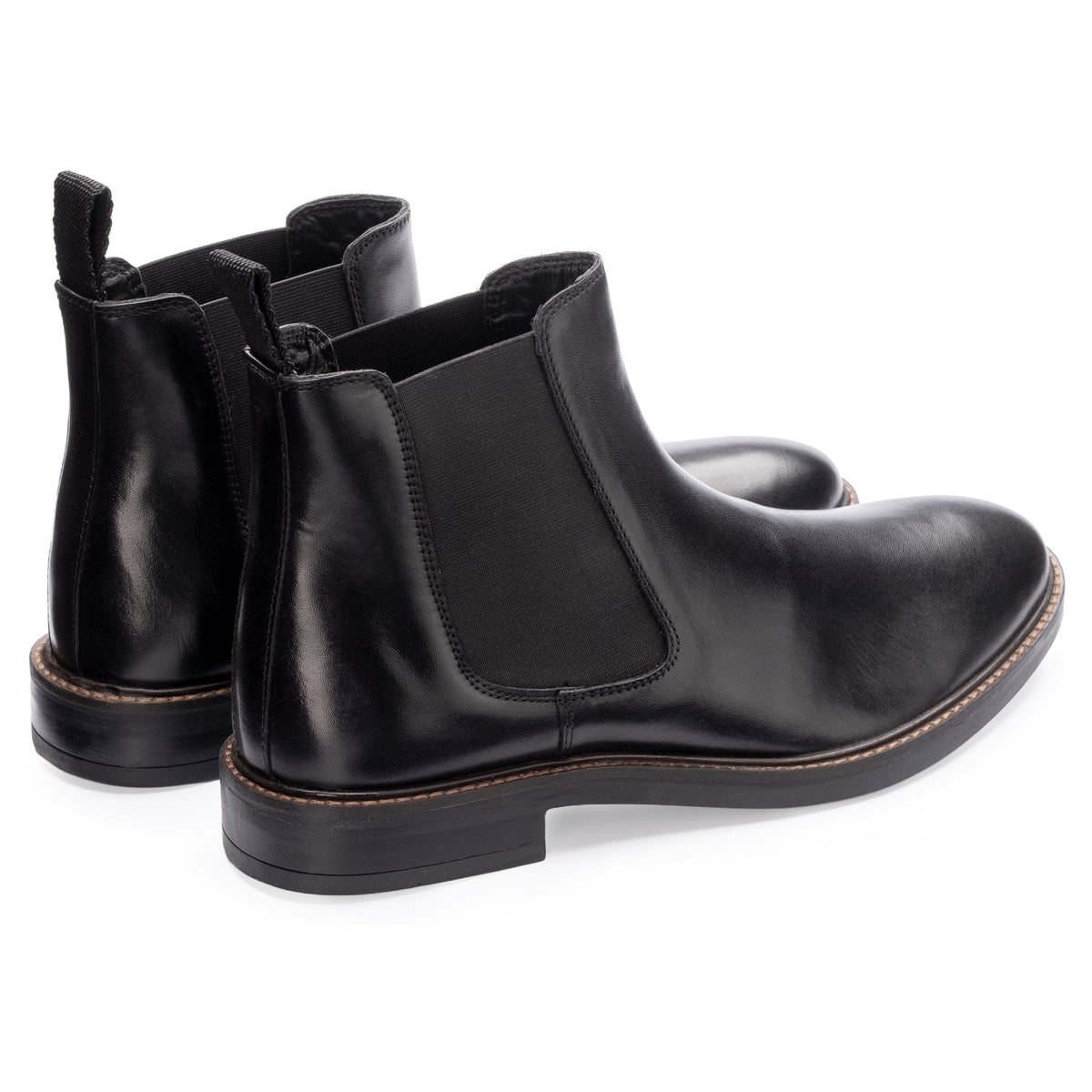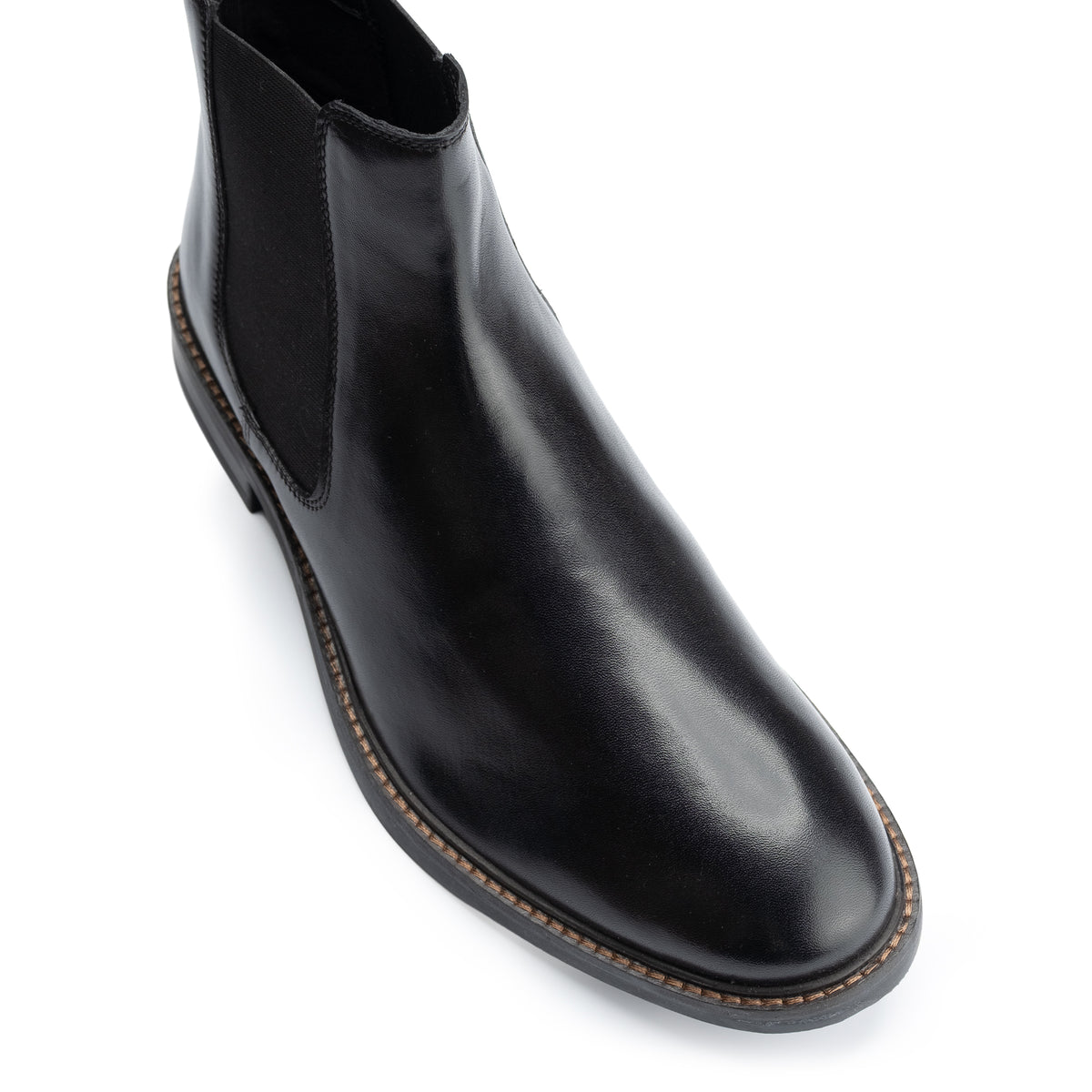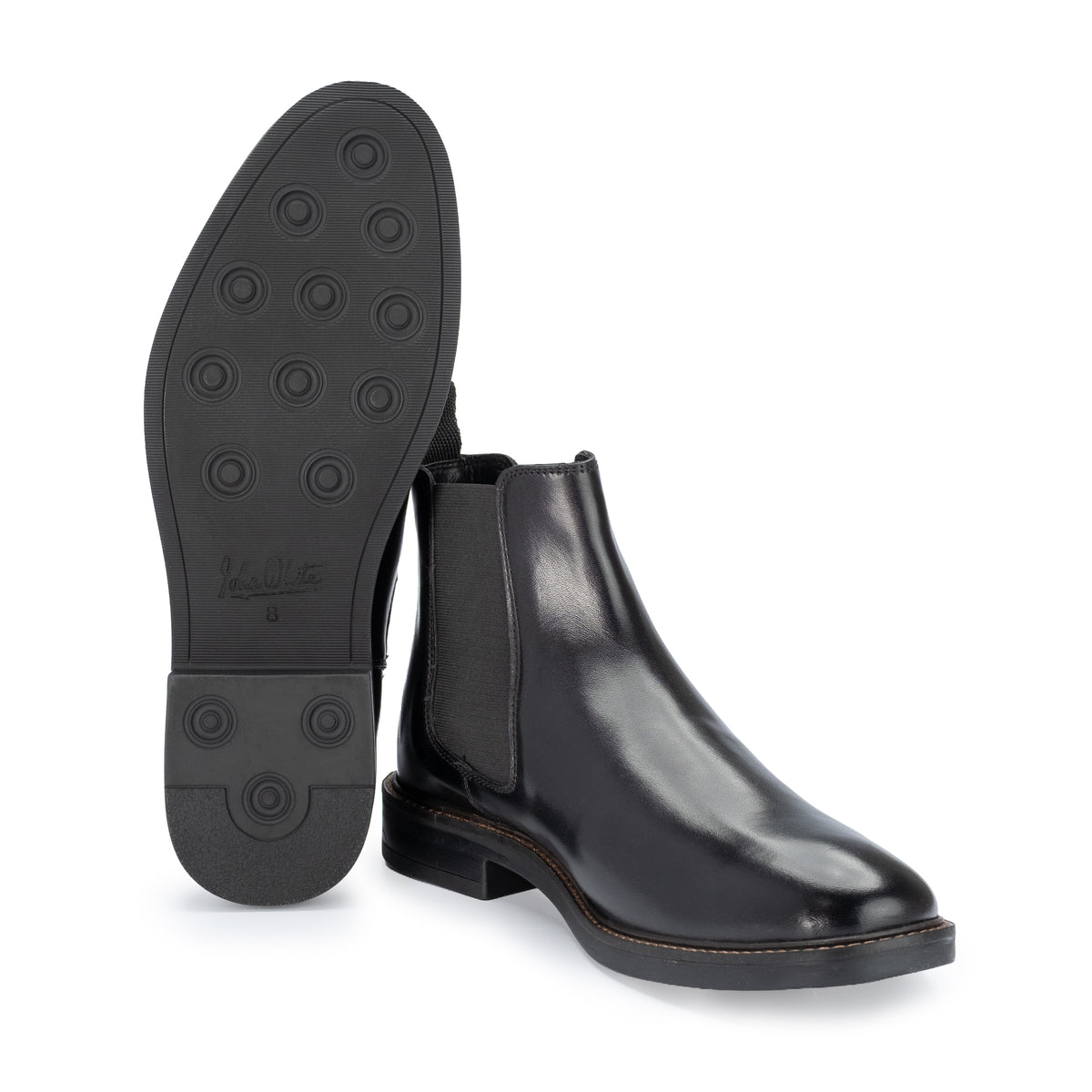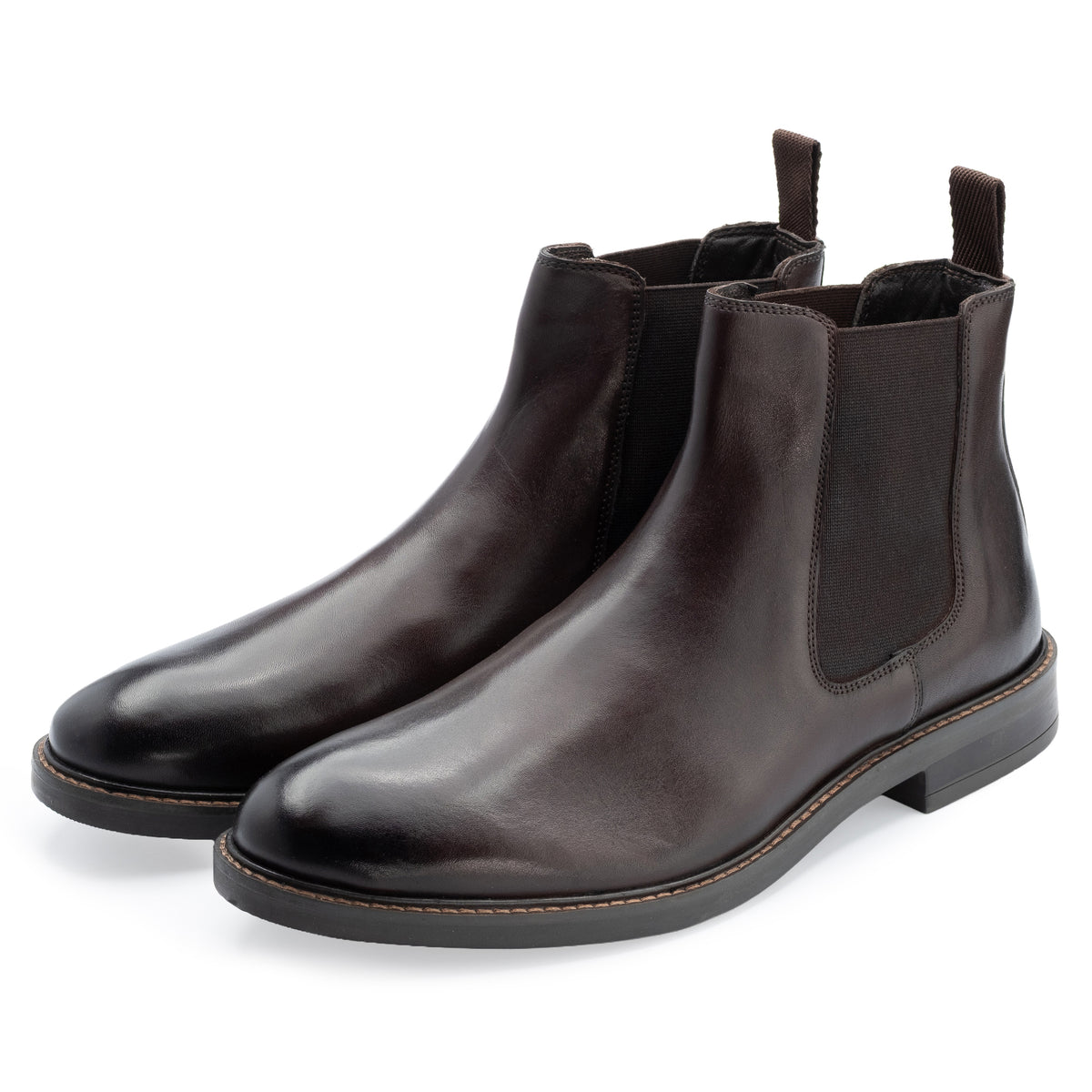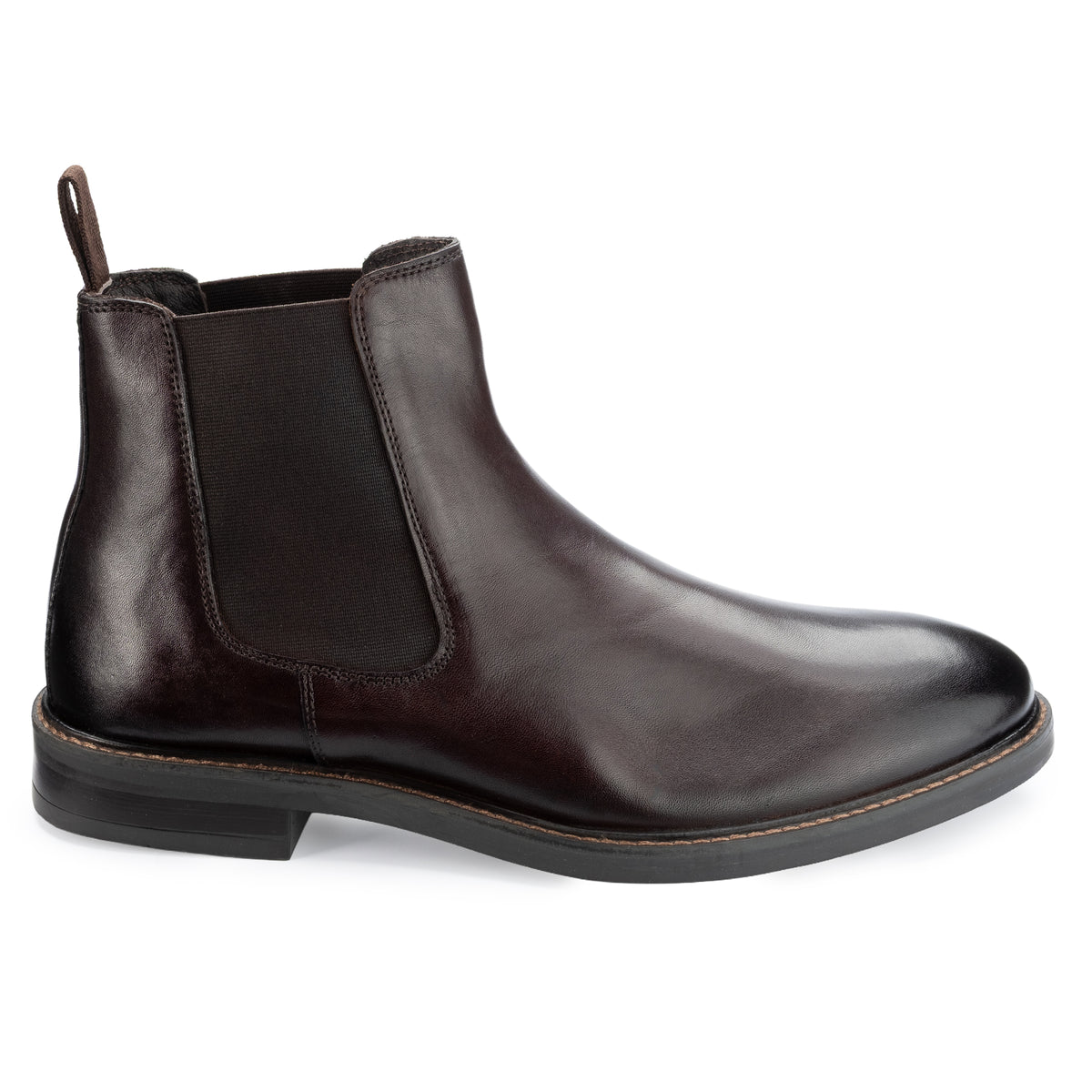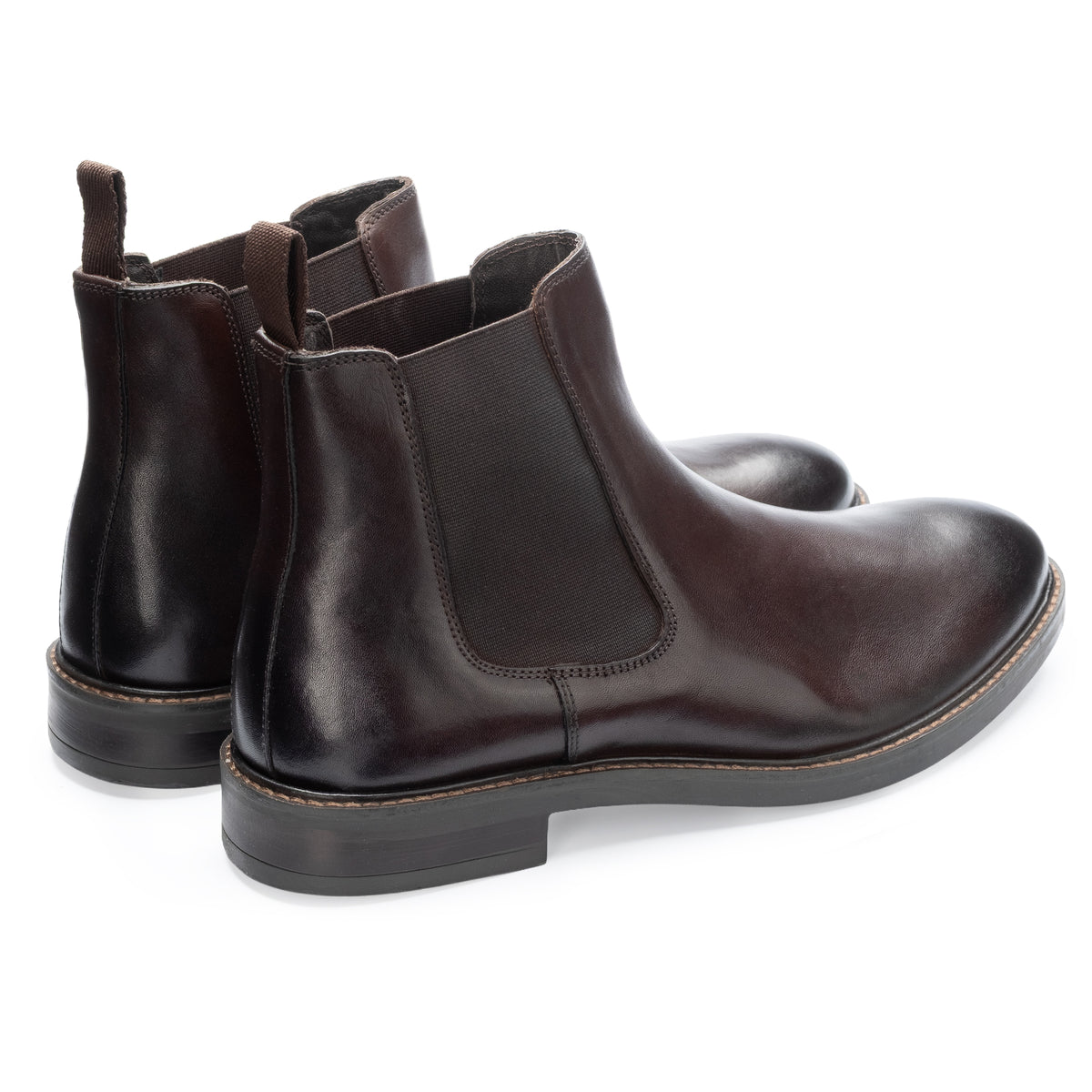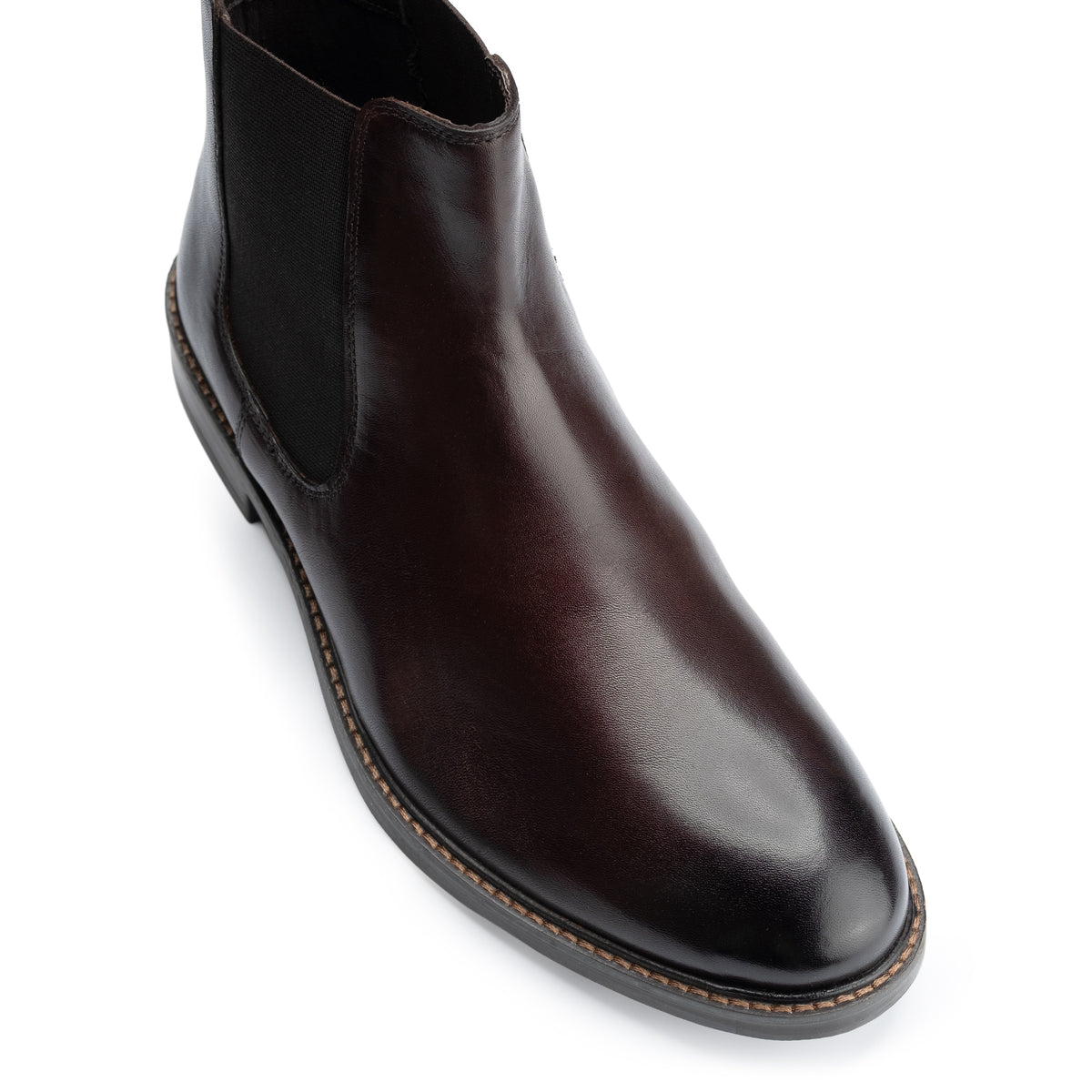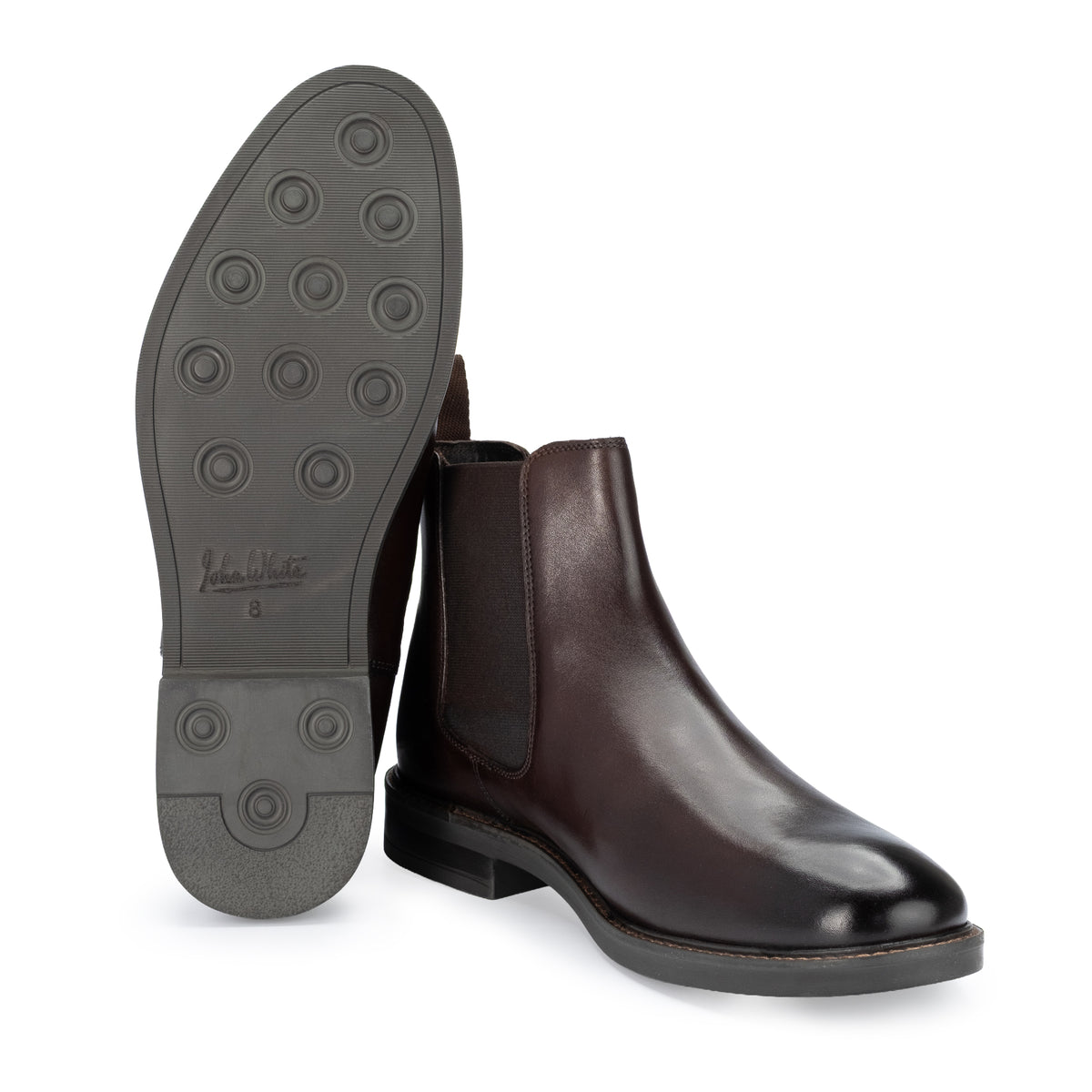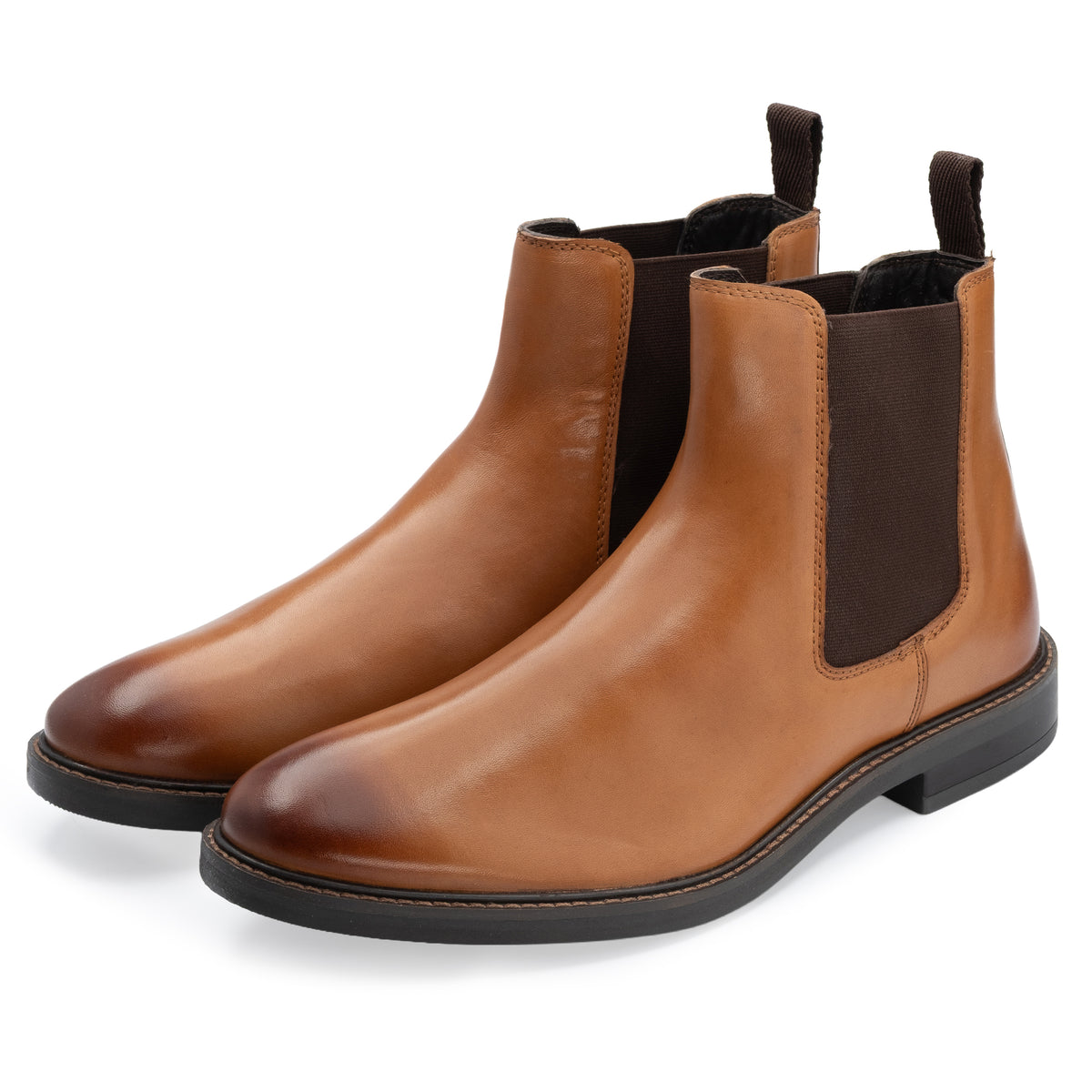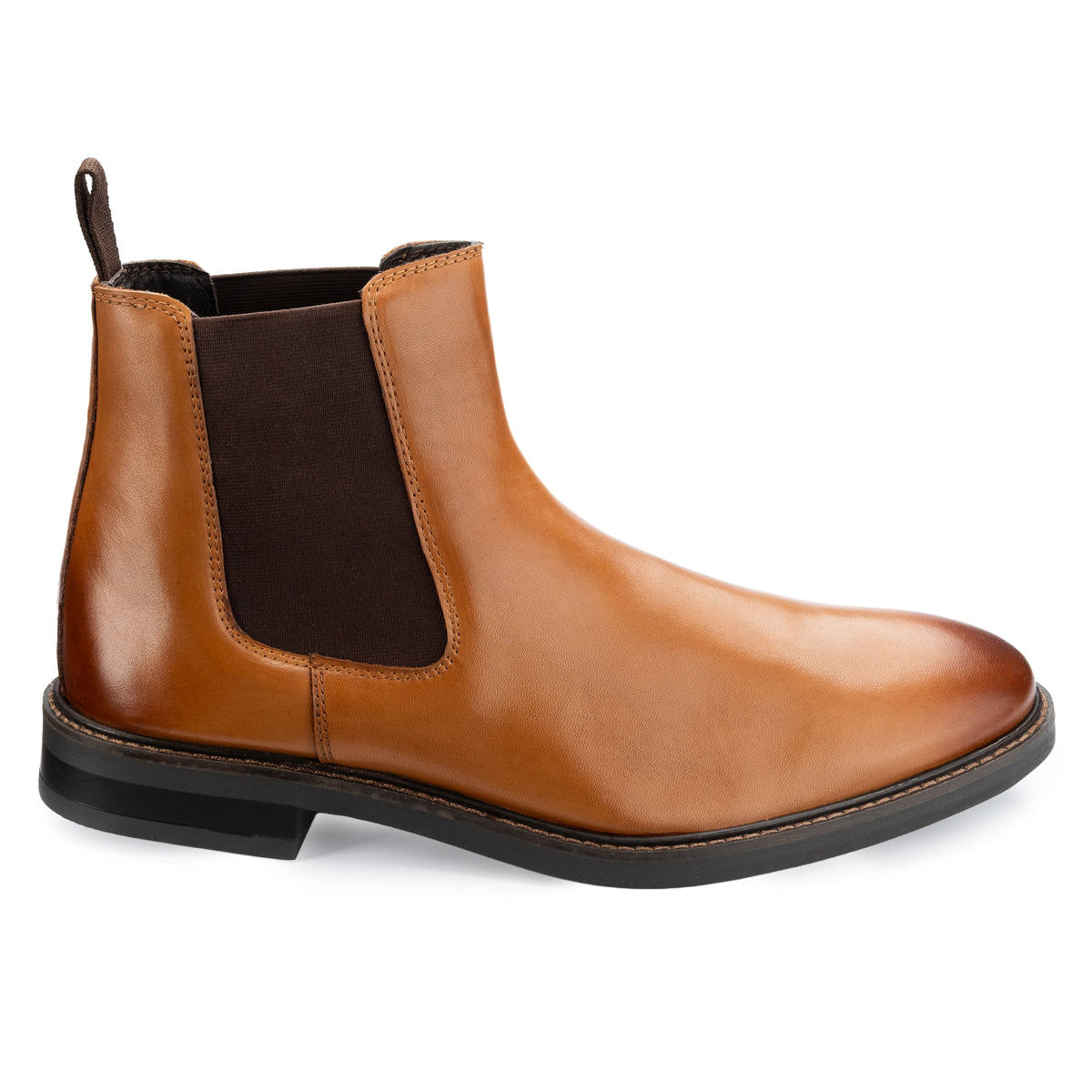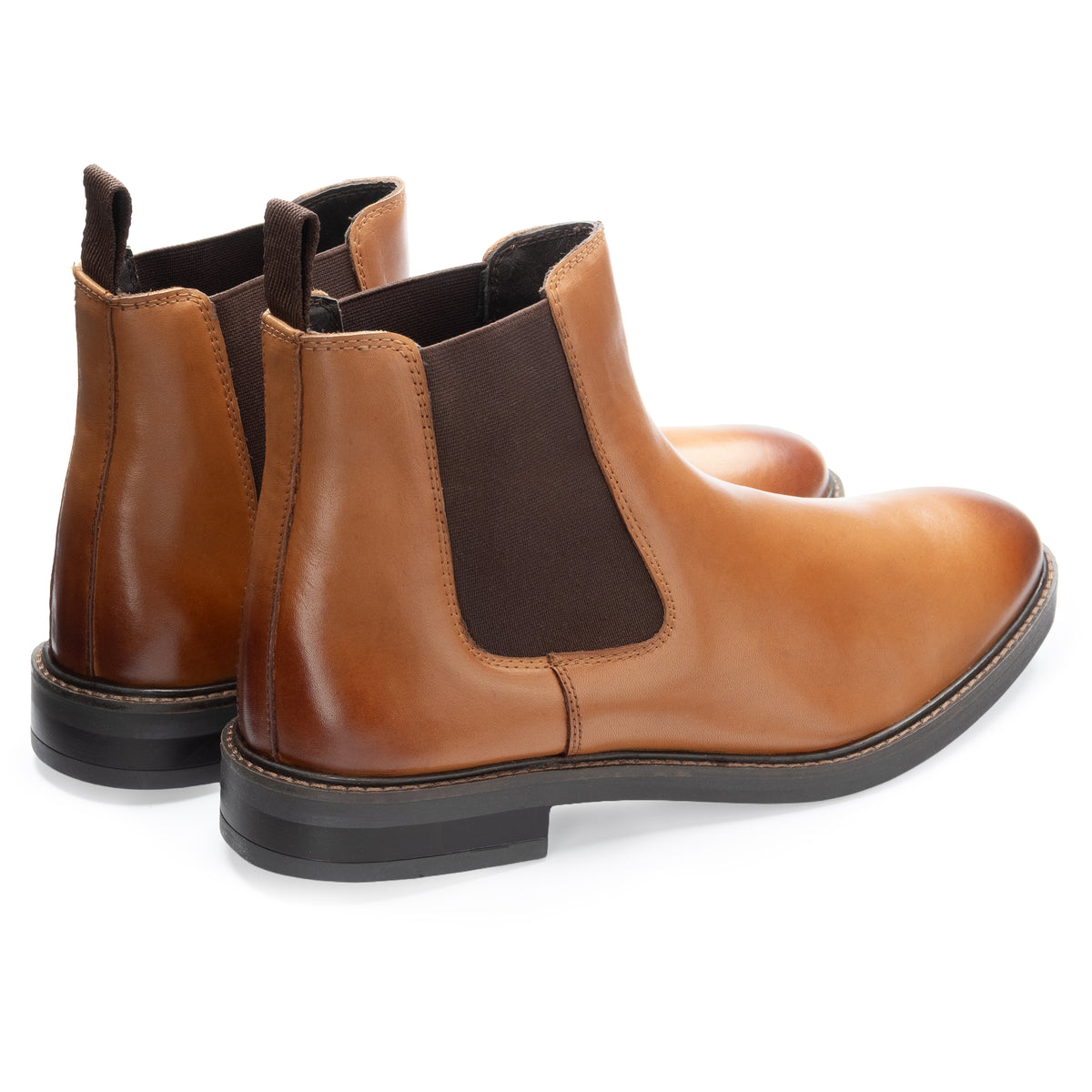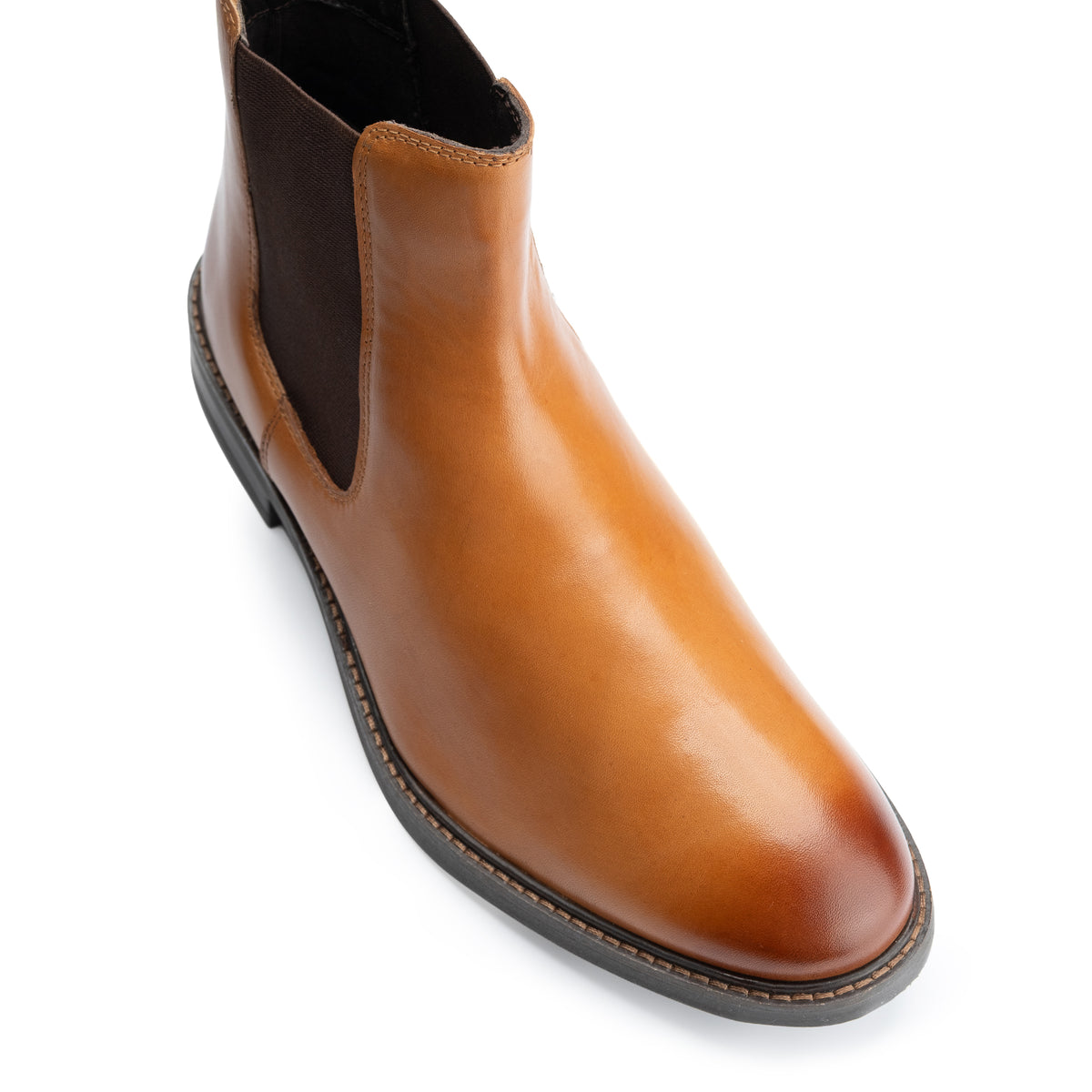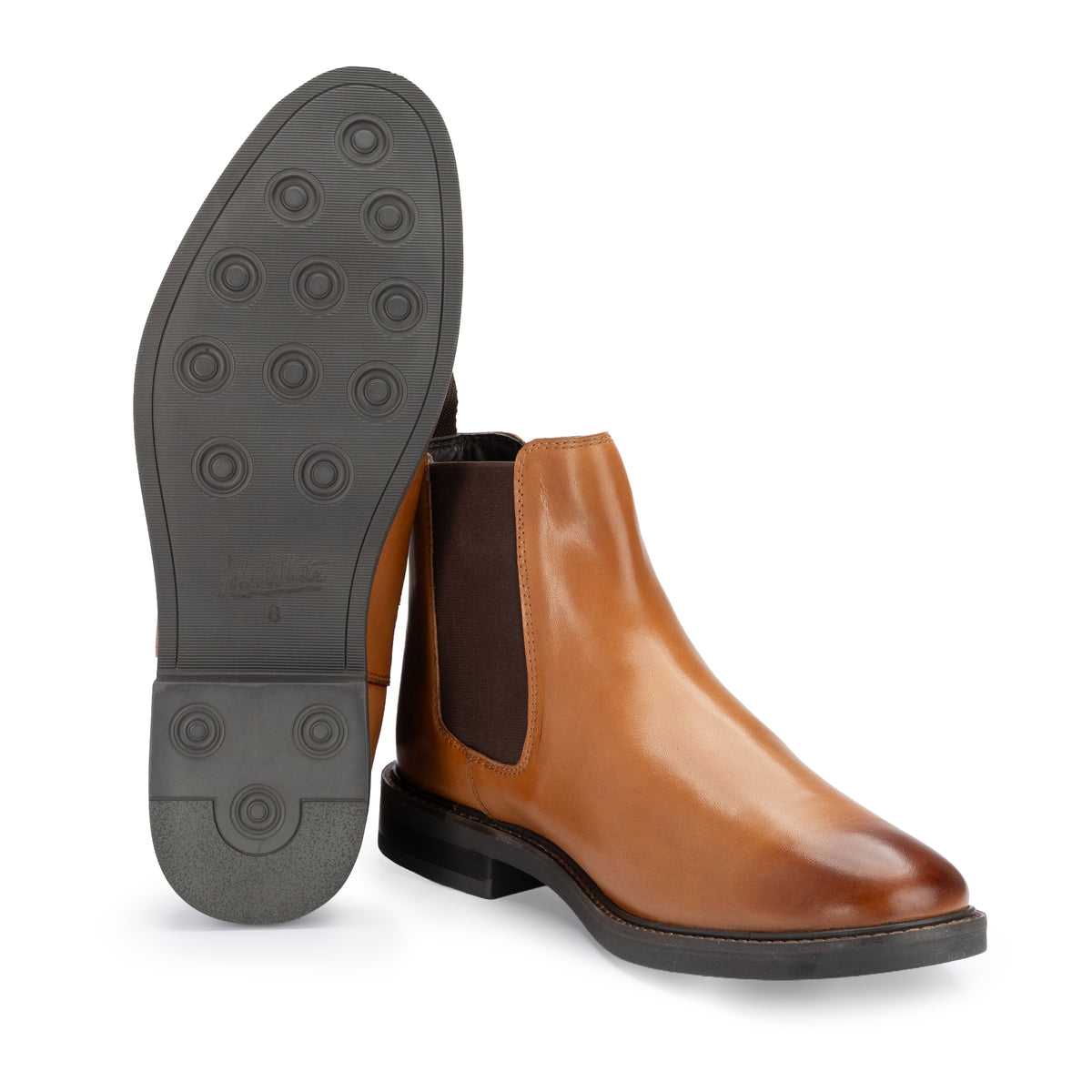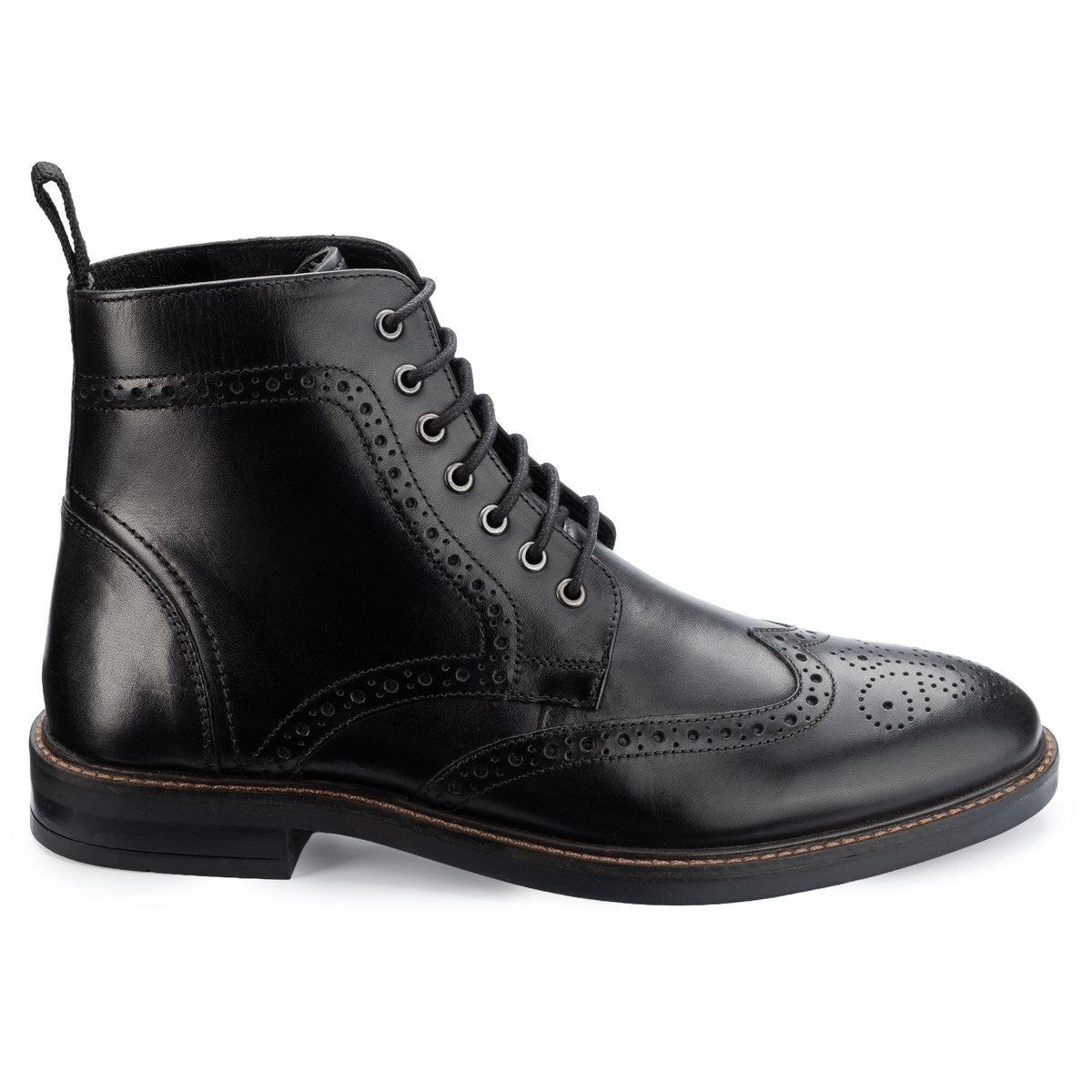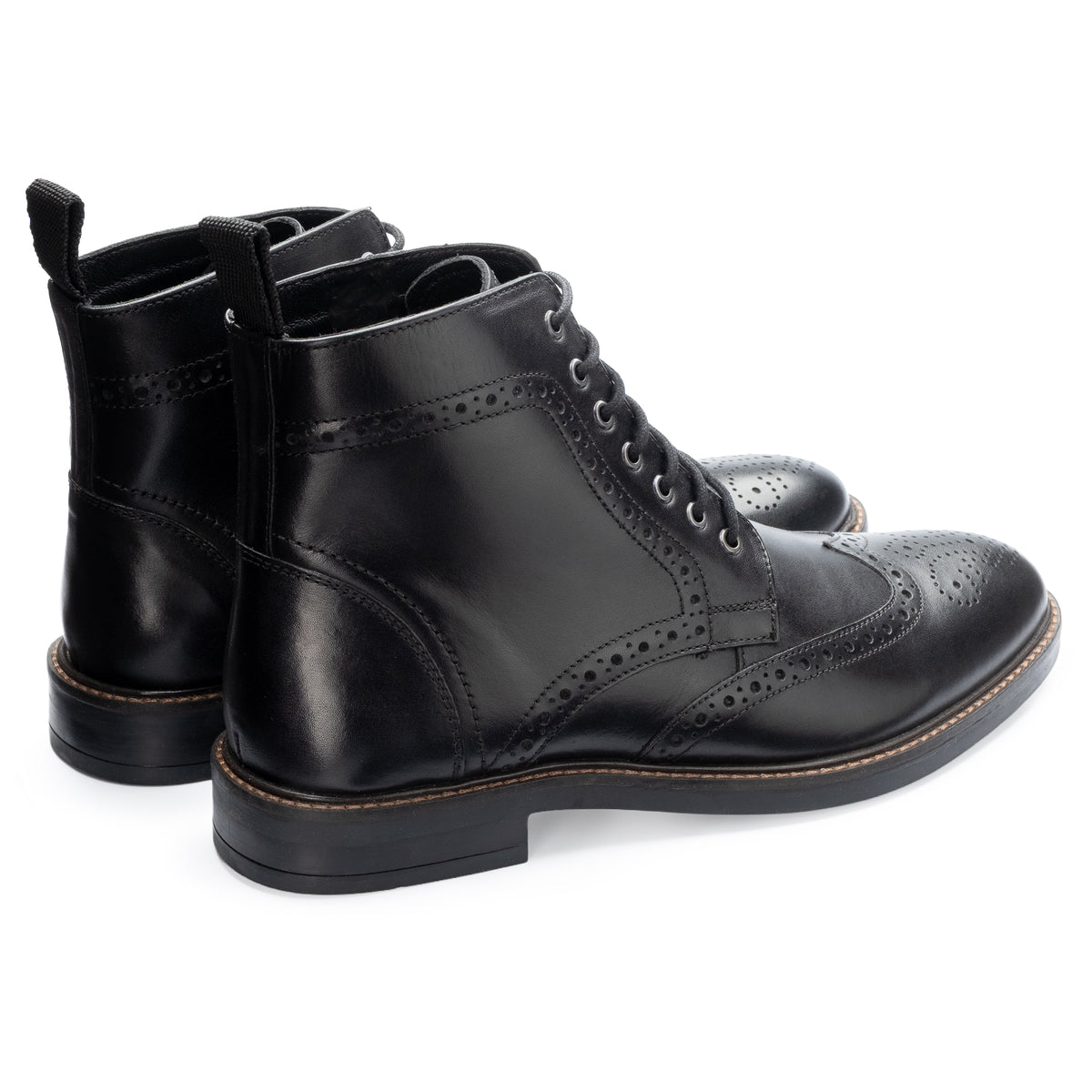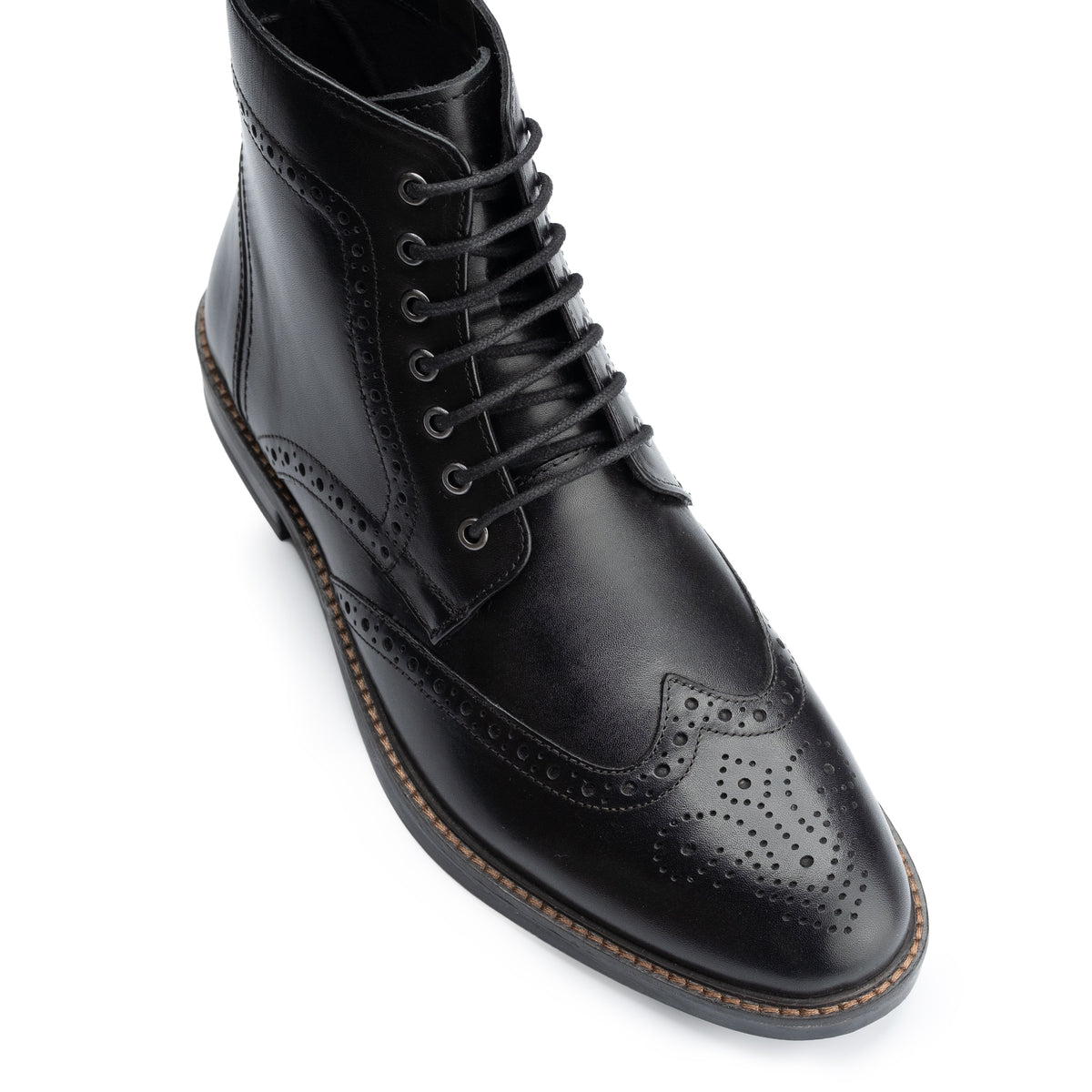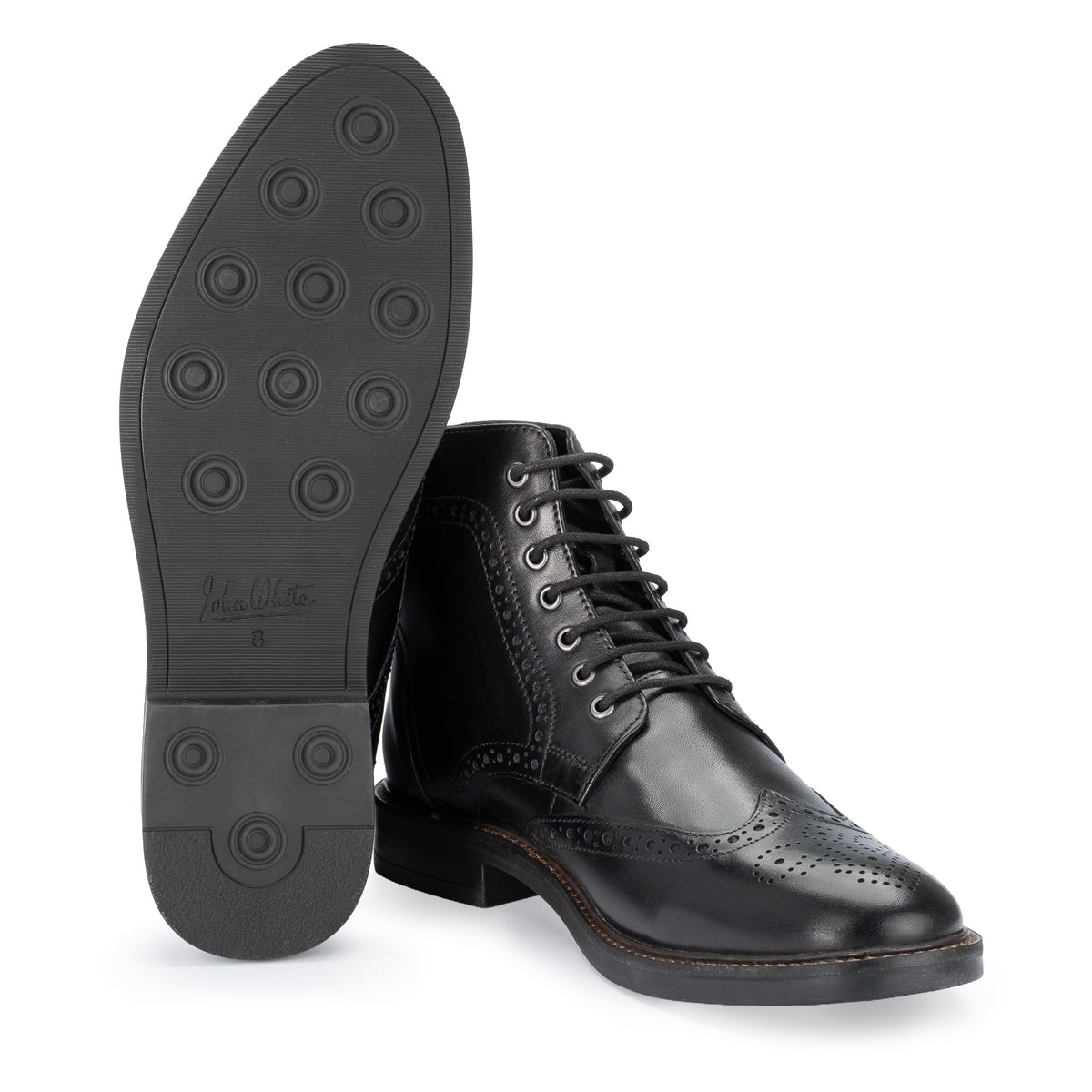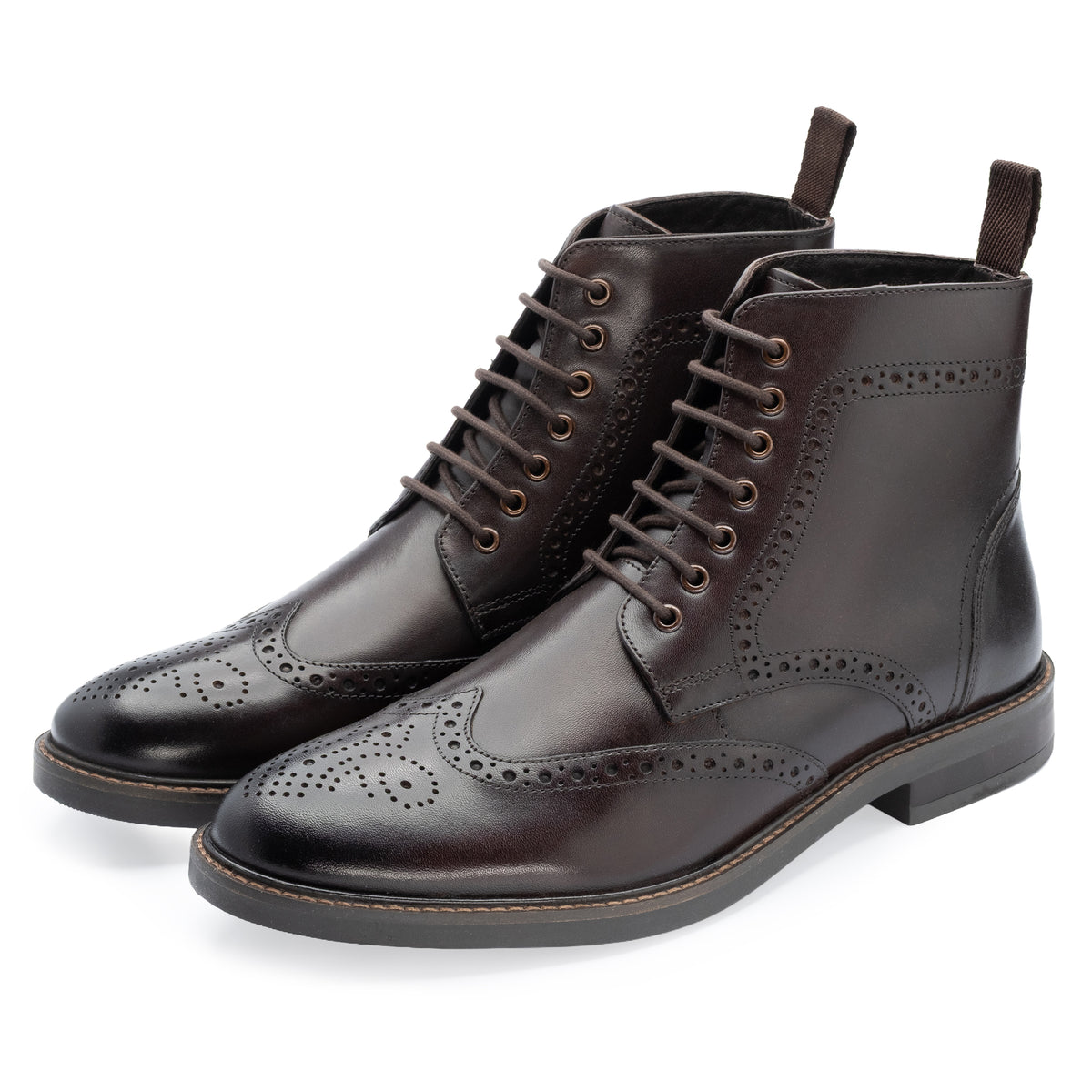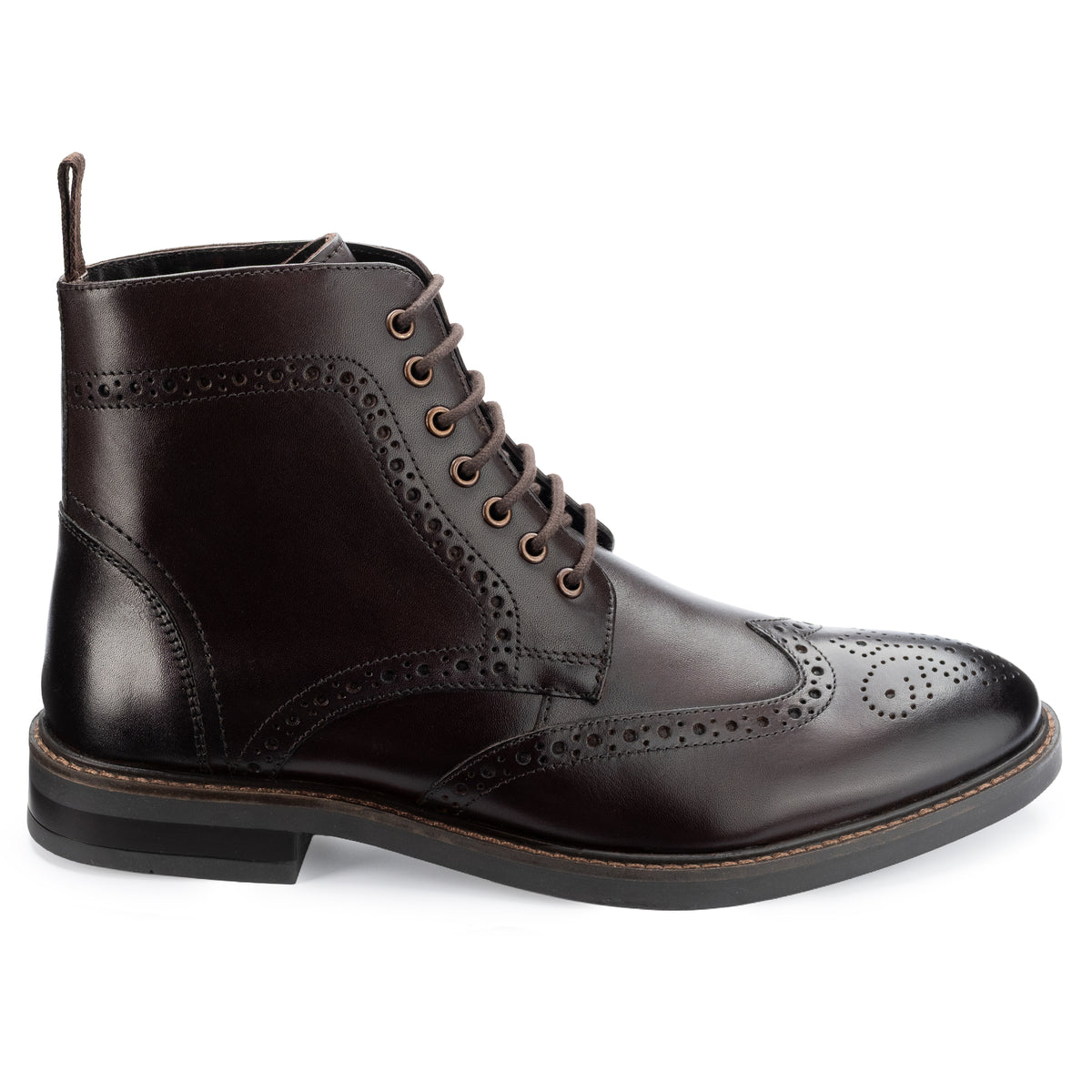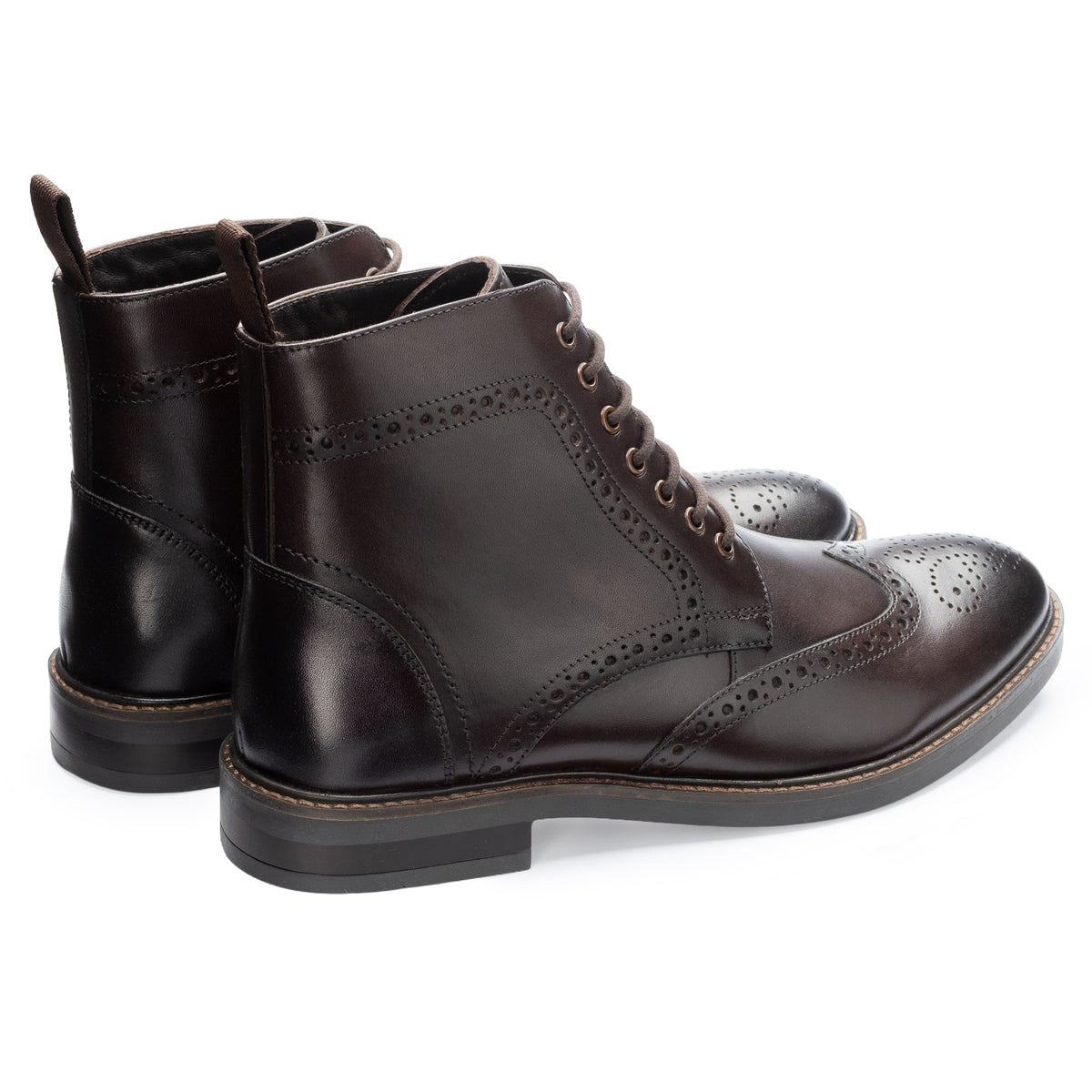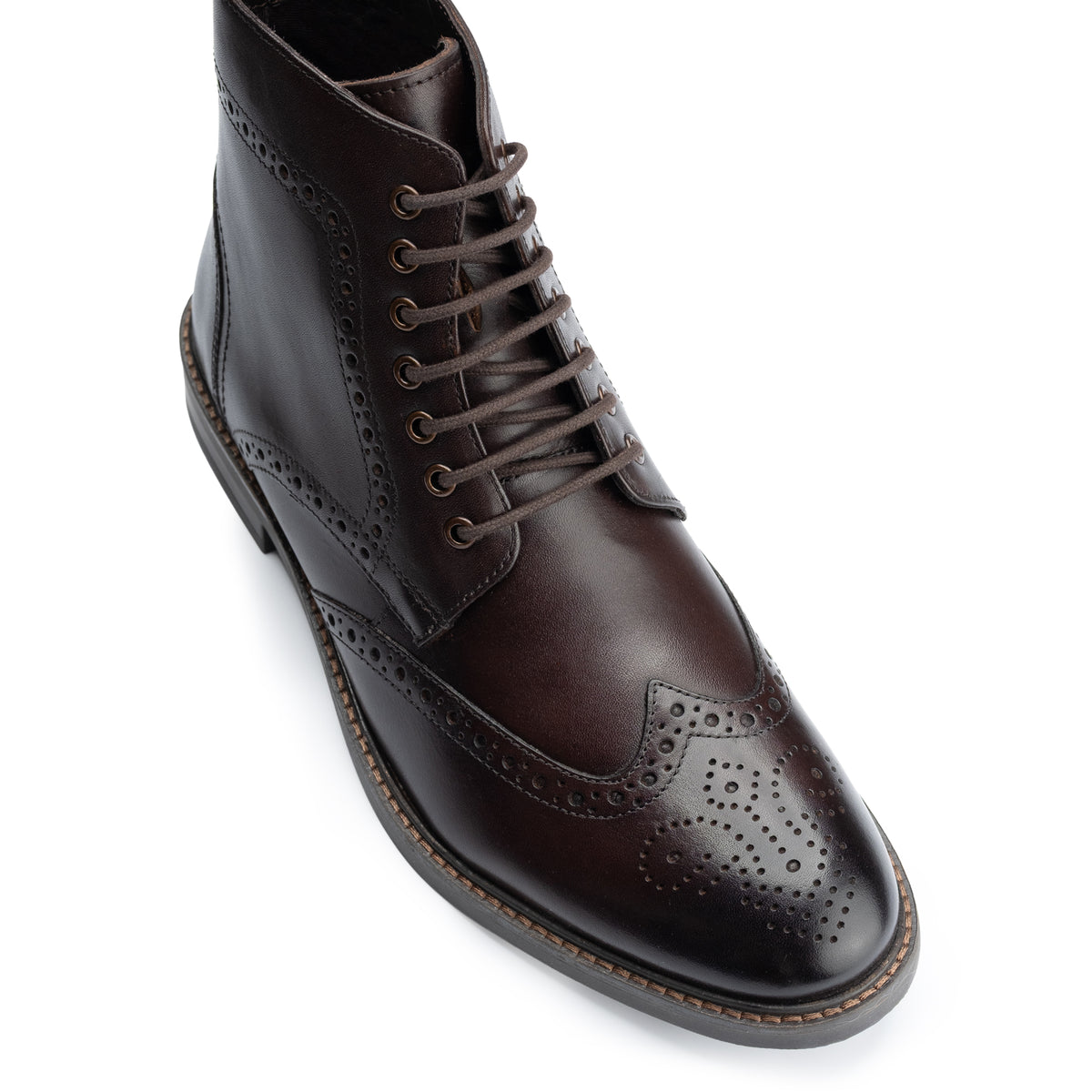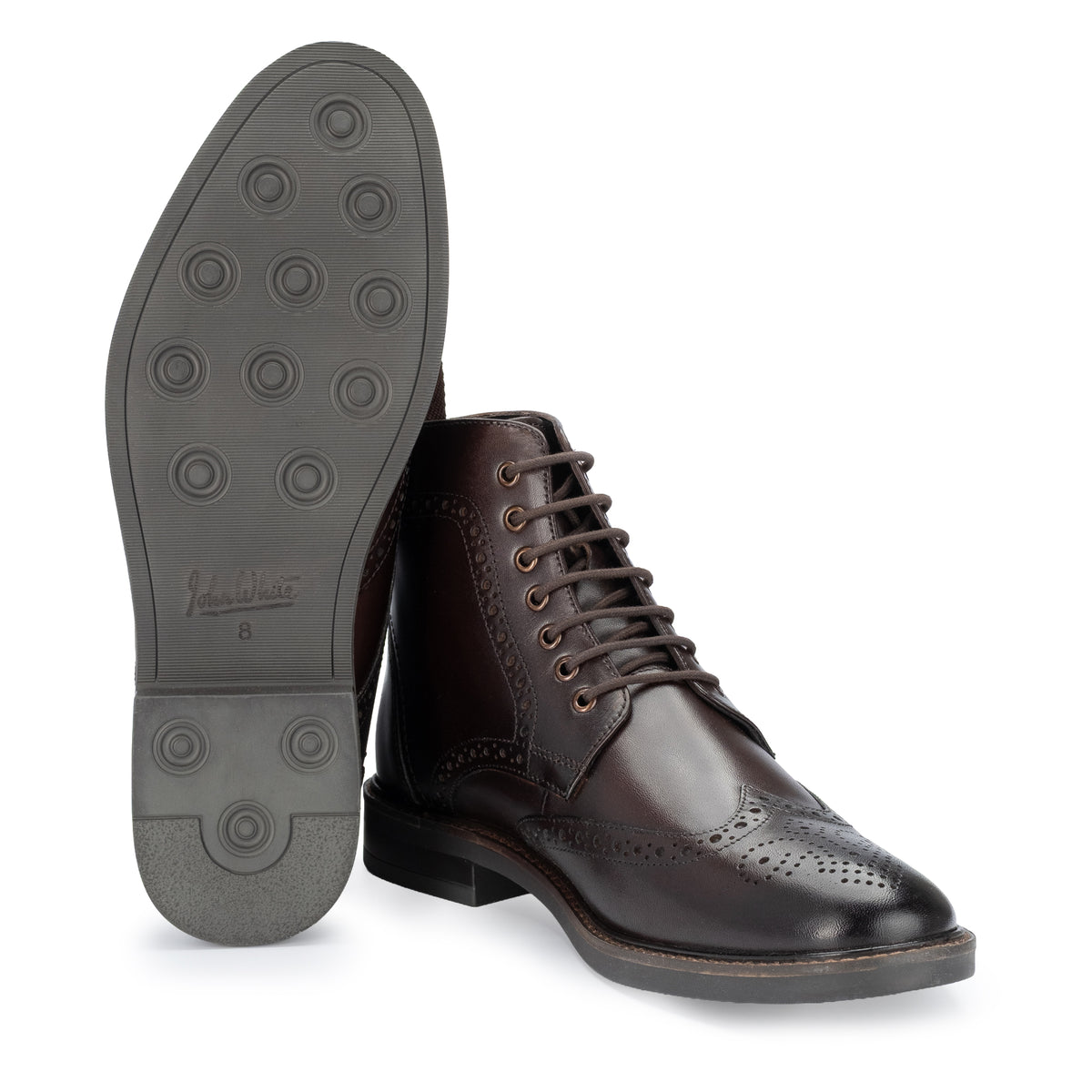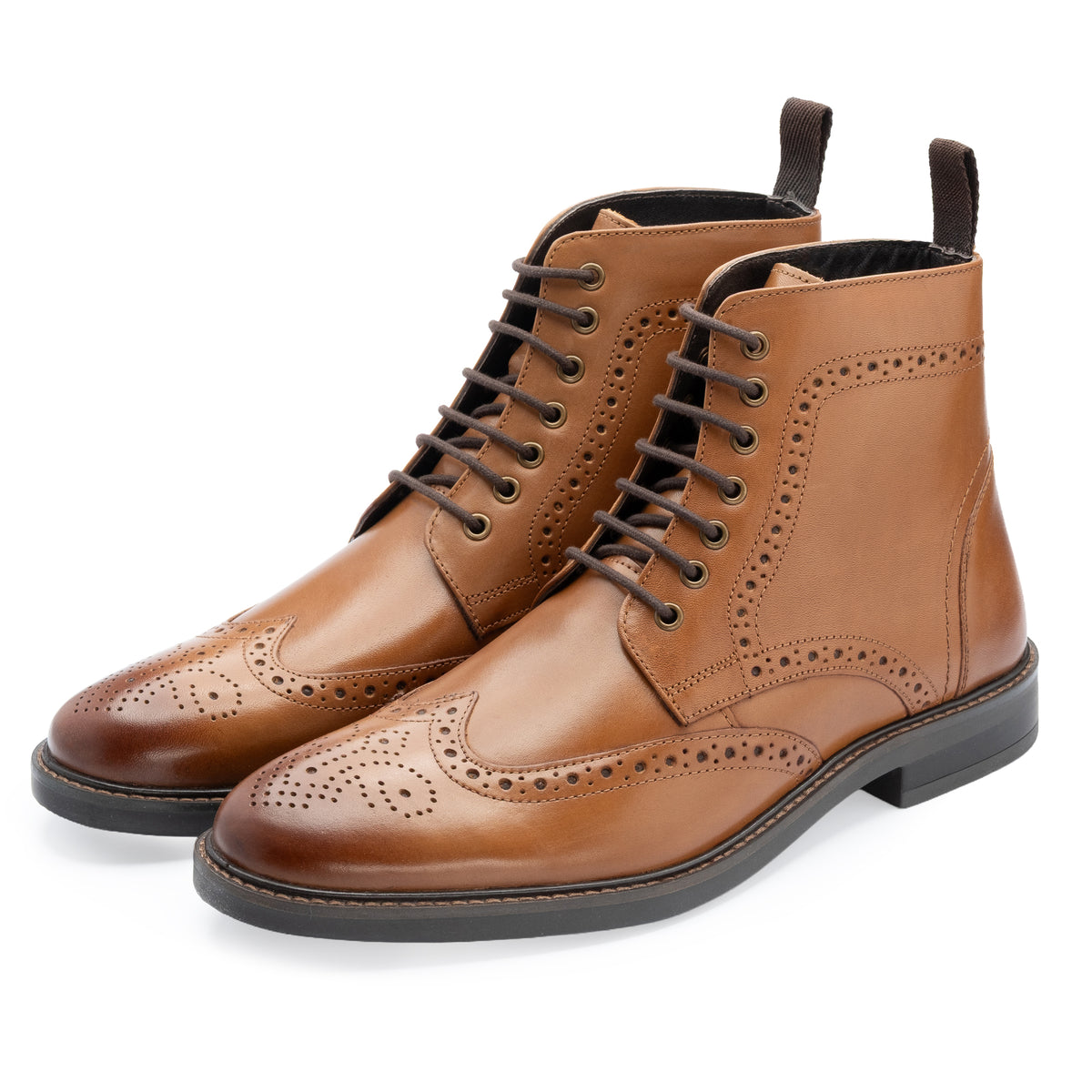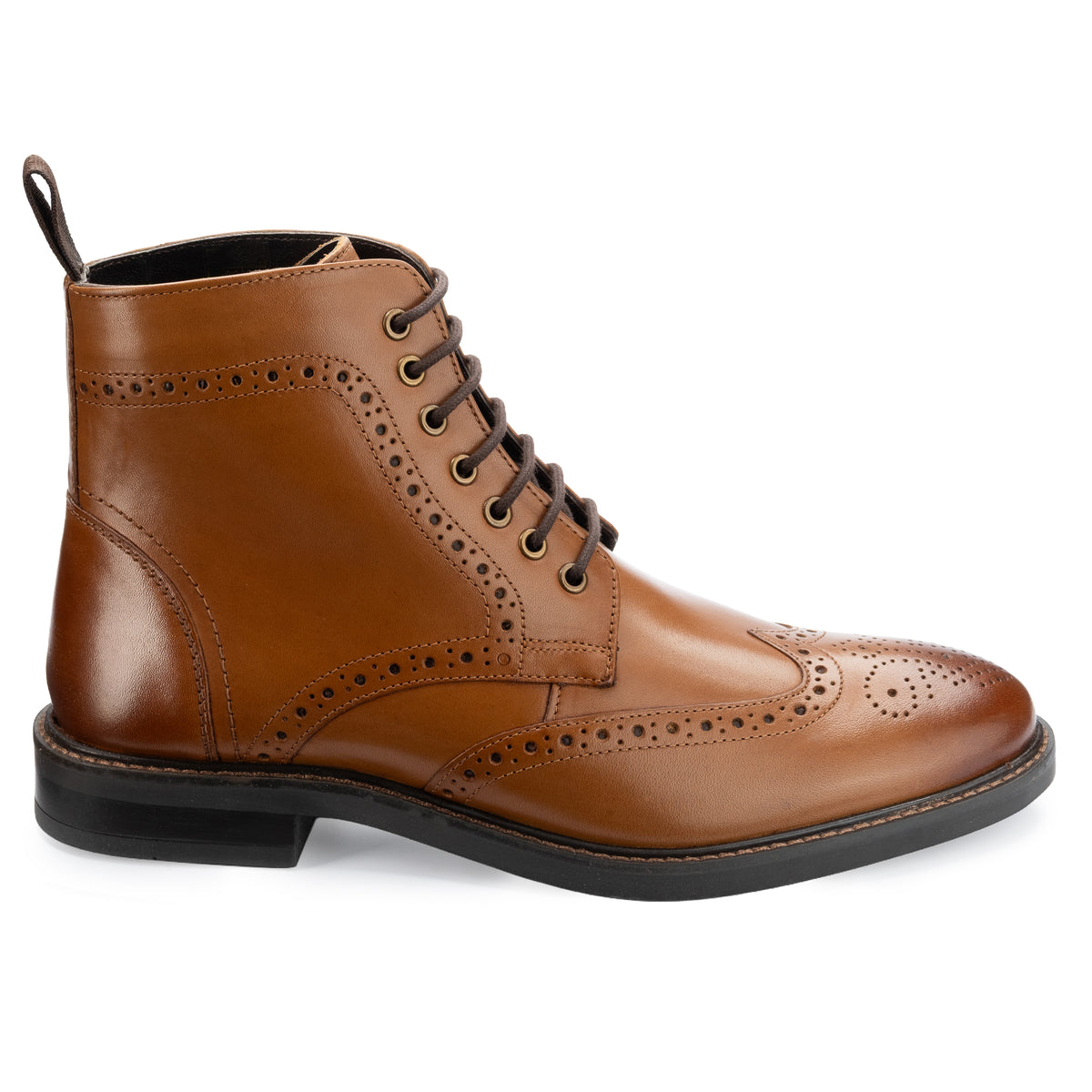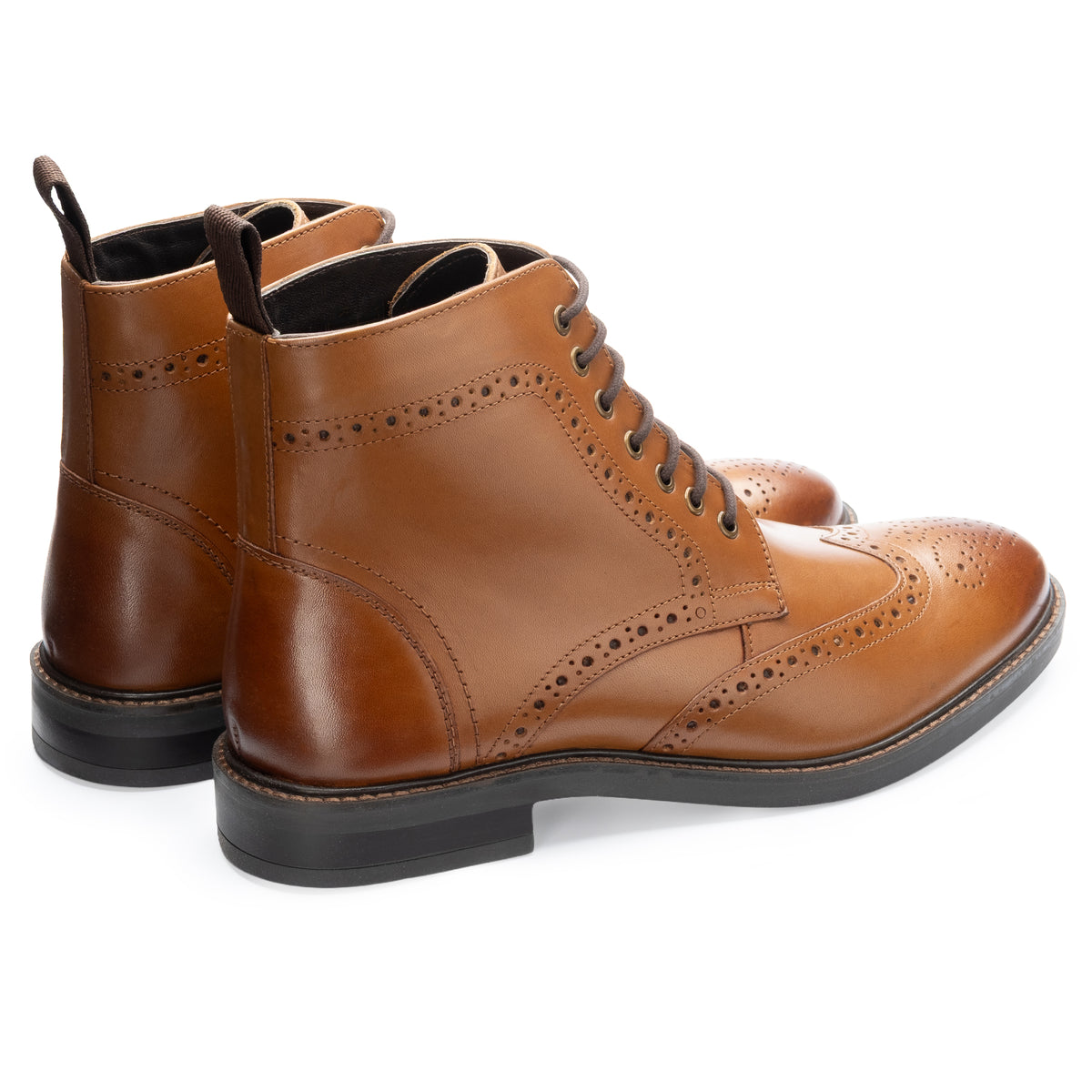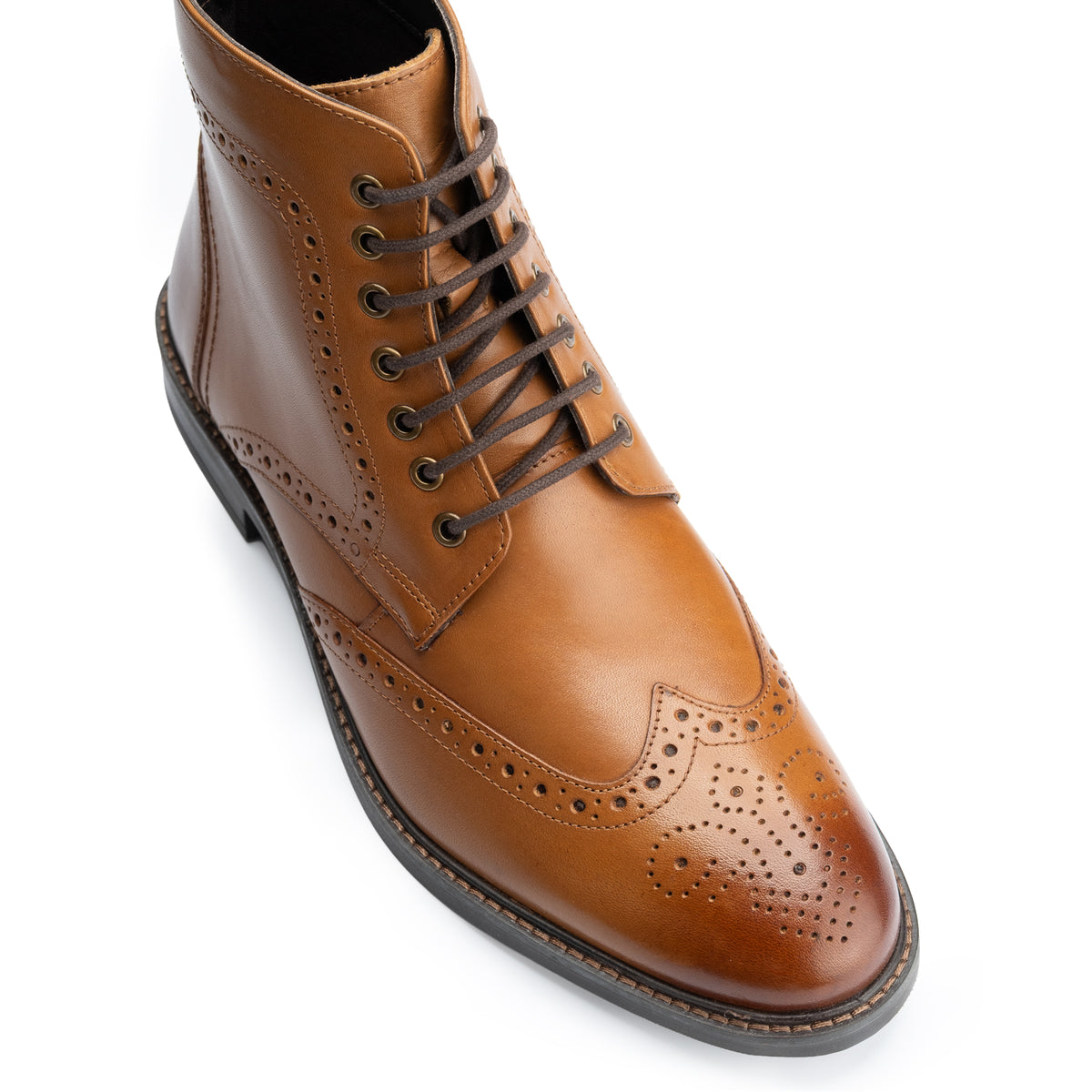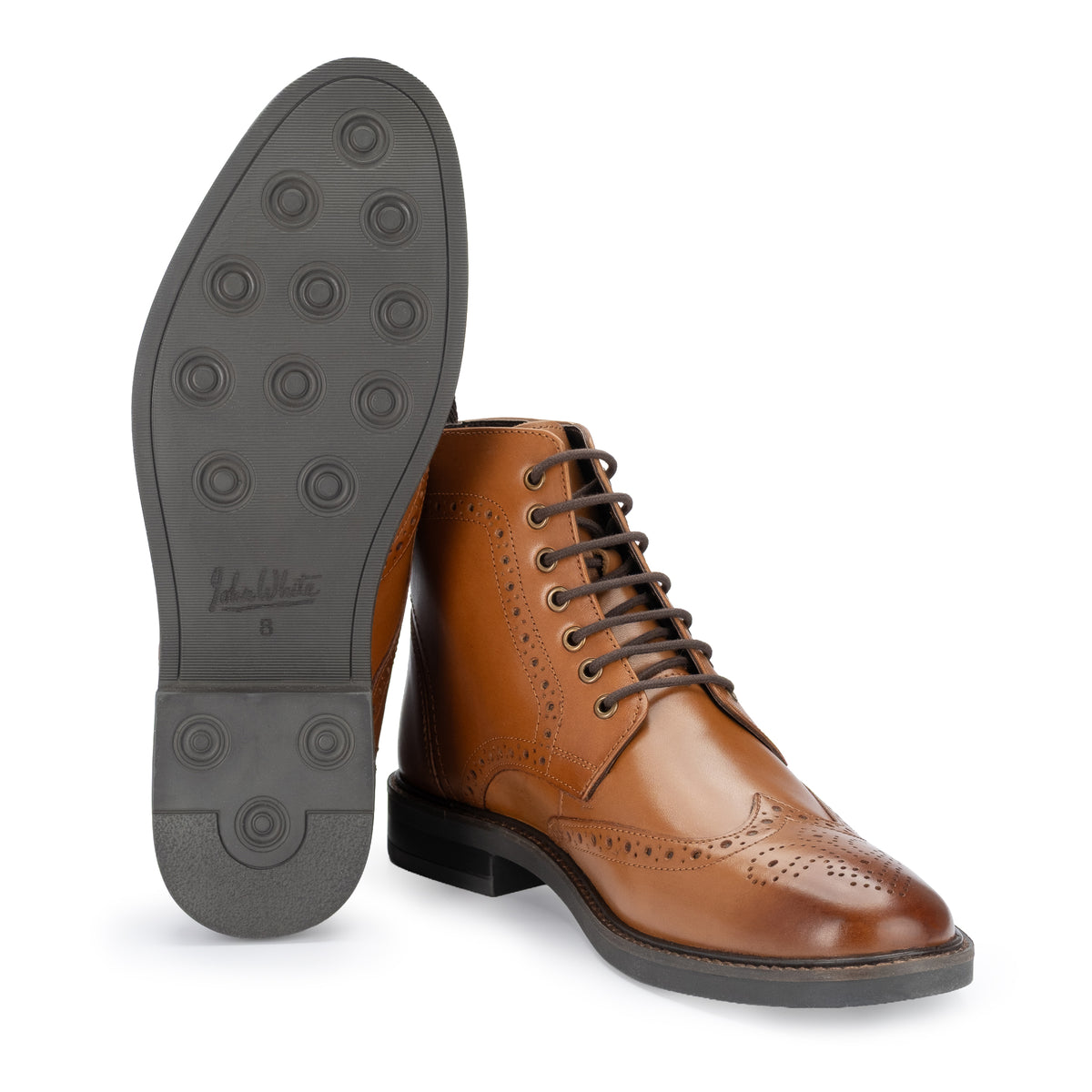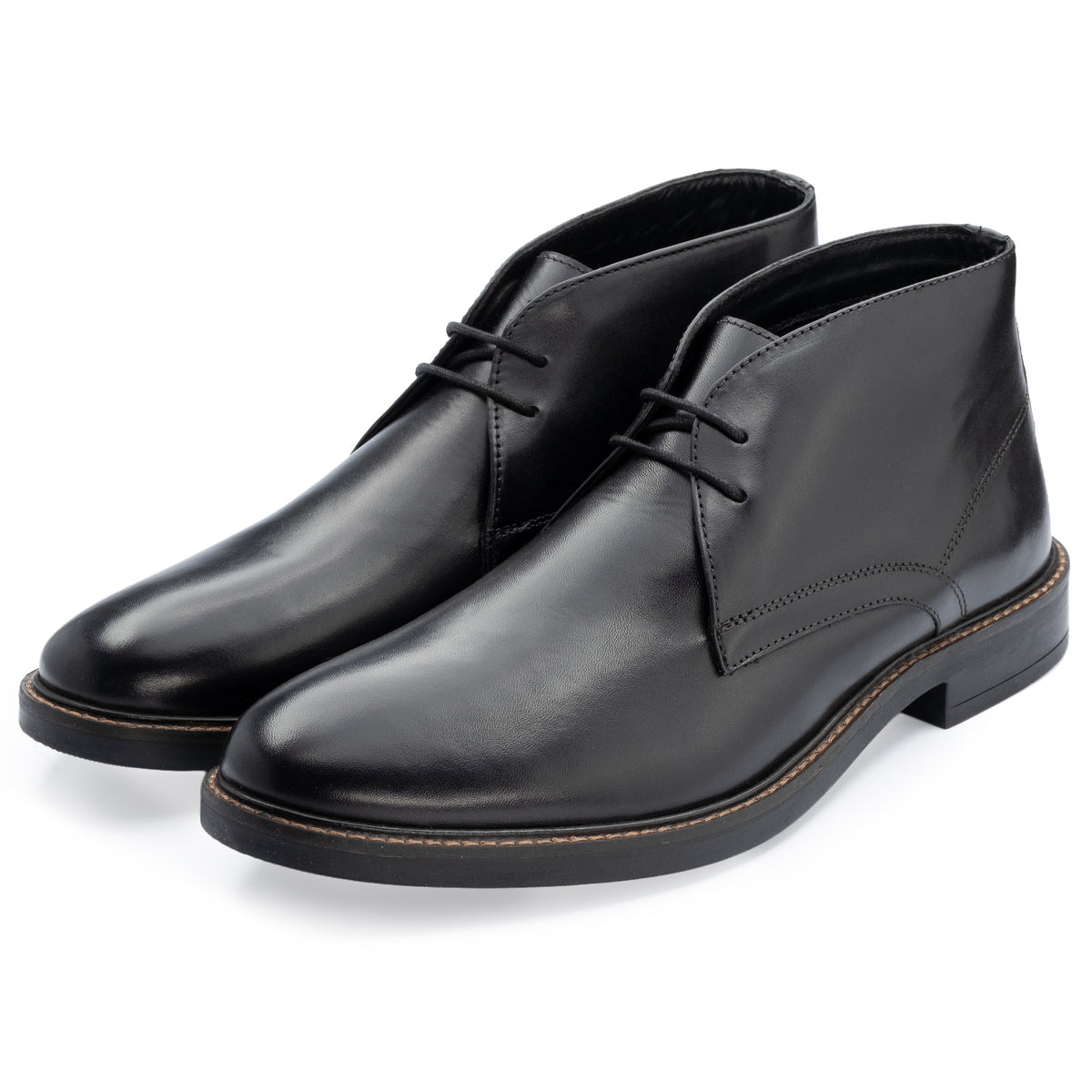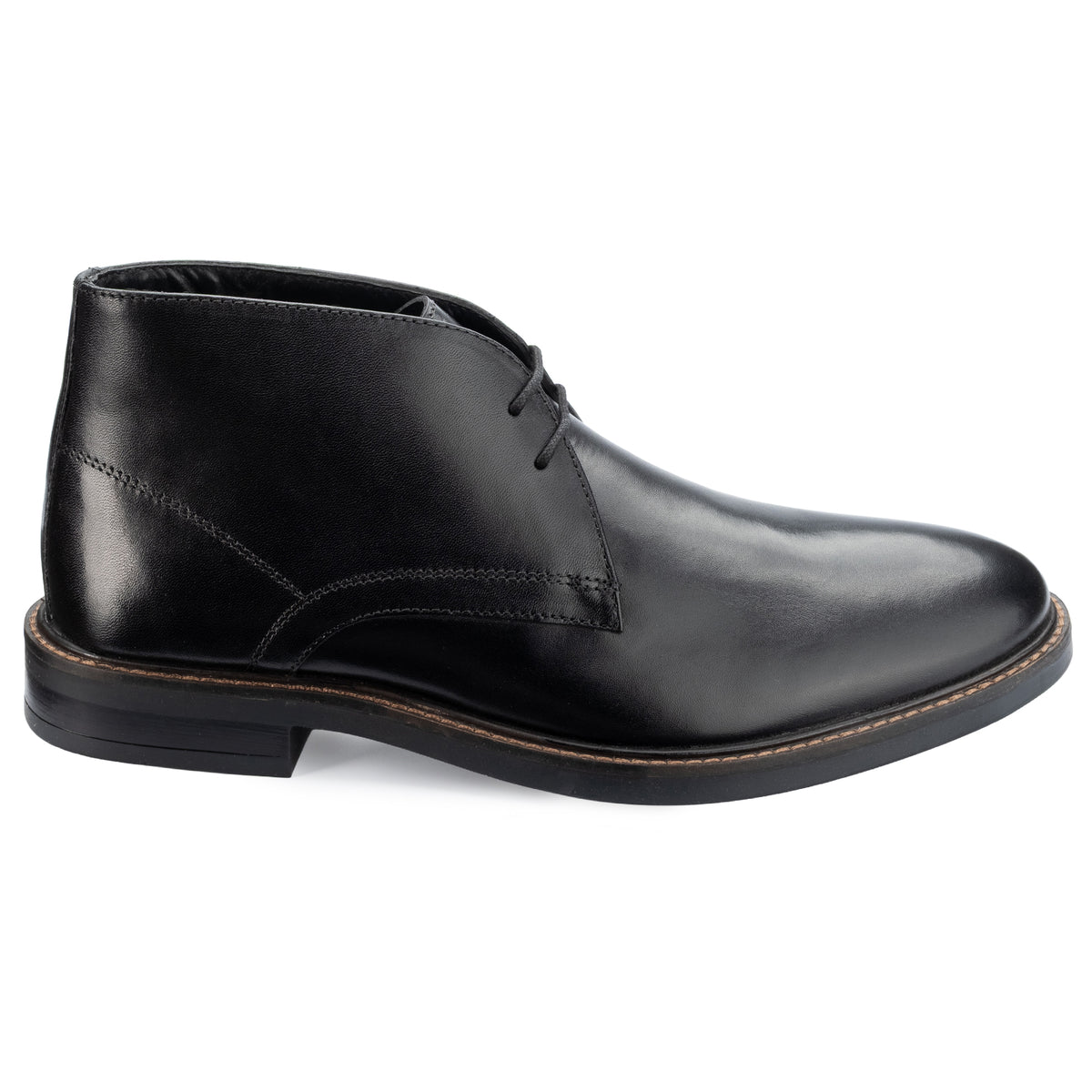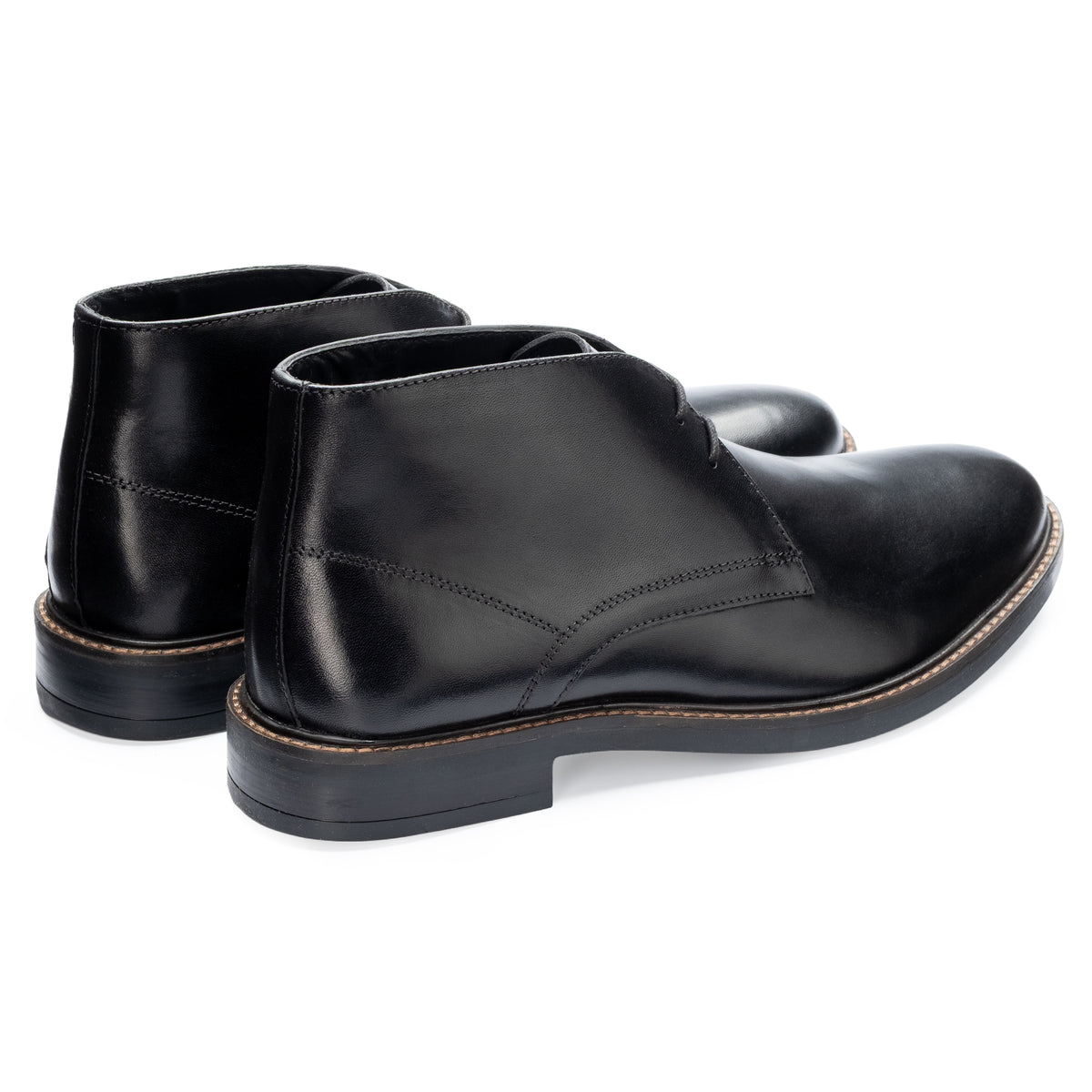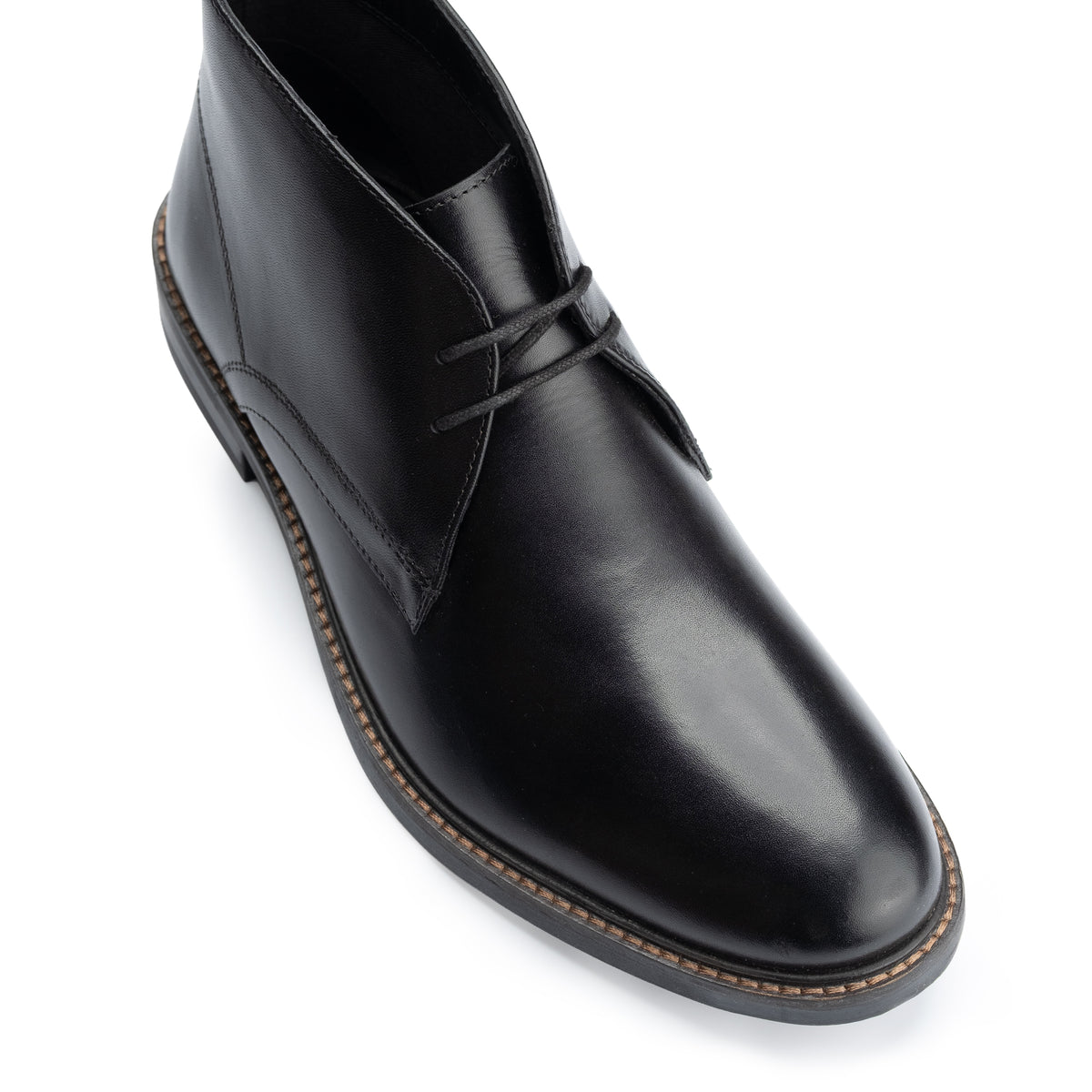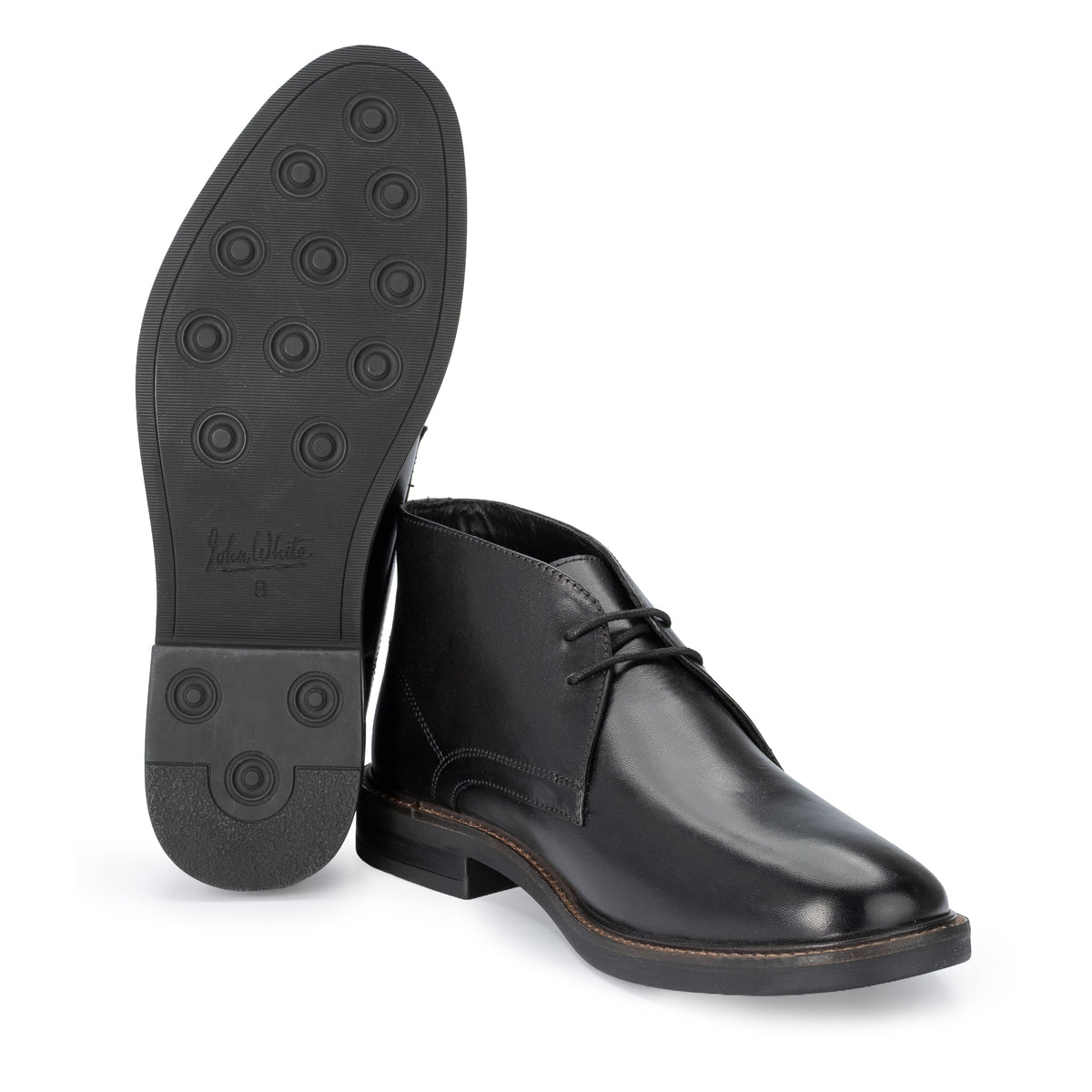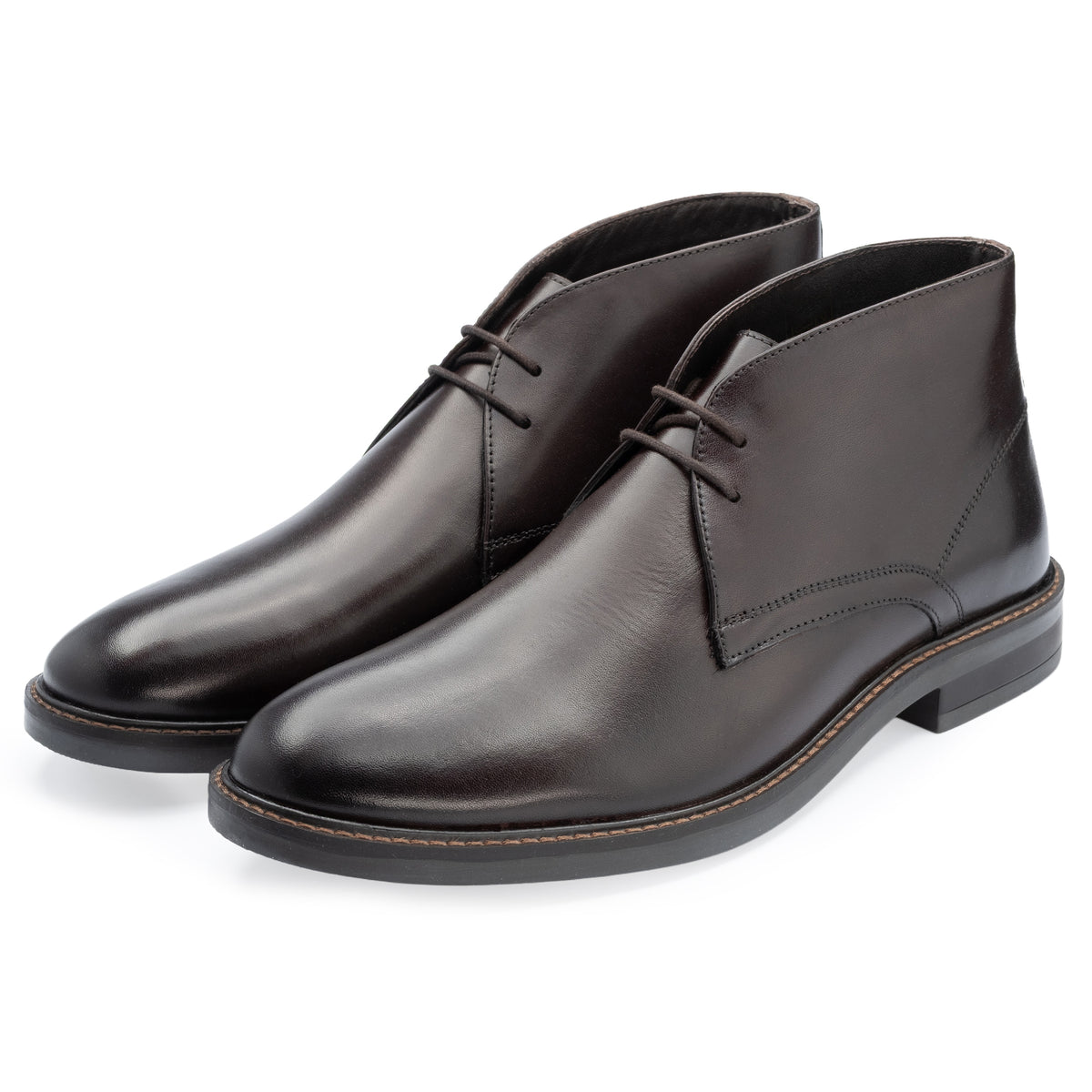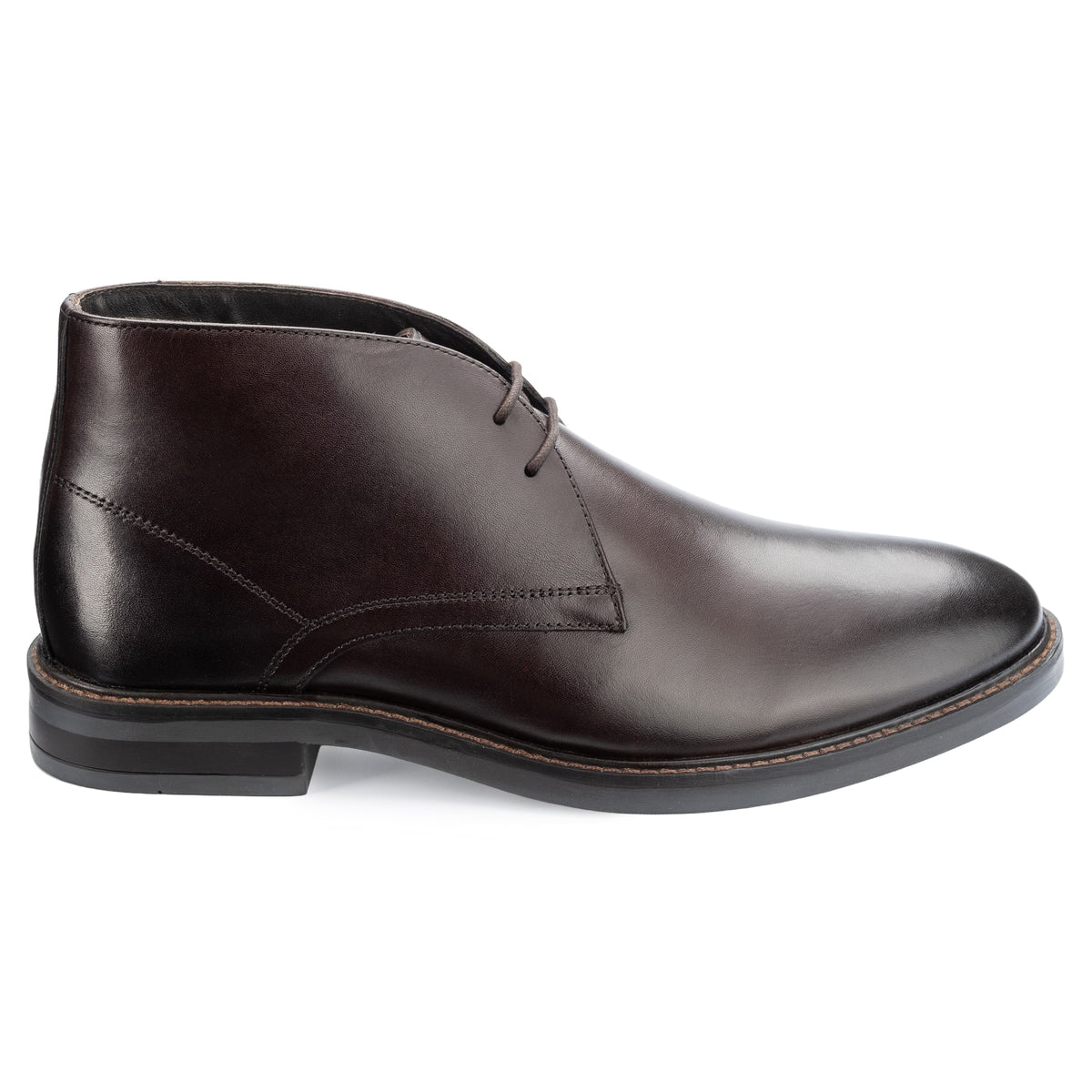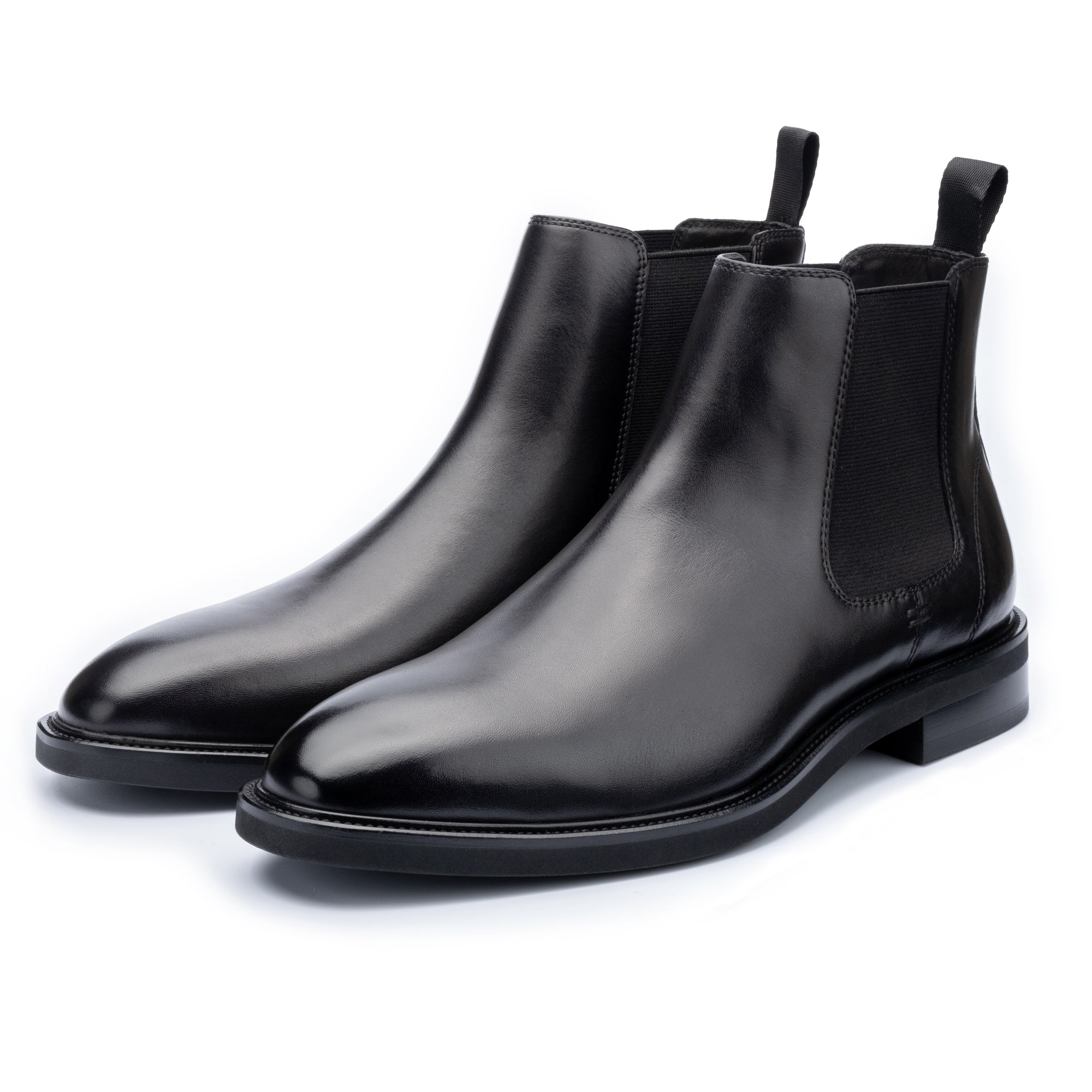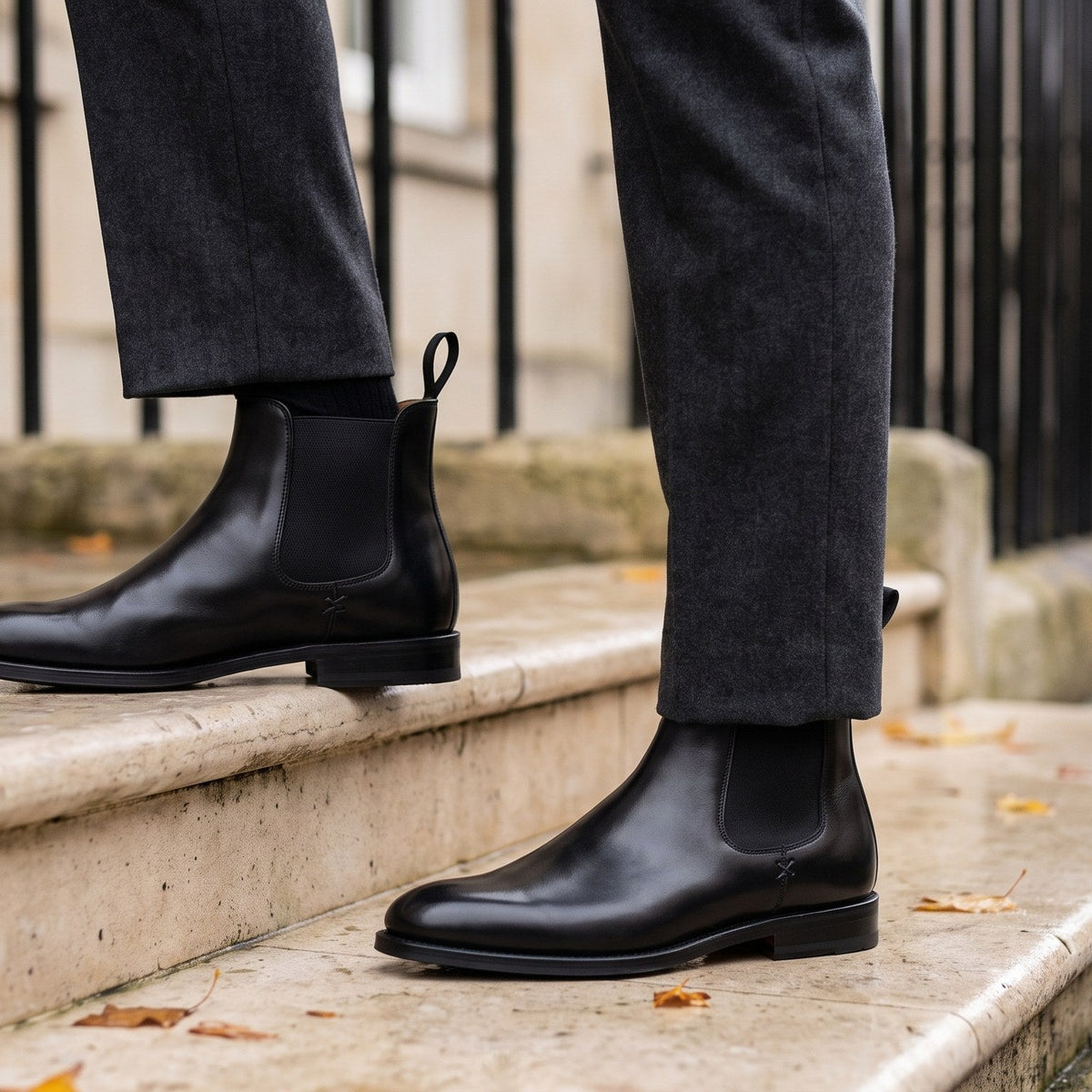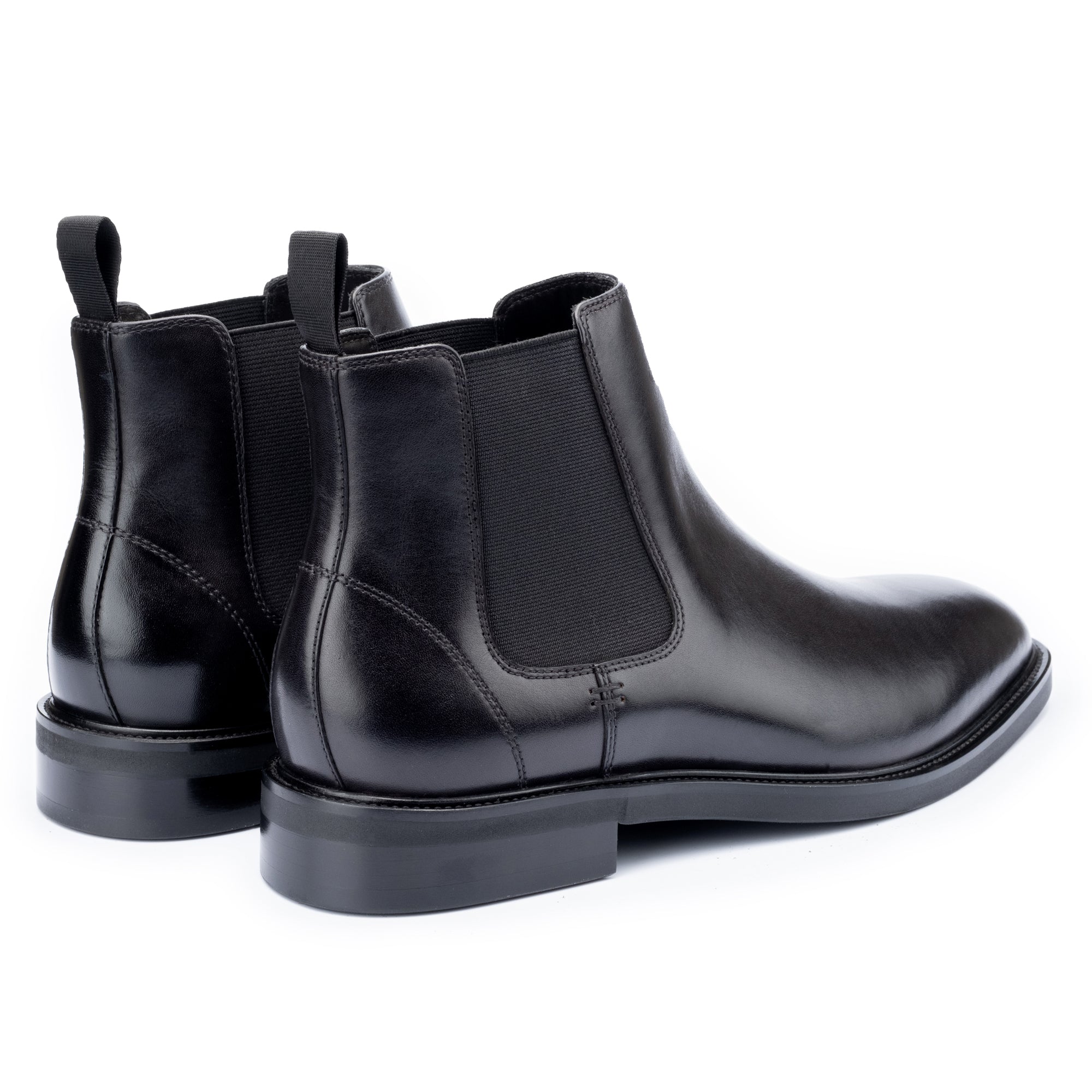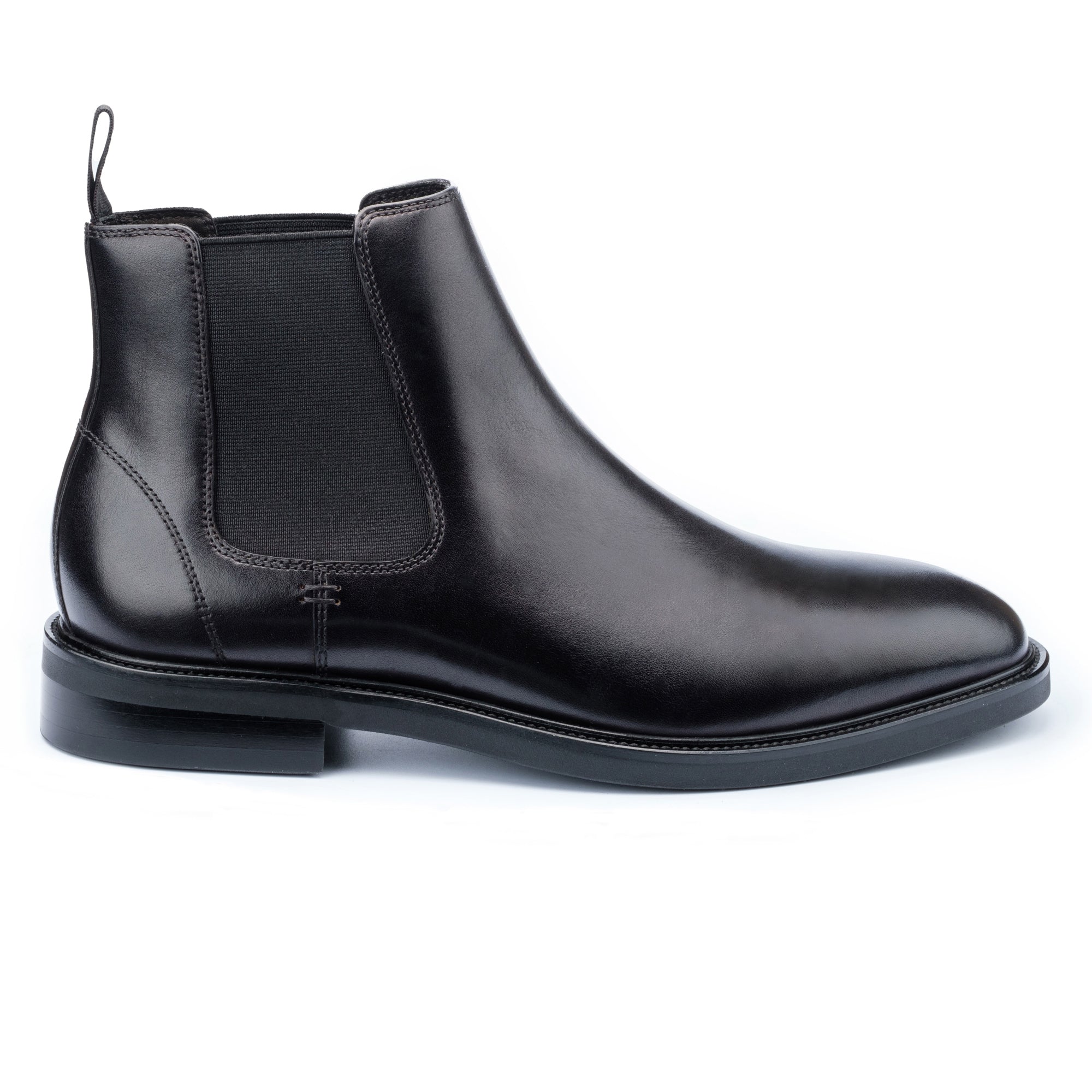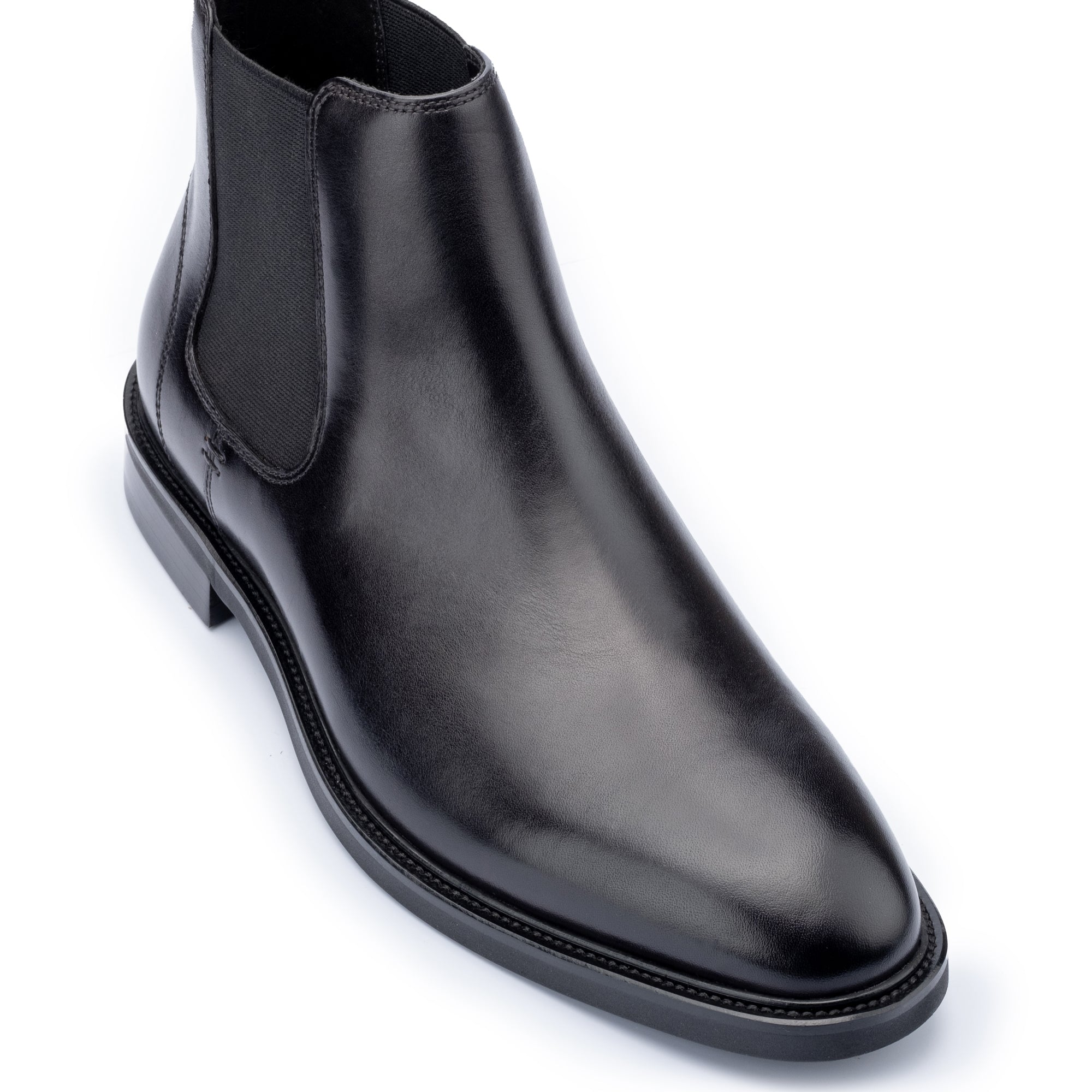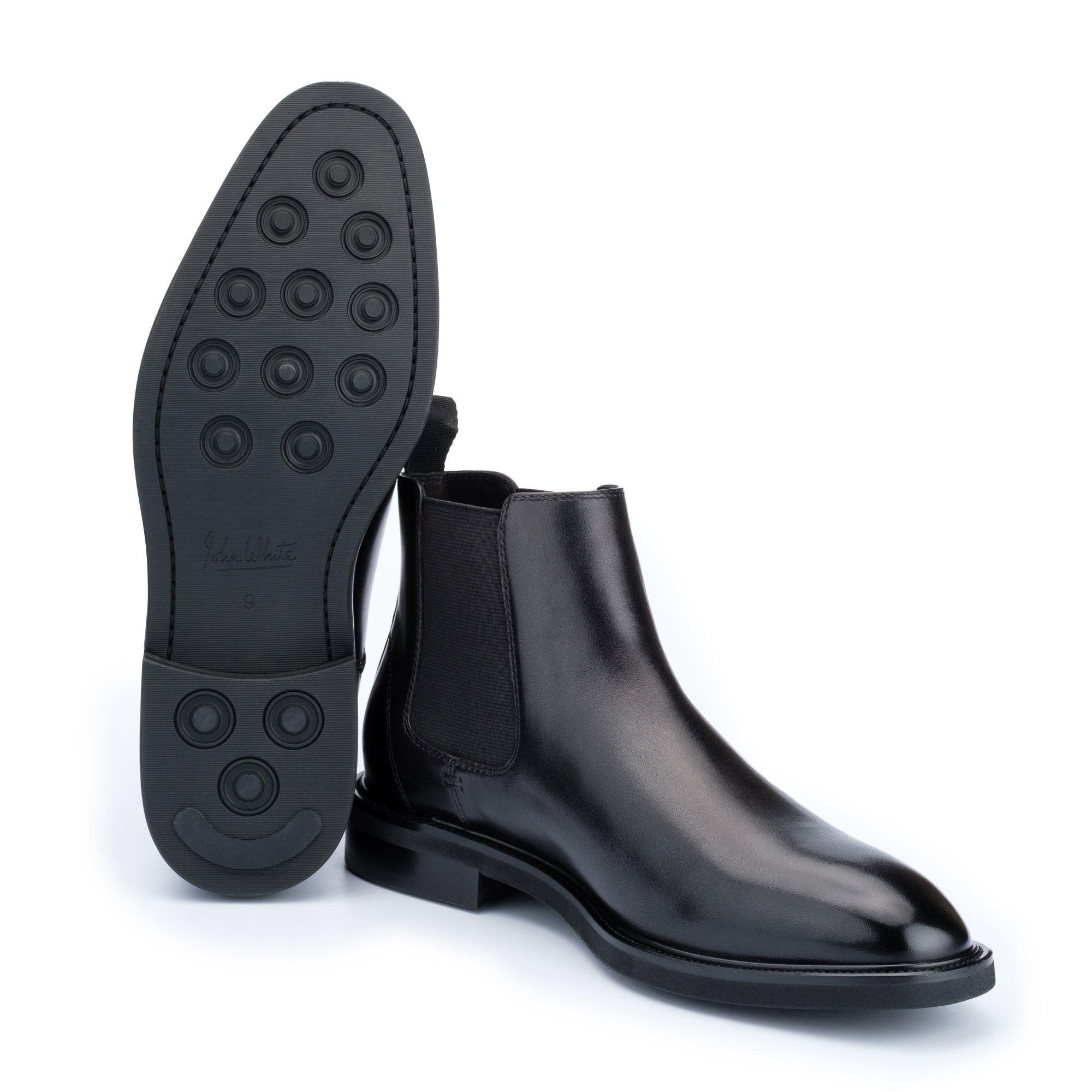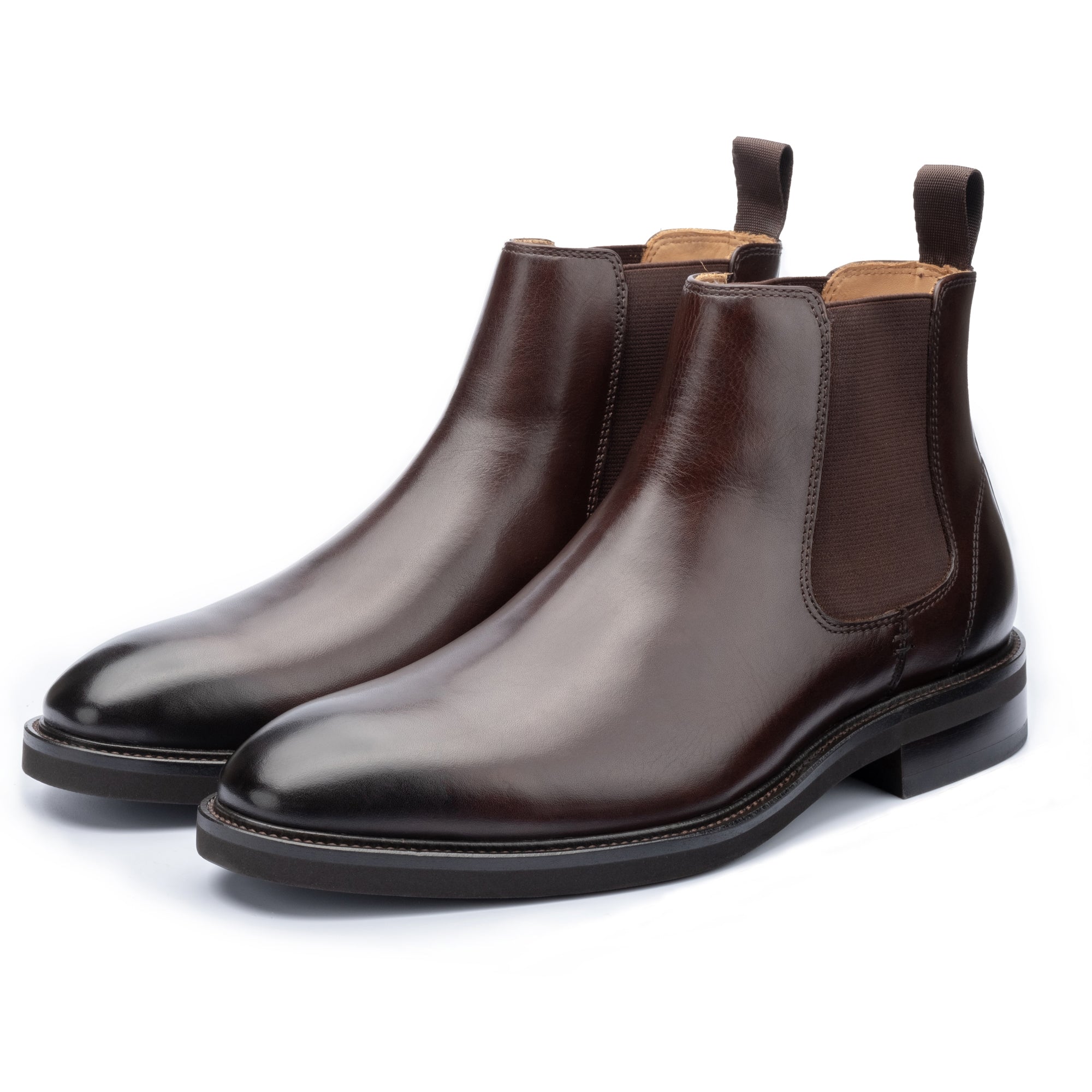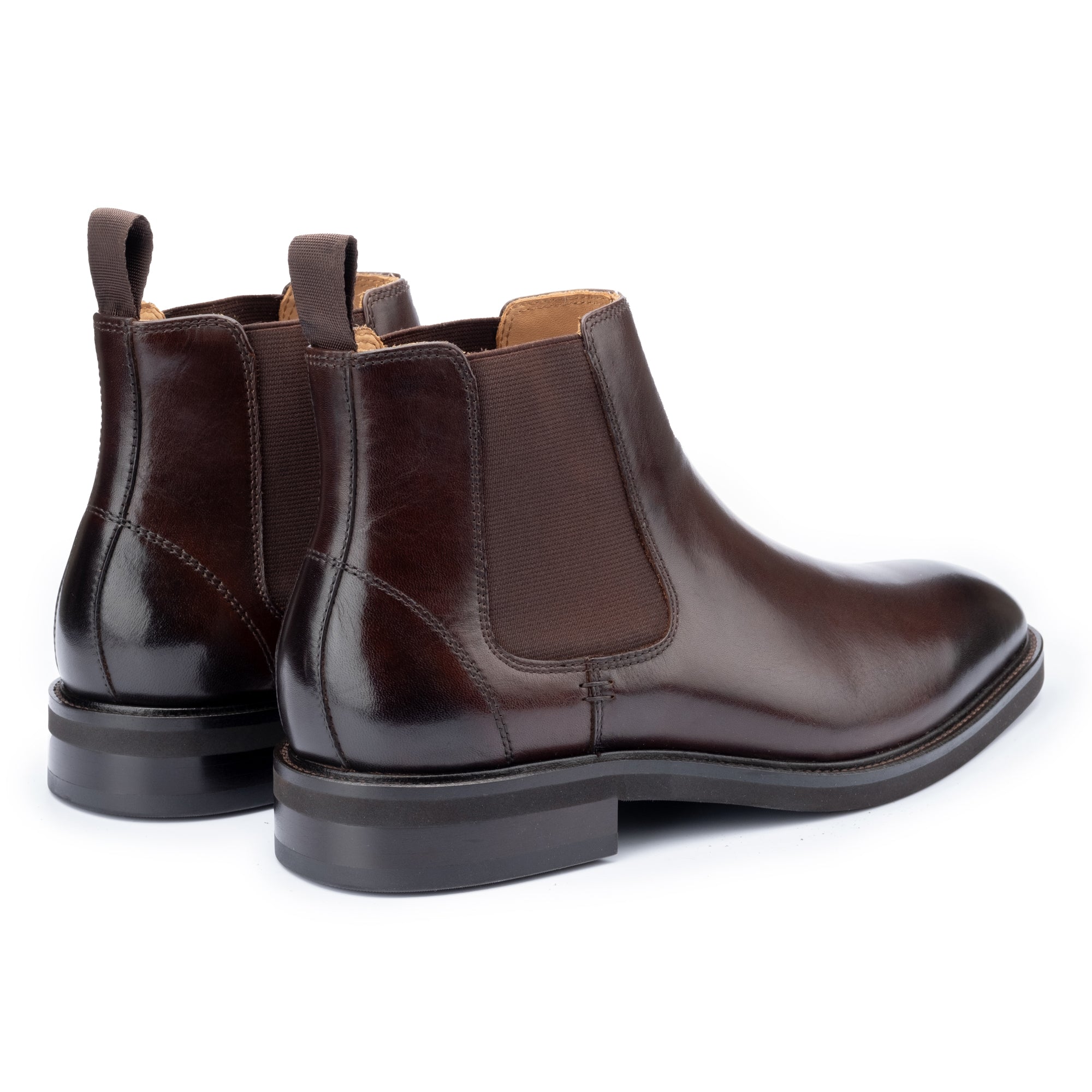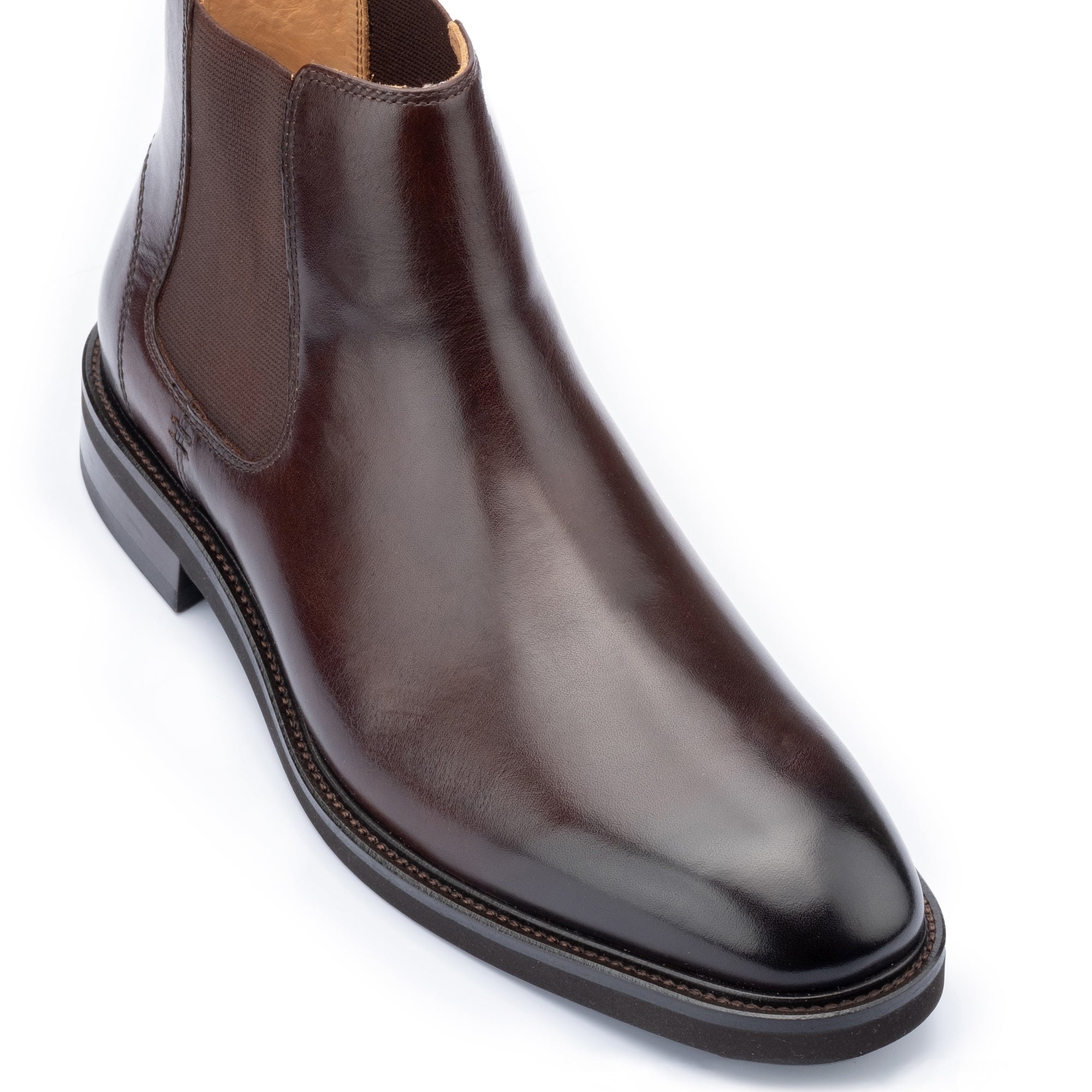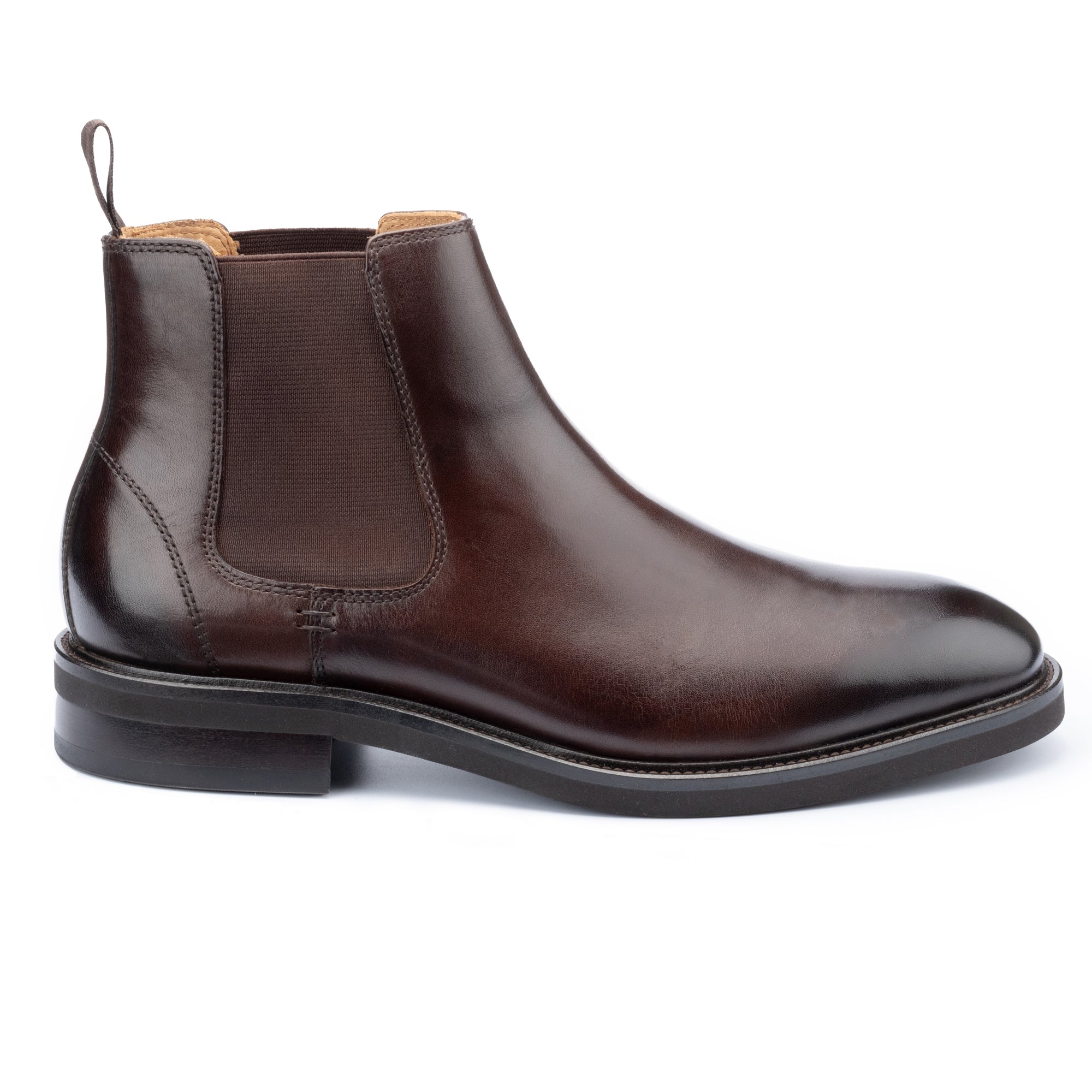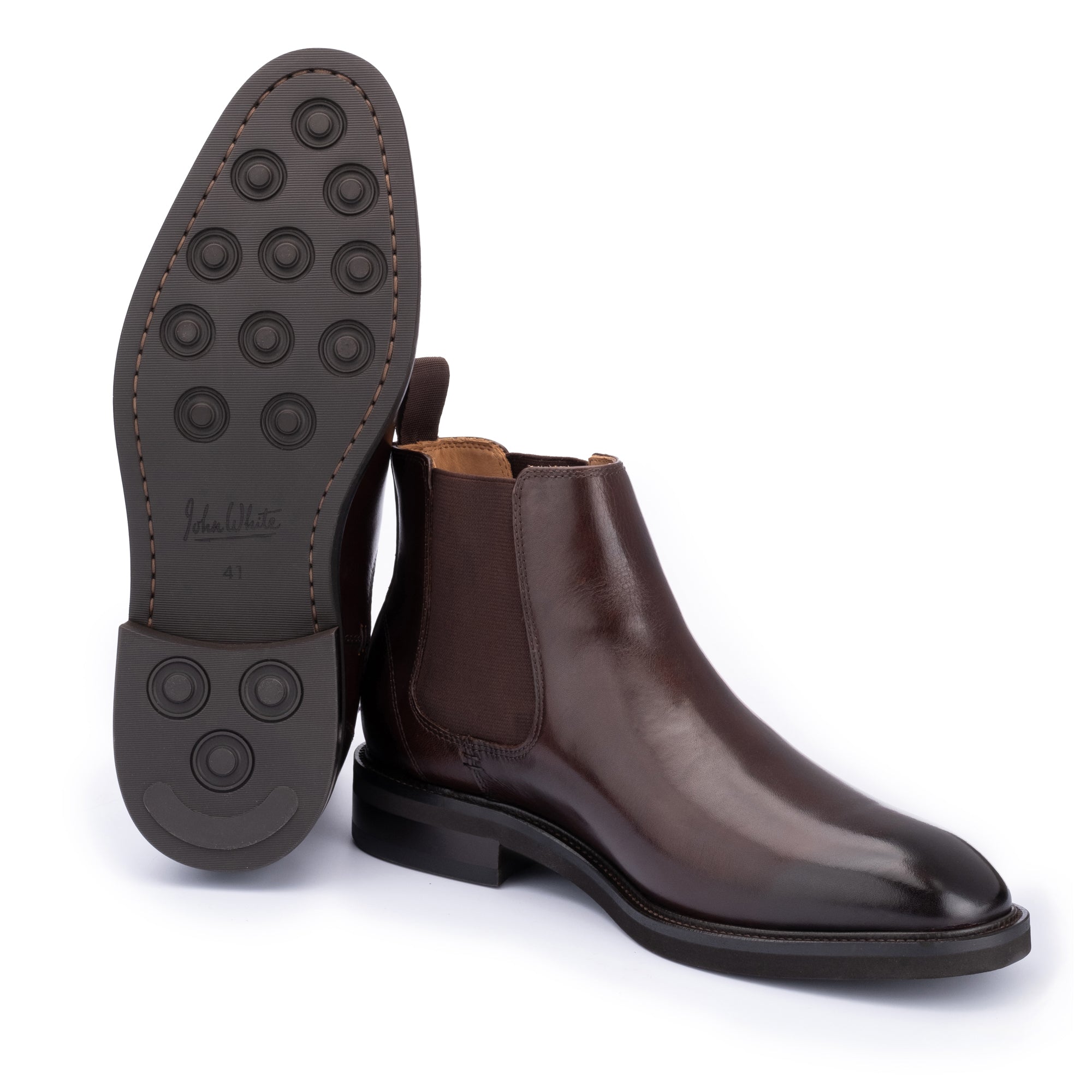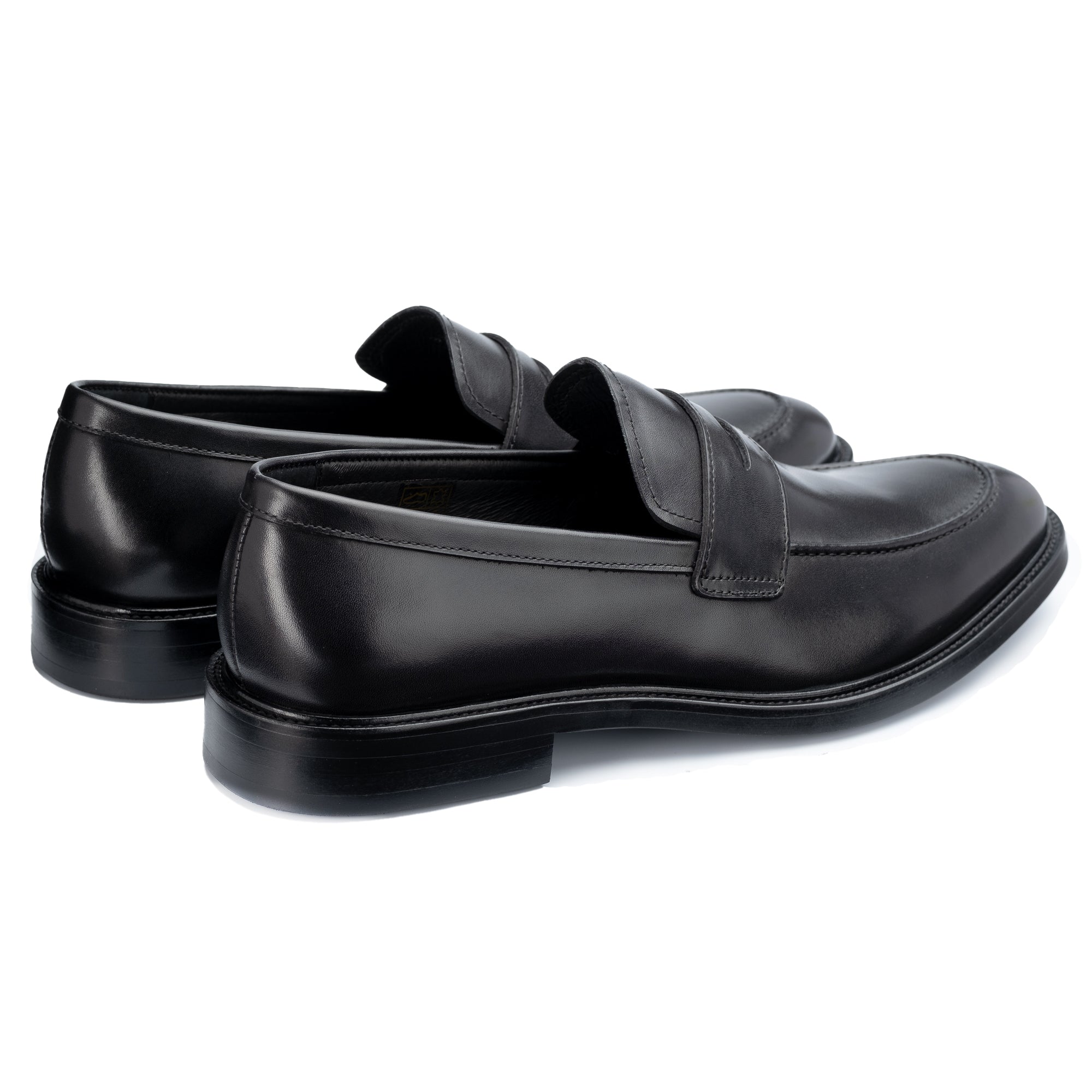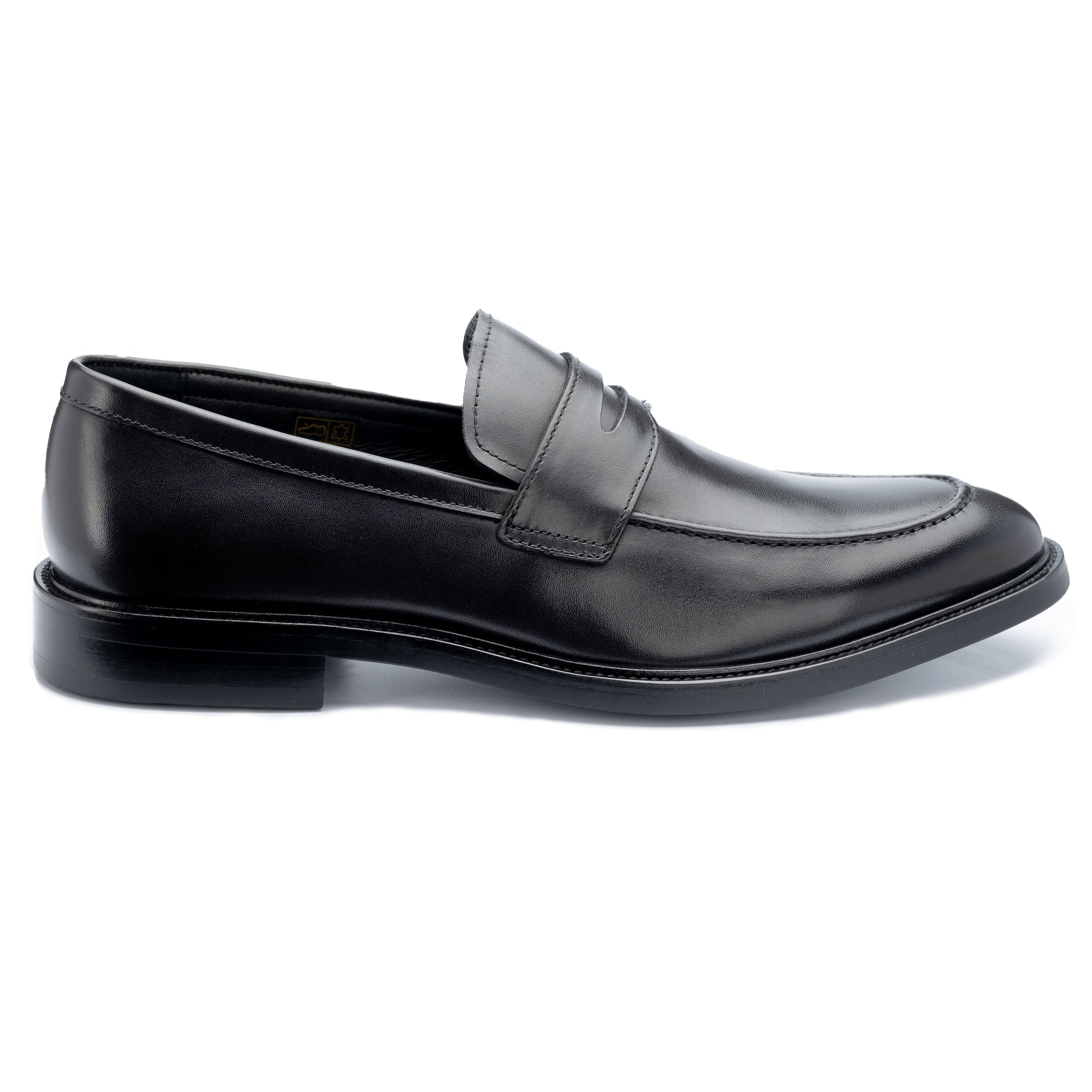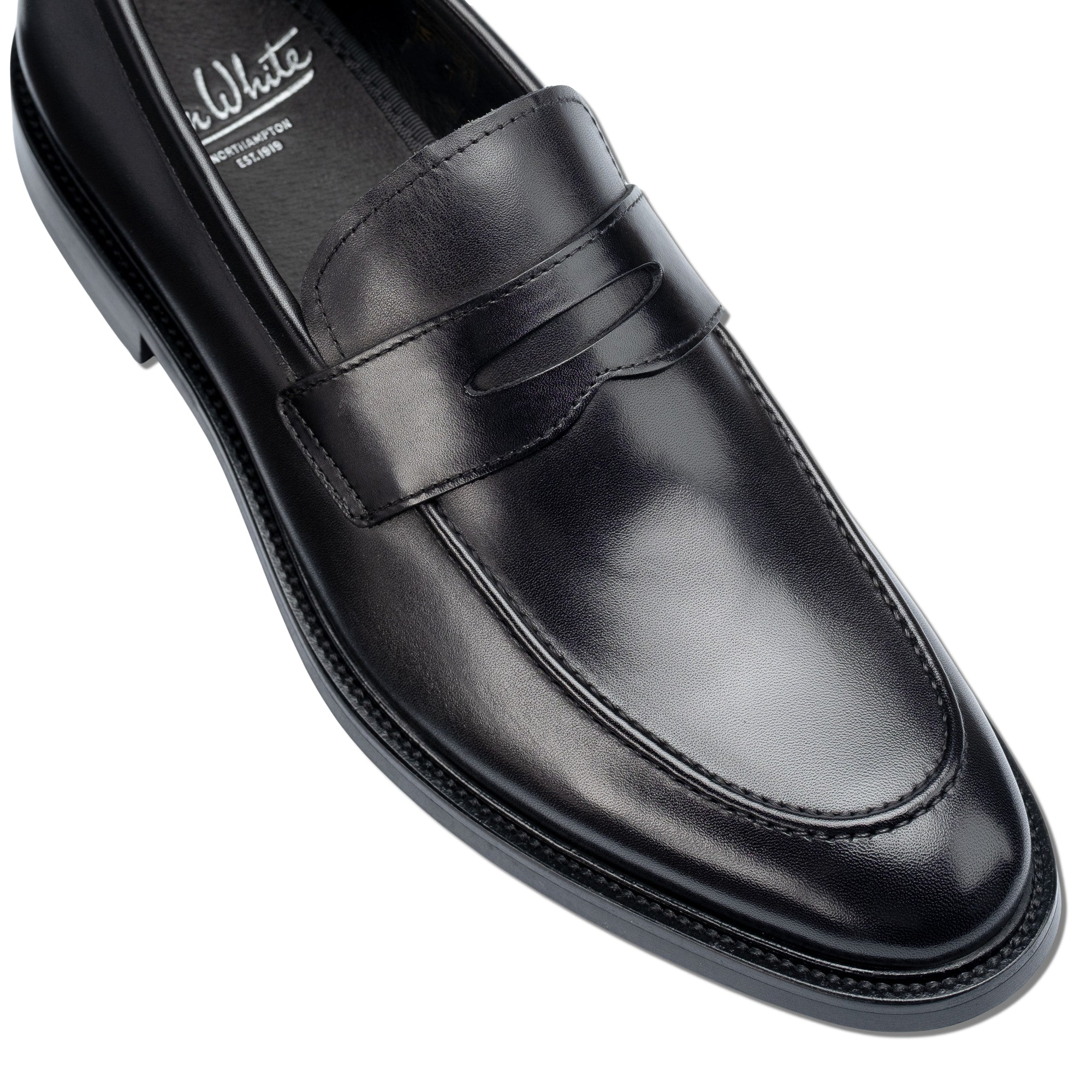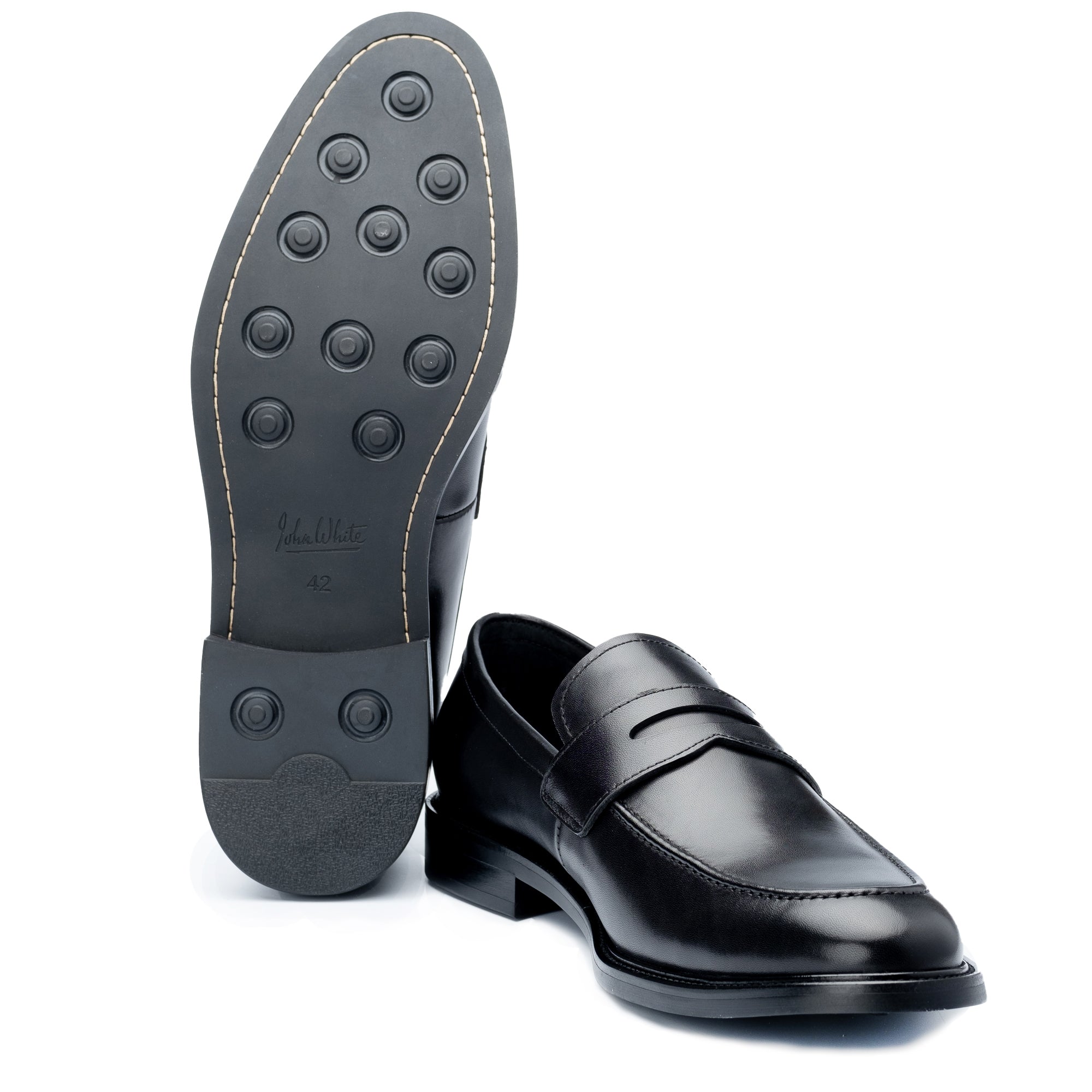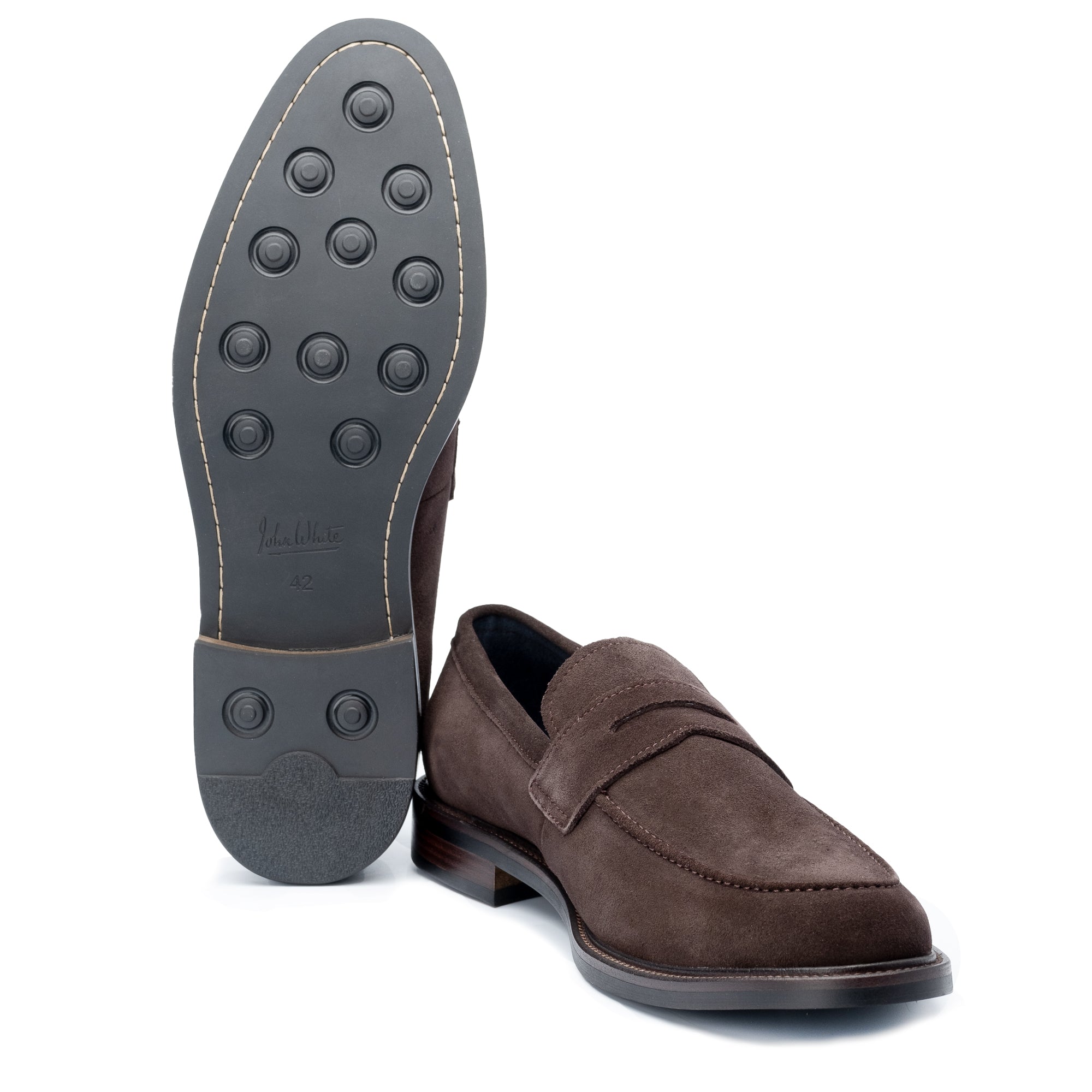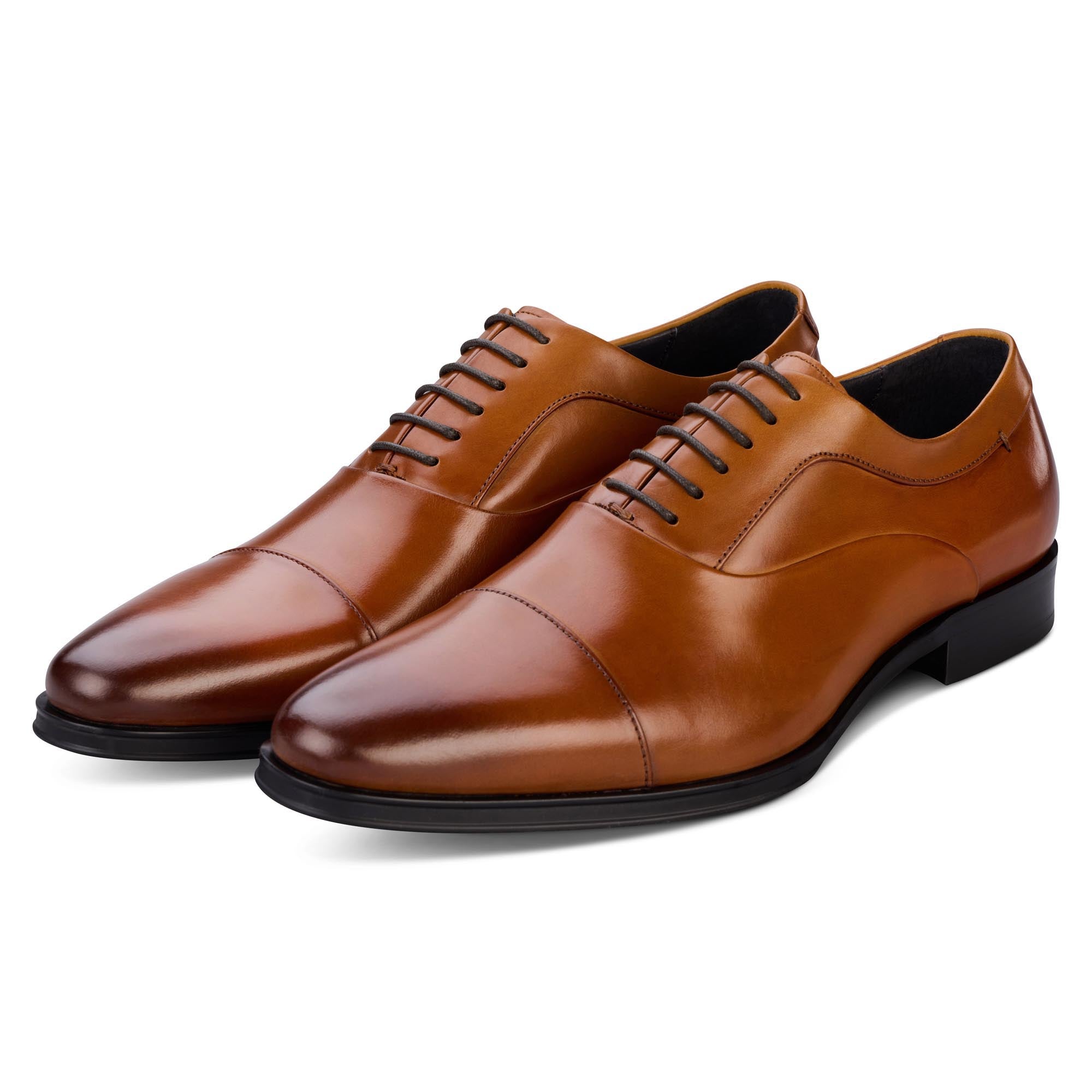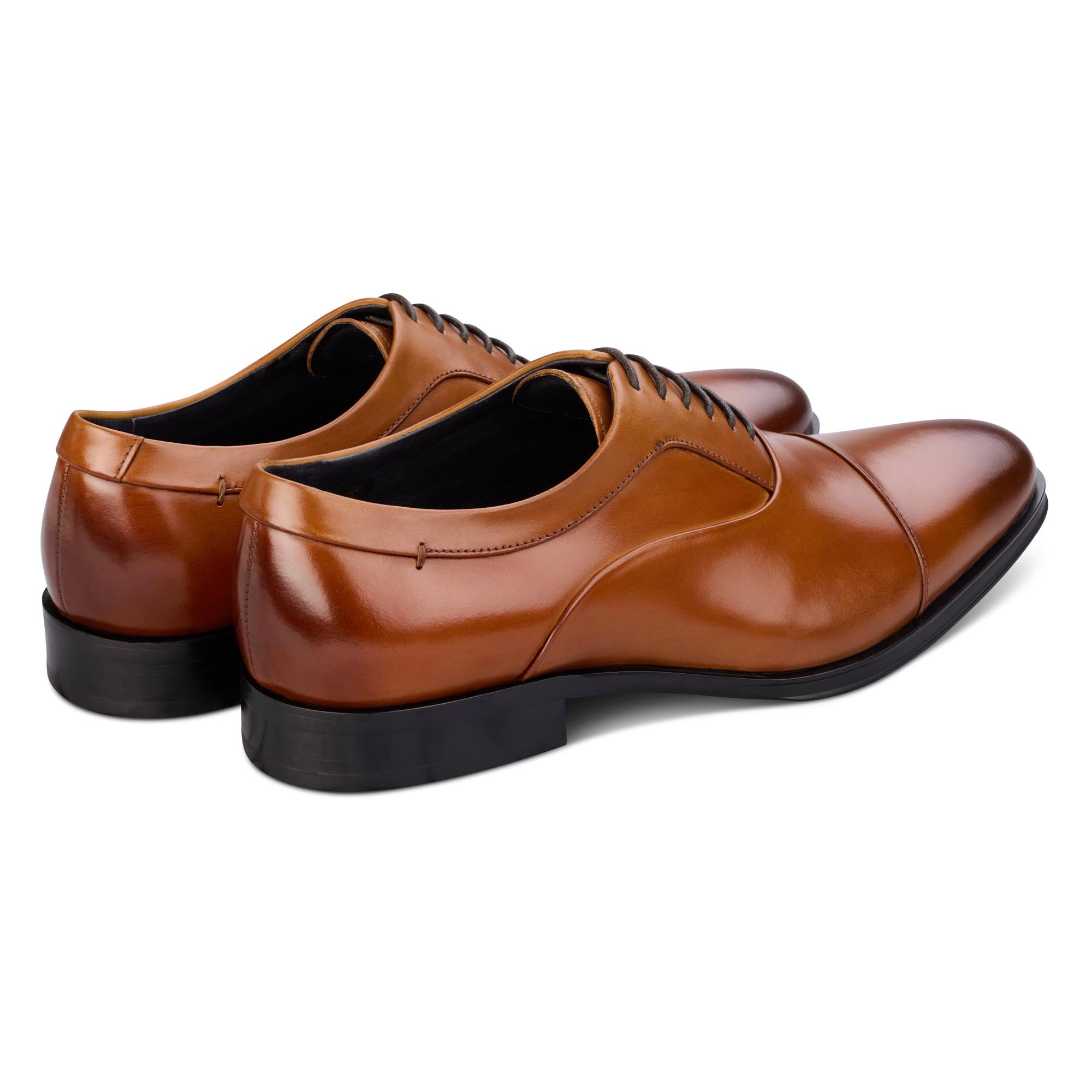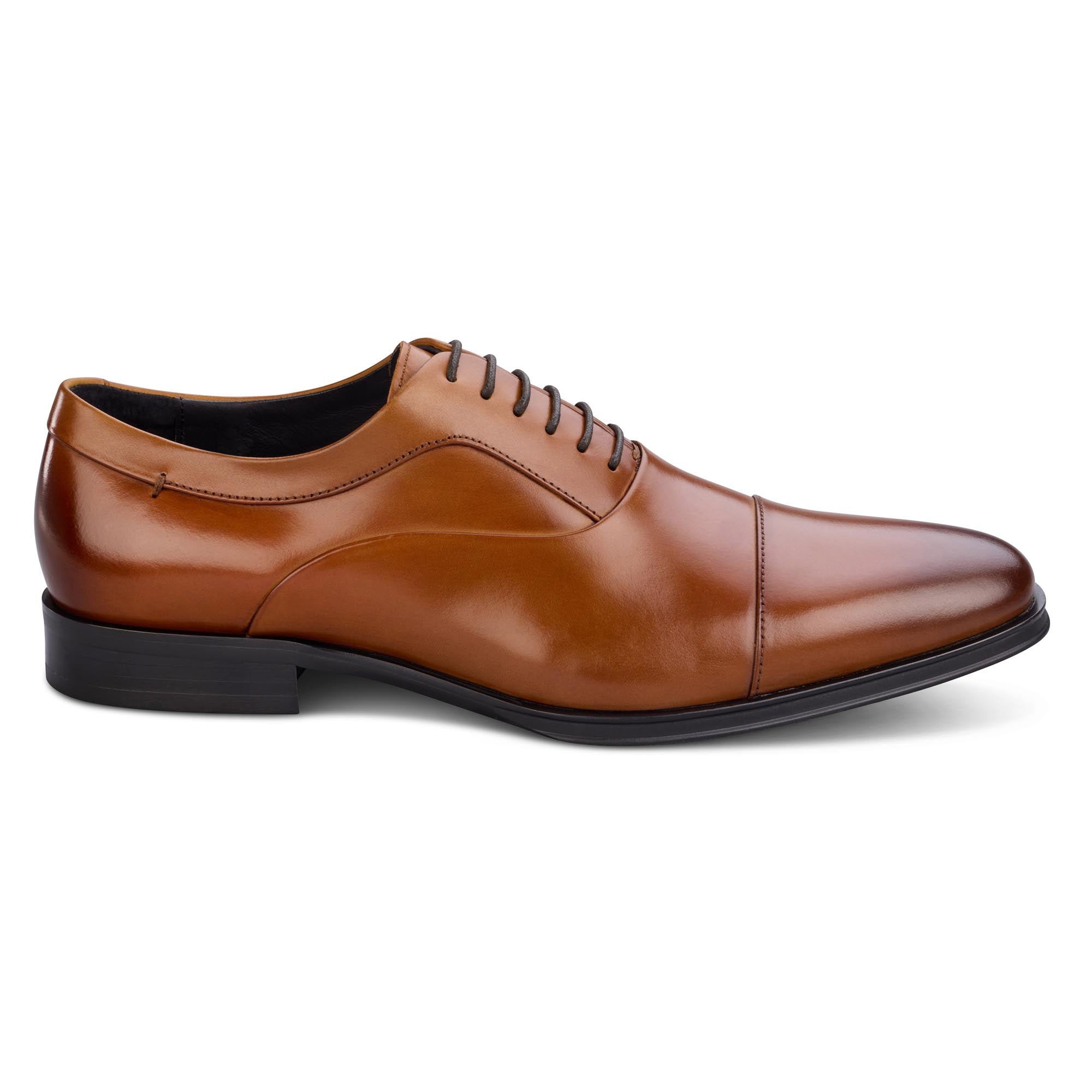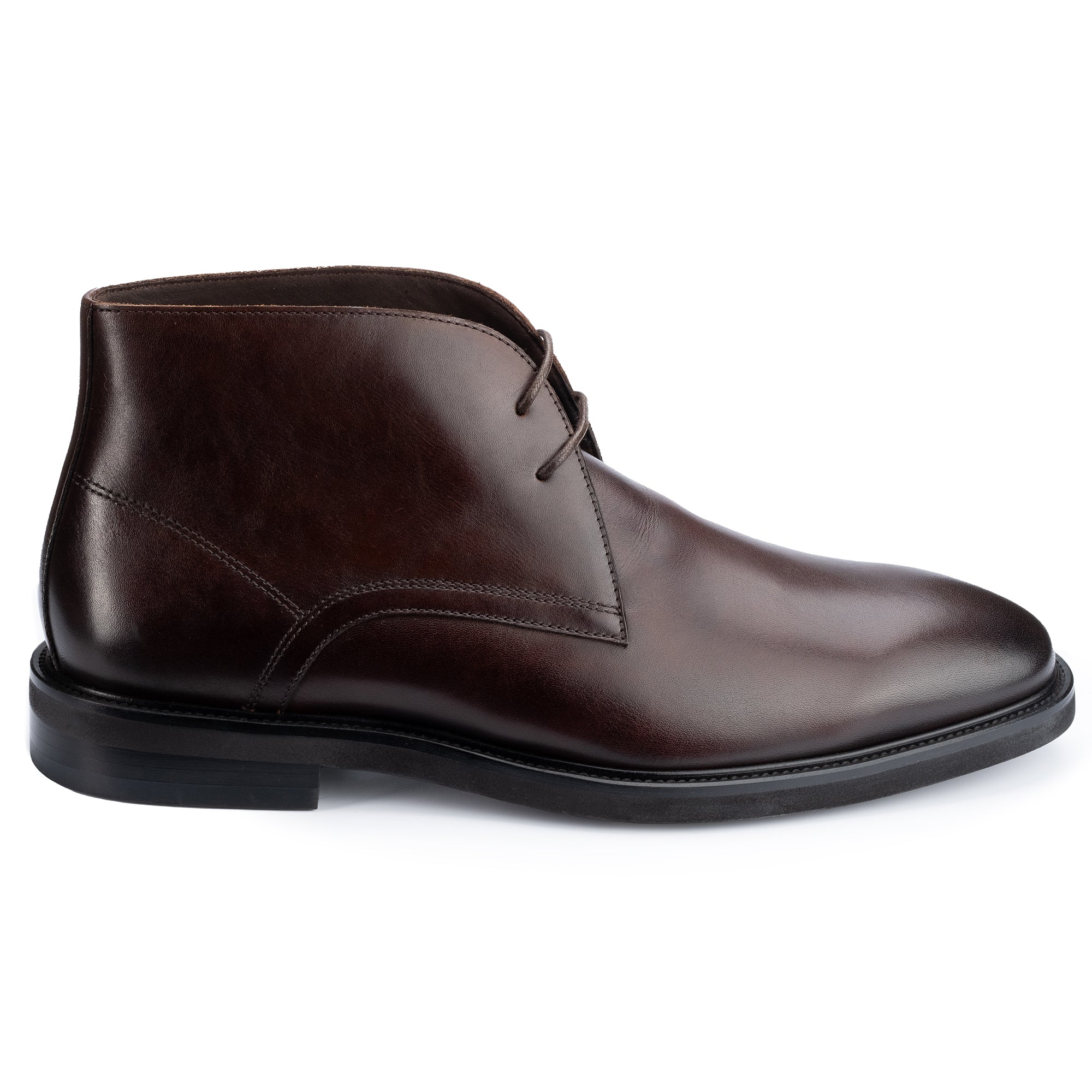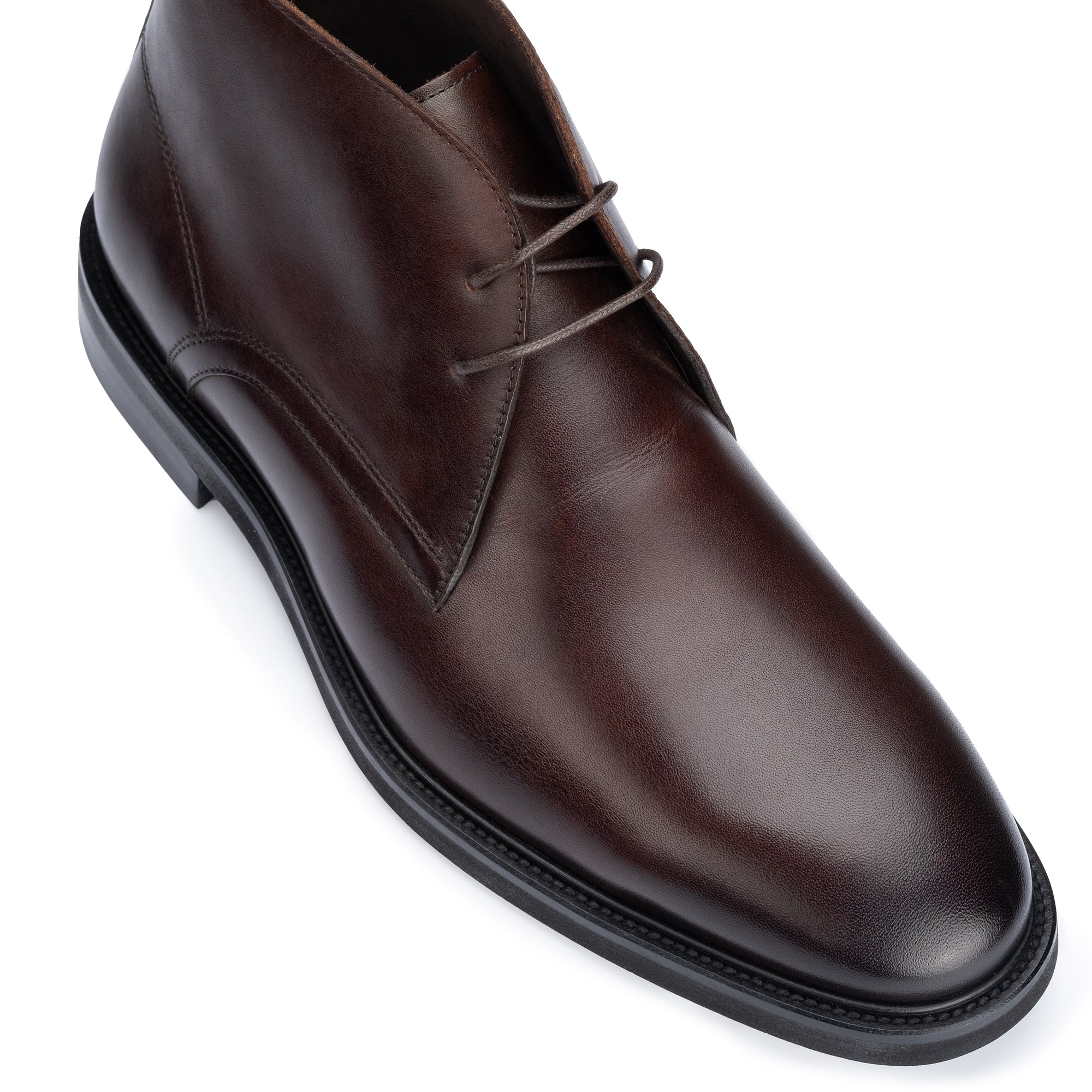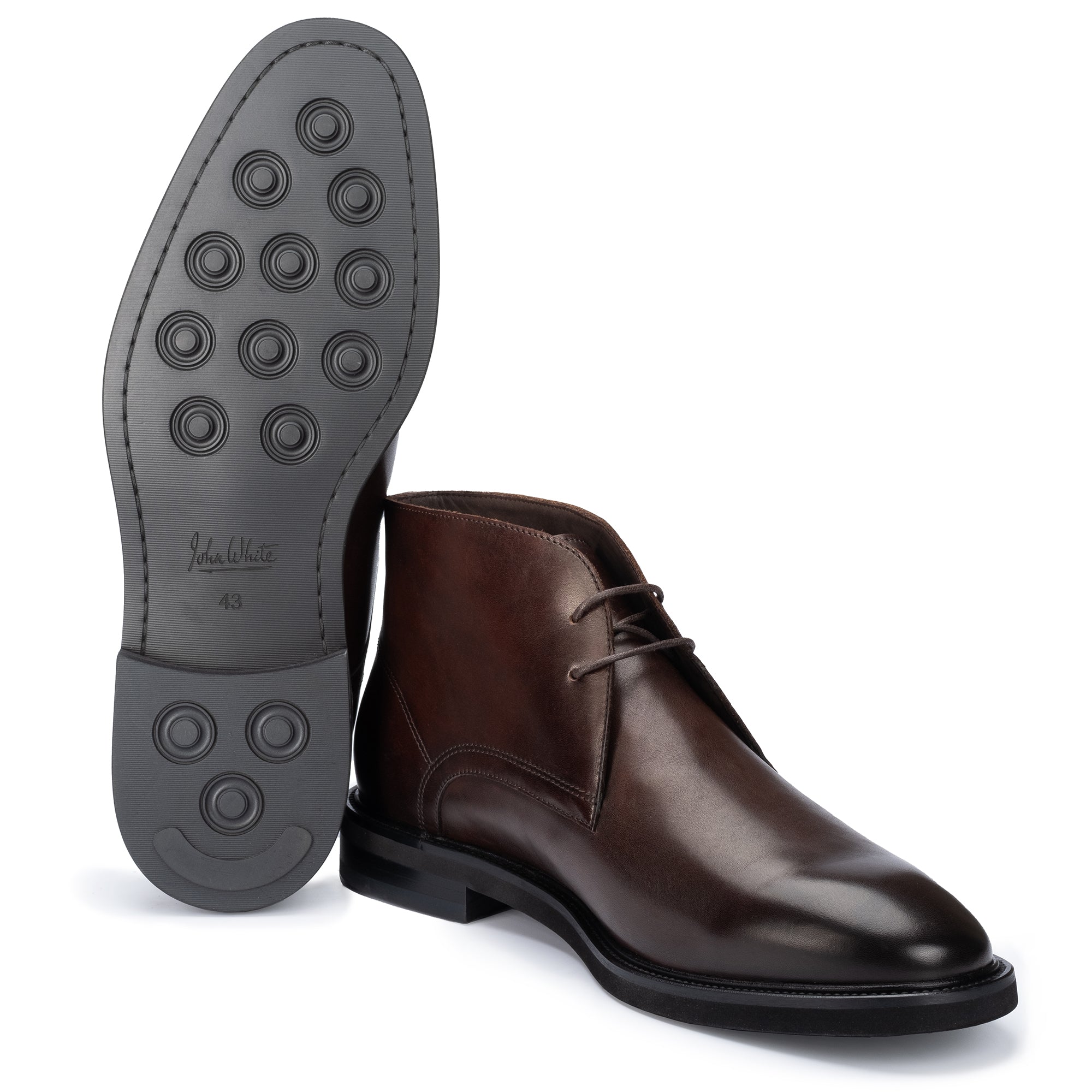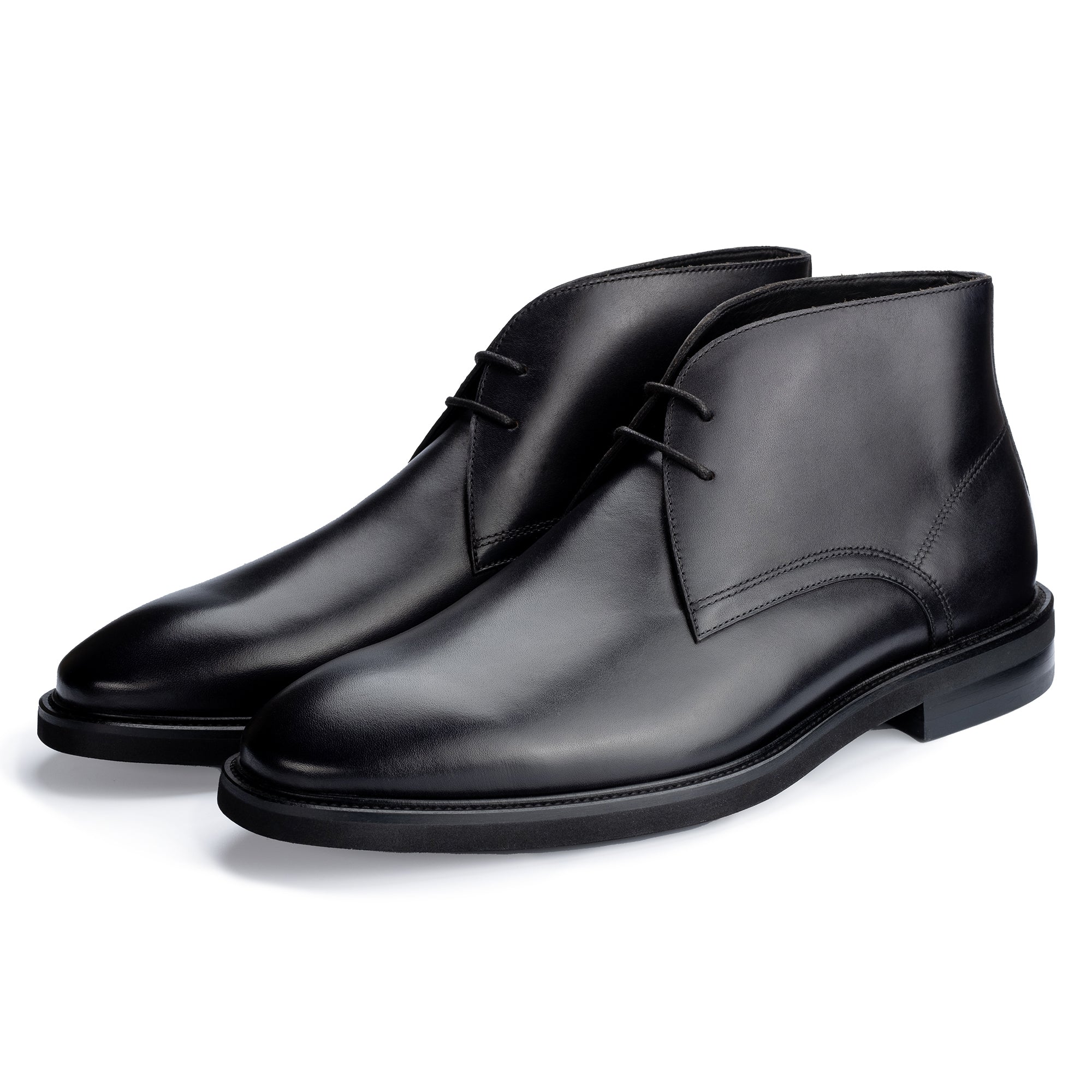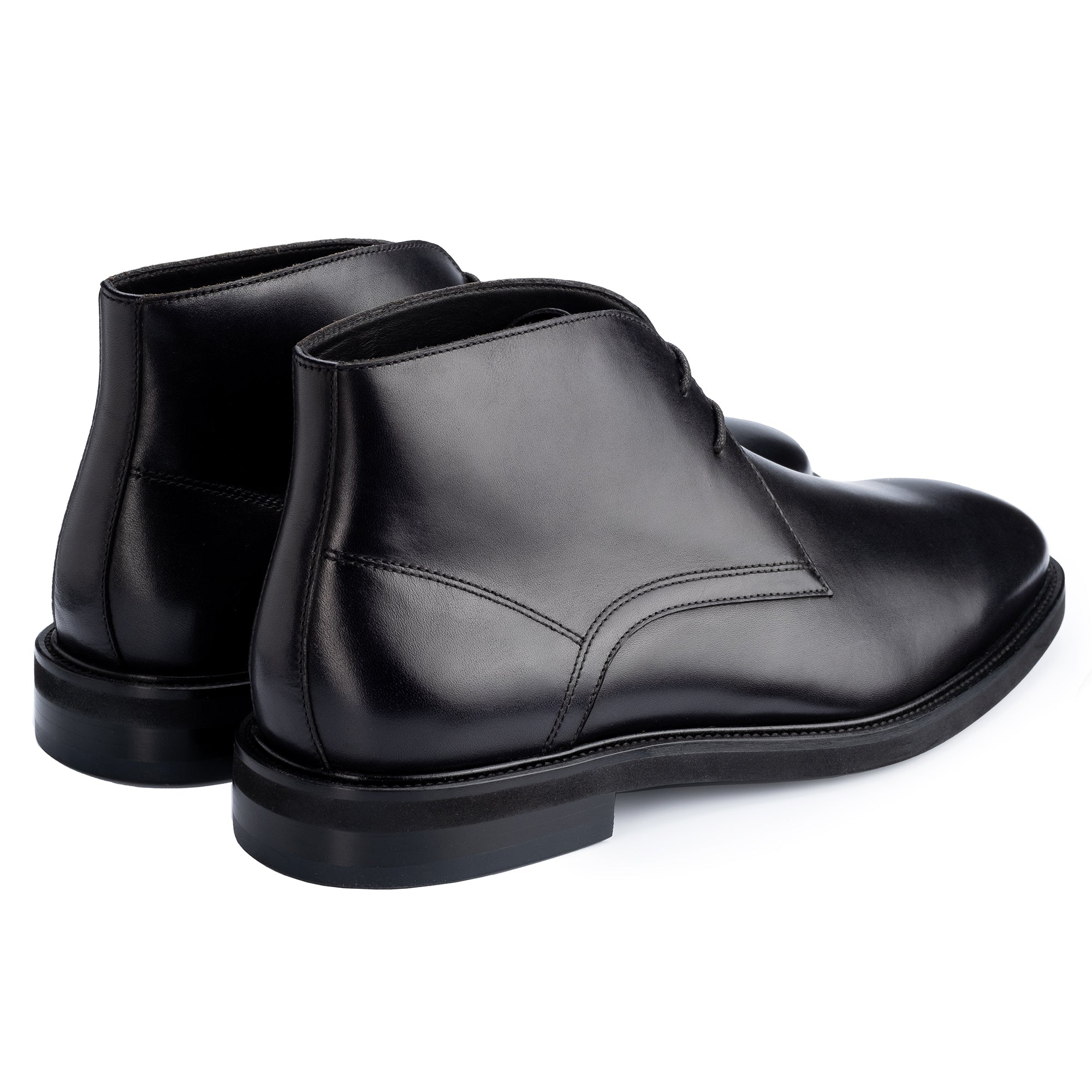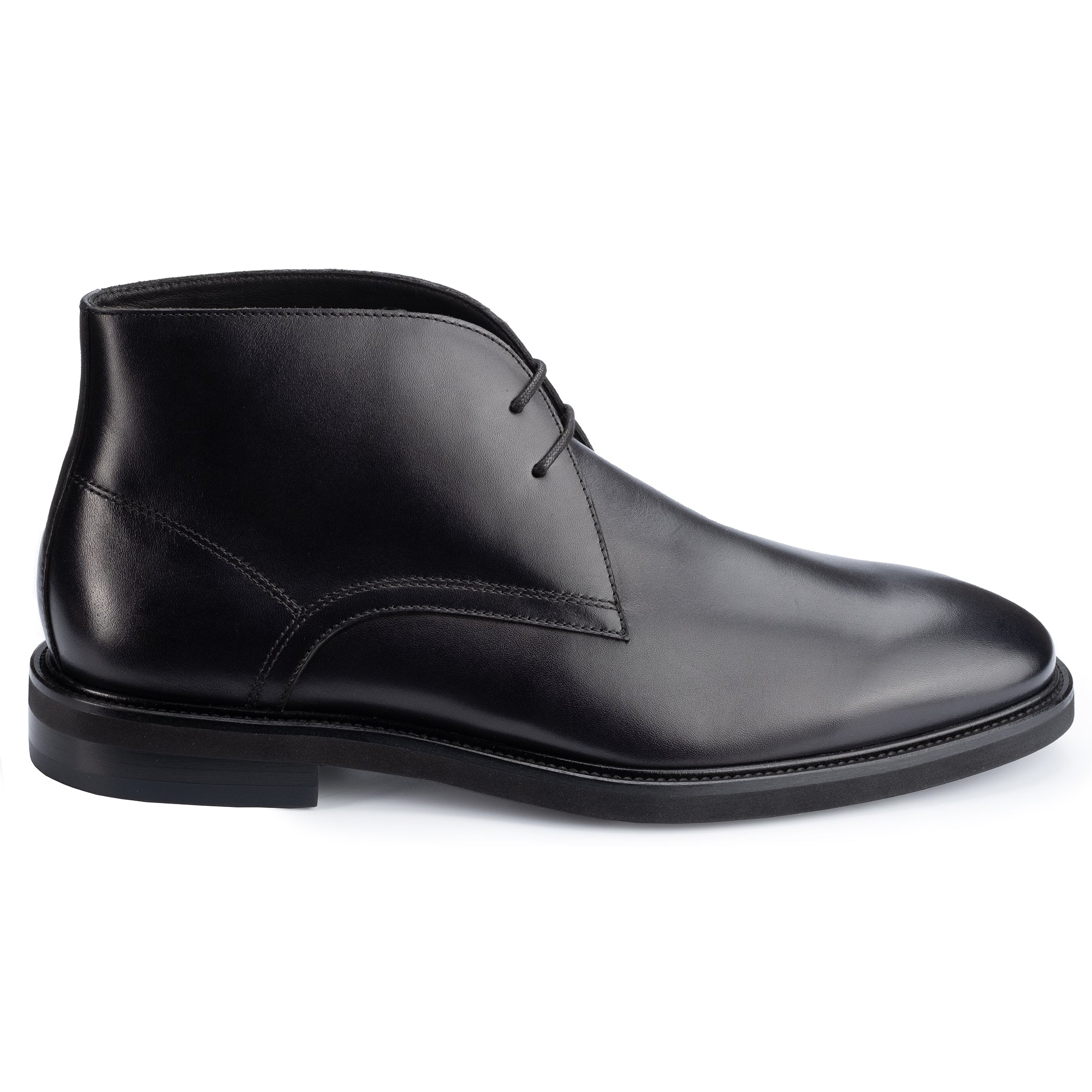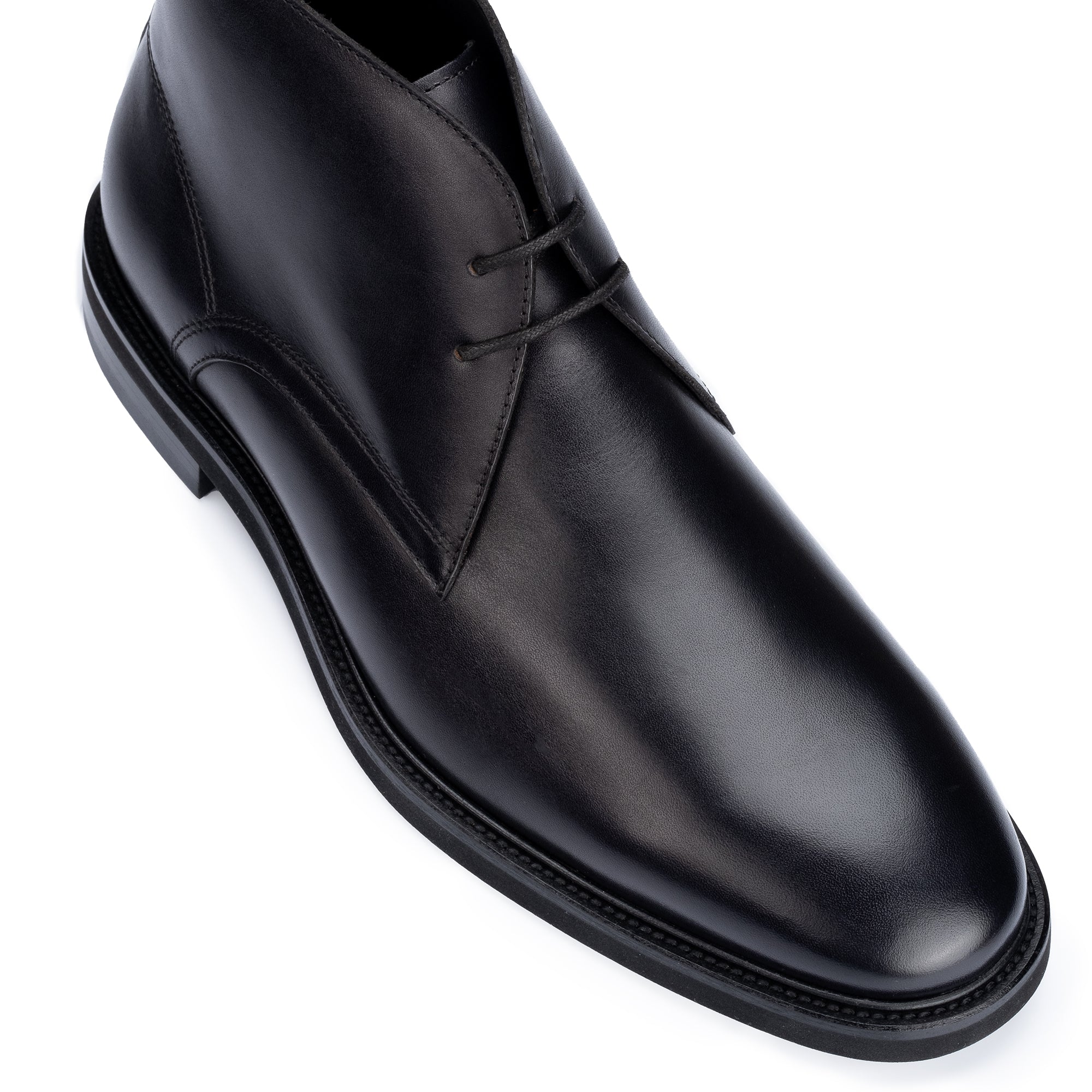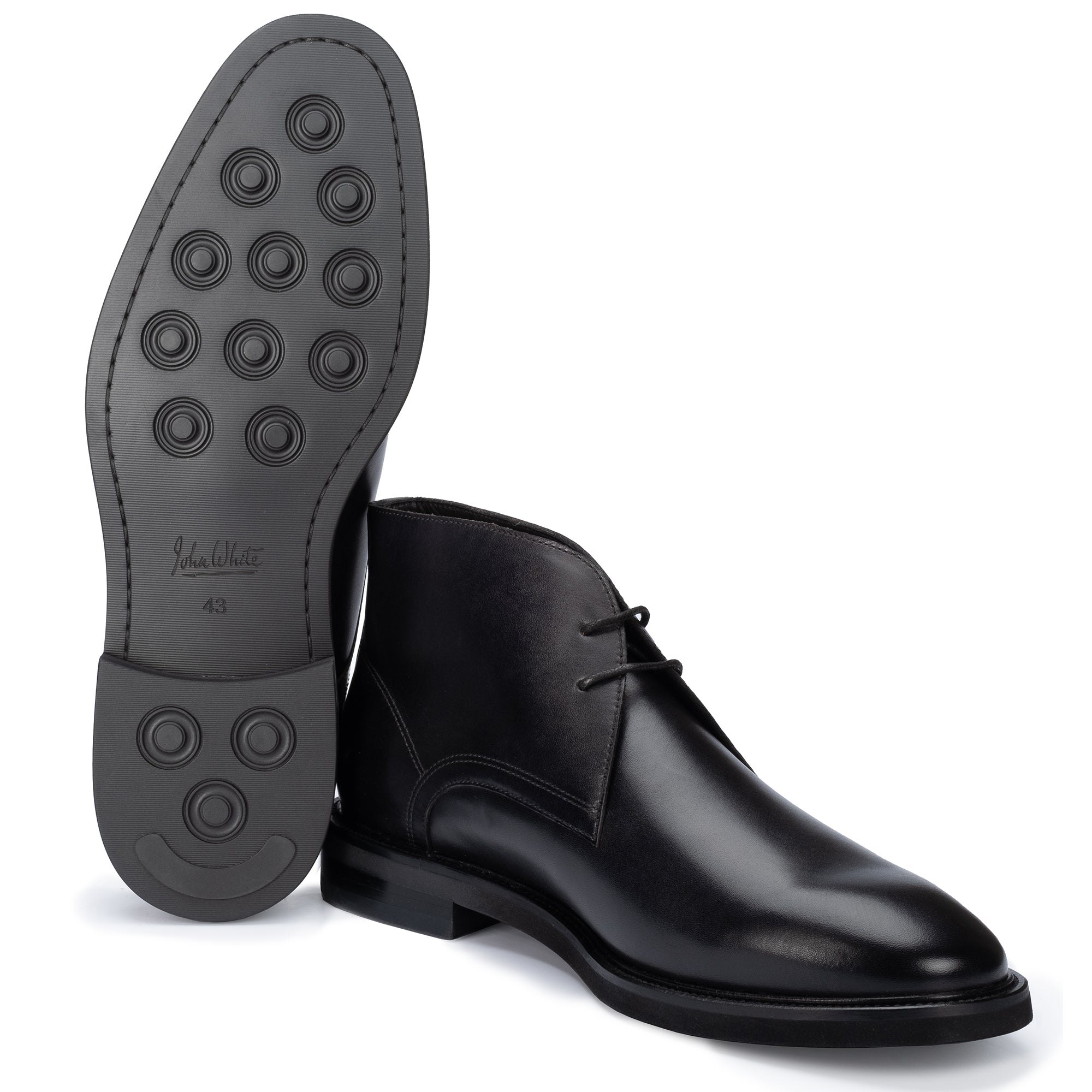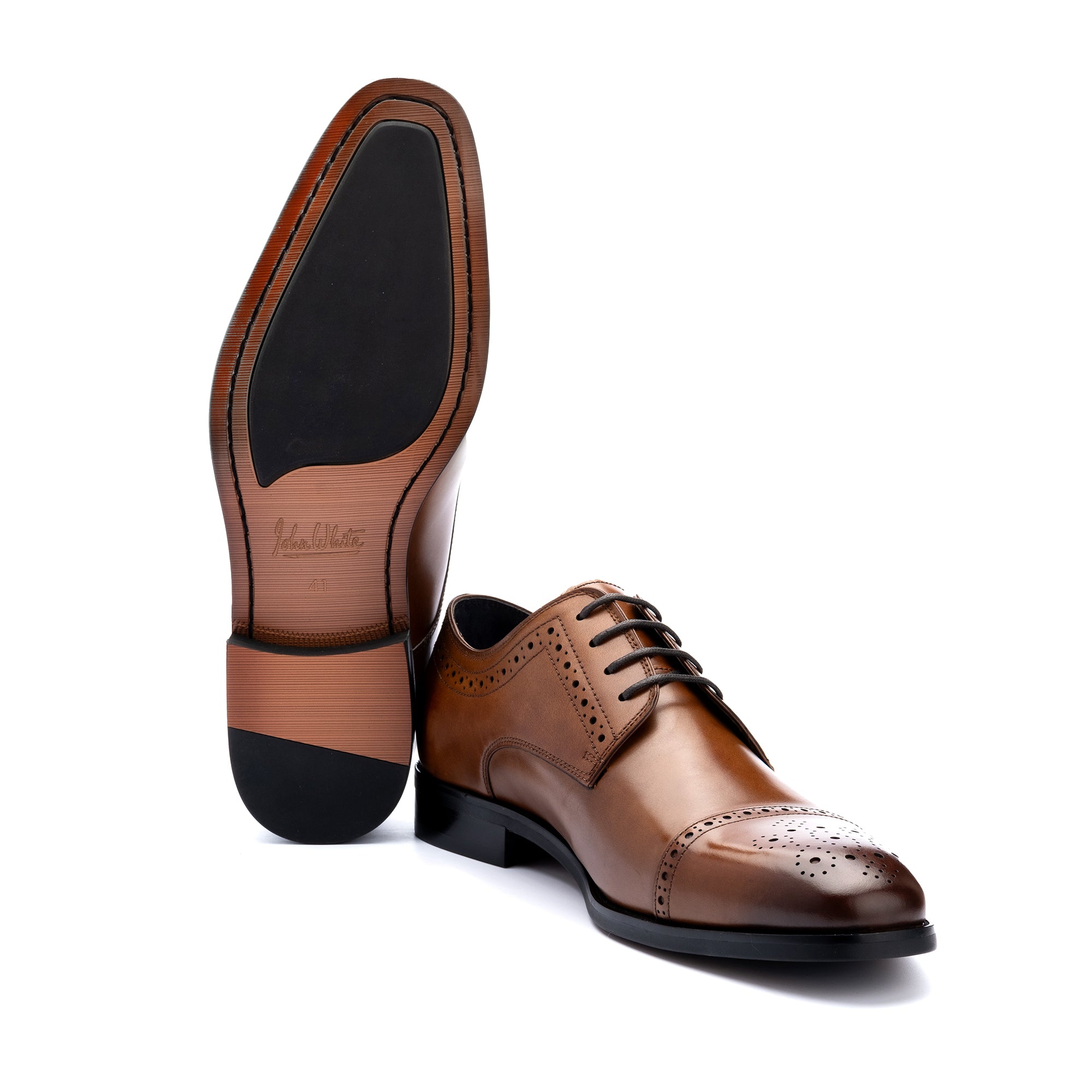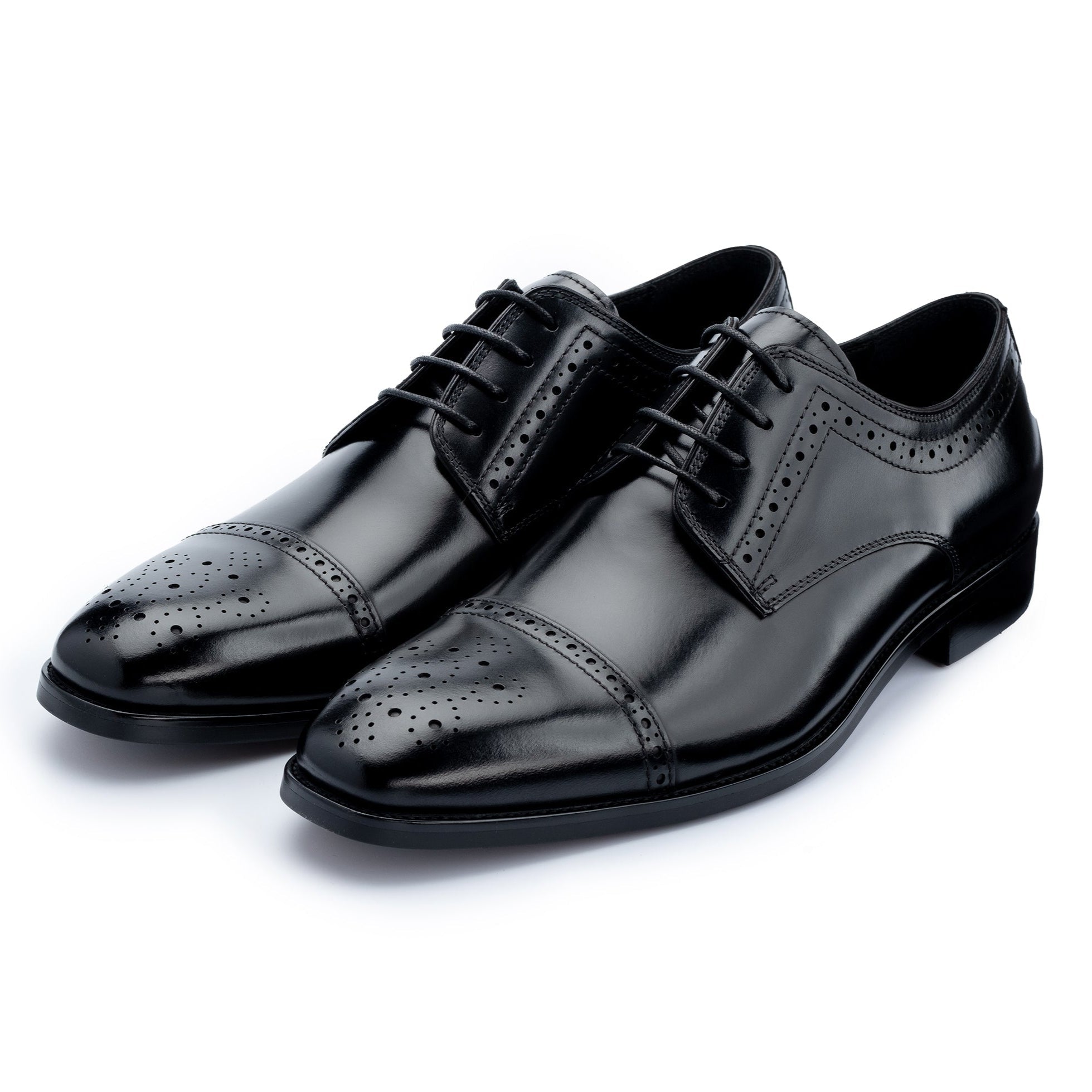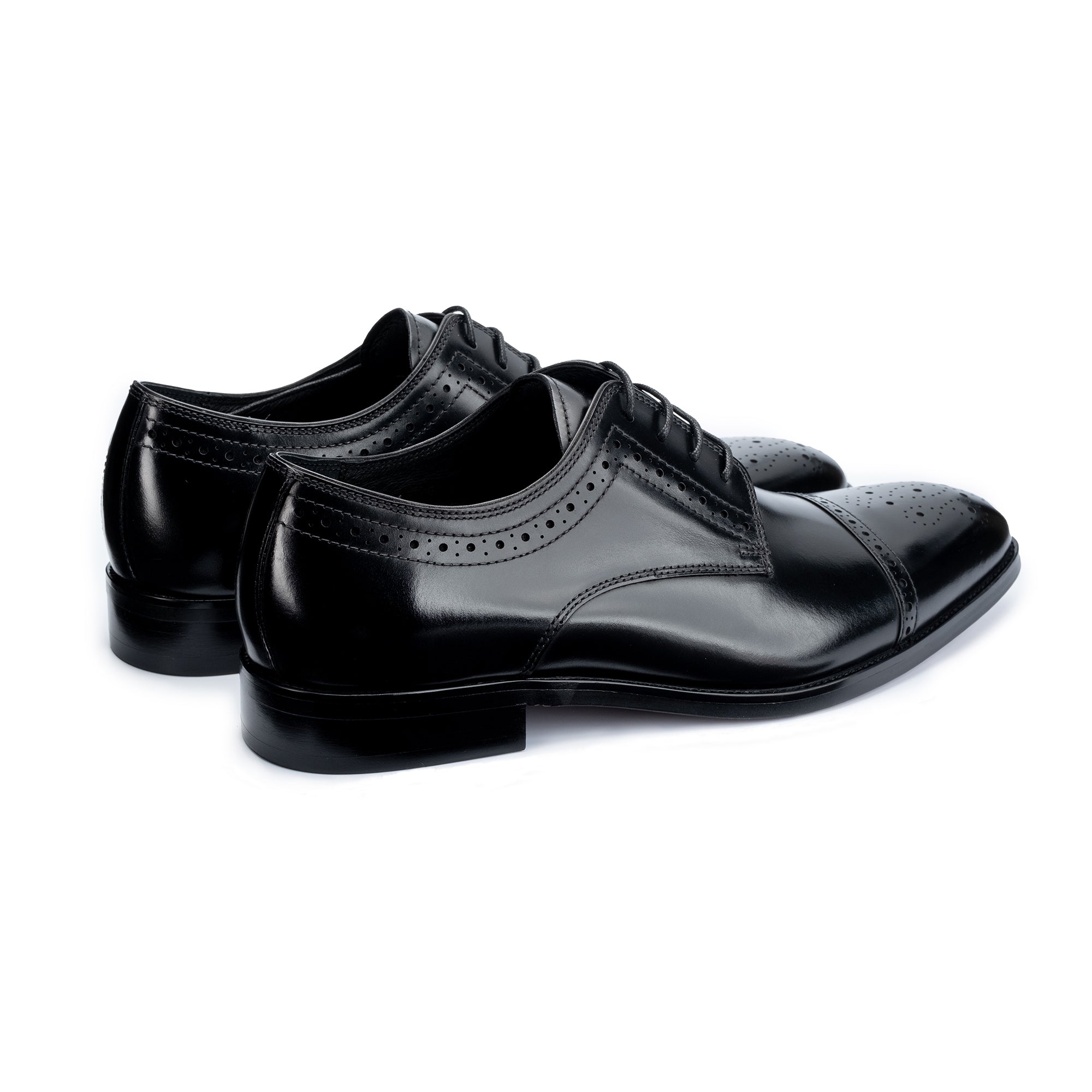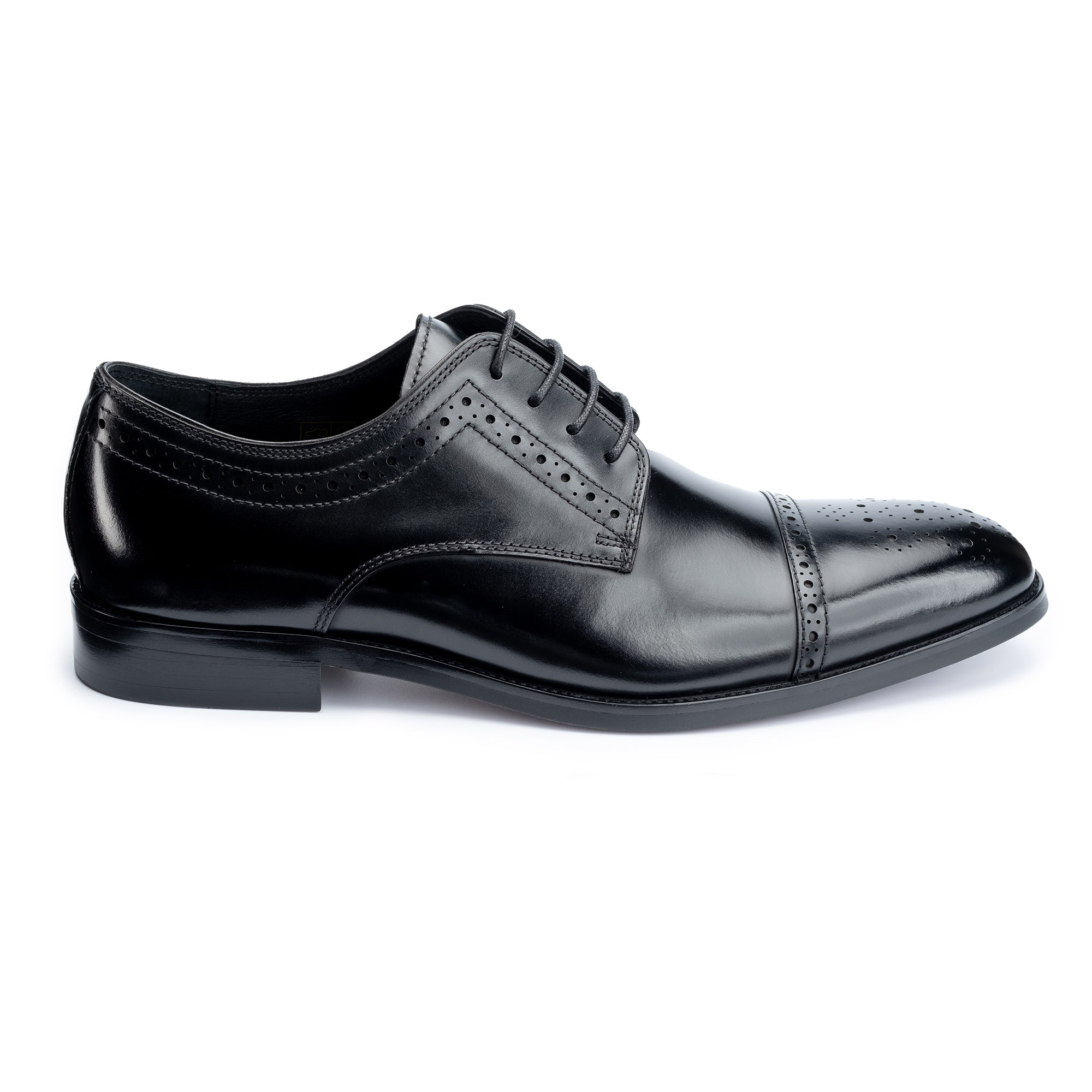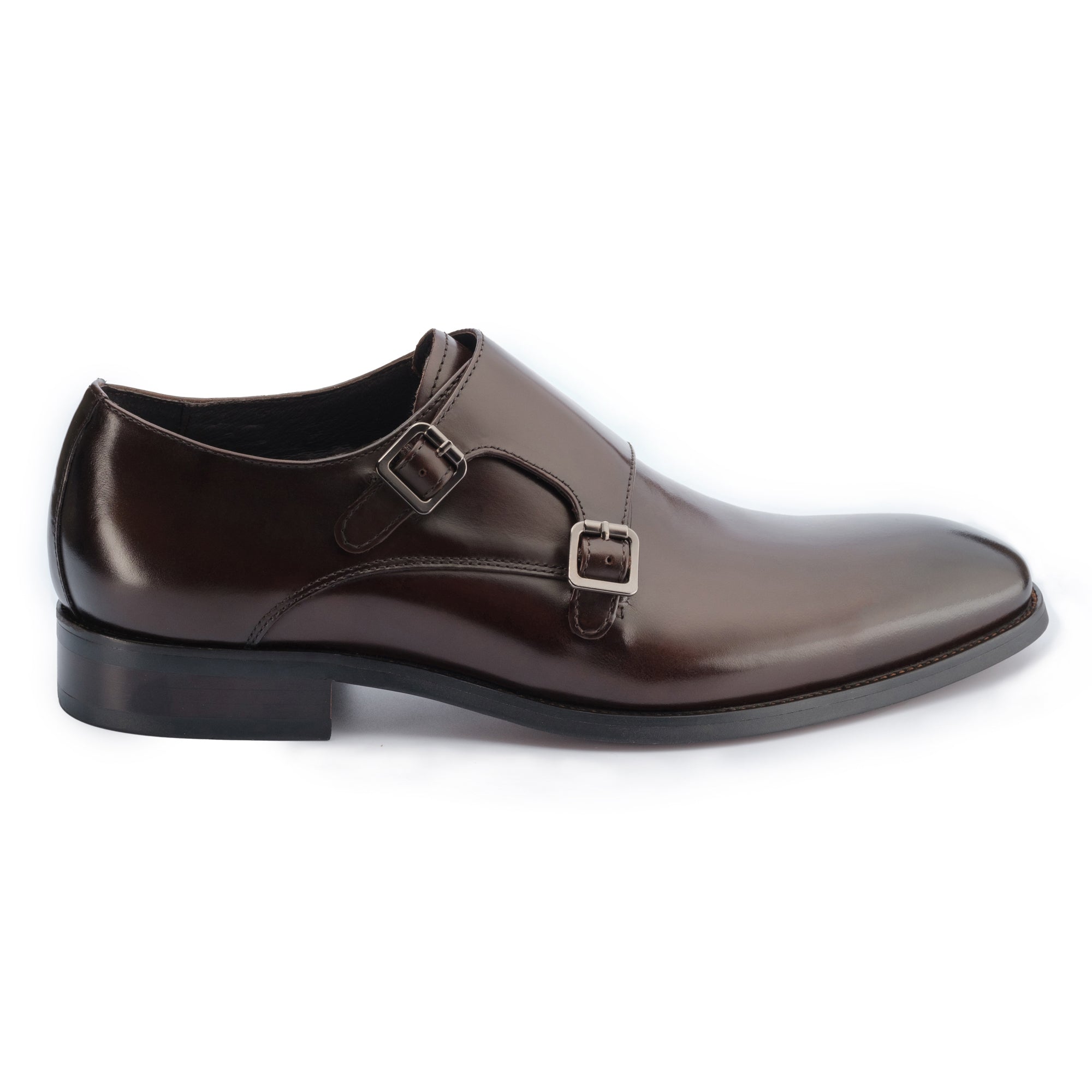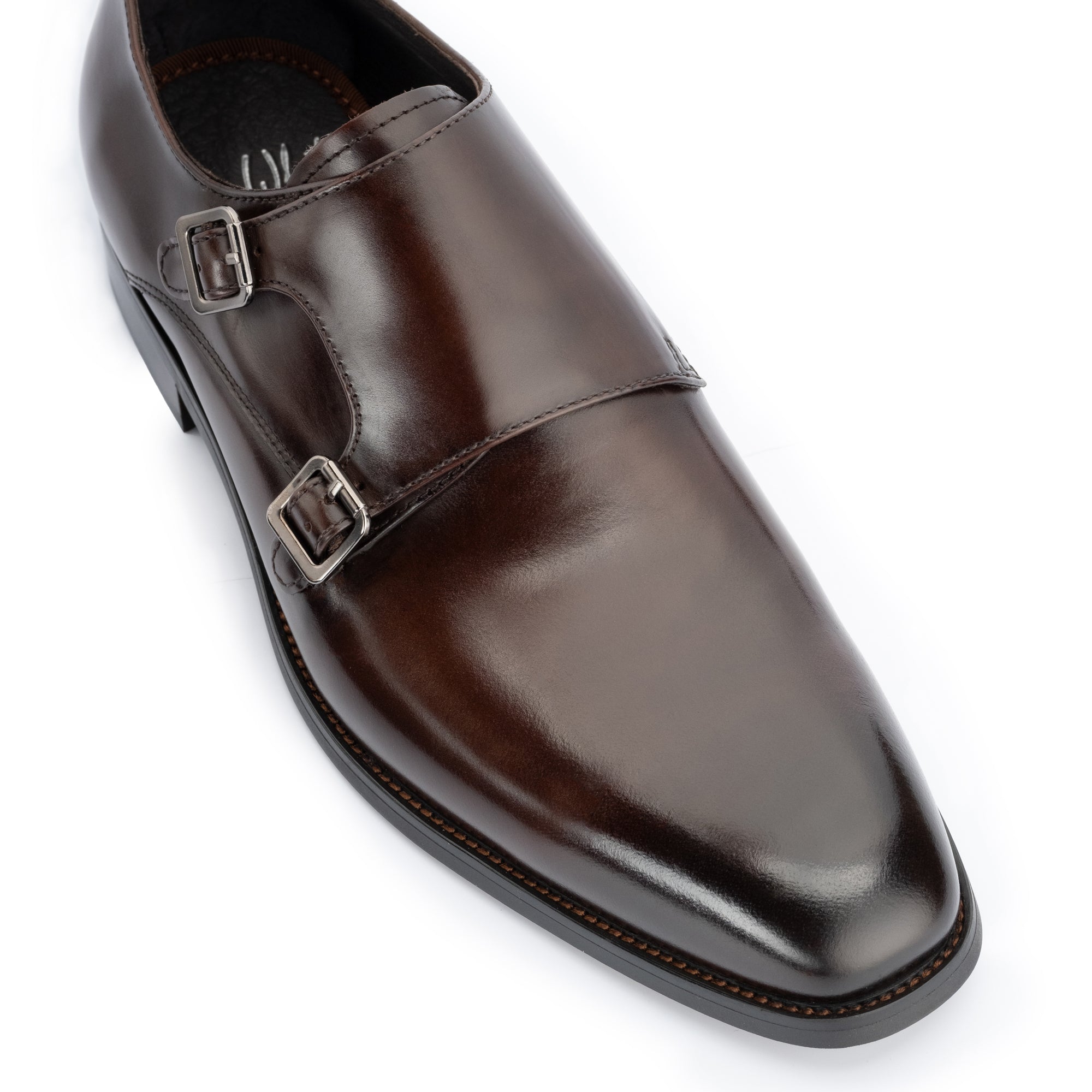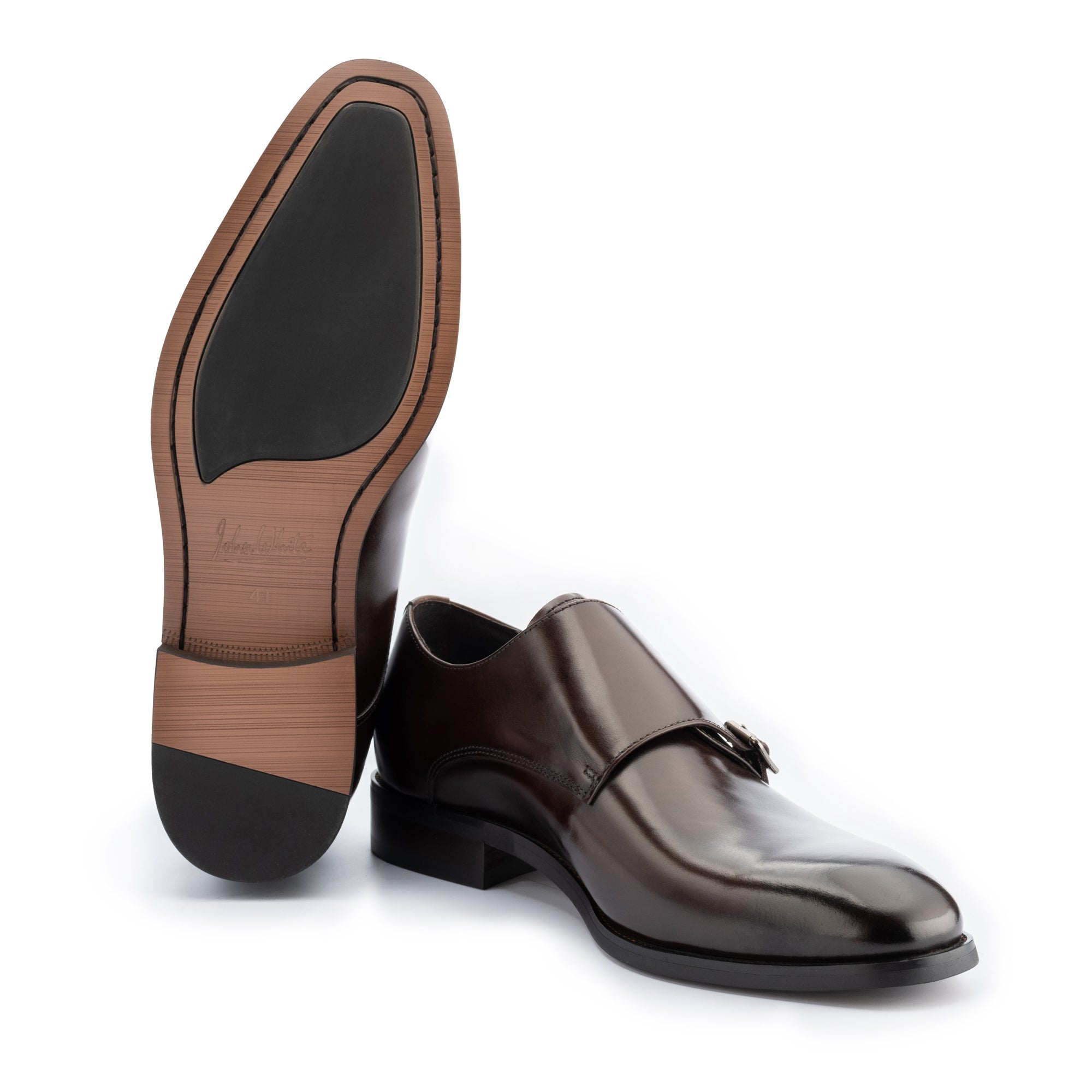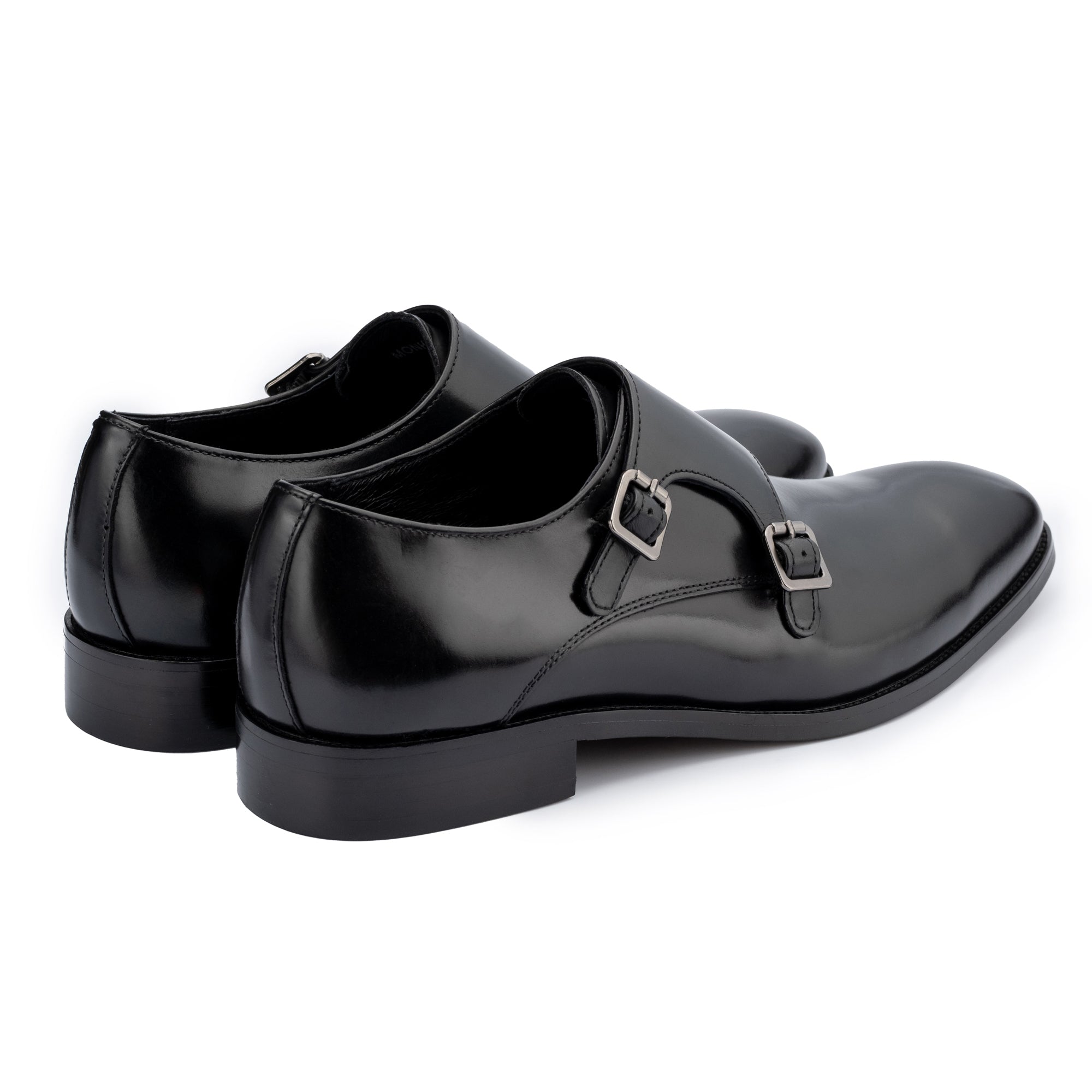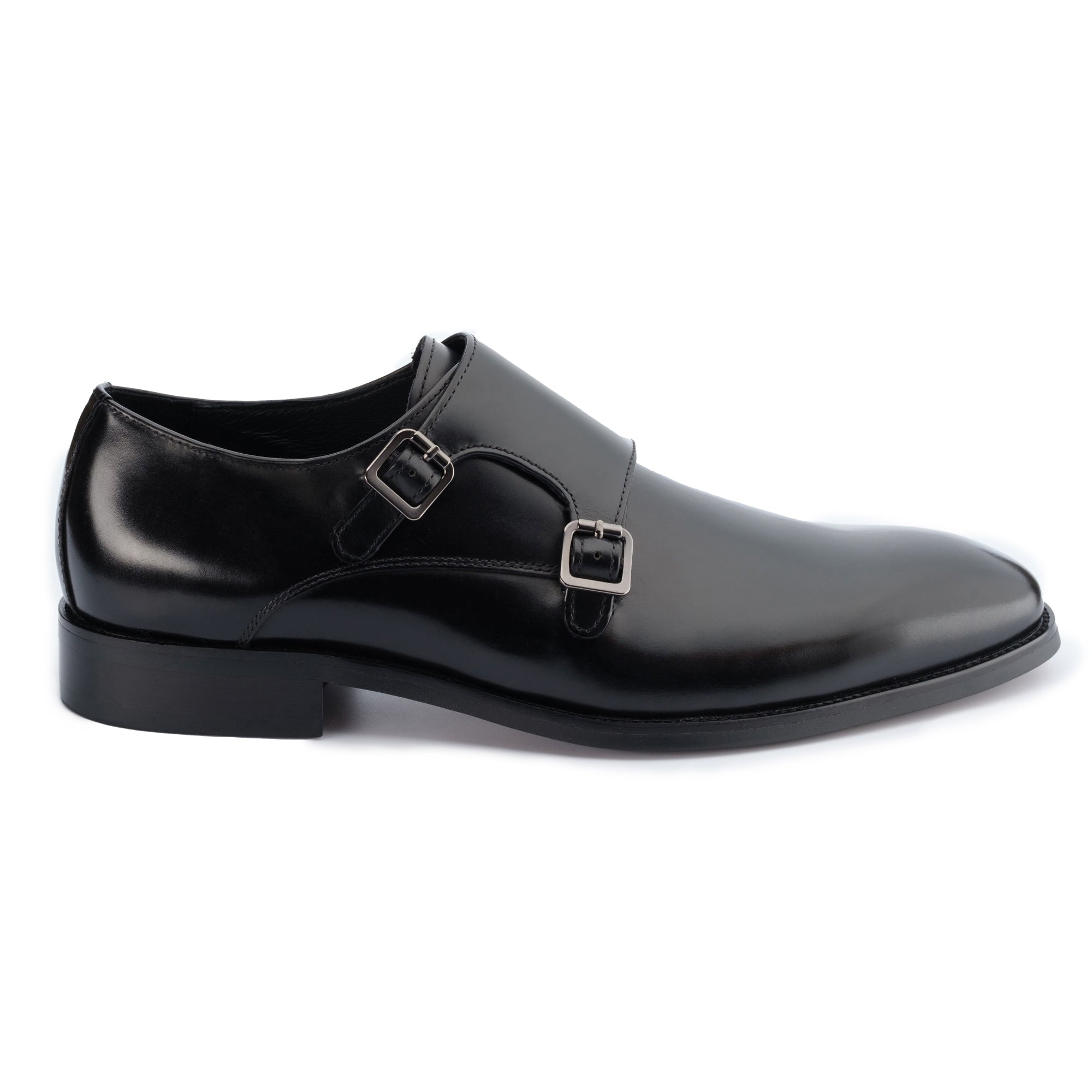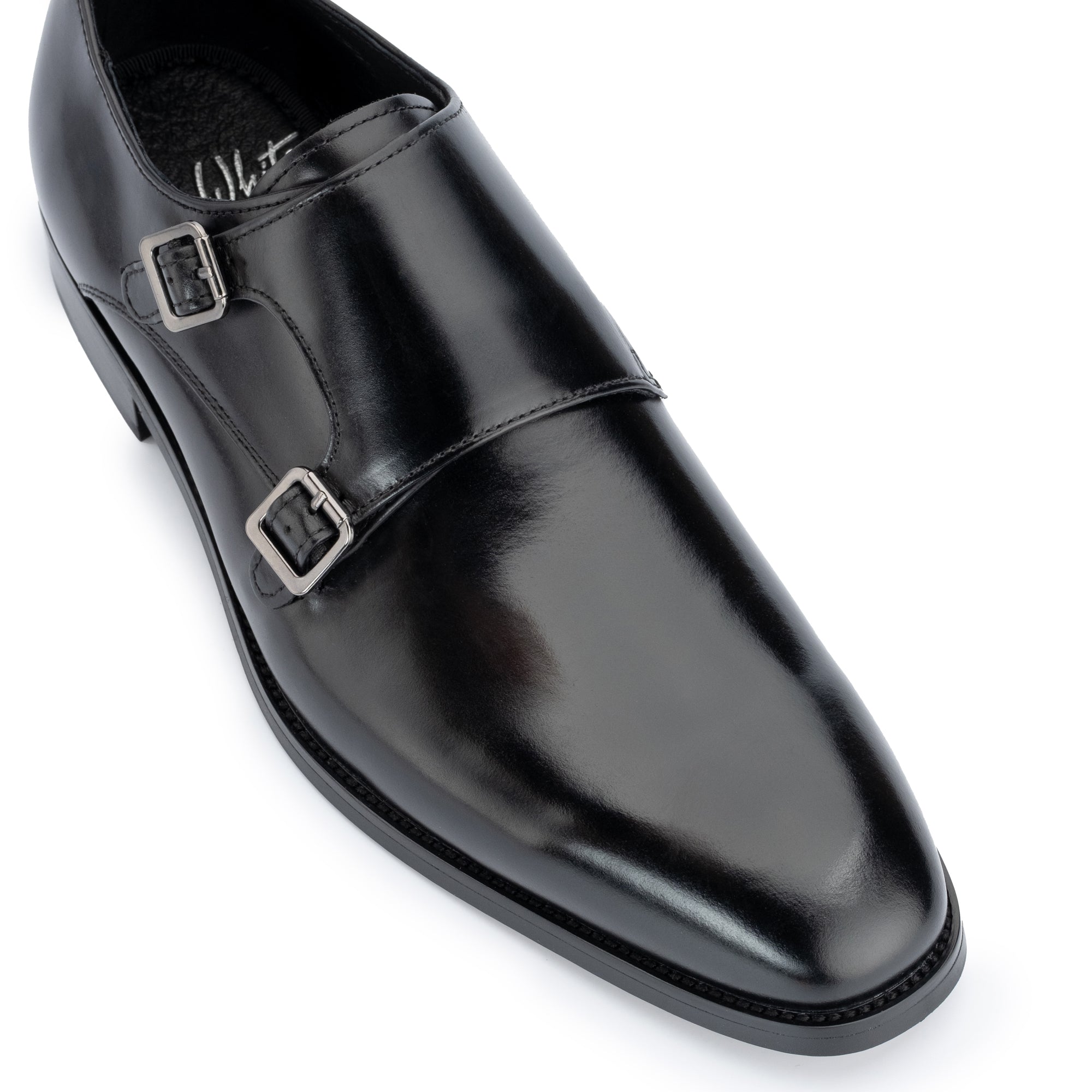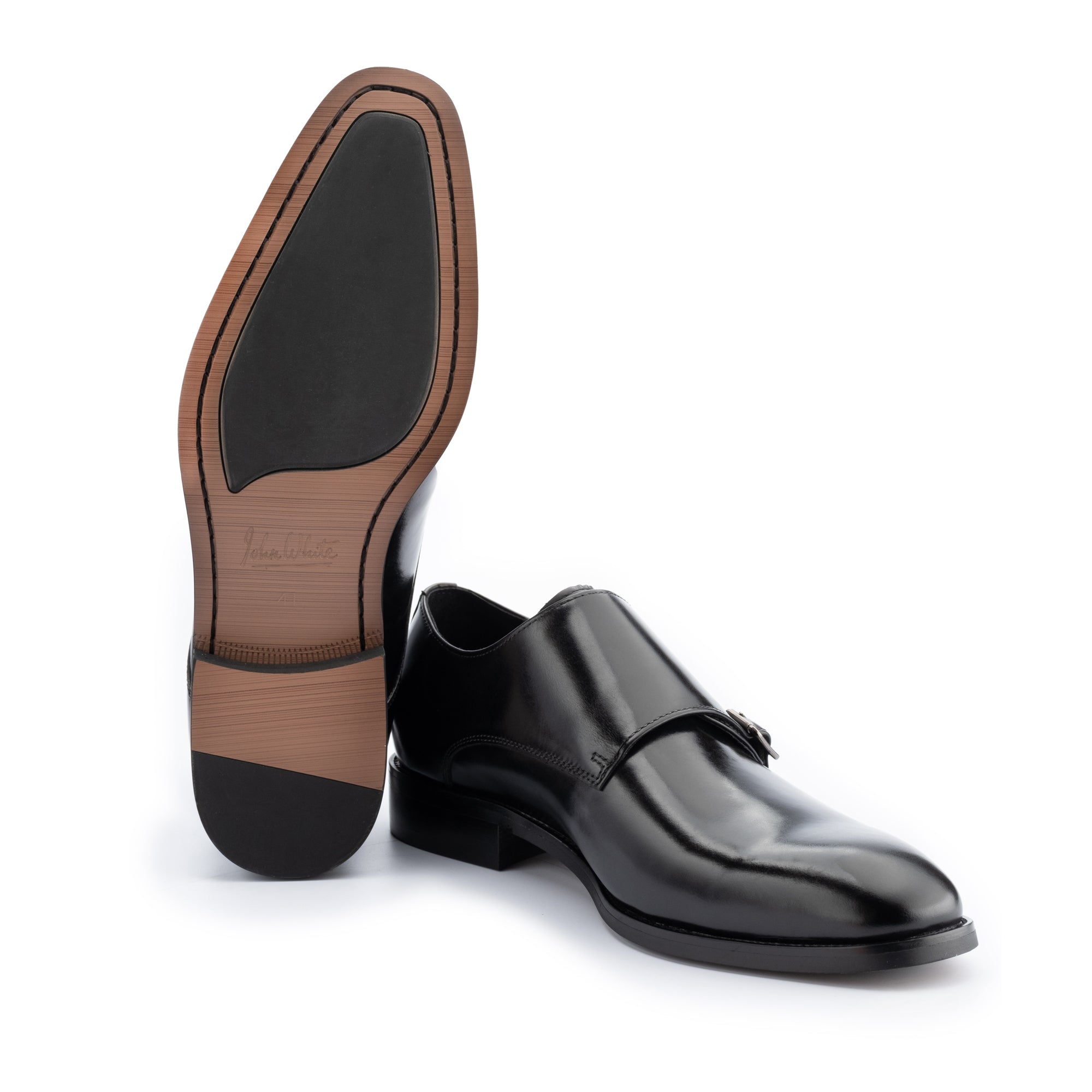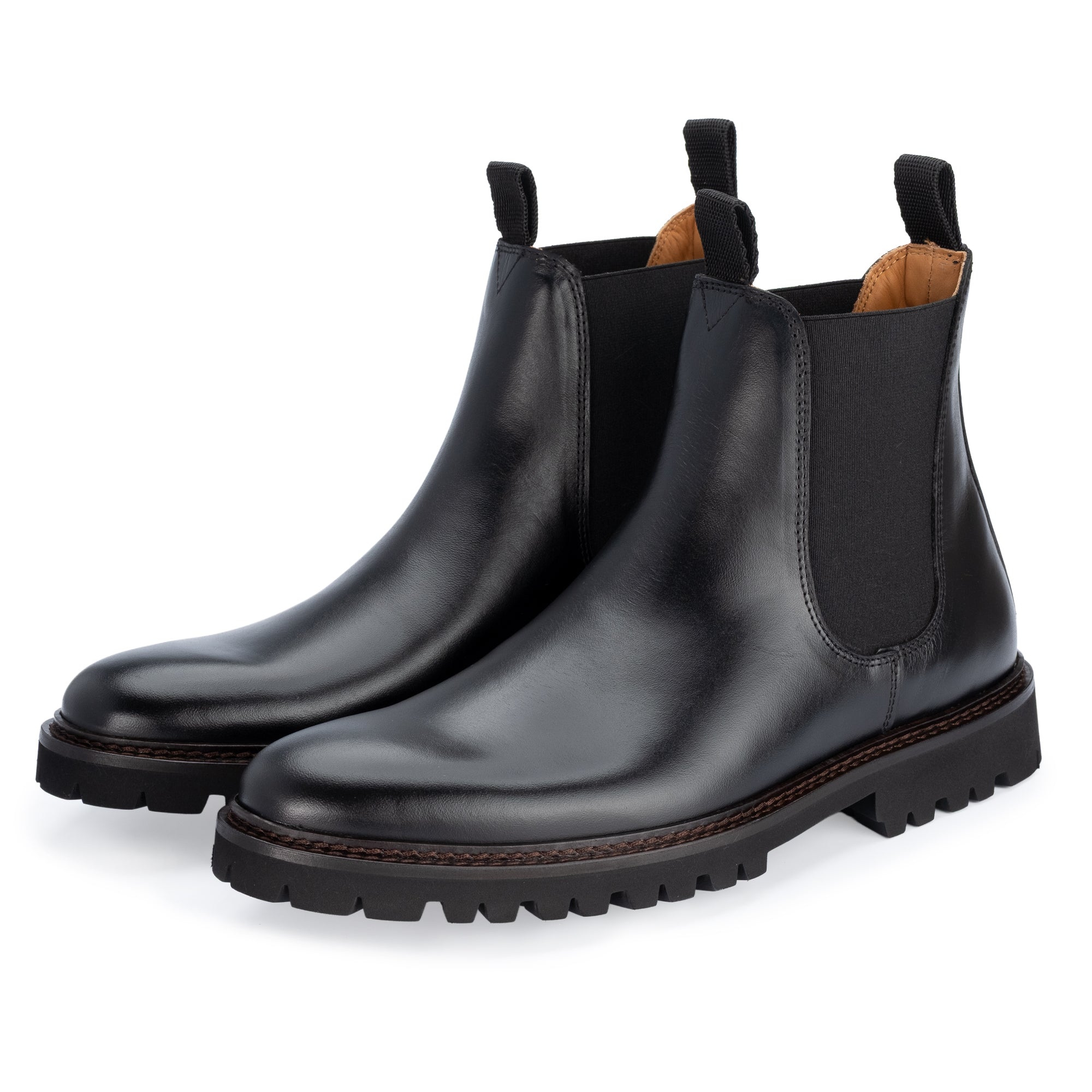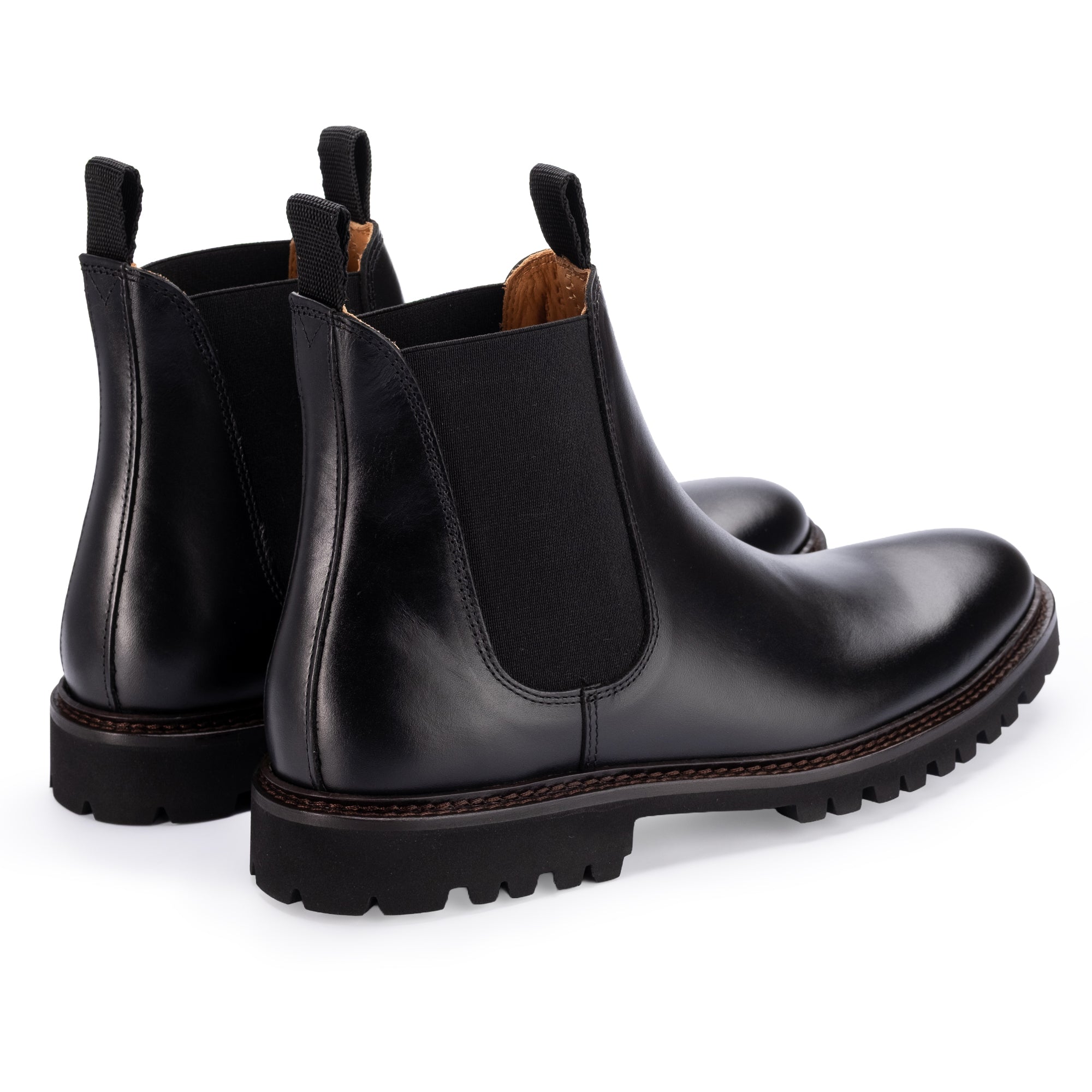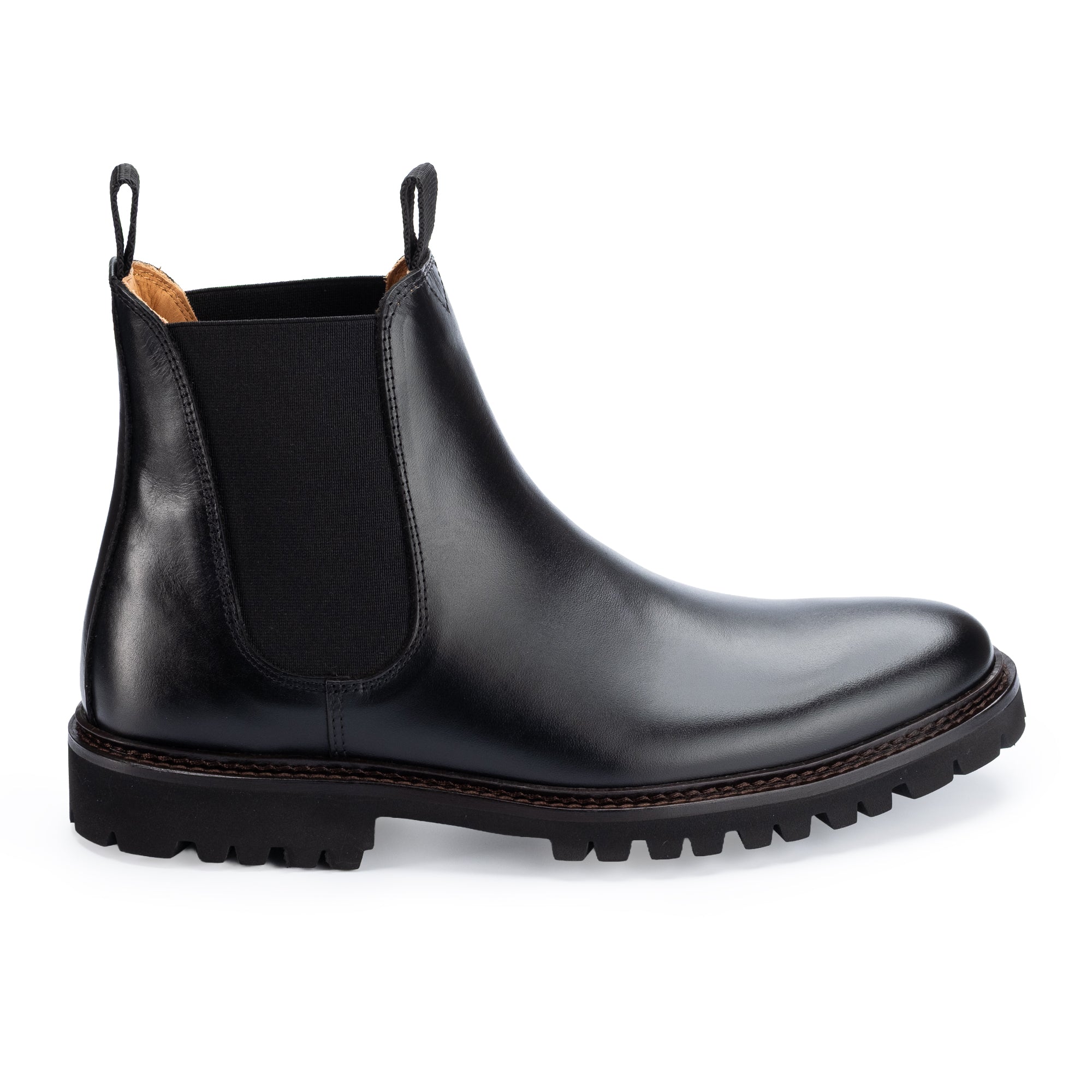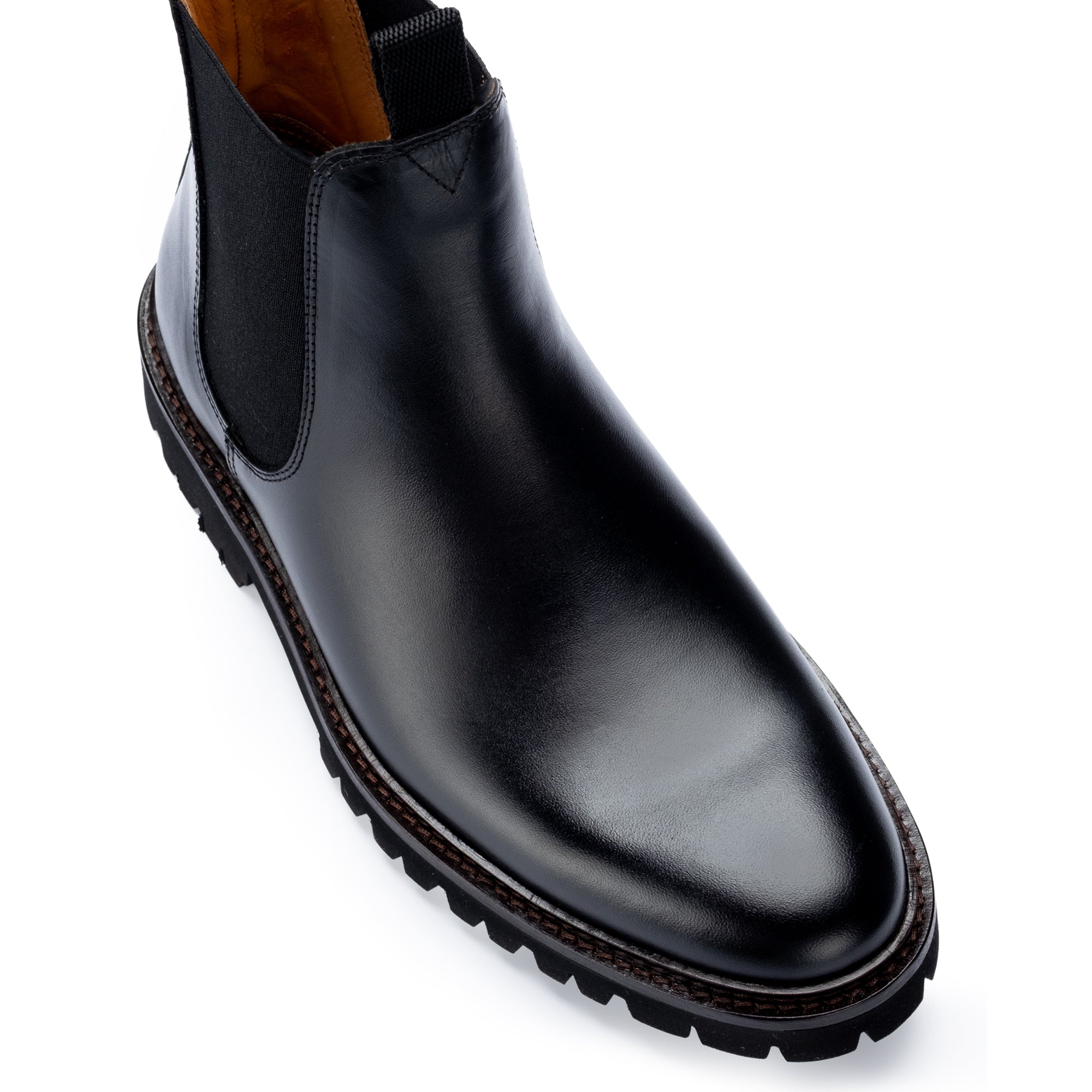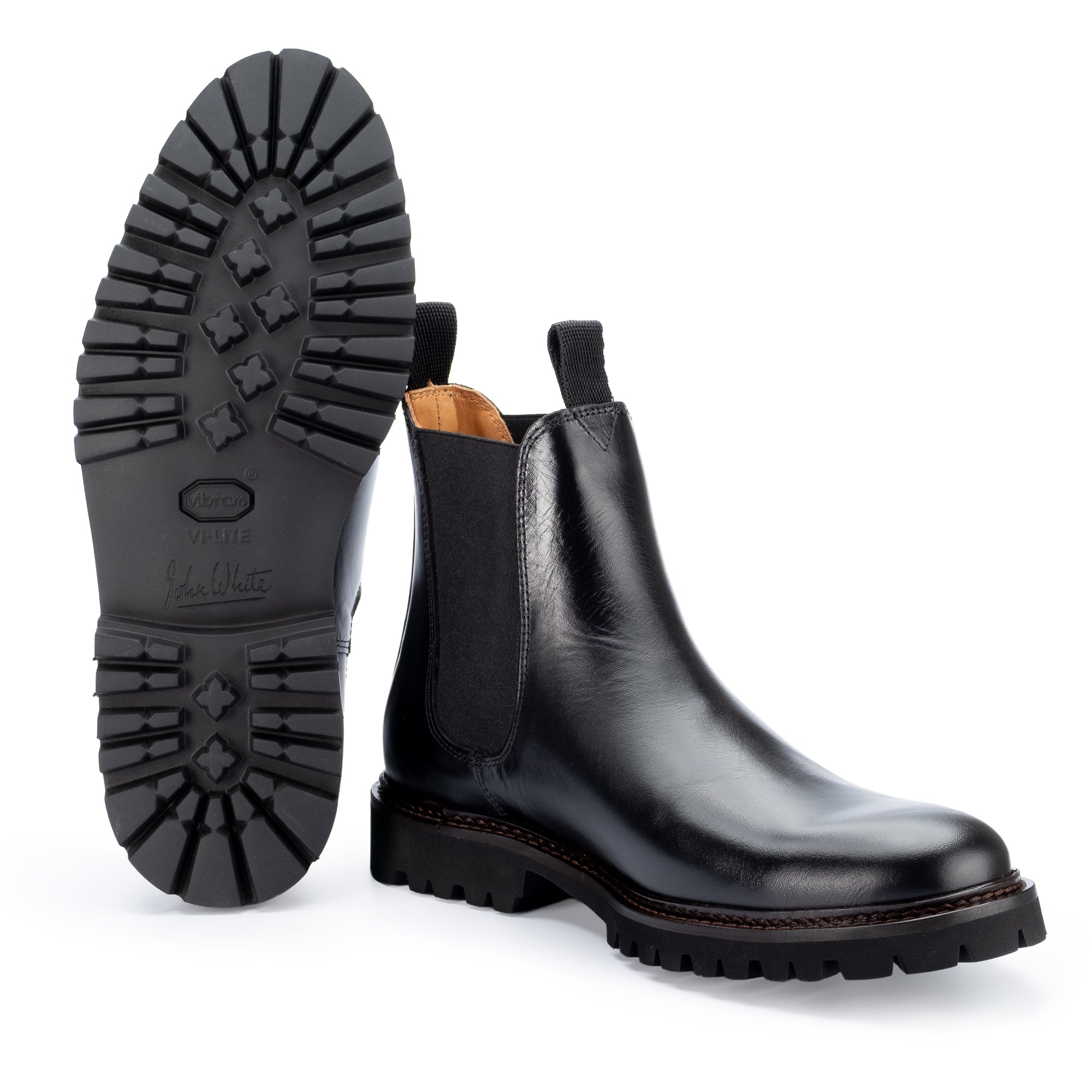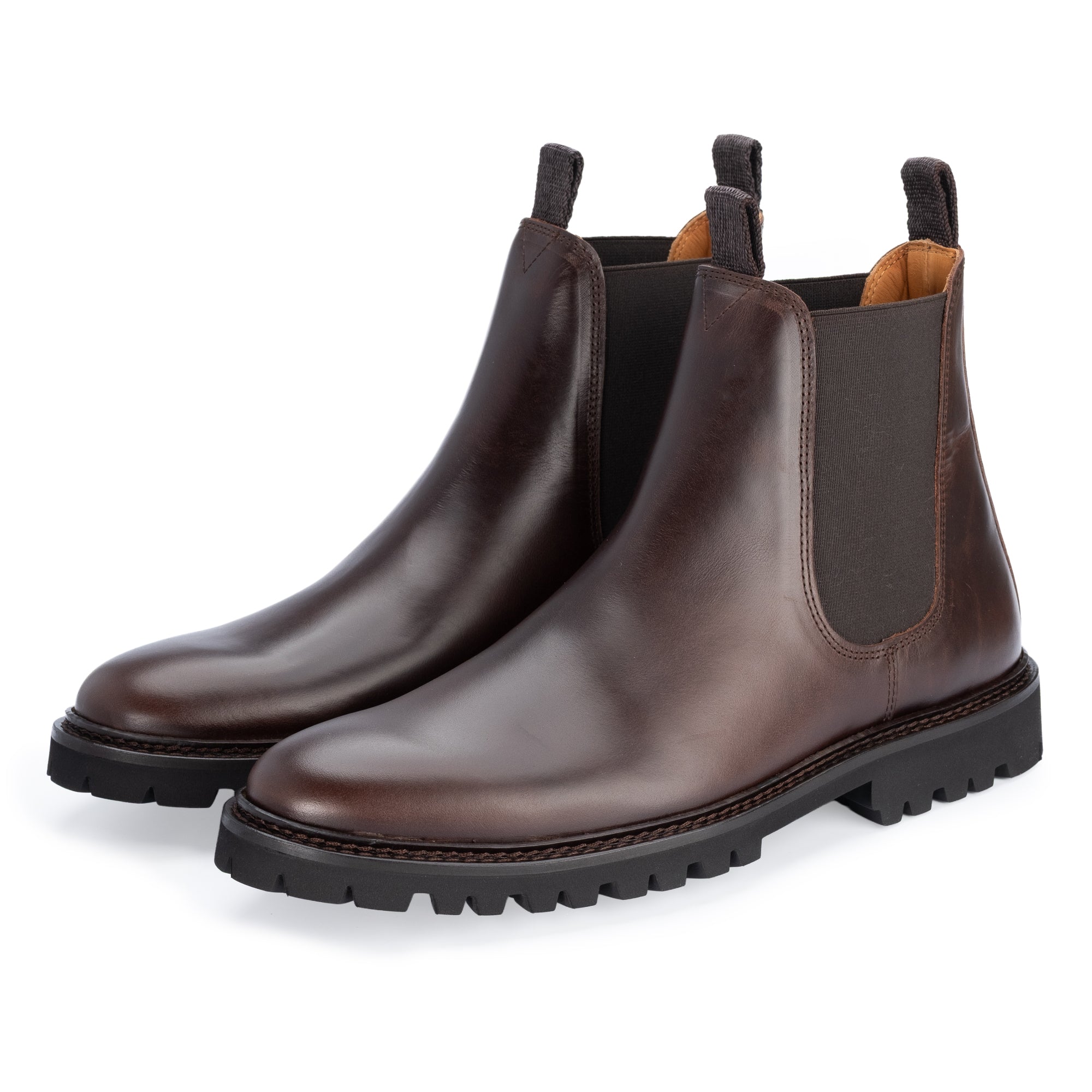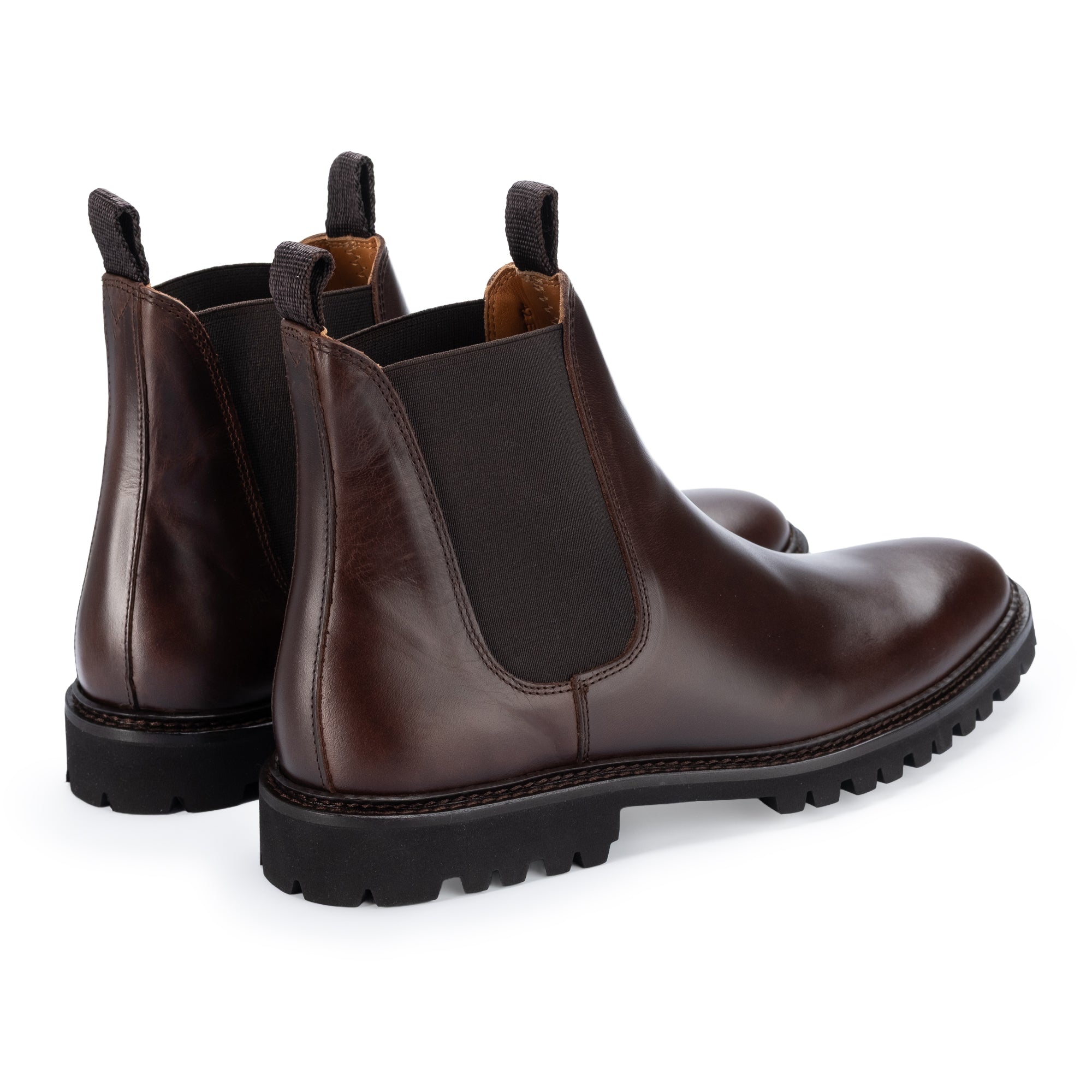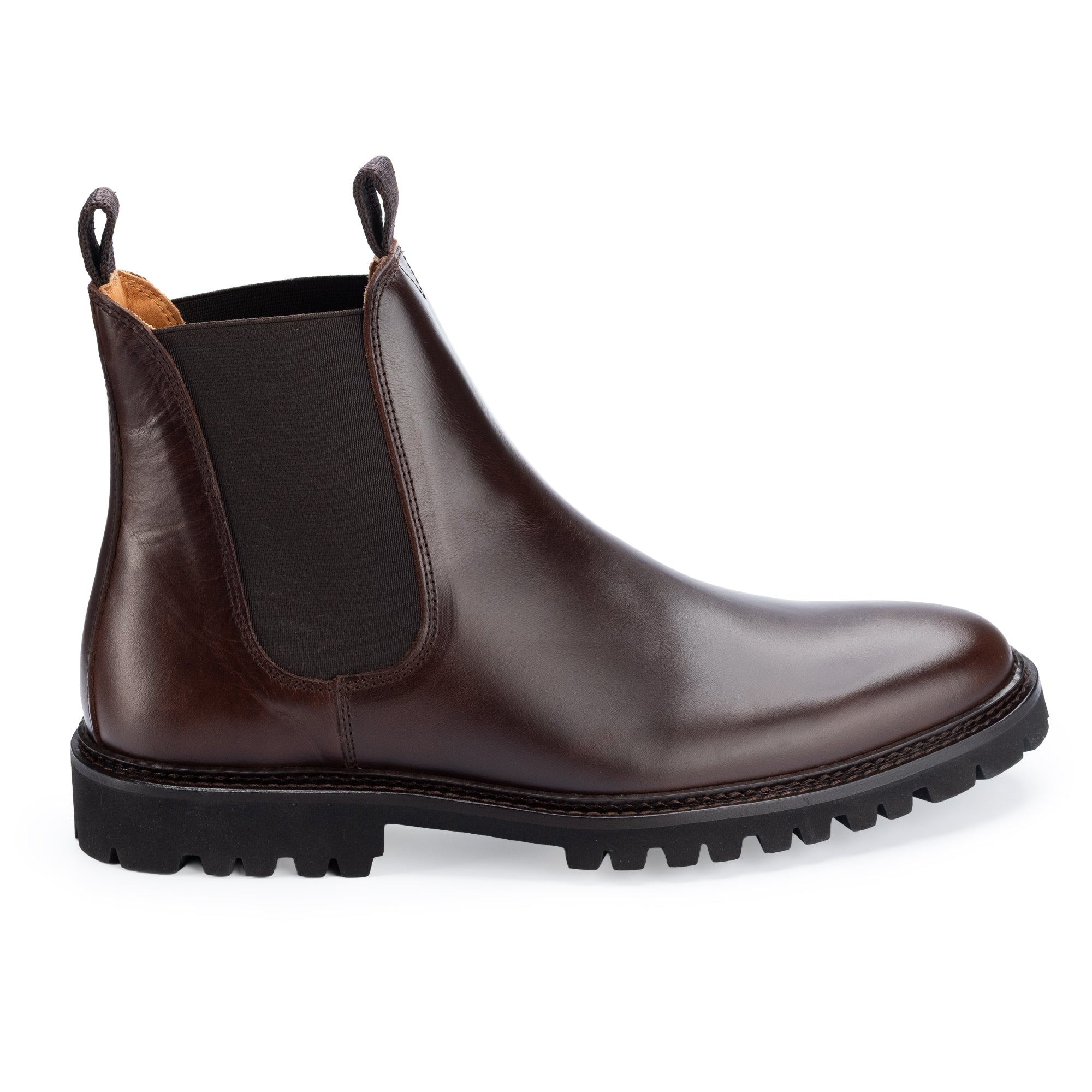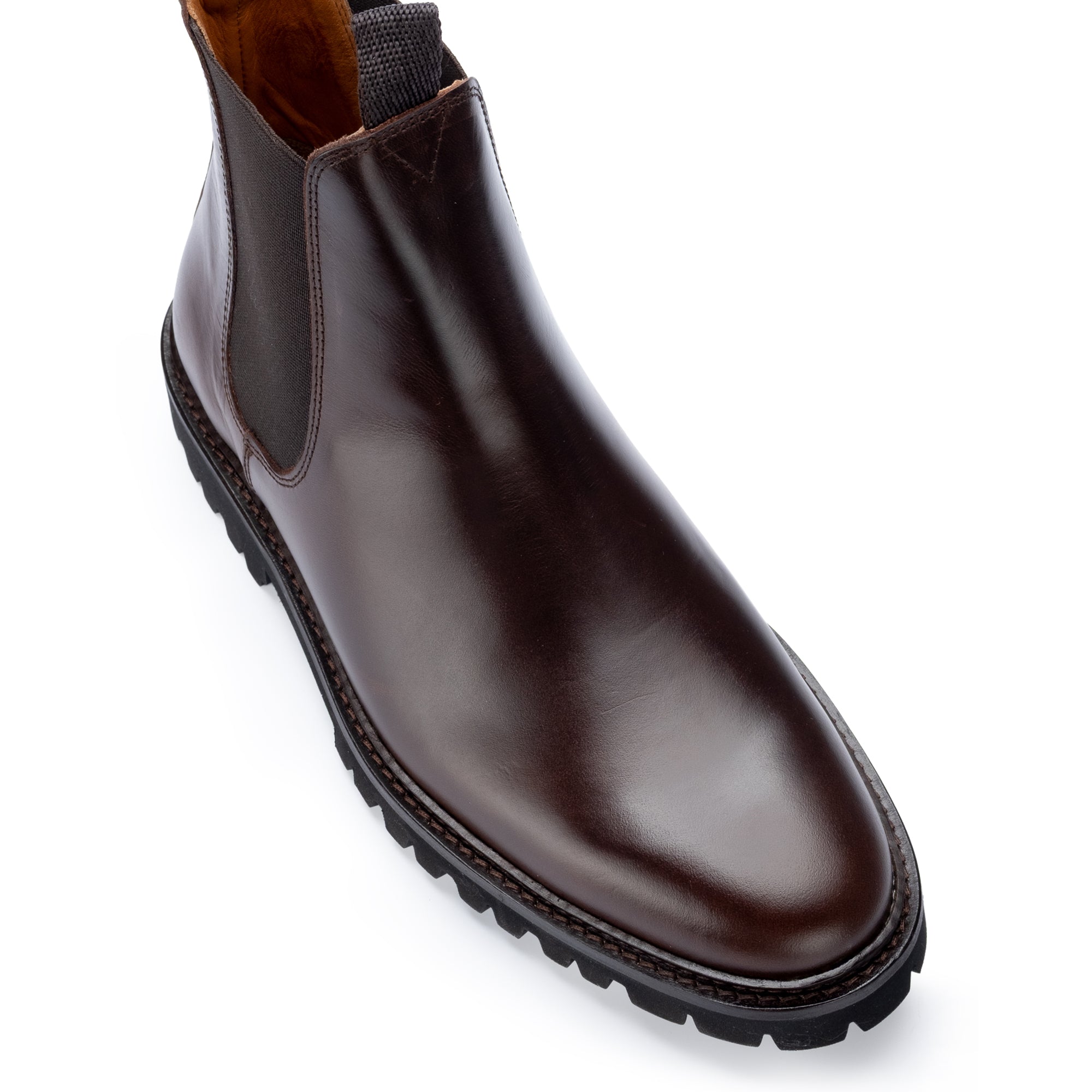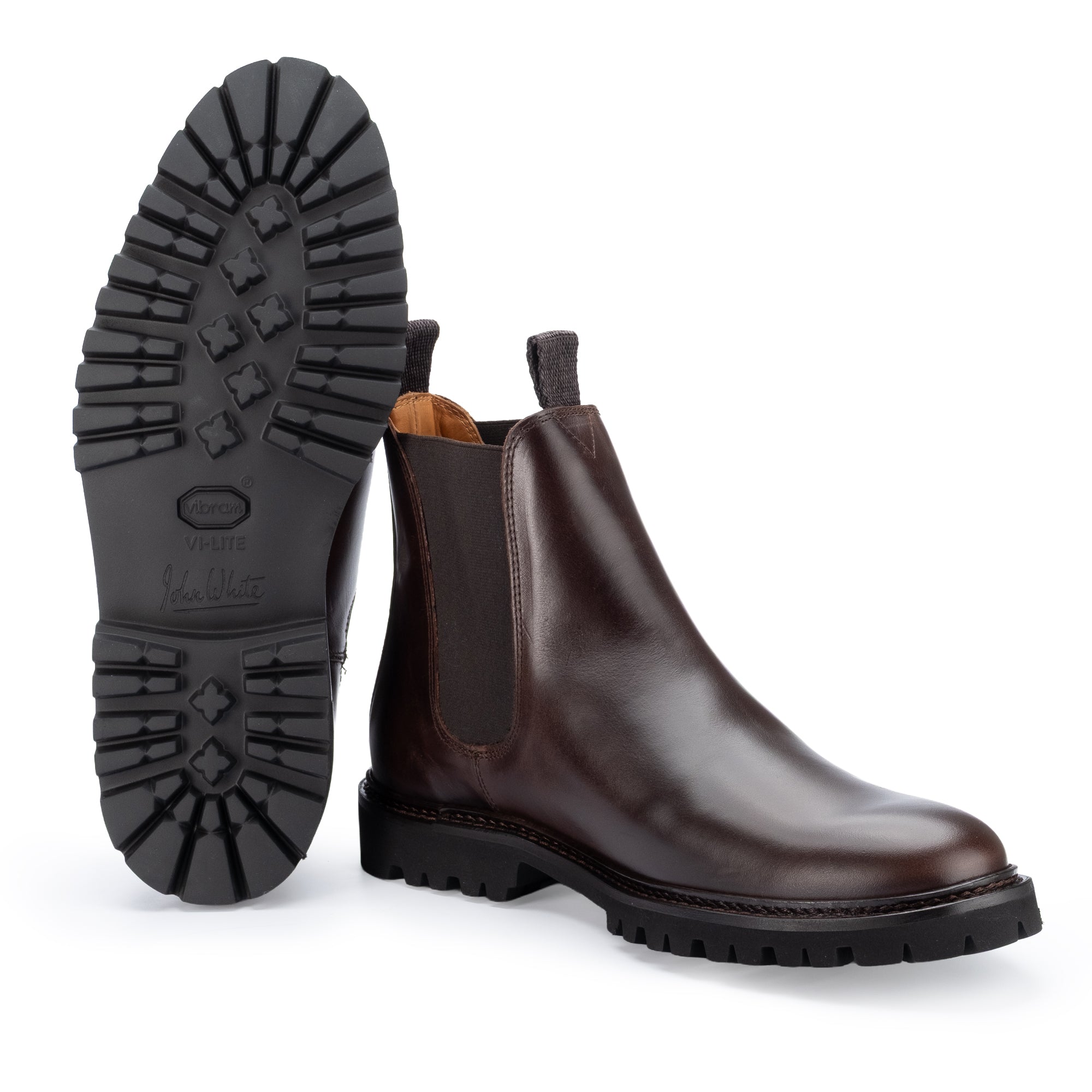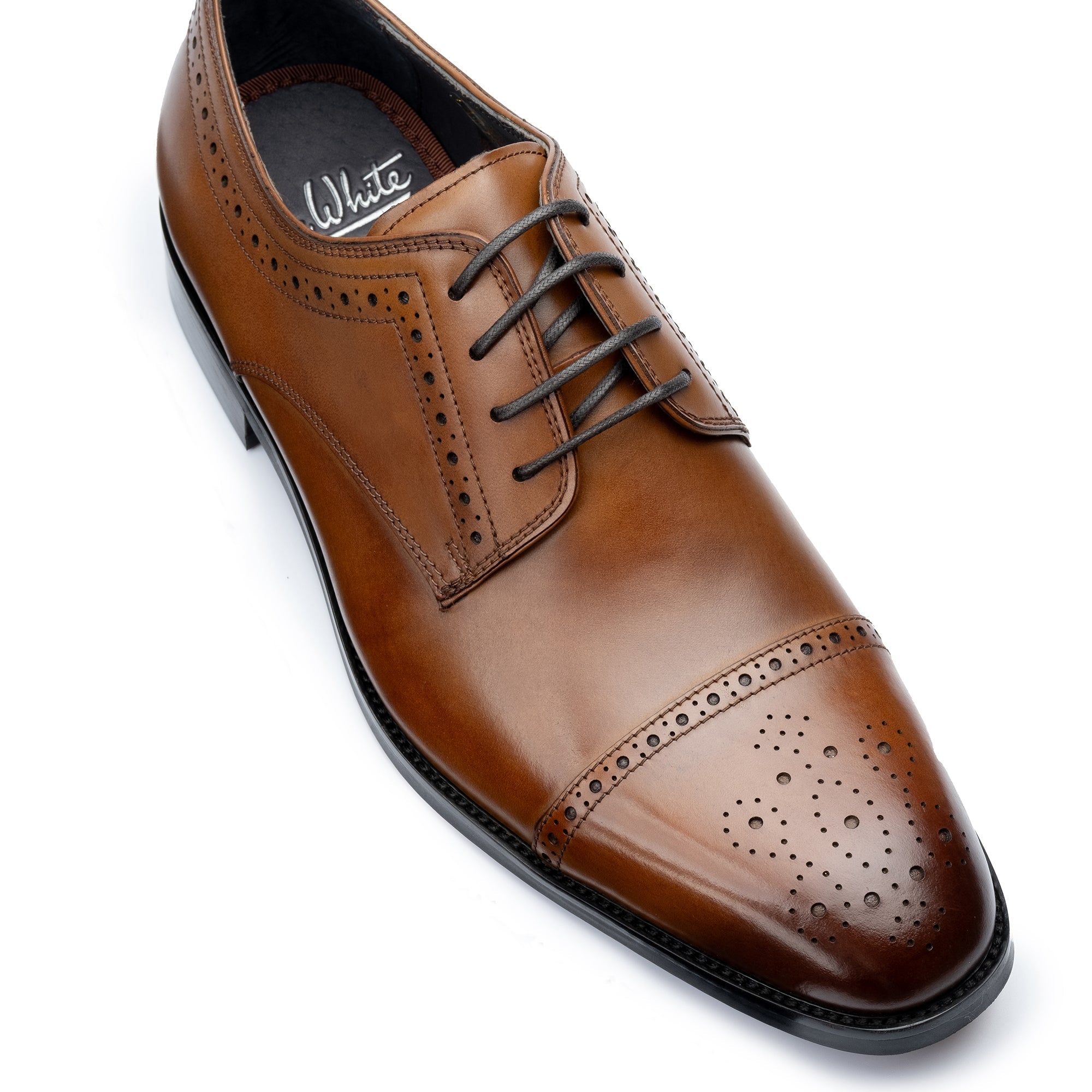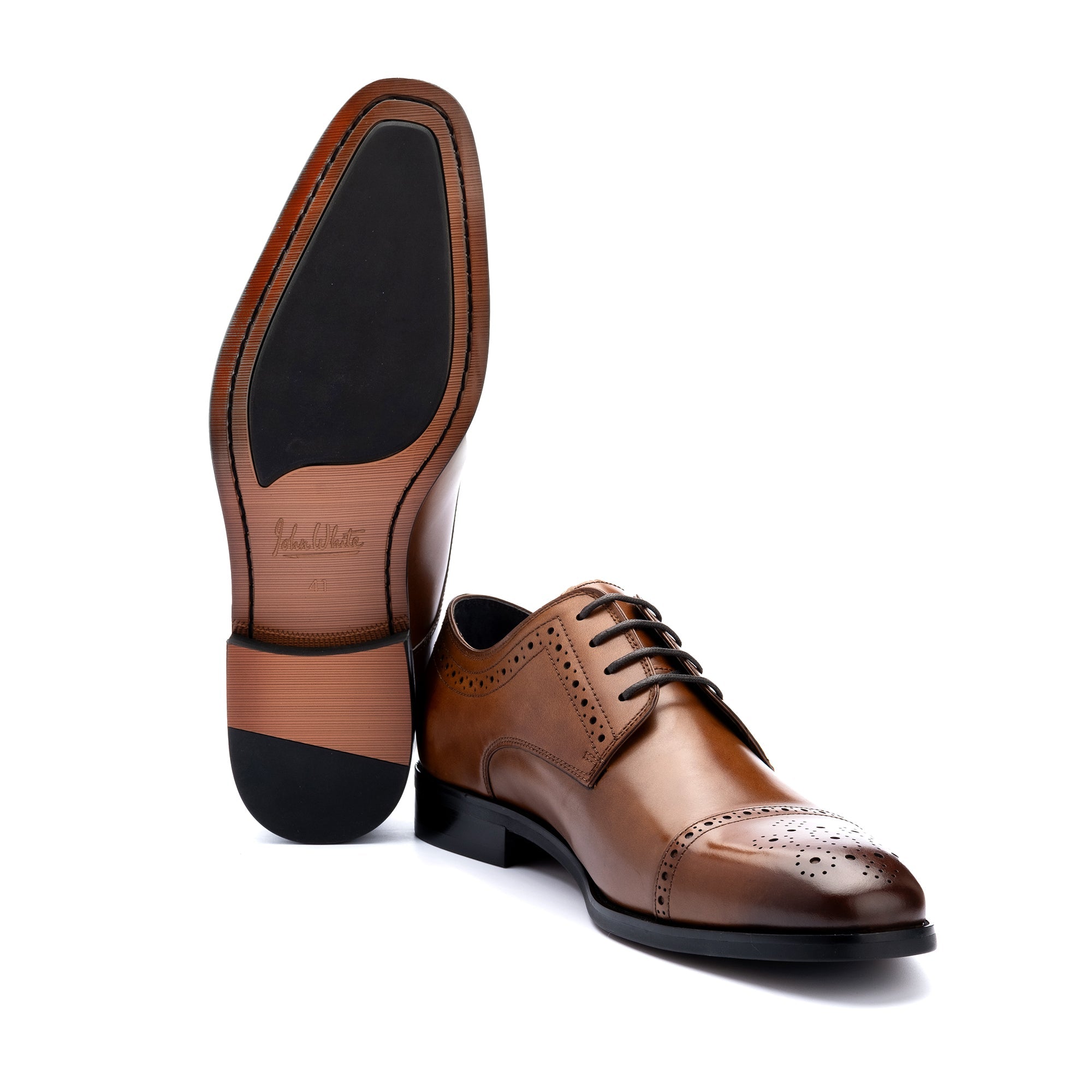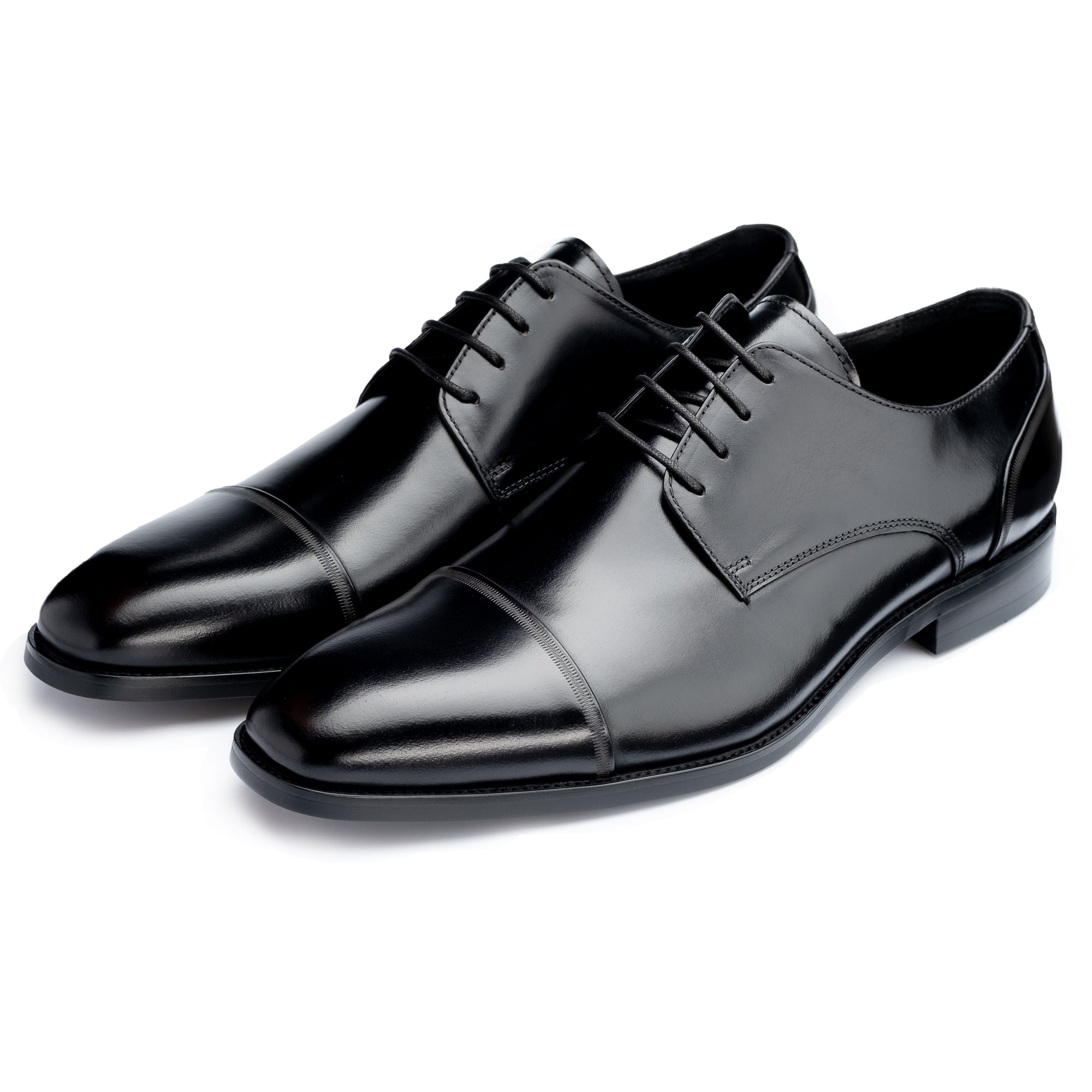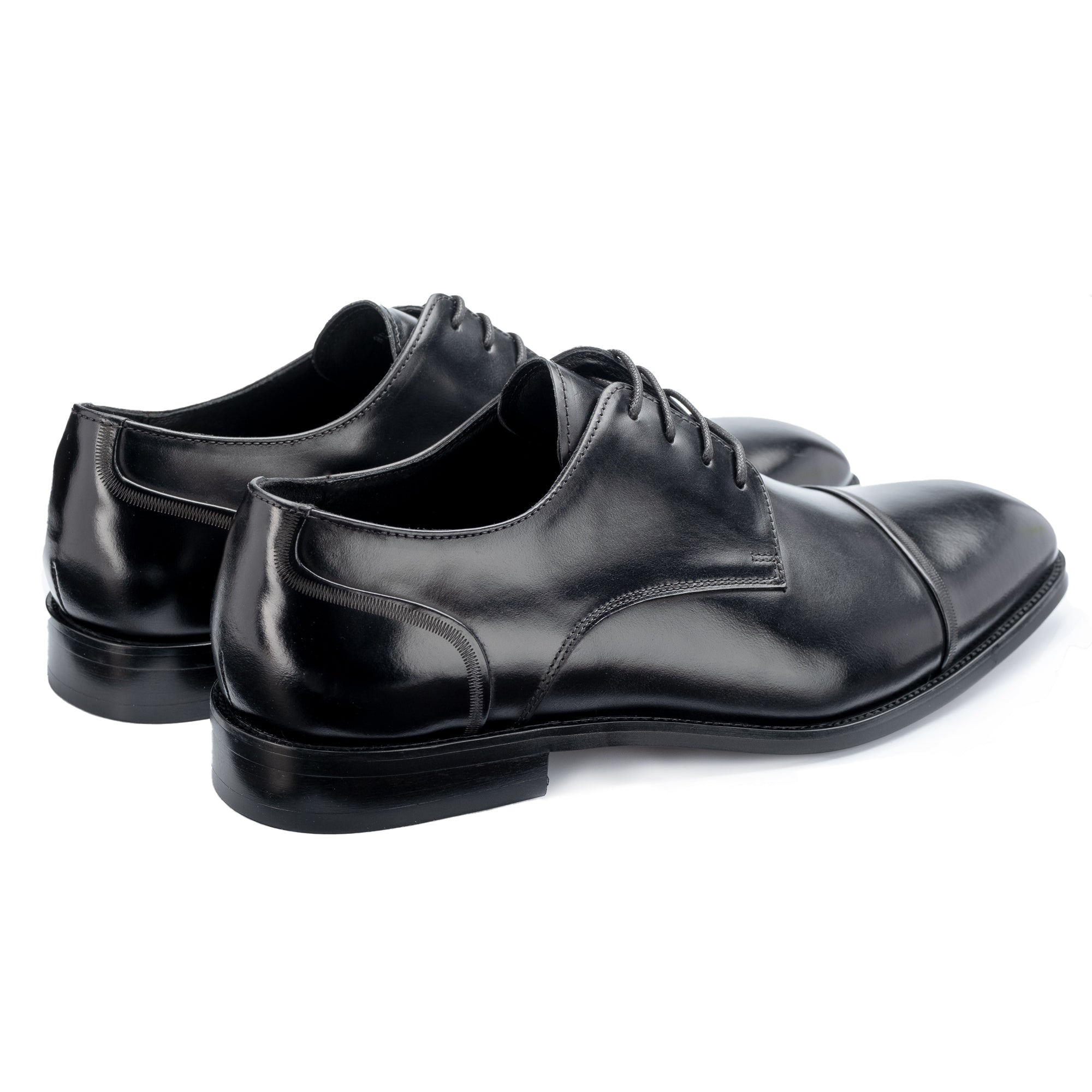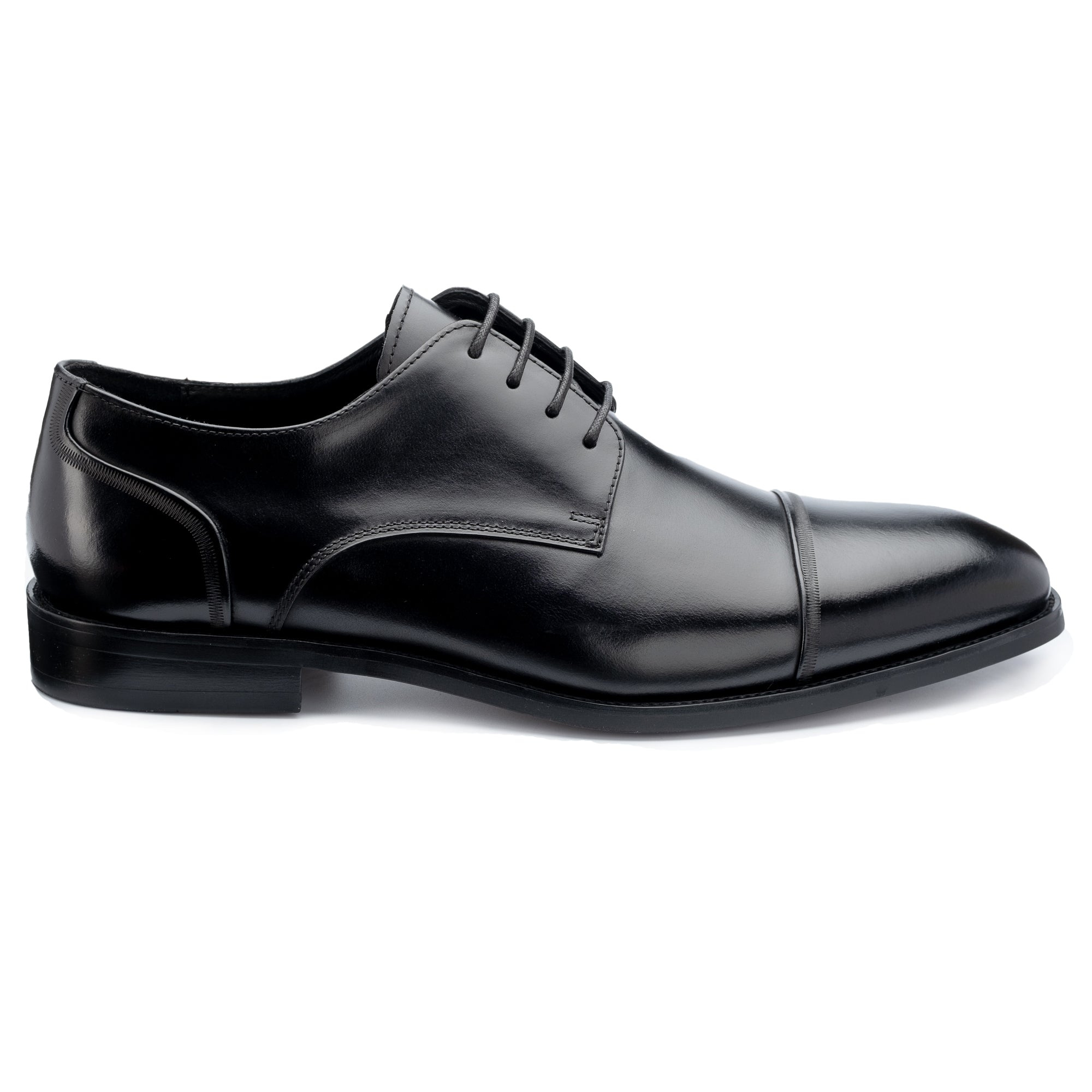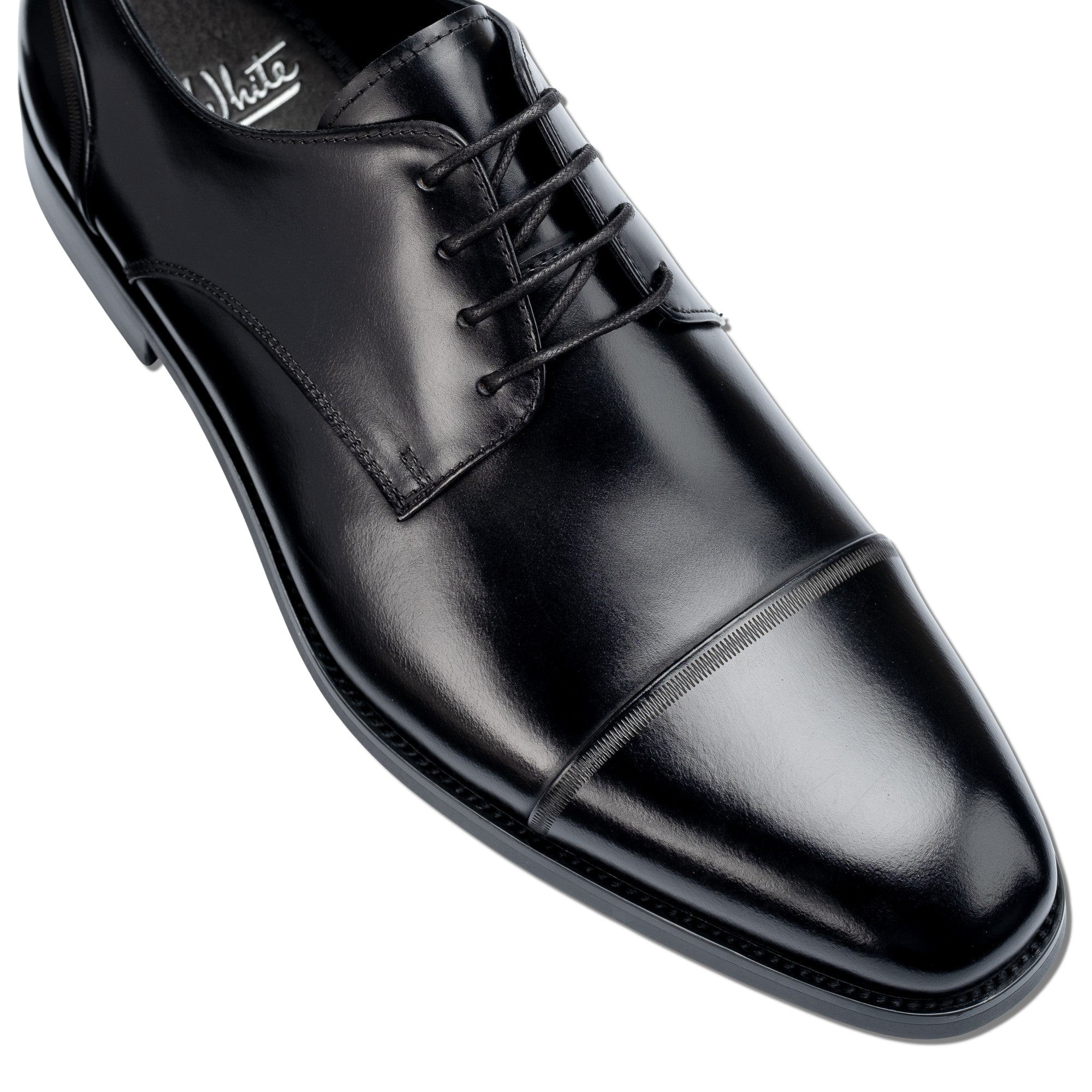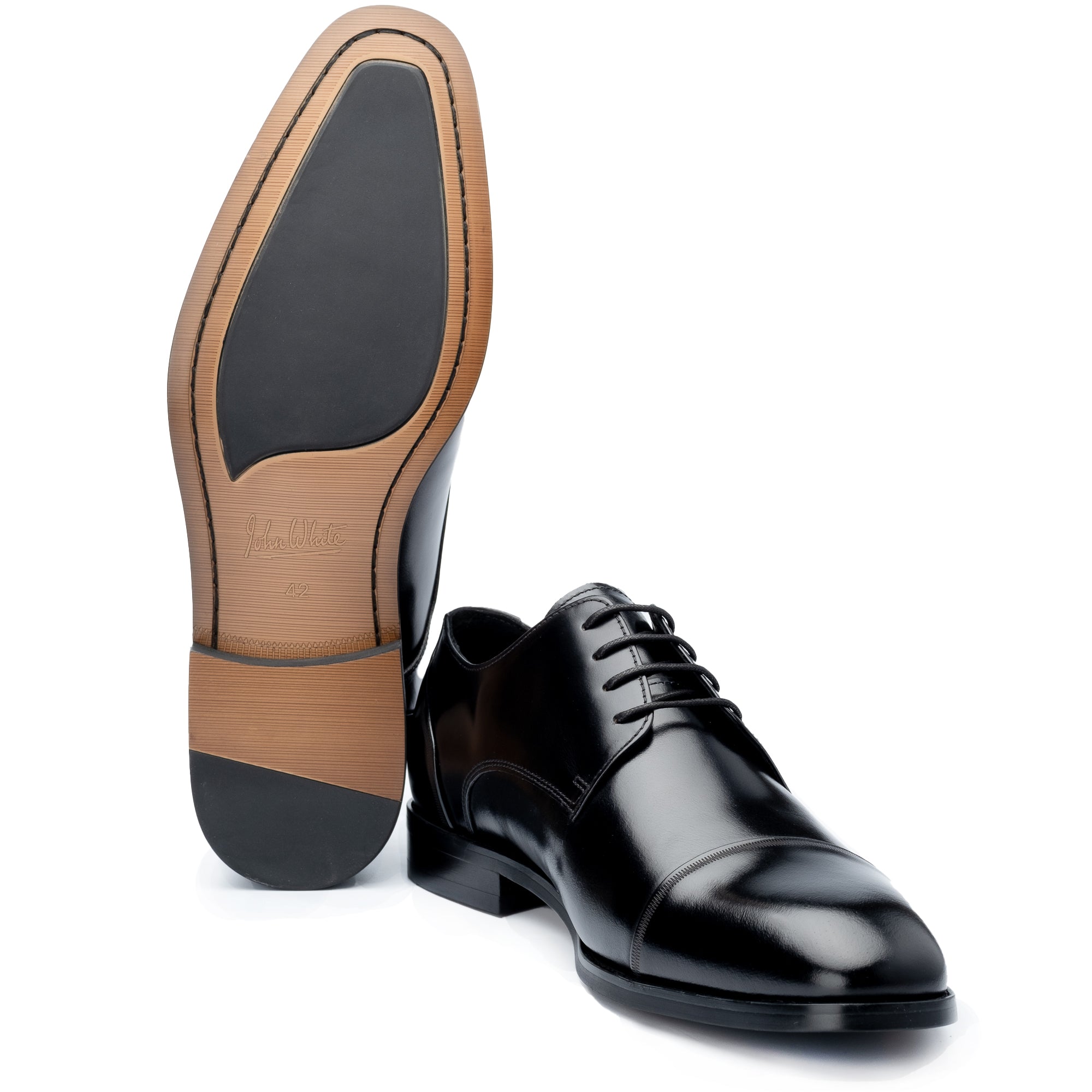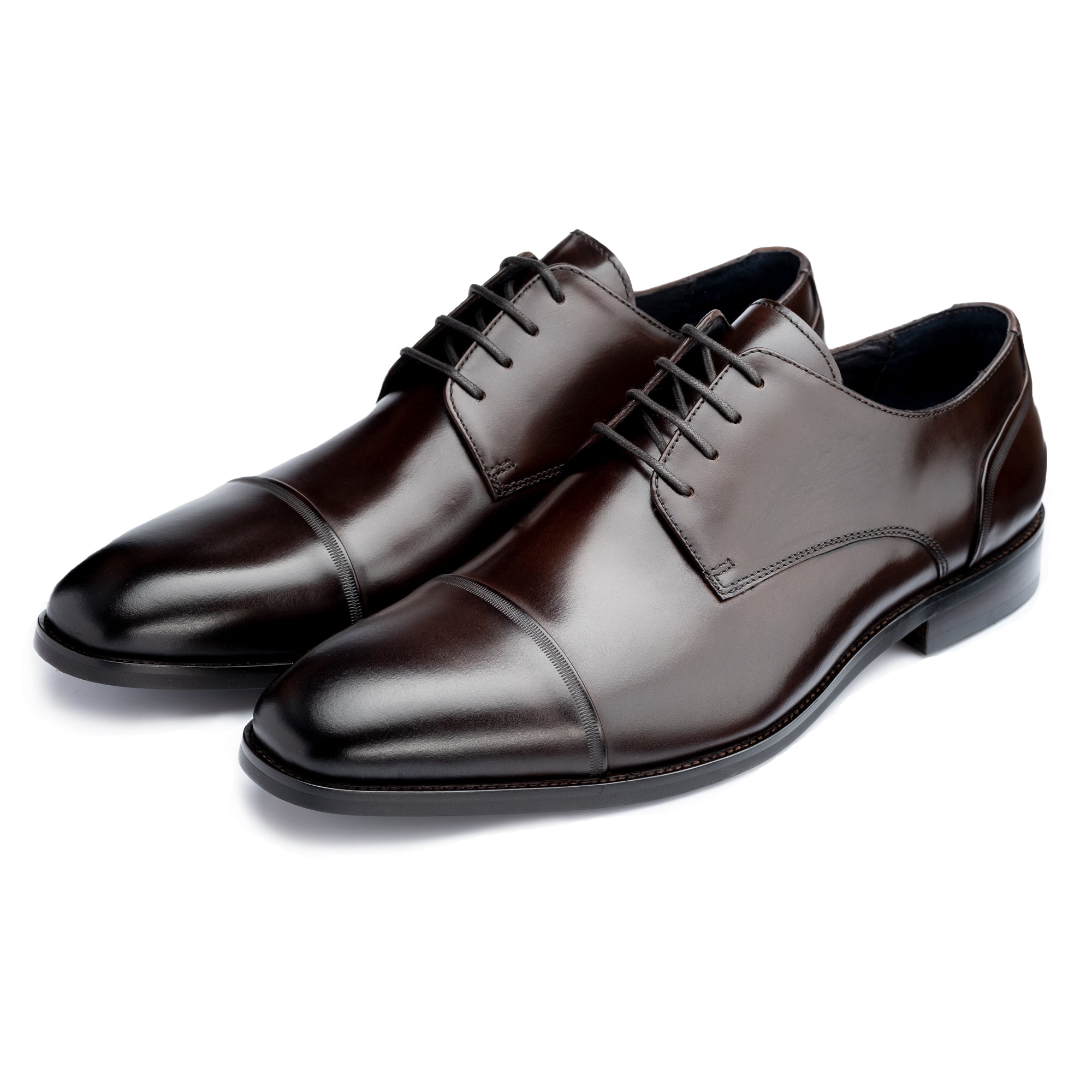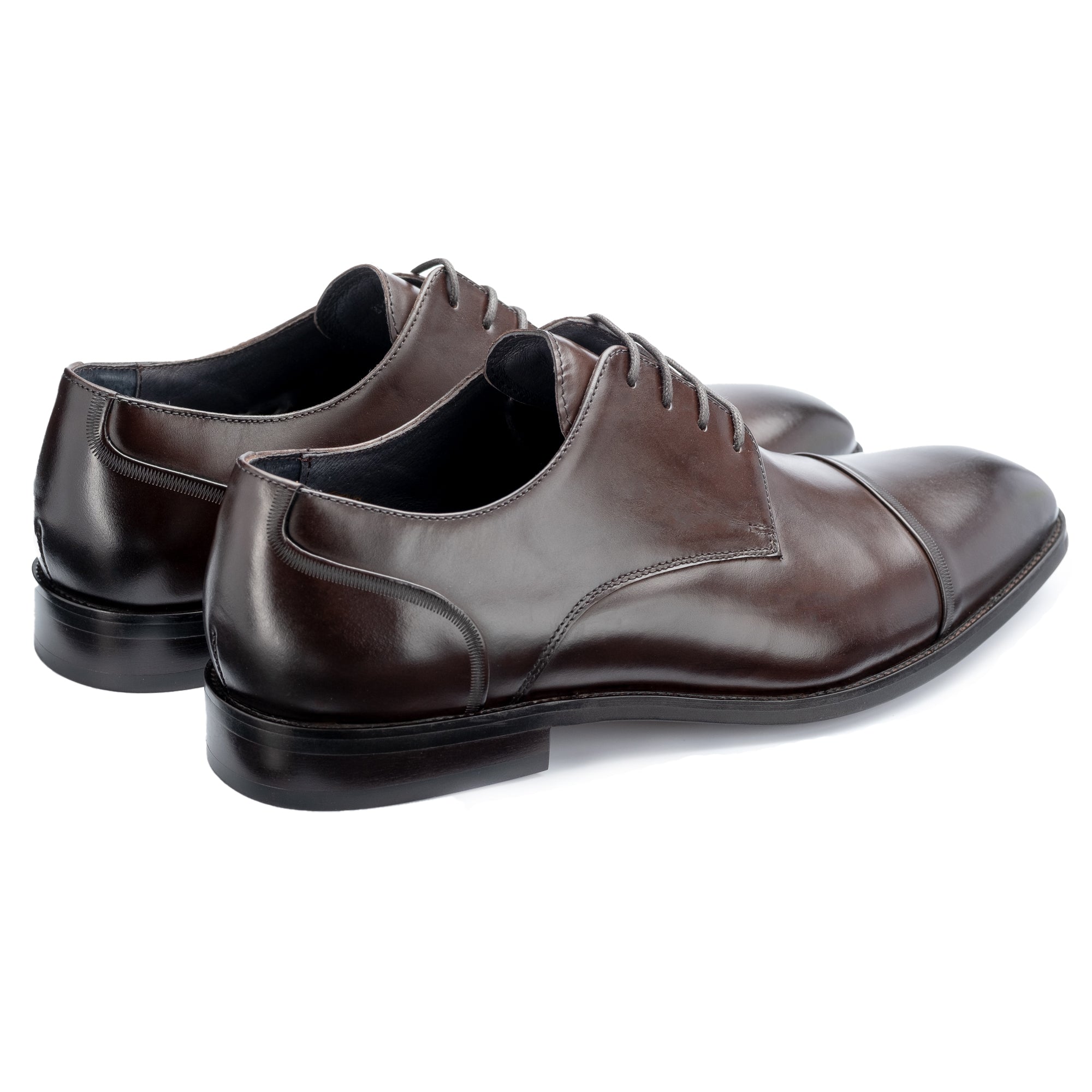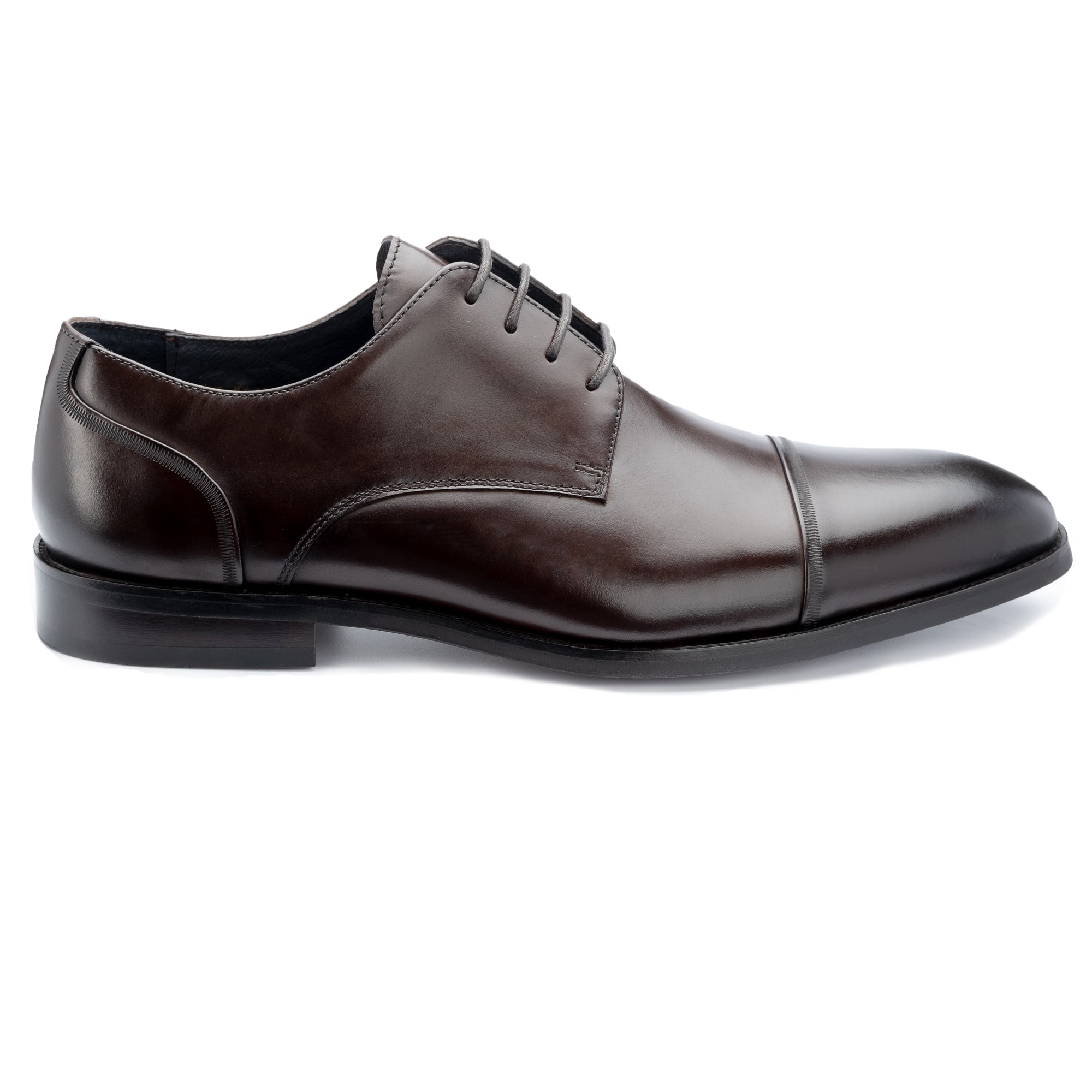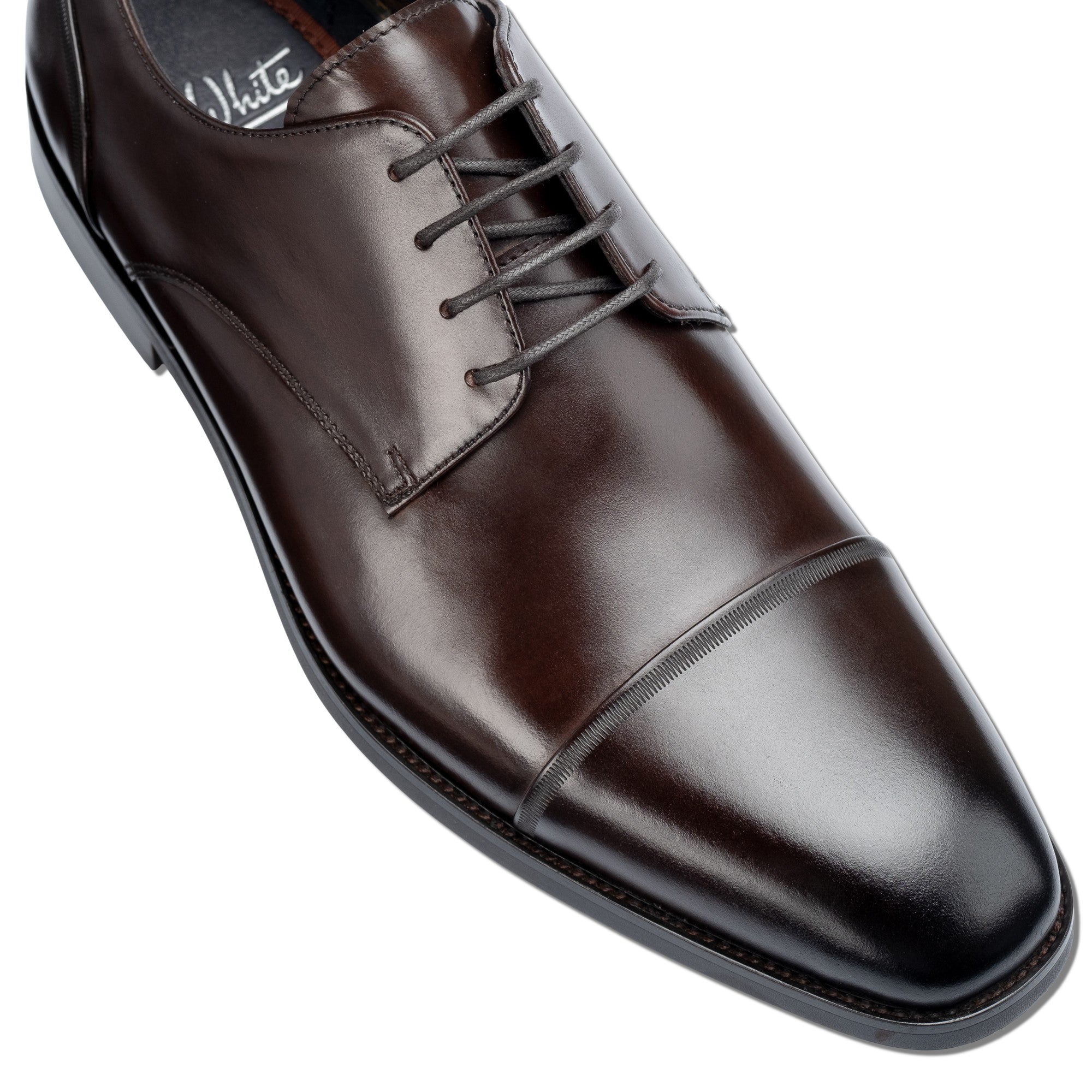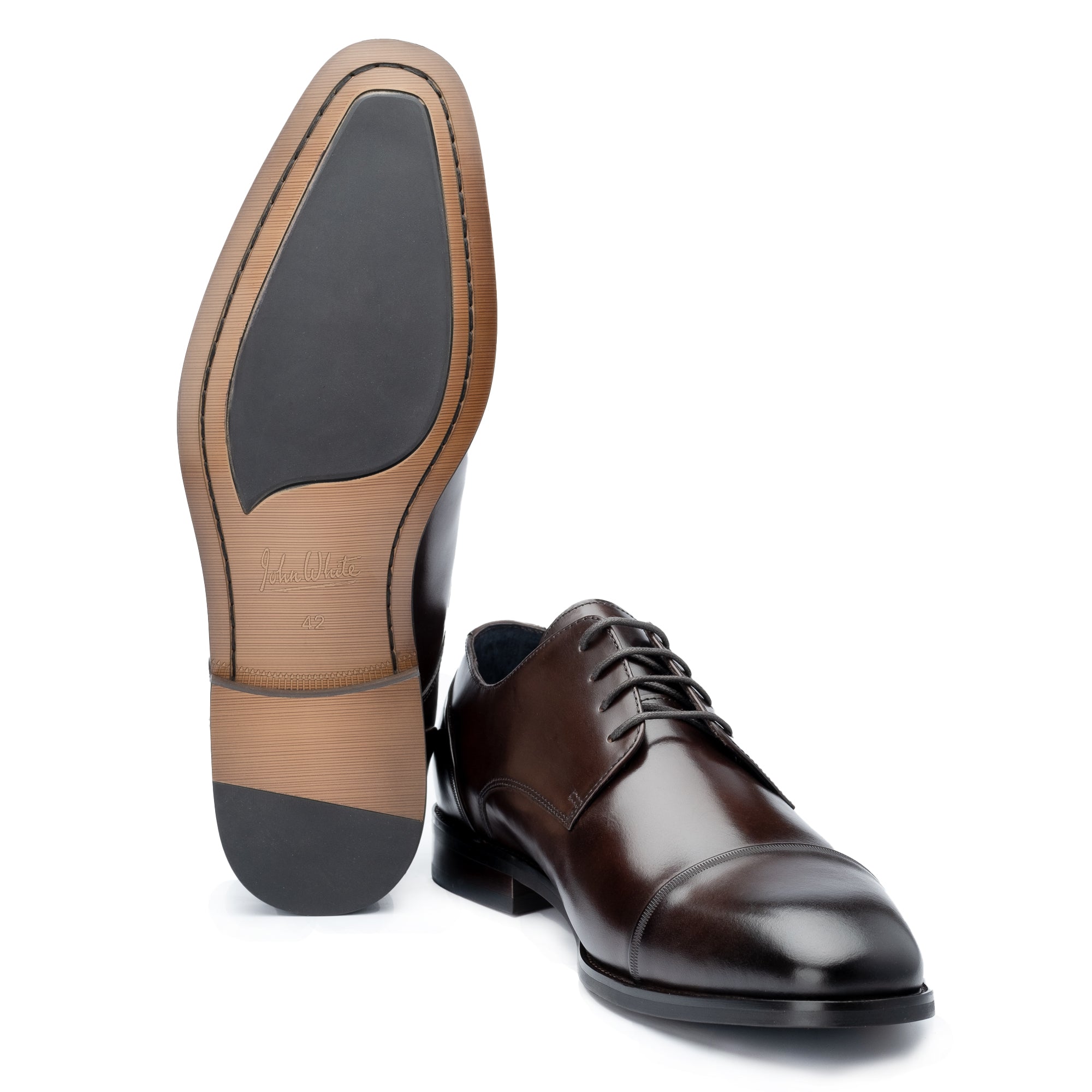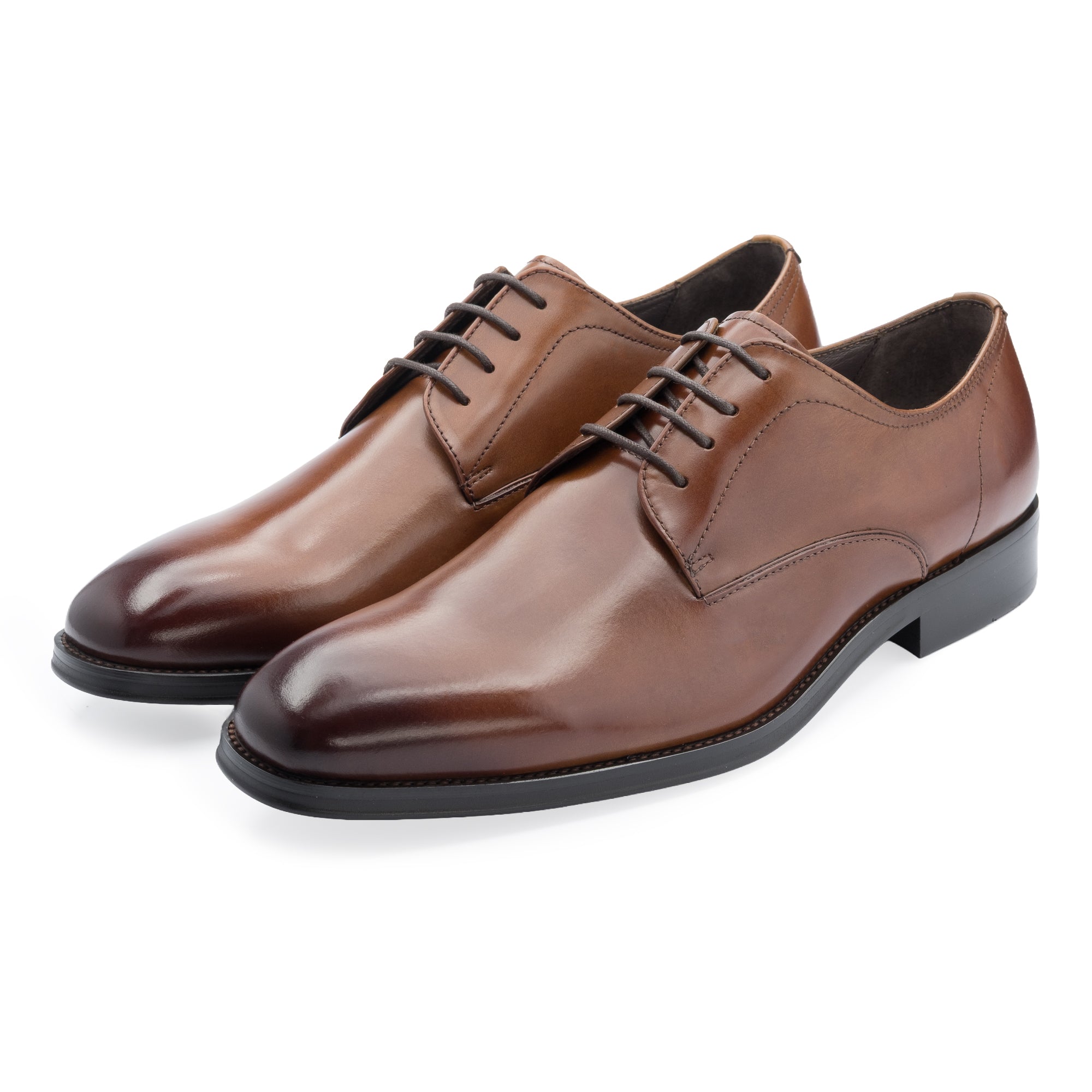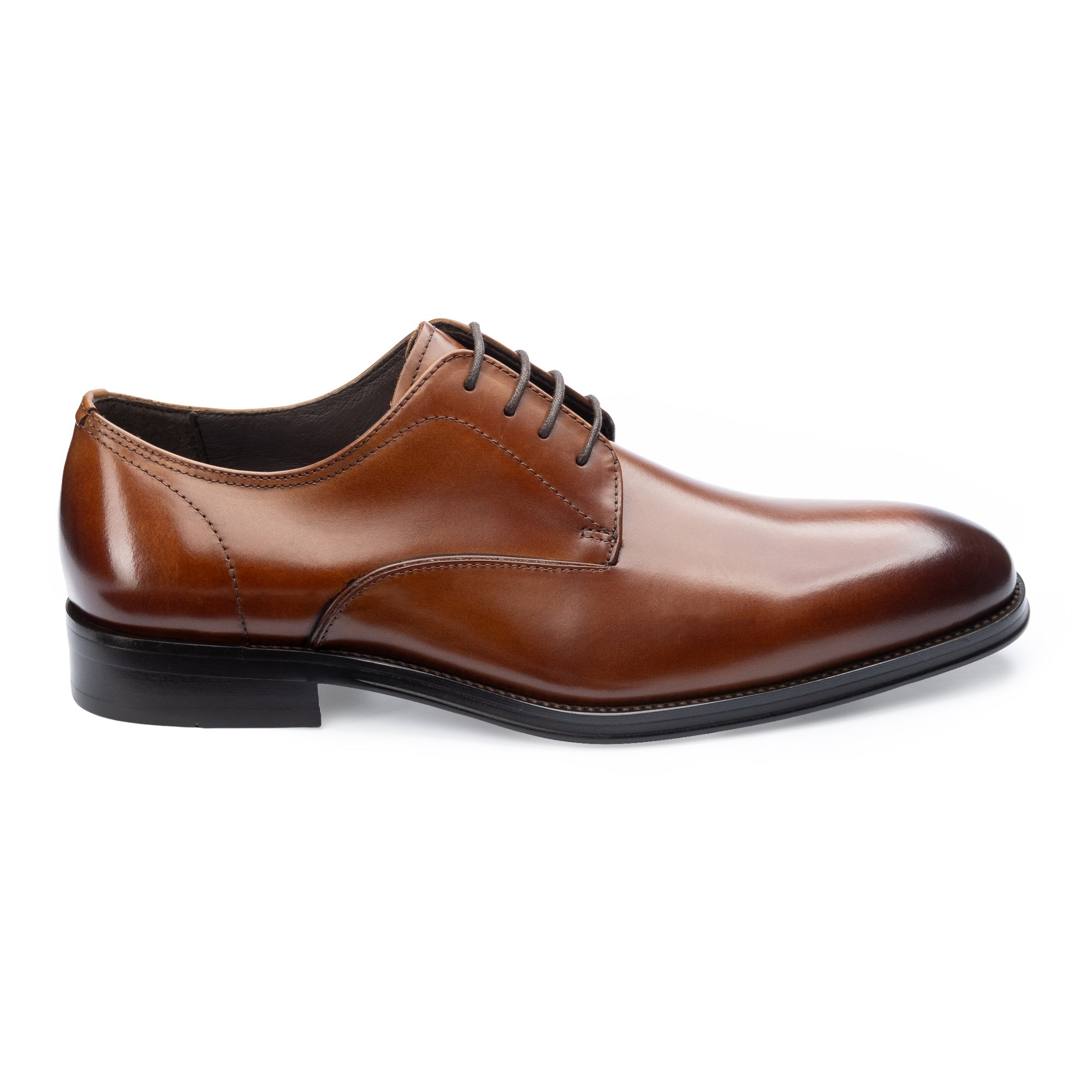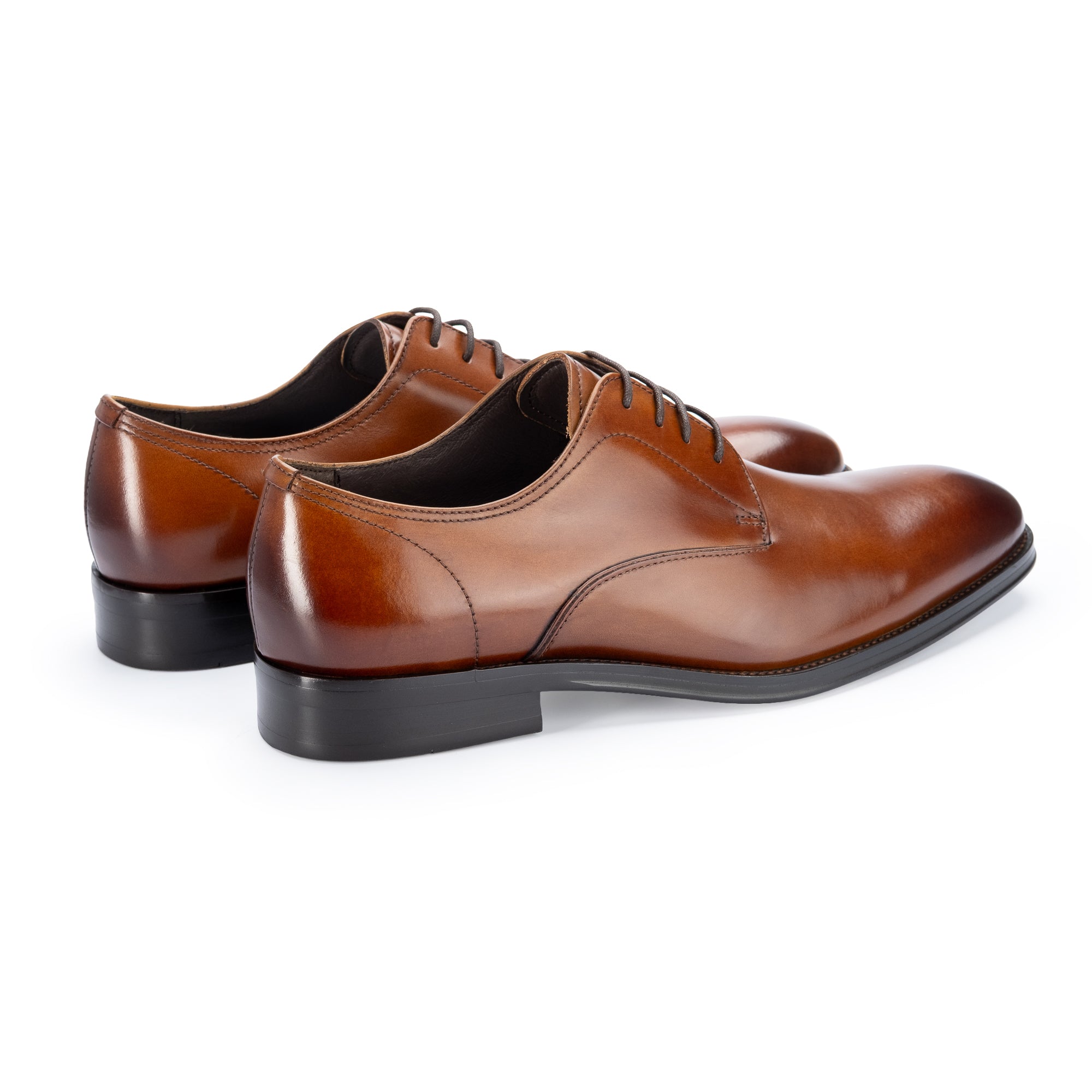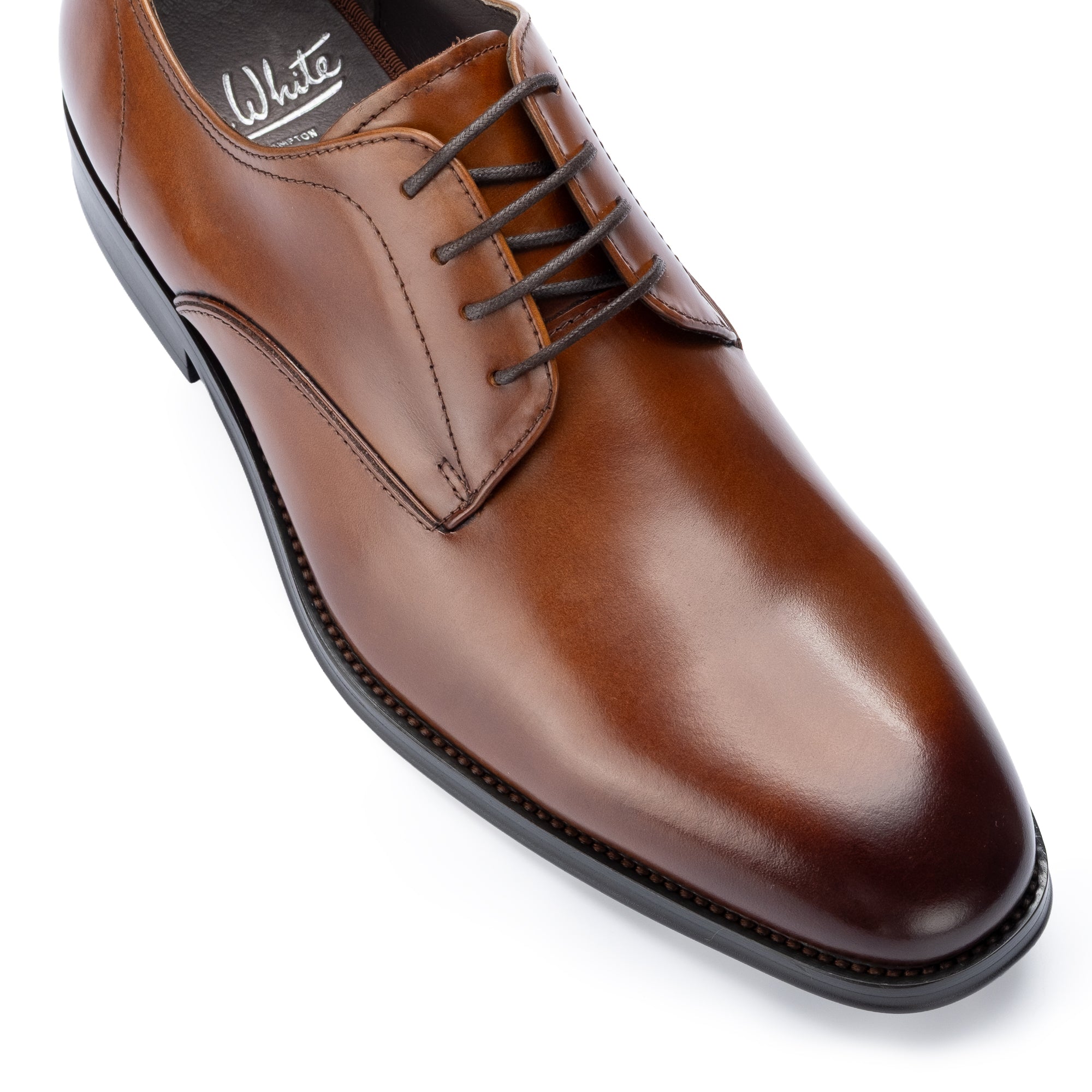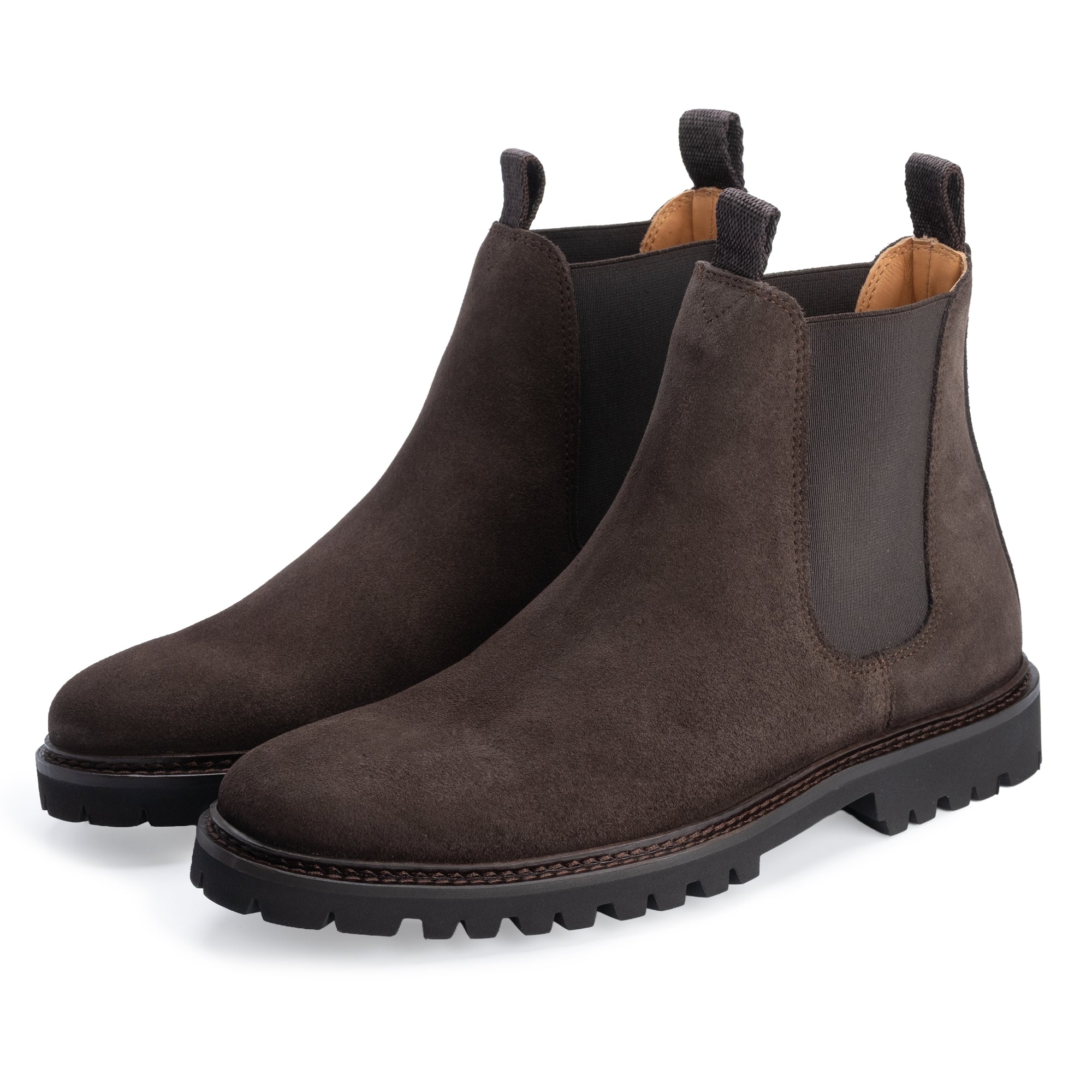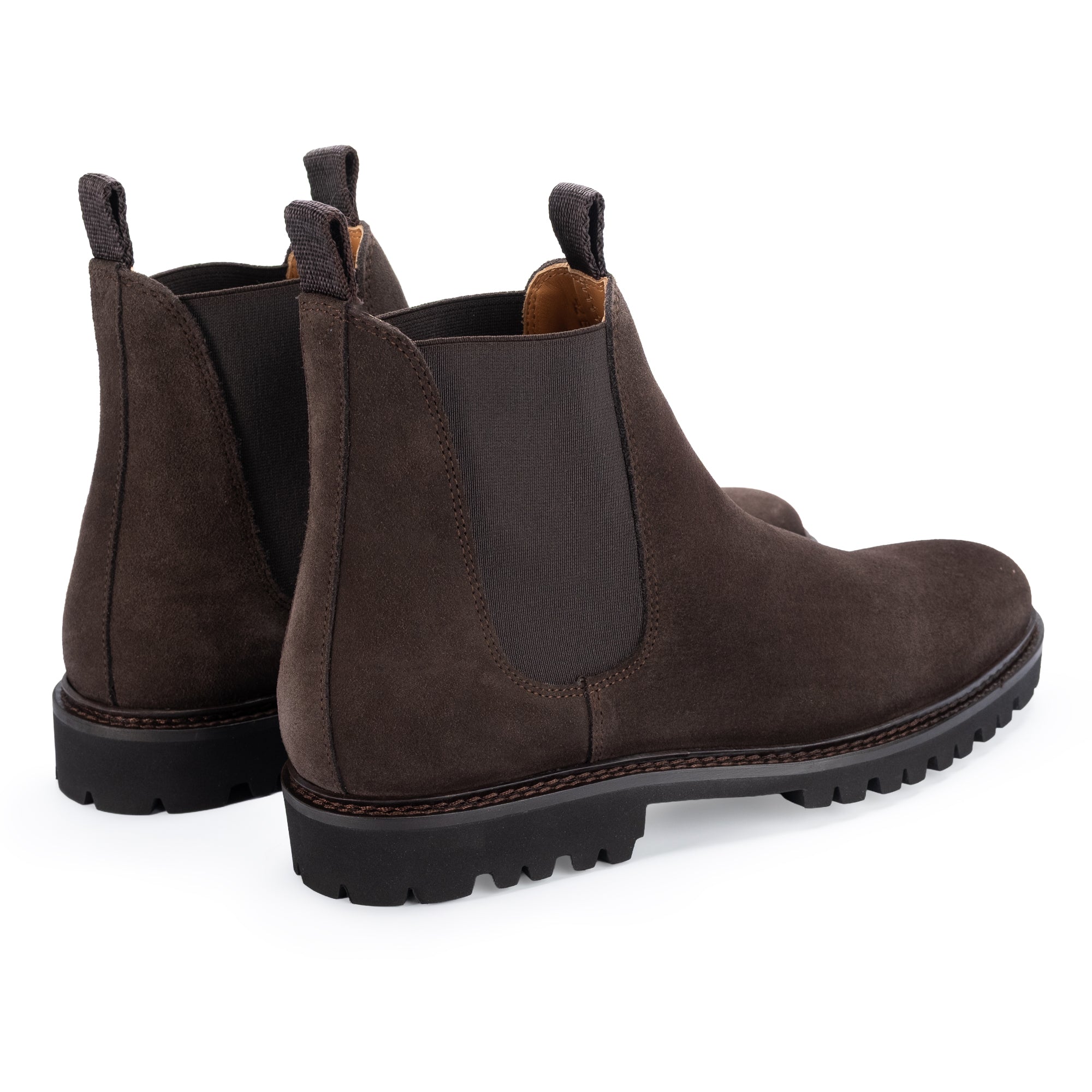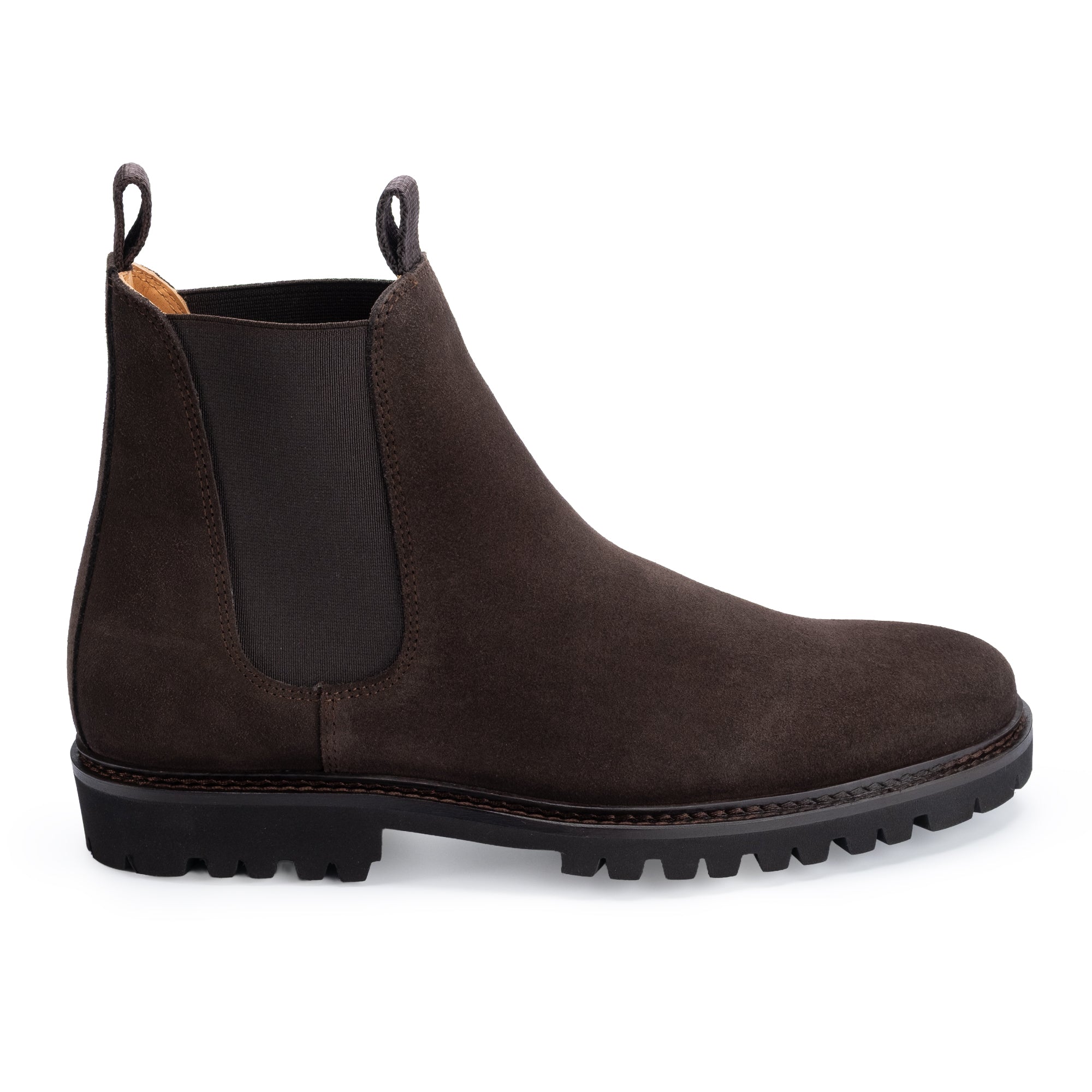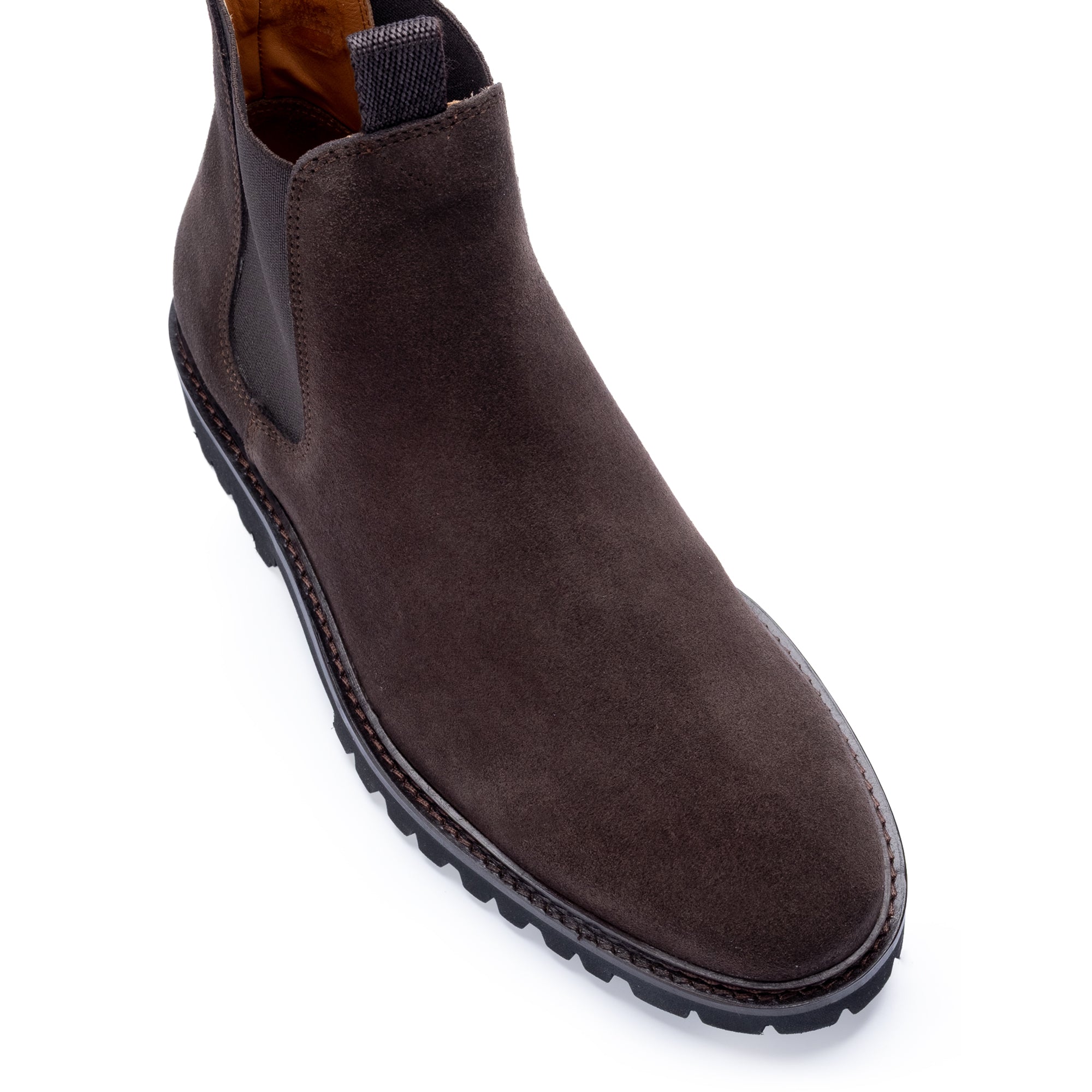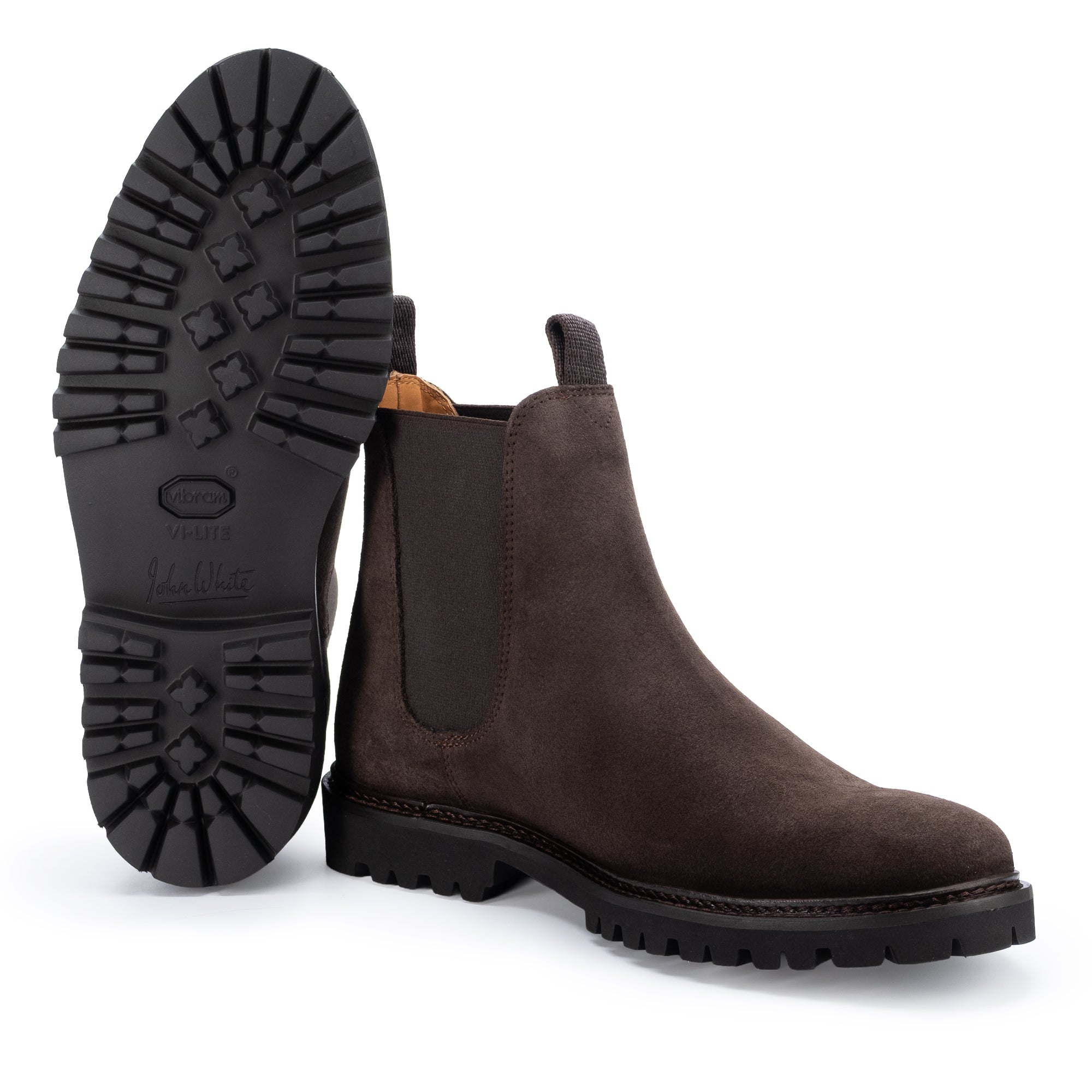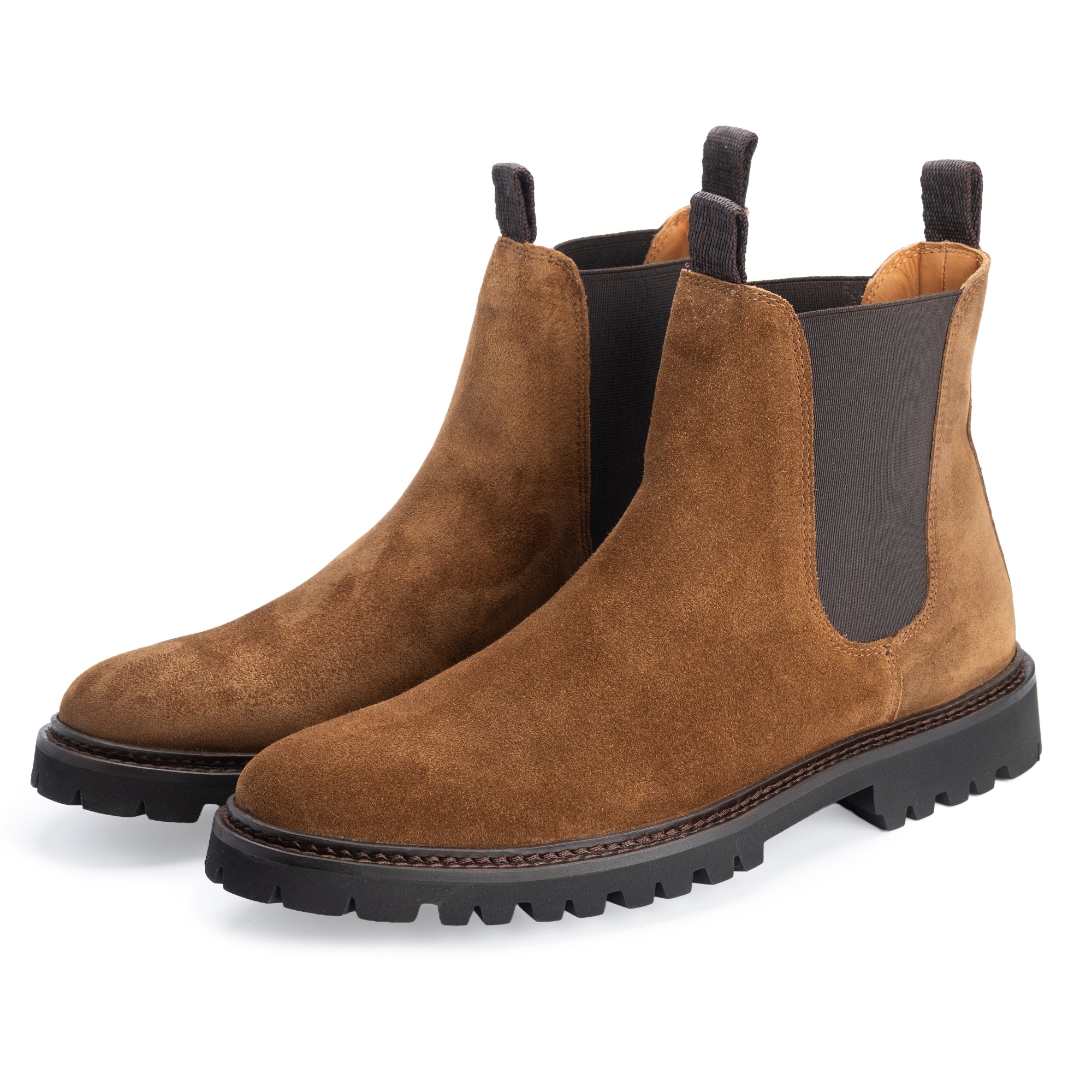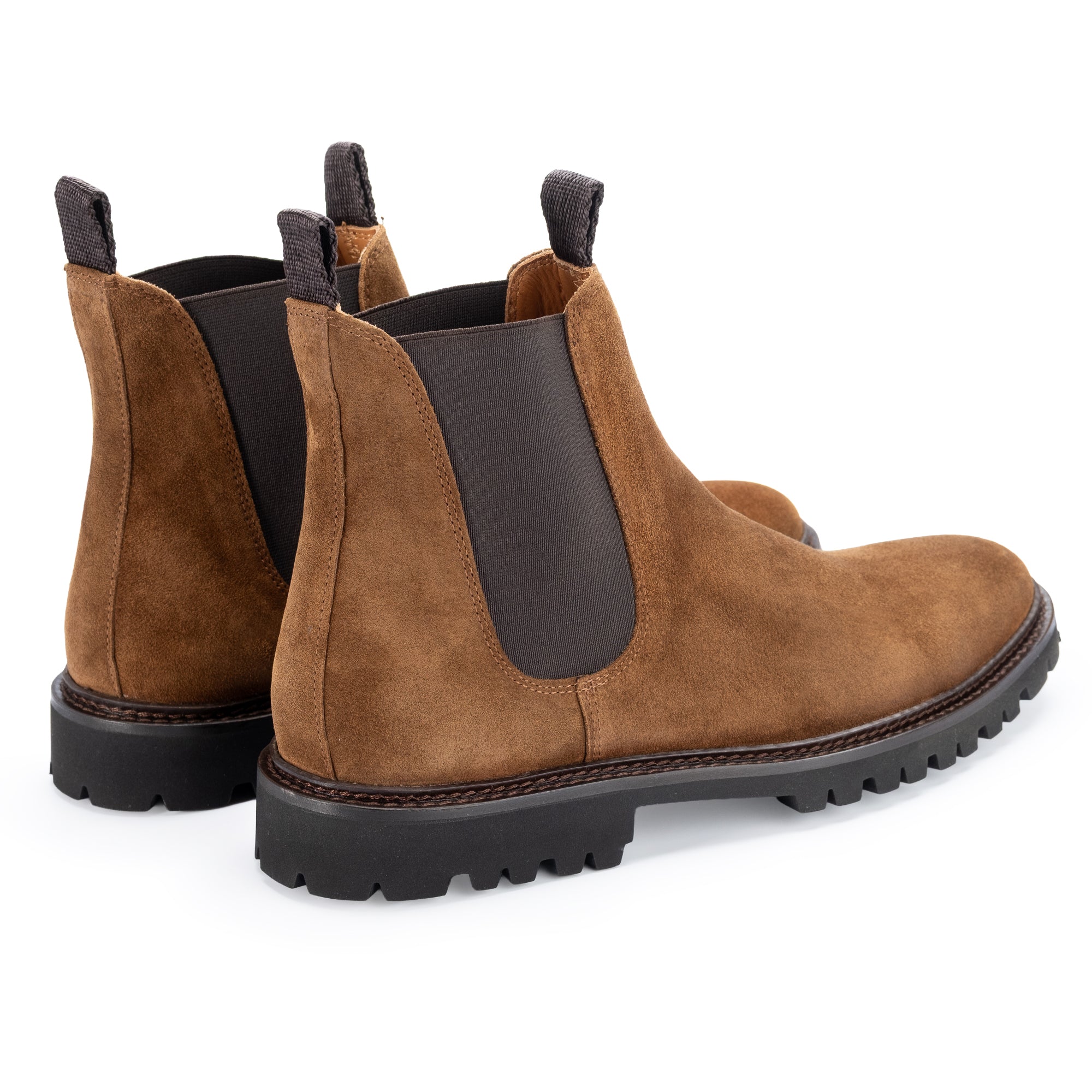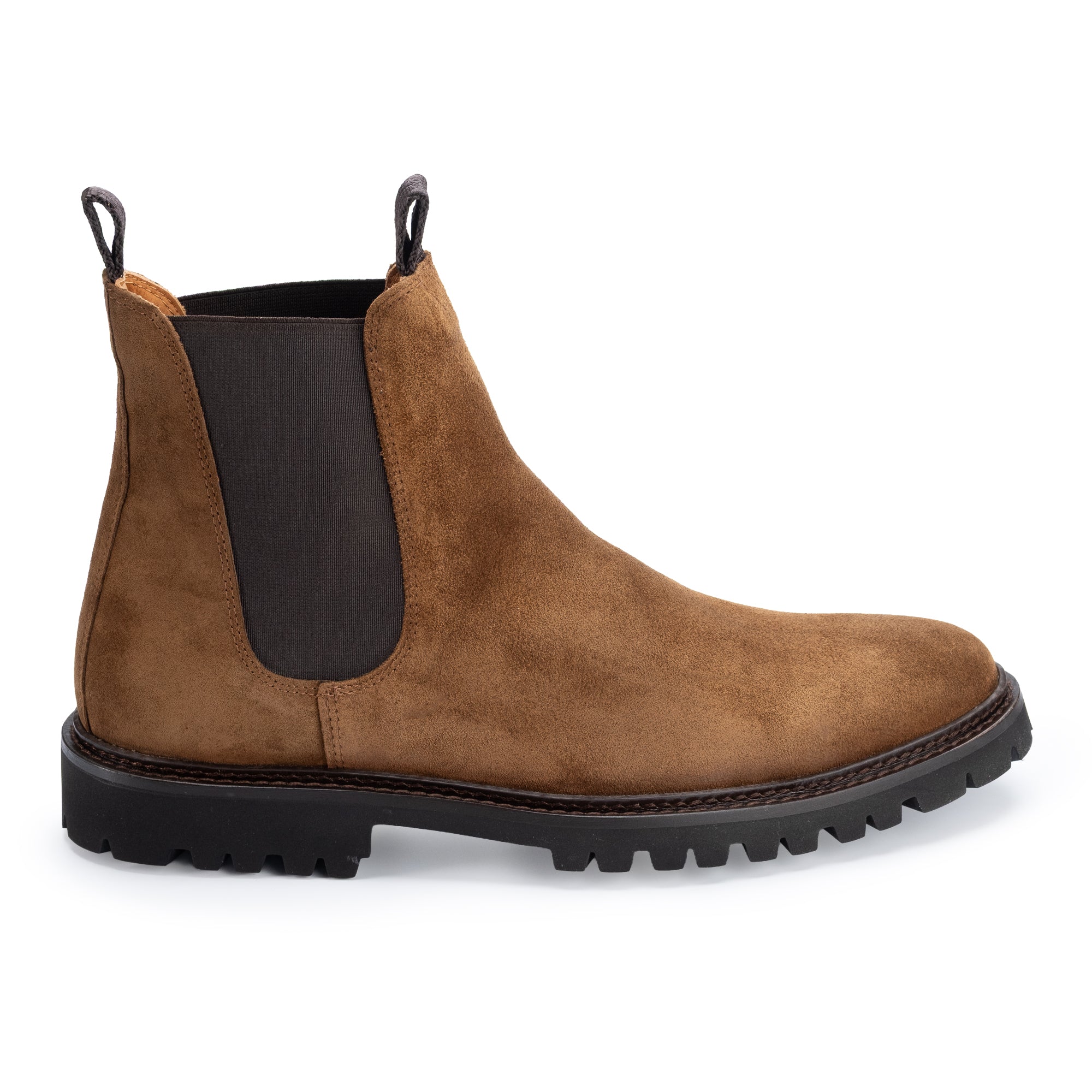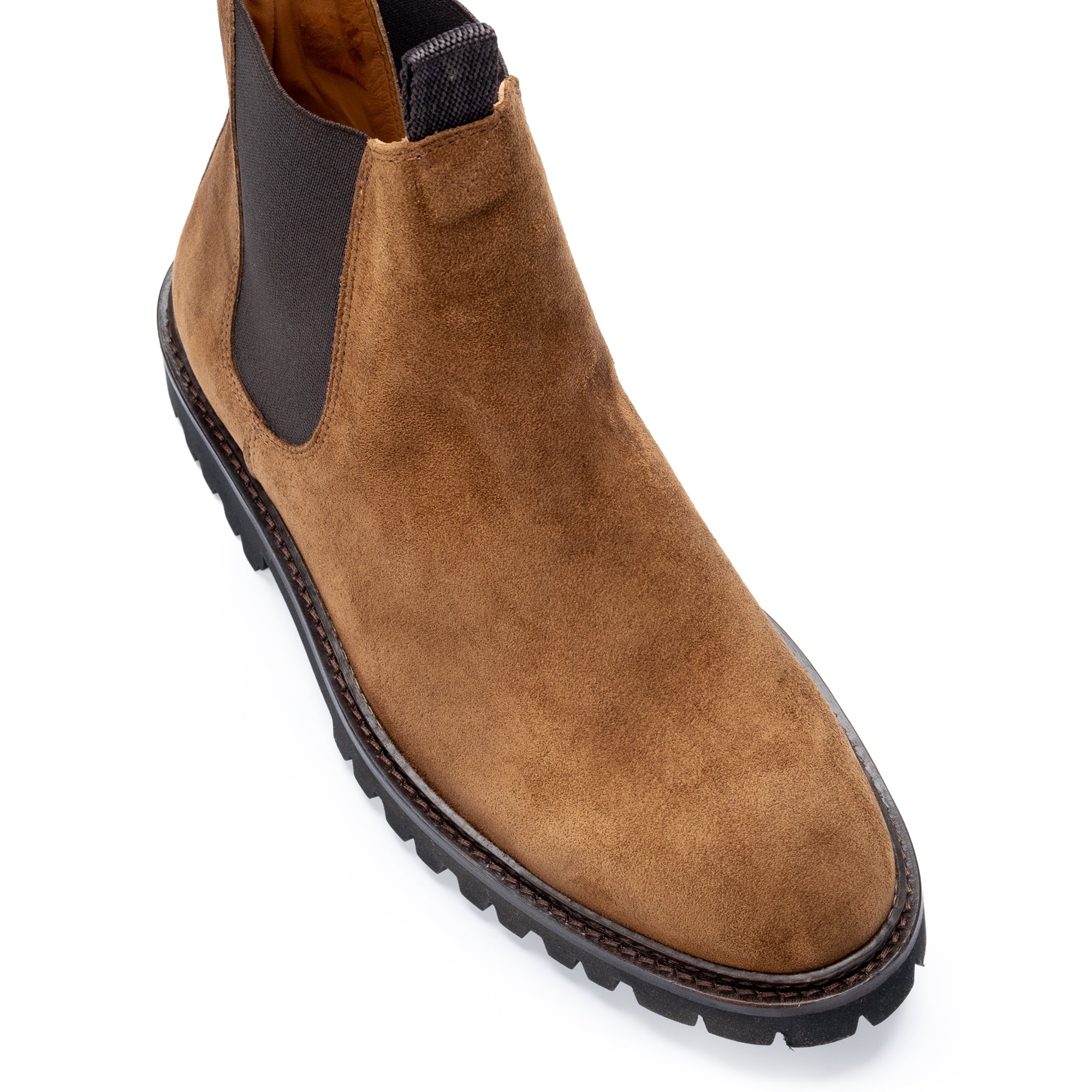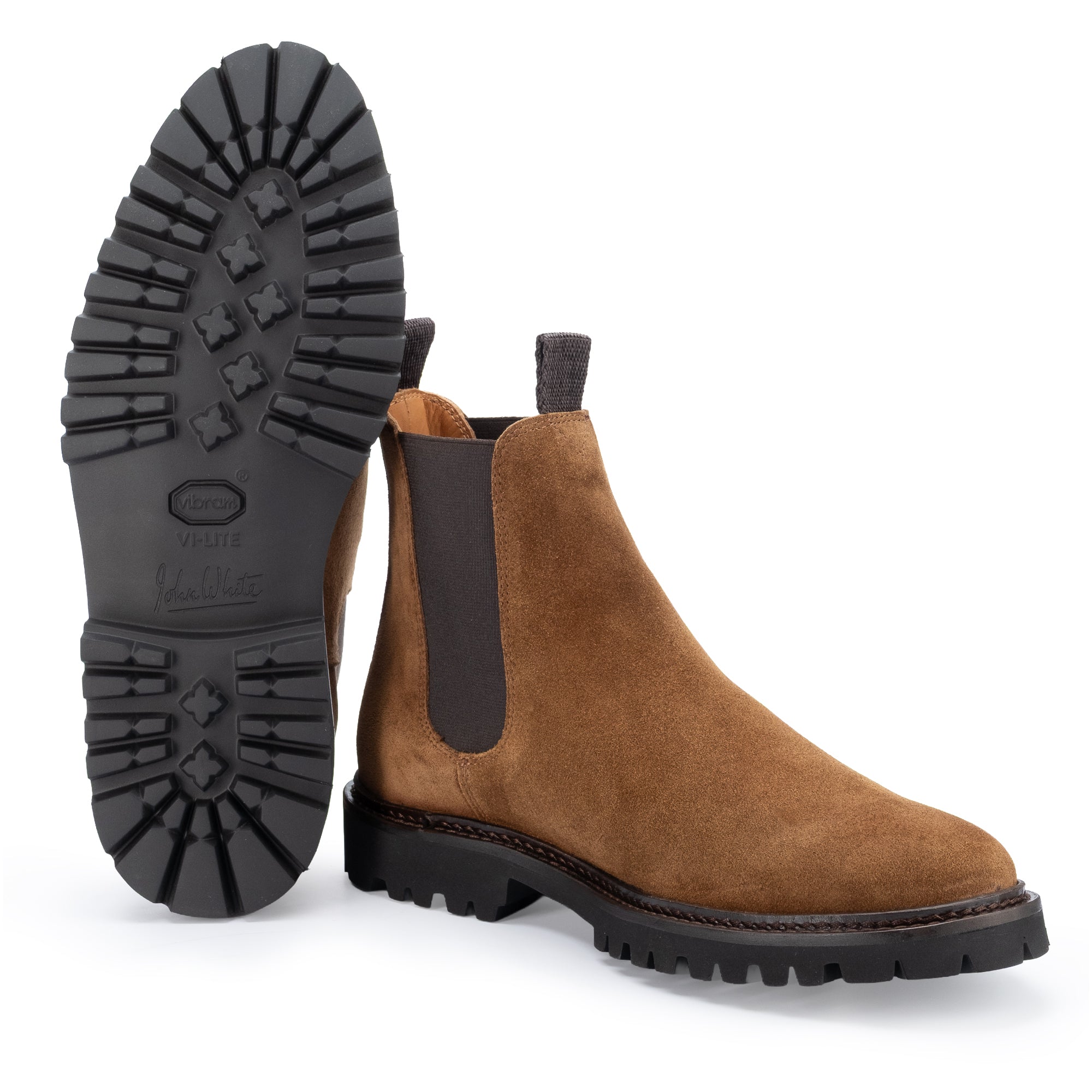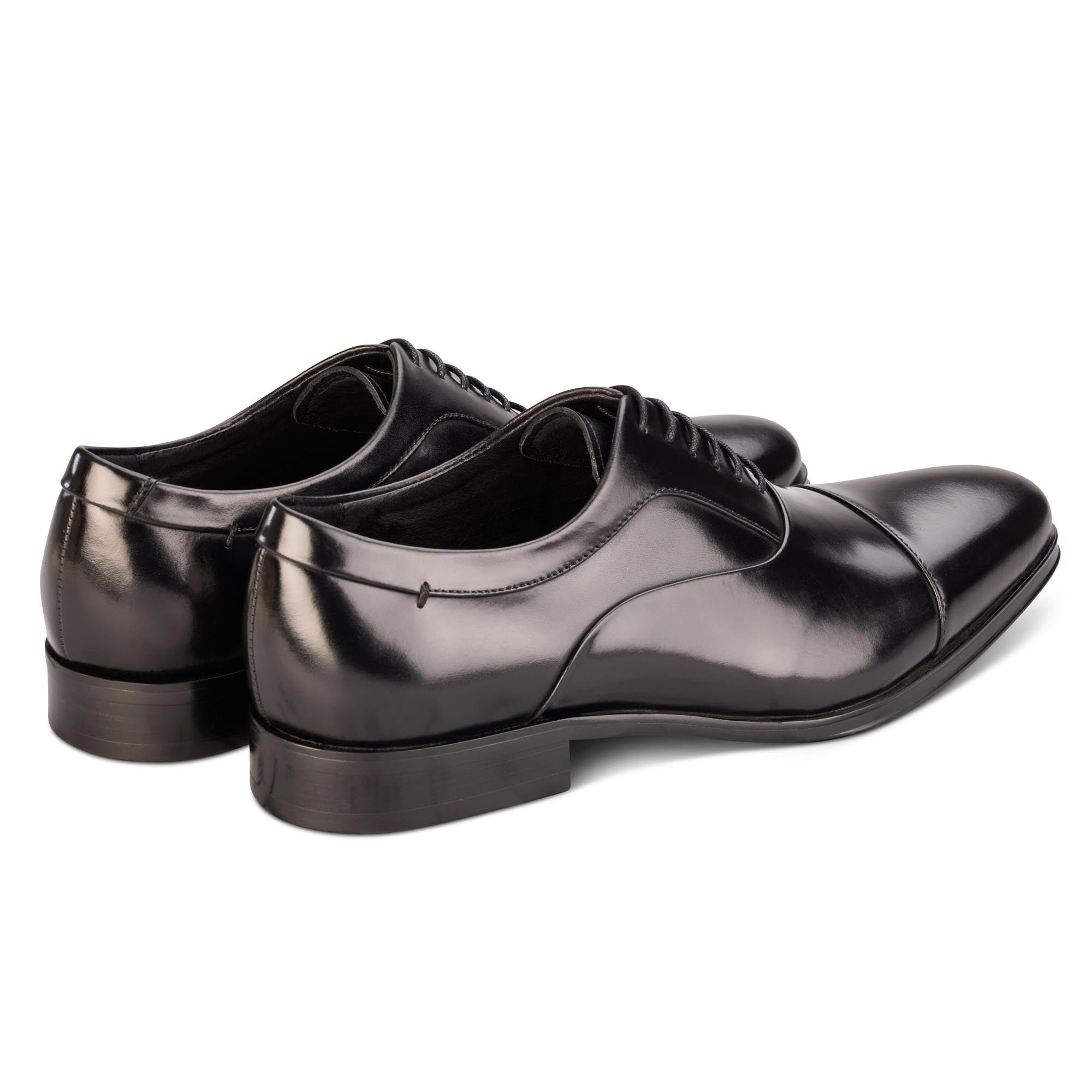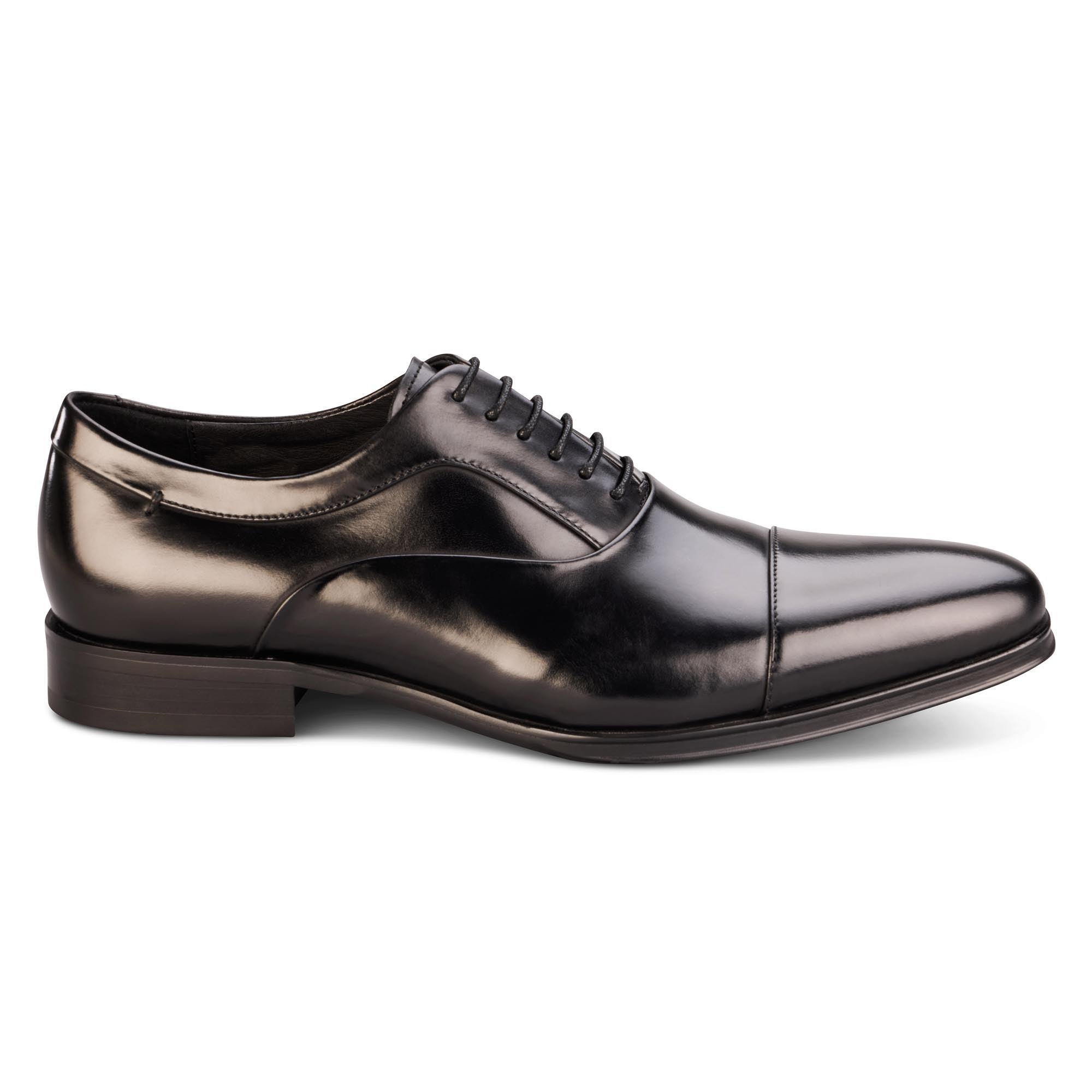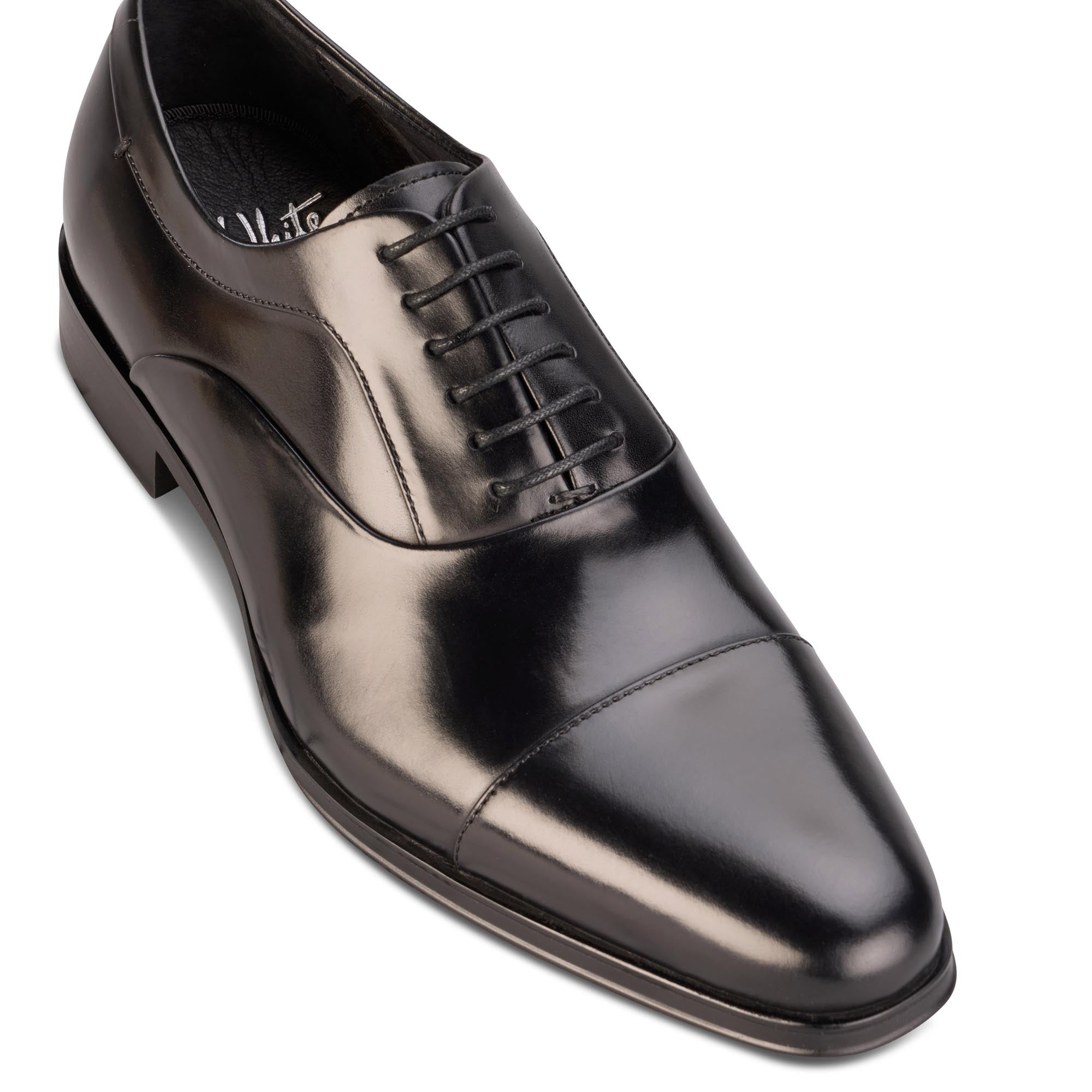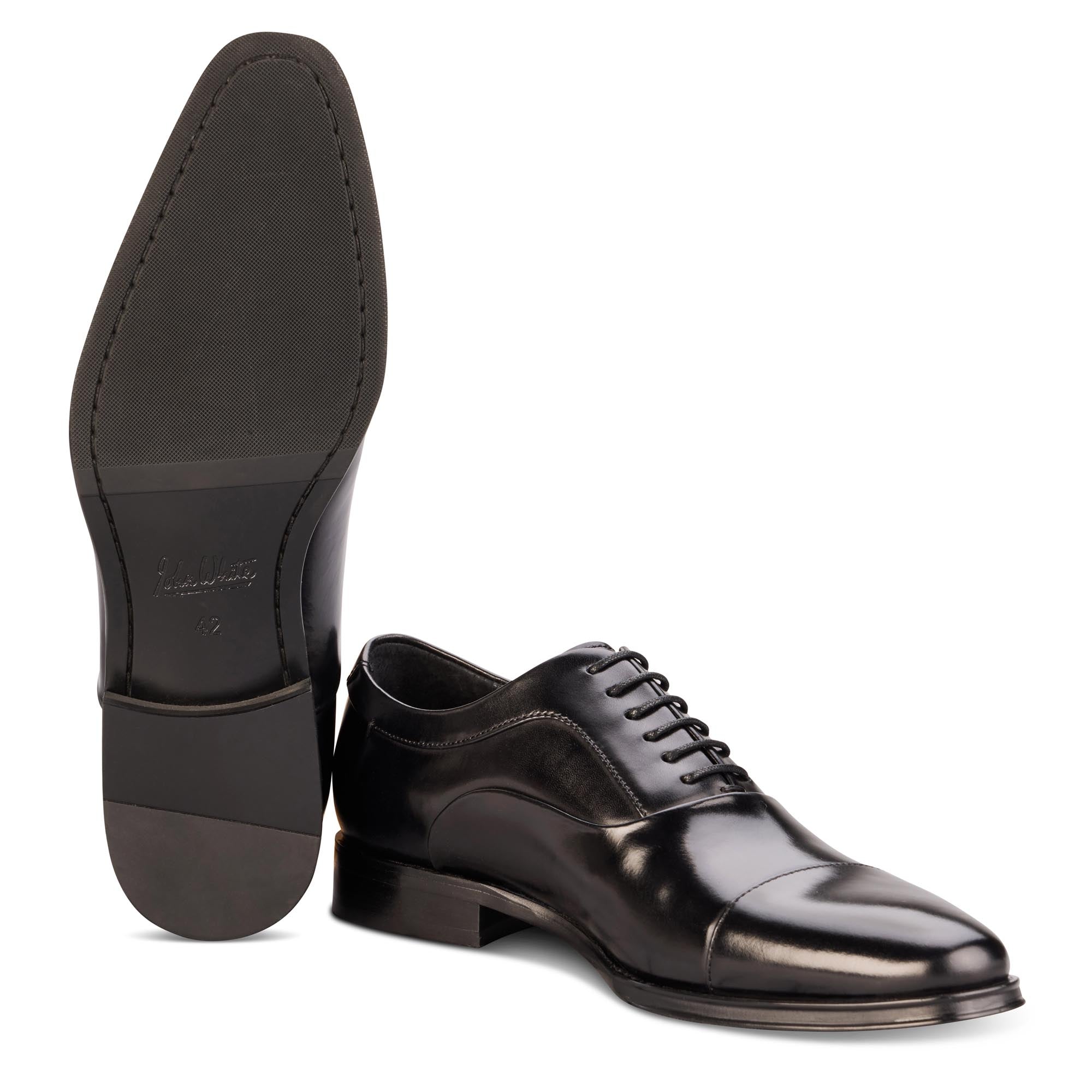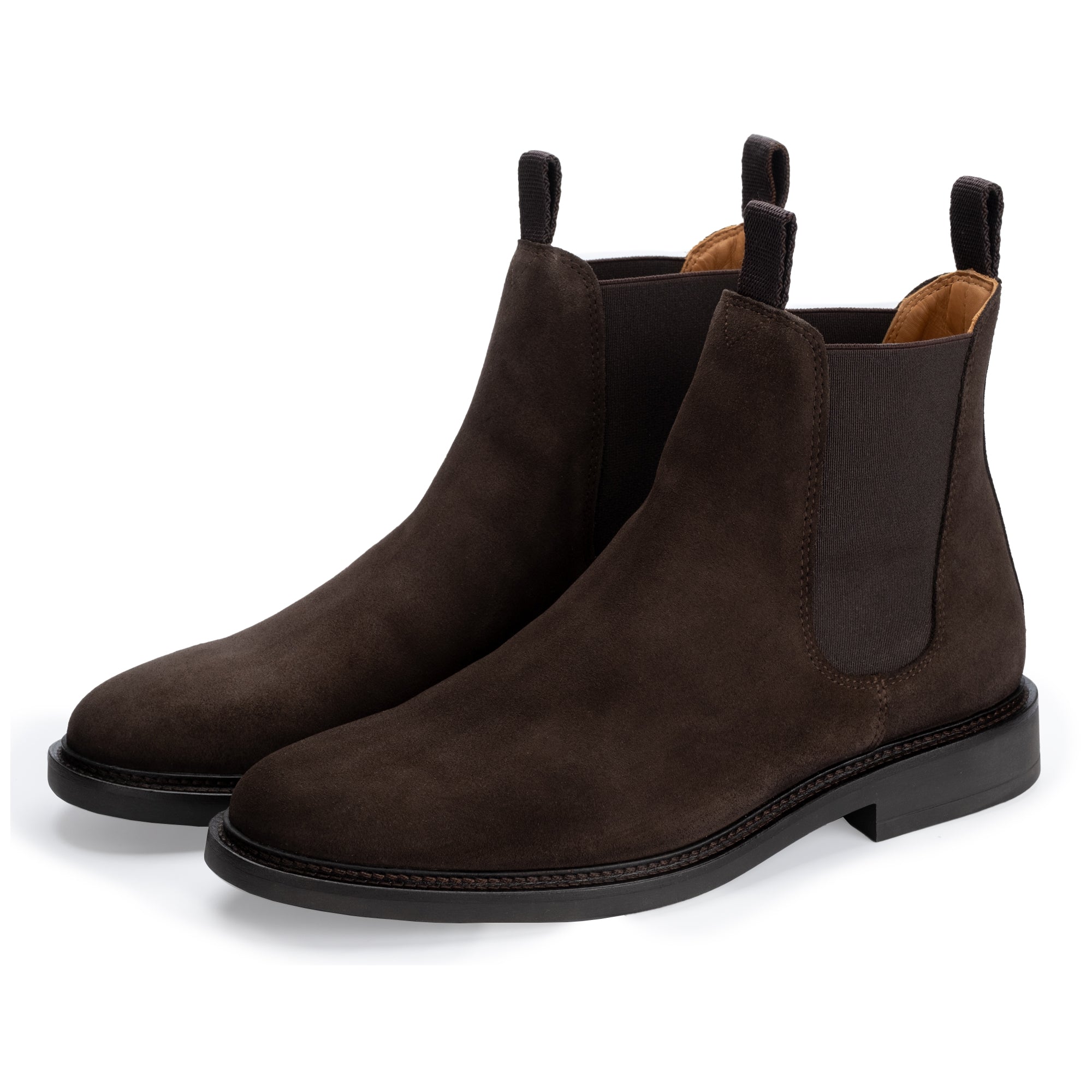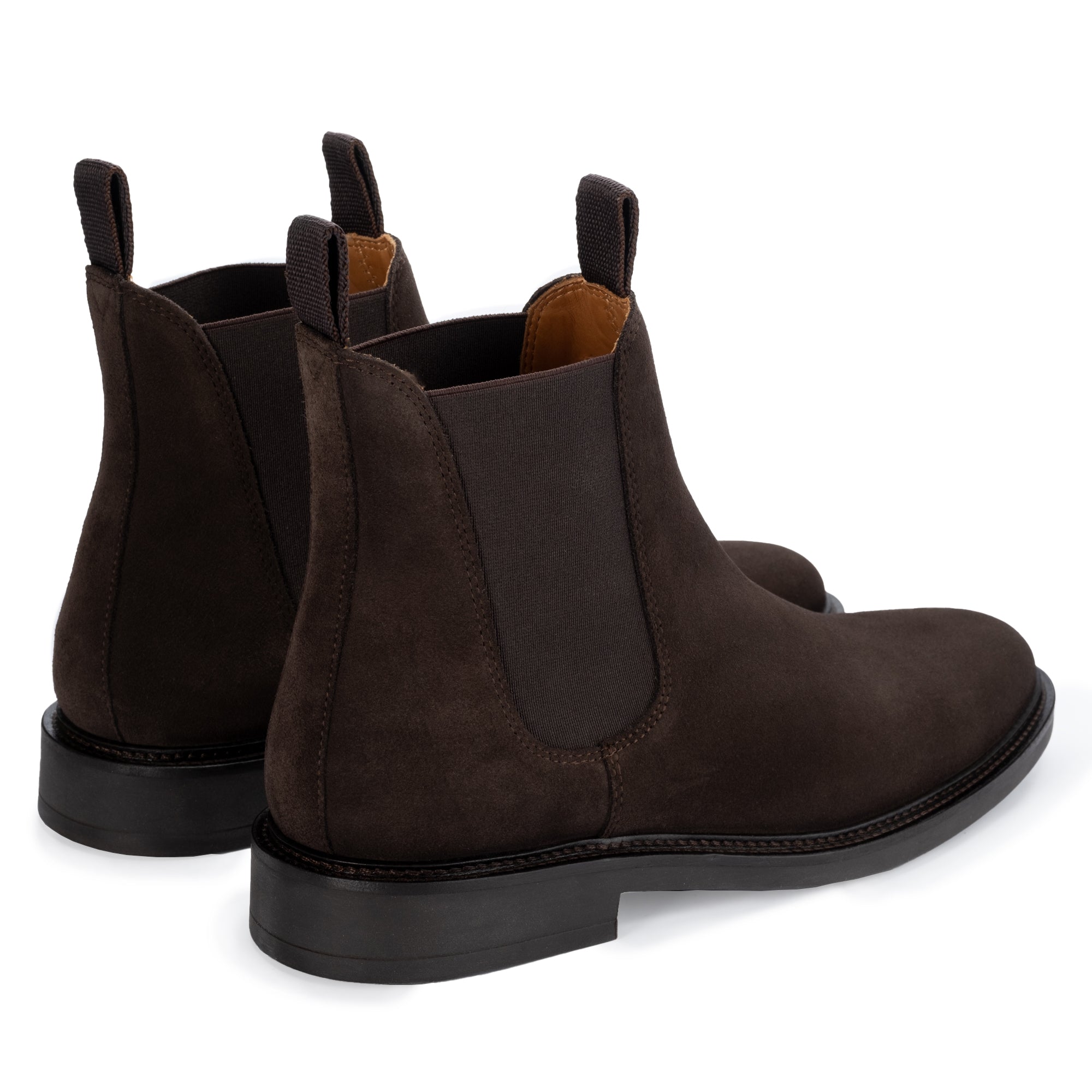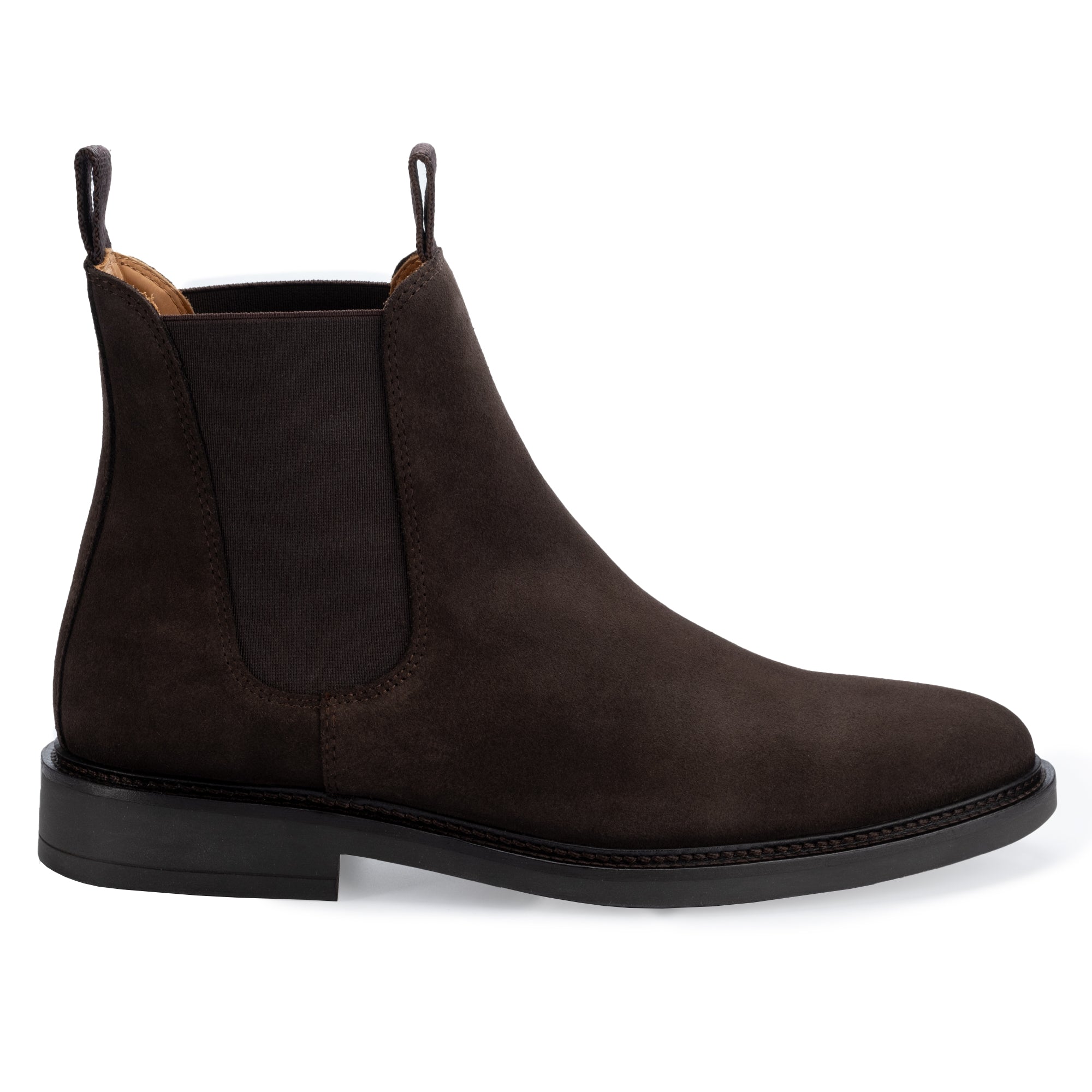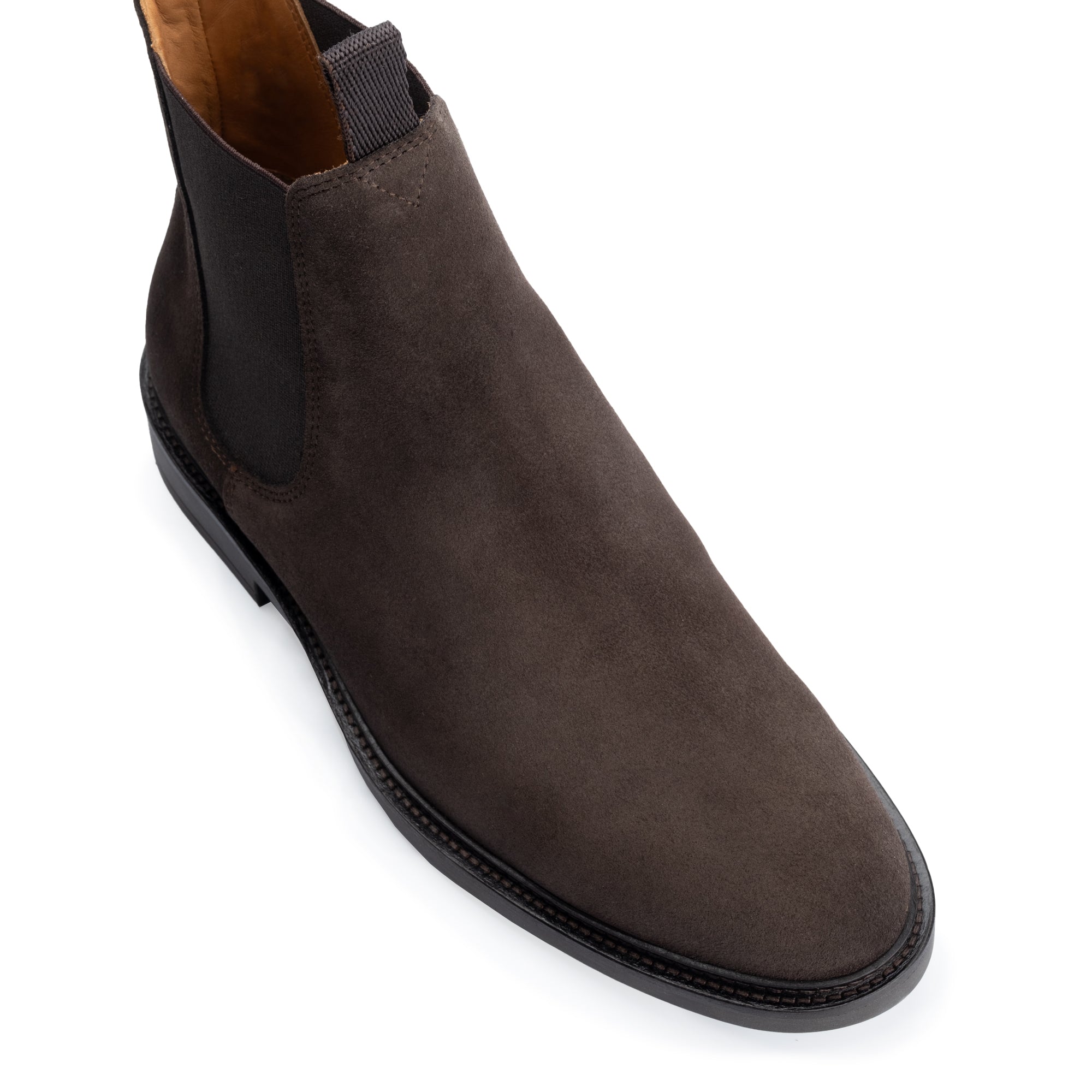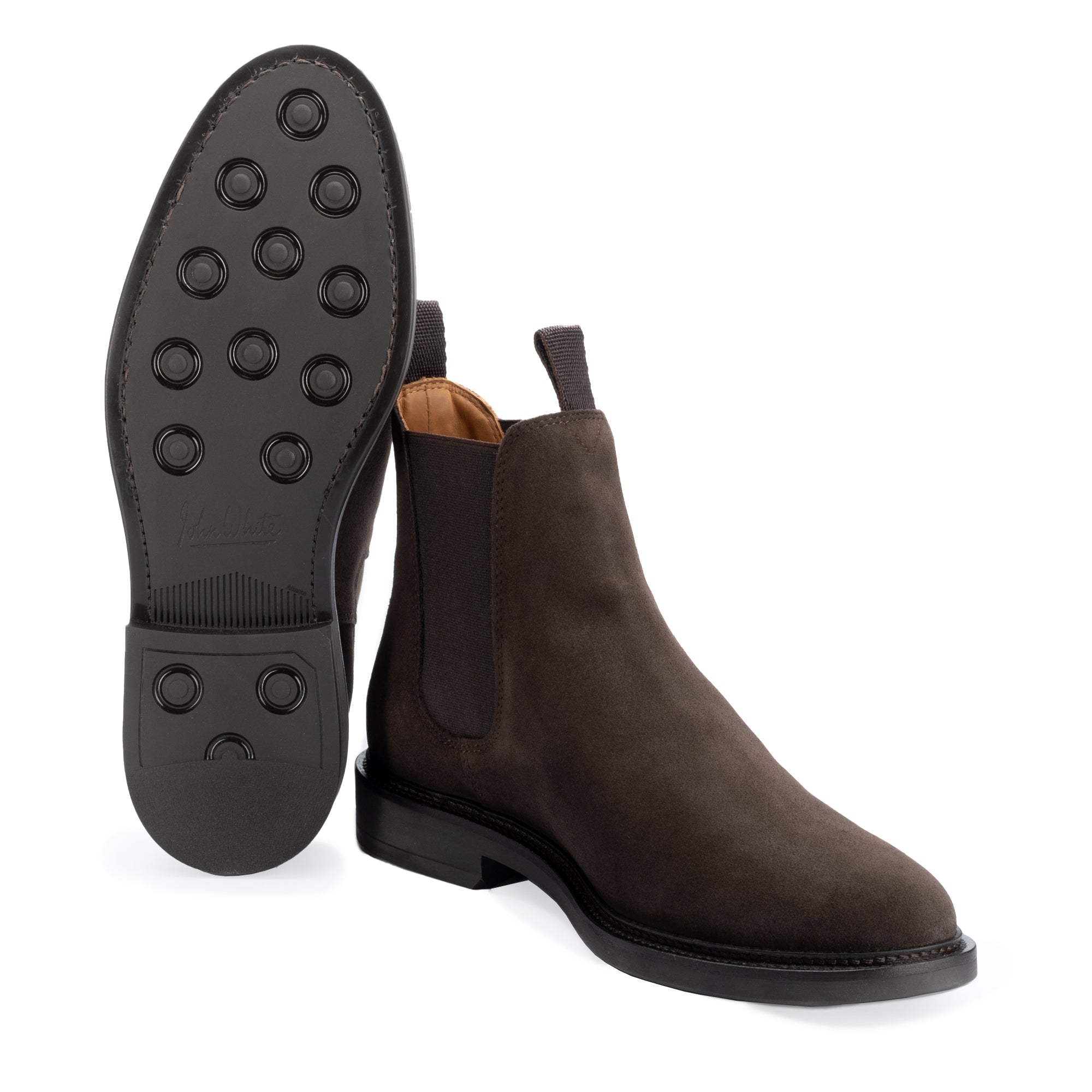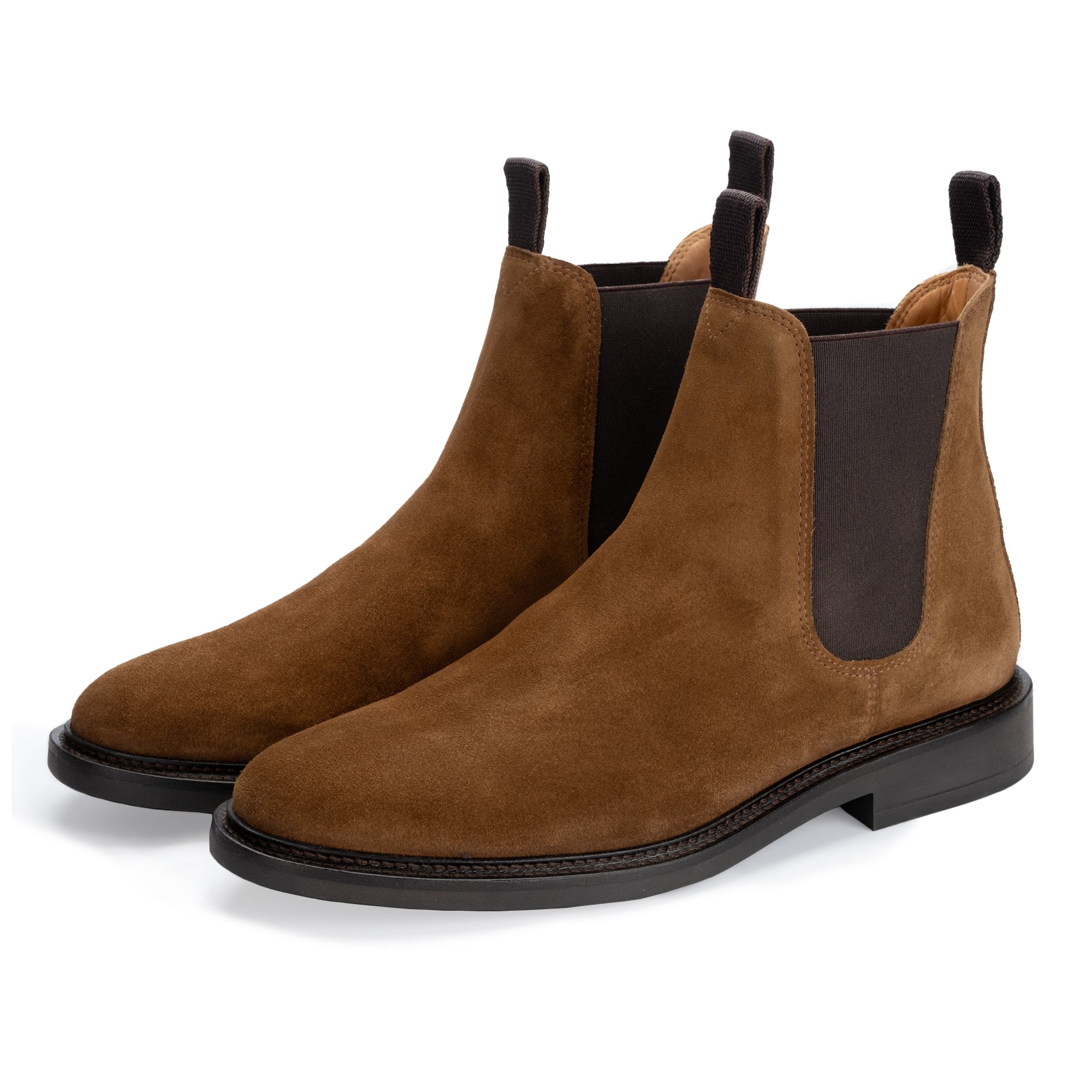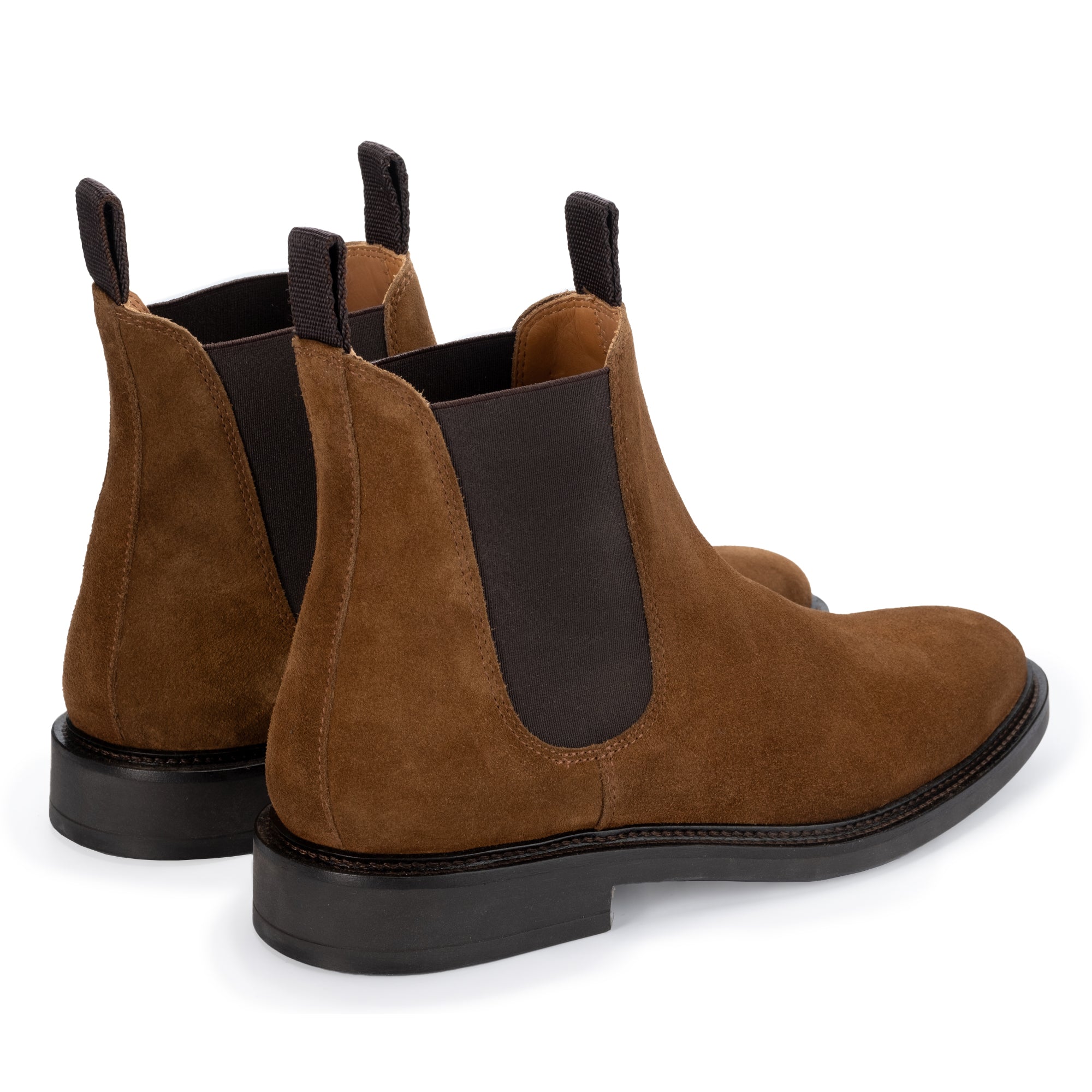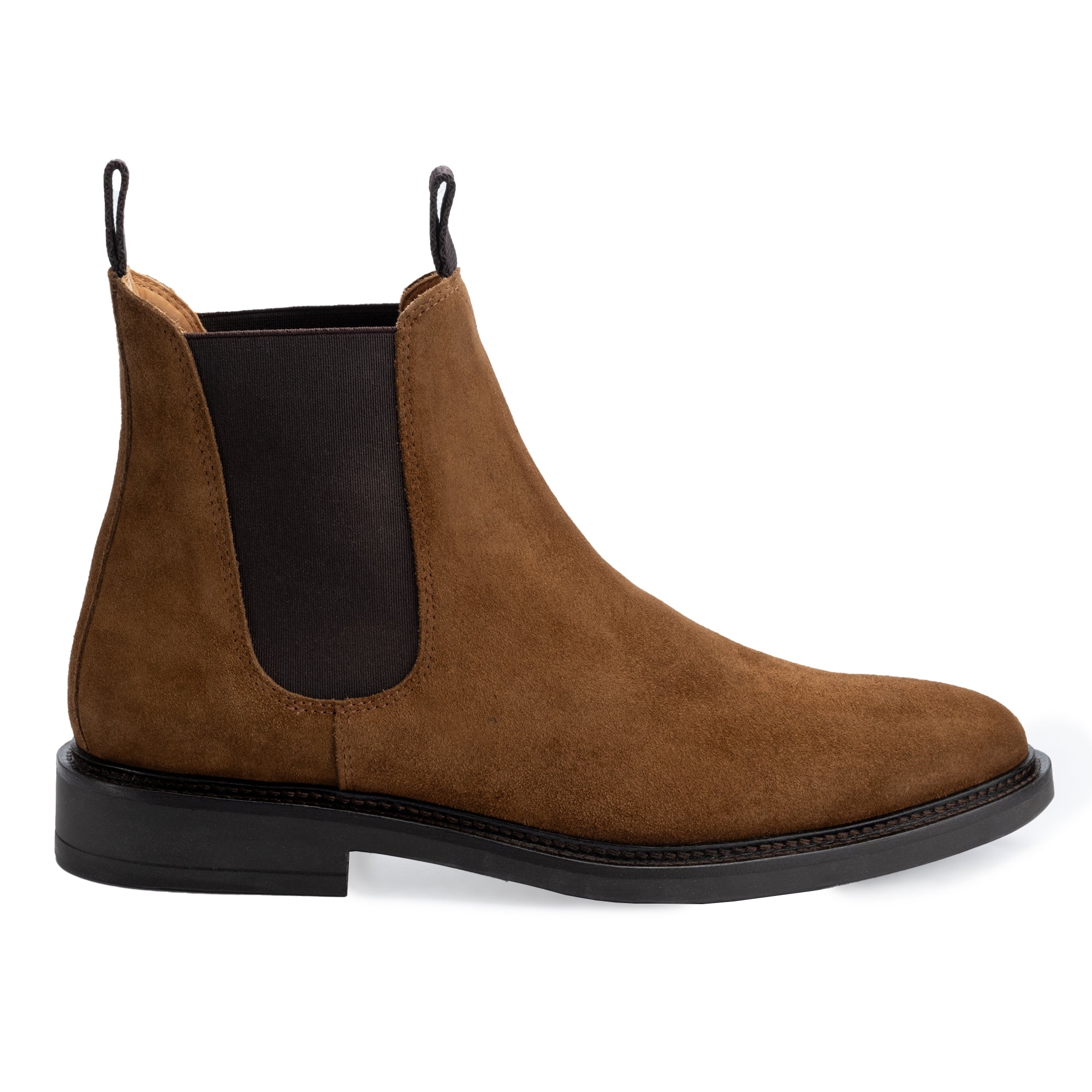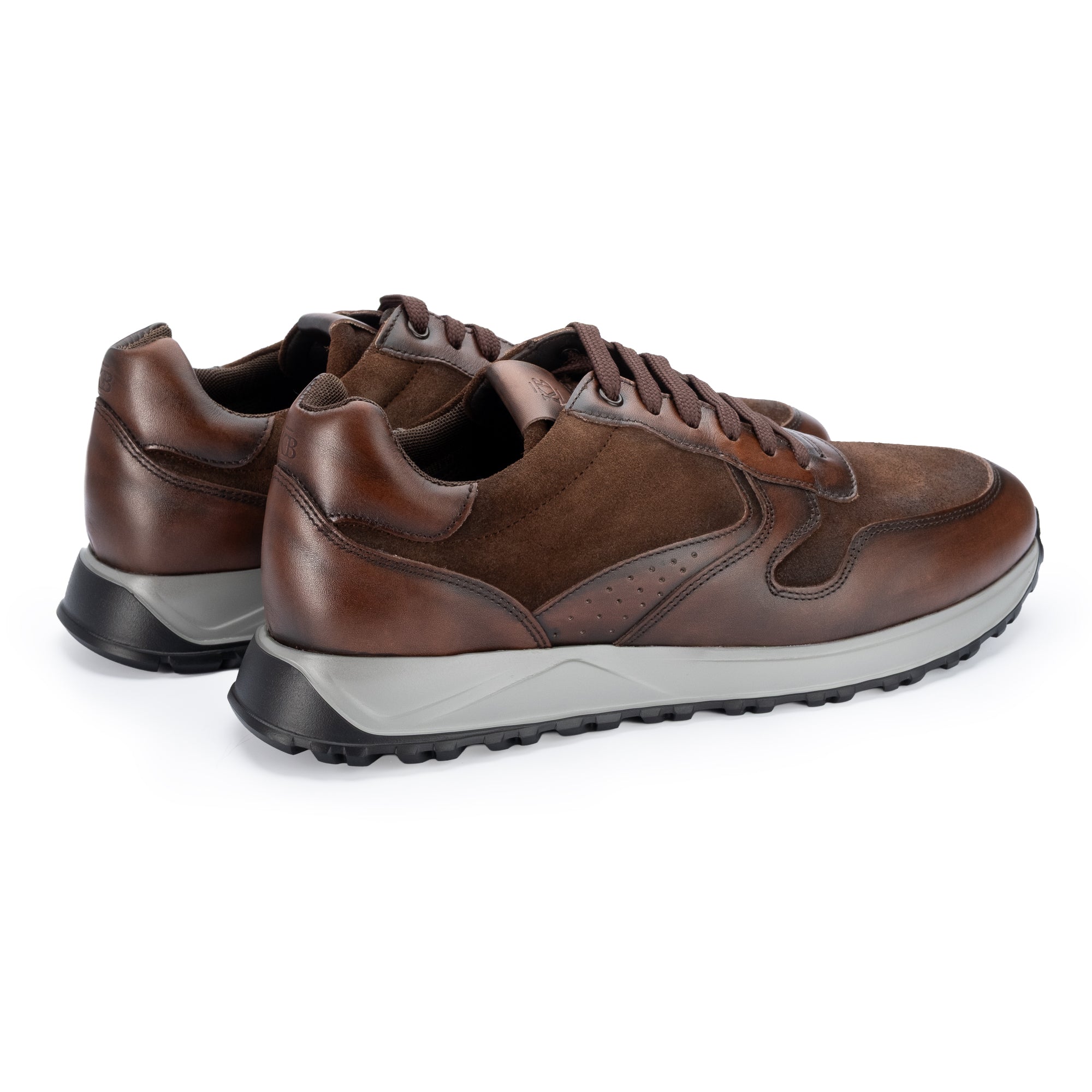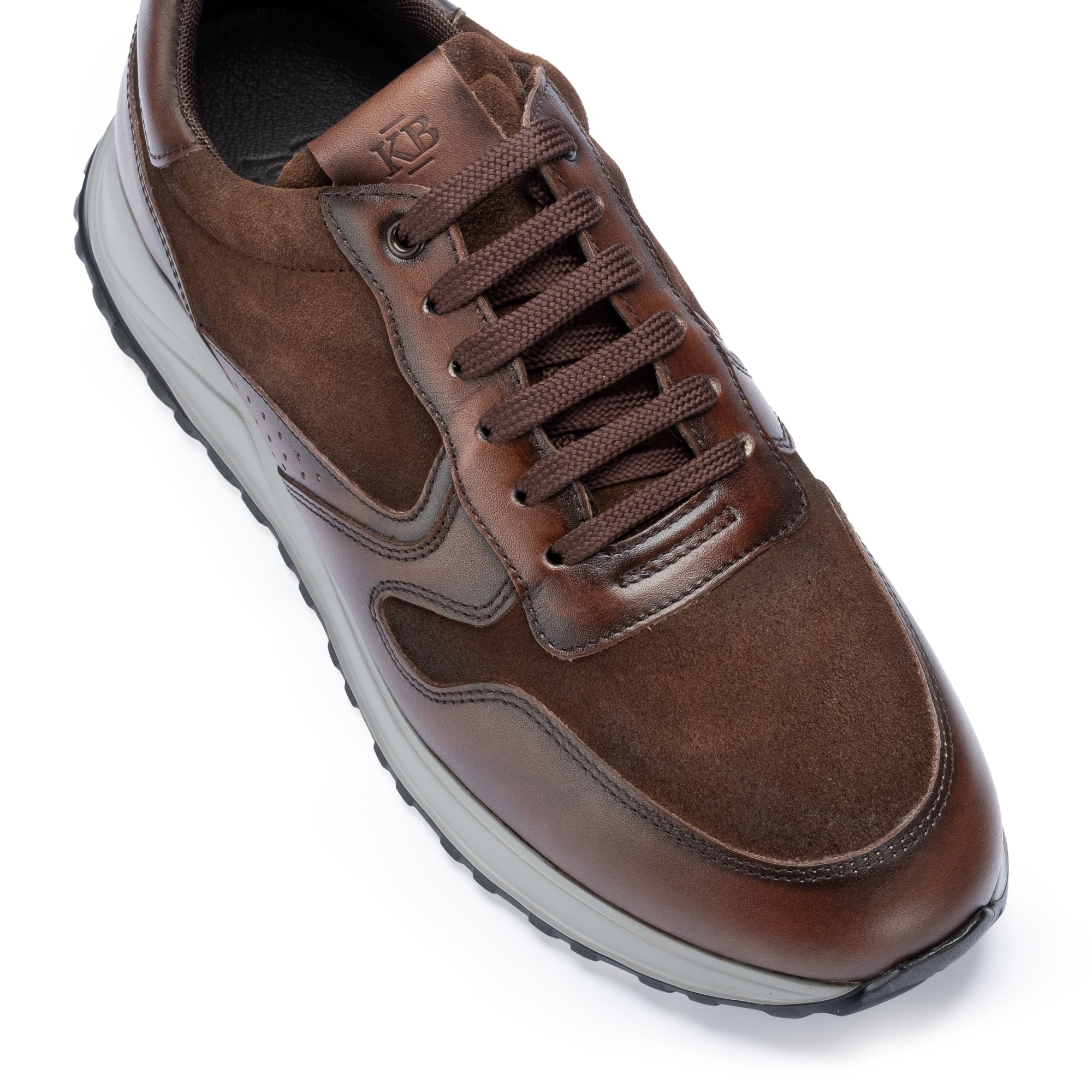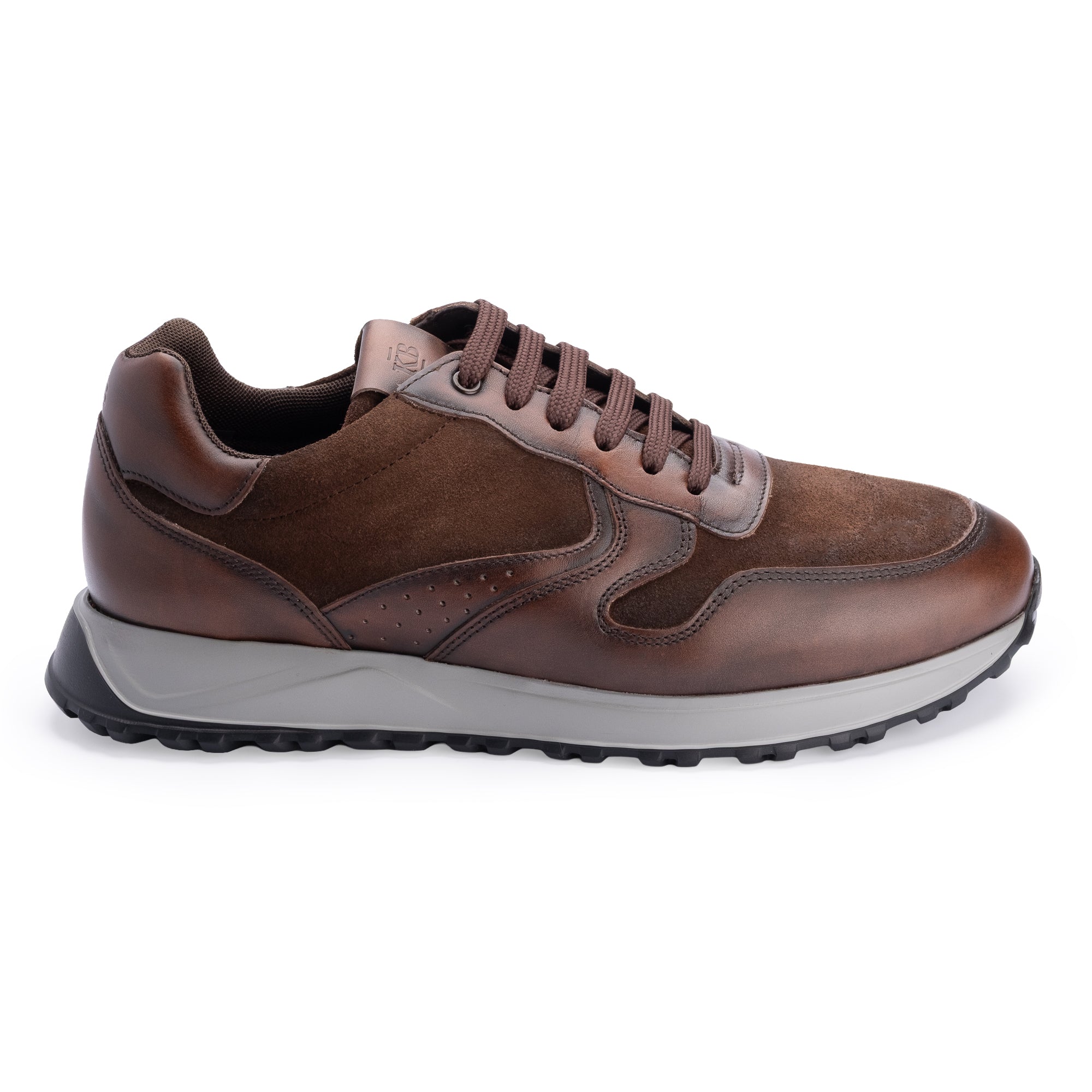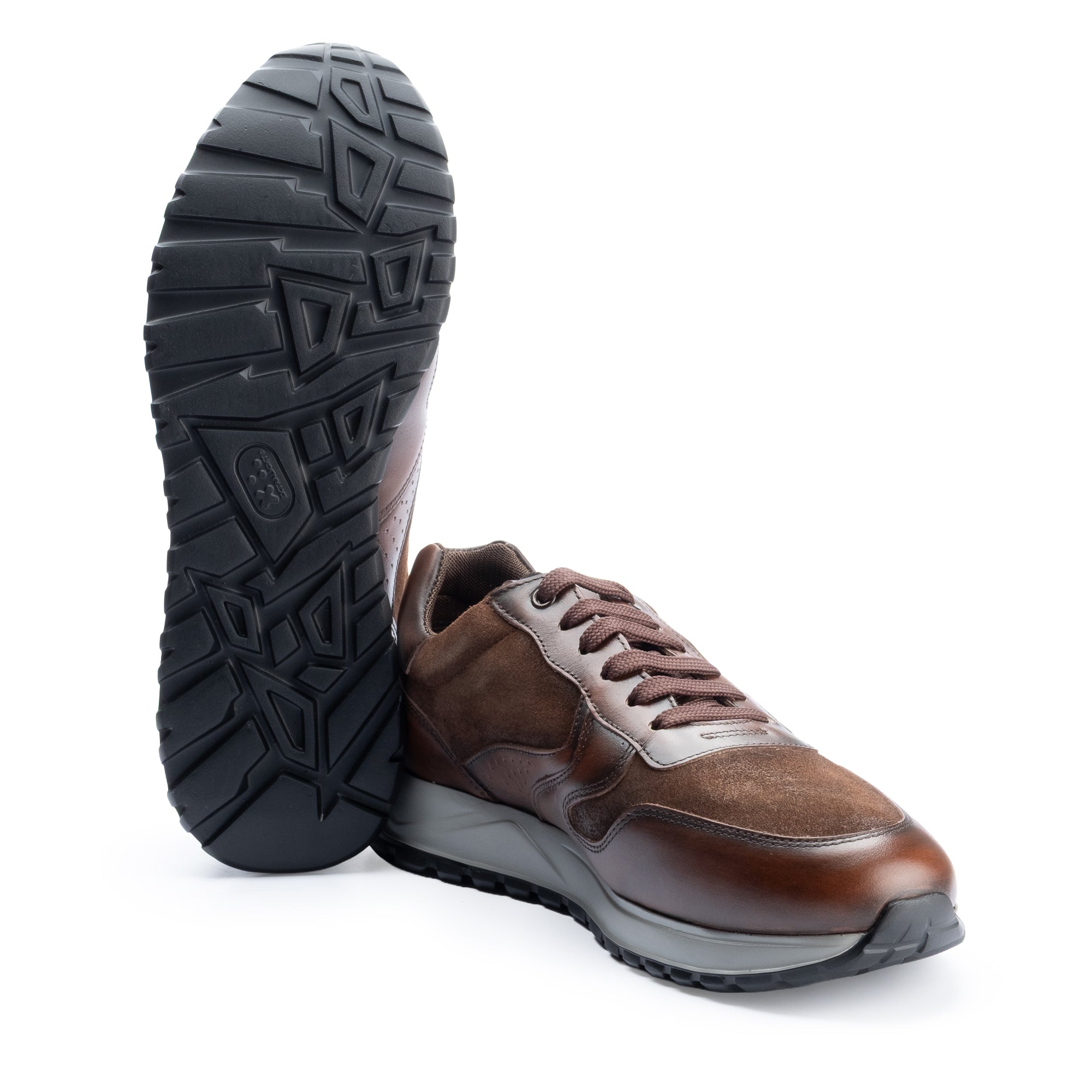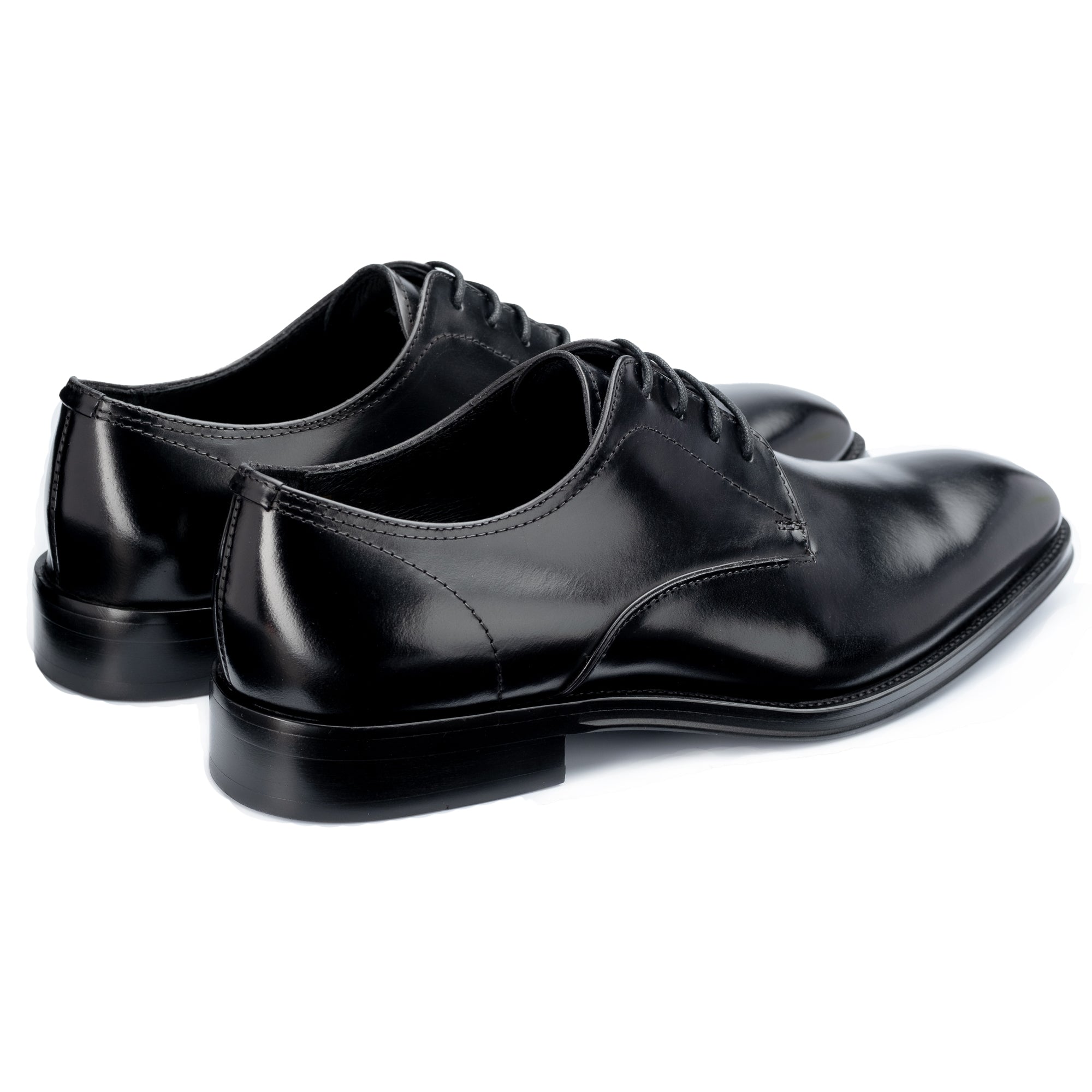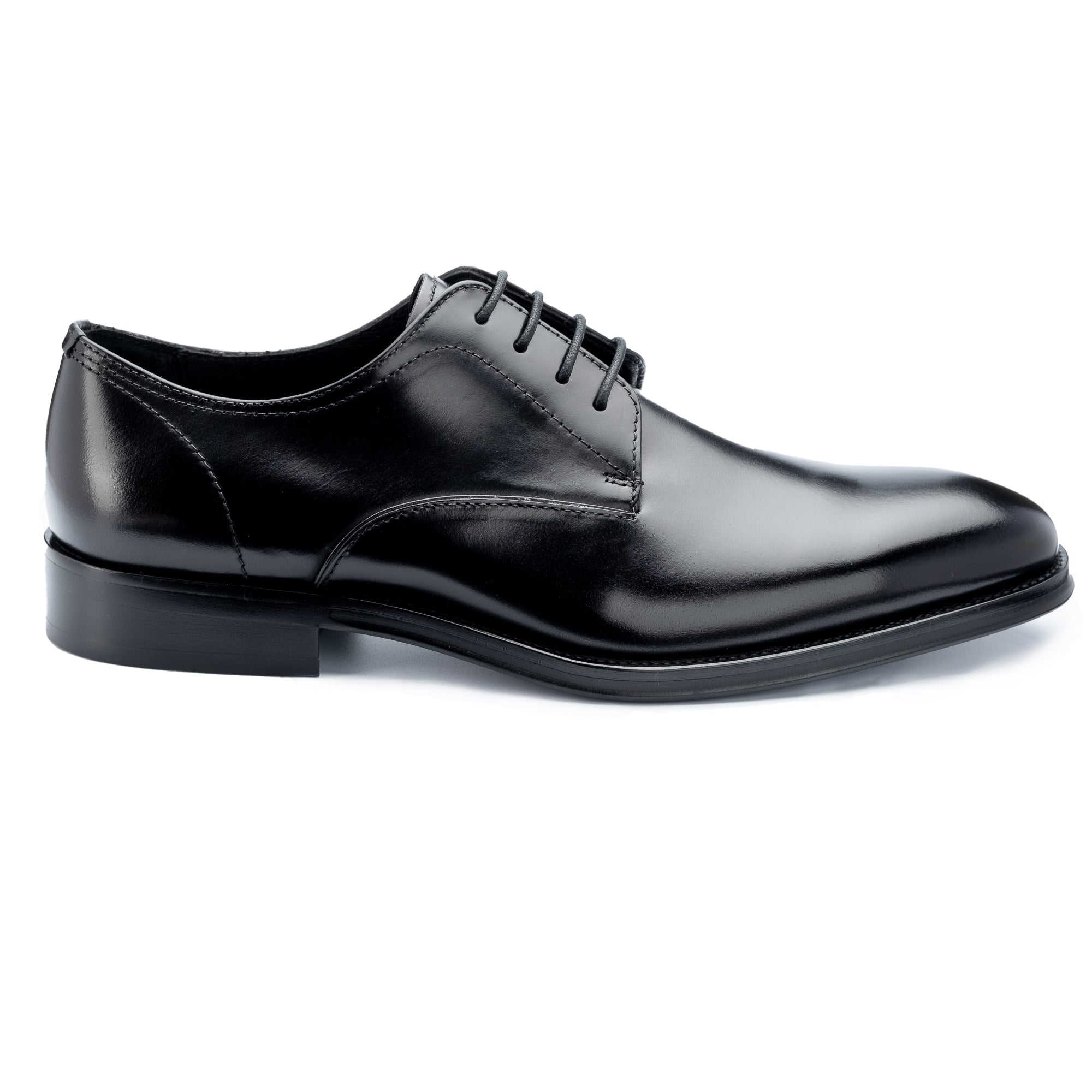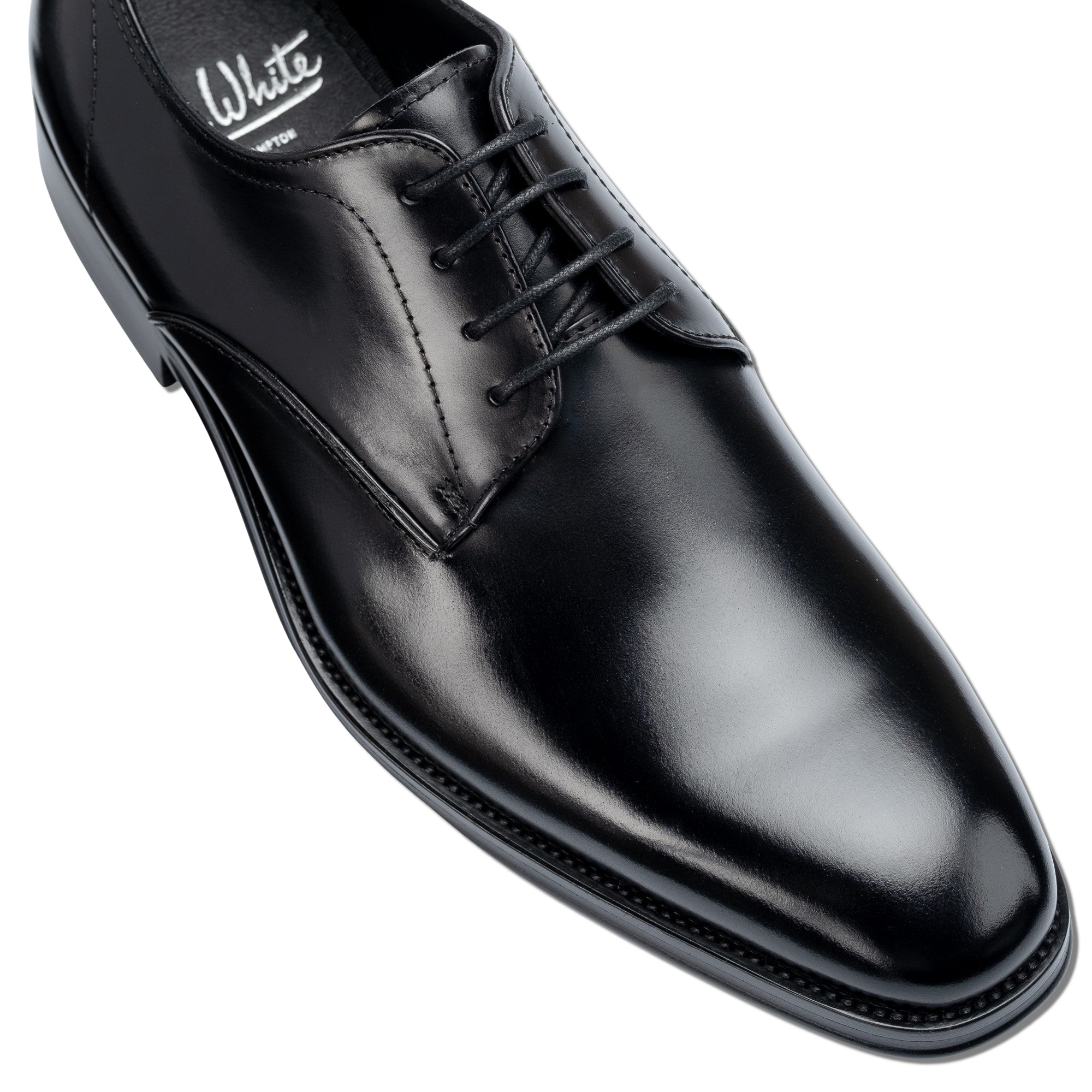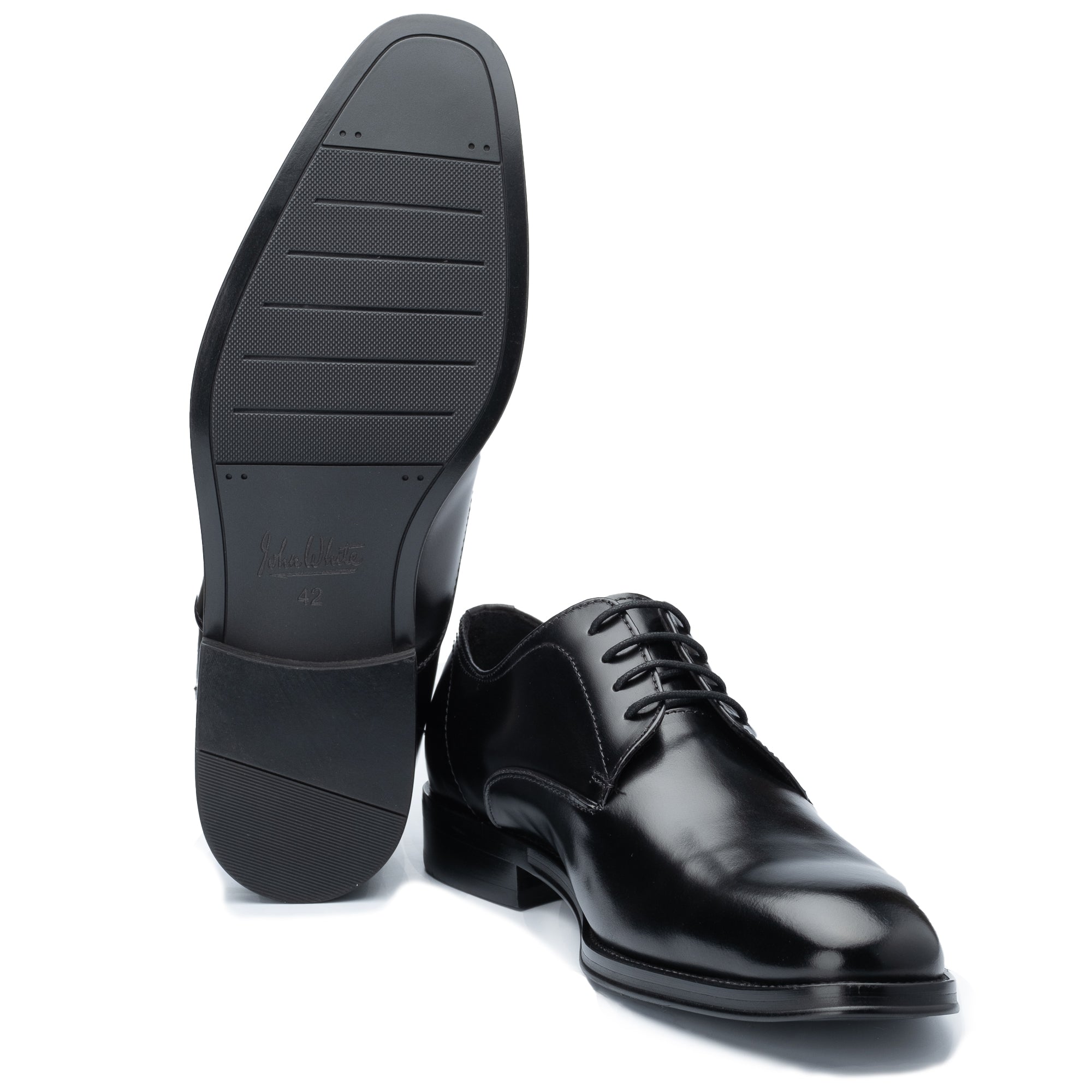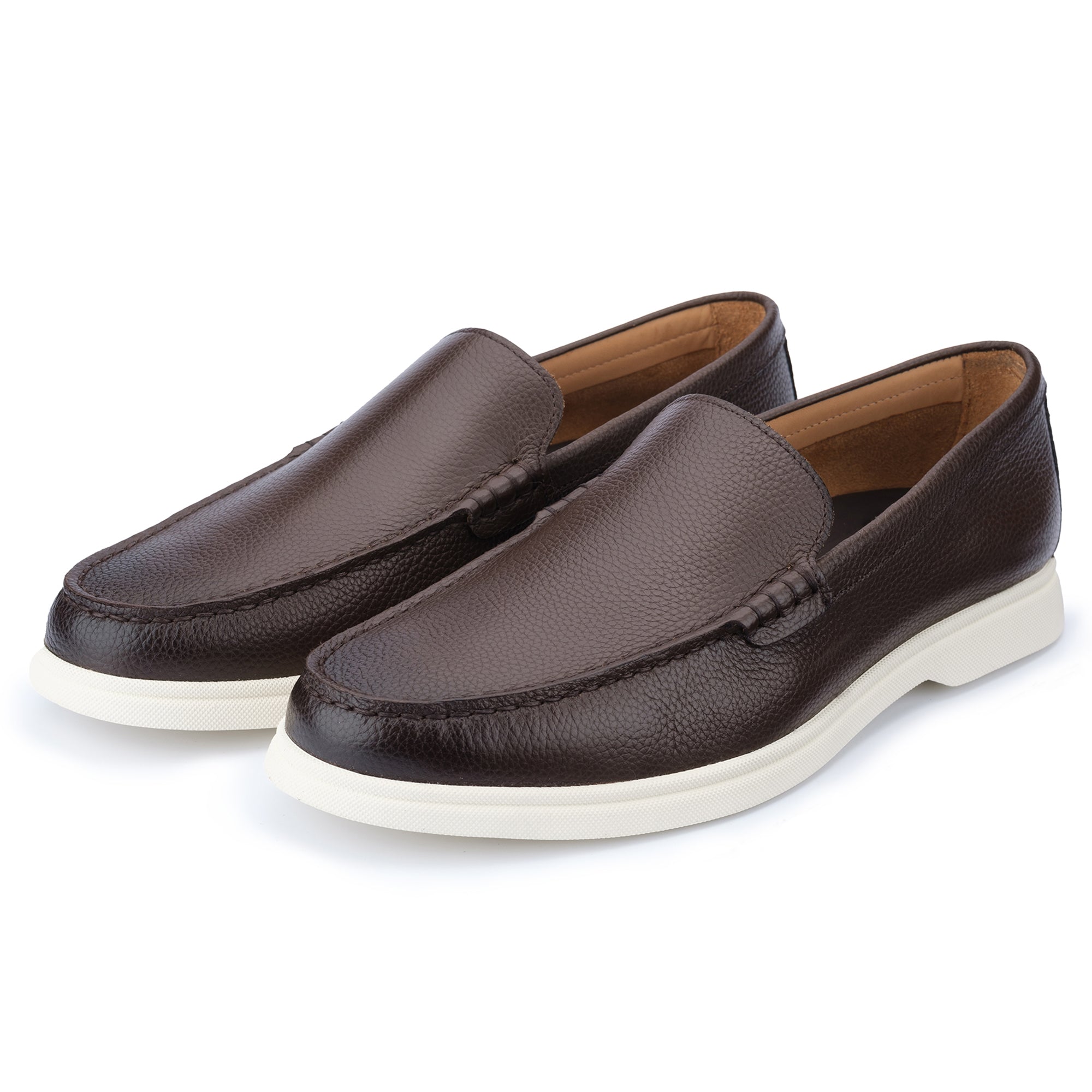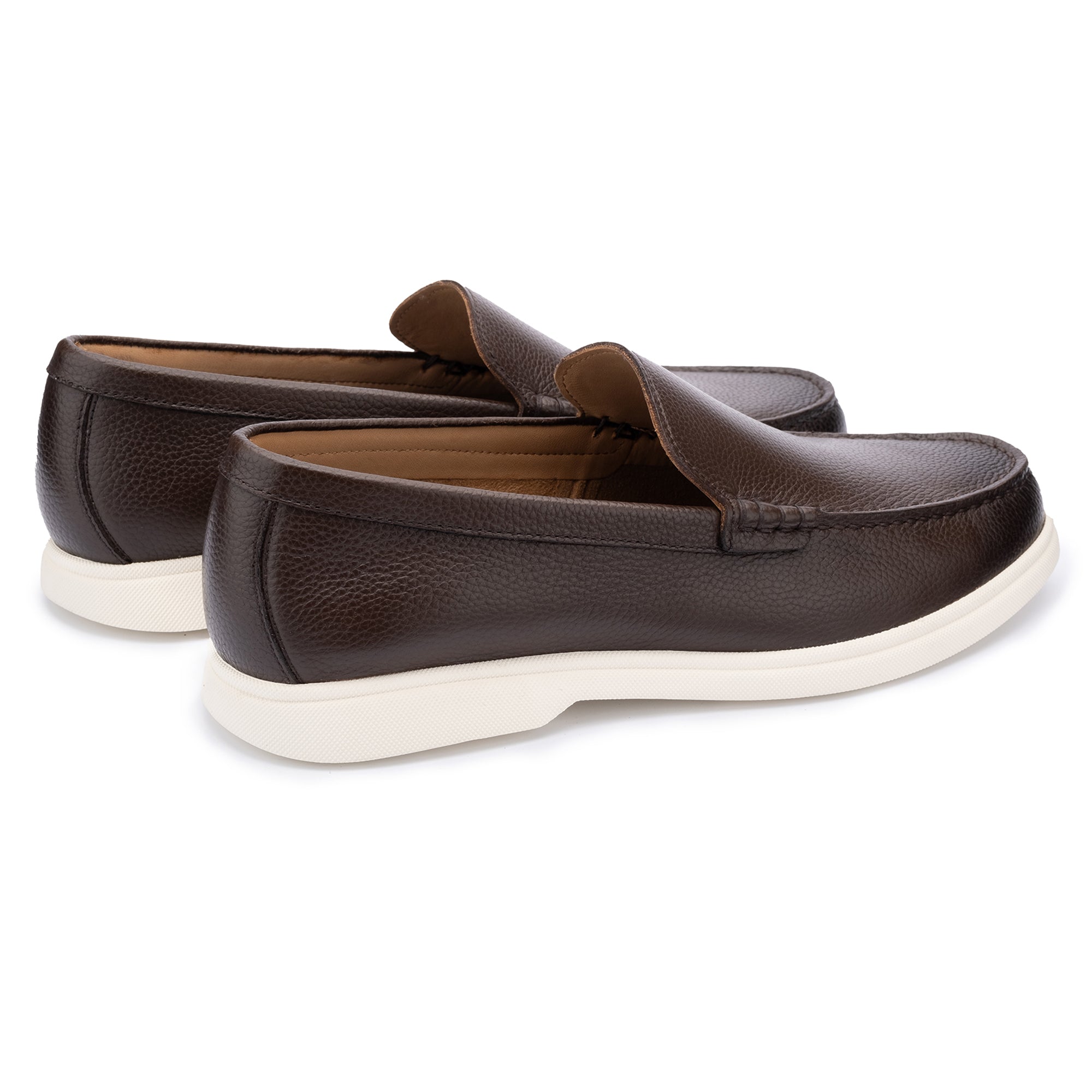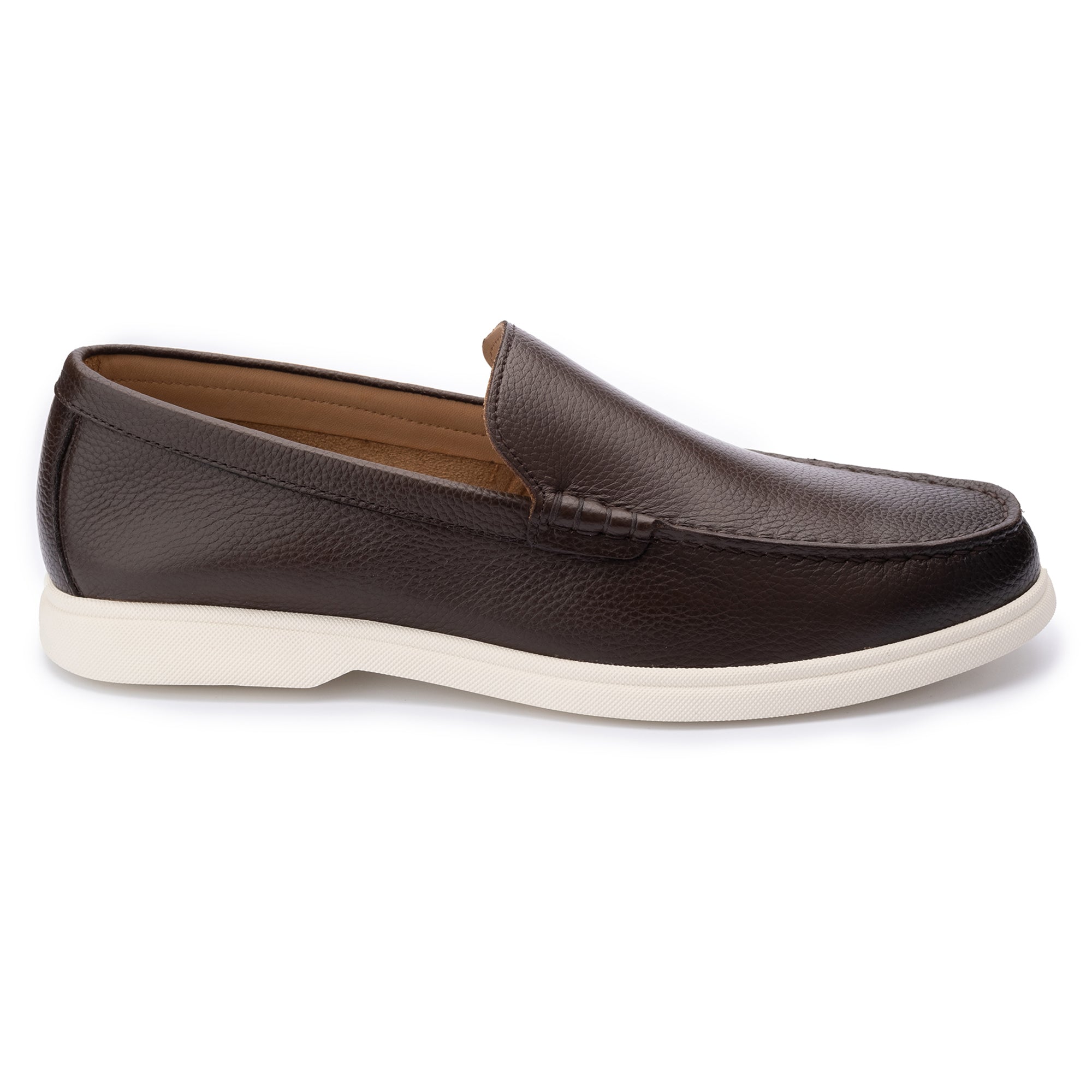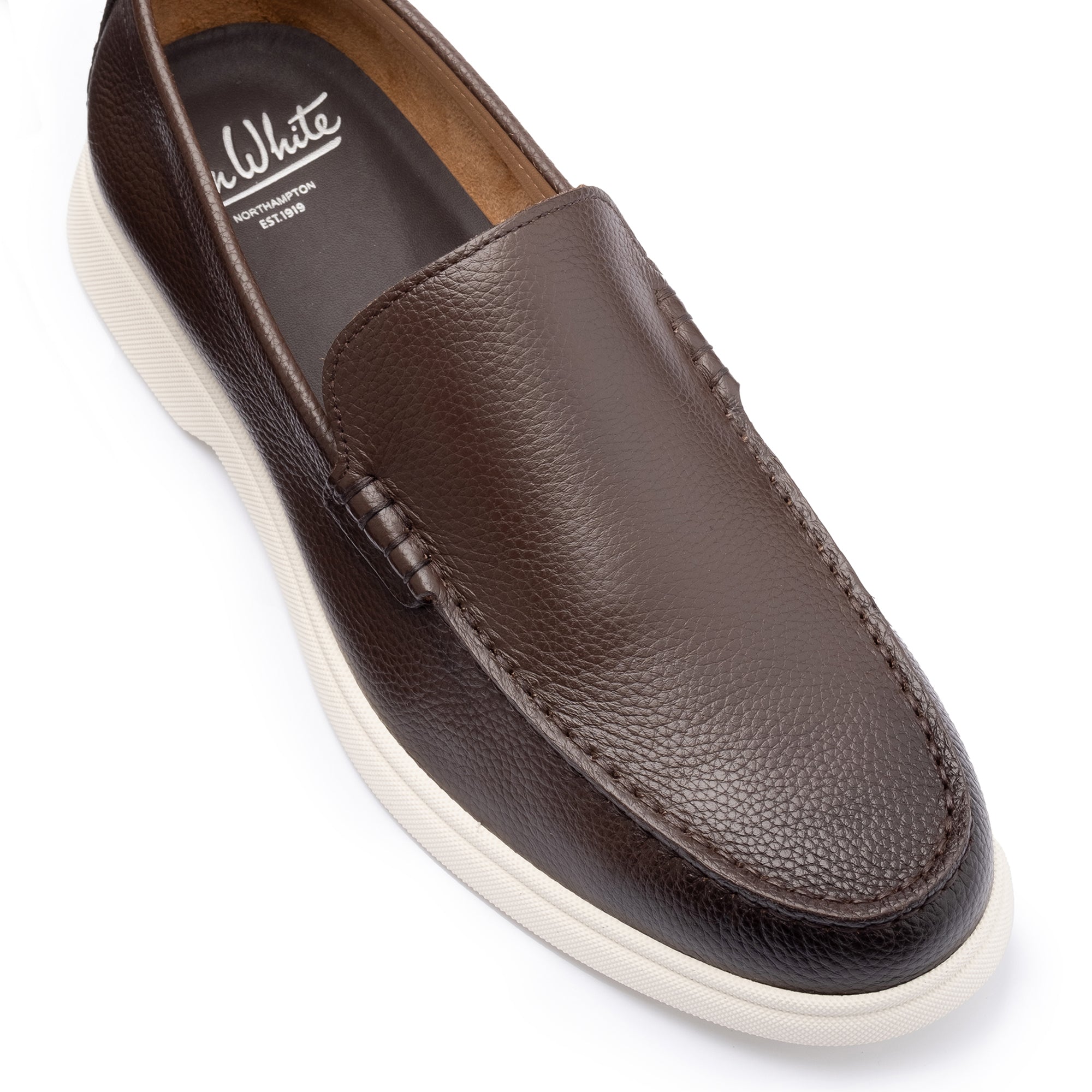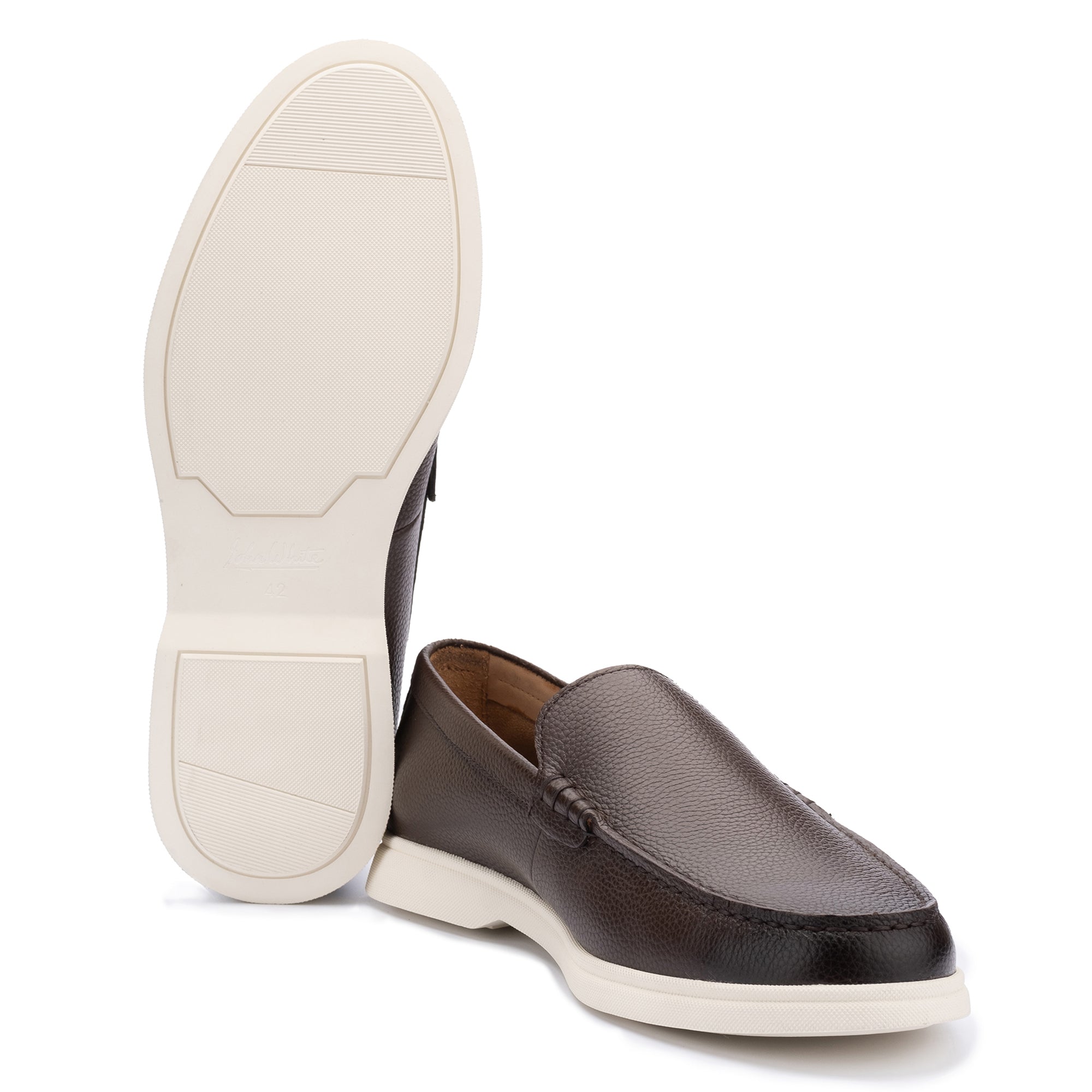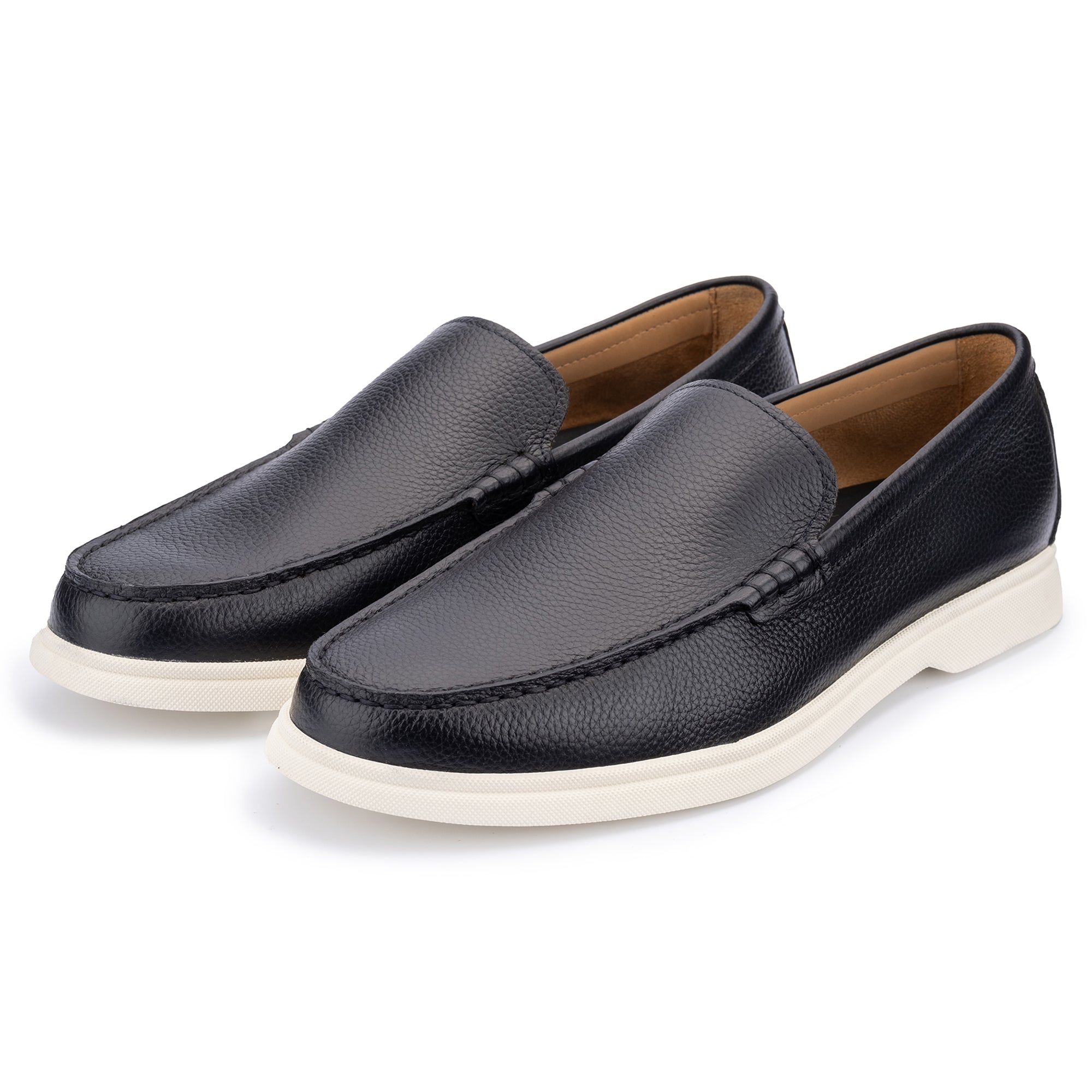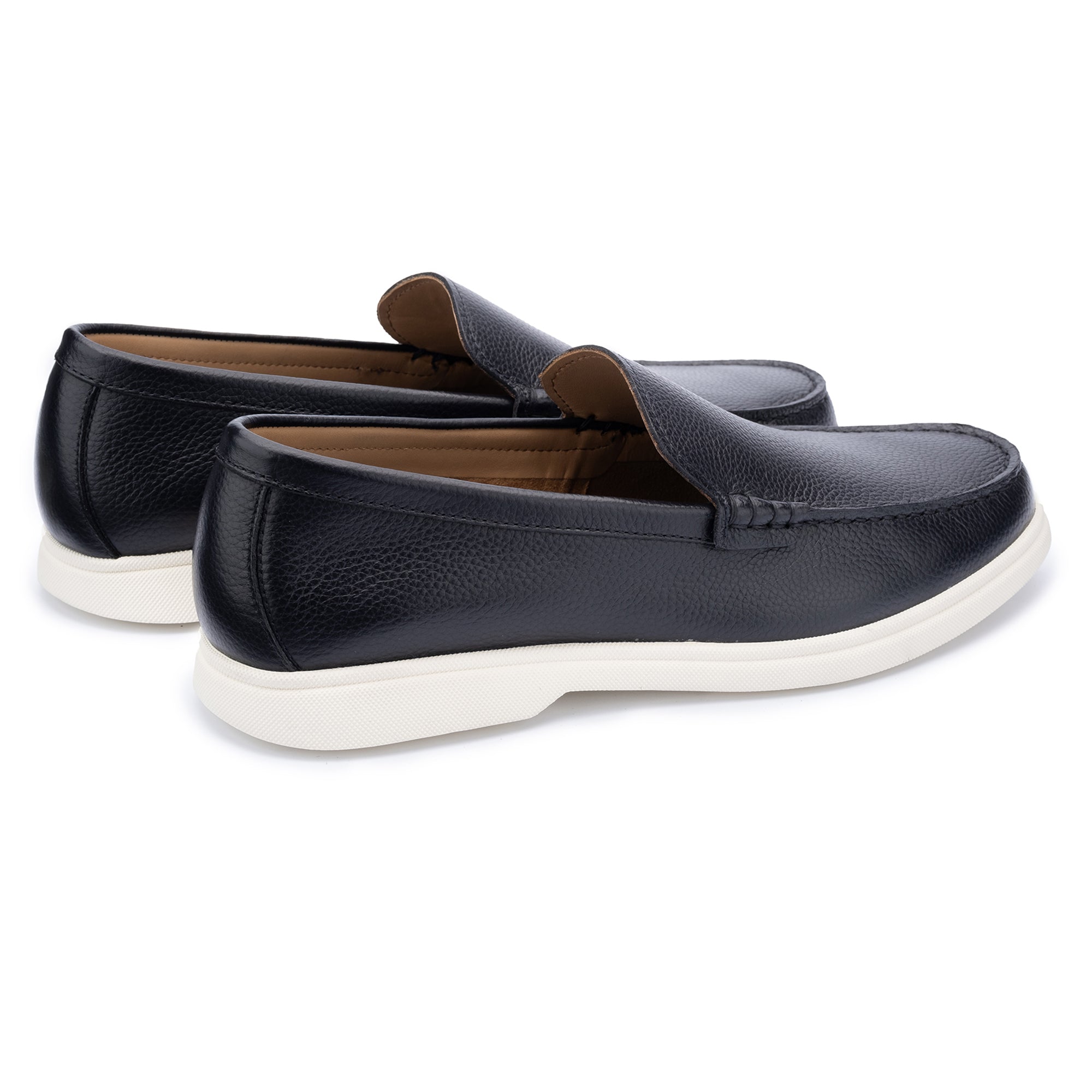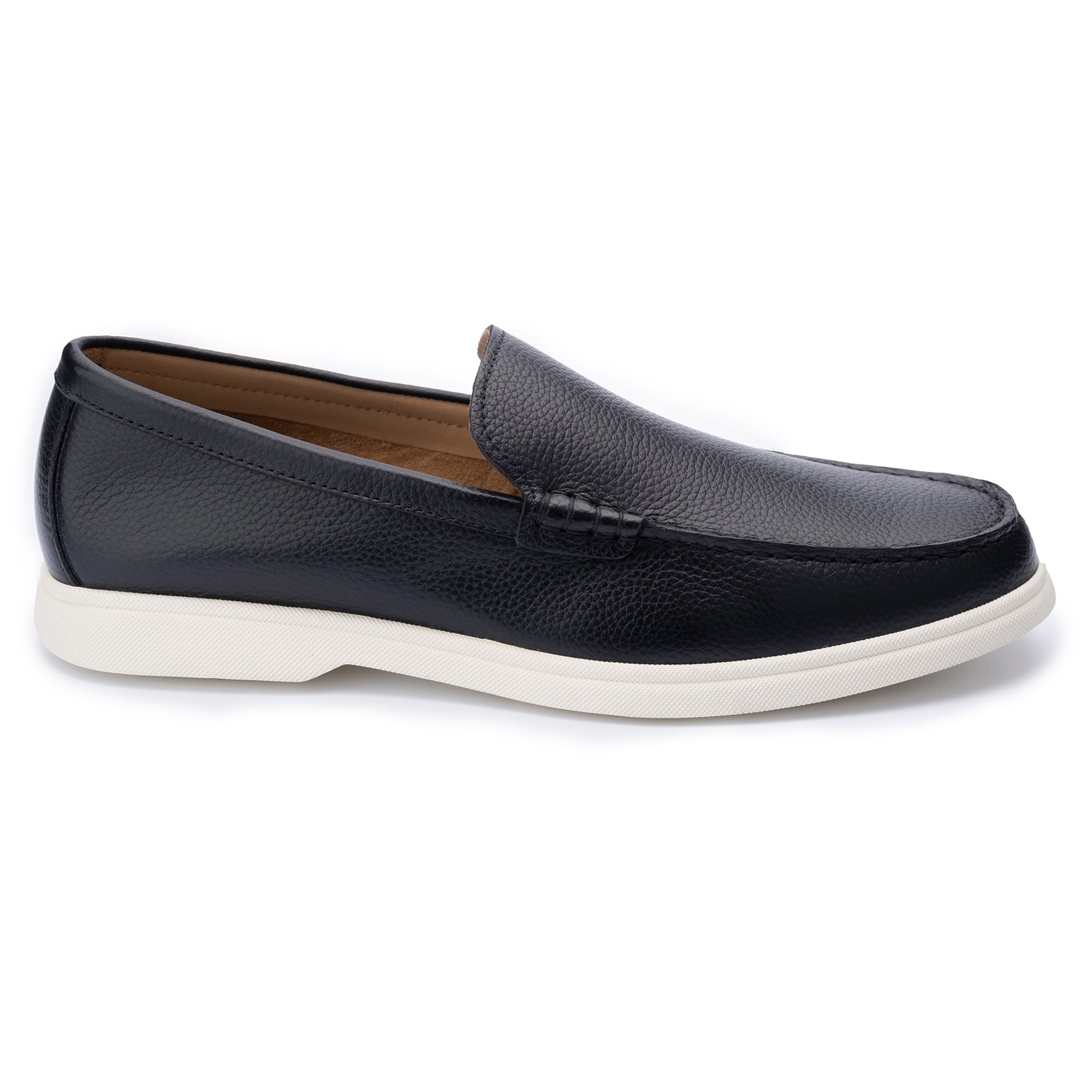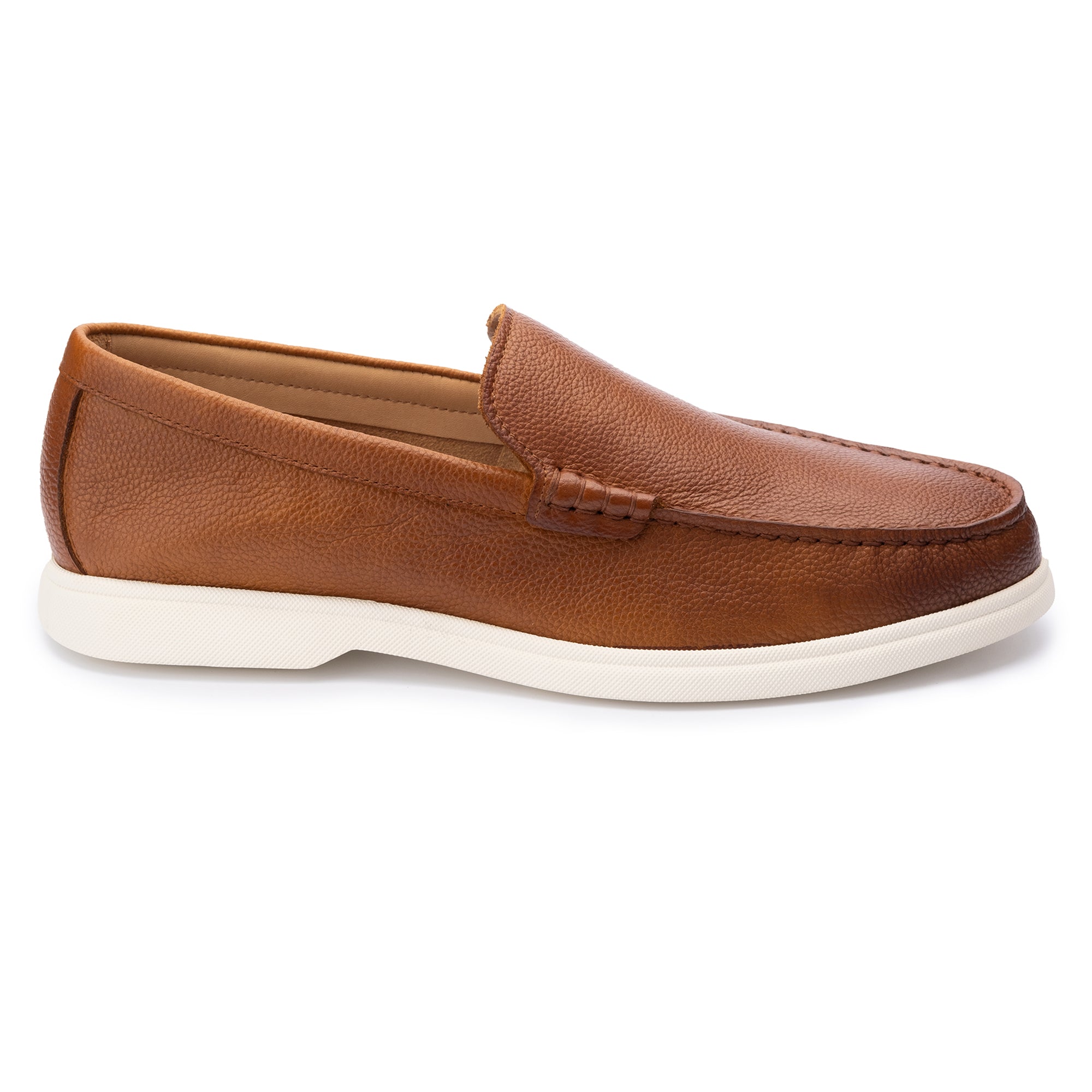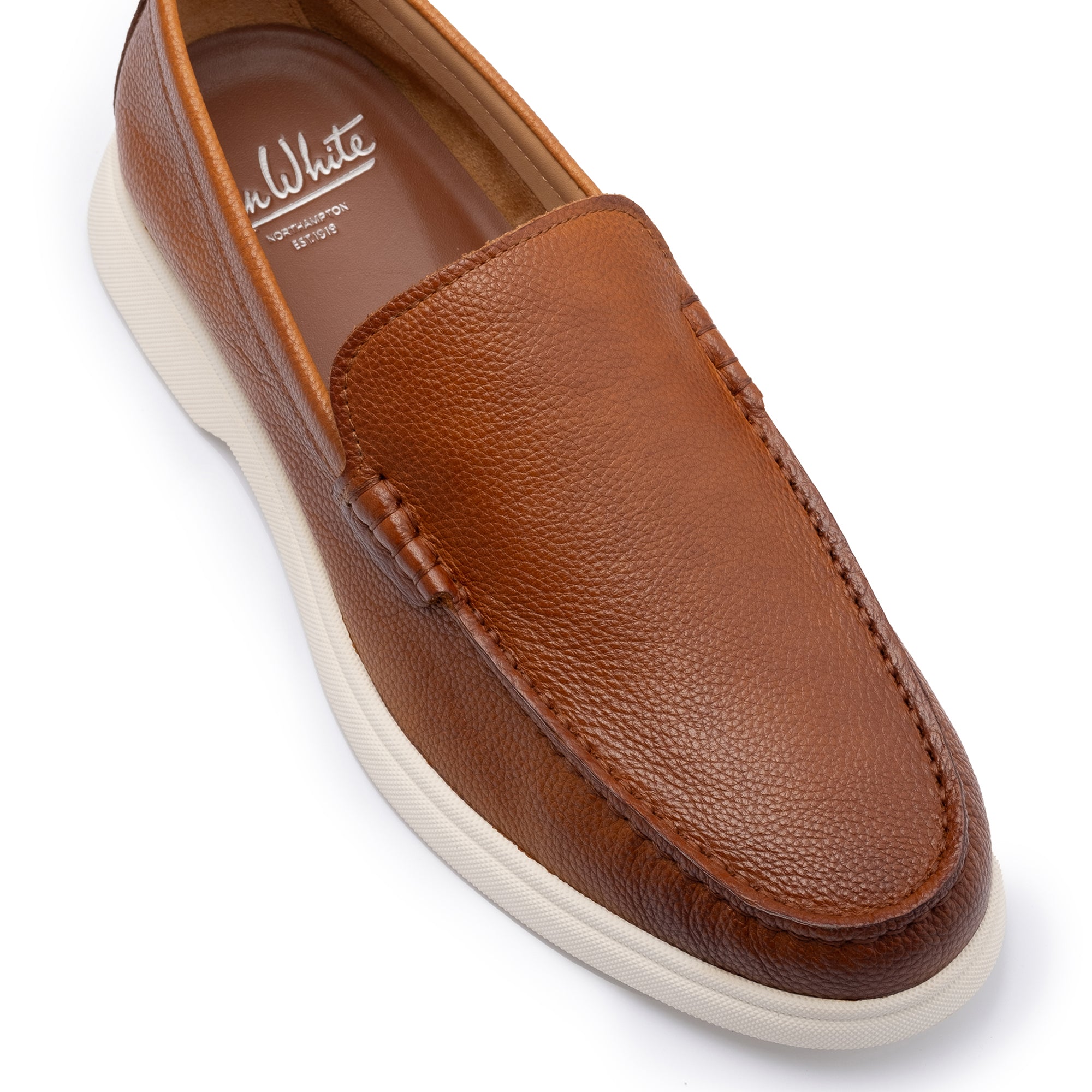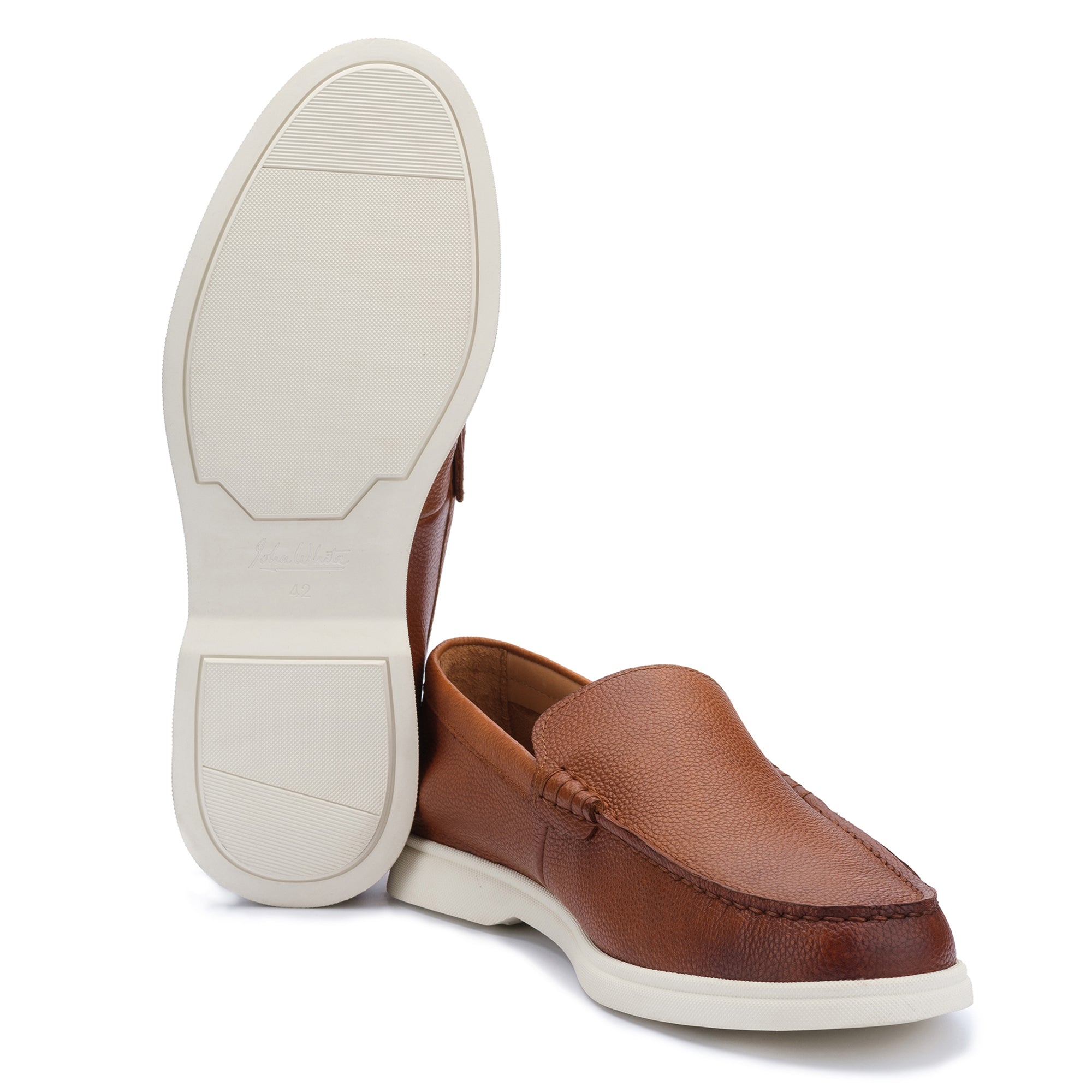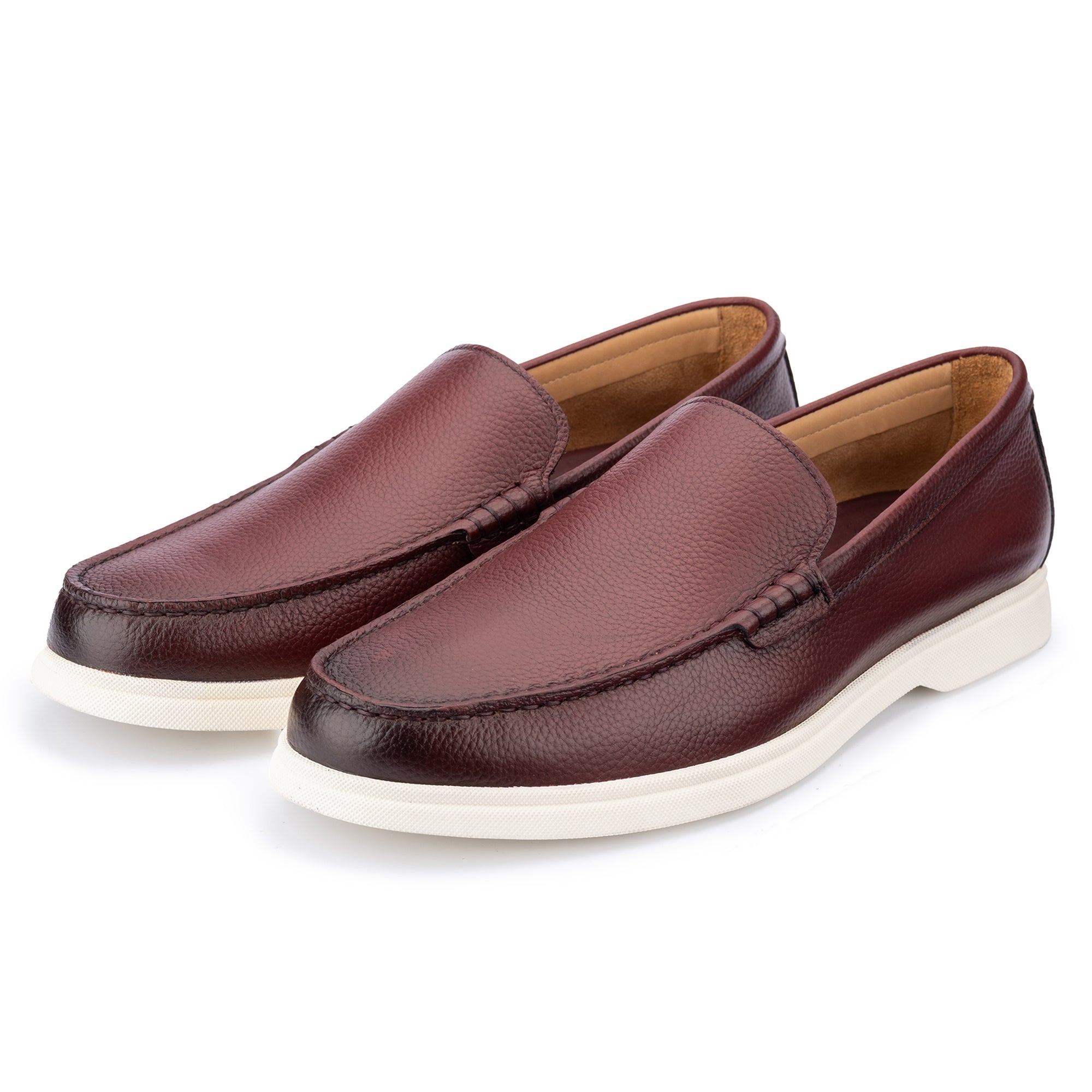

The Chelsea boot solved a problem nobody had articulated until it was solved: how to produce a boot that was smart enough for a suit, versatile enough for jeans, and quick enough to pull on without theatre. The elastic side panel — a feature that could read as a compromise — turned out to be a structural advantage. No lace holes to interrupt the silhouette. A cleaner ankle line. Less visual noise under a narrow trouser.
In This Guide
Six decades after the Chelsea boot first became a fixture of British style, it remains relevant not through nostalgia but through consistent utility. What has changed is the range of contexts it serves. This guide works through them: from City office dressing down to weekend errands, from grain leather to suede, with specific guidance on which John White Shoes styles suit each register.
Why the Chelsea Boot Has Lasted
Most footwear silhouettes succeed in one context and fail in another. The Oxford excels in formal settings but looks effortful at the weekend. The trainer is comfortable but loses authority as formality rises. The Chelsea boot sits in the middle of that spectrum and holds.
The reason is partly structural and partly cultural. Structurally, the elastic gore — the side panel — allows the boot to grip the ankle without bulk. It achieves a cleaner profile than a laced boot while maintaining the authority of a leather upper. Culturally, the Chelsea boot has been worn by enough different types of men, in enough different settings, that it no longer signals a specific subculture. It signals taste, which is a different thing entirely.
John White Shoes ranges five Chelsea boot styles — grain leather and suede, in black, brown, and cognac — each positioned at a slightly different point on the smart-casual spectrum.
The Office: When a Chelsea Boot Earns Its Place
Office dressing is not a single register. There is a difference between a City firm in a charcoal suit and a creative agency in relaxed chinos, and Chelsea boots respond to that difference appropriately.
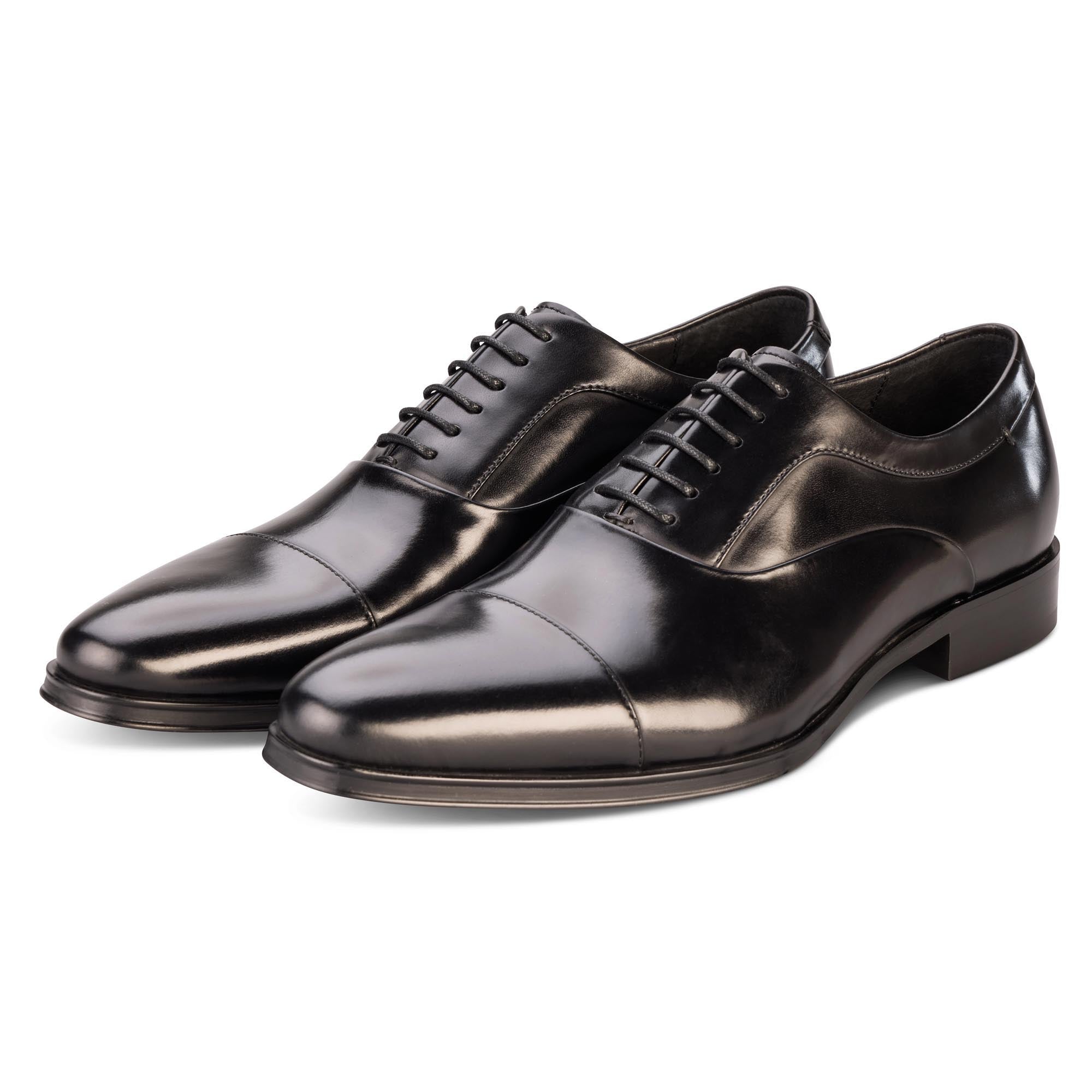
For suit-level dressing — navy pinstripe, charcoal flannel, dark grey wool — a black grain Chelsea boot holds its own alongside a plain Oxford. The Brecon Chelsea Boot in Black is the correct choice at this register. Its grain leather is substantial and well-finished, its silhouette clean. The Brecon does not attempt anything the Oxford cannot do; what it offers instead is the ease and visual clarity of an unbroken ankle line. Pair with a slim-break trouser — let the boot's elastic panel show rather than burying it in excess cloth.
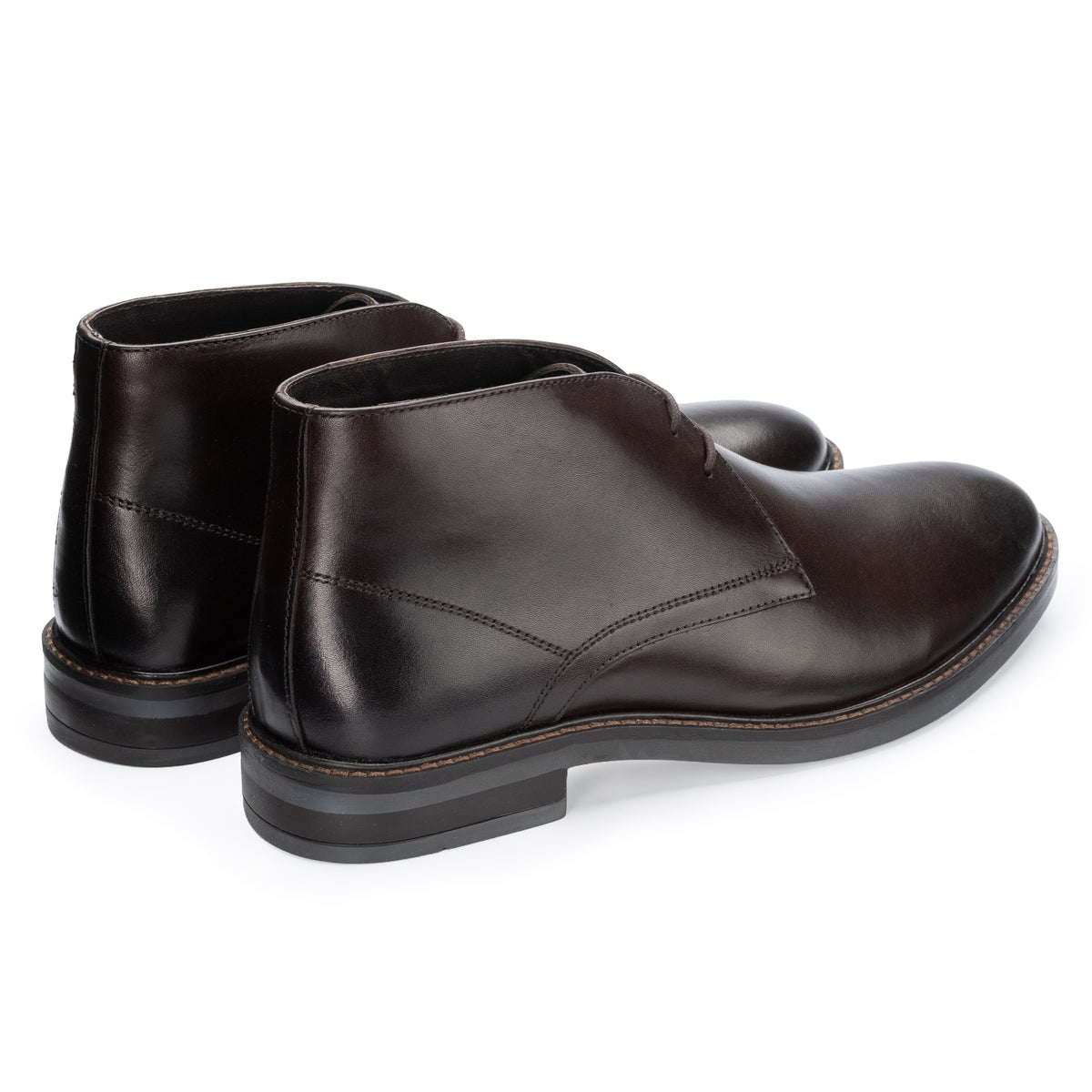
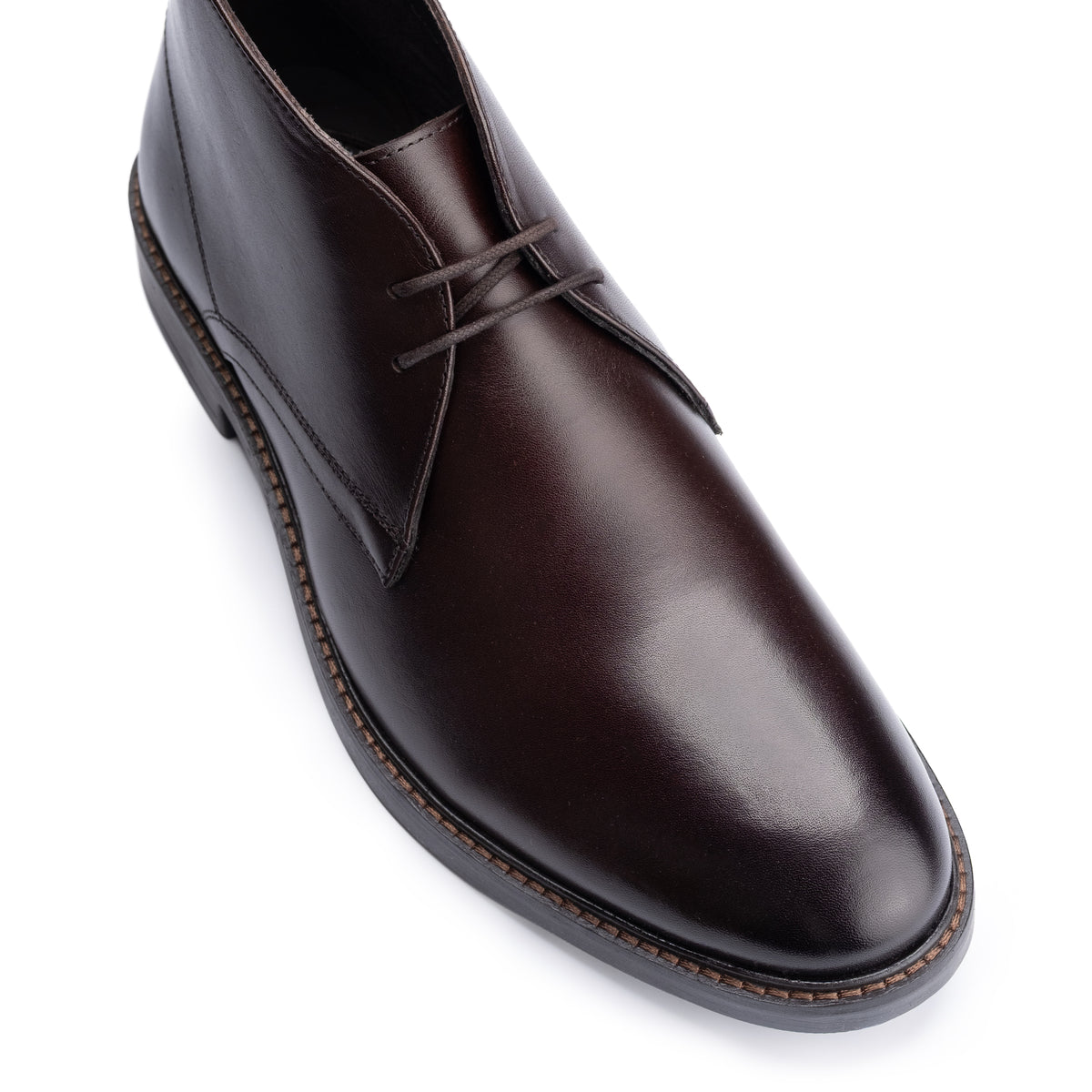
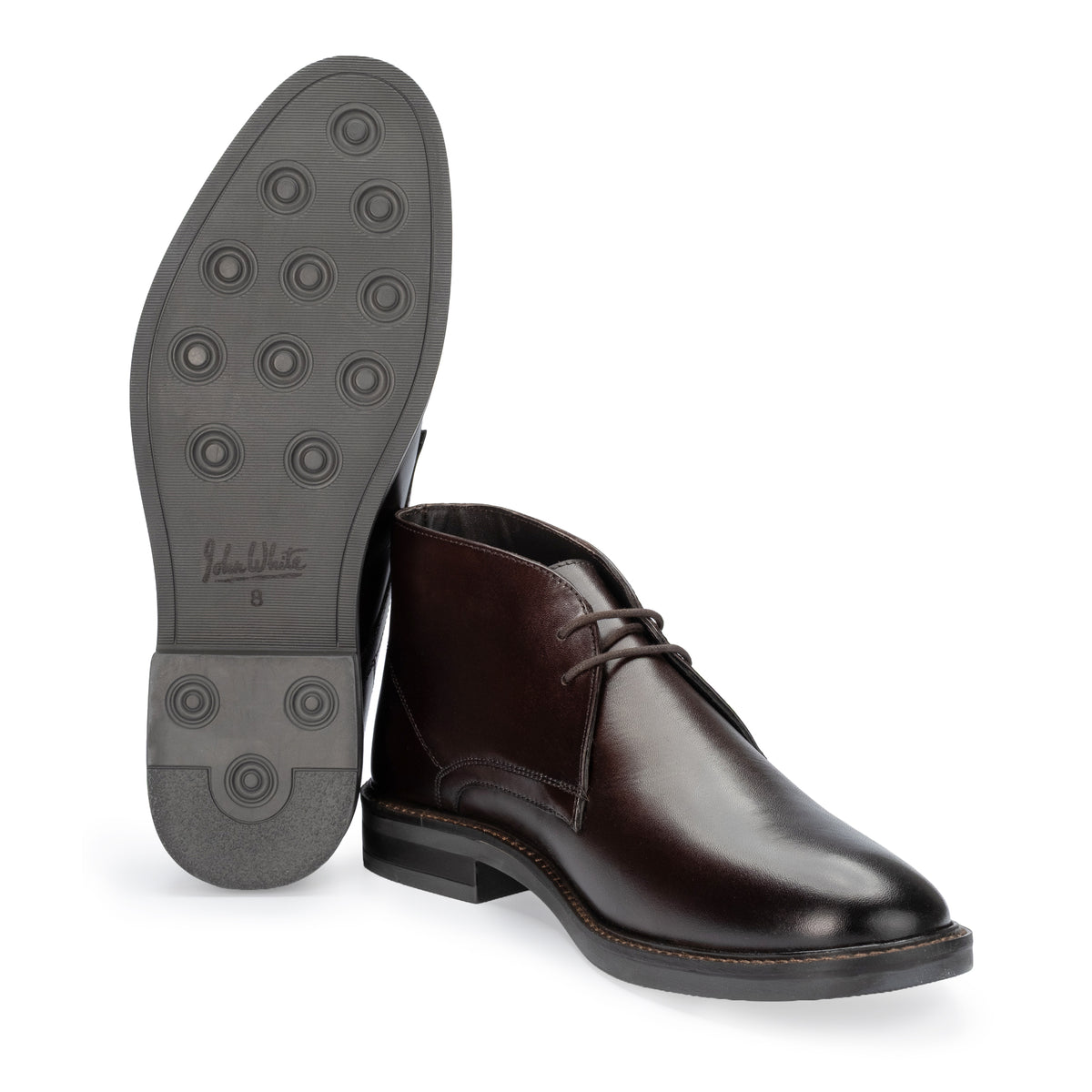
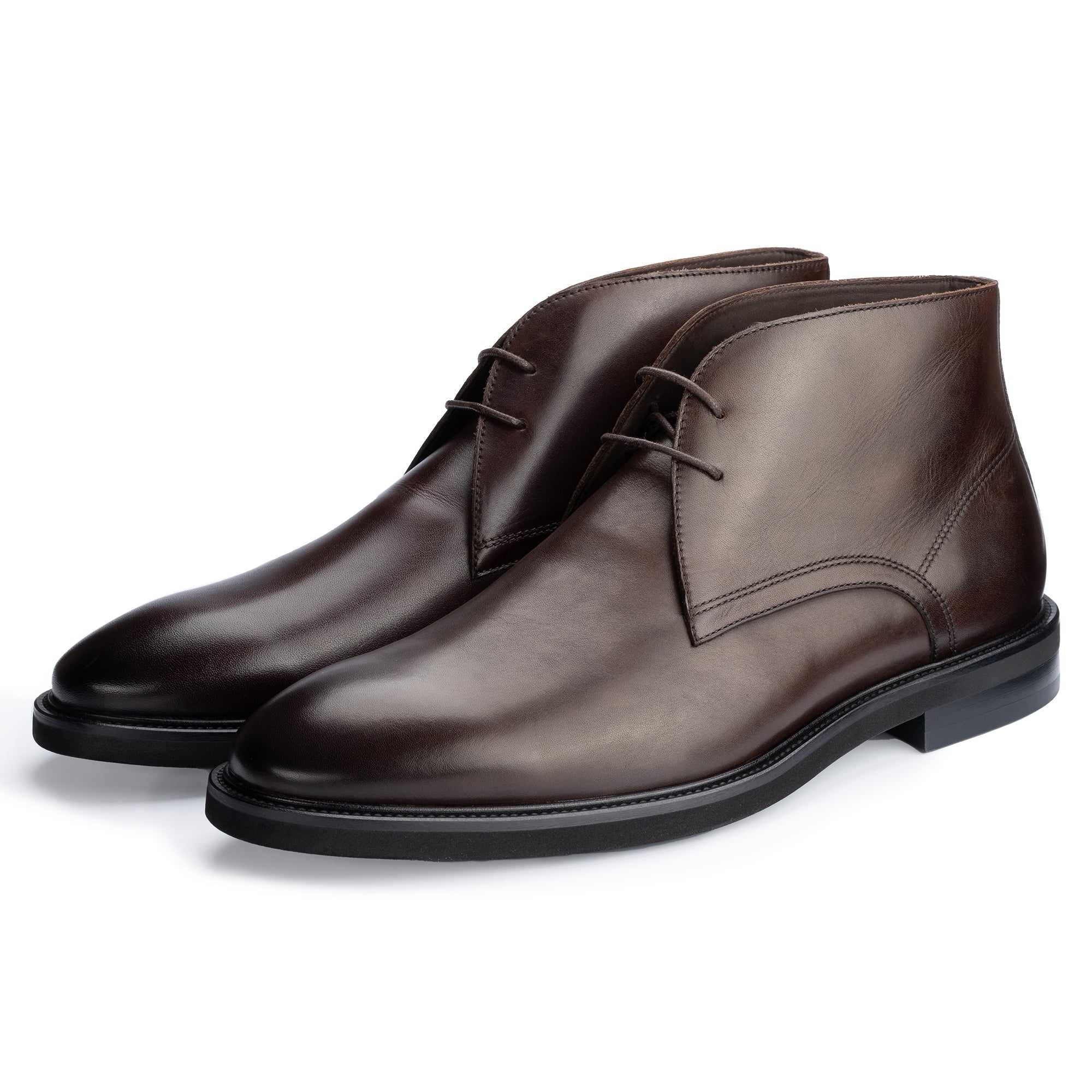
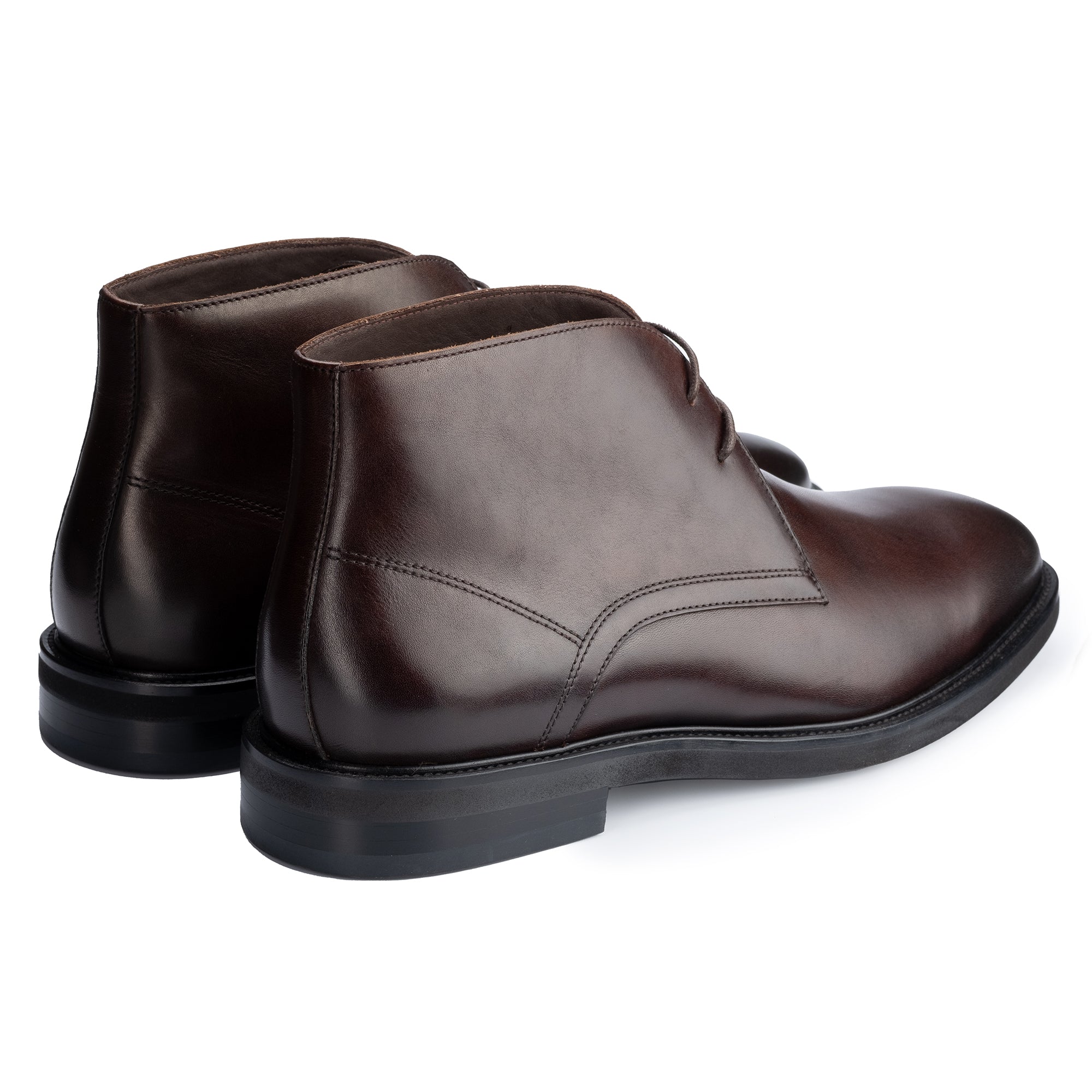
For smart-business environments — chinos or tailored trousers rather than a suit — the brown grain variants open the palette. The Byrne Chelsea Boot in Brown is a natural choice: warm enough to introduce character, well-finished enough to read as considered. Partnered with navy or stone chinos, it bridges the gap that too many men leave unresolved between formal and casual. For the full breakdown of that combination, the chinos styling guide covers the options in detail.
One point on trouser length: Chelsea boots need a slim break or no break. Too much cloth pooling at the ankle undermines the entire point of wearing a boot rather than a shoe. The silhouette is the argument — honour it.
Browse the full Chelsea boots collection for the grain and suede range.
Smart-Casual: The Chelsea Boot in Its Element
If the Chelsea boot has a native register, it is smart-casual. The pairing that proves it most clearly: tailored trousers.
A Chelsea boot under a well-cut pair of slim tailored trousers — say, a mid-grey or sand wool-mix — is arguably cleaner than the Oxford at the same formality level. No lace holes to interrupt the line. No visible tongue. The Byrne Chelsea Grain Boot in Brown, worn with sand or mid-grey trousers and a navy knit, is the kind of combination that requires no explanation. It simply reads correctly. For specific outfit frameworks, the tailored trousers guide maps the formality band in full.
The formula works because Chelsea boots avoid the contrasts that look inadvertent. A Derby with slim tailored trousers has to earn its place through careful colour-matching. A Chelsea boot earns its place through its silhouette alone — the clean ankle line communicates intentionality without requiring the rest of the outfit to work harder.
Navy blazer, slim trouser, Chelsea boot in brown or cognac: this is a British standard that has been circulating long enough to register as trusted rather than fashionable.
Jeans and Weekend Wear
The Chelsea boot and denim is the pairing most men discover first, and with good reason. A slim-cut or tapered dark jean worn with a clean Chelsea boot is one of the most reliable combinations in a British man's wardrobe. The boot gives the outfit enough authority to work in casual restaurants, at drinks with colleagues, or anywhere that jeans and trainers would read as slightly underdressed.
For dark denim specifically, the guide to wearing shoes with dark jeans covers the broader choice landscape; within it, the Chelsea boot is consistently the most coherent single option.
Black Chelsea boot with dark indigo denim is clean and authoritative. Brown Chelsea boot with mid-wash or faded jeans introduces warmth and a slightly more relaxed character. Both work. The choice comes down to what the rest of the outfit requires.
A Note on Cuffing
A single neat cuff — around 2–3 centimetres — at the ankle creates a deliberate break between trouser and boot. It exposes the boot's profile rather than concealing it, which tends to look more considered than an uncuffed slouch. Cuffing works particularly well with casual chinos or weekend jeans. With tailored trousers in a formal context, leave it alone — let the slim break fall cleanly and let the boot's profile speak for itself.
Suede Chelsea Boots: When and Why
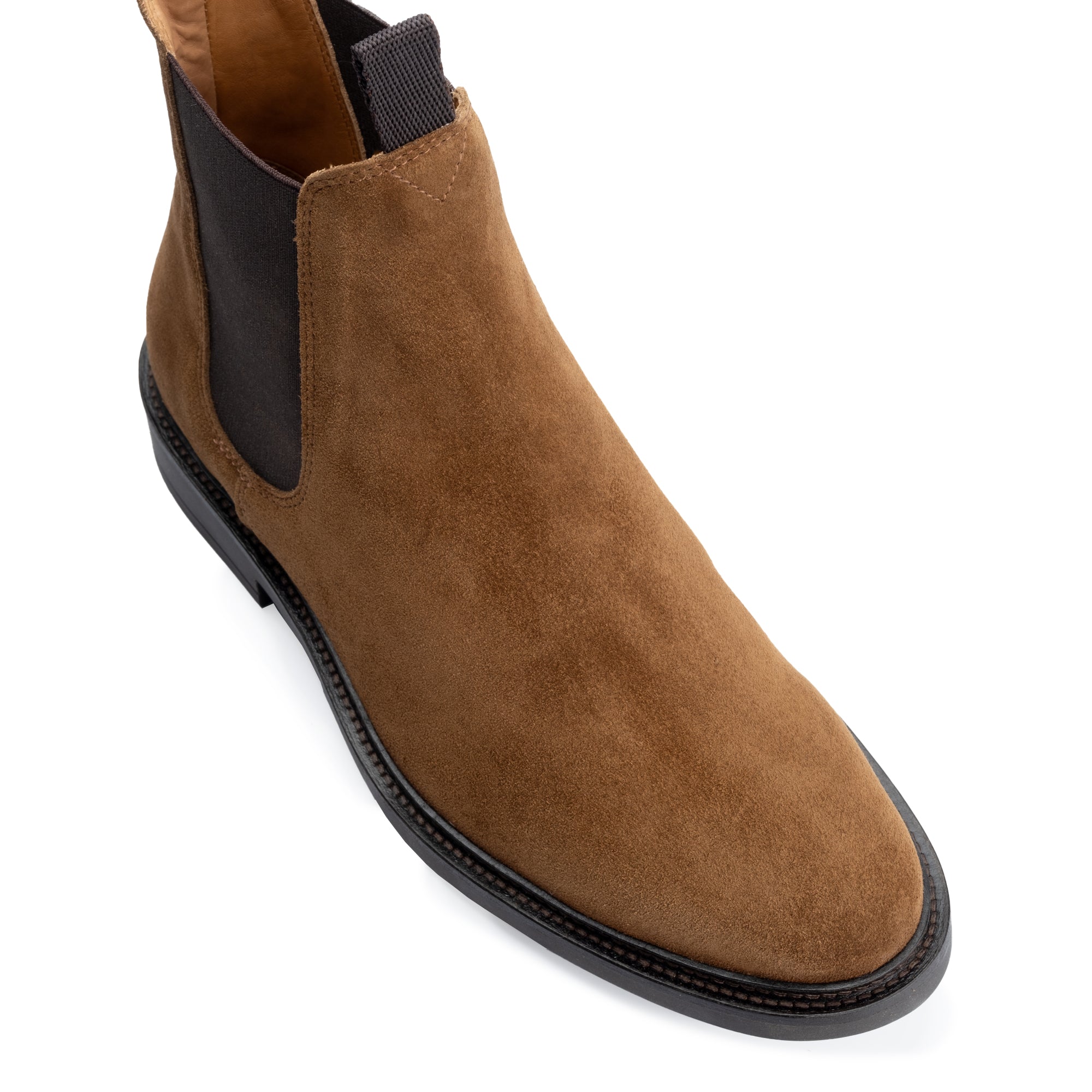
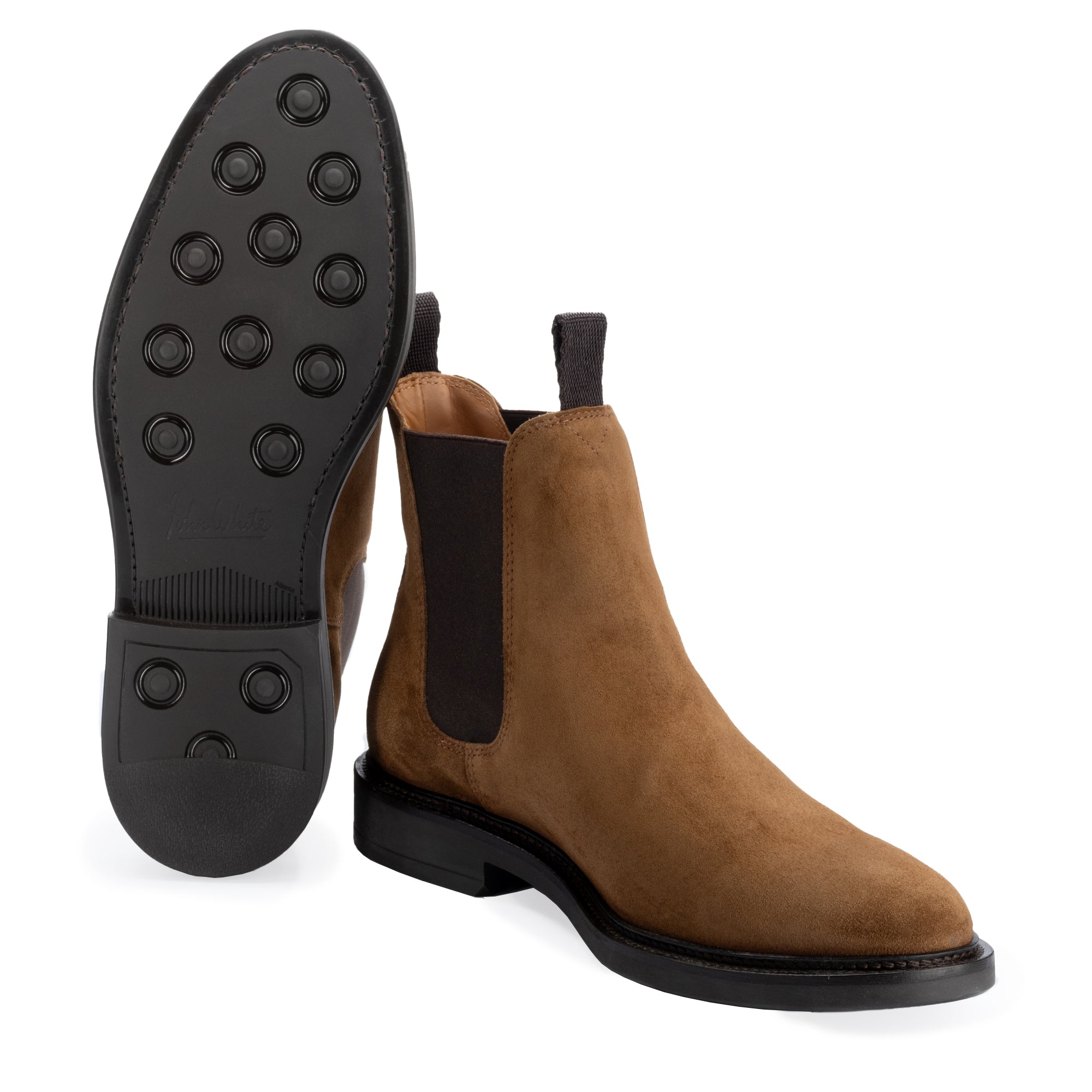
The suede Chelsea boot operates in a distinct register from its grain leather equivalent. Where grain leather bridges formal and casual, suede sits firmly in smart-casual and leisure territory — and it does so with a quality of finish that grain leather cannot replicate. Suede absorbs light differently. It reads as textured and considered even in simple outfits.
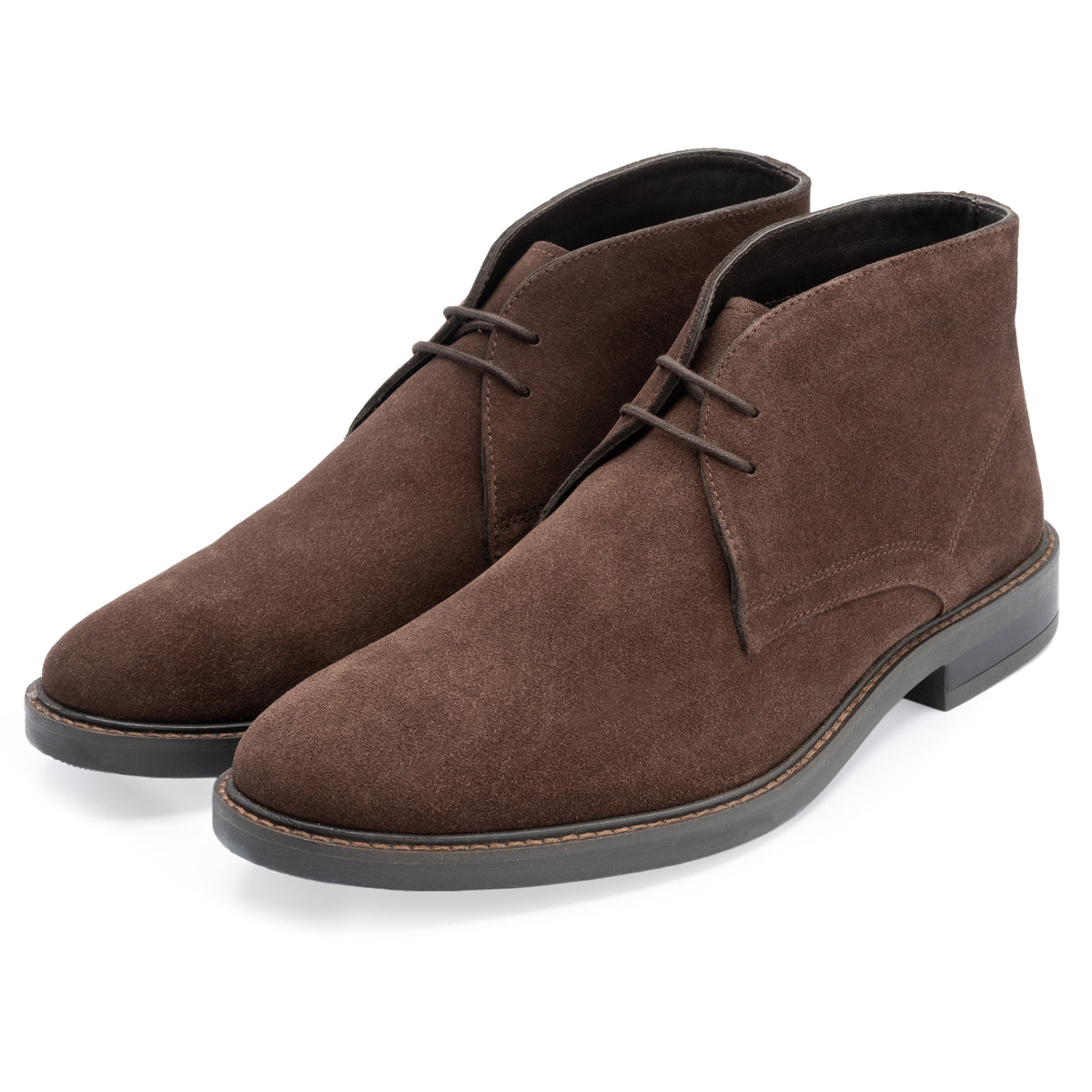
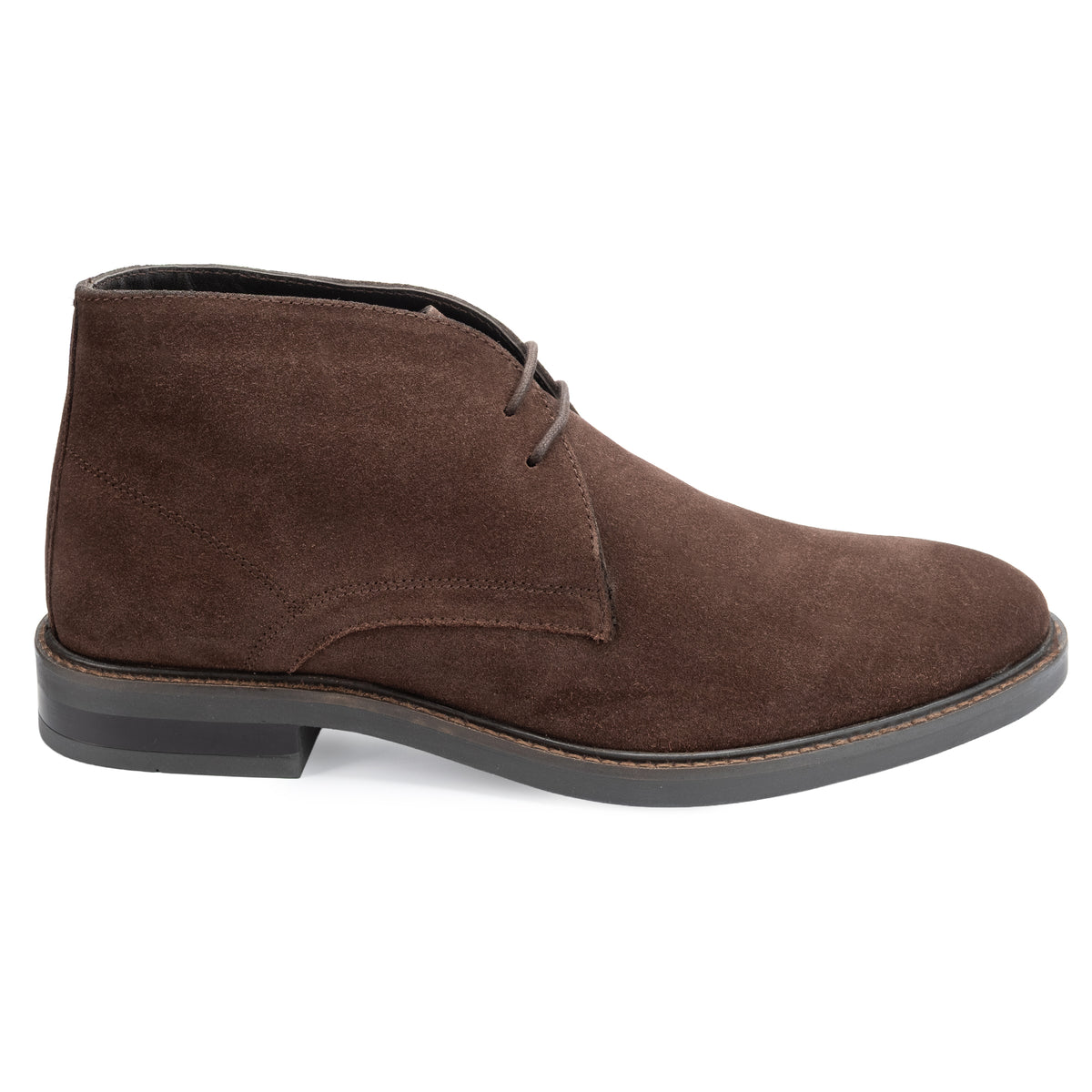
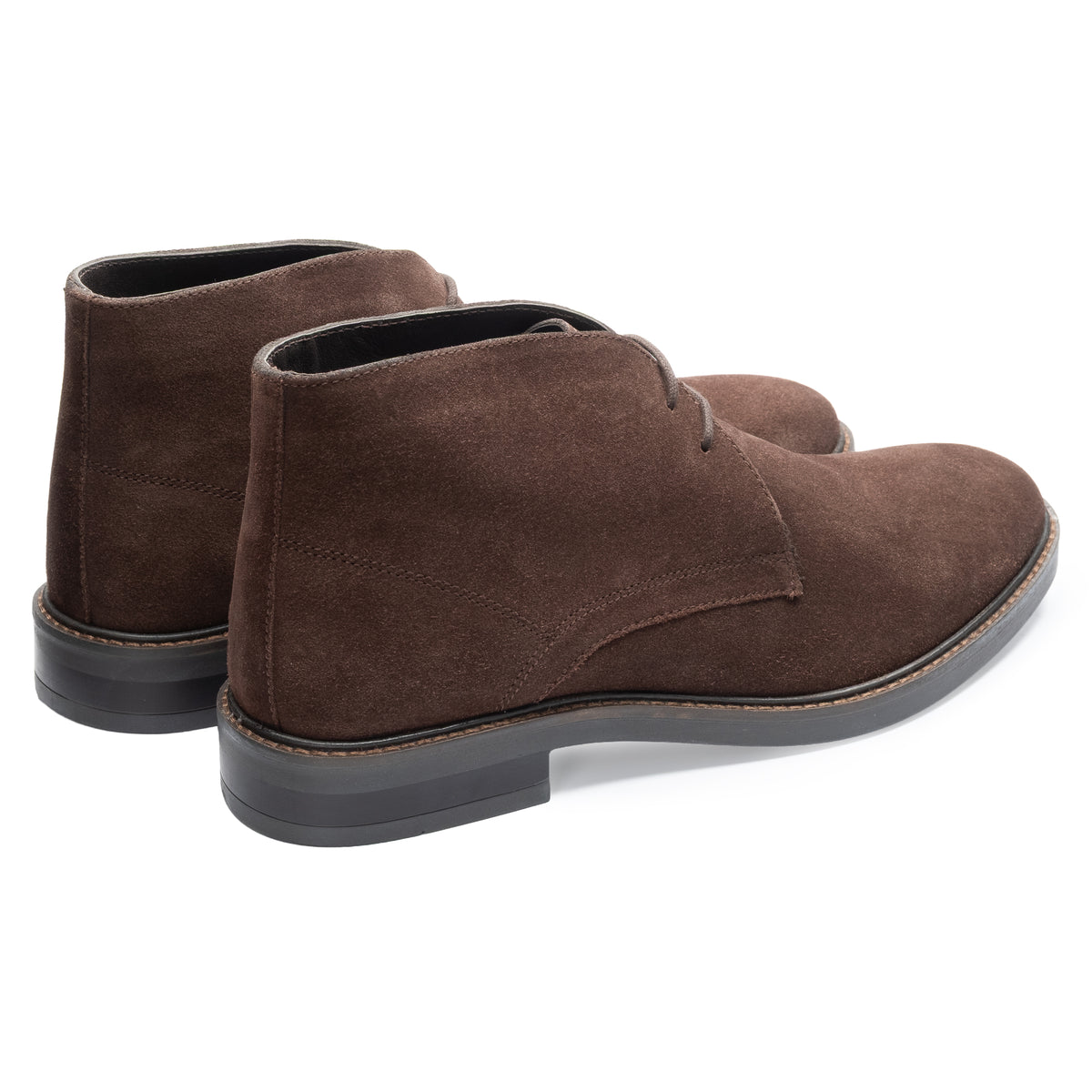
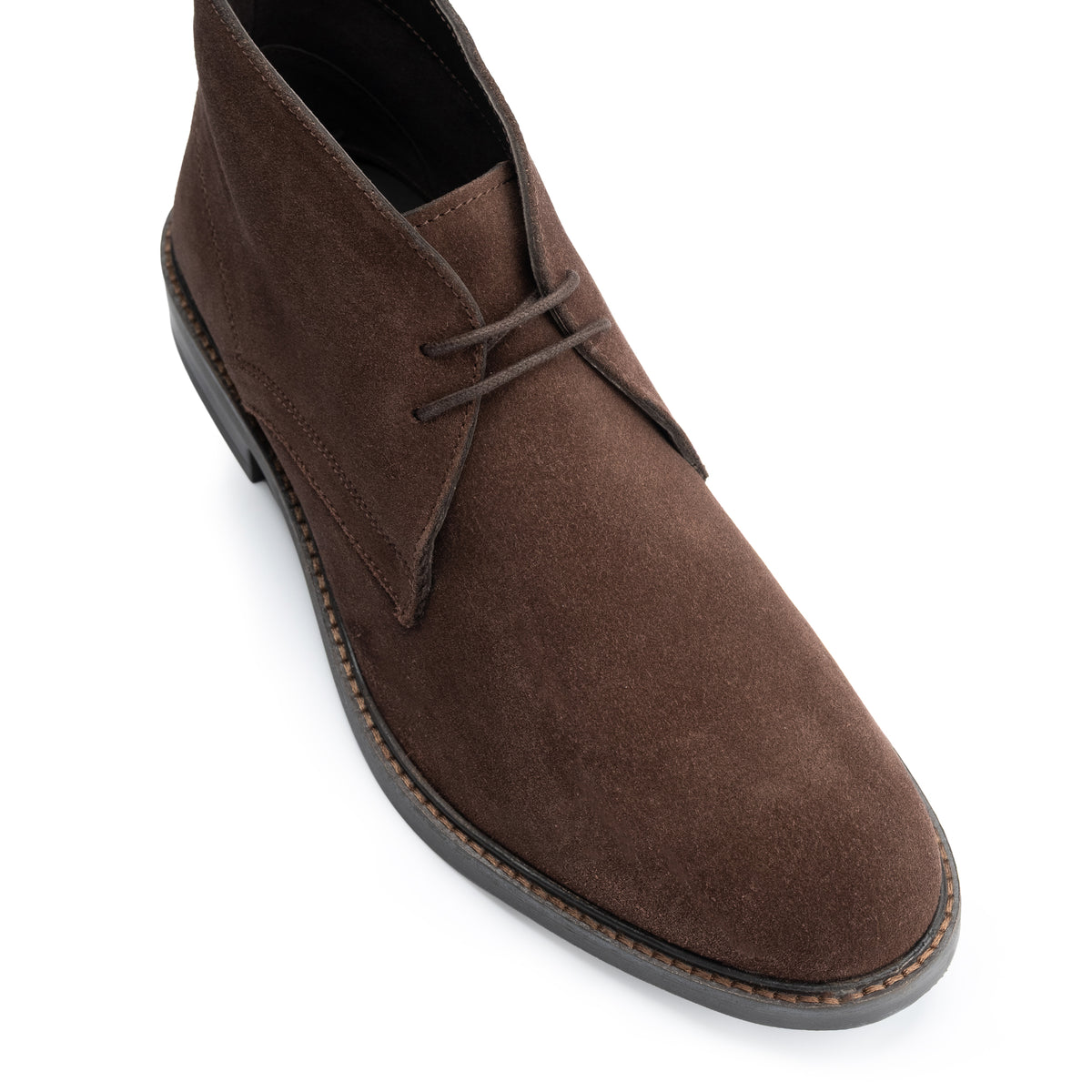
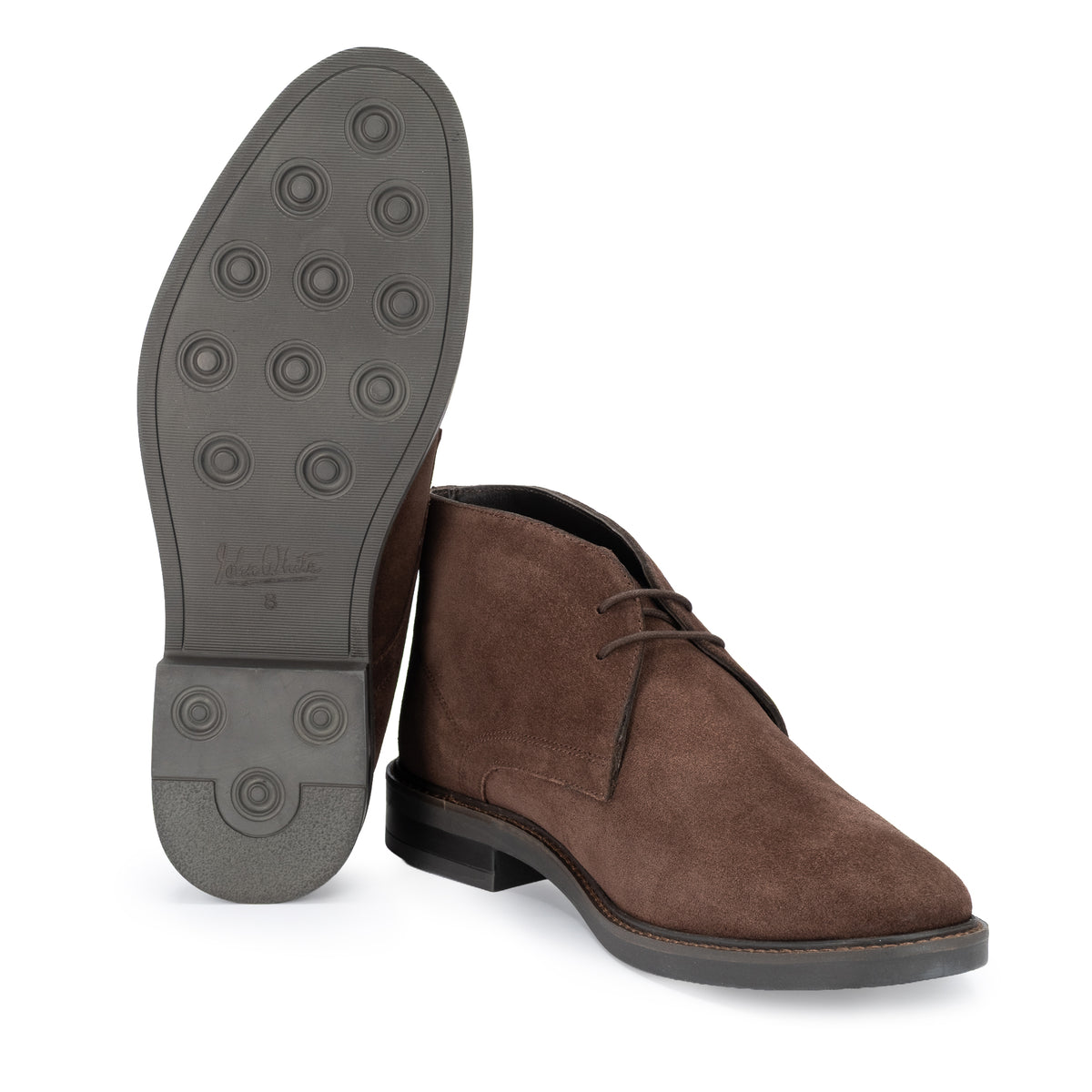
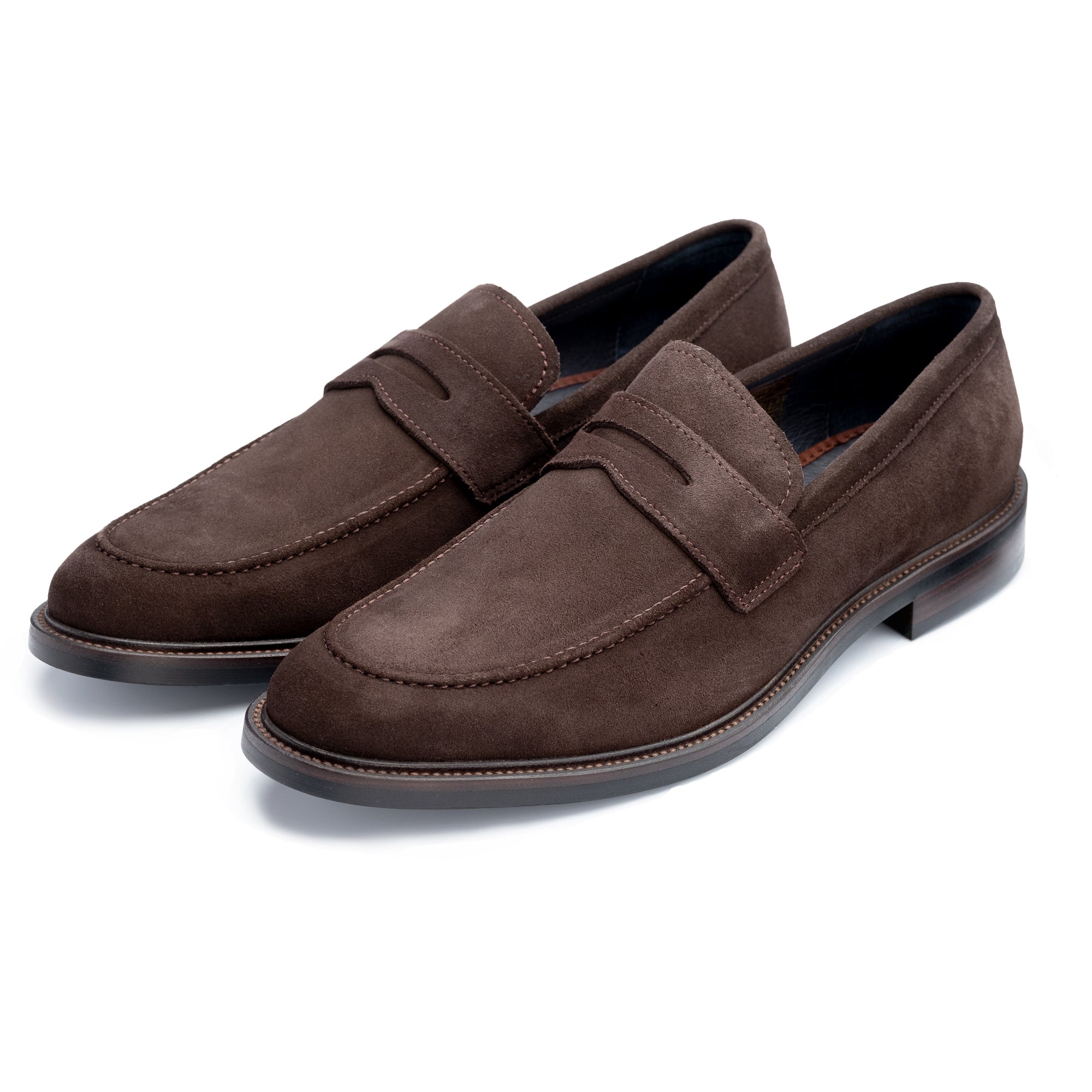
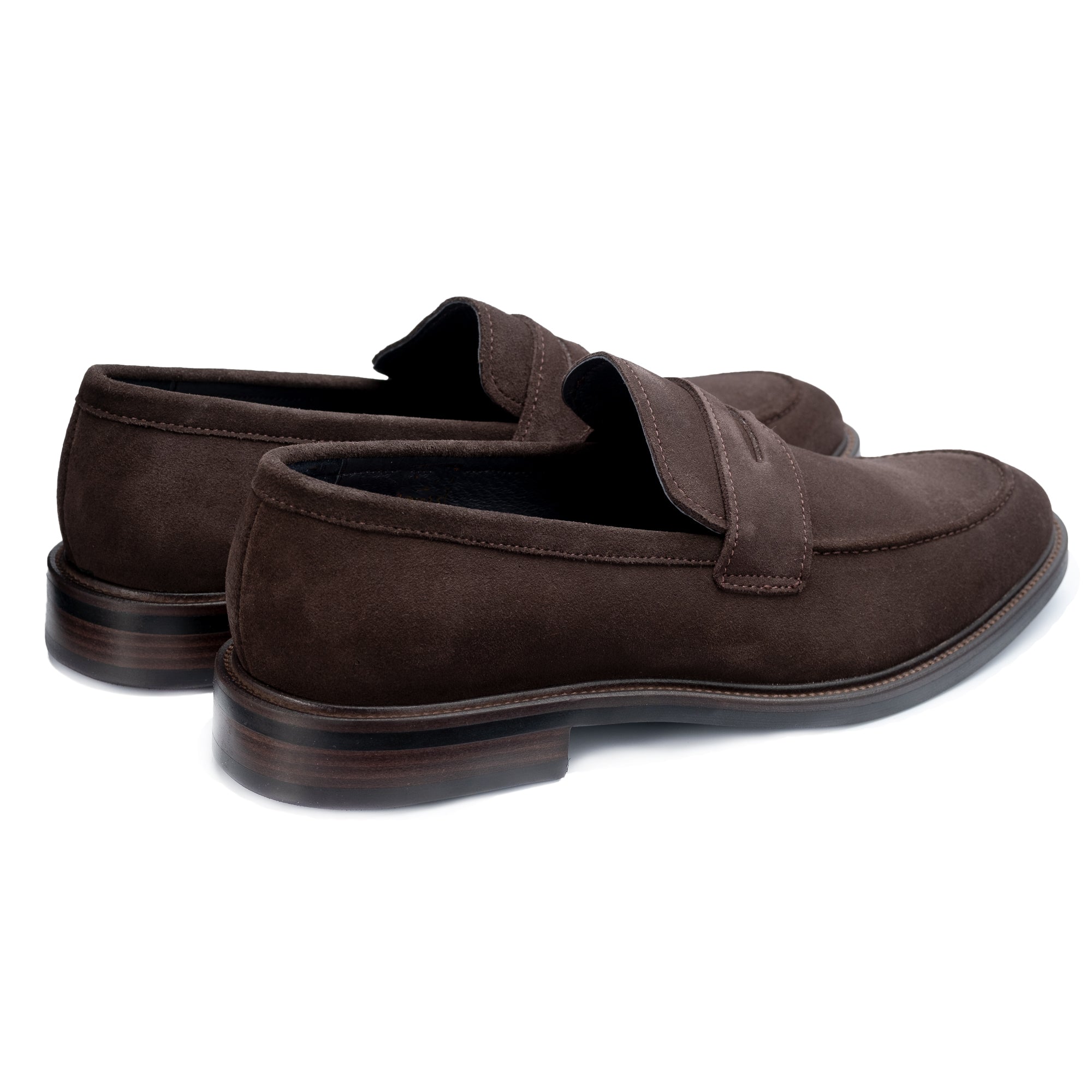
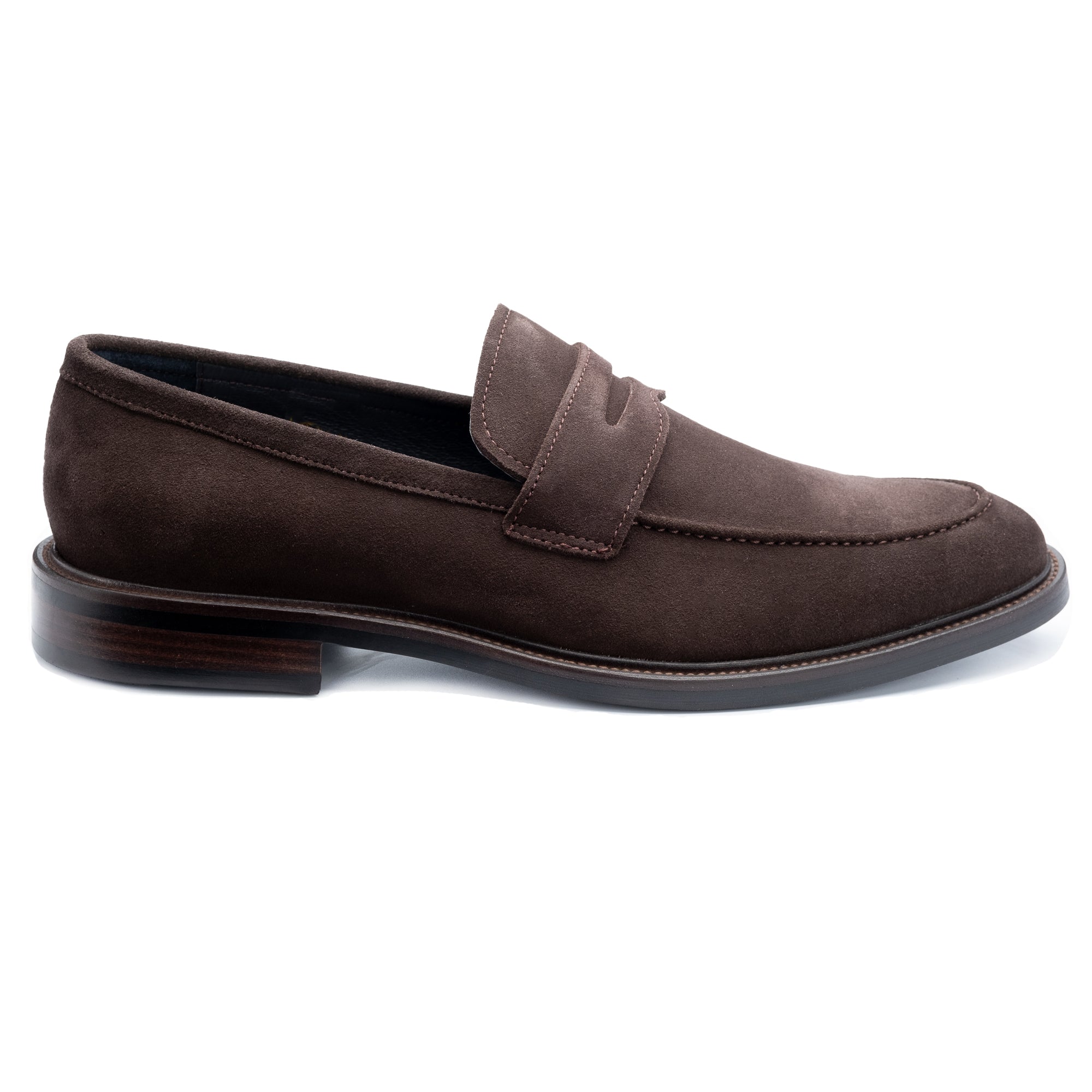
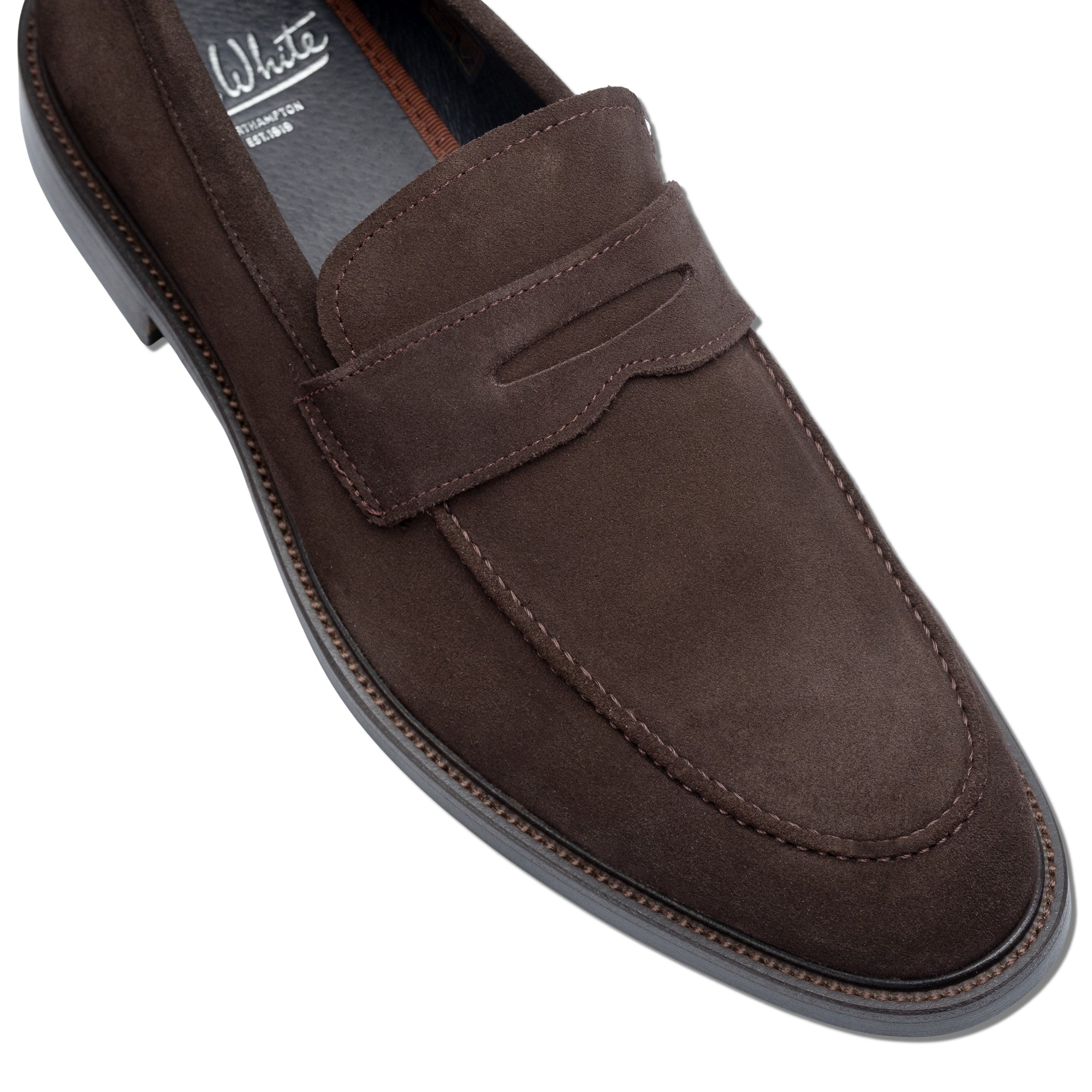
The Byrne Chelsea Suede Boot is available in Brown Suede and Cognac Suede. Brown suede pairs naturally with earth tones — tan chinos, olive trousers, camel knitwear — and carries through from September into winter without fatigue. Cognac suede is slightly warmer and more adventurous; it works well against navy and charcoal and provides a natural point of interest in otherwise neutral outfits.
The Hill Chelsea Suede Boot offers the same colourways and a slightly different last, suitable if the Byrne's fit profile does not suit the foot shape perfectly.
Suede Chelsea boots are not office shoes in traditional professional environments. In creative or relaxed workplaces they can work with chinos; in City settings, the grain leather variant is the correct choice. Care matters more with suede — a good suede brush used regularly keeps the nap upright and the surface clean through the wet months.
Autumn and the Chelsea Boot: Getting the Timing Right
The Chelsea boot is a transitional shoe as much as a seasonal one. It is at its best in the months when the weather is undecided — when September mornings are cool but afternoons recover, when October has not yet surrendered to sustained rain. In those conditions, a grain leather Chelsea boot is the cleaner choice than a brogue or Derby for the same outfit. Its closed construction offers a degree of weather resistance that an open-laced shoe cannot match.
The suede variants are best enjoyed in late August and early September, before the wettest months arrive. Once November sets in, the grain leather becomes the workhorse. A Chelsea boot in quality grain leather — kept clean and conditioned — carries through the British winter without difficulty. The silhouette does not lose its sharpness in cold weather; if anything, a Chelsea boot under a well-cut coat reads more precisely in winter than in summer.
Black or Brown: How to Choose
The most common question about Chelsea boots reduces to colour, and the answer is less complicated than most guides suggest.
Black Chelsea boots are a specific tool. They work in suit-level office dressing, with dark-wash denim, and in urban contexts where a clean, graphic silhouette is appropriate. Outside those settings, black can feel severe — it asks more of the outfit around it than brown does.
Brown is more versatile. It introduces warmth, allows more outfit variation, and reads as correct across a wider range of casual and smart-casual contexts. A brown Chelsea boot in grain or suede will cover more of a man's weekly rotation than an equivalent in black. For most men building from a single Chelsea boot, brown — in grain leather for longevity and range — is the starting point.
Cognac suede operates in a narrower register still. It is a statement rather than a workhorse, and it demands a considered outfit in return. It rewards those who wear it confidently; it forgives nothing when the outfit is lazy.