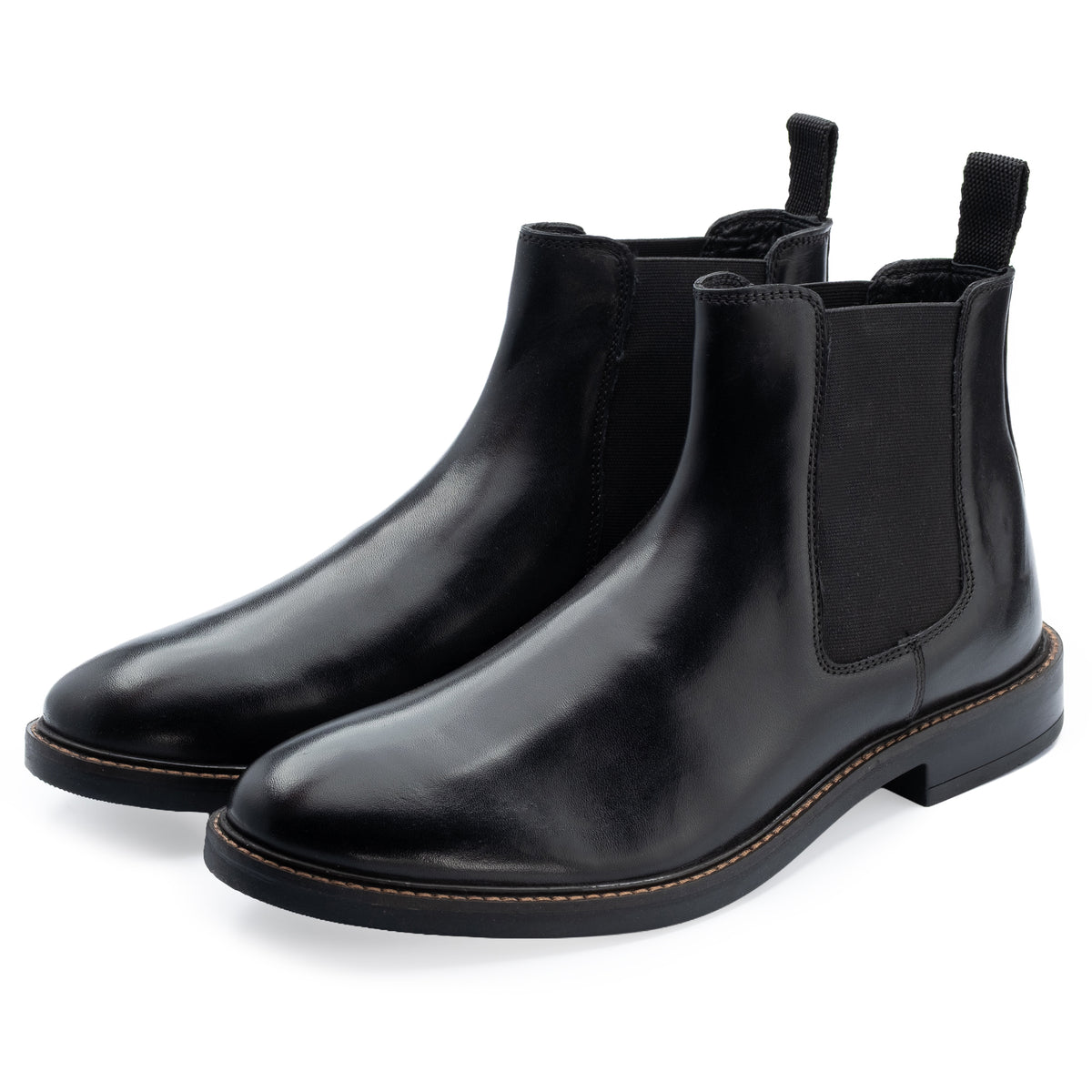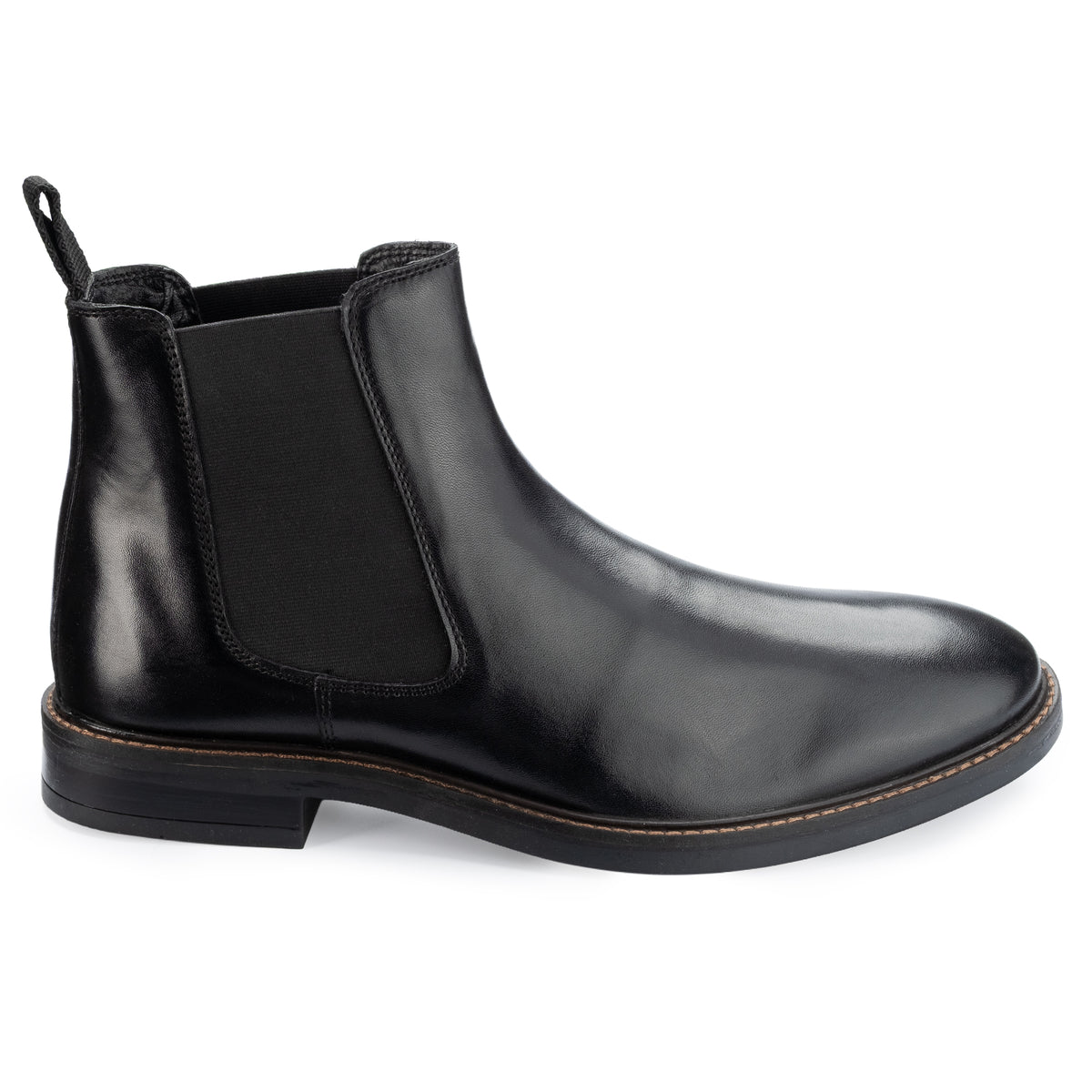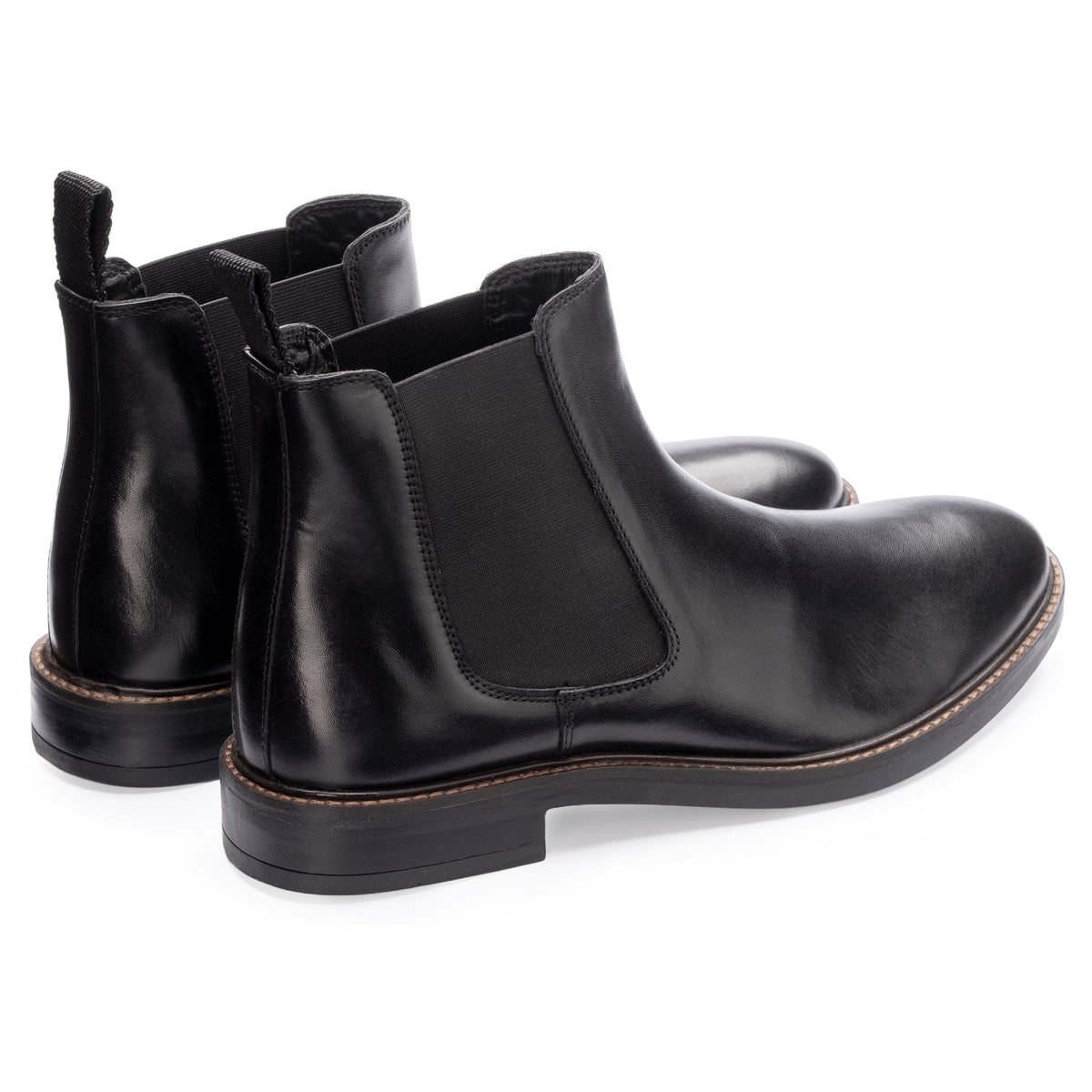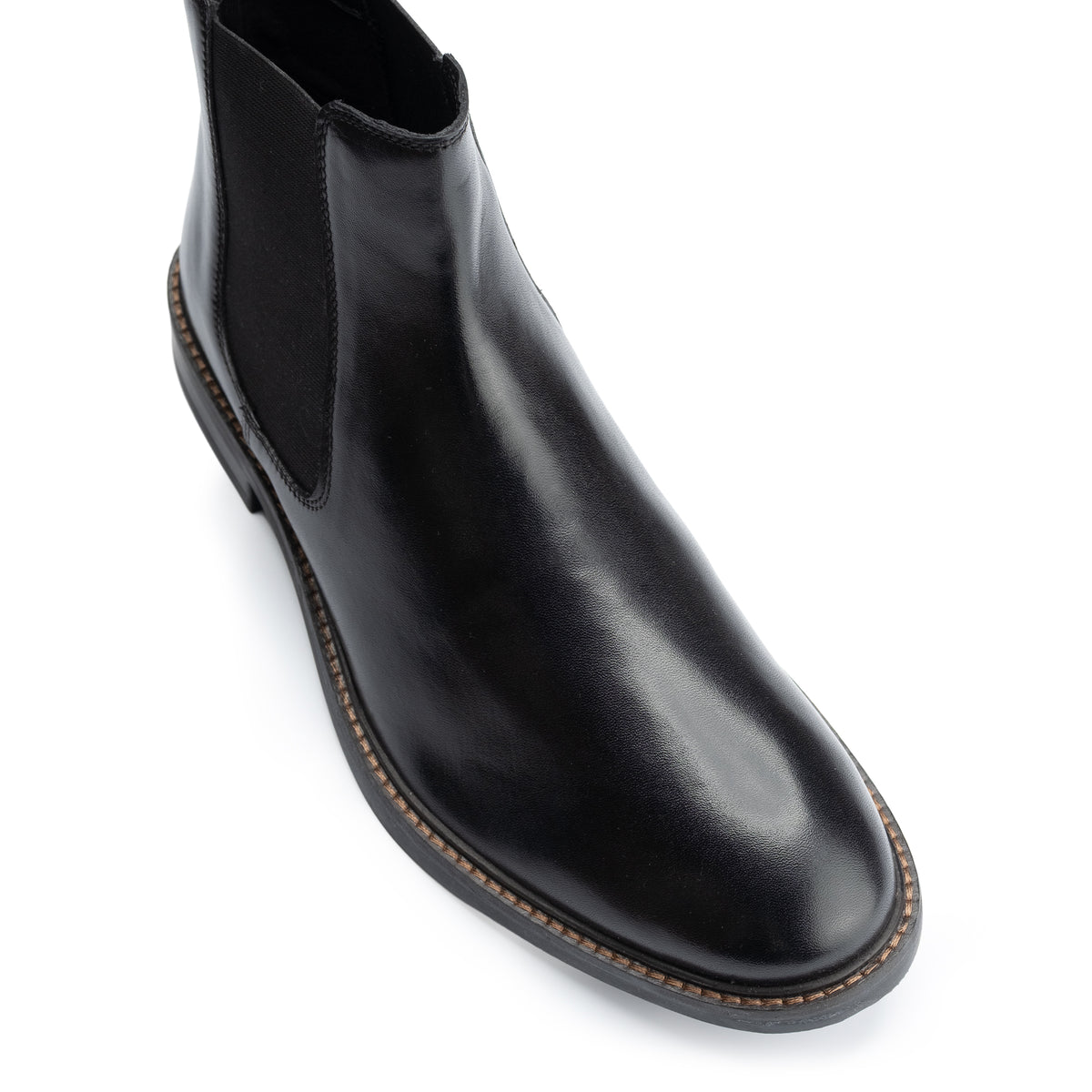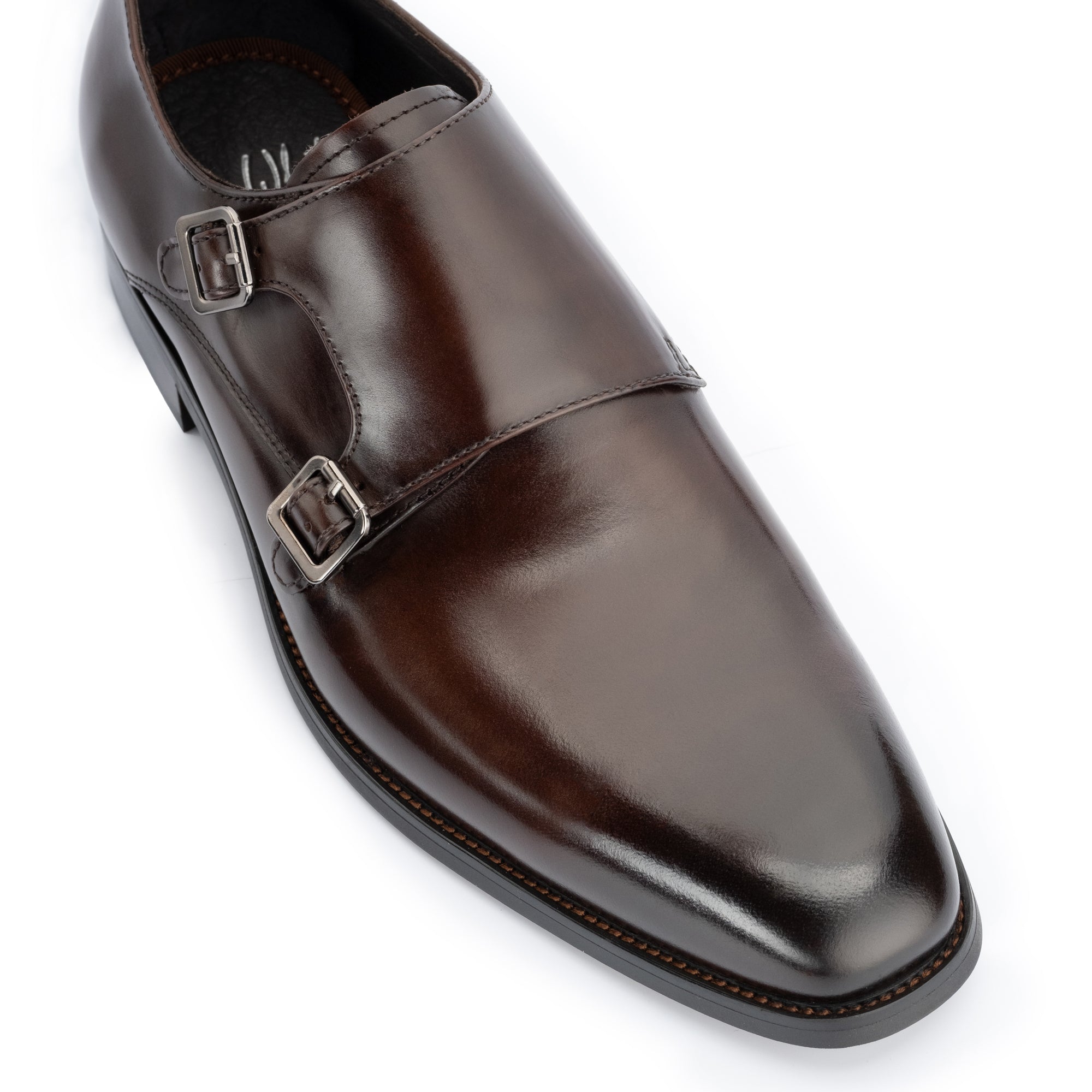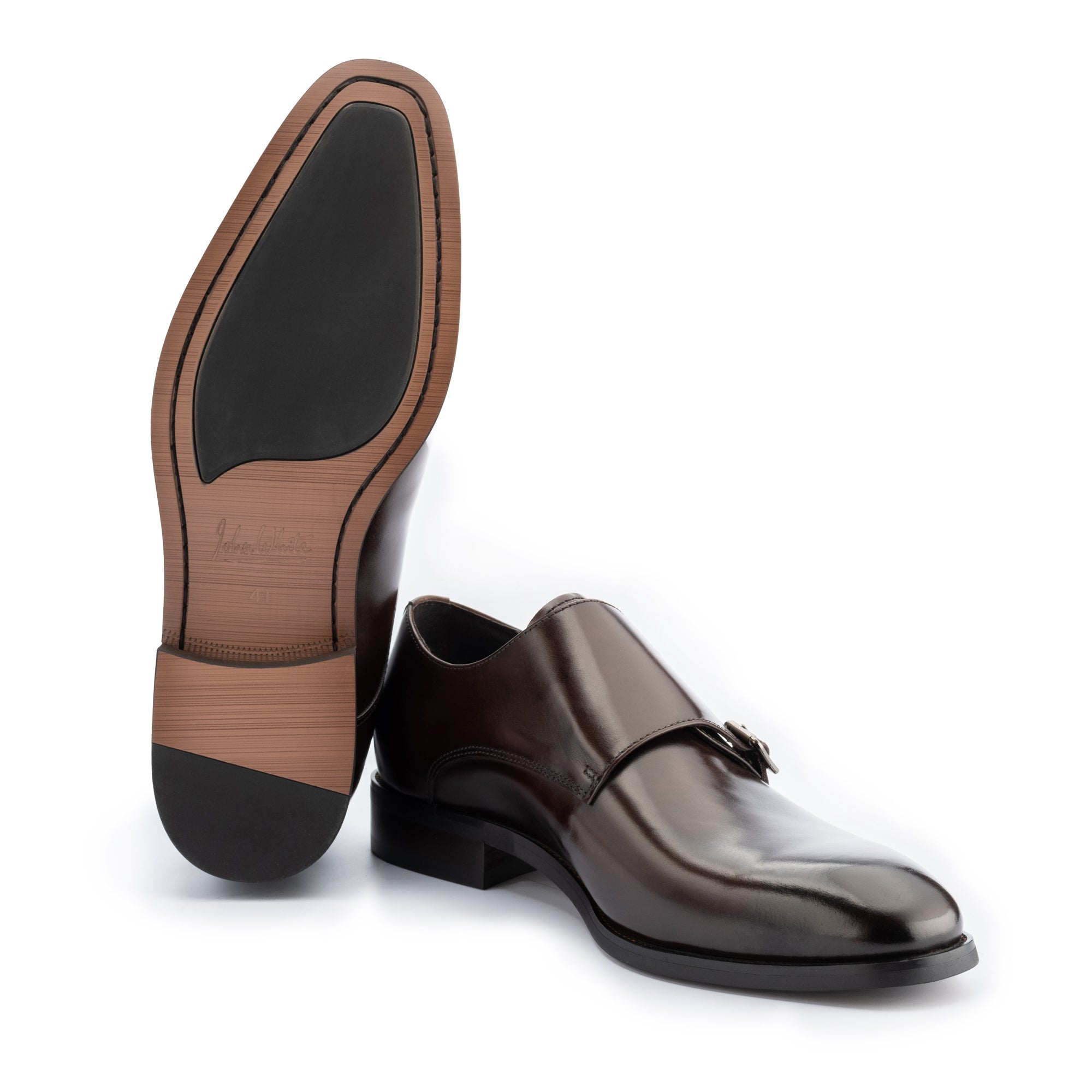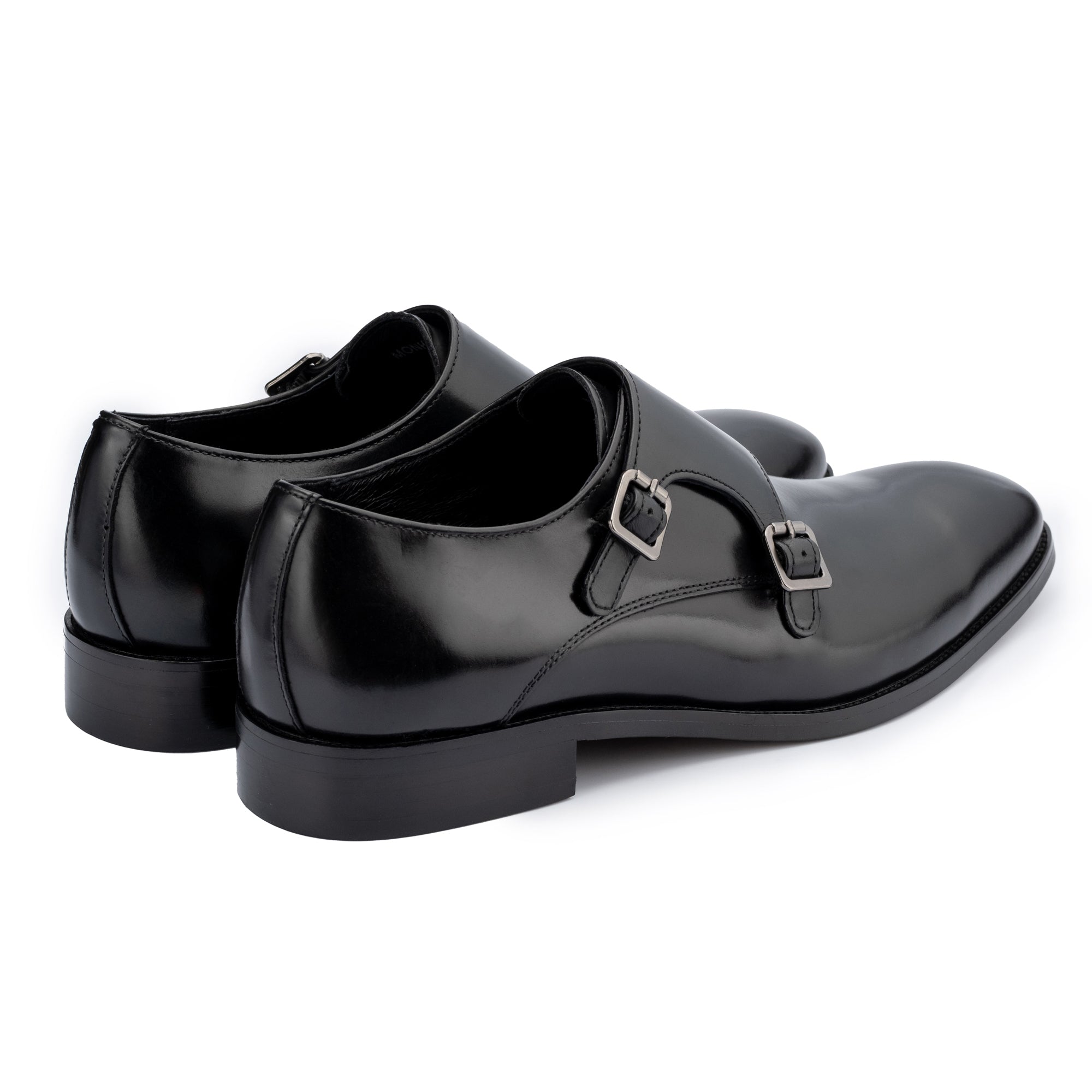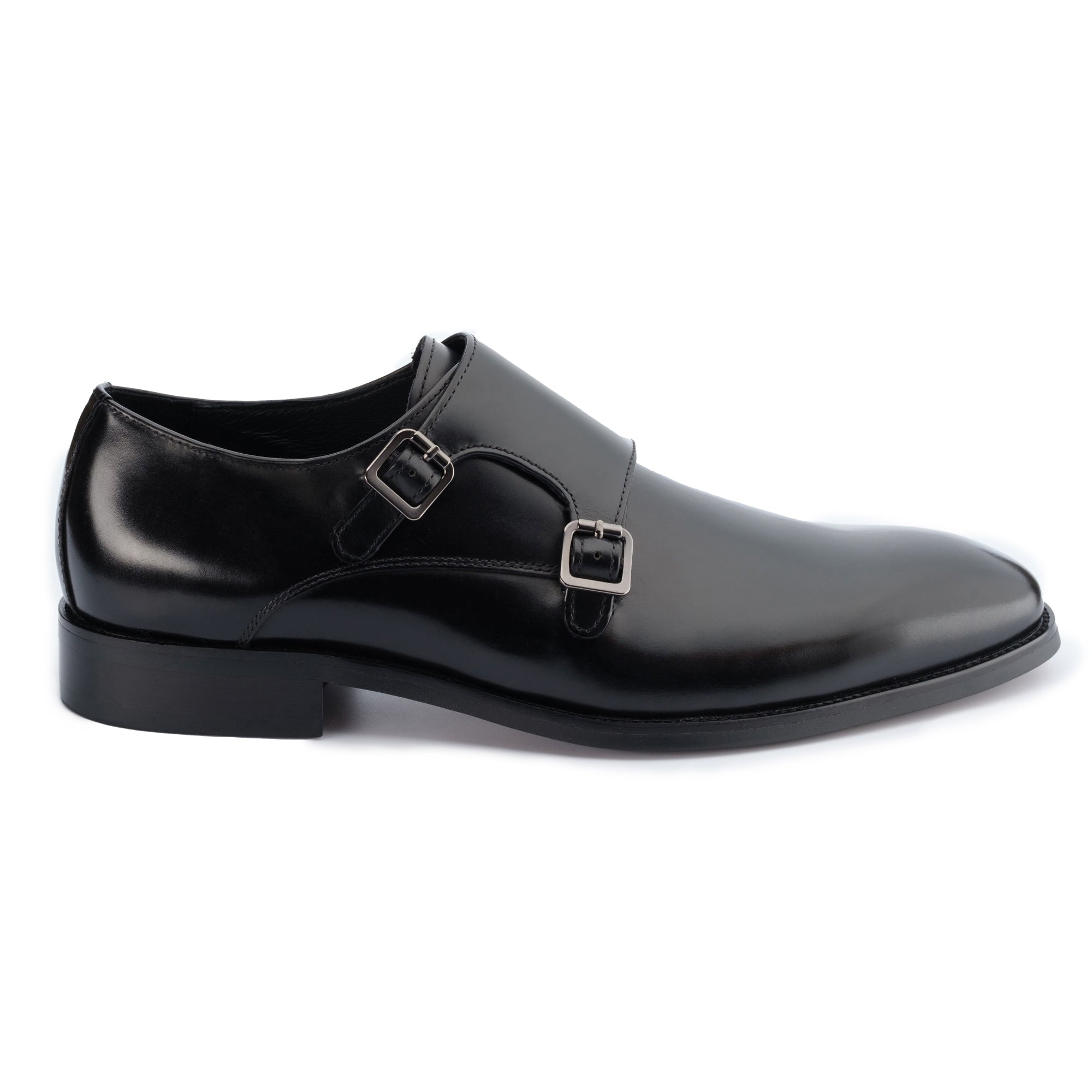

The Races Dress Code: Shoes for Royal Ascot, Cheltenham, and Goodwood
Quick Answer: The correct shoes for the races depend on the event and enclosure. Royal Ascot's Royal Enclosure demands a black Oxford in polished calfskin with morning dress. Cheltenham suits a full brogue or Derby in tan or mid-brown with a practical sole. Glorious Goodwood calls for a leather or suede loafer in warm seasonal tones suited to summer occasion dressing.
In This Guide
- What Is the Official Royal Ascot Dress Code for Men?
- What Shoes Should You Wear to Royal Ascot?
- What Is the Cheltenham Festival Dress Code?
- What Shoes Work Best at the Cheltenham Festival?
- What Is the Goodwood Dress Code?
- What Shoes Are Right for Glorious Goodwood?
- Races Dress Code Shoes at a Glance
- How Should You Prepare Your Shoes Before a Race Day?
- Related Guides
- Frequently Asked Questions
Britain's great race meetings are as much about occasion dressing as they are about the horses. The races dress code is one of the few remaining contexts in which footwear genuinely signals a man's understanding of social occasion — and the wrong shoe is noticed. Royal Ascot, the Cheltenham Festival, and the Qatar Goodwood Festival each carry a distinct standard, and each rewards the man who has given his footwear as much thought as his tailoring.
This guide covers the correct shoe for every enclosure, every season, and every level of formality across Britain's three most important race meetings.
What Is the Official Royal Ascot Dress Code for Men?
Royal Ascot is Britain's most formally dressed race meeting and the most prestigious five days in the British flat racing calendar. The Royal Enclosure — reserved for members and their guests — requires full morning dress: black or grey tailcoat, waistcoat, and top hat. This is a non-negotiable requirement, enforced at the gate.
The Queen Anne Enclosure and Village Enclosure operate a smart dress code: a lounge suit and tie are required, but morning dress is optional. The Windsor Enclosure is the most relaxed, though denim is prohibited across all enclosures.
According to Ascot Racecourse's official style guidance, footwear must be "appropriate to the formality of the enclosure" — a standard that places the Royal Enclosure among the most demanding dress codes in any public venue in Britain. The Royal Enclosure dress code has remained essentially unchanged since the reign of George VI.
What Shoes Should You Wear to Royal Ascot?
The correct shoes for Royal Ascot are determined entirely by enclosure and the dress code that enclosure demands. There is little room for personal interpretation at the top level.
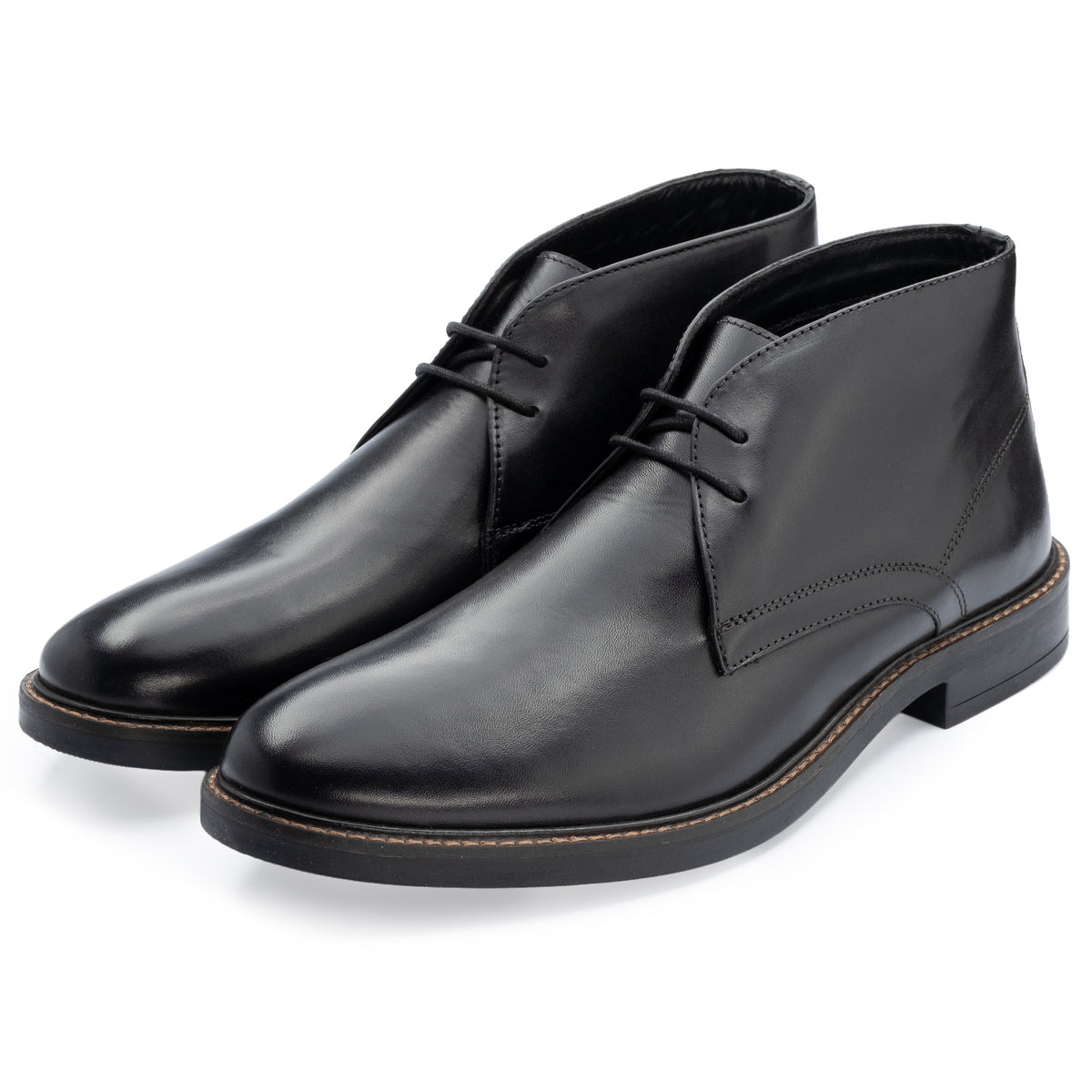
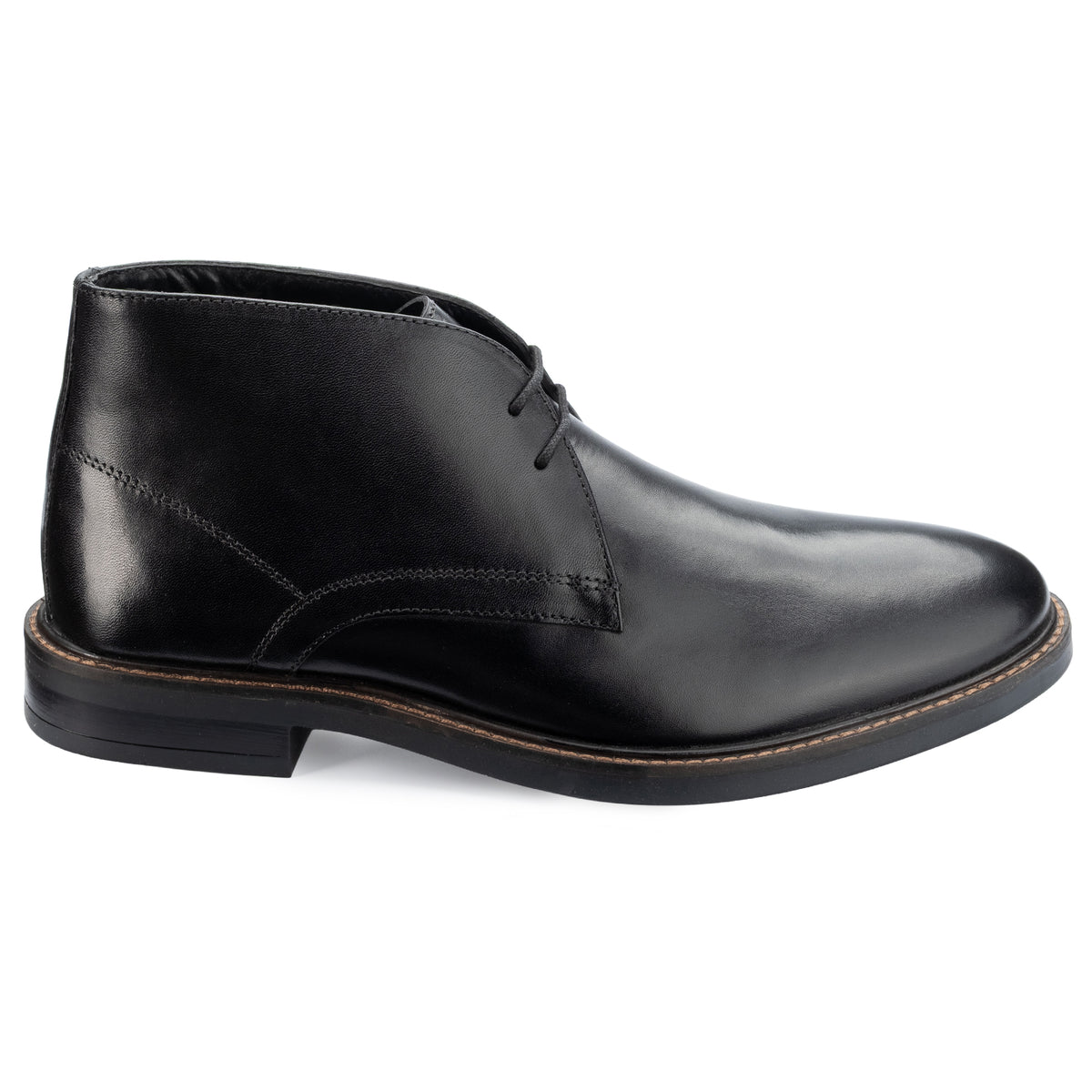
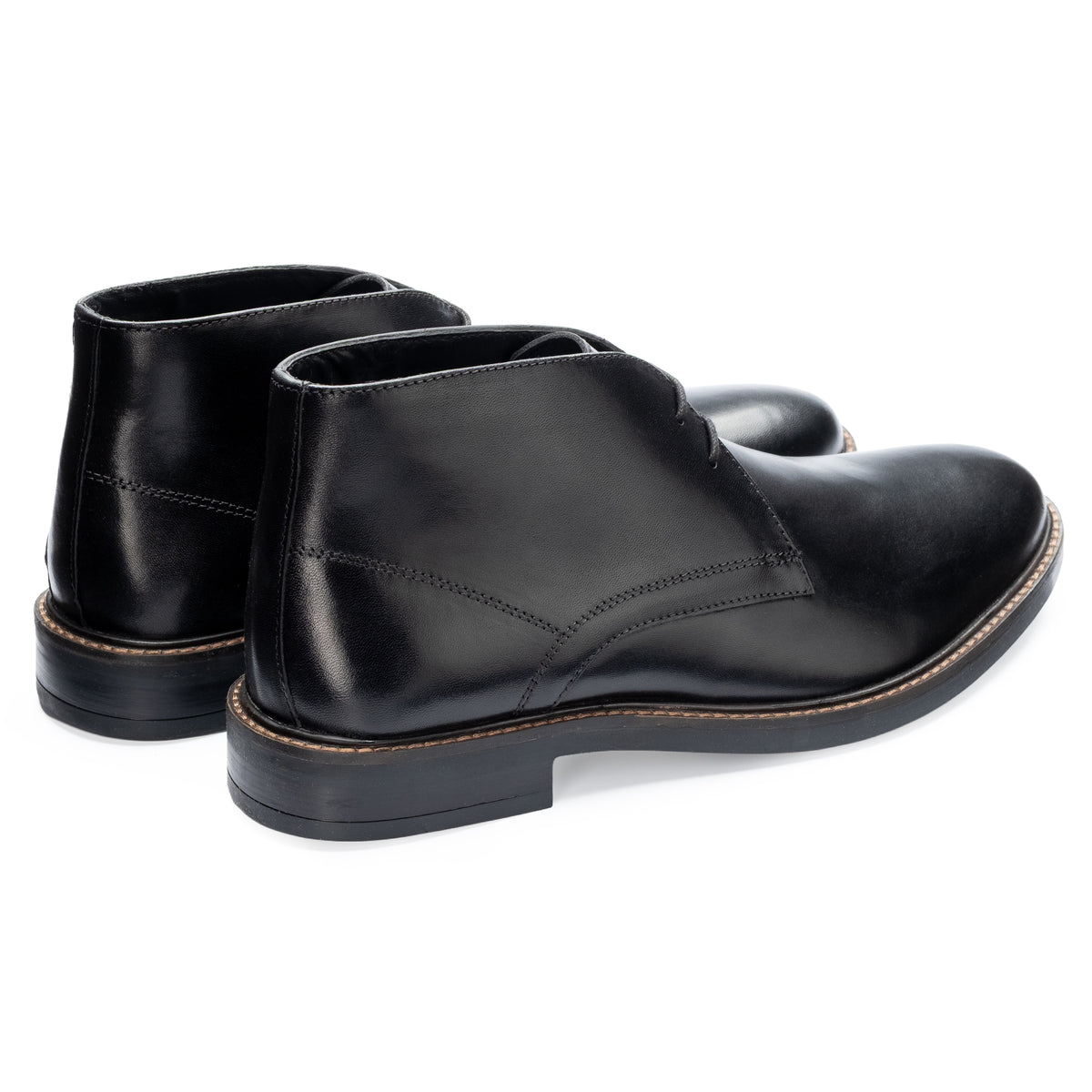
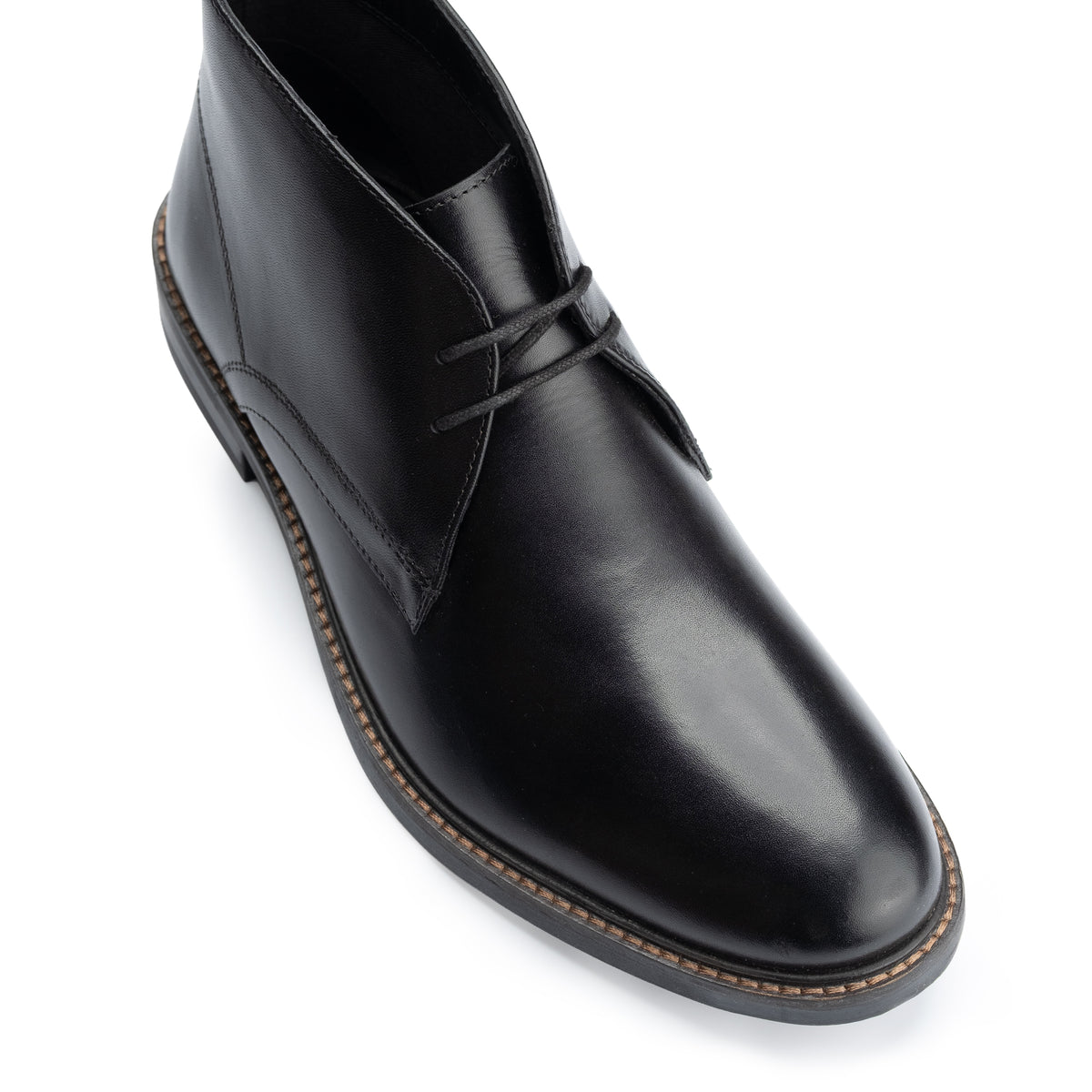
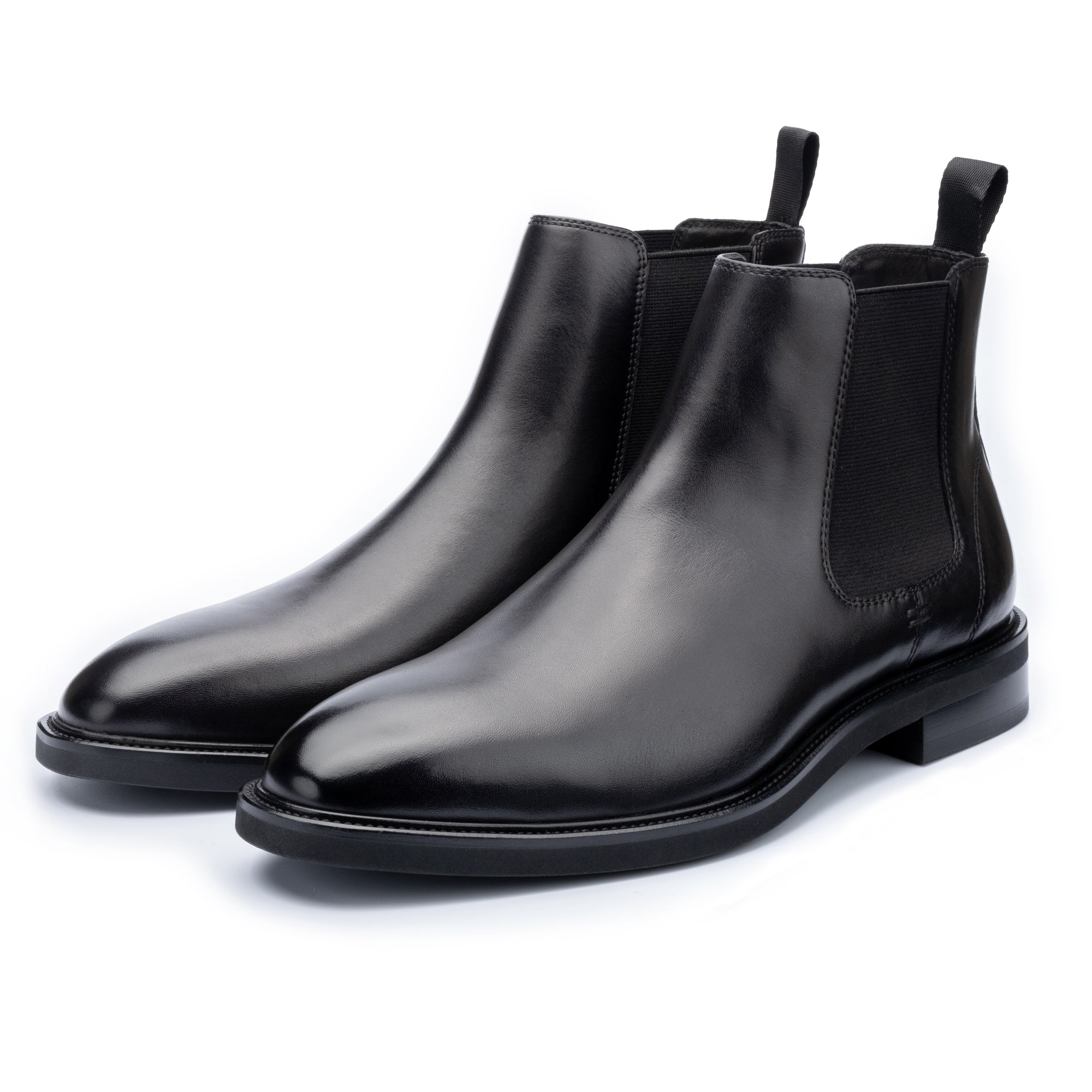
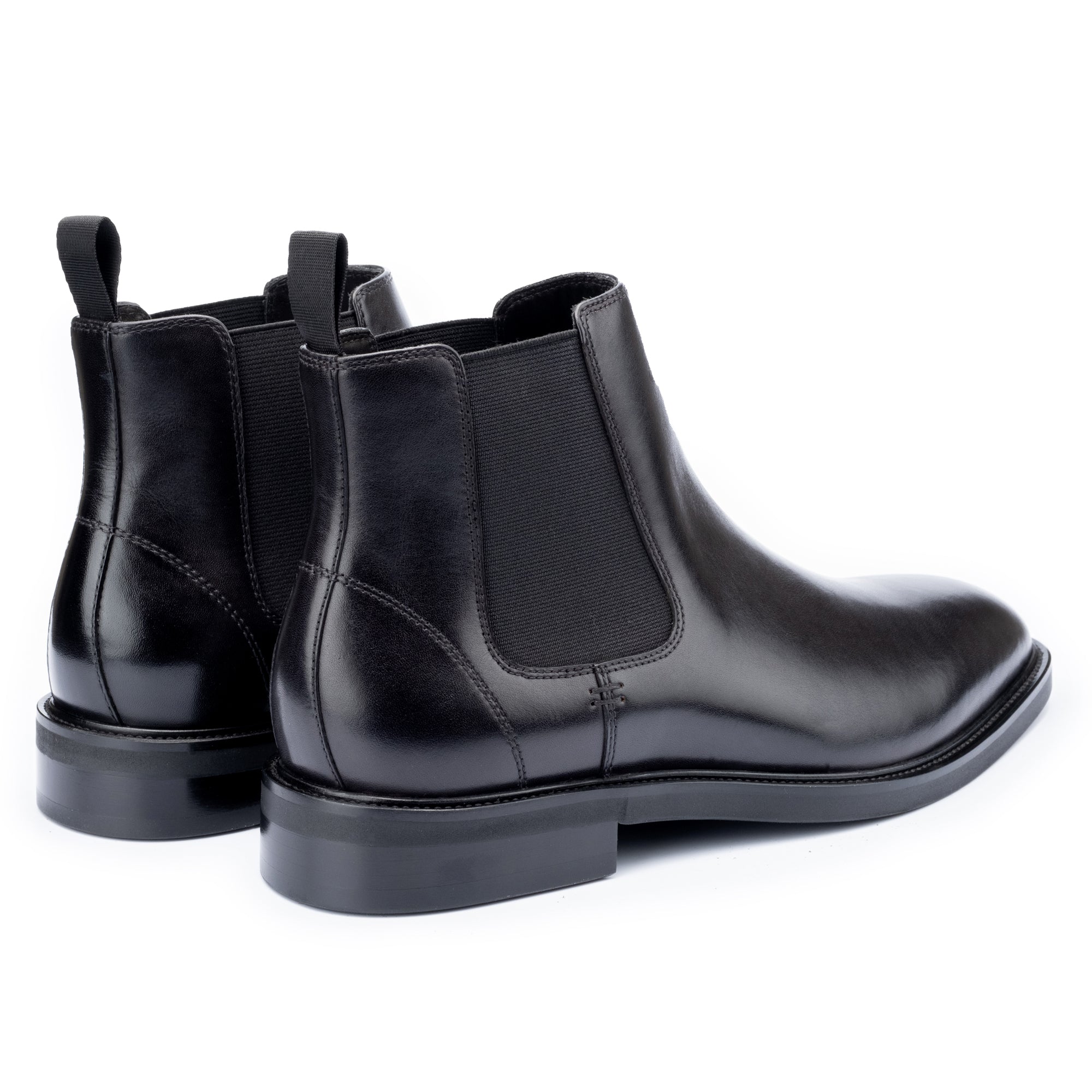
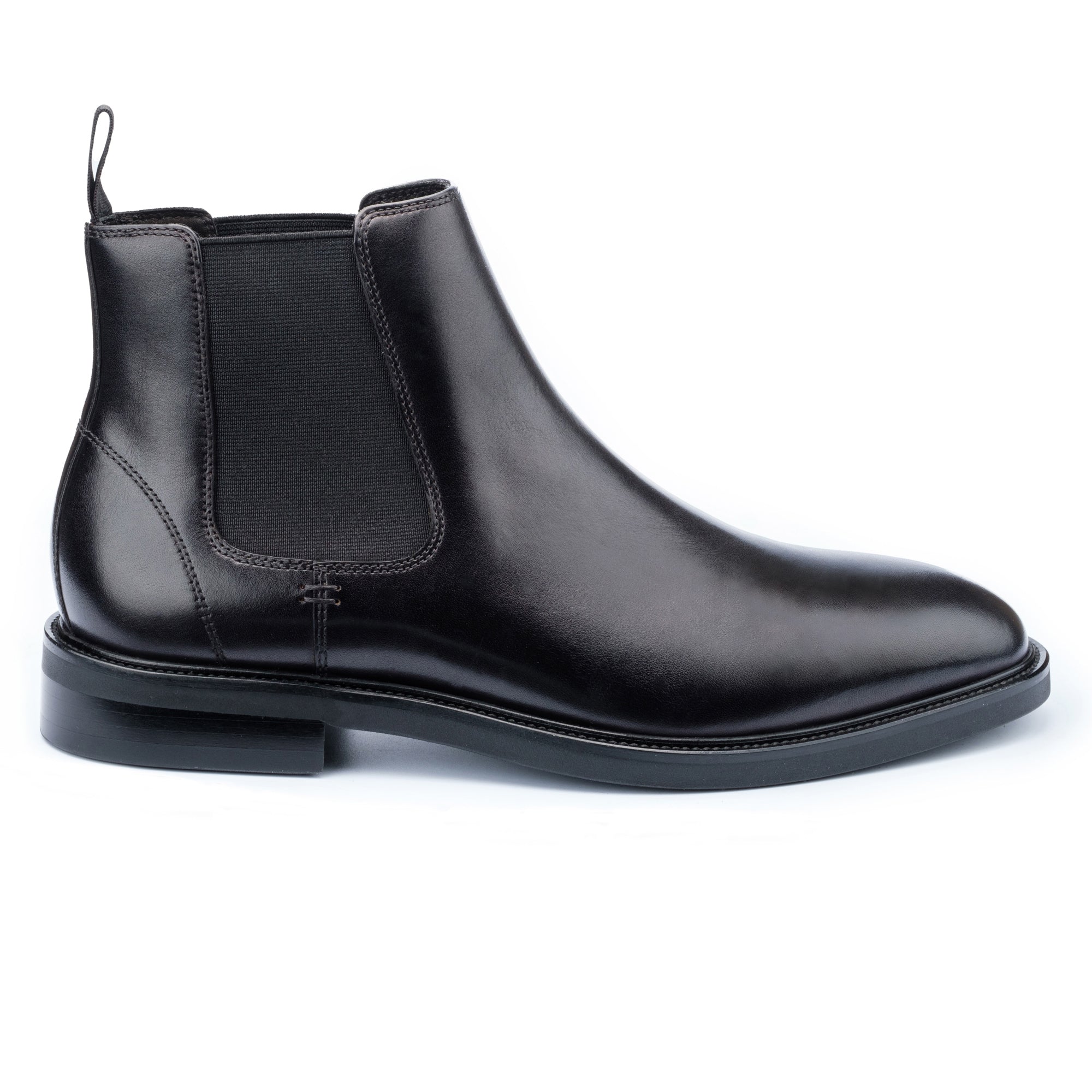
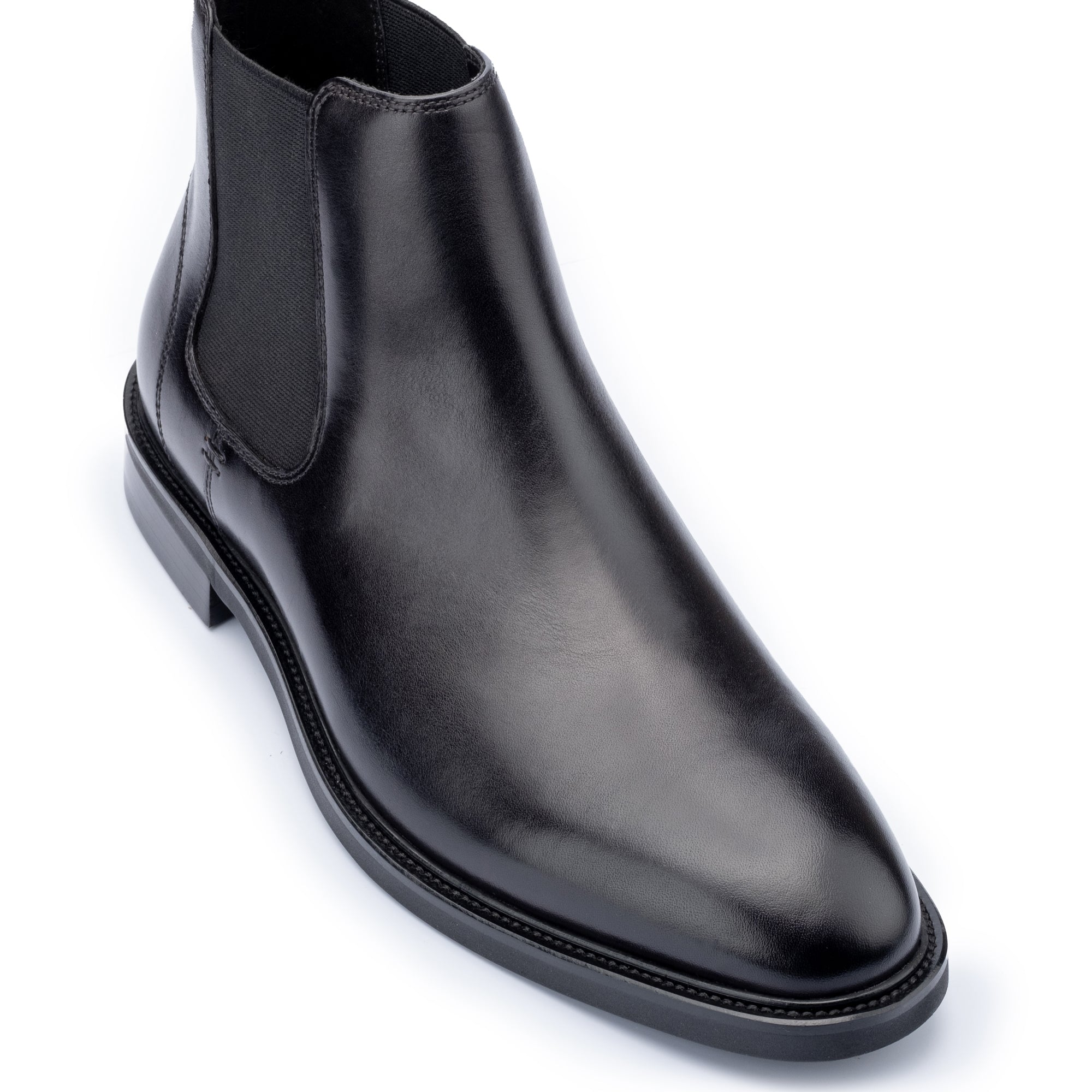
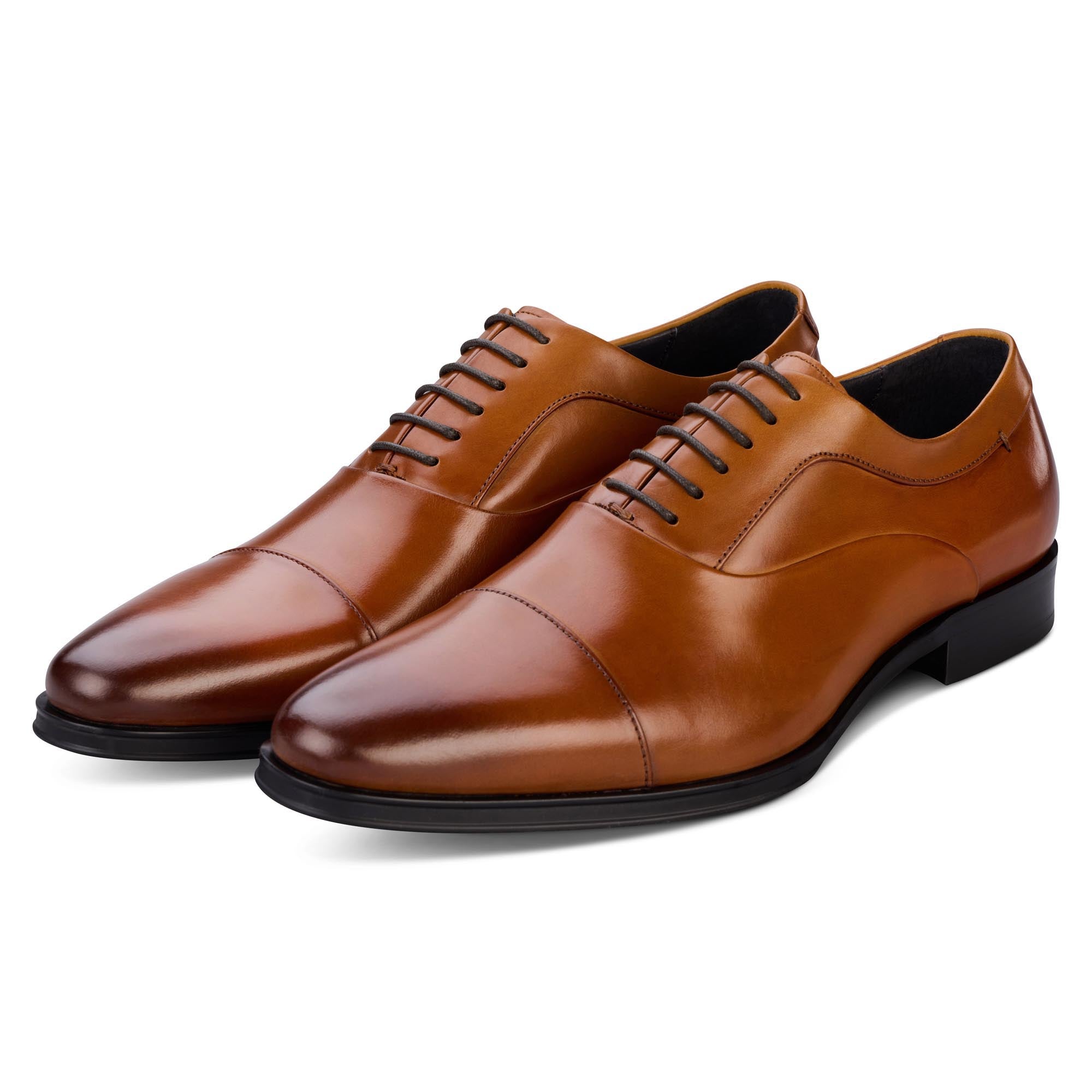
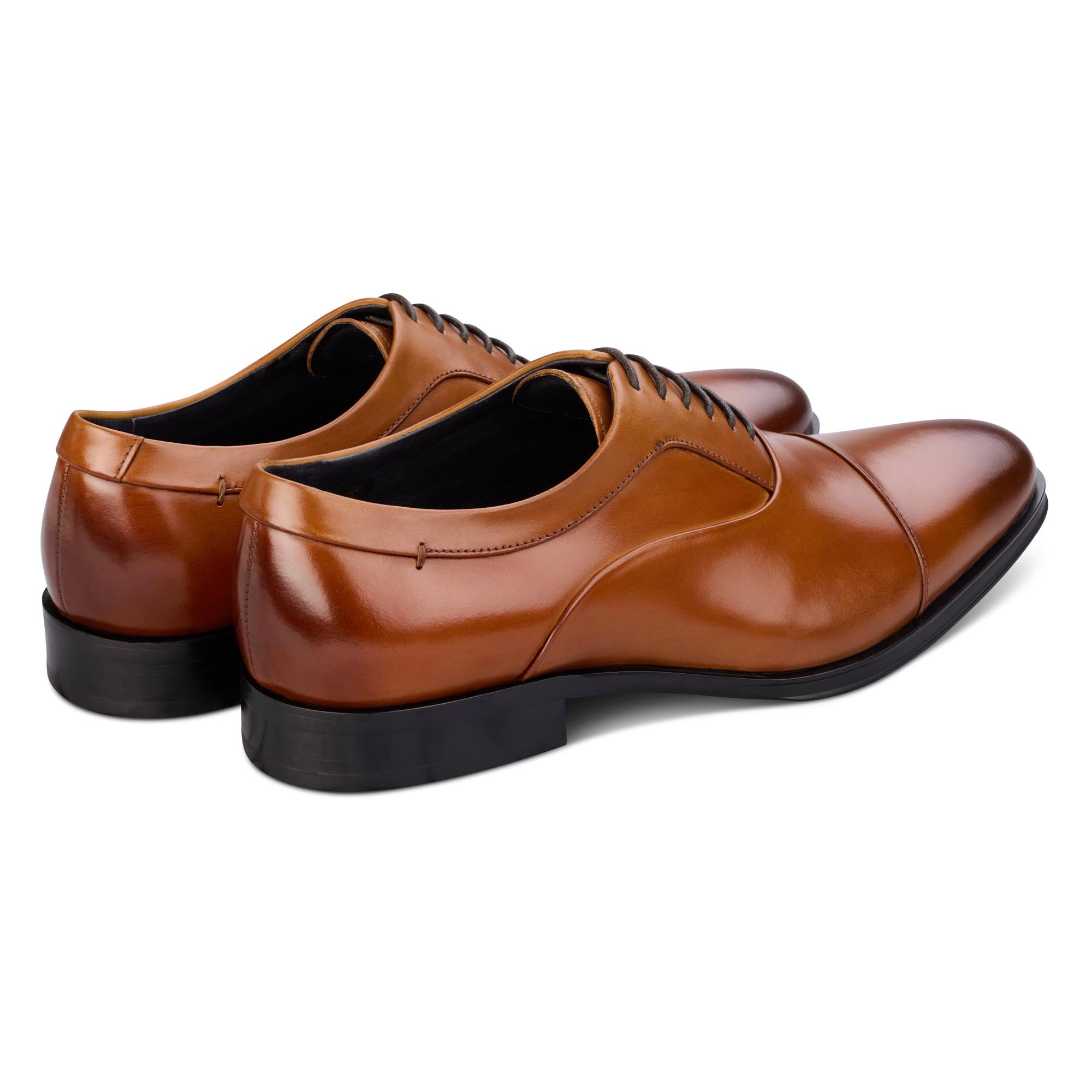
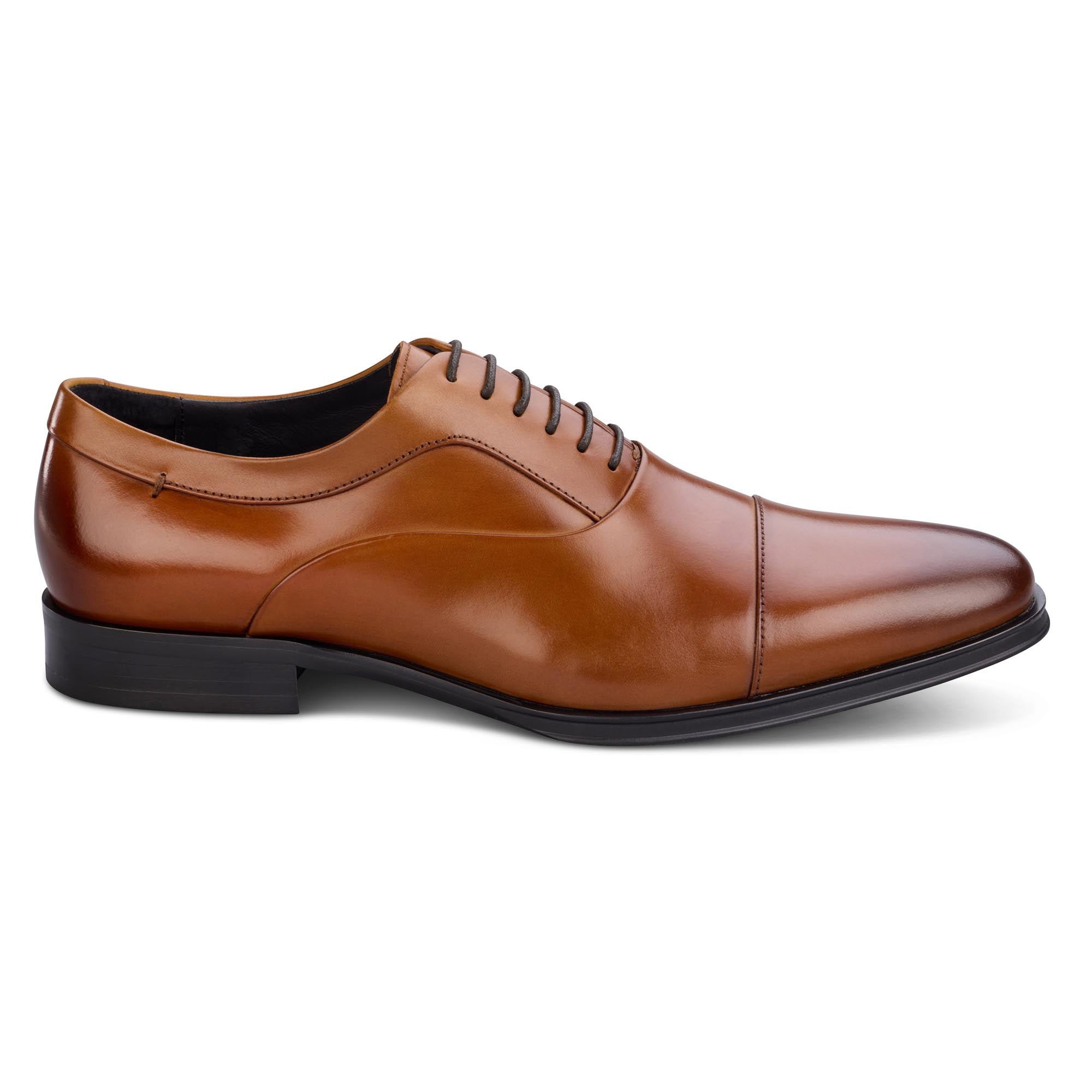
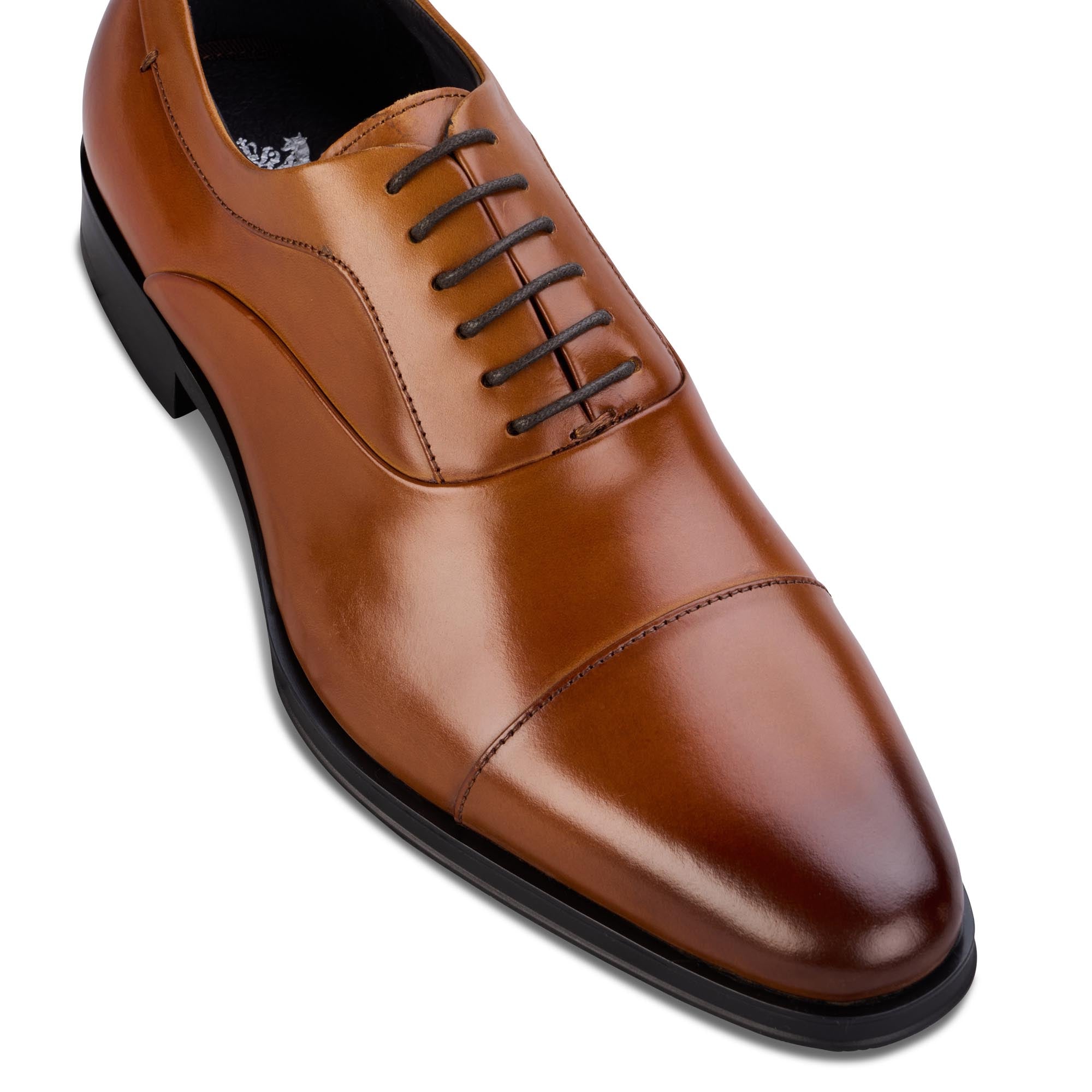
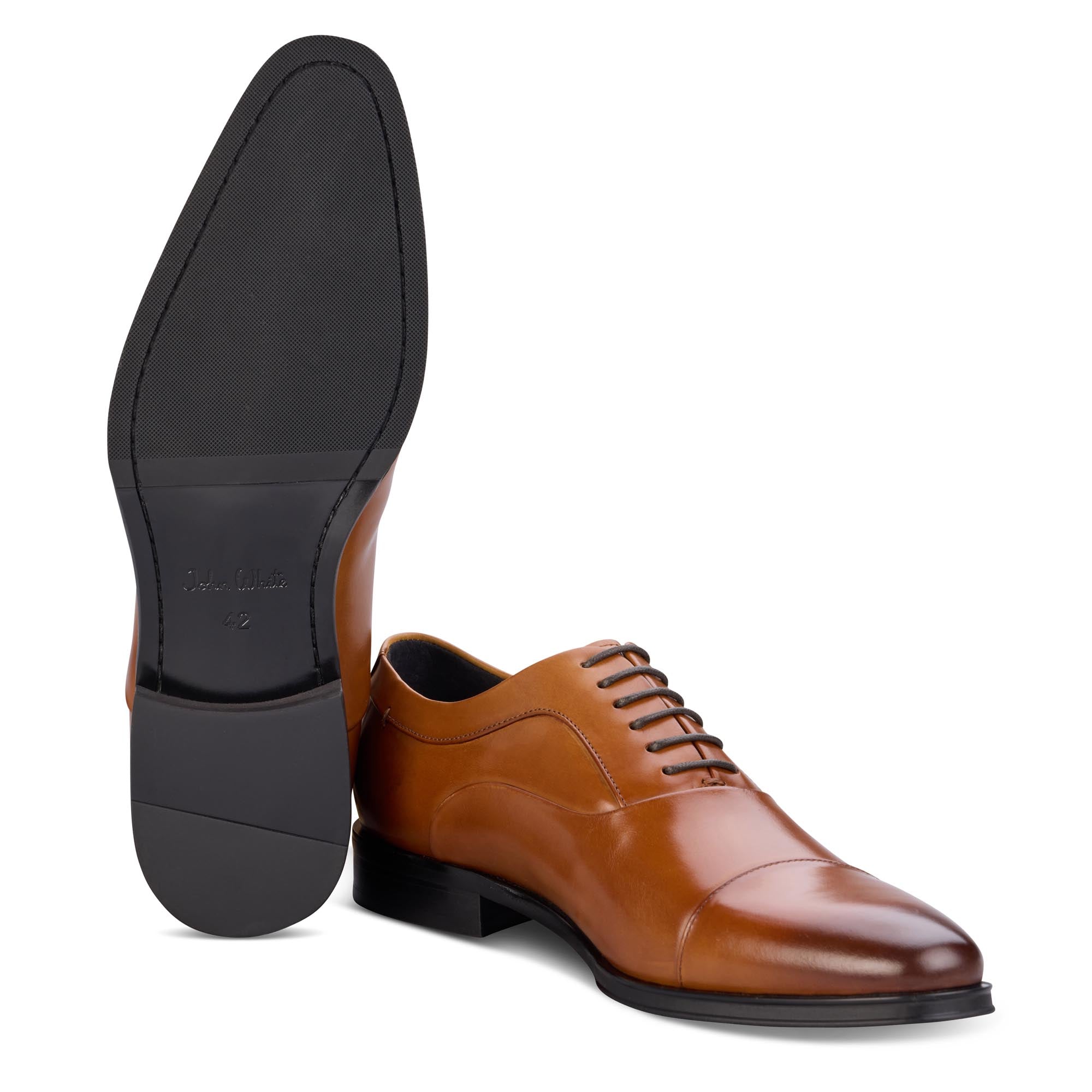
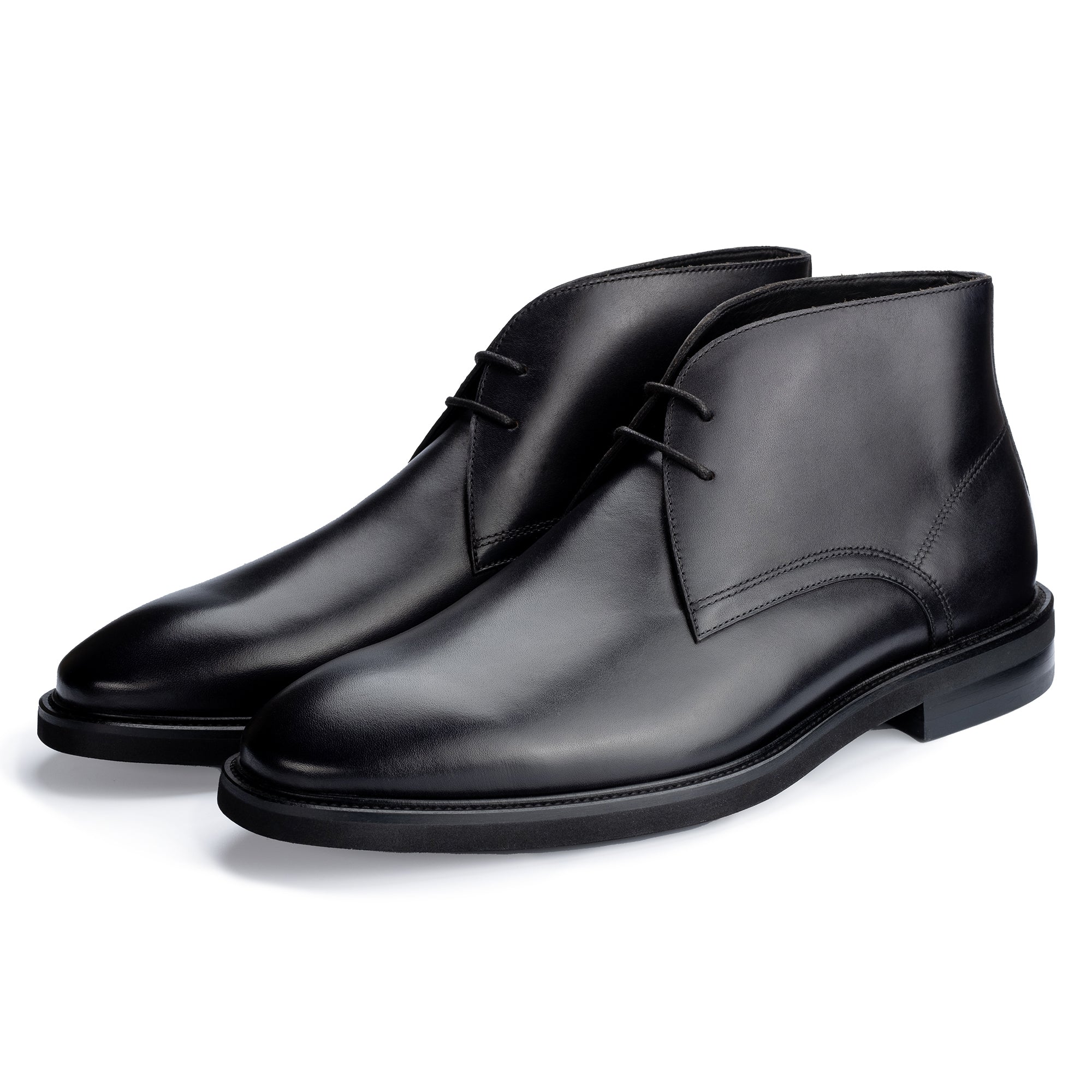
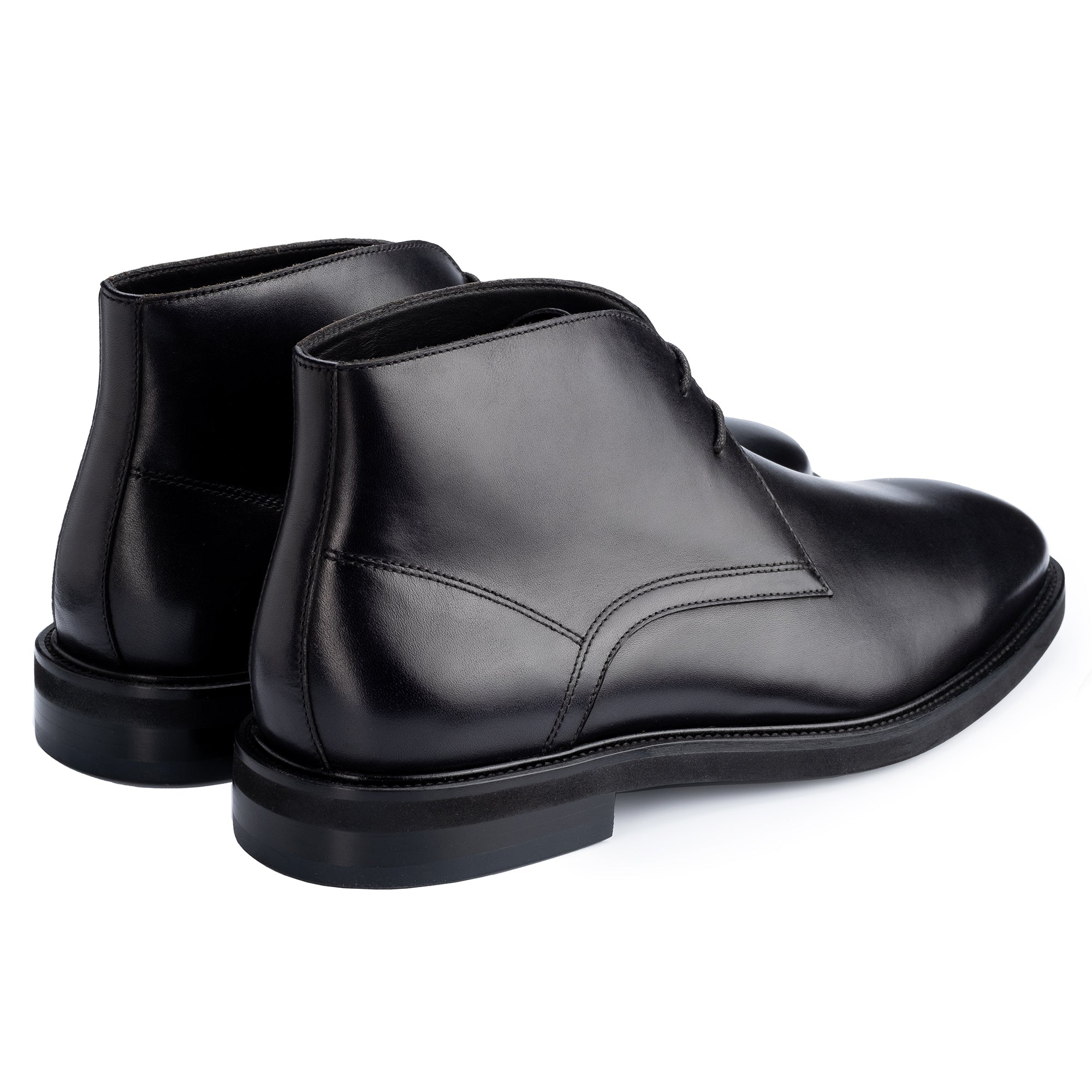
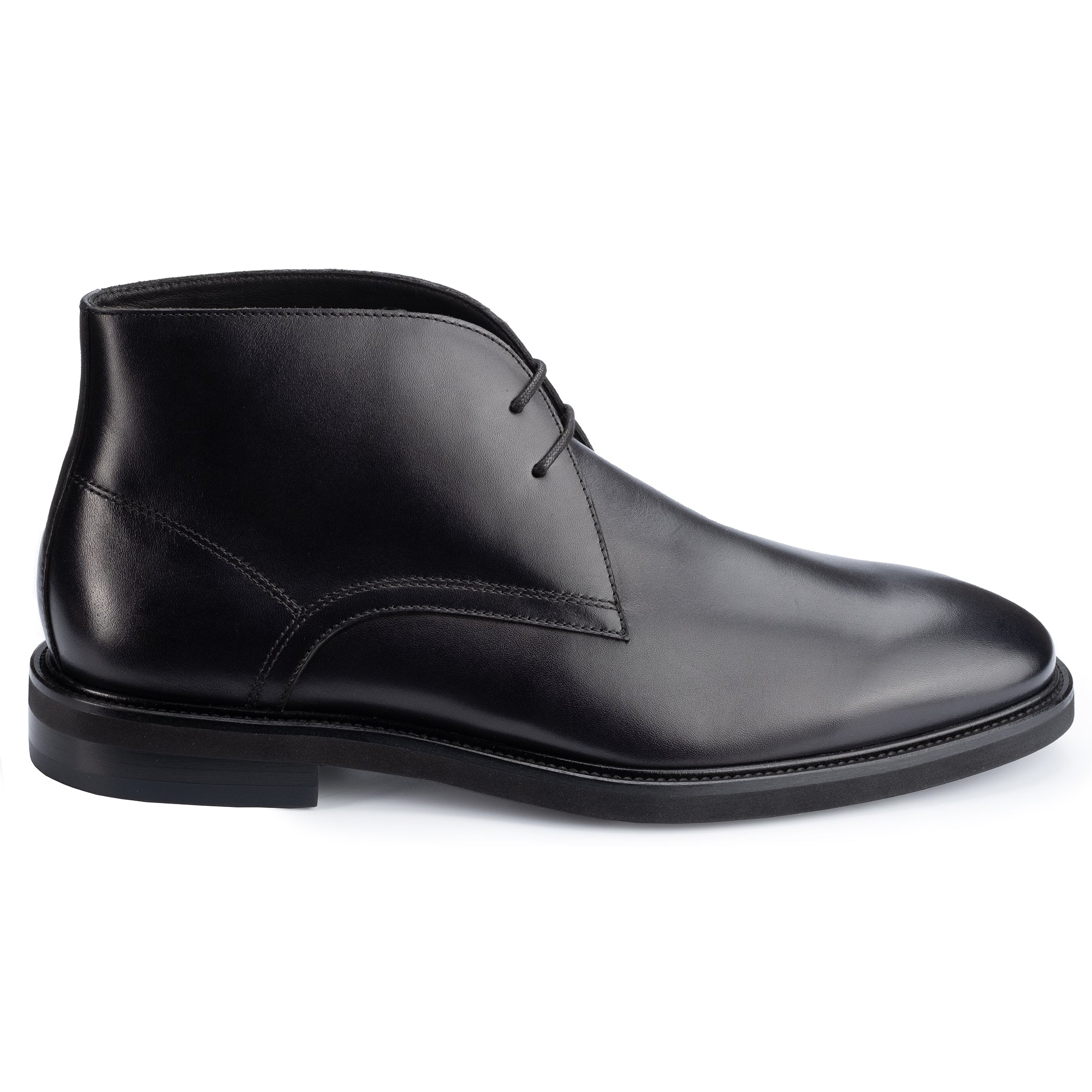
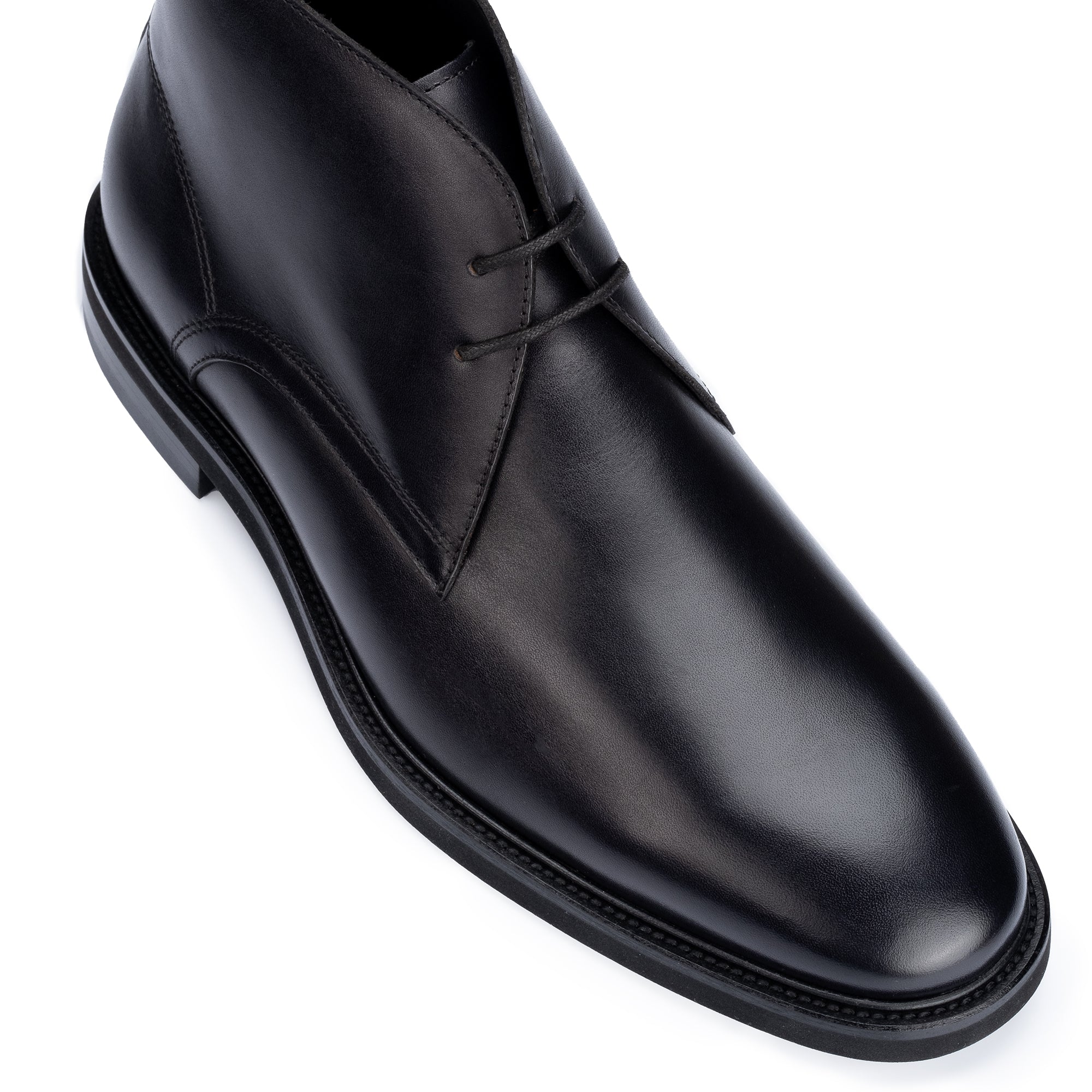
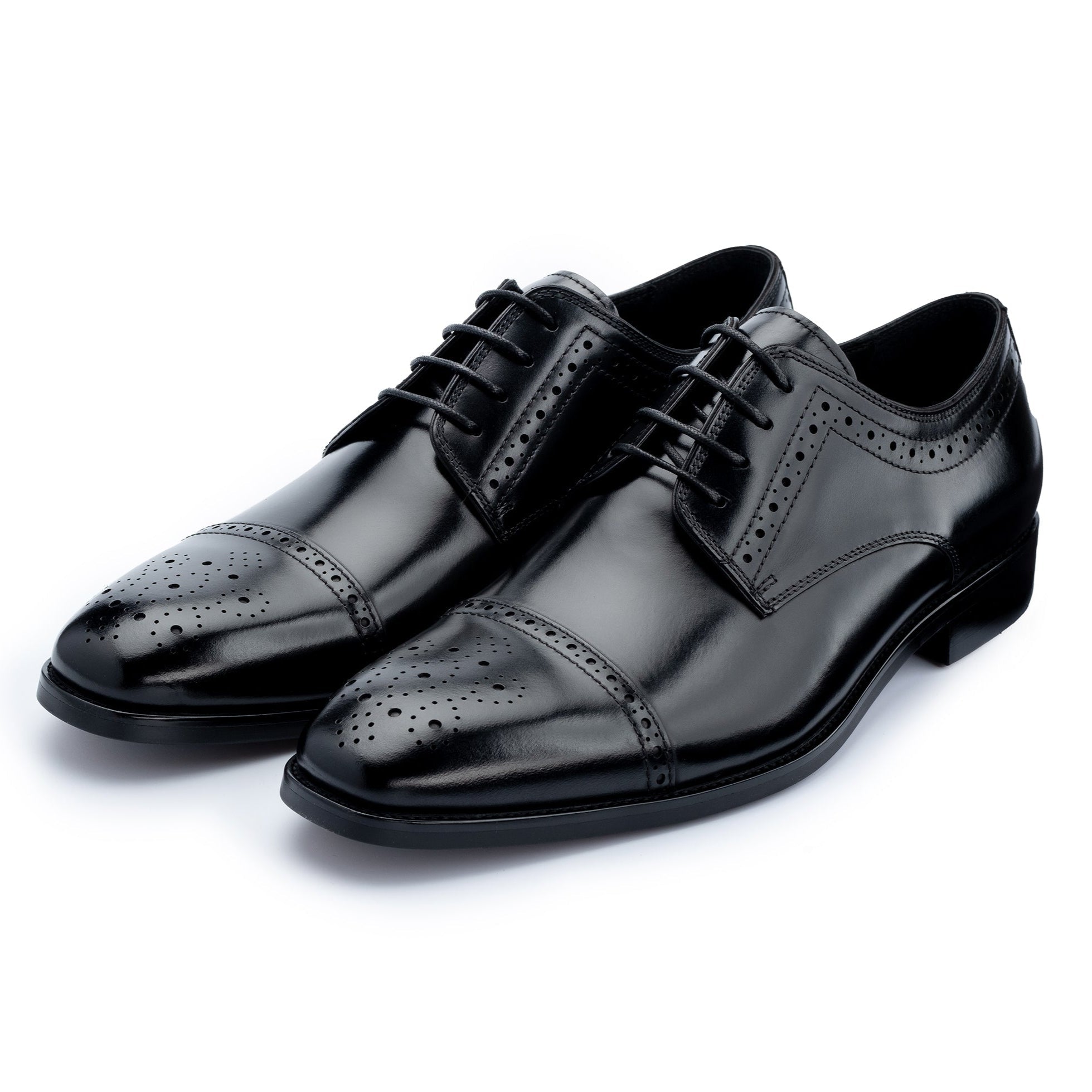
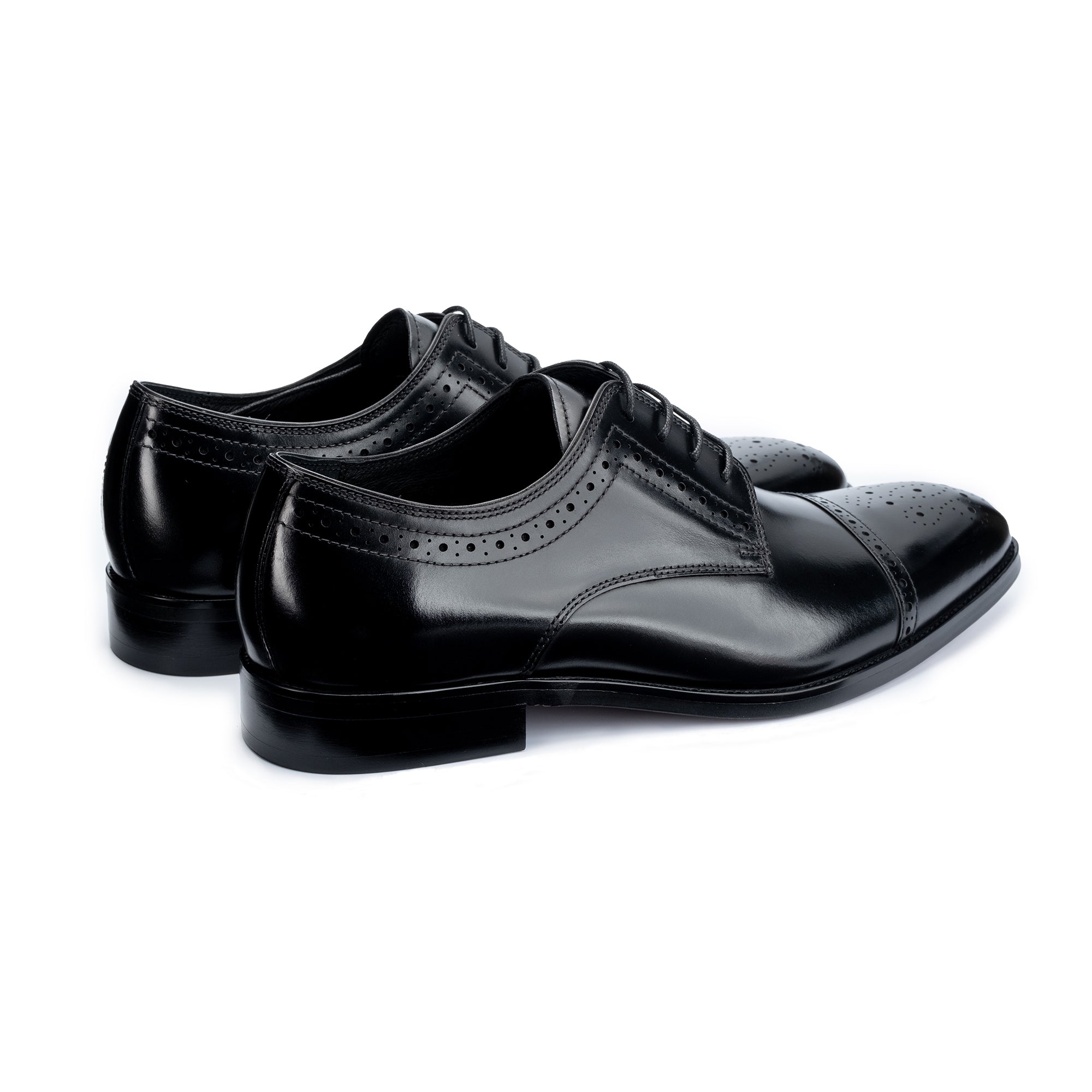
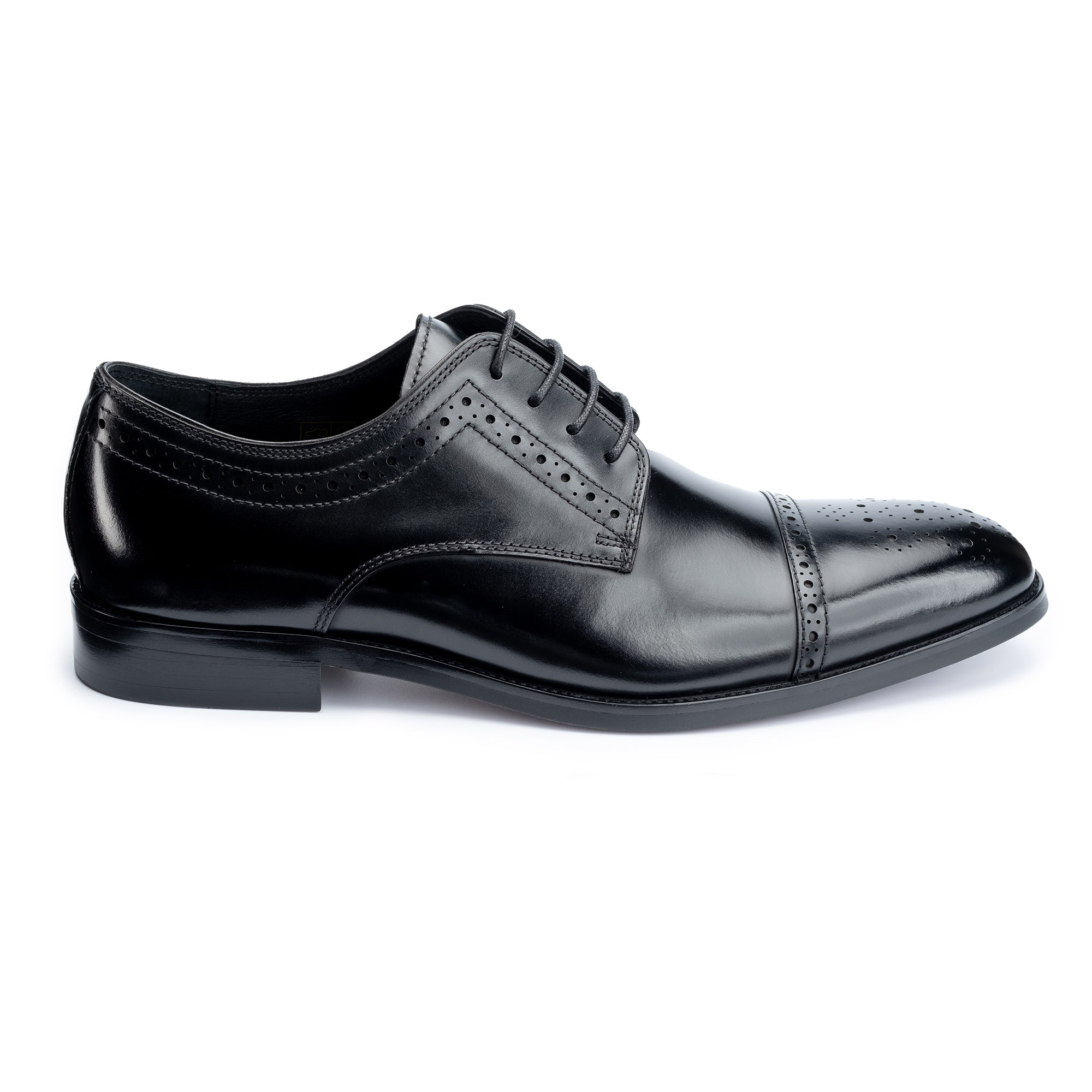
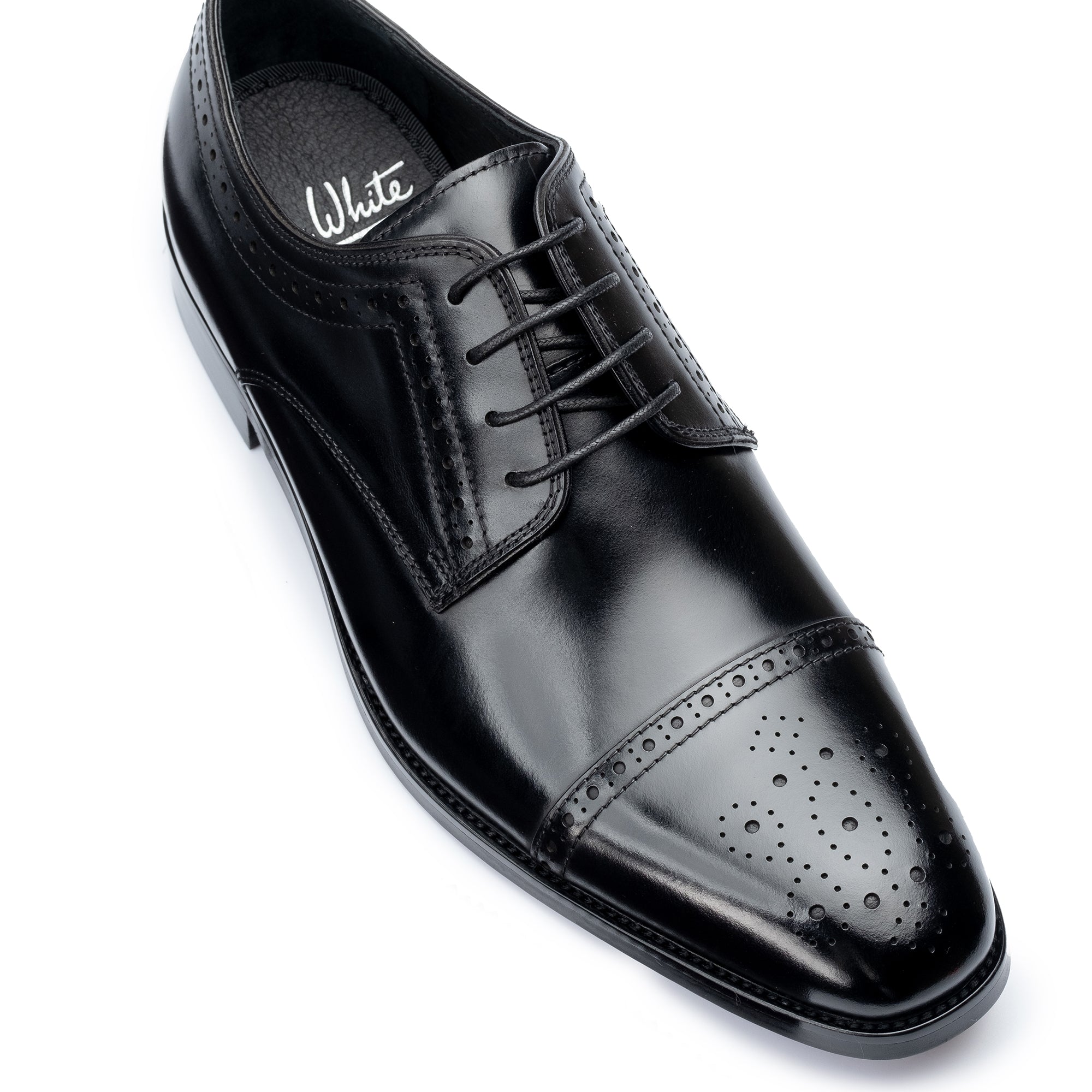
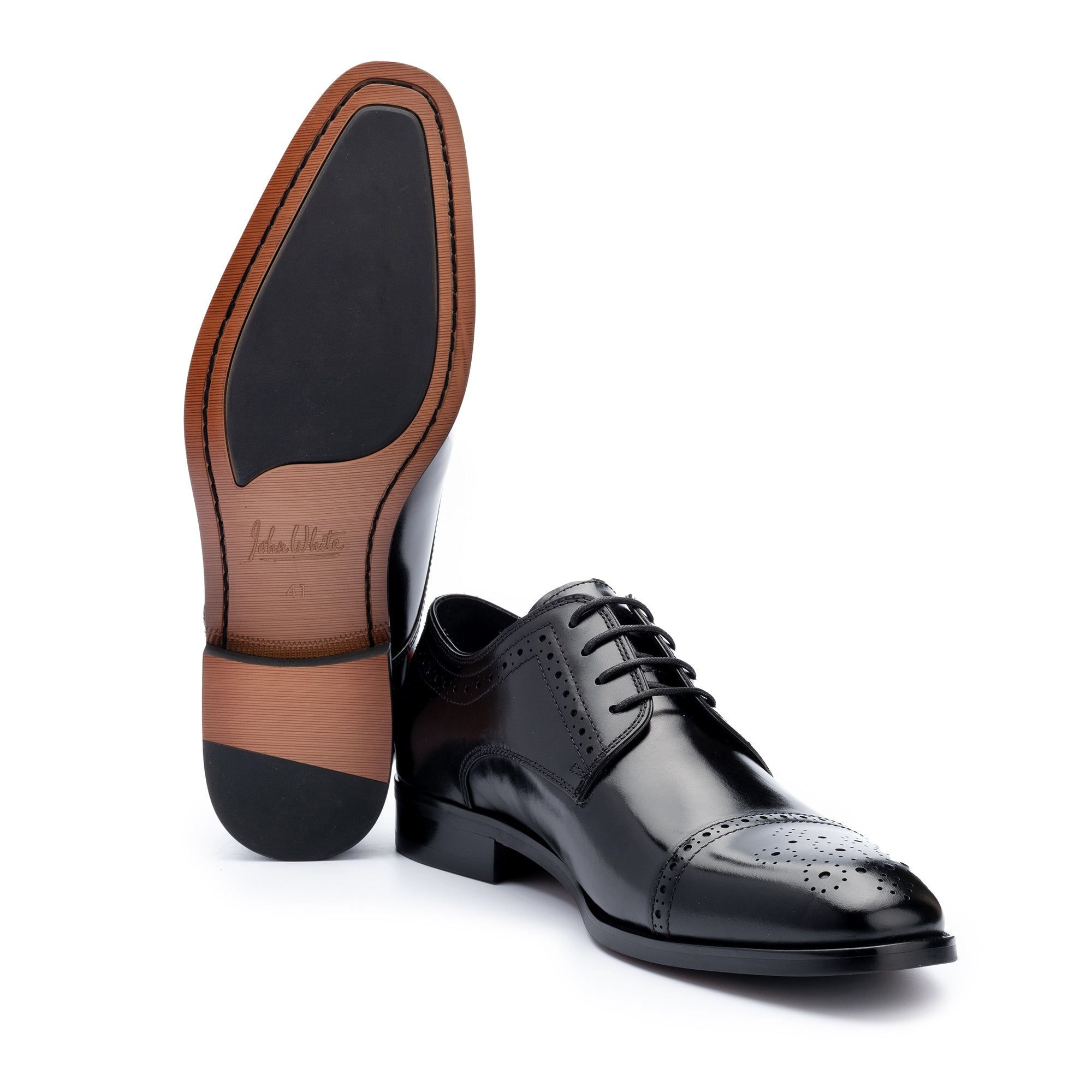
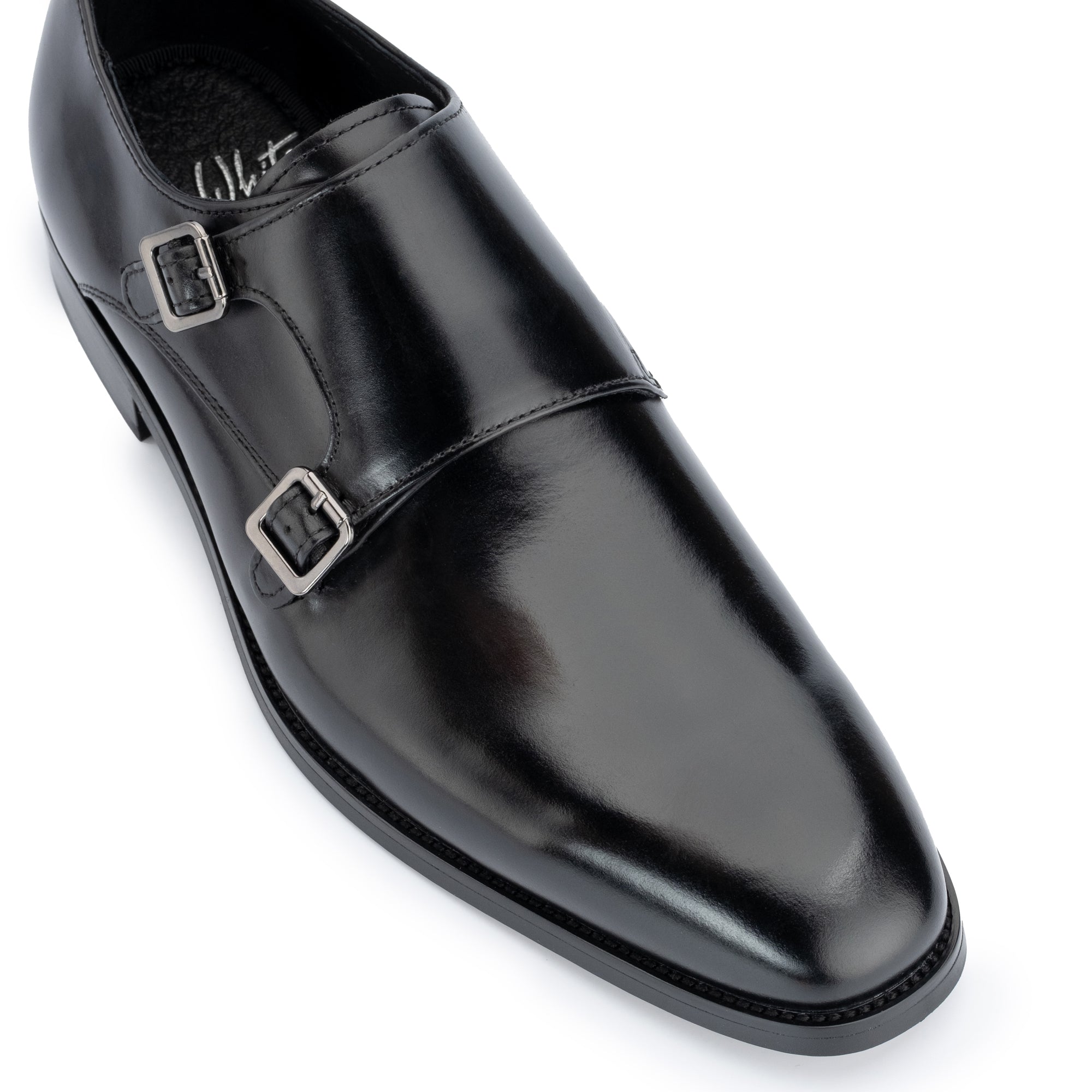
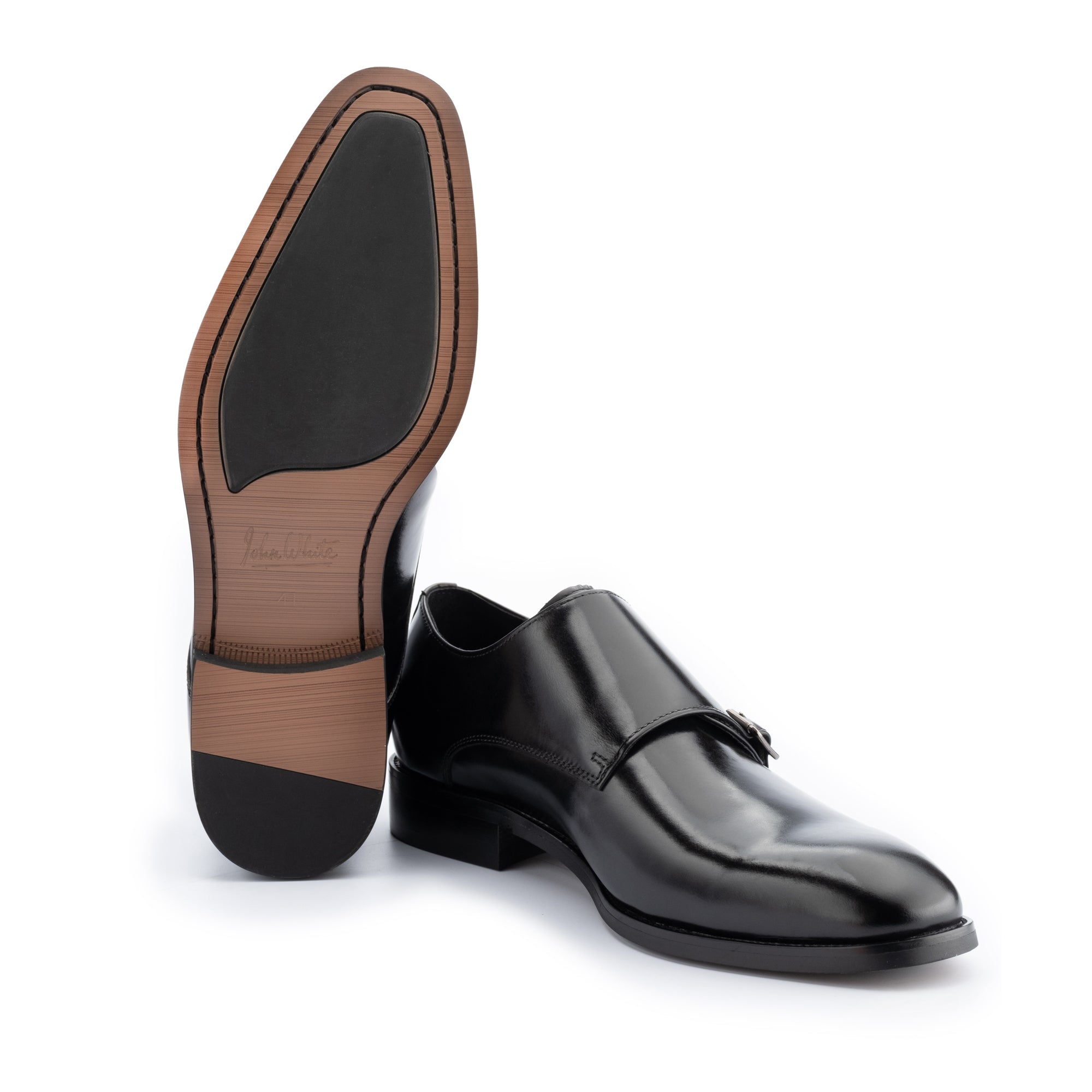
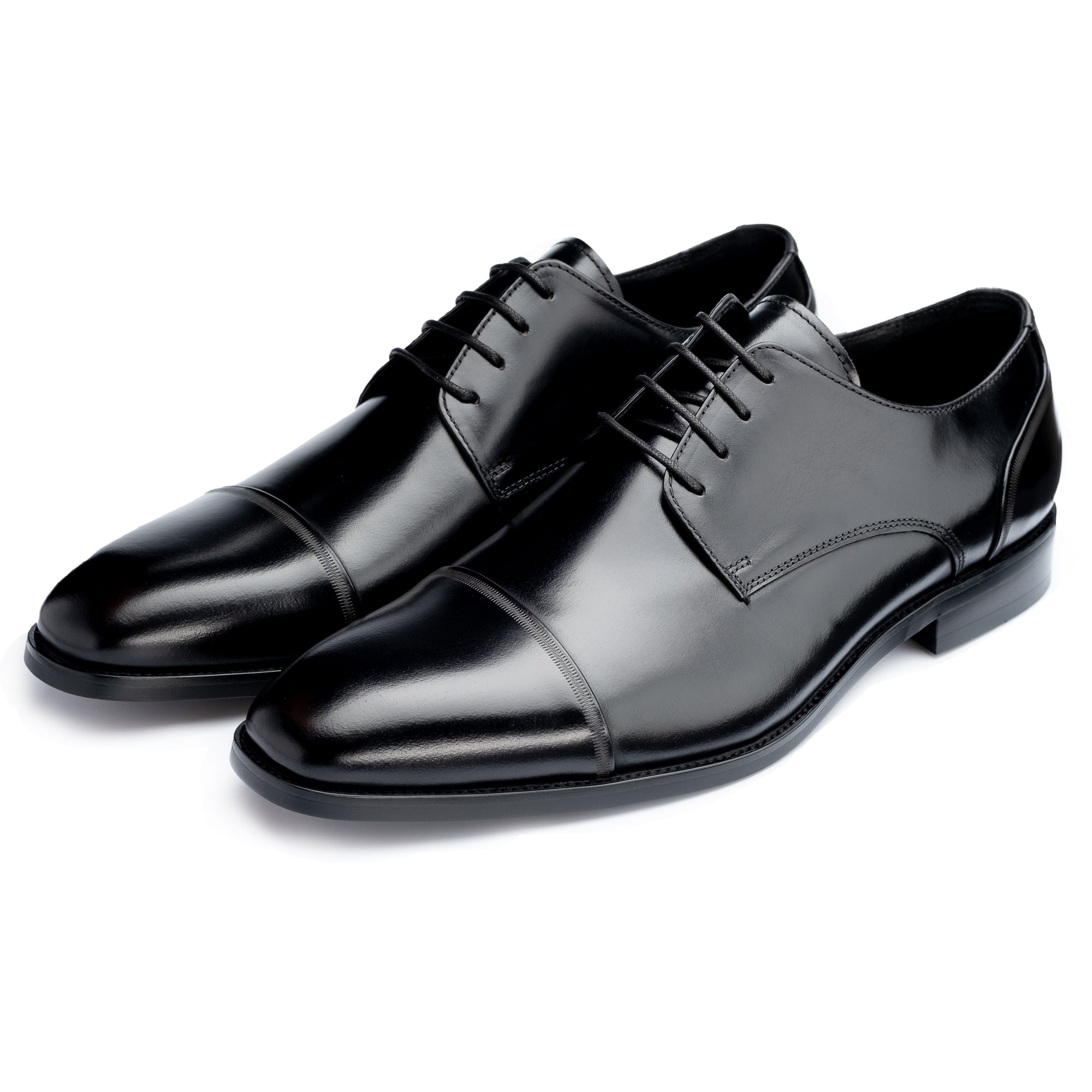
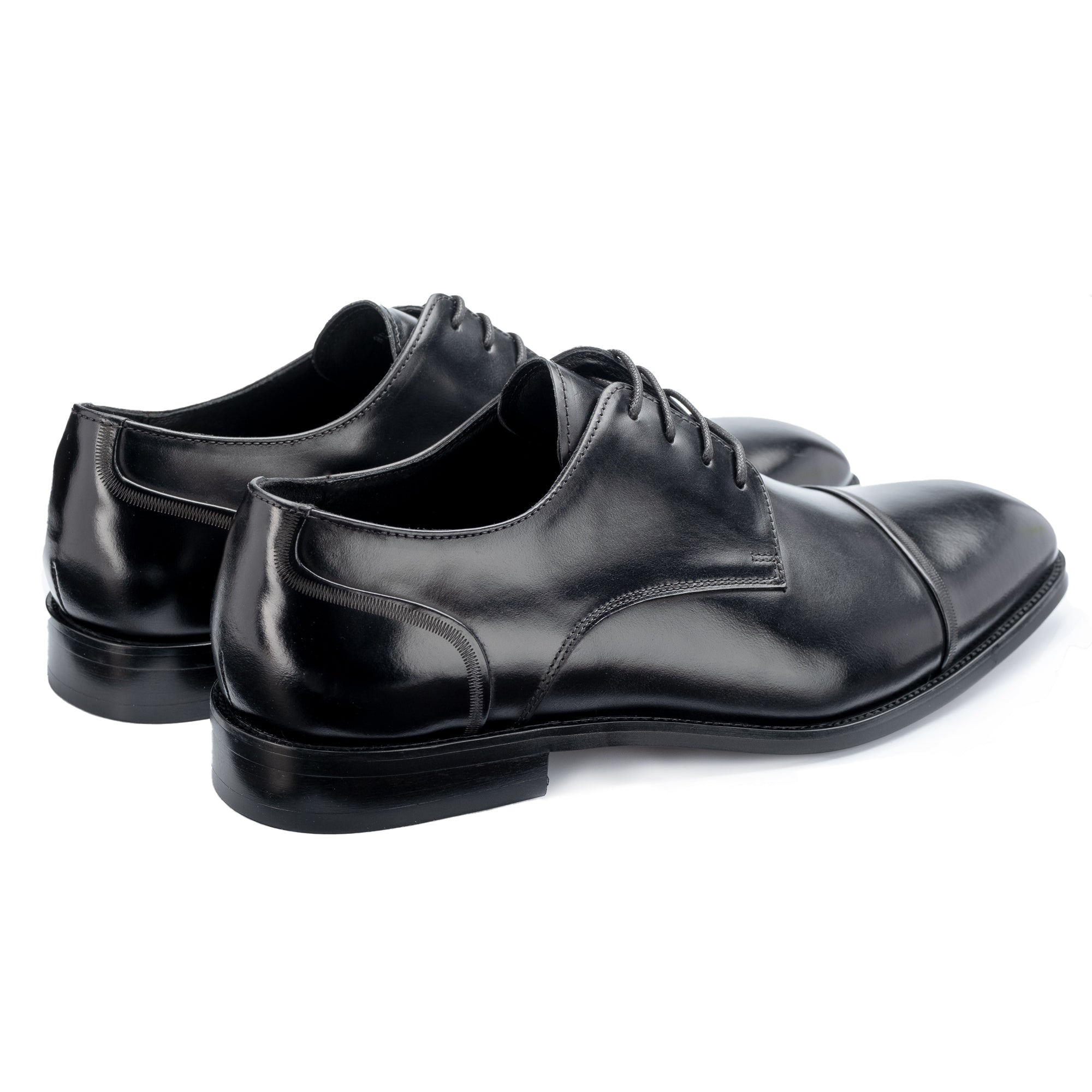
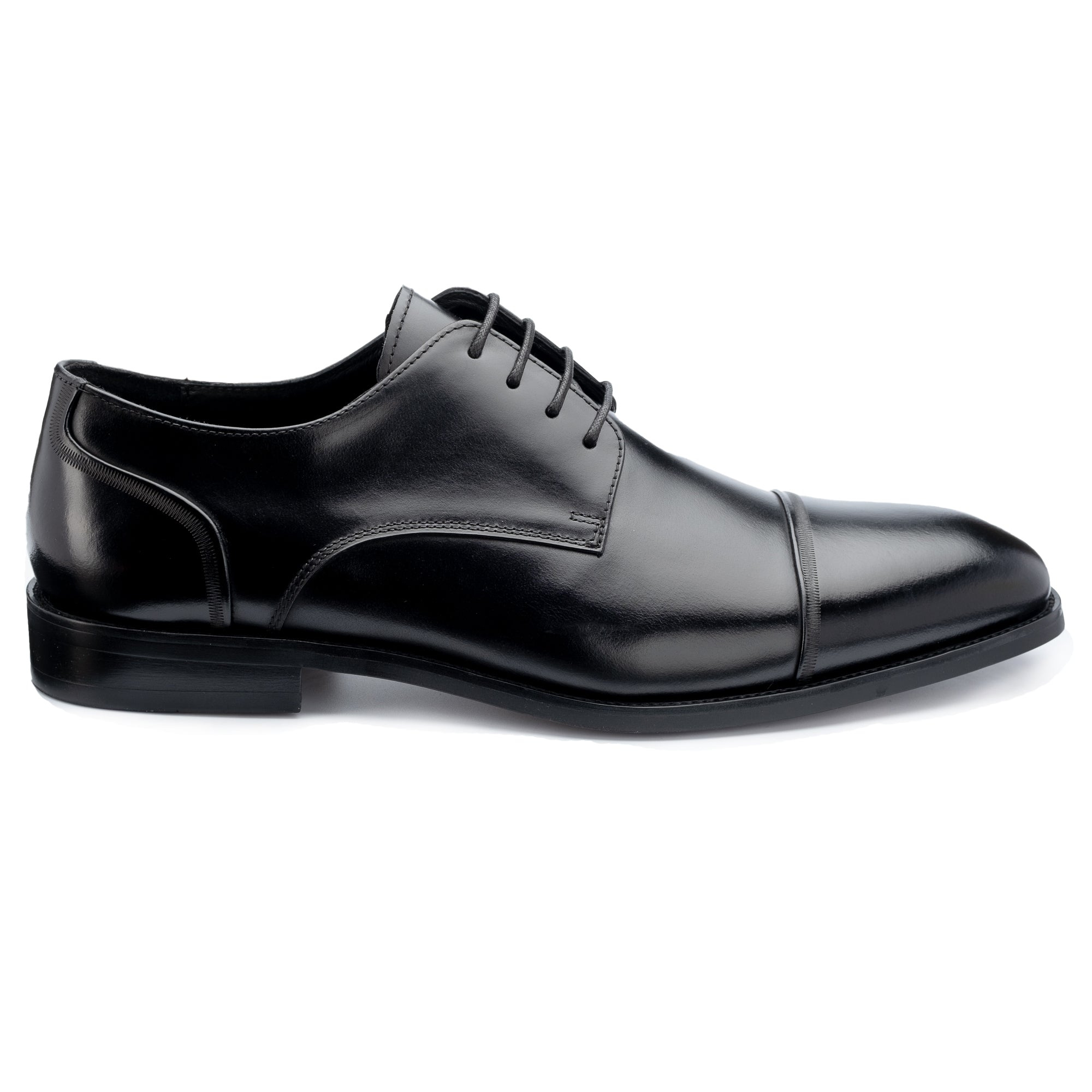
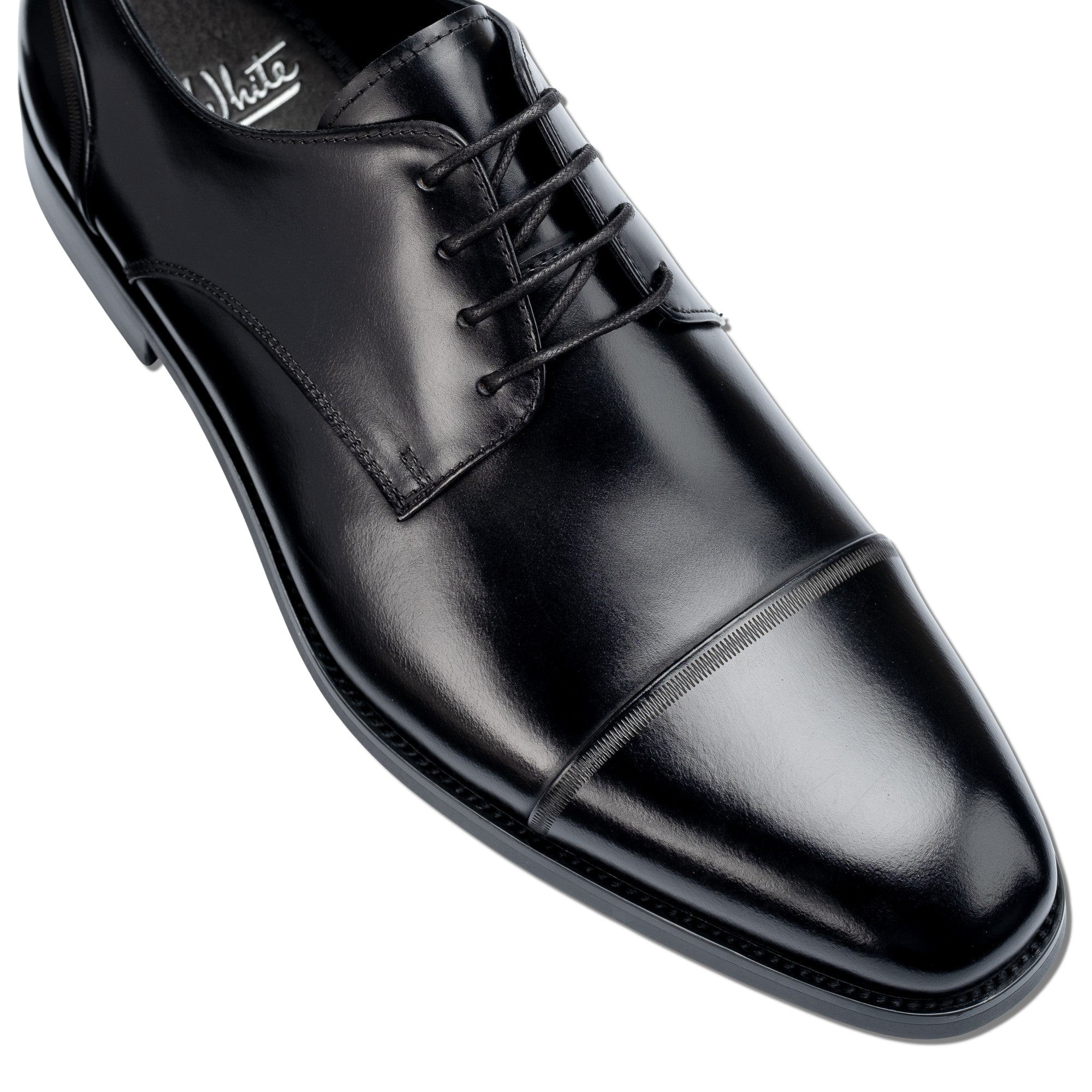
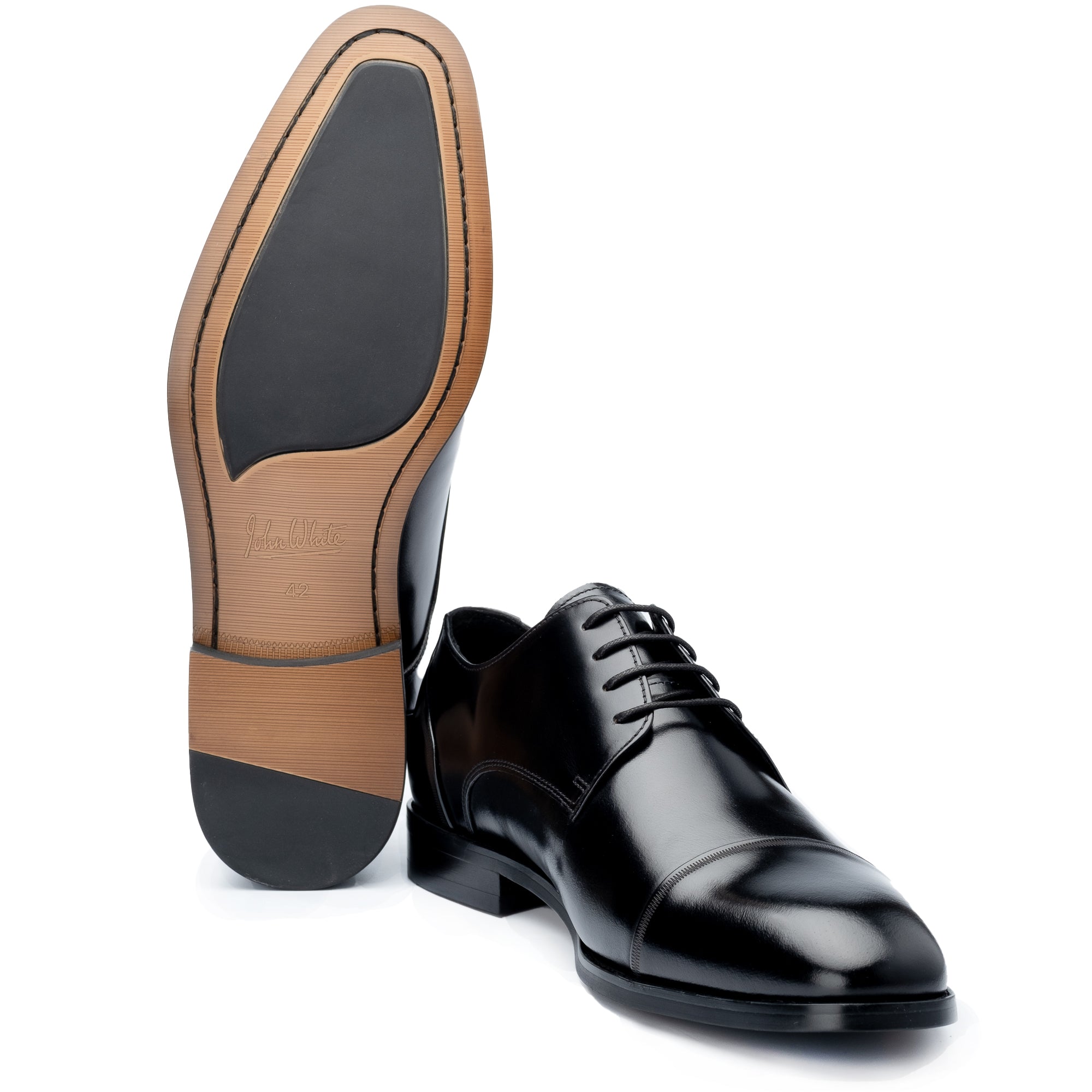
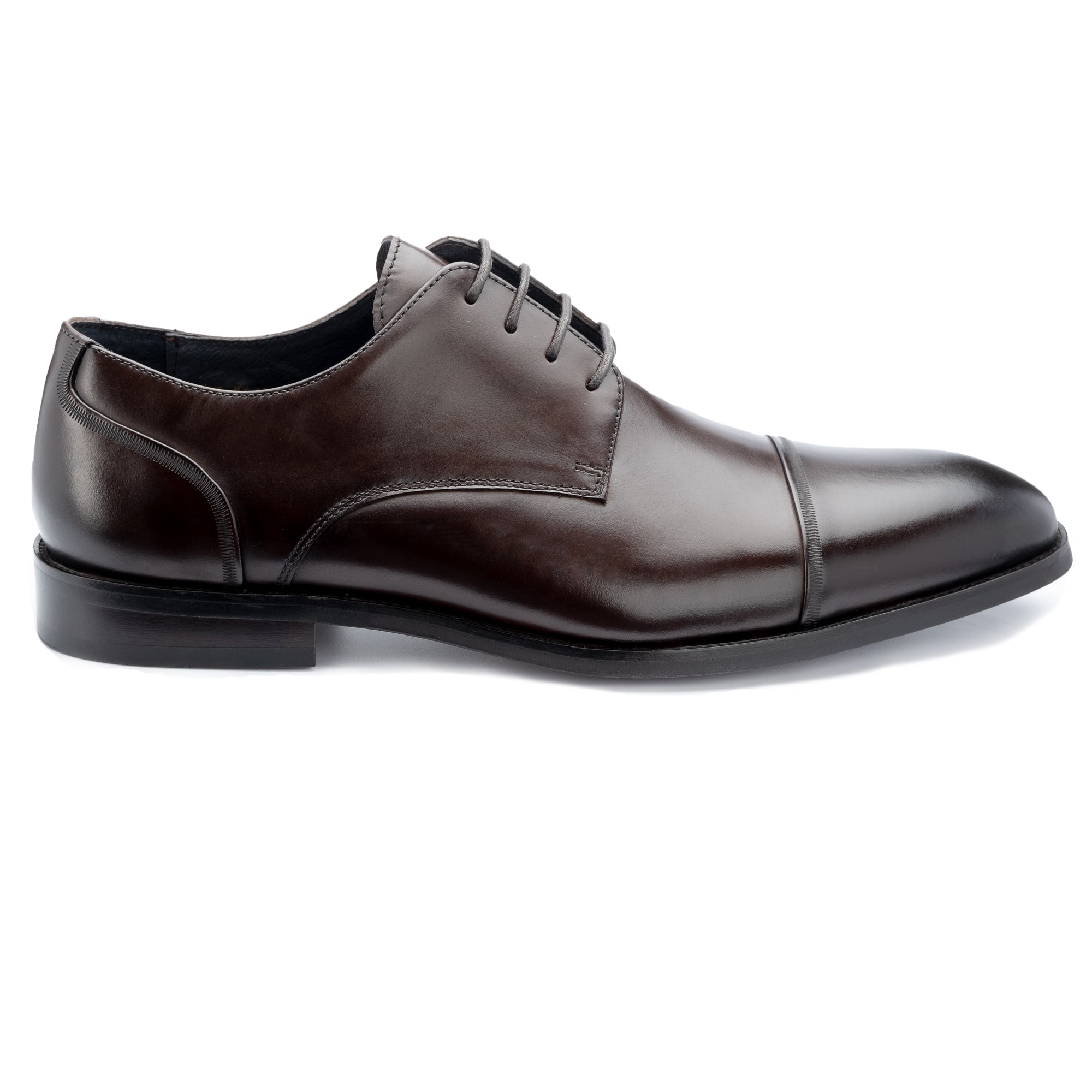
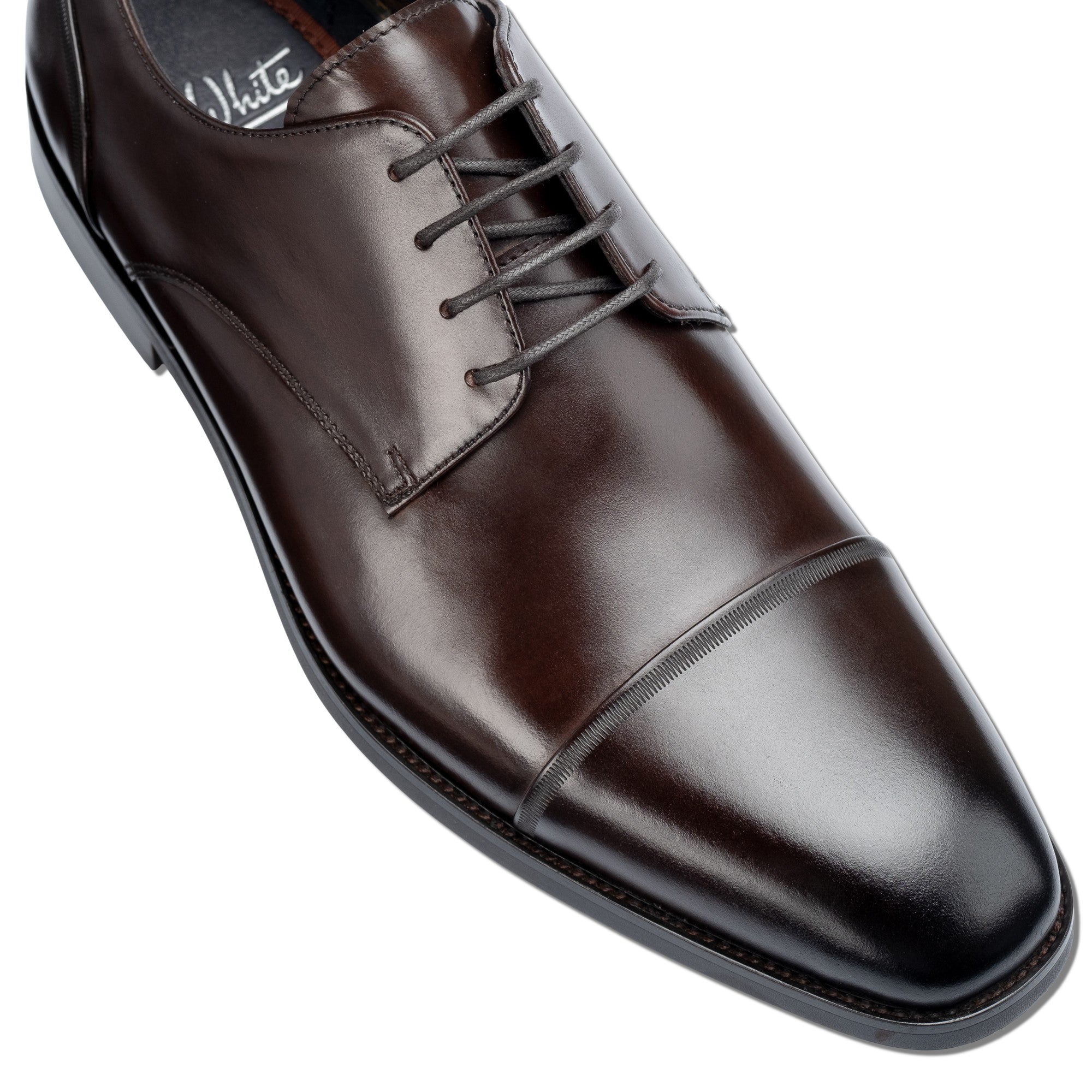
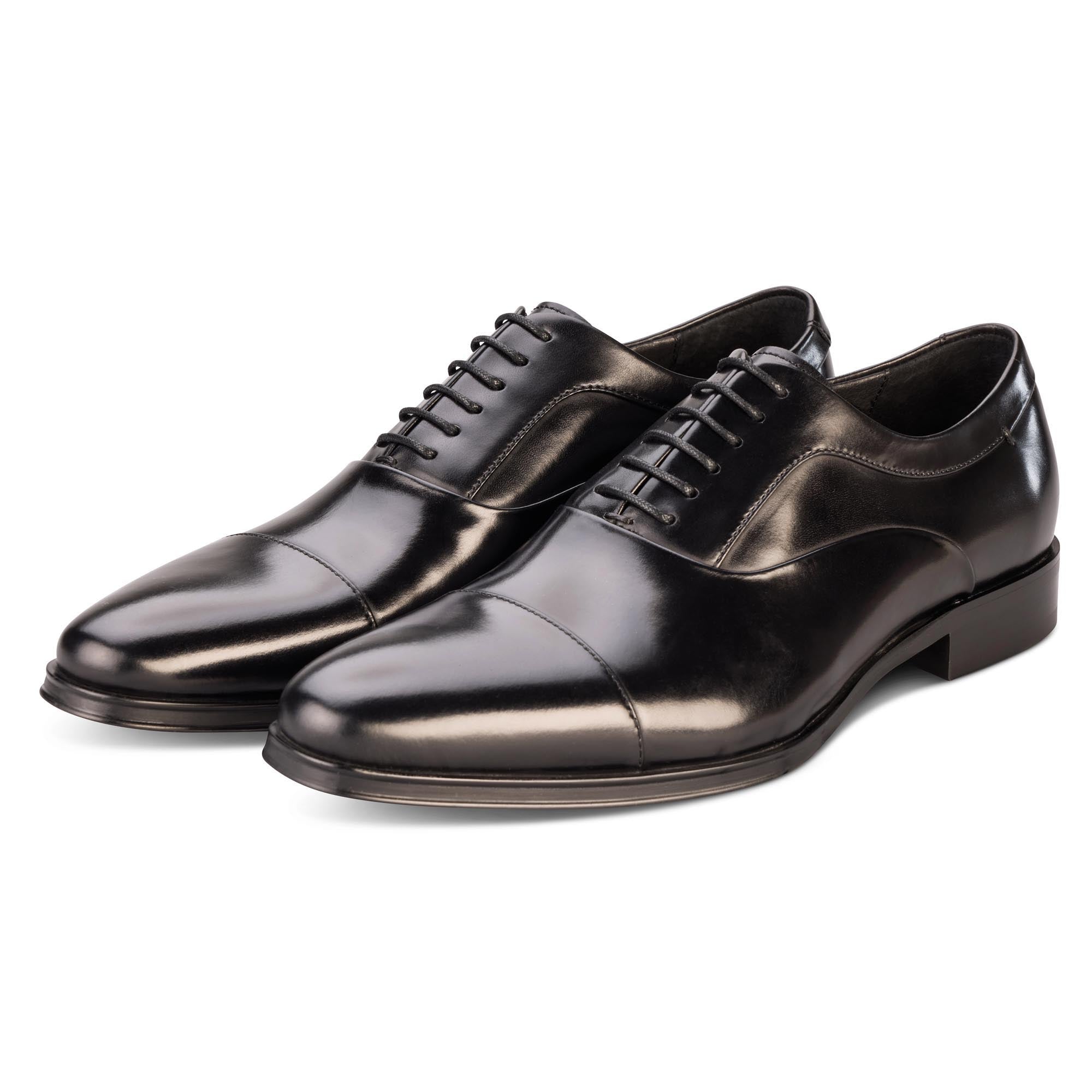
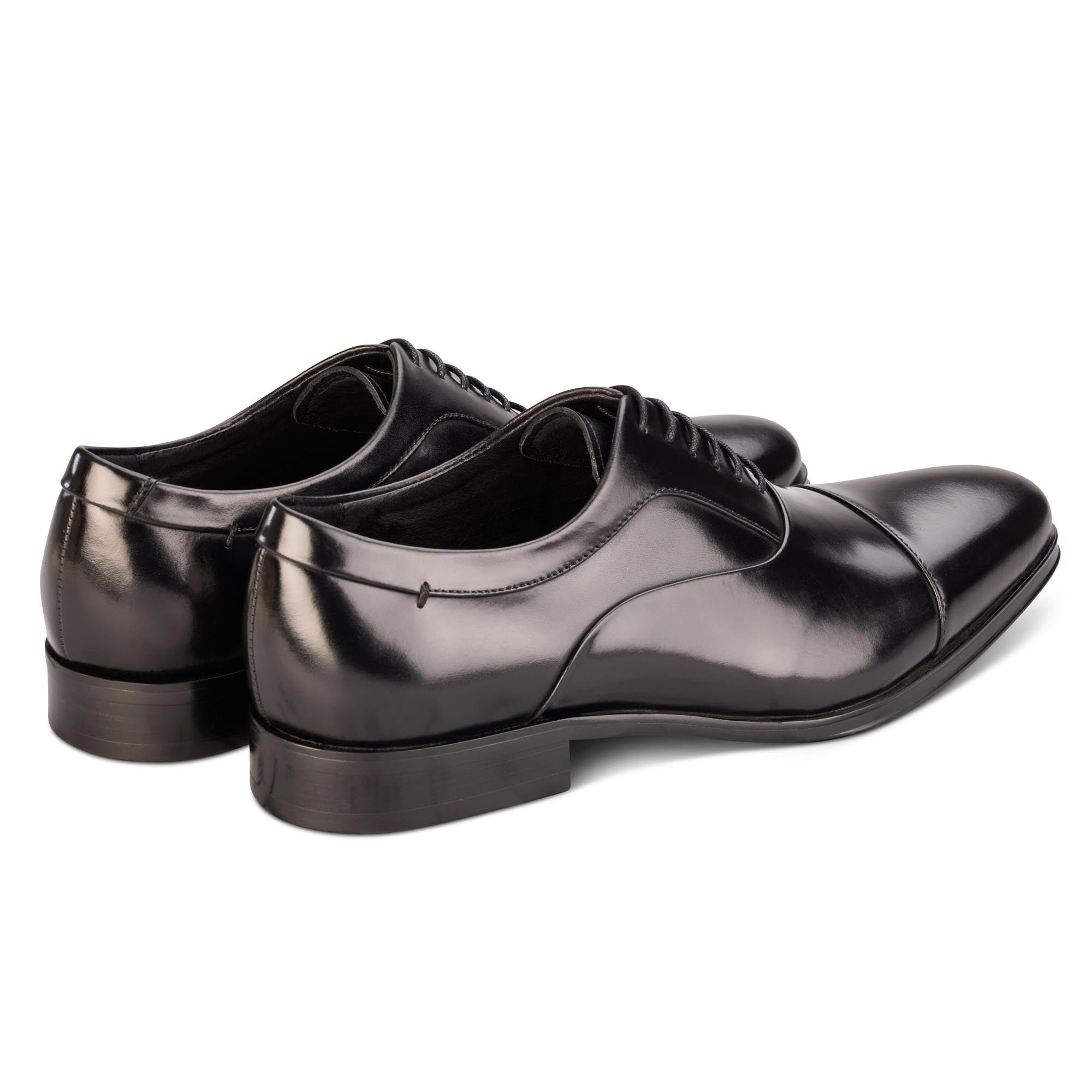
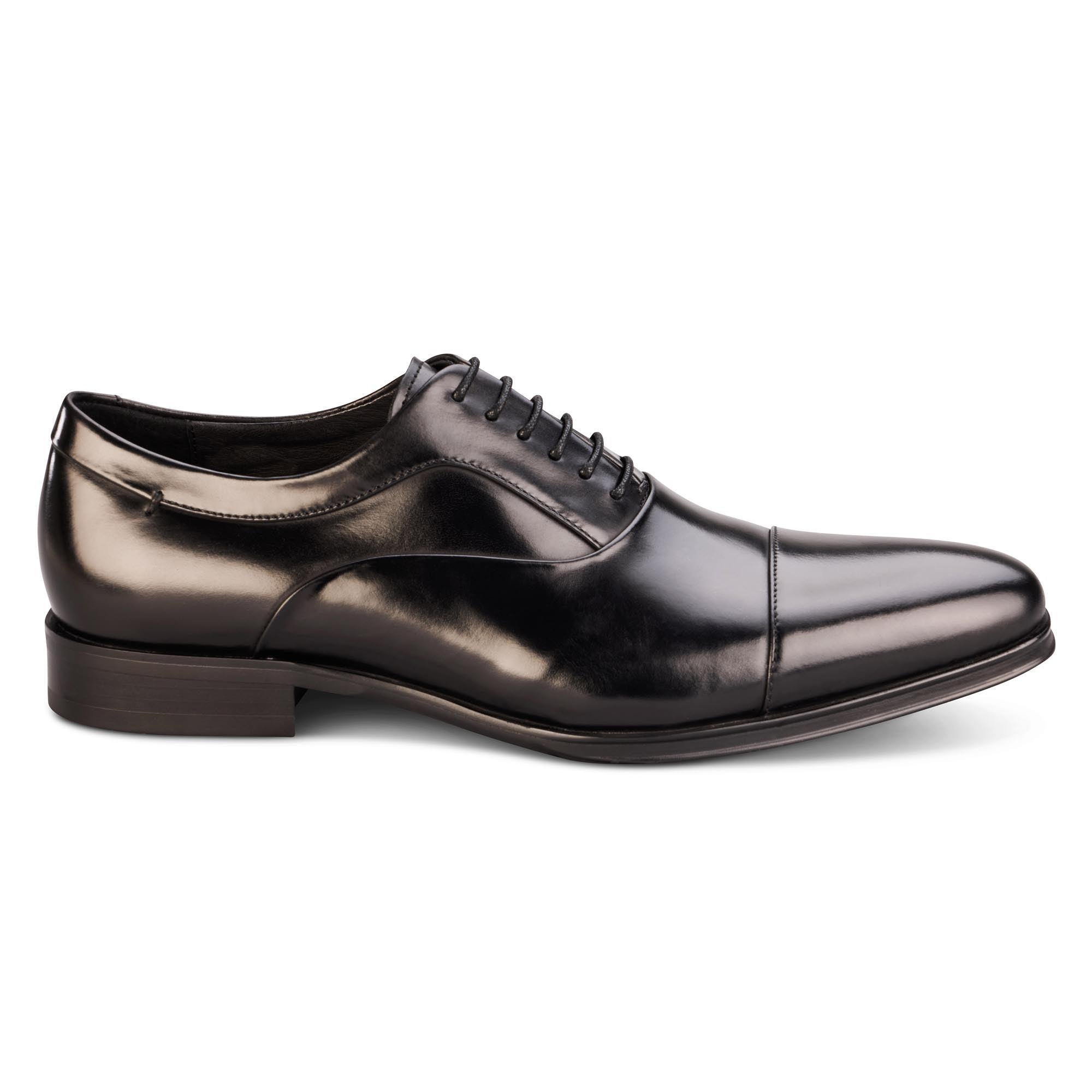
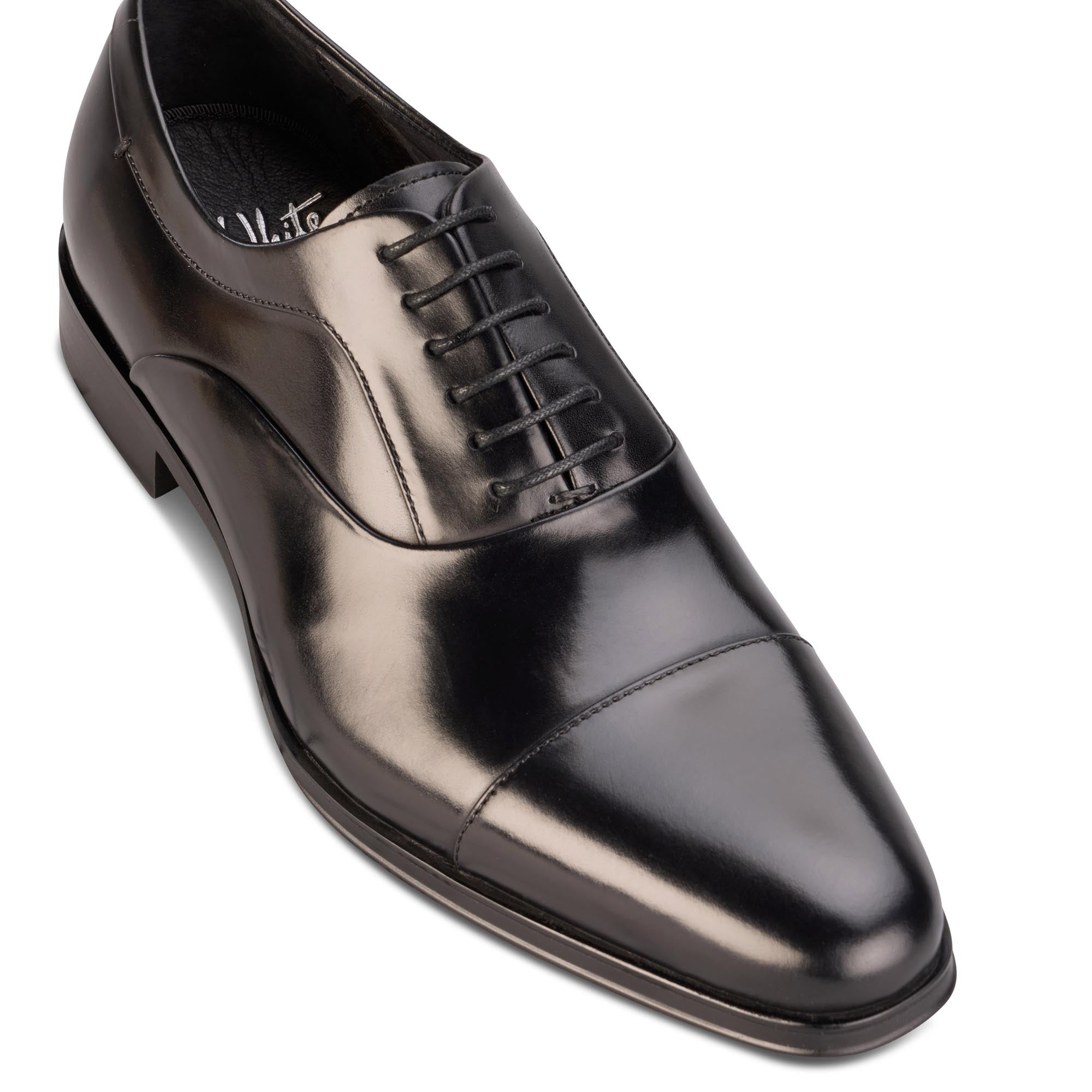
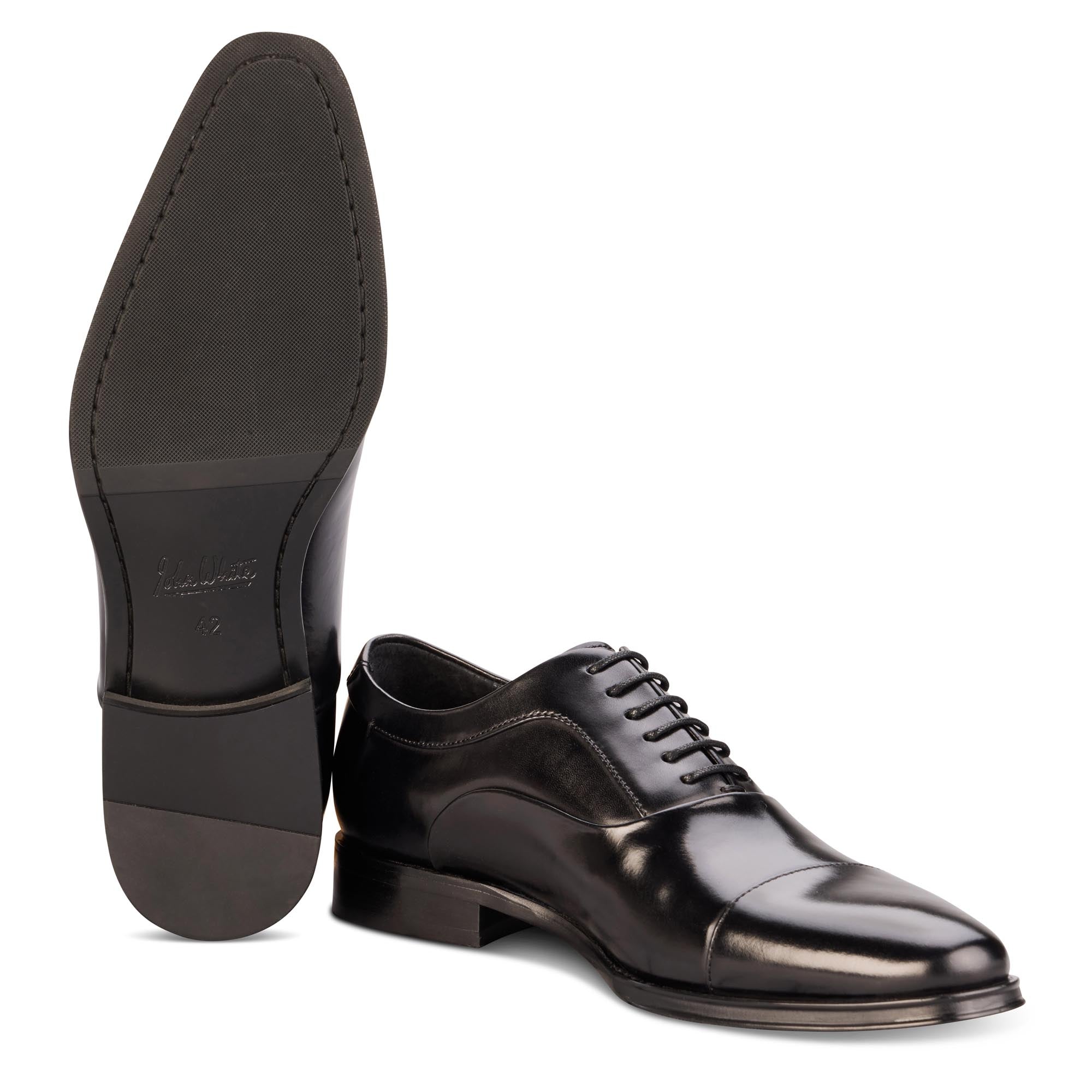
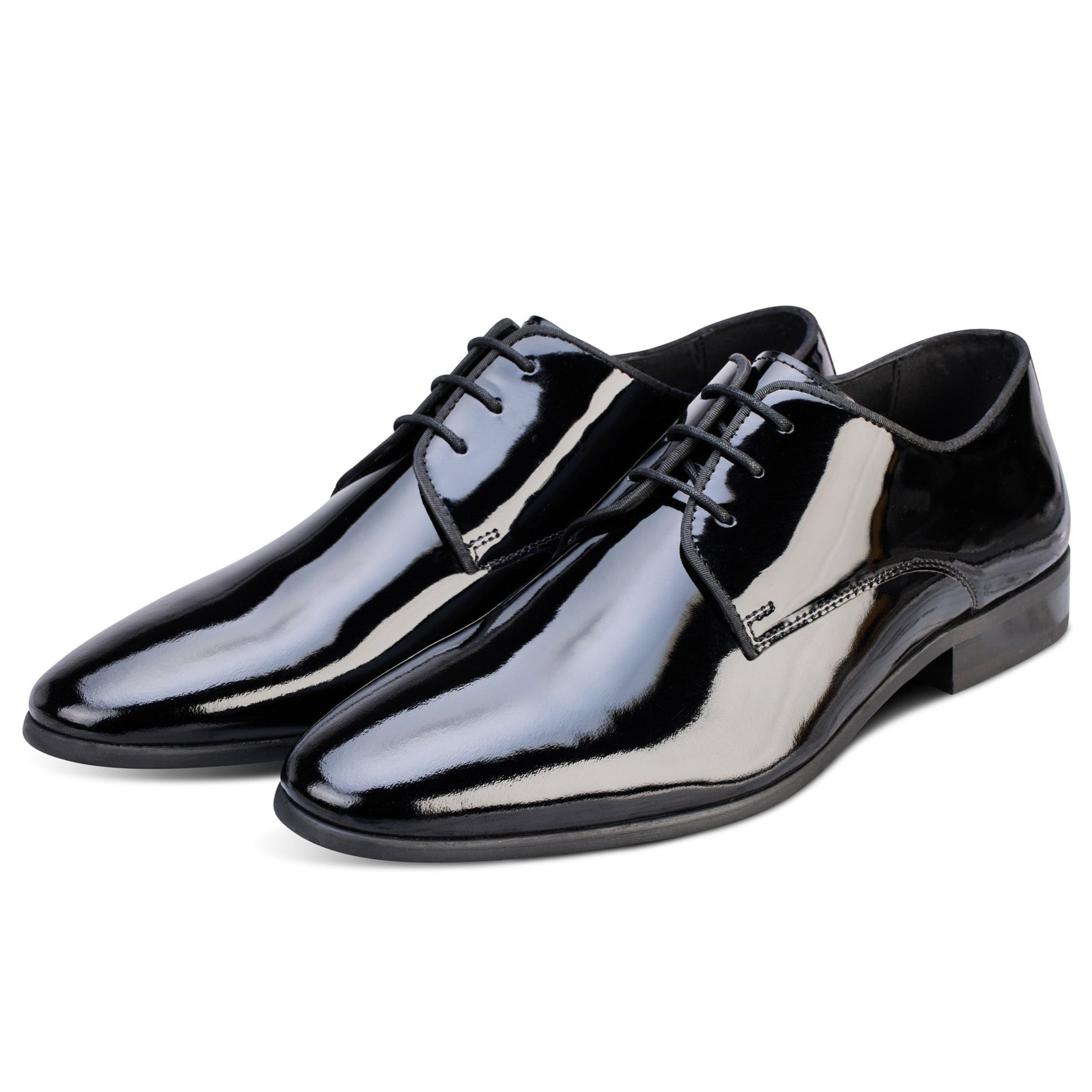
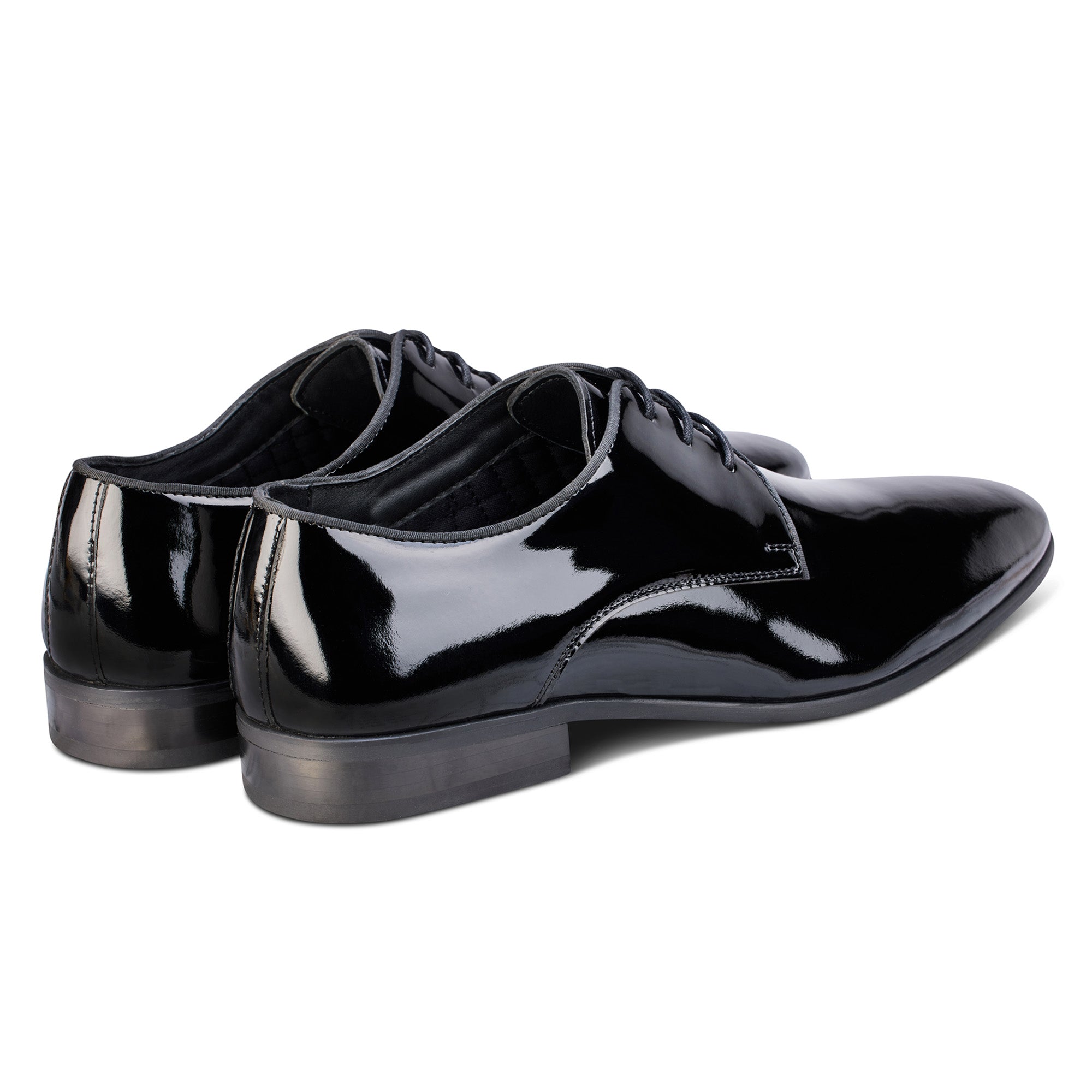
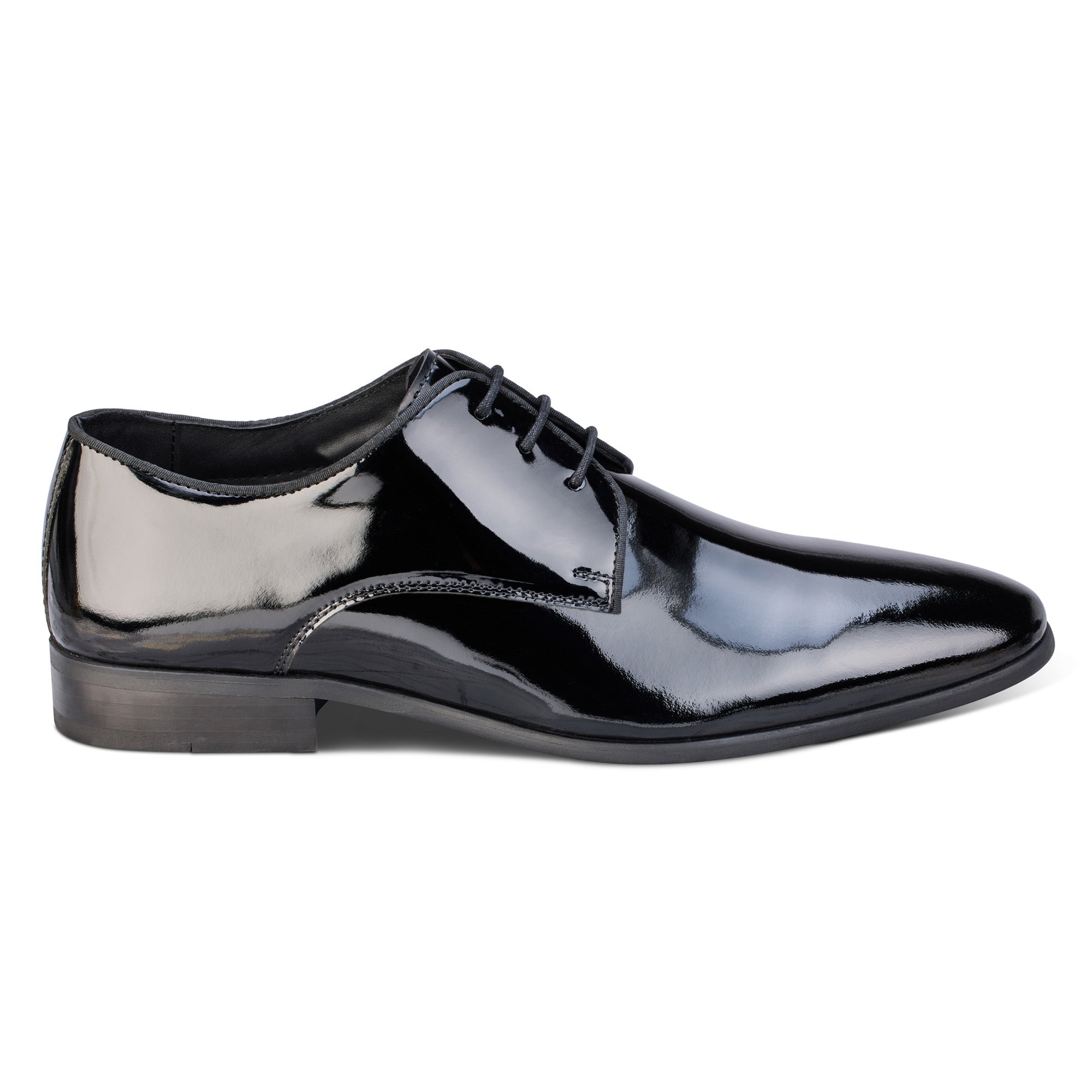
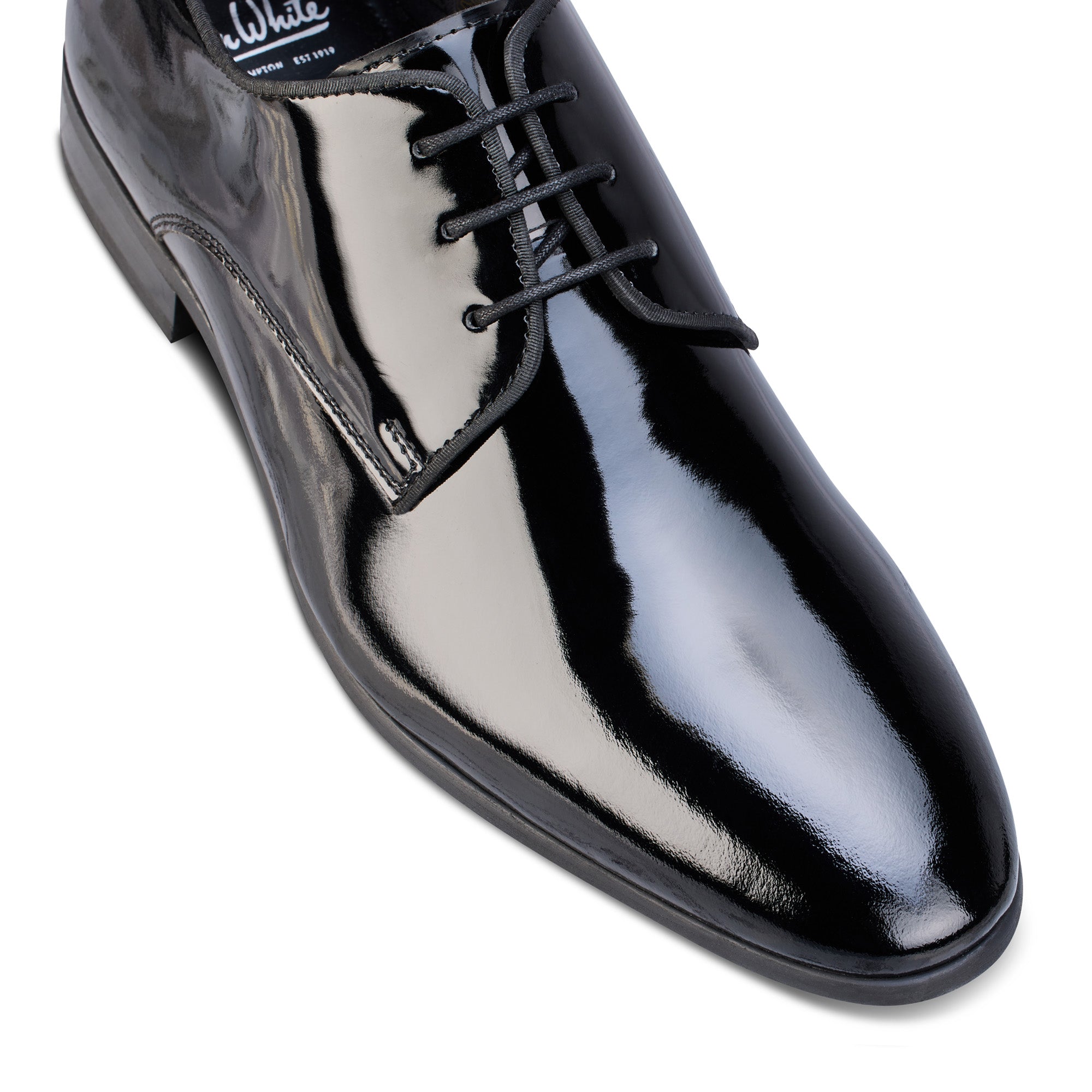
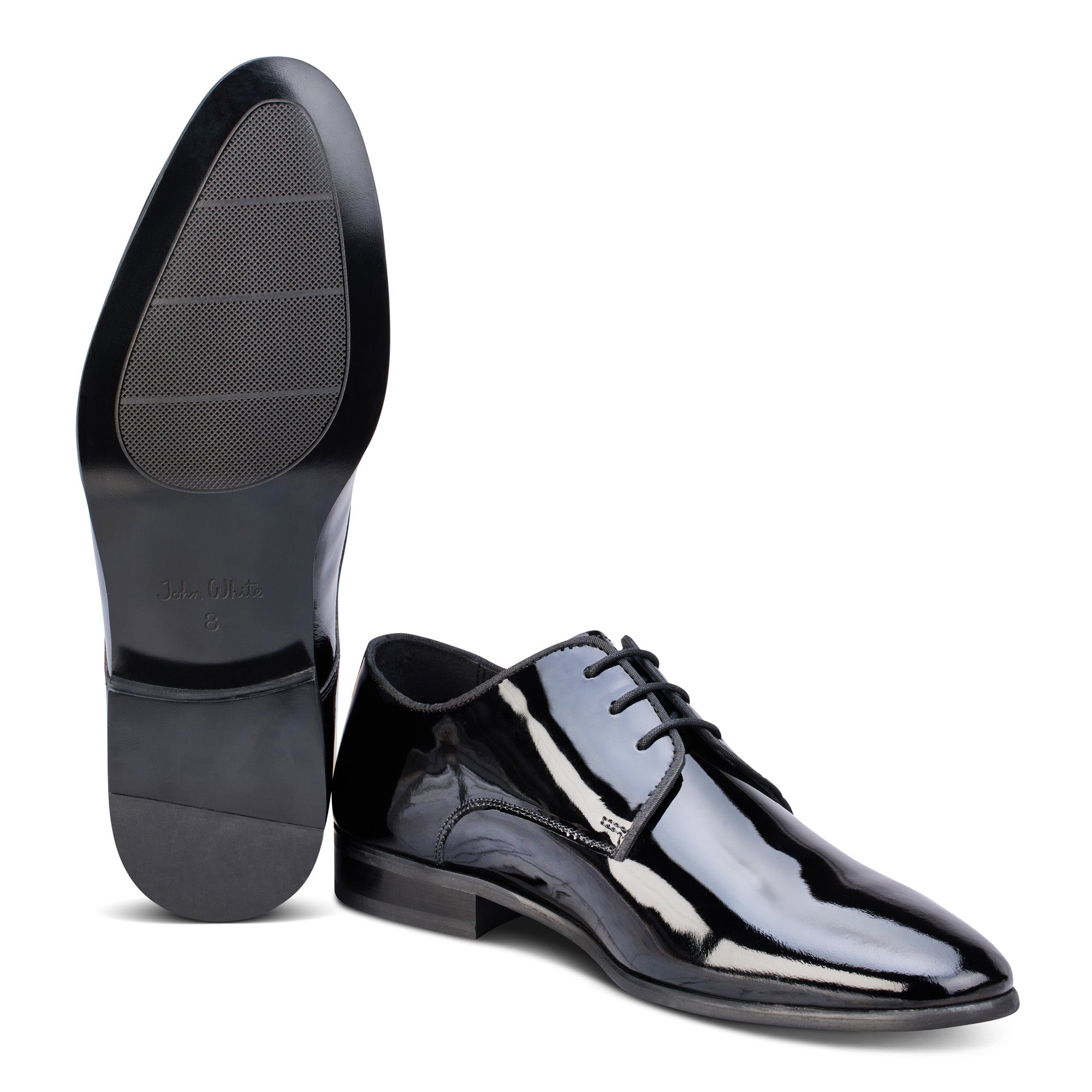
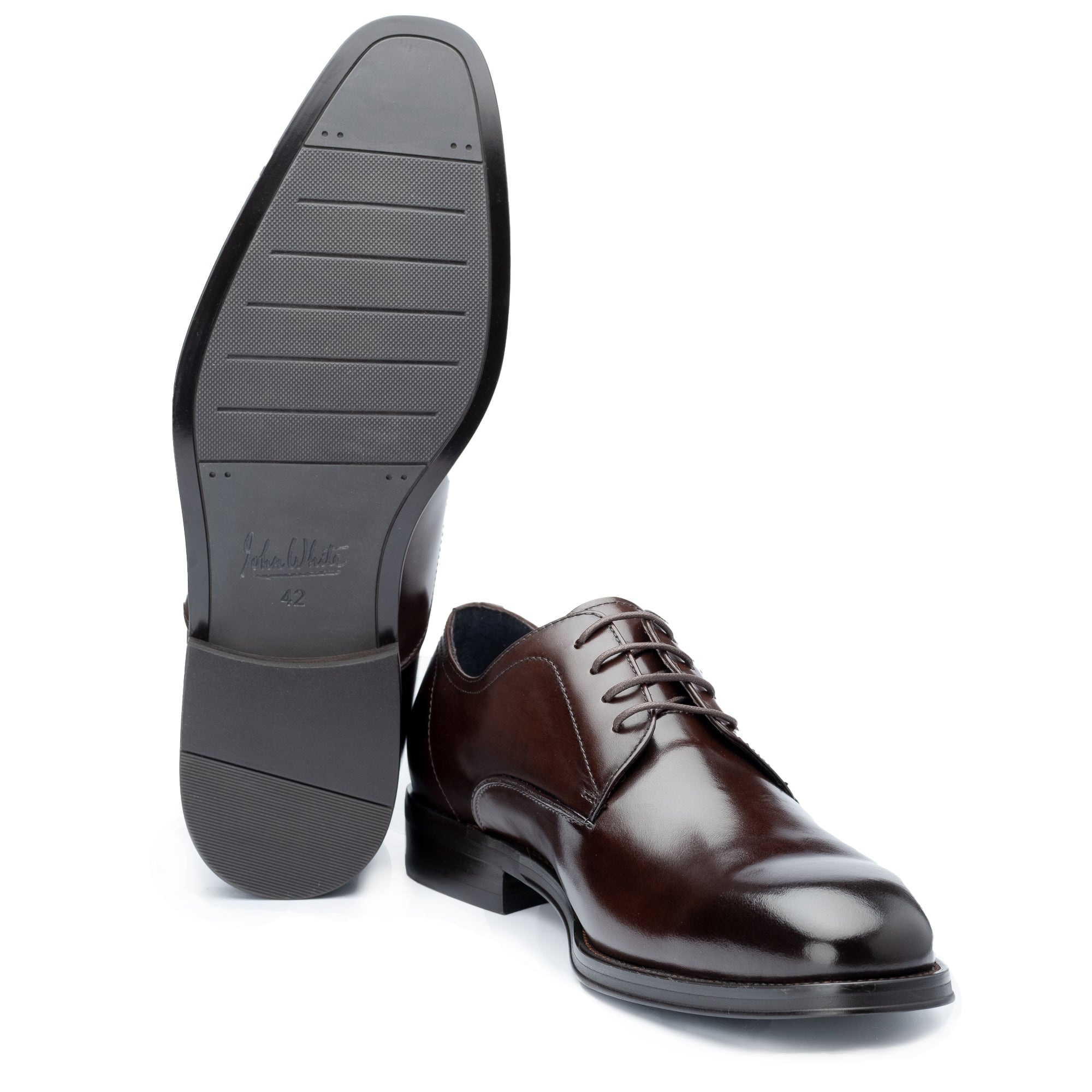
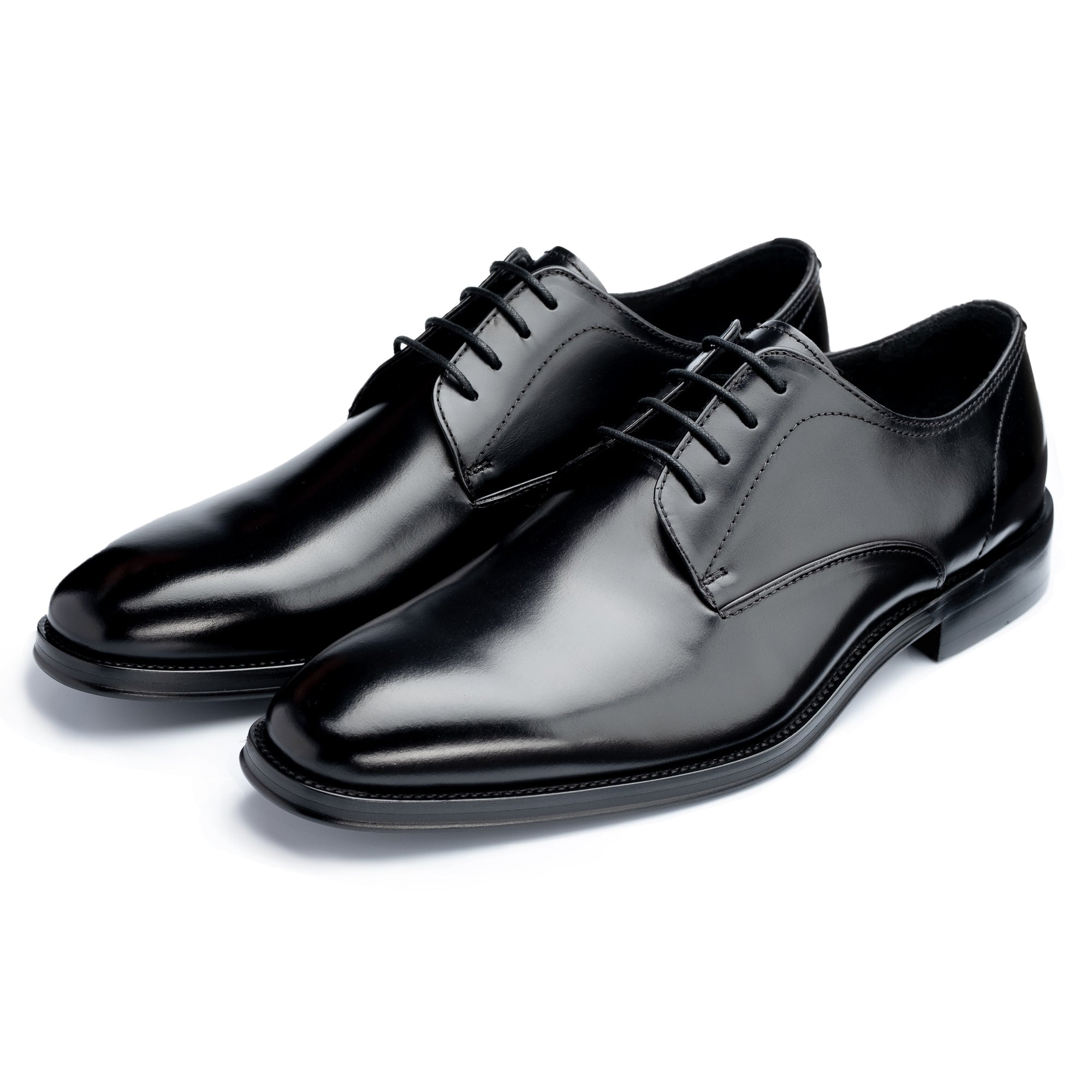
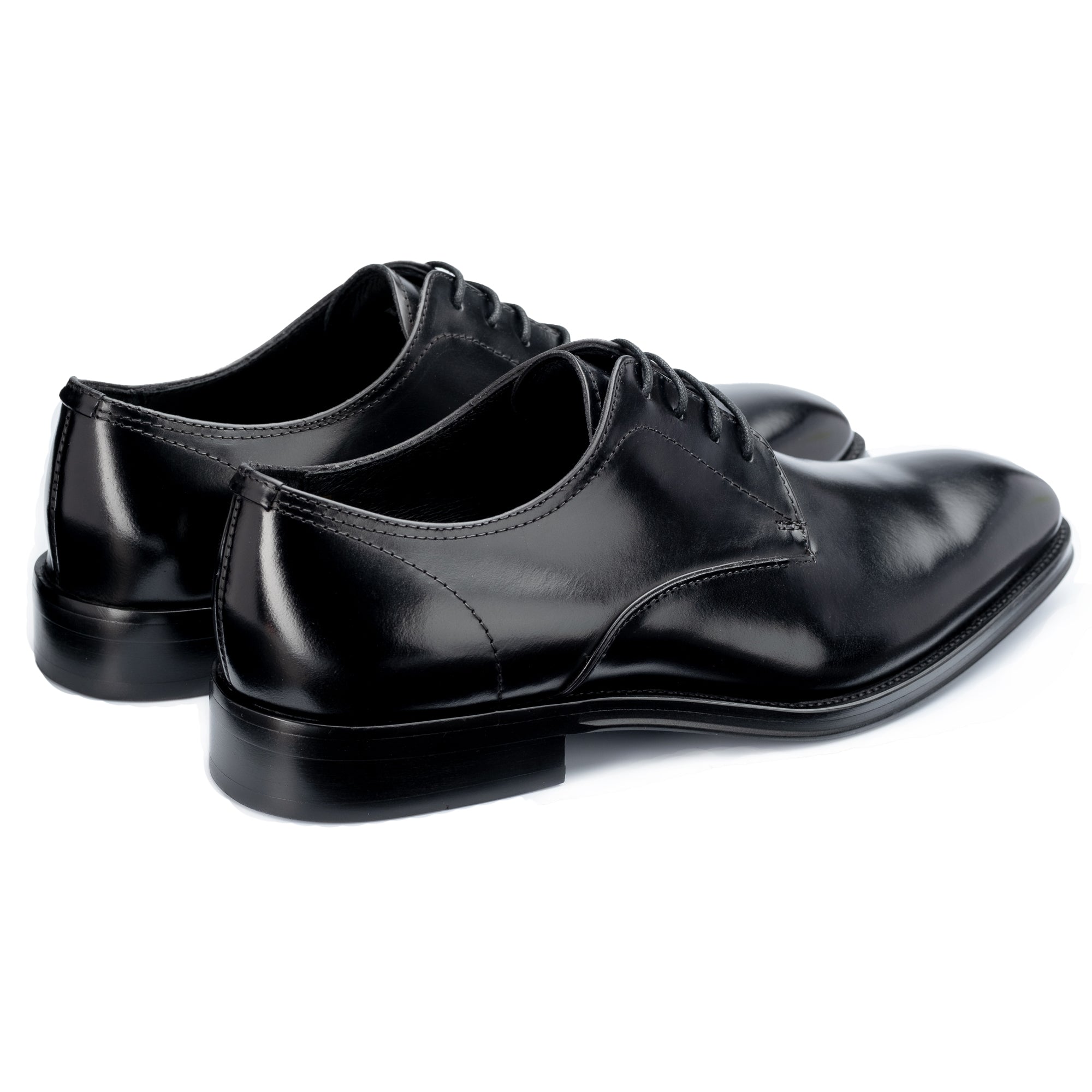
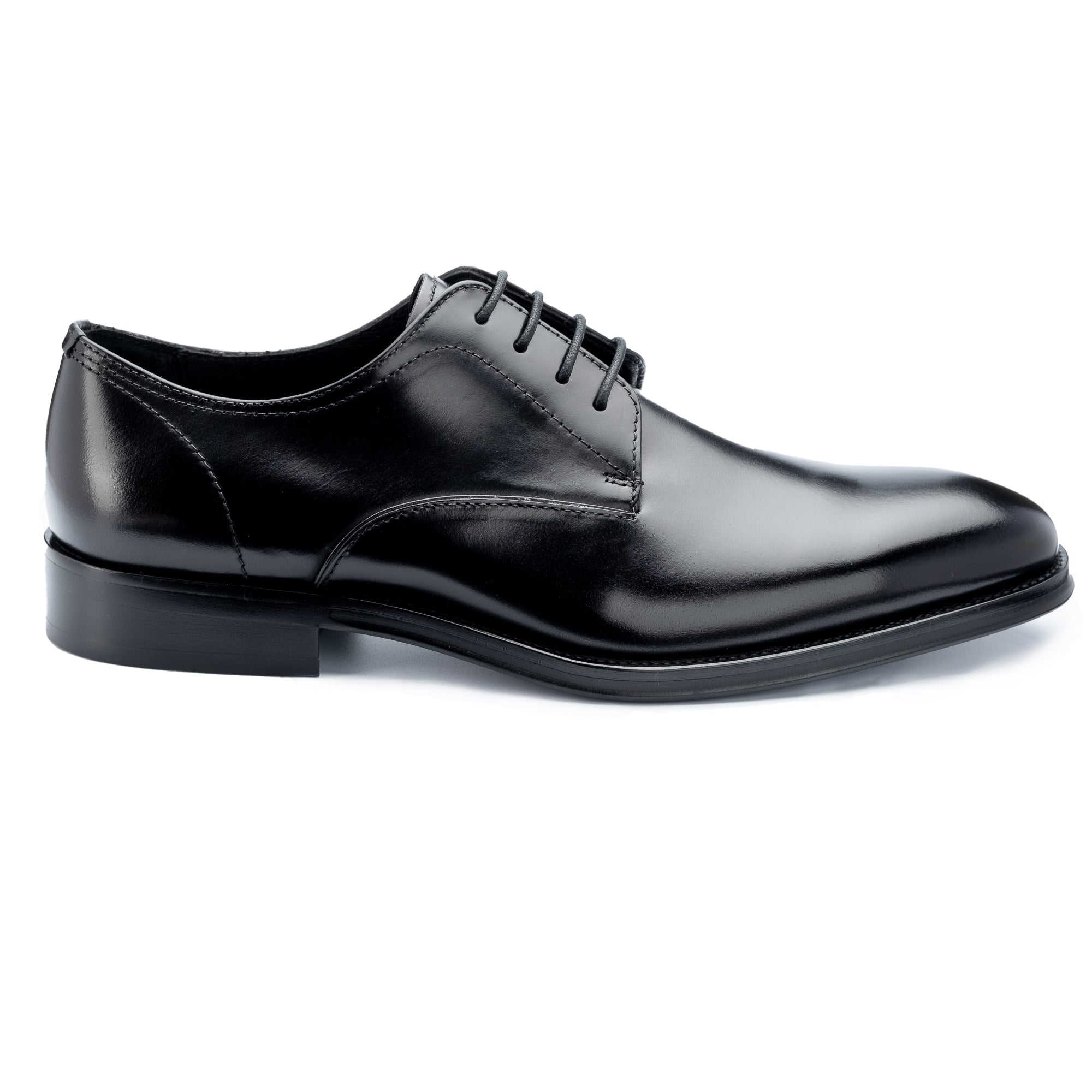
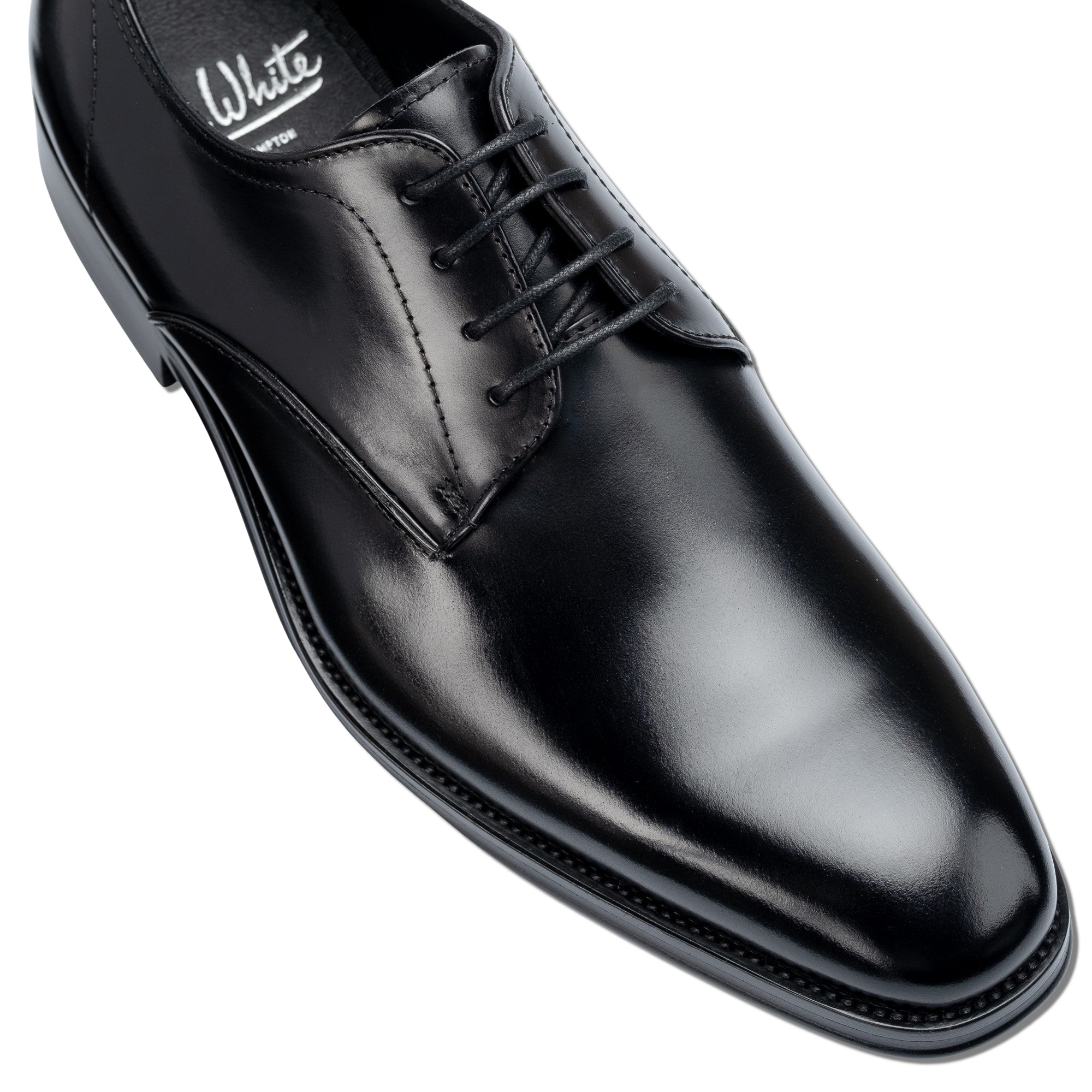
- Royal Enclosure (morning dress): A black plain-toe or cap-toe Oxford in hand-finished calfskin is the only correct choice. Closed lacing is essential — an open-laced Derby undermines the formality of morning dress. Patent leather is acceptable. Suede is not. For more on navigating the formality hierarchy, see our guide to the formality spectrum of men's dress shoes.
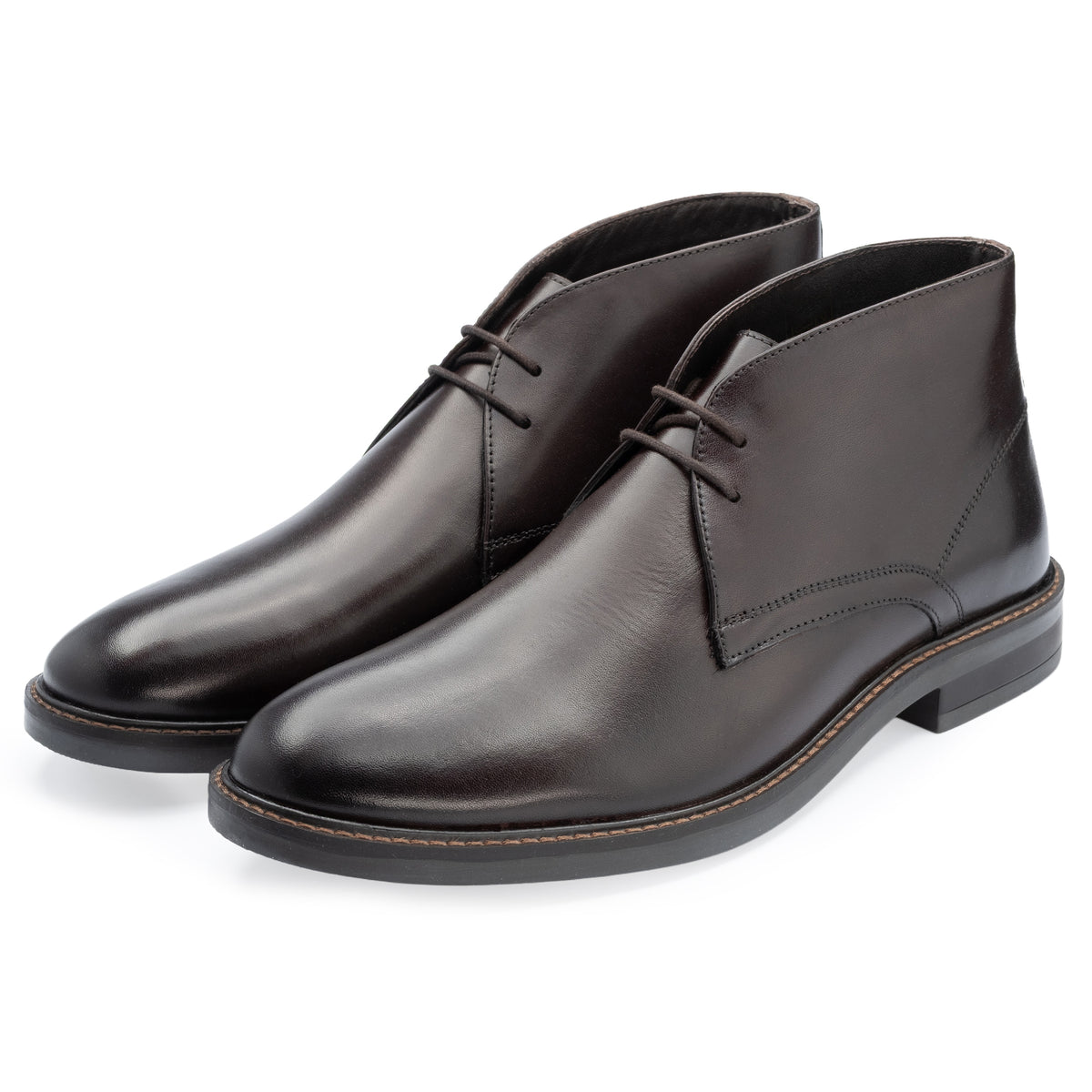
- Queen Anne and Village Enclosures (lounge suit): A black Oxford remains the sharpest option. A semi-brogue in black or dark tan is acceptable if the perforations are restrained. Full brogues read as too casual against the formality of the setting.
- Colour: Black is always correct for Ascot. Dark tan or cognac works with a grey or navy lounge suit in the lower enclosures. See our guide to choosing between black, brown, and burgundy leather shoes for a definitive colour hierarchy.
What Is the Cheltenham Festival Dress Code?
The Cheltenham Festival is Britain's four-day jump racing festival held at Prestbury Park each March, culminating in the Gold Cup on the final day. The dress code is smart rather than formal — the country-smart tradition is actively embraced, with tweed a near-uniform choice on Gold Cup day.
According to The Jockey Club, the Cheltenham Festival attracts over 270,000 visitors across its four days, making it the largest jump racing festival in the world. The Club Enclosure sets the highest standard; the Best Mate Enclosure is the most relaxed. No enclosure requires morning dress or black tie.
The setting matters as much as the dress code. Prestbury Park is a grassland venue. March in Cheltenham is cold, frequently wet underfoot, and merciless on a poorly soled shoe. Leather sole purists should note the conditions before dismissing a rubber alternative.
What Shoes Work Best at the Cheltenham Festival?
The right shoes for Cheltenham balance refinement with genuine practicality. A shoe that looks correct but fails underfoot by lunchtime has missed the point entirely.
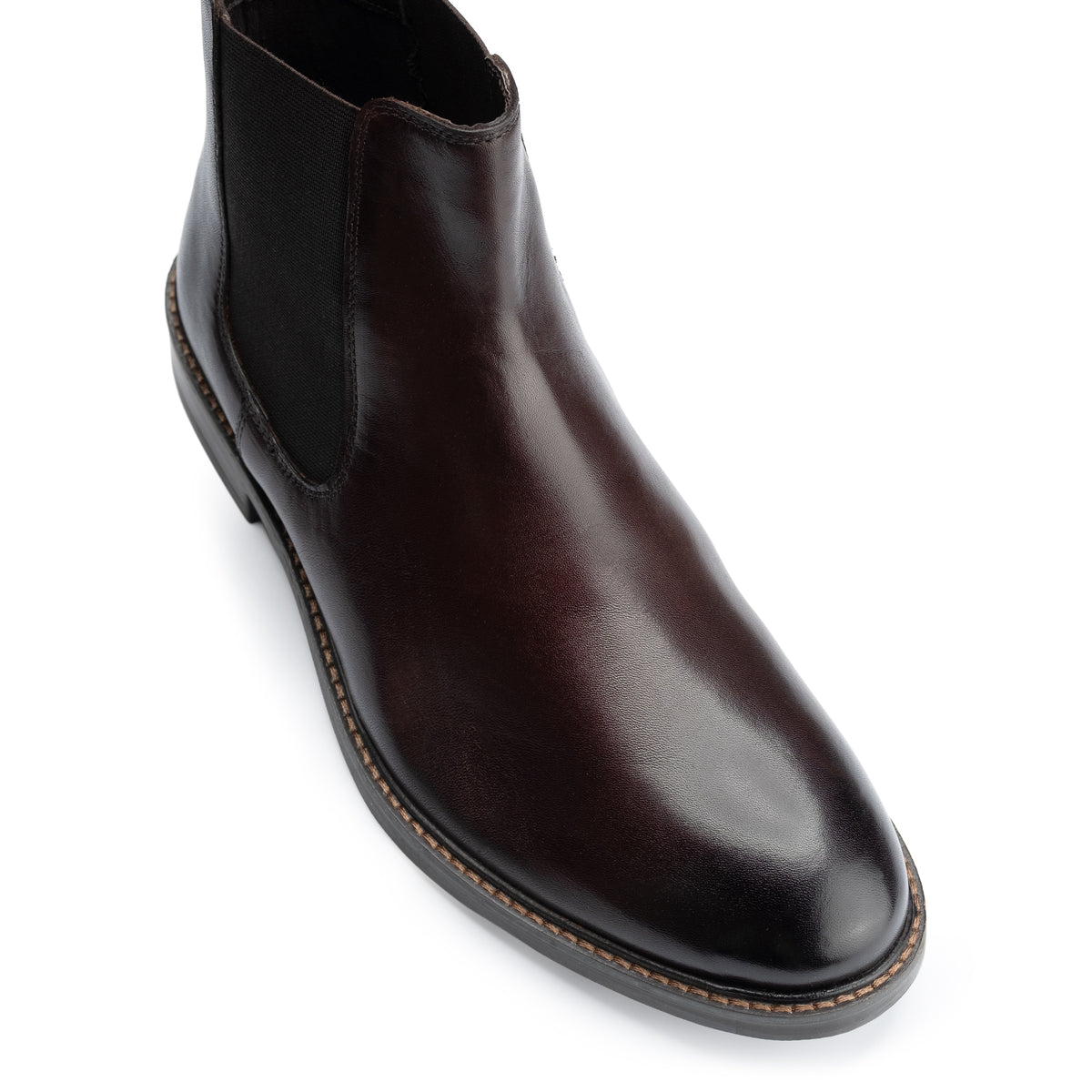
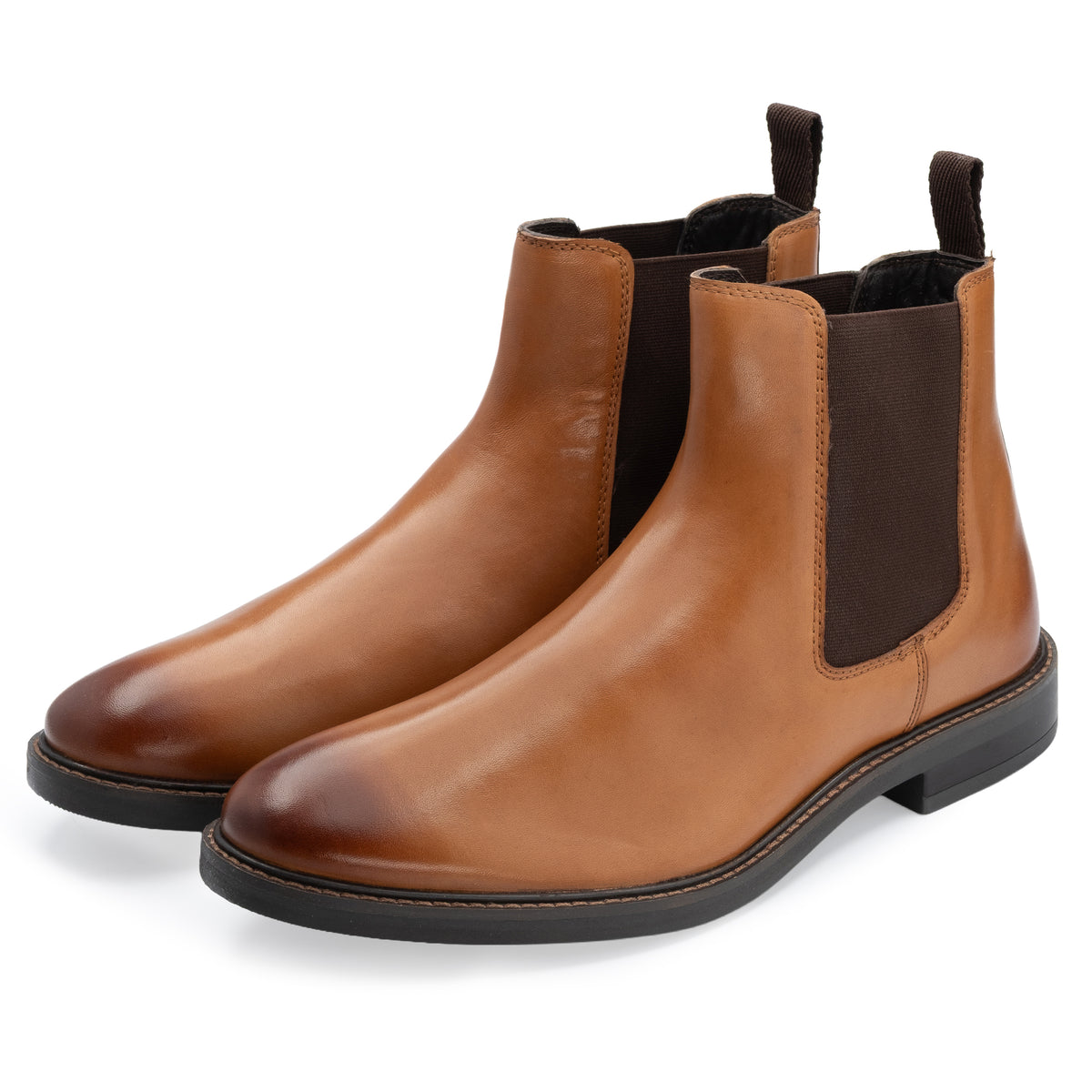
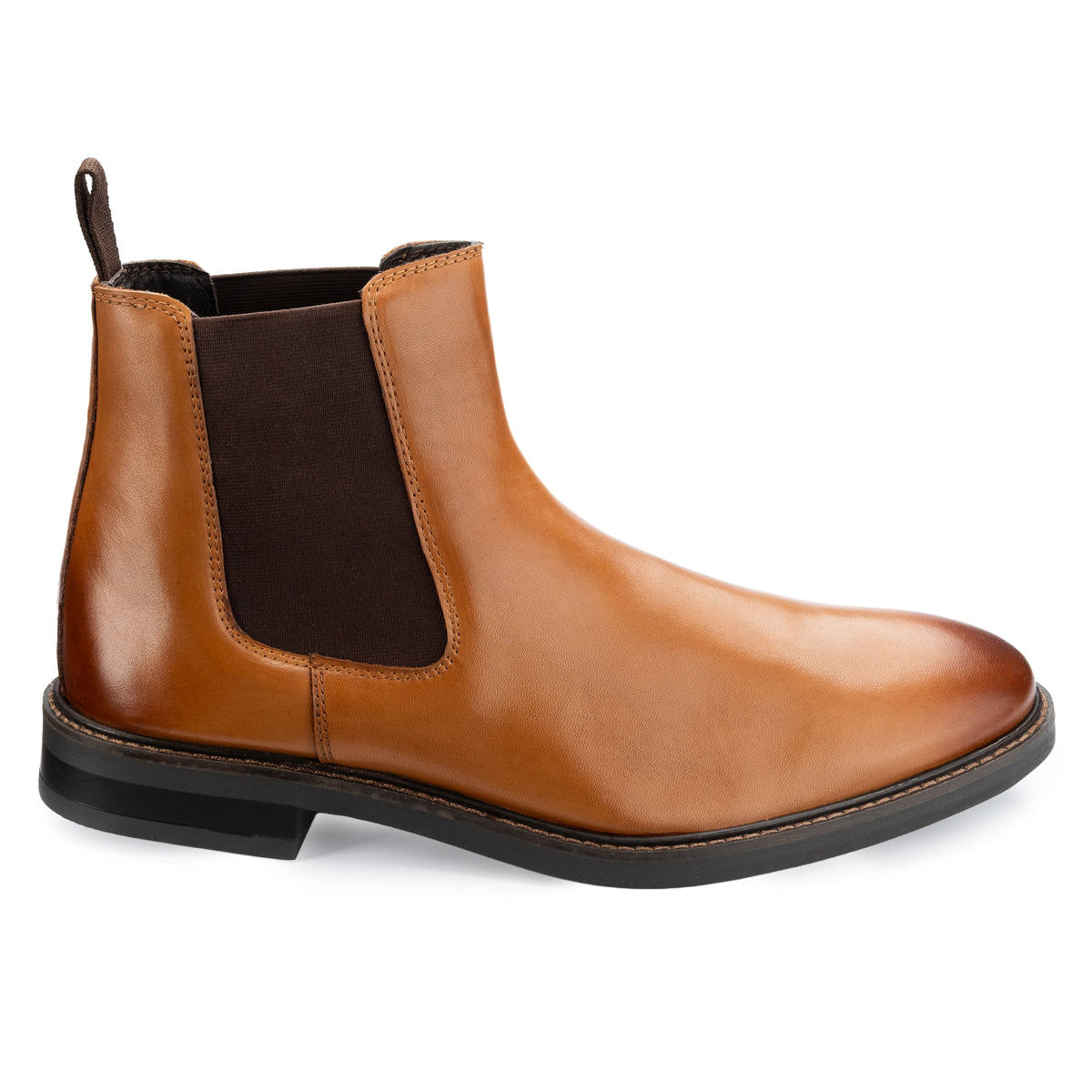
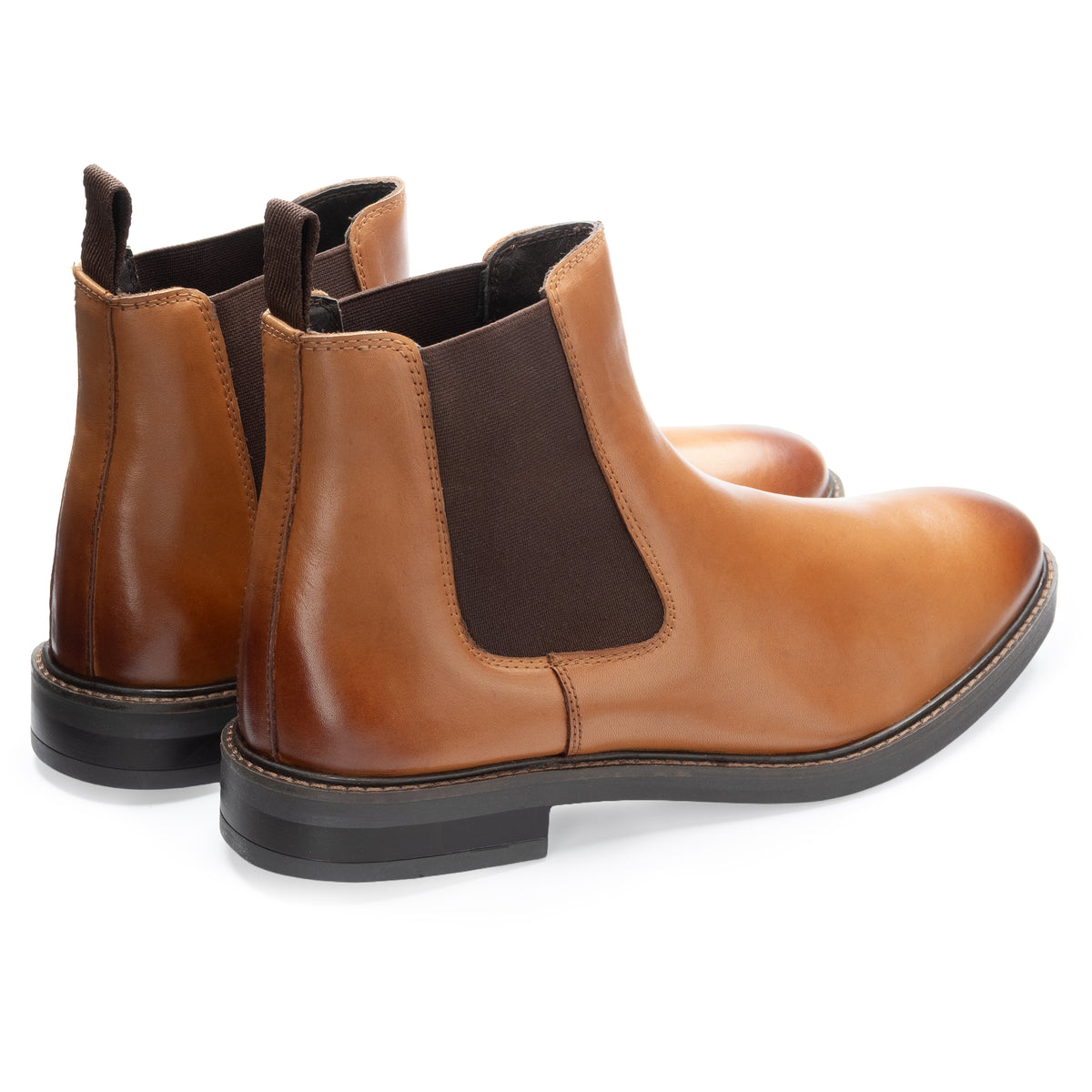
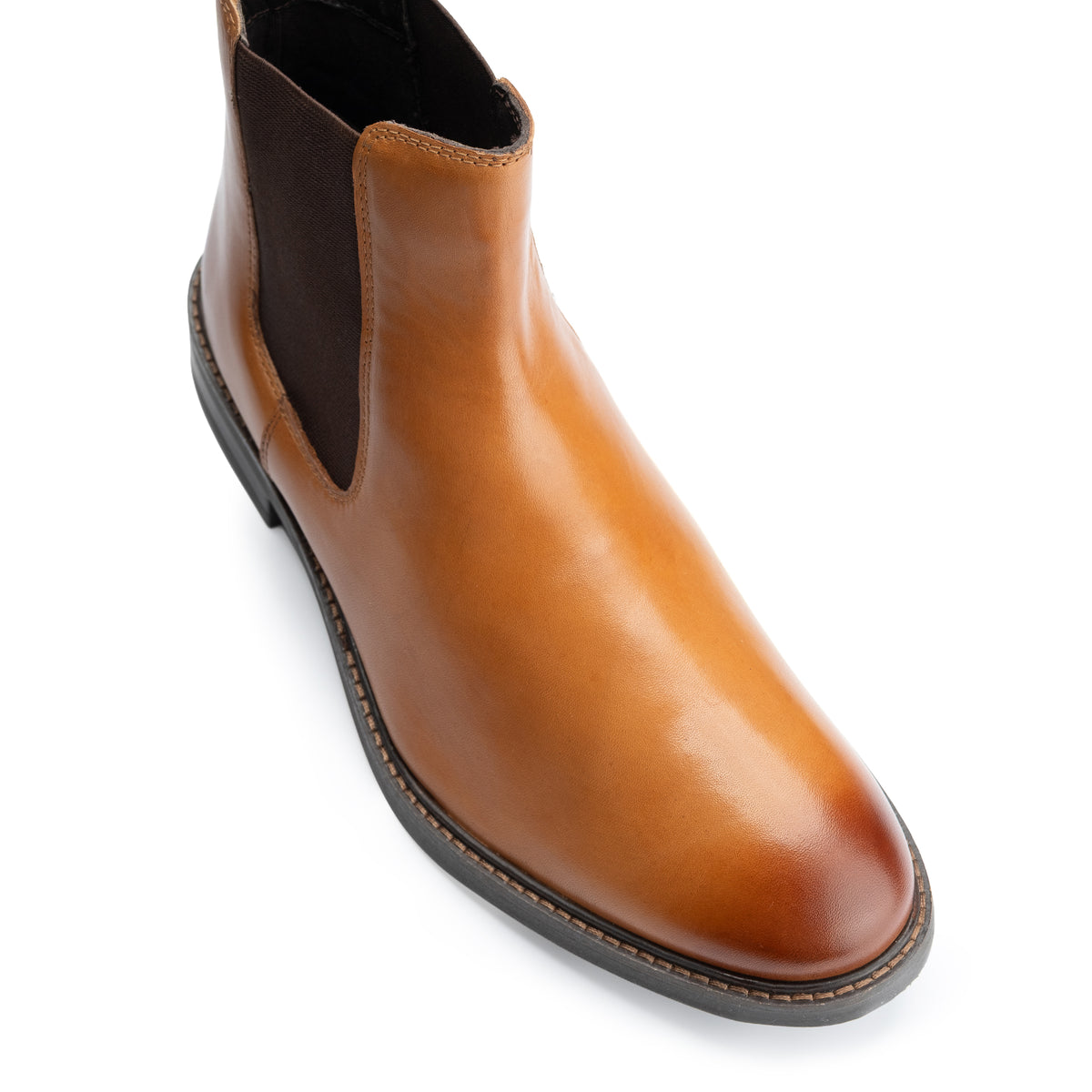
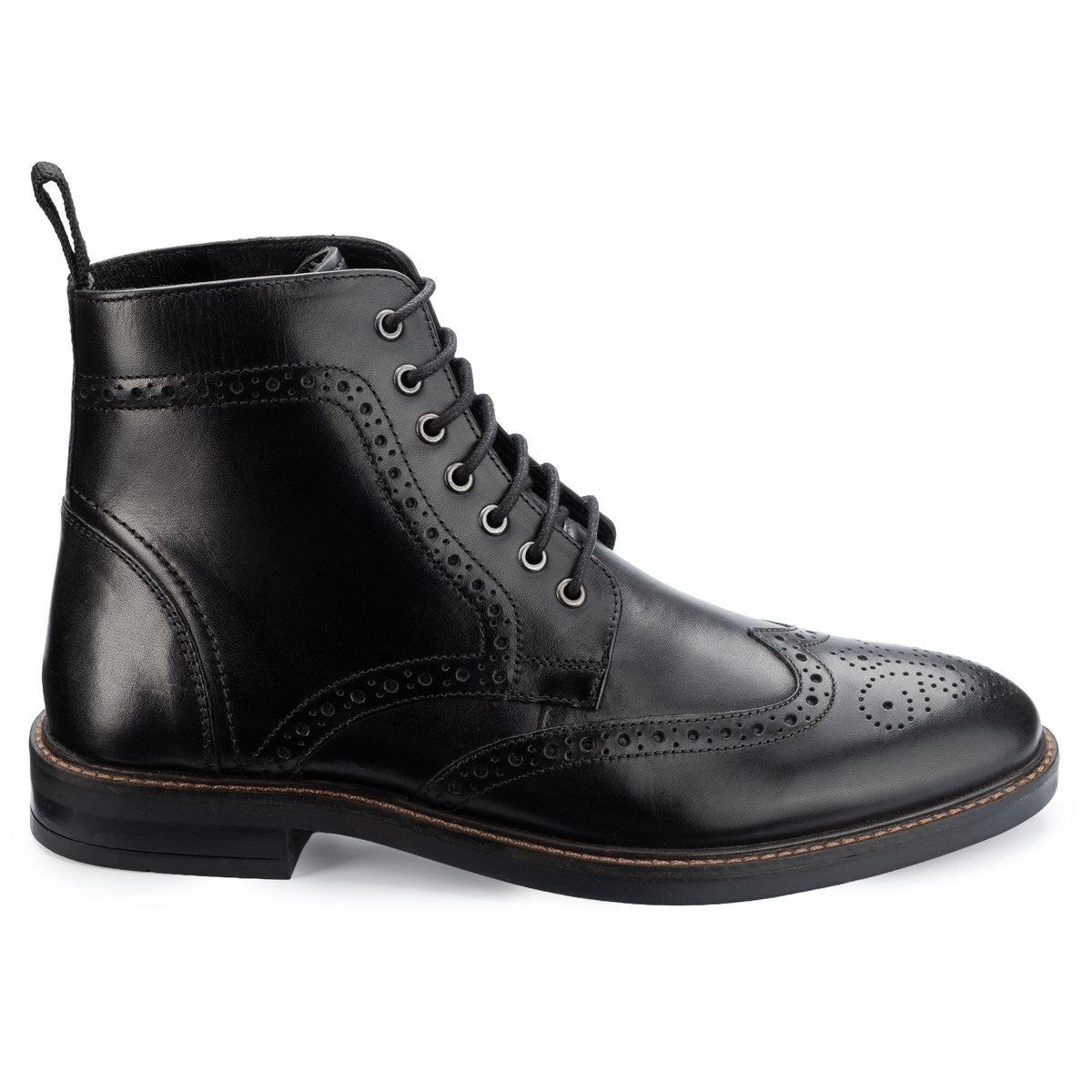
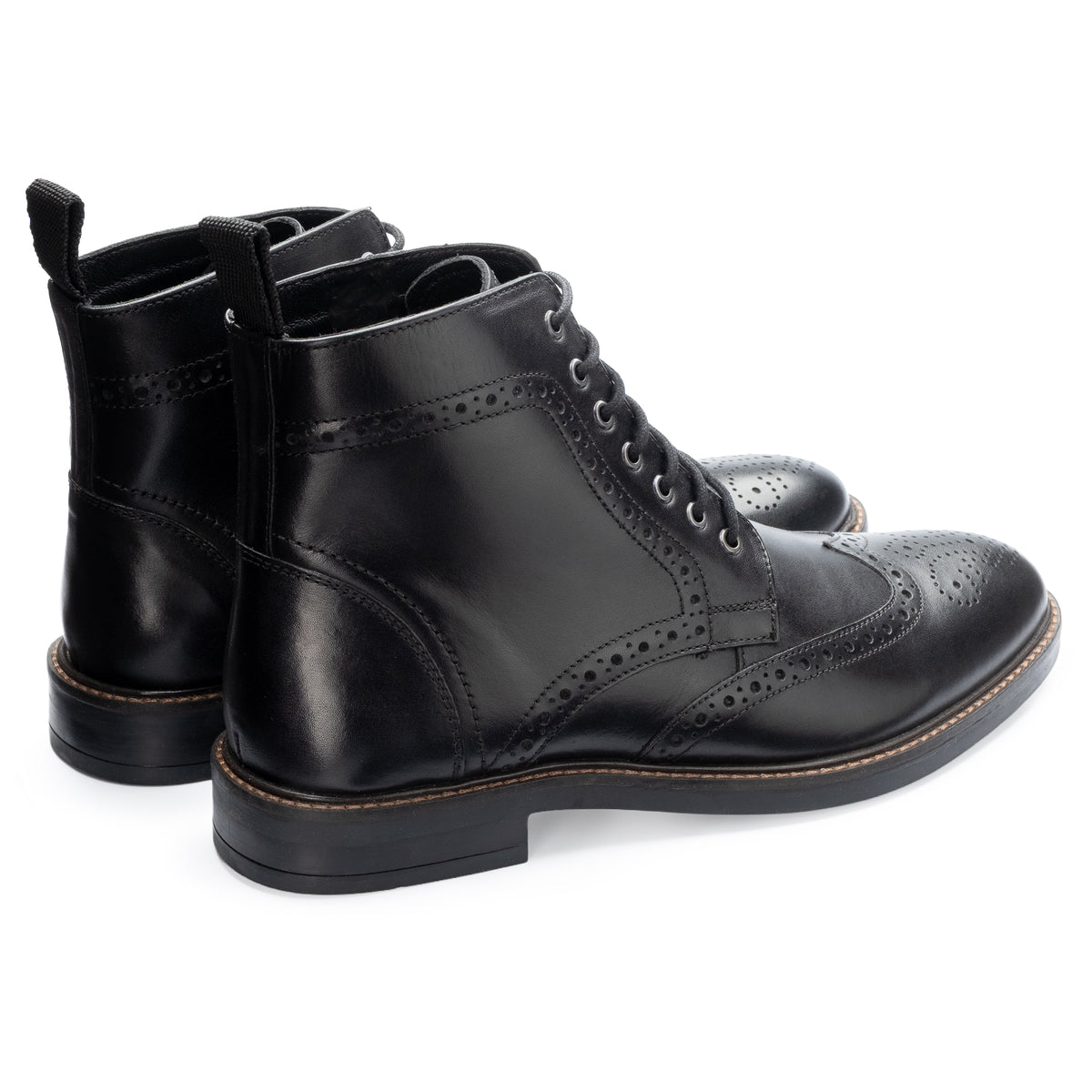
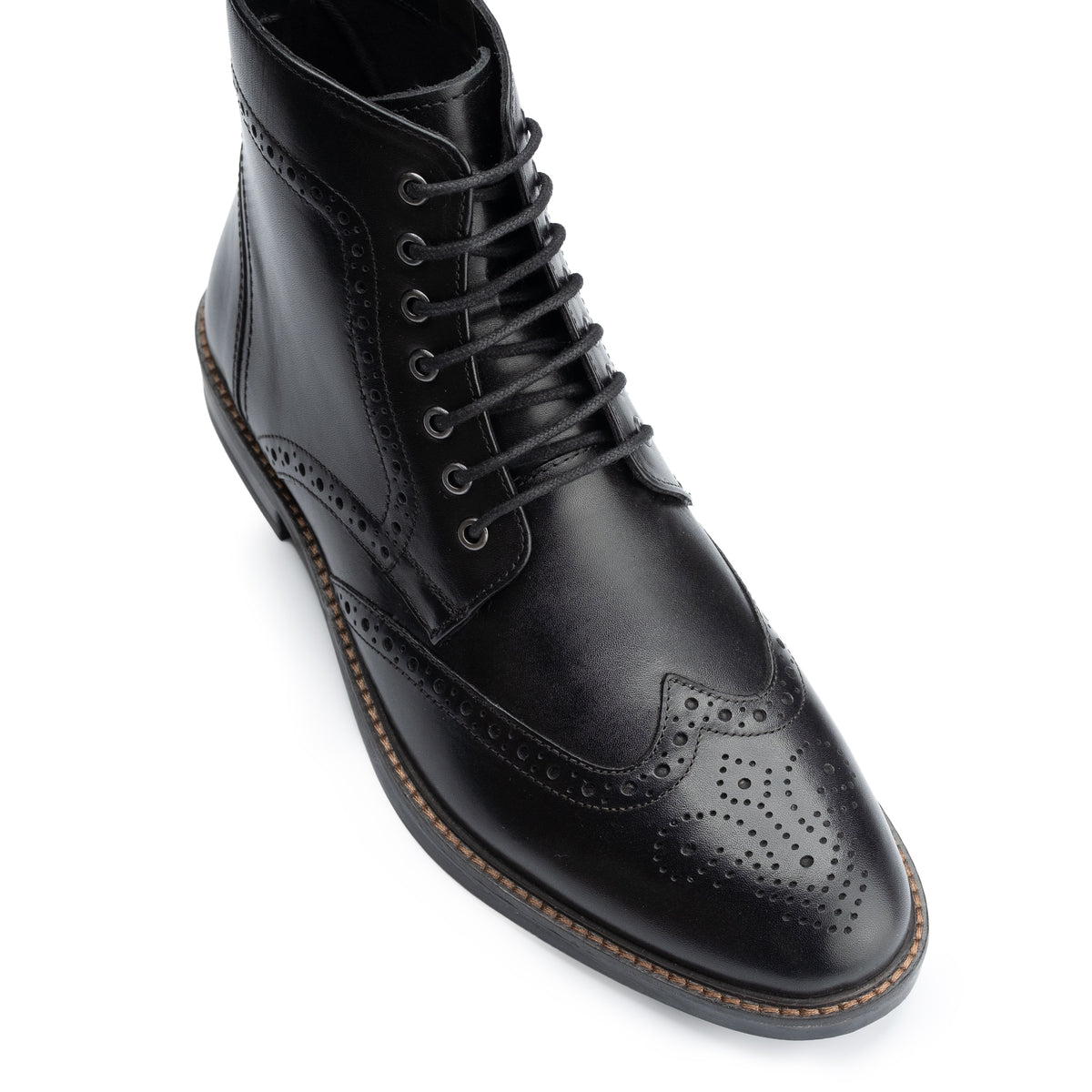
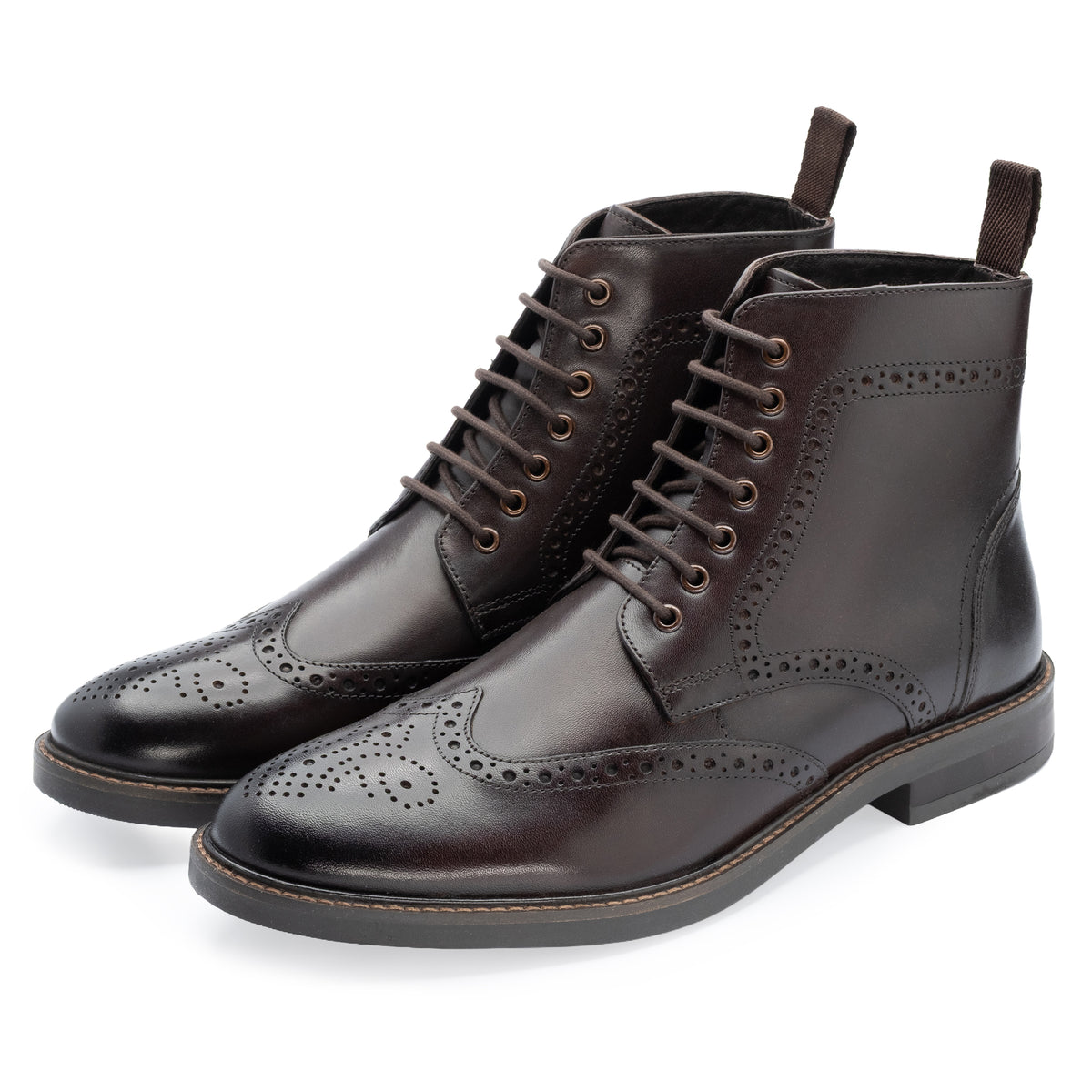
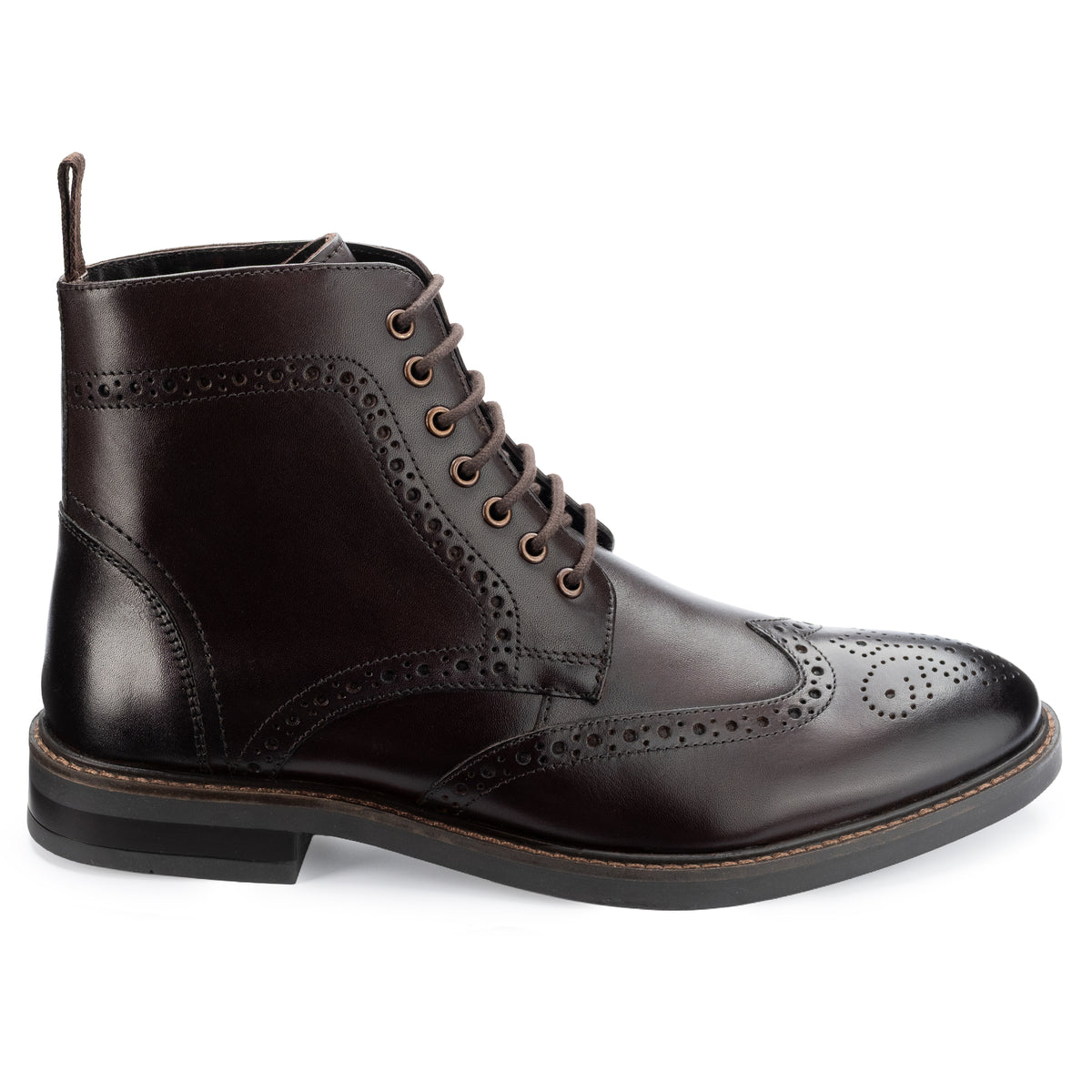
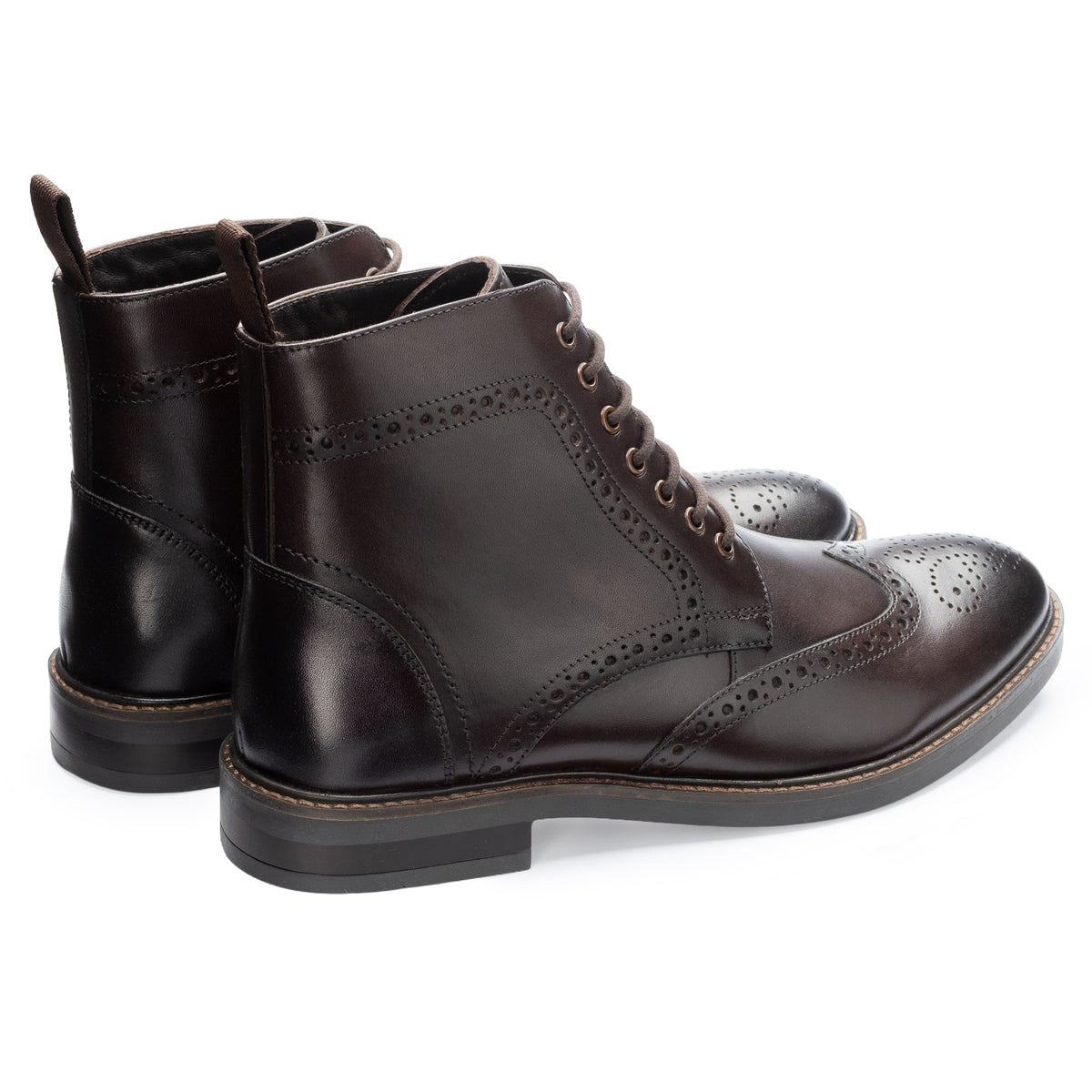
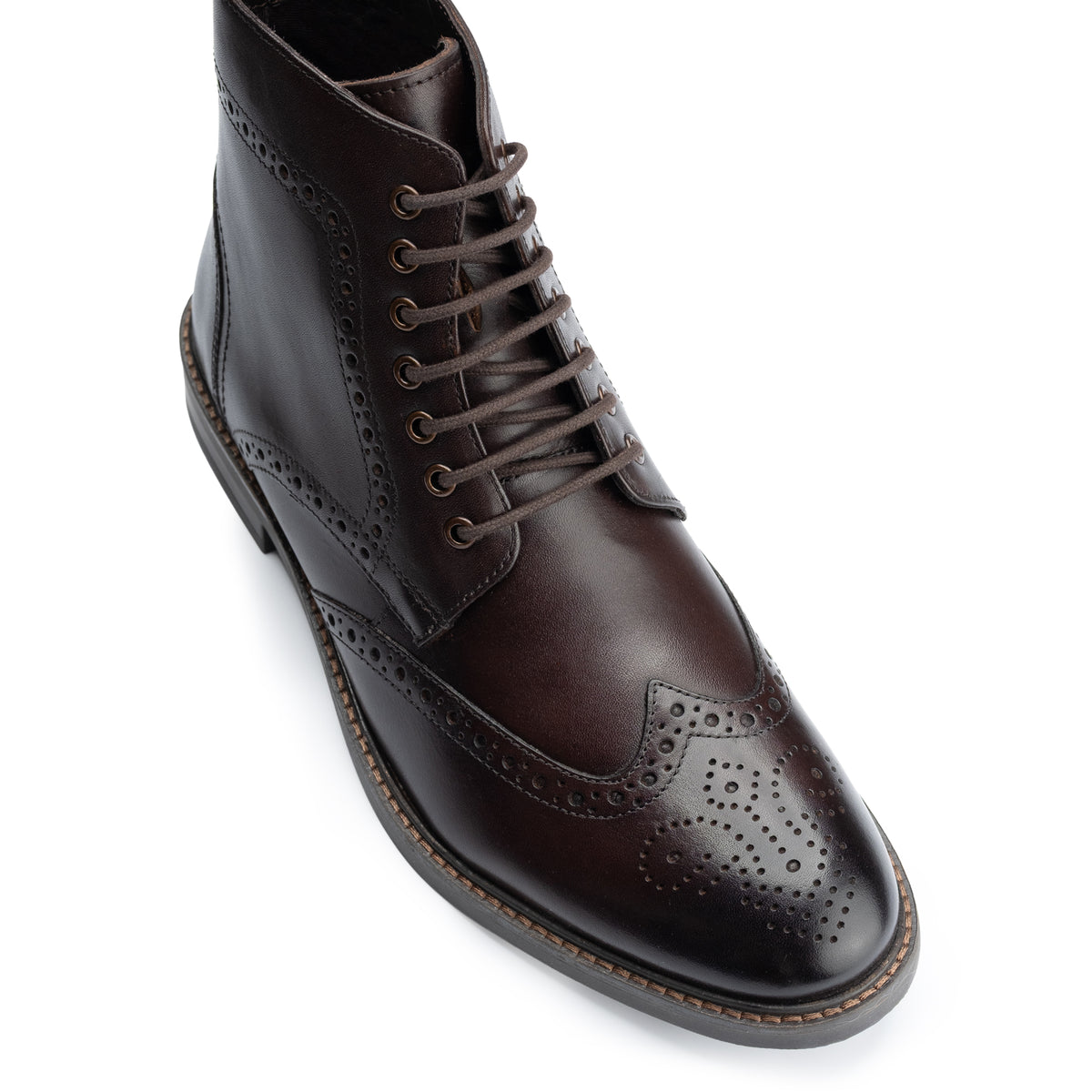
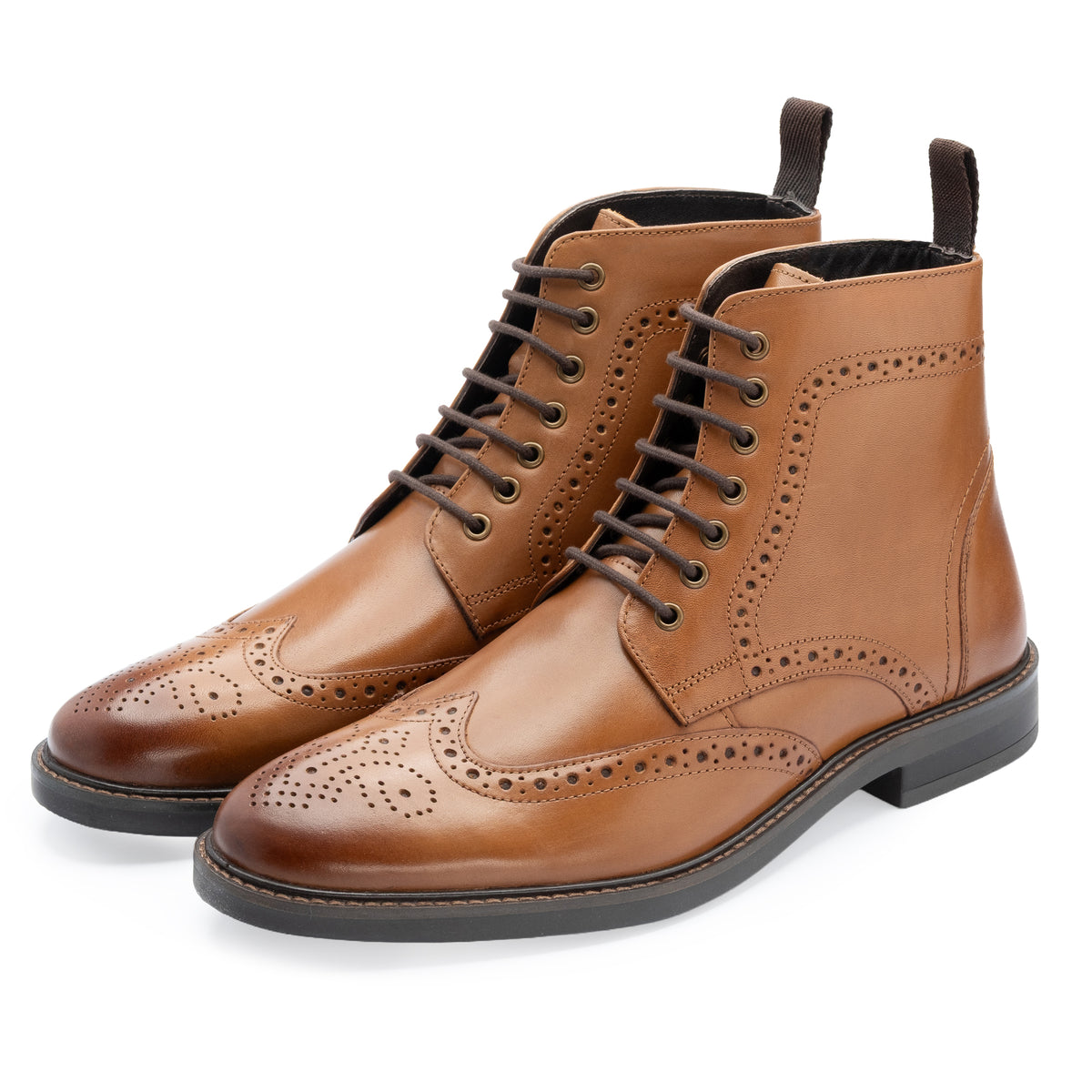
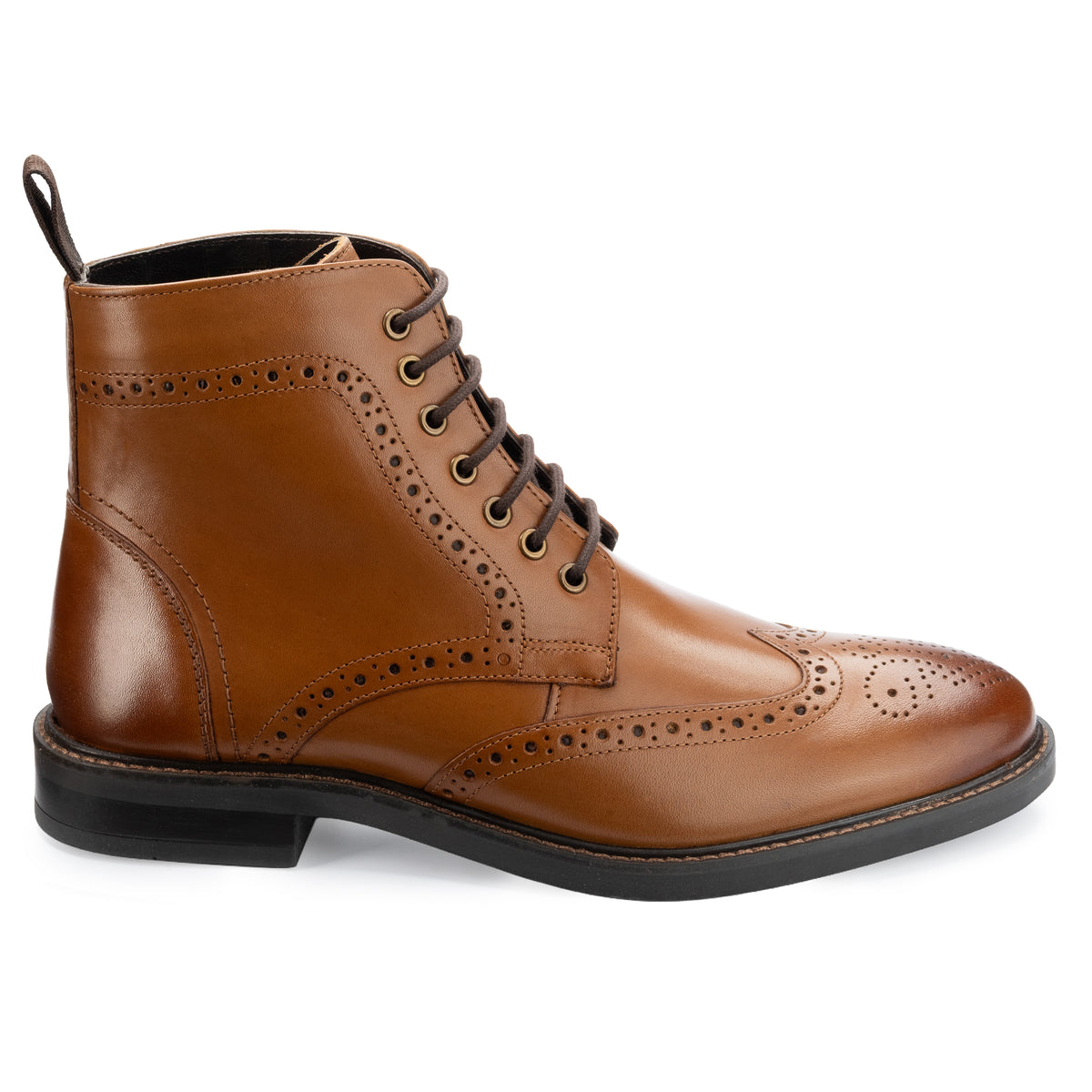
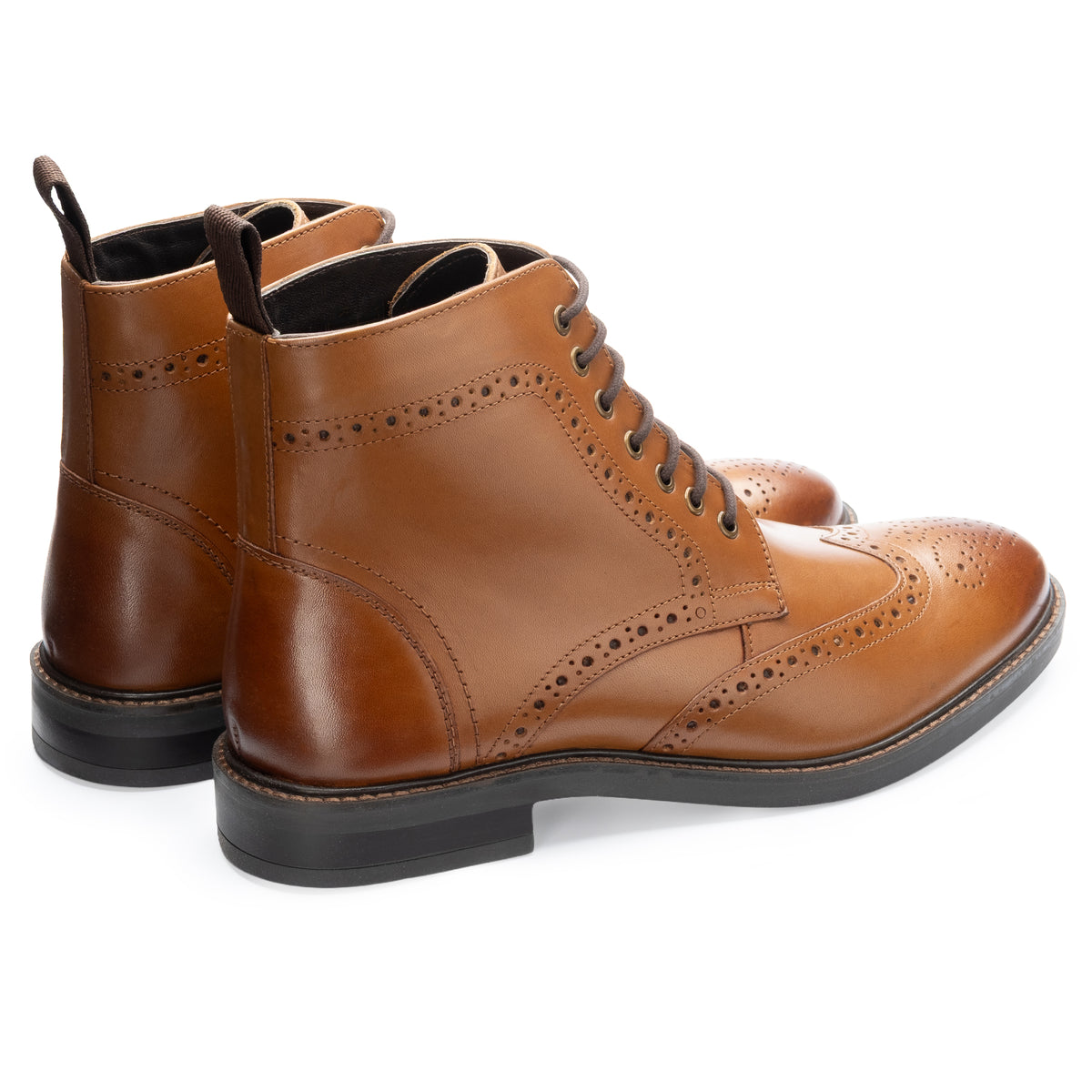
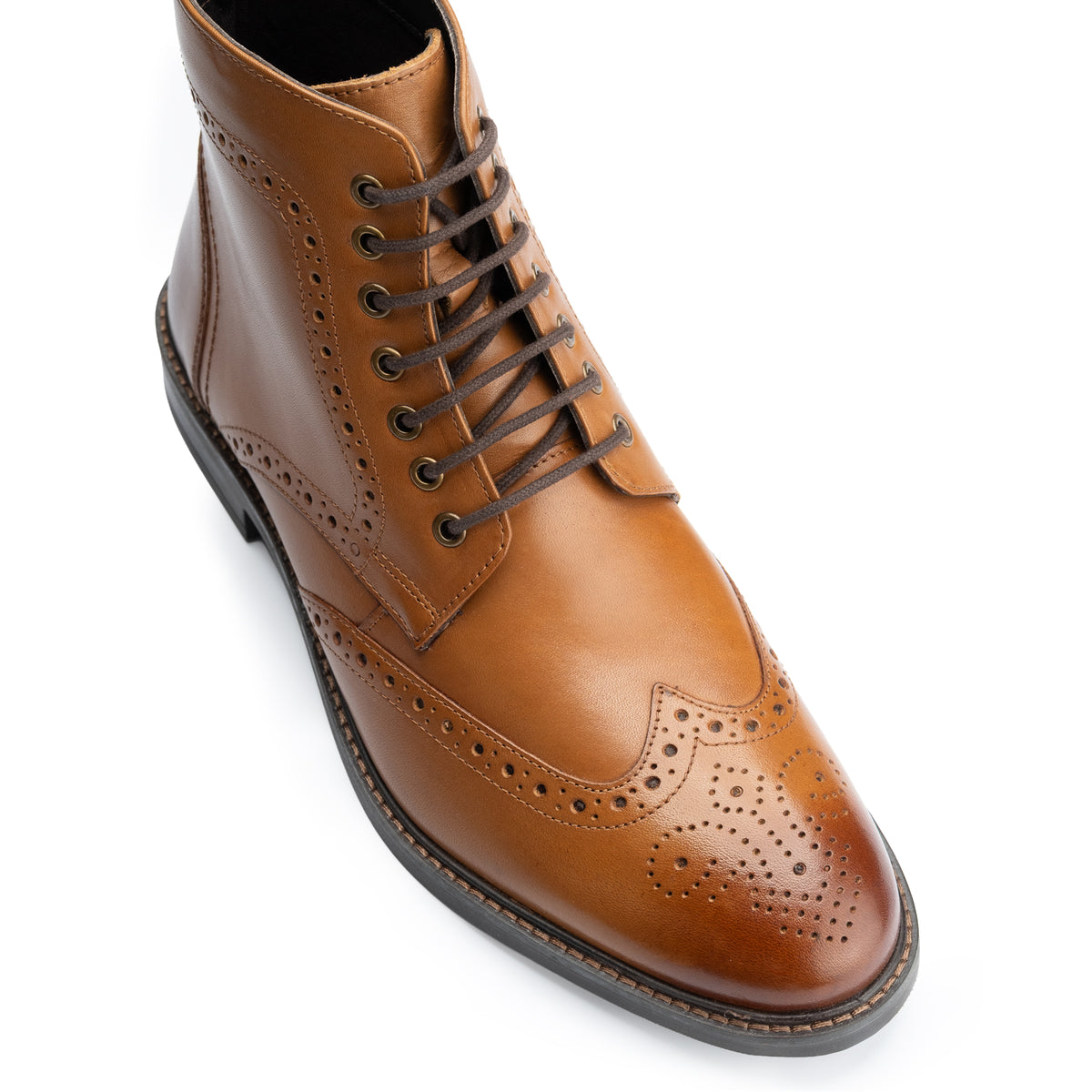
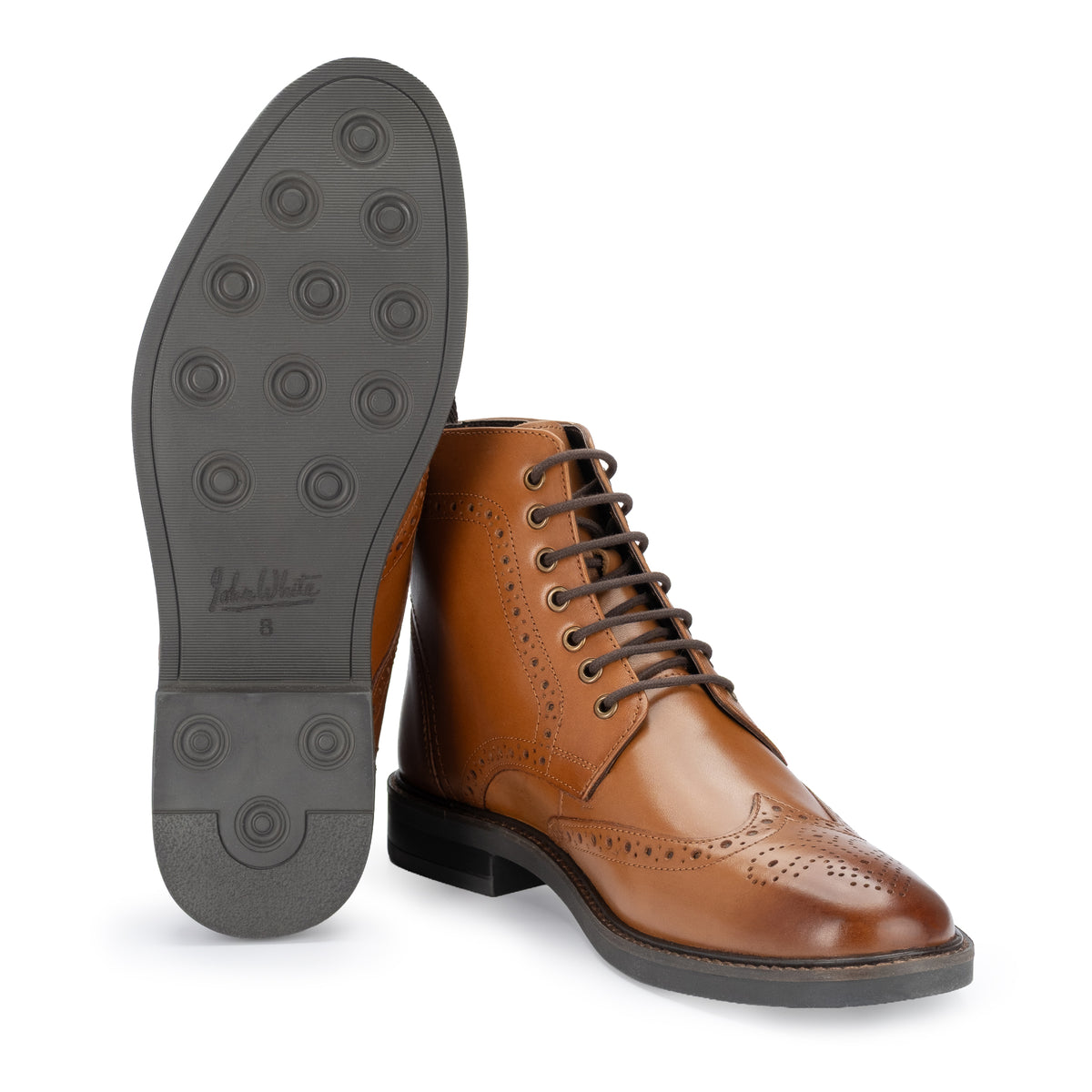
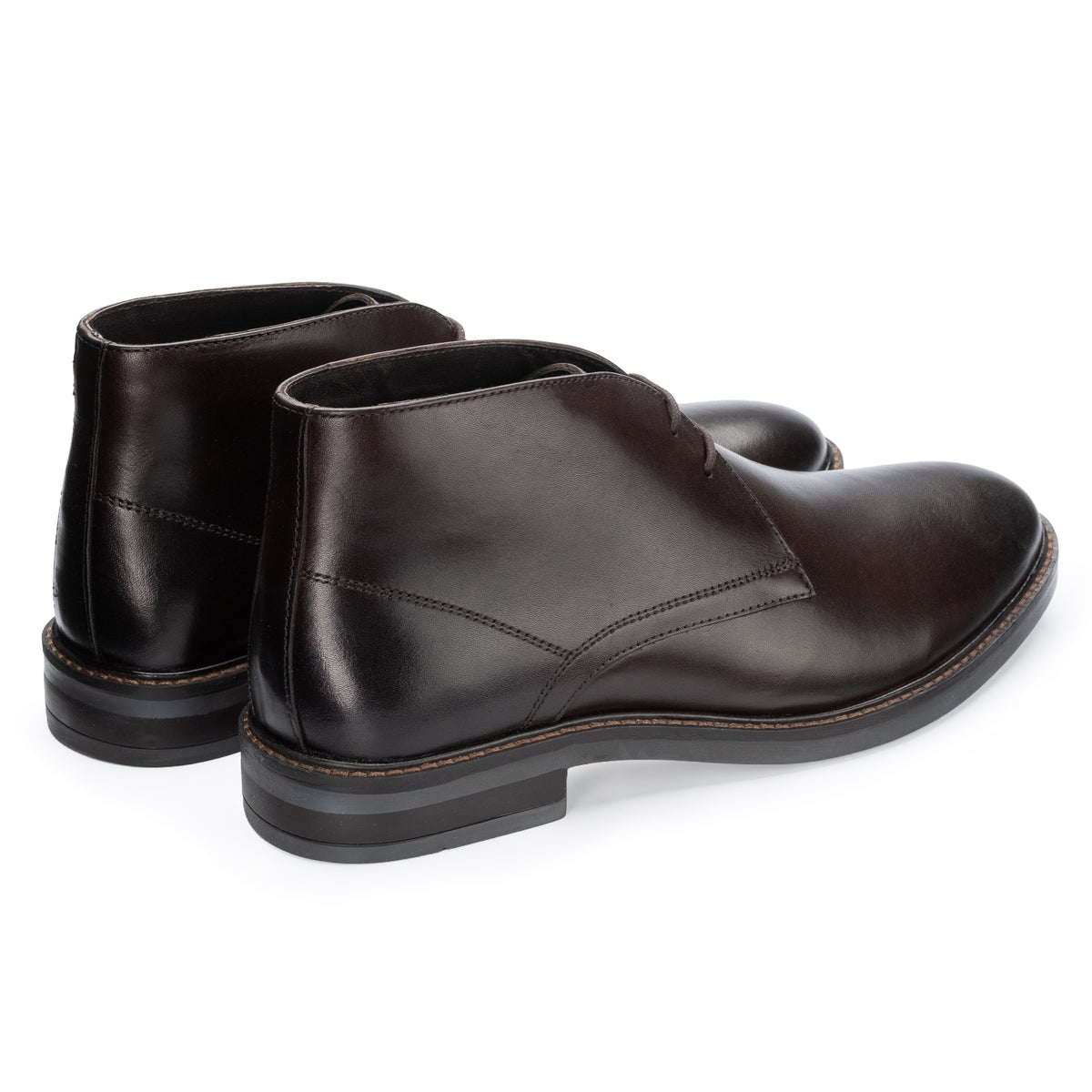
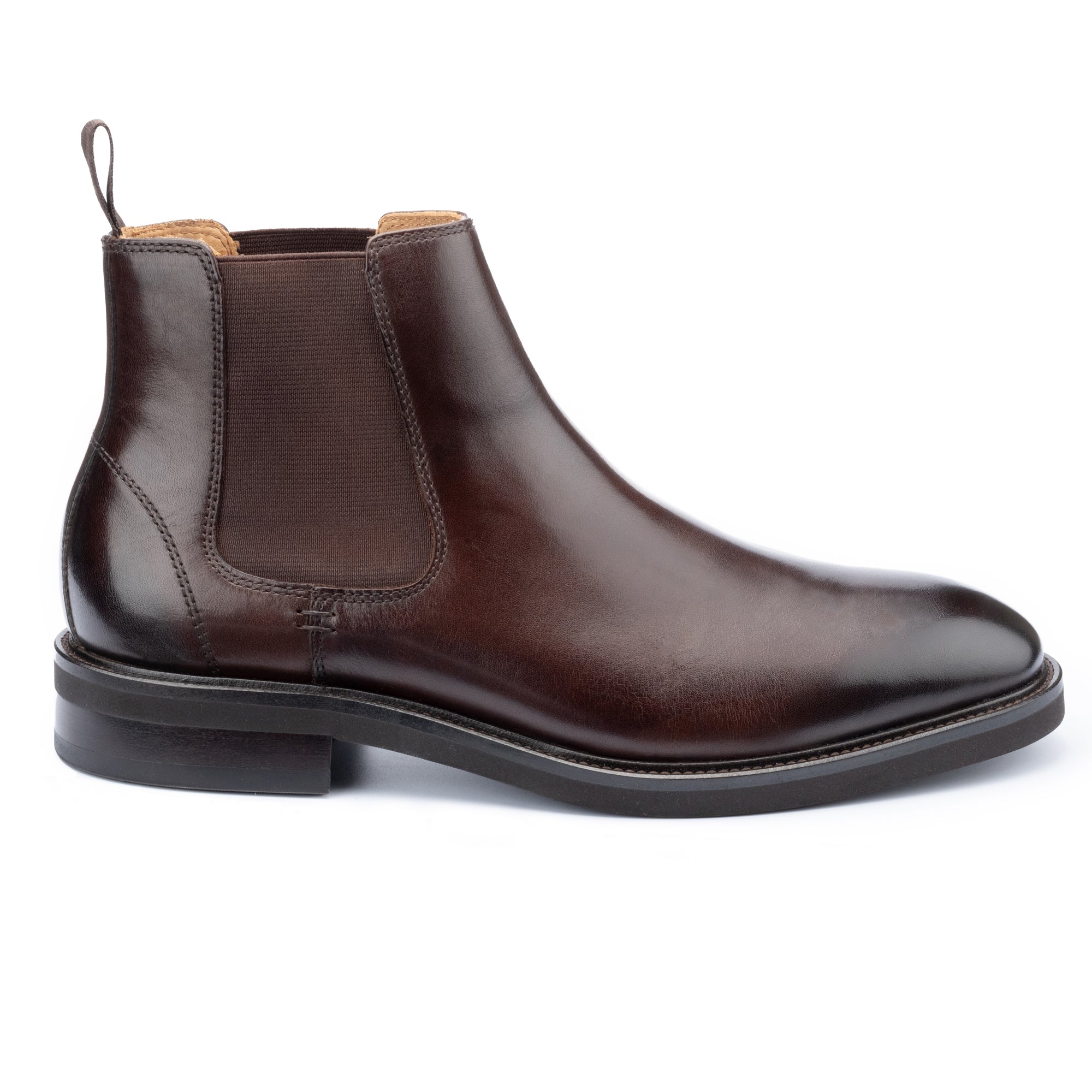
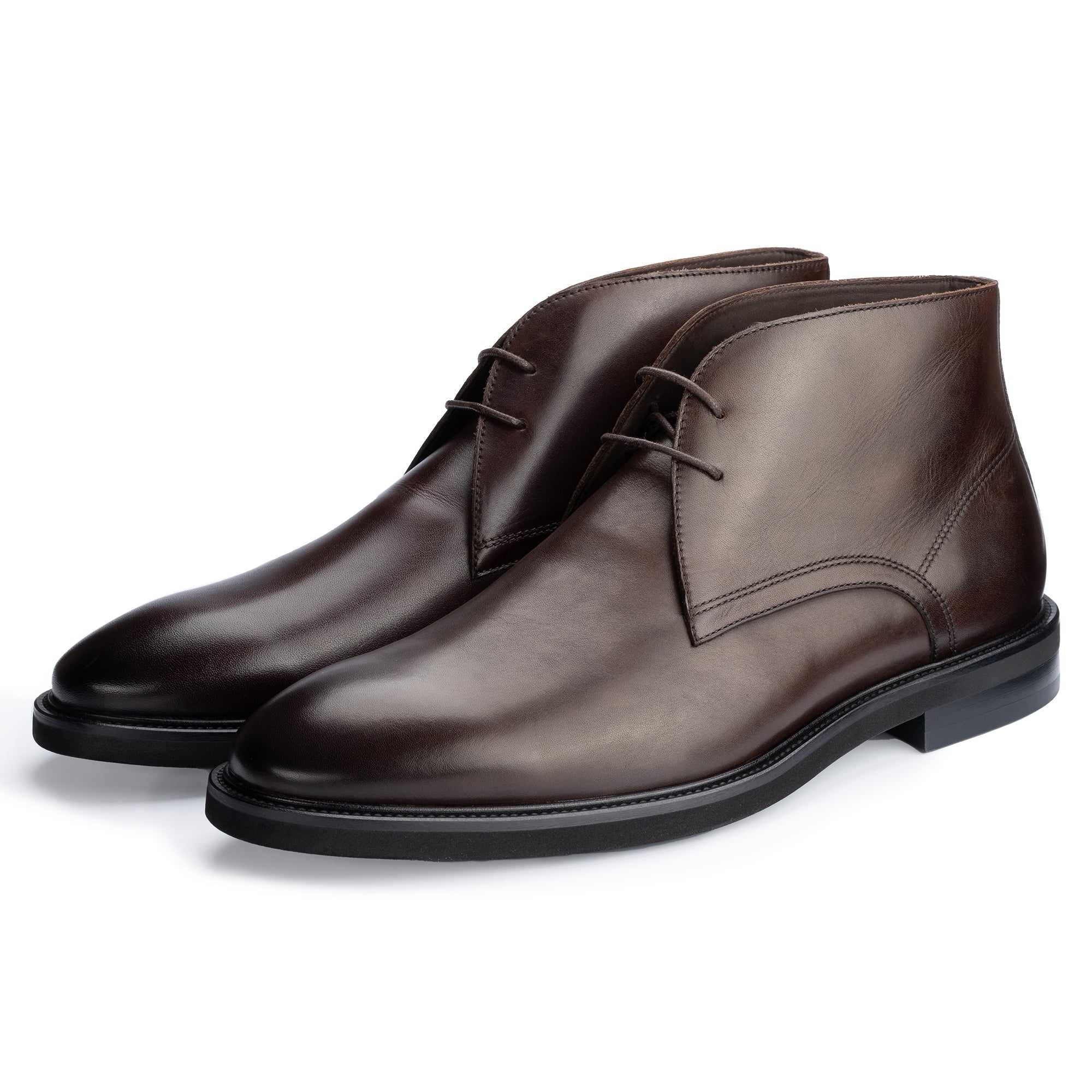
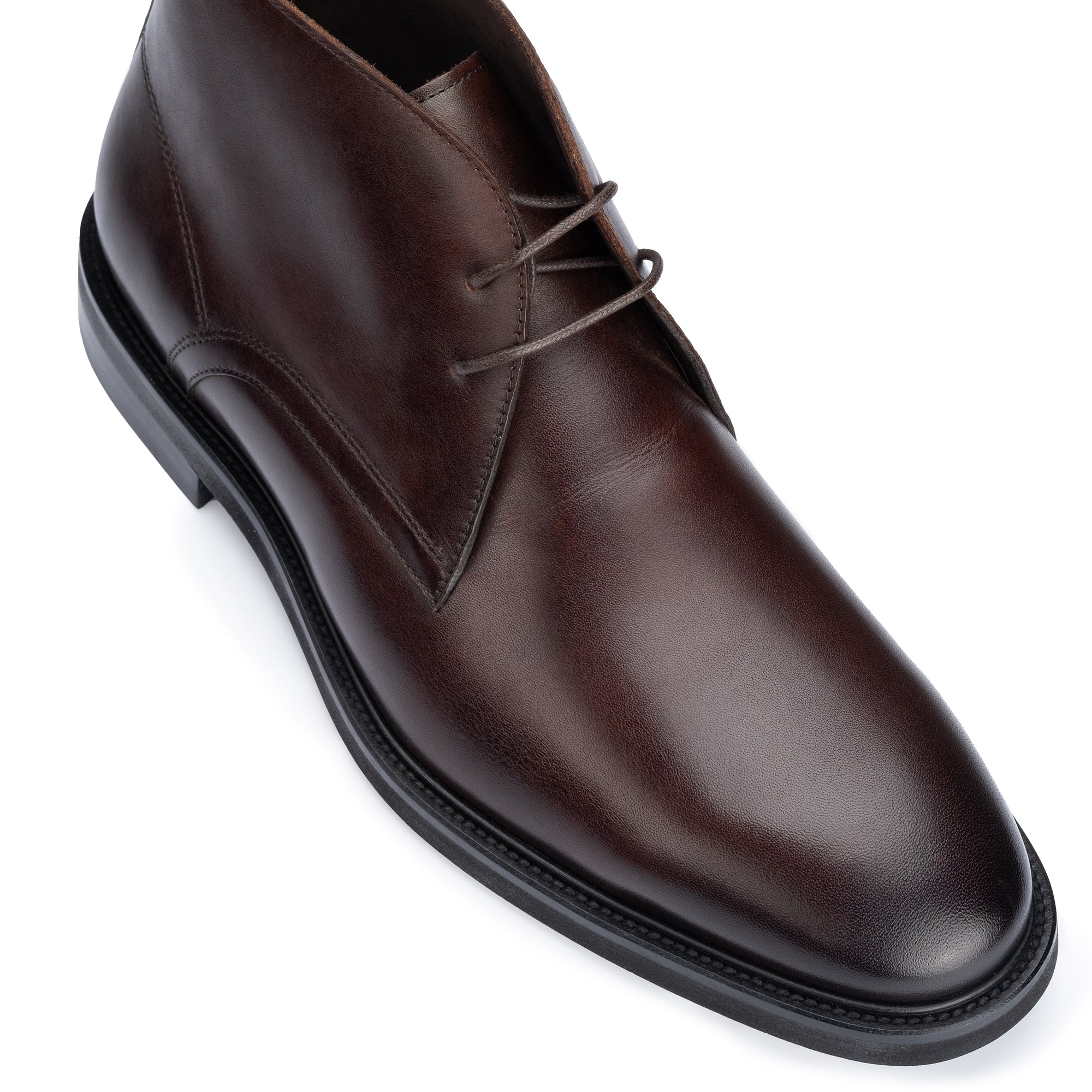
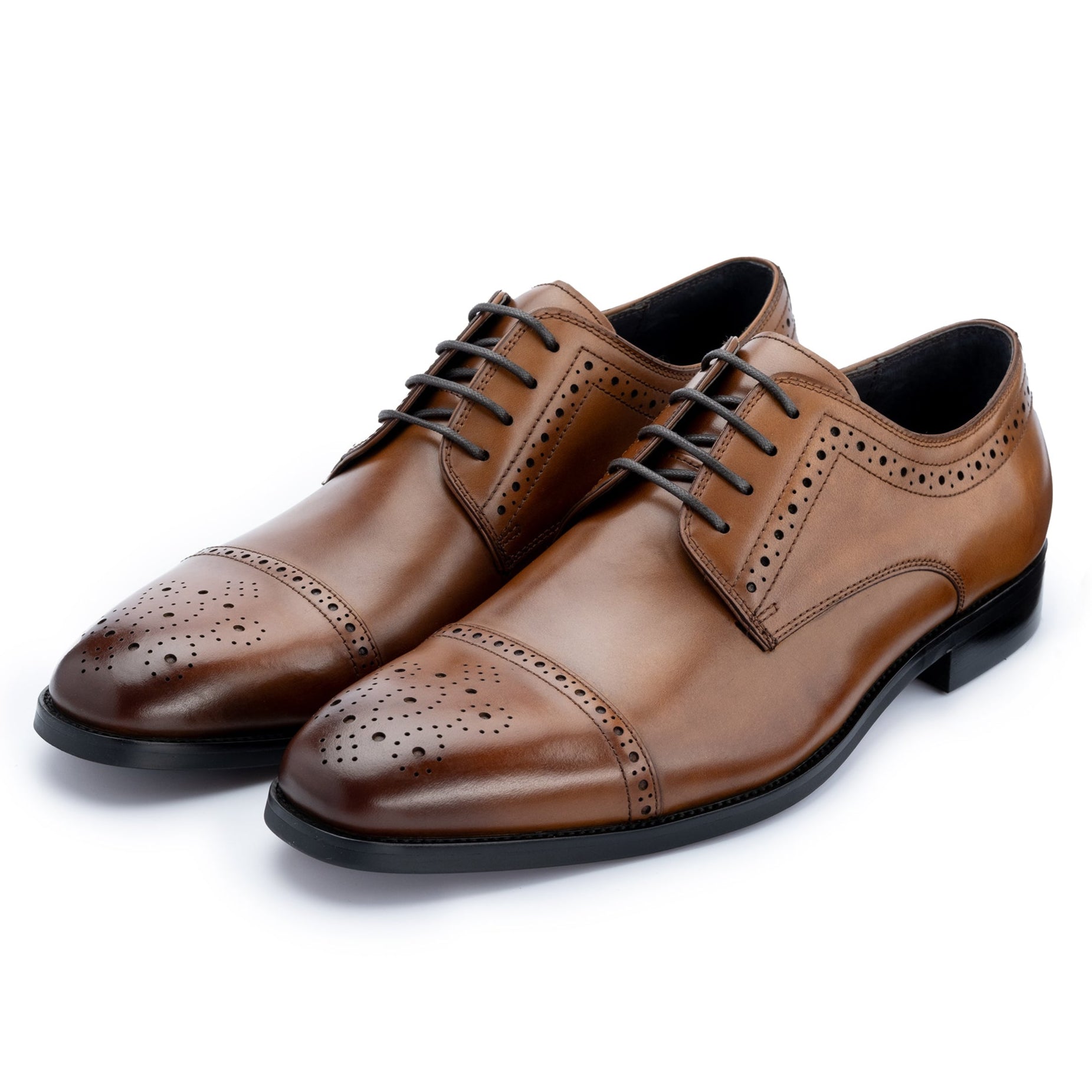
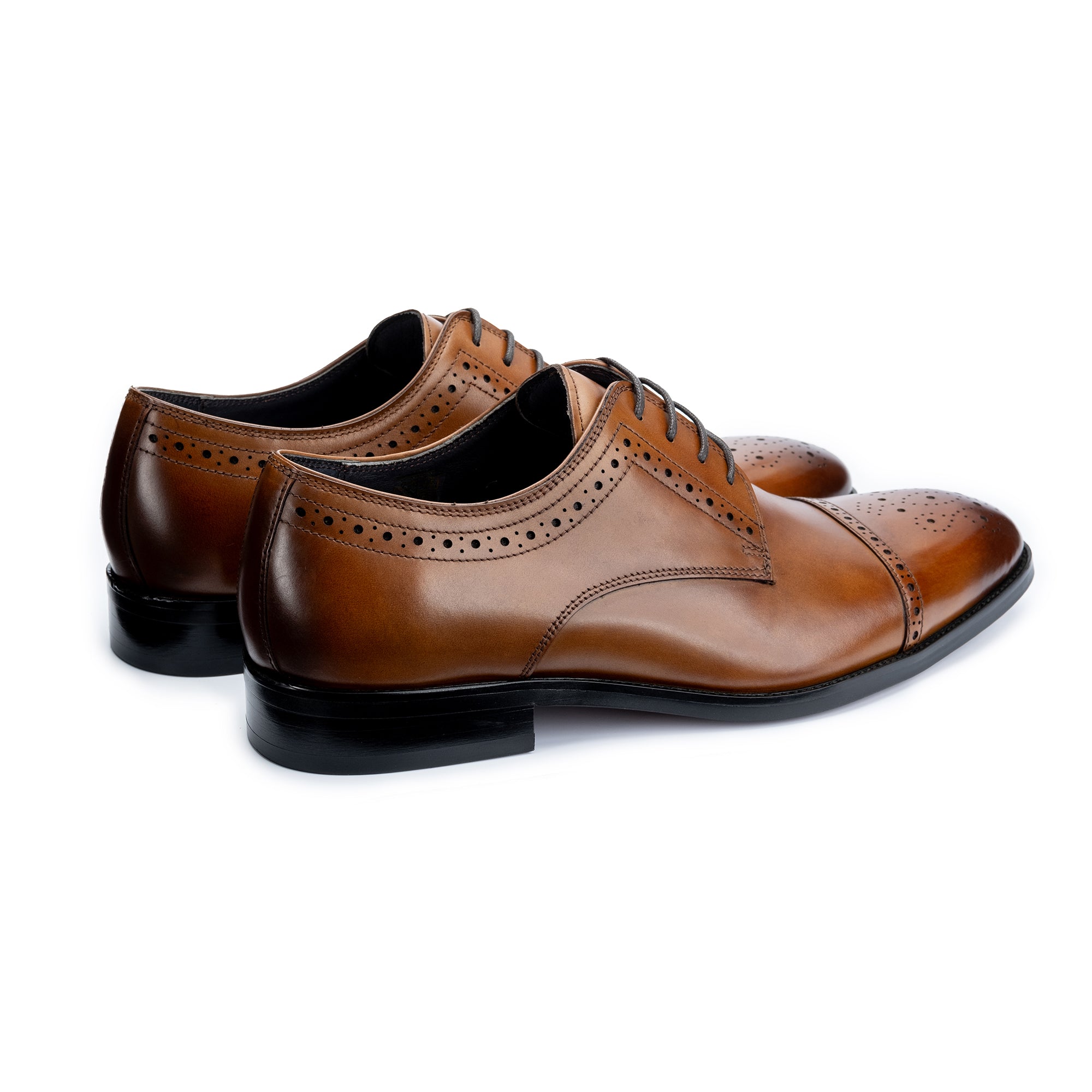
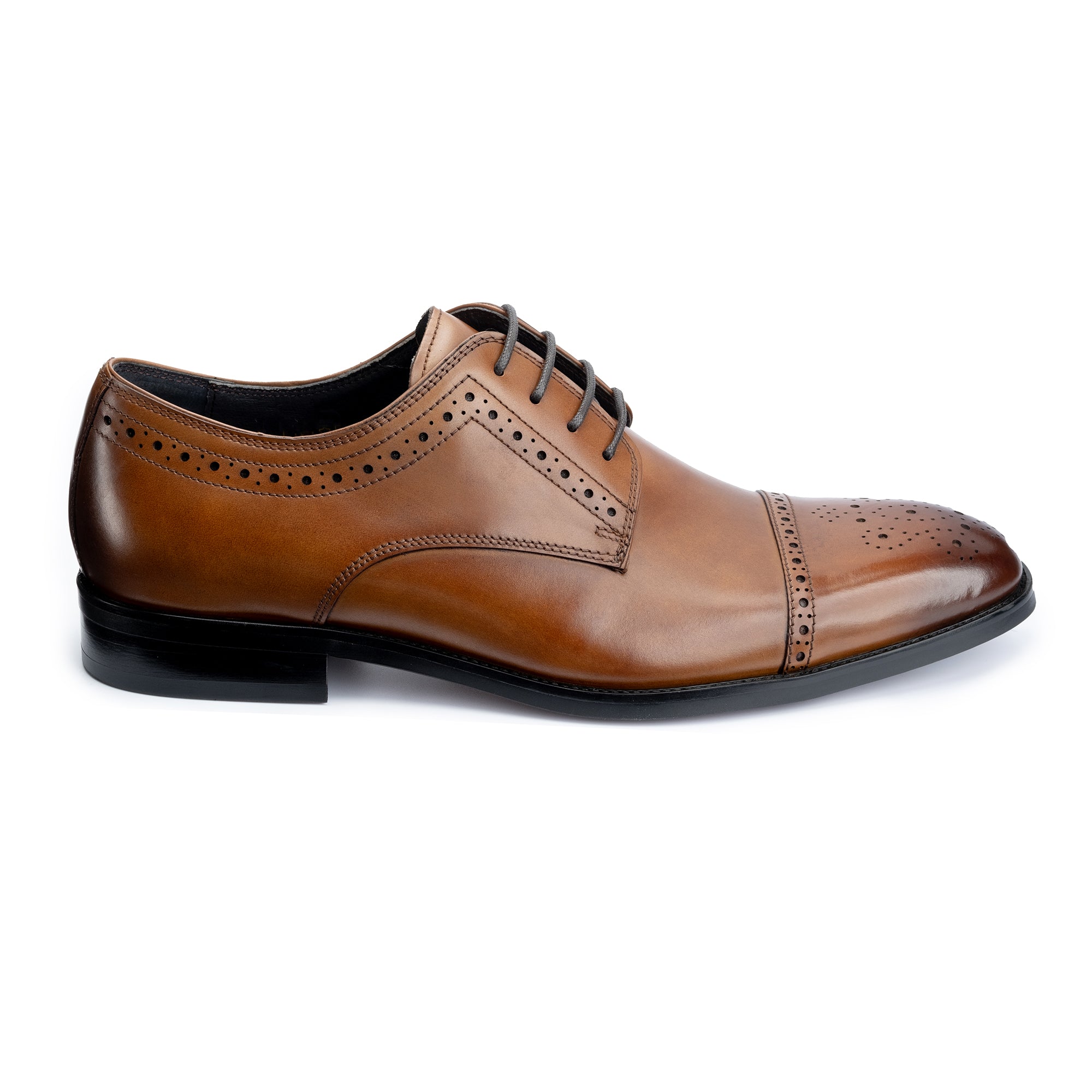
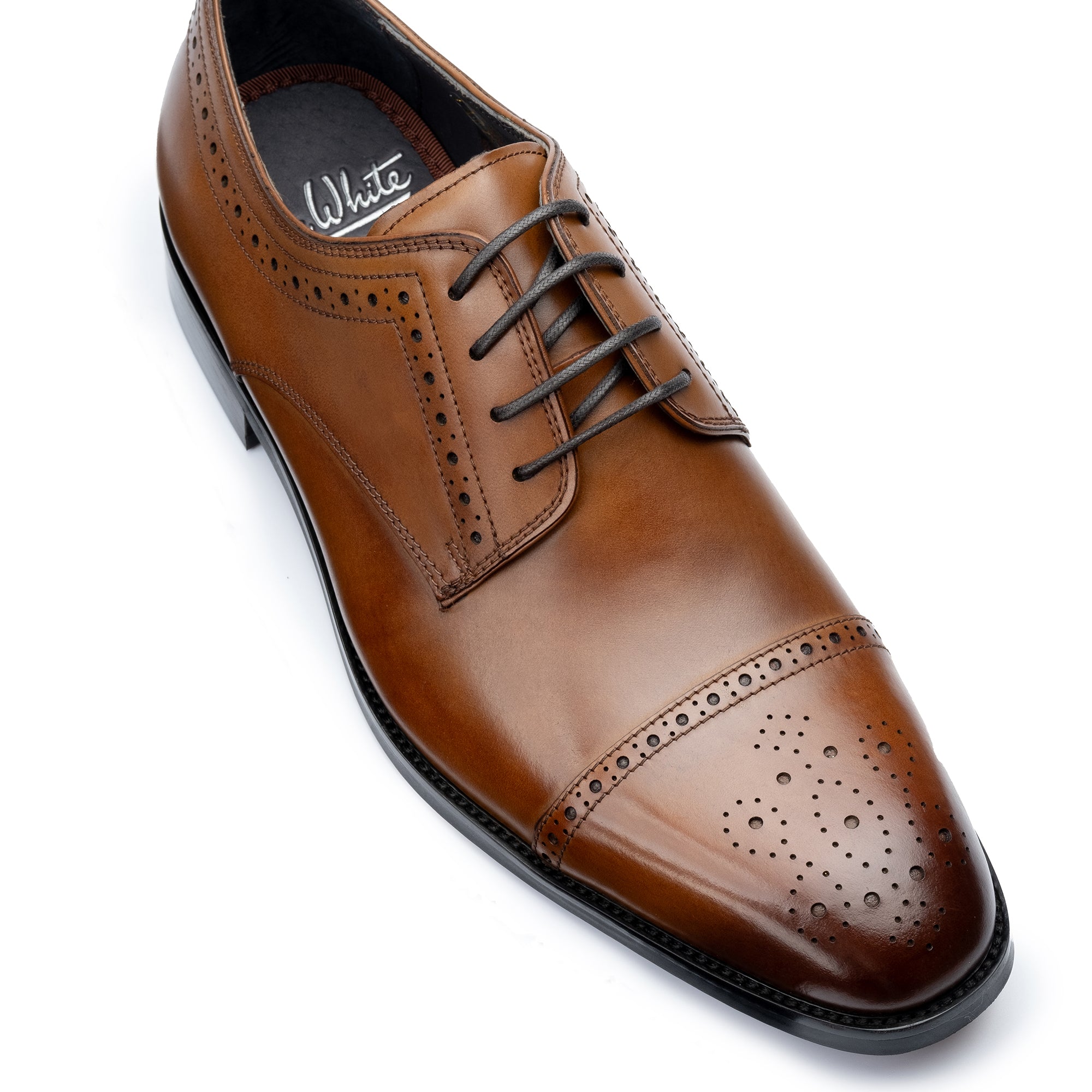
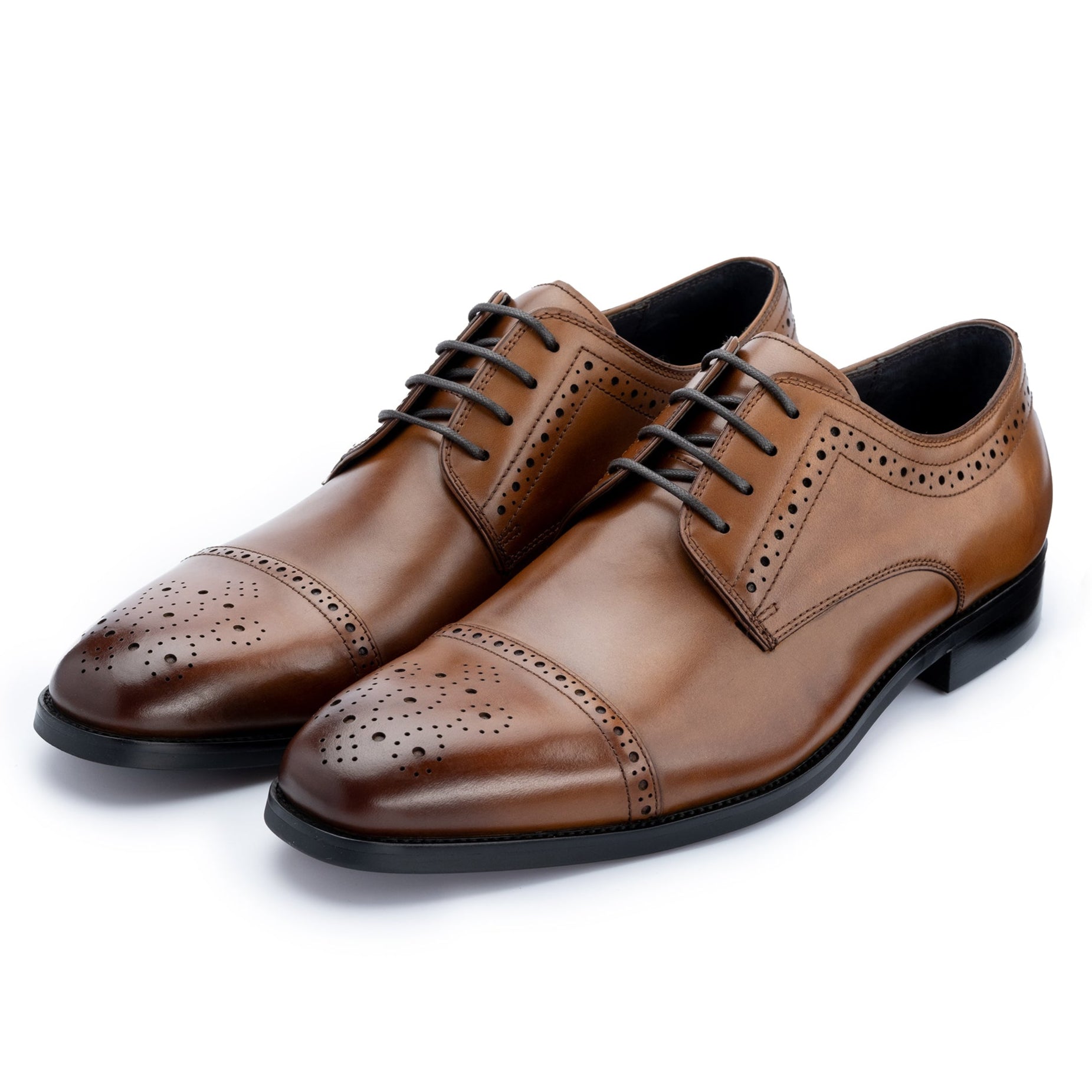
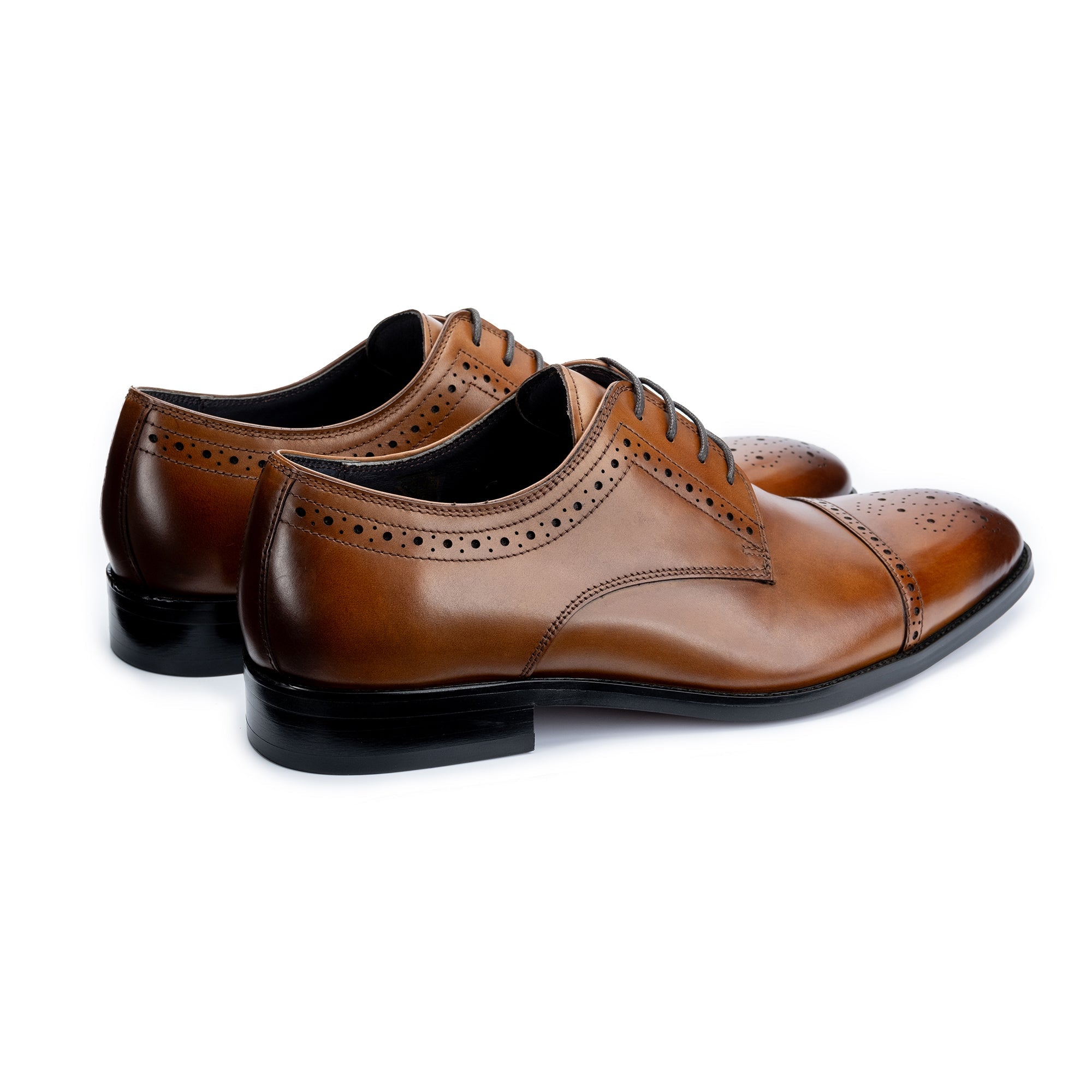
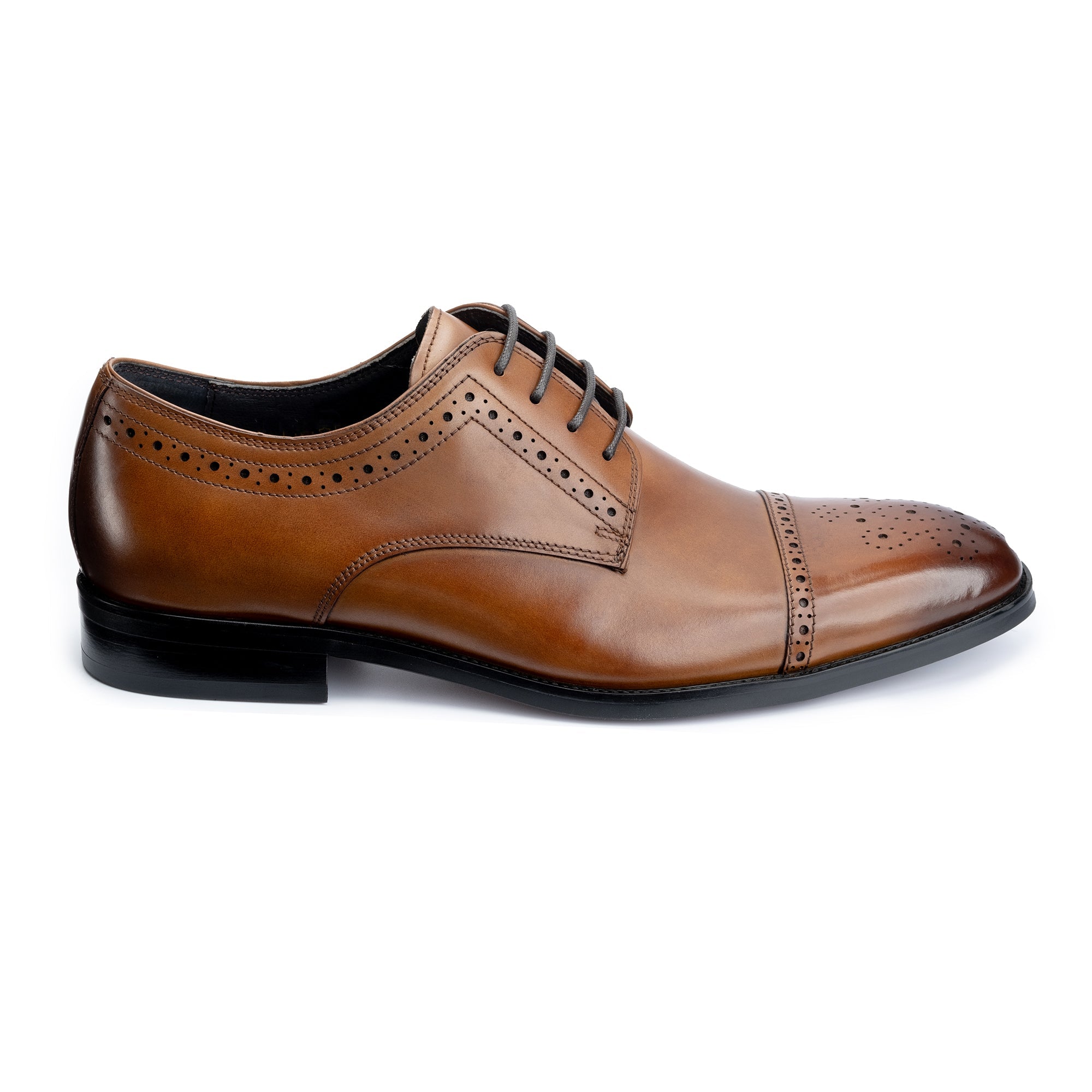
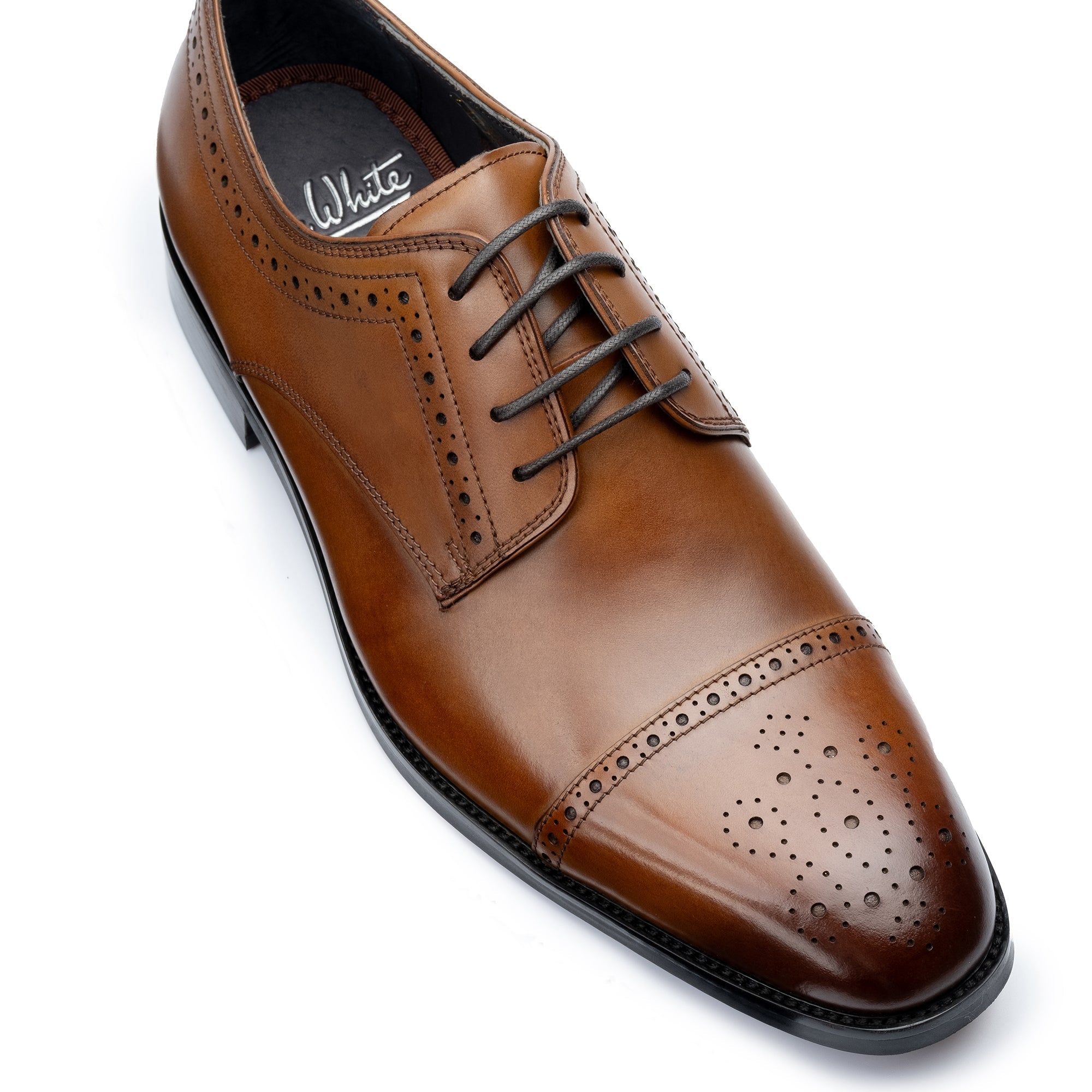
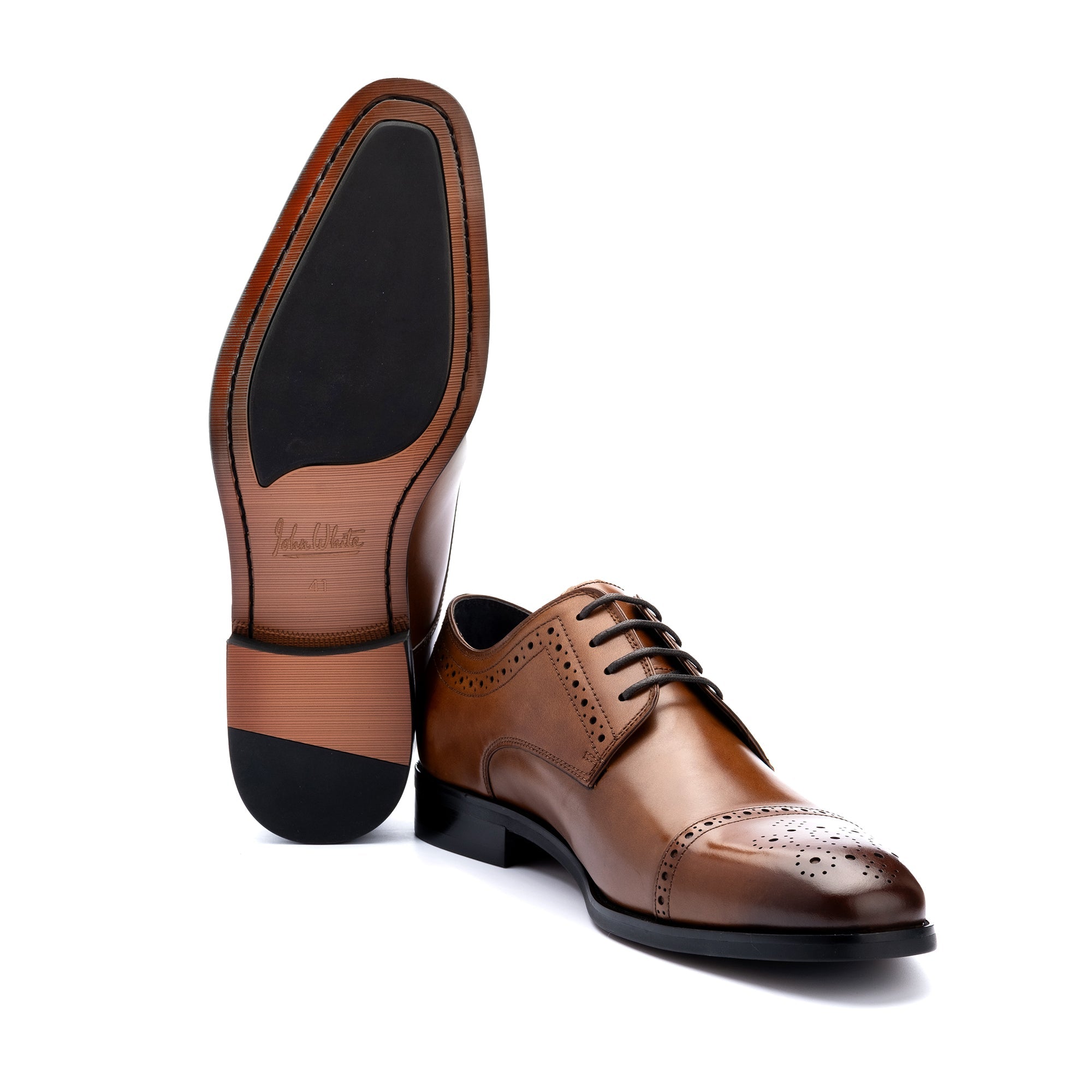
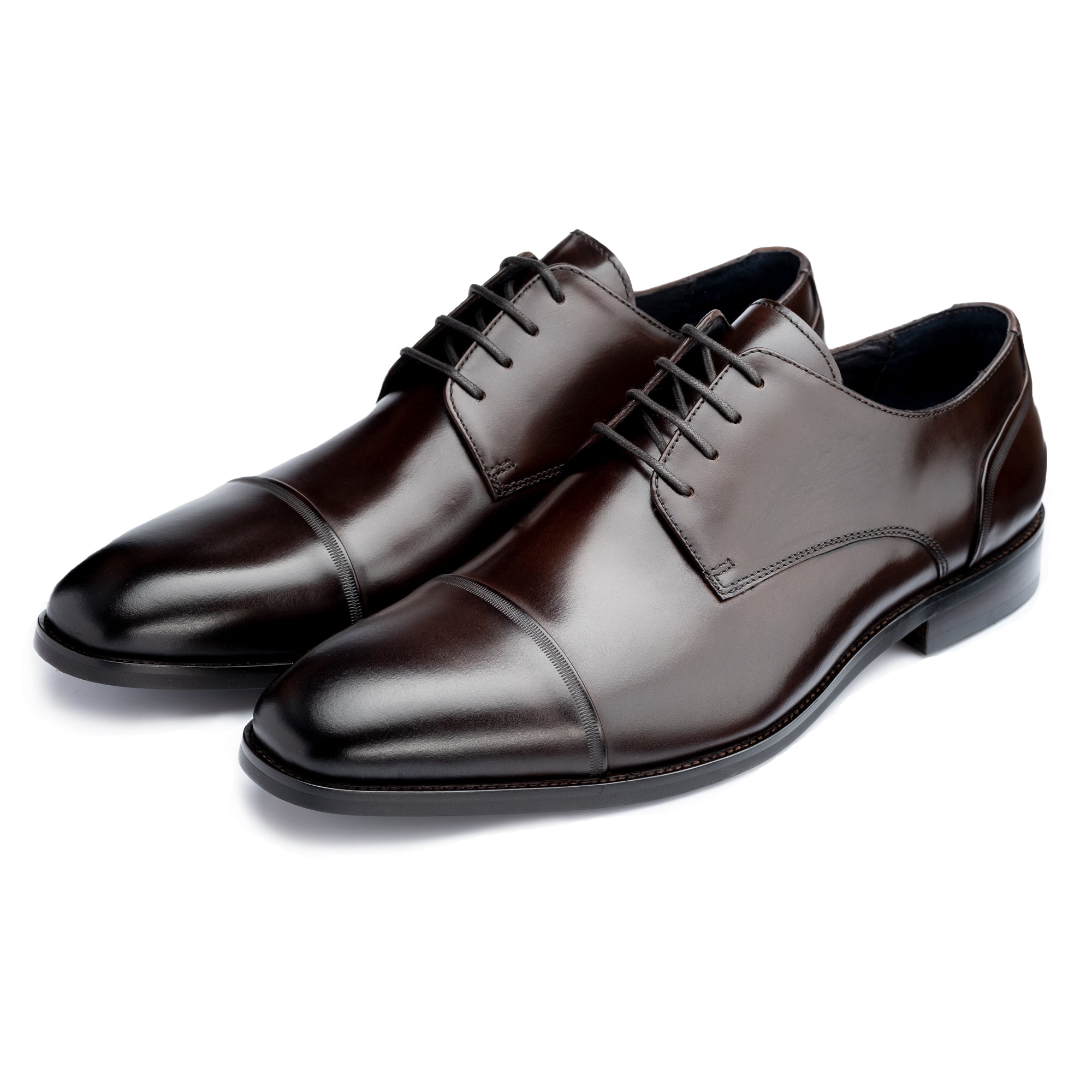
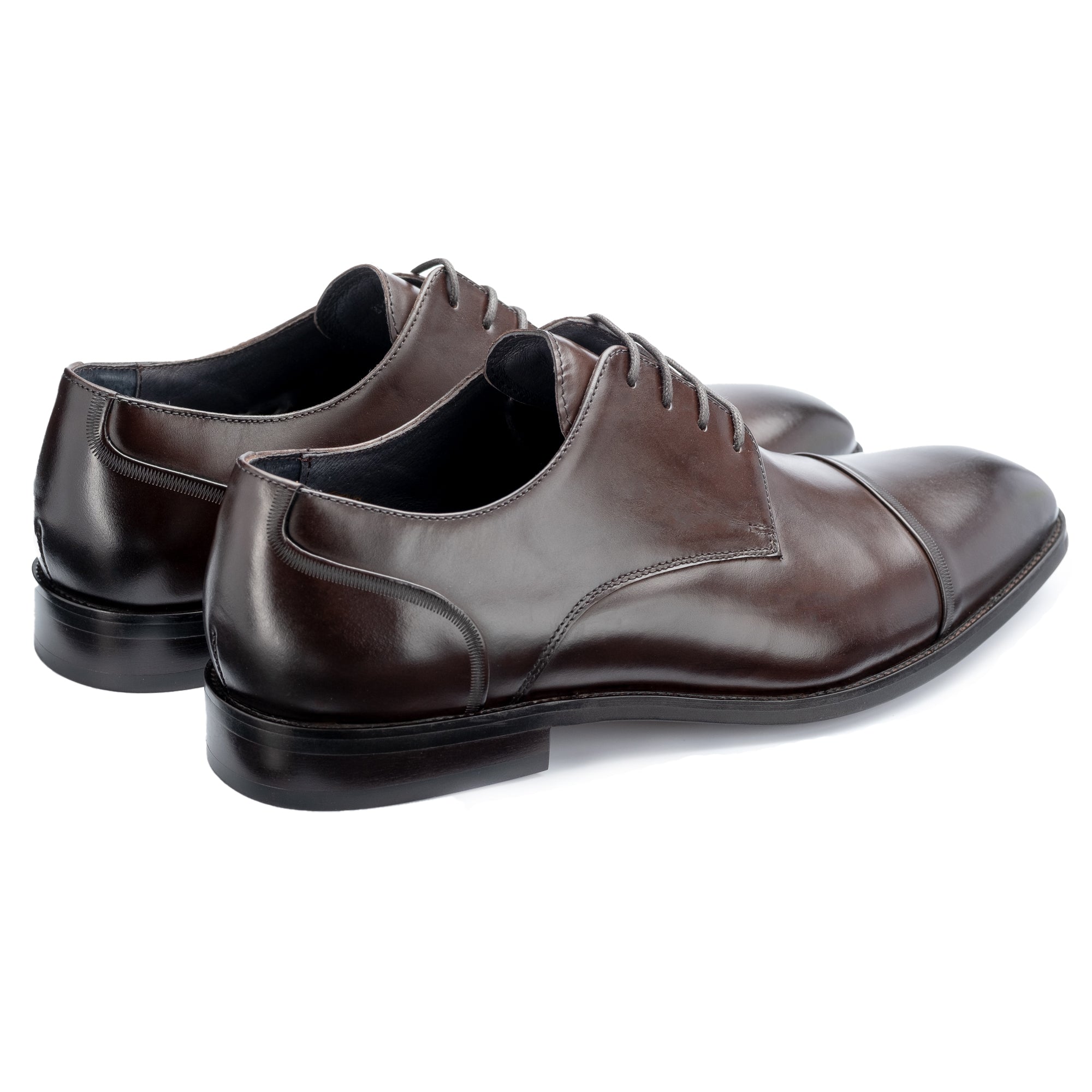
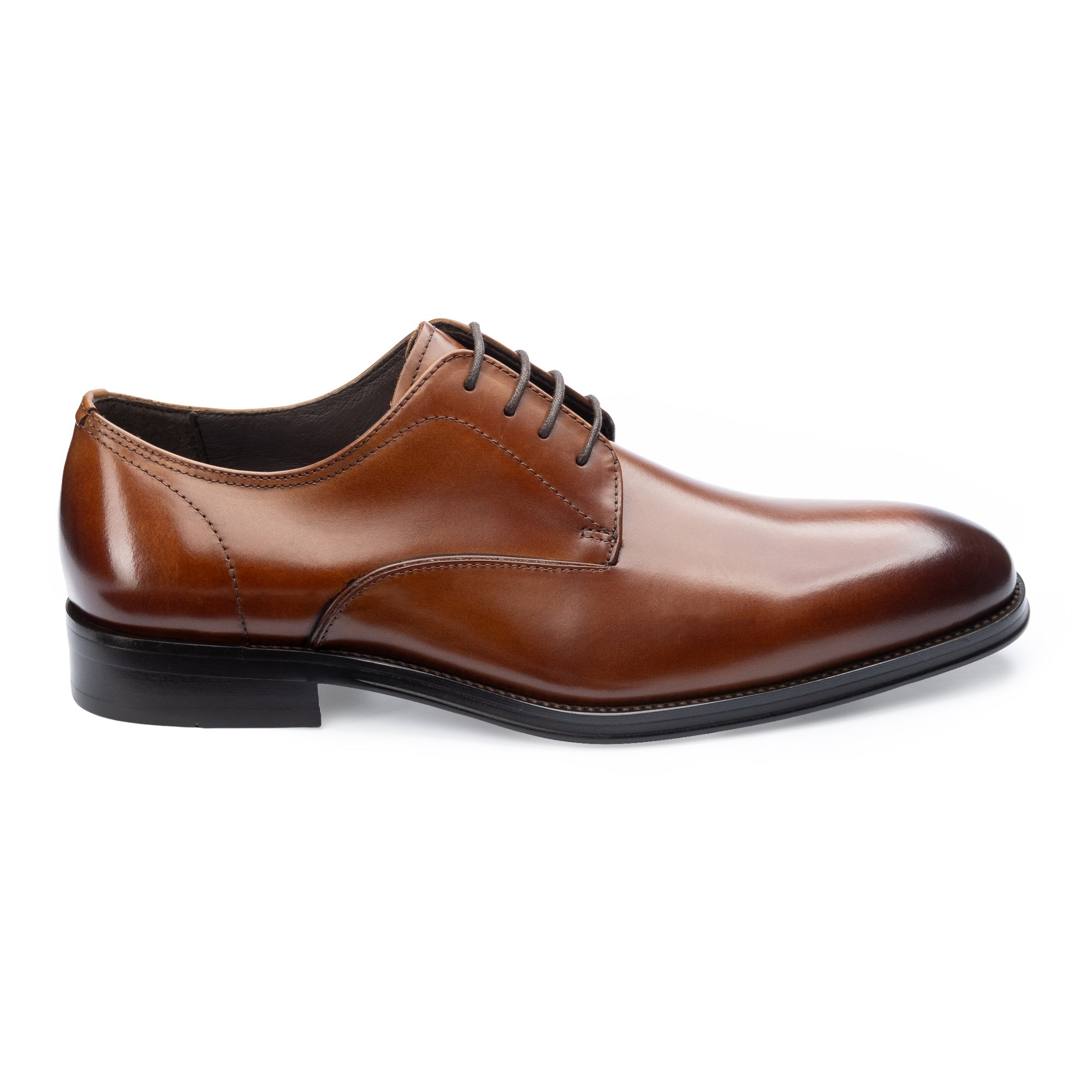
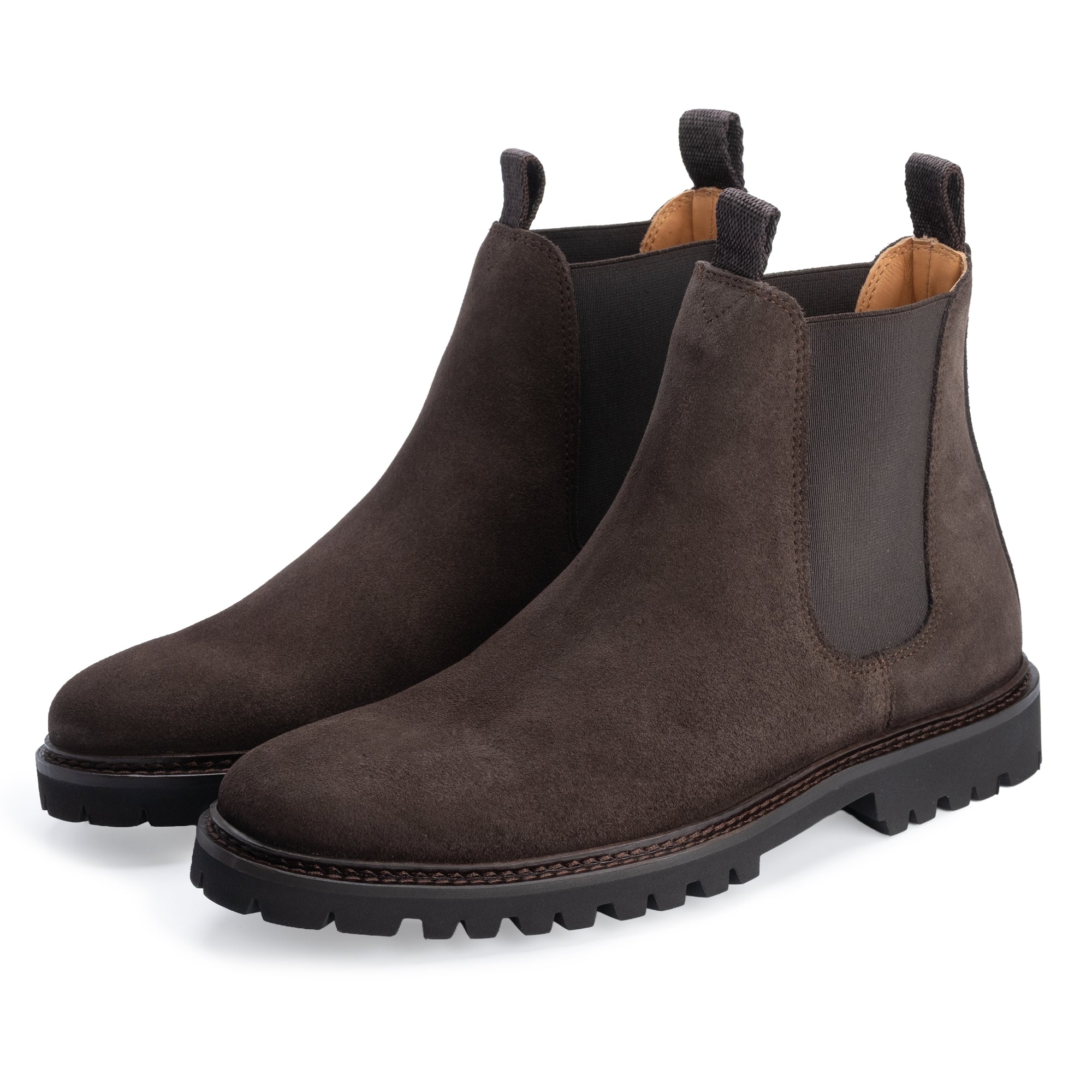
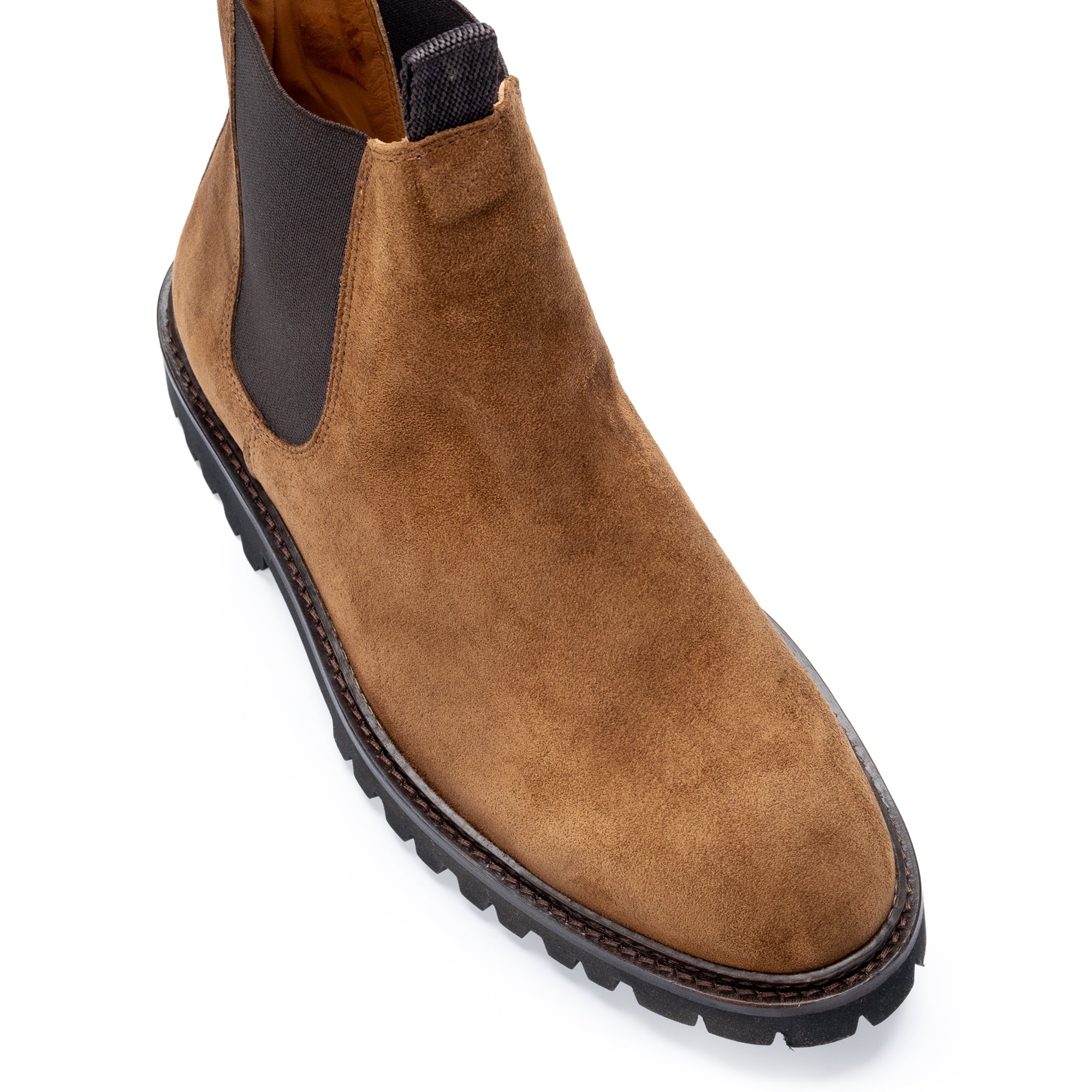
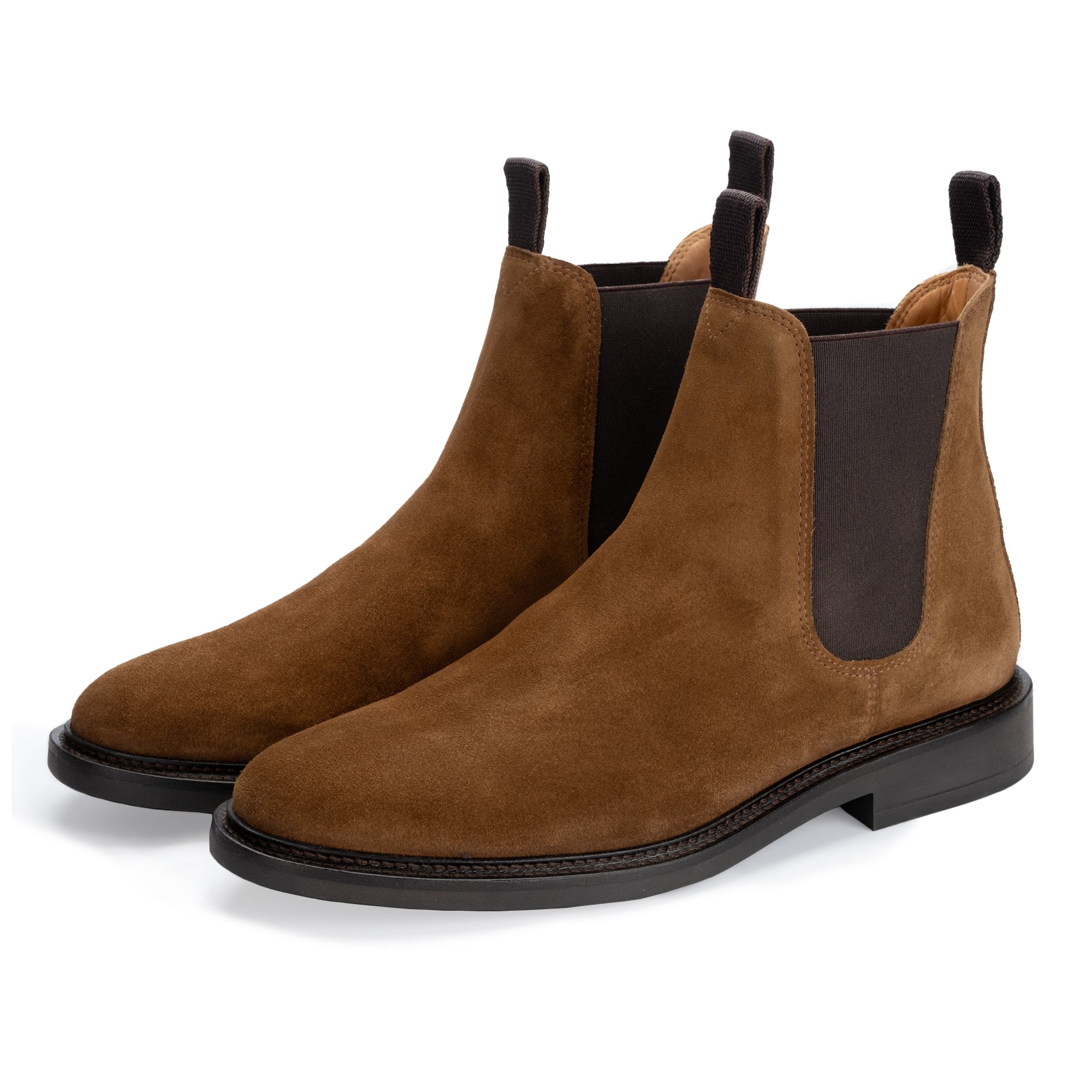
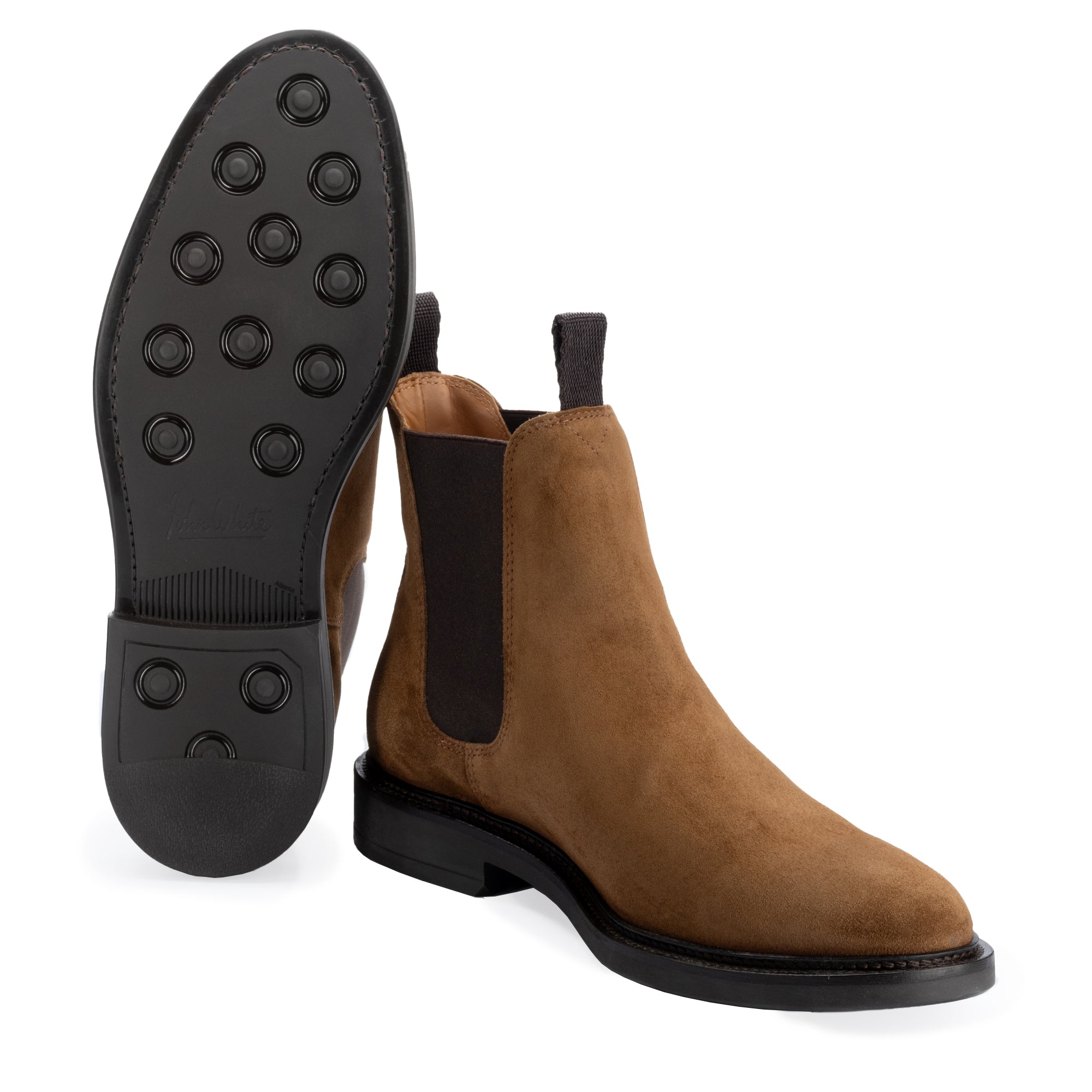
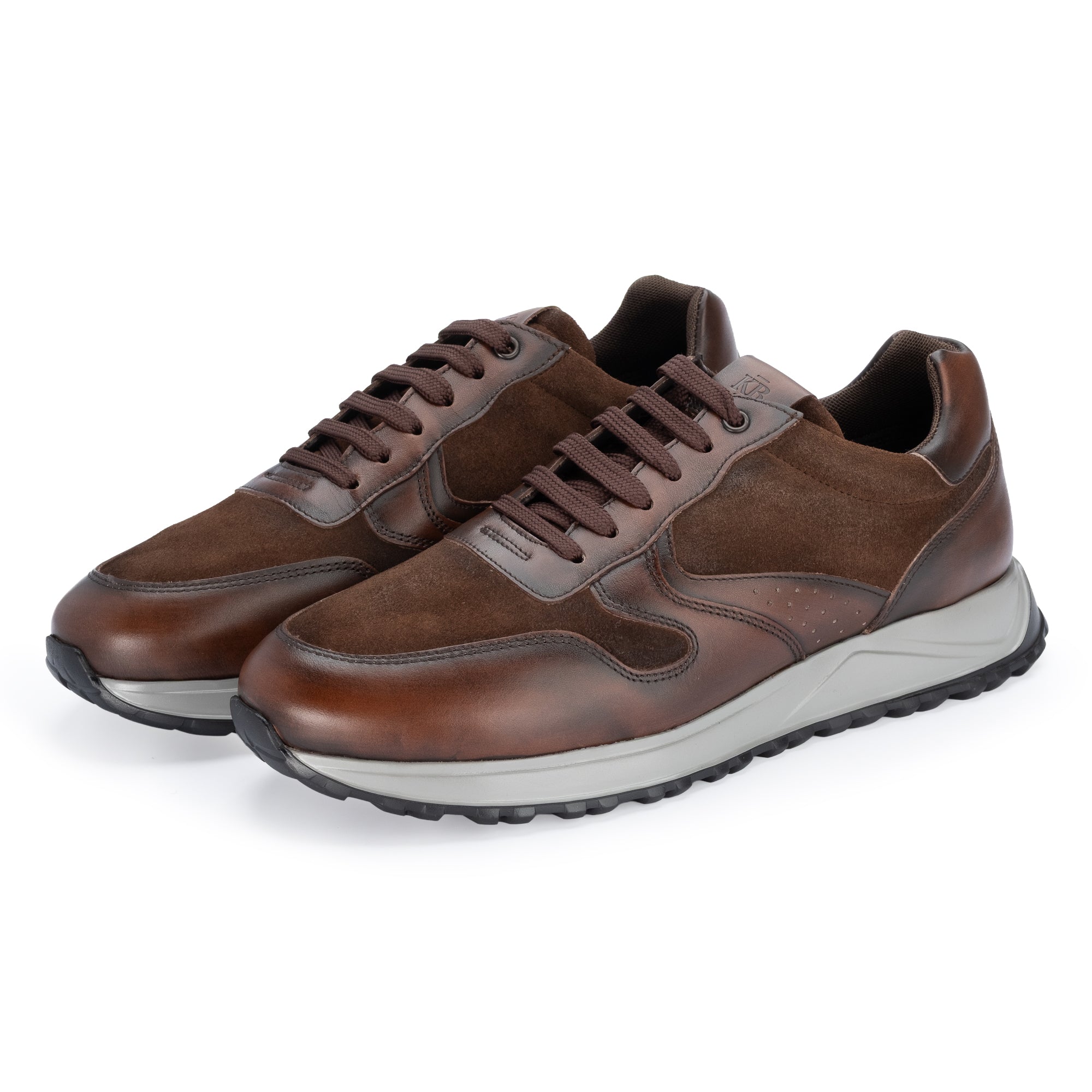
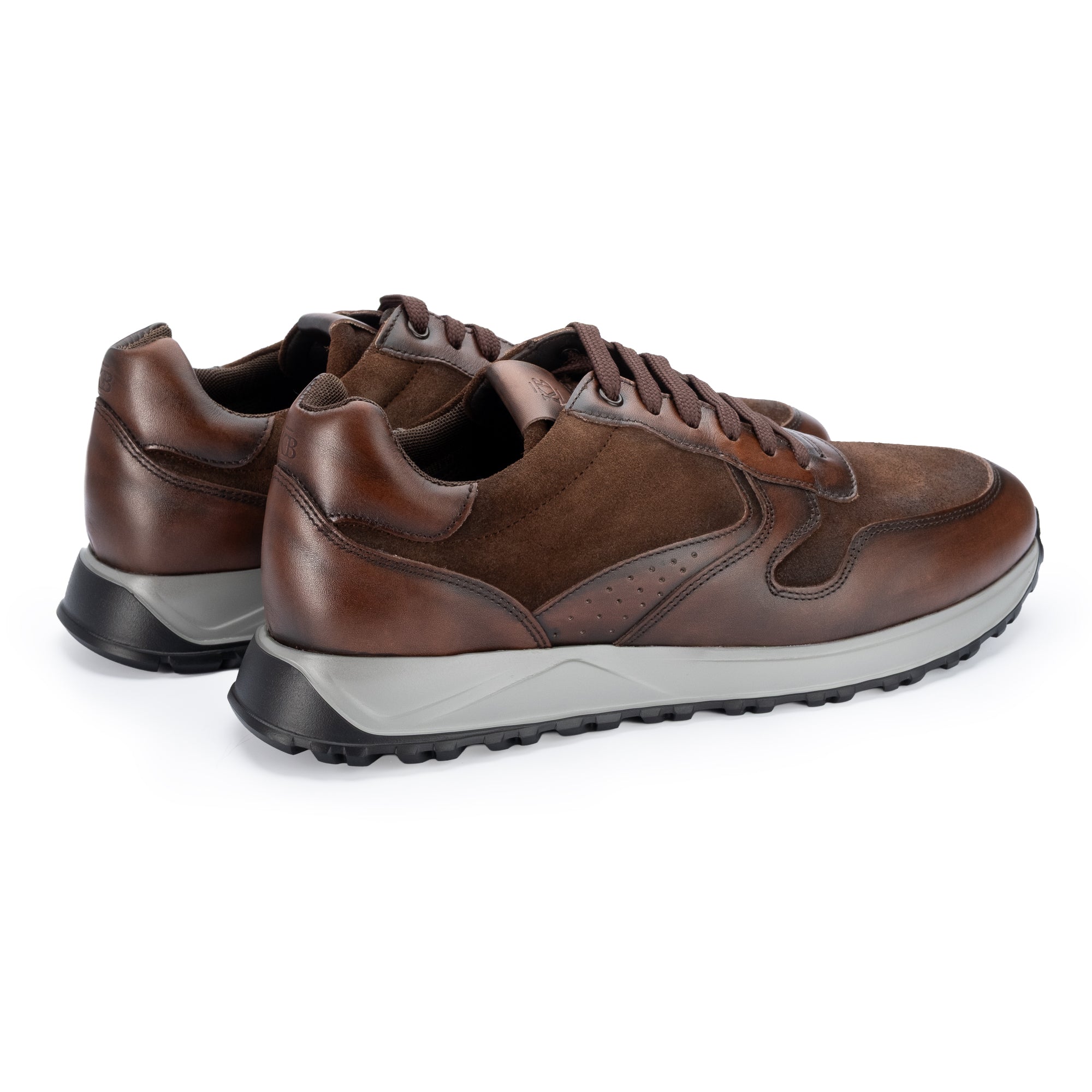
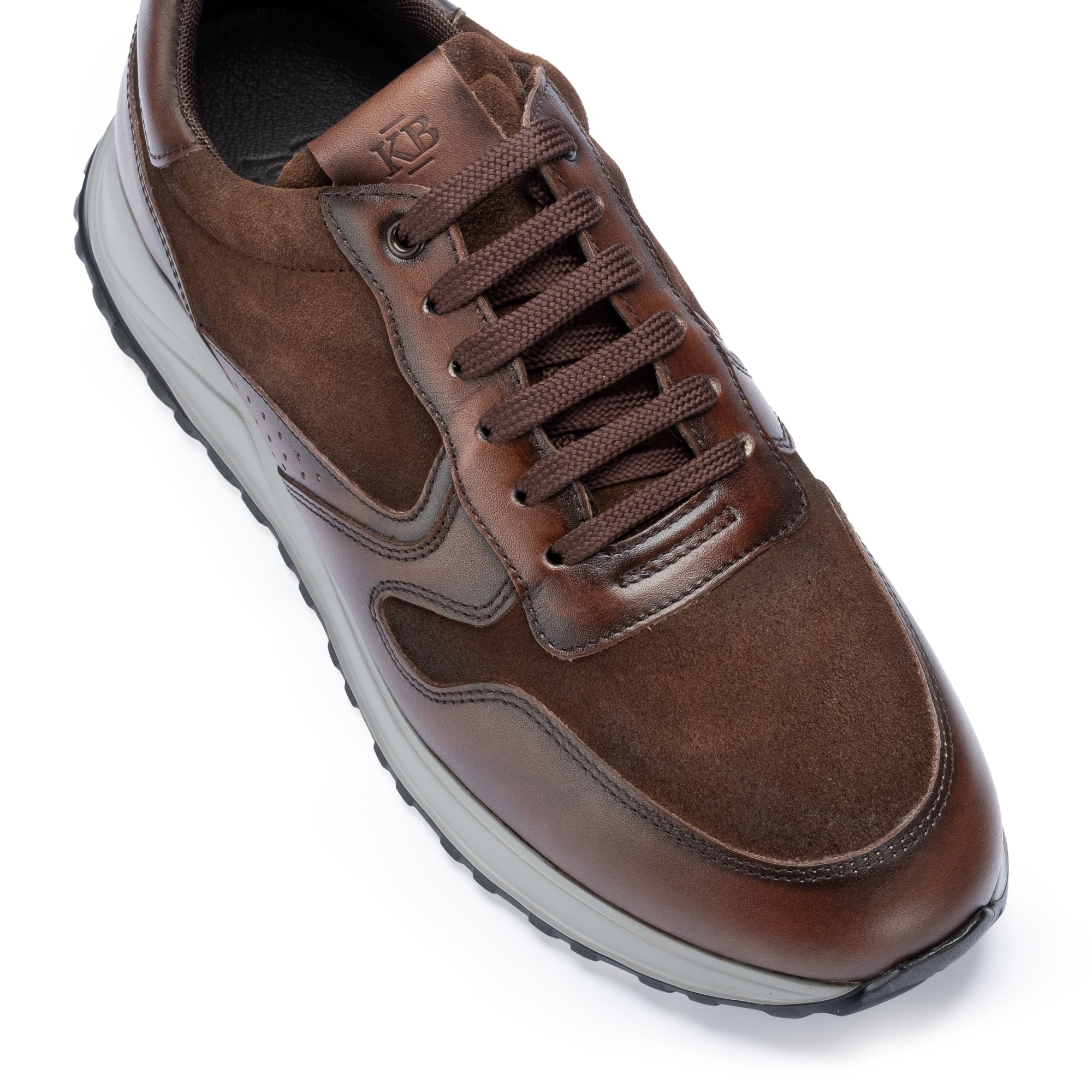
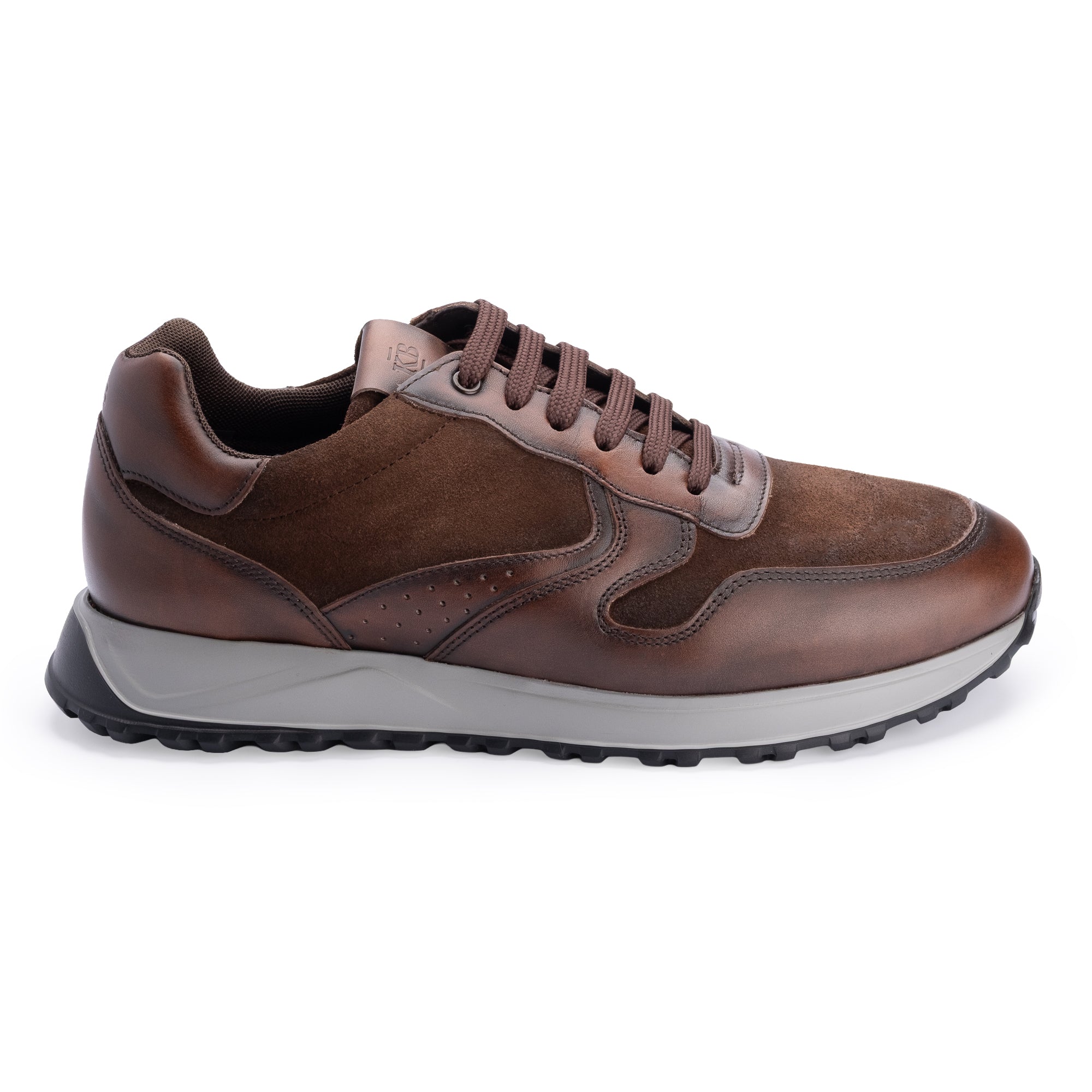
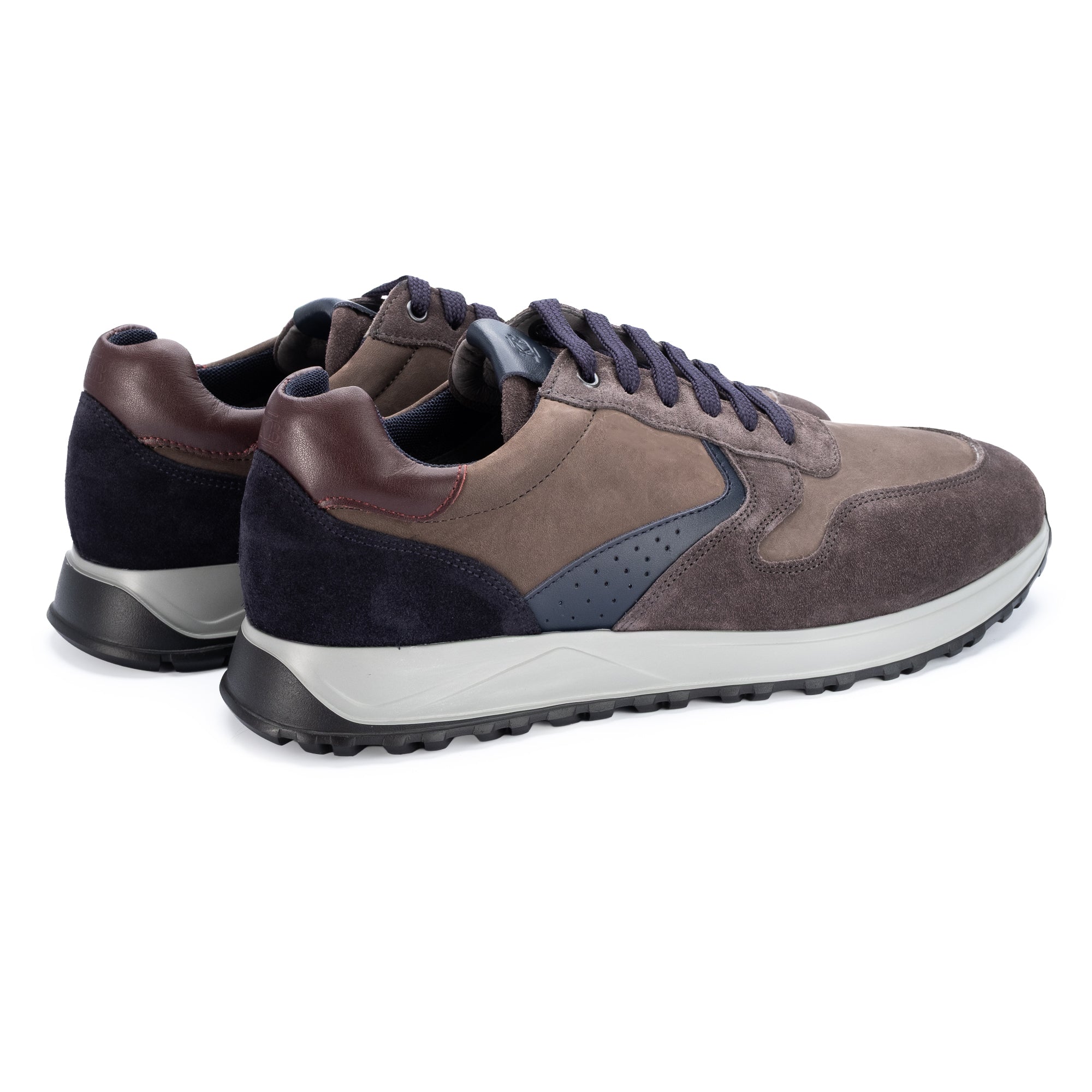
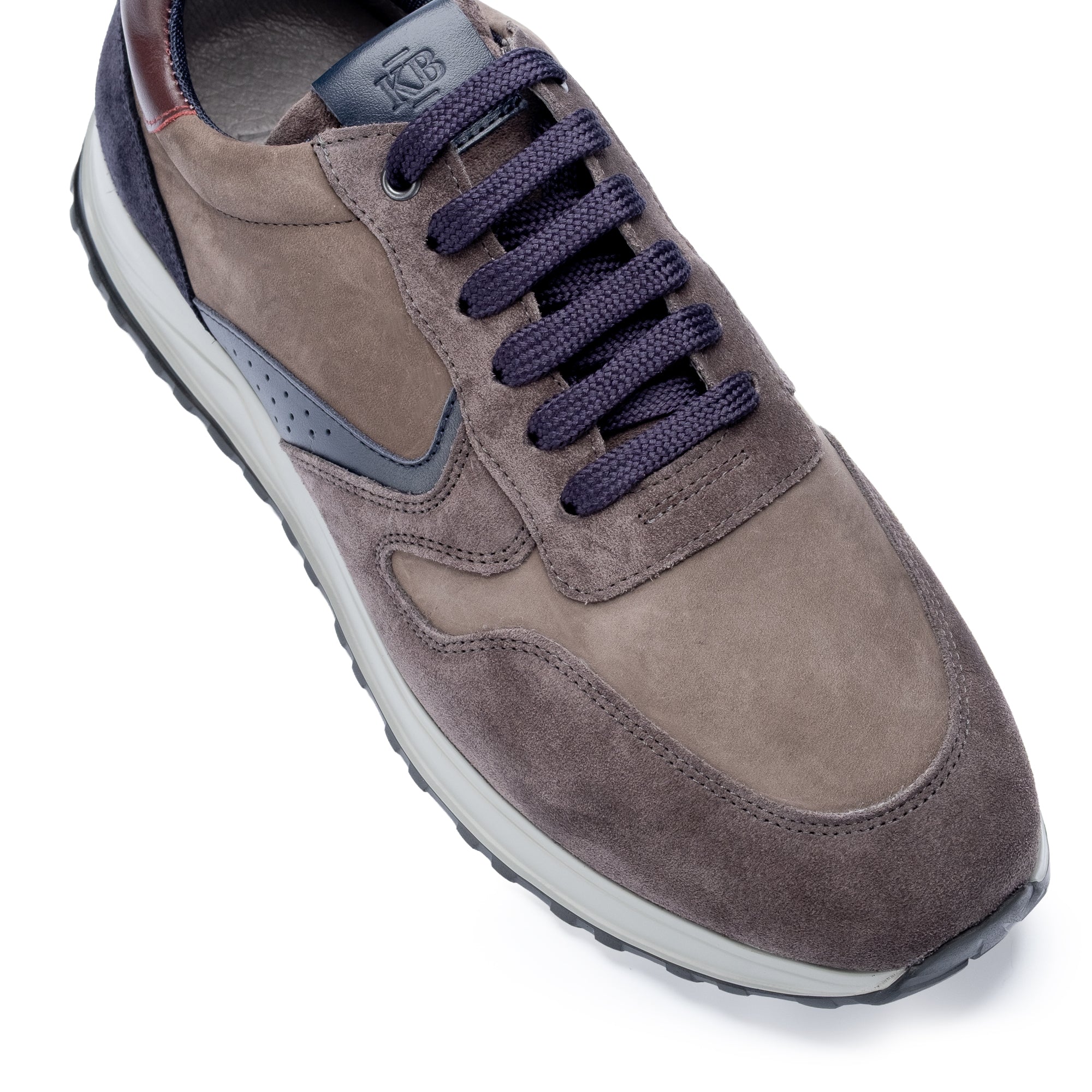
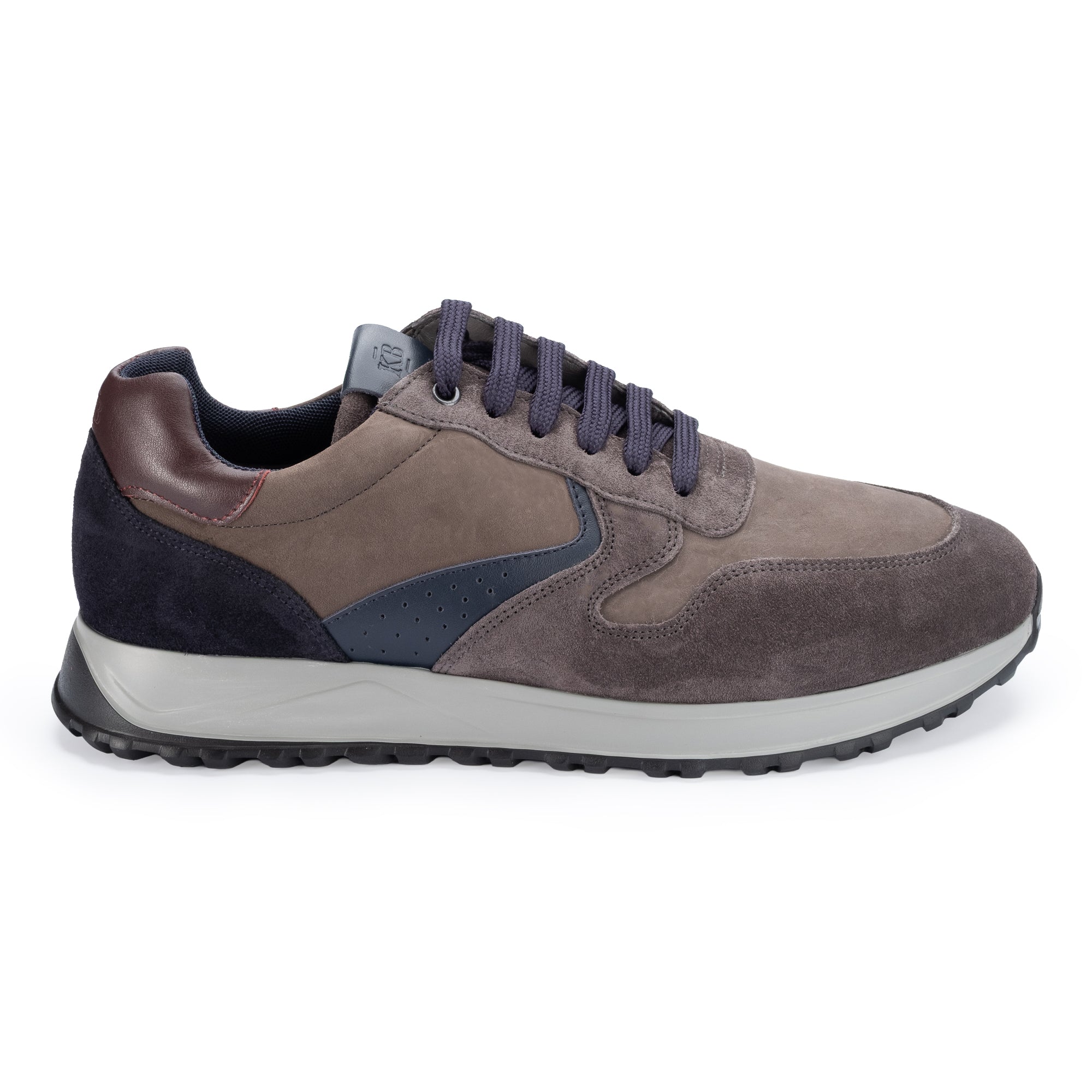
- Full brogue in tan or mid-brown: The most characteristic choice for Cheltenham. The decorative perforations carry a country credibility that a plain Derby or Oxford does not. Works with tweed, flannel, and heavier wool suits. Our full brogue vs semi-brogue guide covers when each serves you best.
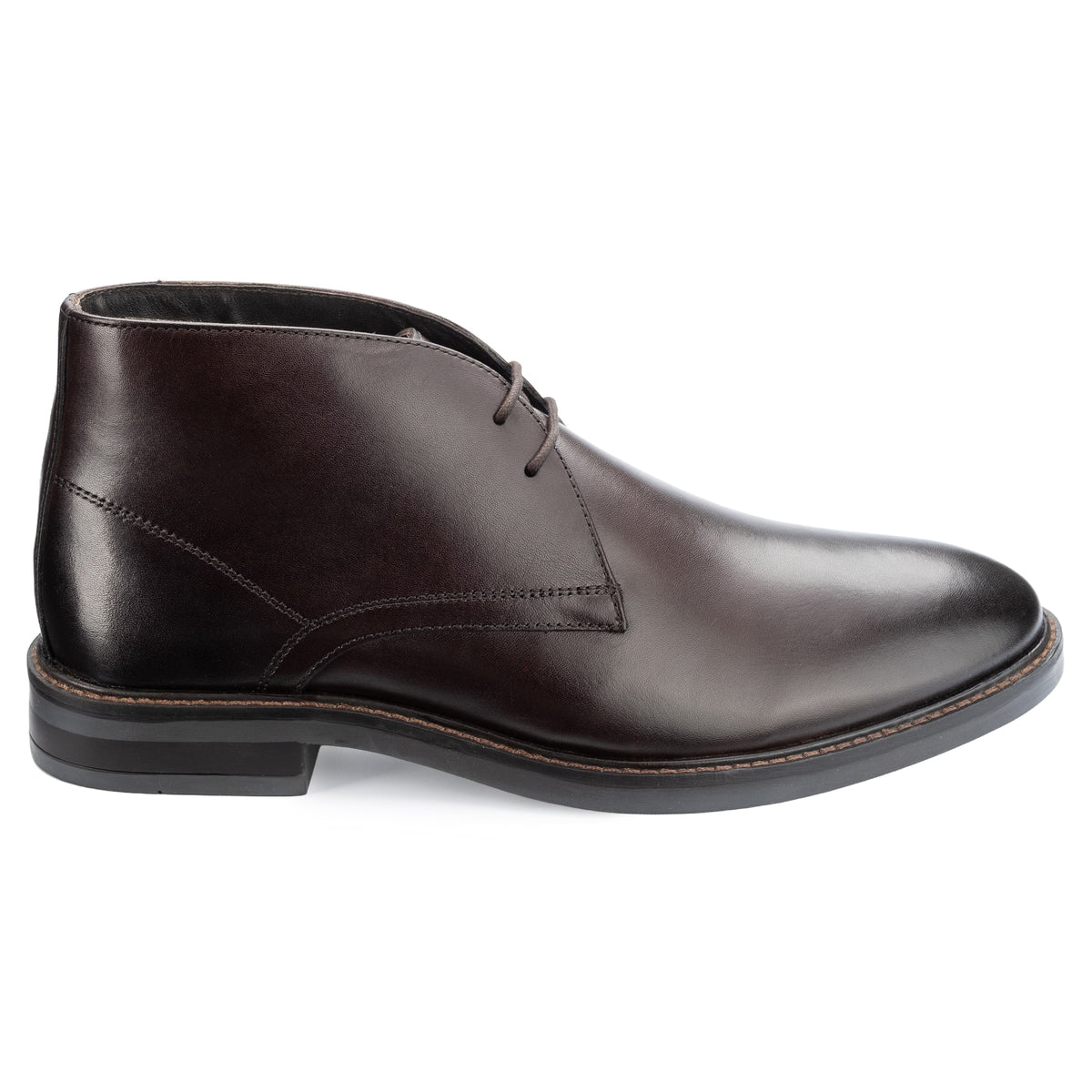
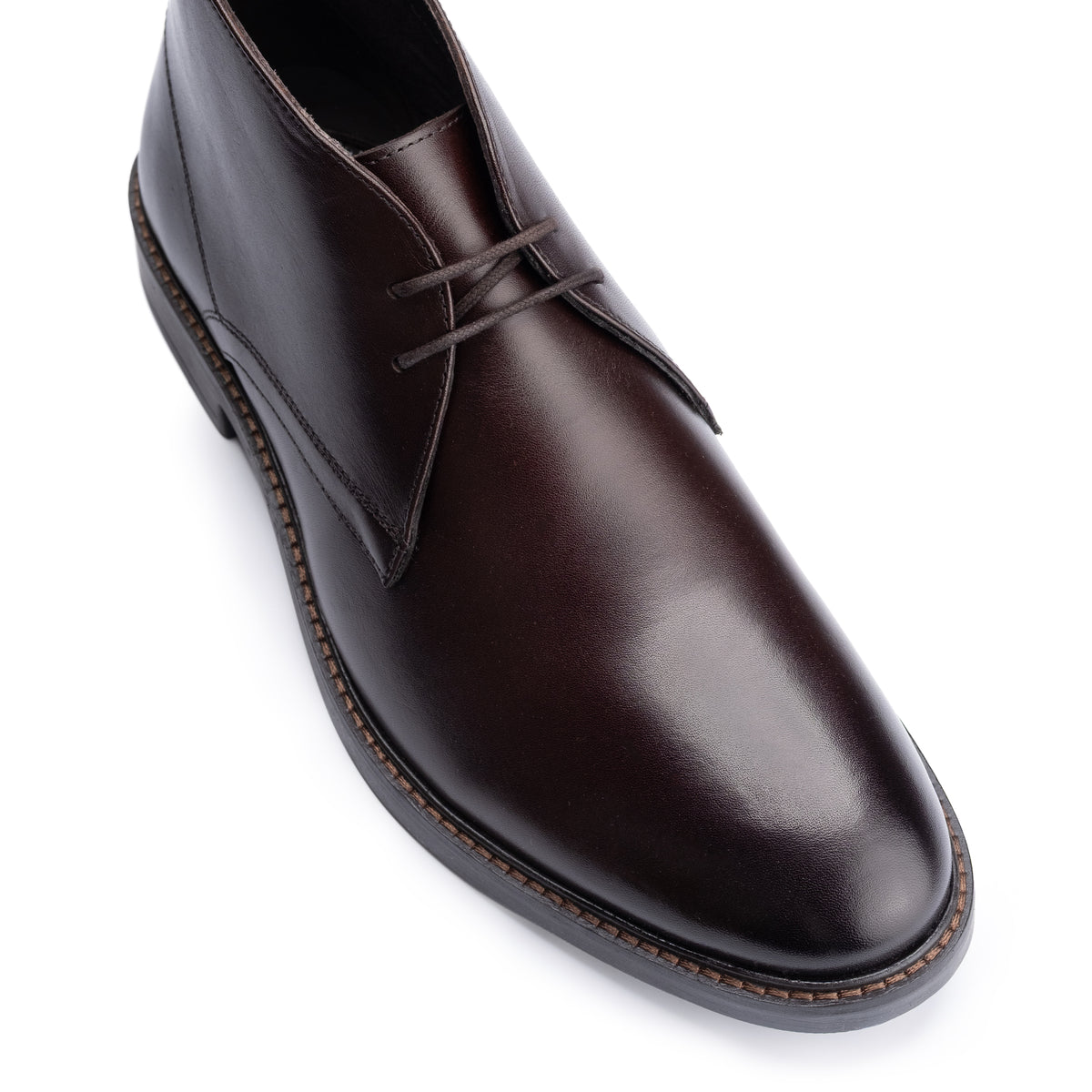
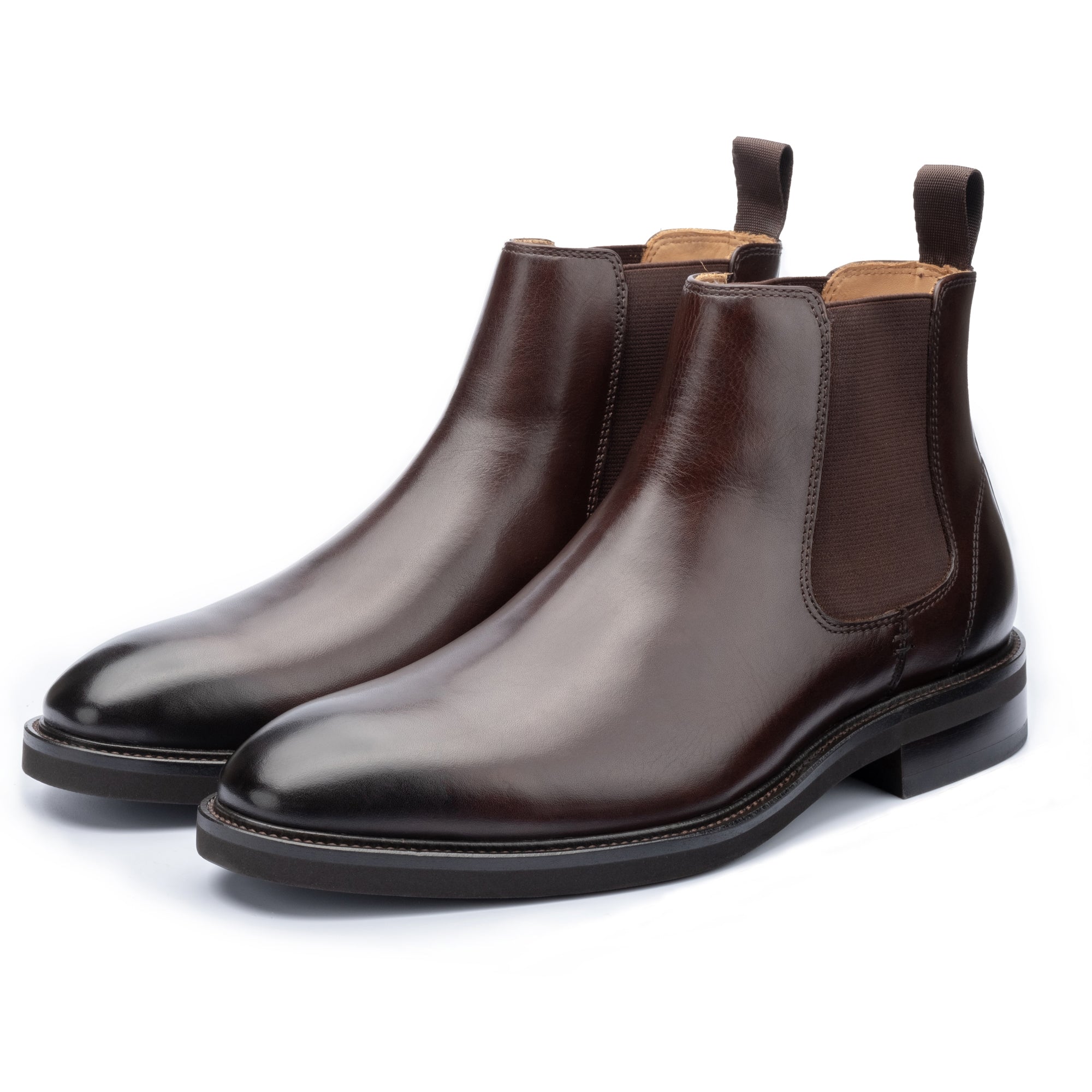
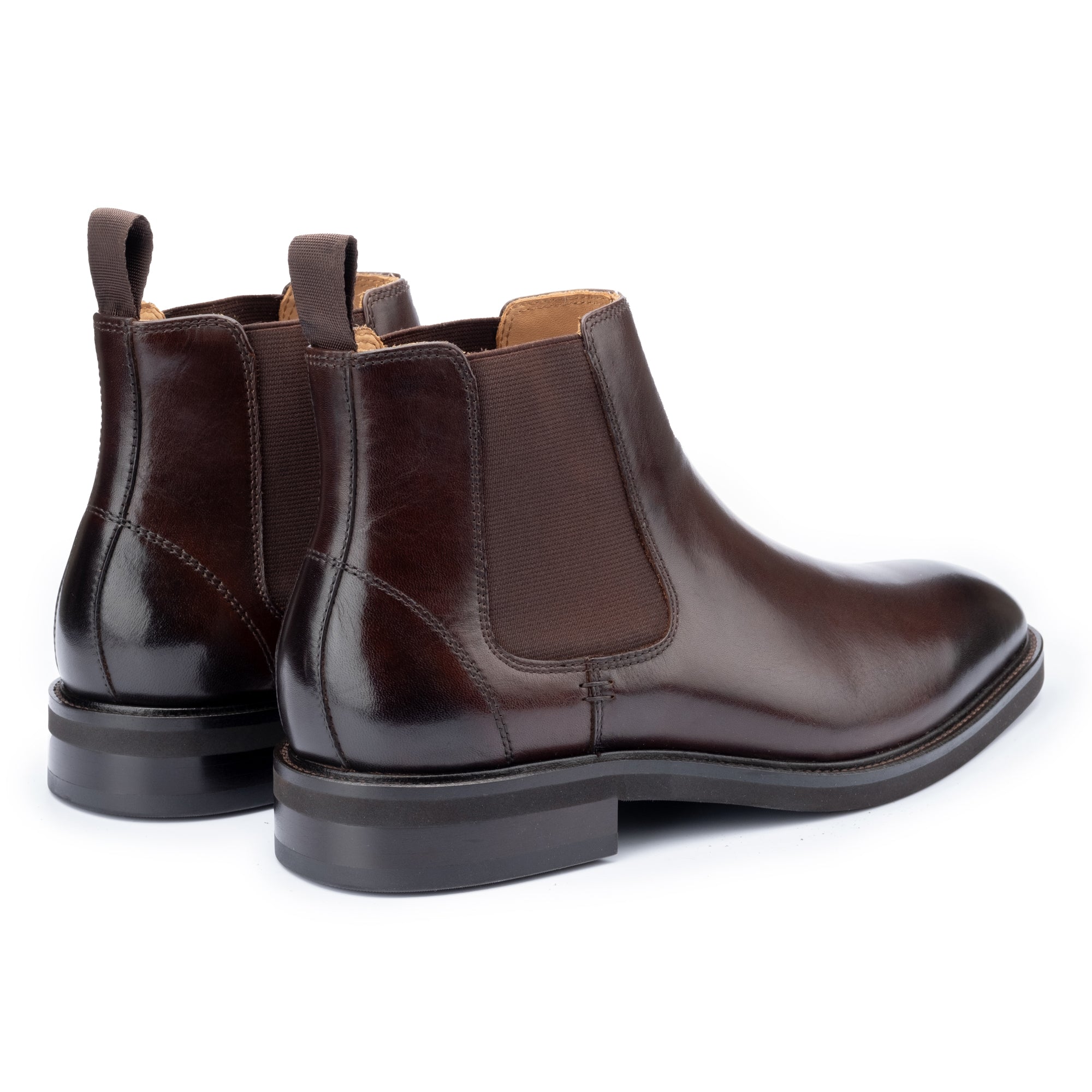
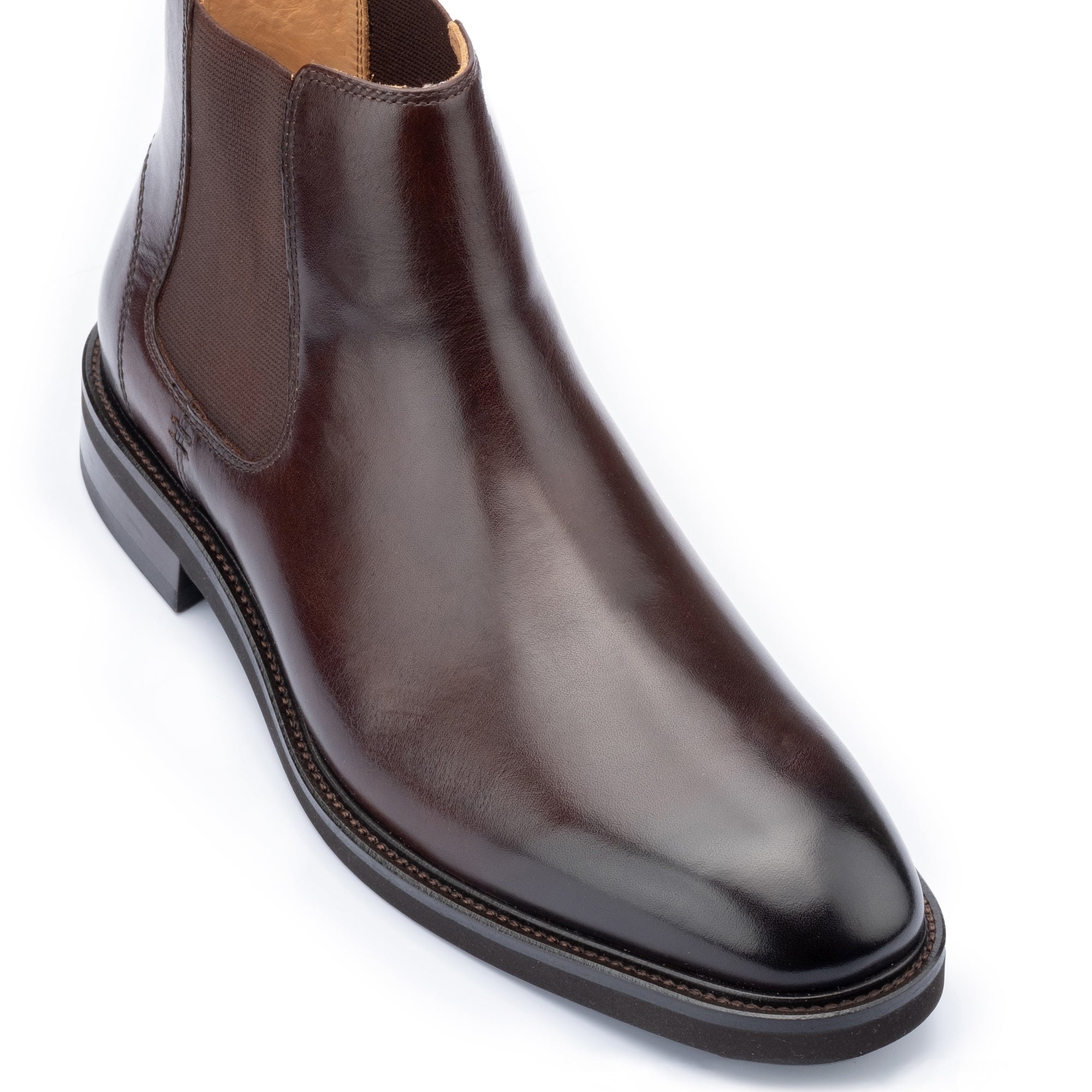
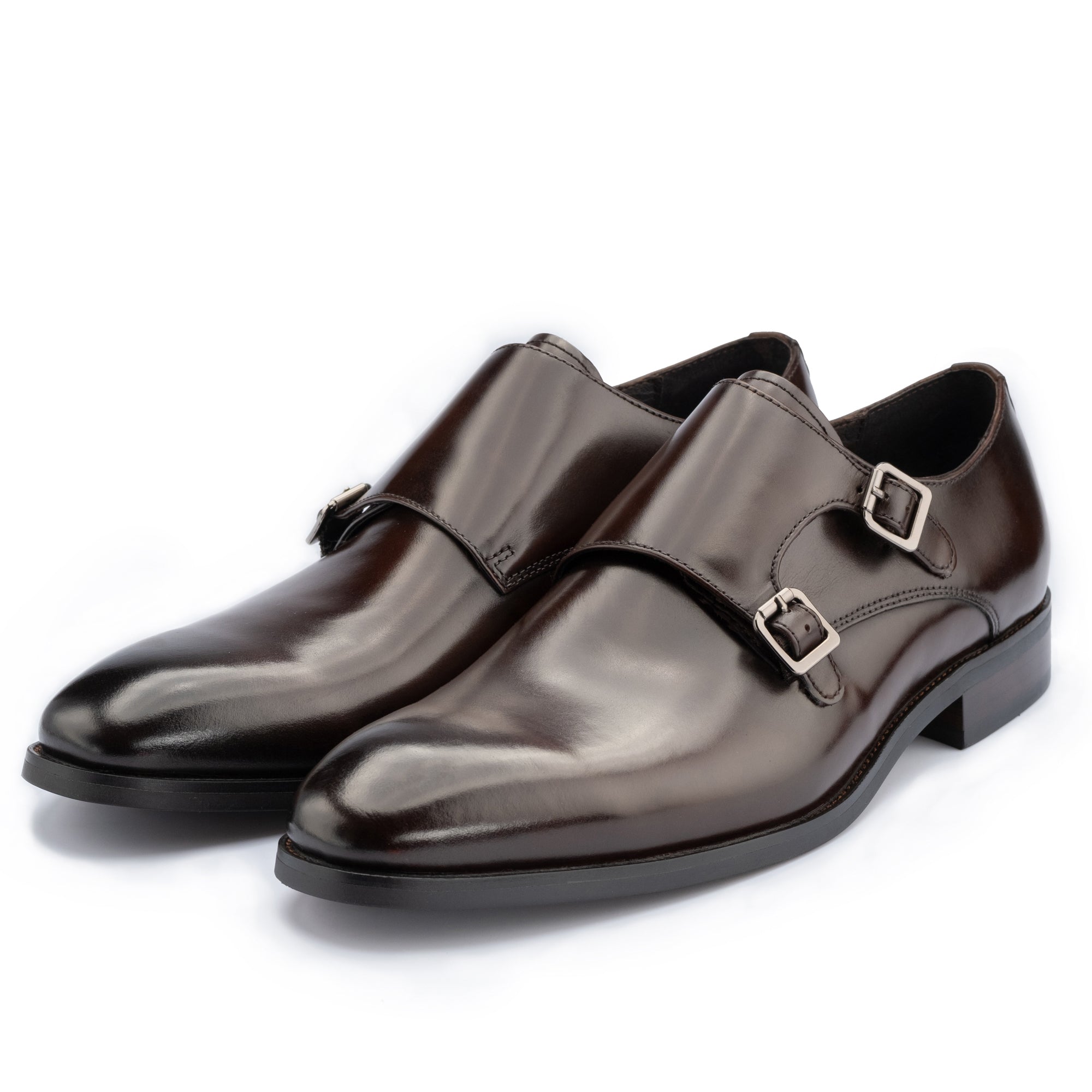
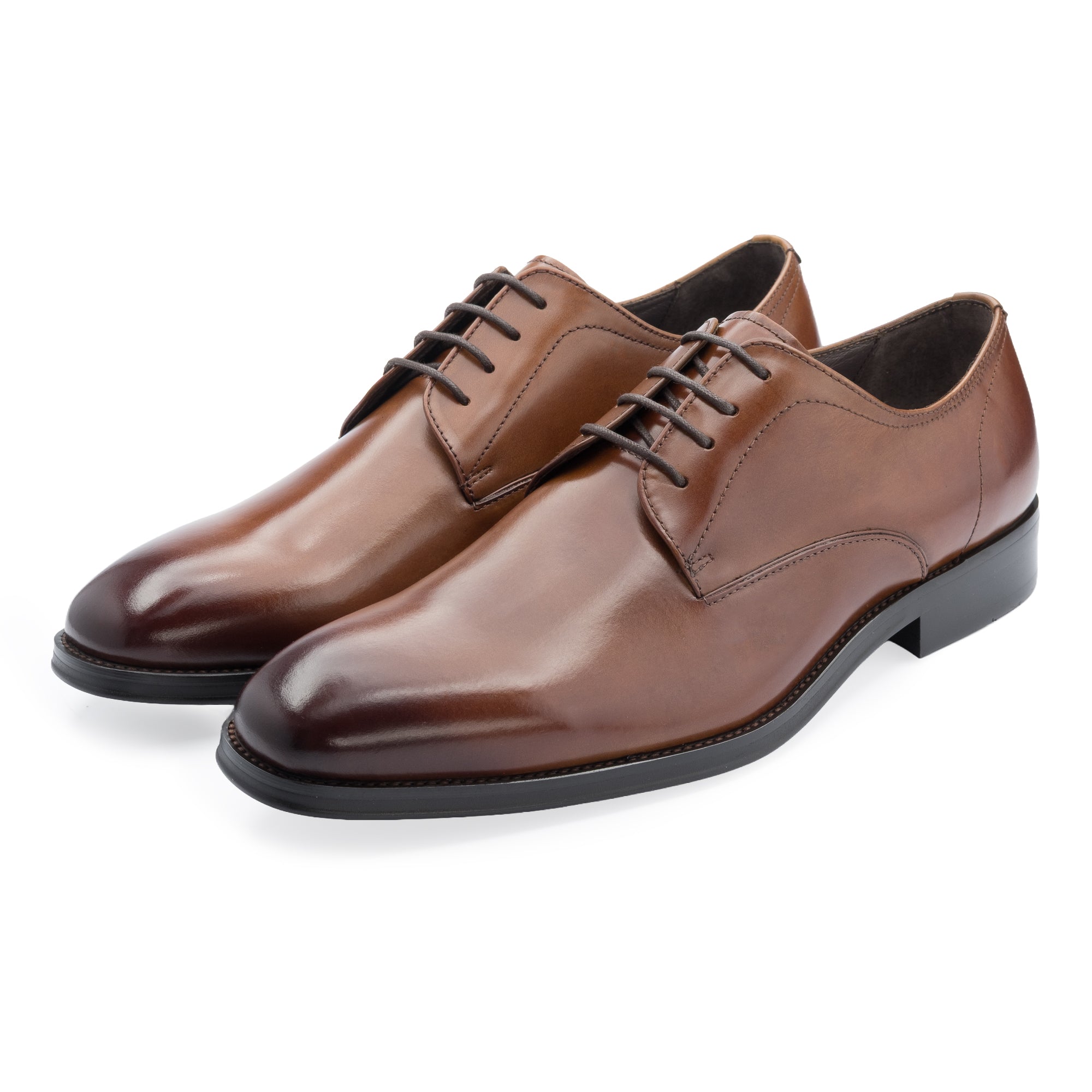
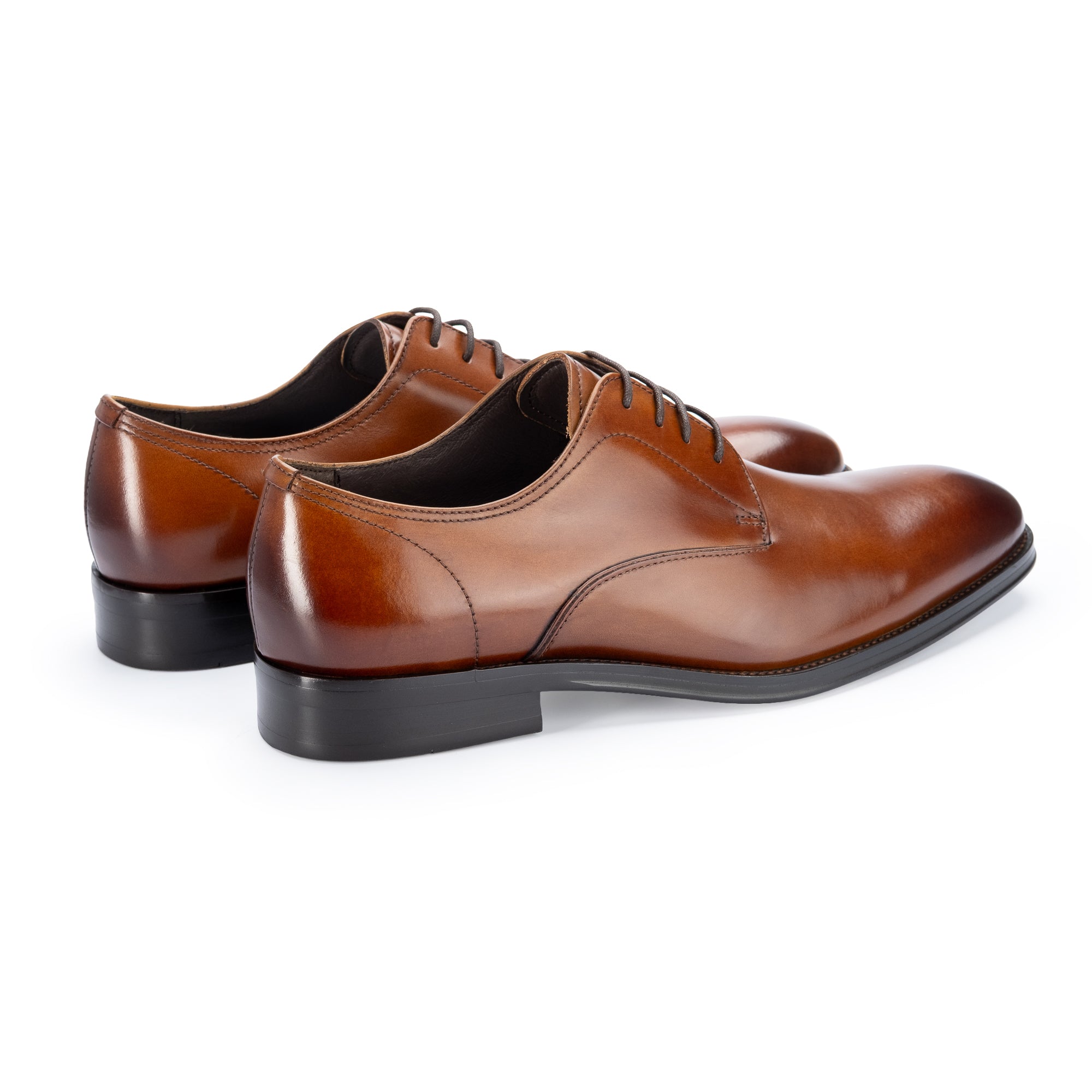
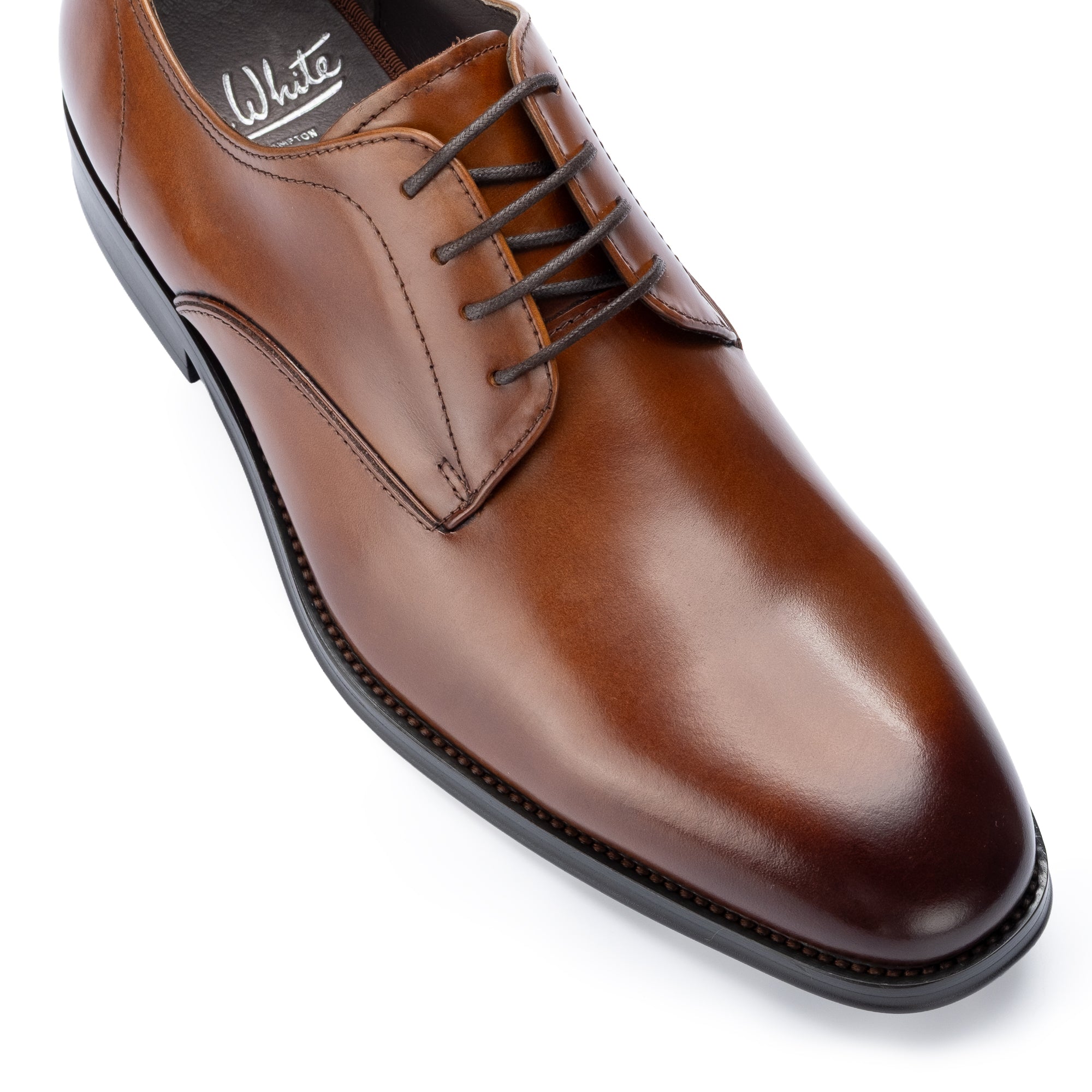
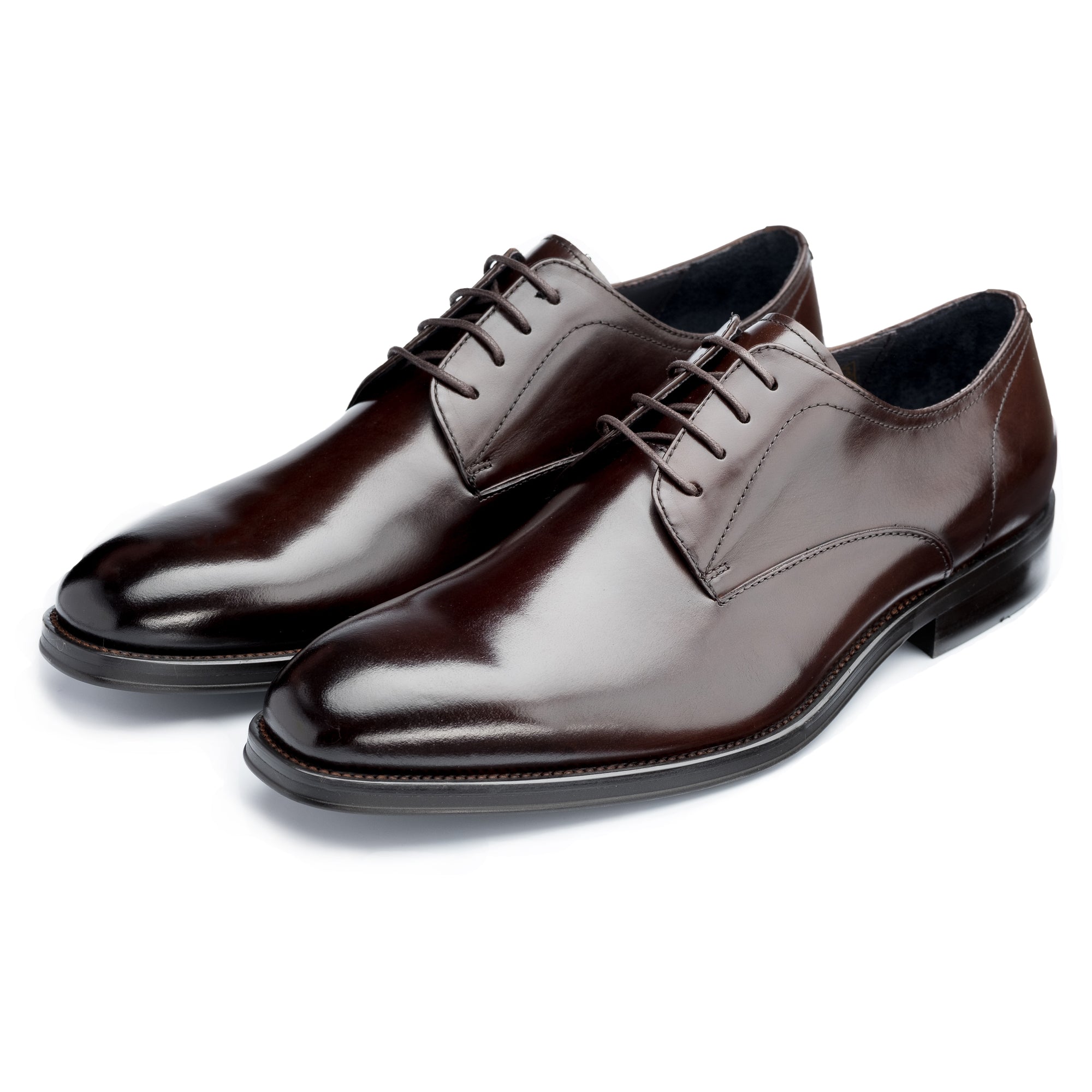
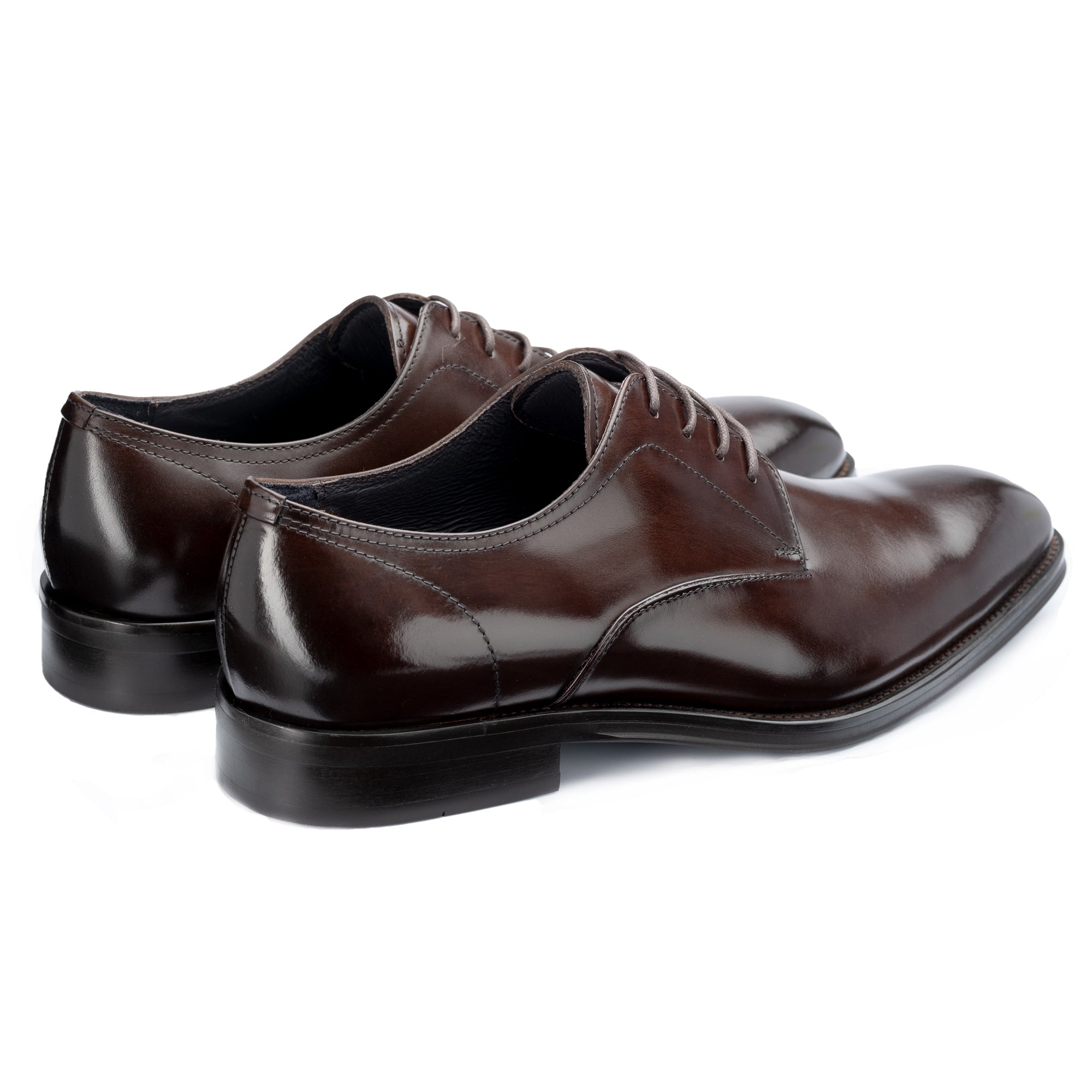
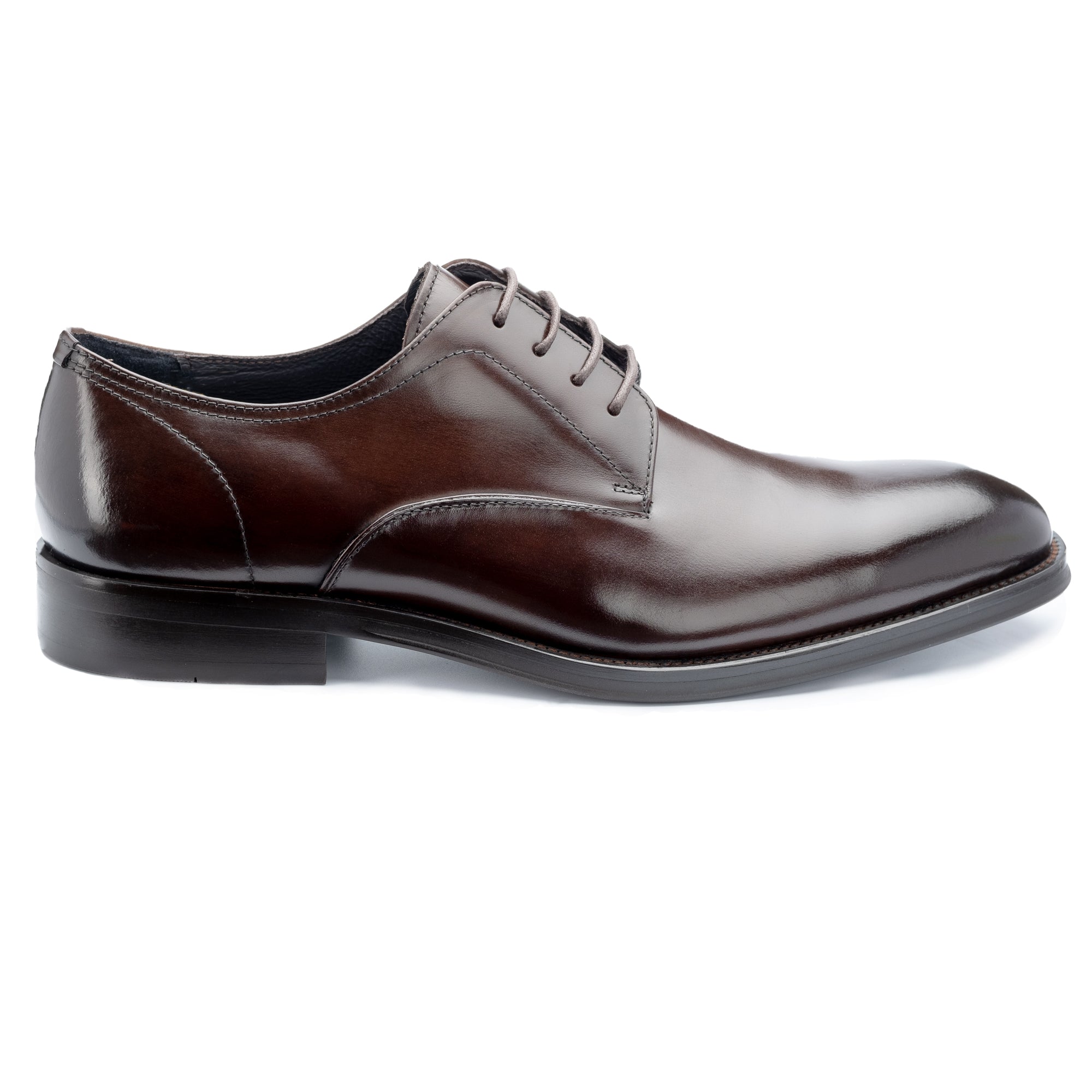
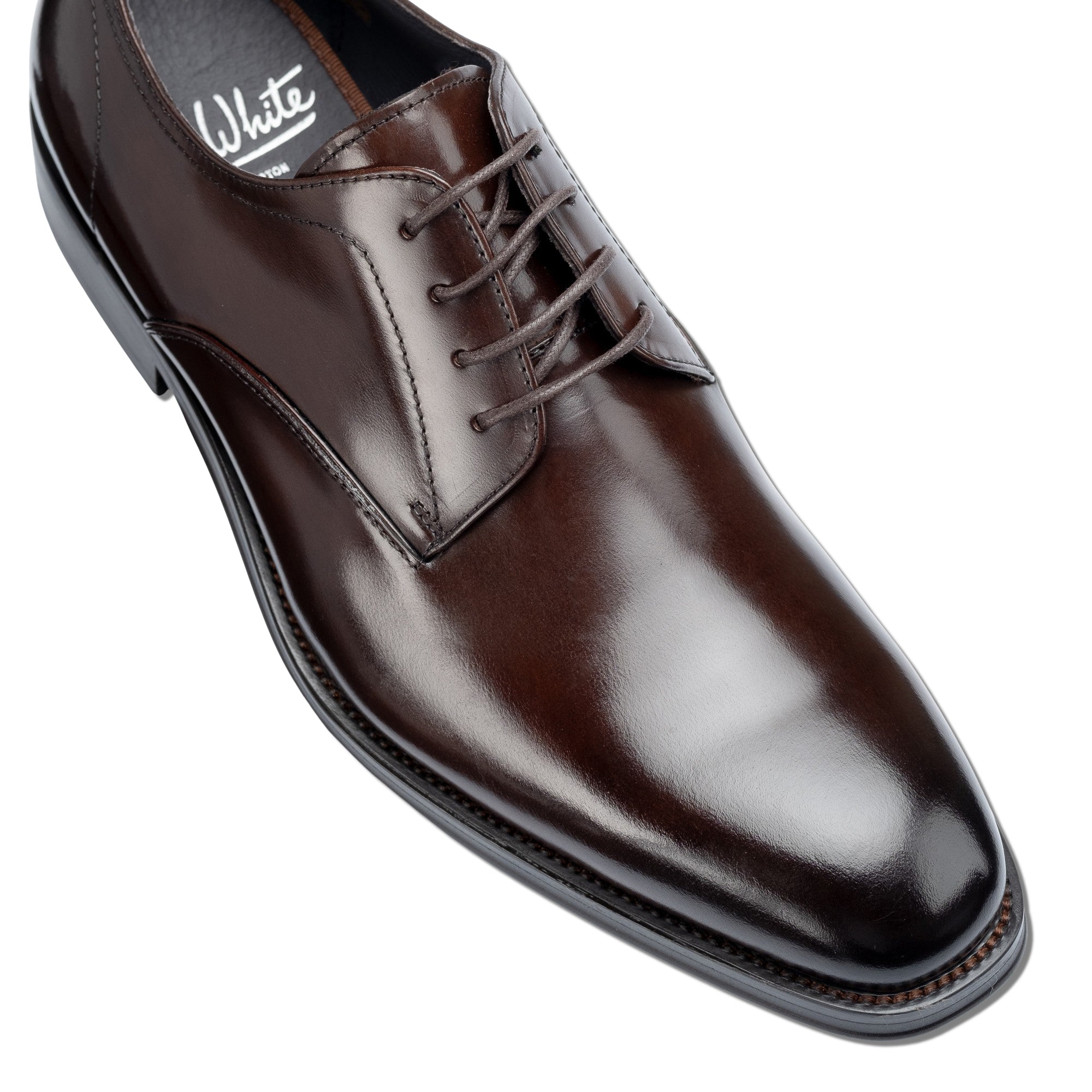
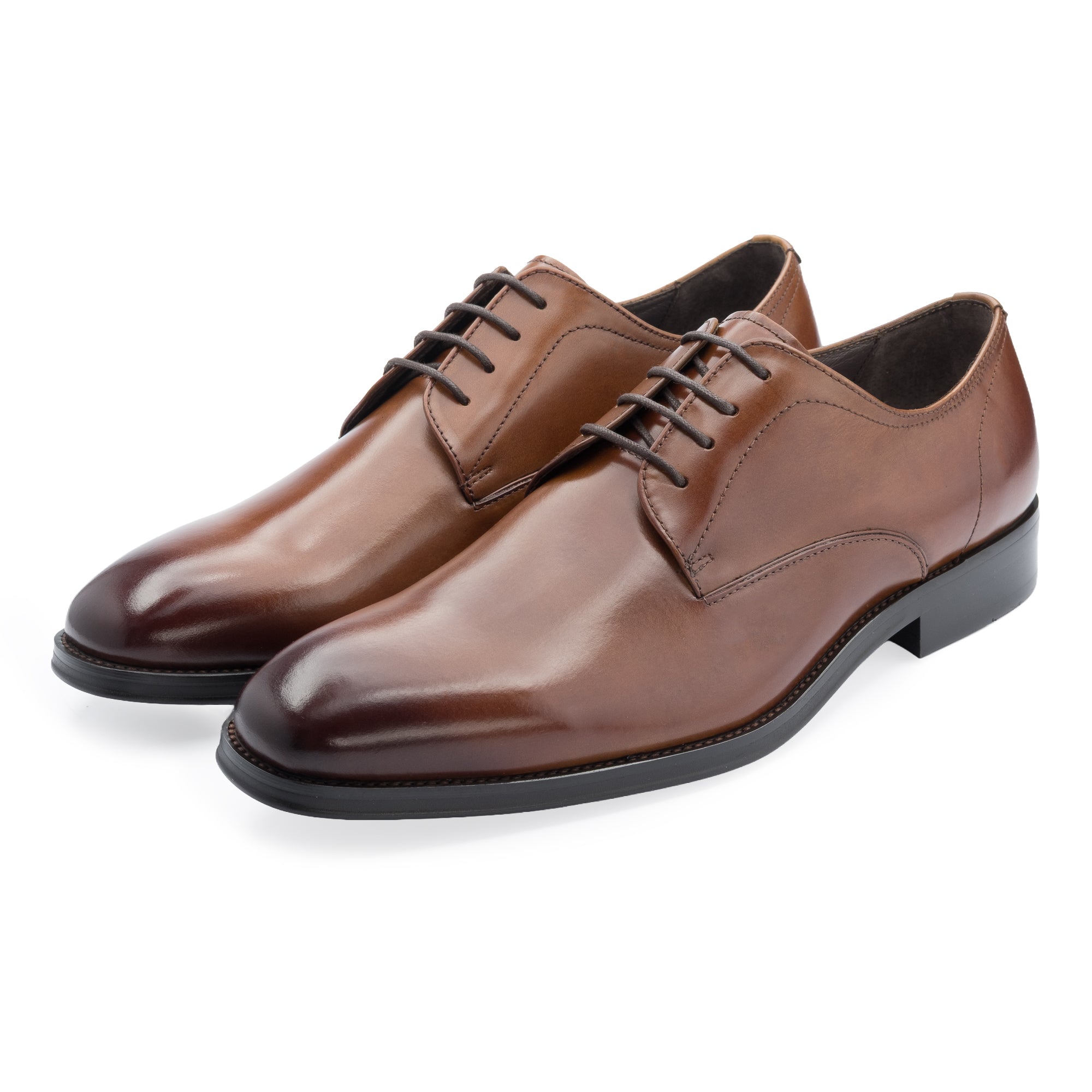
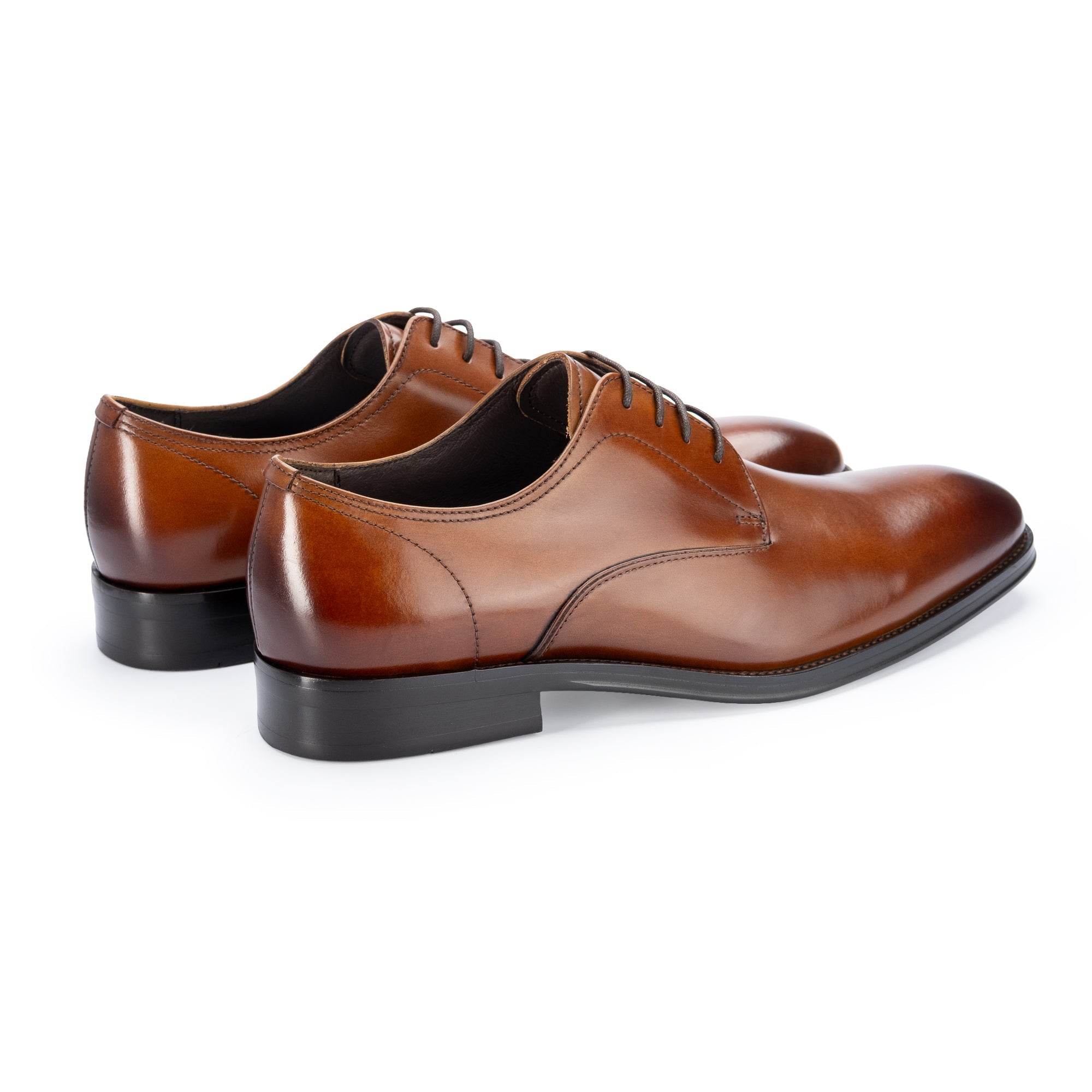
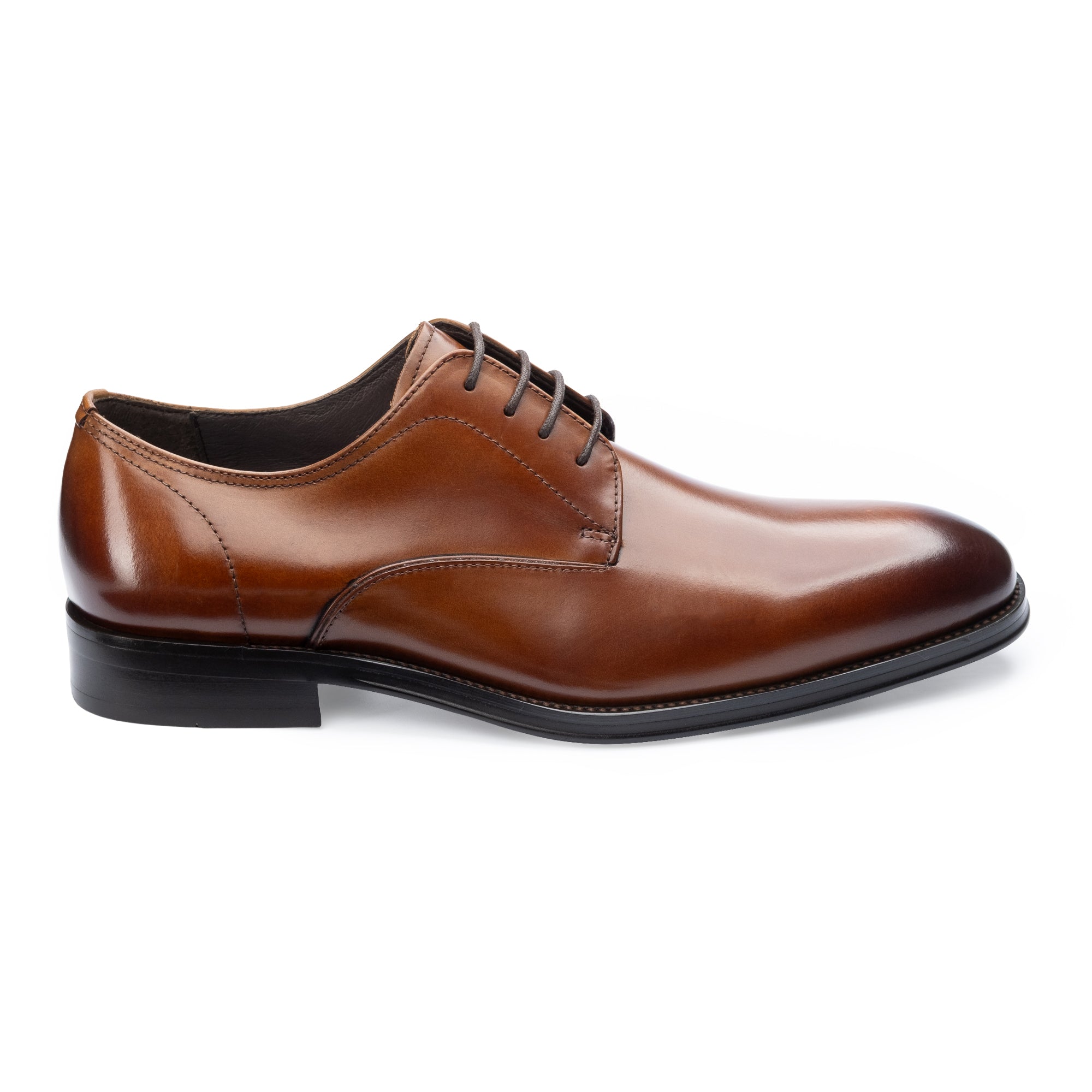
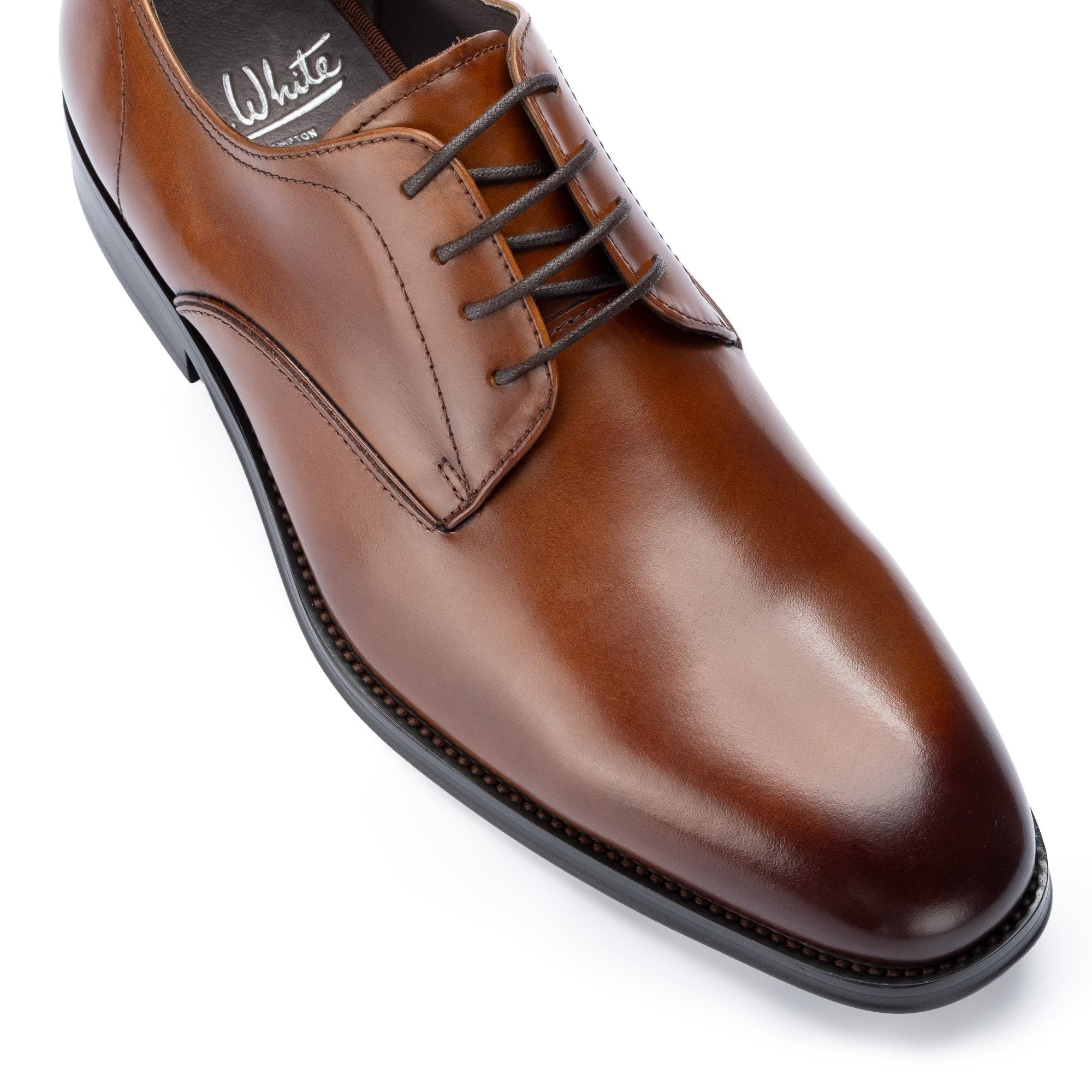
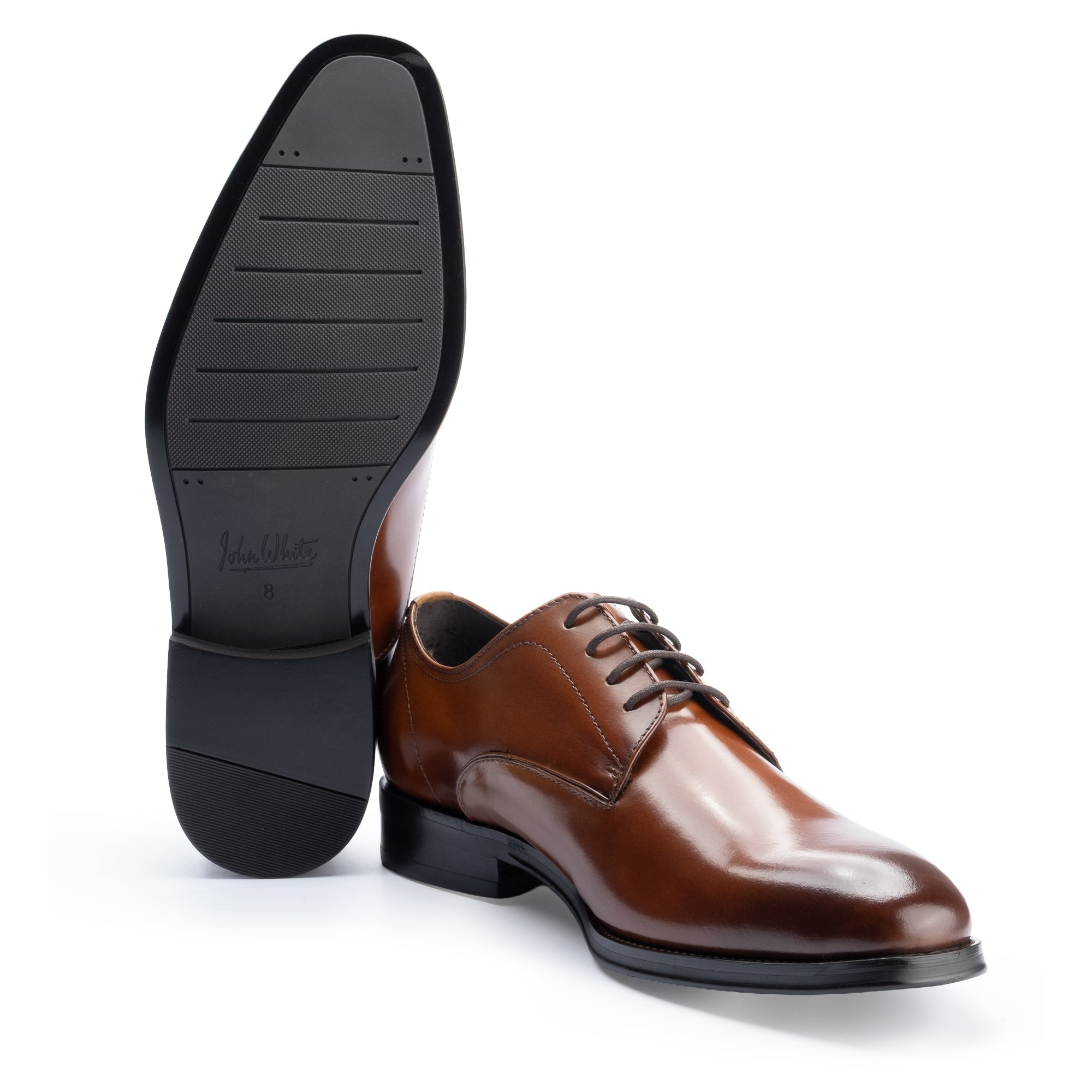
- Derby in mid-brown calfskin: A degree more formal than a full brogue. The open lacing gives a relaxed silhouette that sits well against country tailoring. Versatile across all enclosures.
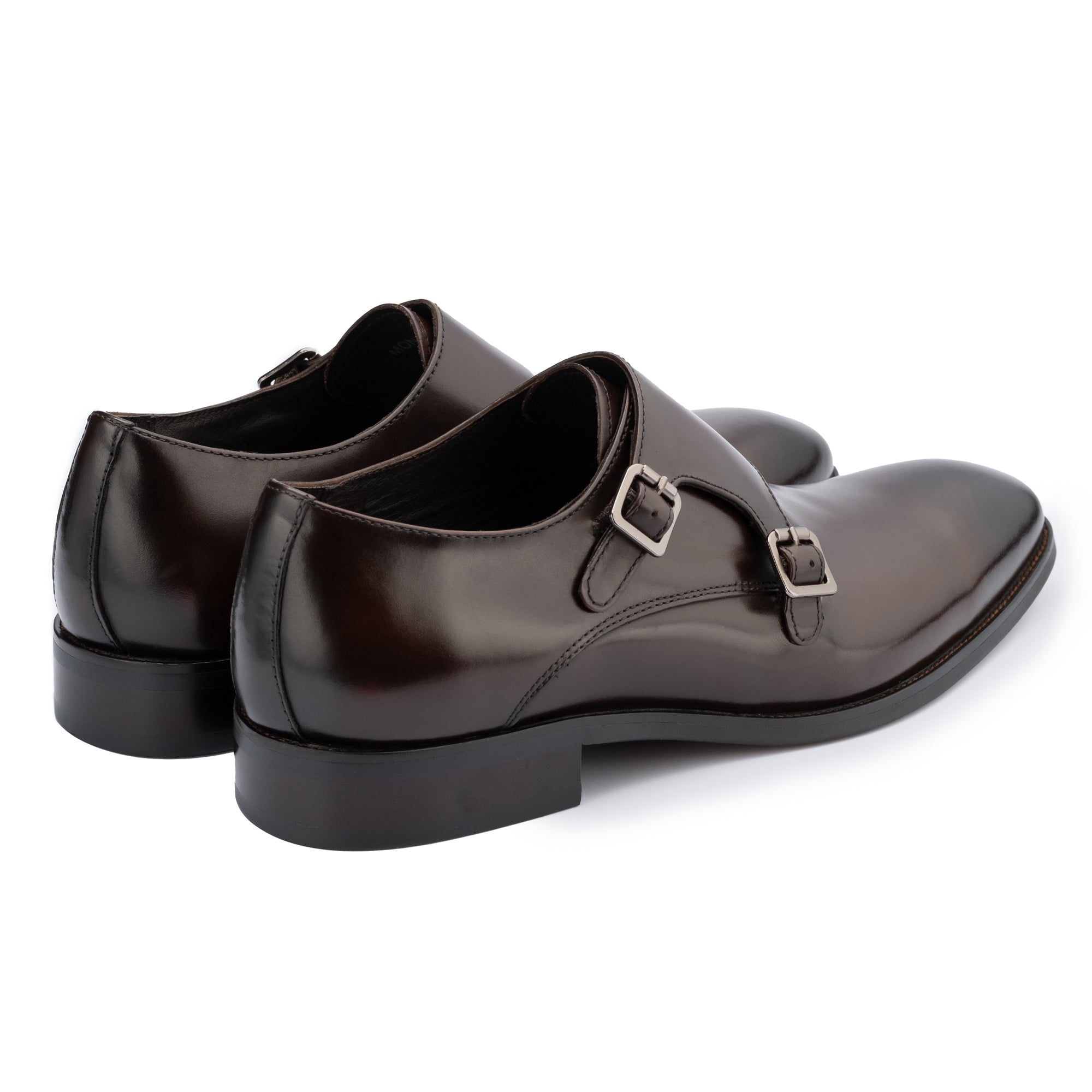
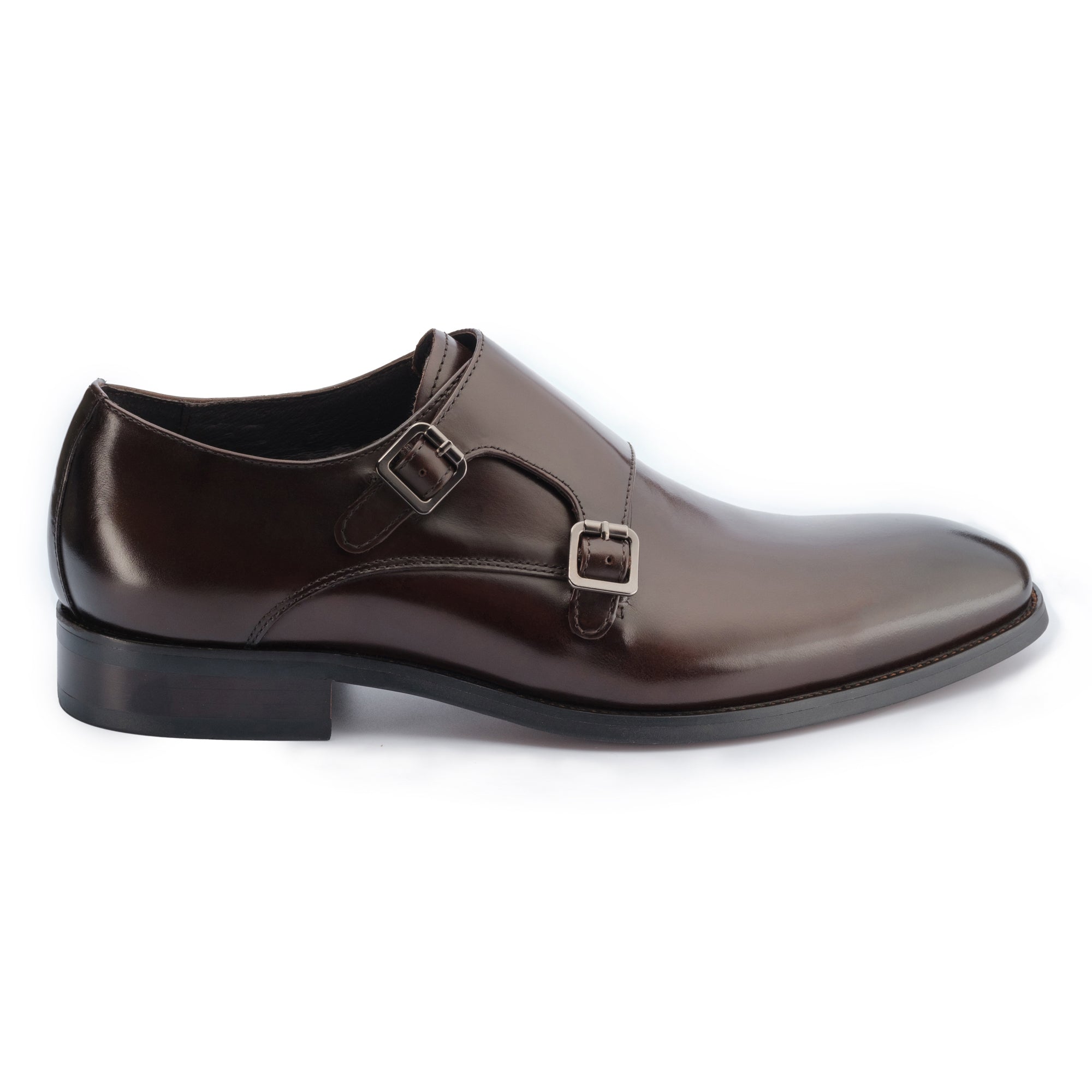
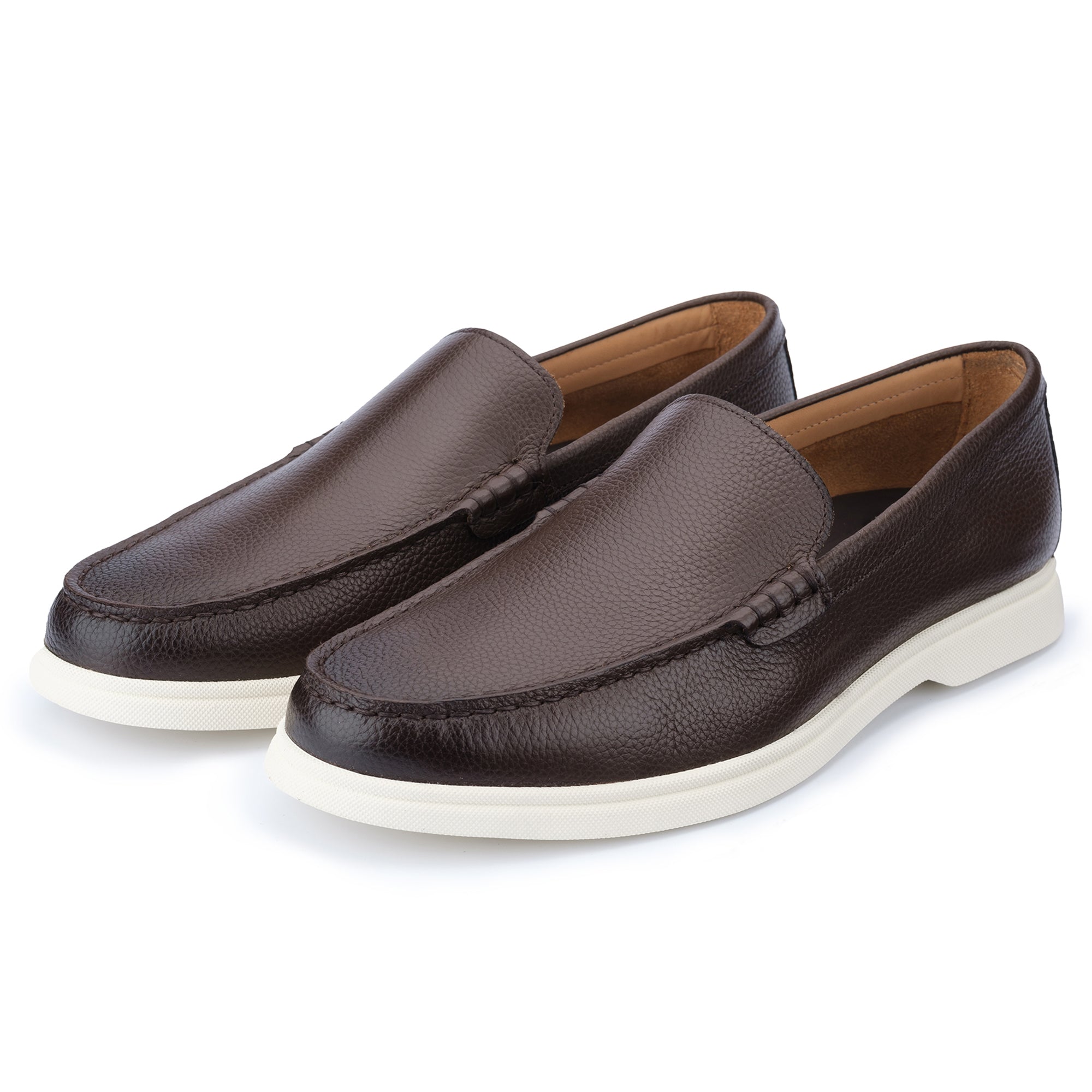
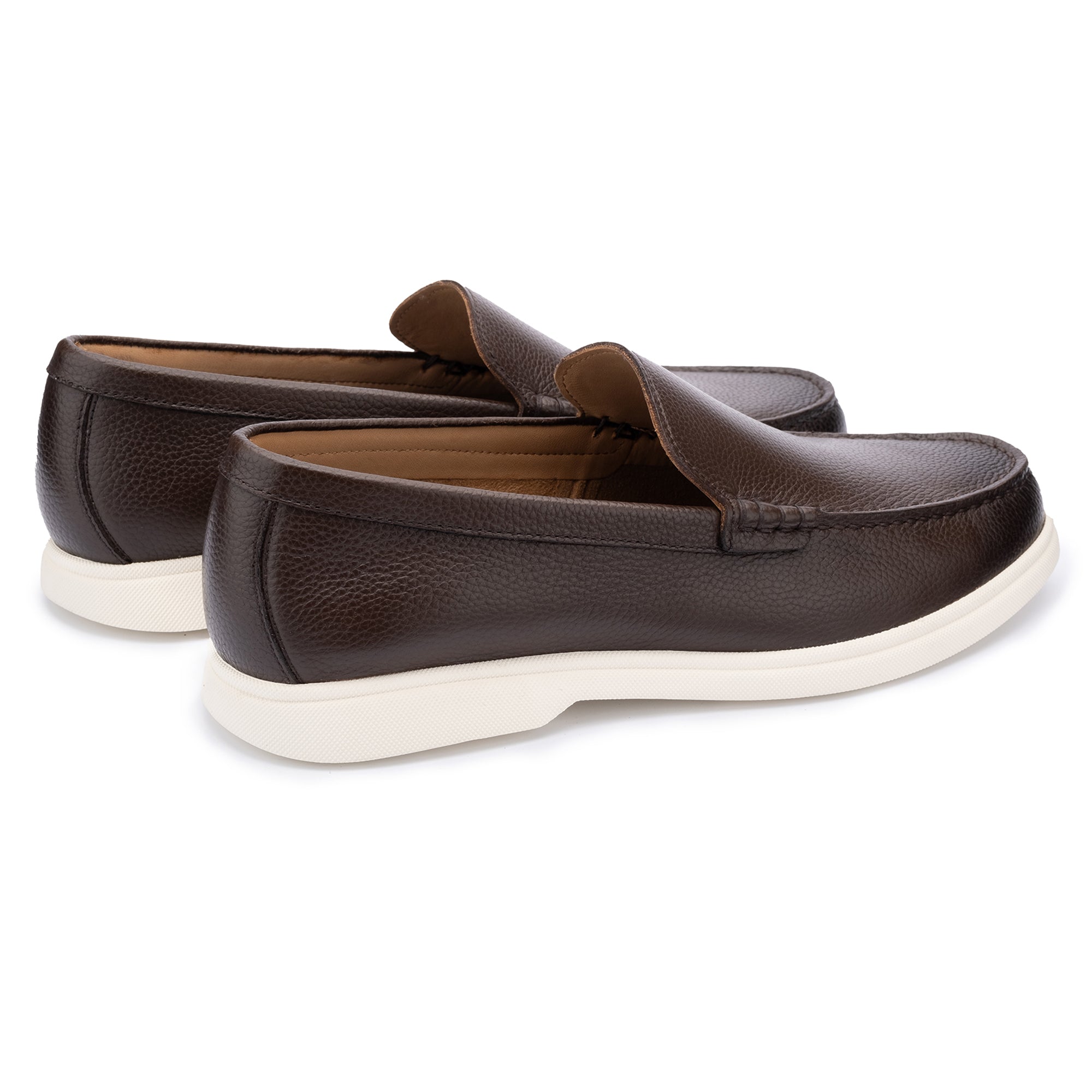
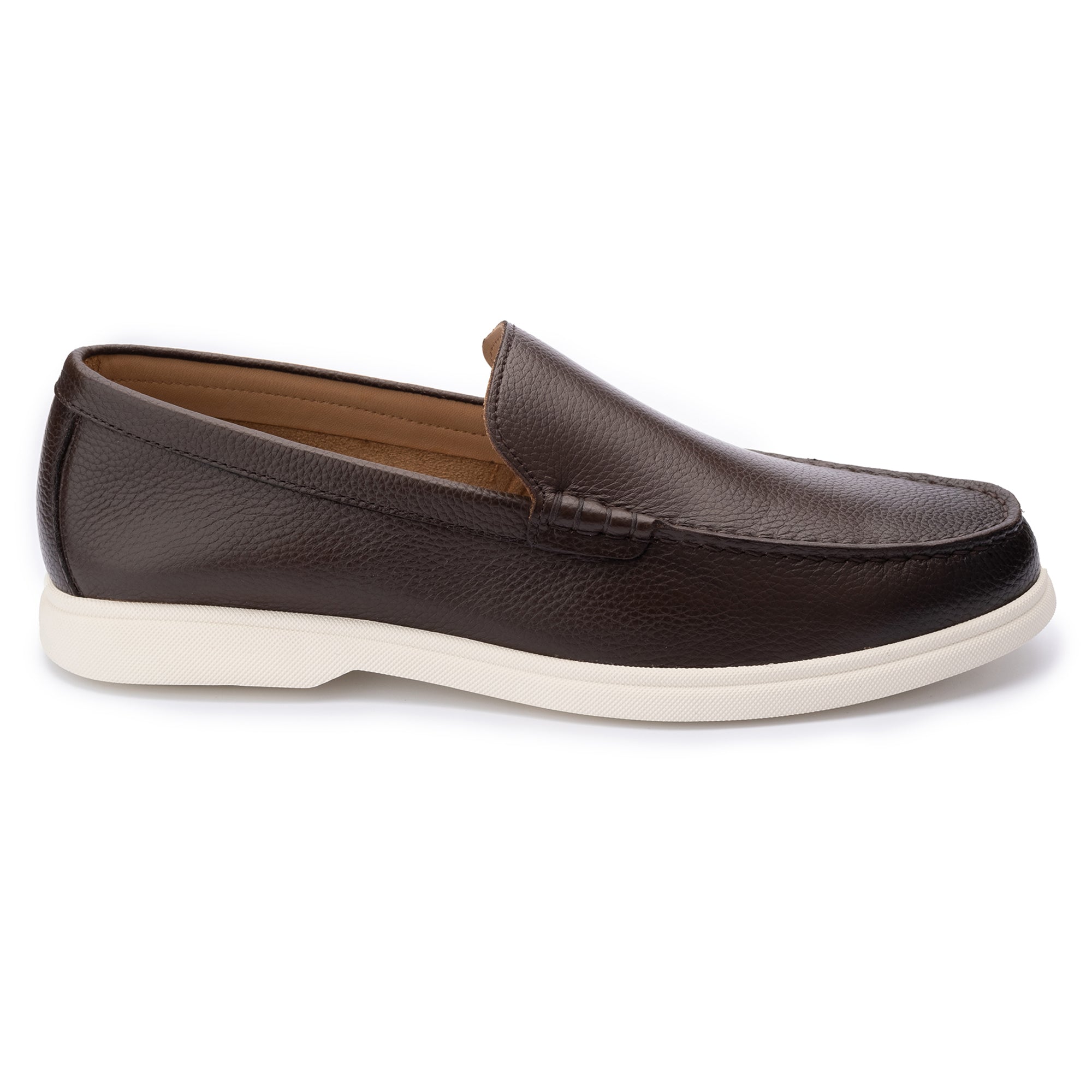
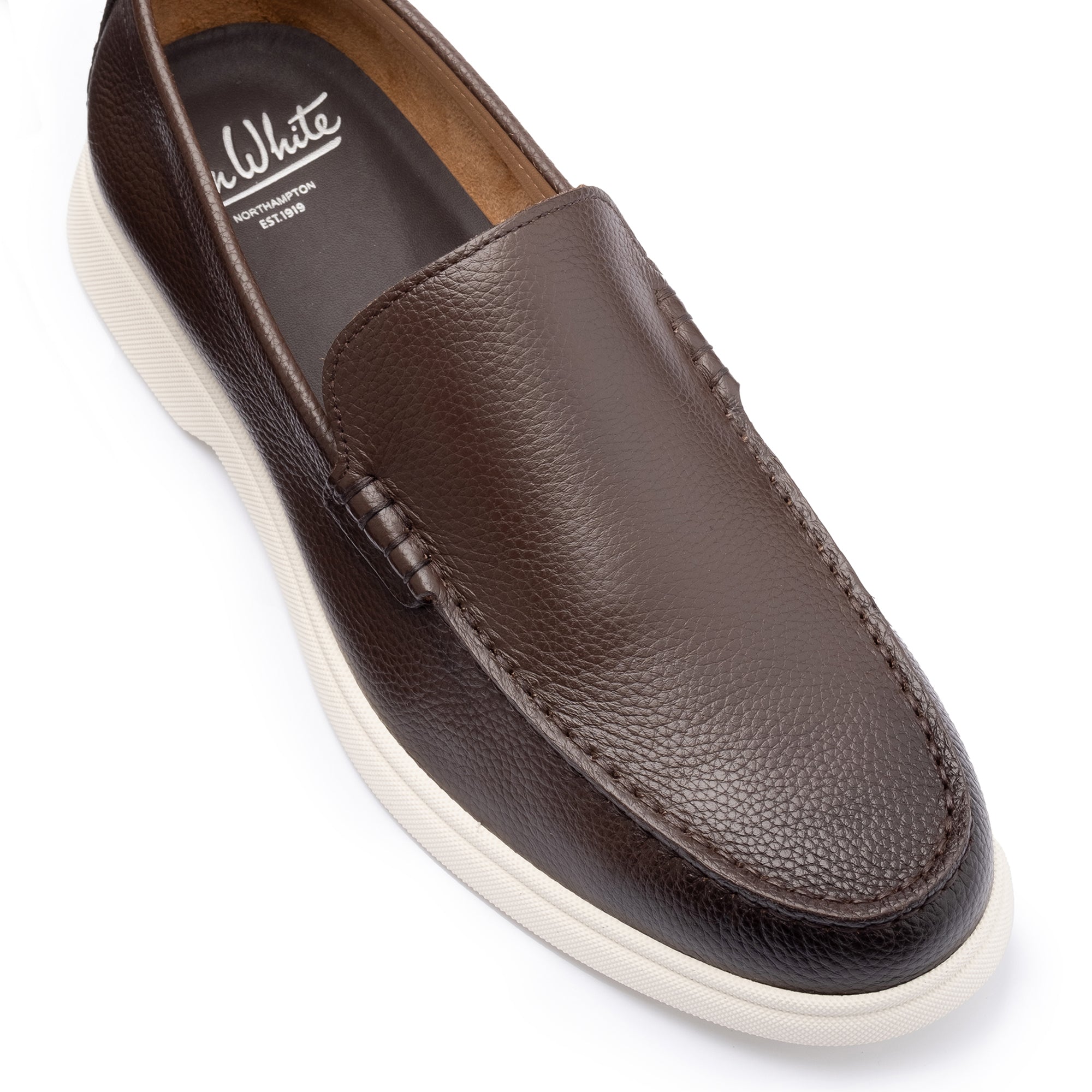
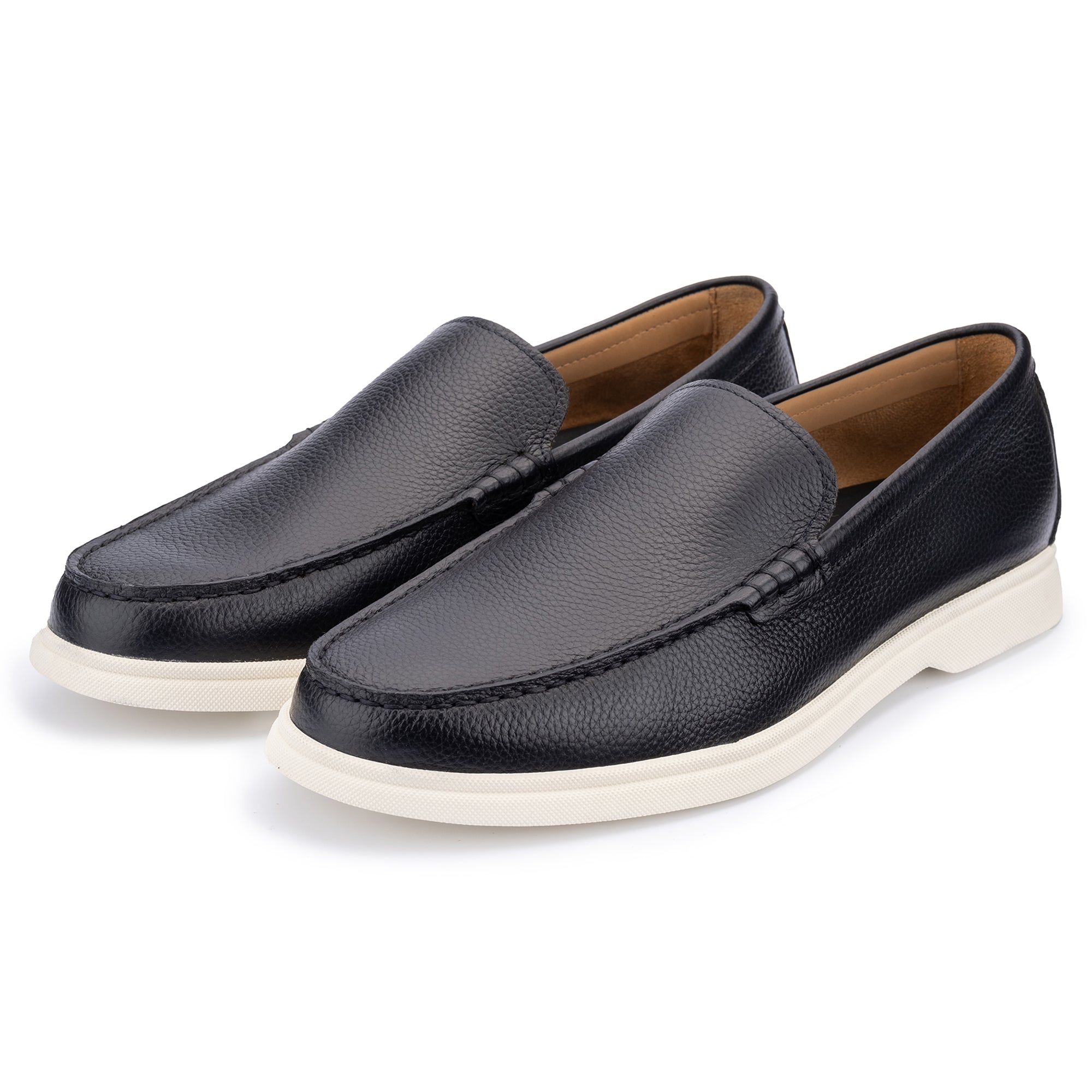
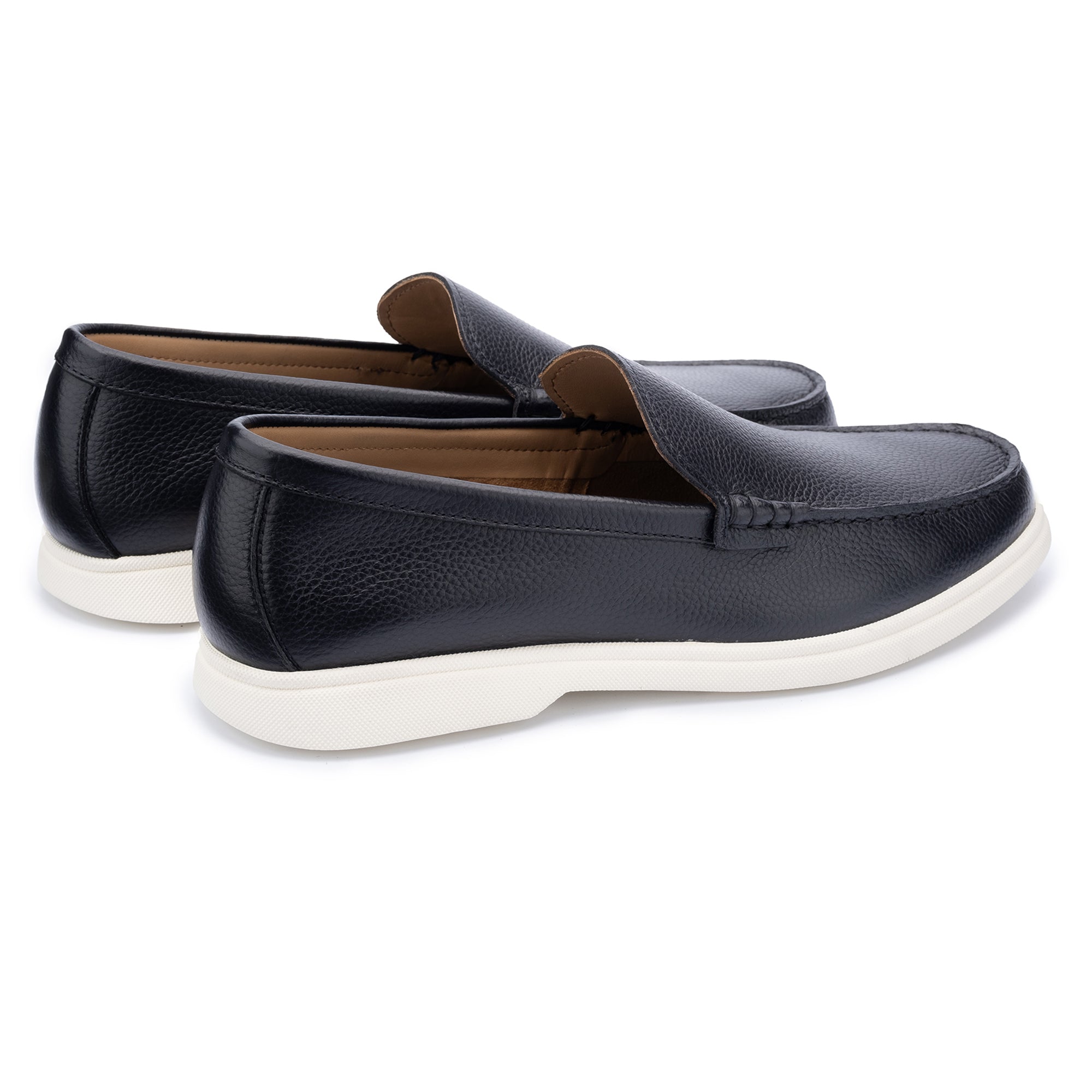
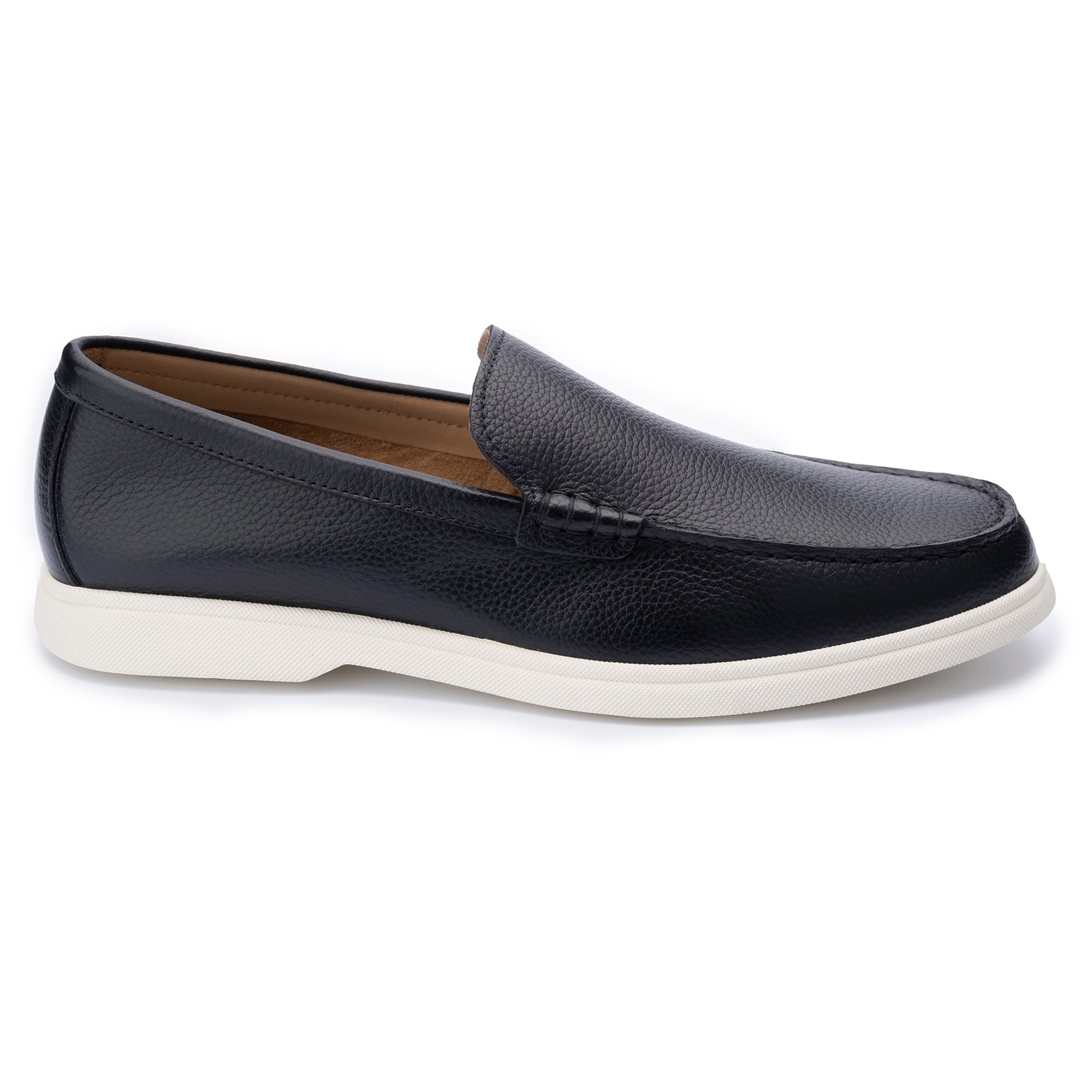
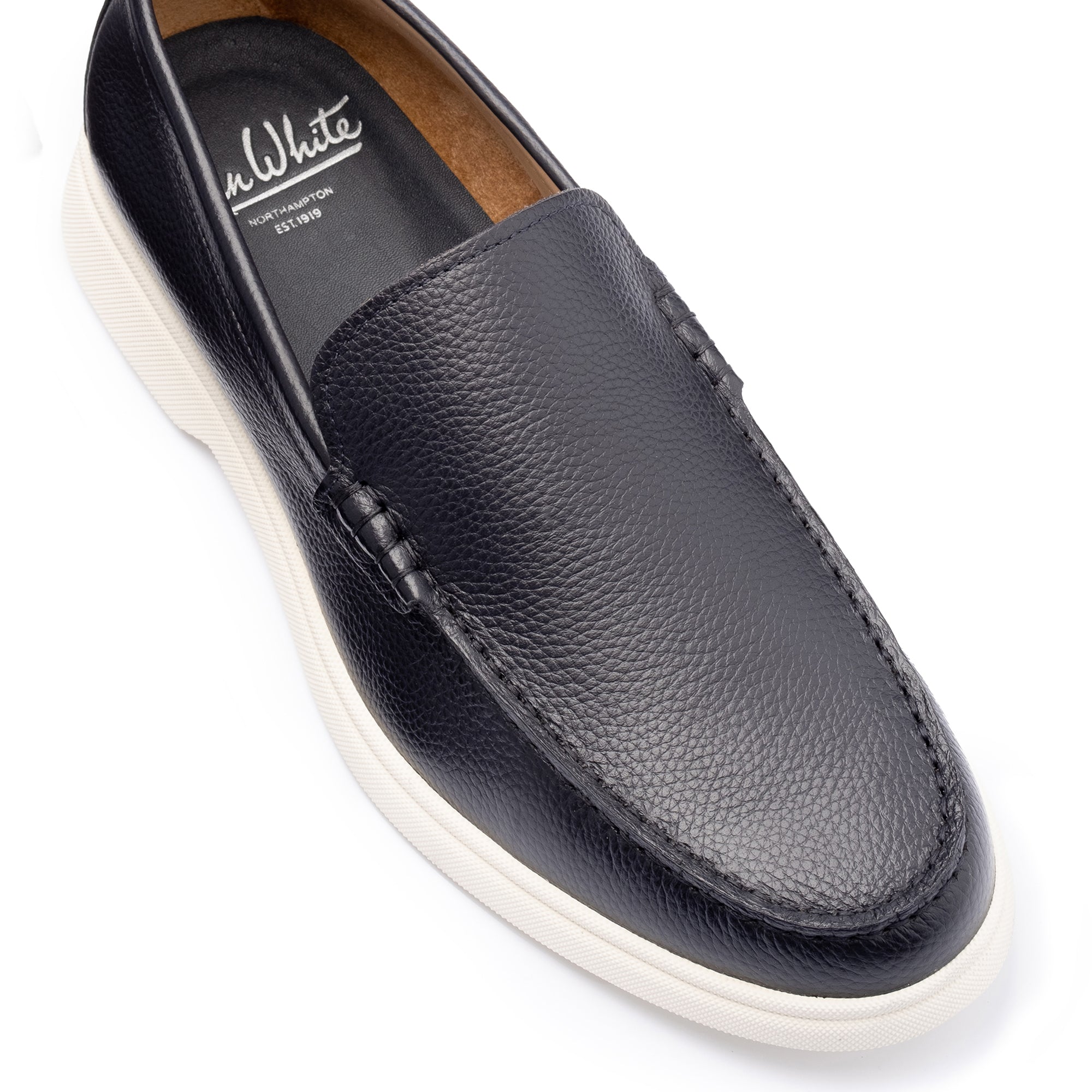
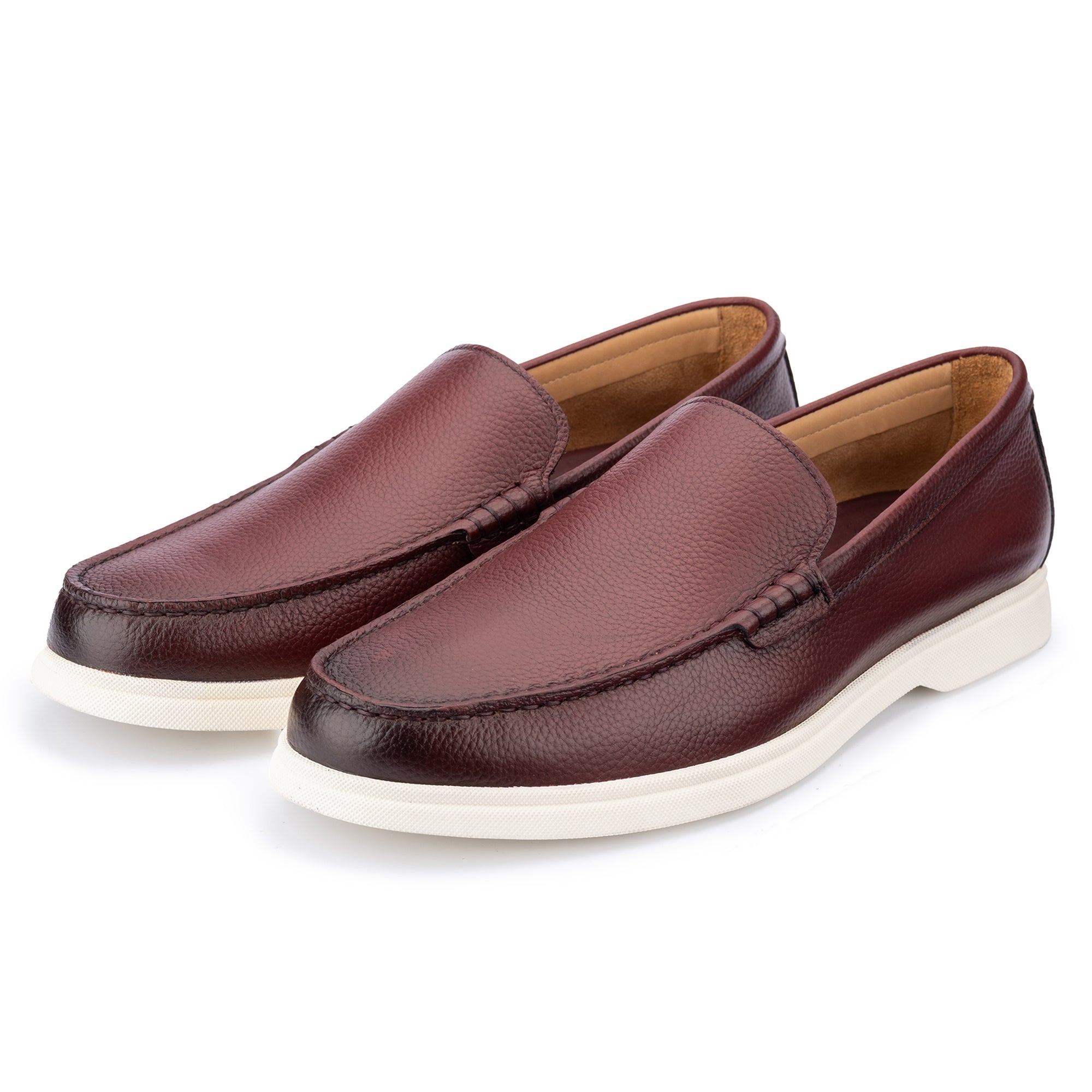
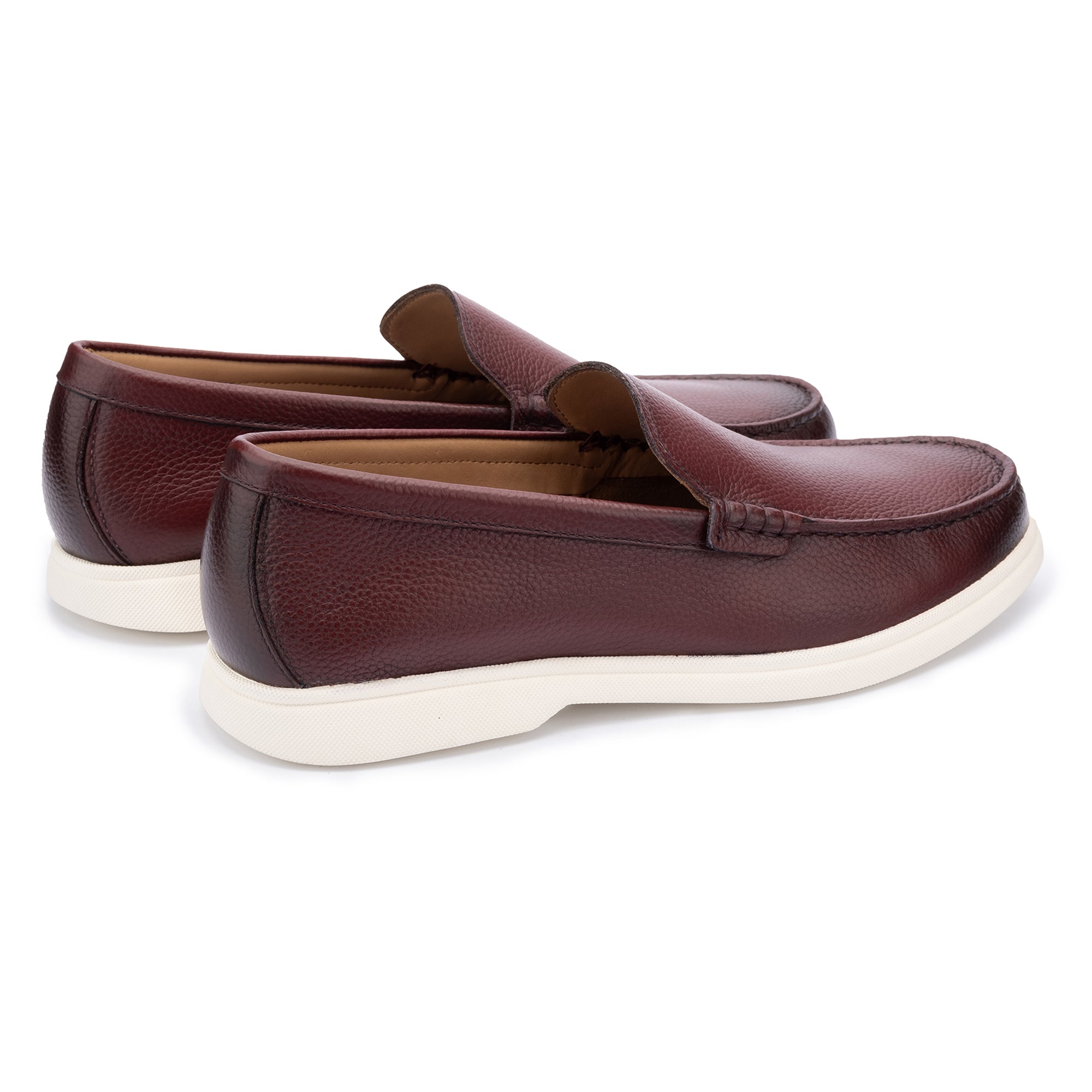
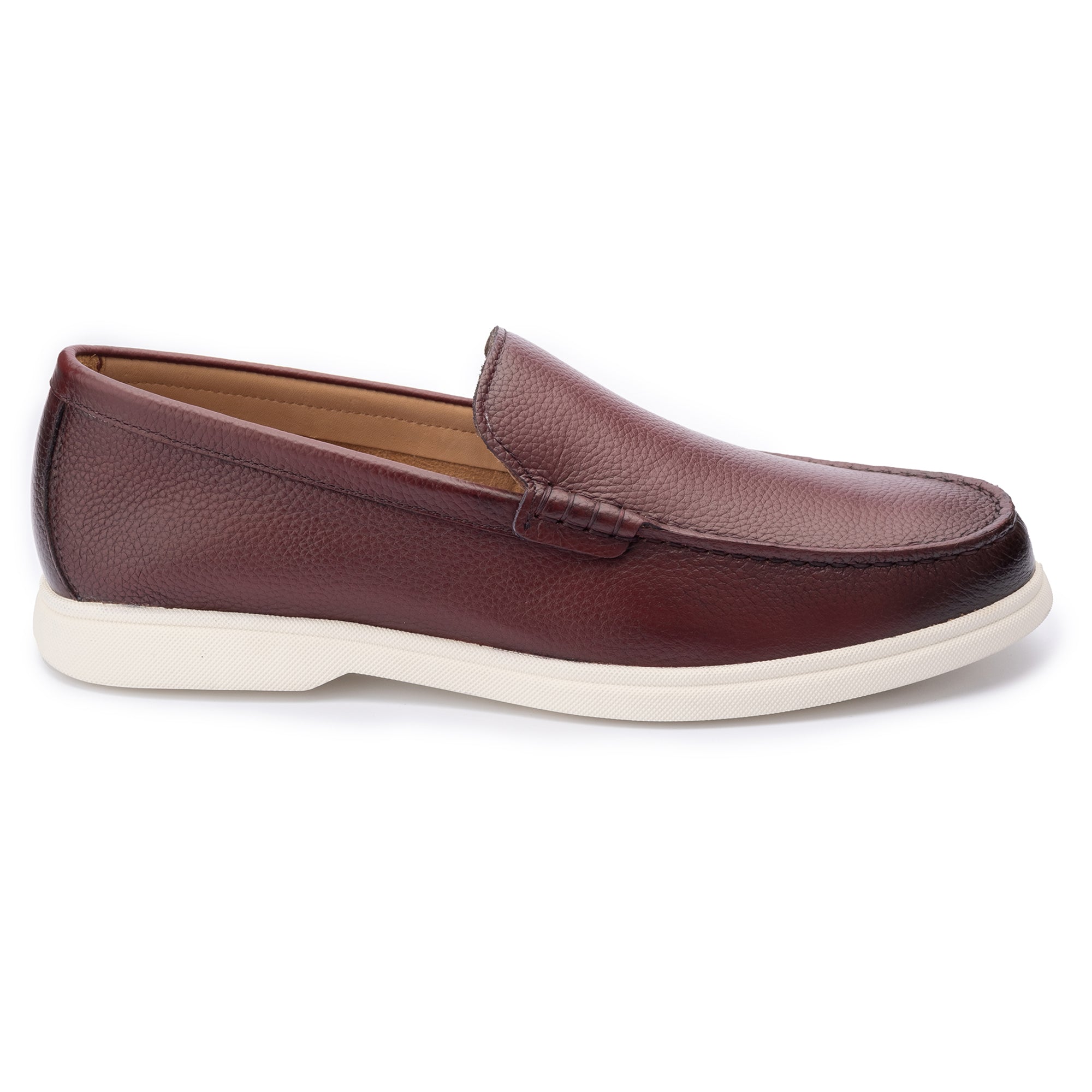
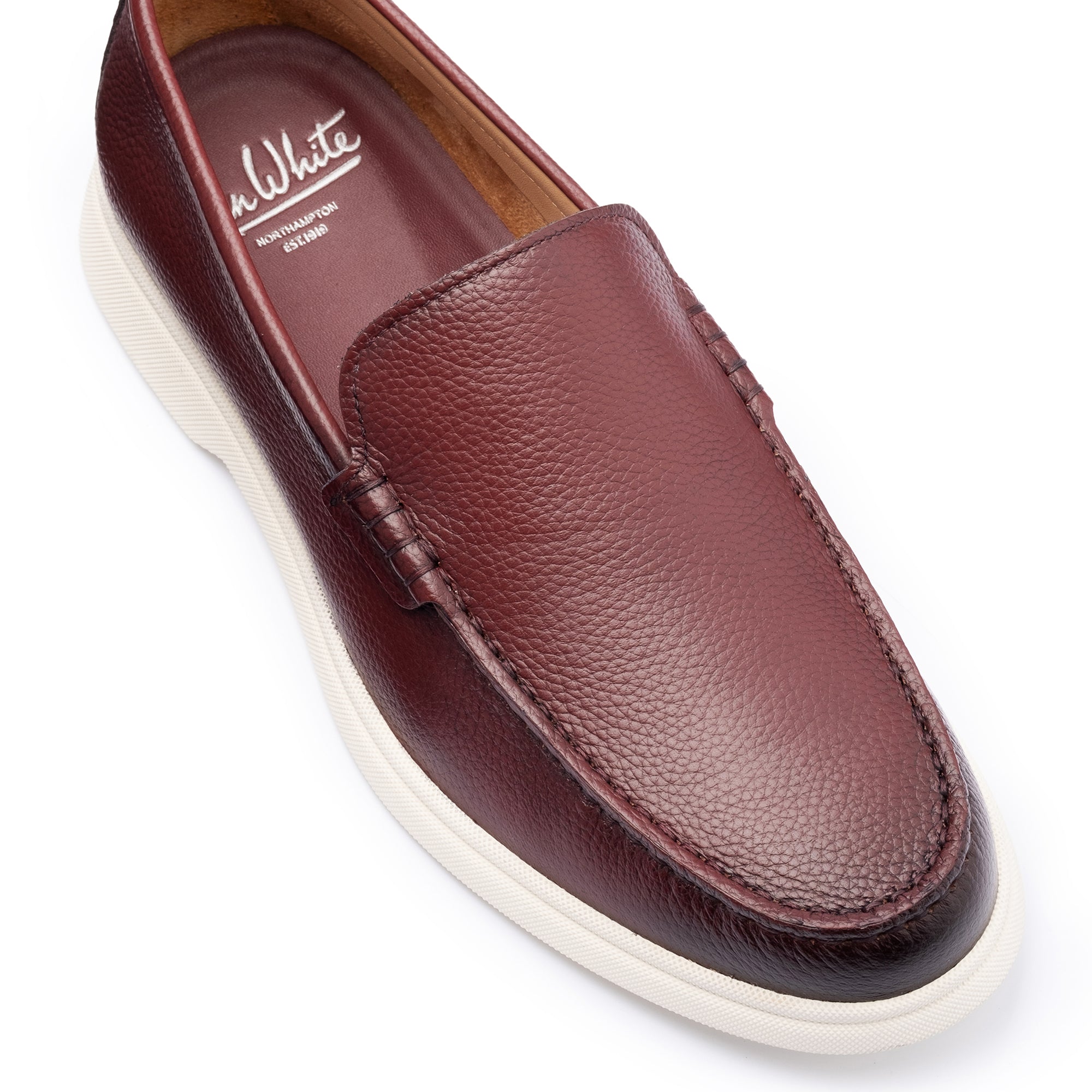
- Loafer in dark grained leather: Acceptable in the more open enclosures with smart trousers and a blazer. Not the first choice for the Club Enclosure, where a lace-up reads more appropriately.
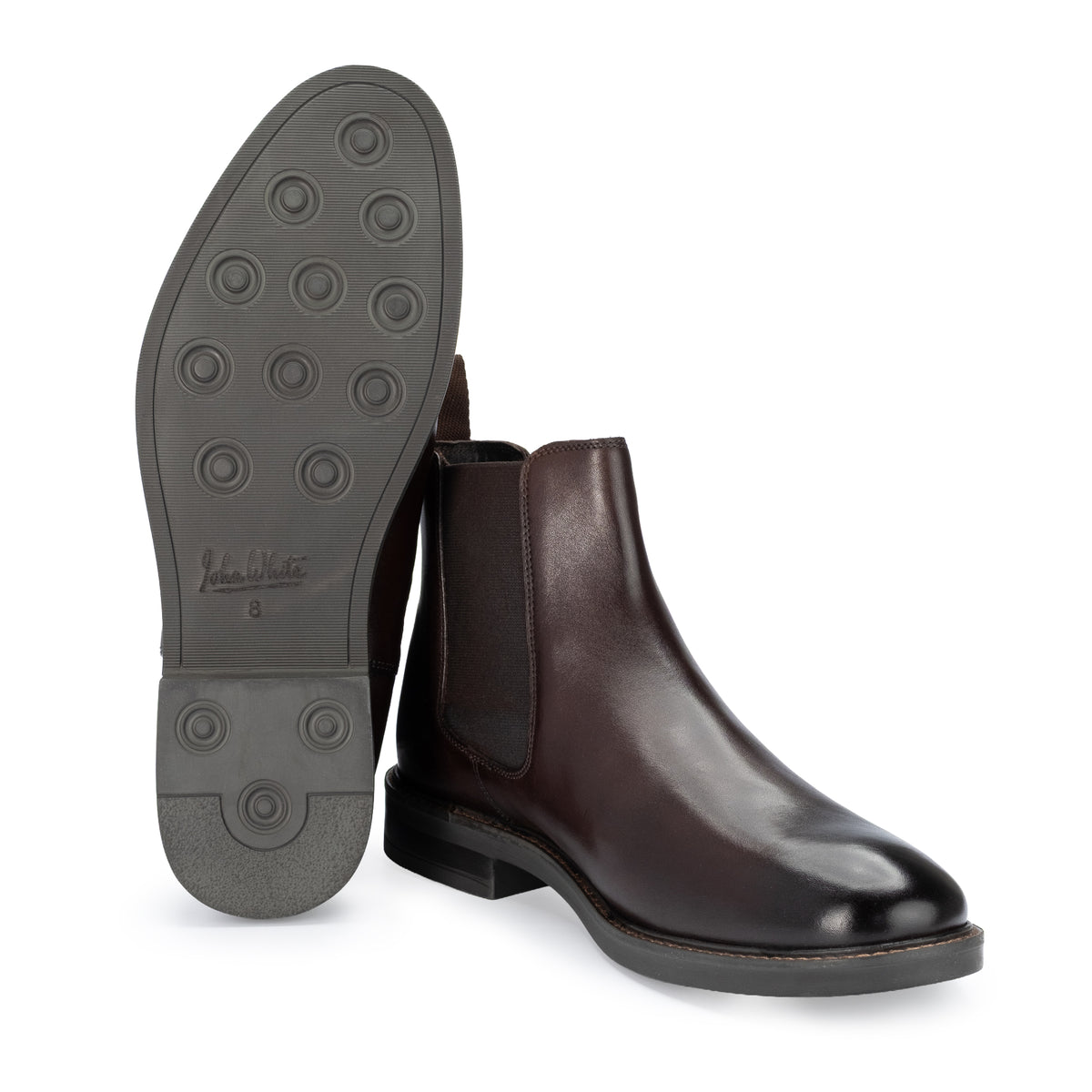
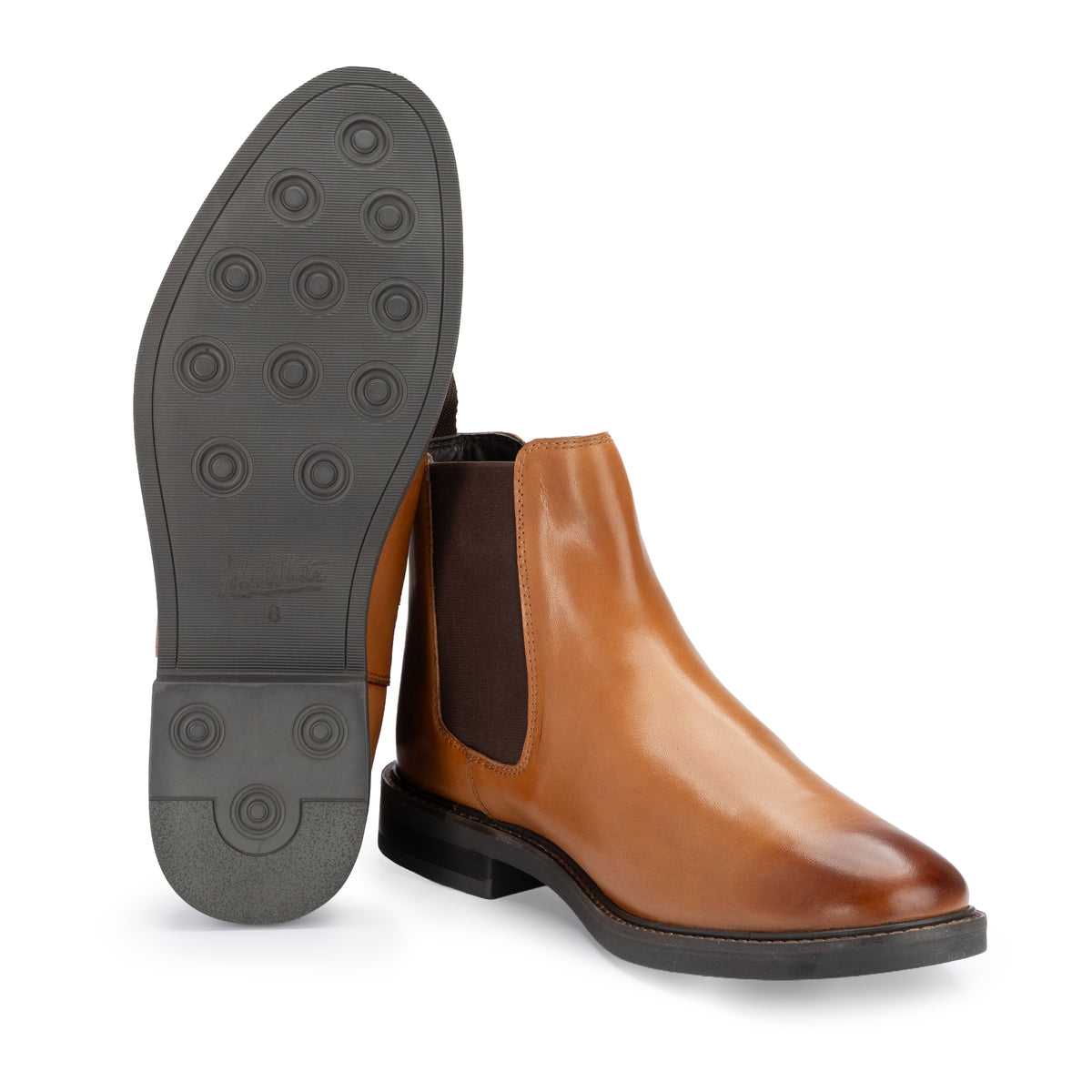
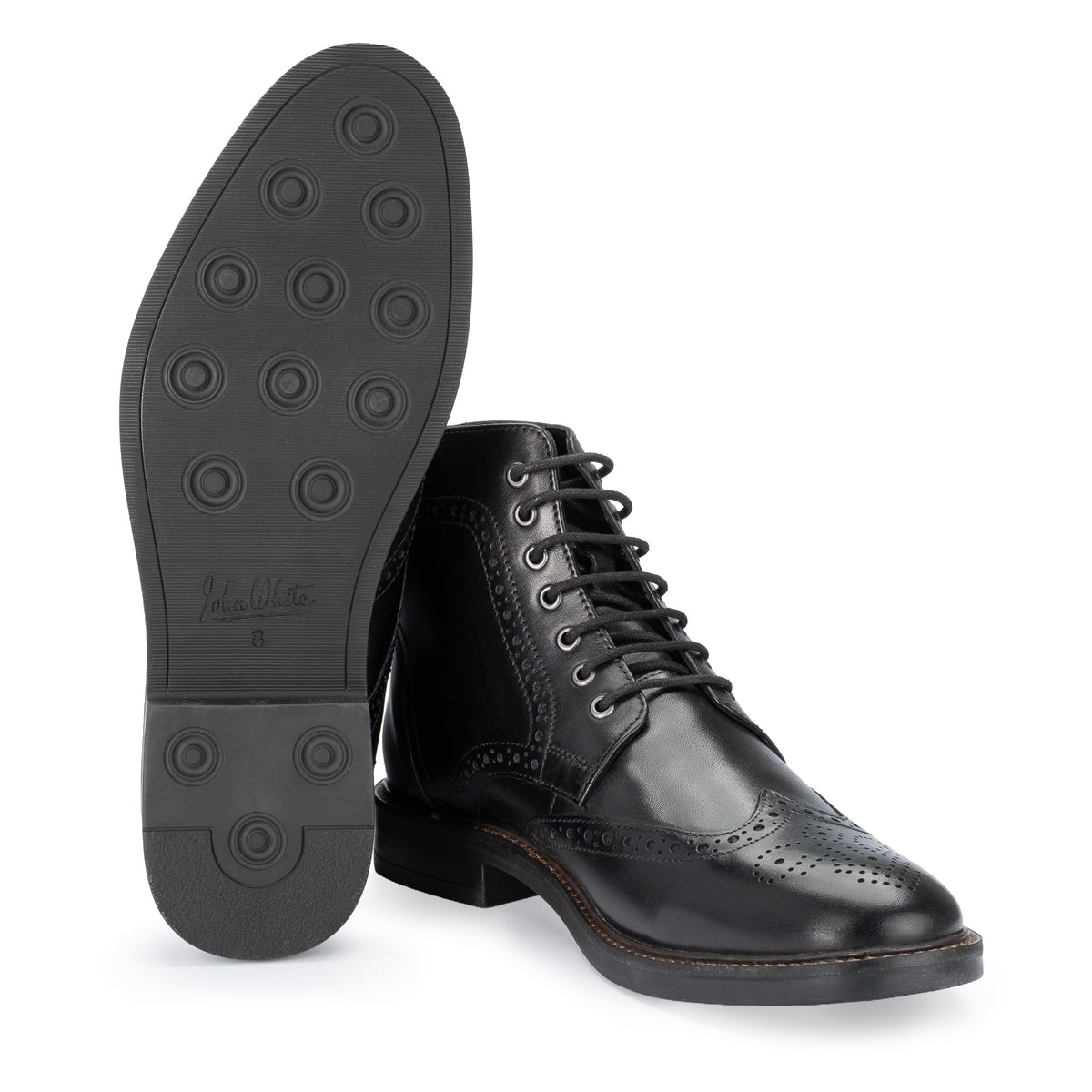
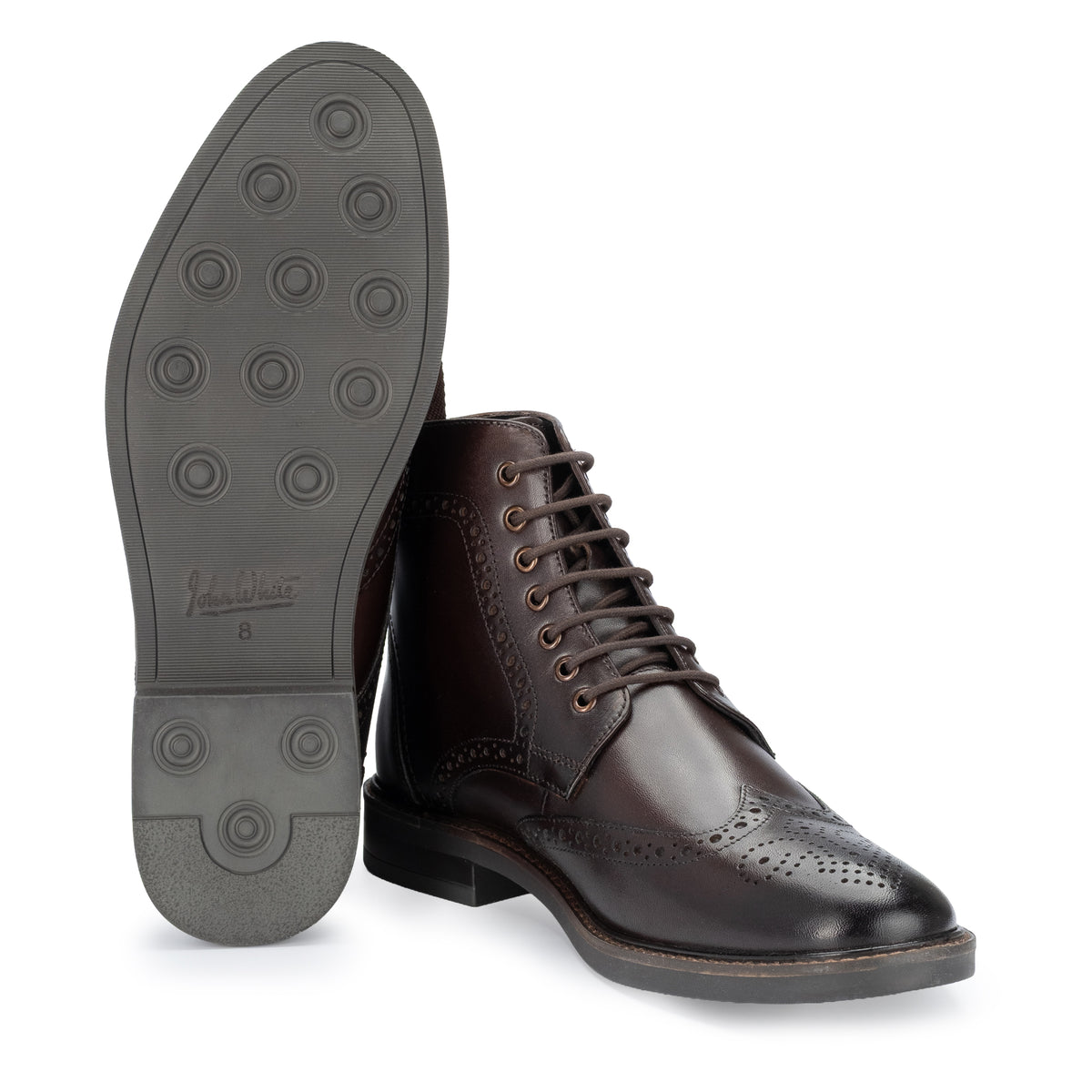
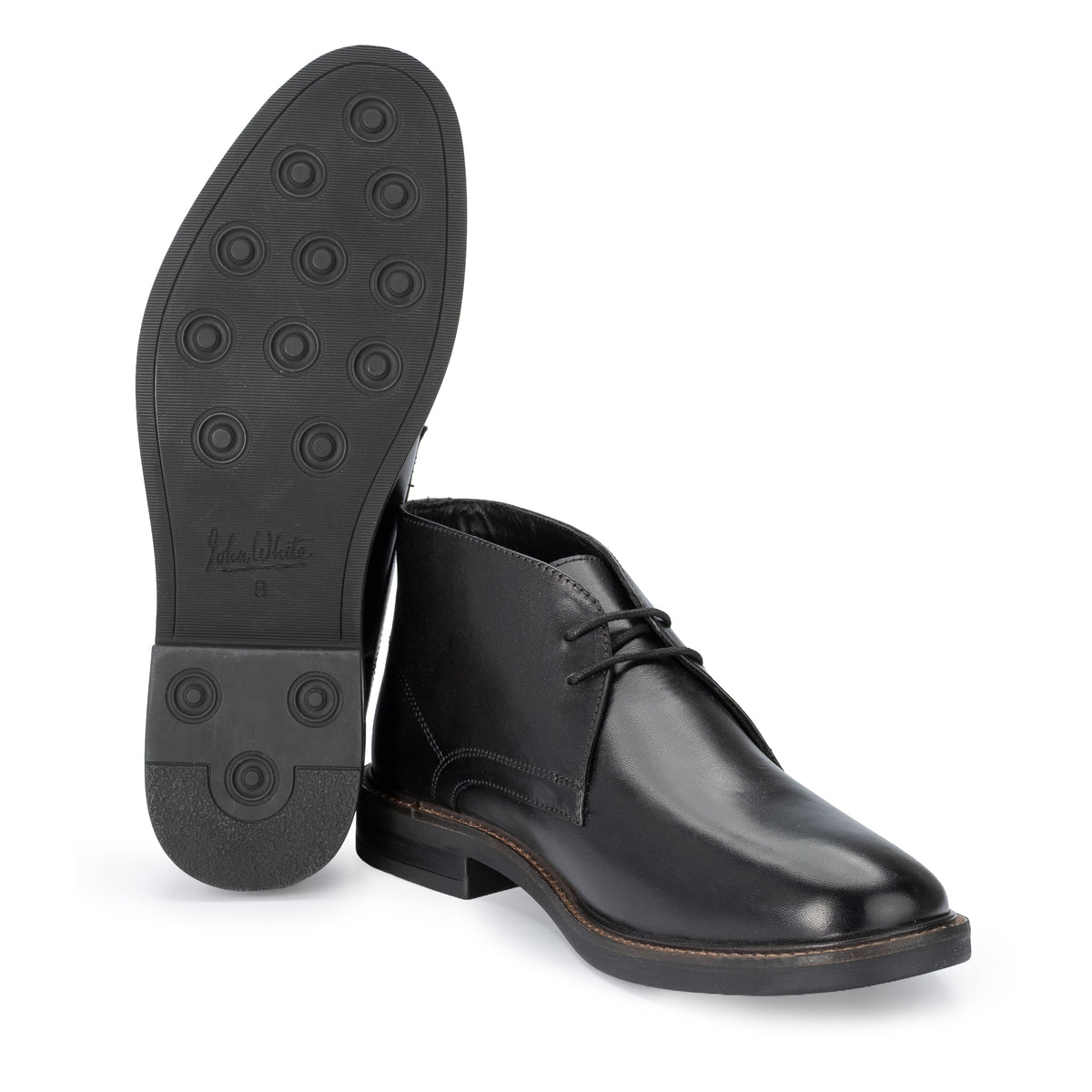
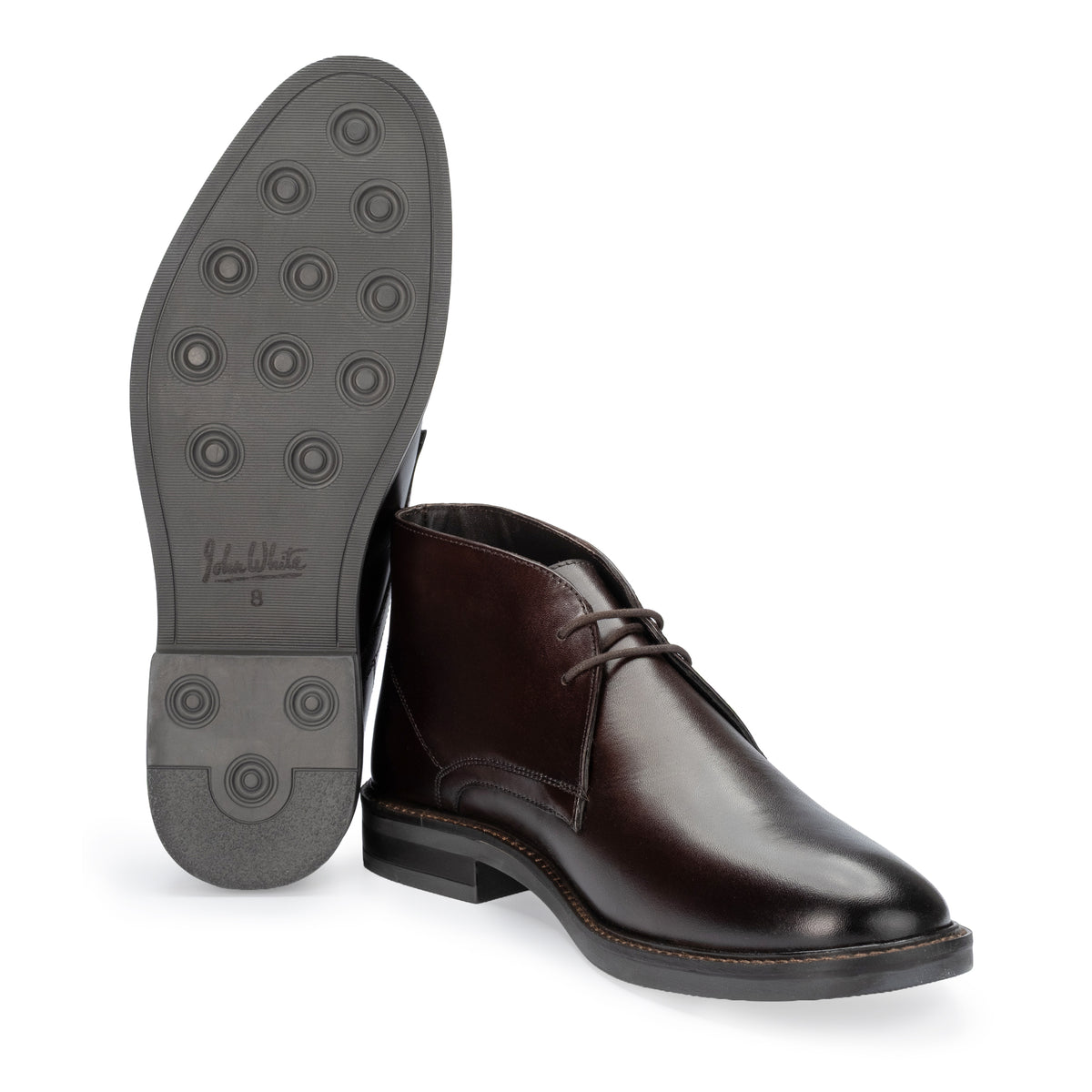
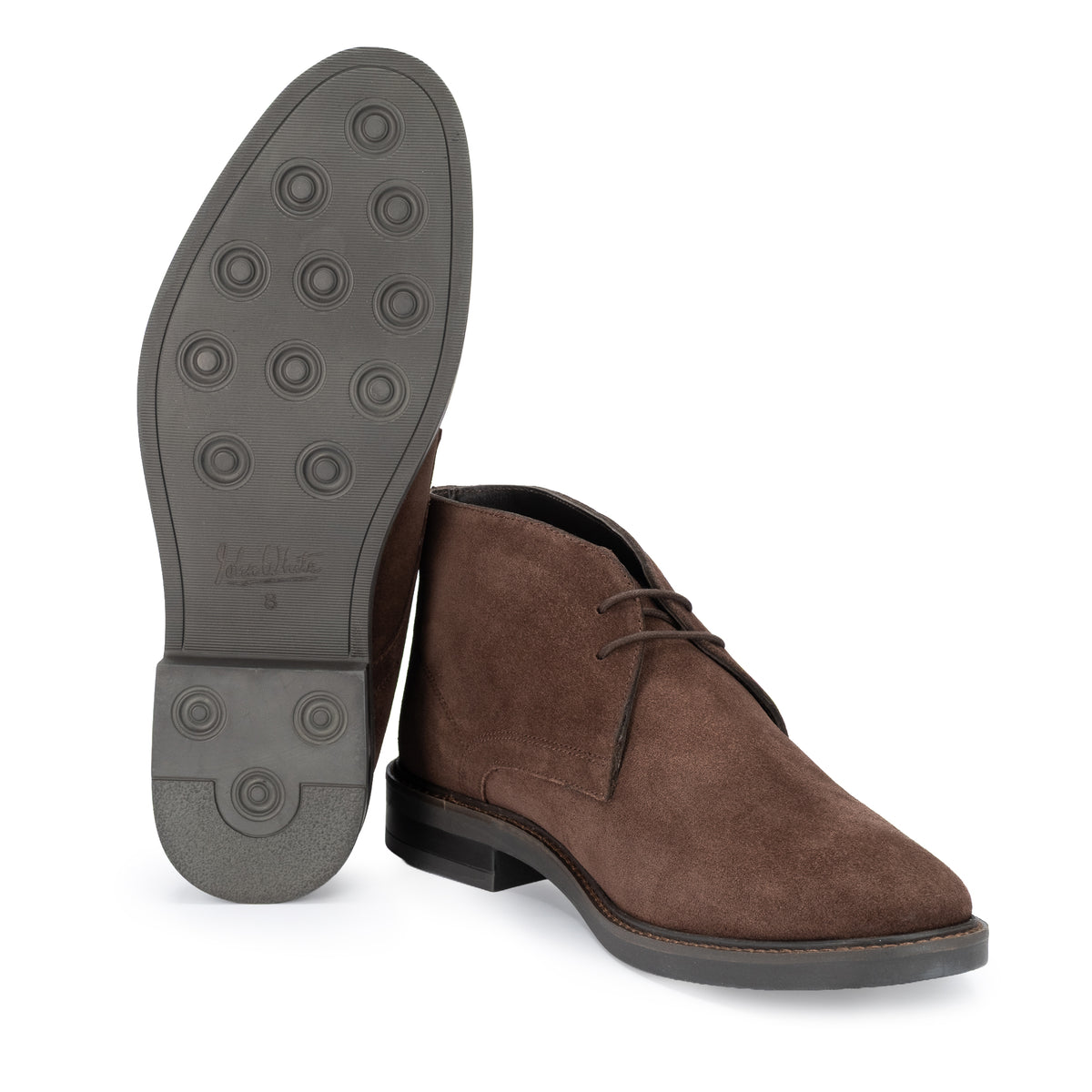
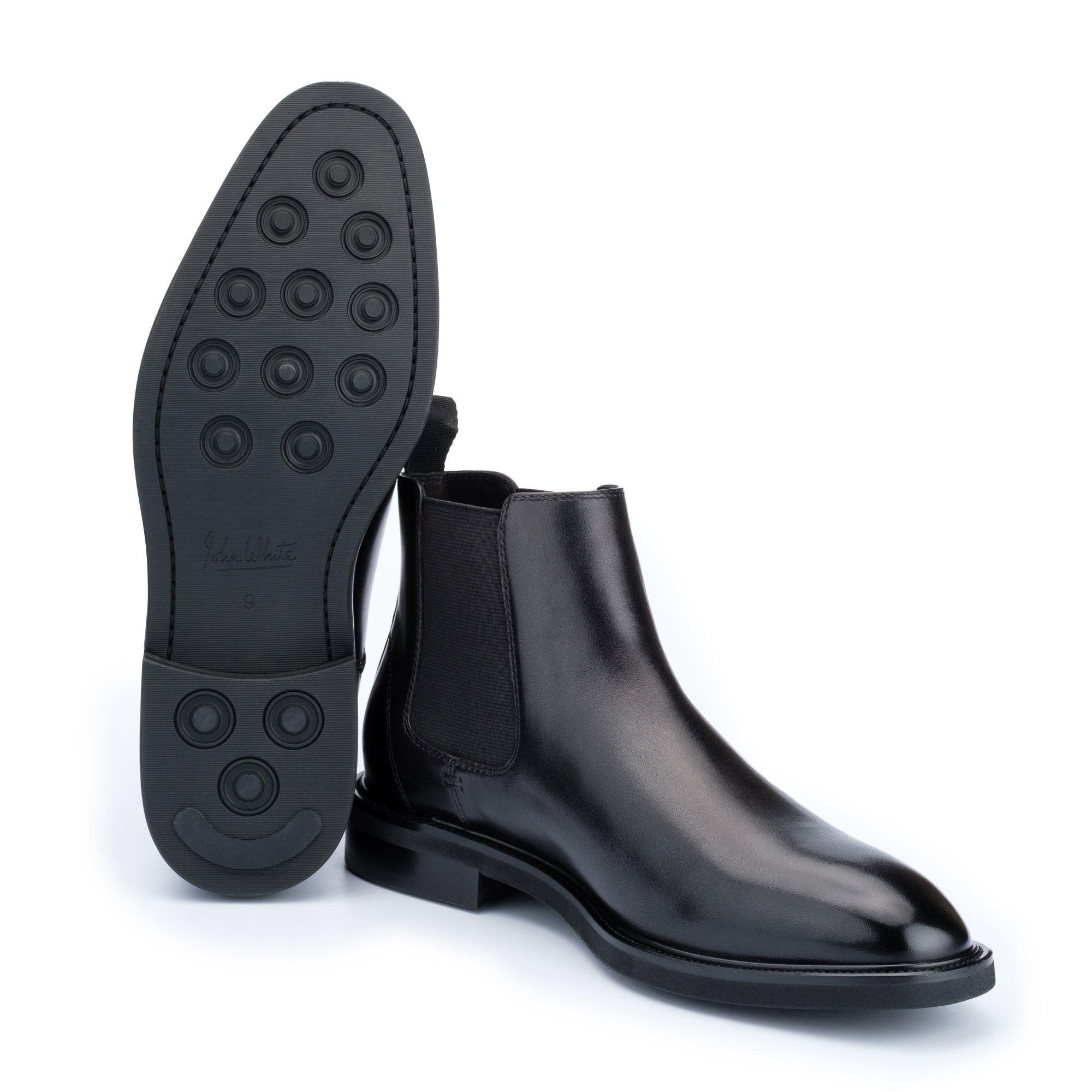
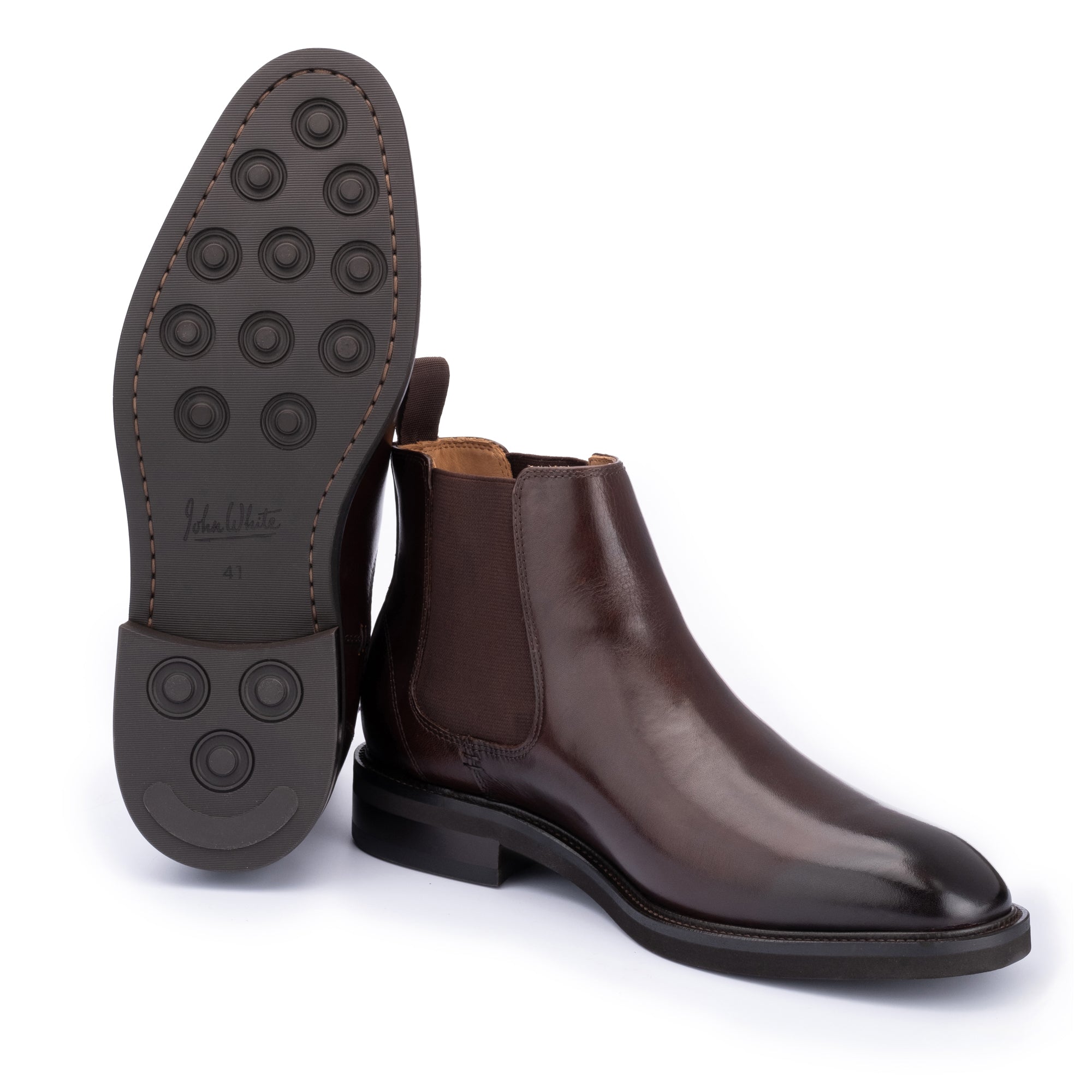
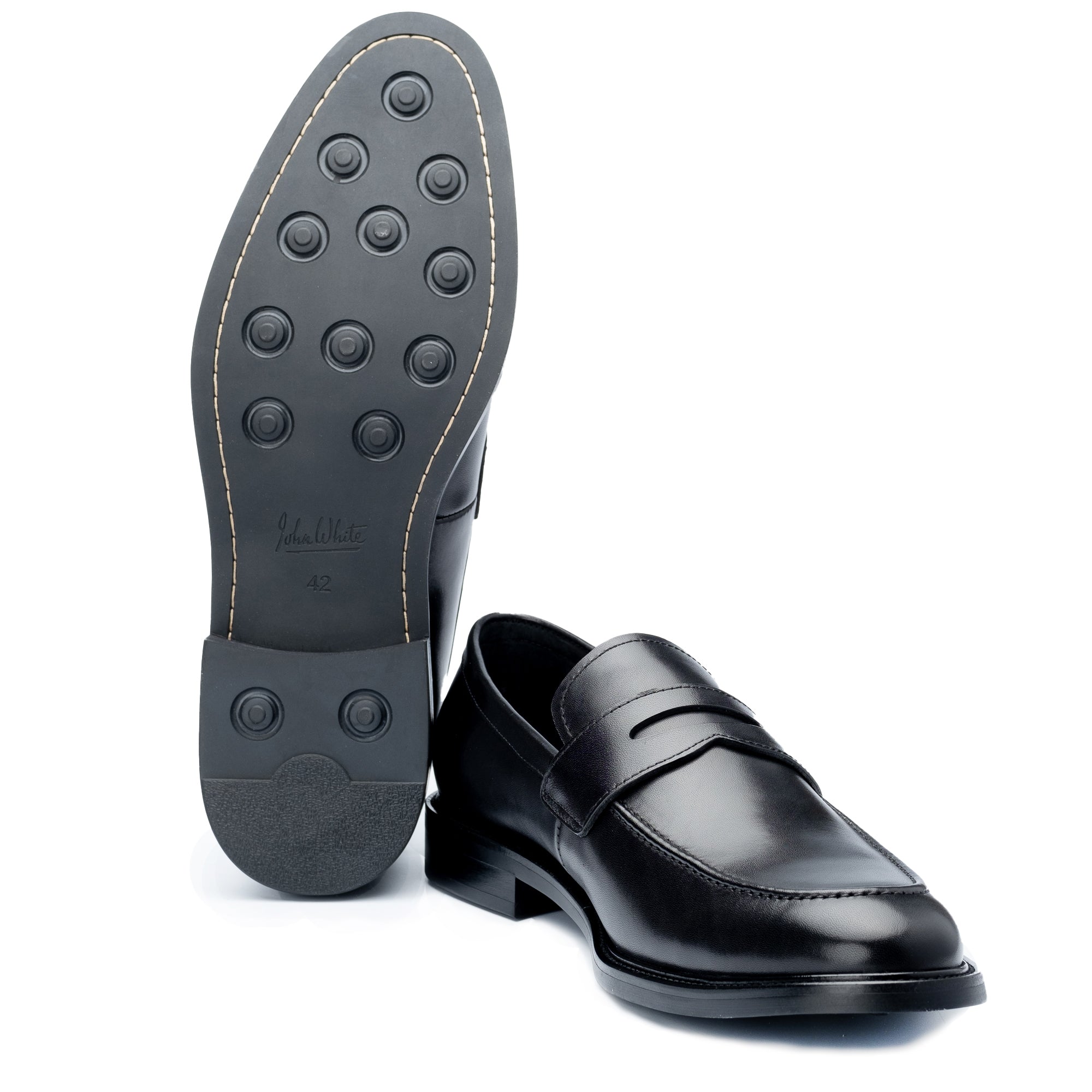
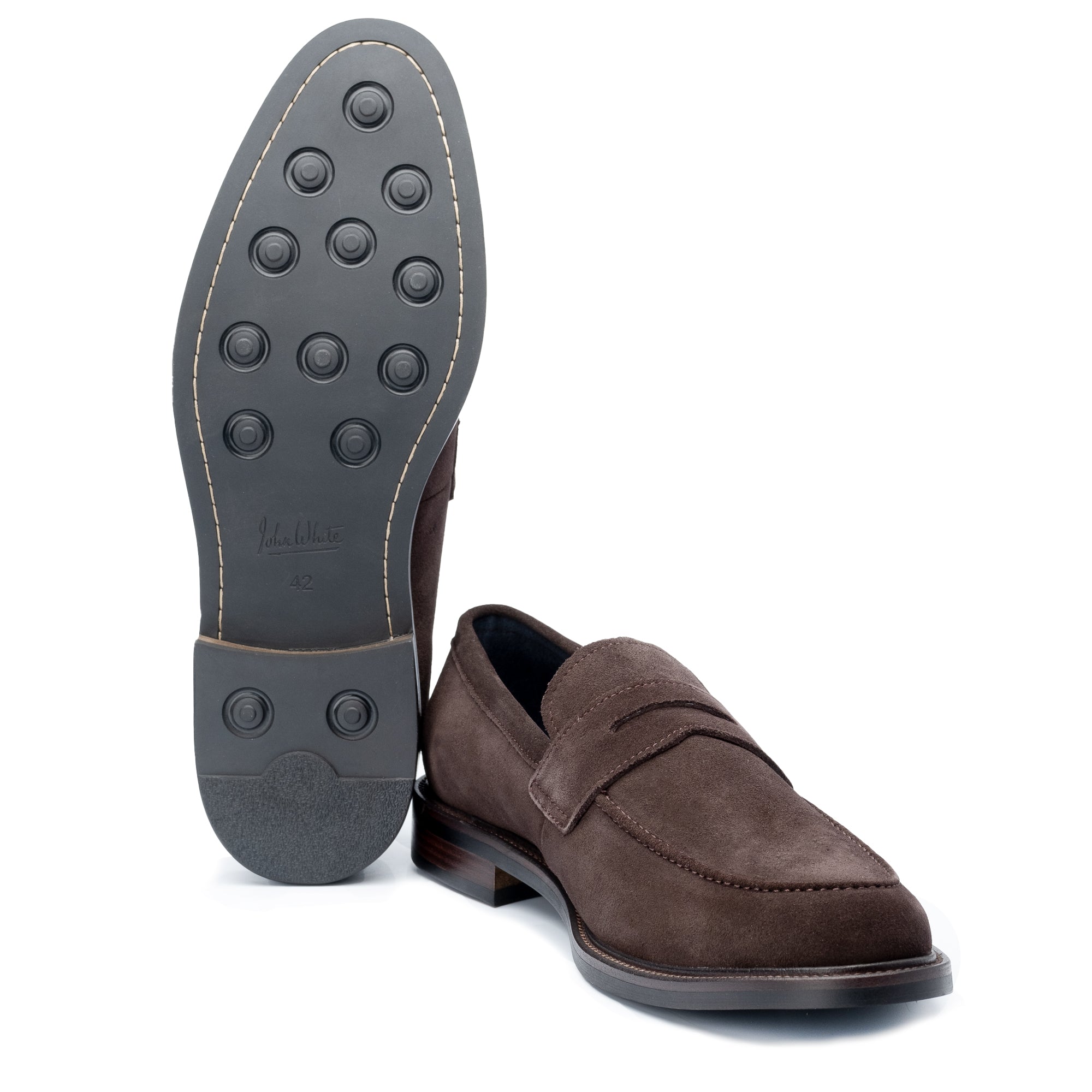
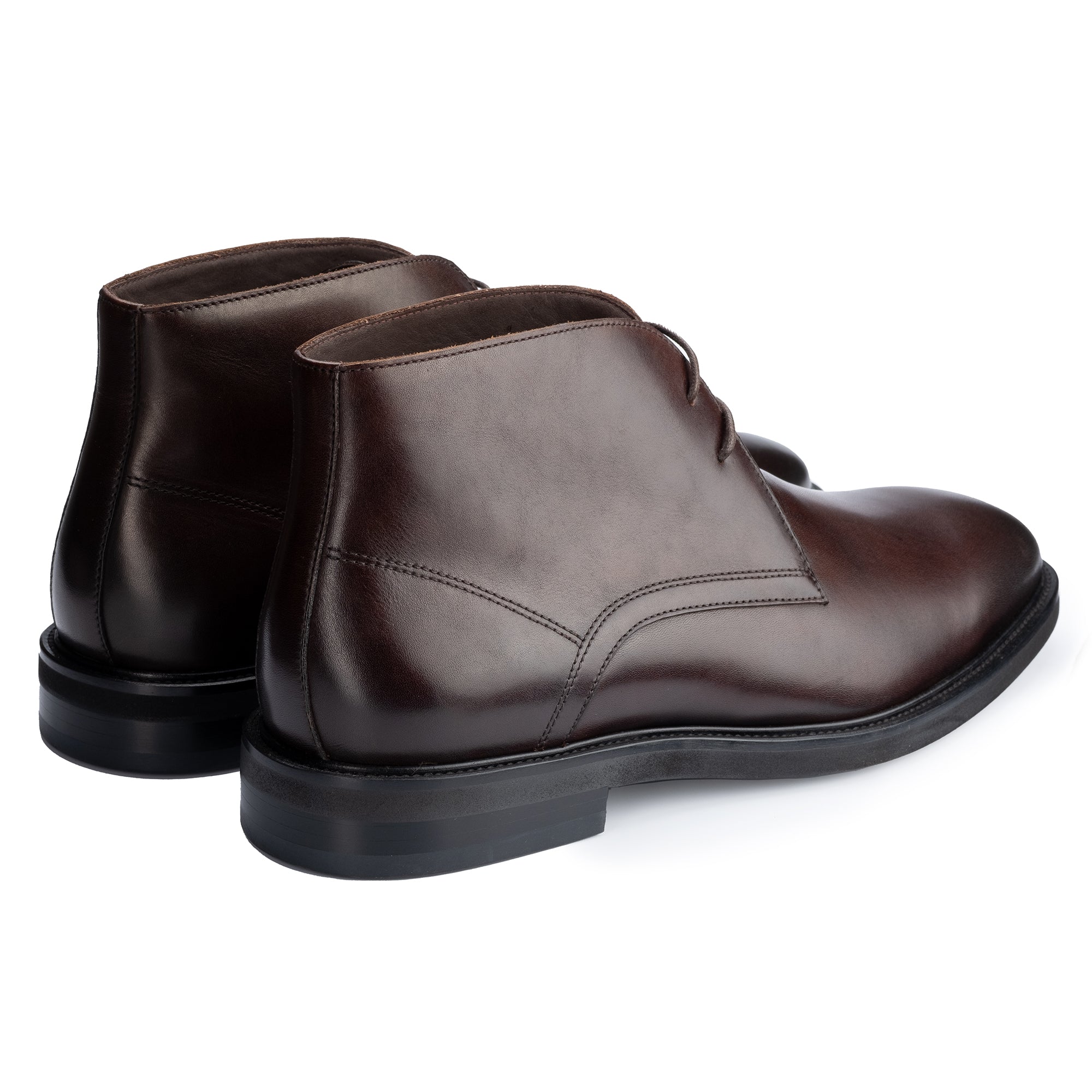
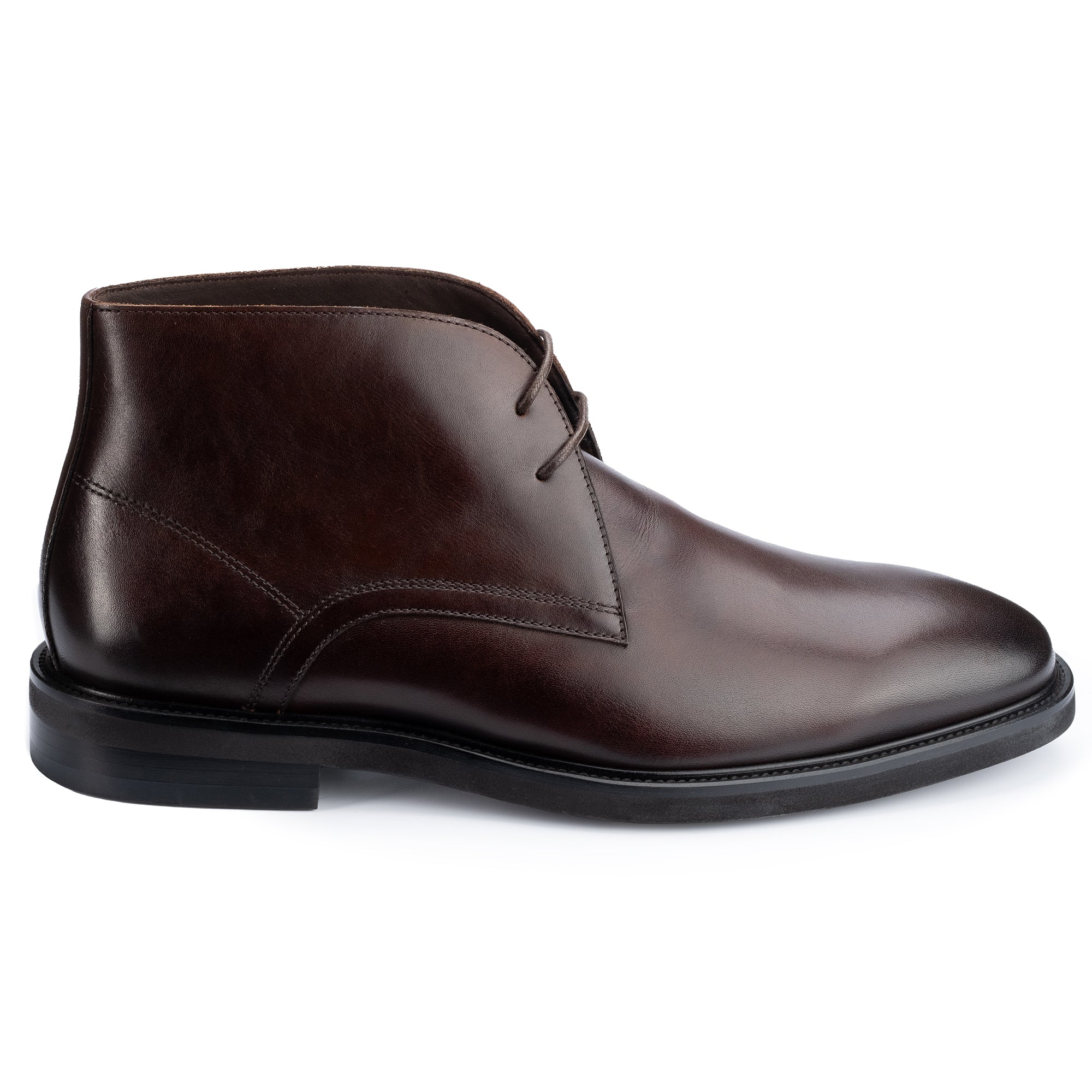
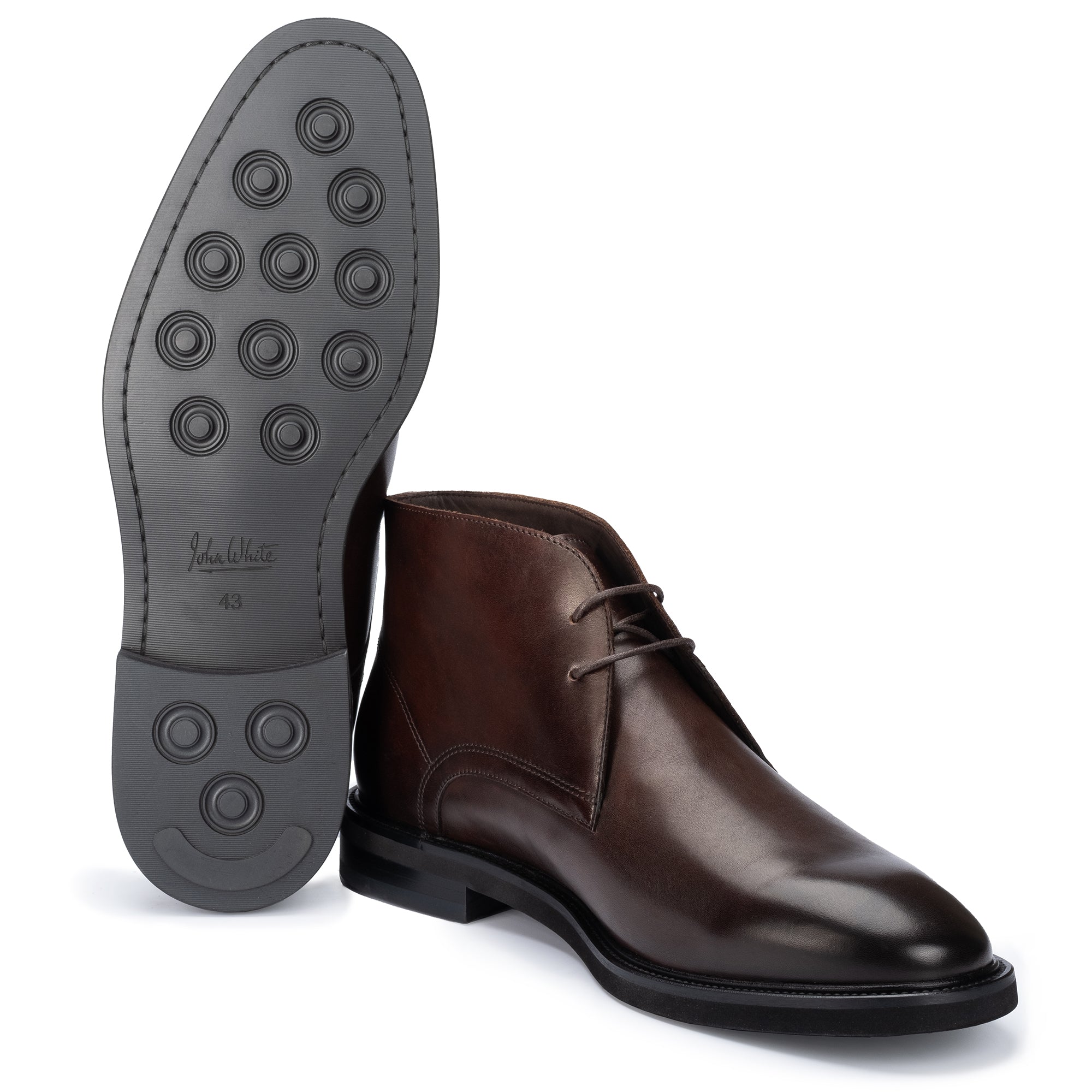
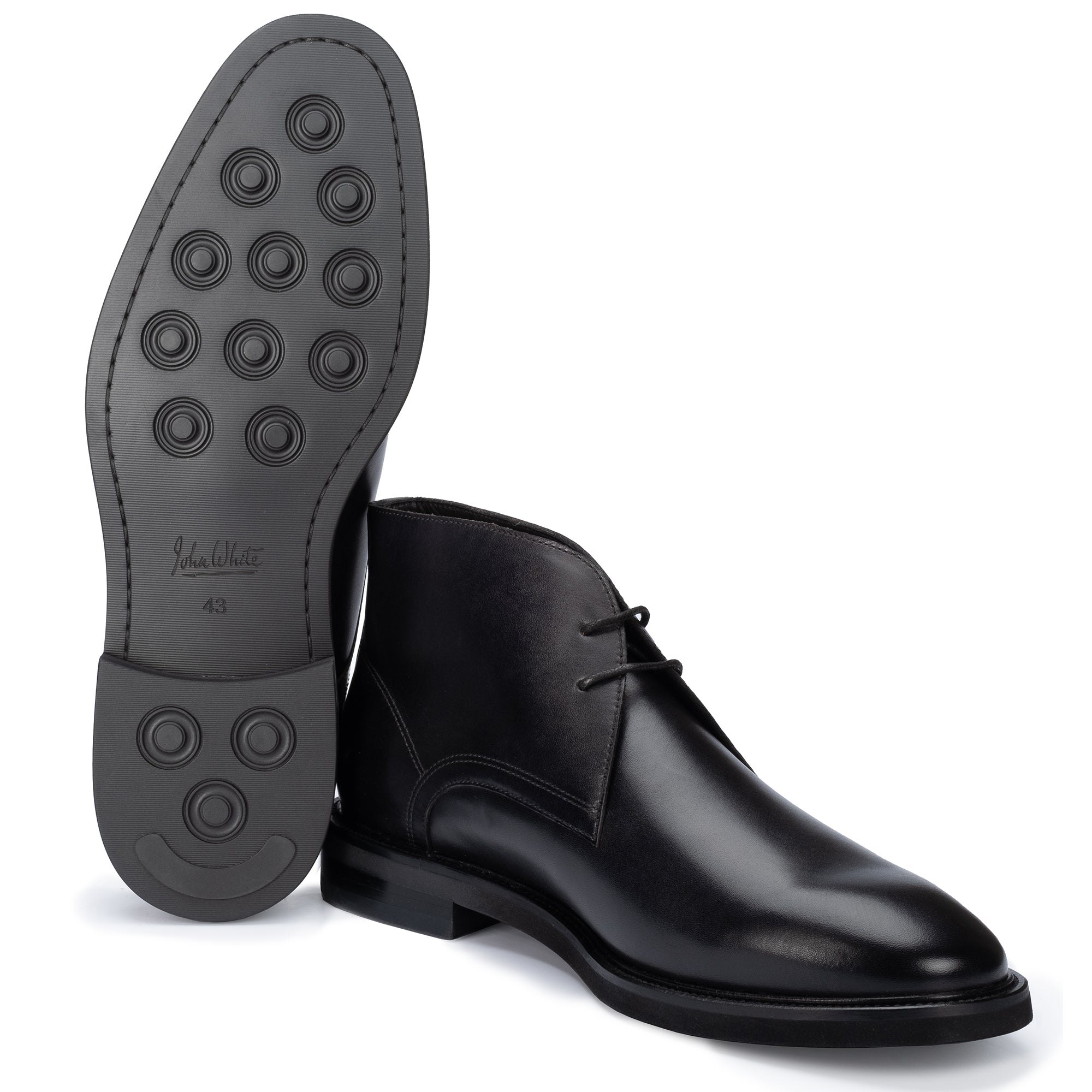
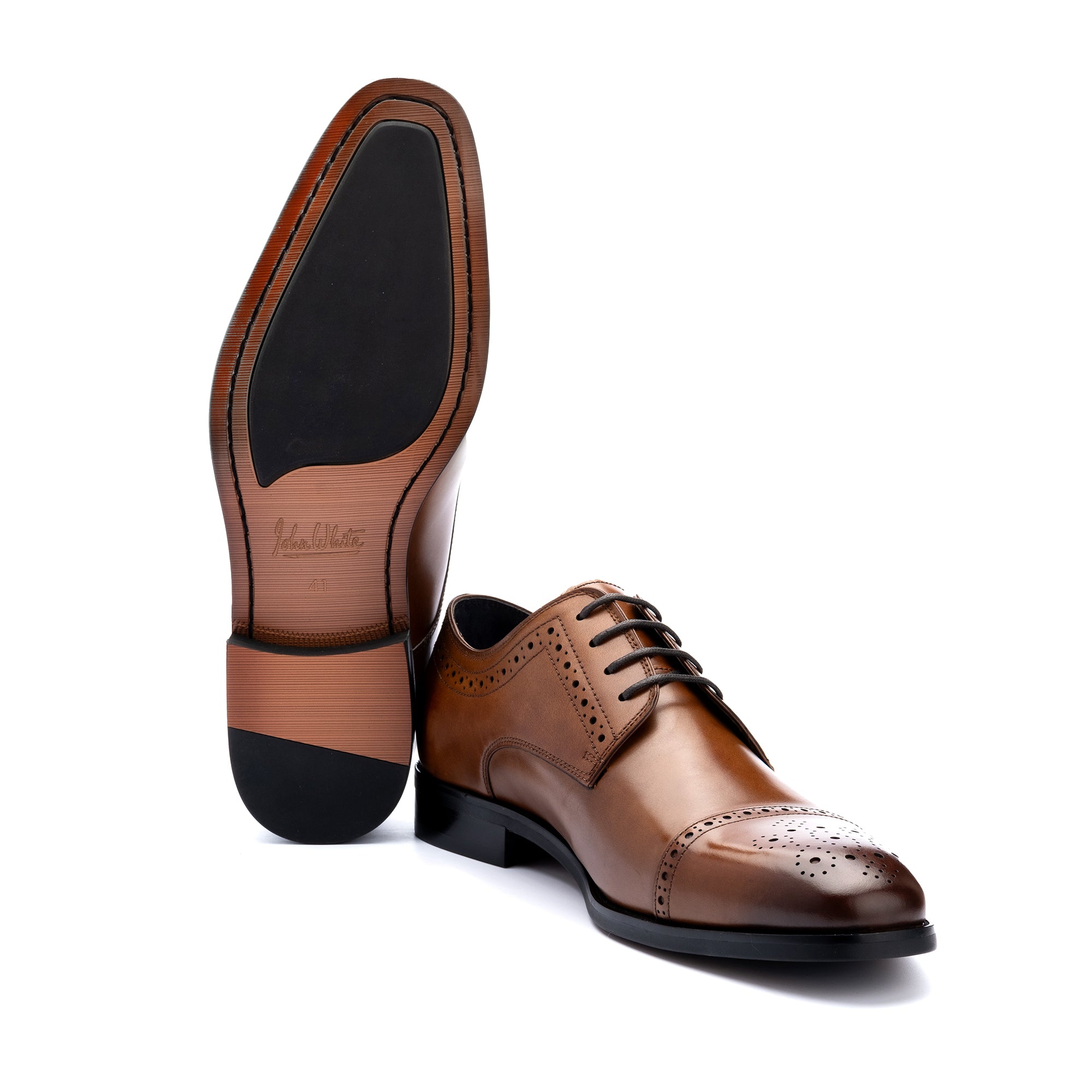
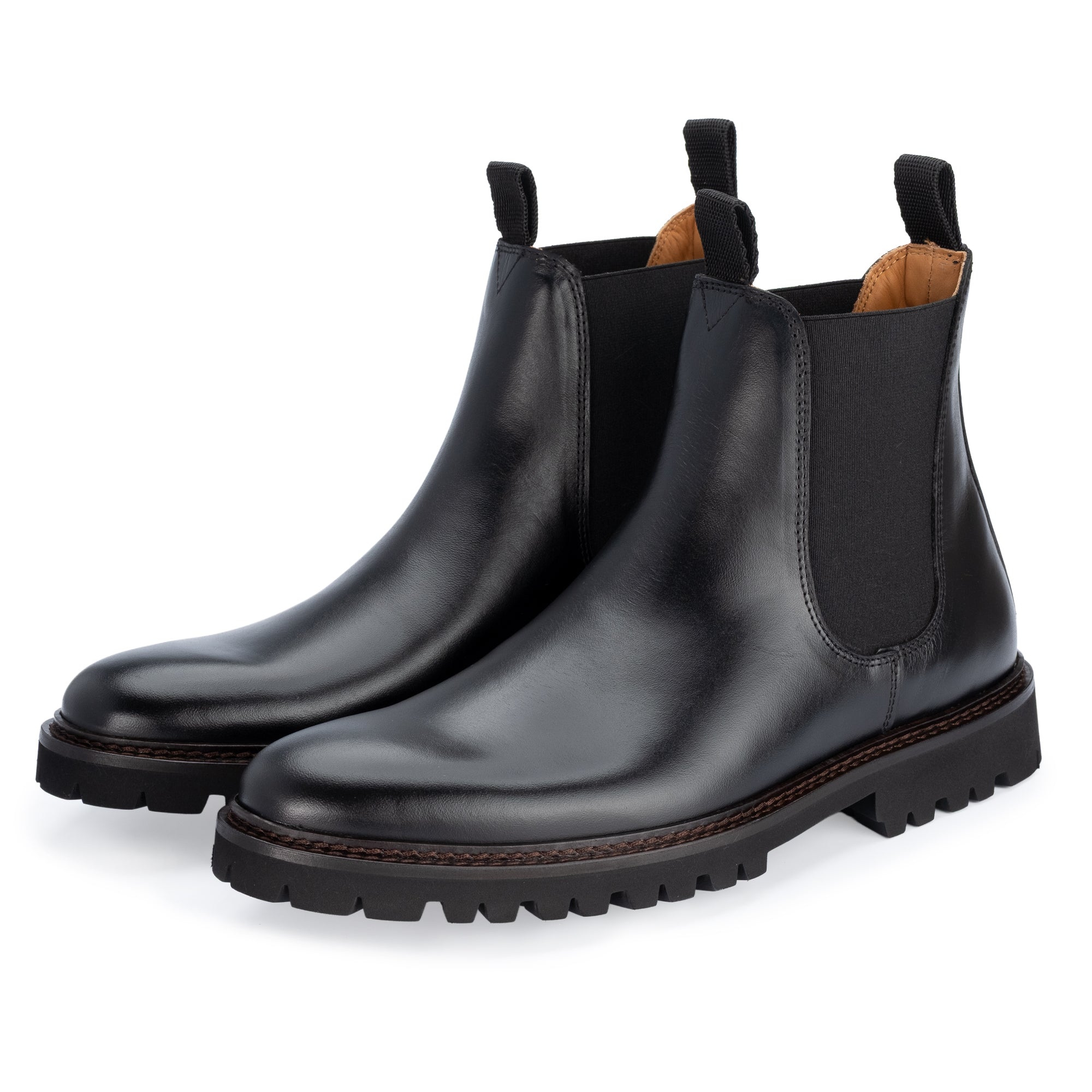
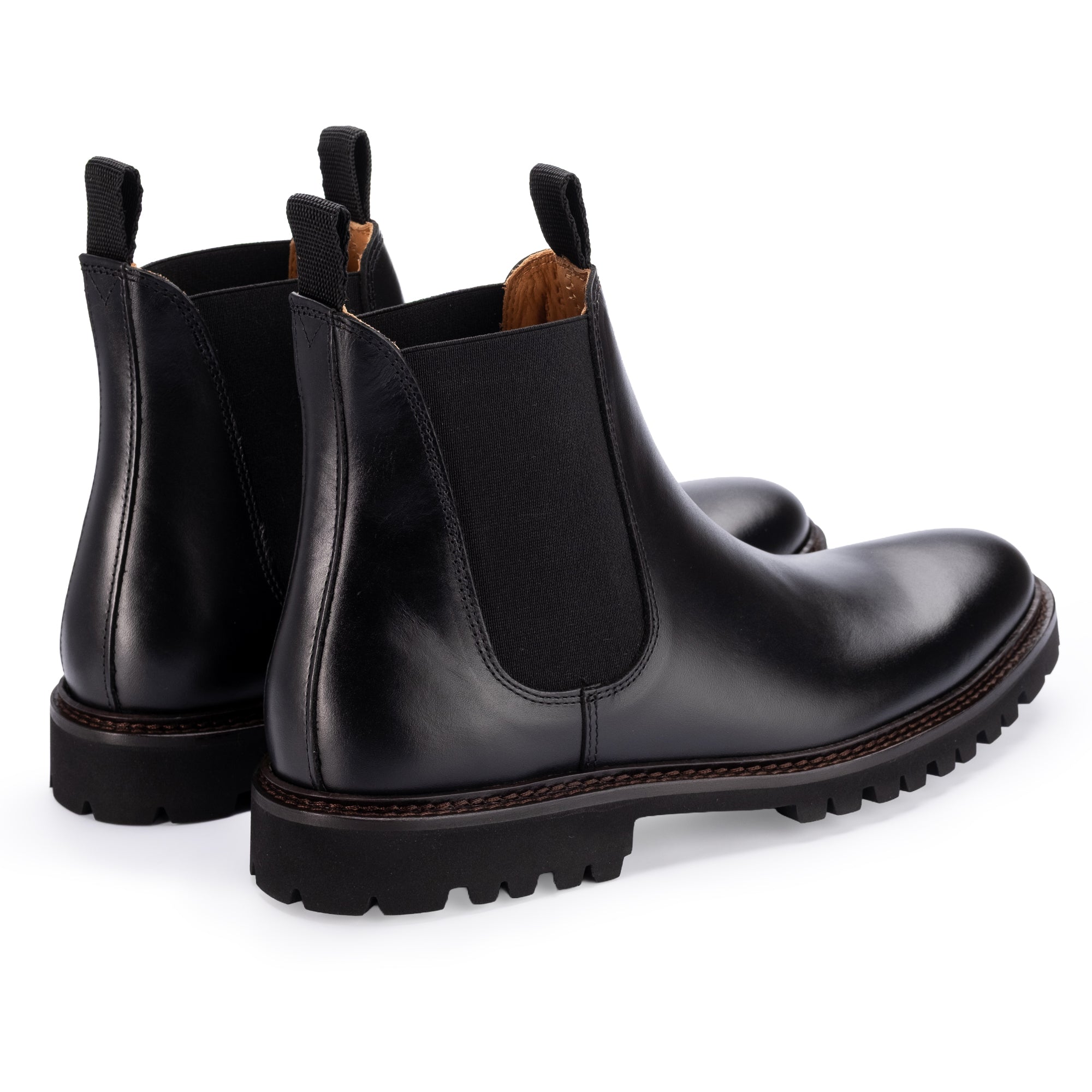
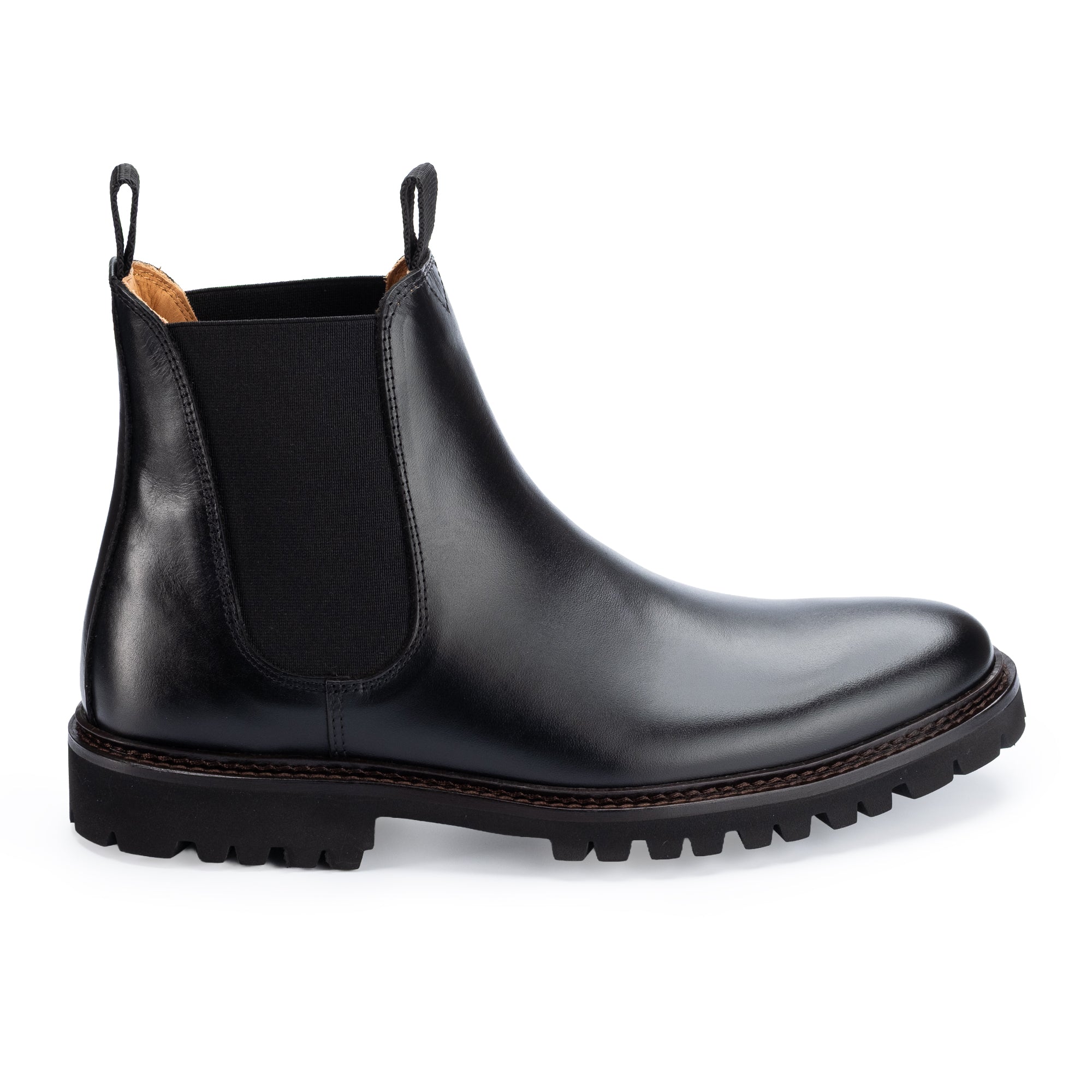
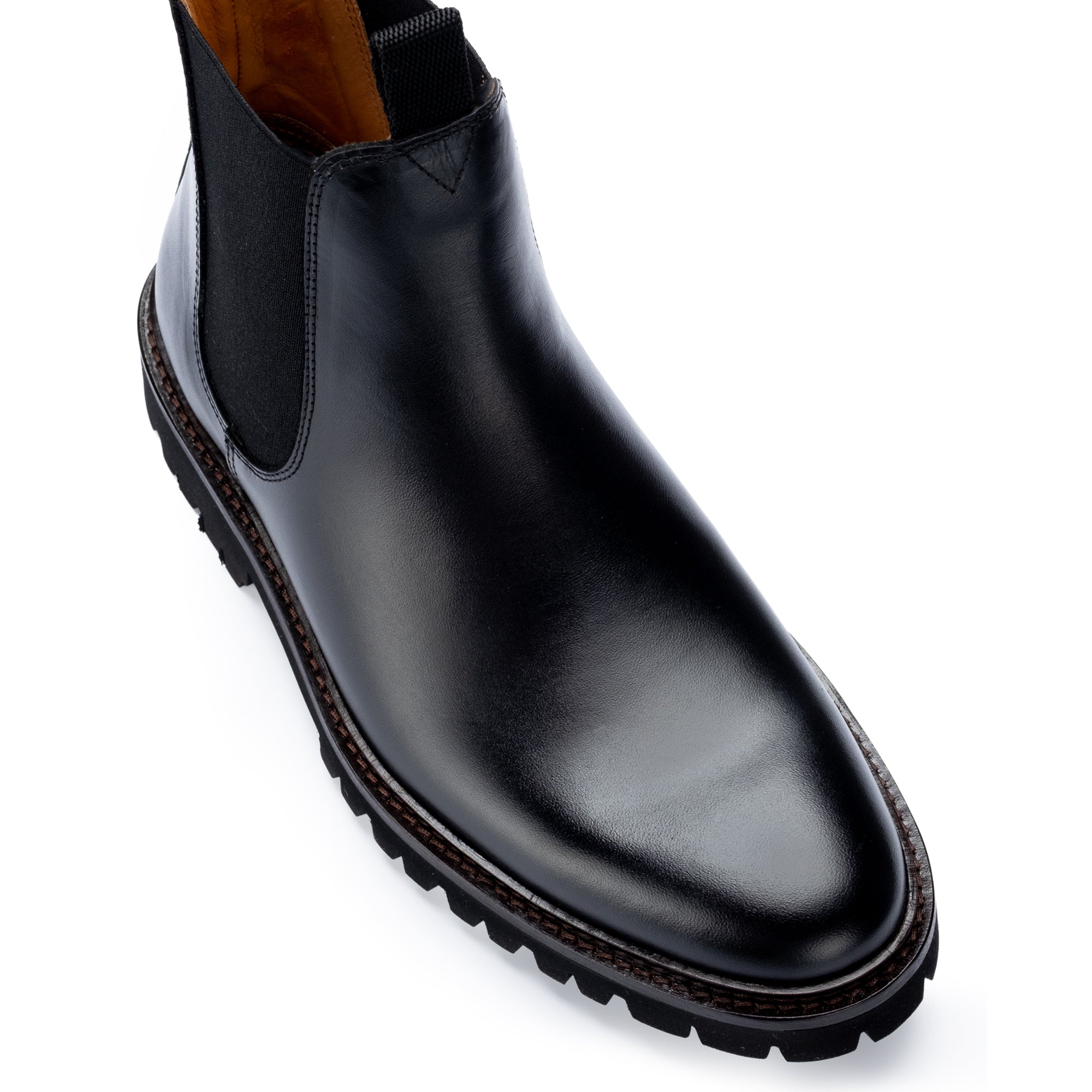
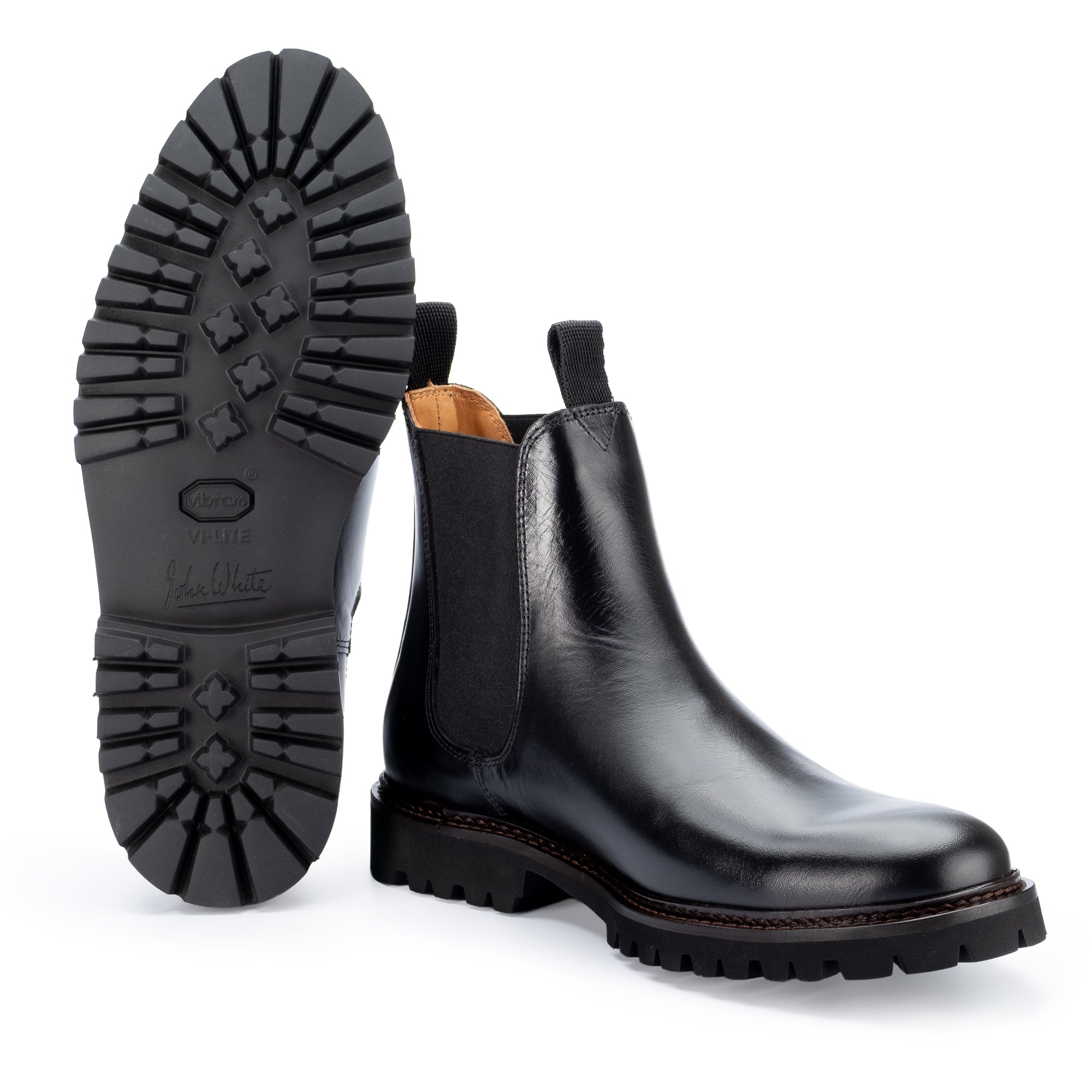
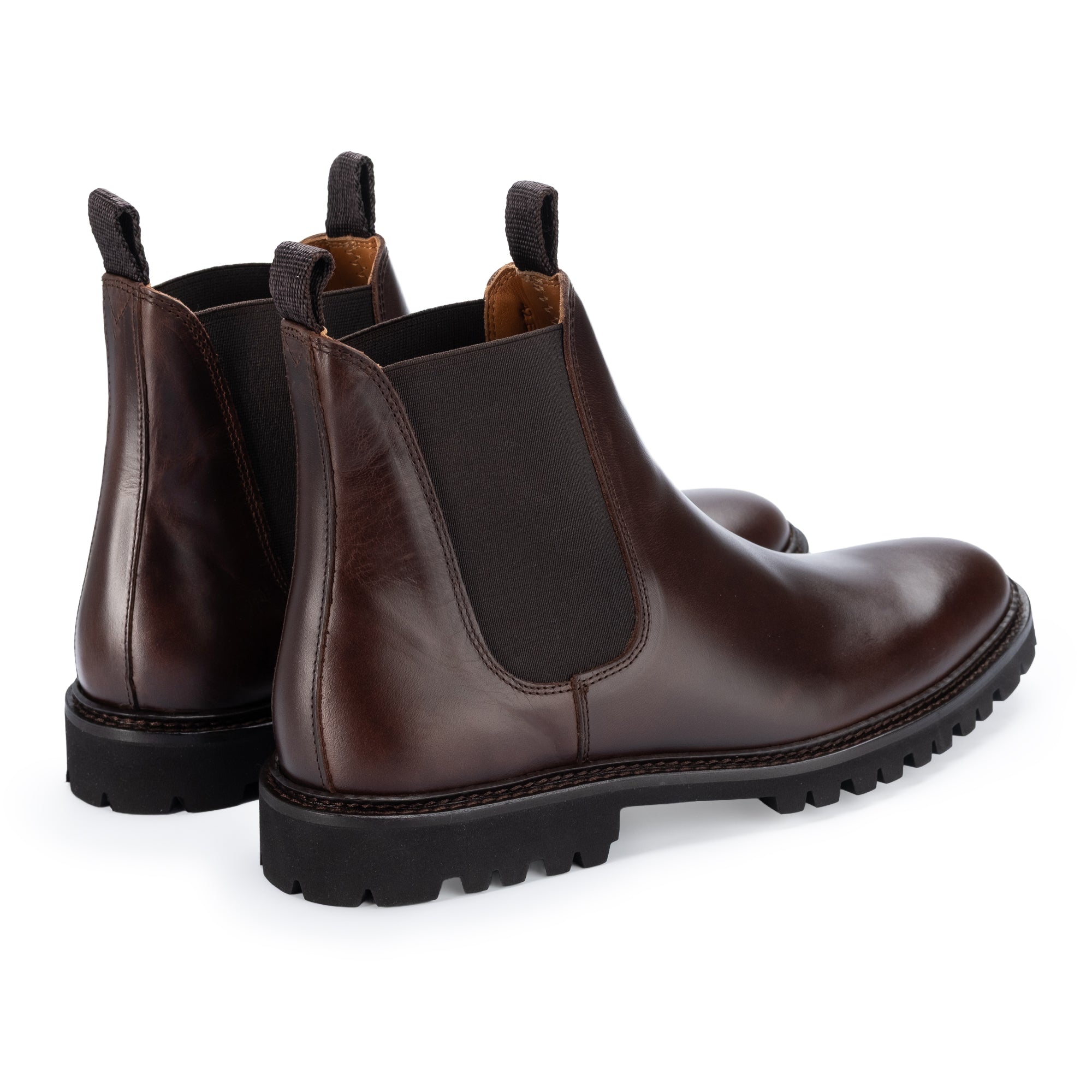
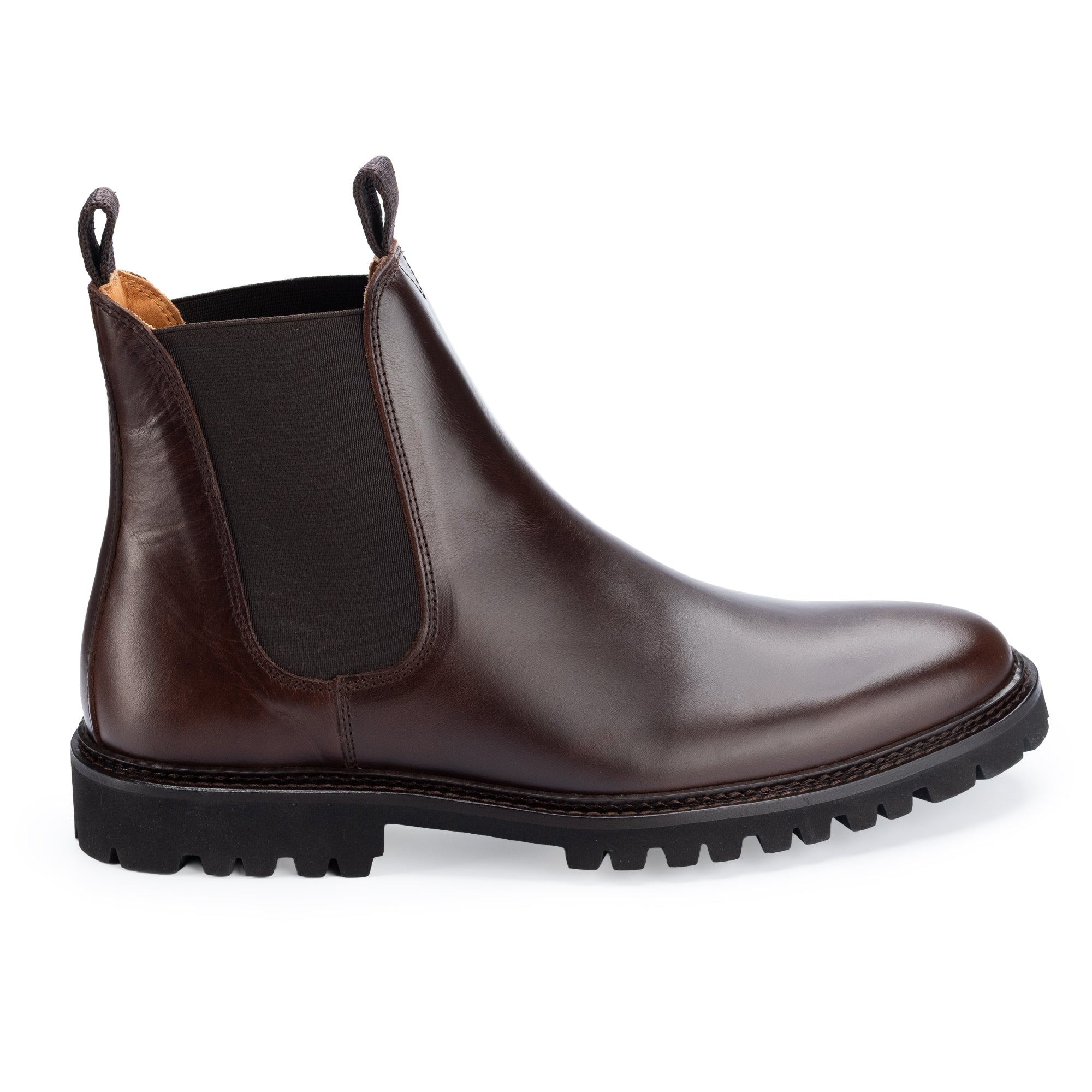
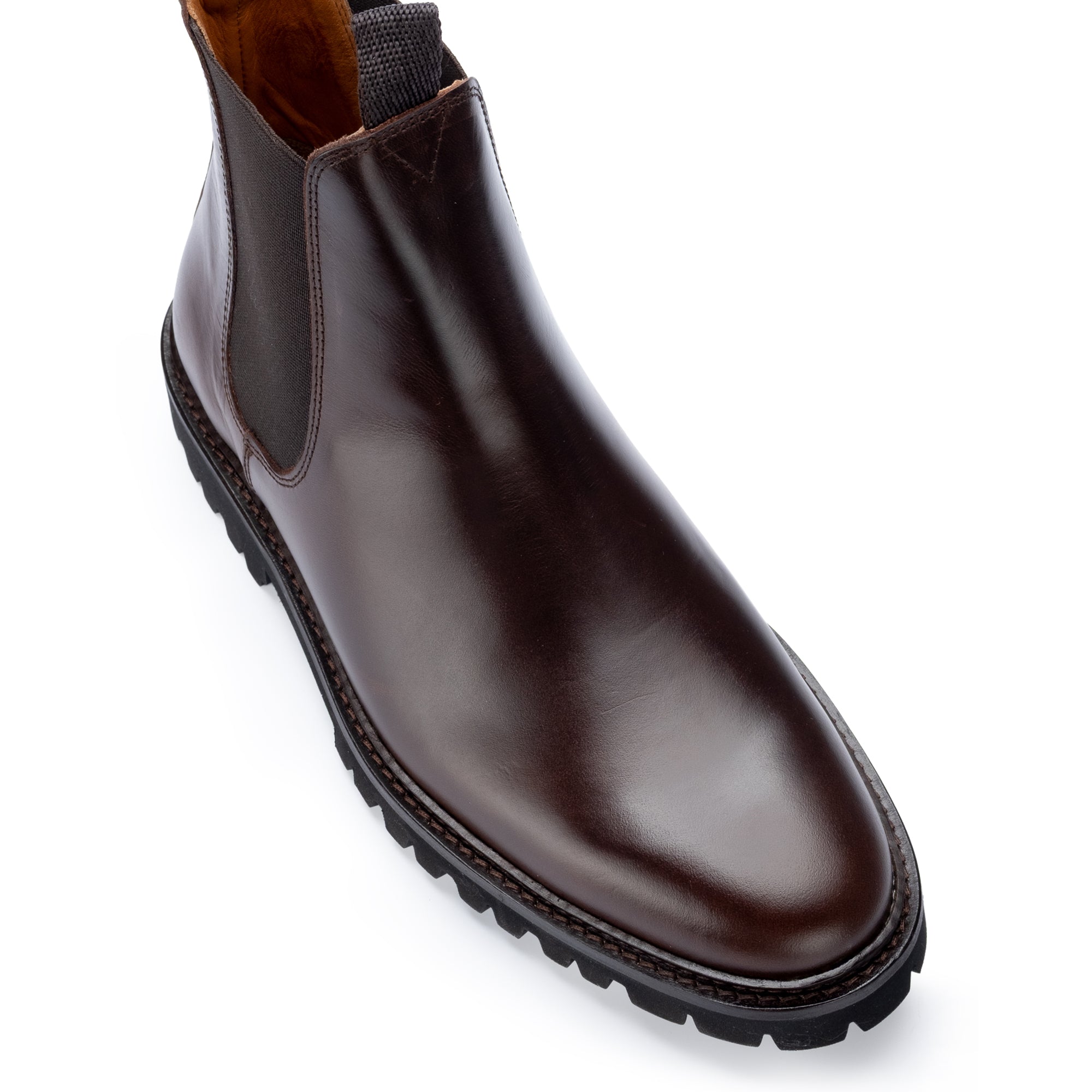
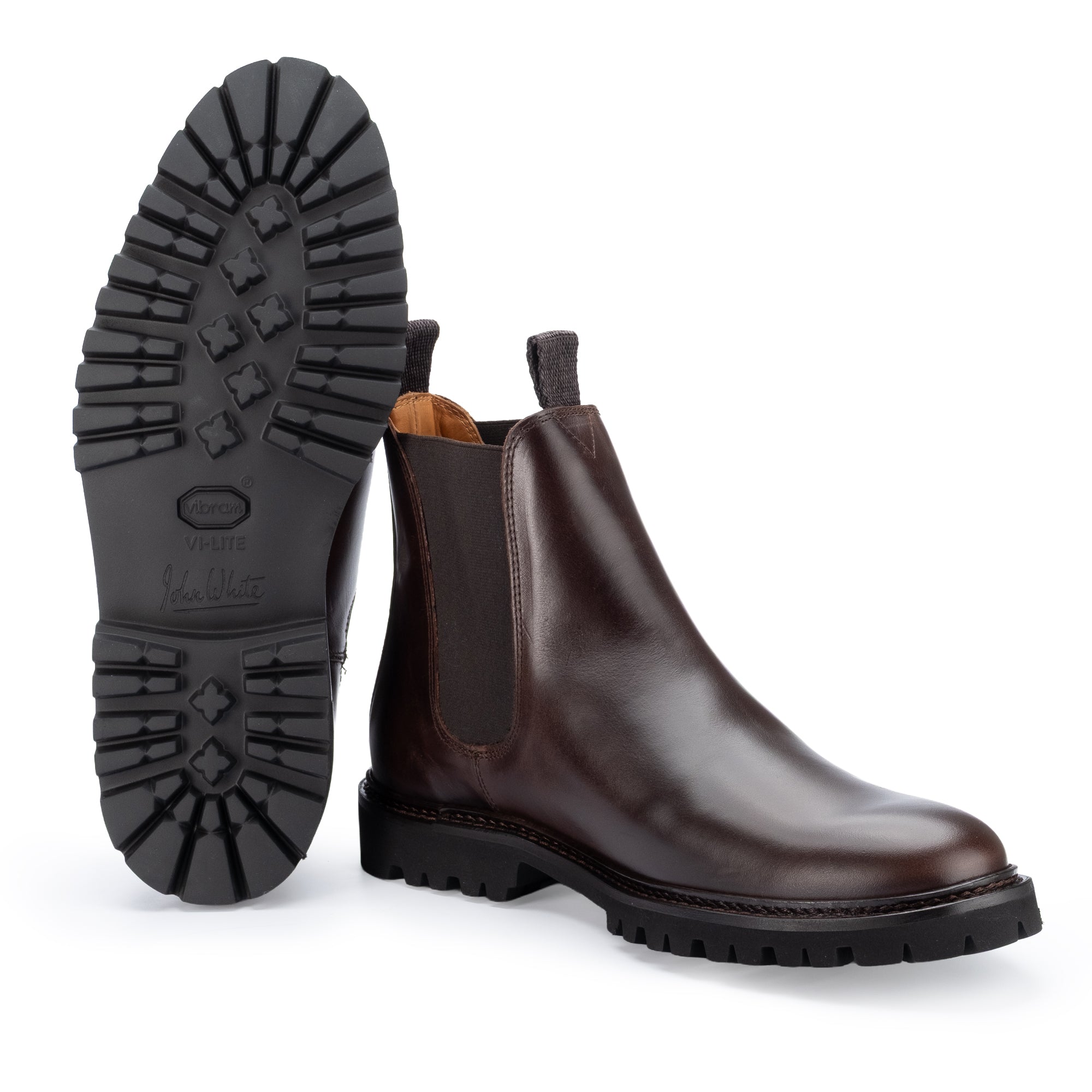
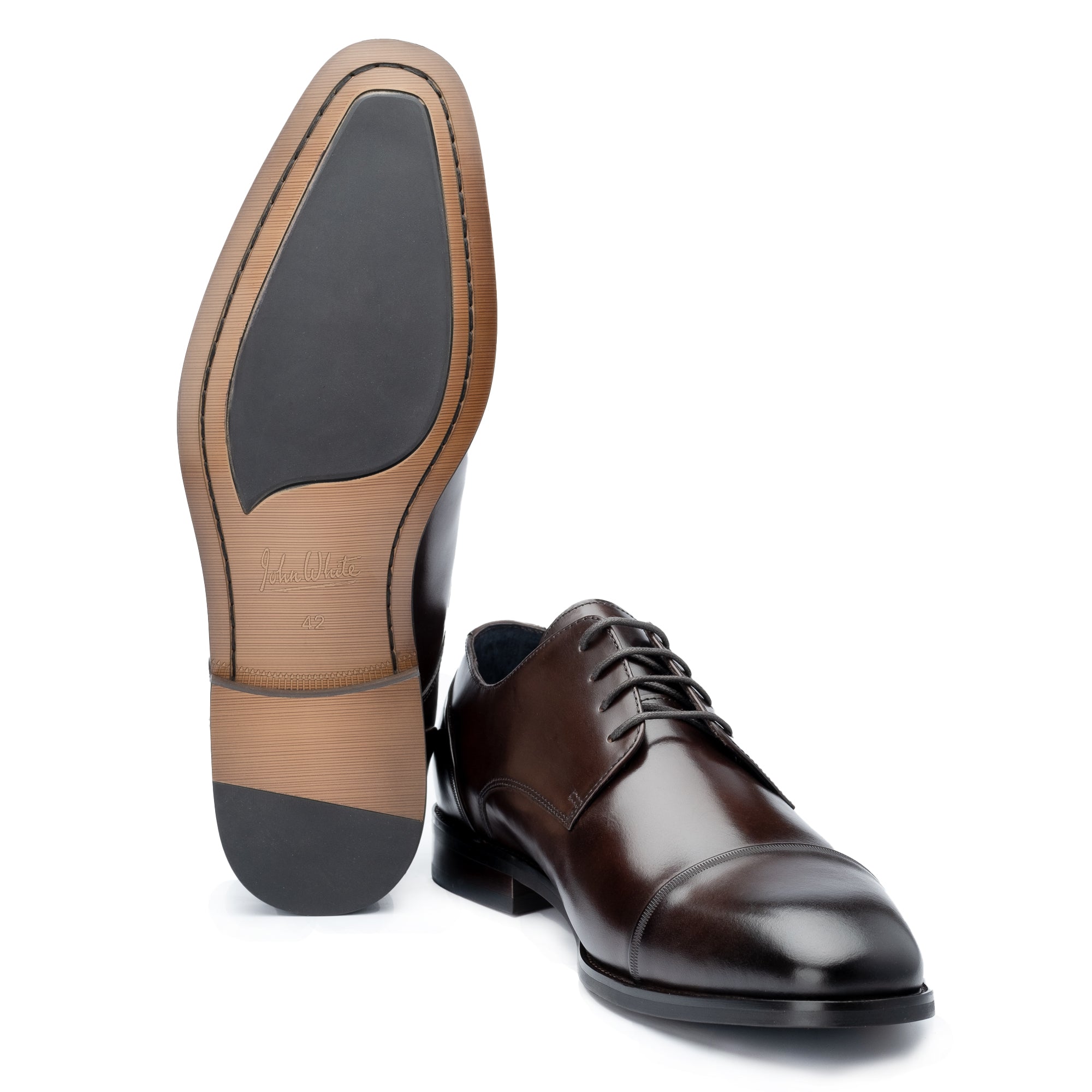
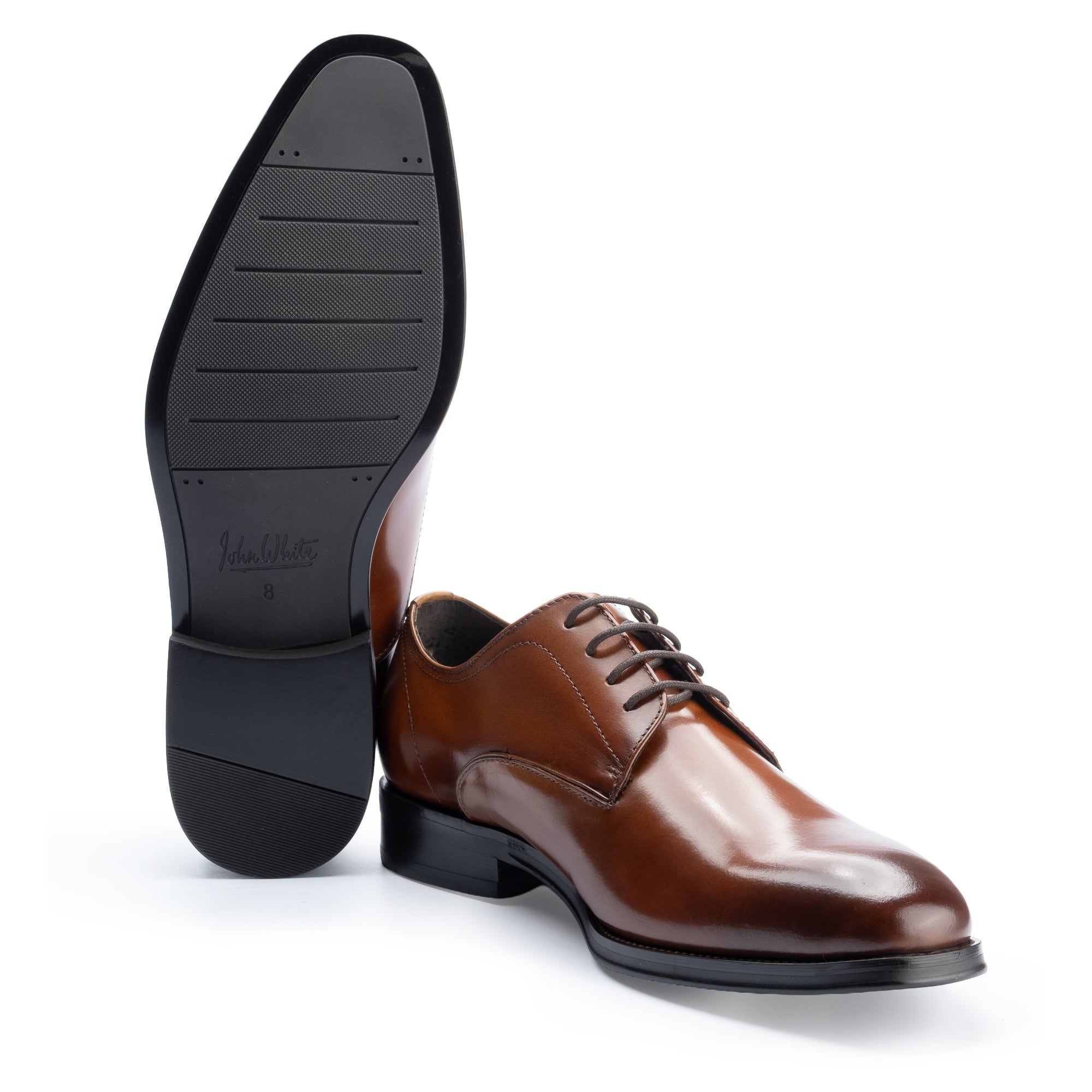
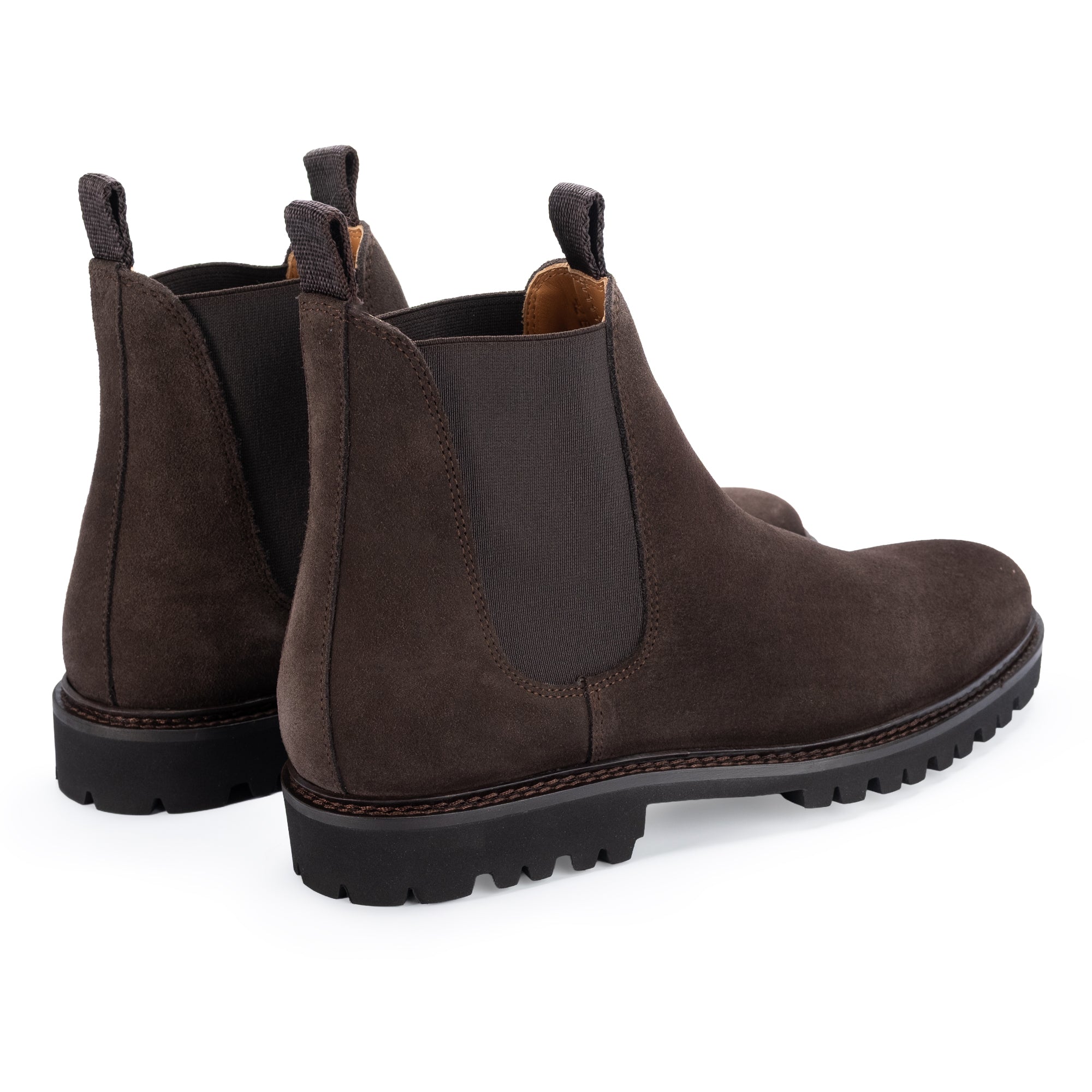
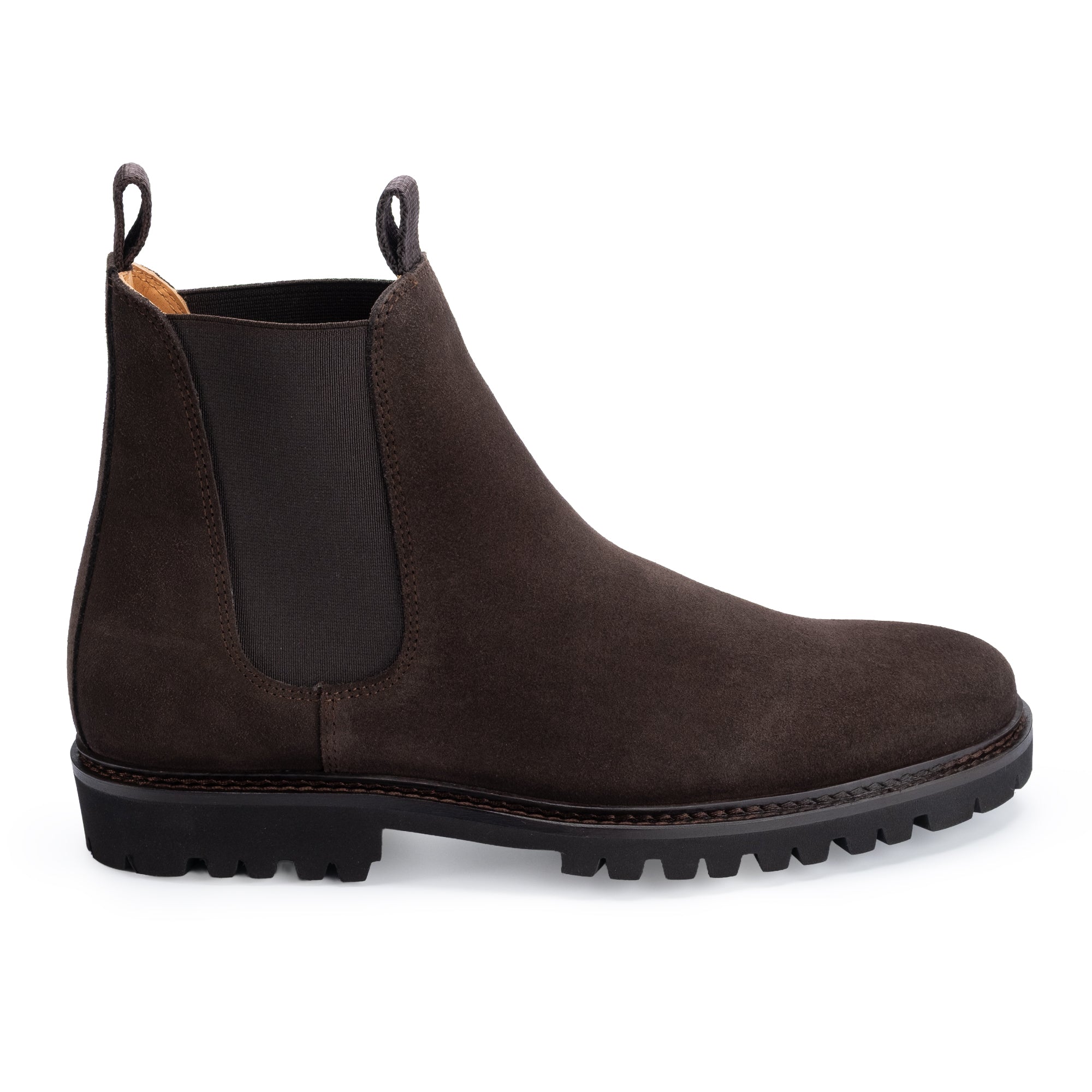
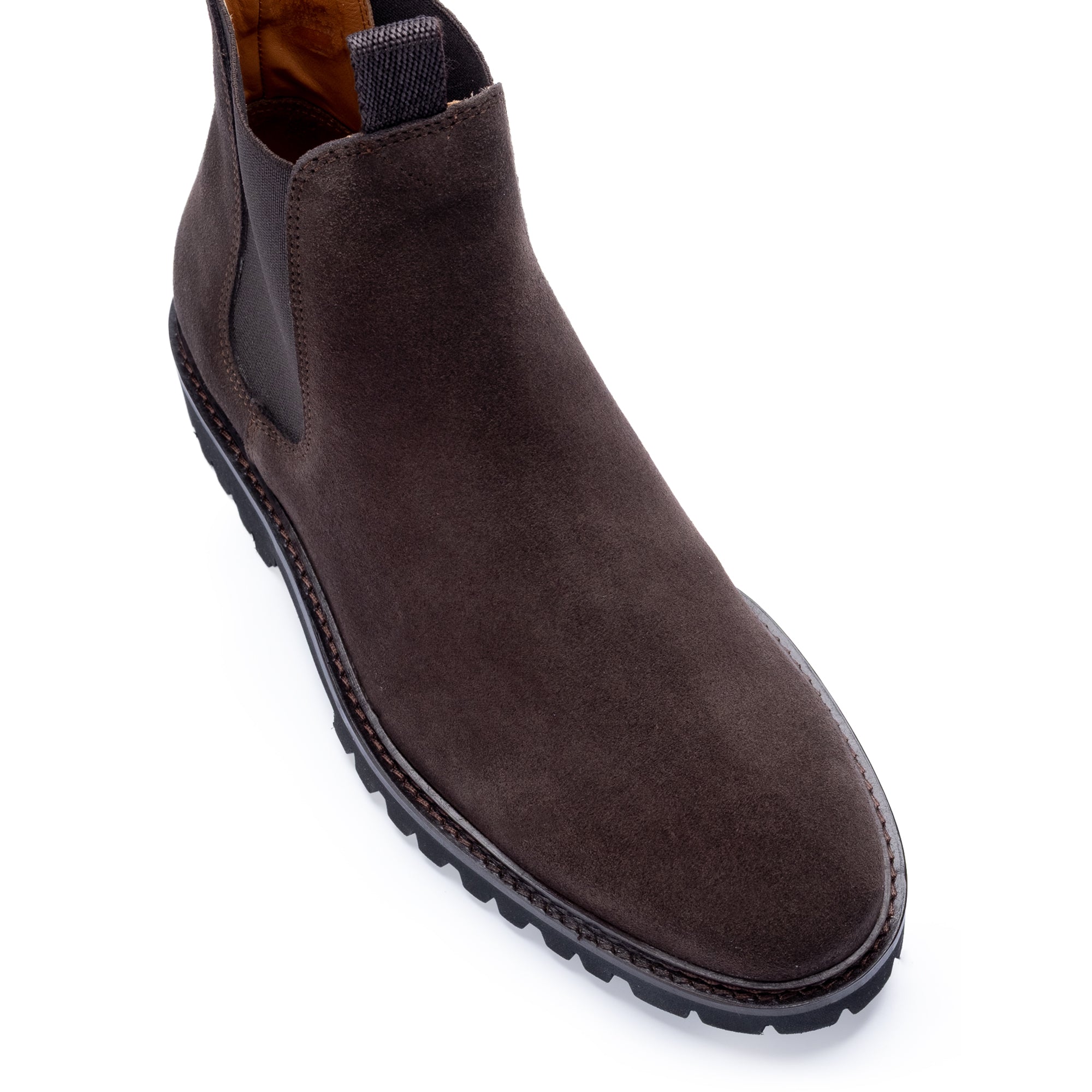
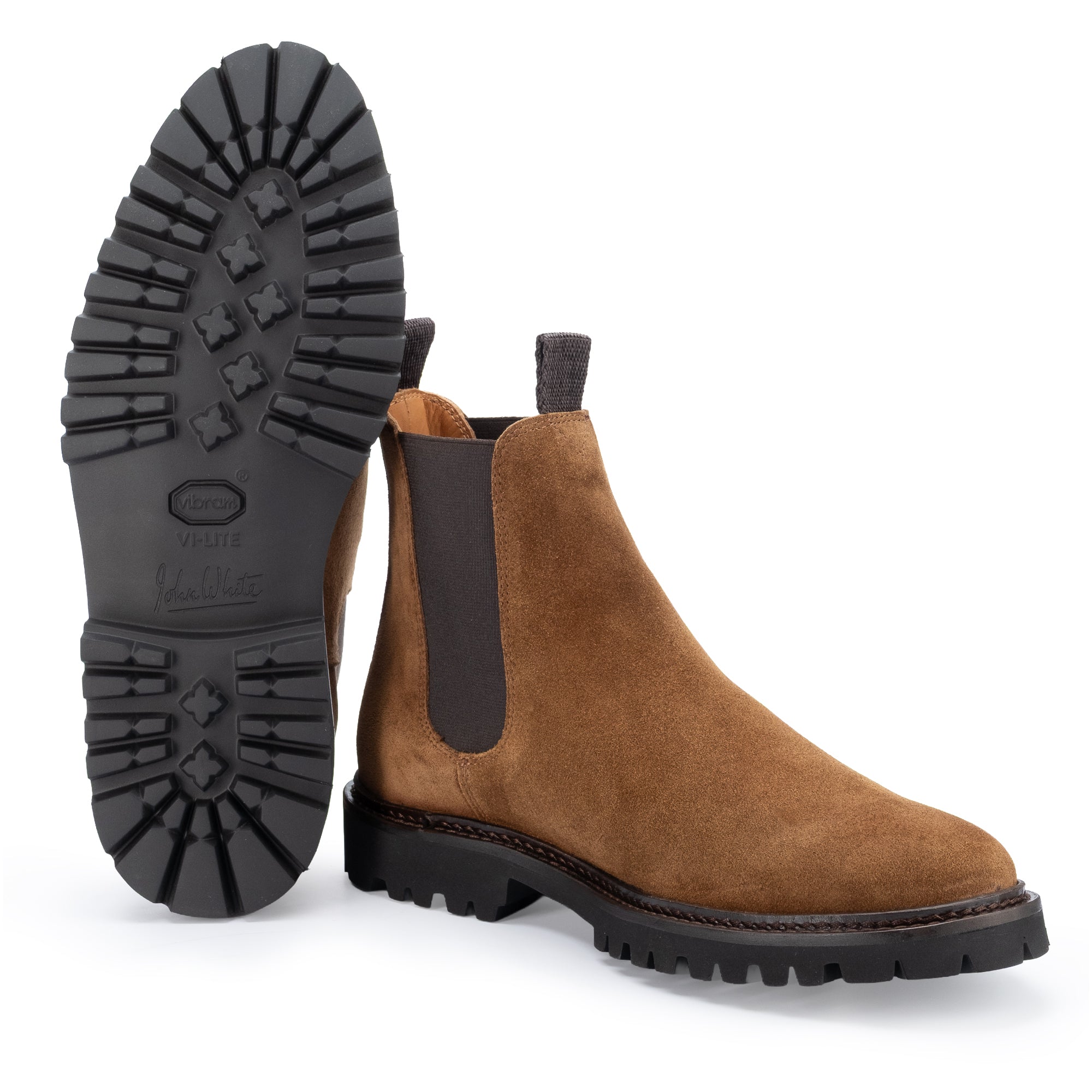
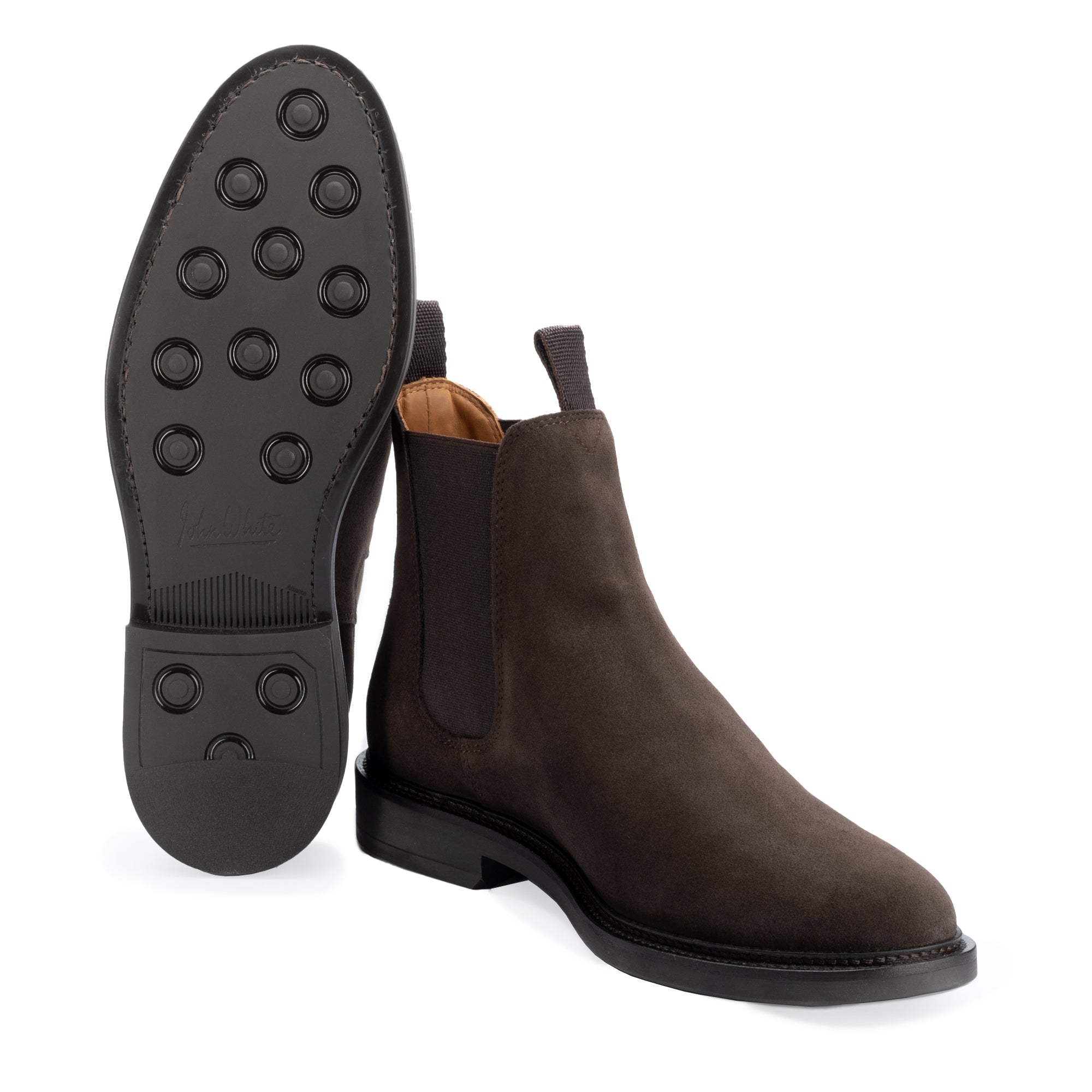
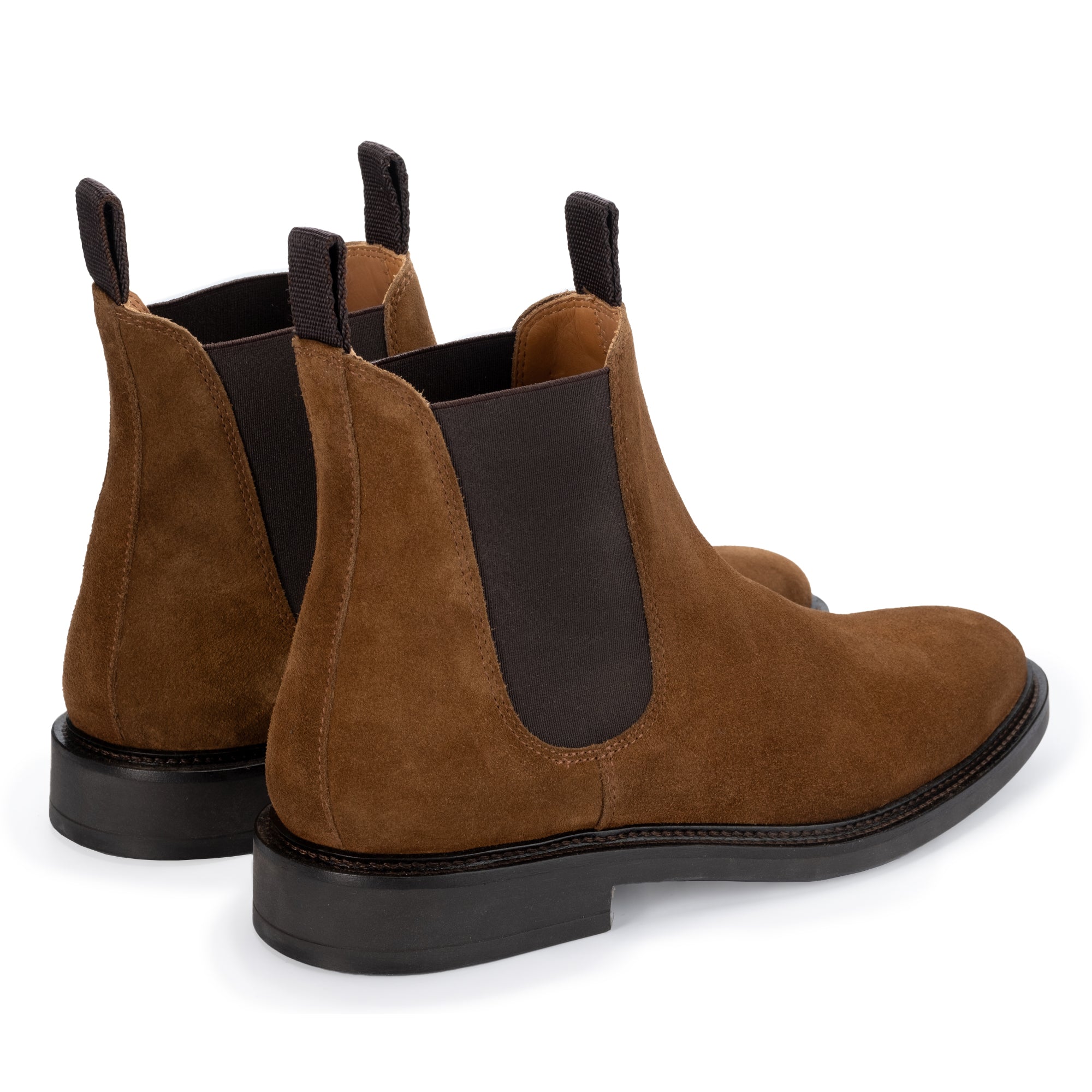
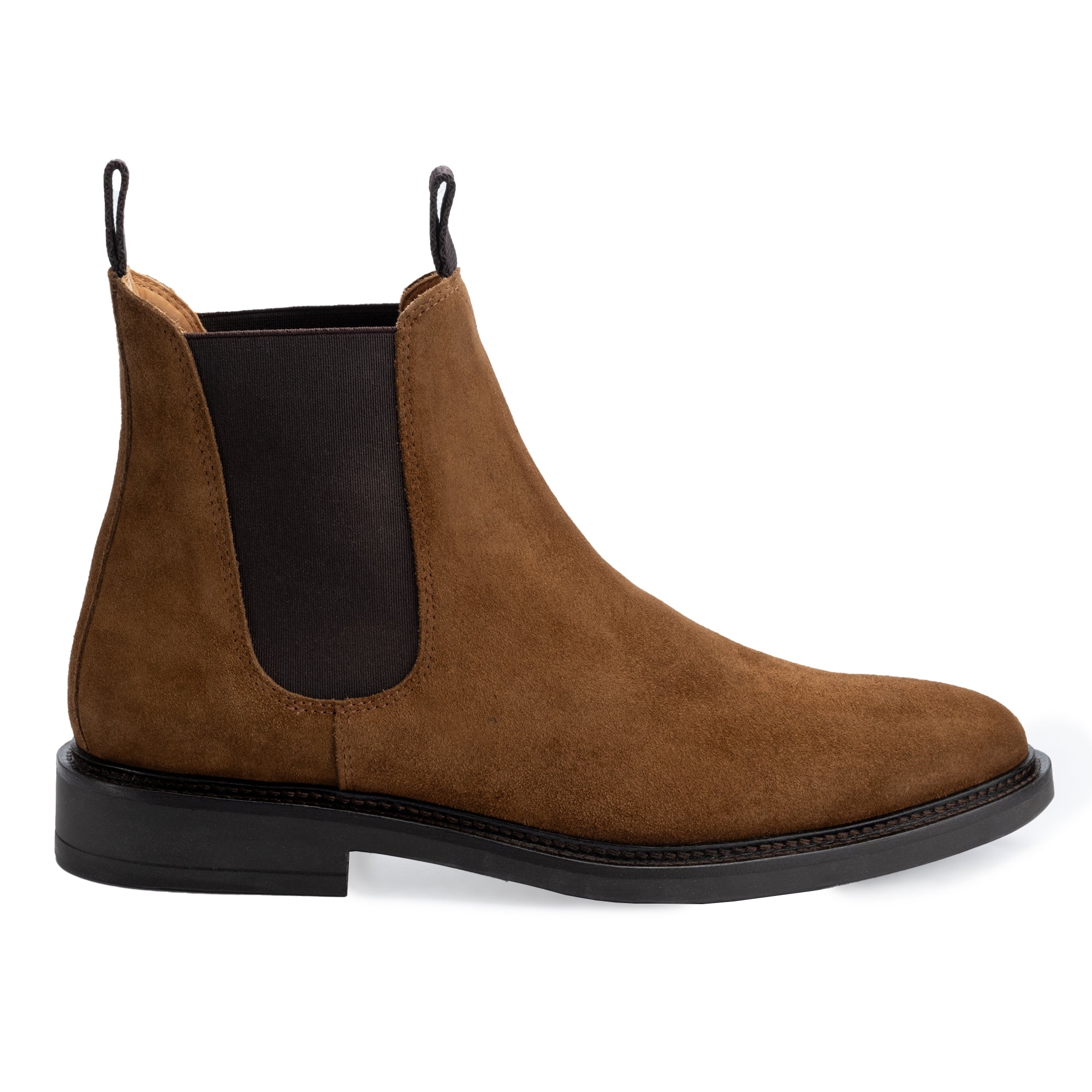
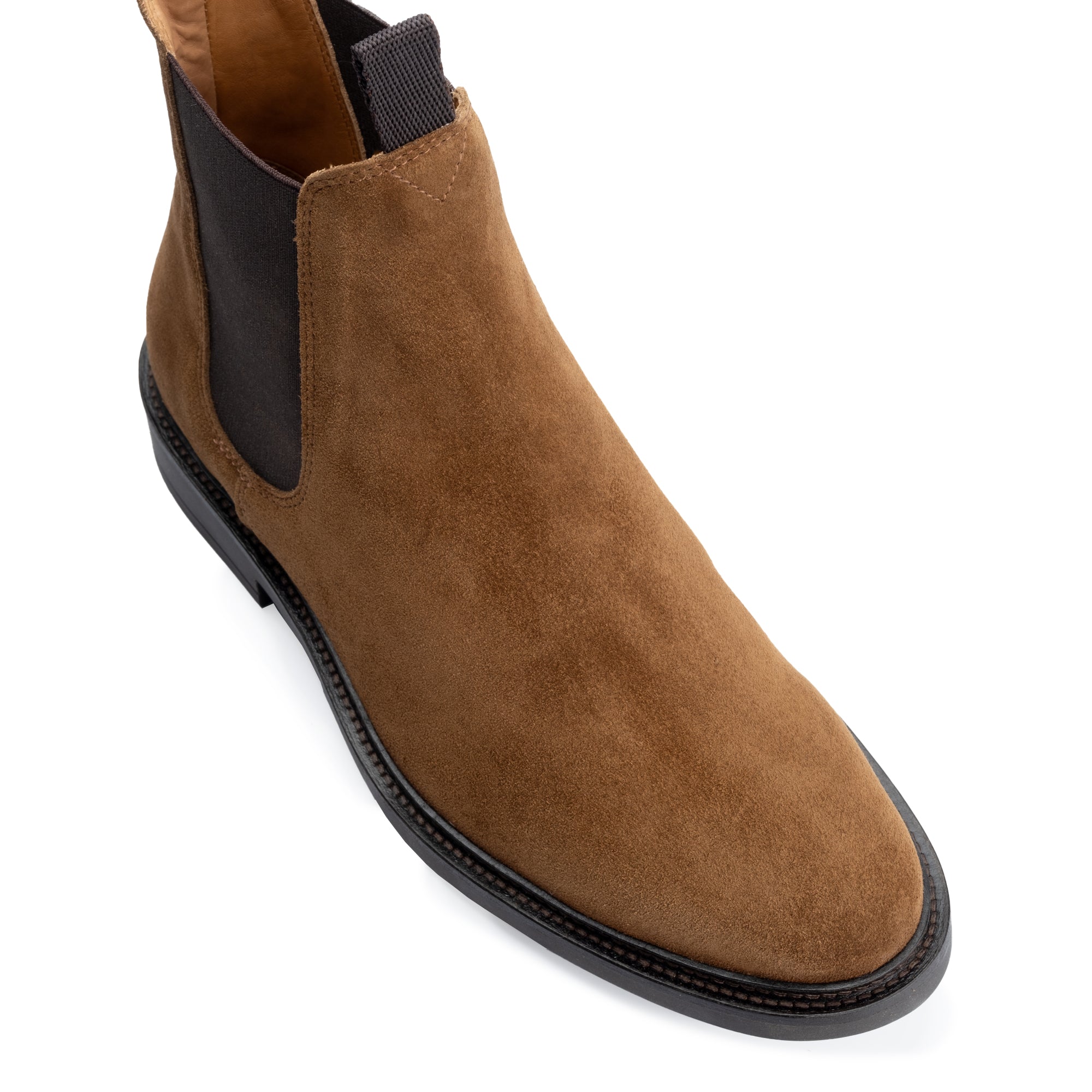
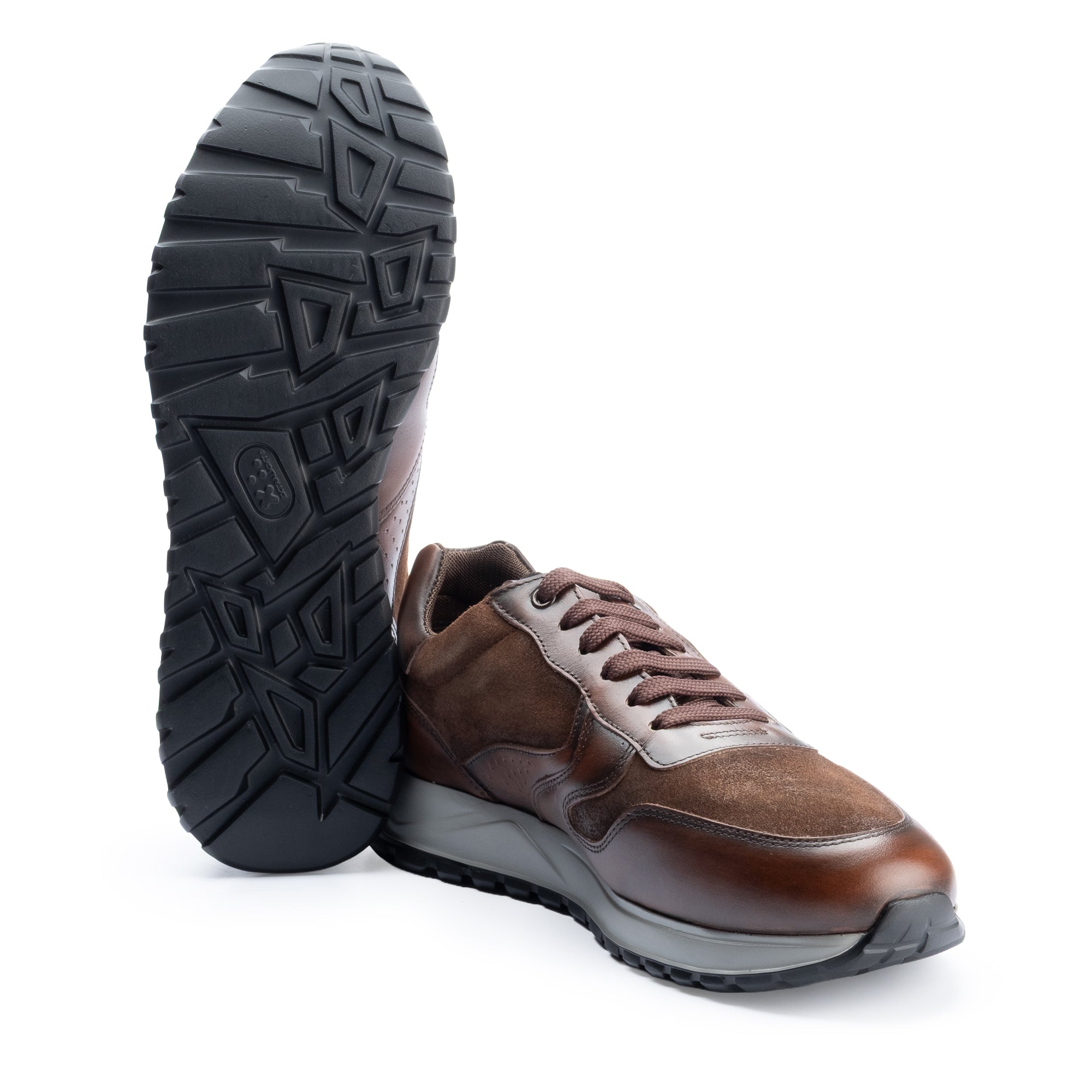
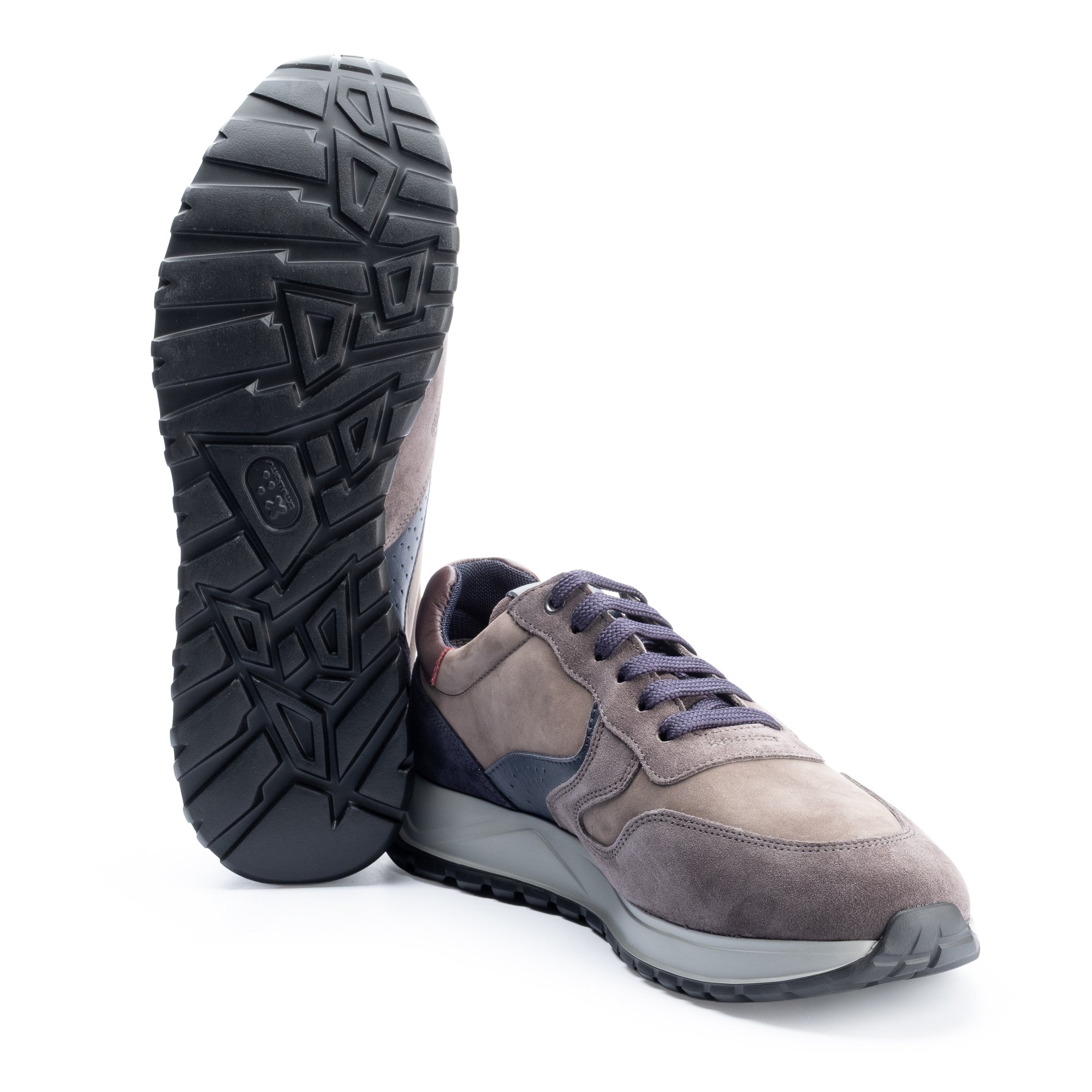
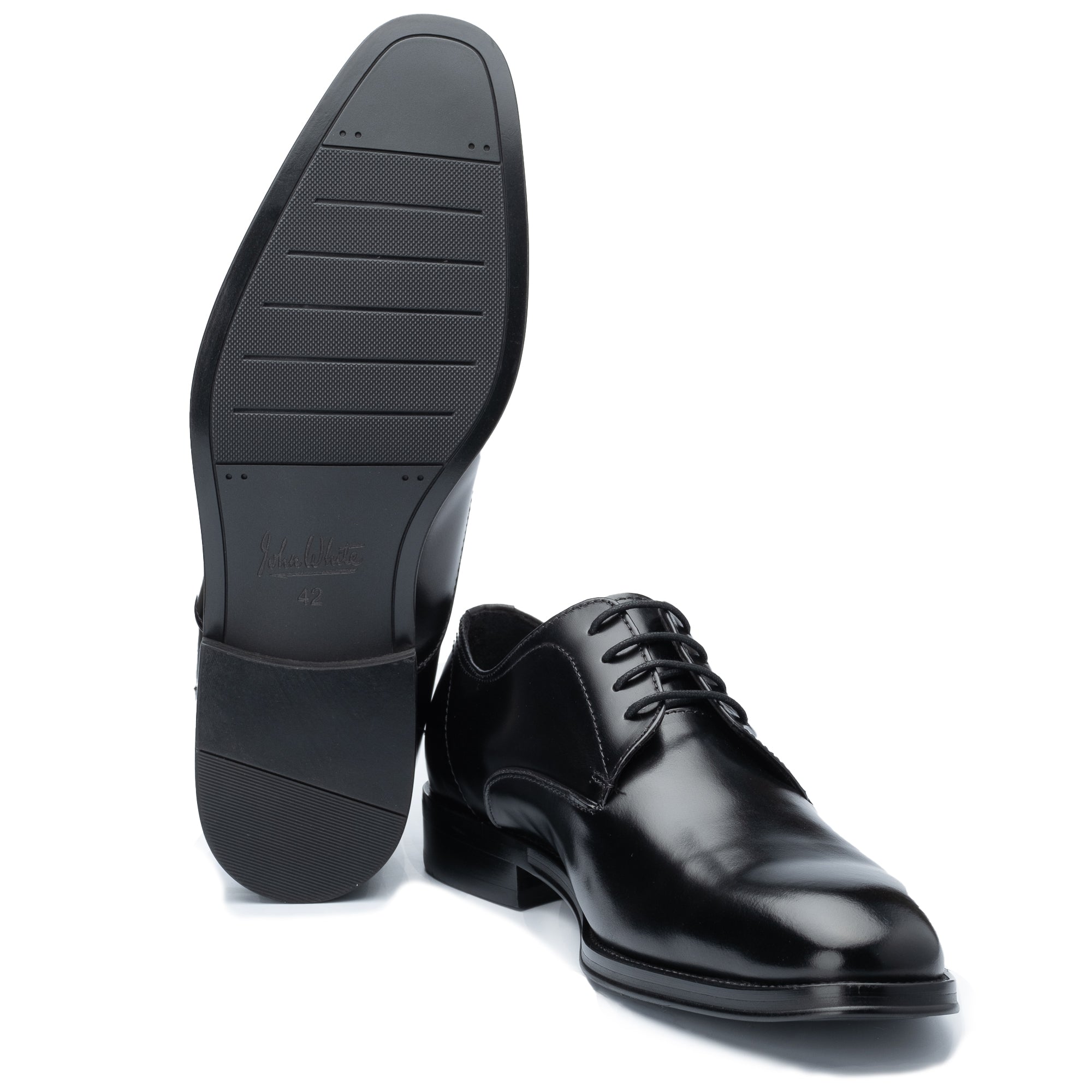
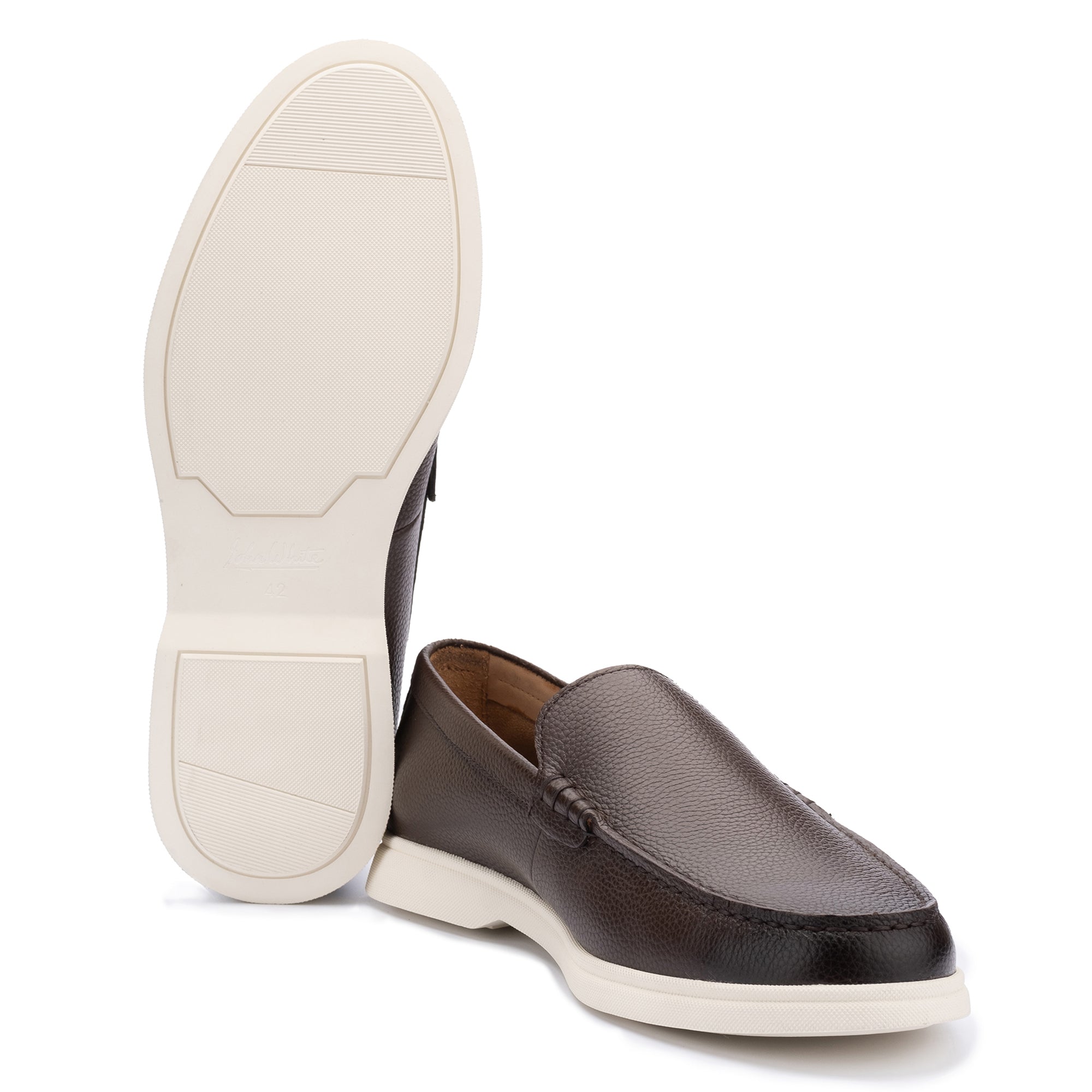
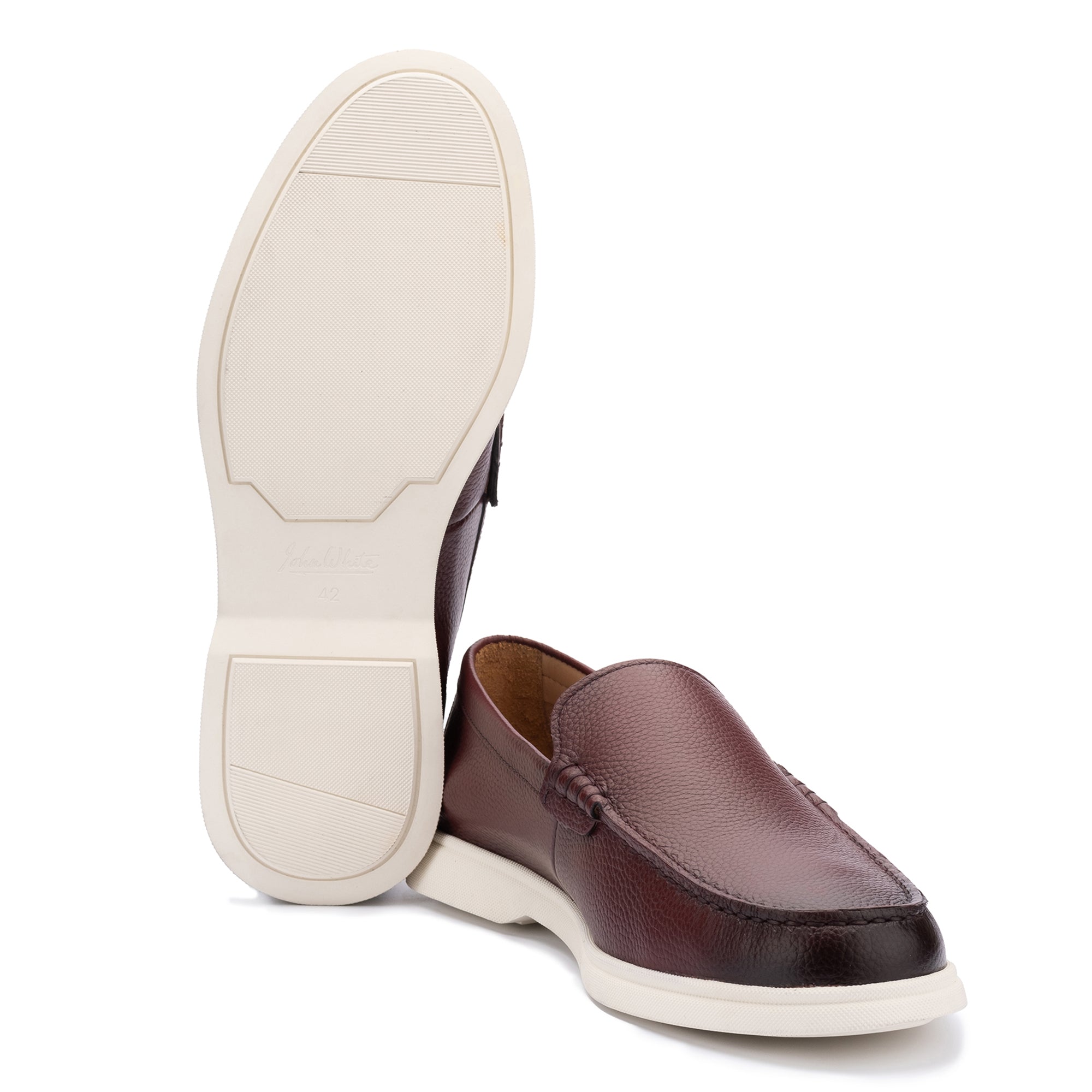
Sole choice is critical. A Dainite rubber sole provides the grip and water resilience that Cheltenham's ground conditions demand, without compromising the refined appearance of a quality shoe. Avoid smooth leather soles unless conditions are dry — they offer almost no traction on damp grass.
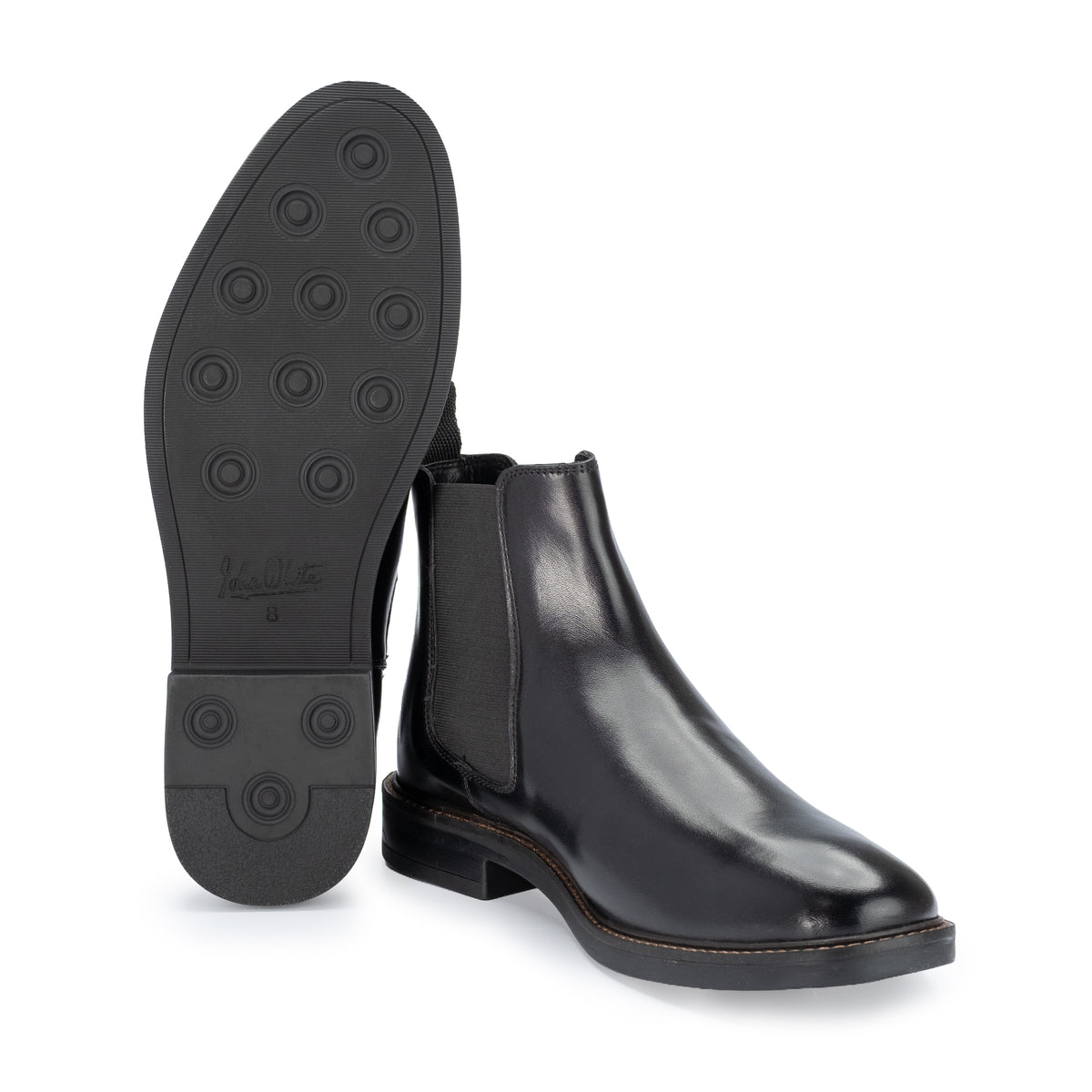
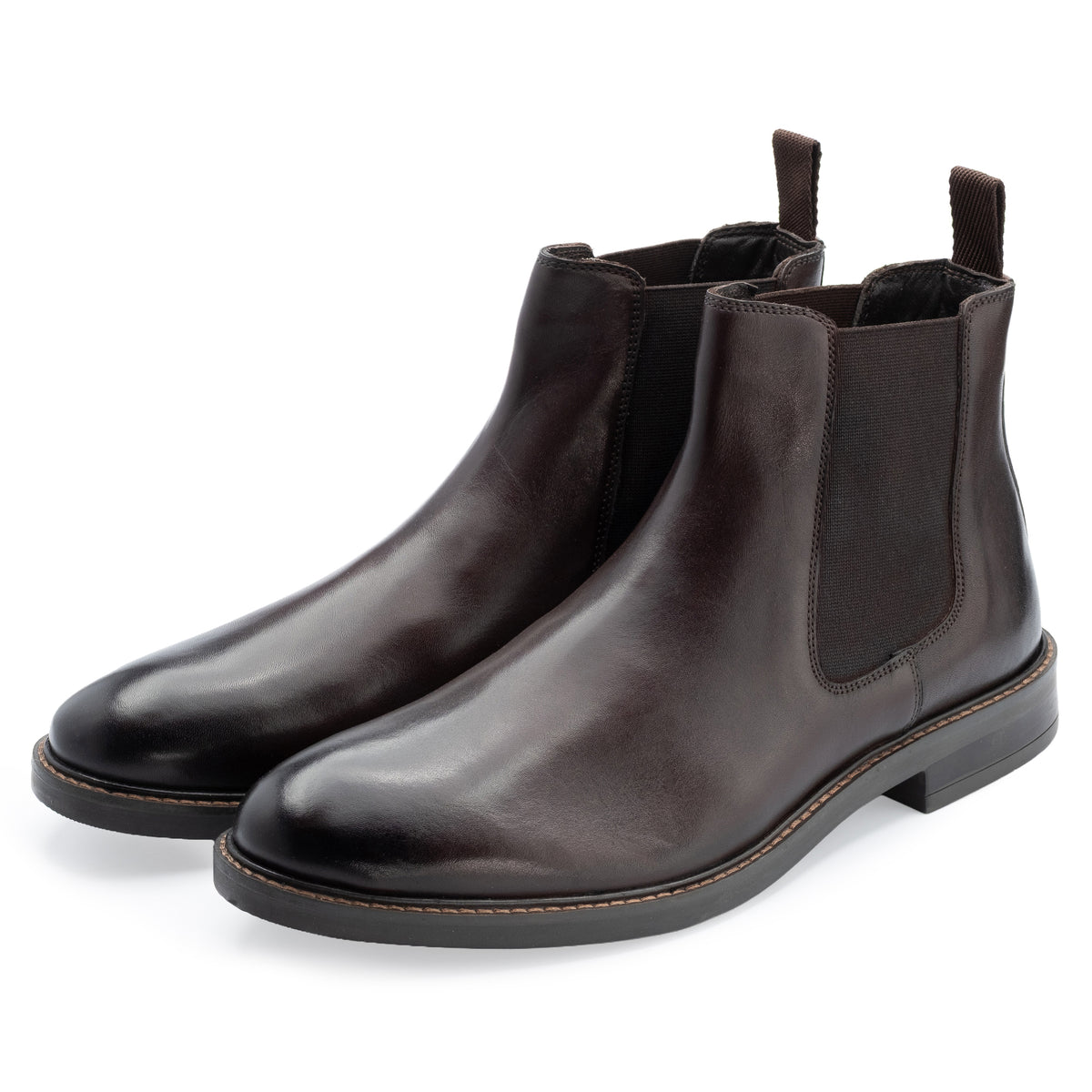
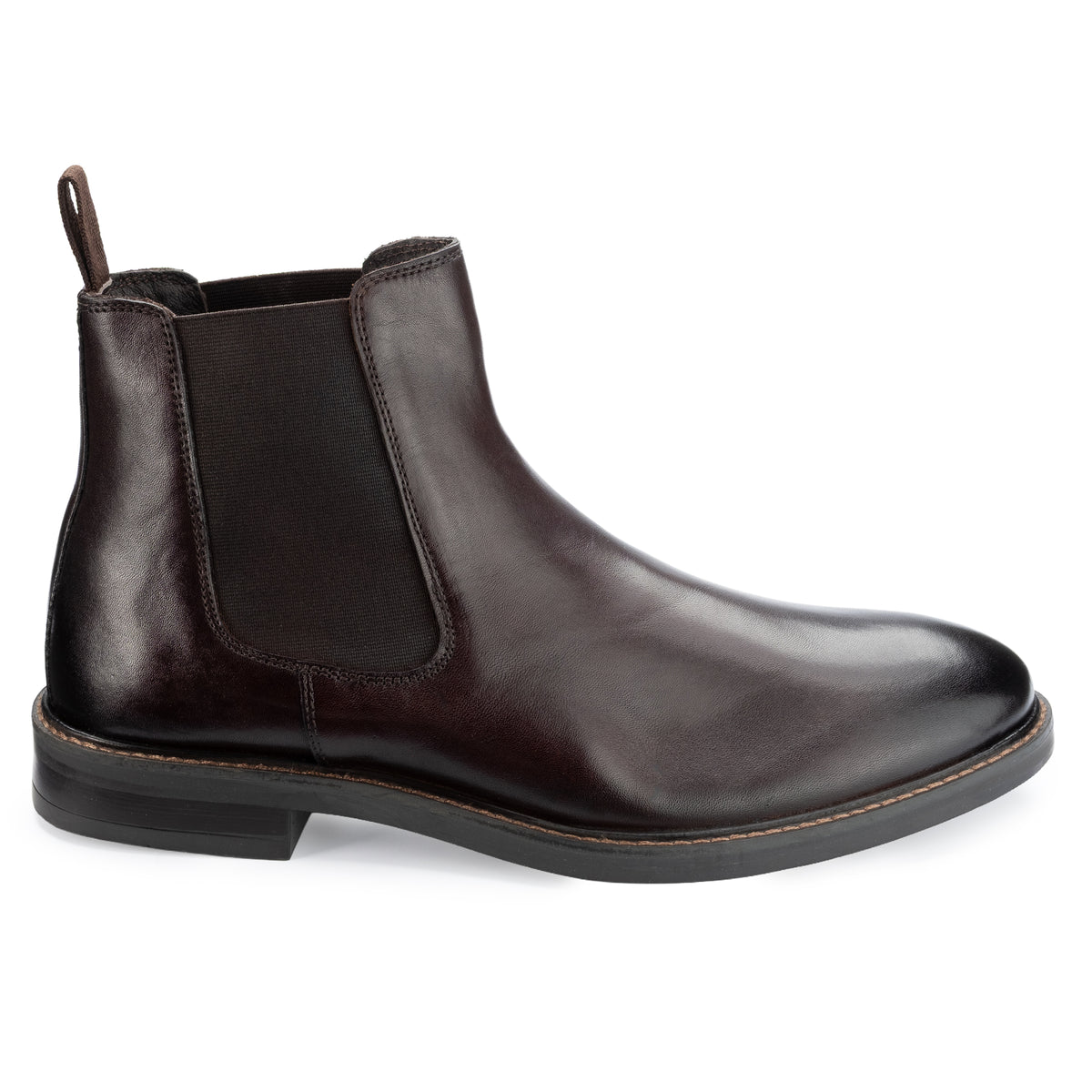
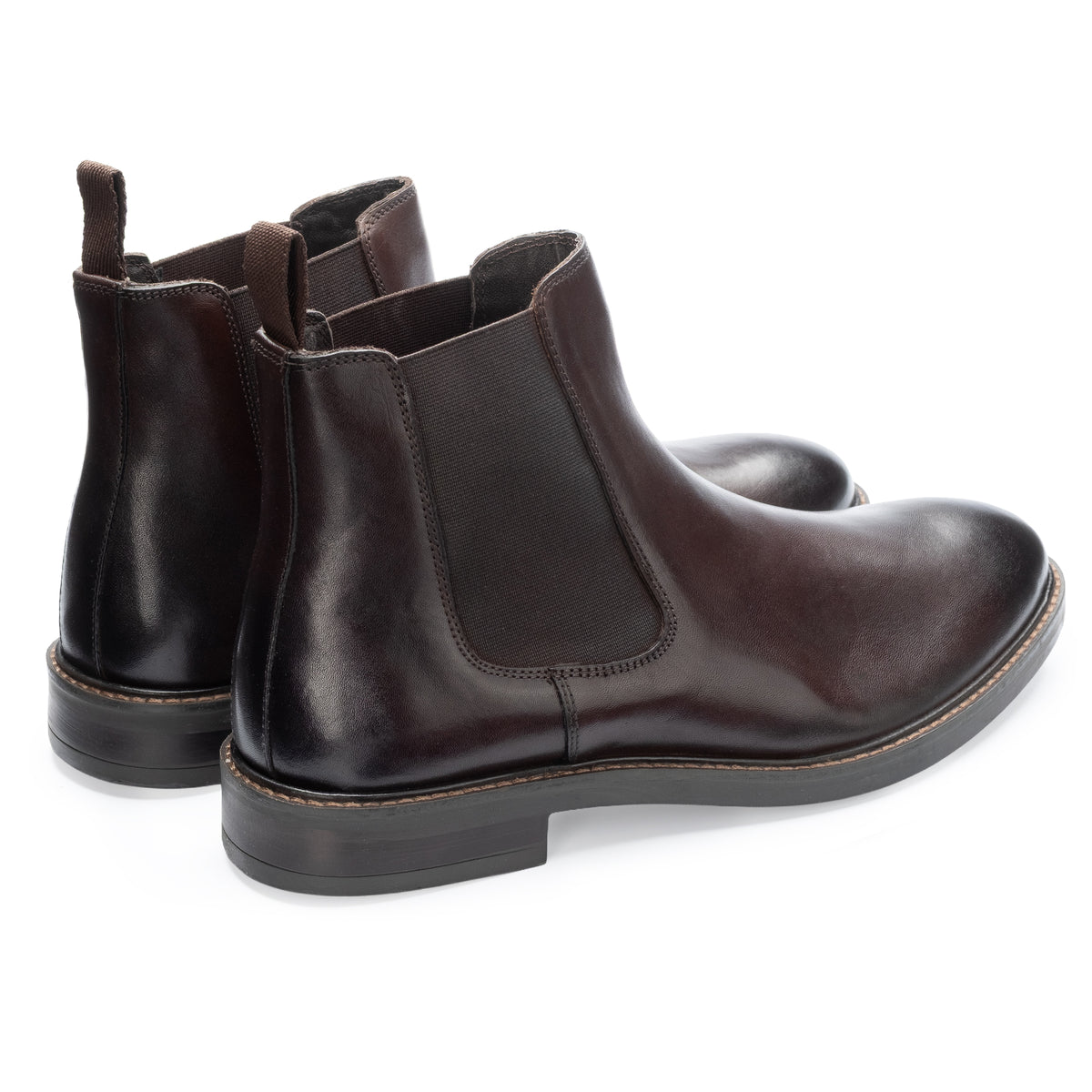
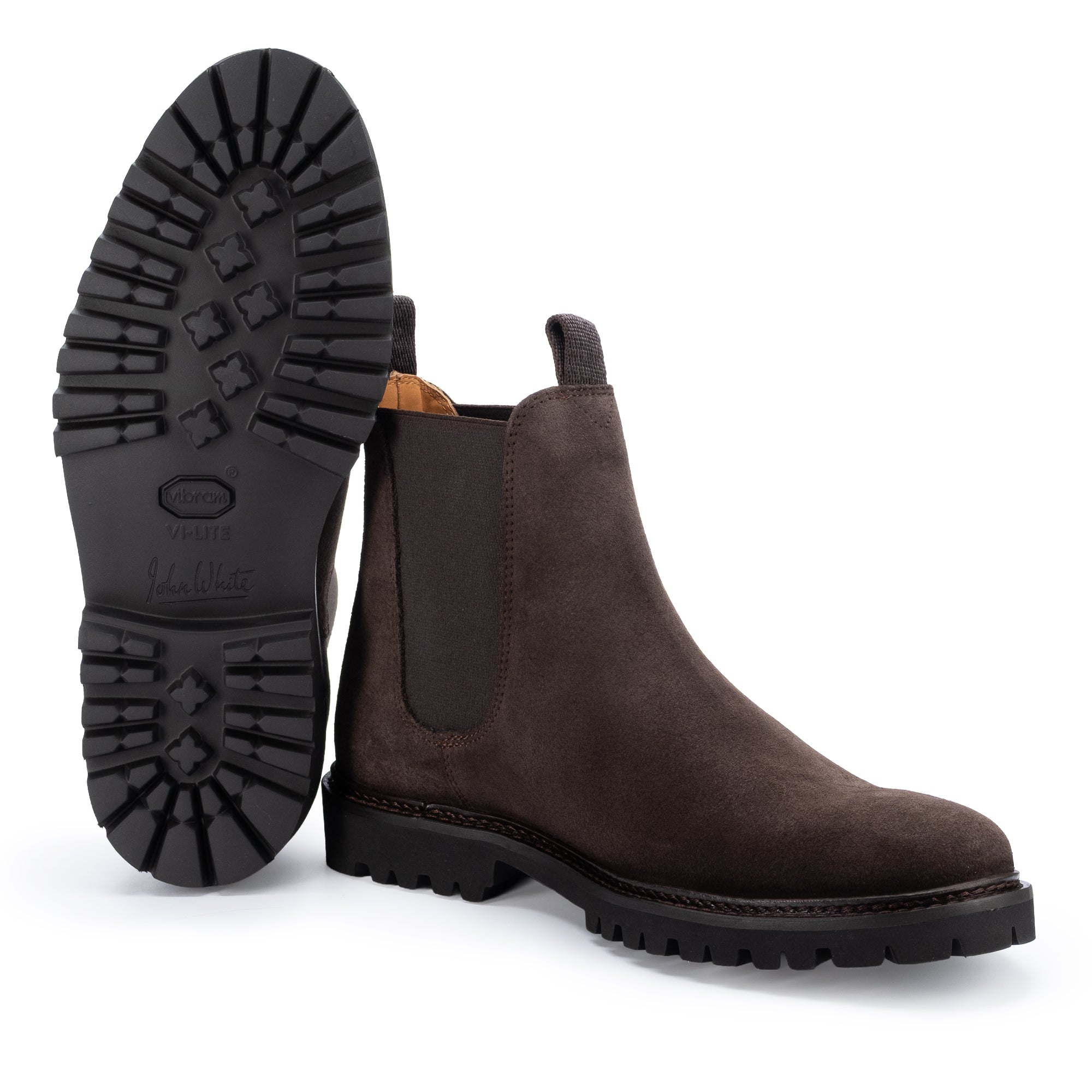
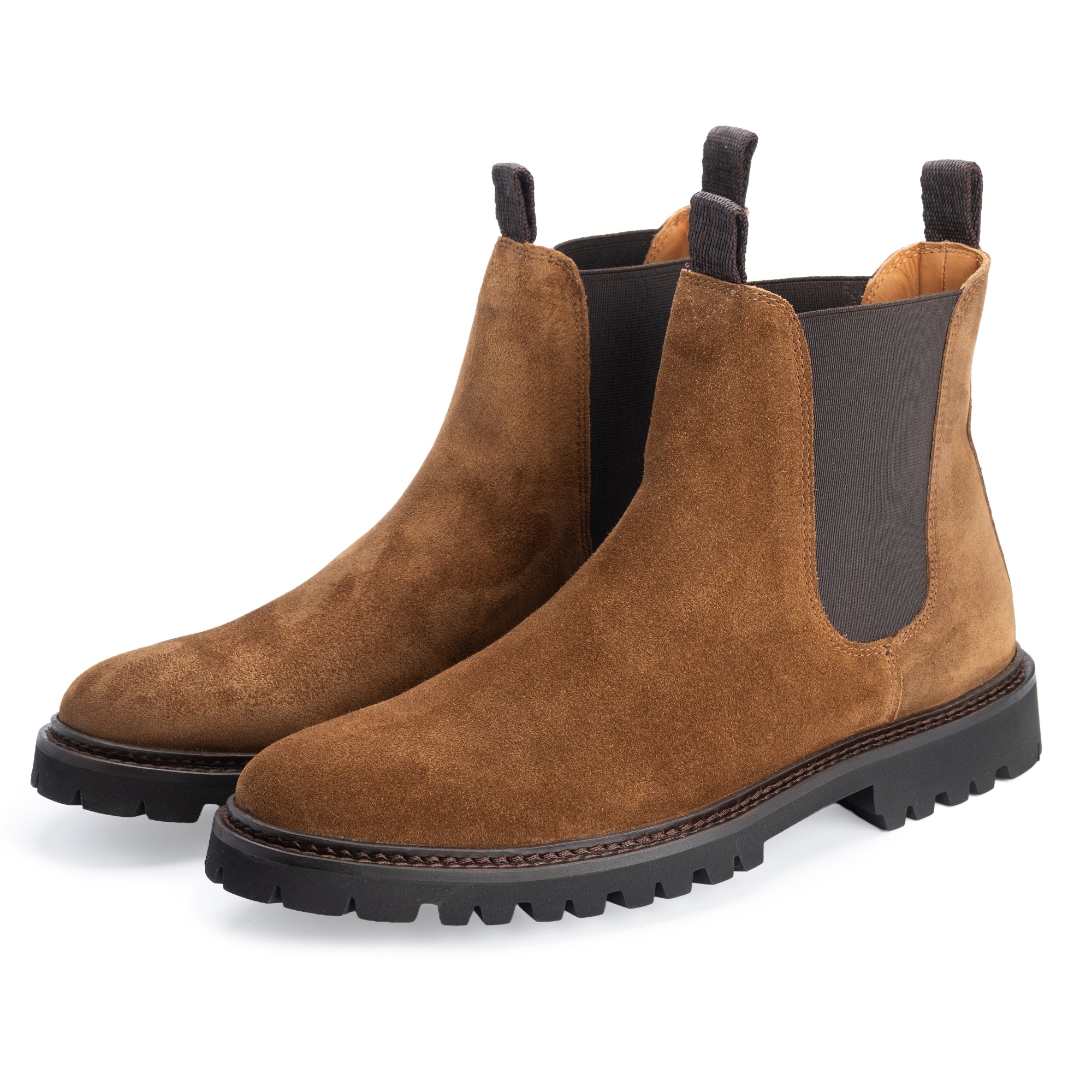
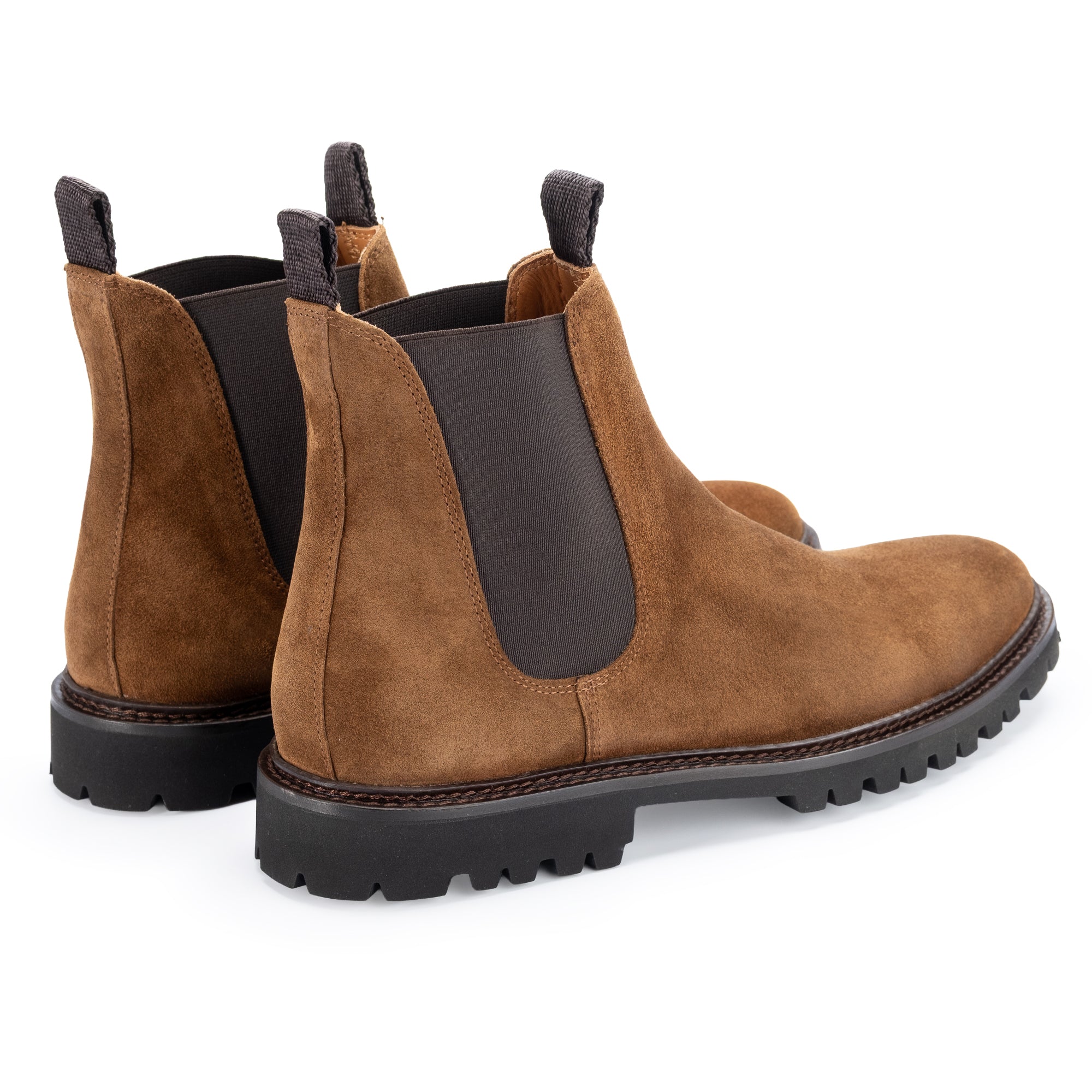
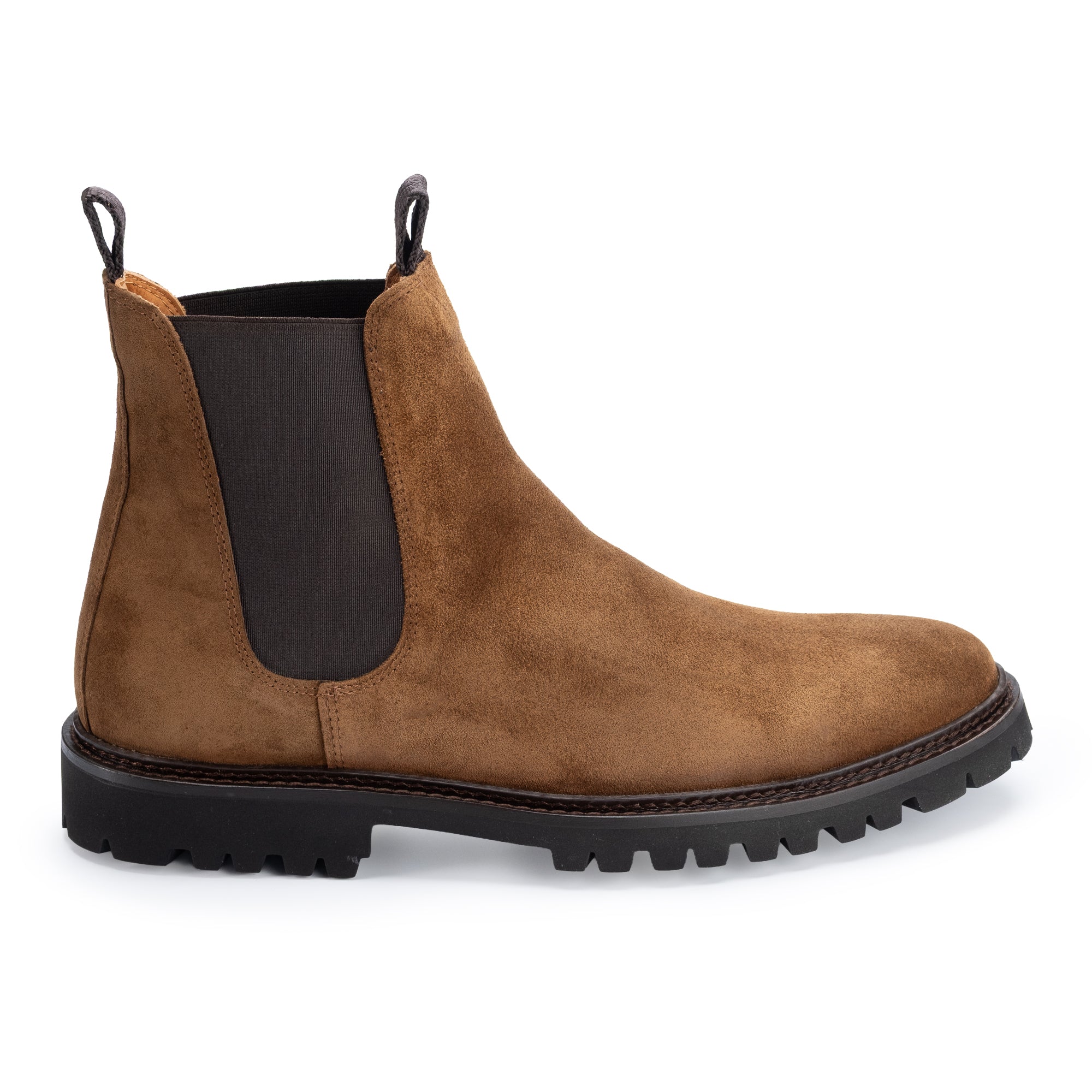
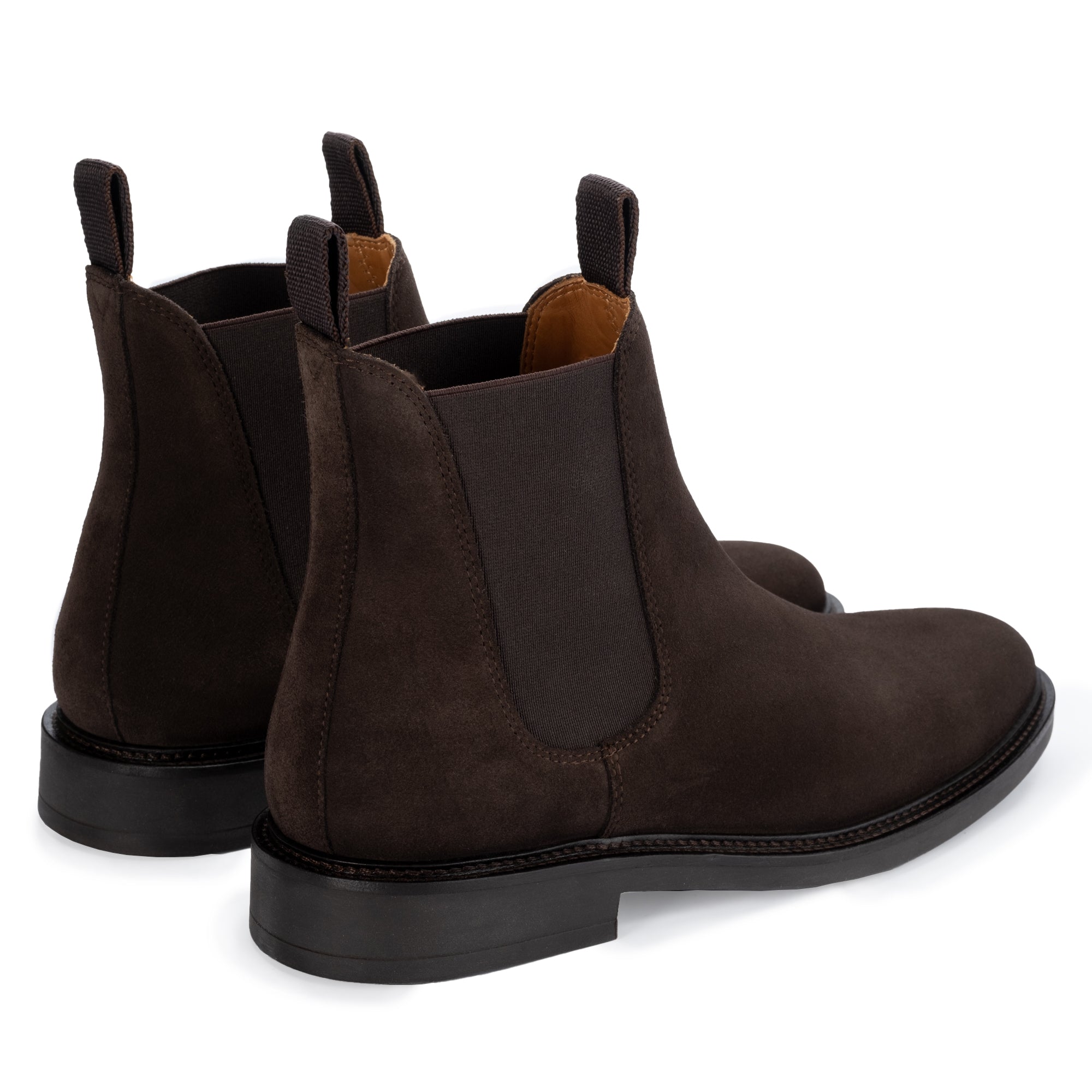
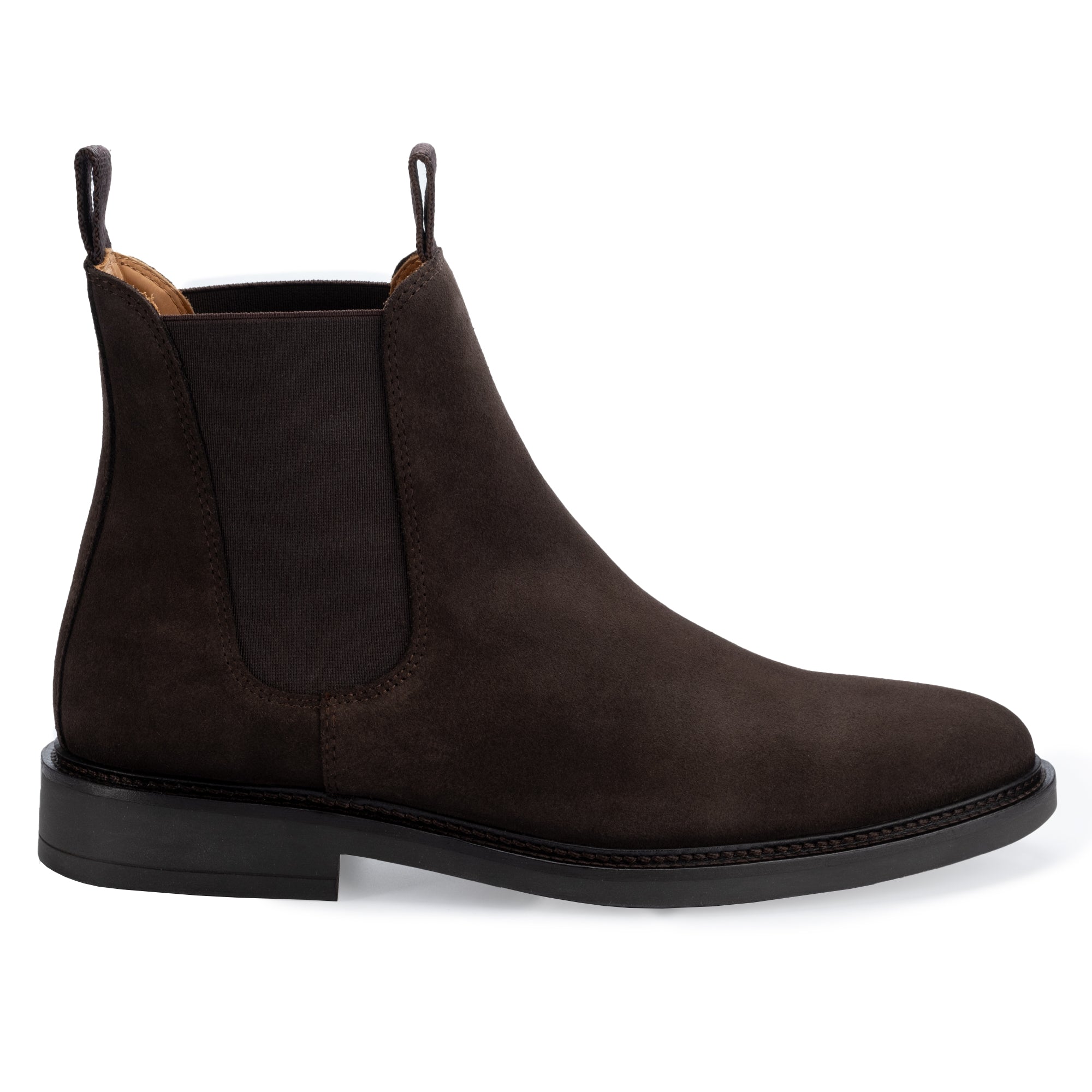
At Cheltenham, a full brogue Derby in dark tan or mid-brown fitted with a Dainite rubber sole is the most practical and stylistically sound choice across all enclosures.What Is the Goodwood Dress Code?
Glorious Goodwood is an annual flat racing festival at the Goodwood Estate in West Sussex, held across five days in late July and early August. The setting is elevated: a Regency grandstand, rolling downland, and a crowd that treats occasion dressing as a natural extension of the day.
The Goodwood Estate's own guidance describes the standard as "smart summer attire." The Richmond Enclosure — the premier enclosure — requires a suit or smart jacket and tailored trousers. Shorts are prohibited. The Gordon Enclosure is more relaxed, with a blazer and open-collar shirt appropriate.
Goodwood is the most relaxed of the three major meetings in terms of formality — but that demands more considered shoe selection, not less. Summer fabrics and warm weather reward the shoe that has been chosen for the season.
What Shoes Are Right for Glorious Goodwood?
The best shoes for Glorious Goodwood are those suited to summer occasion dressing: light in colour, refined in silhouette, and aligned with the season. The same black Oxford that anchors morning dress at Ascot reads as seasonally misplaced at a July race meeting on the South Downs.
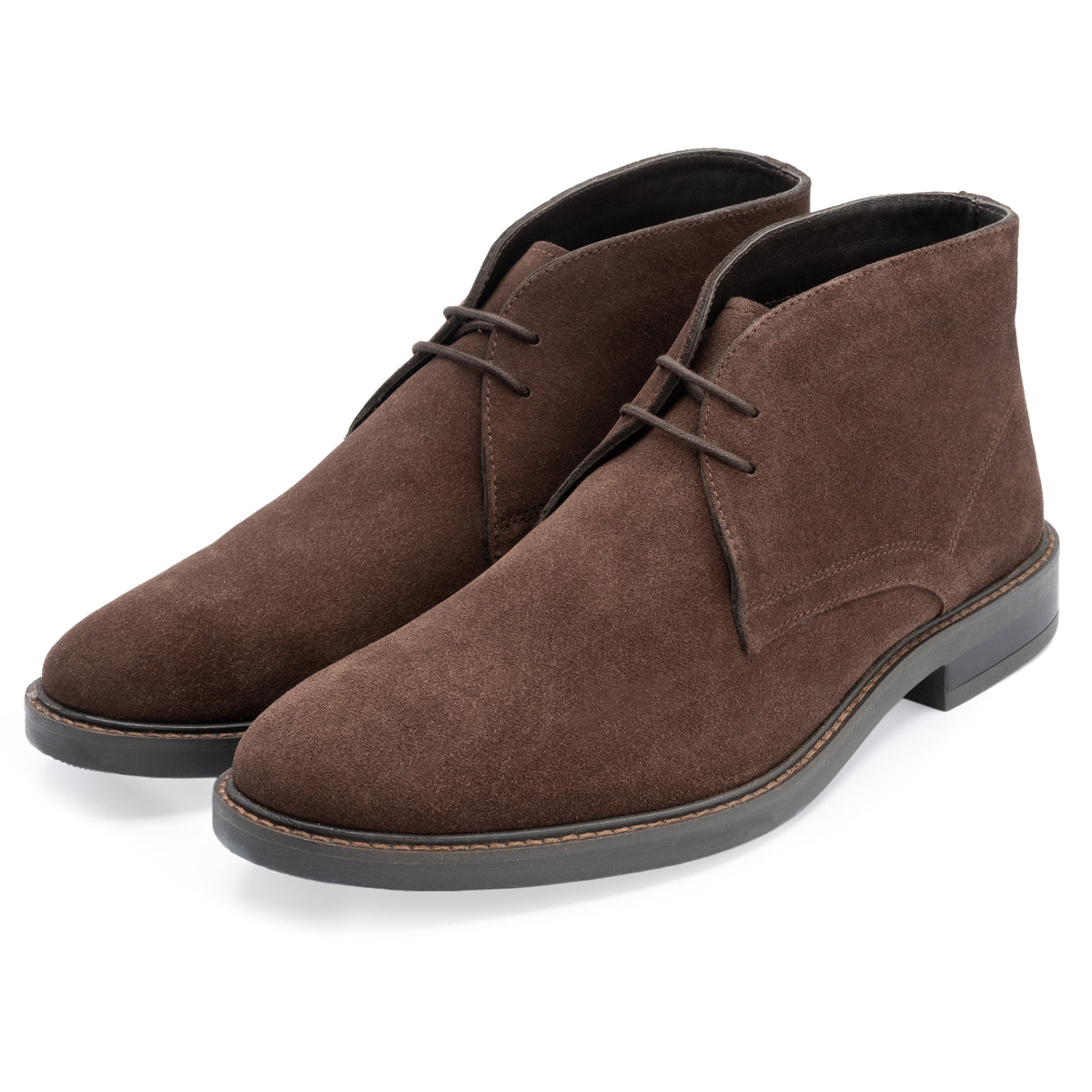
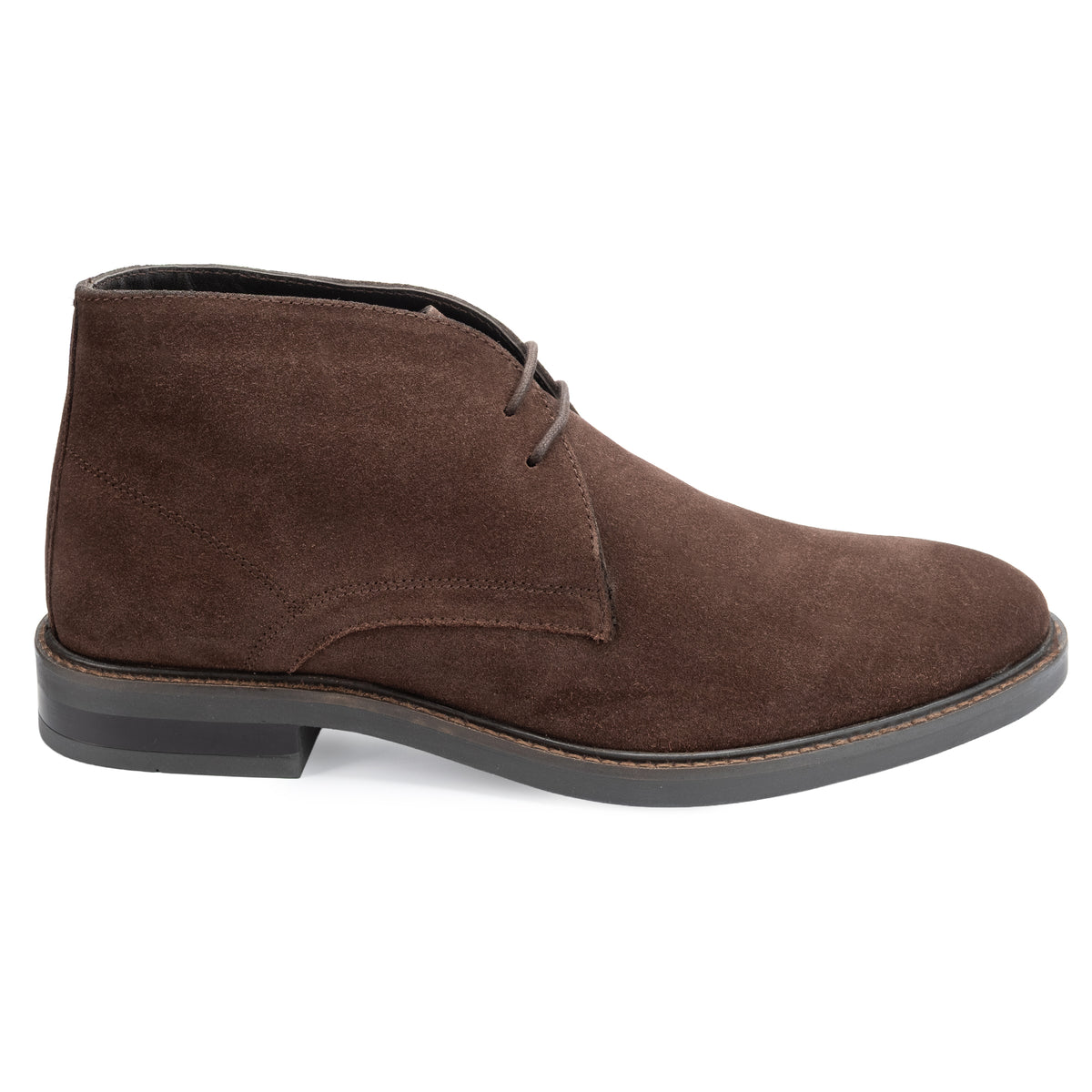
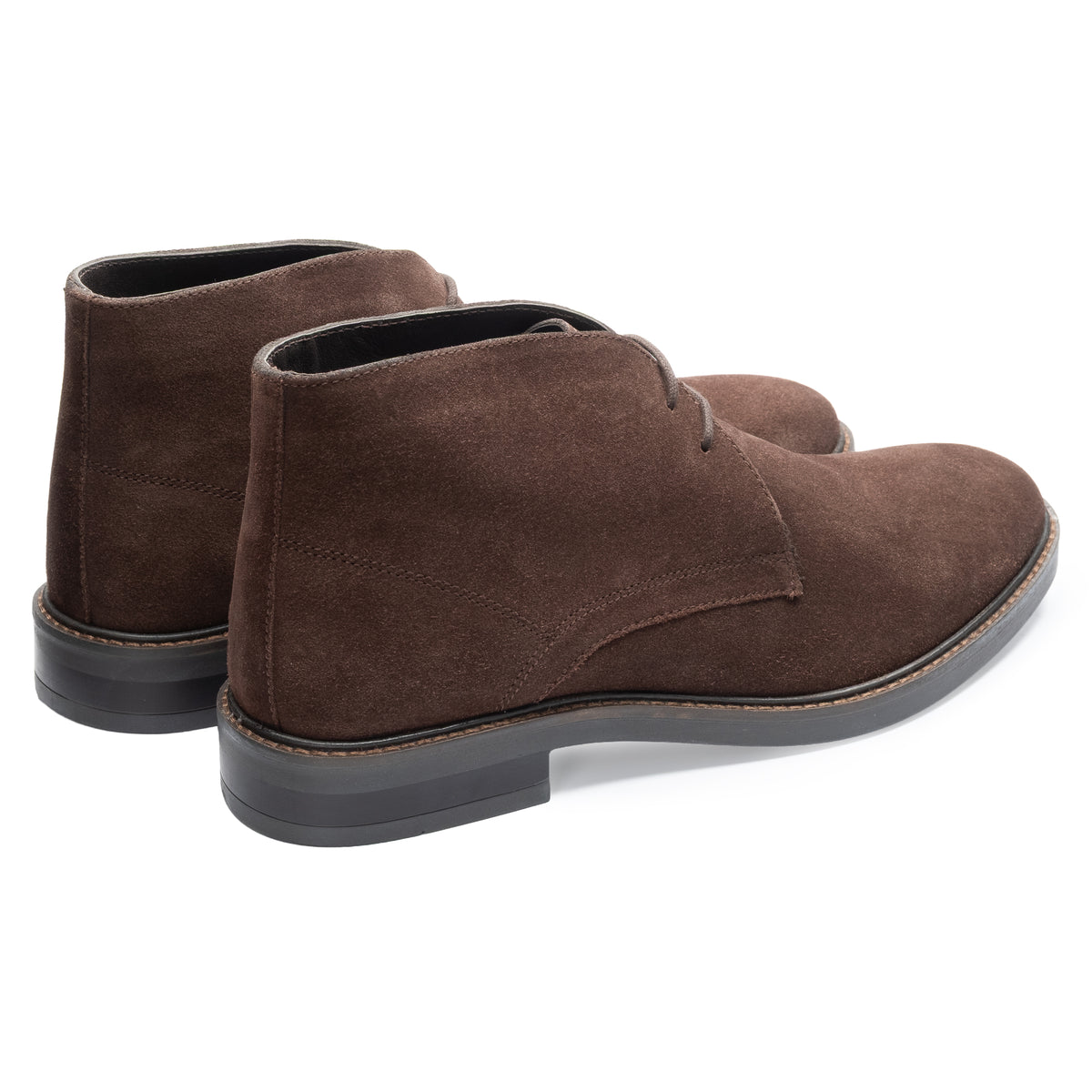
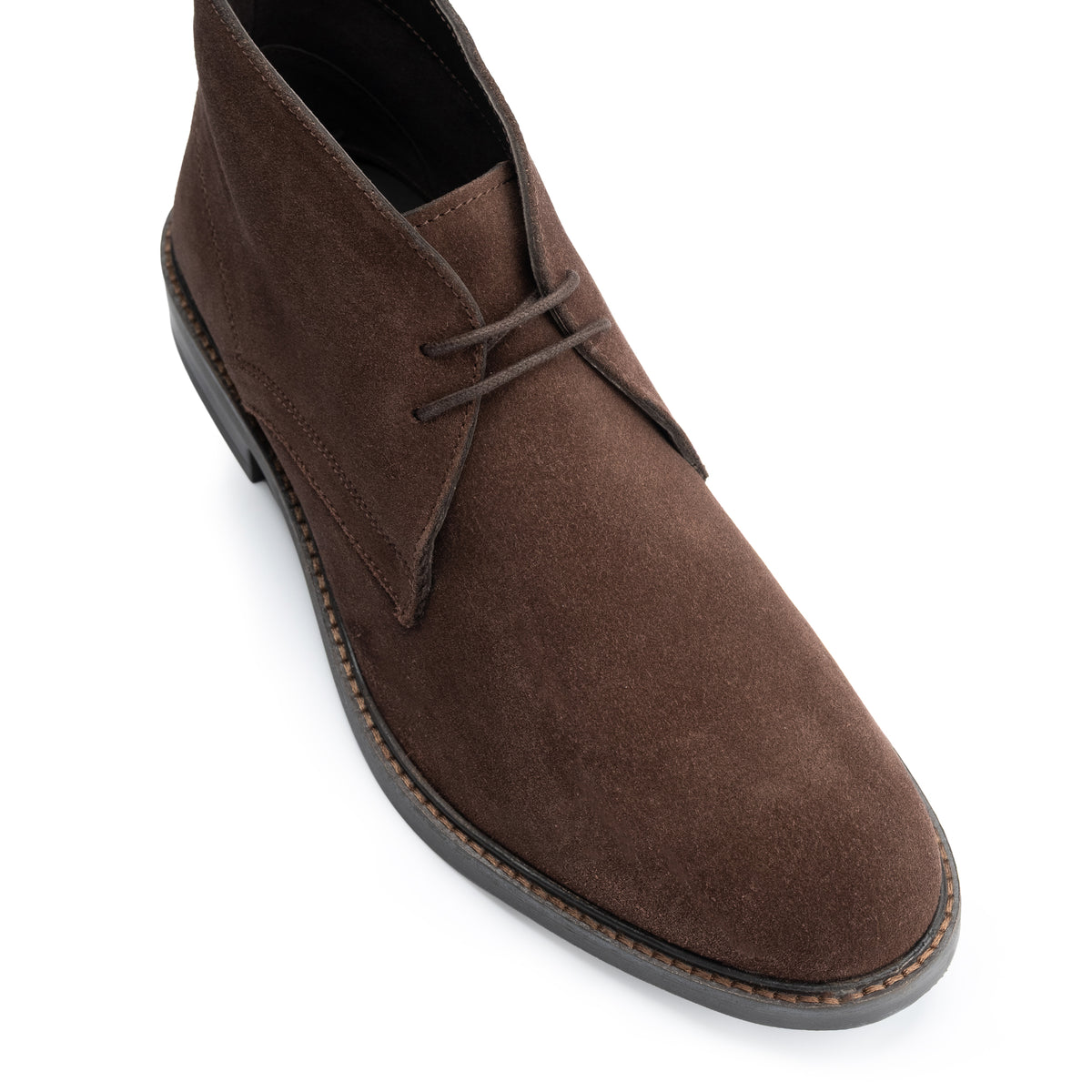
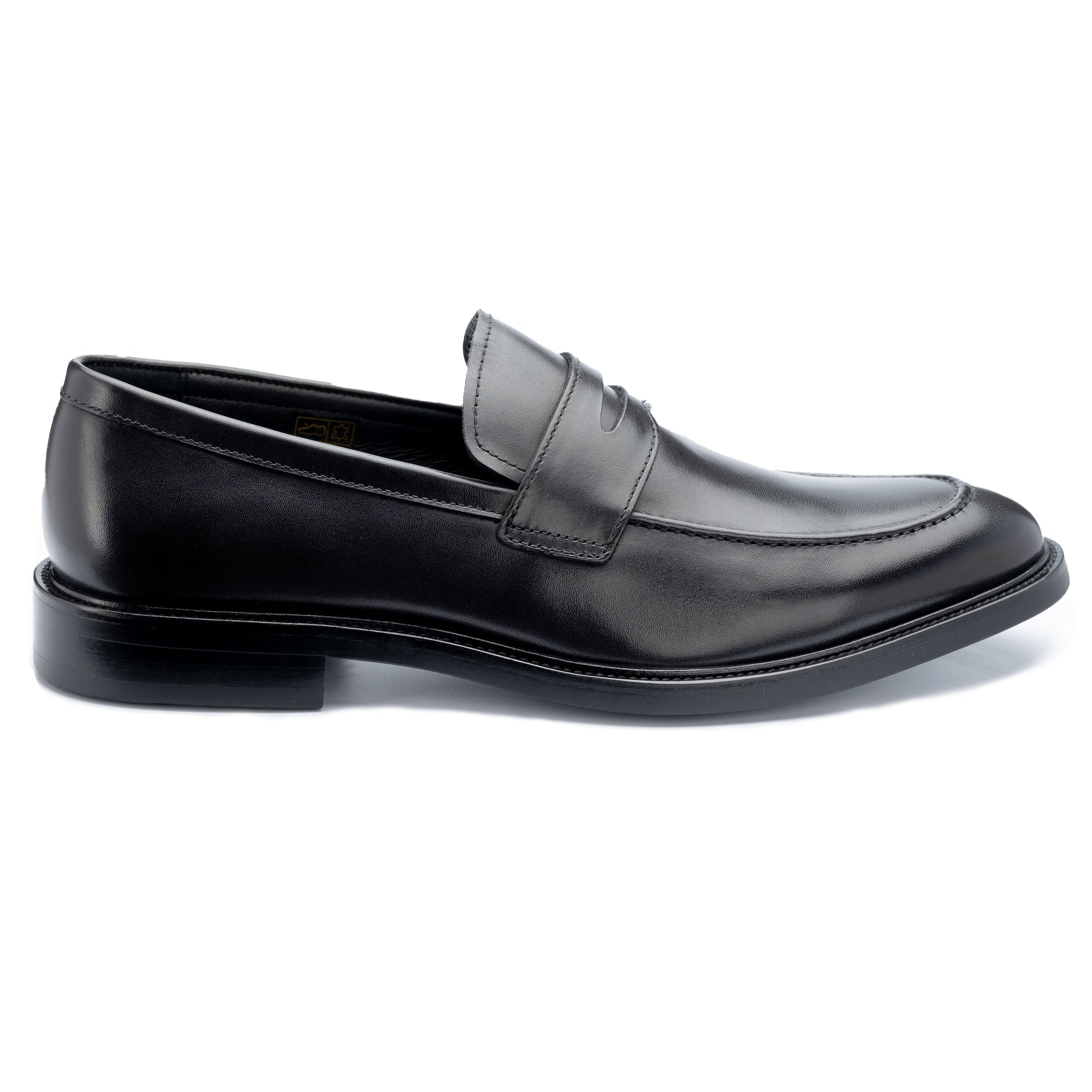
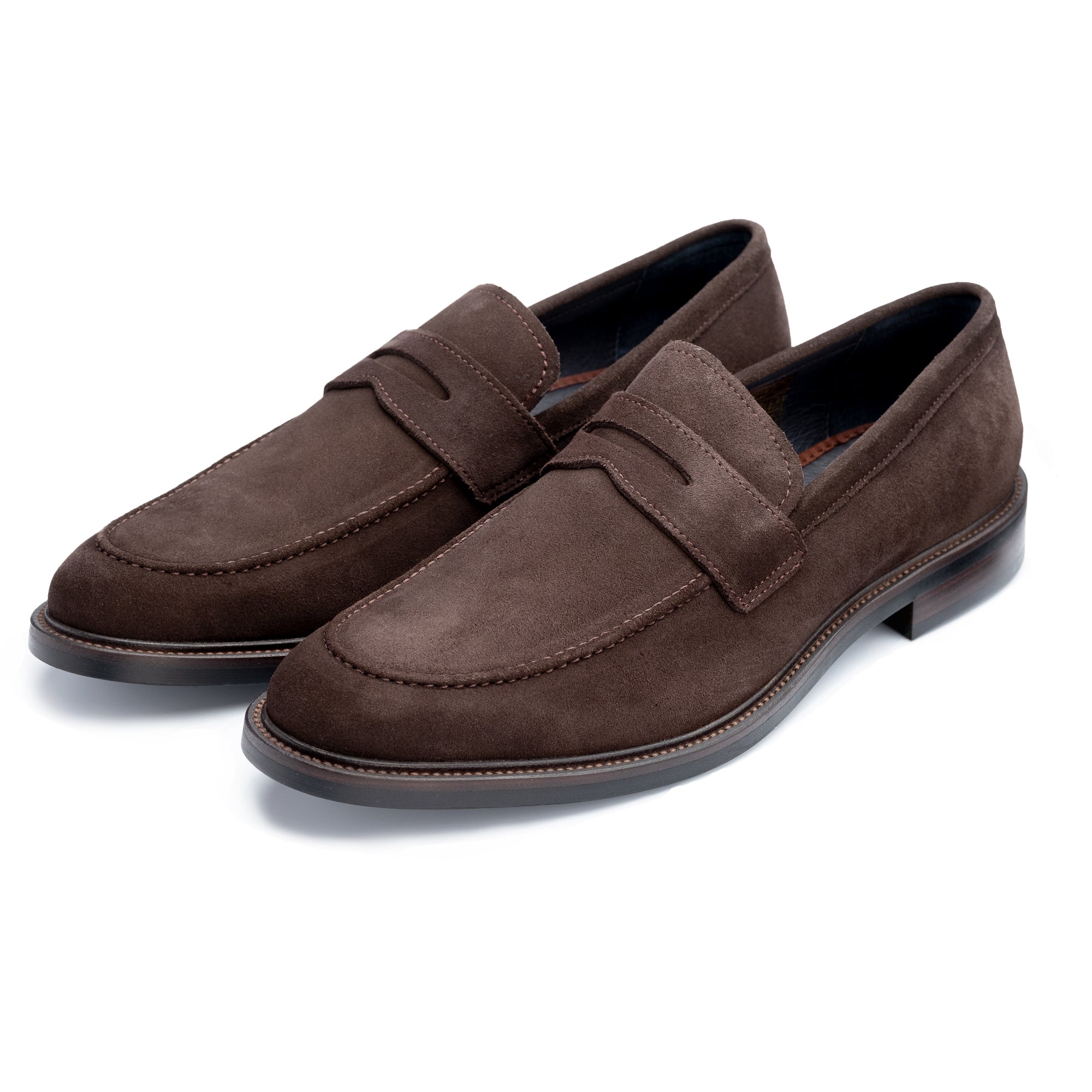
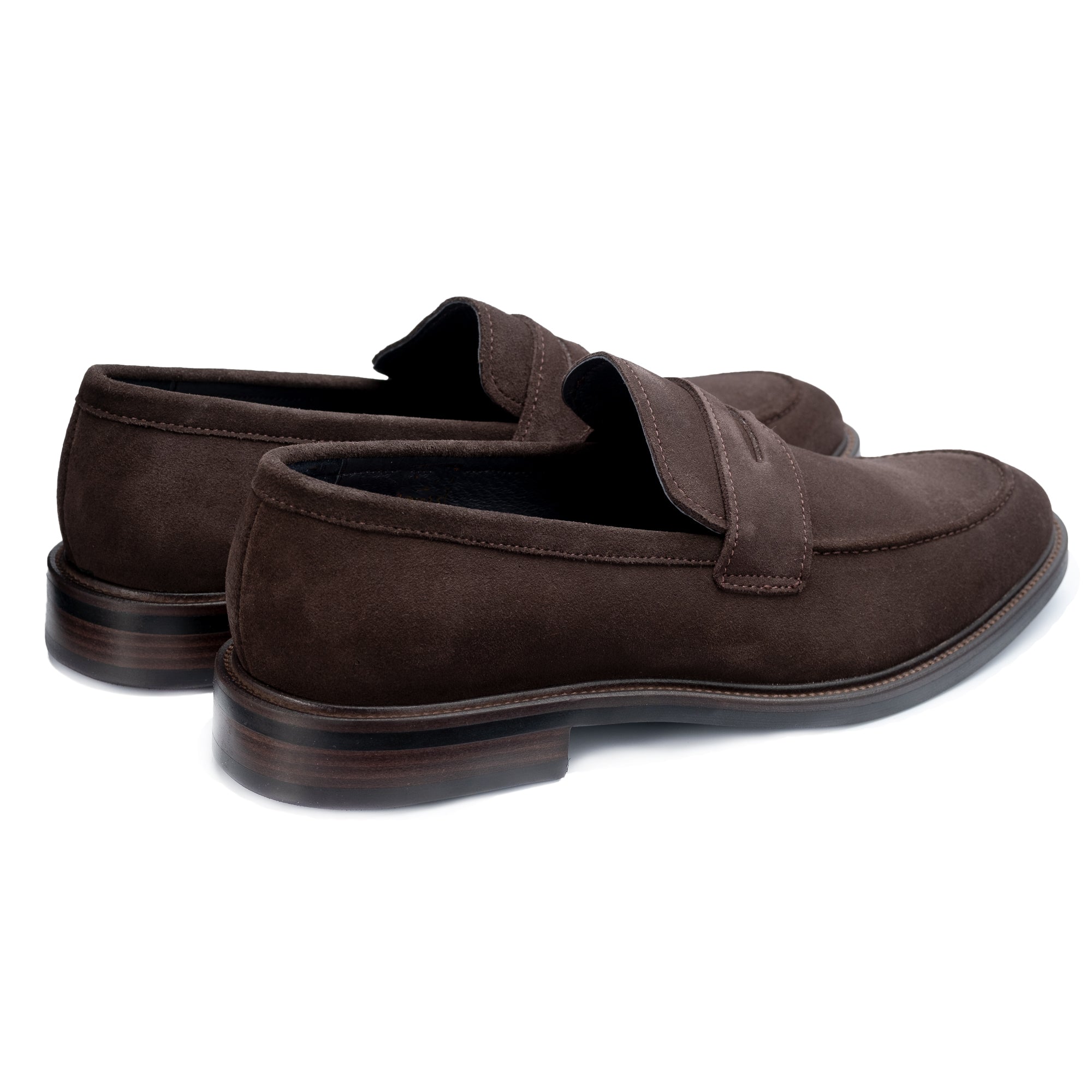
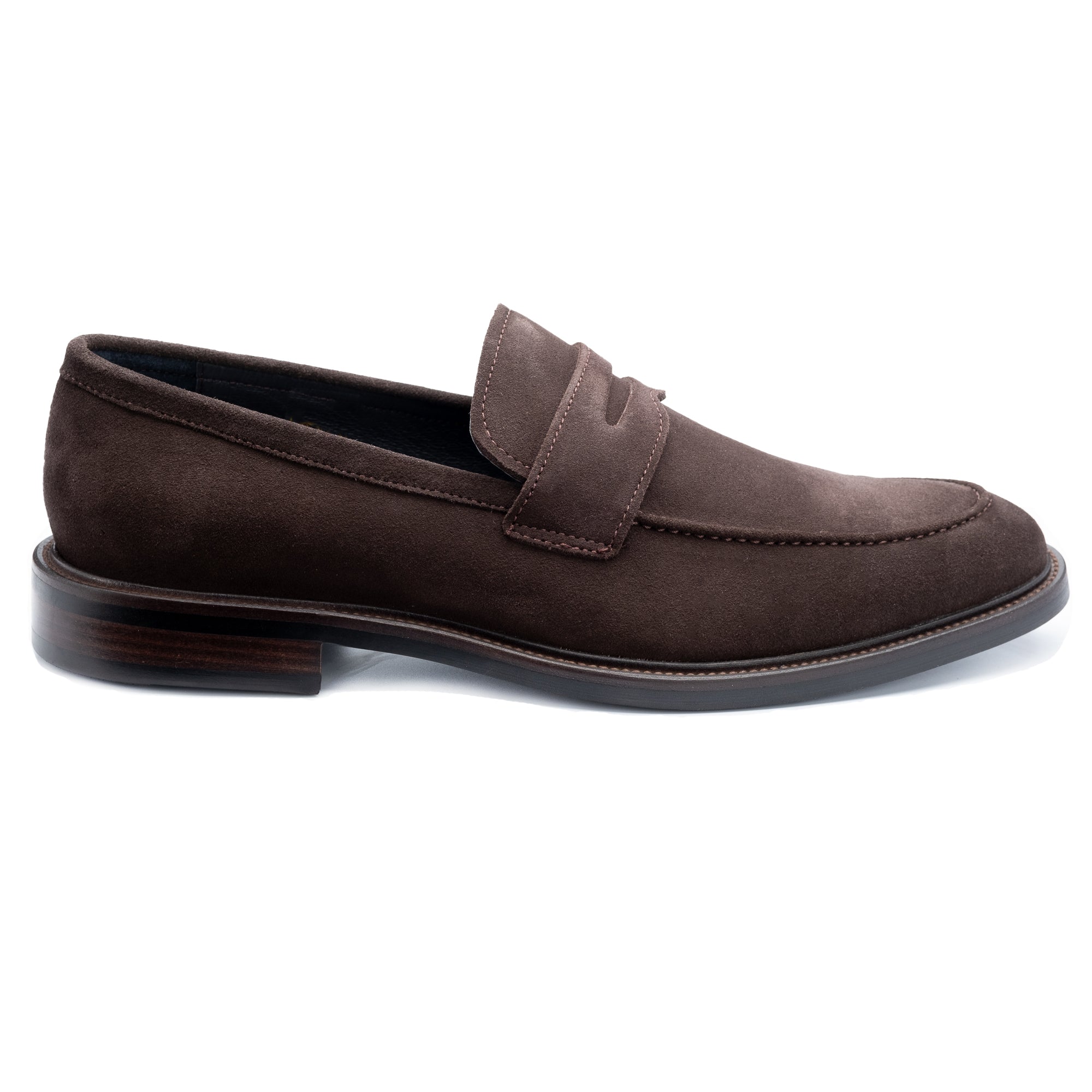
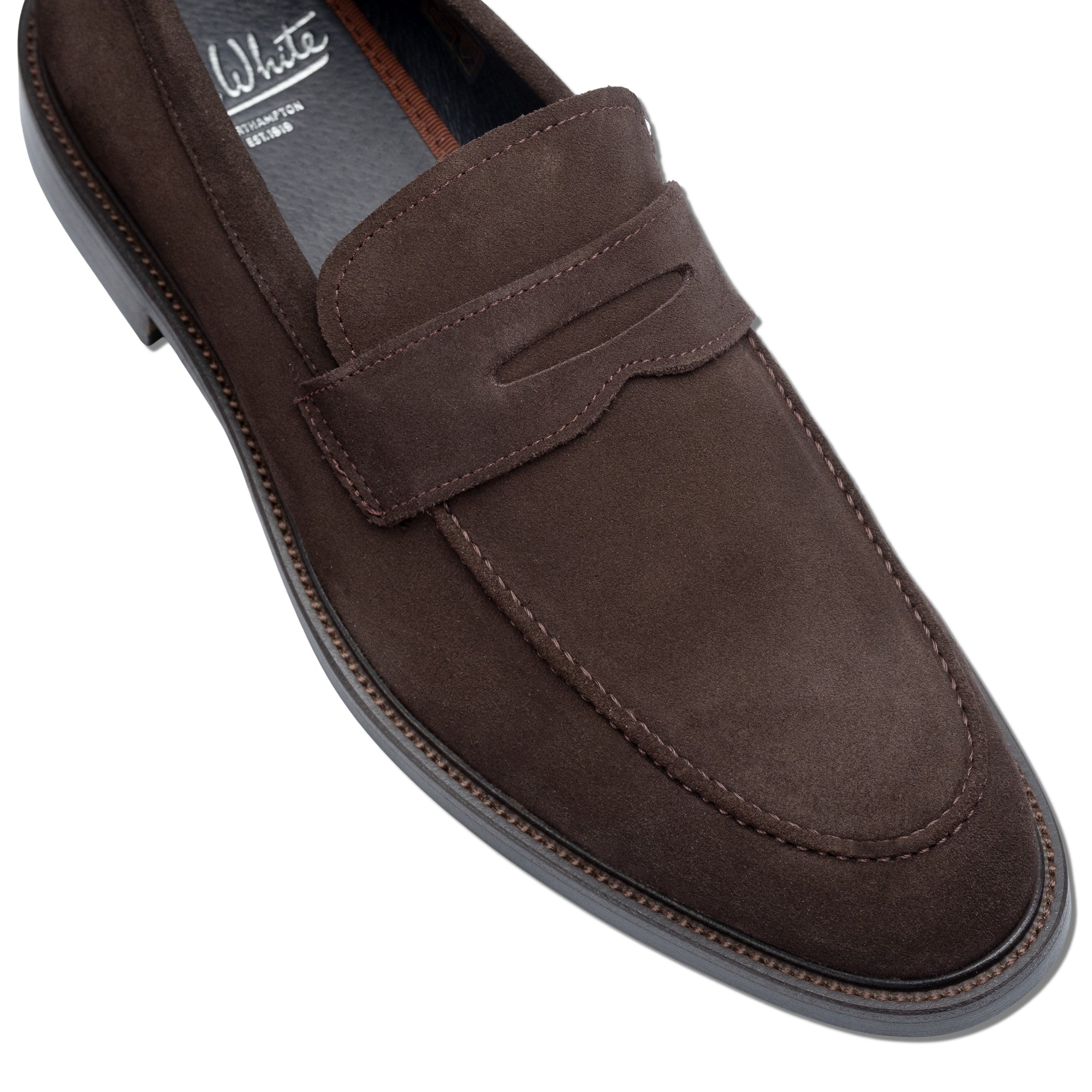
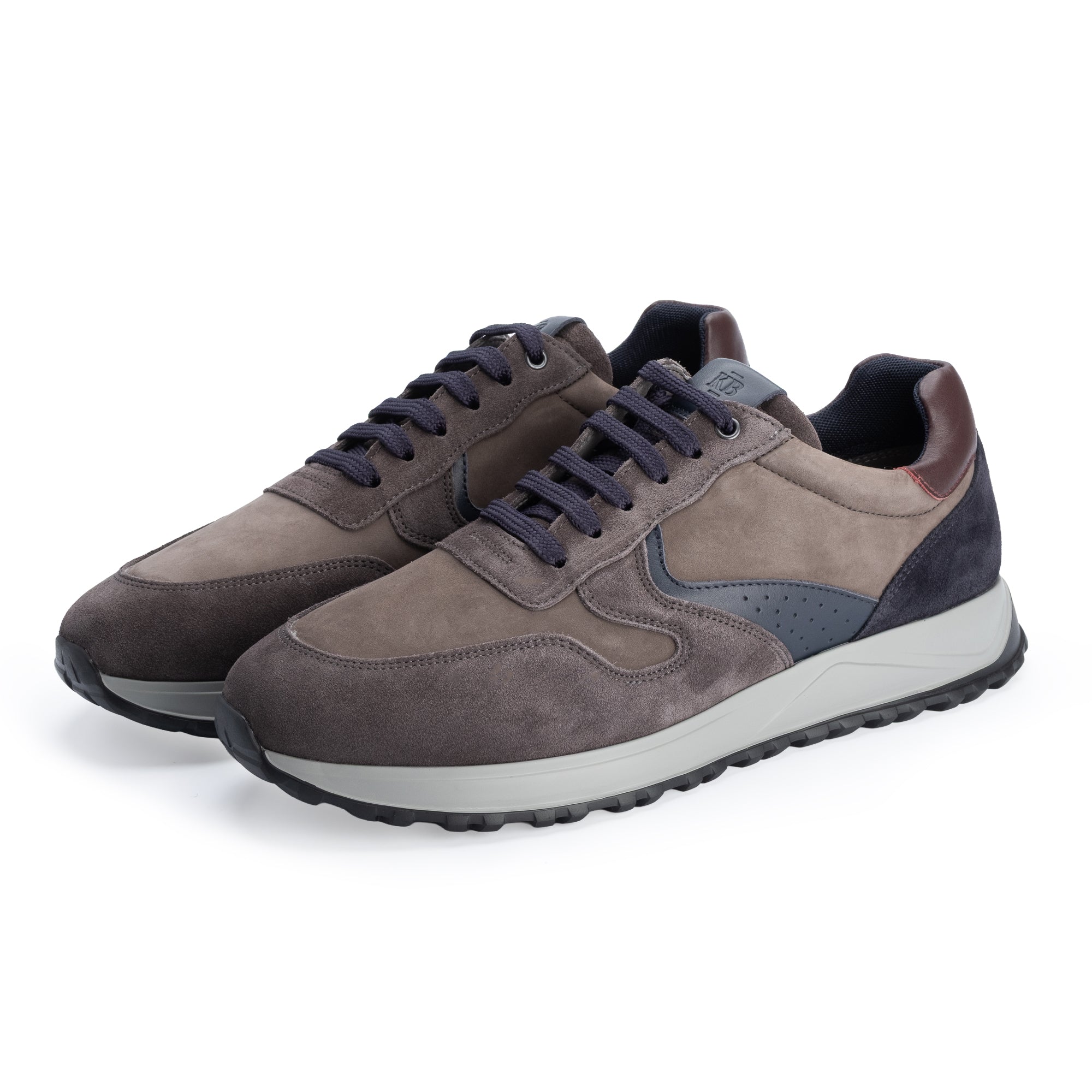
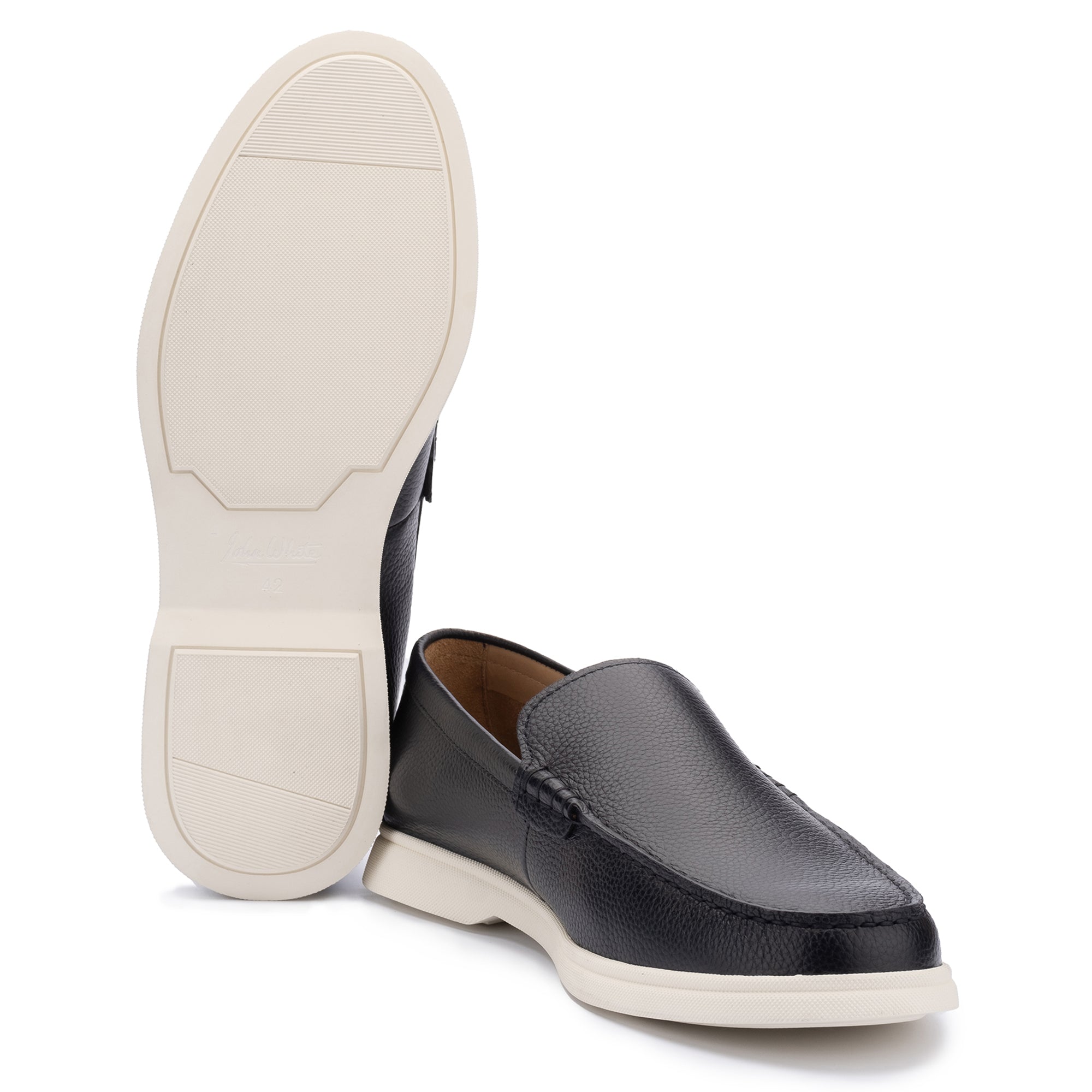
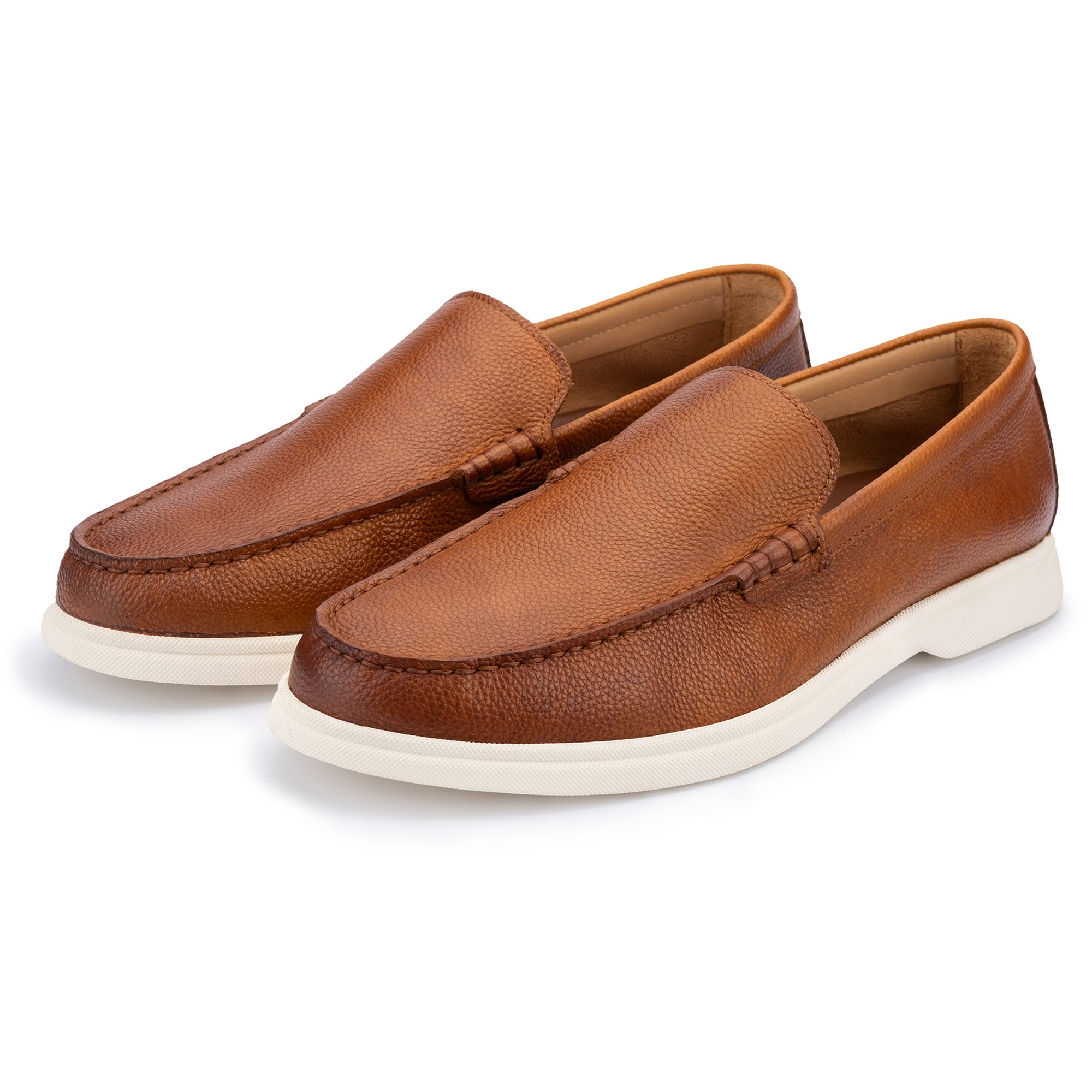
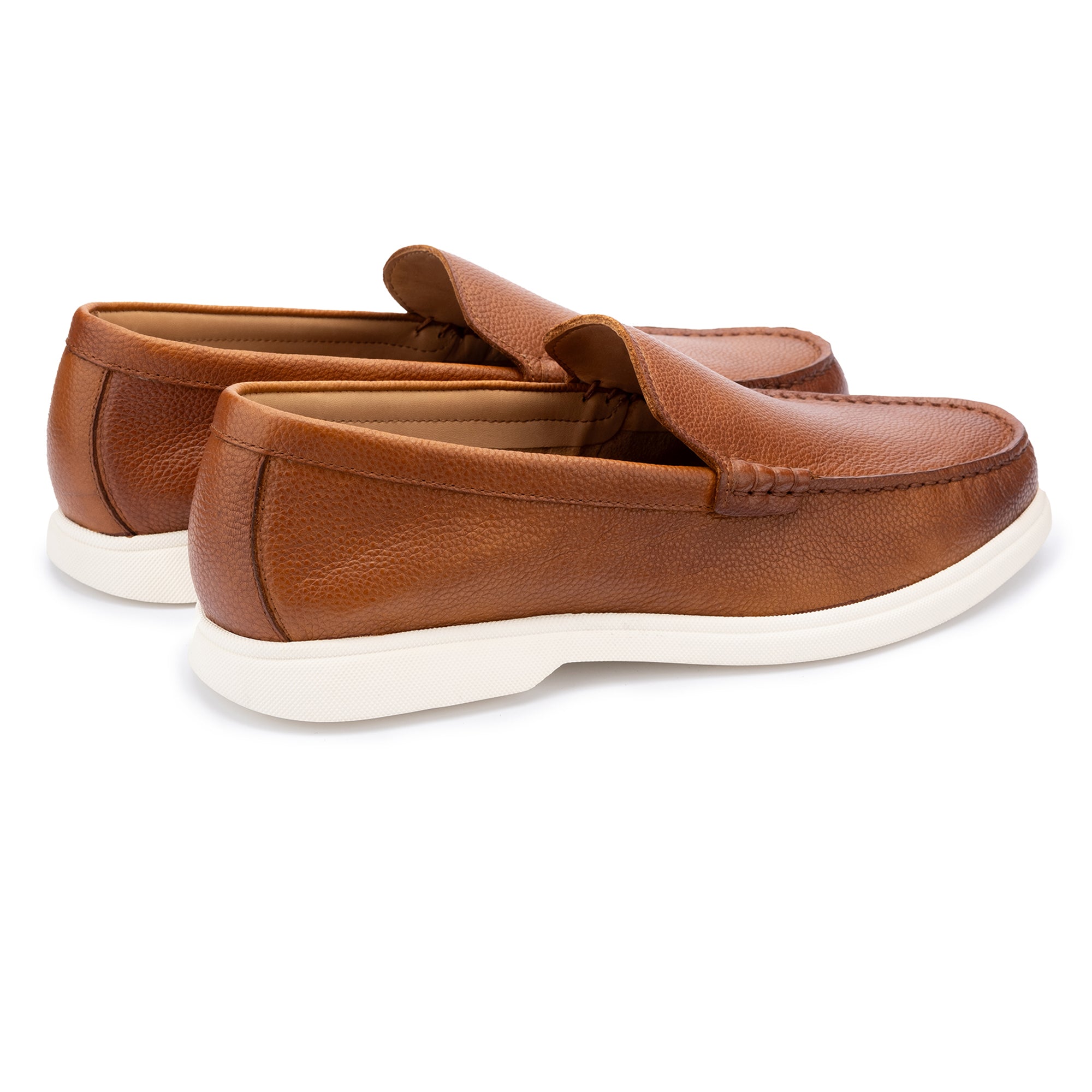
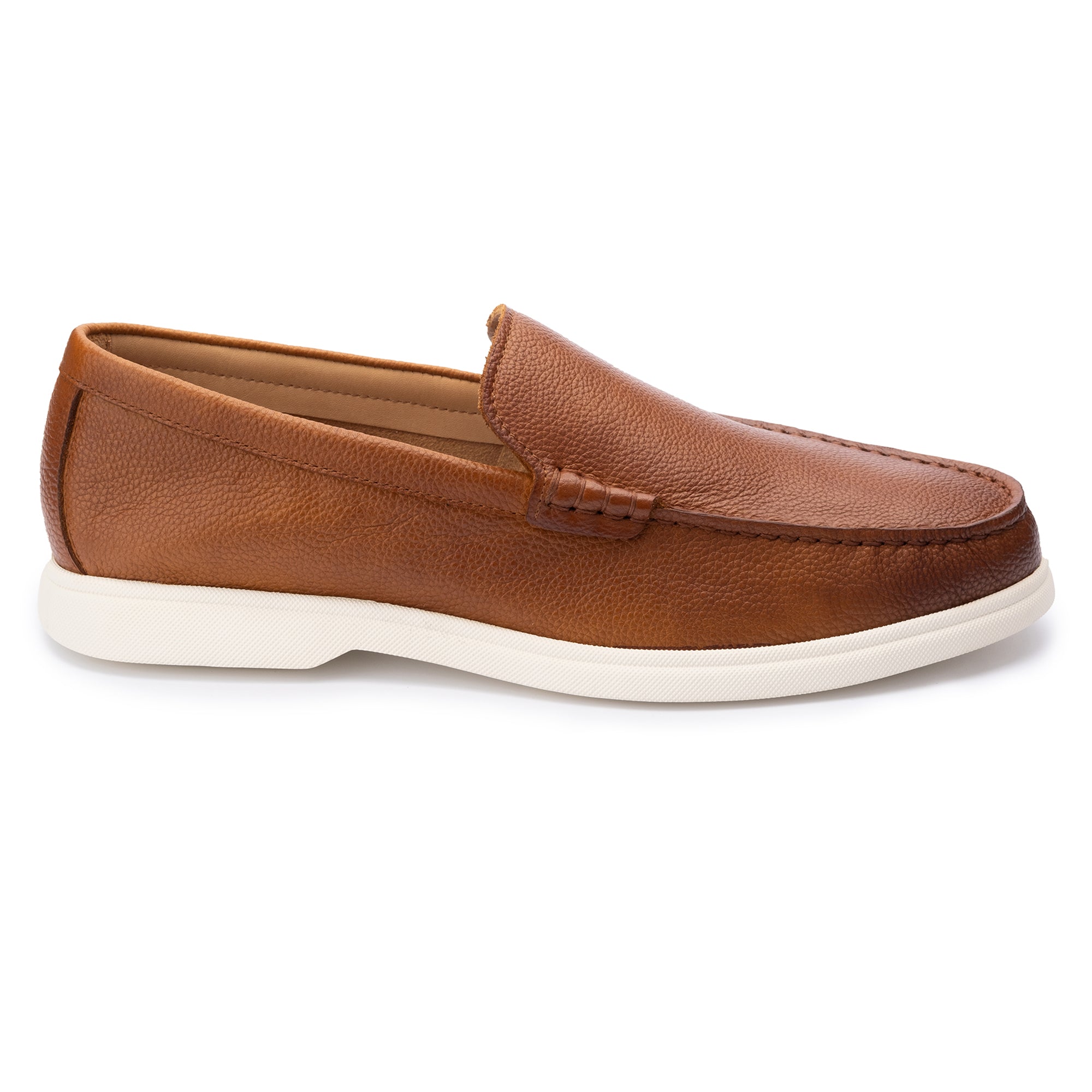
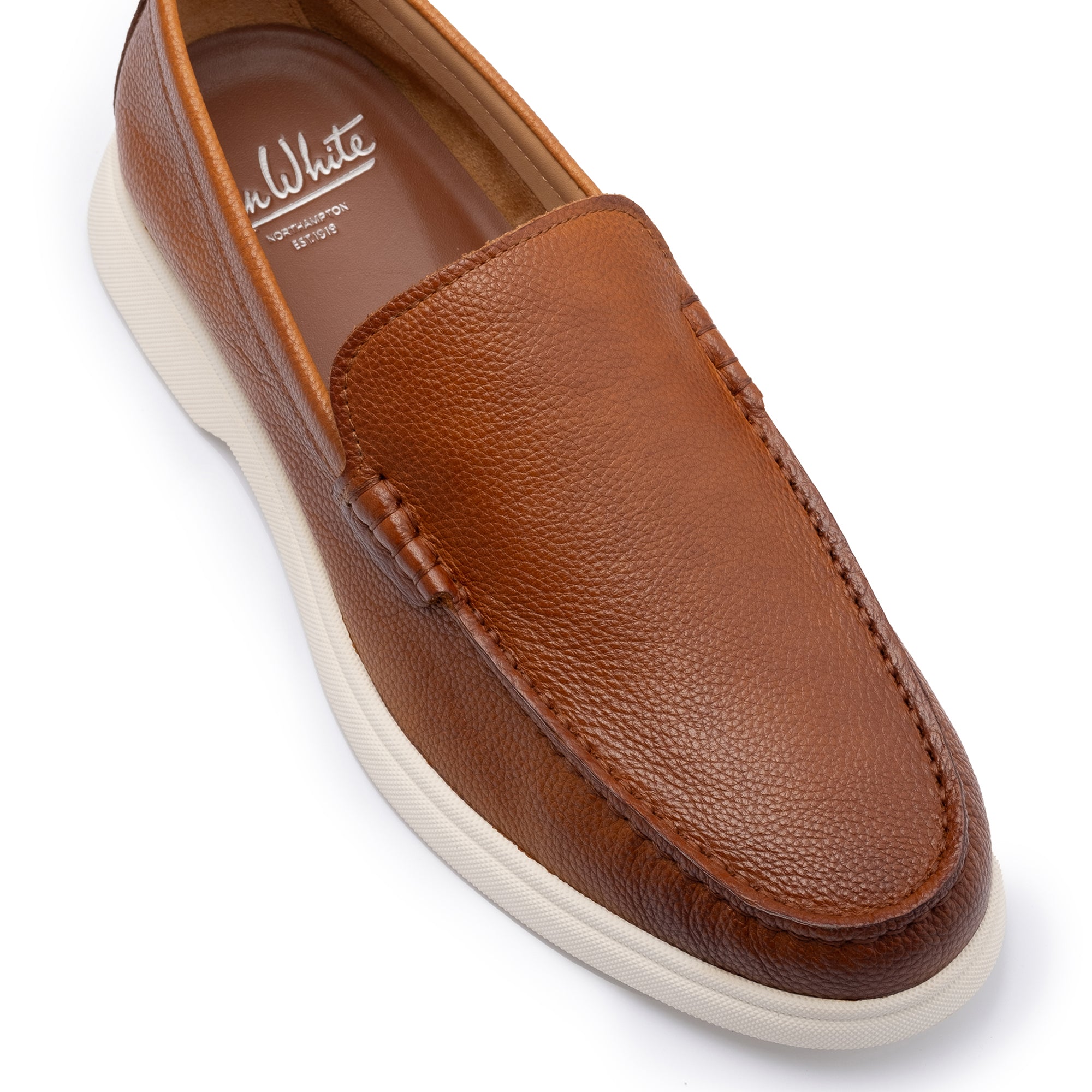
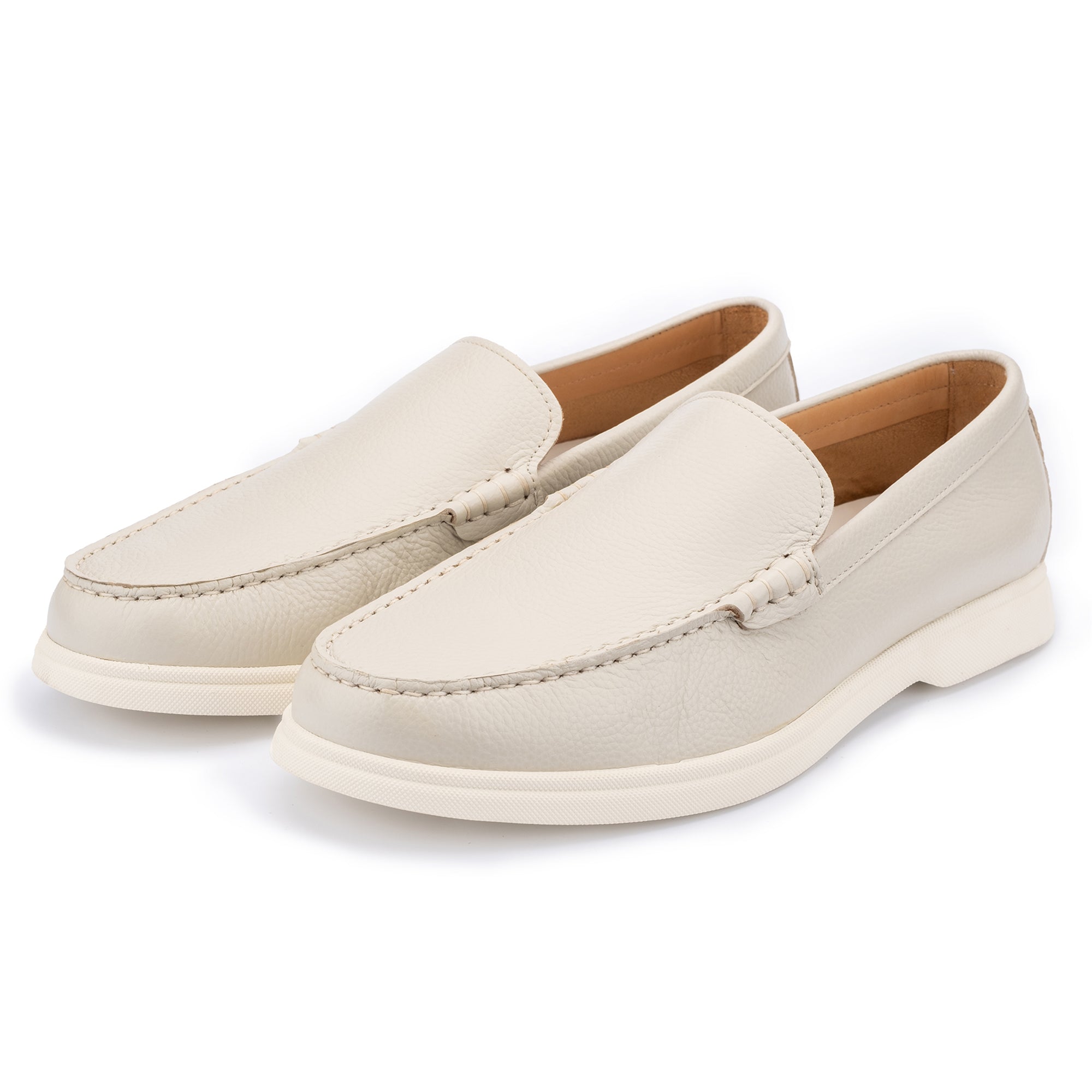
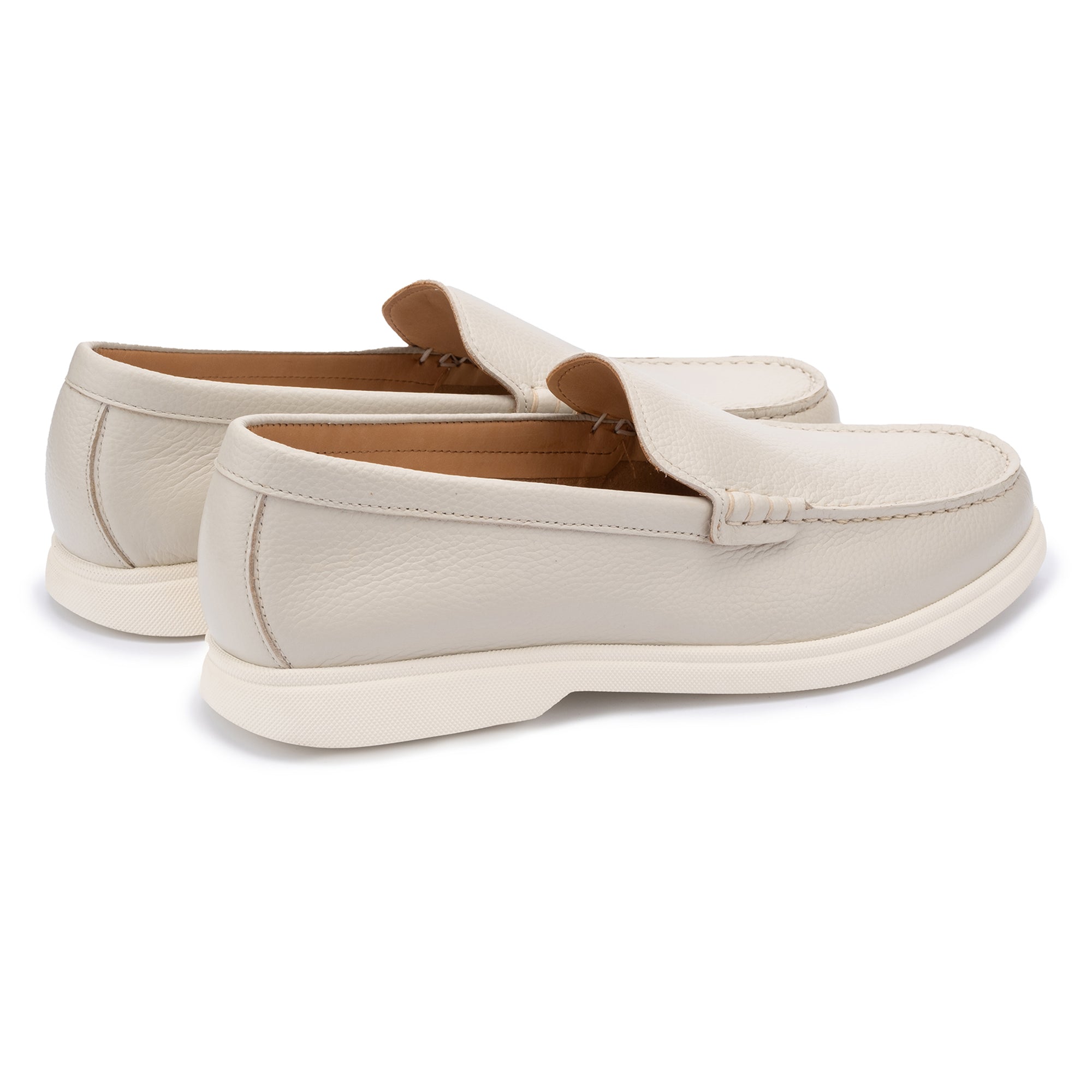
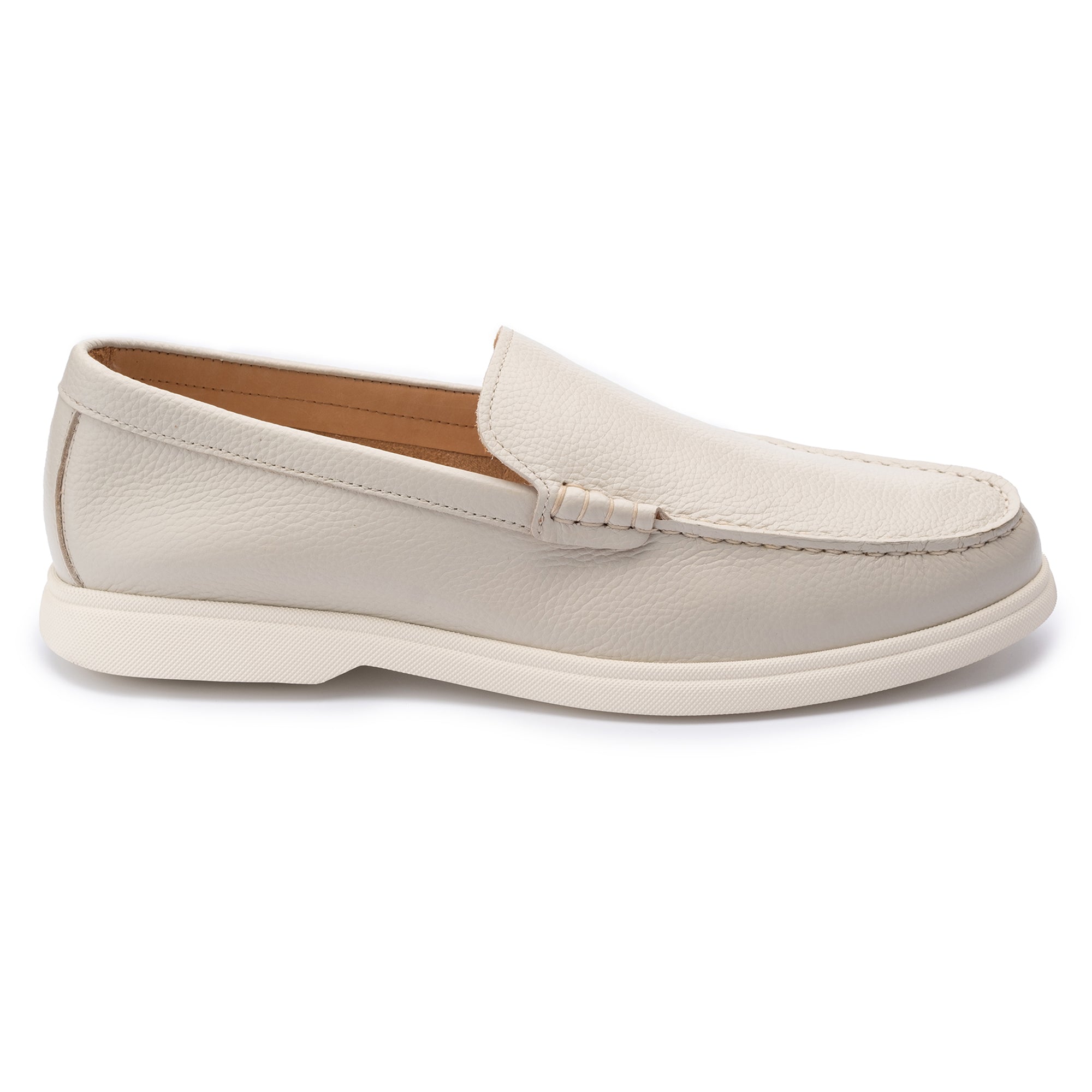
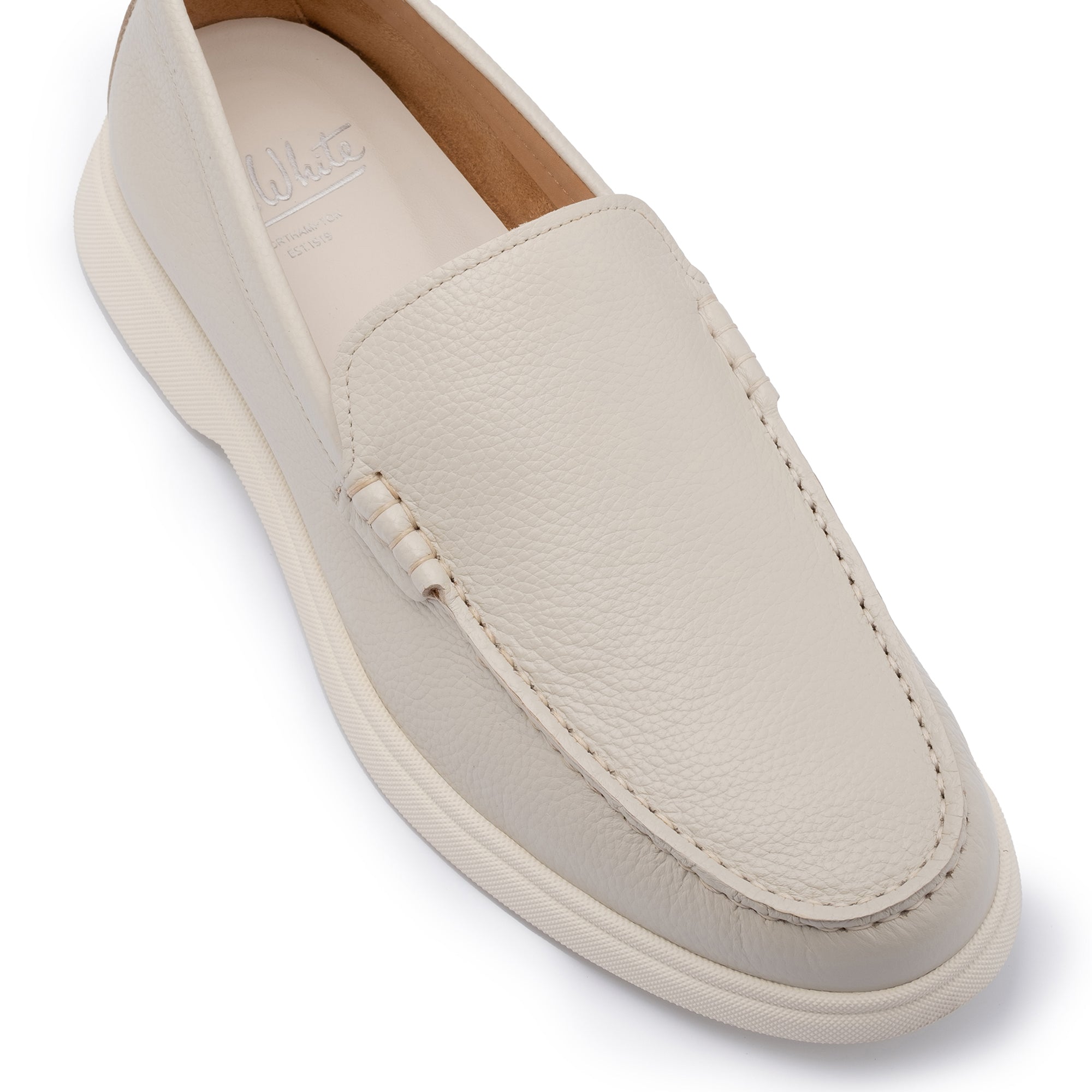
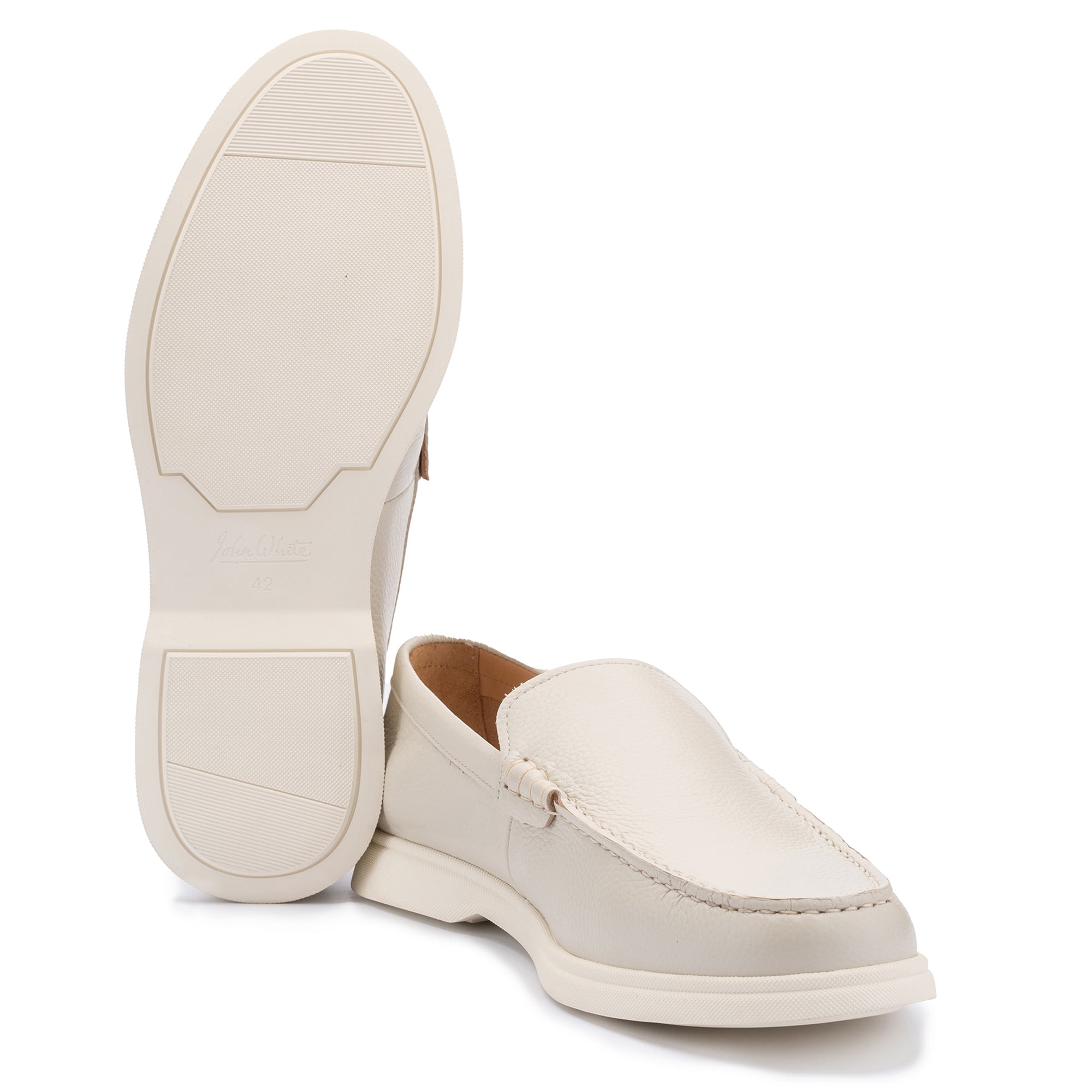
- Suede loafer in tan or natural stone: The definitive Goodwood shoe. Pairs effortlessly with linen trousers, a lightweight blazer, and an open shirt. Browse the full men's dress shoe collection for current season suede options.
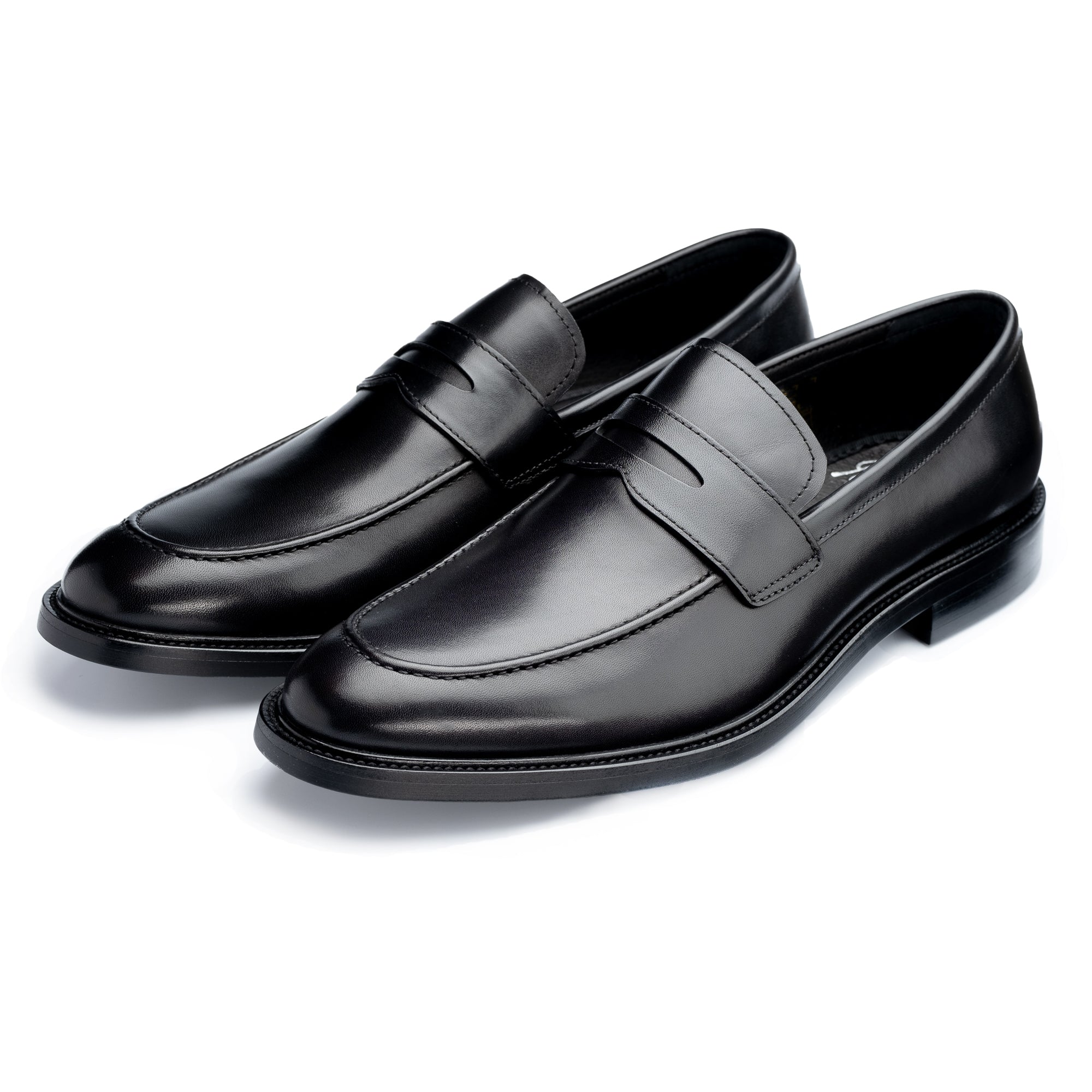
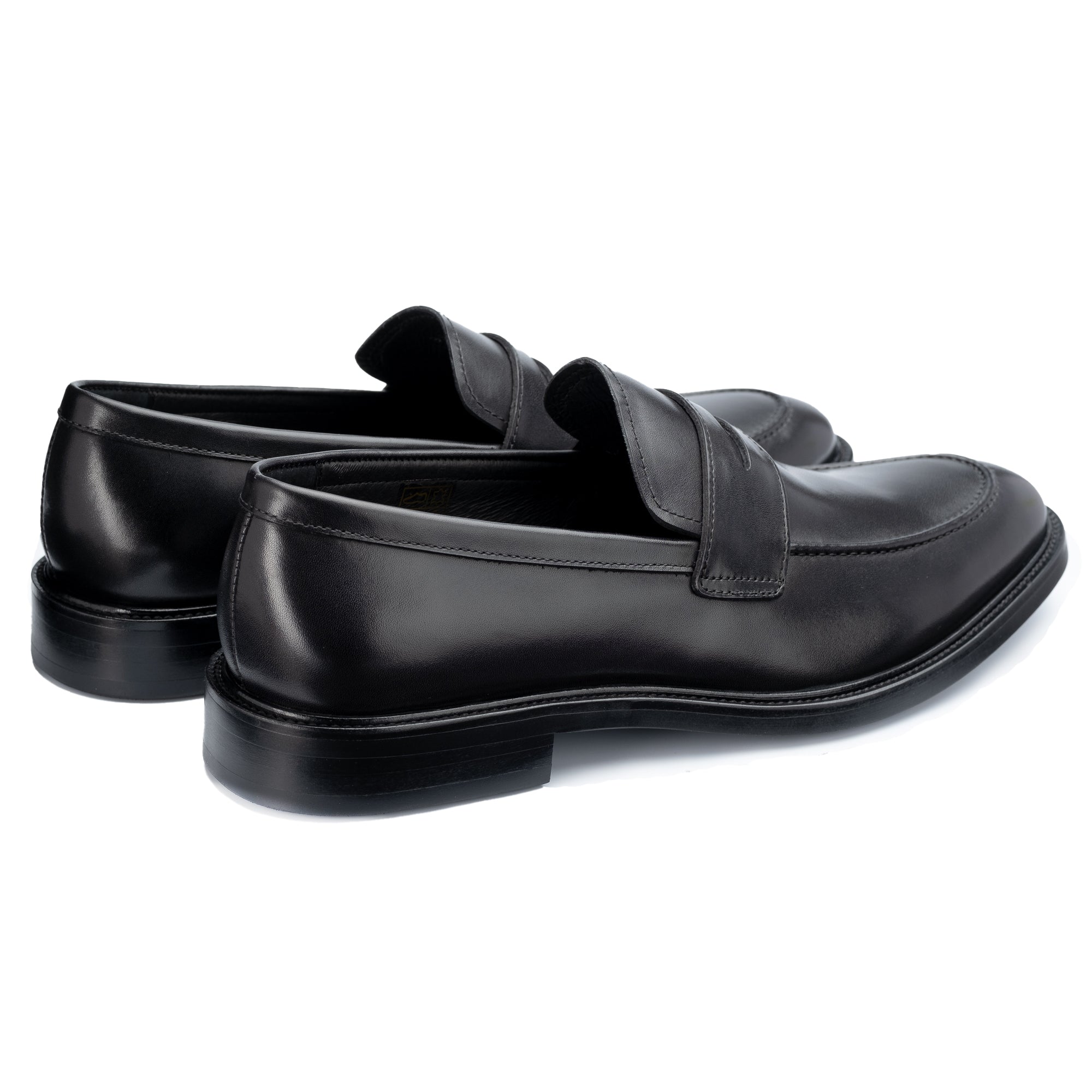
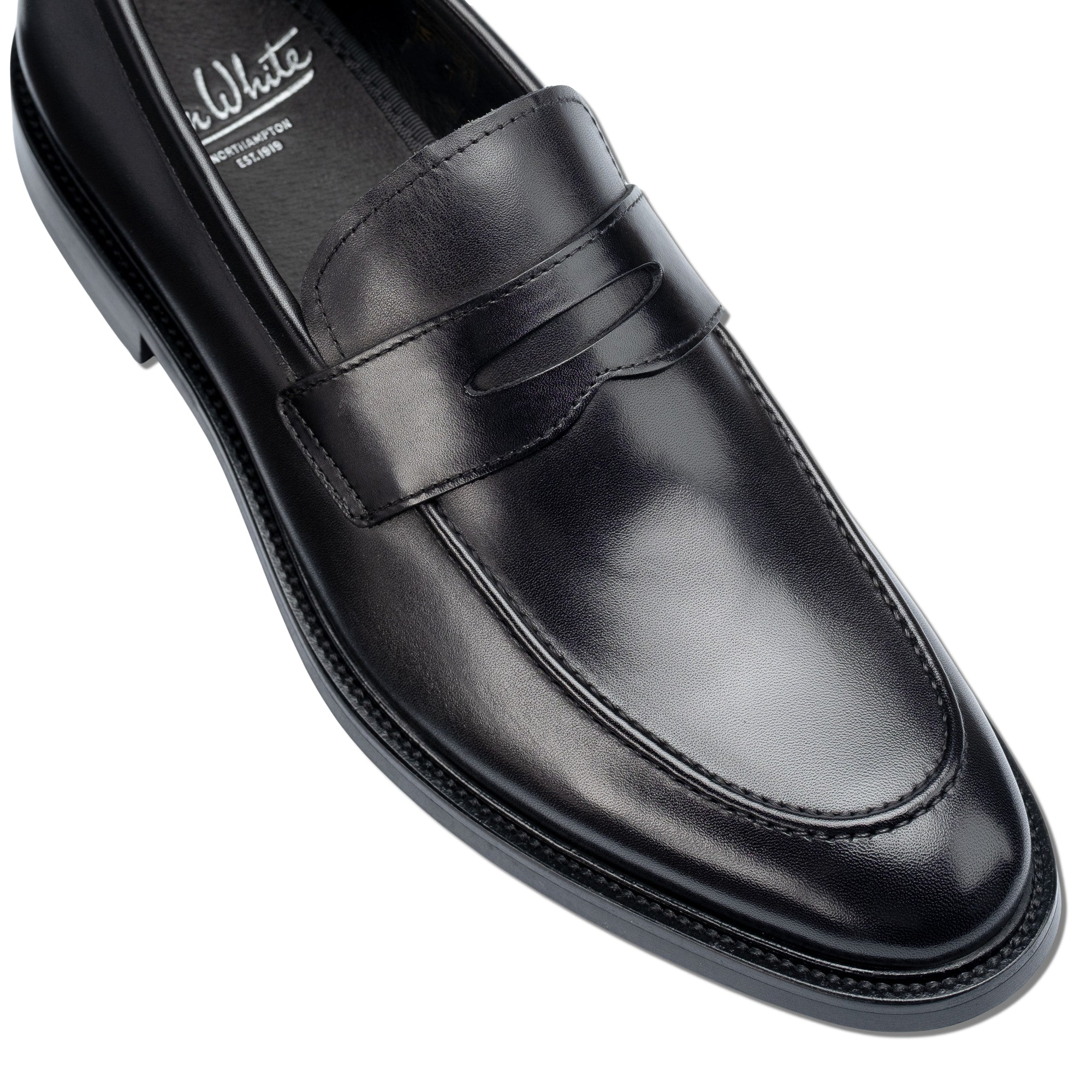
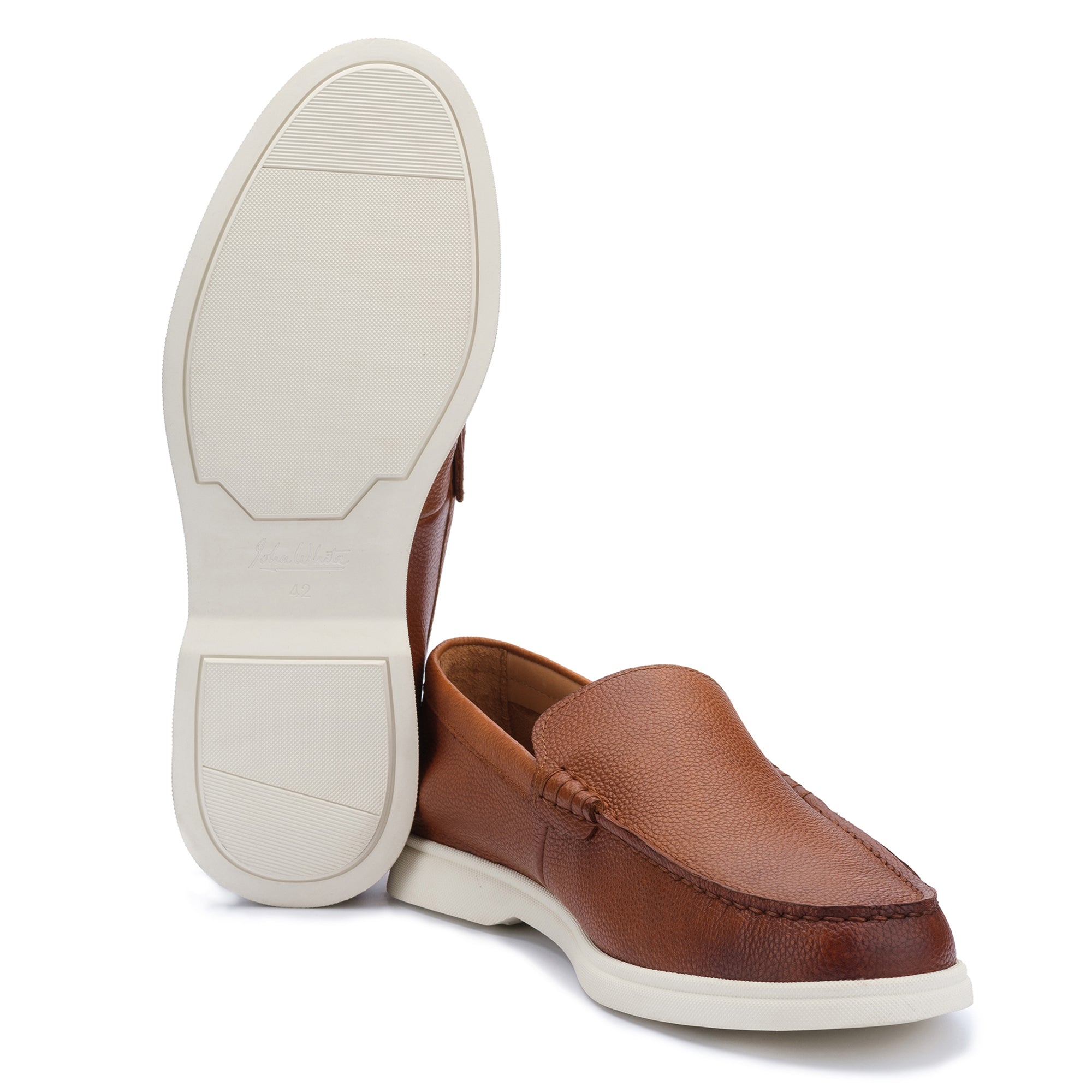
- Leather penny loafer in cognac or tan: A step up from suede. The clean silhouette suits lightweight summer fabrics and works equally well in the Richmond or Gordon Enclosure.
- Derby in light brown calfskin: Correct for the Richmond Enclosure with a summer suit. Avoid heavily waxy or textured leathers — they appear too winter-weighted against pale linens.
Black shoes are the most common error at Goodwood. They are correct shoes worn in the wrong context. In July, against pale linens and tropical-weight wools, a dark shoe disrupts the visual lightness the season demands.
Glorious Goodwood rewards a suede or smooth leather loafer in tan, cognac, or stone — colours that align with summer occasion dressing and the character of the venue.Races Dress Code Shoes at a Glance
| Race Meeting | Season | Enclosure | Recommended Style | Colour |
|---|---|---|---|---|
| Royal Ascot | June | Royal Enclosure | Plain or cap-toe Oxford | Black only |
| Royal Ascot | June | Queen Anne / Village | Oxford or semi-brogue | Black or dark brown |
| Cheltenham Festival | March | Club Enclosure | Derby or full brogue (Dainite sole) | Tan or mid-brown |
| Cheltenham Festival | March | General Enclosures | Brogue, Derby, or grained loafer | Brown or tan |
| Qatar Goodwood | July/August | Richmond Enclosure | Leather loafer or light Derby | Tan, cognac, or stone |
| Qatar Goodwood | July/August | Gordon Enclosure | Suede loafer | Tan or natural suede |
How Should You Prepare Your Shoes Before a Race Day?
Preparation for race day footwear is a two-day process that begins well before the morning of the event. Race meetings are long — often six or more hours, partly on grass, partly on hard grandstand floors — and a shoe that has not been prepared will show it by mid-afternoon.
- Condition two days before. Apply a quality leather conditioner to clean uppers. Allow twelve hours to absorb fully before polishing. Do not rush this step — conditioning the morning of an event gives no time for the leather to respond.
- Polish the day before. Apply a wax polish in a matching shade, buff to a mirror finish, and leave overnight. The leather settles and holds the shine more reliably than a same-day polish.
- Fit cedar shoe trees overnight. These draw moisture from the leather and preserve the last shape. This matters especially after walking on damp or uneven ground. Our complete leather shoe care guide covers the full process in detail.
- Inspect the sole and heel. A worn heel or split welt will become a discomfort within the first hour. Address any sole damage before the event, not after.
According to the Leather Conservation Centre, leather shoes subjected to outdoor terrain without adequate preparation can develop permanent creasing within a single season of occasional use. Conditioning before high-wear events is the single most effective preventive measure.
Premium British shoemakers including Loake, Barker, Grenson, Church's, Crockett & Jones, and John White Shoes produce Goodyear welted styles built for exactly this kind of demanding occasional wear — the construction allows resoling as the shoe ages, extending its service life considerably beyond a cemented or Blake-stitched alternative.
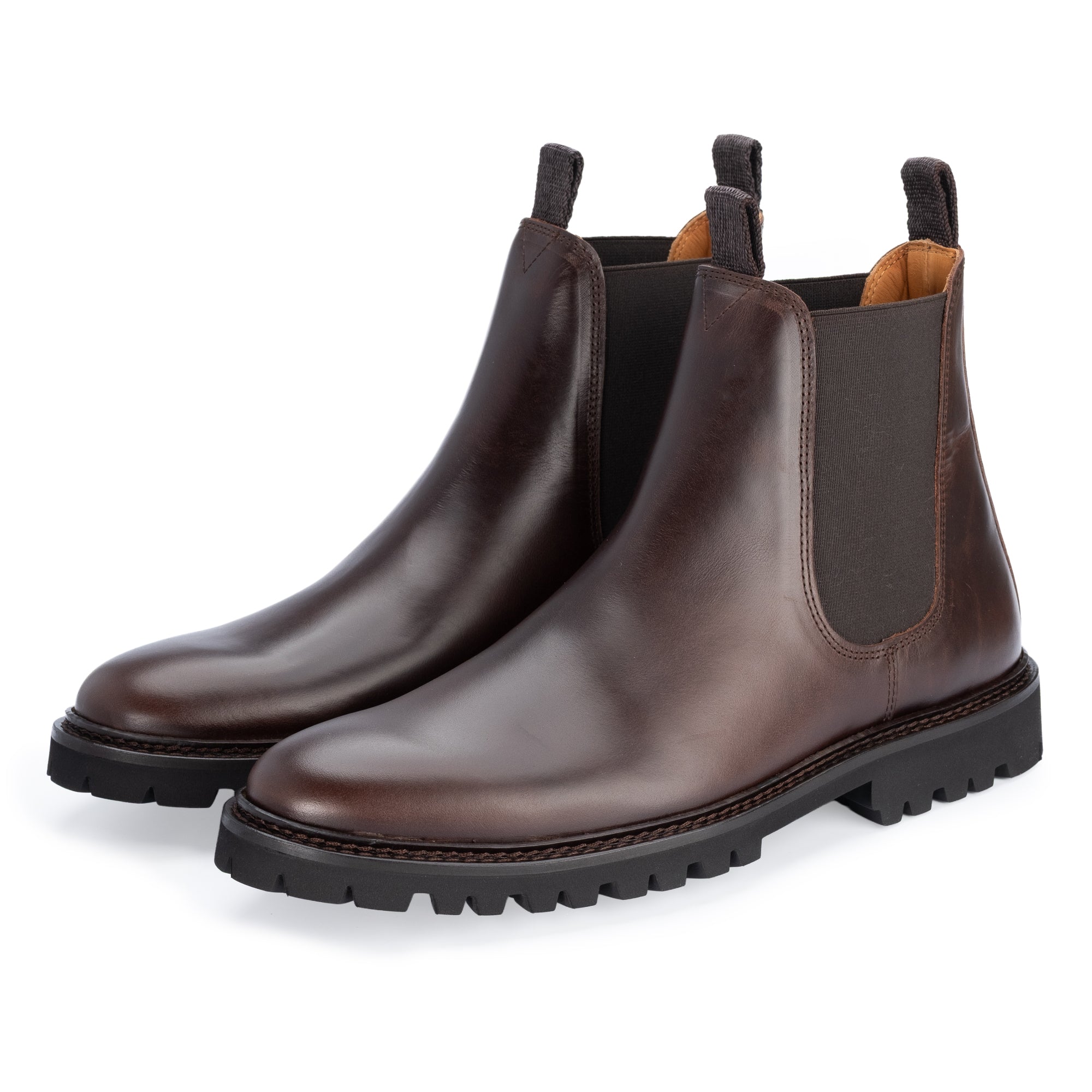
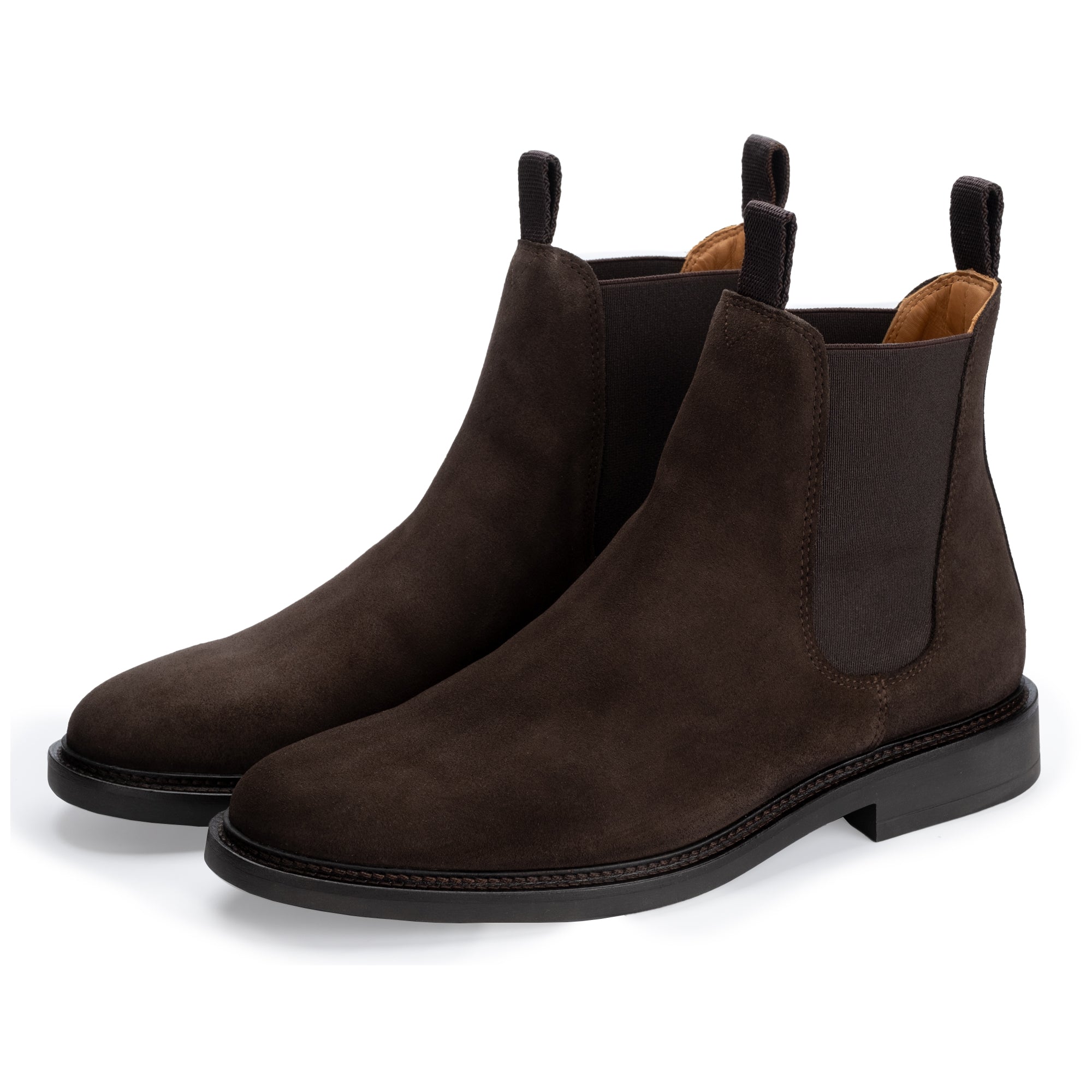
Browse the full men's dress shoe collection or explore men's dress boots for autumn and winter race meetings such as the Cheltenham Festival in November.
Related Guides
- The Complete Guide to Men's Dress Shoes — our comprehensive guide
- The Complete Guide to Men's Dress Shoes — our comprehensive guide
- The Formality Spectrum: A Definitive Ranking of Men's Dress Shoes
- Men's Shoes for a Wedding Guest: What to Wear at Every Dress Code
- Full Brogue vs. Semi-Brogue: A Guide to Choosing Your Next Pair
TL;DR: Royal Ascot demands a black Oxford in polished calfskin — plain-toe or cap-toe, closed lacing, no exceptions in the Royal Enclosure. Cheltenham rewards a country-smart brogue or Derby in brown or tan with a Dainite sole to handle the March ground conditions. Glorious Goodwood calls for a suede or smooth leather loafer in warm seasonal tones. In each case, prepare the shoes two days in advance and match the formality precisely to the enclosure, not just the meeting.
Frequently Asked Questions
What shoes are required for the Royal Enclosure at Royal Ascot?
The Royal Enclosure requires full morning dress, meaning a black plain-toe or cap-toe Oxford with closed lacing is the only appropriate choice. The shoe should be in polished calfskin or patent leather. Suede, loafers, and open-laced Derbys are not appropriate for this enclosure.
Can you wear brown shoes to Royal Ascot?
Not in the Royal Enclosure with morning dress — black is the only correct colour at that level. In the Queen Anne or Village Enclosure with a lounge suit, dark brown Oxford or semi-brogue shoes are acceptable. The lighter the brown, the less formal the shoe reads, so keep to darker cognac or tan shades if choosing brown.
Are loafers acceptable at the Cheltenham Festival?
Loafers are acceptable at Cheltenham in the general and open enclosures, particularly with smart trousers and a blazer. For the Club Enclosure, a lace-up Derby or brogue is the stronger choice. Suede loafers are best avoided if the ground is wet — Cheltenham in March offers no guarantees on either count.
What is the most important thing to get right about race day shoes?
Matching the formality of the shoe to the enclosure and season — and preparing the leather properly beforehand. A correct shoe in poor condition is a worse result than a slightly less formal shoe that has been properly maintained. Condition, polish, and inspect the sole at least 48 hours before the event.