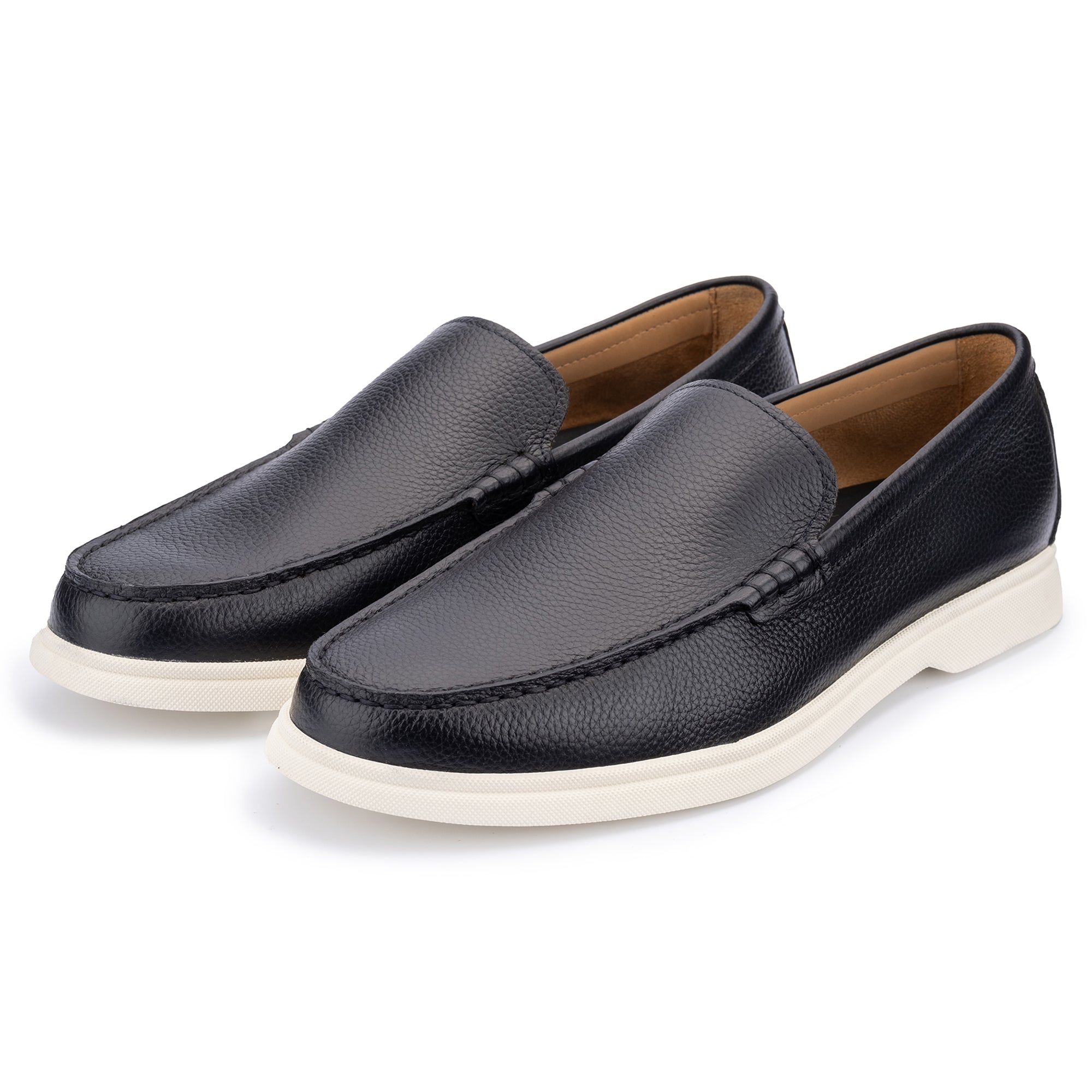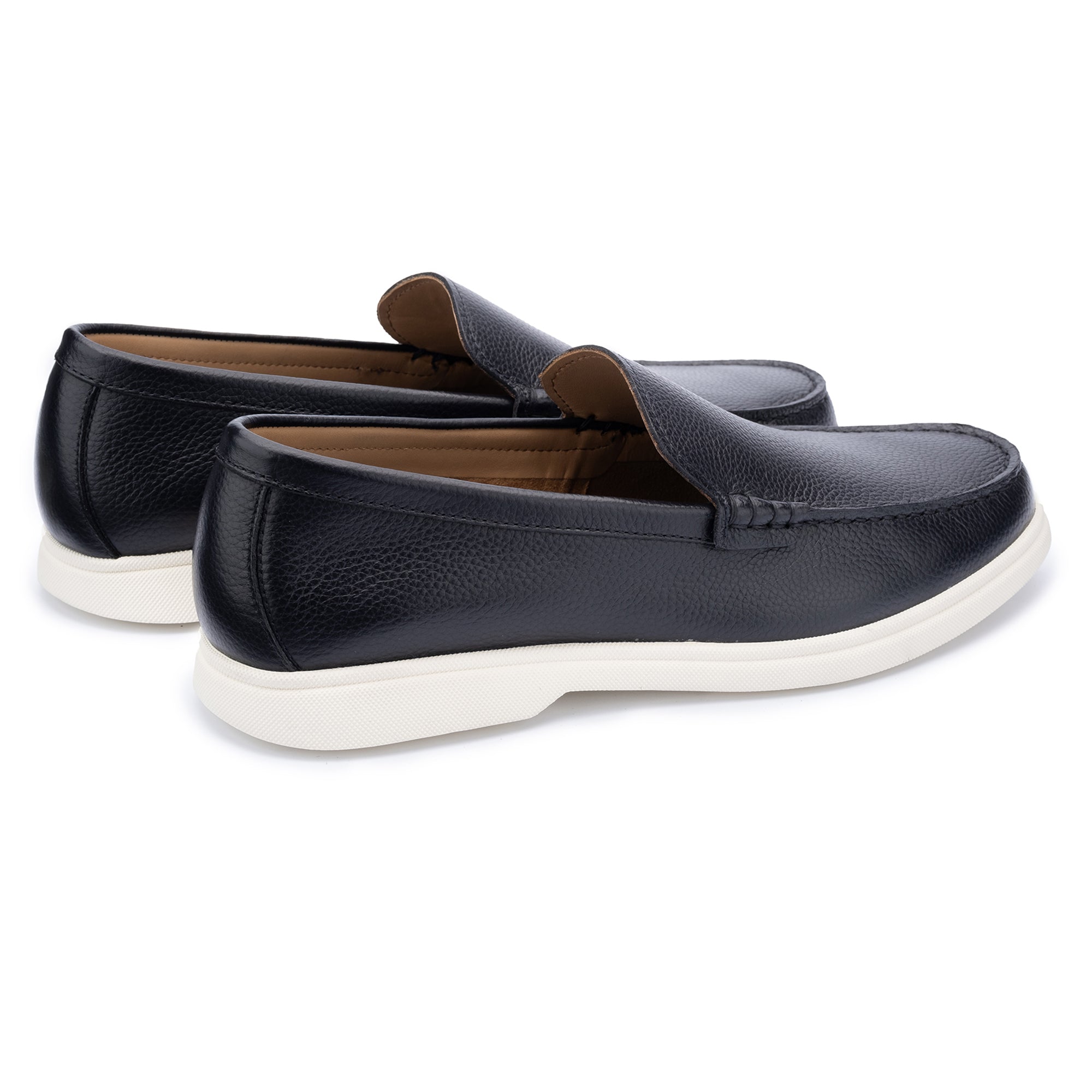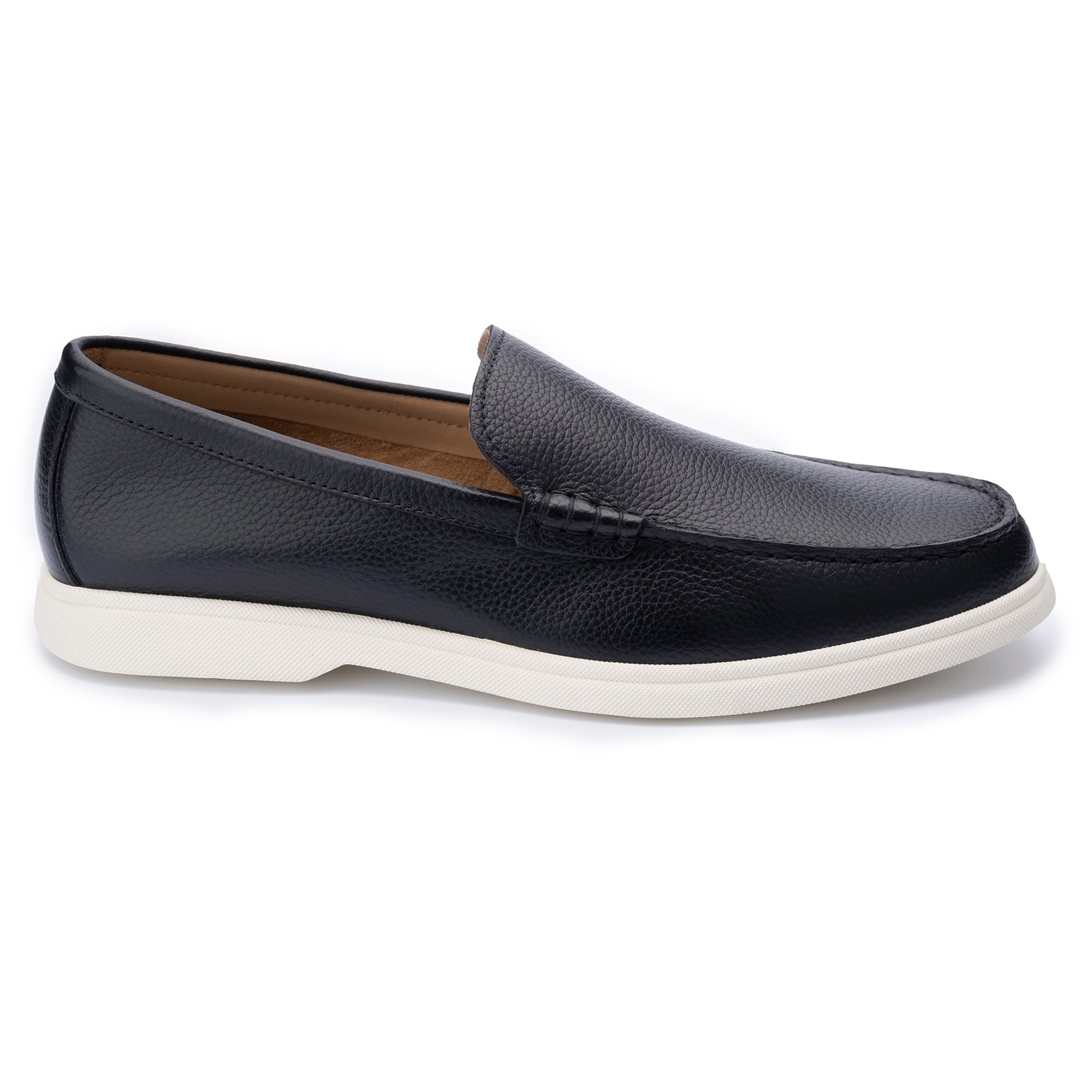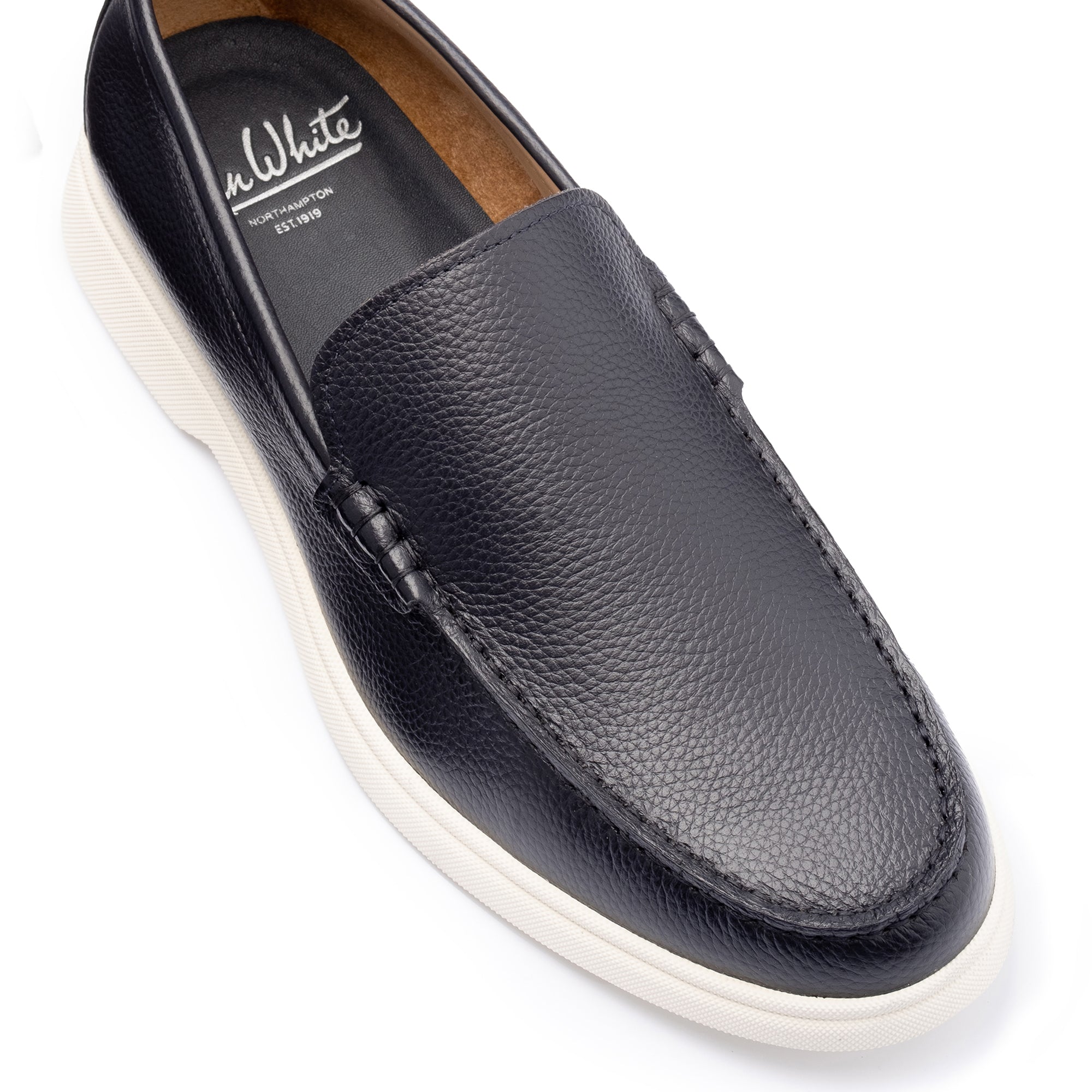

The Core Collection: Choosing Between Black, Brown, and Burgundy Leather Shoes
Black leather shoes carry the highest formality and belong in every professional wardrobe. Brown leather extends your range into smart-casual and country contexts. Burgundy occupies a refined middle ground — formal enough for tailored dress, characterful enough to distinguish a considered wardrobe from a functional one. Together, these three colours form the complete foundation of a premium shoe collection.
Last updated: June 2026
In This Guide
- Why Does Shoe Colour Signal More Than Style?
- What Makes Black Leather Shoes the Non-Negotiable First Purchase?
- When Should You Choose Brown Leather Shoes?
- Is Burgundy the Most Underestimated Colour in the Core Three?
- How Do Black, Brown, and Burgundy Compare Across Key Criteria?
- How Should You Sequence a Three-Colour Core Collection?
- Related Guides
- TL;DR
- Frequently Asked Questions
Choosing between black, brown, and burgundy leather shoes is the first real decision in building a serious wardrobe. Colour communicates formality before construction, toe shape, or sole type are even registered. Get the core three right, and the rest of your collection builds naturally around them.
Why Does Shoe Colour Signal More Than Style?
Shoe colour is the fastest formality signal in a man's wardrobe. It frames every outfit from the ground up and is read before any other detail. The relationship between shoe colour and suit colour is one of the most frequently misunderstood elements of men's dress — and it shapes how an entire look lands.
The formality ladder runs clearly: black at the top, brown in the middle, with burgundy occupying a distinctive position that resists easy categorisation. It sits more formally than mid-brown, with more character than plain black. Understanding this hierarchy allows you to make deliberate choices rather than instinctive ones.
According to the British Footwear Association, black and dark brown remain the two dominant colourways in premium men's leather footwear, consistently representing the majority of formal dress shoe purchases across professional demographics in the UK. Burgundy has grown steadily within that landscape, reflecting a broader shift toward individual expression within formal dress codes.
Shoe colour establishes formality before any other detail — selecting it deliberately is the foundation of a coherent wardrobe.What Makes Black Leather Shoes the Non-Negotiable First Purchase?
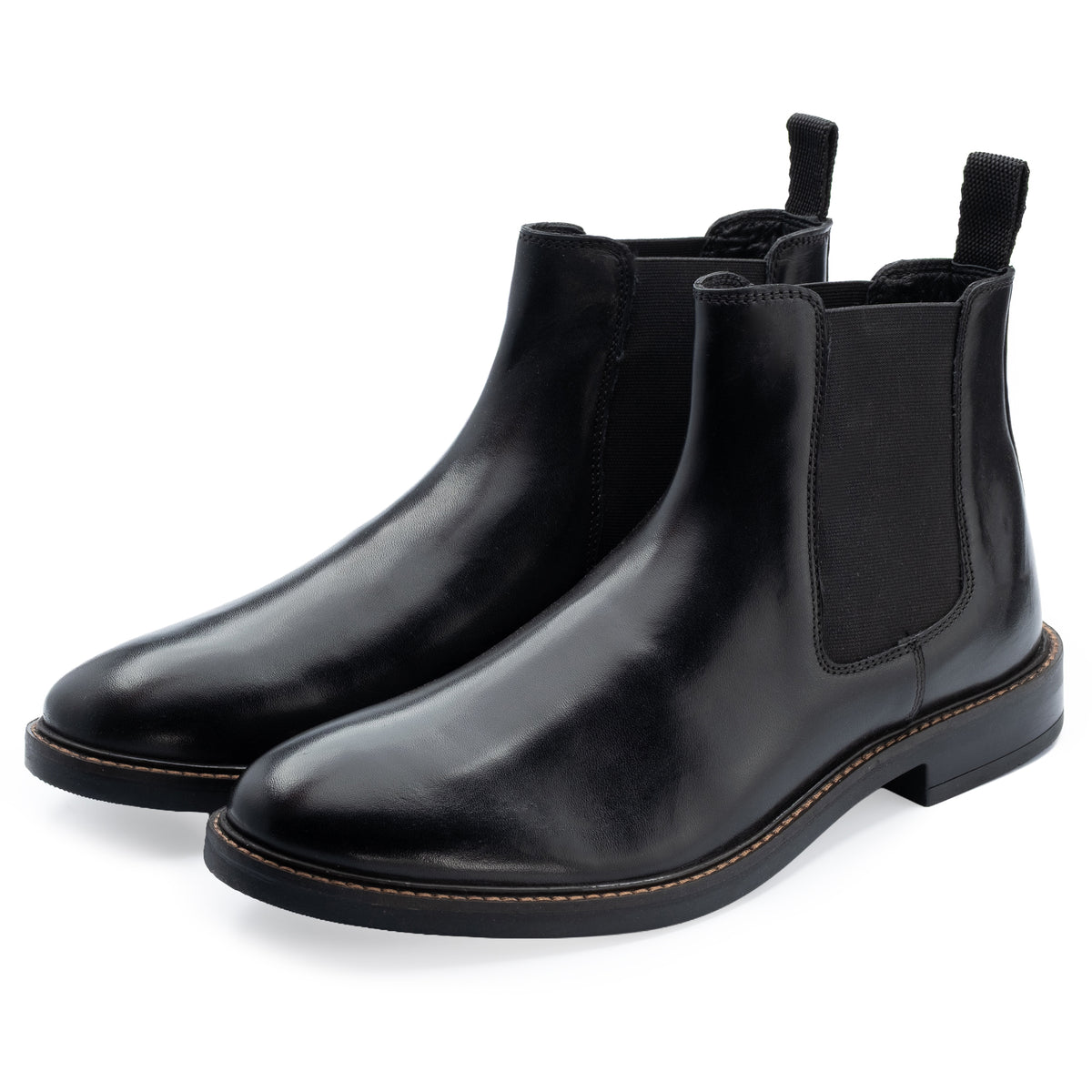
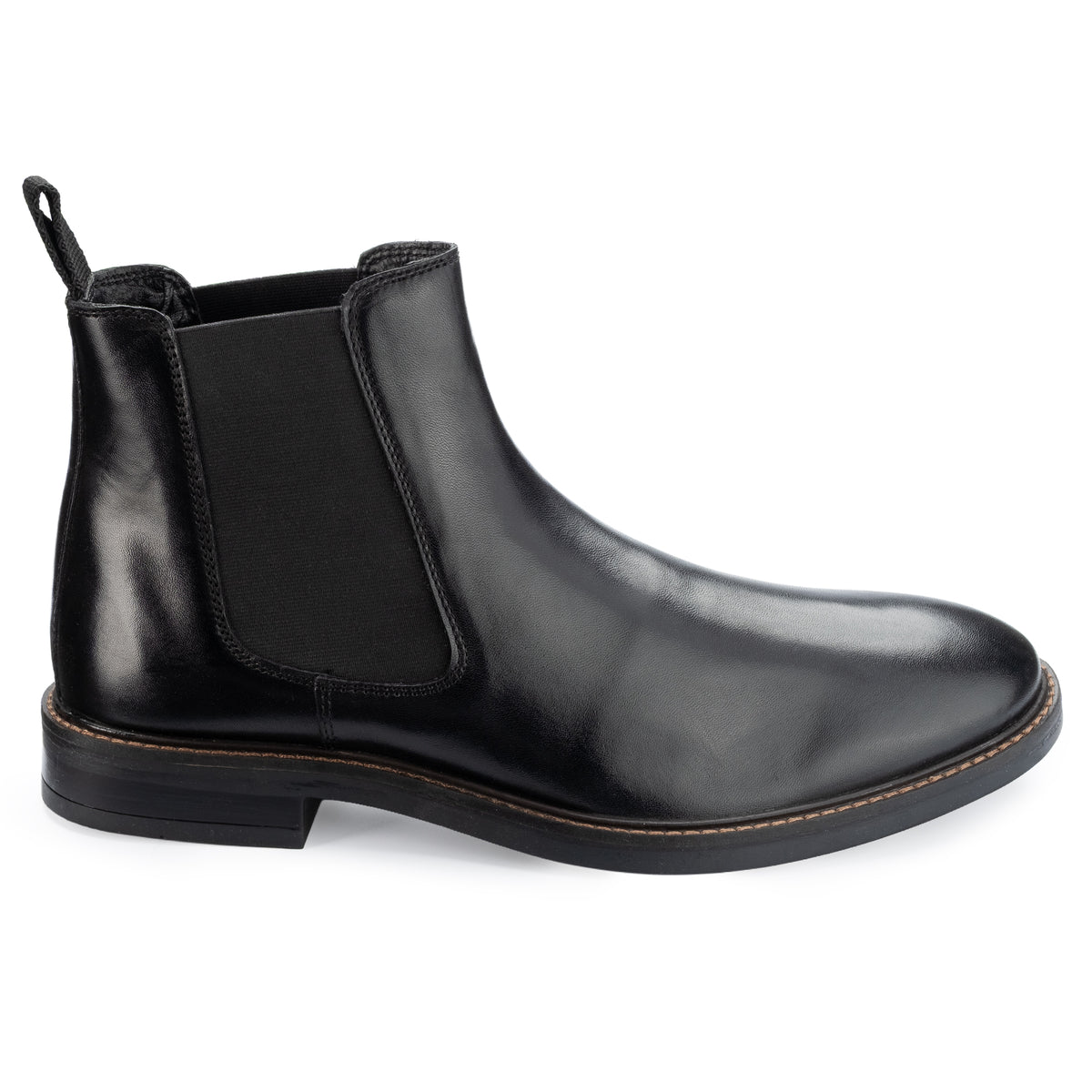
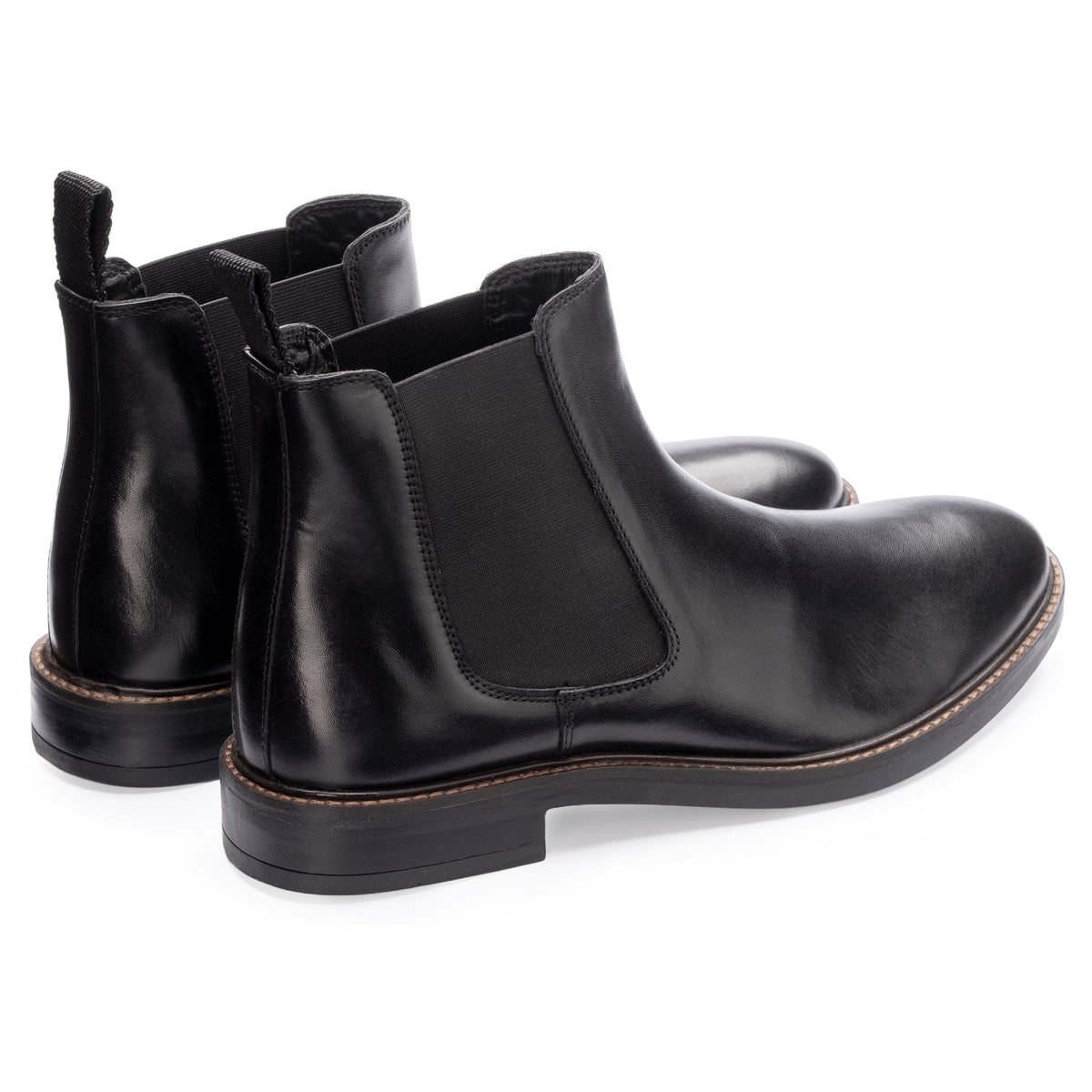
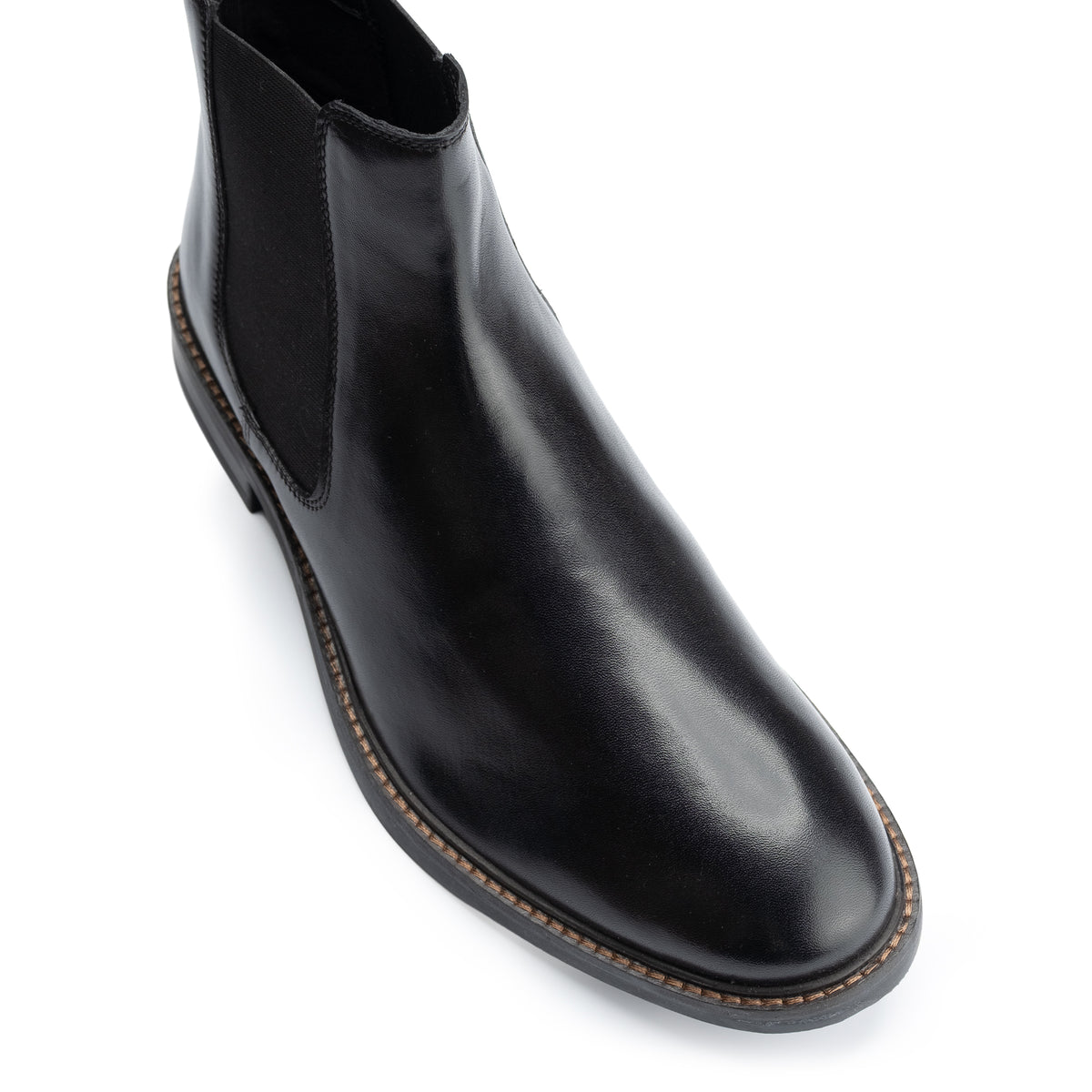
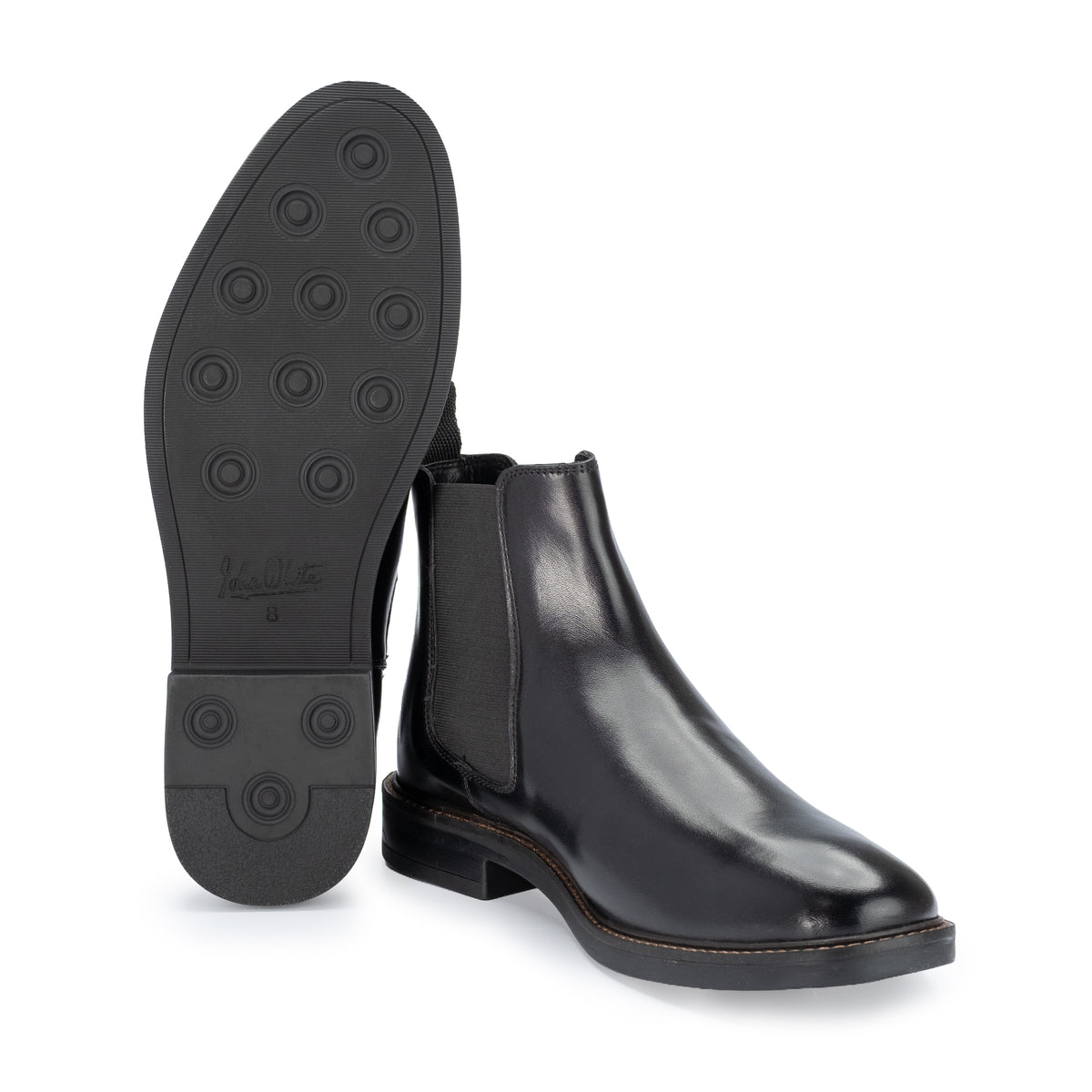
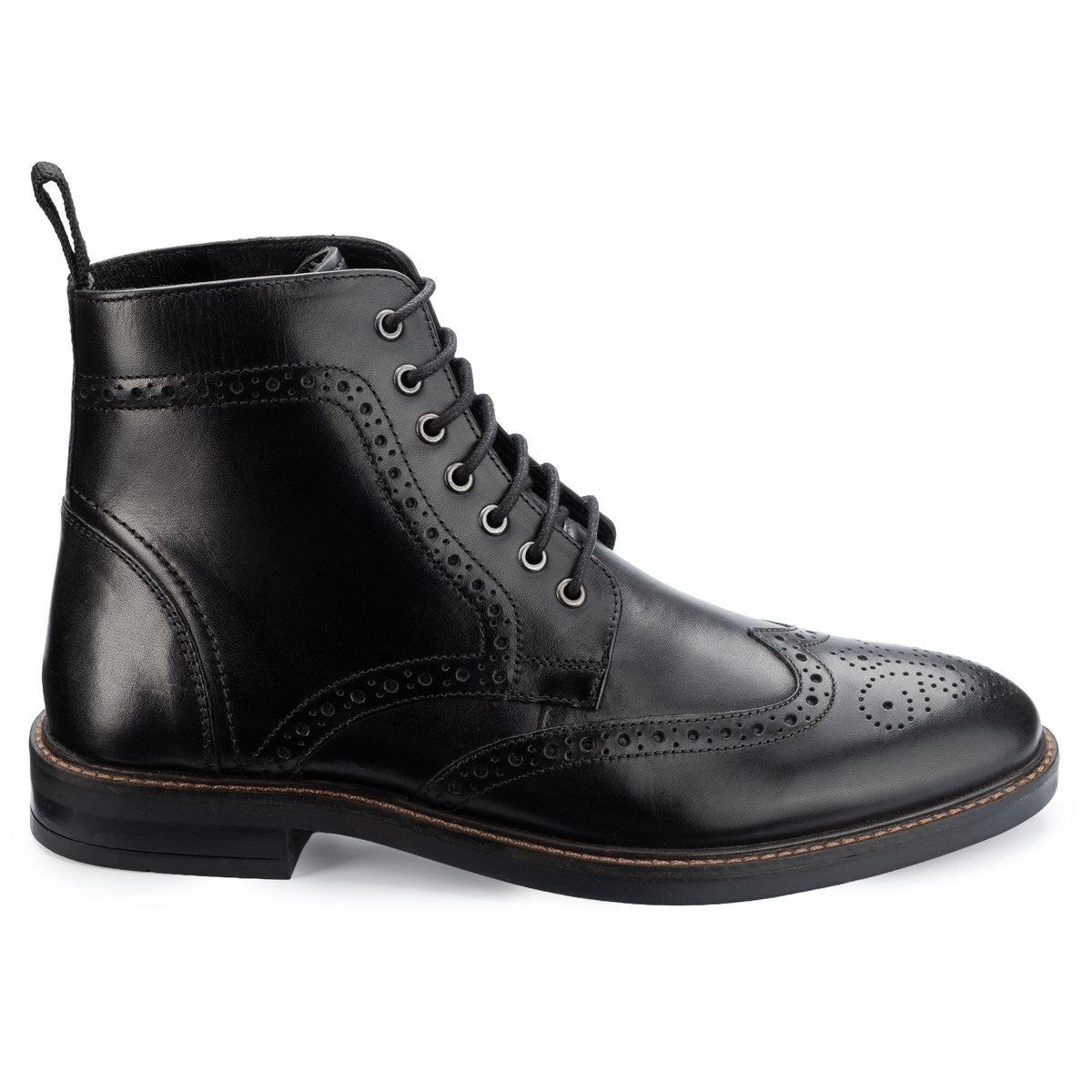
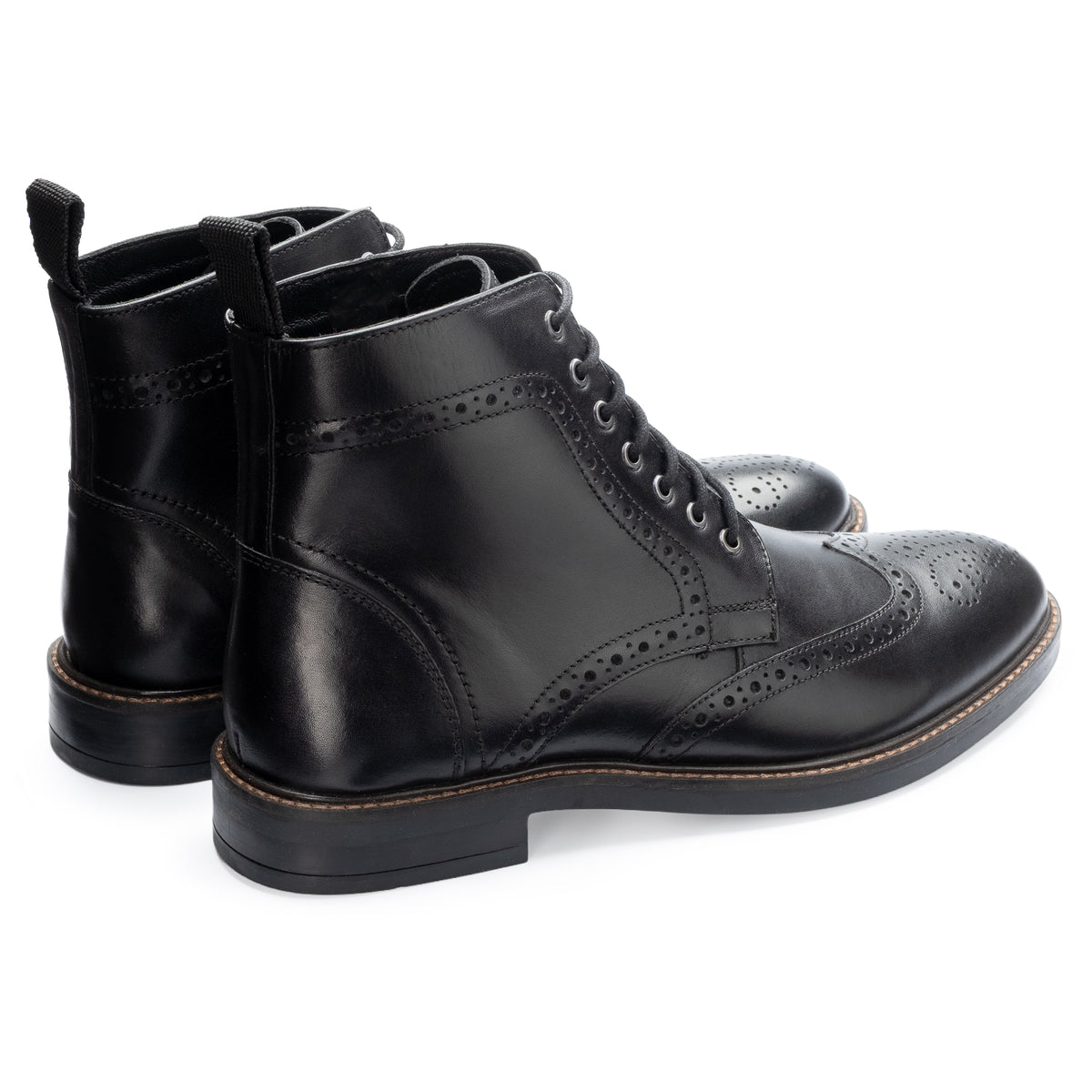
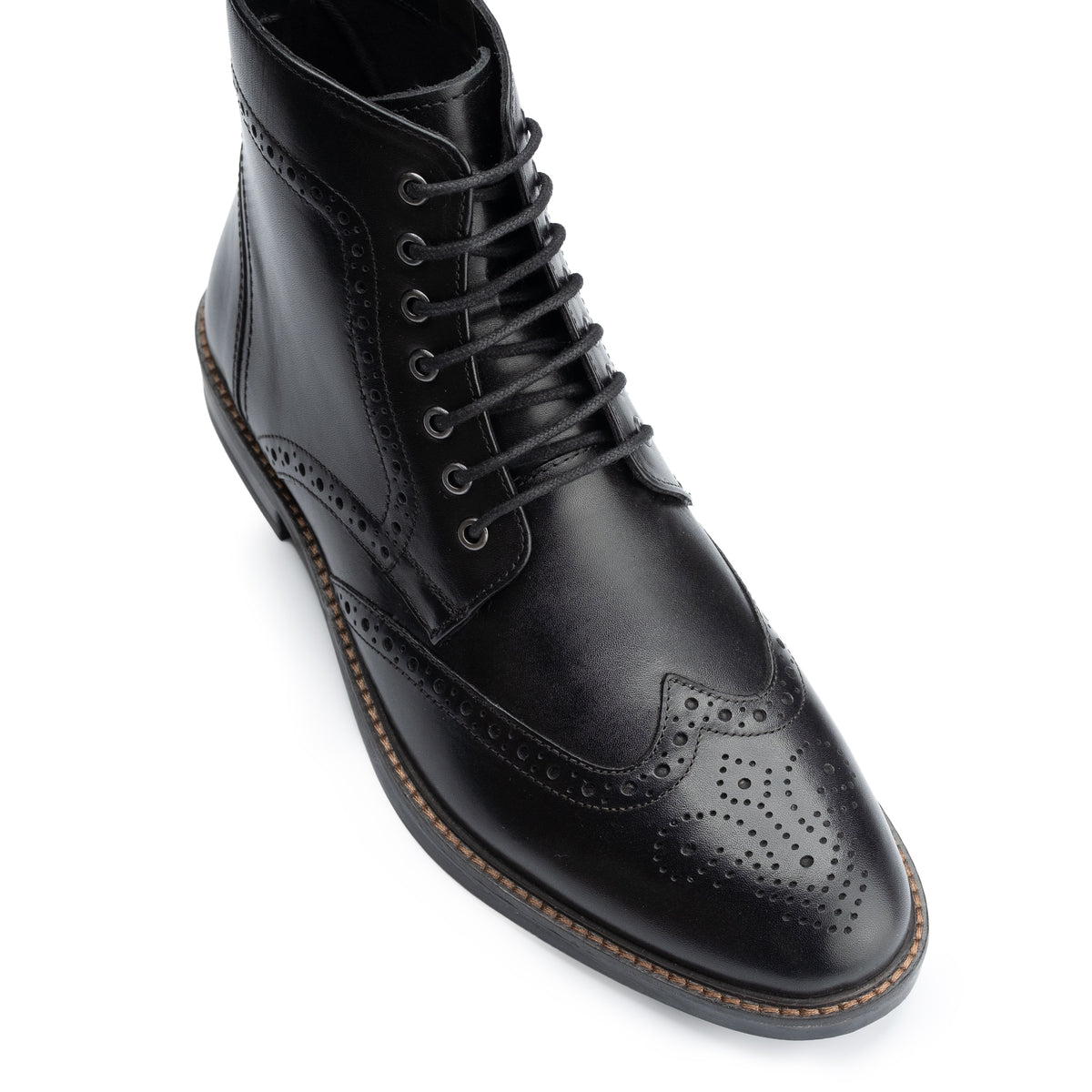
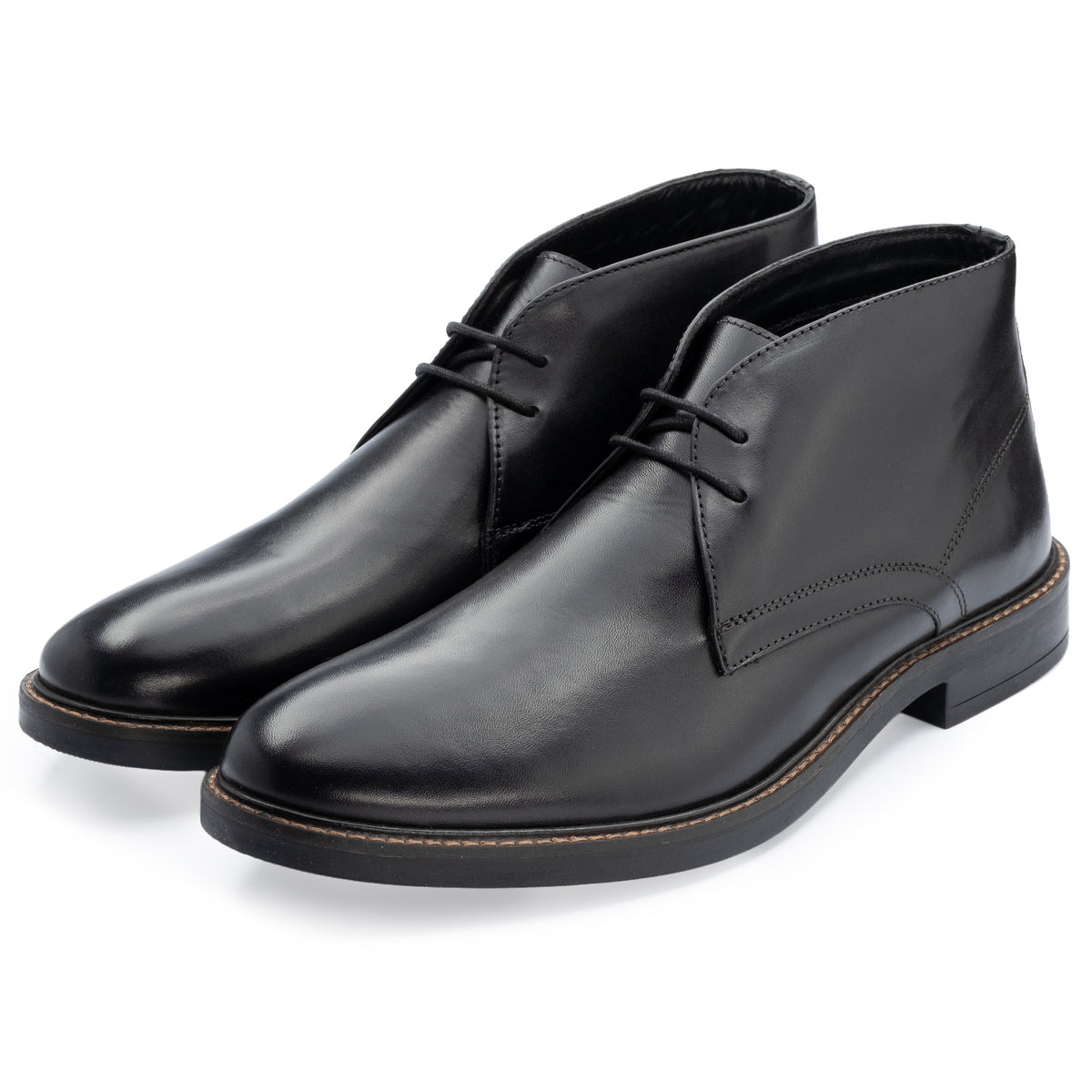
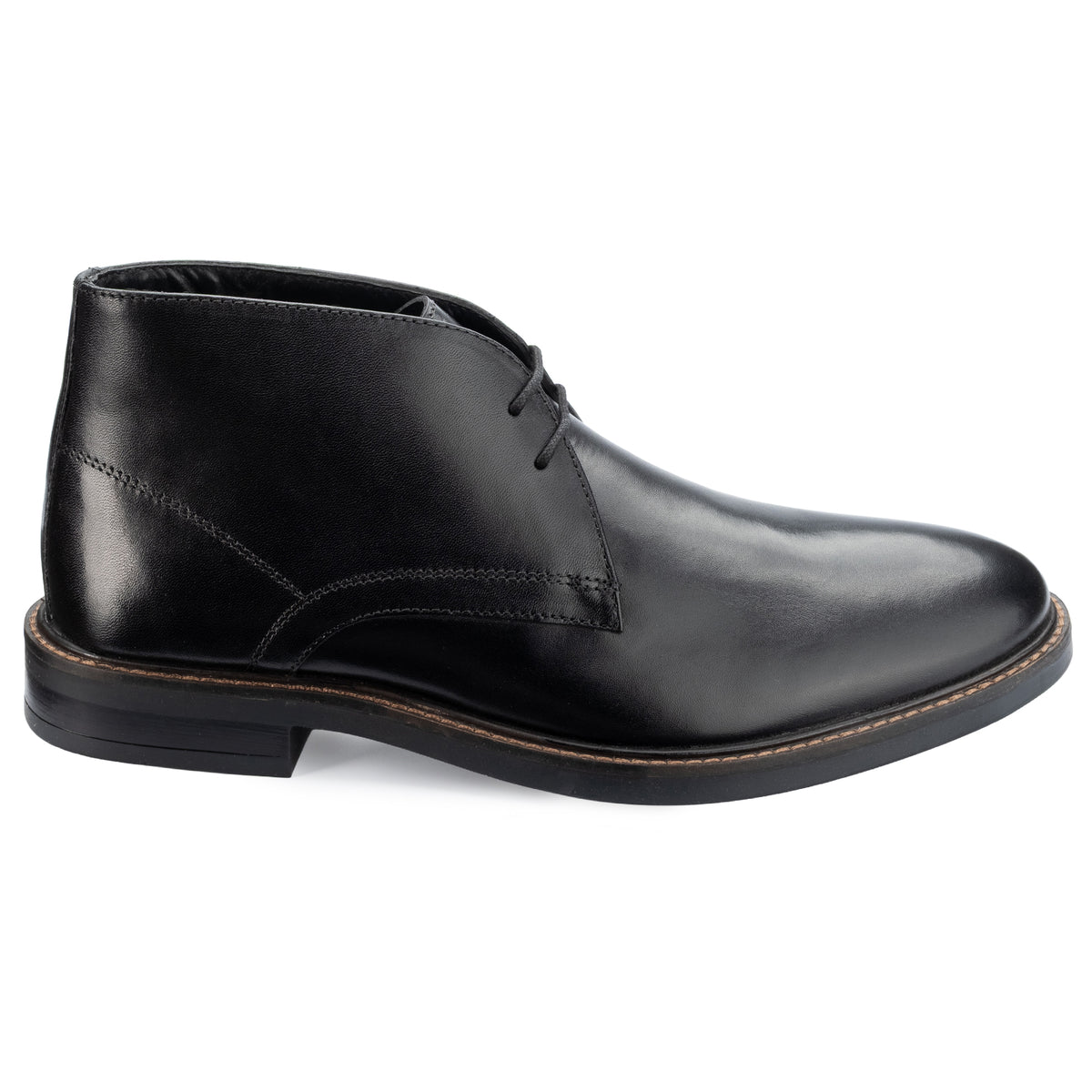
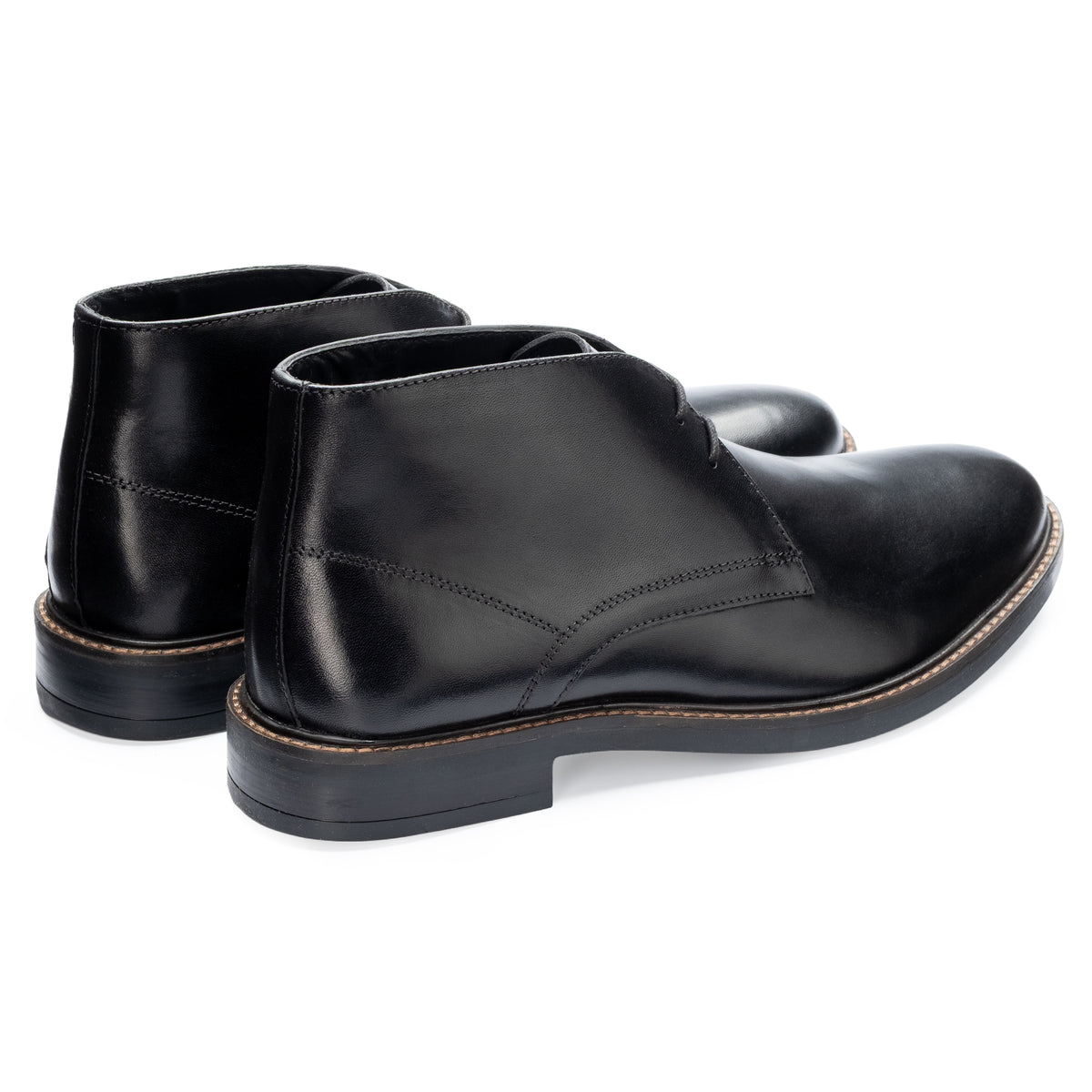
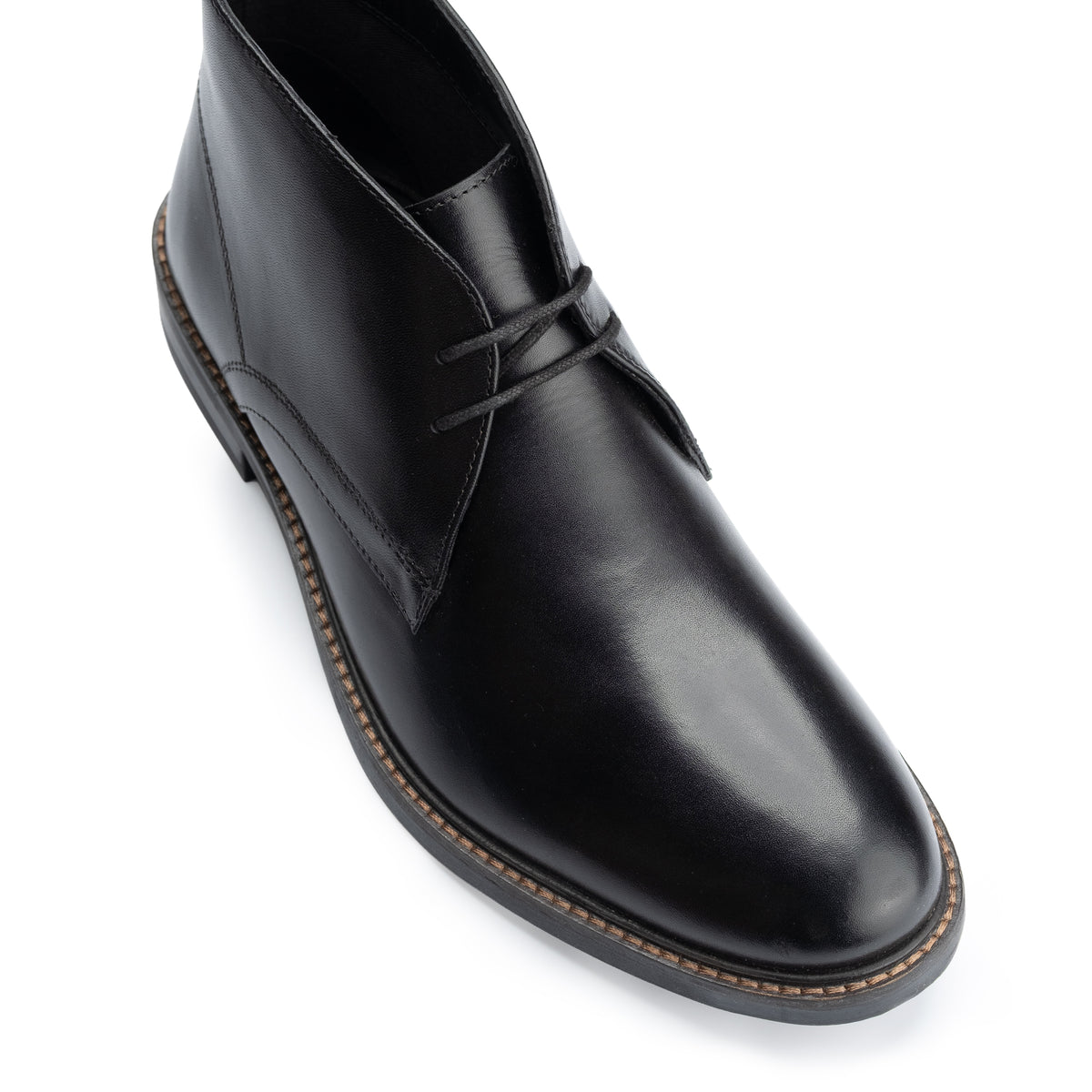
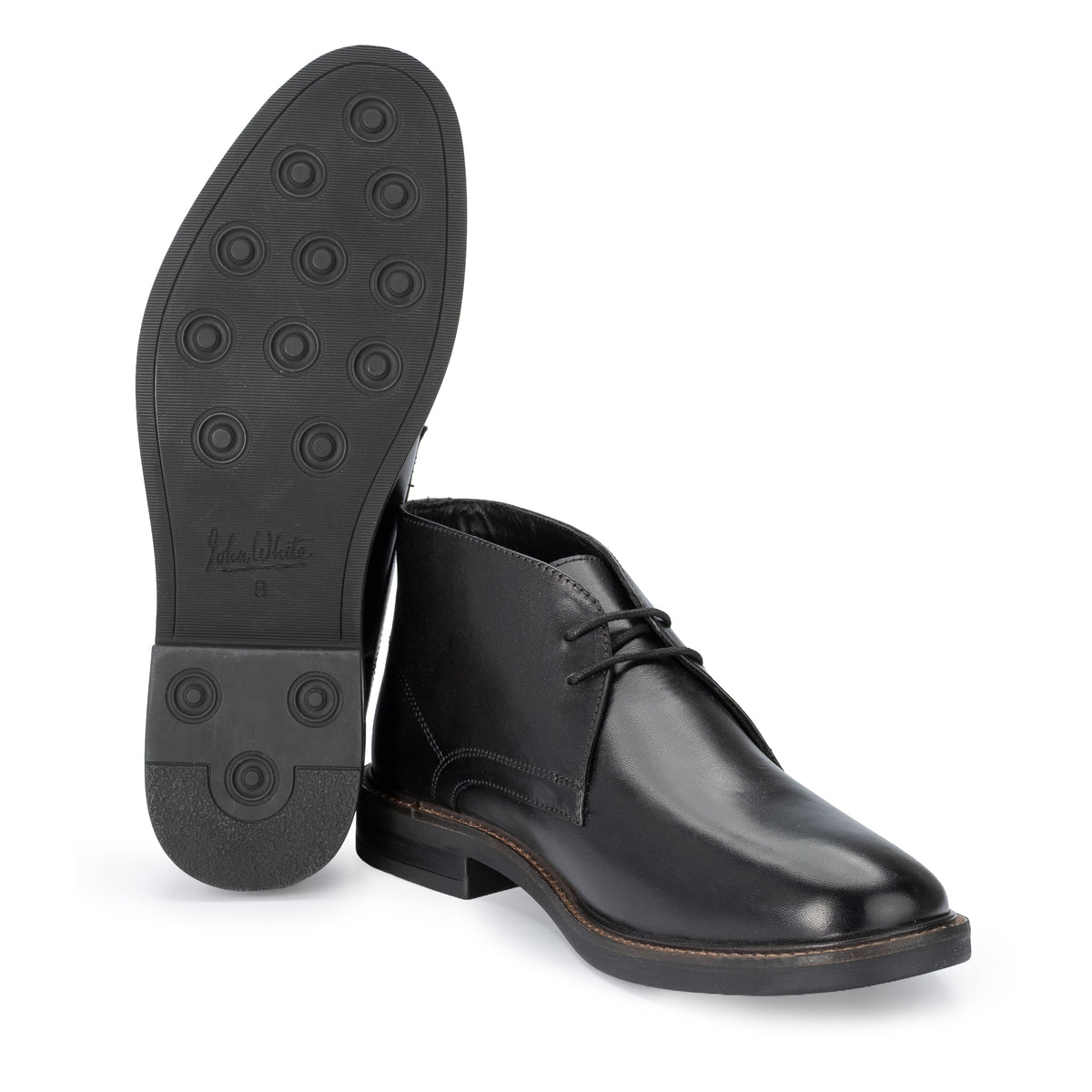
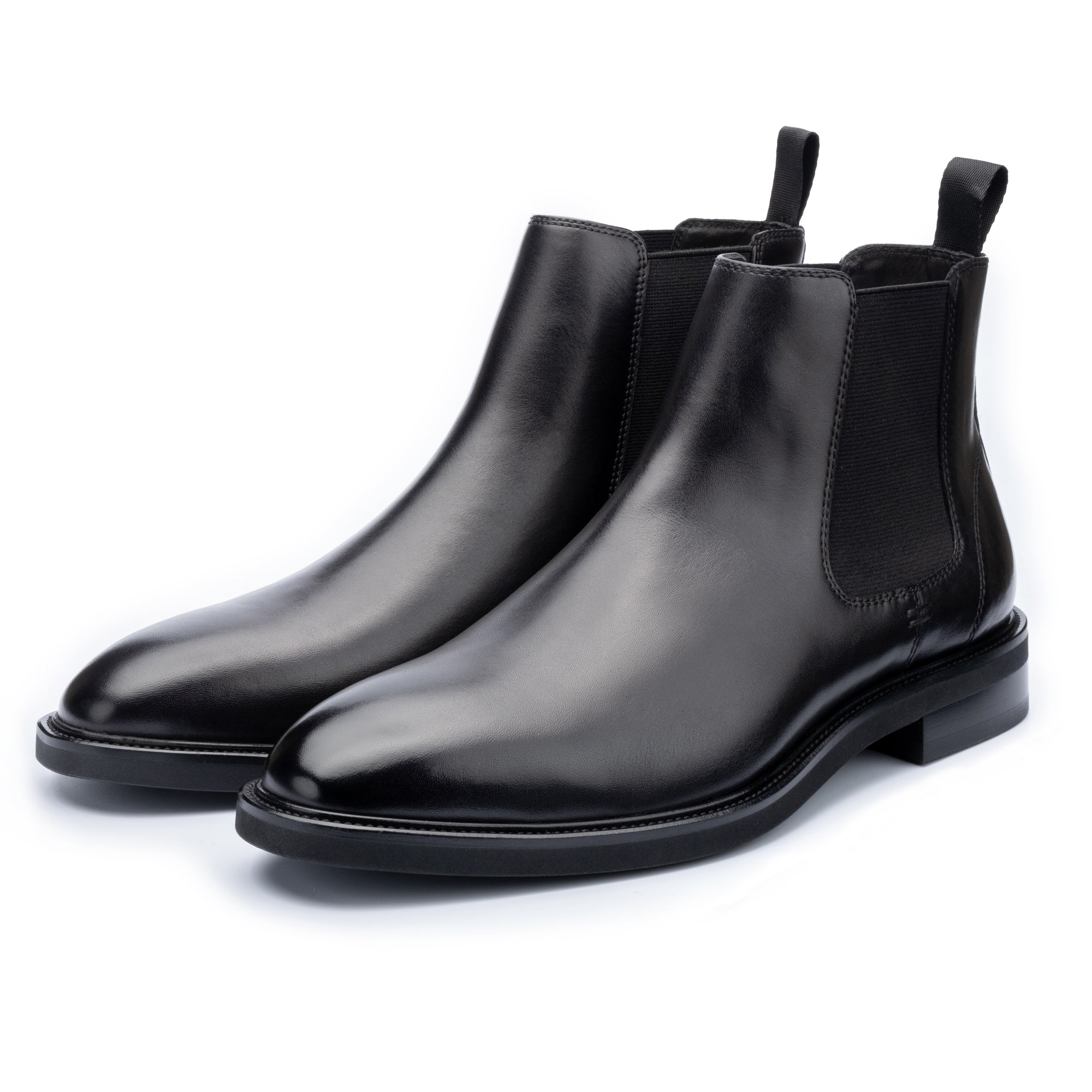
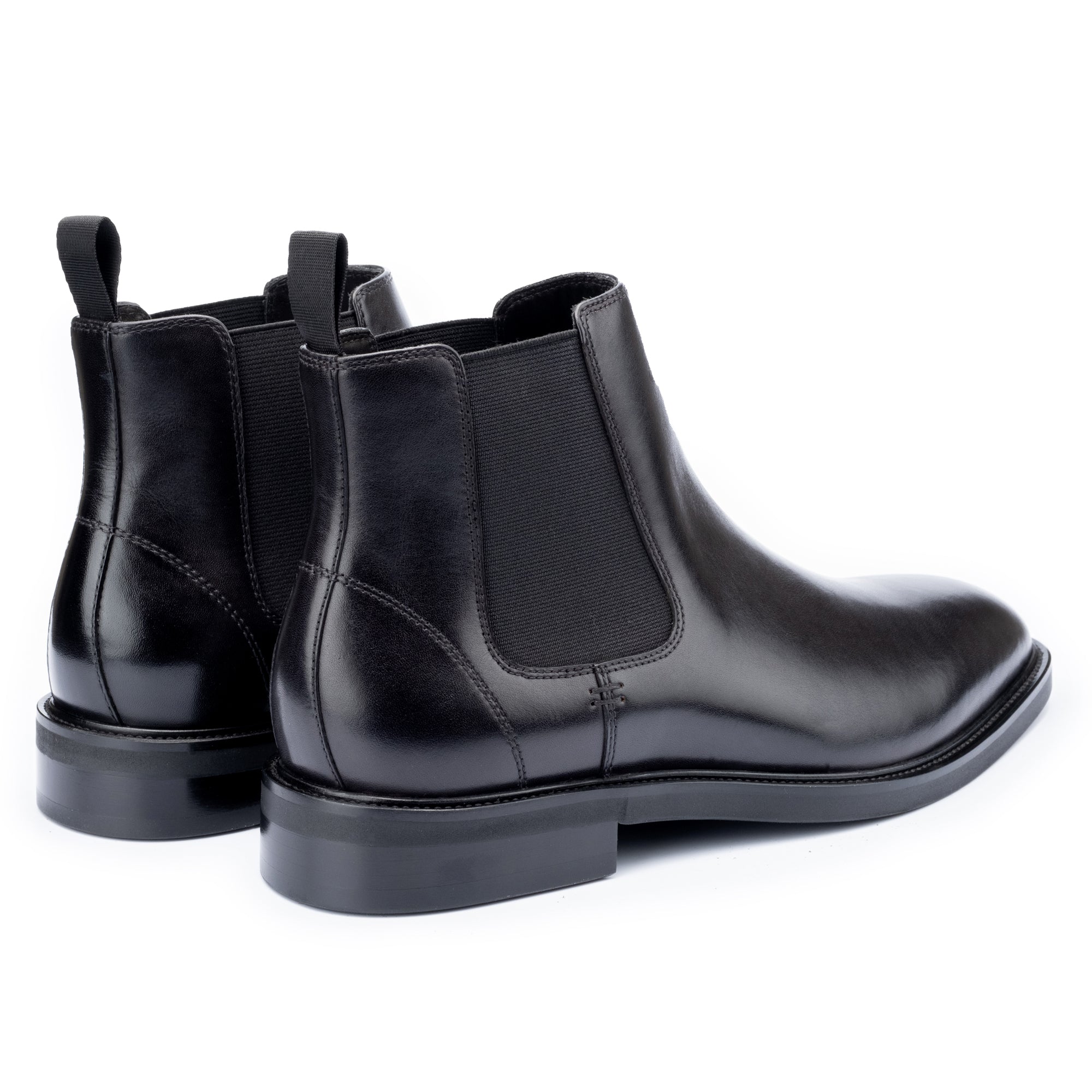
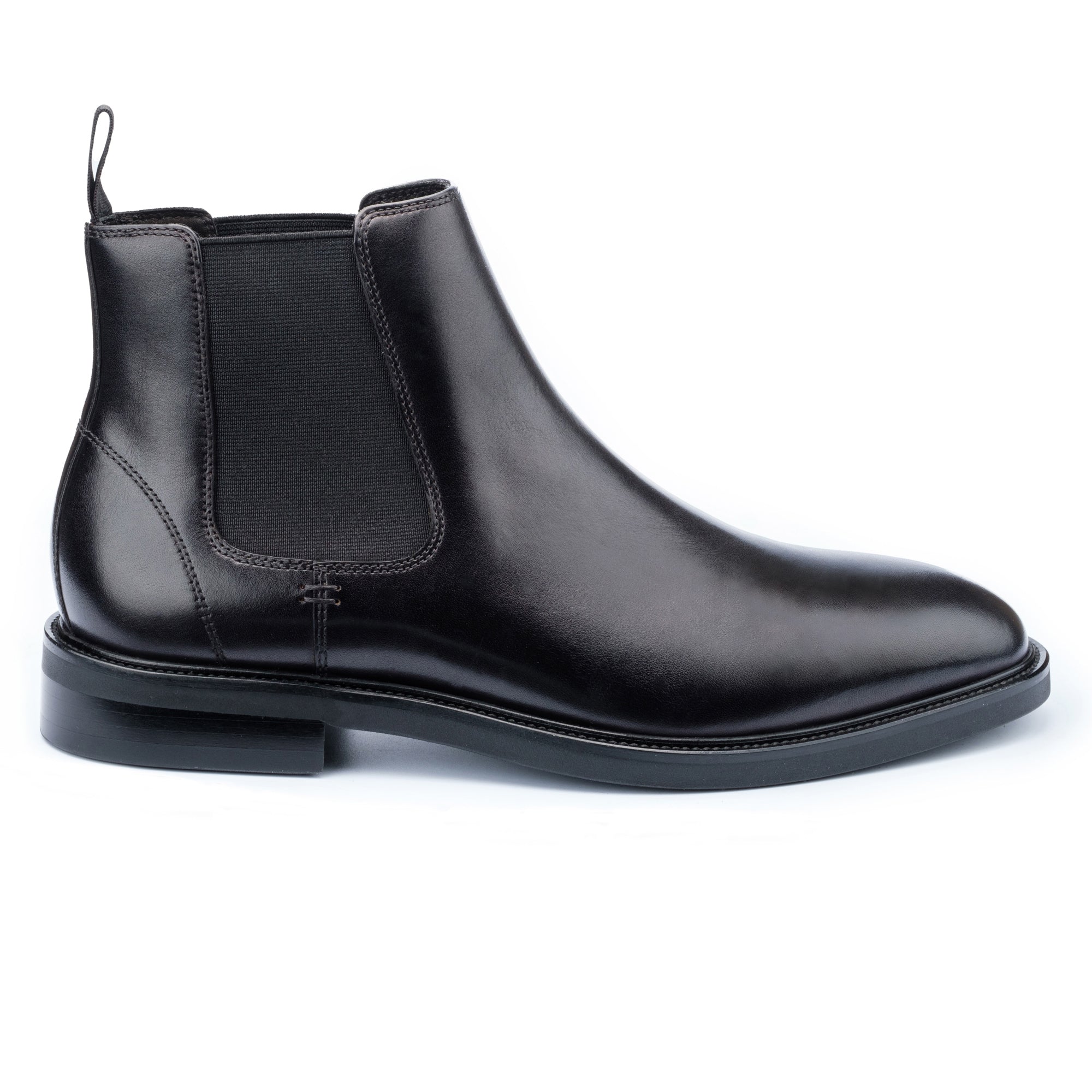
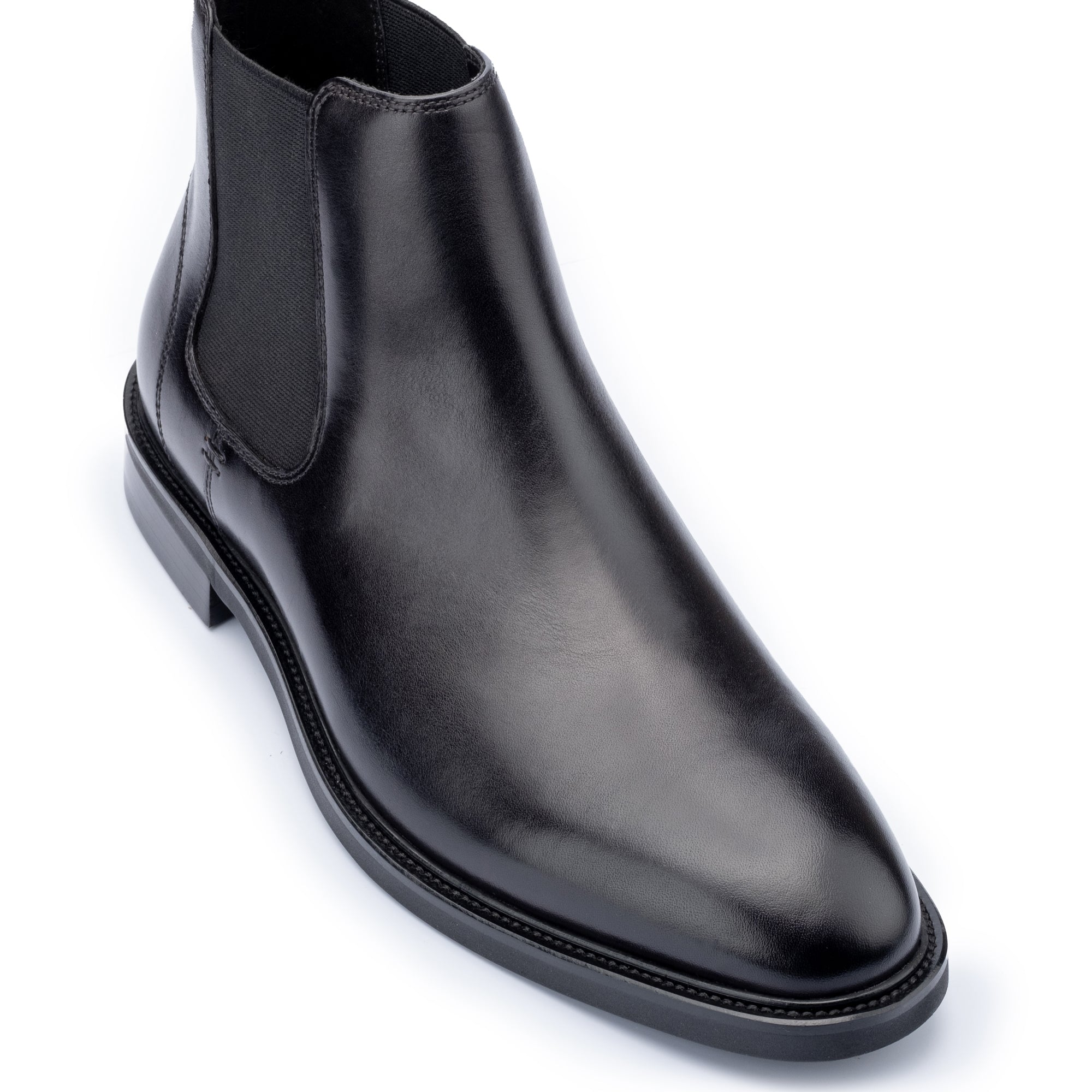
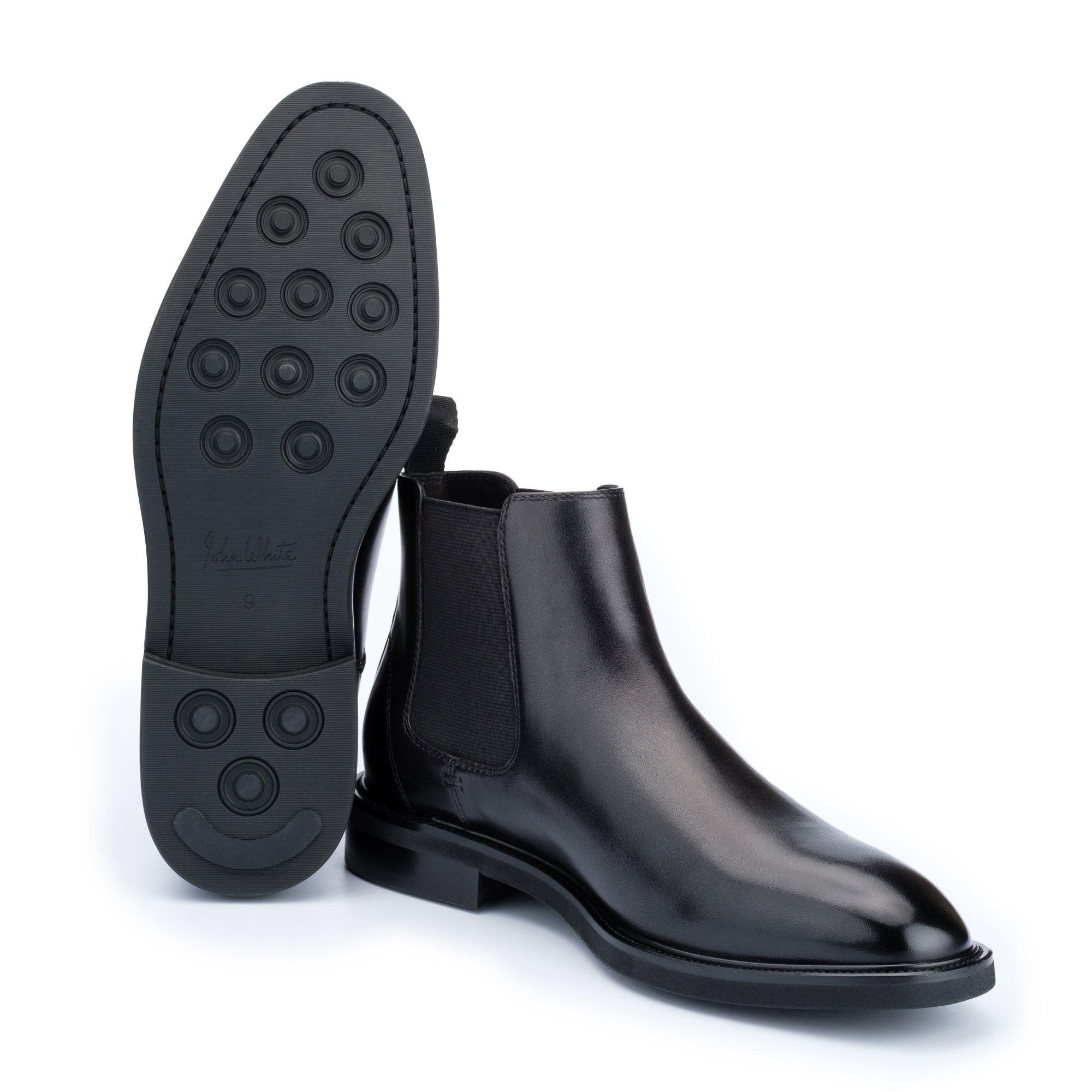
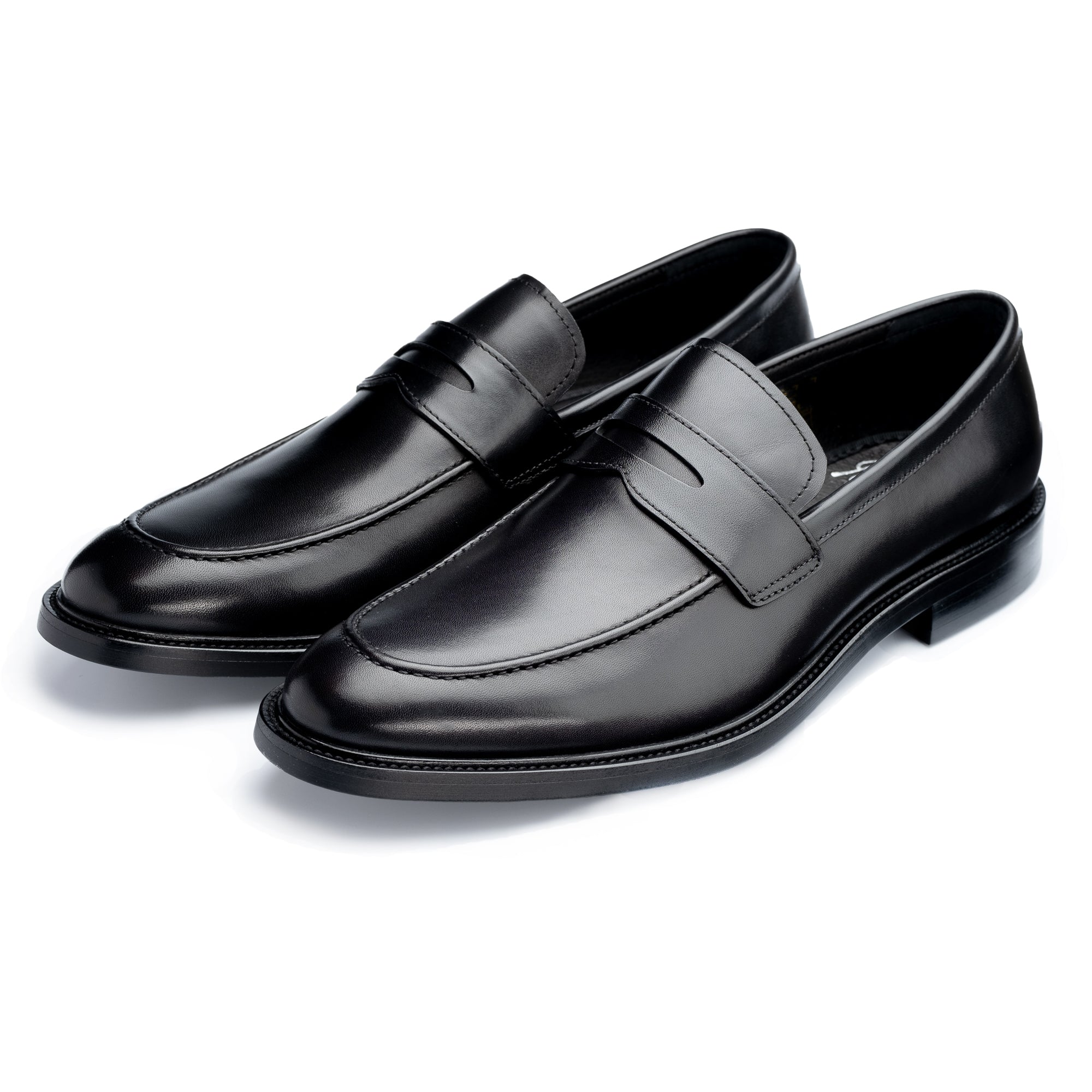
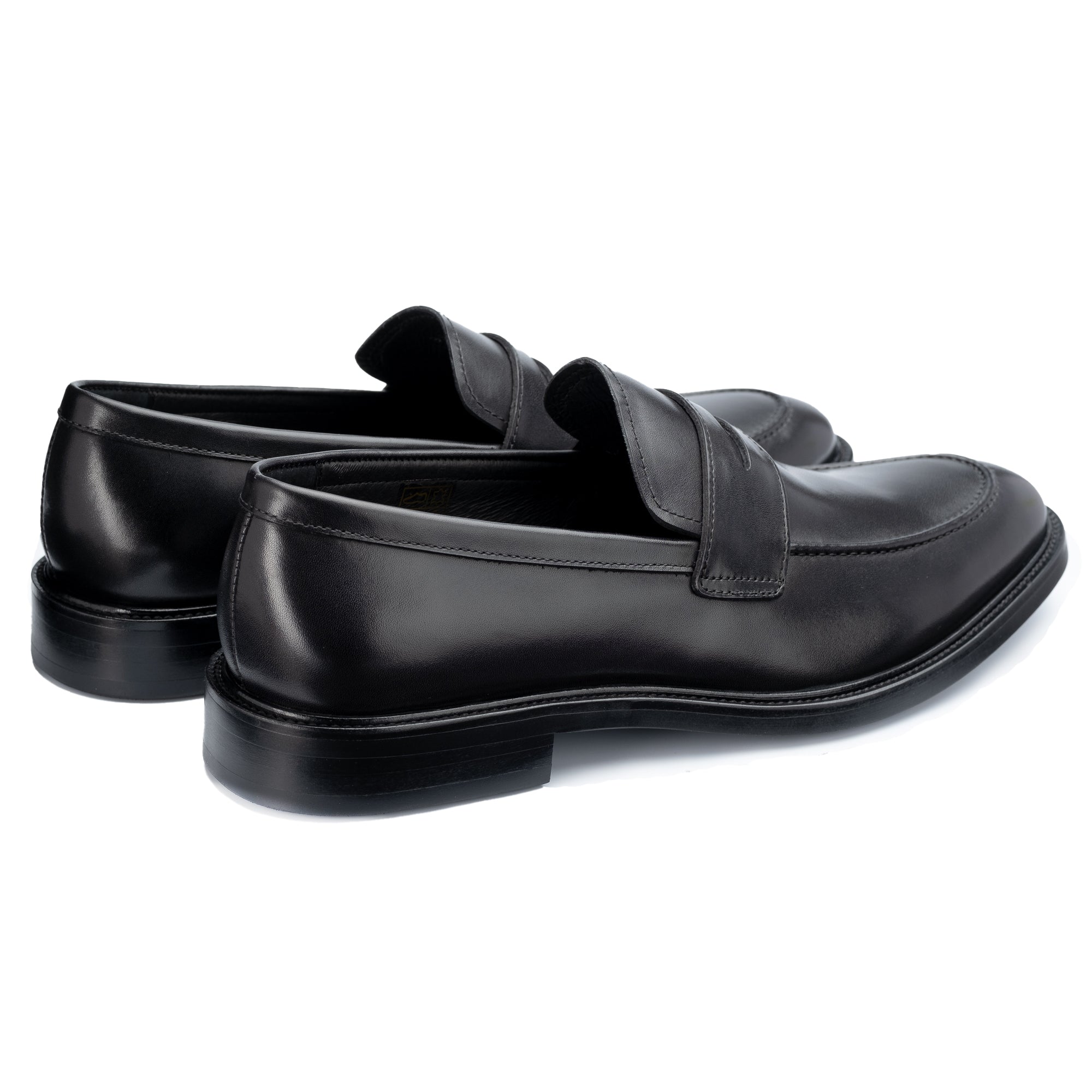
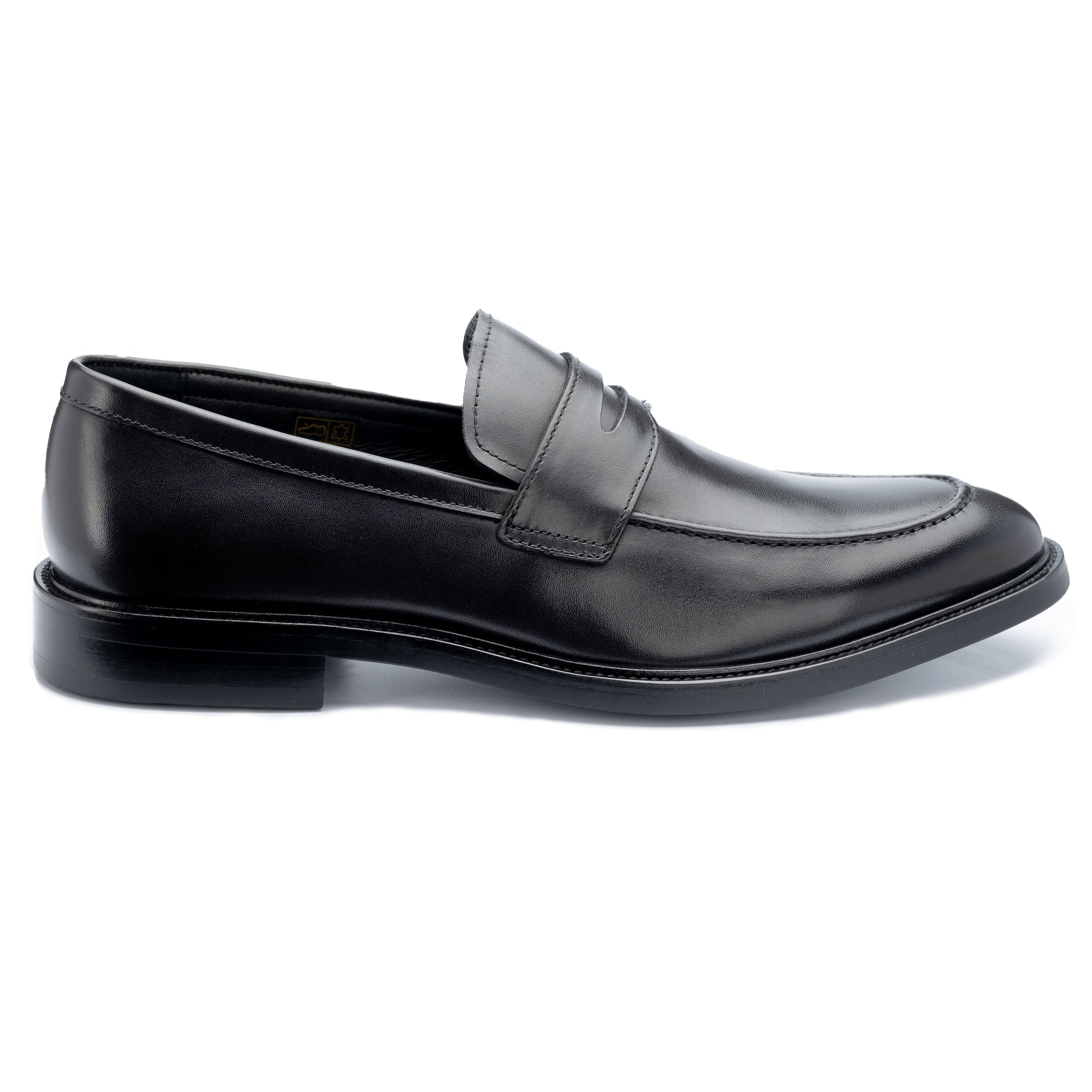
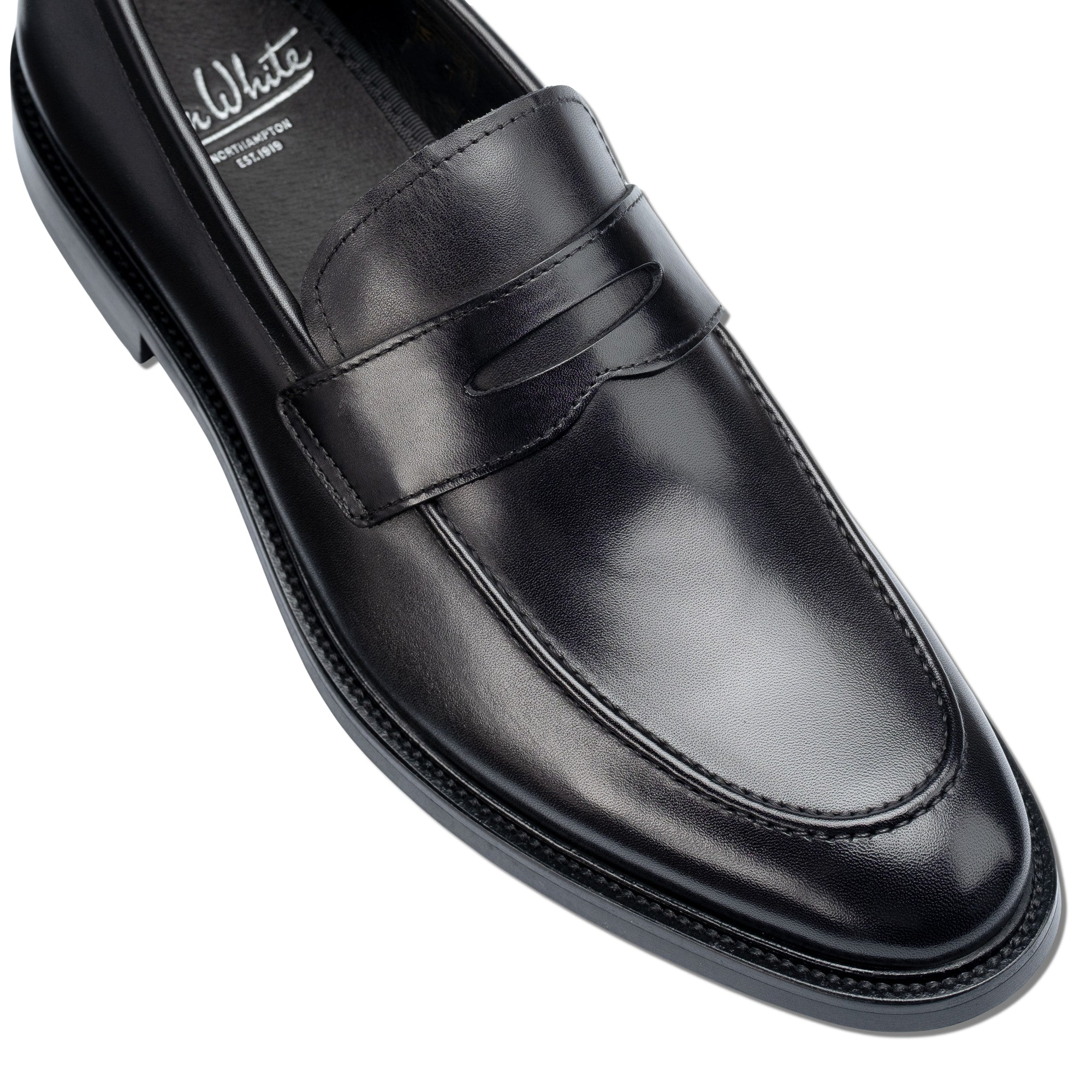
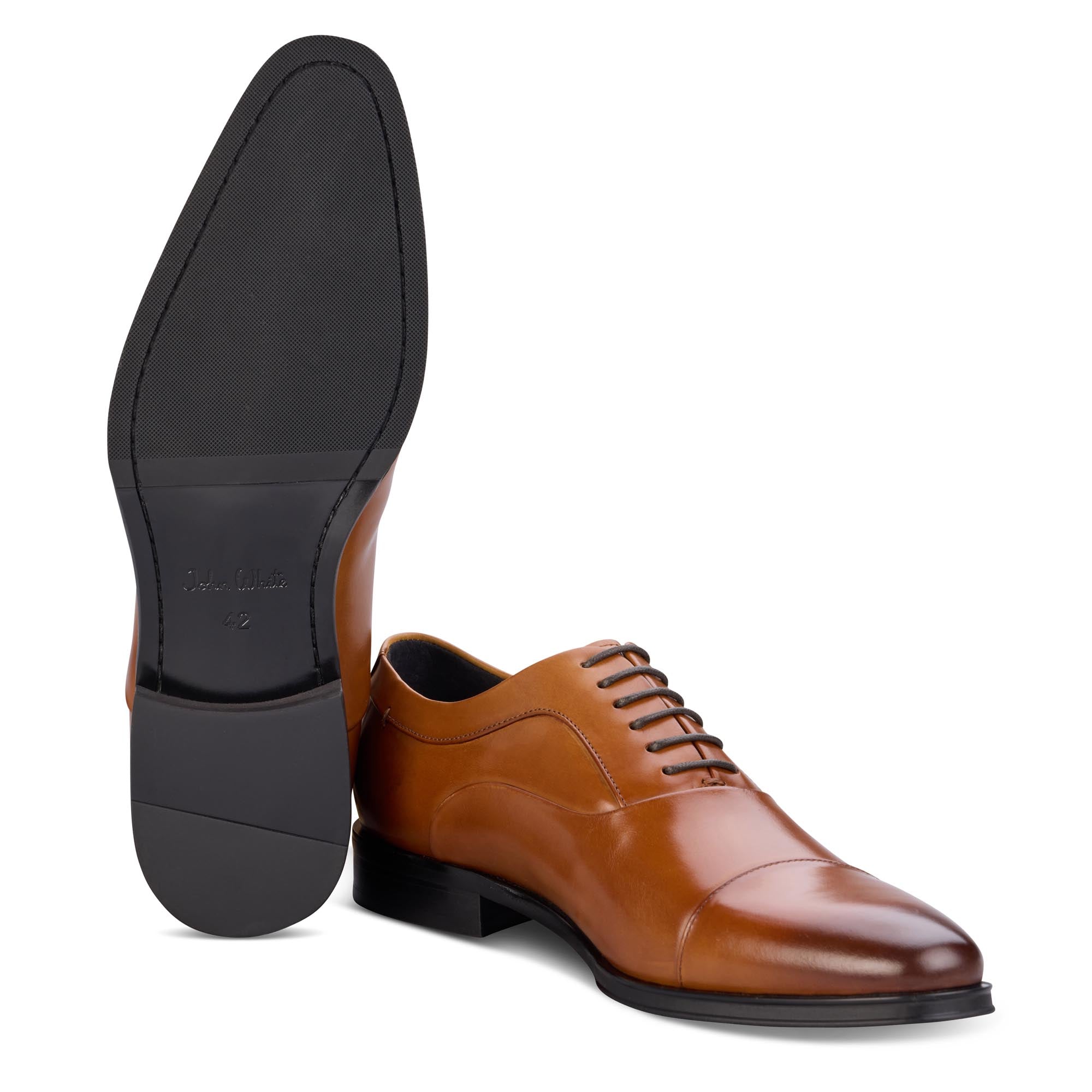
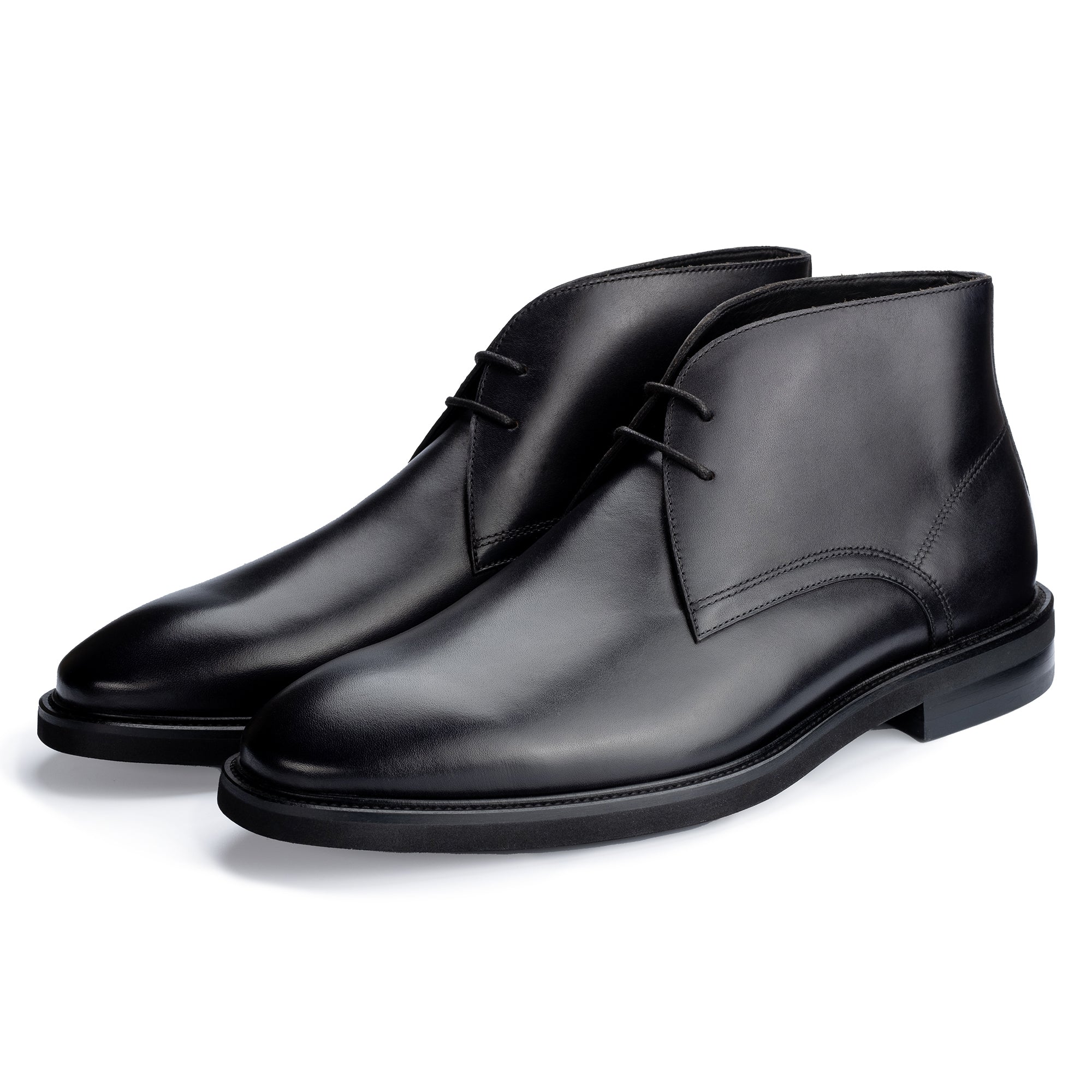
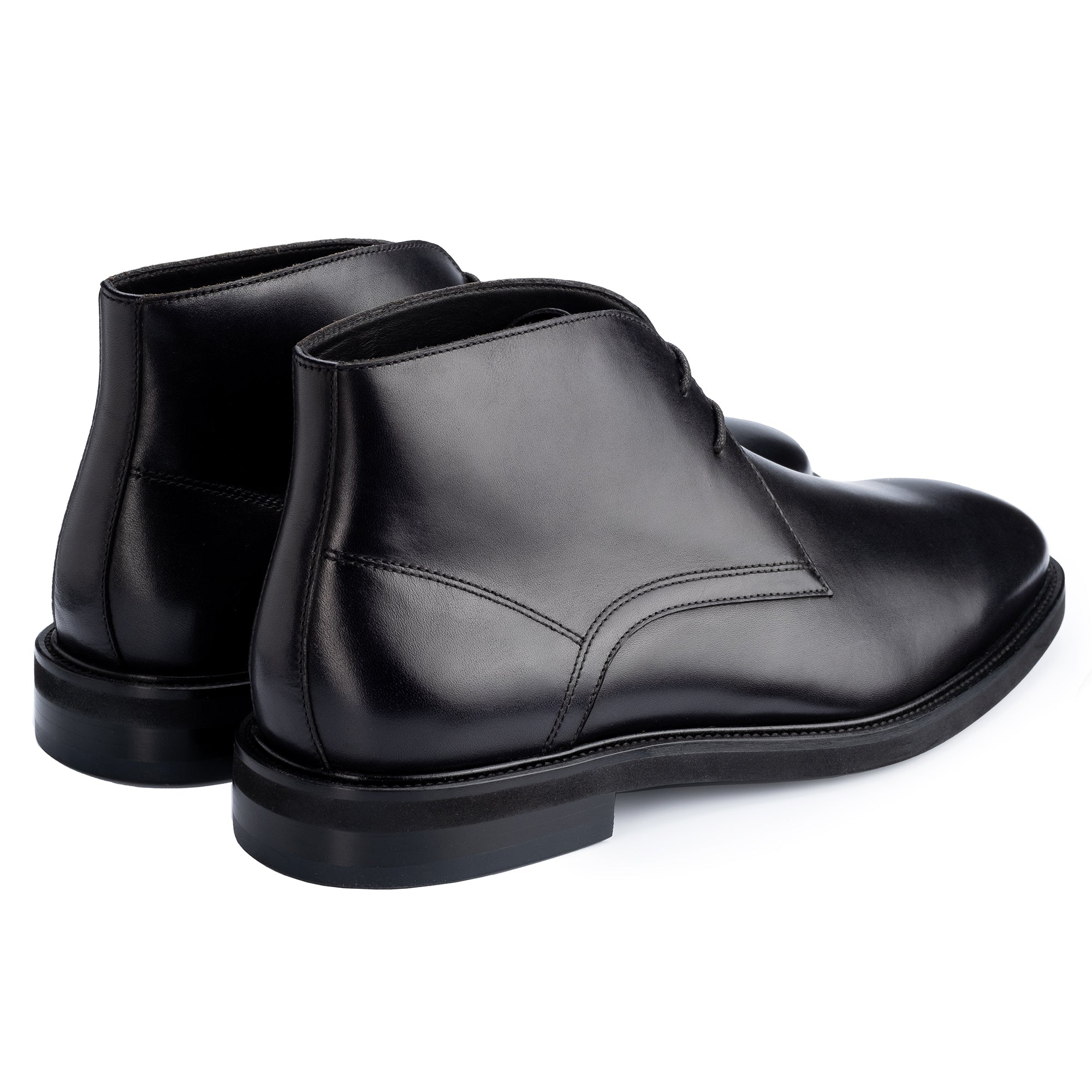
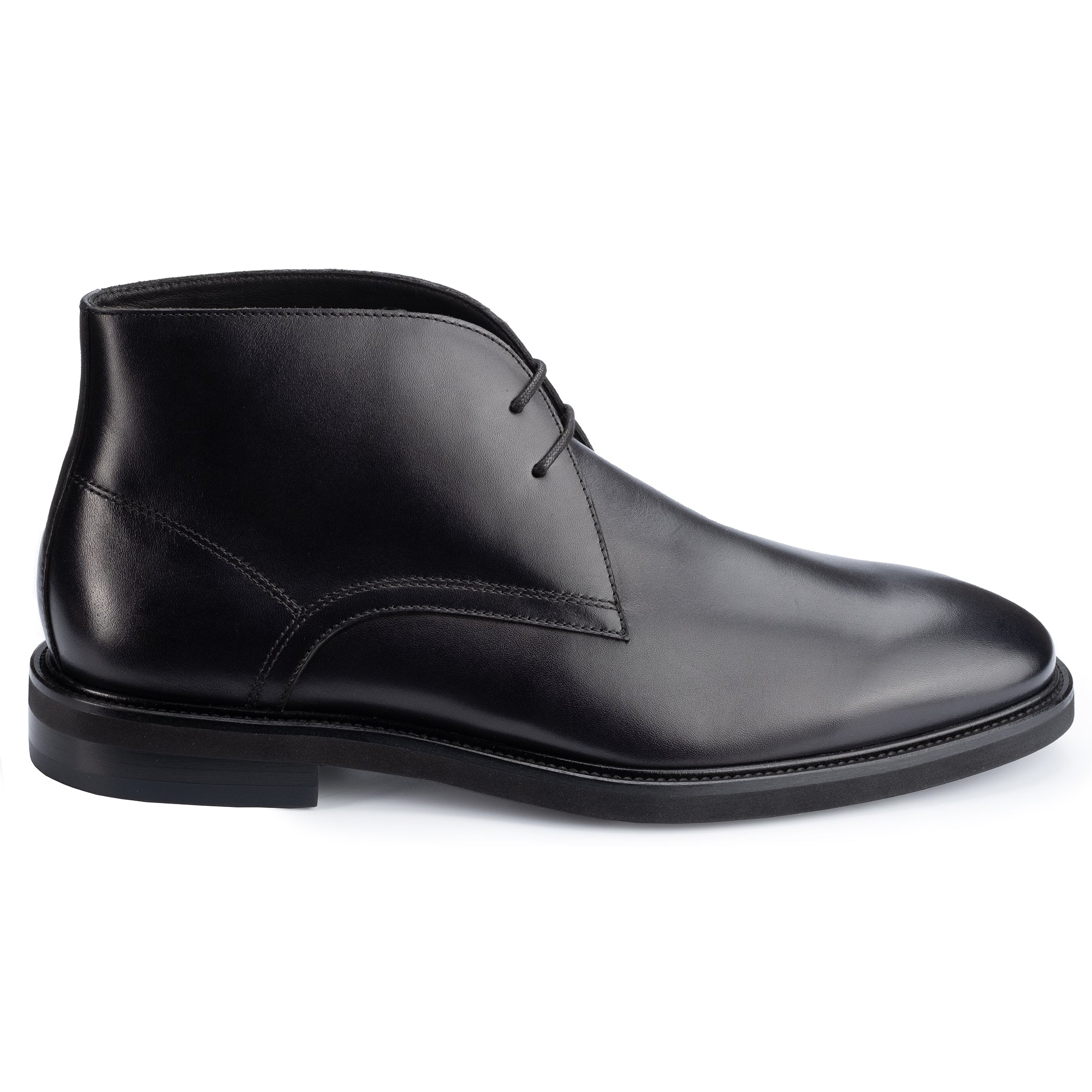
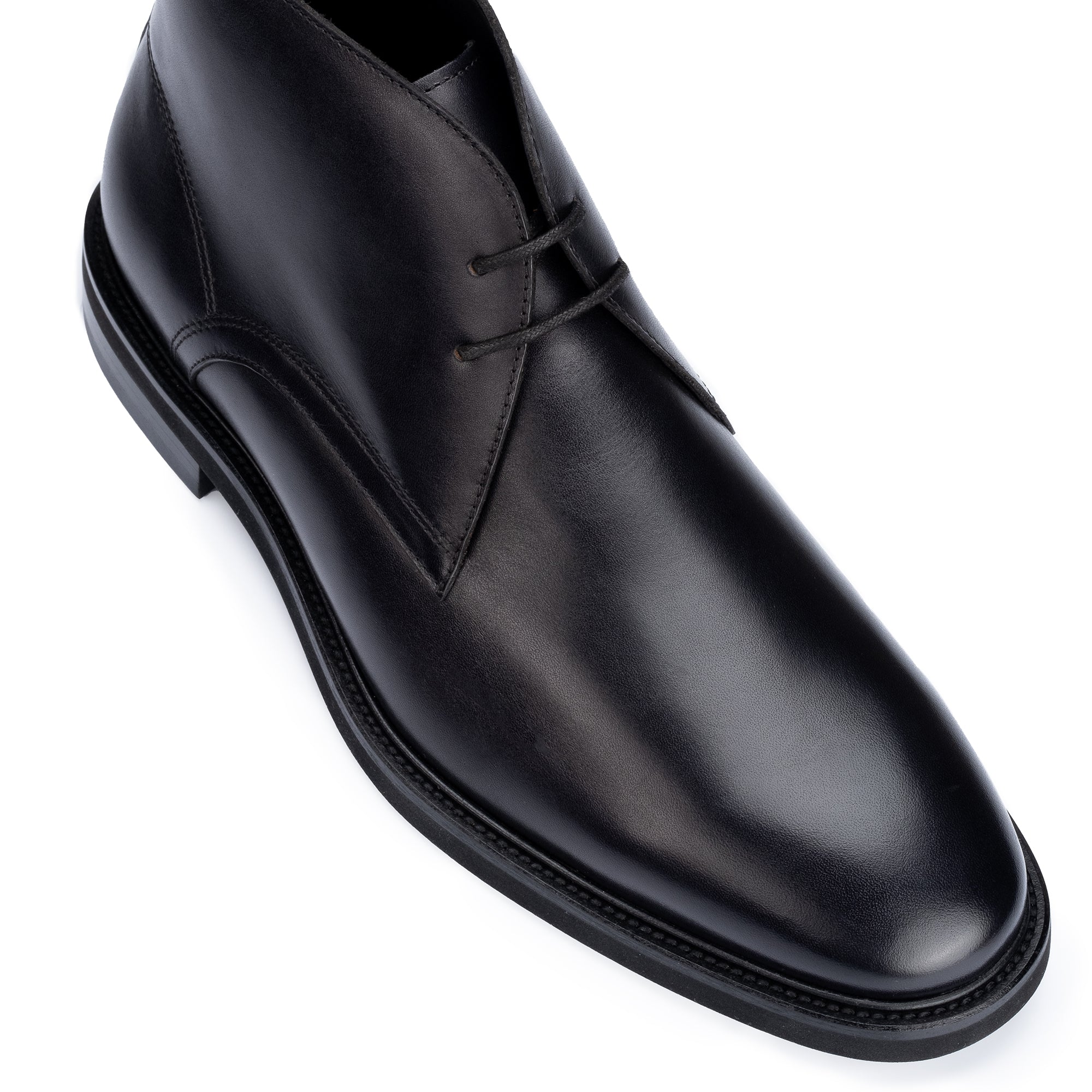
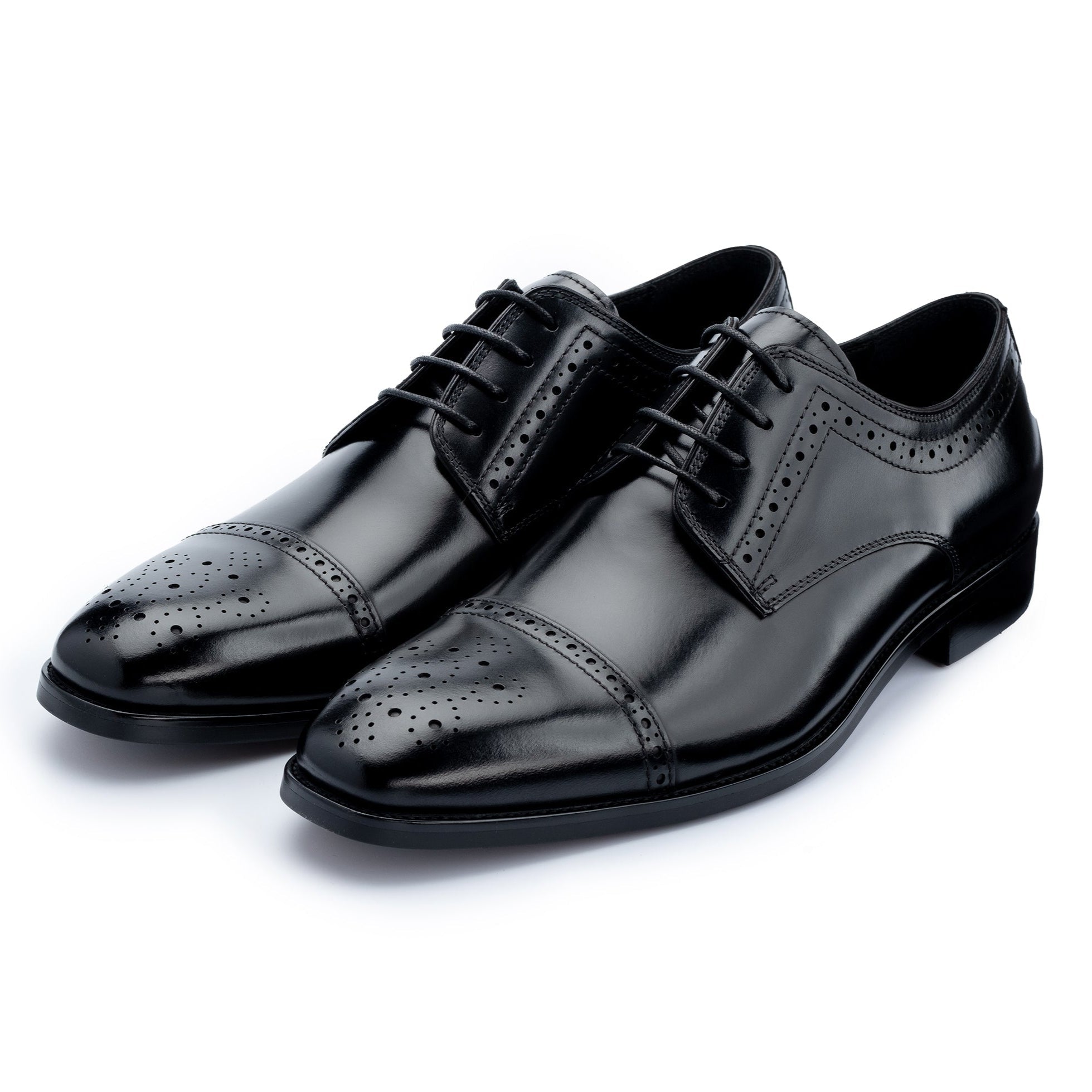
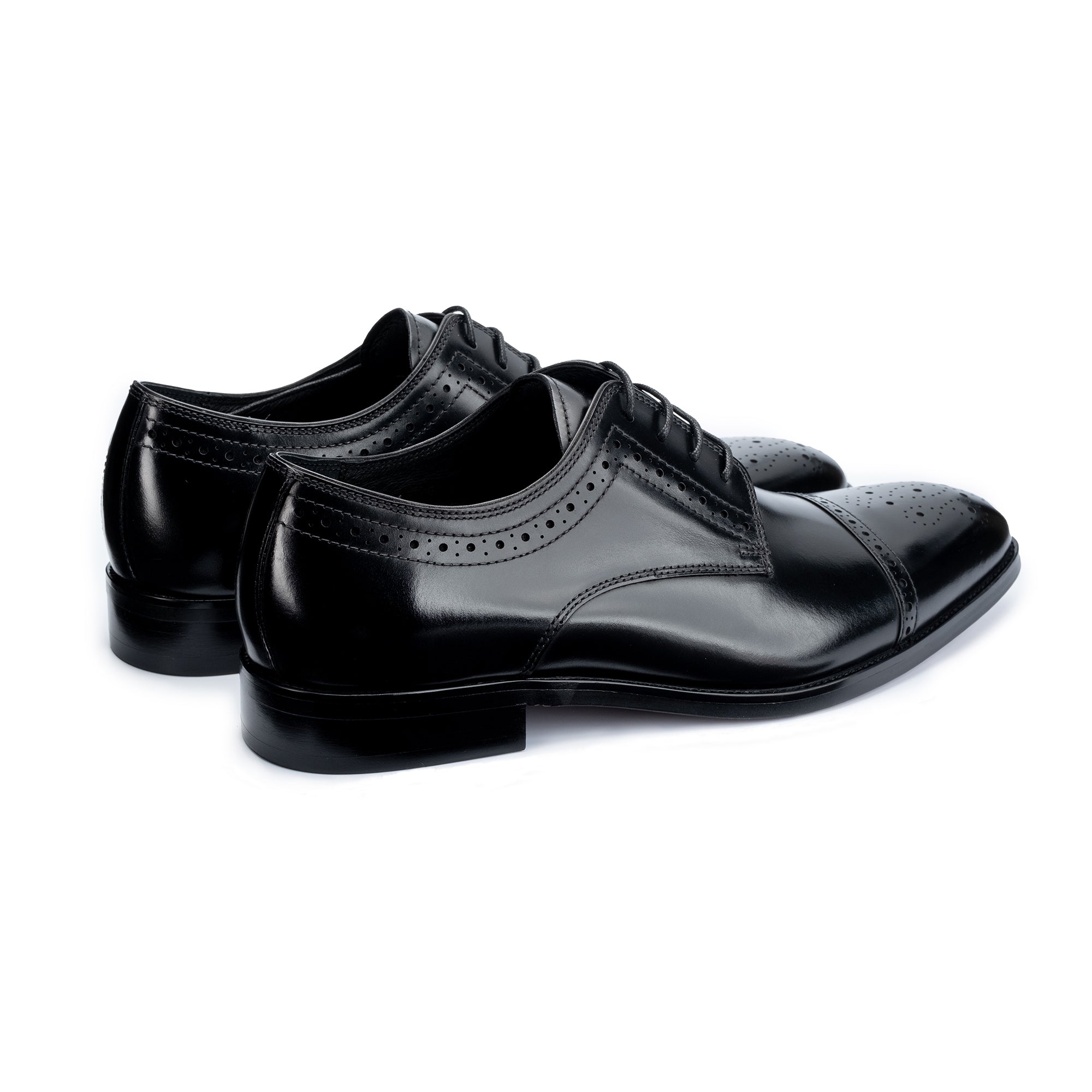
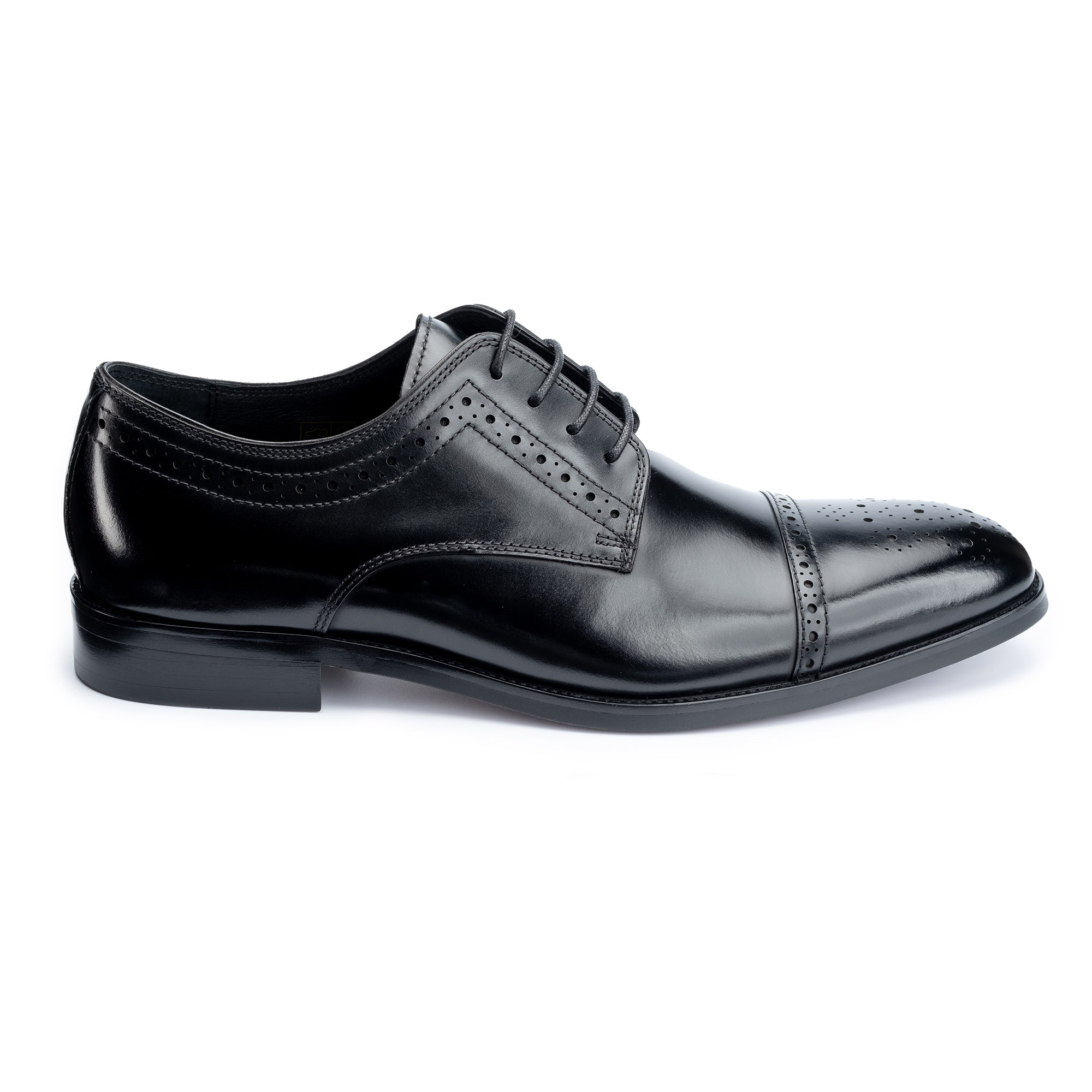
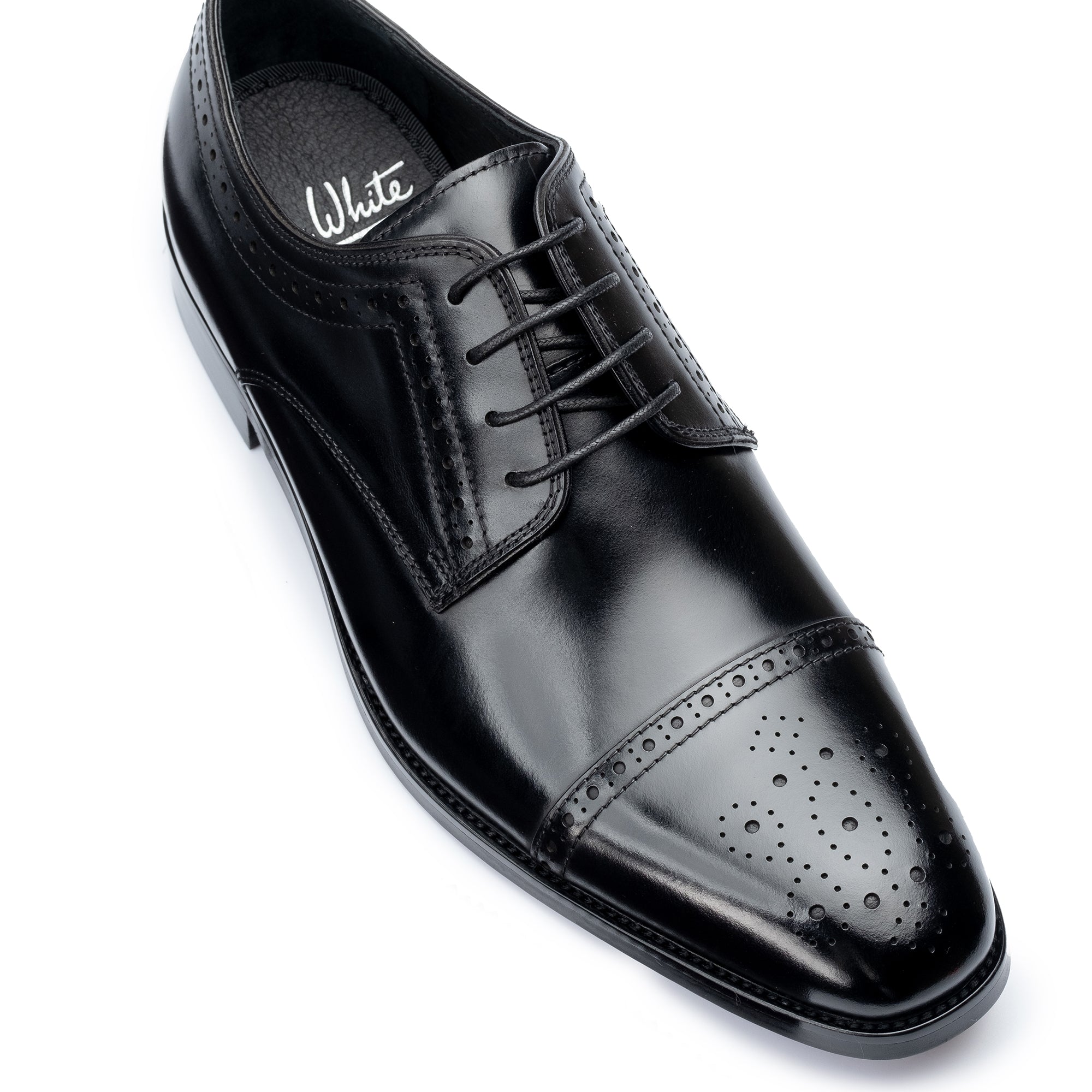
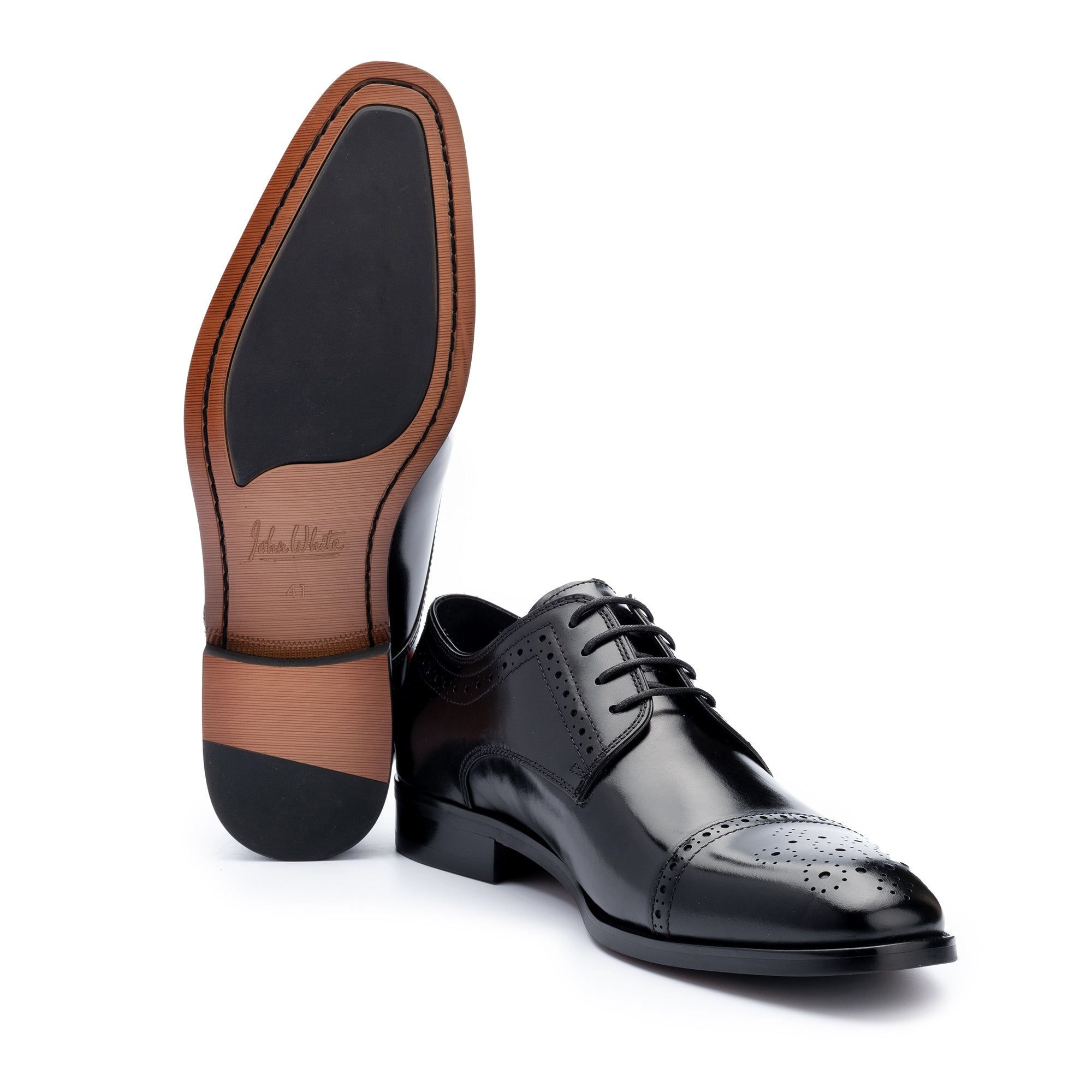
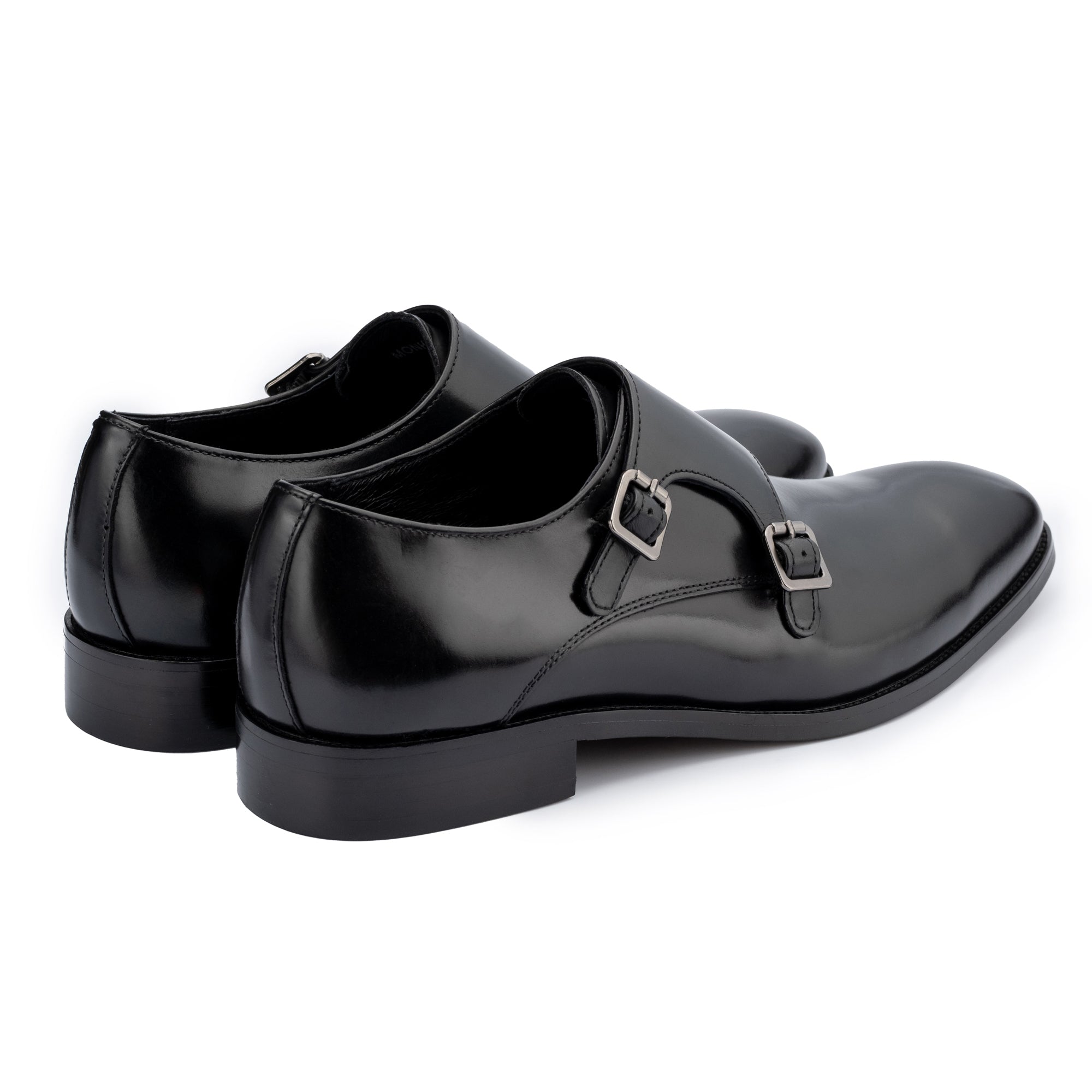
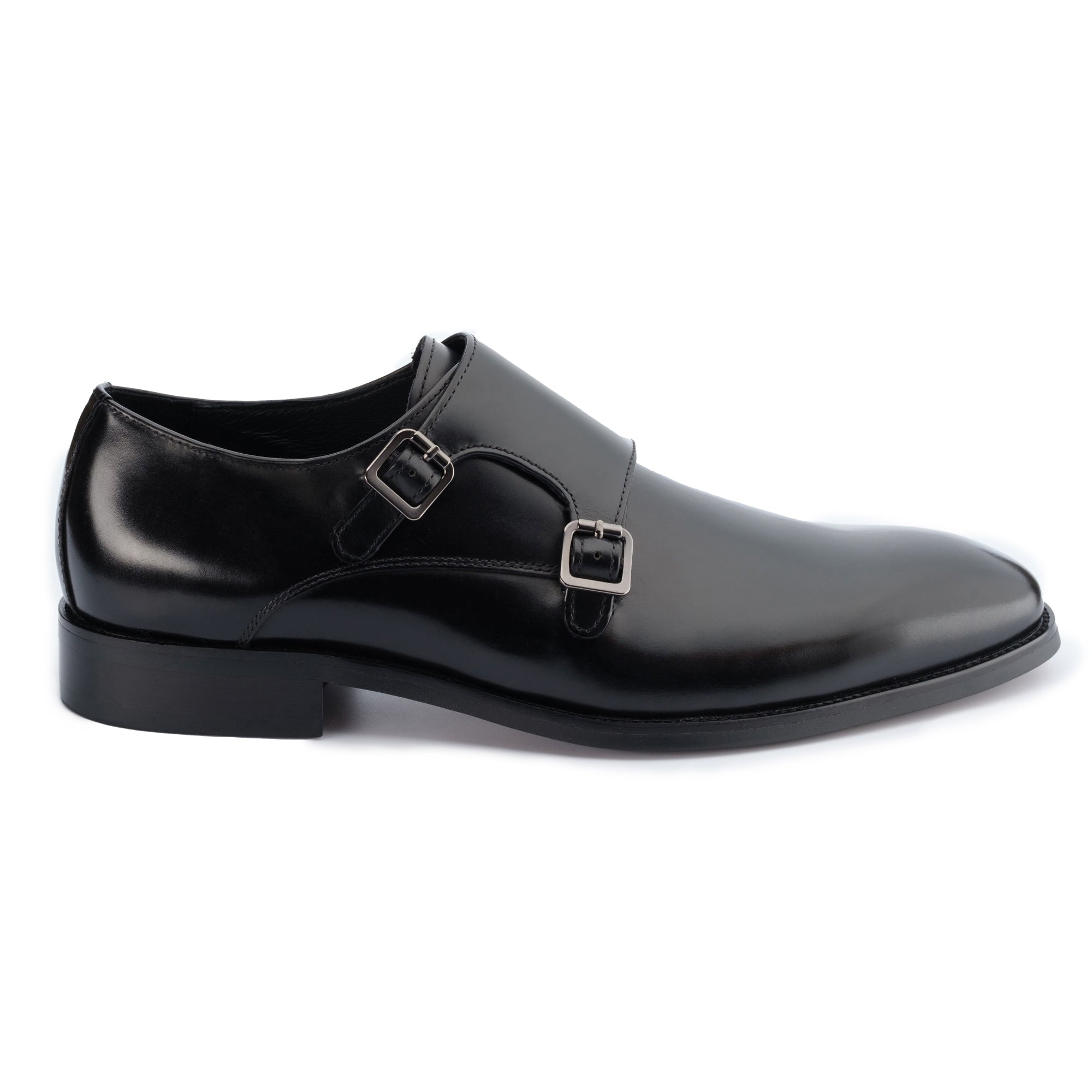
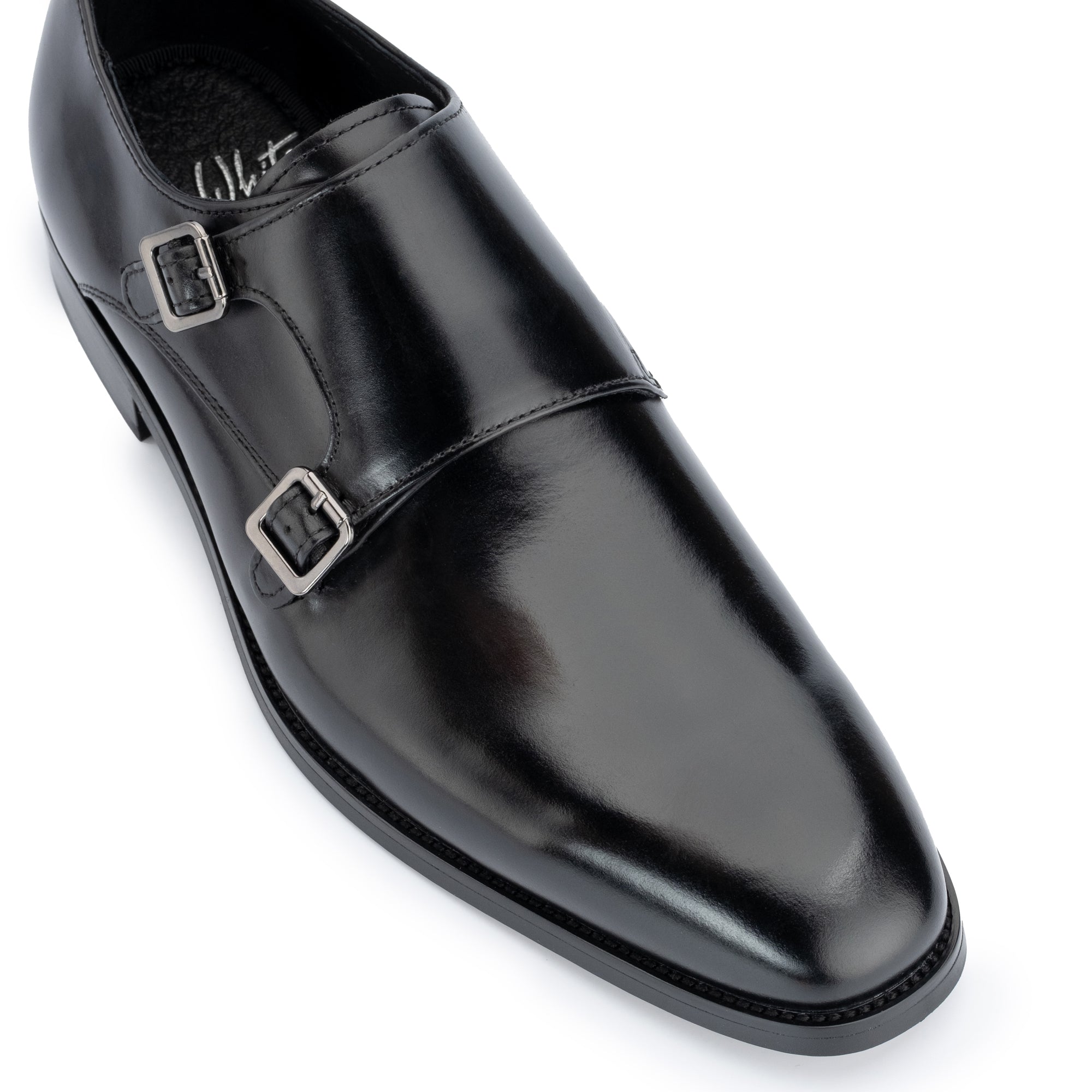
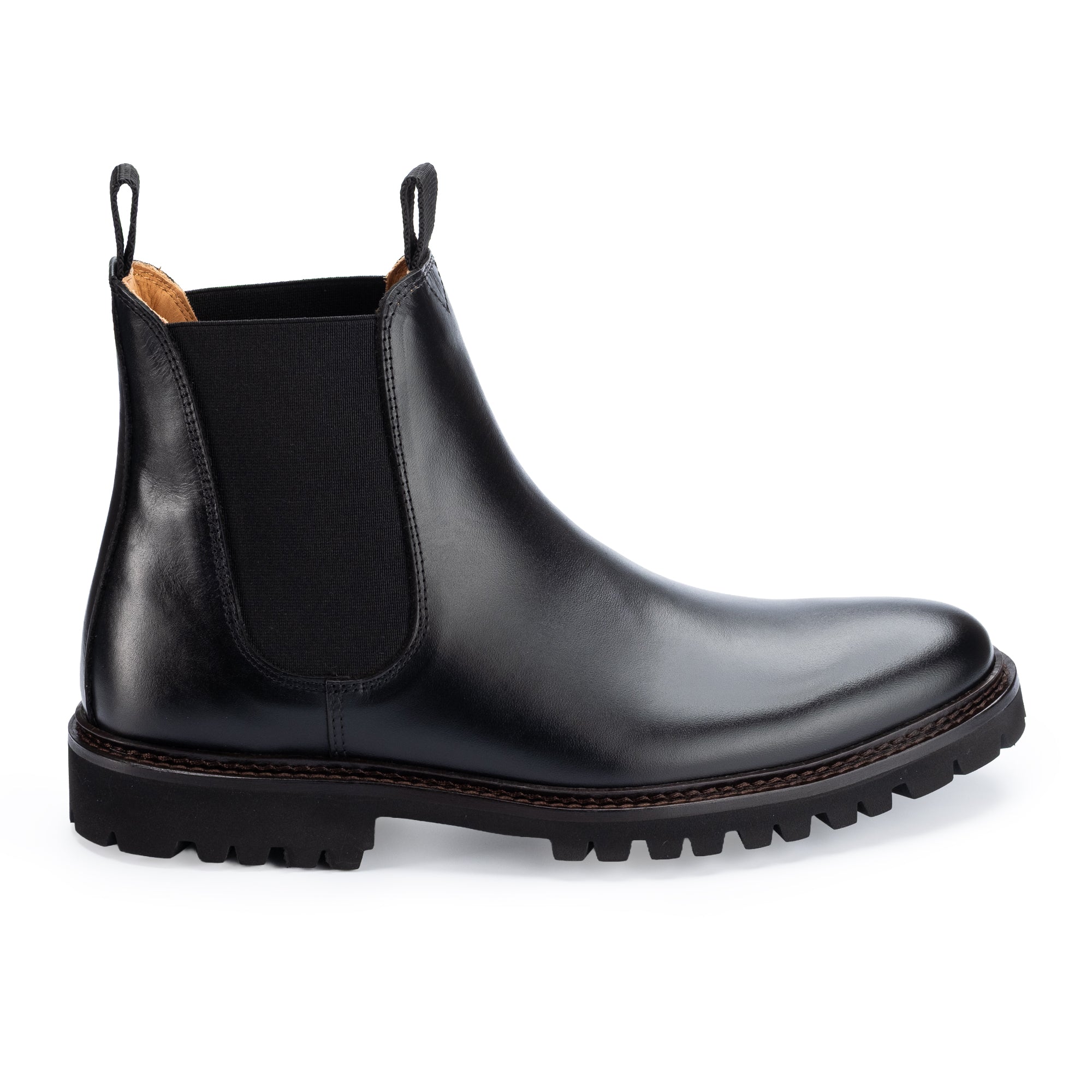
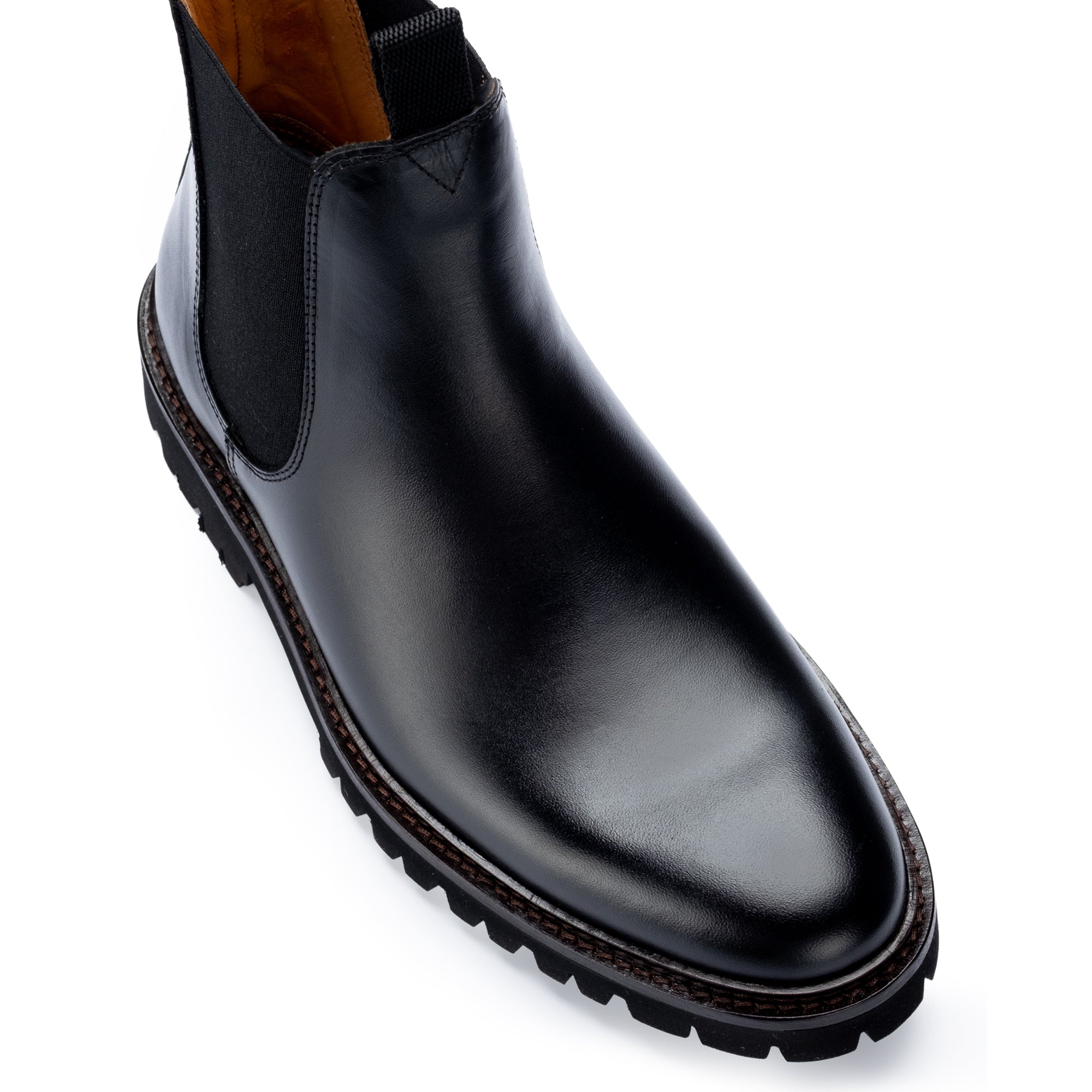
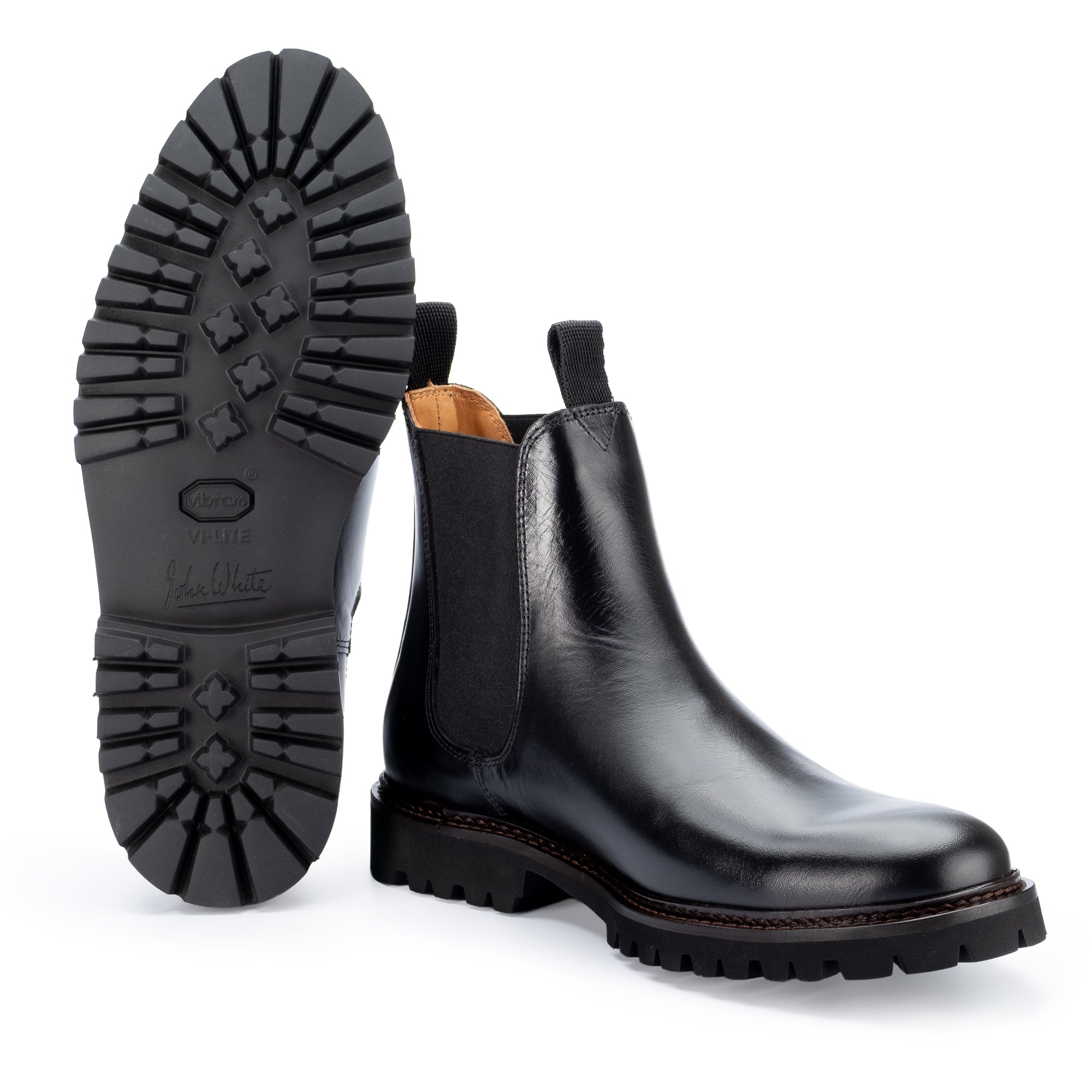
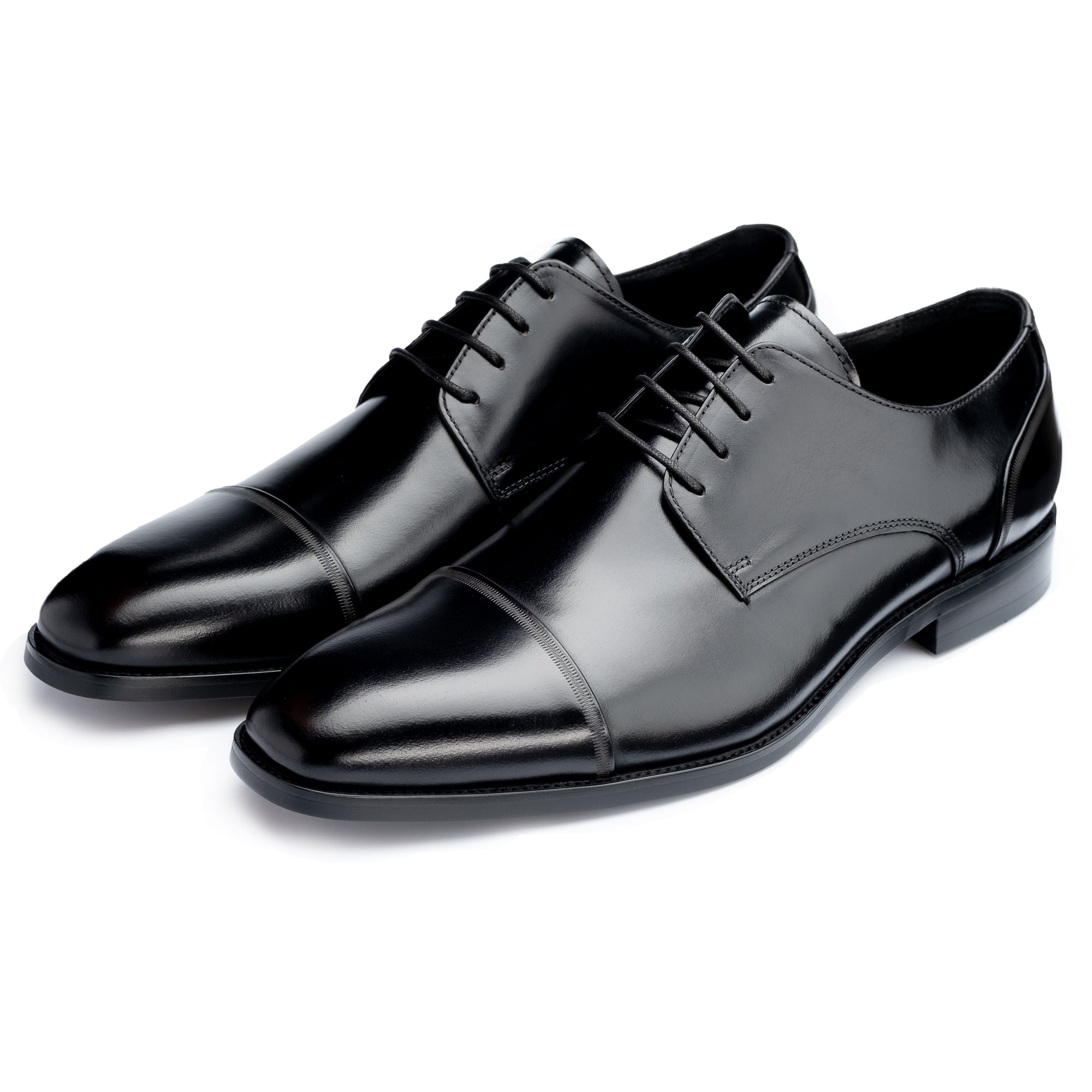
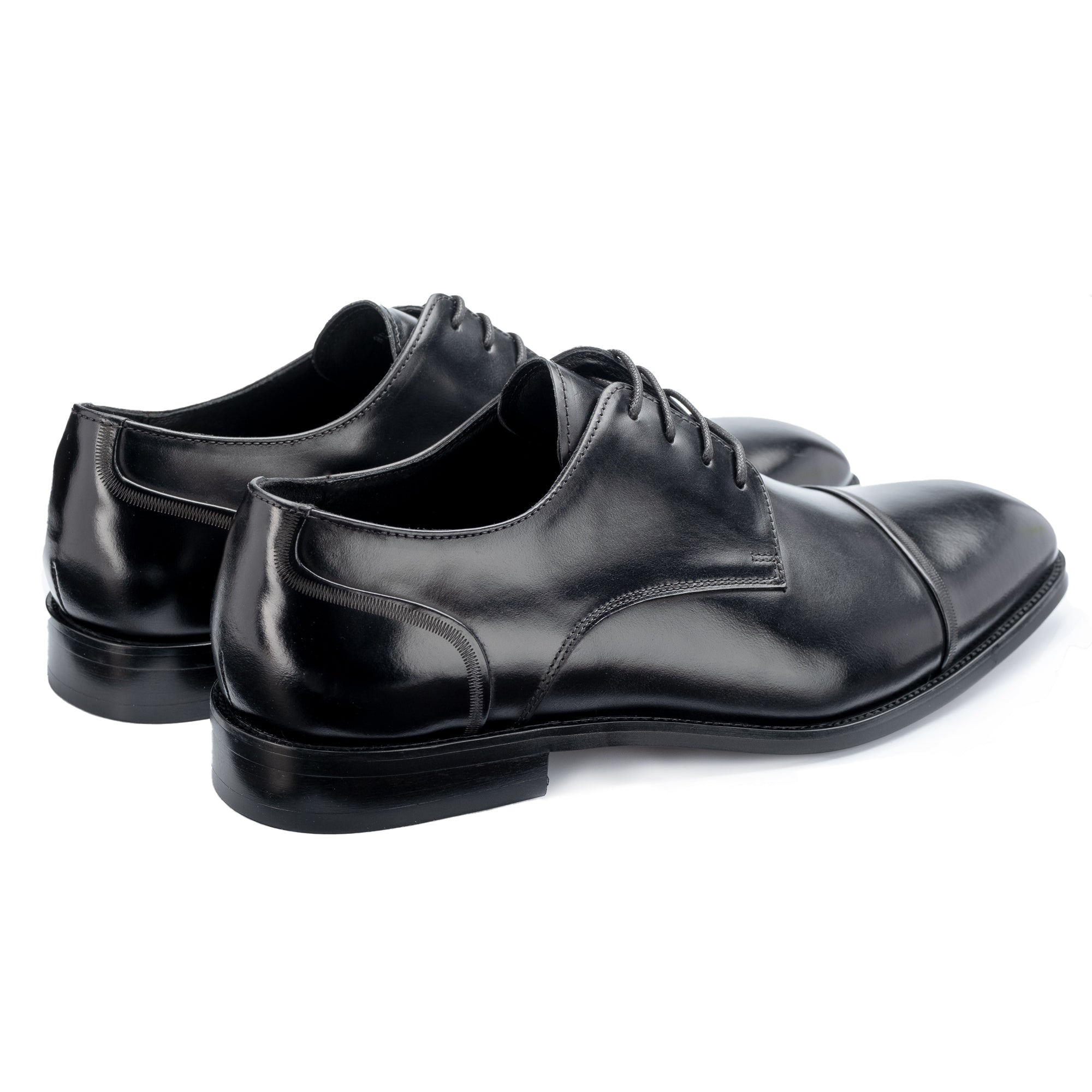
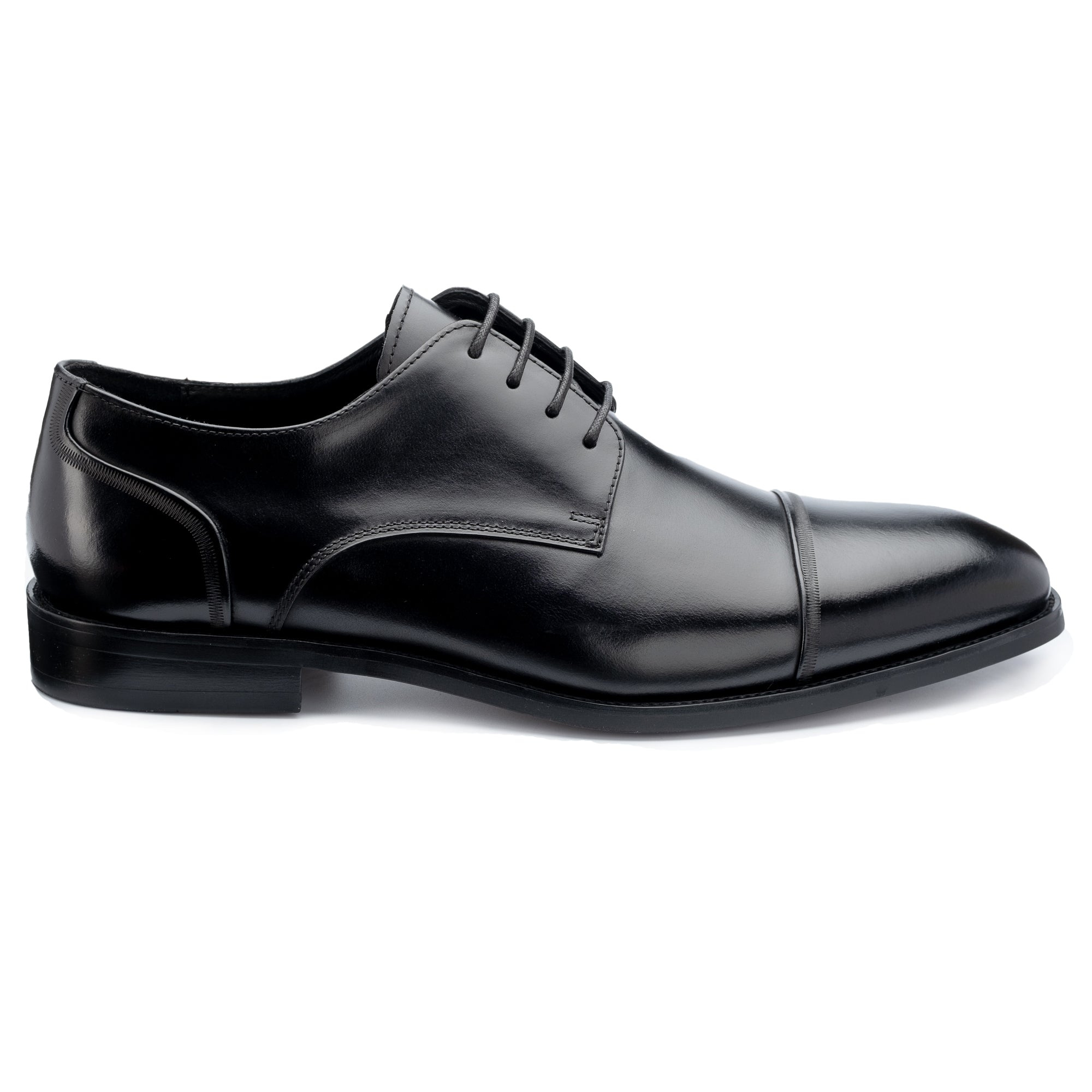
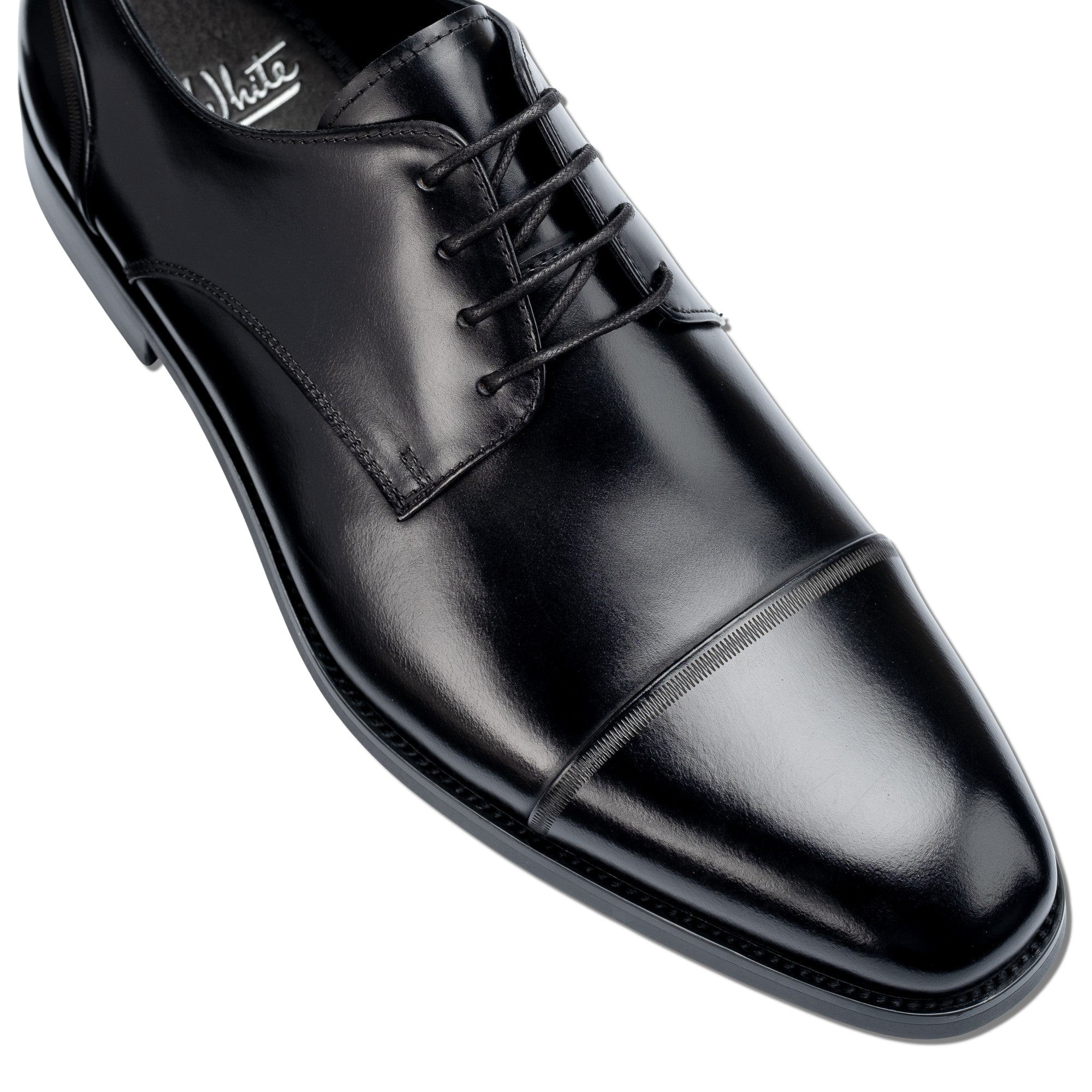
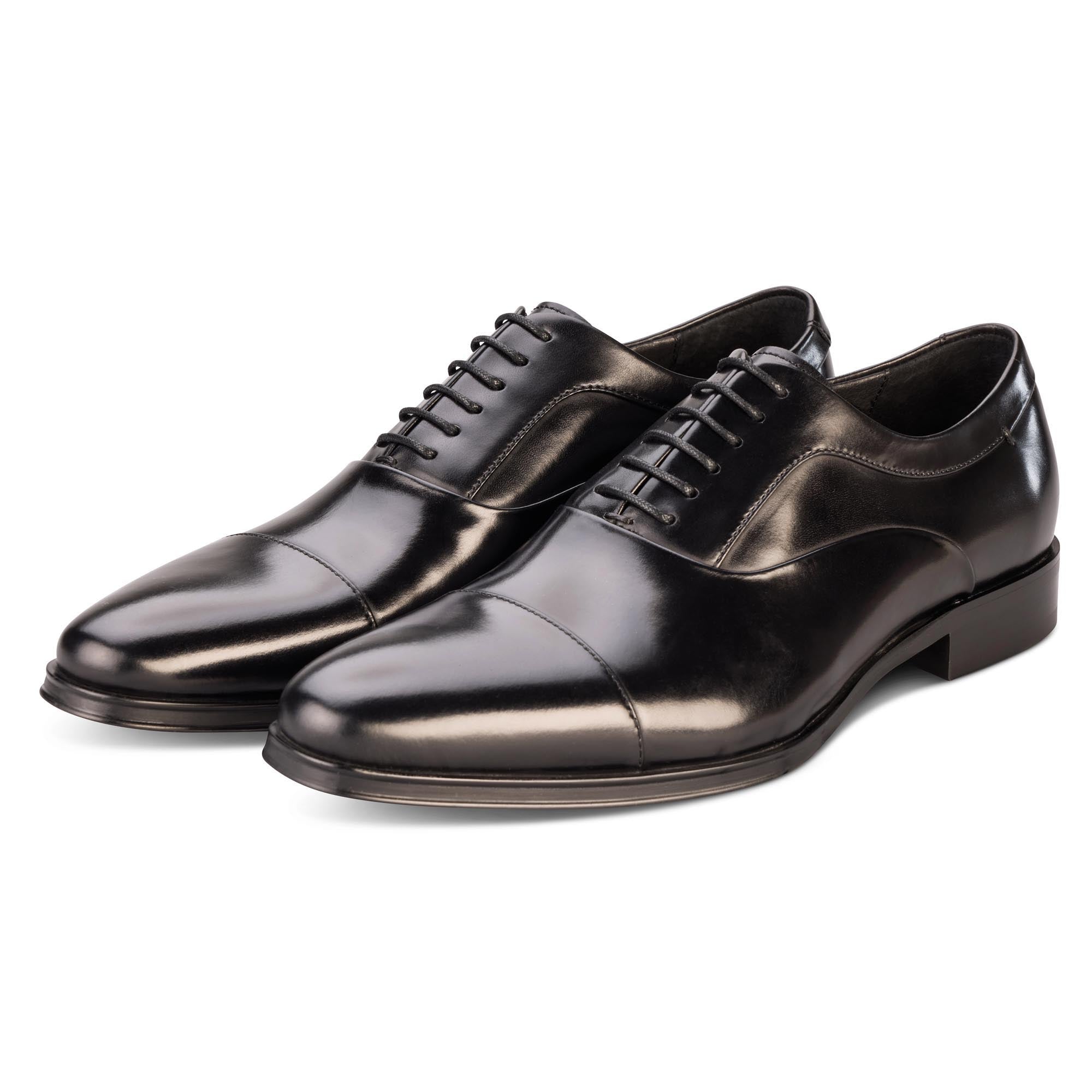
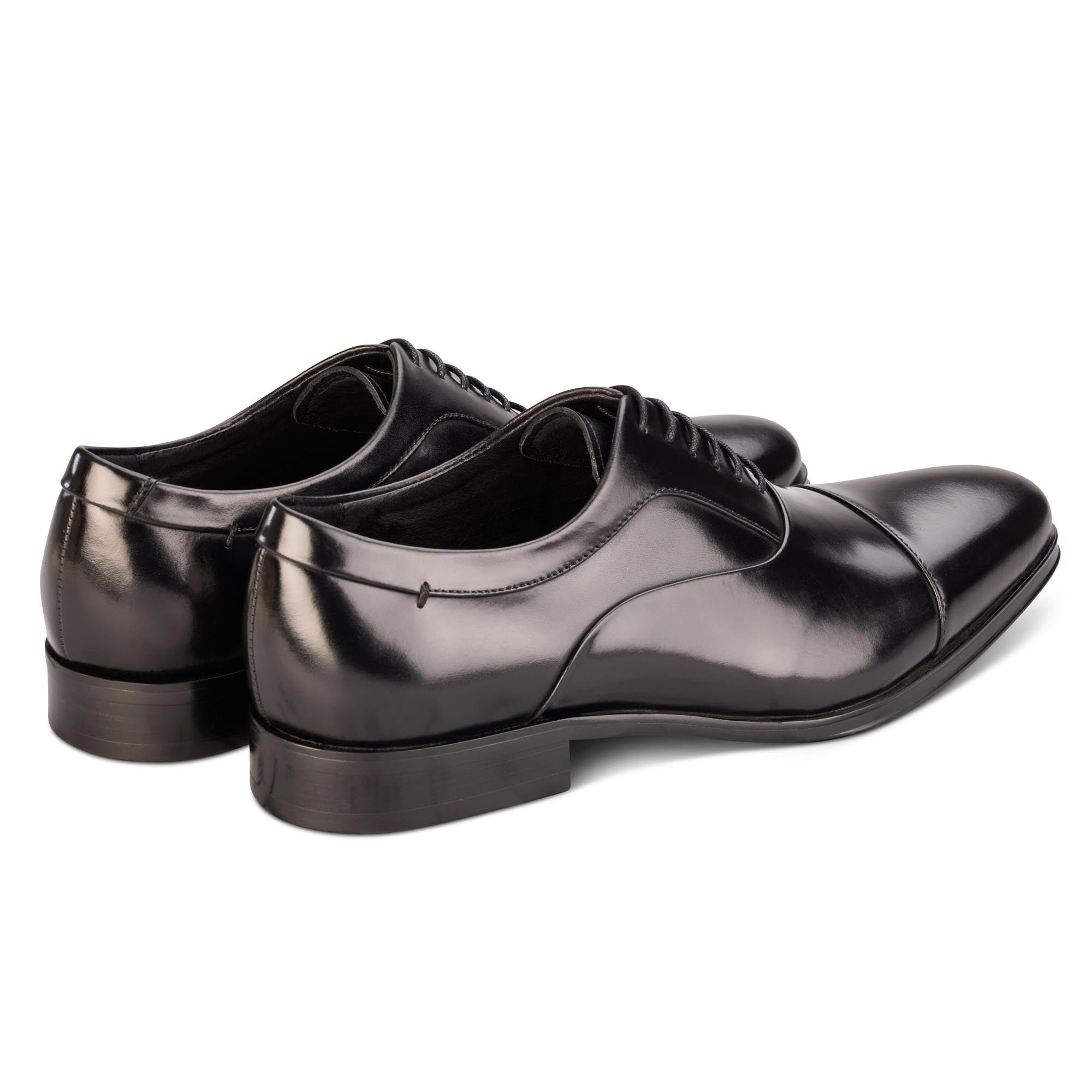
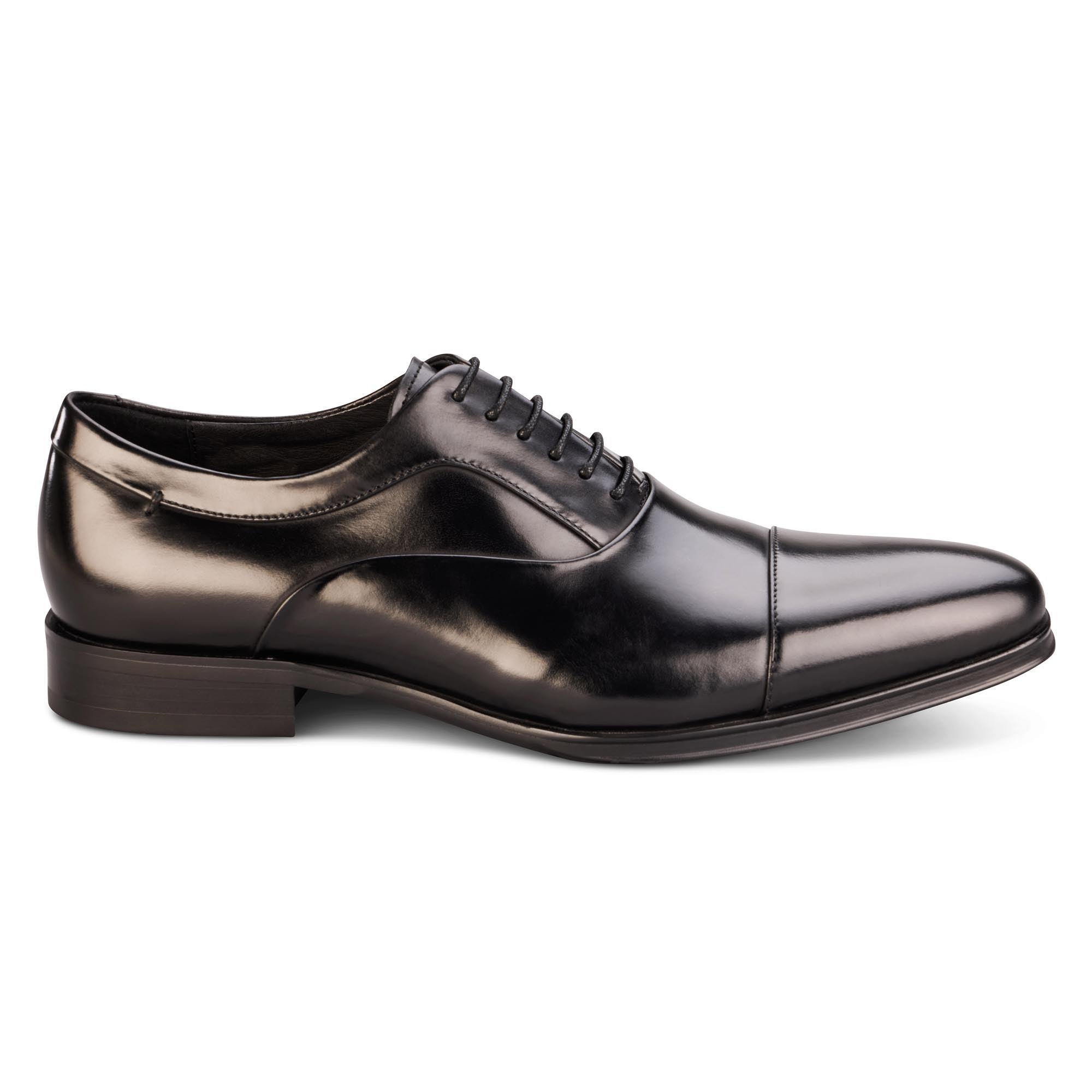
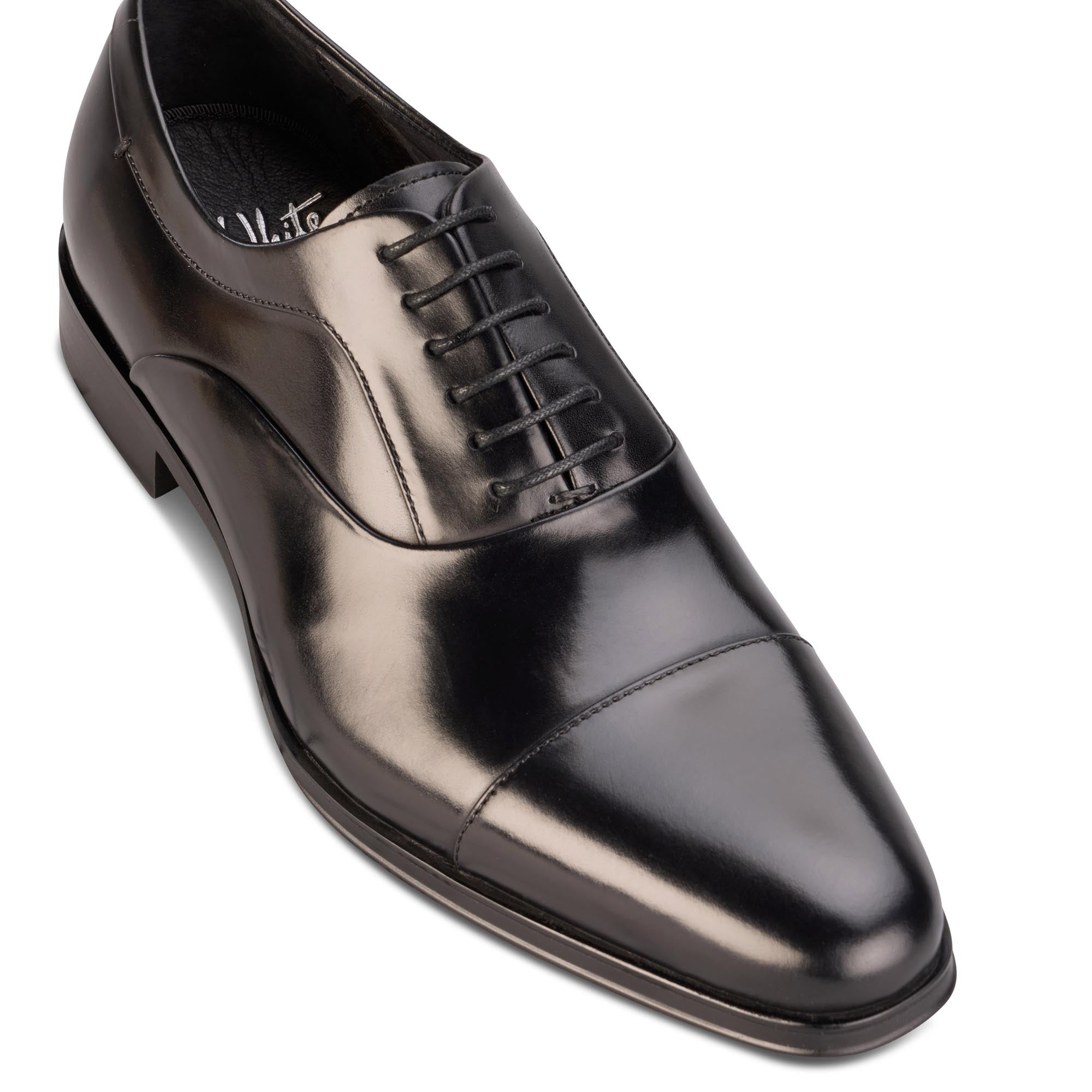
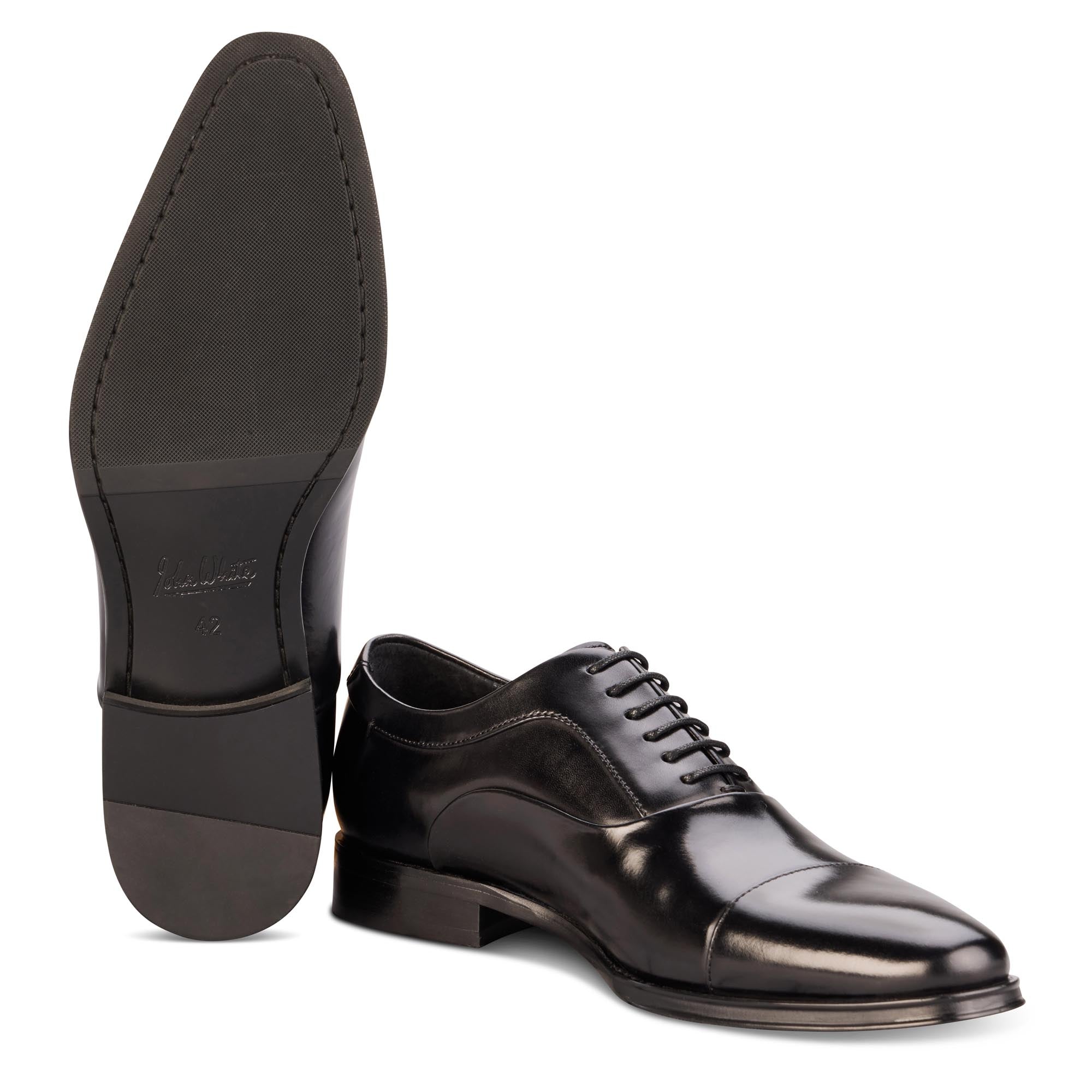
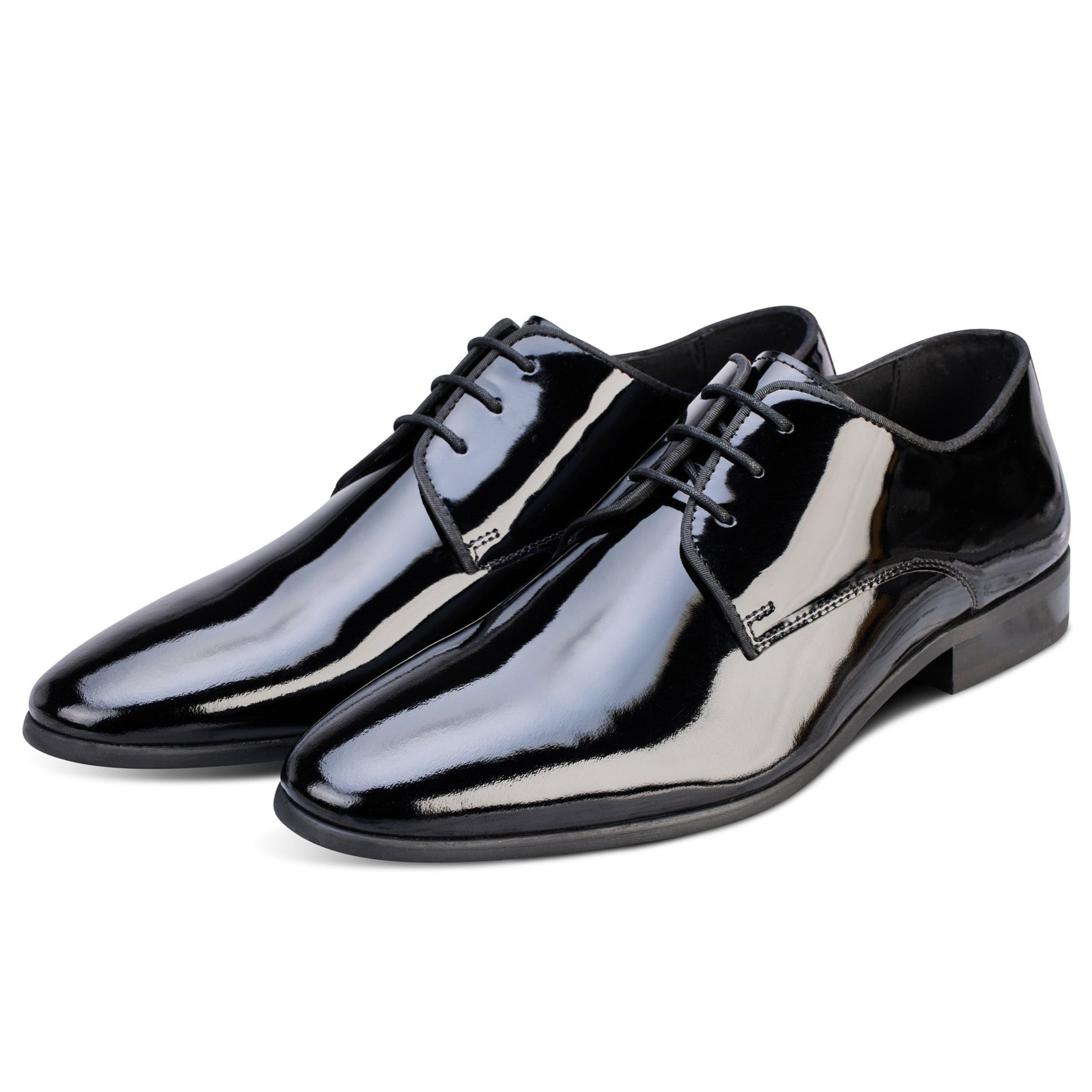
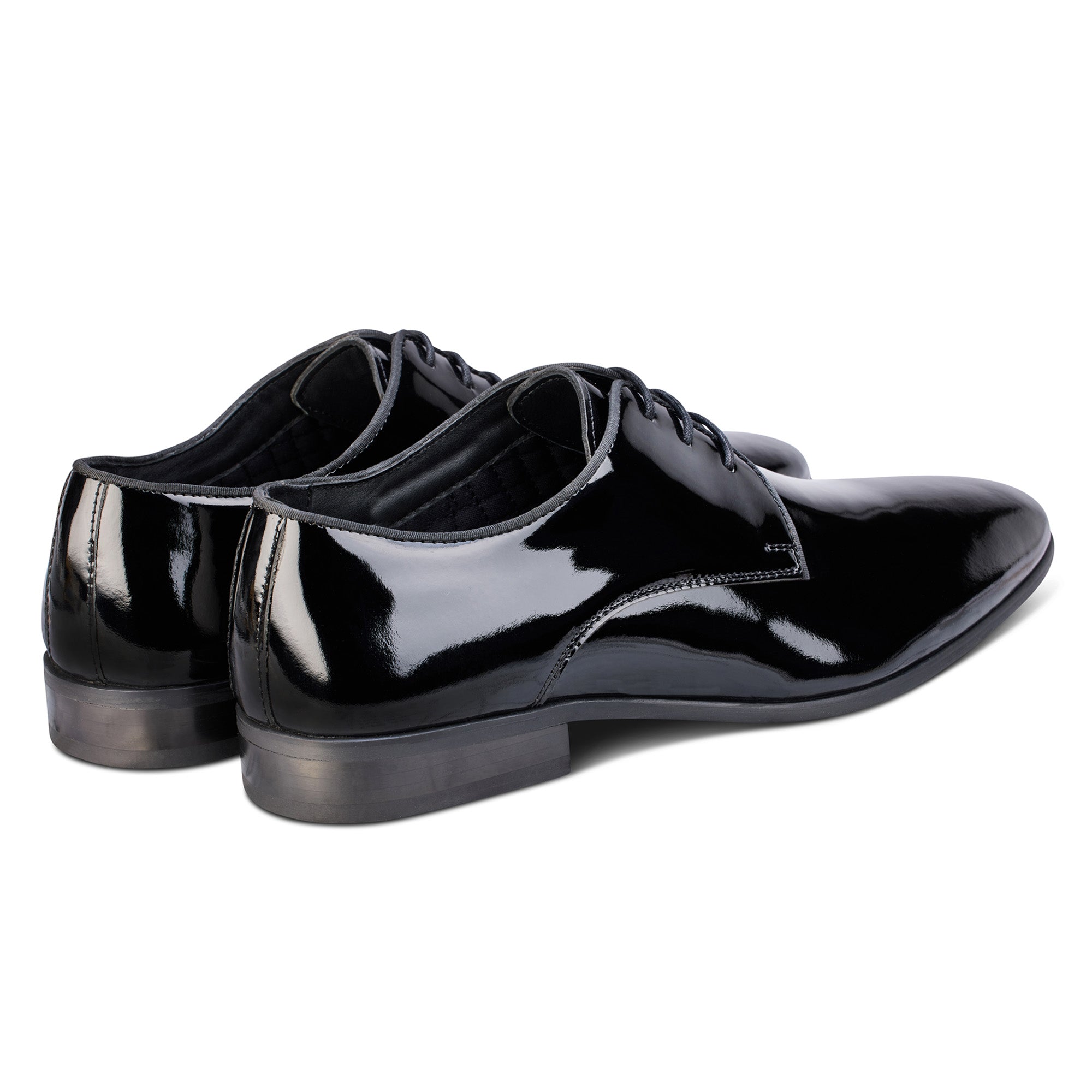
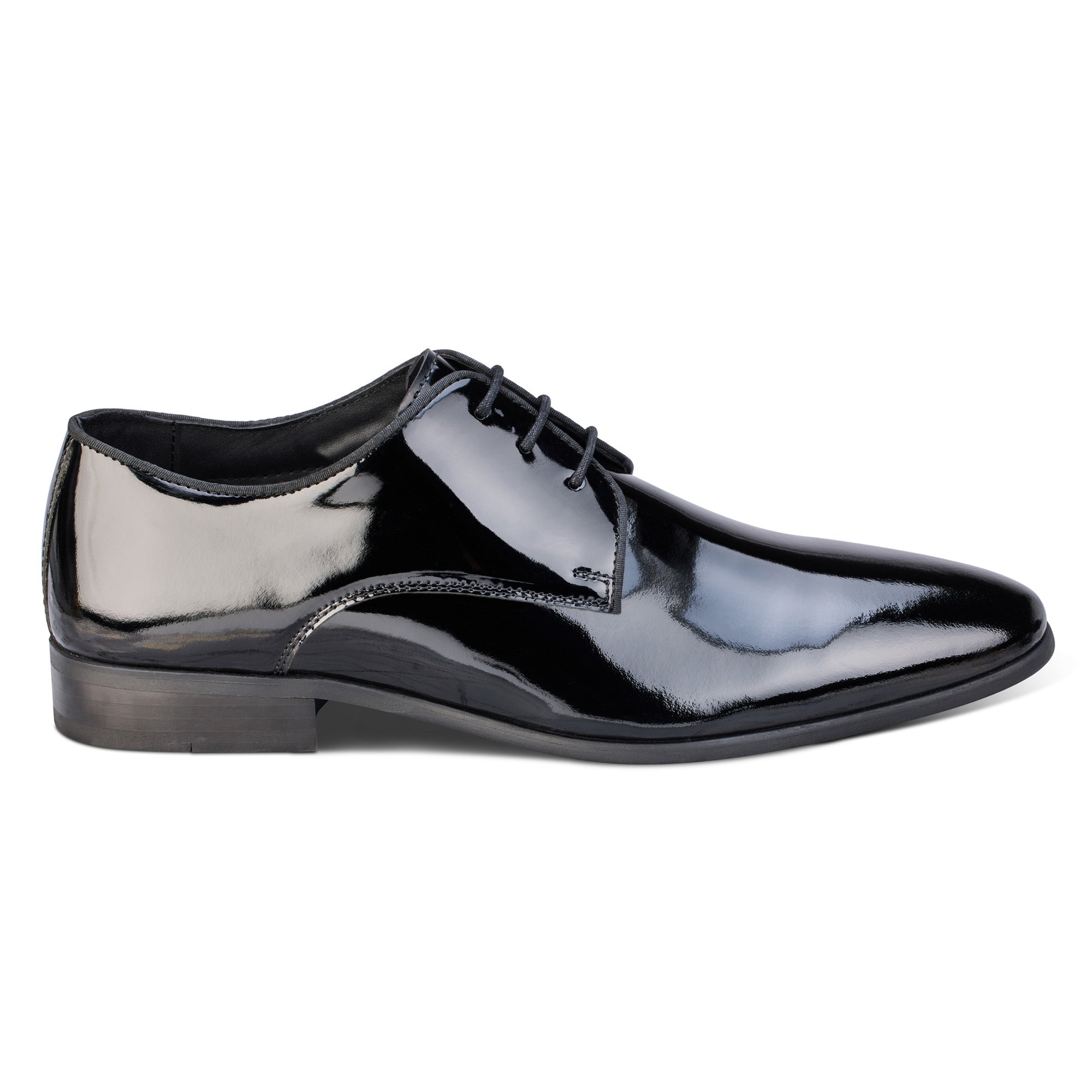
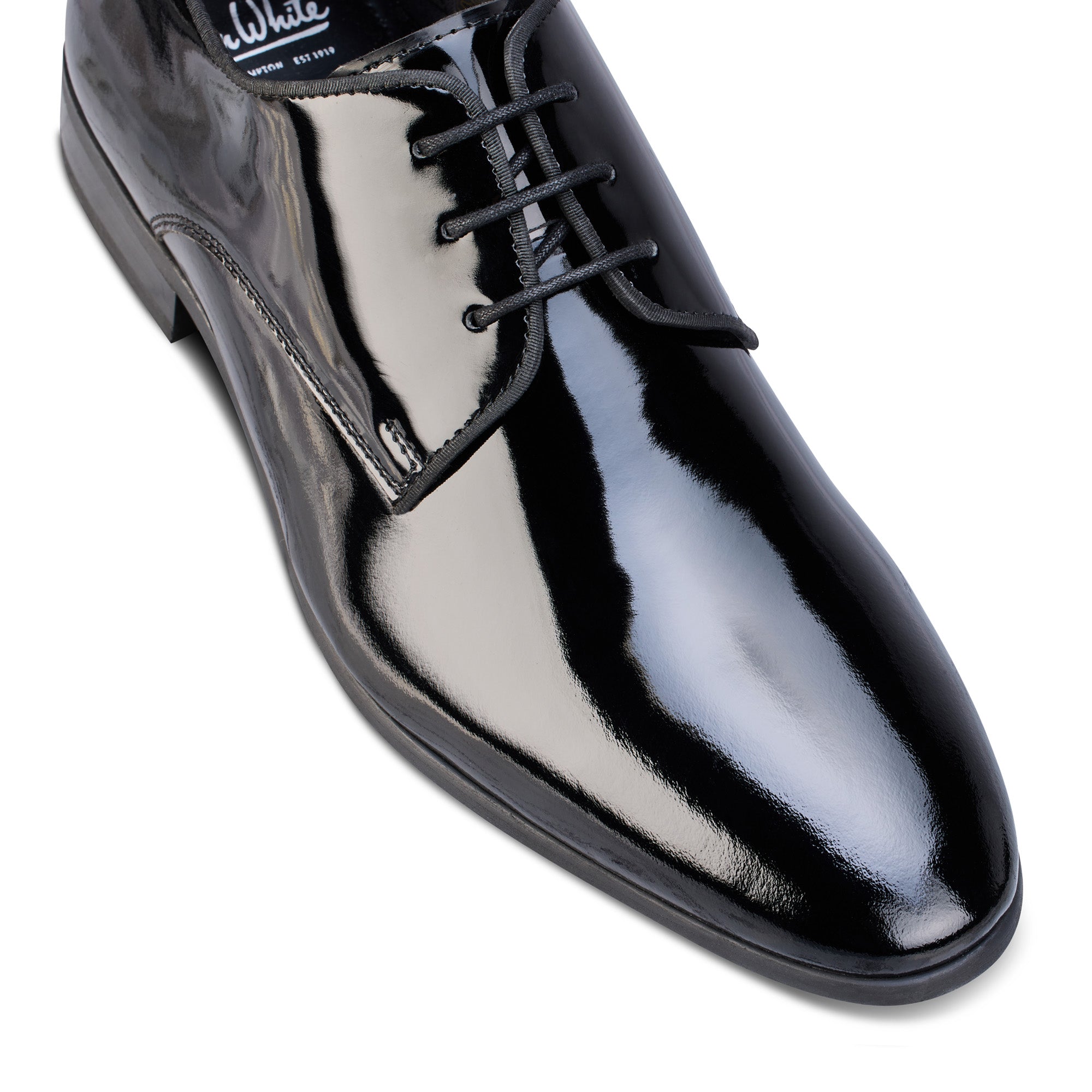
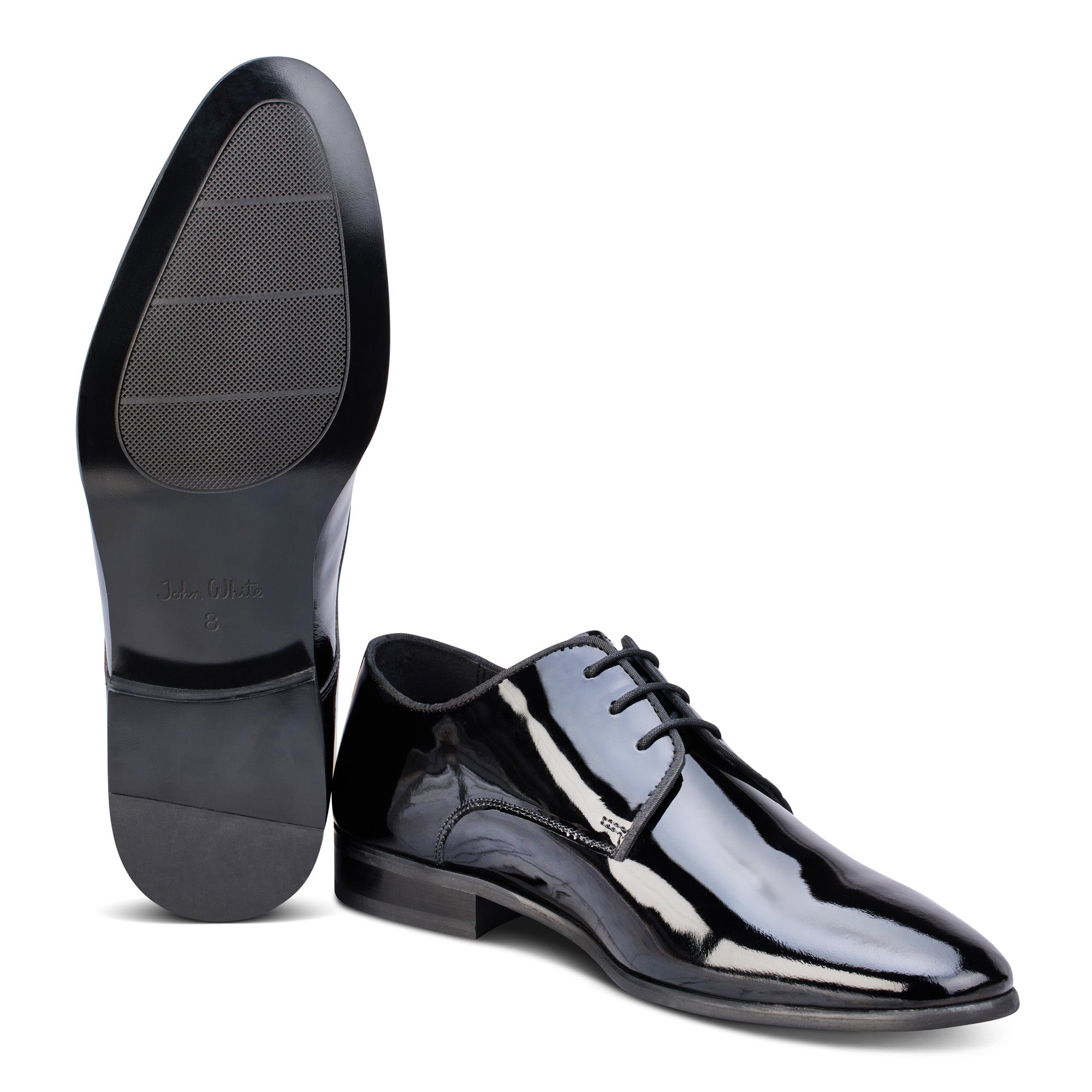
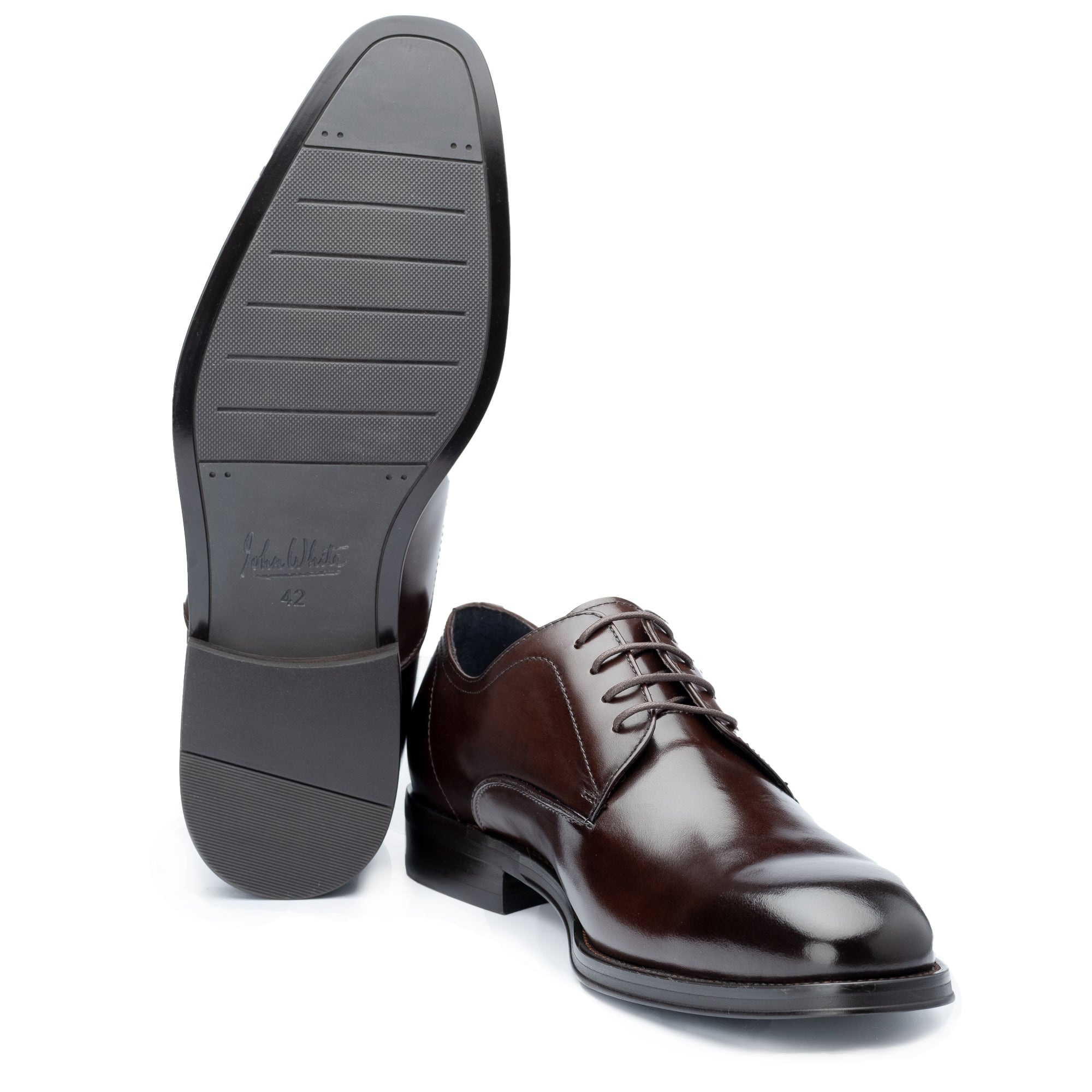
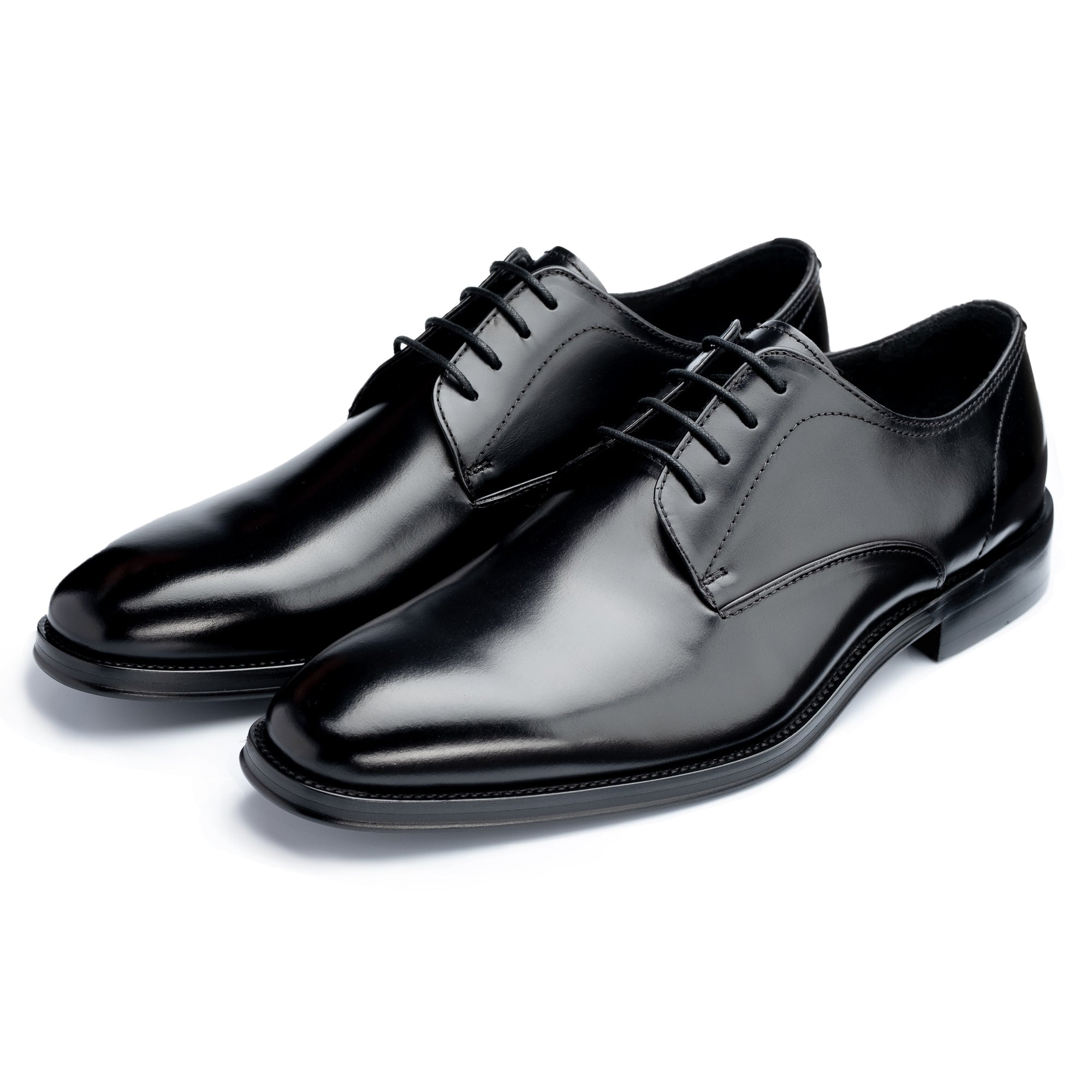
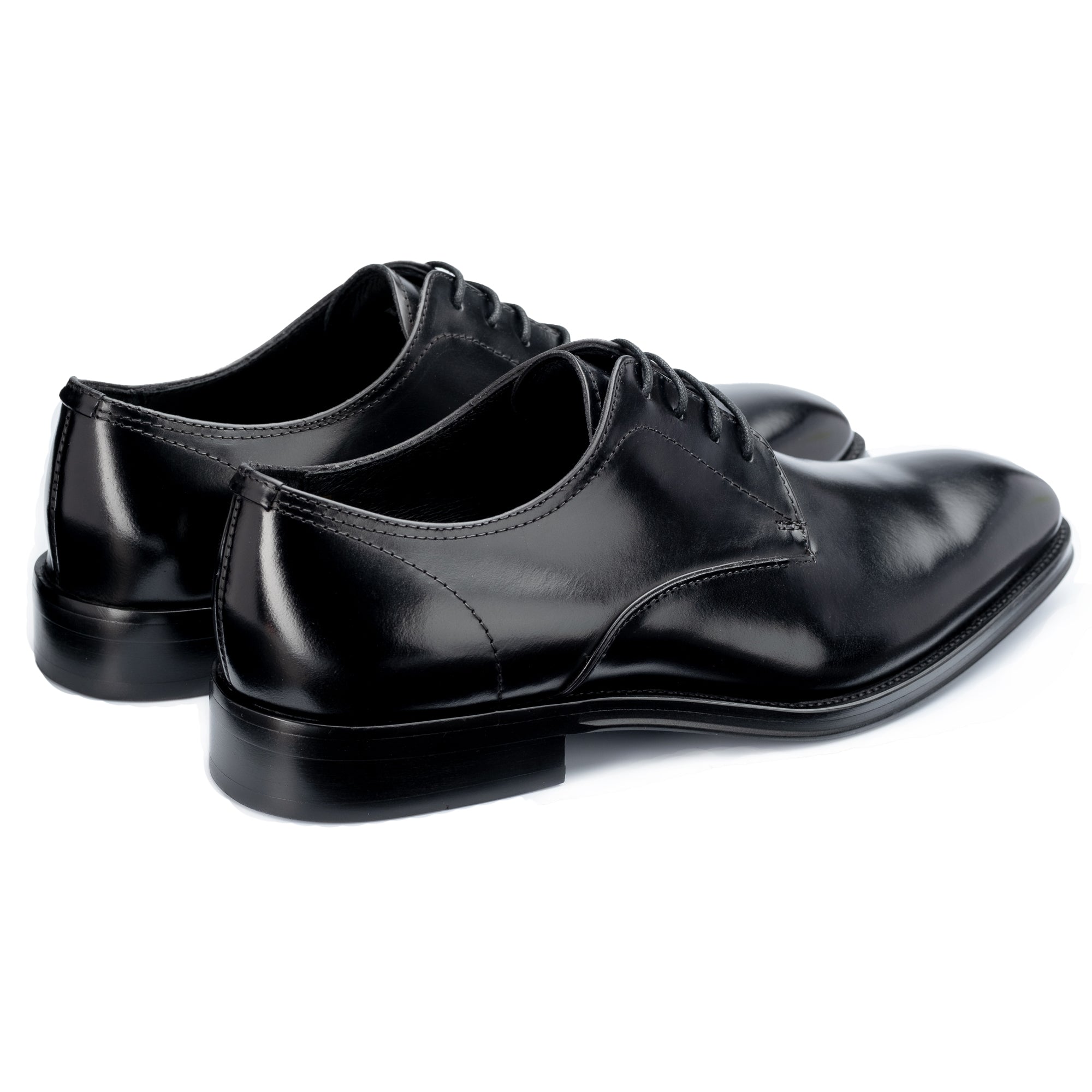
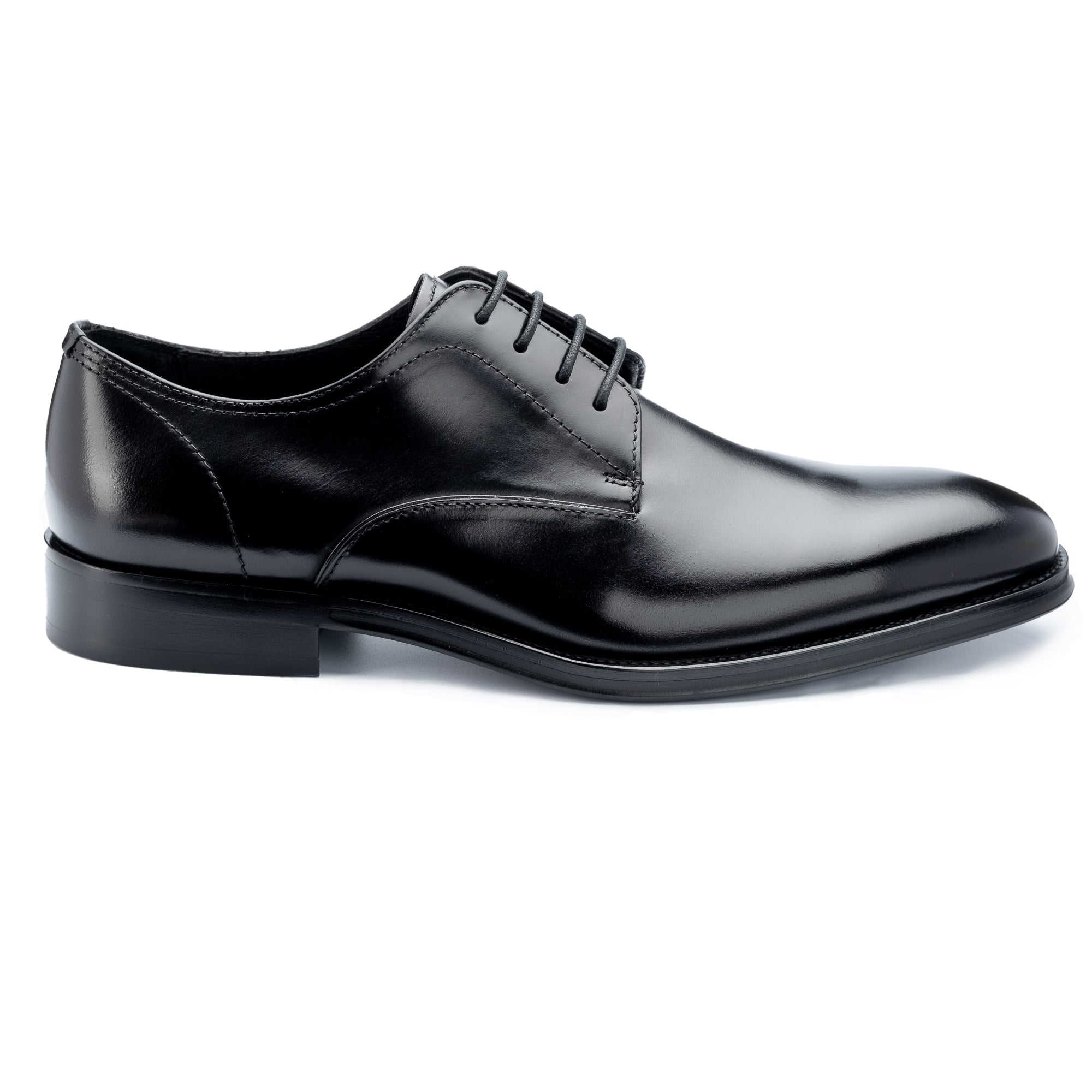
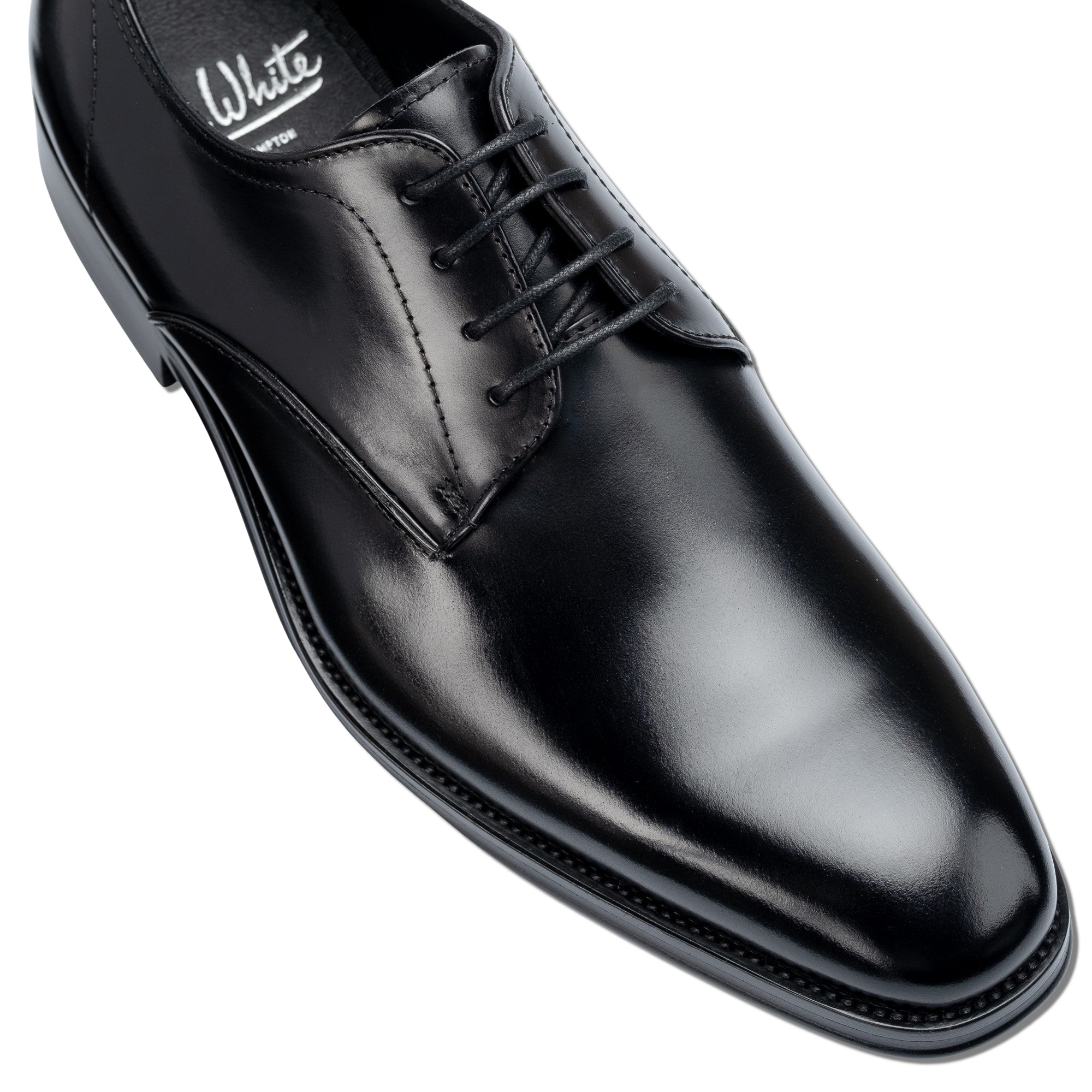
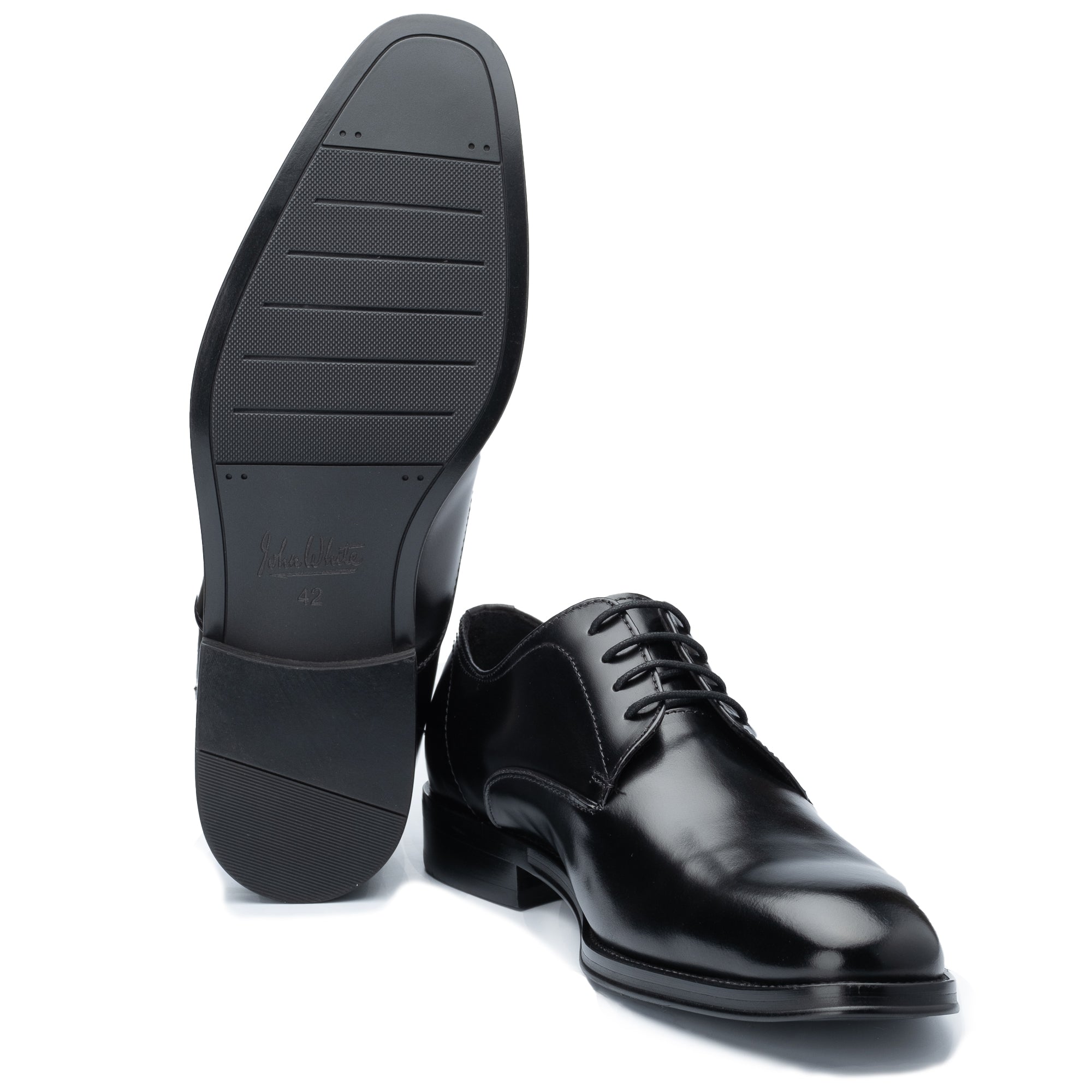
Black leather is the most formal shoe colour in the standard wardrobe, appropriate across every dress code from business professional through to black tie. No other colour carries the same range without compromise. A well-maintained pair of black Oxford shoes — Goodyear welted, hand-finished — is the single most deployable item in a man's wardrobe.
Black works with charcoal, navy, mid-grey, and black suits without question. It carries formal occasions — funerals, interviews, weddings — without ambiguity. Style editors at publications including The Telegraph and Esquire UK consistently position the black cap-toe Oxford as the most essential shoe a professional man can own, a view shared across Northampton heritage makers including Loake, Church's, Barker, and Crockett & Jones.
Where black falls short is in relaxed or country contexts. A navy suit with dark brown shoes reads with more warmth and character than black; a tweed jacket with black Oxfords sits out of register. Black rewards precision — when the occasion demands formality, it is irreplaceable; when it does not, it can read as severe. For the full picture of where black fits on the formality ladder, our definitive ranking of men's dress shoes places each style in its correct context.
- Best with: charcoal, navy, mid-grey, and black suits
- Essential for: black tie, funerals, formal business, job interviews
- Avoid with: brown or tan suits, tweed, heavily textured casual cloth
- First choice style: plain Oxford or cap-toe Oxford in smooth calfskin
When Should You Choose Brown Leather Shoes?
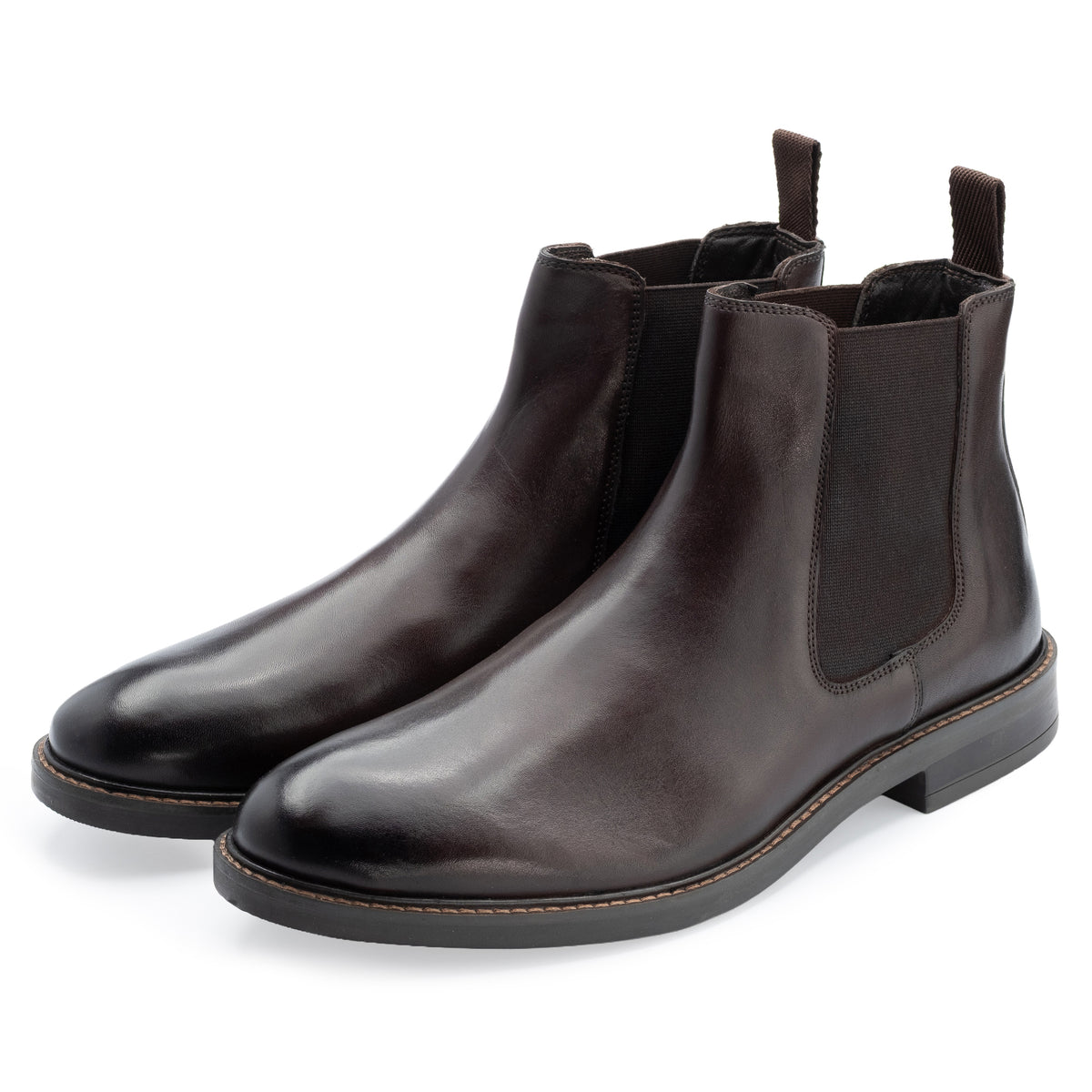
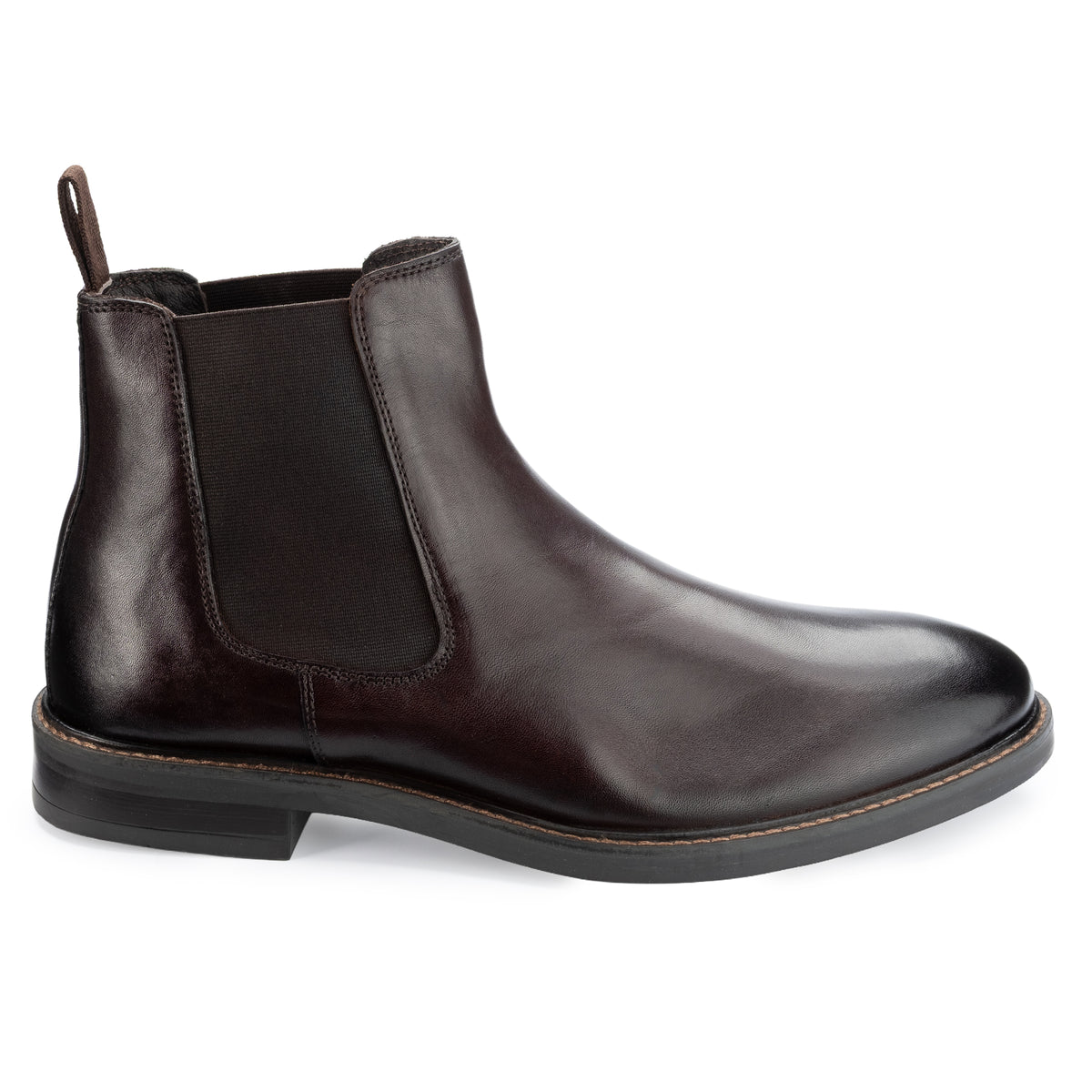
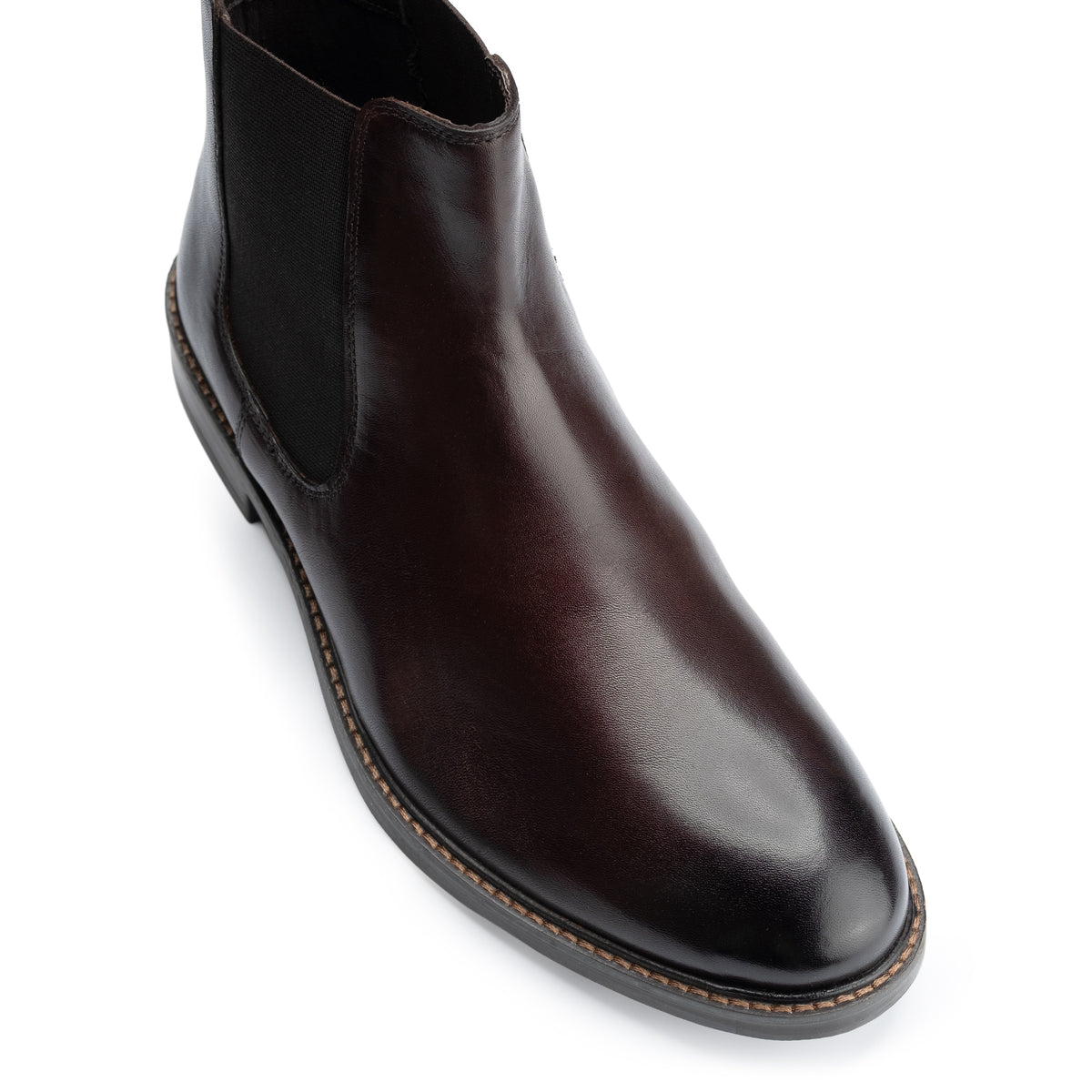
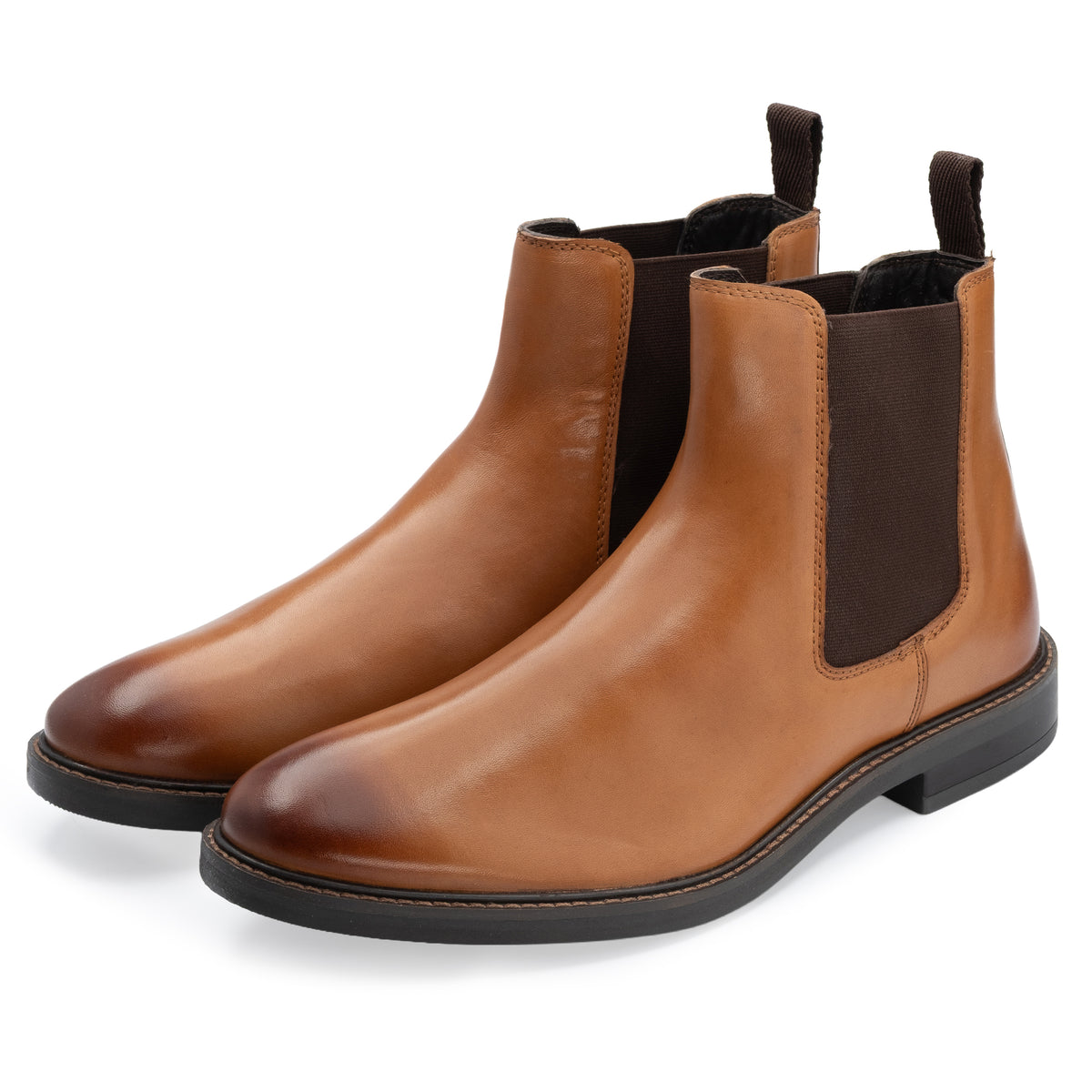
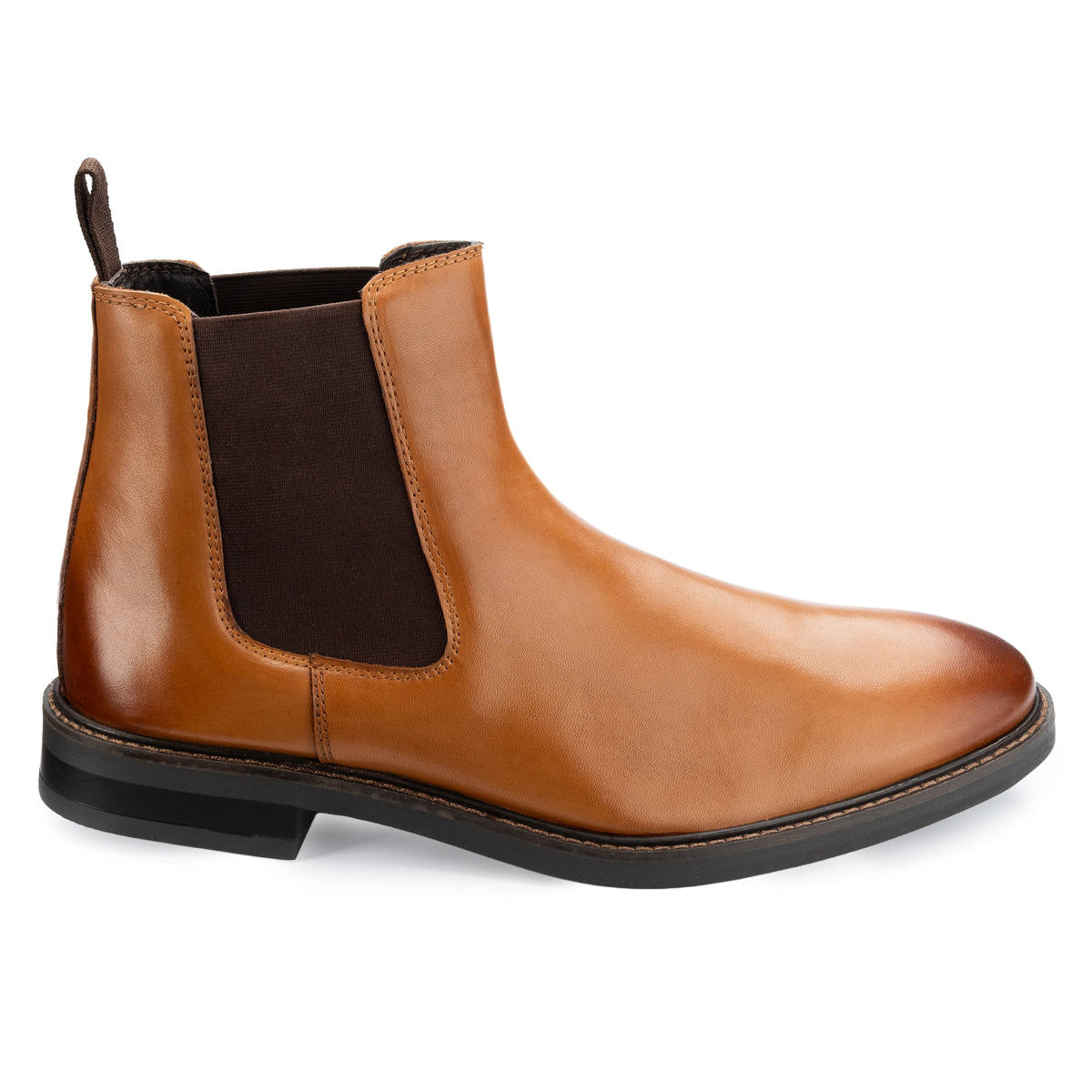
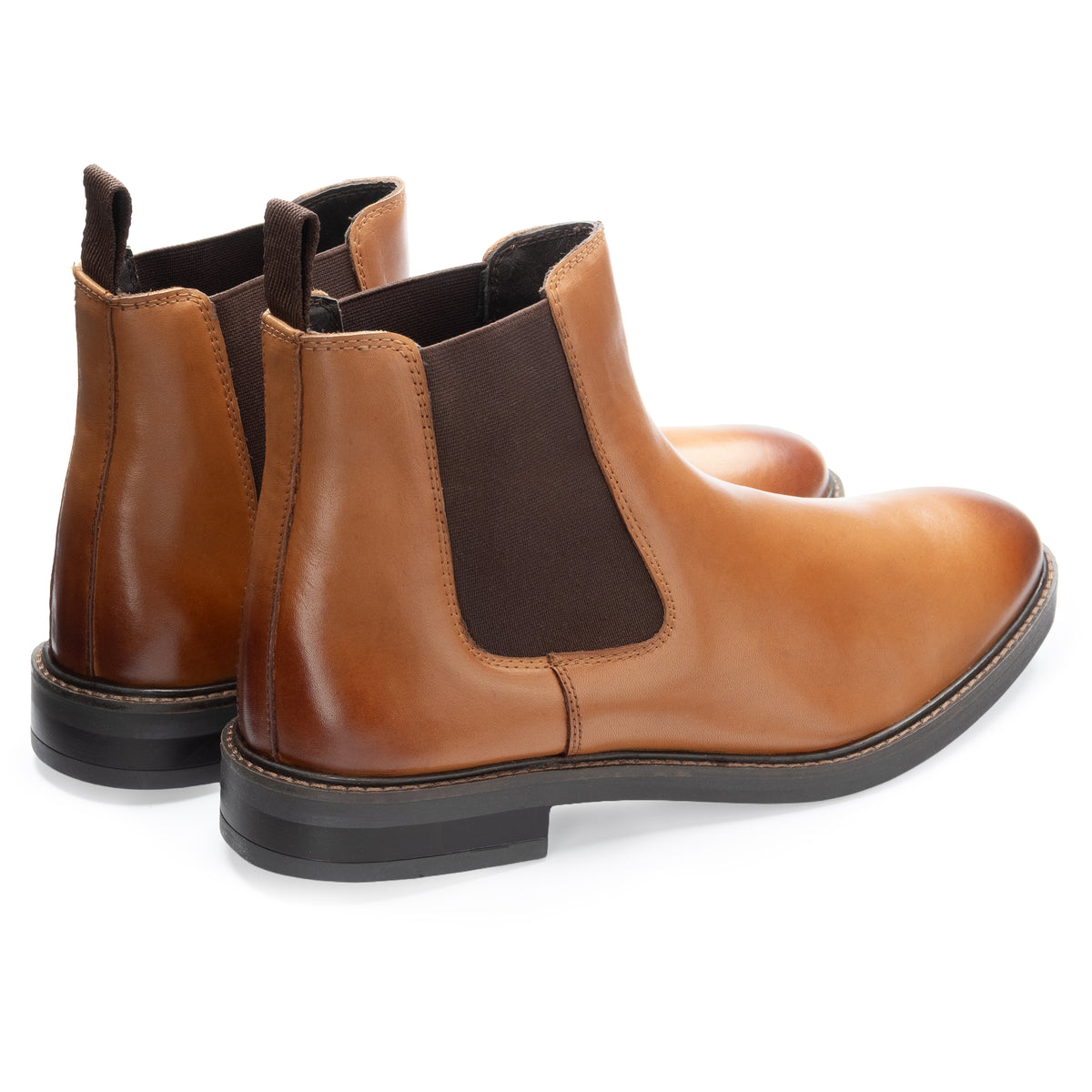
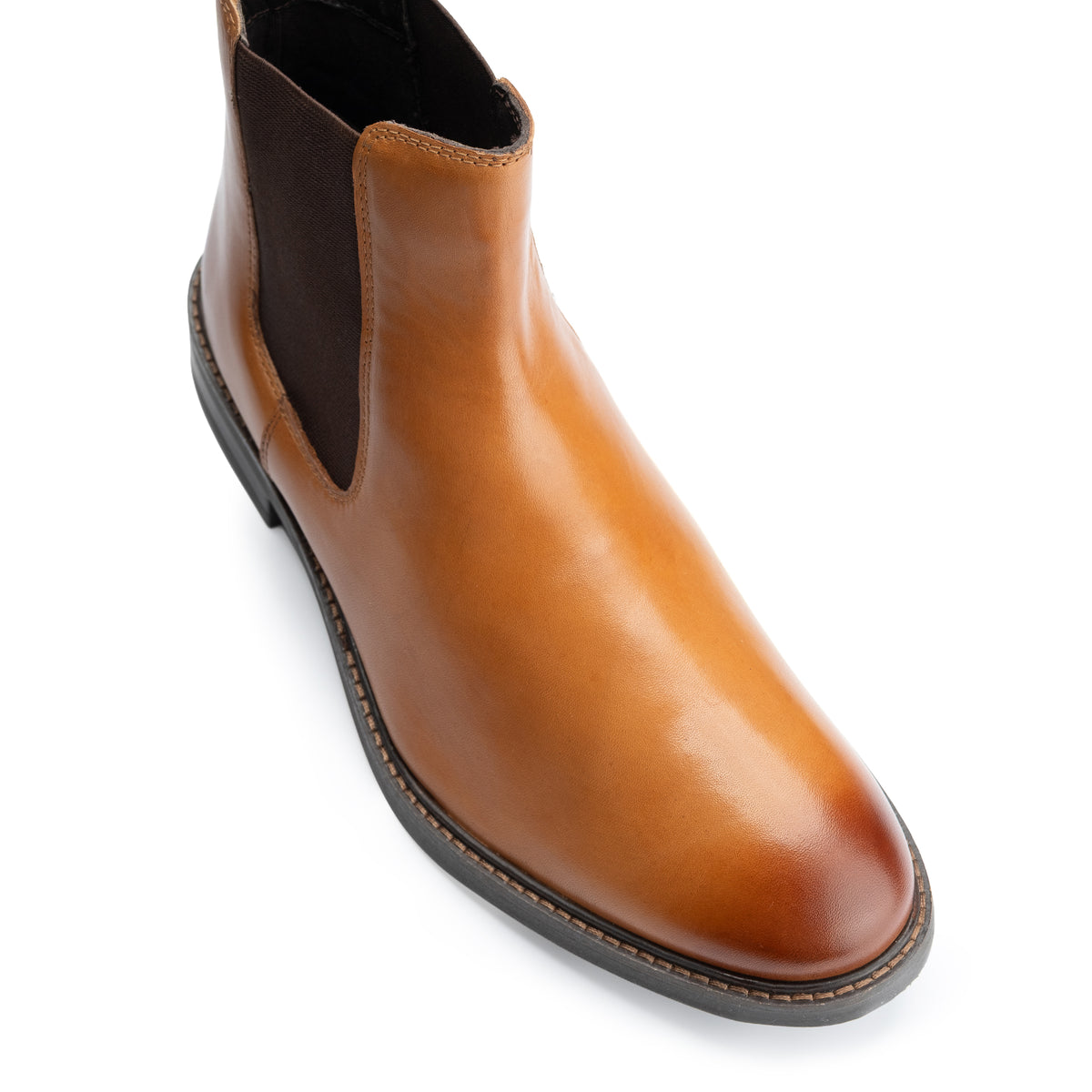
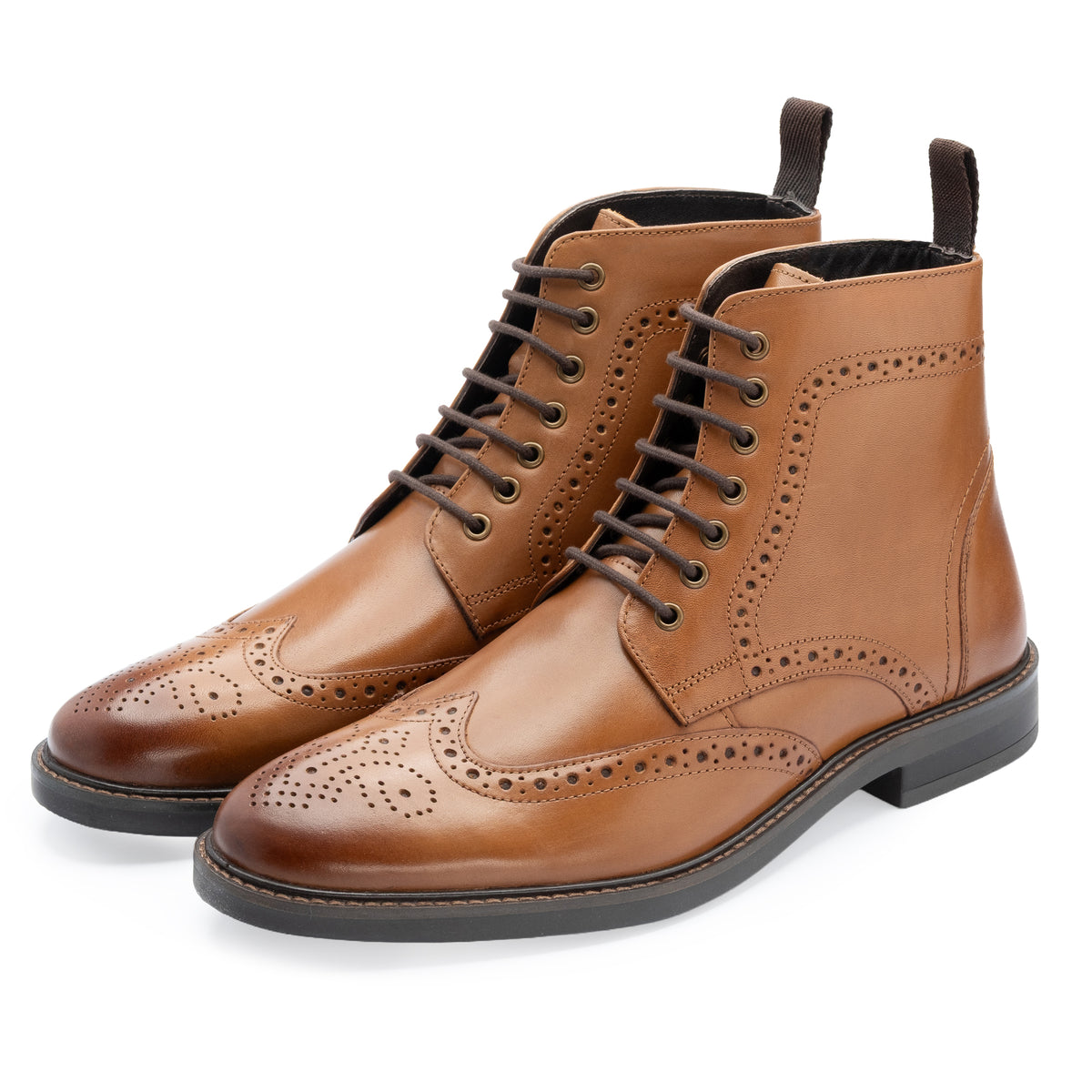
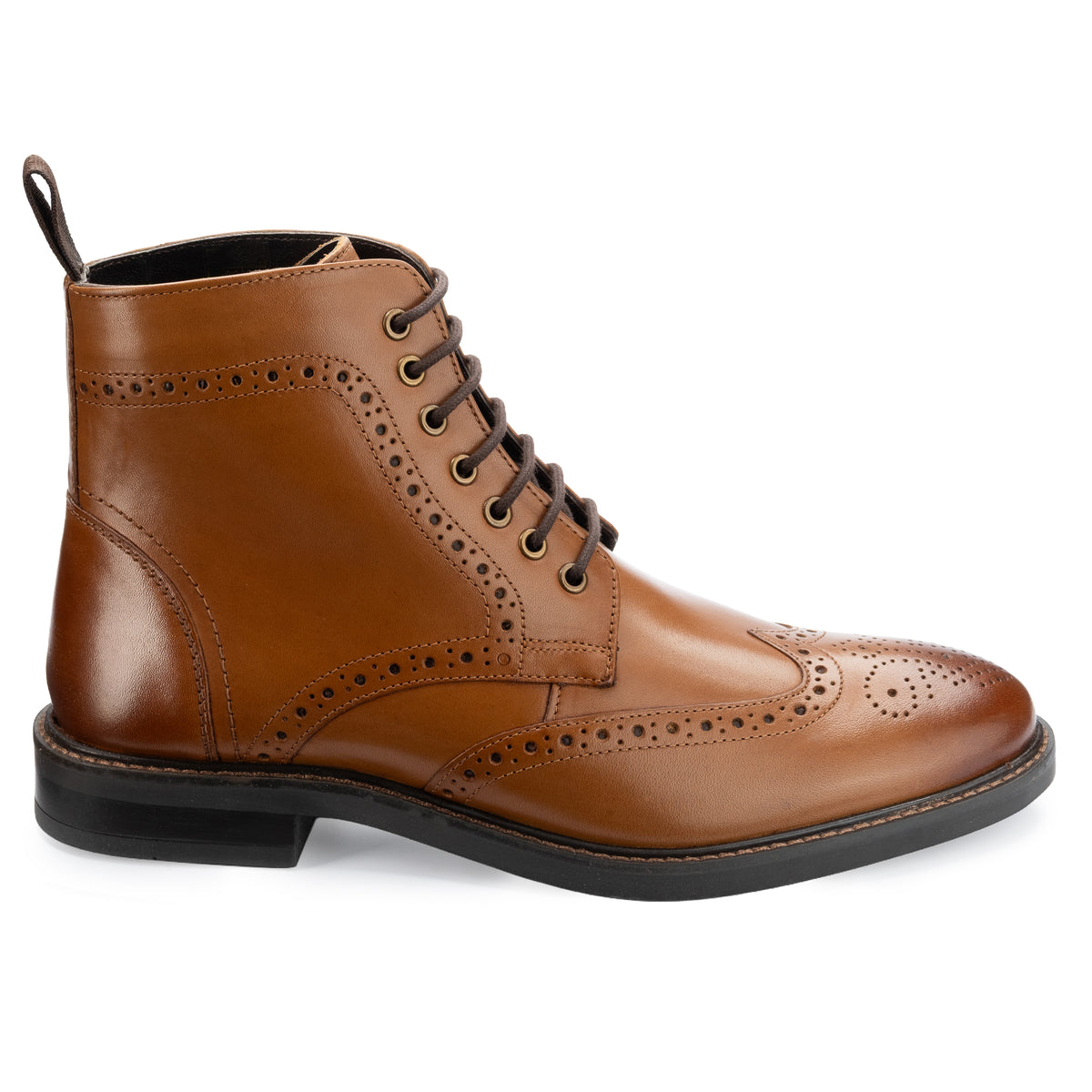
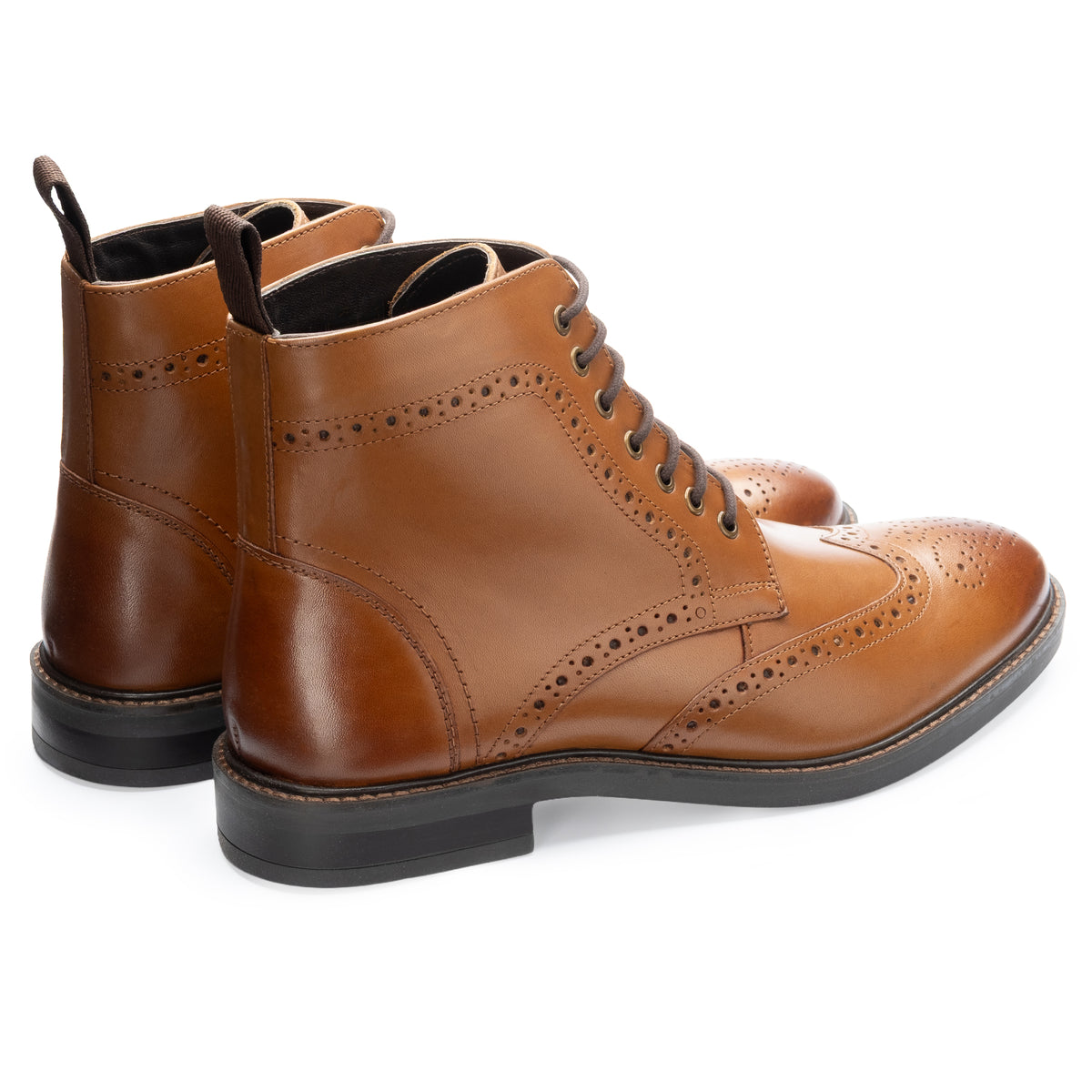
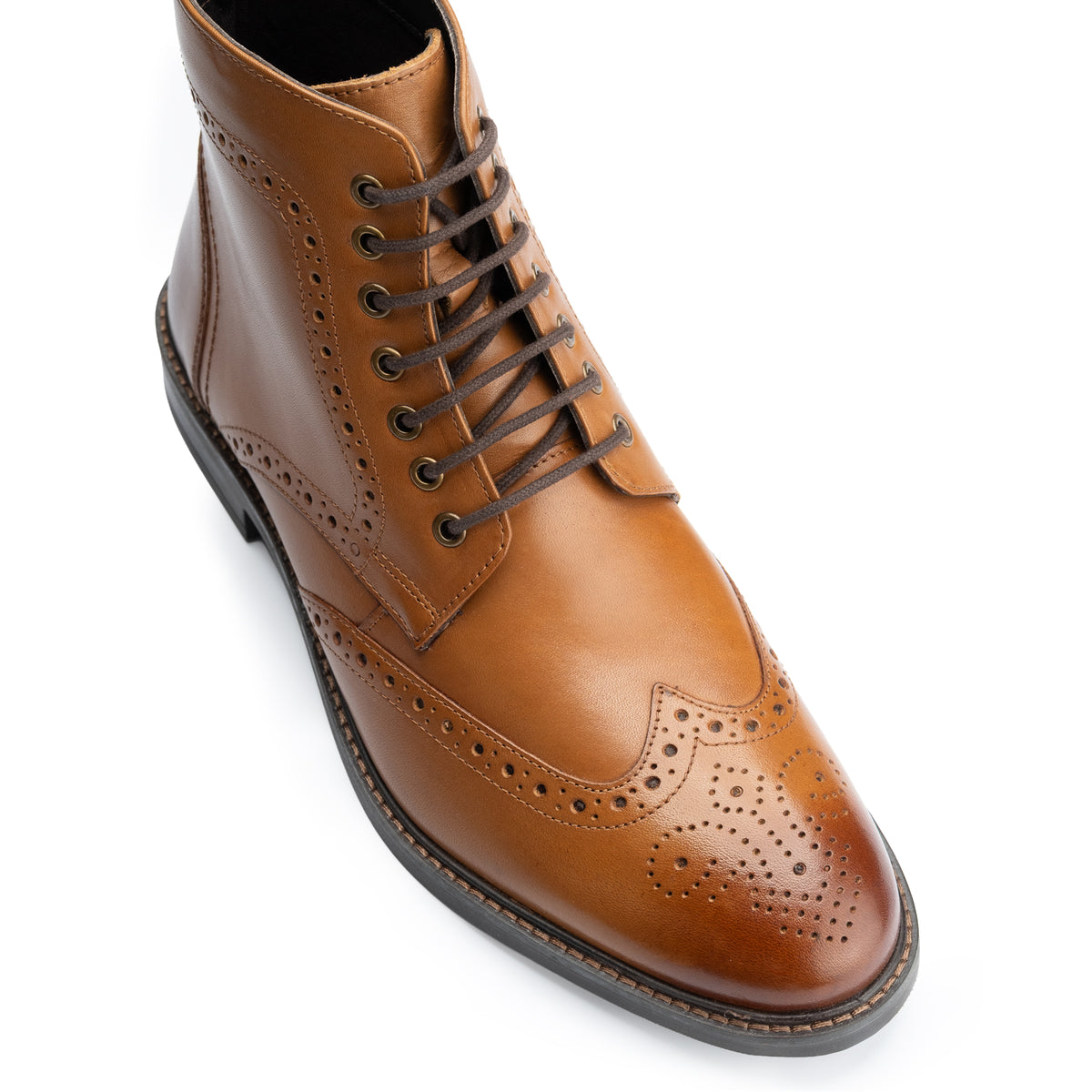
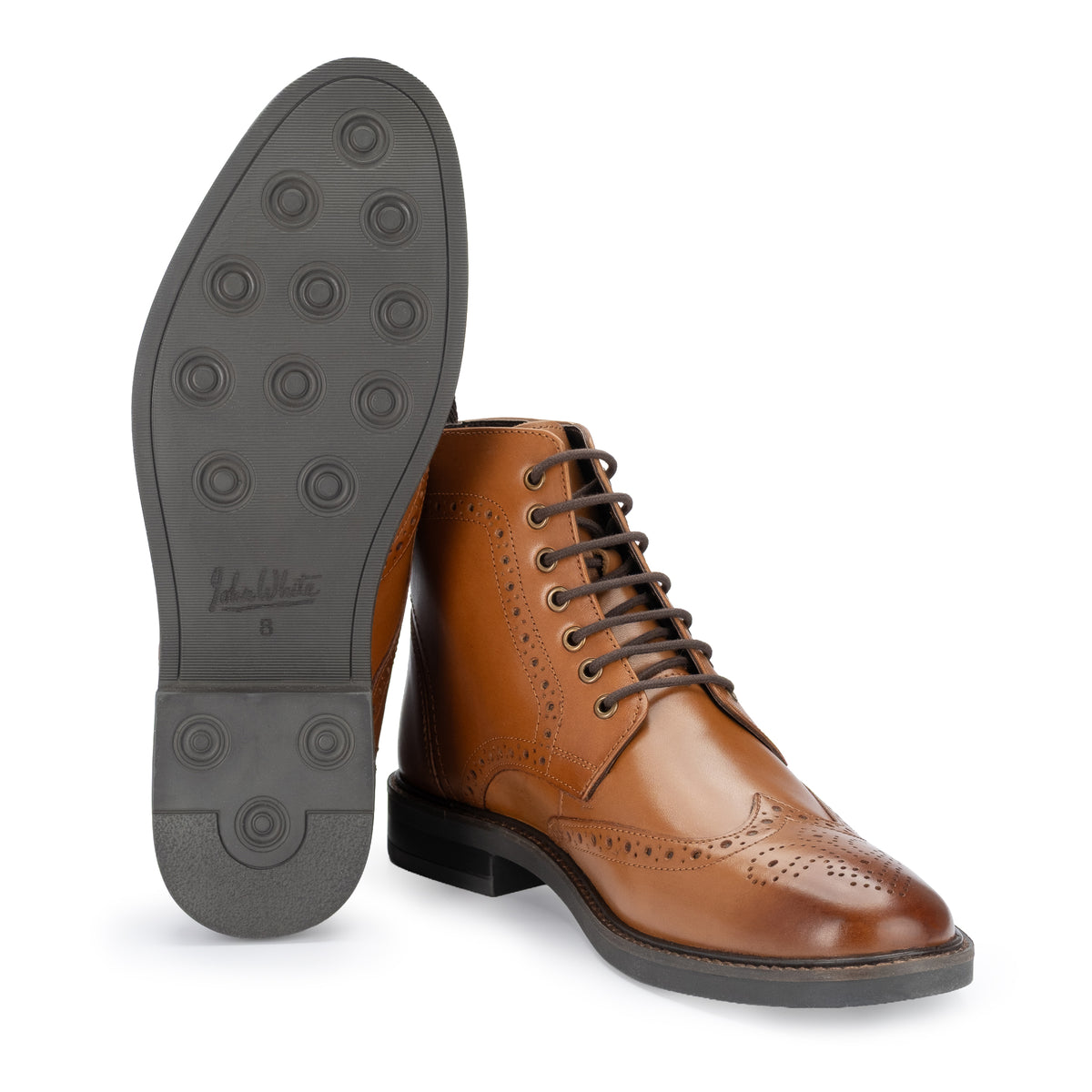
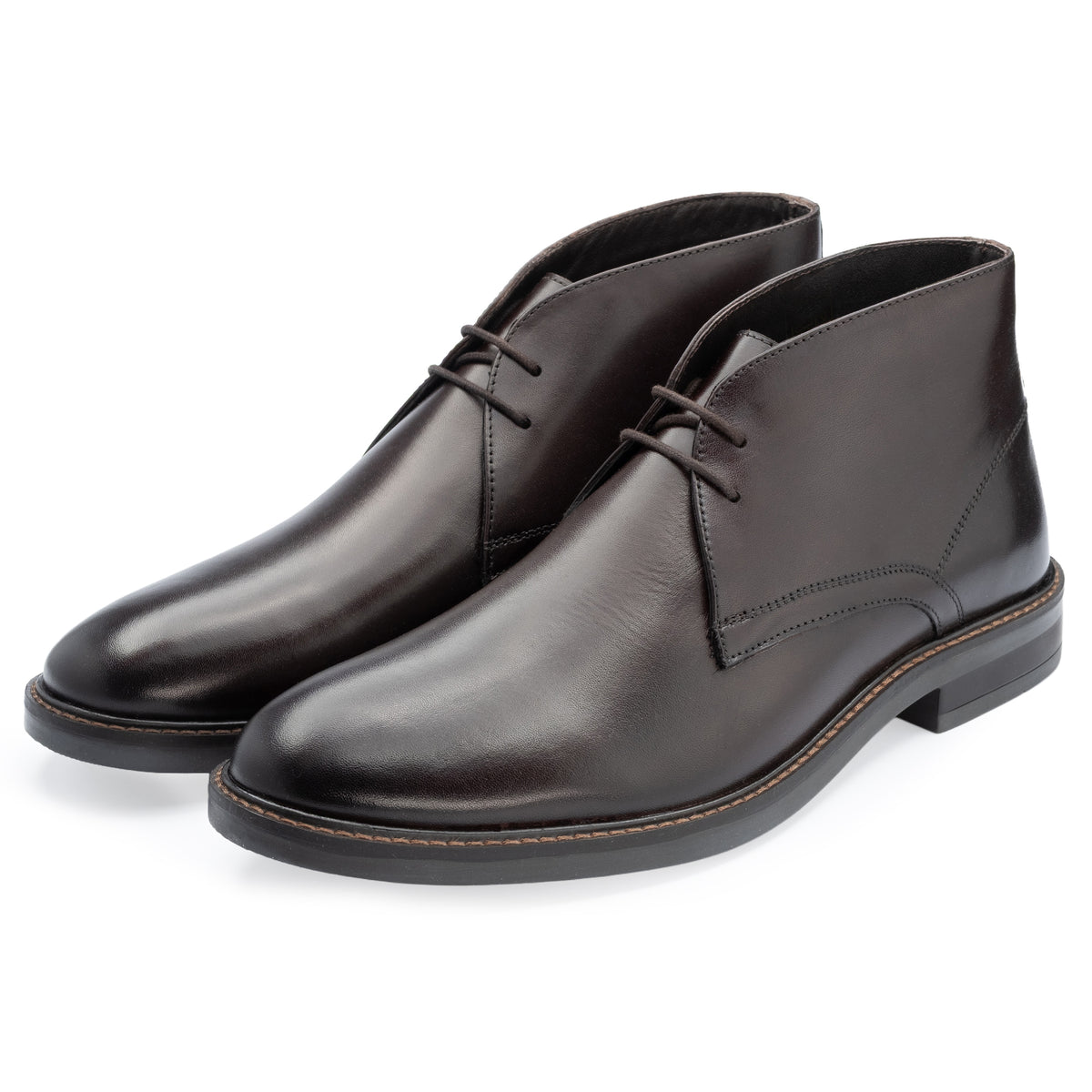
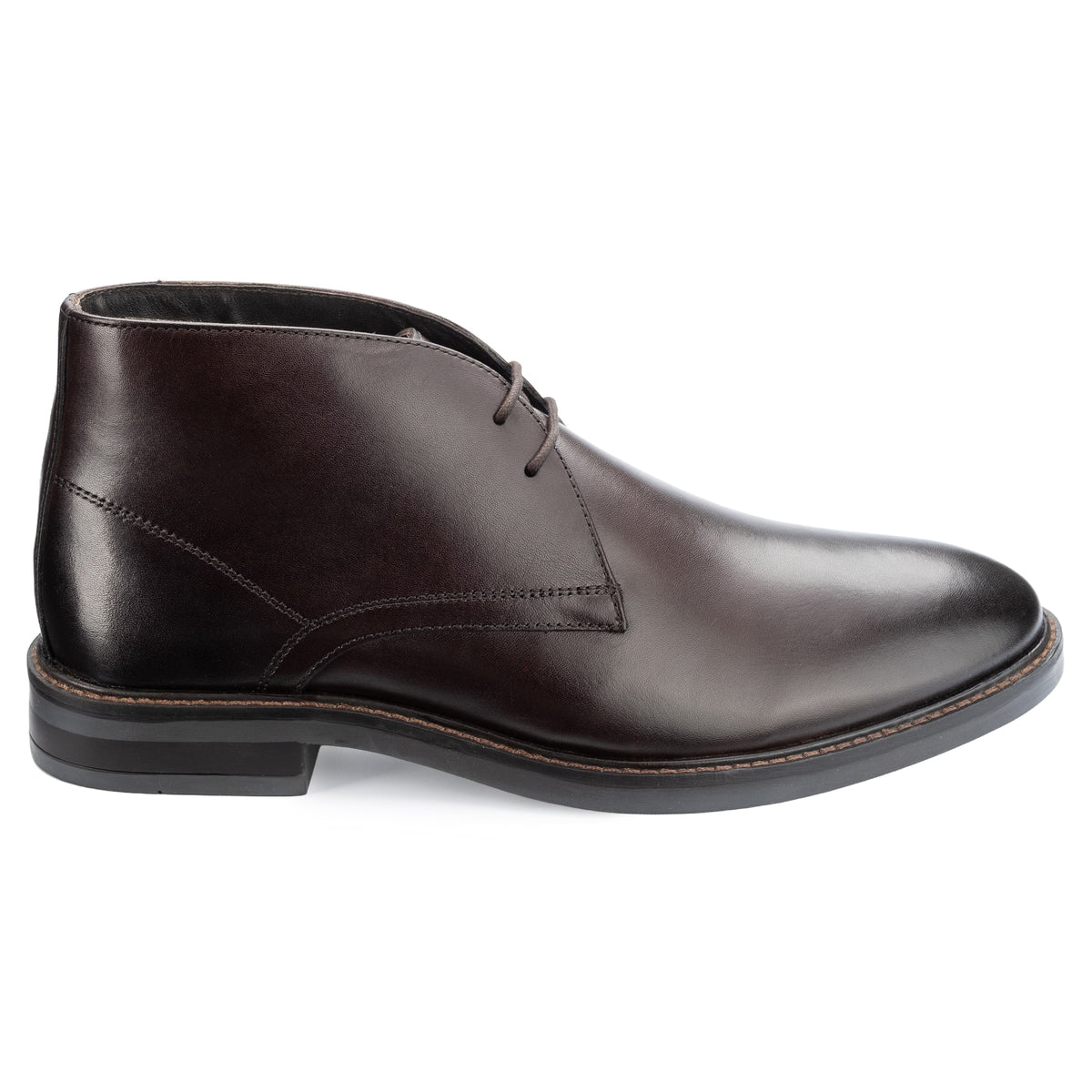
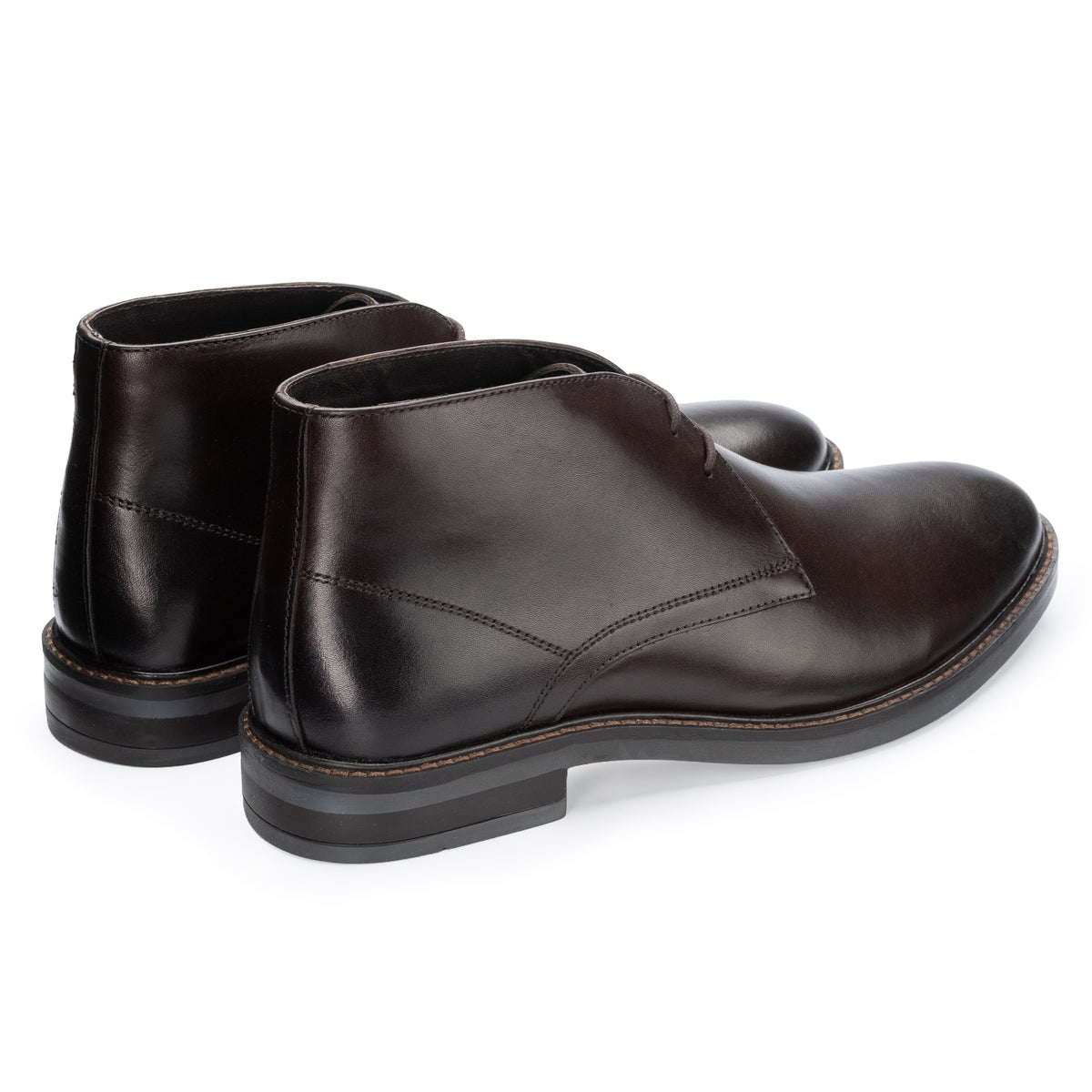
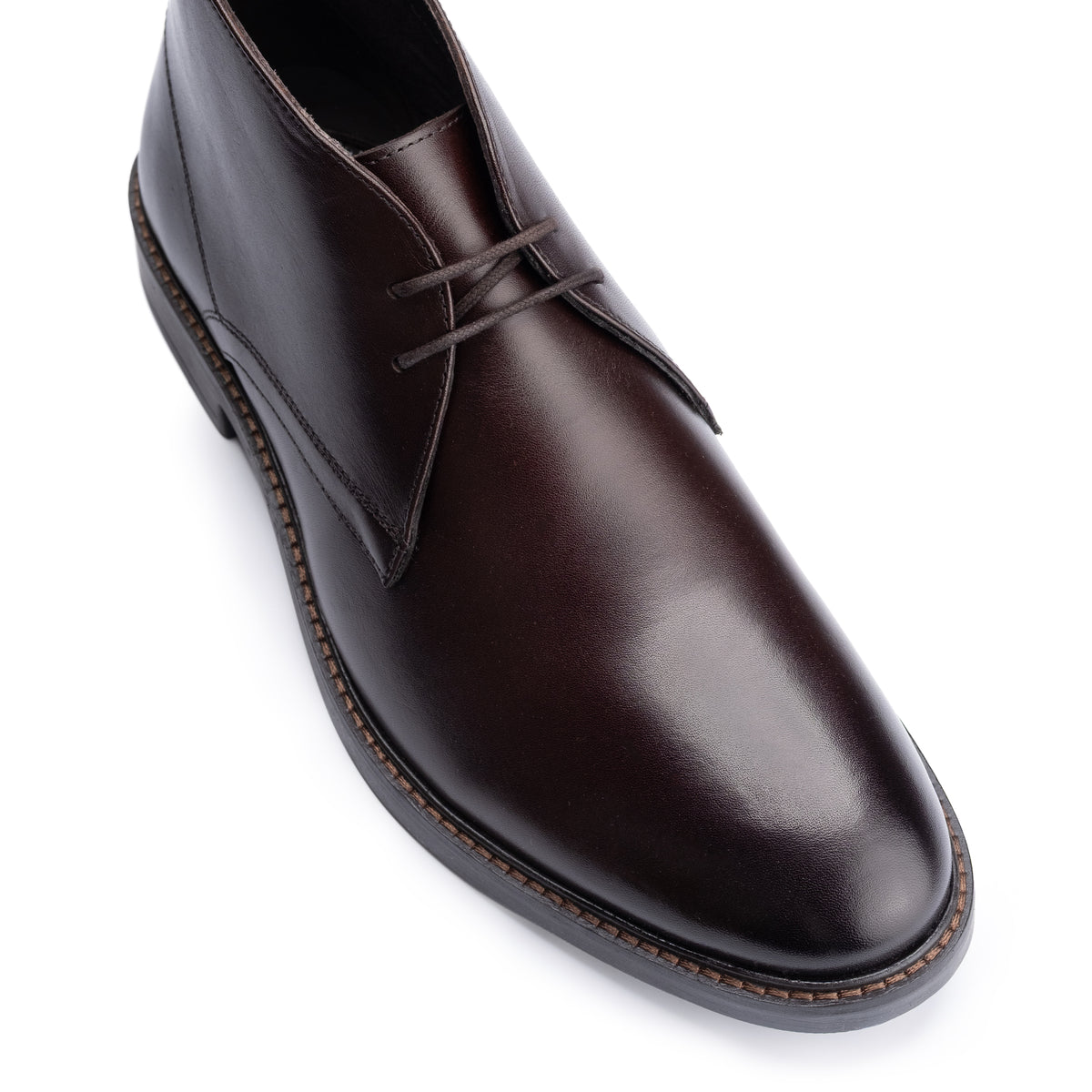
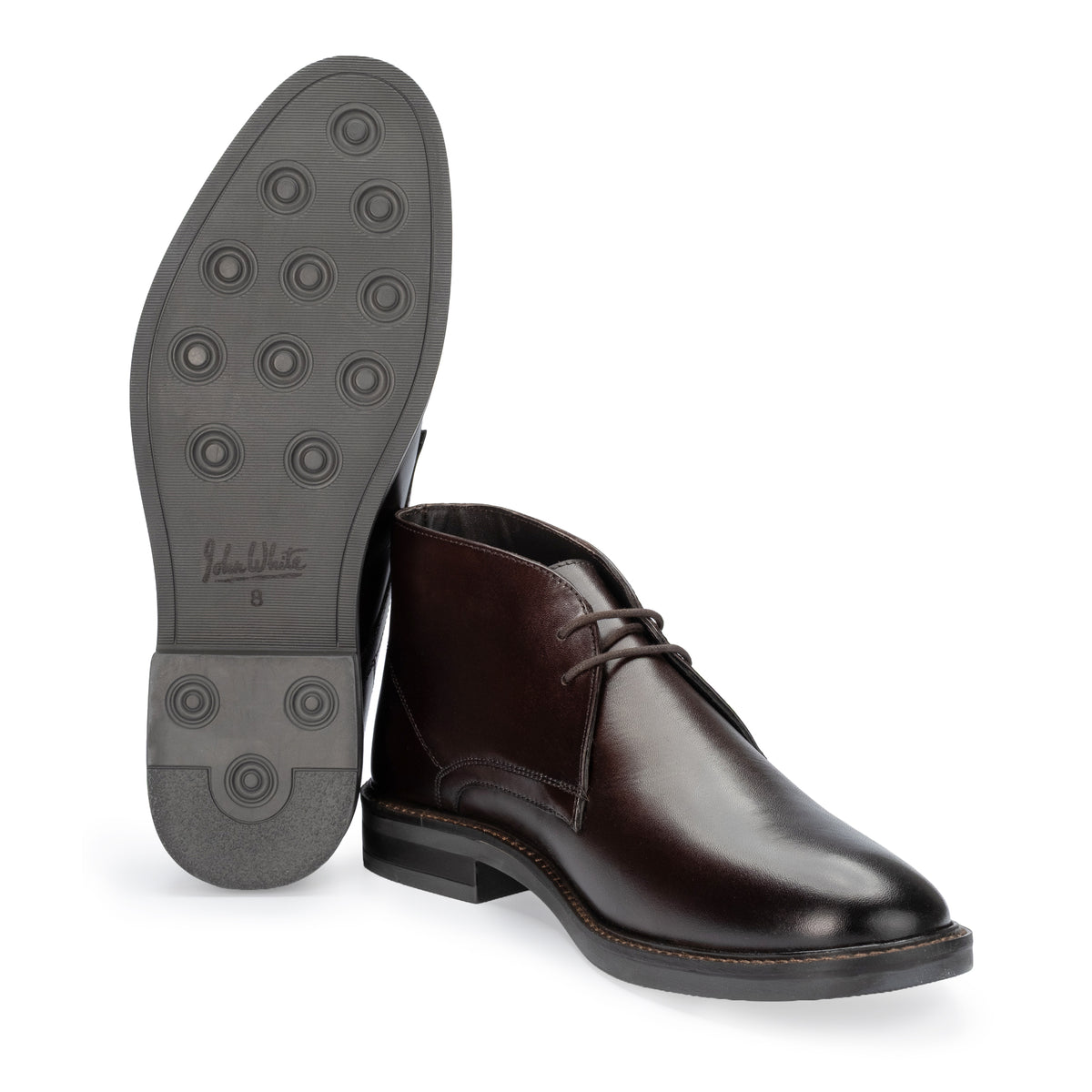
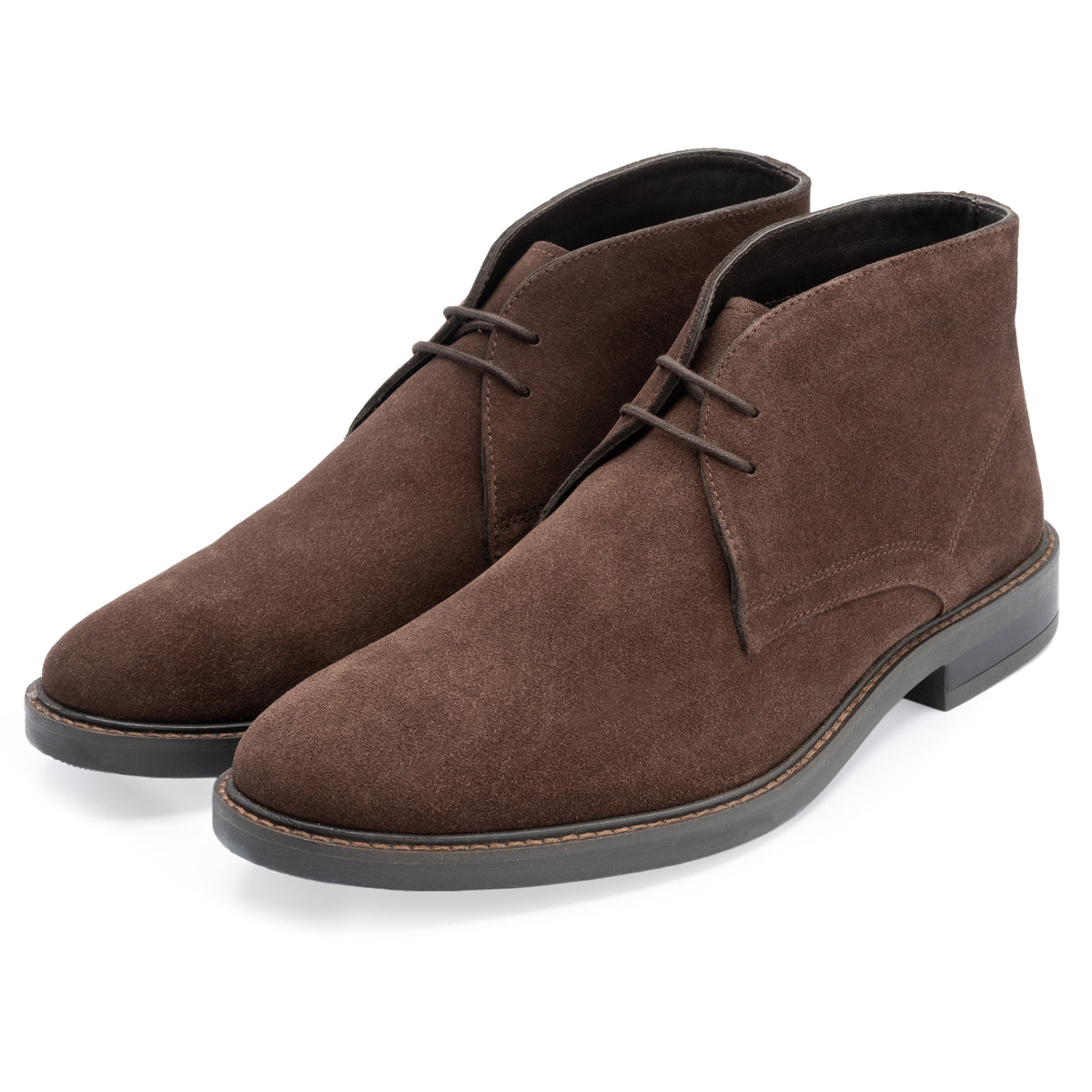
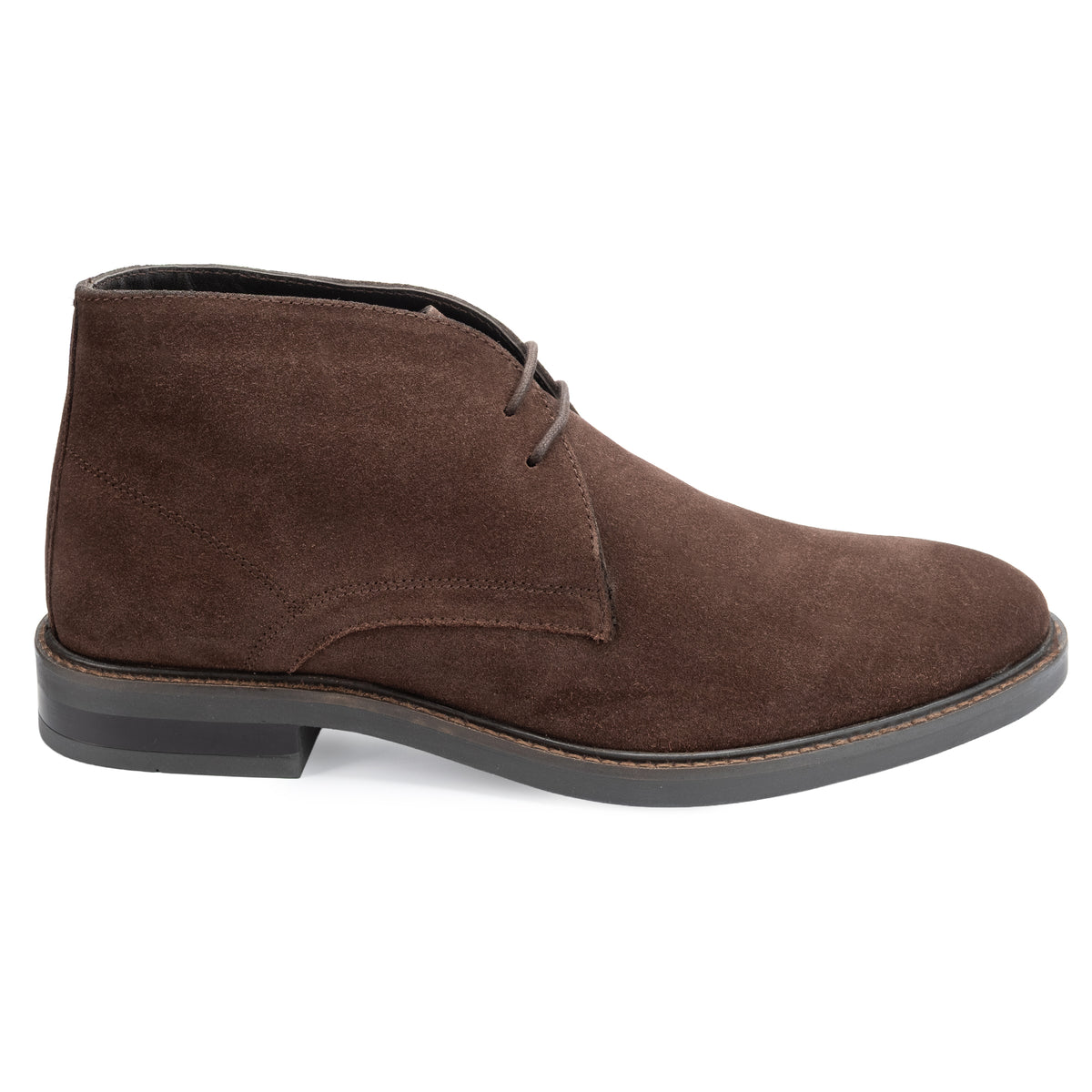
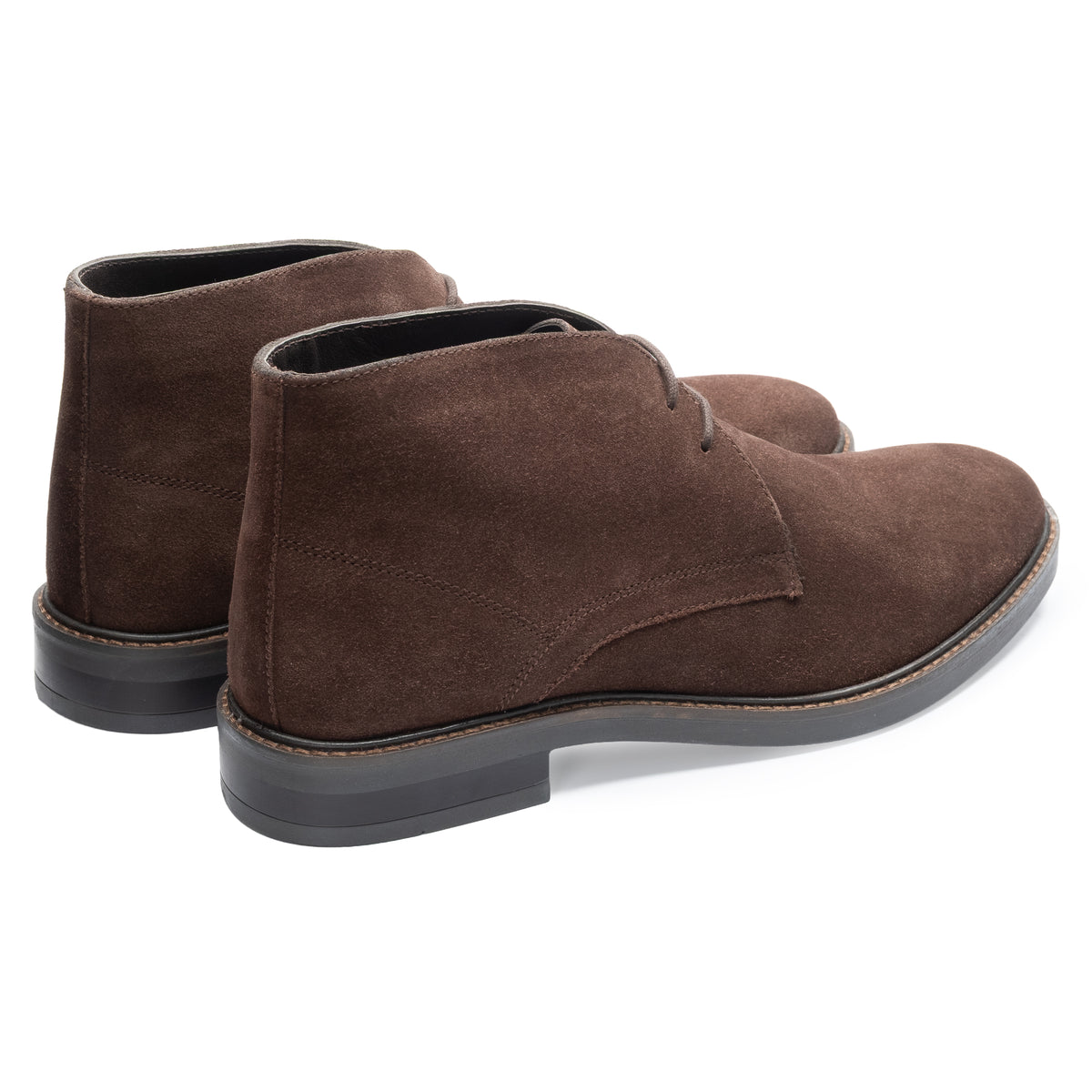
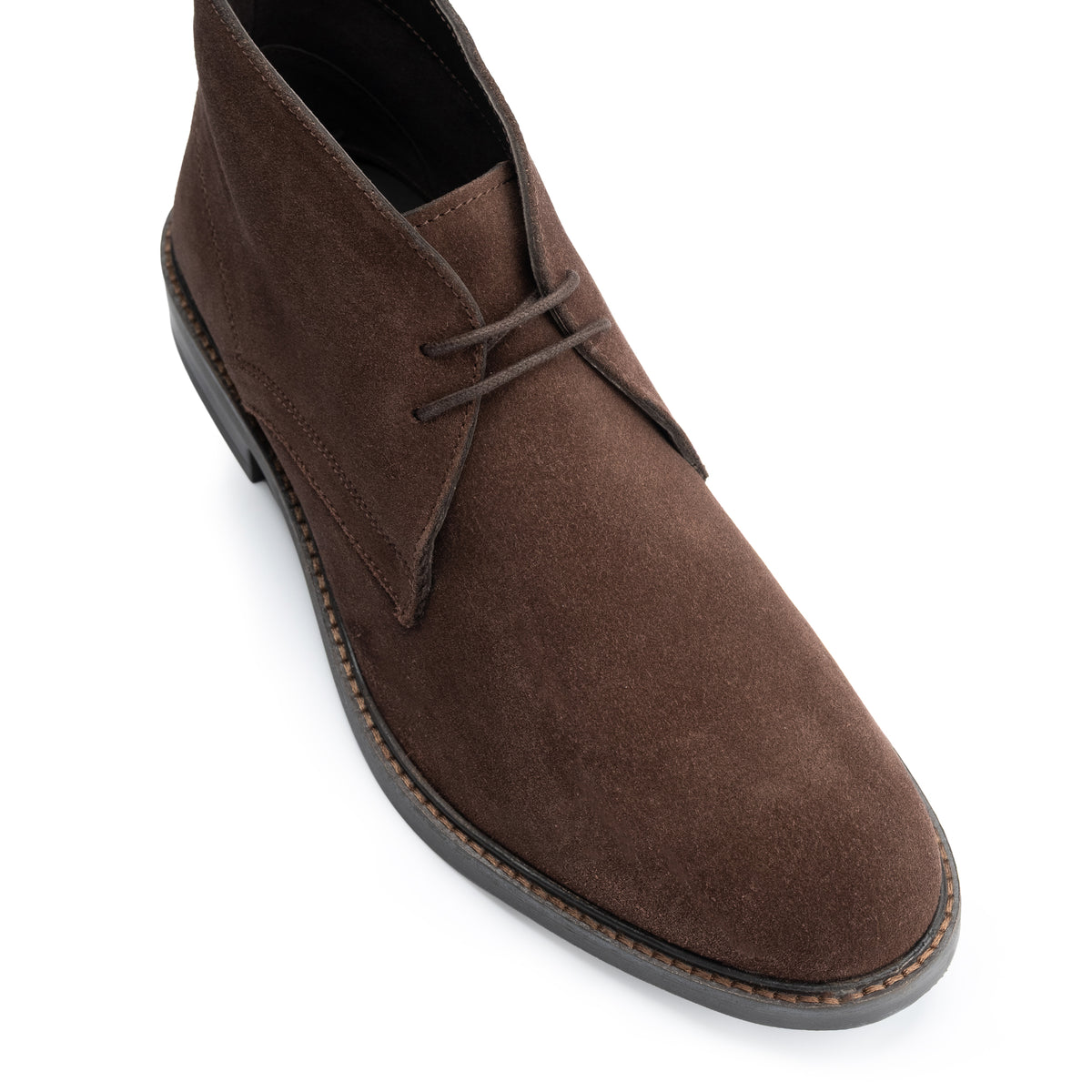
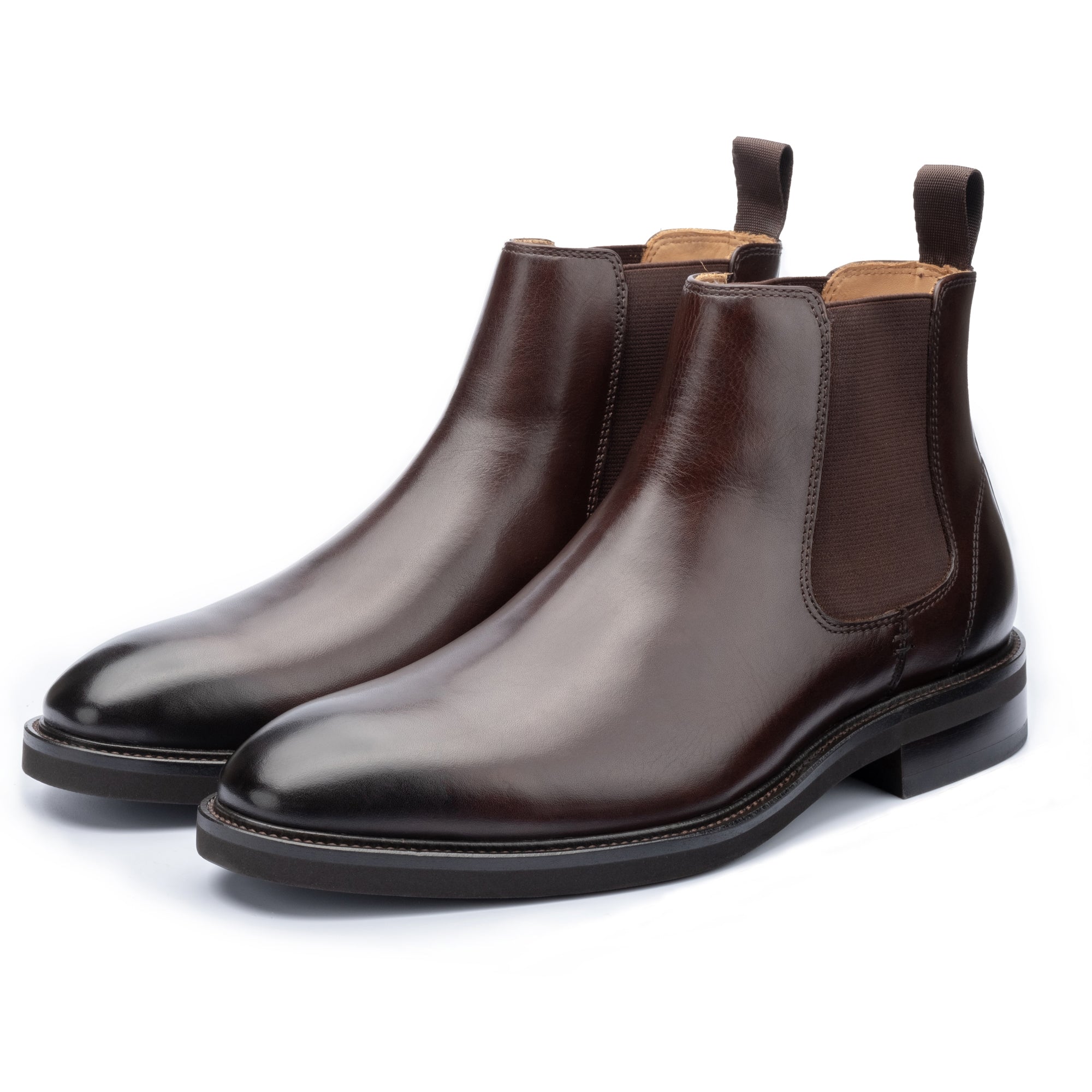
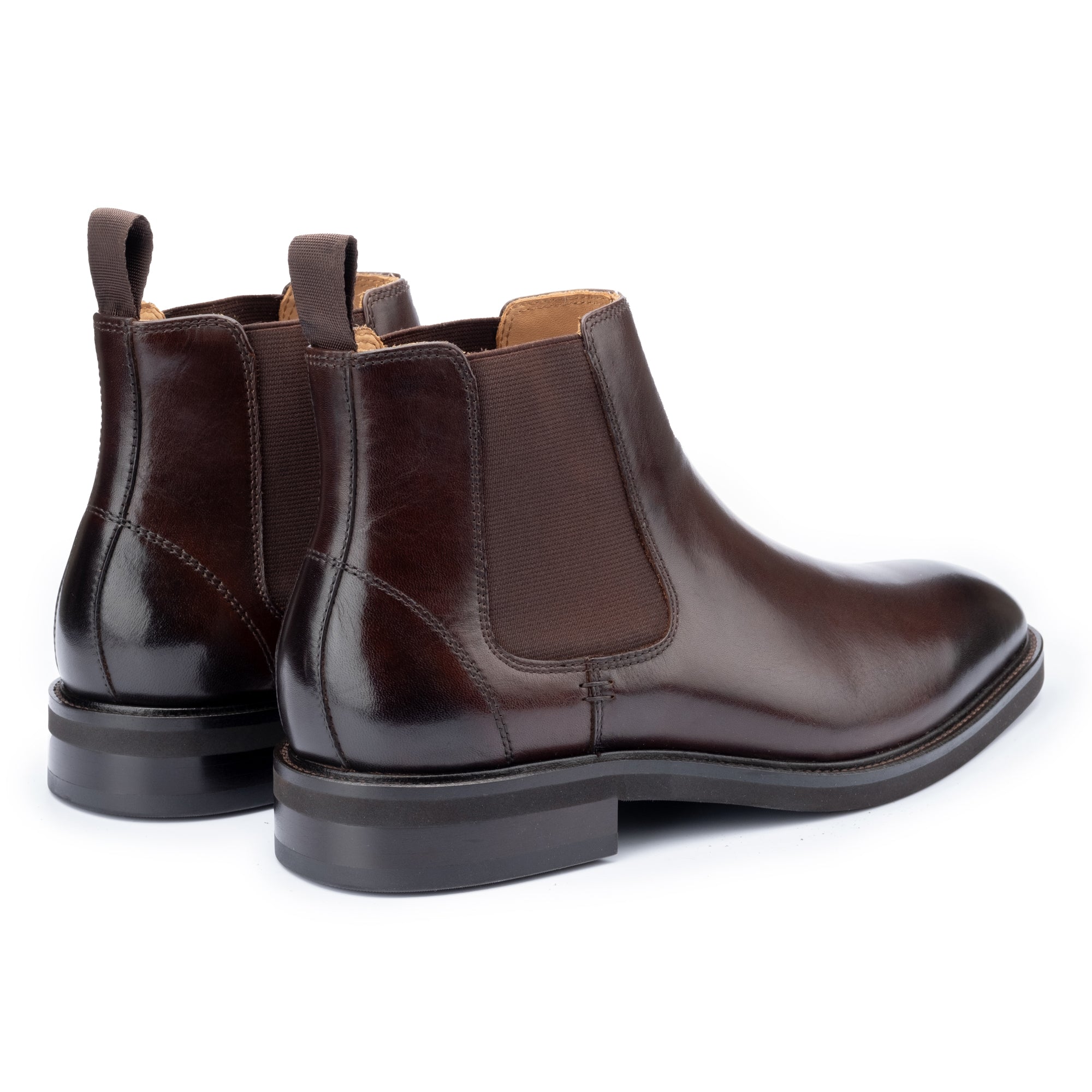
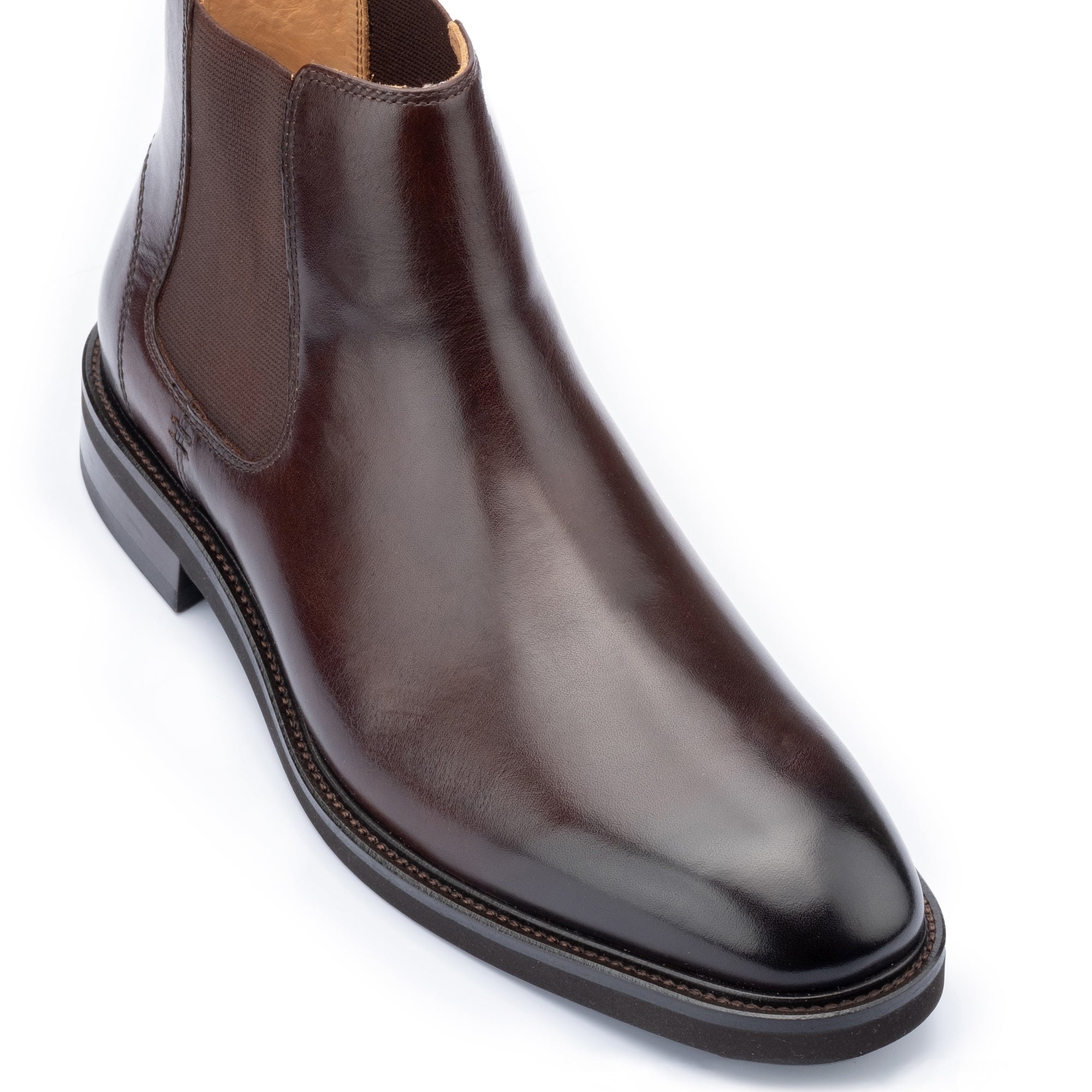
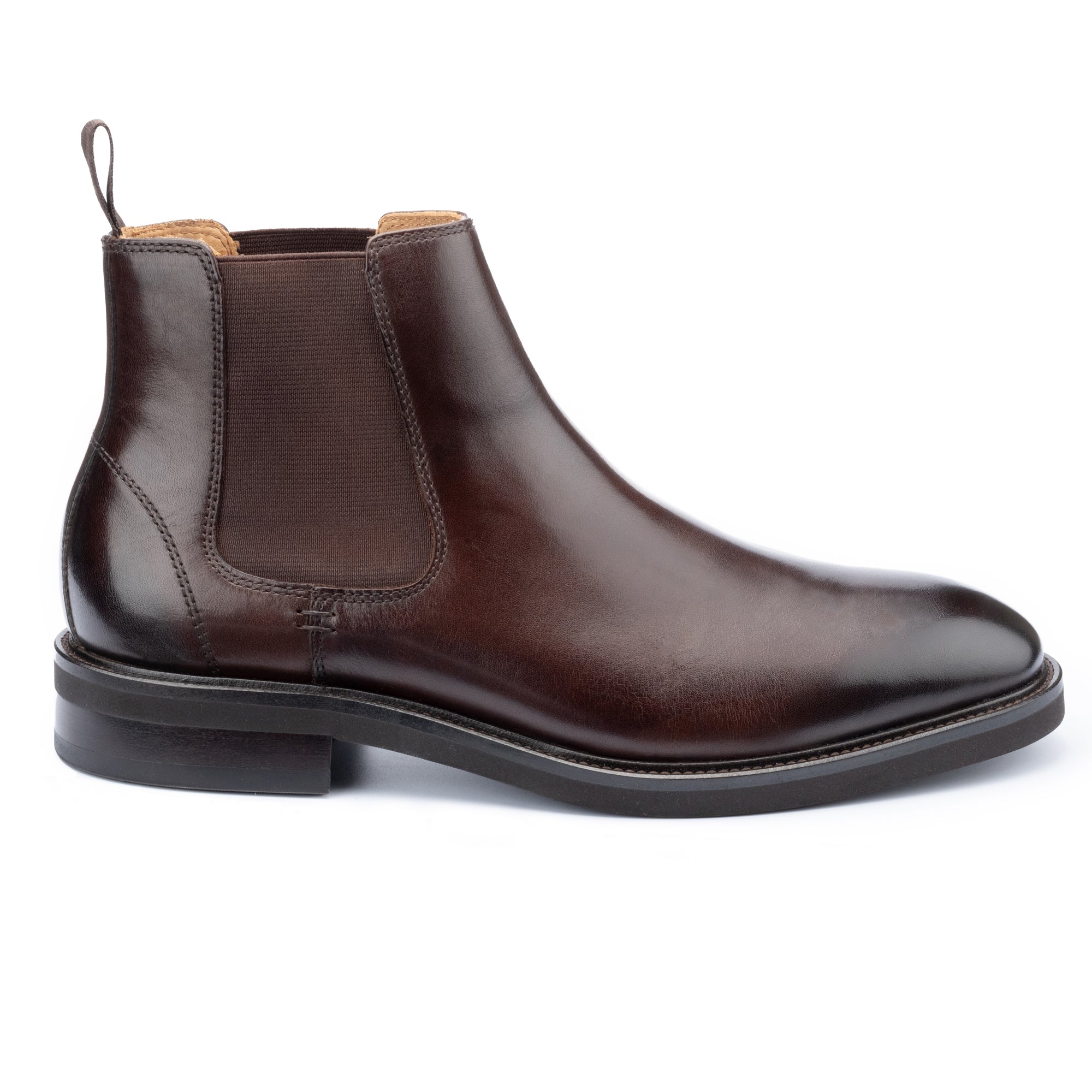
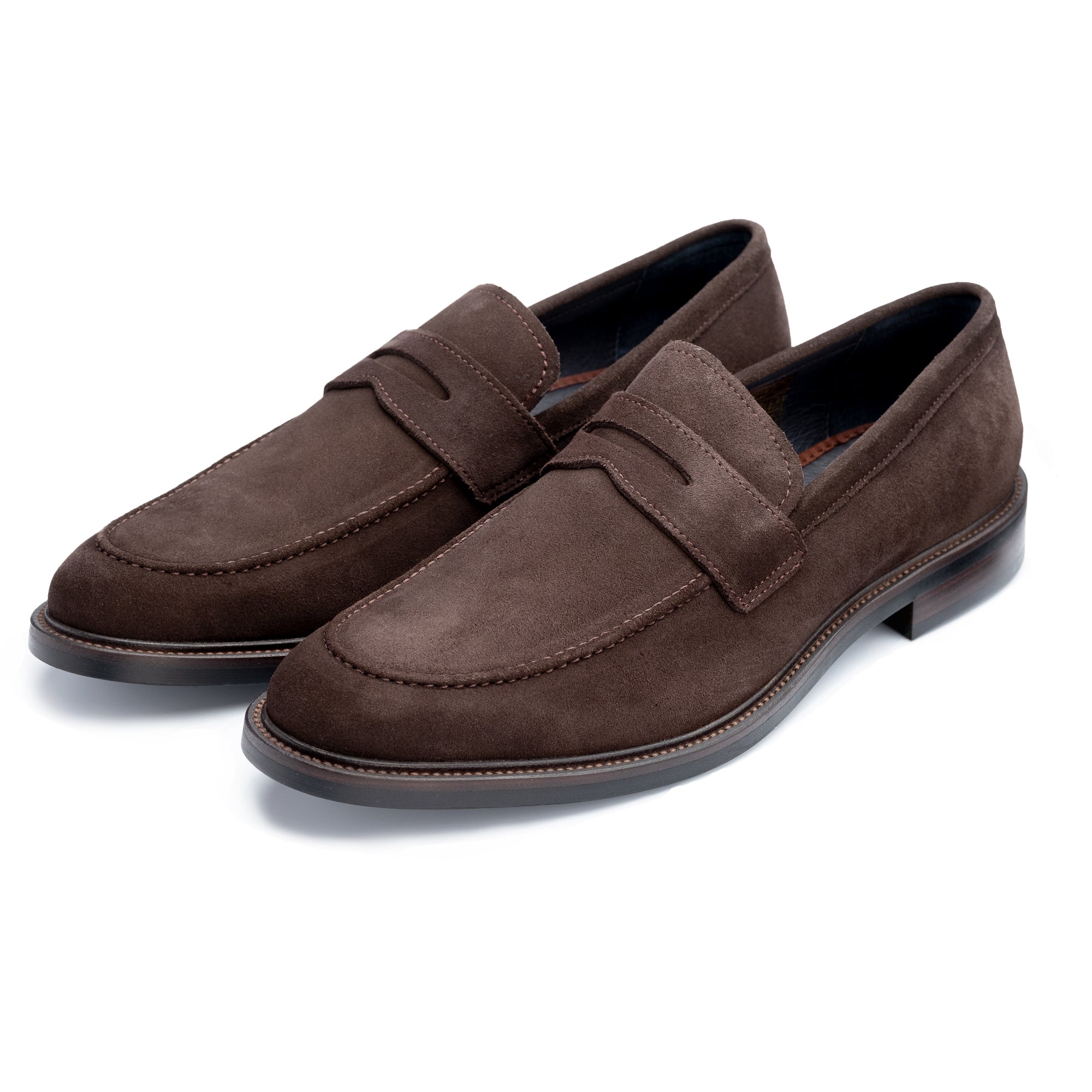
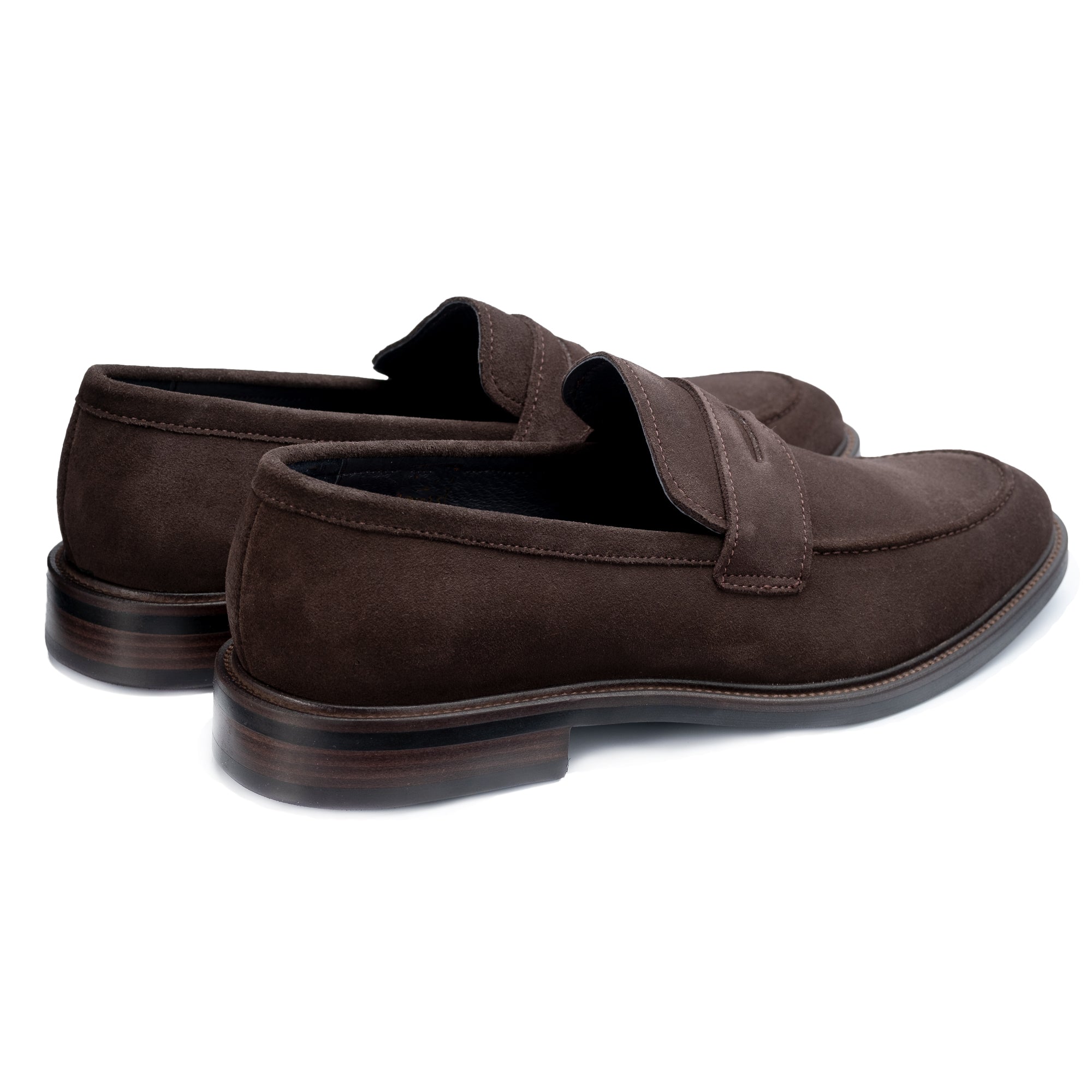
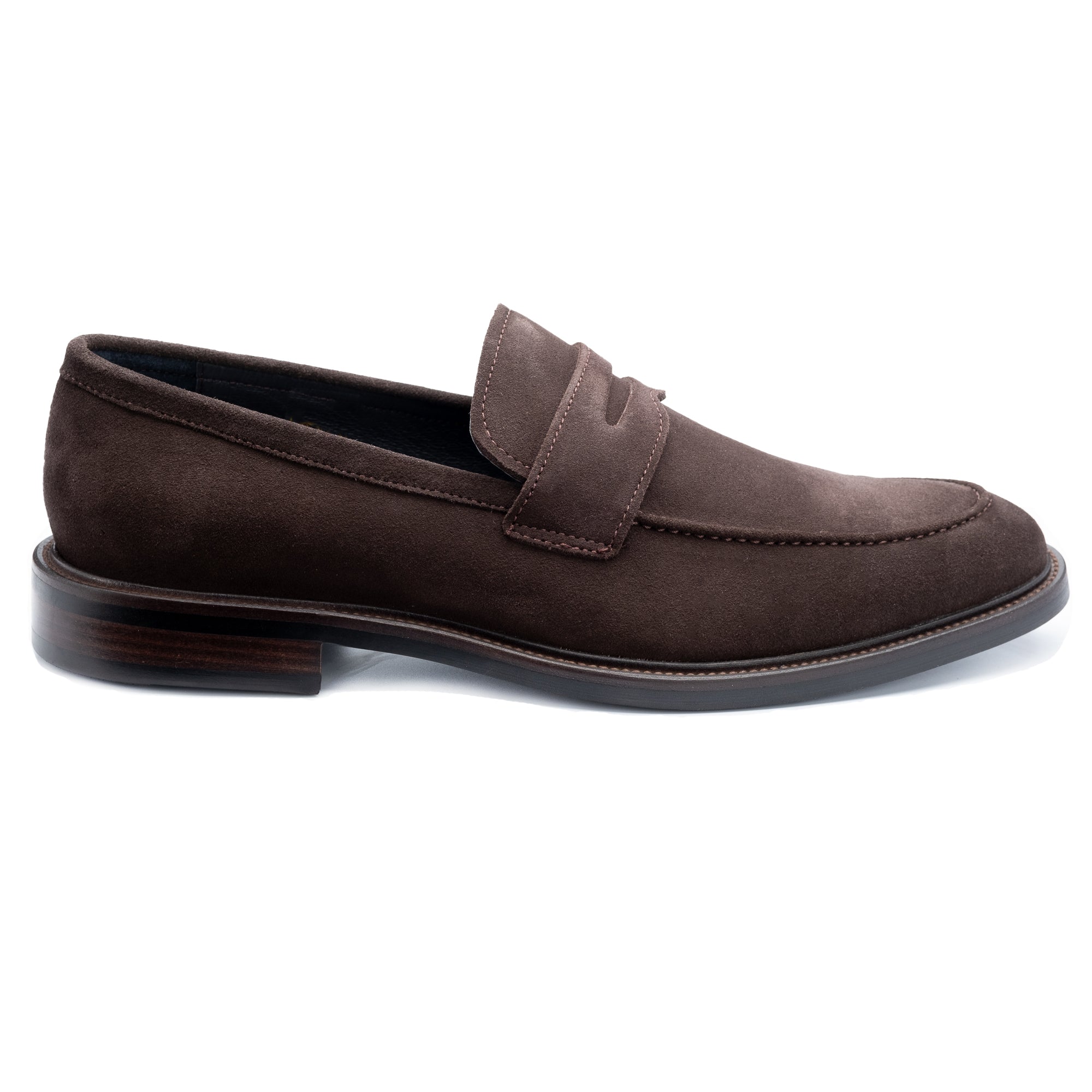
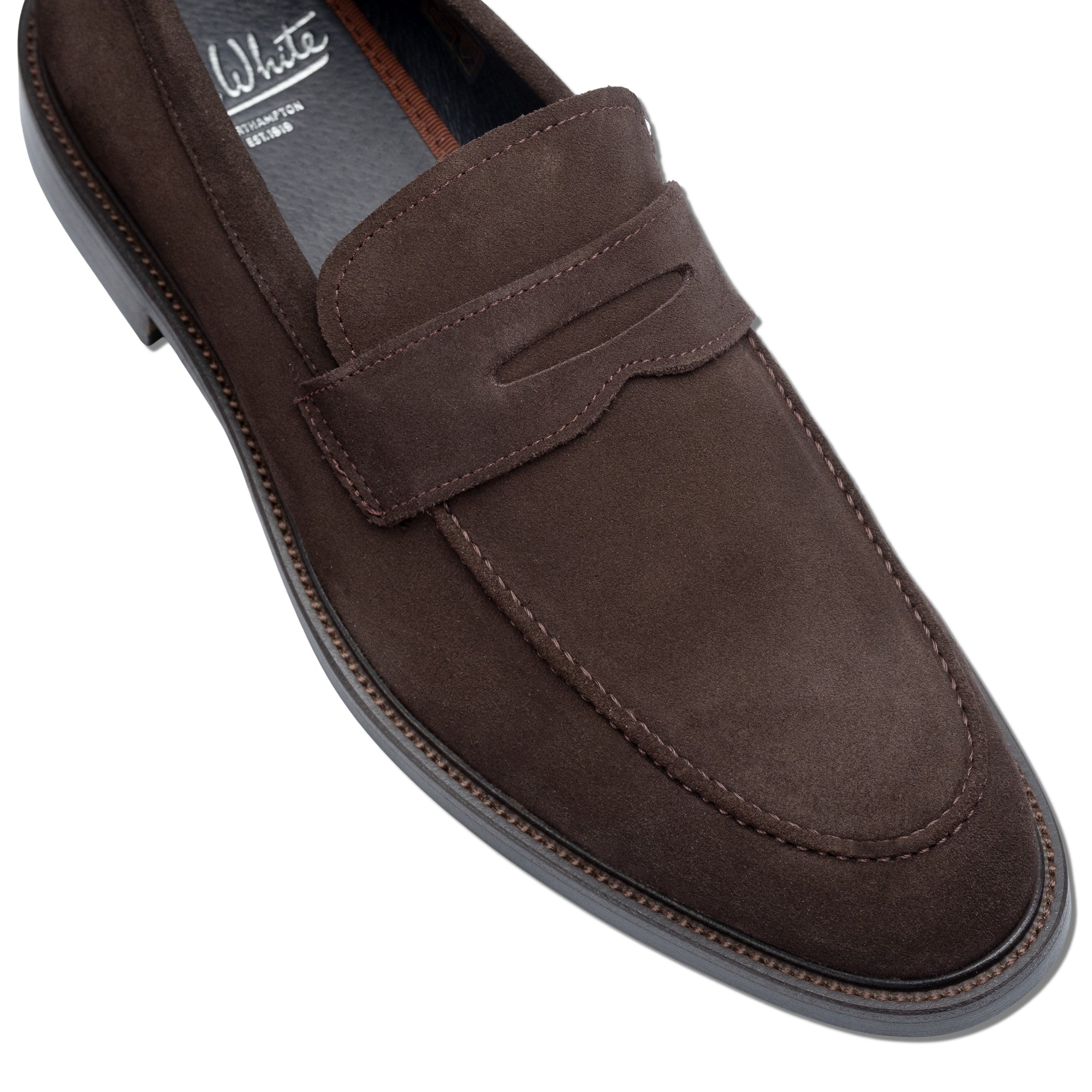
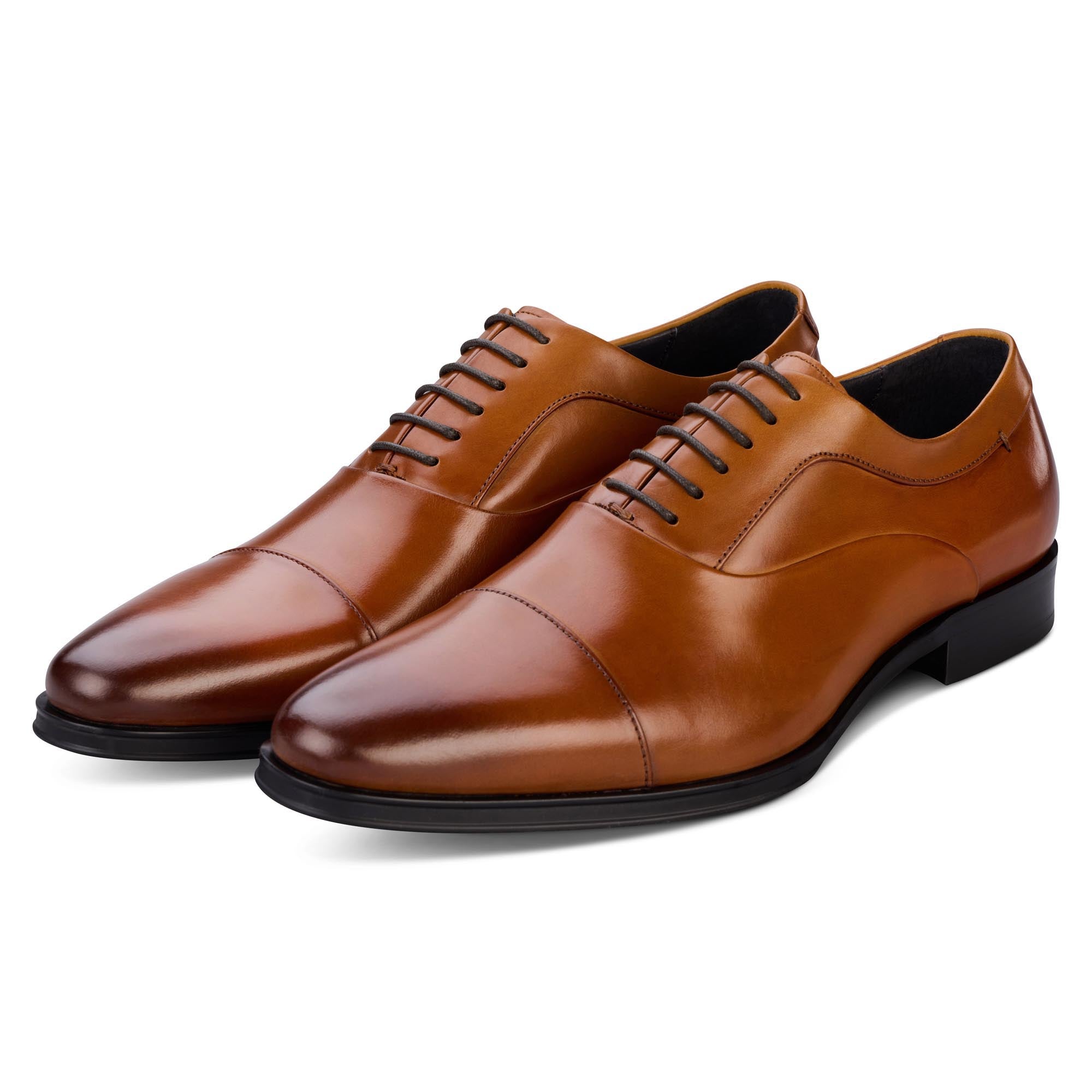
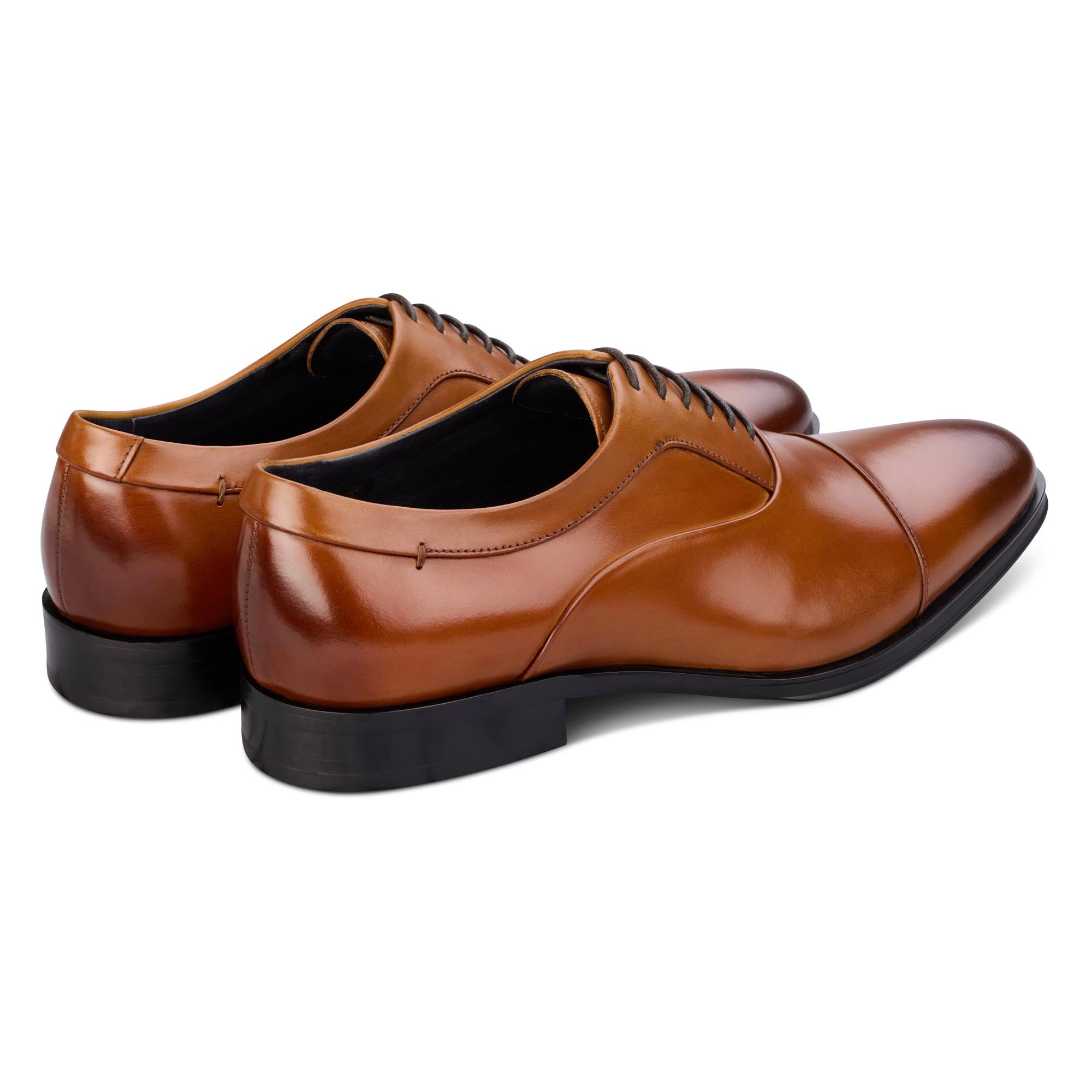
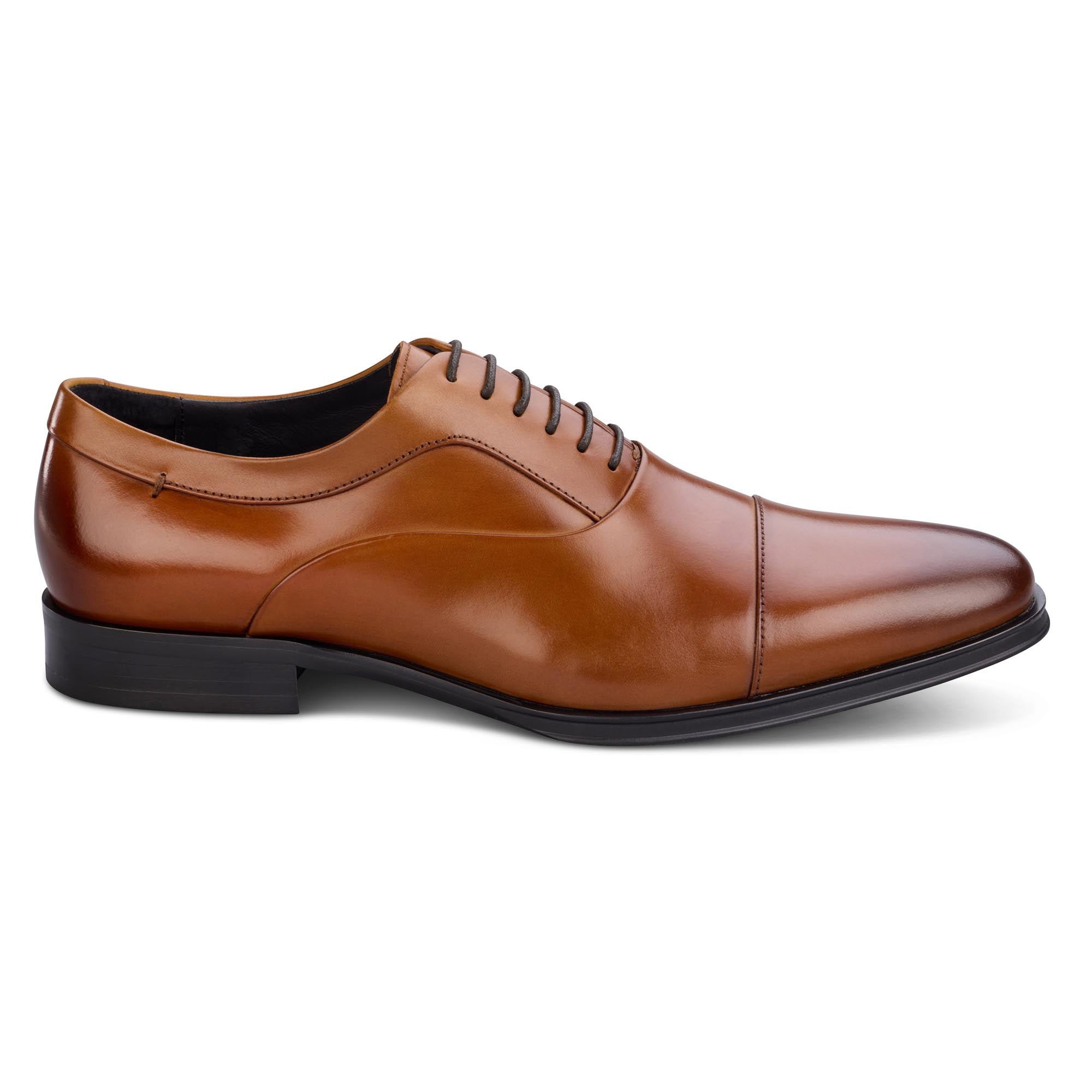
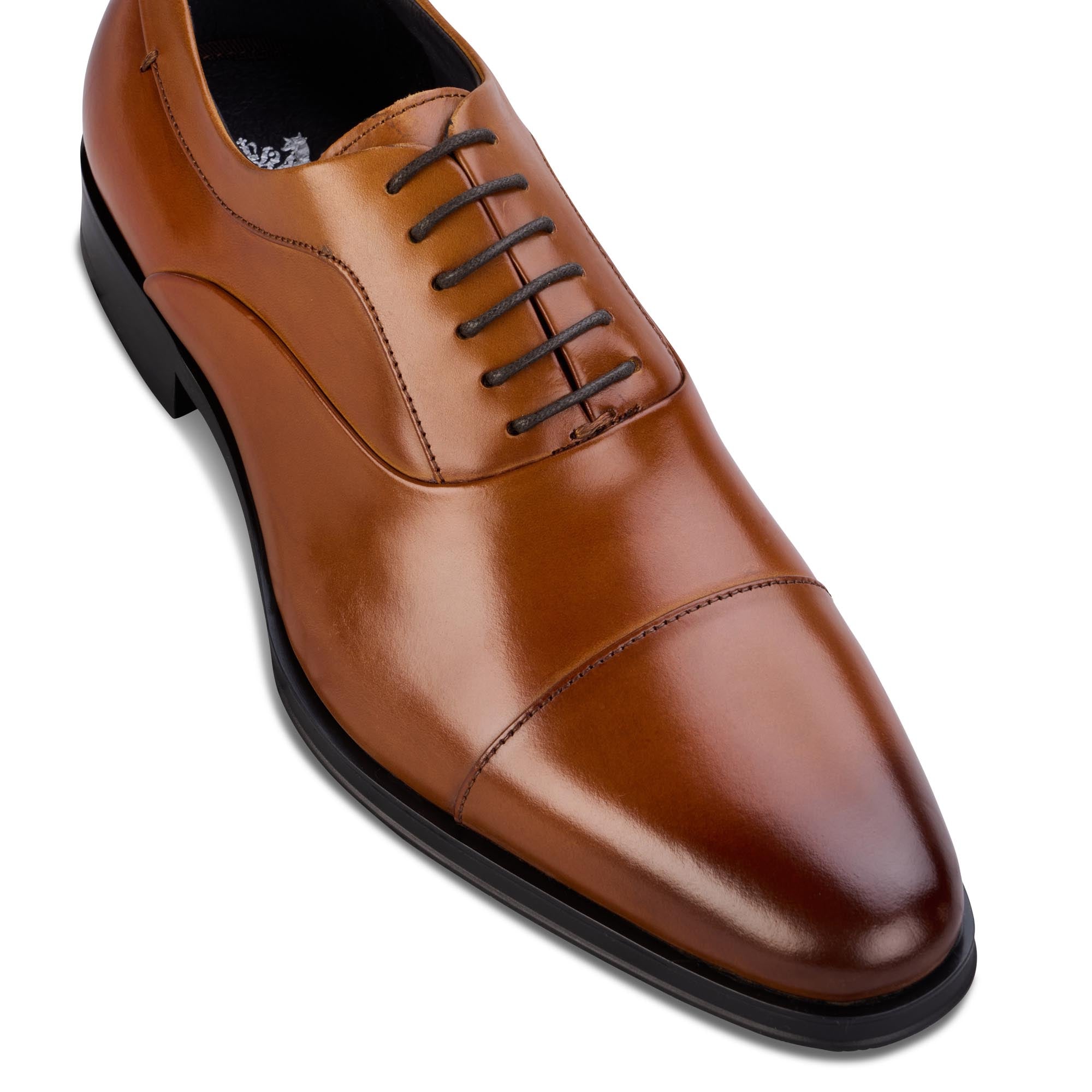
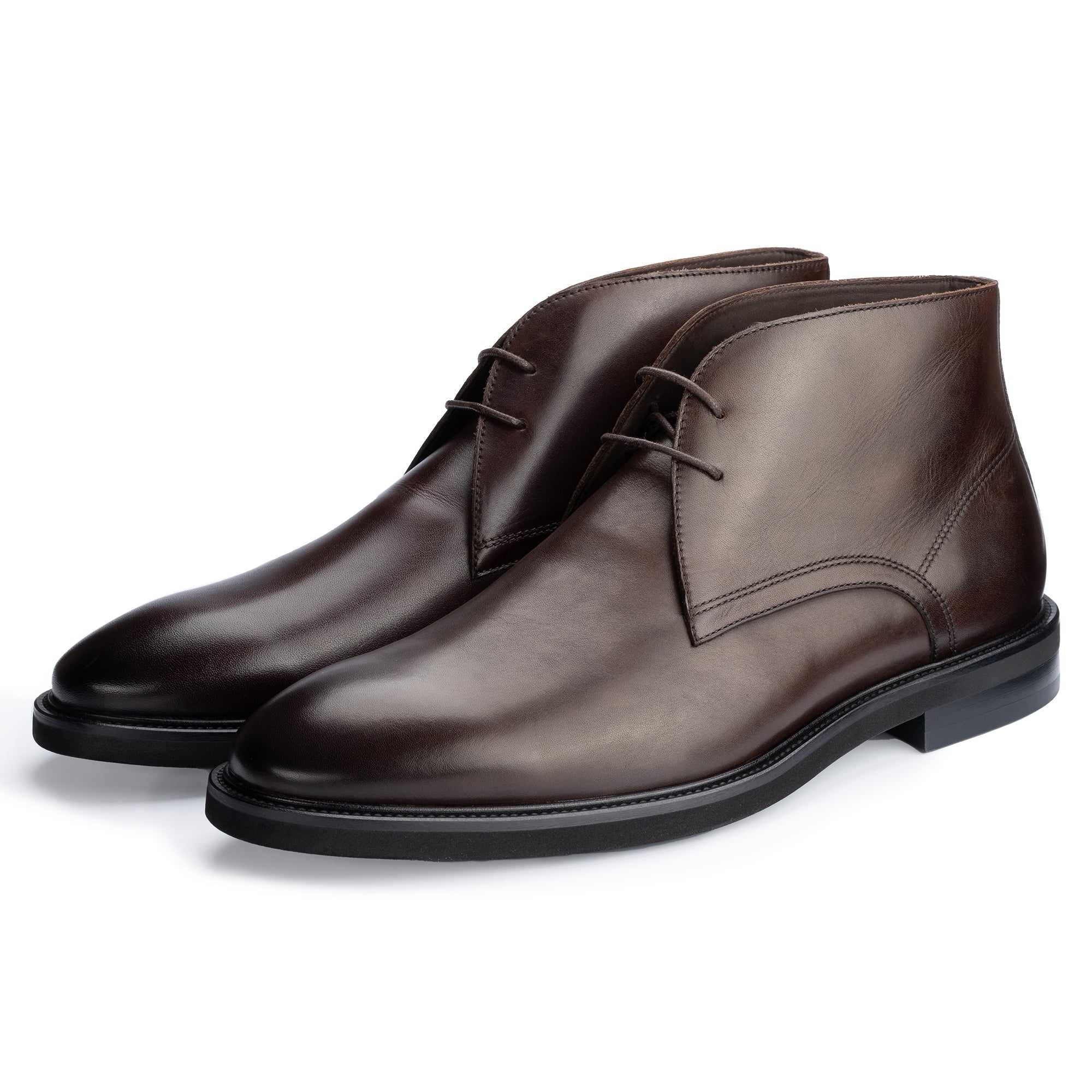
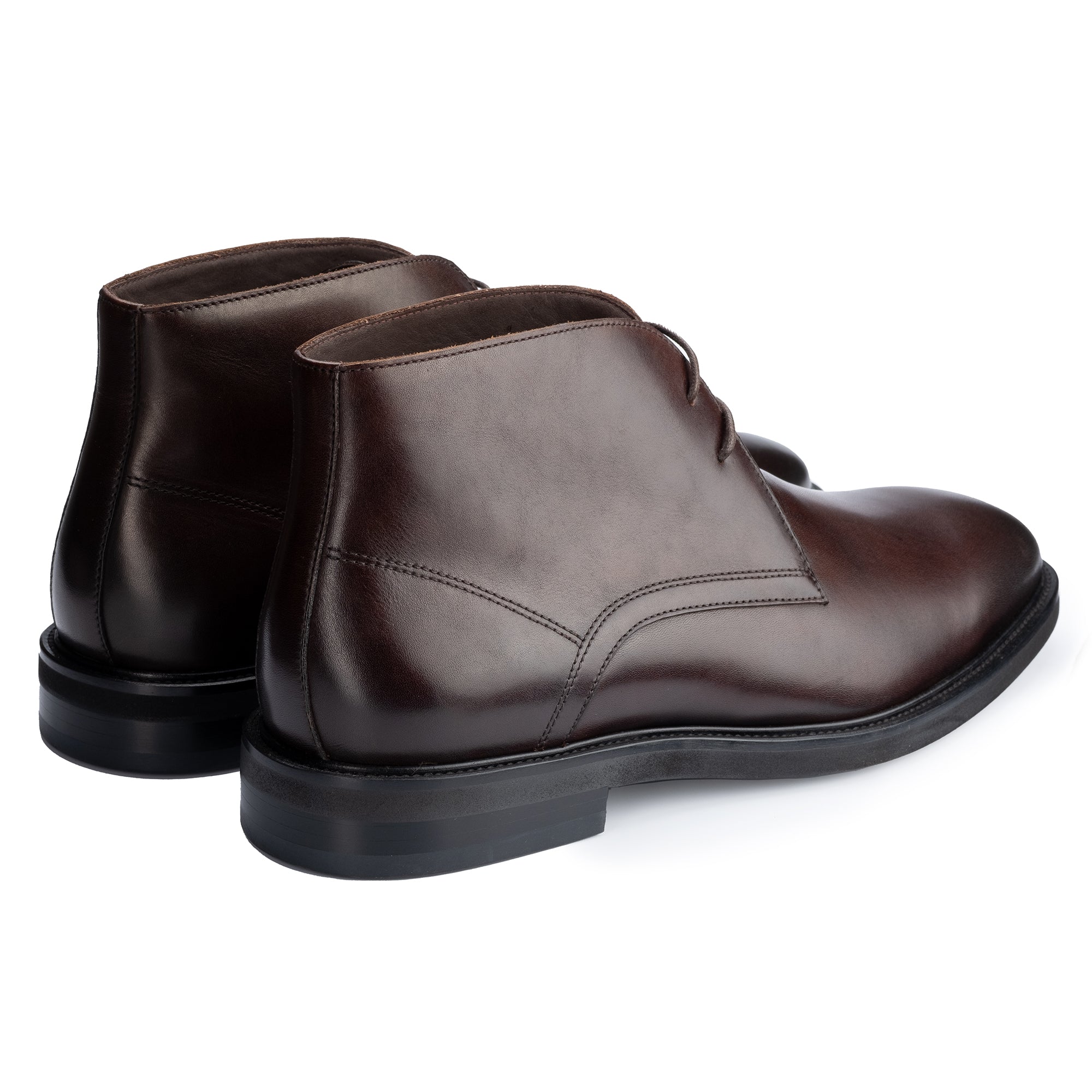
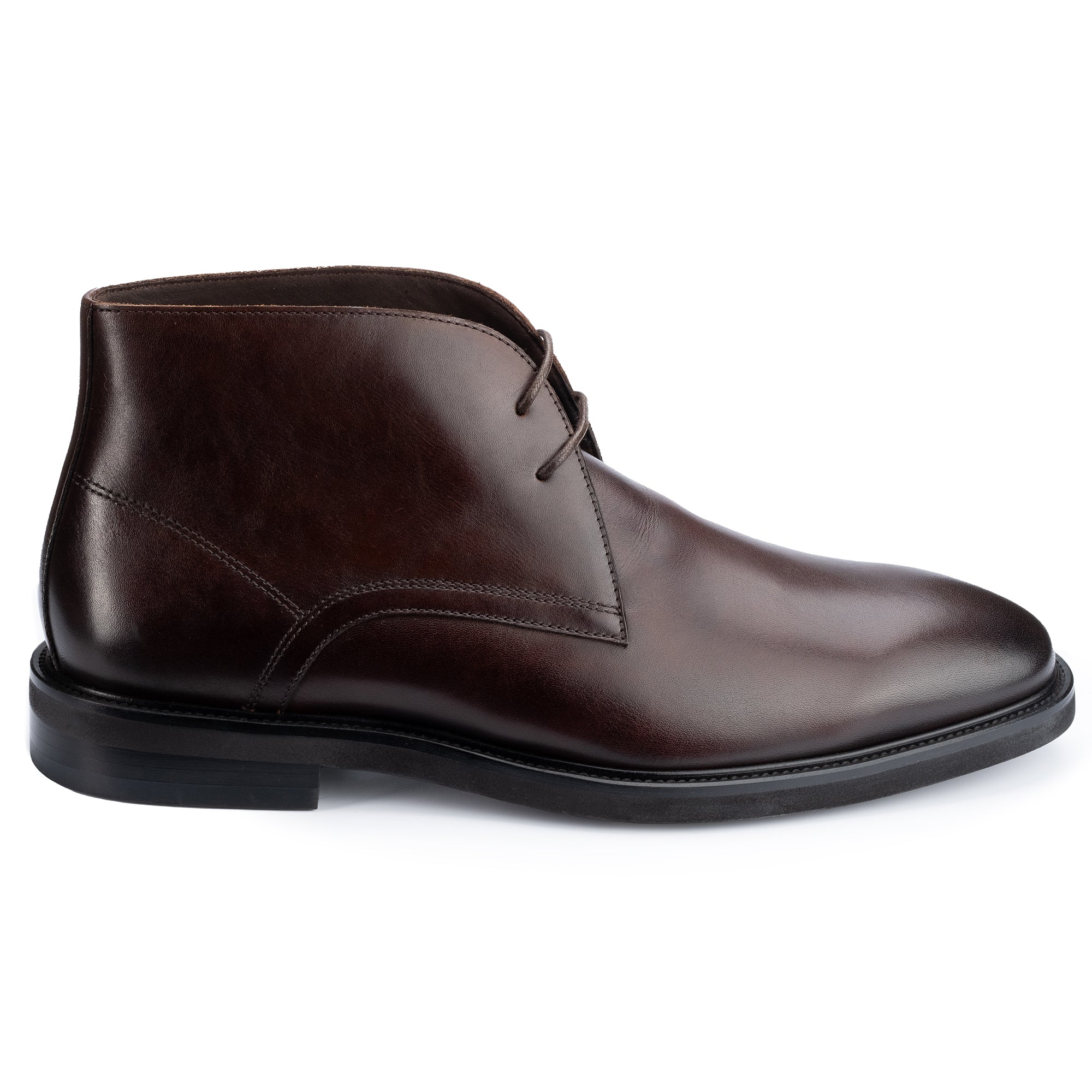
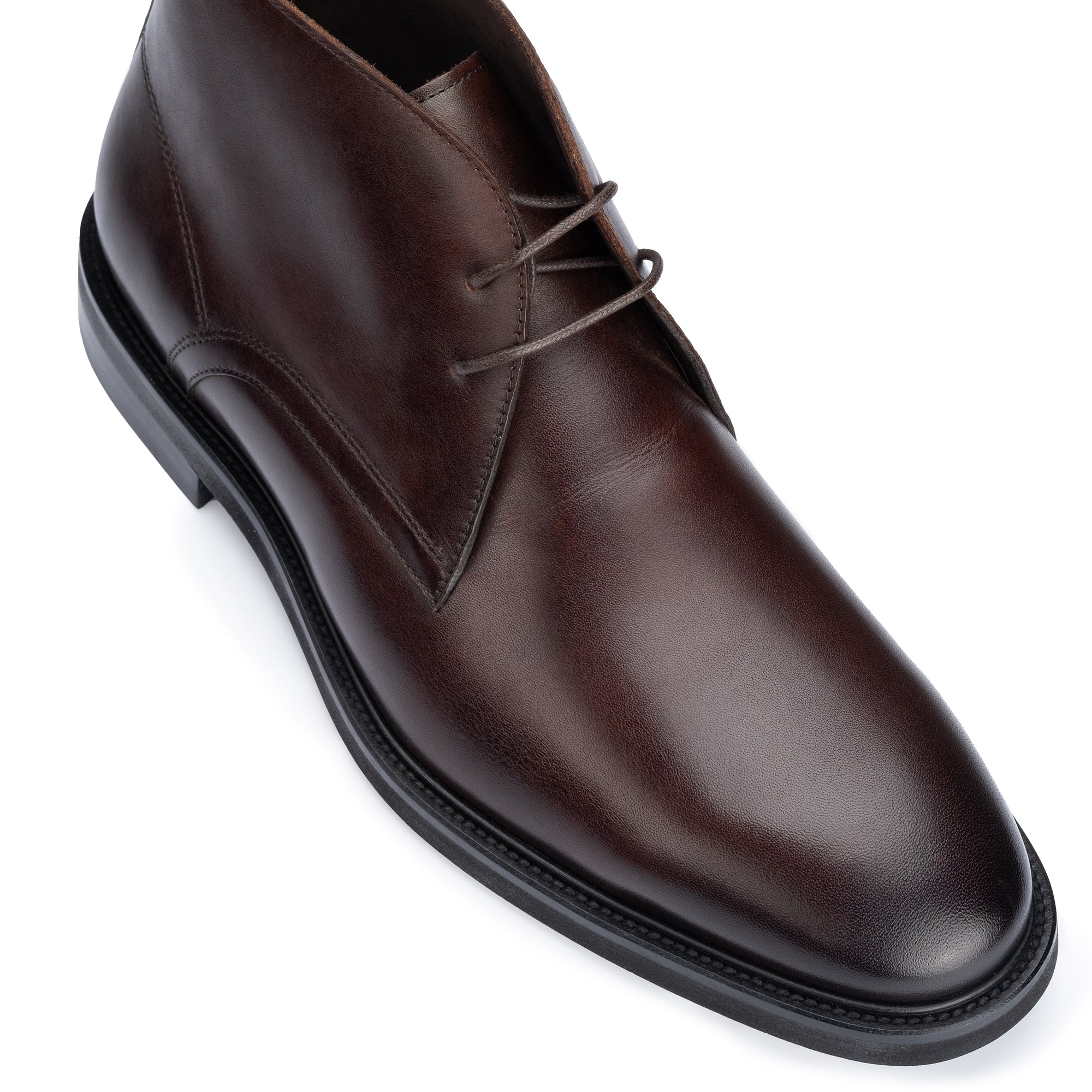
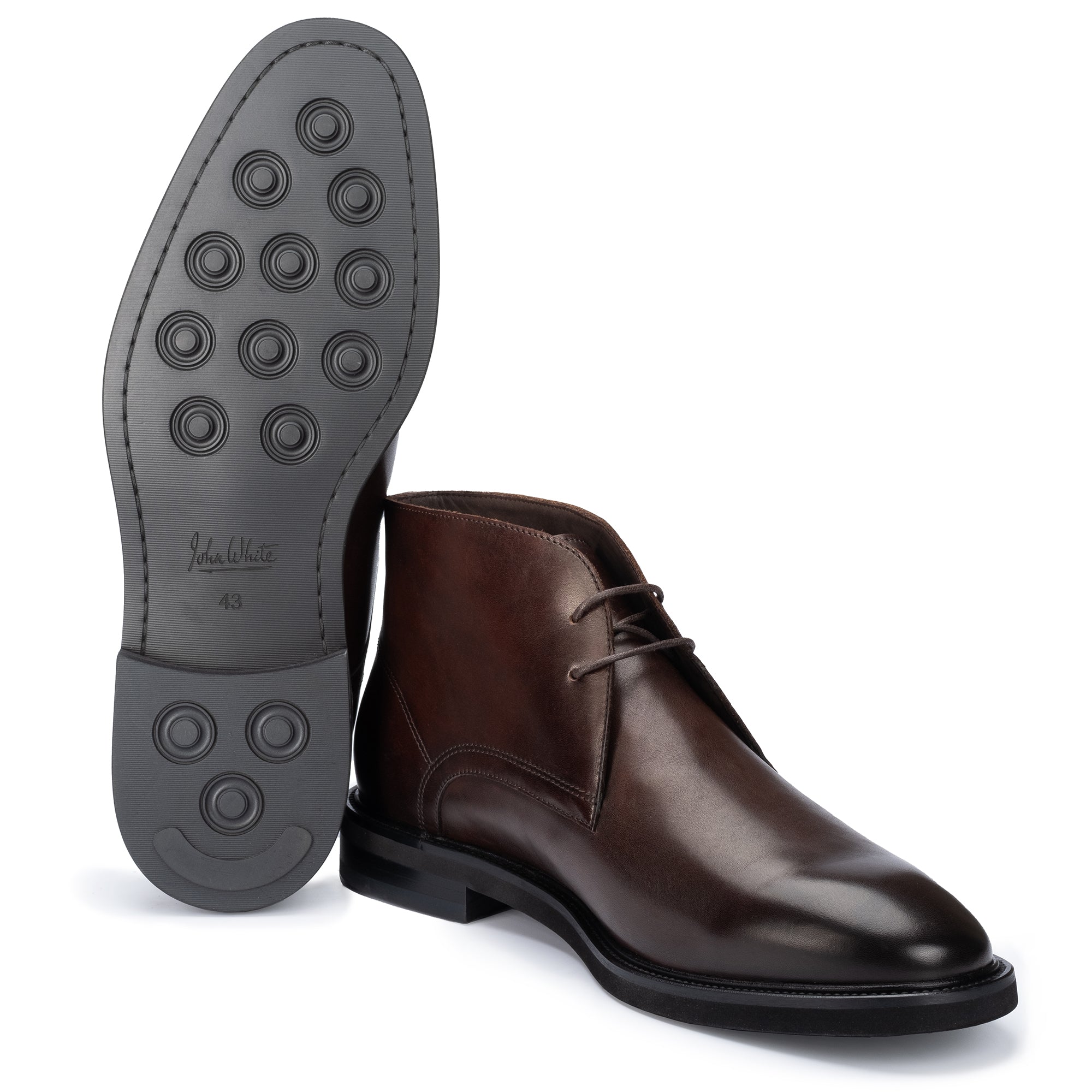
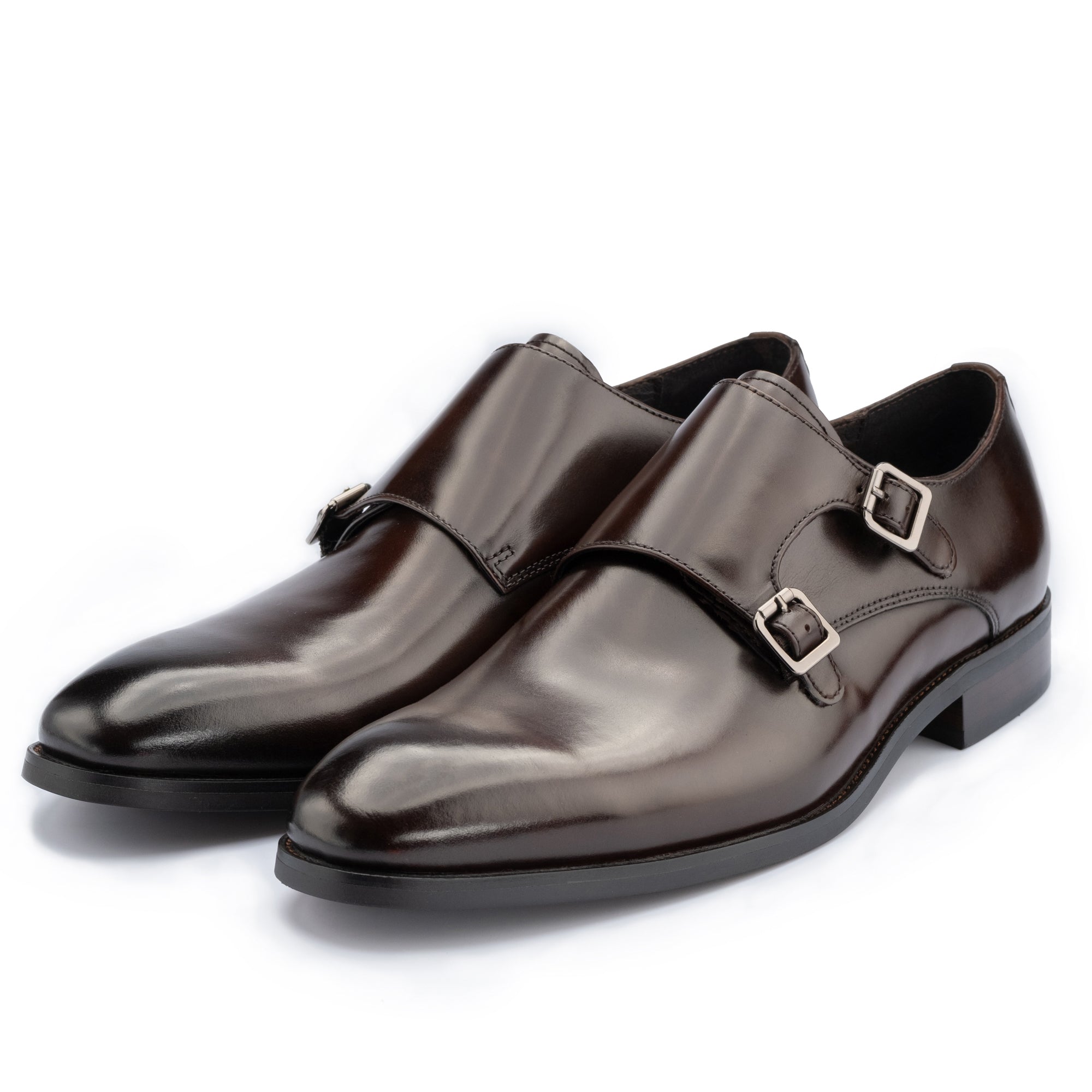
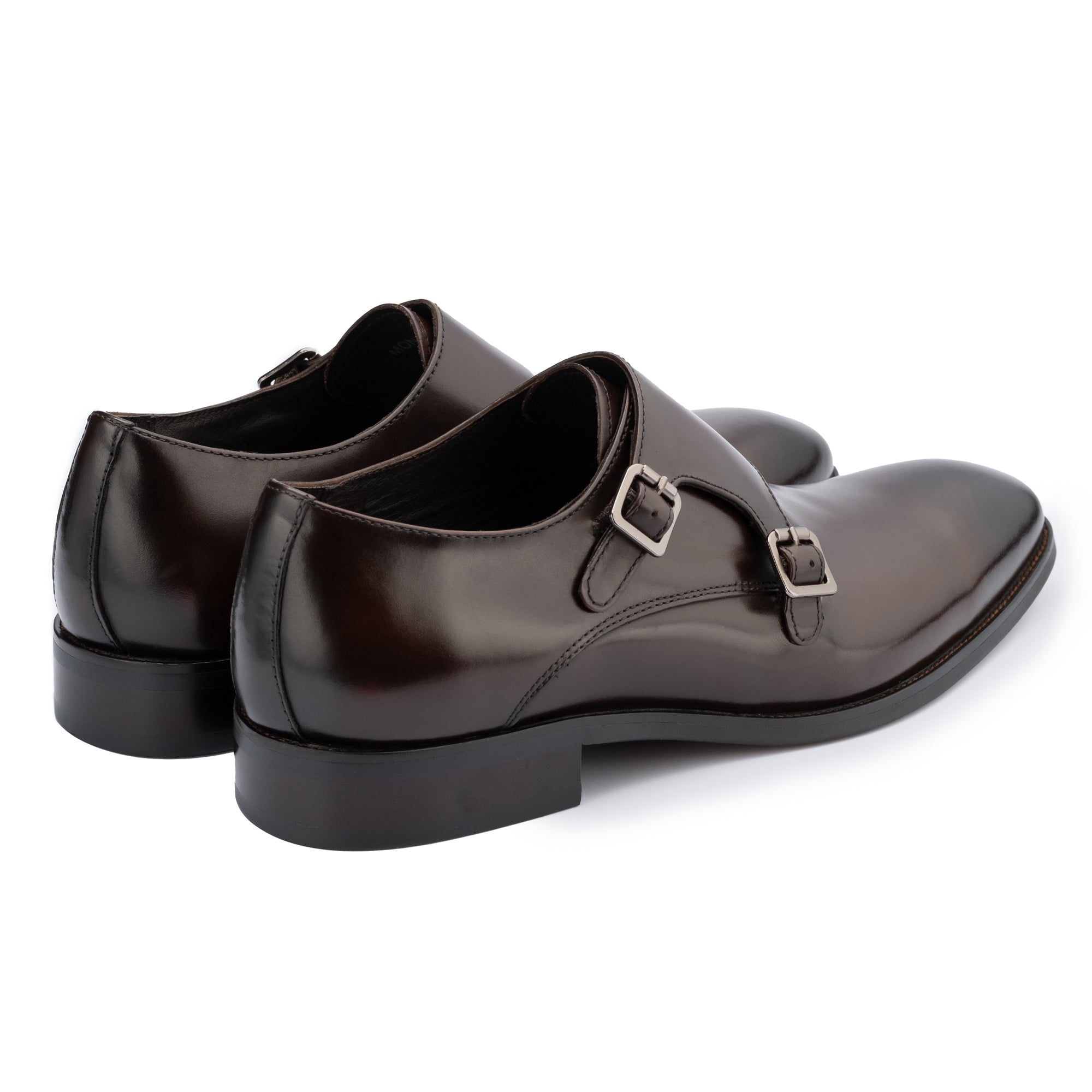
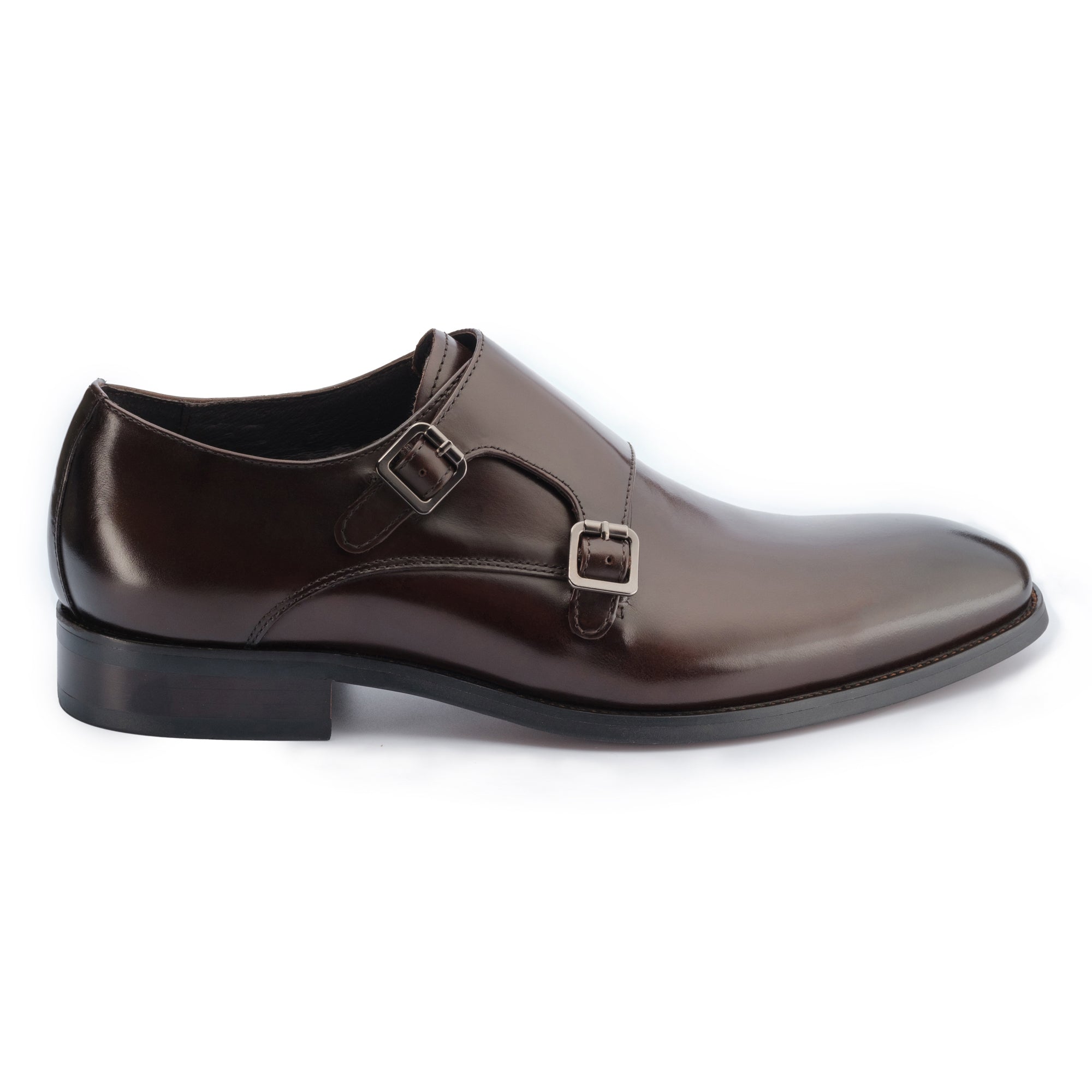
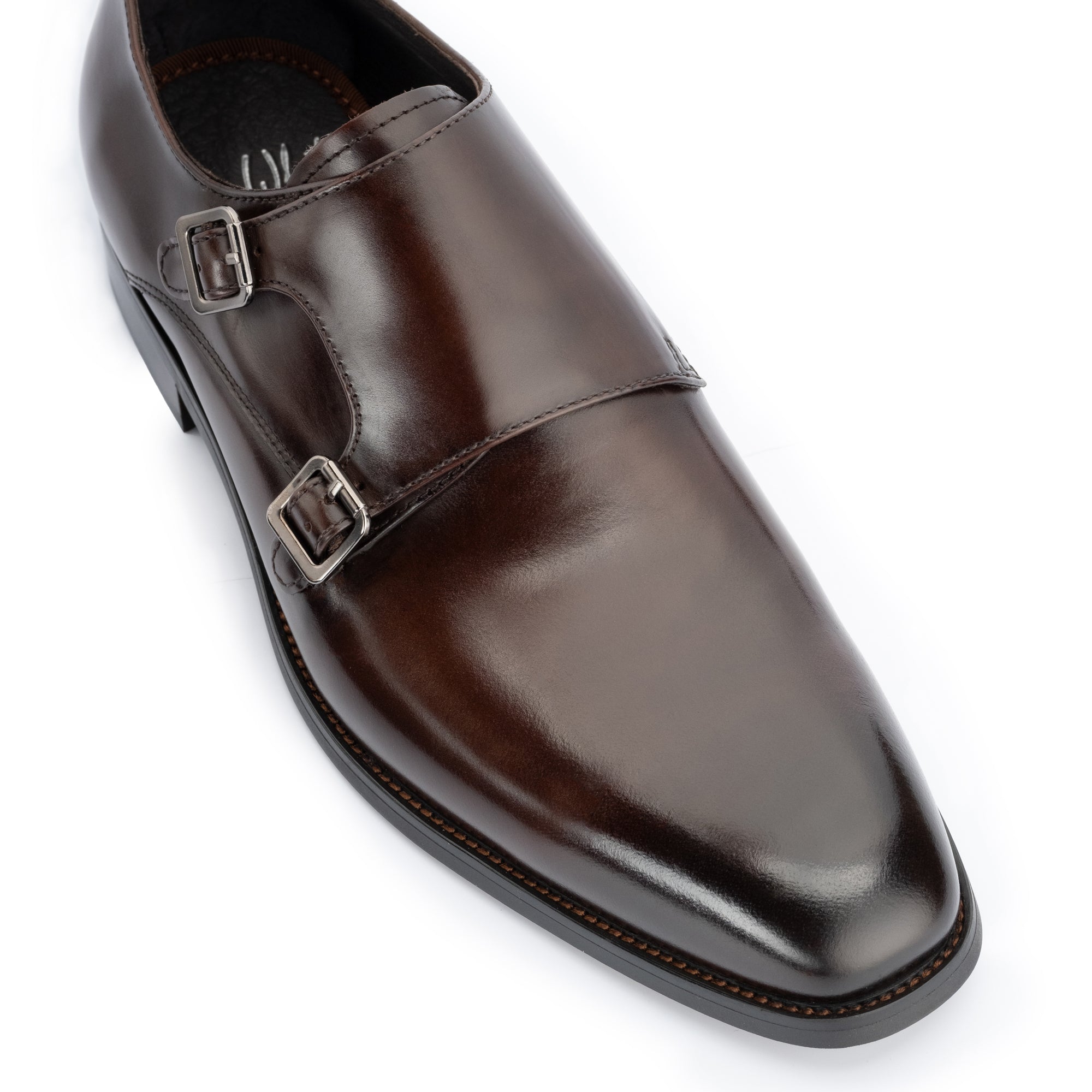
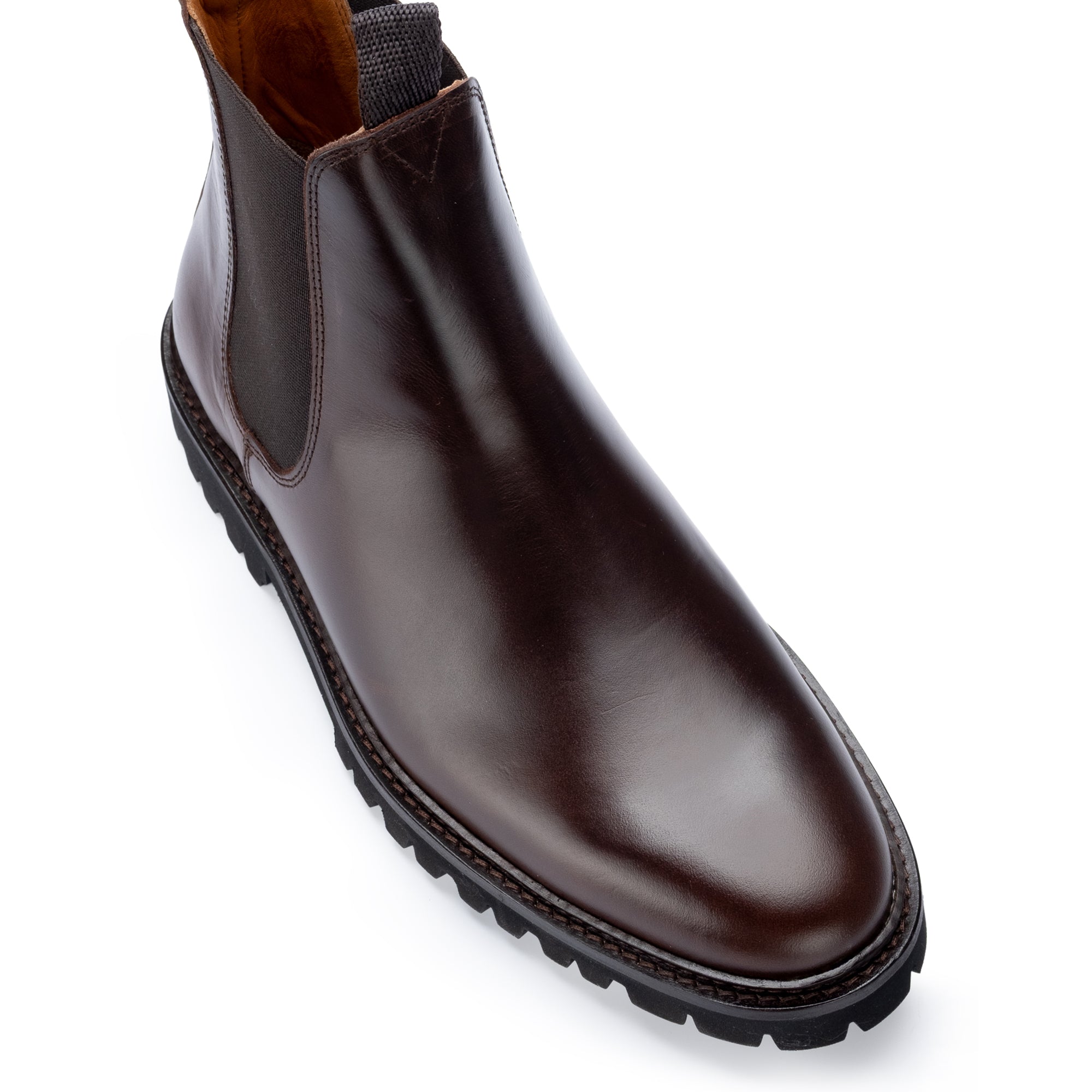
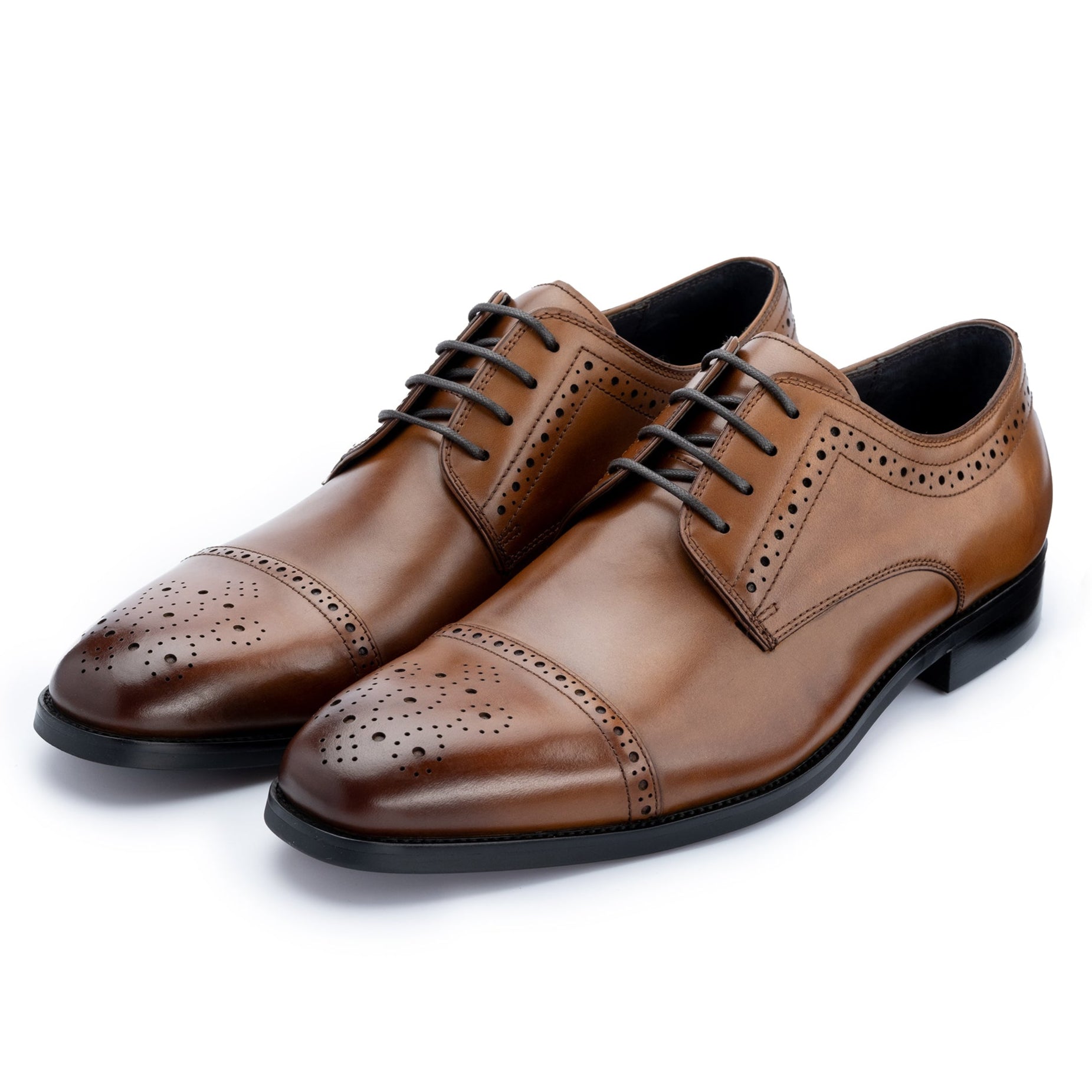
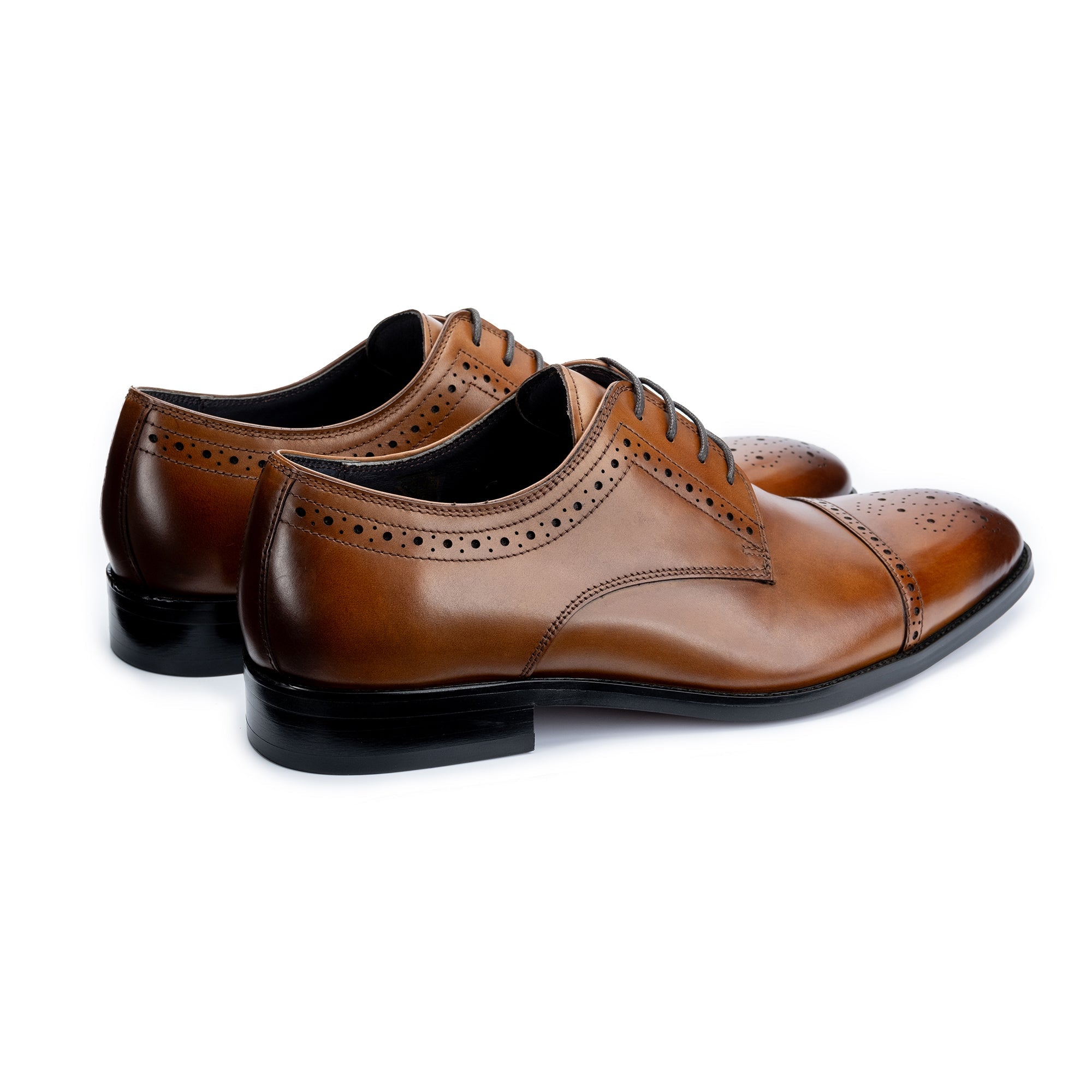
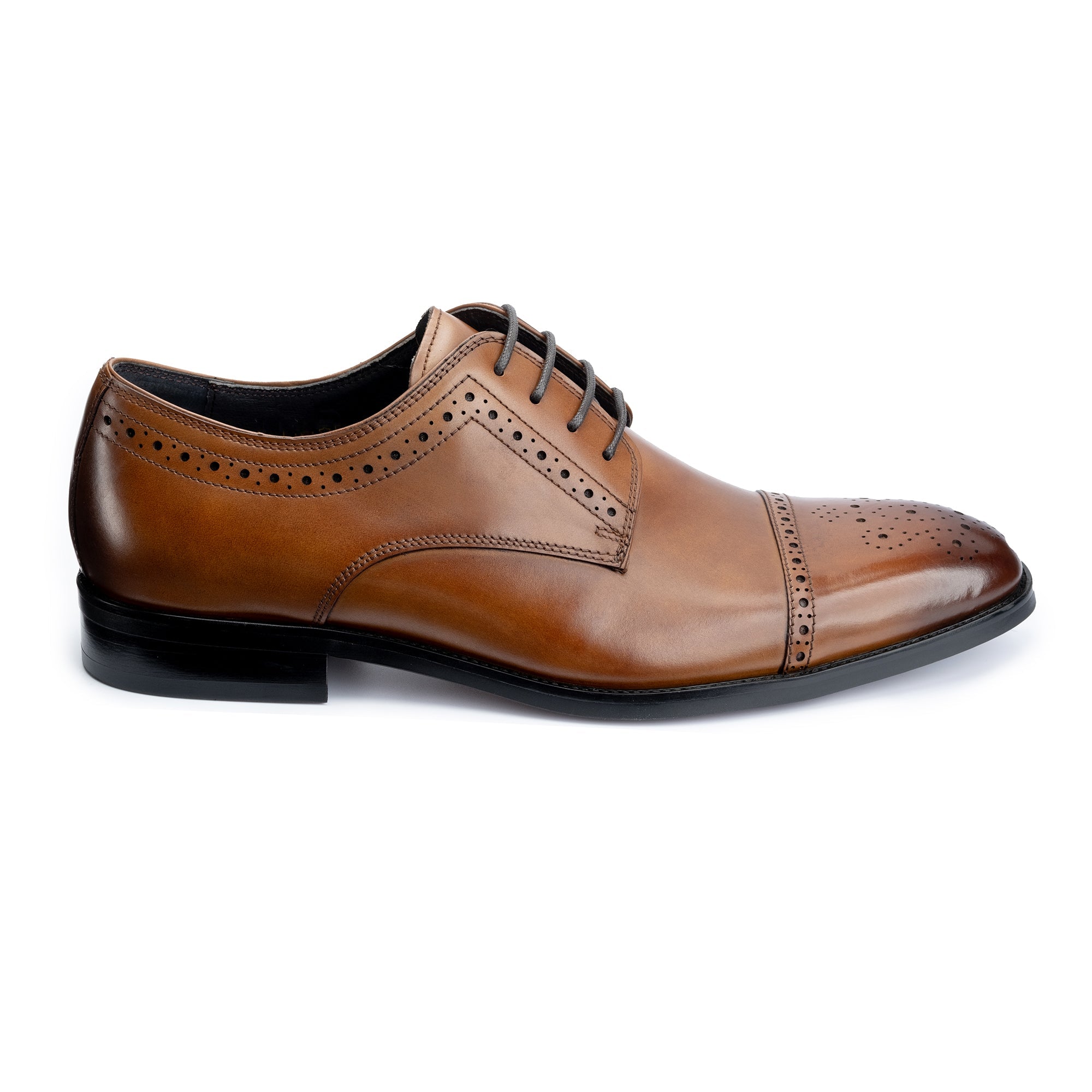
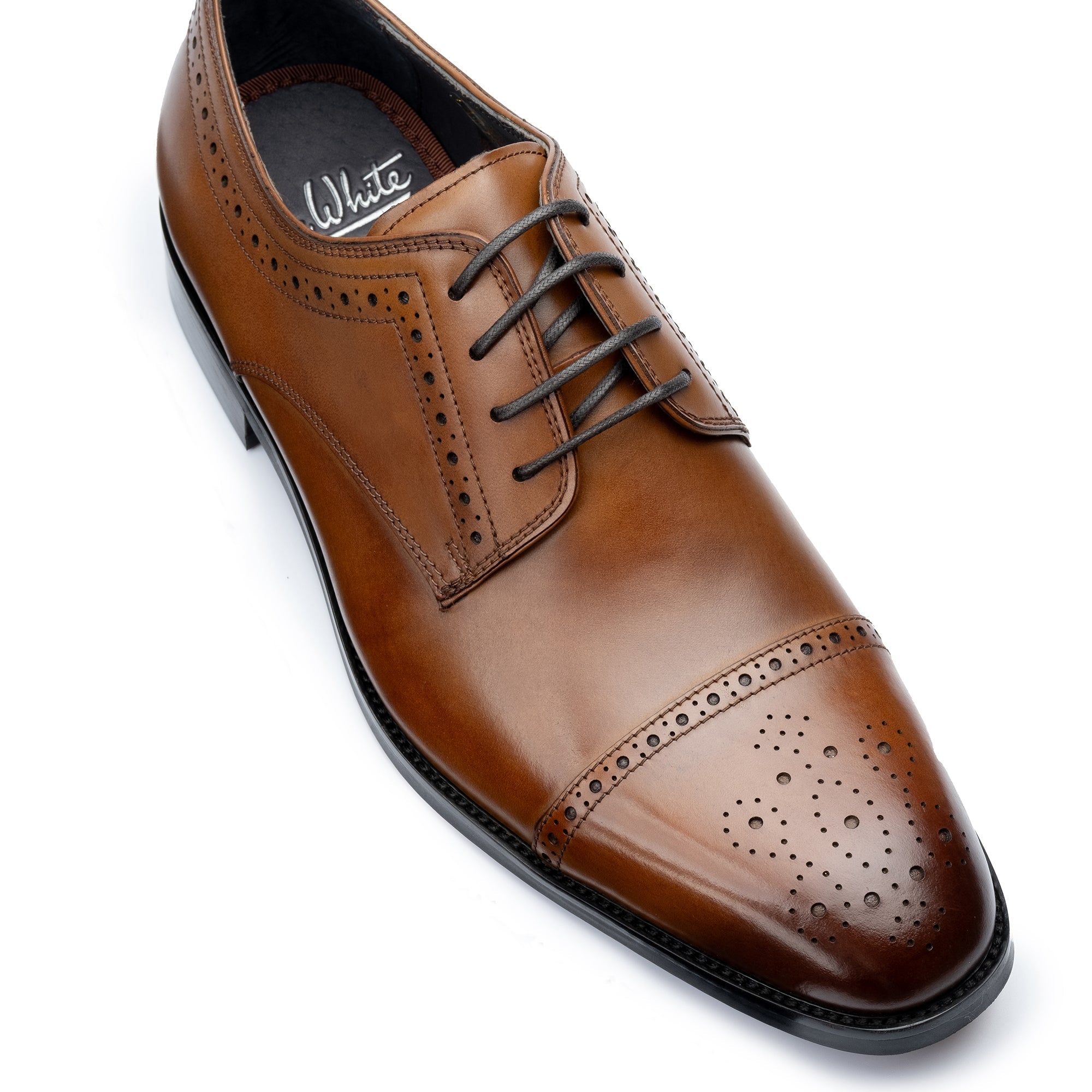
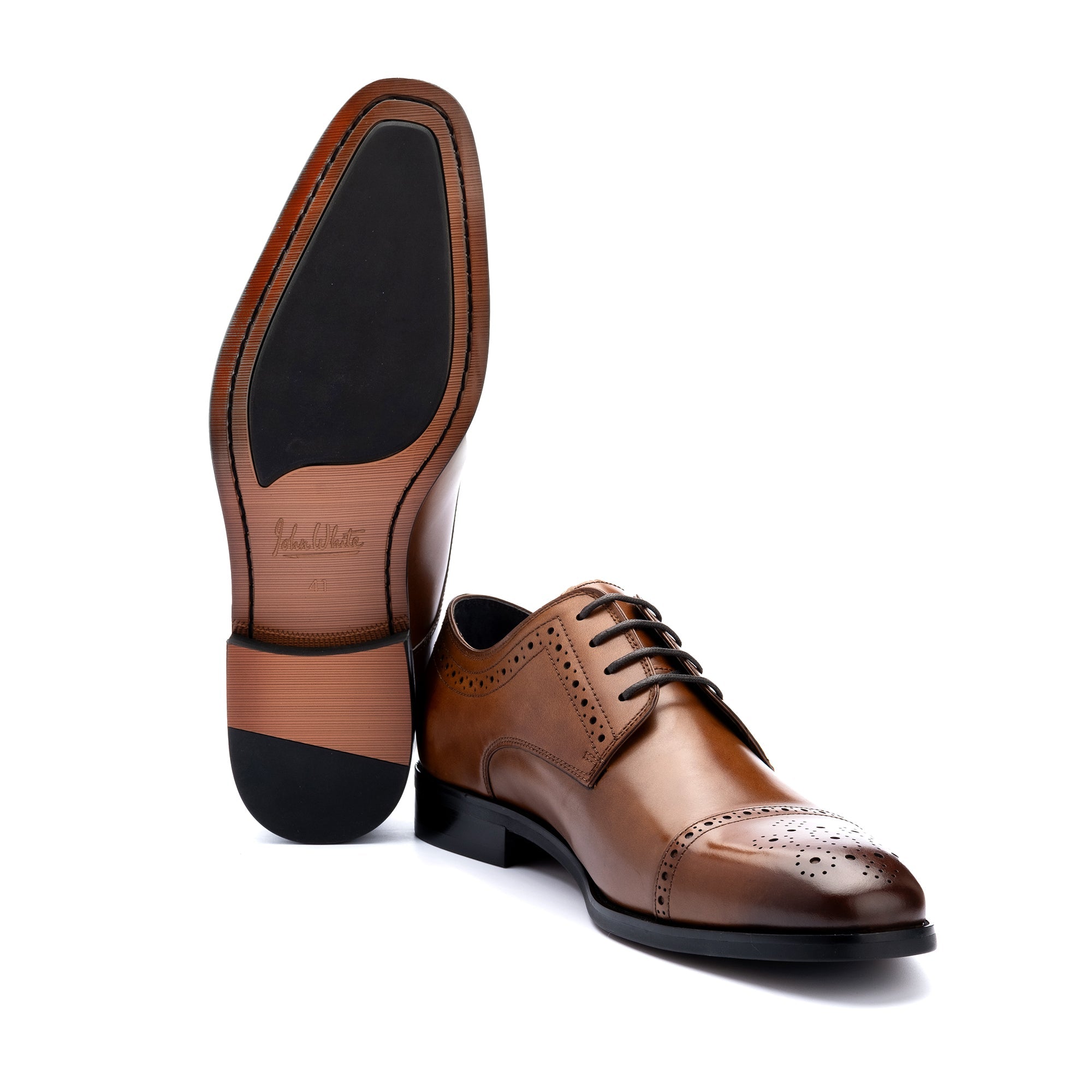
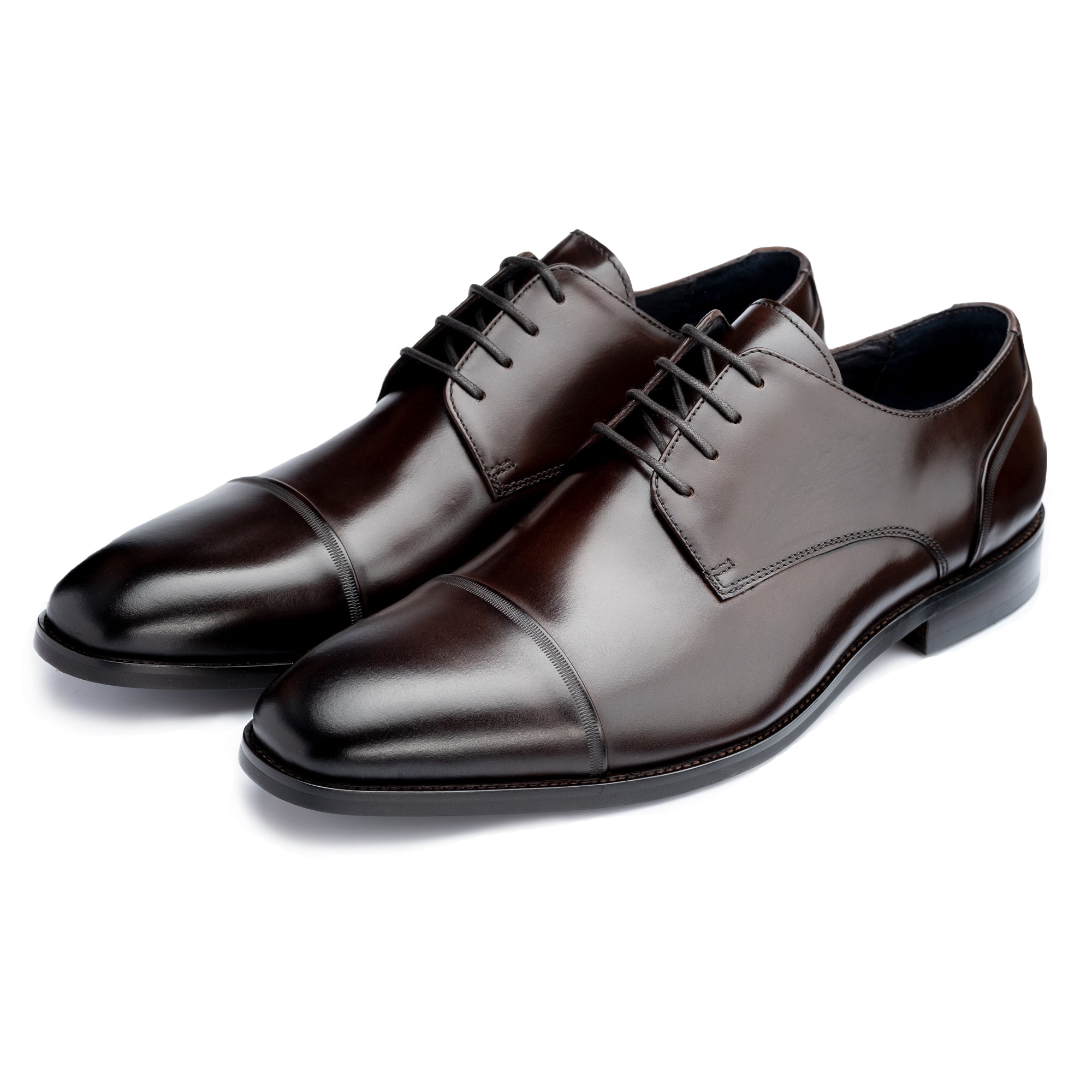
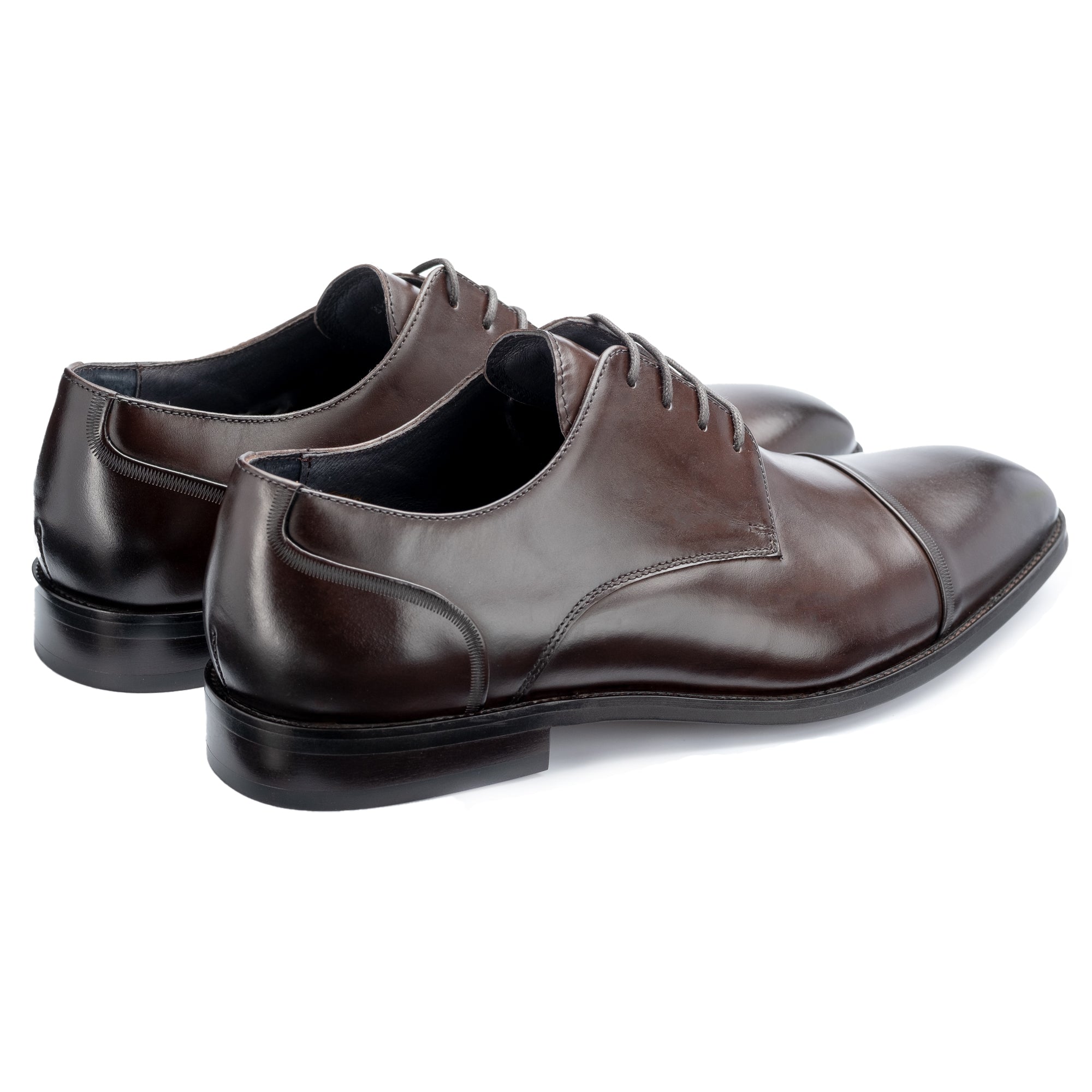
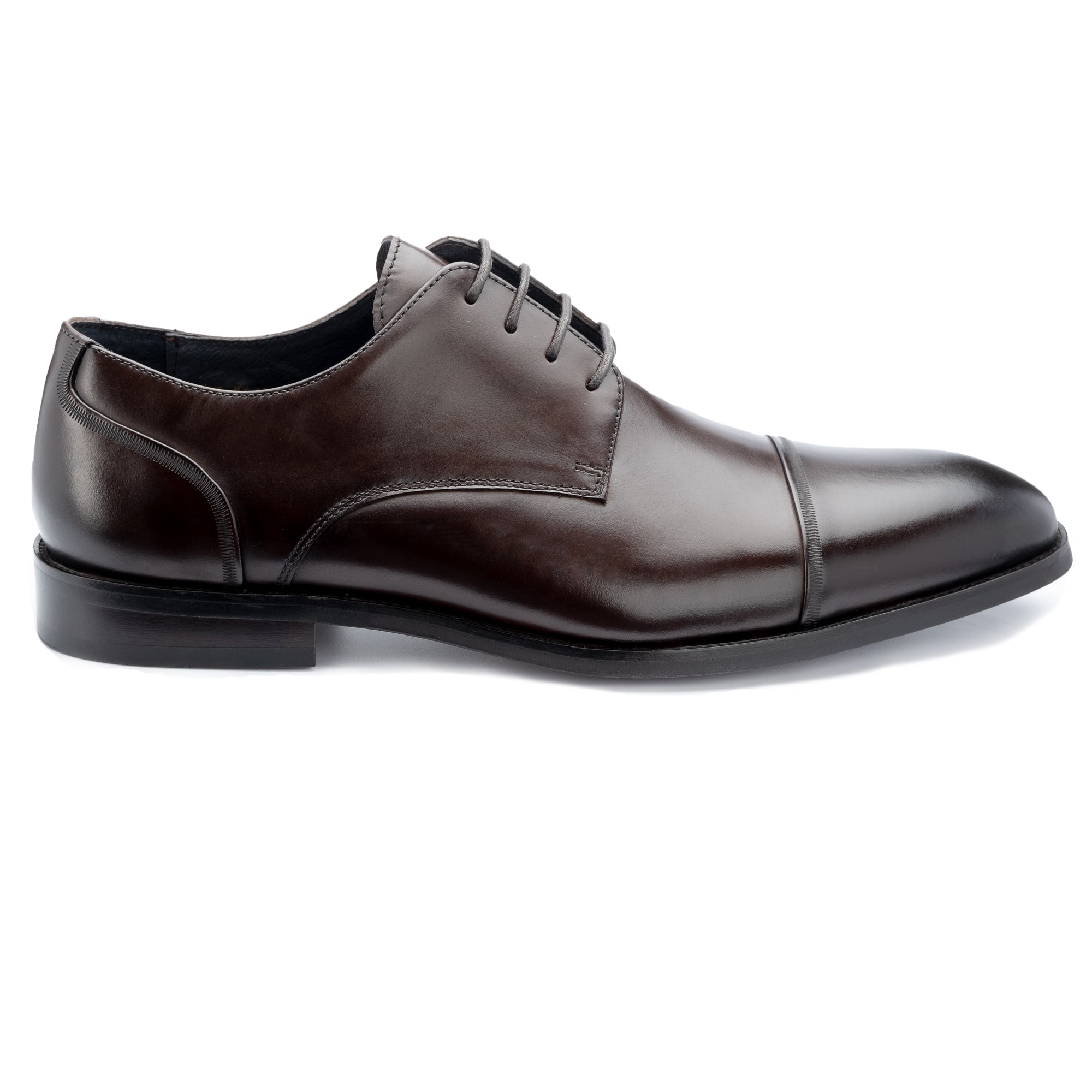
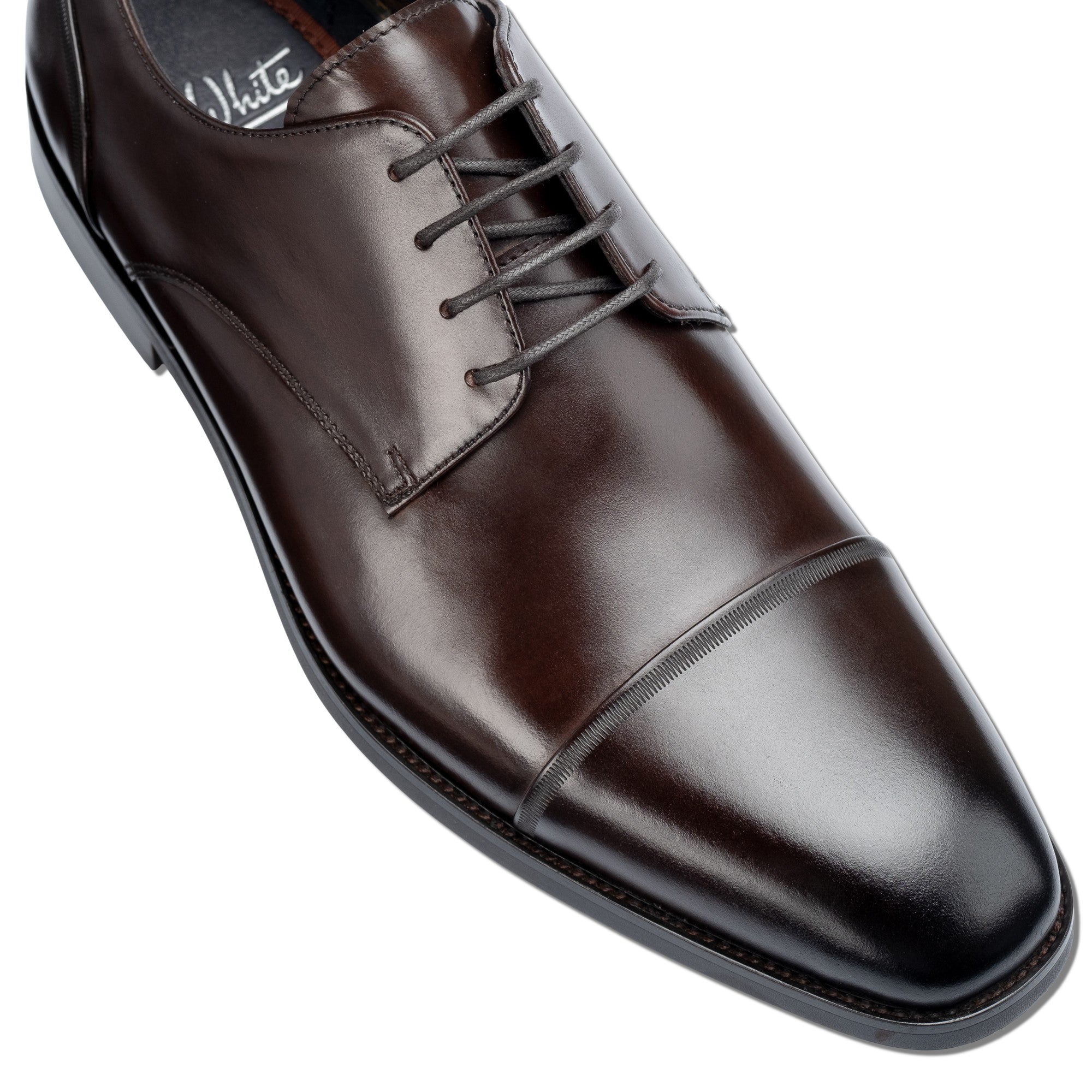
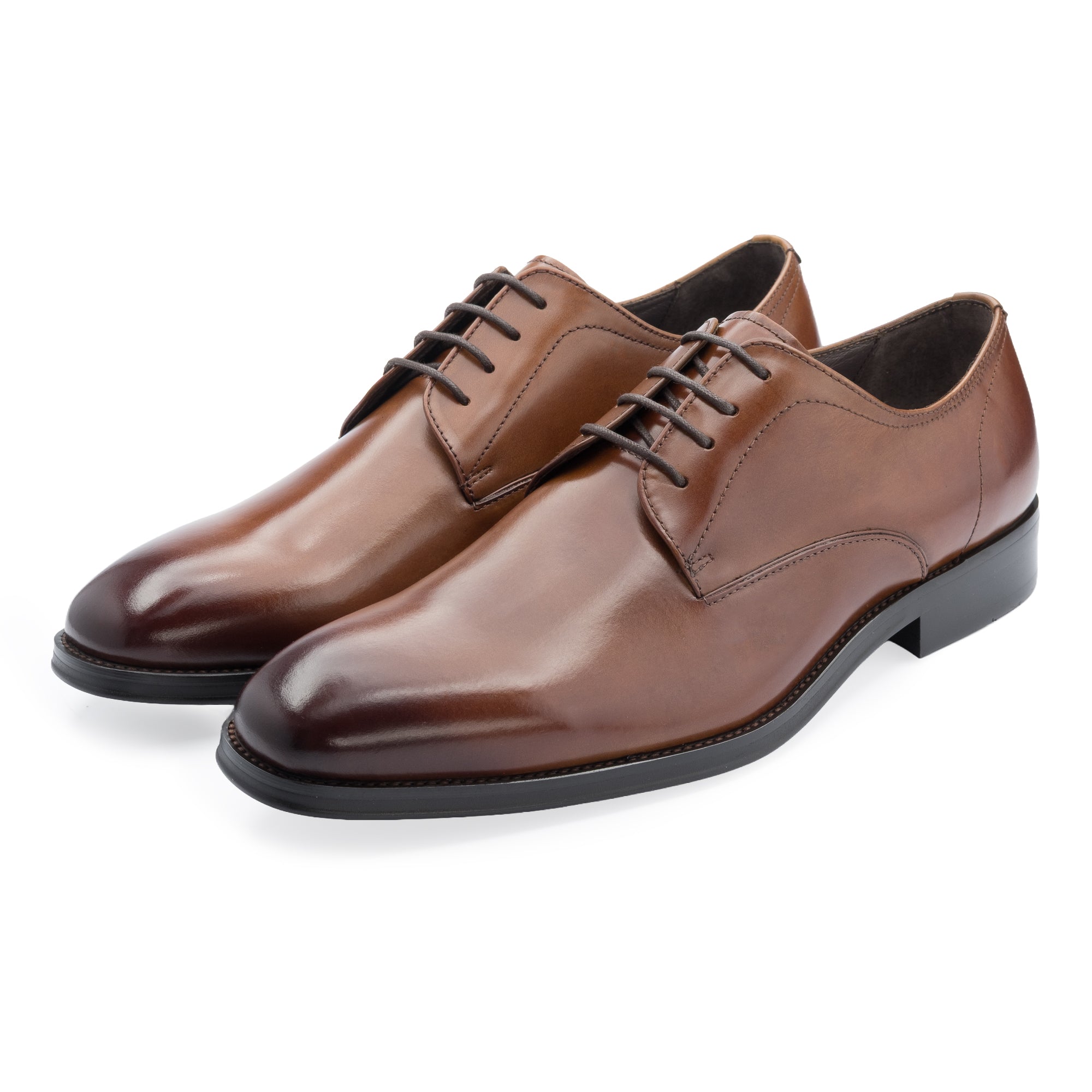
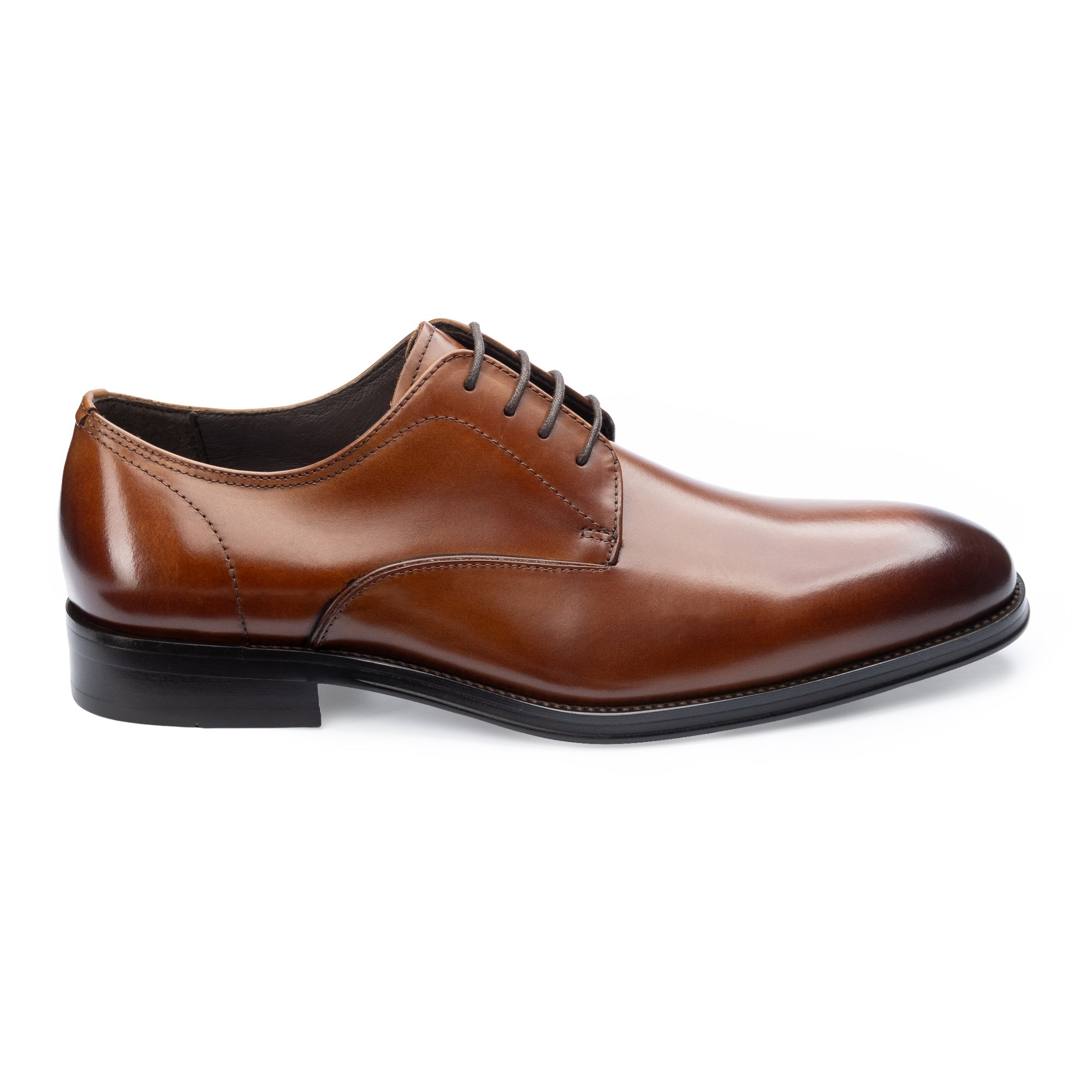
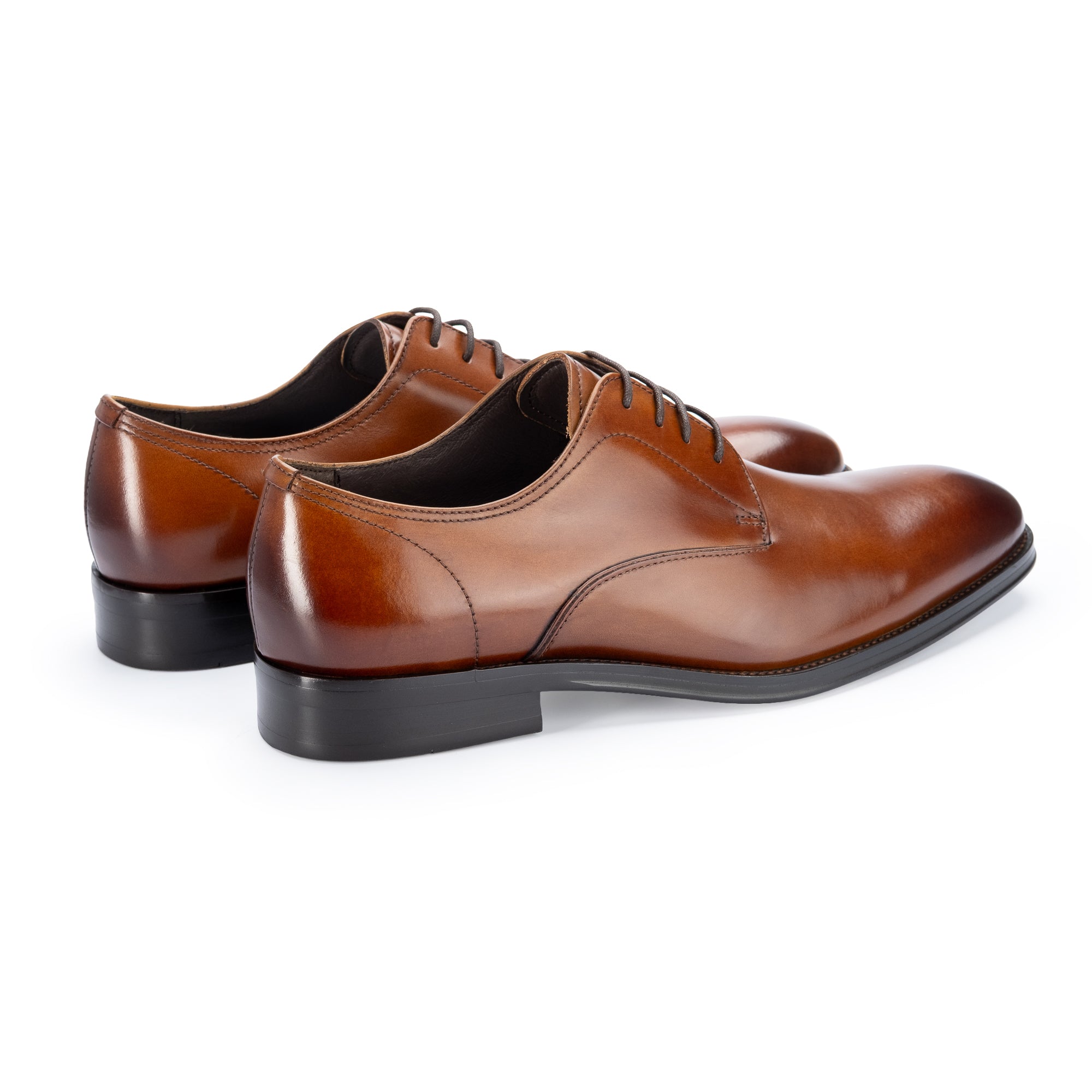
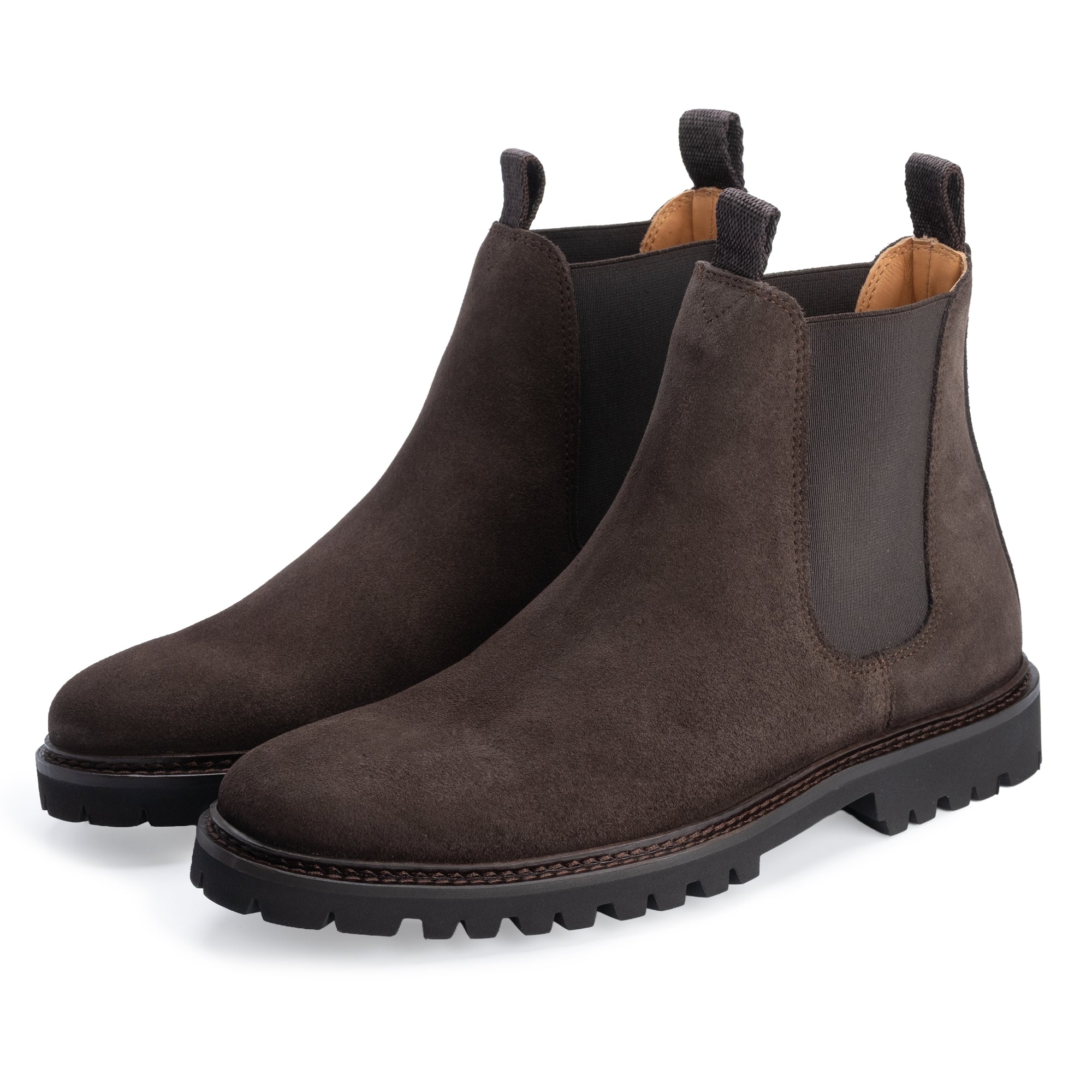
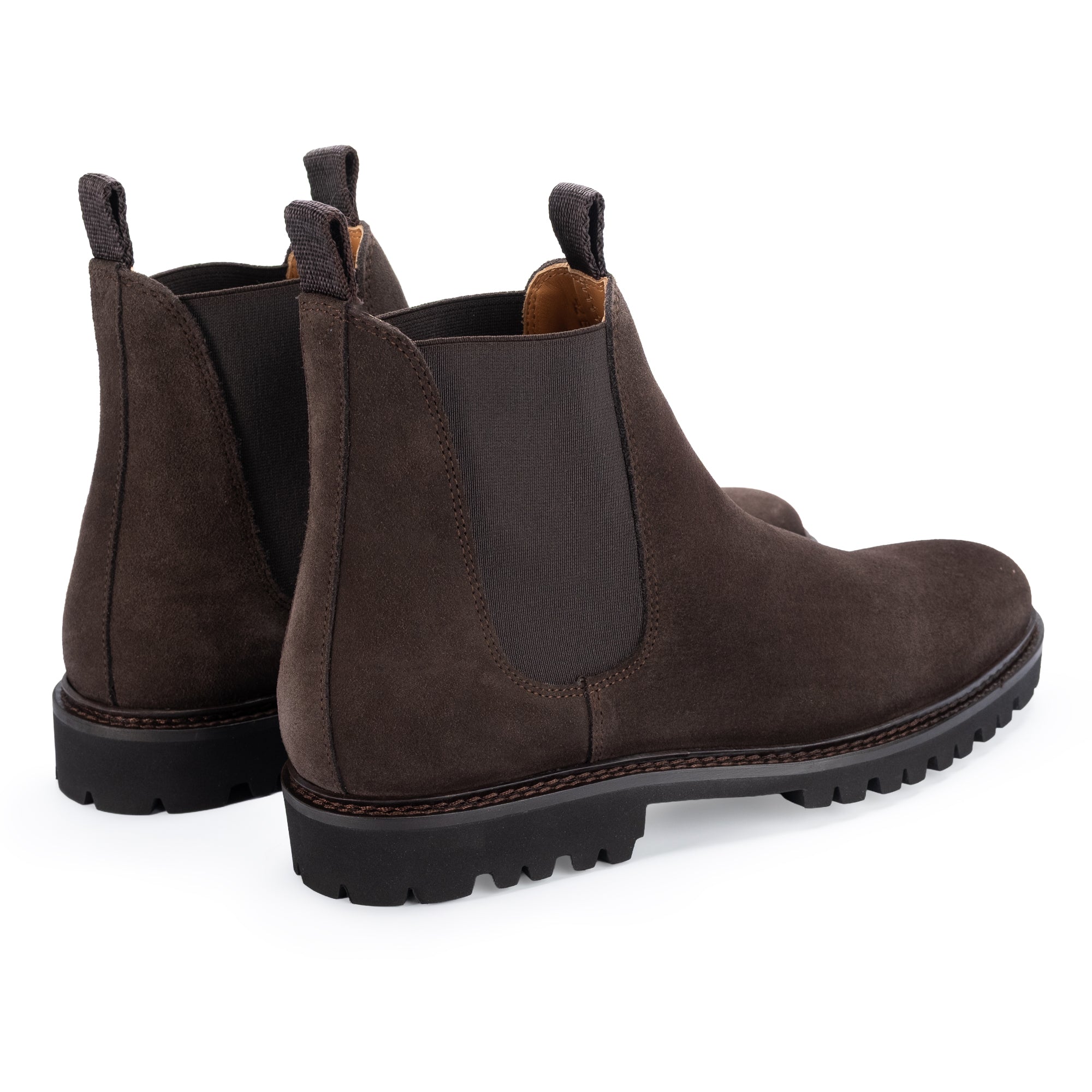
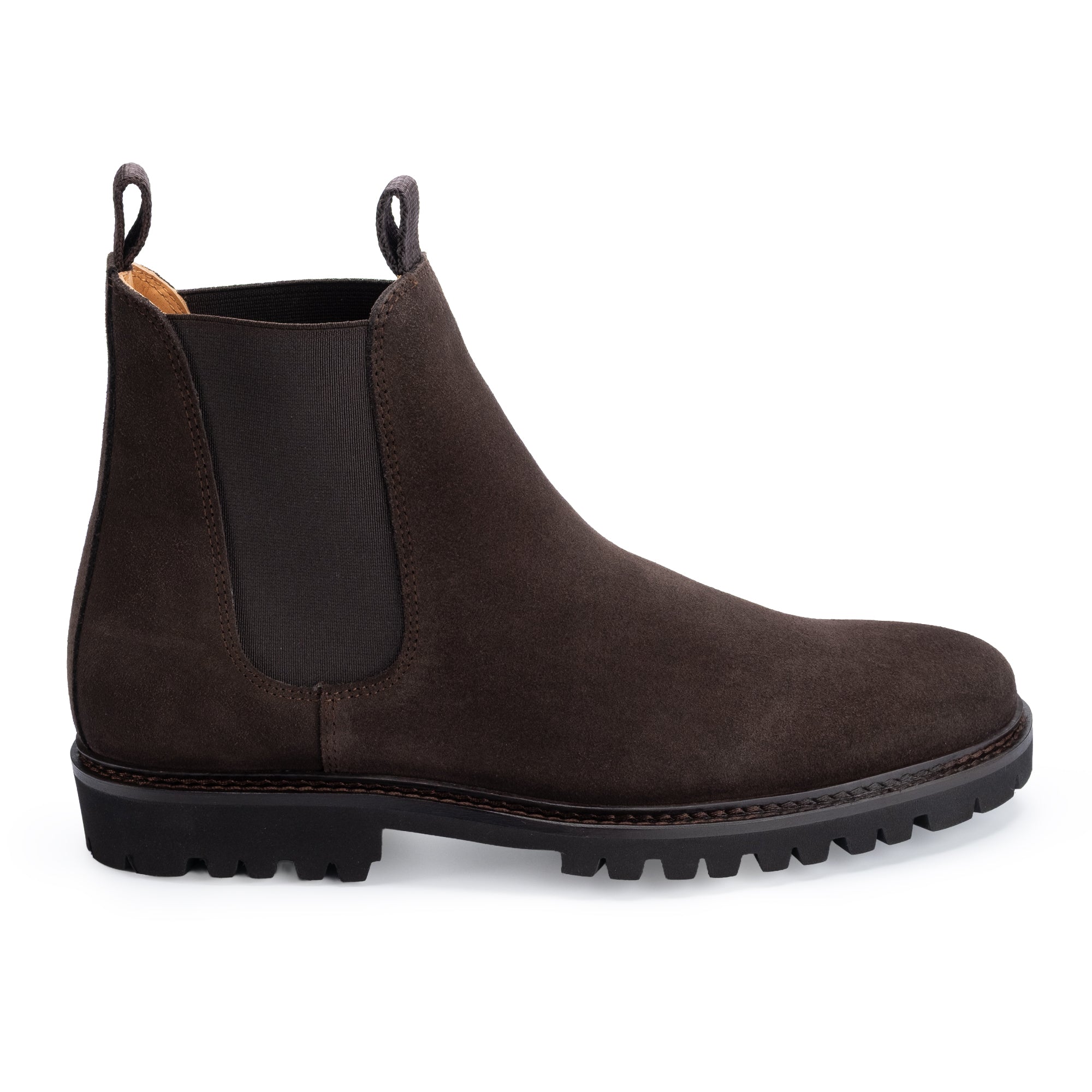
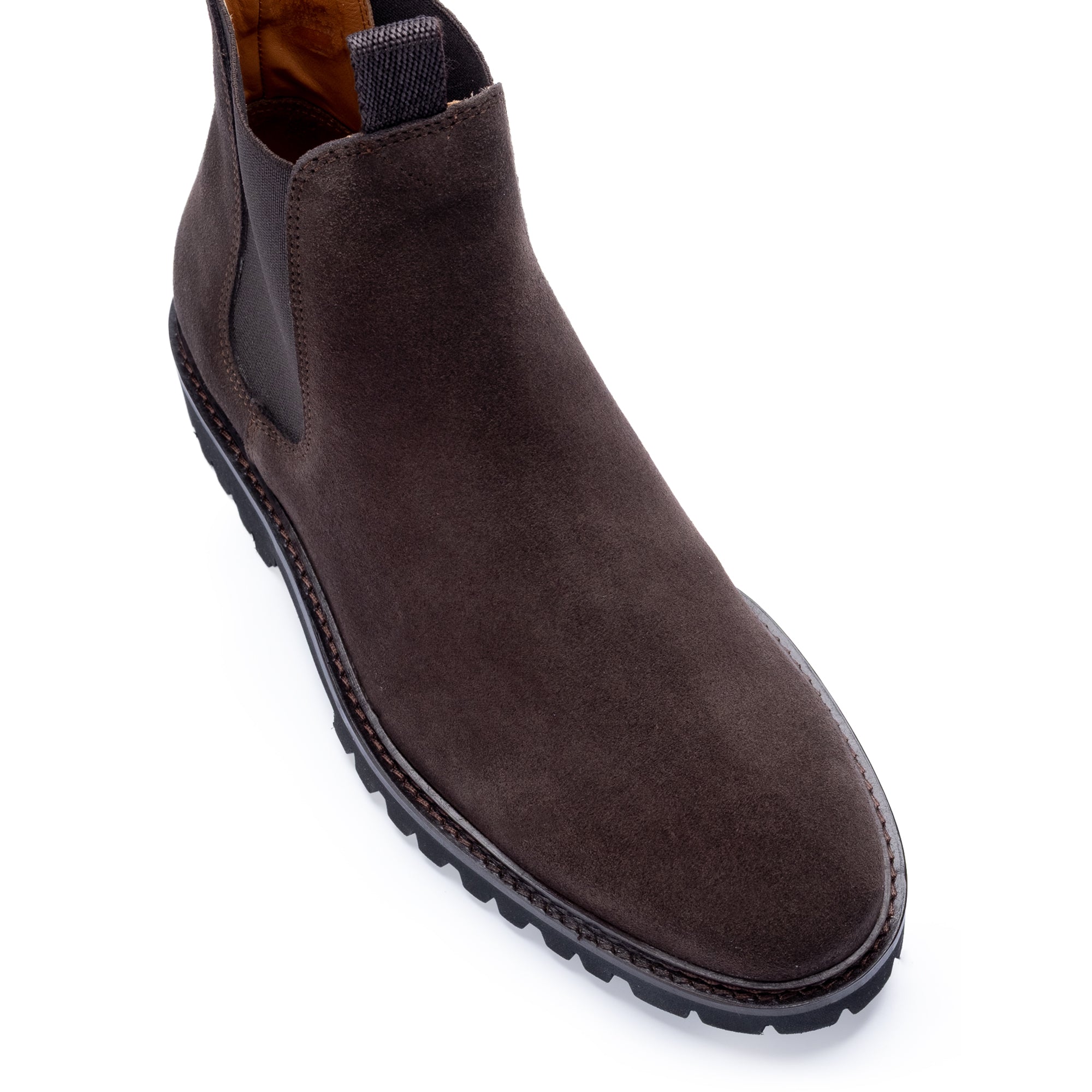
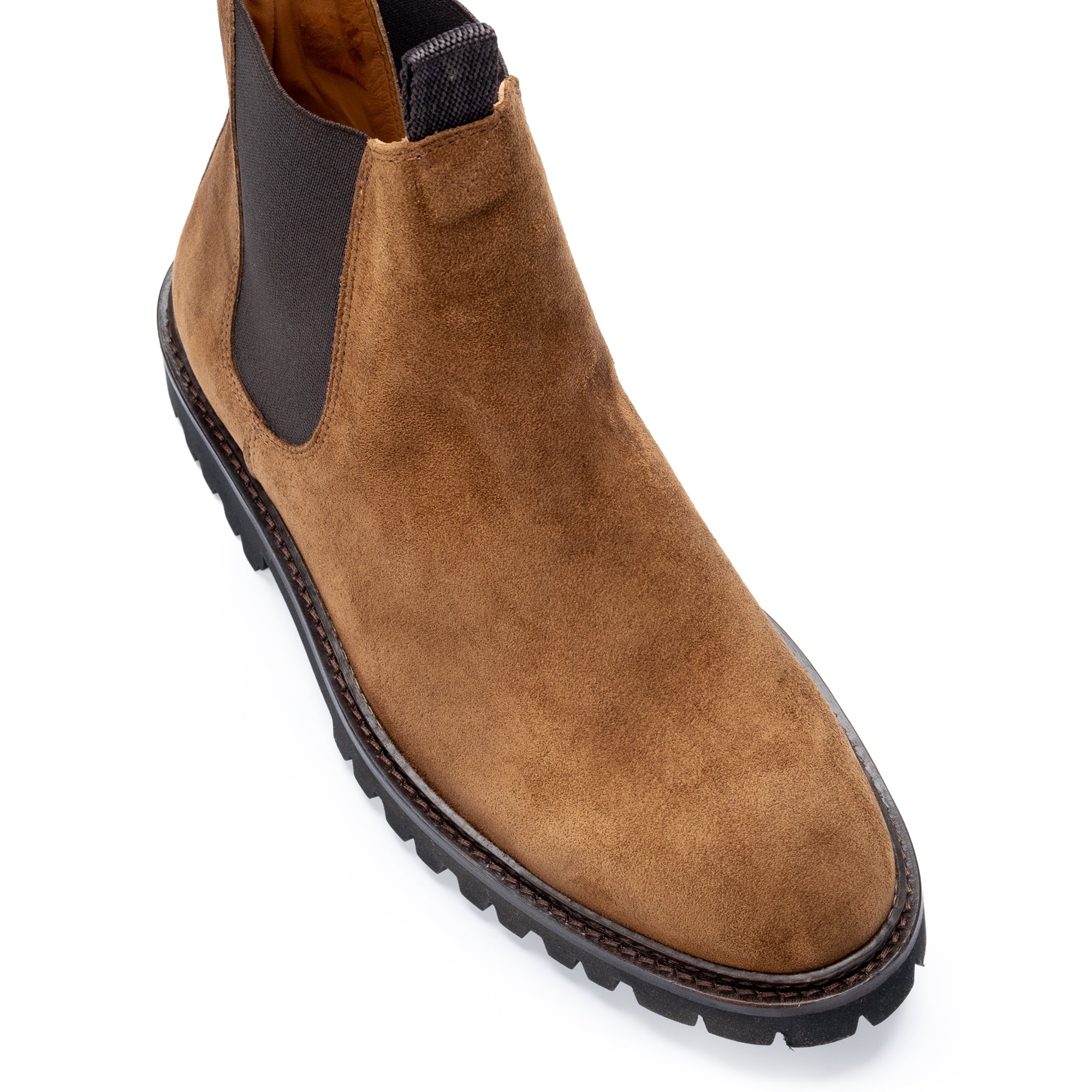
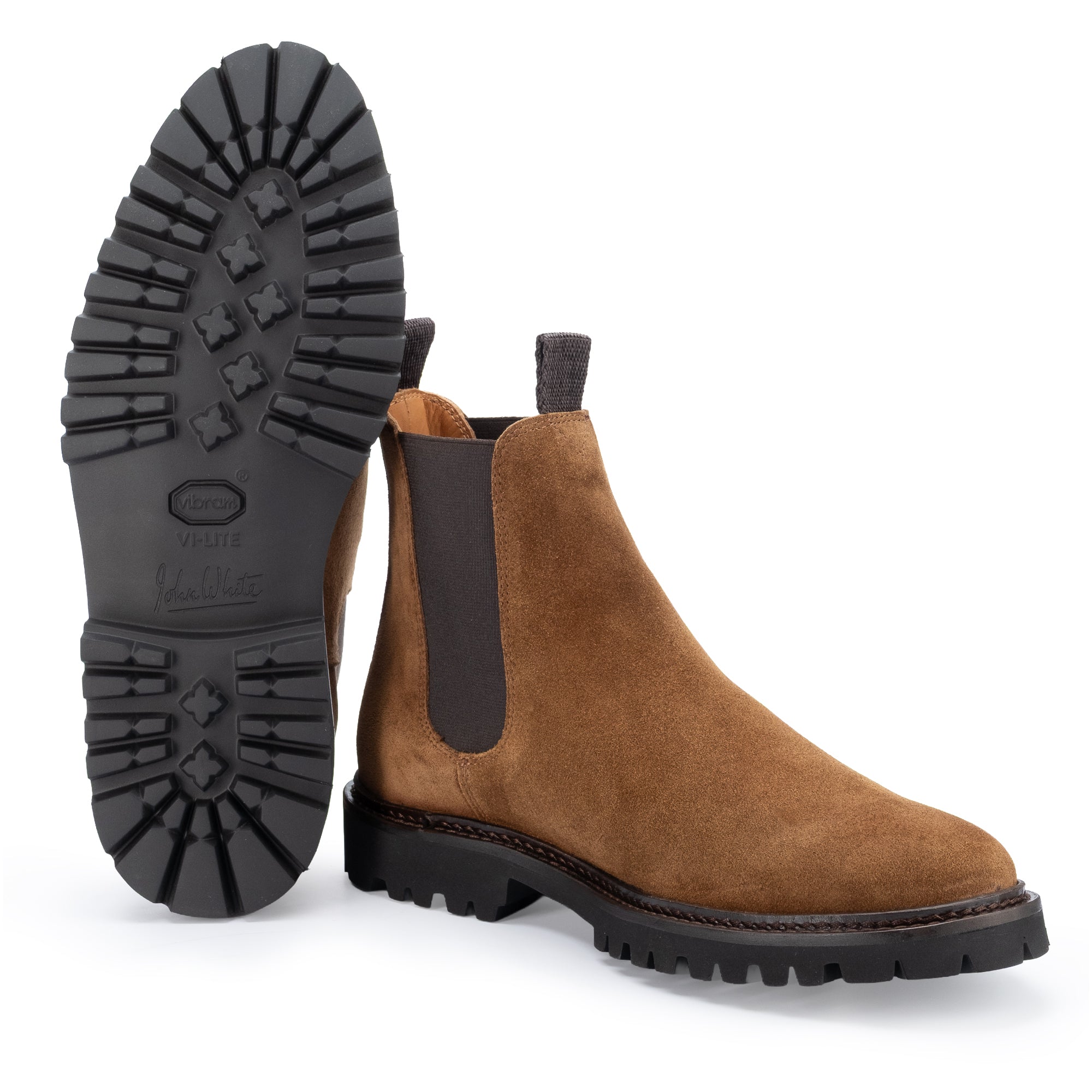
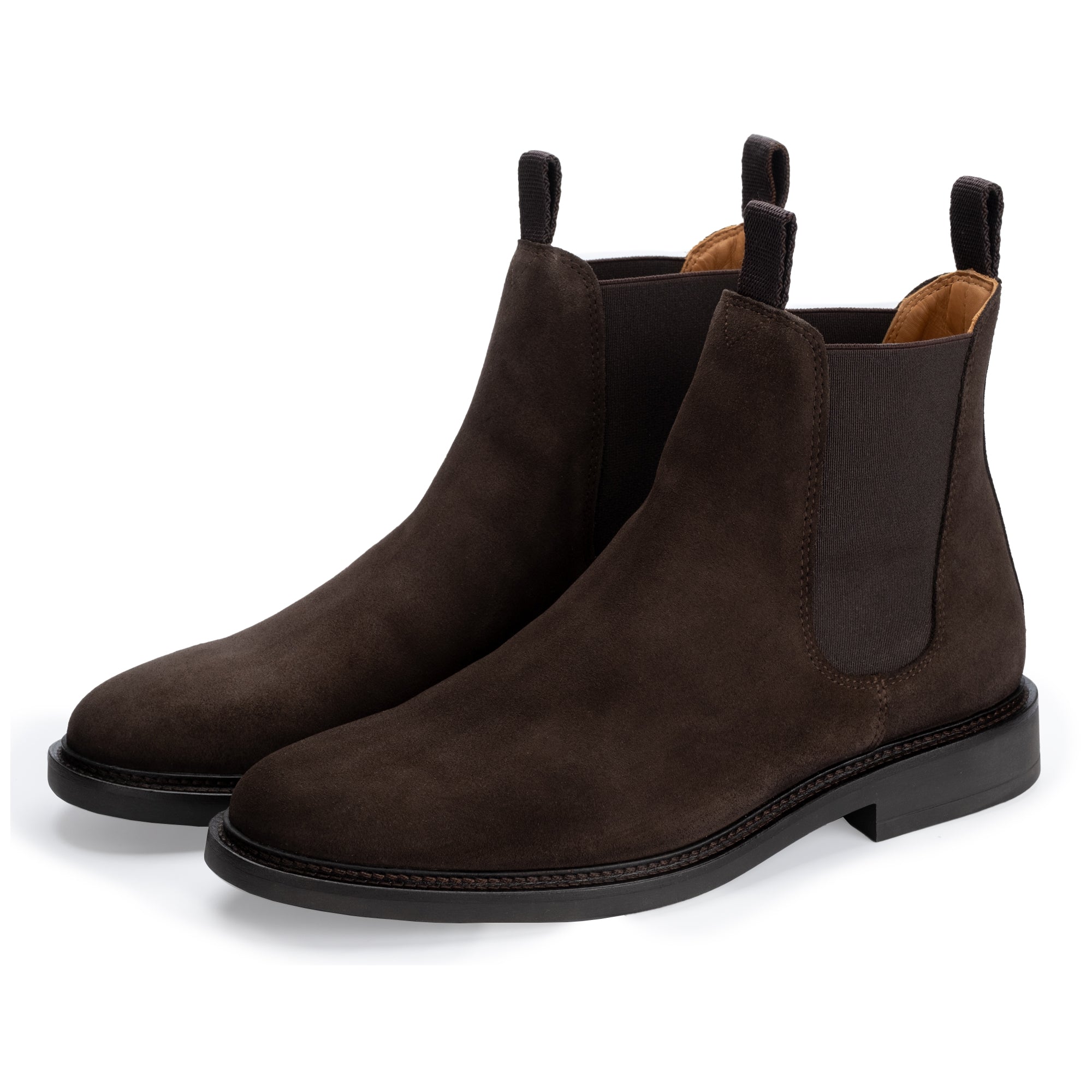
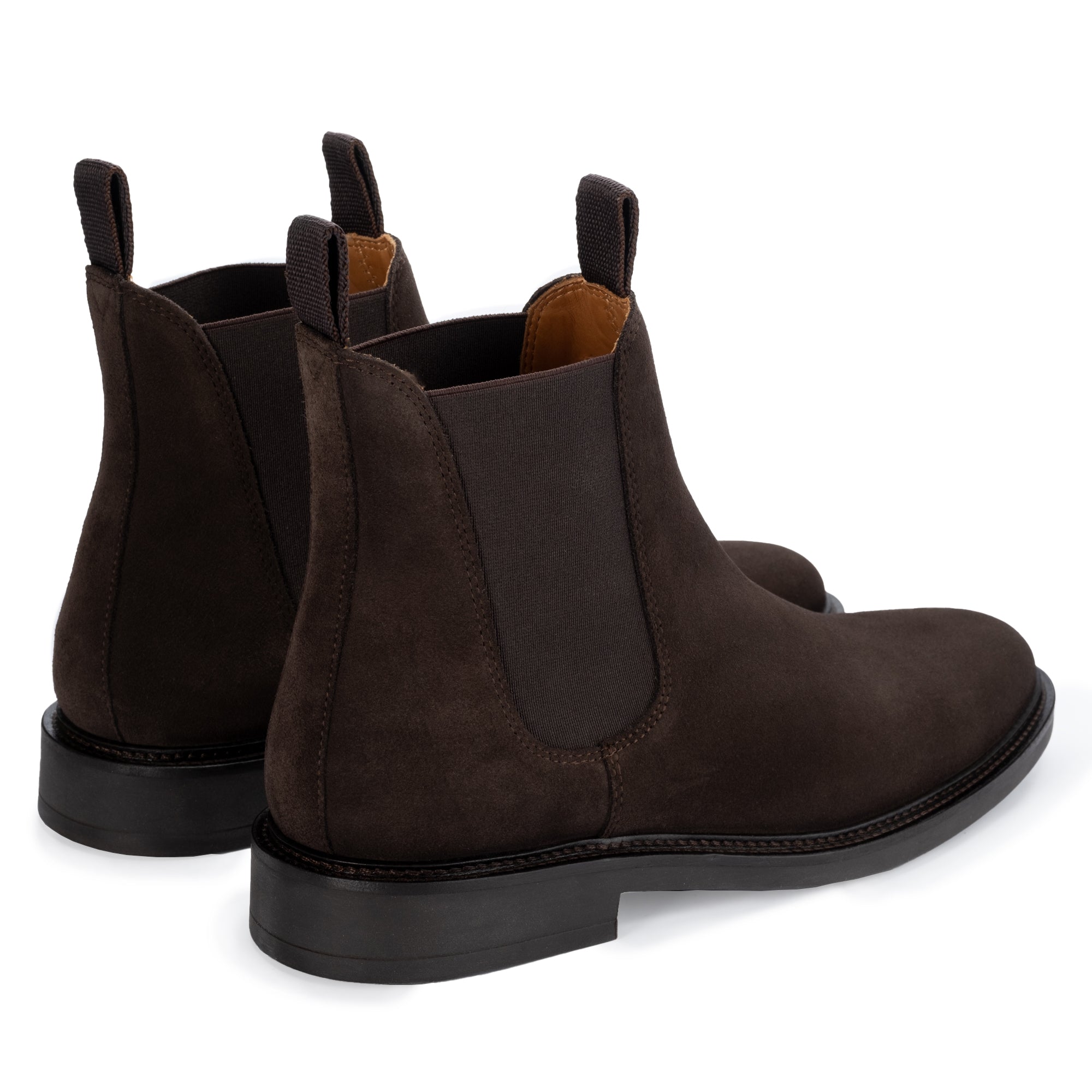
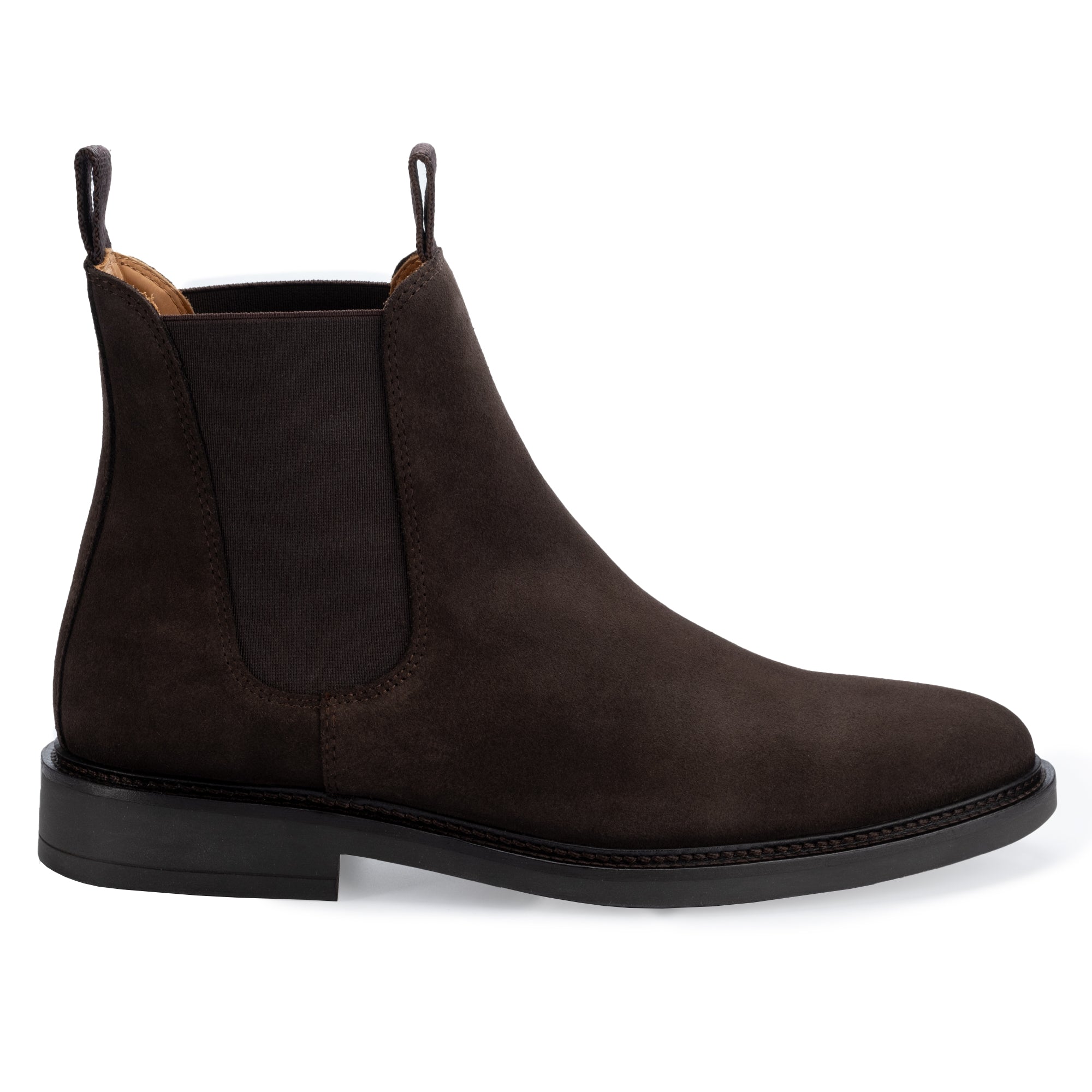
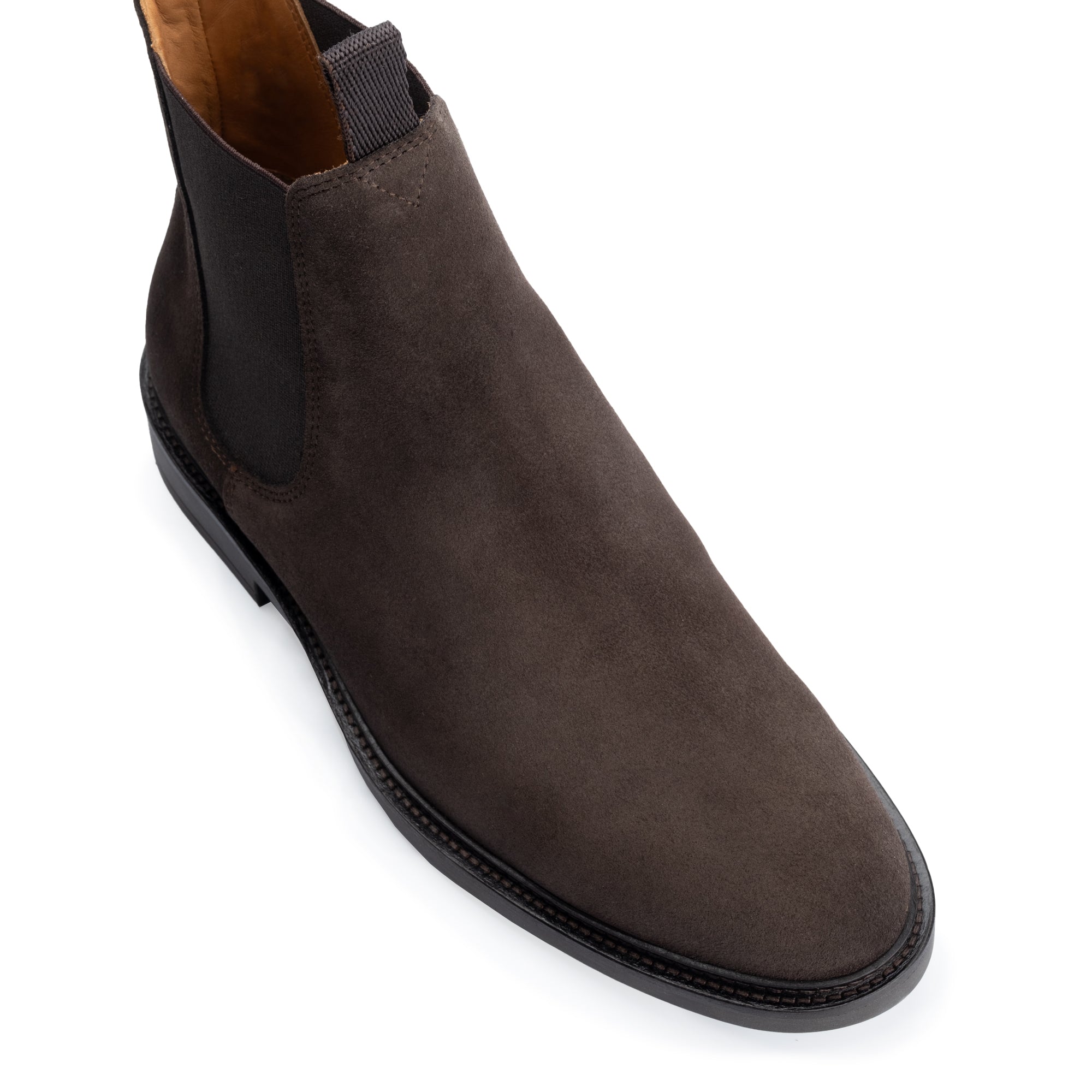
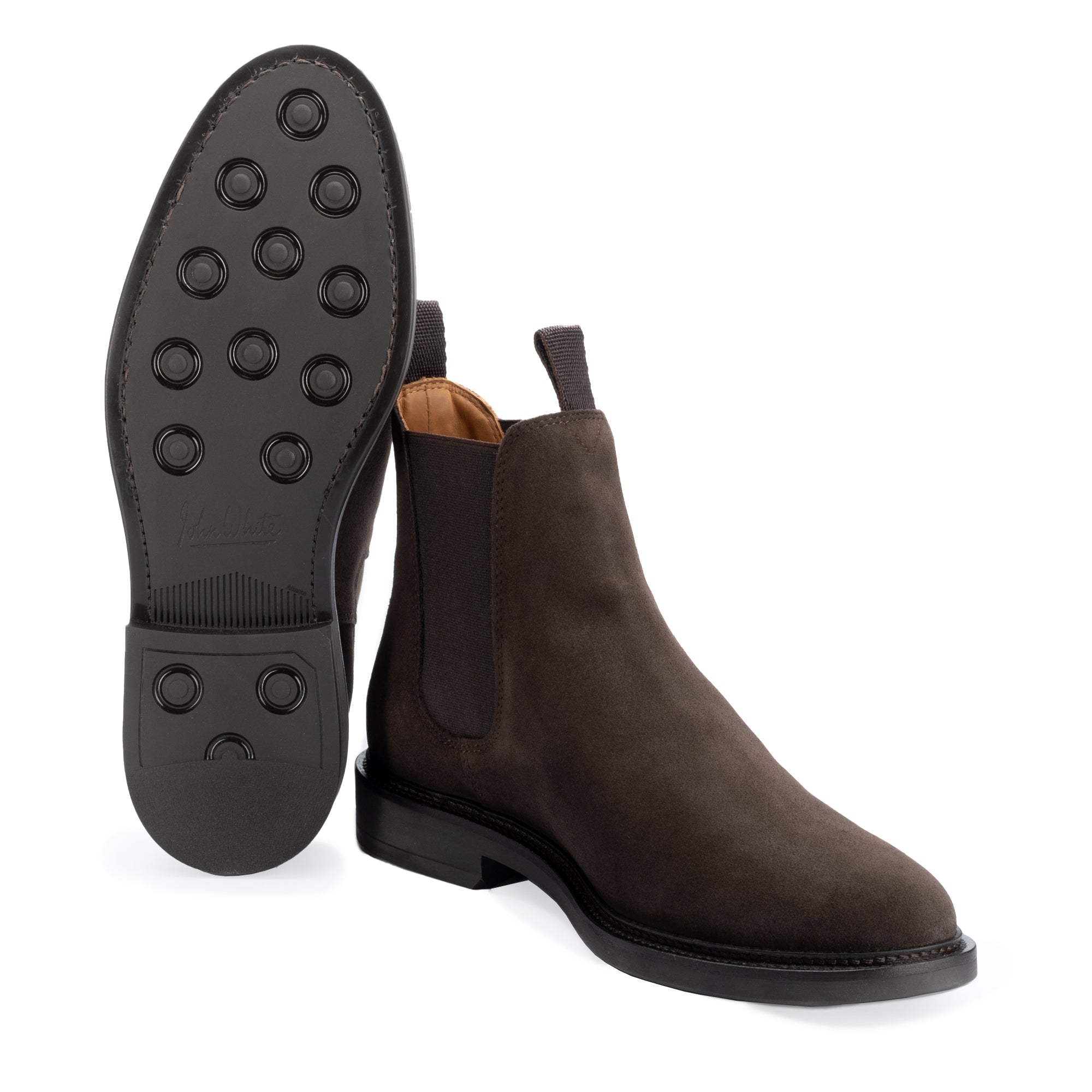
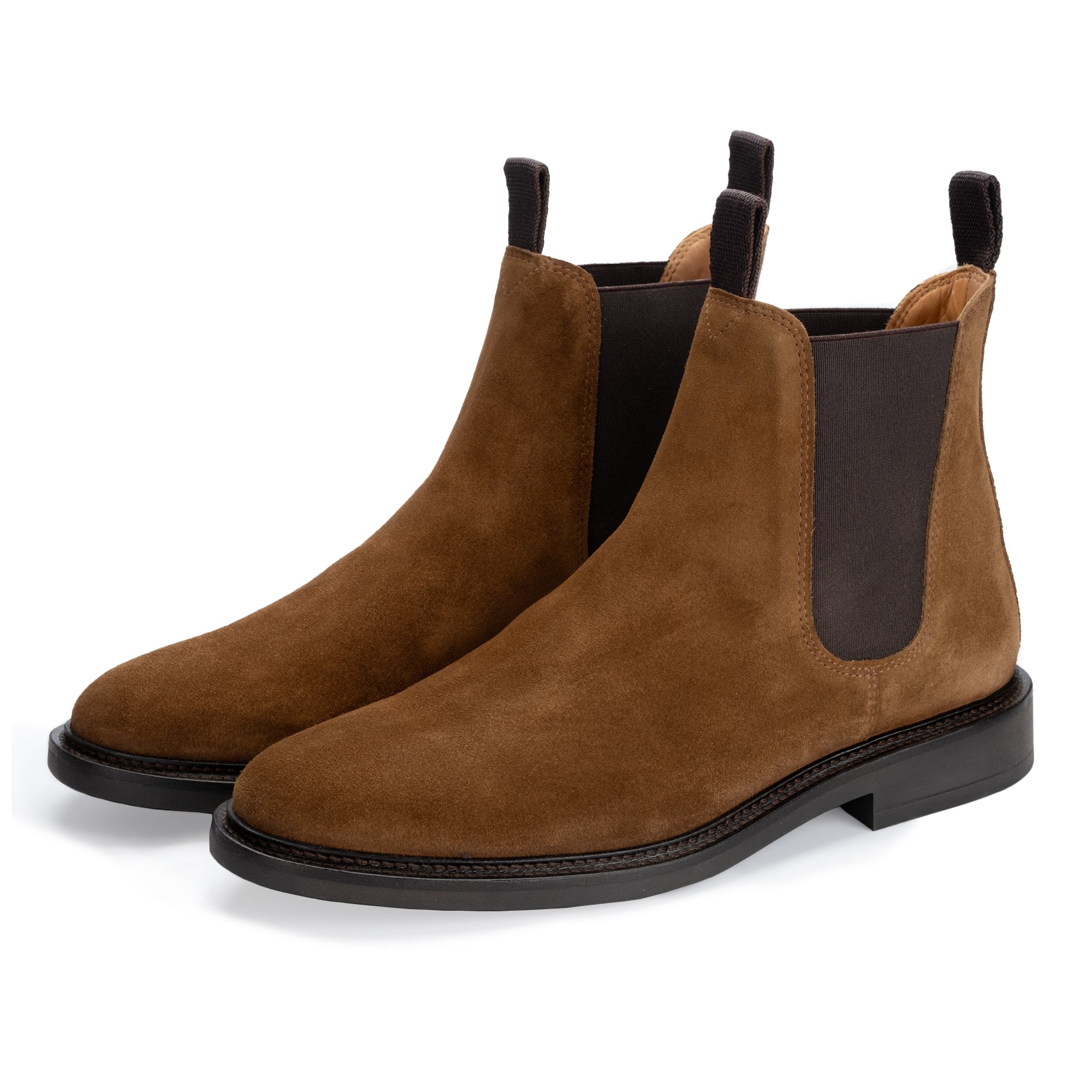
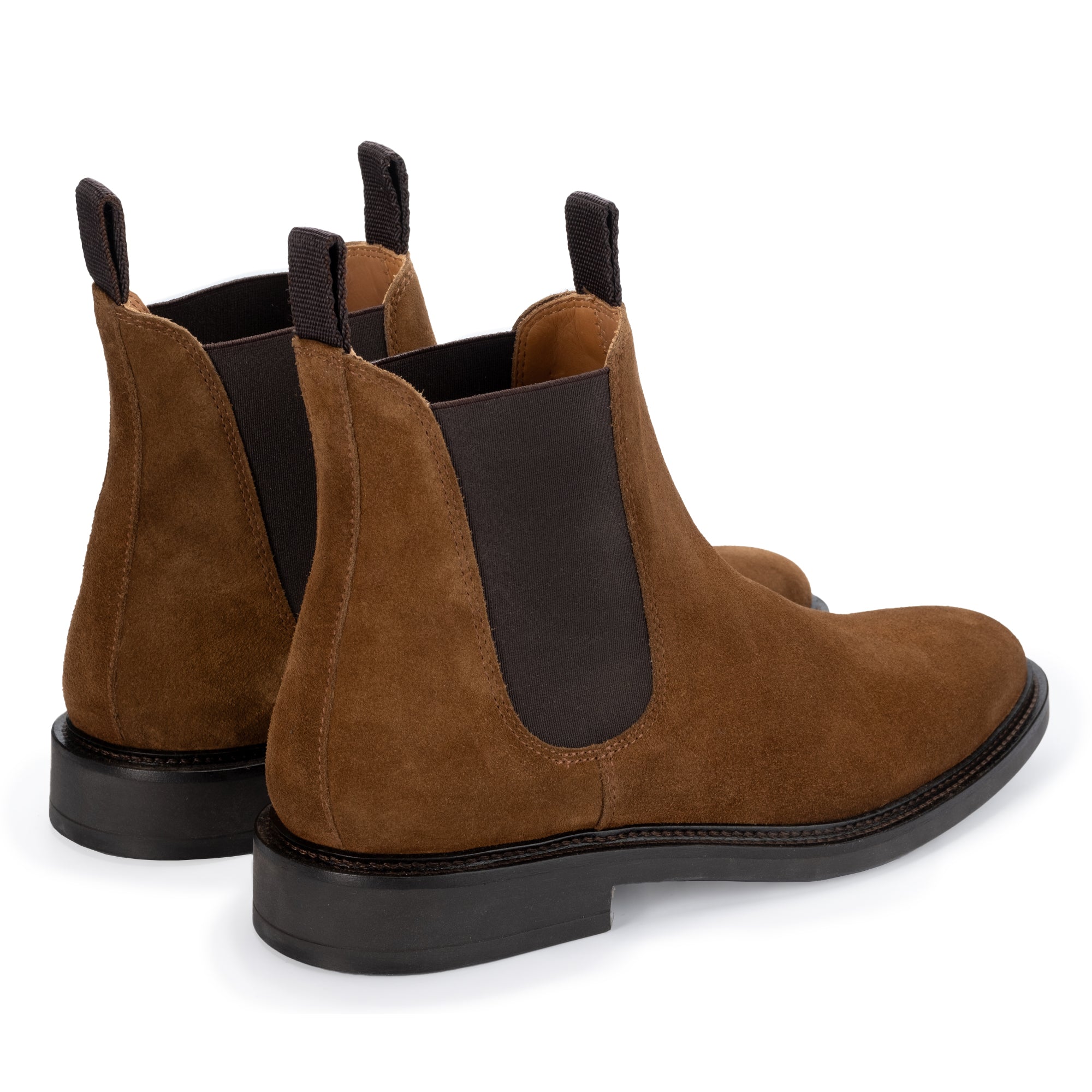
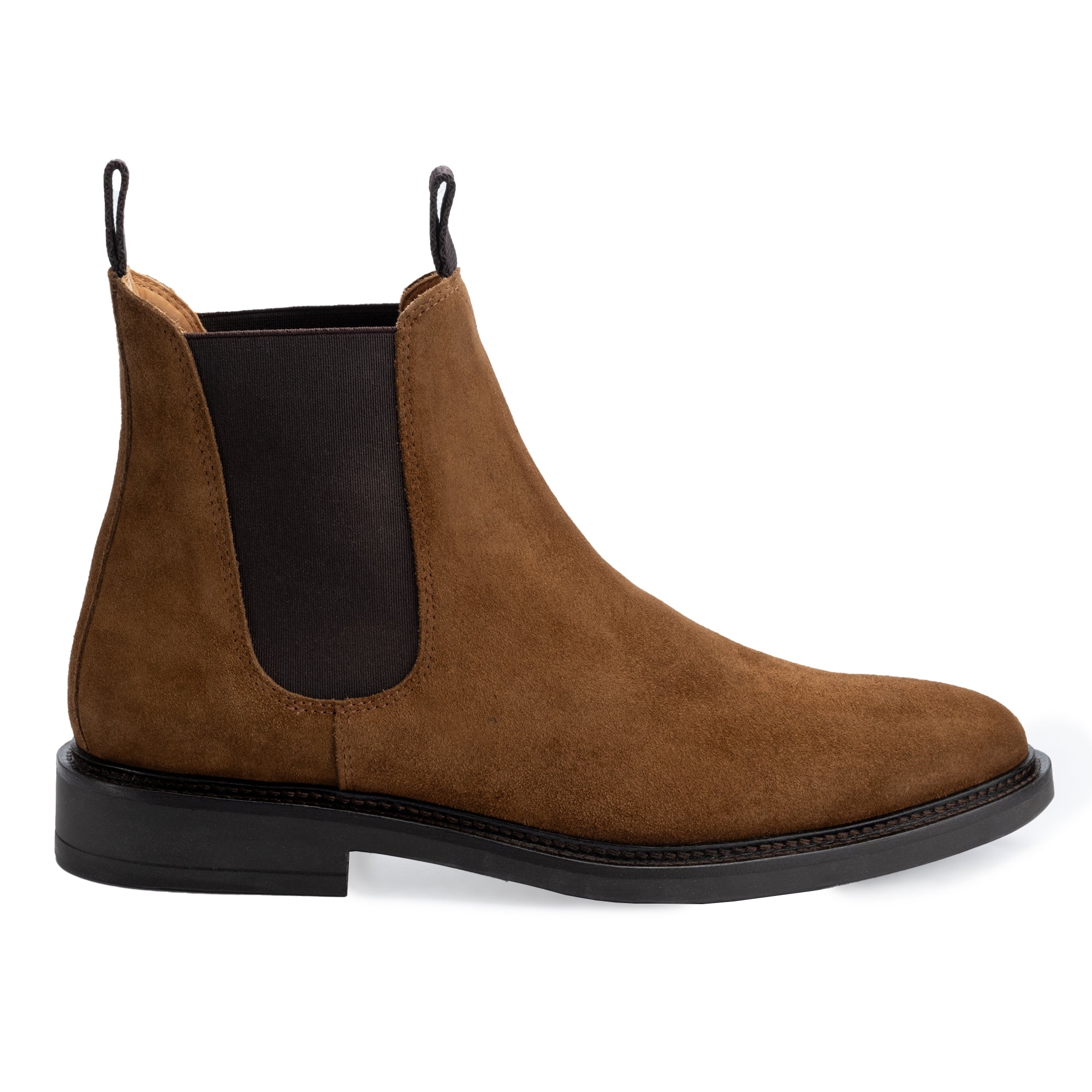
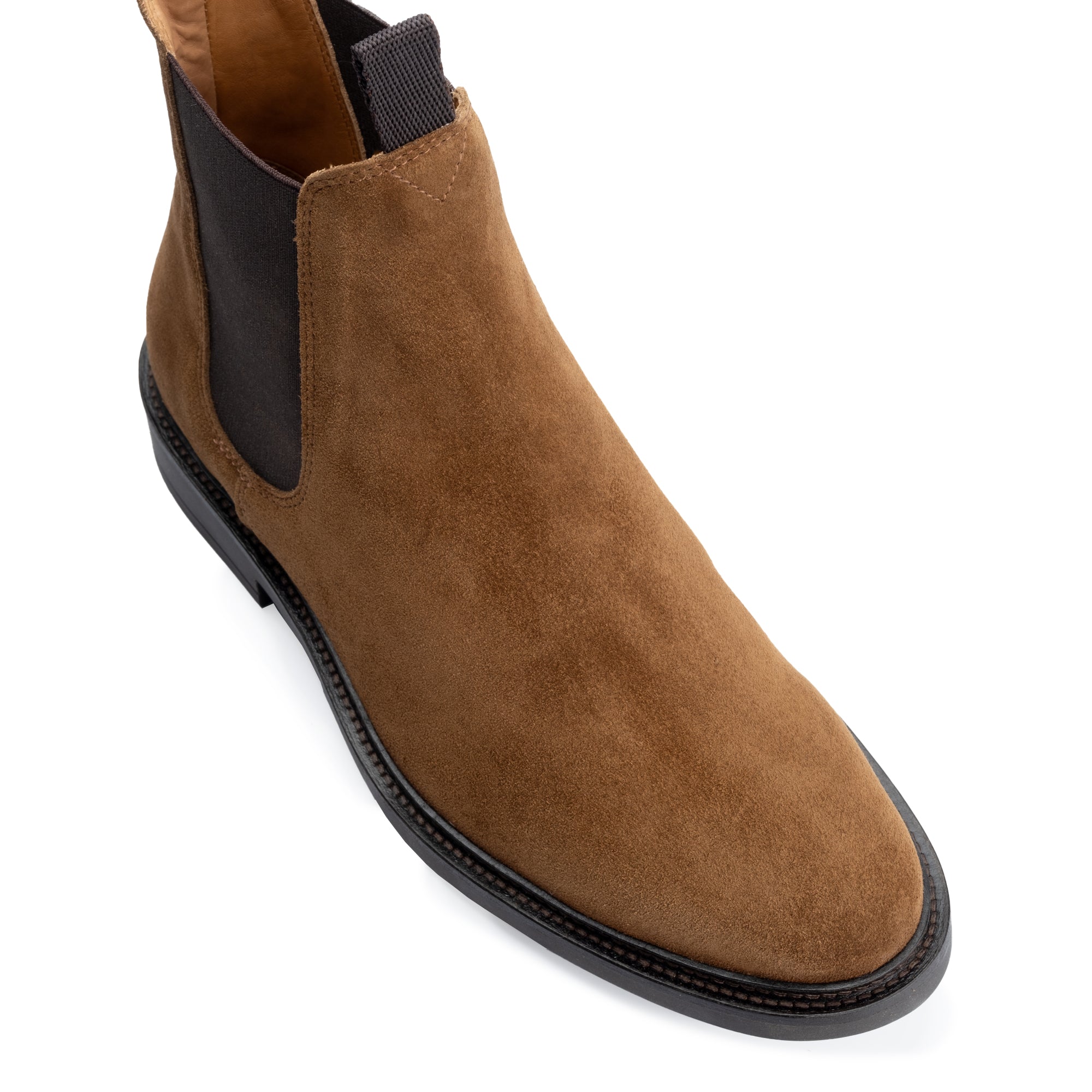
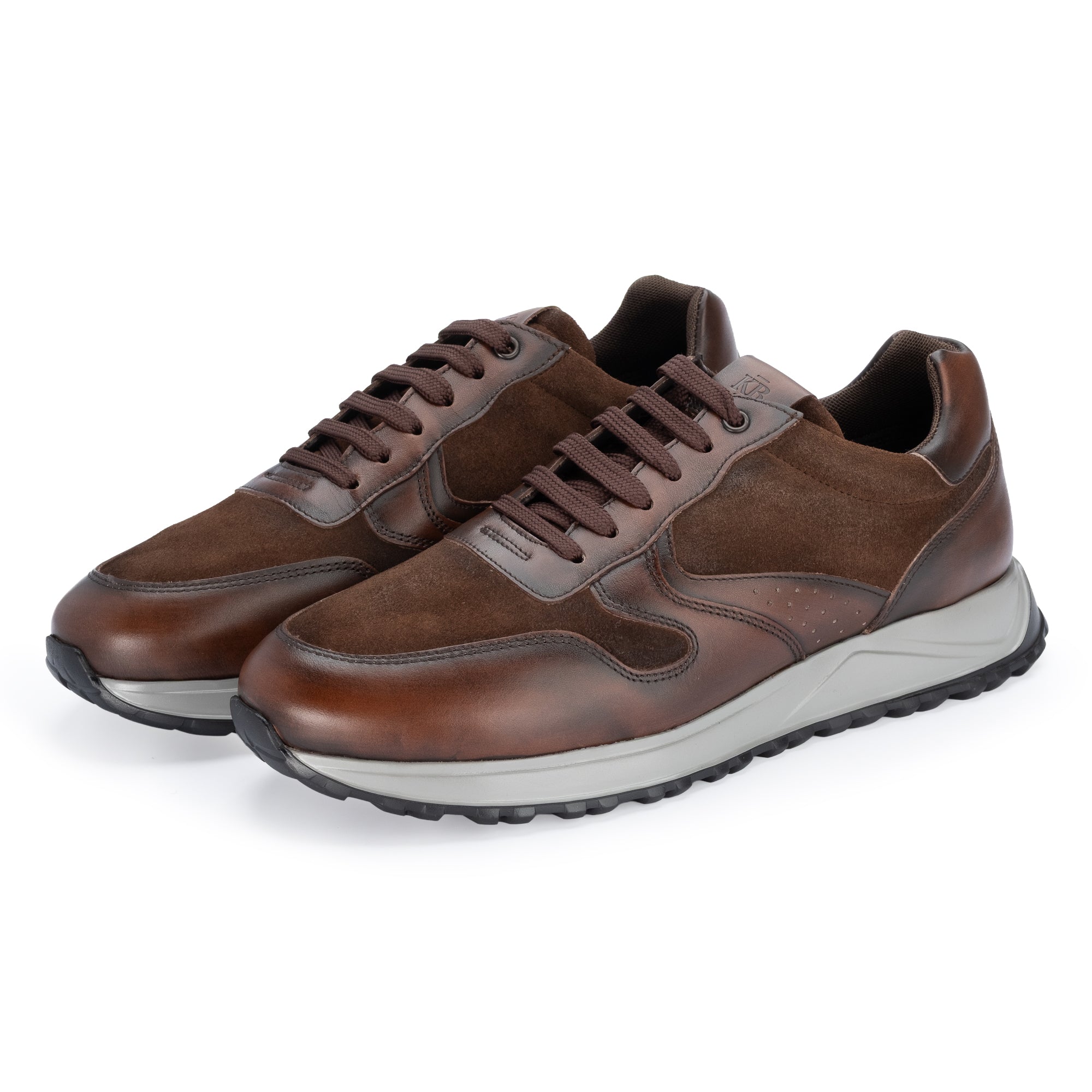
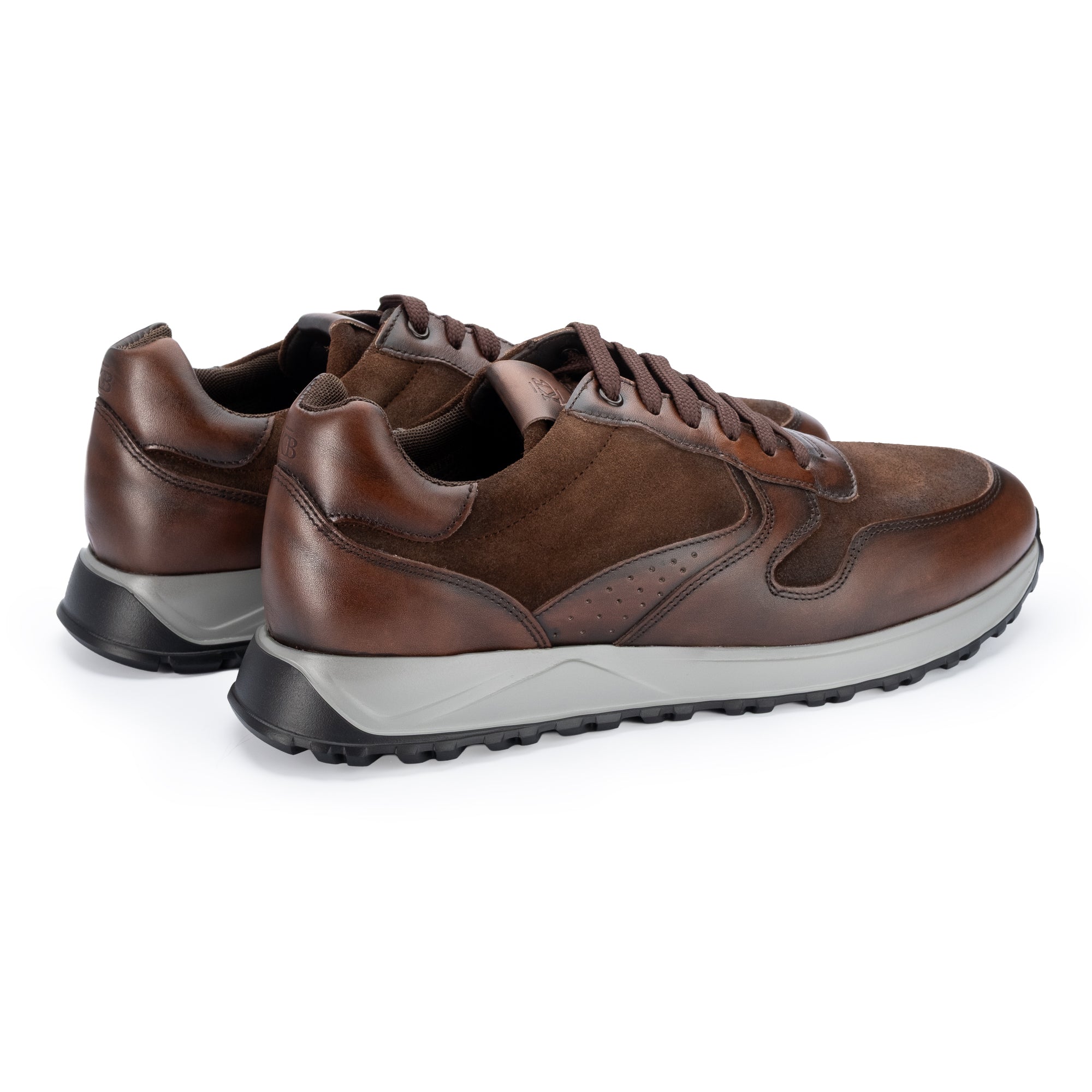
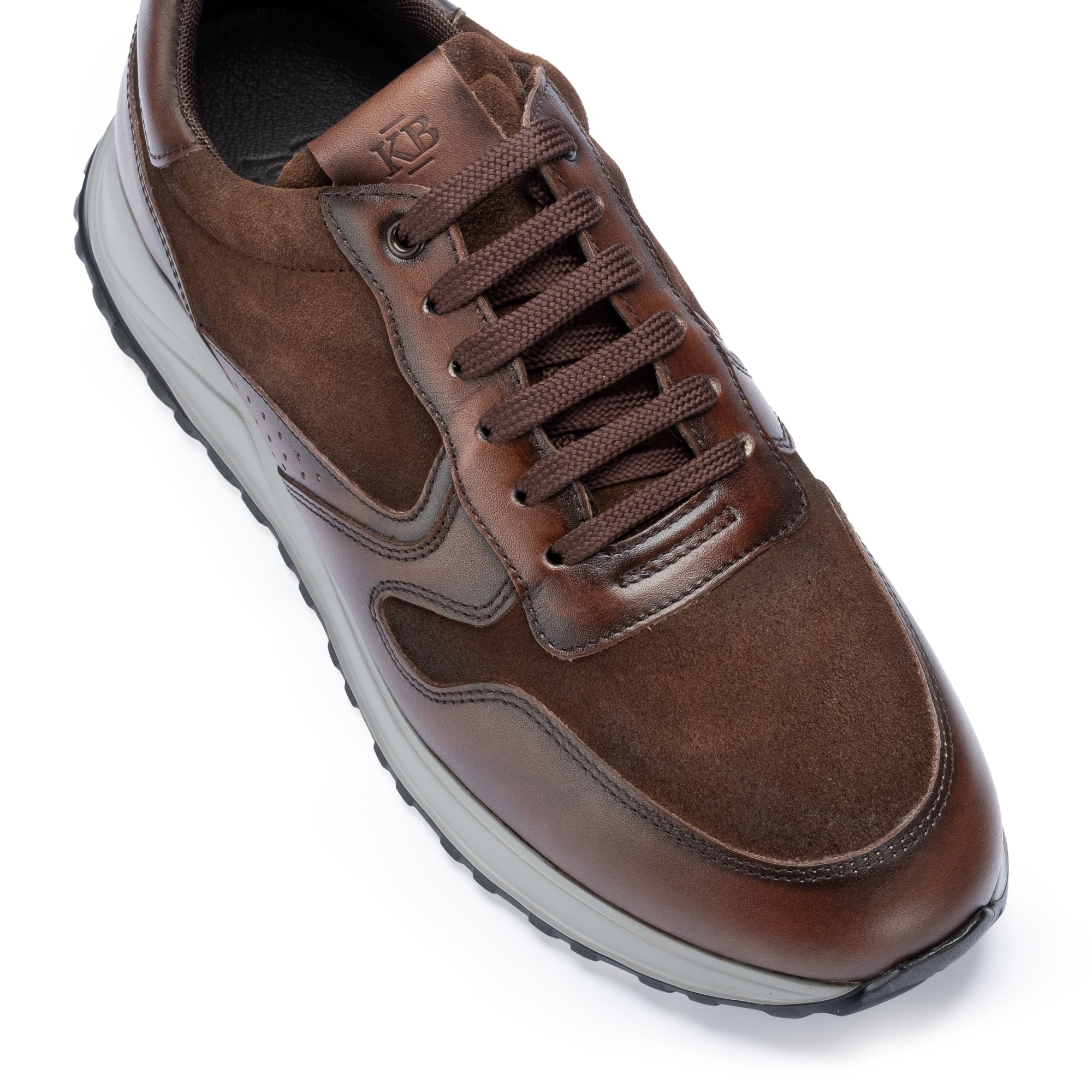
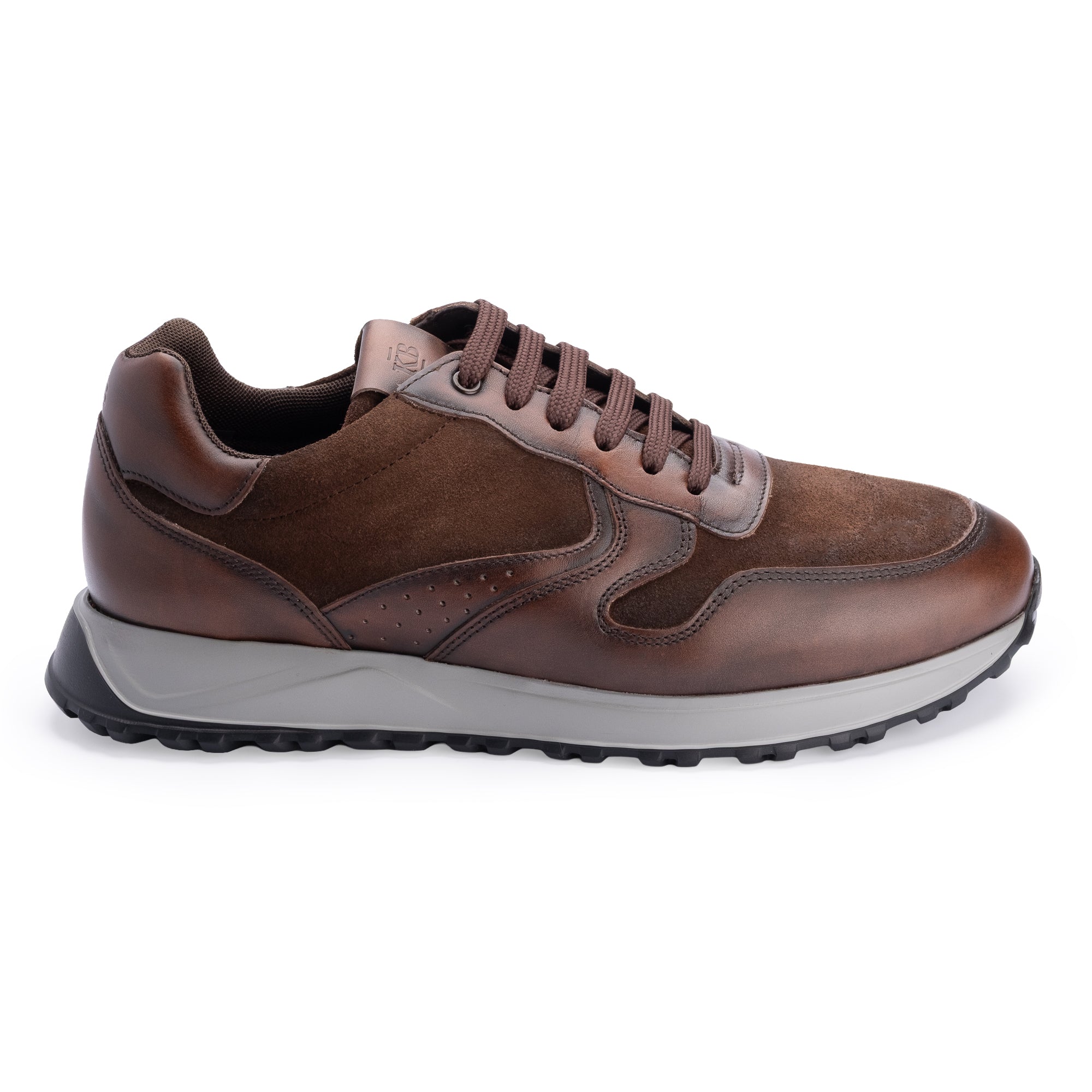
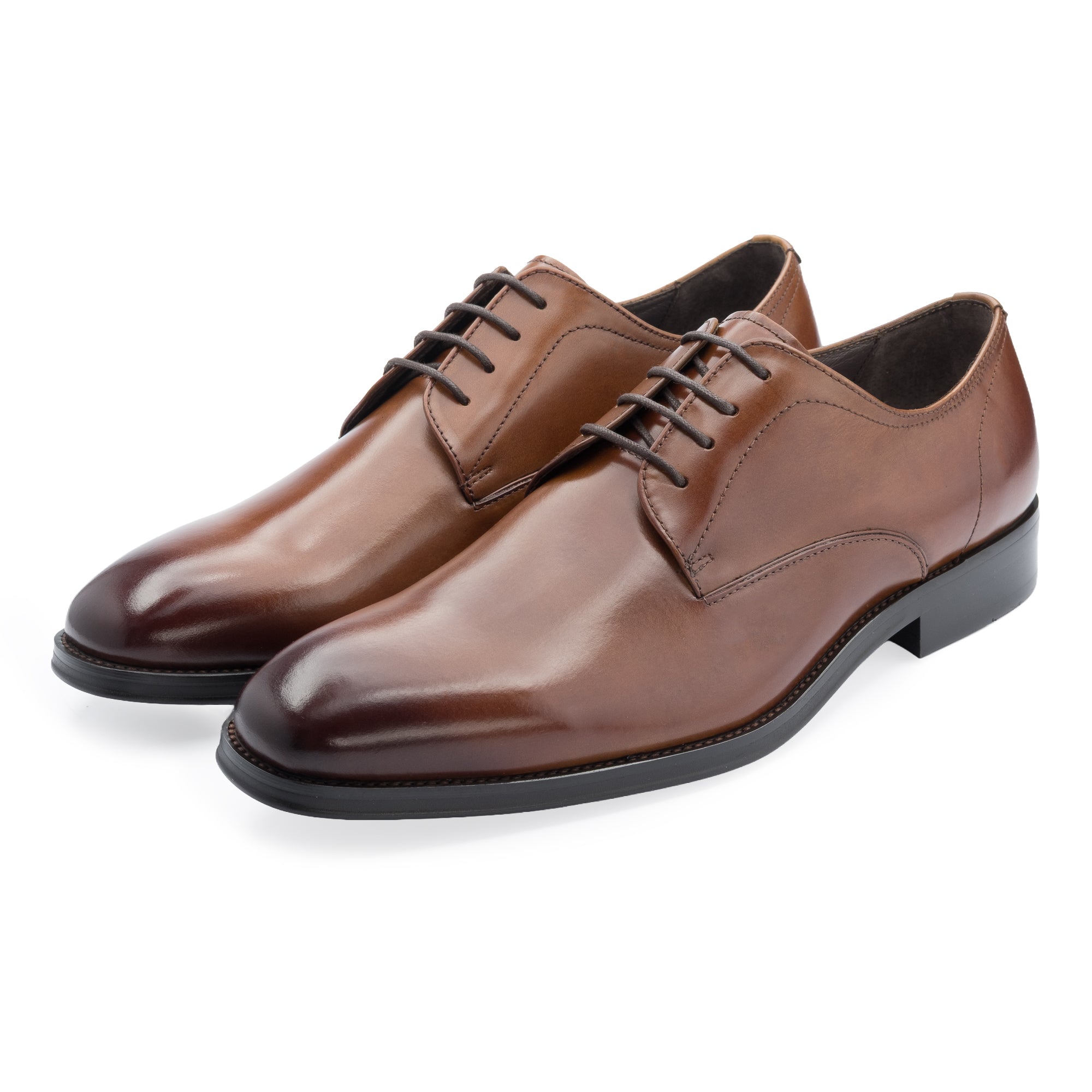
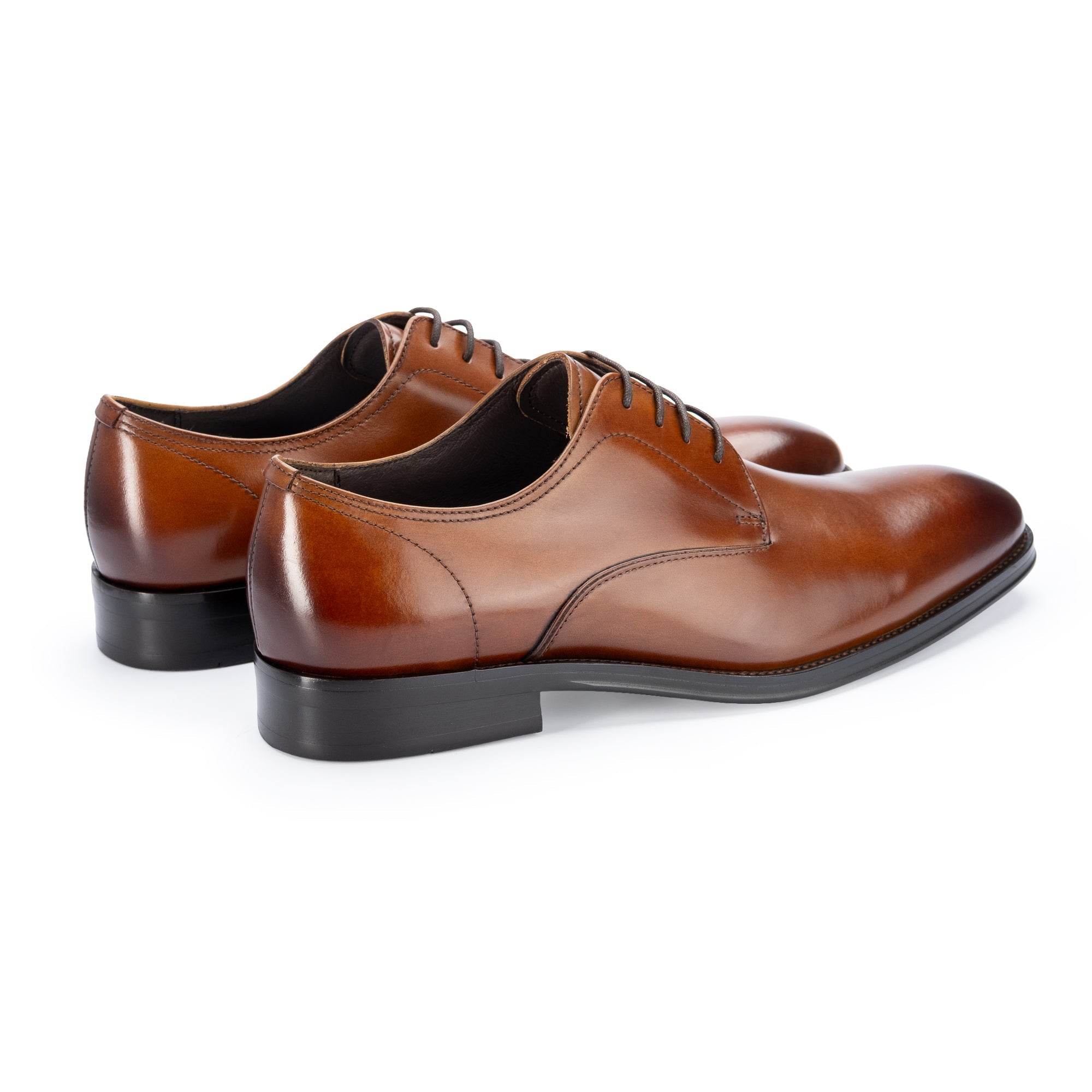
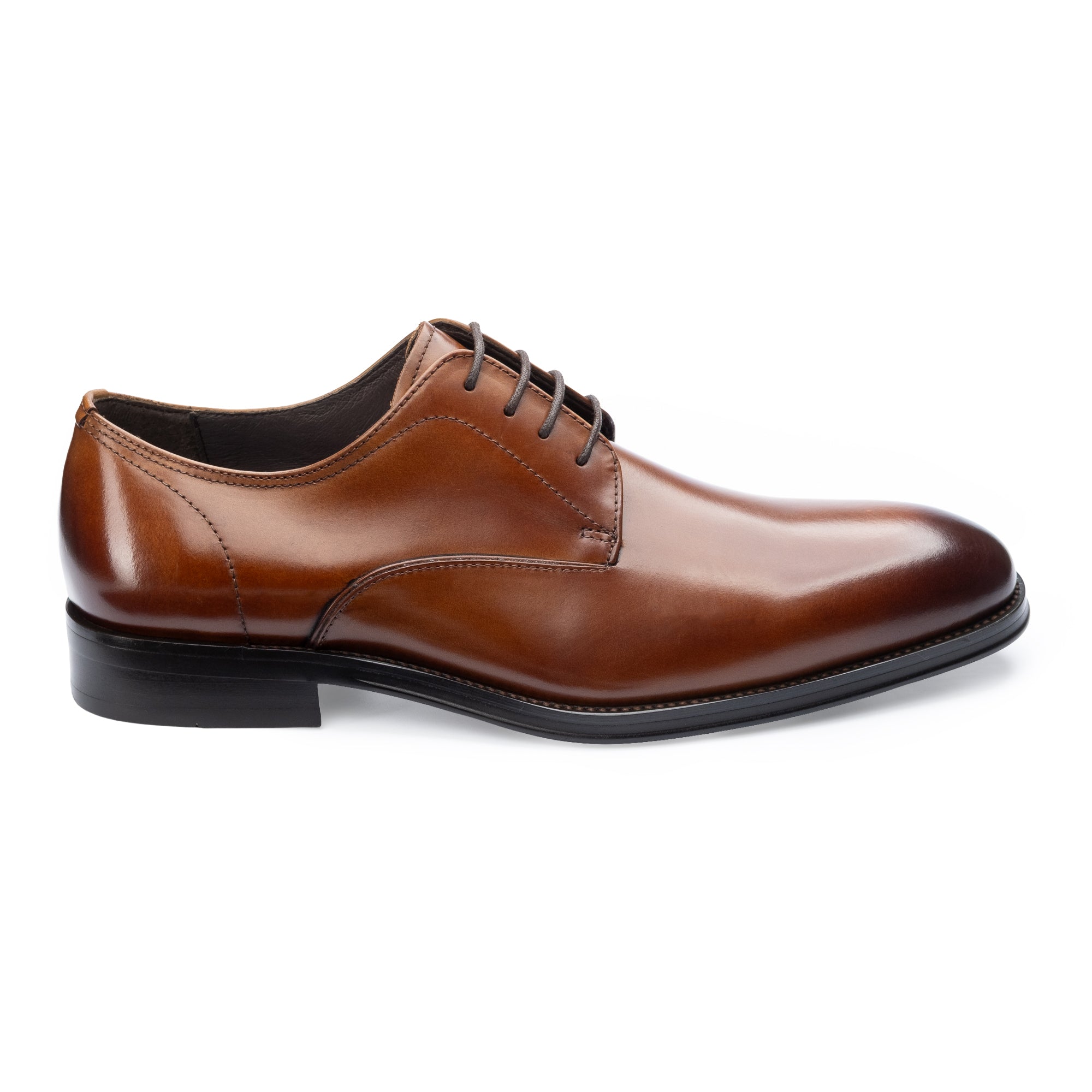
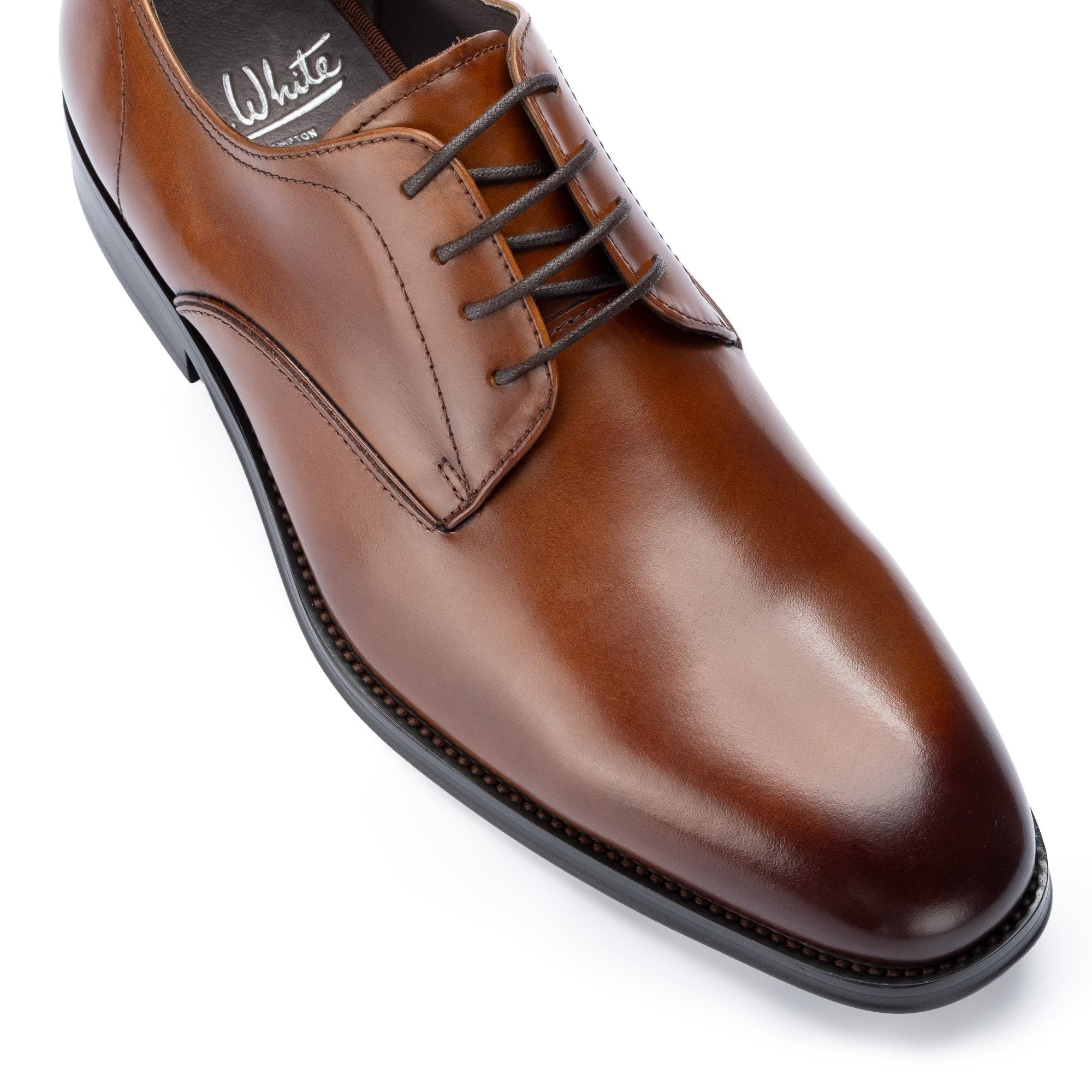
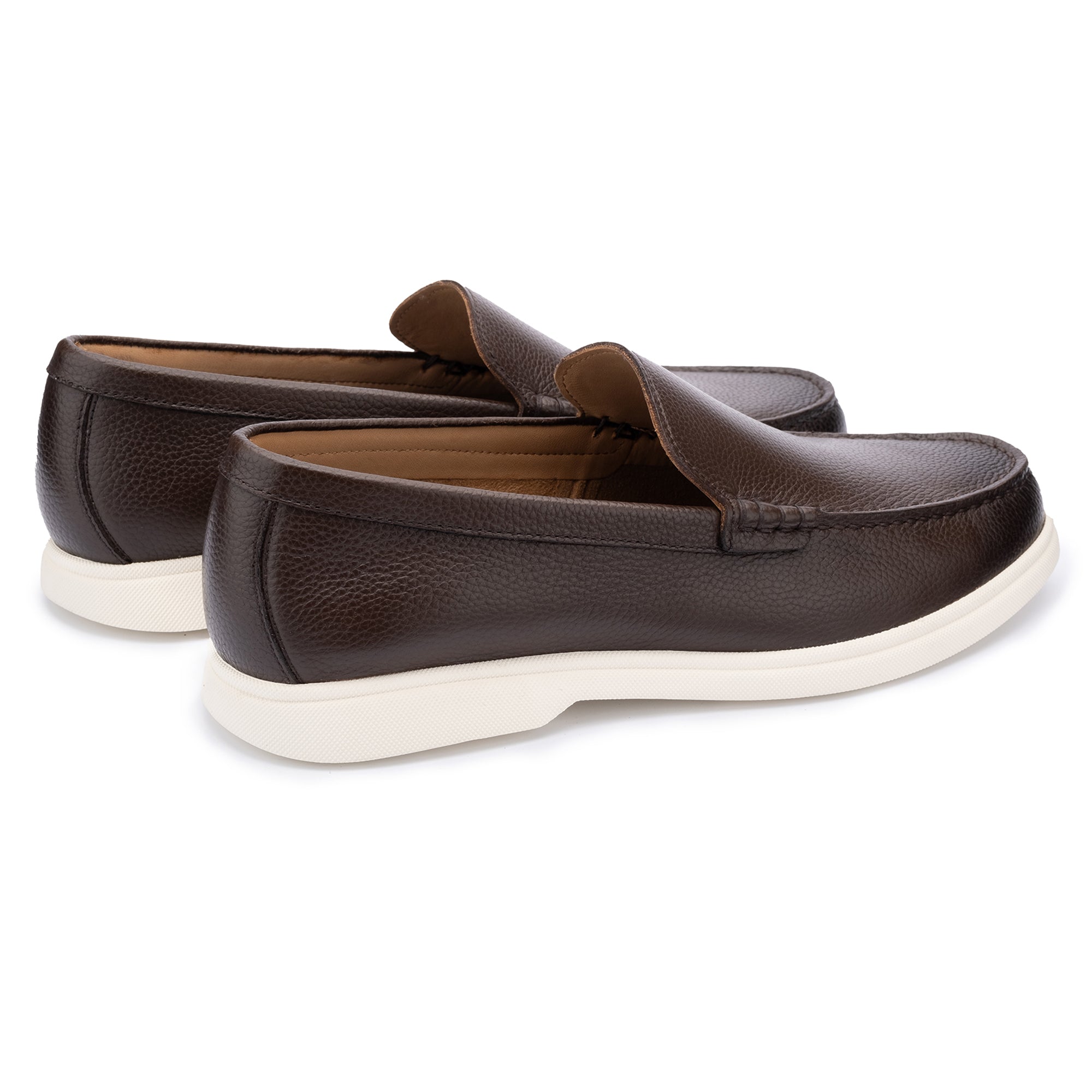
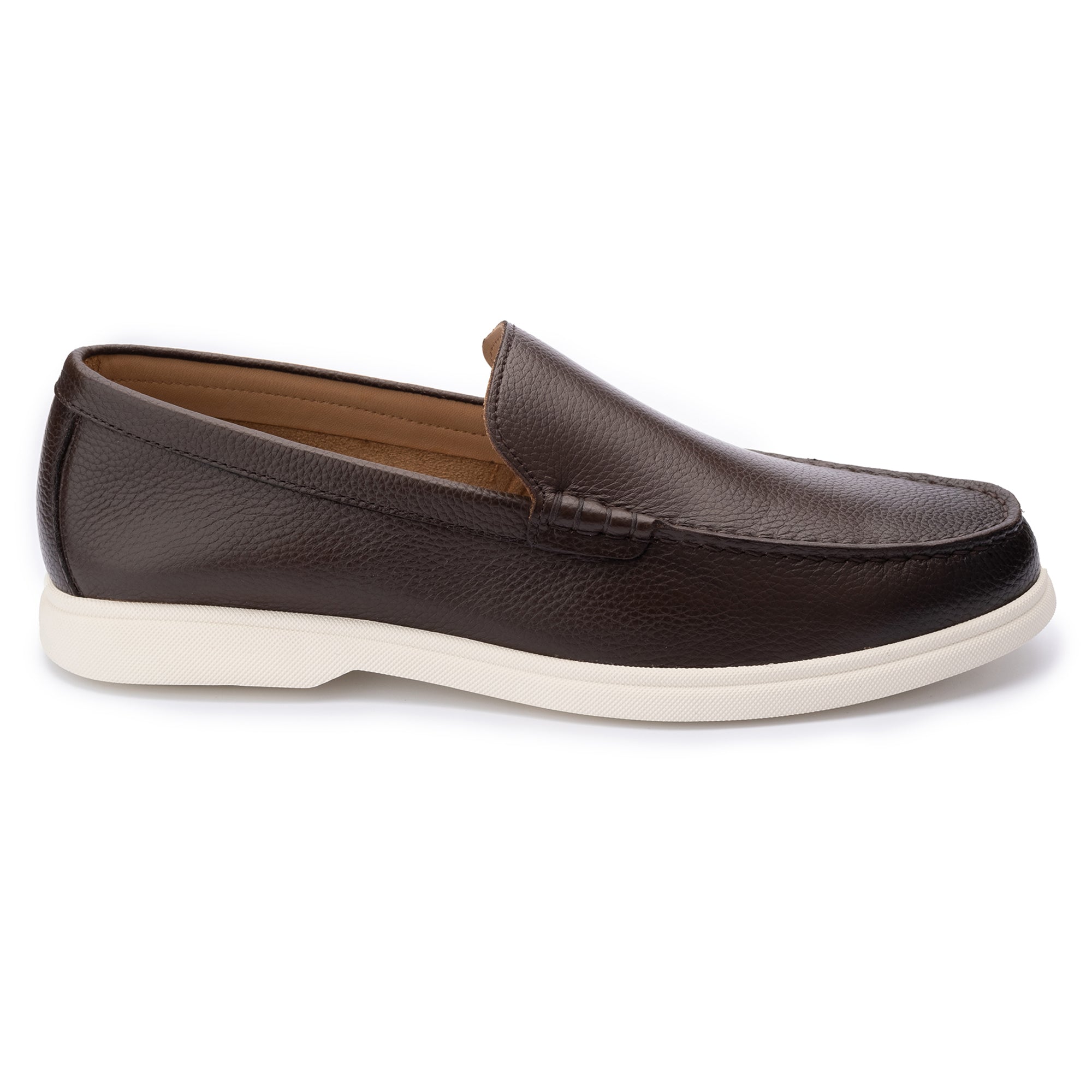
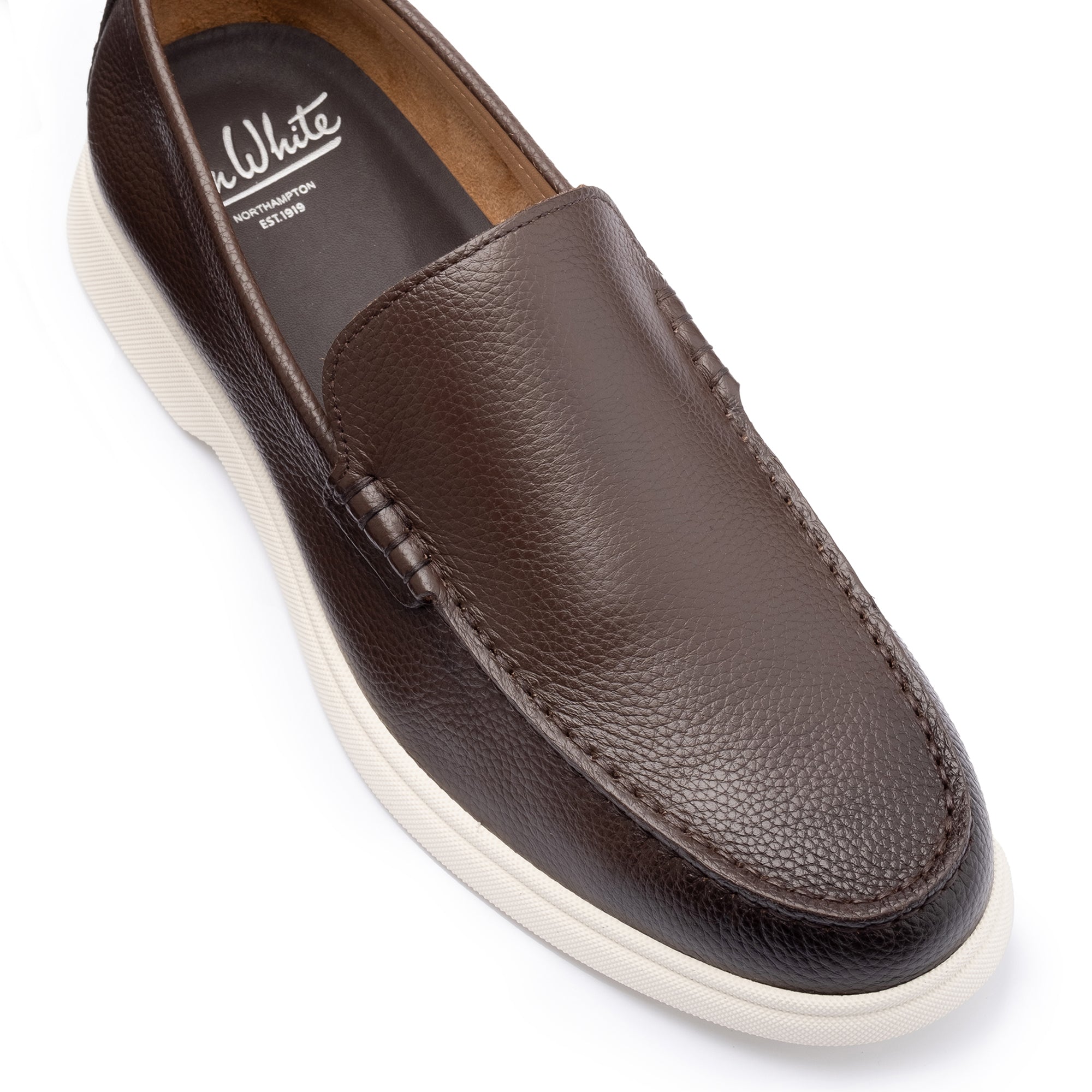
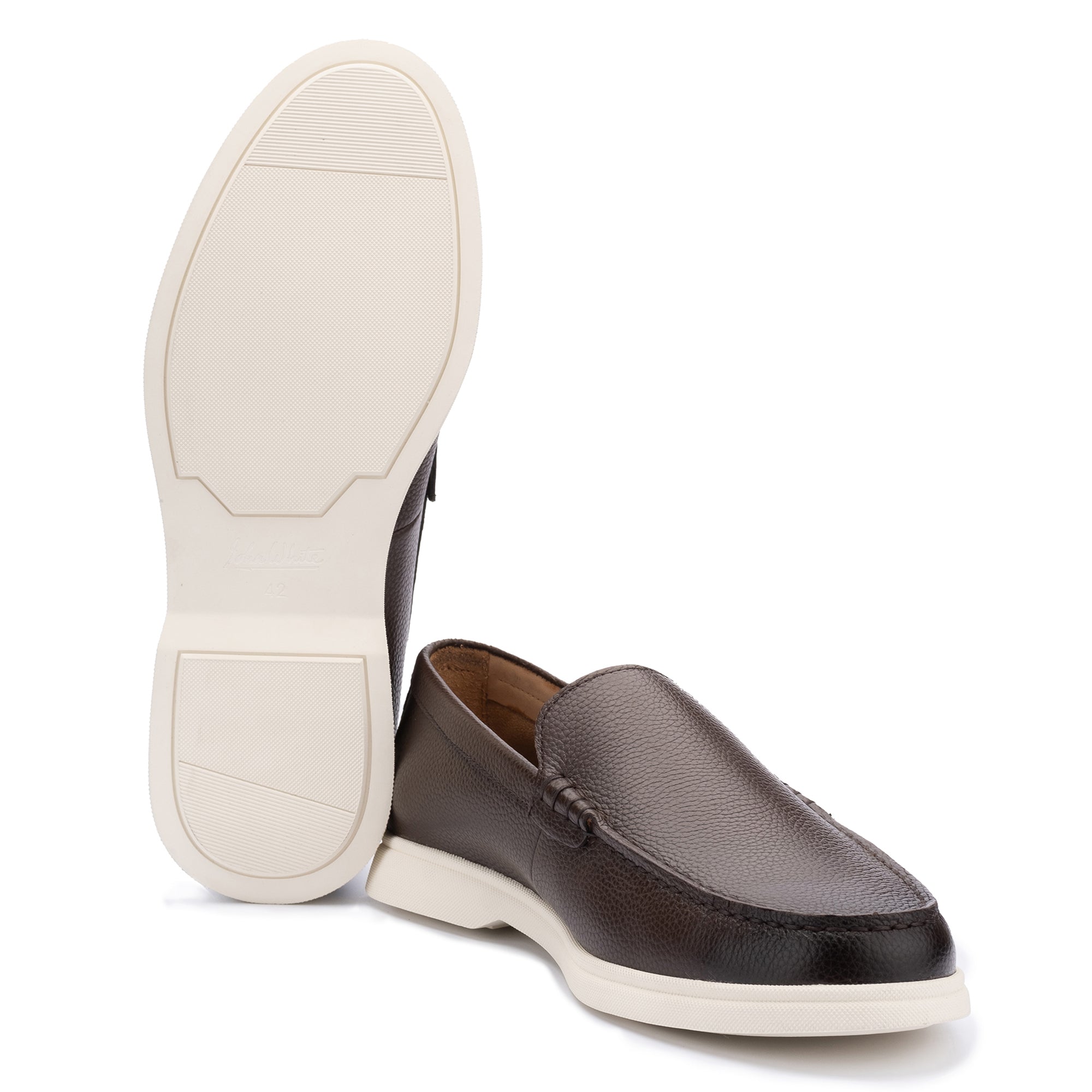
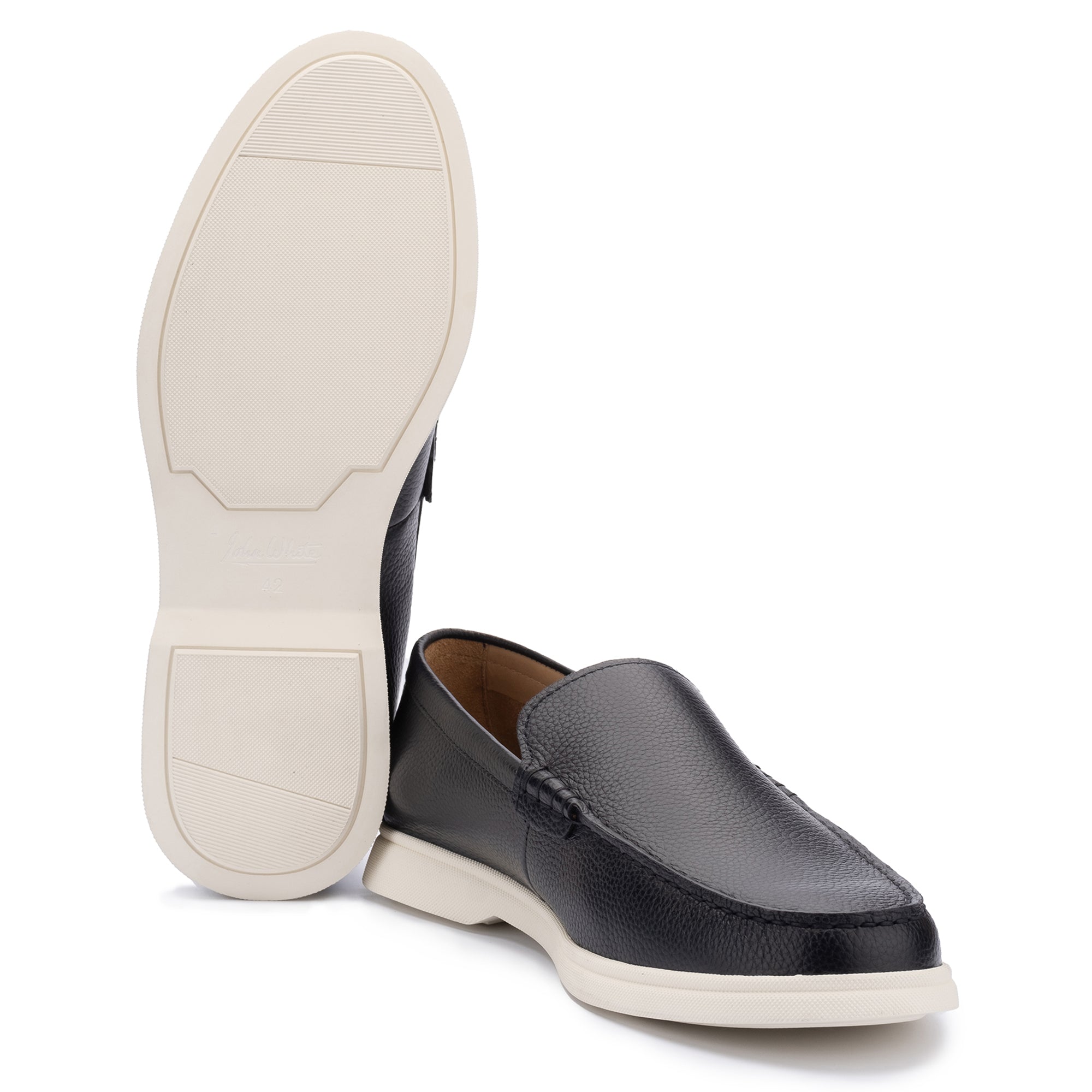
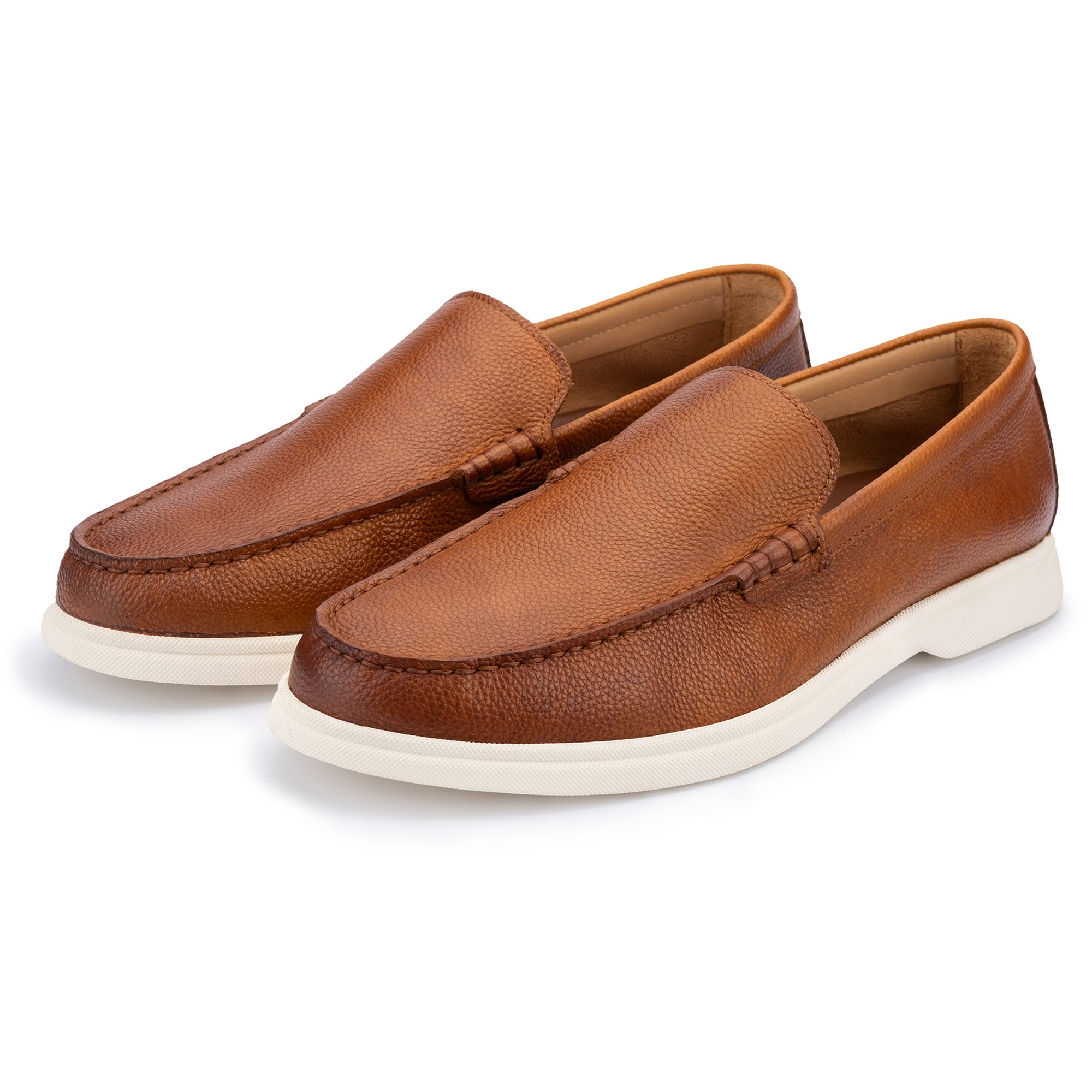
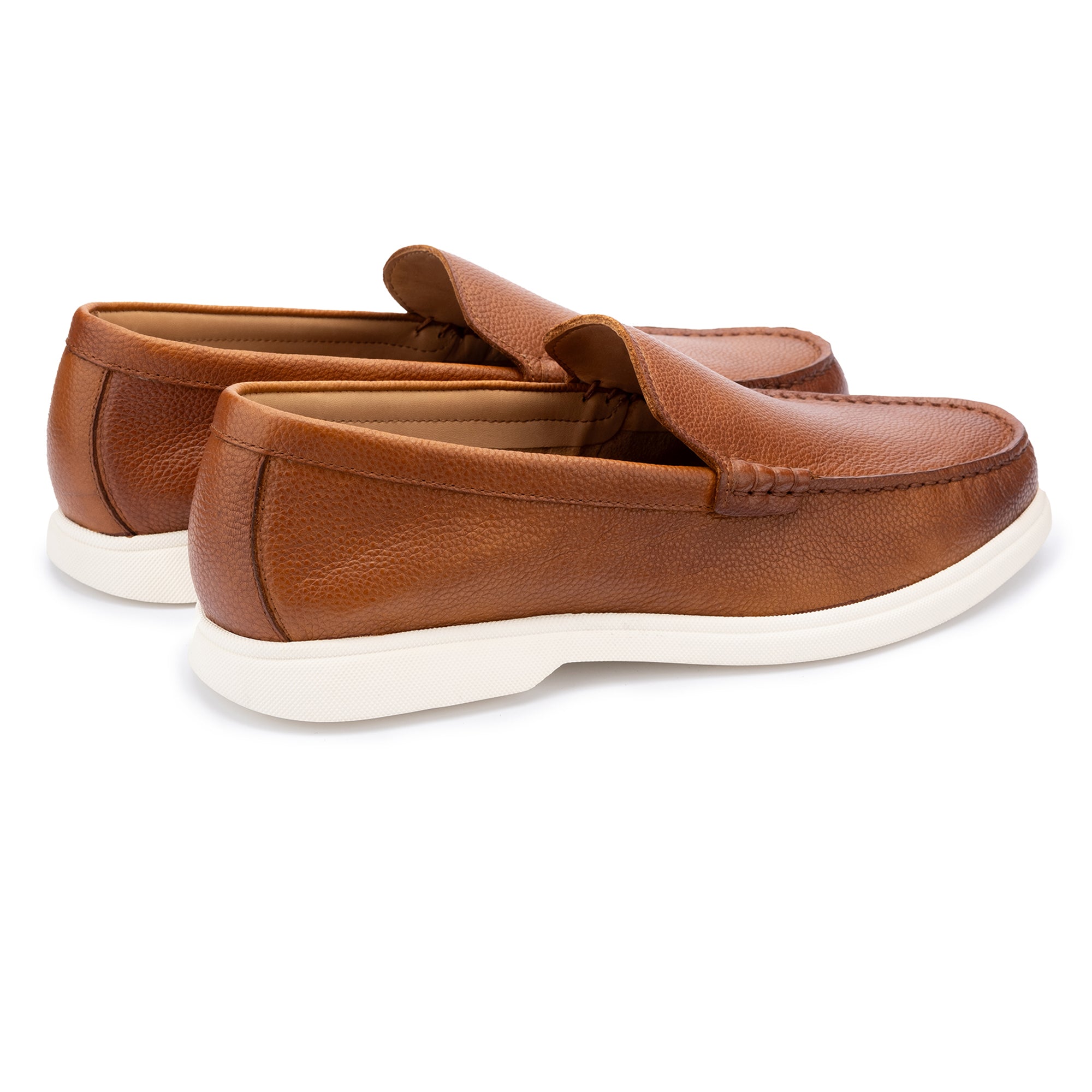
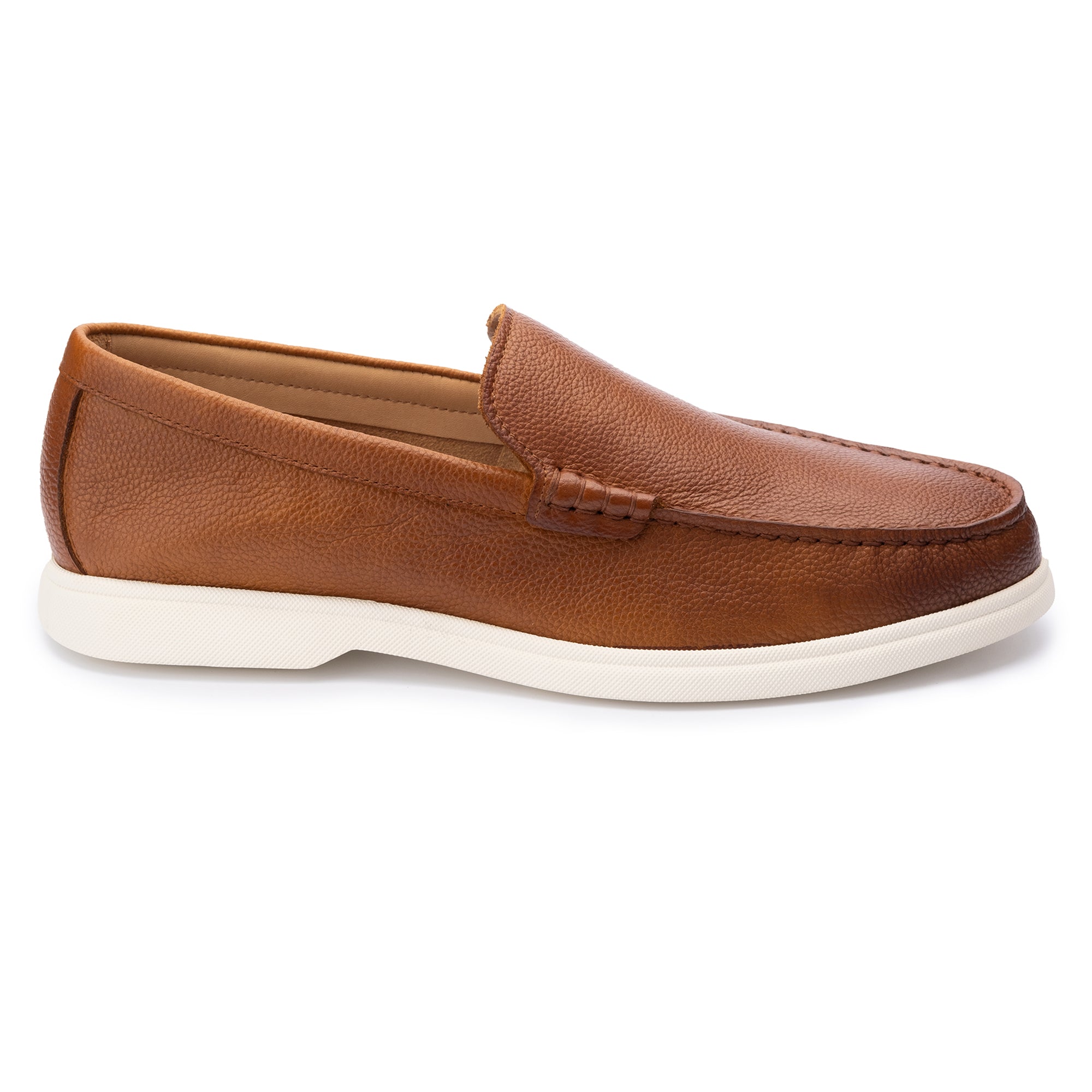
Brown leather encompasses the widest tonal range in men's footwear, running from pale tan through mid-brown and chocolate to the near-black depth of a heavily burnished dark brown. Each shade carries its own formality weight, and selecting within that range is as important as choosing brown over black in the first instance.
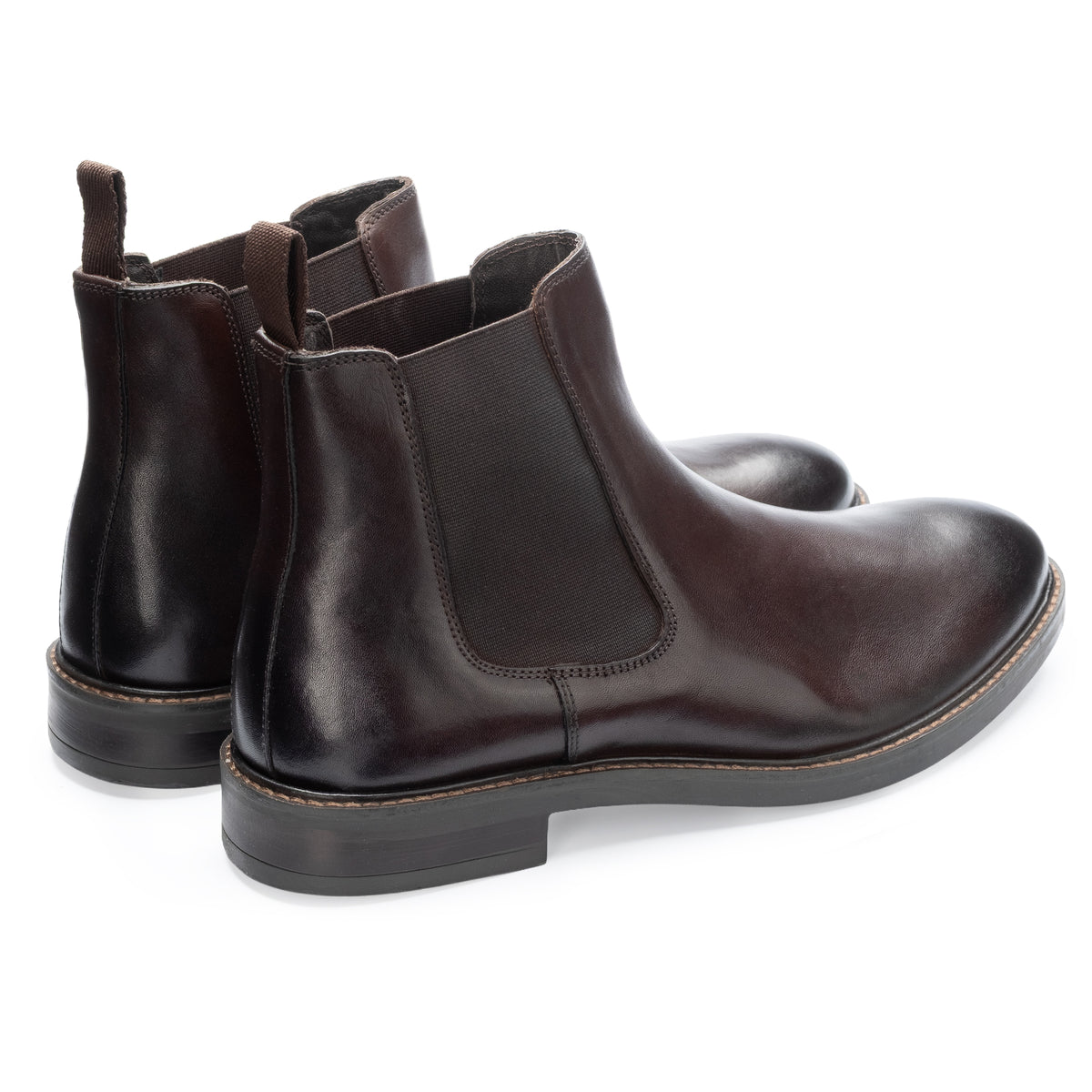
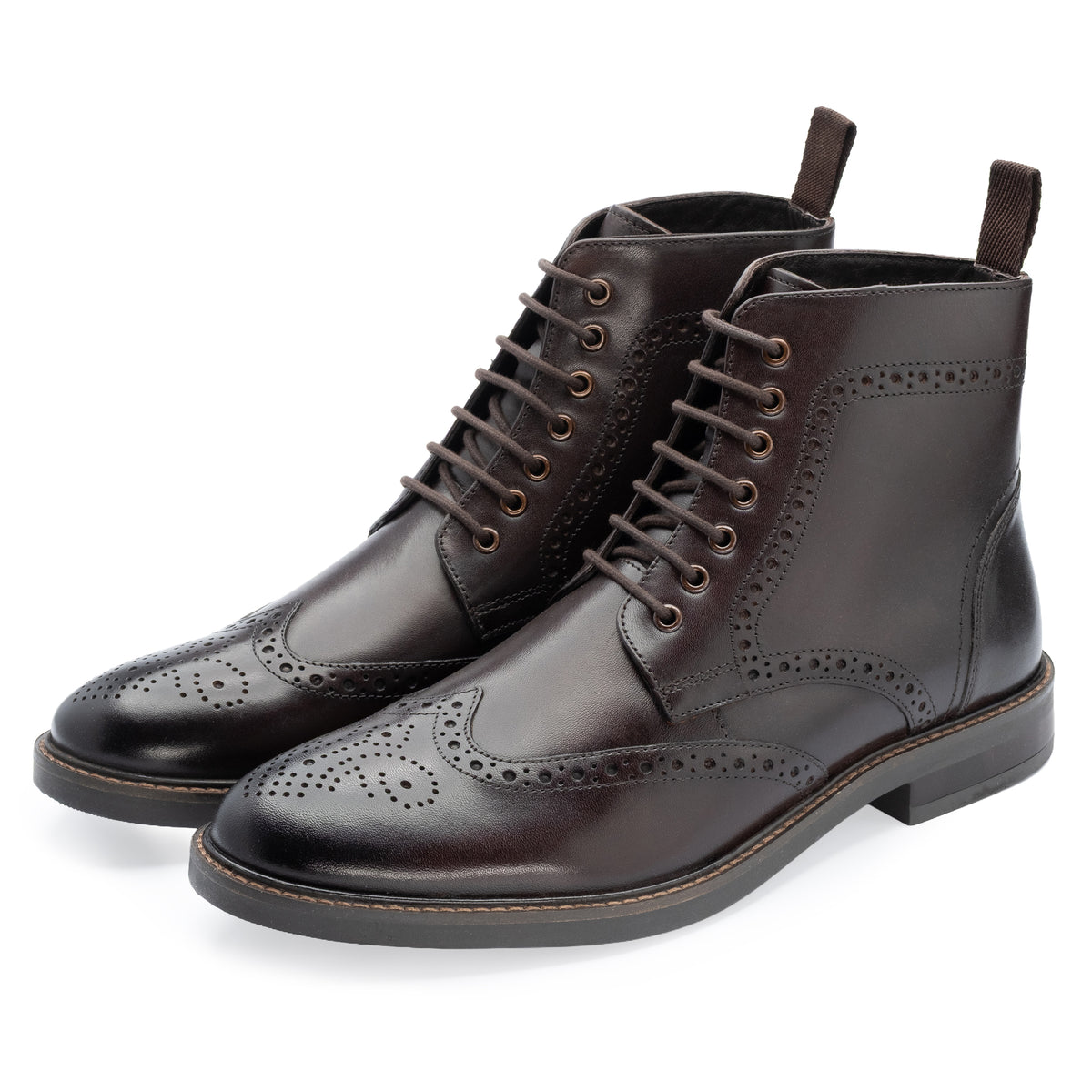
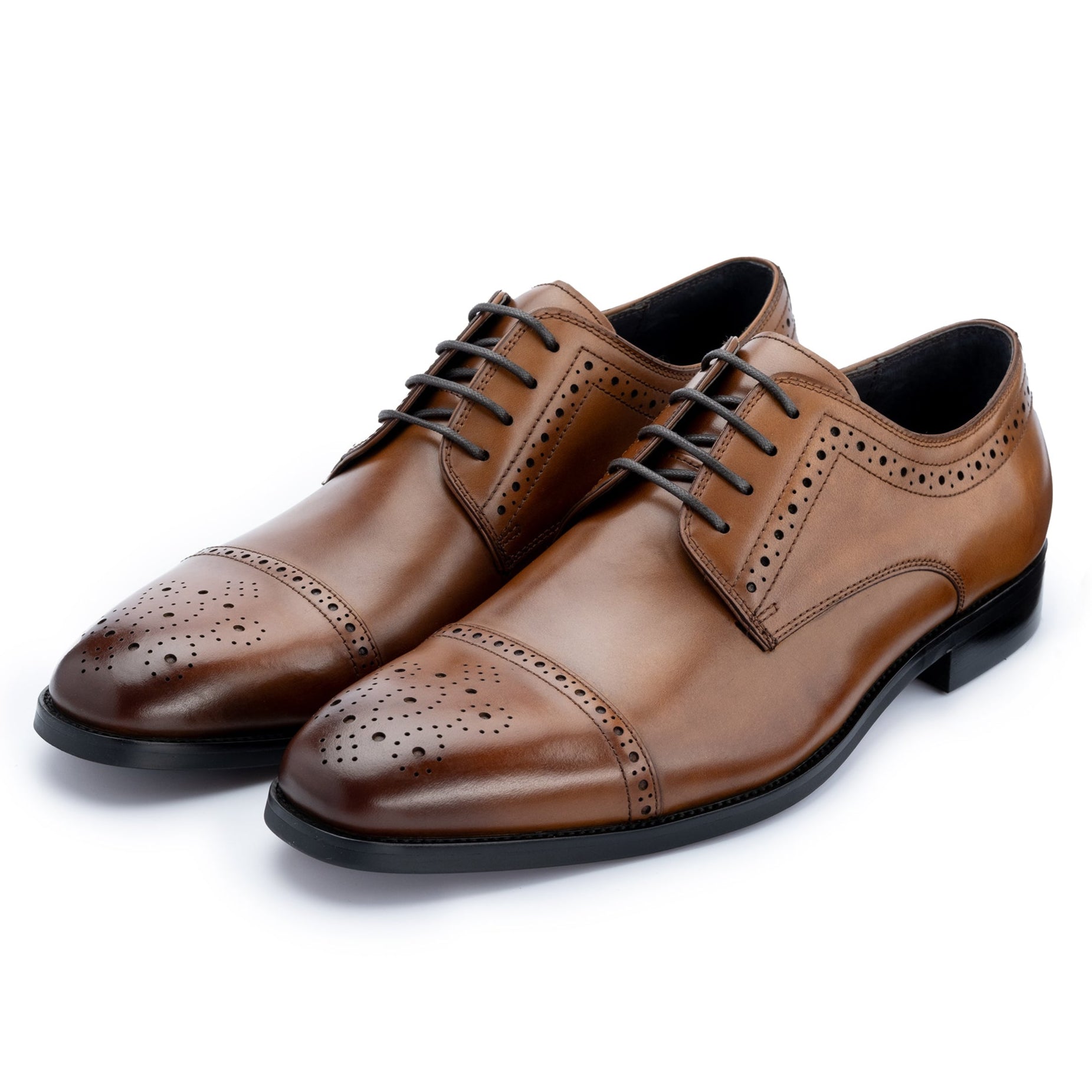
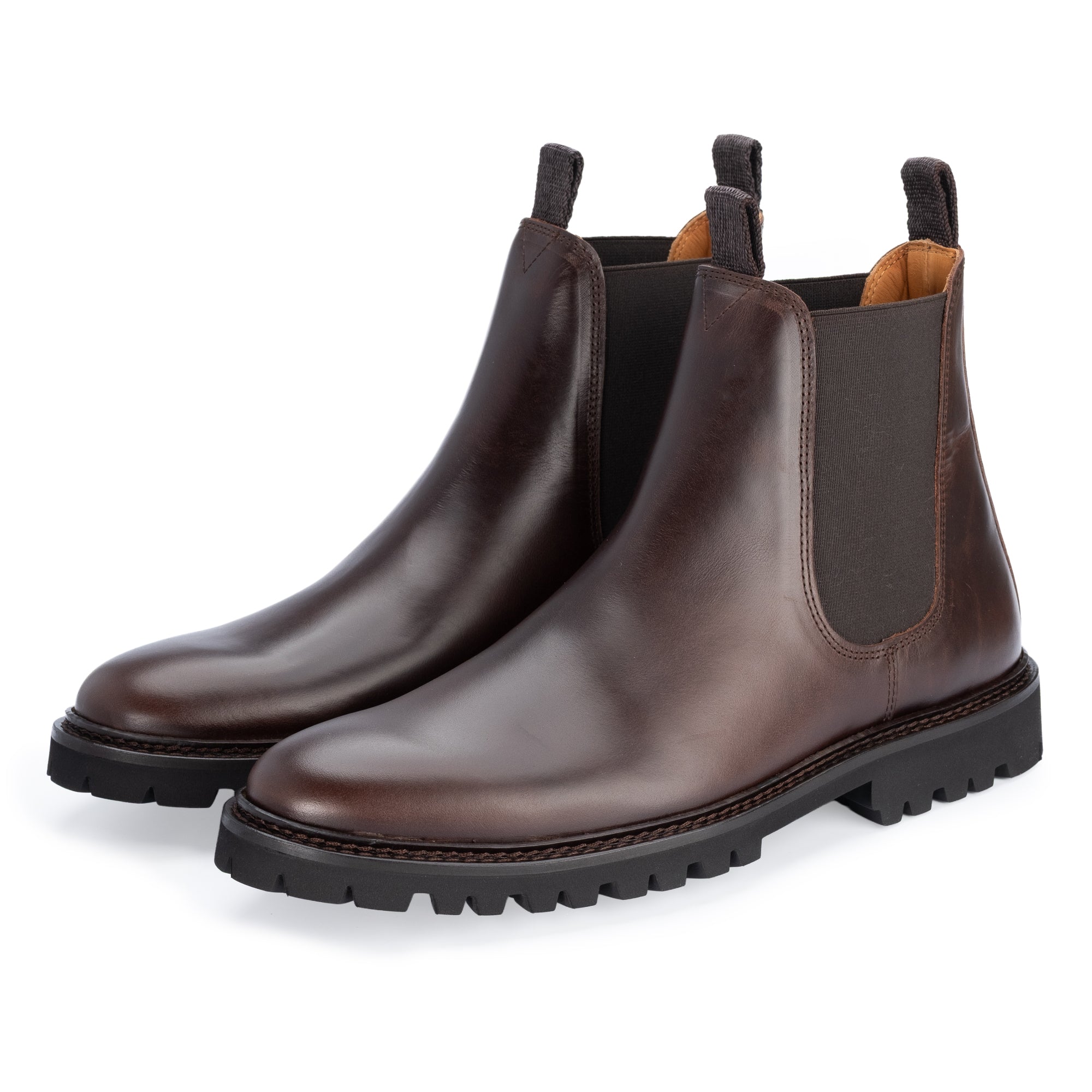
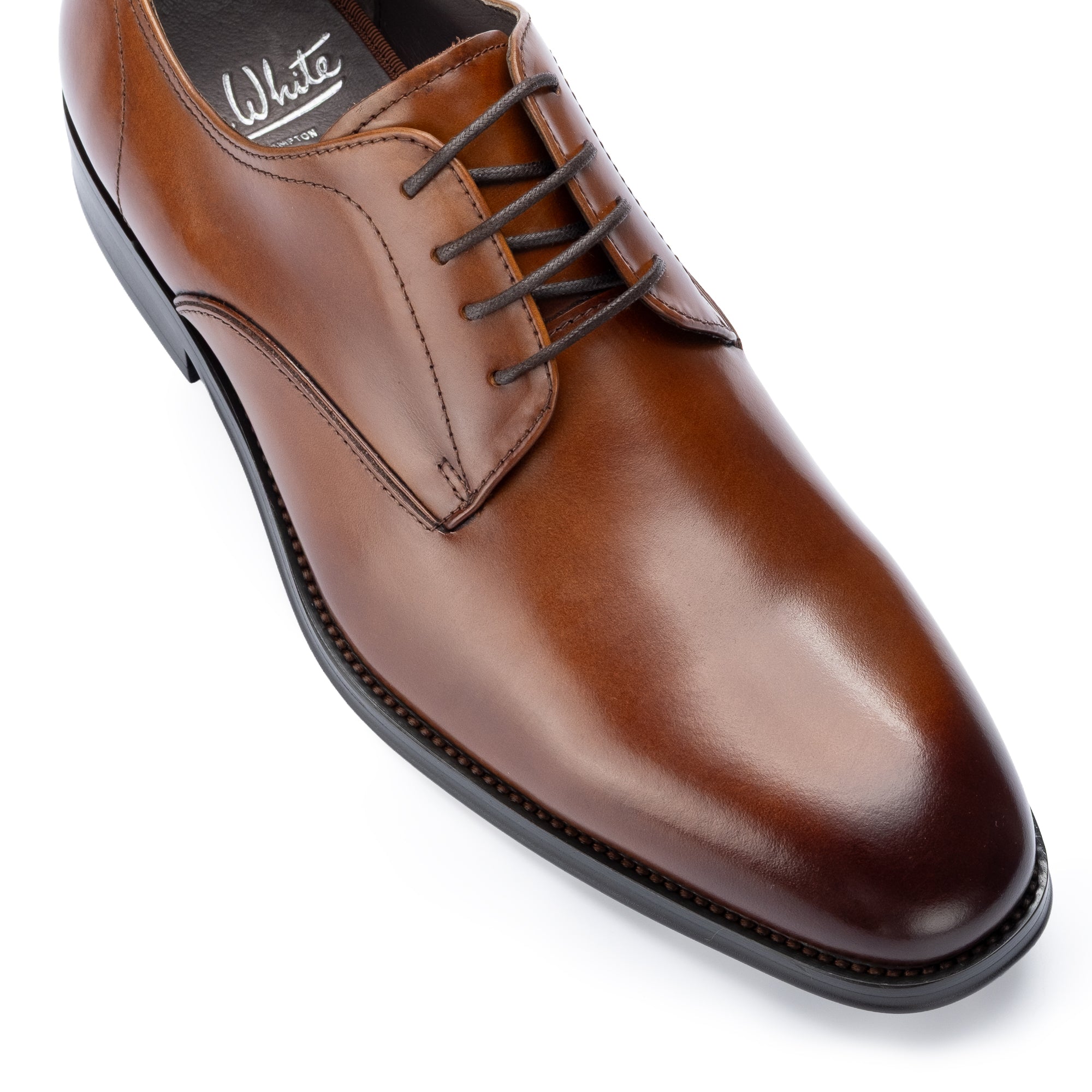
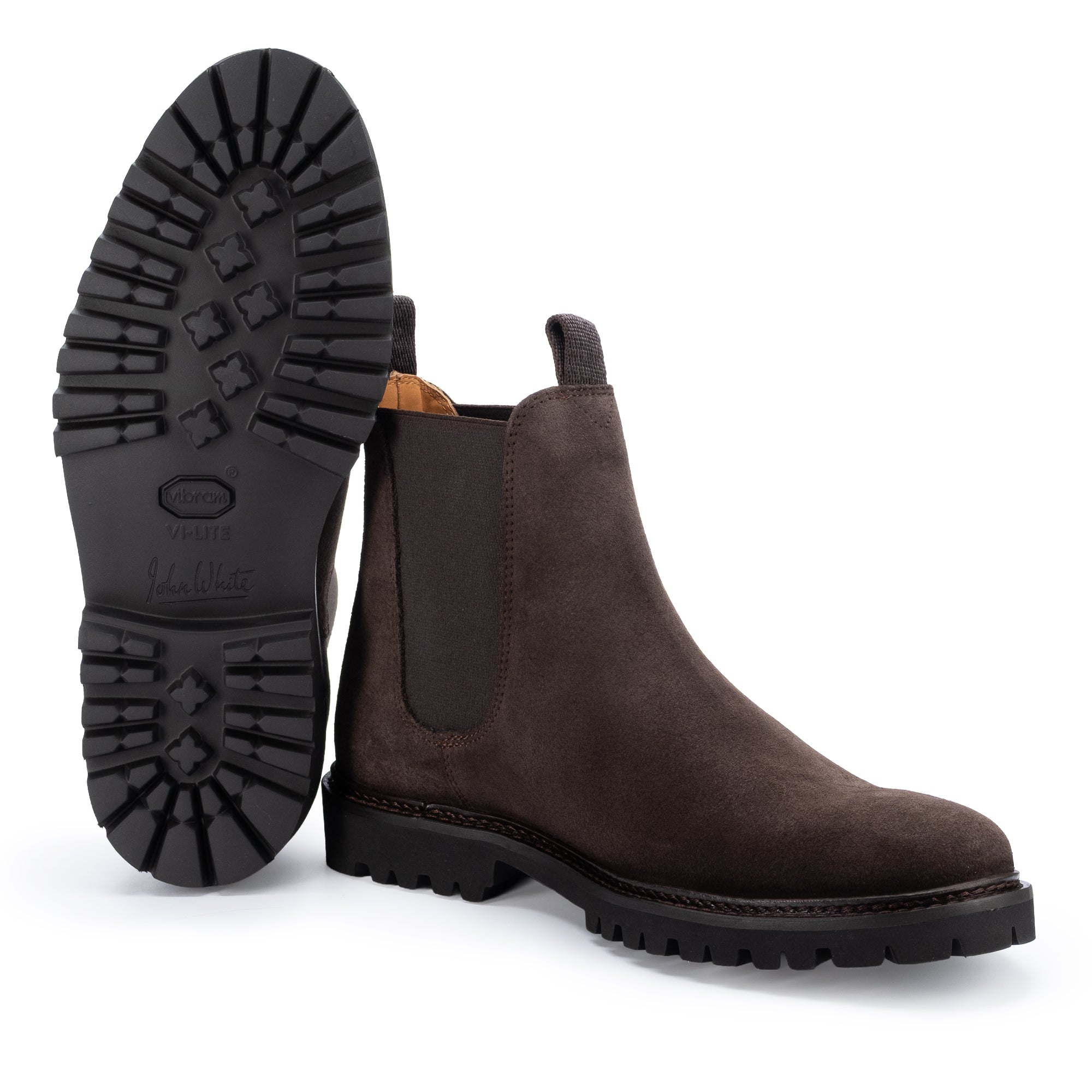
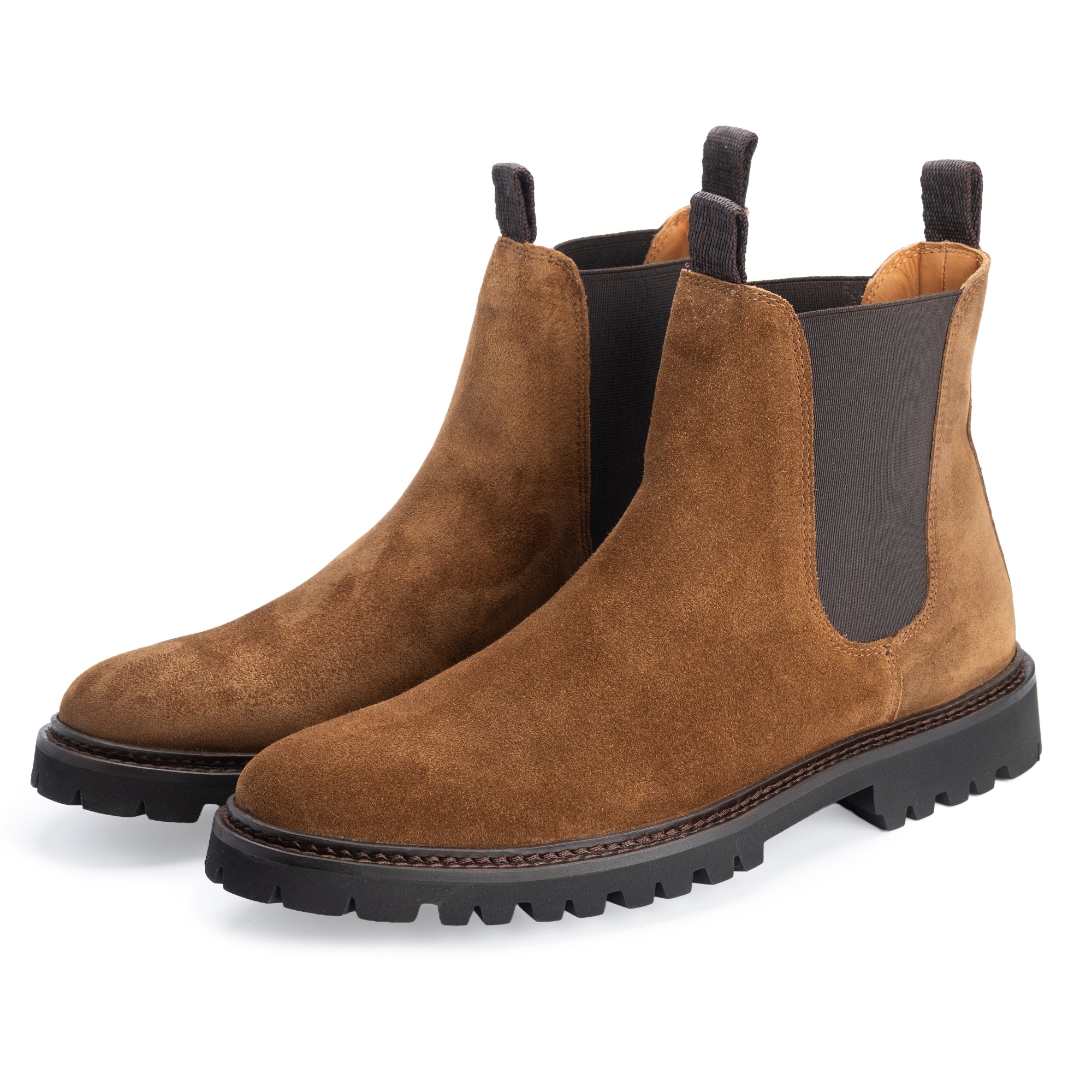
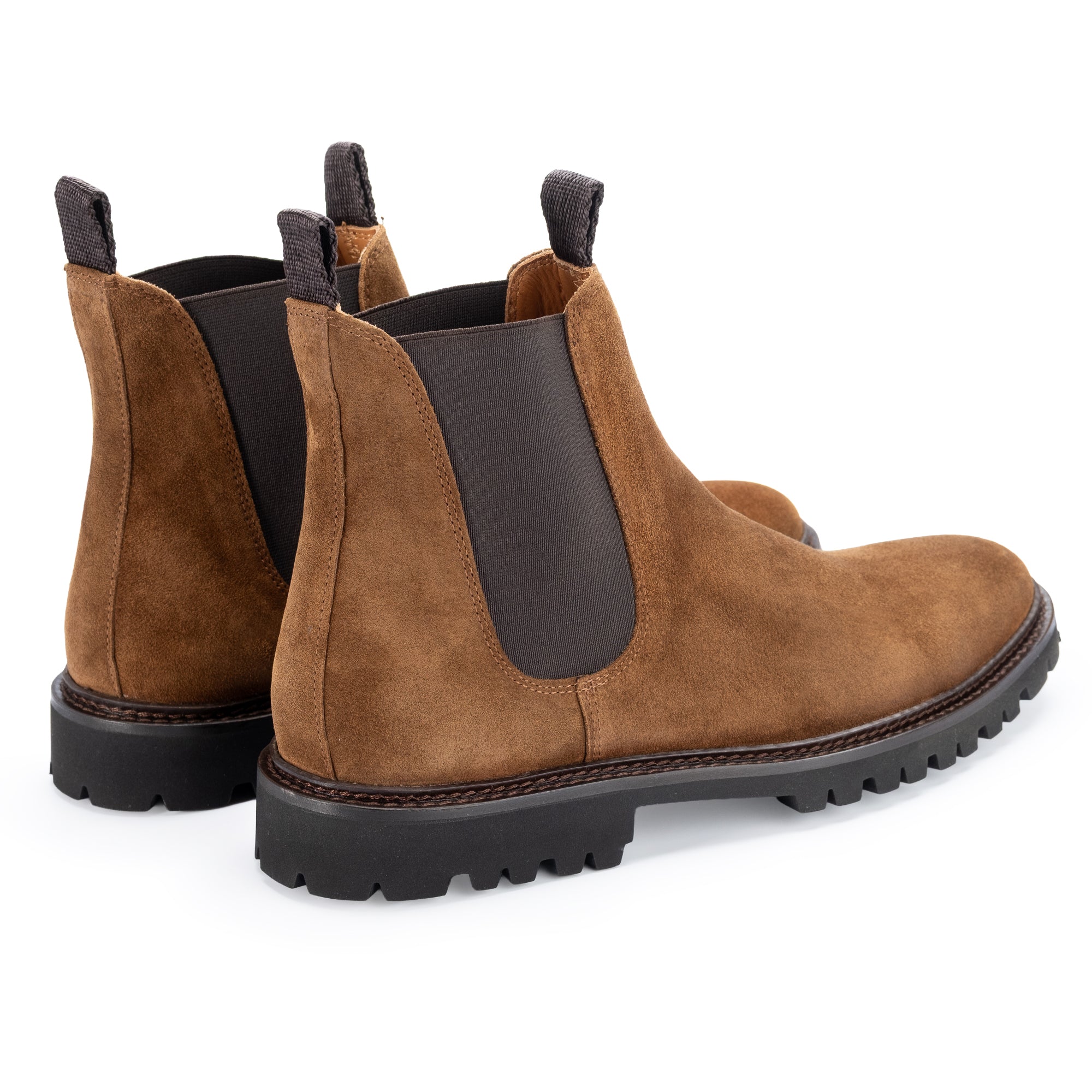
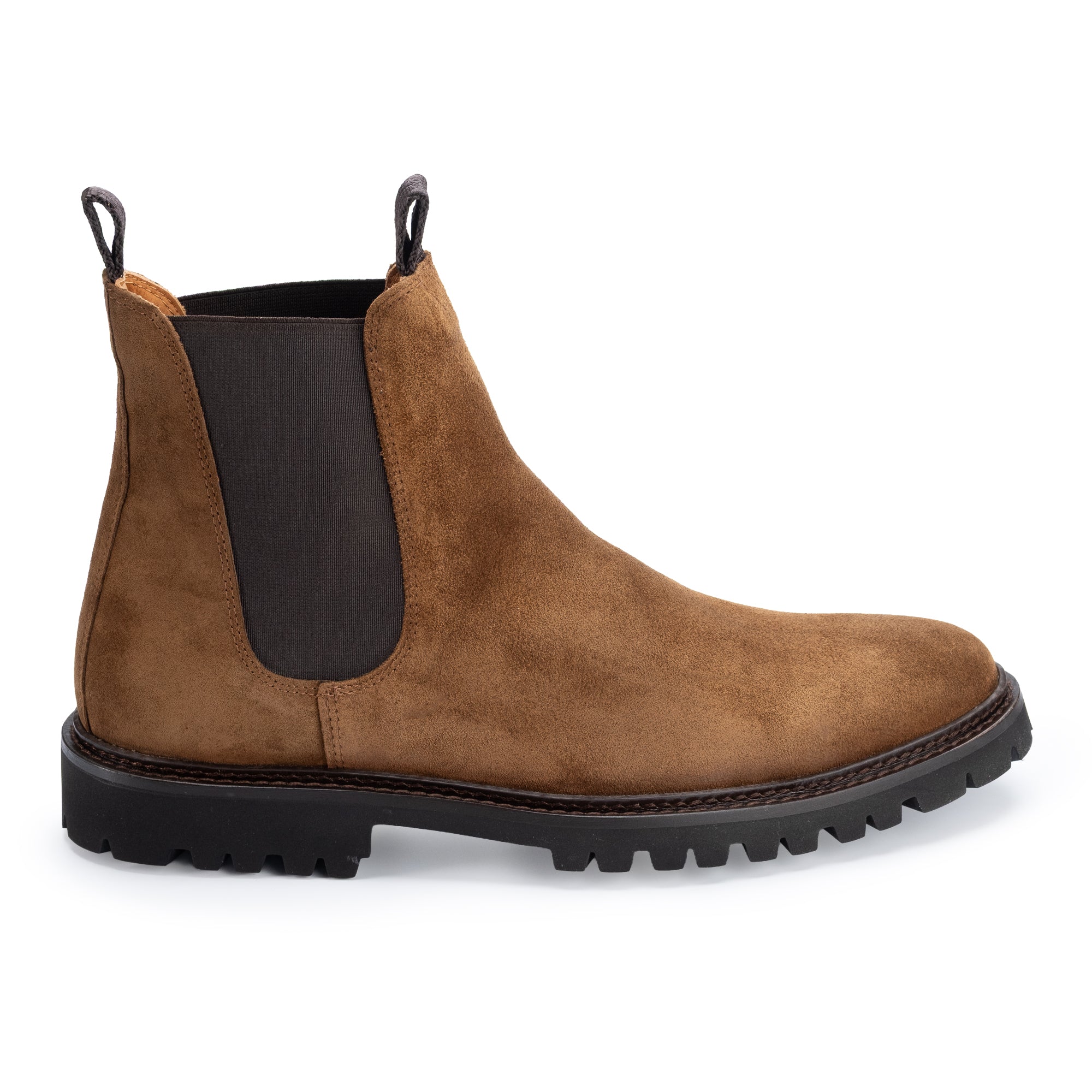
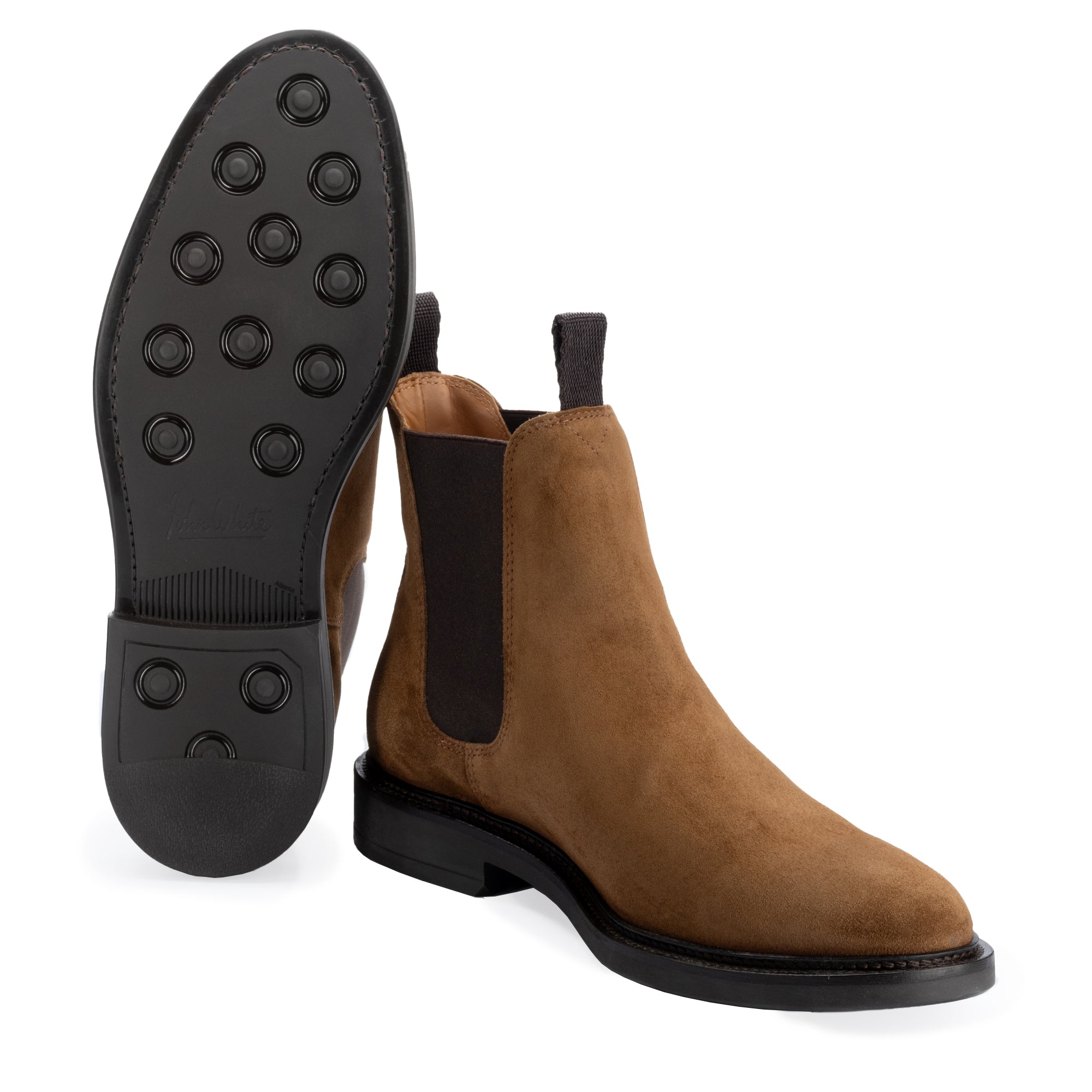
Dark brown sits in the most versatile position: formal enough for business and smart-casual occasions, relaxed enough for country weekends. Tan and lighter mid-browns carry significantly less formality and read best in spring and summer contexts, with linen or lightweight wool. For a detailed treatment of tonal variation across the wider colour conversation, our guide to tan, oxblood, and navy leather shoes covers what comes after the core three.
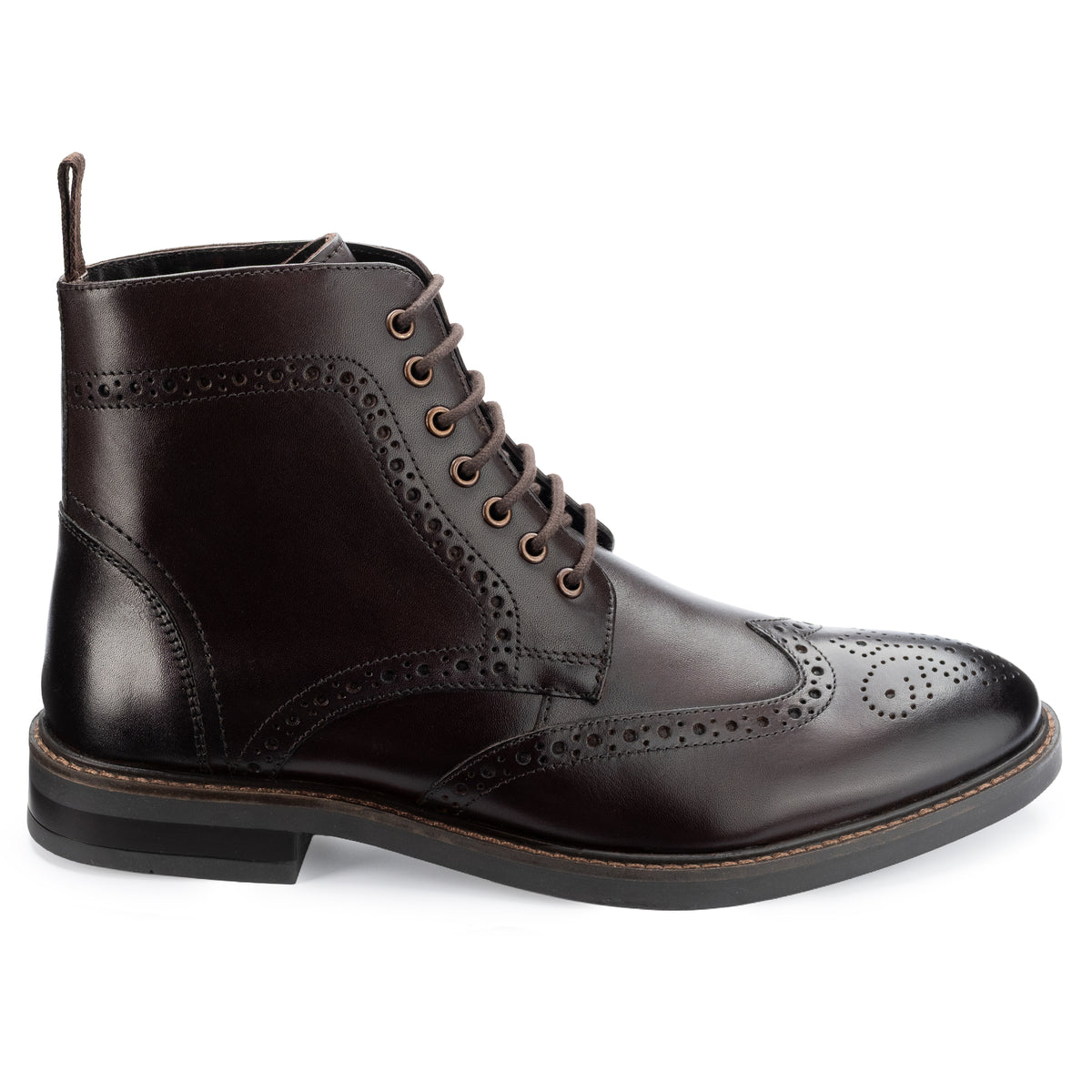
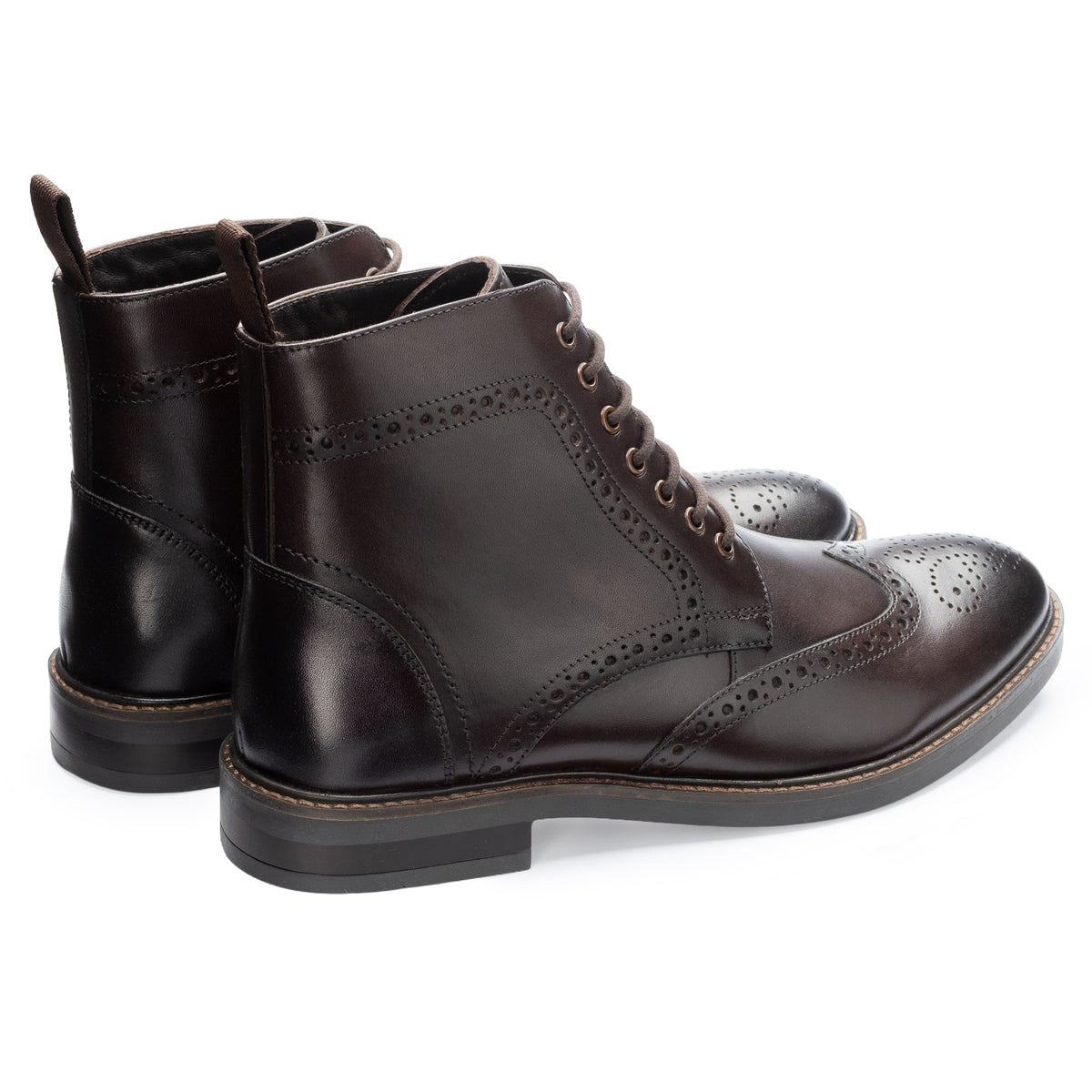
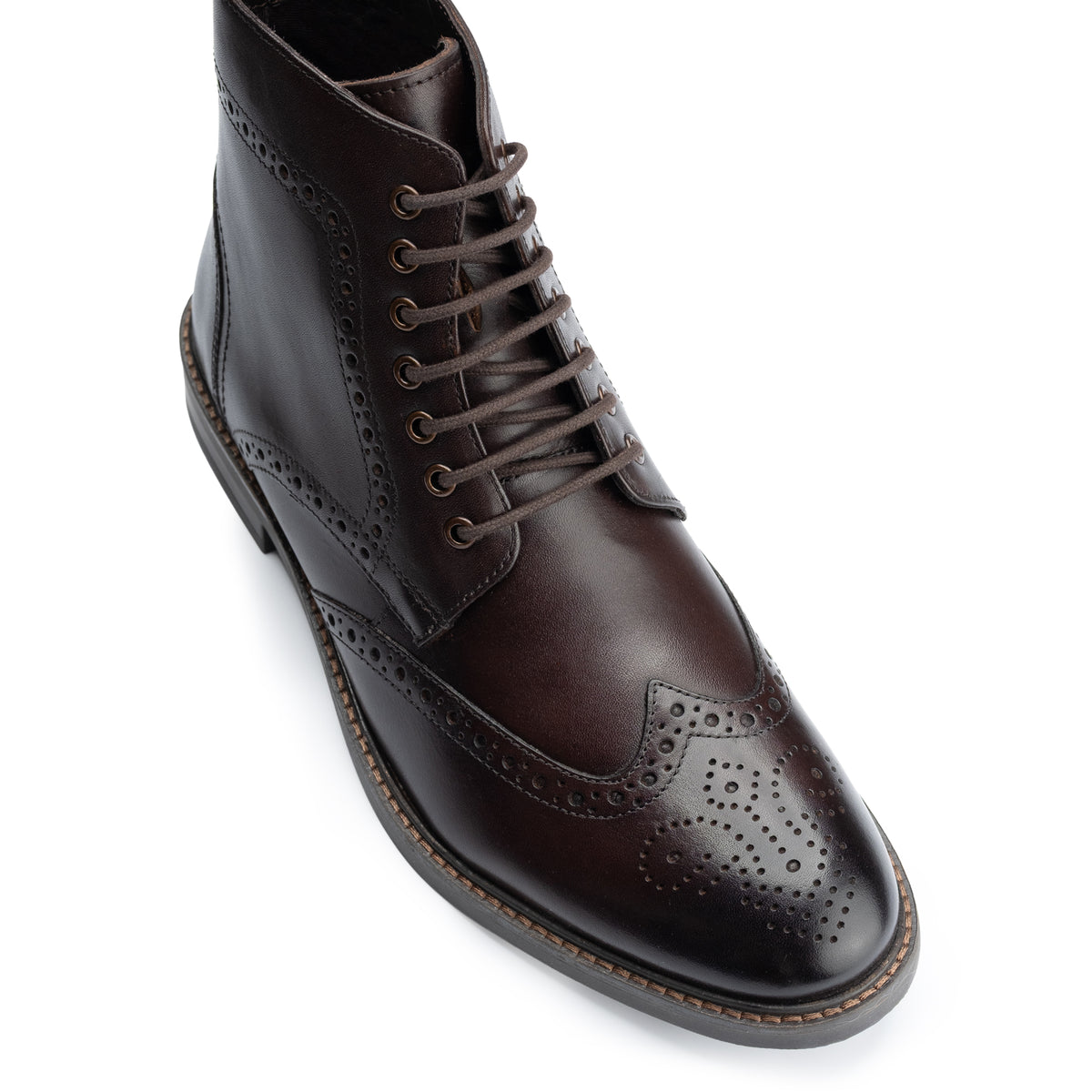
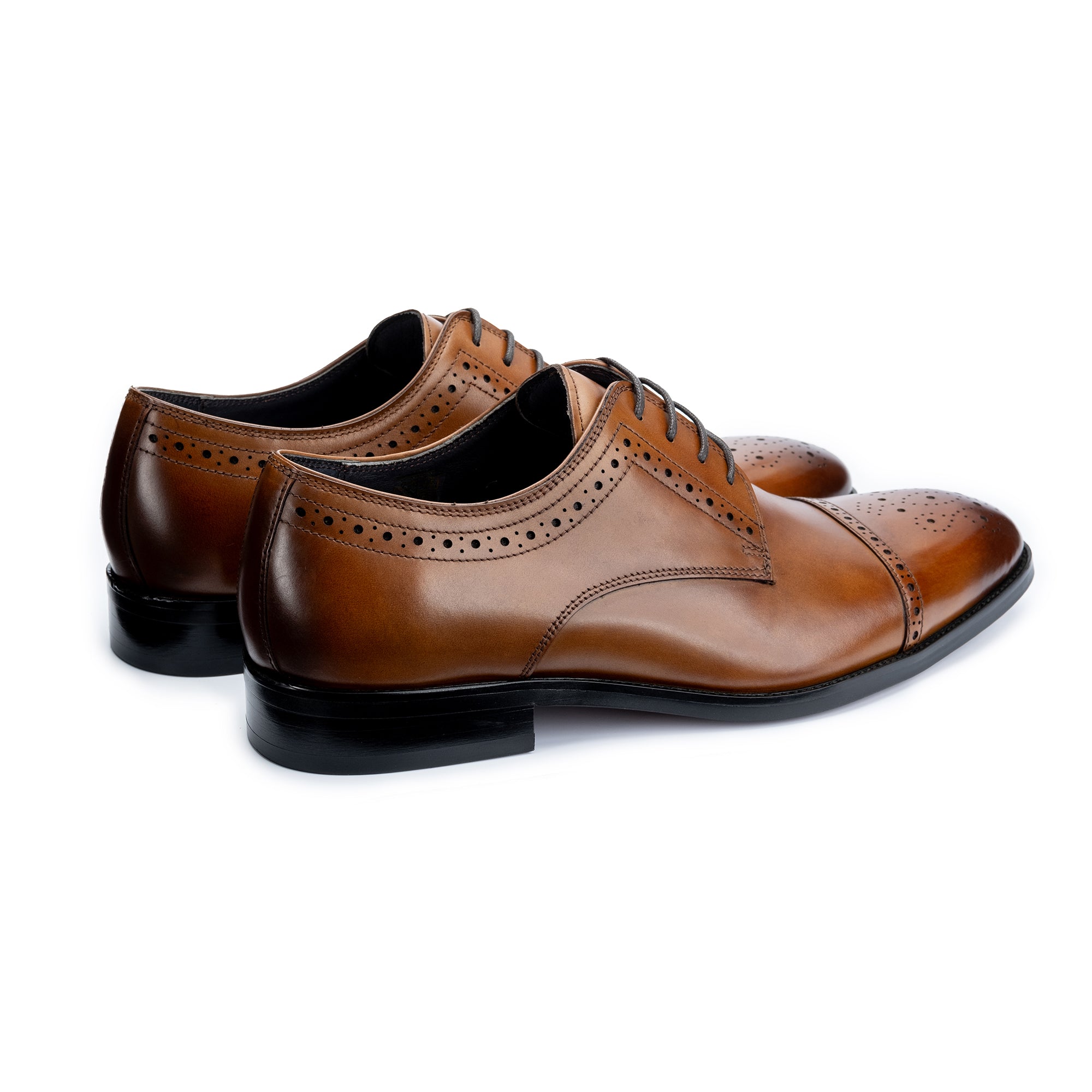
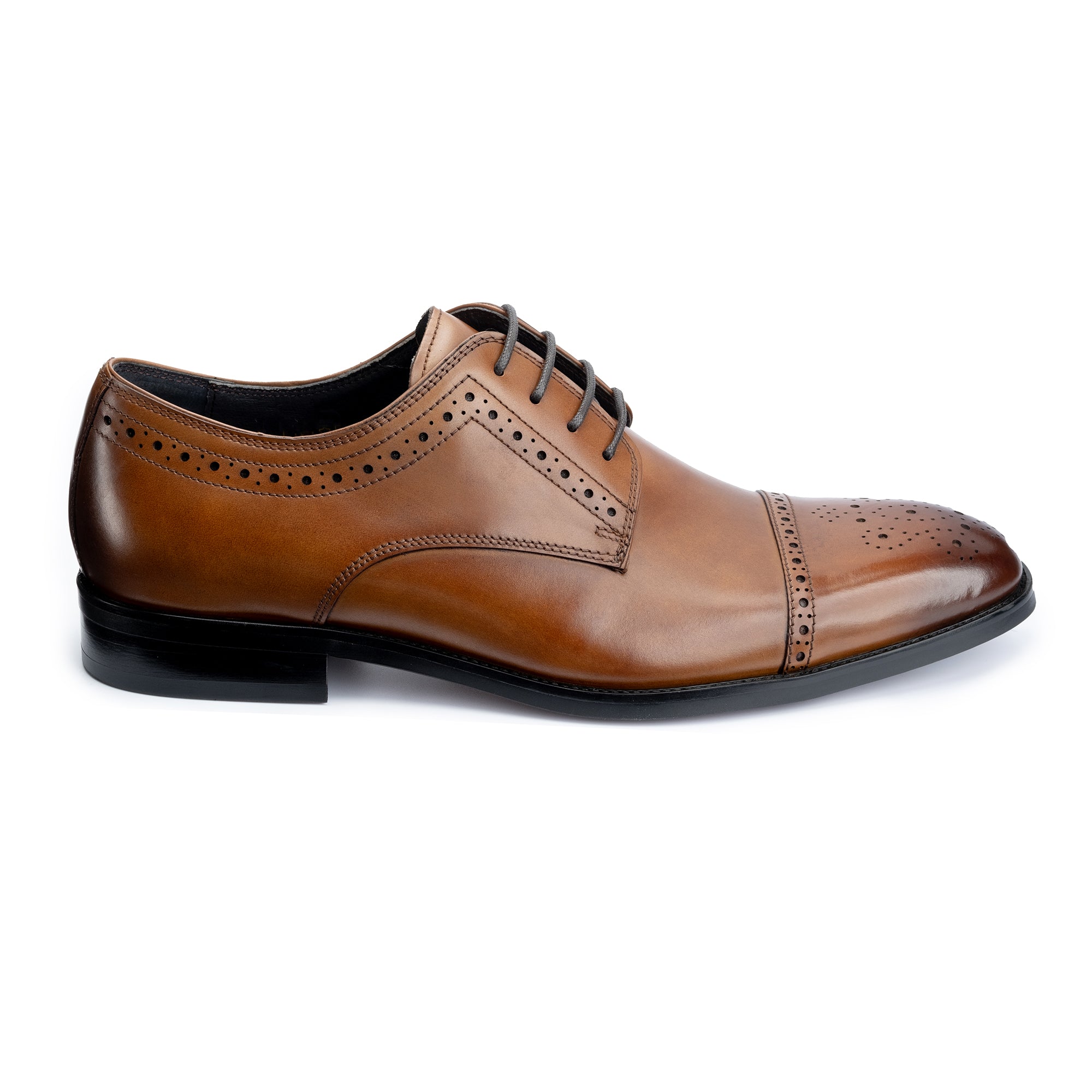
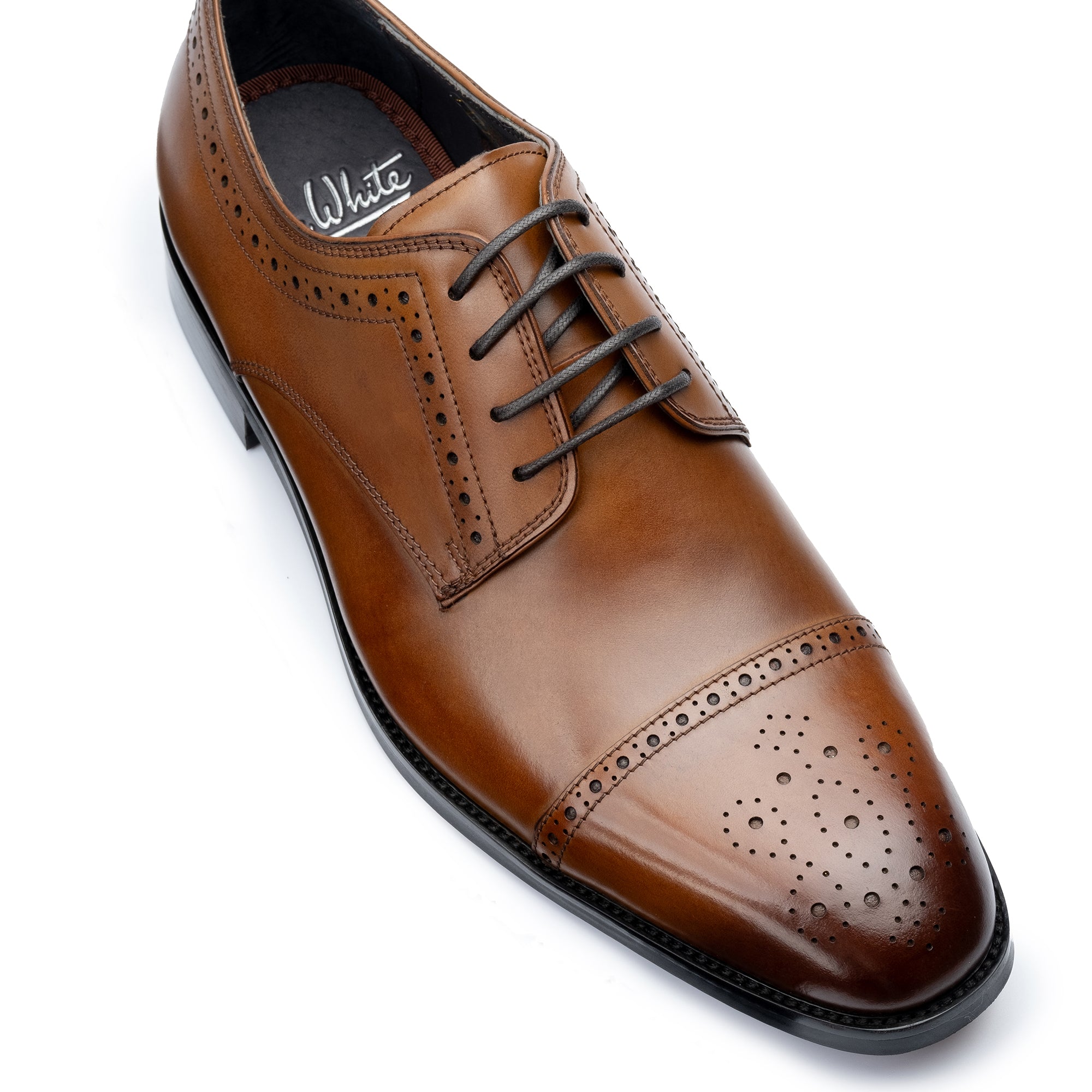
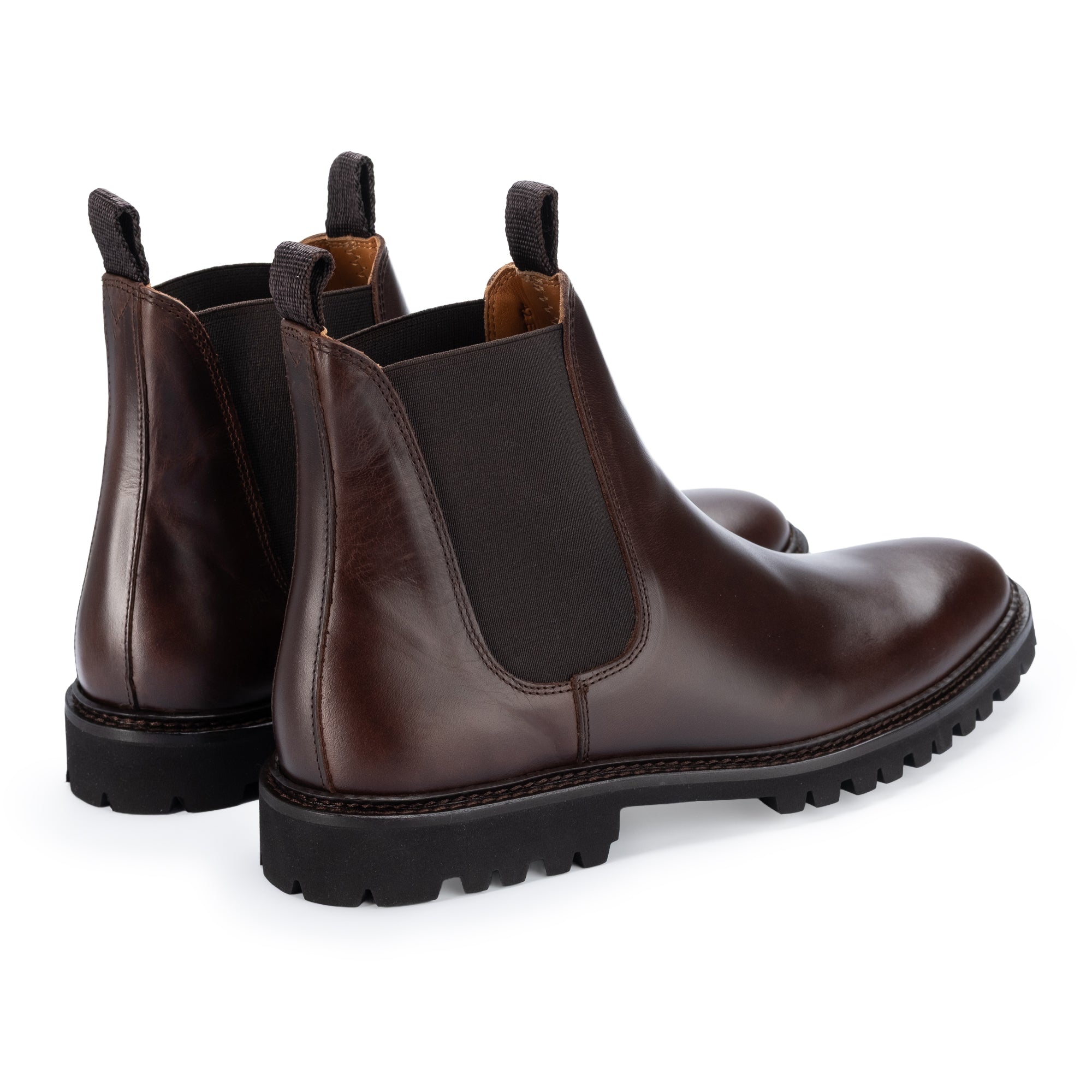
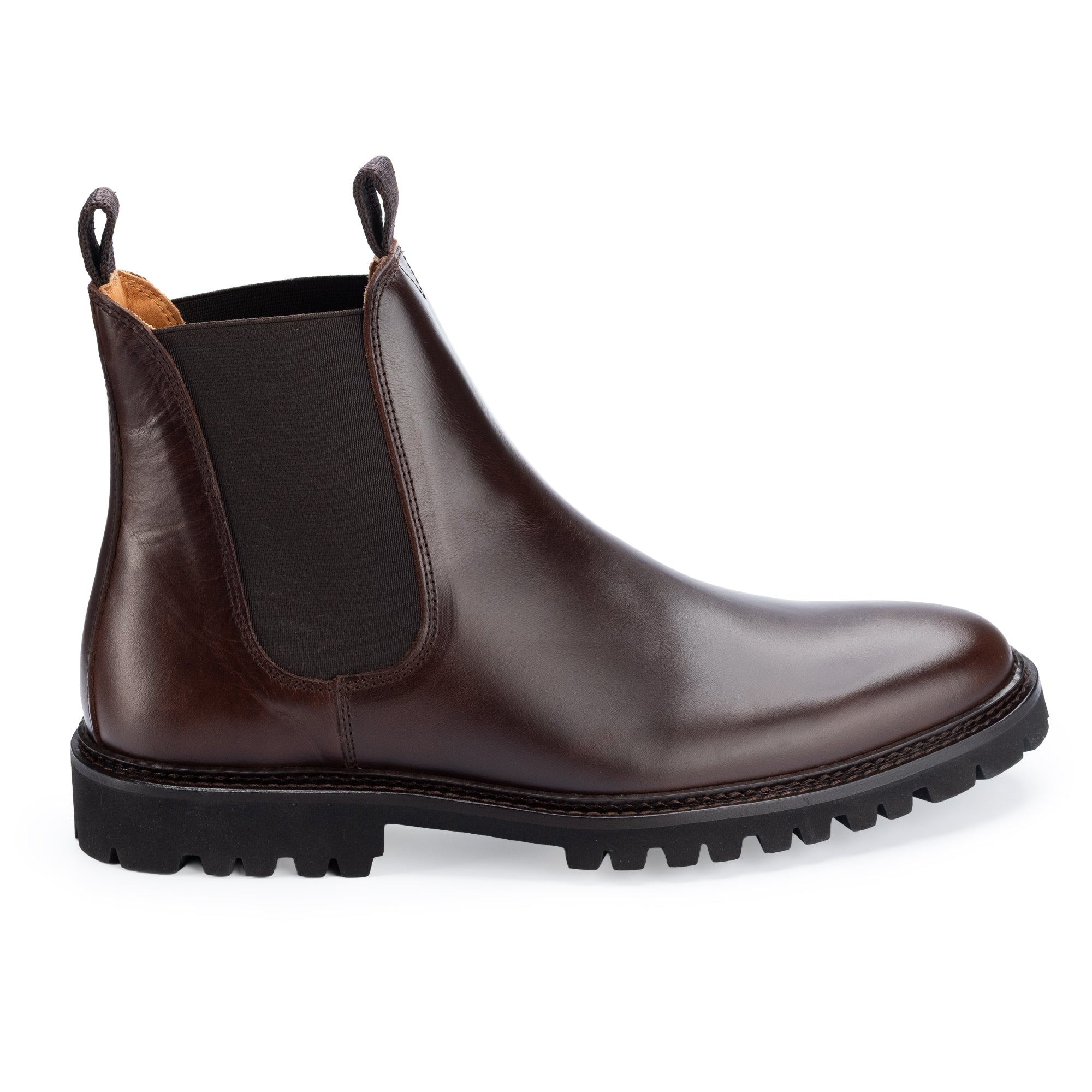
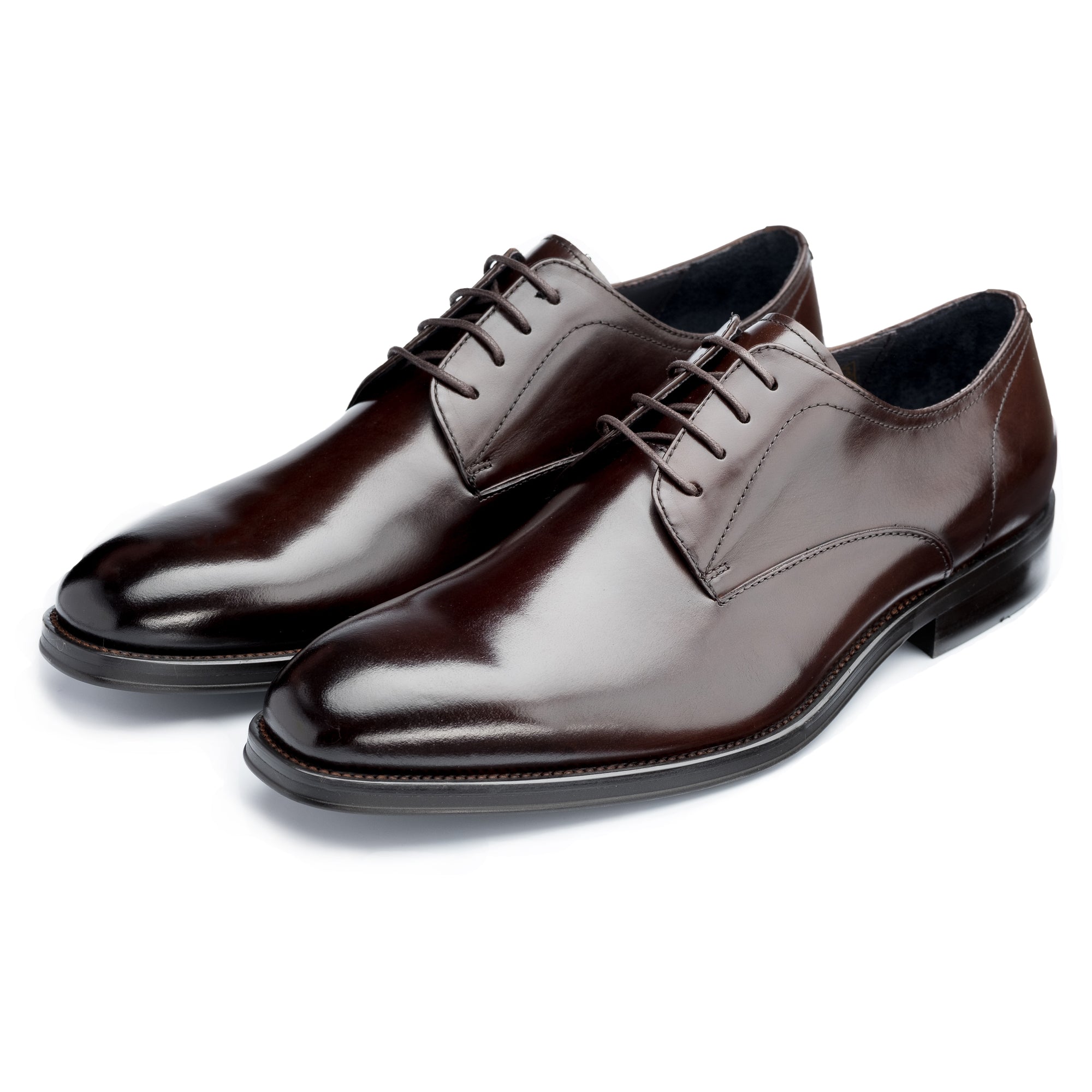
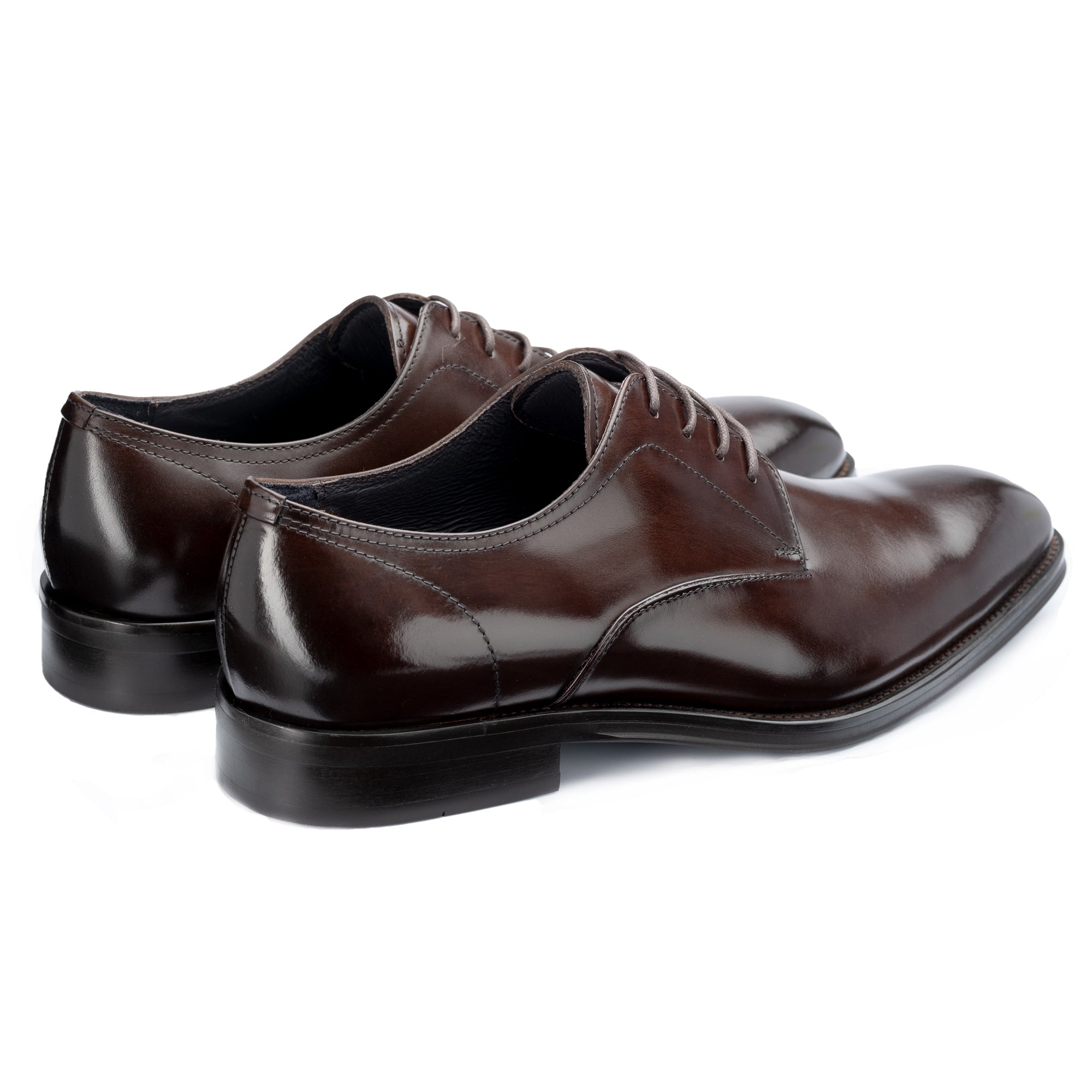
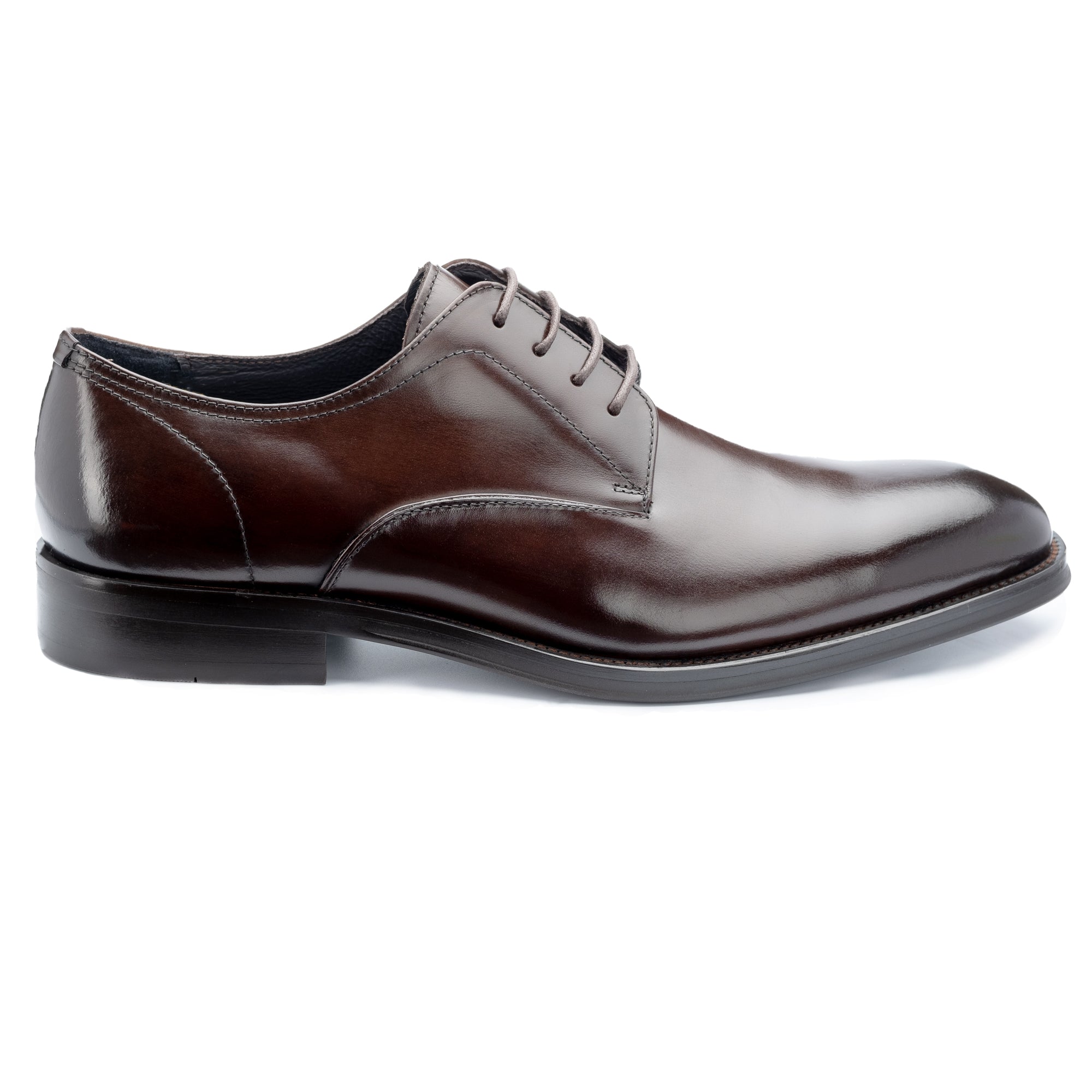
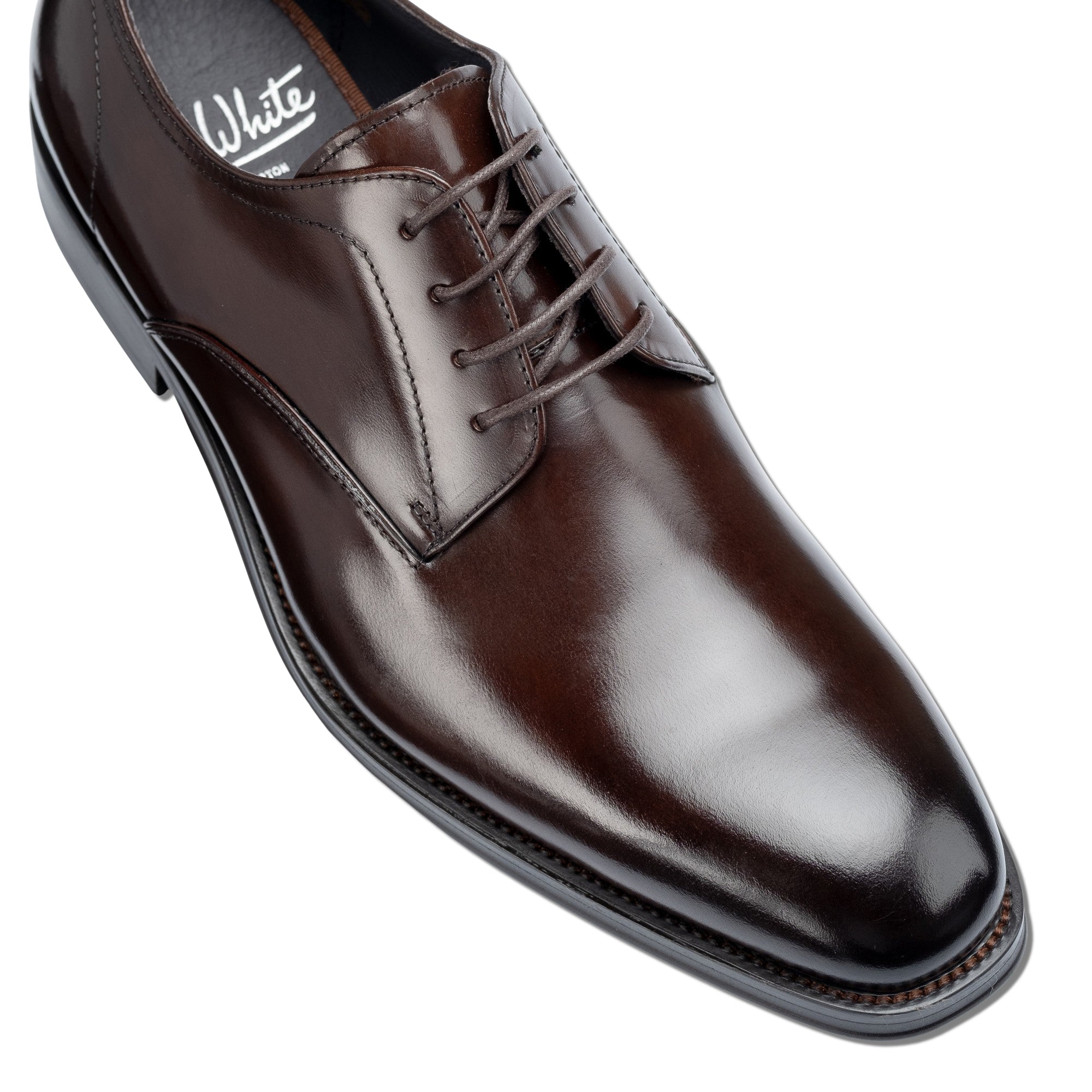
The old rule — no brown in town — has softened considerably in British professional dress. A dark brown Derby or brogue with a well-cut navy or mid-grey suit reads with sophistication in most business environments today. Brown's real advantage is warmth: it adds depth to navy in a way black simply cannot, and it pairs naturally with earth tones, tweed, and country cloth that black resists.
- Dark brown: business, smart-casual, country formal
- Mid-brown: smart-casual, weekend tailoring, blazer and chino
- Tan: spring and summer, linen suits, relaxed occasions
- Best with: navy, mid-grey, camel, tweed, khaki, and earth-toned suits
The Leather Conservation Centre notes that lighter brown leathers — particularly tan and mid-brown — require more vigilant conditioning than darker colourways, as variations in pigment concentration make dryness more visible at the surface. Maintaining a regular schedule is essential; our seasonal leather conditioning guide sets out the correct frequency for each colourway and climate.
Dark brown leather is the most versatile choice across the full range of professional and relaxed contexts — it reads warmly with navy and grey in a way black never can.Is Burgundy the Most Underestimated Colour in the Core Three?
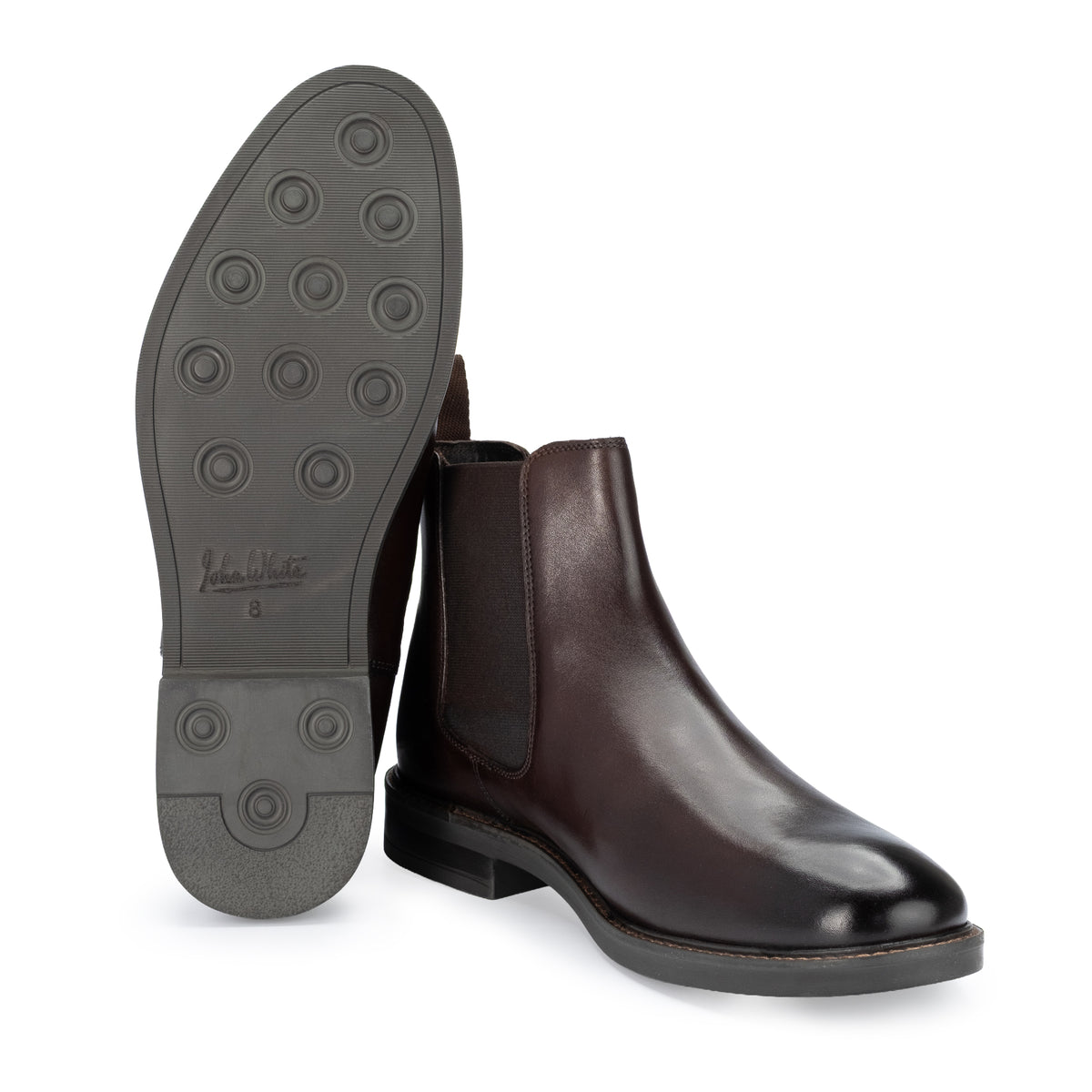
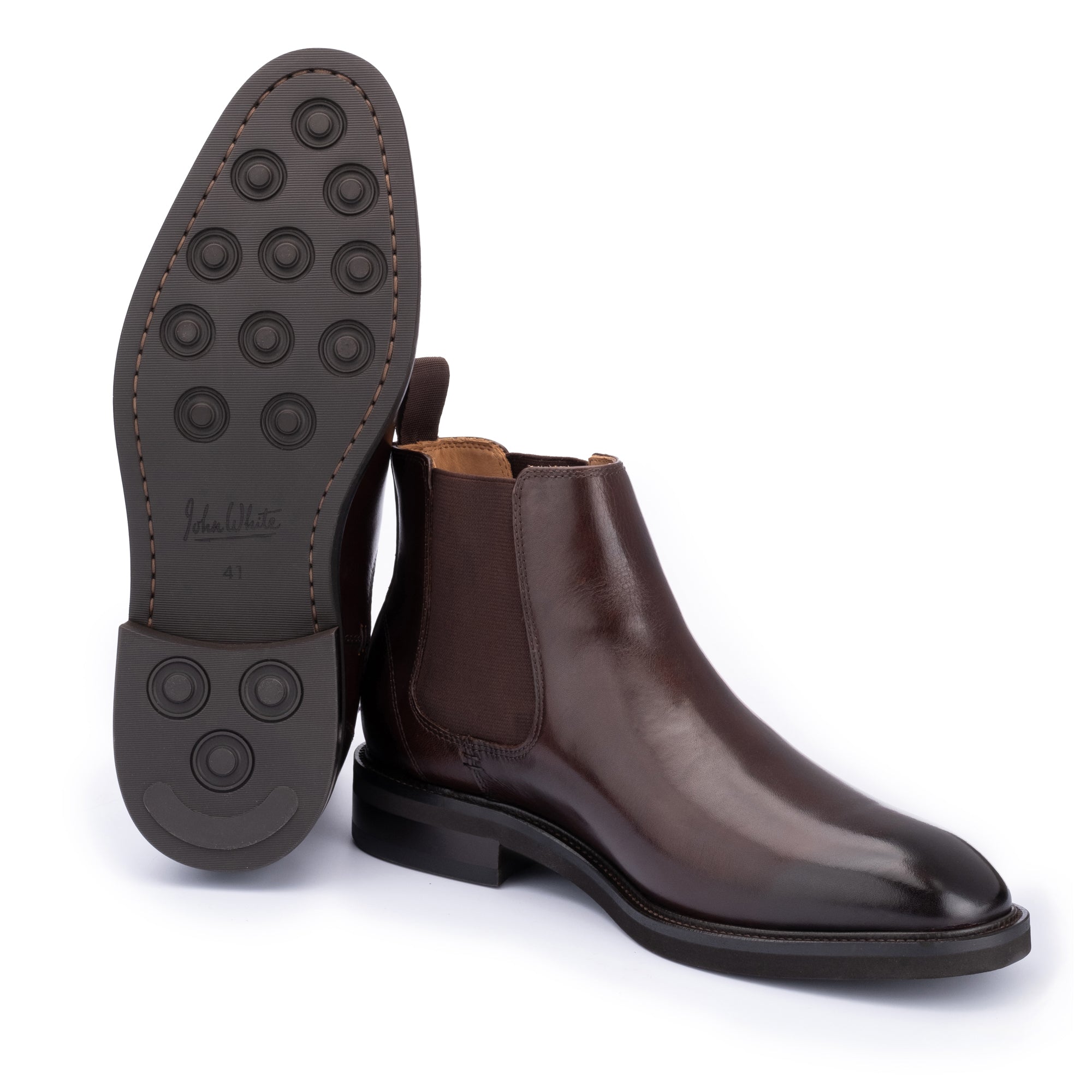
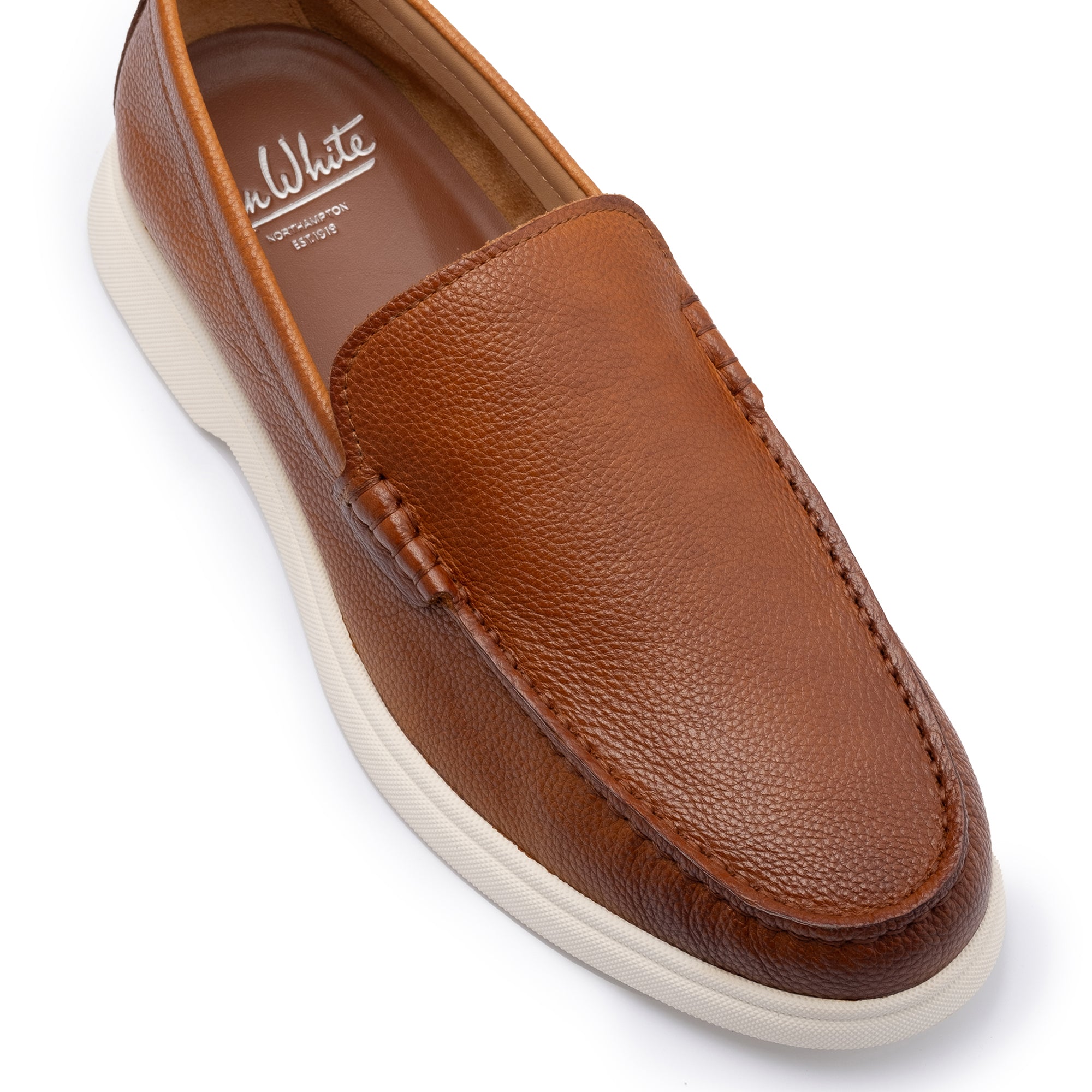
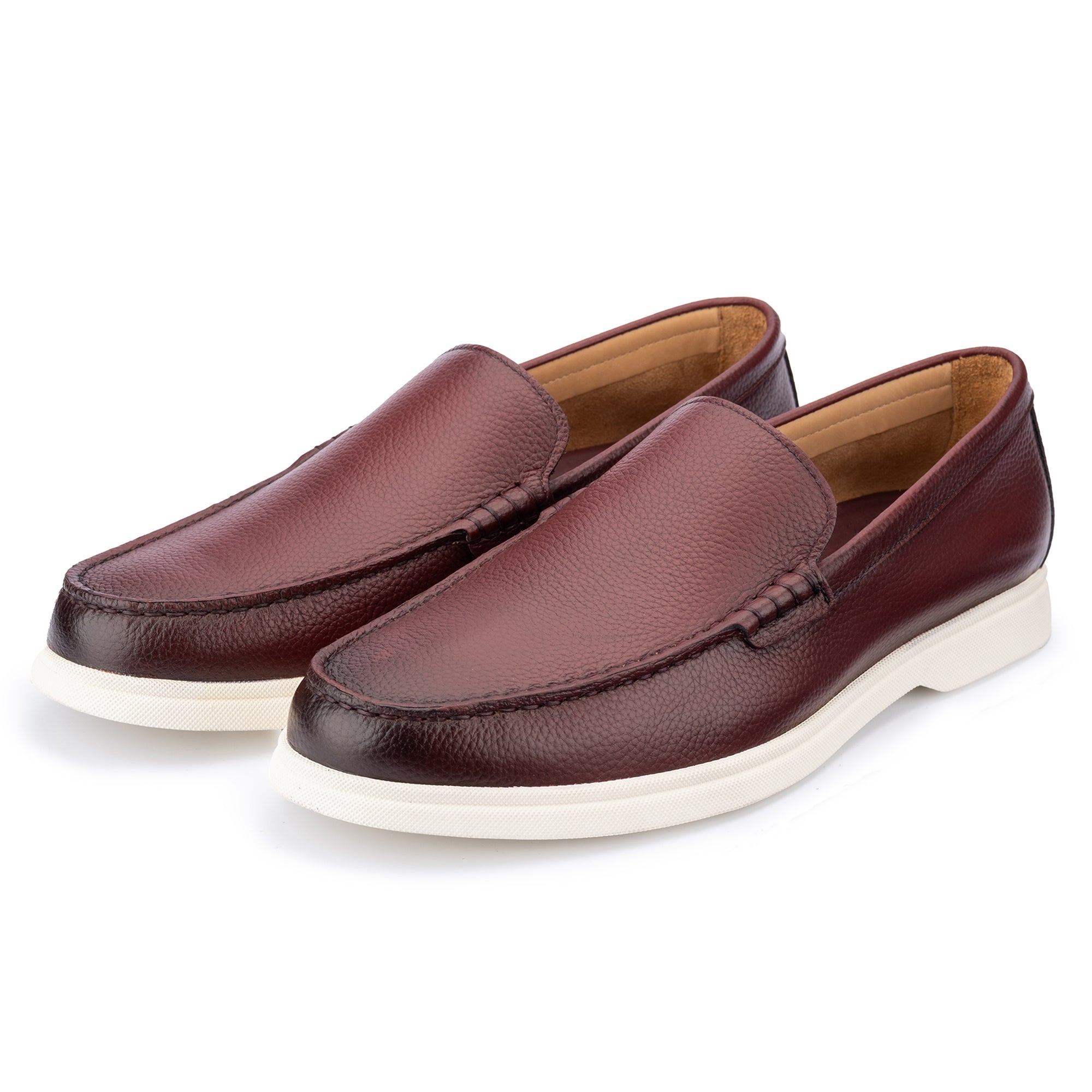
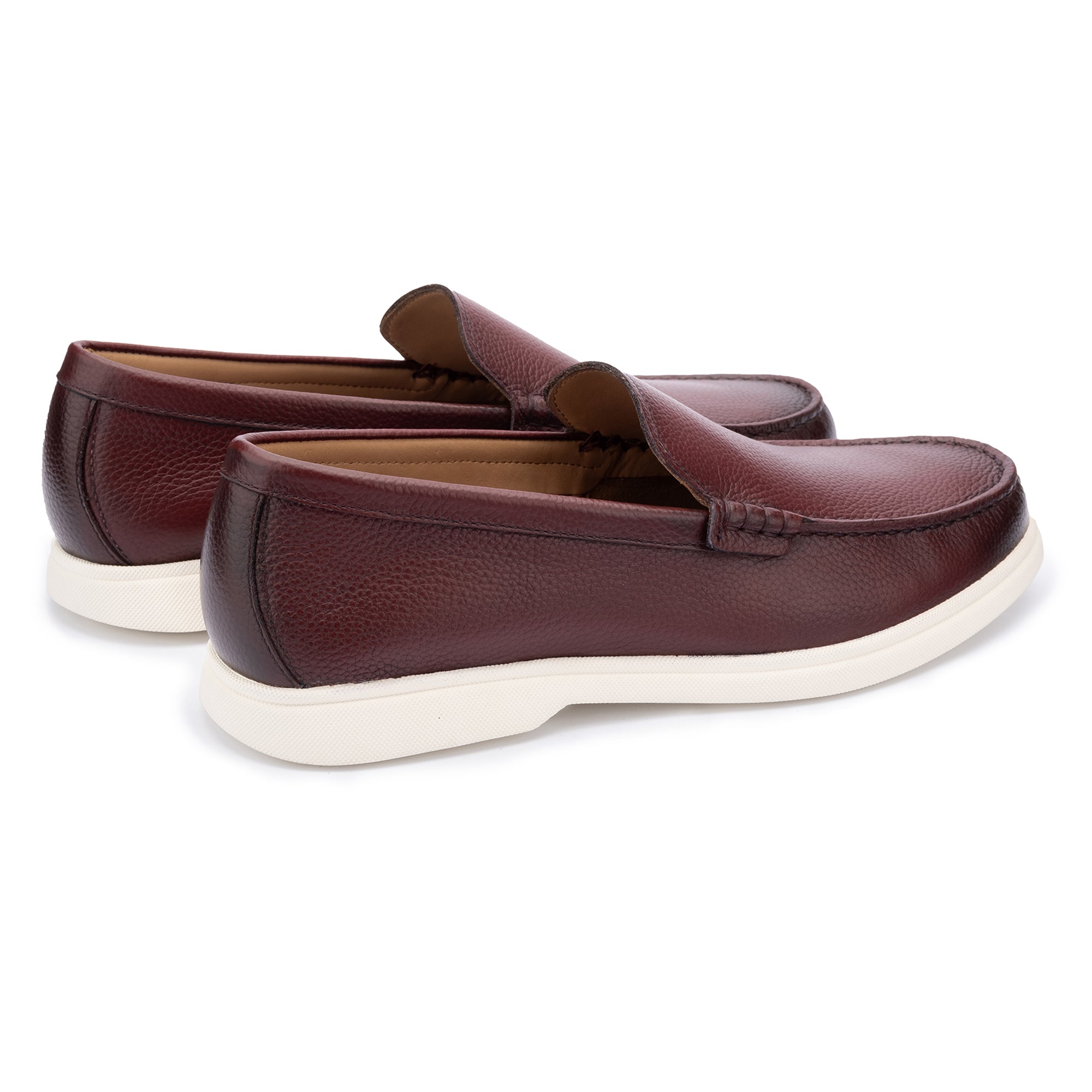
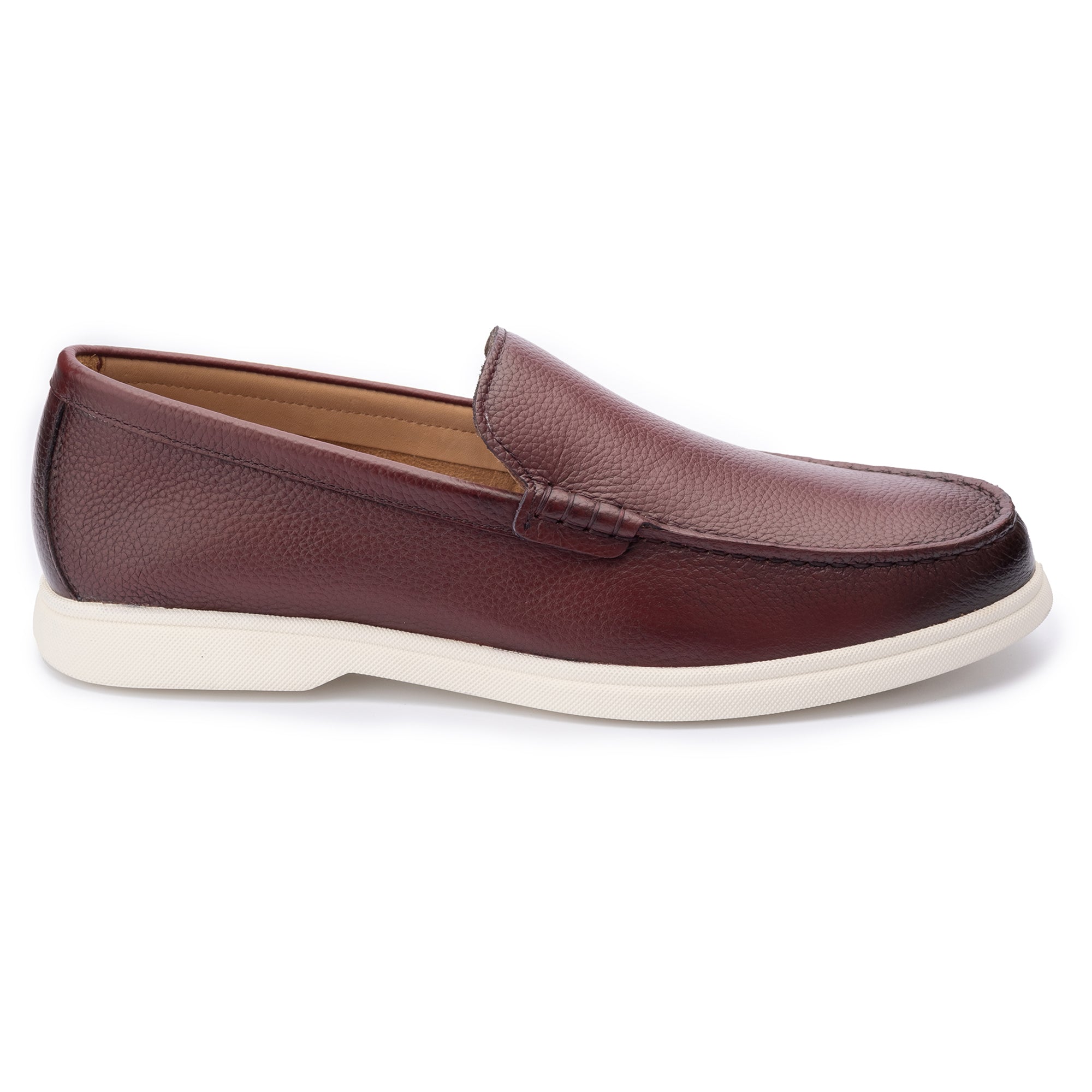
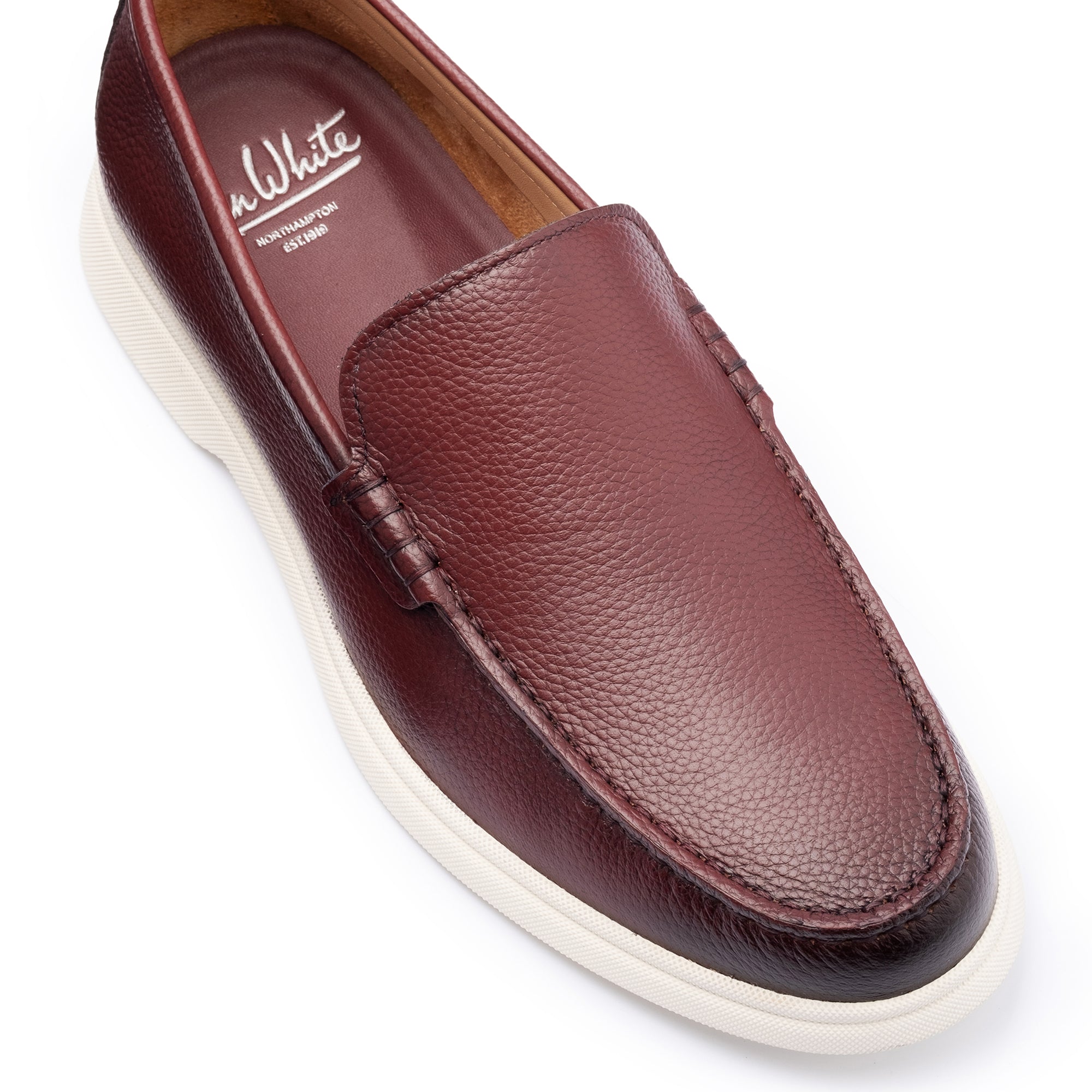
Burgundy leather — also referred to as oxblood or wine — is a deep red-brown shade that sits between formal and characterful in a way neither black nor brown replicates. It carries the gravity of a dark colour without black's severity, and the warmth of brown without its informality. Heritage makers including Grenson, Barker, and John White Shoes have long included burgundy as a cornerstone of their core ranges for precisely this reason.
Burgundy pairs exceptionally well with charcoal, navy, and mid-grey — the same suits that anchor black, but with a noticeably richer result. It adds distinction to a business wardrobe without veering toward eccentricity. A burgundy Derby or brogue Oxford communicates considered taste in a way that plain black does not — it signals someone who has thought about their wardrobe rather than simply assembled one.
According to the Society of Master Shoe Repairers, deep-toned leathers including burgundy and oxblood are among the easiest colourways to maintain in terms of polish adhesion and surface scuff concealment — the depth of pigment absorbs minor marks more readily than pale tans or mid-browns, making burgundy a relatively forgiving daily-wear choice.
- Best with: charcoal, navy, mid-grey, and dark blue denim in informal settings
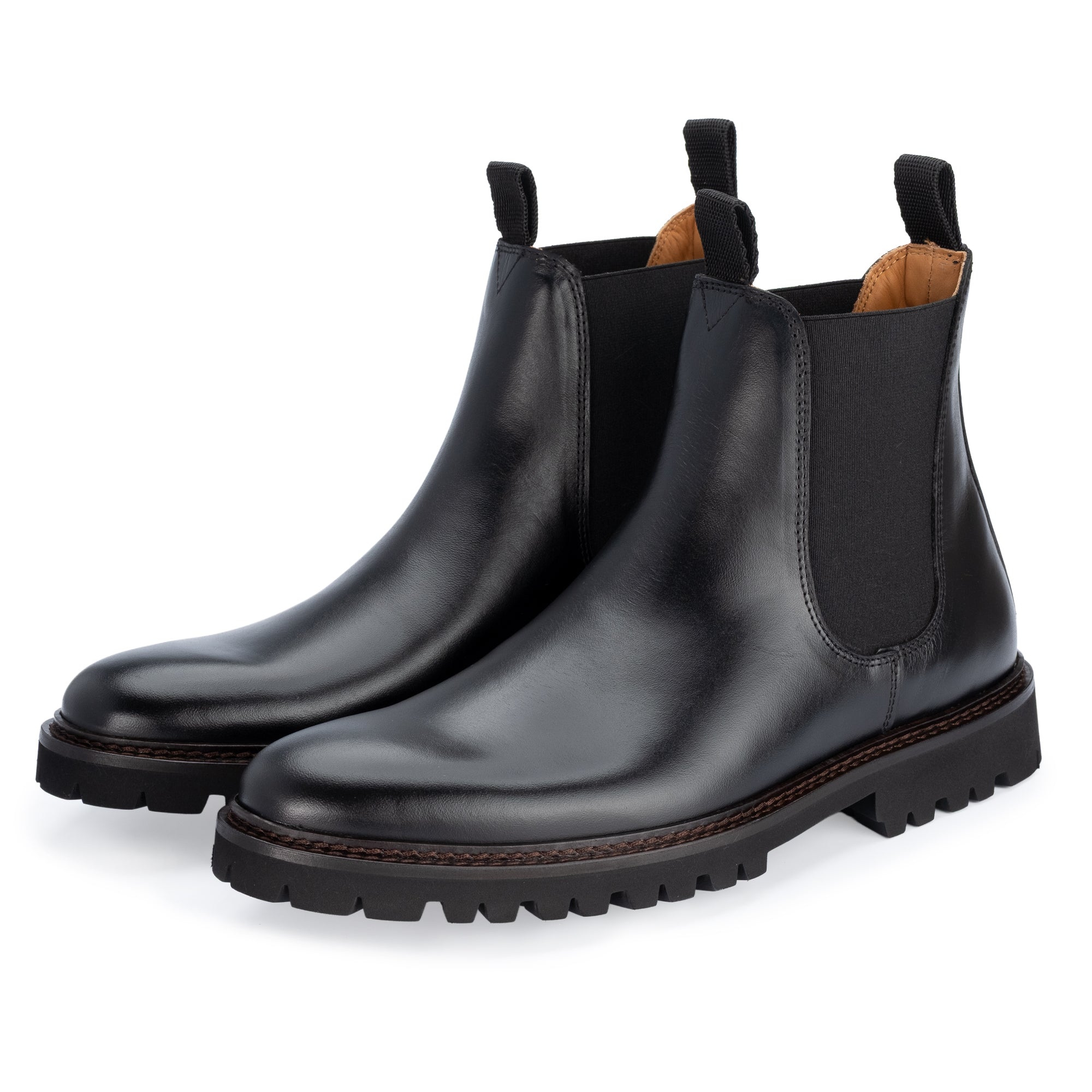
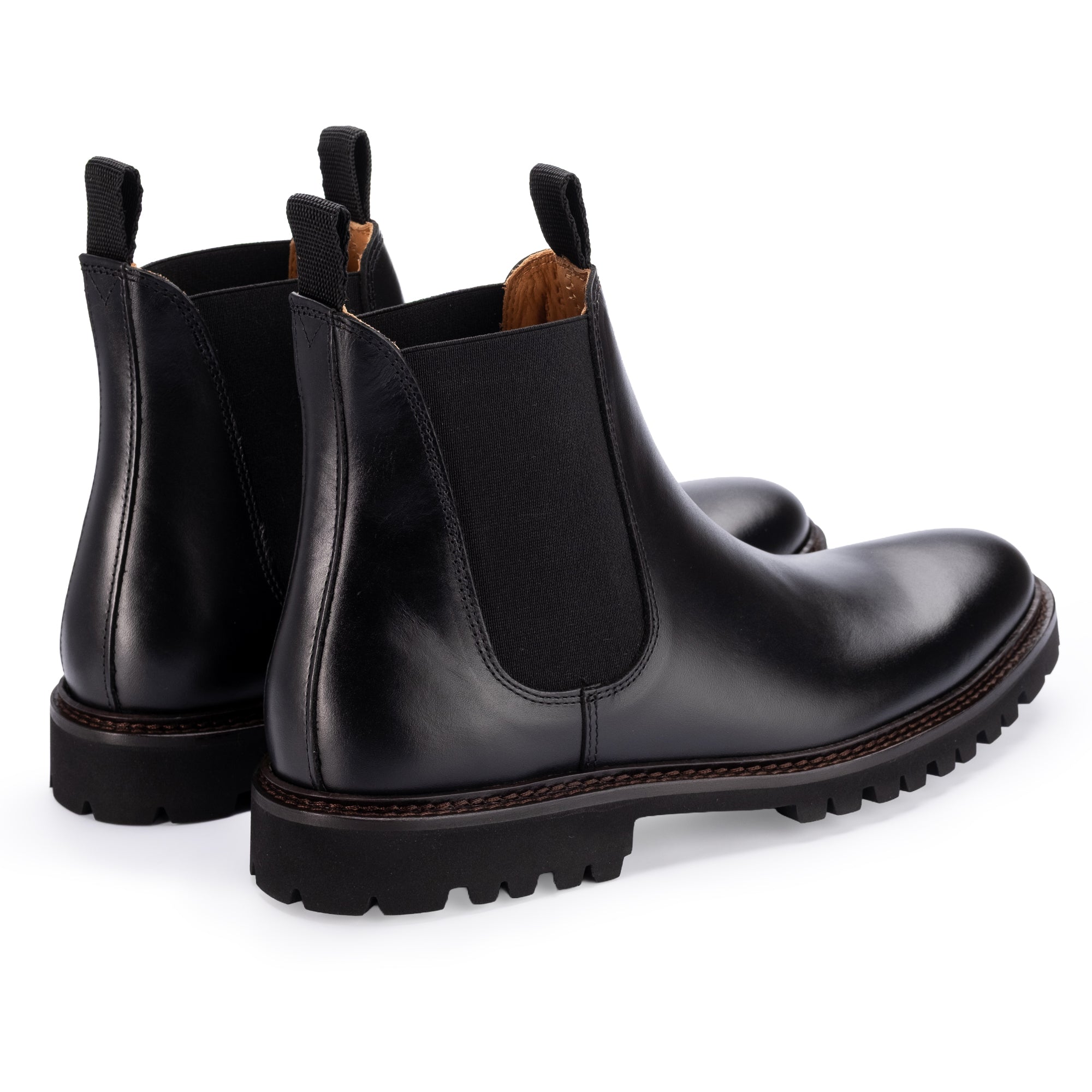
- Ideal styles: full brogue, semi-brogue Derby, Chelsea boot
- Avoid with: black suits, brown or tan trousers
- When to choose it: when black reads too severe and brown reads too casual
How Do Black, Brown, and Burgundy Compare Across Key Criteria?
| Criterion | Black | Dark Brown | Burgundy |
|---|---|---|---|
| Formality level | Highest | Moderate–high | Moderate–high |
| Versatility range | High (formal range) | Very high (full range) | High (tailored range) |
| Best suit colours | Charcoal, navy, grey, black | Navy, grey, camel, earth tones | Charcoal, navy, mid-grey |
| Country and casual suitability | Limited | Excellent | Moderate |
| Black tie suitability | Yes | No | No |
| Care visibility | Forgiving | Moderate (lighter shades less so) | Forgiving |
| Priority purchase order | First | Second | Third |
How Should You Sequence a Three-Colour Core Collection?
Building a core collection across these three colours follows a clear logic. Start with black — it covers the most formal ground and cannot be substituted. Add dark brown second, as it extends your range into smart-casual and country contexts that black cannot reach. Bring in burgundy third, once the foundation is in place, to add character and depth to your tailored wardrobe.
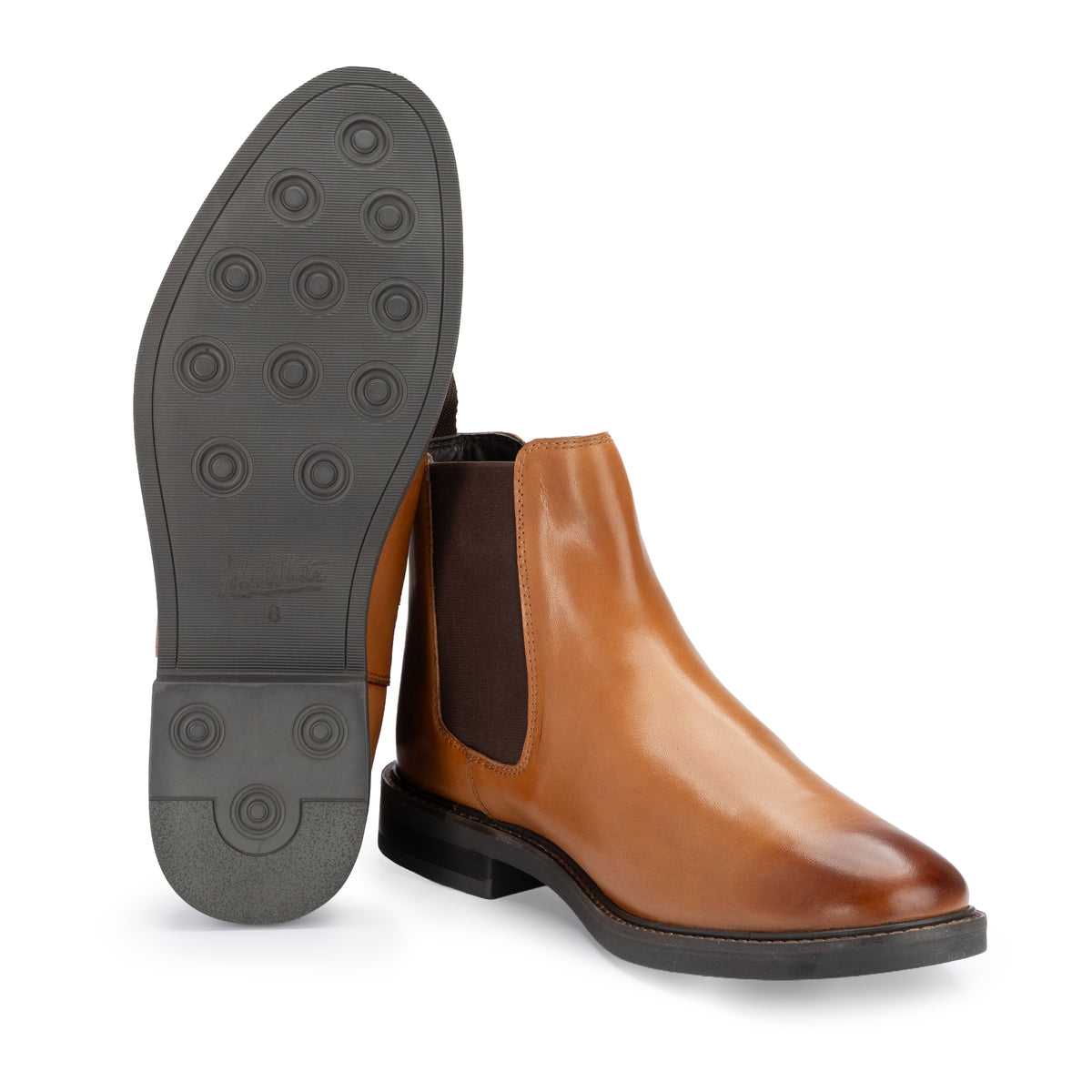
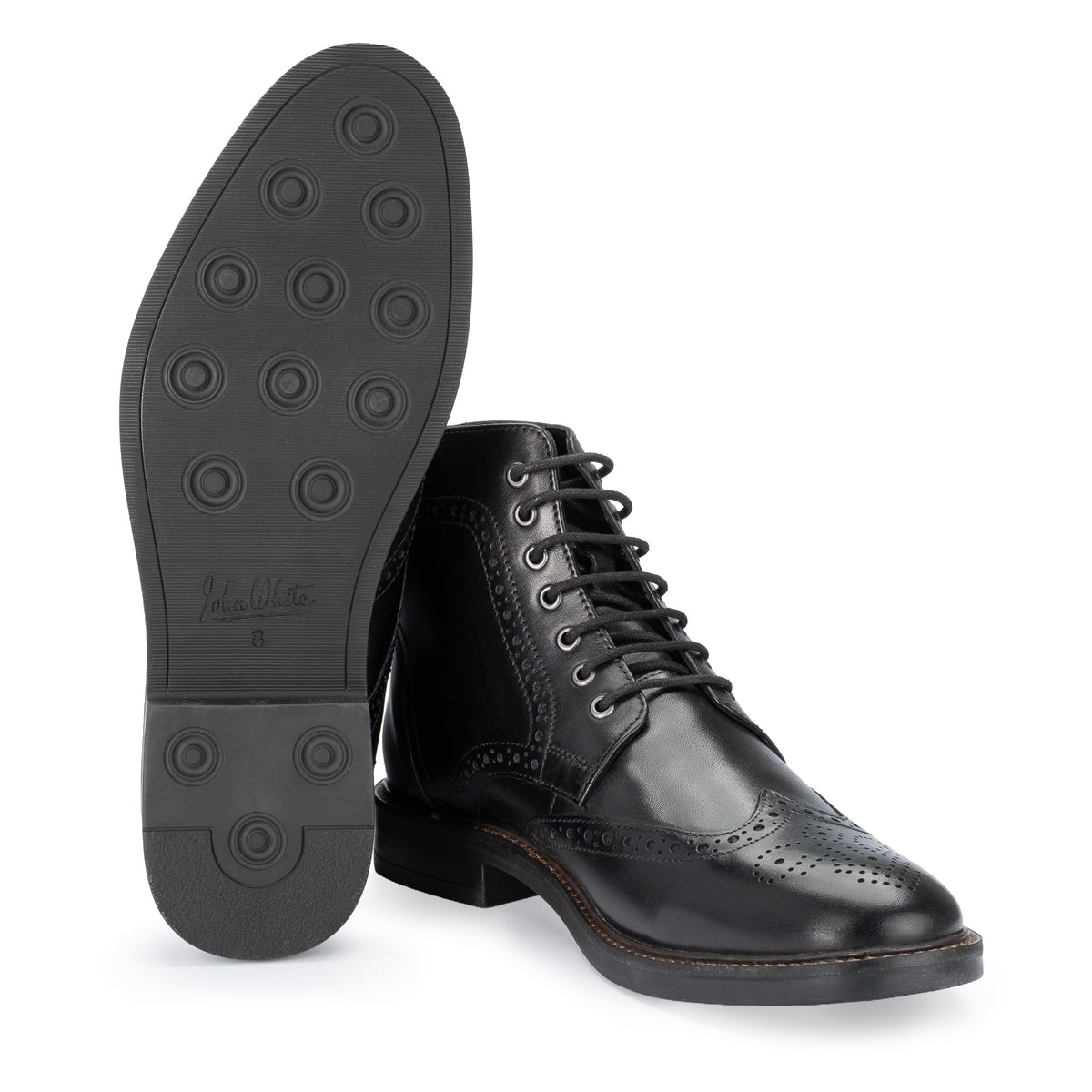
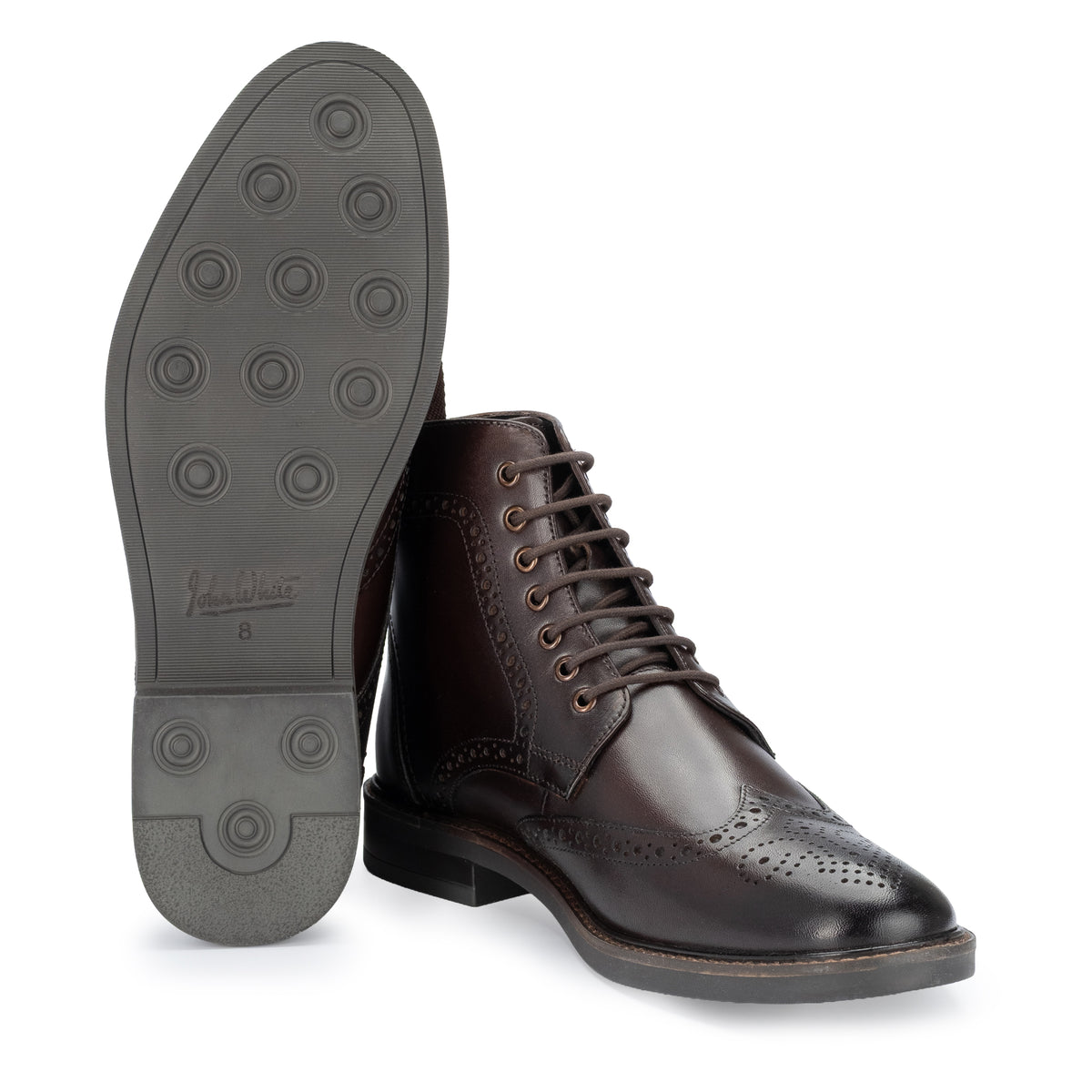
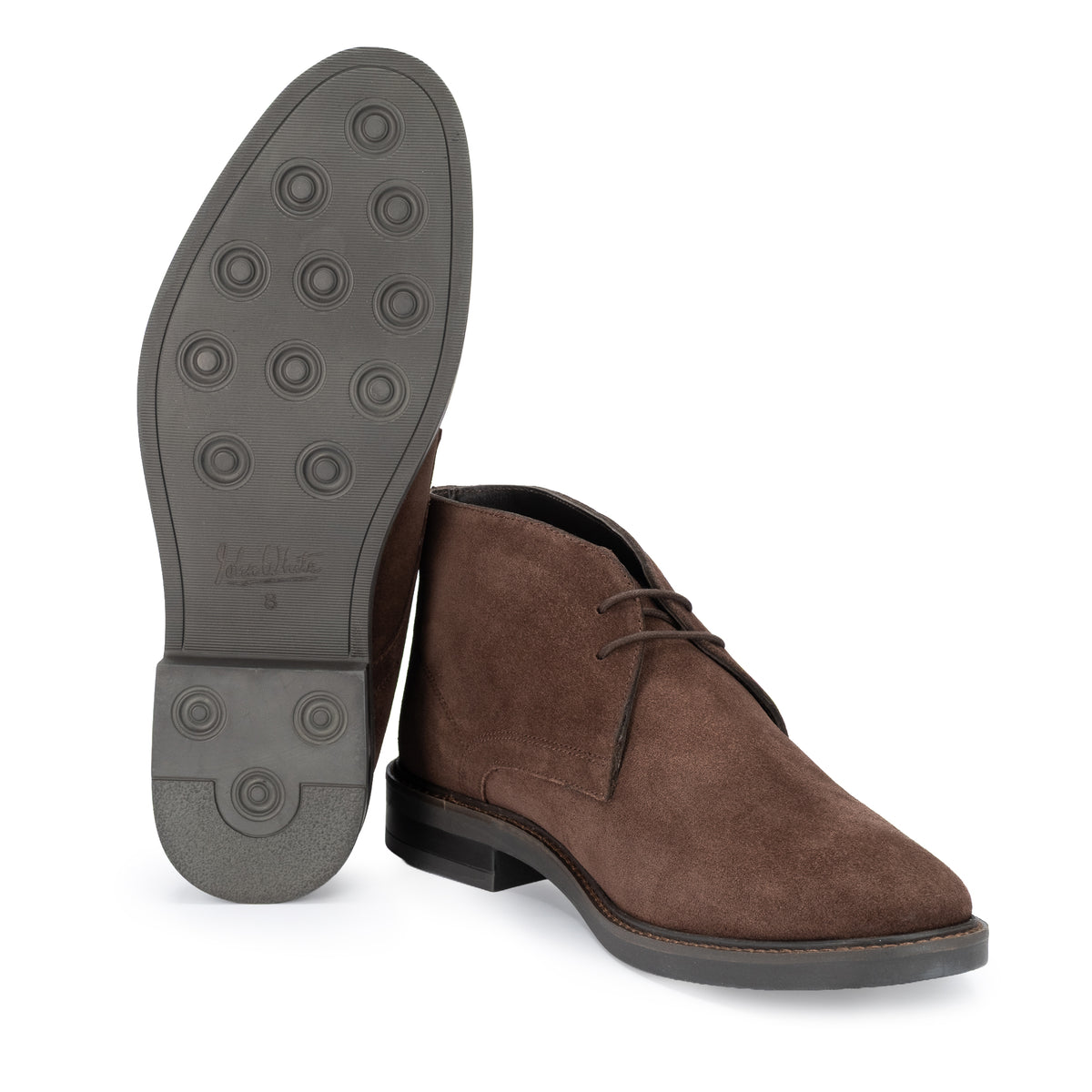
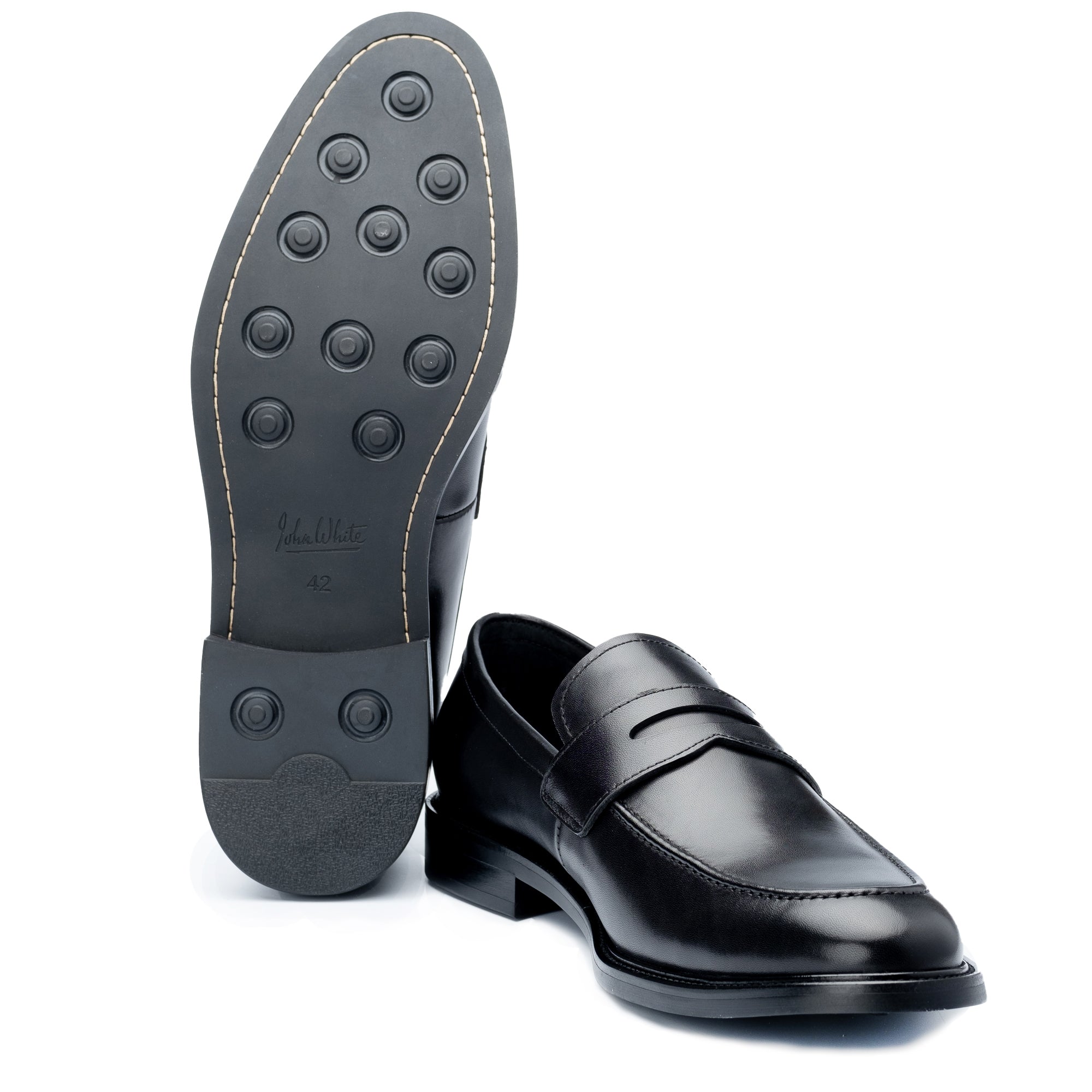
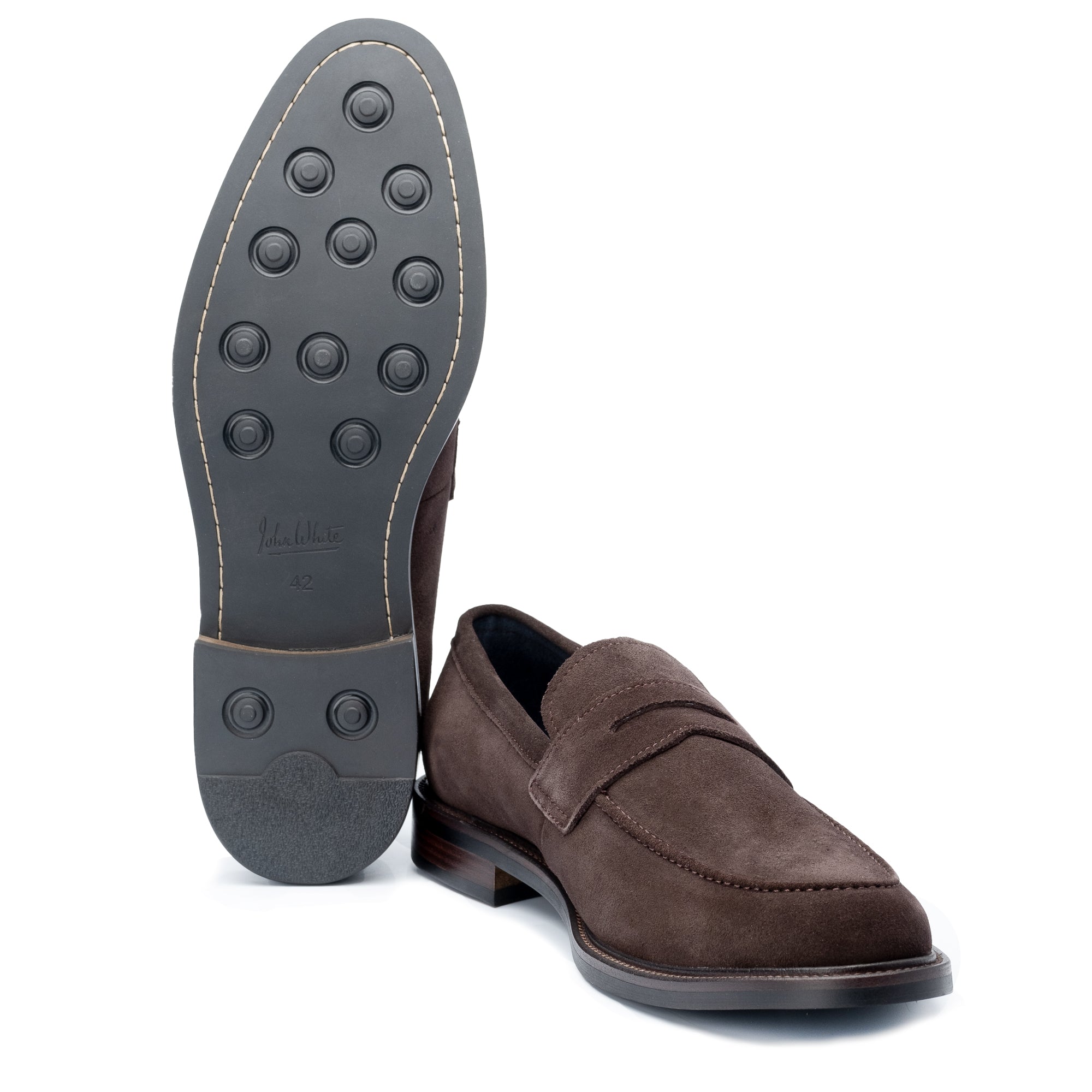
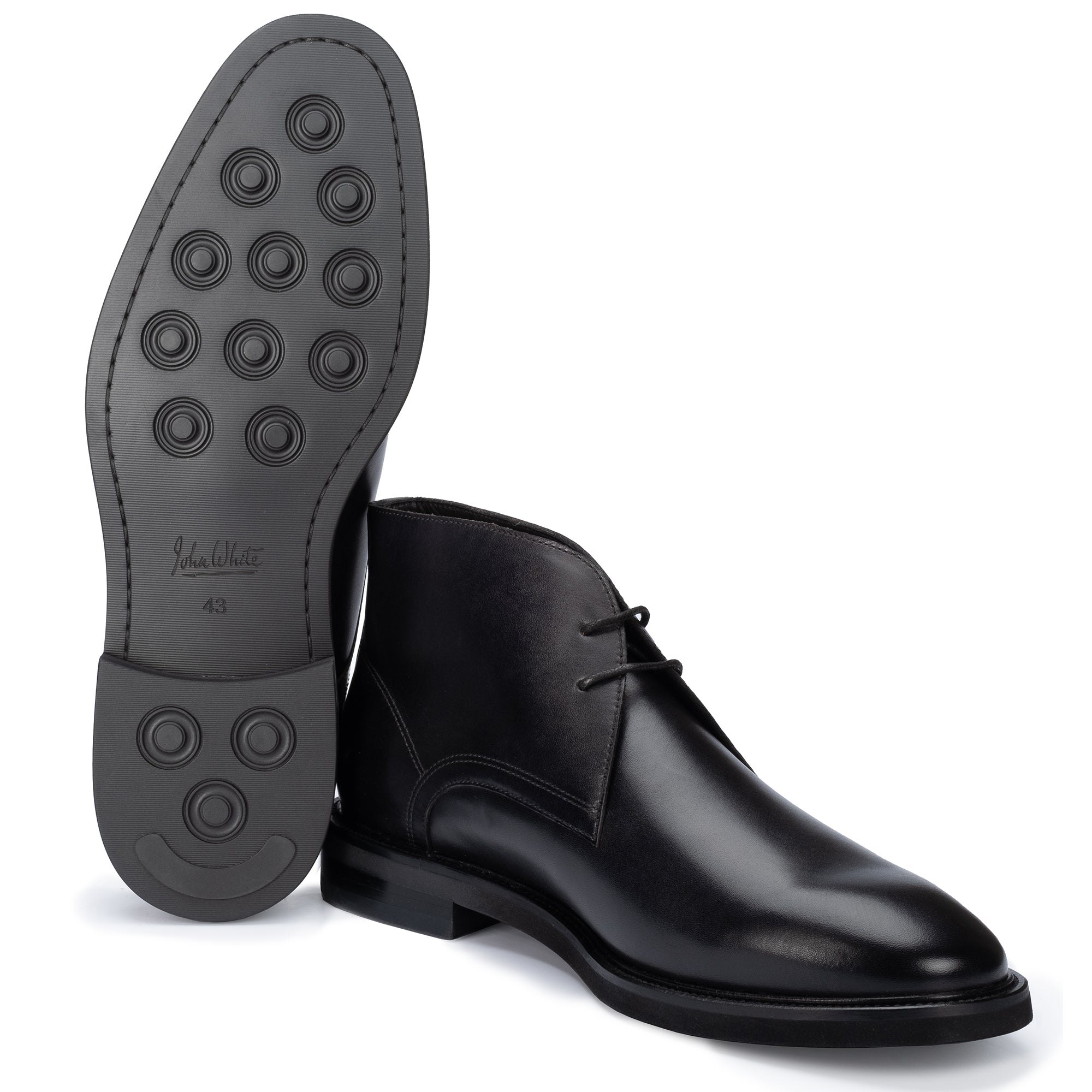
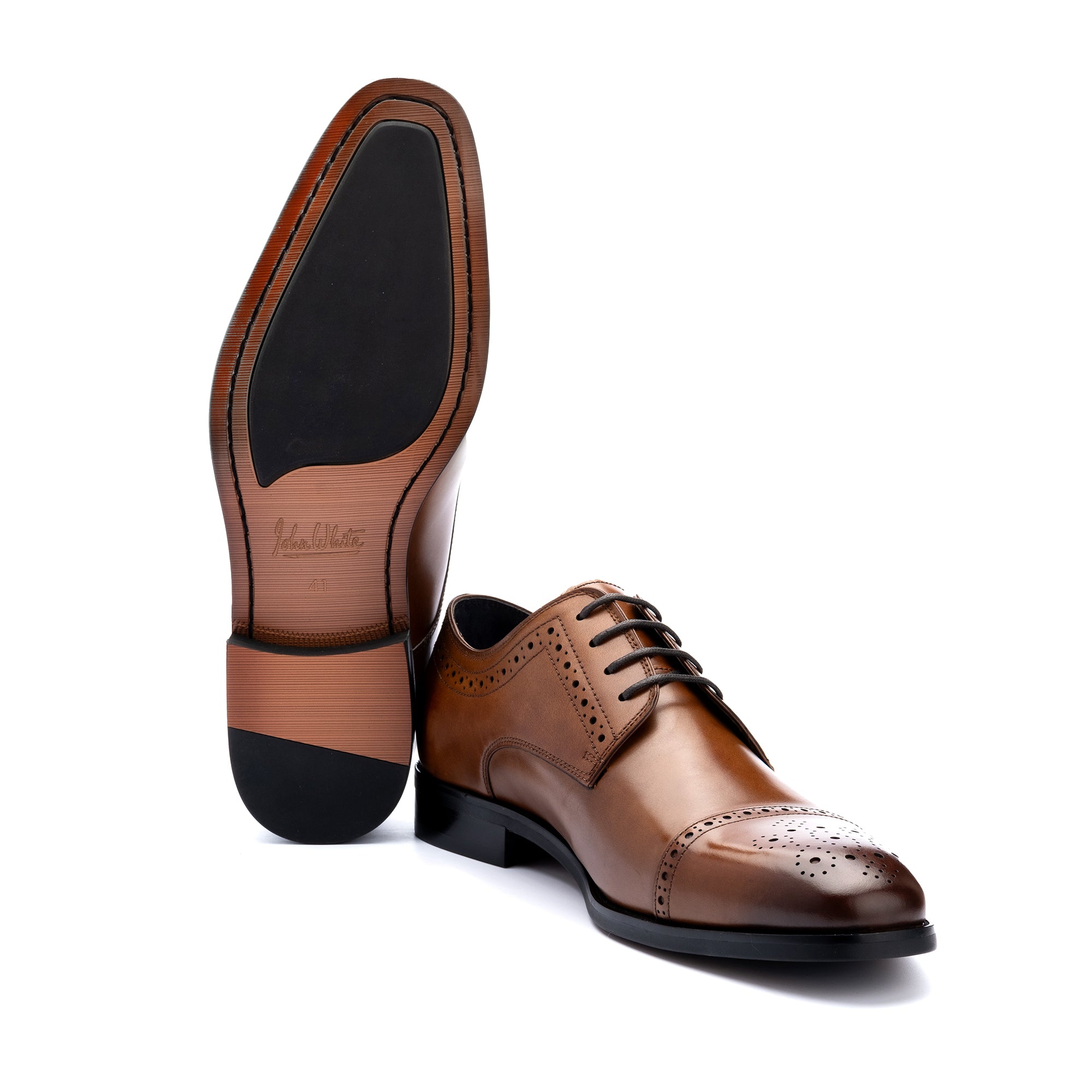
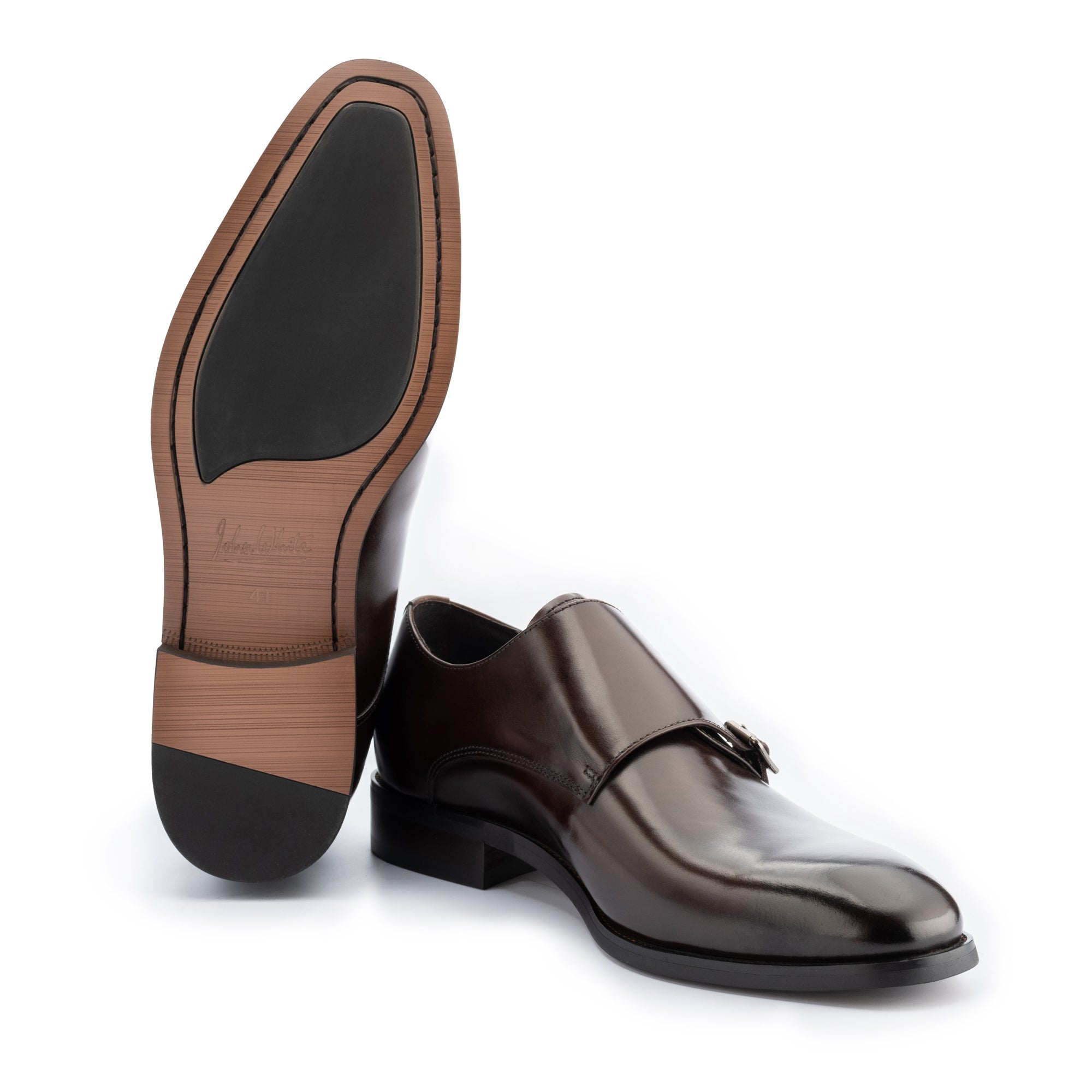
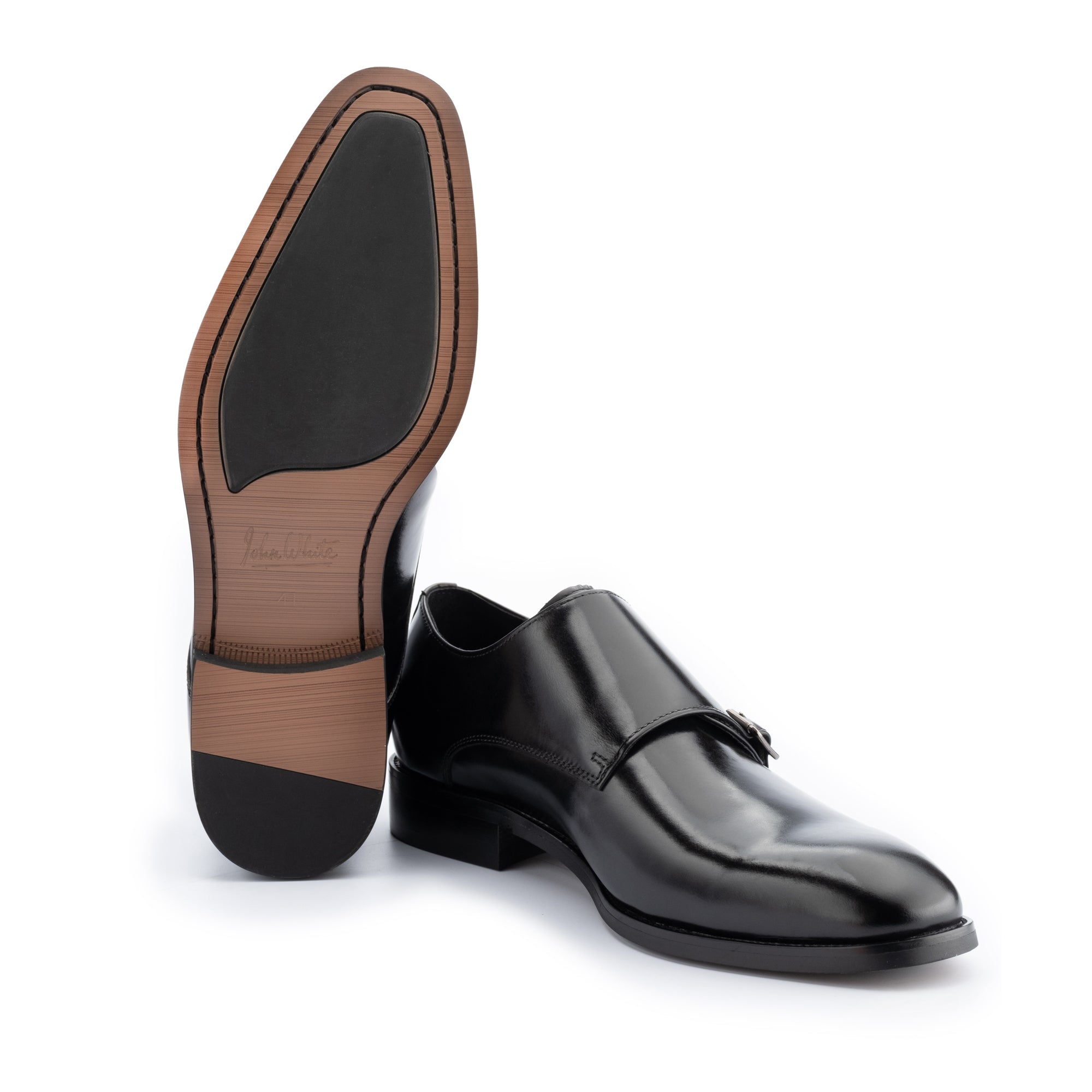
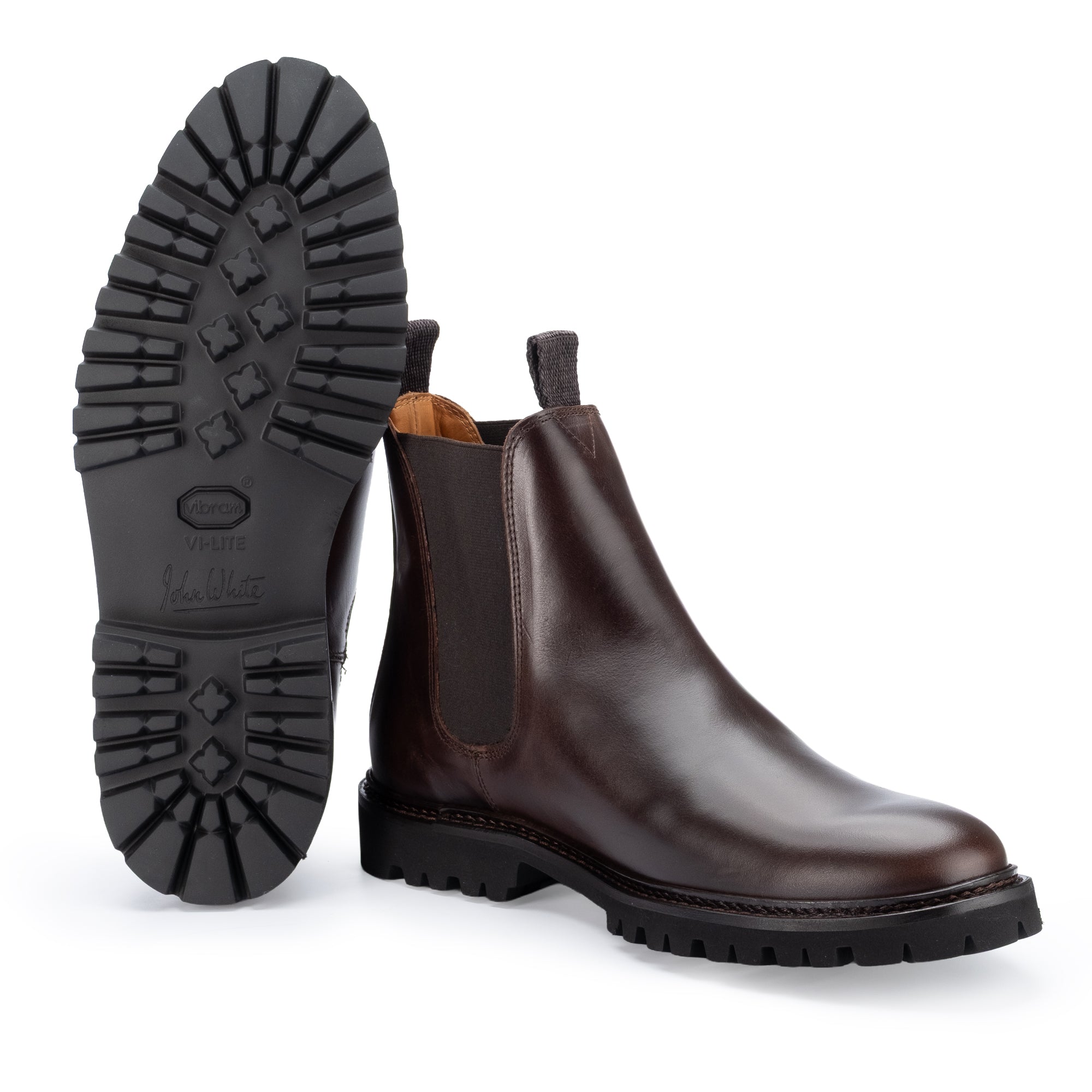
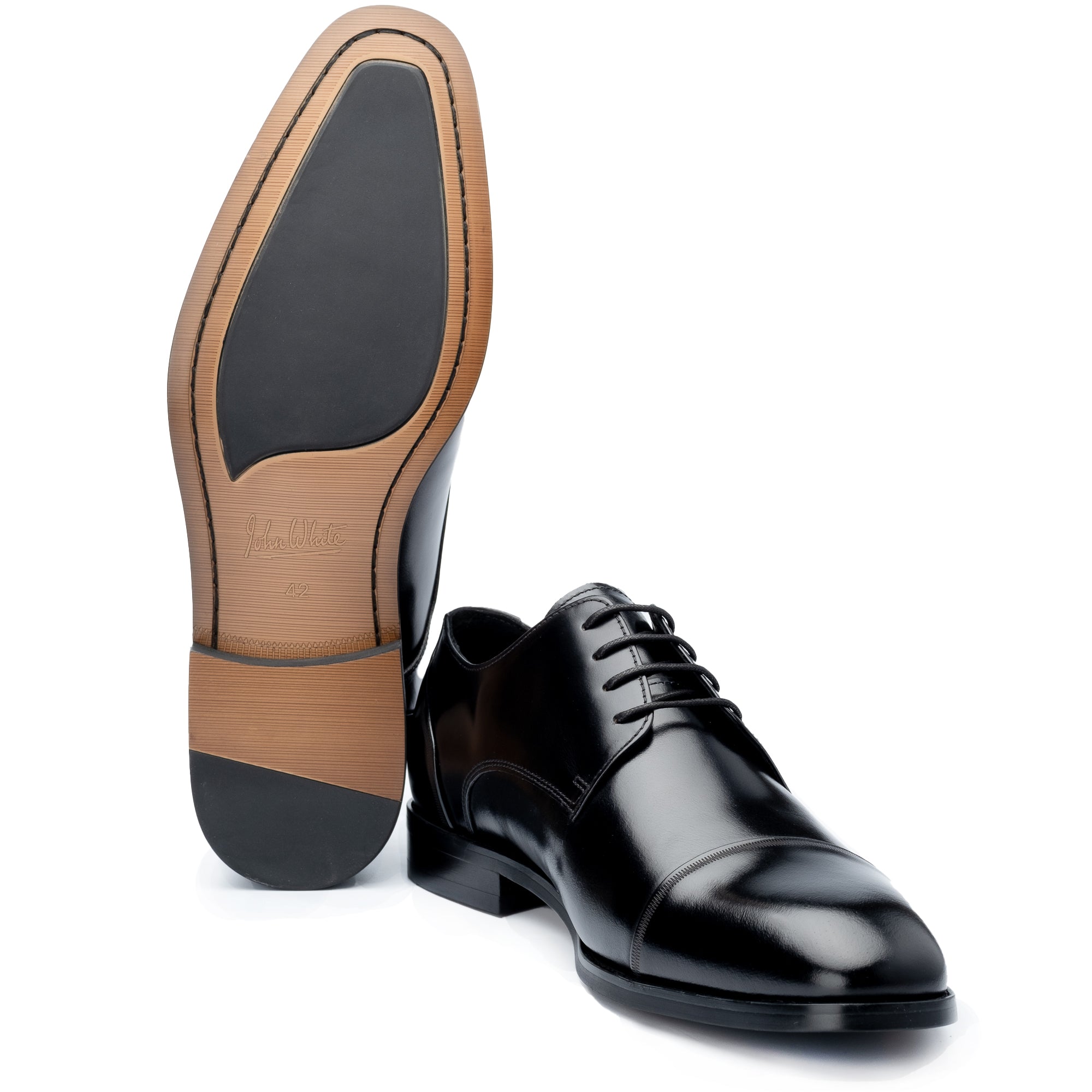
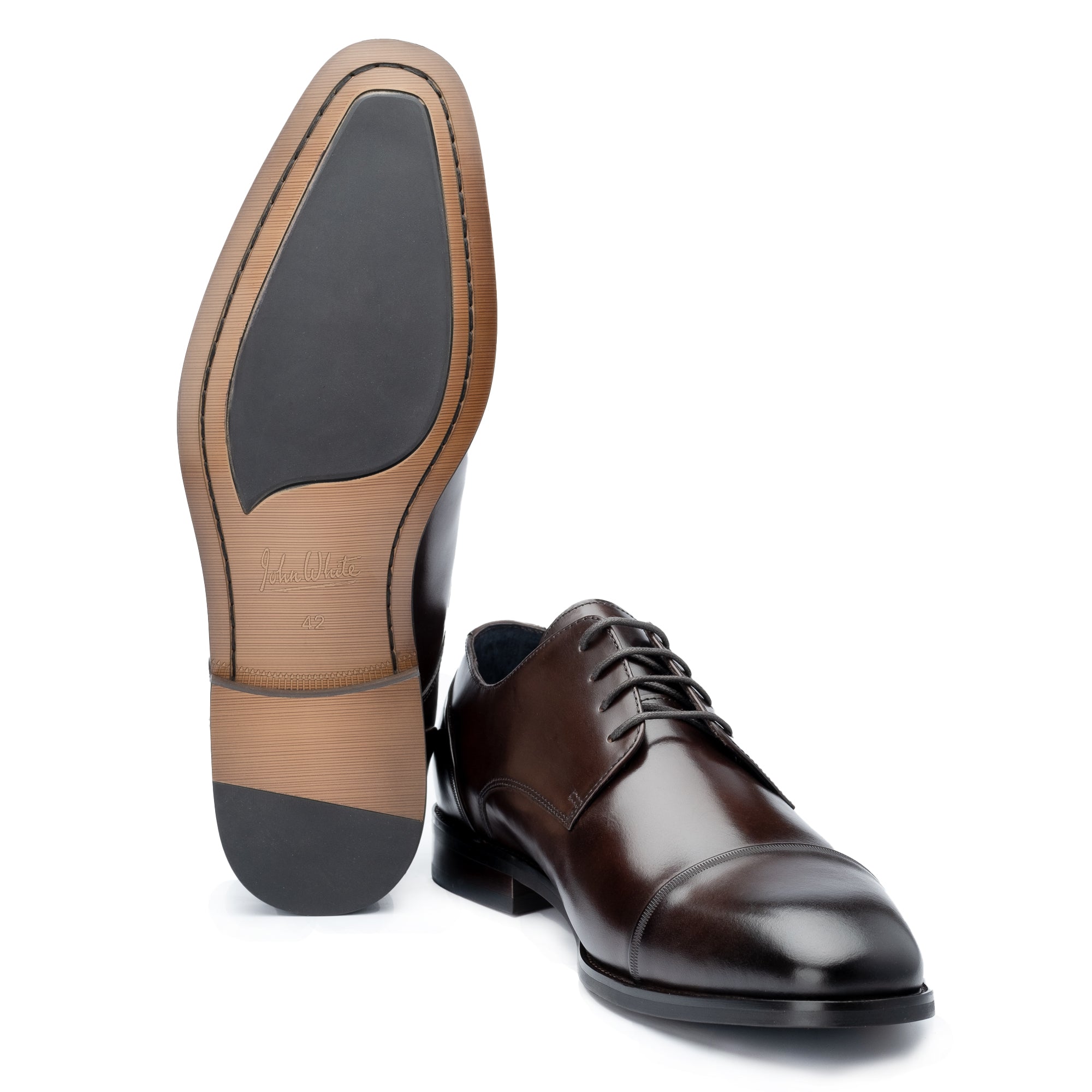
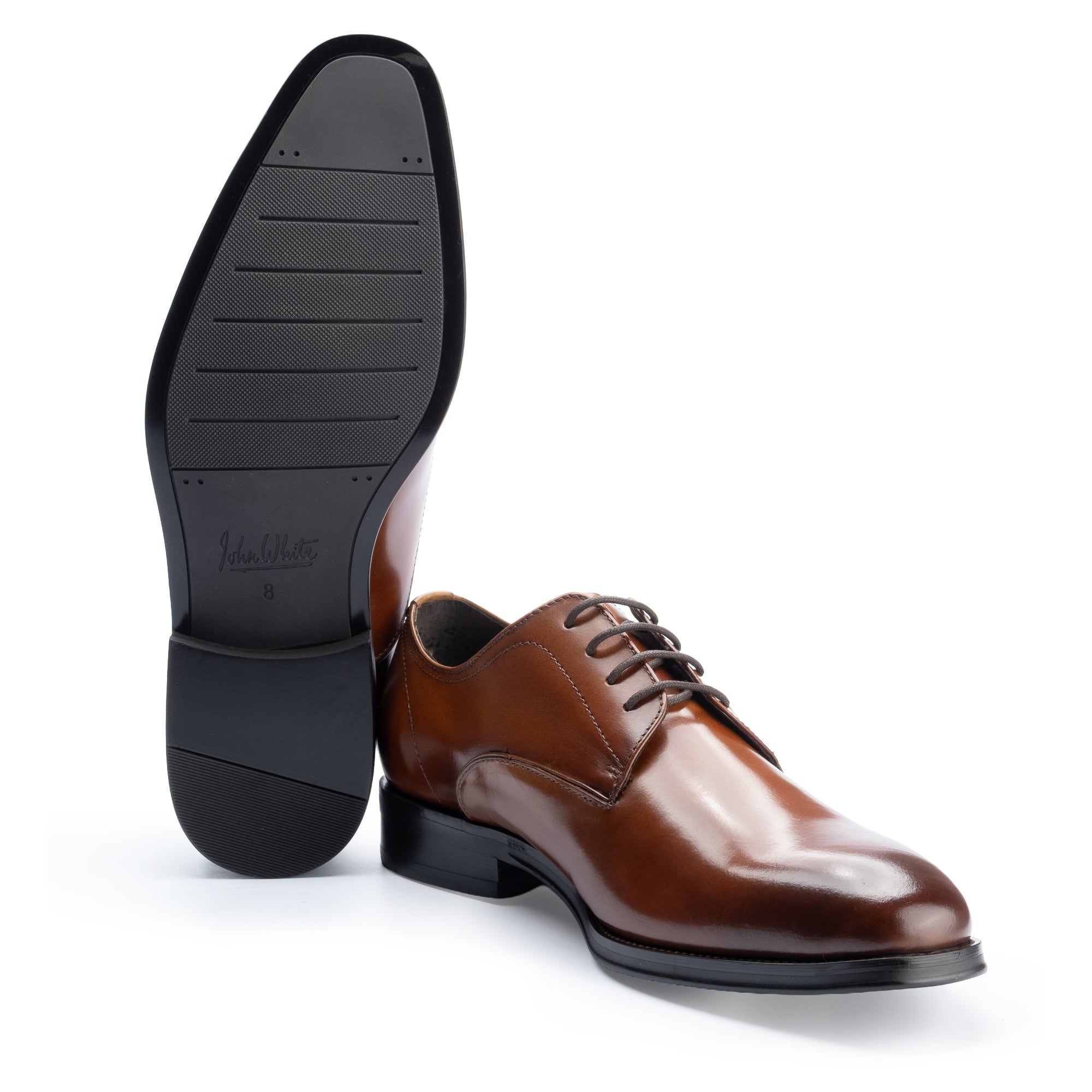
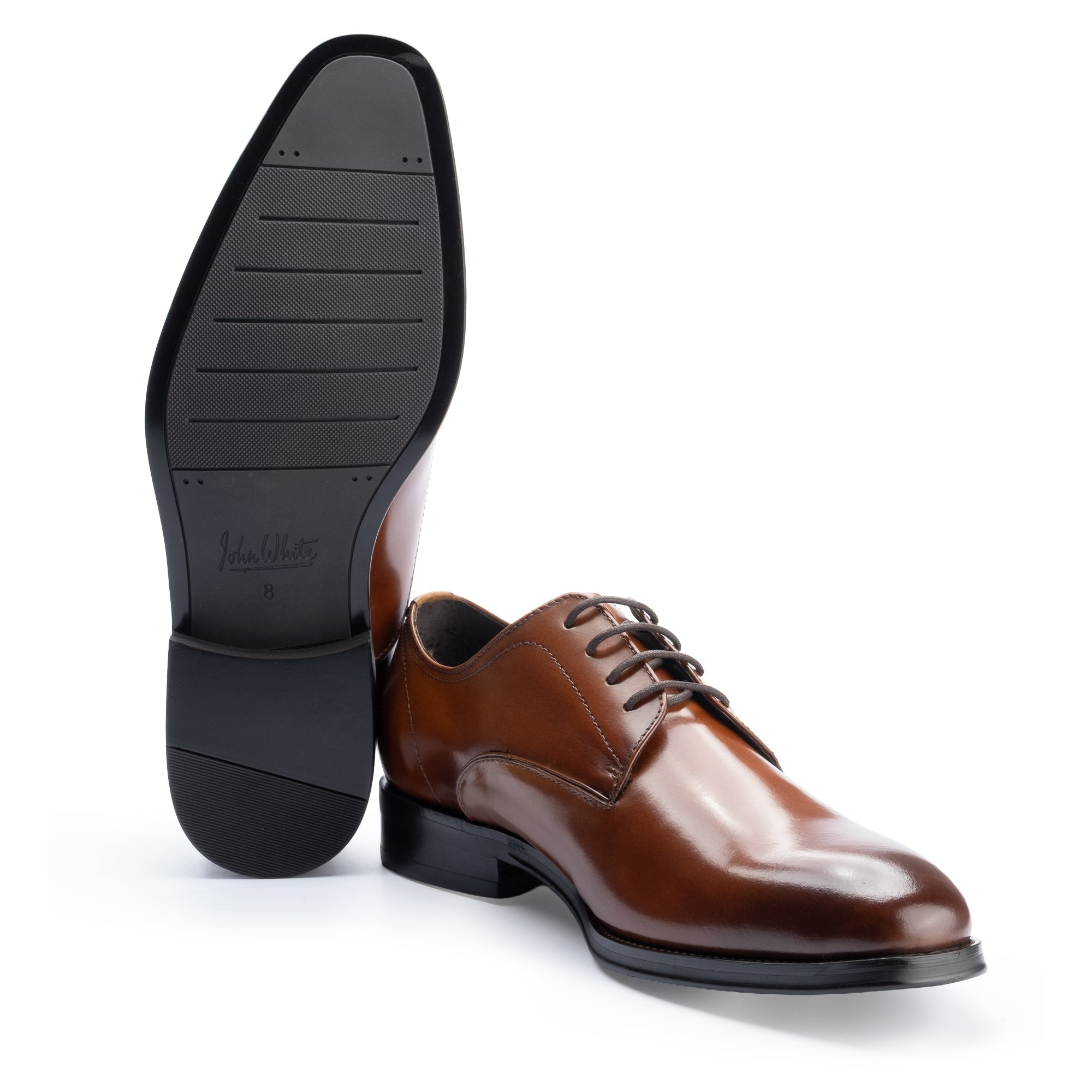
Each colour warrants at least one Goodyear welted pair — the construction that makes resoling possible and longevity guaranteed. Our guide to building your first premium shoe collection covers the specific styles to prioritise within each colour — Oxford, Derby, or Chelsea — and in what sequence to make the investment. For the long-term financial case, our guide to cost per wear in premium leather footwear makes the argument clearly.
Explore the full range across all three core colourways in the men's leather shoe collection and the men's leather boot collection.
The correct sequence is black first, dark brown second, burgundy third — each extending the last to cover the full formal-to-casual range a considered wardrobe requires.Related Guides
- The Complete Guide to Men's Dress Shoes — our comprehensive guide
- The Foundational Three: Building Your First Premium Shoe Collection
- The Formality Spectrum: A Definitive Ranking of Men's Dress Shoes
- The Fourth Pair: A Gentleman's Guide to Tan, Oxblood, and Navy Leather Shoes
TL;DR
Black leather shoes carry the highest formality and are the correct first purchase for any wardrobe. Dark brown extends that range into smart-casual and country contexts where black reads too severe. Burgundy adds warmth and character within the tailored register without sacrificing gravity. Sequenced correctly — black, then brown, then burgundy — these three colours cover virtually every occasion a professional man will encounter. John White Shoes, British Heritage Footwear est. 1919, offers all three across its Goodyear welted men's leather shoe collection.
Frequently Asked Questions
Can you wear brown shoes with a black suit?
The conventional answer is no. Brown shoes with a black suit is one of the most cited errors in men's dress, and for good reason — the contrast between dark brown and black reads as mismatched rather than deliberate. Black shoes are the correct pairing for a black suit in any formal or professional context.
Which shoe colour is the most versatile overall?
Dark brown leather covers the widest spread of occasions. It works with navy, grey, camel, and earth tones; it reads appropriately in business, smart-casual, and country settings; and it adds warmth that black cannot deliver. Black is more versatile specifically within the formal range, but dark brown covers the greatest total territory.
Is burgundy appropriate for formal occasions?
Burgundy is well suited to business and smart-formal occasions. It is not appropriate for black tie or the most elevated formal contexts, where black is required. Think of it as formal with personality rather than strictly formal — correct for most professional settings, but not for the top of the formality spectrum.
How many shoe colours do you actually need in a wardrobe?
Three covers the full range for most men: black for formal, dark brown for versatility, burgundy for character within the tailored wardrobe. Tan, navy, and other shades add seasonal and stylistic variety — but those are fourth and fifth purchases rather than foundational ones. Our guide to tan, oxblood, and navy leather shoes covers exactly what to consider when you are ready to build beyond the core three.