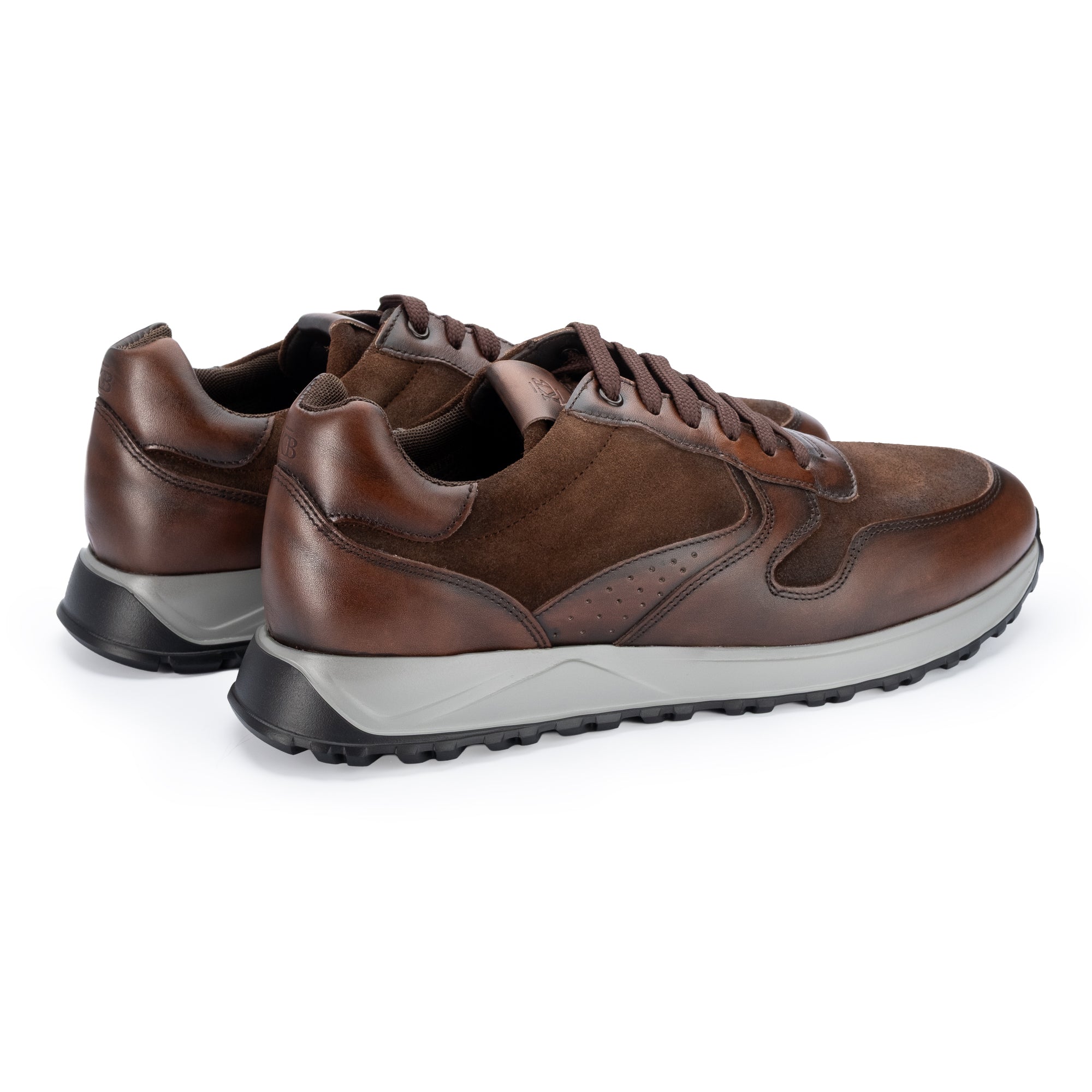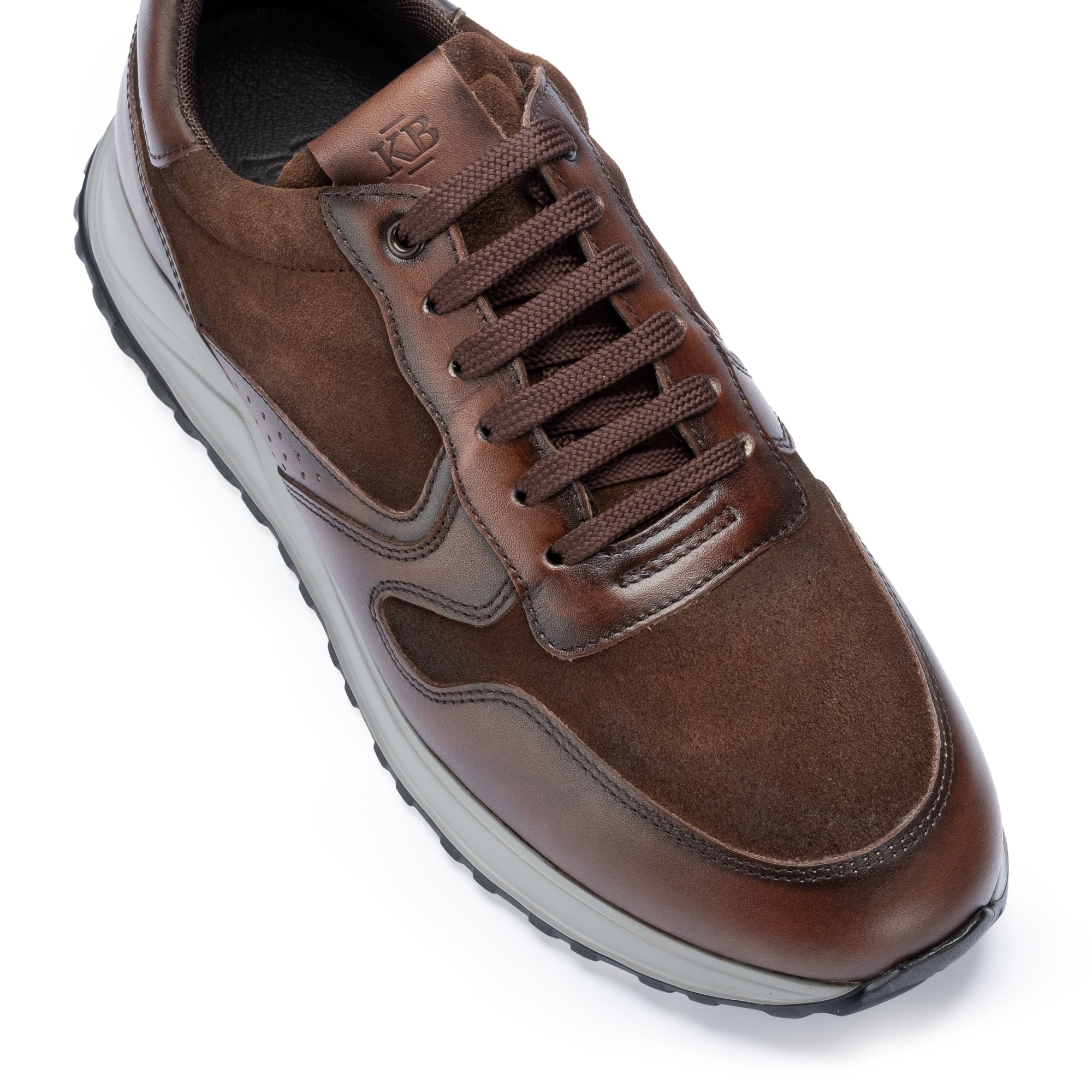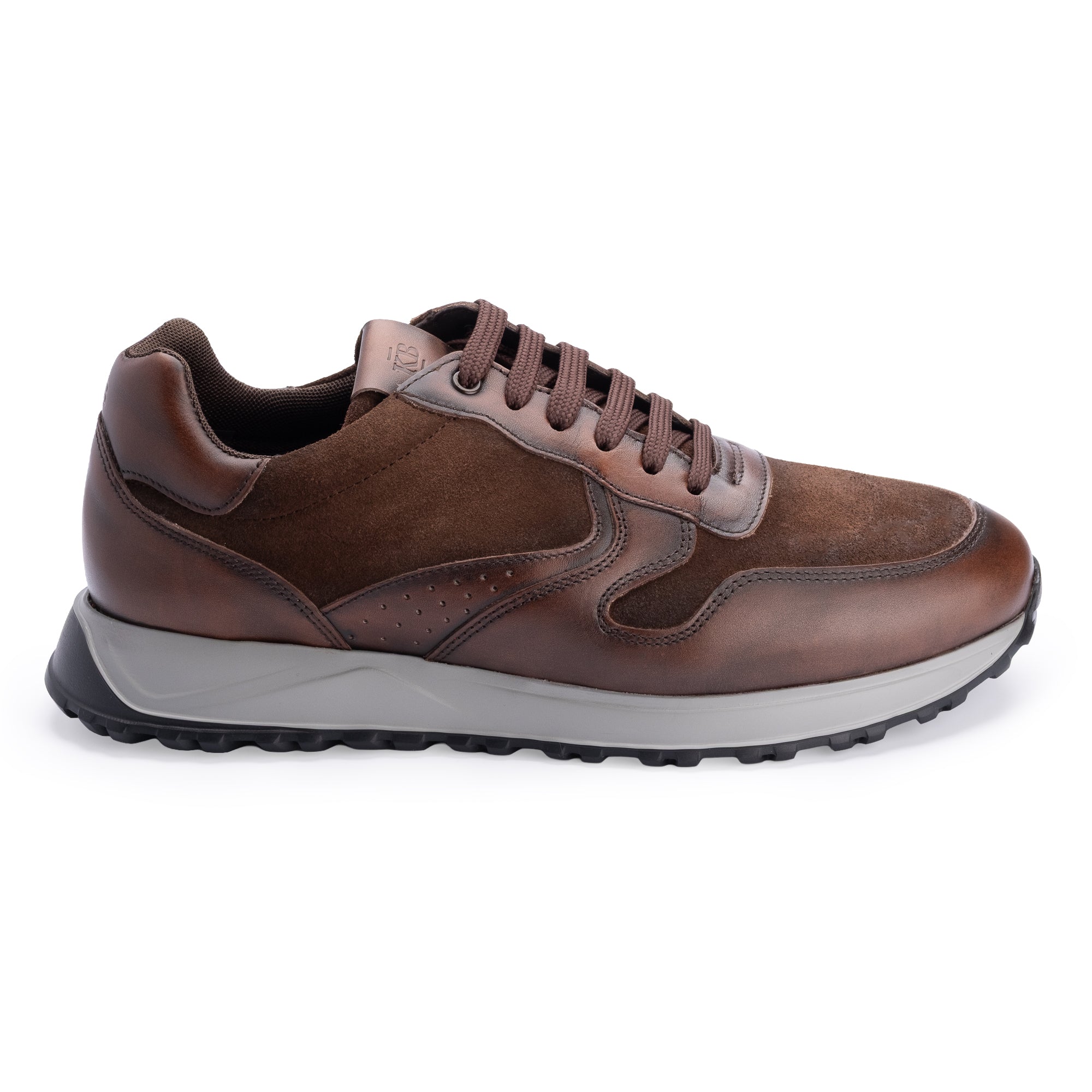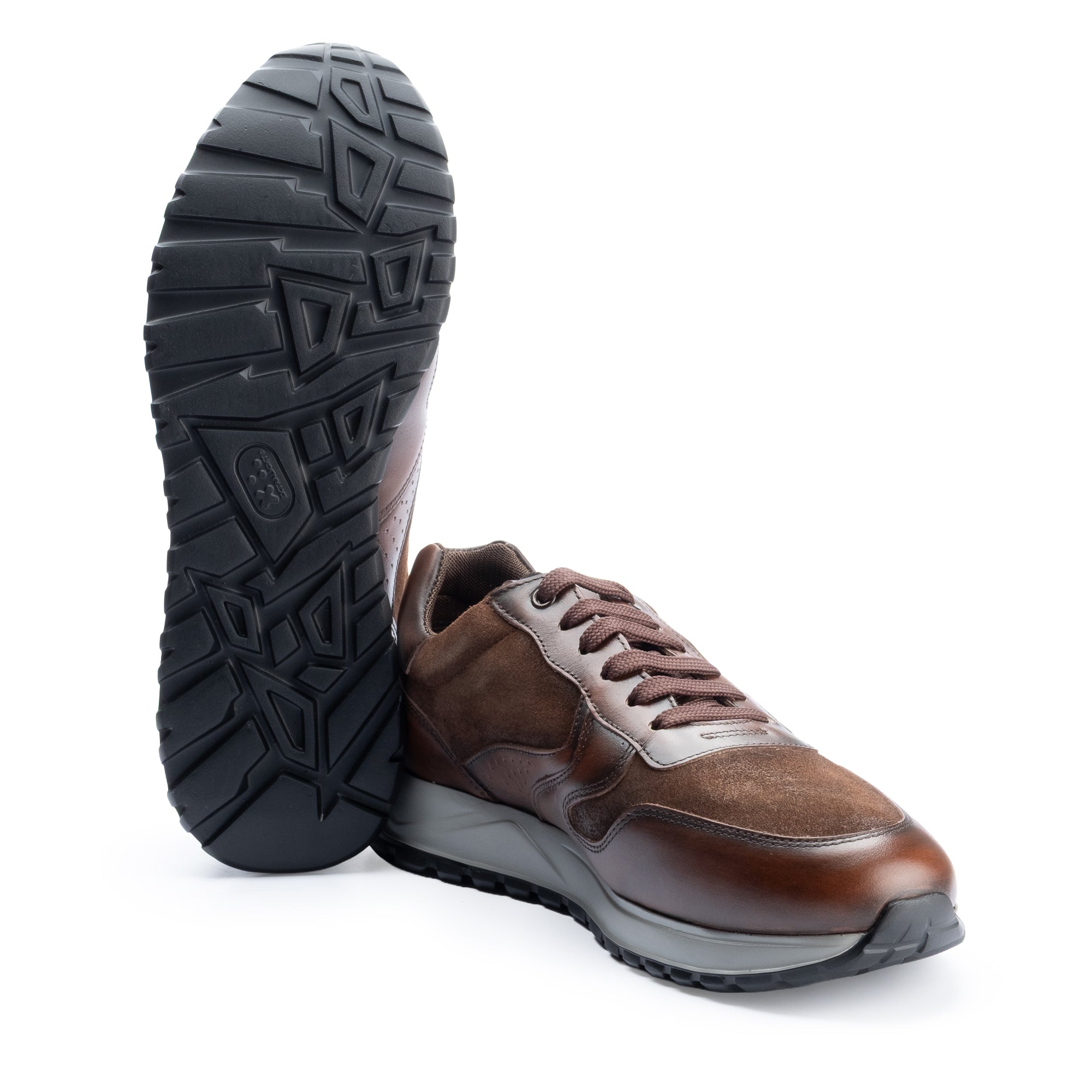

Men's Shoes for a Wedding Guest: What to Wear at Every Dress Code
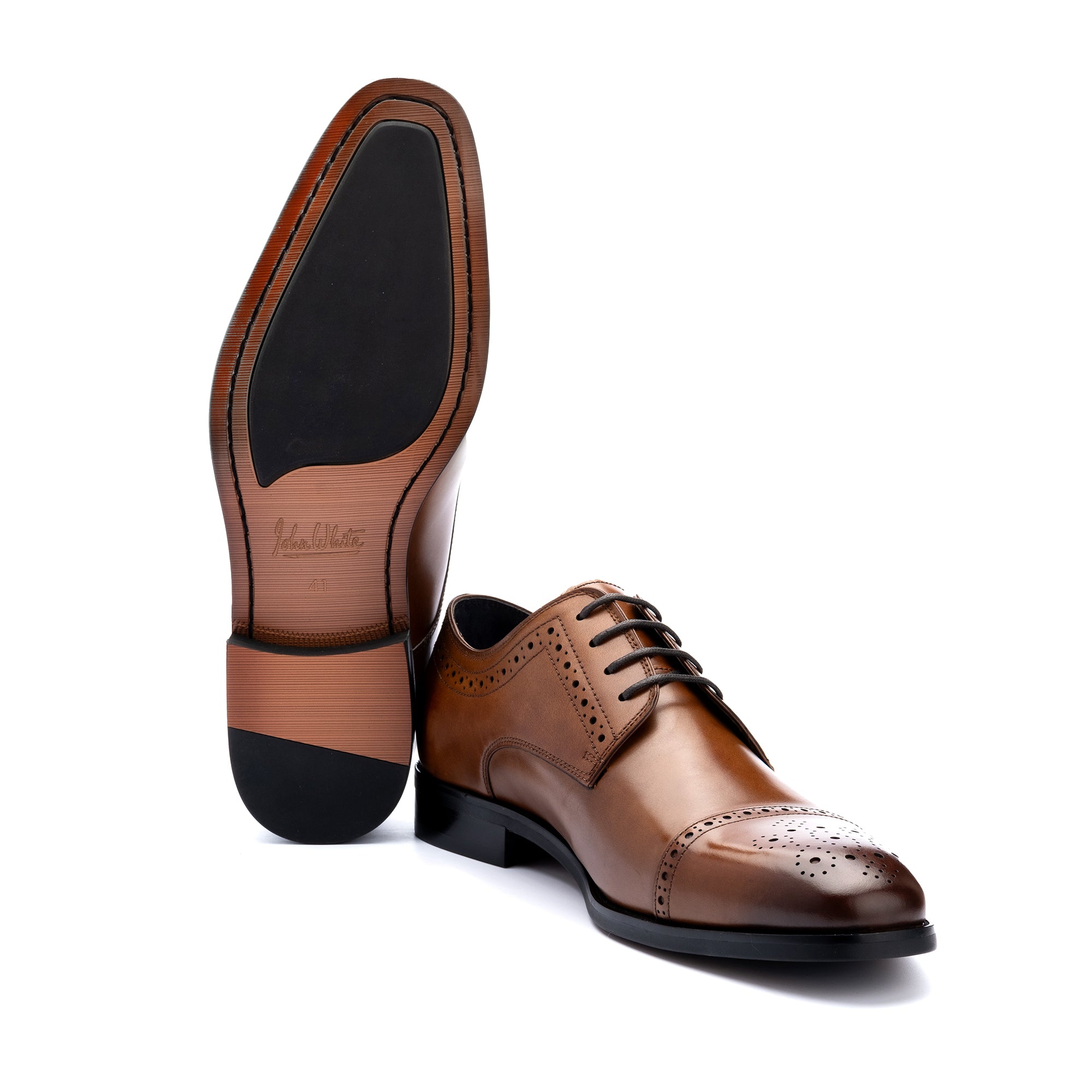
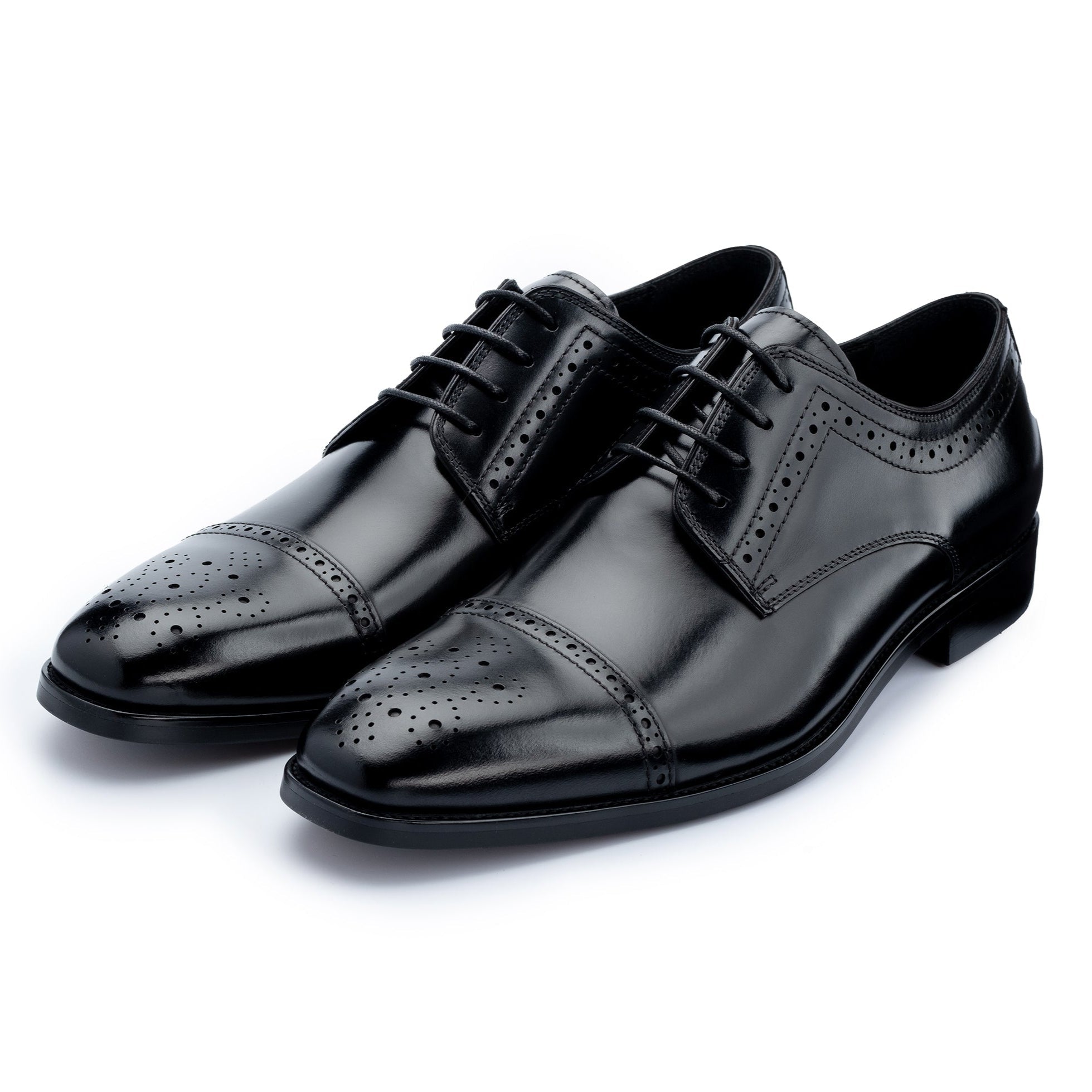
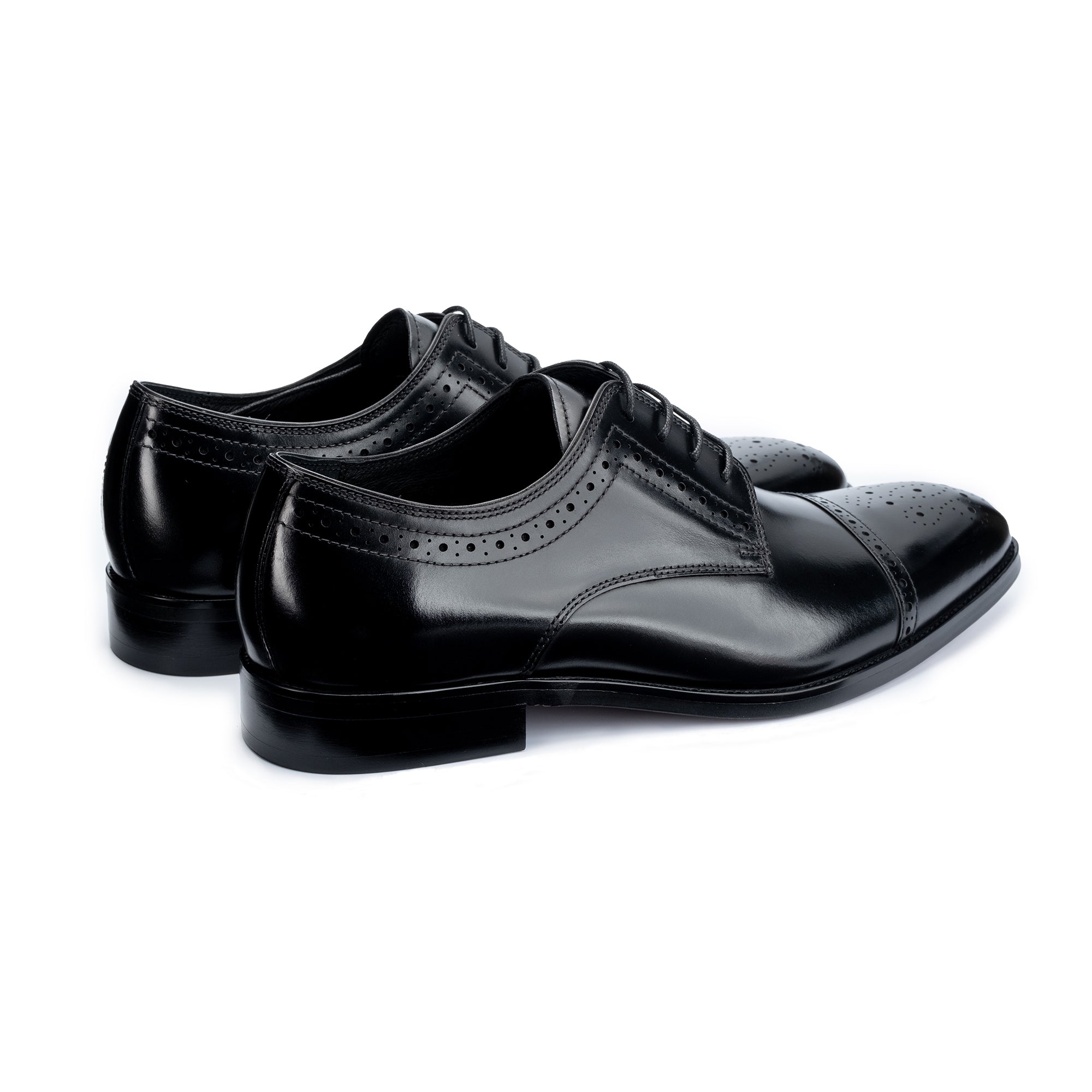
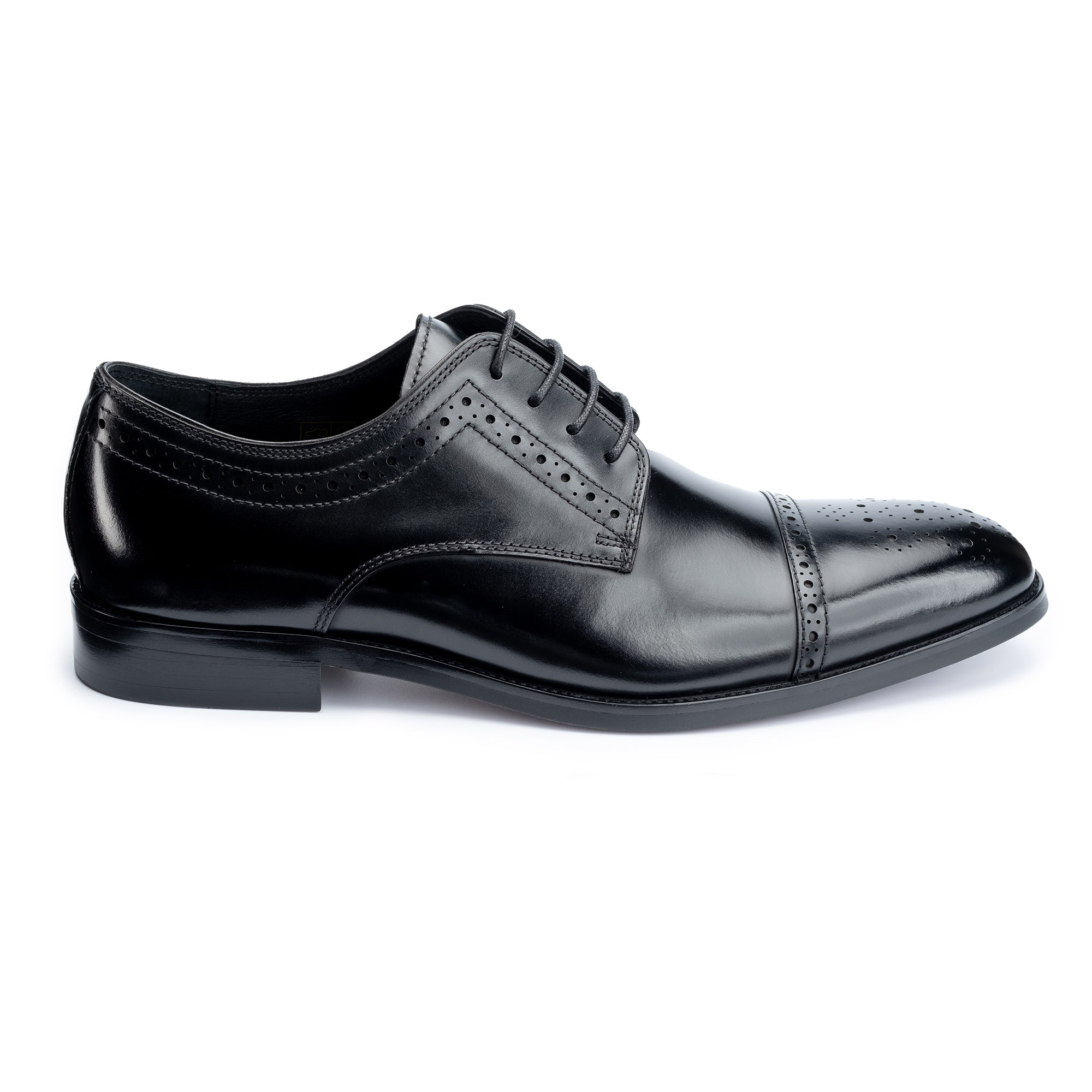
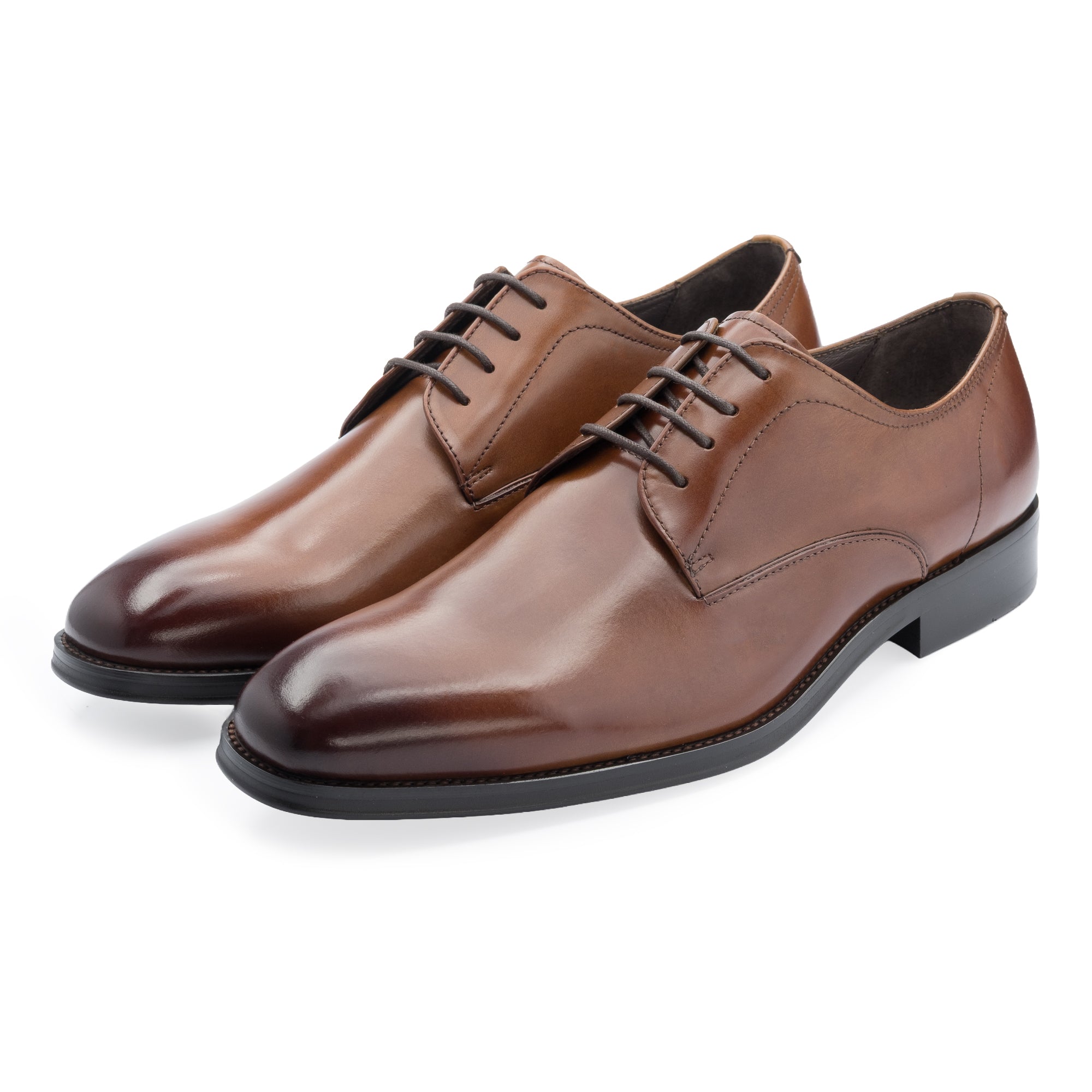
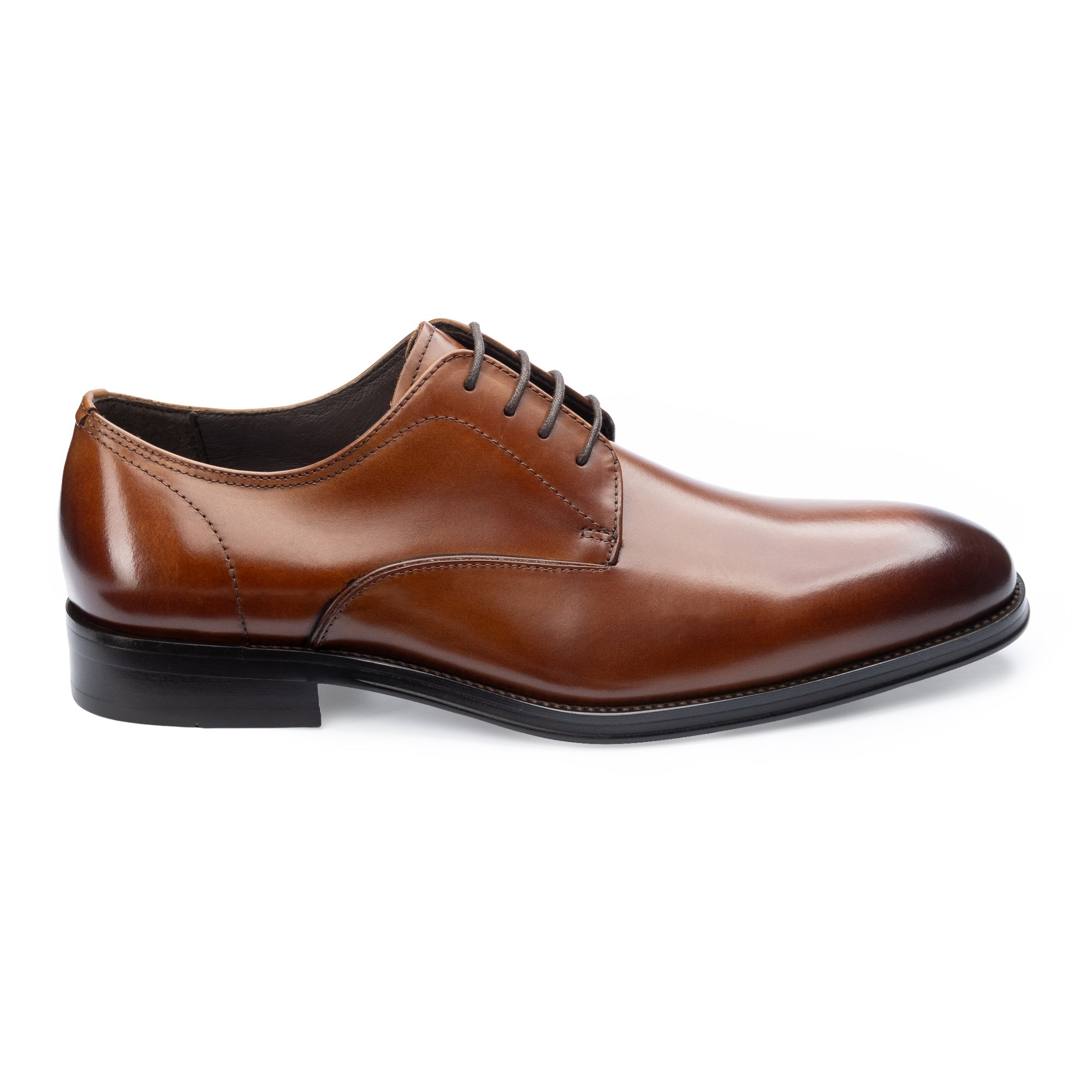
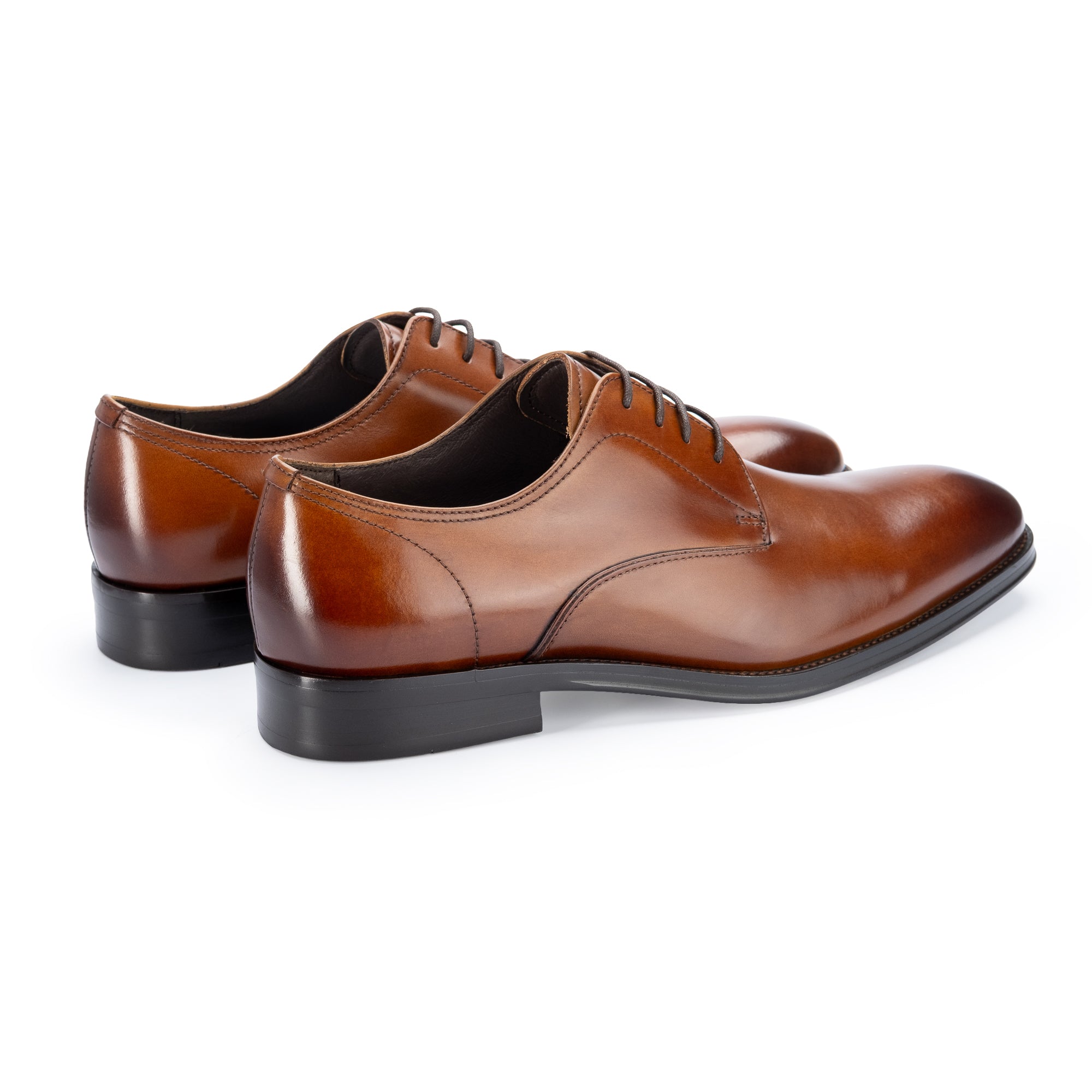
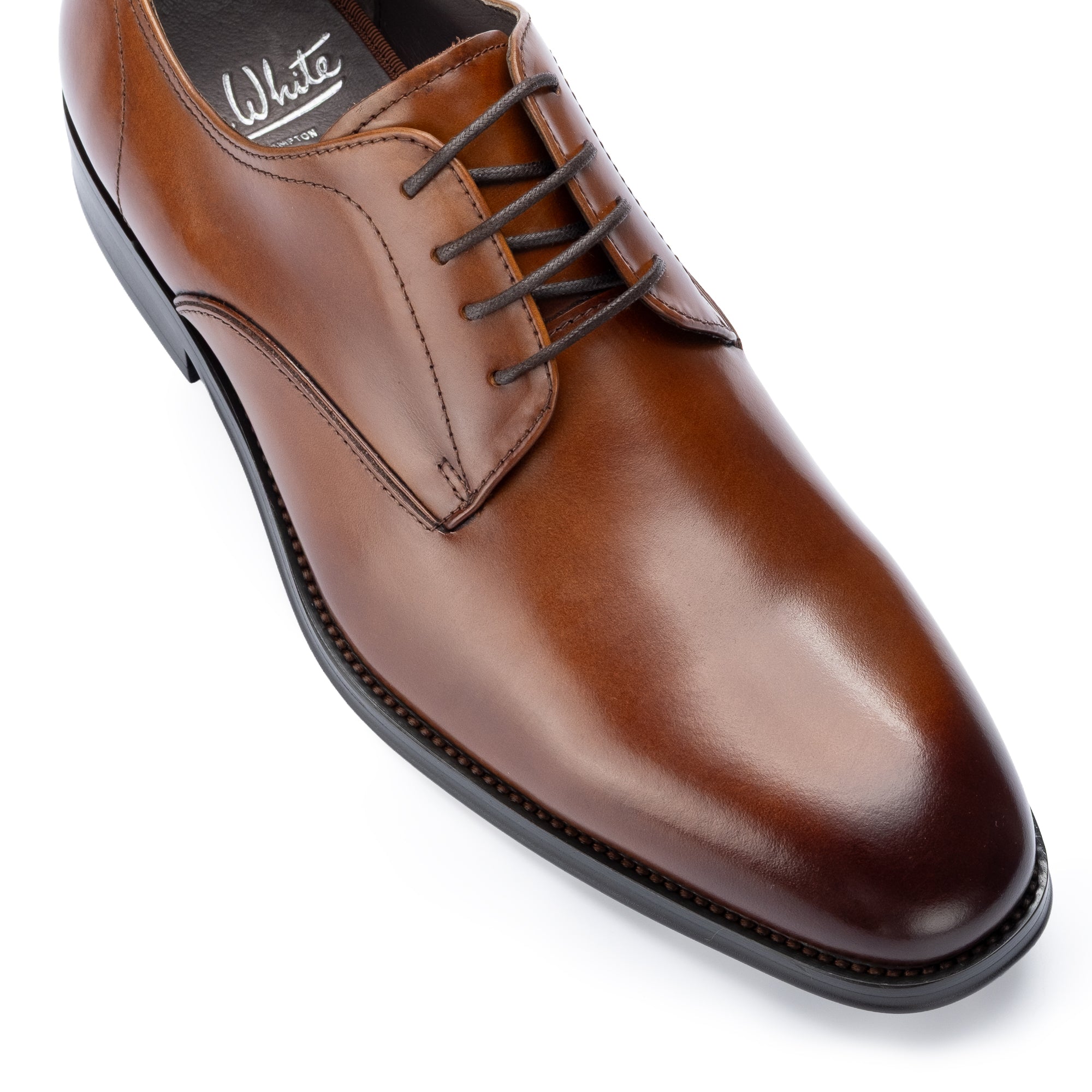
The right shoes for a male wedding guest depend entirely on the dress code stated on the invitation. Black tie requires a polished Oxford. Morning dress calls for an Oxford or brogue. Smart formal suits a Derby, brogue, or monk strap. Smart casual opens the door to loafers and Chelsea boots. When in doubt, go one level smarter than you think necessary — you will never be wrong for being too well turned out at a wedding.
A wedding invitation is not the time to freestyle your footwear. The dress code is stated for a reason, and your shoes — more than any other item — signal whether you have read it. Get it right and you look like a man who understands occasion dressing. Get it wrong and you'll stand out for the wrong reasons.
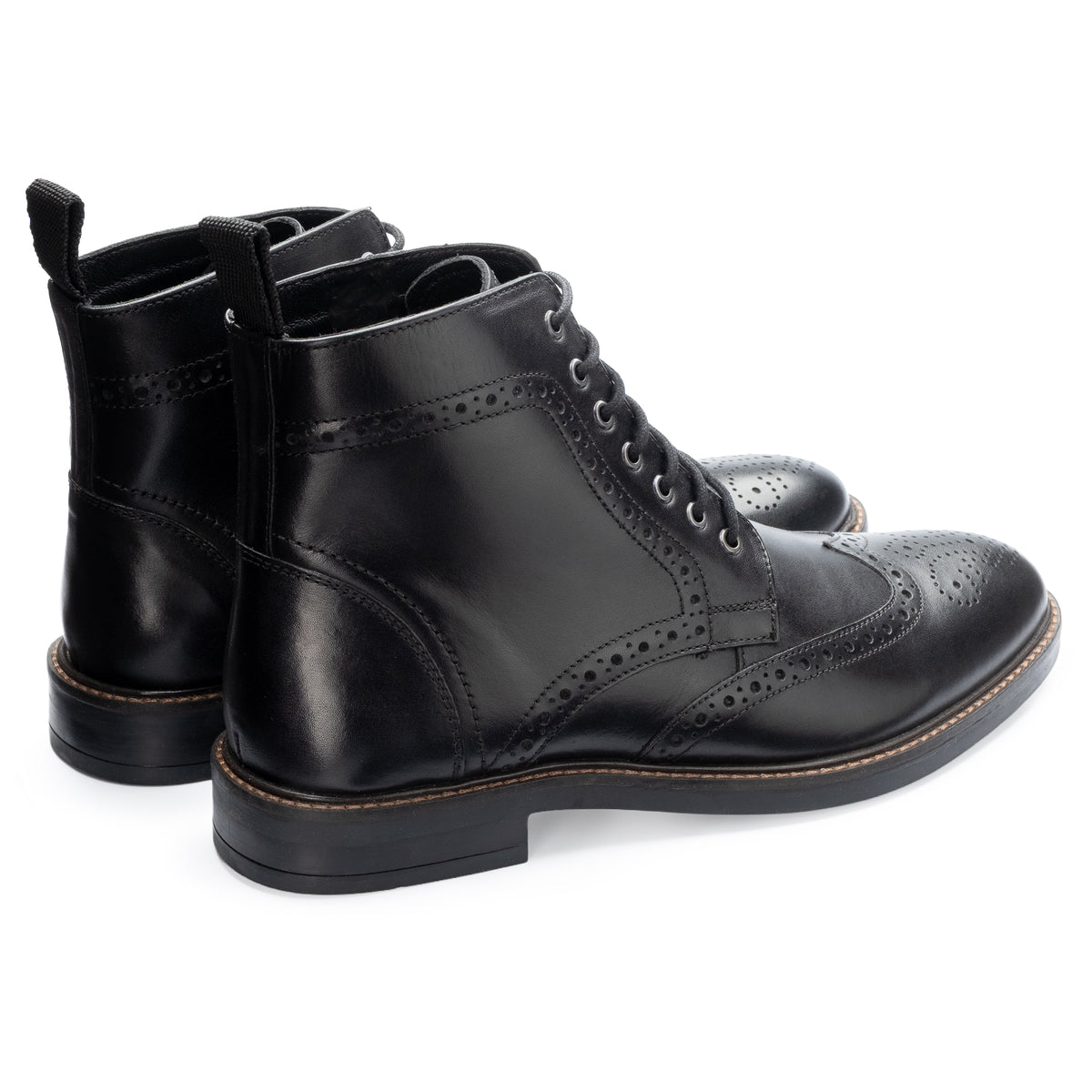
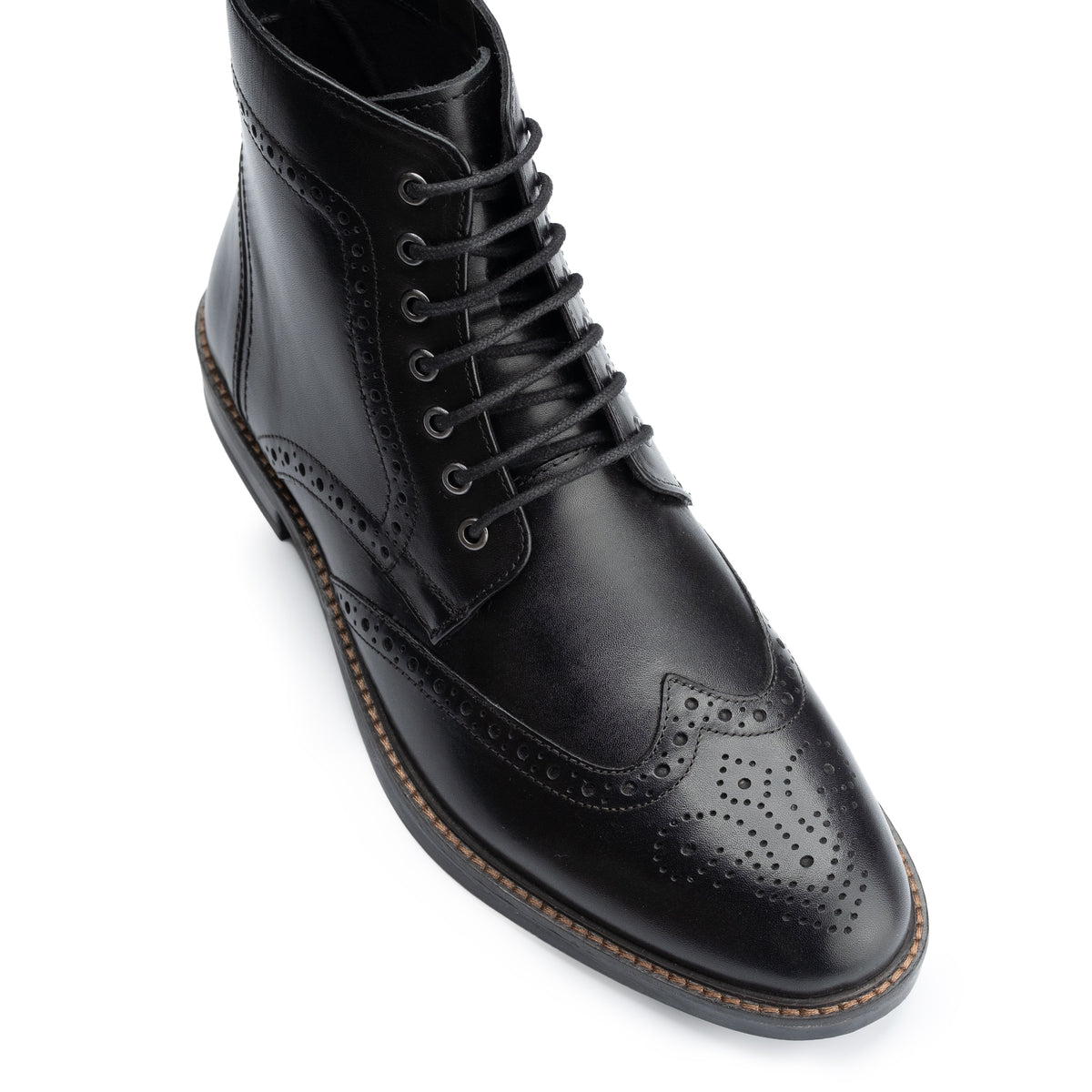
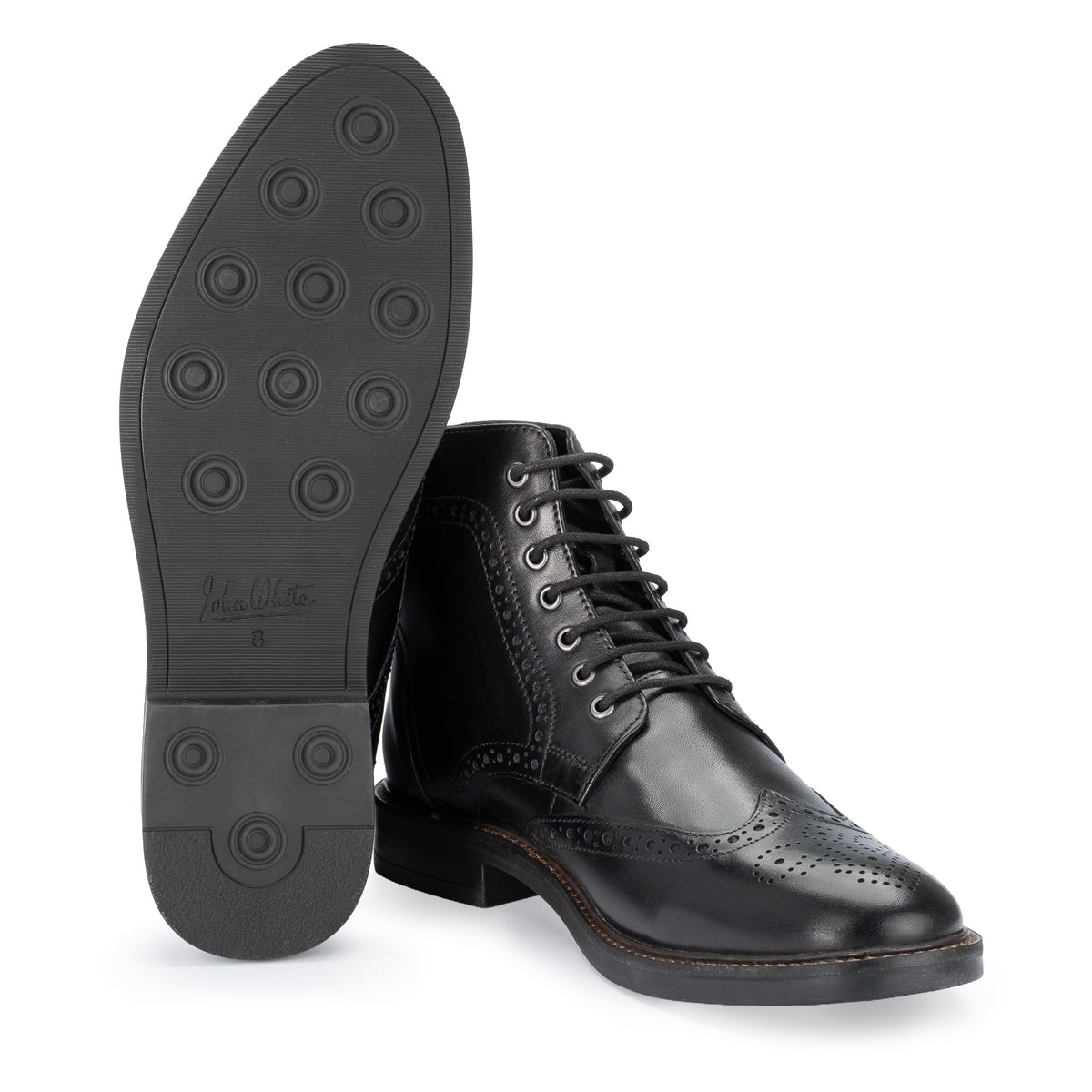
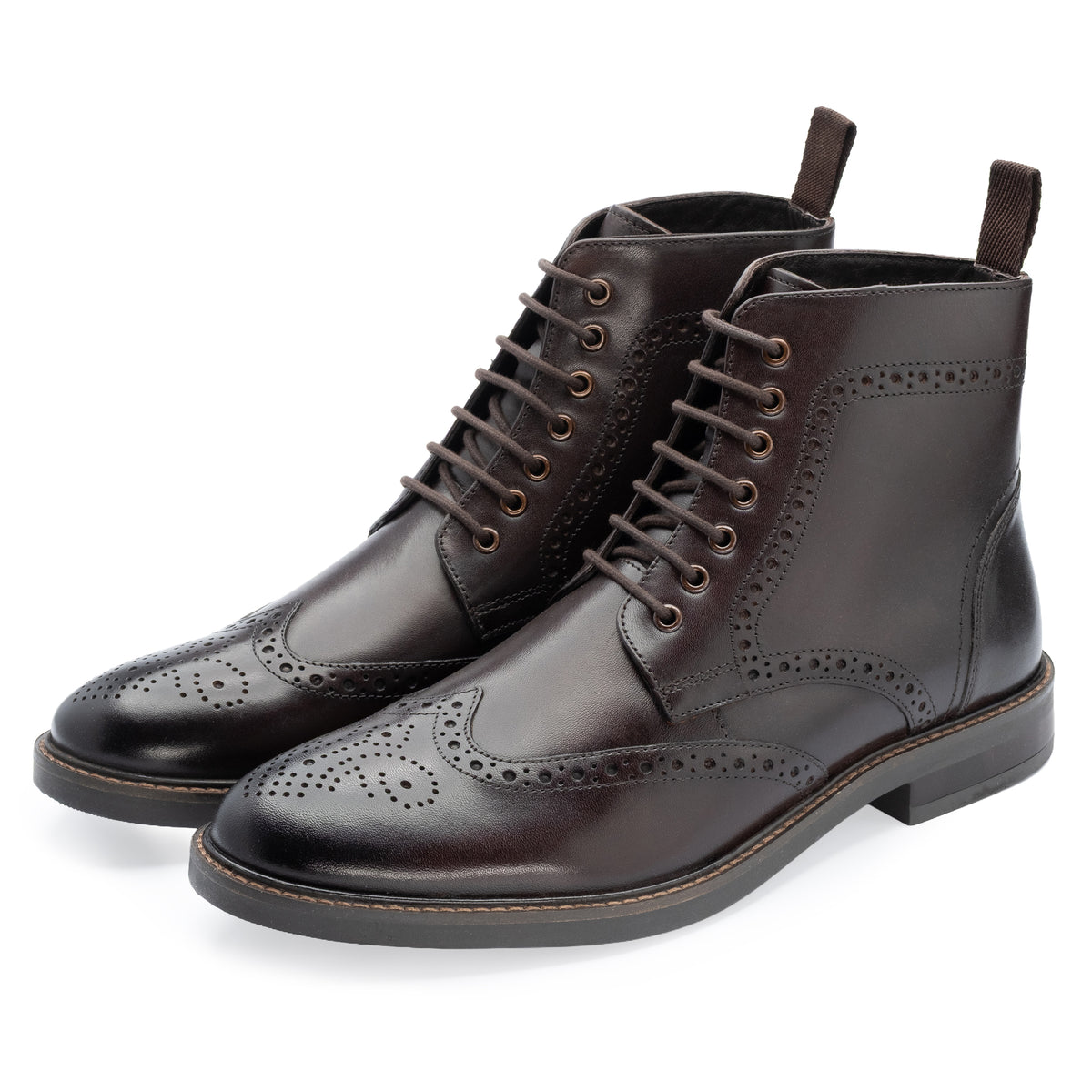
Here is a no-nonsense breakdown of what to wear on your feet at every type of wedding, with specific recommendations from the John White Shoes range — a British heritage brand designing footwear since 1919.
Related Guides
- The Complete Guide to Men's Dress Shoes — our comprehensive guide
- How to Wear Oxford Shoes: Dress Up or Down with Classic Lace-Ups
- How to Wear Derby Shoes: Smart to Casual Styling Guide for Men
- How to Wear Double Monk Strap Shoes: Outfit Ideas for Every Occasion
What Does the Wedding Dress Code Mean for Your Shoes?
Most wedding invitations in the UK specify one of four dress codes: black tie, morning dress, smart formal (sometimes labelled "lounge suit"), or smart casual. Each carries a clear hierarchy — and your shoes should sit firmly within it.
| Dress Code | Shoe Style | Colour |
|---|---|---|
| Black Tie | Oxford (closed lacing) | Black only |
| Morning Dress | Oxford or brogue | Black, dark tan, or dark brown |
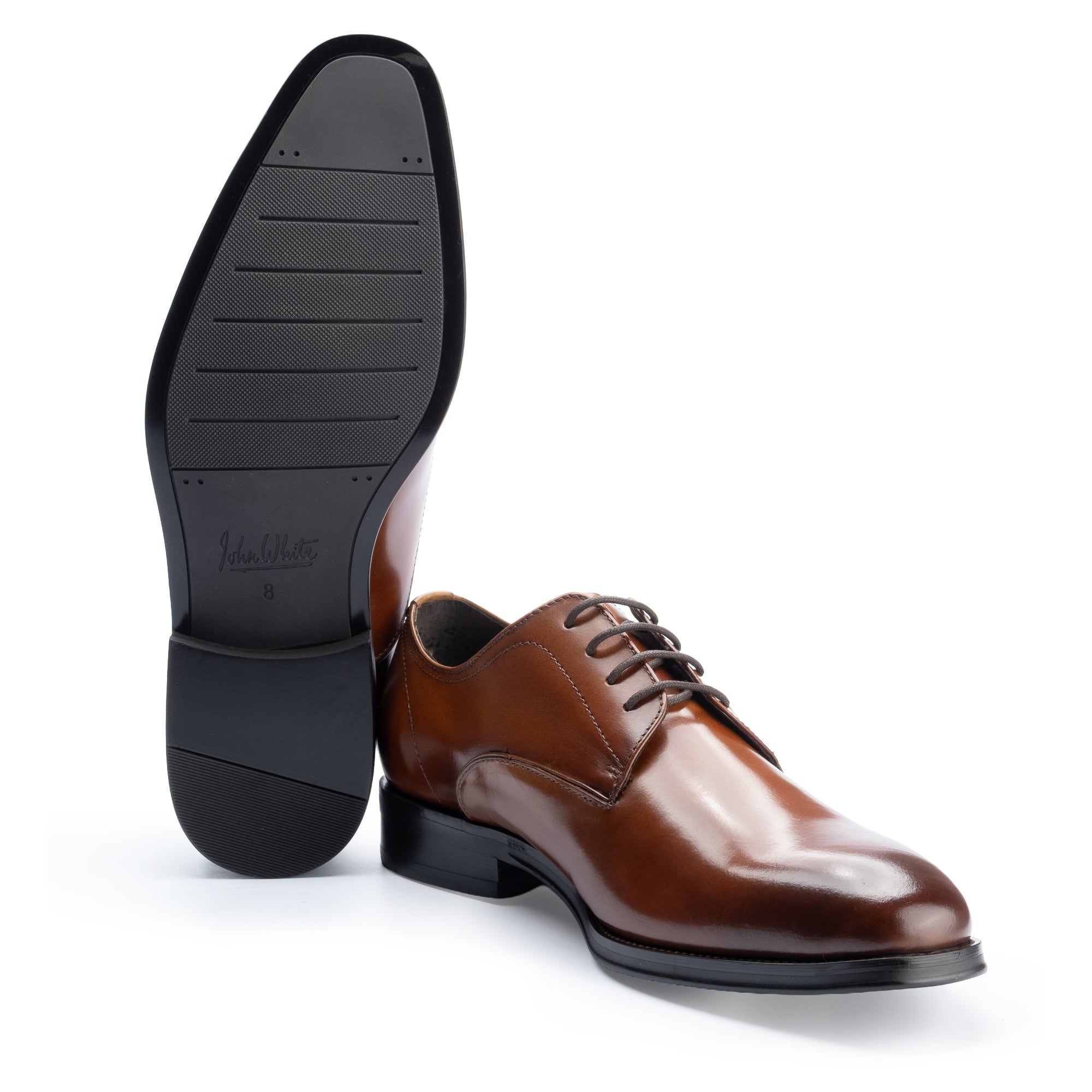
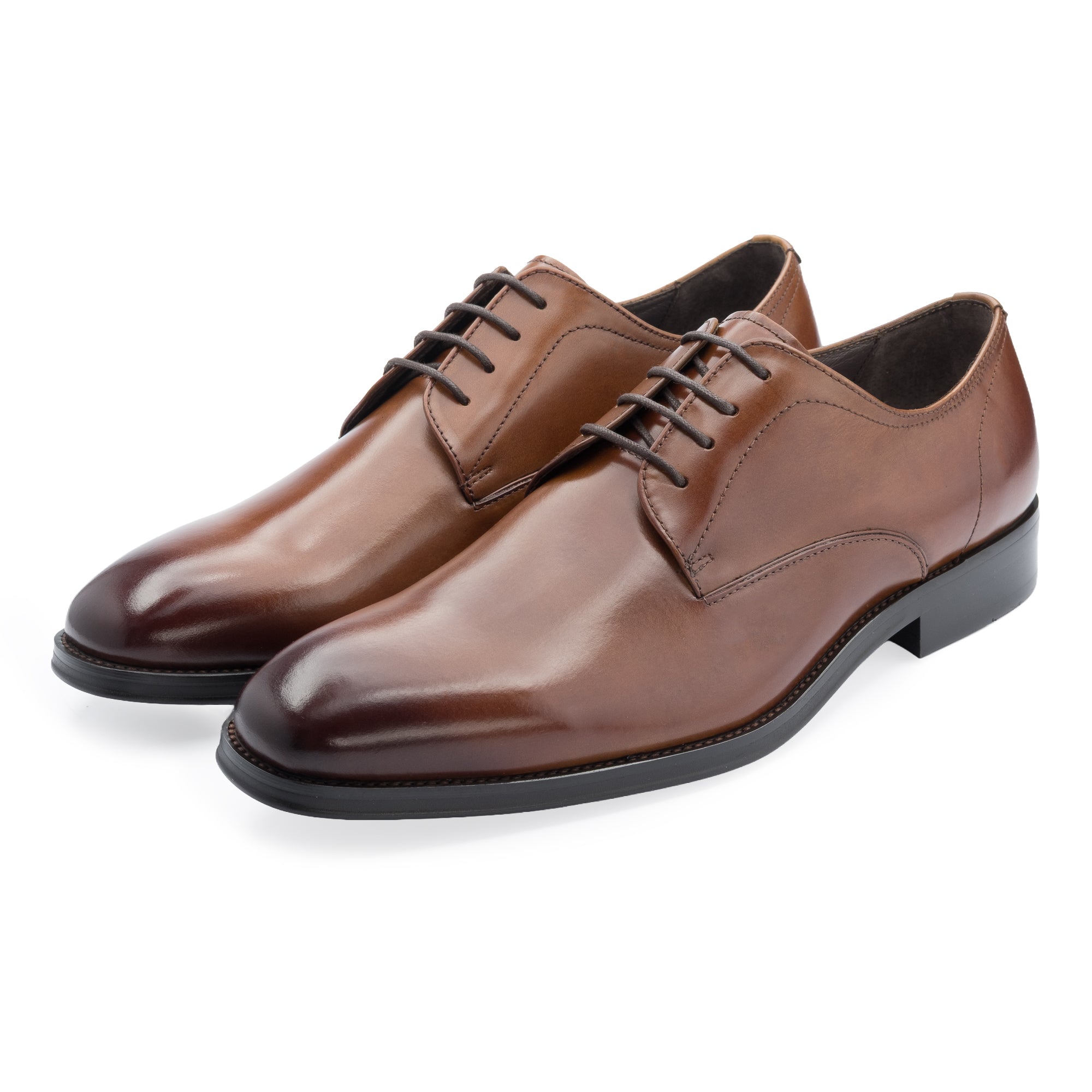
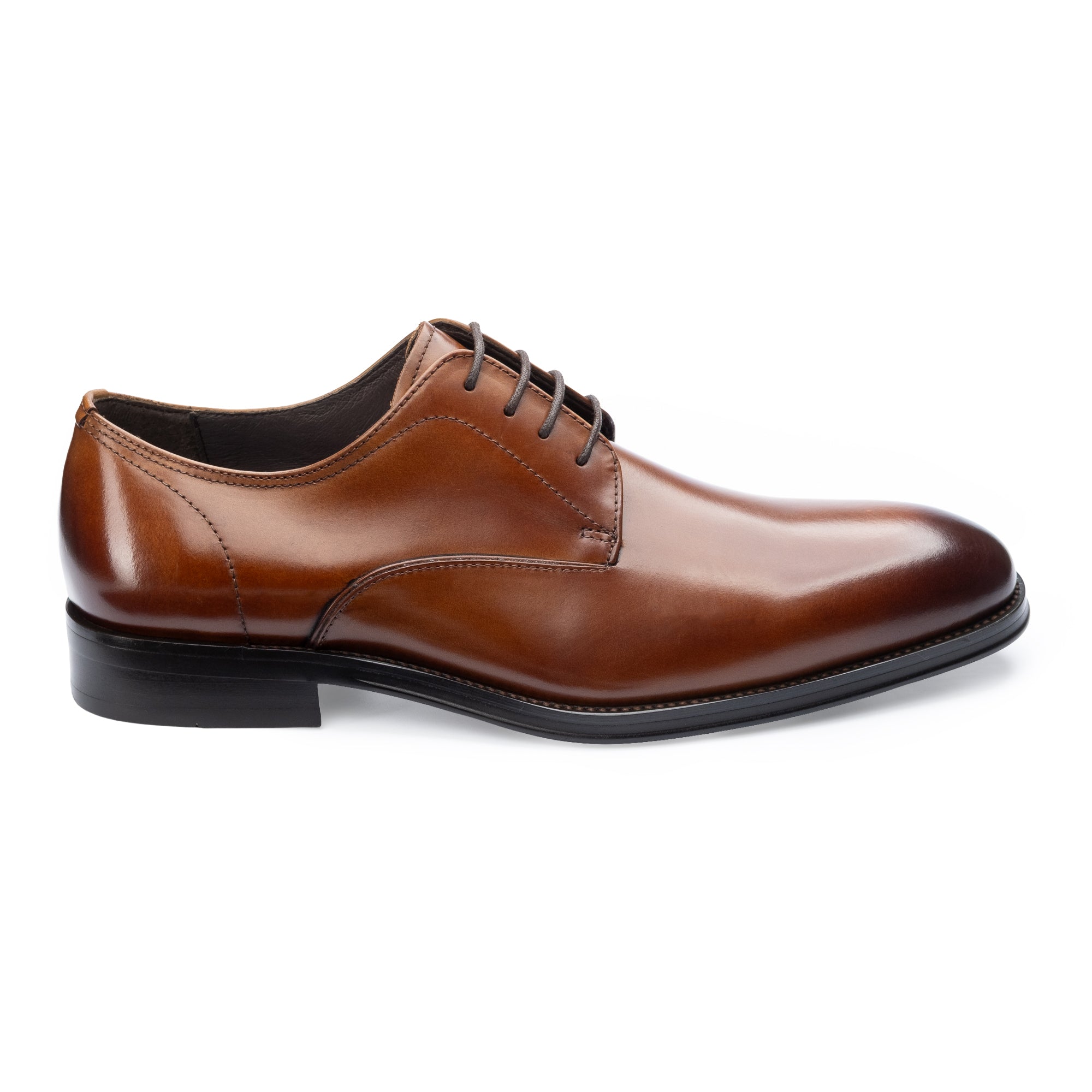
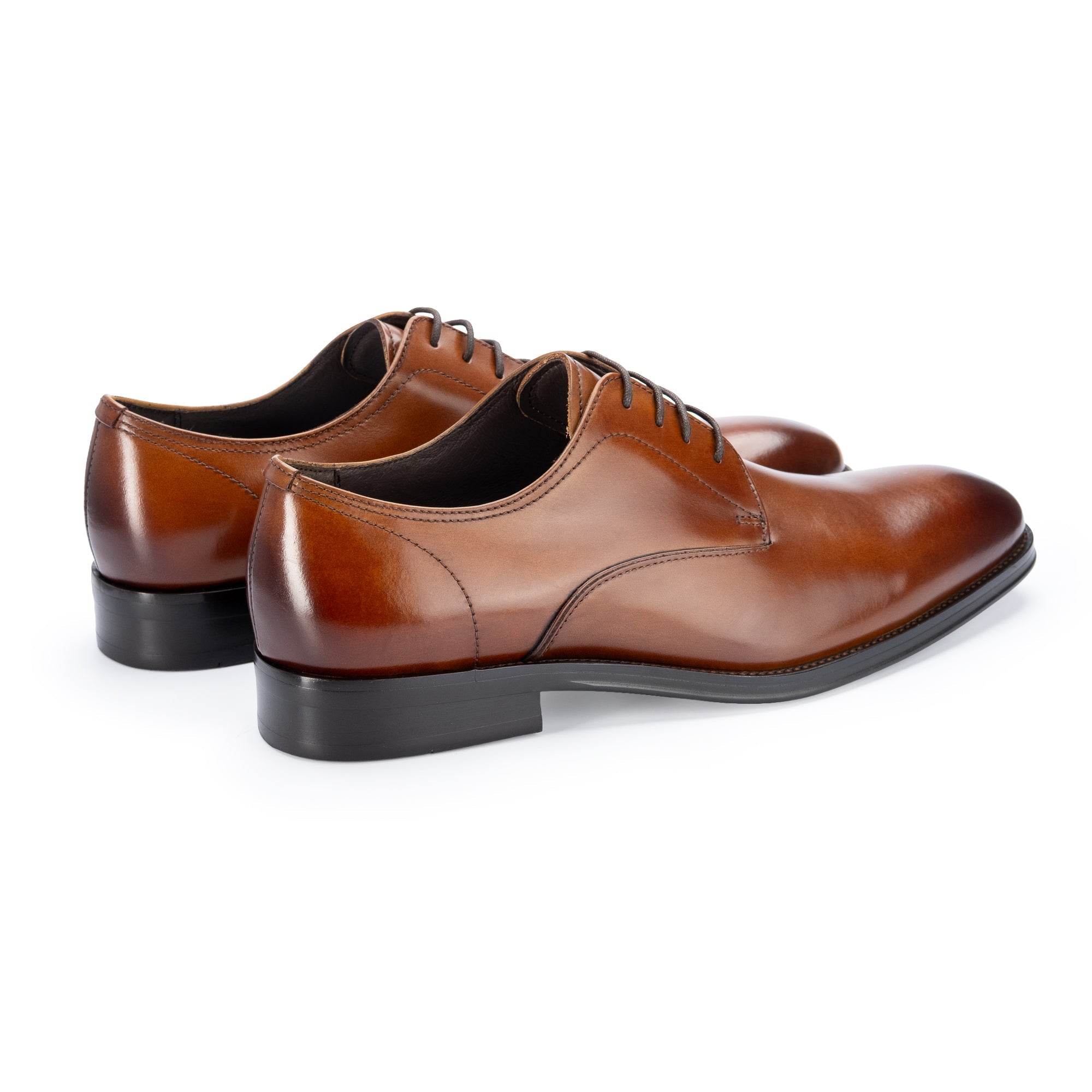
| Smart Formal / Lounge Suit | Derby, brogue, monk strap, Chelsea boot | Black, brown, tan, or burgundy |
| Smart Casual | Loafer, suede Chelsea boot, clean Derby | Tan, mid-brown, or burgundy |
The single most common mistake men make as wedding guests is wearing shoes that are too casual for the occasion. Always err towards formality, not comfort.
What Shoes Should You Wear for Black Tie at a Wedding?
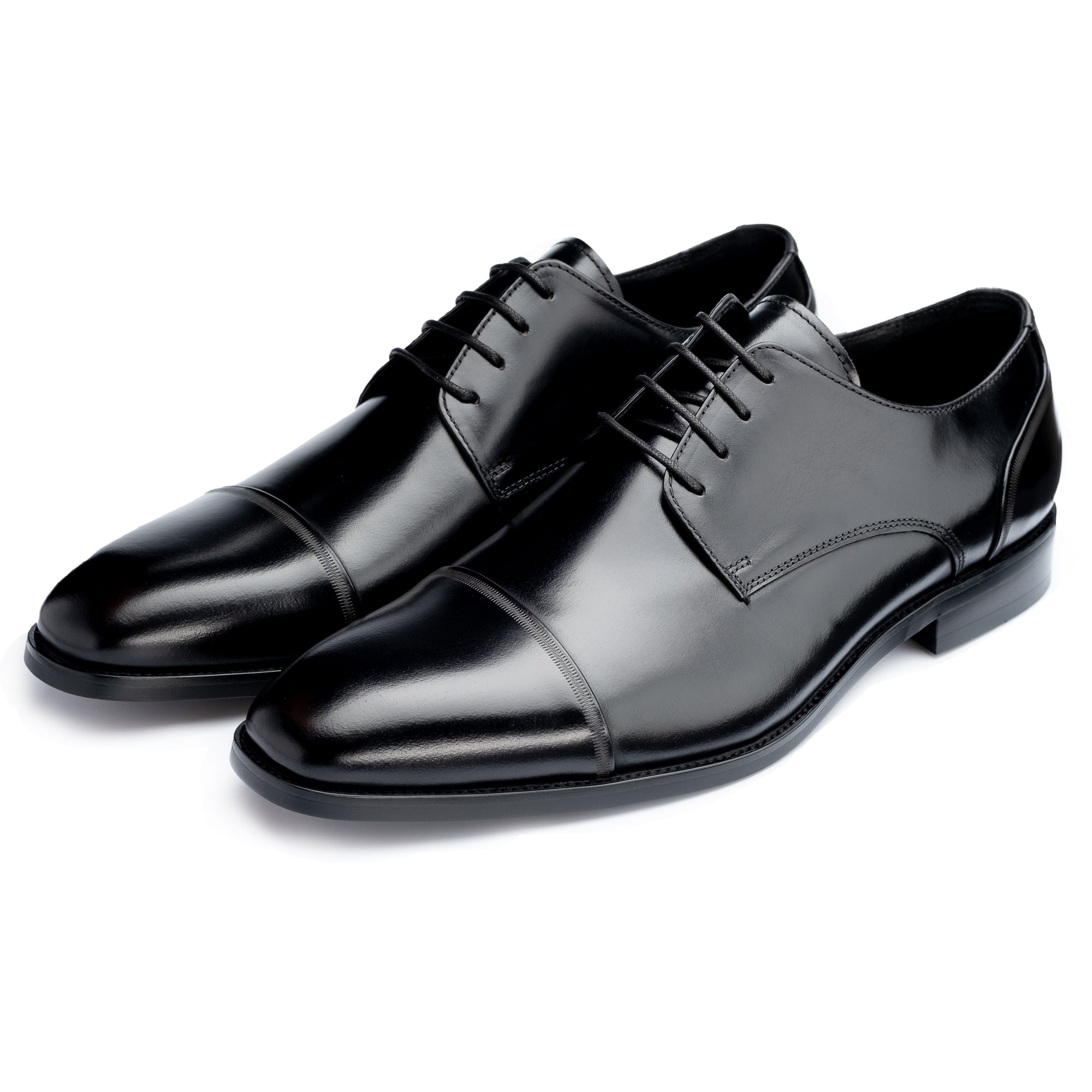
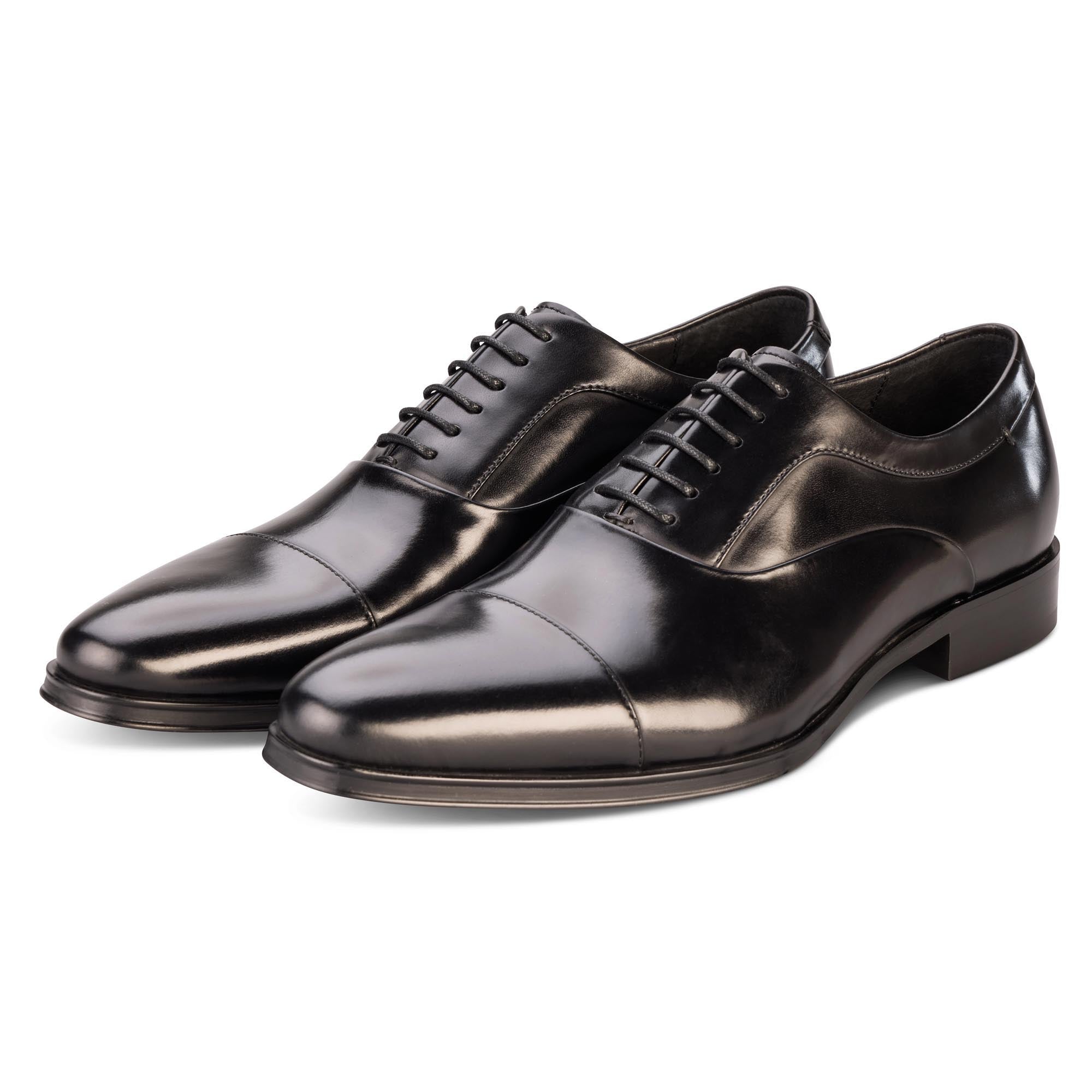
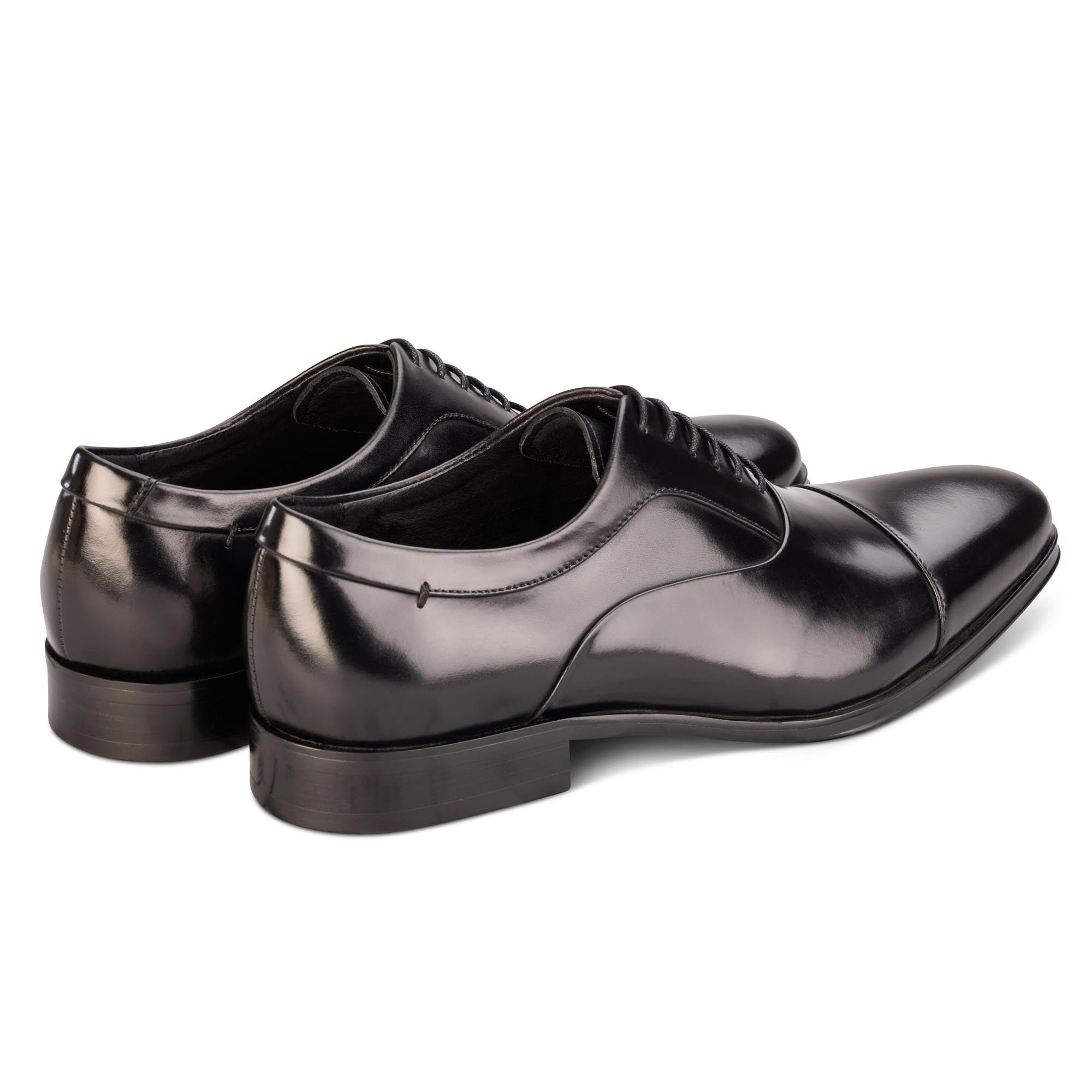
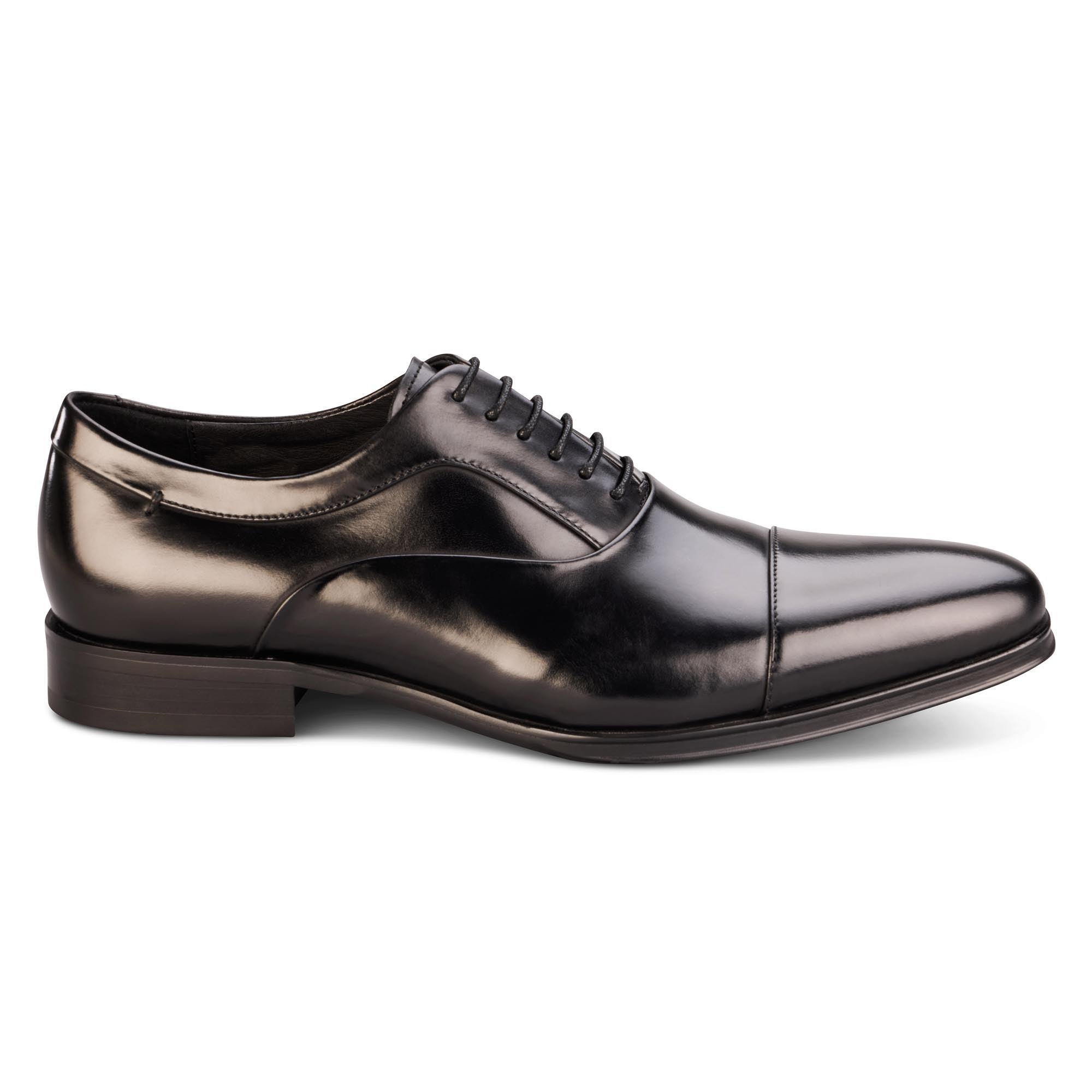
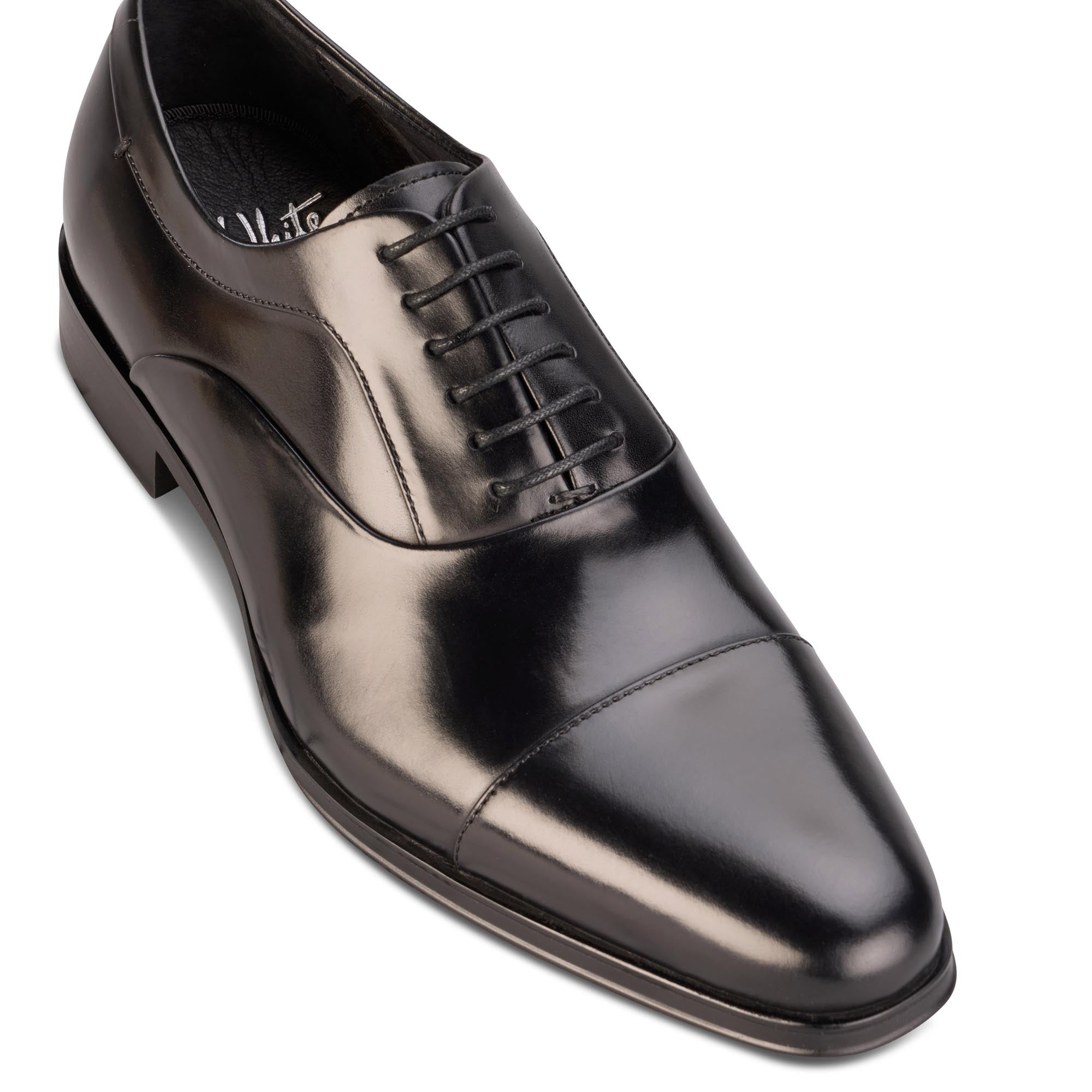
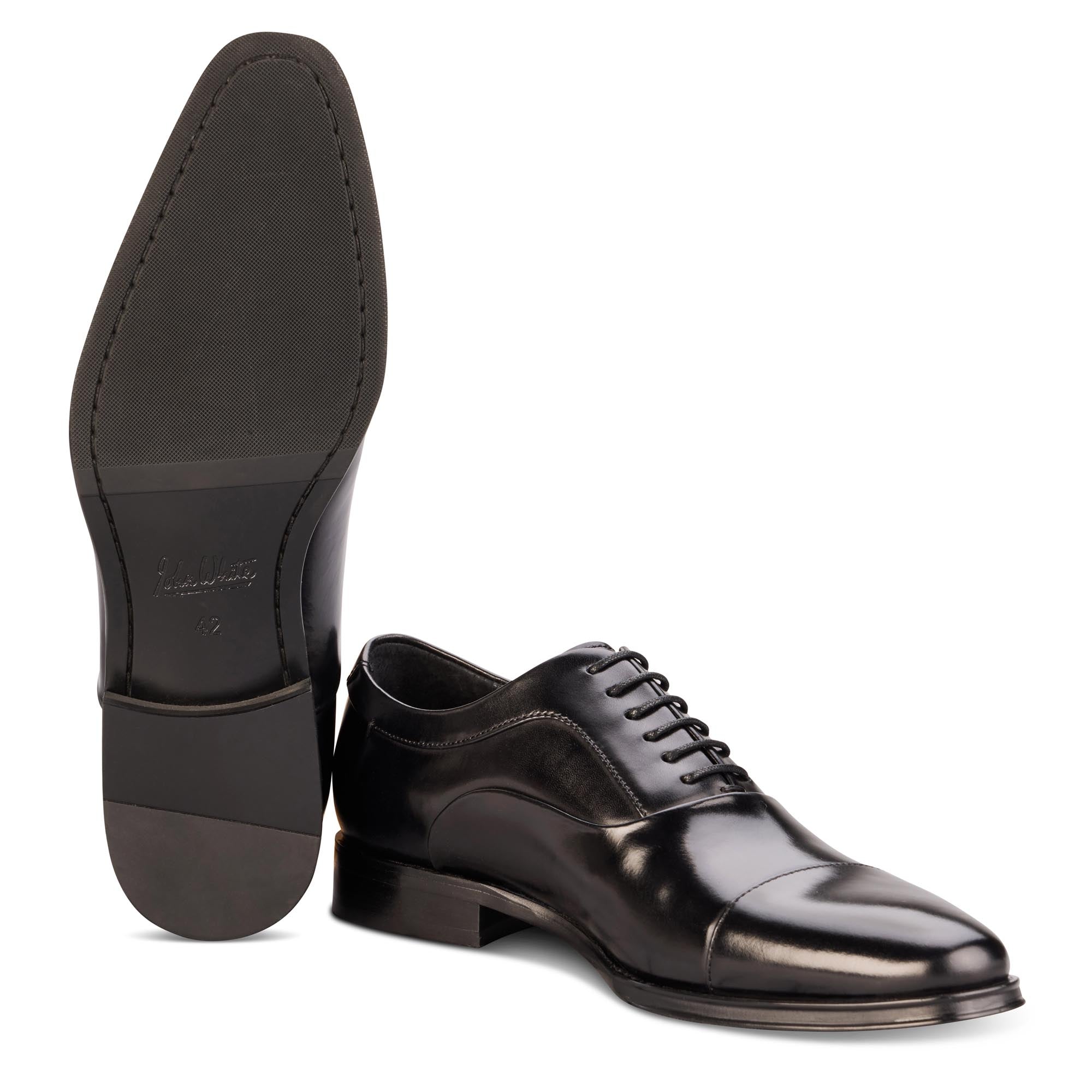
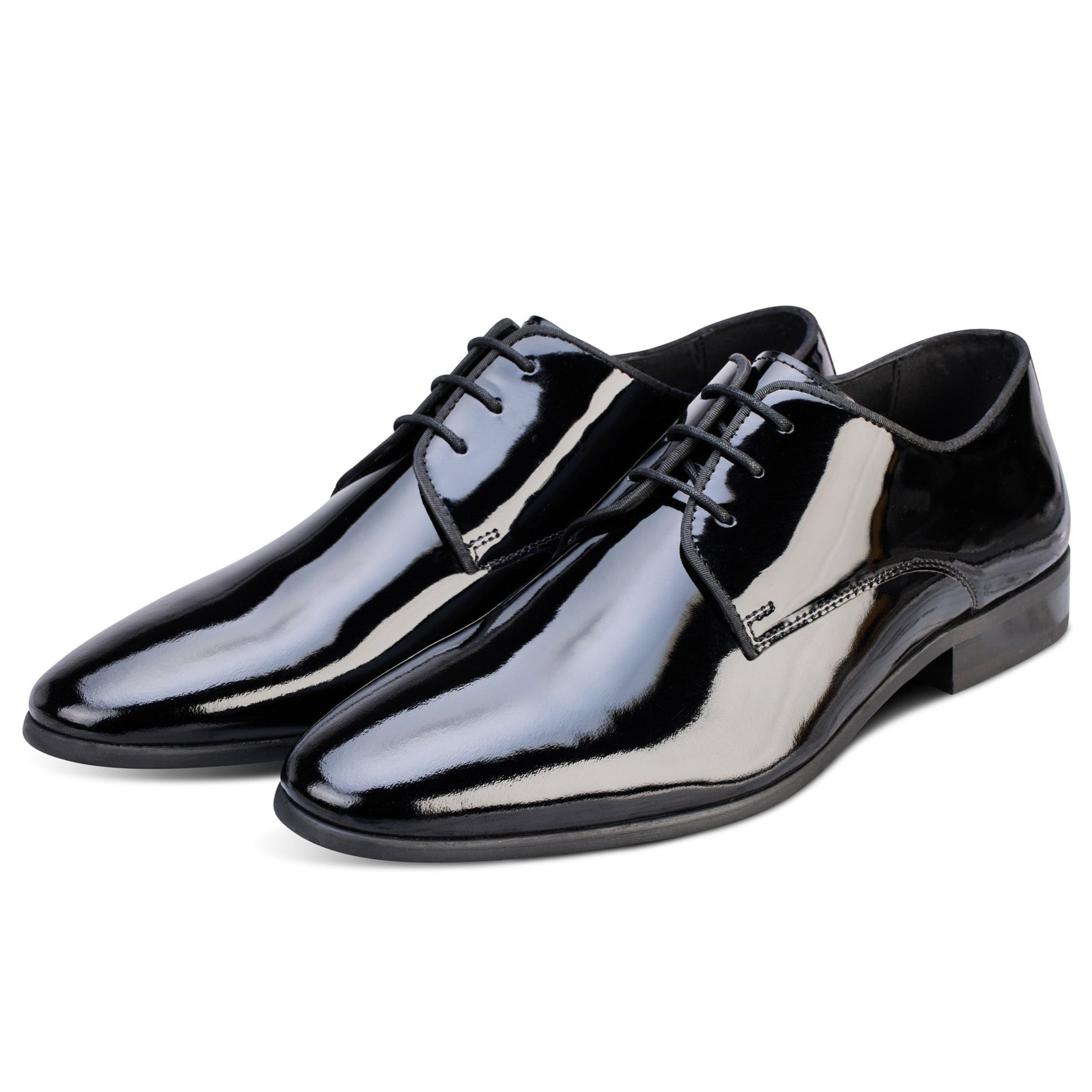
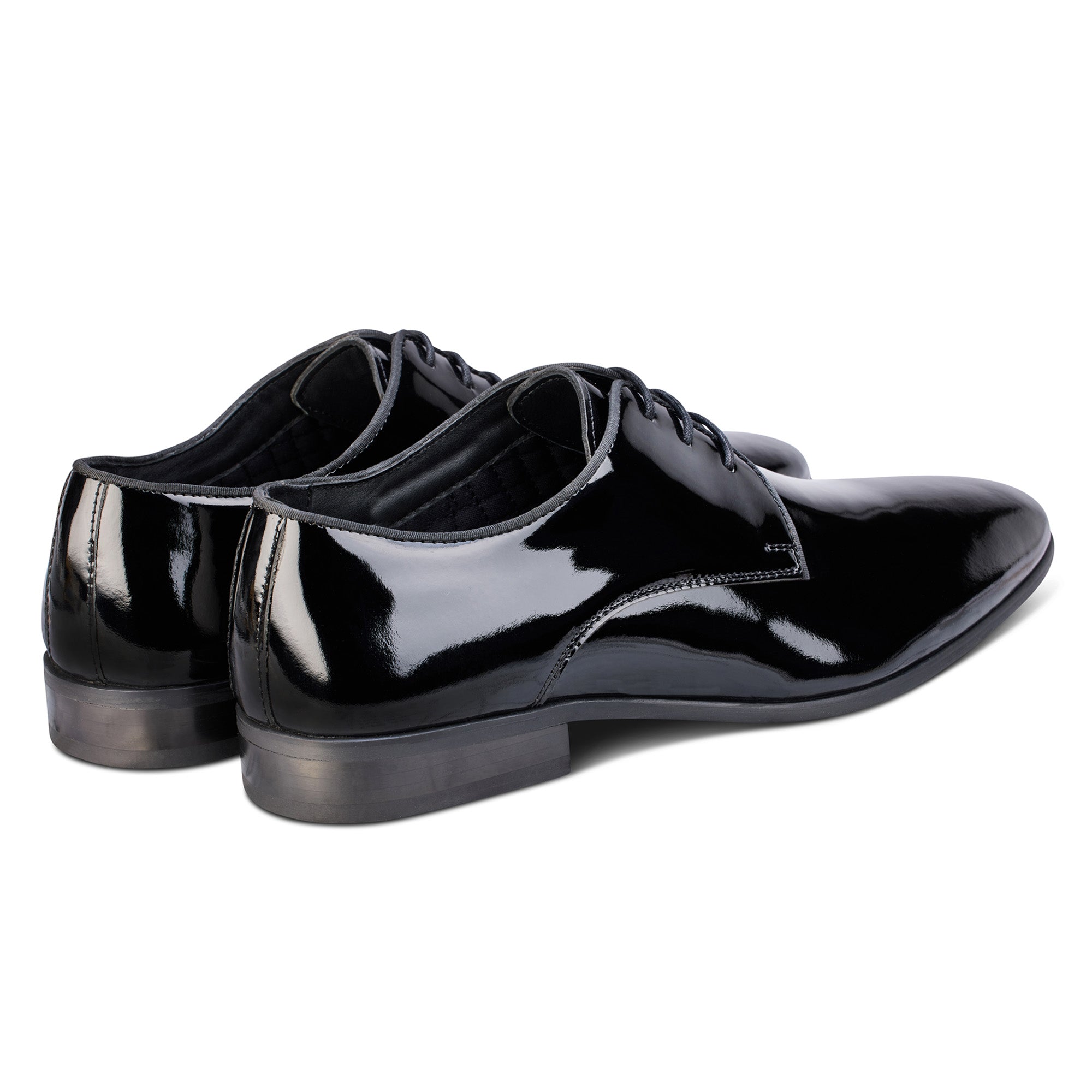
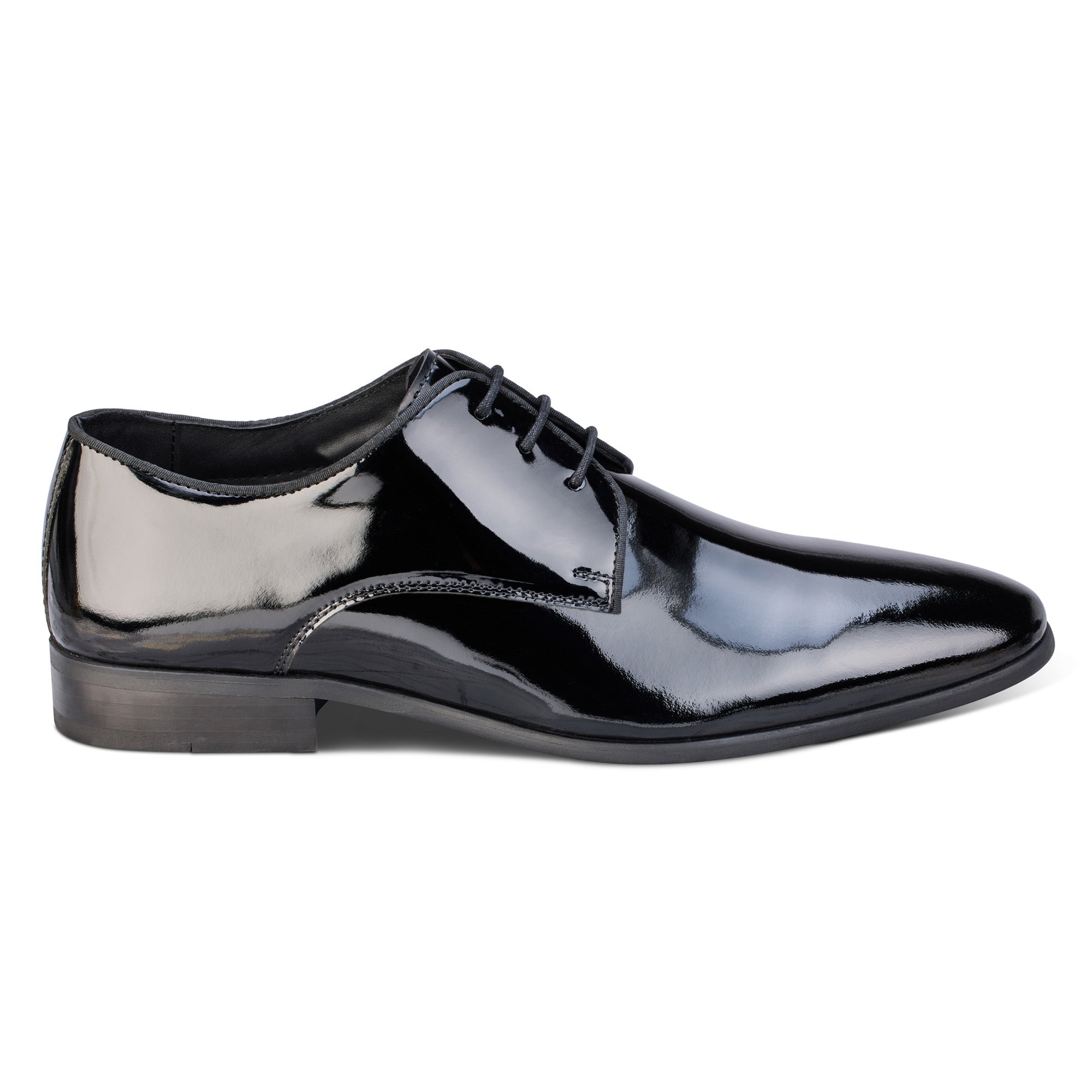
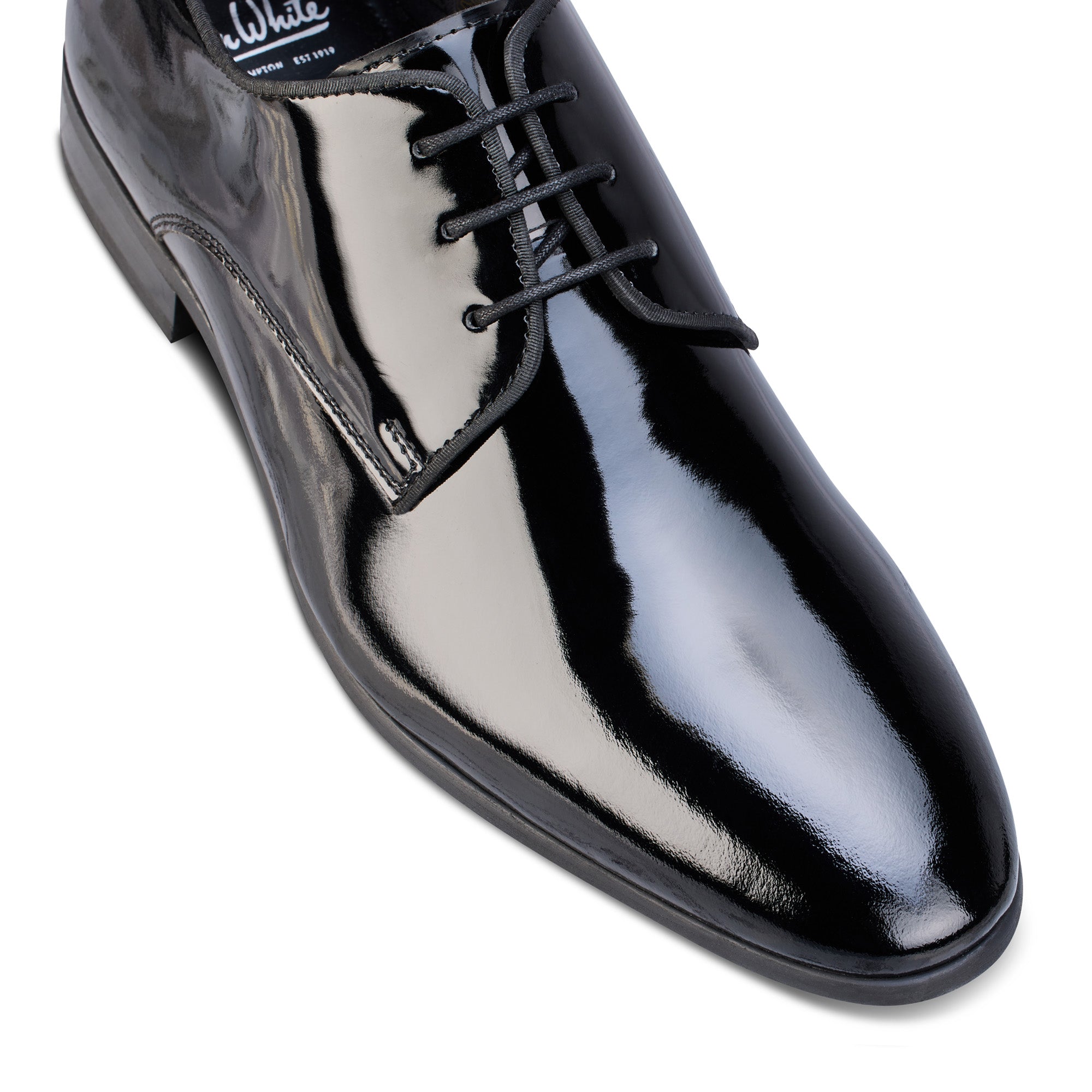
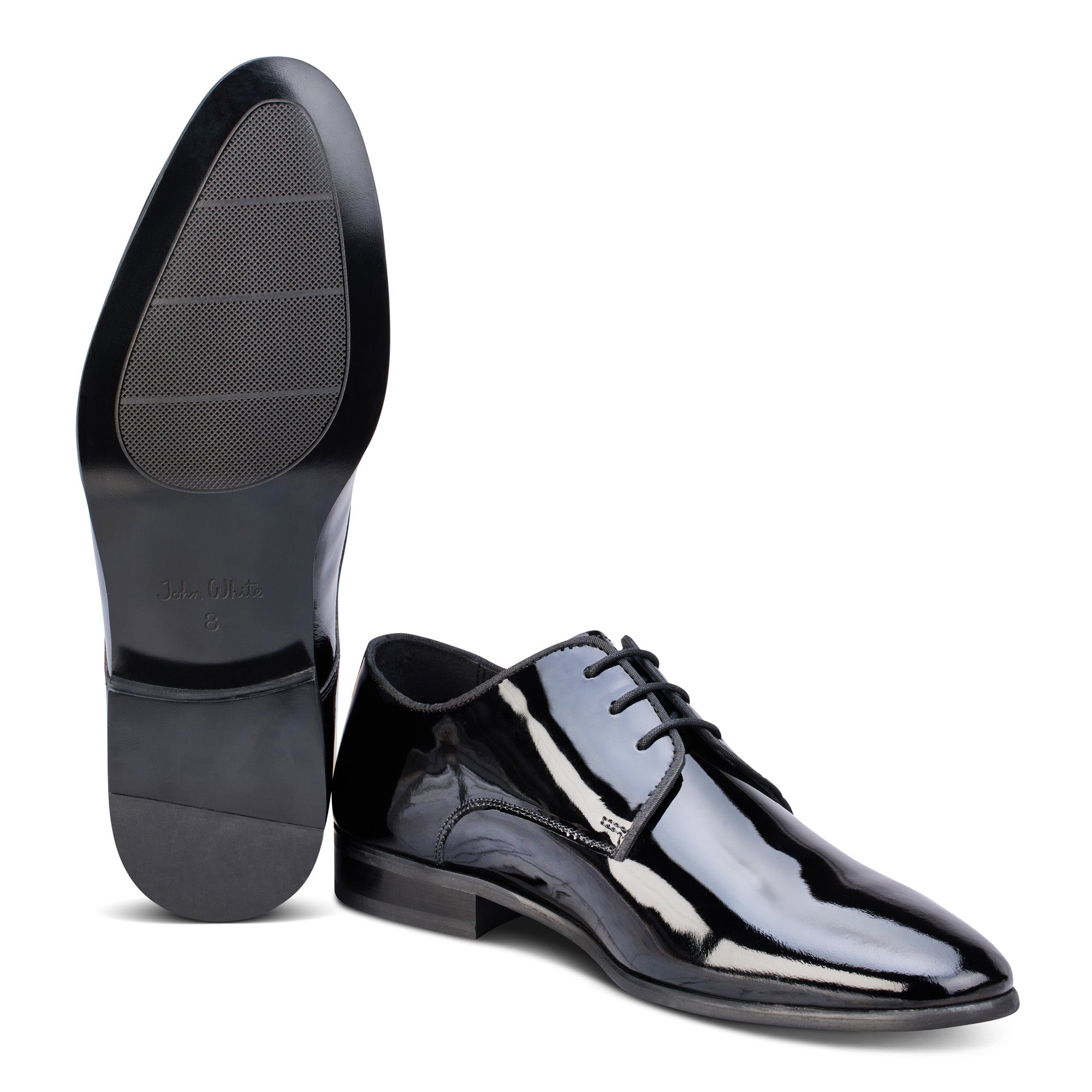
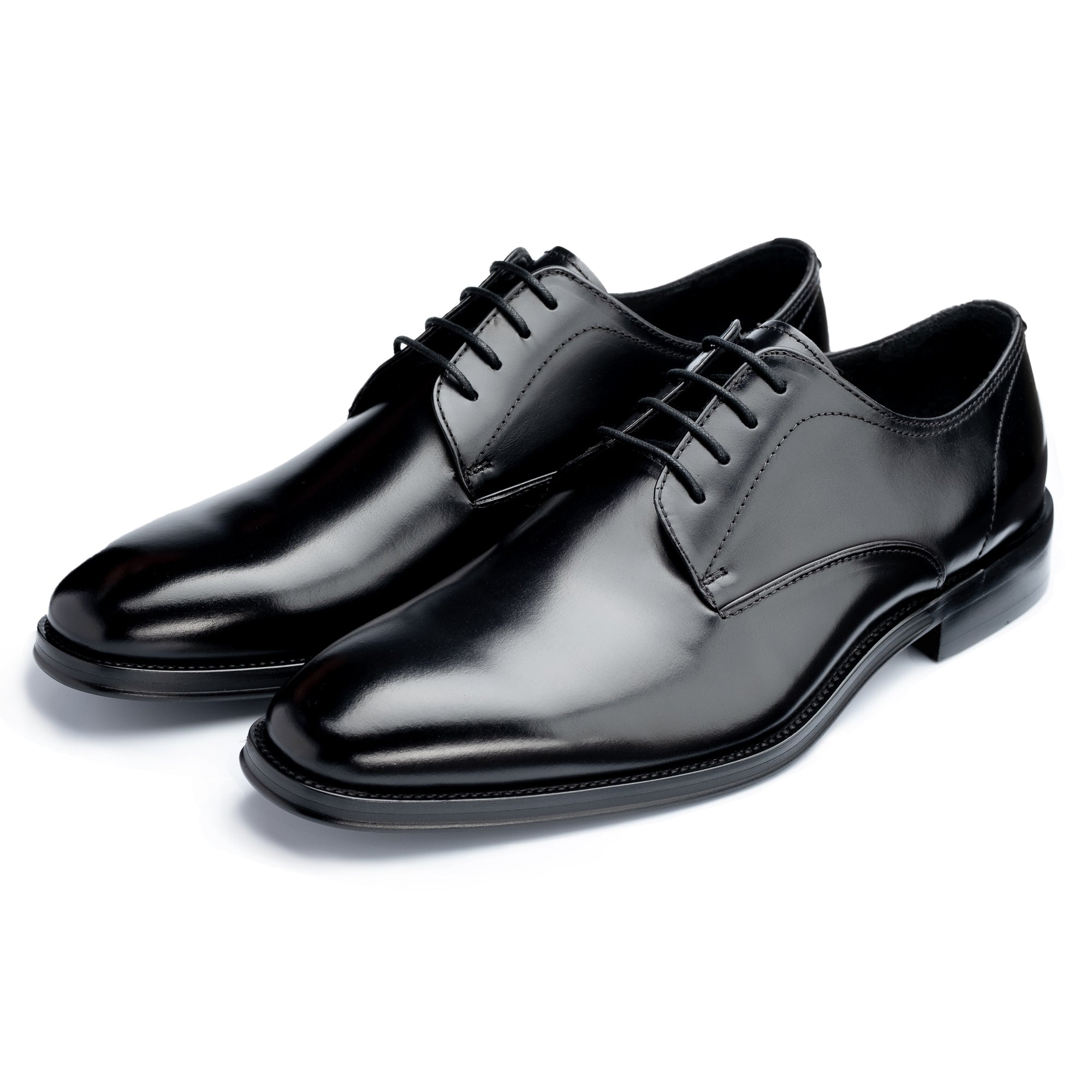
Black tie is the most formal dress code you will encounter as a wedding guest. Patent leather Oxfords are the traditional choice — they catch the light, read as unambiguously formal, and have been correct for well over a century.
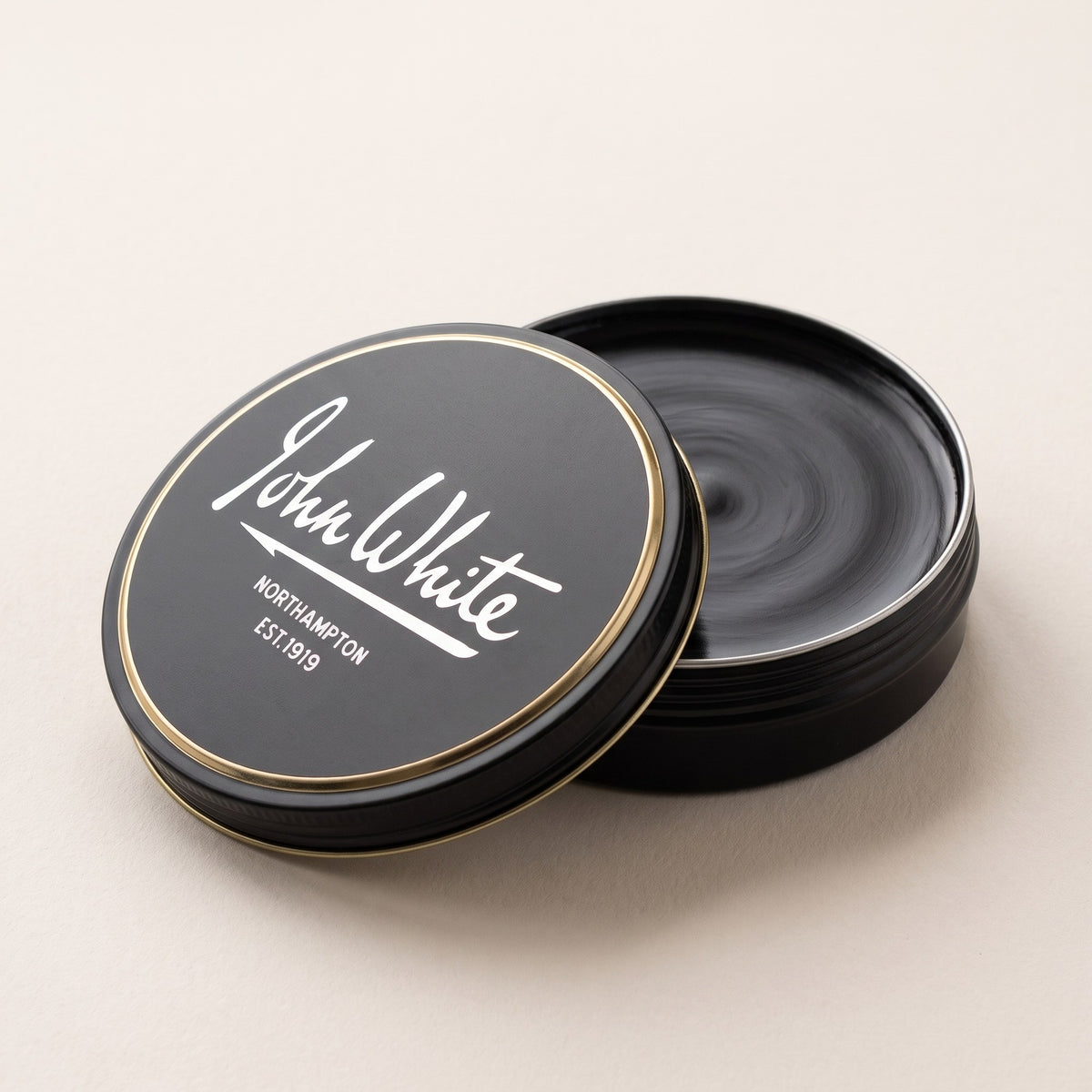
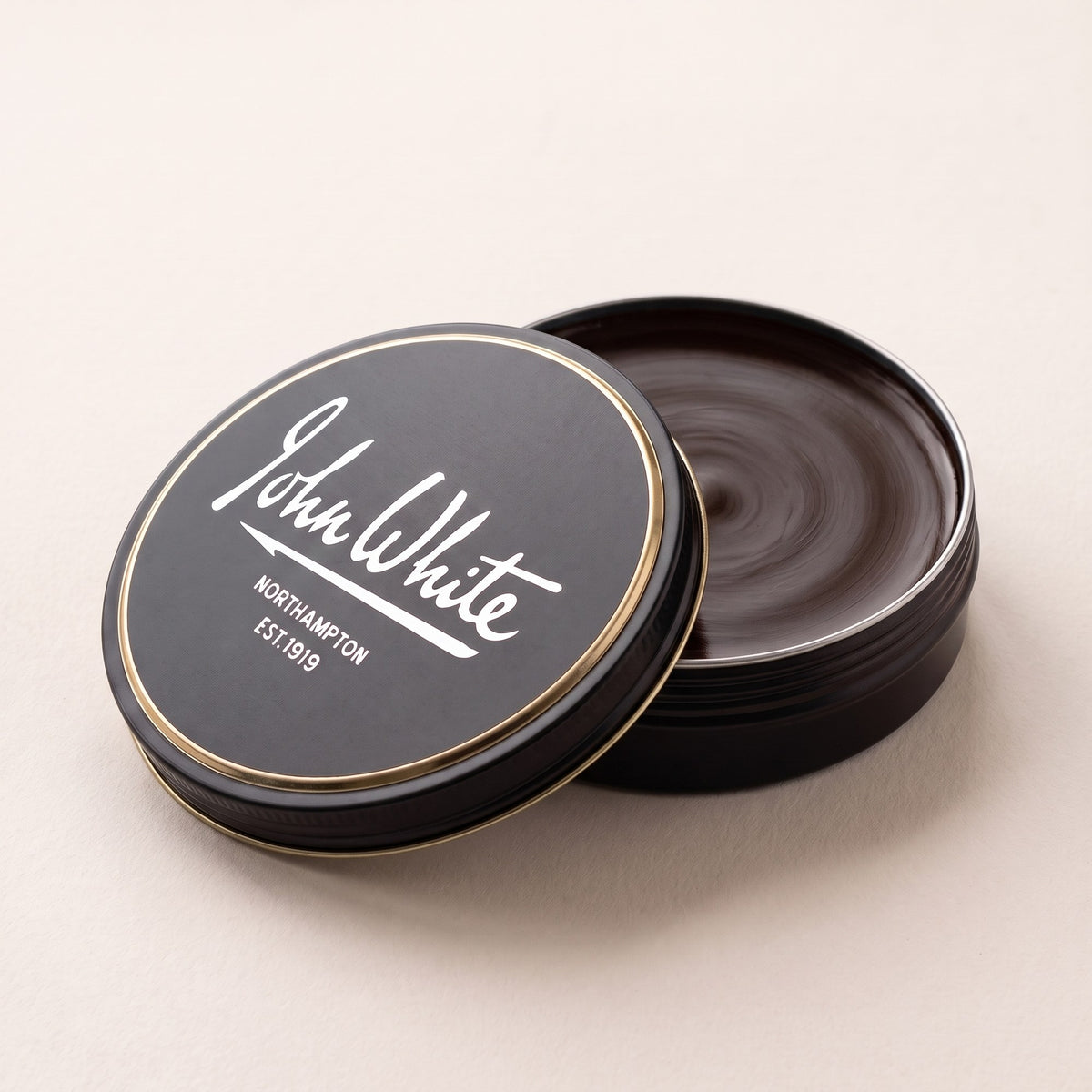
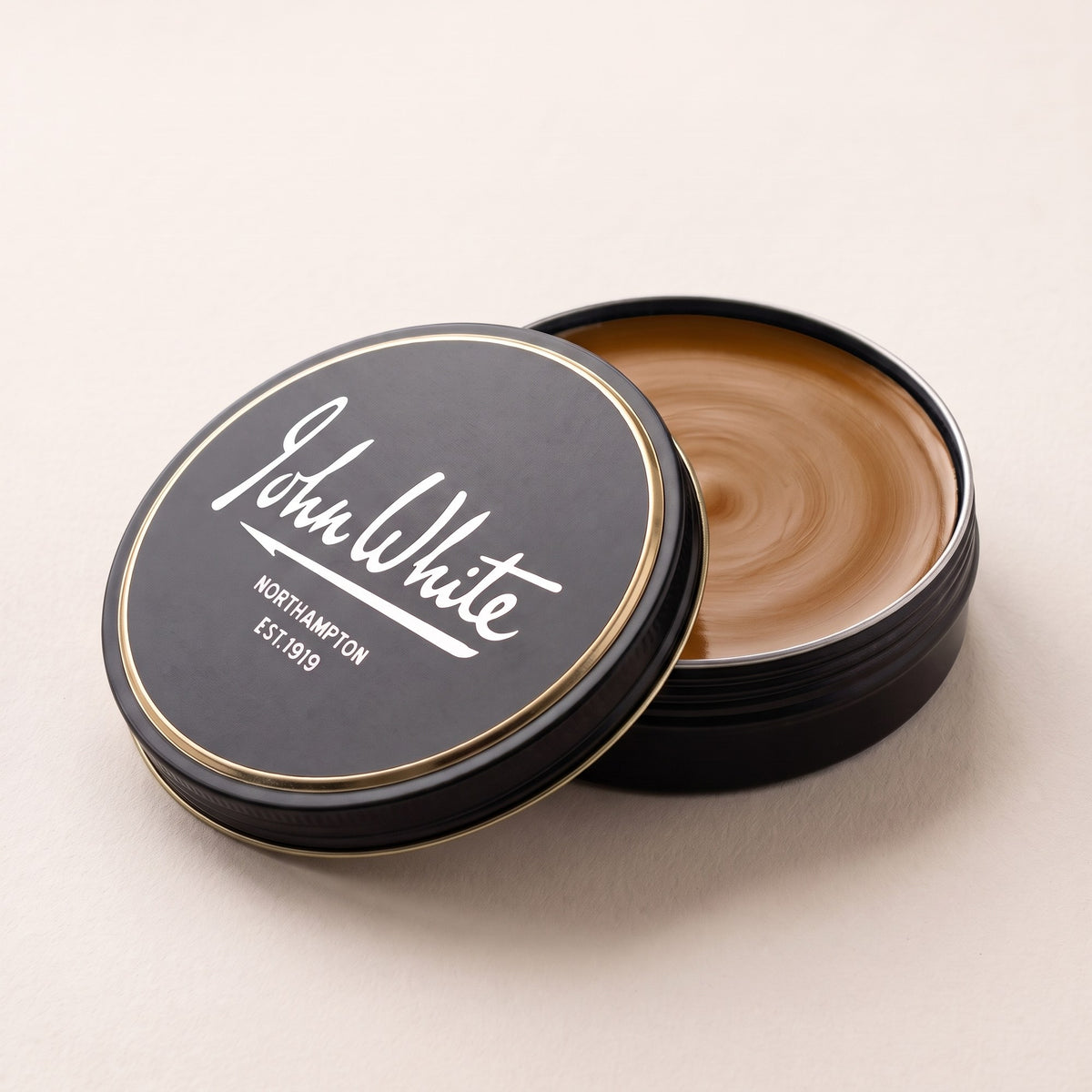
If you do not own patent shoes, a highly polished black Oxford is the next best option. The key is a mirror shine — shoes that have clearly been prepared for the occasion. This is precisely where JW Premium Wax Polish earns its place: two or three coats in the days before the event will give leather the depth and brilliance black tie demands.
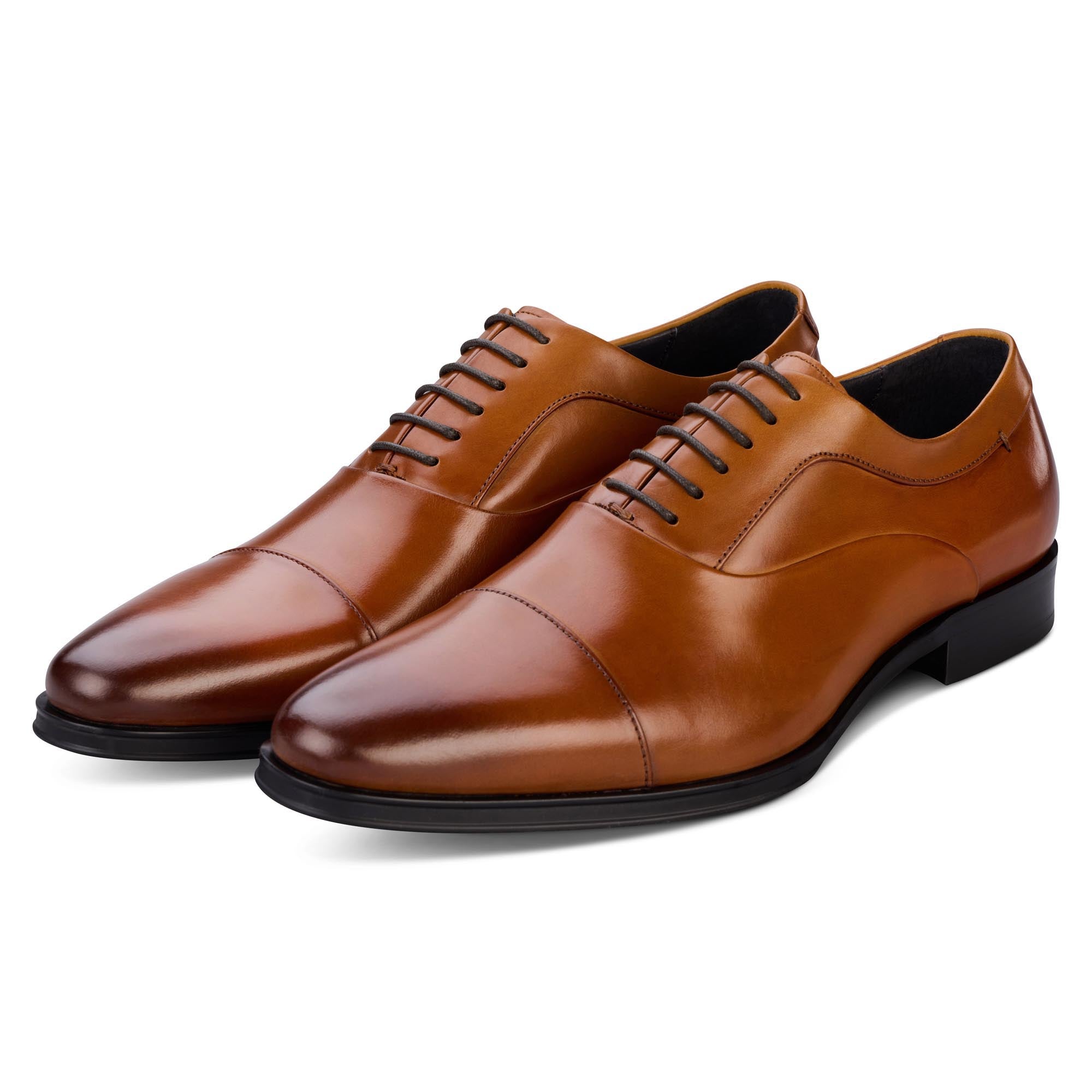
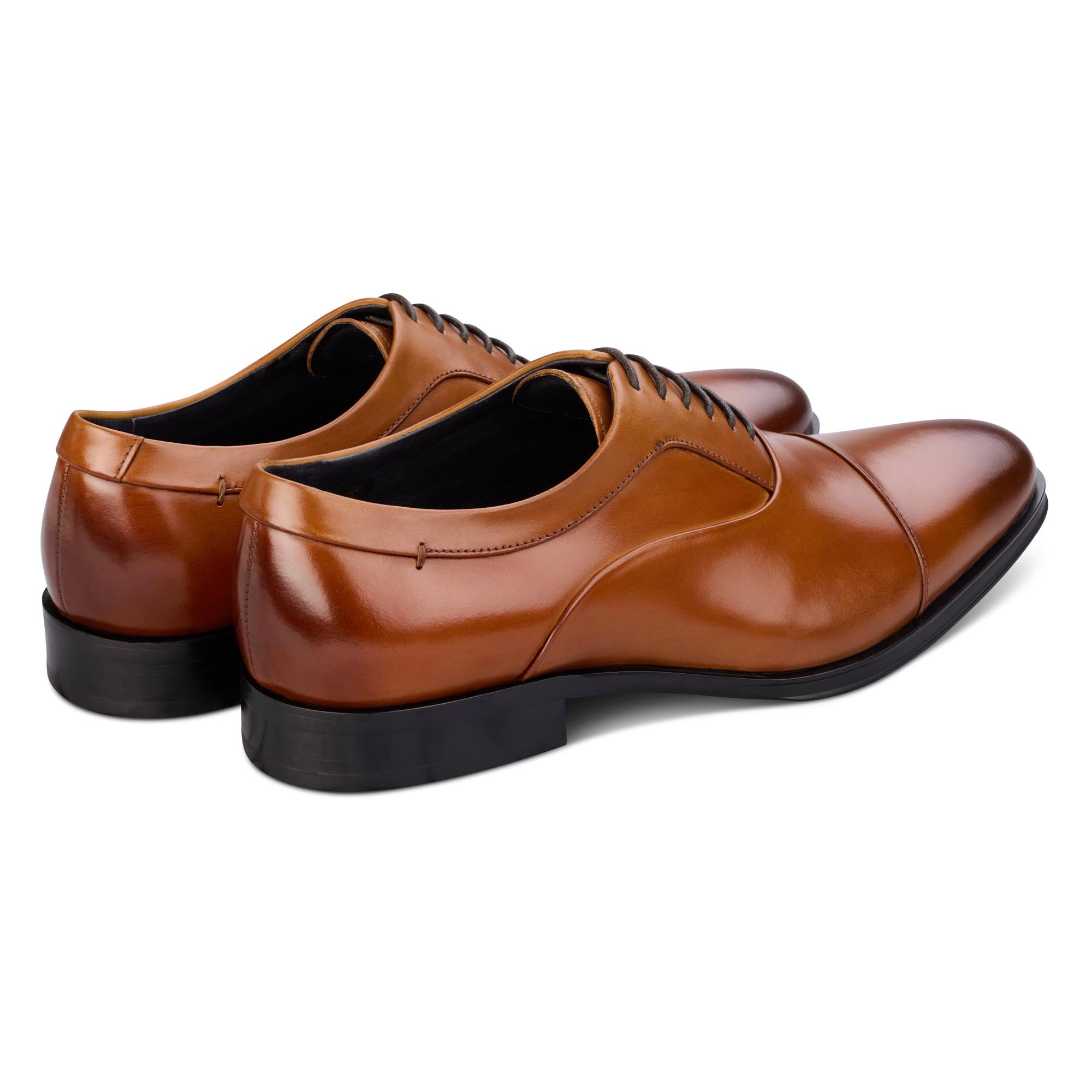
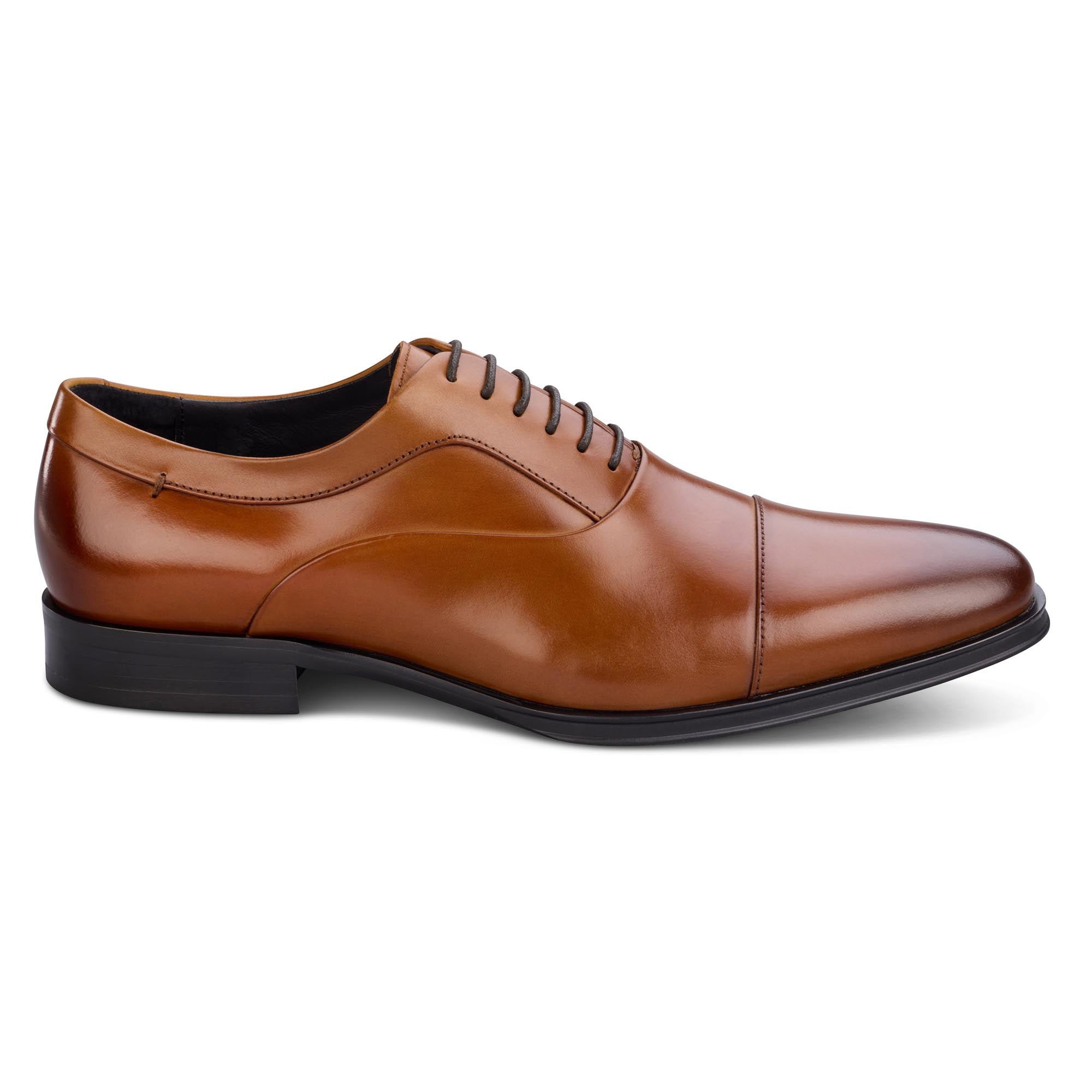
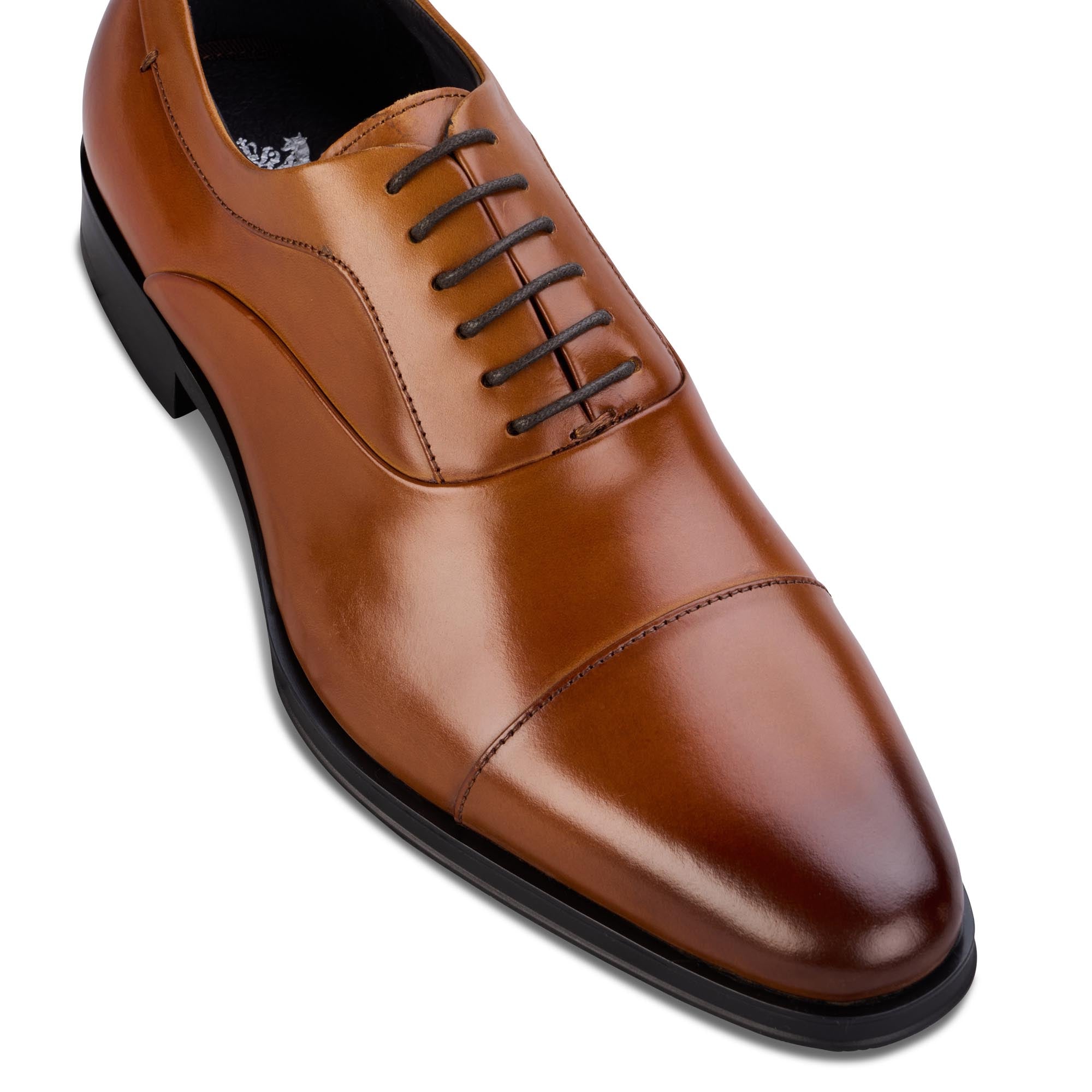
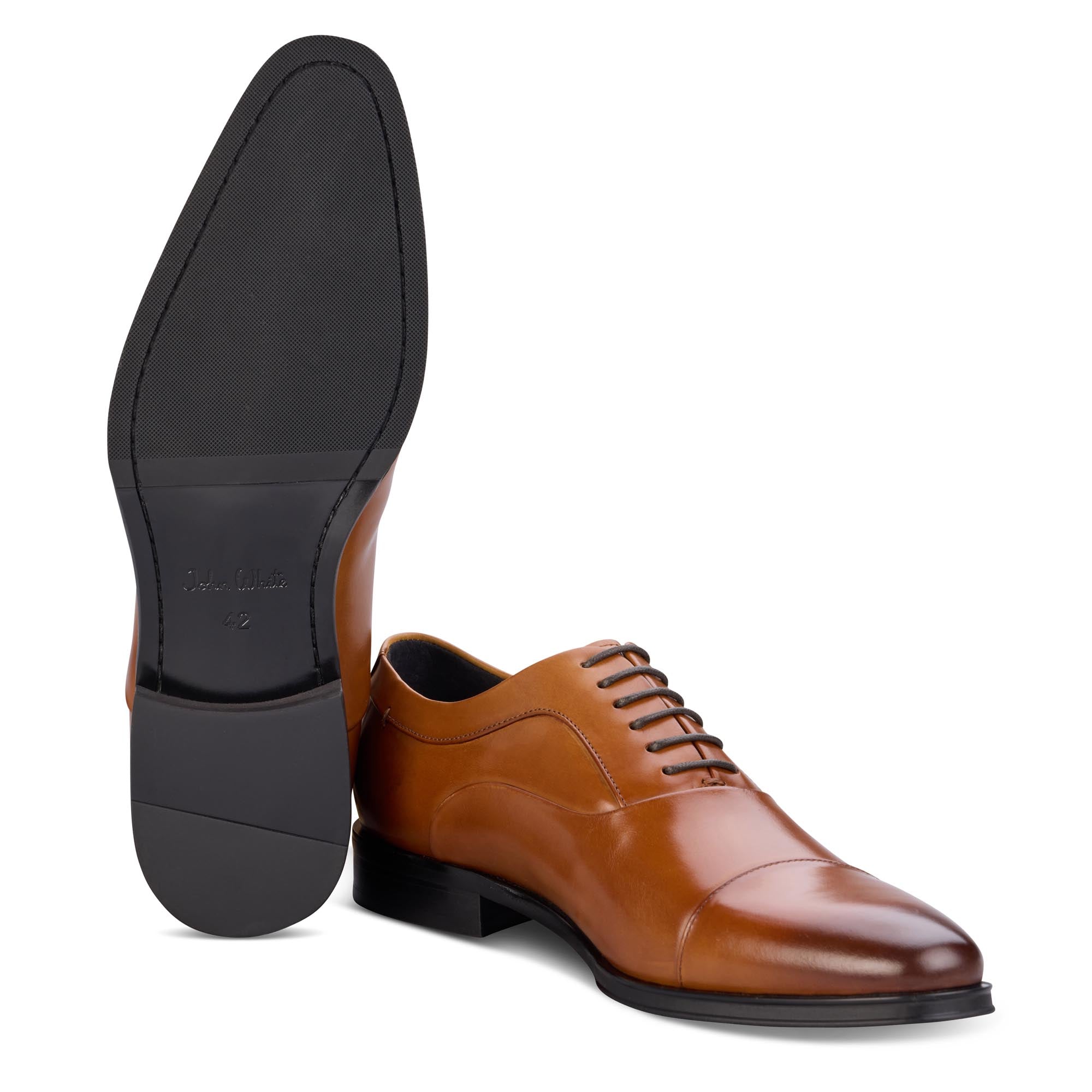
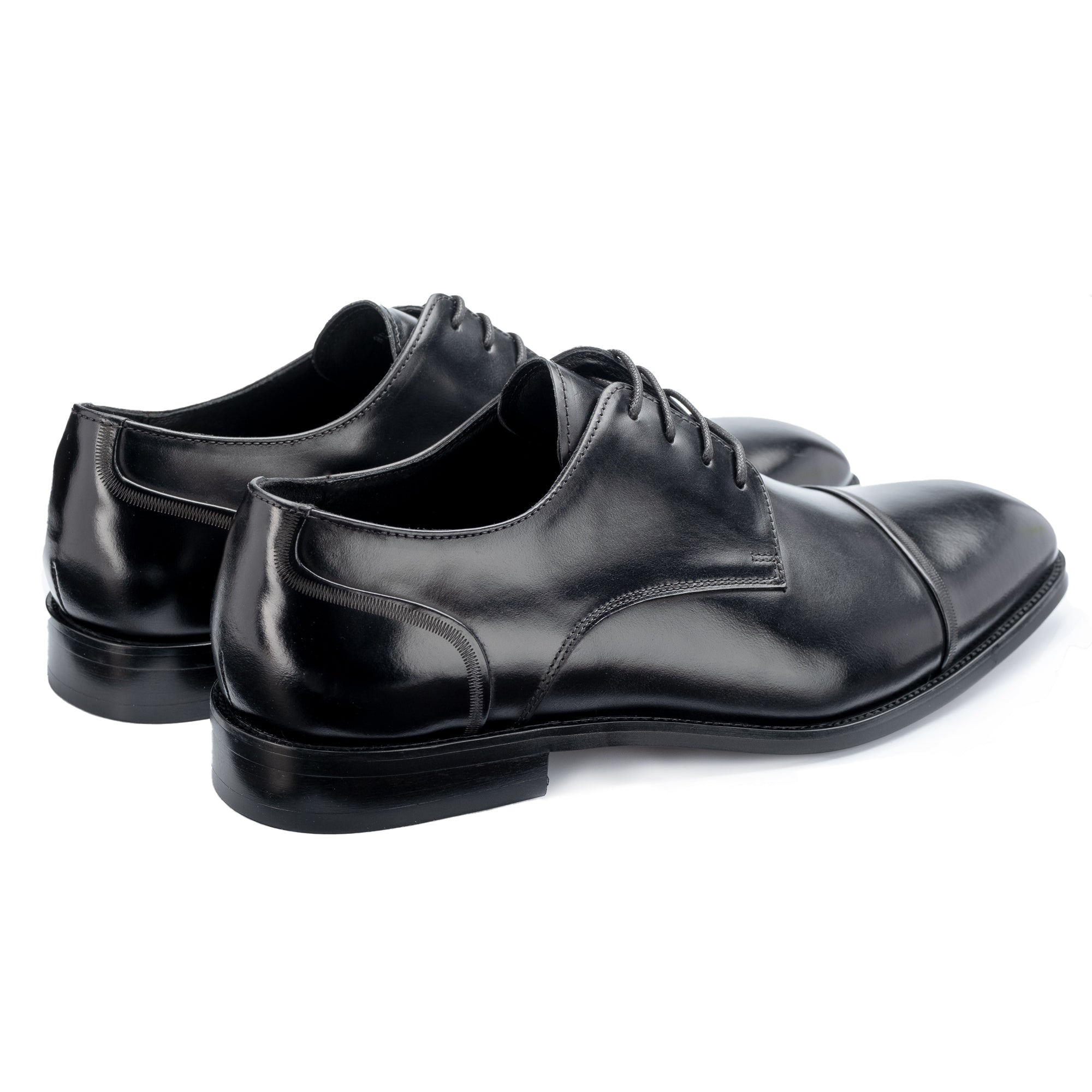
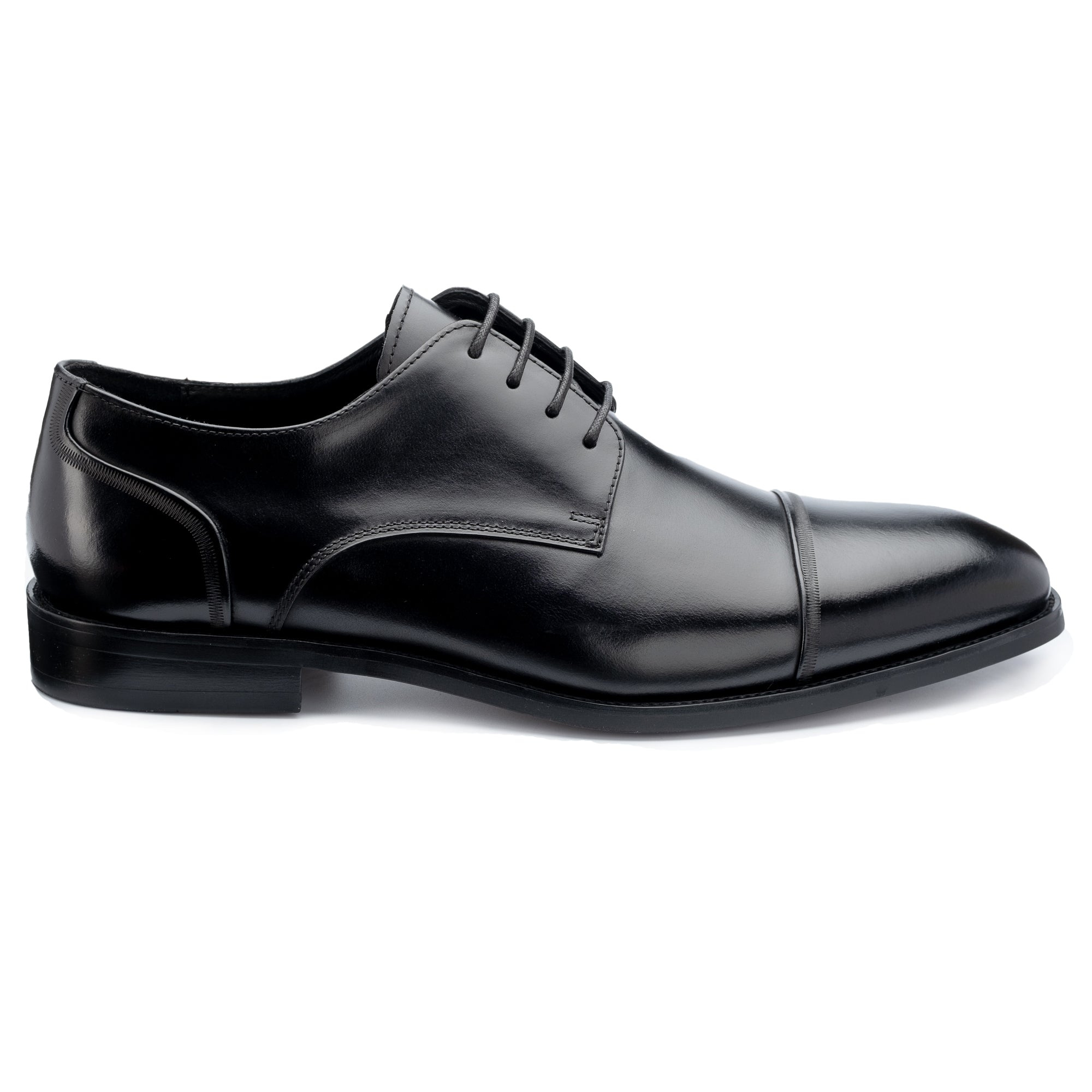
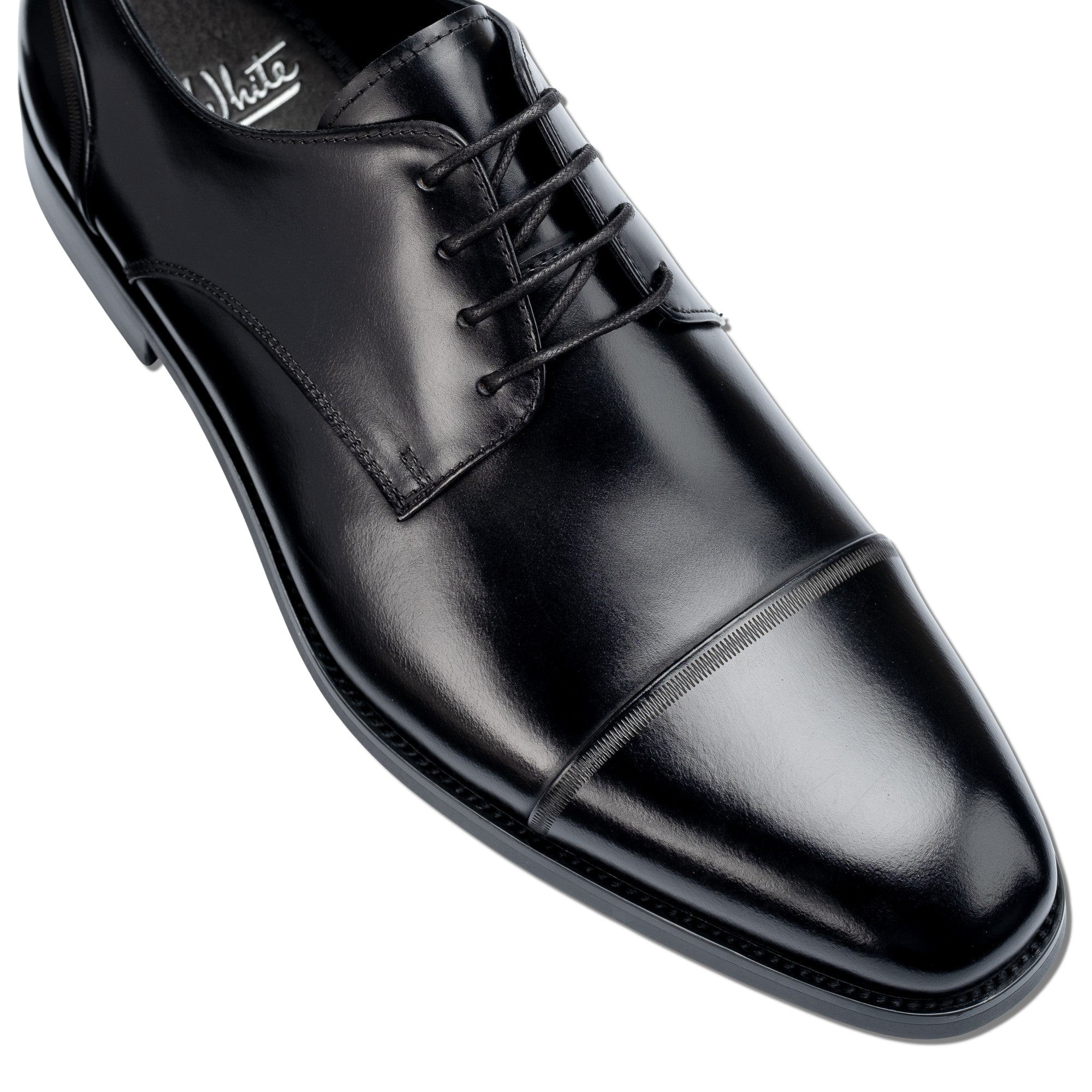
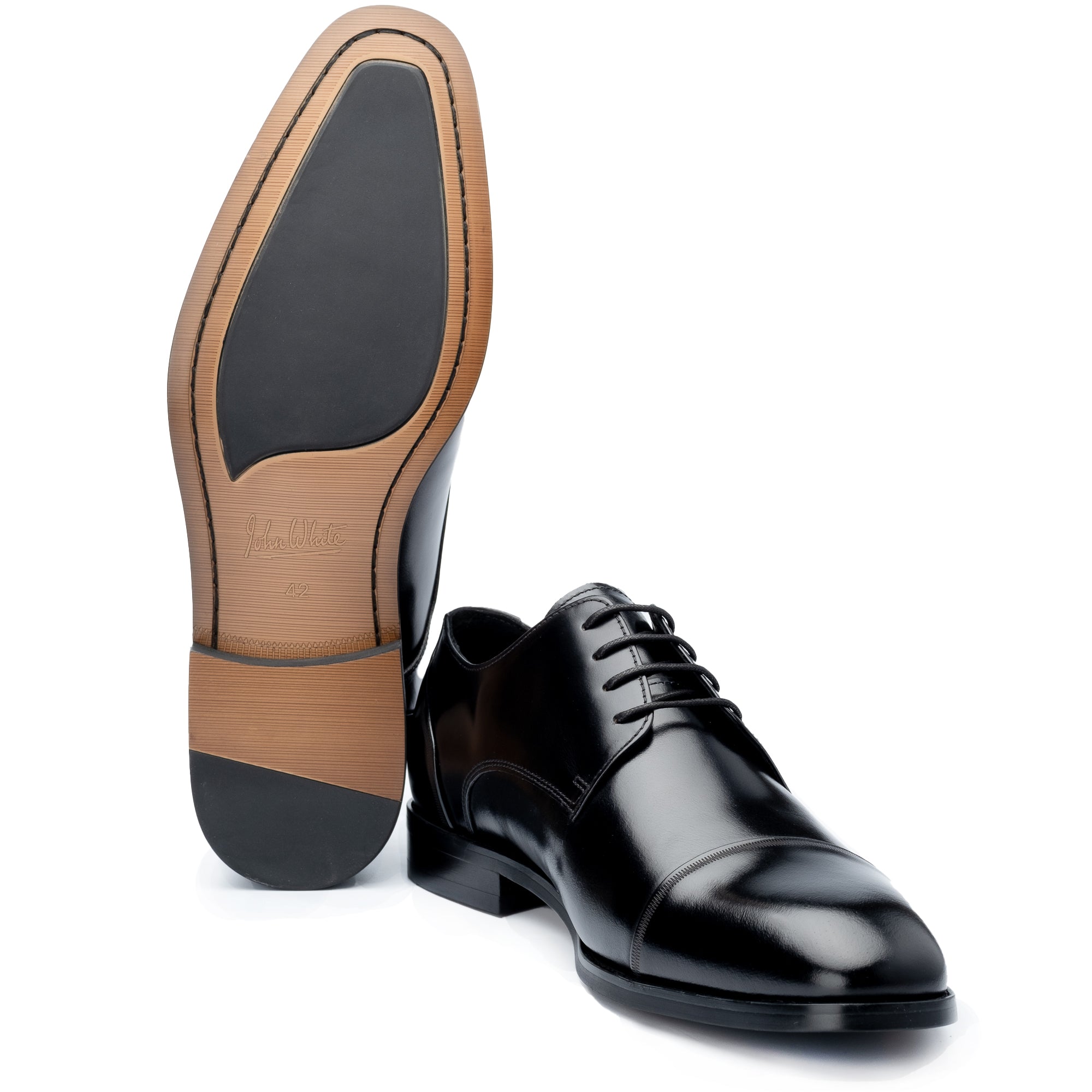
The Guildhall Oxford in black is the right call here. Its clean cap-toe silhouette and closed lacing system are precisely what the formality of black tie requires. Nothing else in the range — or most ranges — comes close for this dress code.
- Colour: Black only
- Style: Oxford with closed lacing
- Finish: High polish — mirror shine where possible
- Avoid: Brown, tan, suede, brogues, or boots of any kind
What Are the Best Shoes for Morning Dress at a Wedding?
Morning dress — the top hat and tails ensemble common at traditional British country house weddings — is more flexible on footwear than black tie. The formality is visual and theatrical; the shoes have room to breathe.
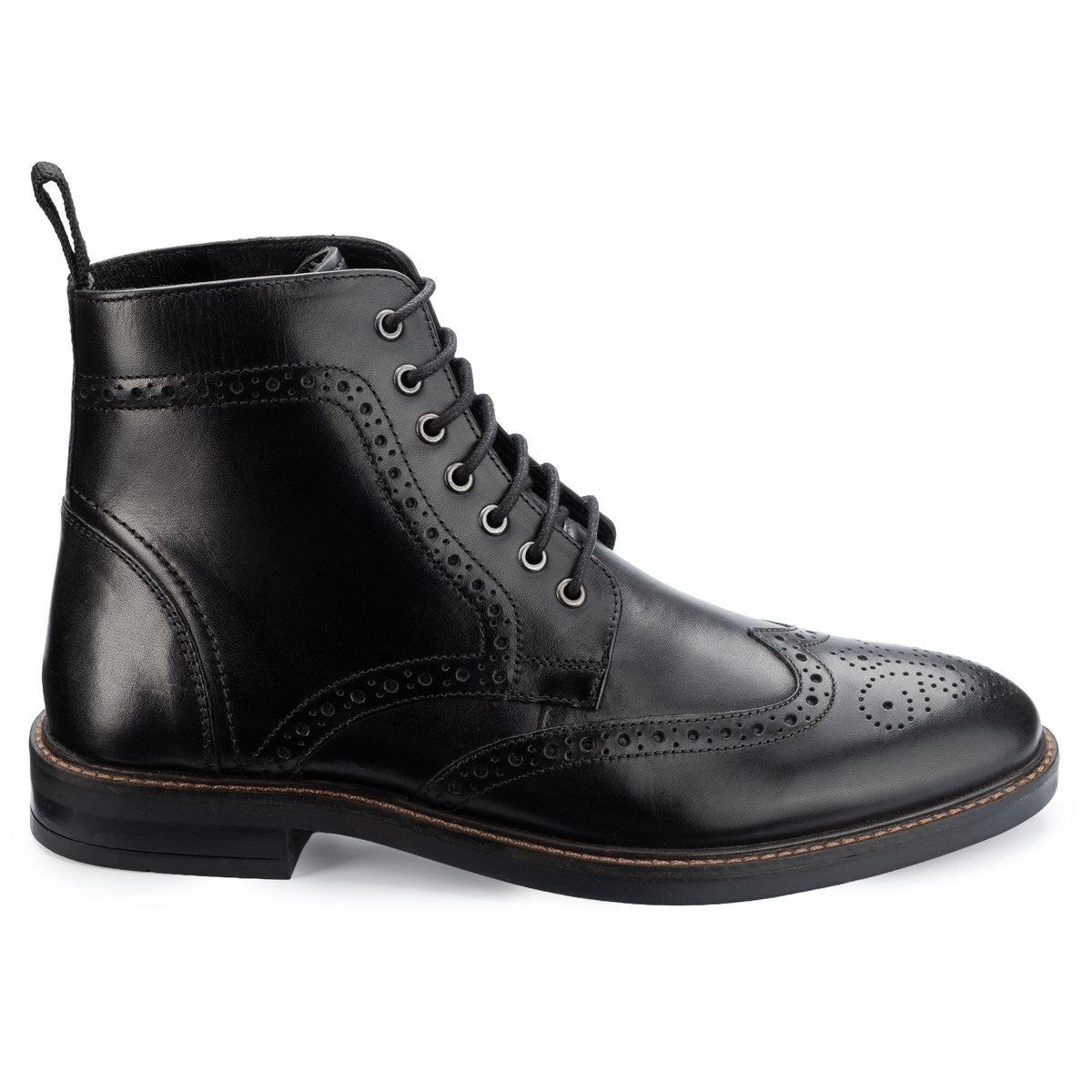
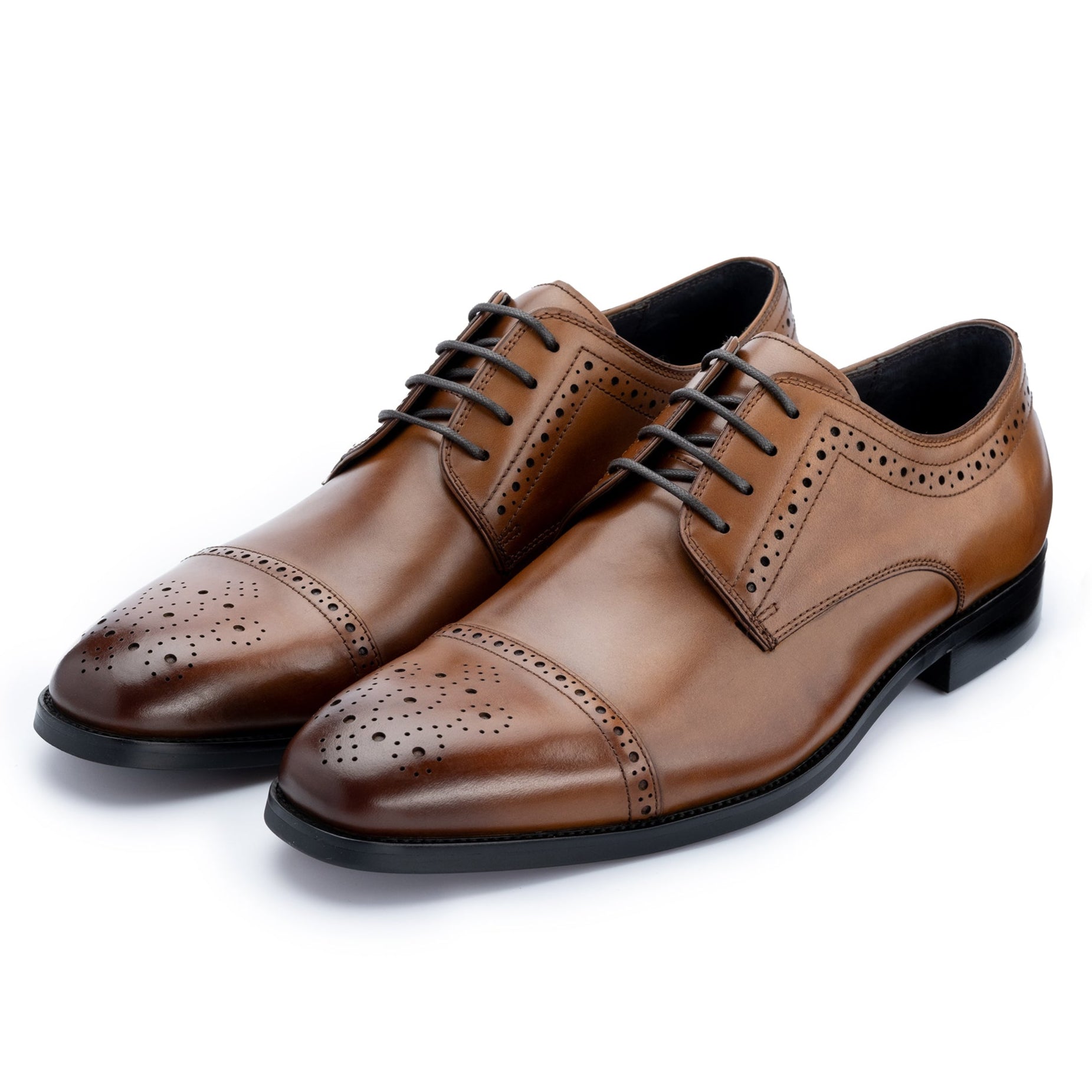
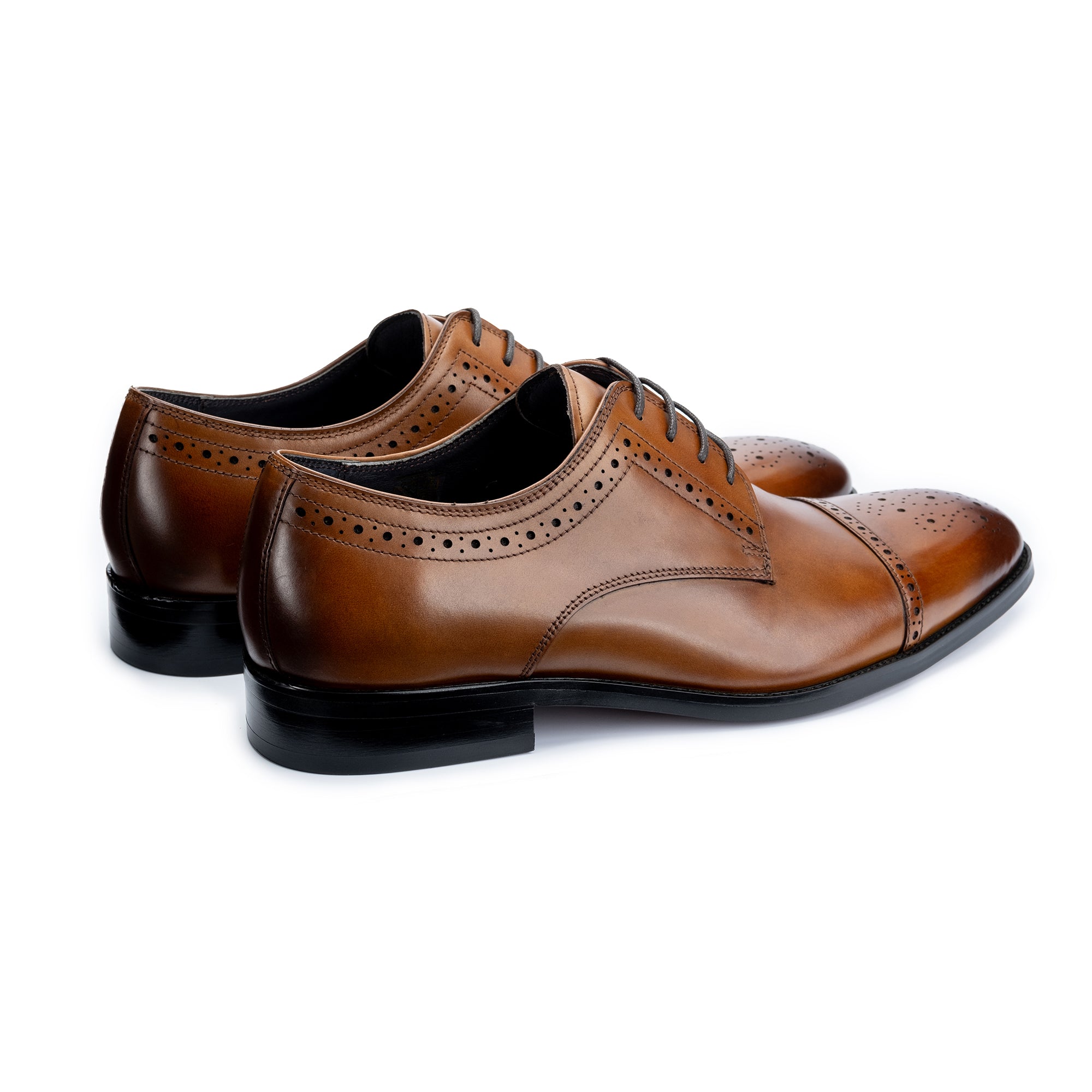
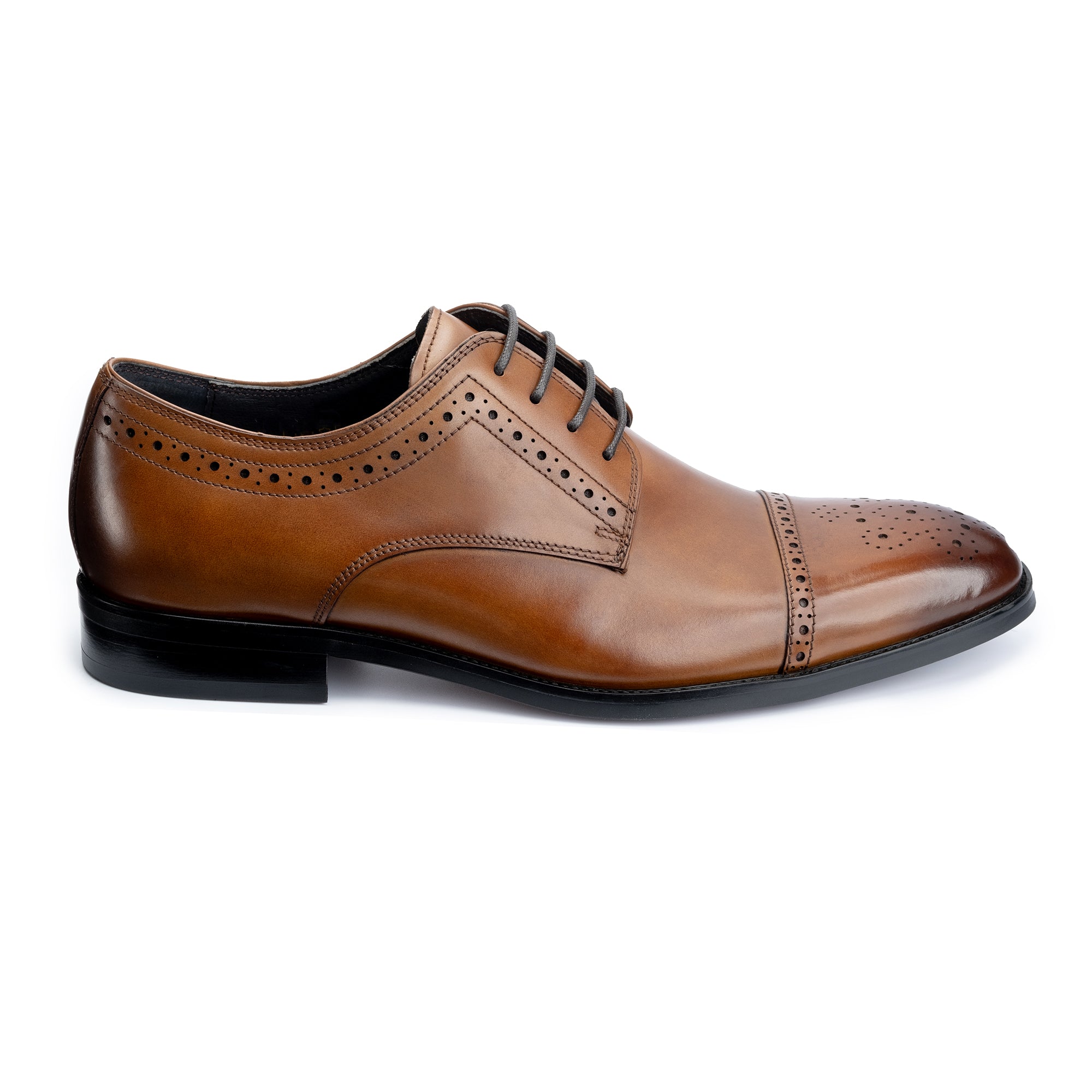
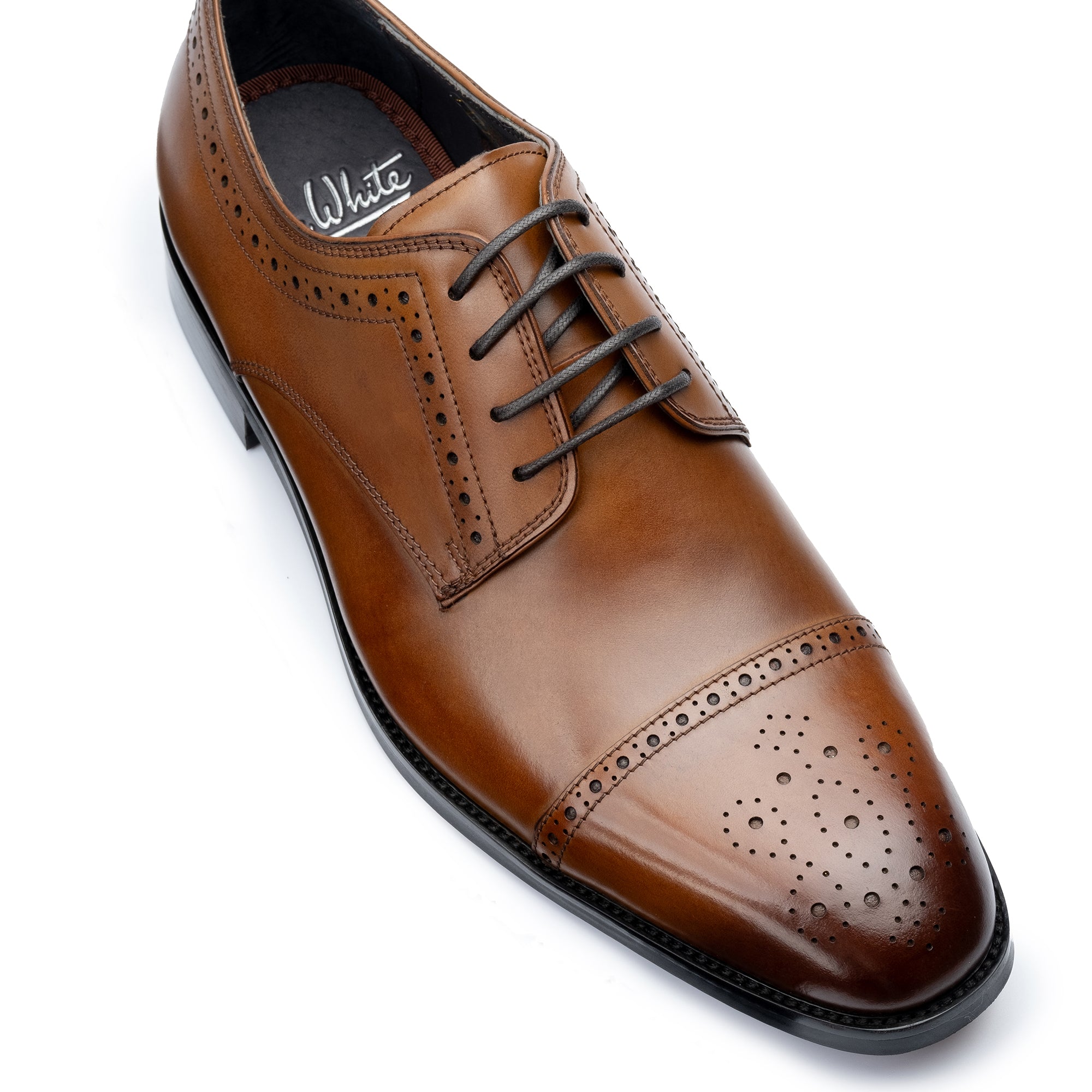
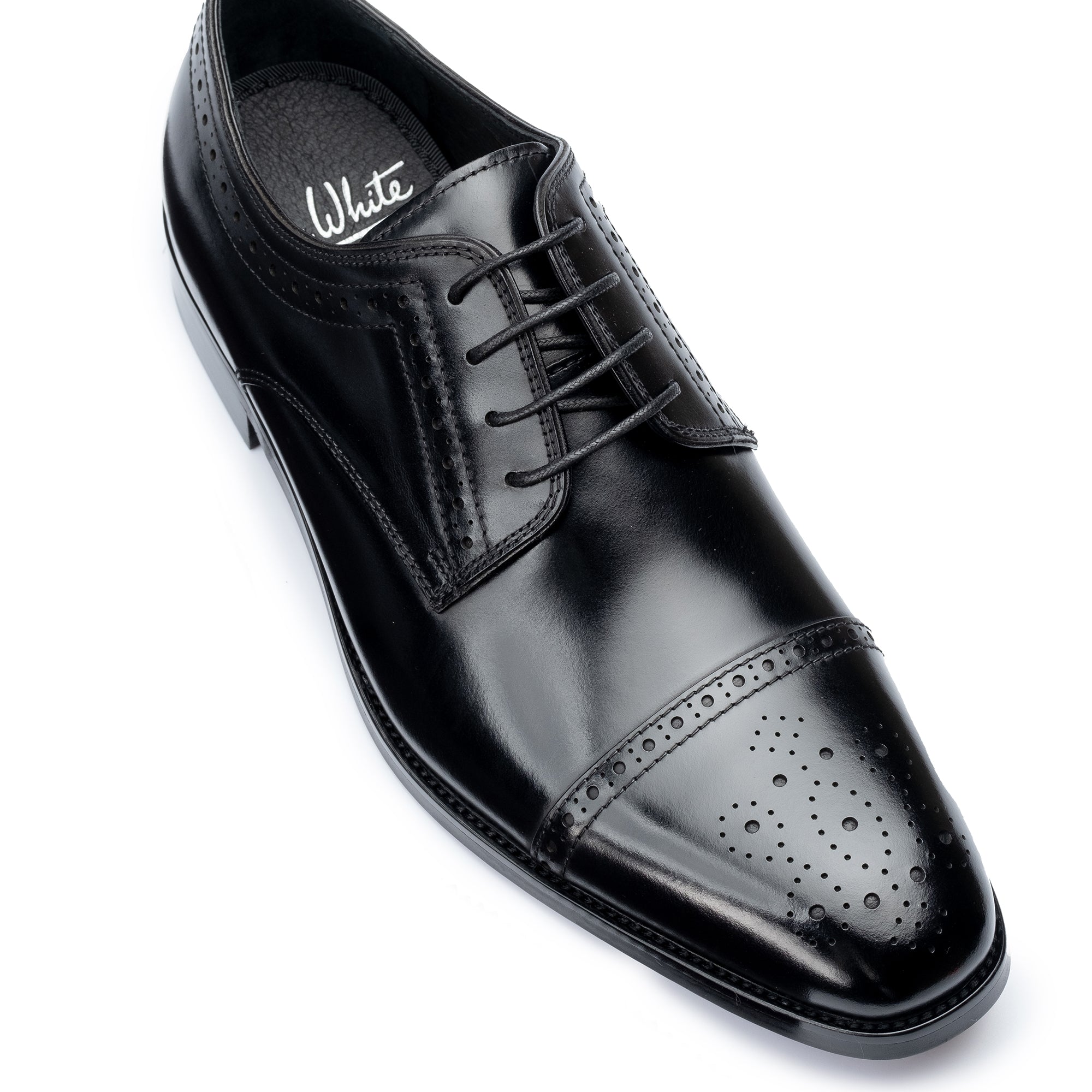
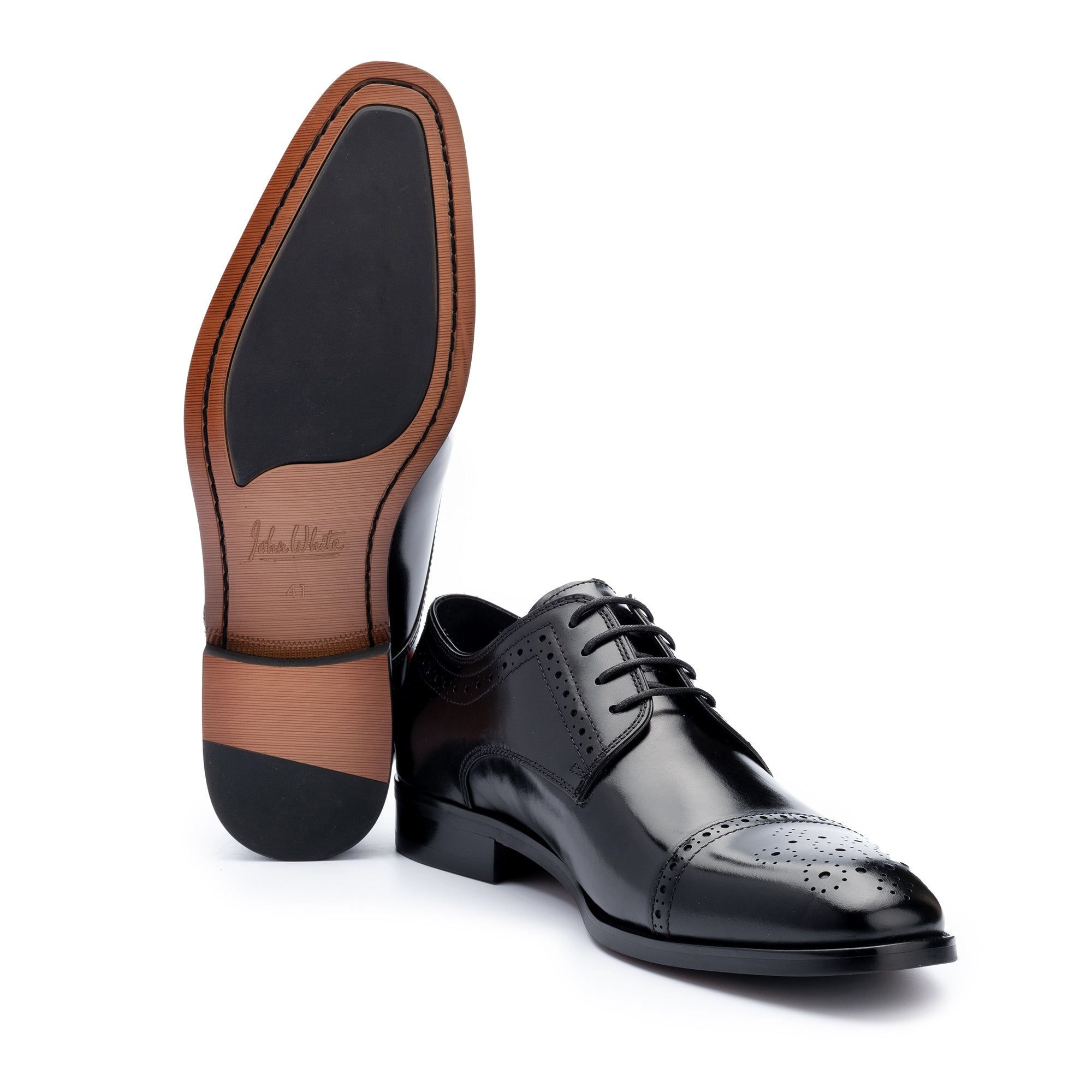
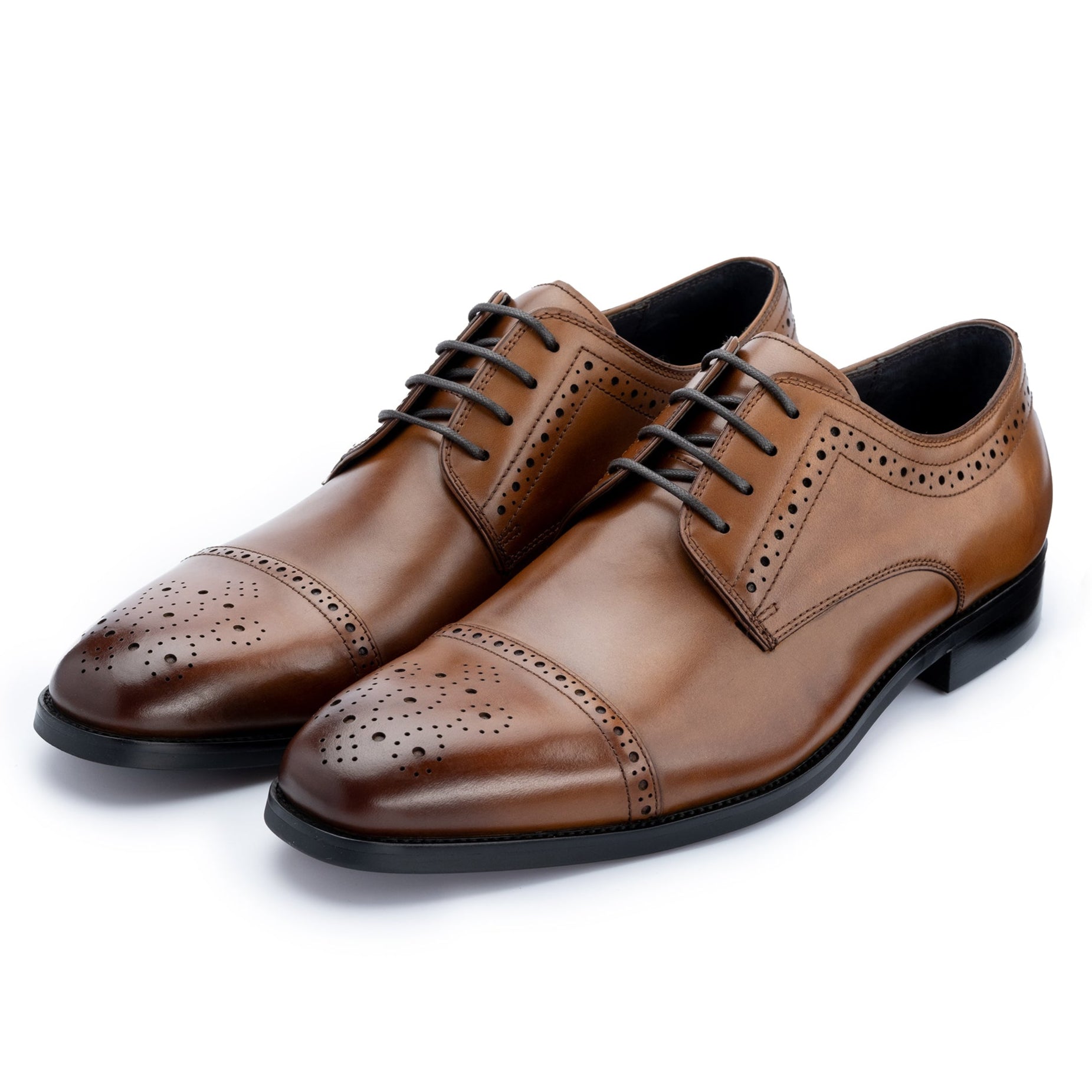
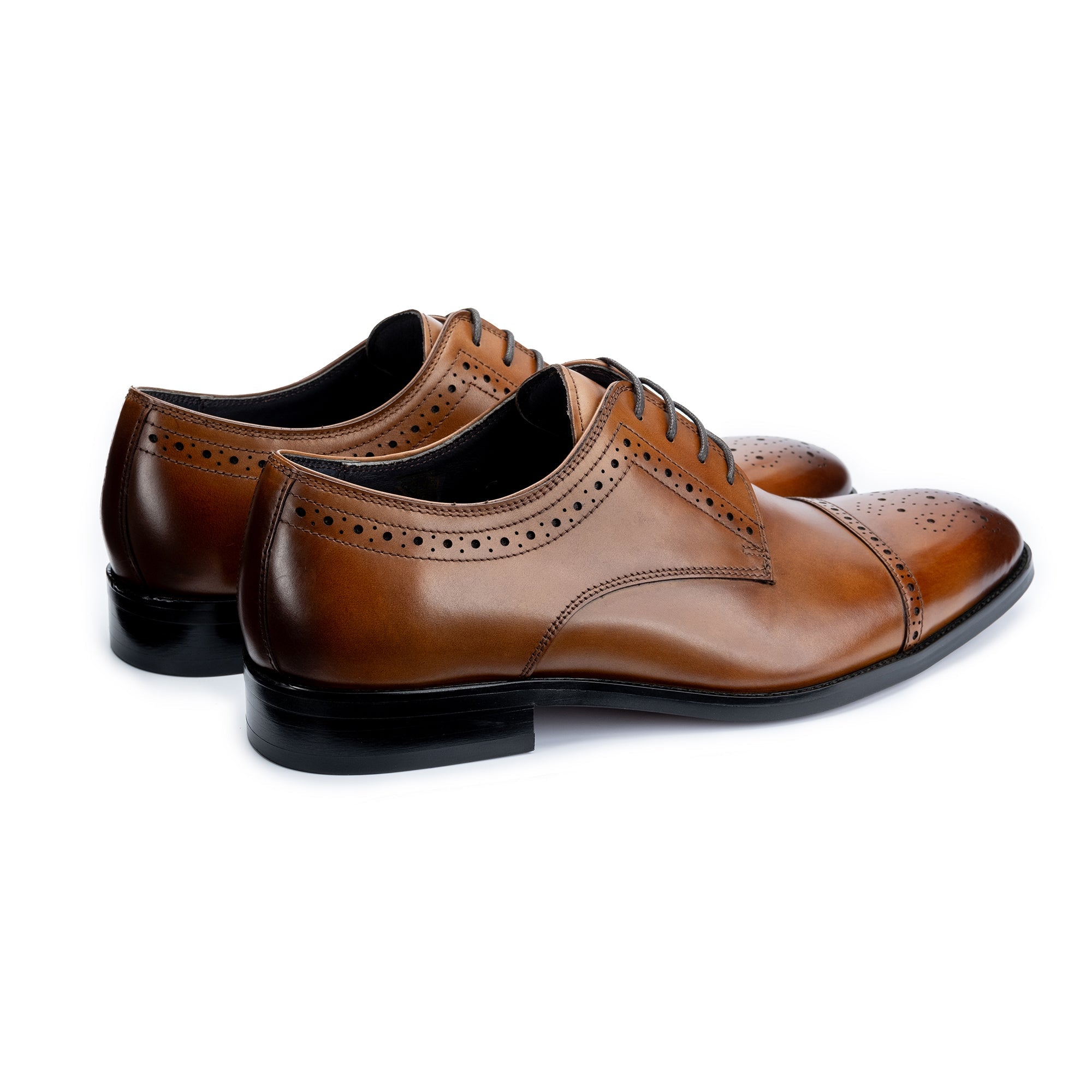
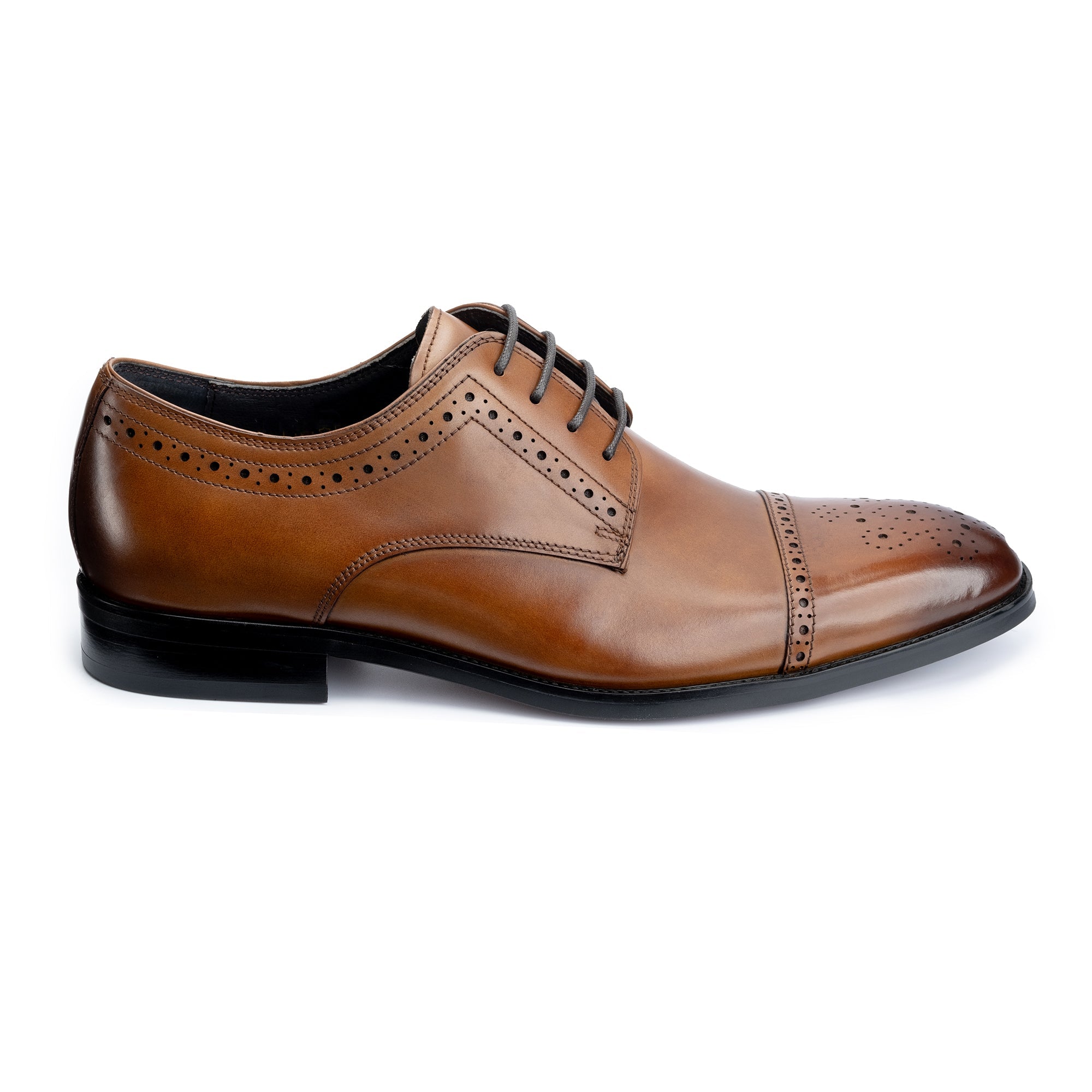
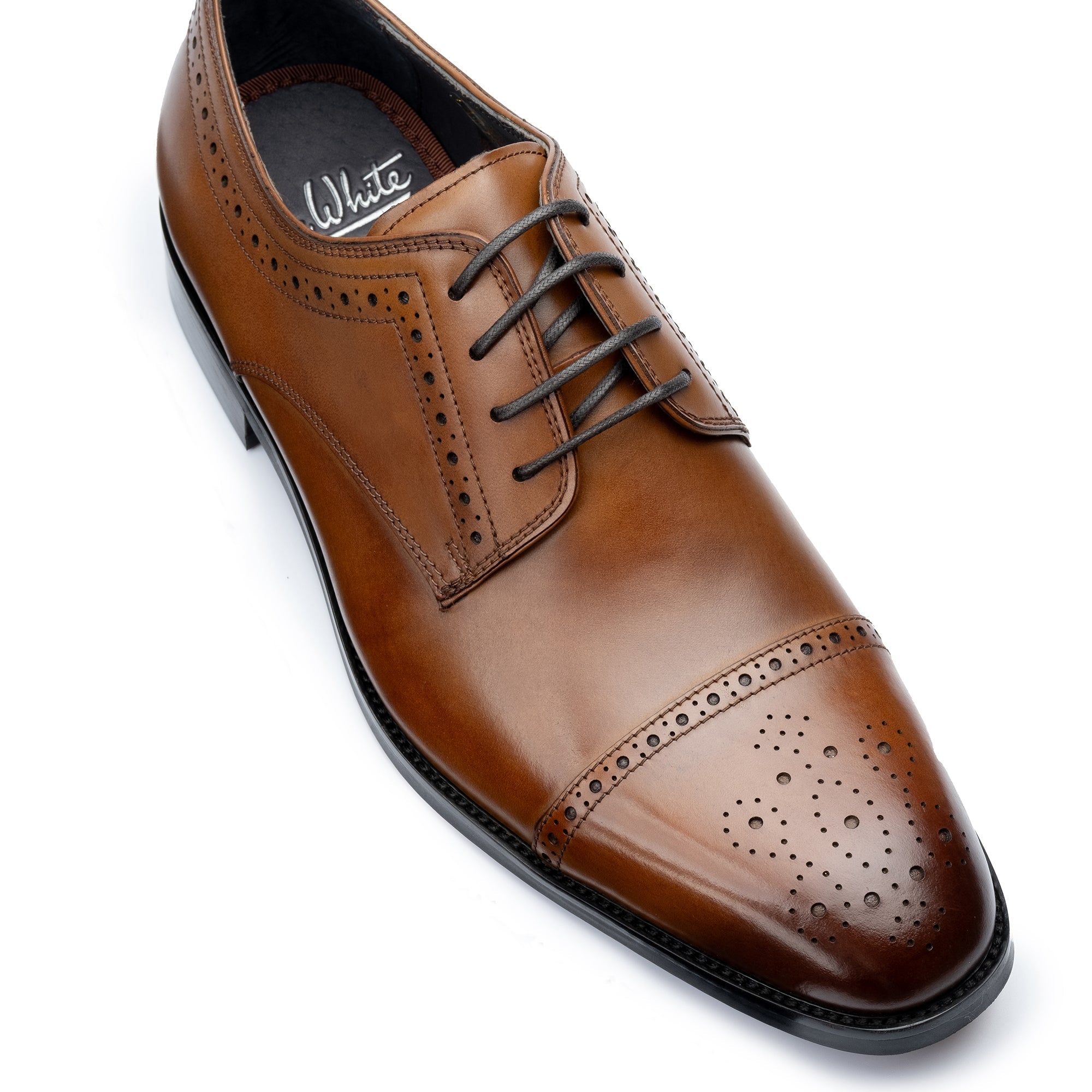
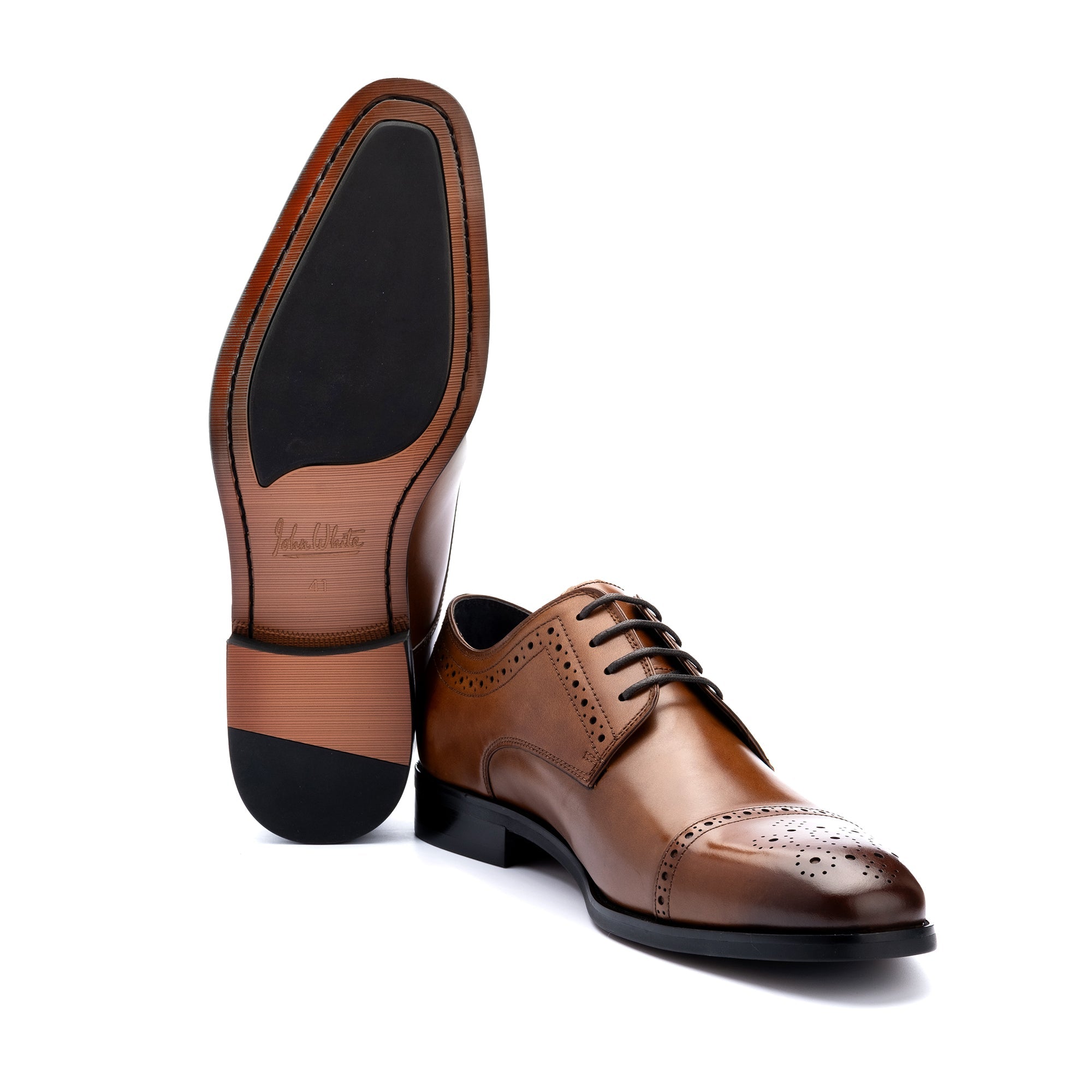
Black cap-toe Oxfords remain the safe, correct choice. But tan or dark brown Oxfords and full brogues are entirely appropriate and, at summer weddings particularly, often preferable. A well-maintained brogue in dark tan adds character without breaking the register of the outfit.
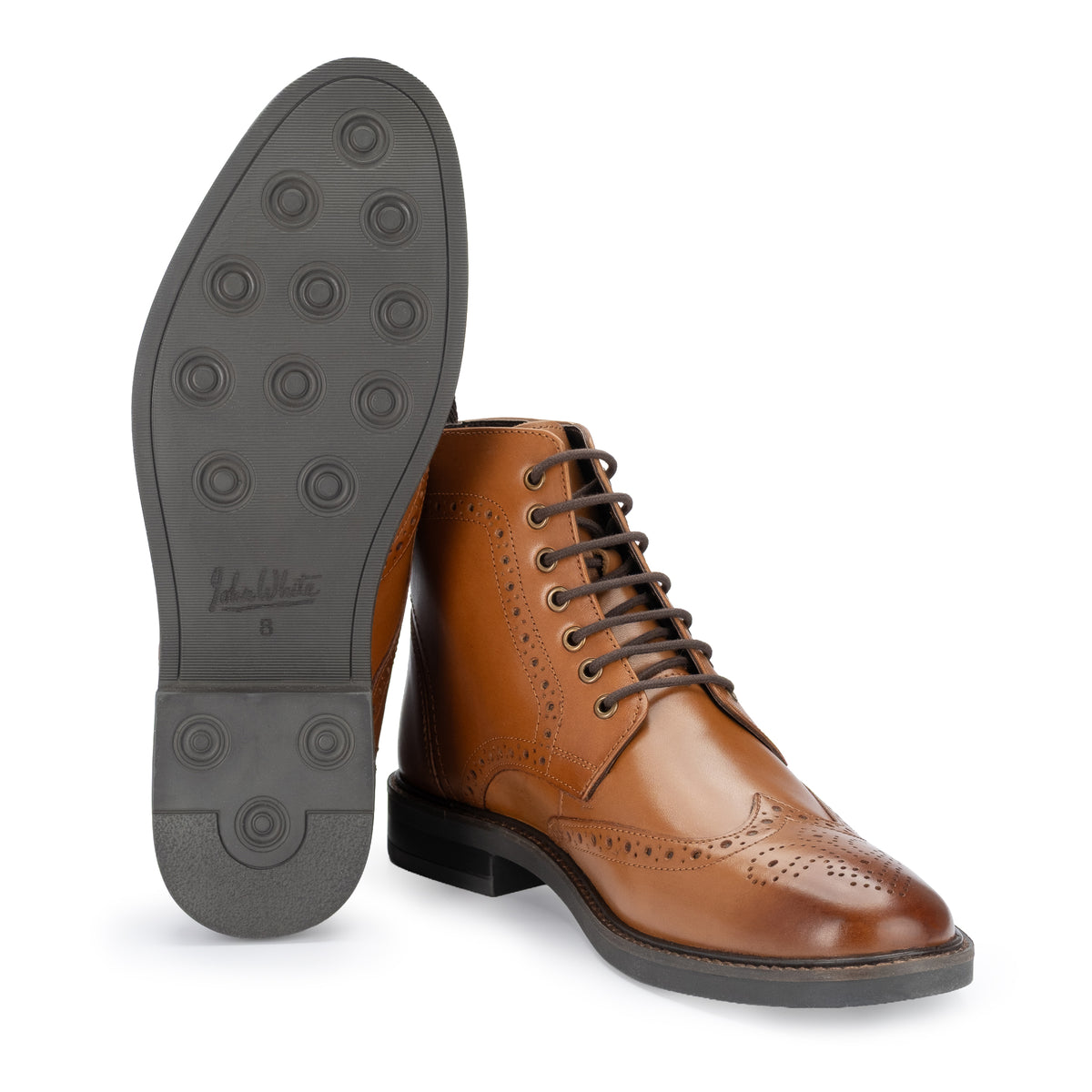
The Hogarth full brogue in tan is a strong option — it carries enough visual interest to complement the drama of morning dress without competing with it. For something cleaner, the Guildhall Oxford in black remains the benchmark.
- Colour: Black, dark tan, or dark brown
- Style: Oxford or brogue
- Avoid: Chelsea boots, loafers, or anything that reads as casual
What Shoes Work Best for Smart Formal (Lounge Suit) Weddings?
Smart formal is the most common dress code on British wedding invitations. A sharp lounge suit is expected; your shoes should match its level of intention. This dress code gives you the widest latitude of any formal occasion — use it wisely.
Black or Charcoal Suit
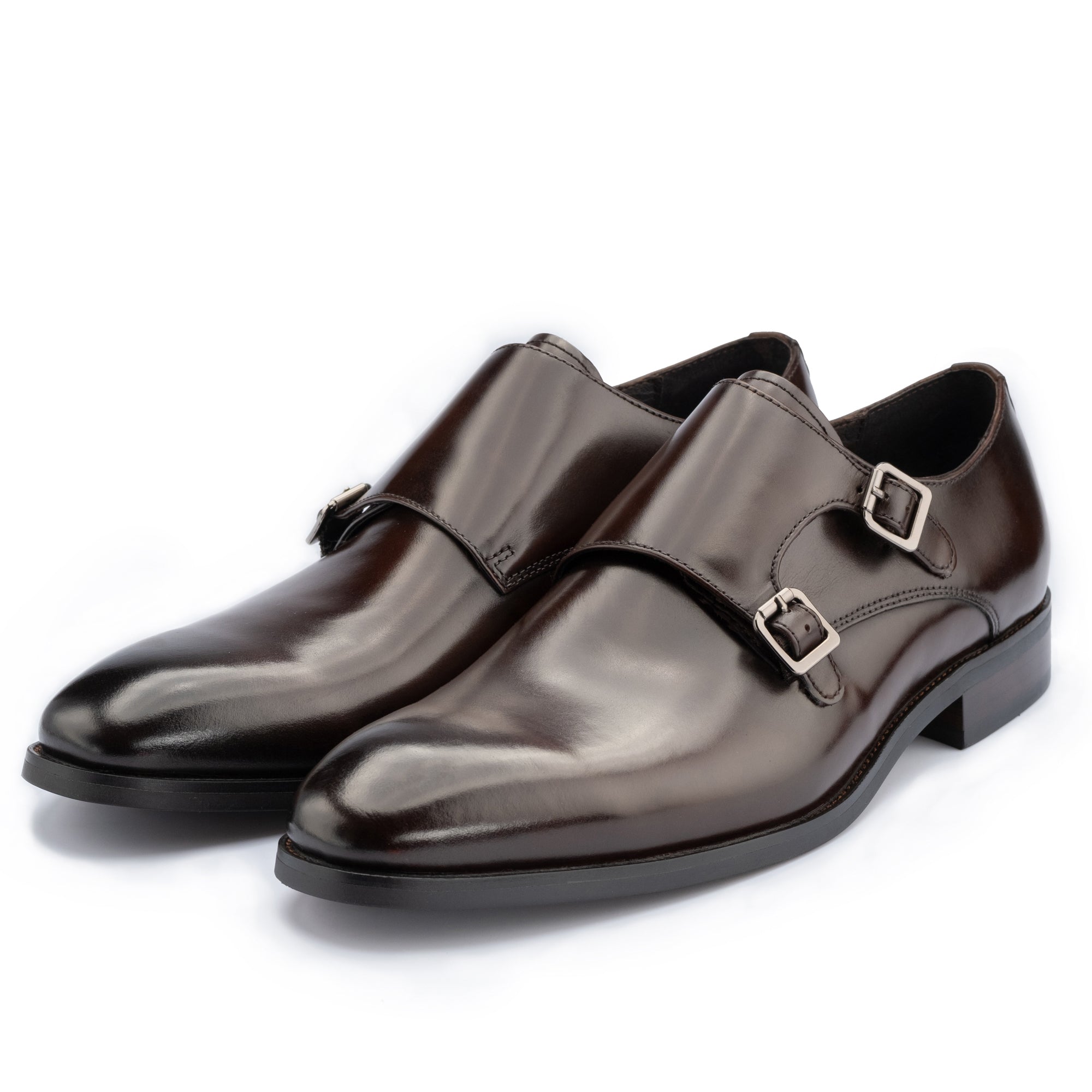
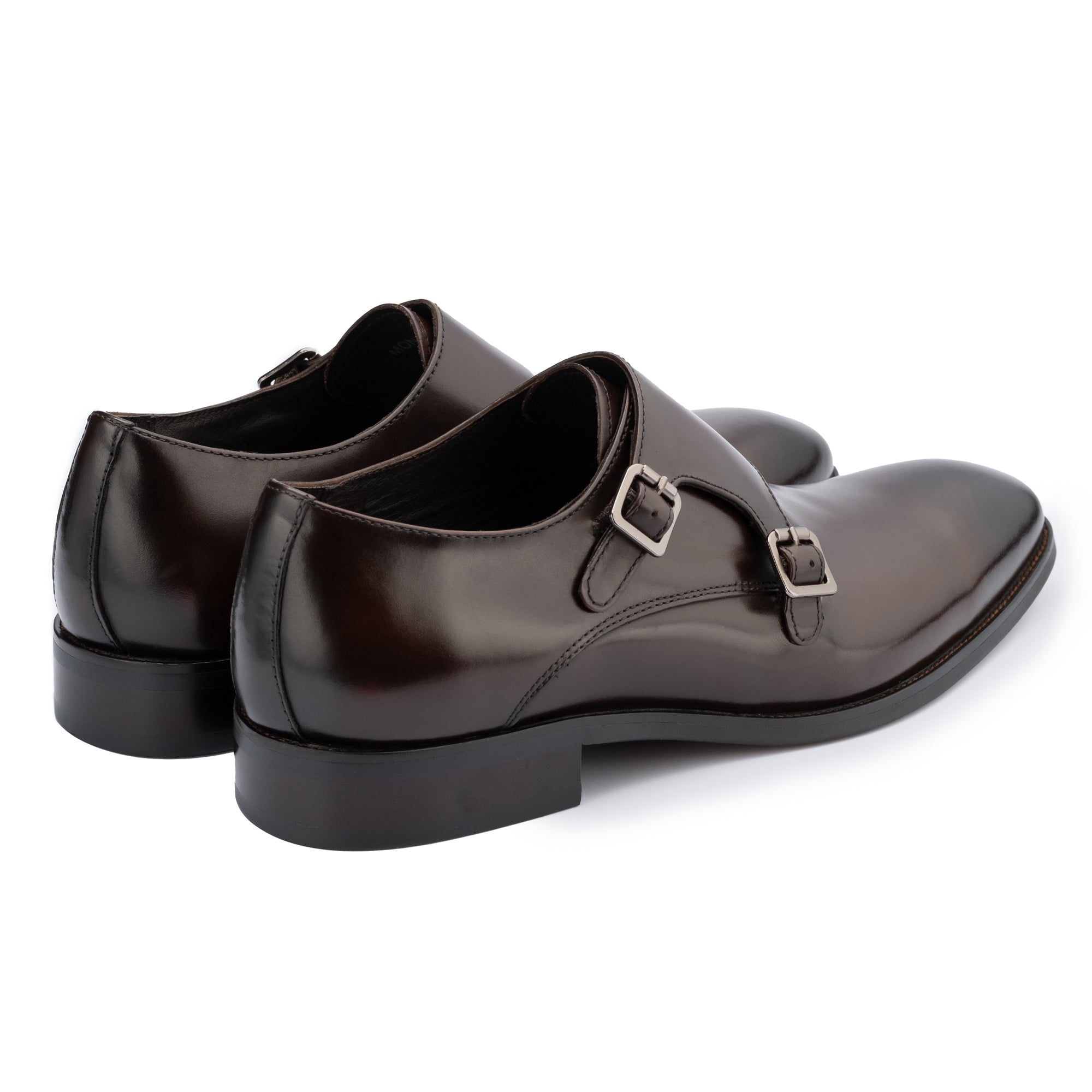
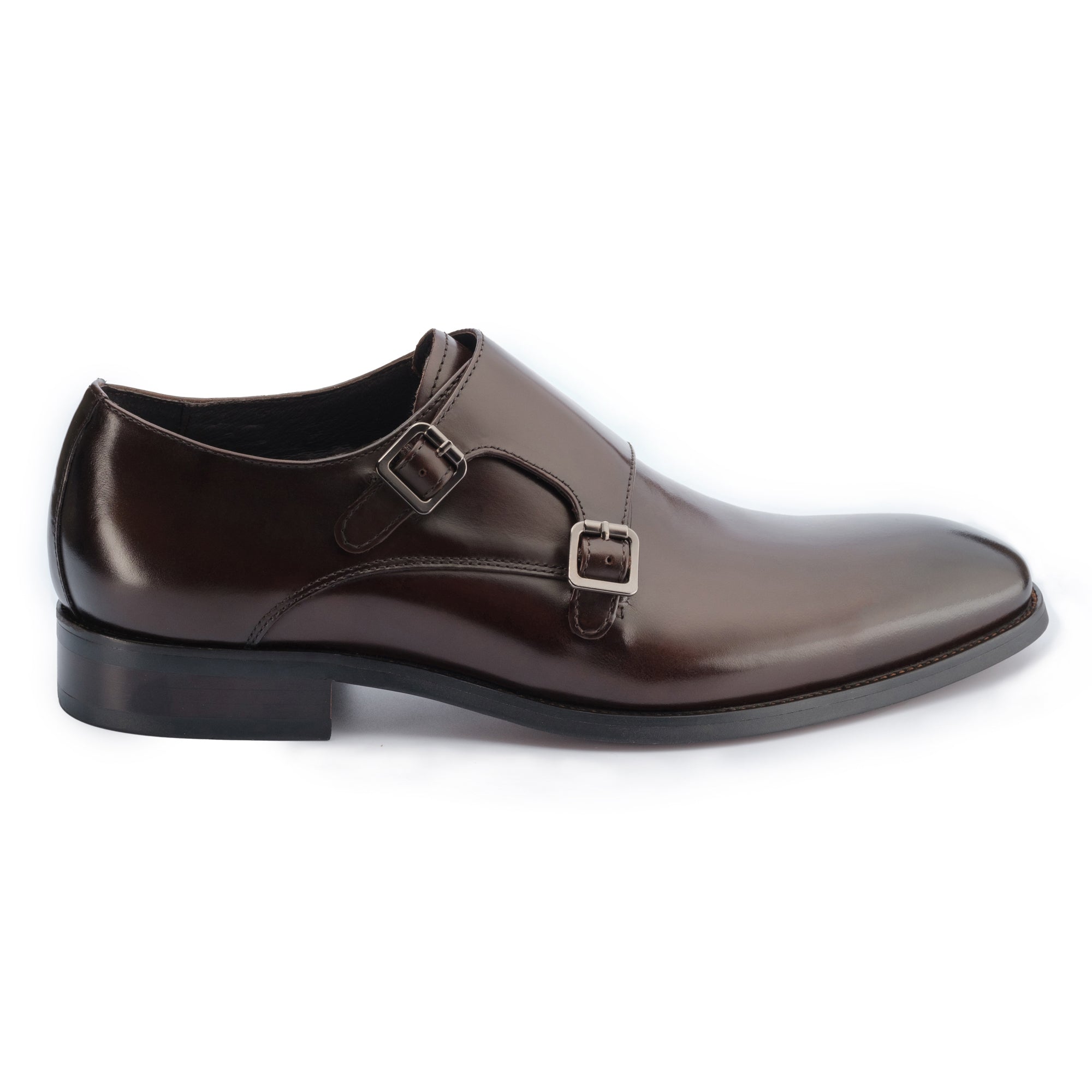
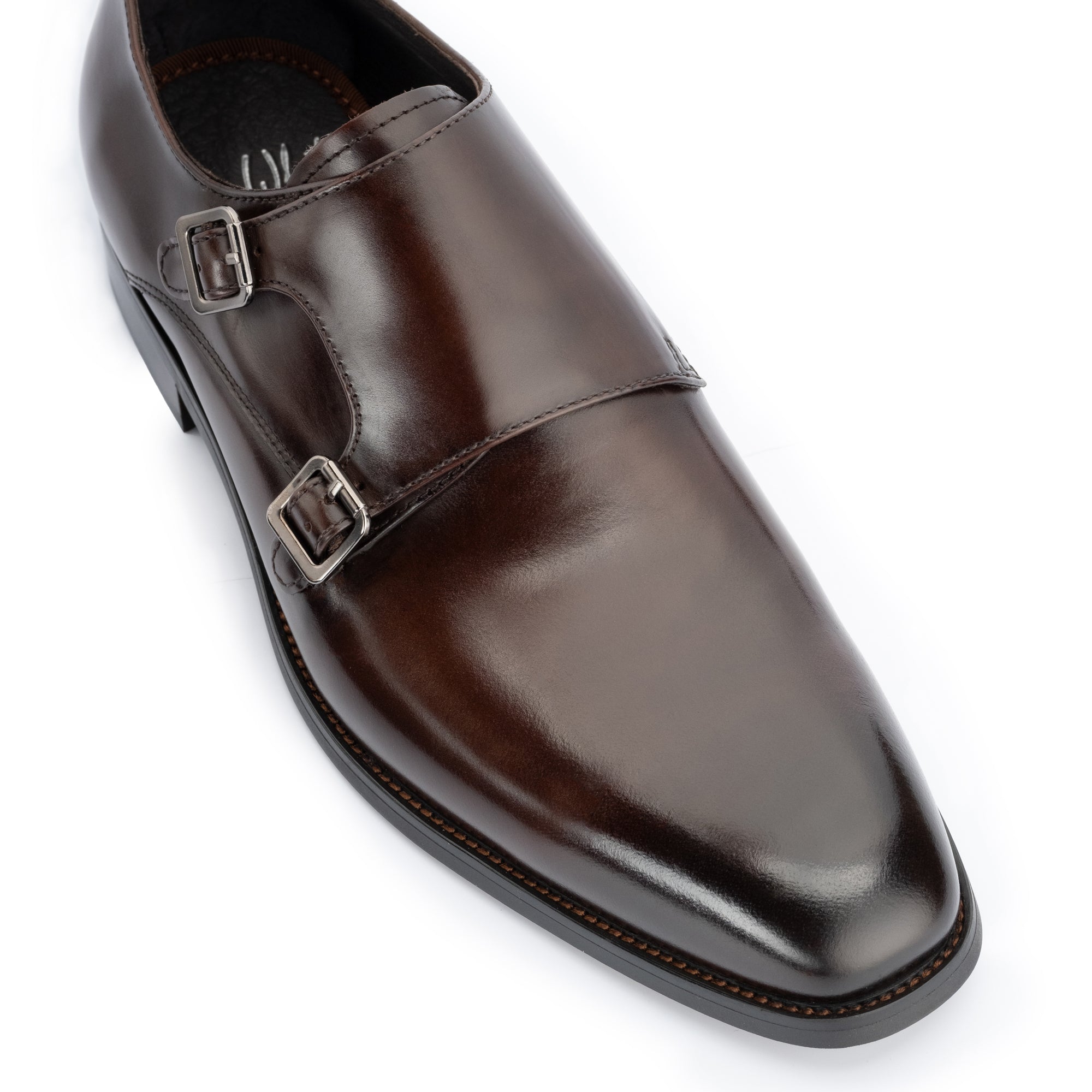
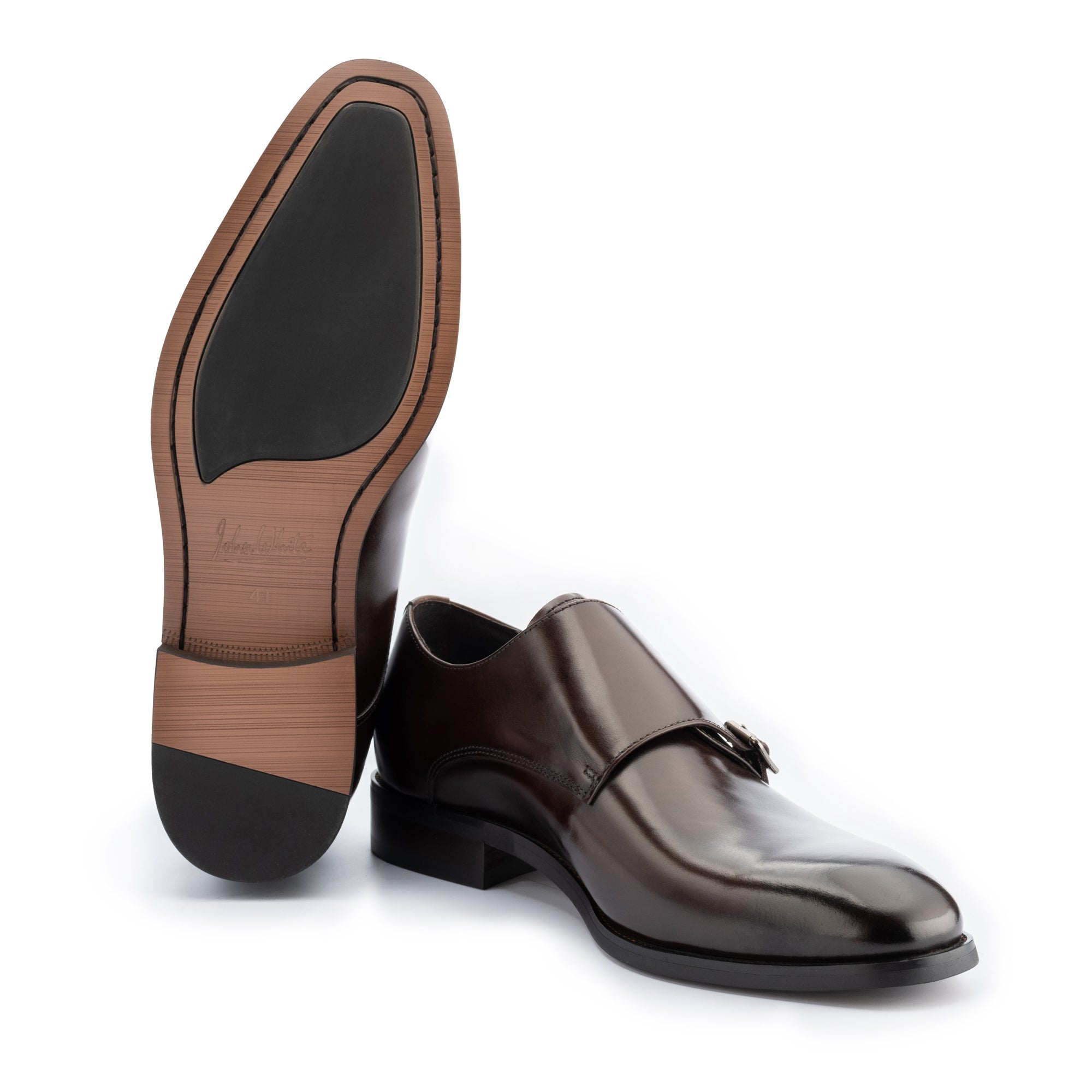
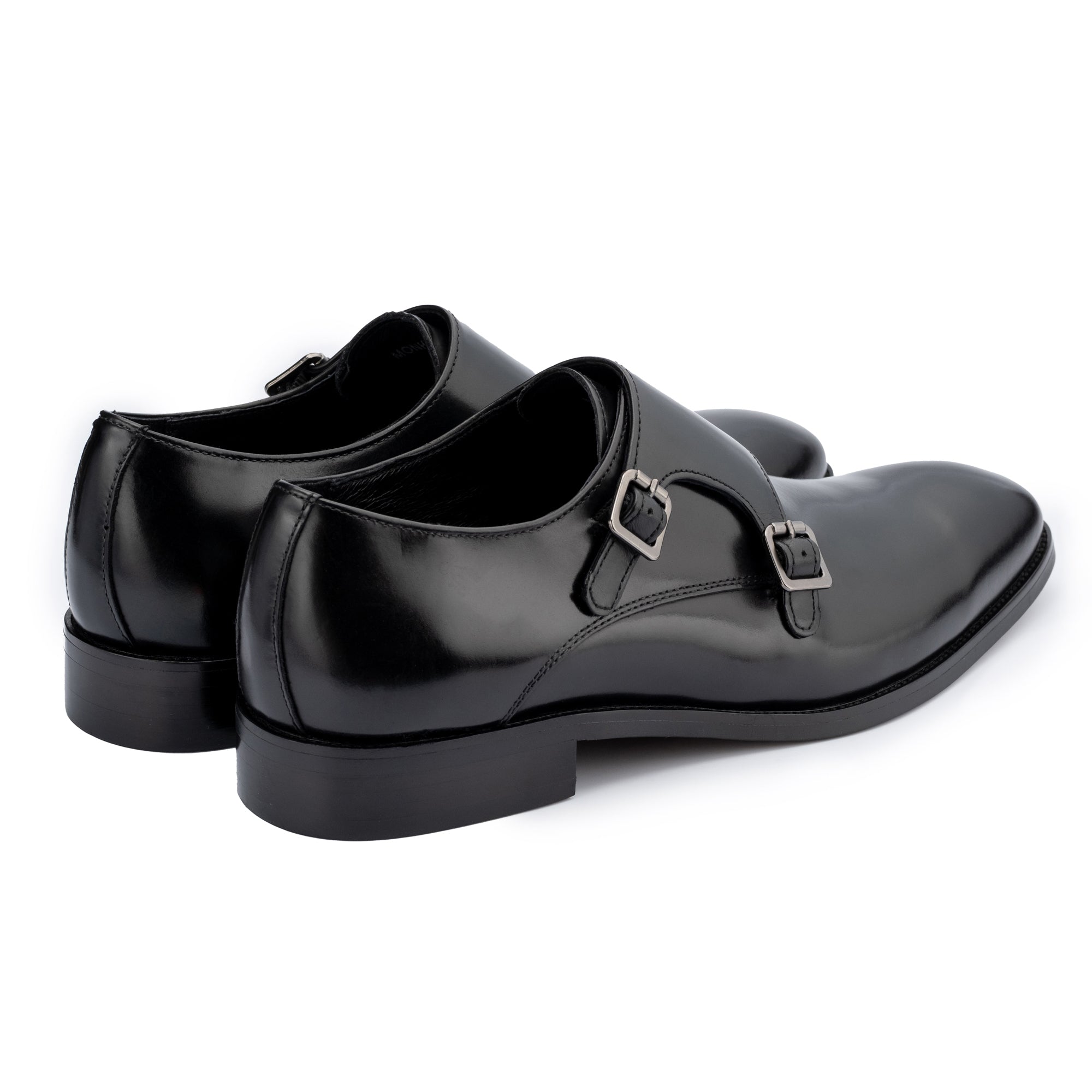
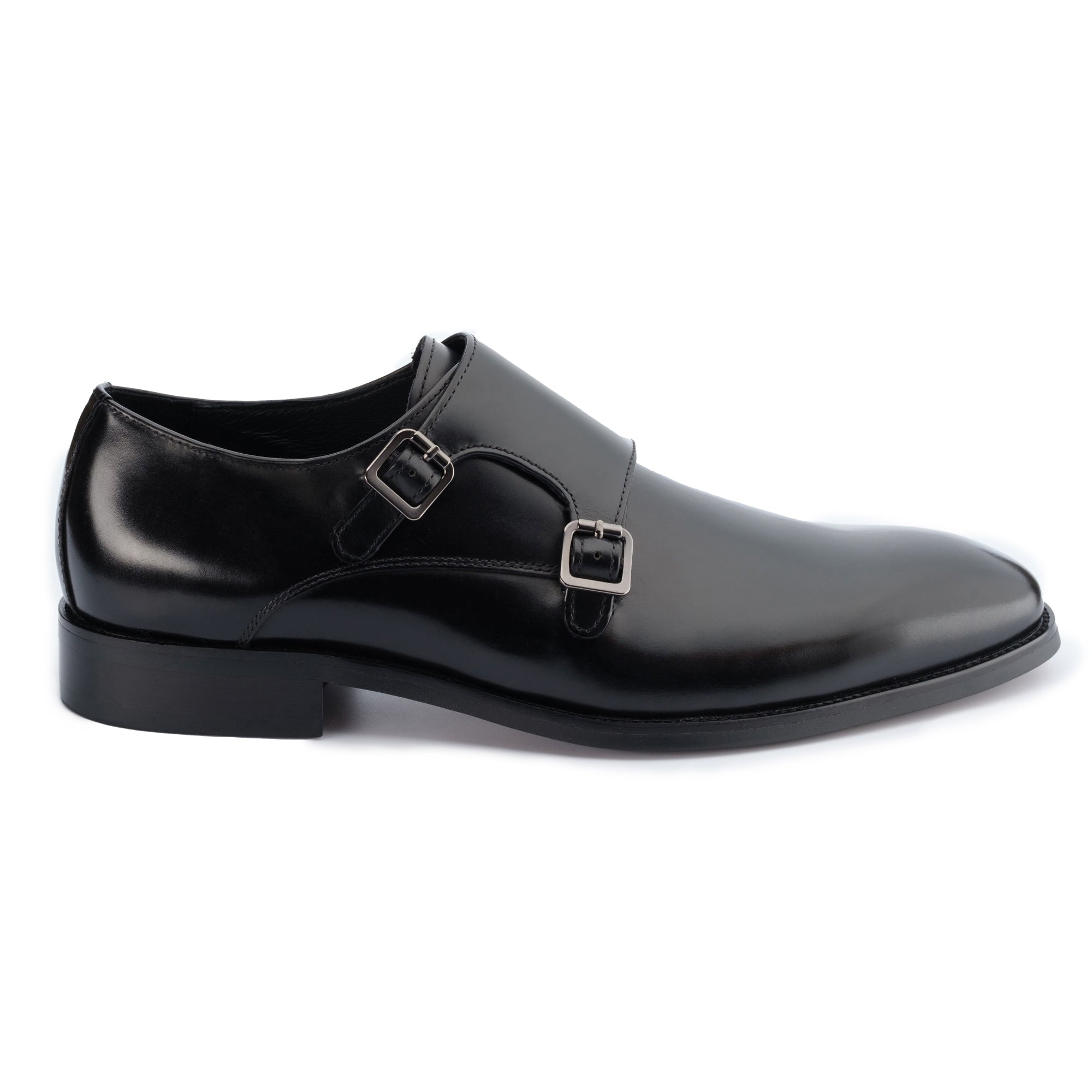
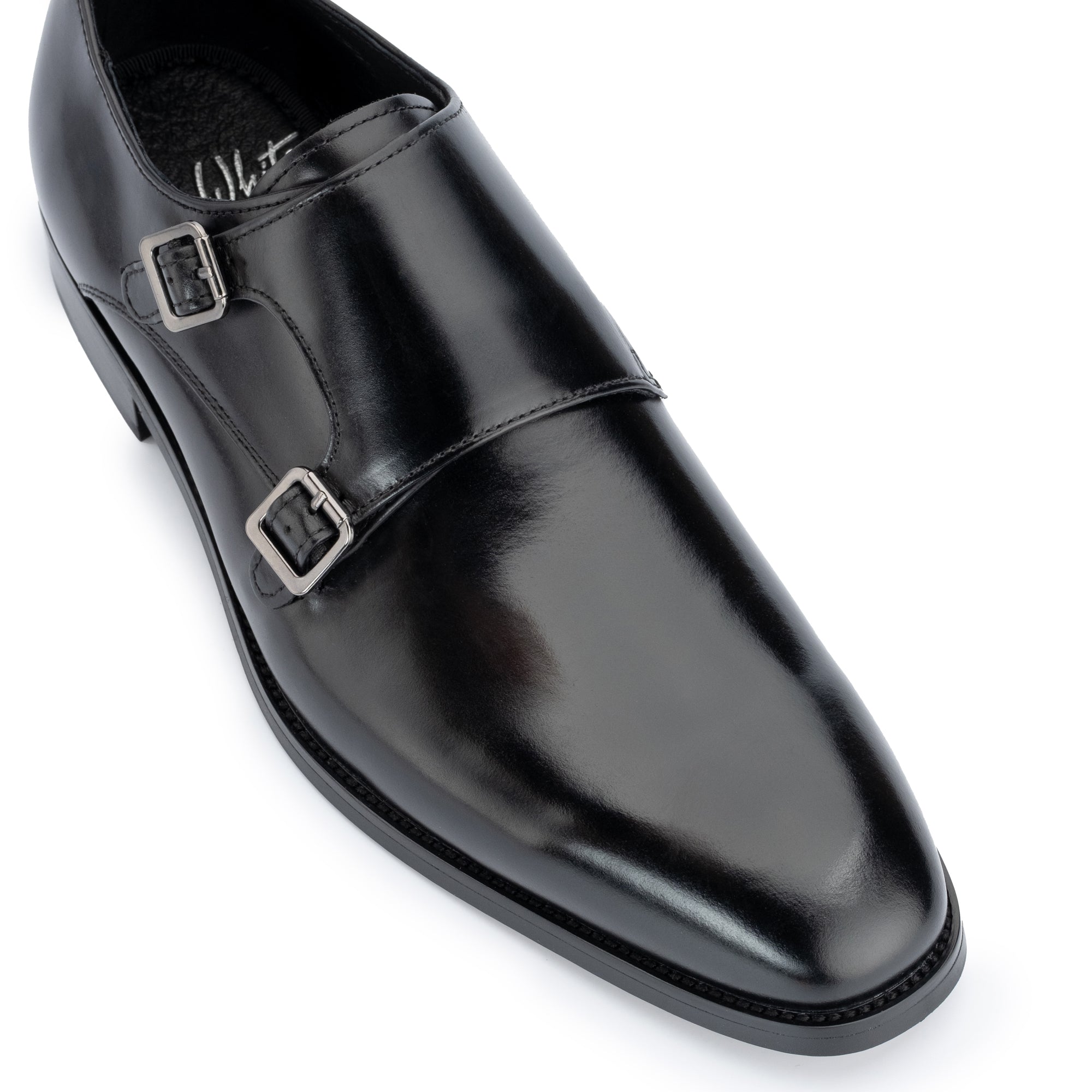
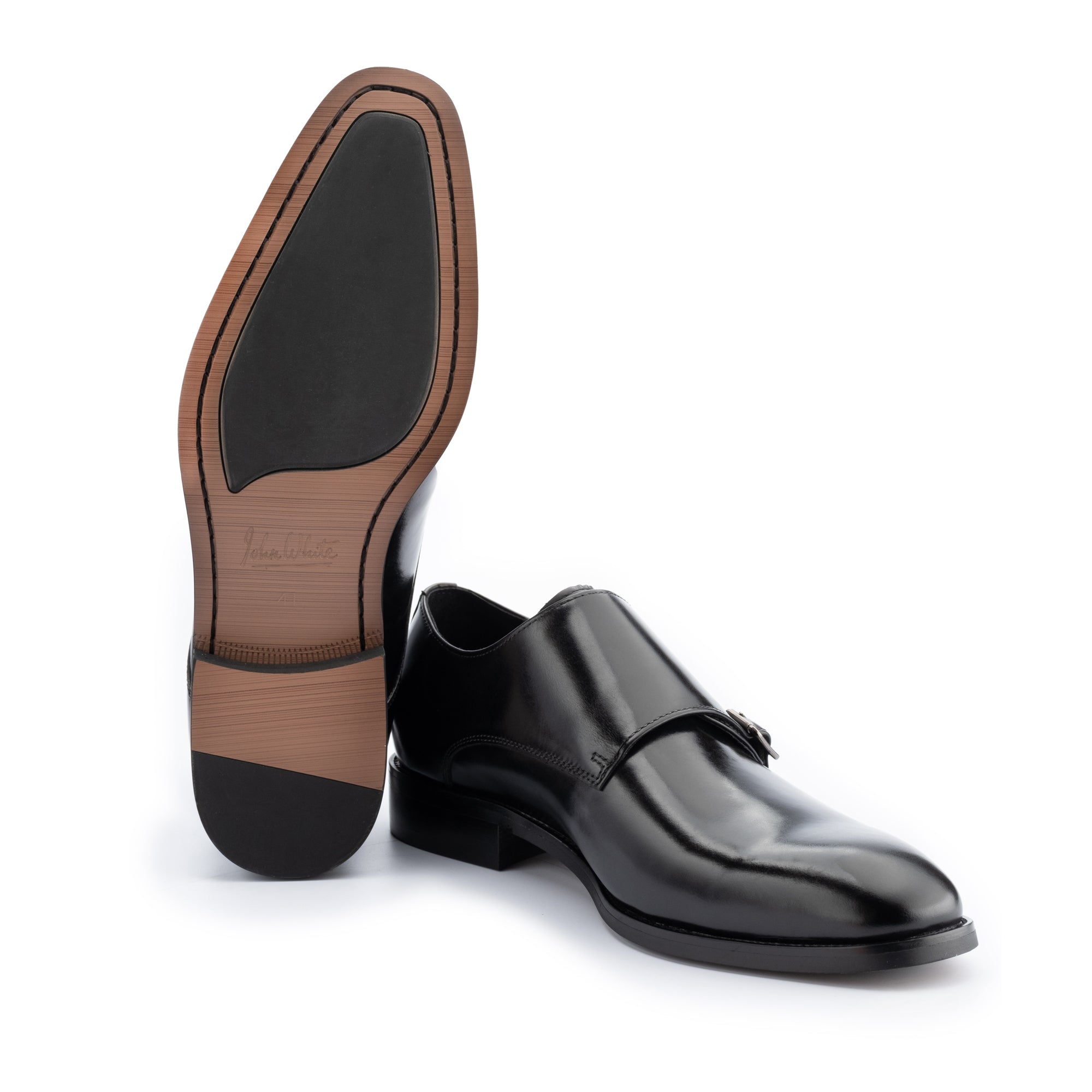
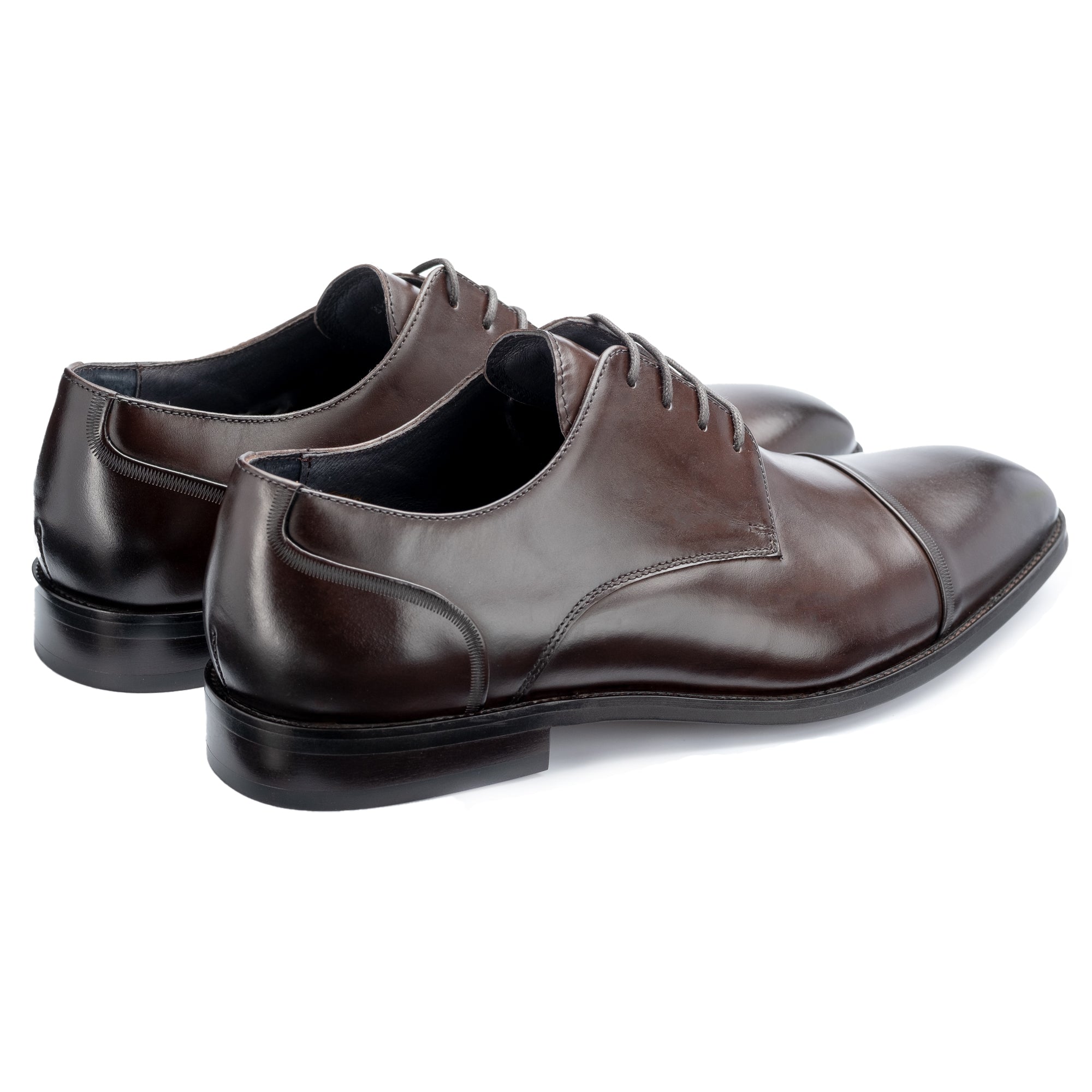
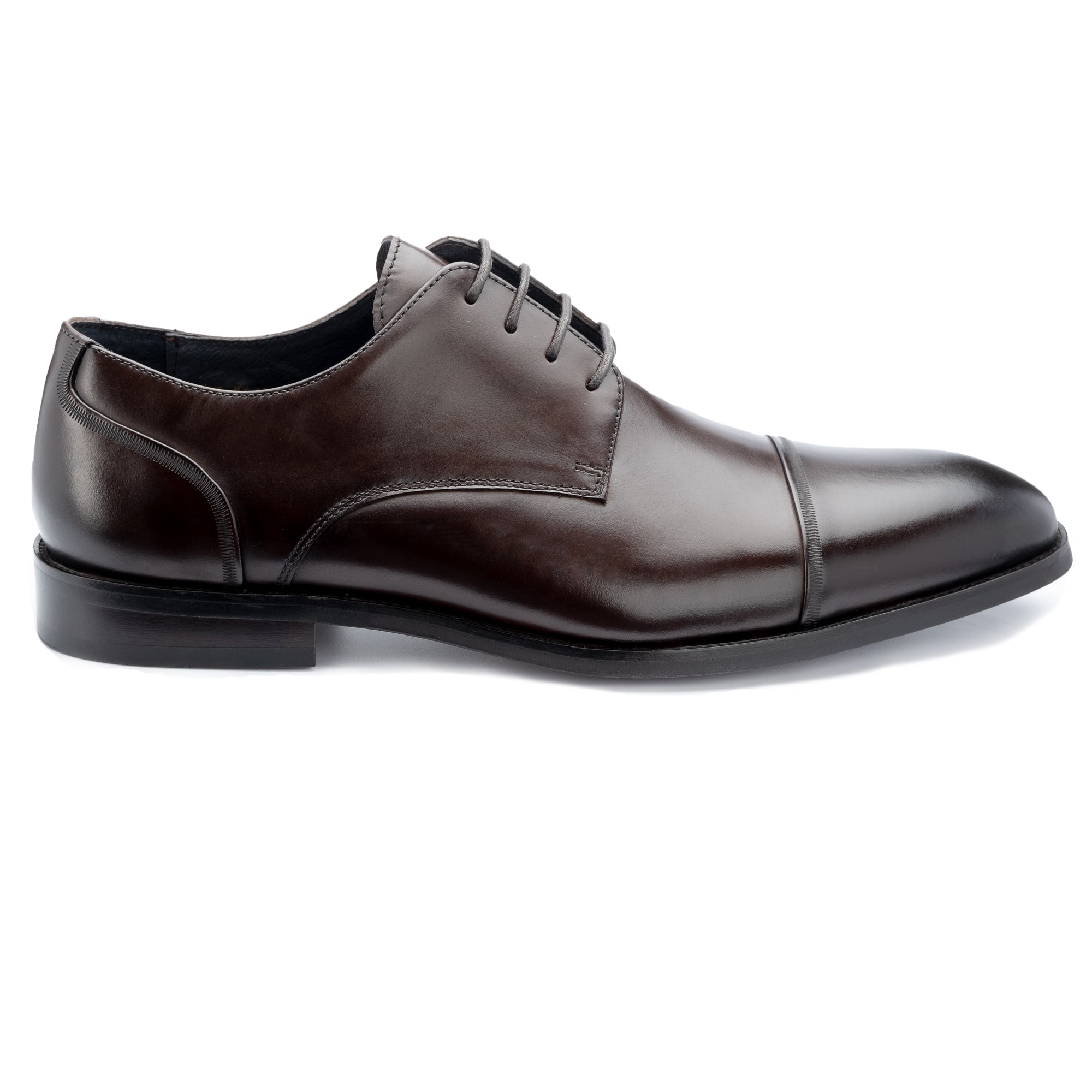
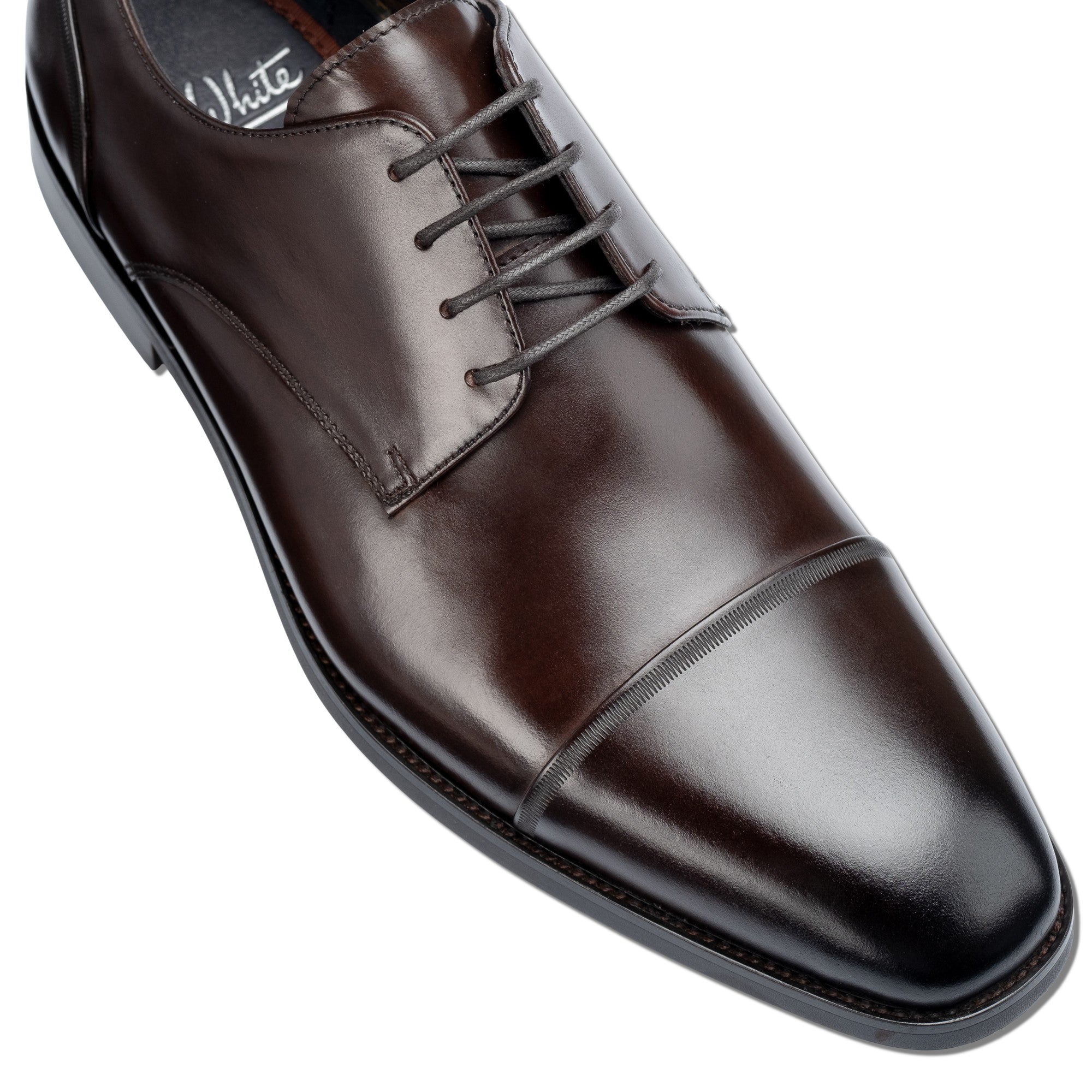
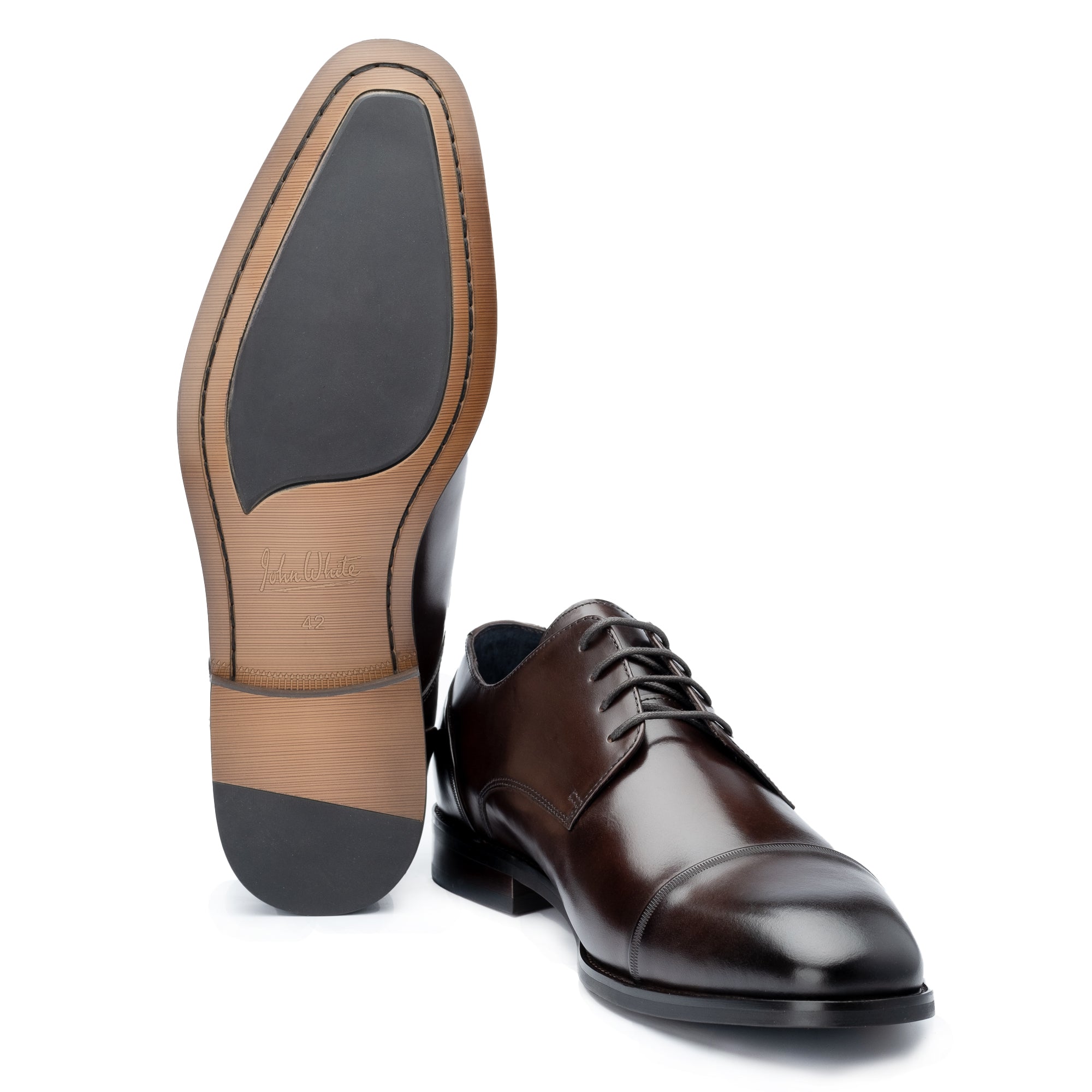
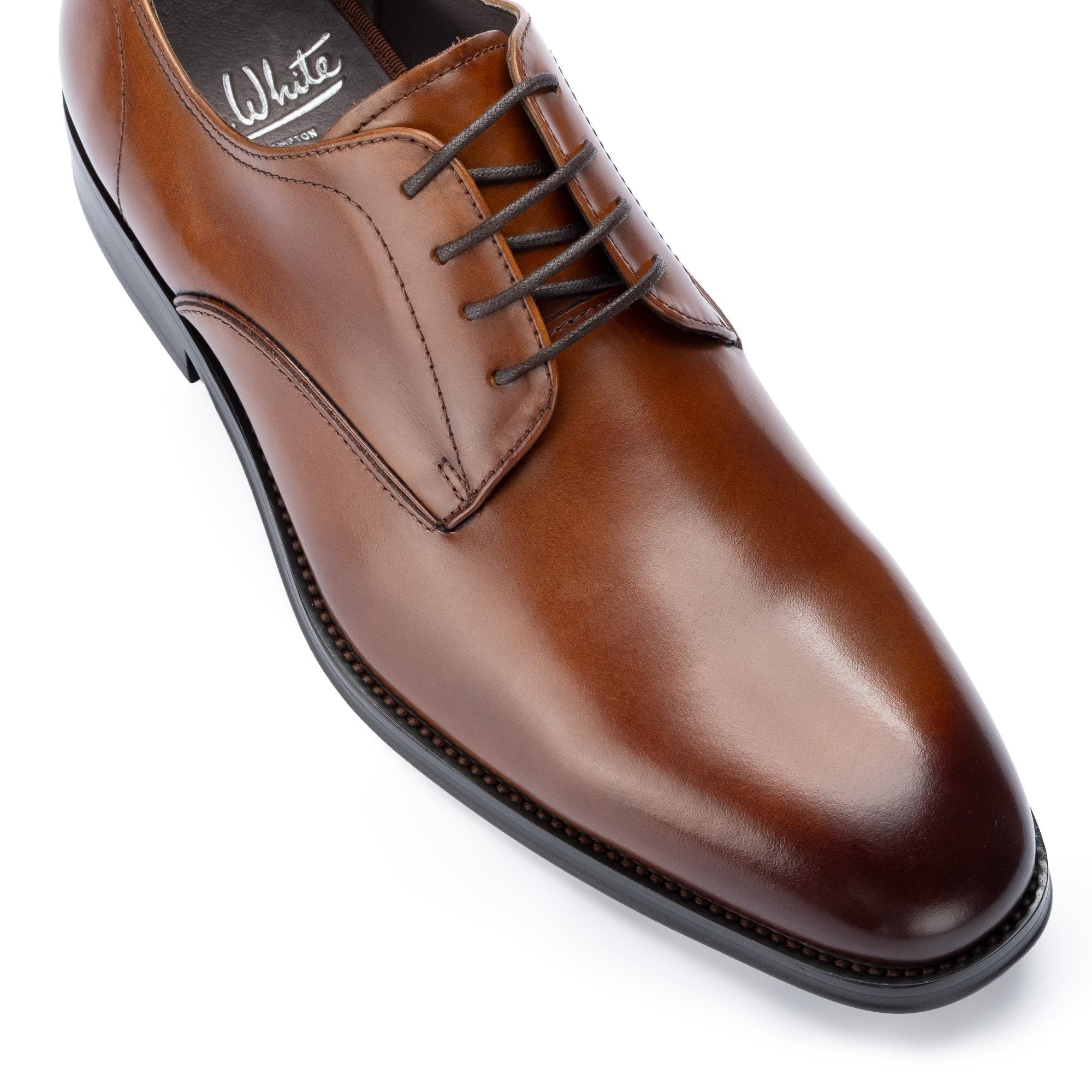
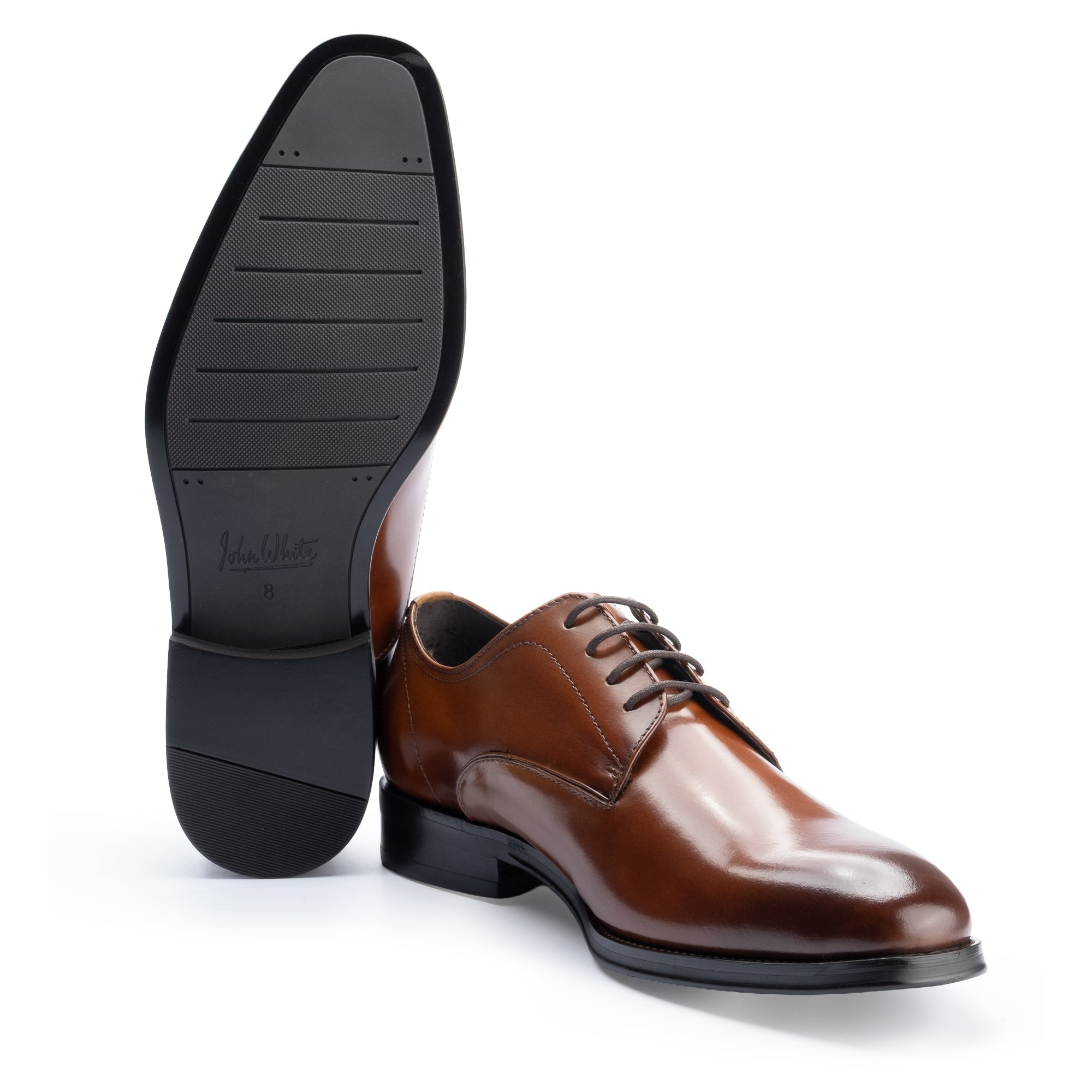
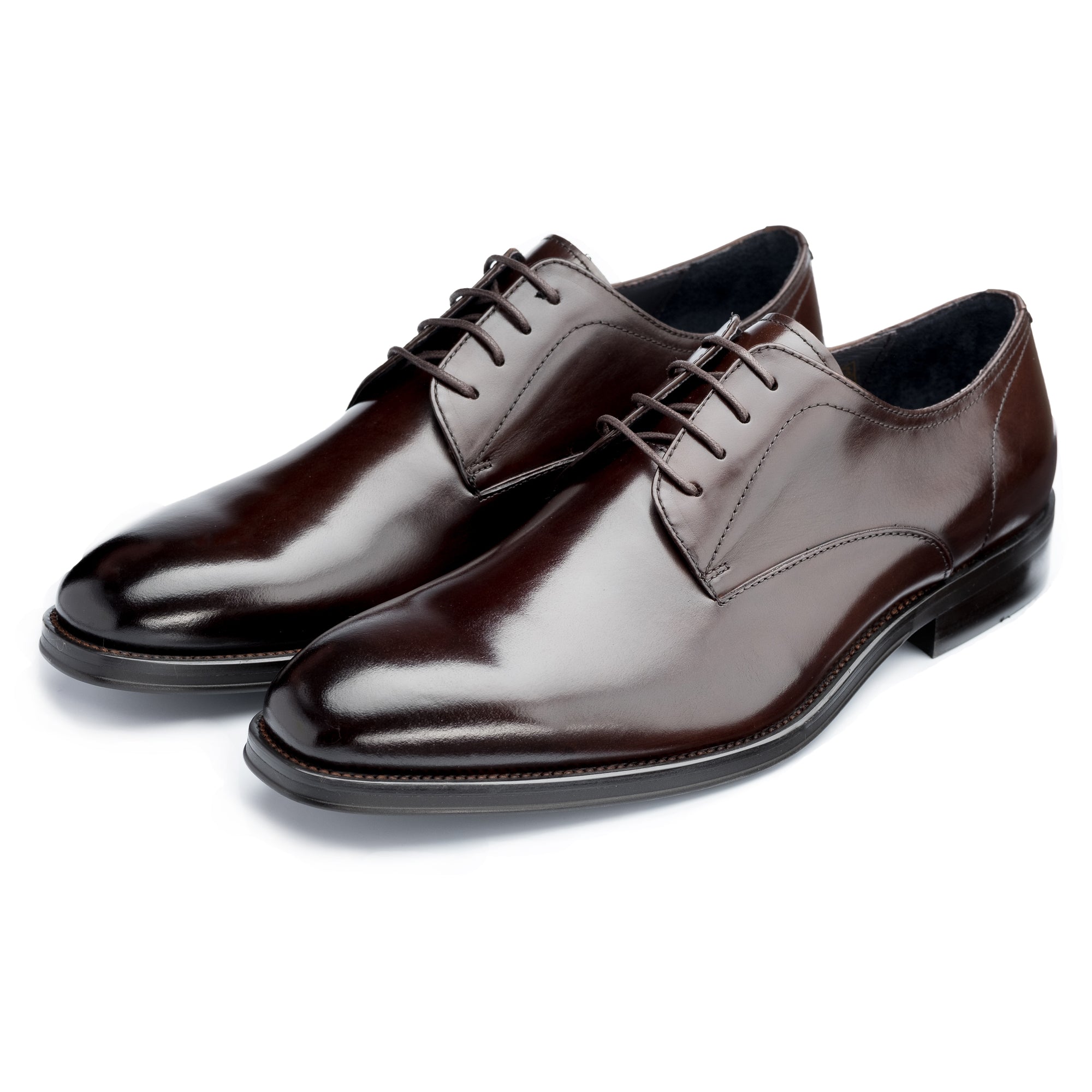
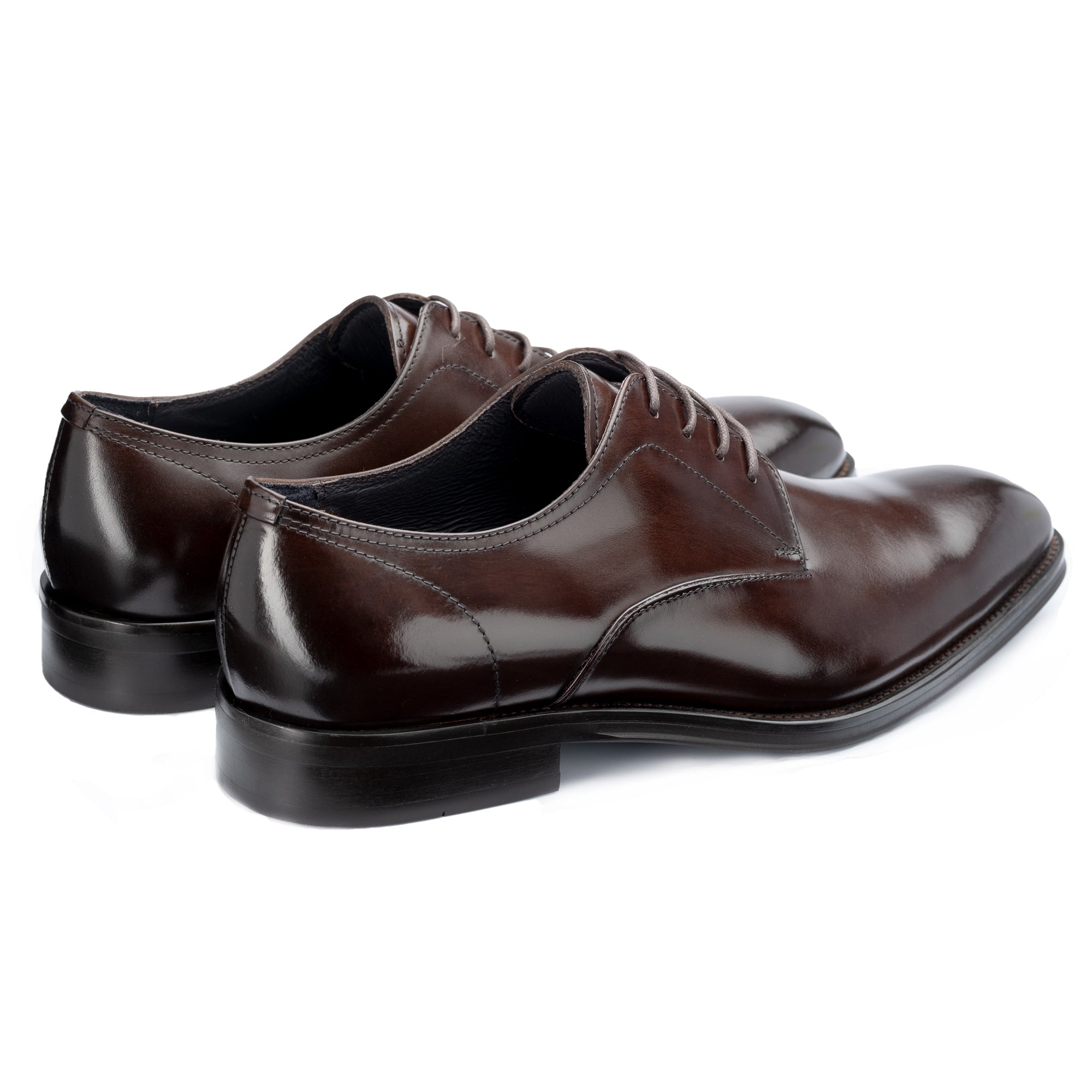
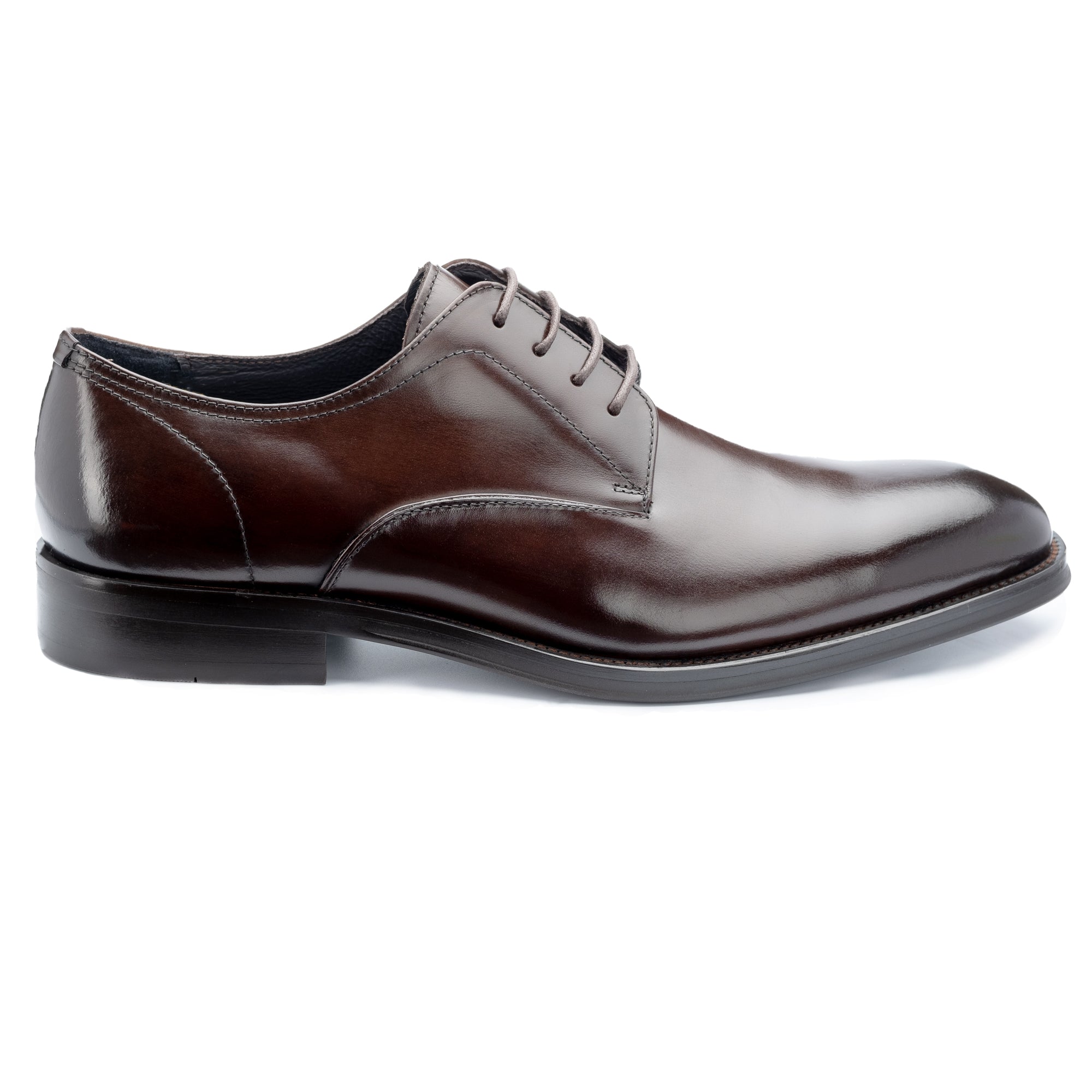
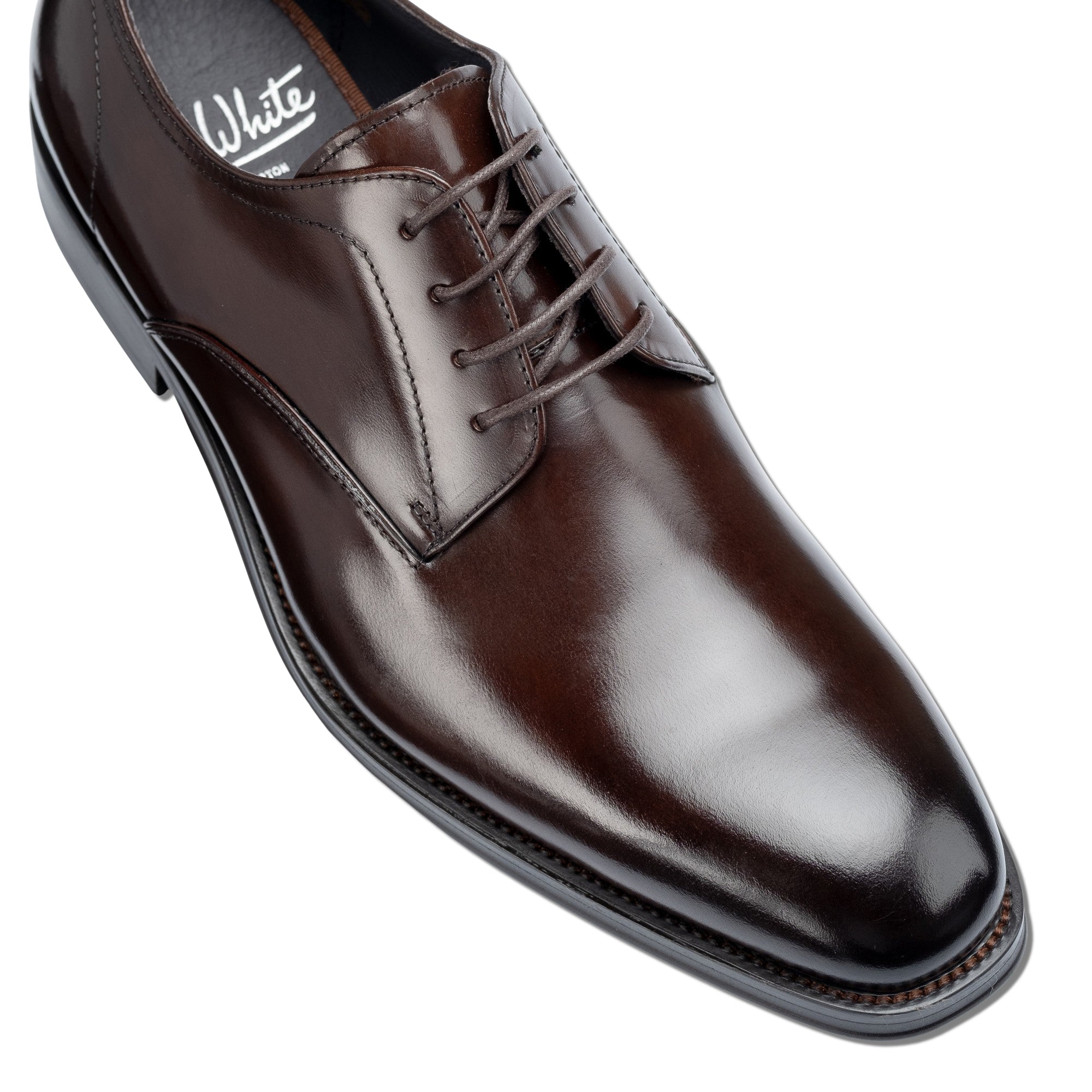
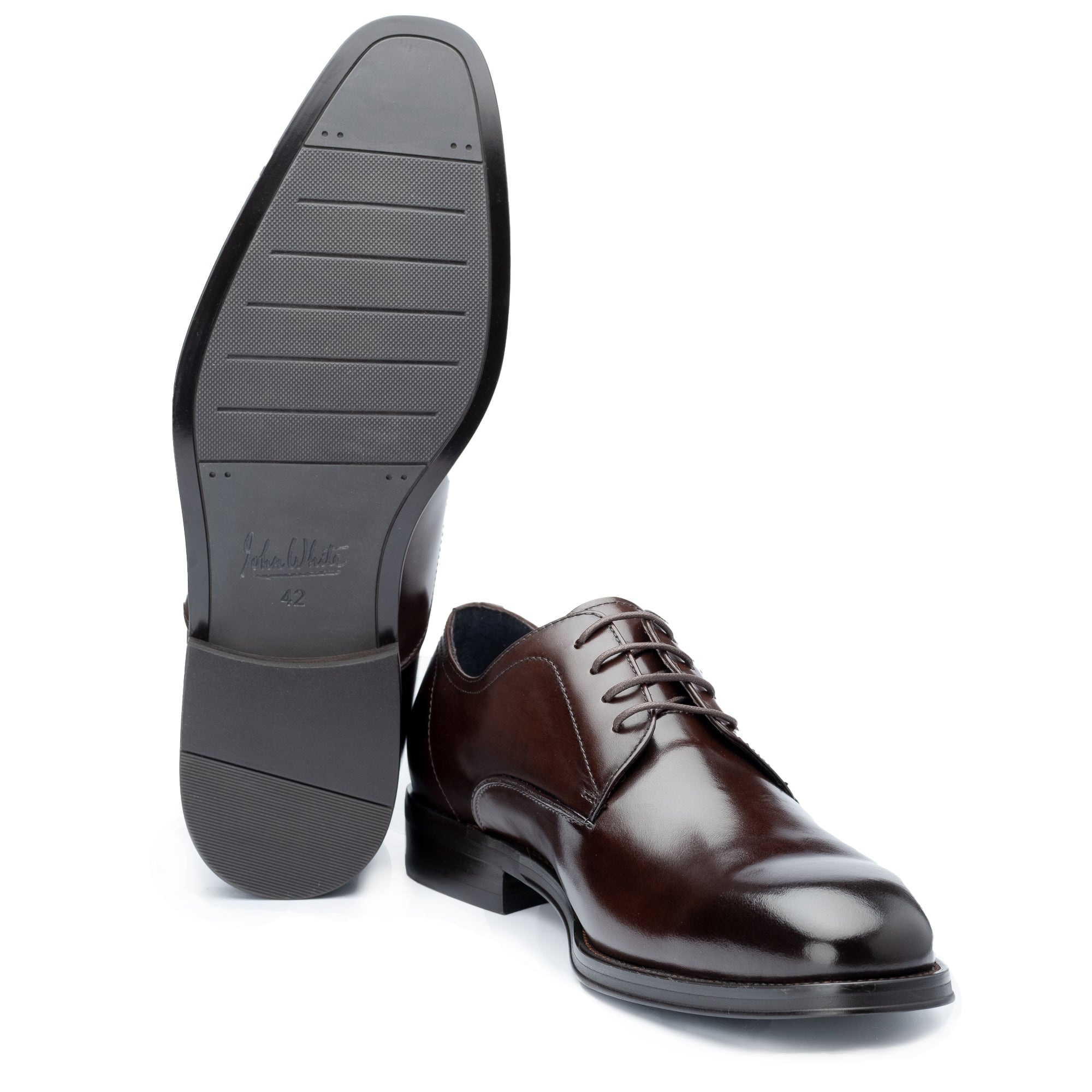
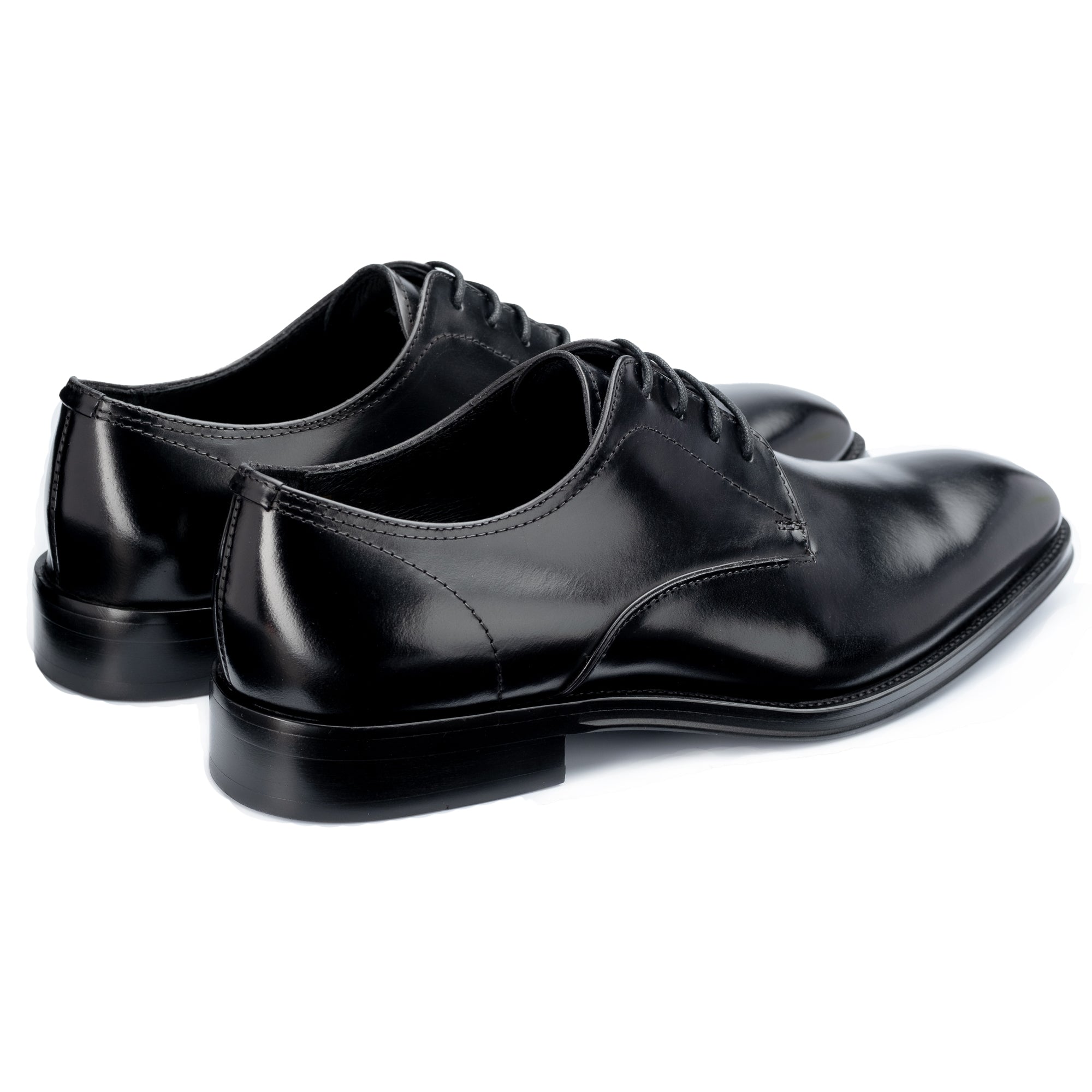
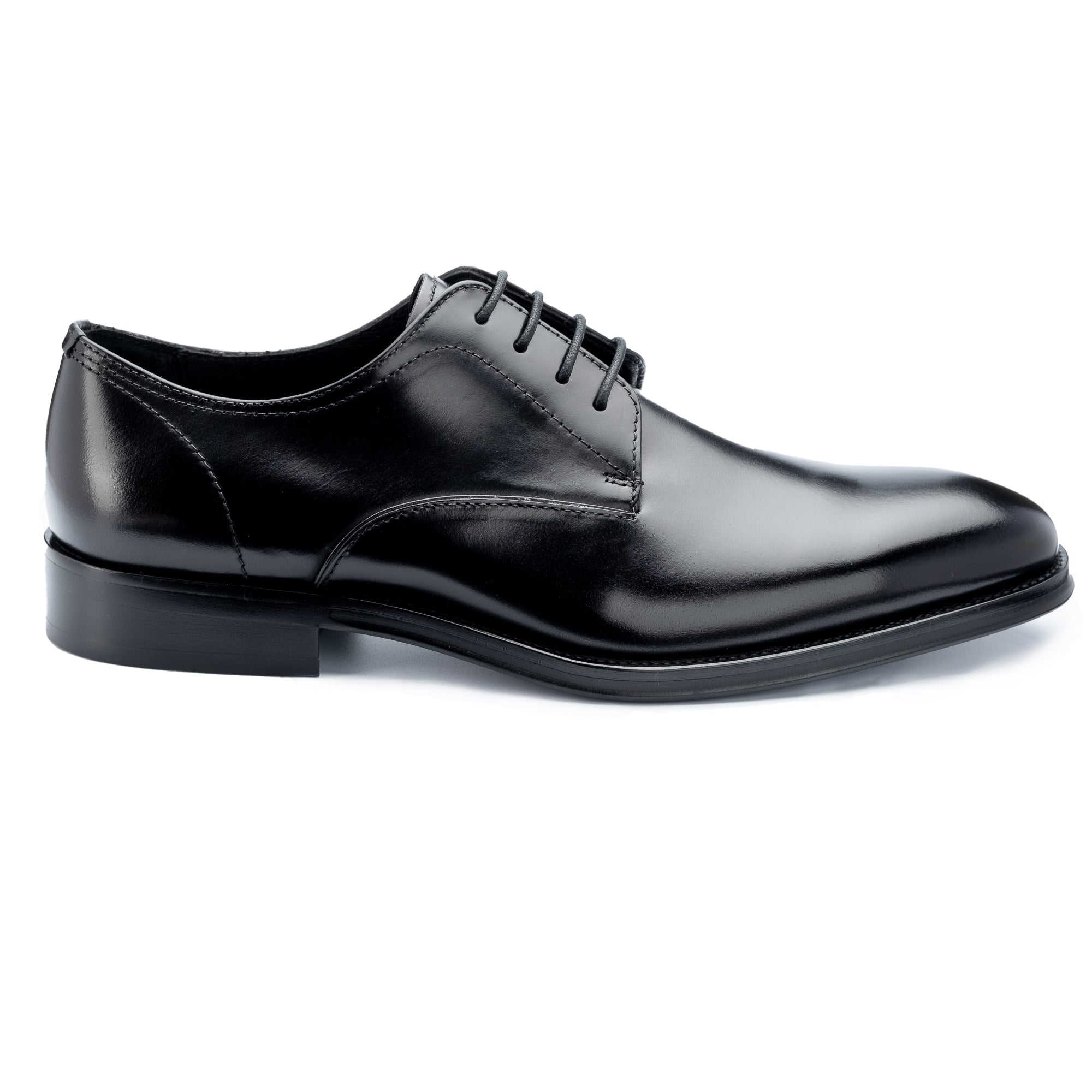
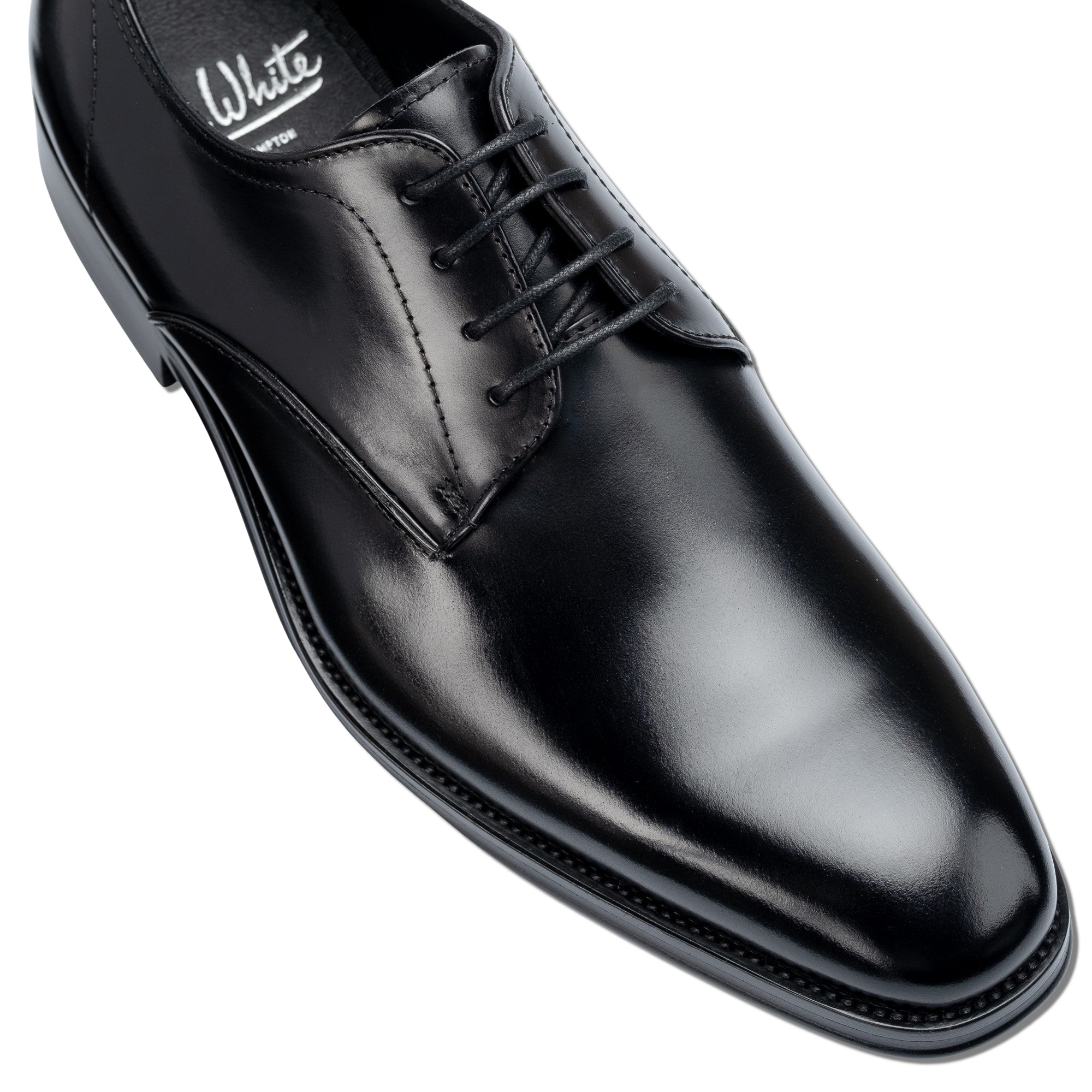
Keep to black or very dark brown shoes. The Broad Derby in black is a clean, versatile option that will not distract from the outfit. For something with more personality, the Monkton double monk strap in black adds a considered, deliberate touch that still reads as appropriately formal.
Navy or Mid-Grey Suit
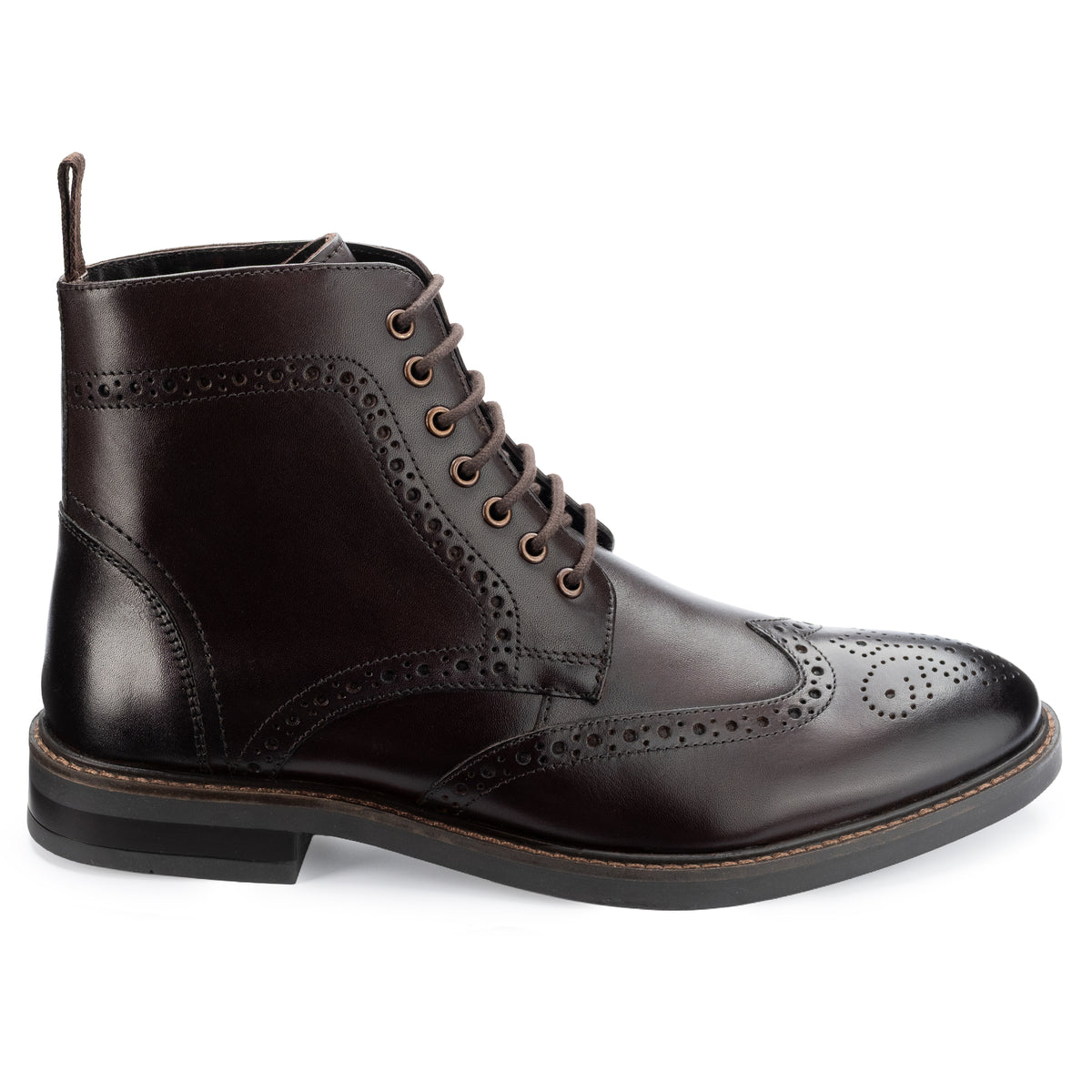
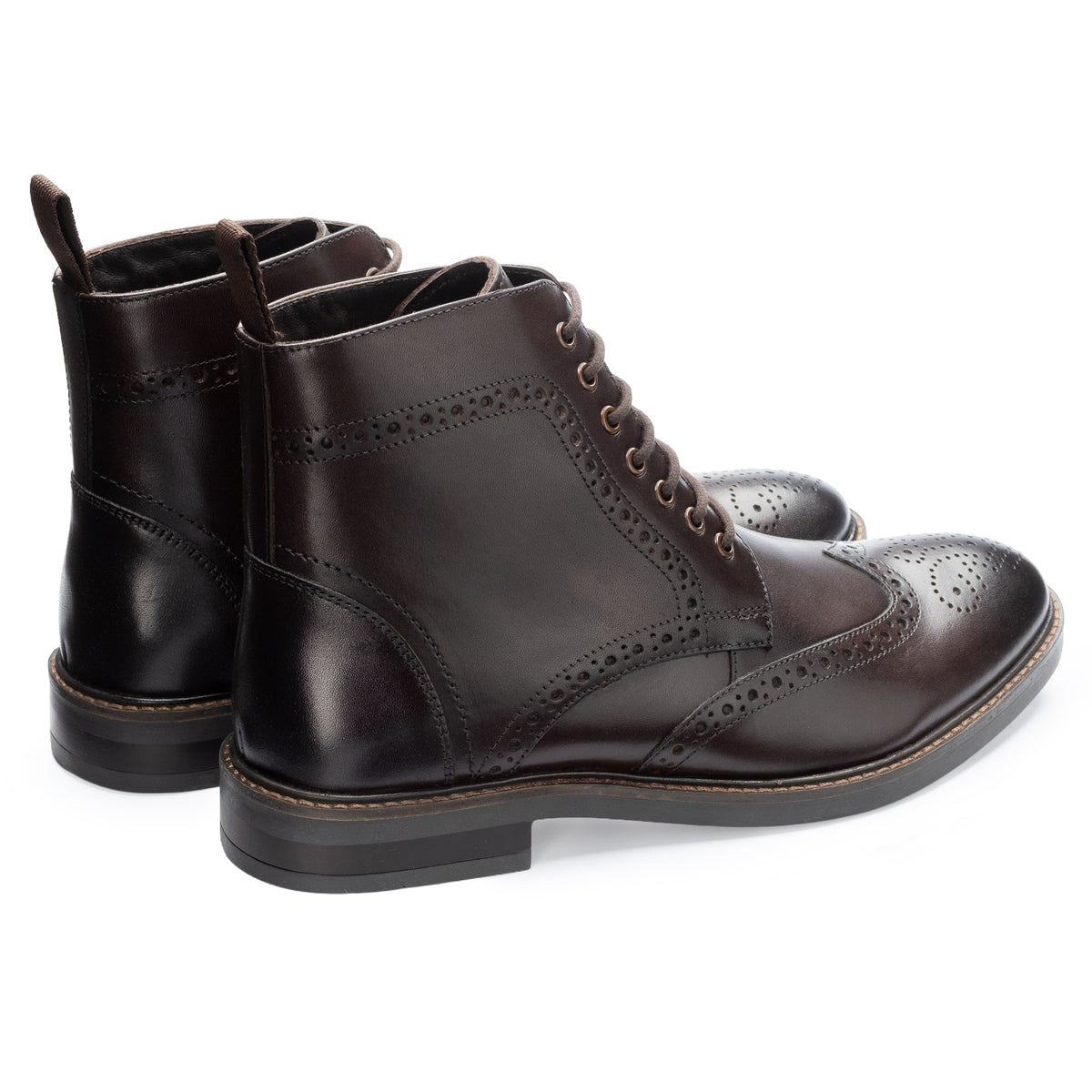
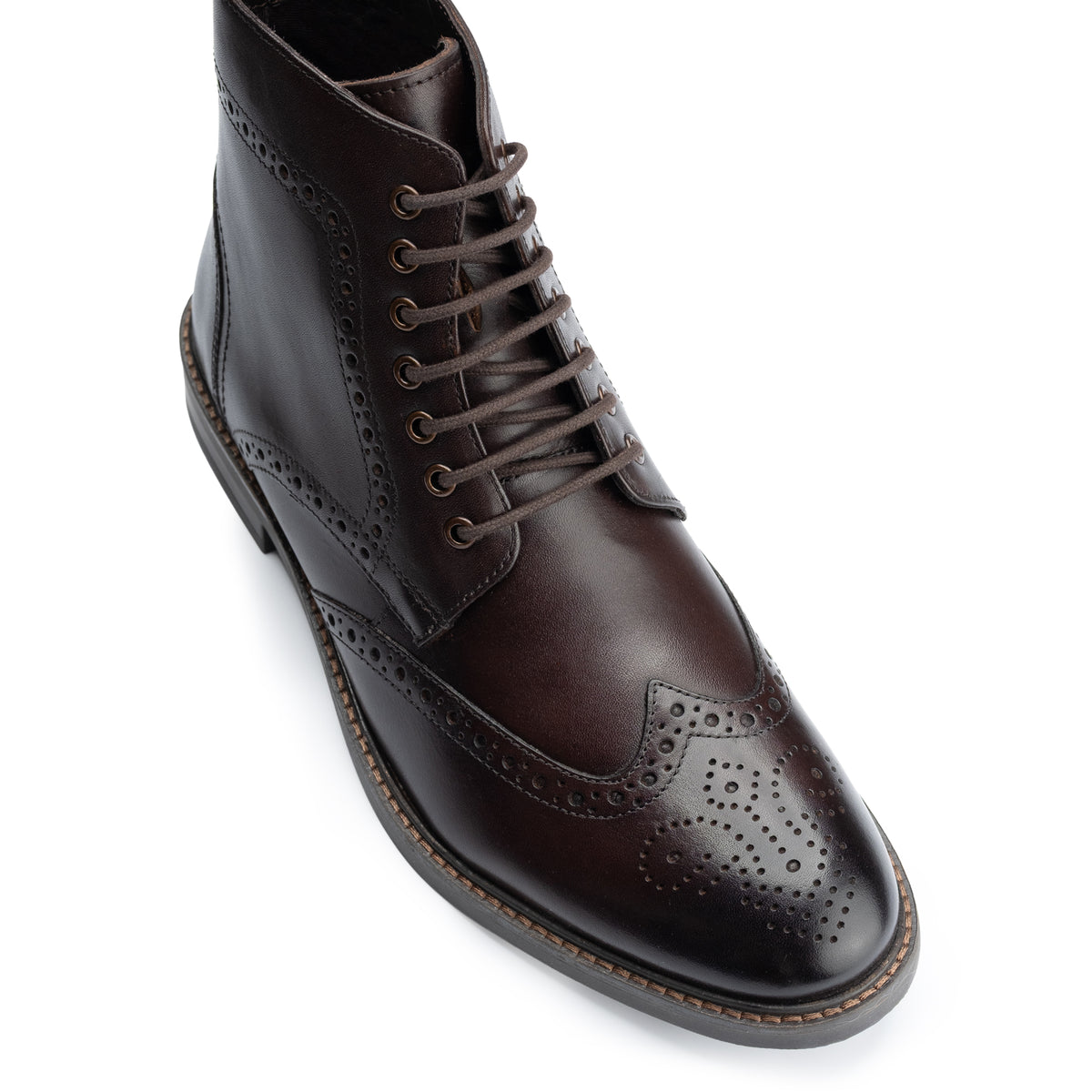
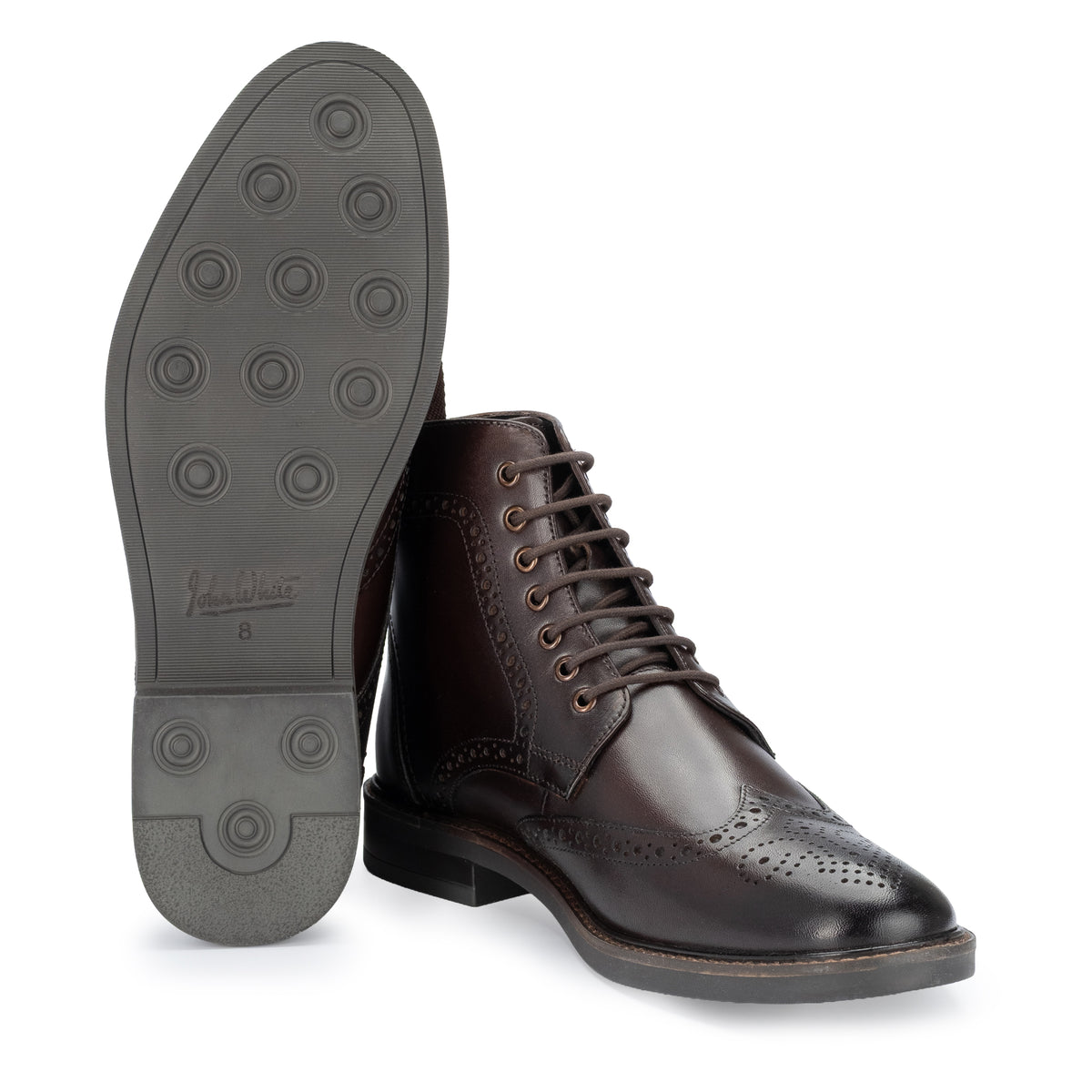
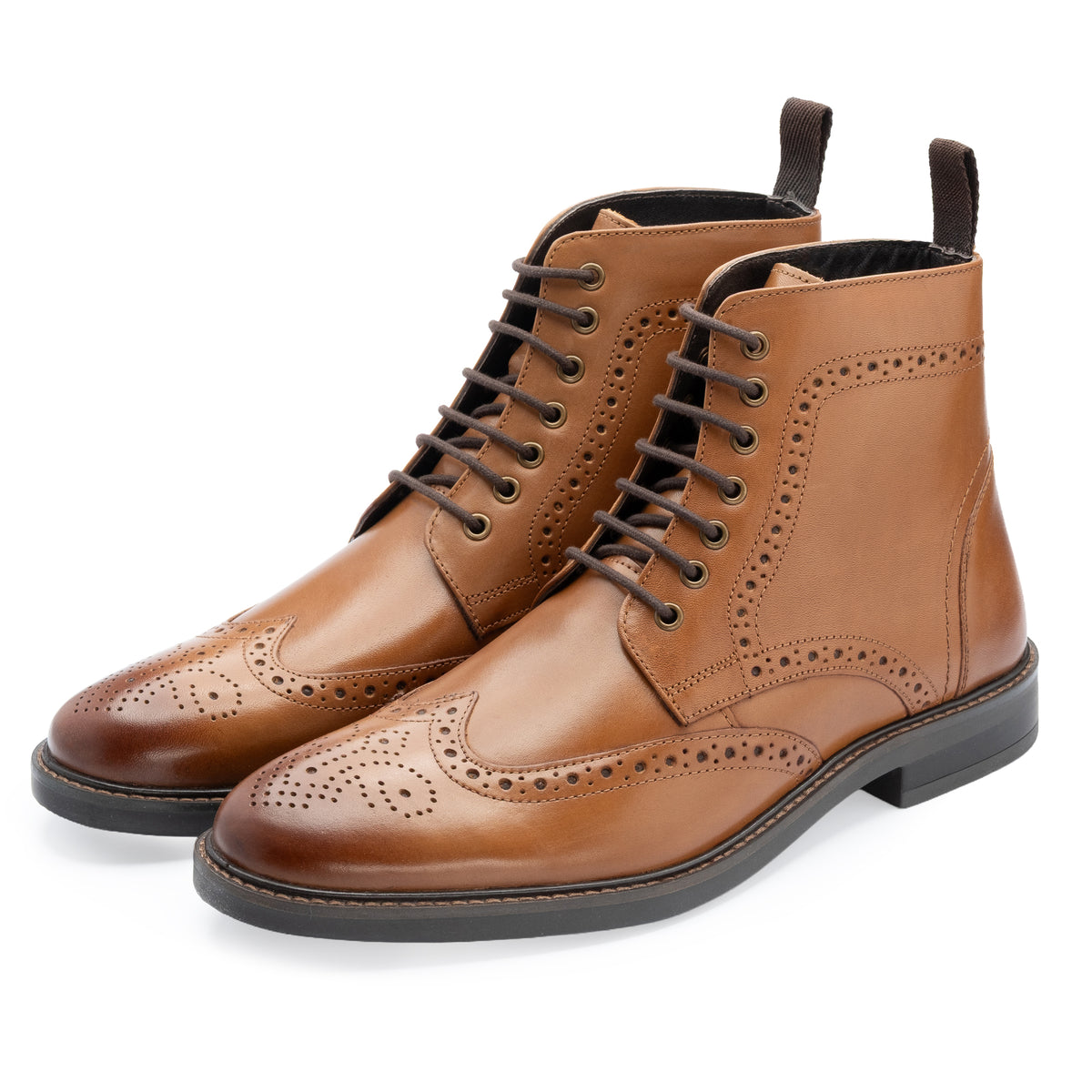
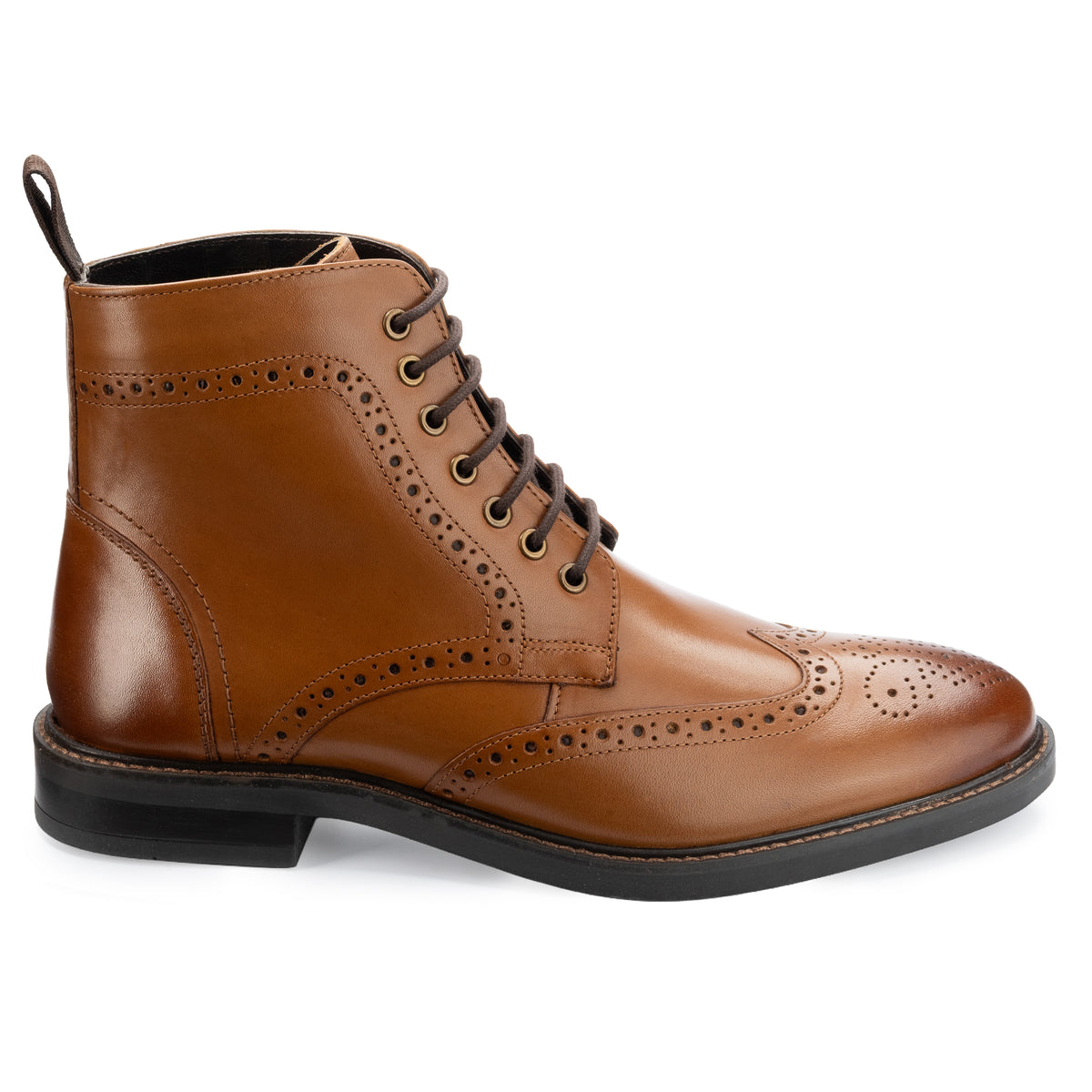
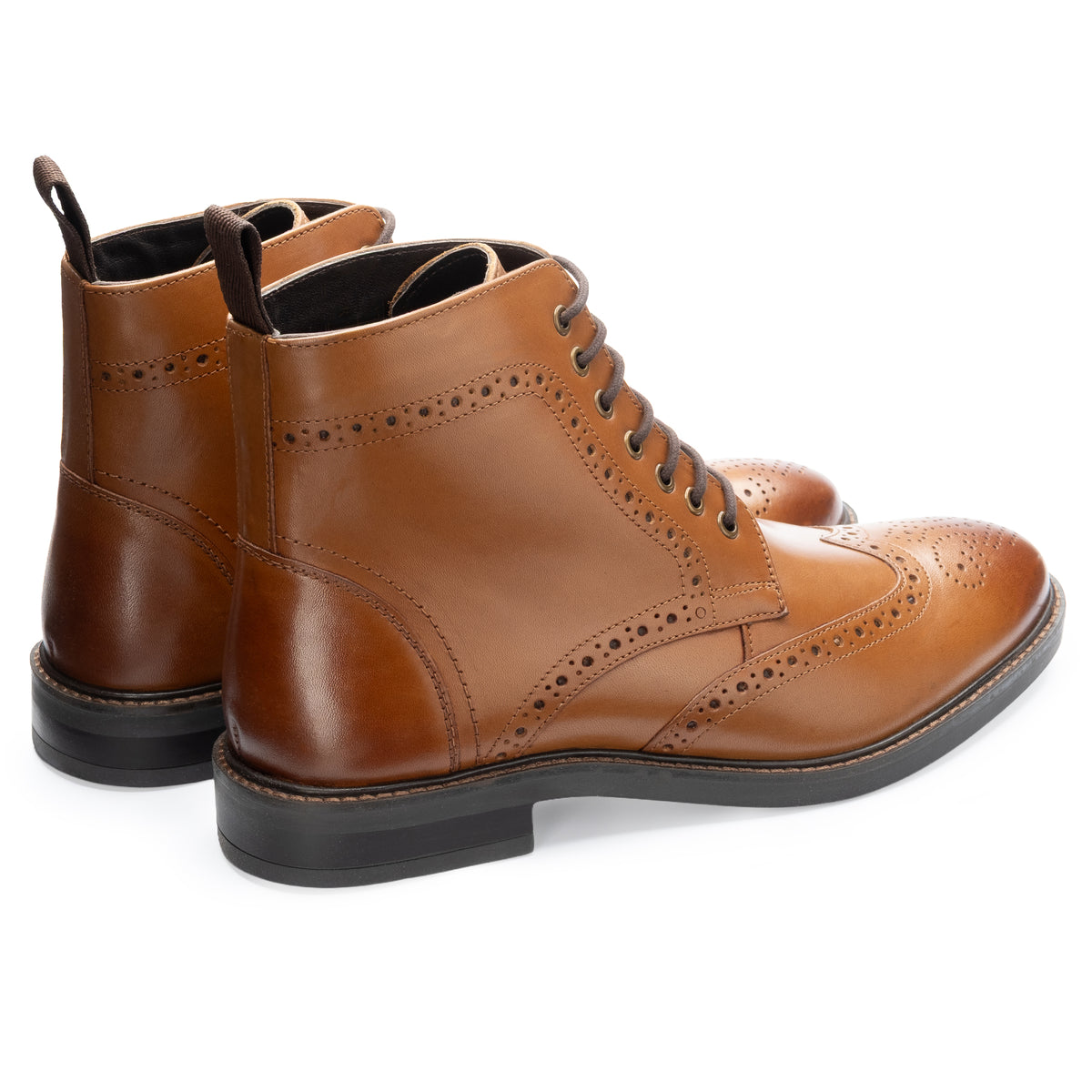
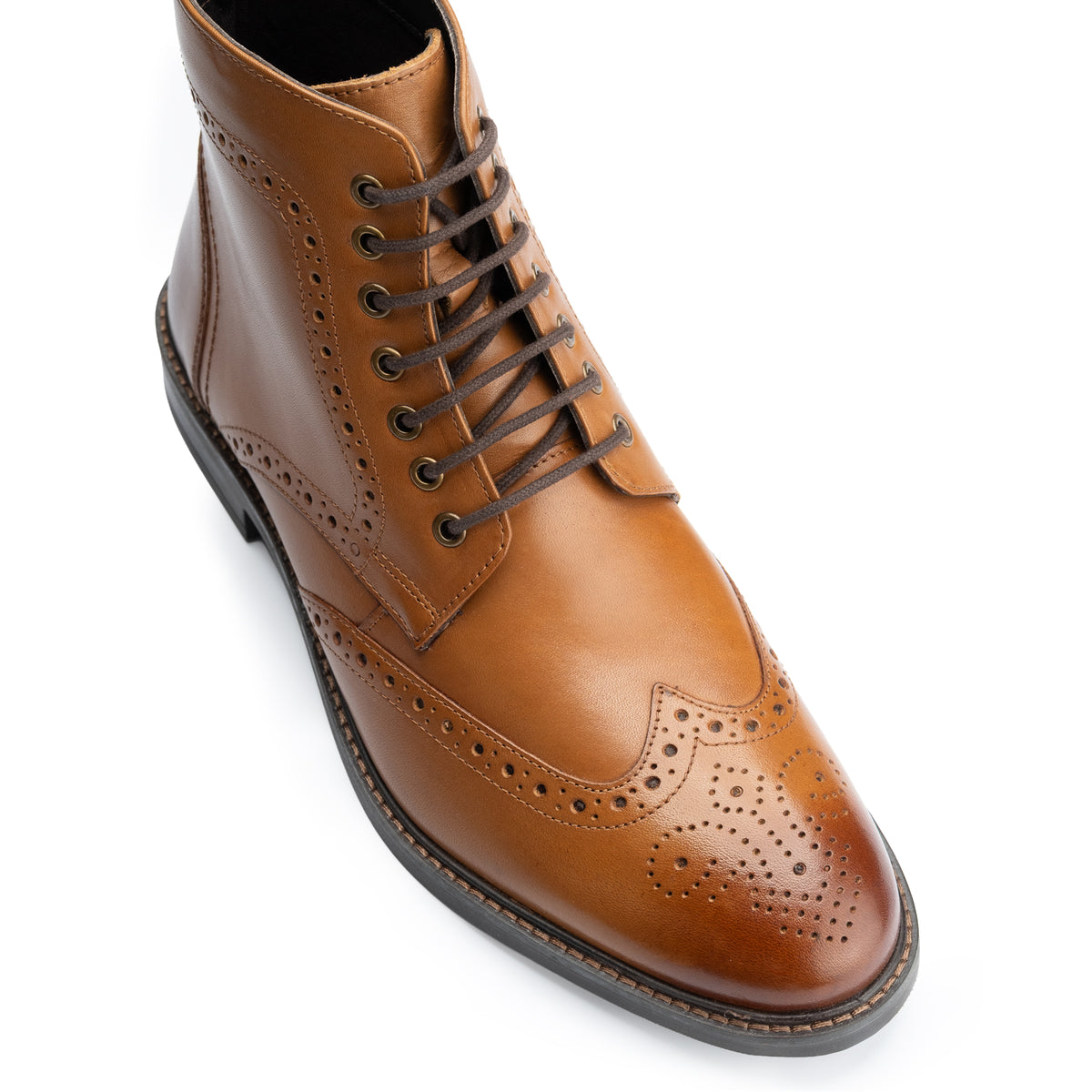
This is where tan and dark brown leather comes into its own. The Stokes brogue in tan against a navy suit is one of the most reliably smart combinations in men's dressing — sharp without being predictable. The Lucan semi-brogue is another excellent choice: subtler than a full brogue, more interesting than a plain Derby.
Lighter Suits (Stone, Cream, Linen)
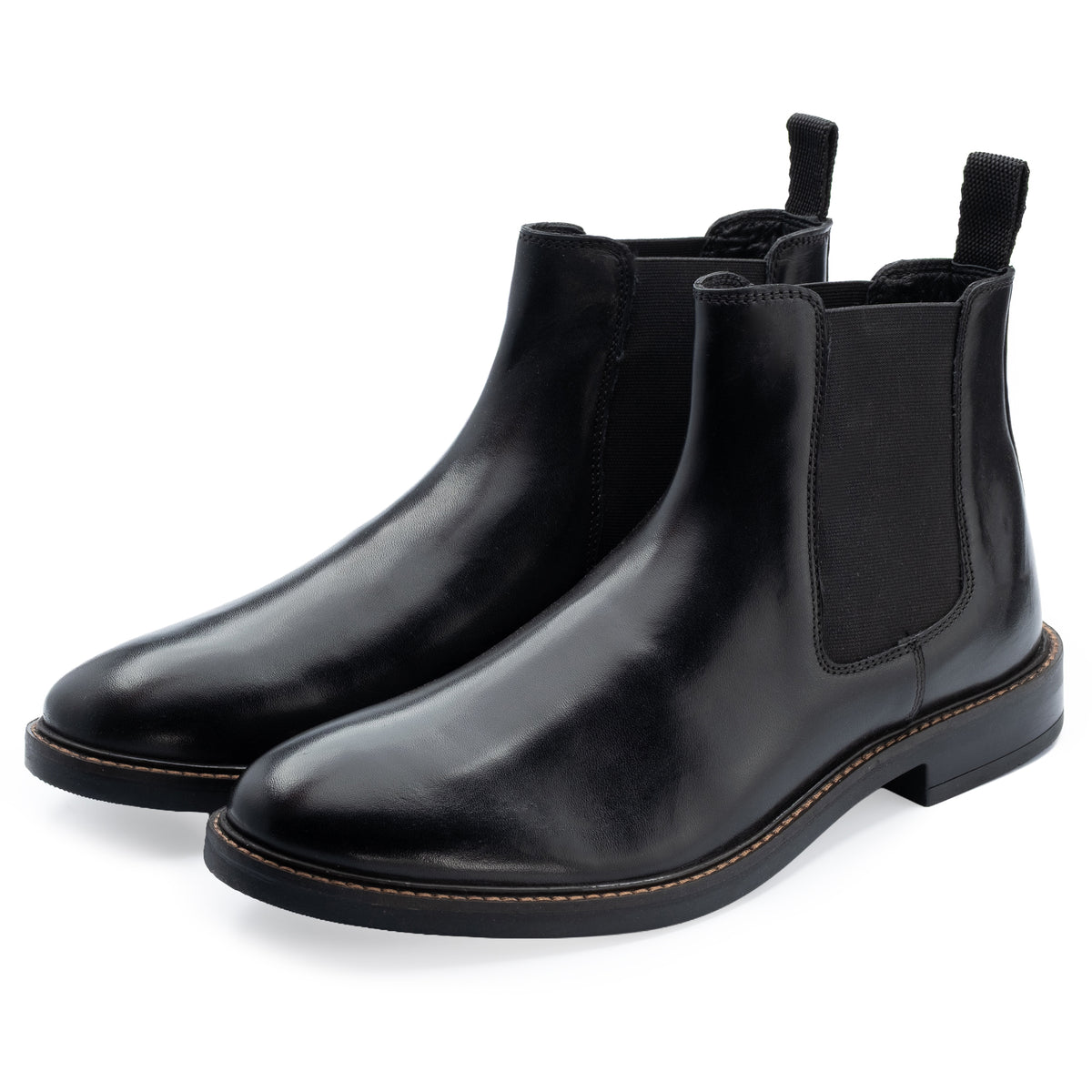
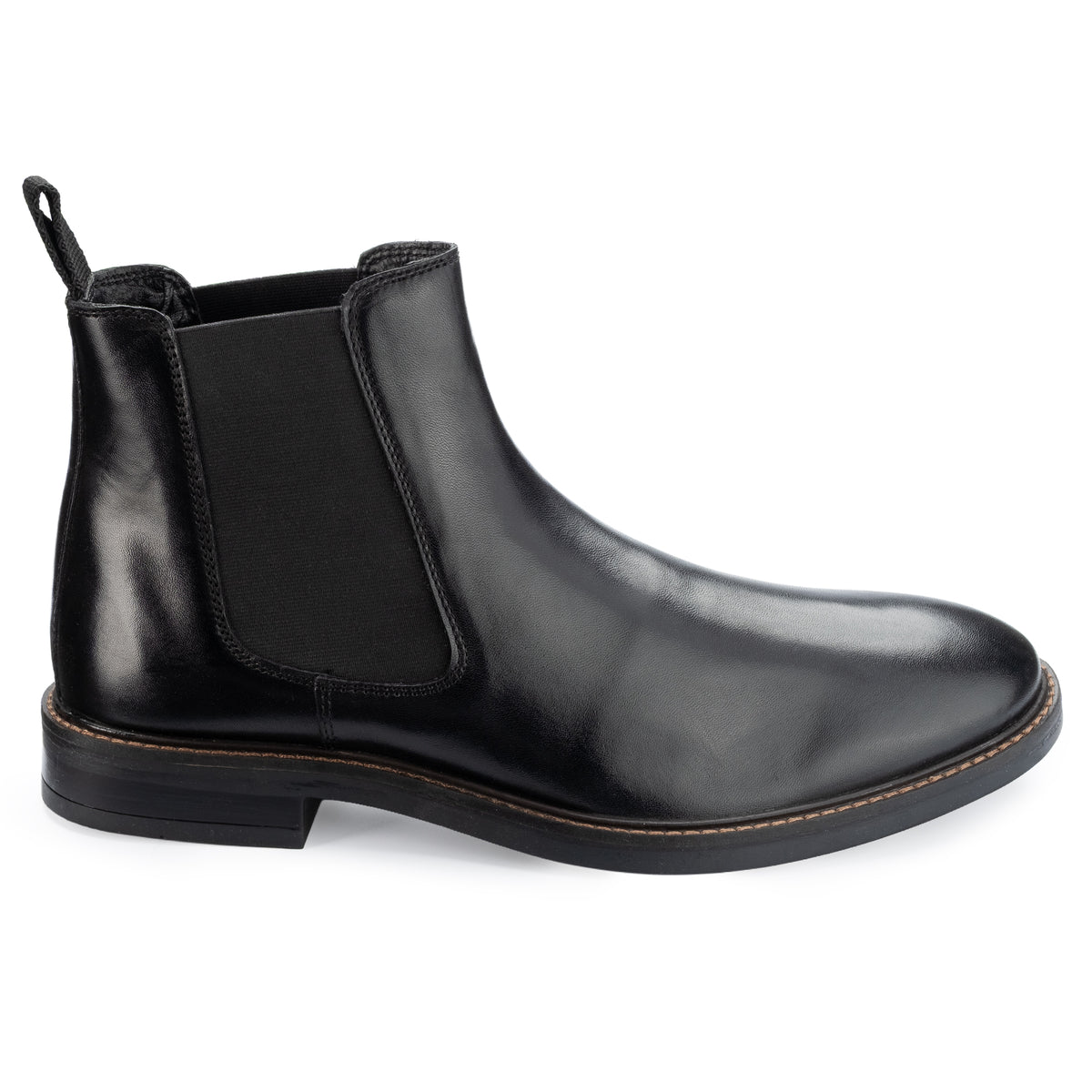
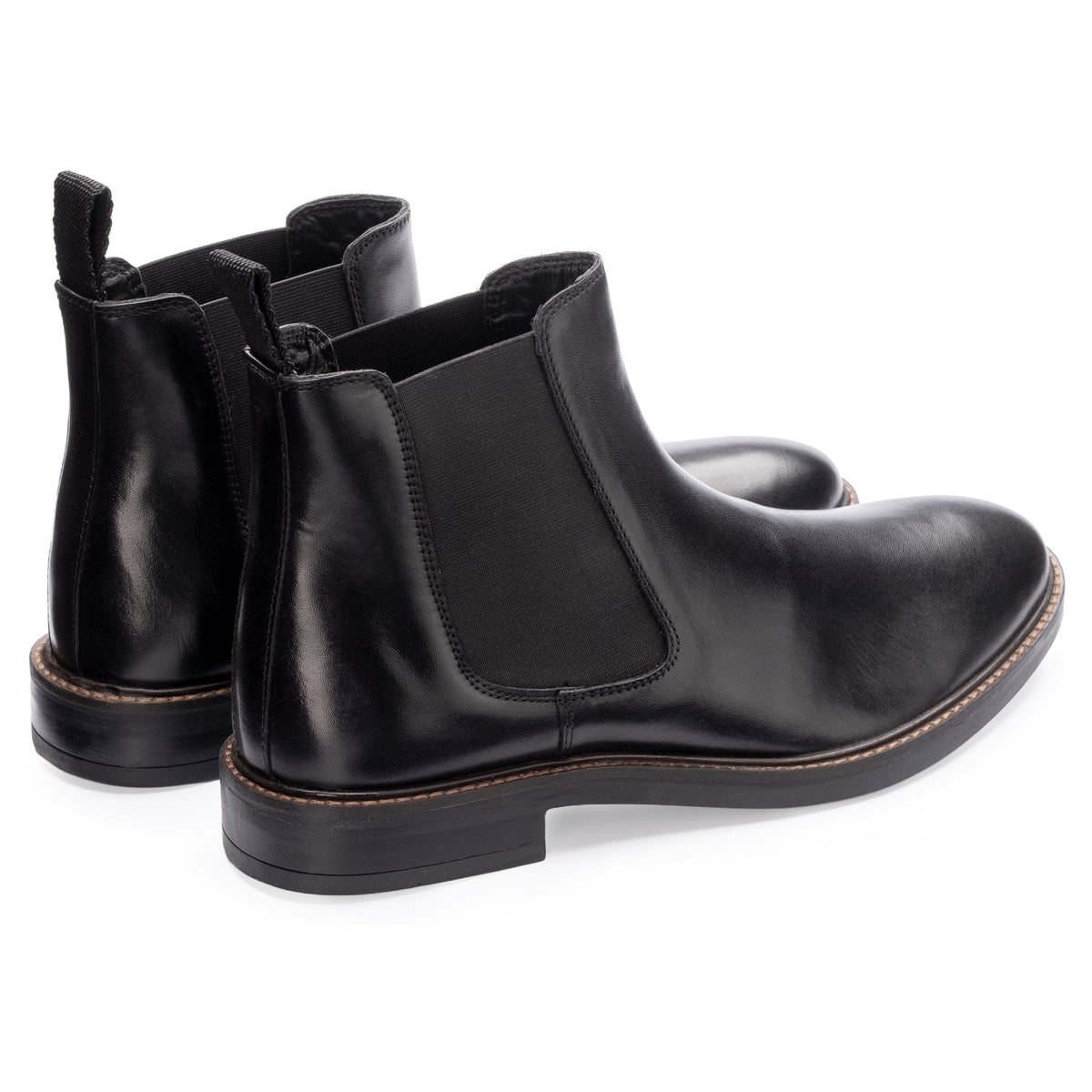
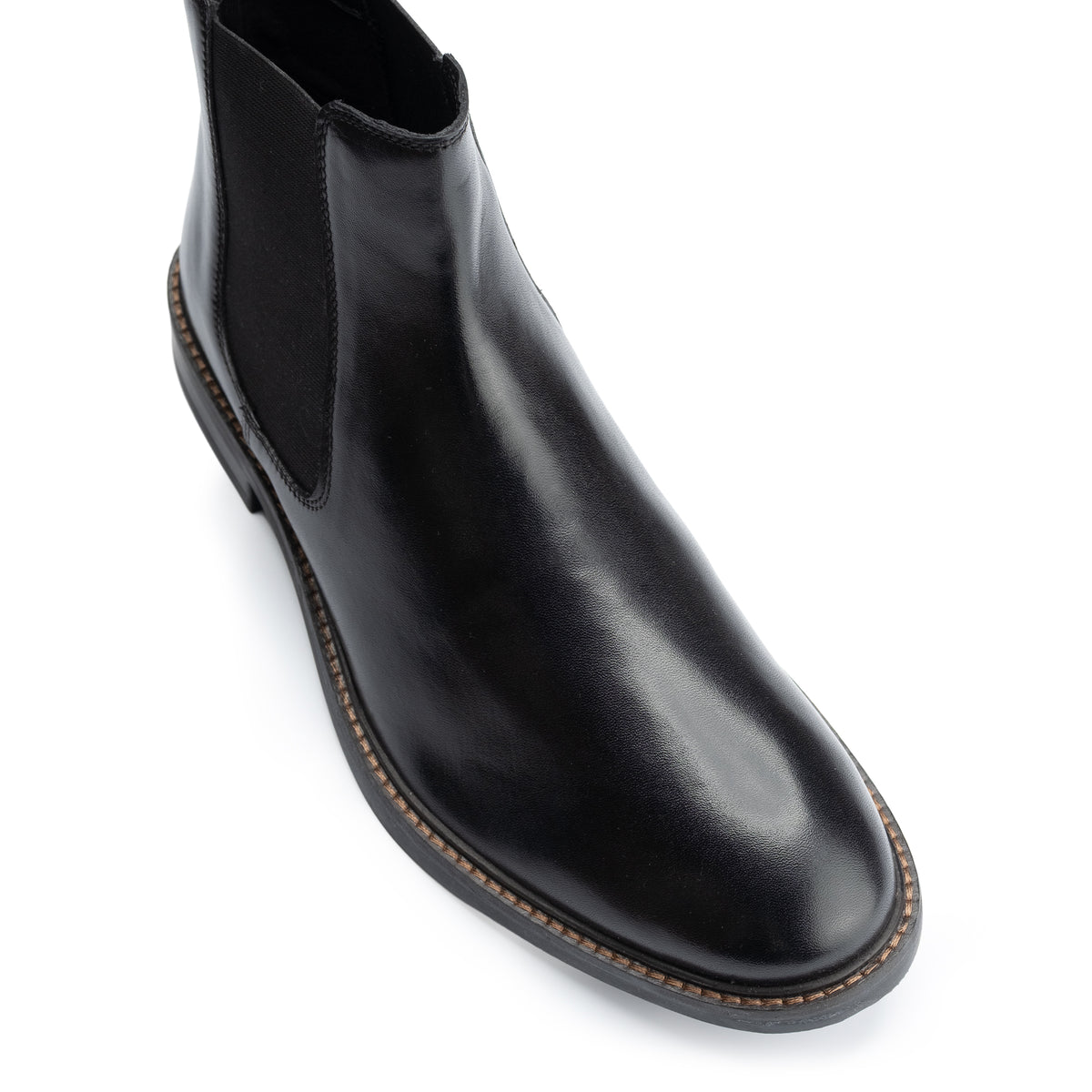
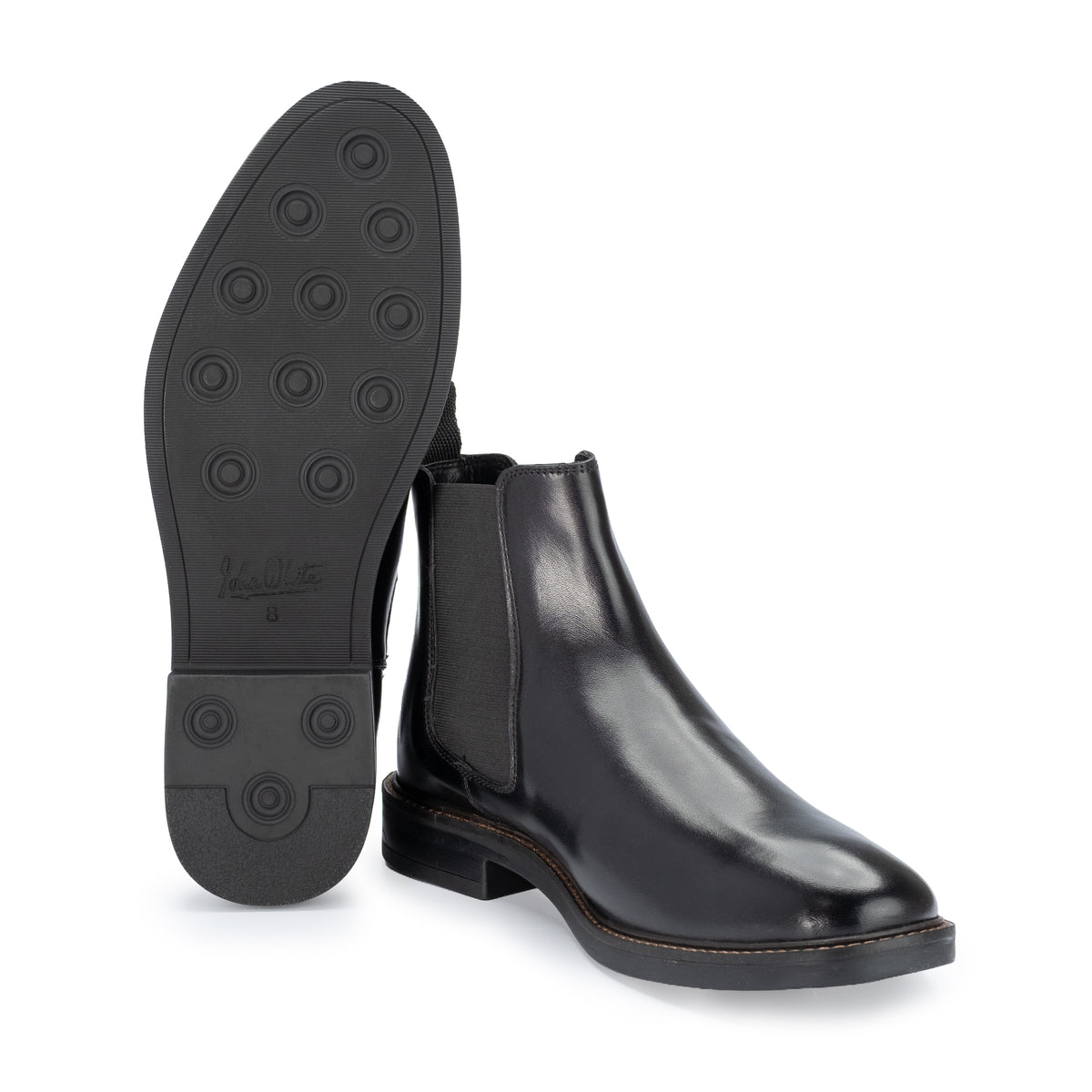
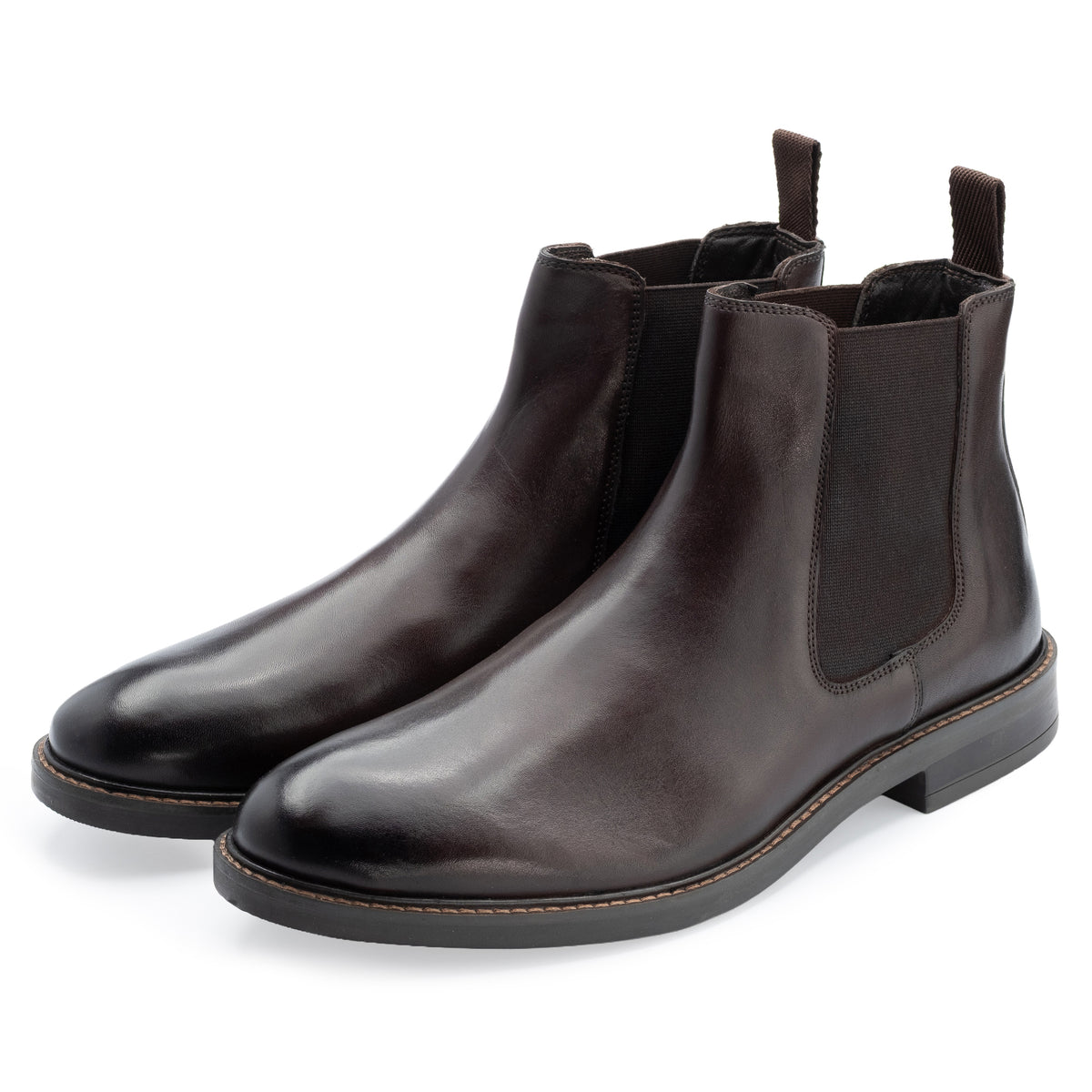
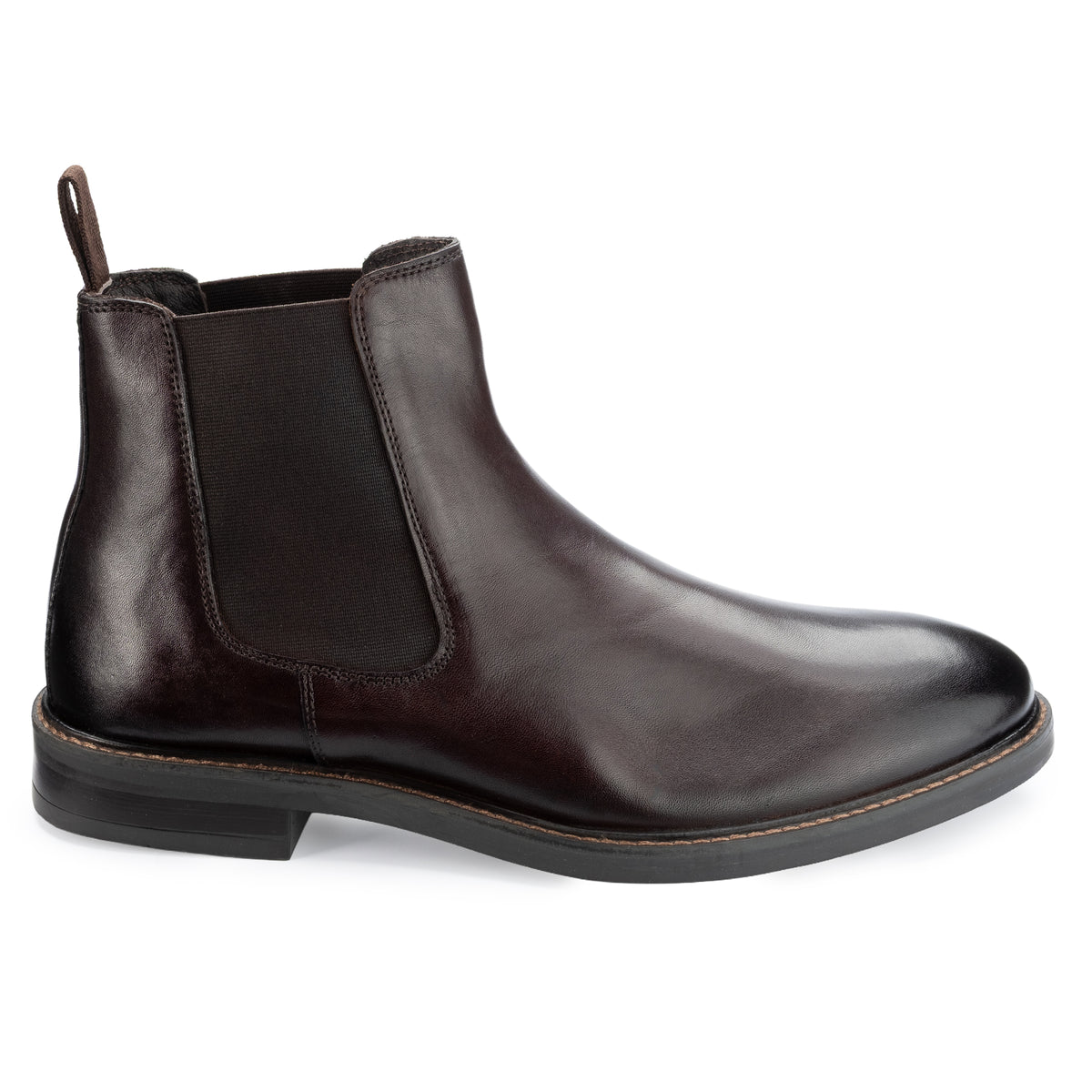
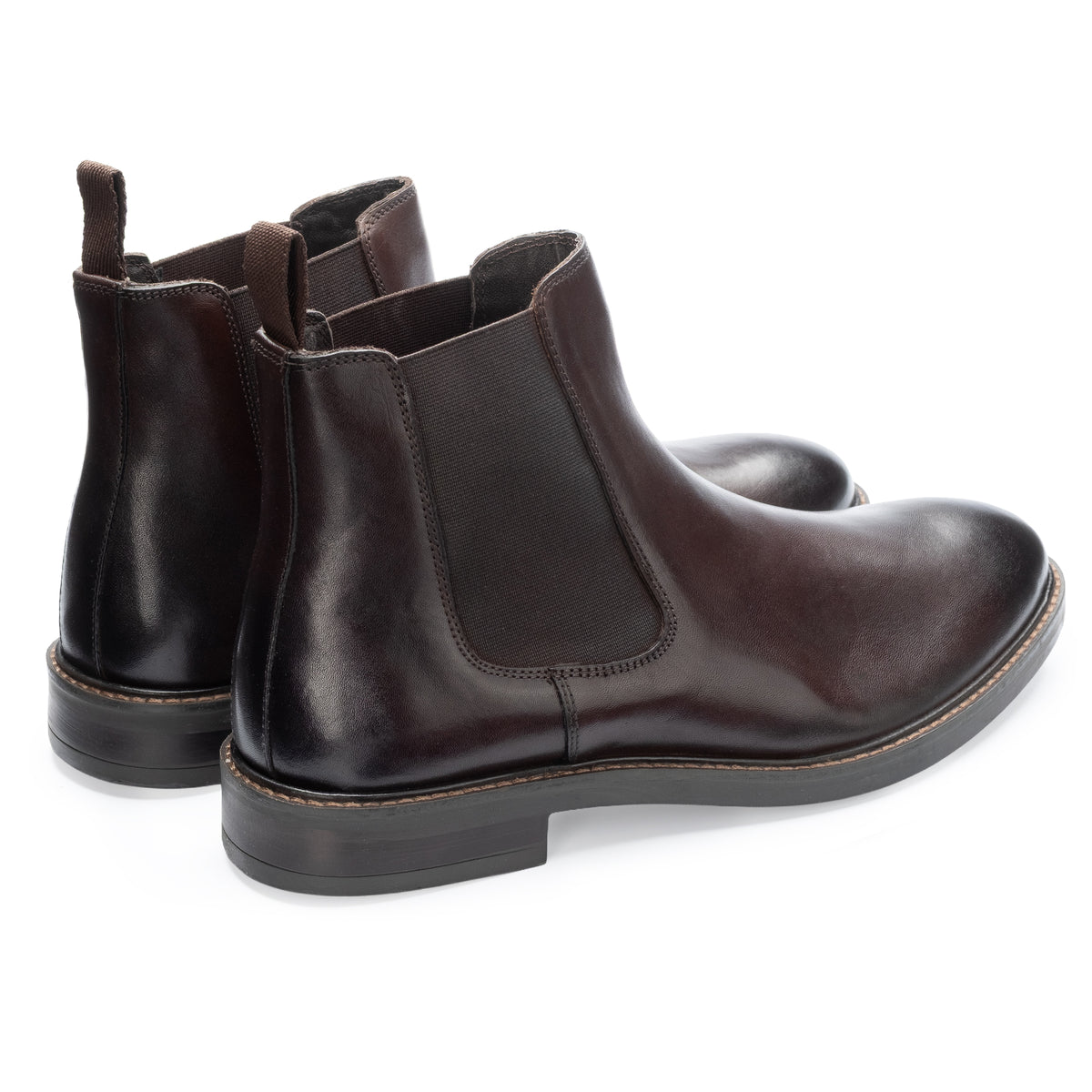
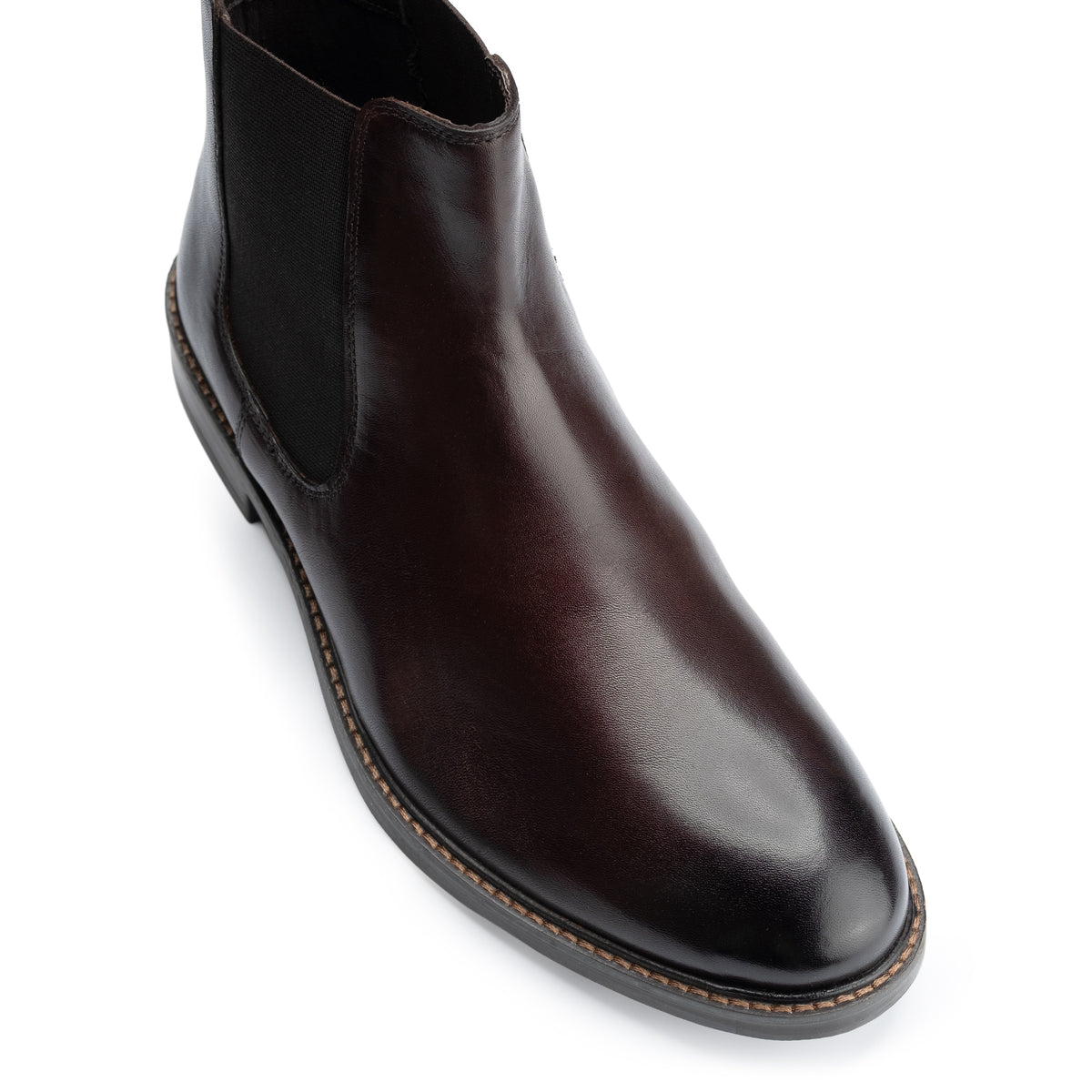
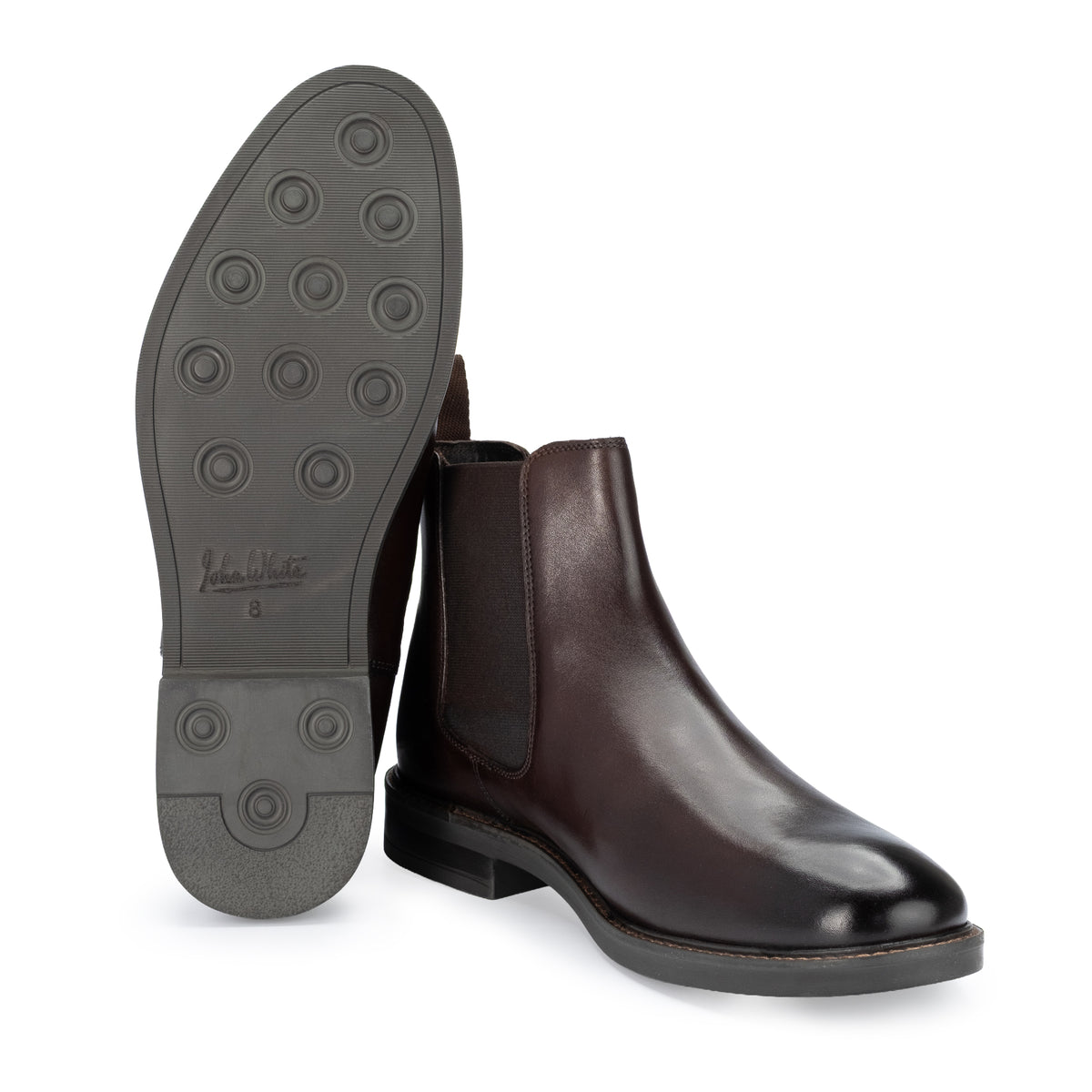
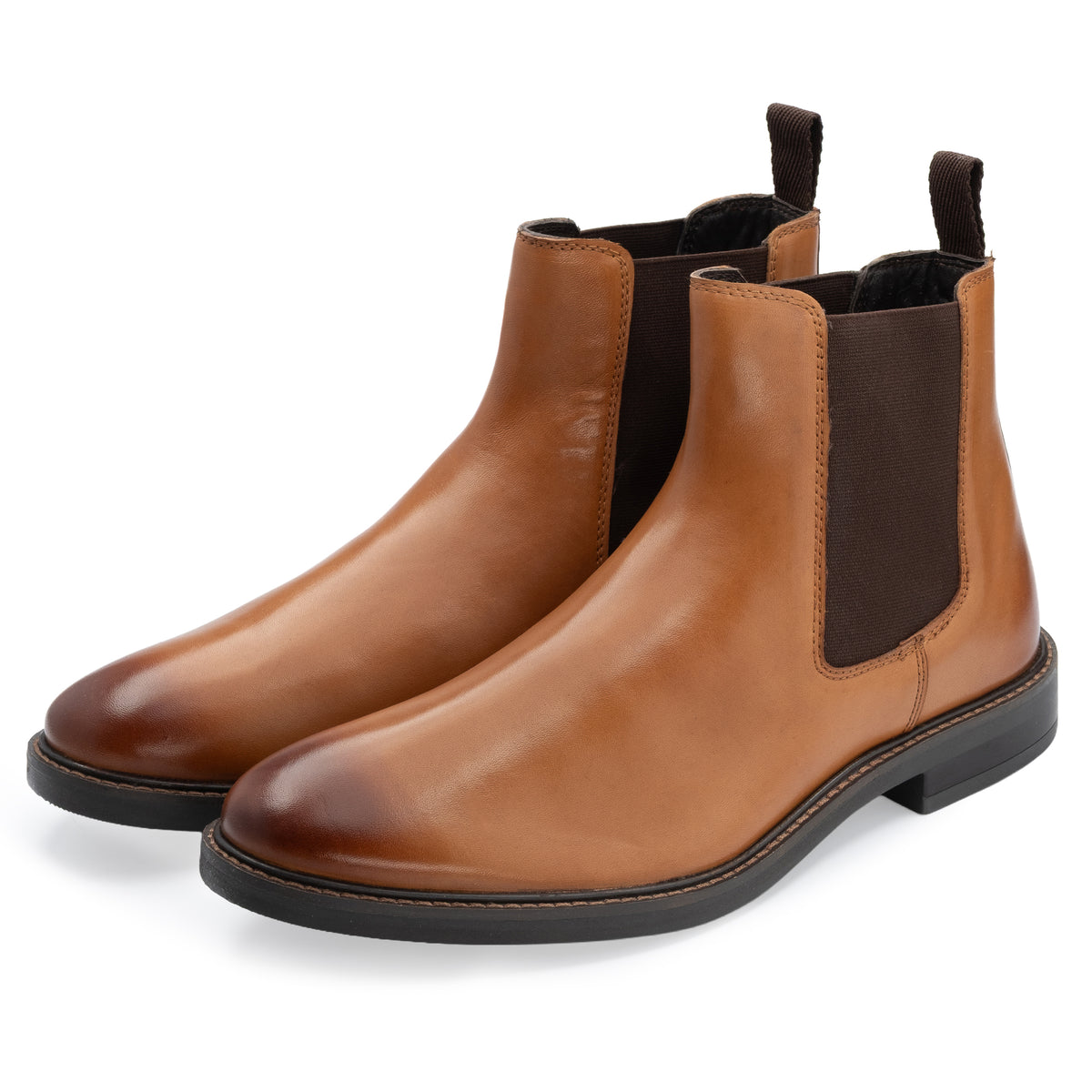
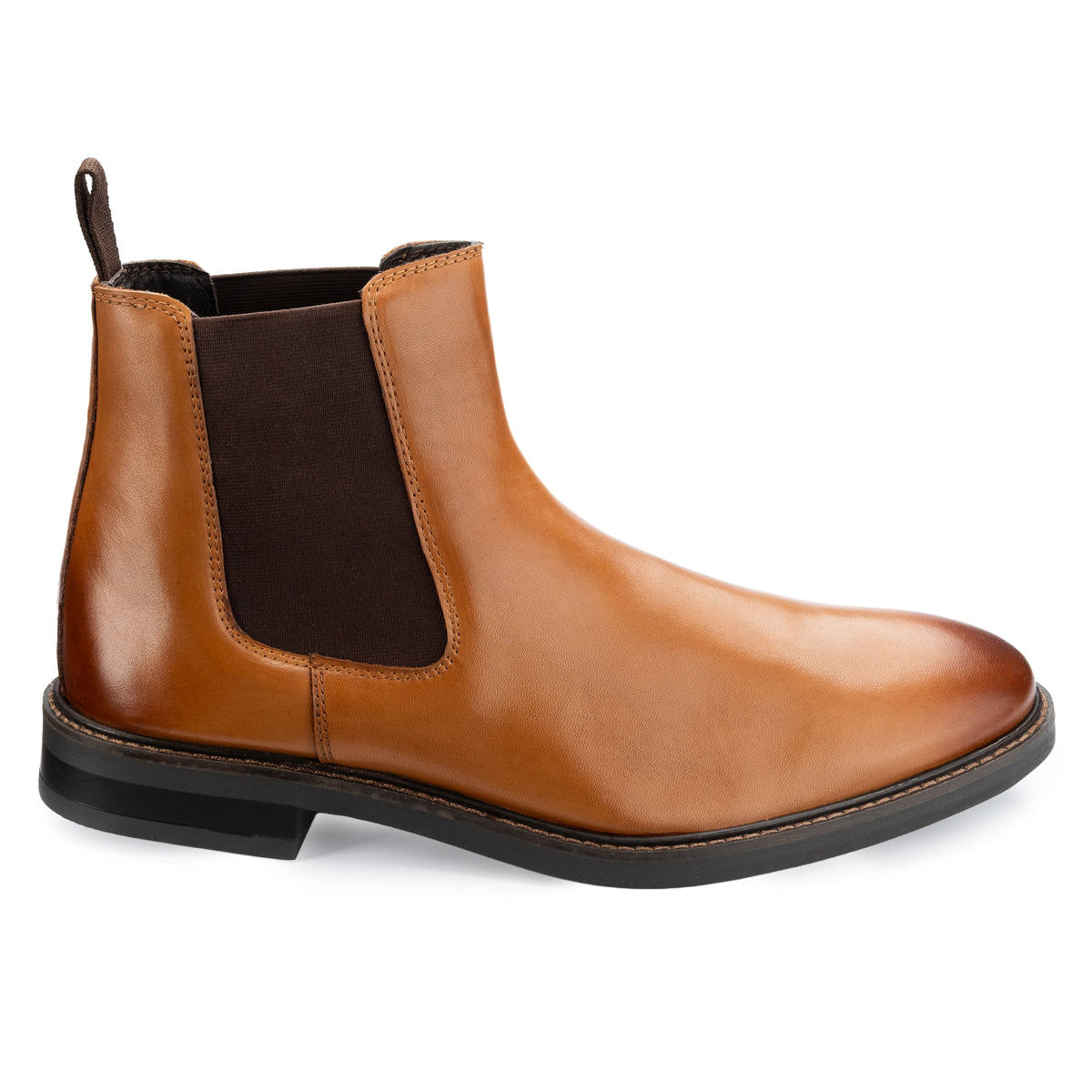
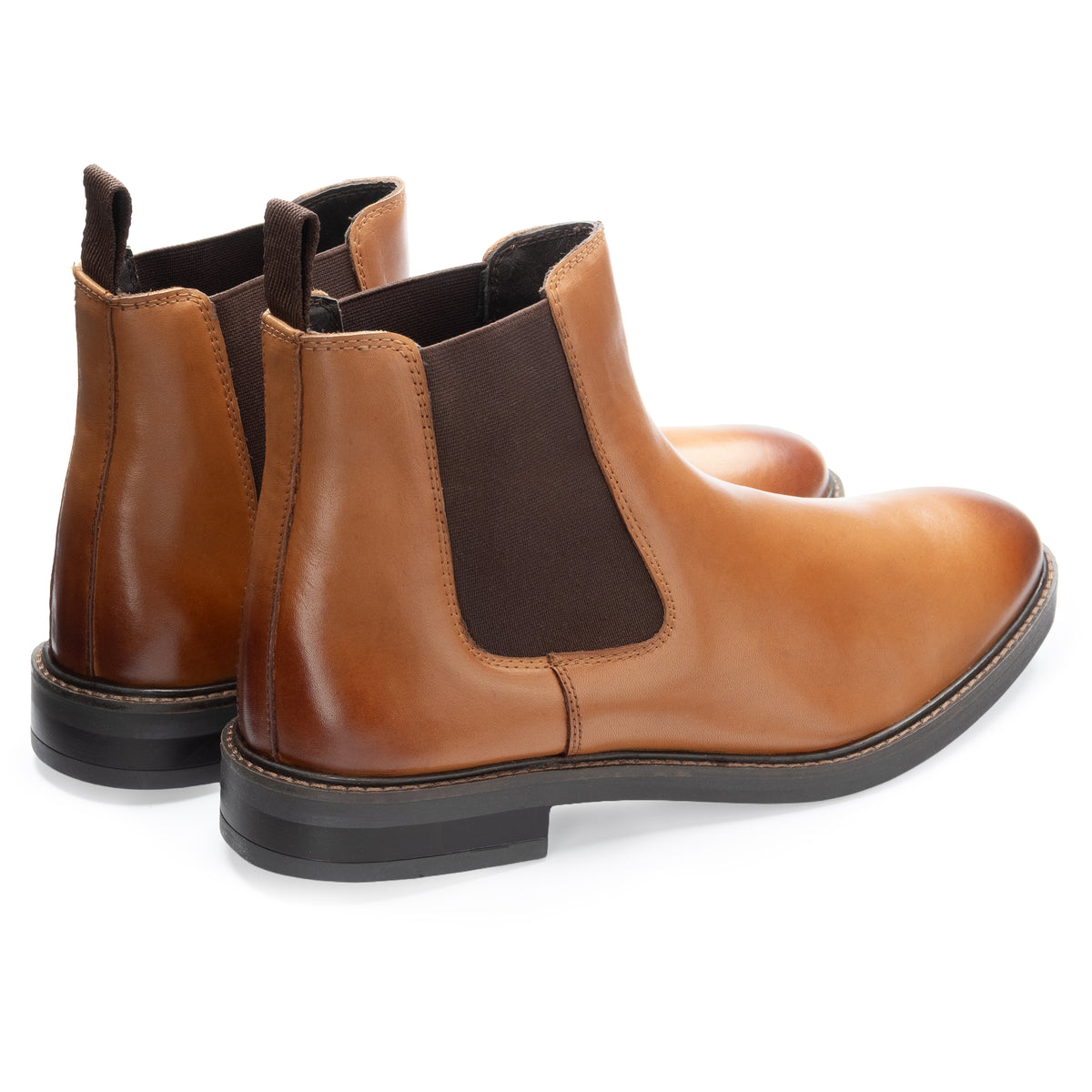
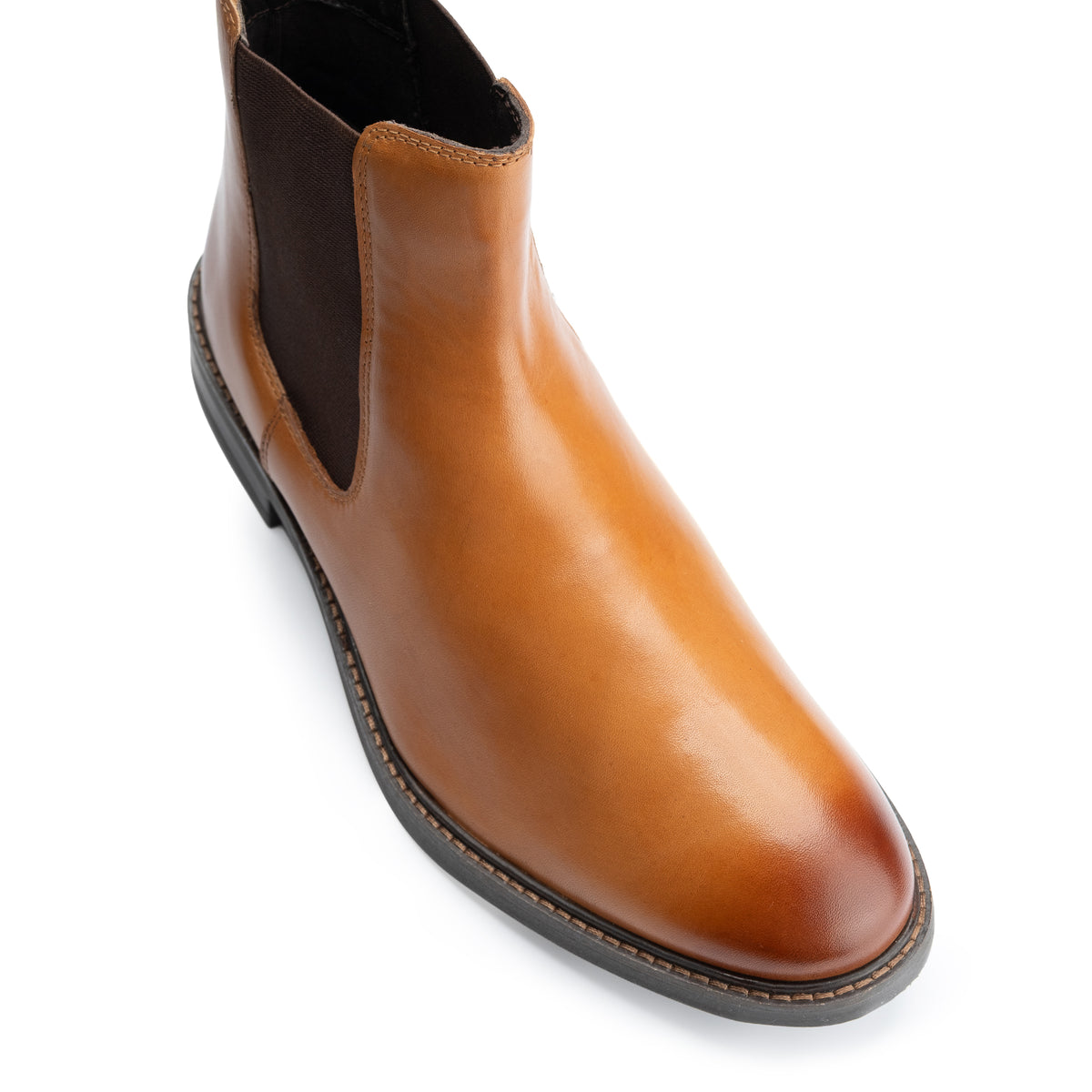
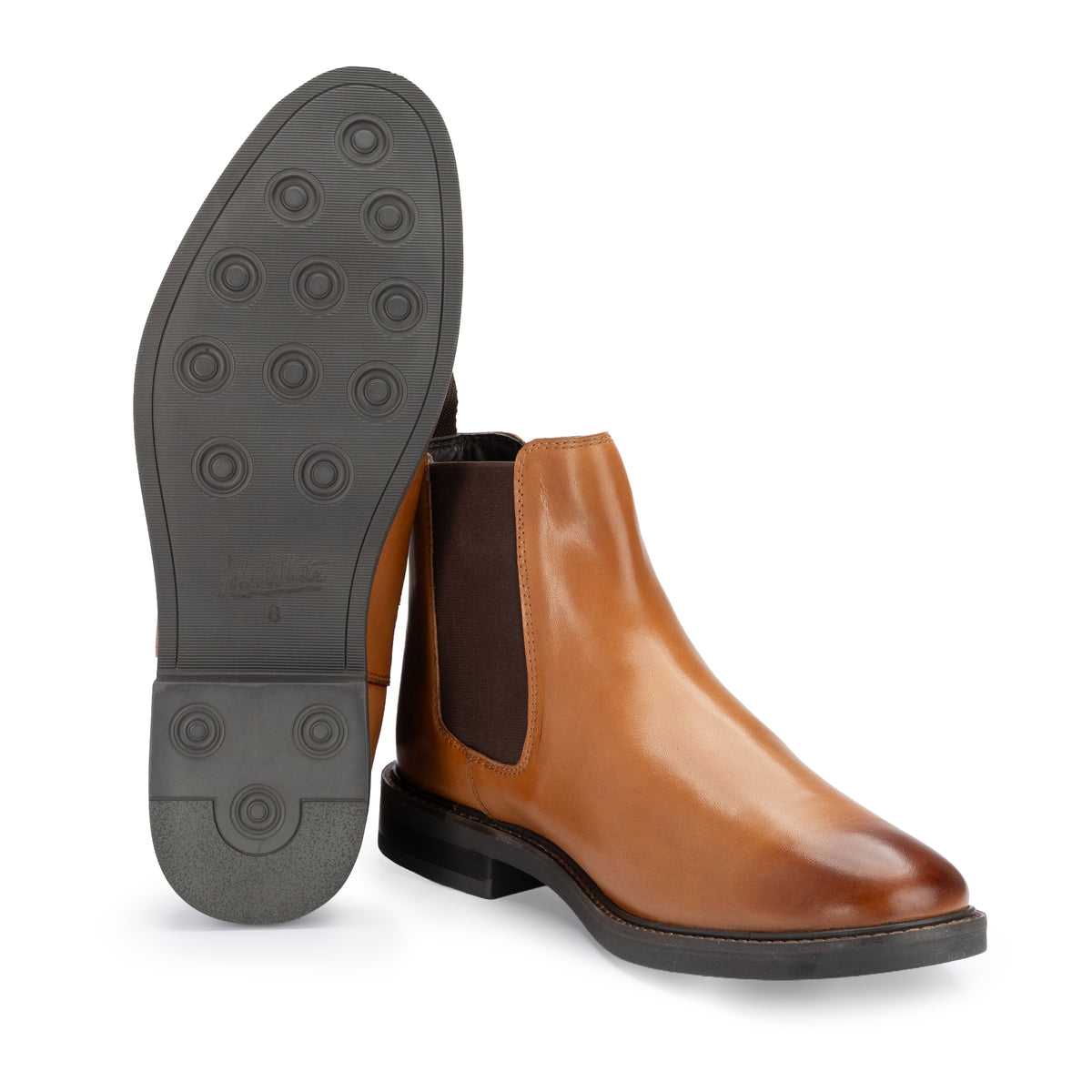
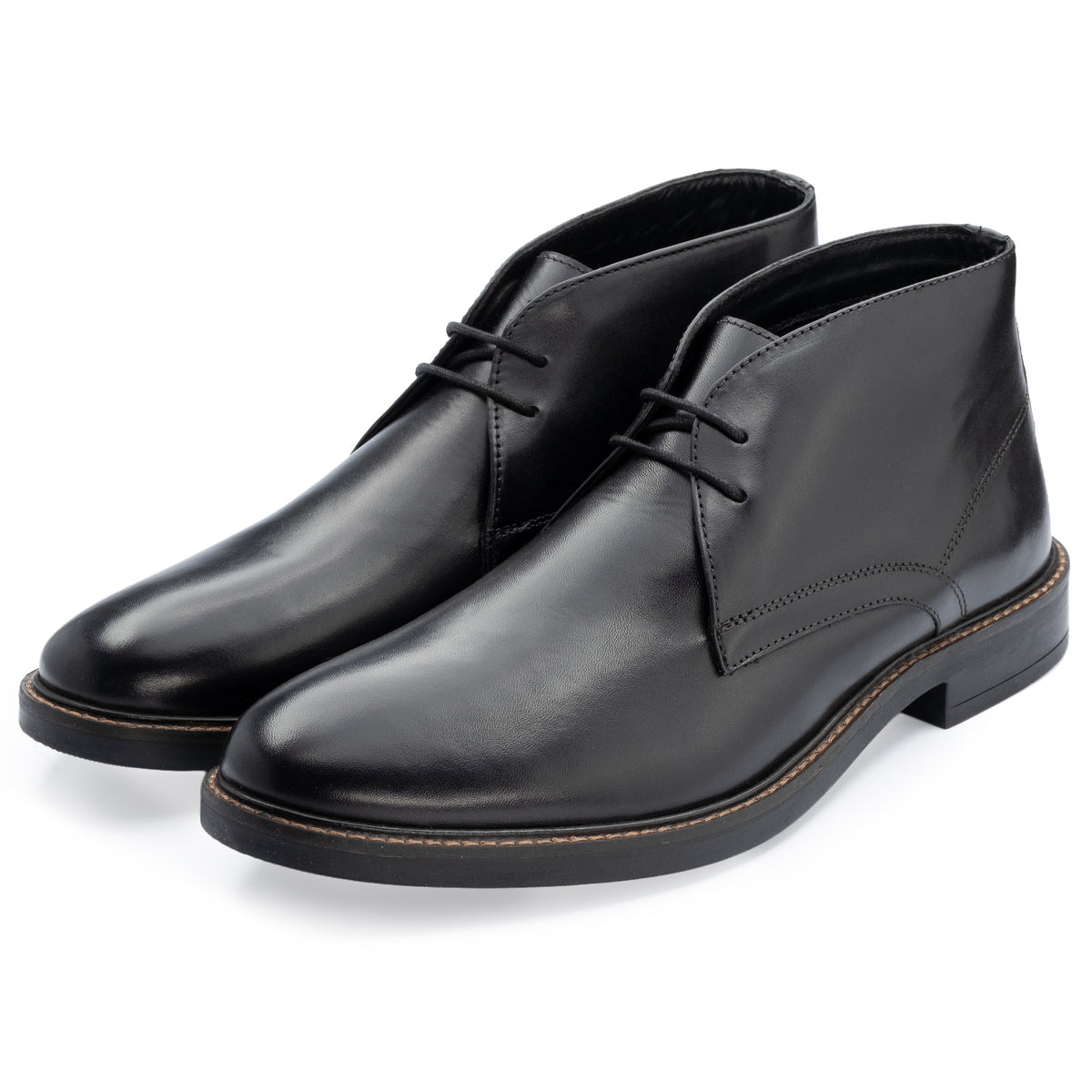
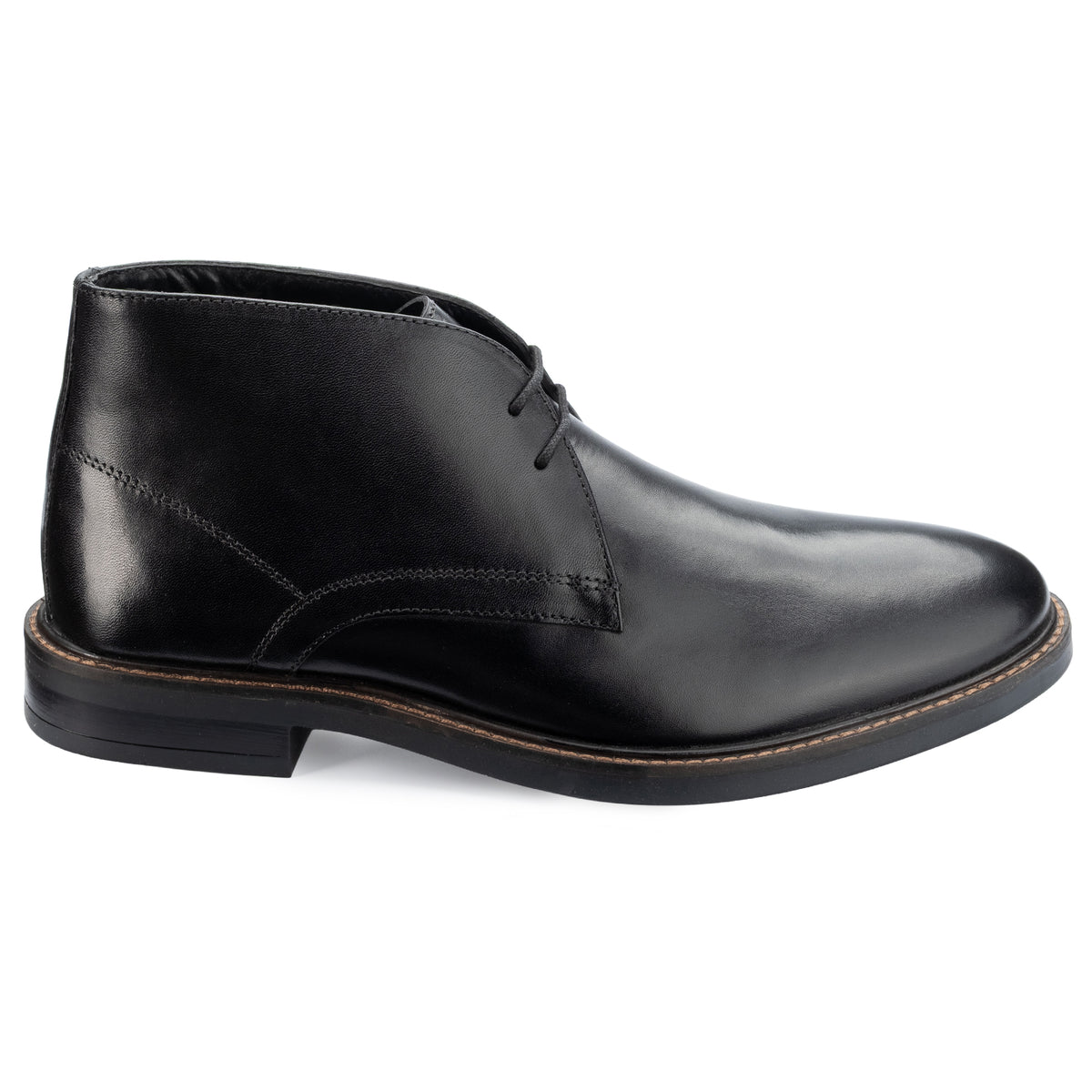
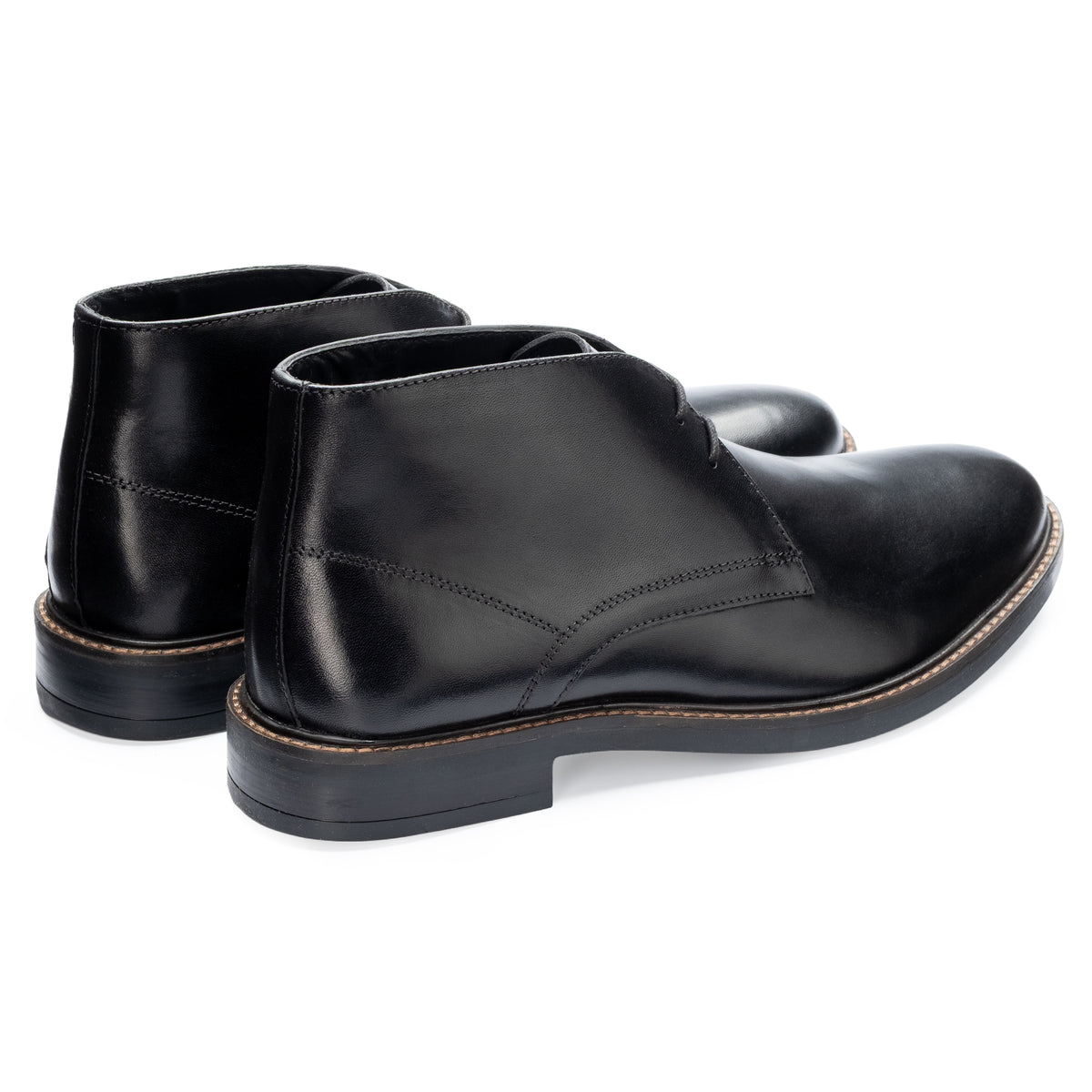
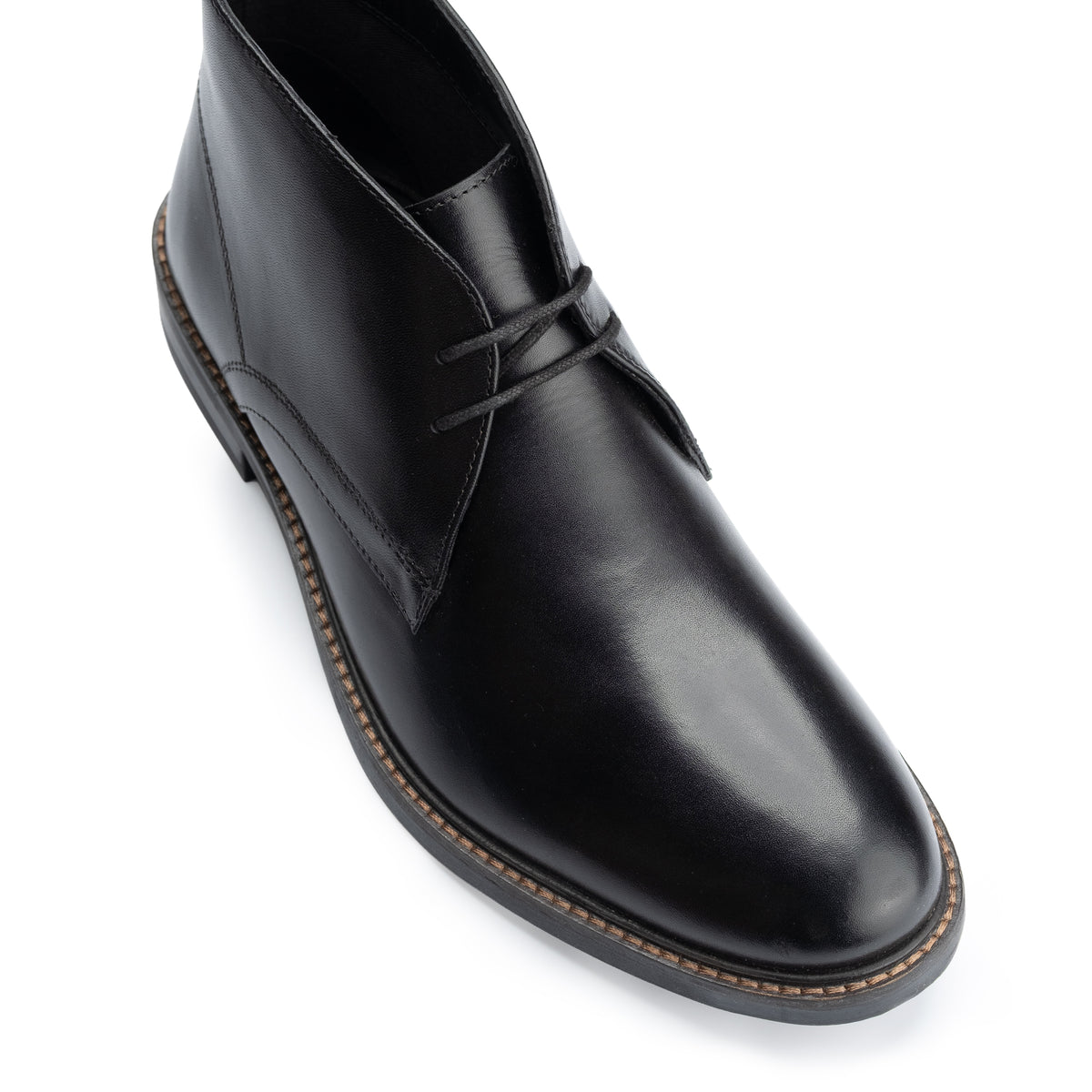
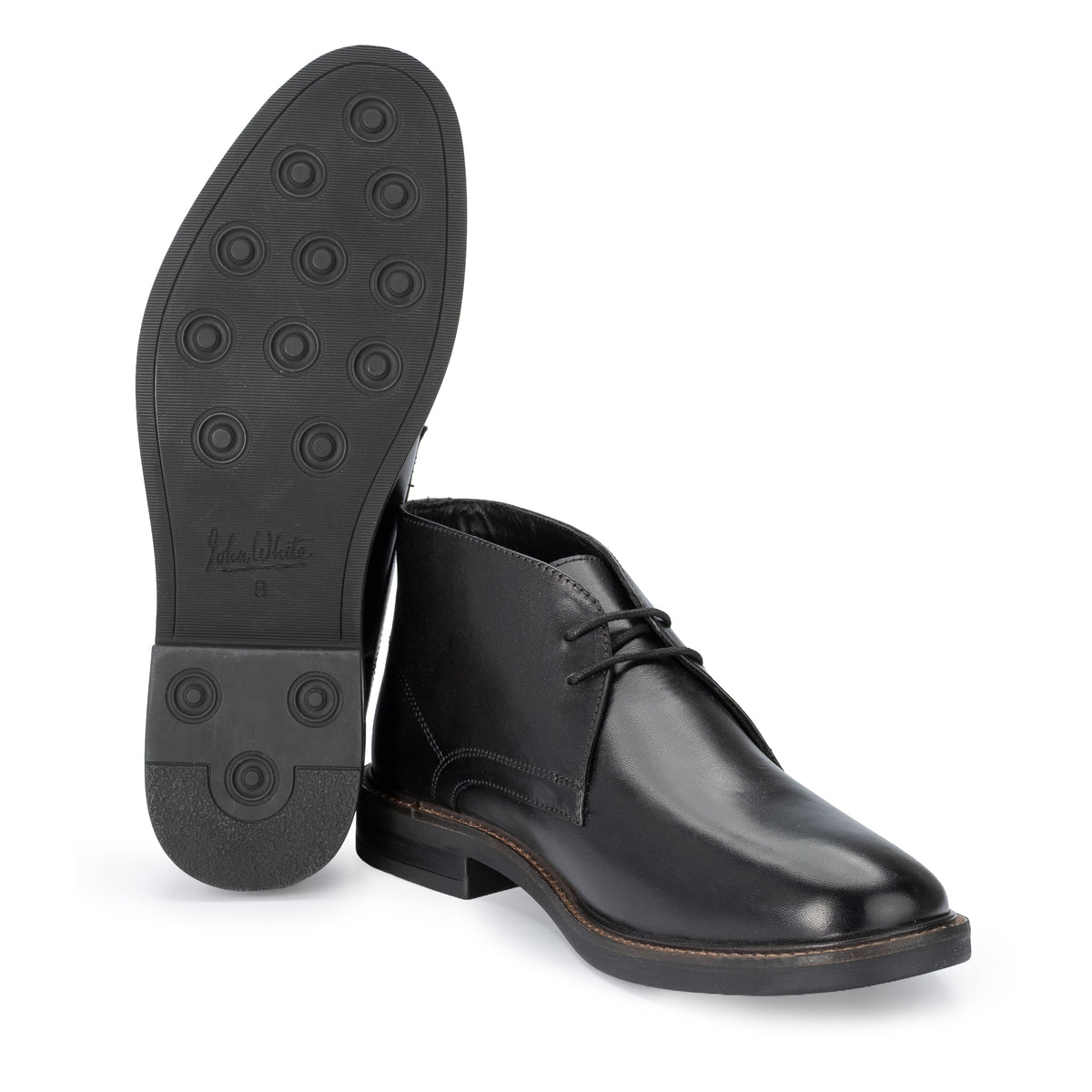
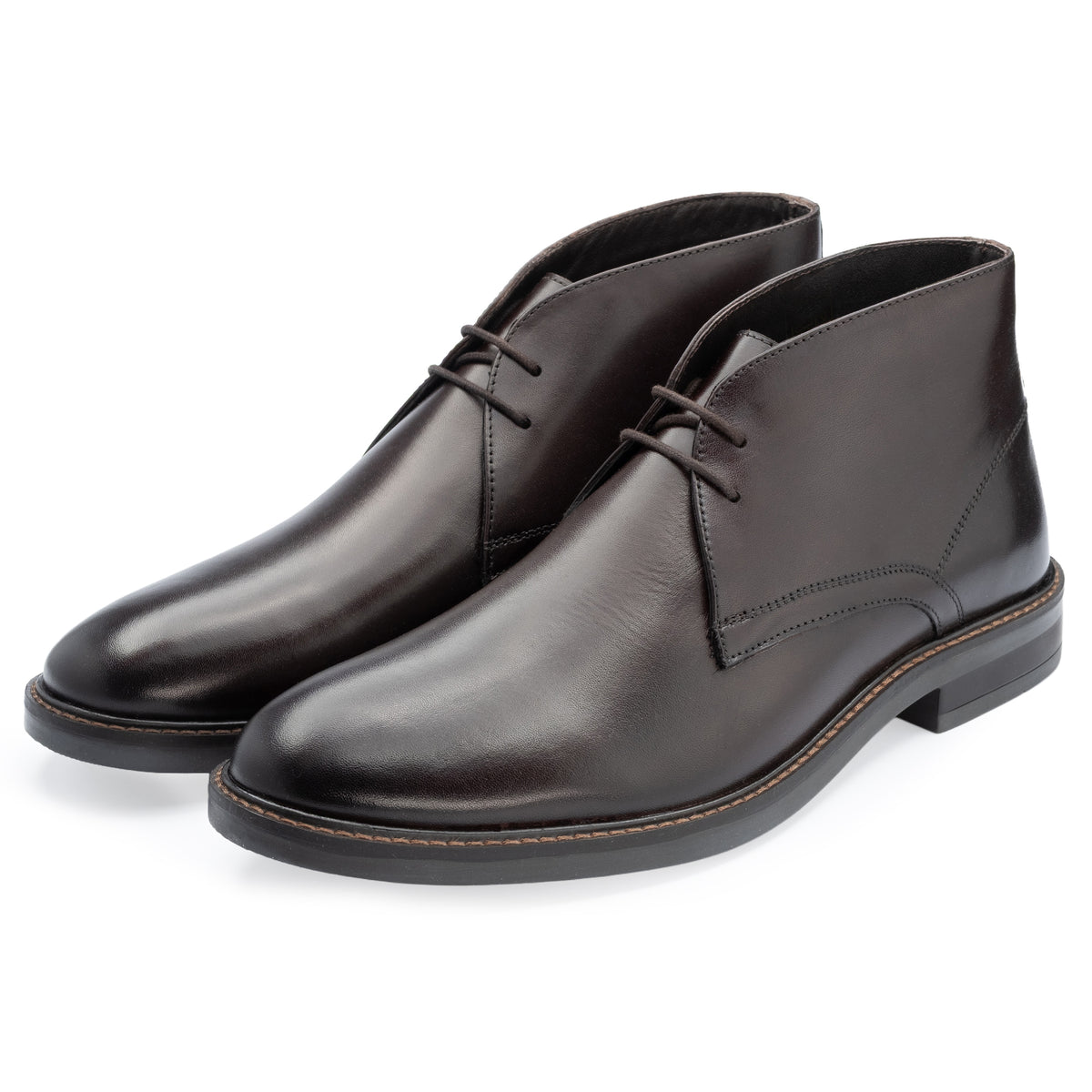
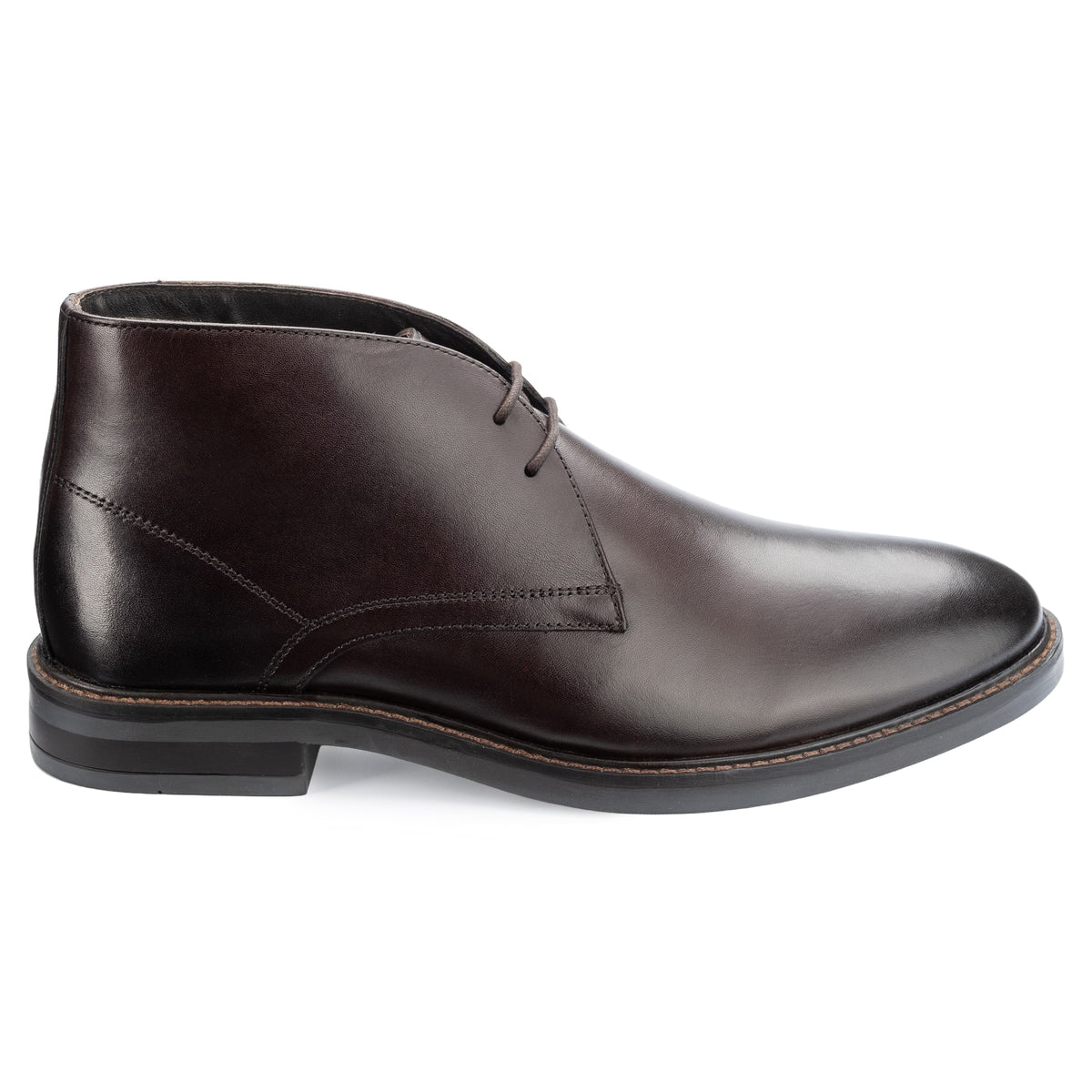
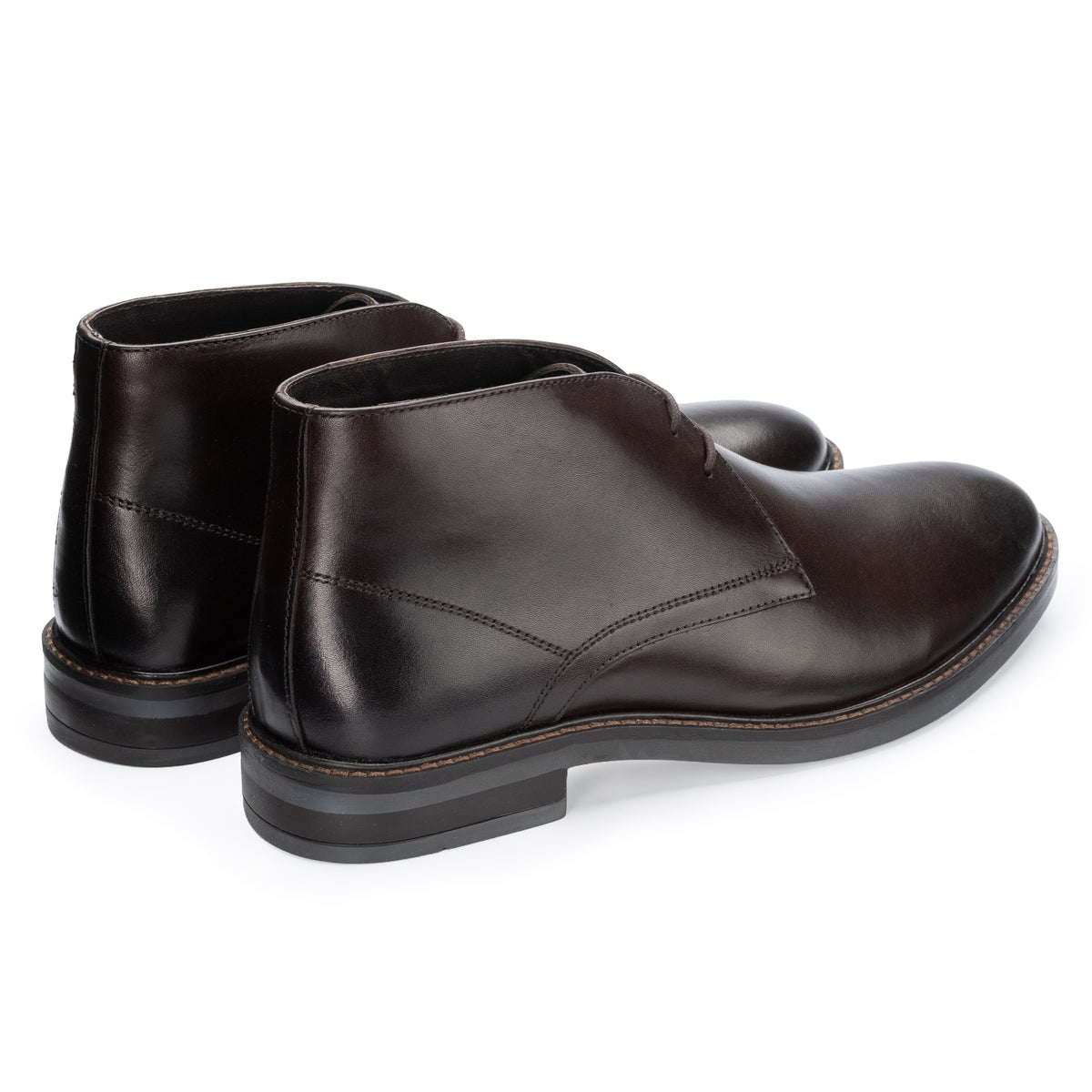
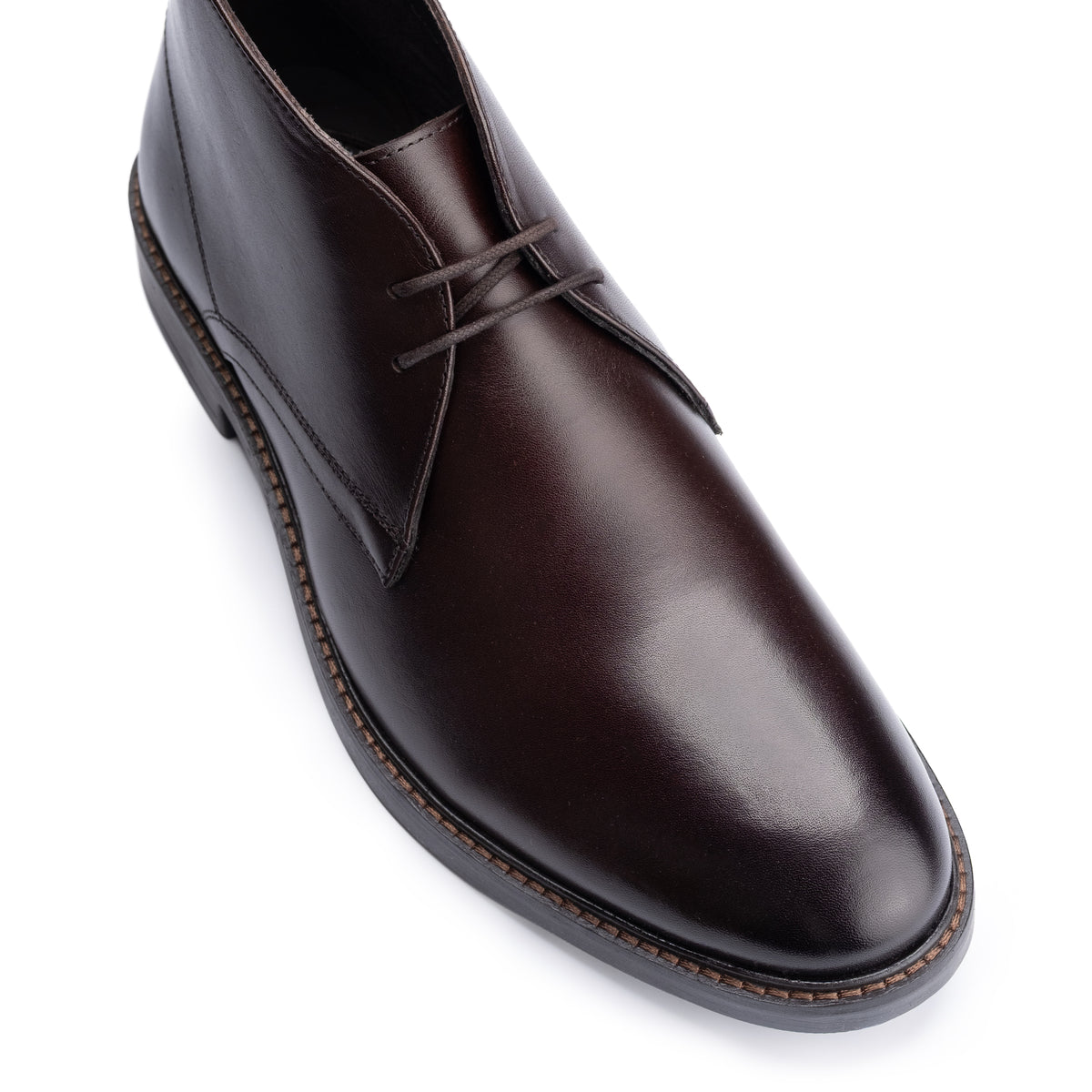
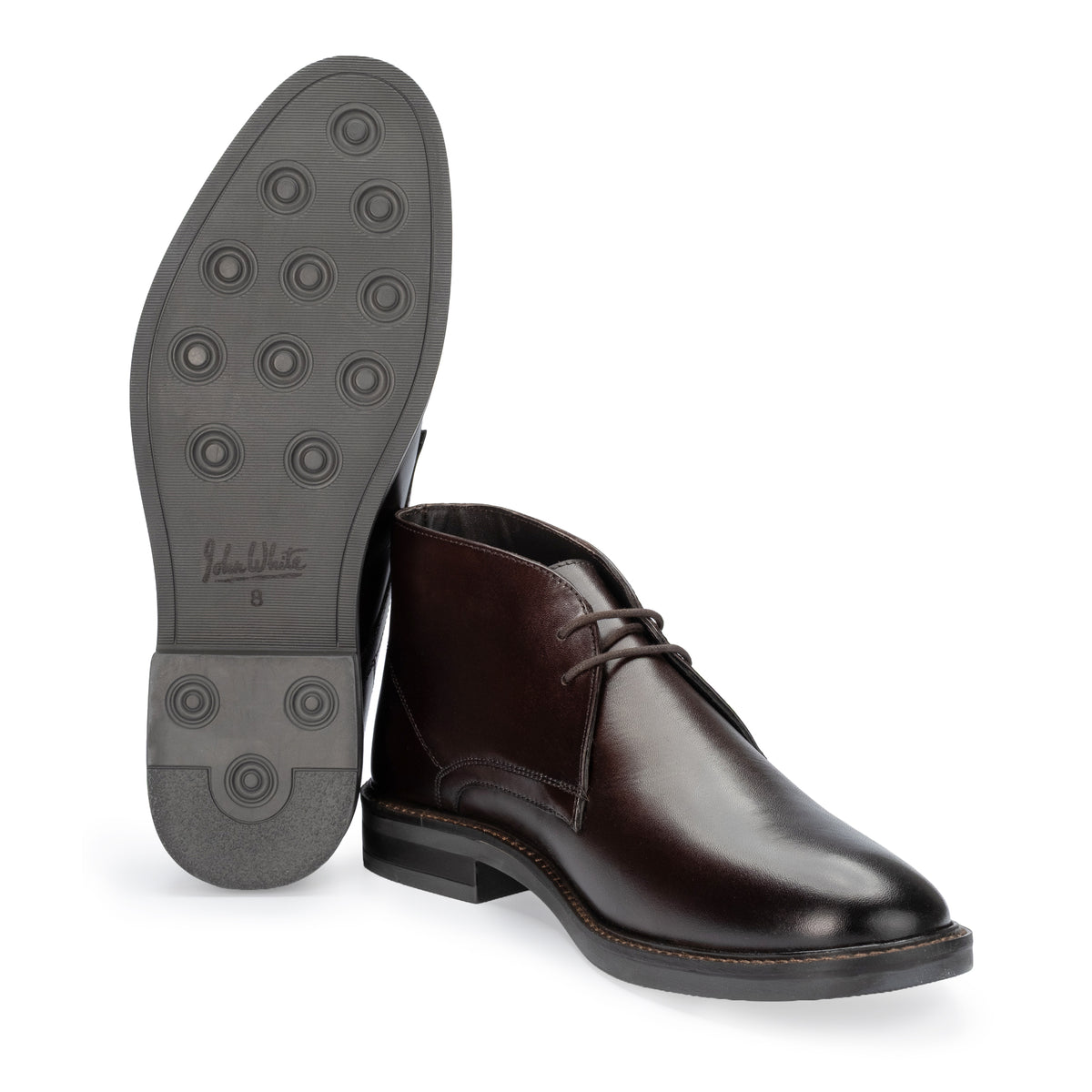
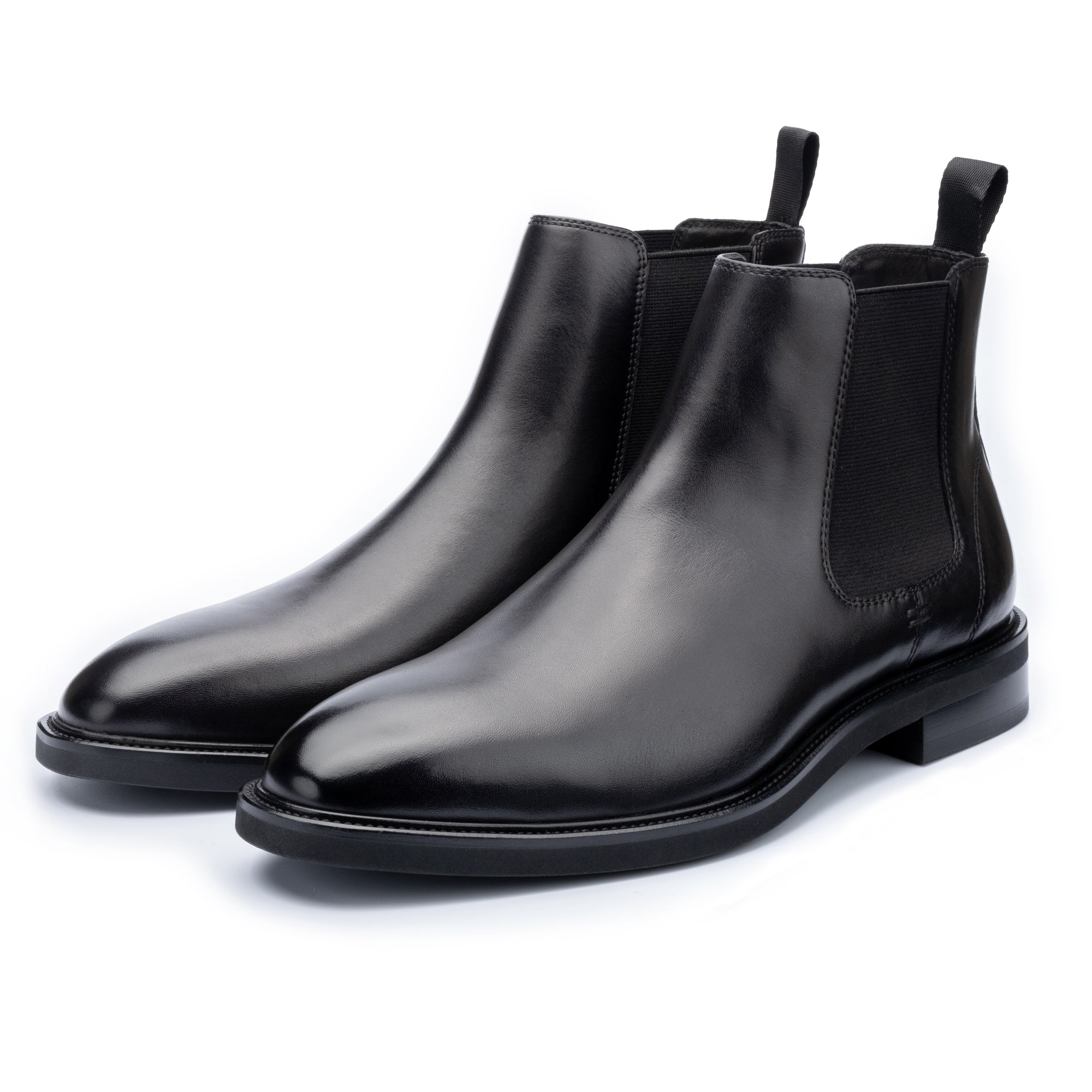
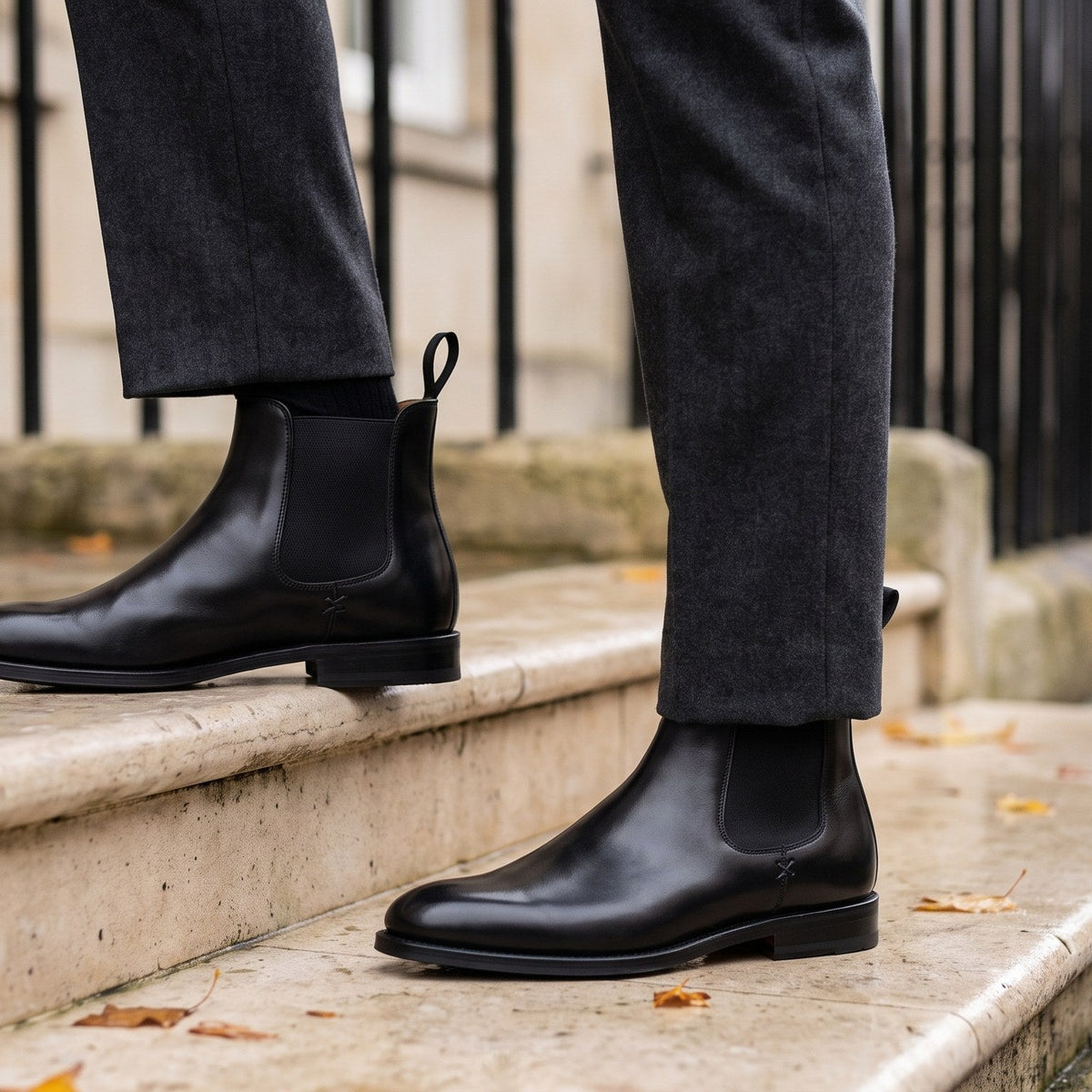
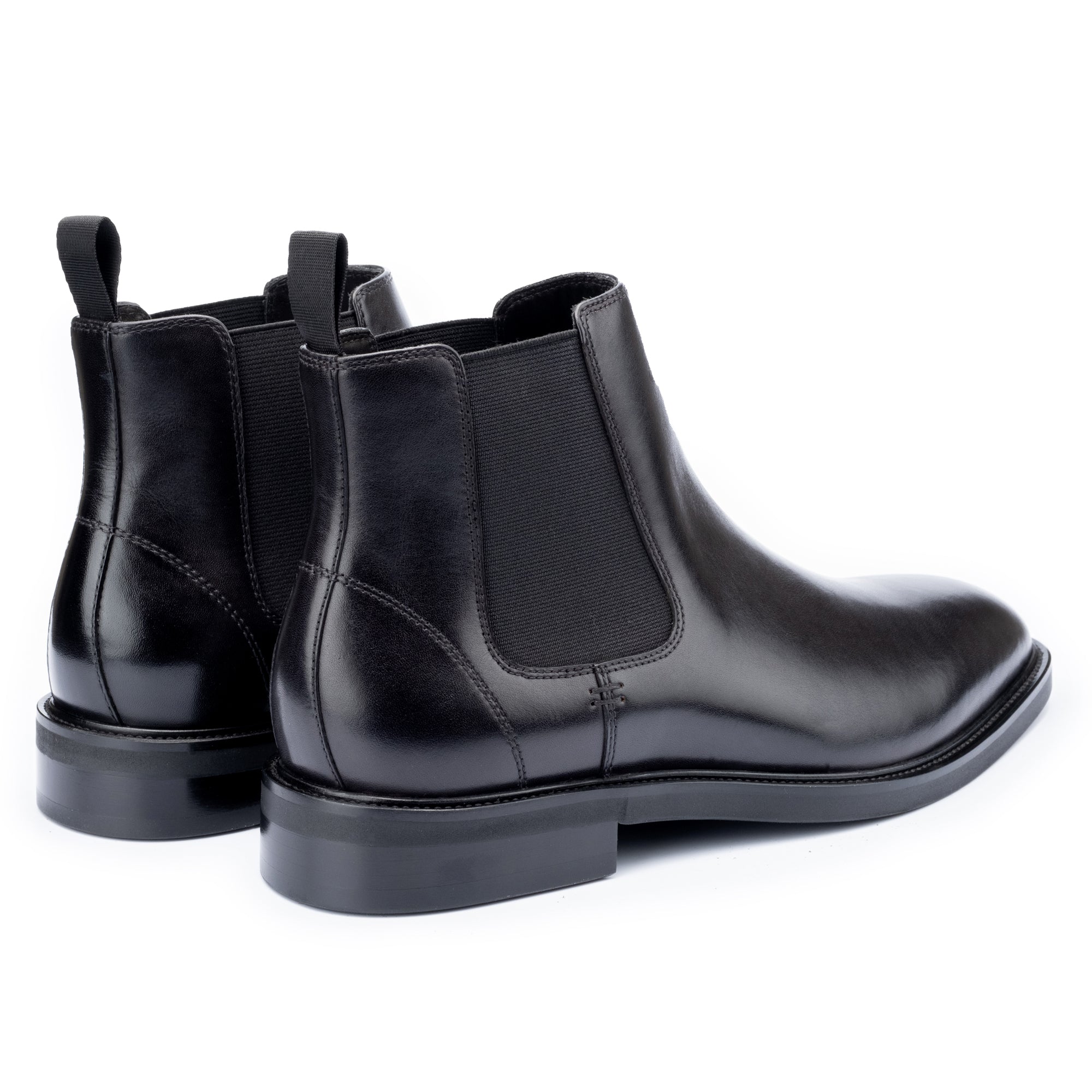
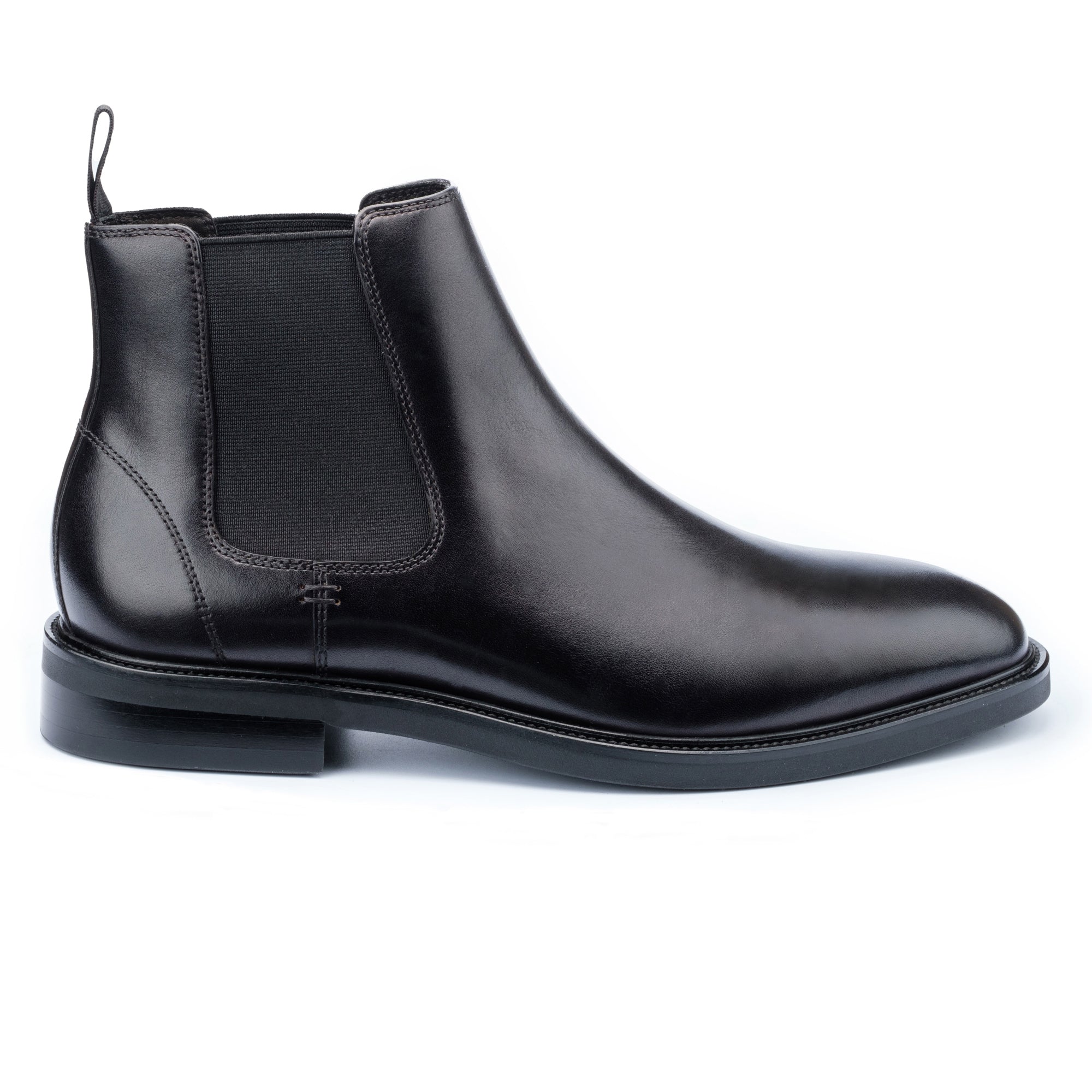
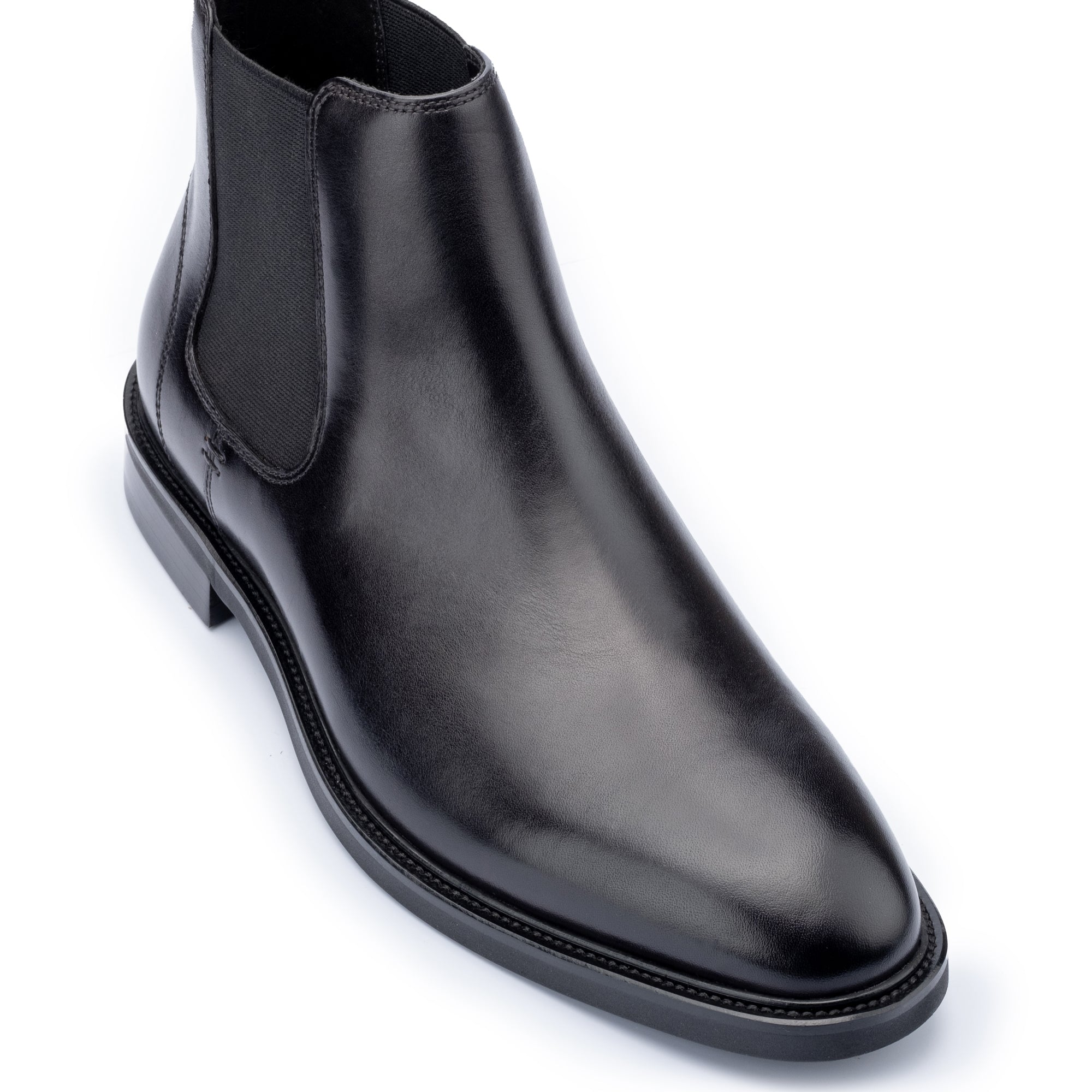
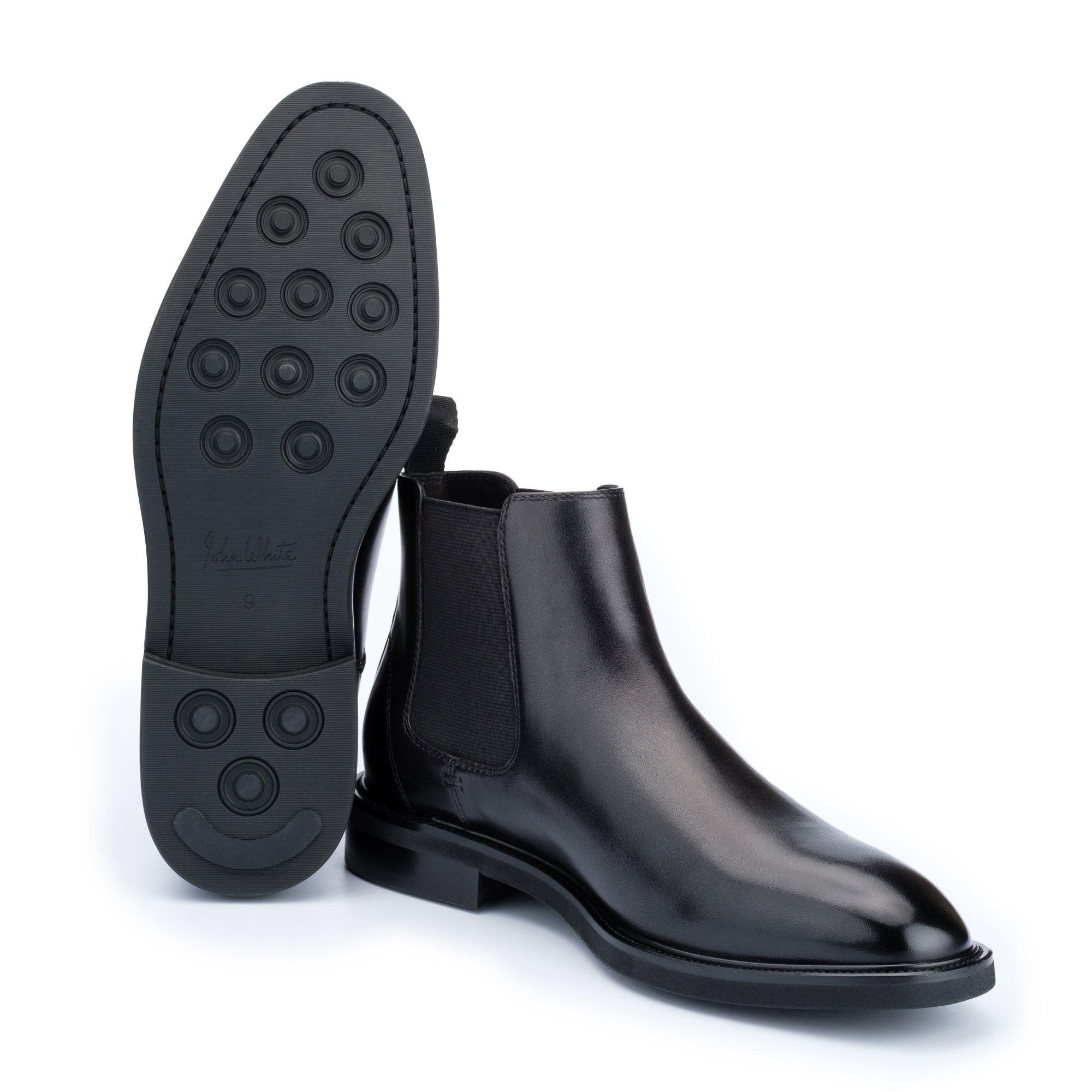
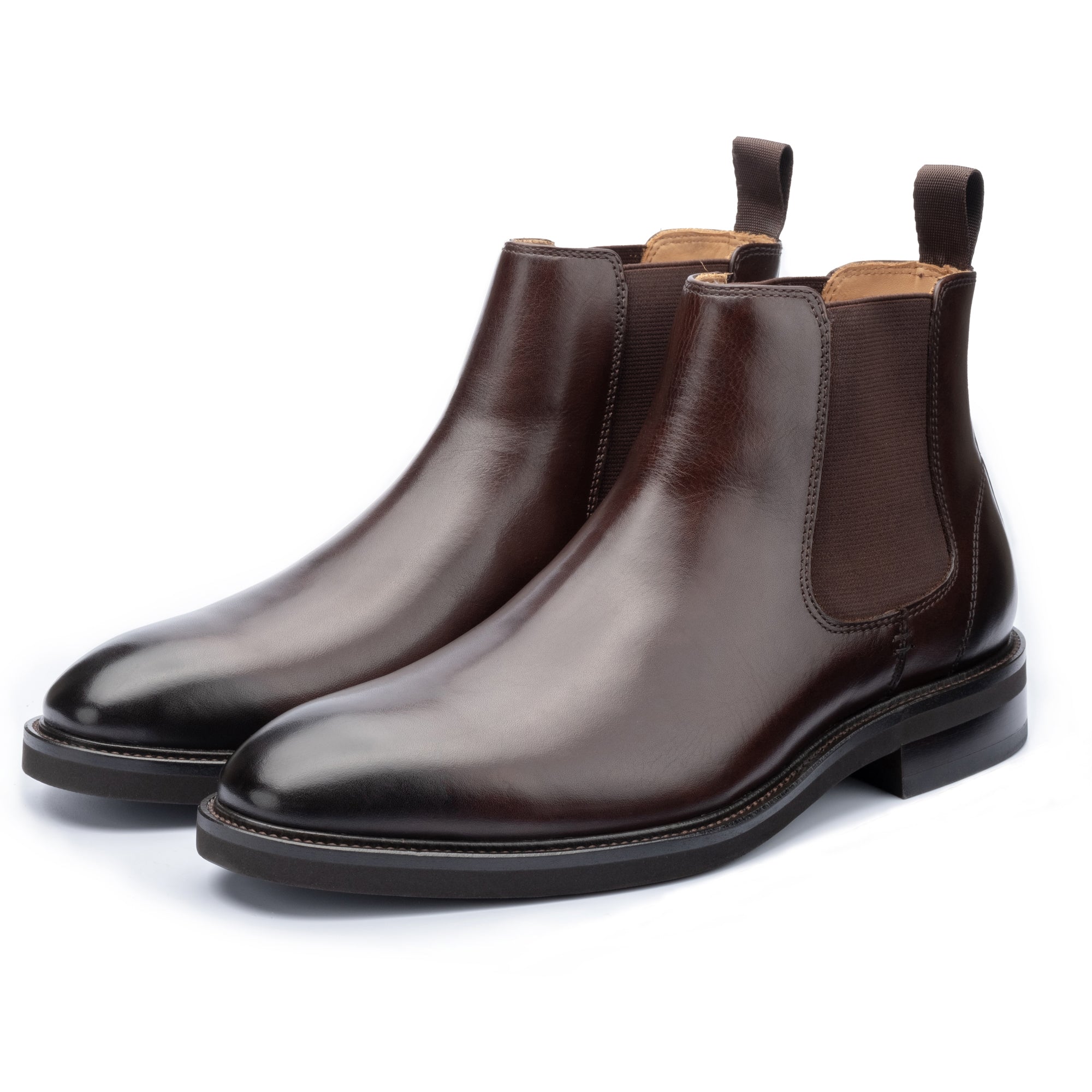
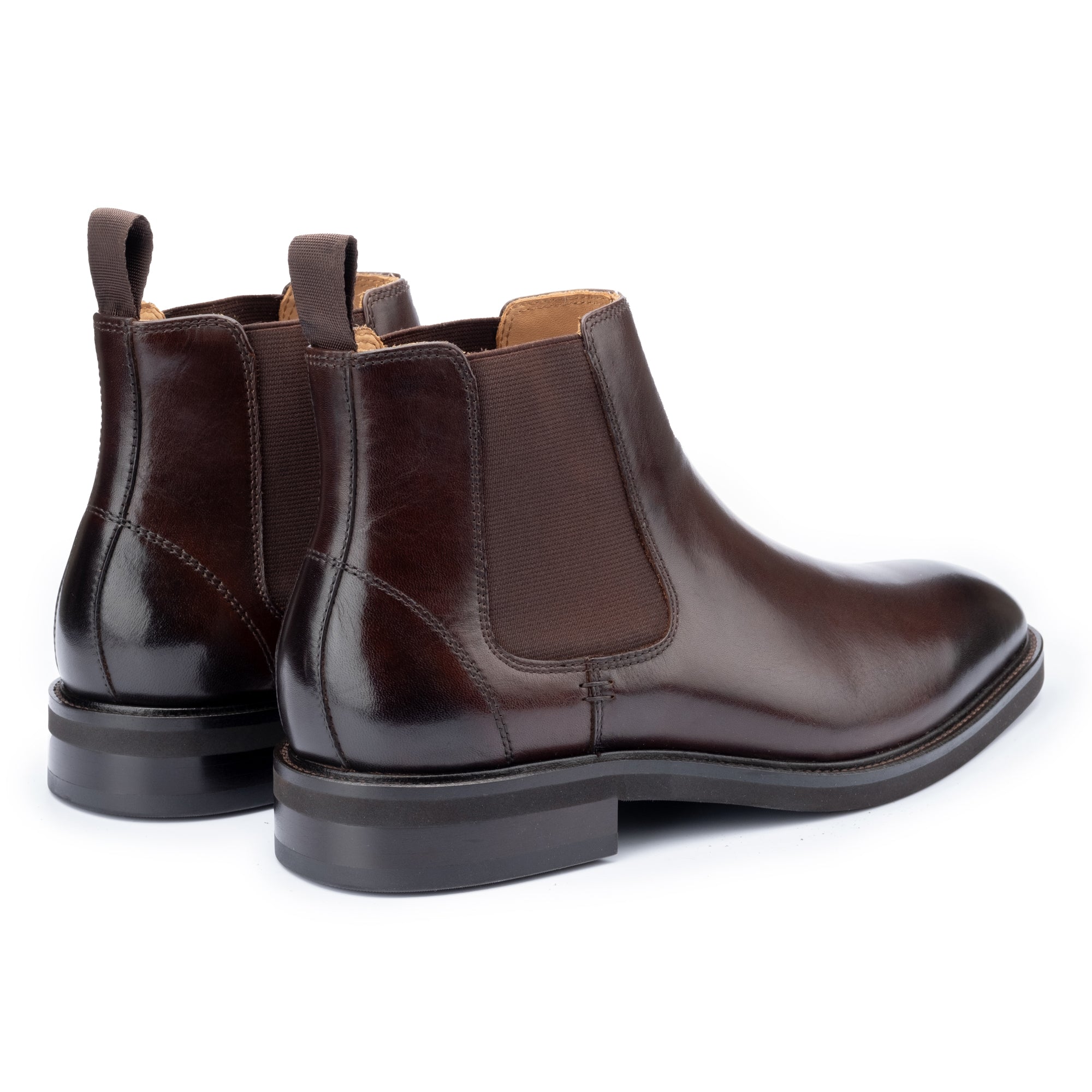
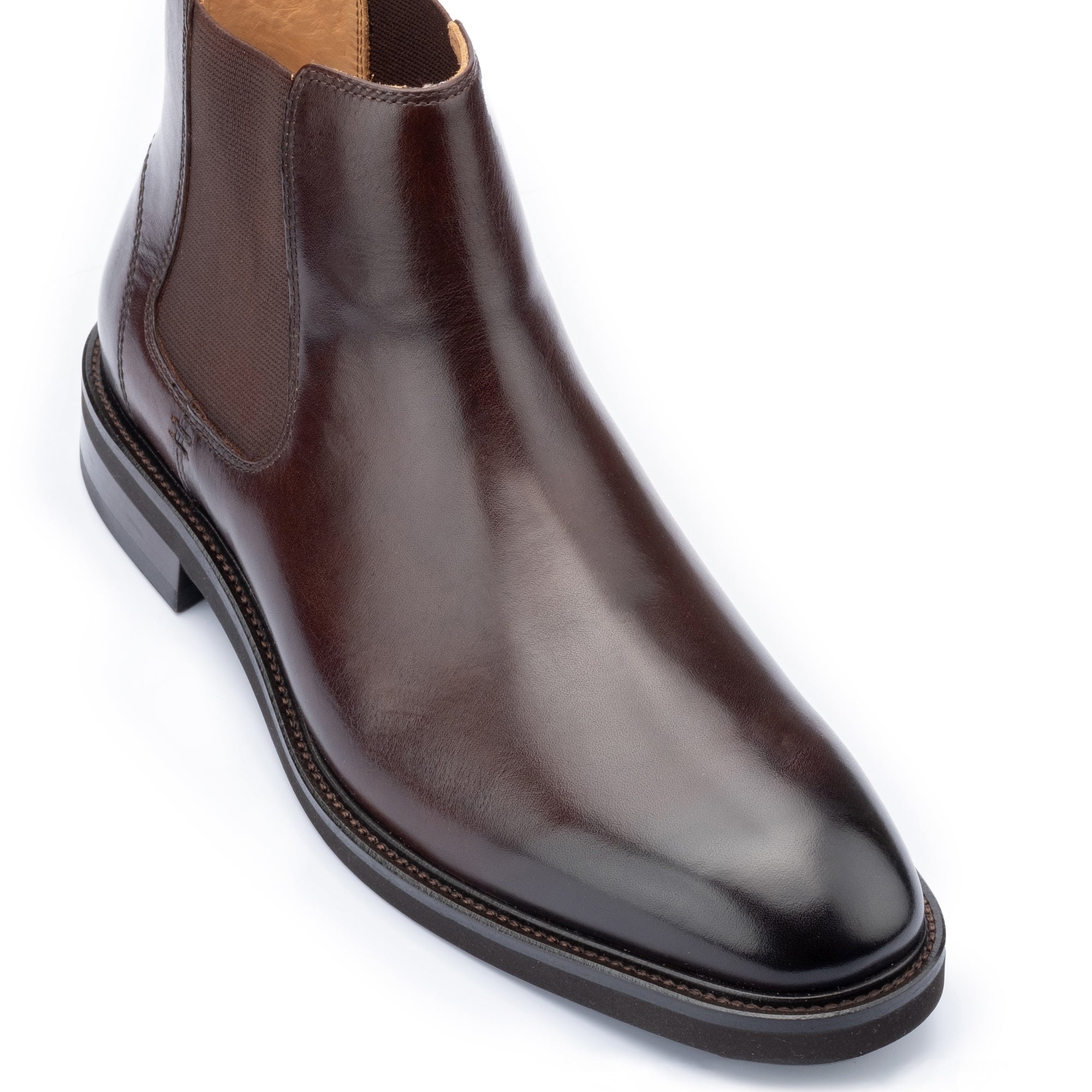
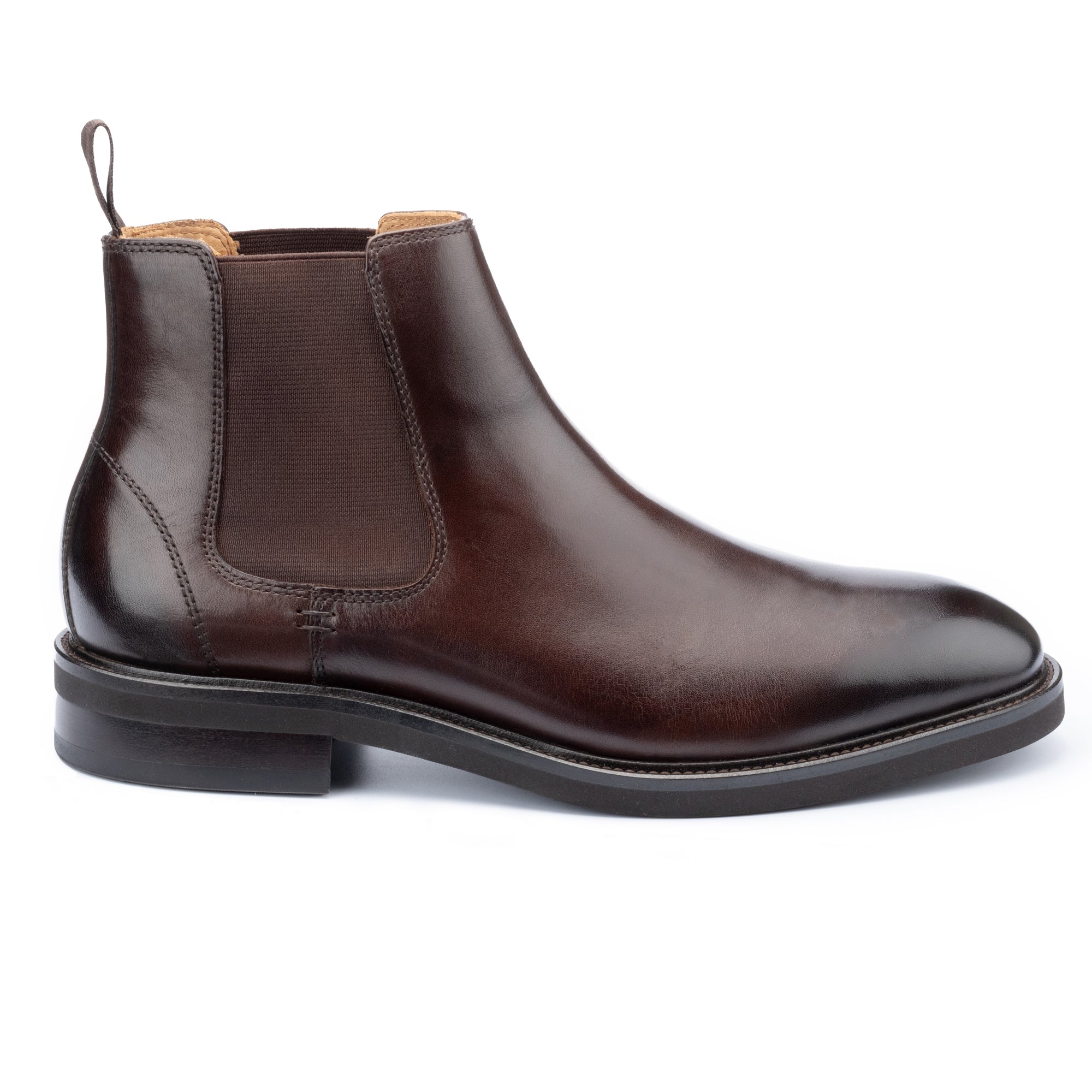
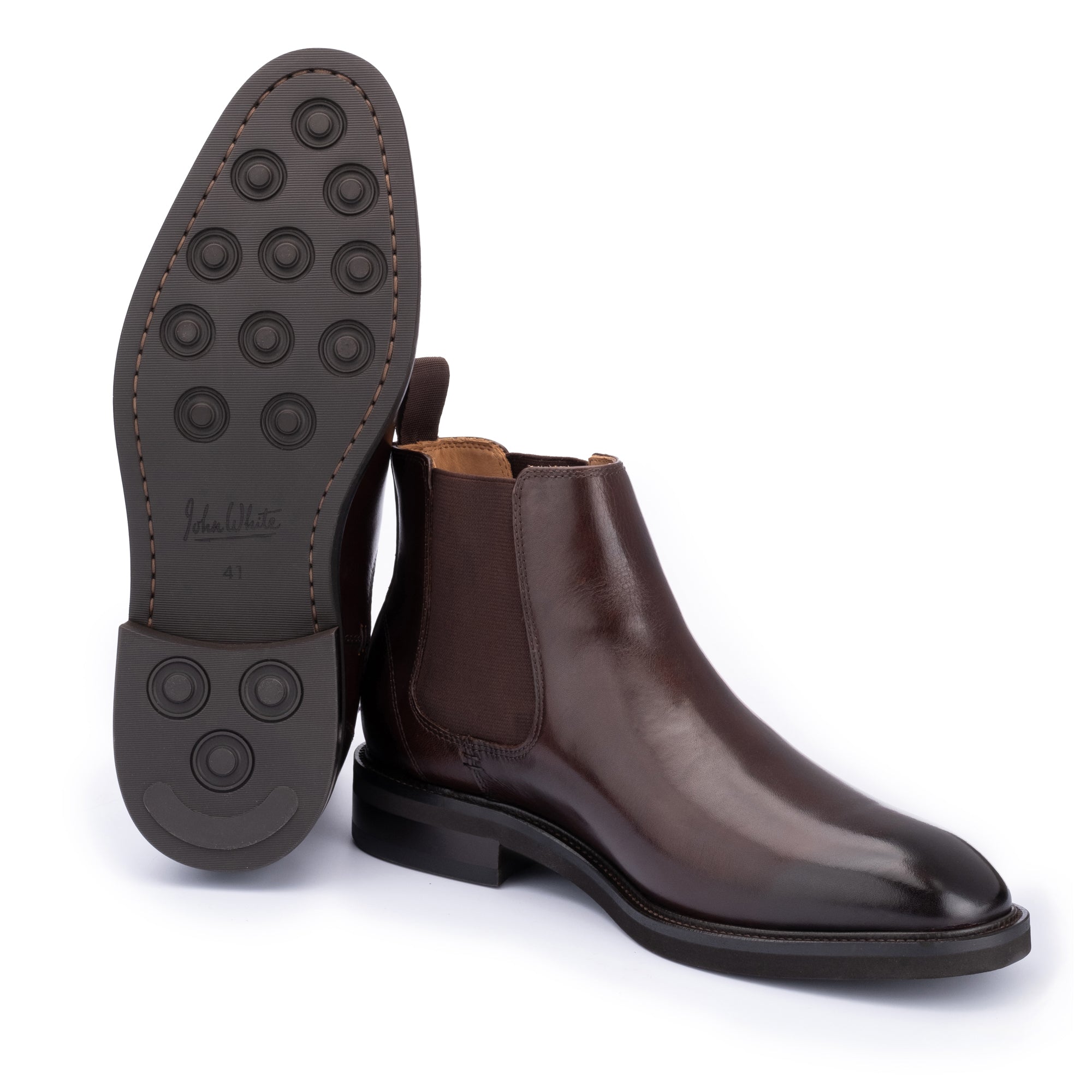
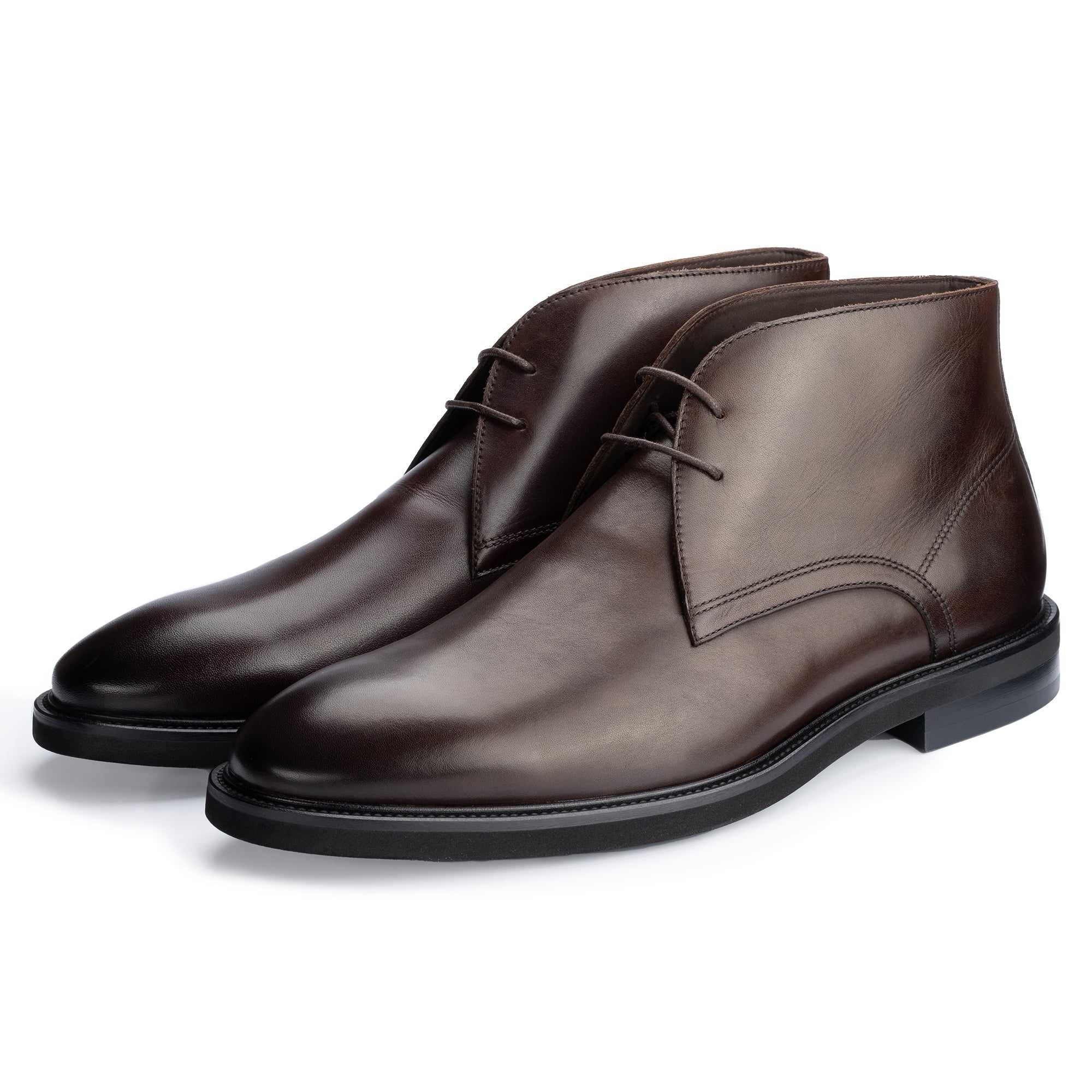
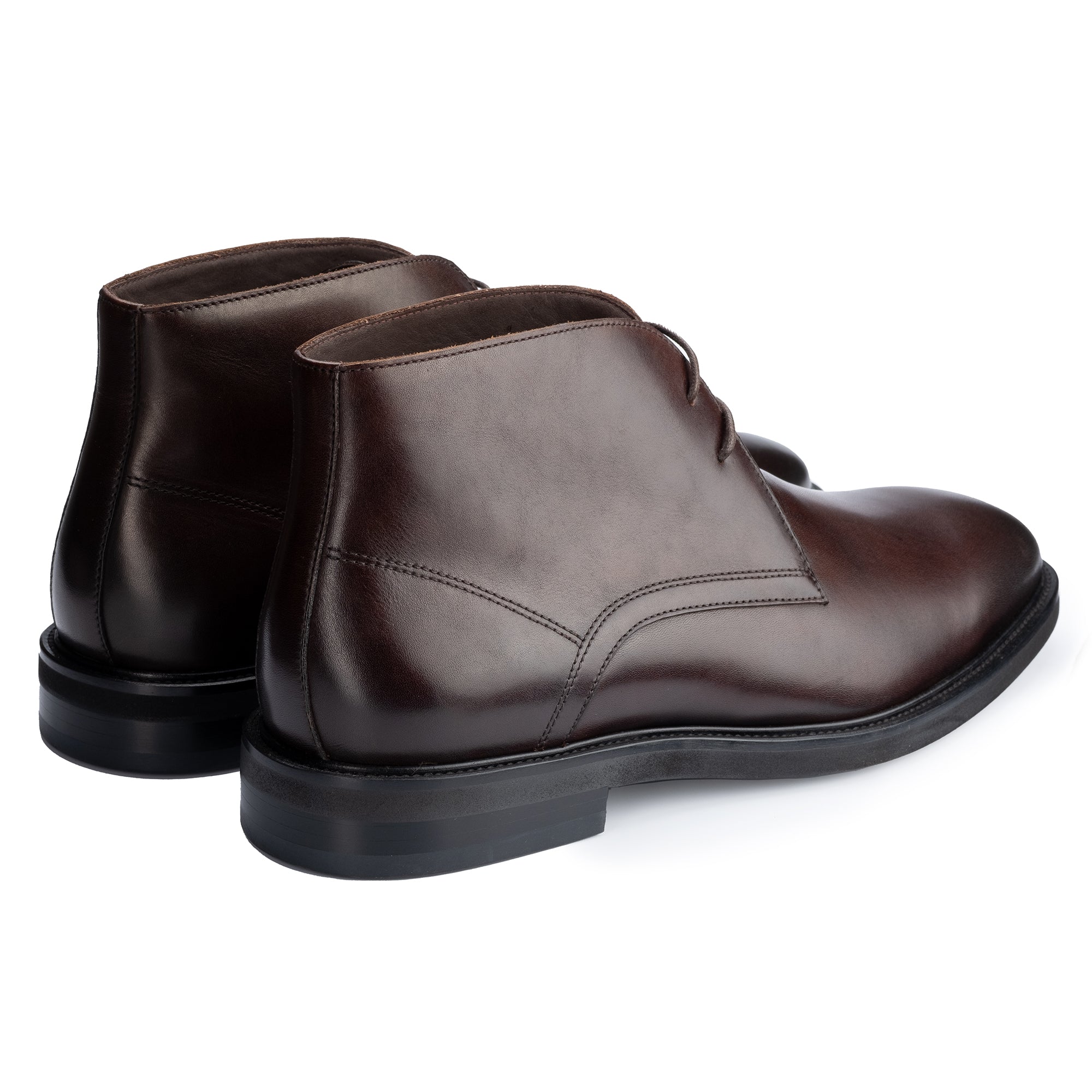
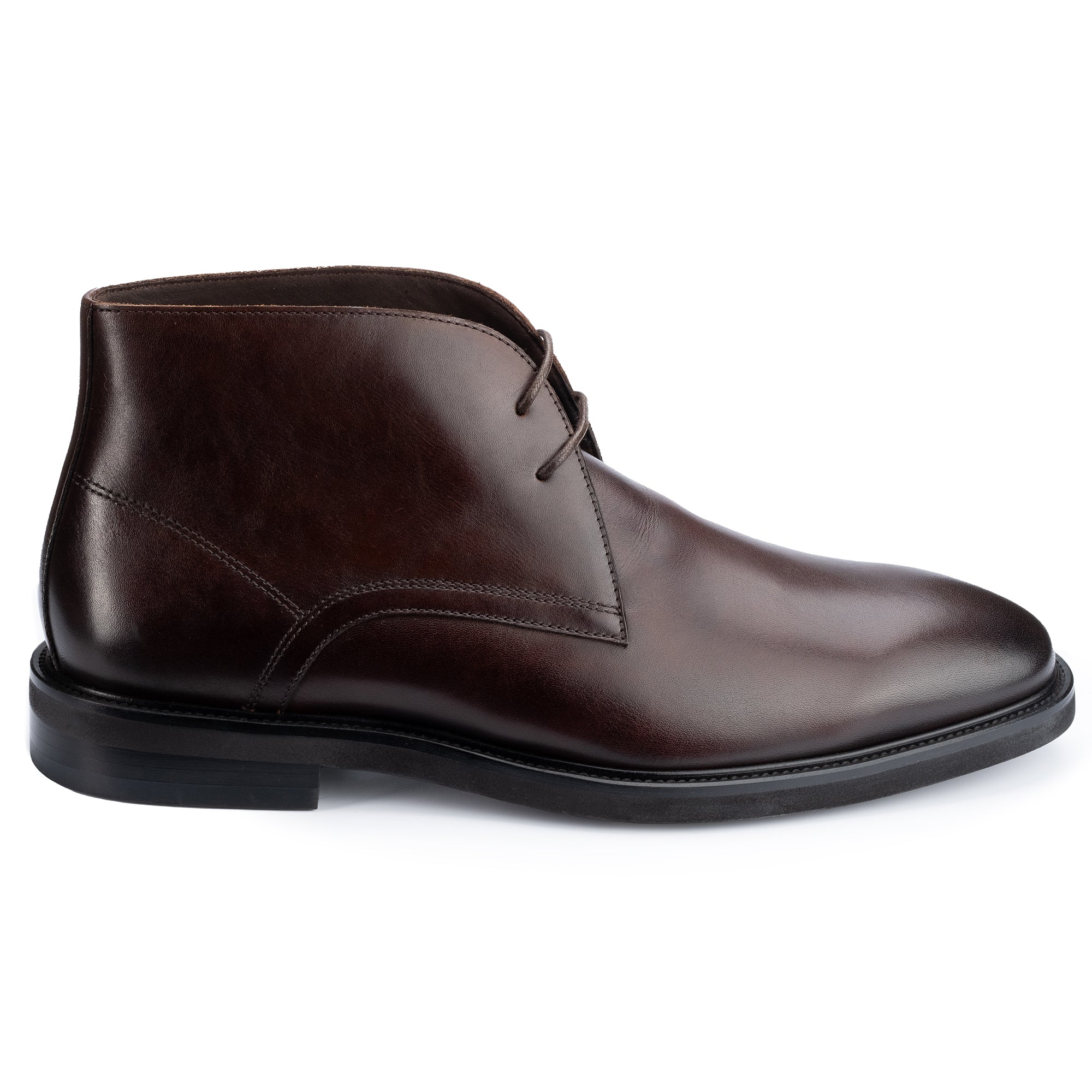
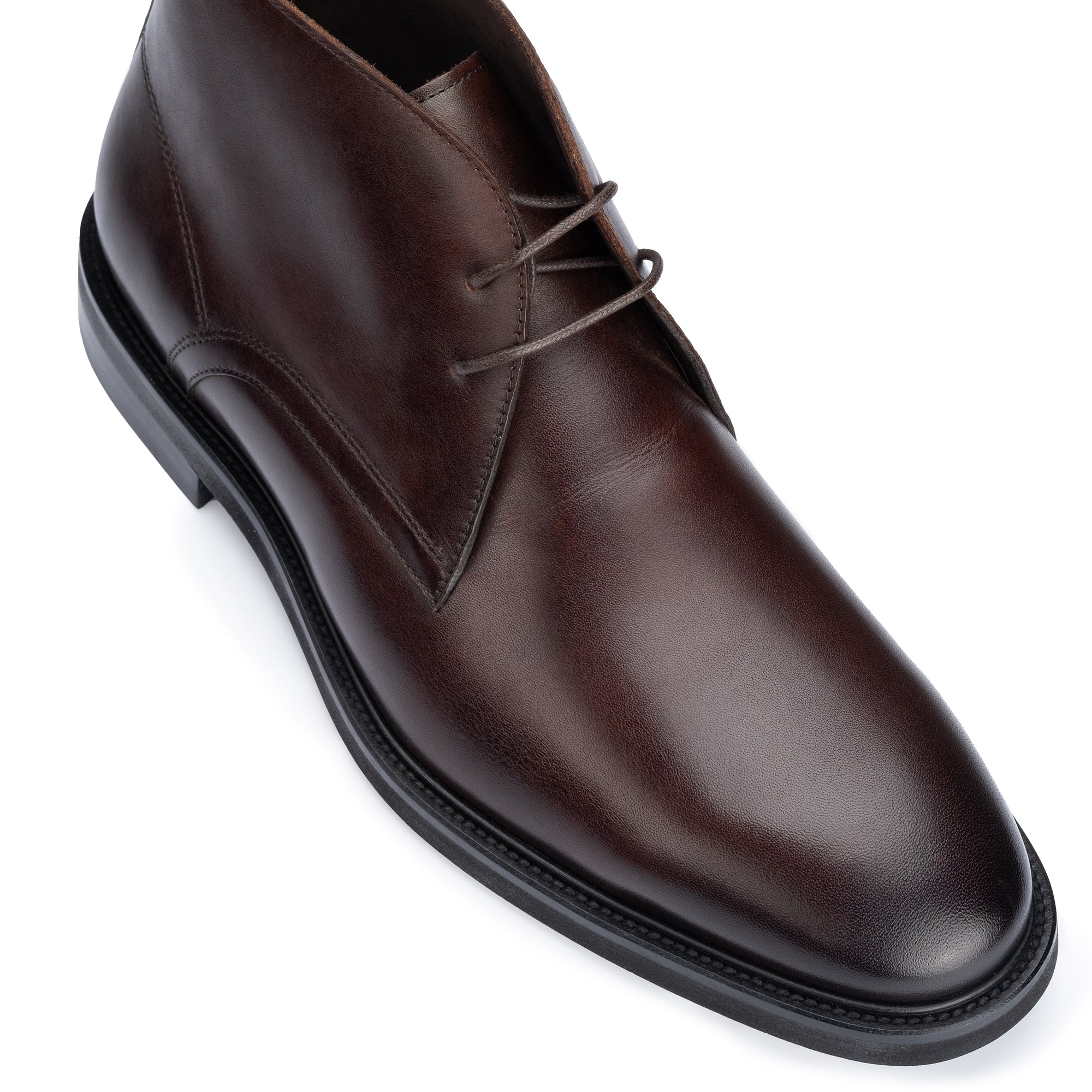
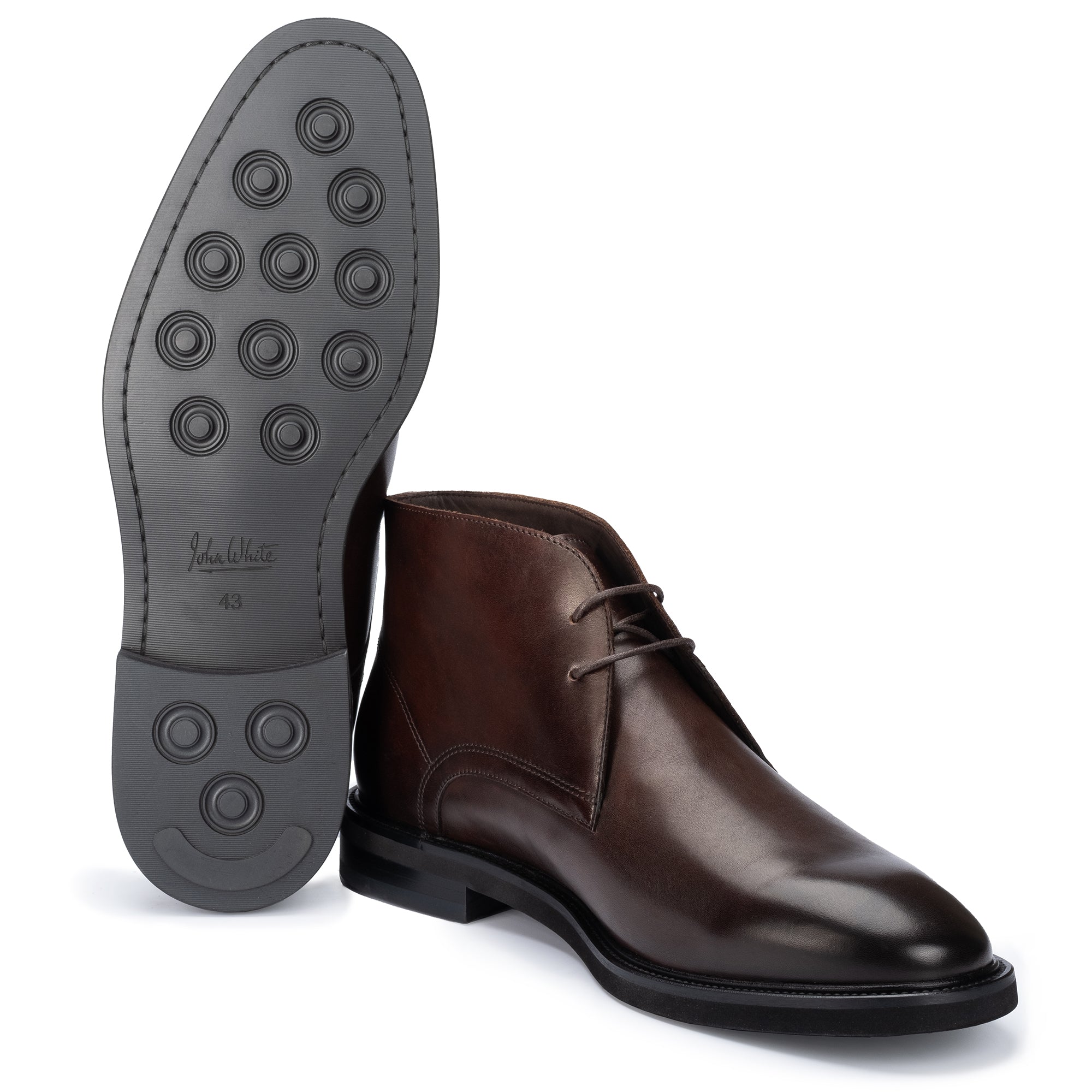
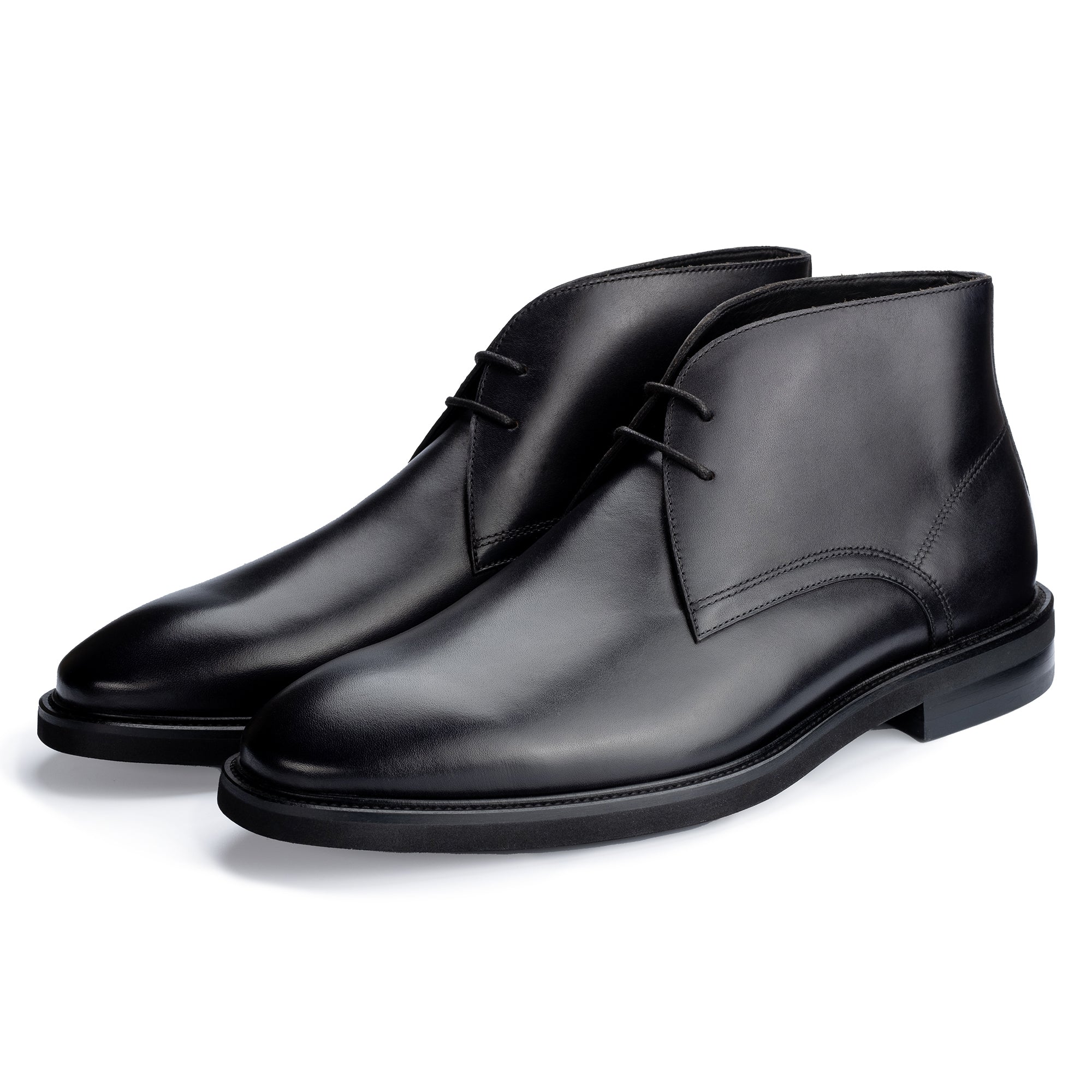
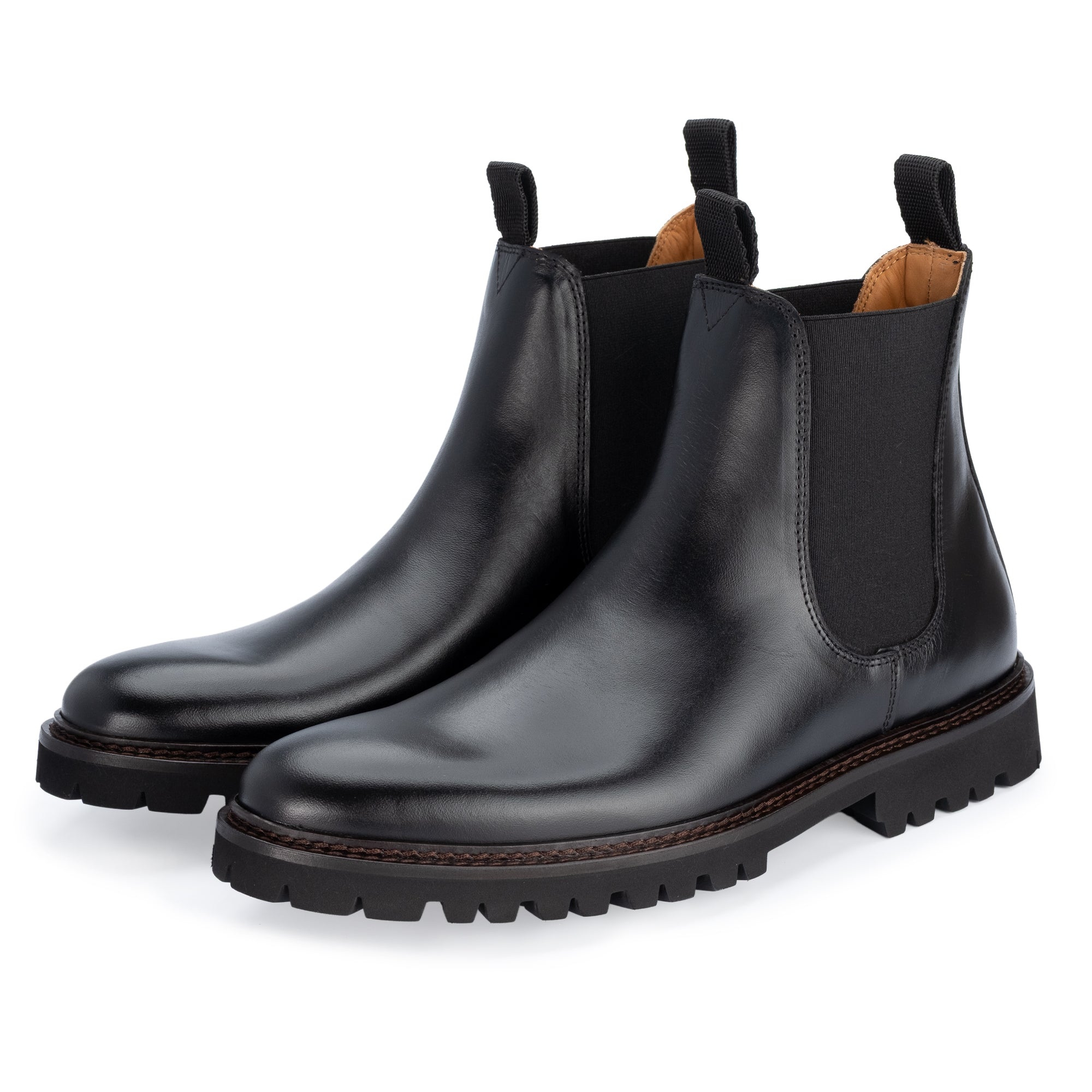
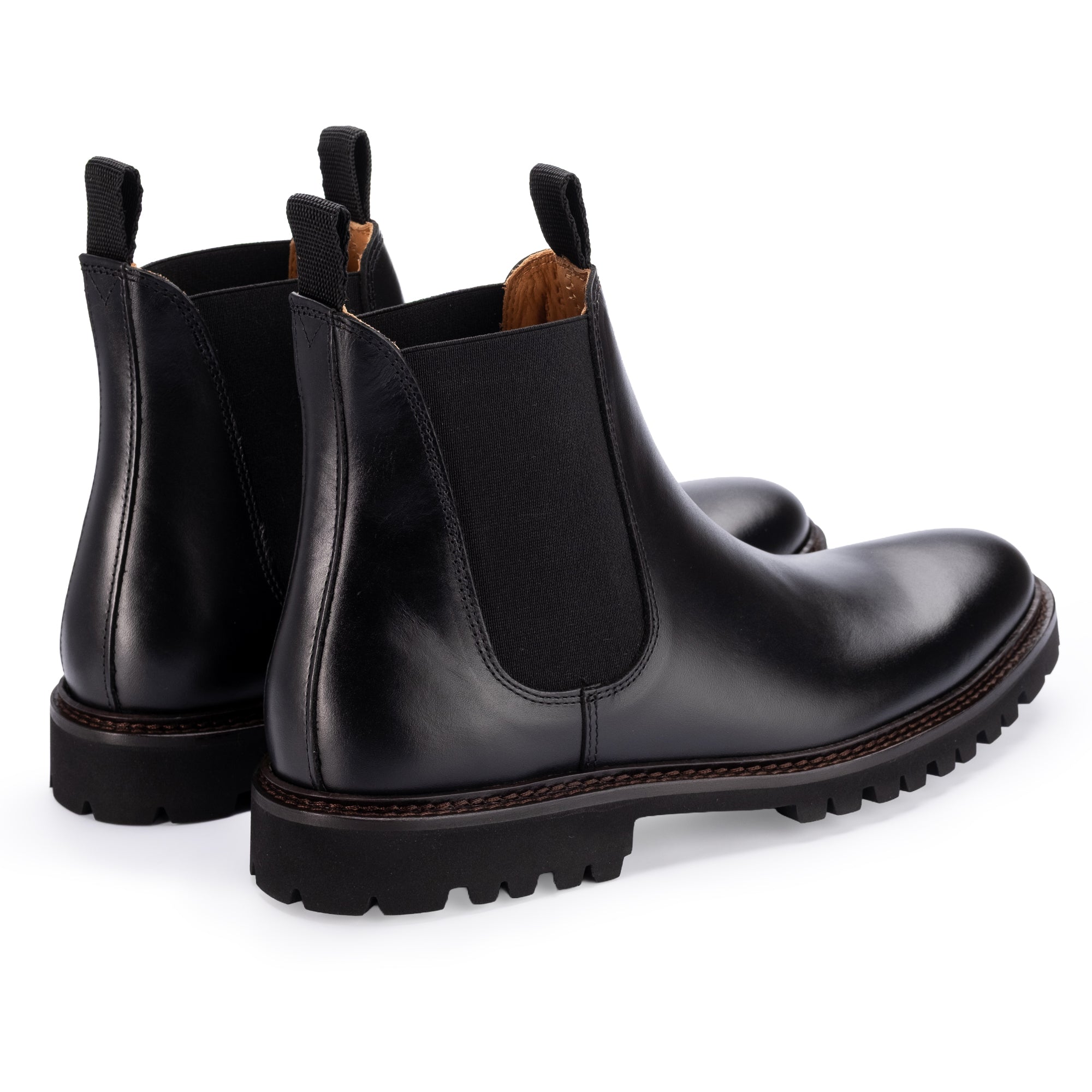
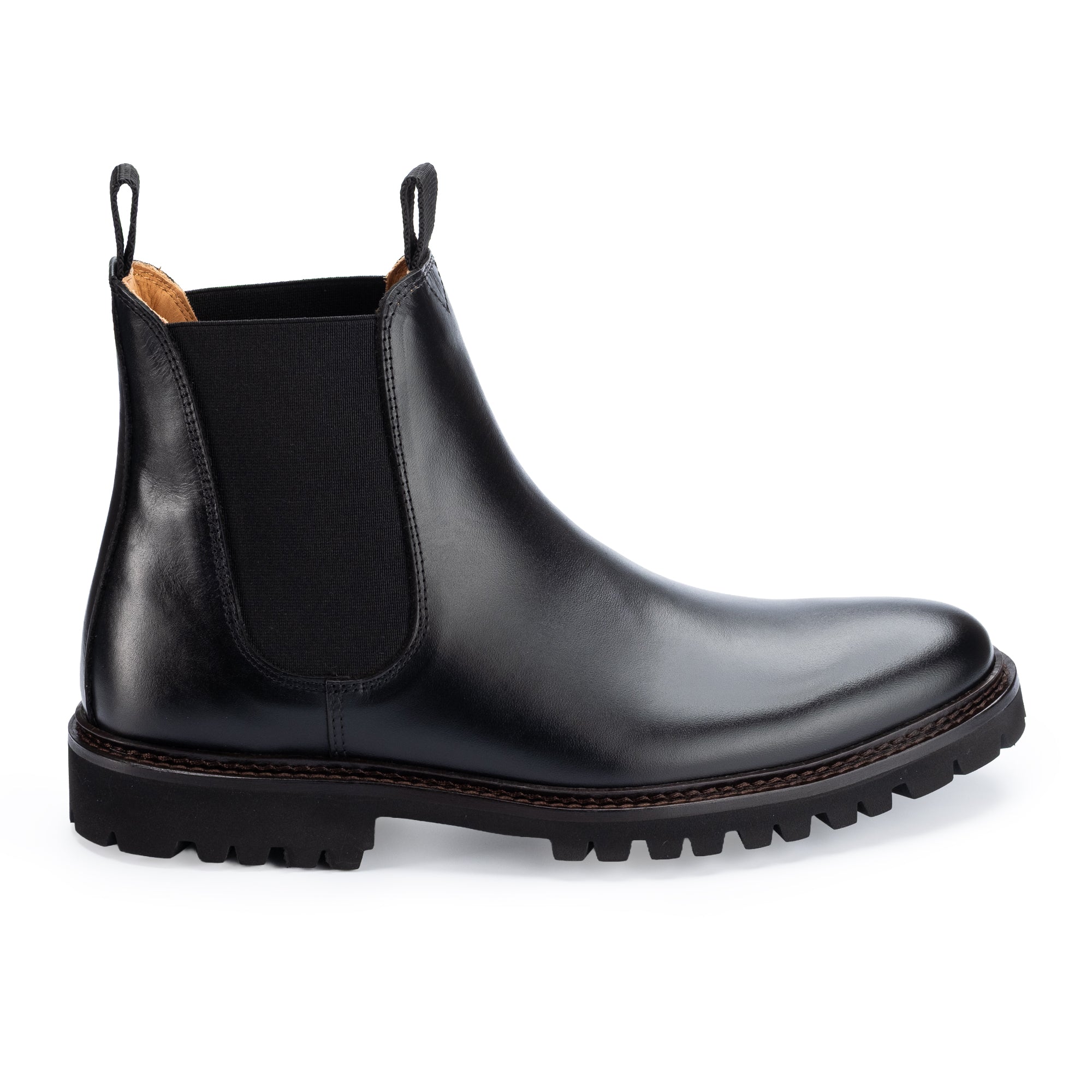
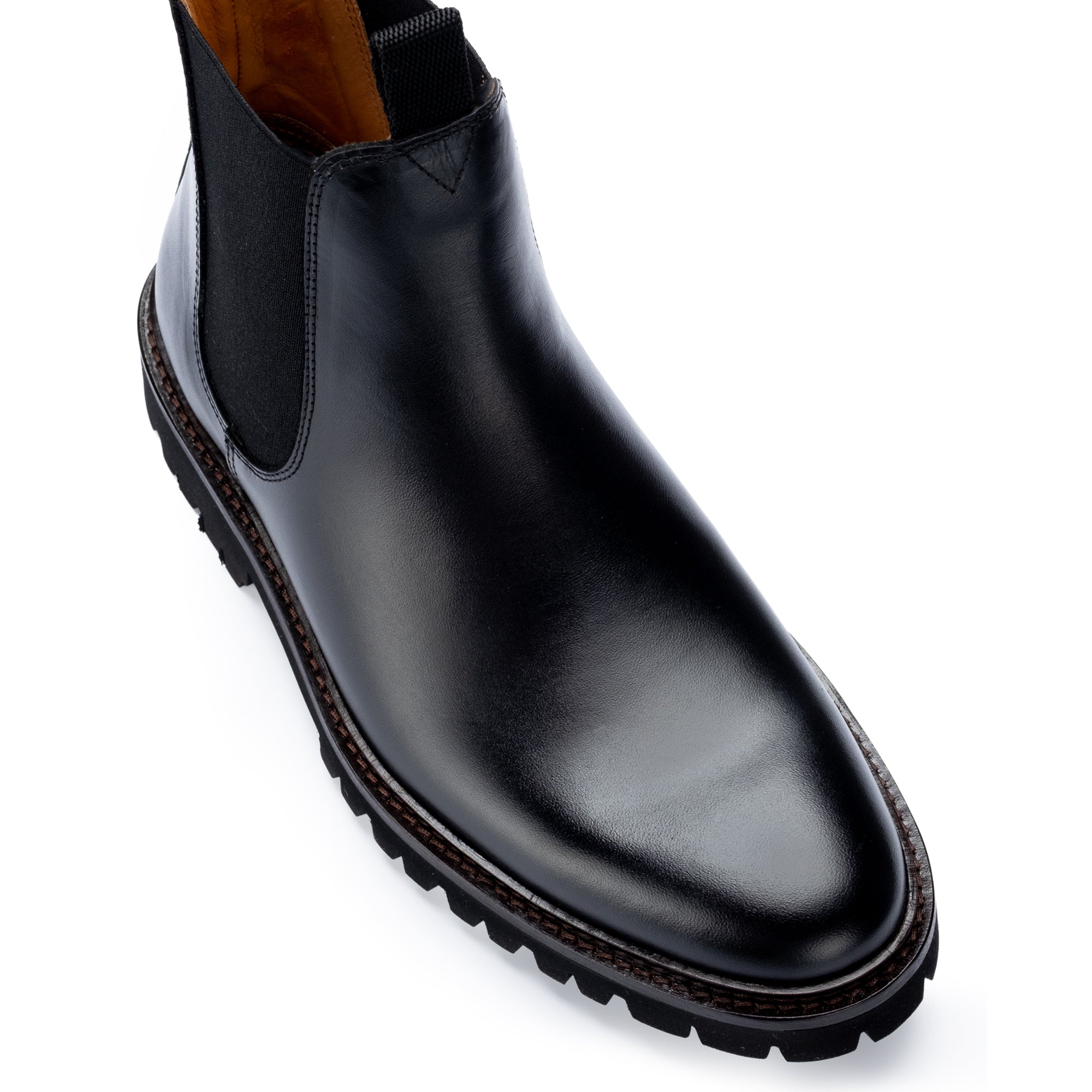
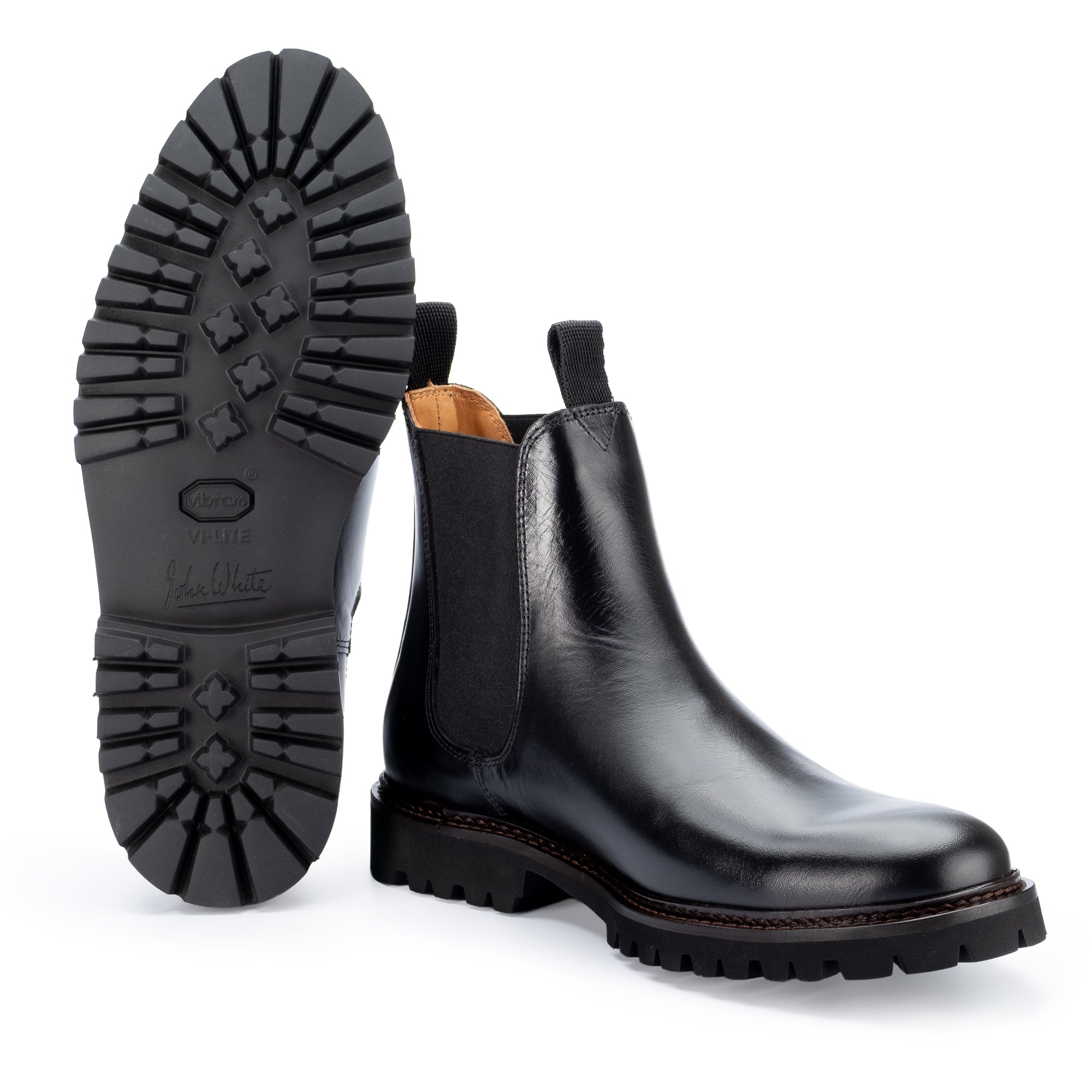
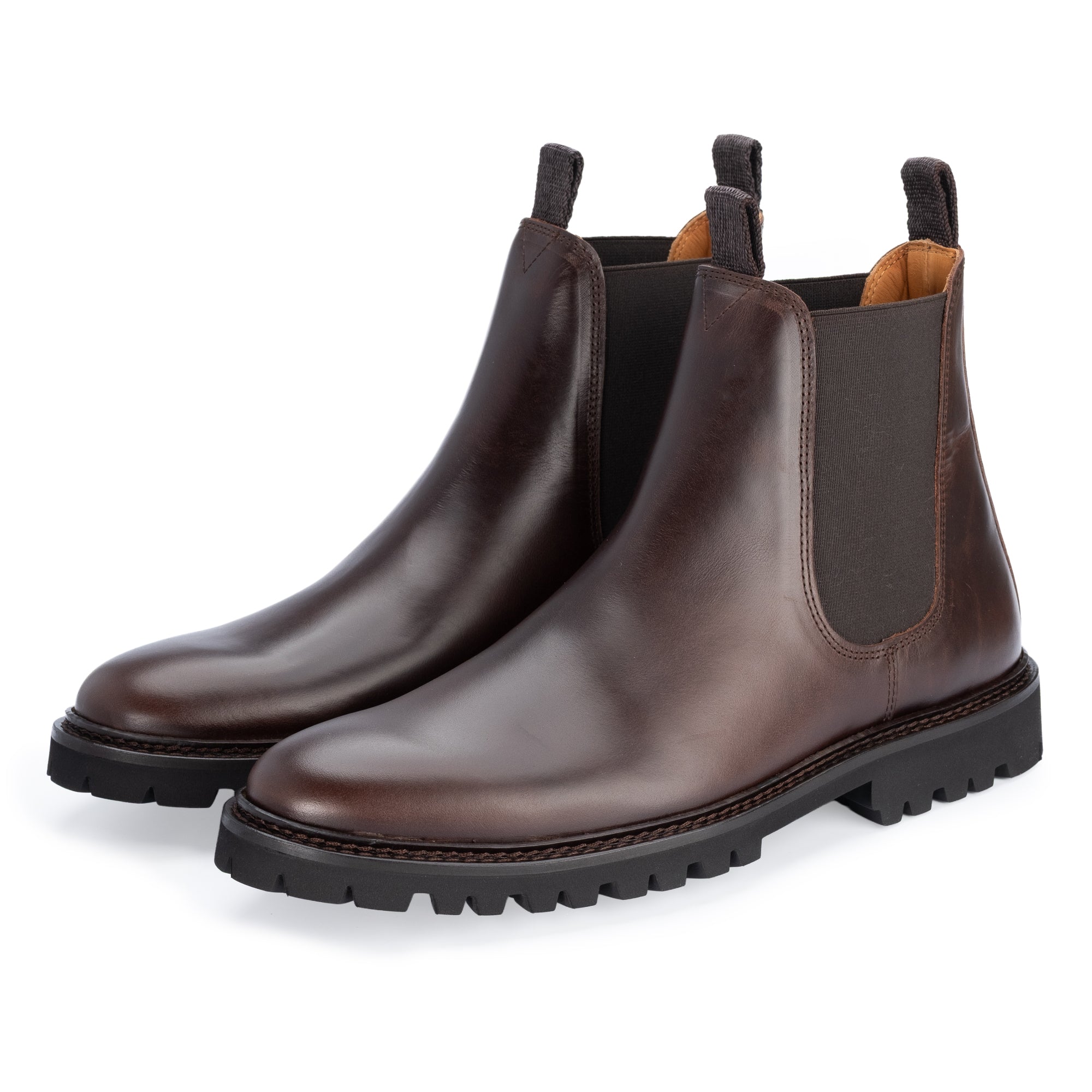
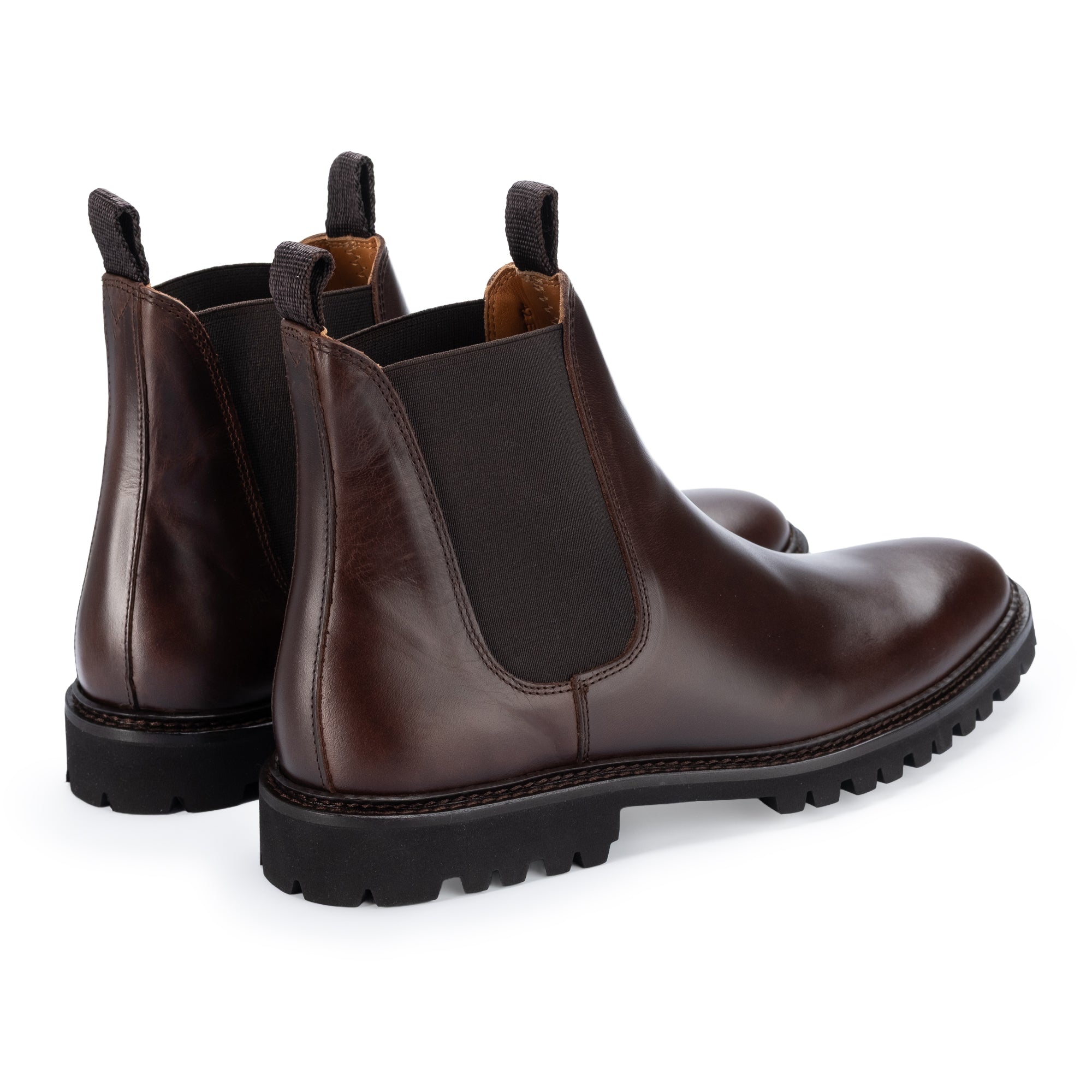
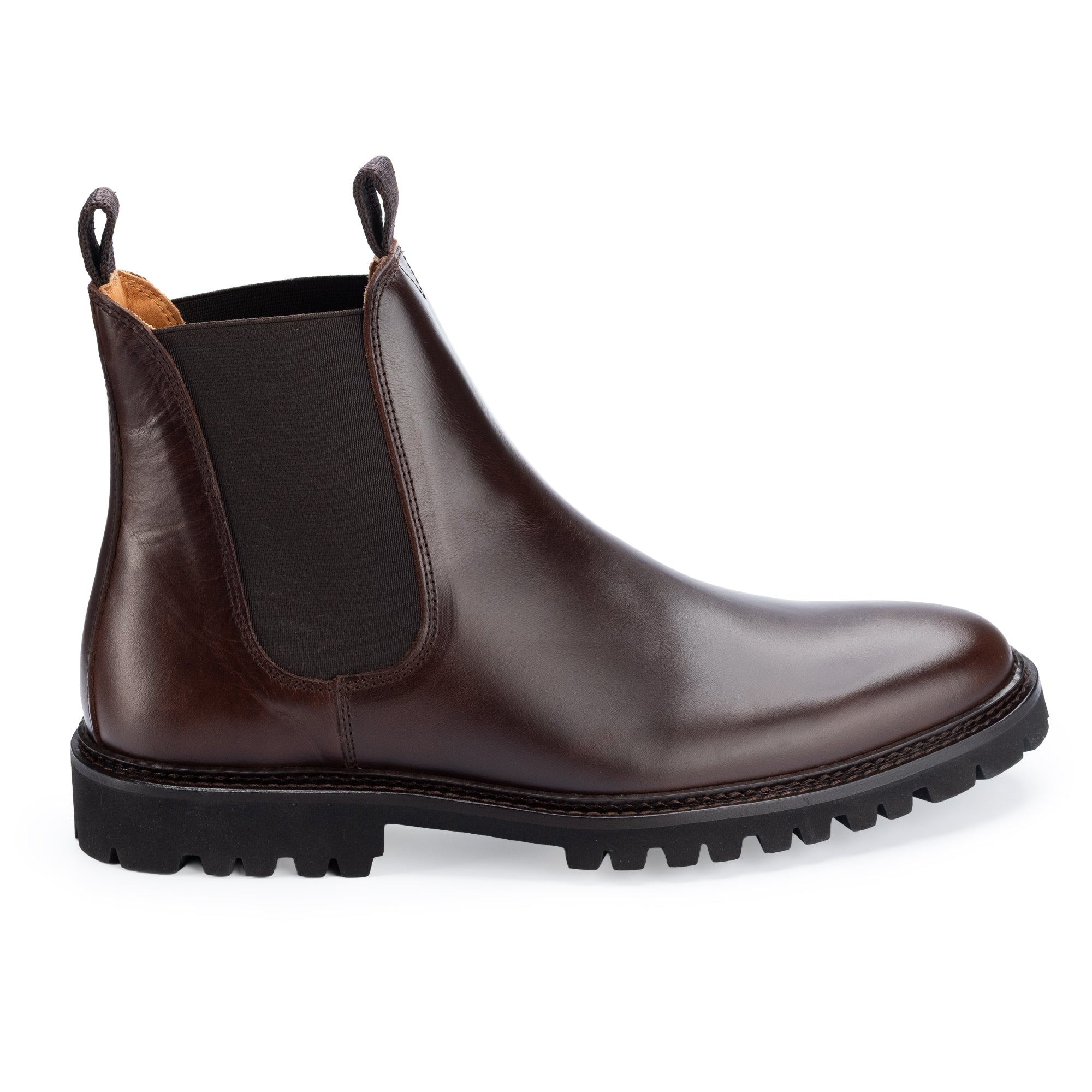
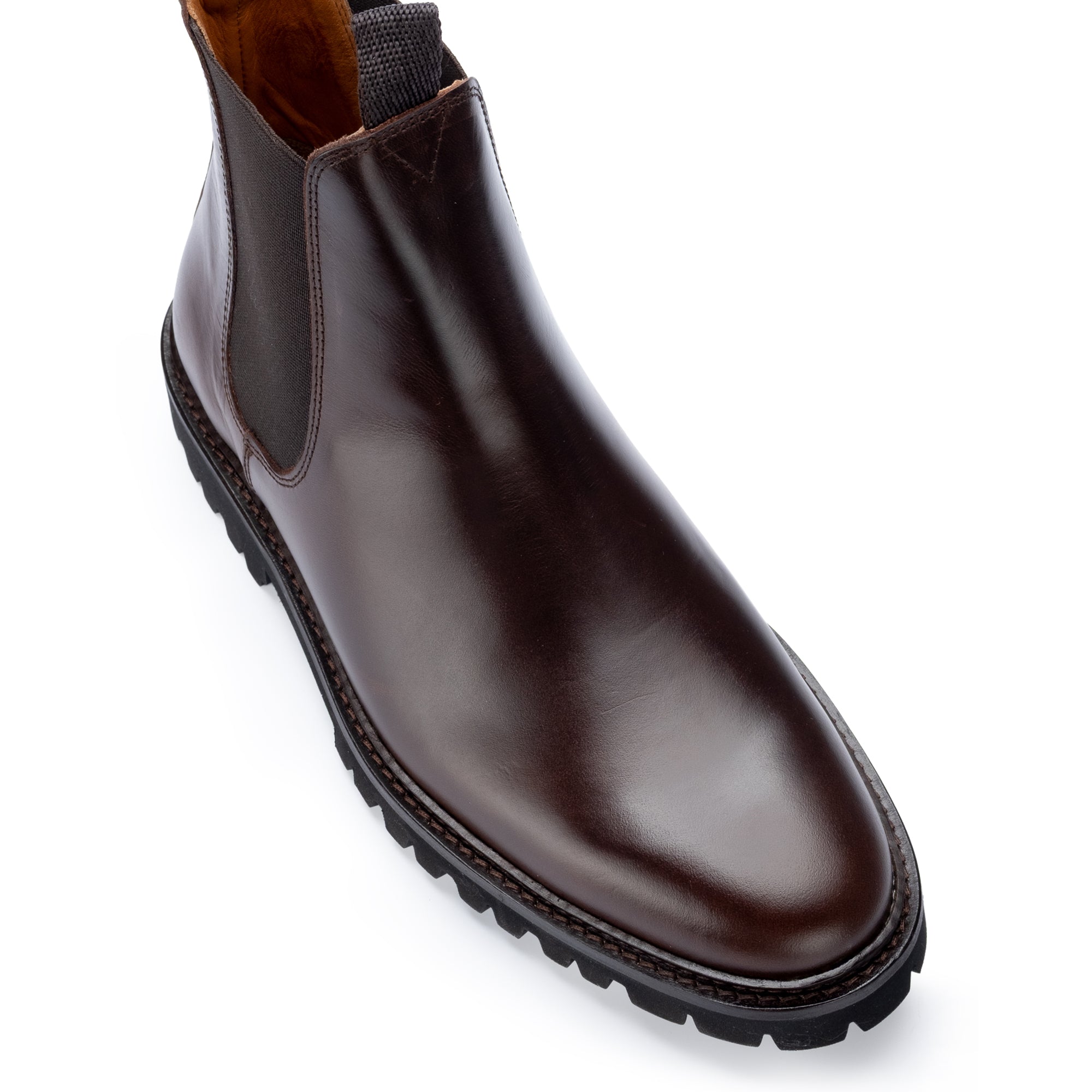
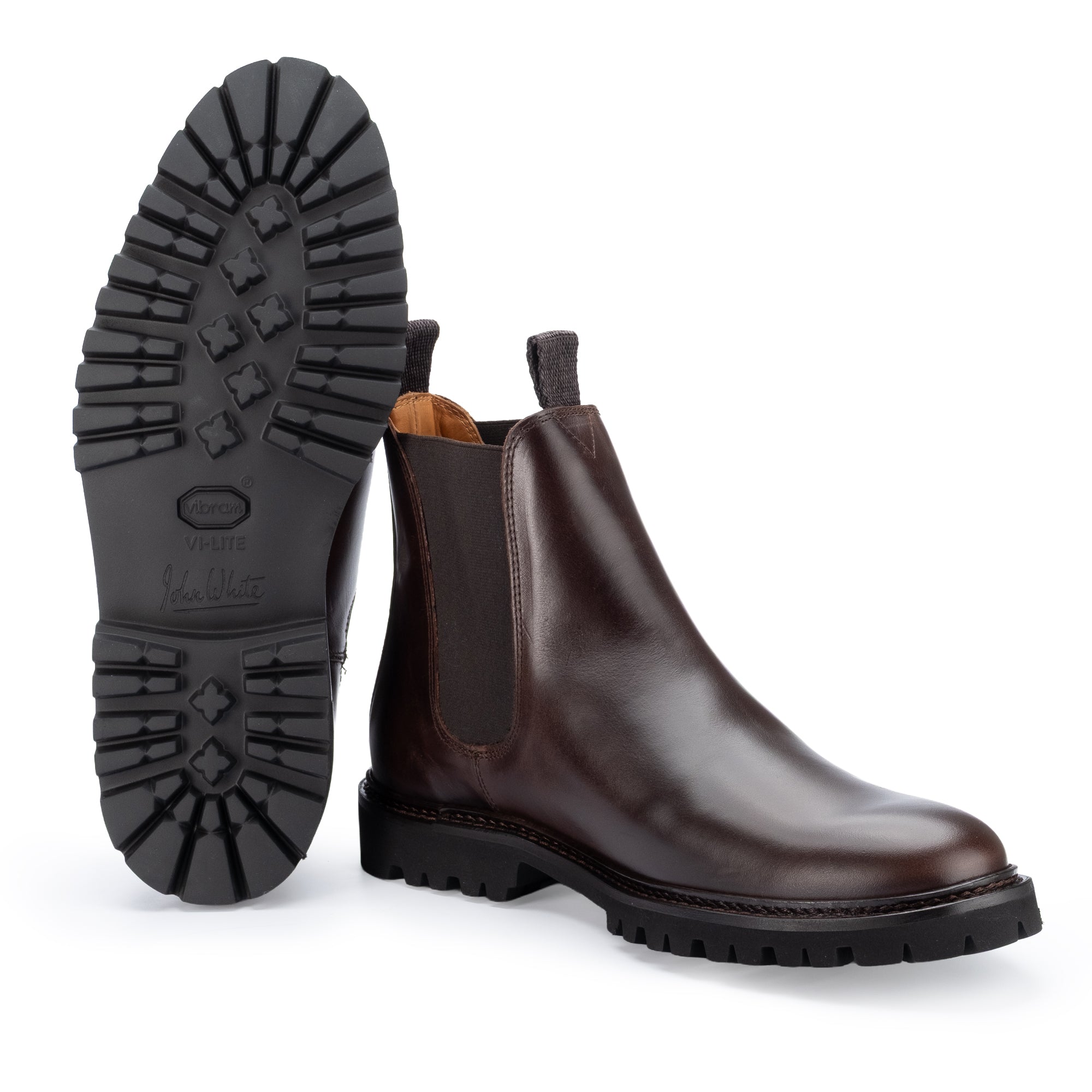
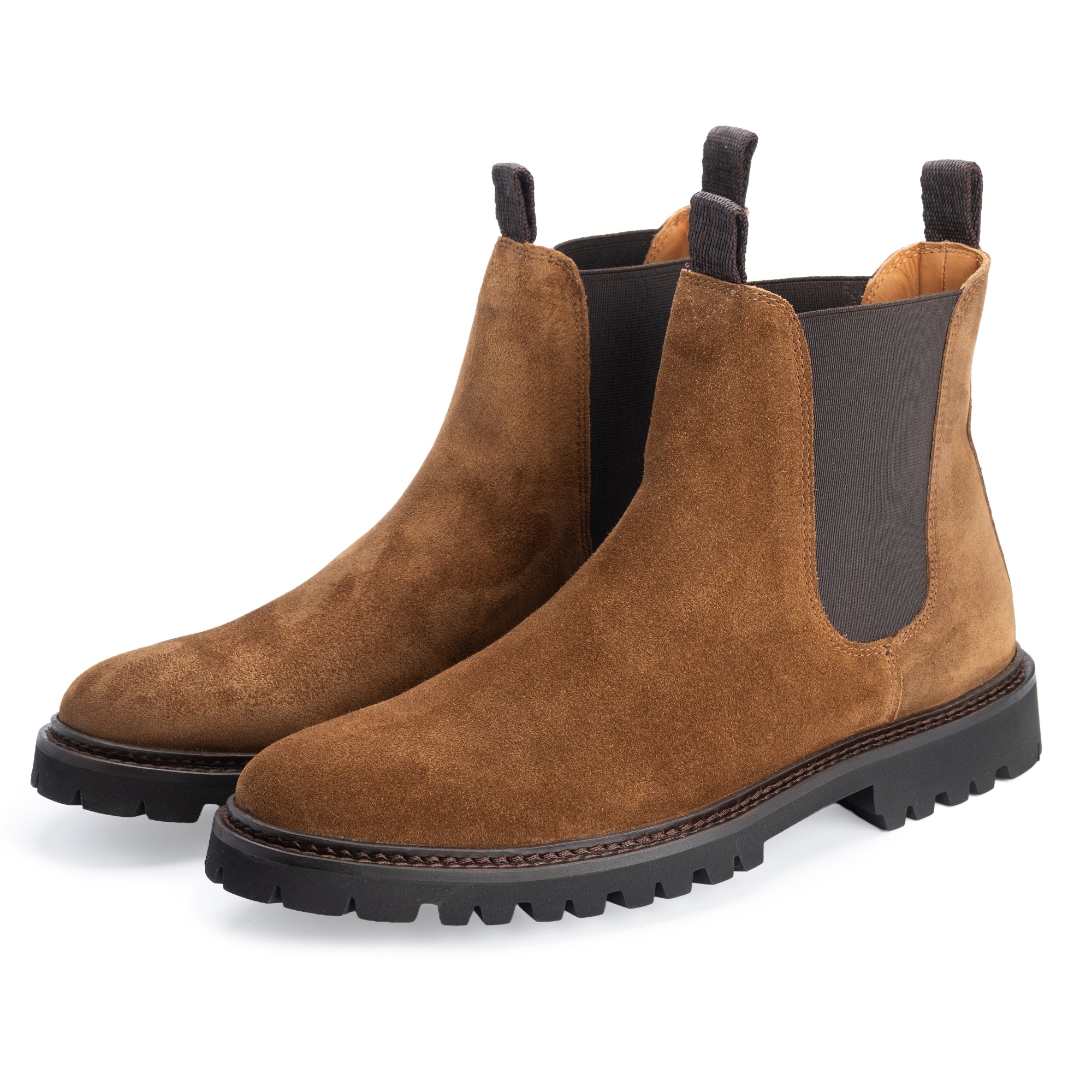
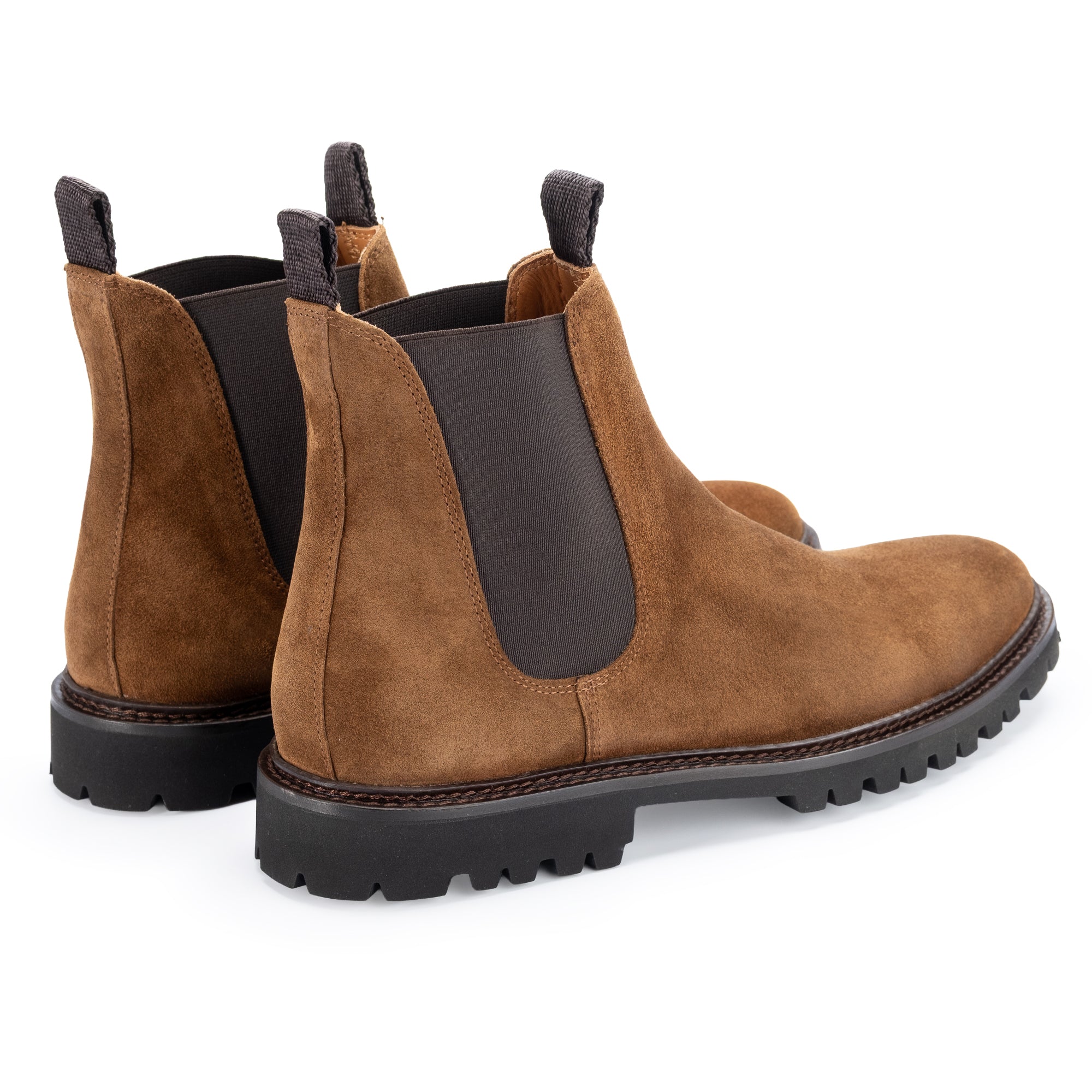
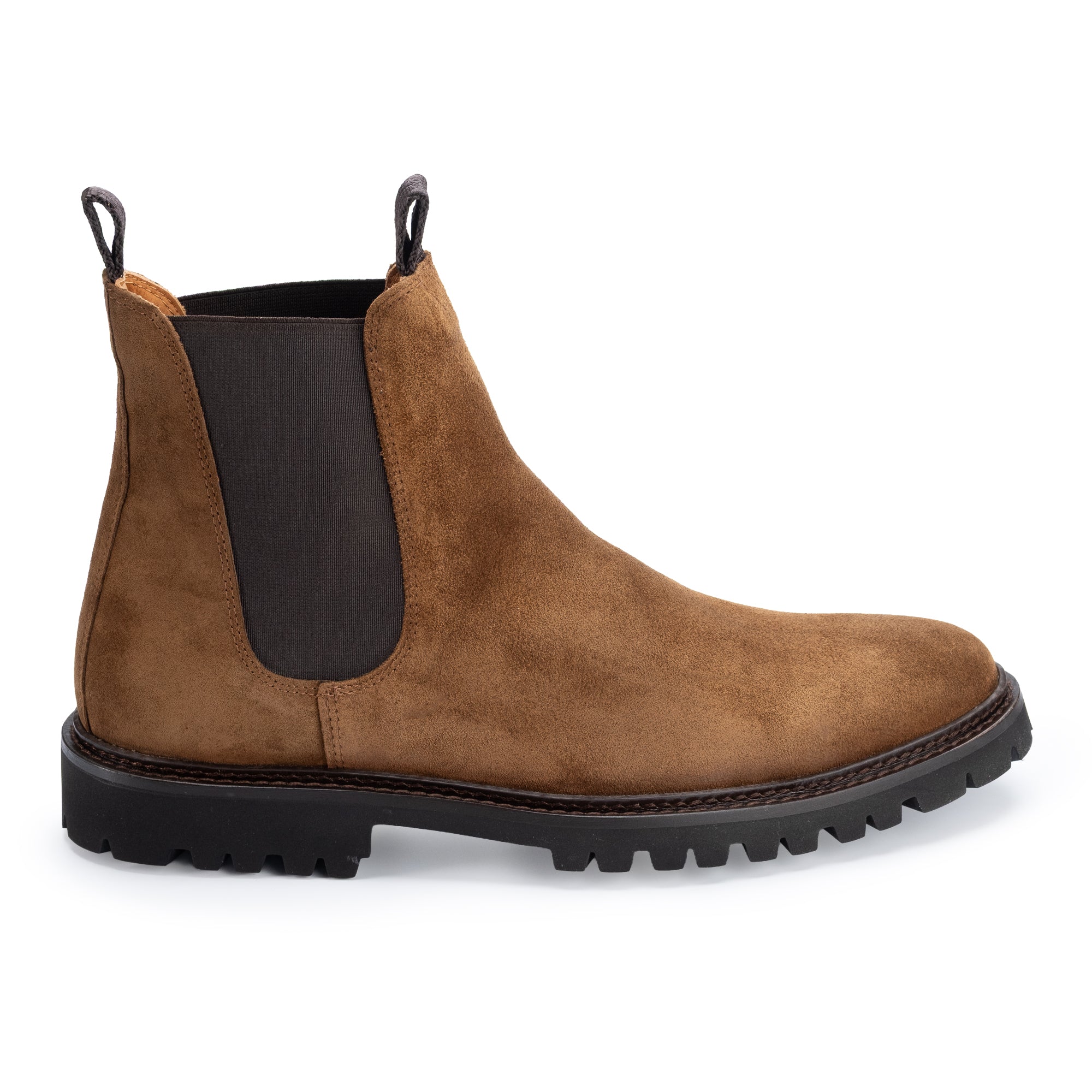
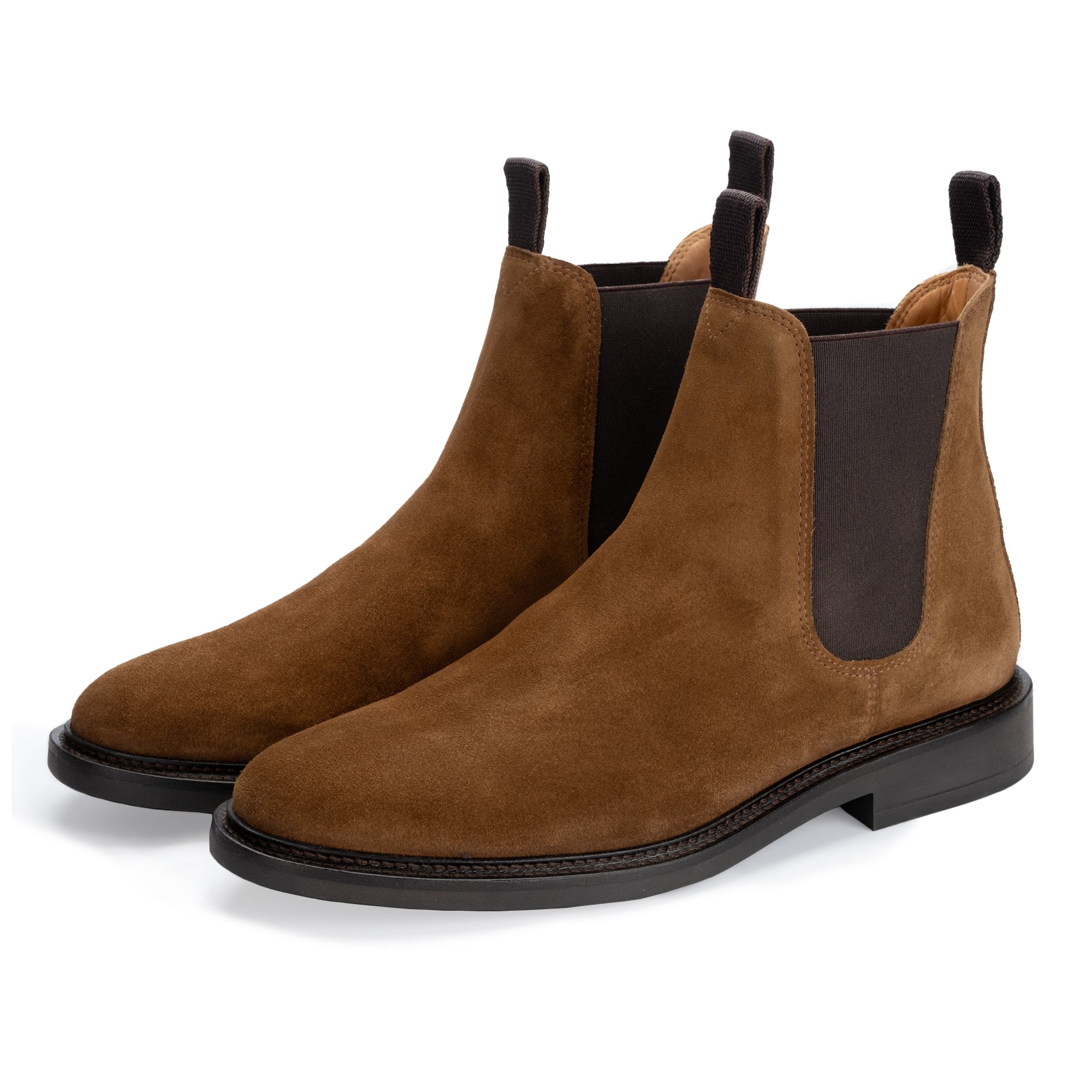
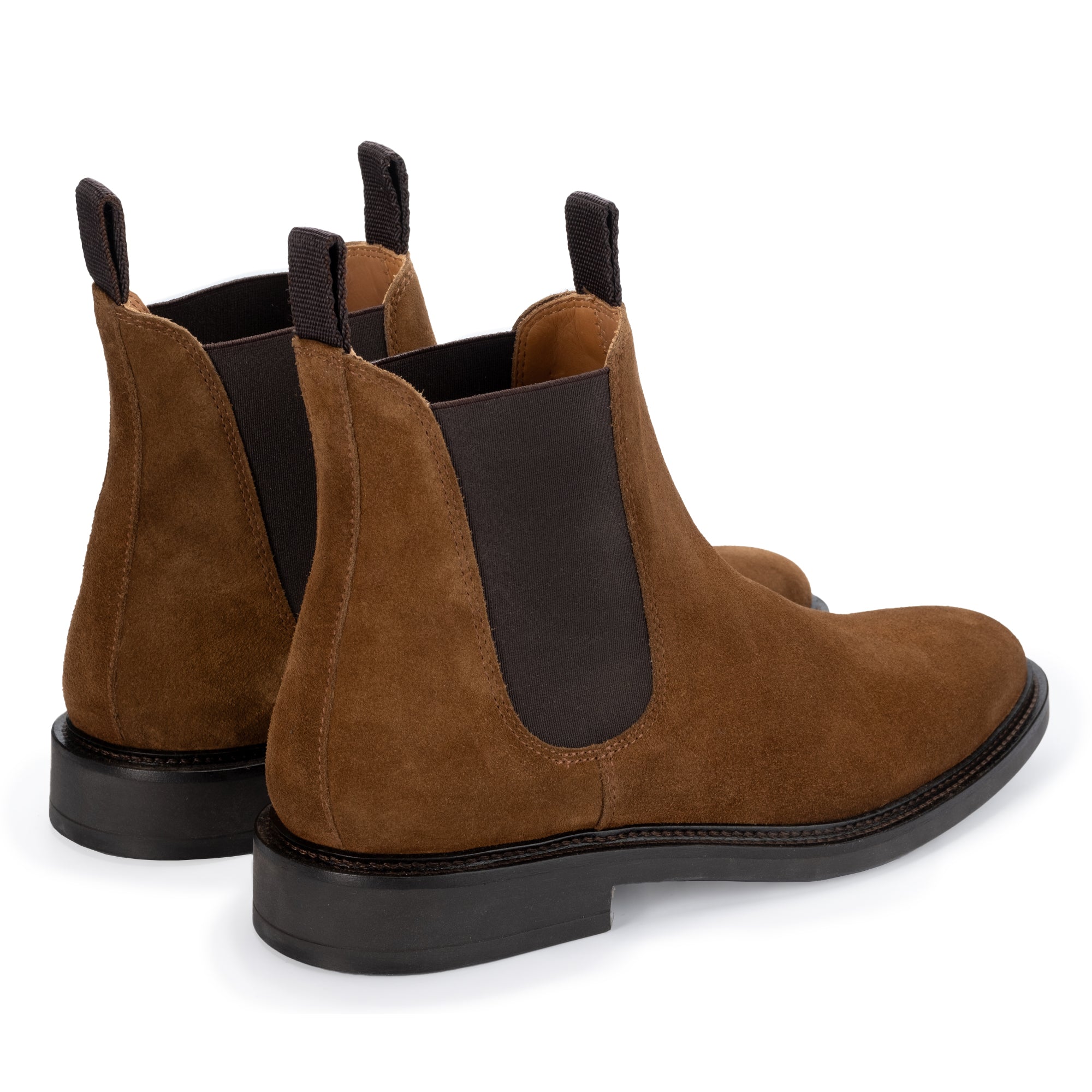
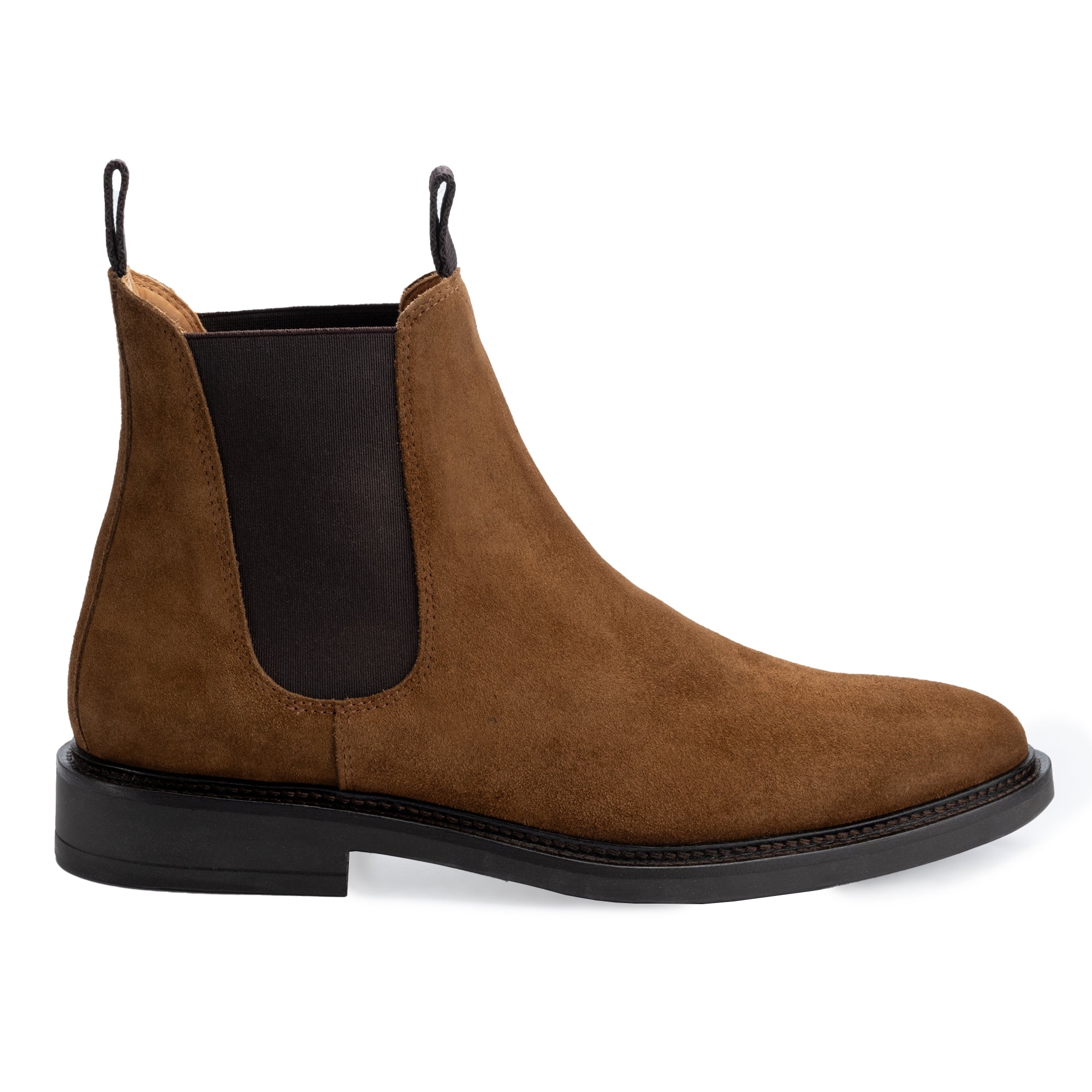
Summer weddings in lighter fabrics call for tan or mid-brown leather. Chelsea boots — particularly the Hill in tan — work well here, giving a clean, unbroken line under slim-cut trousers. Keep suede for truly casual dress codes only.
What Shoes Are Appropriate for Smart Casual Wedding Dress Codes?
Smart casual on a wedding invitation typically means sharp separates — well-fitted chinos, pressed trousers, a blazer — rather than a full suit. Your shoes need to bridge the gap between dressed-up and relaxed, without tipping too far in either direction.
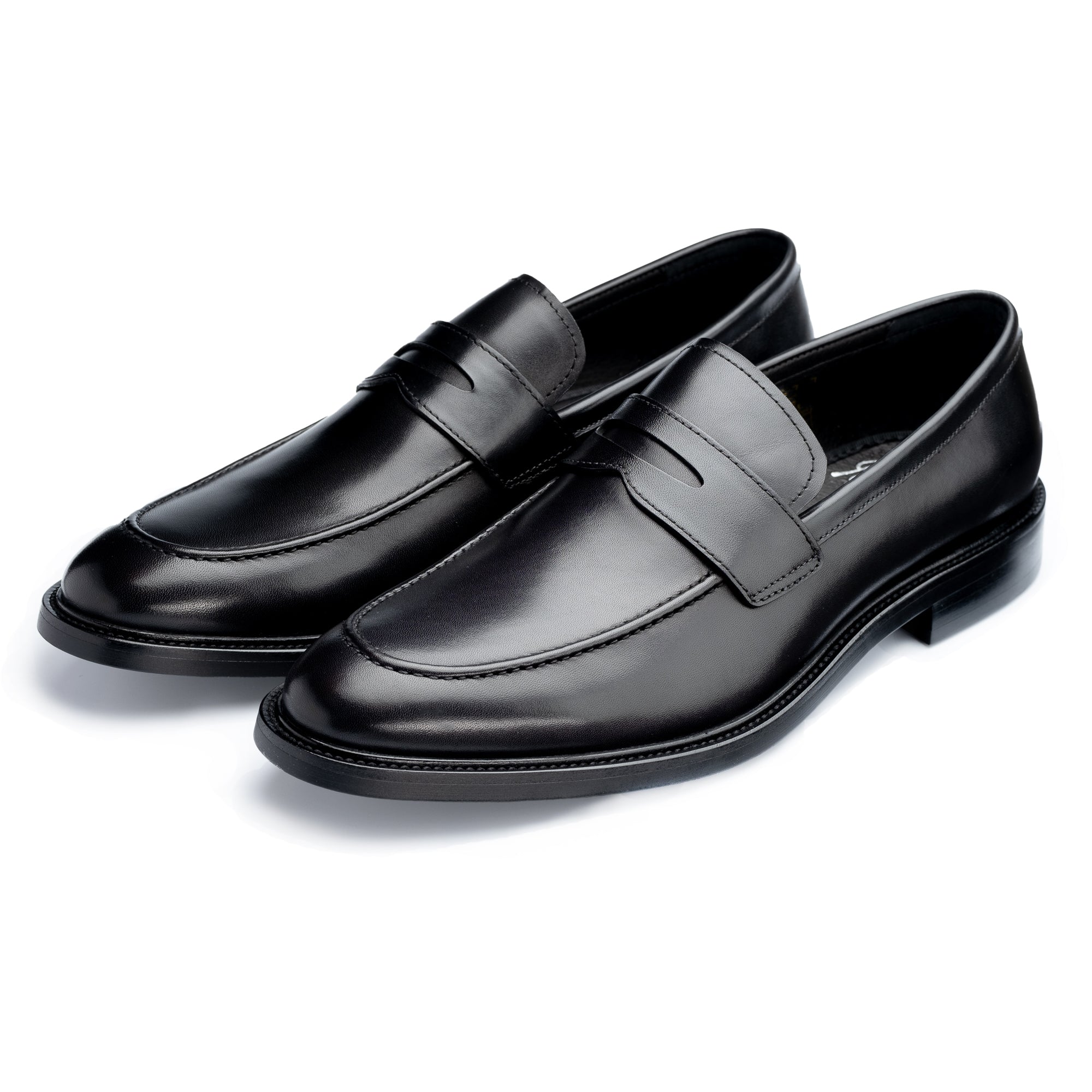
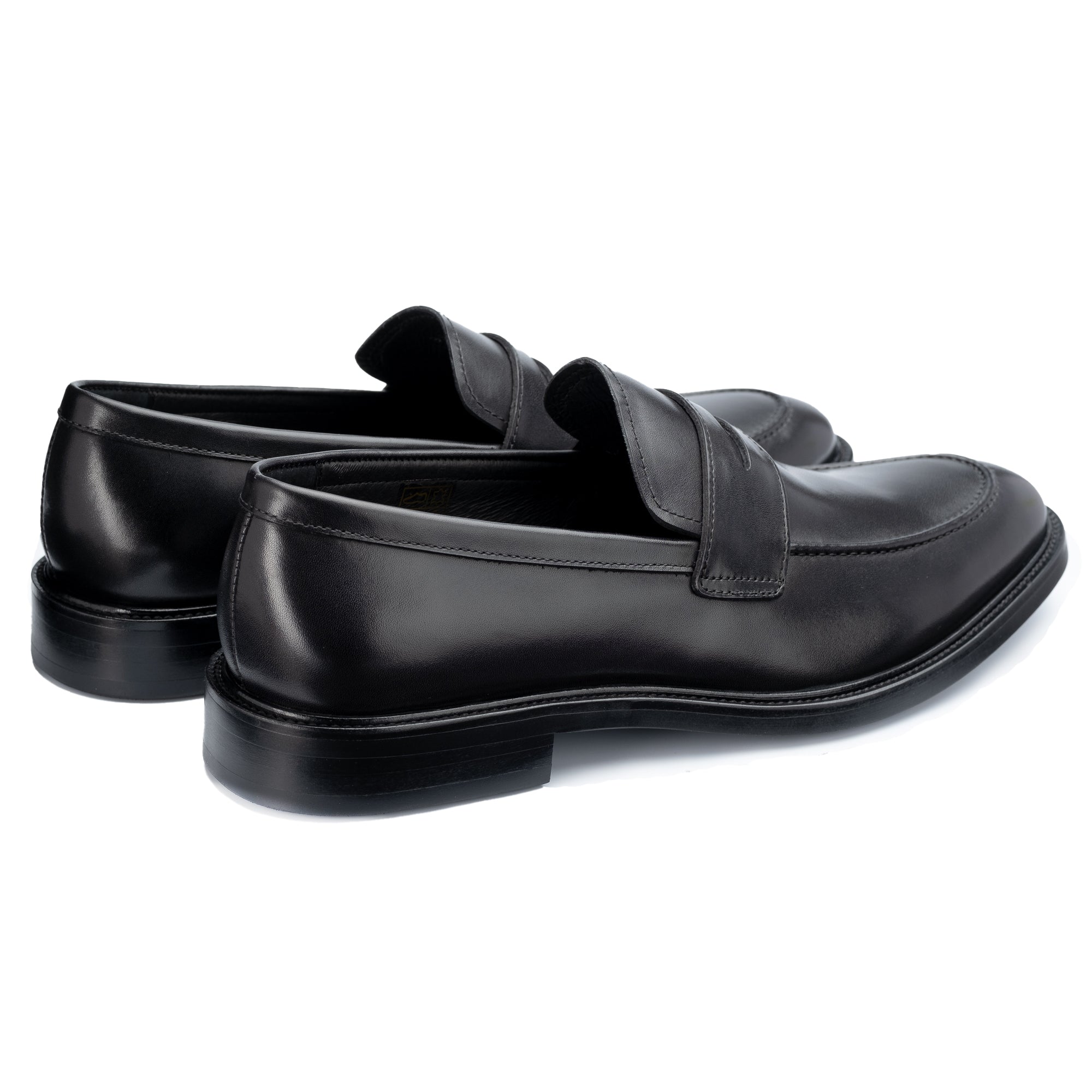
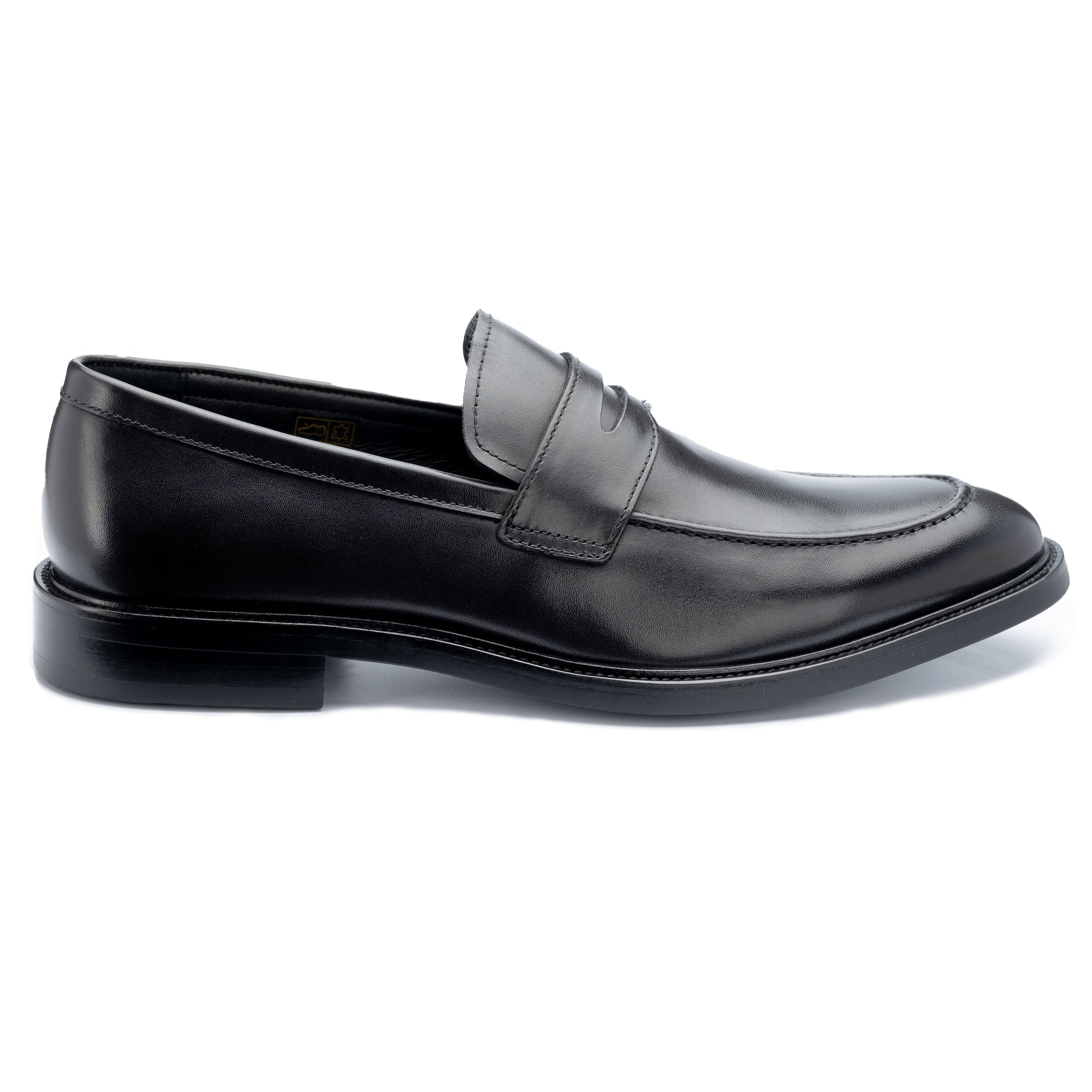
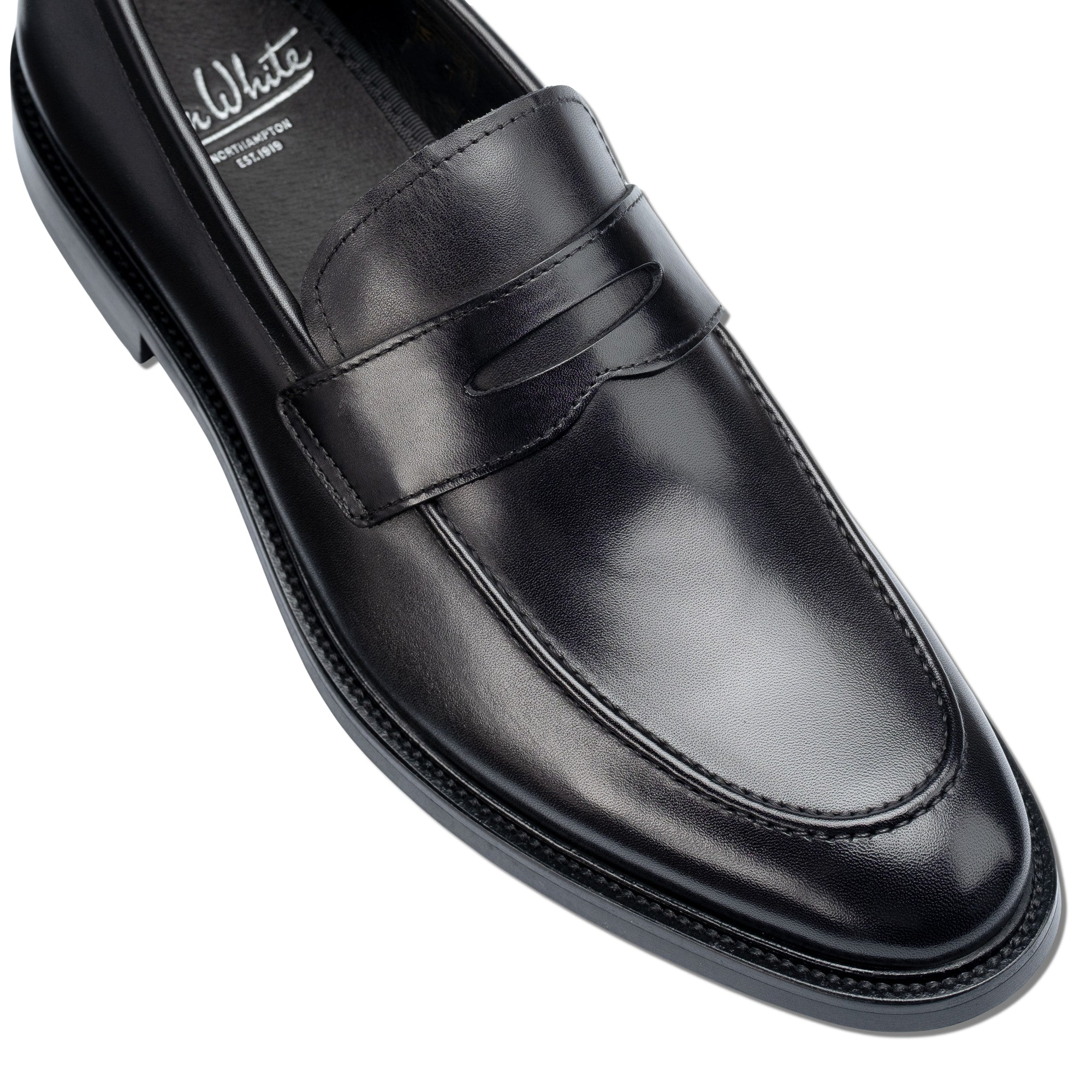
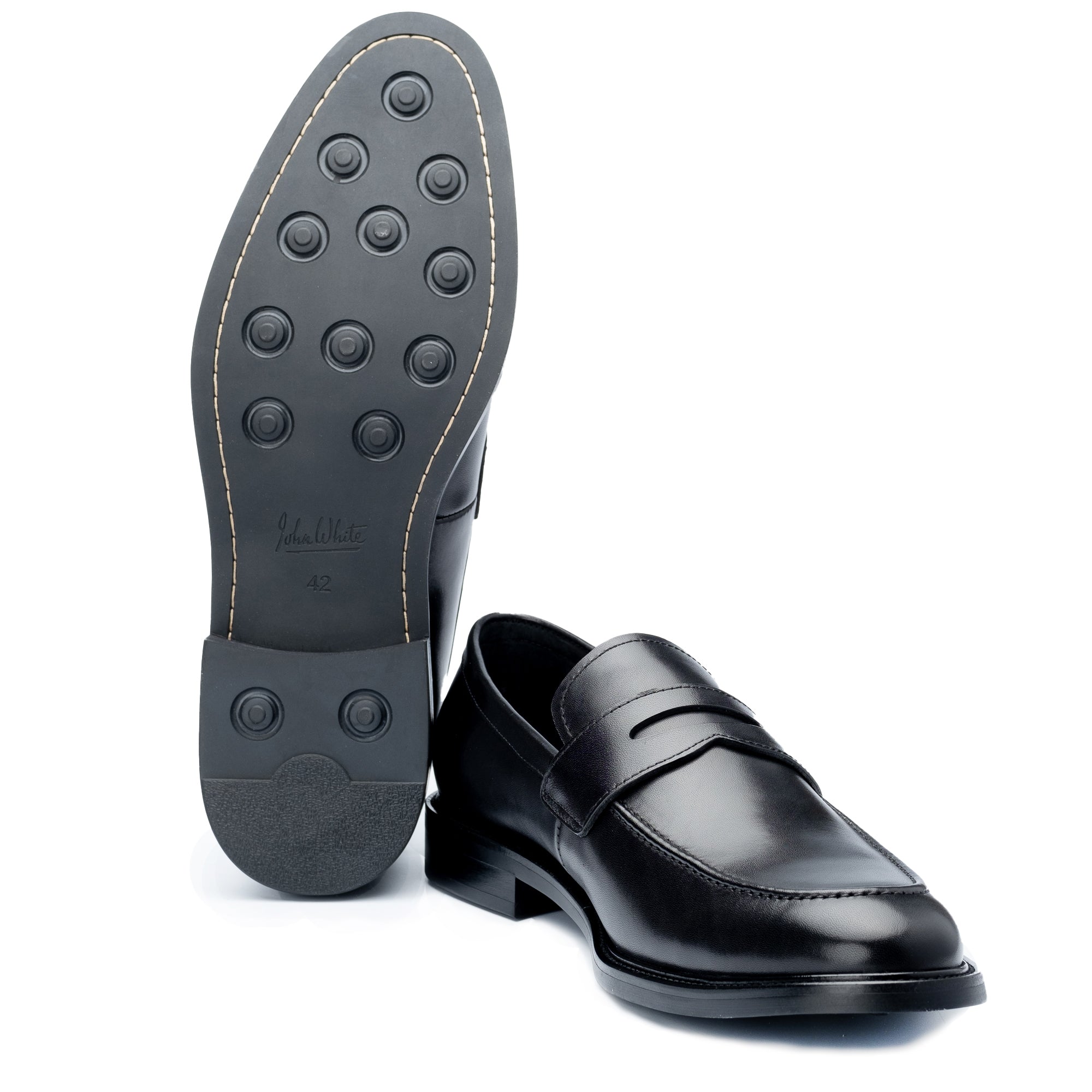
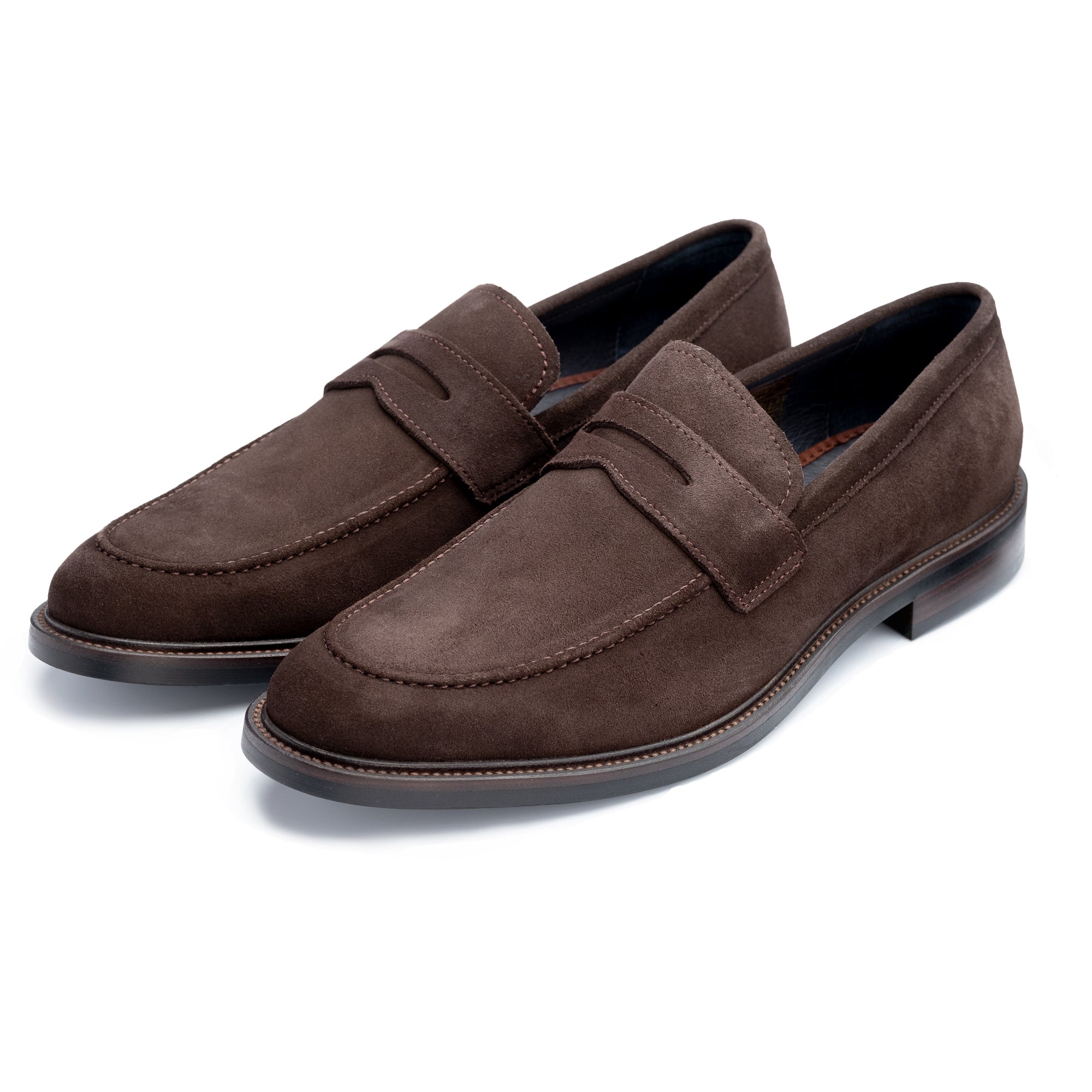
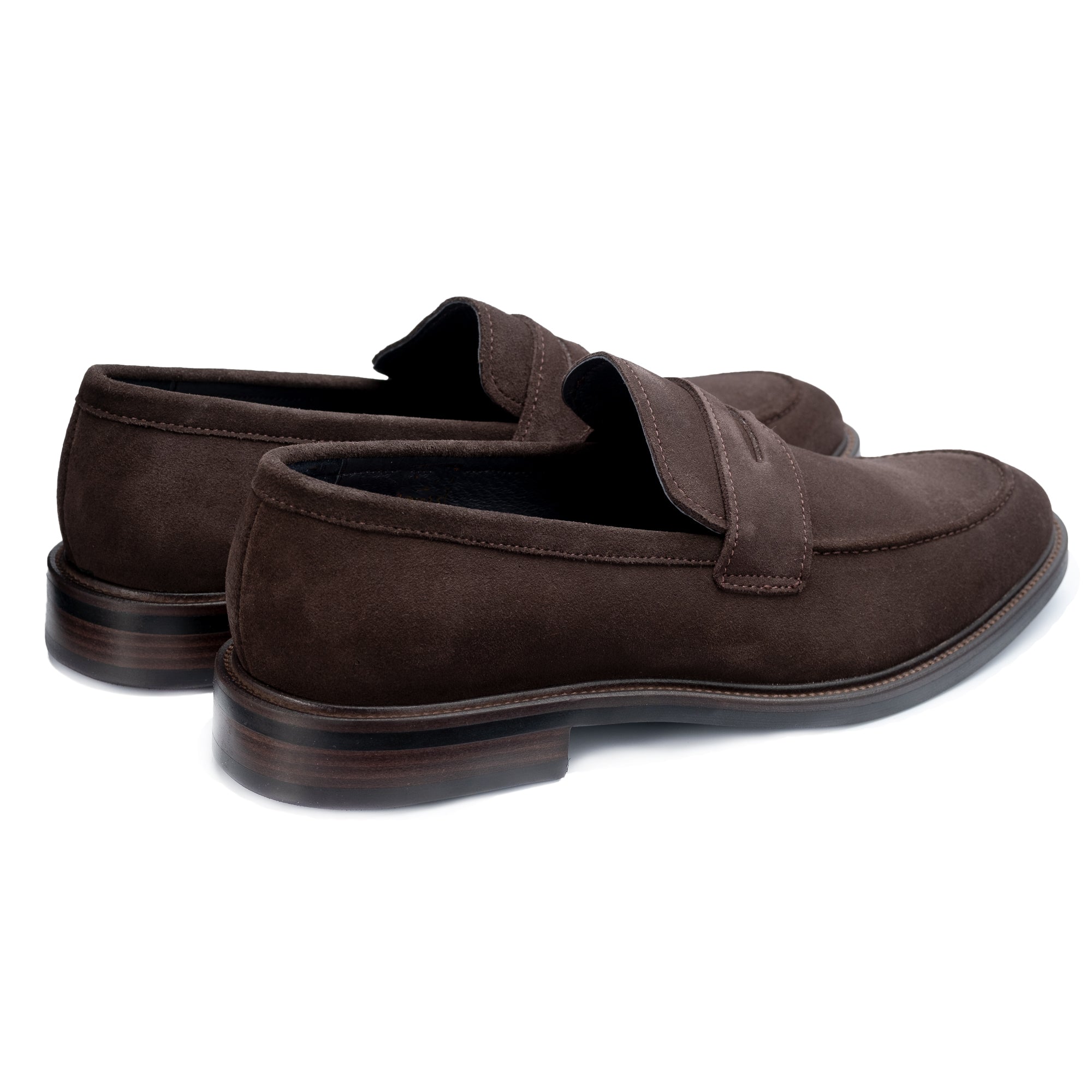
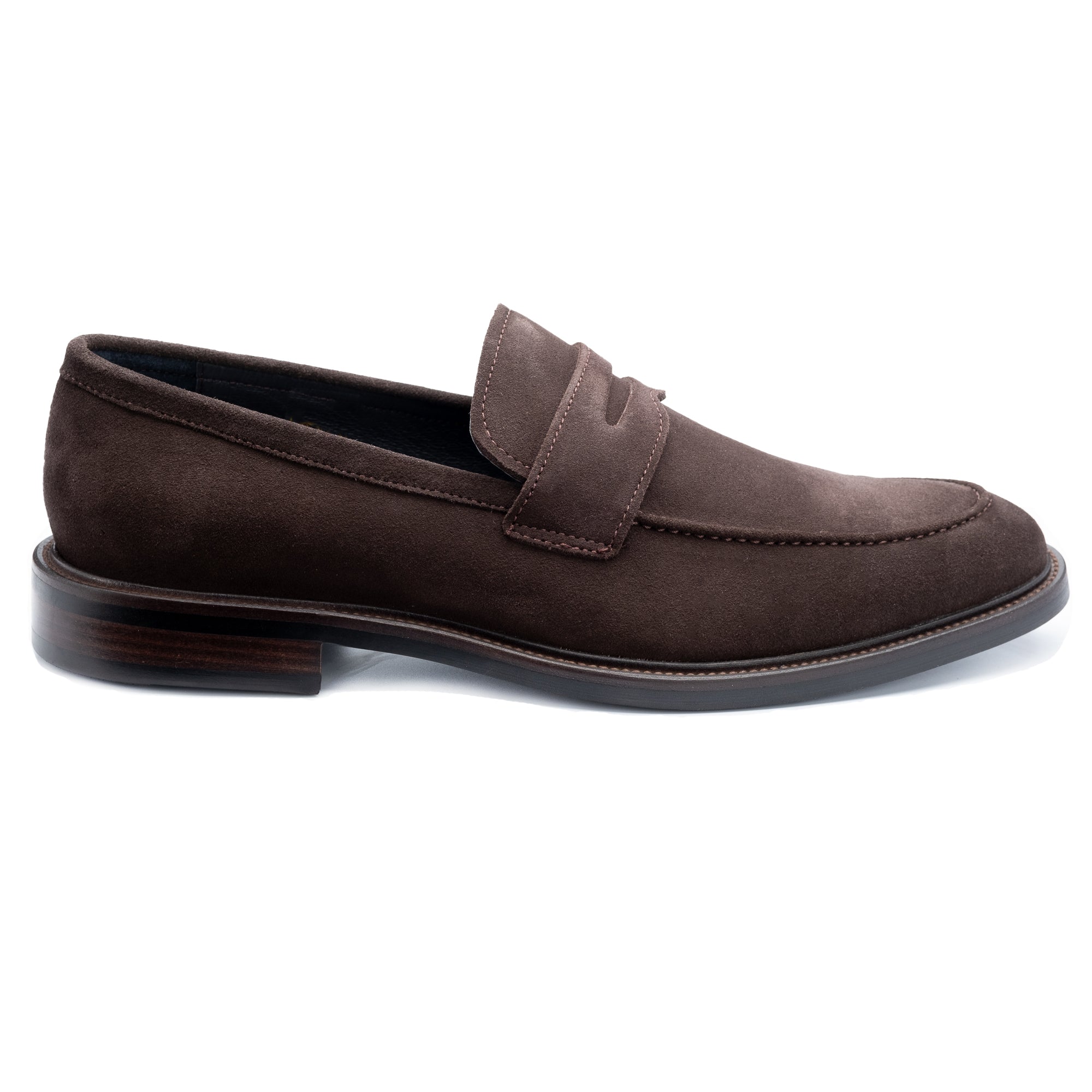
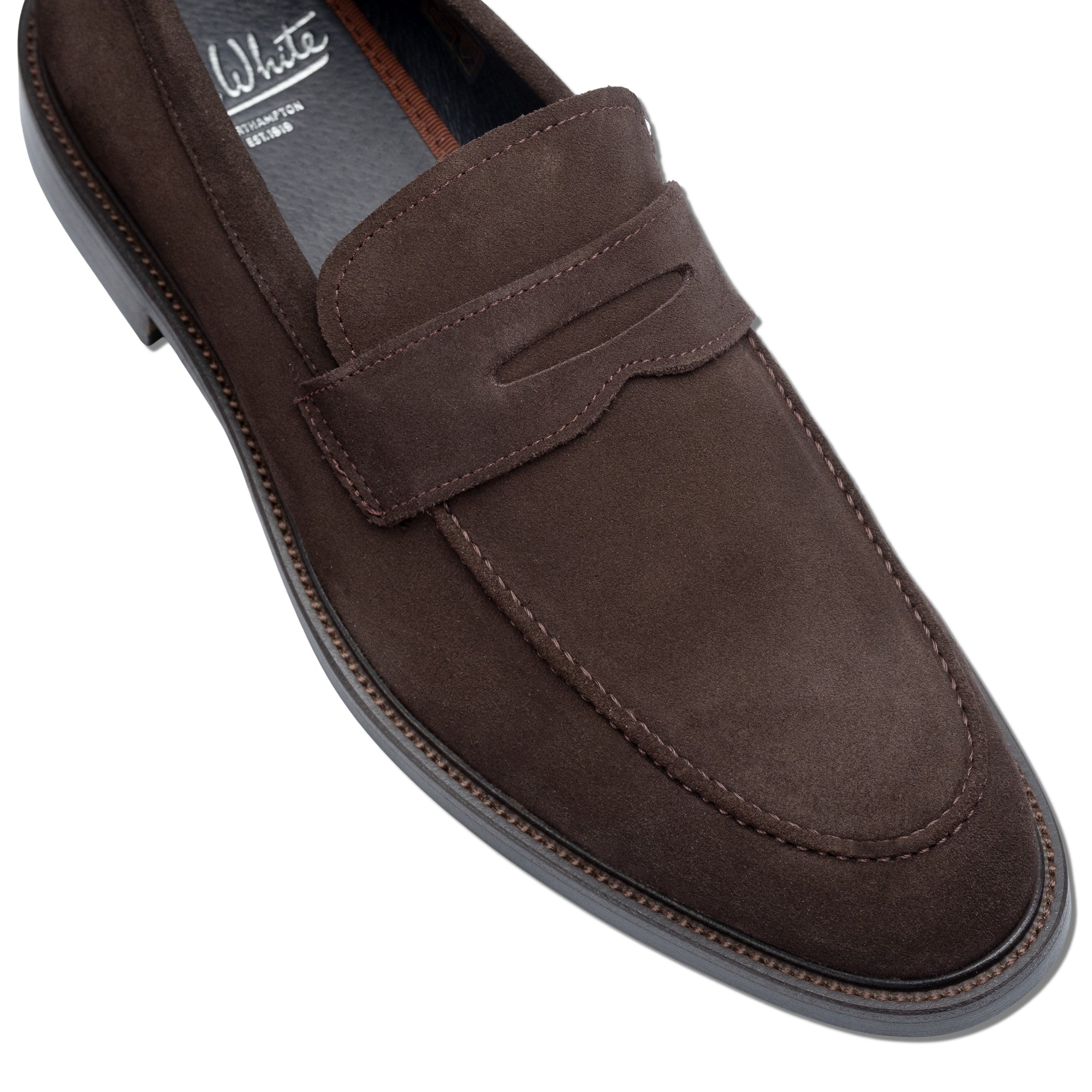
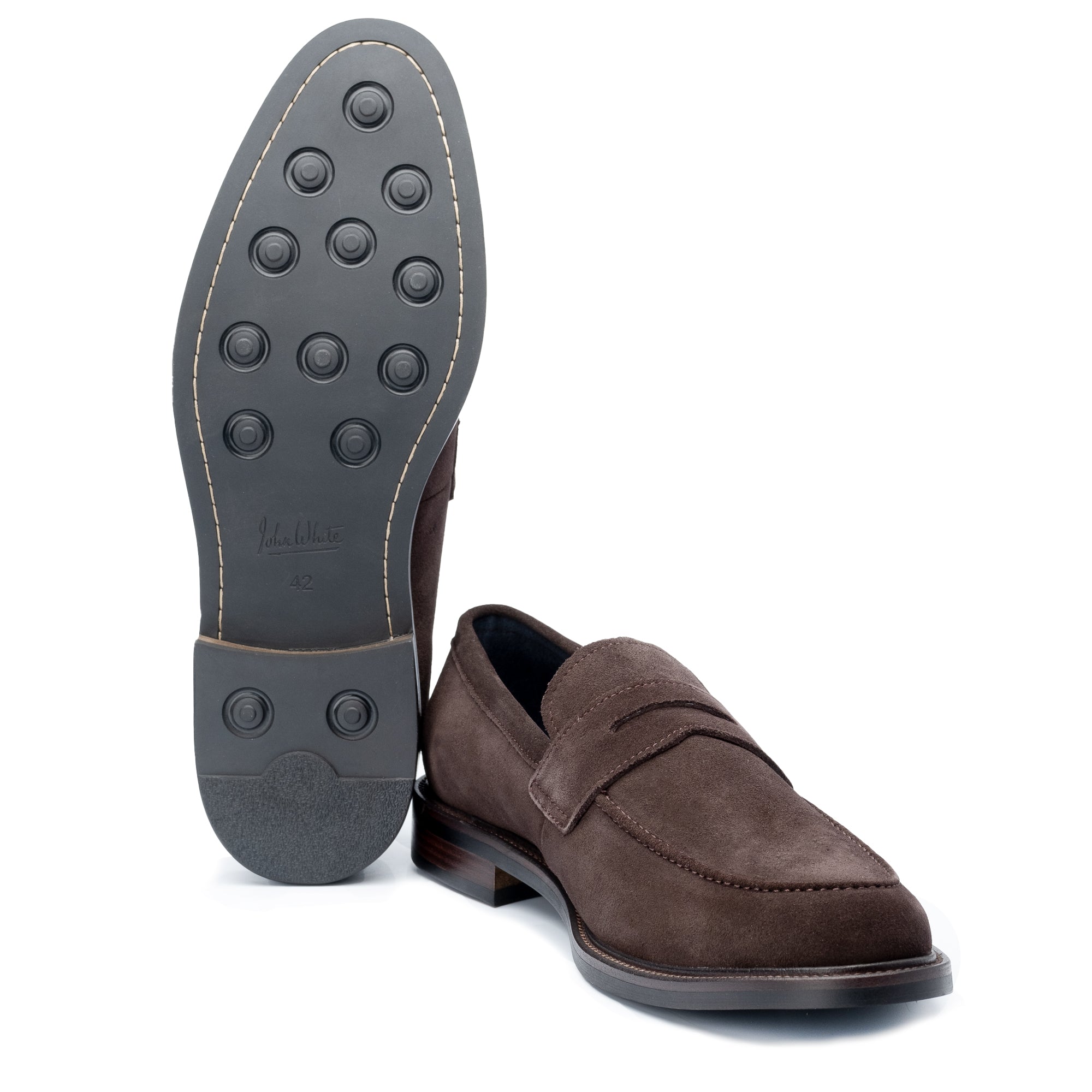
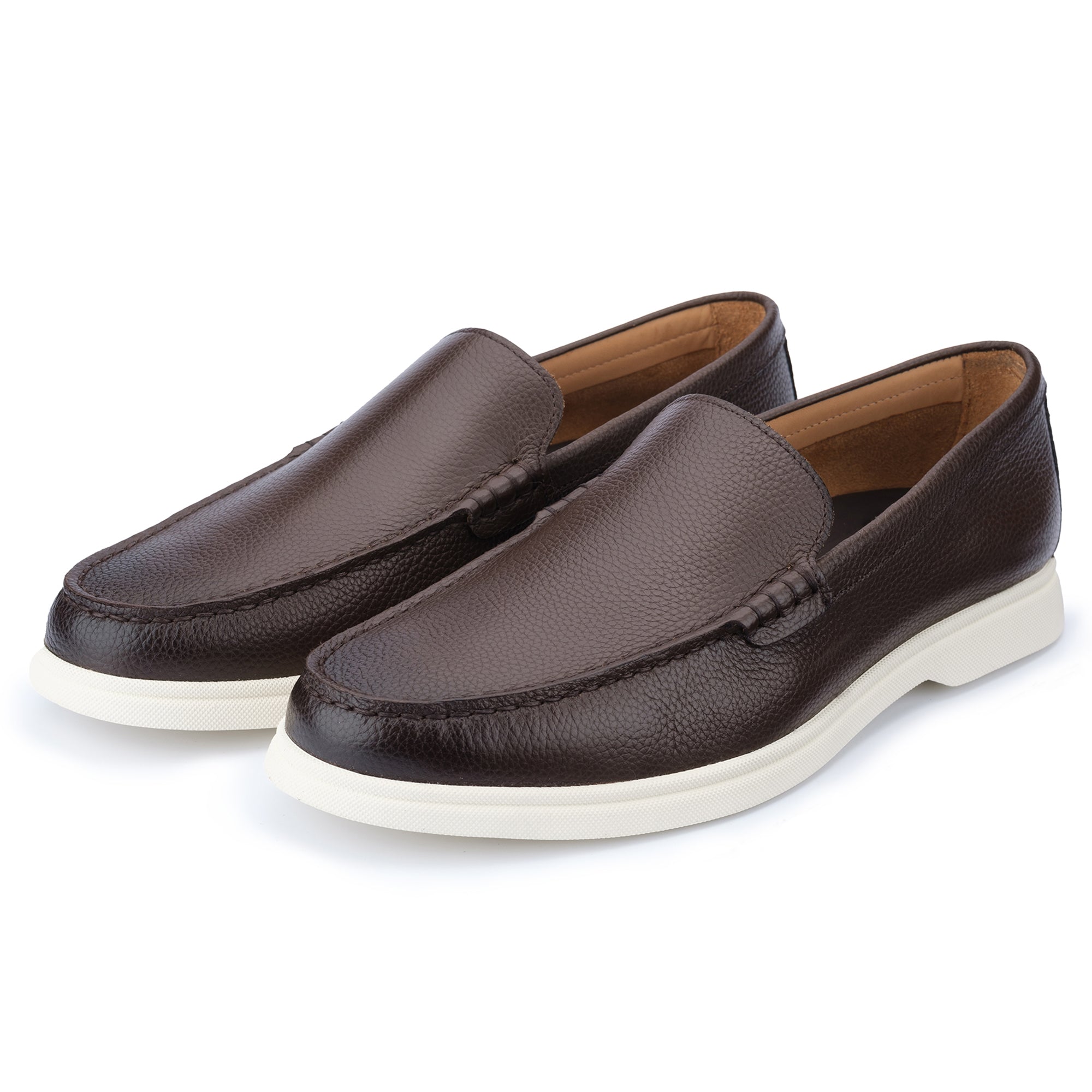
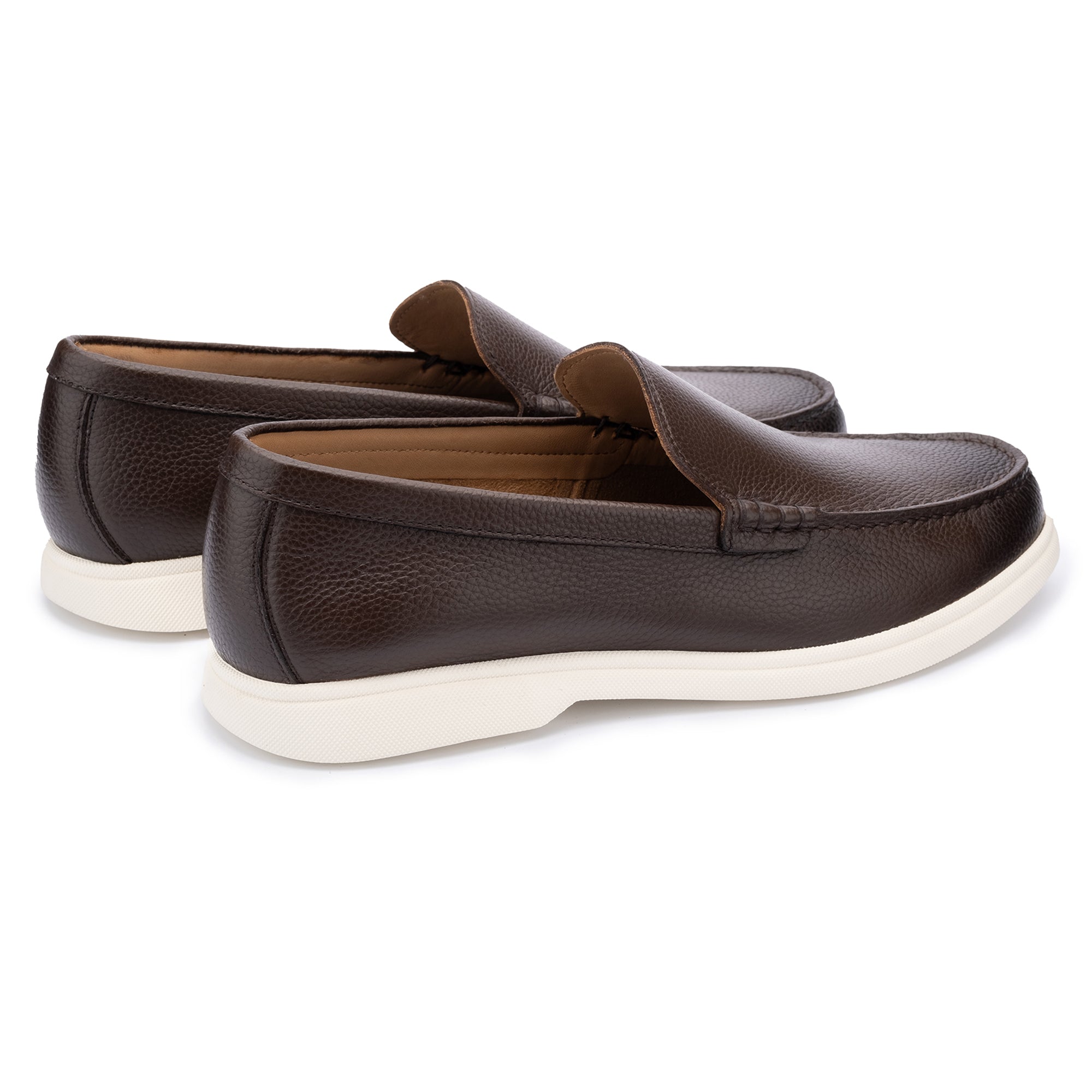
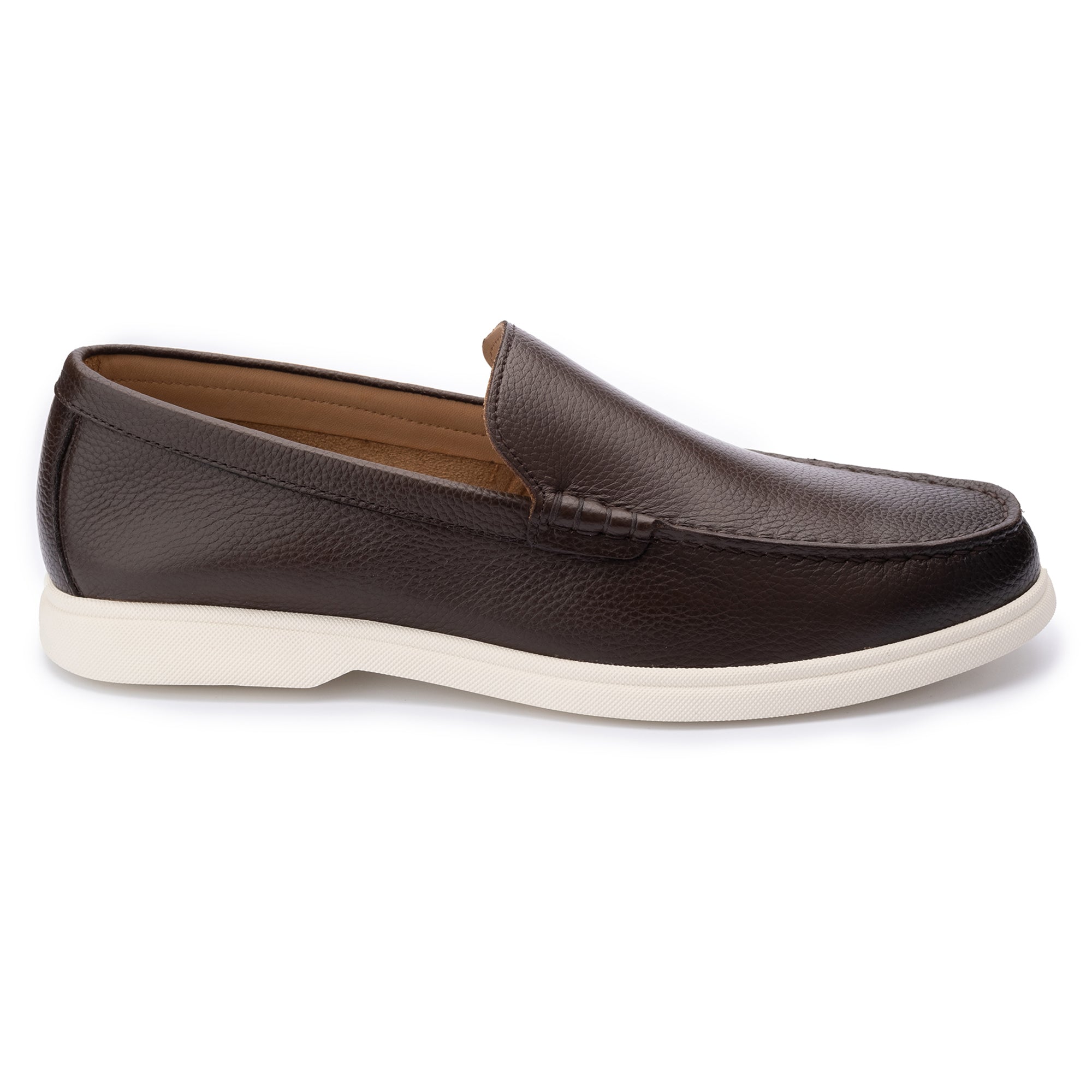
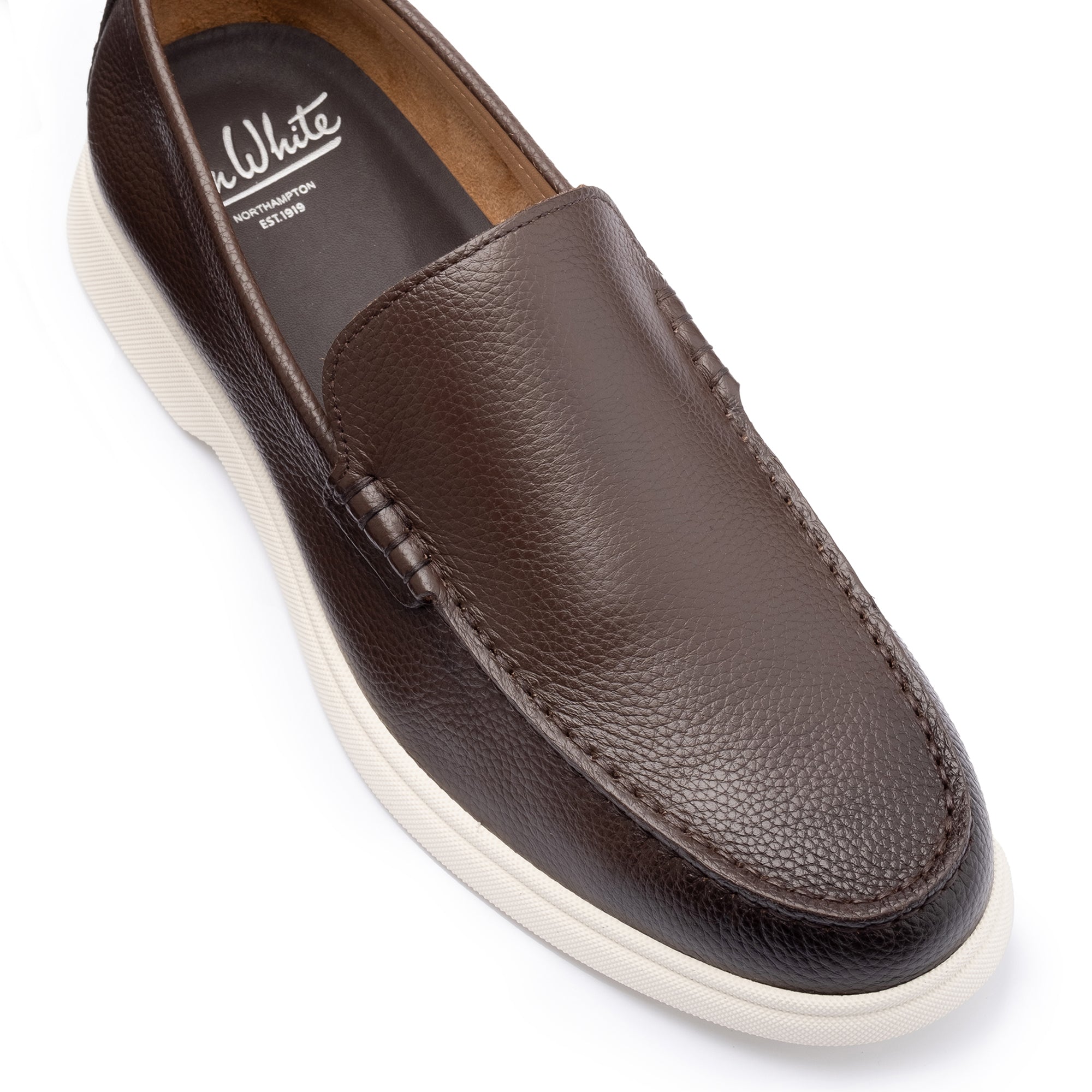
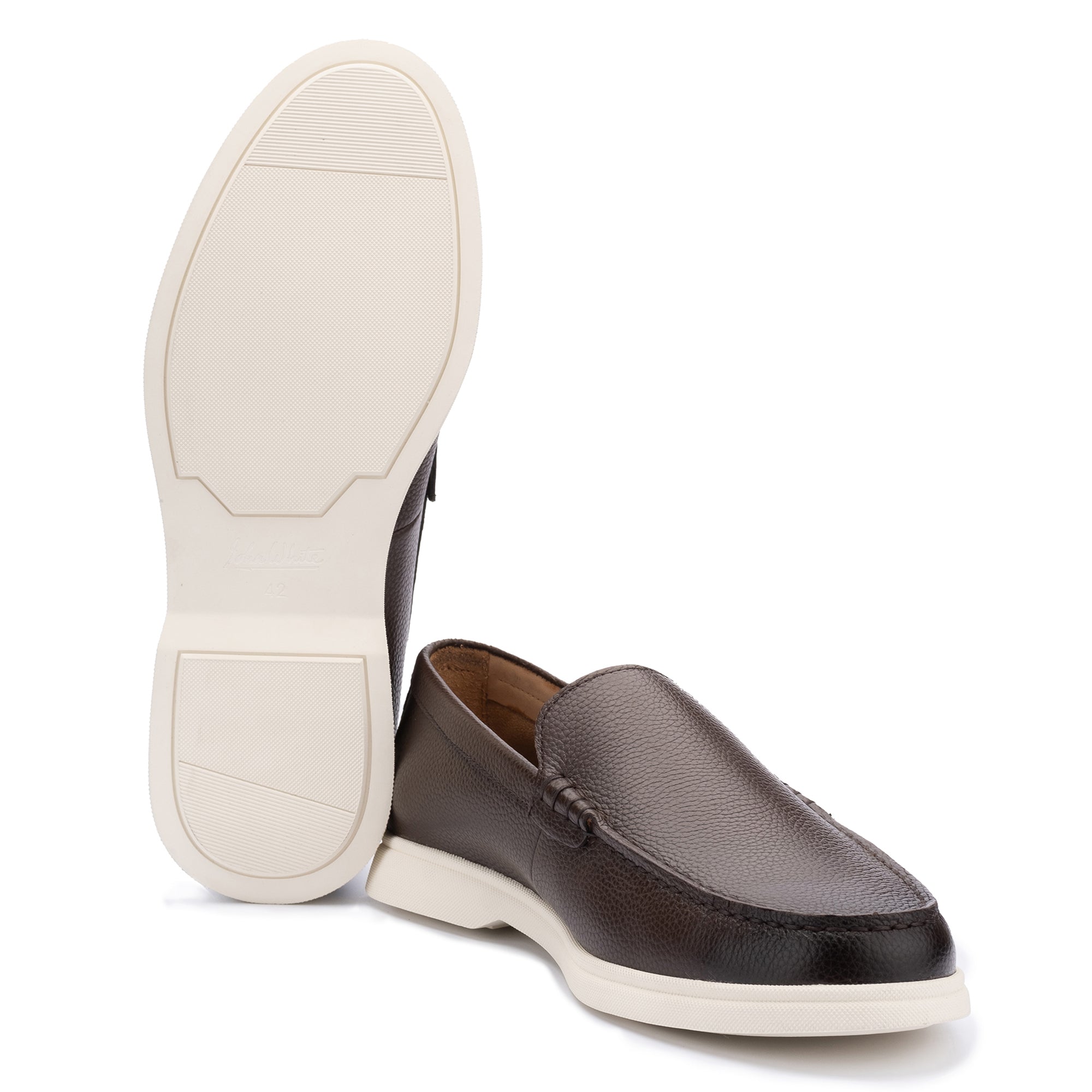
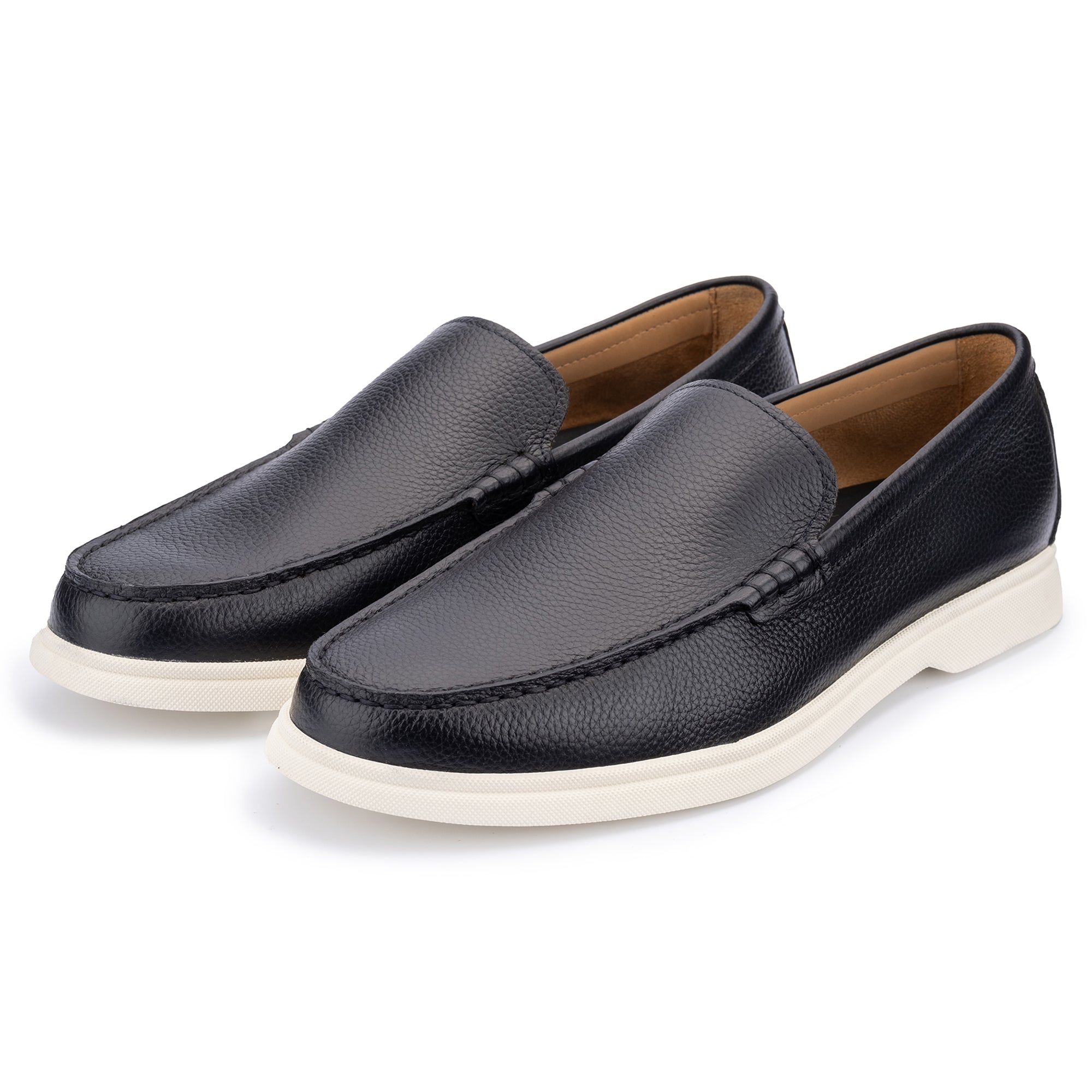
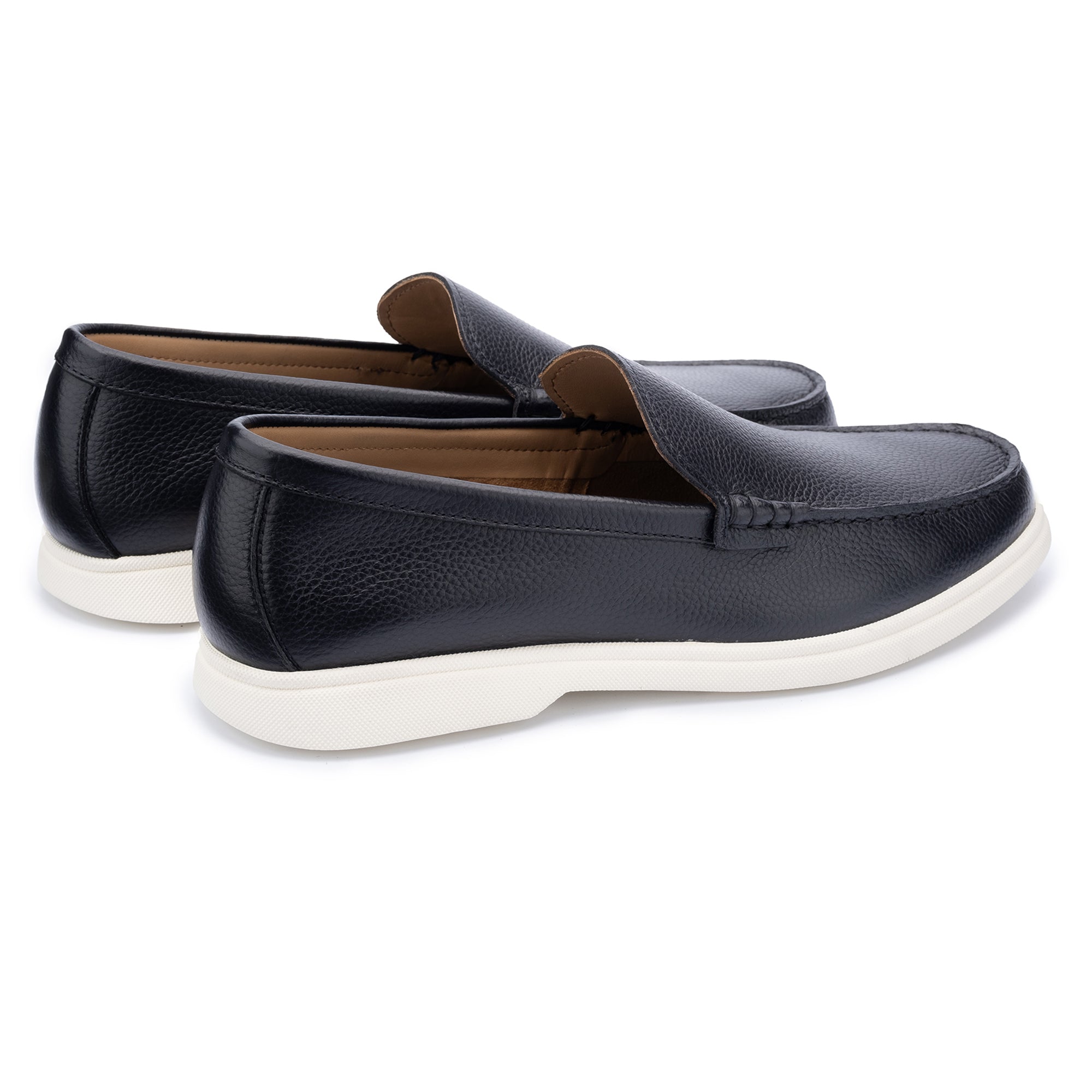
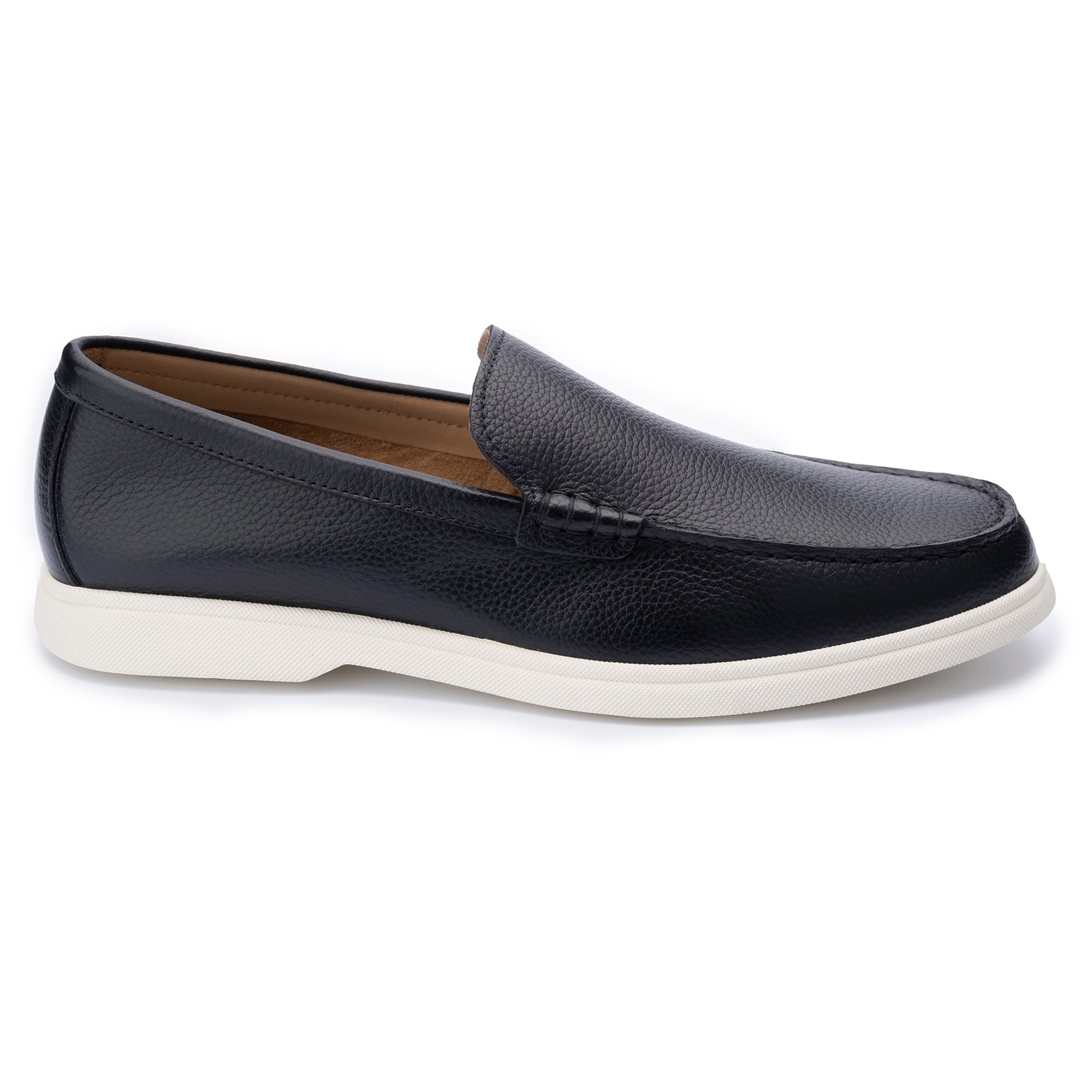
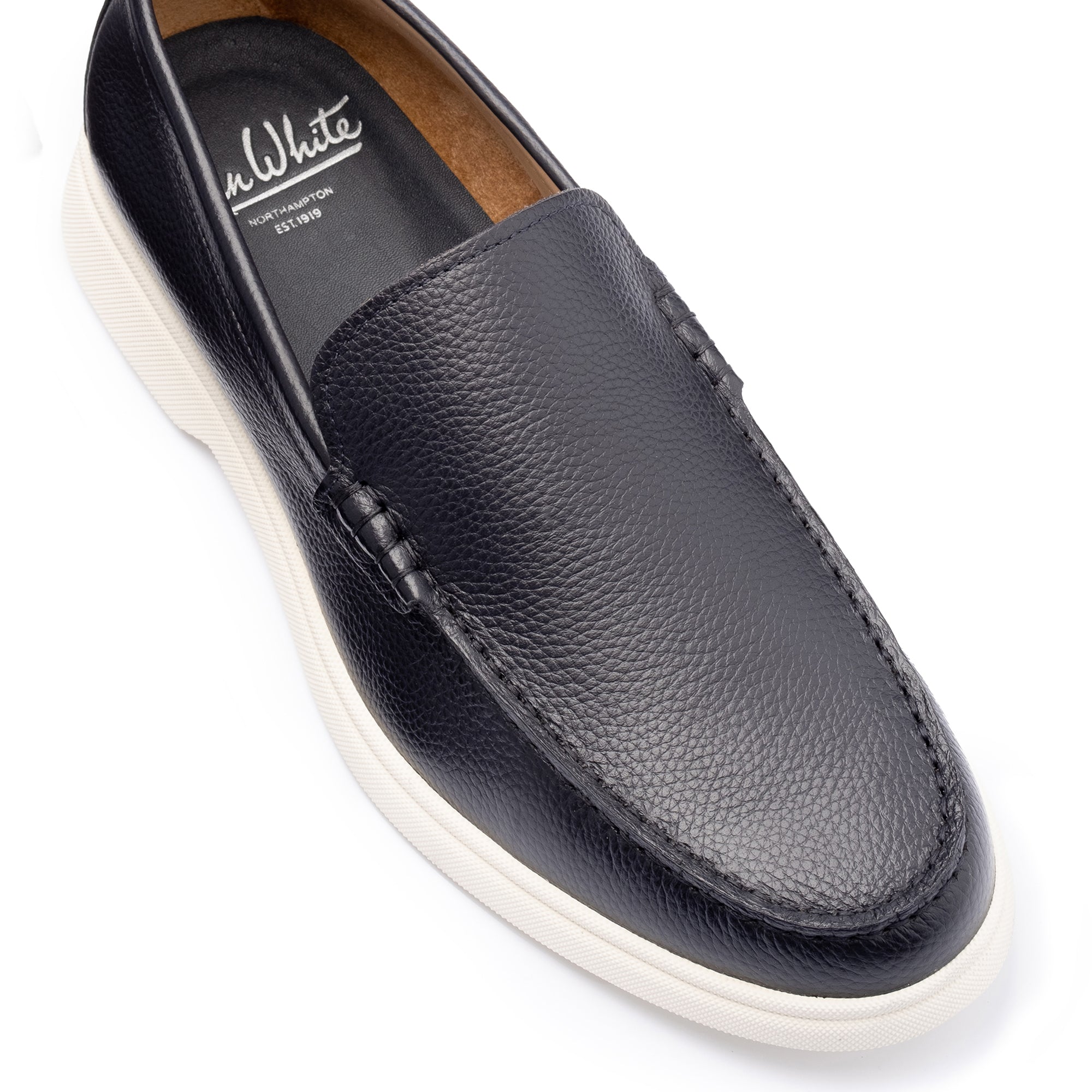
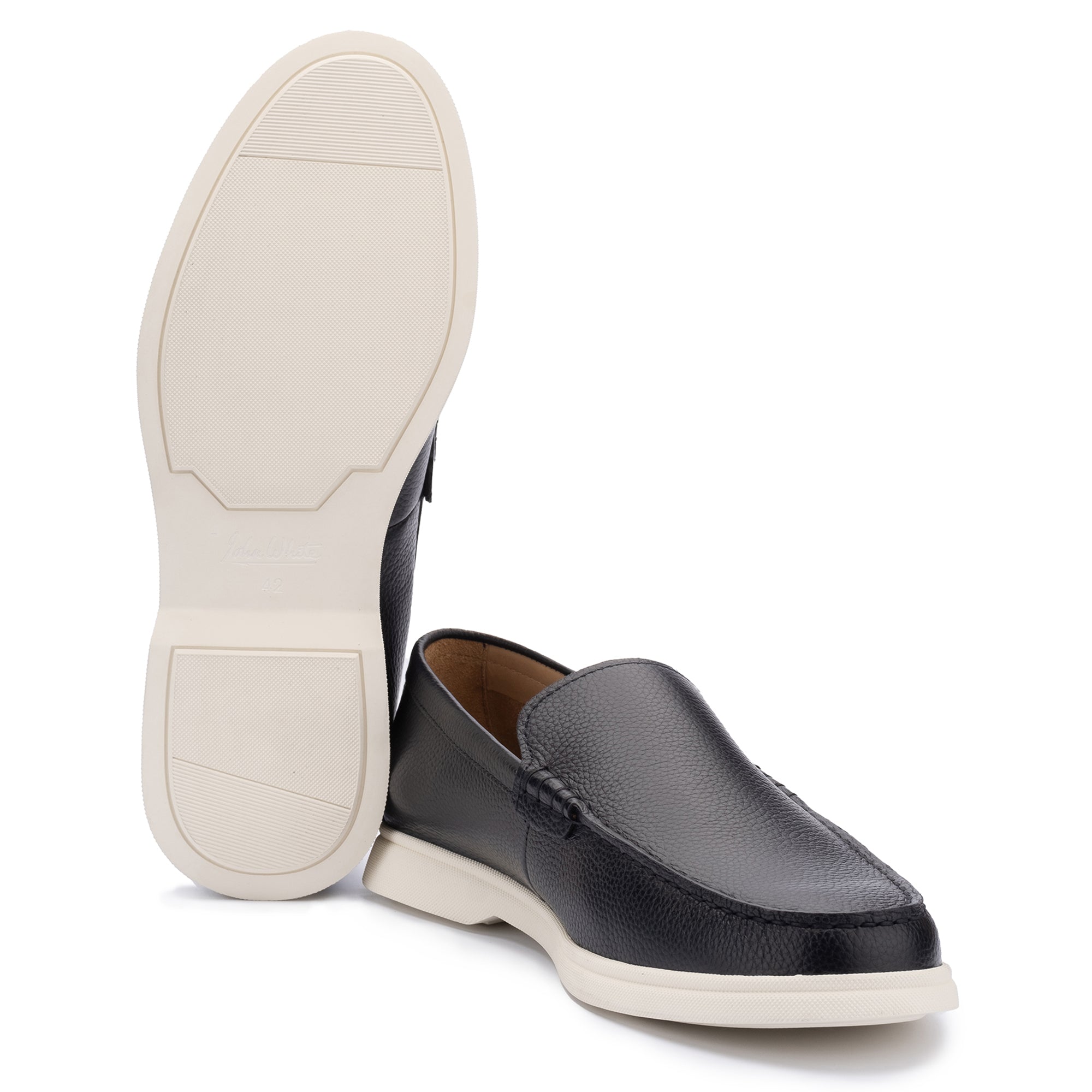
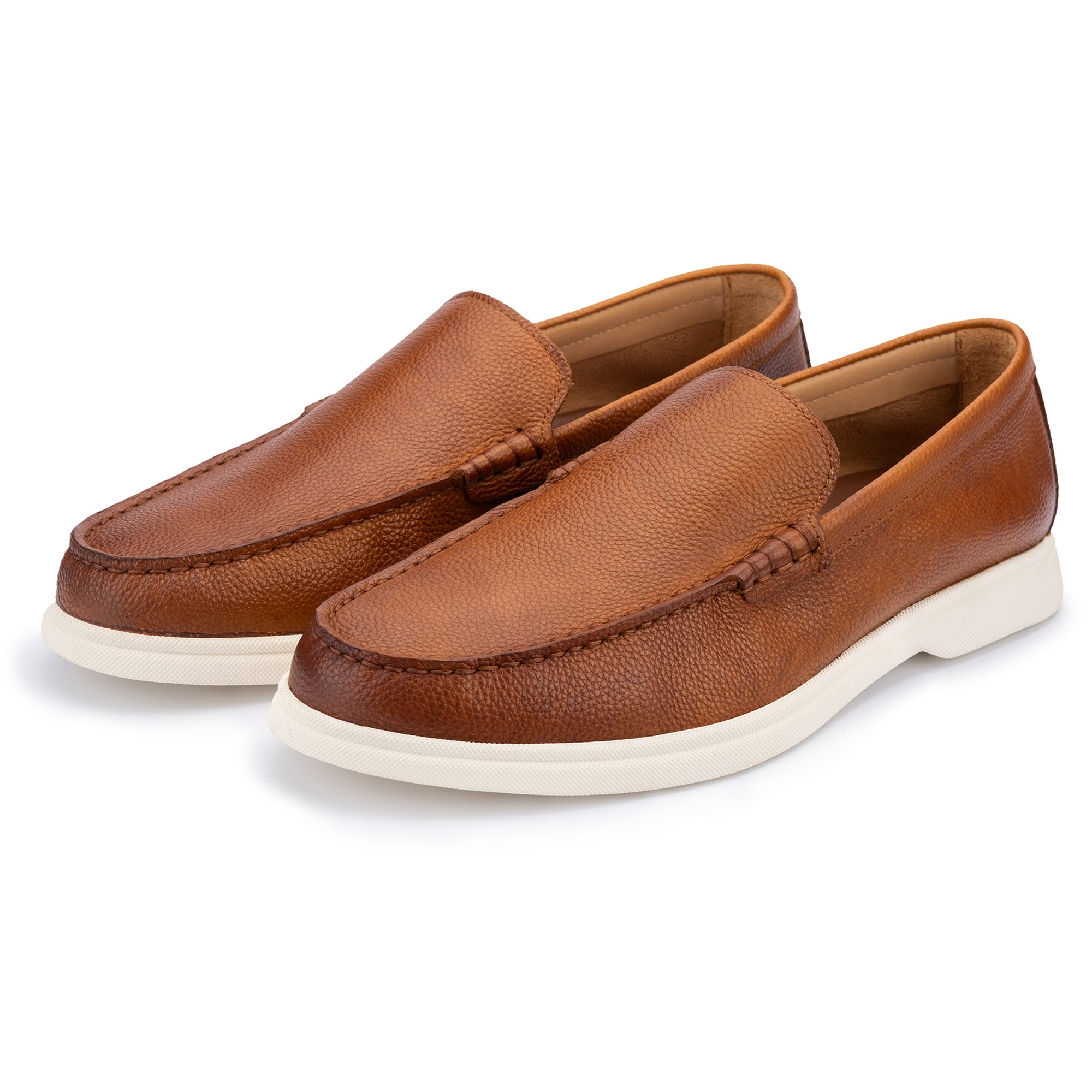
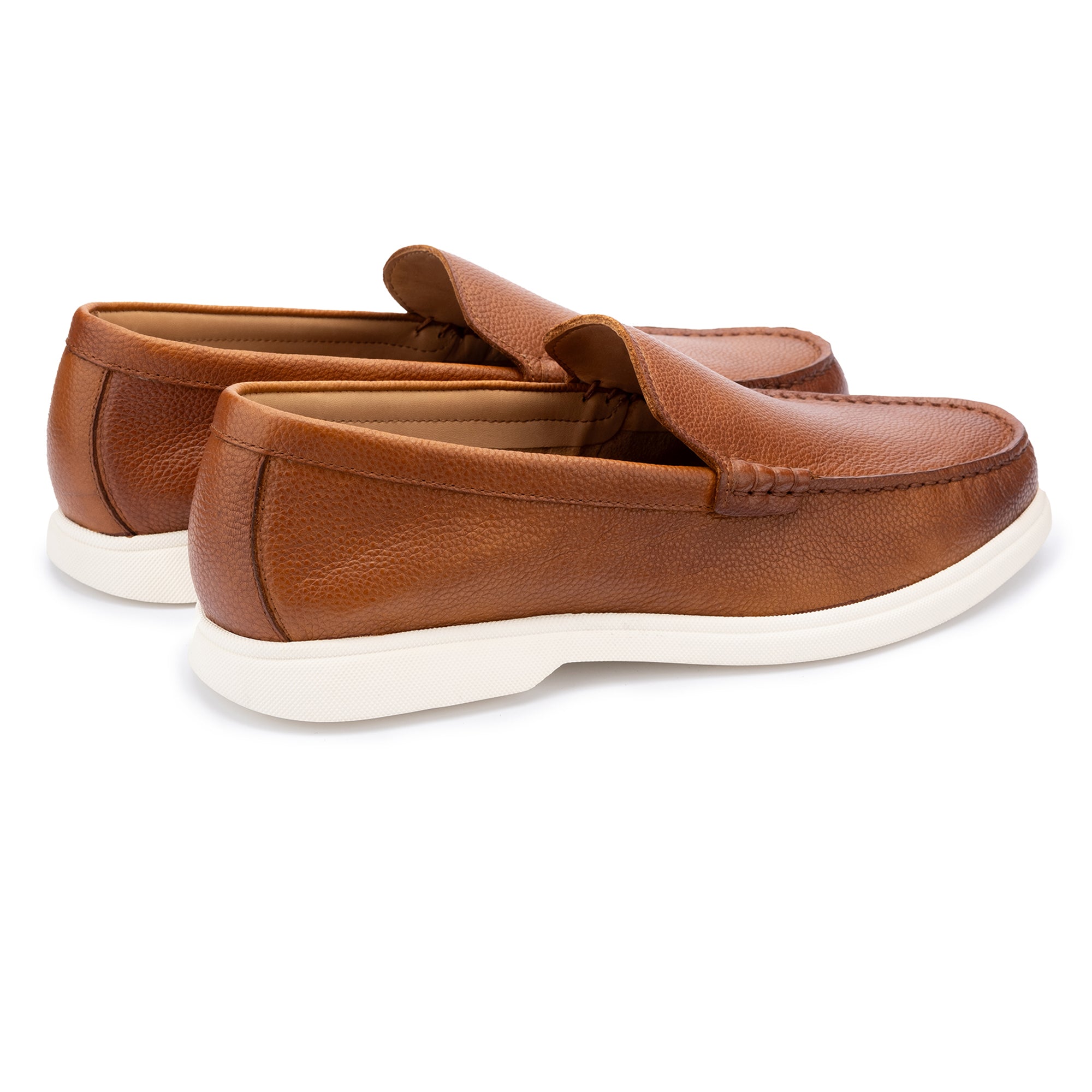
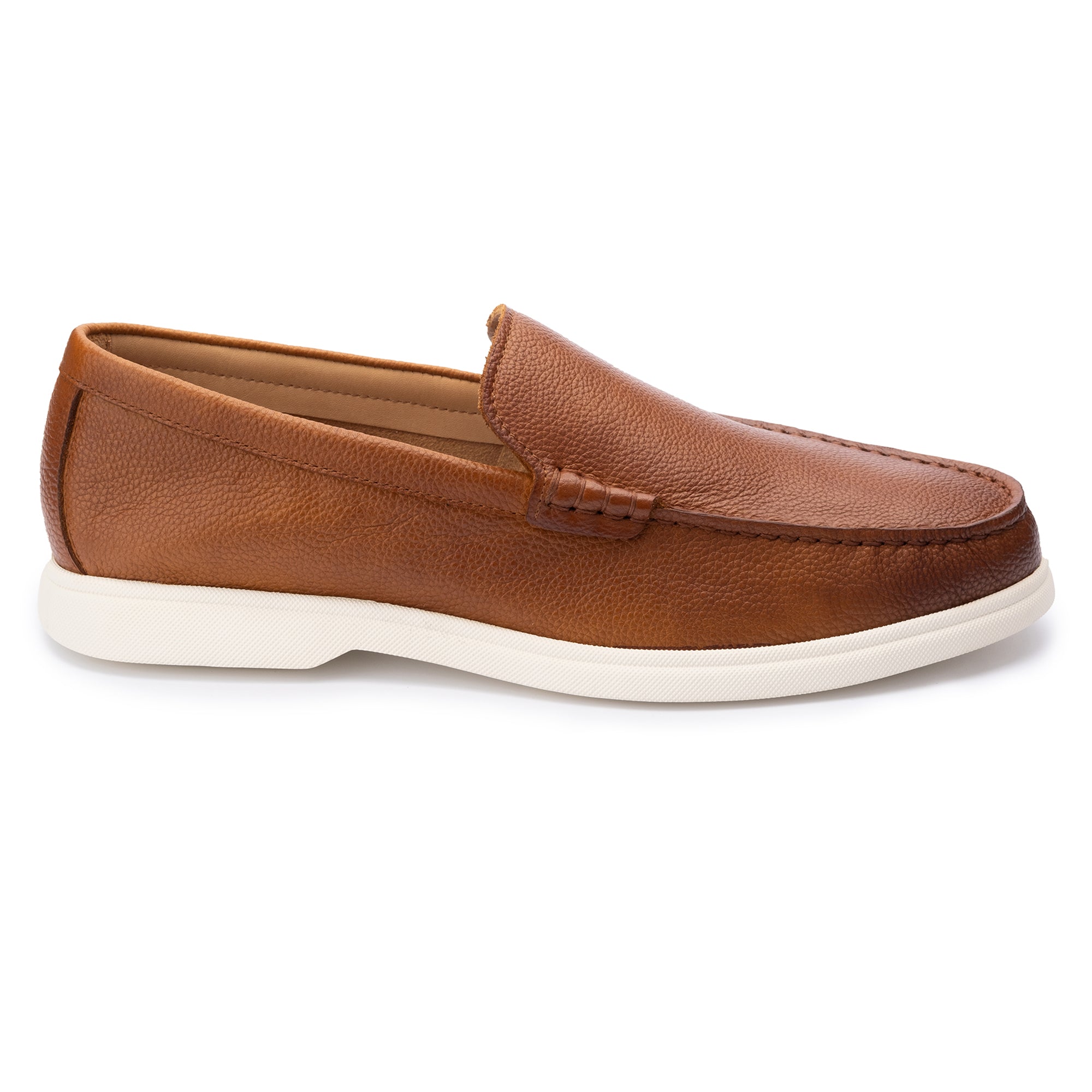
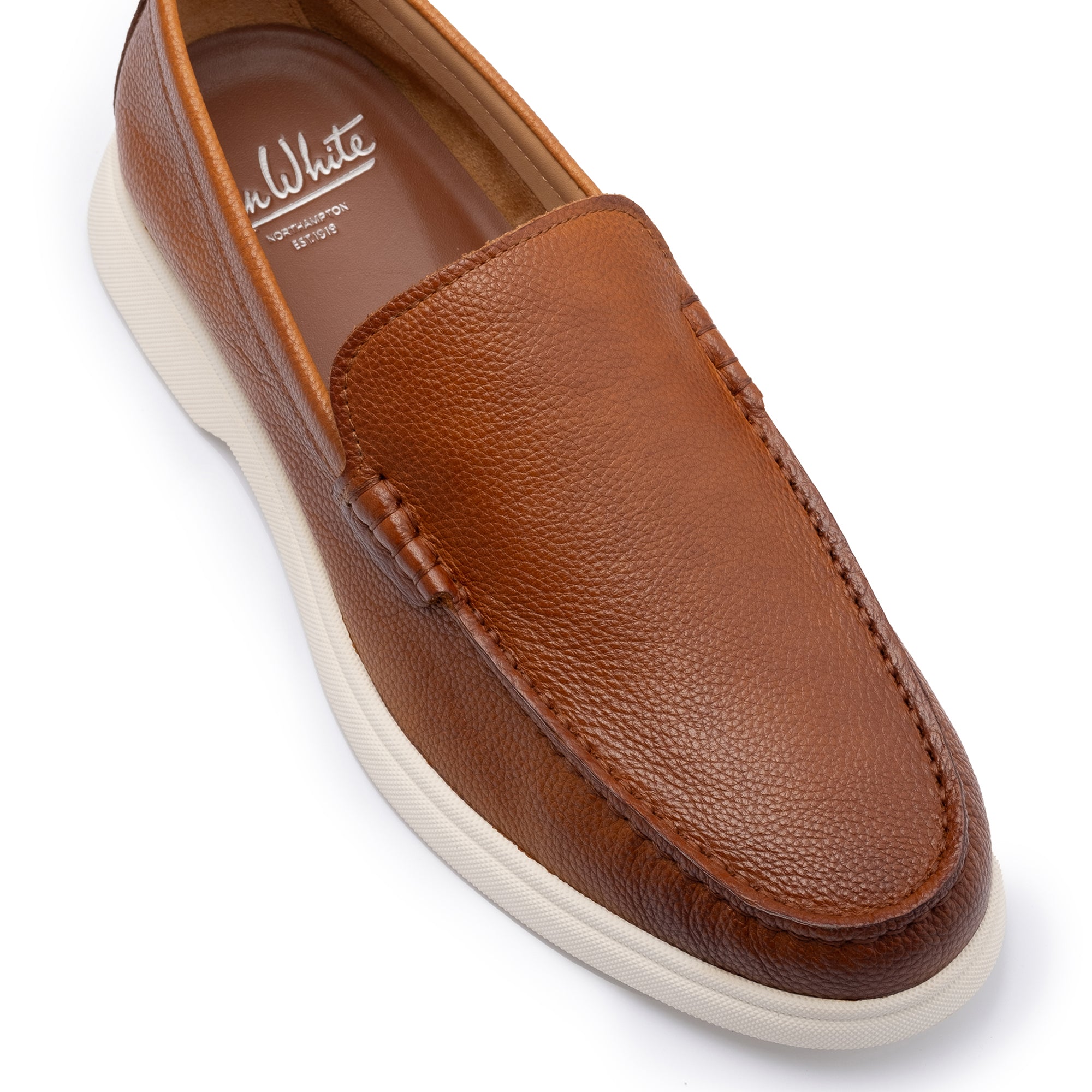
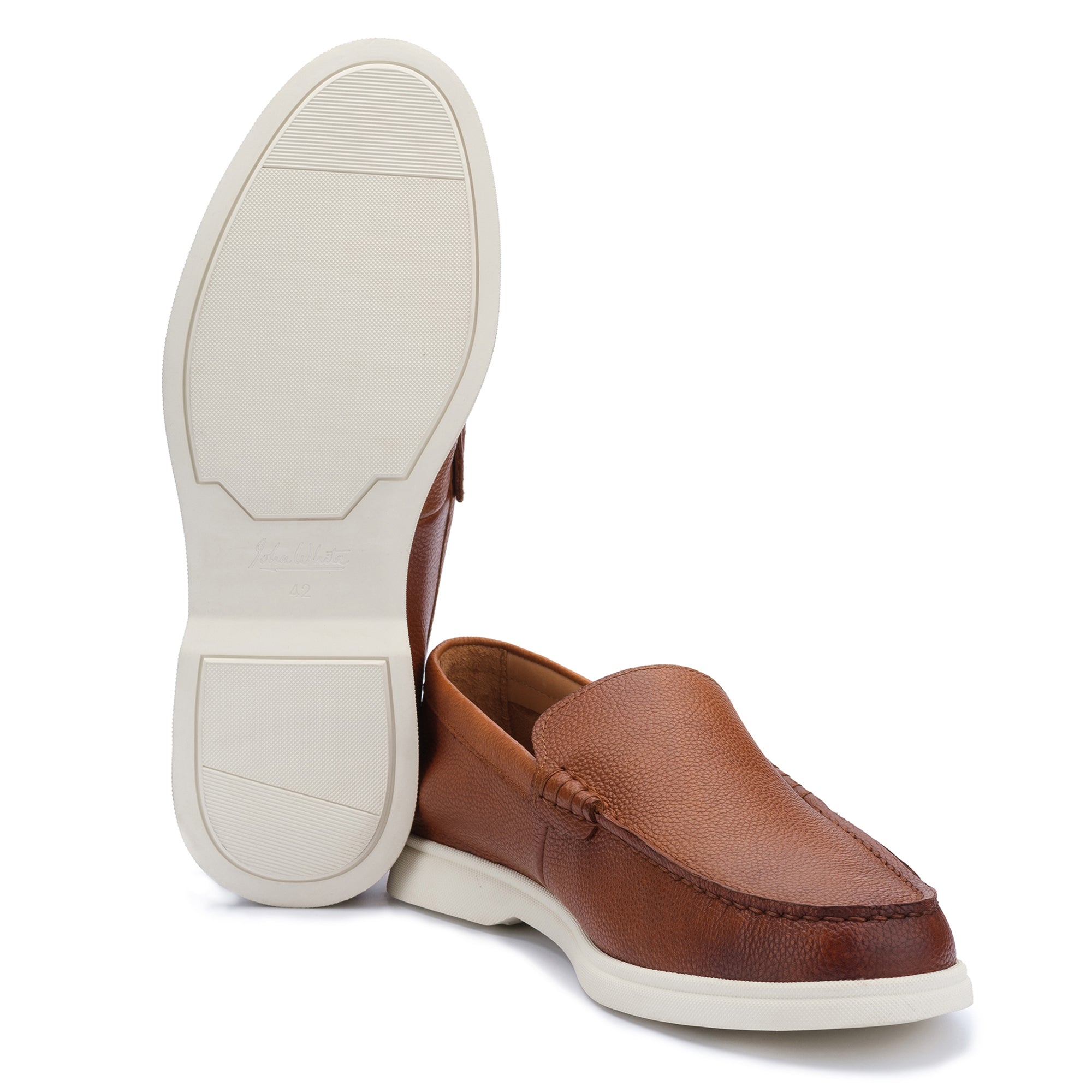
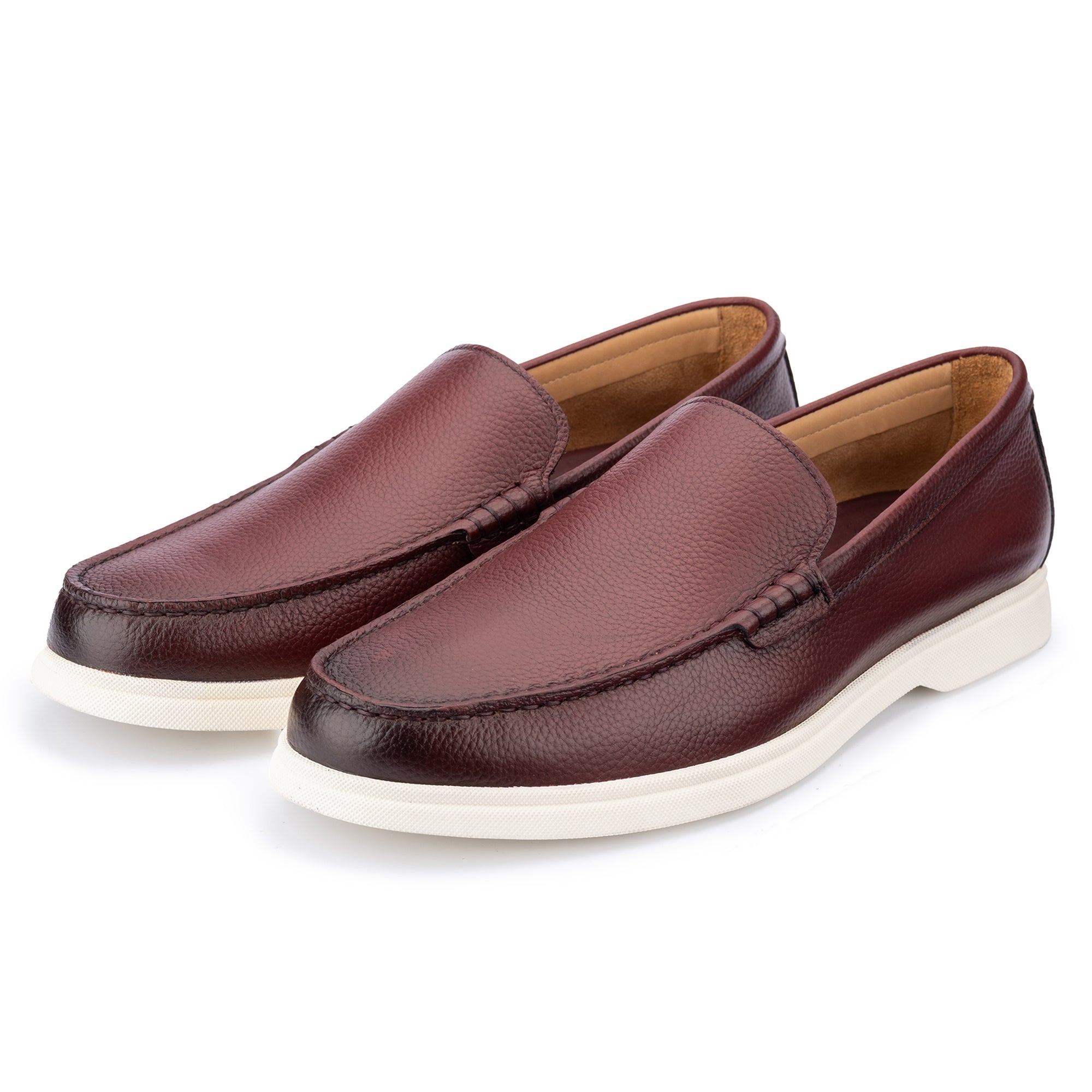
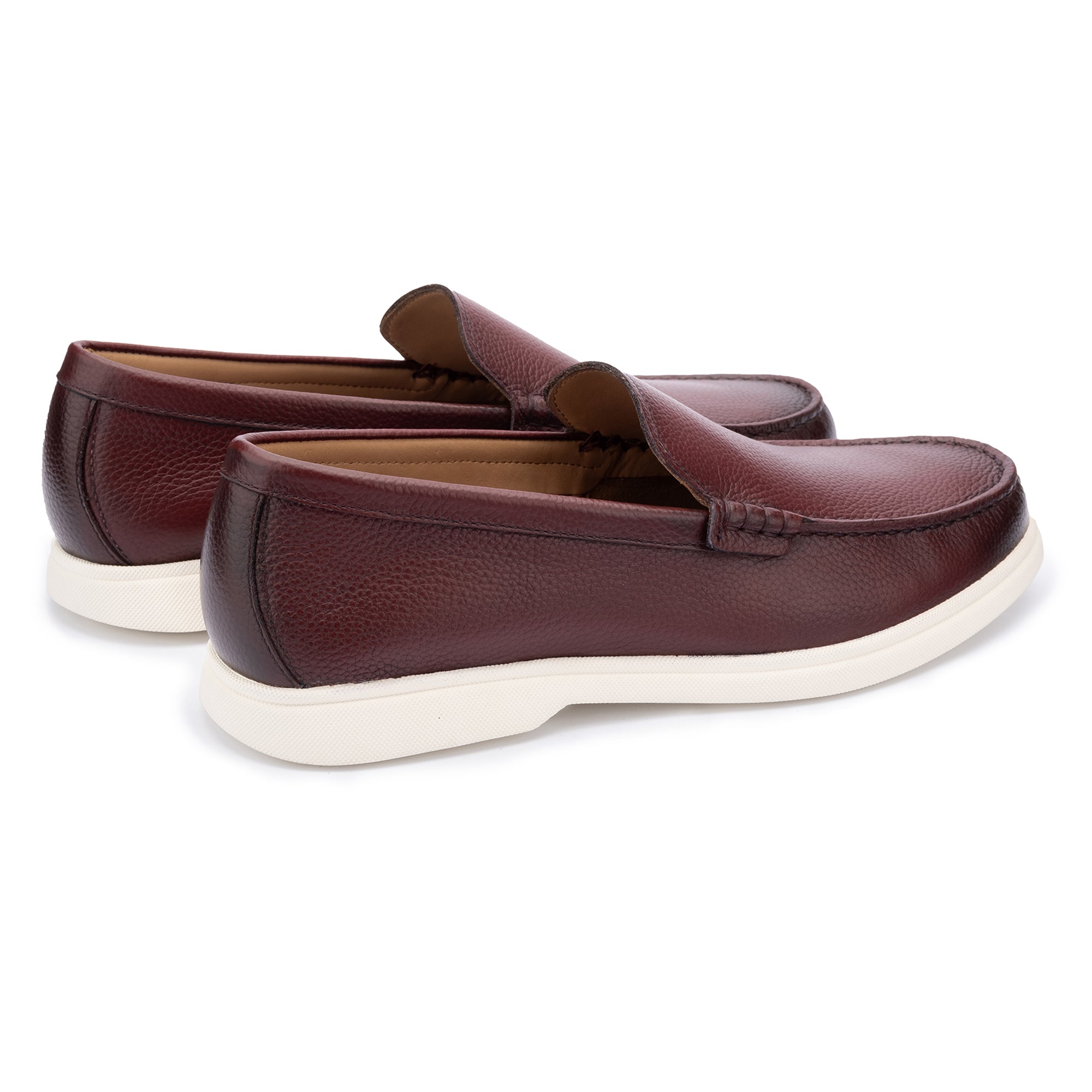
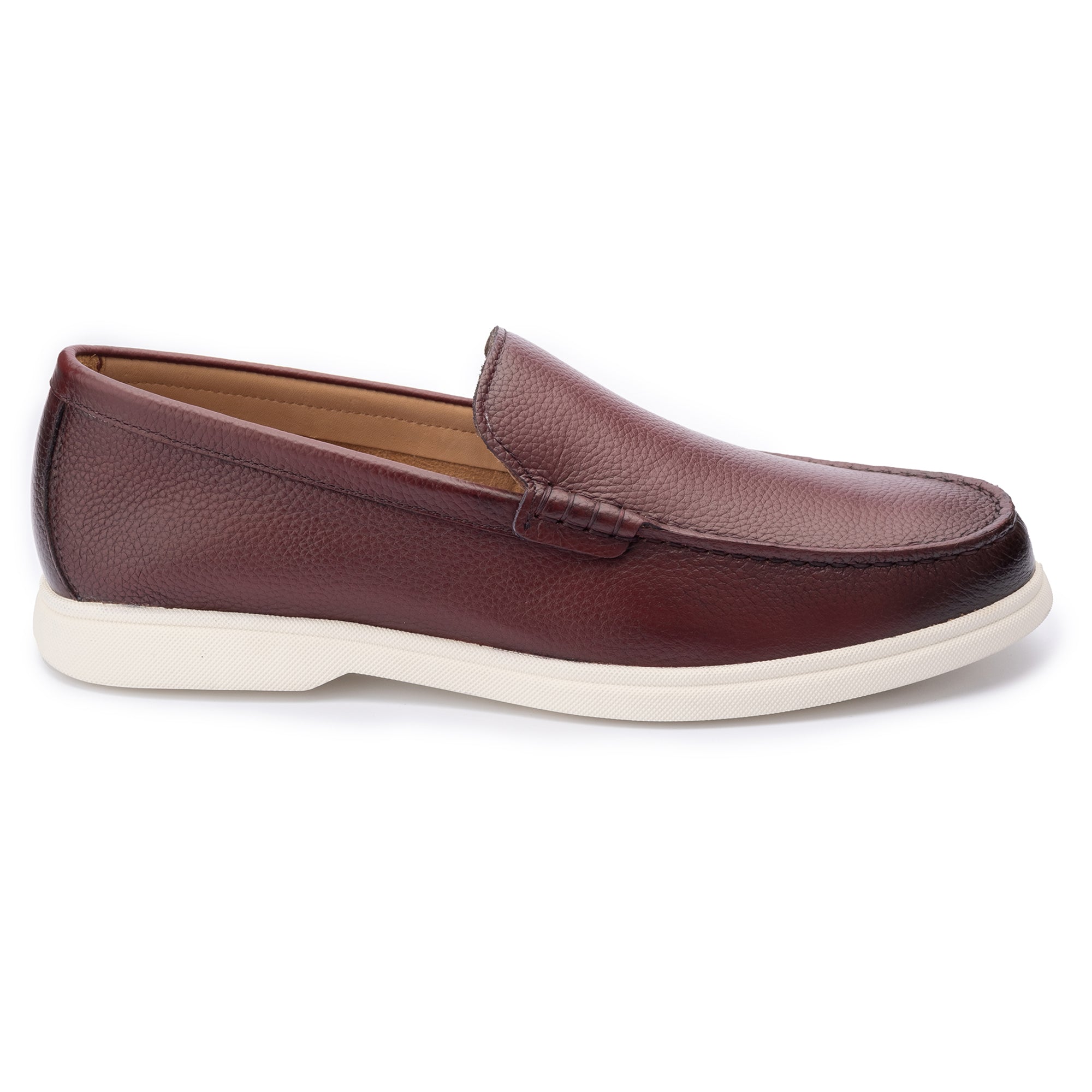
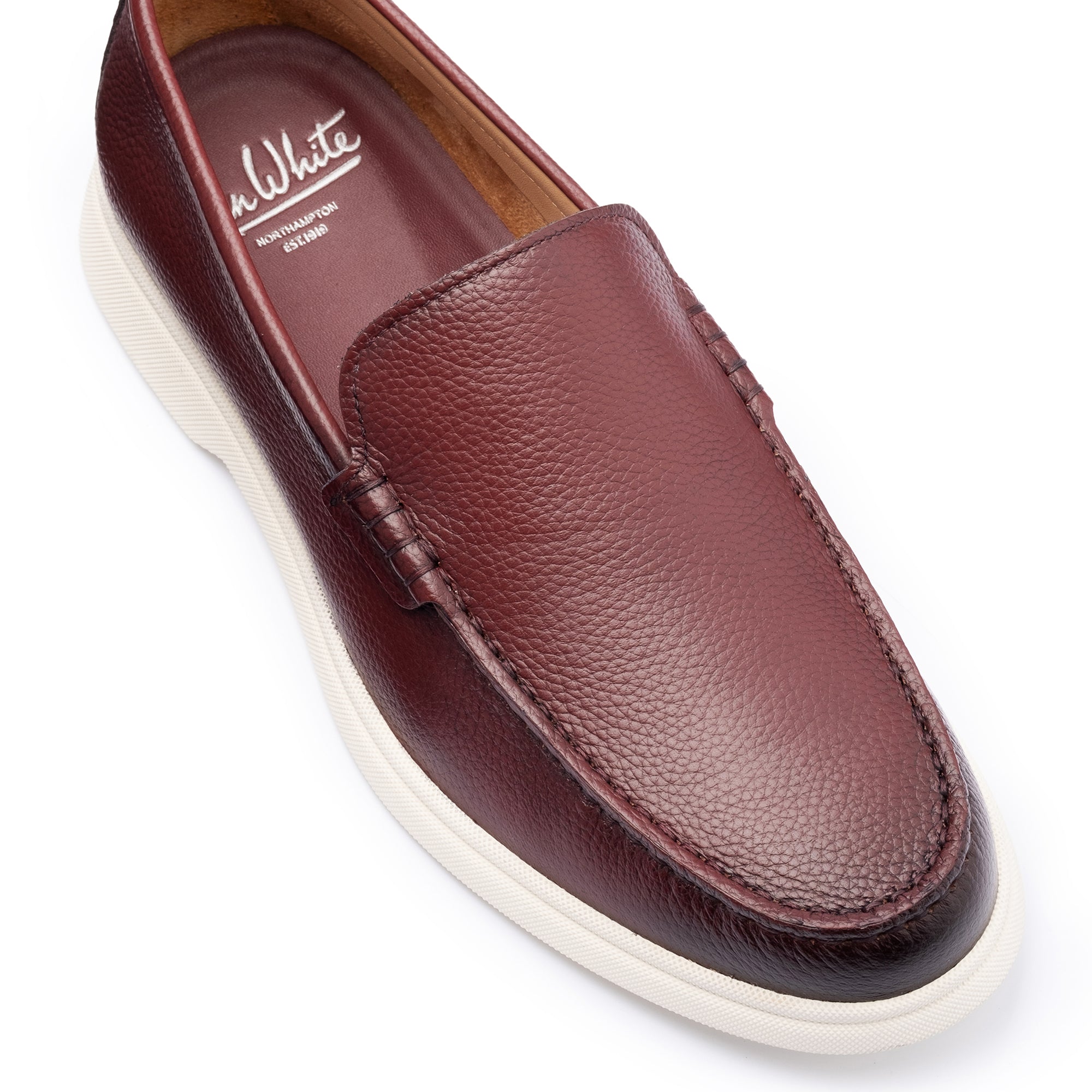
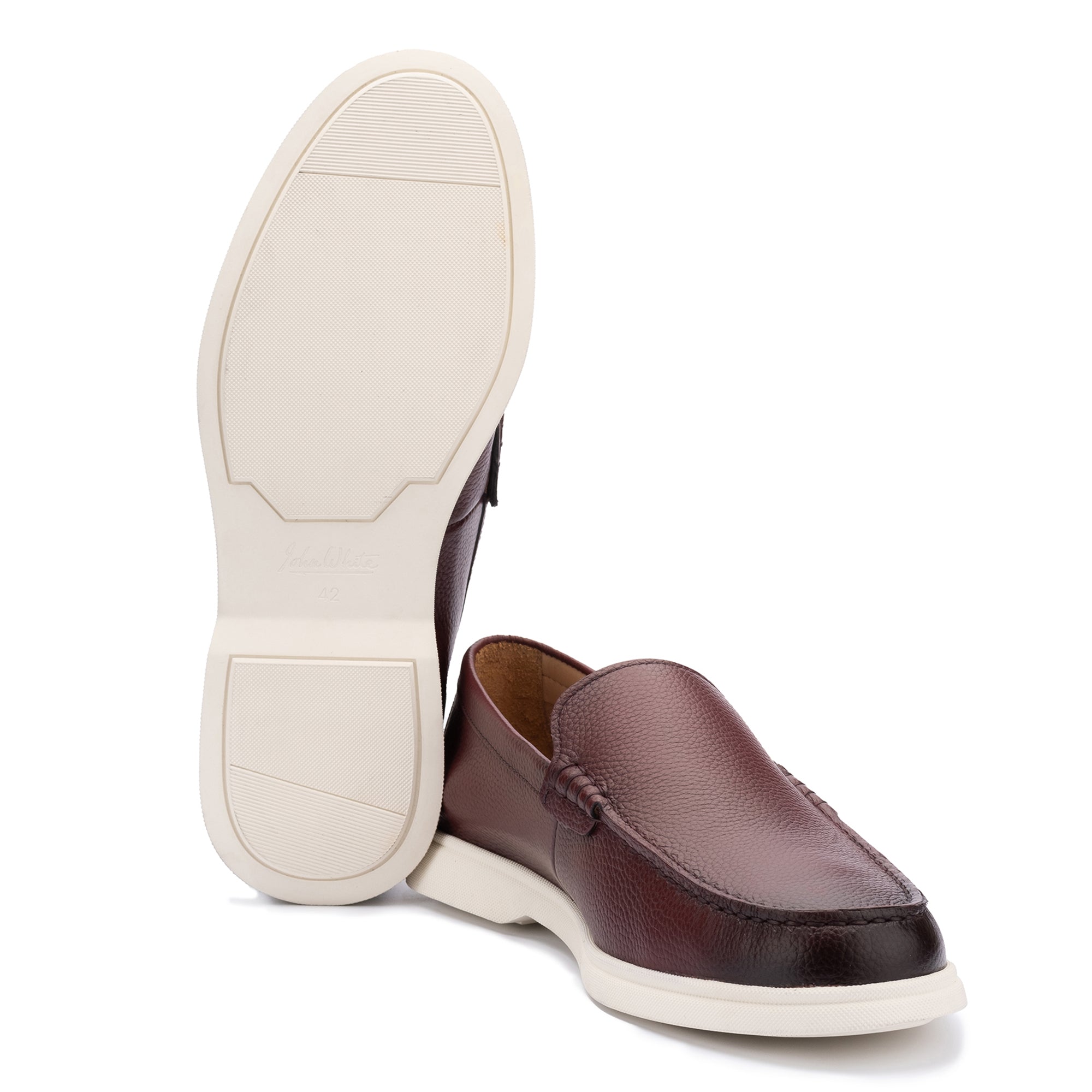
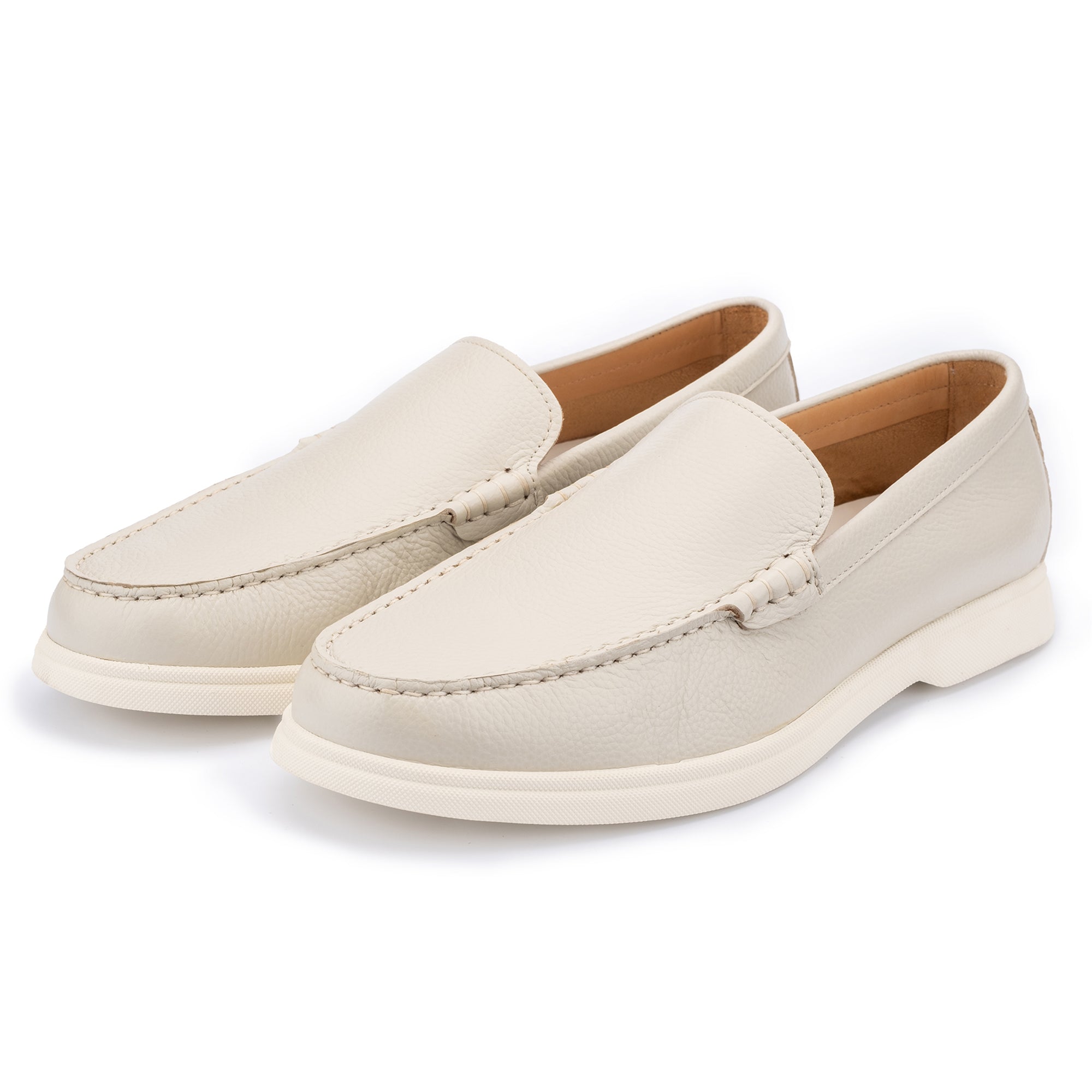
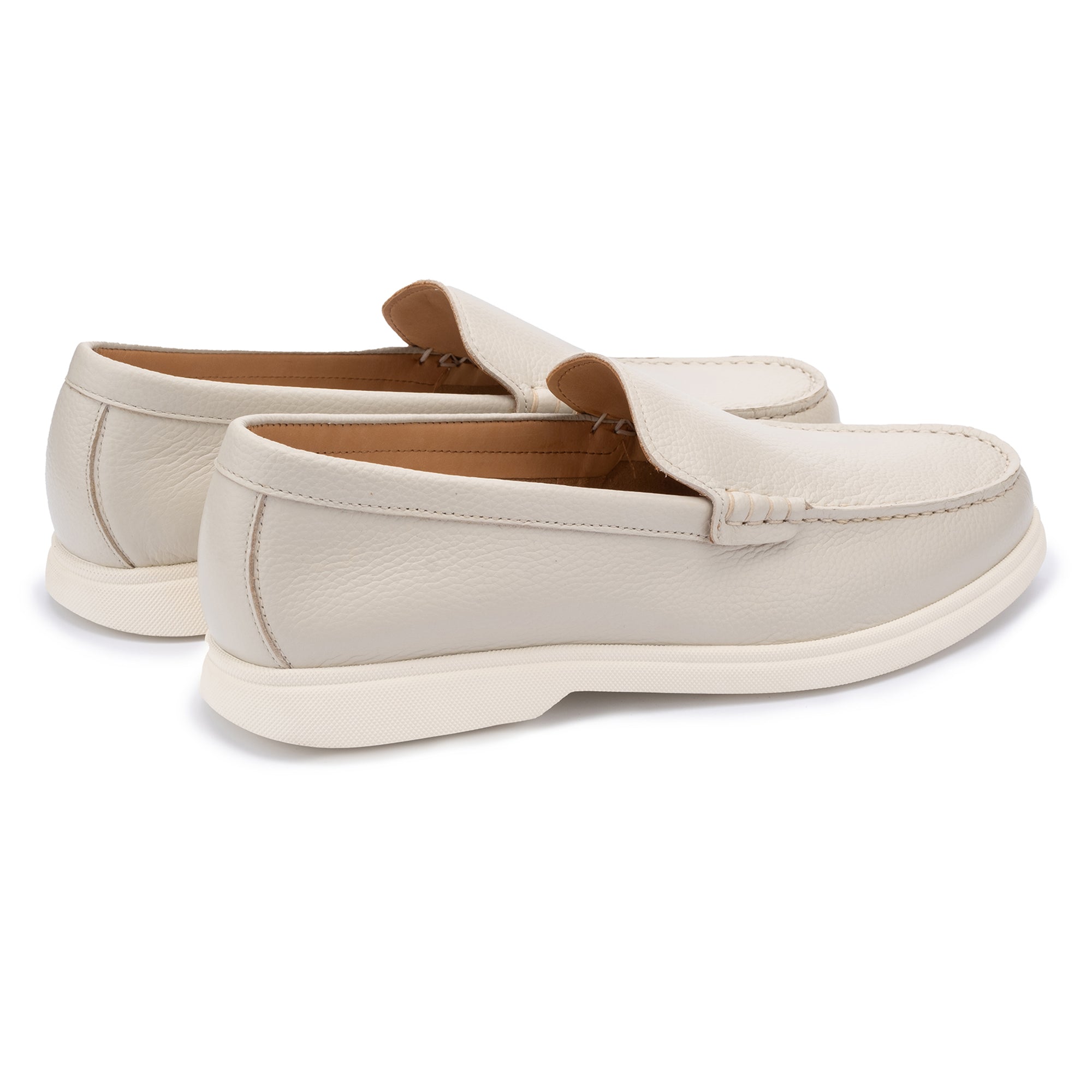
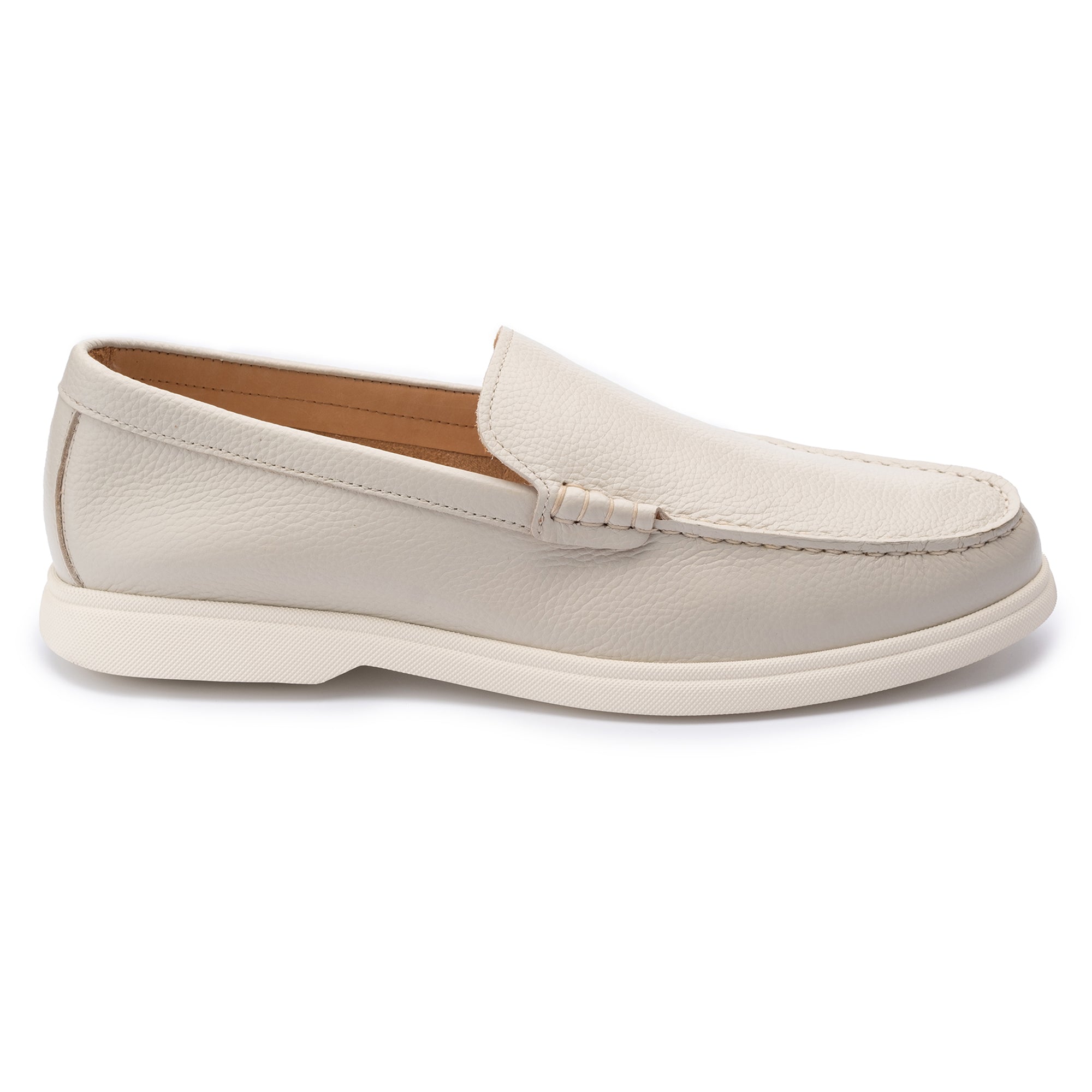
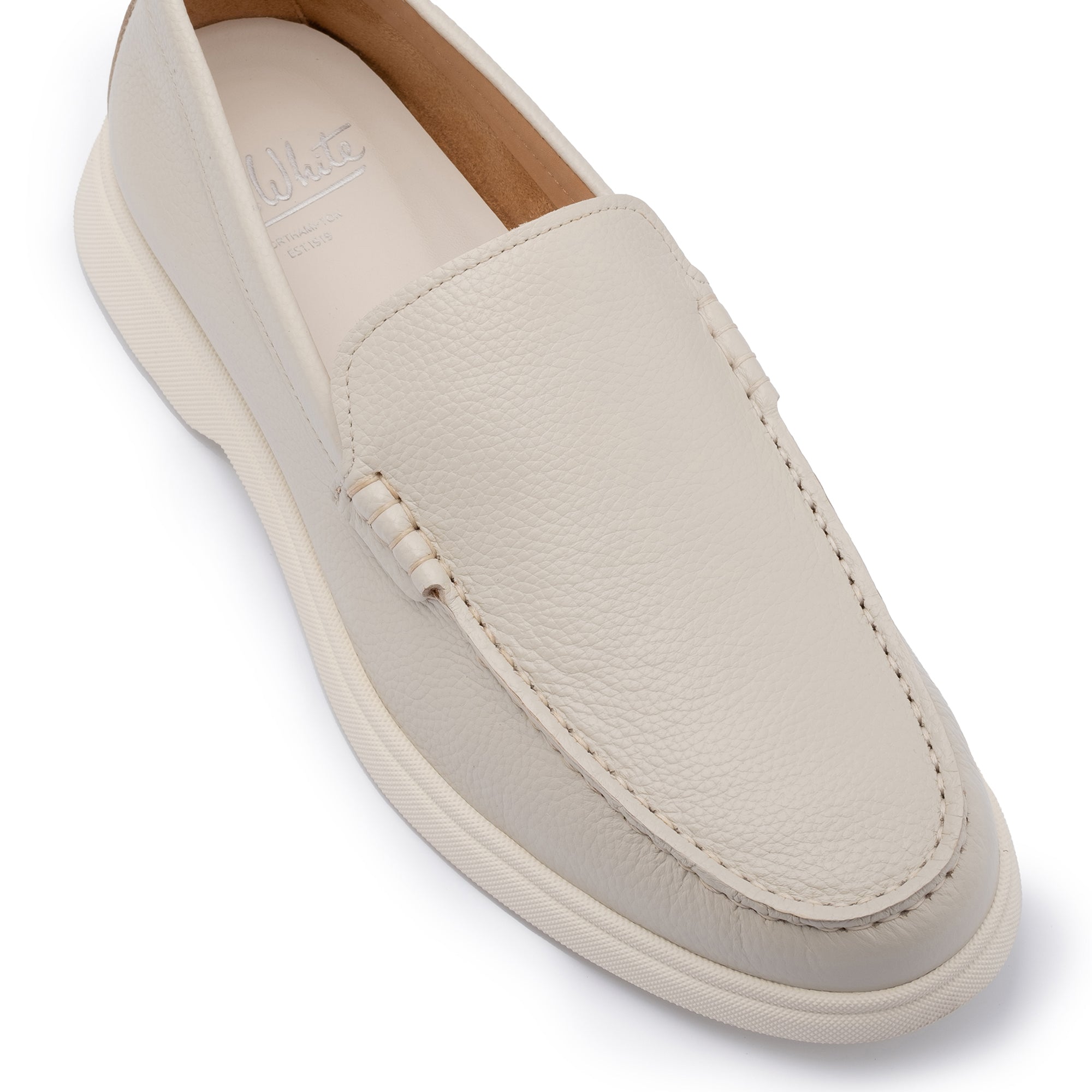
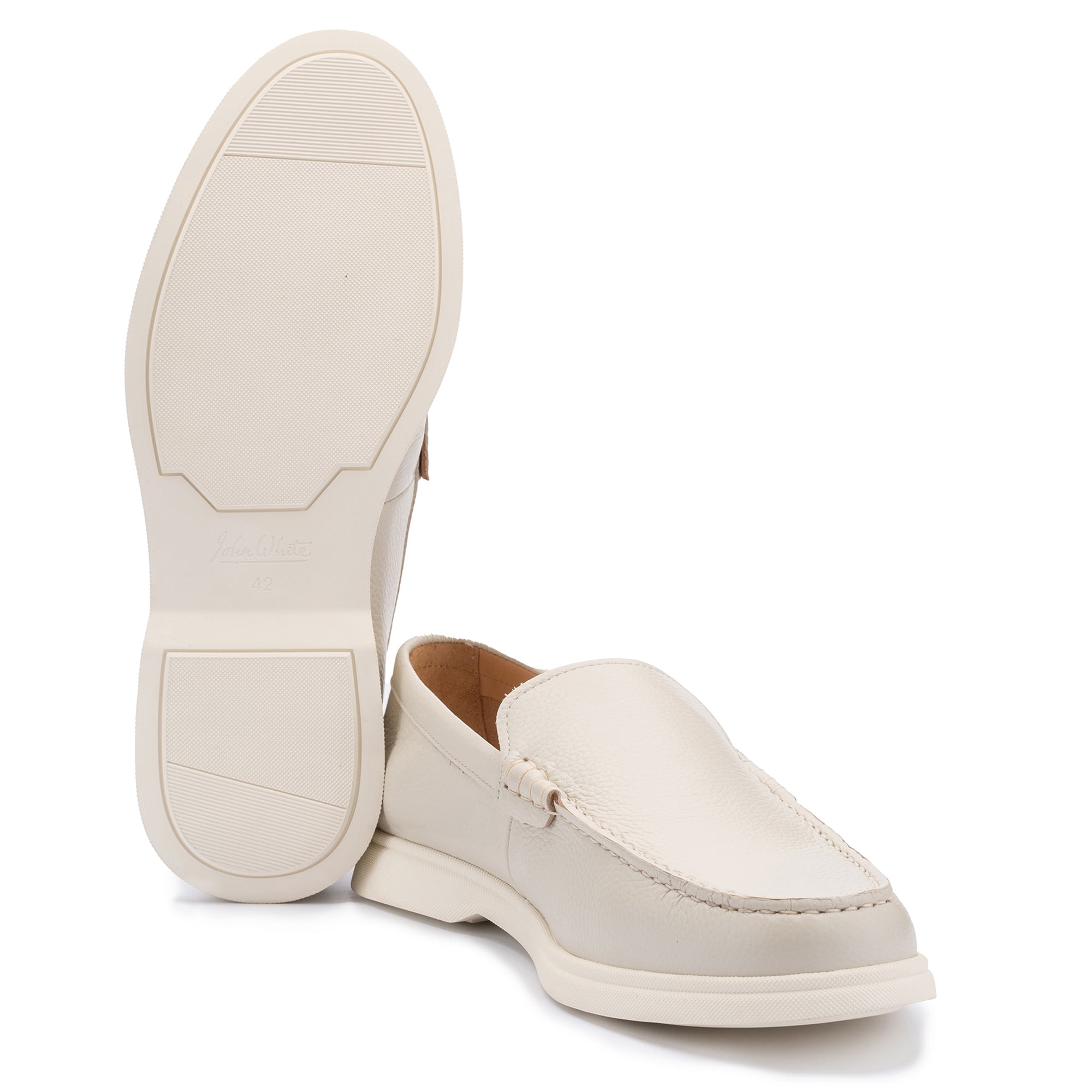
Loafers are the natural choice here. The Banff loafer in tan or burgundy reads as considered and stylish without the rigidity of lace-up shoes. Pair with well-fitted chinos and a blazer and you will be correctly dressed for virtually any smart casual setting.
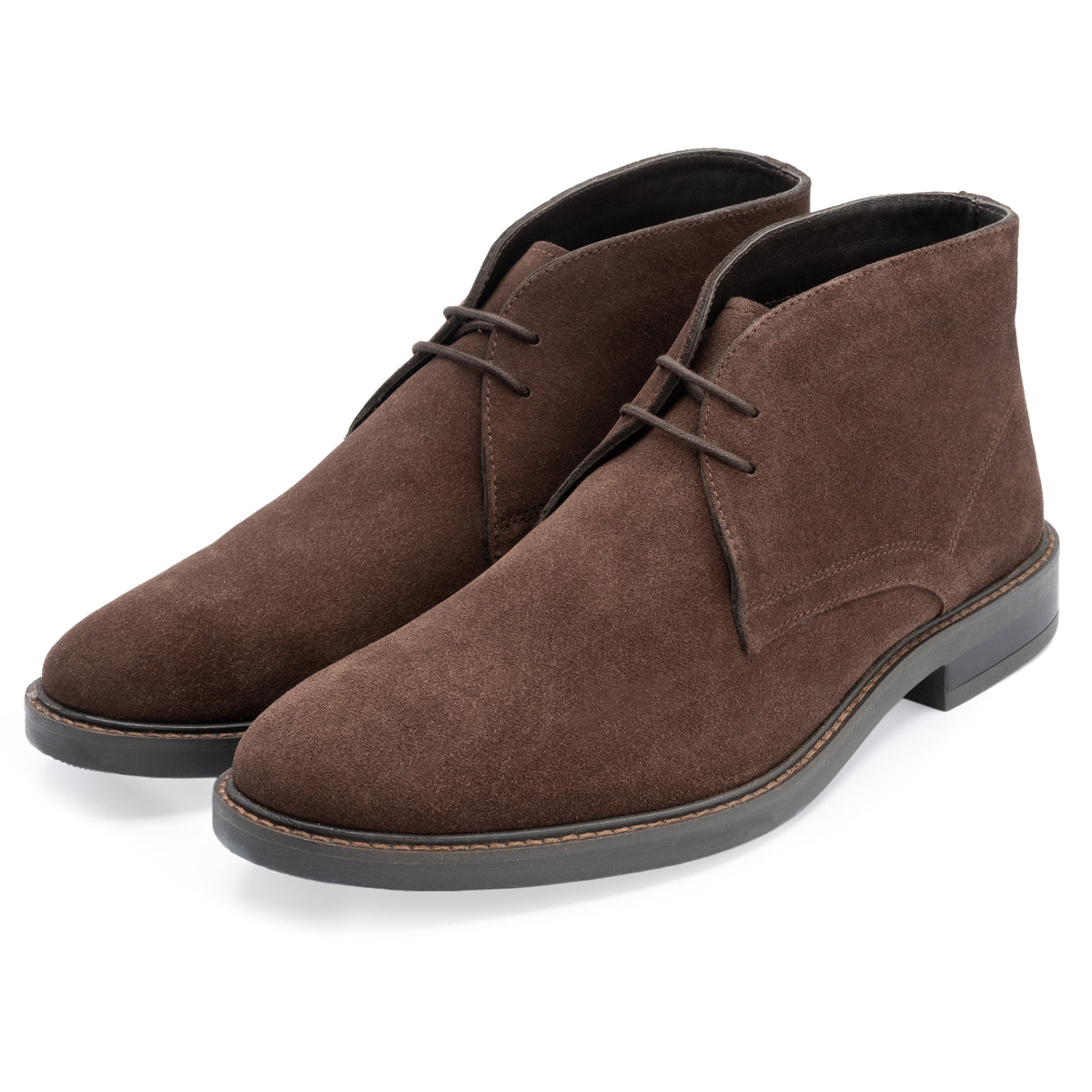
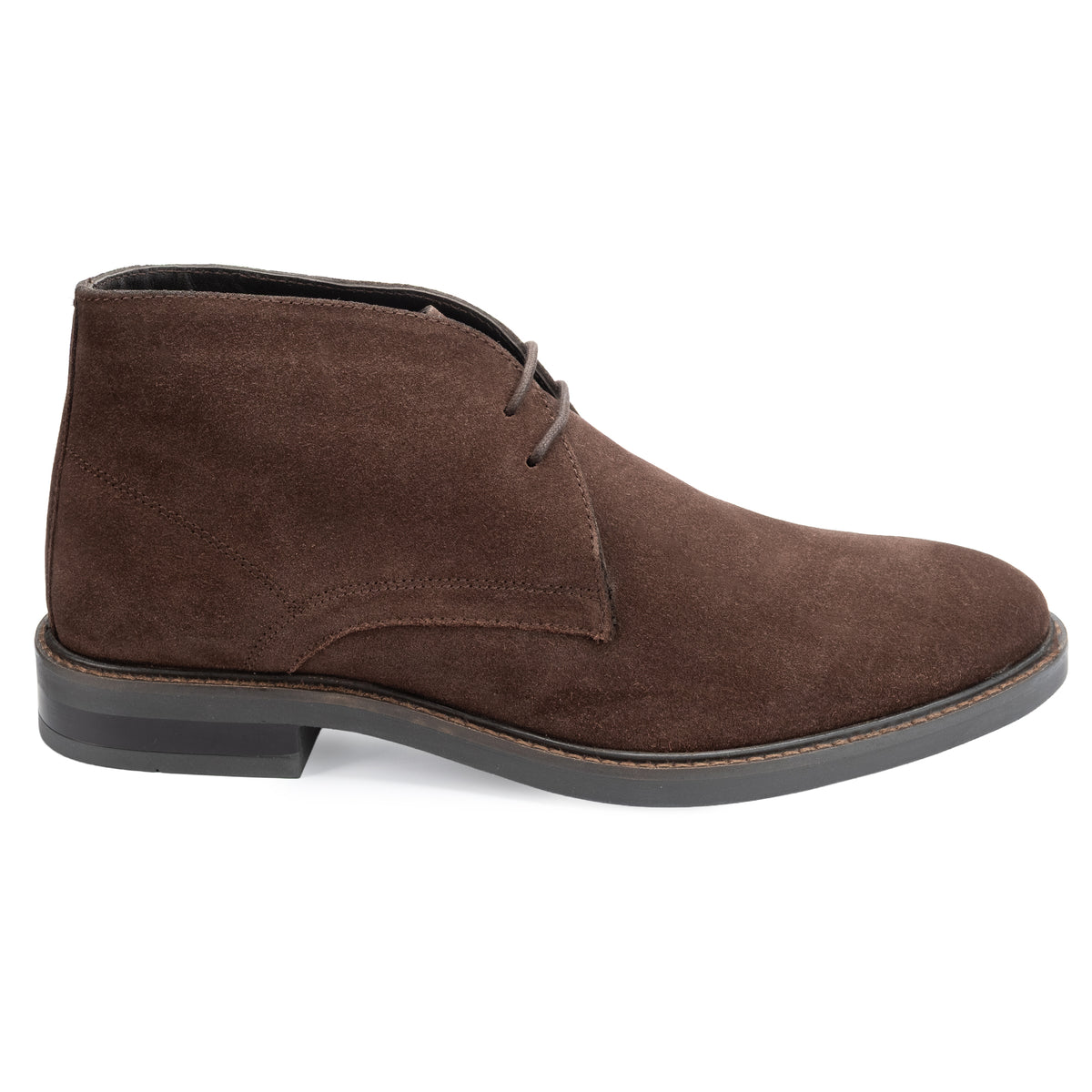
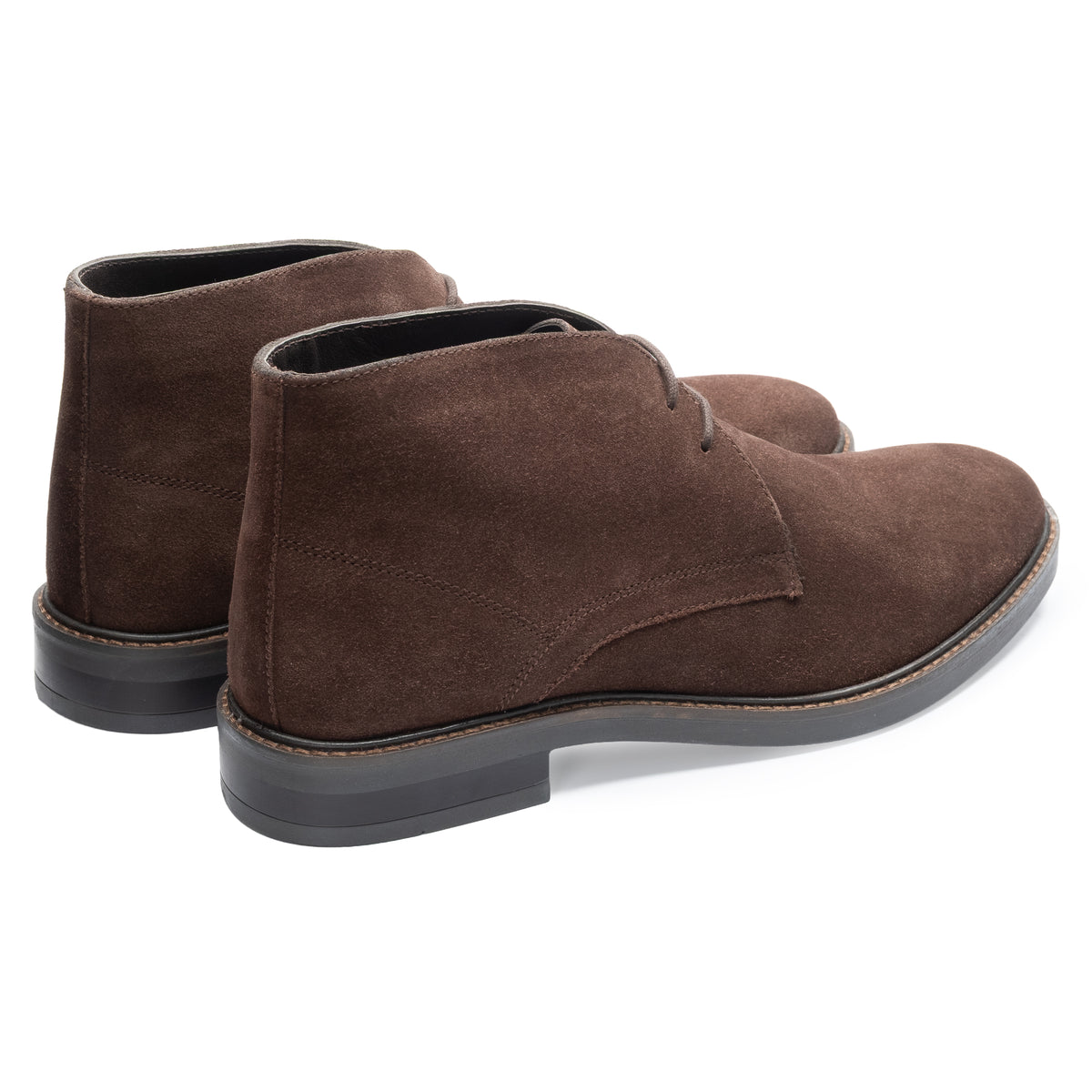
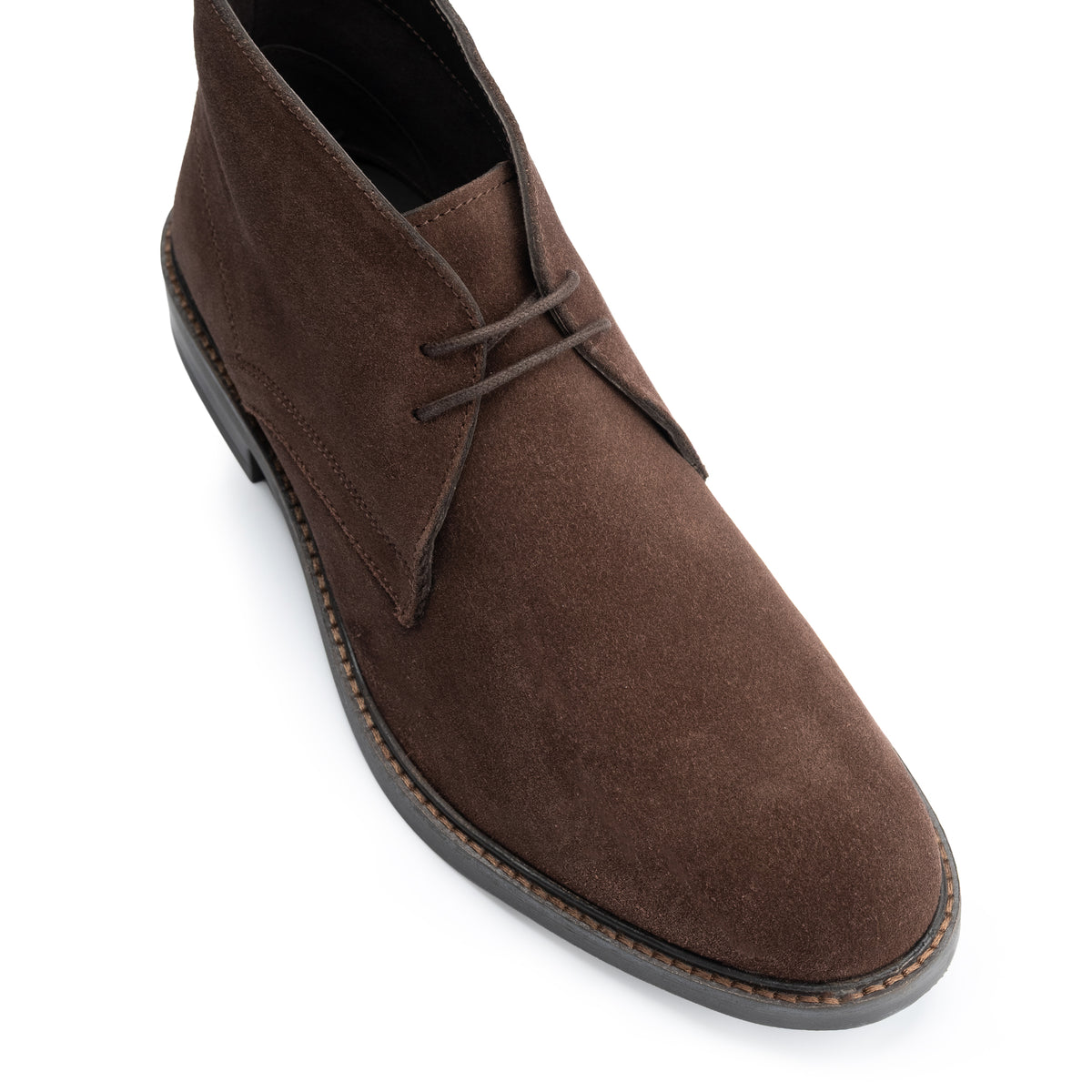
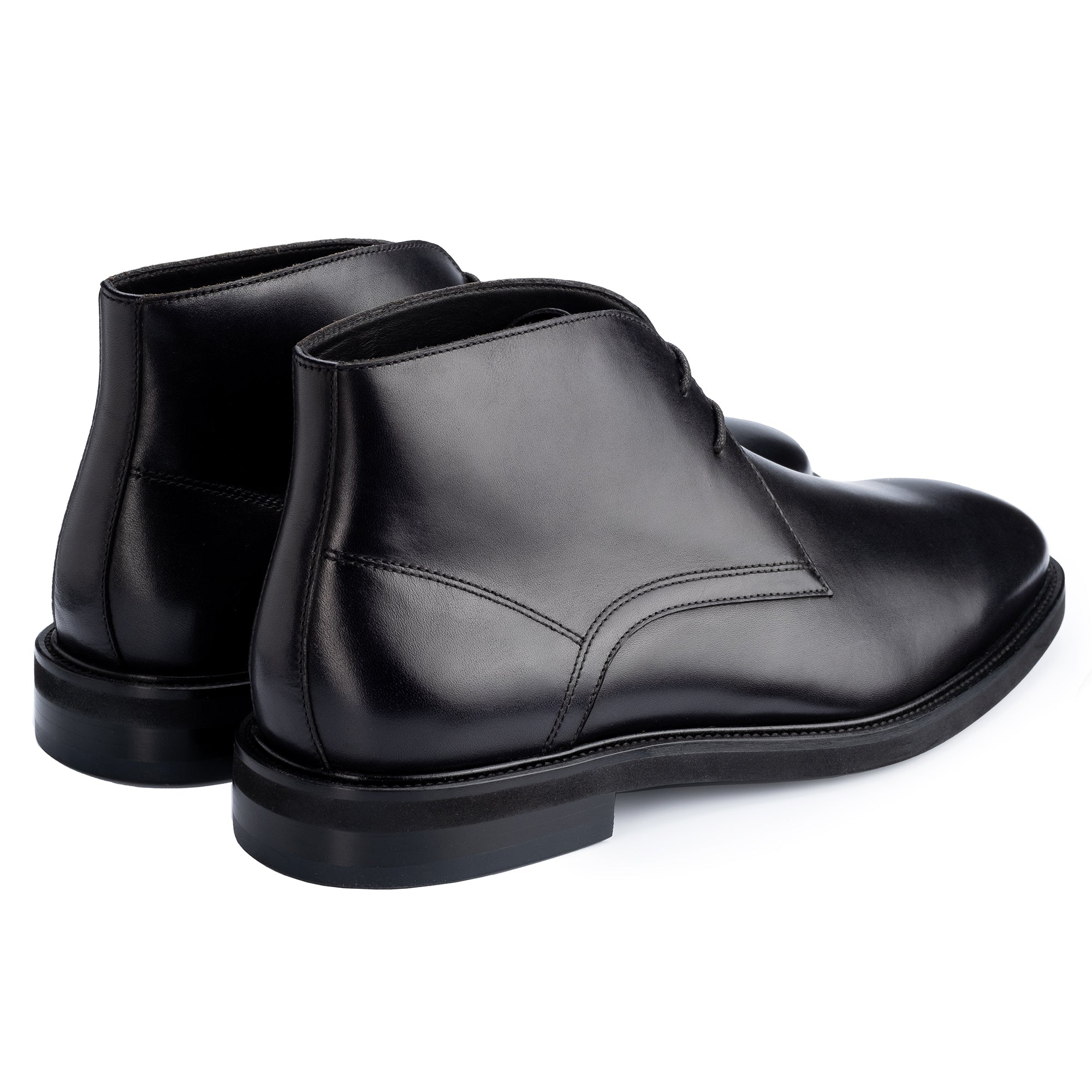
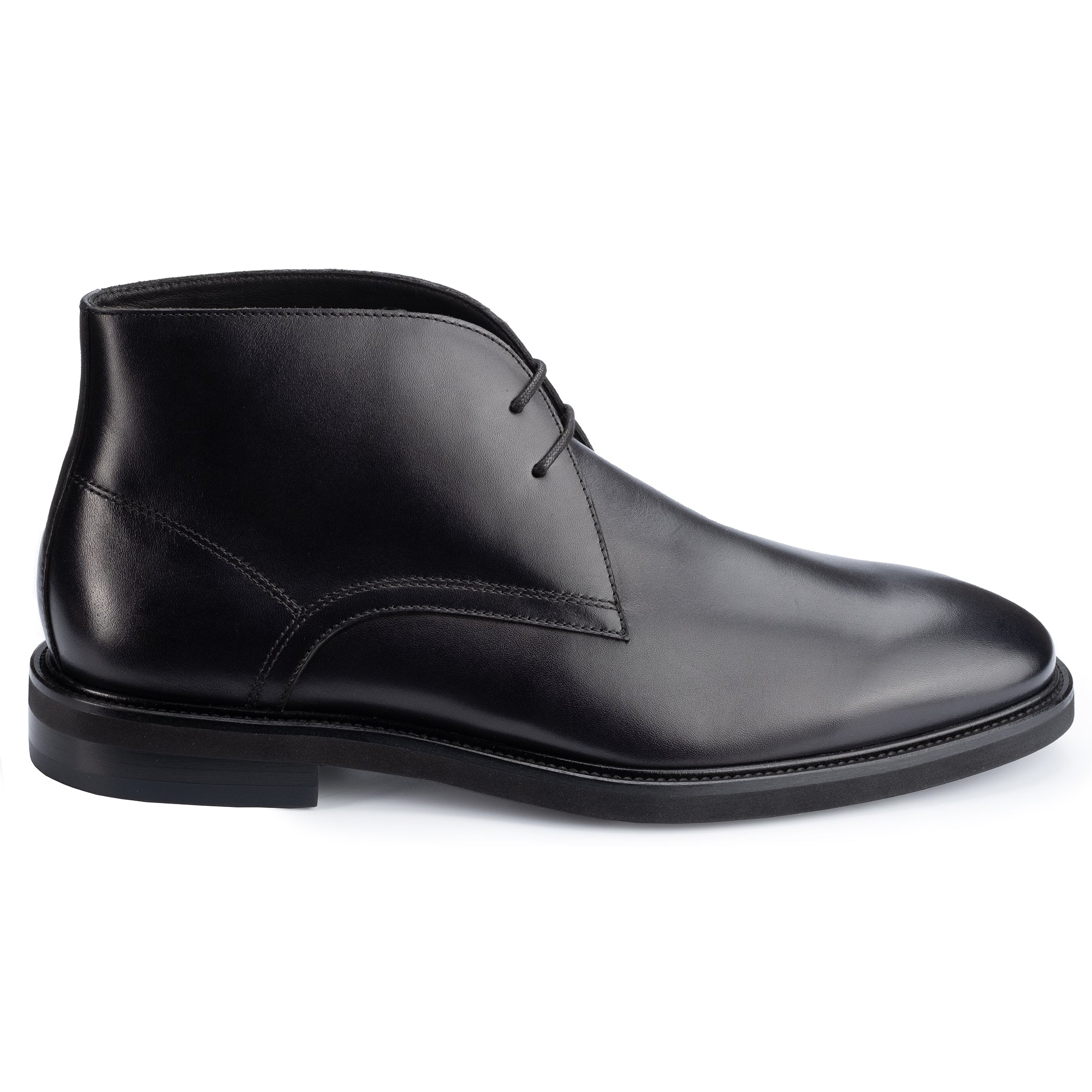
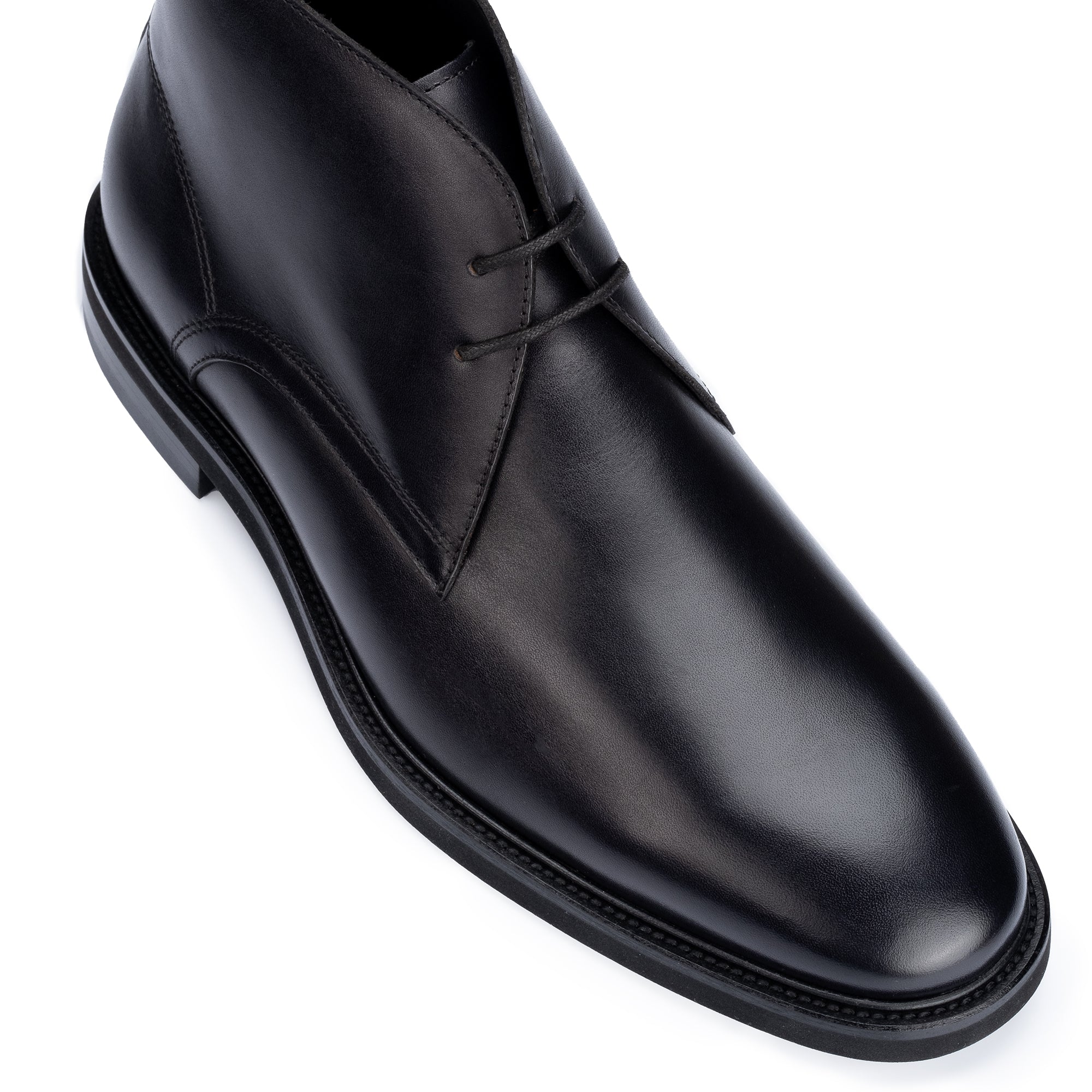
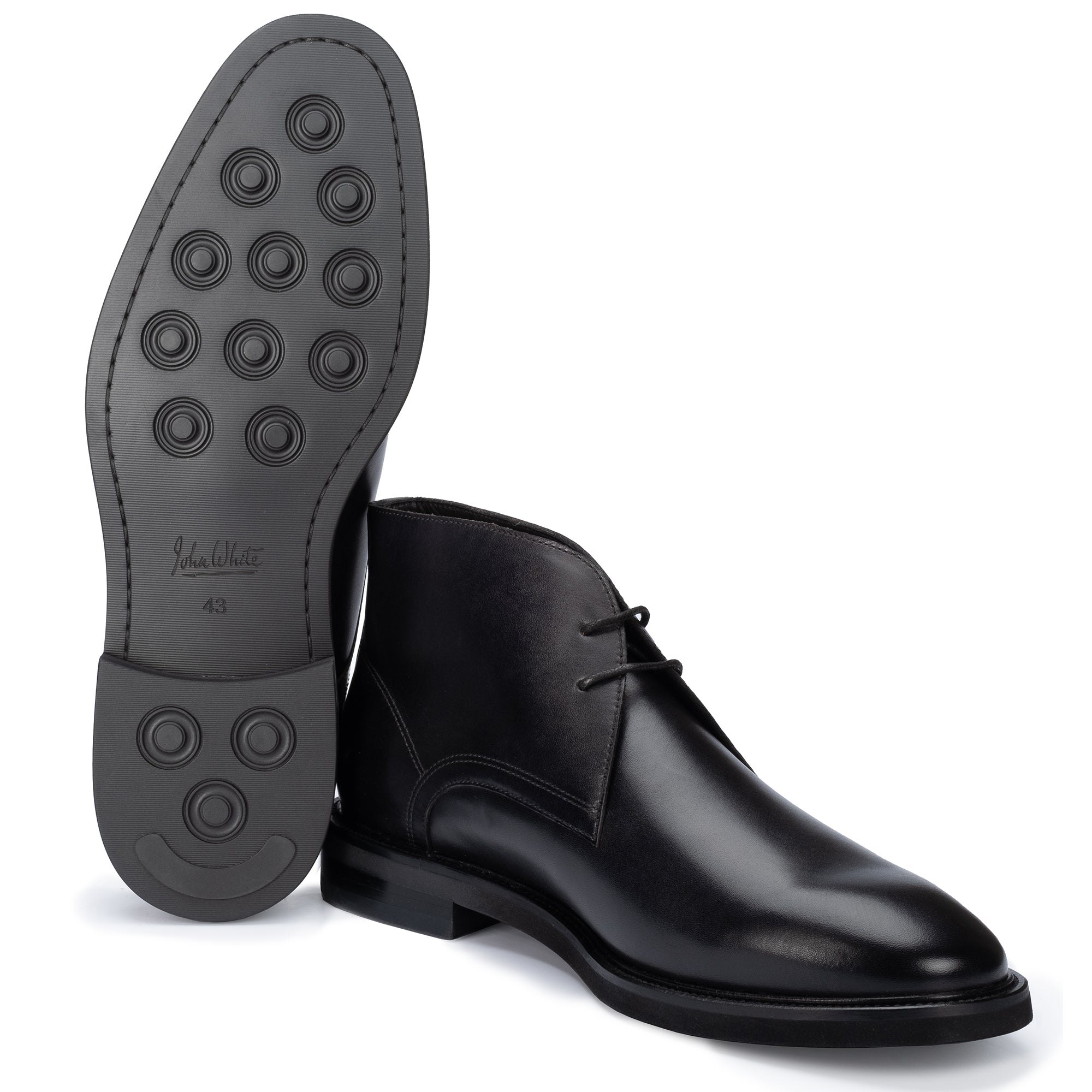
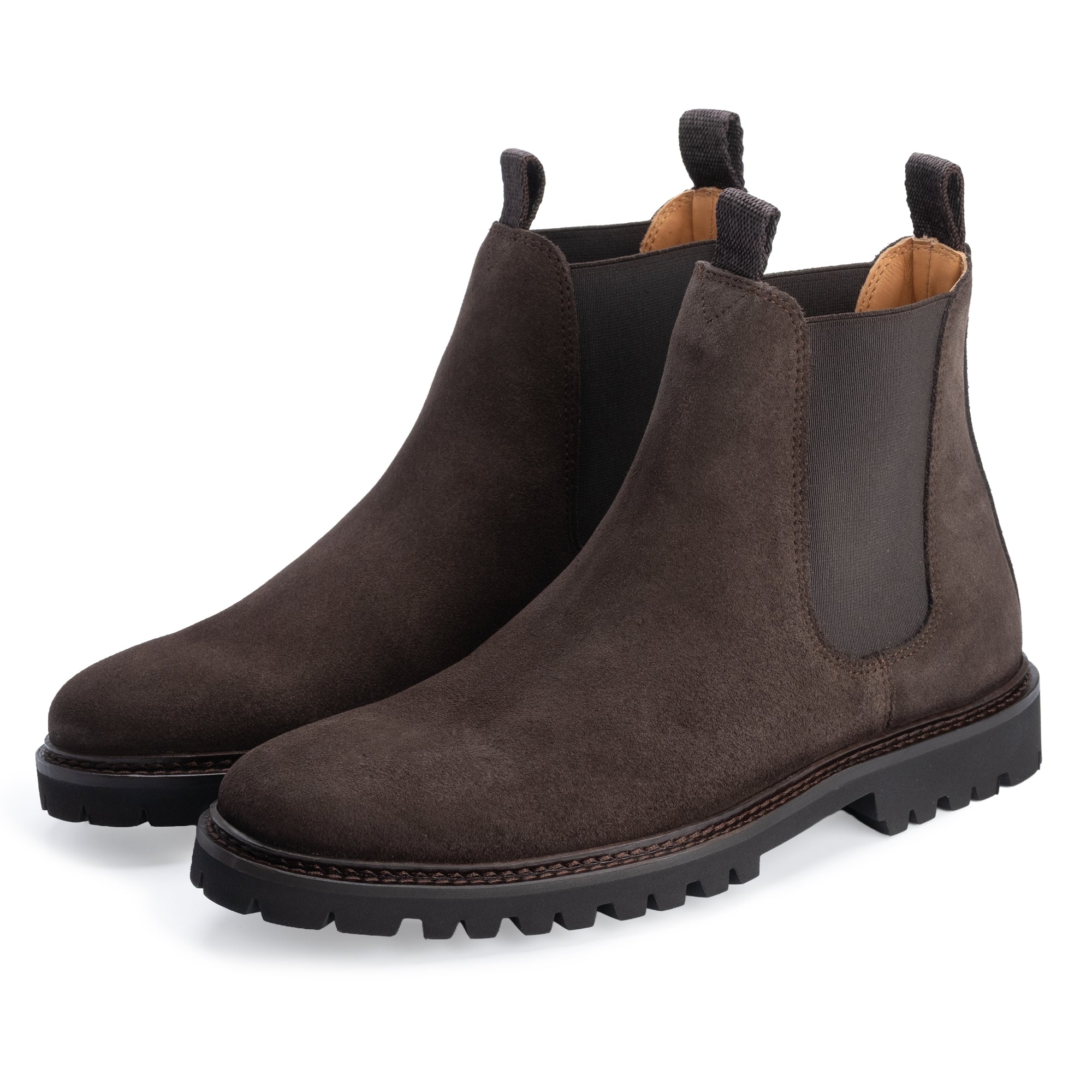
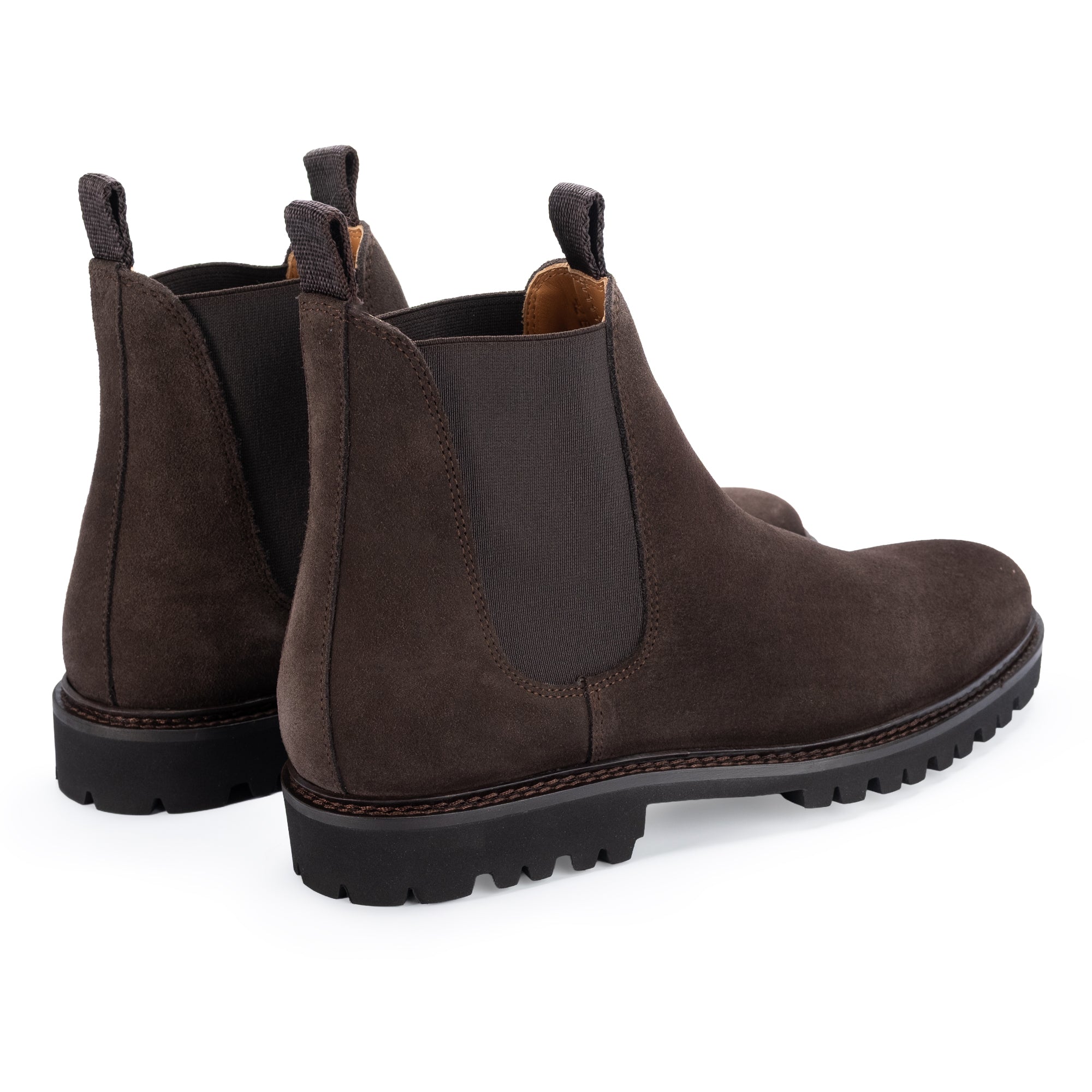
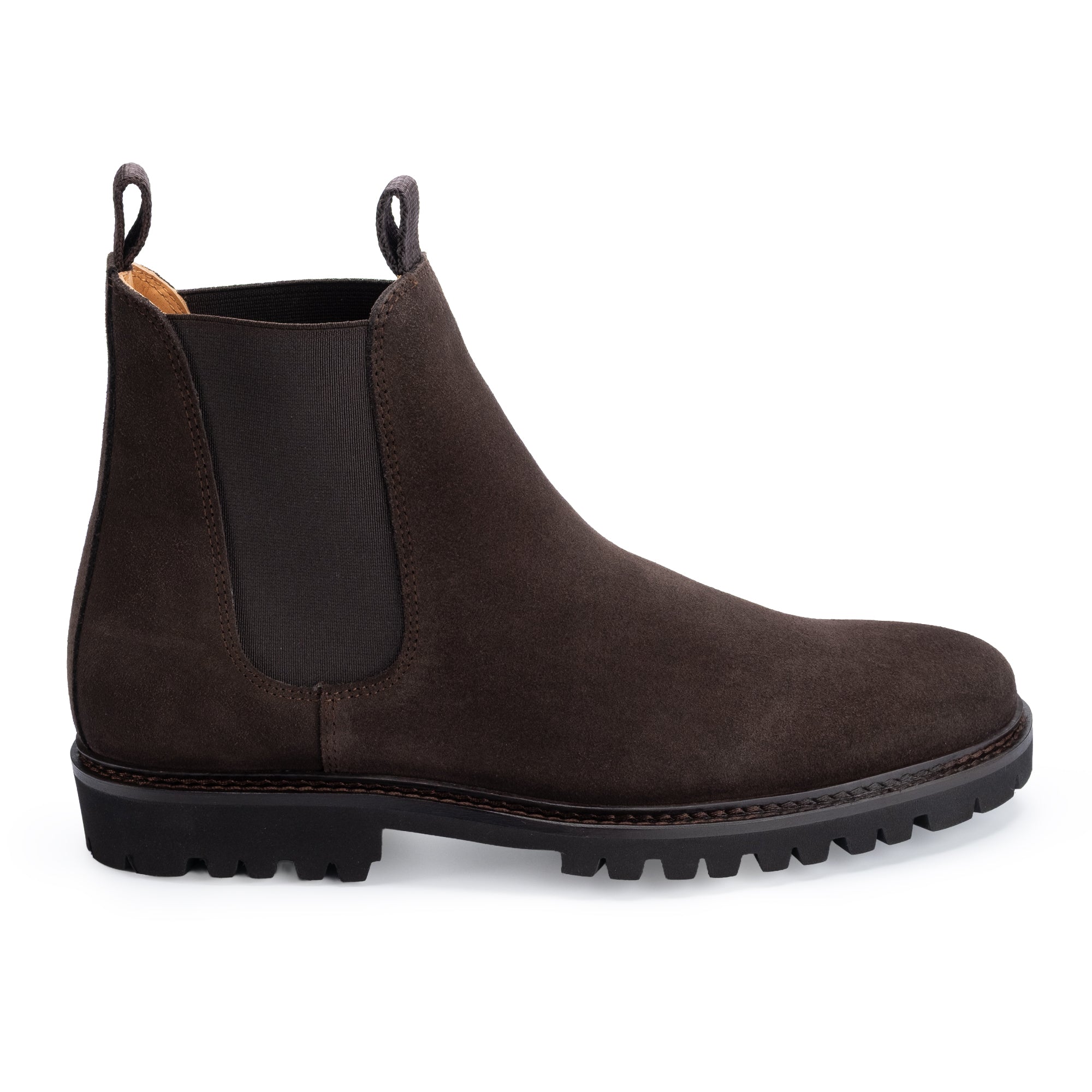
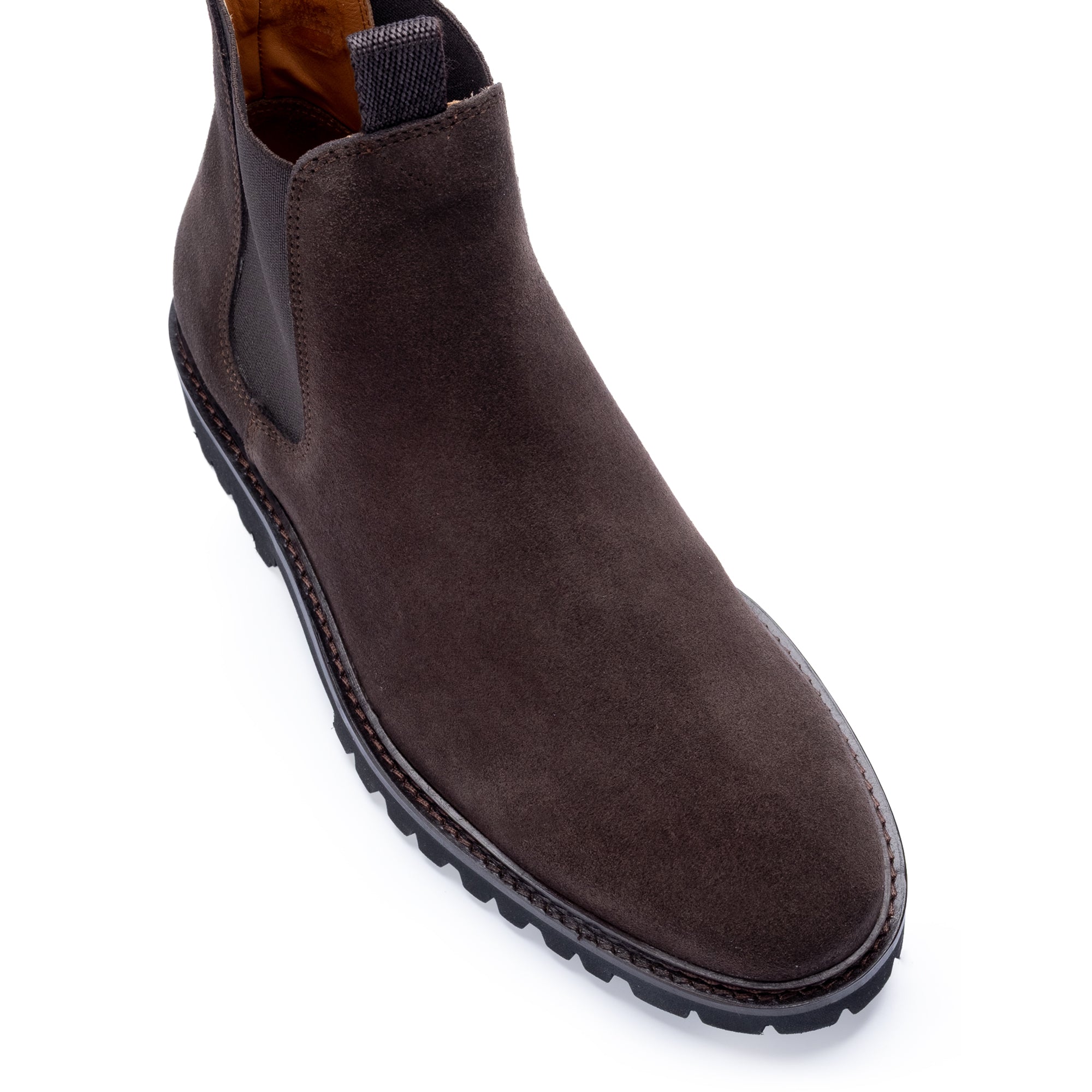
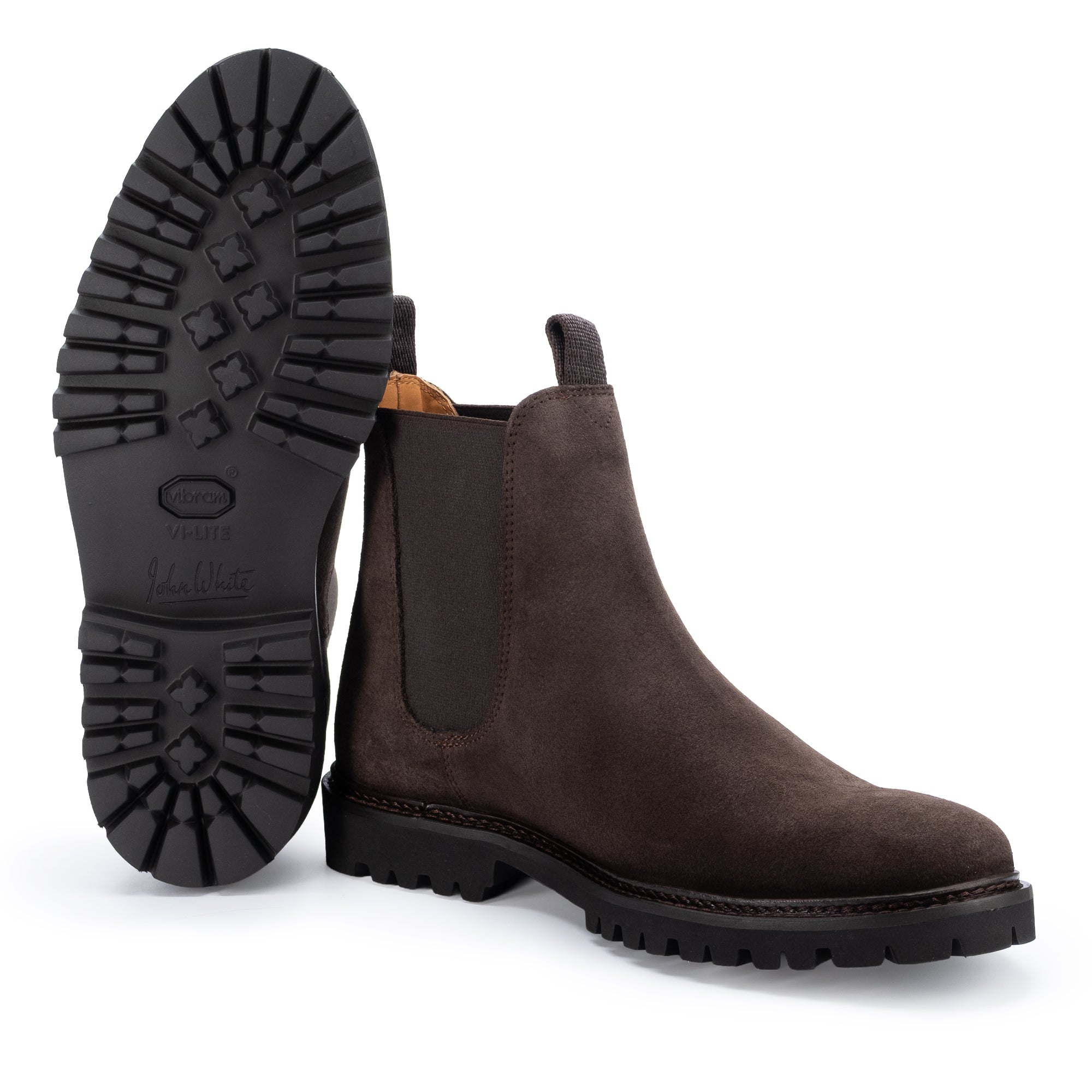
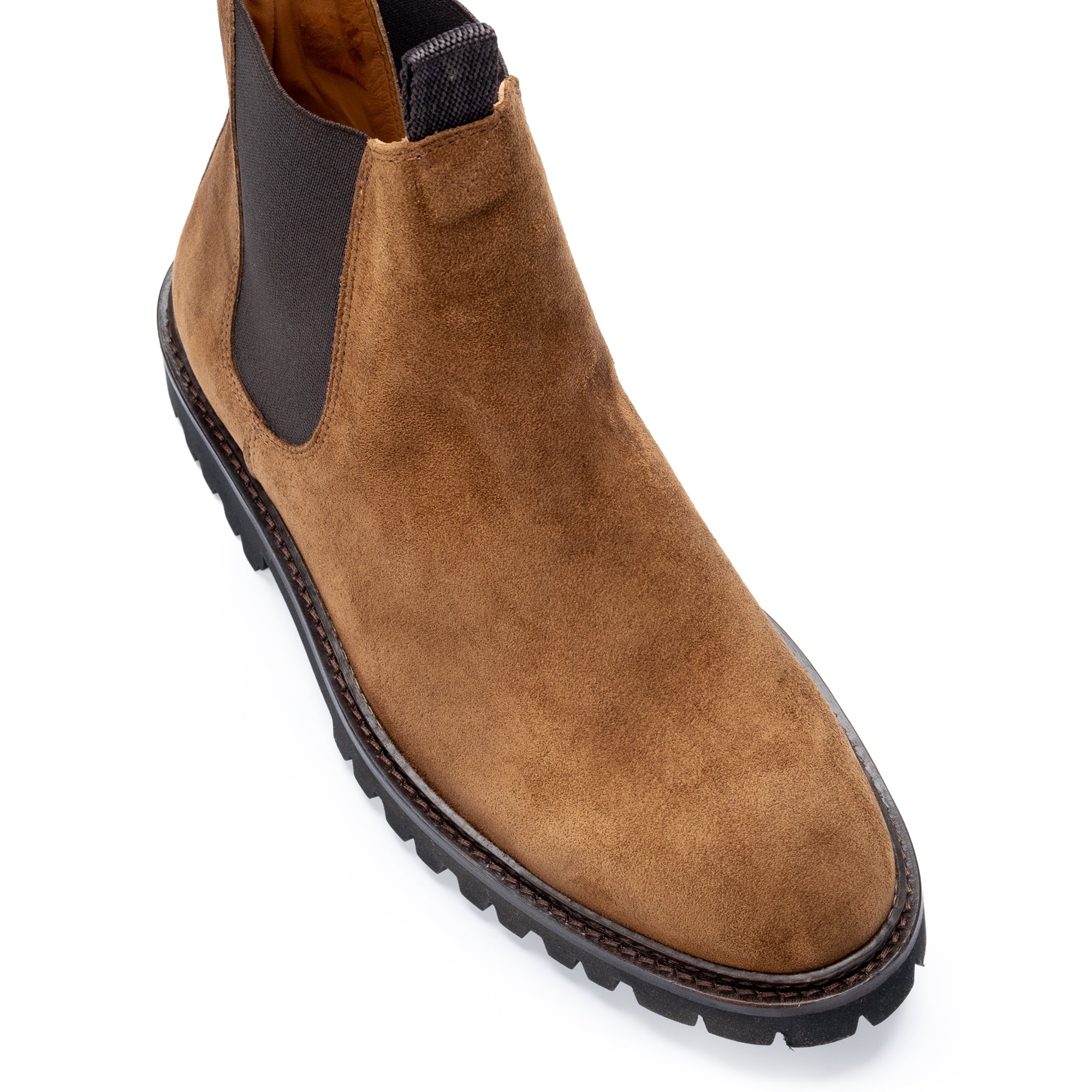
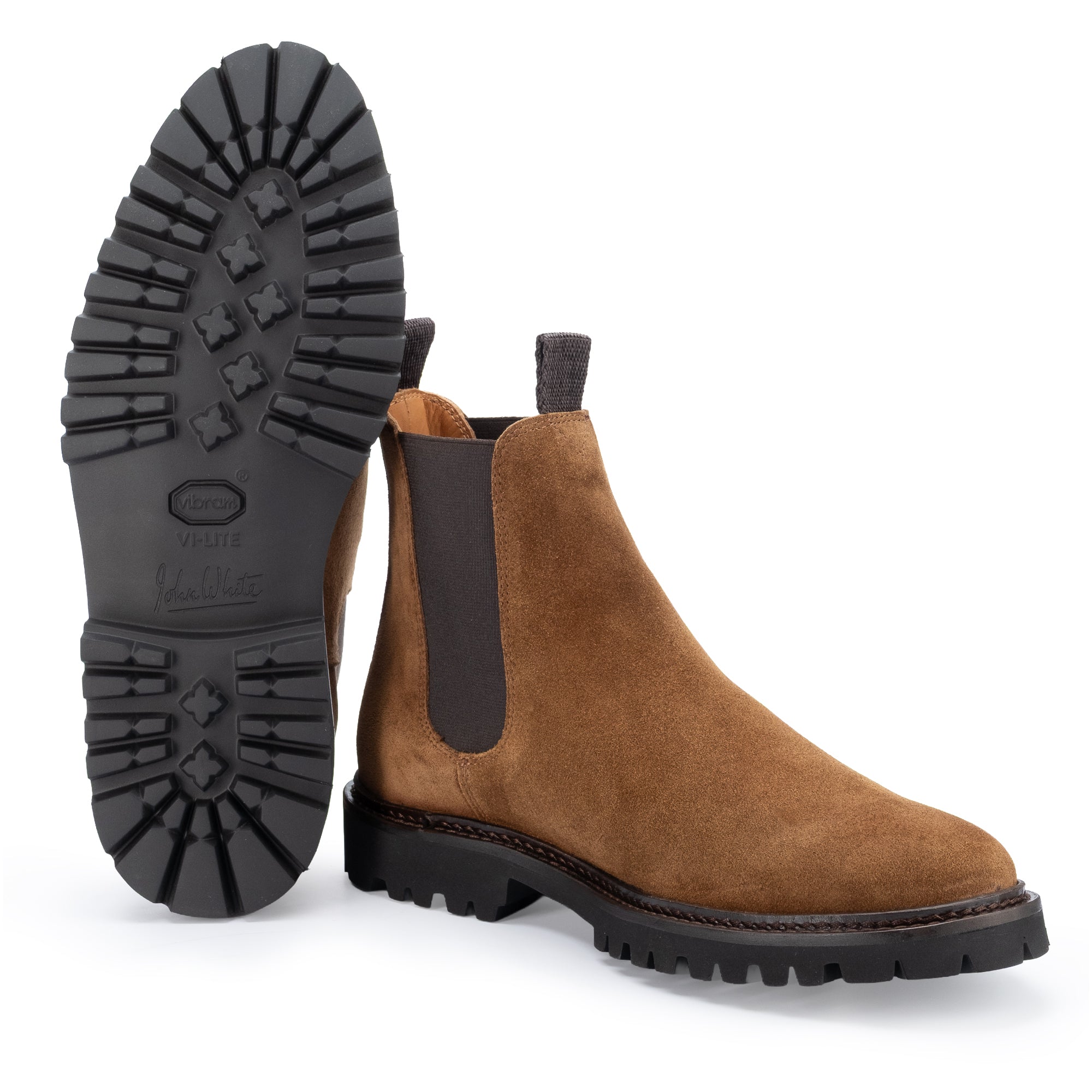
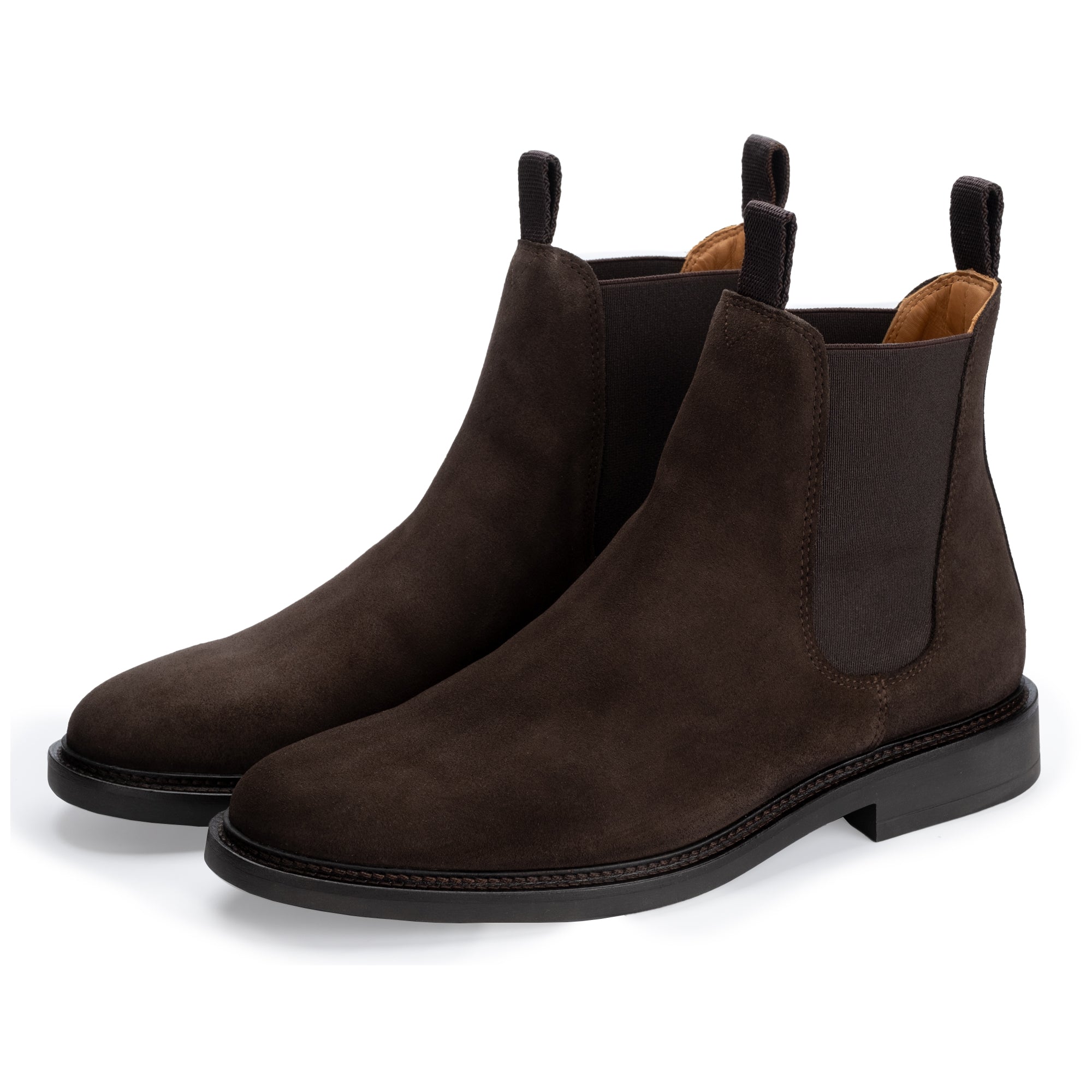
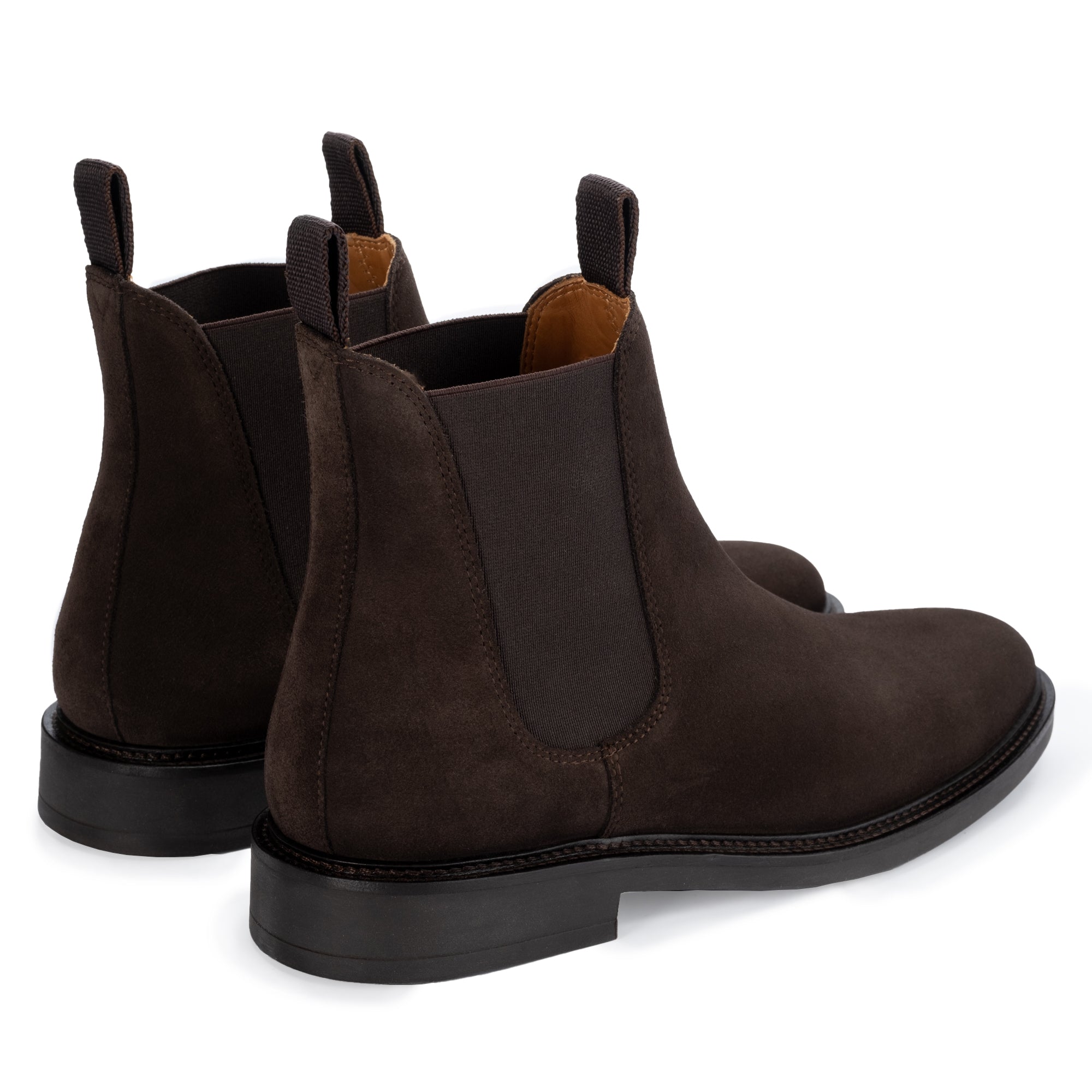
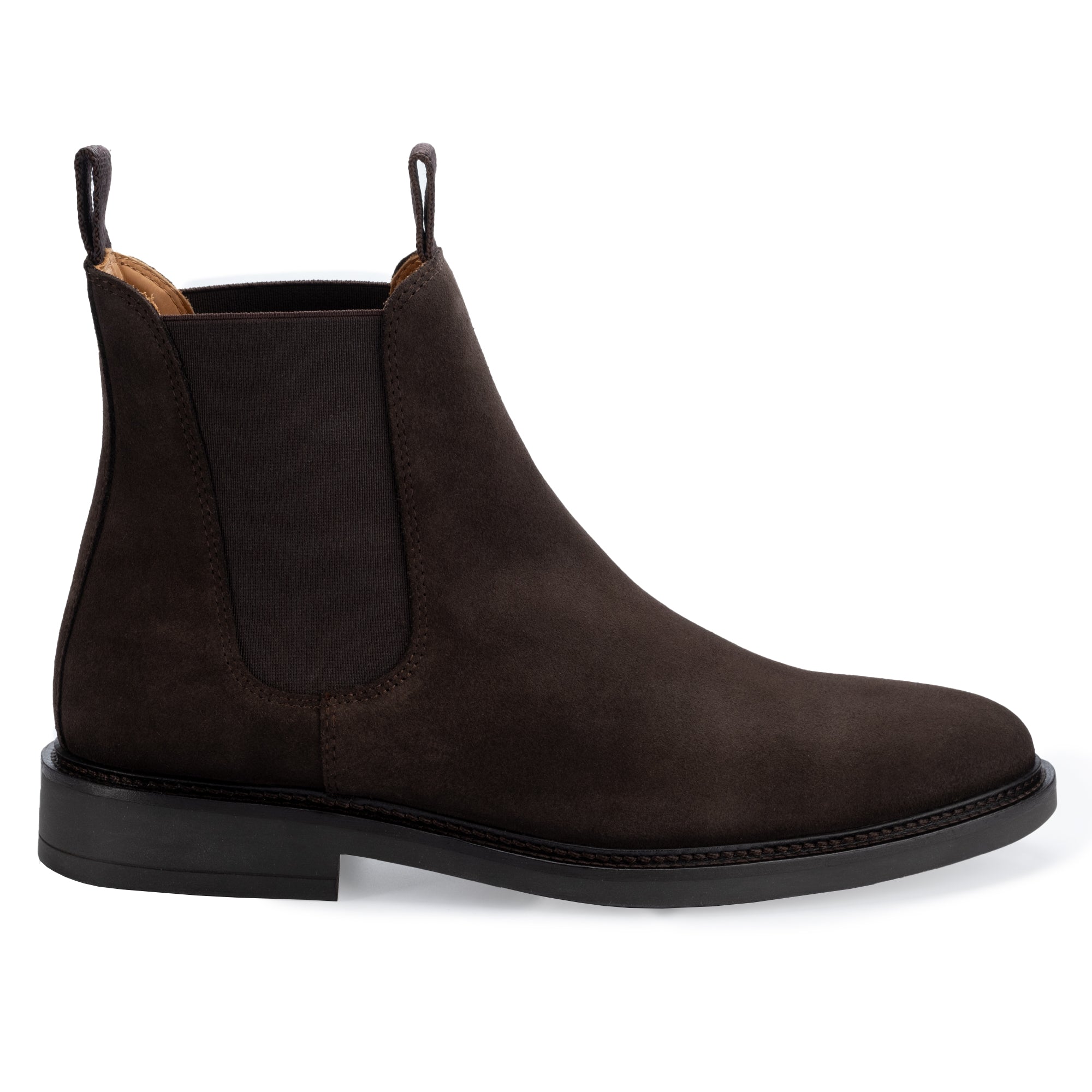
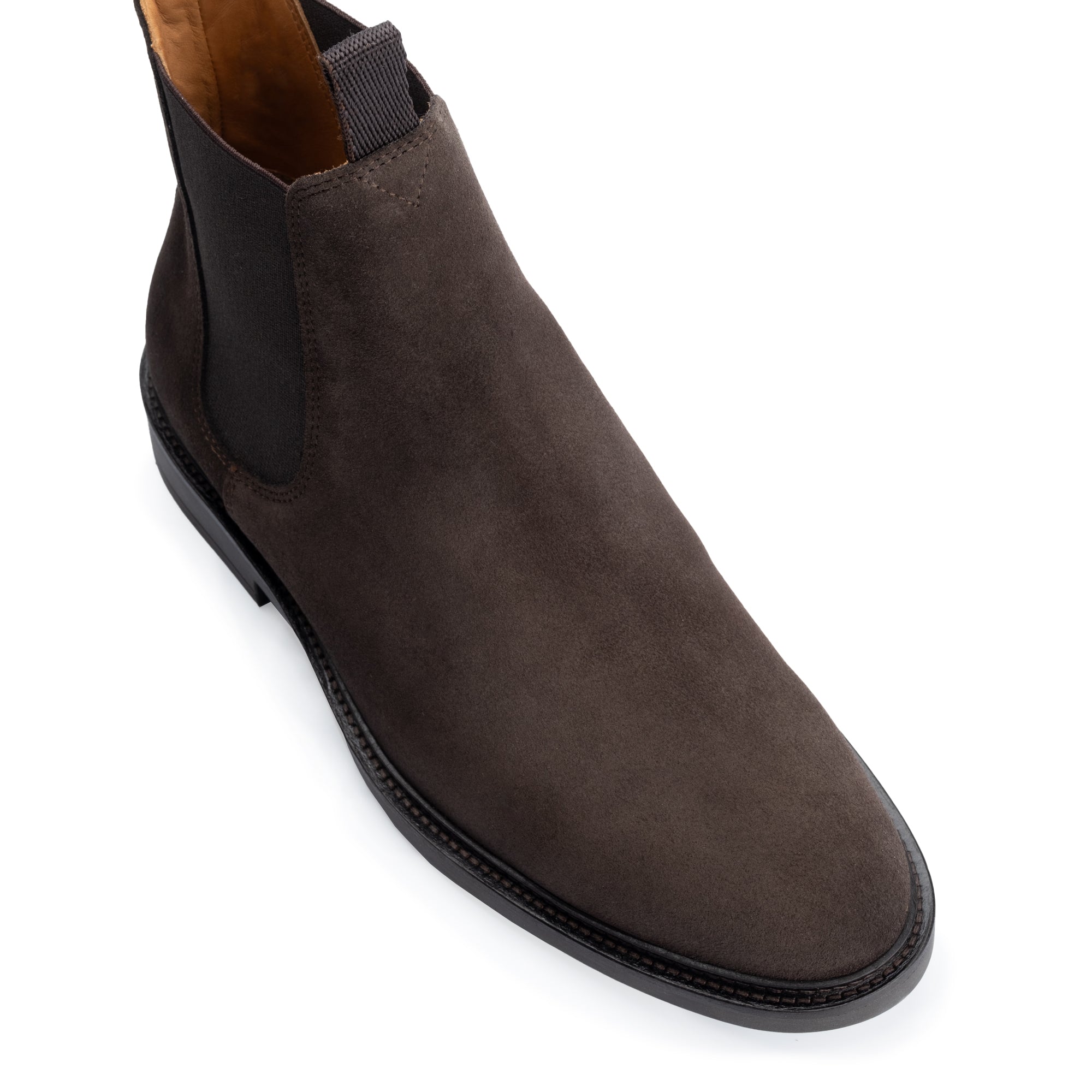
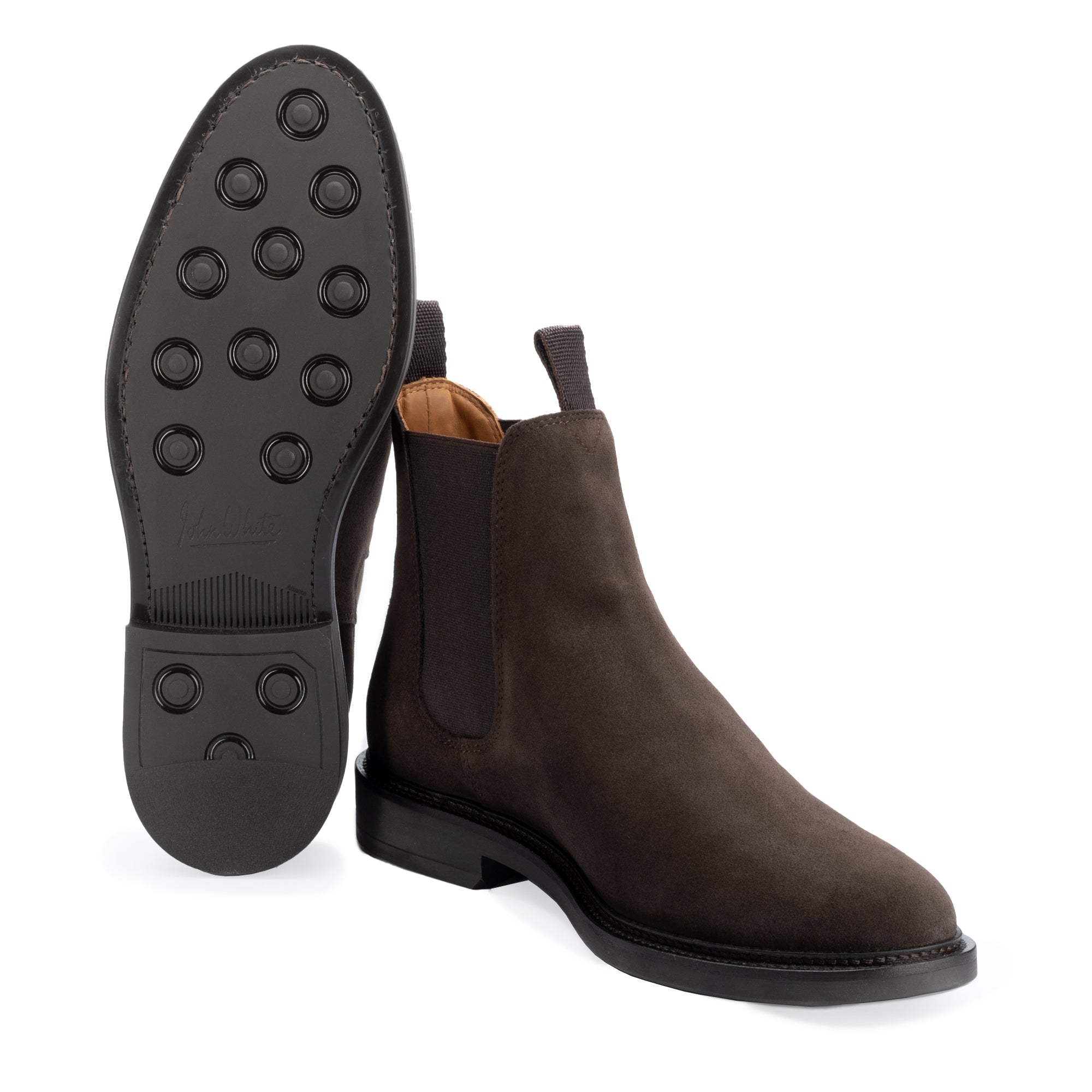
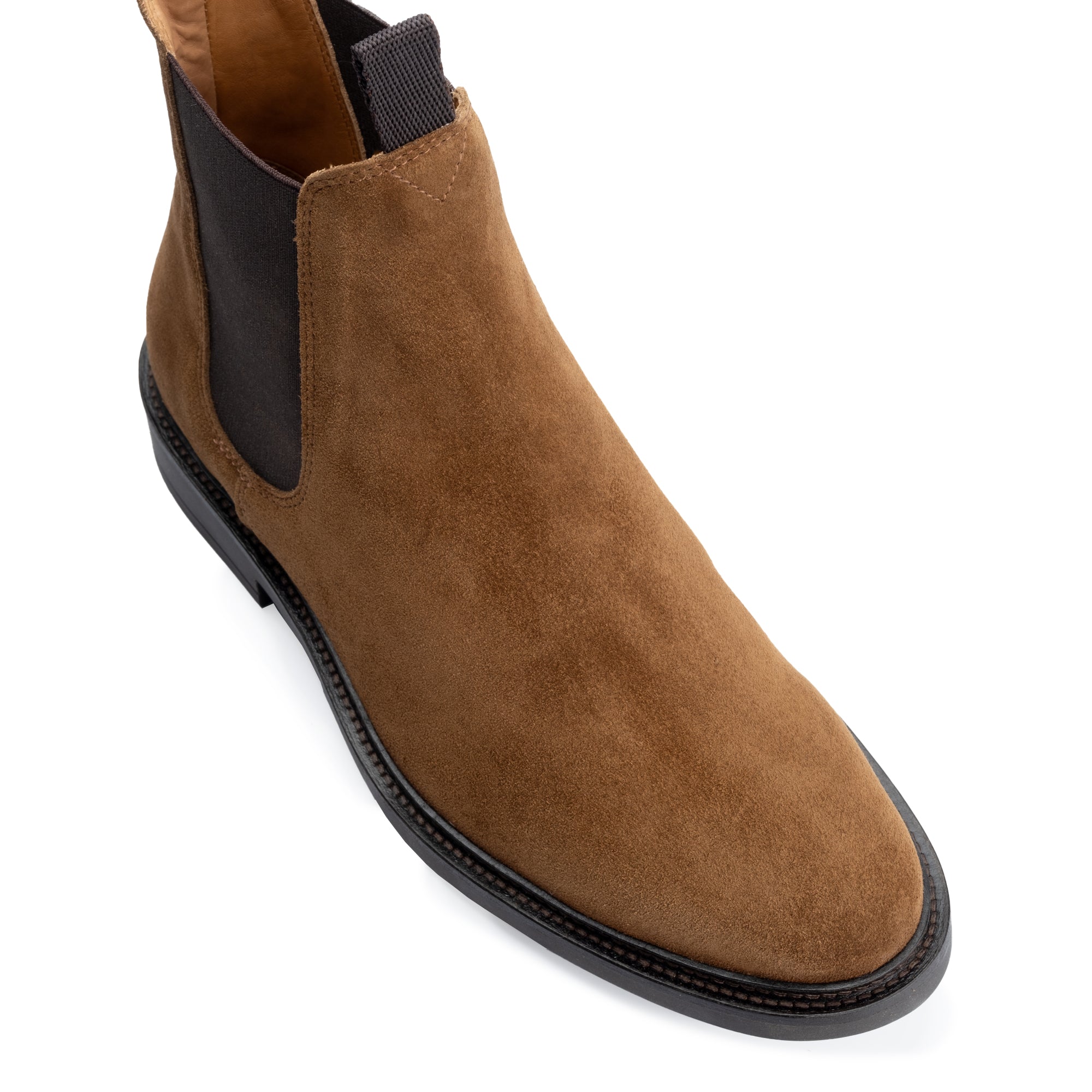
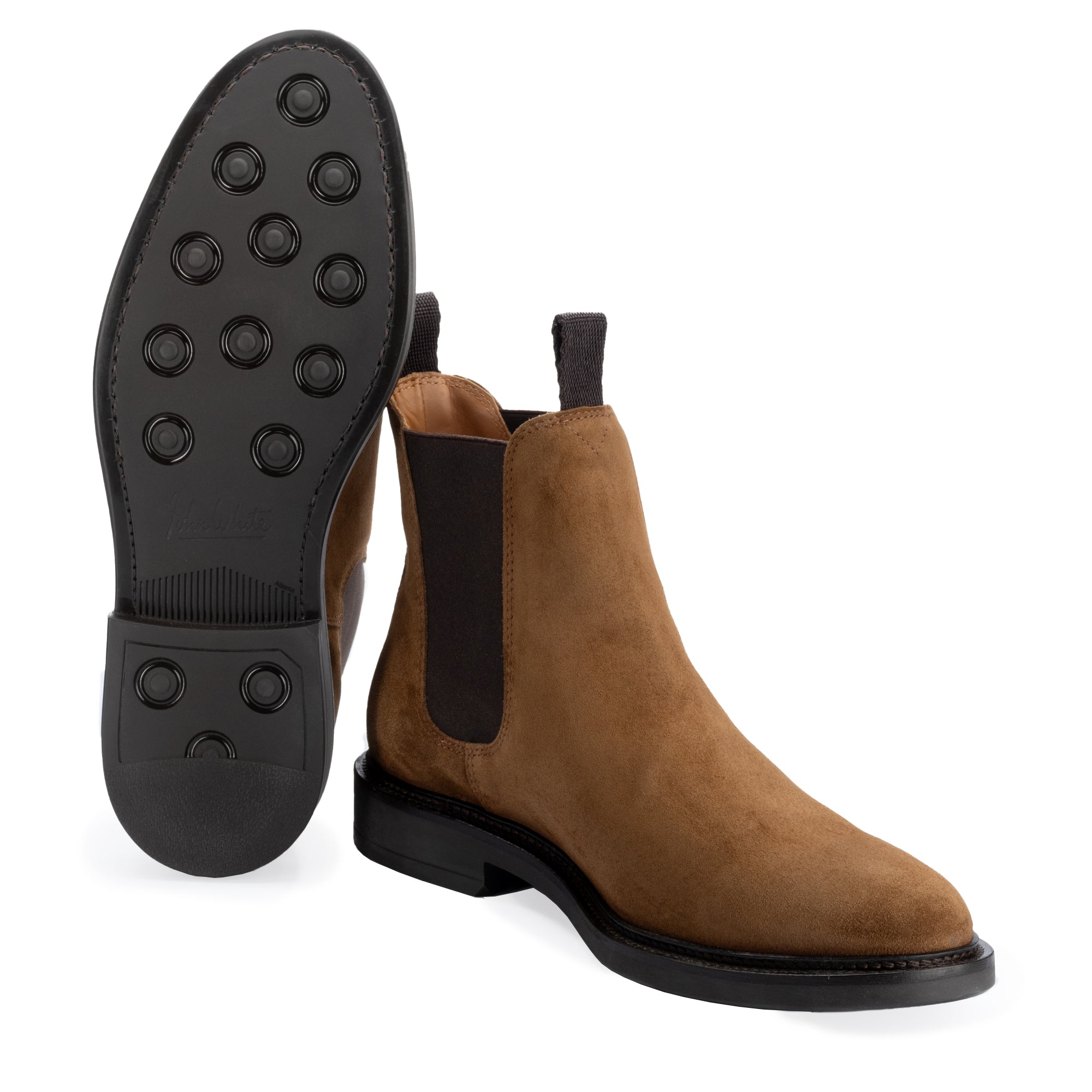
Clean suede Chelsea boots also work well for this dress code. The Brecon Chelsea boot is a strong option — its slim profile and clean lines complement slim trousers, and suede gives it a softer, more relaxed feel than polished leather.
- Loafers: Correct and stylish; tan or burgundy work best
- Suede Chelsea boots: Clean, relaxed, versatile with separates
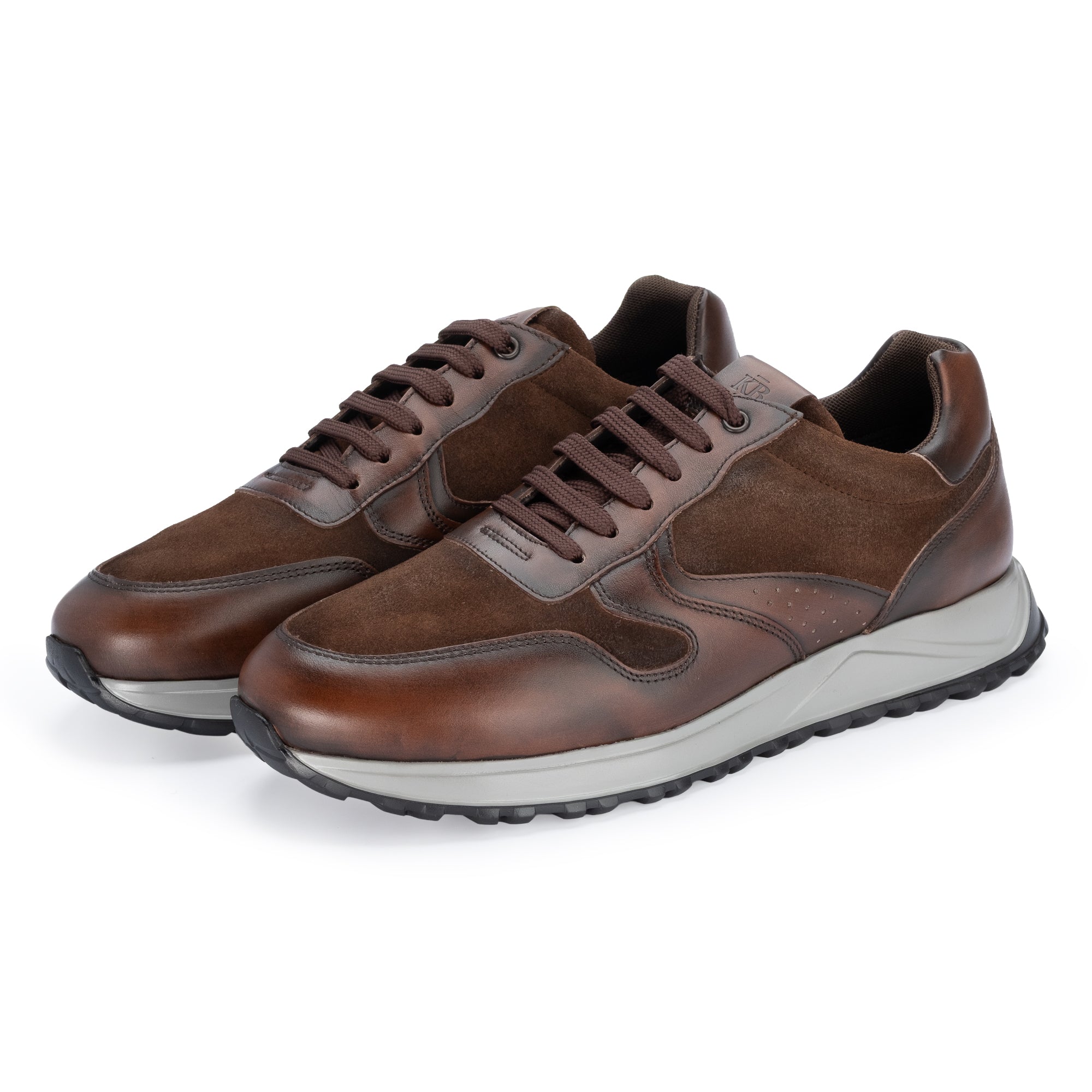
- Avoid: Trainers, chunky-soled boots, and anything overtly casual
How Do You Choose the Right Shoe Colour for a Wedding?
Match shoe formality and colour to the suit, not the other way around. Black shoes are formally neutral and pair with any dark suit. Brown and tan shoes carry warmth and character — they work best with navy, grey, and lighter shades.
- Black suit: Black shoes
- Charcoal suit: Black or dark brown
- Navy suit: Dark brown, tan, or burgundy
- Grey suit: Black, dark brown, or tan
- Light or summer suit: Tan, mid-brown, or caramel
Burgundy is an underrated choice for wedding guests. It is formal enough for most dress codes, distinctive without being conspicuous, and works equally well with navy and grey. It is the choice of a man who has thought about his outfit.
How Should You Prepare Your Shoes Before a Wedding?
Never wear new shoes for the first time at a wedding. Break them in beforehand — a minimum of two or three wears at home or on short outings. Leather needs to flex and soften to the shape of your foot before you commit it to a full day on your feet.
Existing shoes should be cleaned, conditioned, and polished at least 48 hours before the event. Apply JW Premium Wax Polish, allow it to dry fully, then buff to a shine. A second coat will deepen the colour and provide a degree of protection against light rain — an inevitability at most British outdoor ceremonies.
- Remove any surface dirt with a slightly damp cloth and allow to dry
- Apply a thin, even coat of wax polish in a matching or neutral colour
- Leave to absorb for 20–30 minutes
- Buff vigorously with a horsehair brush or soft cloth
- Apply a second coat for added depth and weather protection
- Store on cedar shoe trees overnight to hold the shape and draw out moisture
Shoes designed with over a century of expertise will respond well to proper preparation. The difference between shoes that were cared for and shoes that were not is visible from across the room — and at a wedding, people will notice.
Browse the full men's shoes collection or explore the men's boots range to find the right pair for your next occasion.
Frequently Asked Questions
Can you wear brown shoes to a wedding?
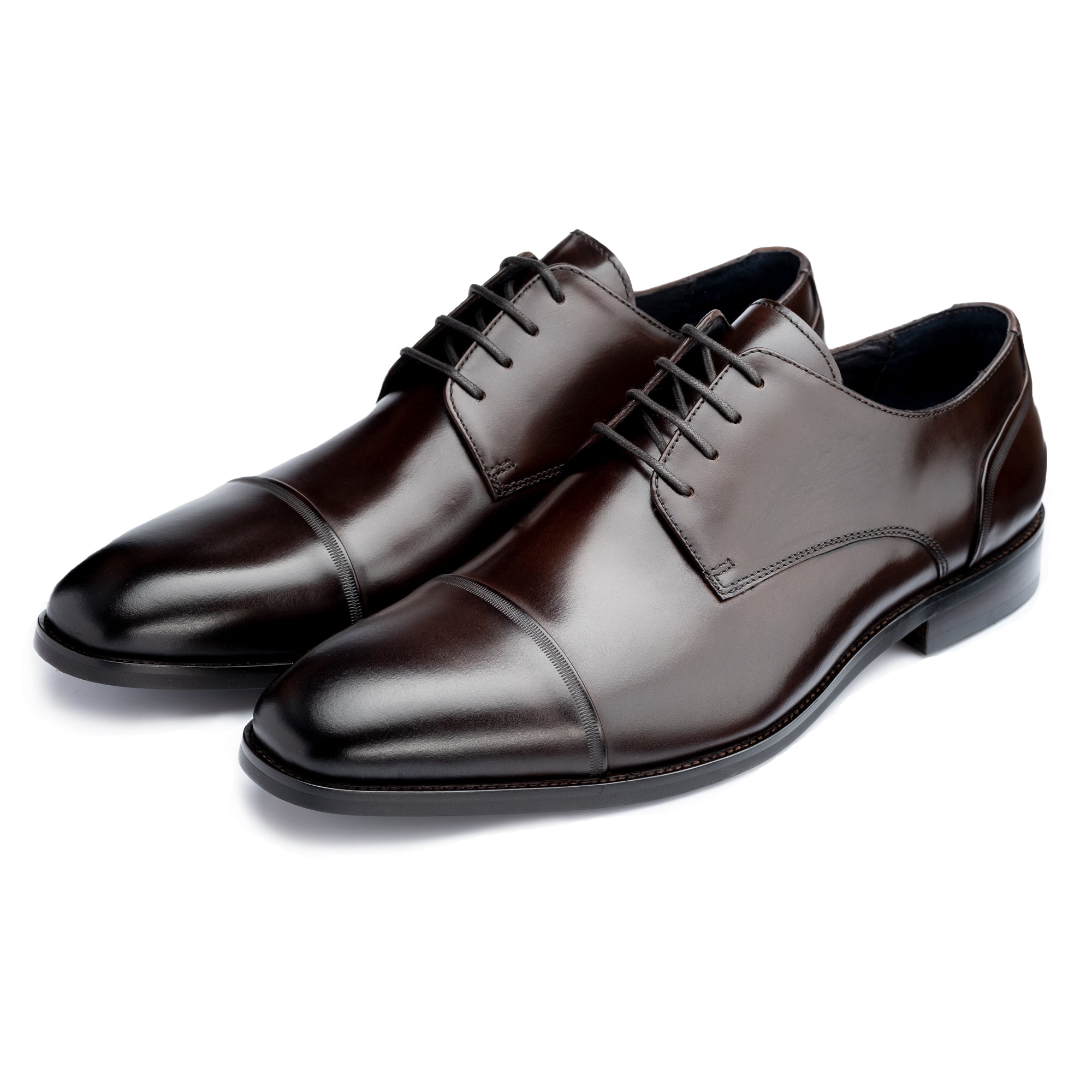
Yes — brown shoes are appropriate for most wedding dress codes except black tie. Dark tan, mid-brown, and burgundy all work well with navy, grey, and lighter suits. Avoid very pale tan with dark formal suits, as the contrast will look unintentional.
Can you wear Chelsea boots to a wedding?
Yes, for smart formal and smart casual dress codes. Chelsea boots in polished leather work well with lounge suits; suede Chelsea boots suit smart casual. Avoid Chelsea boots for black tie or morning dress, where the formality of an Oxford or brogue is expected.
Are loafers acceptable shoes for a wedding guest?
Loafers are well-suited to smart casual and smart formal summer weddings, particularly outdoor events. Choose leather over suede for smarter occasions, and opt for a slim silhouette rather than a heavy-soled style. Avoid loafers for black tie or morning dress.
What shoes should a male wedding guest never wear?
Avoid trainers, sports shoes, heavy work boots, and any footwear that reads as casual regardless of the dress code. Even at smart casual events, your shoes should show clear intention. Flip-flops, open-toed sandals, and overly worn or unpolished shoes are never appropriate.