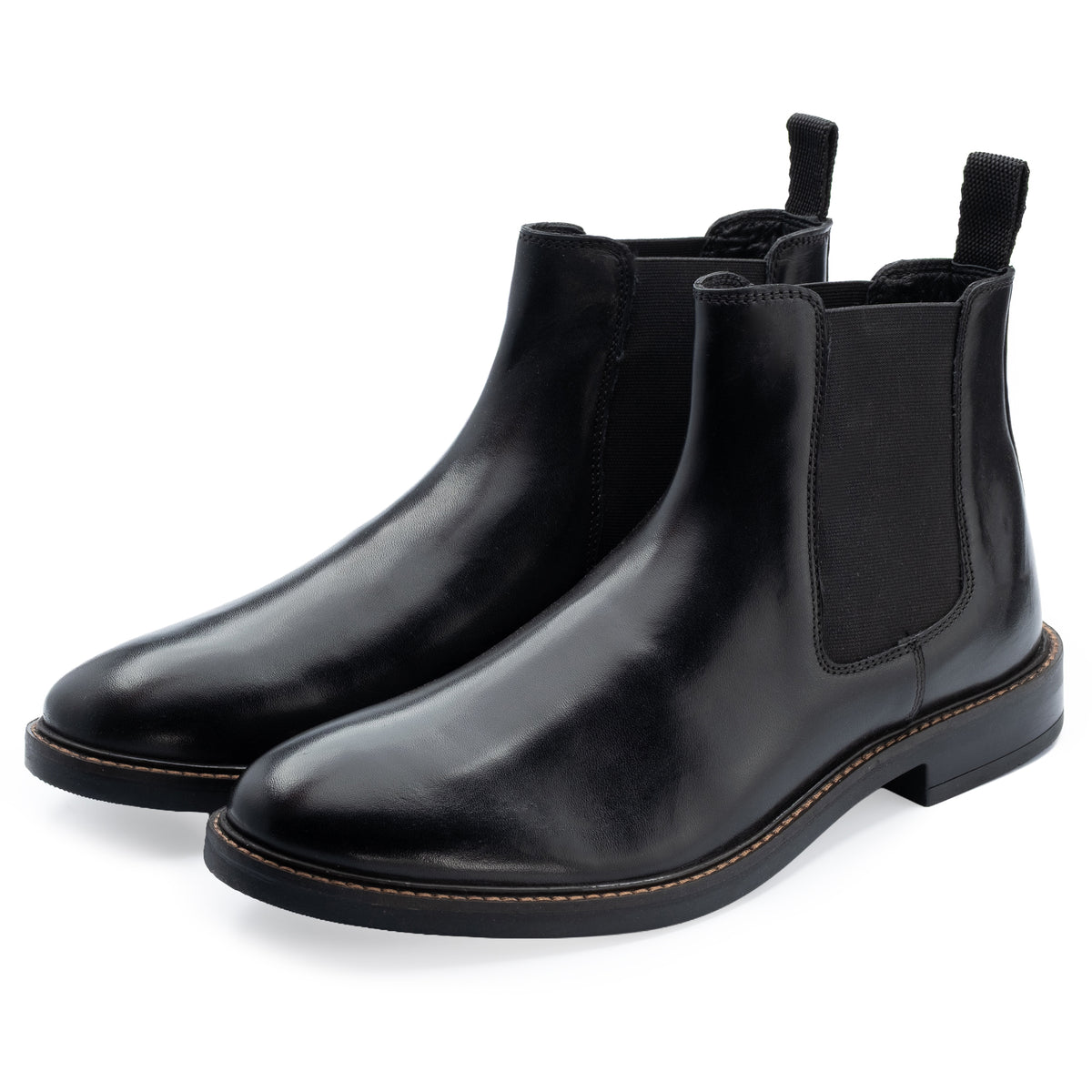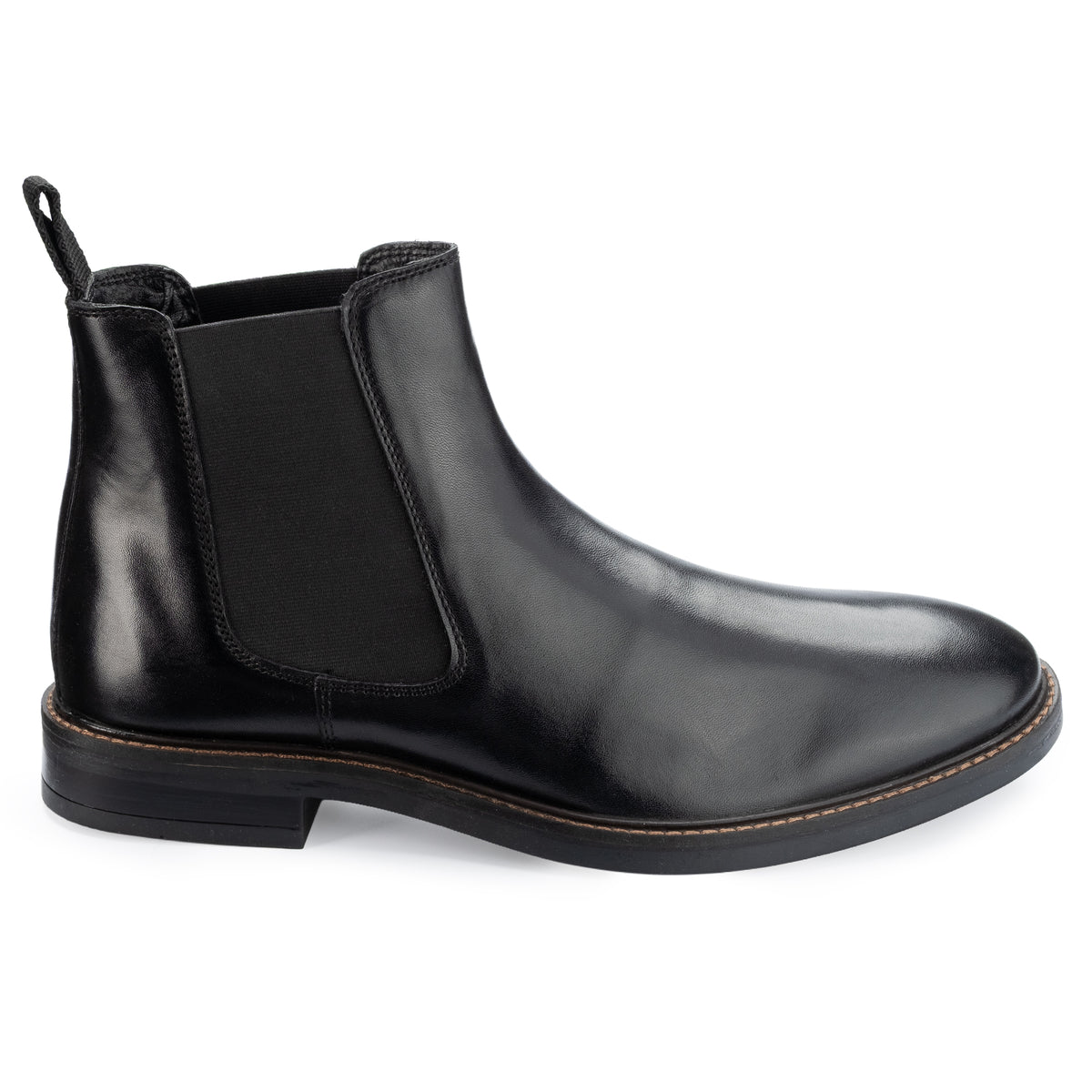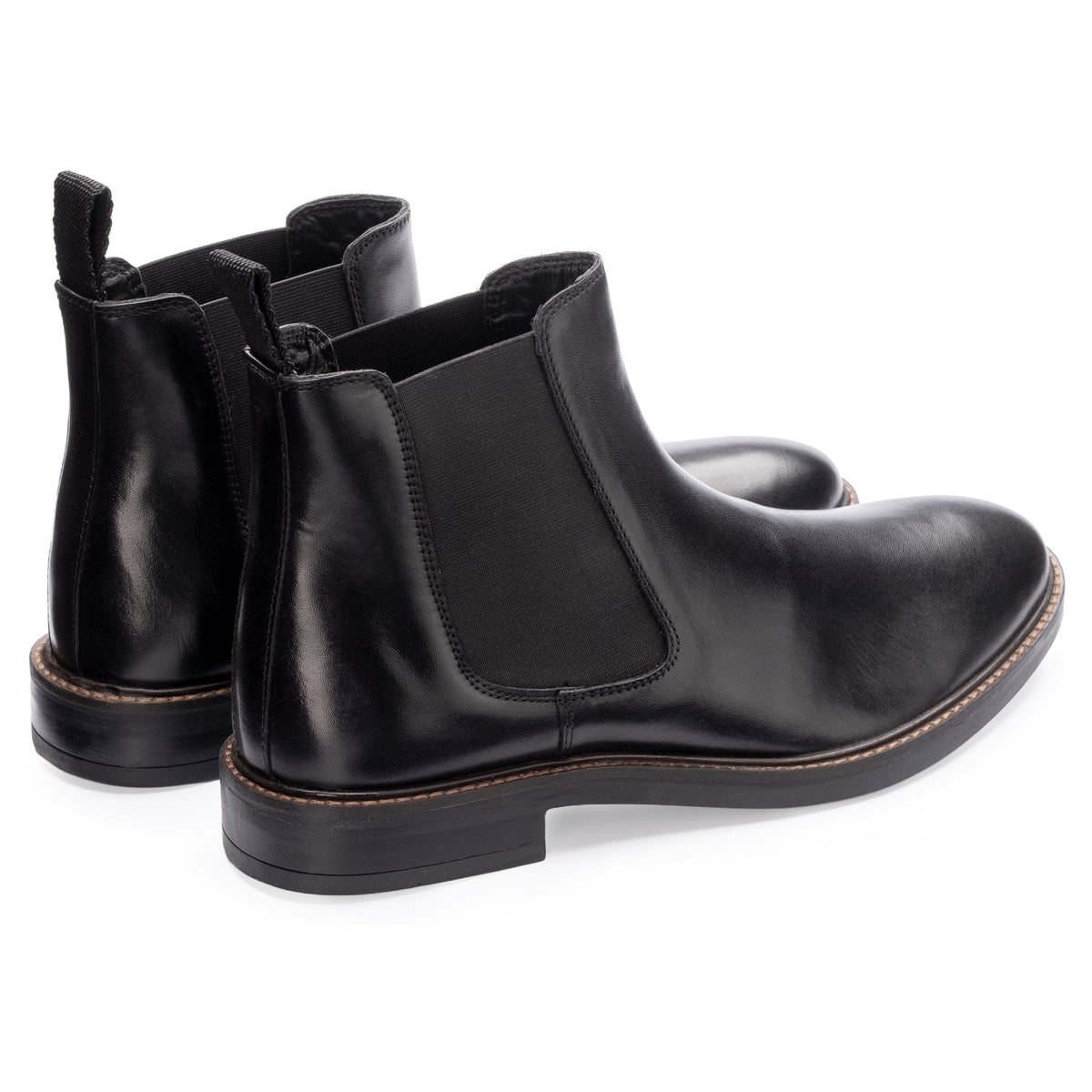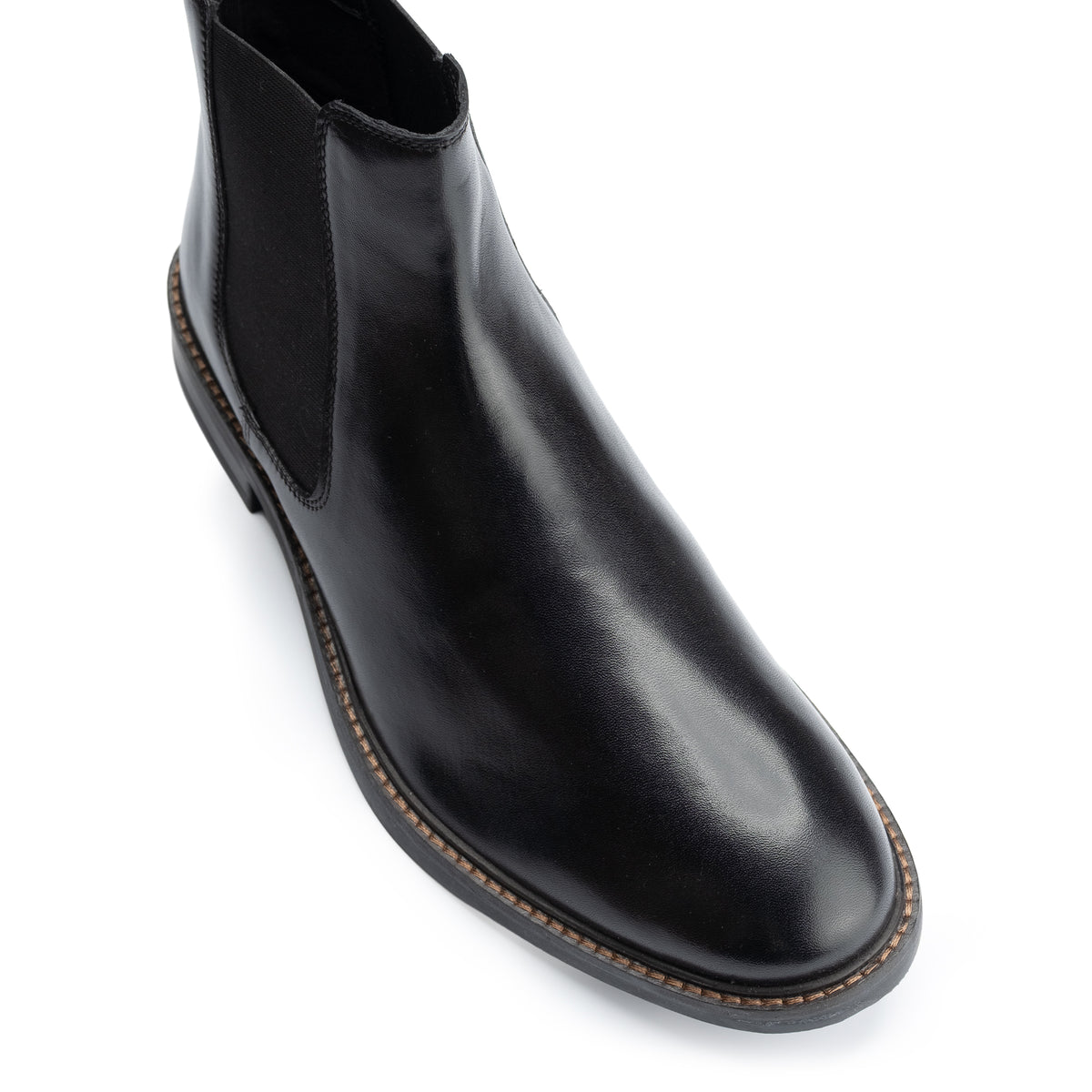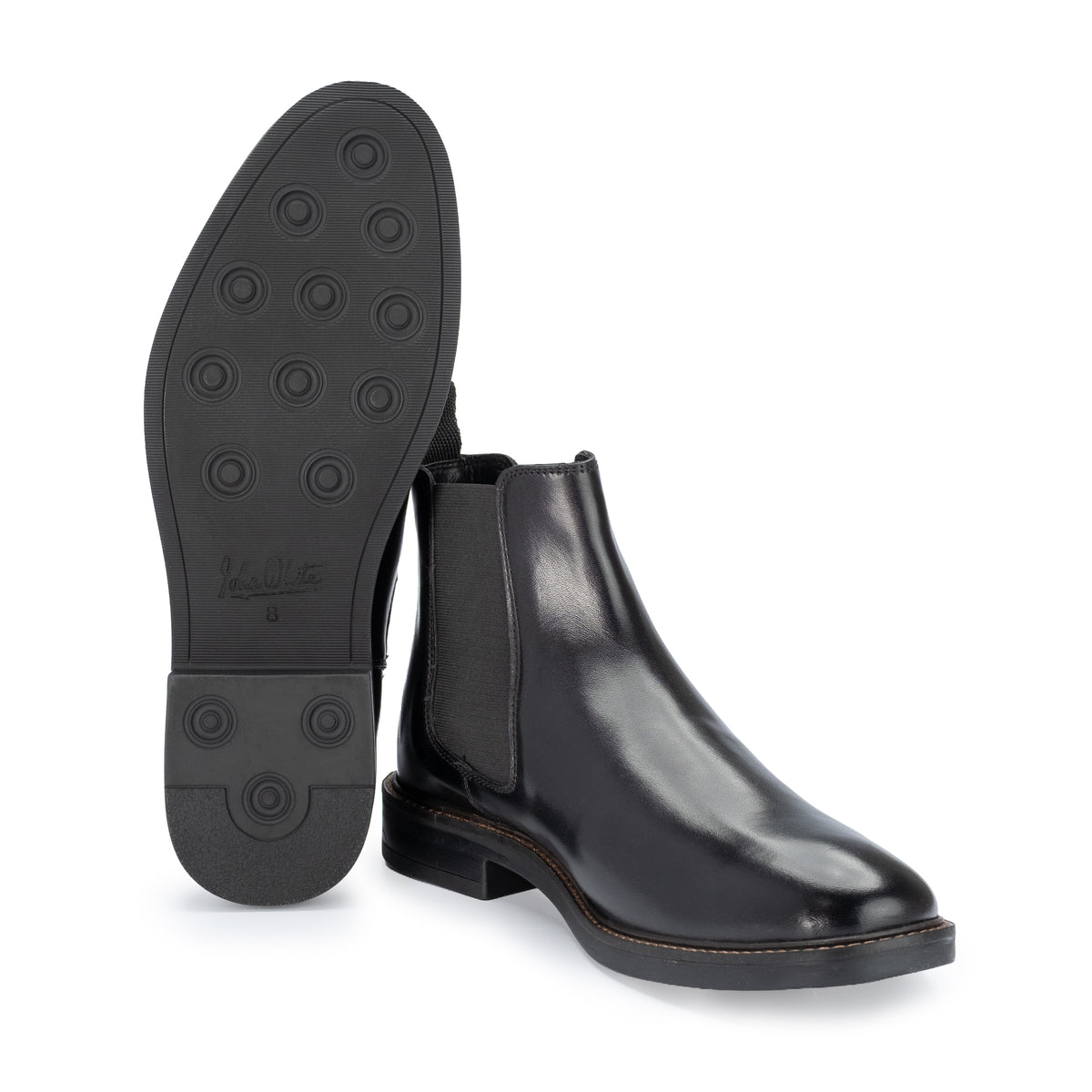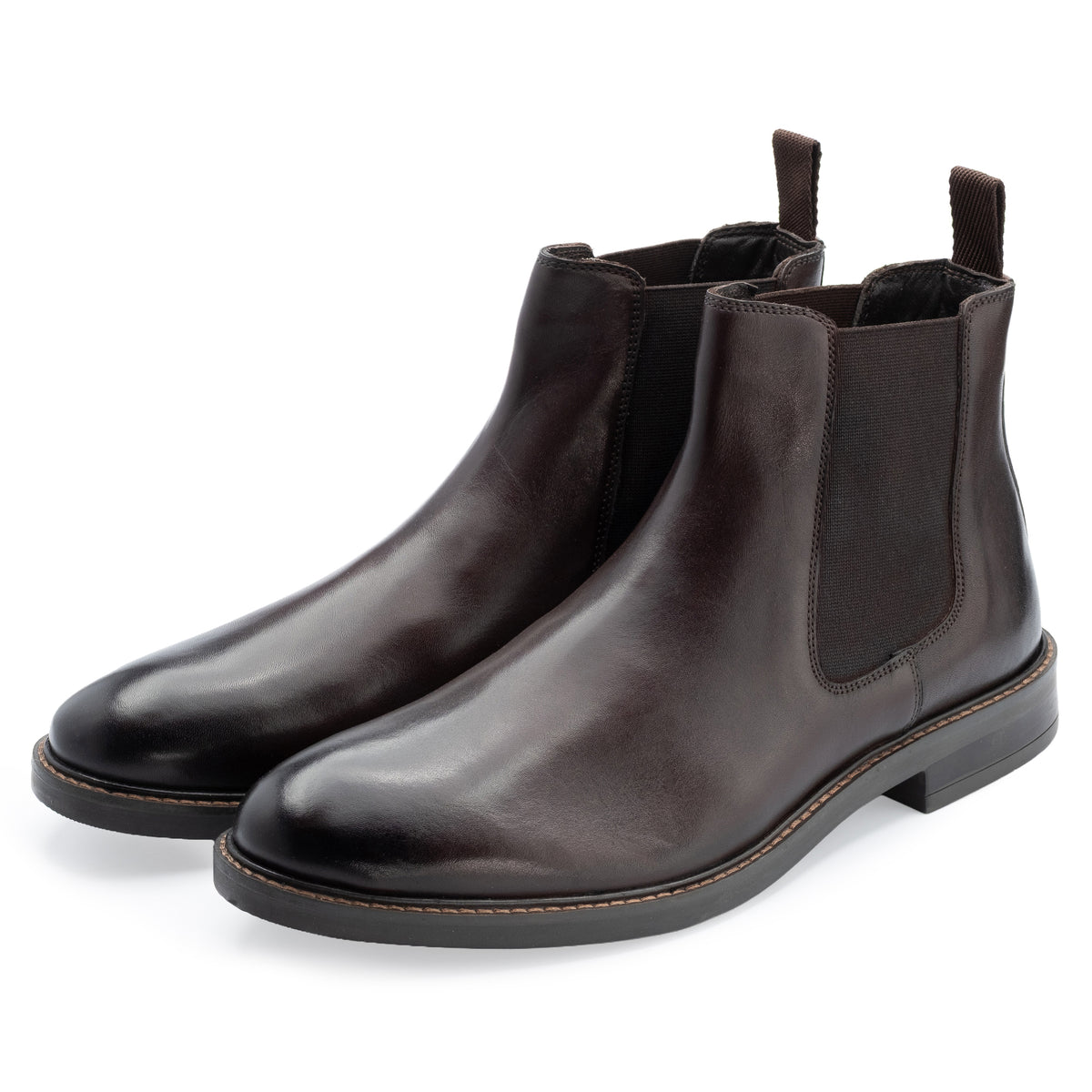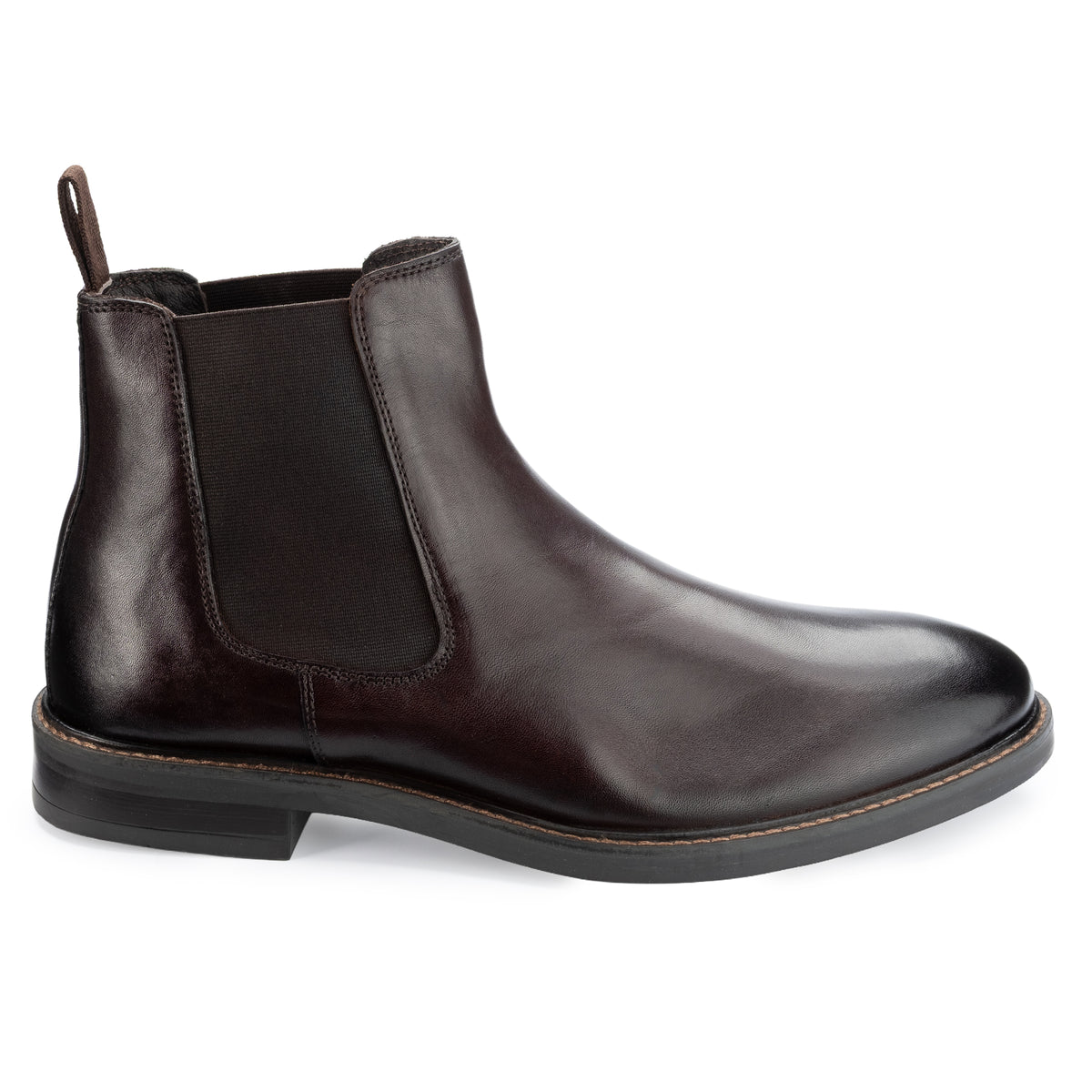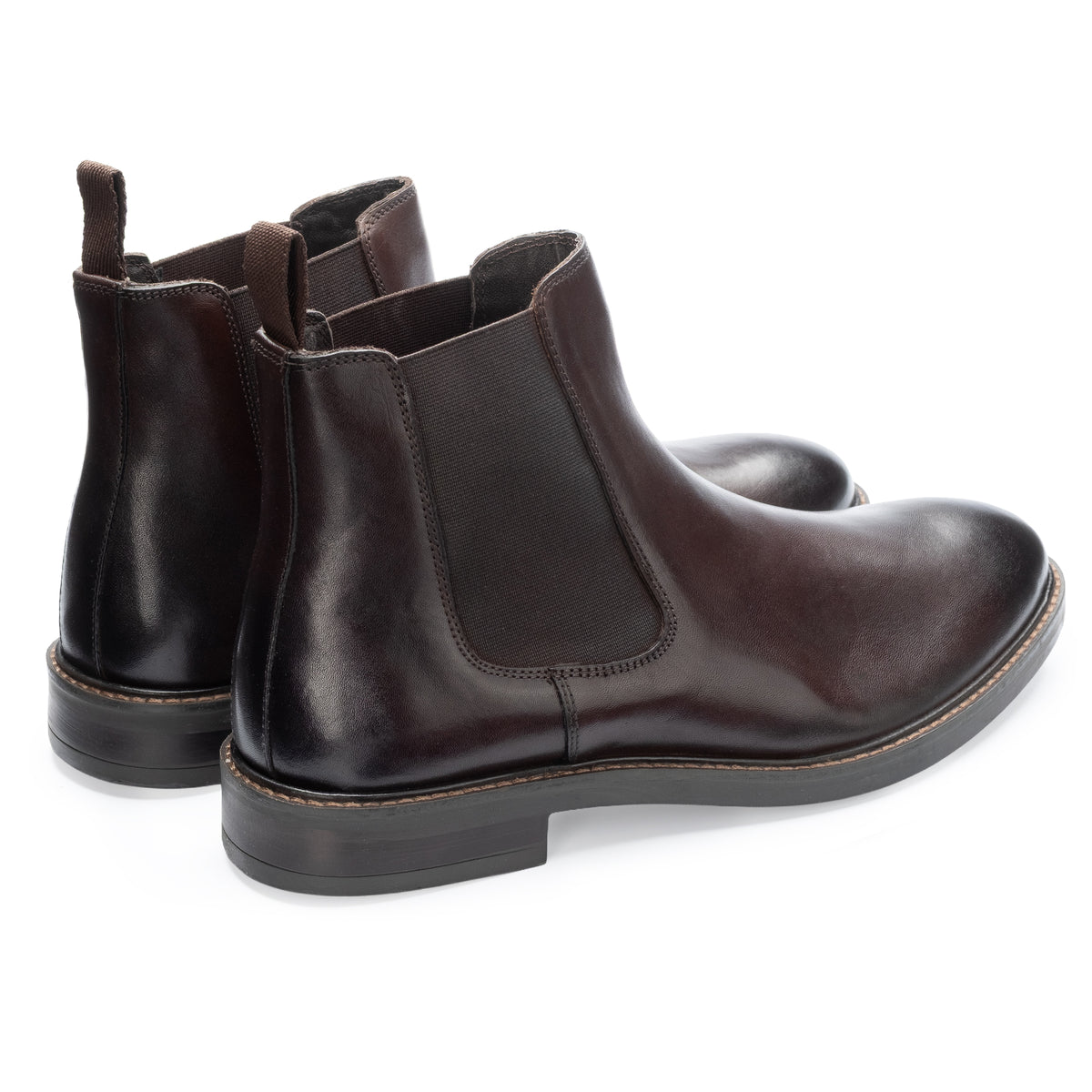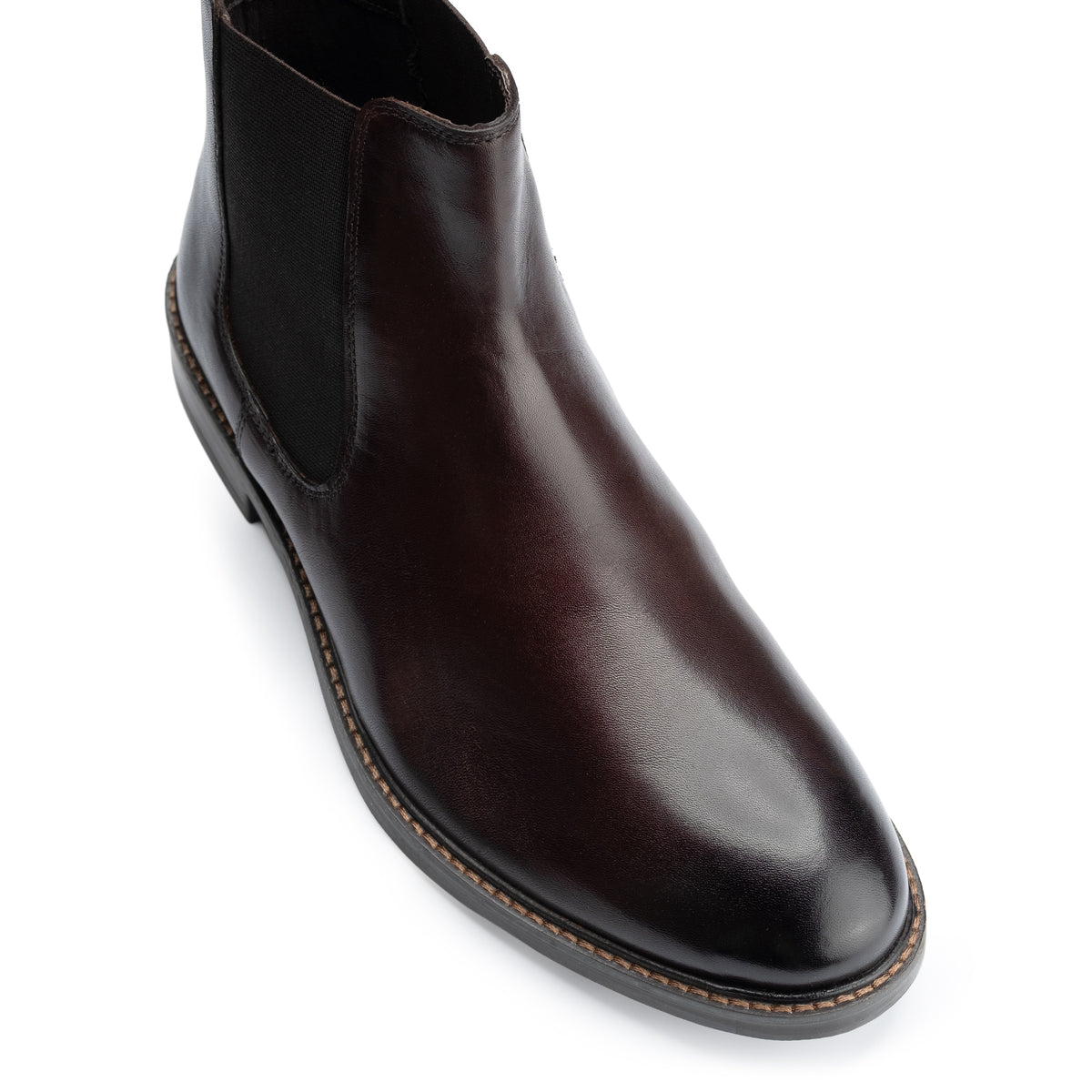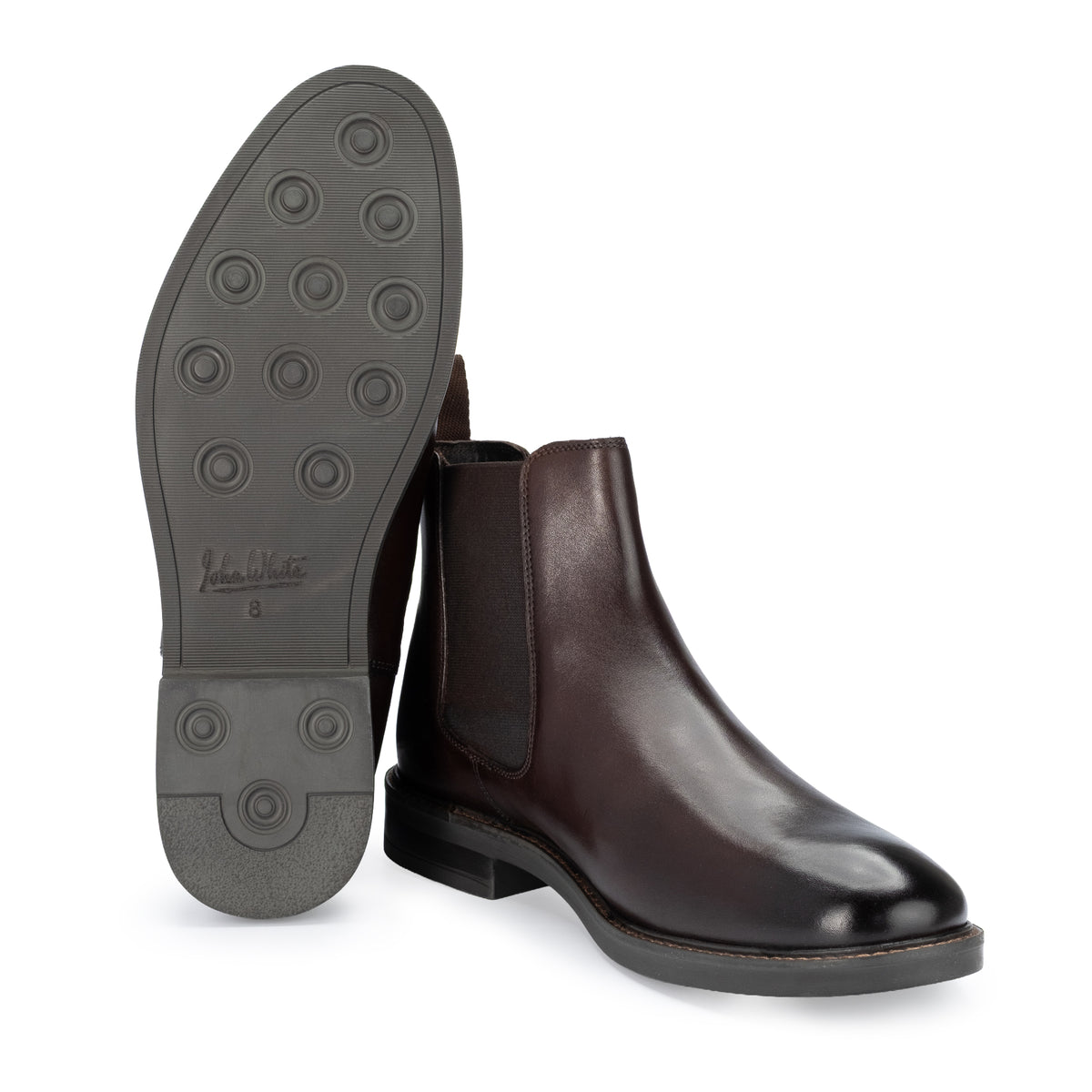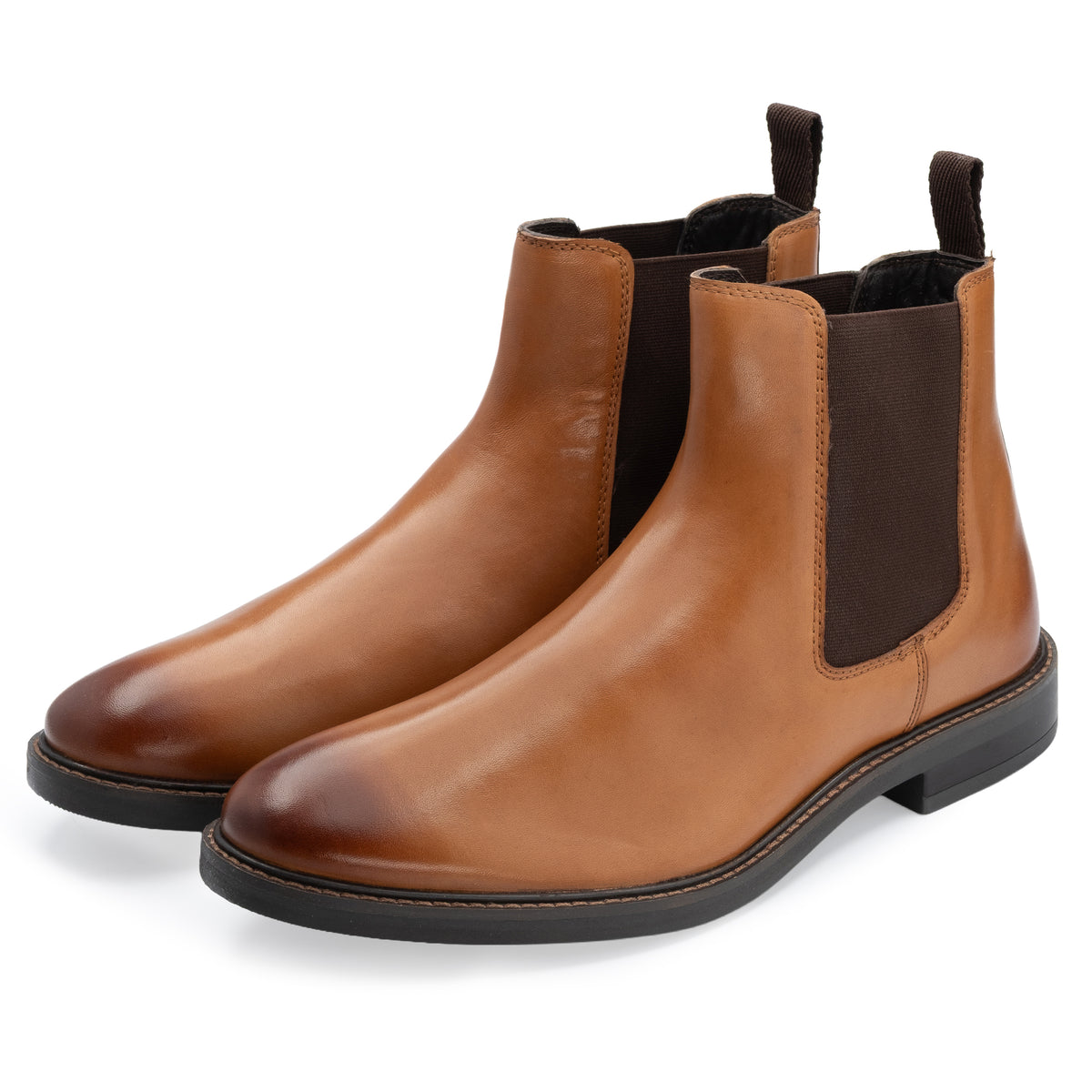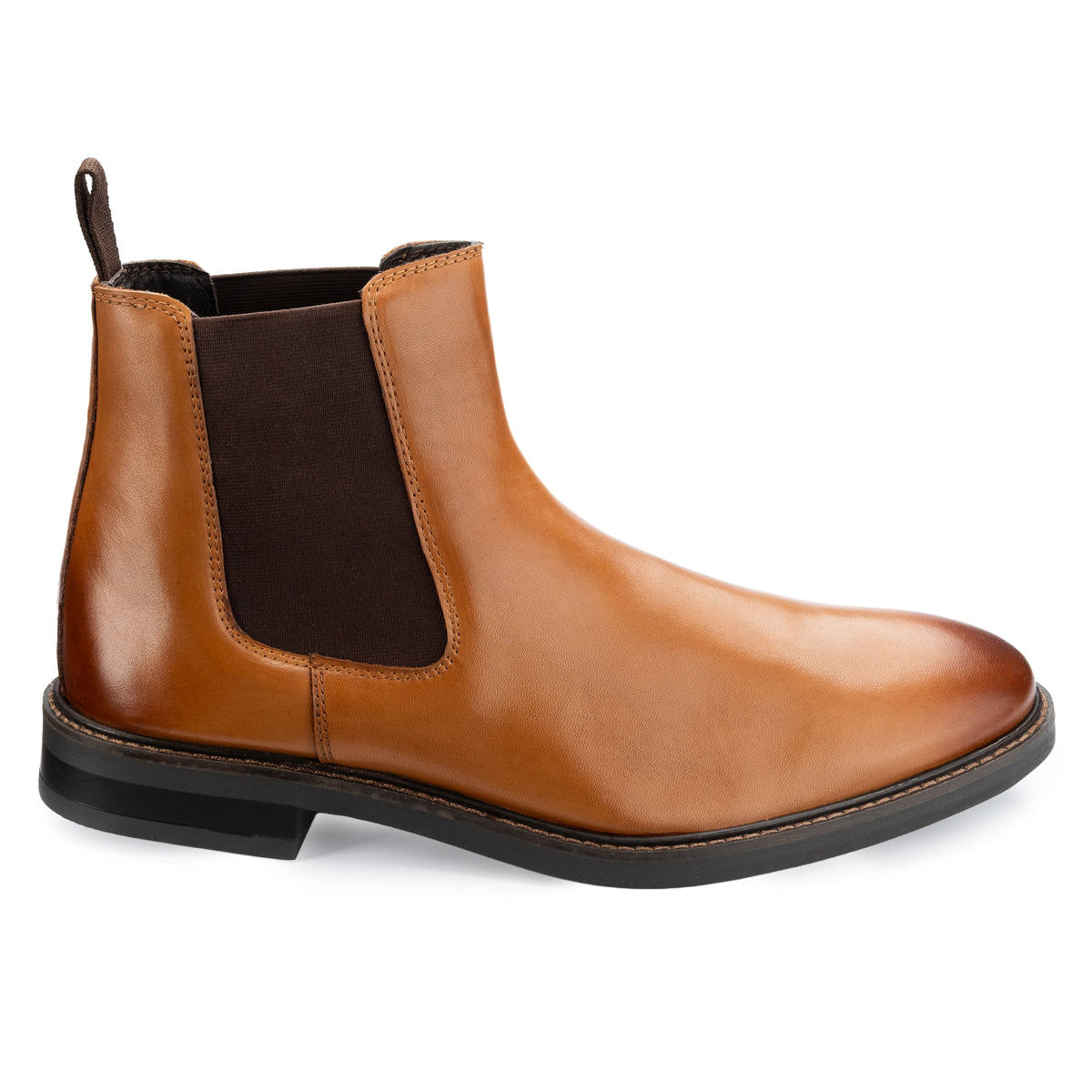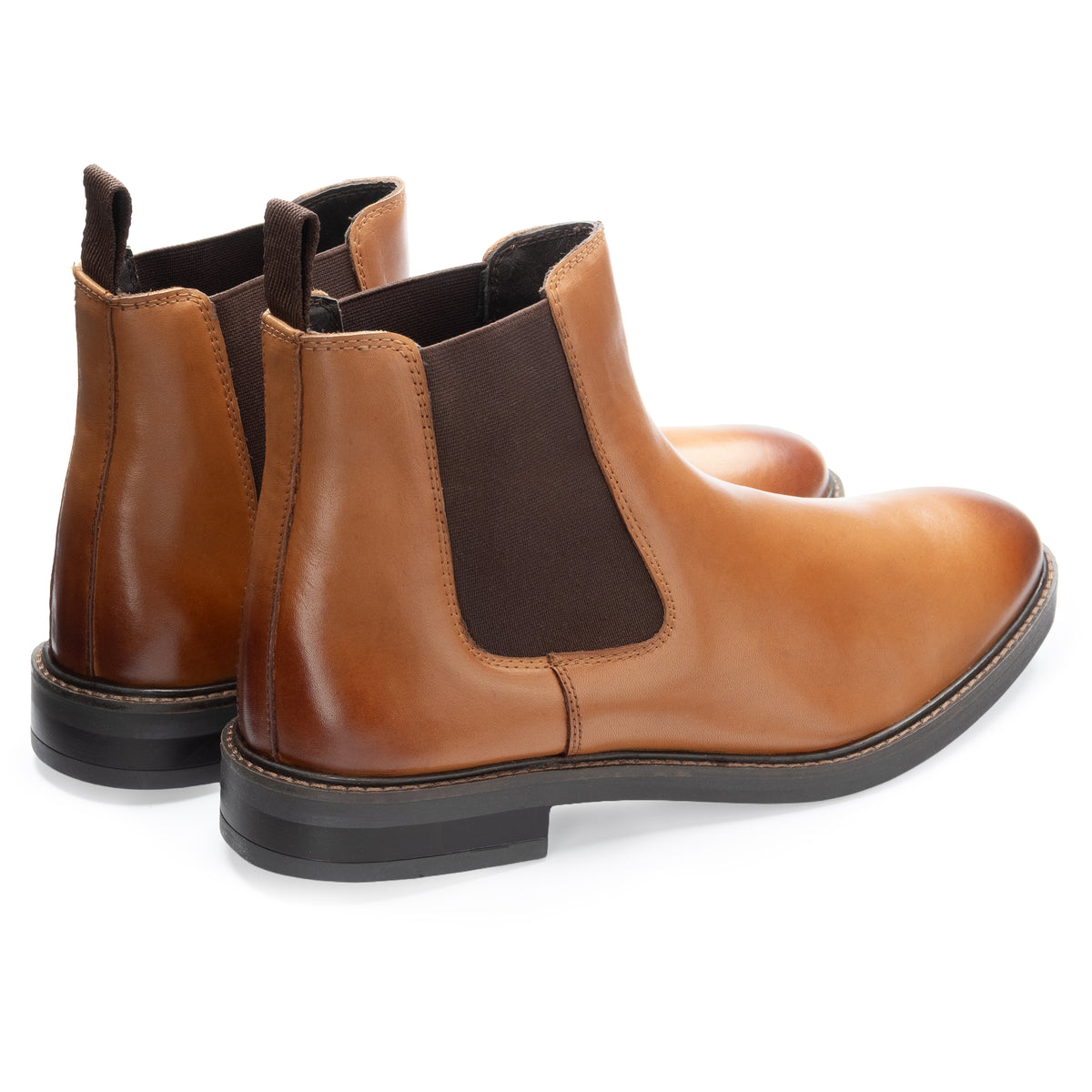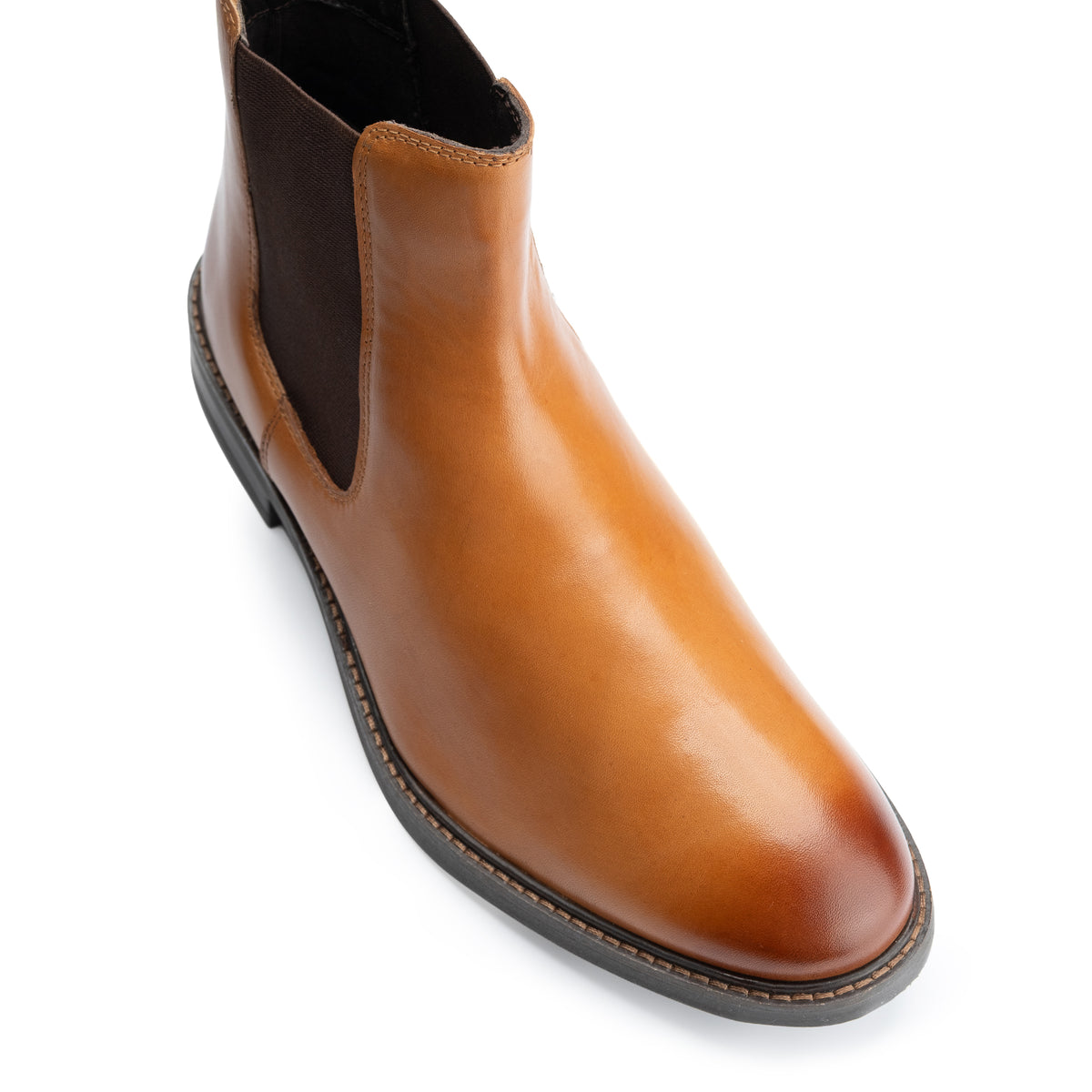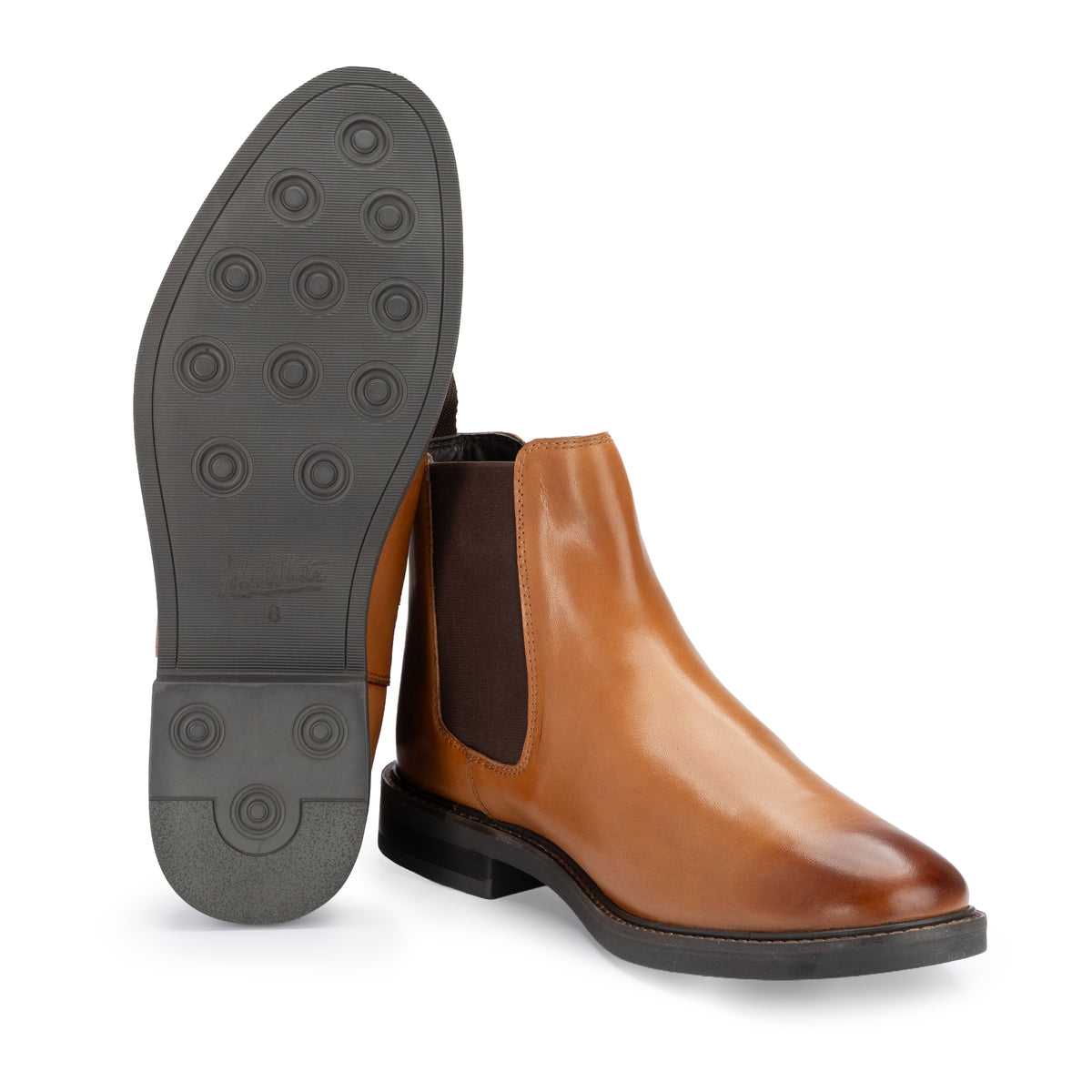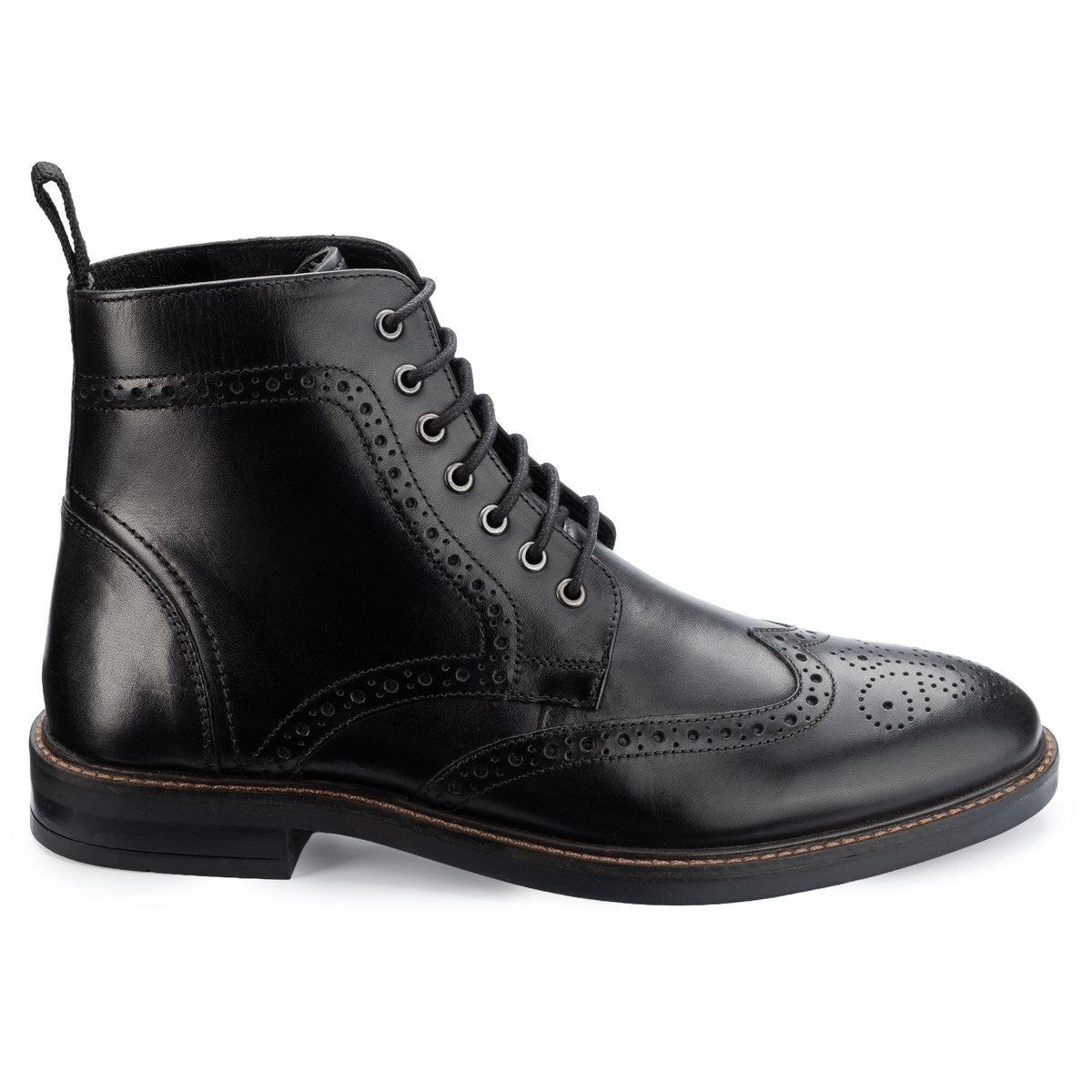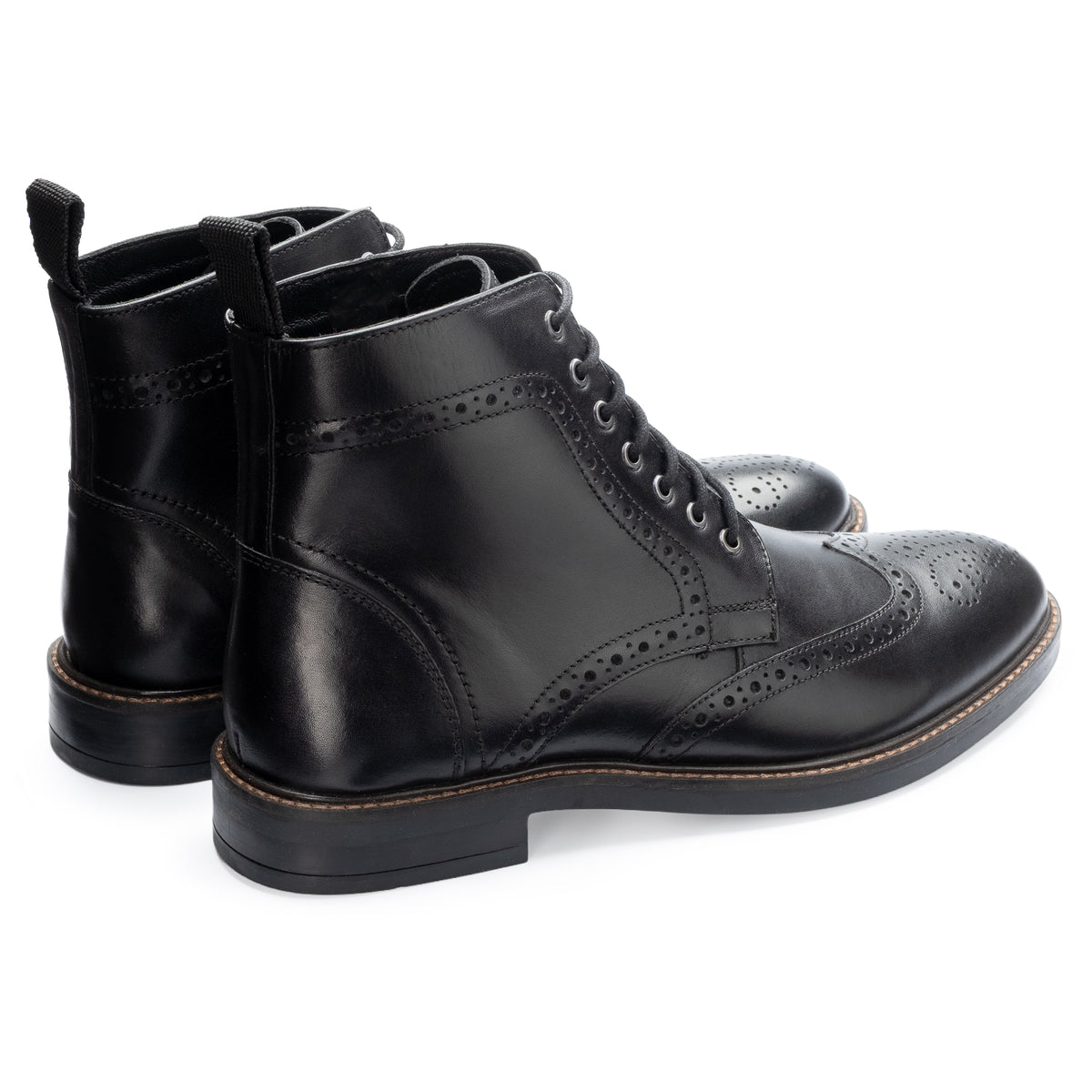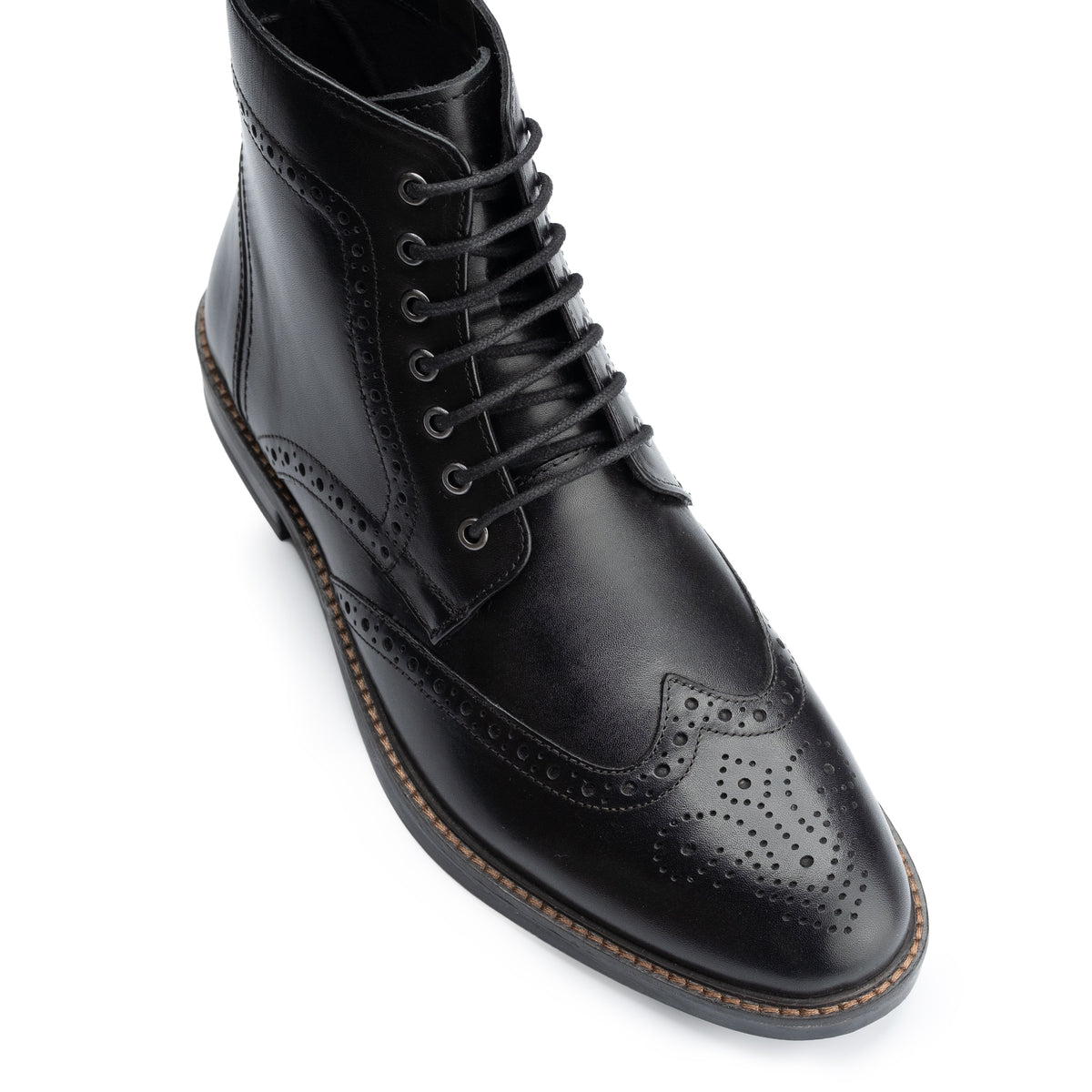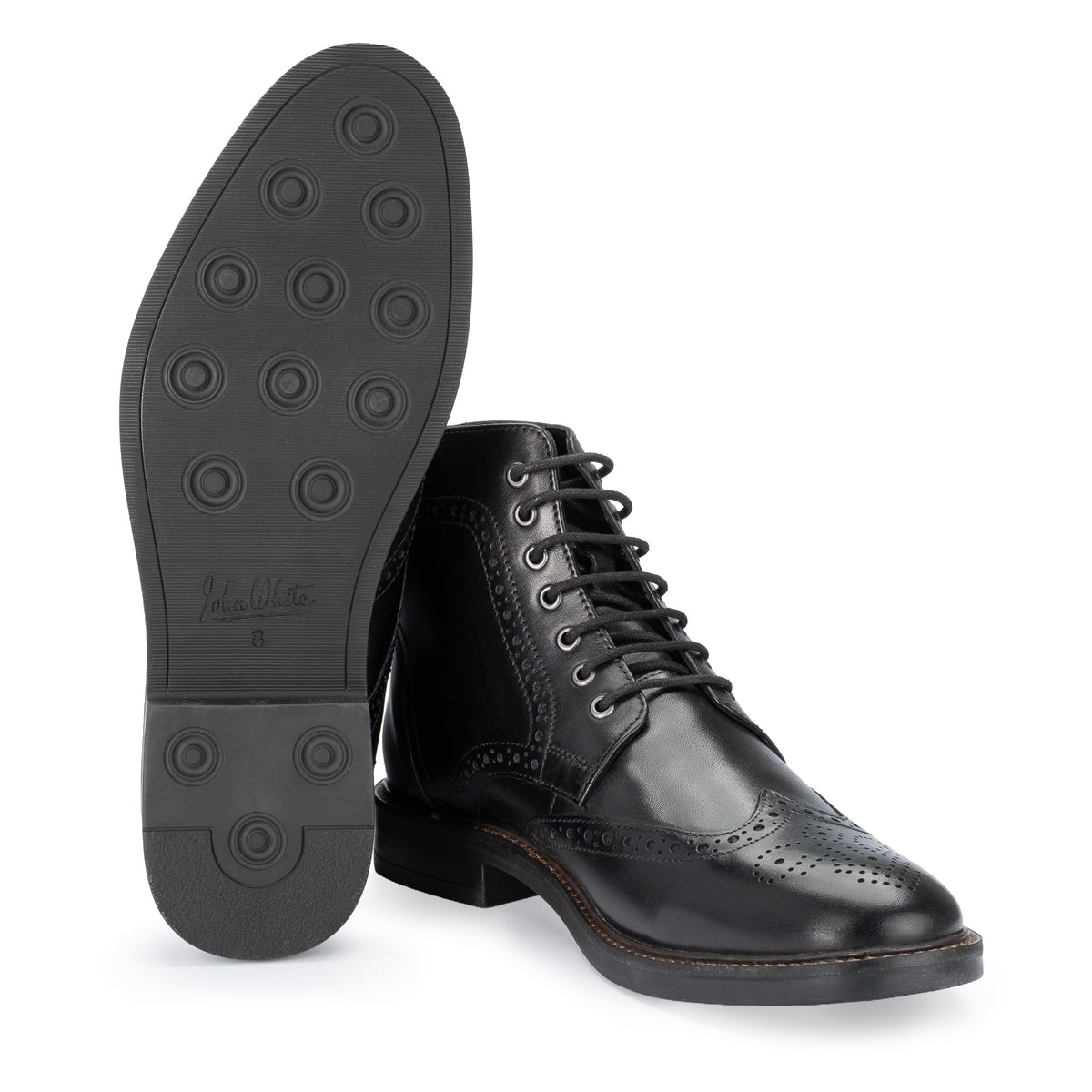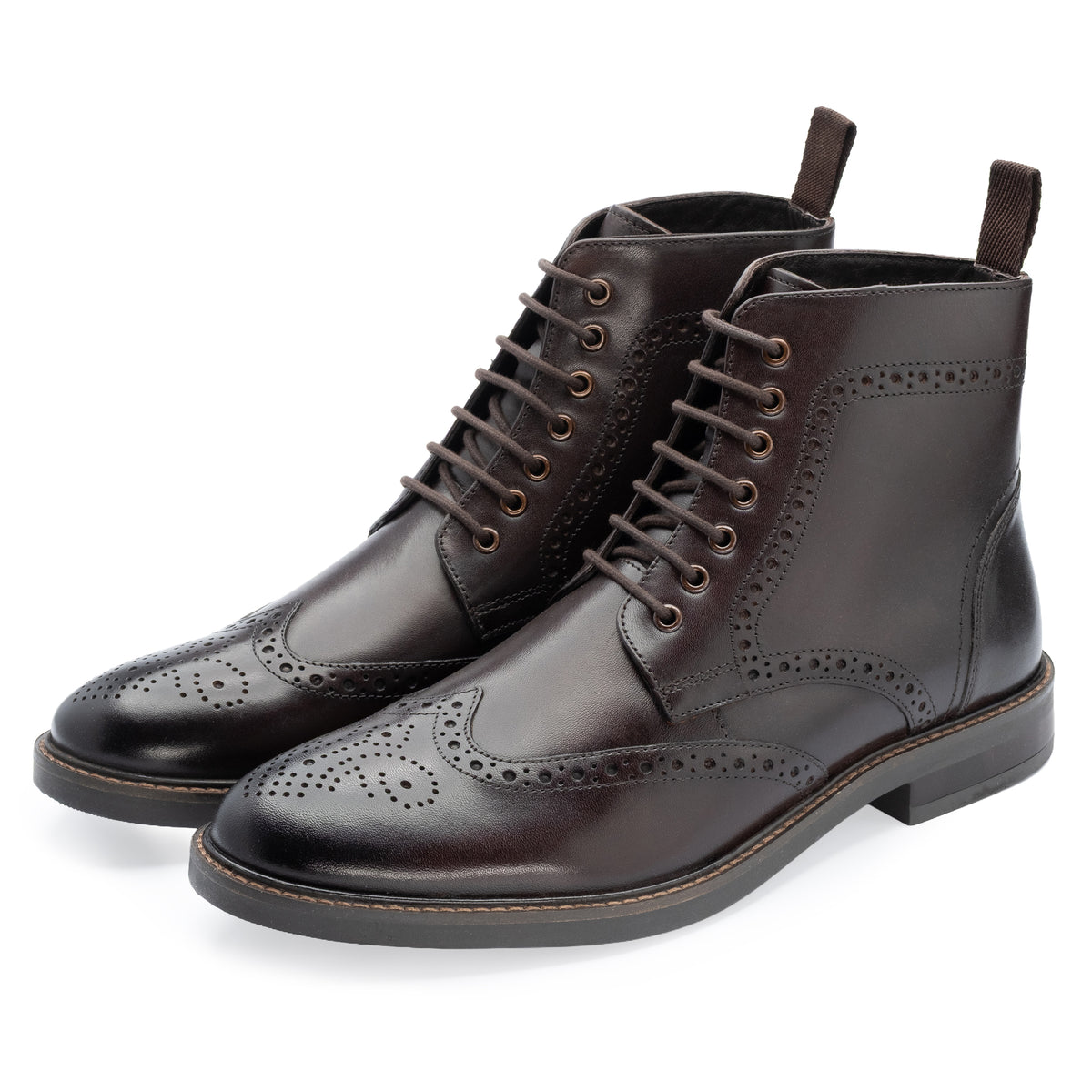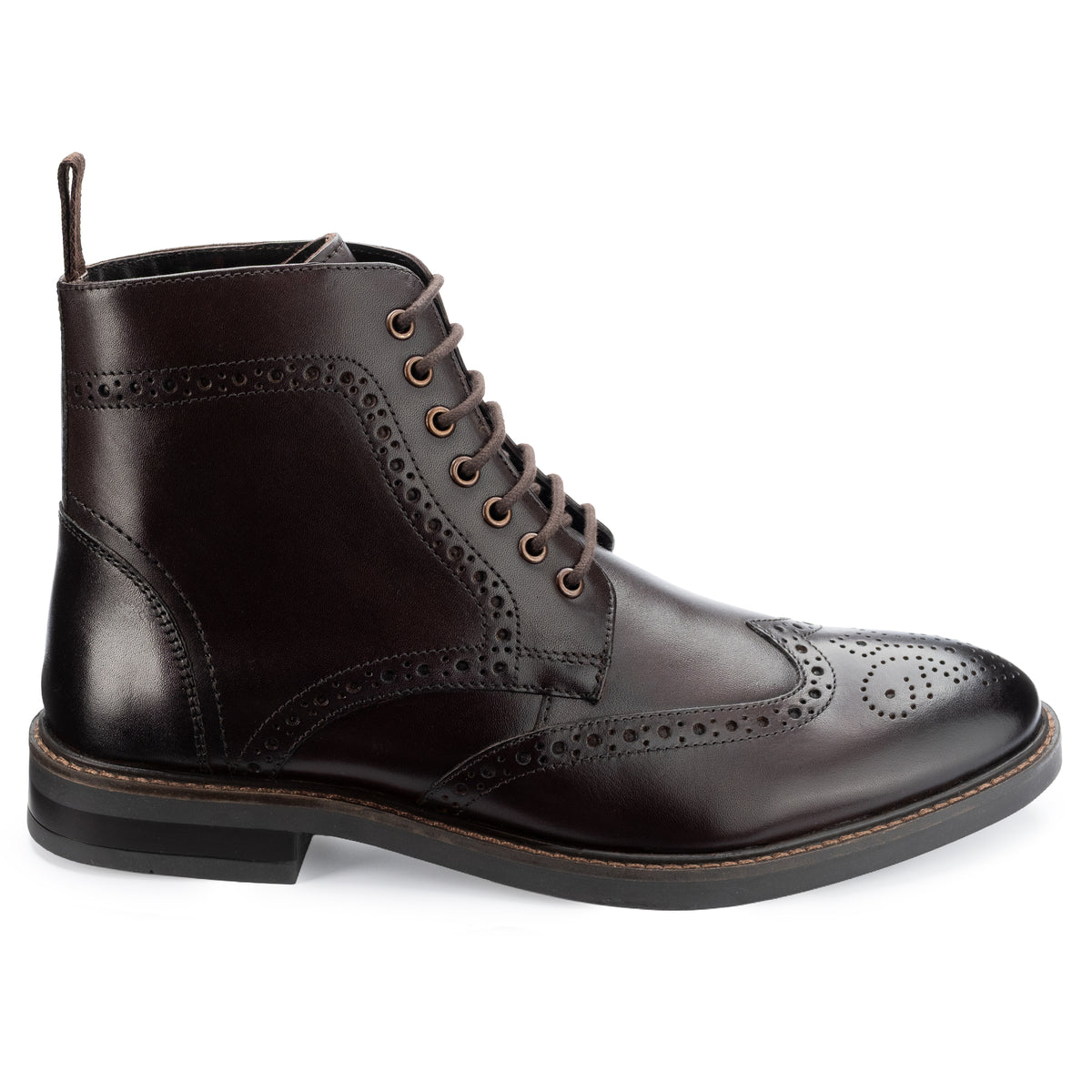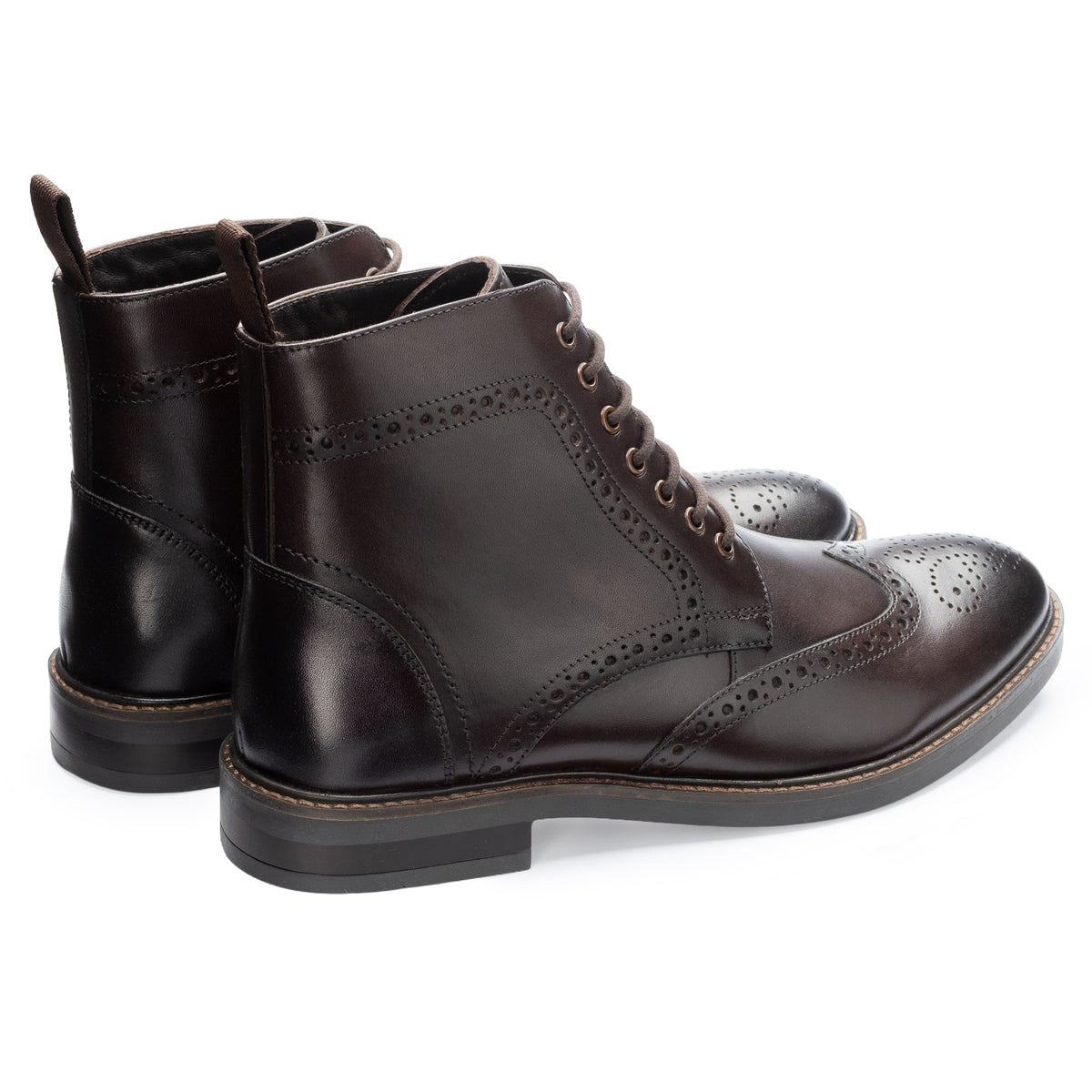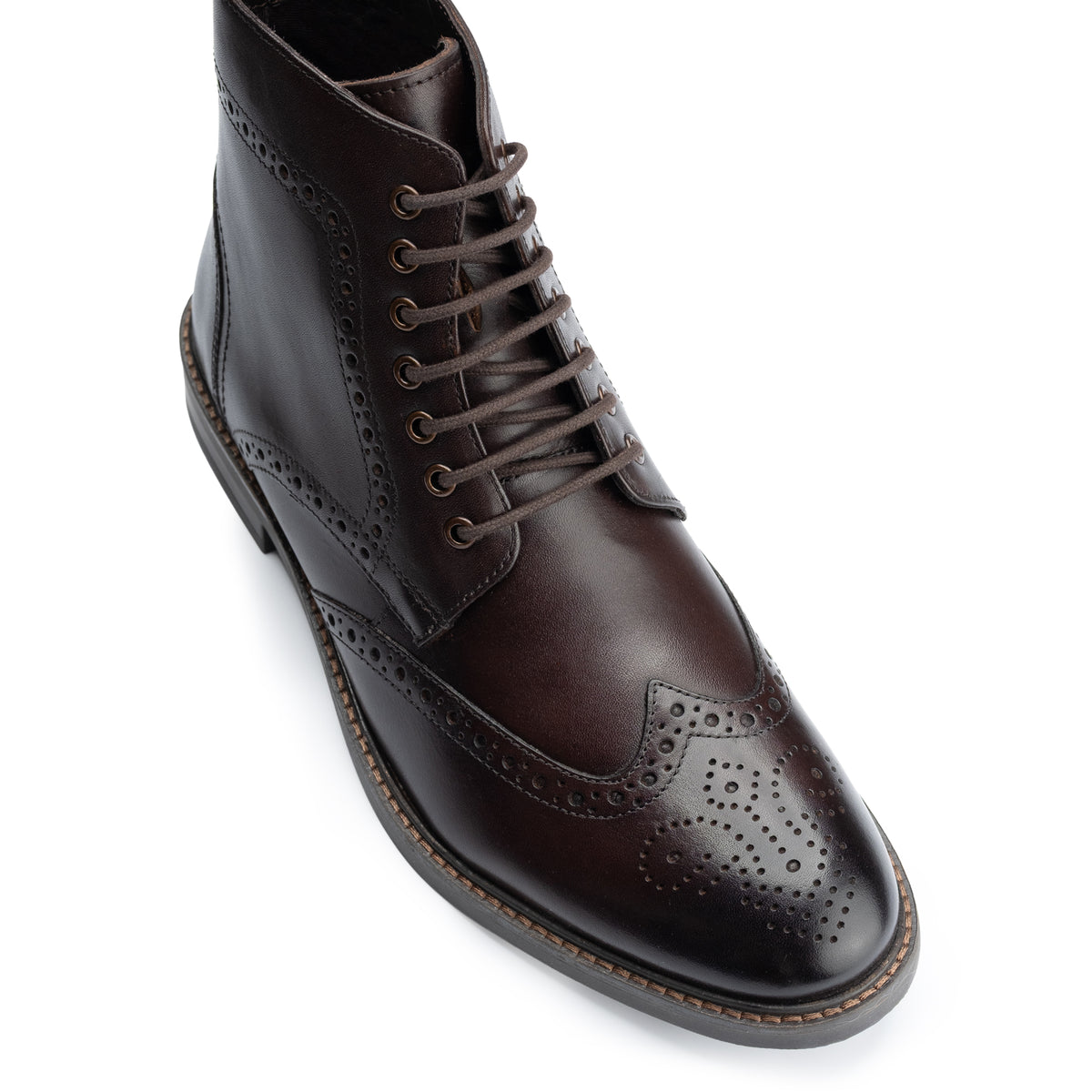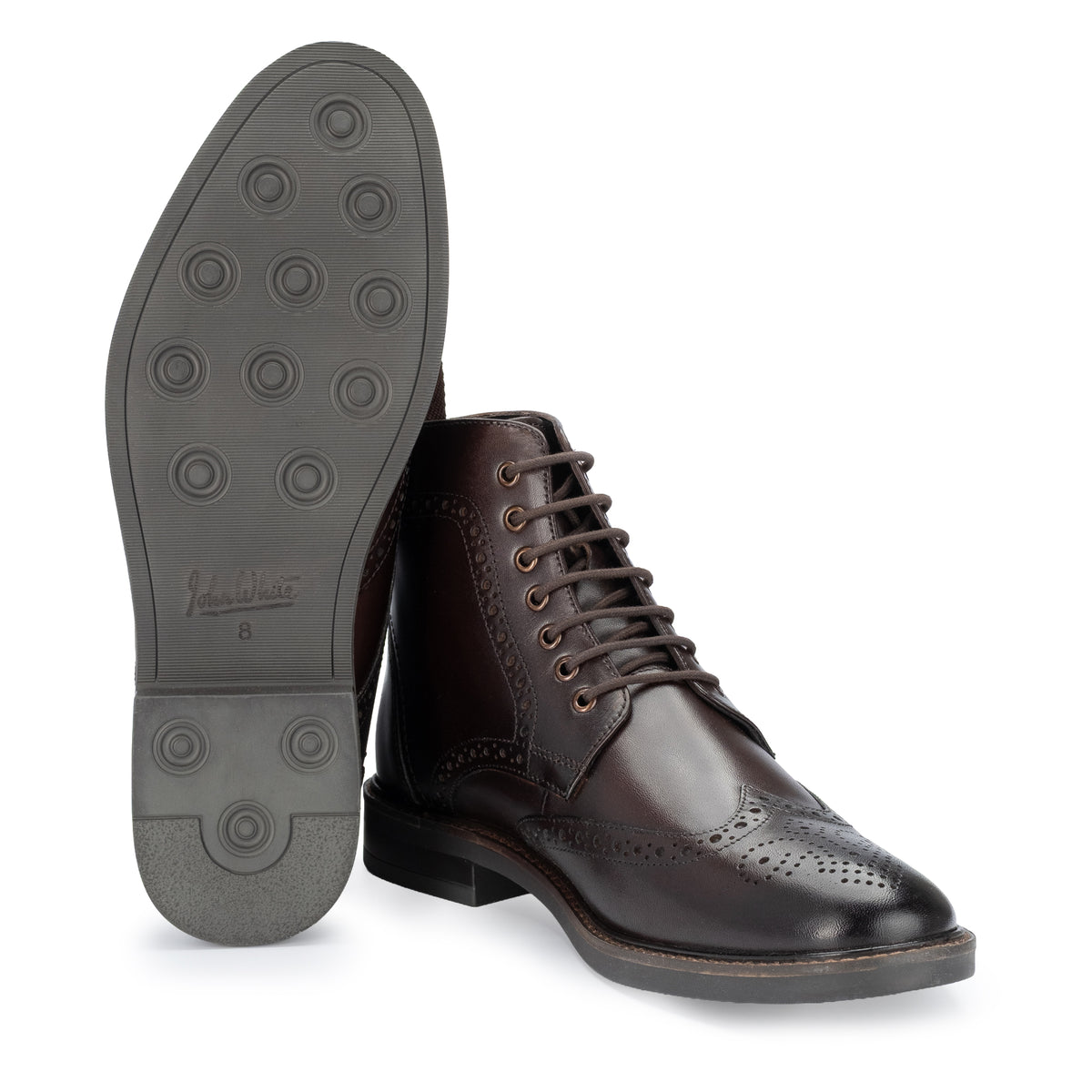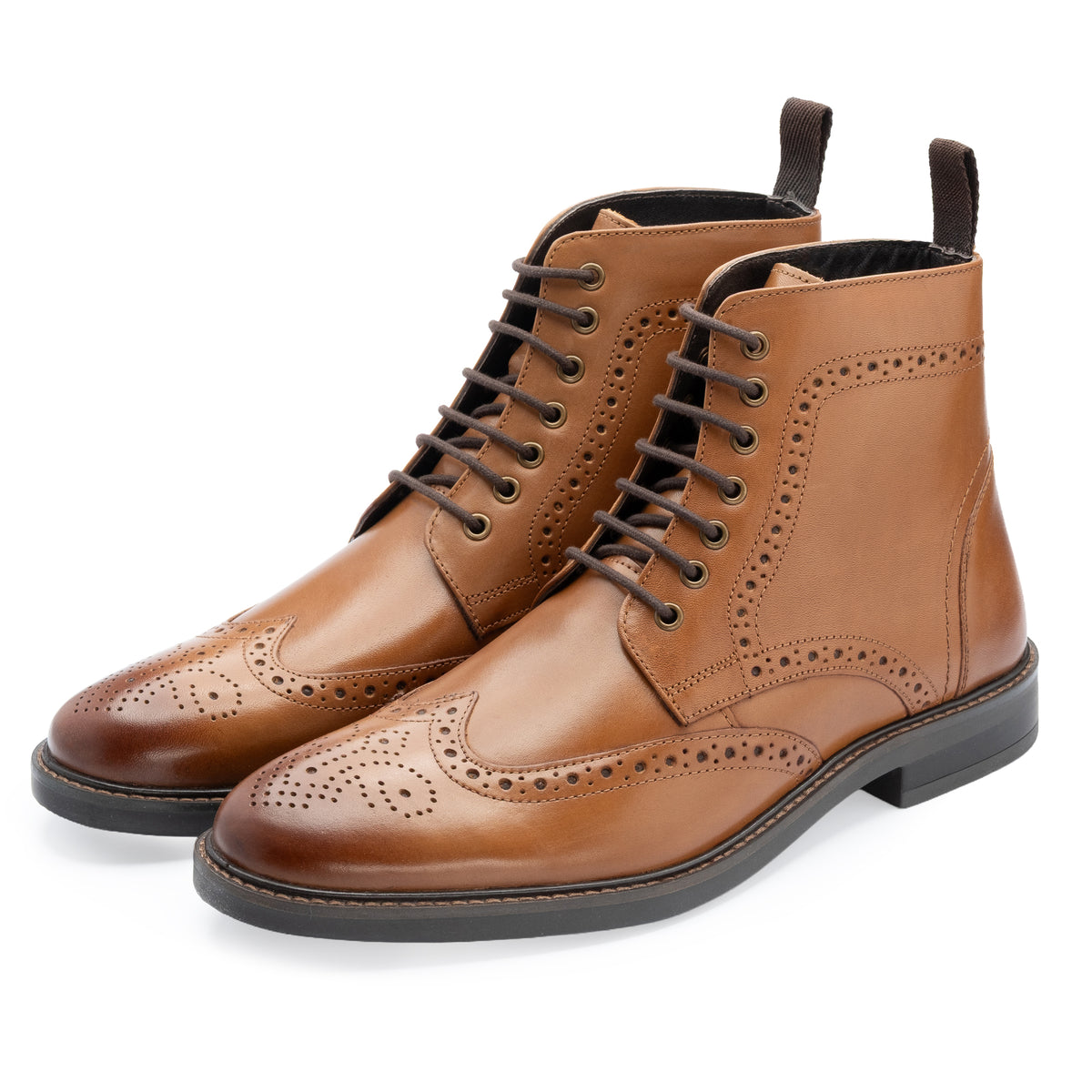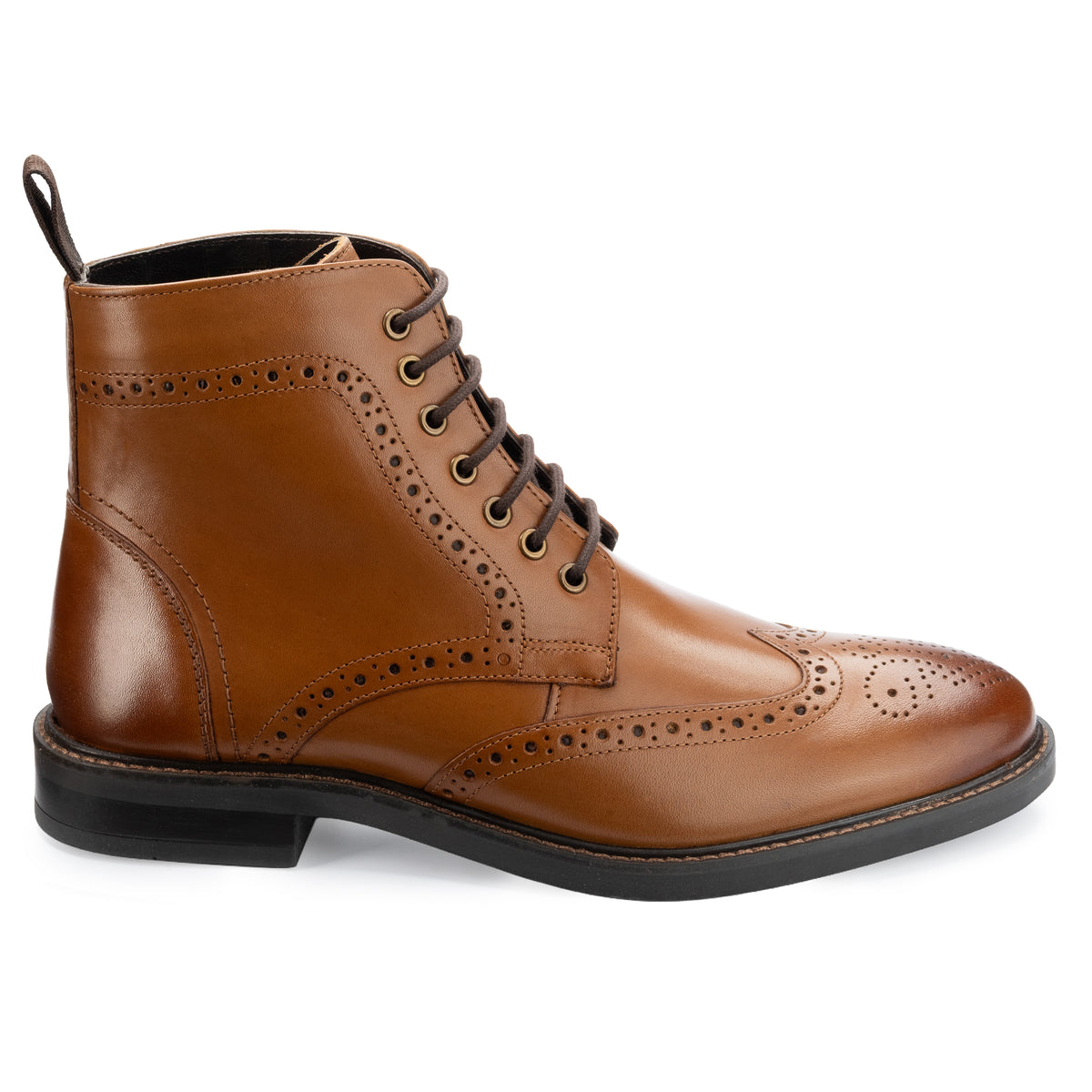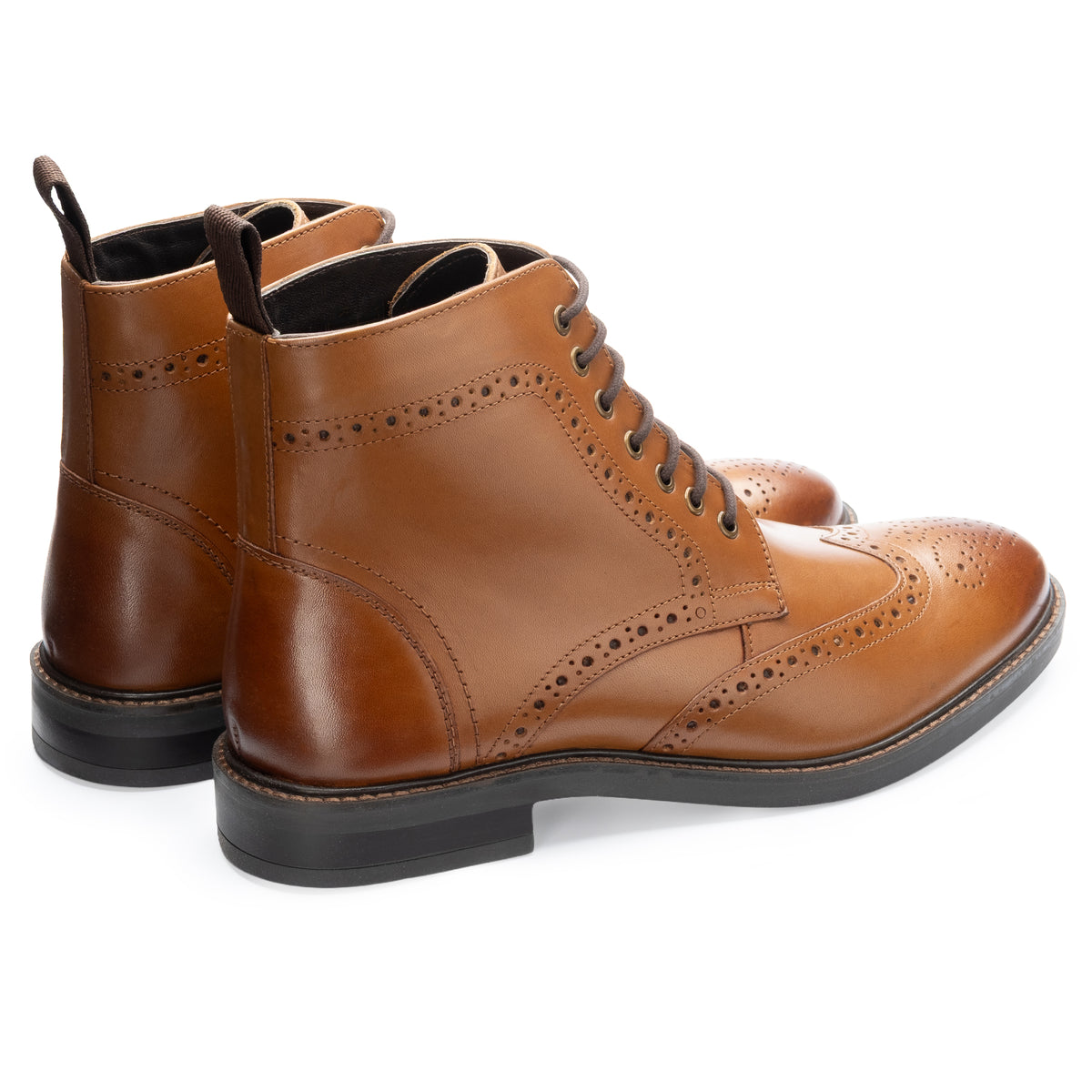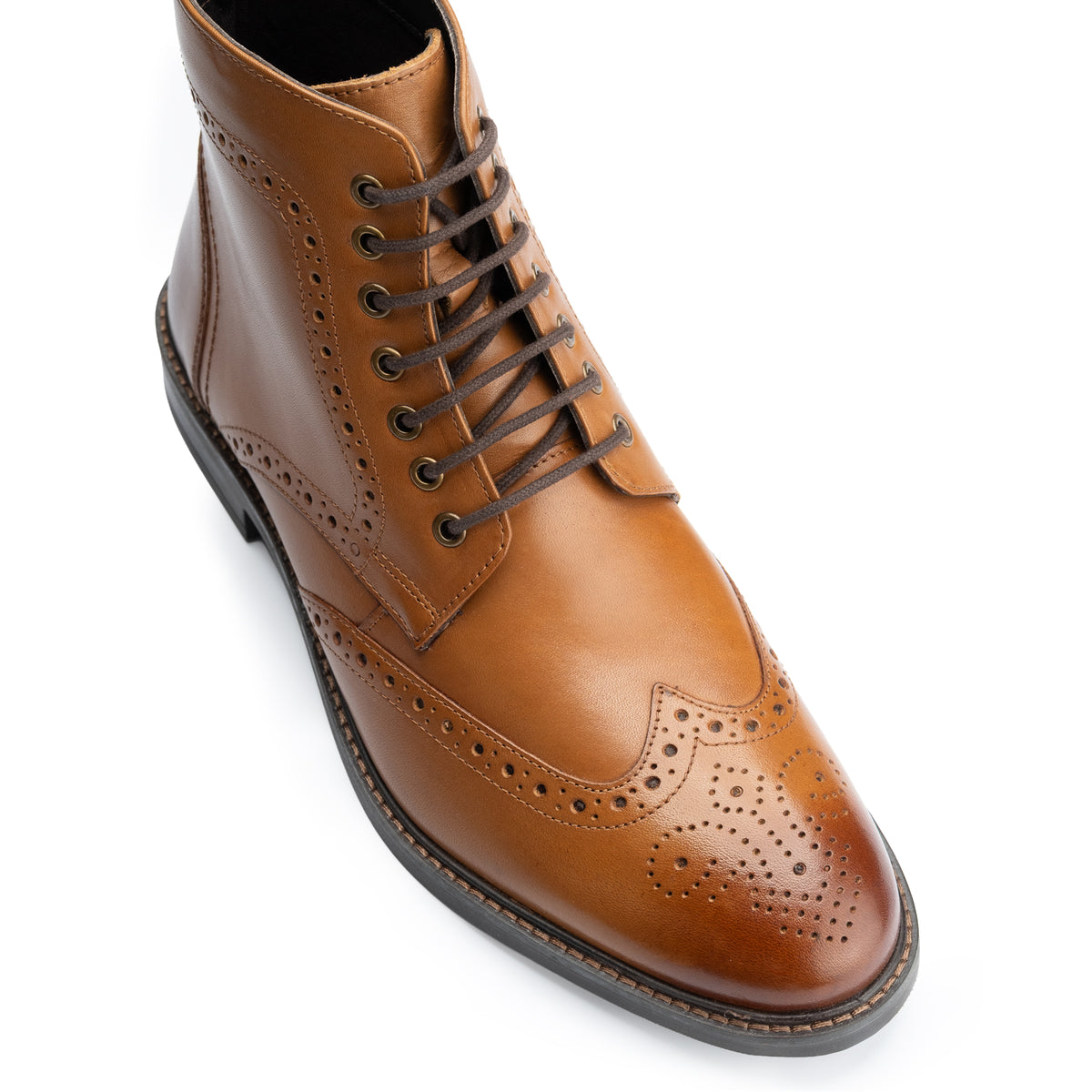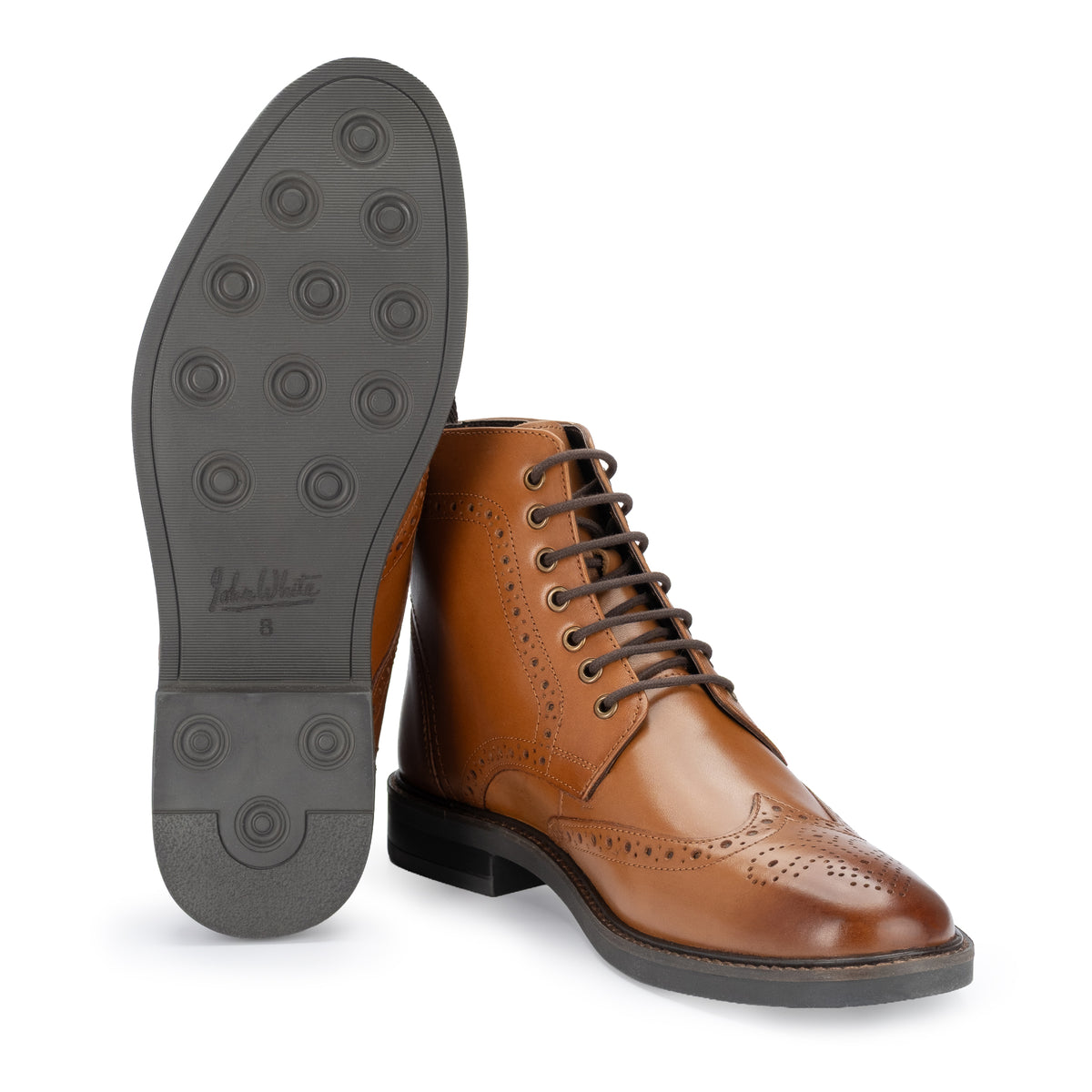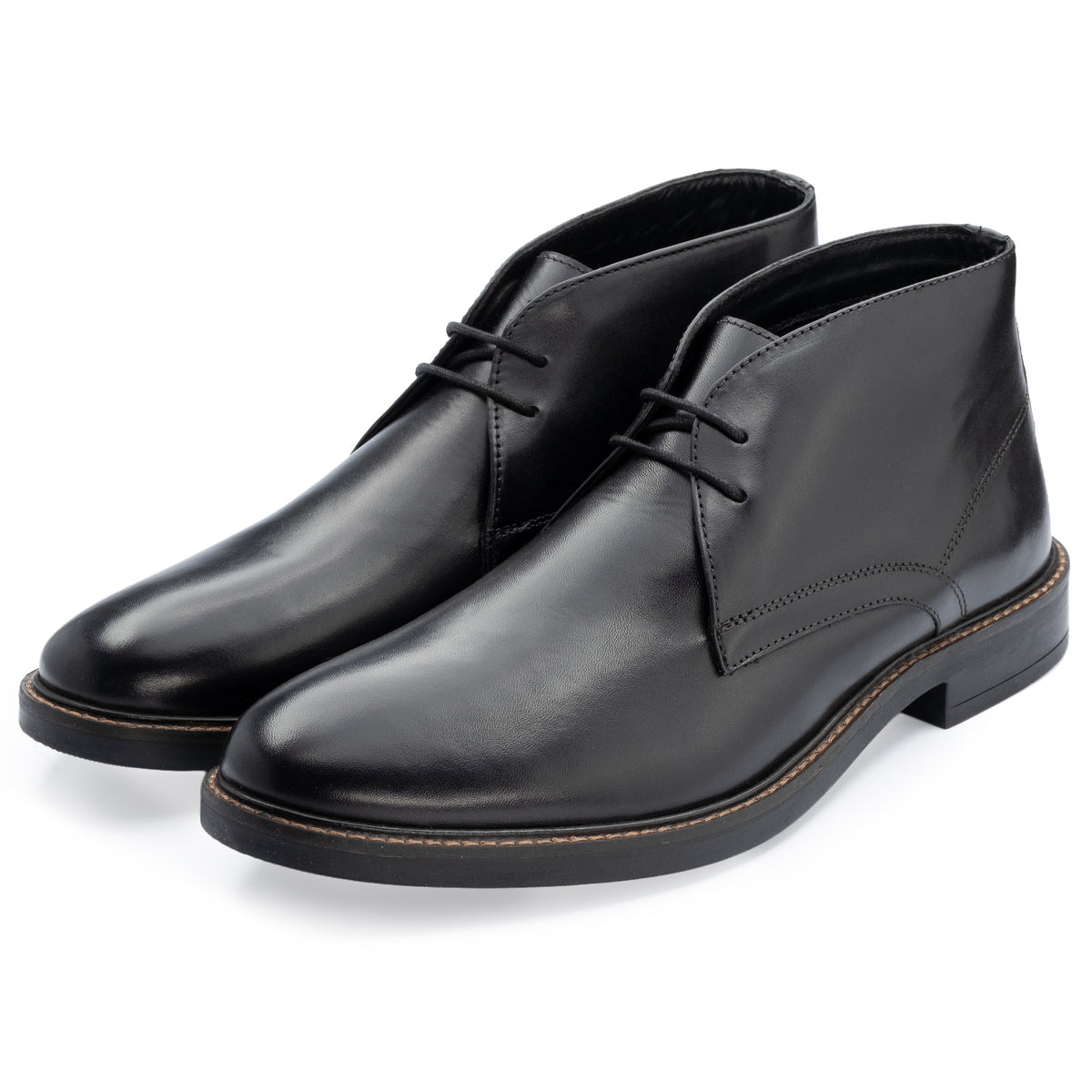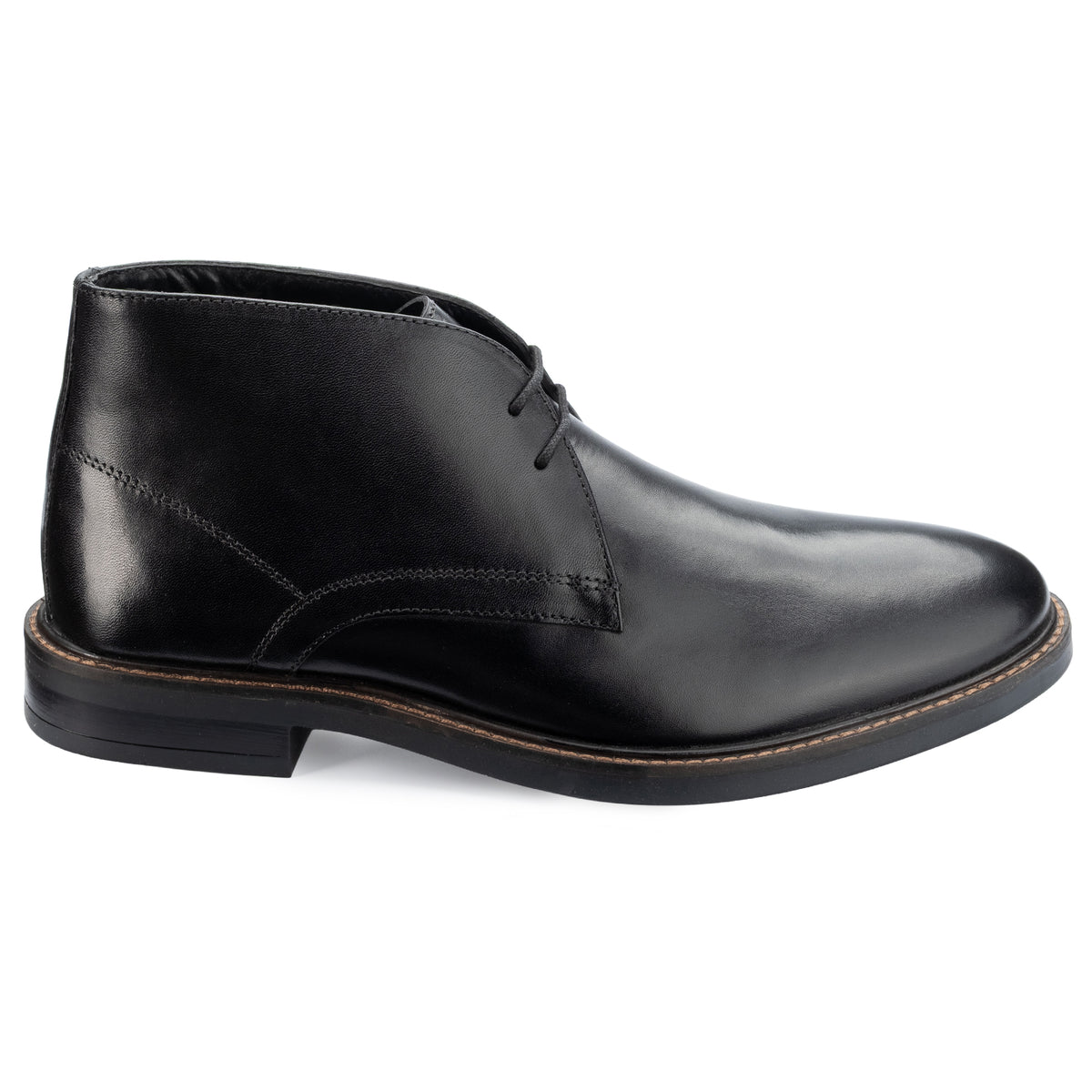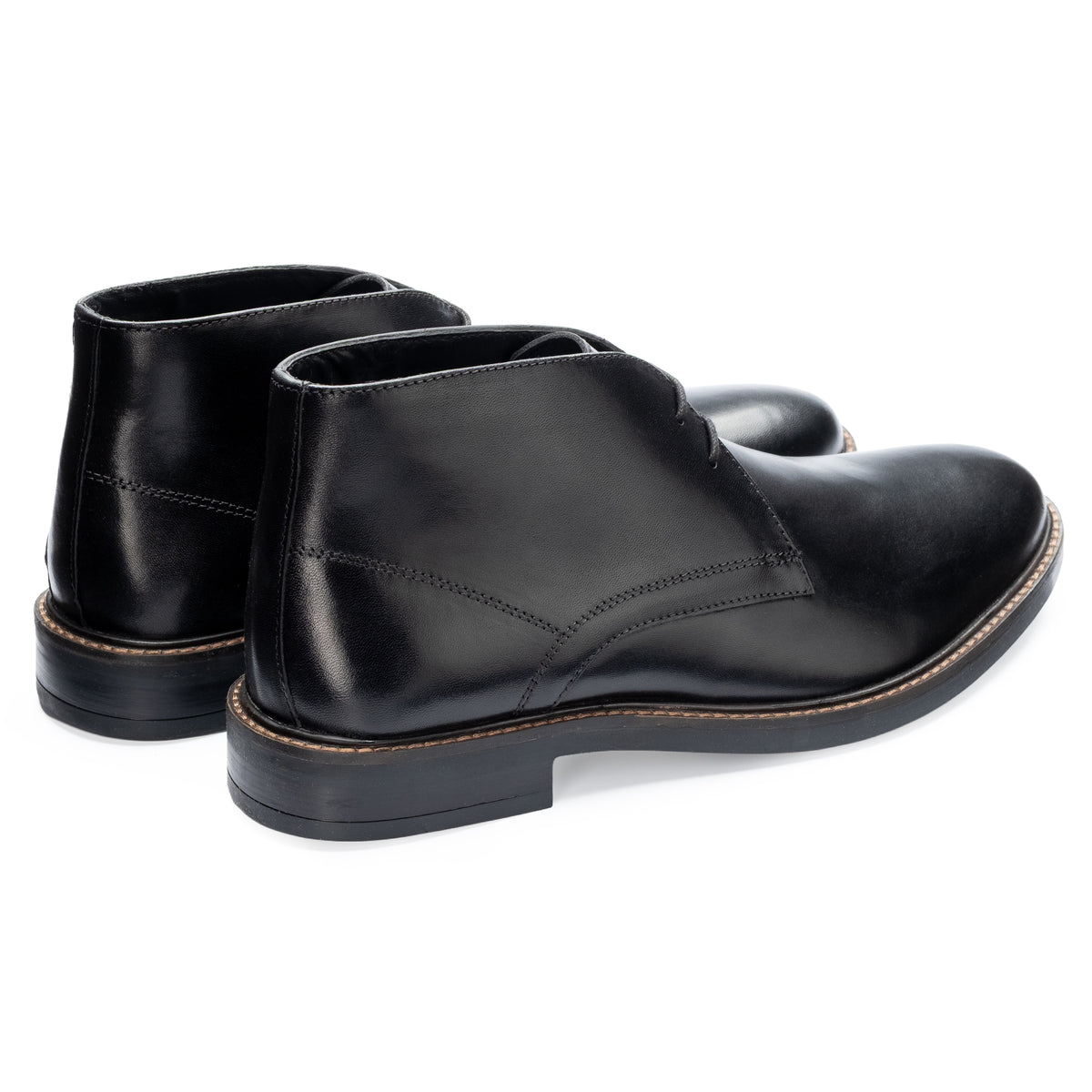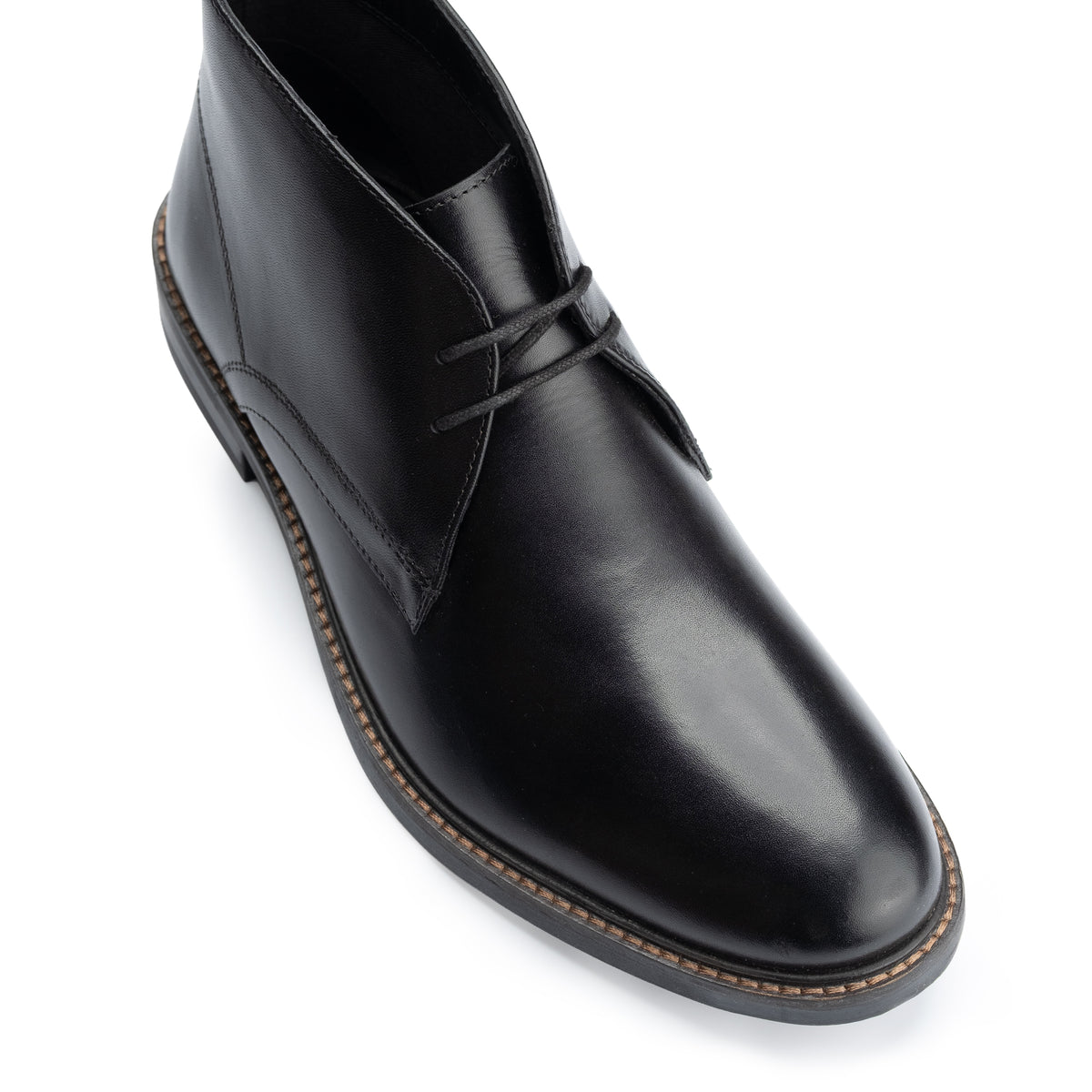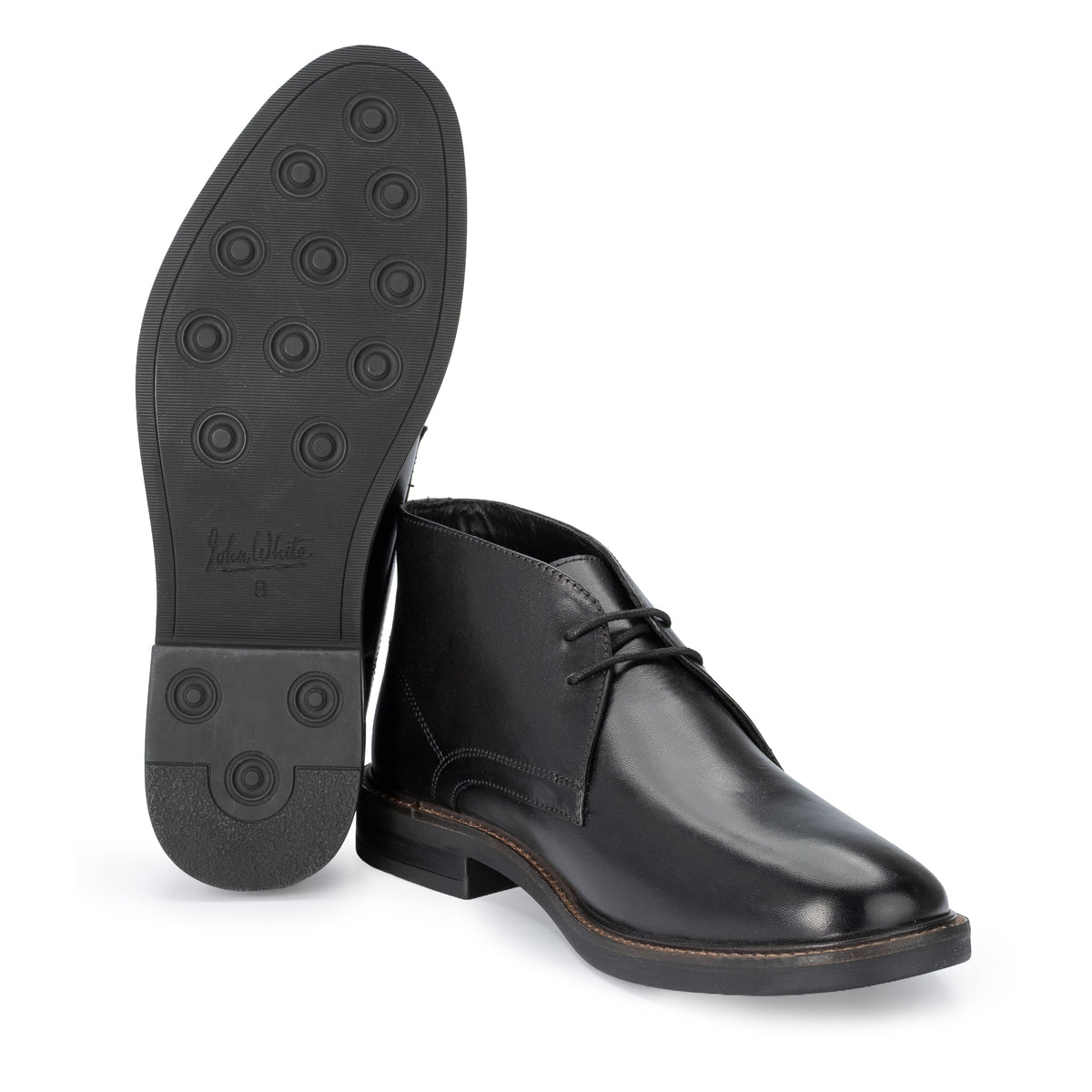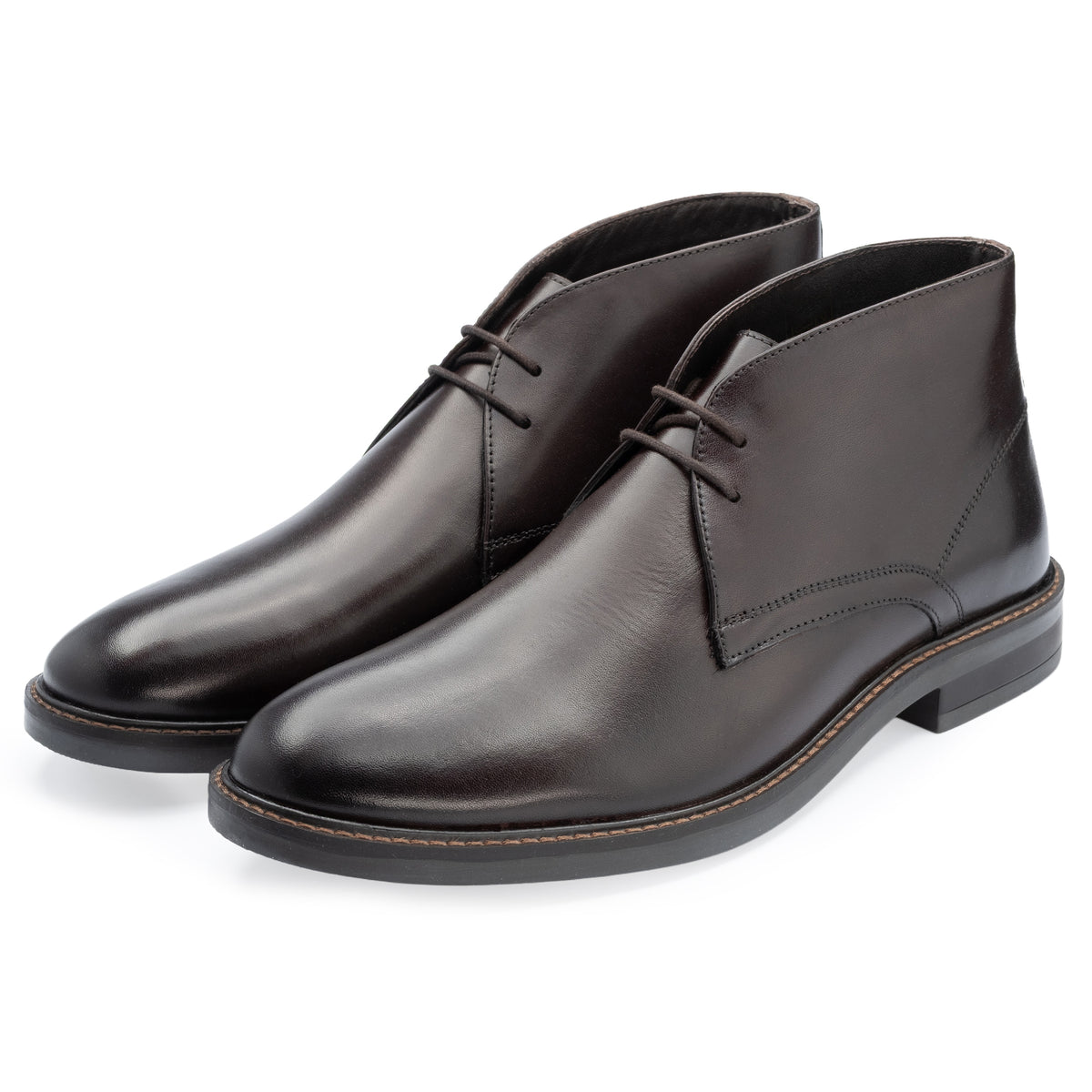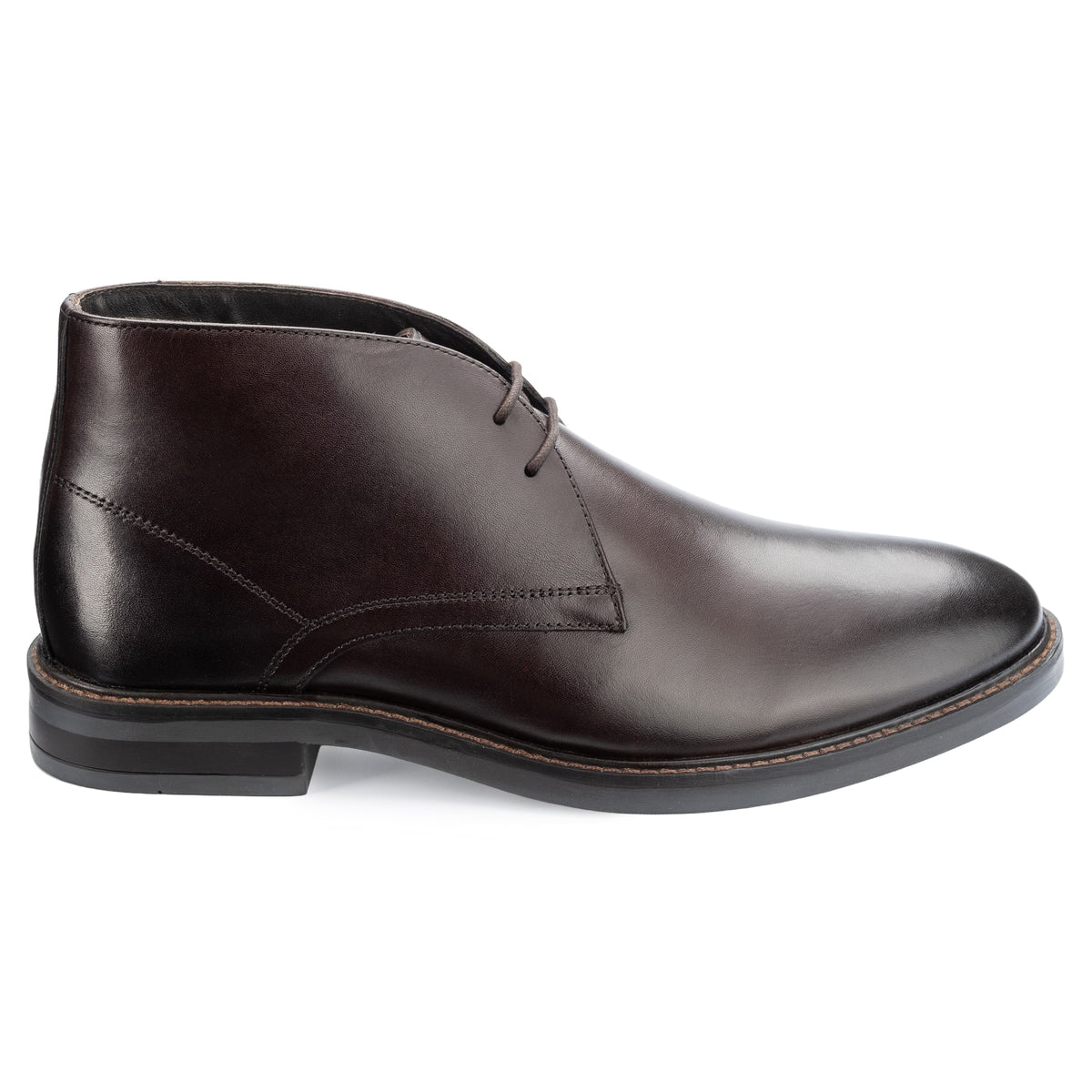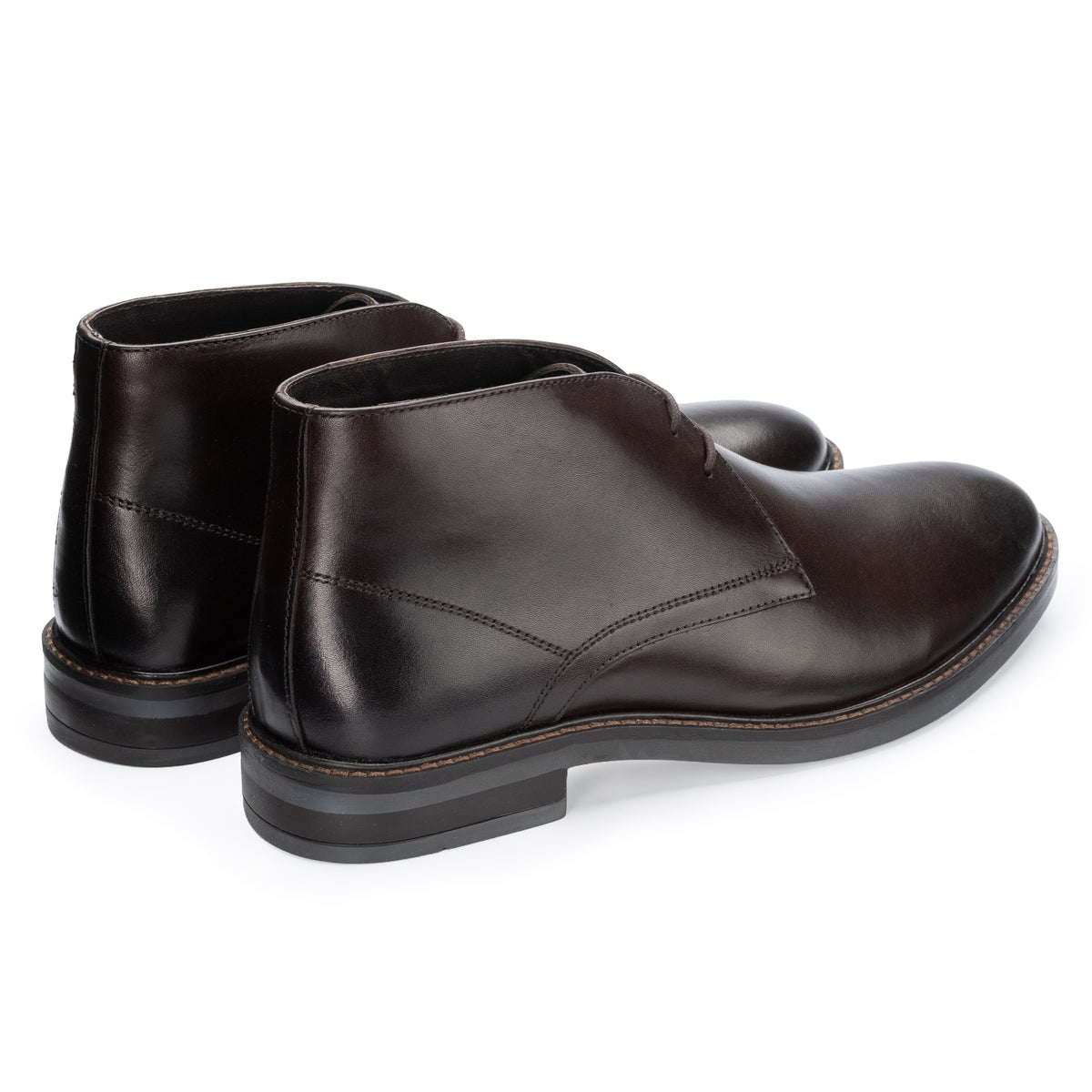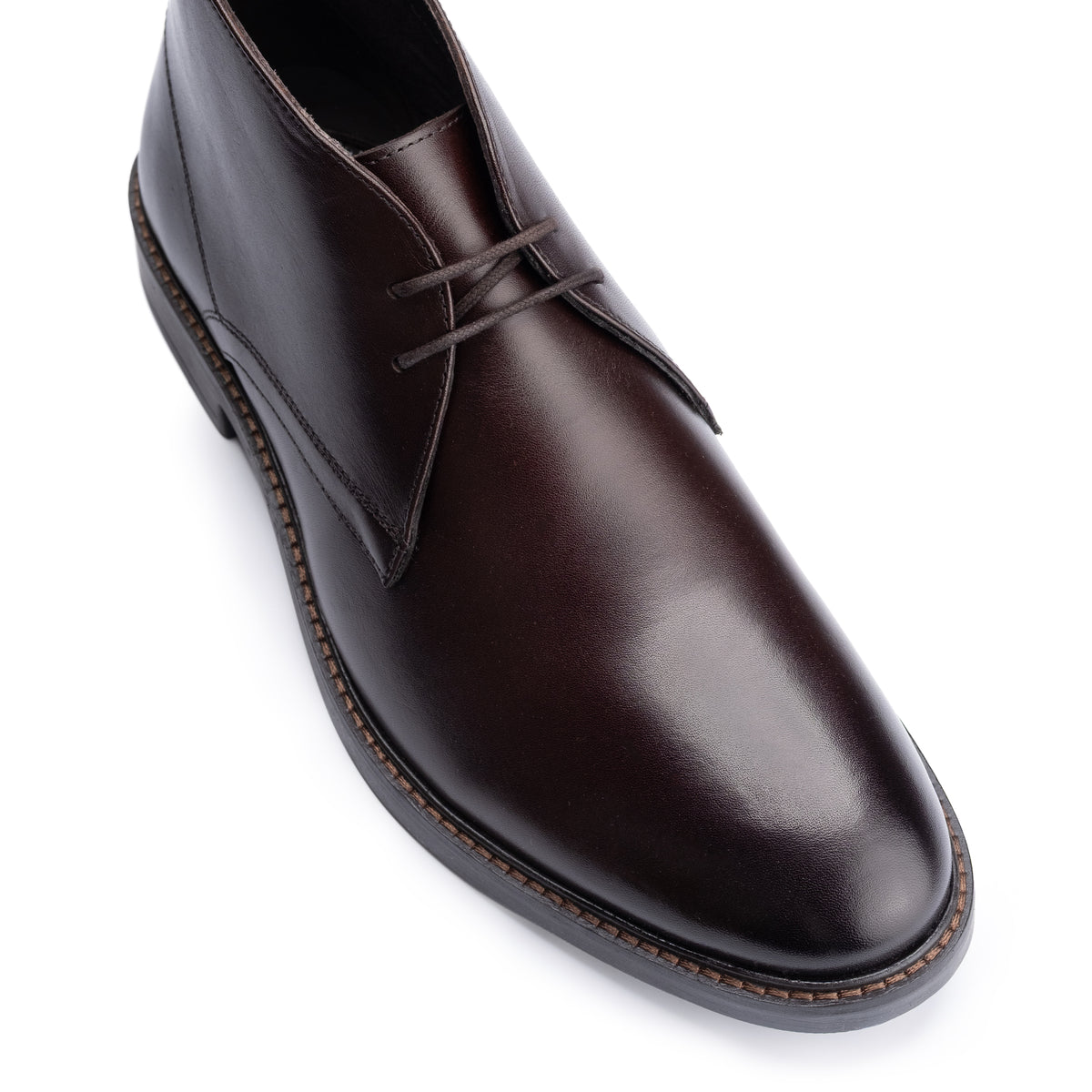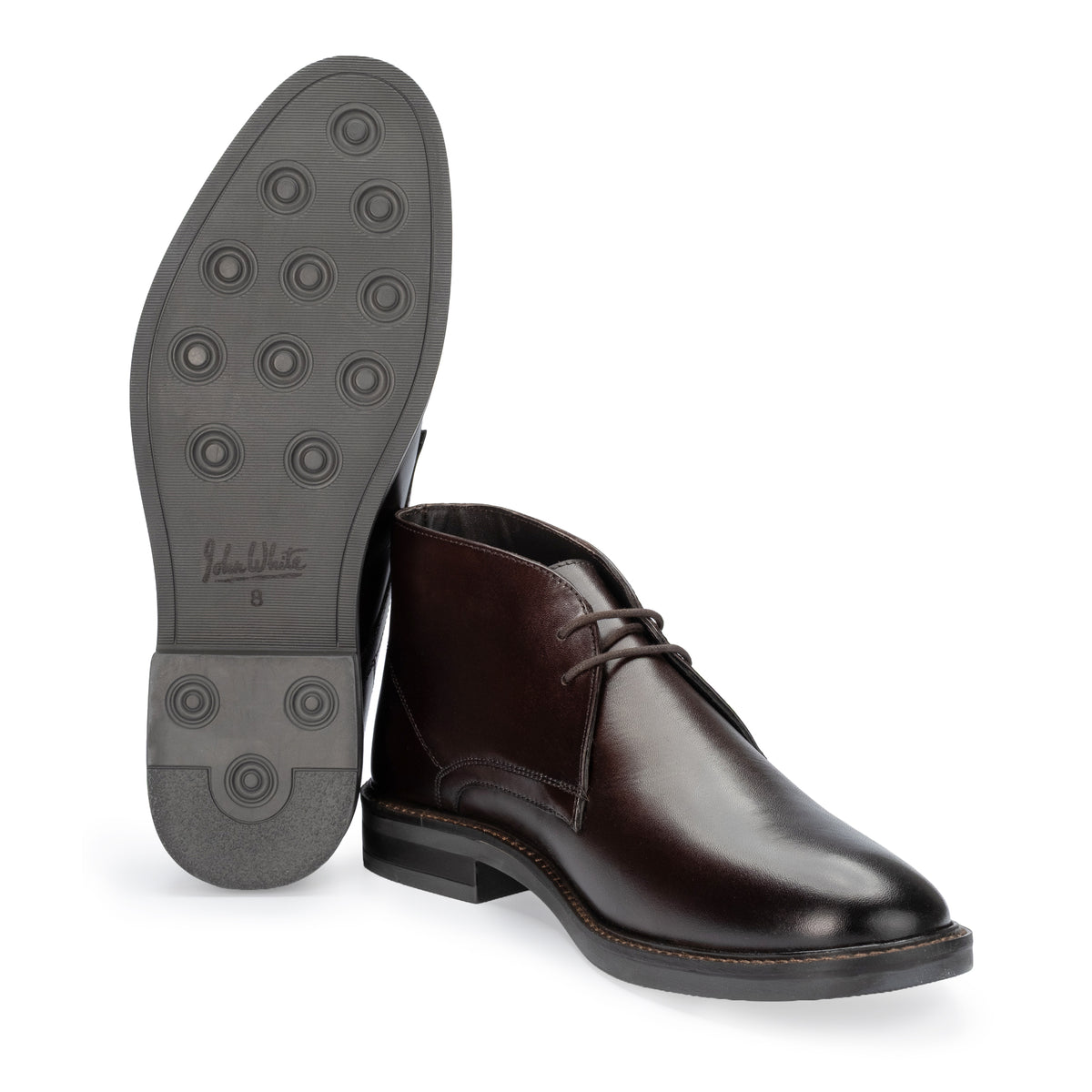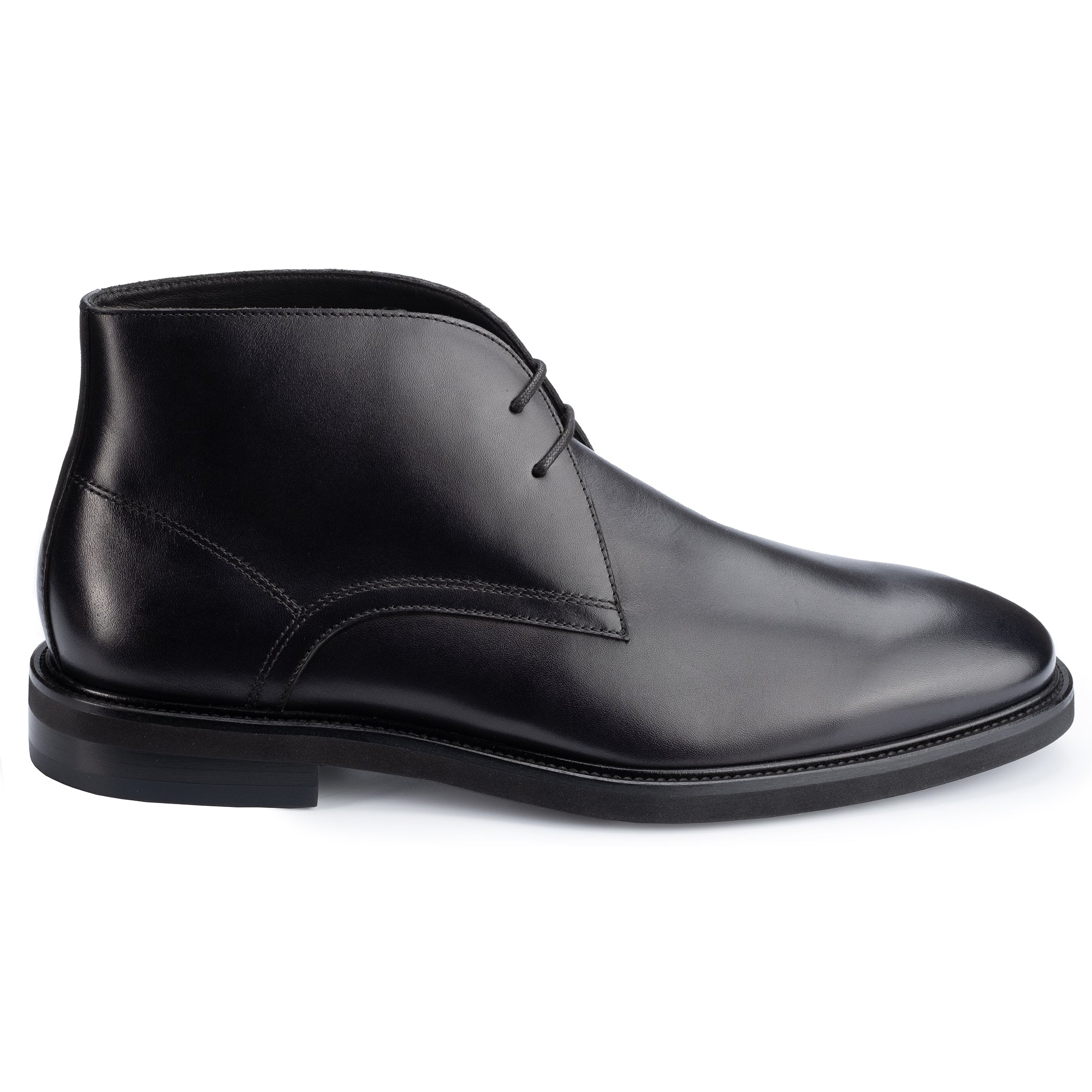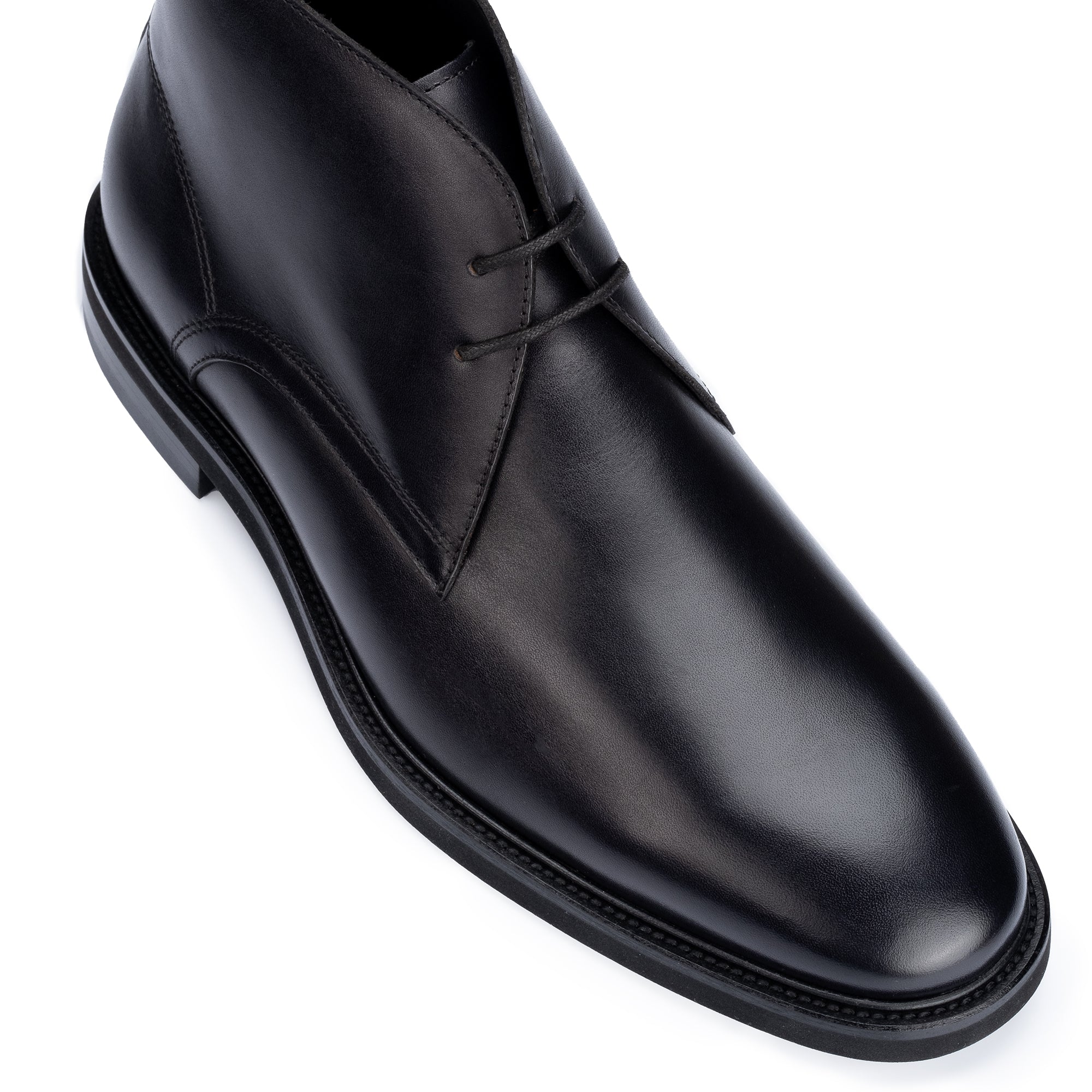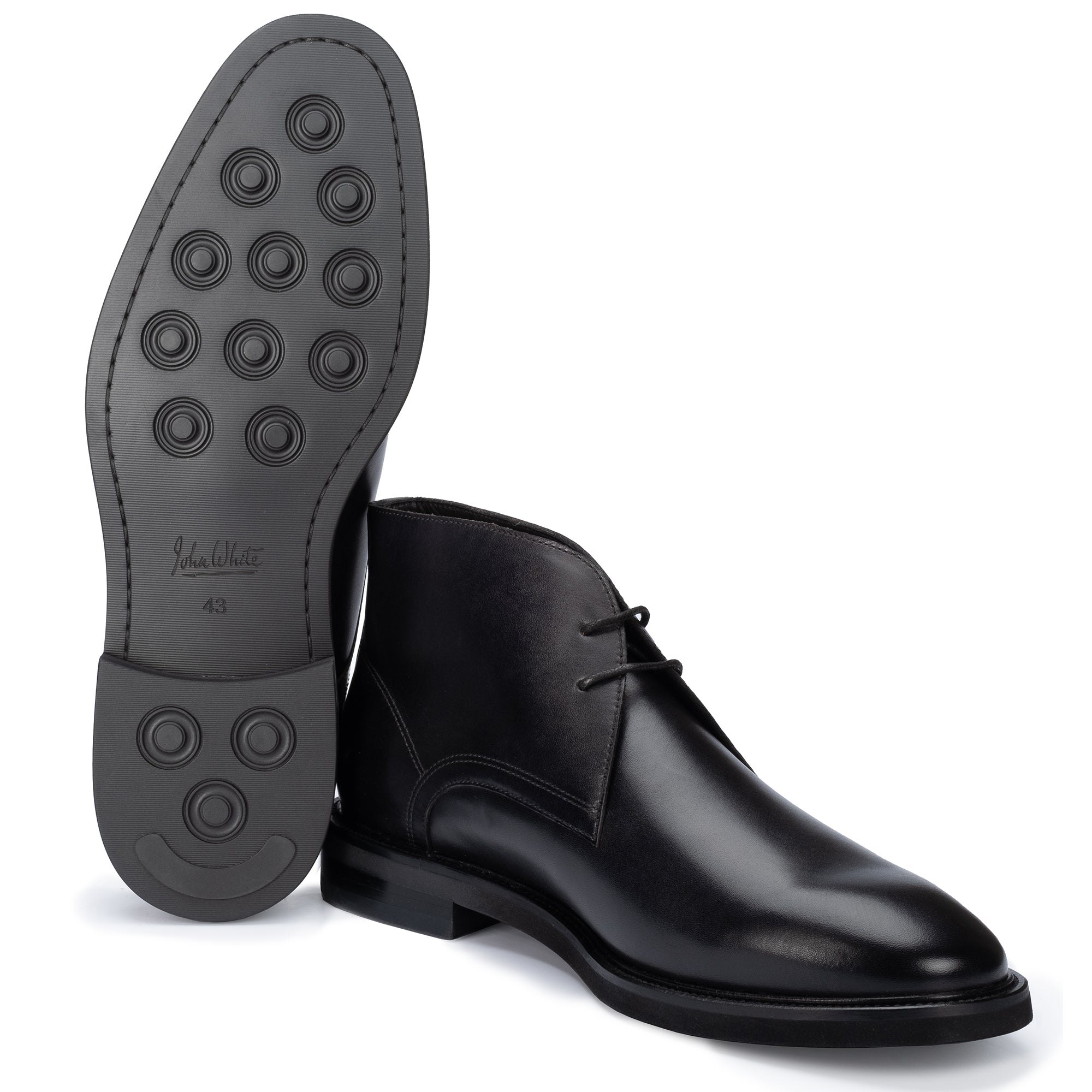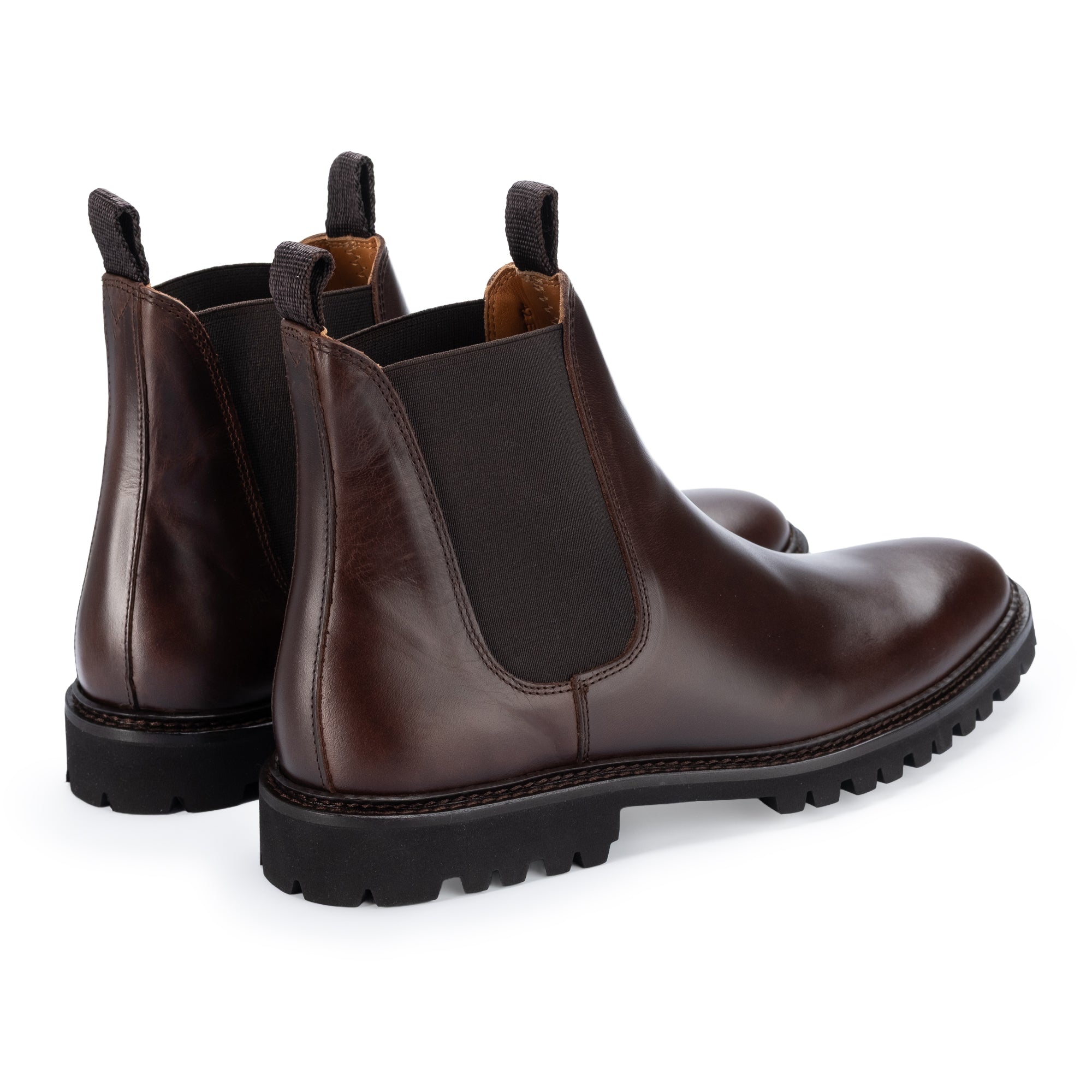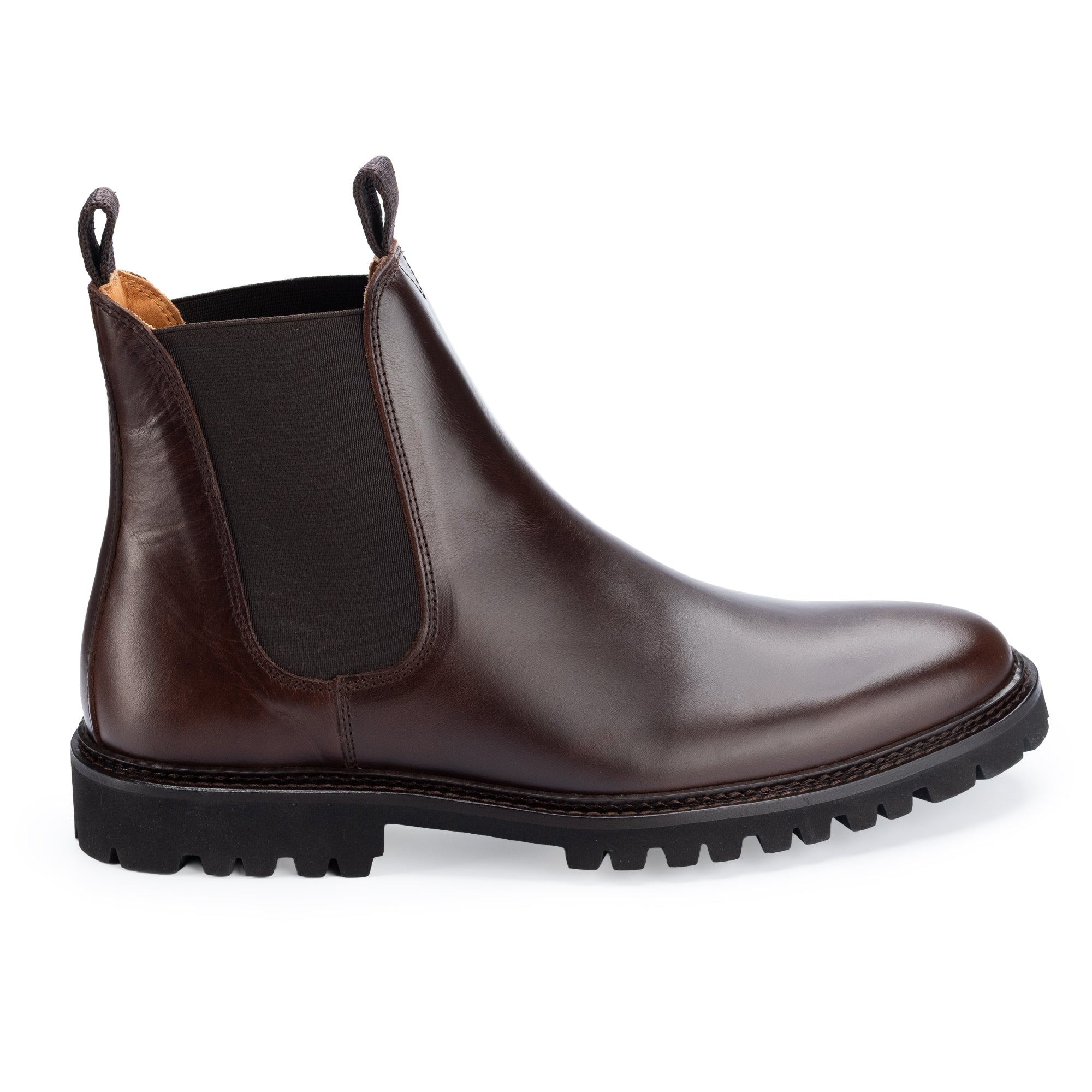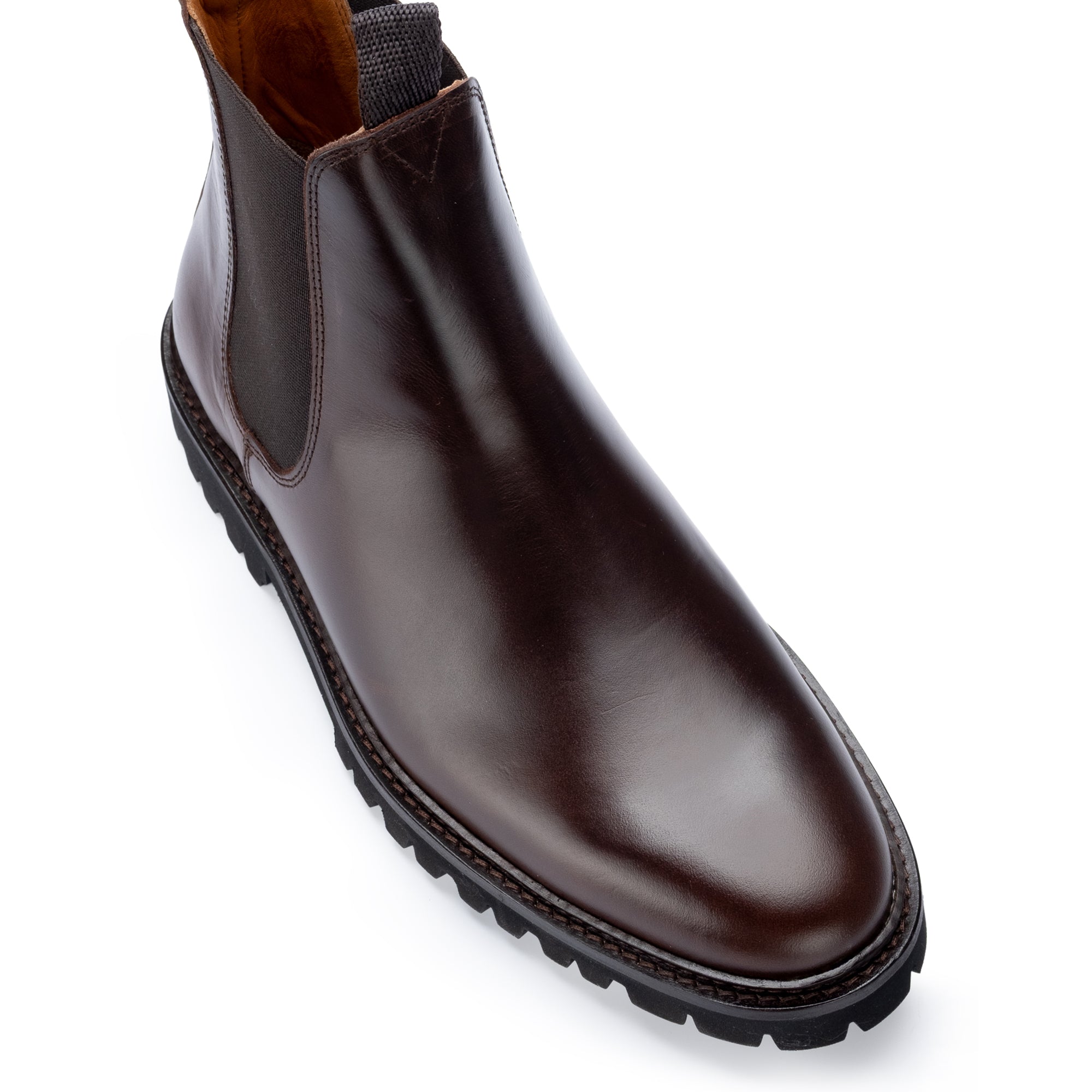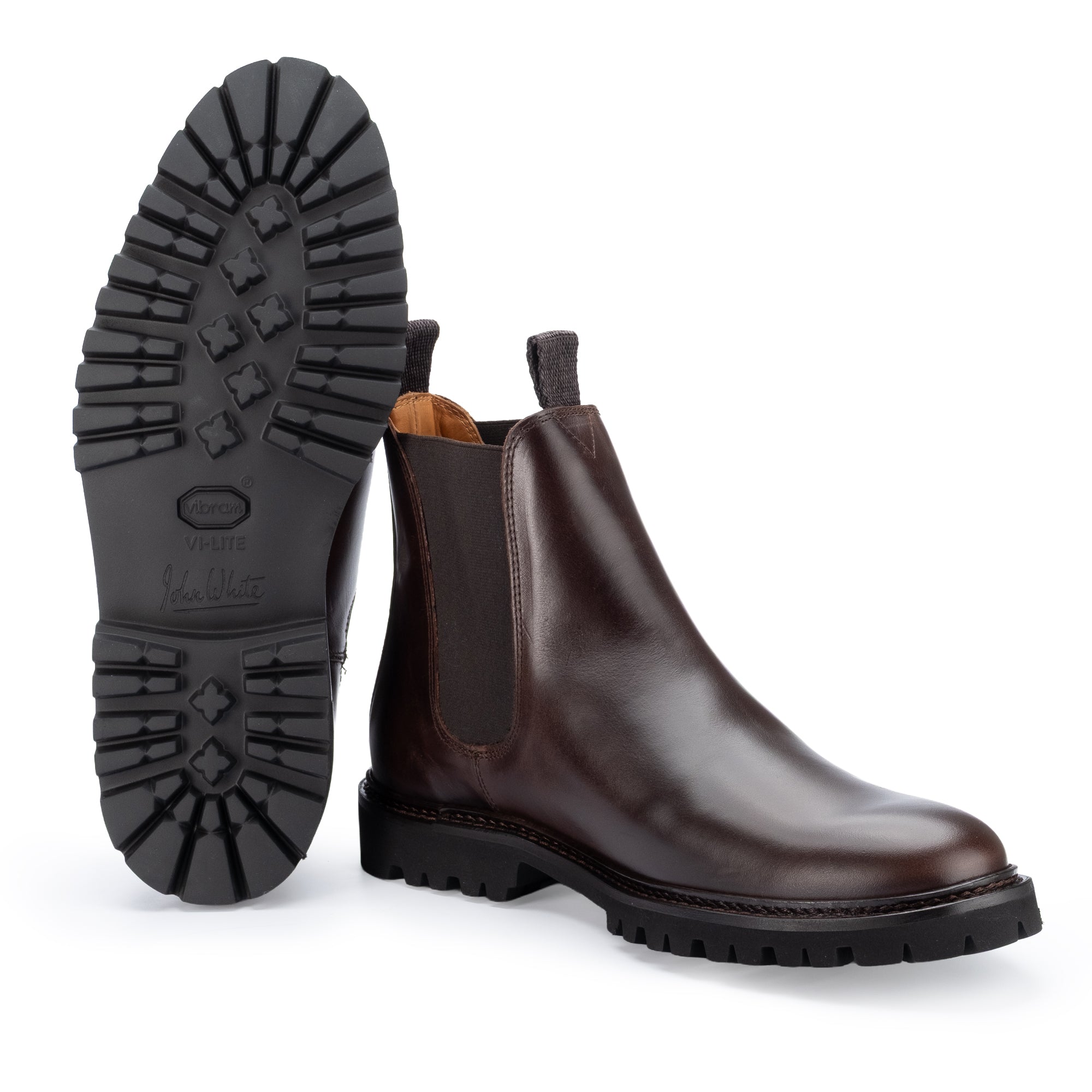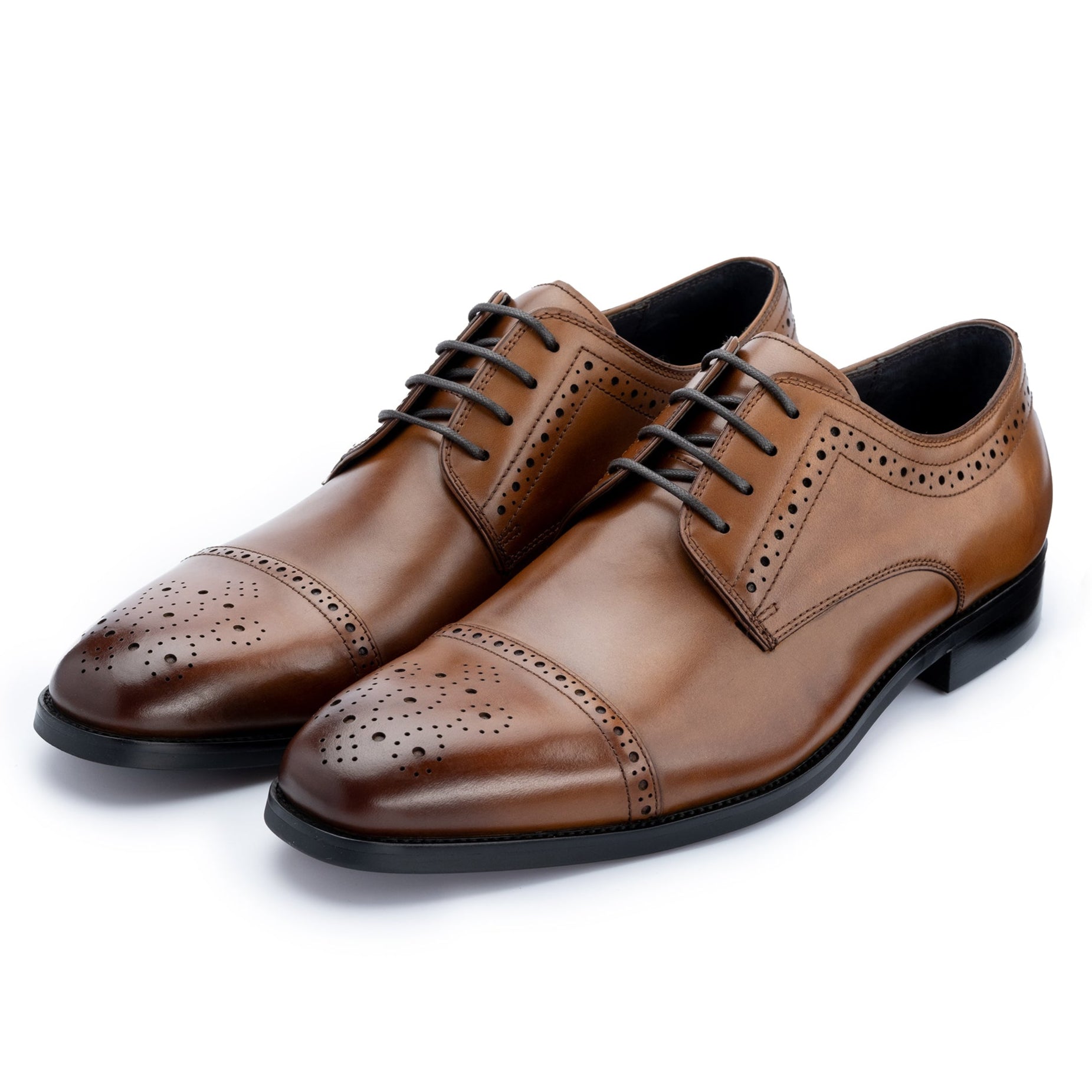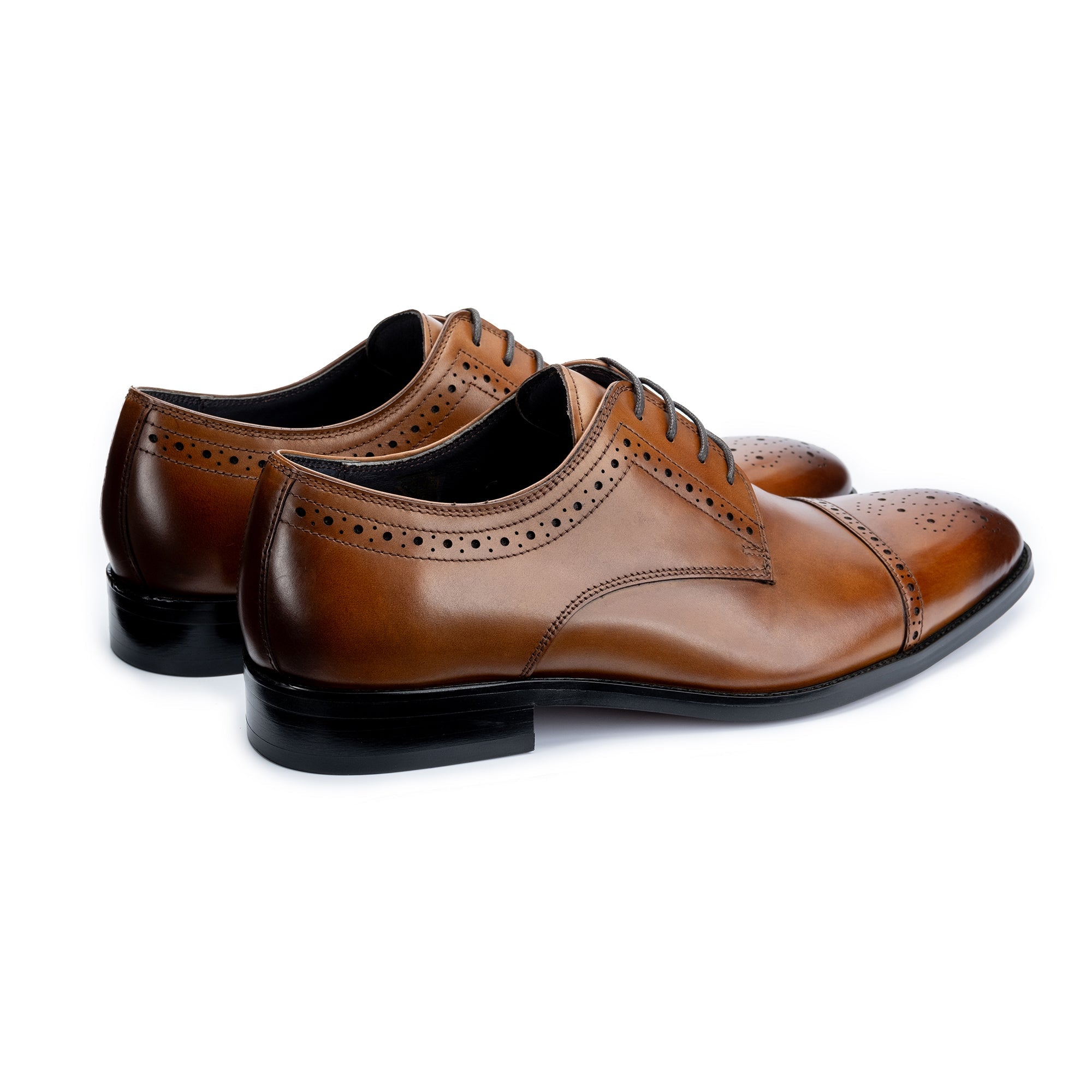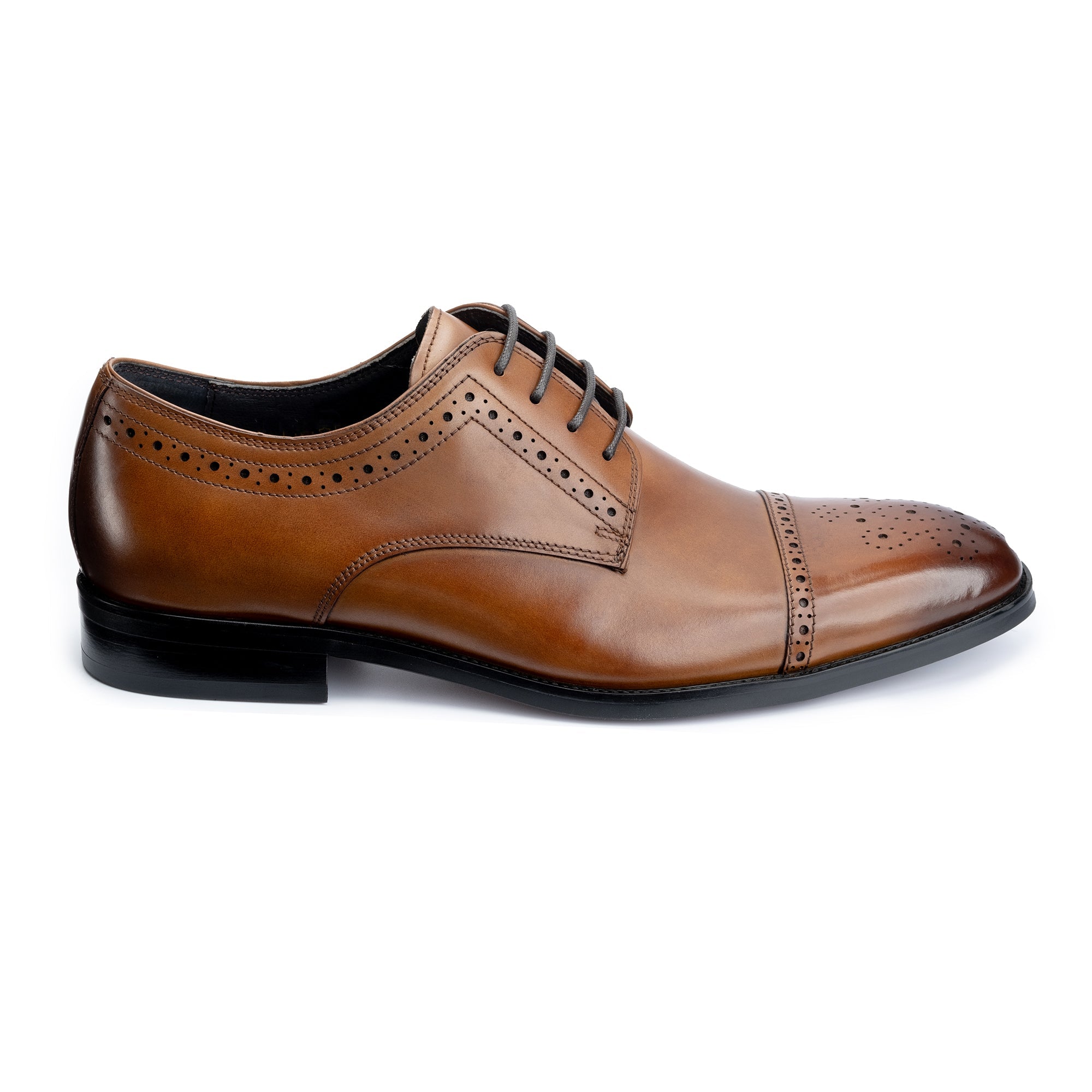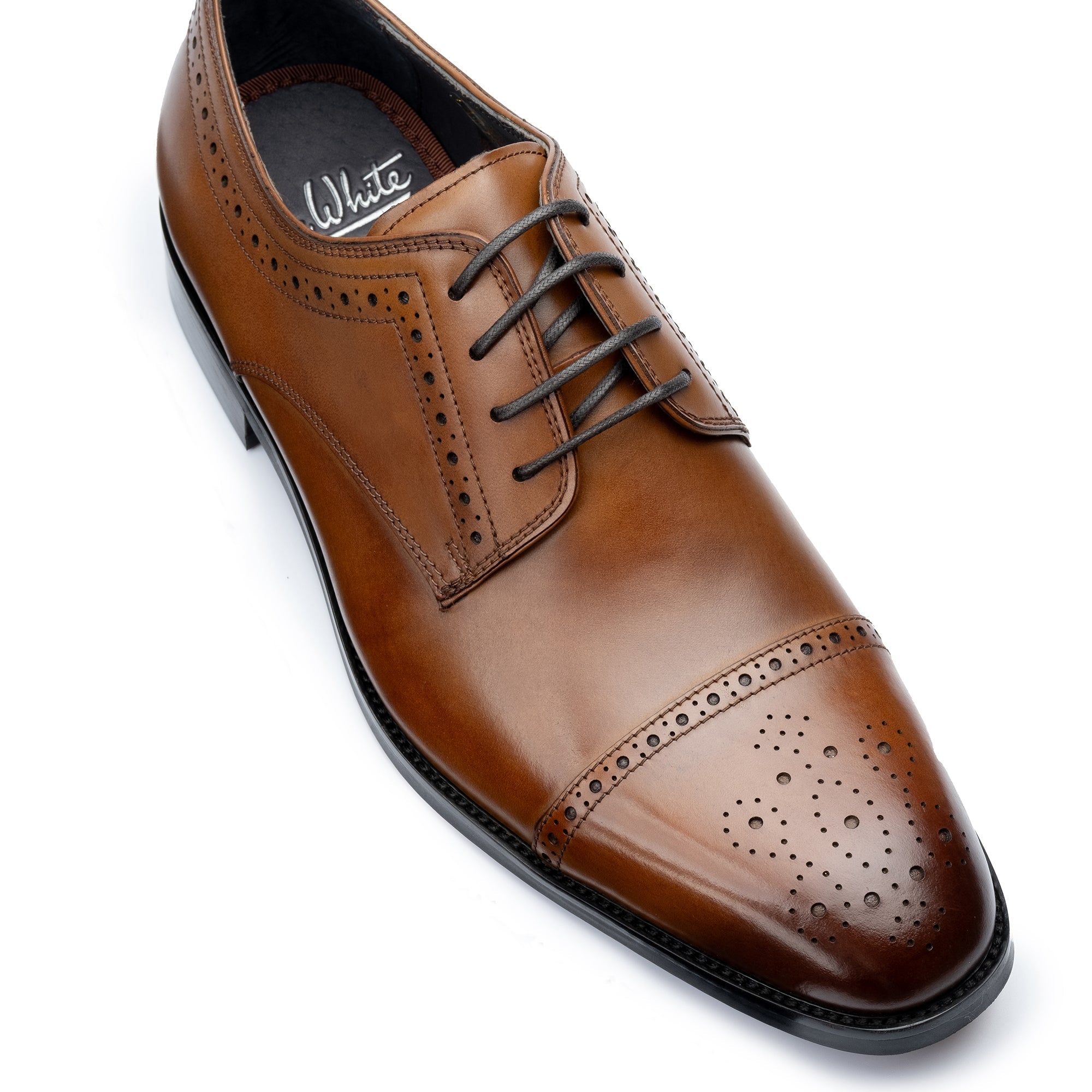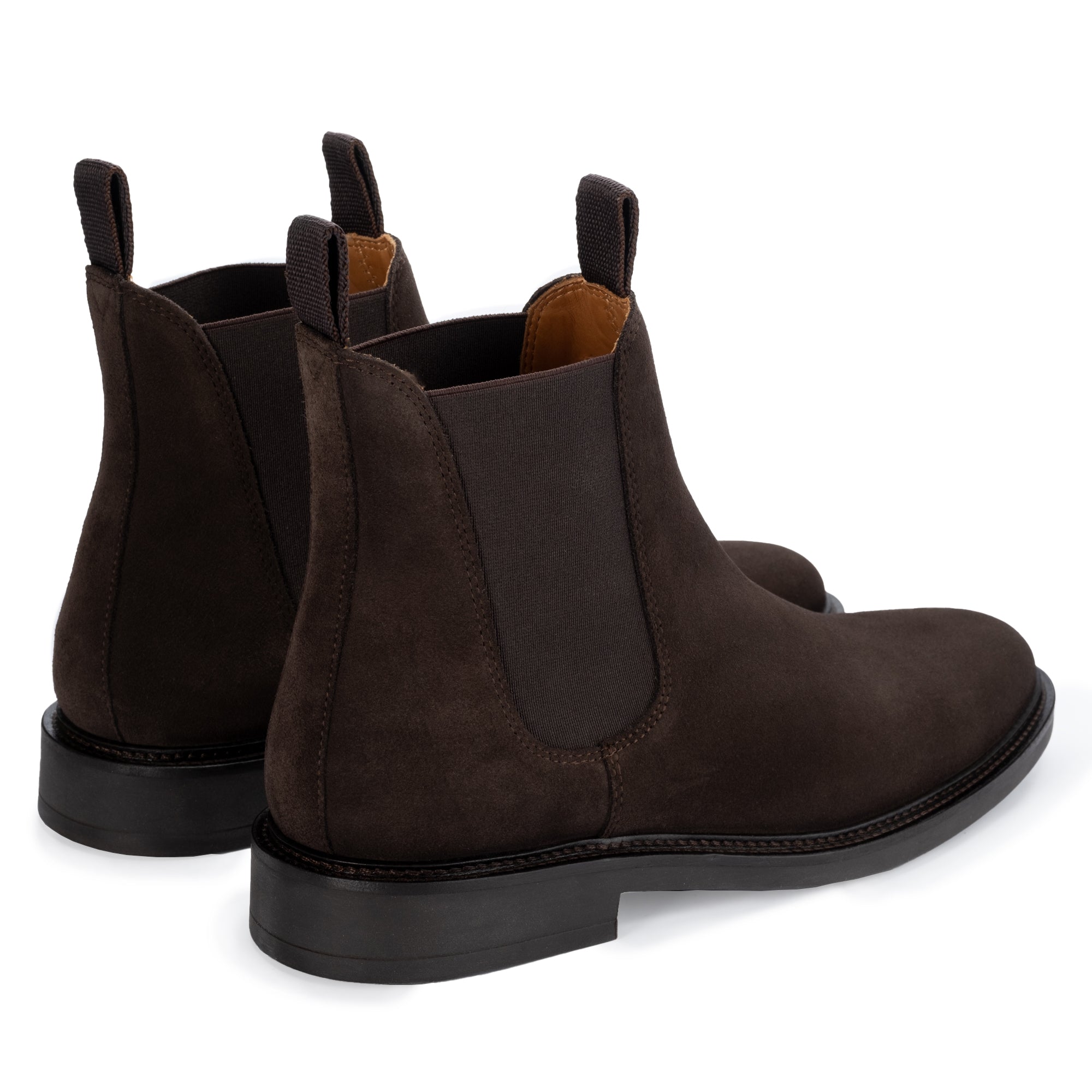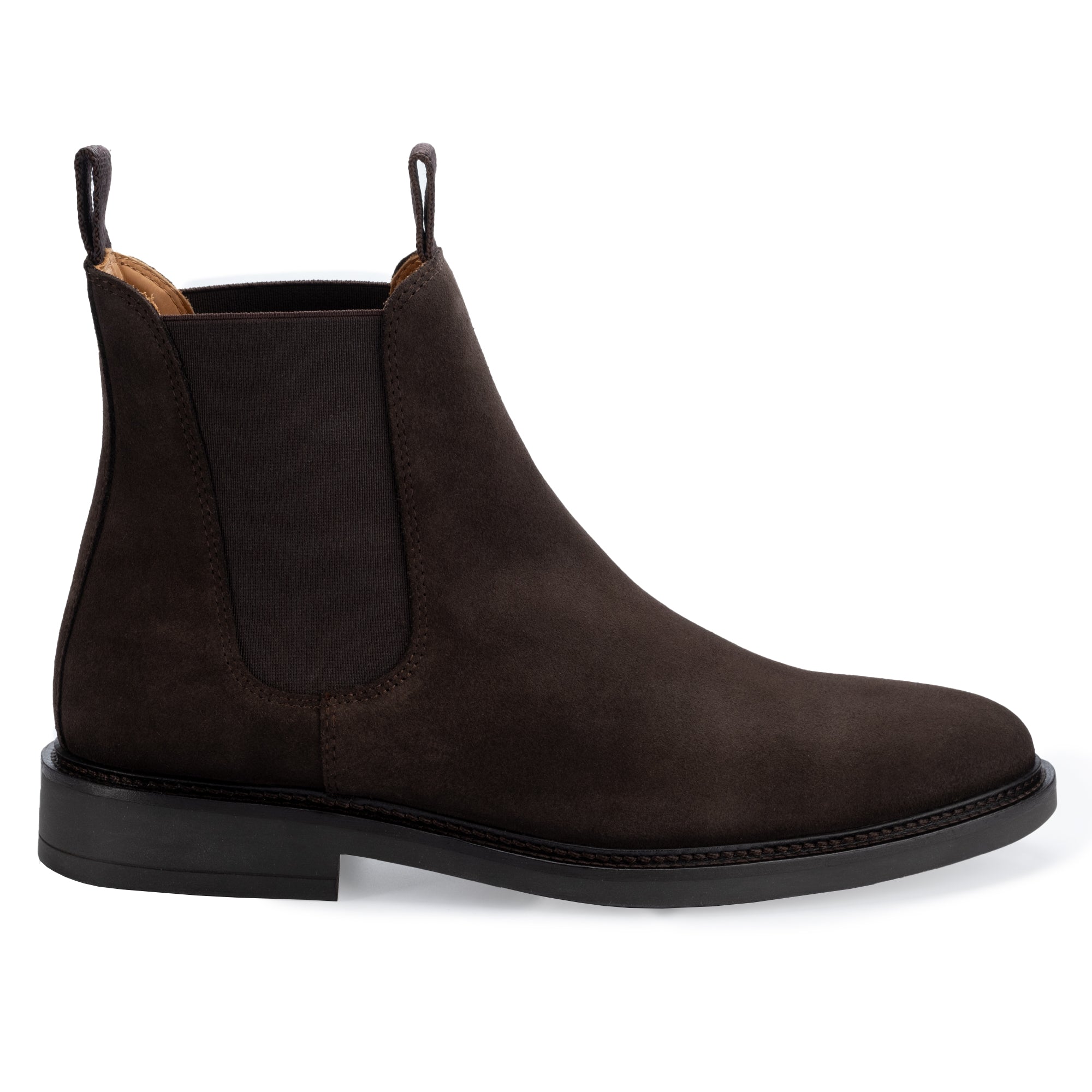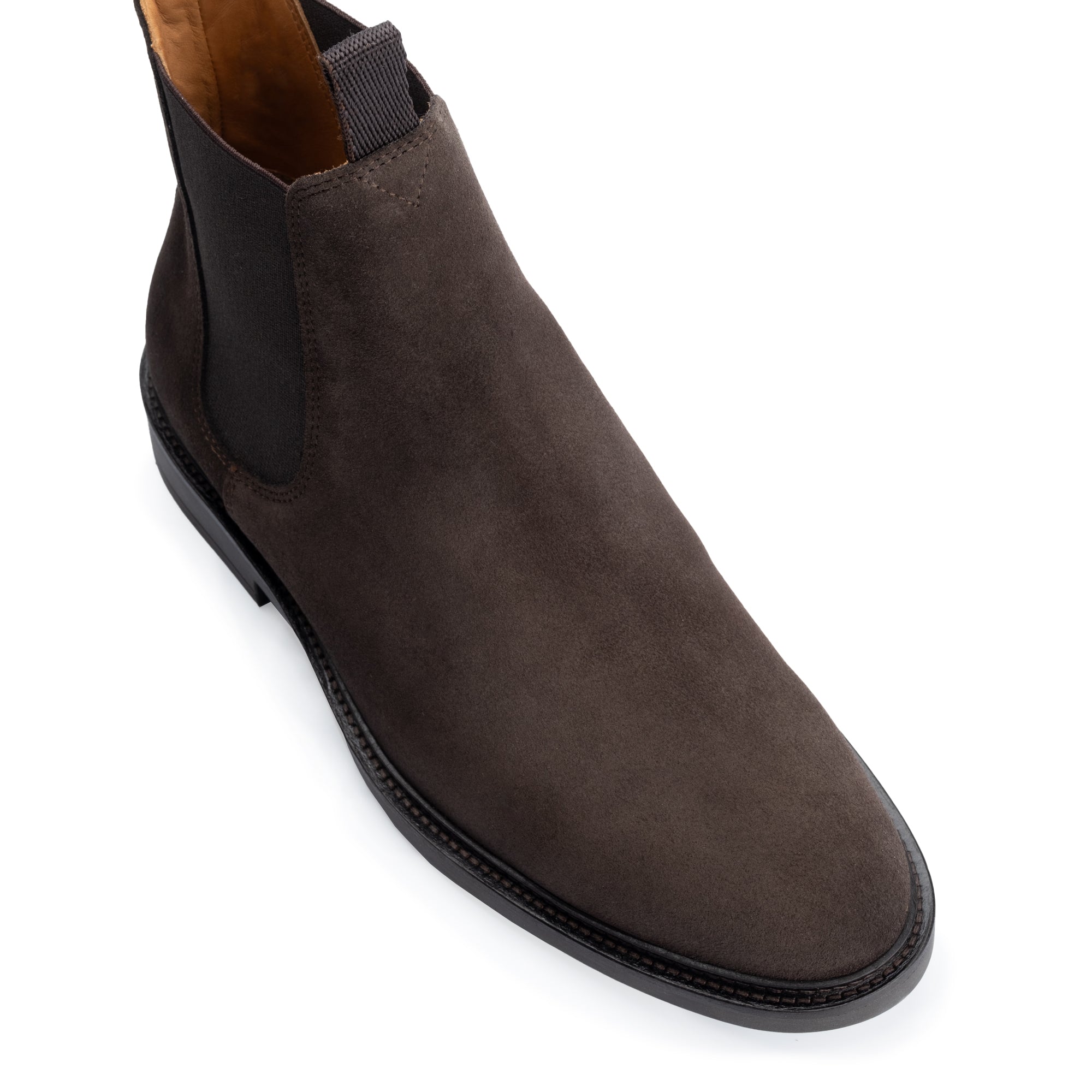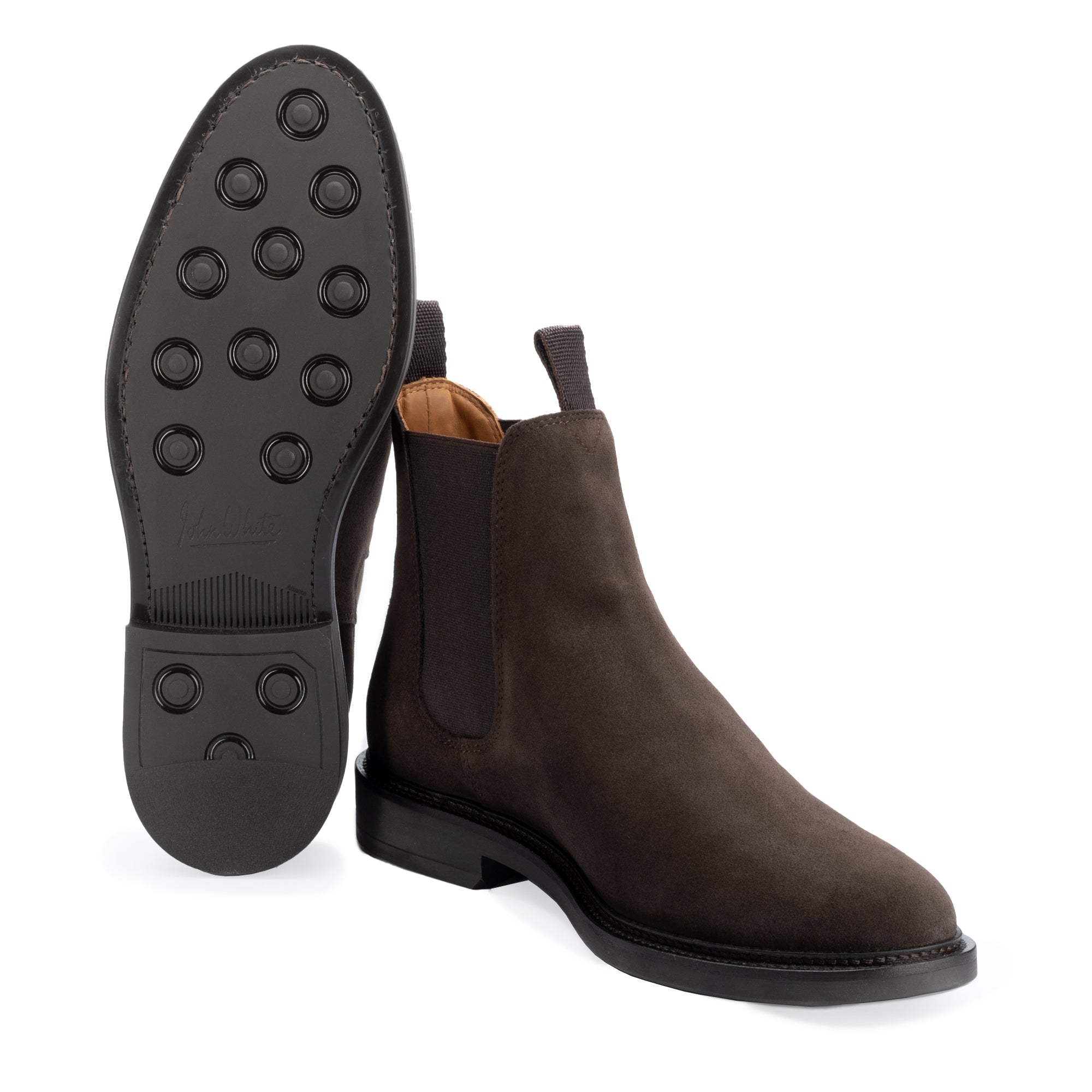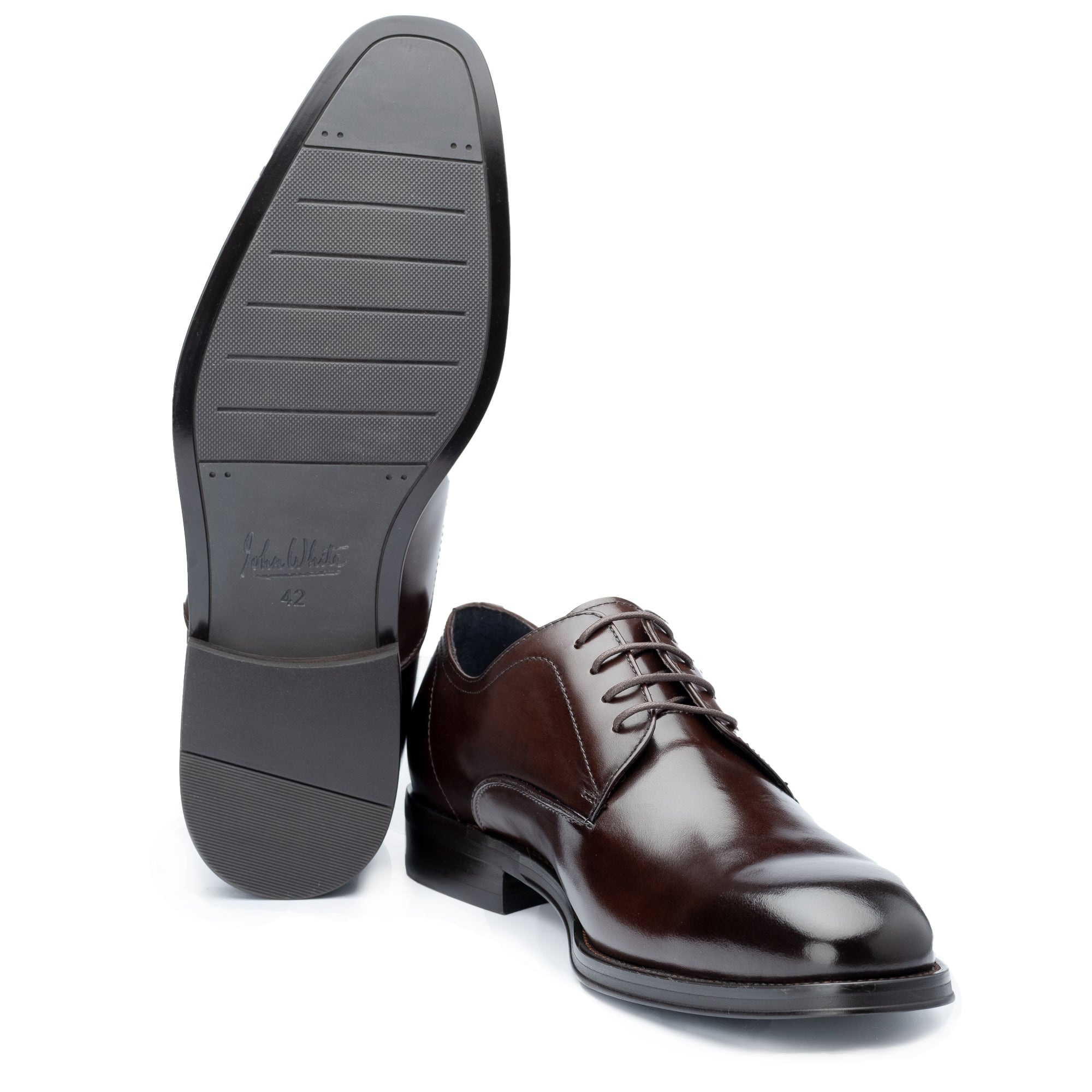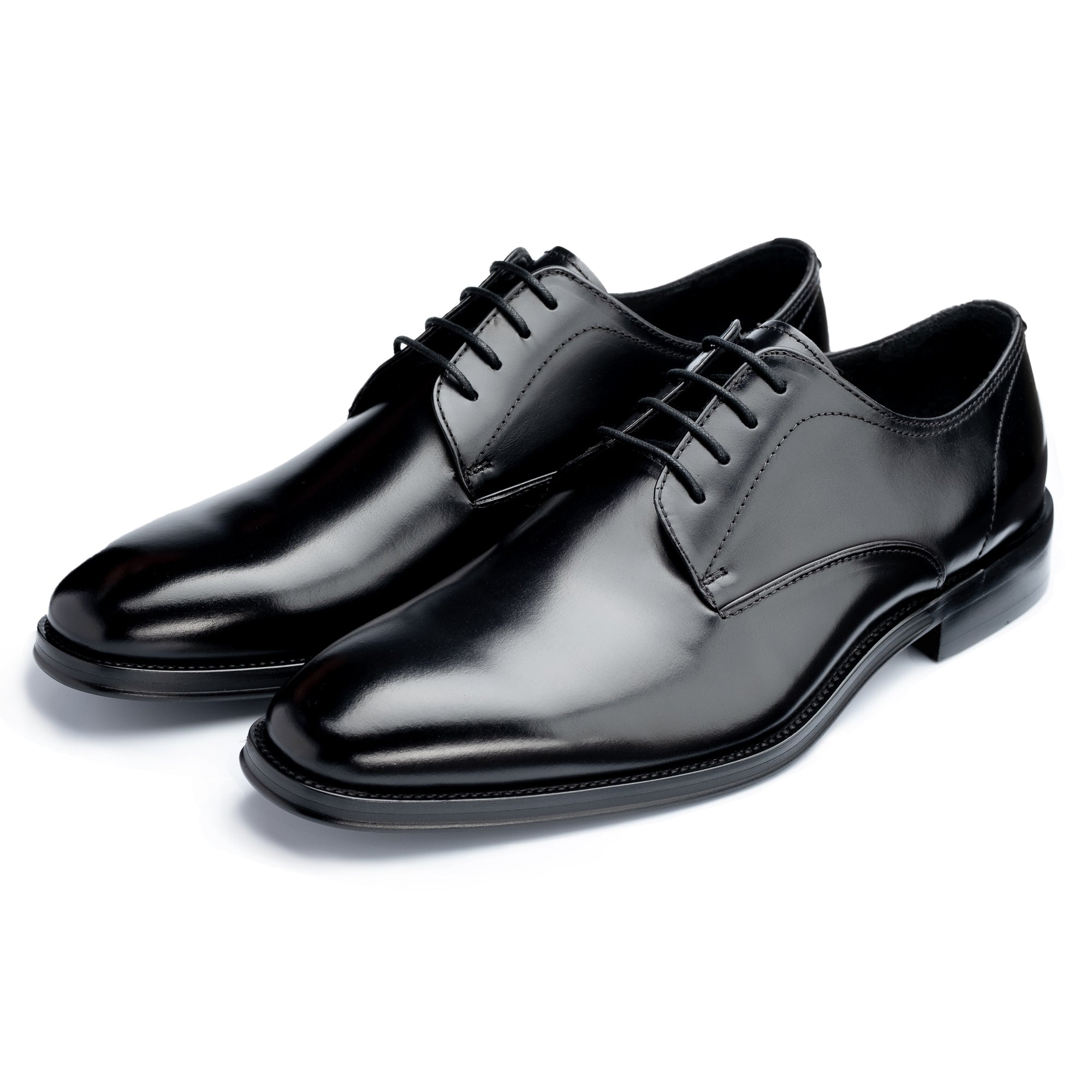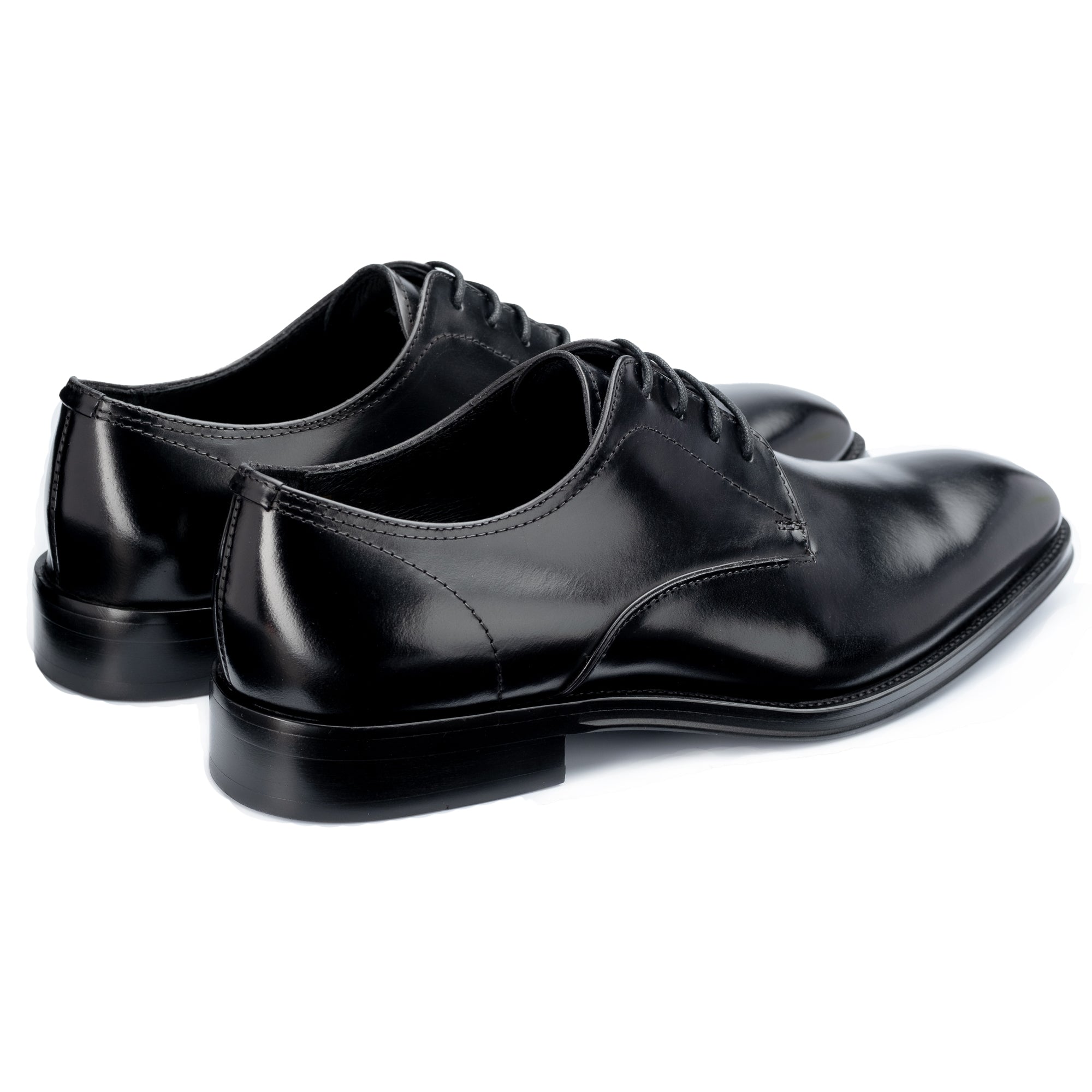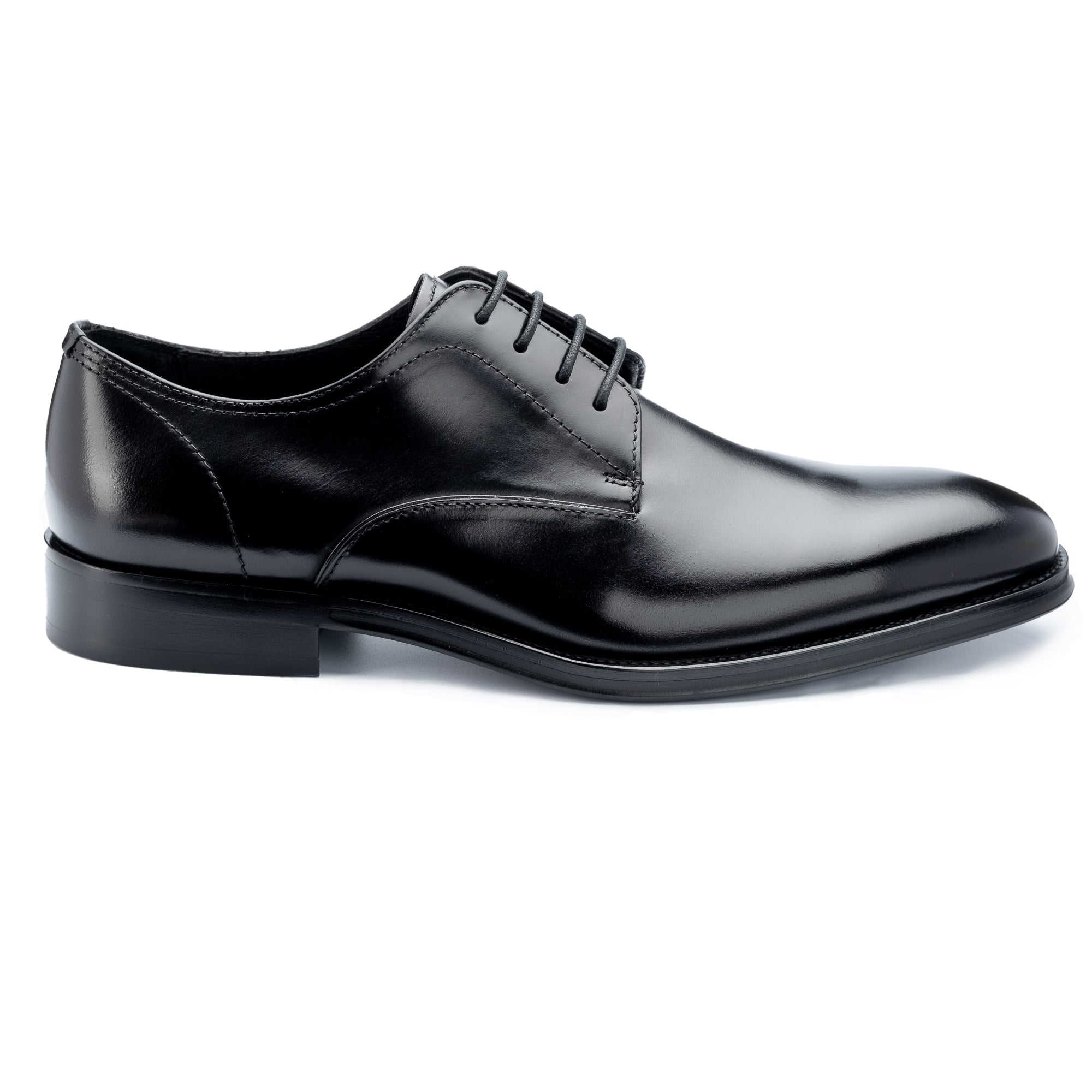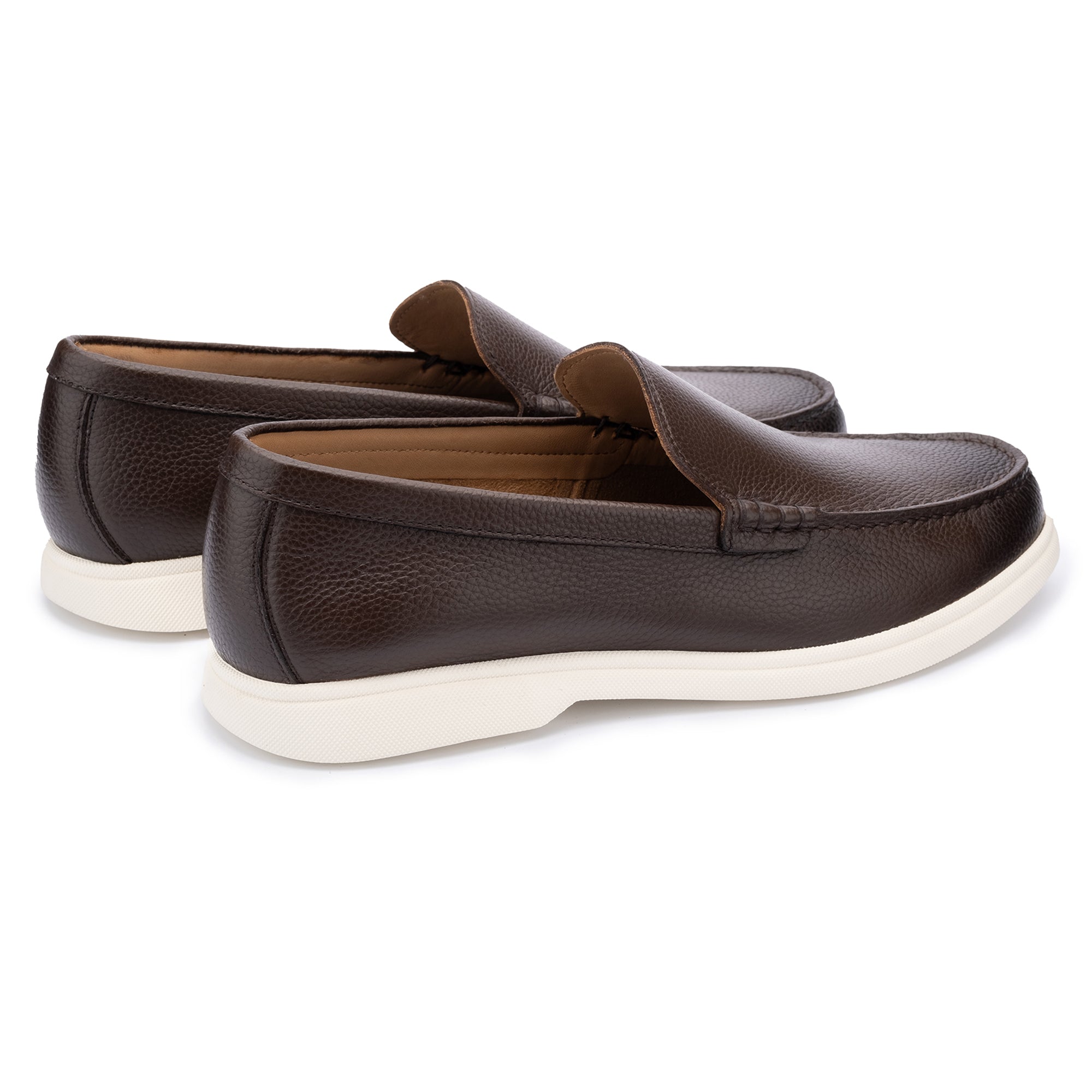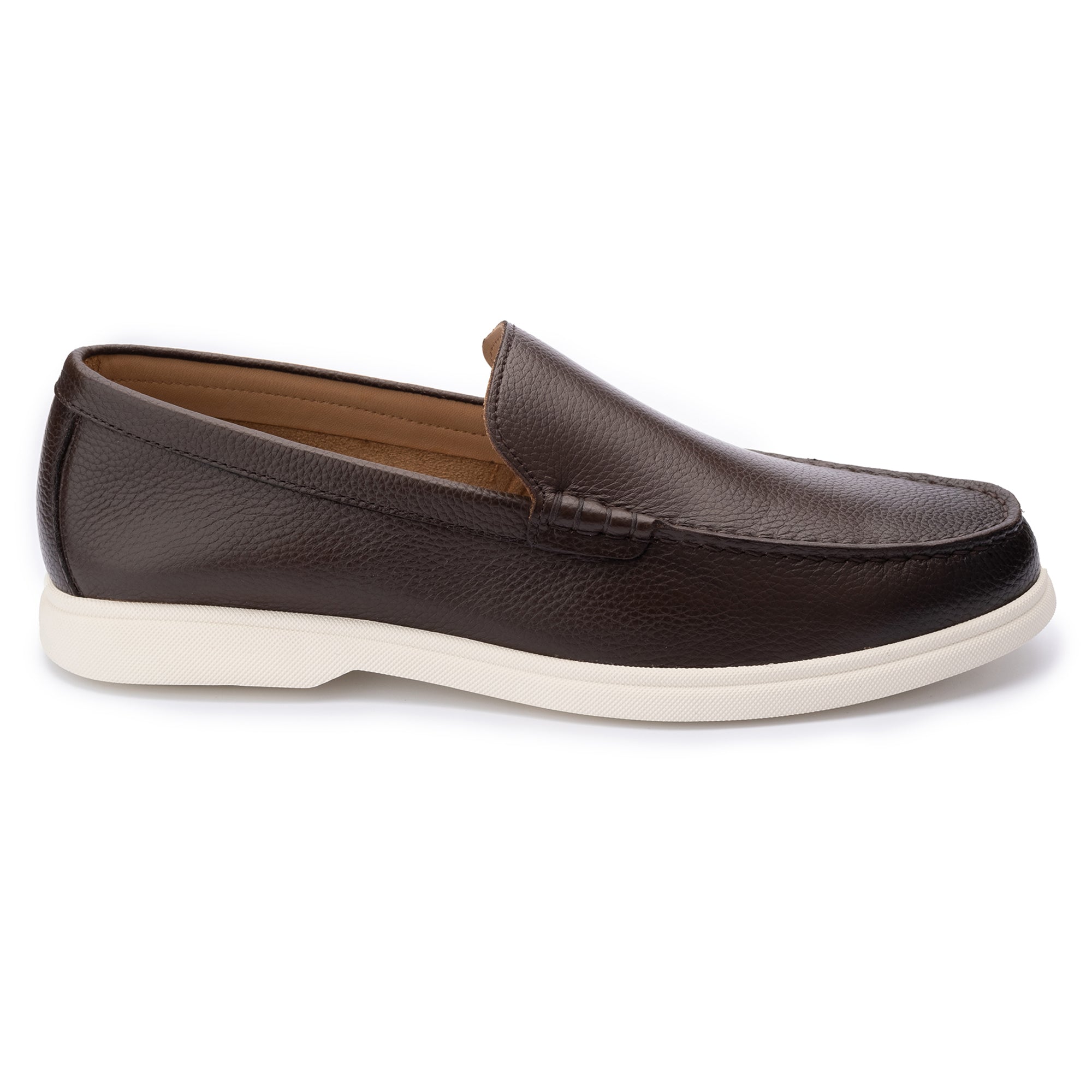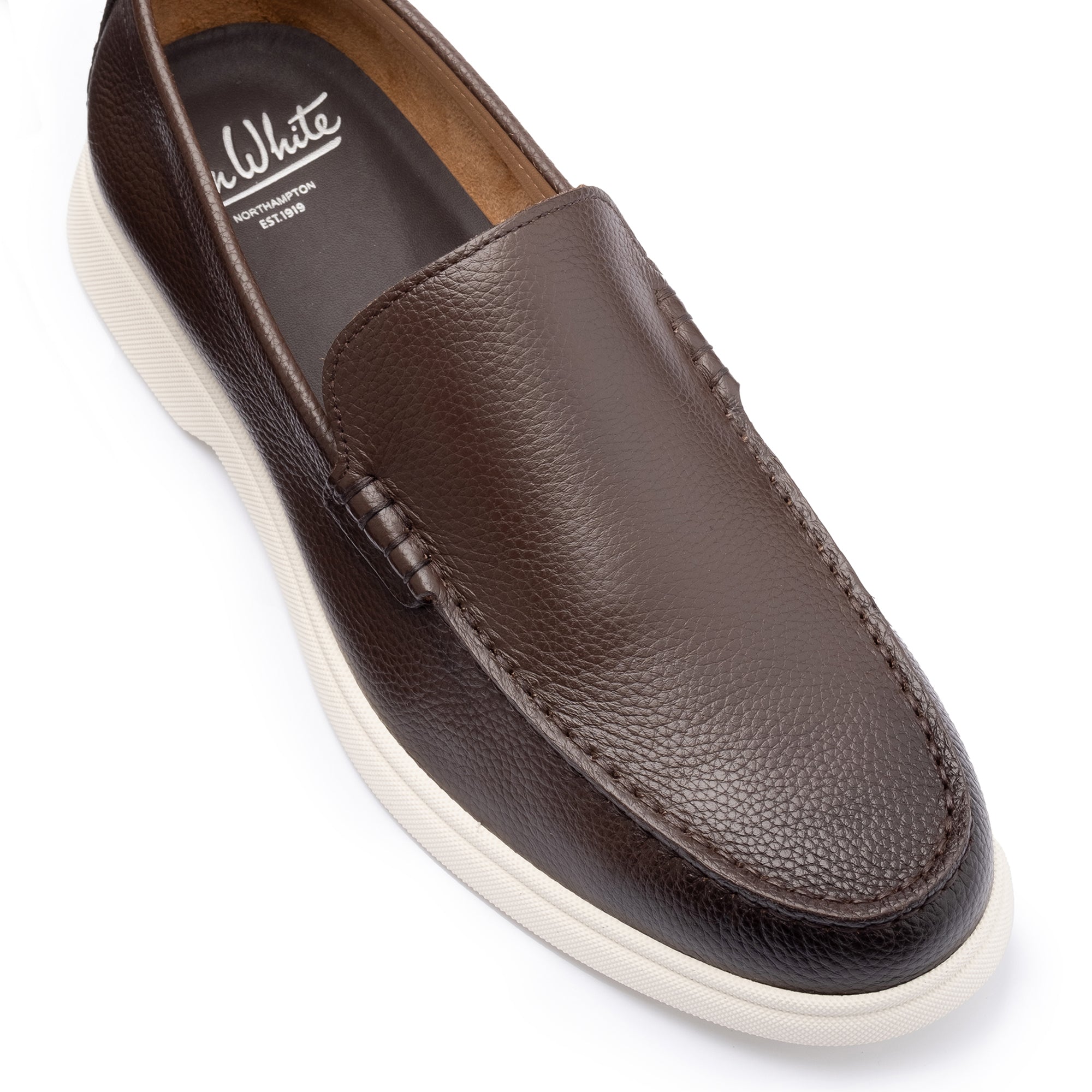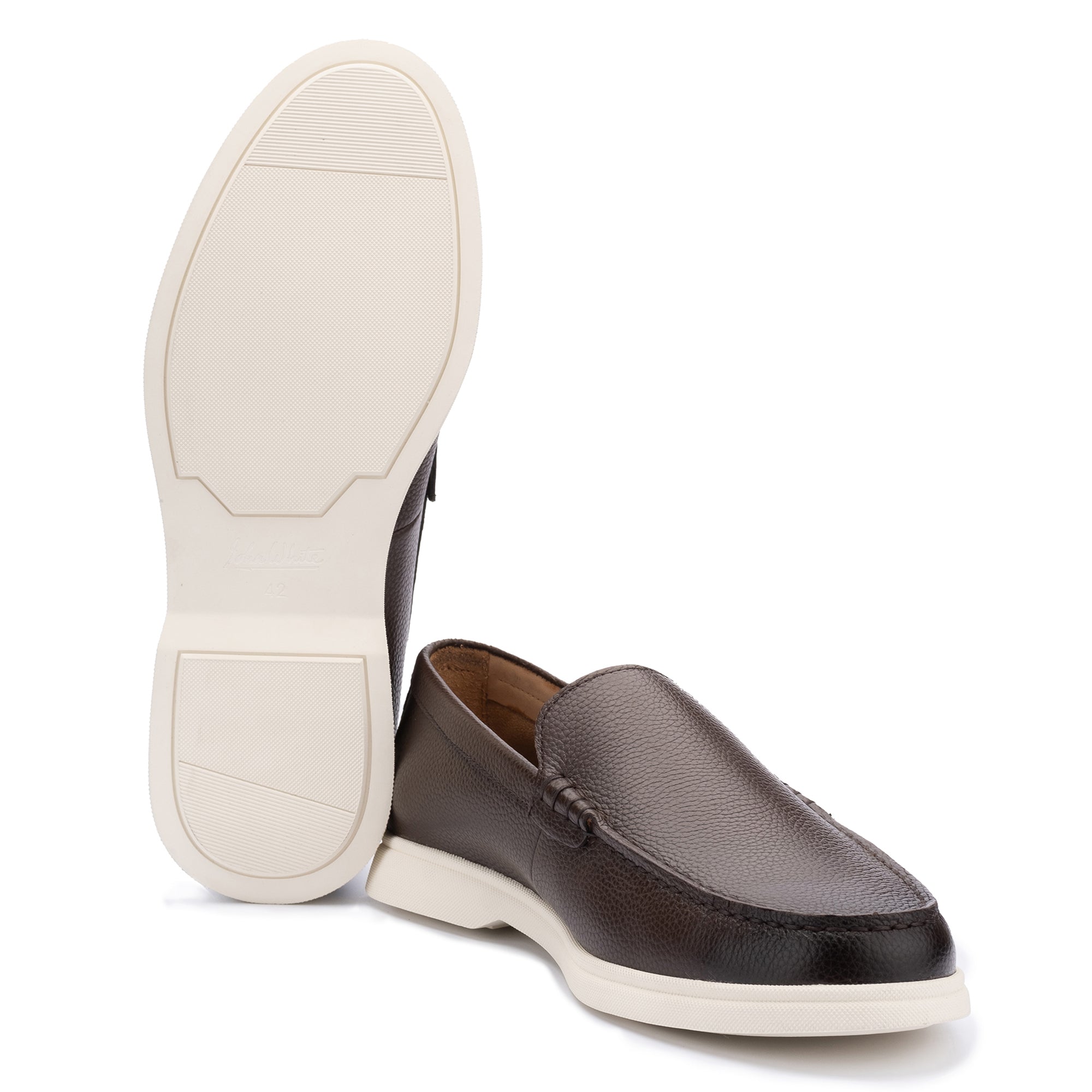

The Essential Guide to Chelsea Boot Care
Related Guides
- Leather Shoe Care: The Definitive Guide — our comprehensive guide
- Chukka Boots vs Chelsea Boots: Which Should You Buy?
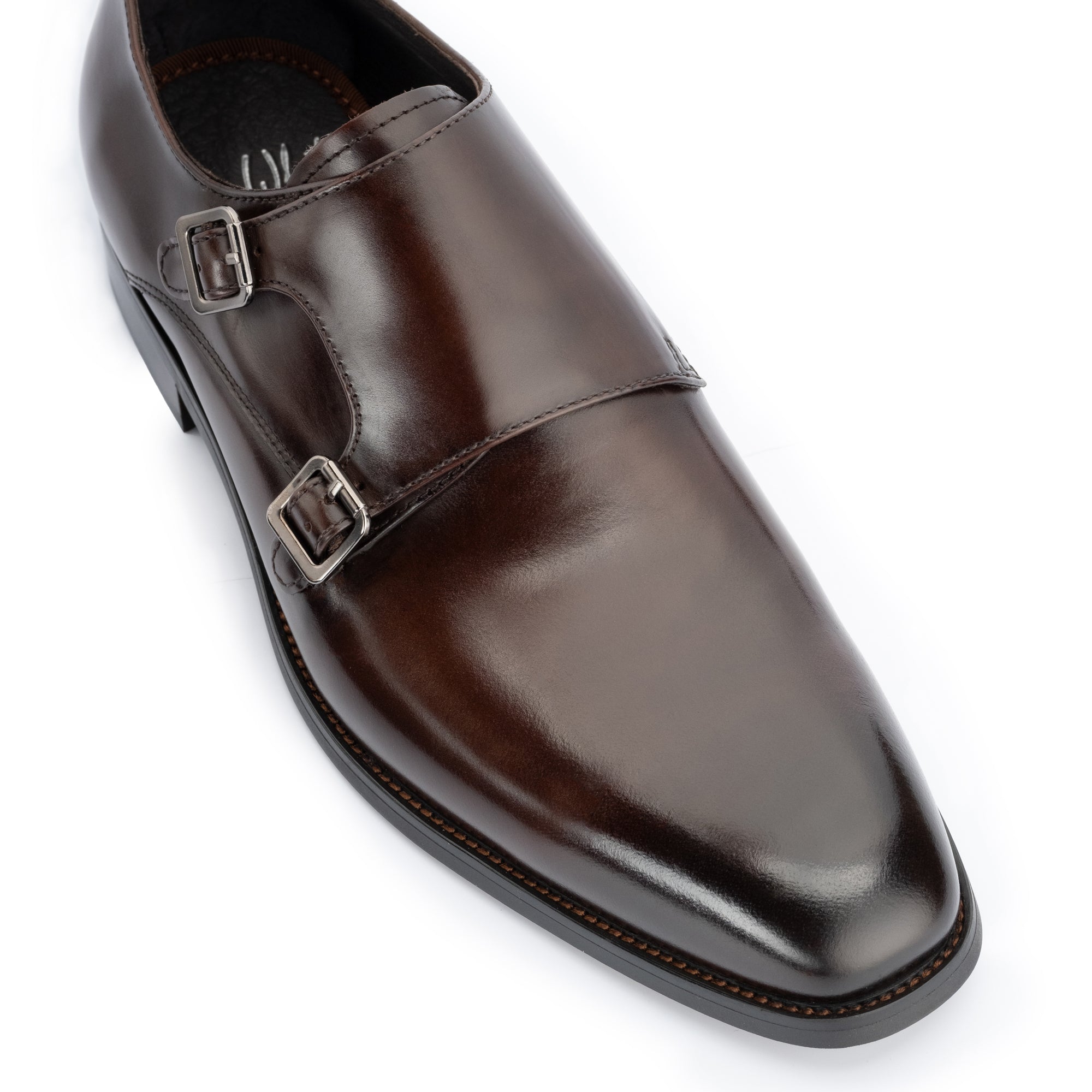
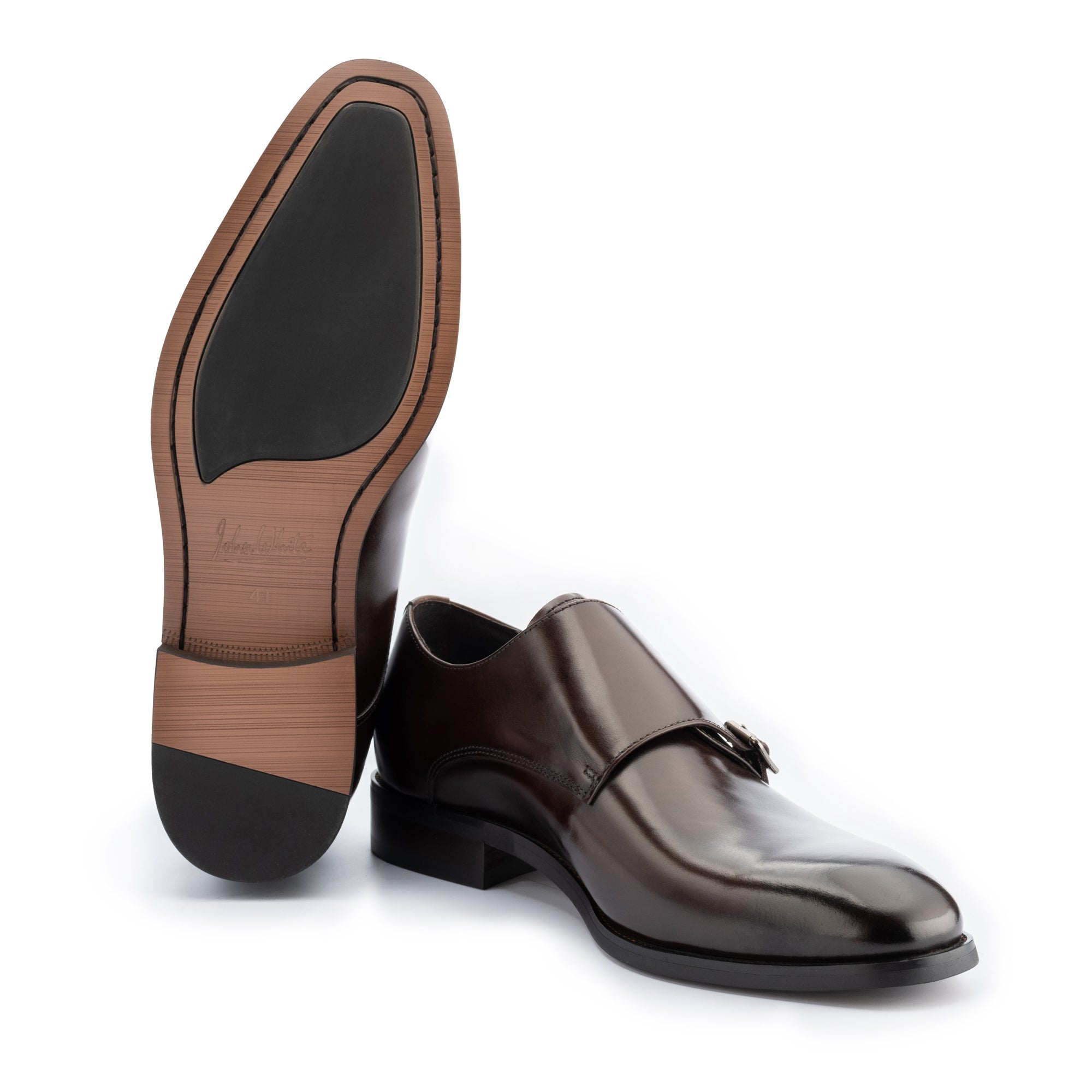
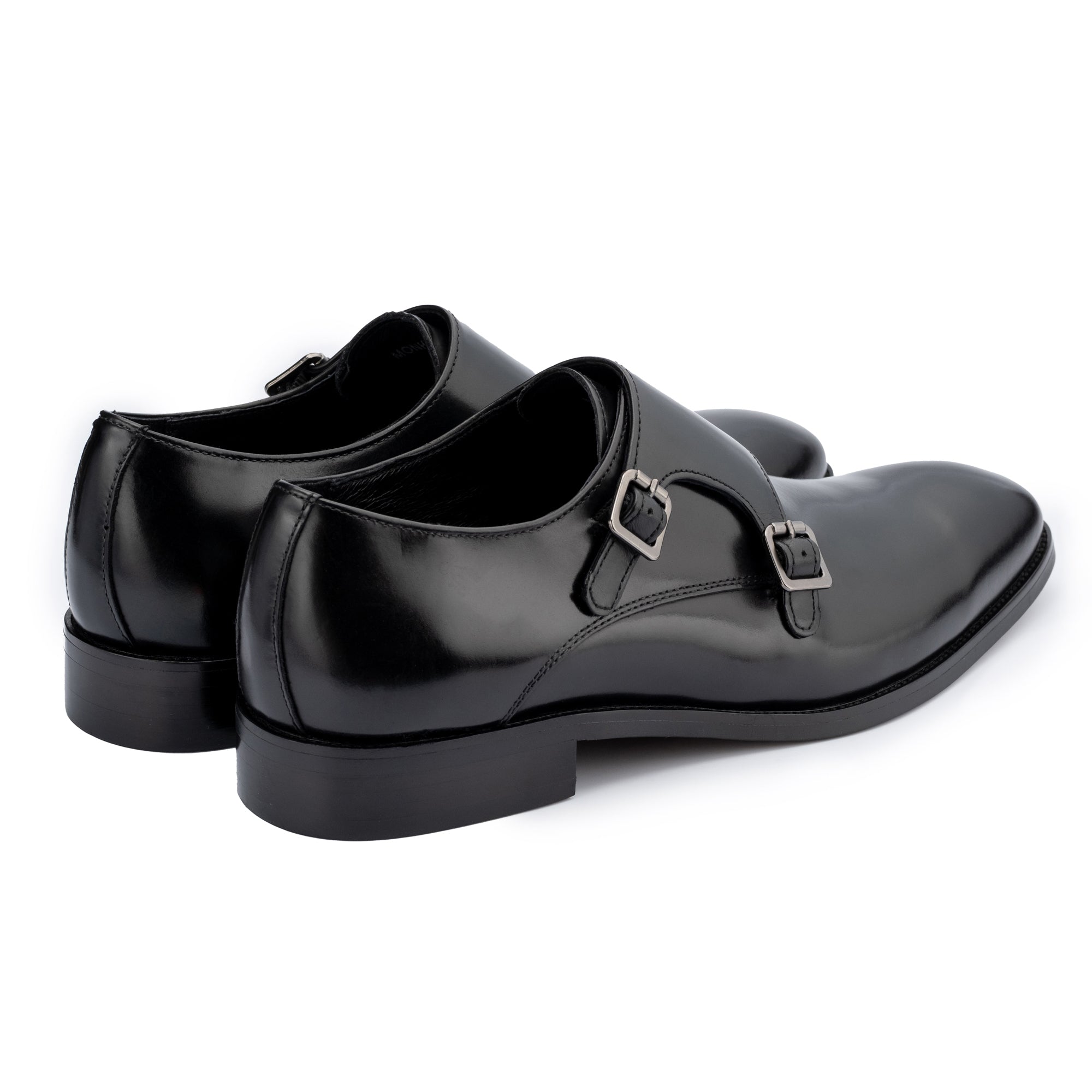
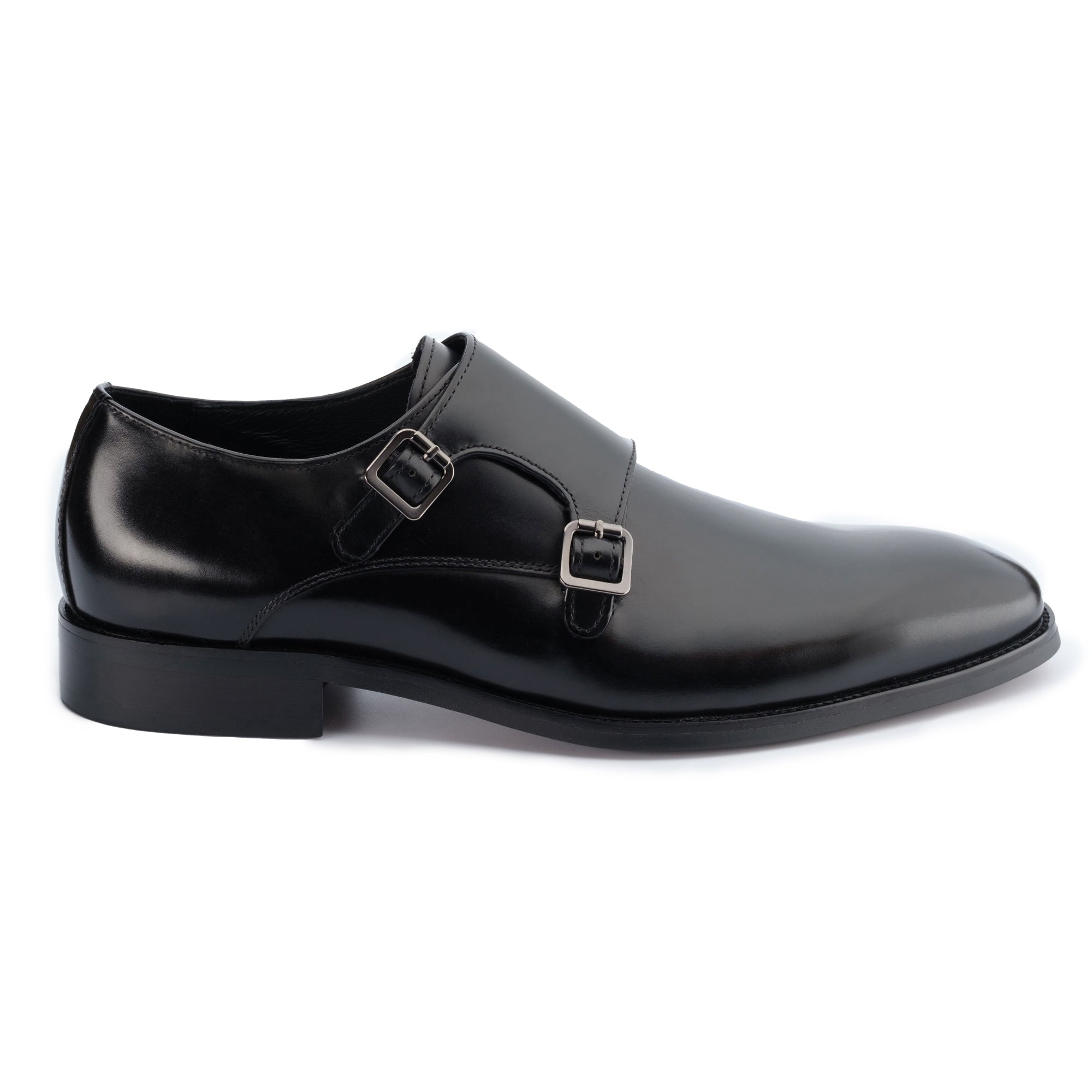
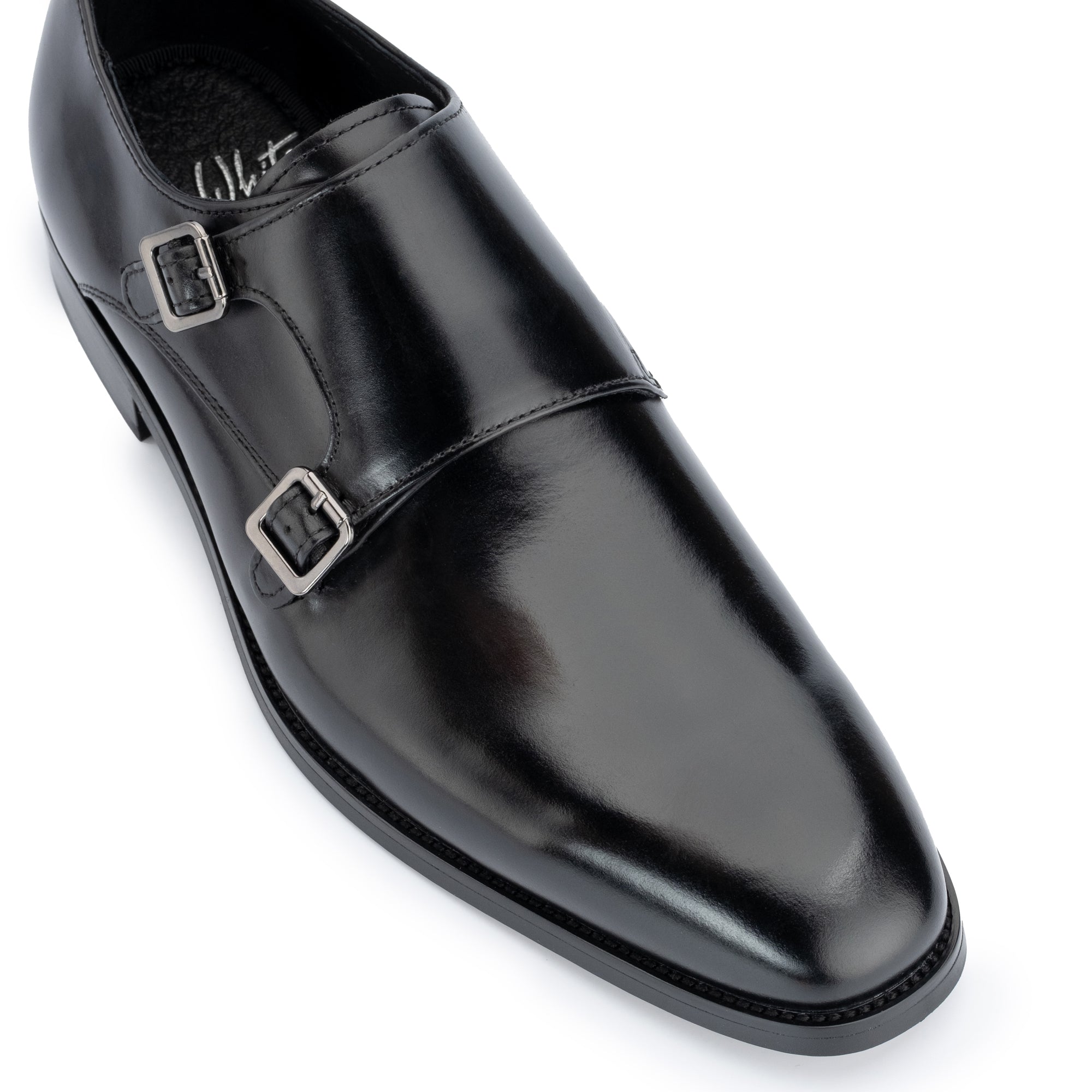
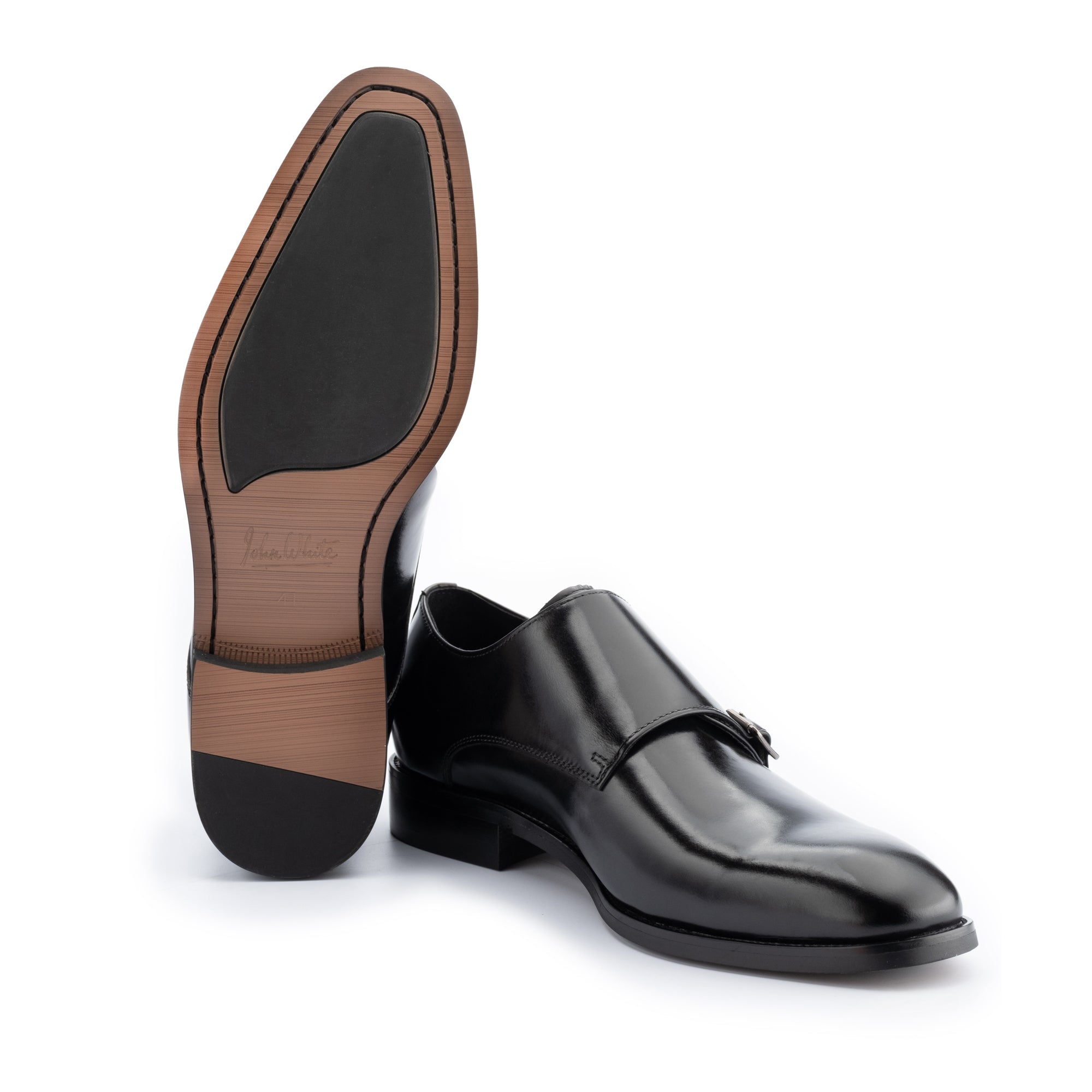
- Guide to Monk Strap Shoes: Style & Care
- How to Clean and Care for Suede Shoes
Quick Answer: How to Care for Your Chelsea Boots
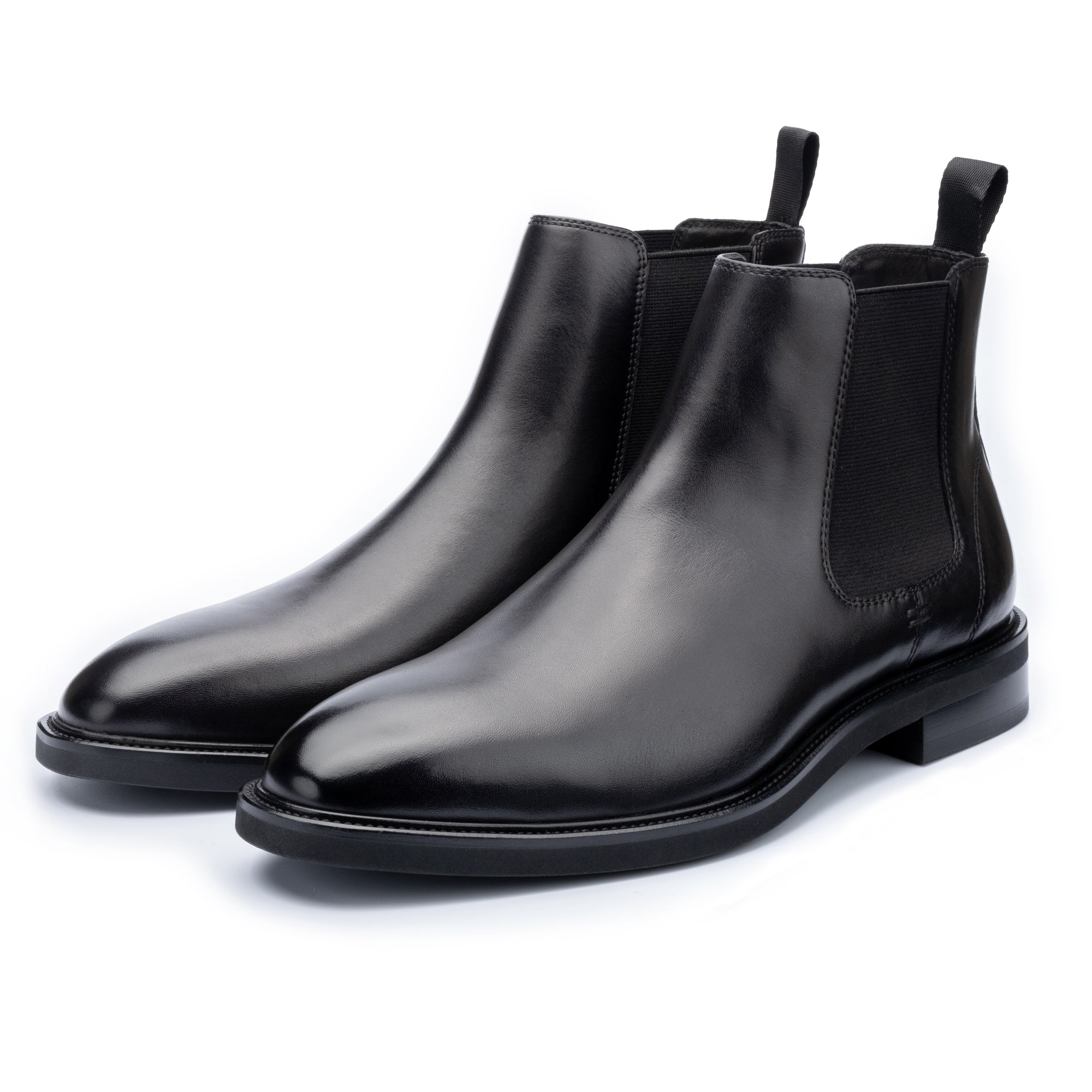
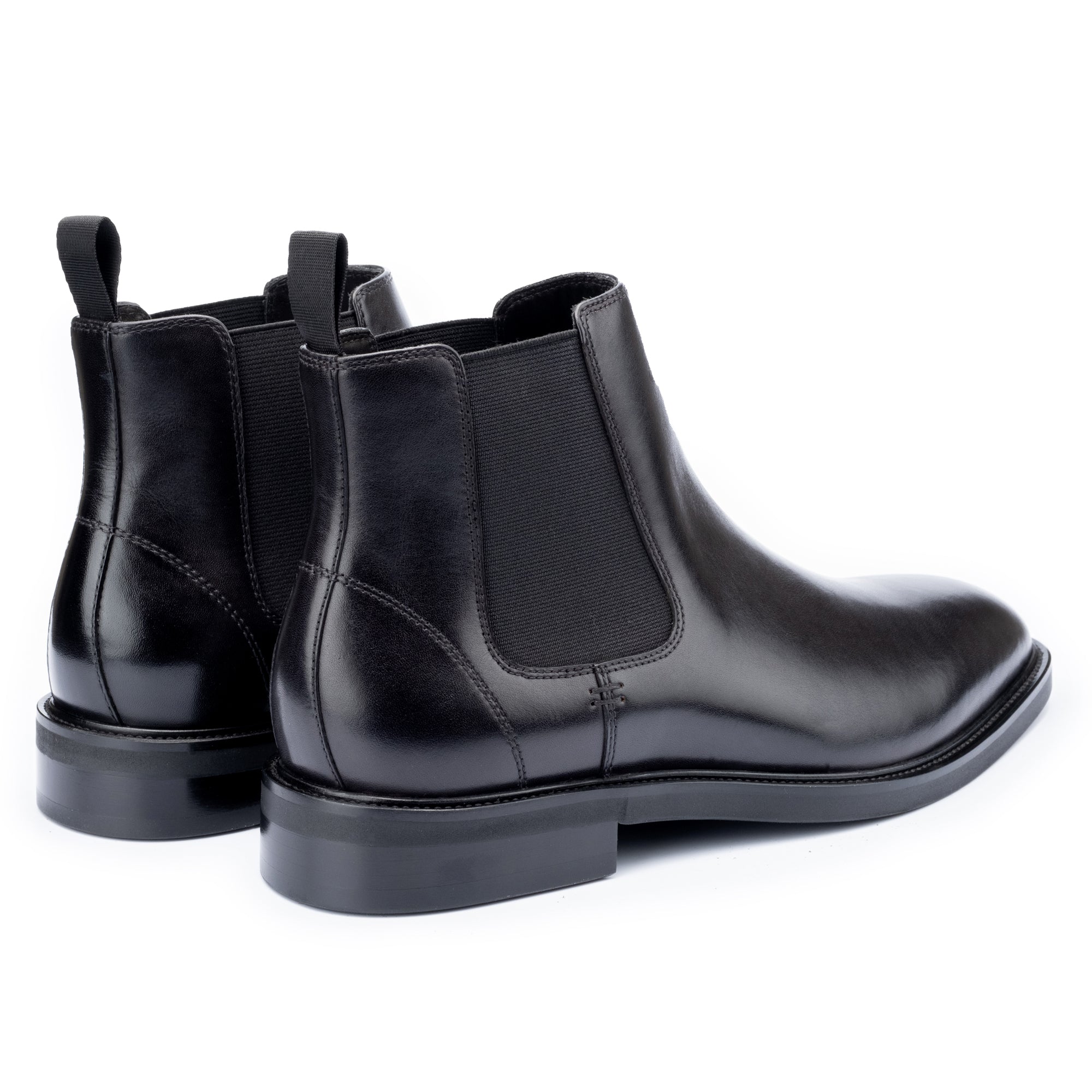
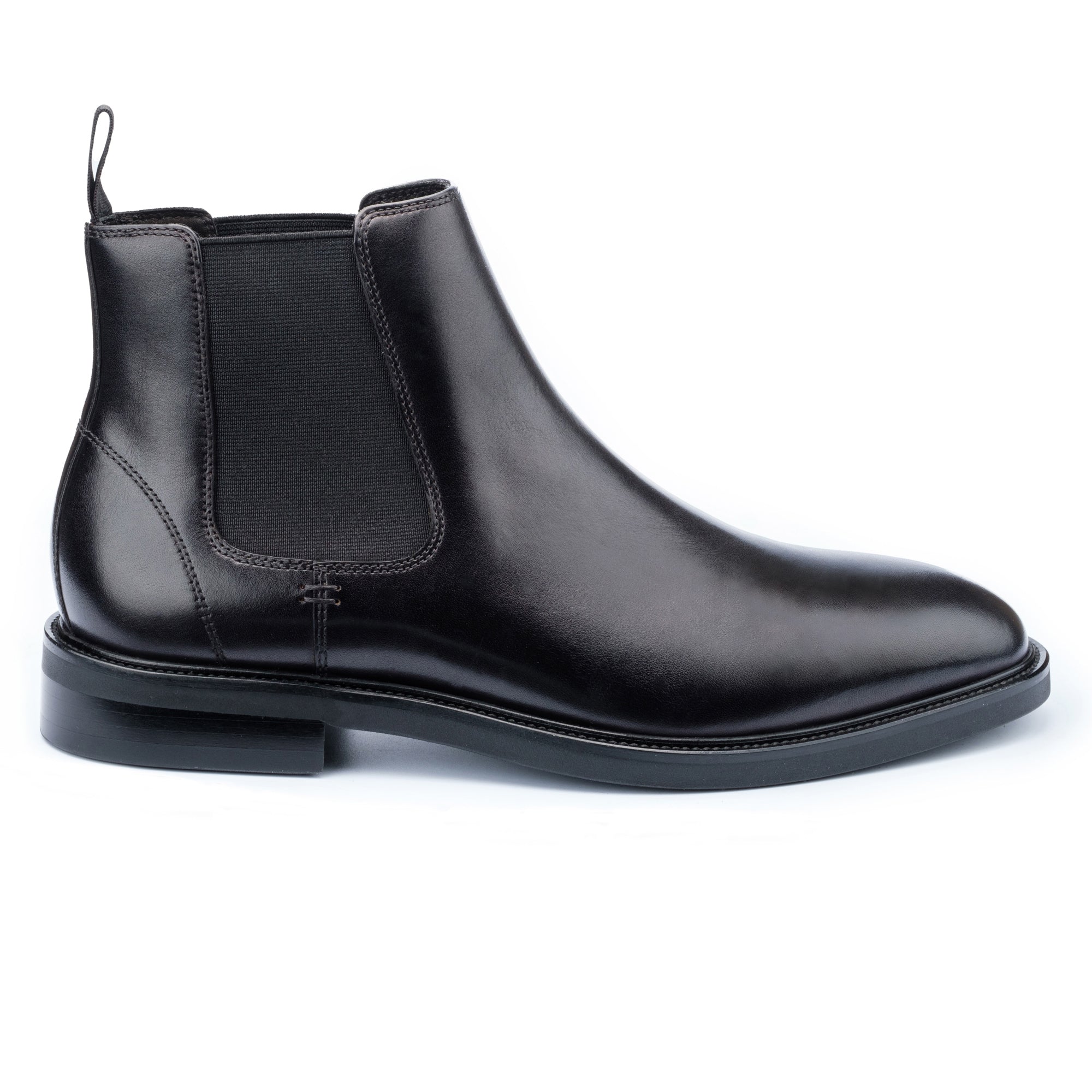
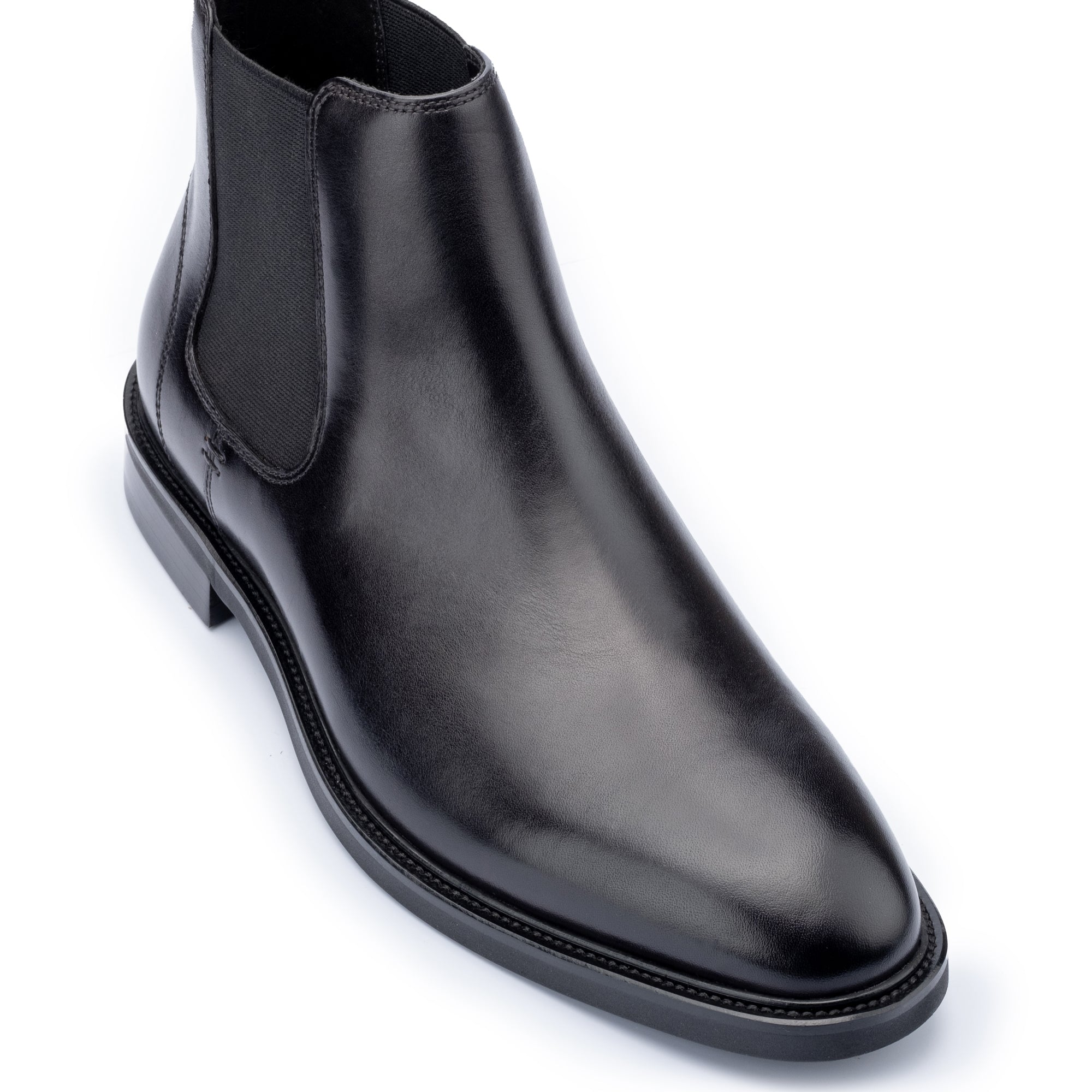
Proper Chelsea boot care involves regular cleaning, conditioning, and polishing. First, brush off dirt, then clean with a suitable leather cleaner. Apply a quality leather conditioner to nourish, followed by wax polish – such as JW Premium Wax Polish – for protection and shine. Finish with shoe trees to maintain shape and absorb moisture. Suede boots require a dedicated brush and protector, avoiding liquid. Regular rotation and professional resoling will significantly extend their lifespan and preserve their classic appearance.
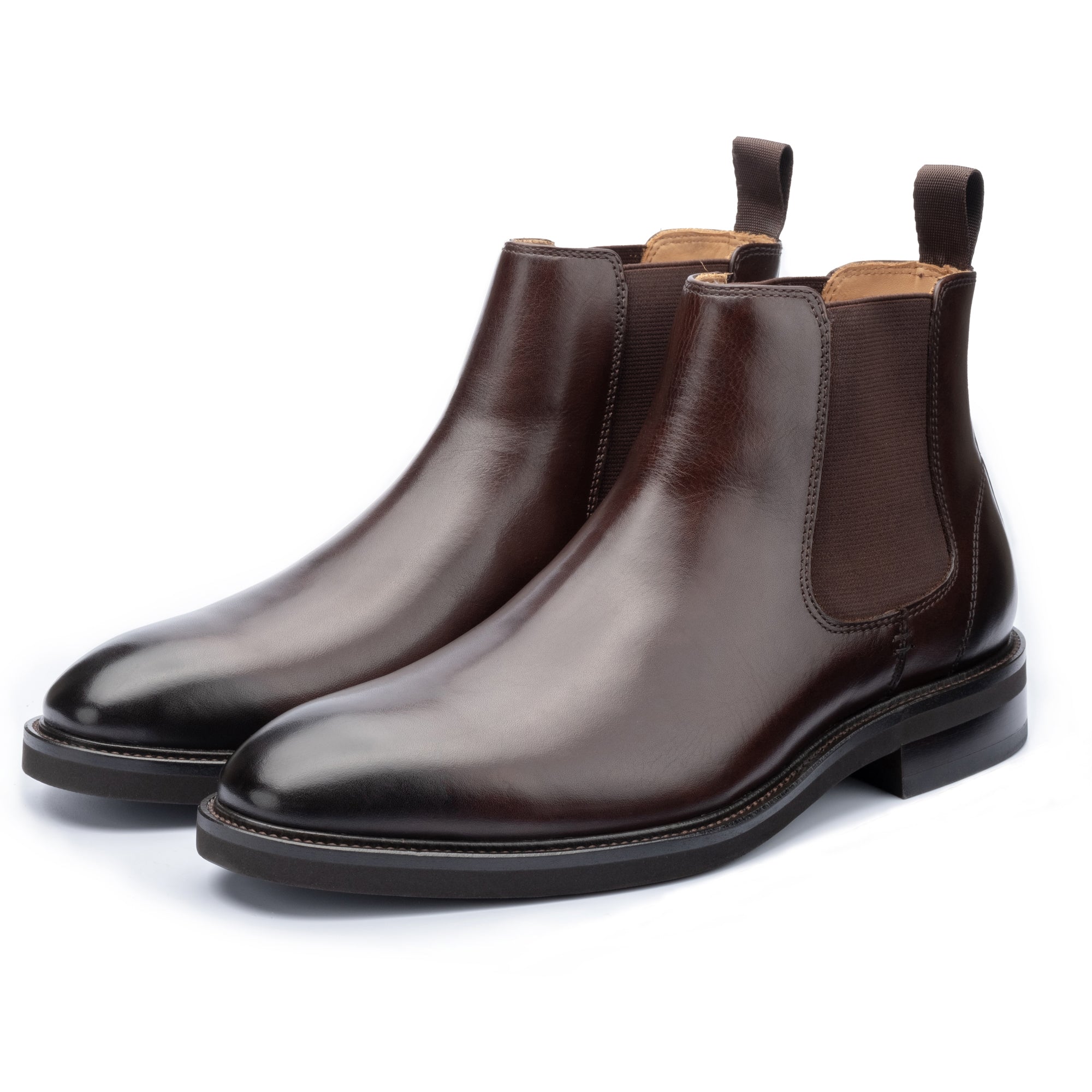
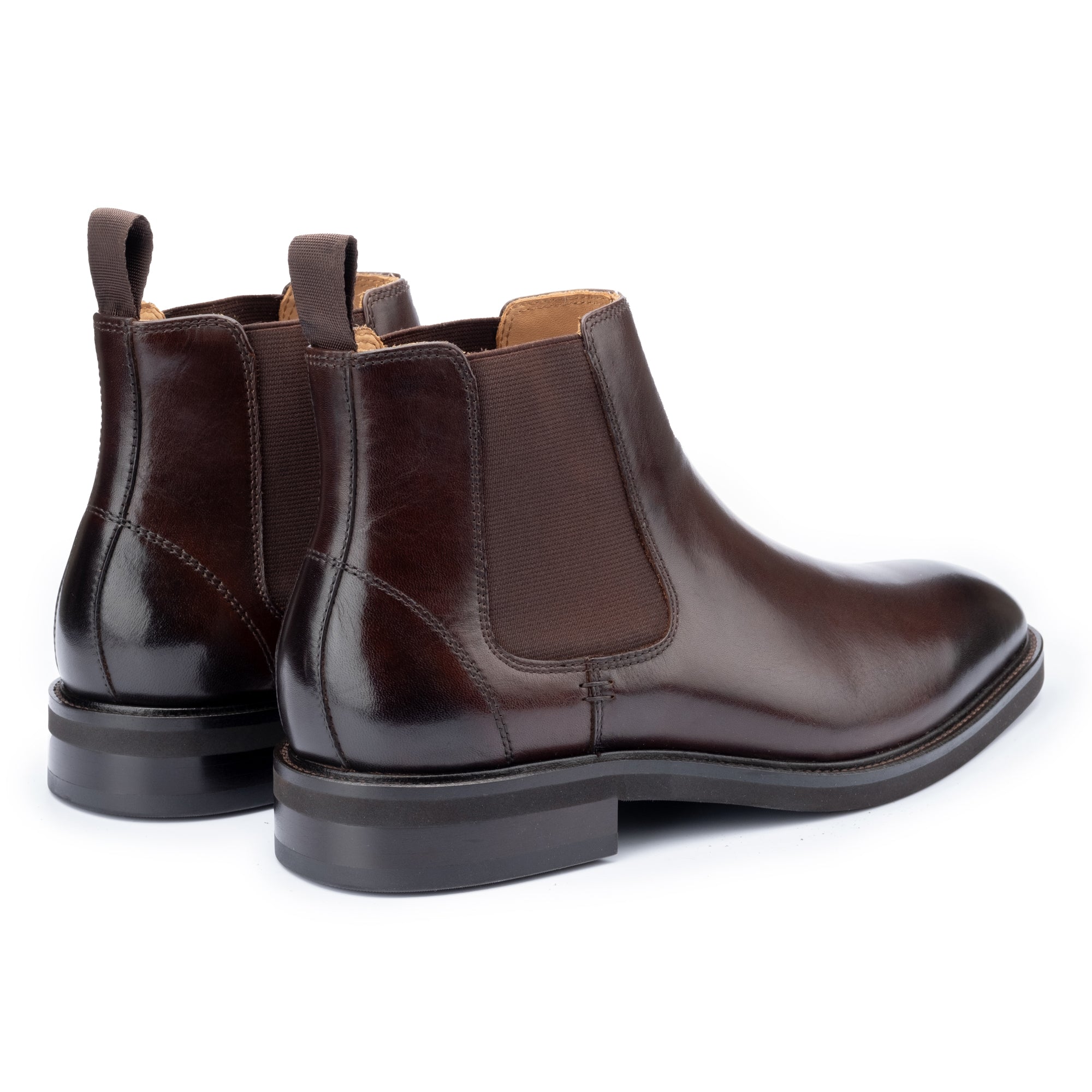
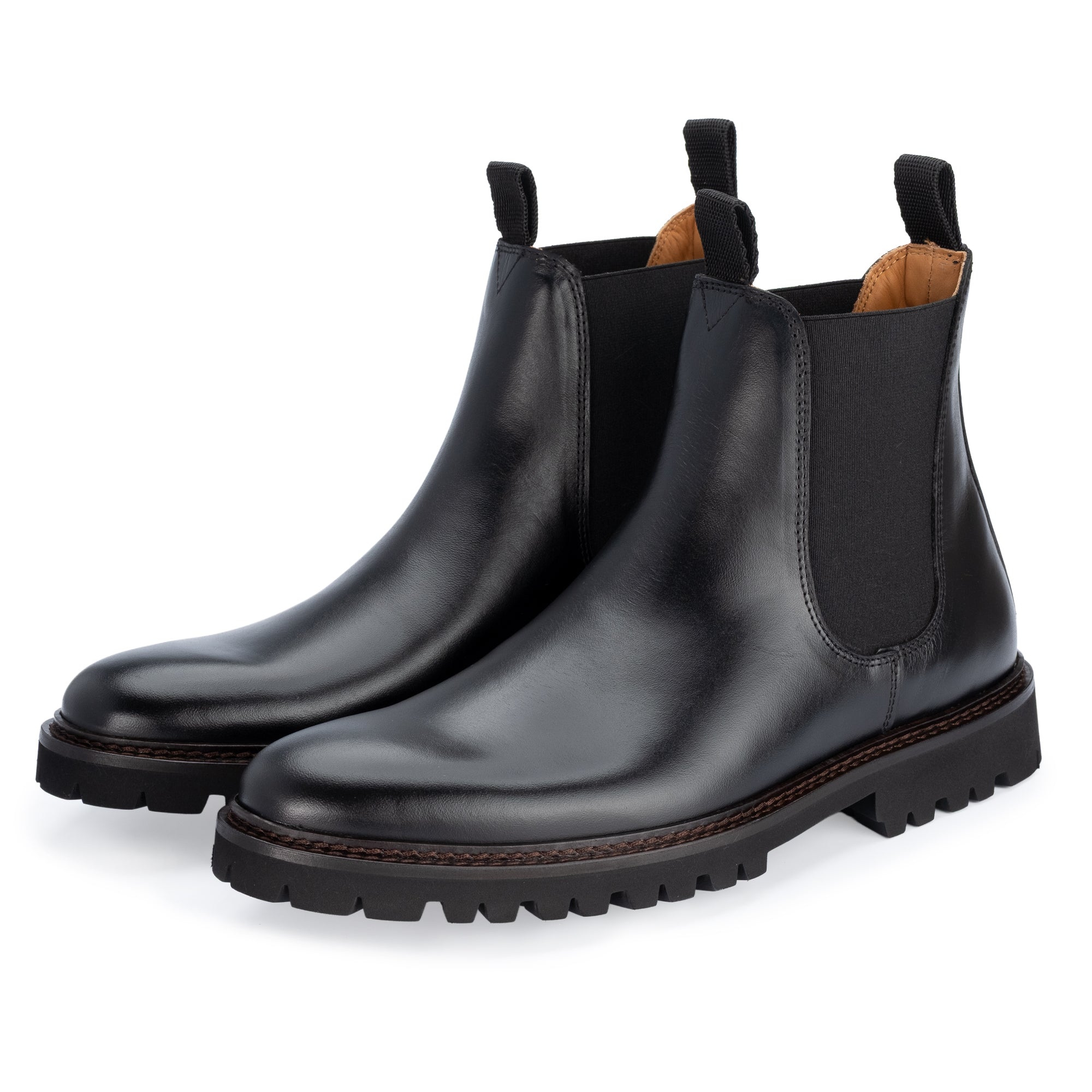
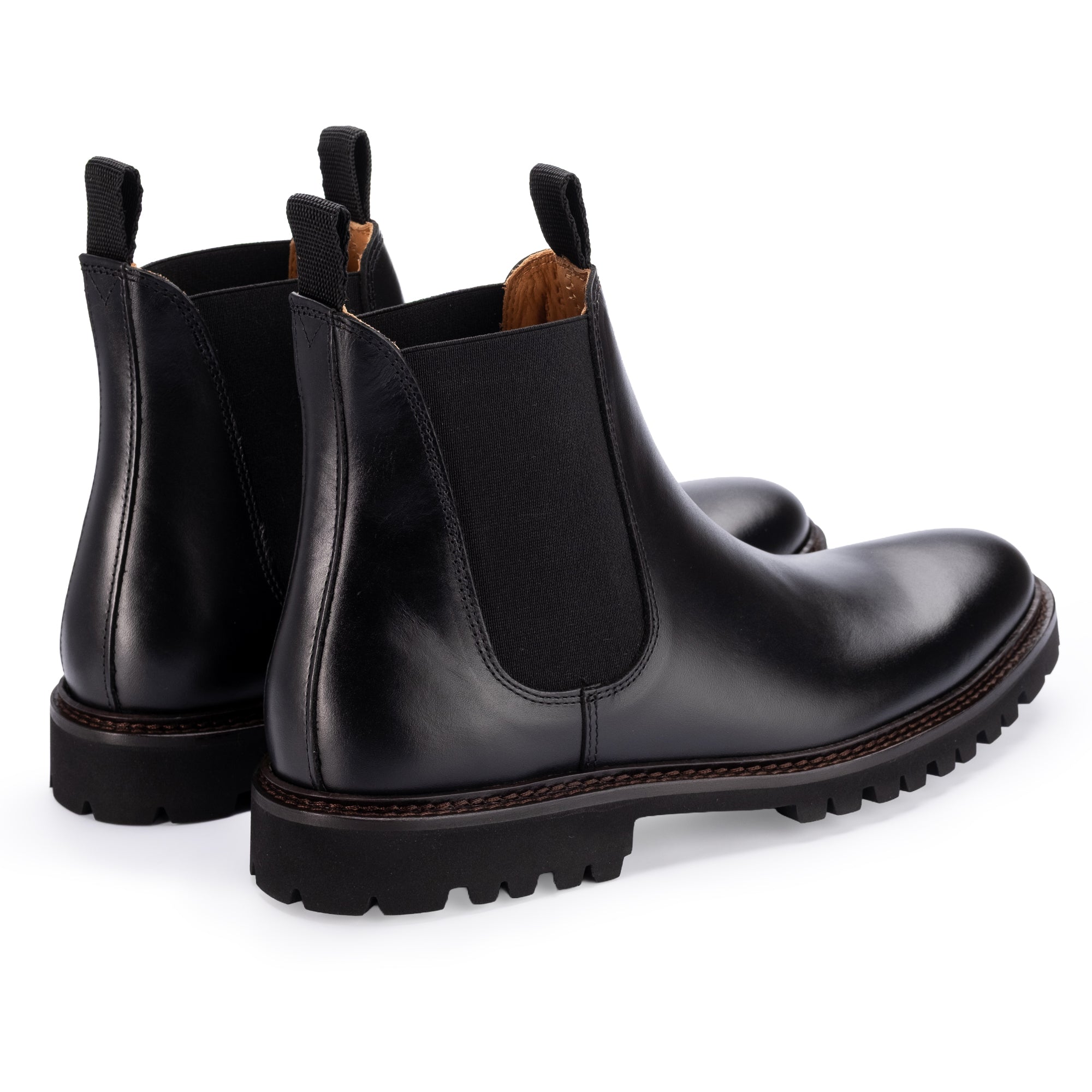
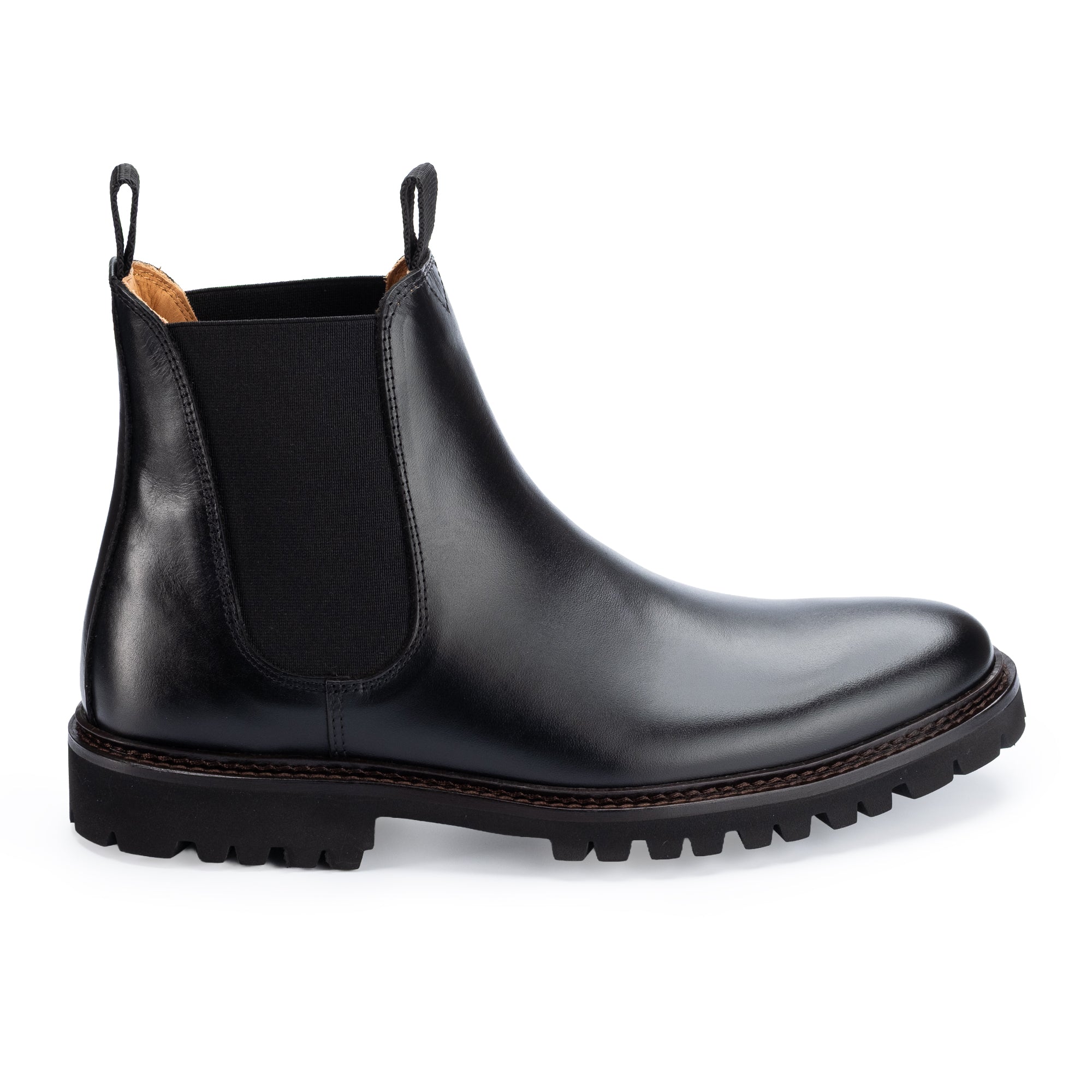
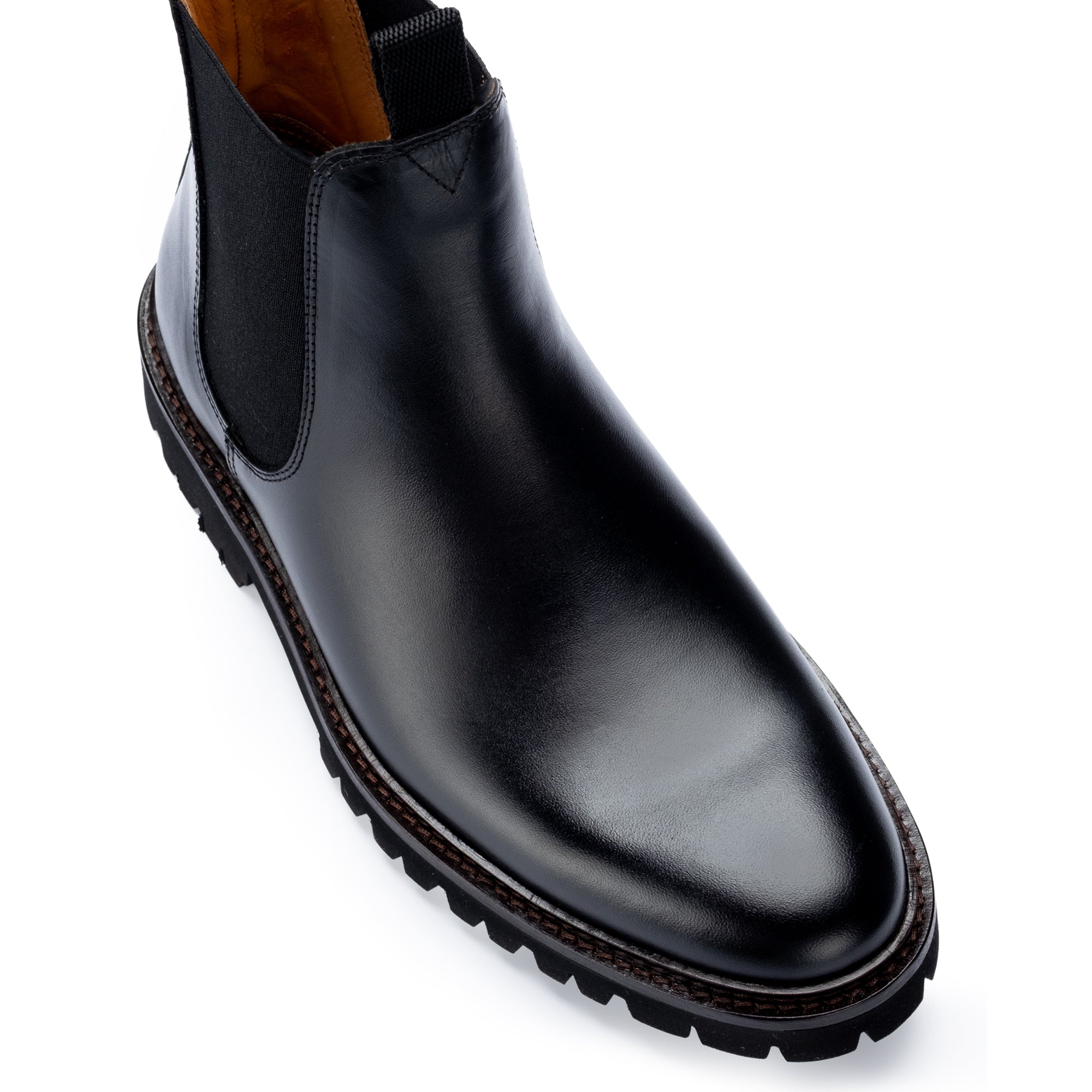
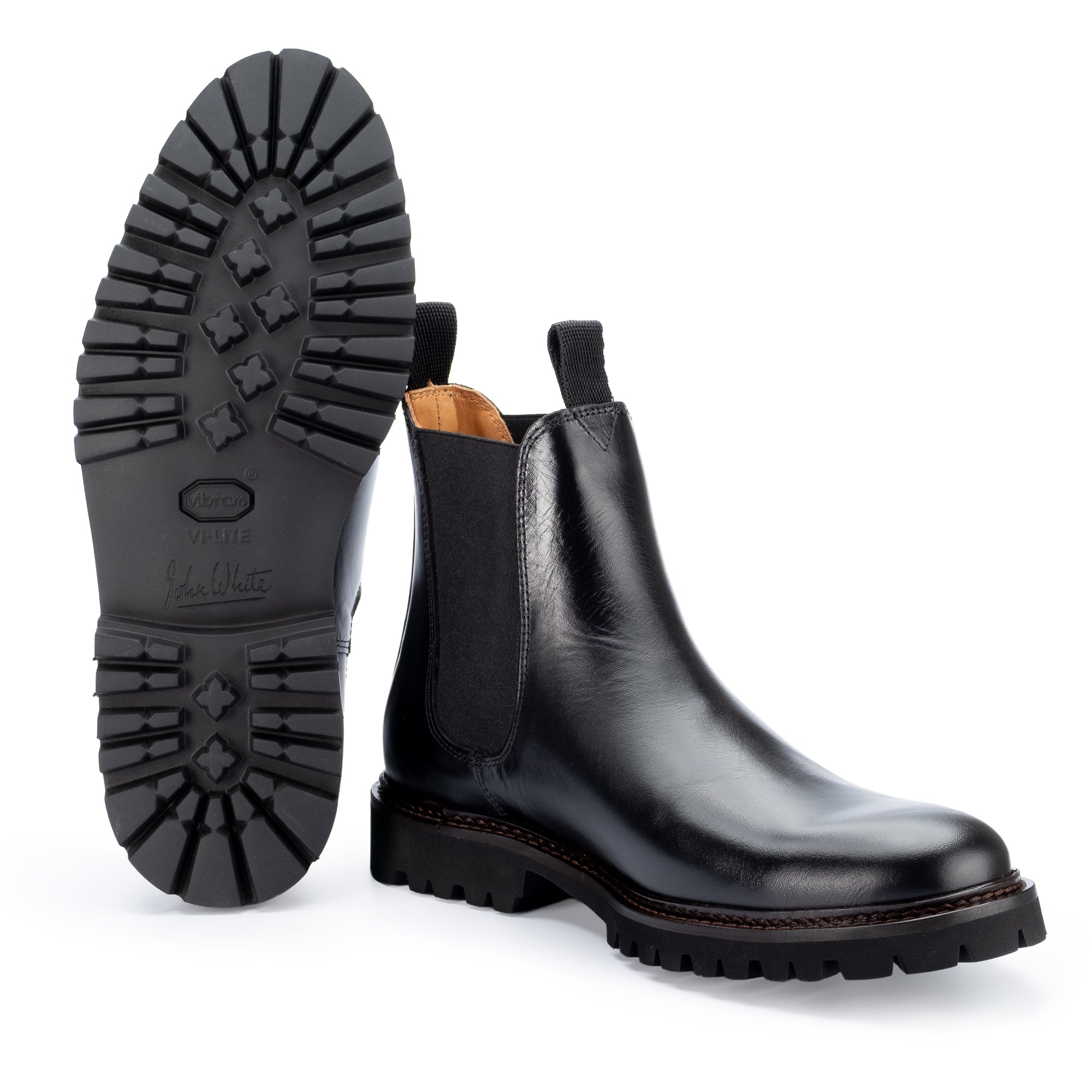
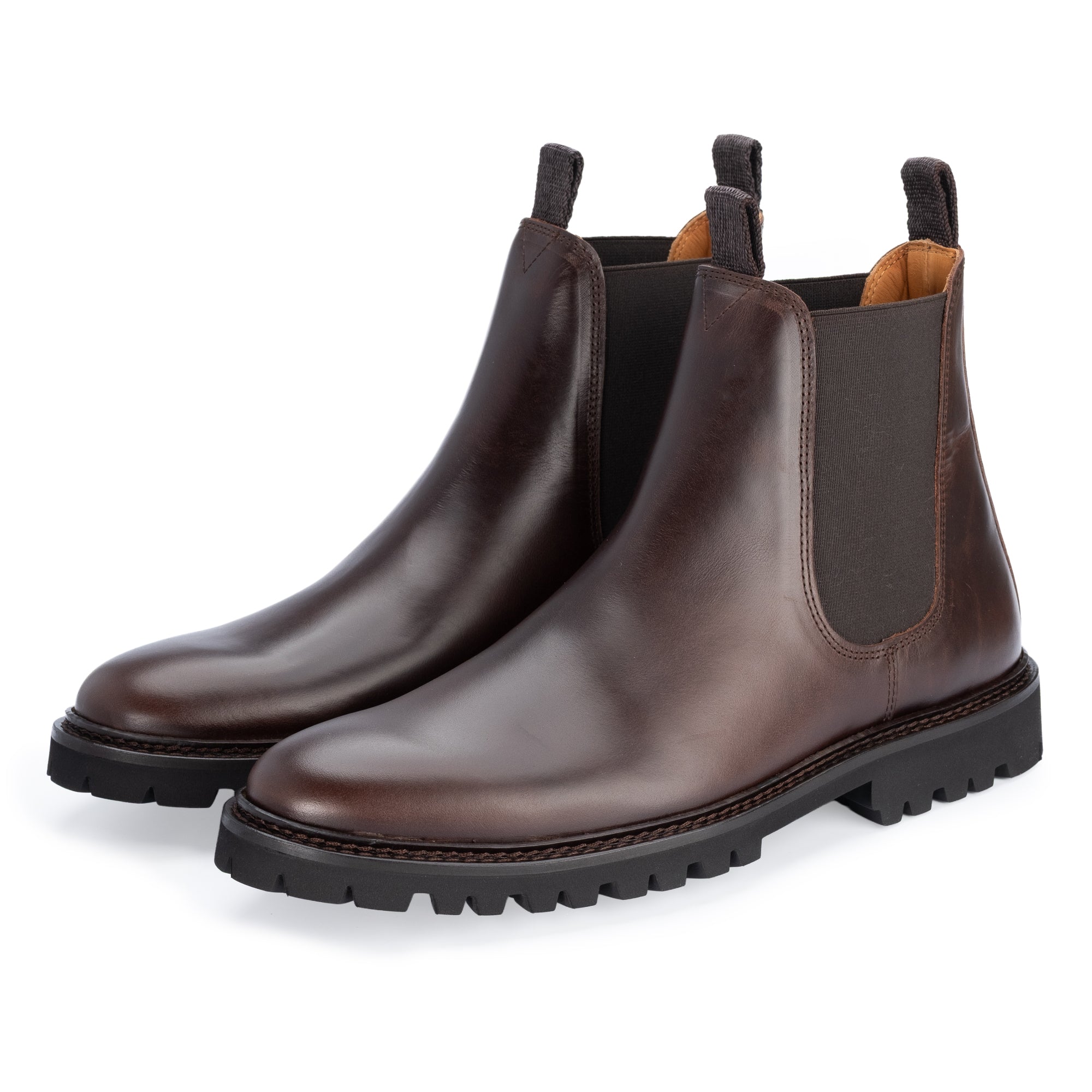
A pair of well-chosen Chelsea boots is more than just footwear; it's an investment in enduring style and comfort. Since 1919, John White has understood the value of quality men's shoes and boots designed to last. Our Chelsea boots, designed with the discerning gentleman in mind, embody this ethos. But even the finest leather and construction demand respect and diligent care to truly stand the test of time.
This isn't about fuss; it's about common sense and preserving an essential part of your wardrobe. Neglect leads to premature wear, cracking, and a dull appearance. Proper care, however, ensures your Chelsea boots remain sharp, comfortable, and a testament to your considered taste for years to come. Consider this your definitive, no-nonsense guide to keeping them in prime condition.
Why Bother with Proper Chelsea Boot Care?
It's a fair question, particularly in a world often focused on disposability. For a John White customer, the answer is simple: longevity and presentation. Your Chelsea boots are designed for purpose and style; caring for them ensures they fulfil both for as long as possible.
- Preserve Your Investment: Quality footwear, especially leather boots, represents a financial commitment. Regular care protects that investment, preventing costly repairs or premature replacement.
- Maintain Appearance: The sleek, sophisticated silhouette of a Chelsea boot is its hallmark. Scuffs, dry leather, and a lack of shine detract from this significantly. Proper care keeps them looking sharp, polished, and ready for any occasion.
- Enhance Comfort: Well-conditioned leather remains supple, moulding better to your foot and preventing stiffness or cracking that can lead to discomfort.
- Uphold Heritage: Since 1919, John White has championed quality. Caring for our products aligns with this tradition, ensuring each pair you own lives up to its heritage.
What Tools Do You Need for Chelsea Boot Care?
You don't need a professional shoe shine kit the size of a small suitcase, but a select few quality items will make all the difference. Think of it as investing in the tools that protect your investment in footwear.
- Horsehair Brush: Essential for removing dust and light dirt without scratching the leather, and for the final buffing.
- Welt Brush: A smaller, stiffer brush to clean the often-neglected space where the sole meets the upper.
- Cleaning Cloths: Soft, lint-free cloths for applying cleaners and conditioners. Old t-shirts work, but dedicated cloths are better.
- Mild Leather Cleaner: To lift stubborn dirt and old polish without stripping natural oils.
- Leather Conditioner/Cream: Crucial for nourishing the leather, keeping it supple and preventing cracks.
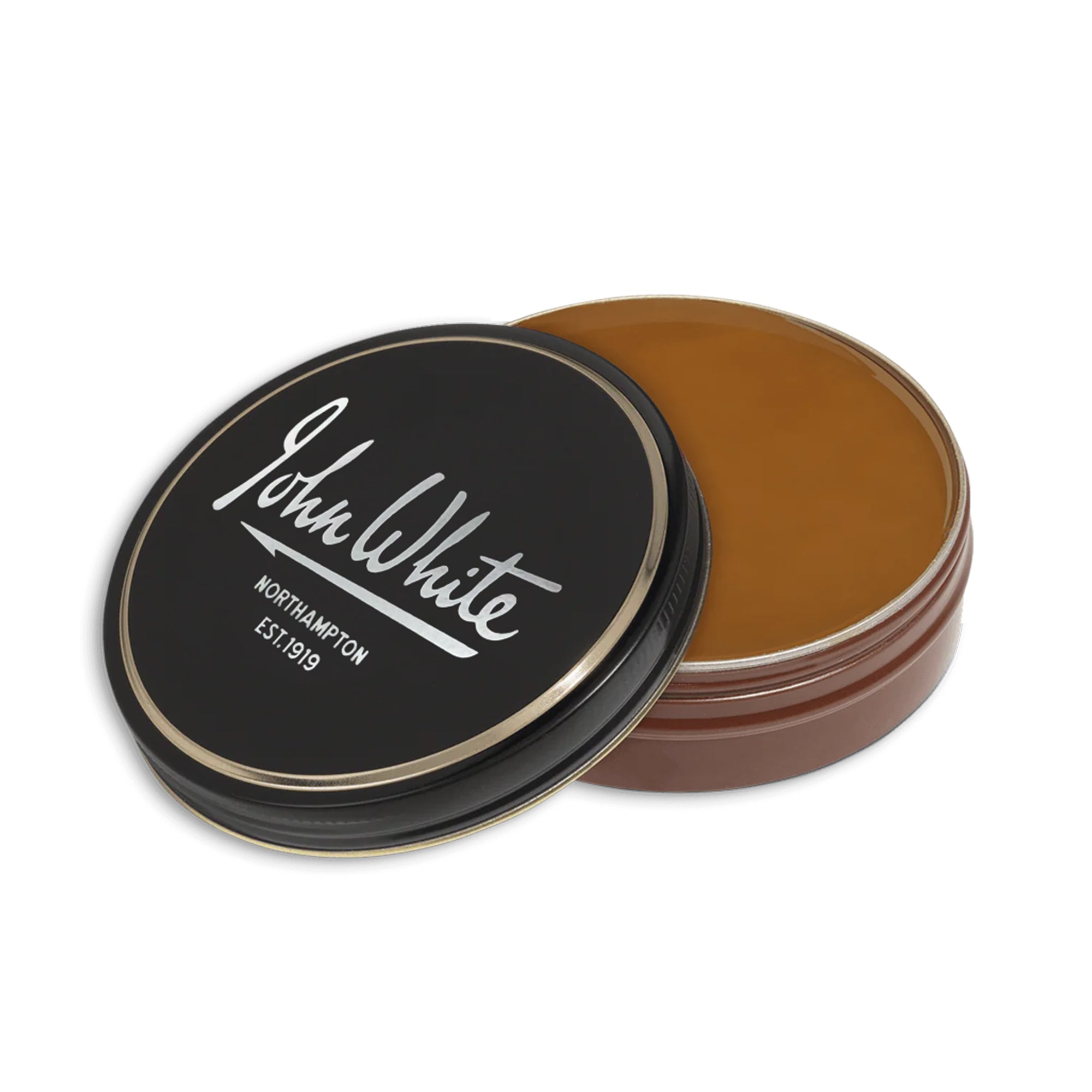
- Wax Polish: A good quality wax polish, such as our own JW Premium Wax Polish, provides protection, shine, and helps to conceal minor scuffs. Choose a colour matching your boots or a neutral shade.
- Polishing Cloths/Applicator Brush: For applying polish evenly and buffing to a high shine.
- Cedar Shoe Trees: Non-negotiable. They absorb moisture and maintain the boot's original shape, preventing creasing.
- Waterproofing Spray (Optional but Recommended): A protective barrier against rain and stains, particularly useful in unpredictable British weather.
- Suede Brush and Eraser (for Suede Boots): Specific tools for napping and cleaning suede without damage.
How Often Should You Clean Your Chelsea Boots?
There's no rigid rule, as it depends on how frequently you wear them and the conditions they endure. However, some general guidelines will serve you well:
- After Every Wear: A quick brush-down with a horsehair brush to remove surface dust and dirt. This prevents grime from embedding itself.
- Every 10-15 Wears (or Monthly): A full clean, condition, and polish. This is the thorough overhaul your boots need to stay protected and looking their best.
- As Needed: If your boots get particularly muddy, wet, or scuffed, address these issues promptly. Don't let dirt dry and harden on the leather, as this makes it harder to remove without damage.
- Seasonally: At the change of seasons, especially before storing them for longer periods, give them a deep clean and condition.
A Step-by-Step Guide to Cleaning and Polishing Leather Chelsea Boots
This is where the real work happens. Take your time, and approach it methodically. The results will speak for themselves.
Step 1: Preparation – Remove Laces and Clean Mud/Dust
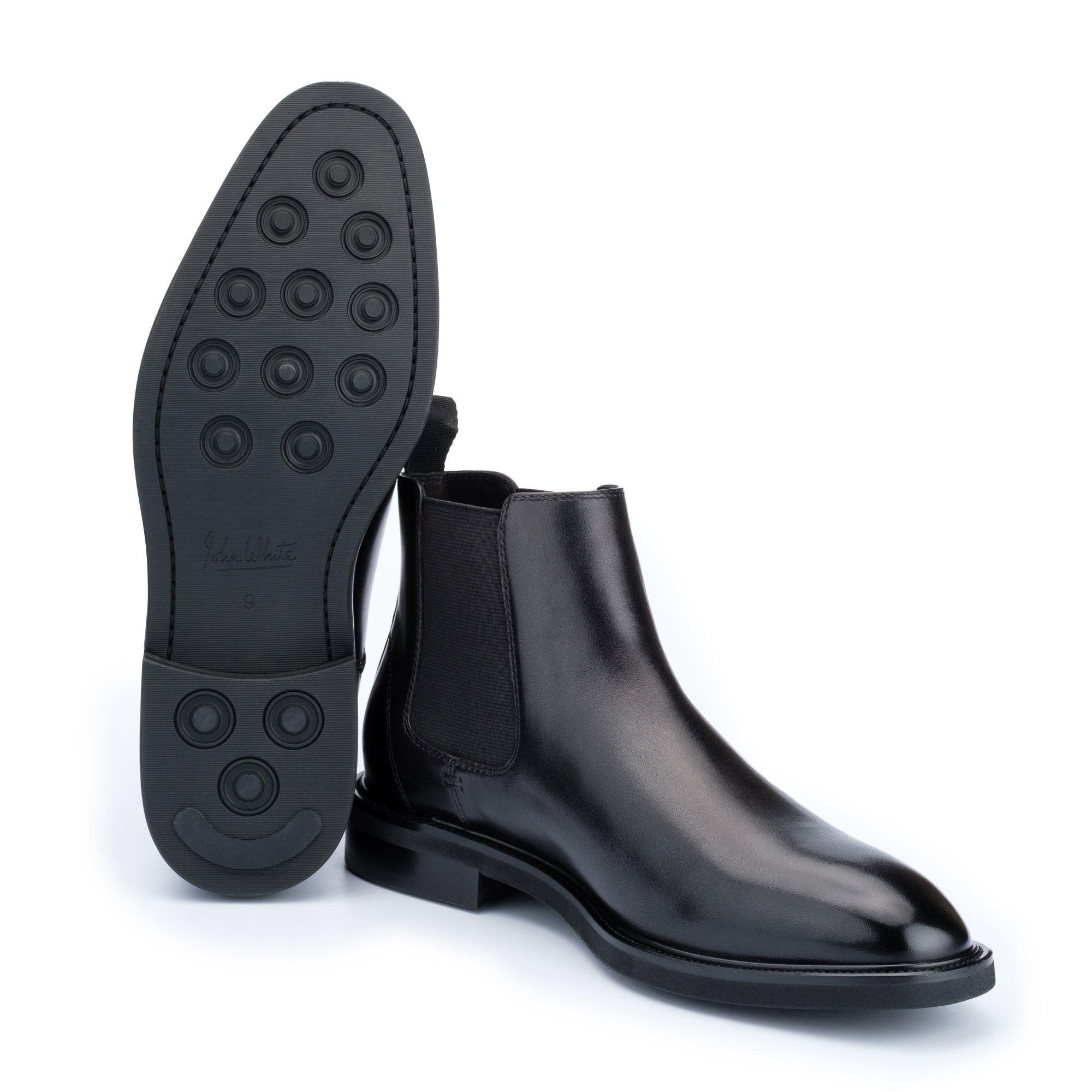
First, remove any laces if your particular Chelsea style features them, though most are slip-on. Use your horsehair brush to thoroughly remove any loose dirt, dust, or mud from the entire boot surface. Pay particular attention to the welt – the seam where the upper meets the sole – as dirt often accumulates here. A dedicated welt brush can be very effective for this. For dried-on mud, a slightly damp cloth can be used, but ensure it's just damp, not soaking wet.
Step 2: Deep Cleaning – The Leather Cleanse
Once surface dirt is gone, it's time for a deeper clean. Apply a small amount of mild leather cleaner to a clean cloth. Work it gently over the entire leather surface in small sections, using a circular motion. This will lift embedded dirt, old polish residue, and grime. Don't saturate the leather. Wipe off any excess cleaner with a fresh, damp cloth and allow the boots to air dry completely. This might take an hour or two. Patience is key here; do not rush to the next step.
Step 3: Conditioning – Nourish the Leather
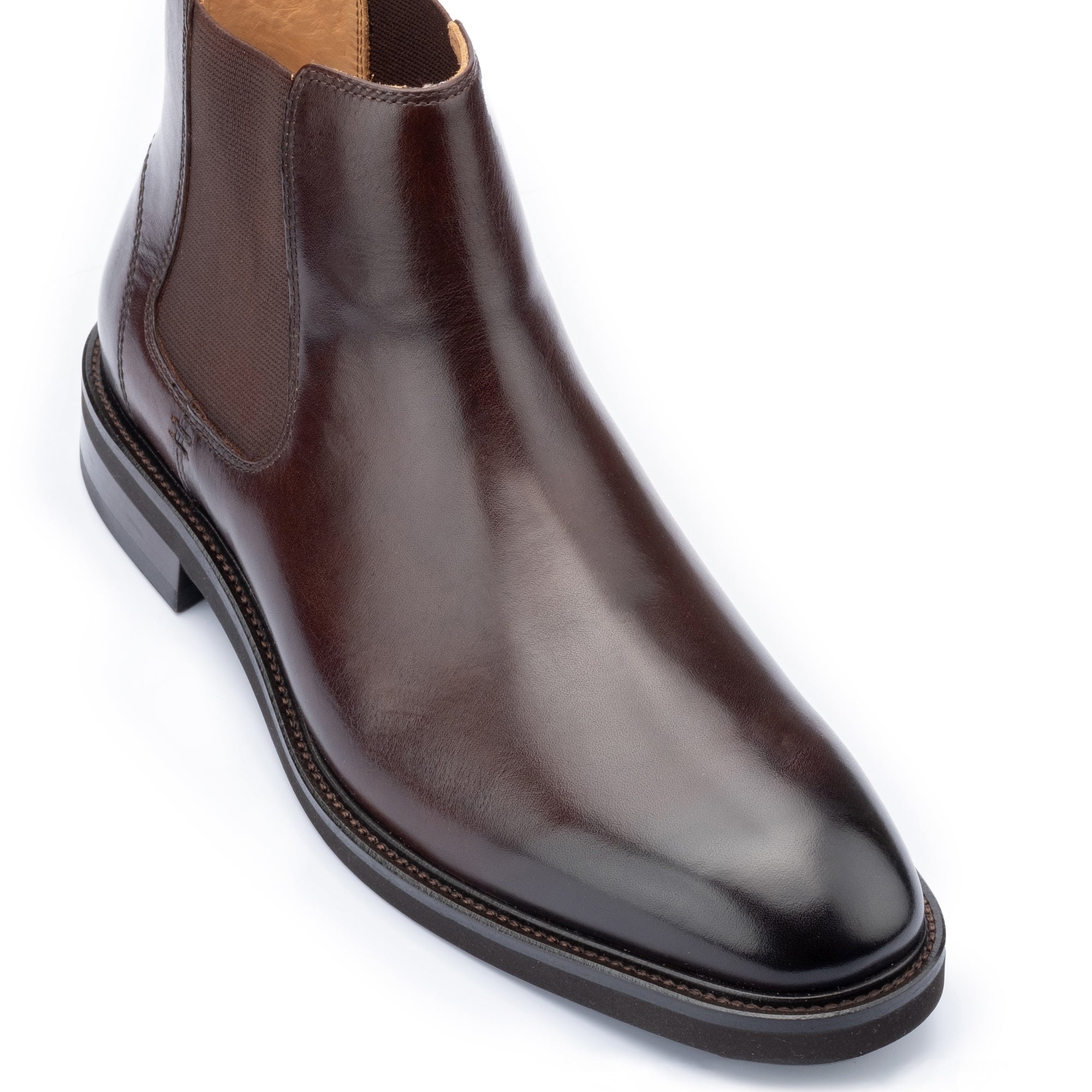
Leather is skin, and it needs moisture to stay supple and prevent cracking. Apply a pea-sized amount of quality leather conditioner or cream onto a clean cloth. Rub it into the leather in circular motions, ensuring even coverage. The leather will absorb the conditioner, visibly darkening slightly before returning to its natural shade. Let it sit for 15-20 minutes to penetrate properly, then gently buff off any excess with a clean, dry cloth. This step is vital for the long-term health and flexibility of your boots.
Step 4: Polishing – Restore Shine and Protection
Now for the polish. Take your chosen JW Premium Wax Polish and apply a very thin, even layer using an applicator brush or a clean cloth. Work in small sections, using gentle circular motions. Apply slightly more polish to areas with scuffs or blemishes. Allow the polish to dry and haze for 5-10 minutes. Then, with a clean horsehair brush or polishing cloth, buff the boots vigorously until you achieve your desired level of shine. For a higher gleam, apply another thin layer of polish, let it dry, and buff again. Remember, multiple thin layers are always better than one thick coat.
Step 5: Finishing Touches – Edge Dressing and Waterproofing
Don't forget the sole edges. A matching edge dressing can restore their crisp, finished look, especially if they've become scuffed. Finally, consider a waterproofing spray. This adds an invisible barrier against moisture and stains, offering an extra layer of defence against the elements. It's particularly useful for the British climate. Once complete, your boots will be ready for duty. Explore our full range of expertly designed footwear, including more premium leather options, at John White Men's Boots.
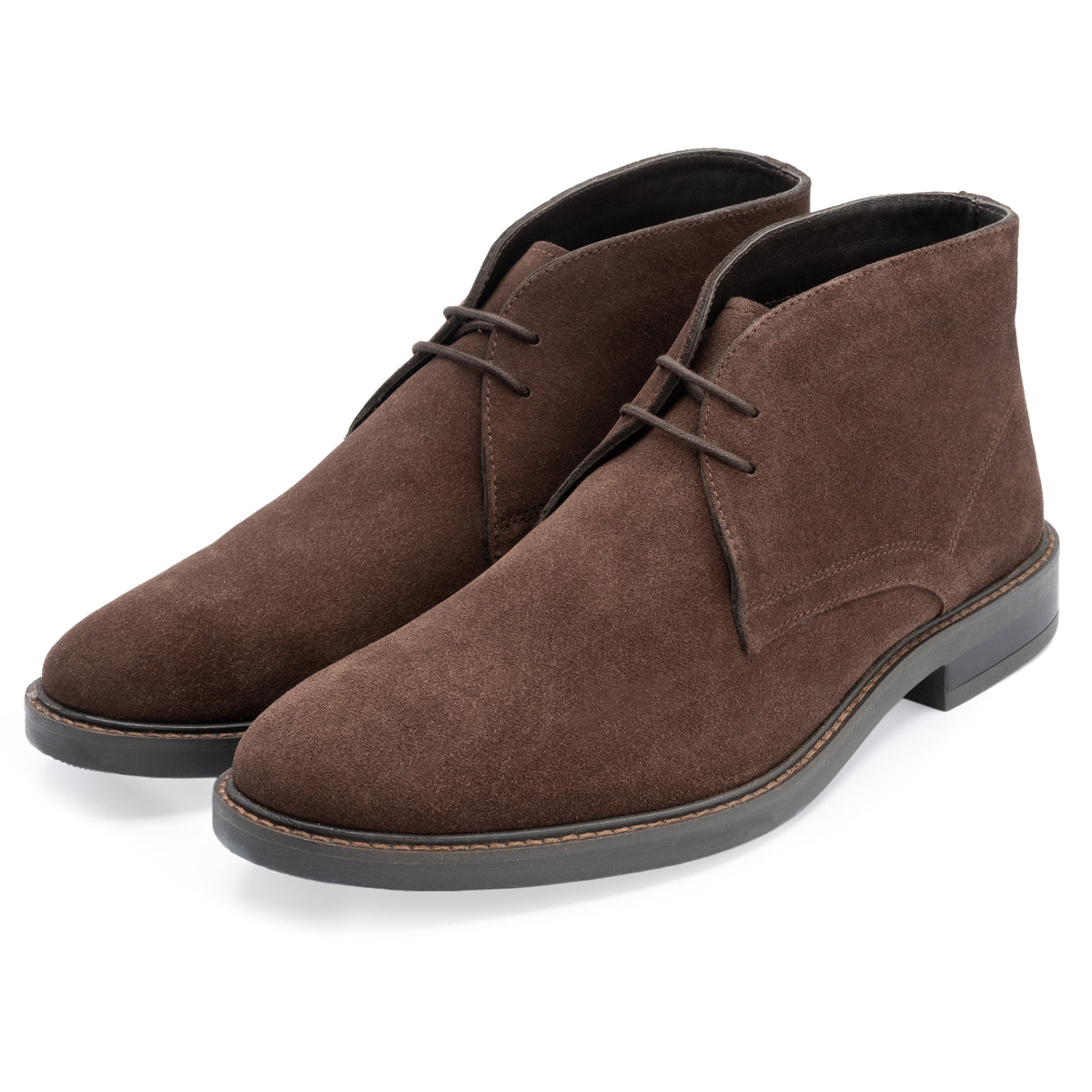
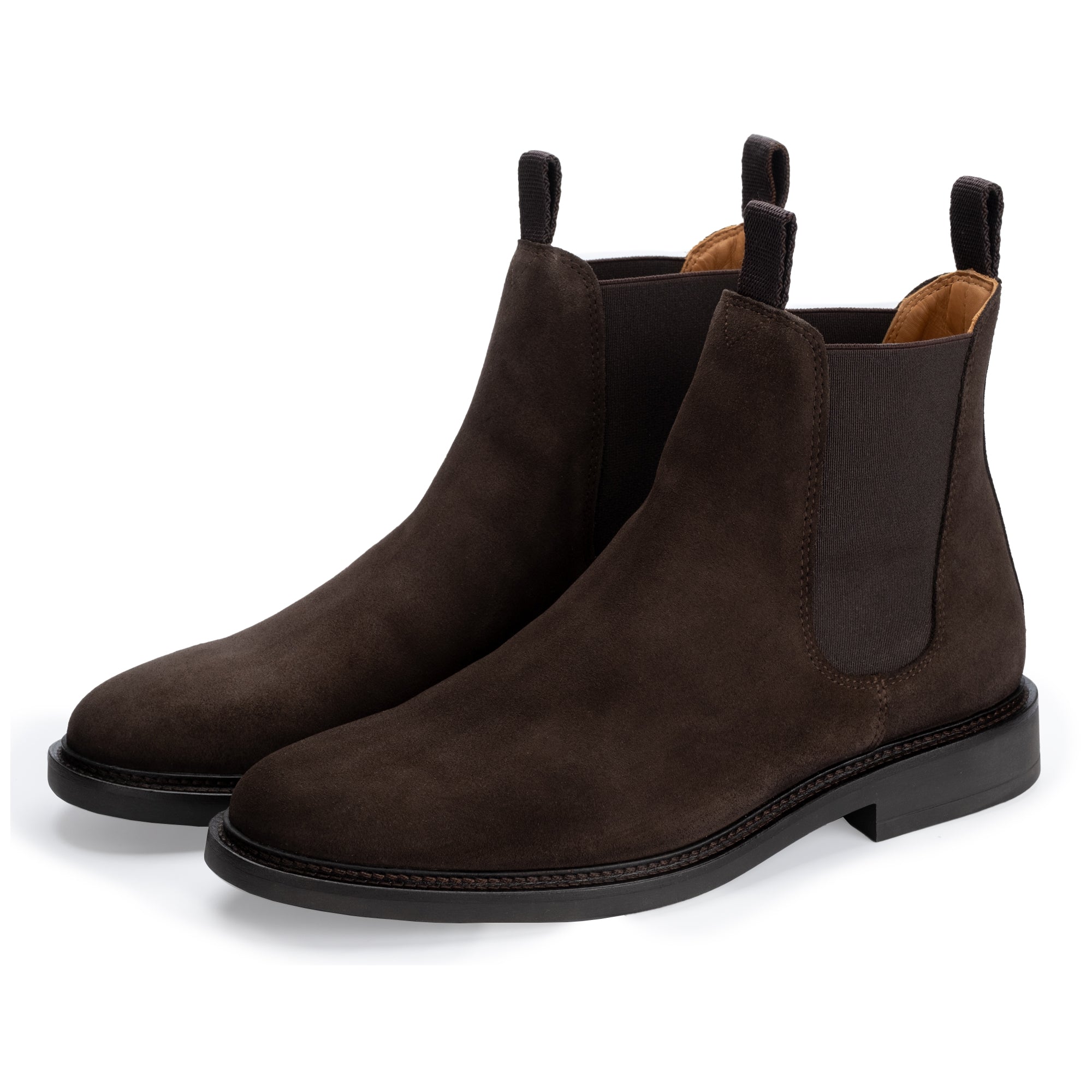
Caring for Suede Chelsea Boots
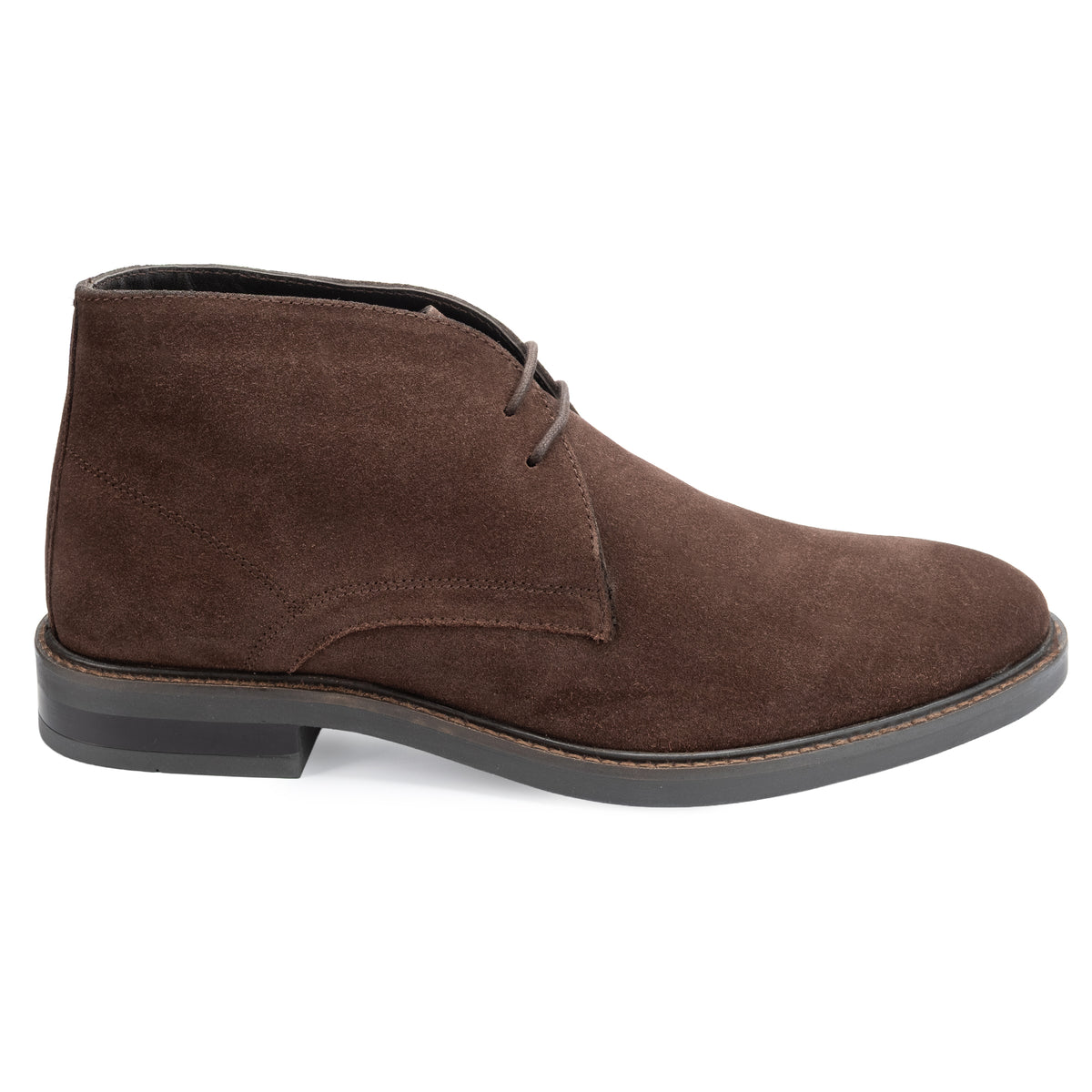
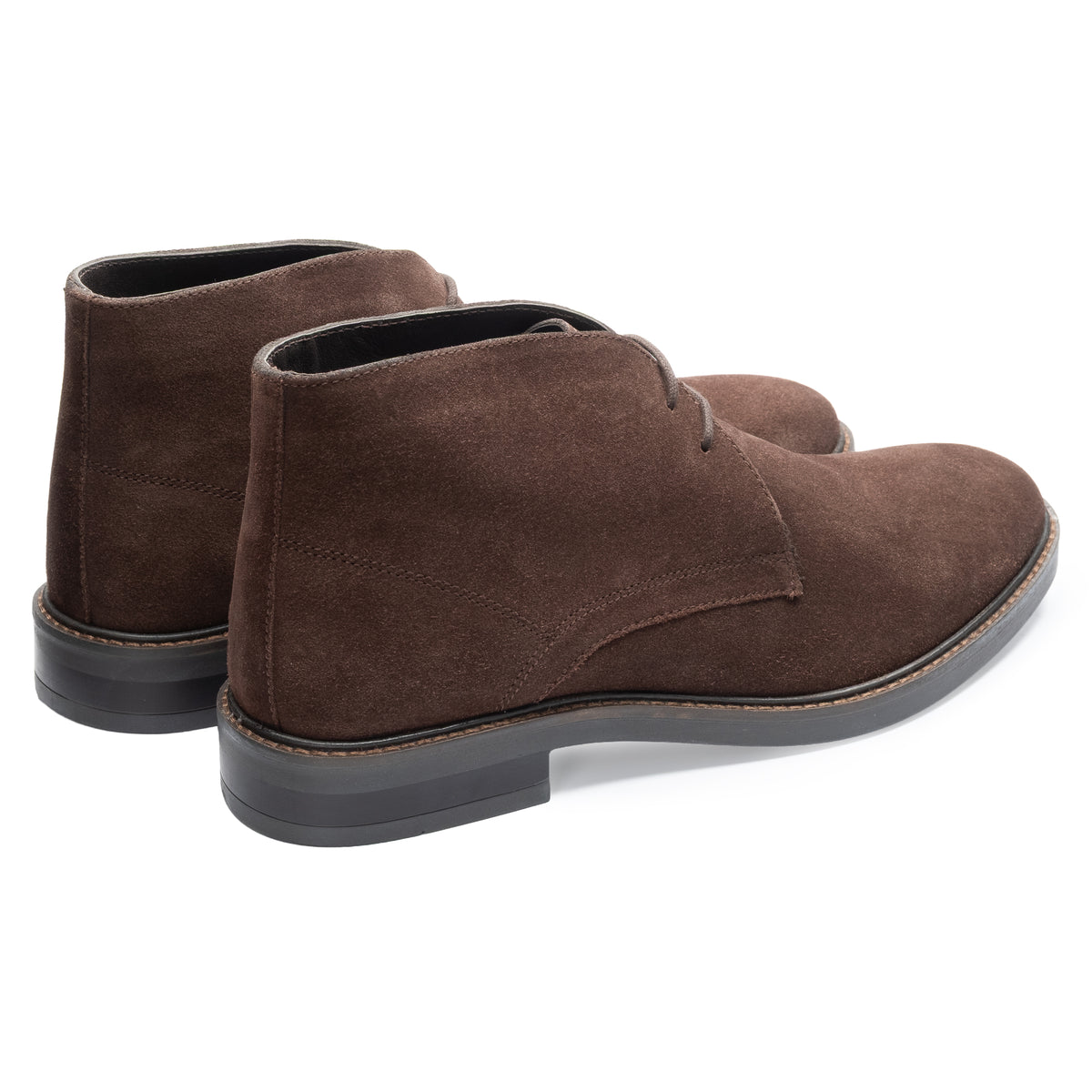
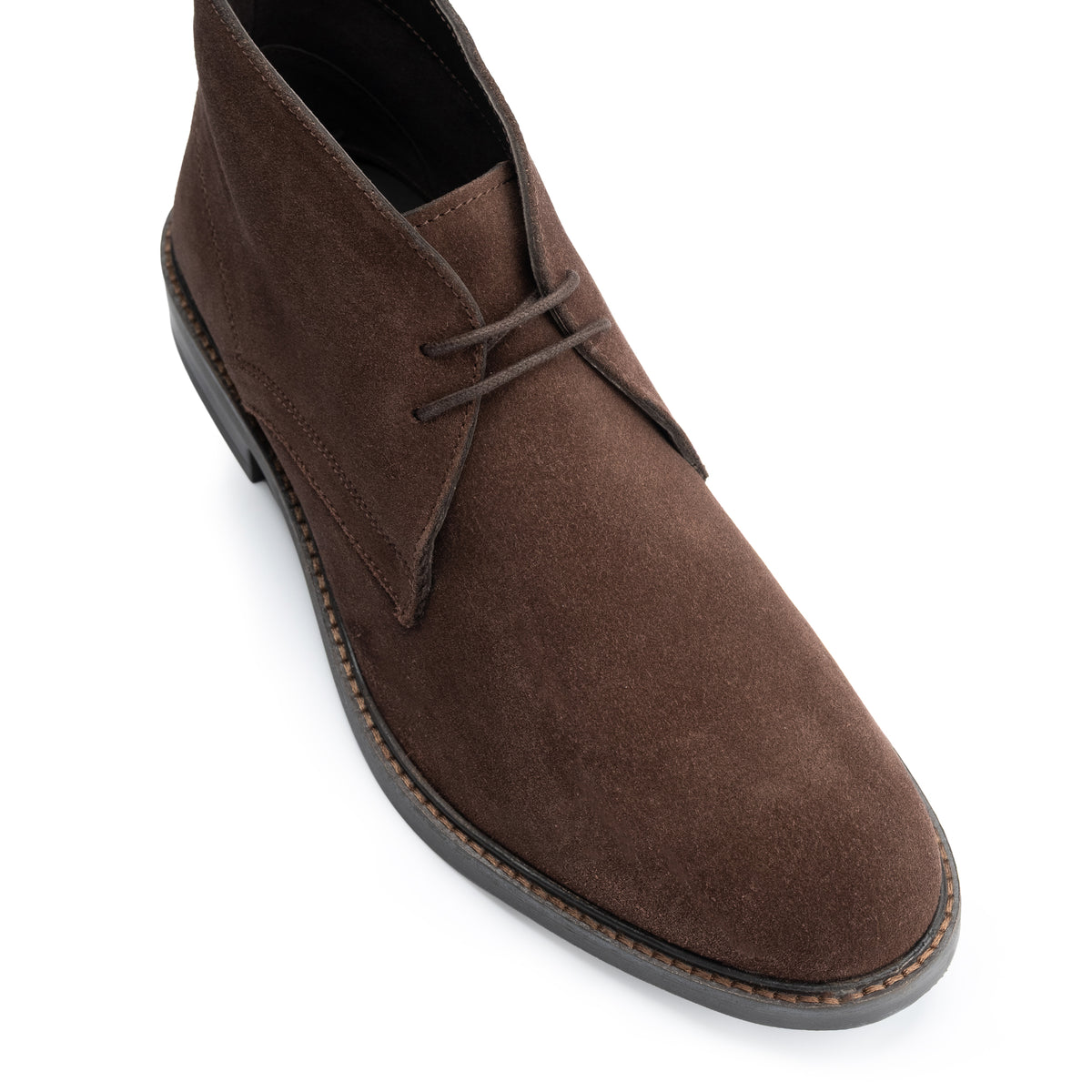
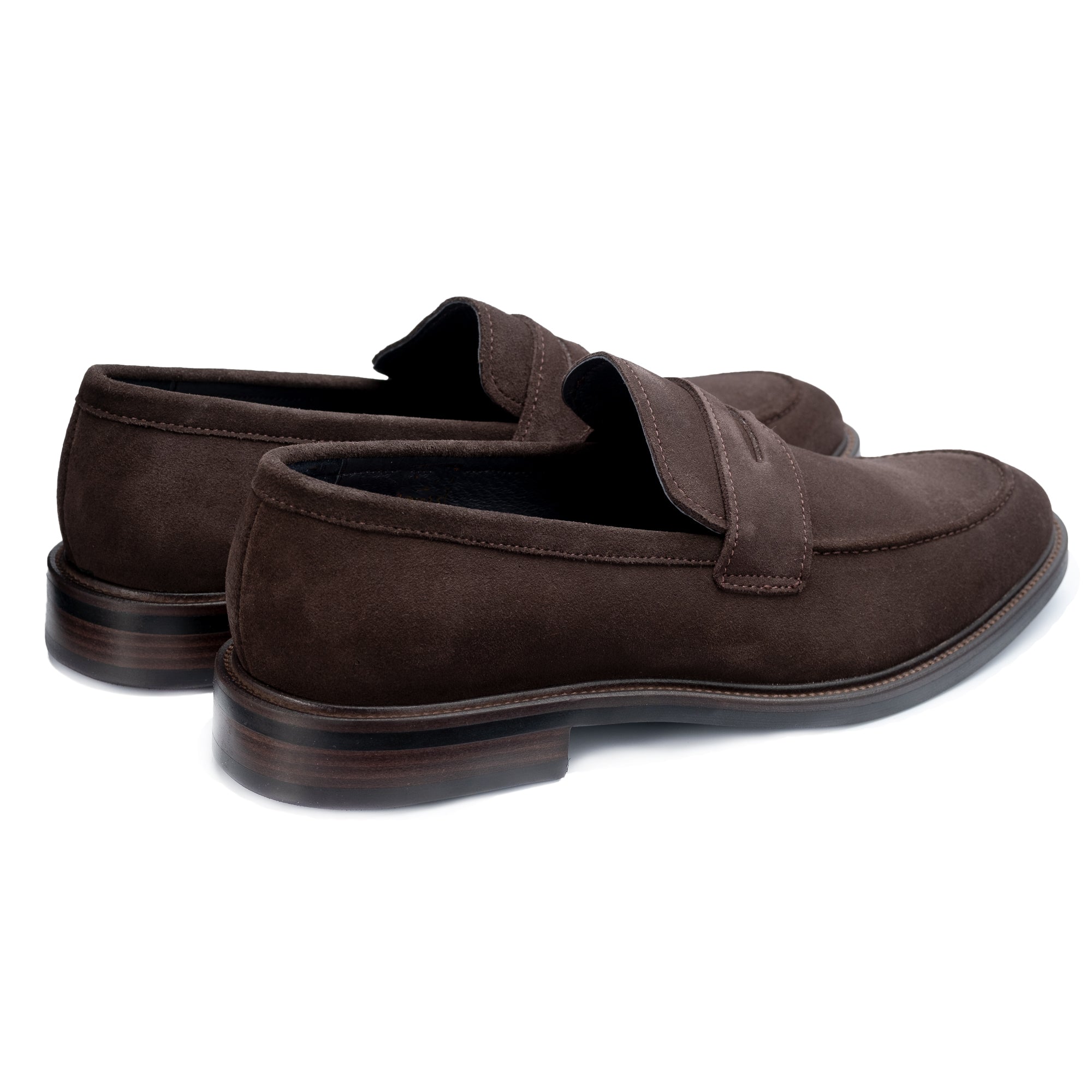
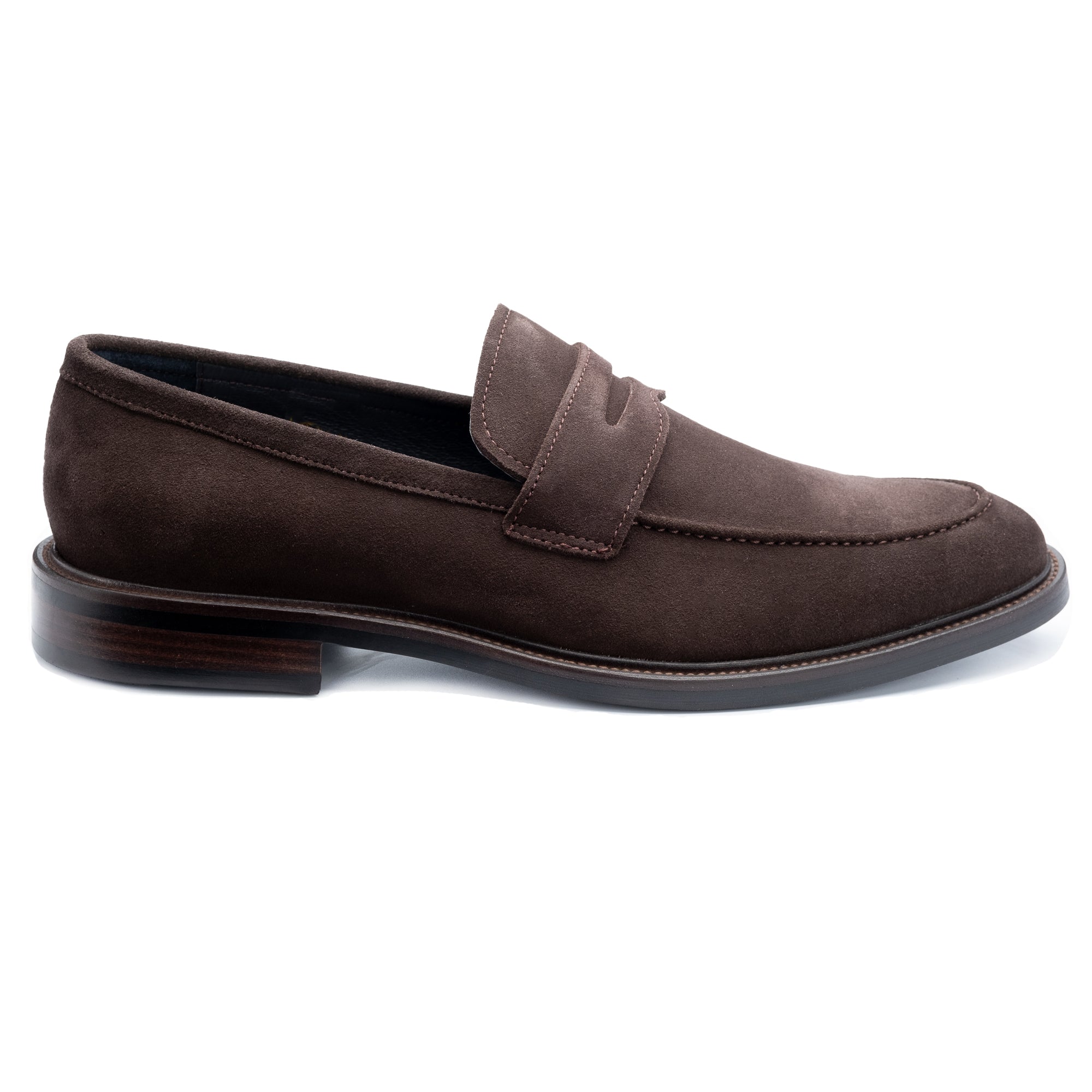
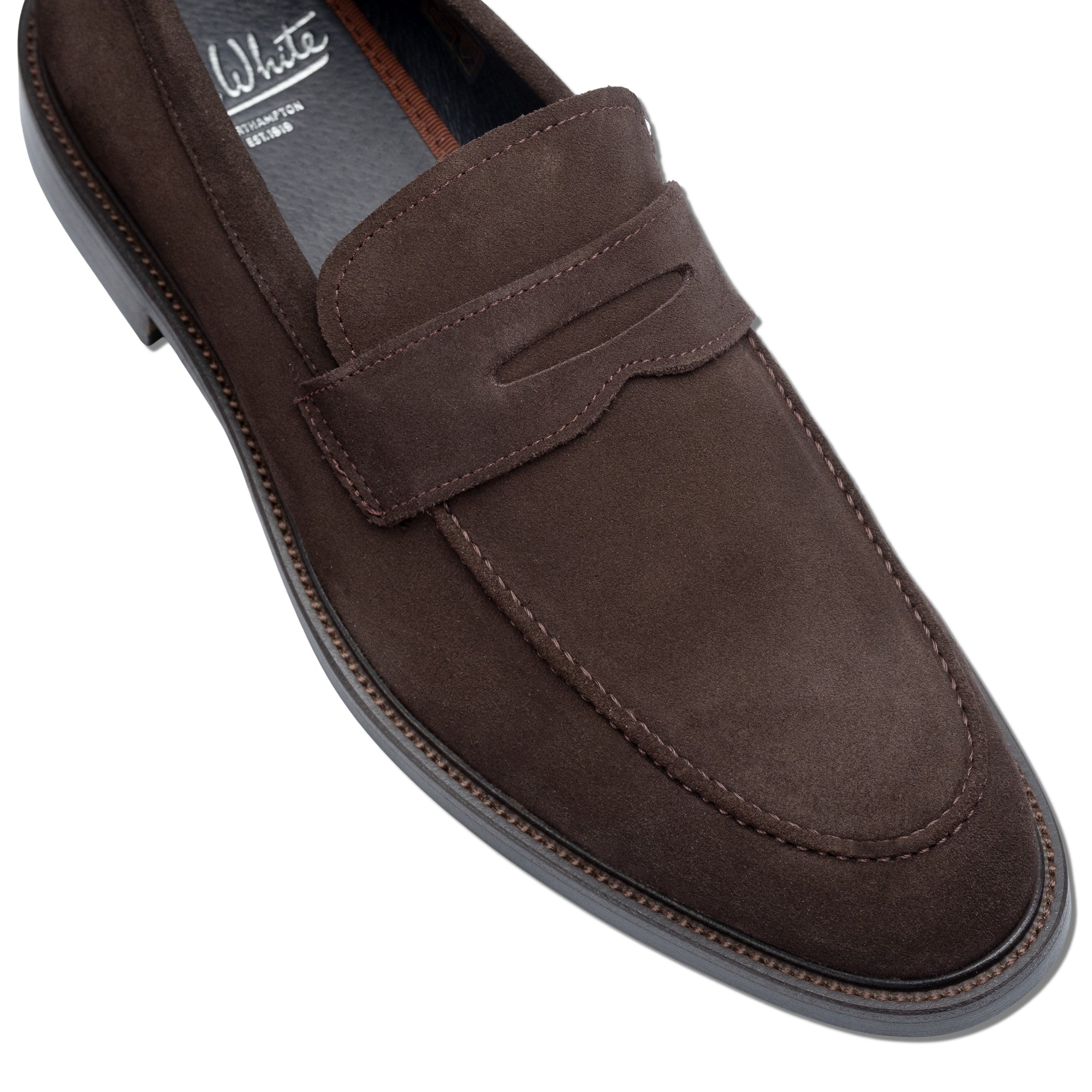
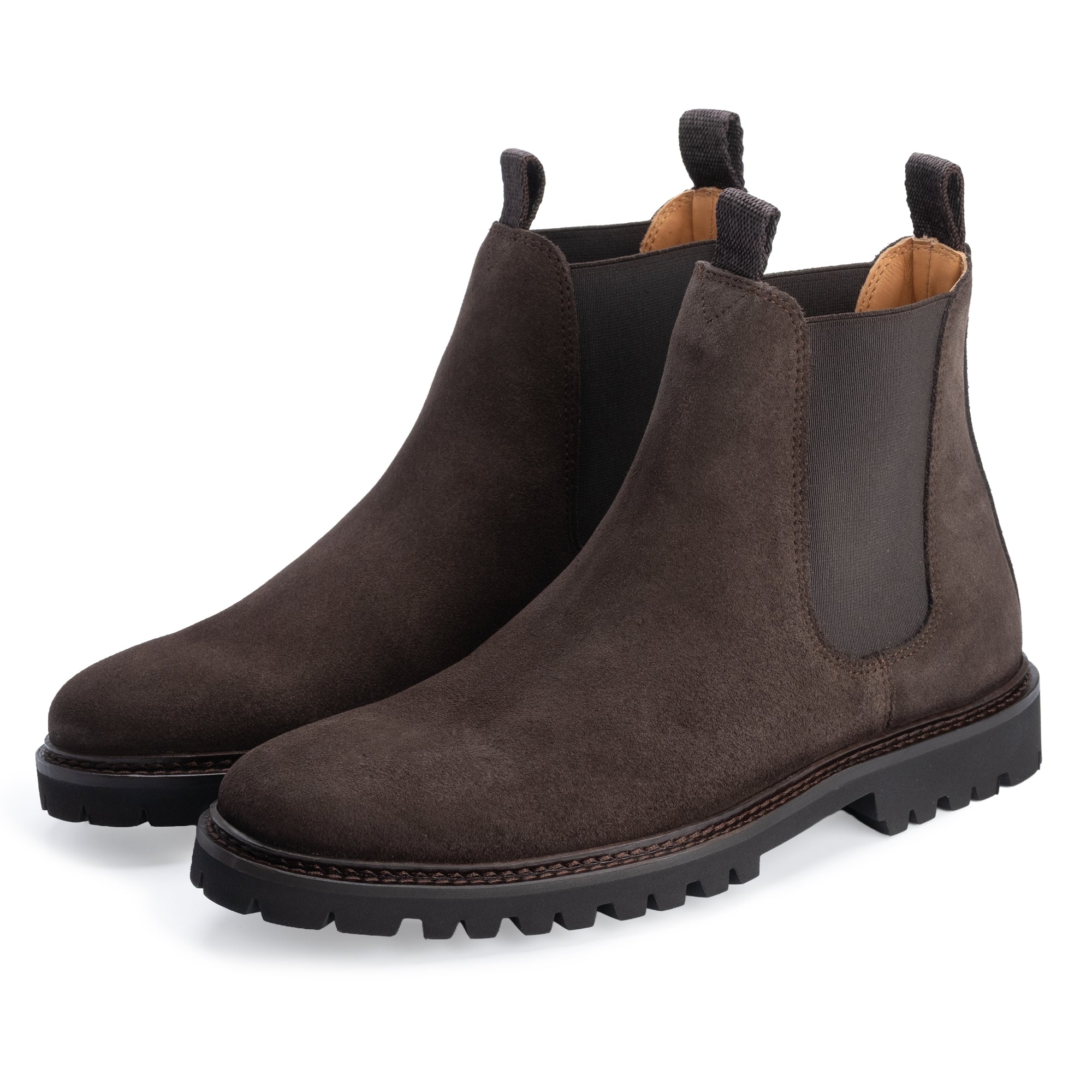
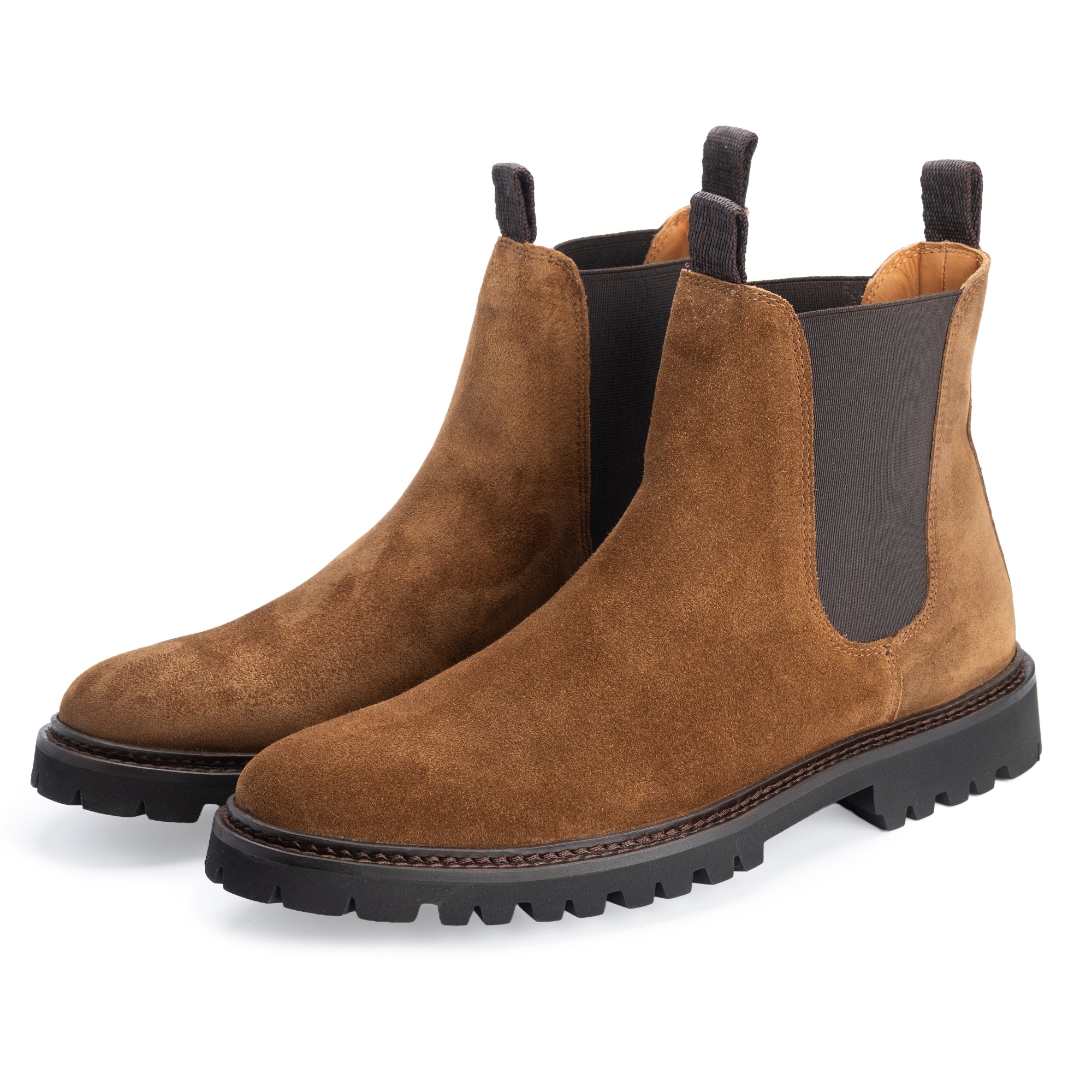
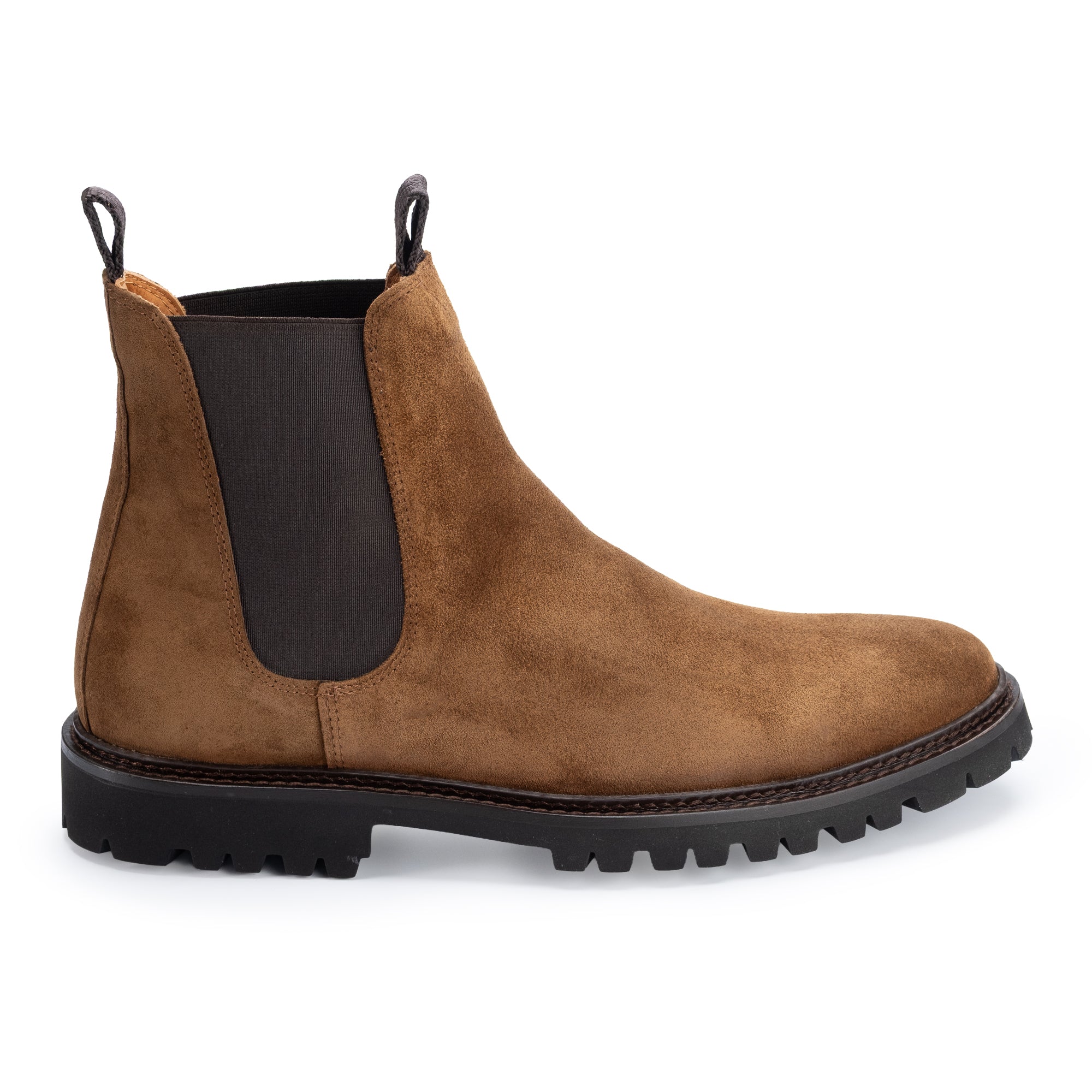
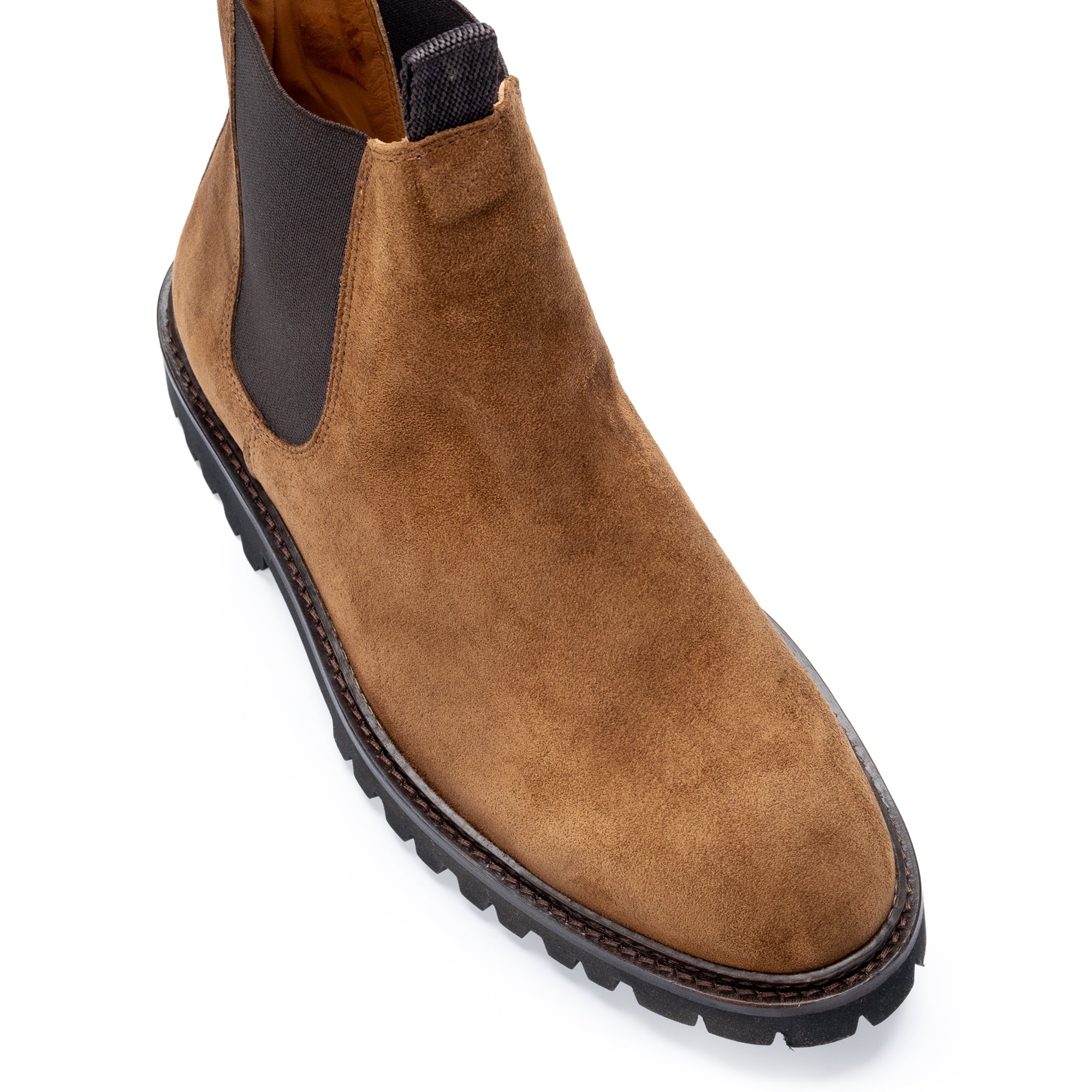
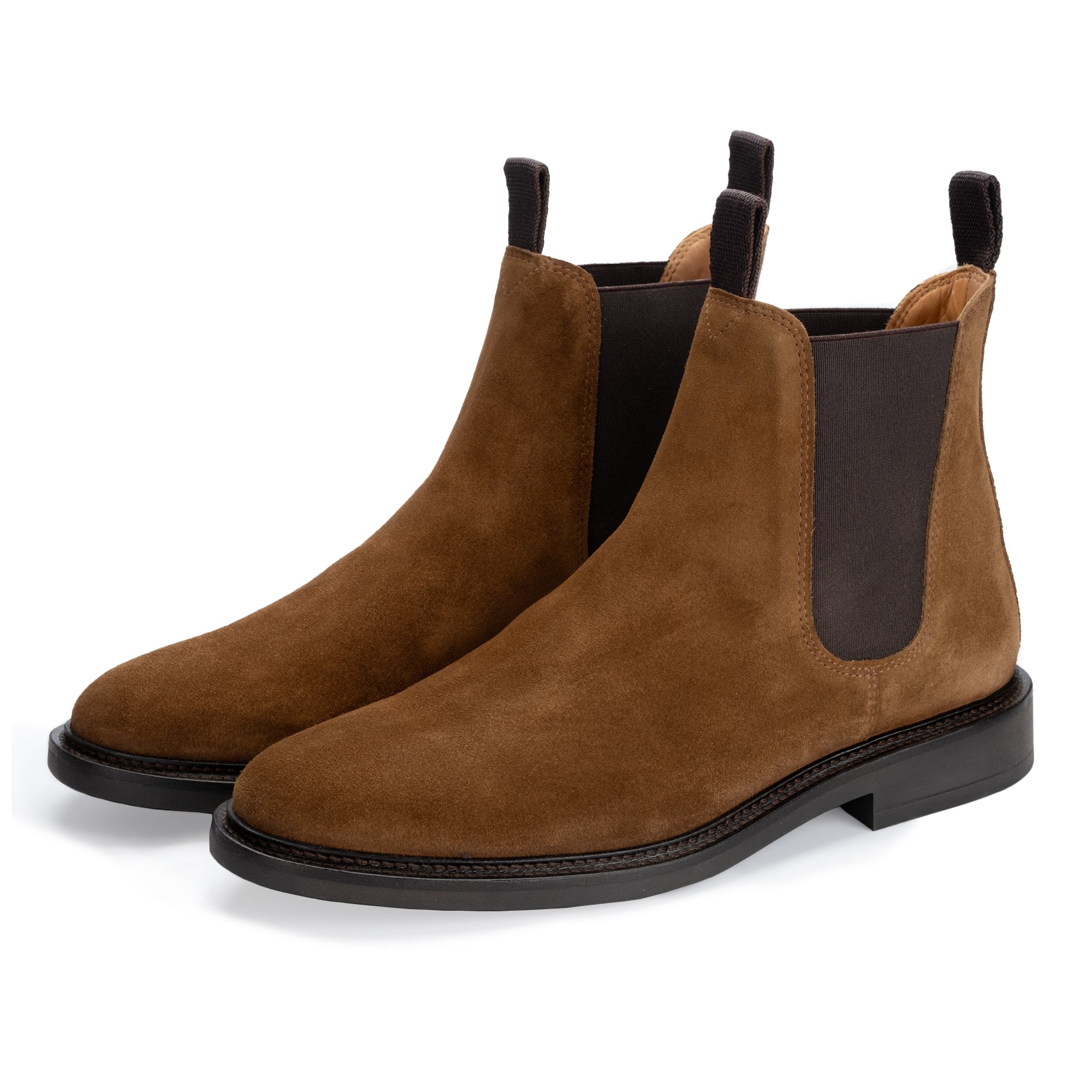
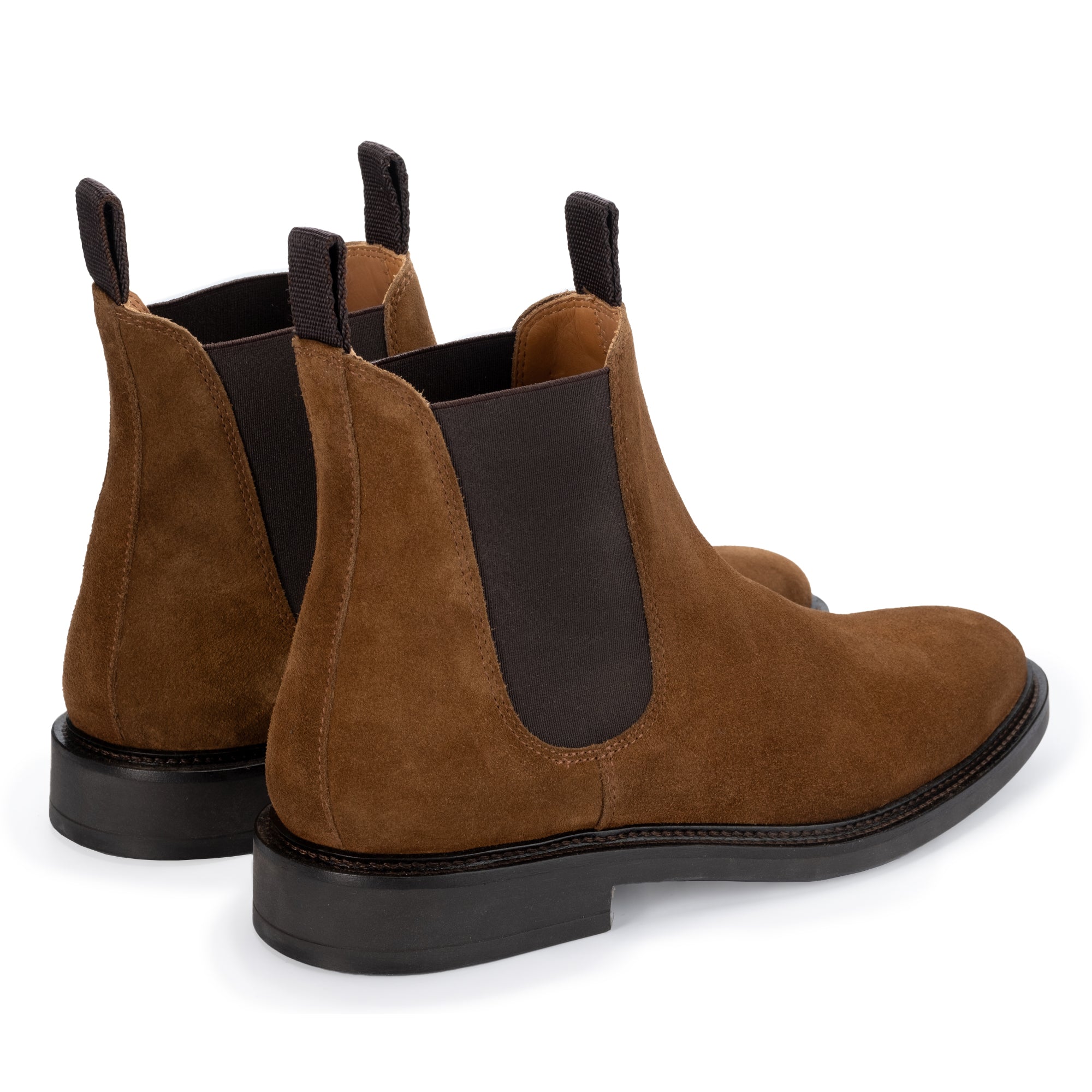
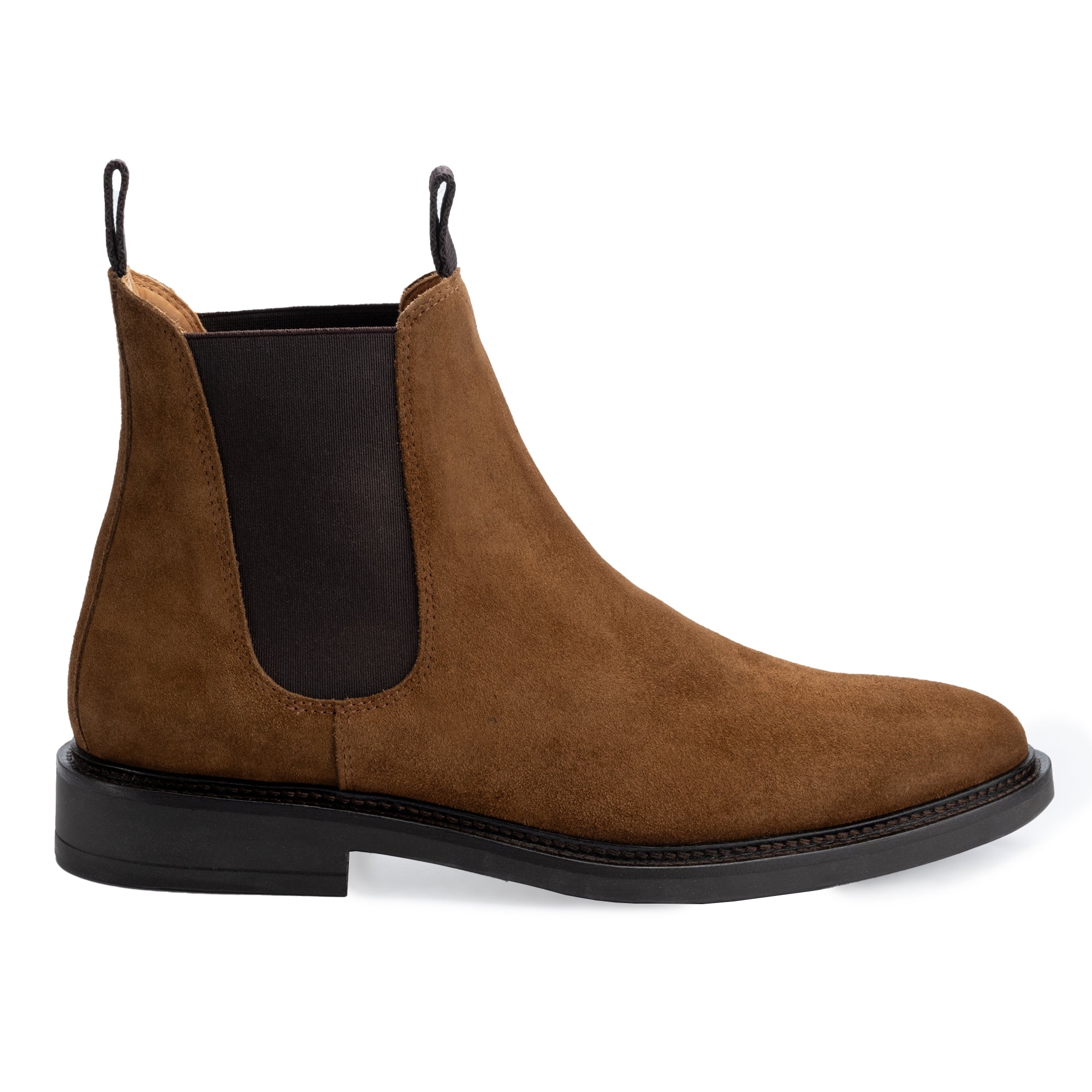
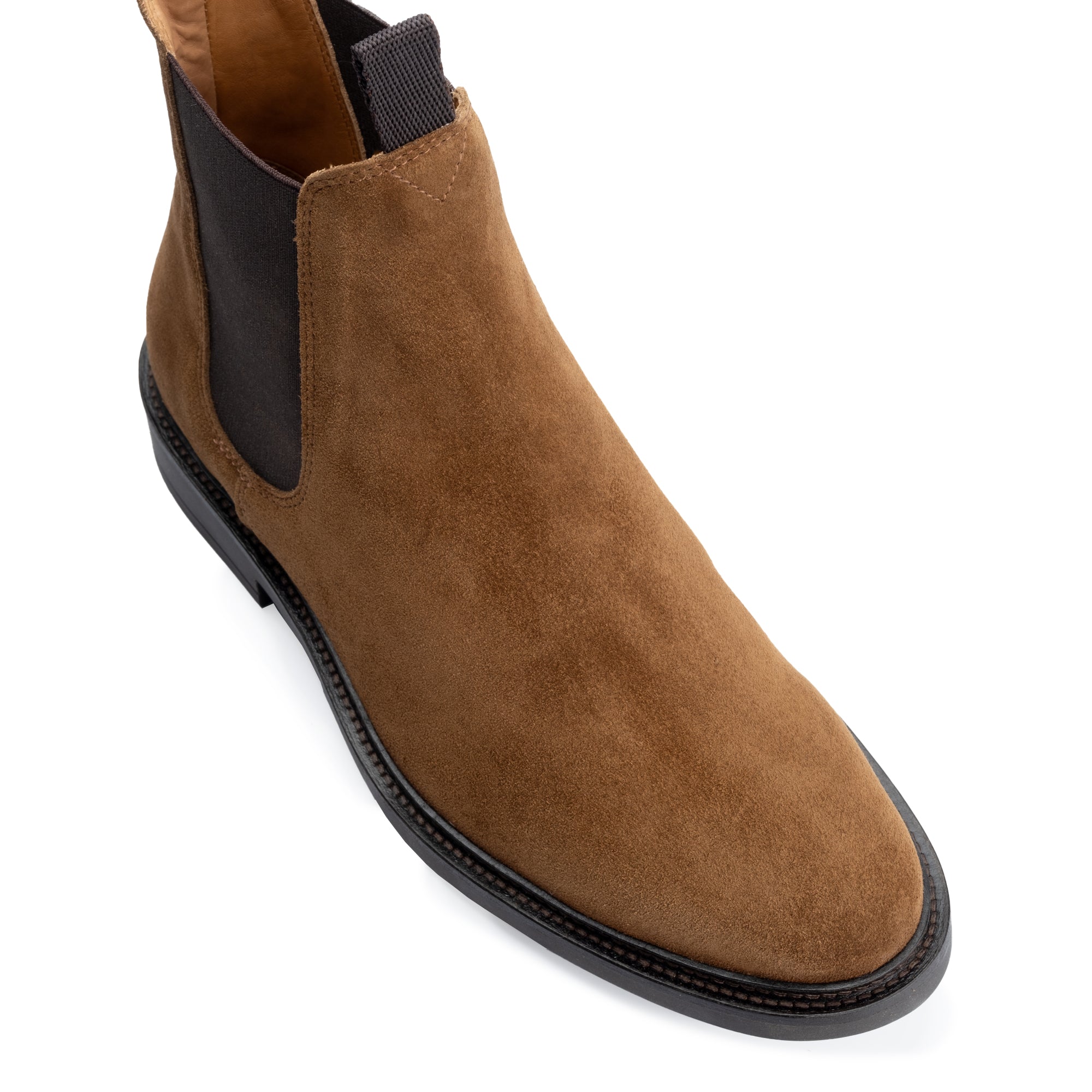
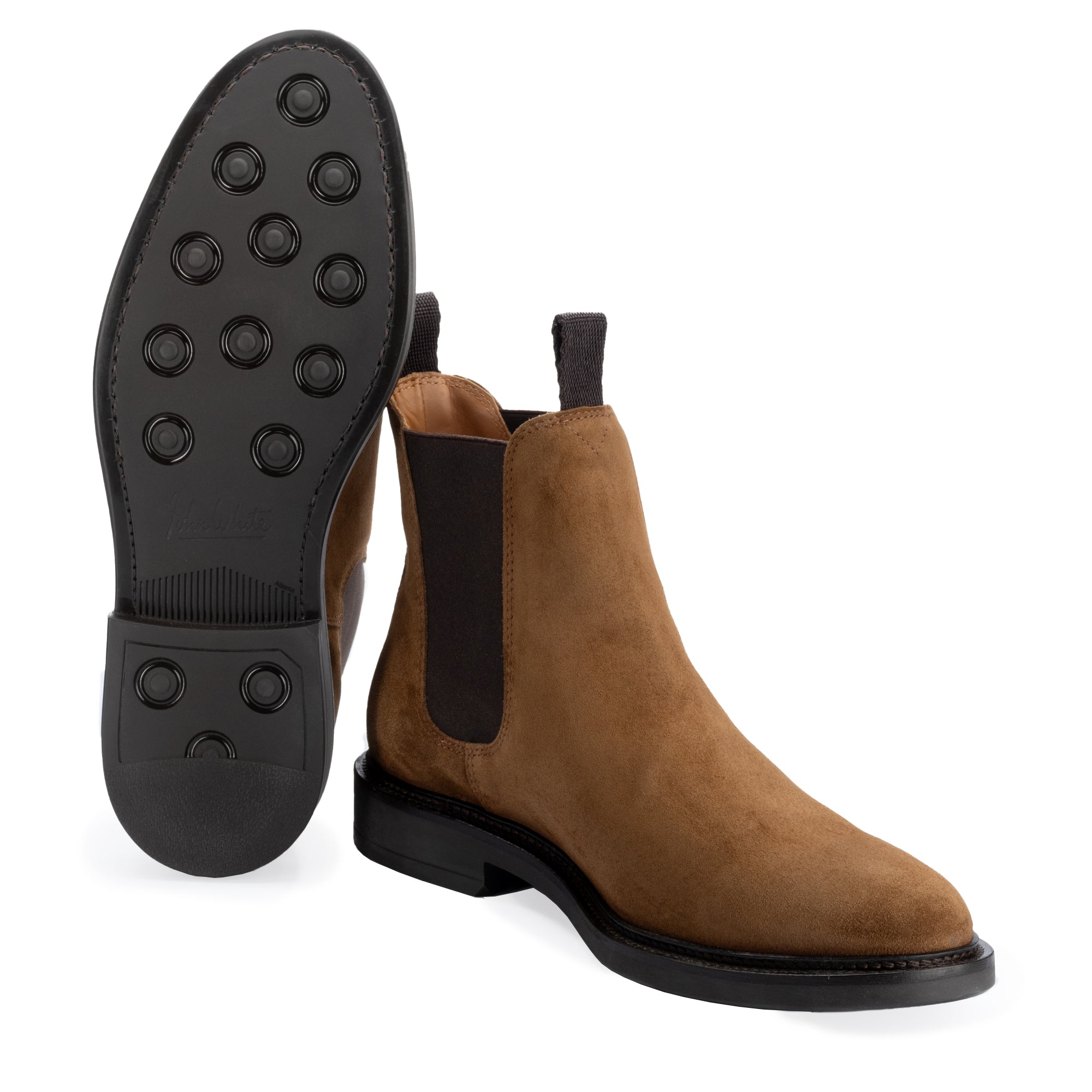
Suede is a different beast entirely and requires a distinct approach. Never use wax polish or liquid leather cleaners on suede. The process is simpler but demands attention to detail.
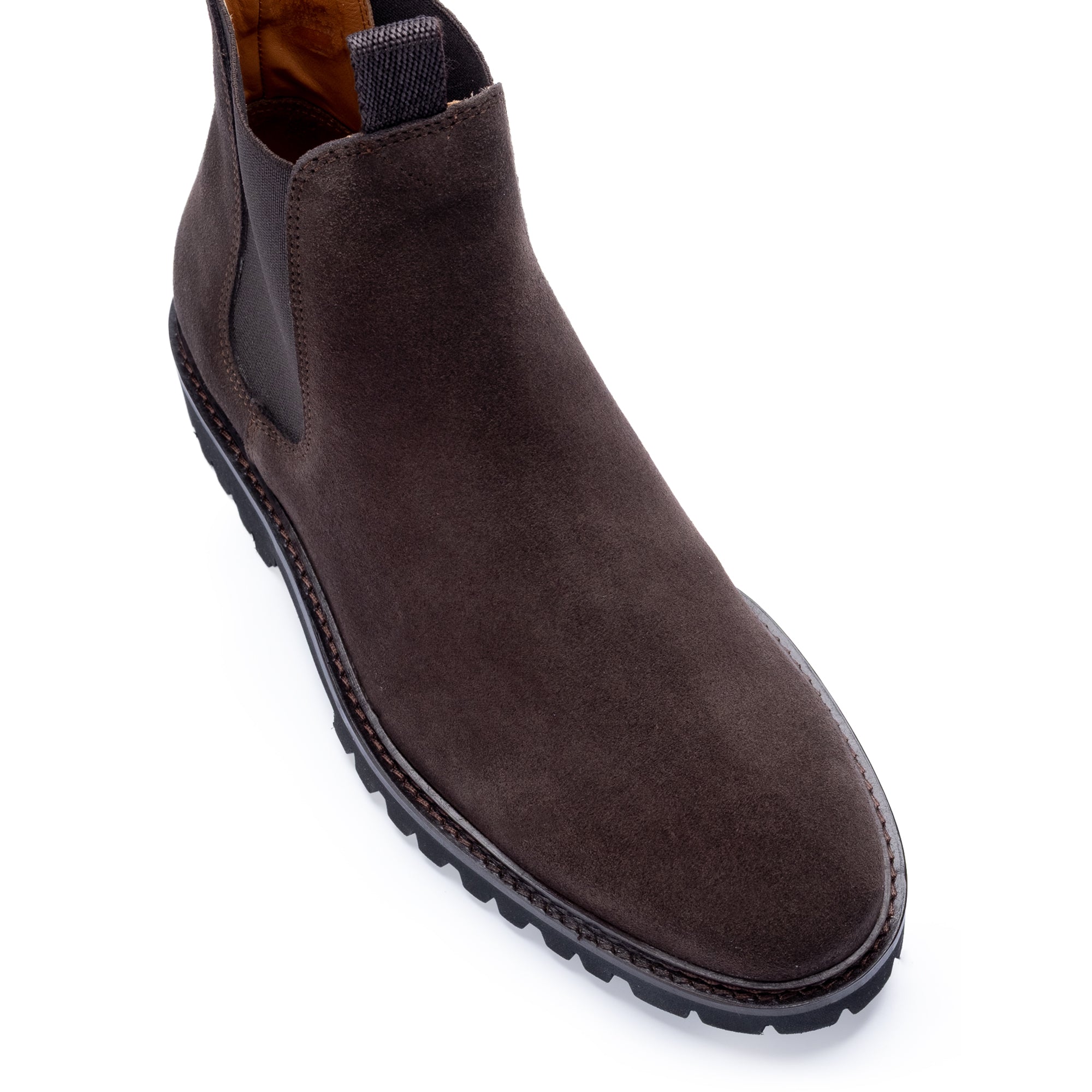
- Brush Regularly: Use a dedicated suede brush to remove dirt and restore the nap (the soft, fuzzy texture). Brush in one direction.
- Tackle Stains with an Eraser: For stubborn marks, gently rub with a suede eraser.
- Avoid Water: Suede and water are not friends. If they get wet, blot immediately with a clean cloth, stuff with newspaper to absorb moisture, and let them air dry away from direct heat. Then, re-brush.
- Protect with Spray: A good quality suede protector spray is essential. Apply it generously to new boots and reapply periodically.
For more versatile footwear options that cater to different sartorial needs, browse our full selection of premium men's shoes at John White Men's Shoes.
Essential Daily and Long-Term Chelsea Boot Maintenance
Beyond the occasional deep clean, consistent habits will significantly prolong the life of your boots.
Shoe Trees: Your Boots' Best Friend
Cedar shoe trees are not optional; they are essential. Insert them immediately after you take your boots off. They serve two crucial functions: absorbing moisture and odour from inside the boot, and maintaining the boot's original shape, preventing creasing and allowing the leather to rest properly. This simple step makes a monumental difference to longevity. Keep an eye on our John White Sale for deals on essential accessories like shoe trees.
Rotation is Key
Never wear the same pair of leather boots two days in a row. Leather needs time to breathe and dry out from the natural moisture your feet produce. Giving your boots at least 24-48 hours rest between wears prevents moisture build-up, extends their life, and keeps them fresher.
Storage Matters
When not in use, store your Chelsea boots in a cool, dry place away from direct sunlight or heat, which can dry out and crack the leather. Use breathable dust bags to protect them from dust and scuffs. Always store them with shoe trees inserted.
Resoling and Repairs
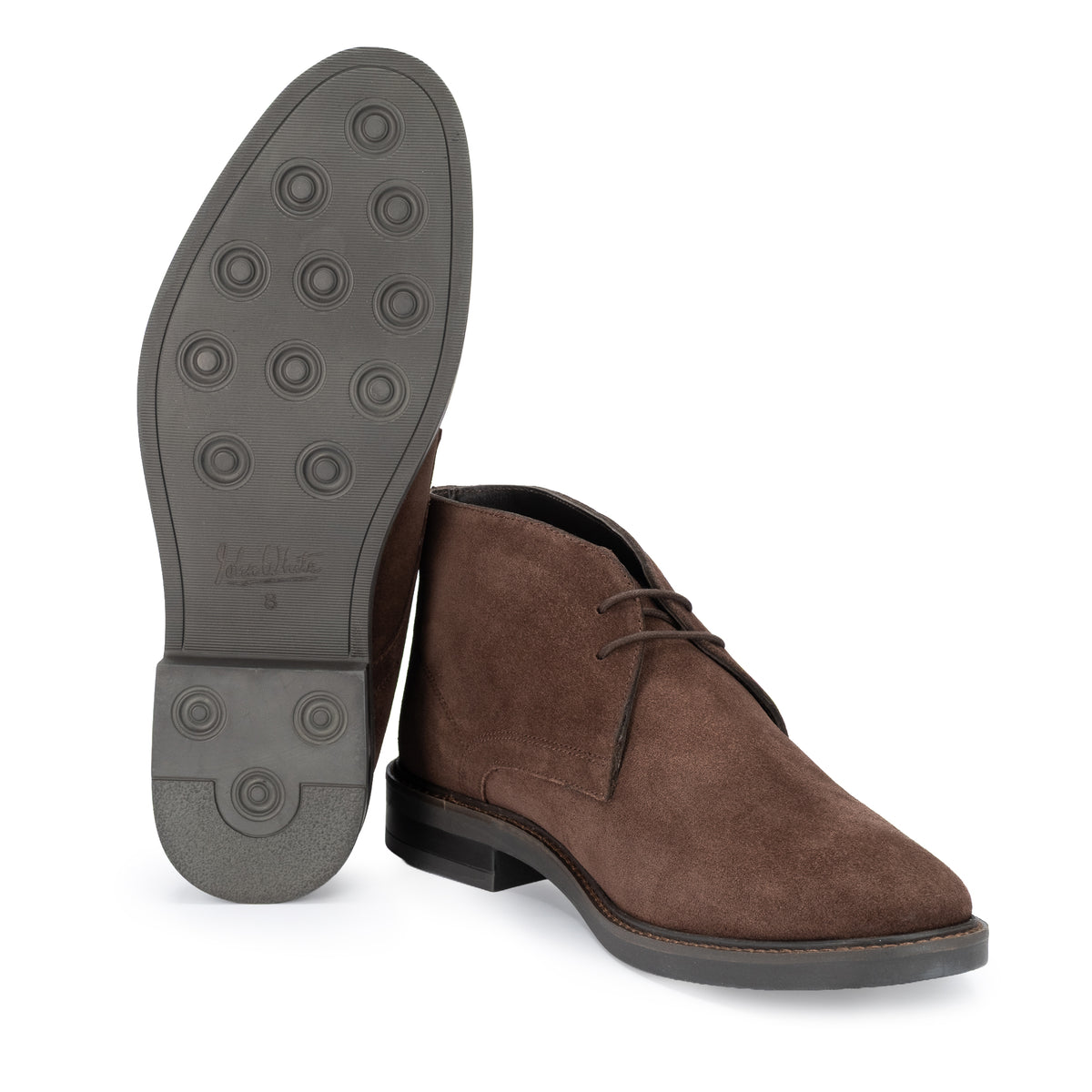
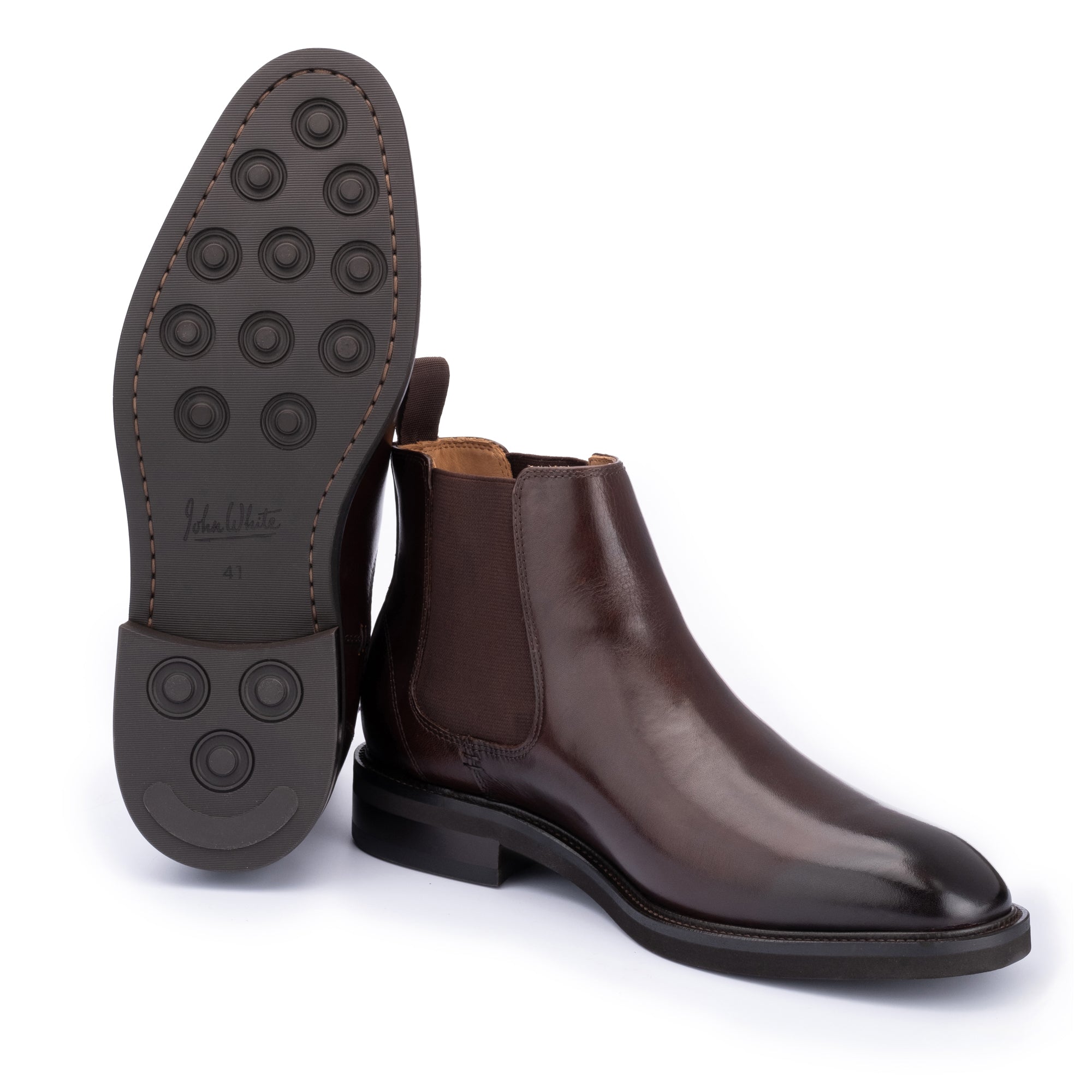
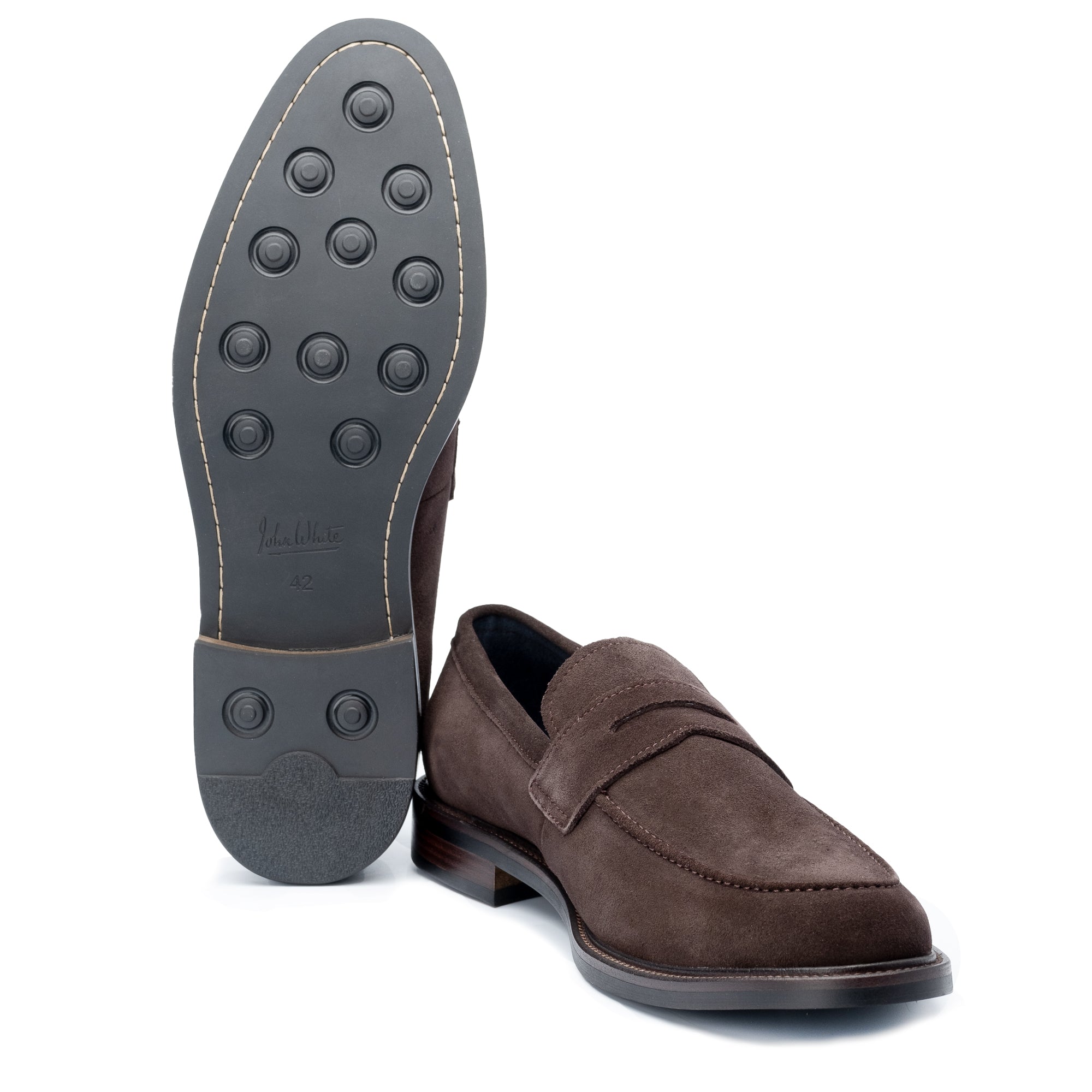
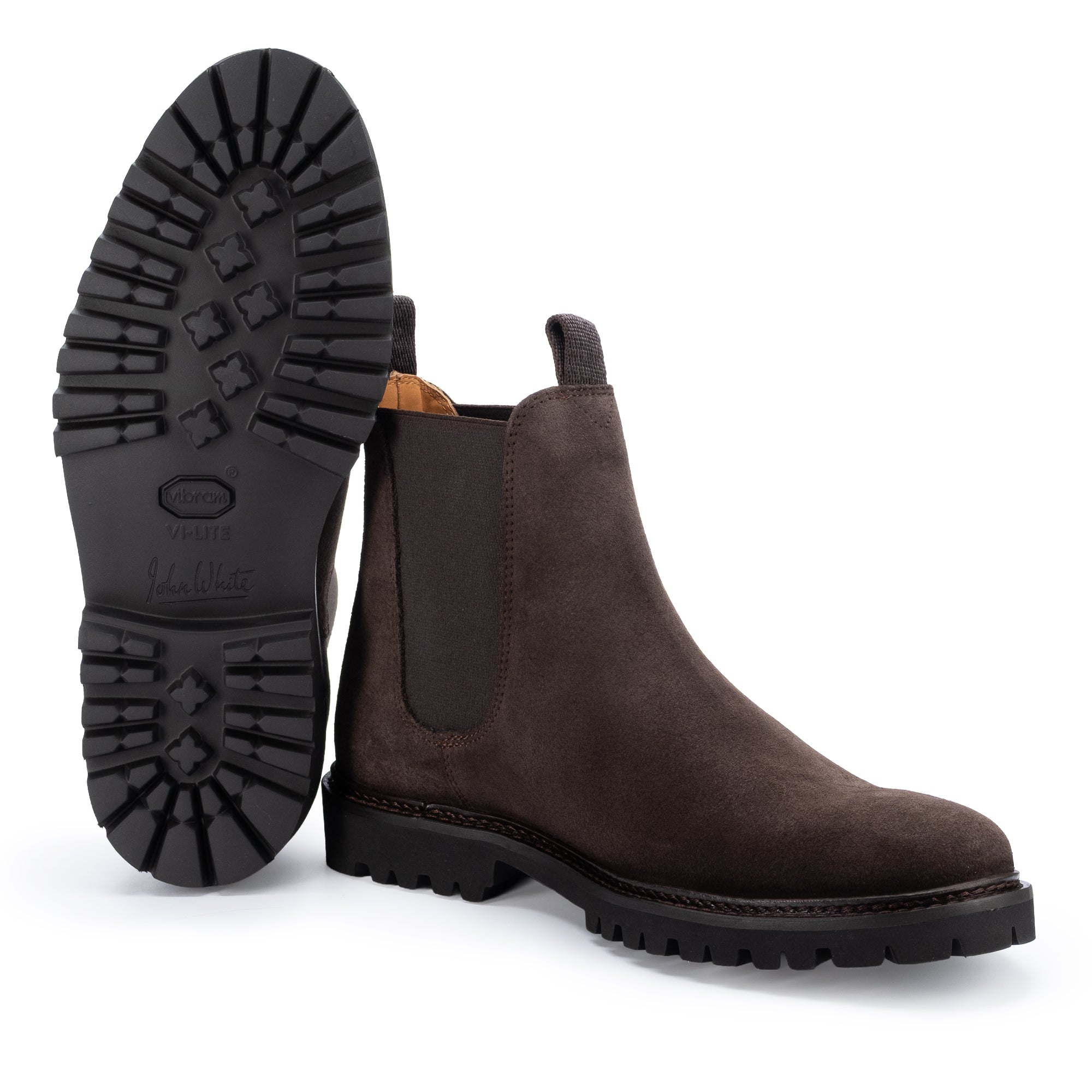
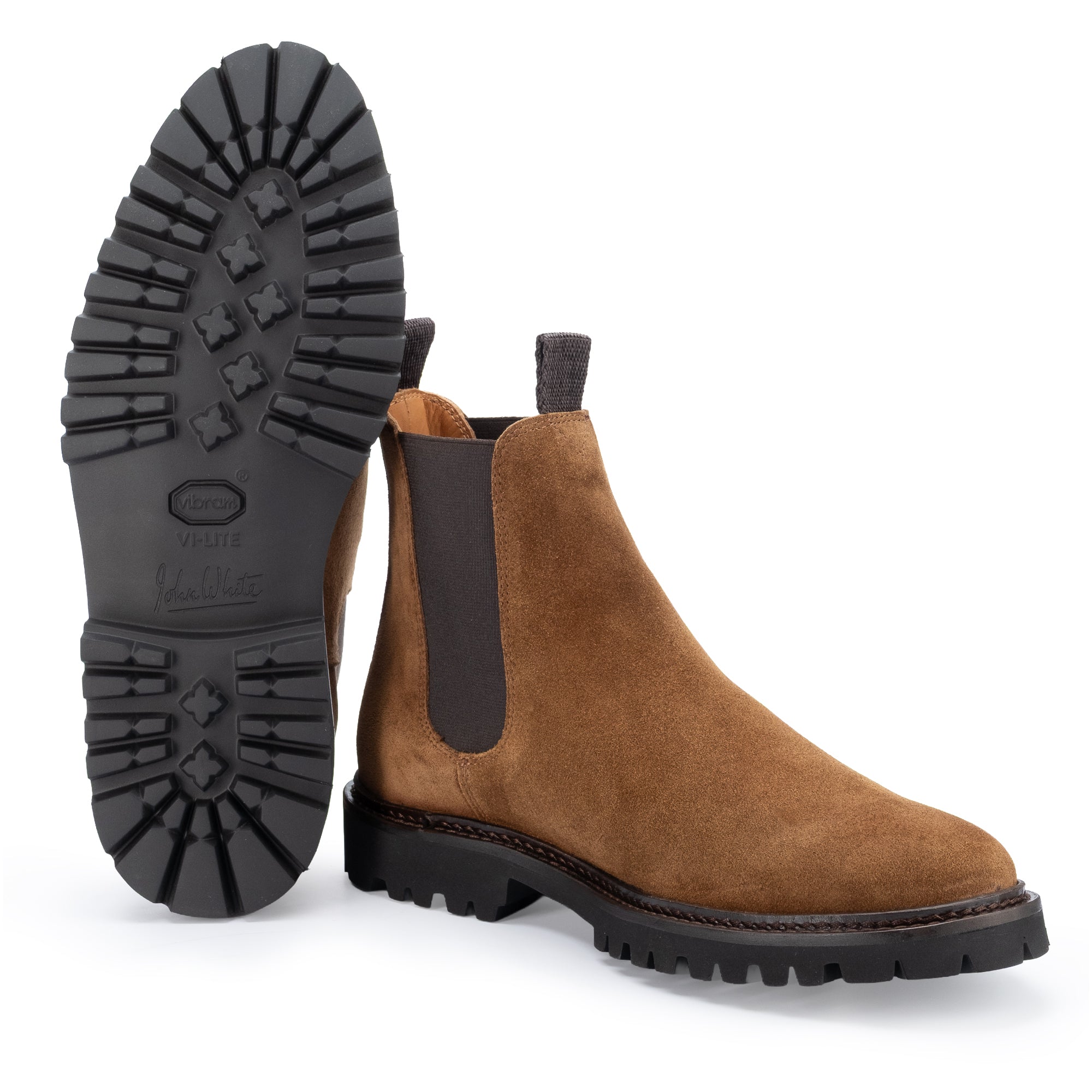
Don't wait until your soles are completely worn through or the uppers are severely damaged. A quality pair of John White Chelsea boots is designed to be resoled. Find a reputable cobbler for repairs. Early intervention is always less expensive and more effective than waiting until the damage is extensive.
The Mark of a Gentleman: Well-Maintained Footwear
Caring for your John White Chelsea boots isn't a chore; it's a commitment to quality, a nod to heritage, and a mark of respect for yourself and your attire. Our boots are designed to be enduring symbols of British style. With this guide, you have the knowledge to ensure they remain so for years to come. Invest the time, and they will serve you impeccably.
Ready to discover your next pair of enduring footwear? Explore the full John White collection today.
View All Men's Shoes | View All Men's Boots
Frequently Asked Questions
Can I waterproof my Chelsea boots?
Leather Chelsea boots can be treated with a wax-based waterproofing product for added rain resistance, though no leather shoe is fully waterproof. For suede, use a dedicated suede protector spray before first wear and reapply every few weeks during wet seasons. Avoid silicone-based sprays, which can block the leather's pores.
How often should I condition suede Chelsea boots?
Brush suede boots with a suede brush after every few wears to lift the nap and remove surface dirt. Apply a suede protector spray every two to three weeks during autumn and winter, or monthly during drier months. Deep cleaning with a suede eraser or specialist cleaner should be done once a season.
When should I have my Chelsea boot soles repaired?
Have the soles inspected when you notice visible thinning, uneven wear, or reduced grip. A good cobbler can resole or add a protective rubber half-sole before the damage reaches the welt. Catching wear early saves both the shoe and the cost of a full rebuild.
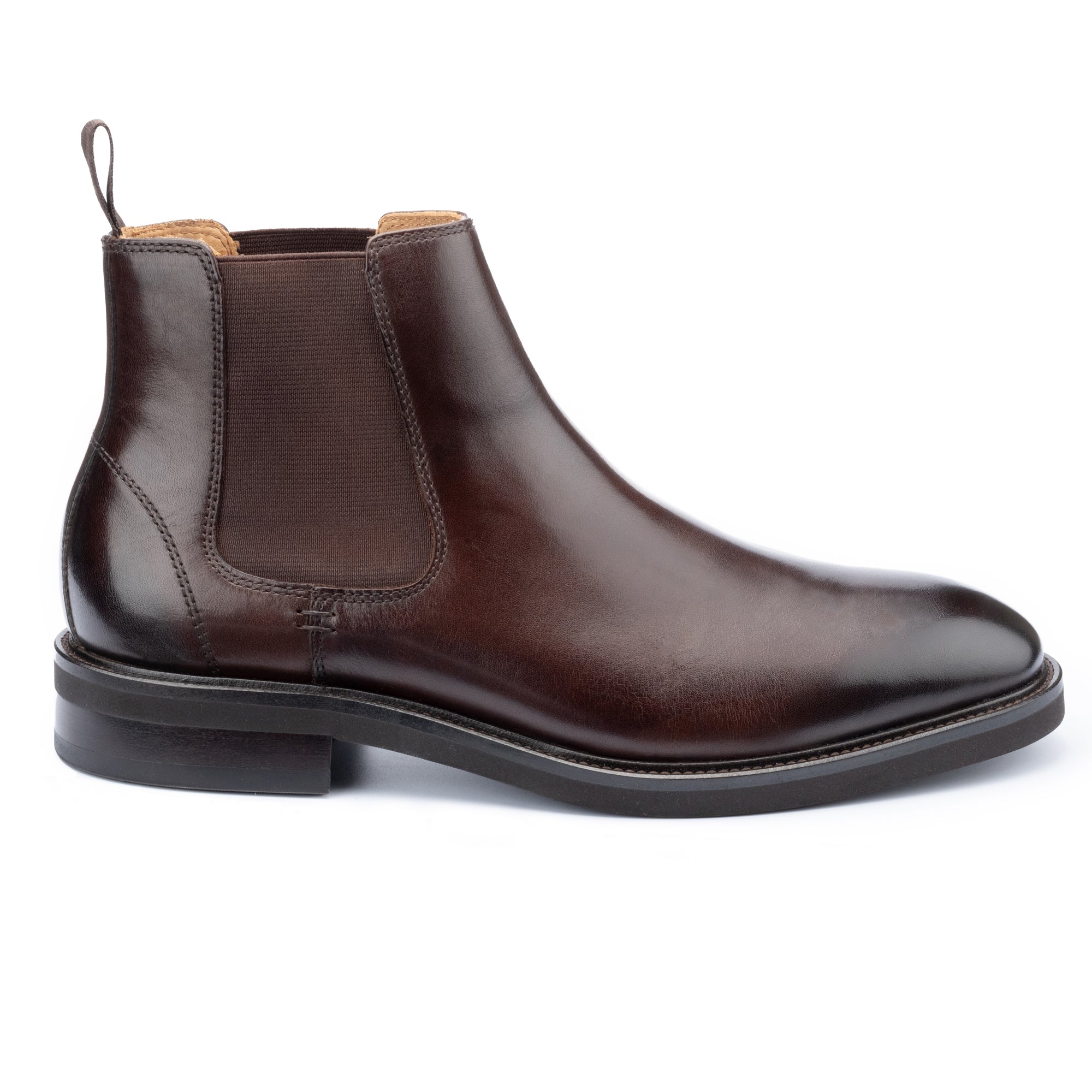
How do I care for the elastic panels on Chelsea boots?
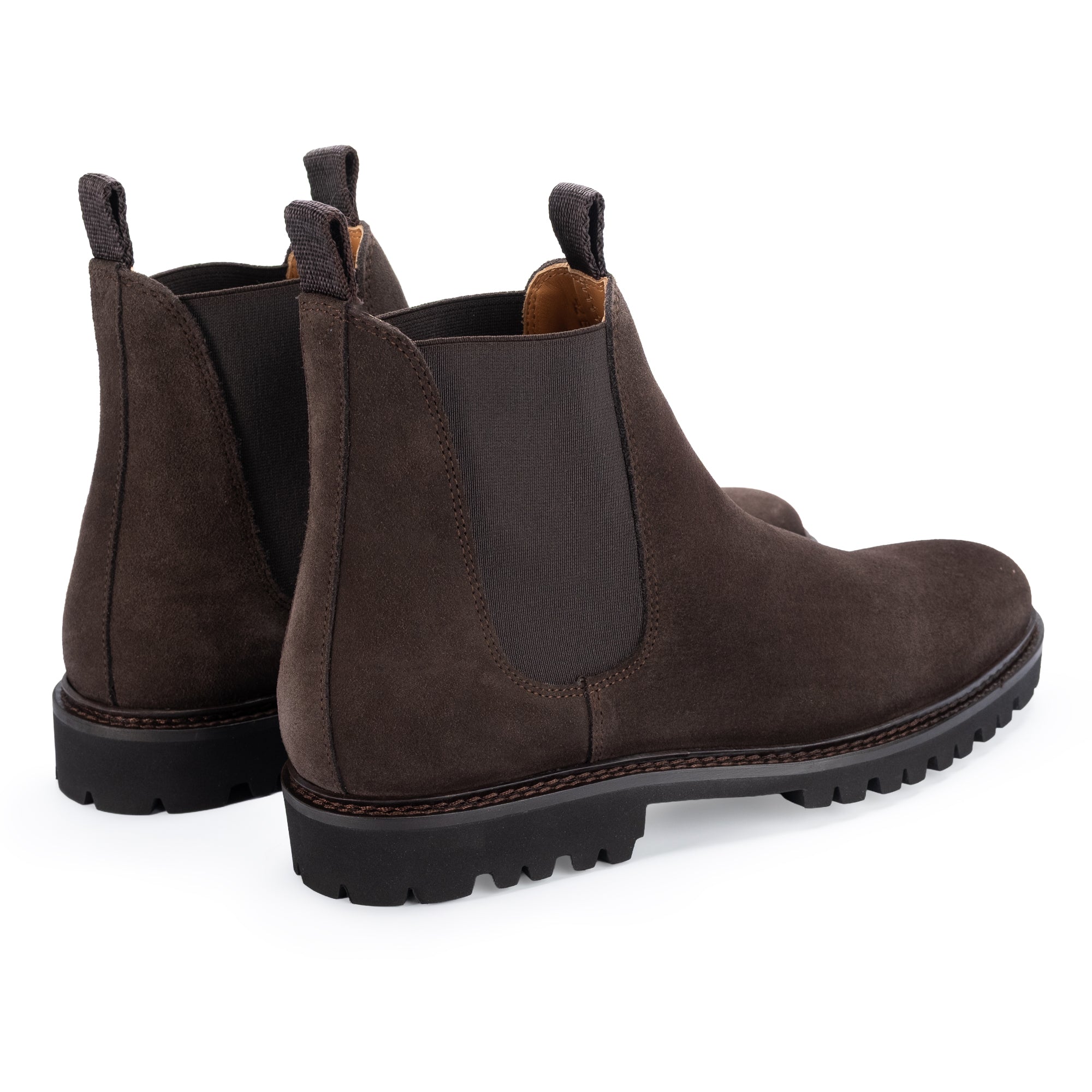
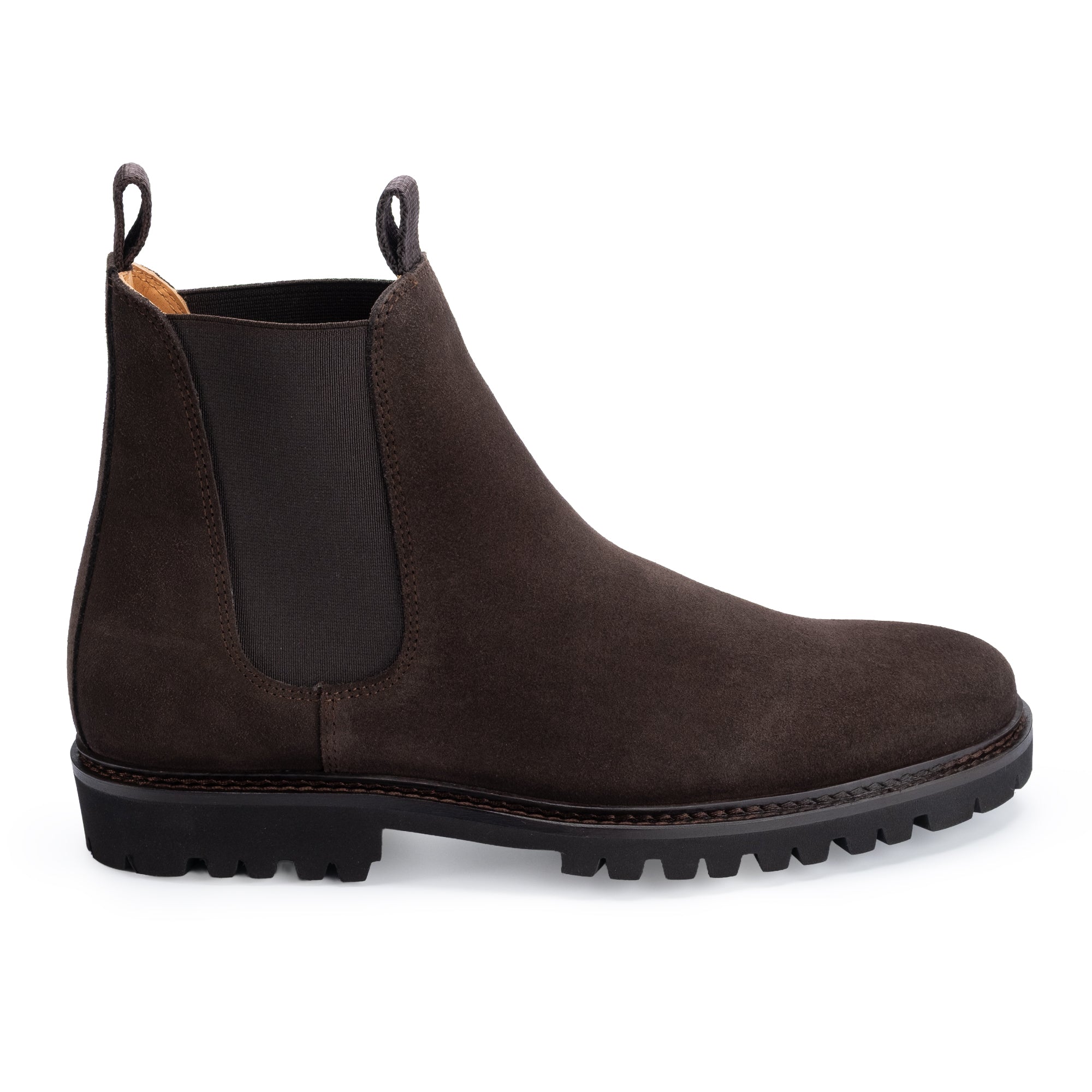
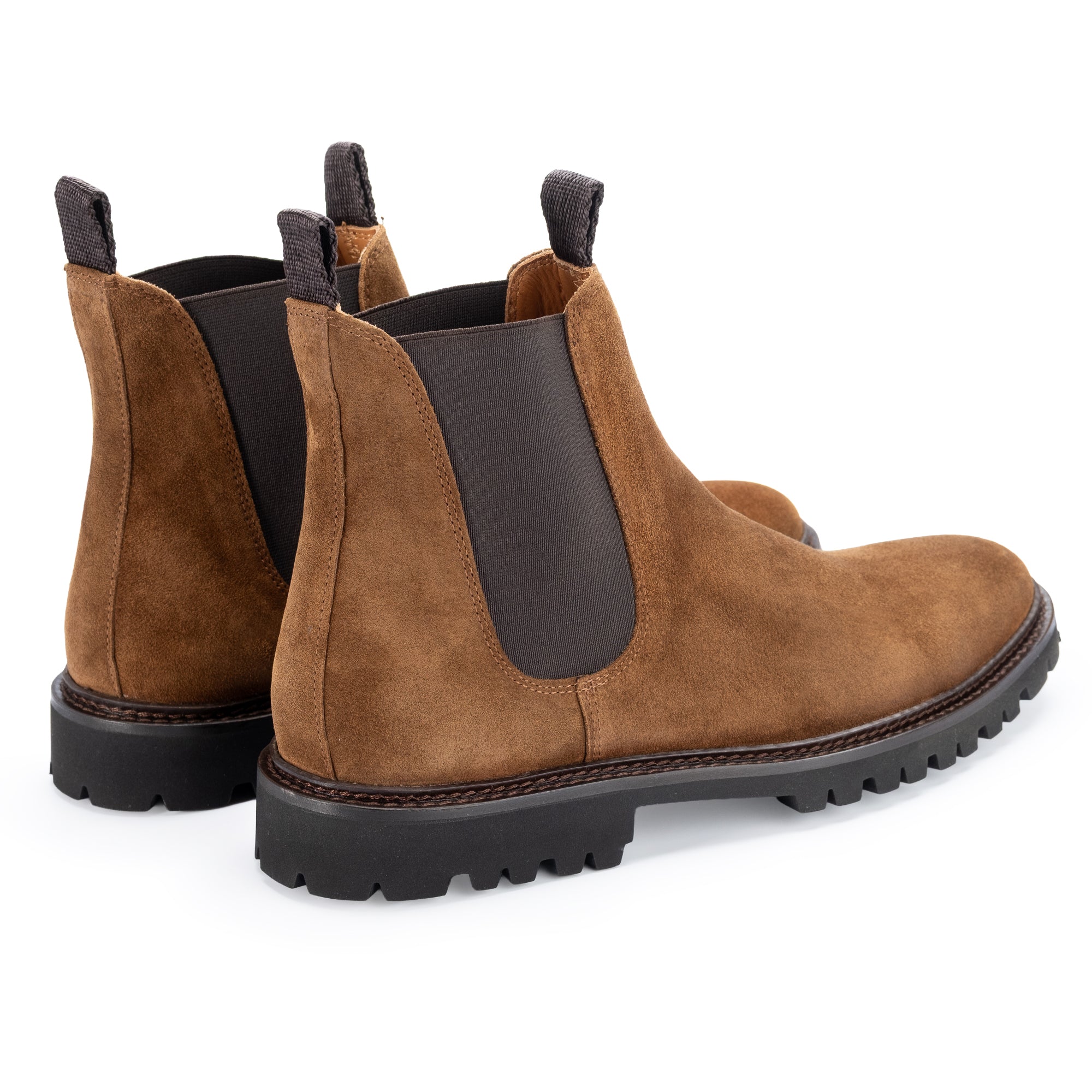
The elastic gussets are one of the first parts to show wear. Keep them clean with a damp cloth and avoid forcing your foot in without using the pull tab. When storing, insert boot trees or rolled towels to prevent the elastic from losing tension. If panels become overstretched, a cobbler can replace them.