
Chukka Boots vs Chelsea Boots: Which Should You Buy?
Quick Answer: Chukka boots are open-laced ankle boots with two or three eyelets, ideal for smart-casual and weekend wear. Chelsea boots are slip-on ankle boots defined by an elastic side panel, suited to a broader range of occasions from business casual to formal. If you need one boot that does more, choose Chelsea. If you want relaxed, distinctive style with genuine British character, choose Chukka.
Two ankle boots. One decision. The chukka boot vs Chelsea boot debate is one of the most common questions in men's footwear — and for good reason. Both are essential entries in any considered wardrobe, yet they serve different purposes and project entirely different personalities. Understanding which works best for your lifestyle is the difference between a boot you wear twice and one you reach for every morning.
At John White Shoes, we've been designing and sourcing men's boots since 1919. Here's the honest breakdown.
Related Guides
- The Definitive Guide to Men's Boots — our comprehensive guide
- How to Style Chelsea Boots for Any Occasion
- How to Wear Chukka Boots: Men's Styling Guide for Every Occasion
- The Timeless Appeal of Chelsea Boots
What Is the Difference Between Chukka Boots and Chelsea Boots?
The distinction comes down to construction and entry method.
A chukka boot is an open-laced ankle boot with two or three eyelets and a lightly lined upper. It originated on the polo field — a chukka being a period of play — and crossed into civilian wear in the mid-20th century. The lacing gives it an informal, relaxed character that suits effortless British dressing.
A Chelsea boot is a slip-on ankle boot defined by an elastic side panel (the gusset) and a pull tab at the heel. It became a staple of Mod culture in 1960s Britain and has remained a cornerstone of smart British style ever since. The clean, unbroken silhouette reads dressier than a chukka, even in suede.
| Feature | Chukka Boot | Chelsea Boot |
|---|---|---|
| Entry method | Laced | Slip-on (elastic gusset) |
| Eyelets | 2–3 | None |
| Formality level | Smart-casual | Smart-casual to formal |
| Common materials | Suede, leather | Leather, suede |
| Fit adjustability | High (laced) | Fixed (elastic gusset) |
| Best worn with | Chinos, jeans, moleskins | Suits, trousers, jeans |
How Do Chukka Boots Fit Differently to Chelsea Boots?
Fit works differently across both styles because the entry mechanisms are fundamentally different.
Chukka boots can be adjusted via lacing, making them more forgiving across different foot widths and instep heights. If you have a wider foot or a high instep, a chukka will accommodate you more readily than a Chelsea.
Chelsea boots have a fixed opening held by elastic. The gusset stretches, but there is a limit. Men with a very wide foot or a particularly high instep may find Chelsea boots tight across the ankle or difficult to pull on cleanly. It's always worth trying before you buy.
As a general rule, the ideal fit for an ankle boot is a thumb's width of space at the toe with the heel locked in place — no slipping when you walk. Both styles should conform to this standard regardless of construction.
Which Boot Is More Versatile?
The Chelsea boot wins on raw versatility. Its streamlined silhouette works across a wider range of occasions — from tailored suits to raw denim. The absence of lacing creates a clean profile that sits neatly under trouser legs without visual interruption.
That said, the chukka has its own kind of versatility: it excels at relaxed, intelligent dressing in a way a Chelsea never quite matches. The lacing adds visual texture and a slightly unfinished quality that suits weekend and off-duty looks more naturally.
The practical answer: if you're building a wardrobe from scratch and can only afford one pair of boots, buy Chelsea. If you already own Chelsea boots and want something more casual and characterful, buy Chukka. They complement rather than compete.
When Should You Choose Chukka Boots?
Choose chukka boots when your lifestyle skews towards smart-casual rather than formal. They're the right call when:
- Your typical outfit is chinos or selvedge denim with an Oxford shirt or lightweight knitwear
- You want boots that transition naturally between weekday and weekend
- You prefer a shoe with a more relaxed, characterful appearance
- You're building a capsule wardrobe that leans into classic British aesthetic
In suede, chukka boots are particularly well-suited to autumn and spring — paired with moleskin trousers and a waxed jacket, they're hard to beat. In leather, they step up for smart-casual business environments without feeling overdressed.
The Castle Chukka is our leather option for those who want the form of a chukka with the durability and polish of full-grain leather. For a suede alternative, the Wessex Chukka offers a lighter, more relaxed character better suited to warmer months and weekend dressing.
When Should You Choose Chelsea Boots?
Chelsea boots are the more adaptable choice for men who dress across a broader spectrum of formality. Choose Chelsea when:
- You wear suits or tailored trousers regularly and want boots that work with both
- You want to move from the office to an evening out without changing footwear
- You prefer a minimal, streamlined silhouette with no visual noise
- You value ease — slip-on construction is genuinely faster and more practical day to day
A black leather Chelsea boot is one of the most useful items in men's footwear. It works with everything from a charcoal suit to black jeans. Tan or cognac leather reads more casually and pairs beautifully with earth tones and navy.
The Hill Chelsea Boot is our flagship — clean-lined and designed to last through years of regular wear. For a more robust option suited to year-round British weather, the Brecon Chelsea Boot offers a heavier sole and a more substantial design that handles mud and rain without complaint.
How Do You Care for Chukka and Chelsea Boots?
Maintenance matters as much as the boot itself. A well-maintained pair will outlast a neglected one by years, and the routine for both styles is largely the same.
For leather boots — whether chukka or Chelsea — the routine is straightforward:
- Remove surface dirt with a dry brush or barely damp cloth
- Apply a quality wax polish to nourish and protect the leather
- Buff to a shine with a clean soft cloth or horsehair brush
- Allow at least 24 hours between wears to let the leather breathe and recover its shape
- Use shoe trees between wears to maintain form and absorb moisture
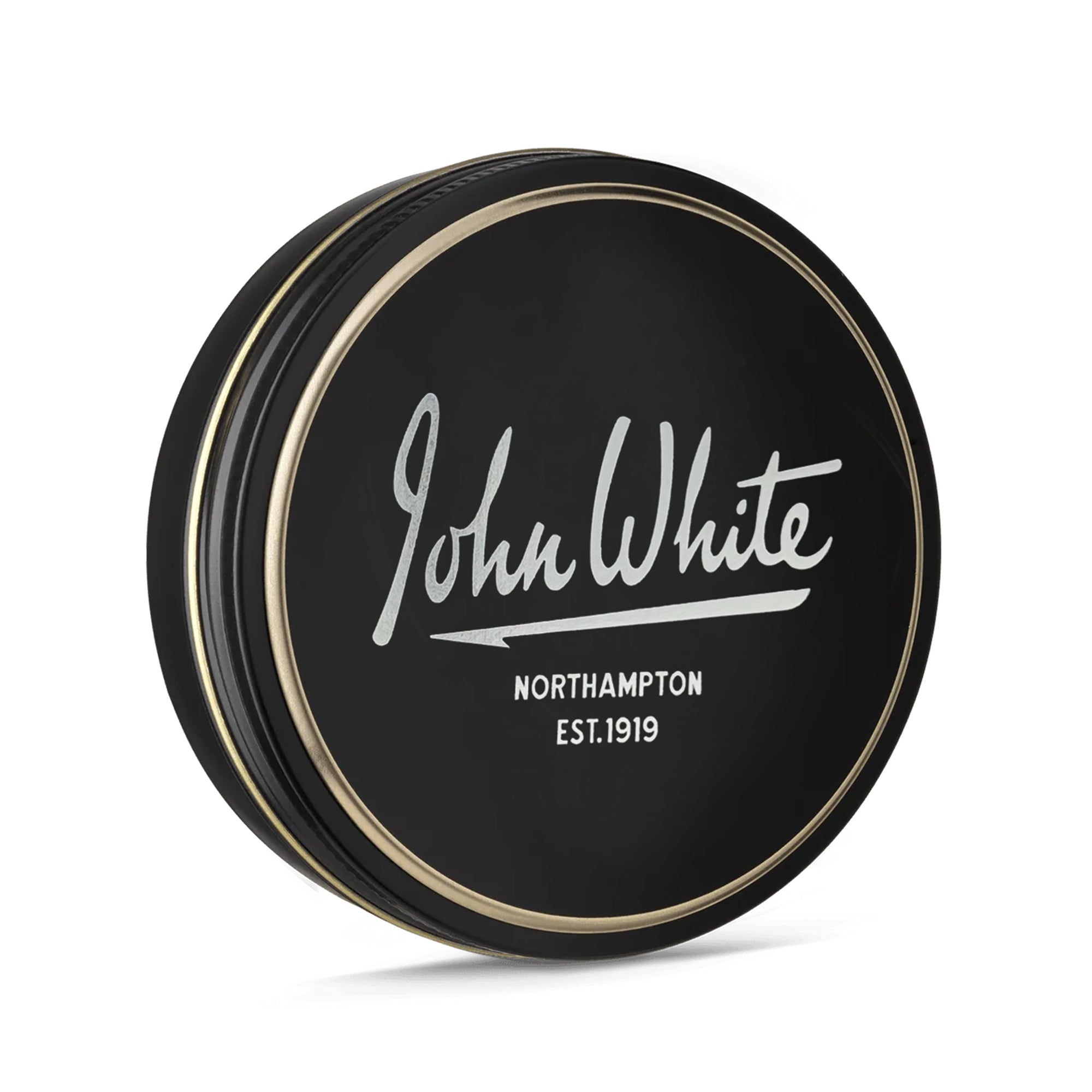
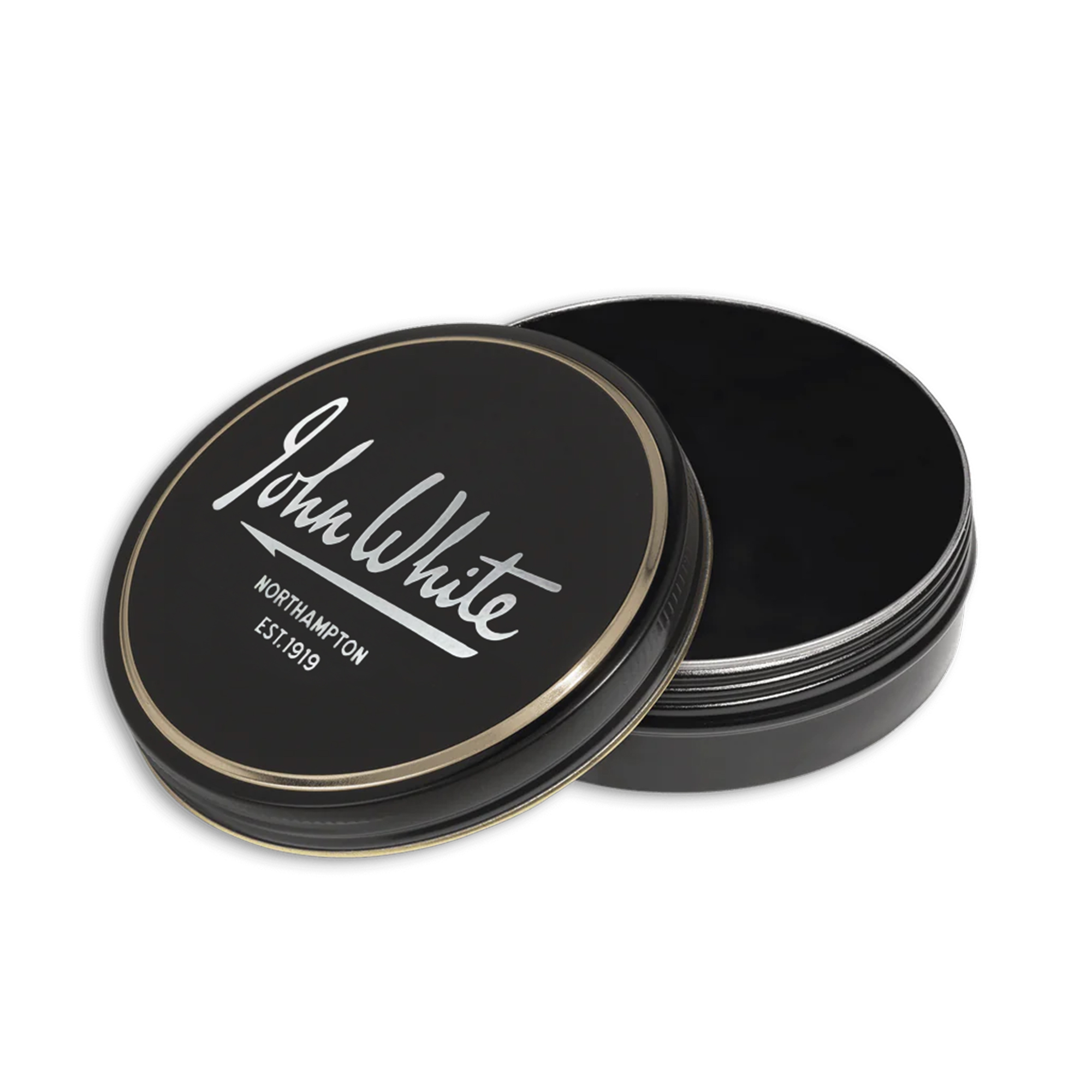
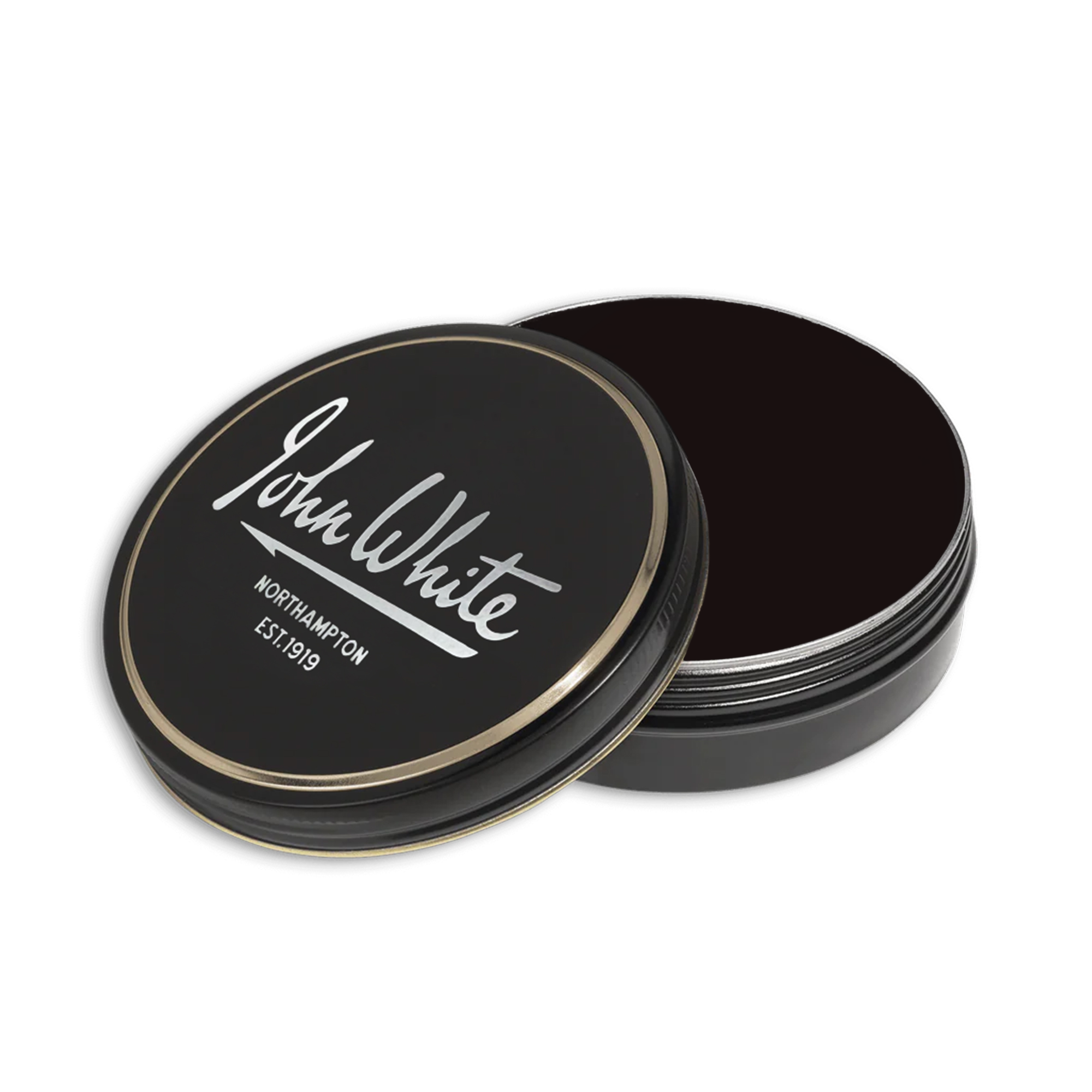
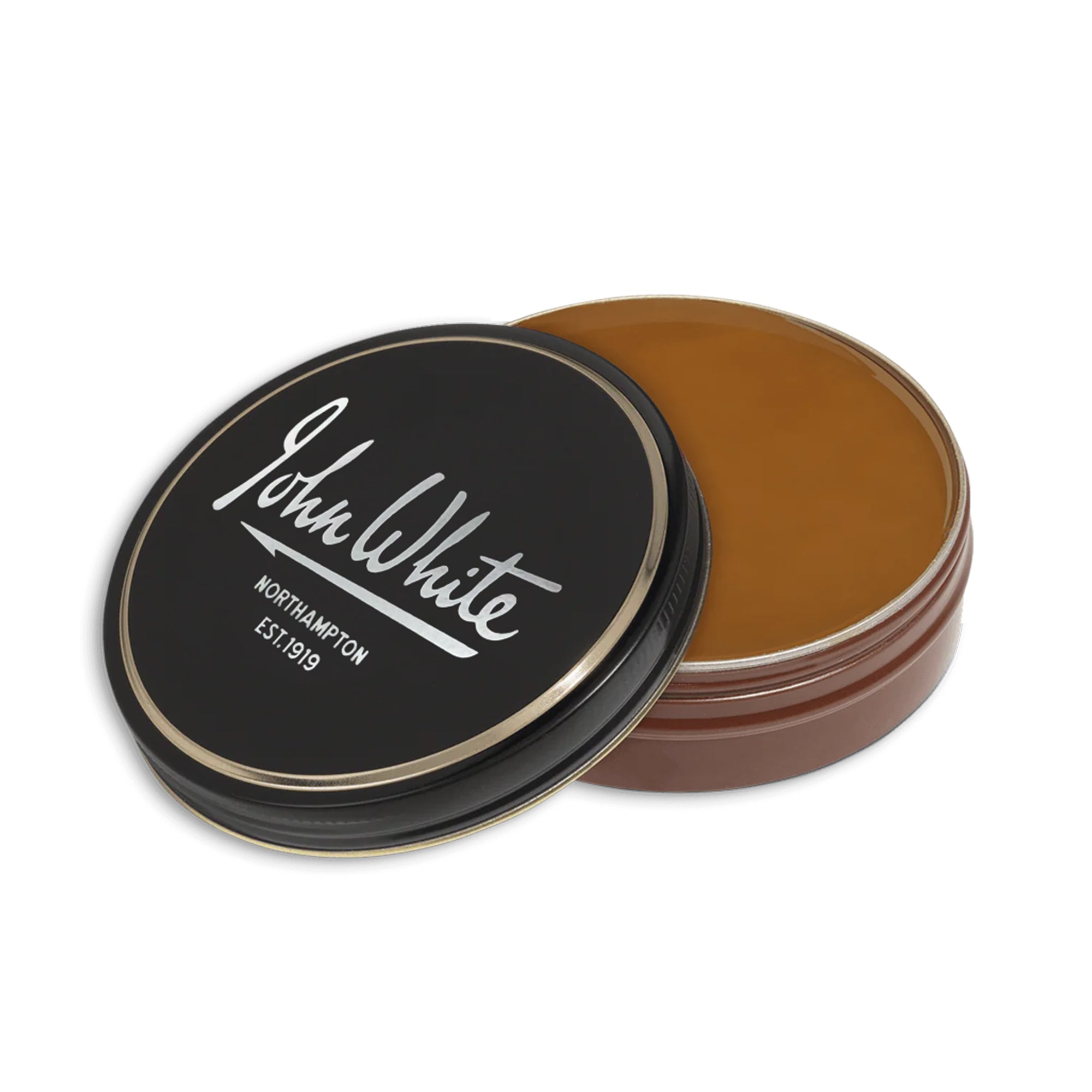
JW Premium Wax Polish is formulated specifically for quality leather footwear — it conditions the leather while building a protective layer against moisture and scuffing. One tin handles both your chukka and Chelsea boots across a regular rotation.
For suede boots, use a suede brush to raise the nap and apply a specialist suede protector spray before first wear. Avoid wax polish on suede — it will flatten and permanently stain the finish. Suede chukkas in particular benefit from a protector spray applied before autumn sets in.
Chukka Boots vs Chelsea Boots: The Verdict
Both boots are essential. Both have earned their place in British menswear across decades of wear. The choice comes down to where you're going and how you want to look when you get there.
Choose Chelsea if you need range across formality levels. Choose Chukka if you want a boot with genuine character for everyday smart-casual wear. And if you can justify both — you should. They serve different parts of the wardrobe and neither replaces the other.
Browse the full range of men's boots from John White Shoes — designed with over a century of expertise and made to last by our partner manufacturers.
Frequently Asked Questions
Are chukka boots smarter than Chelsea boots?
No — Chelsea boots generally read as the smarter of the two. Their clean, laceless silhouette sits more naturally with tailored clothing. Chukka boots are smart-casual by design and are best suited to relaxed or business-casual dressing rather than formal occasions.
Can you wear Chelsea boots with a suit?
Yes. A well-fitted black or dark brown leather Chelsea boot works cleanly with a suit. The slim, uncluttered profile sits neatly under trouser hems and avoids the bulk of a laced boot. Chukka boots are generally too casual for a suit pairing.
What jeans go best with chukka boots?
Slim or straight-cut jeans with a slightly cropped hem work best with chukka boots, allowing the boot profile to show cleanly. Avoid heavily distressed denim — chukka boots sit in the smart-casual register and benefit from cleaner, more considered denim pairings.
Is it worth buying both chukka and Chelsea boots?
Yes, if your wardrobe spans both casual and formal occasions. The two styles complement rather than duplicate each other — Chelsea boots carry smart occasions, chukka boots handle relaxed ones. Together they cover the majority of what a well-dressed man needs from his footwear across the year.