
How to Choose Shoe Construction for the Way You Actually Wear Them
The right shoe construction depends on how you wear shoes, not on which sounds most prestigious. Cemented construction is lighter, immediately comfortable, and well-suited to daily office rotation. Goodyear welted construction suits men who plan to resole the same pair repeatedly over many years. Neither is superior — they serve different needs, and the best choice comes down to your actual routine.
In This Guide
- What Is Shoe Construction — and Why Does It Matter for Everyday Wear?
- What Are the Main Shoe Construction Methods, and What Makes Them Different?
- Which Shoe Construction Is Best for Daily Office Wear?
- Does Shoe Construction Determine How Long a Shoe Lasts?
- Can You Resole Cemented Shoes?
- What Should You Look For When Buying Shoes for Everyday Wear?
- Related Guides
- Frequently Asked Questions
The way a shoe is built determines how it feels after eight hours on your feet, how long the sole holds up, and what your options are when it eventually wears through. Most buyers focus on style and price. Construction tends to come later — often only once a sole separates or a cobbler delivers an unwelcome verdict. Understanding it upfront changes the way you shop.
For most men wearing quality shoes four or five days a week, the practical question isn't which construction is theoretically superior. It's which suits the way you actually live, dress, and move.
What Is Shoe Construction — and Why Does It Matter for Everyday Wear?
Shoe construction is the method used to attach a shoe's upper — the leather body — to the sole unit beneath it. This single decision shapes the shoe's weight, flexibility, immediate comfort, and how repairable it is over time.
Three methods dominate quality men's footwear today: cemented construction, Goodyear welted construction, and Blake stitch construction. Each has genuine merits. The right one depends on how often you wear your shoes, what surfaces you cover, and whether long-term resoling is a priority.
Shoe construction is not a hierarchy — it's a set of trade-offs, and choosing well means understanding what you're actually trading.
What Are the Main Shoe Construction Methods, and What Makes Them Different?
What Is Cemented Construction?
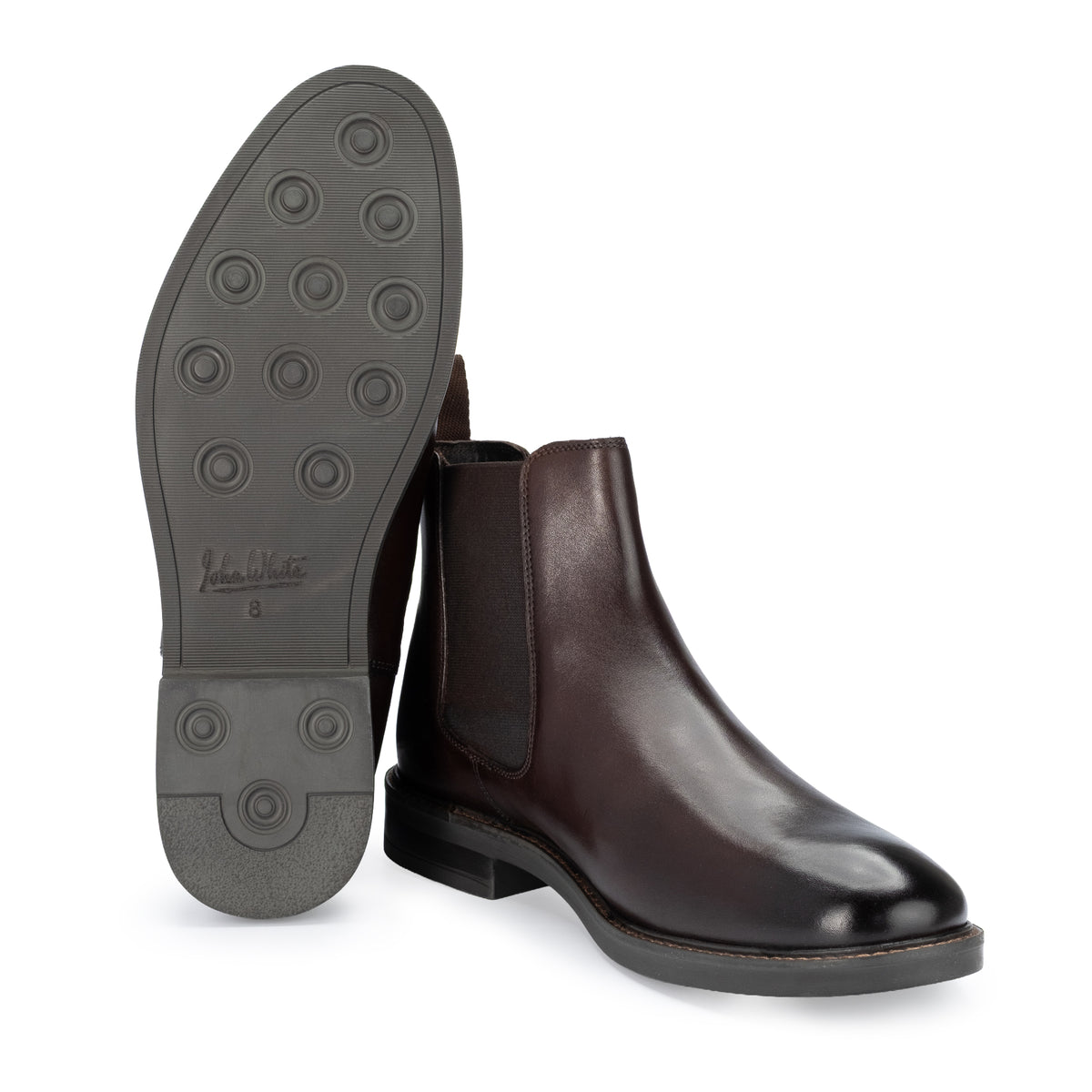
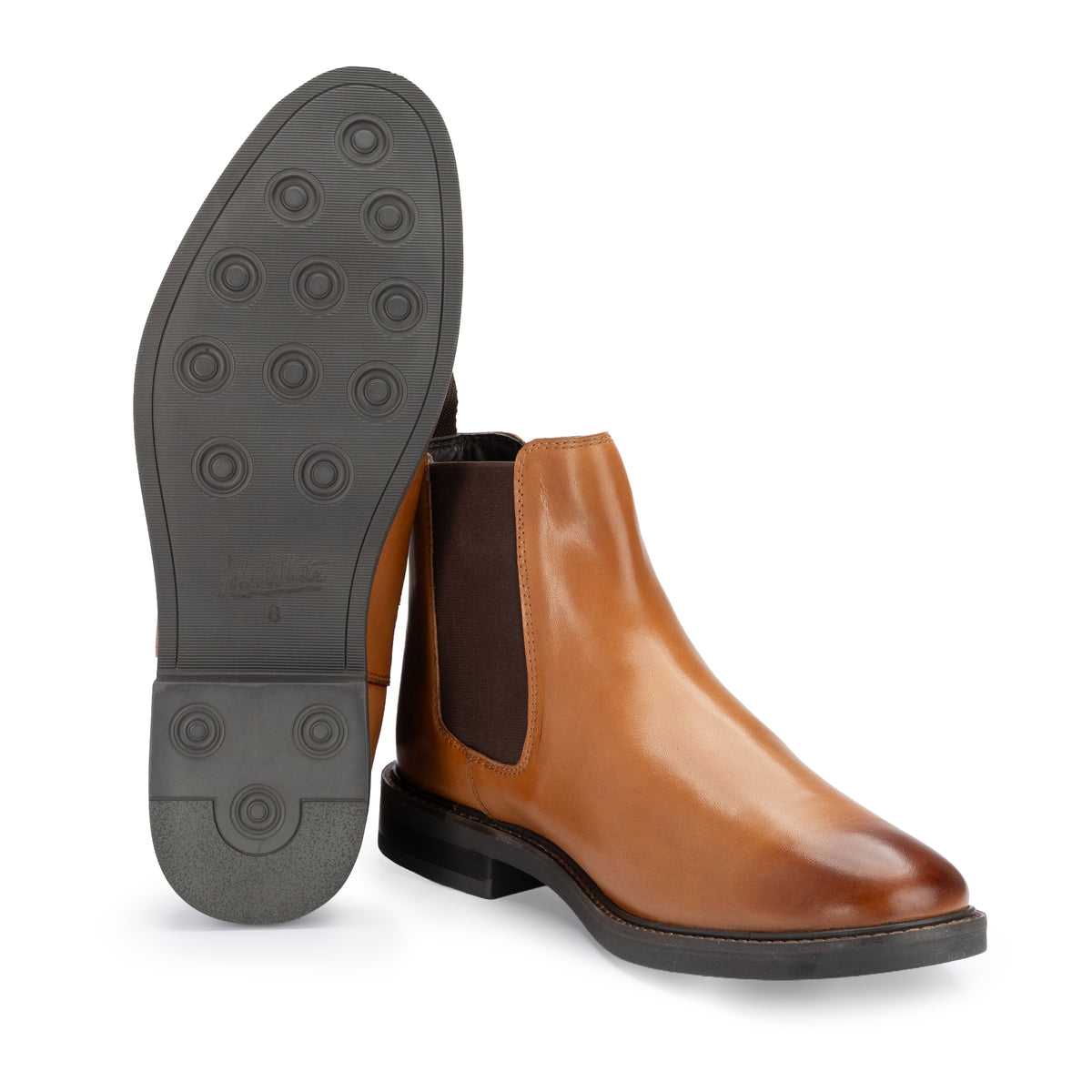
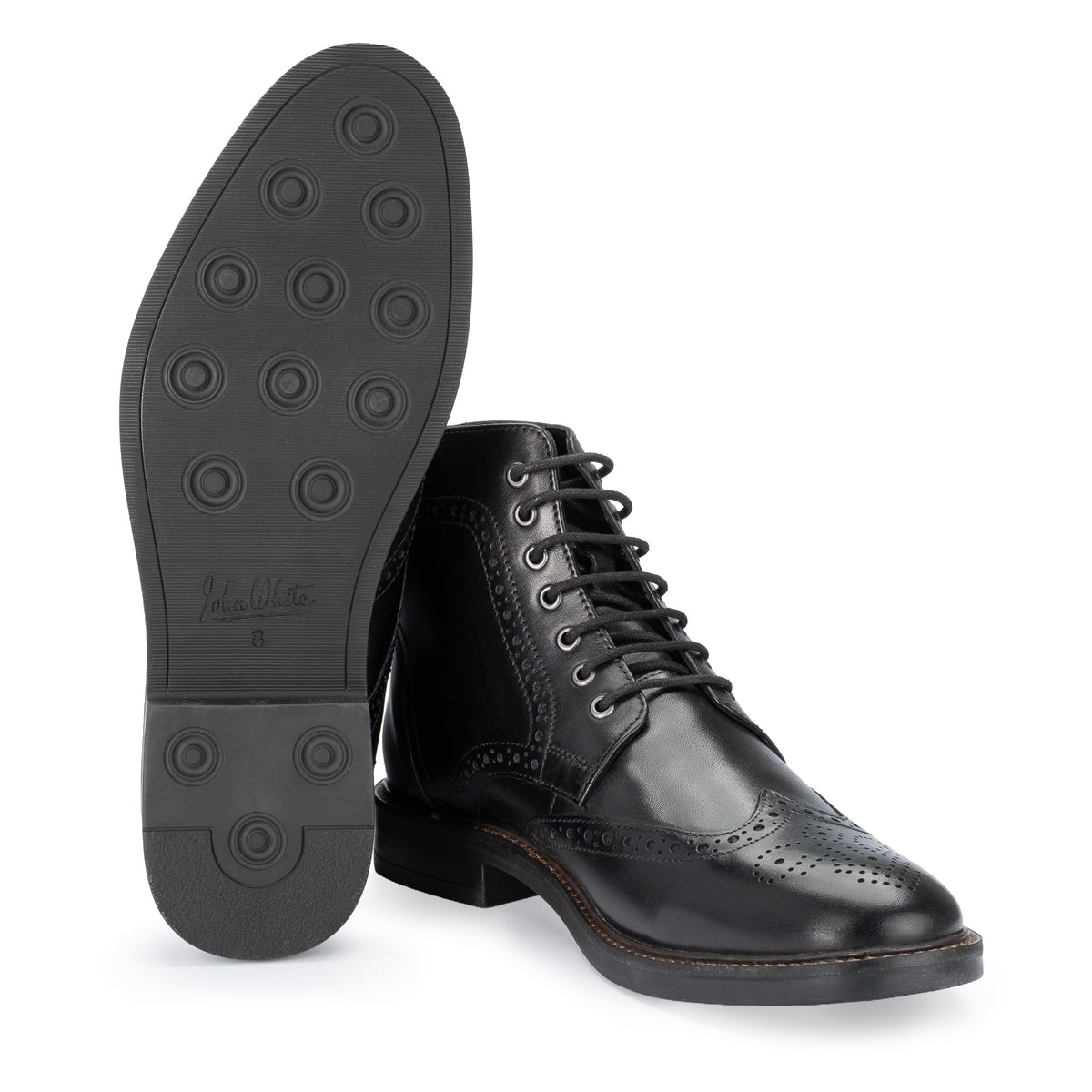
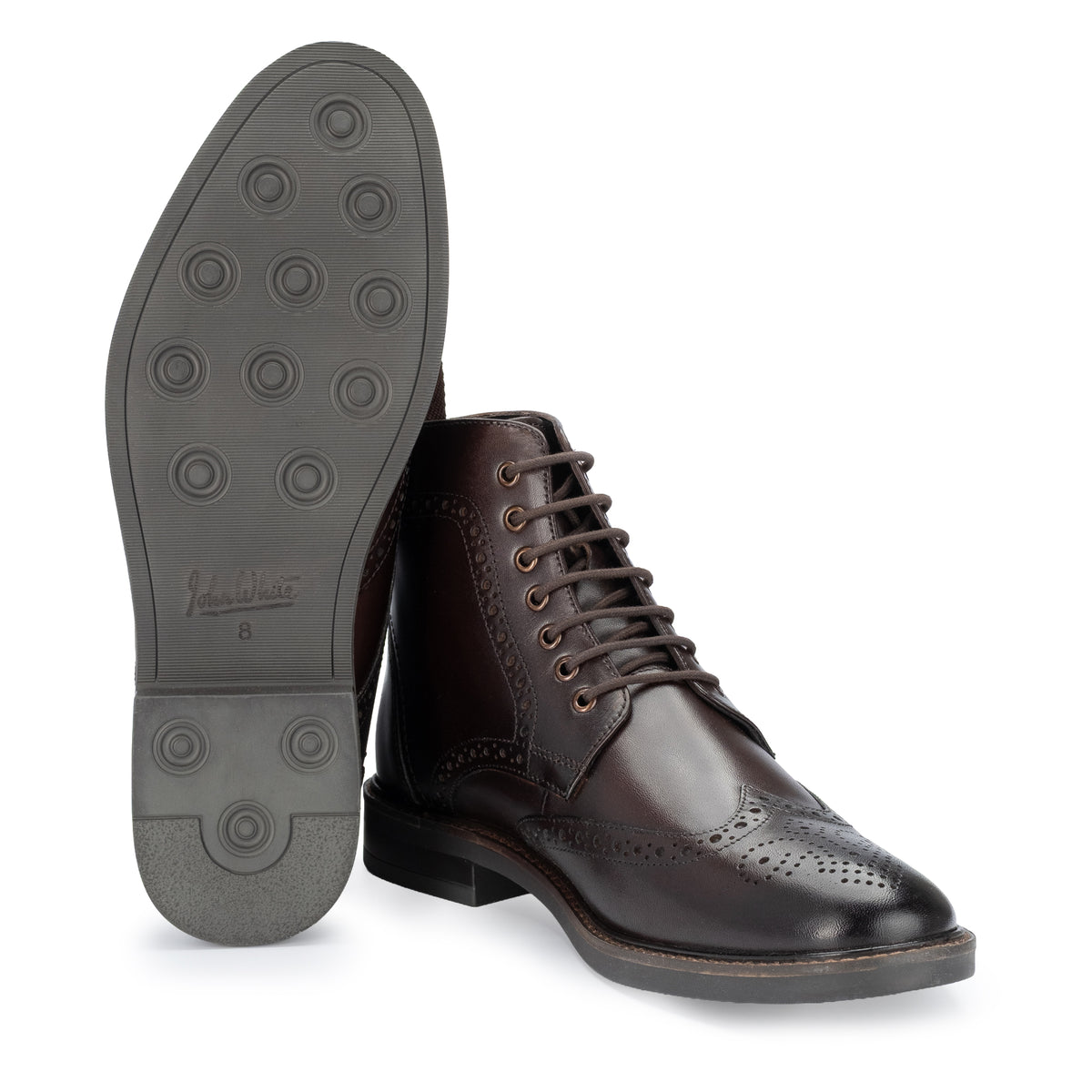
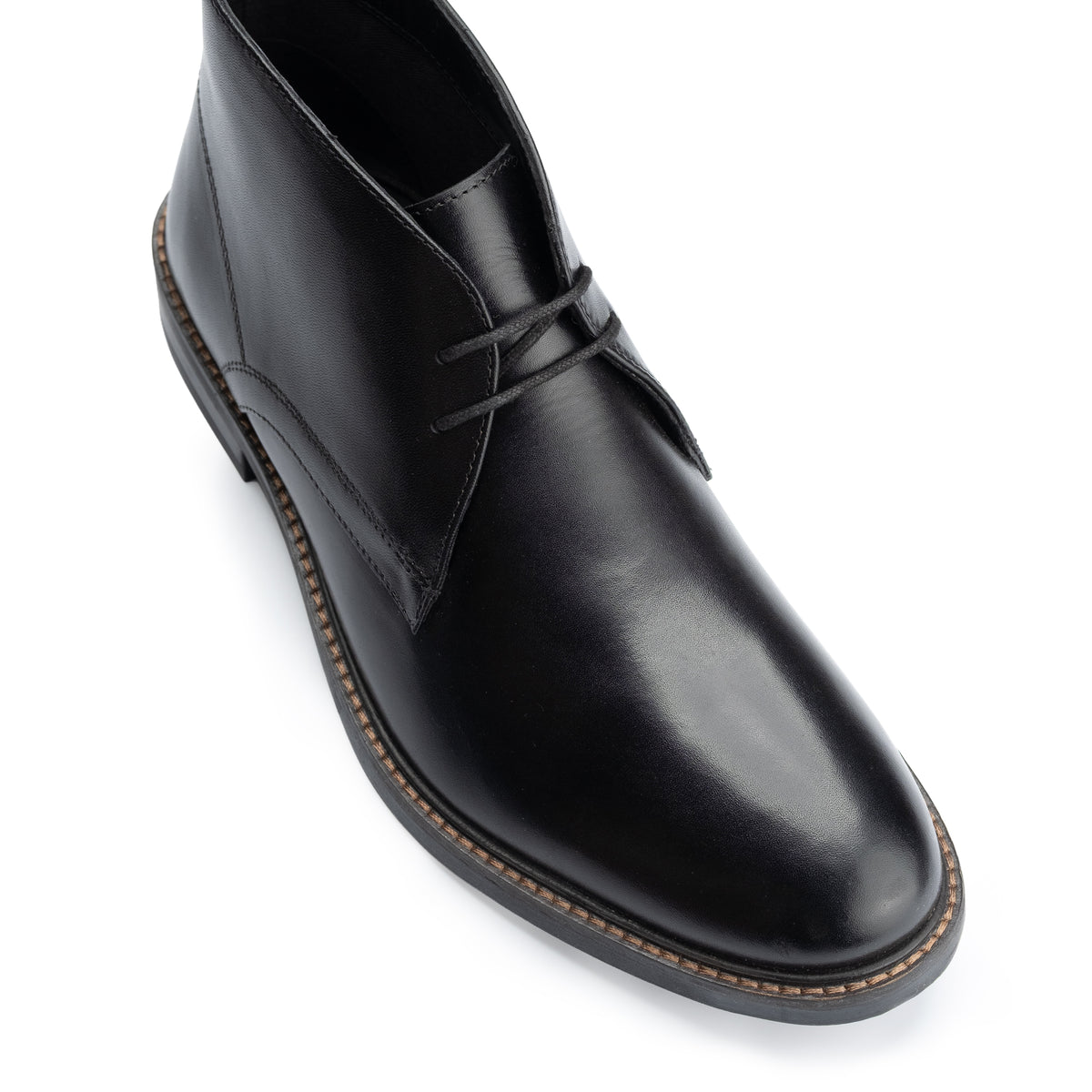
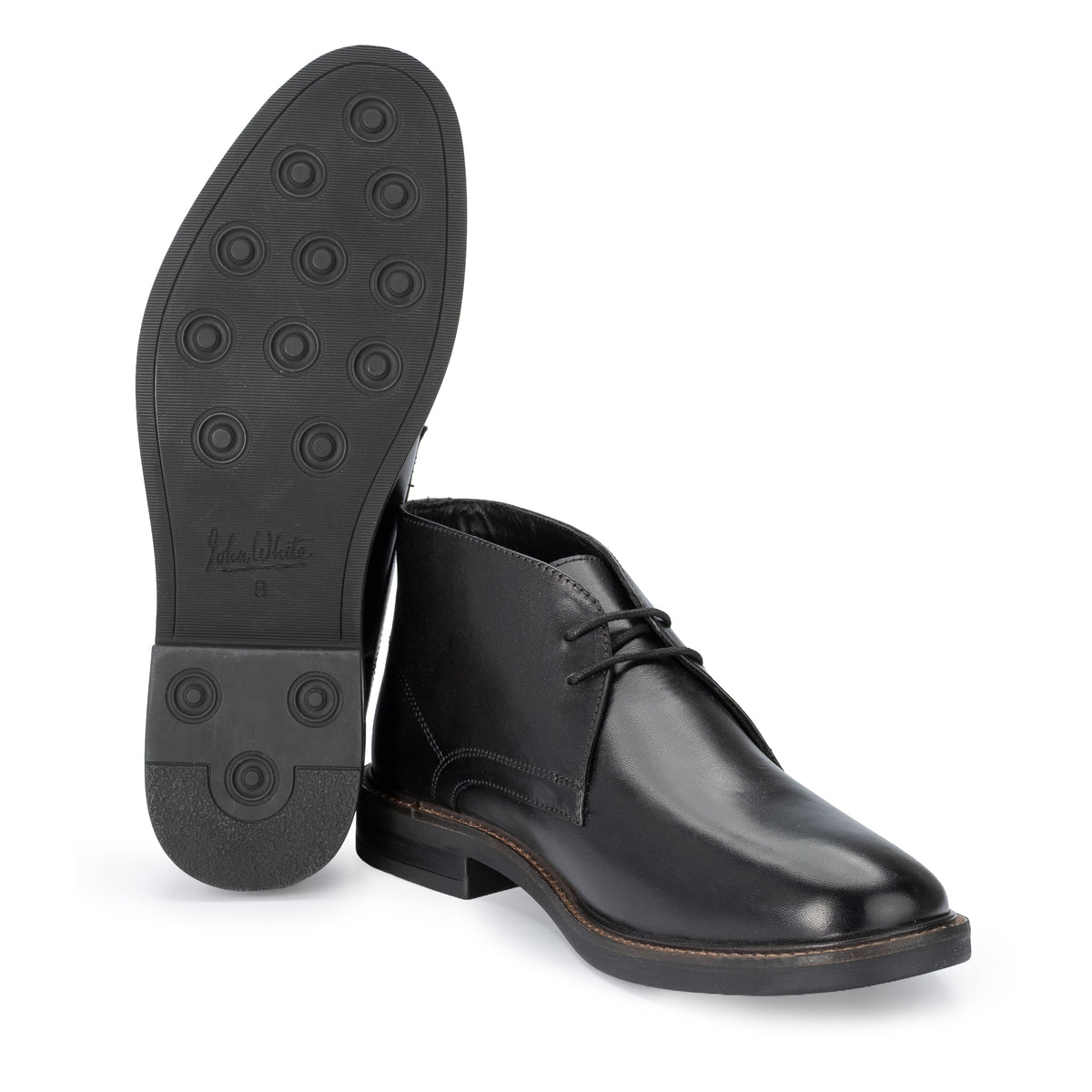
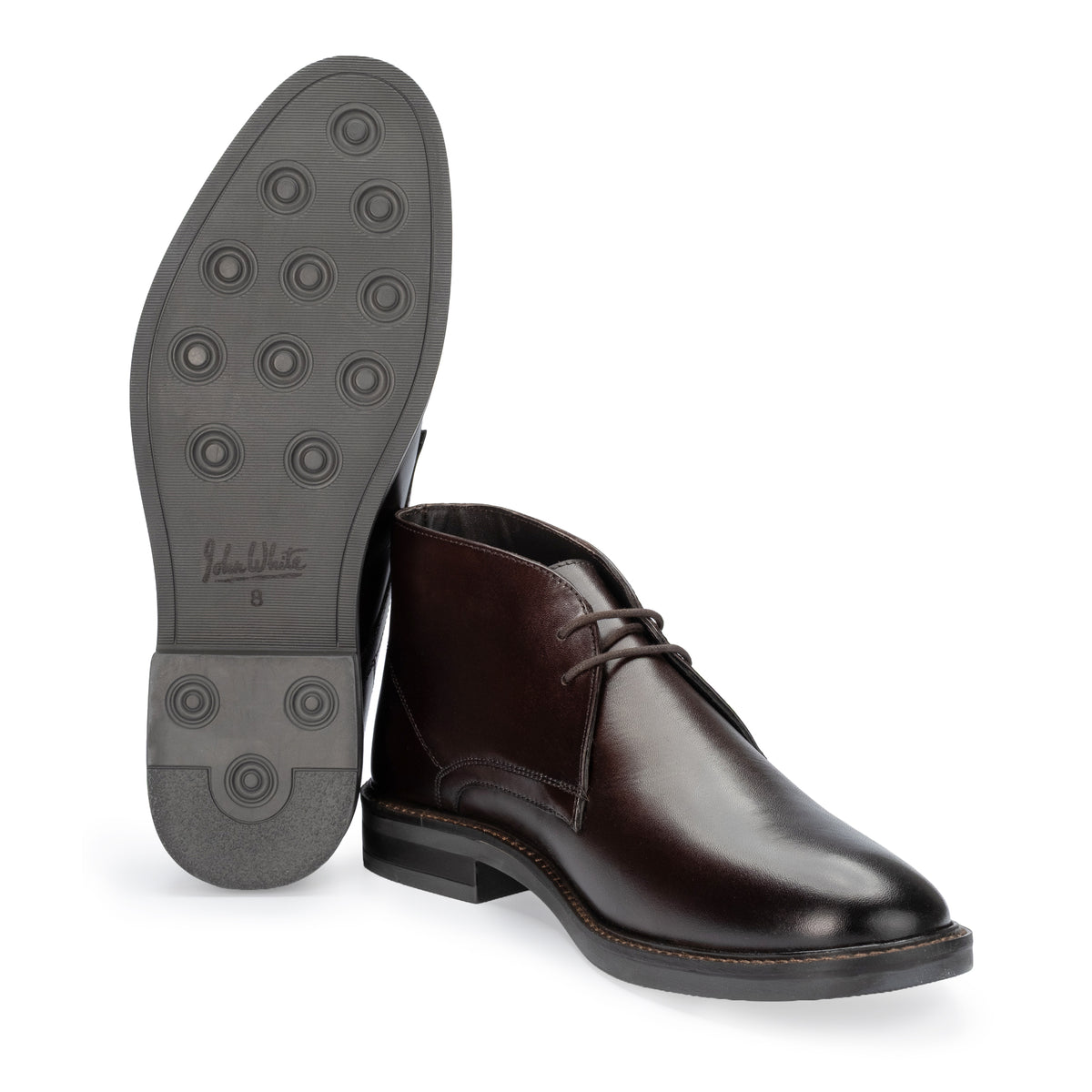
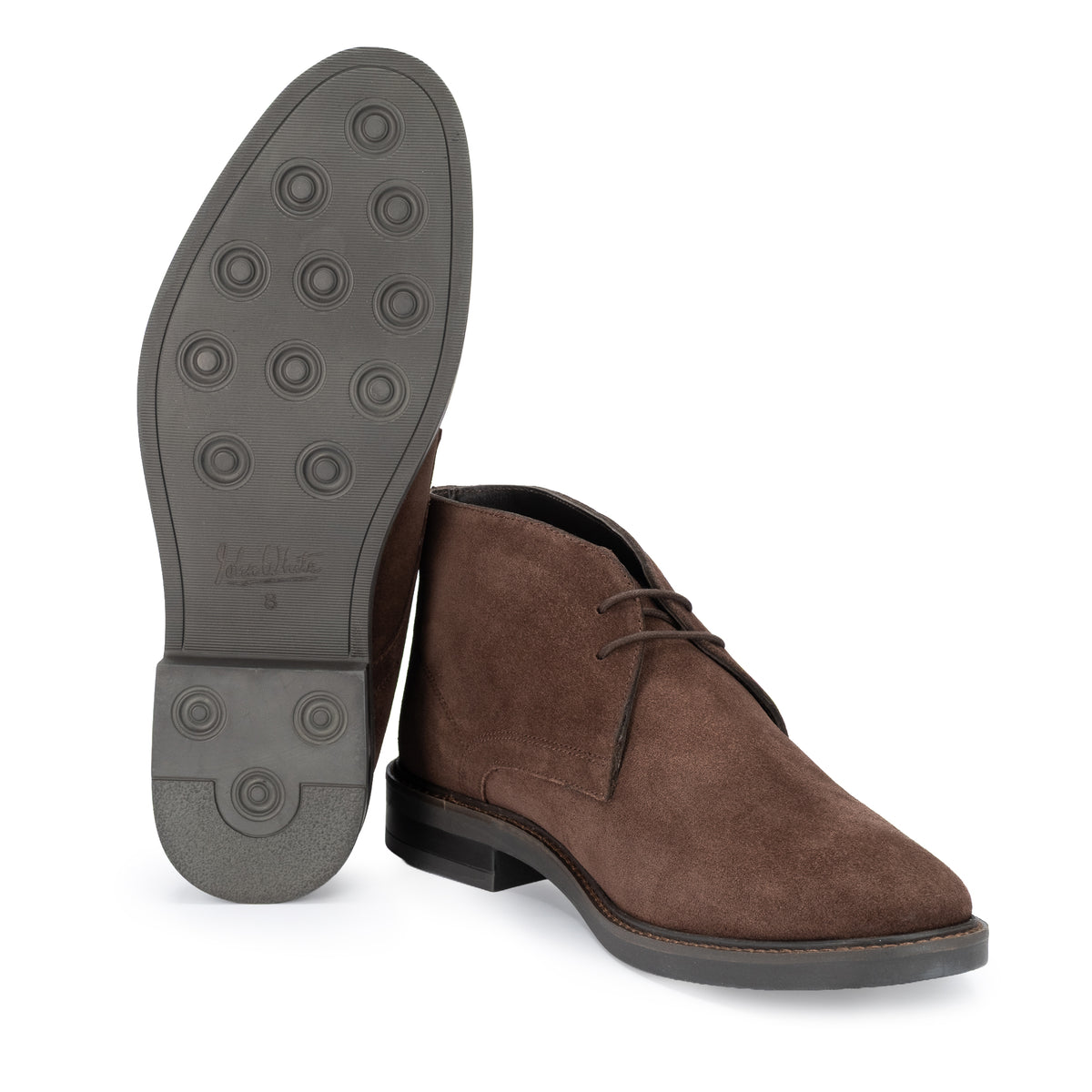
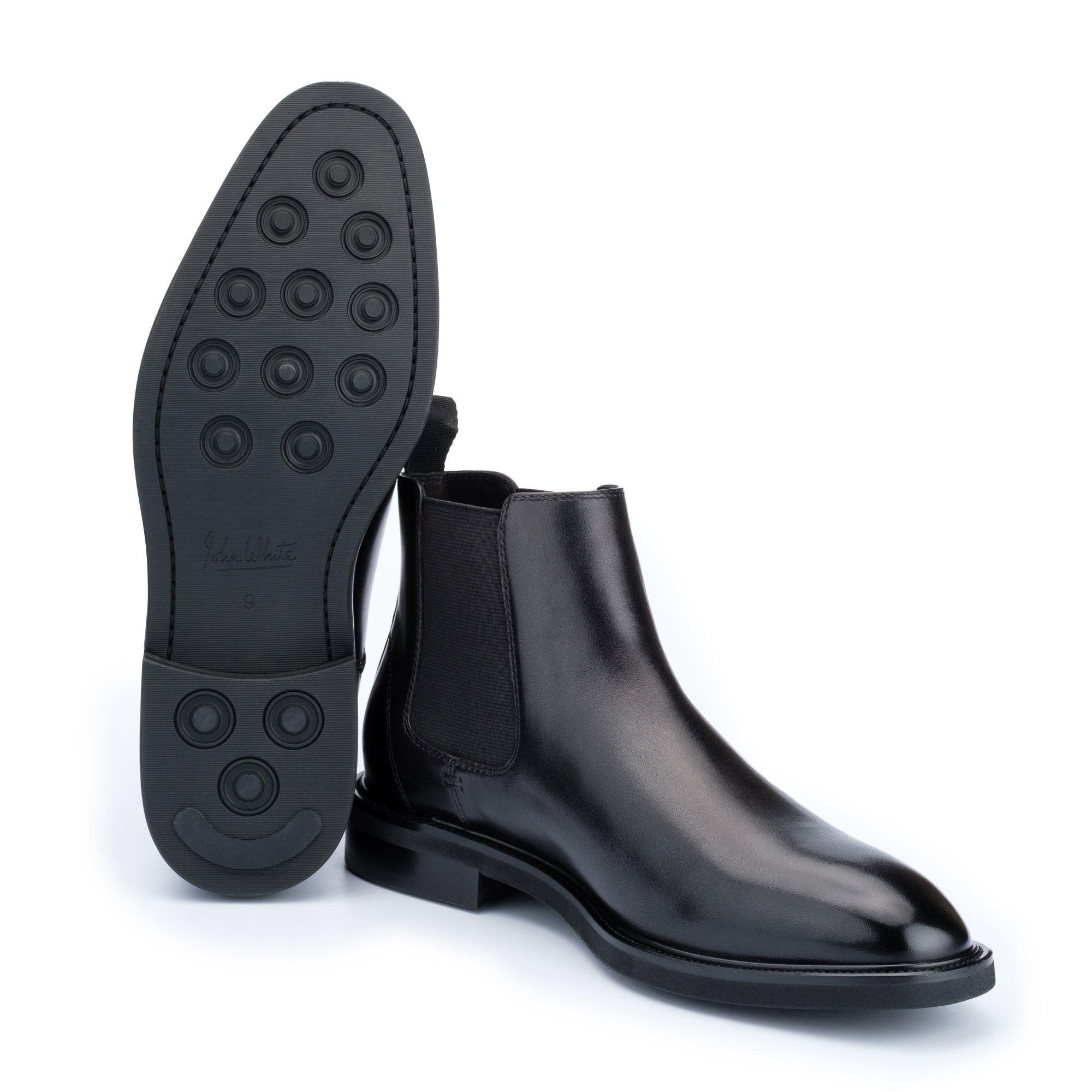
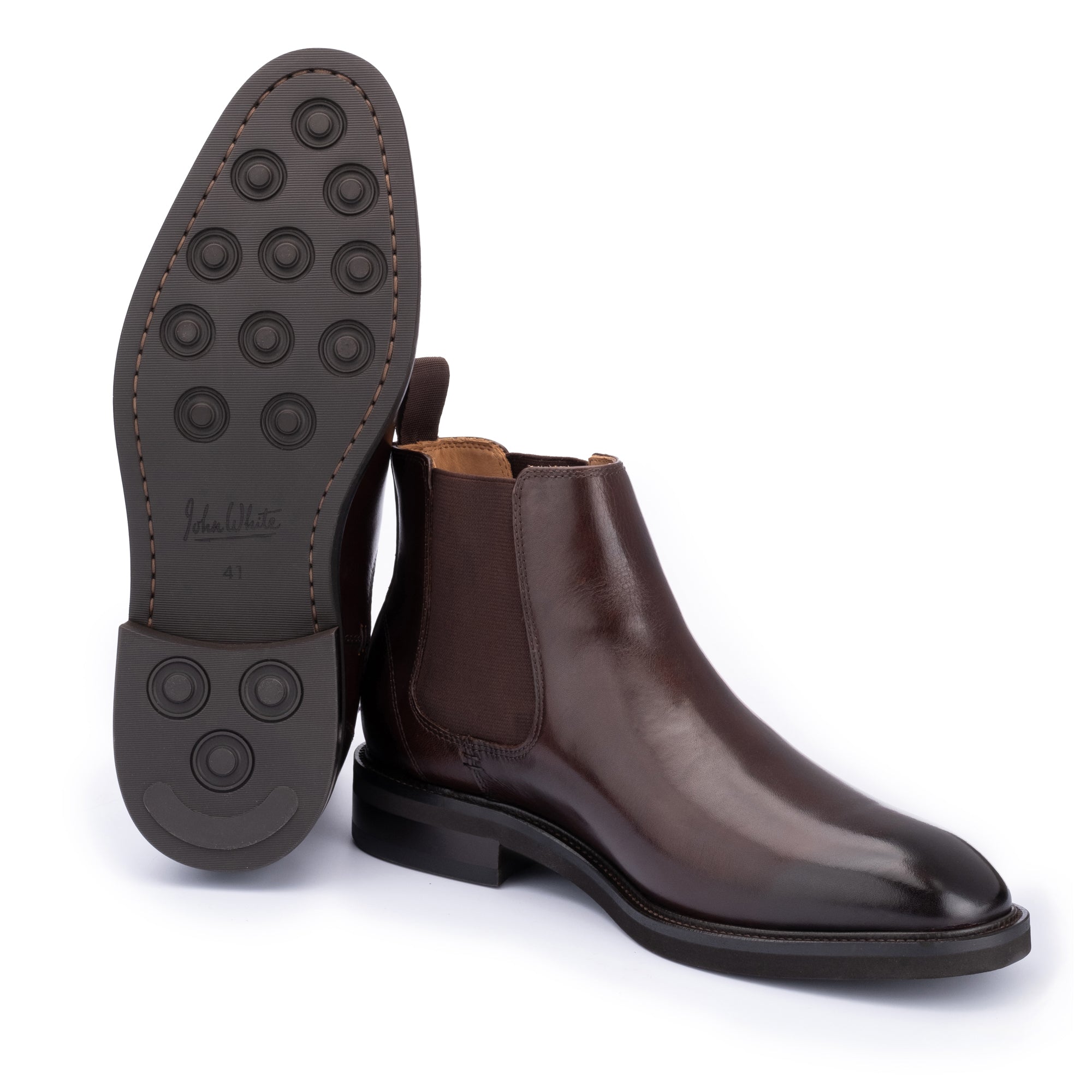
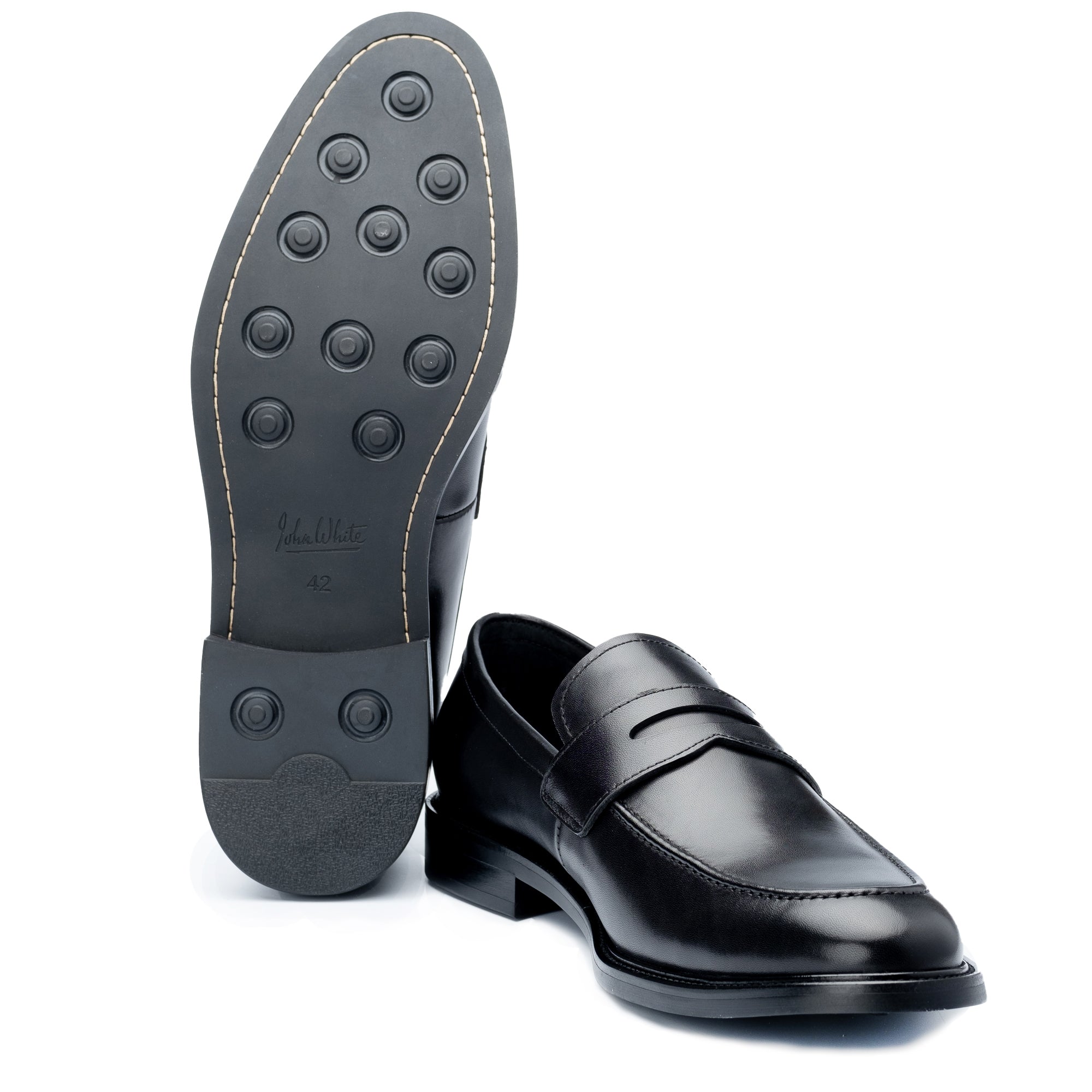
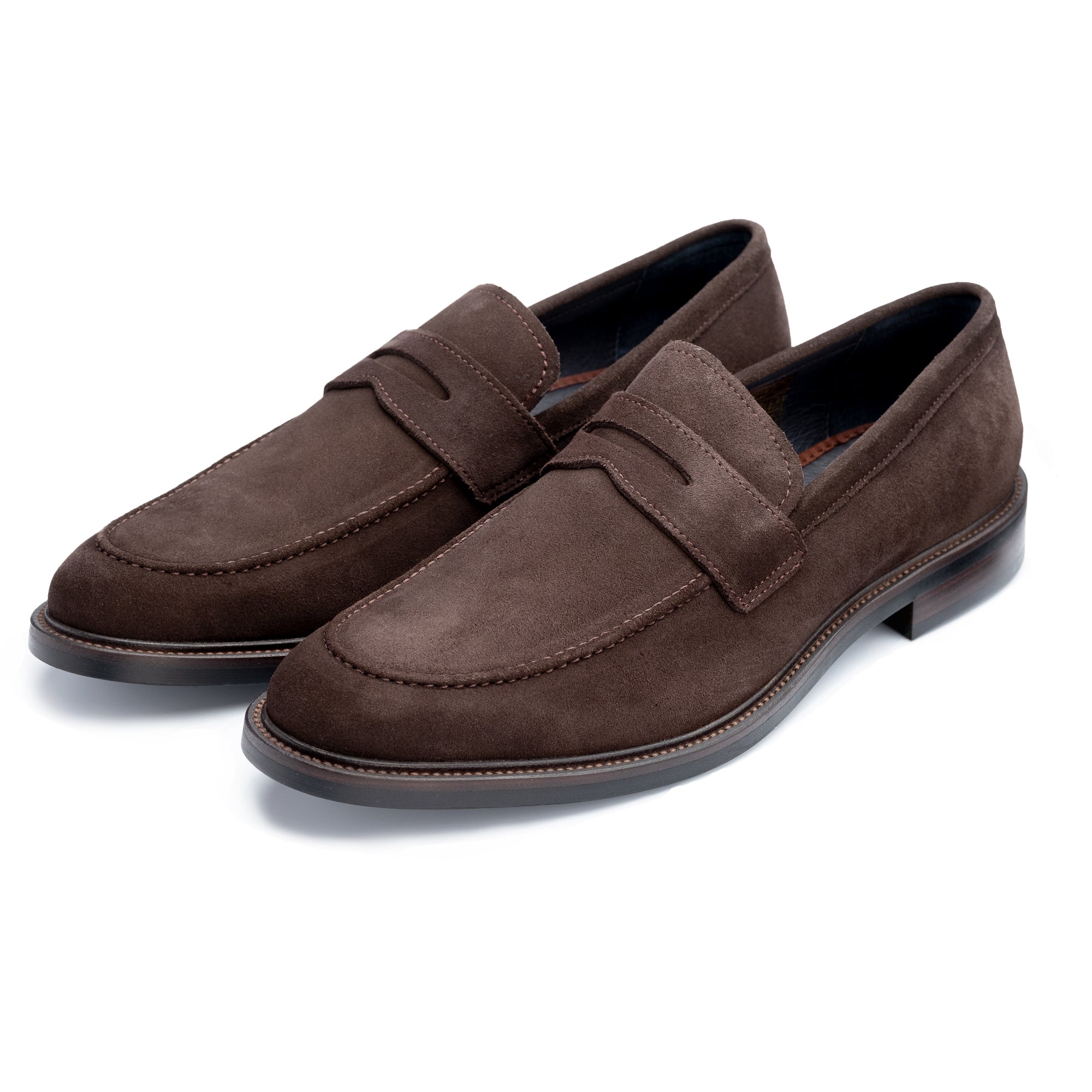
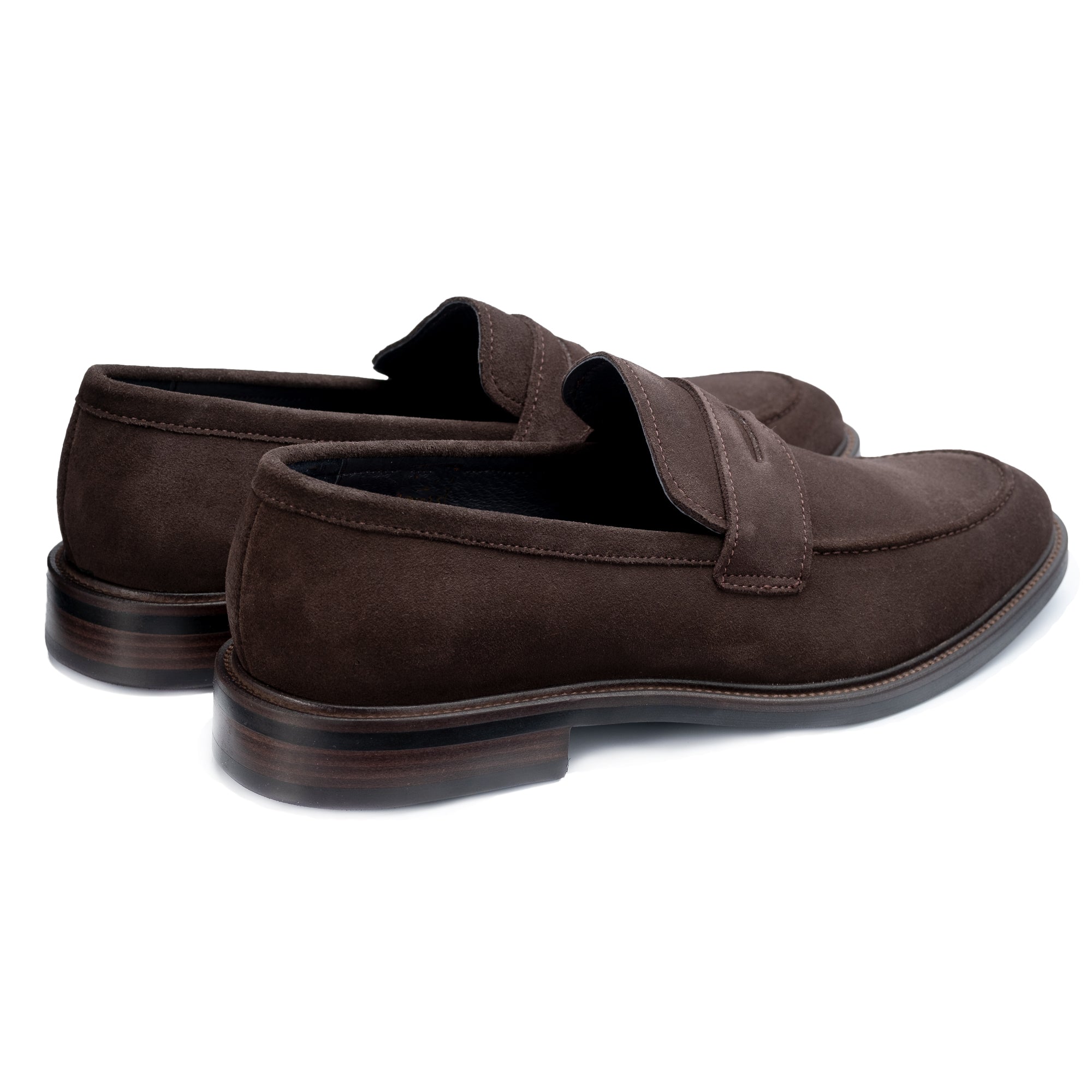
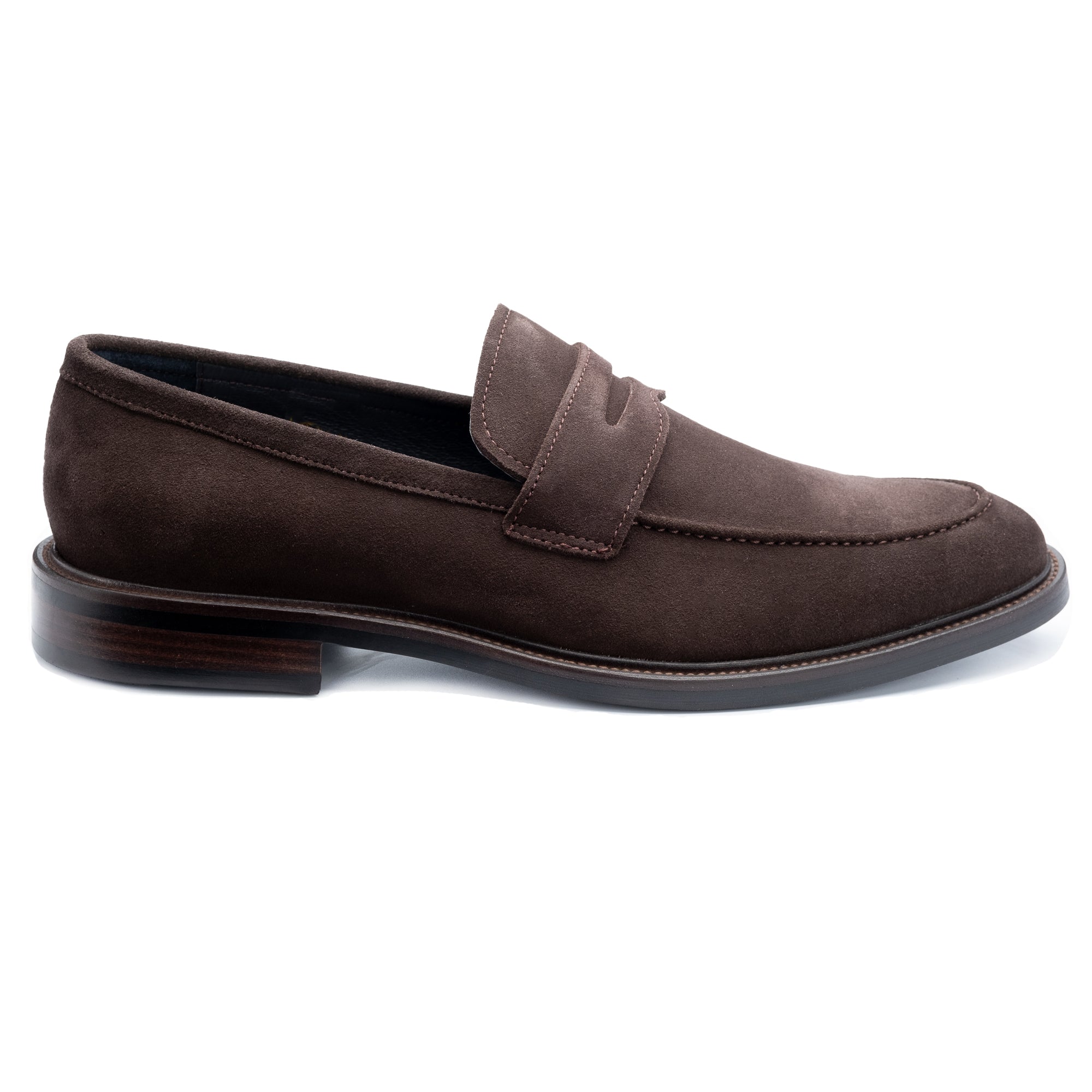
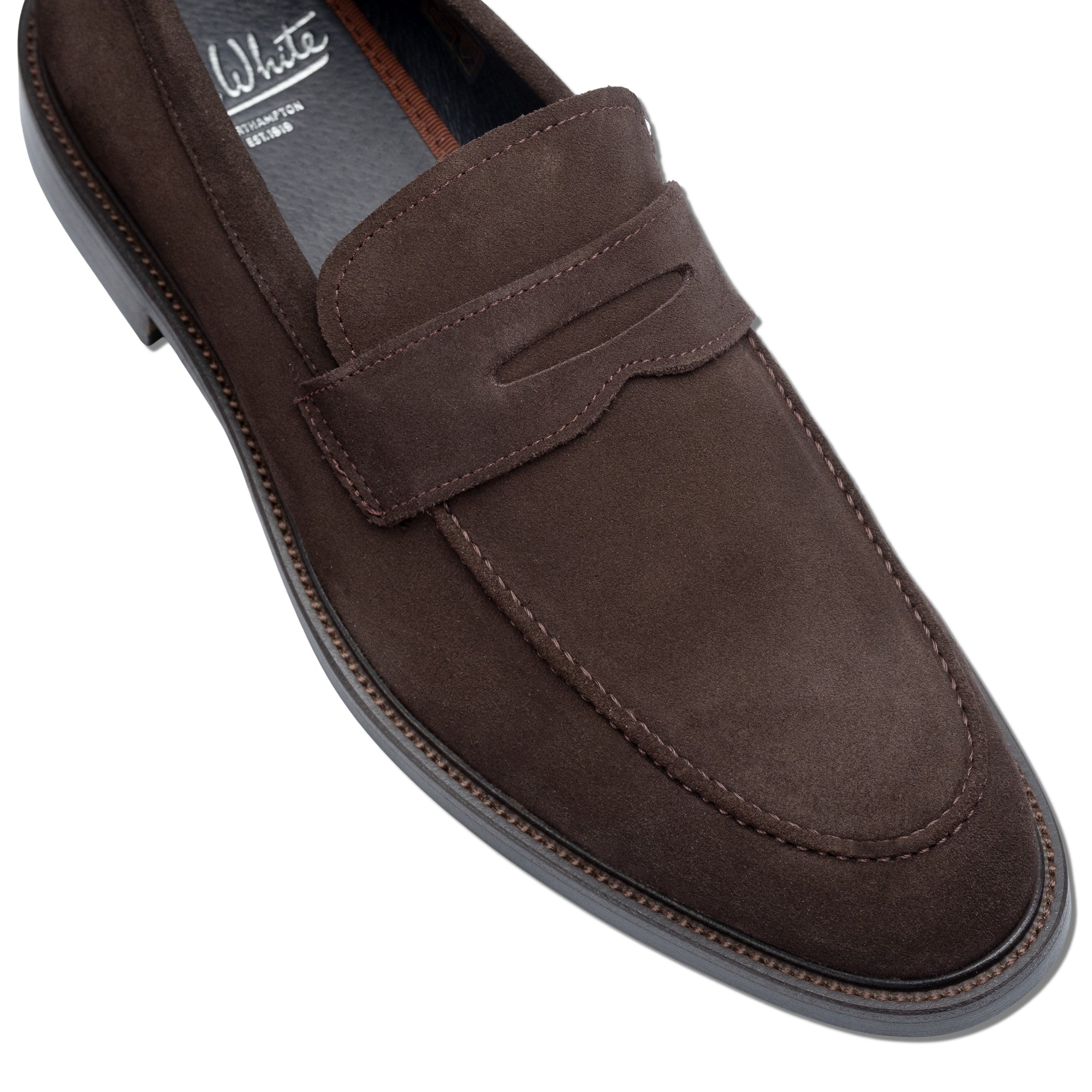
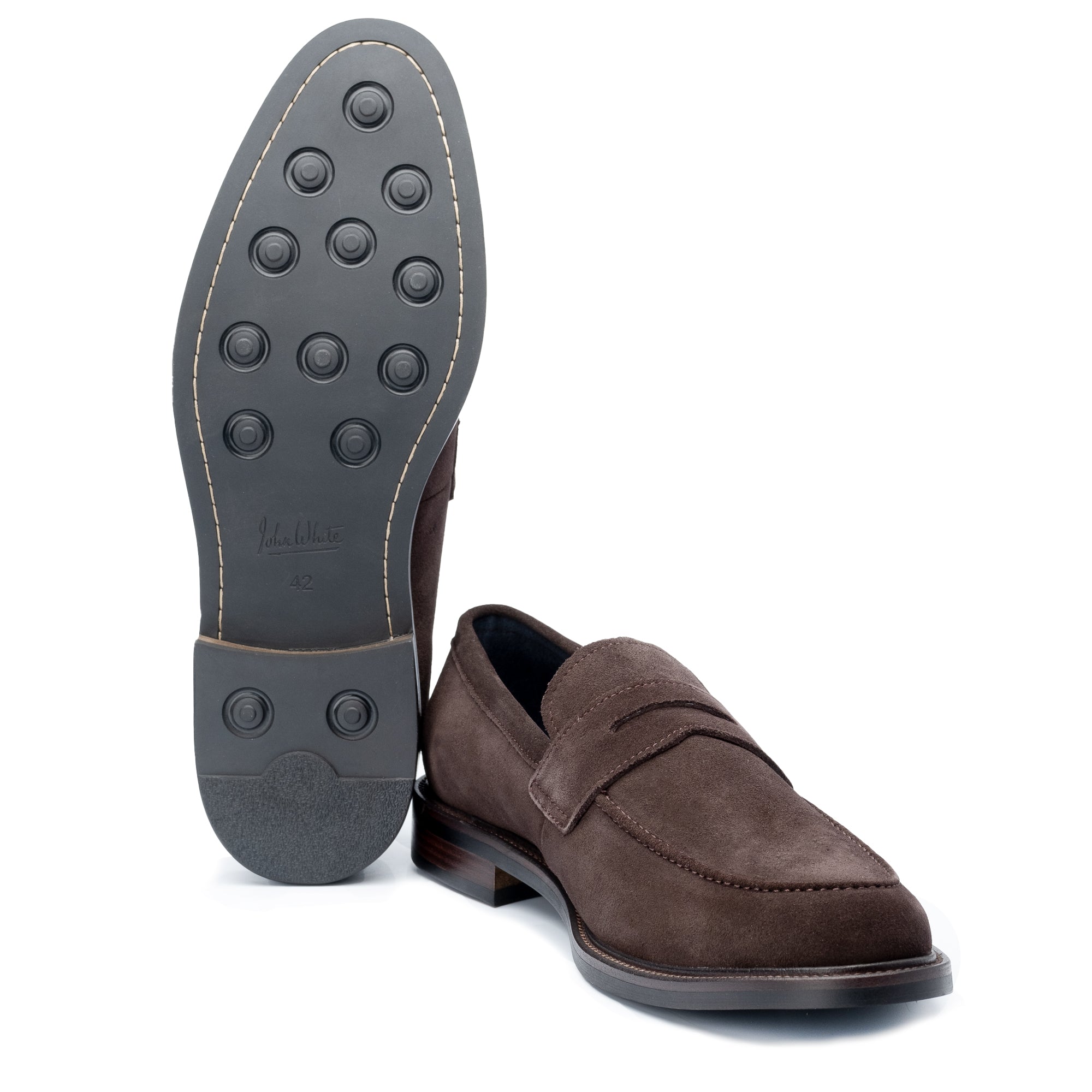
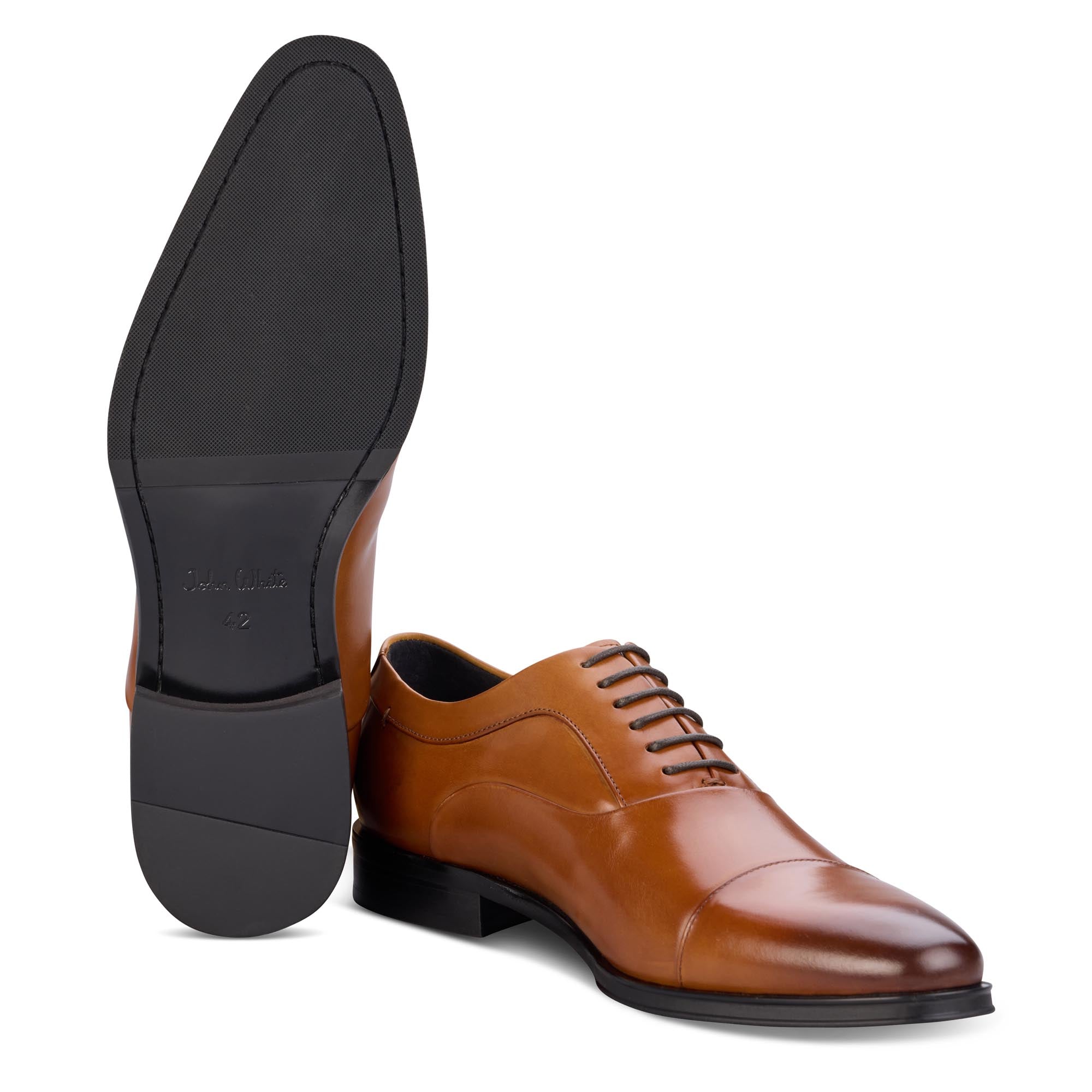
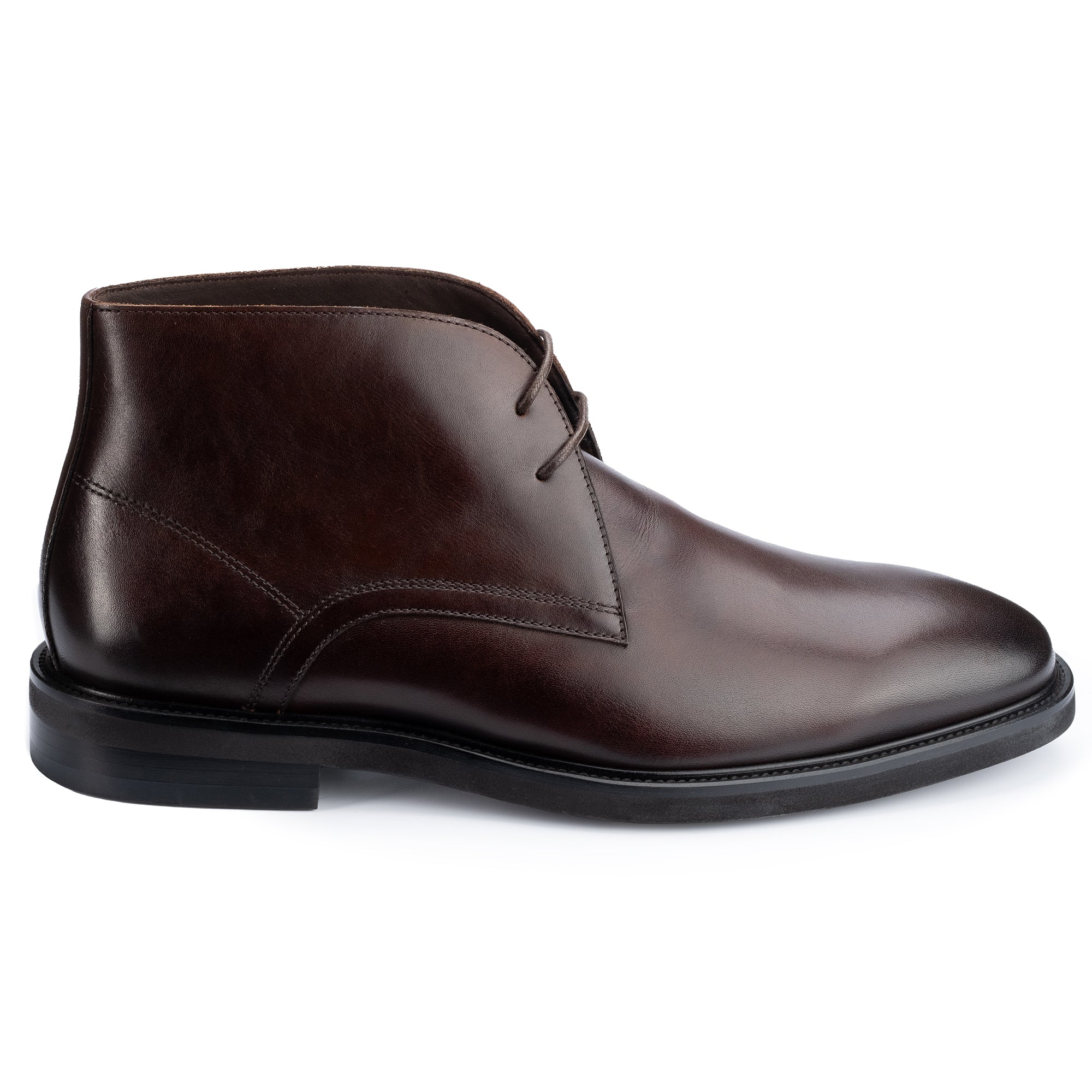
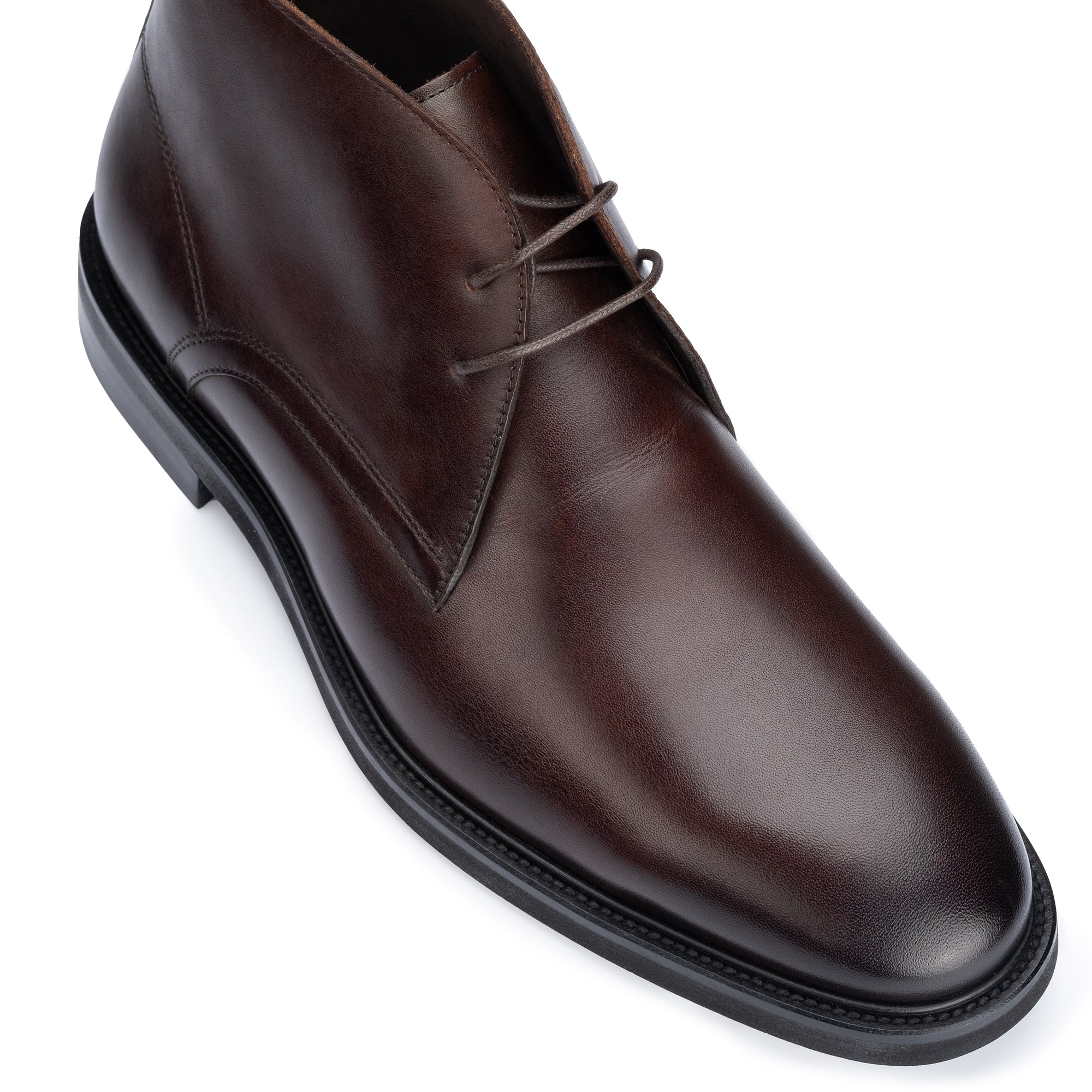
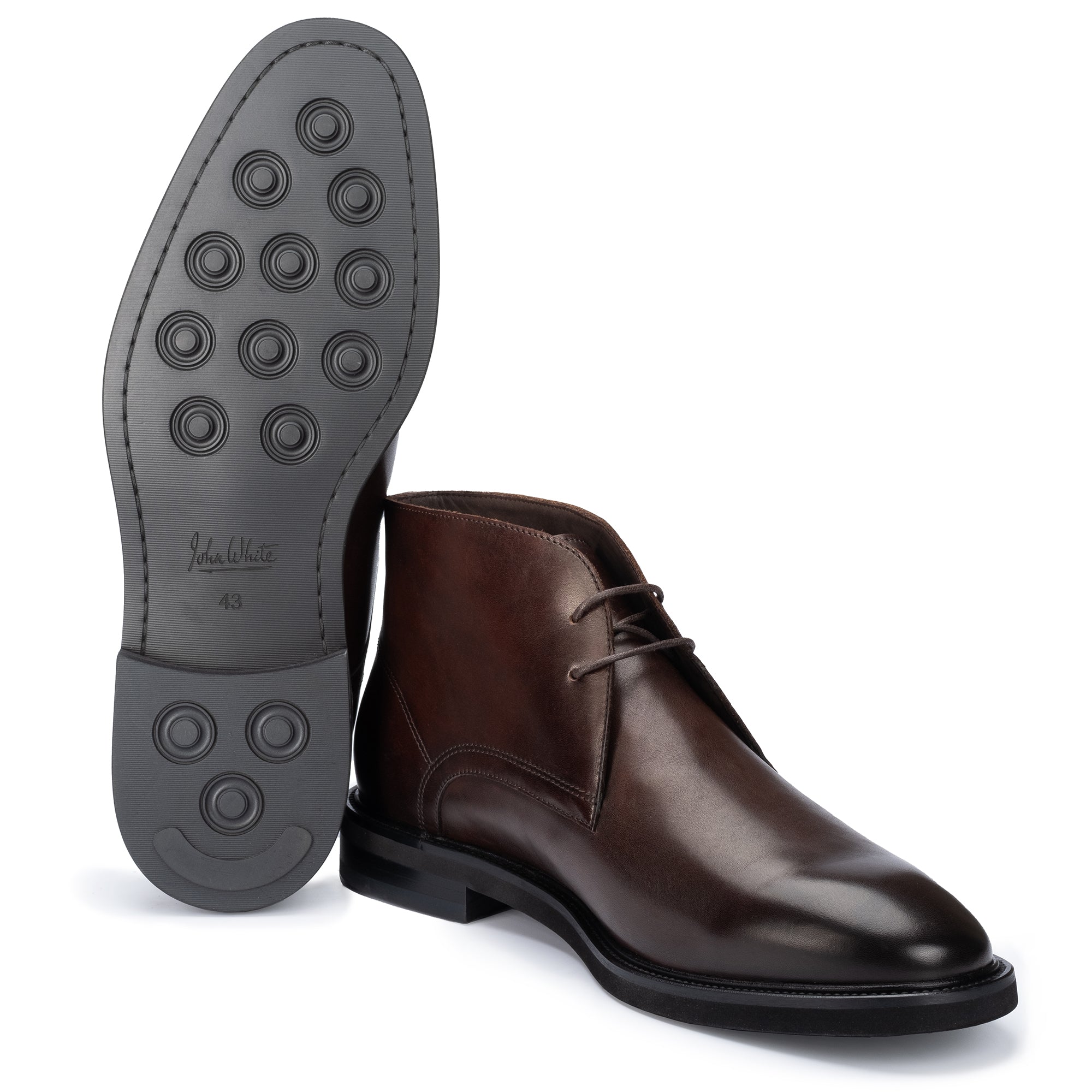
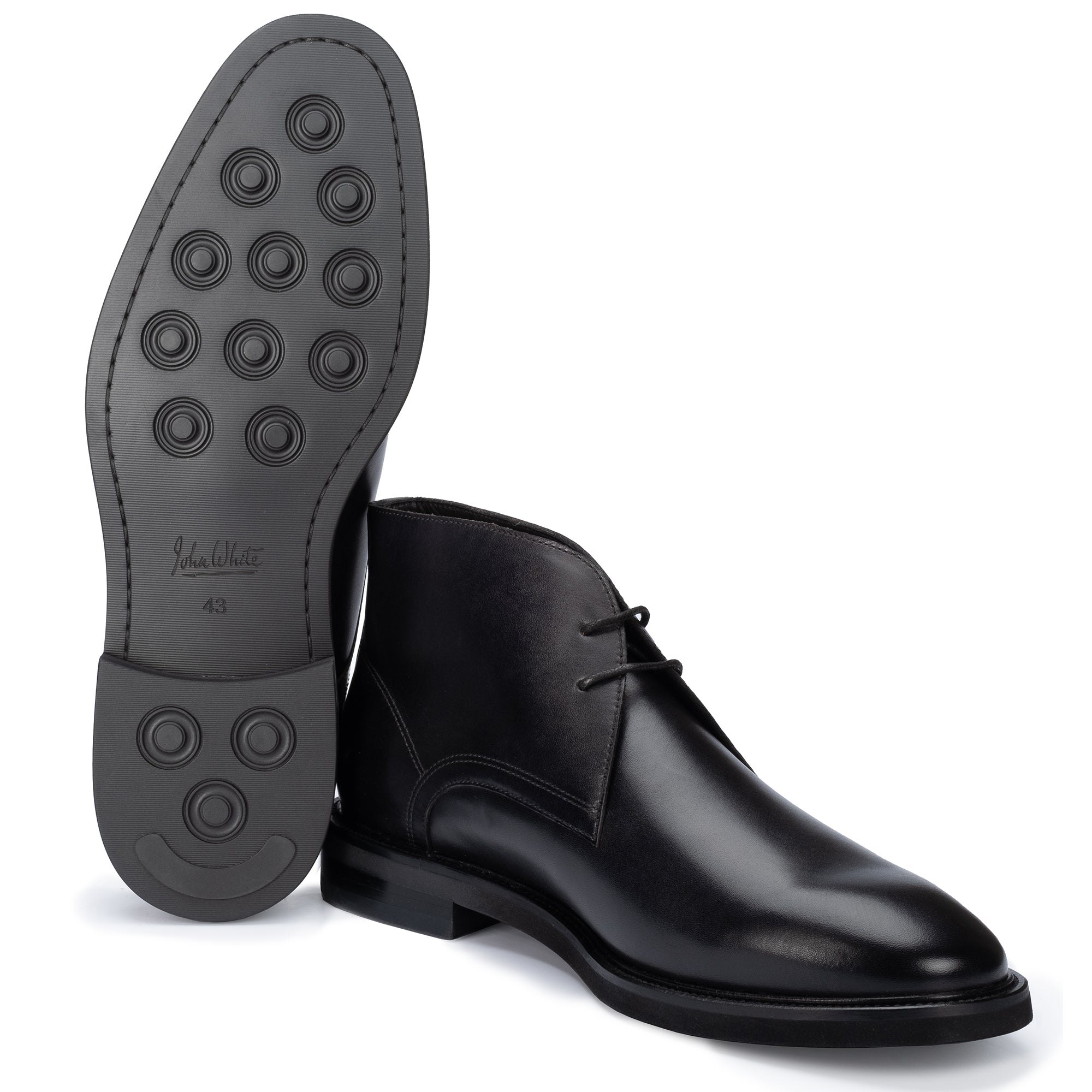
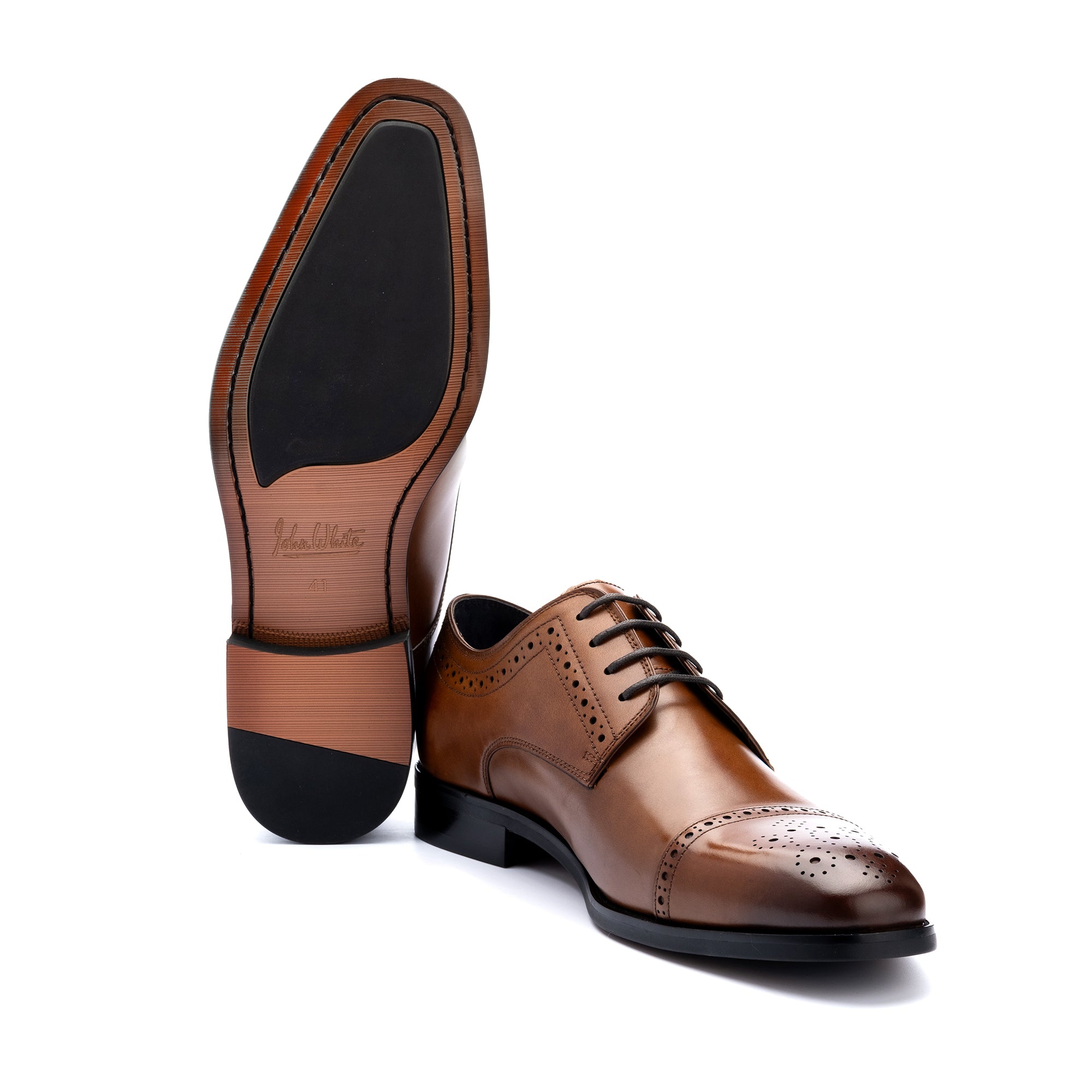
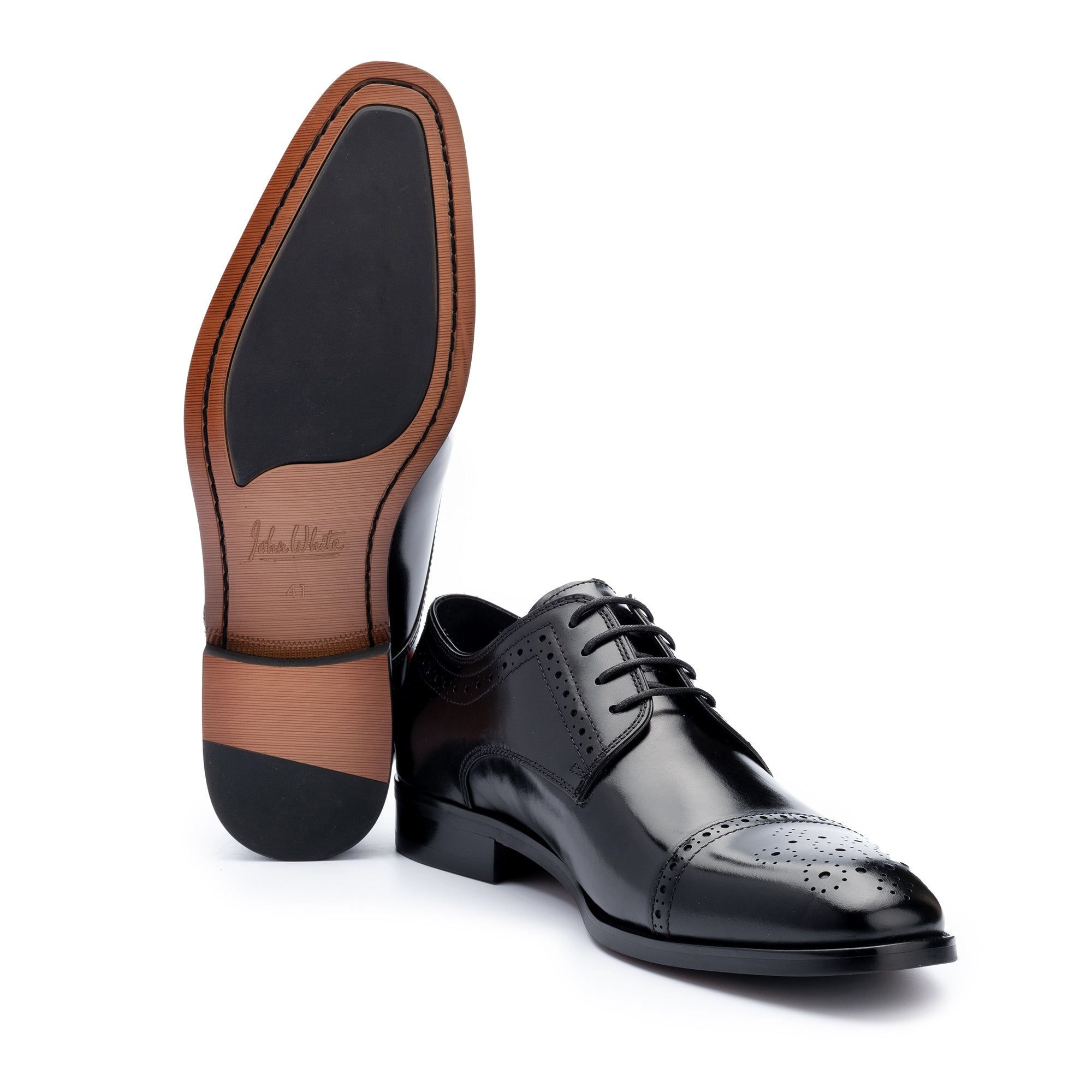
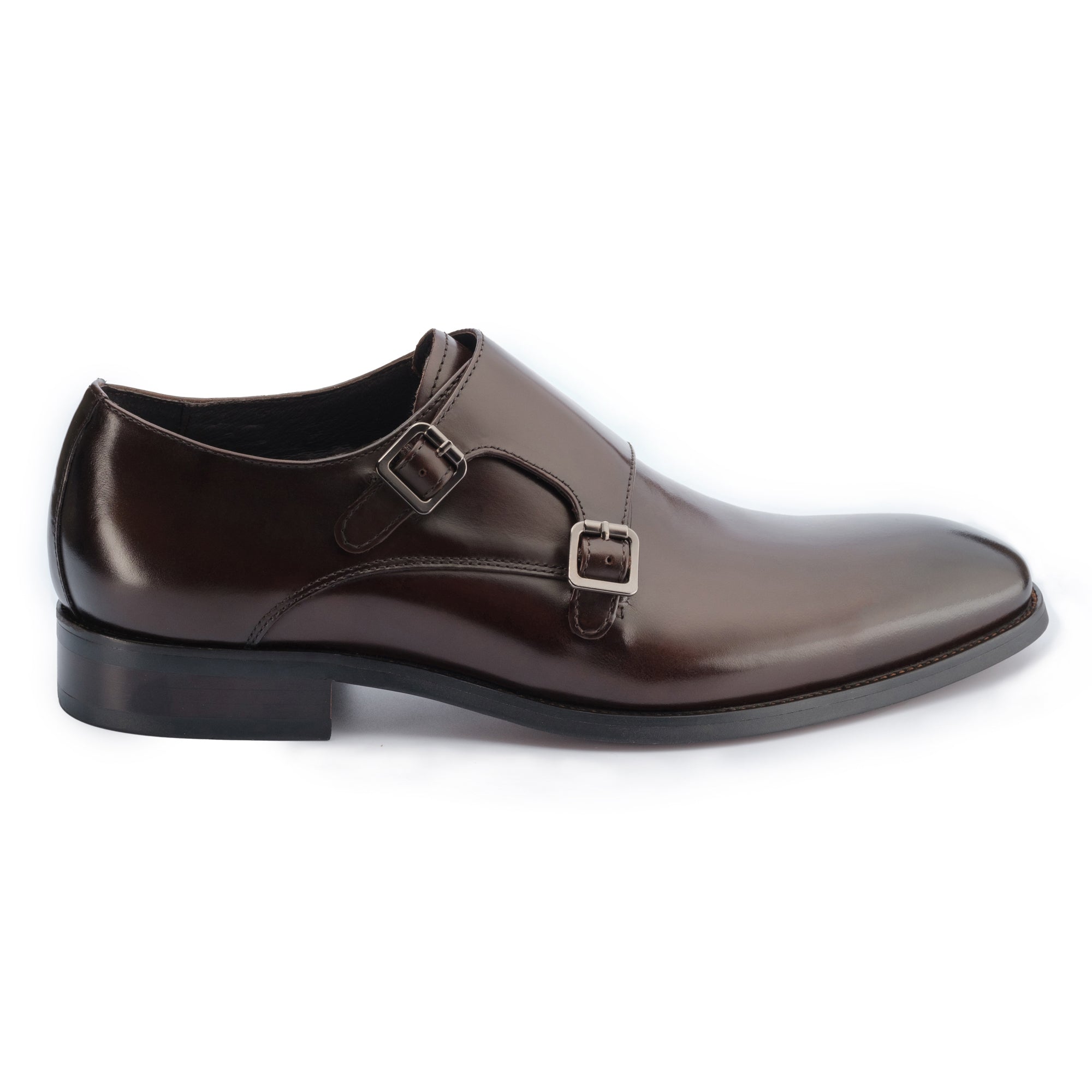
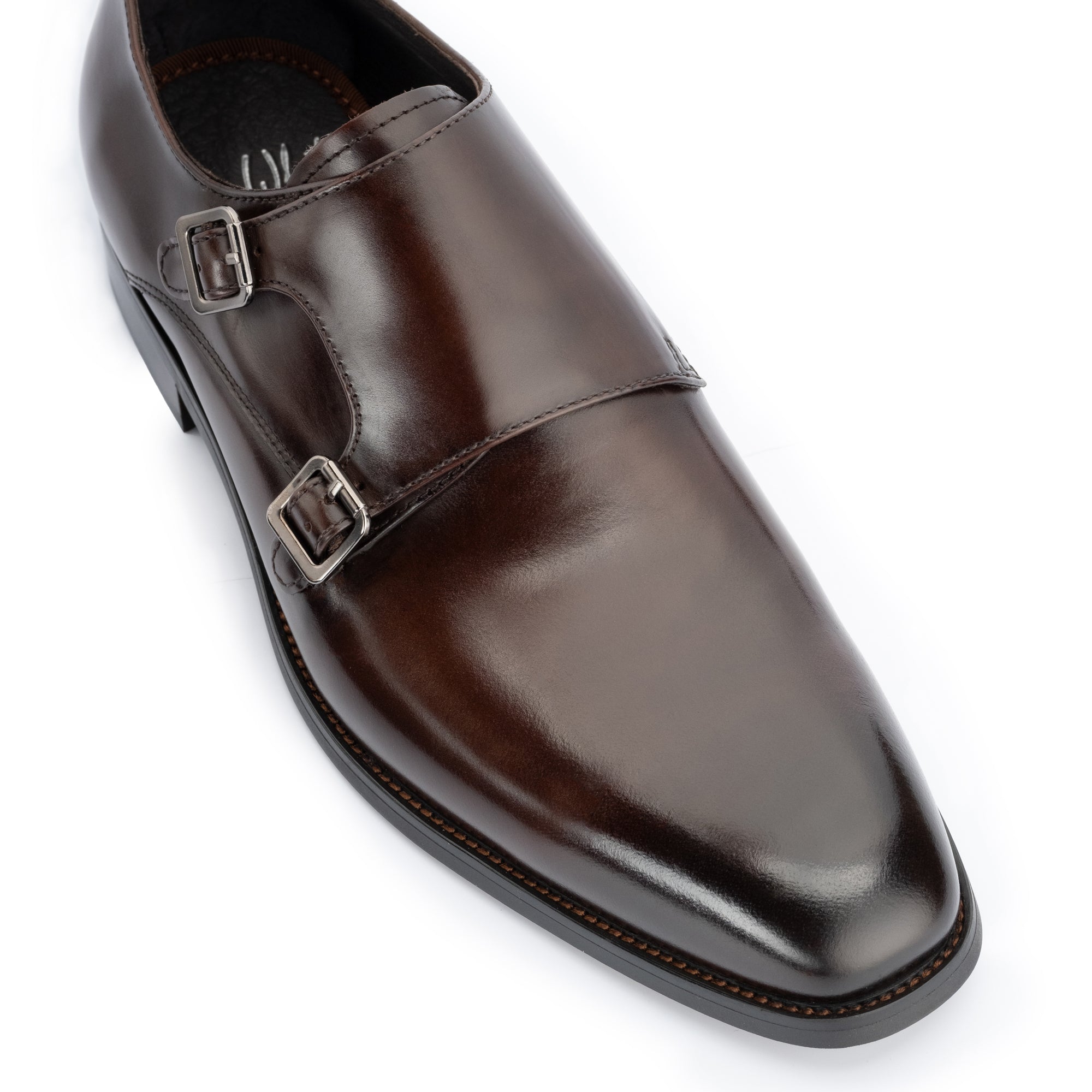
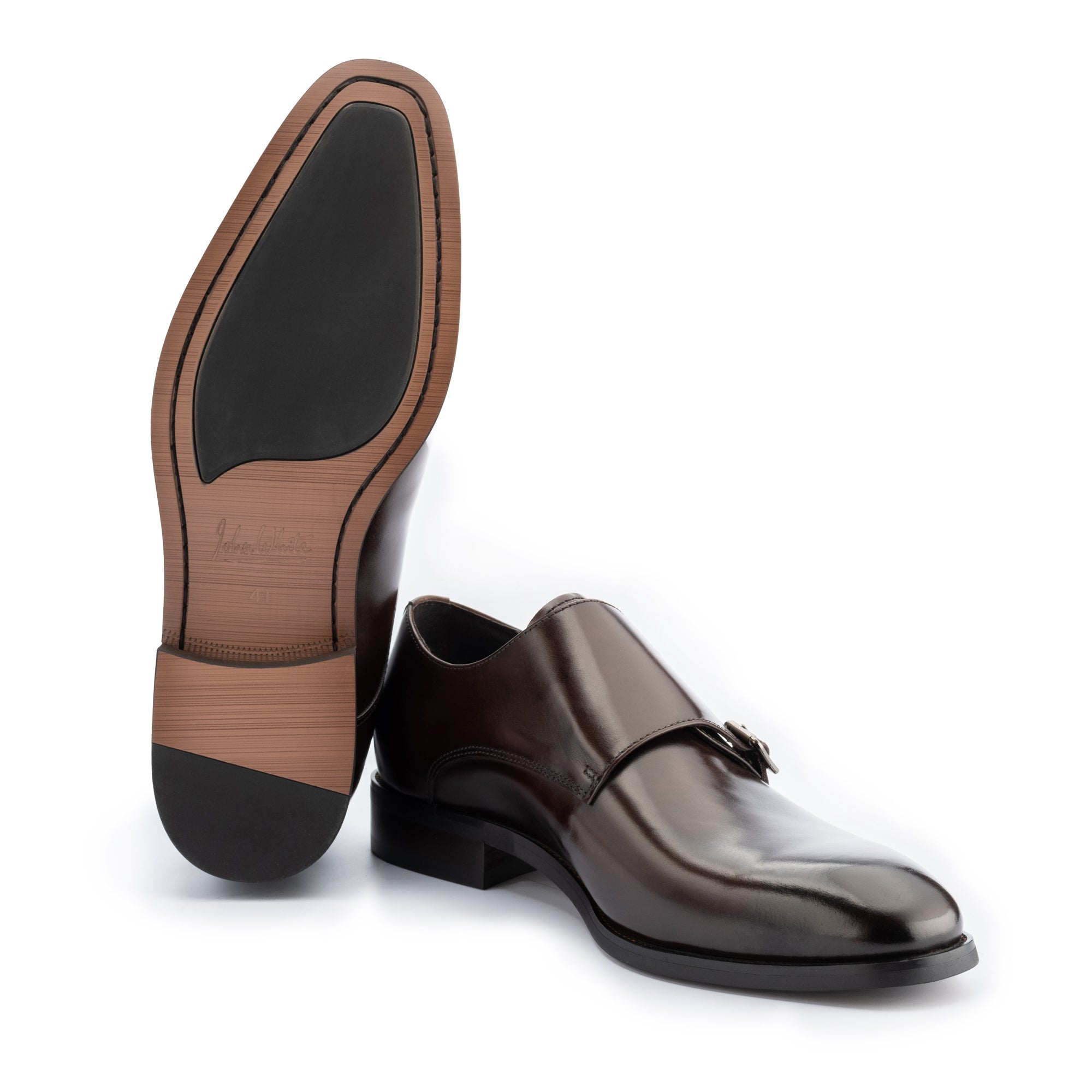
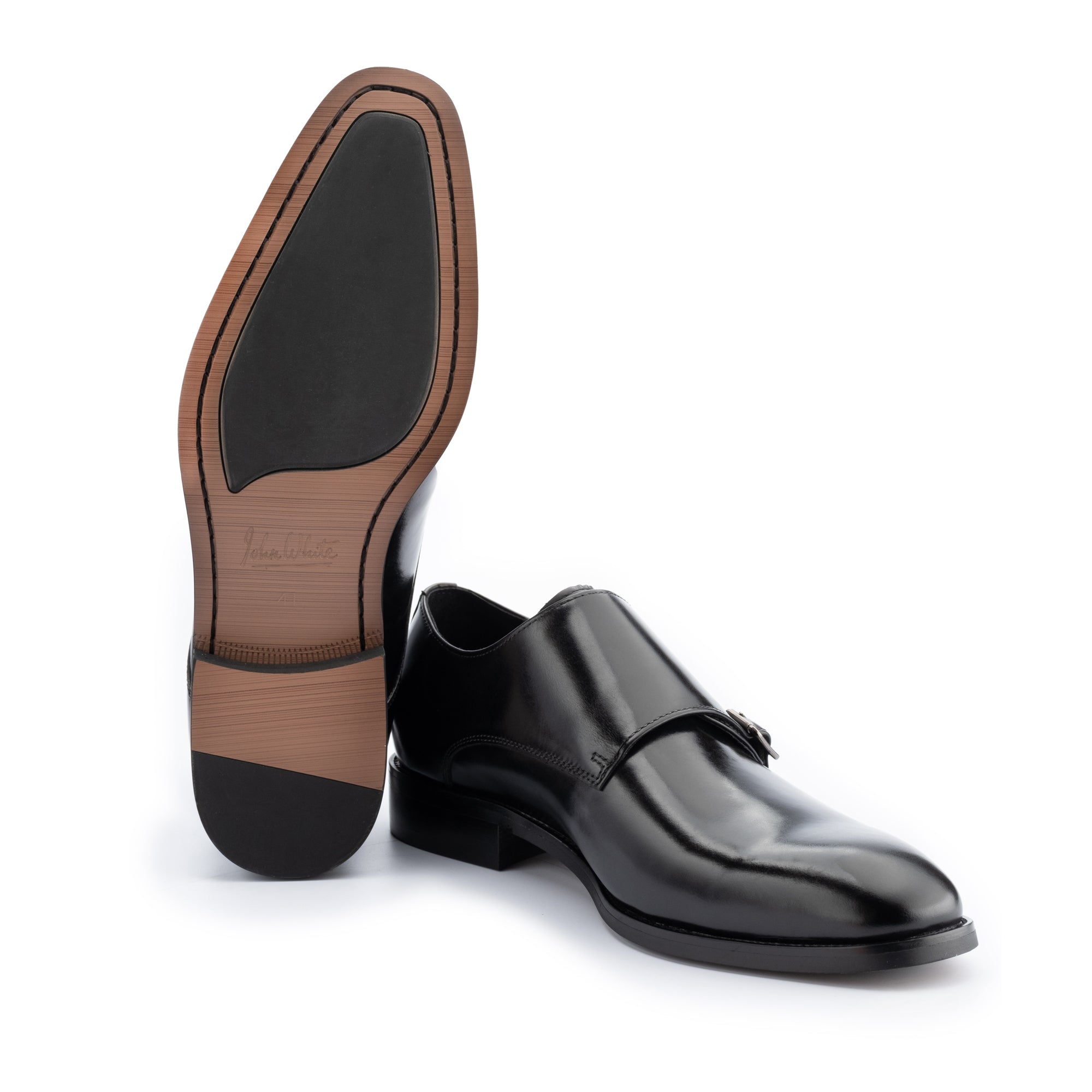
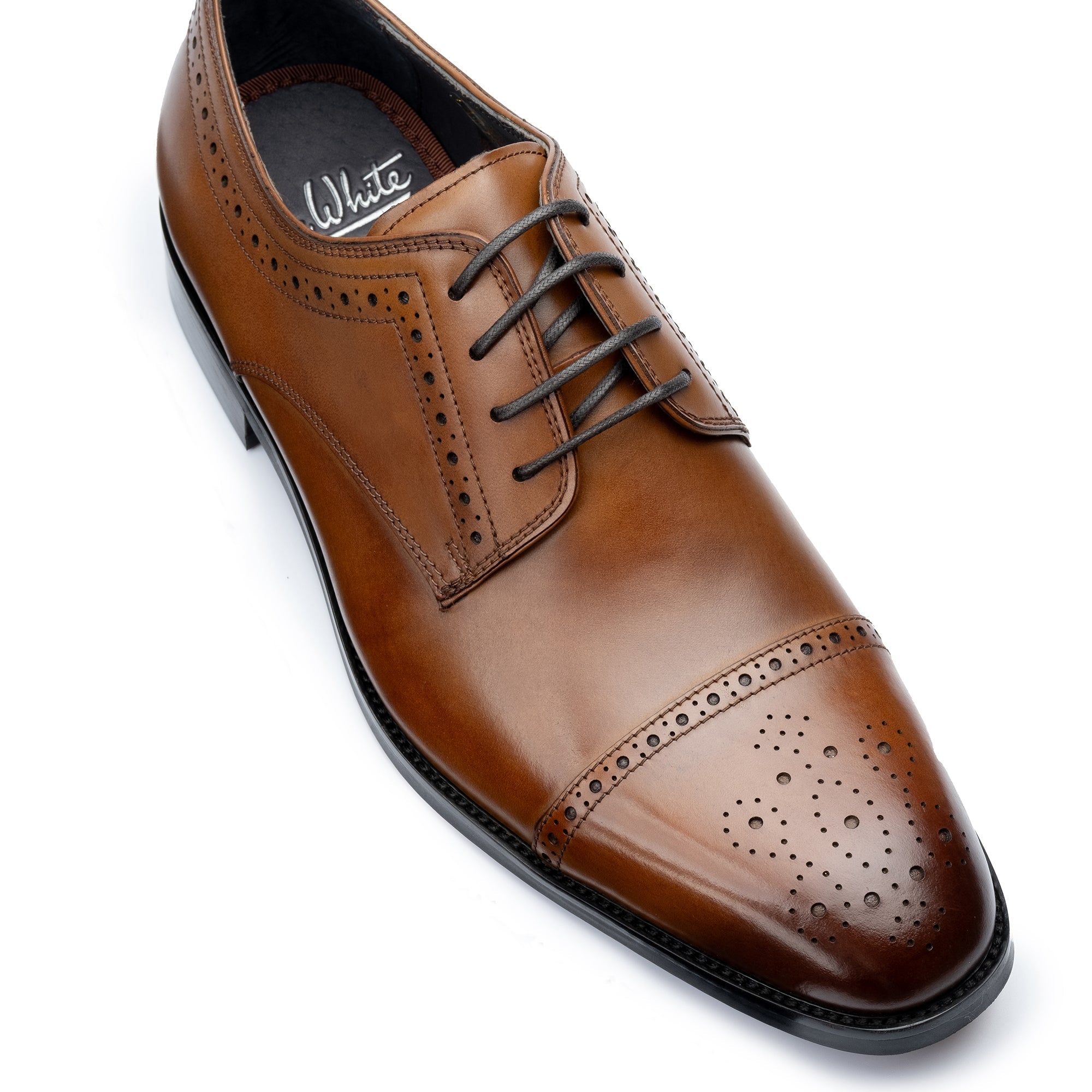
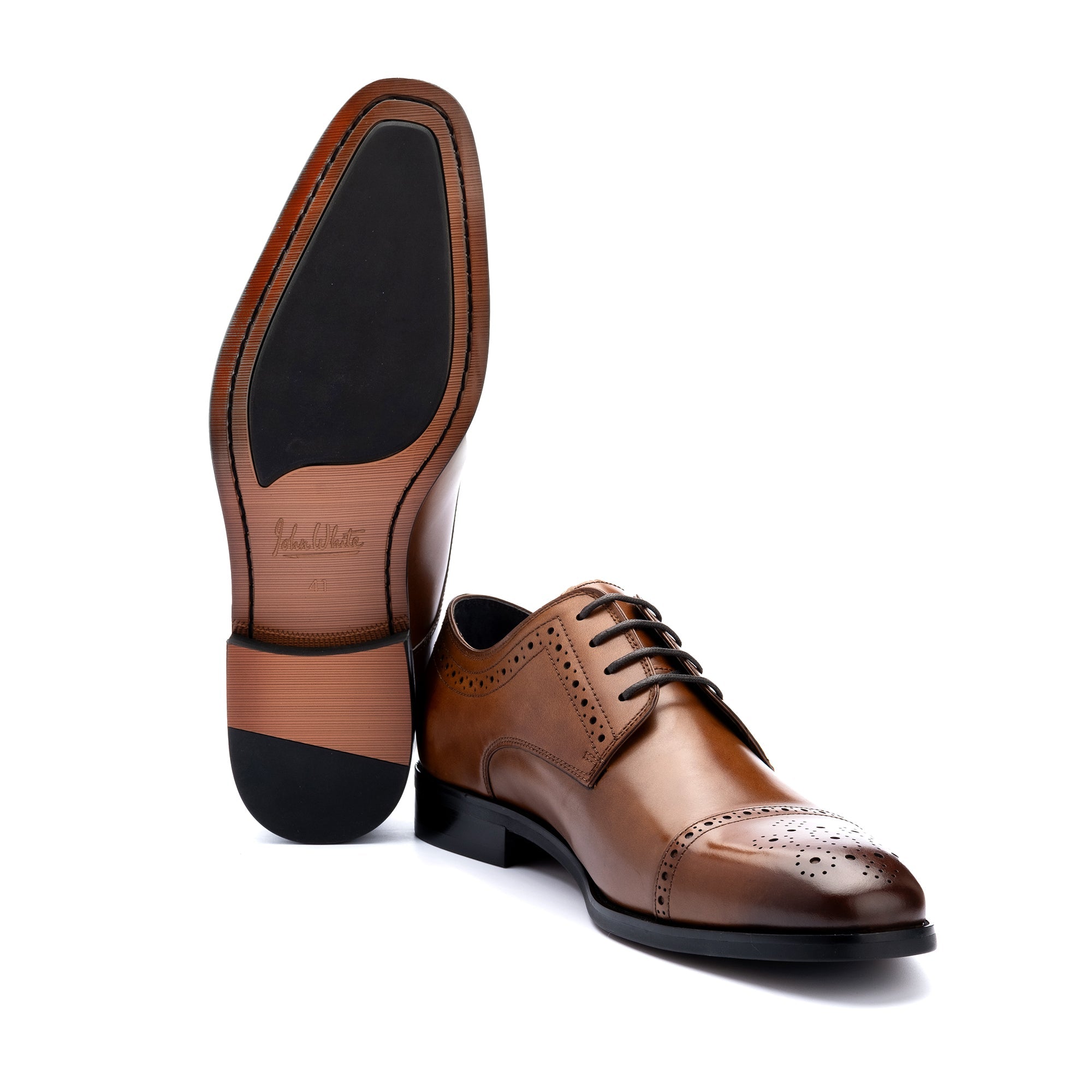
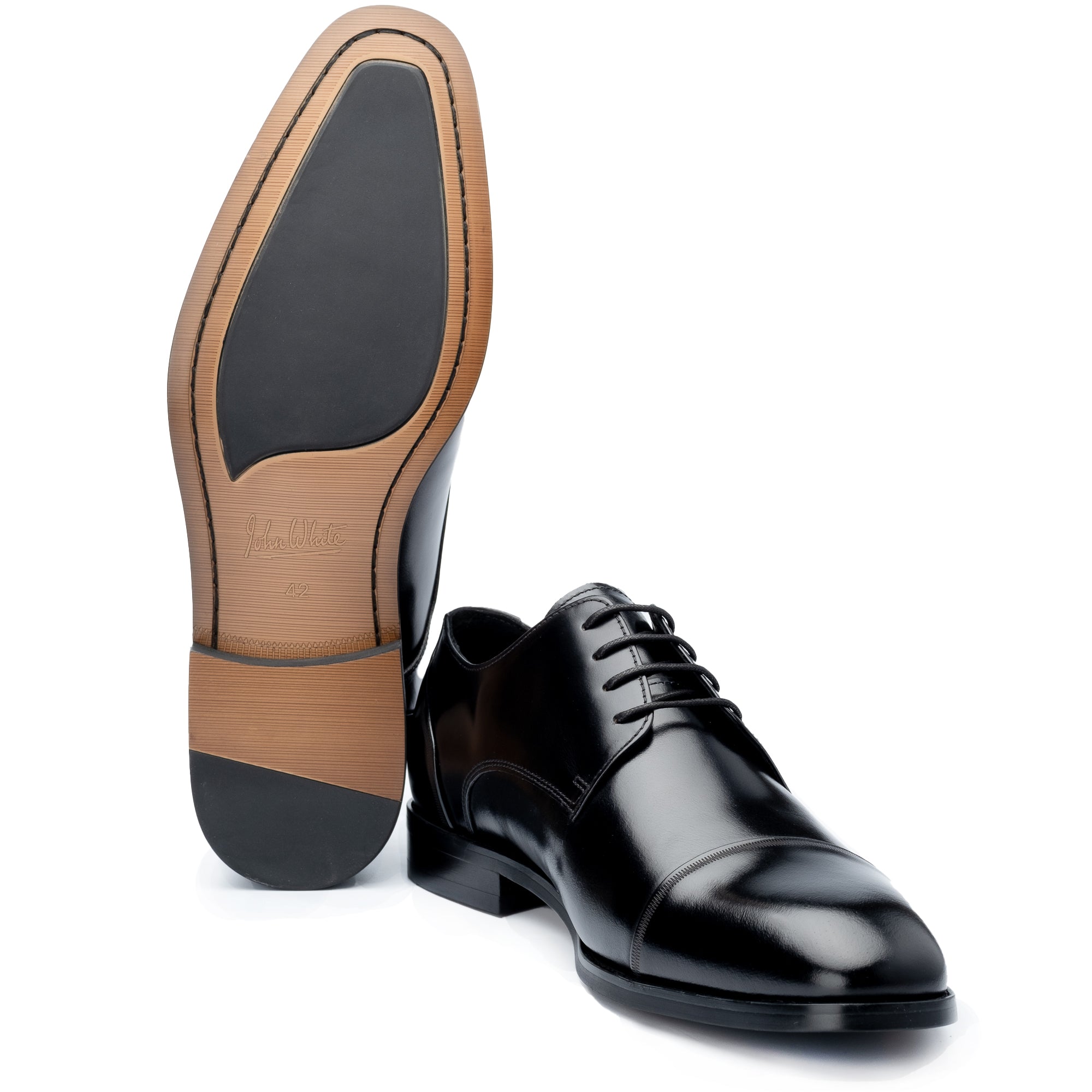
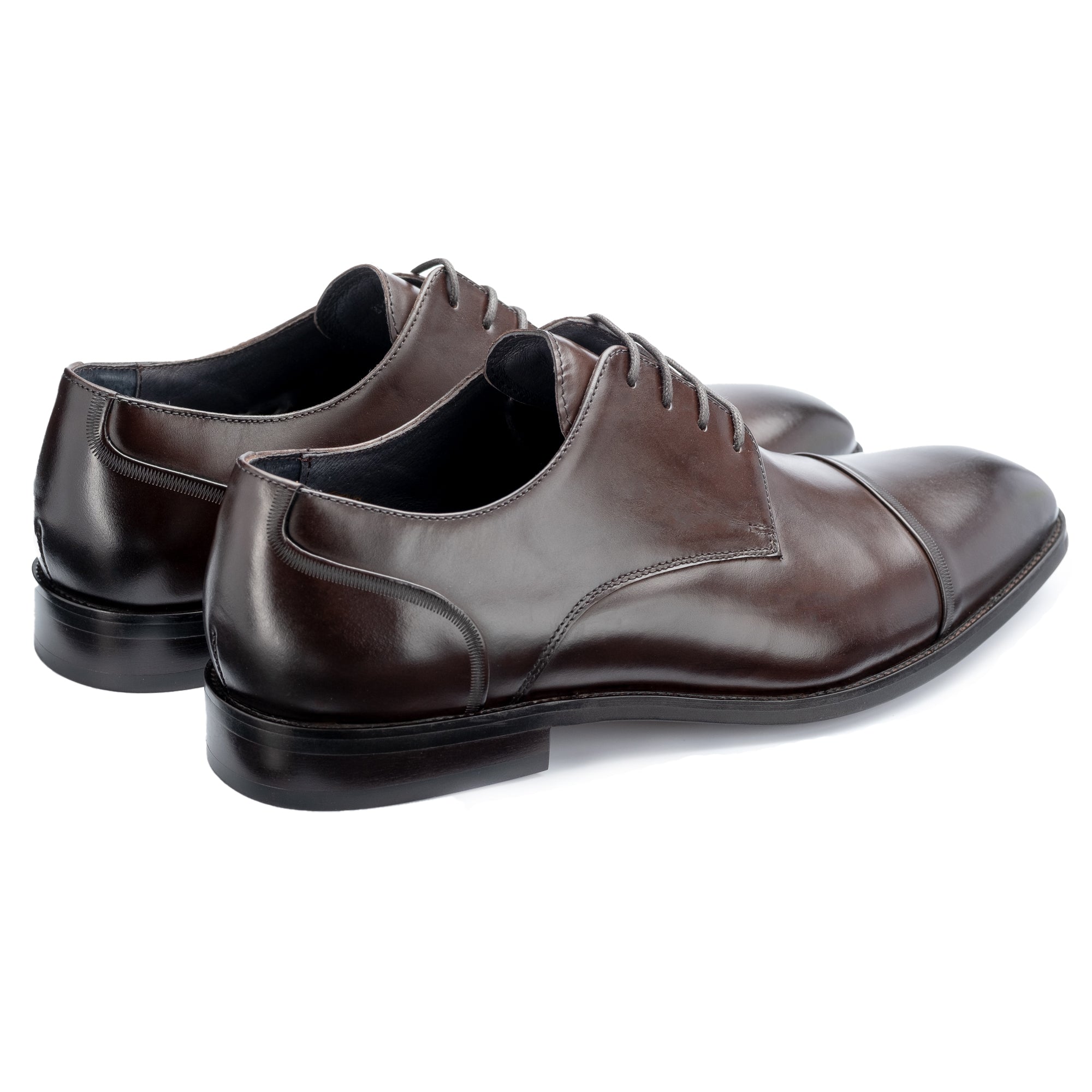
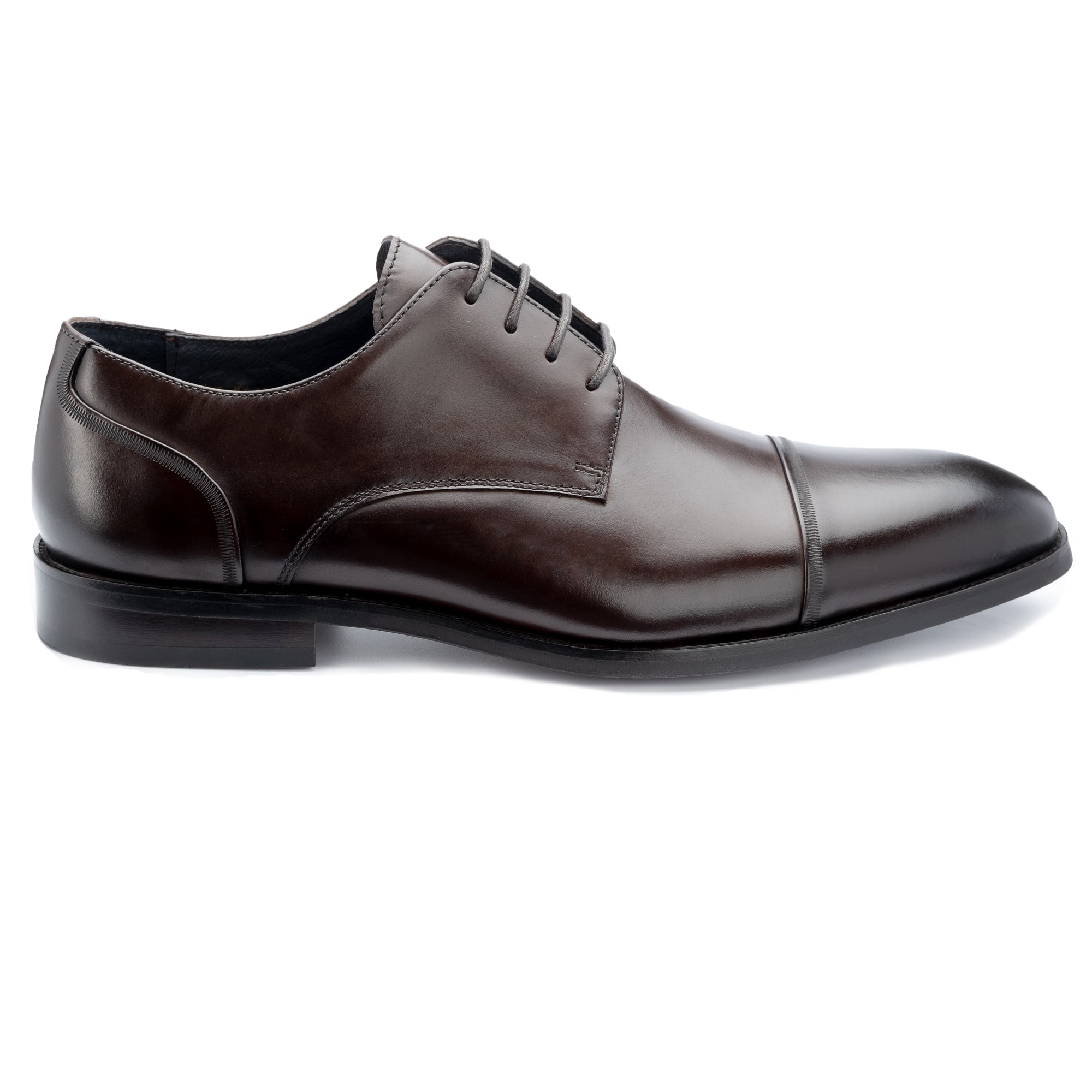
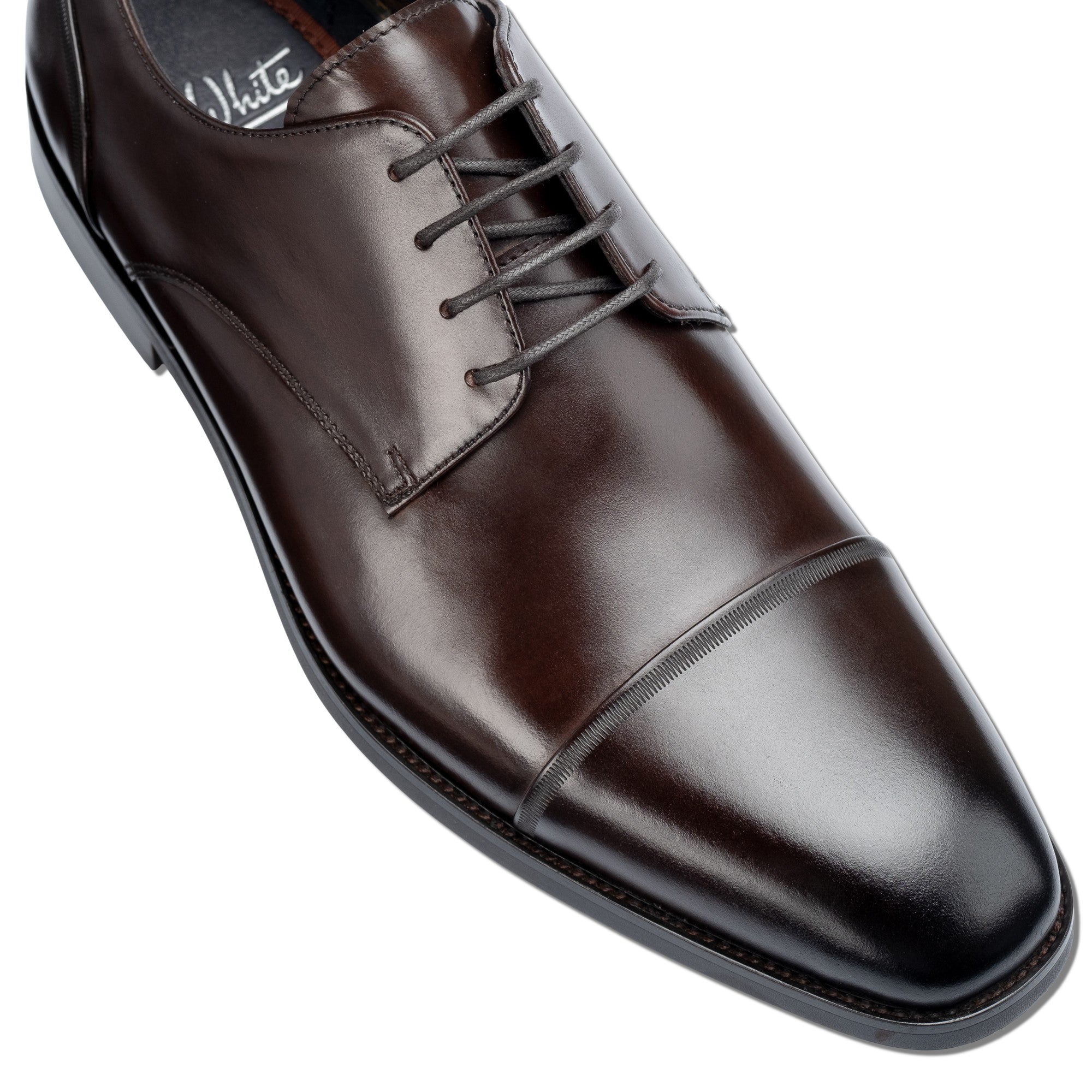
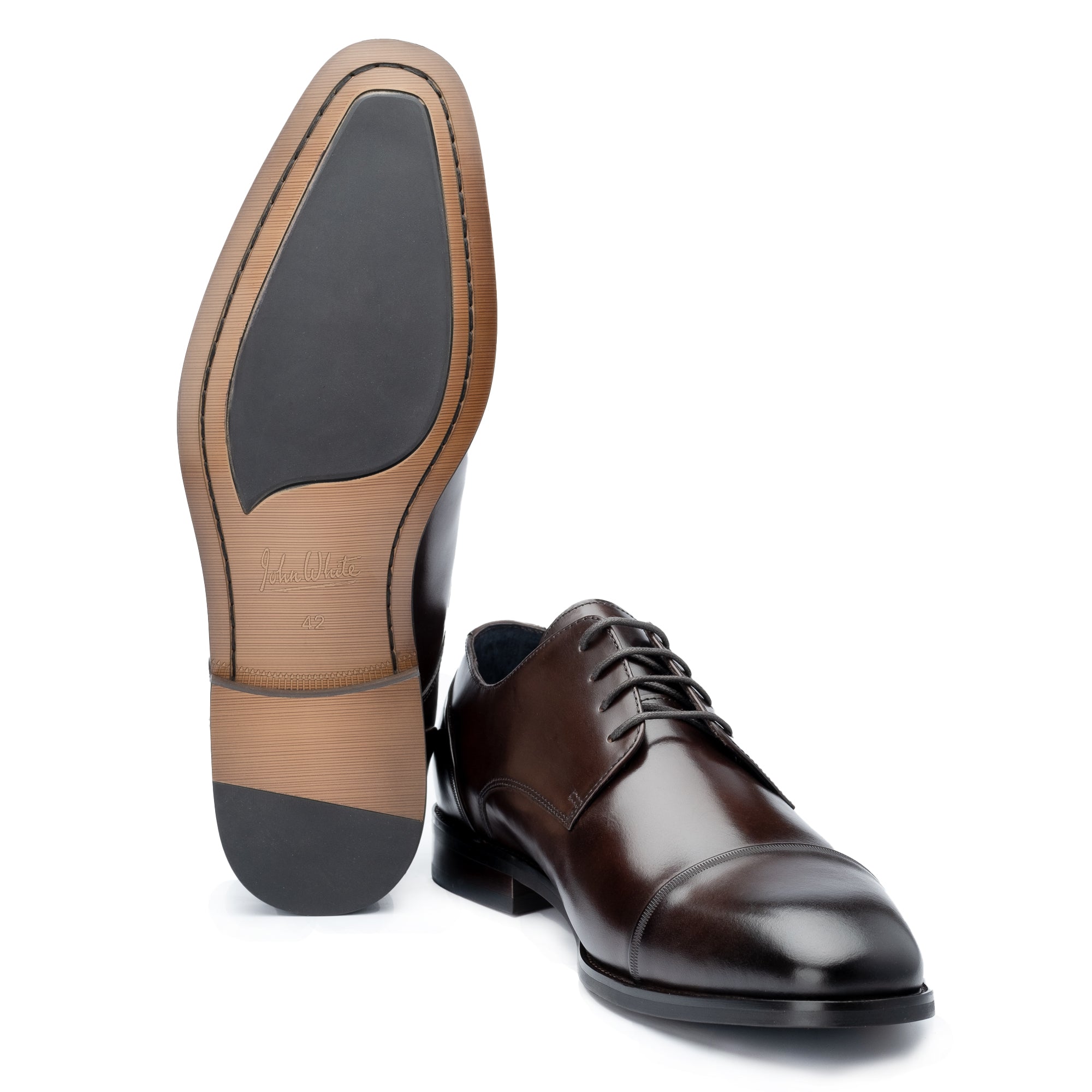
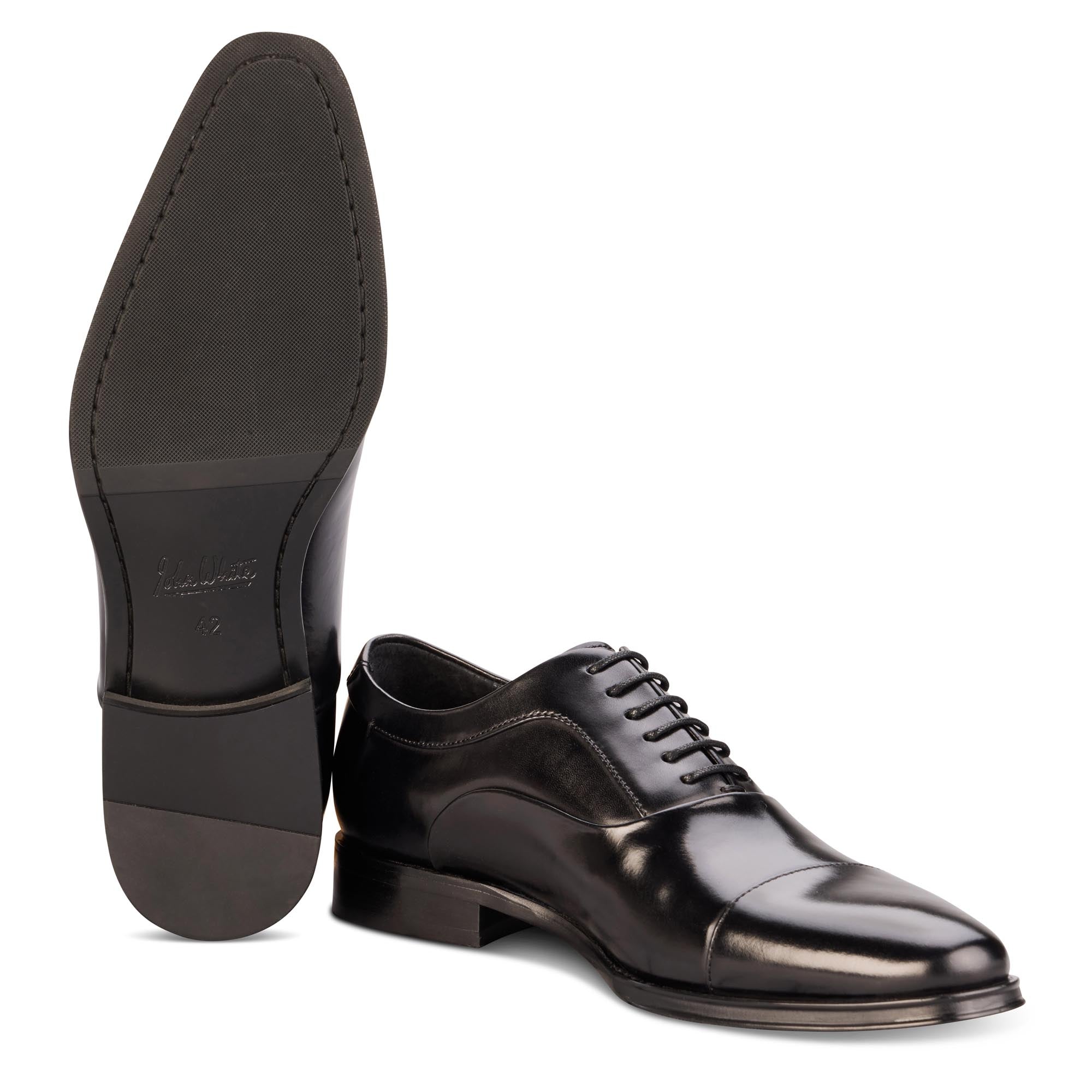
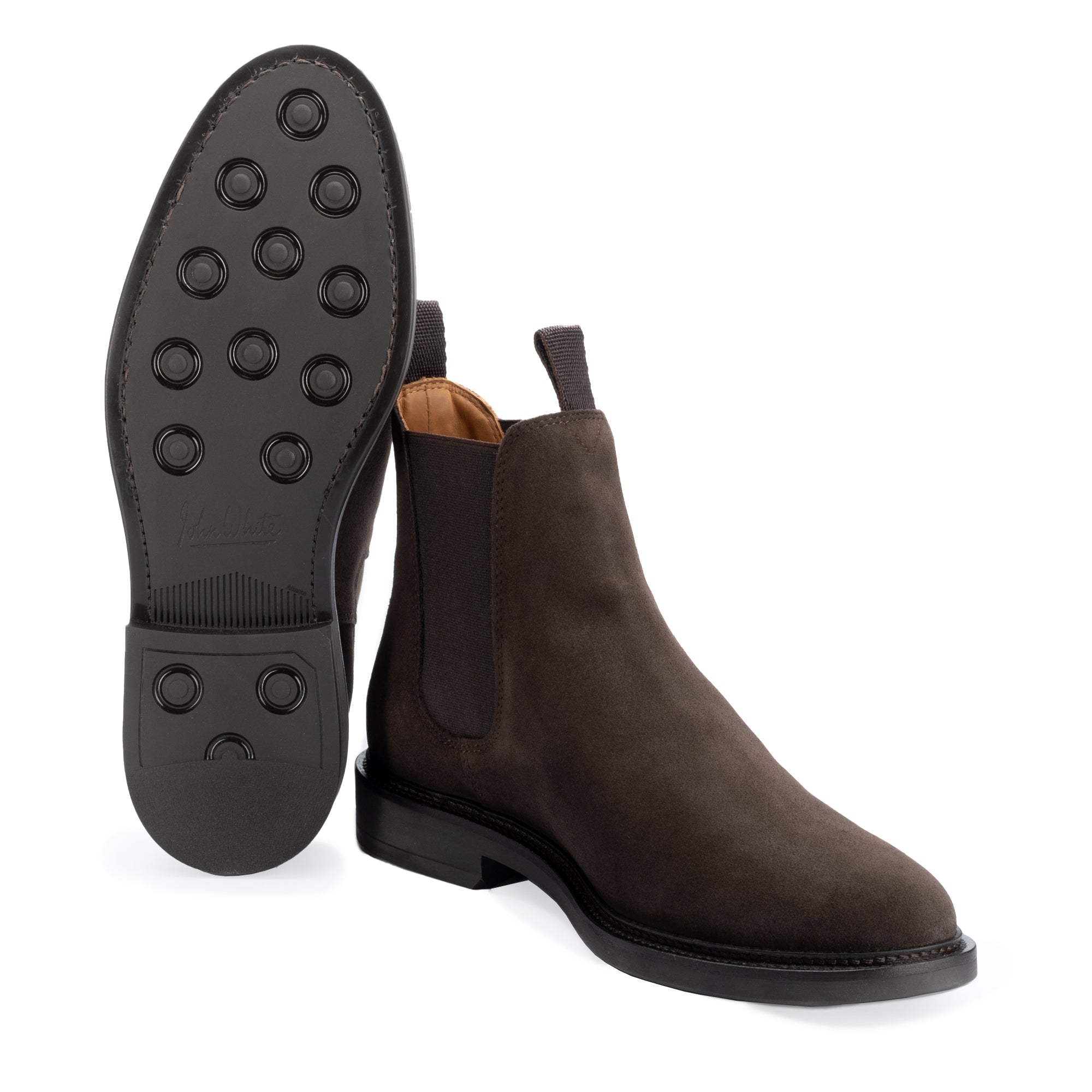
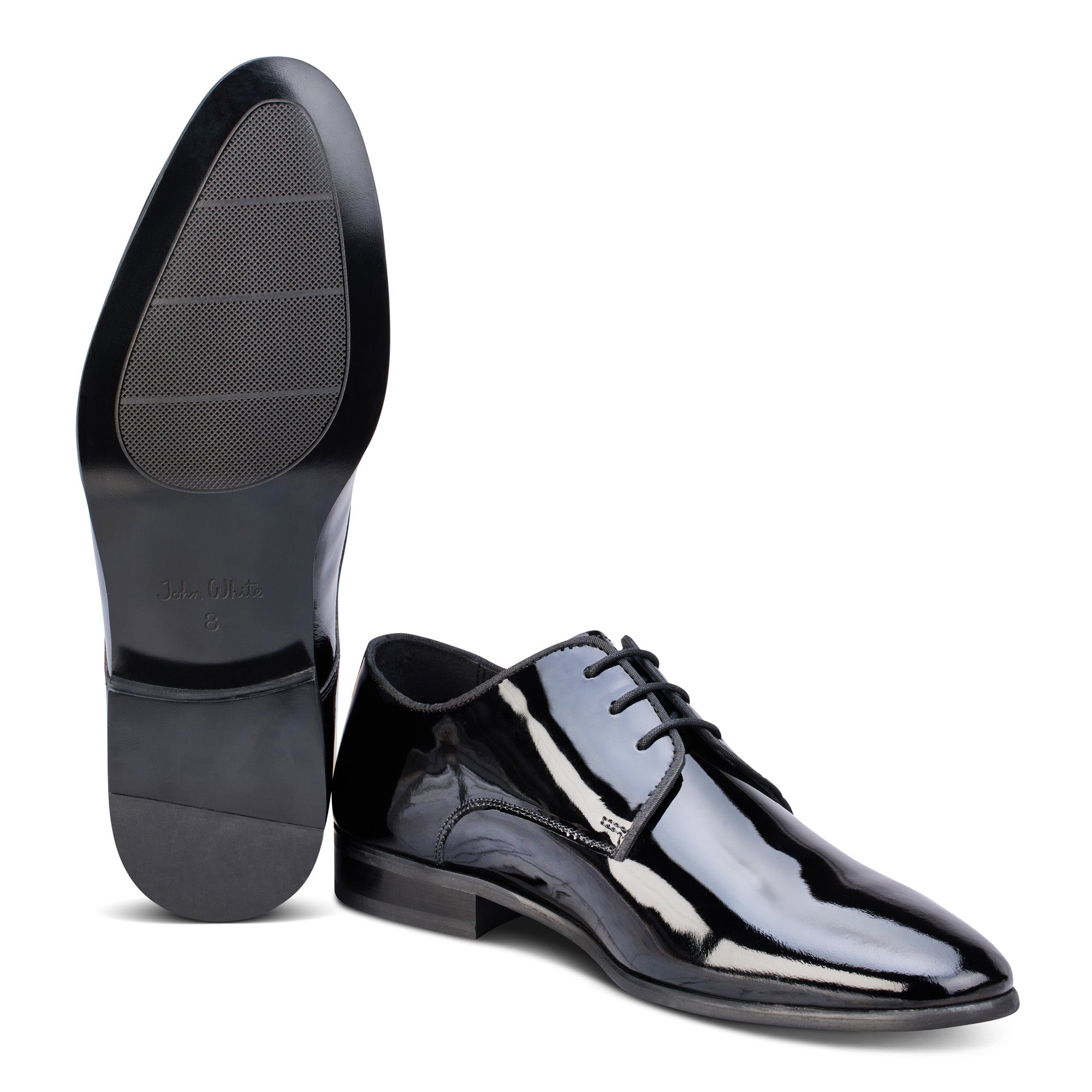
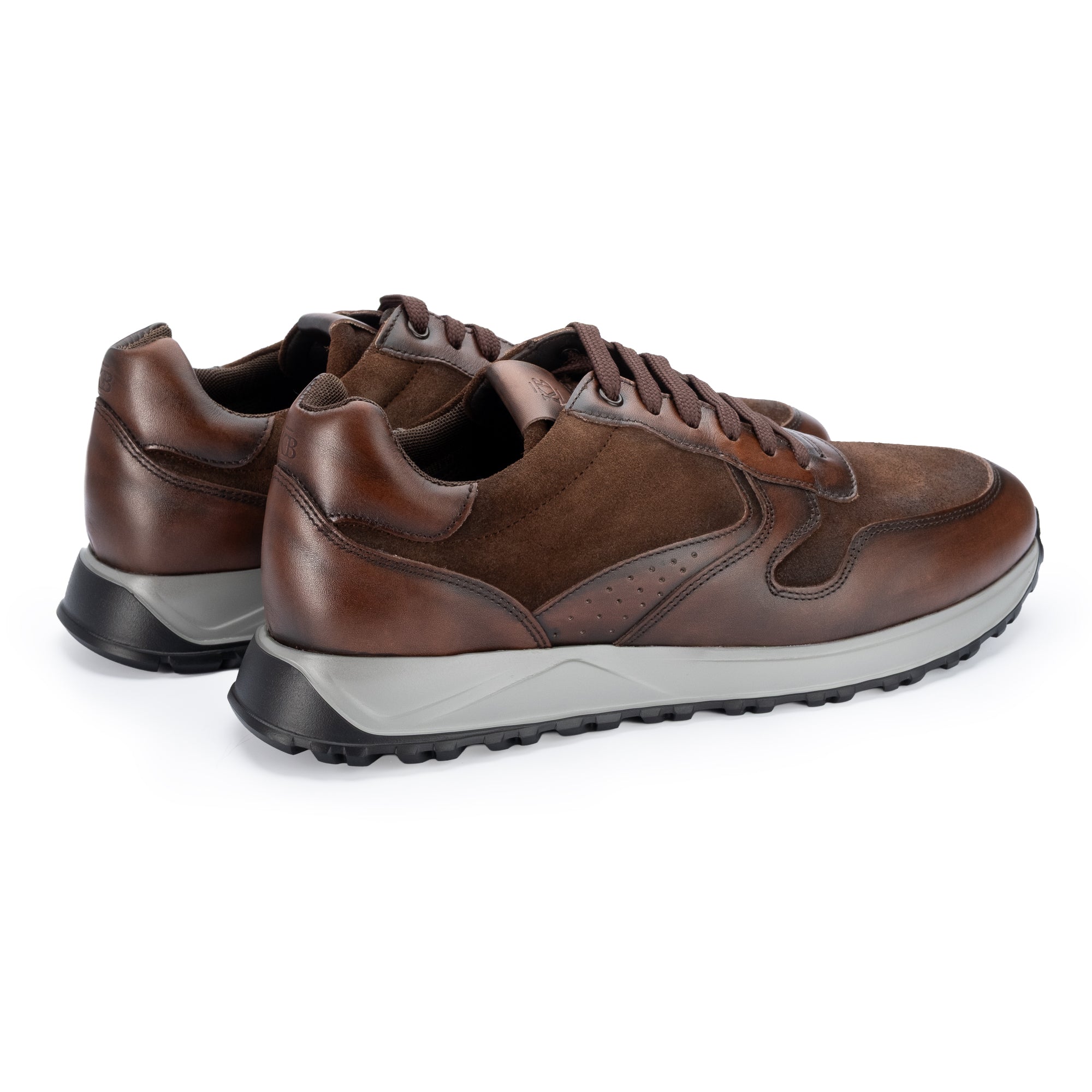
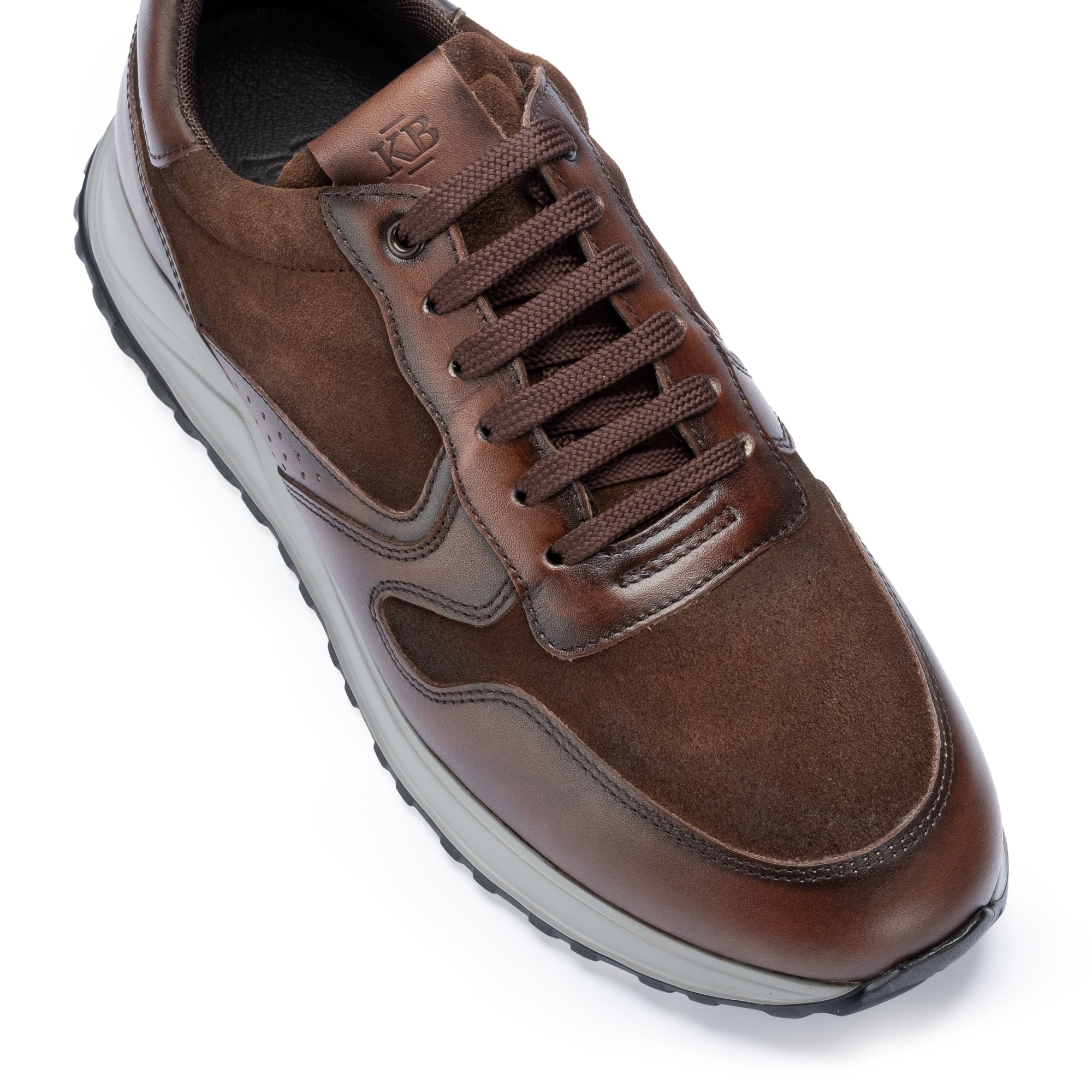
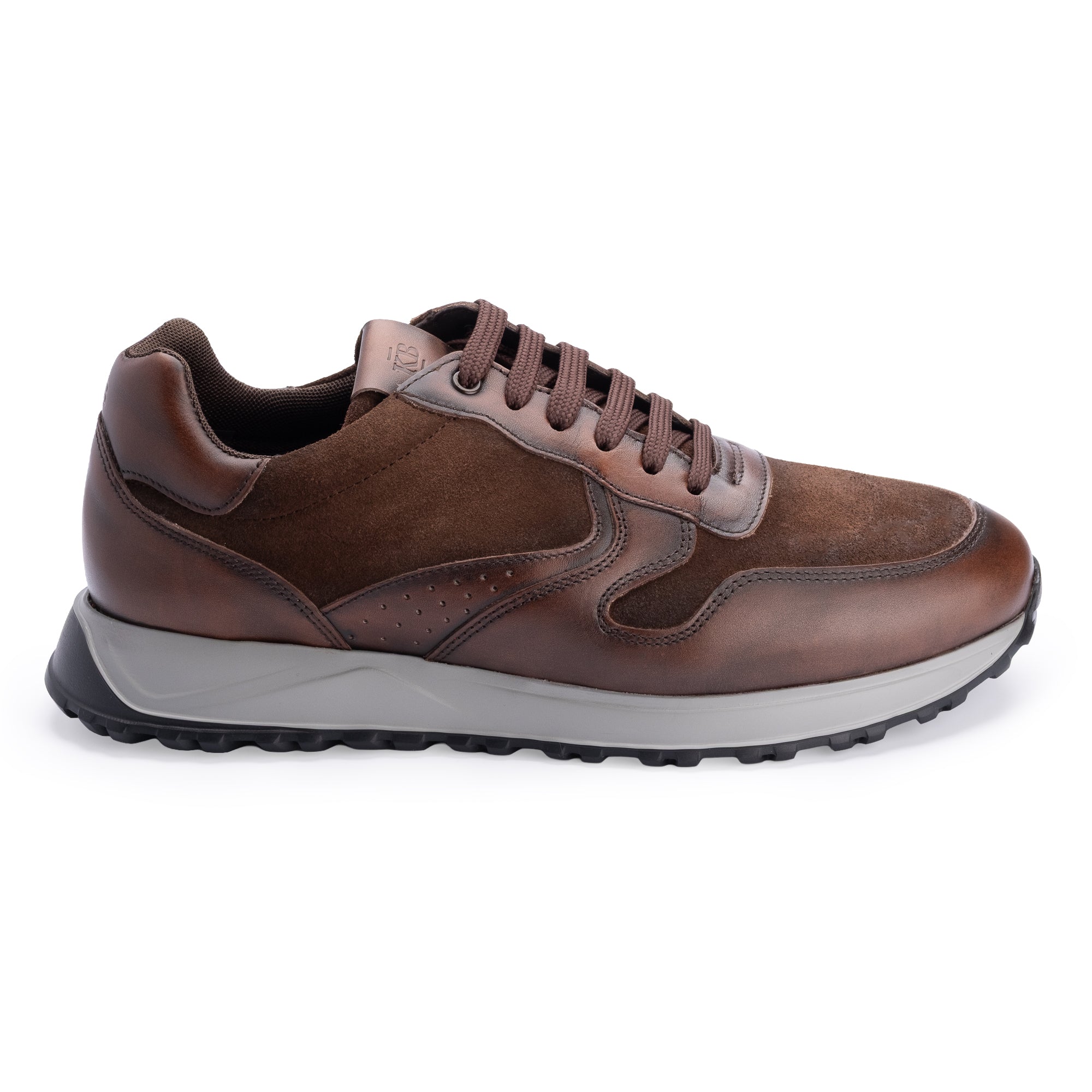
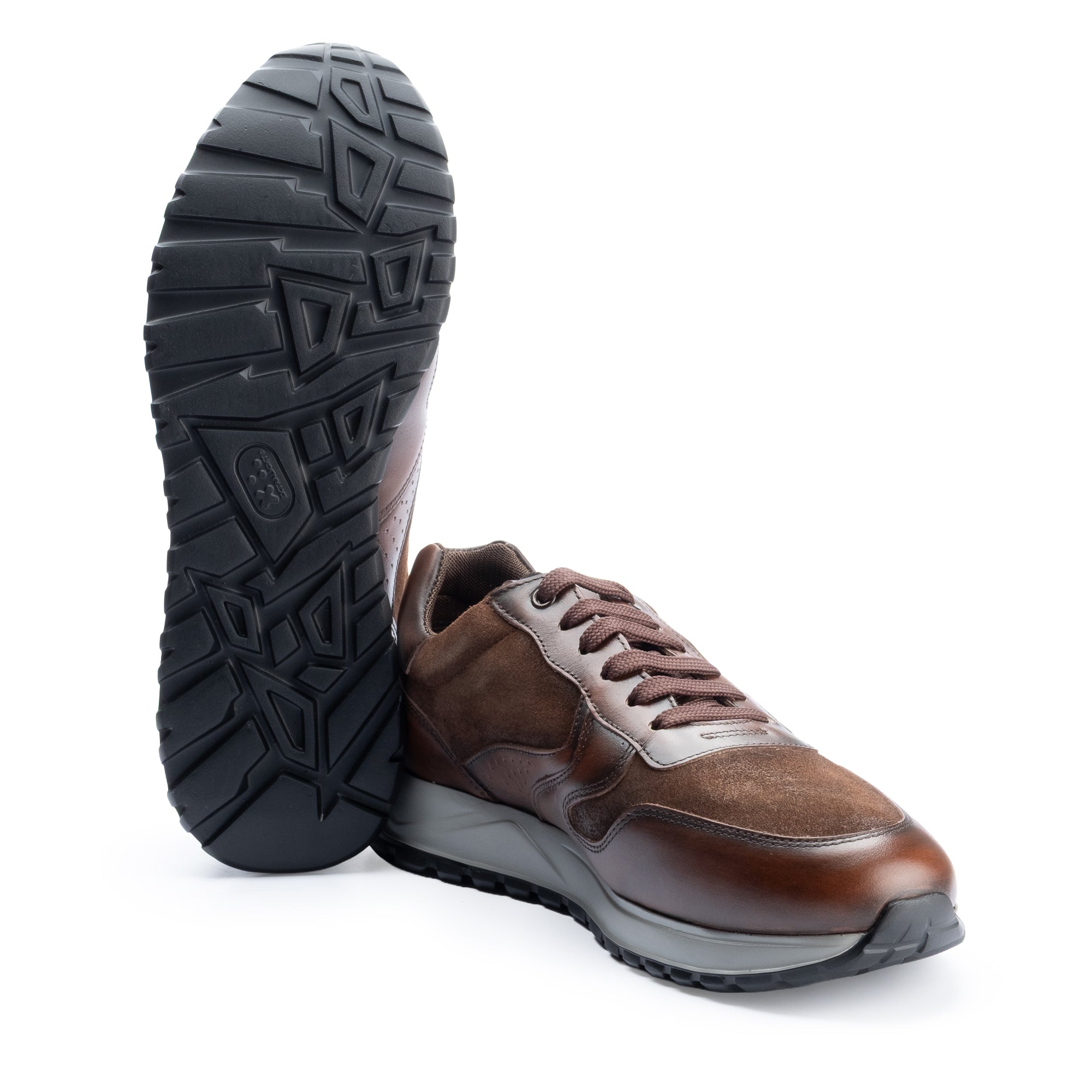
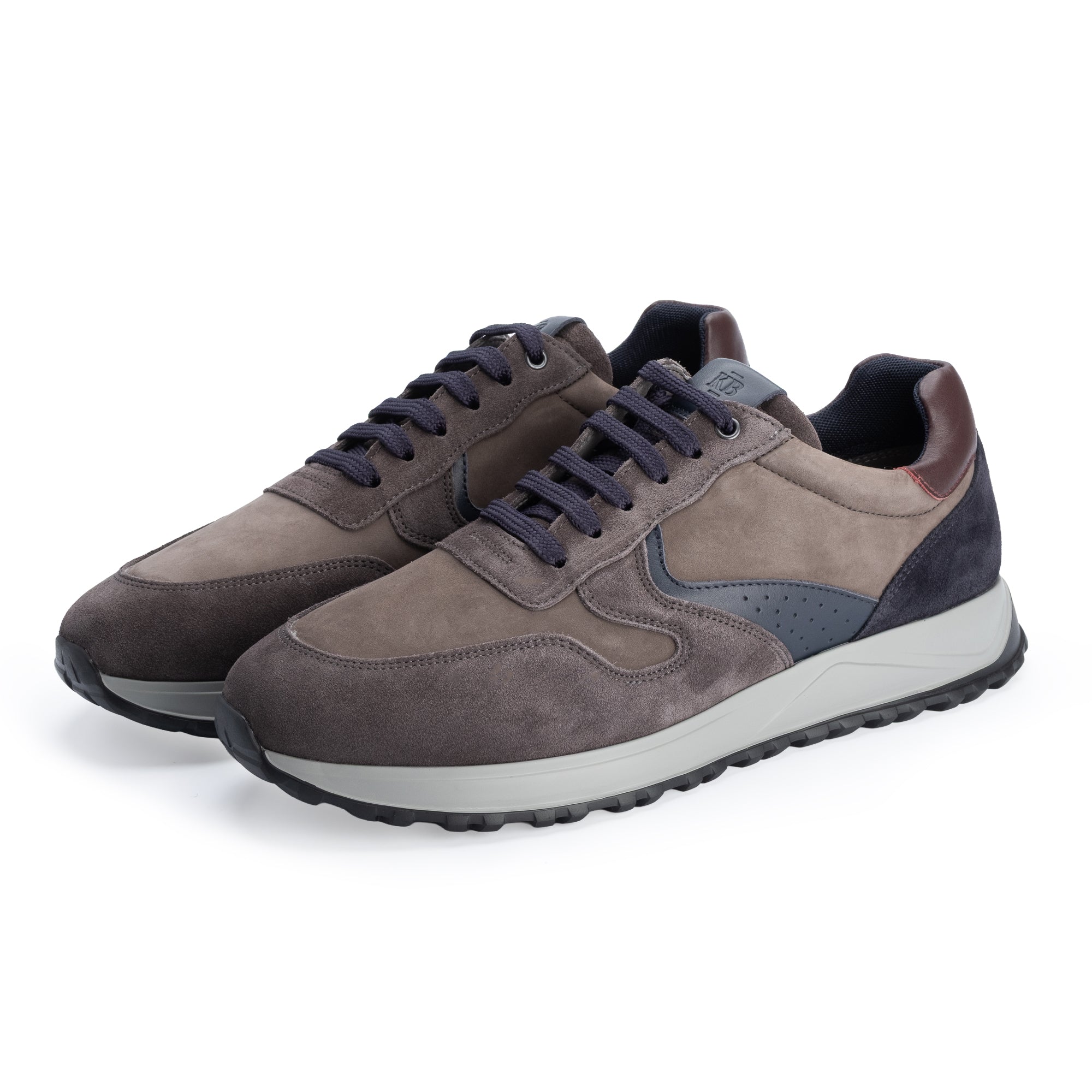
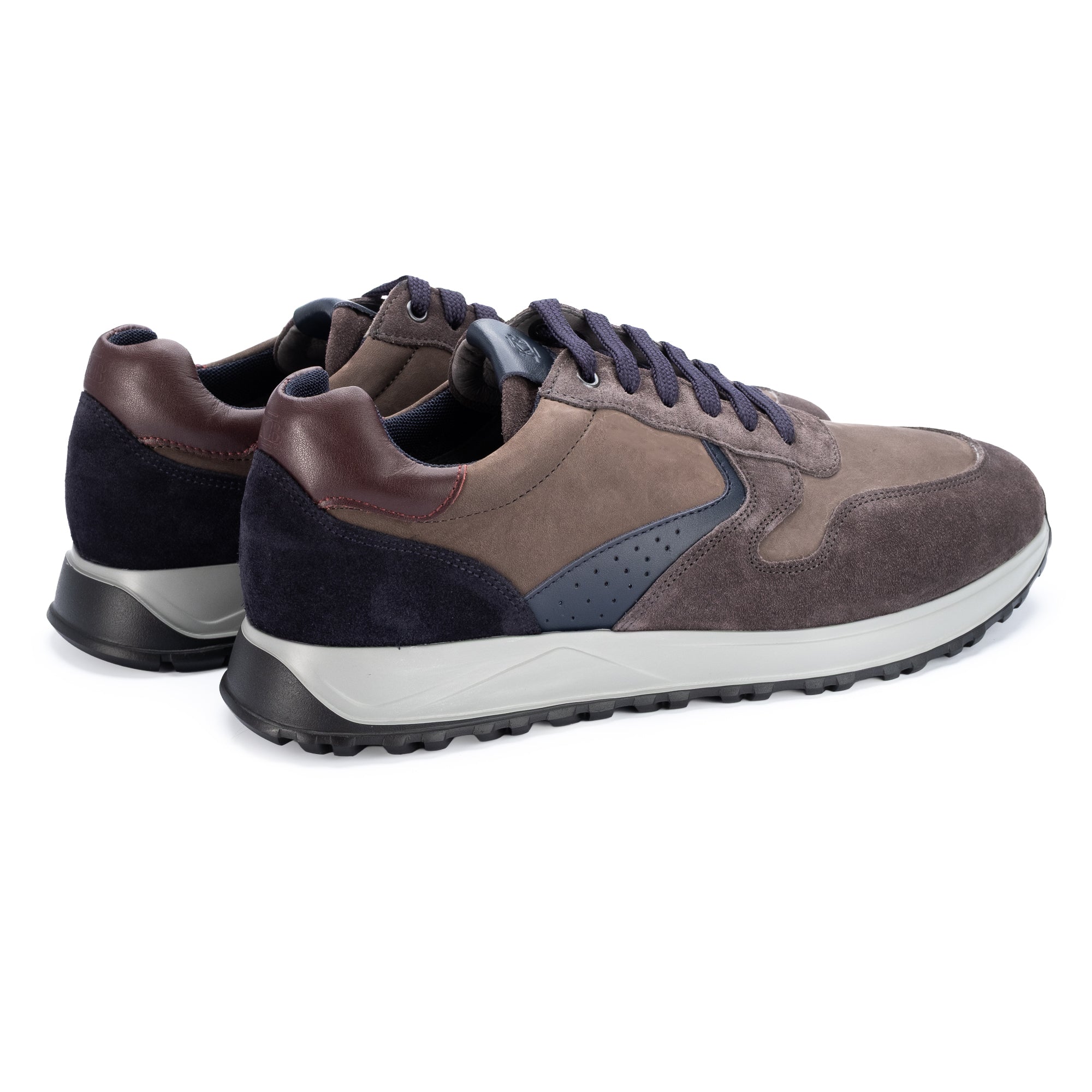
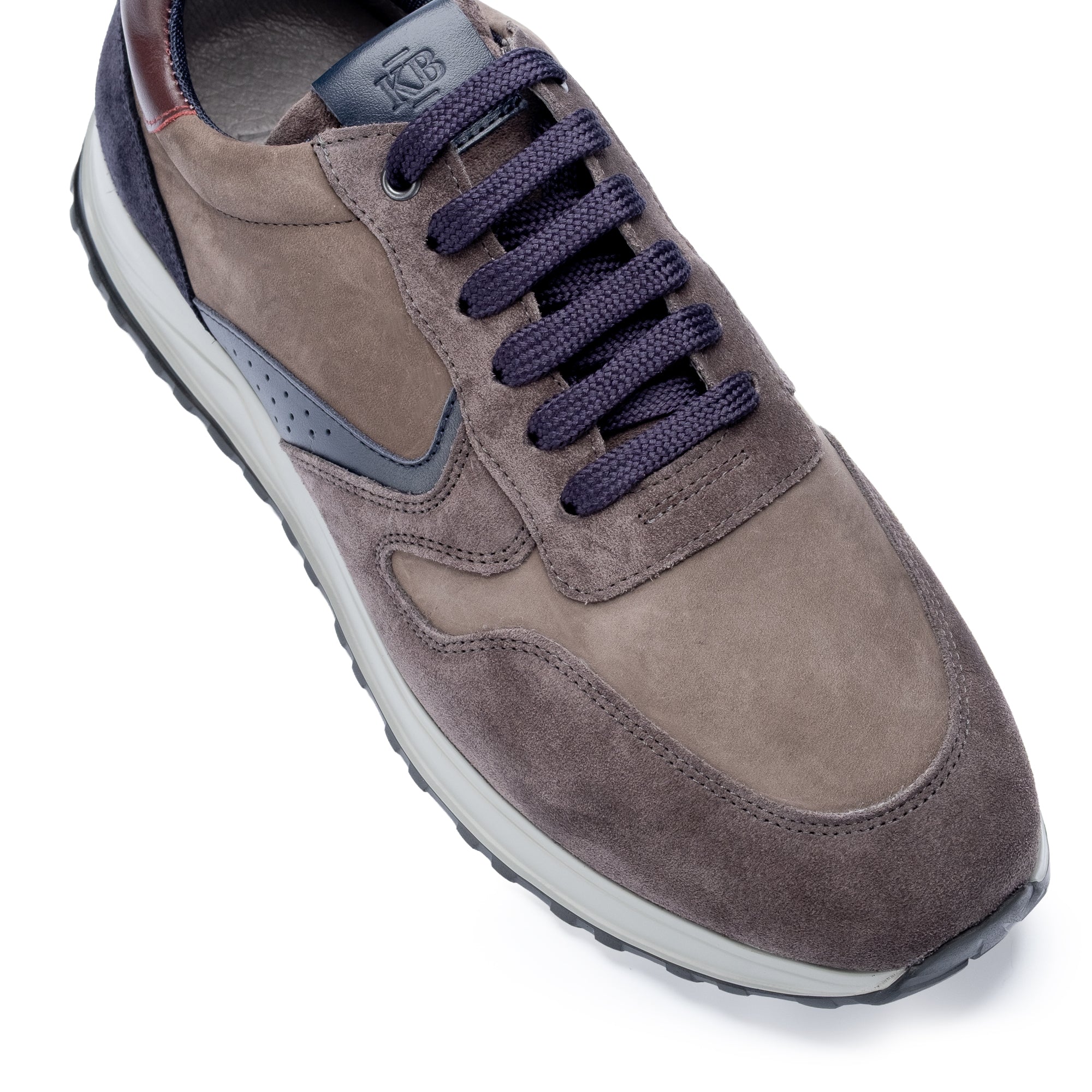
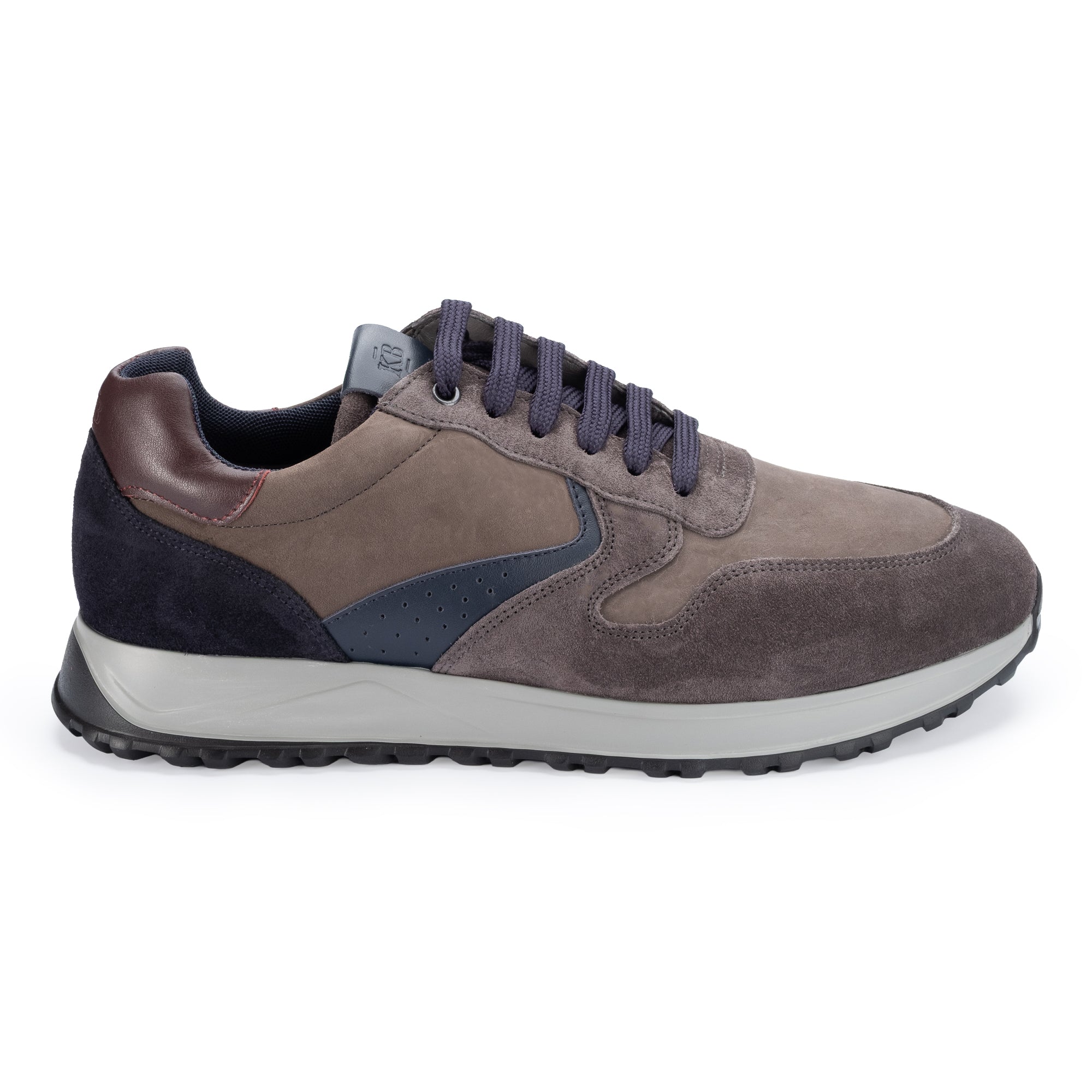
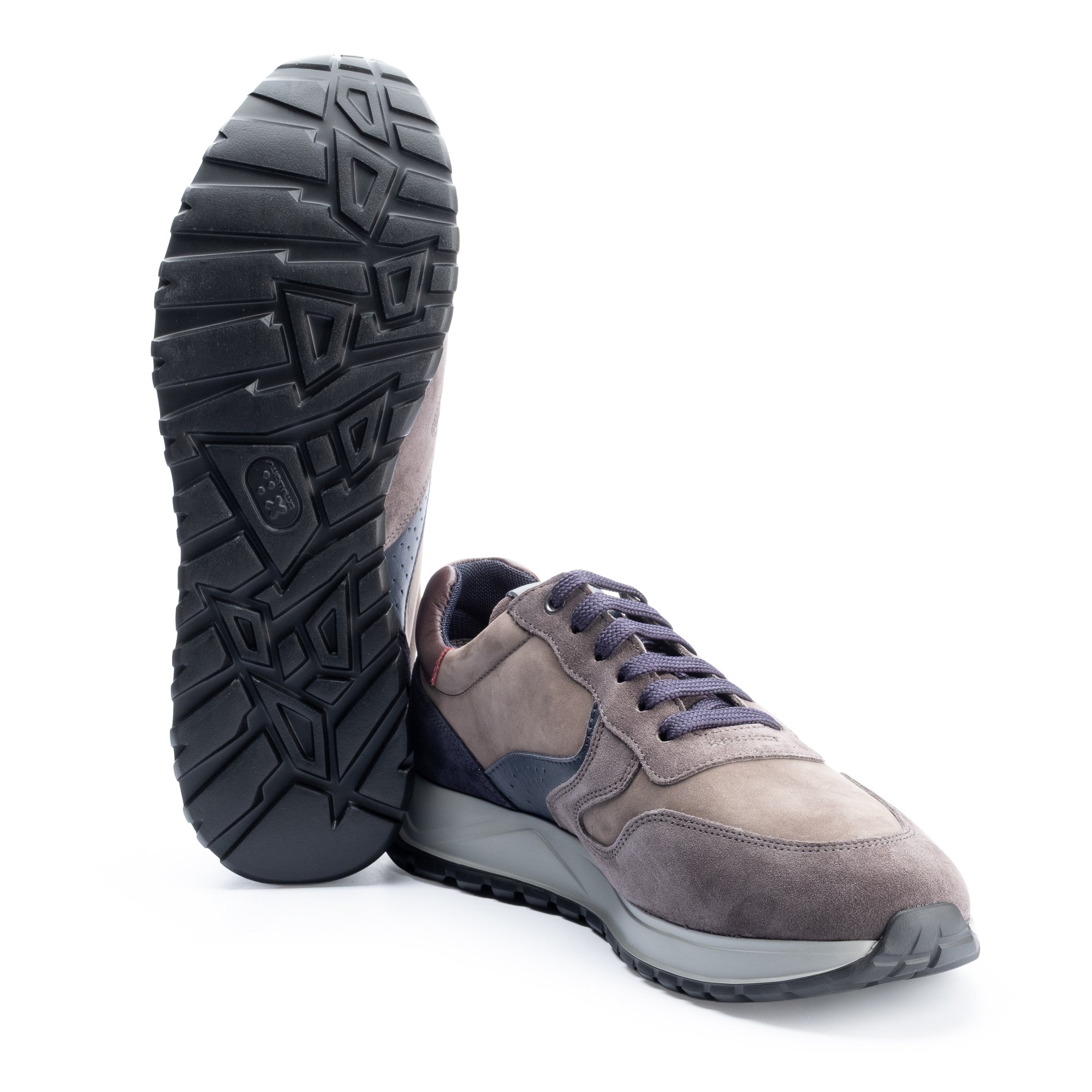
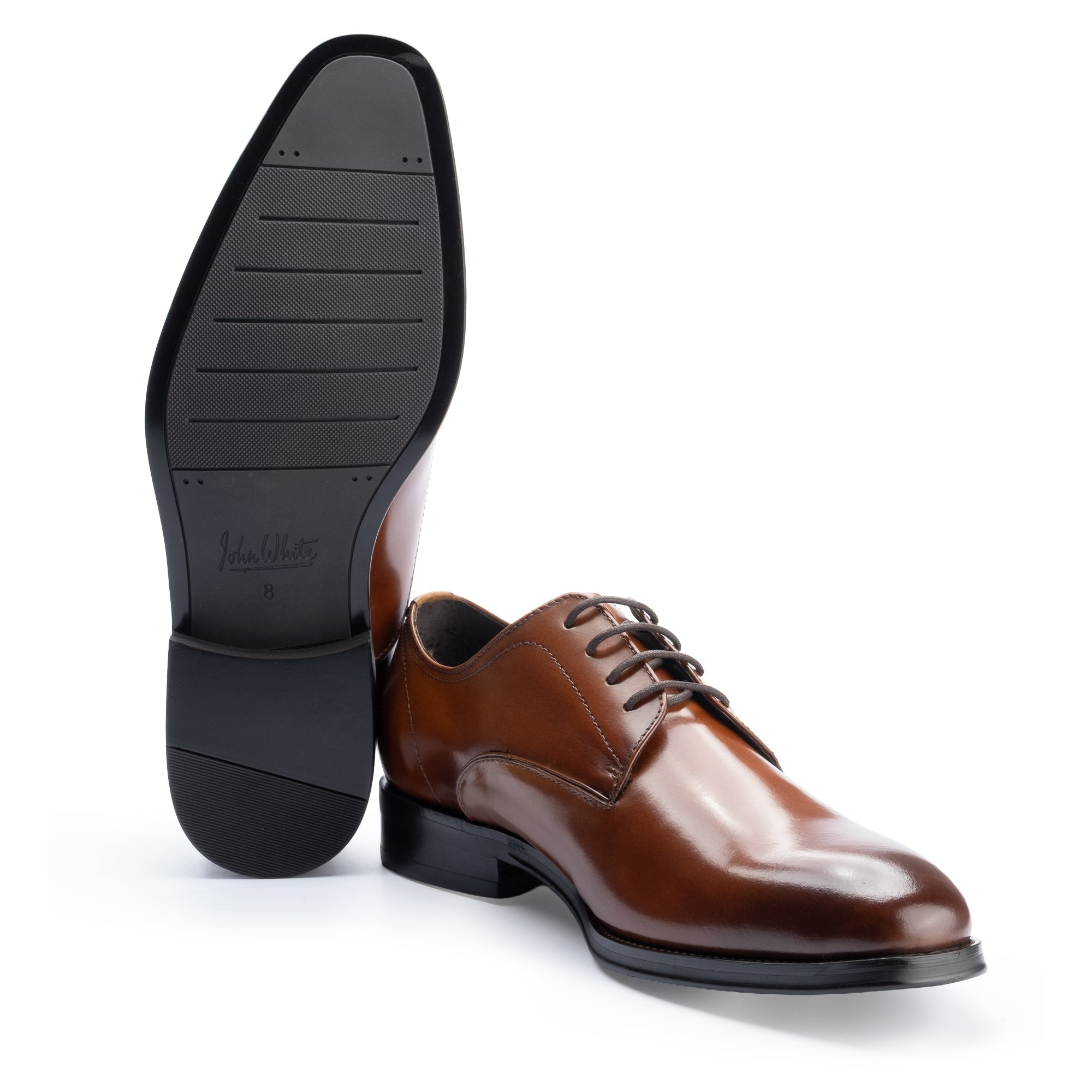
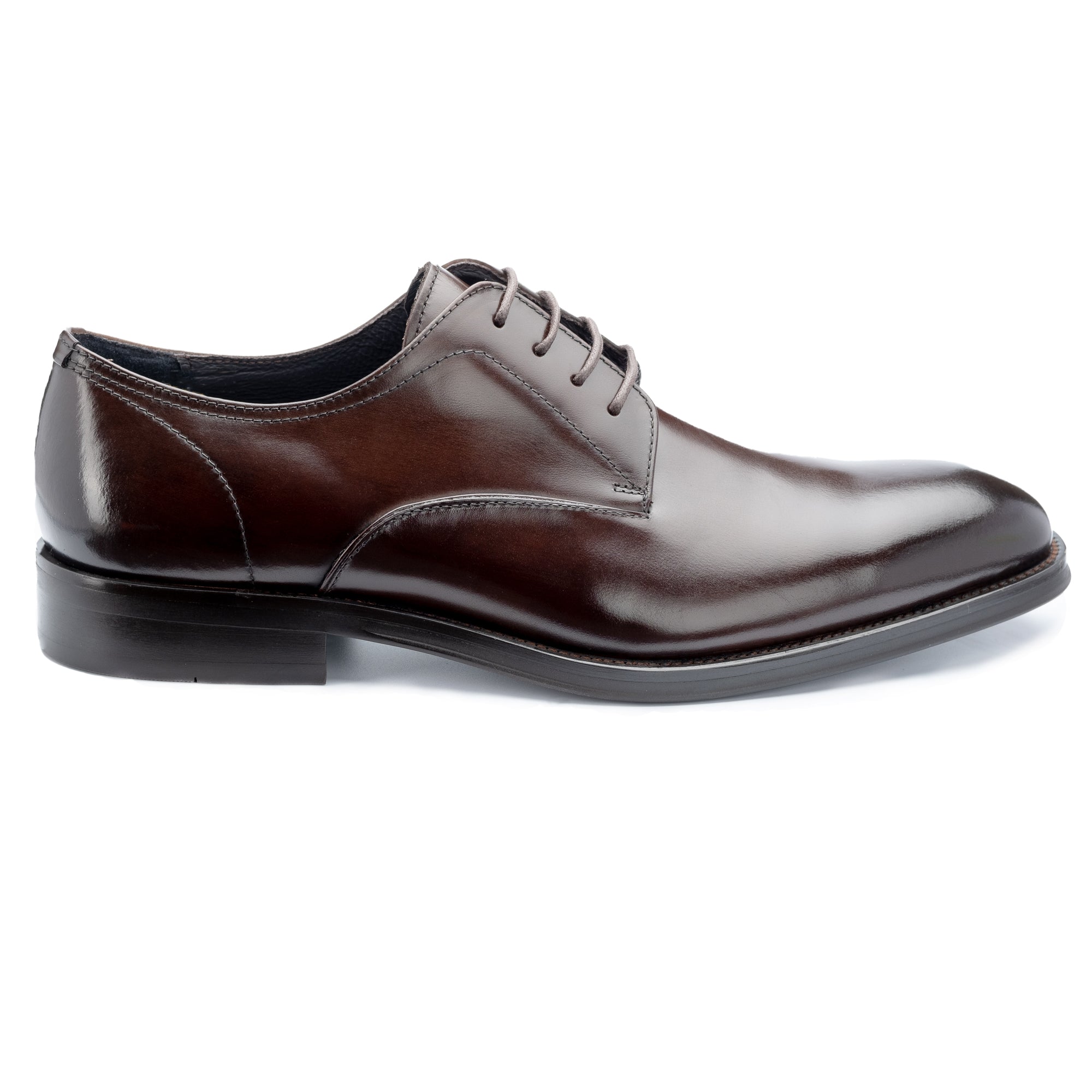
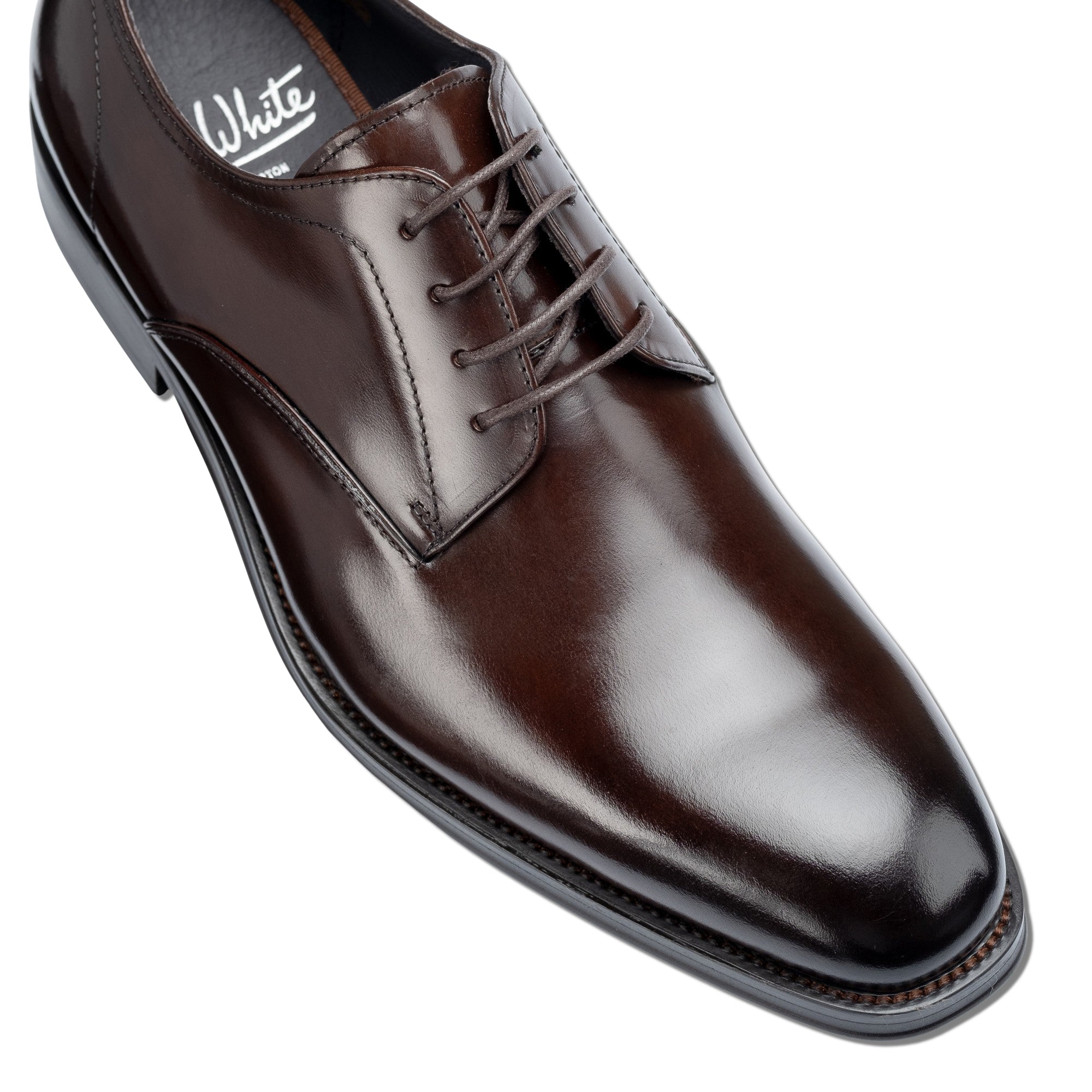
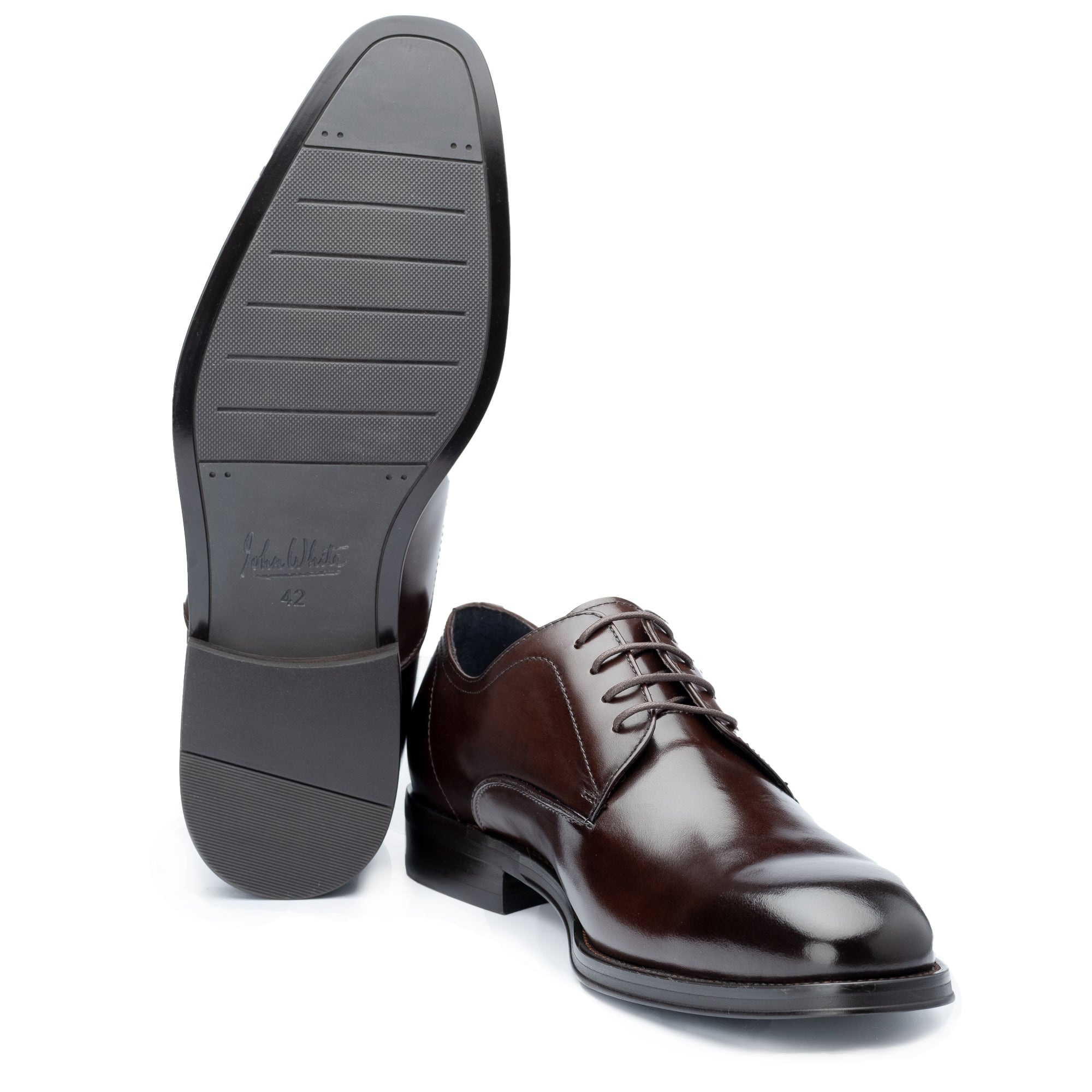
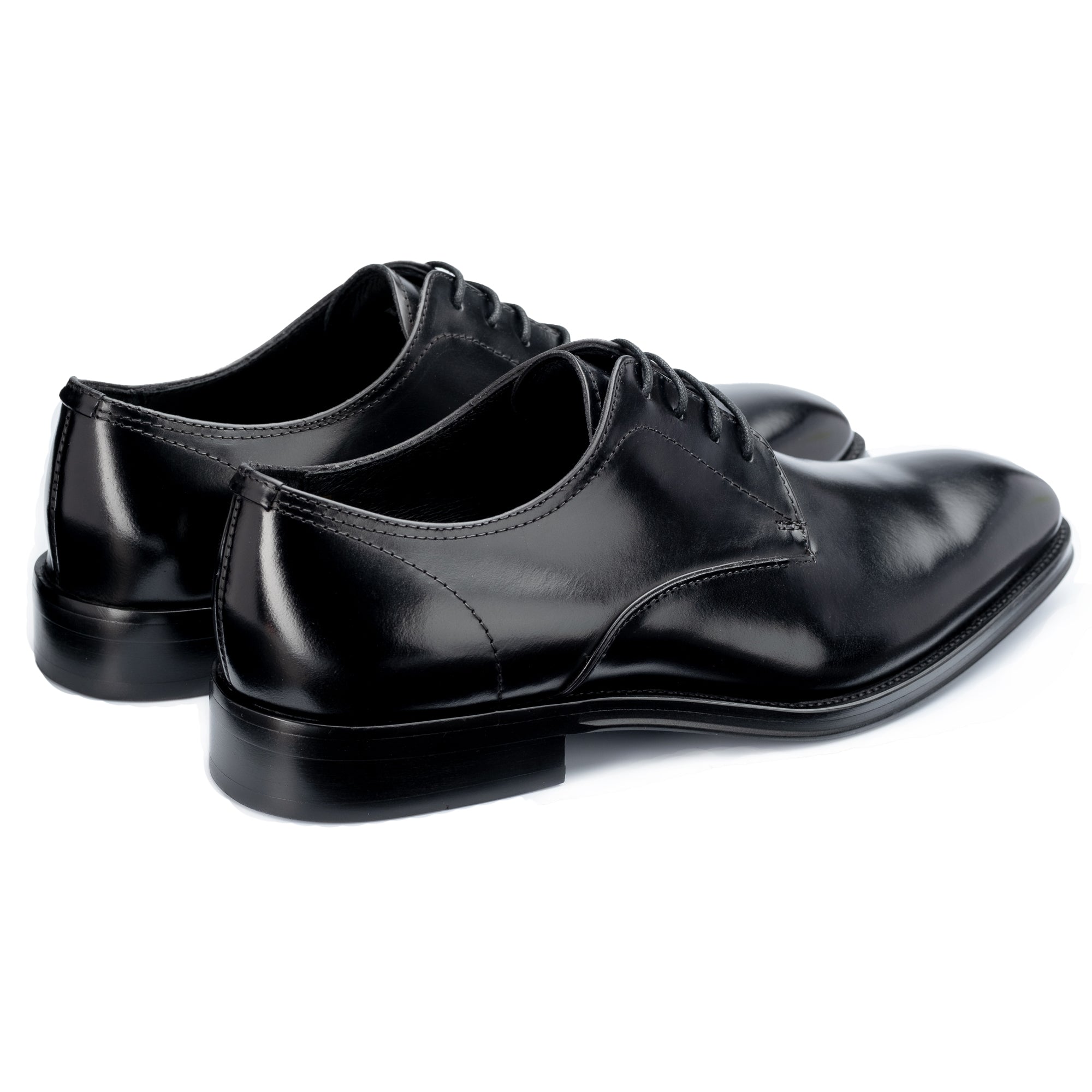
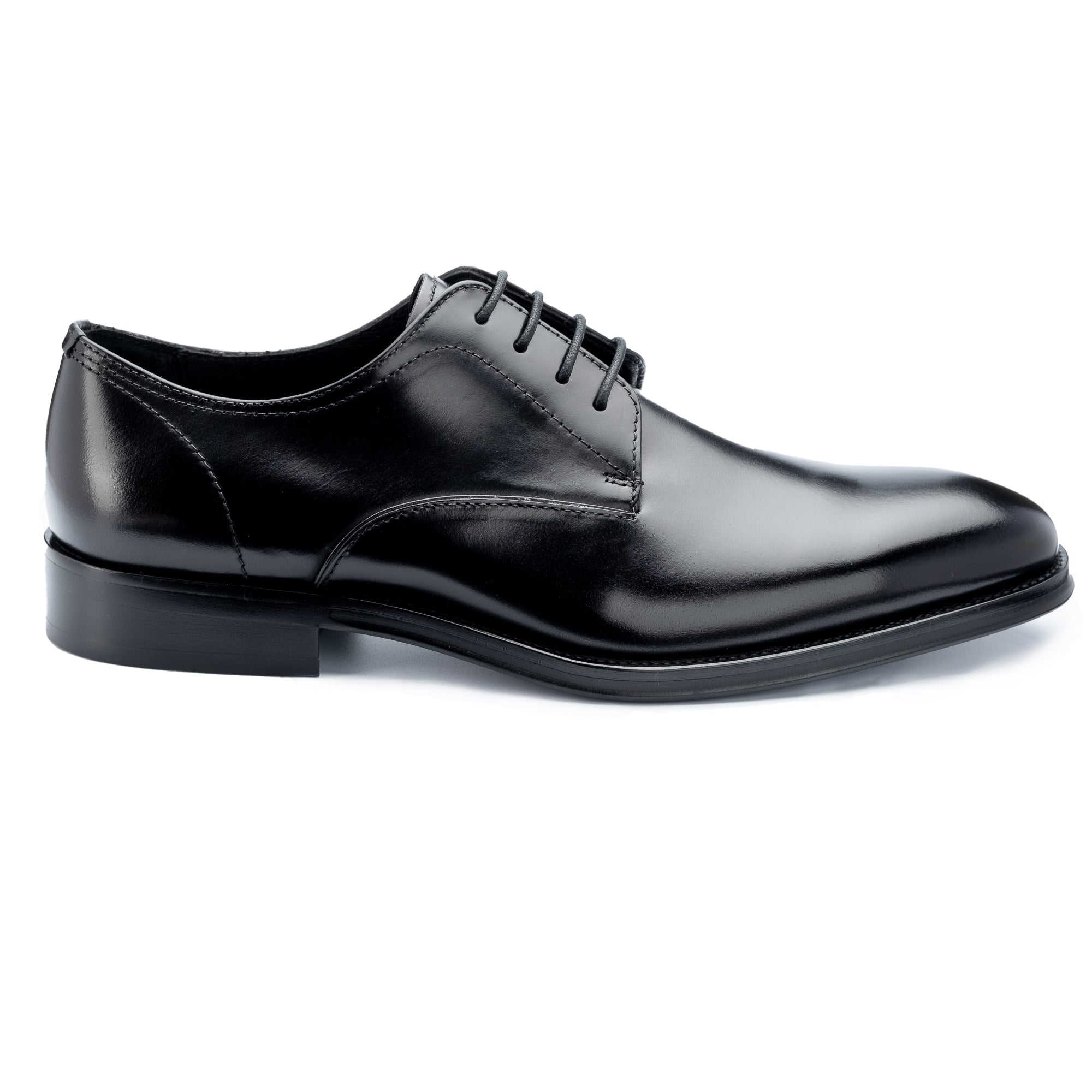
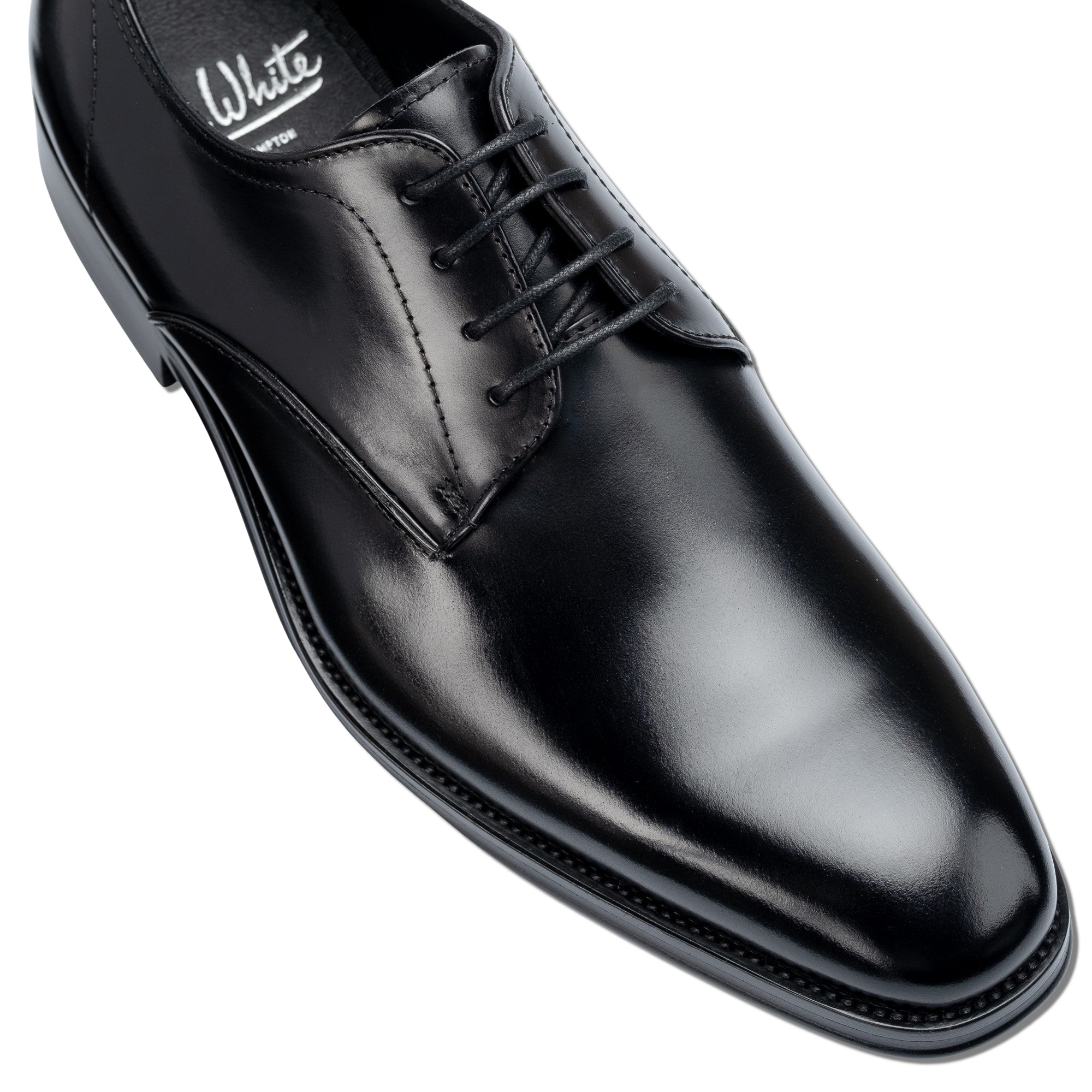
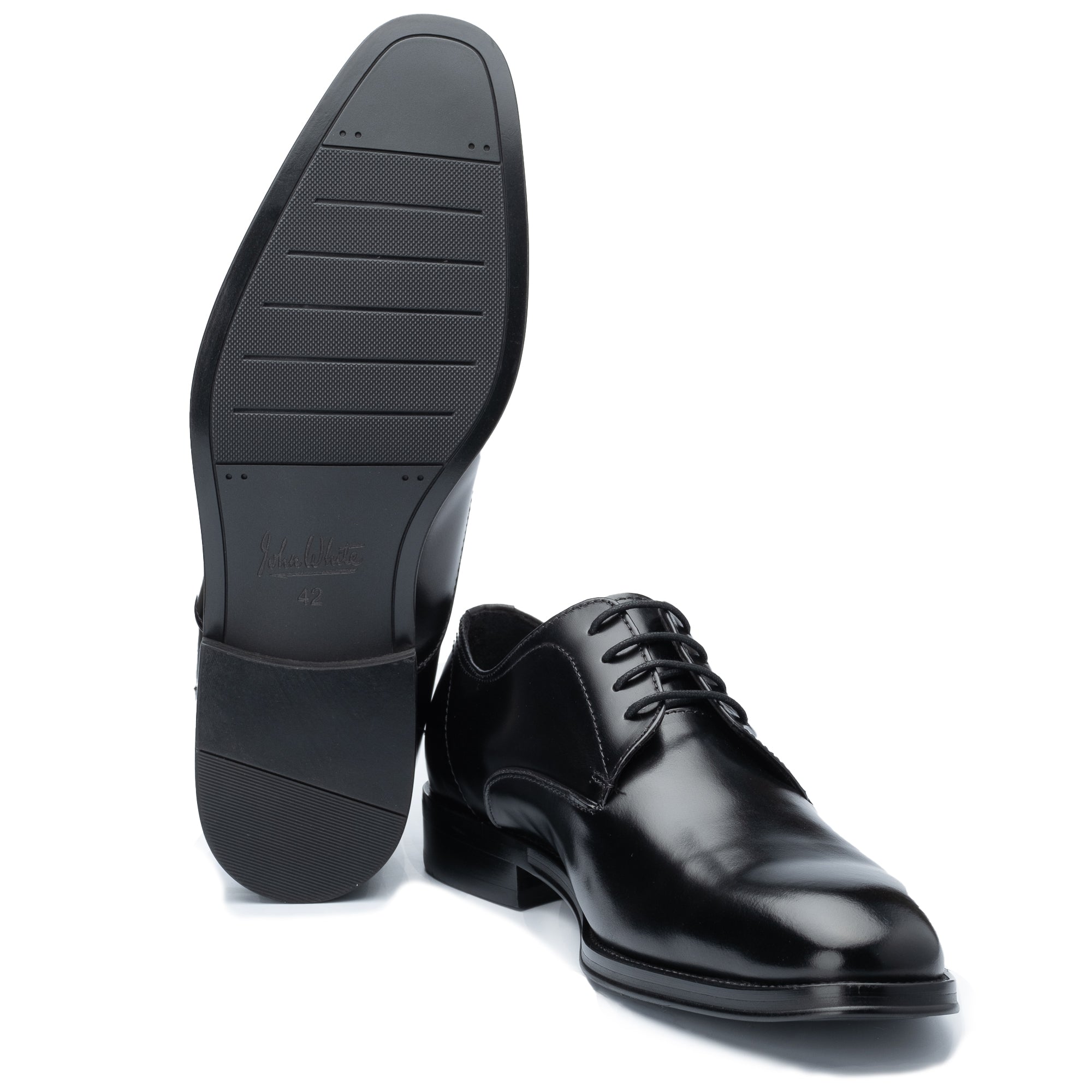
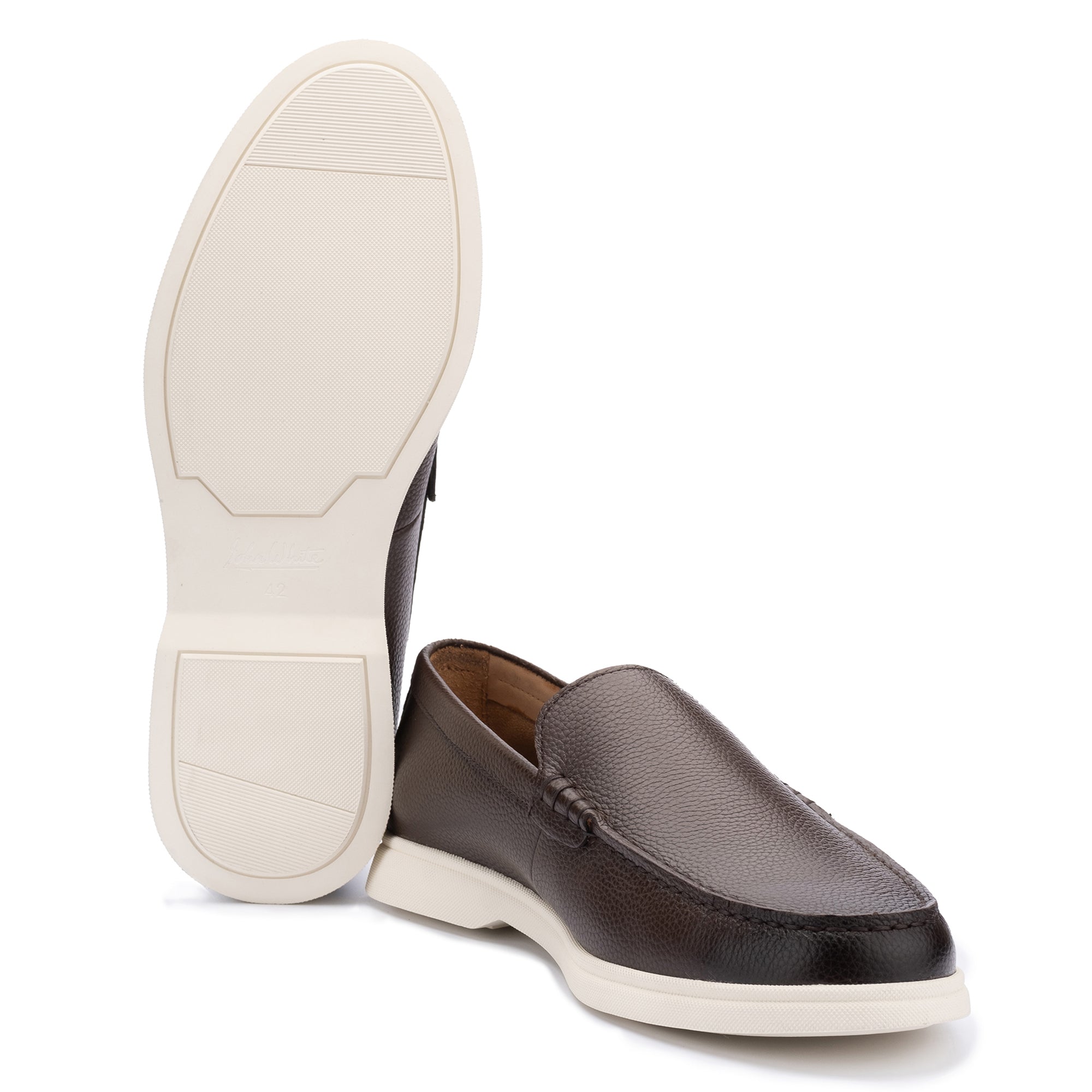
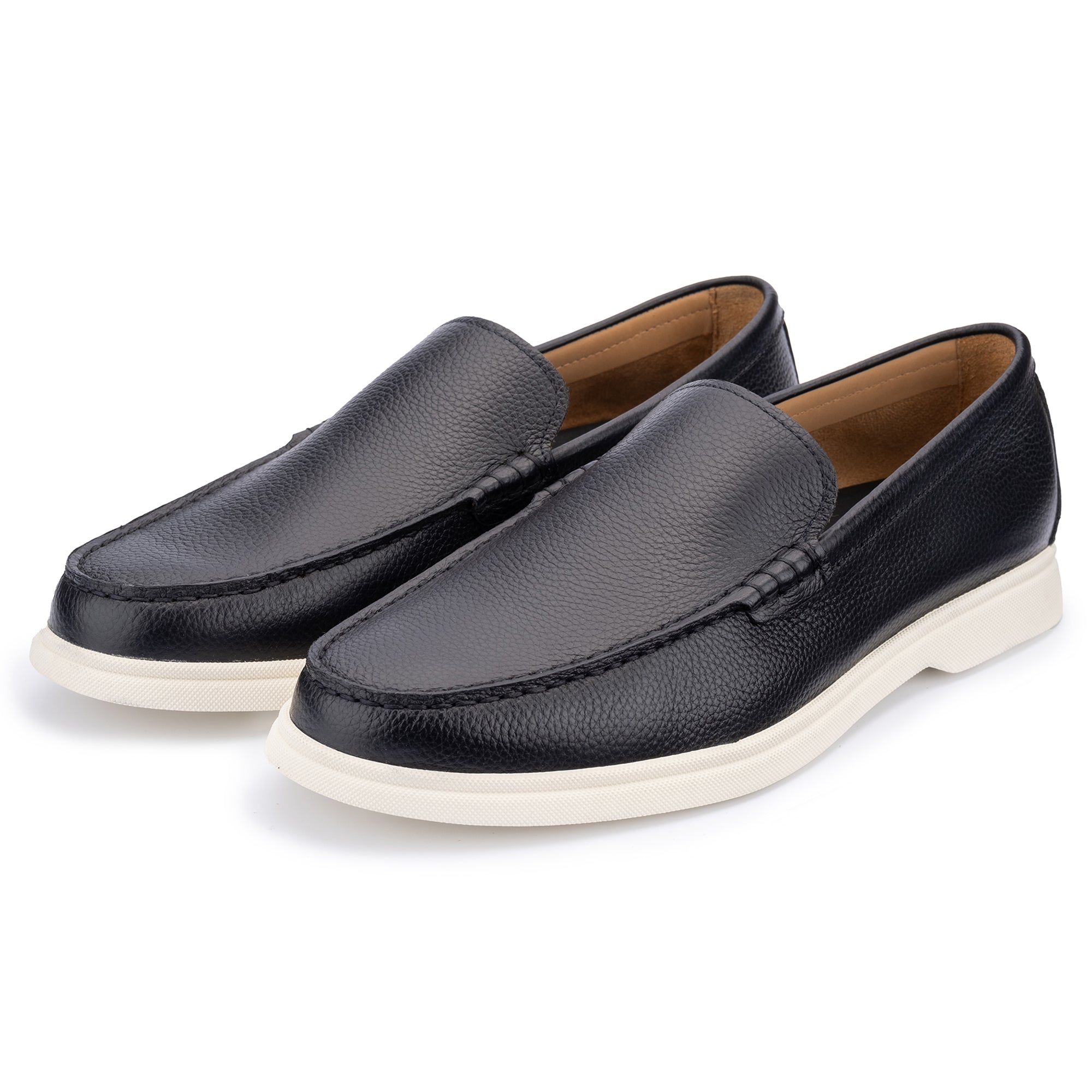
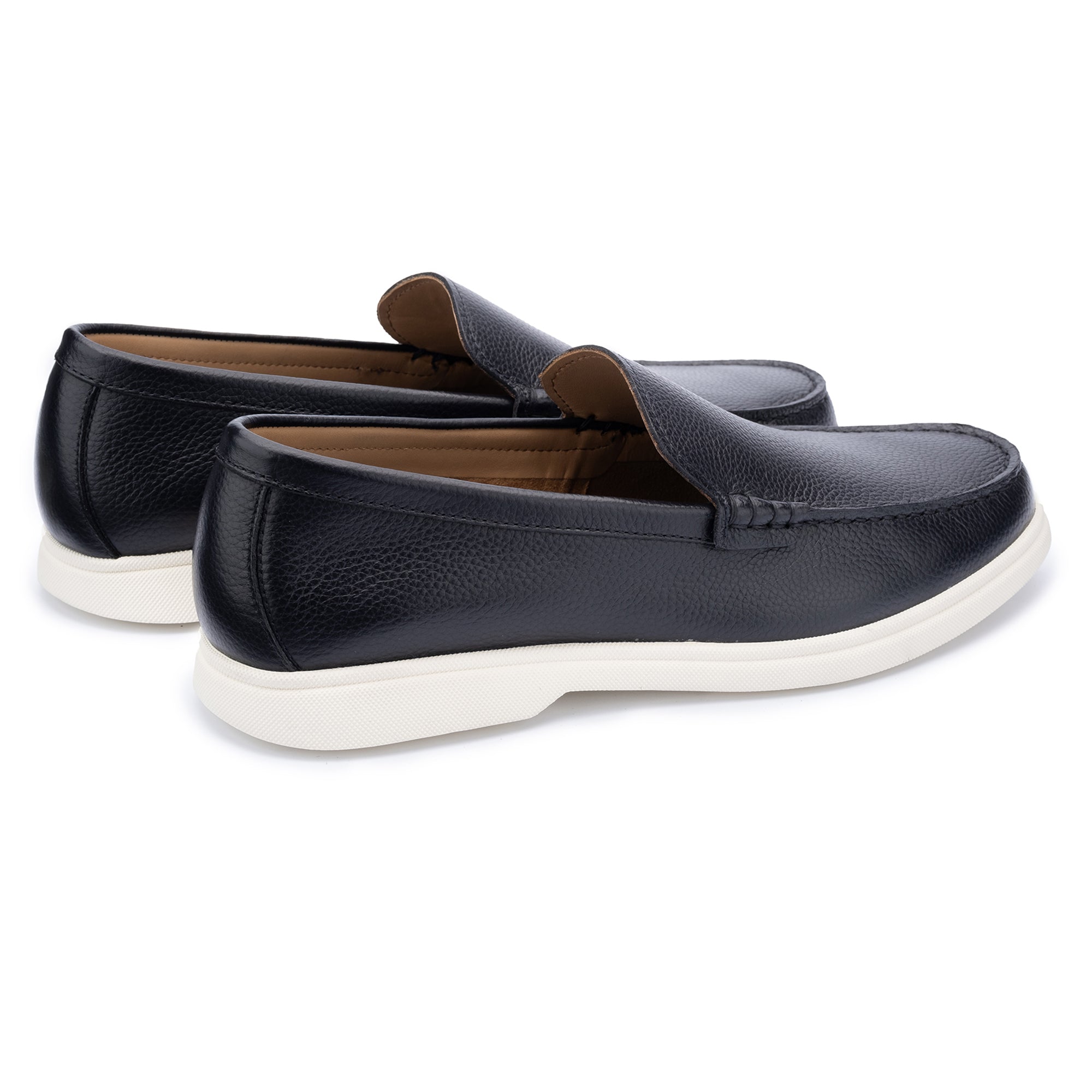
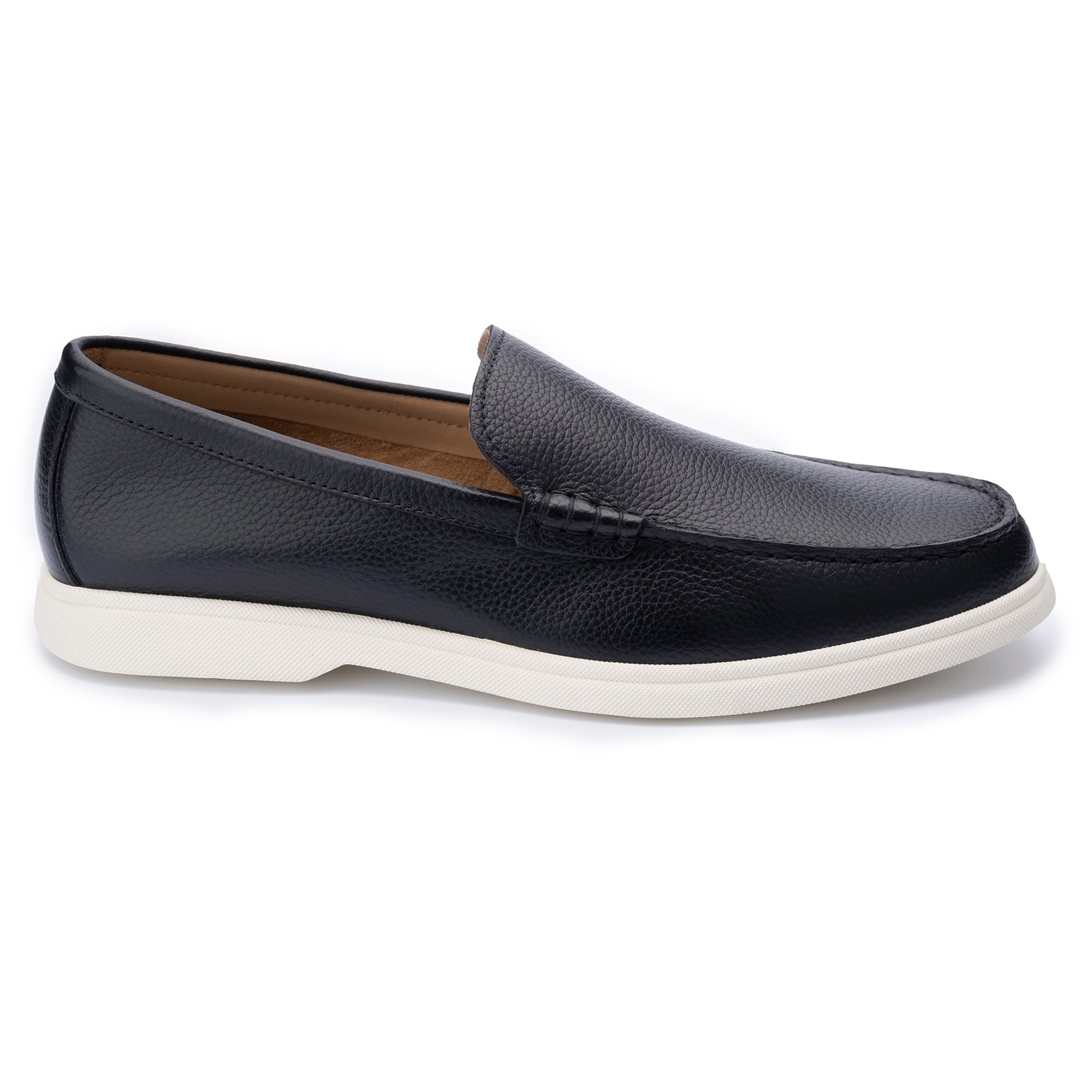
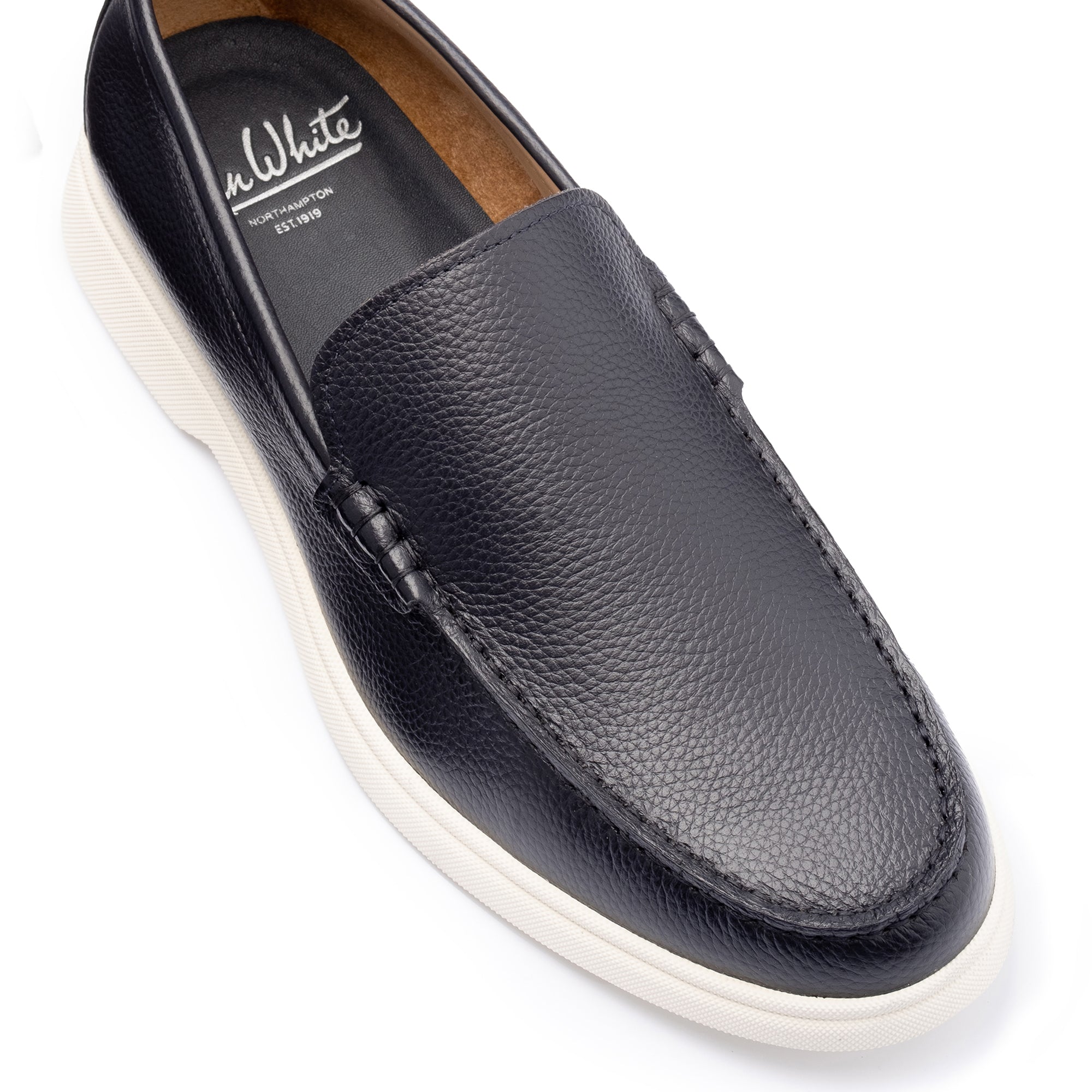
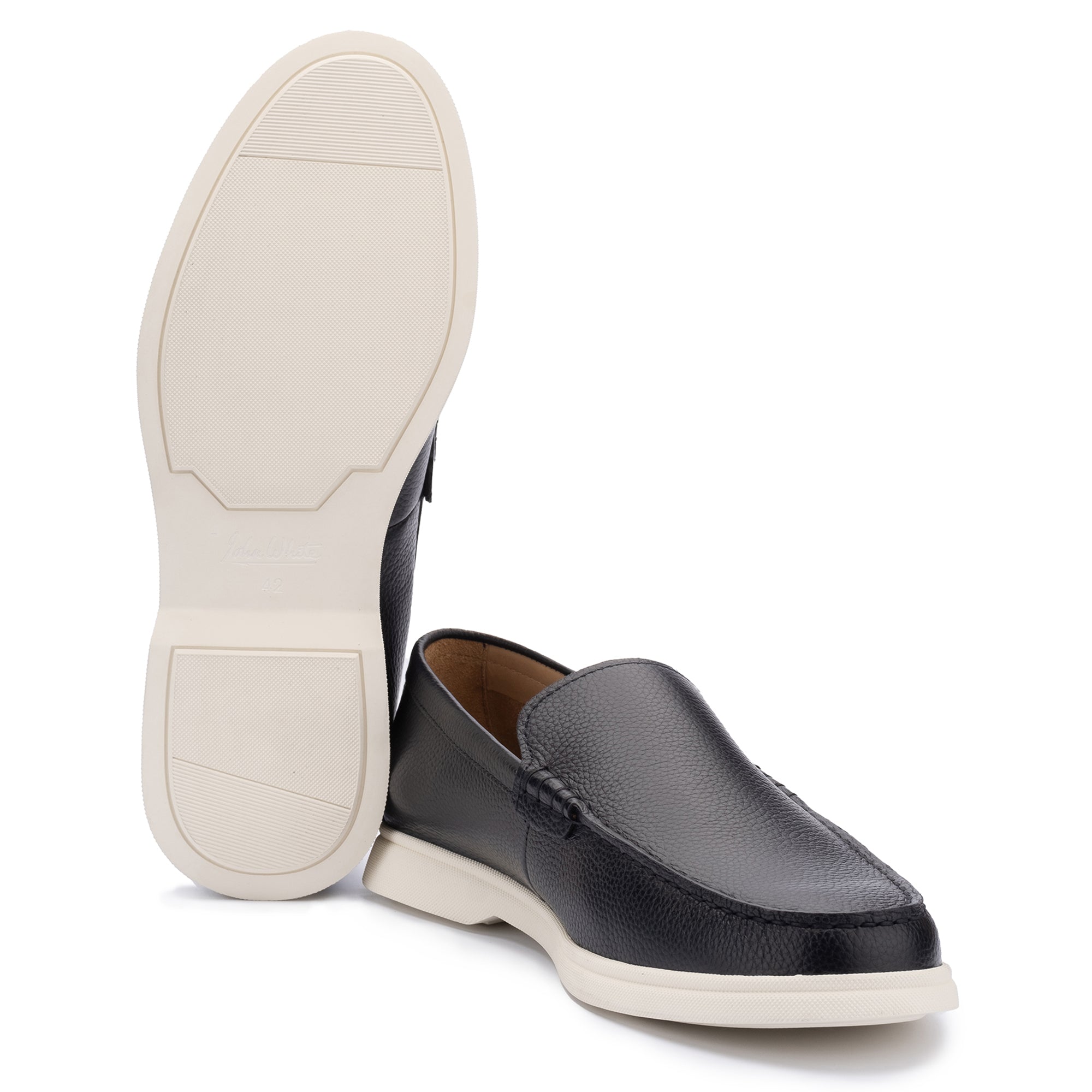
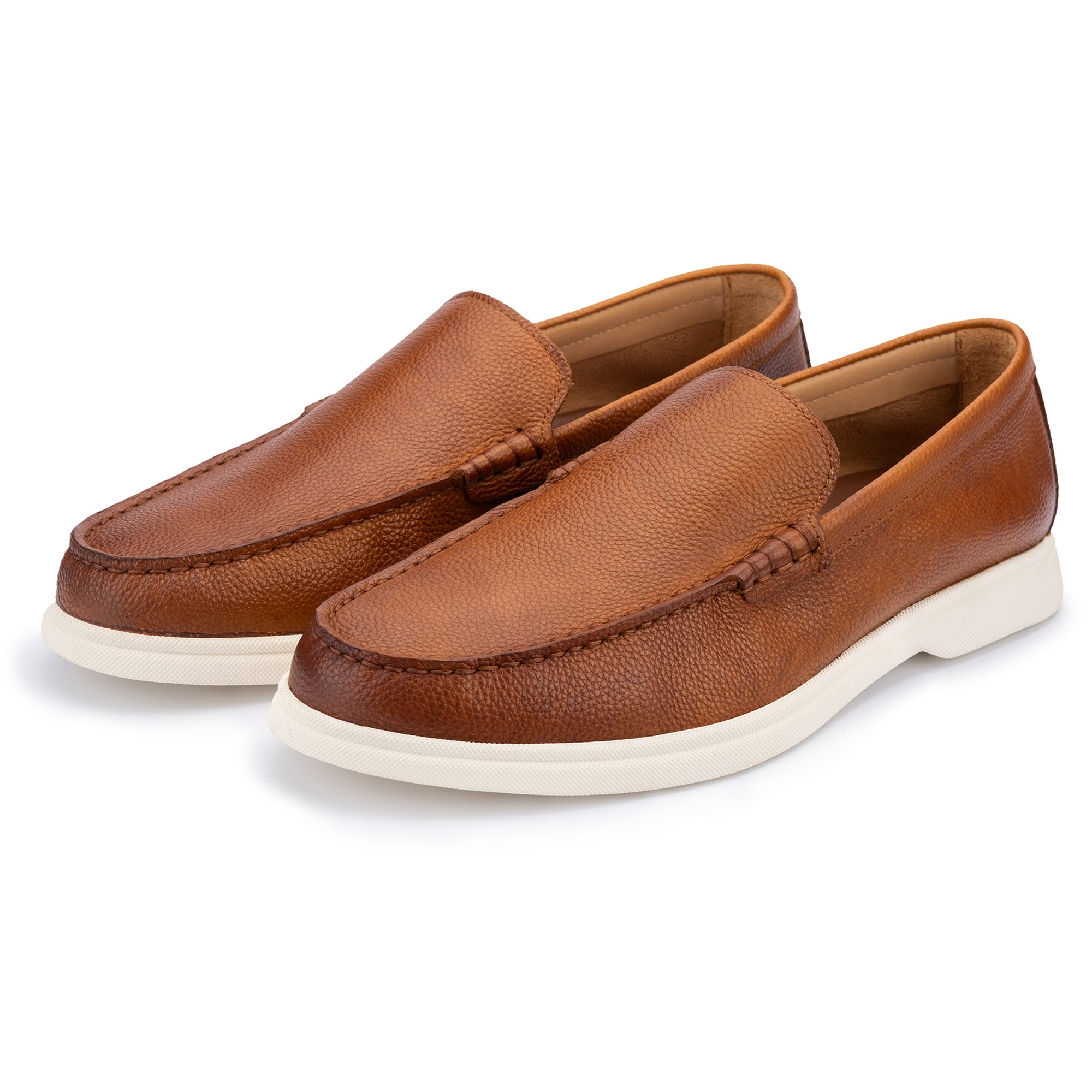
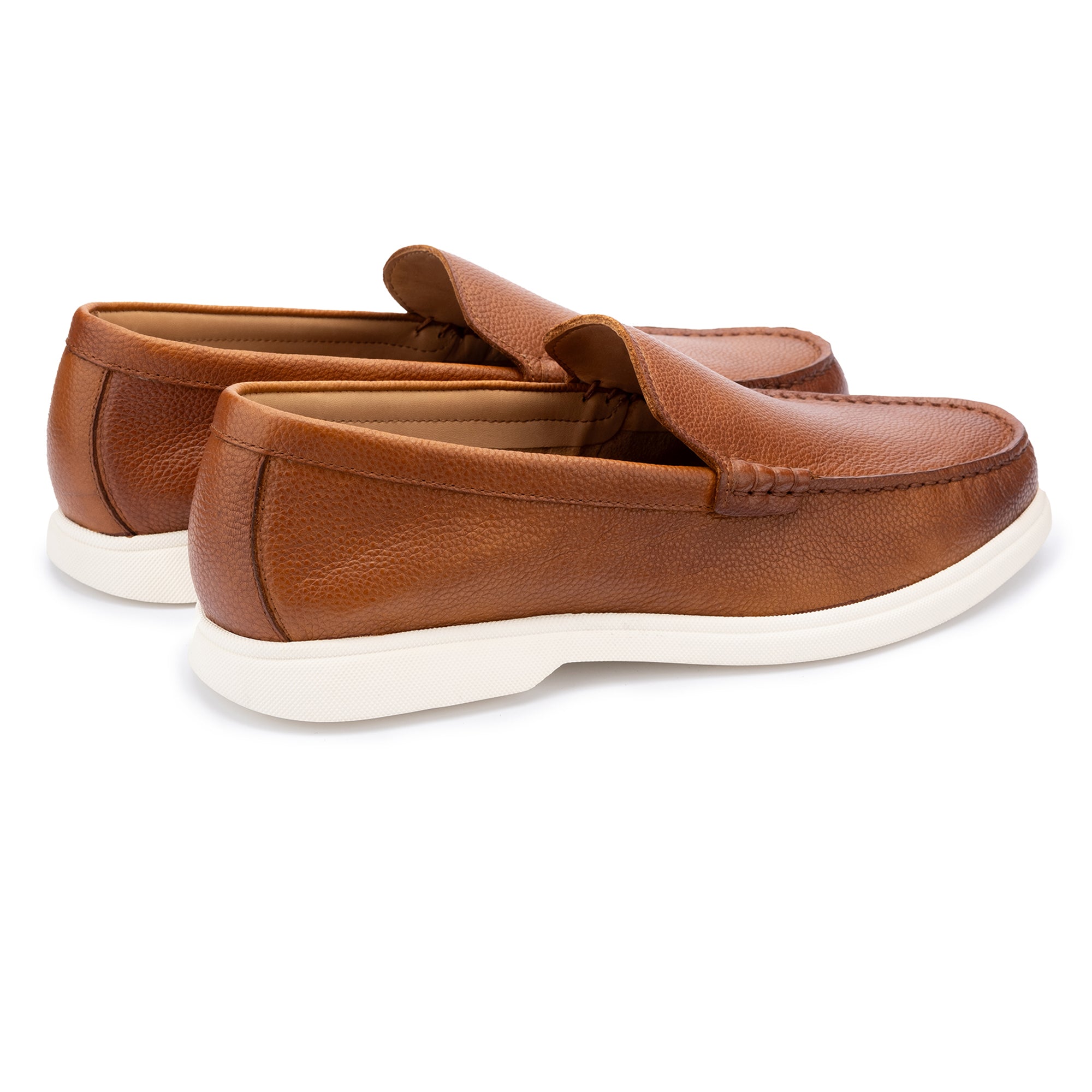
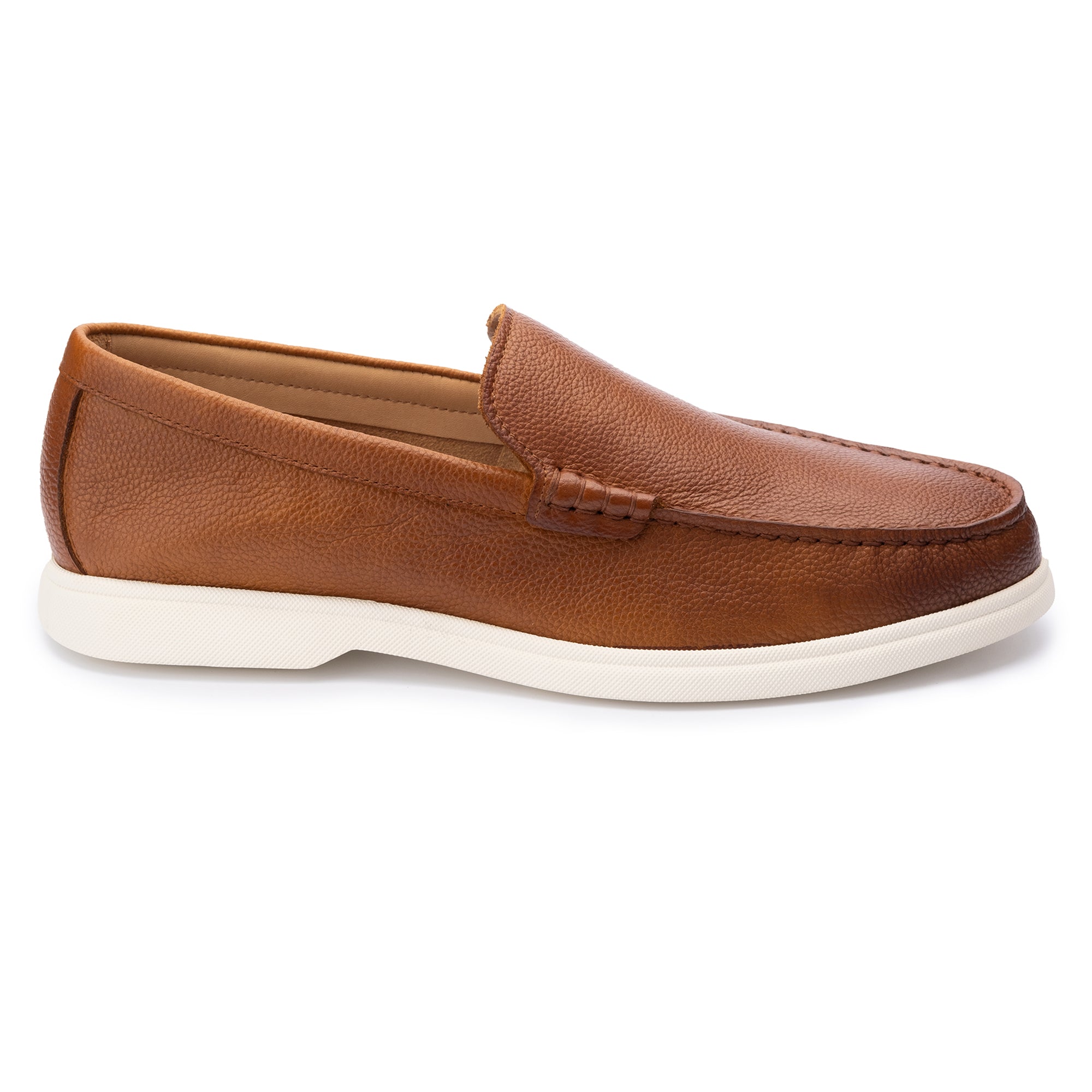
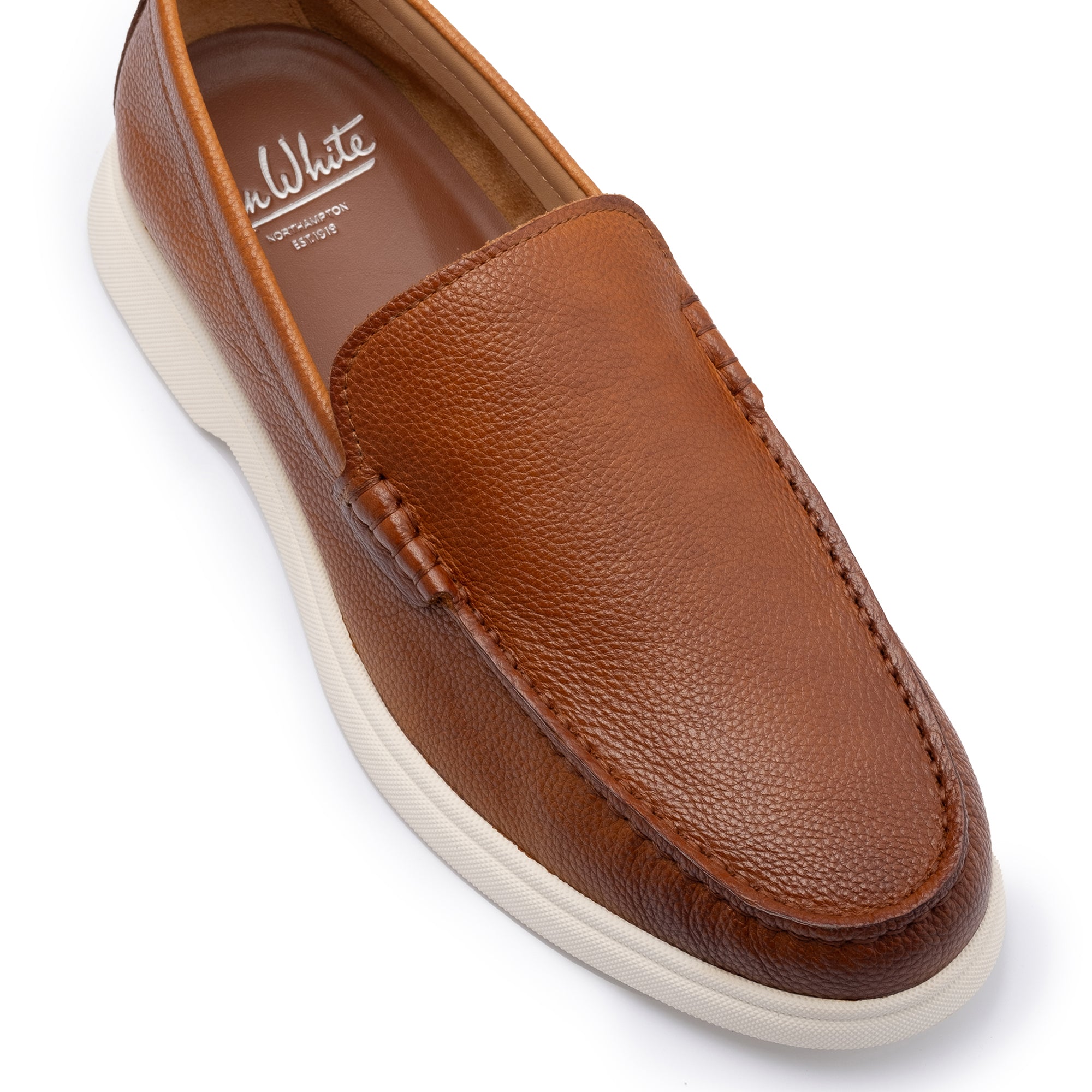
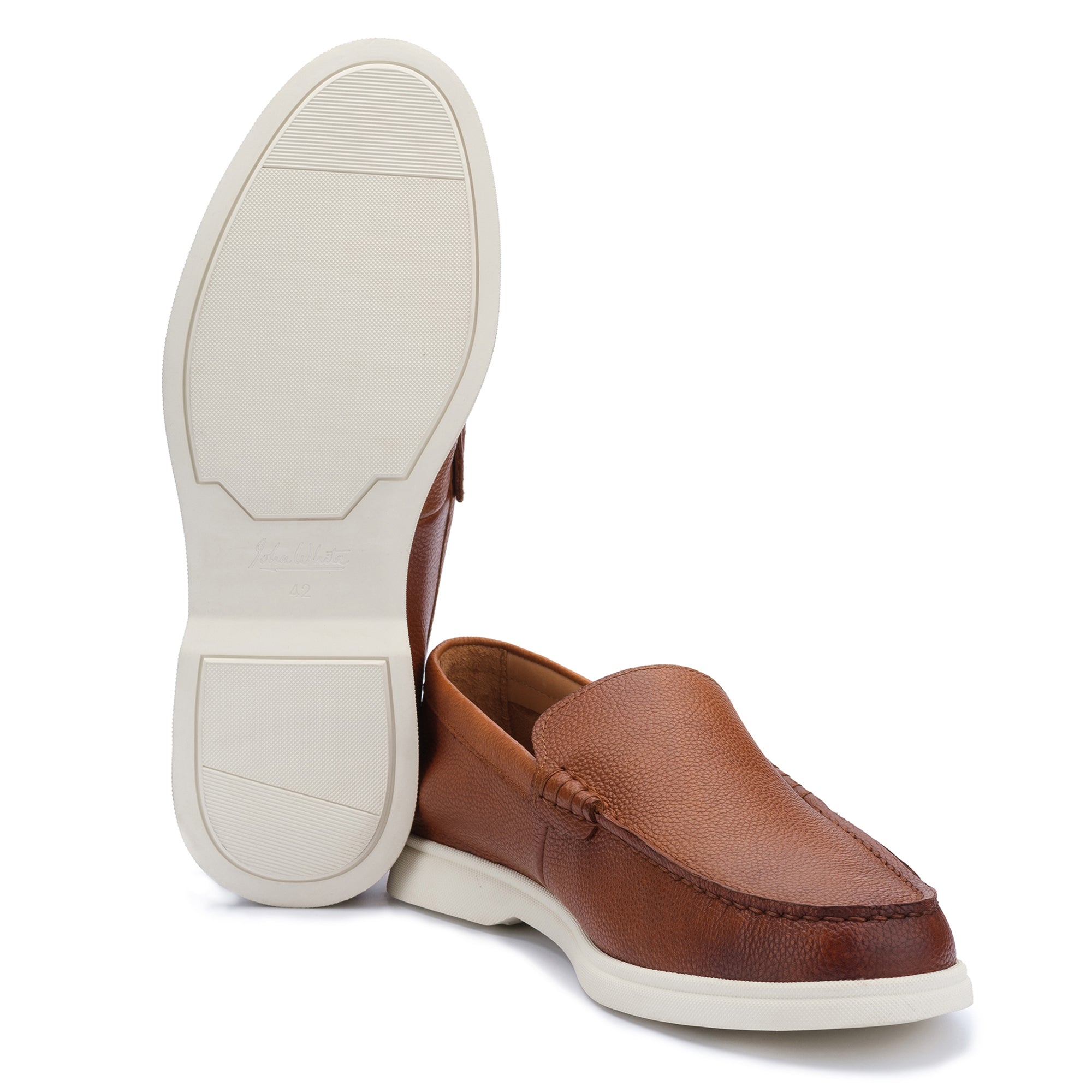
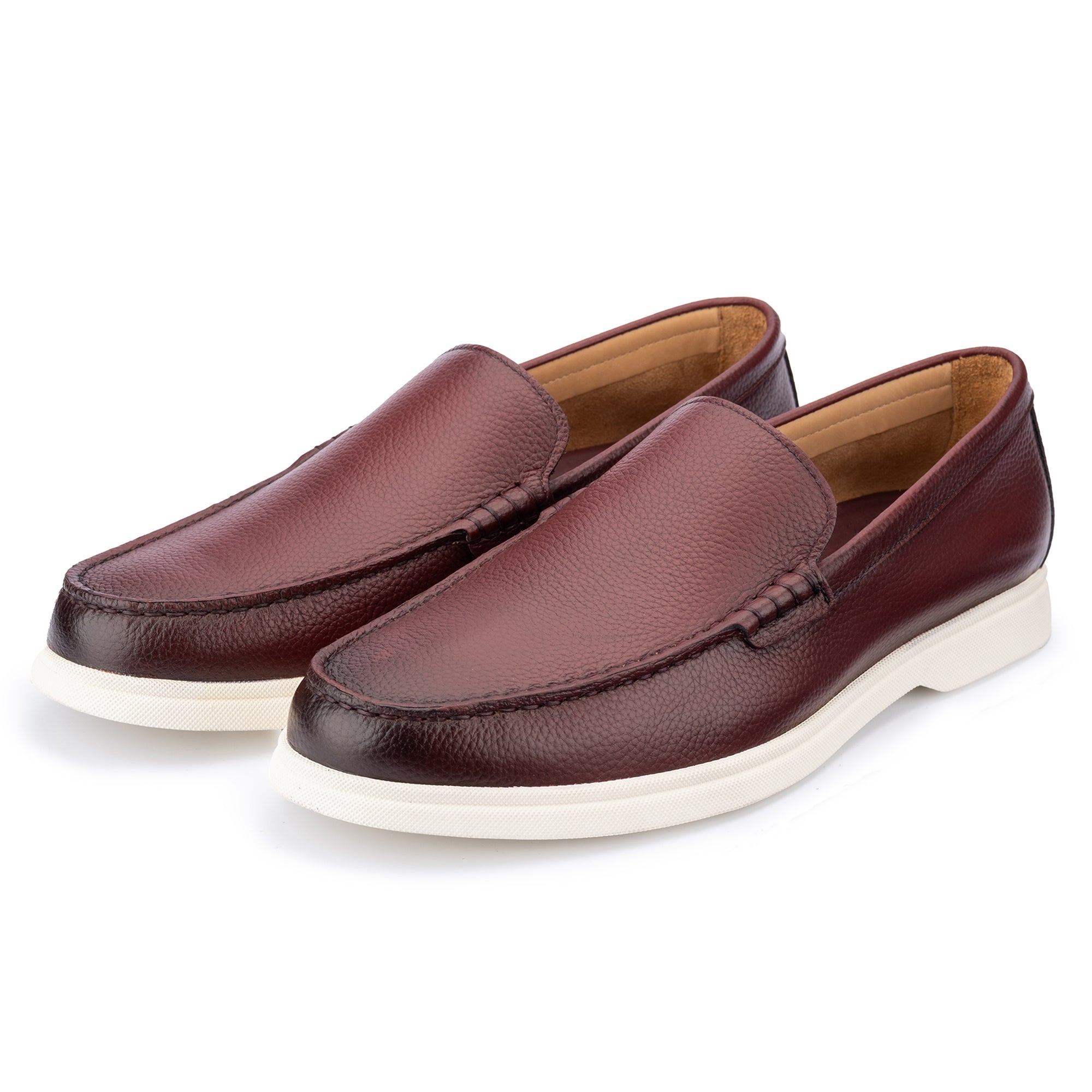
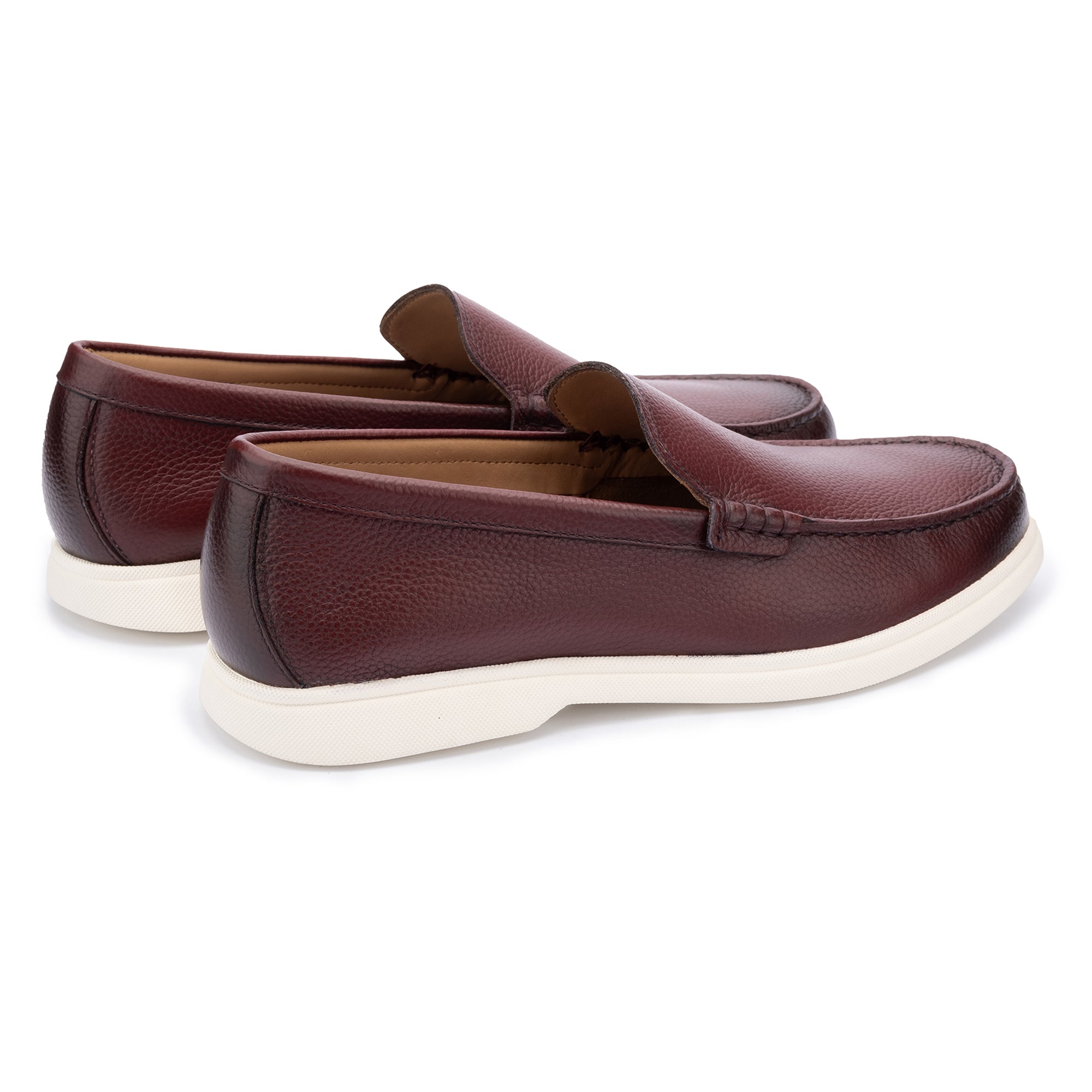
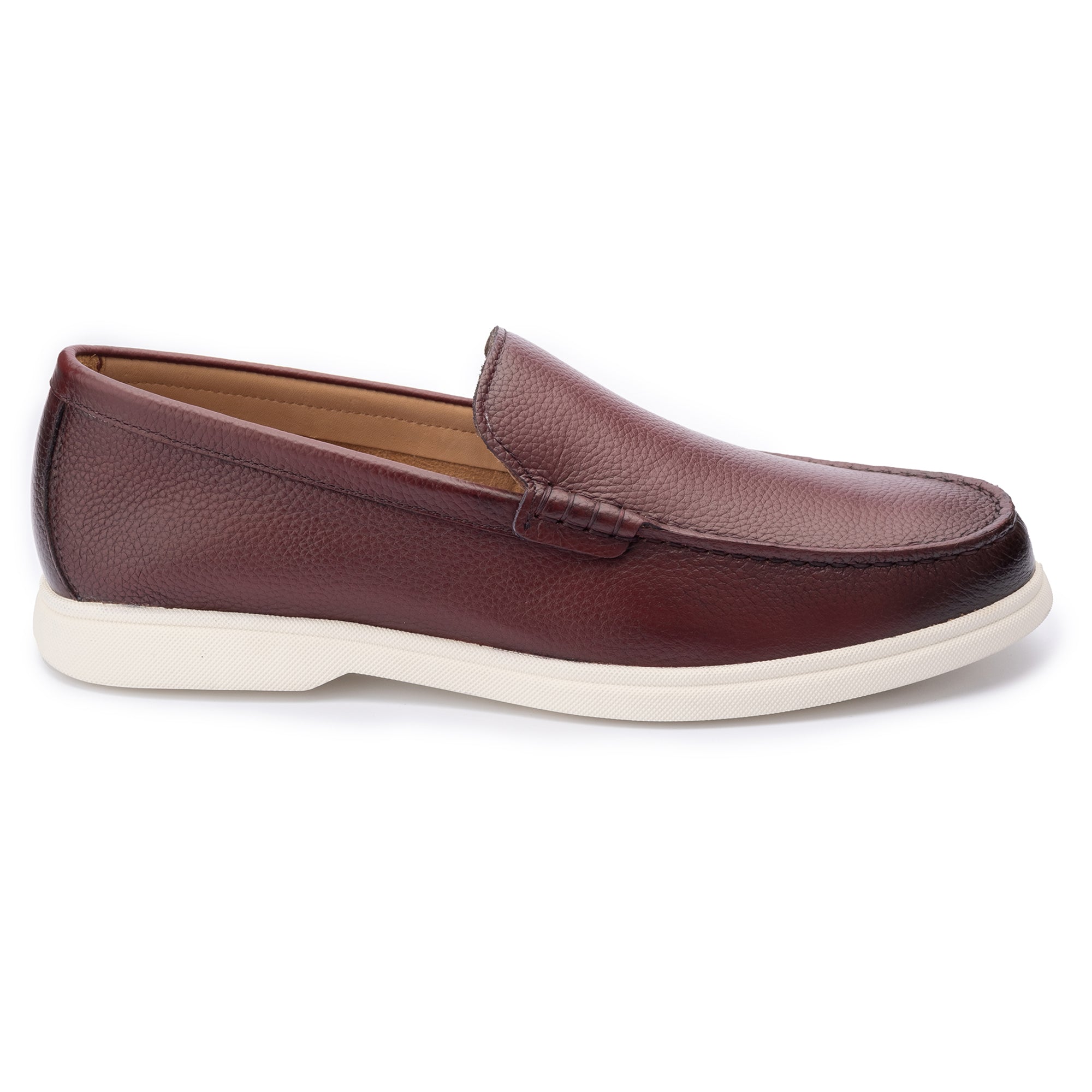
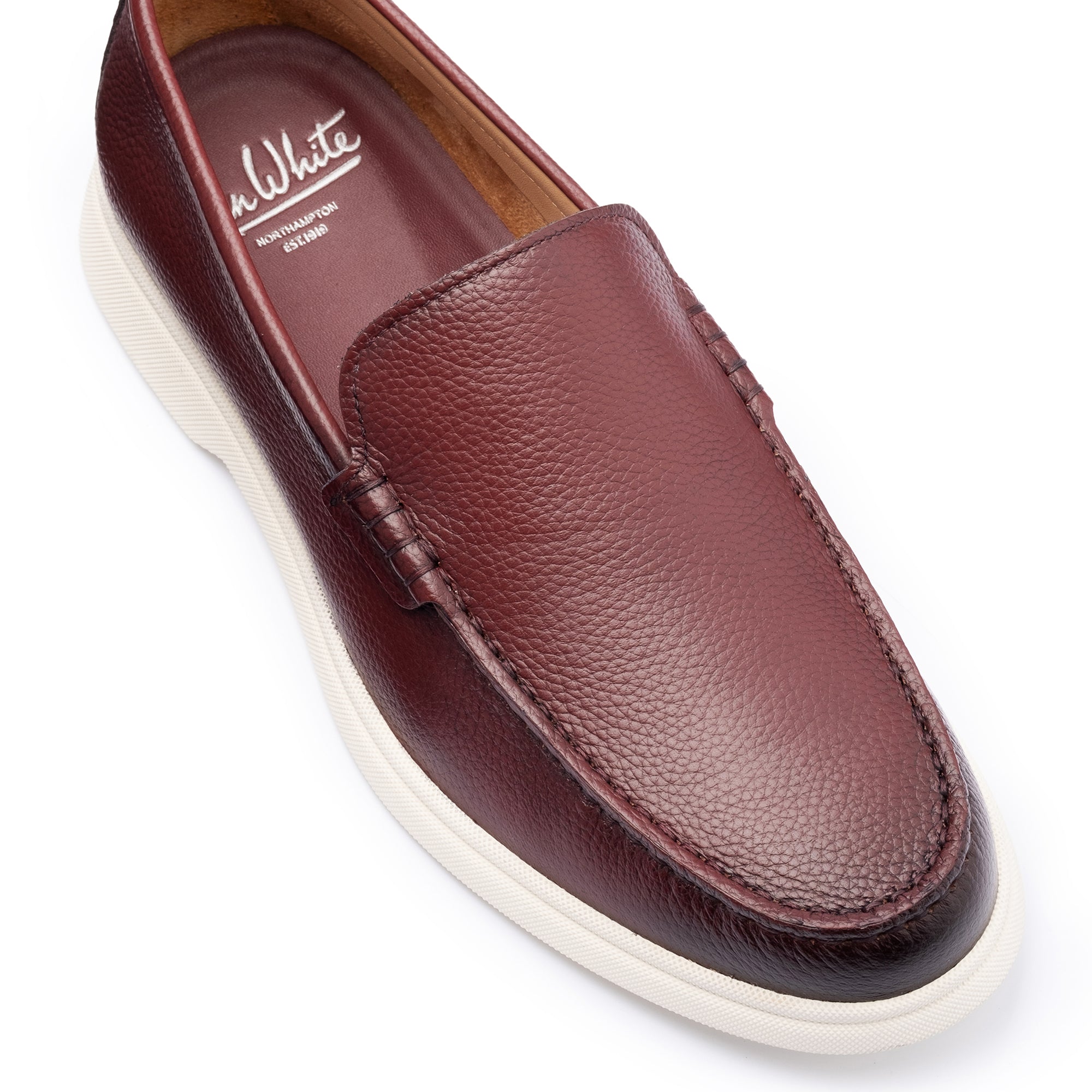
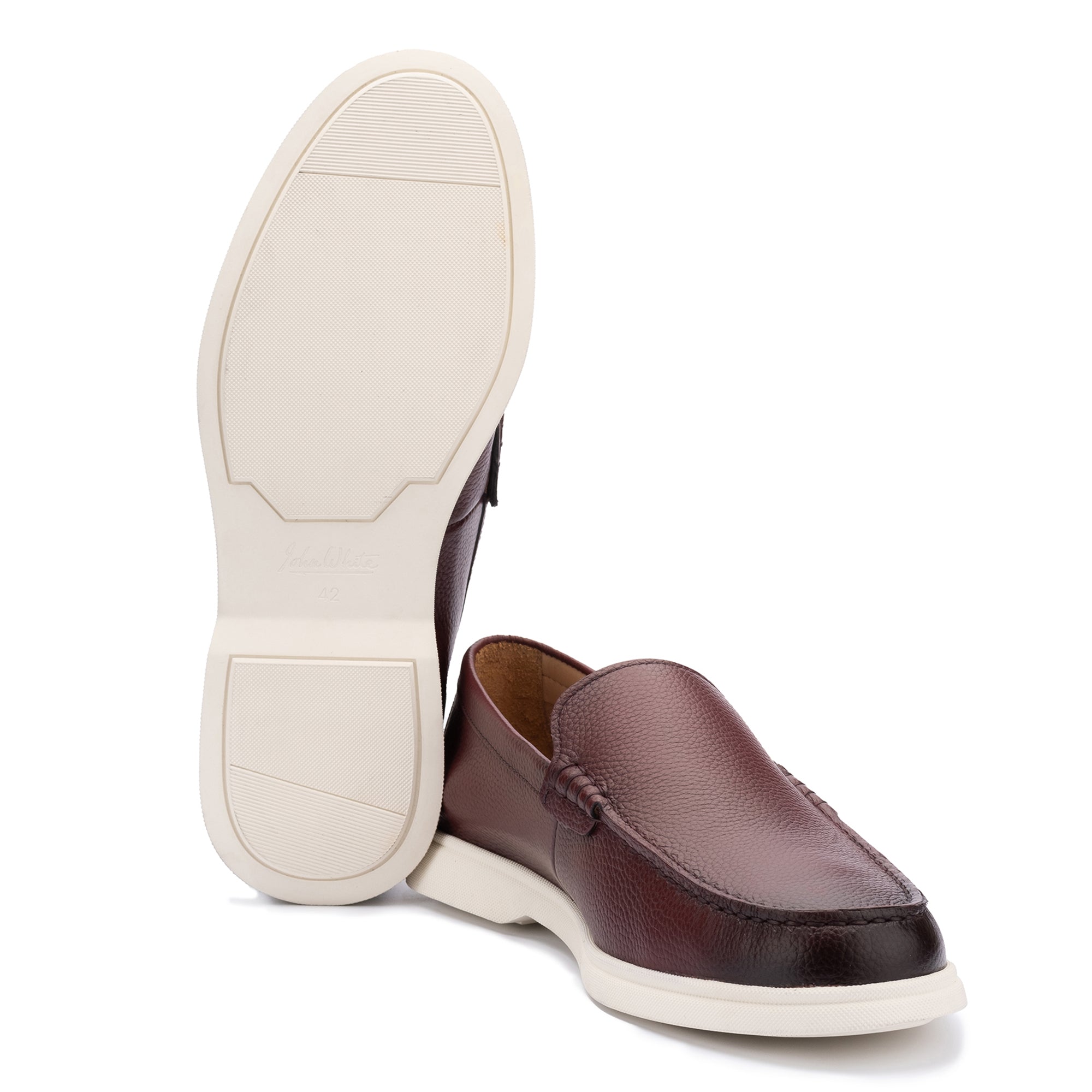
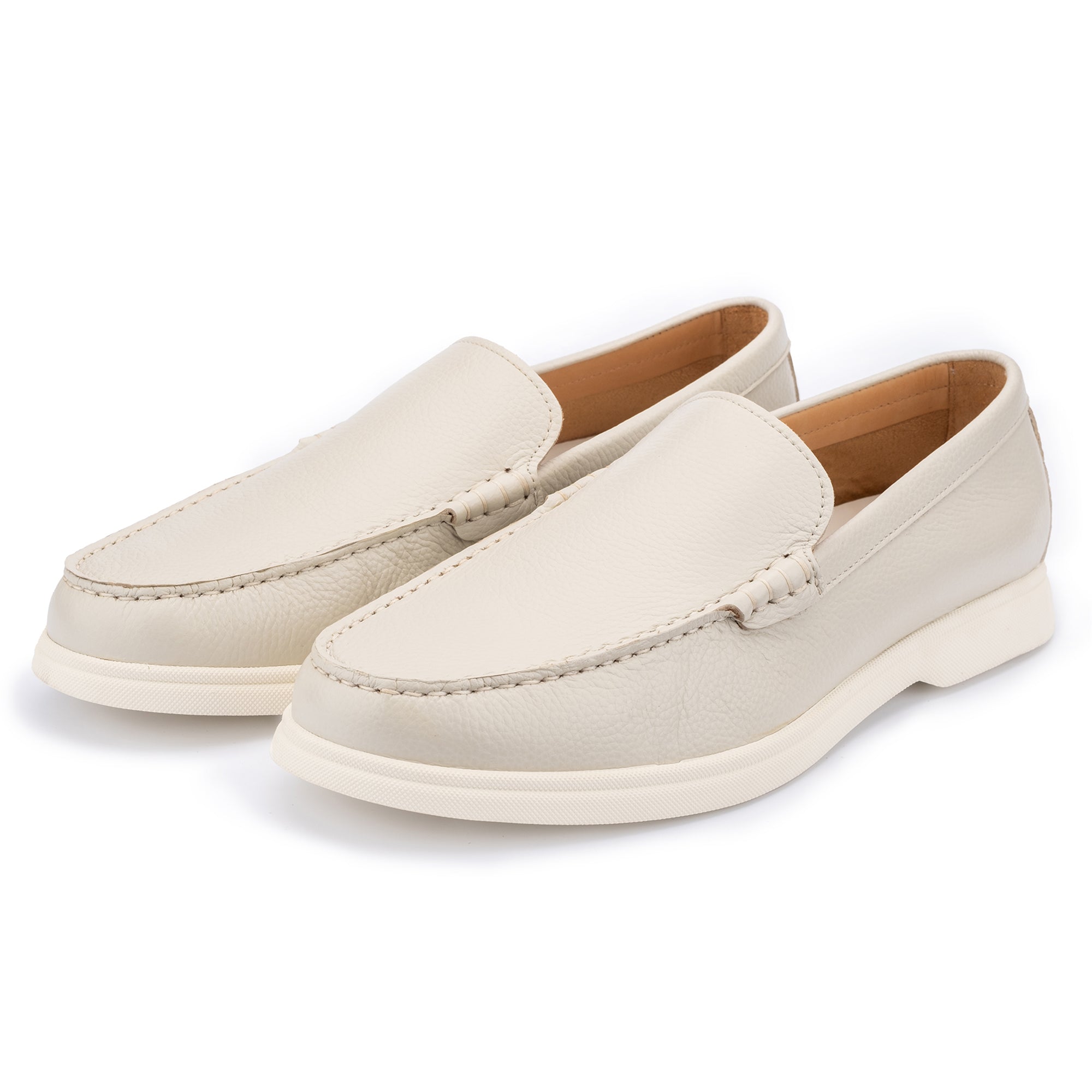
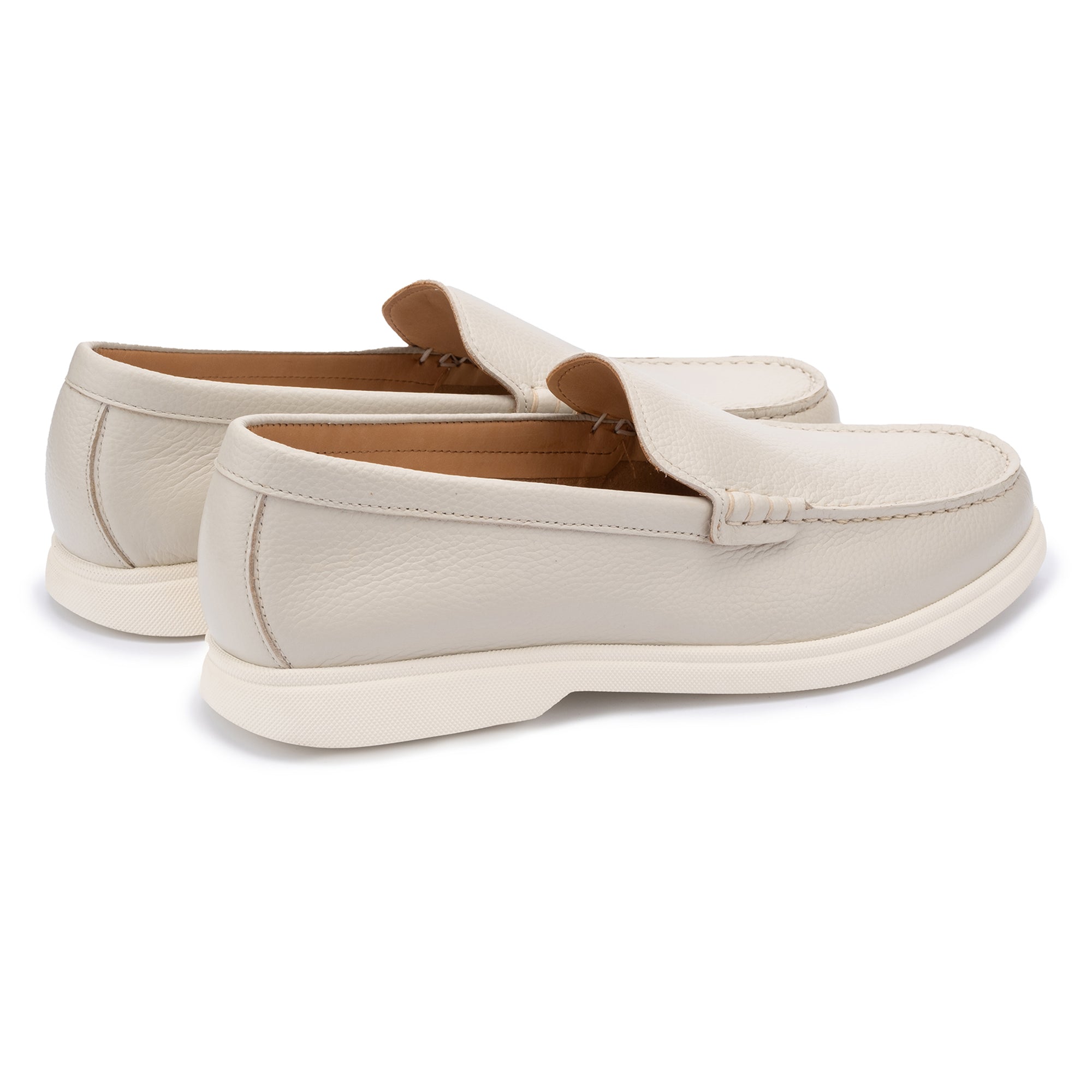
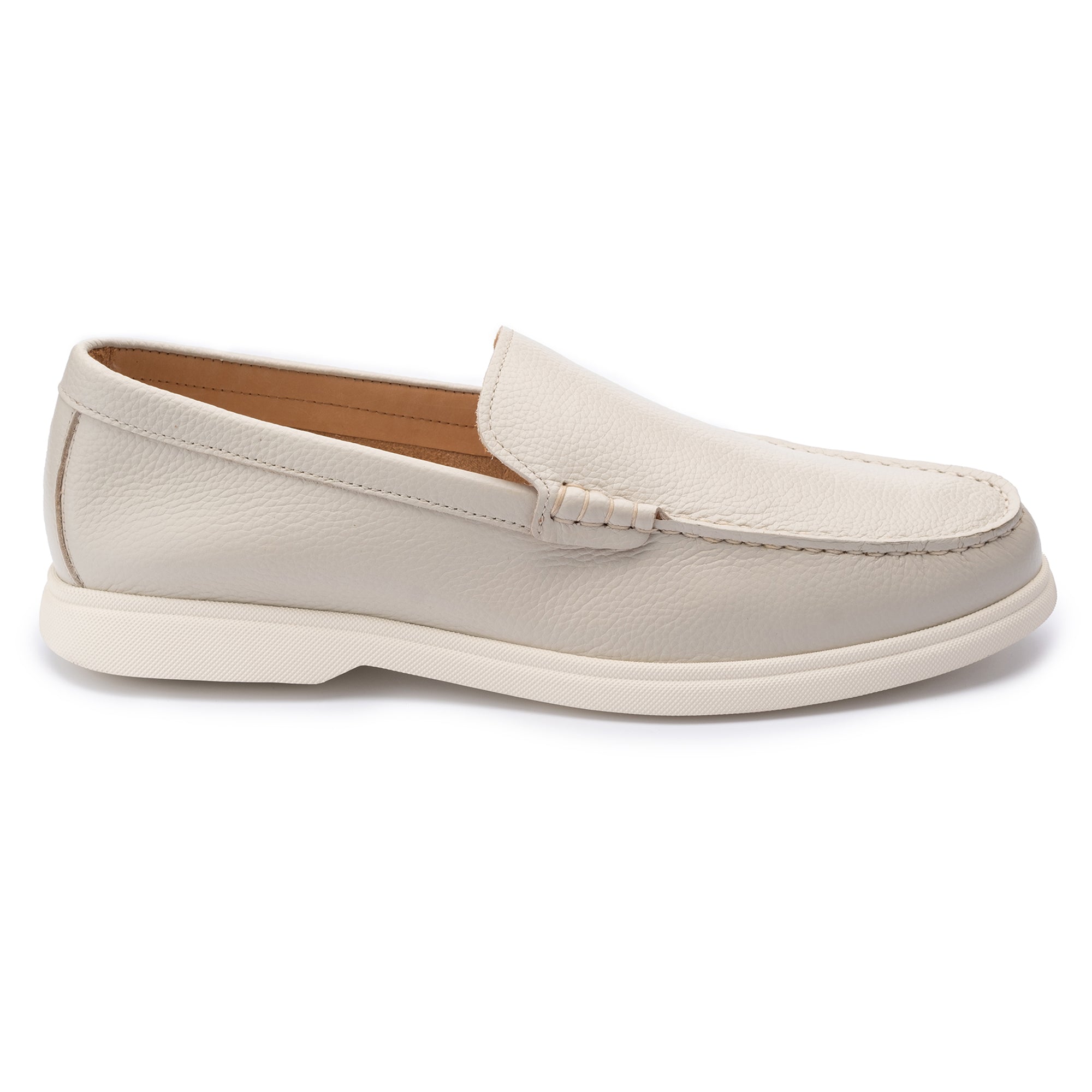
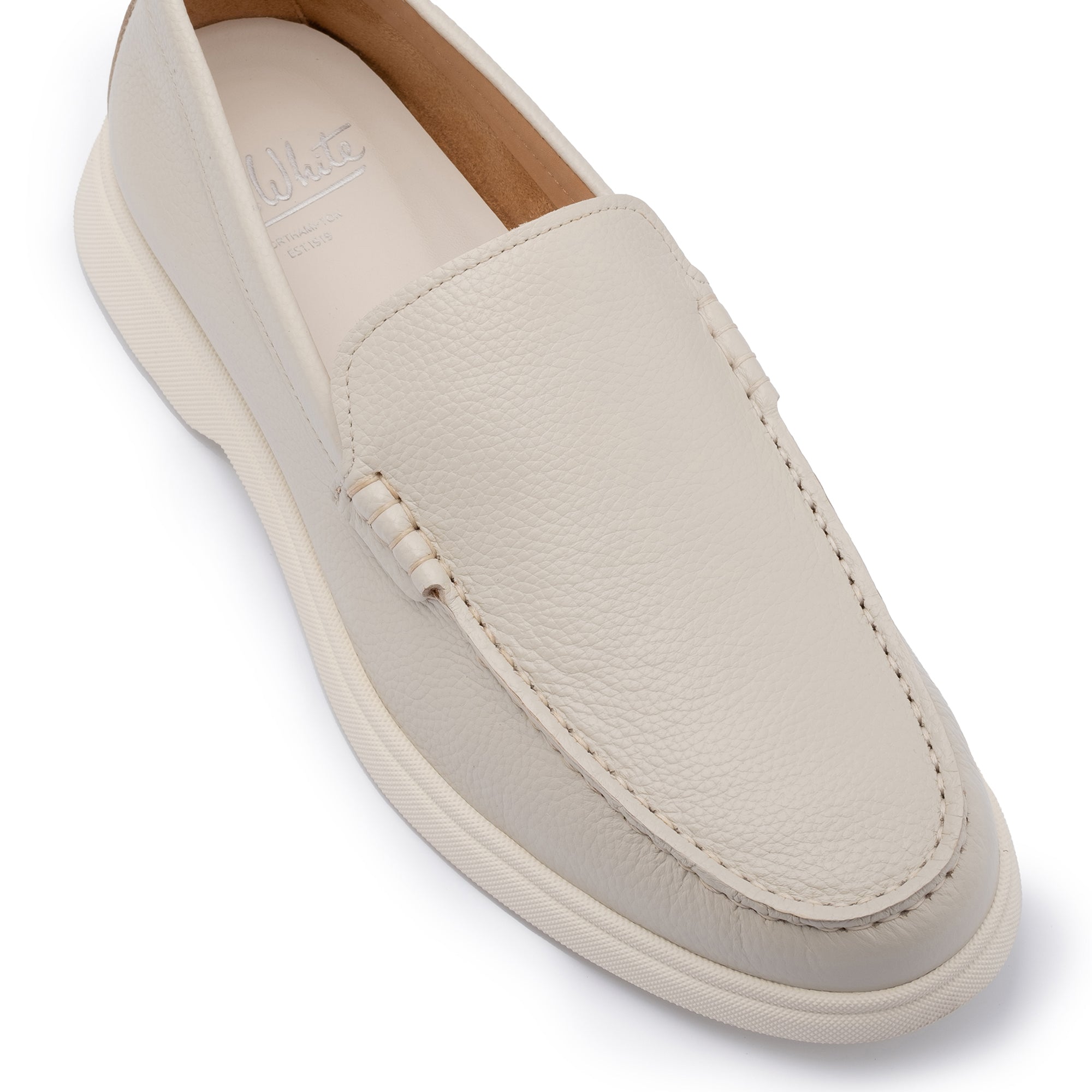
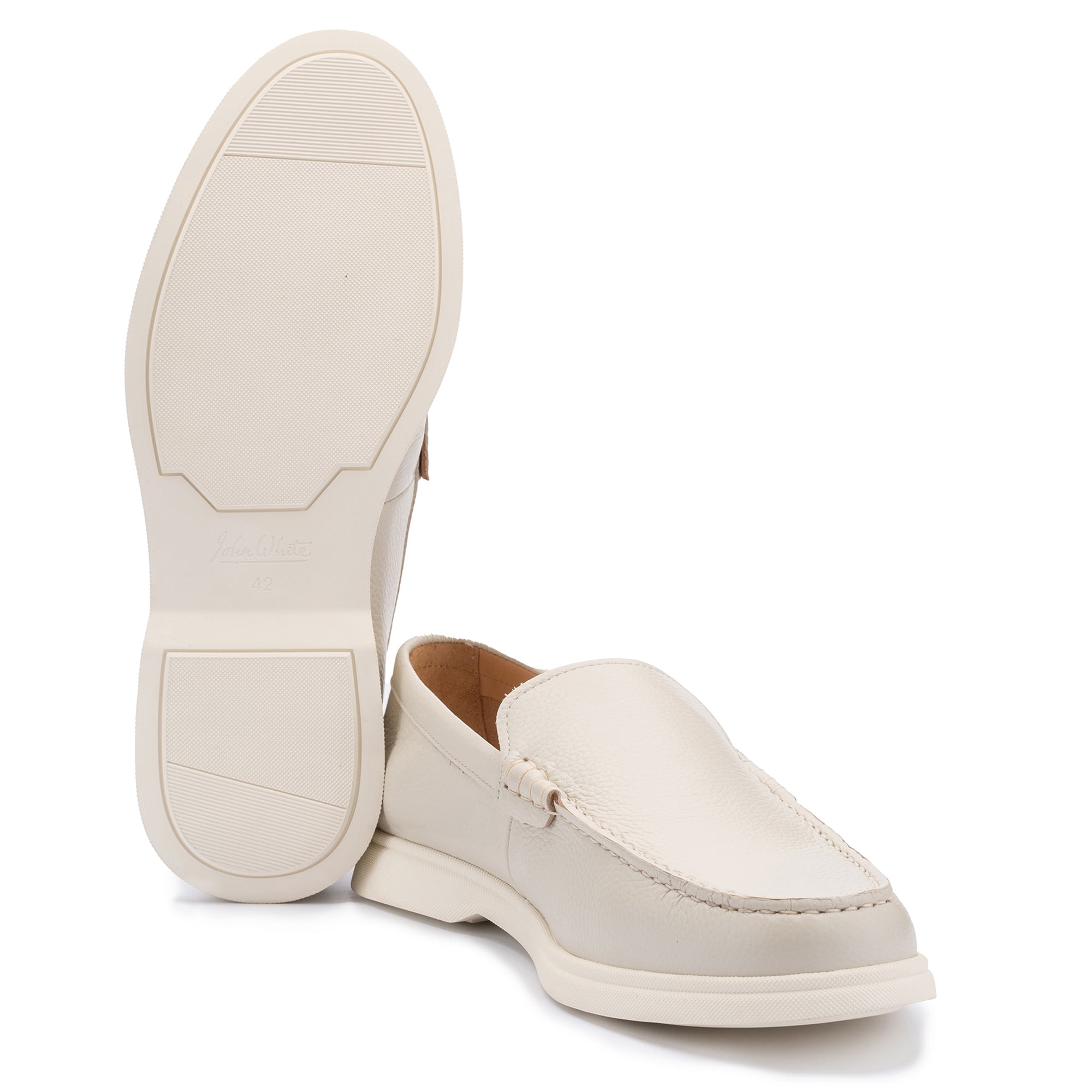
Cemented construction is a method in which the upper is bonded directly to the sole using high-strength industrial adhesive. It produces a shoe that's lighter, more flexible underfoot, and comfortable from the very first wear — with no break-in stiffness to work through.
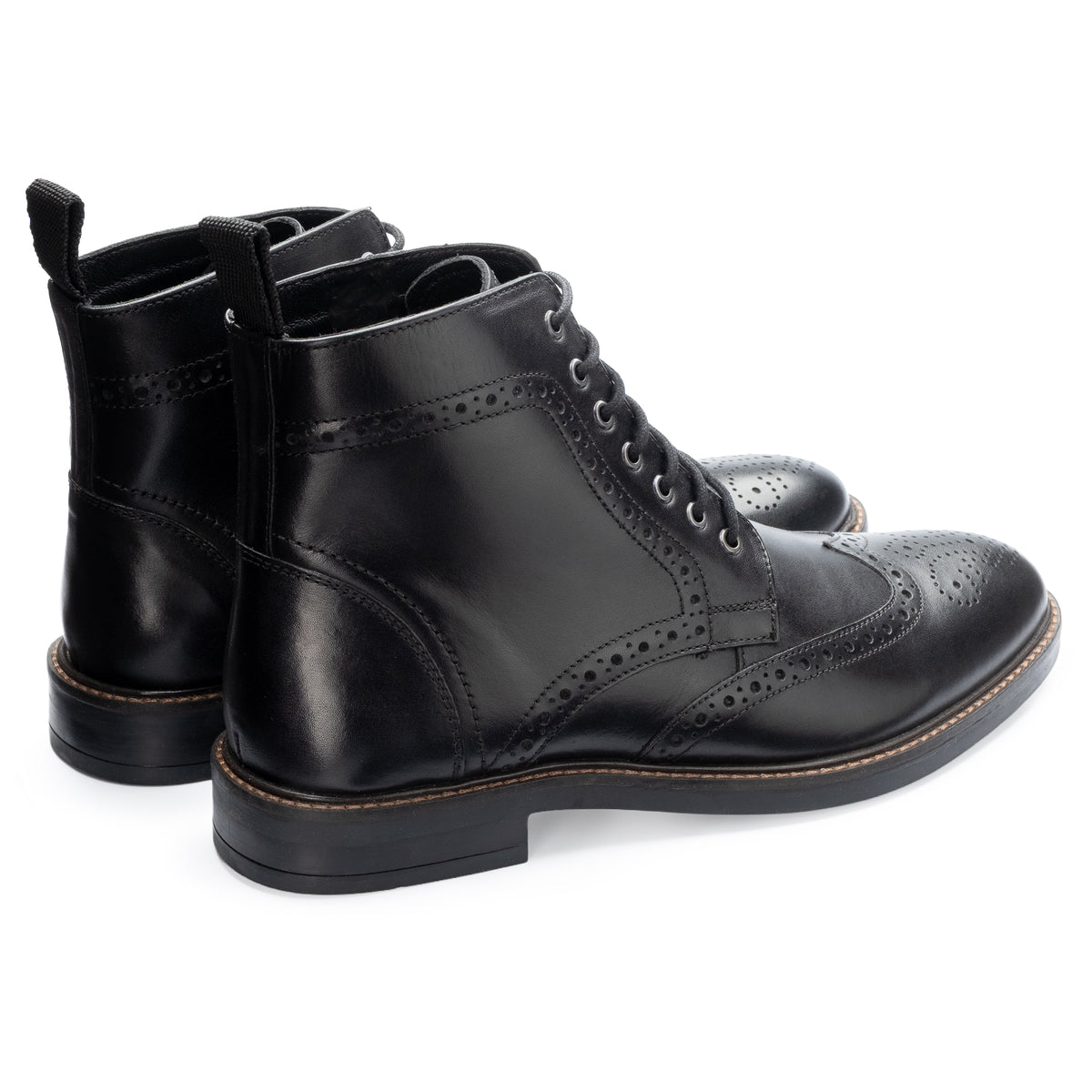
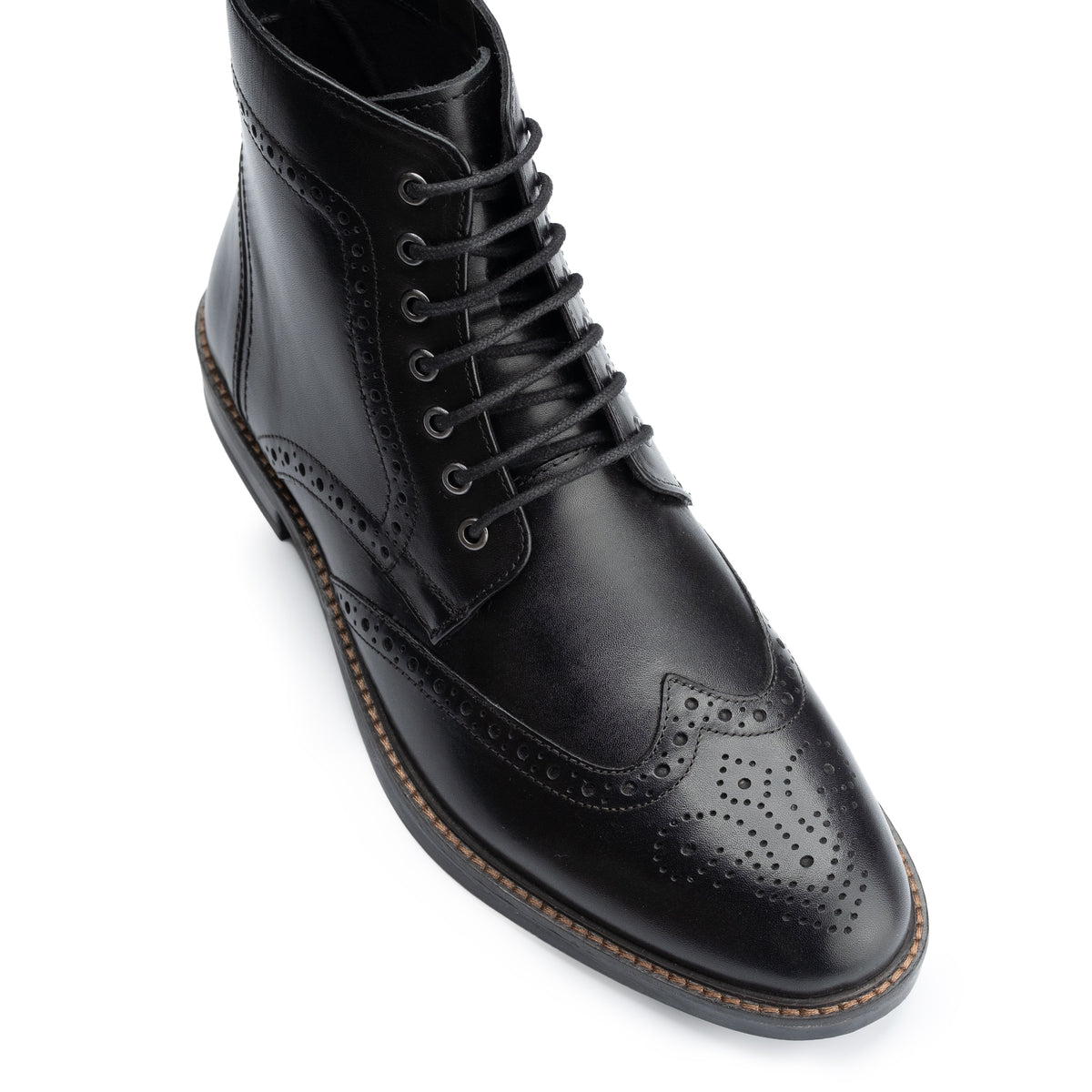
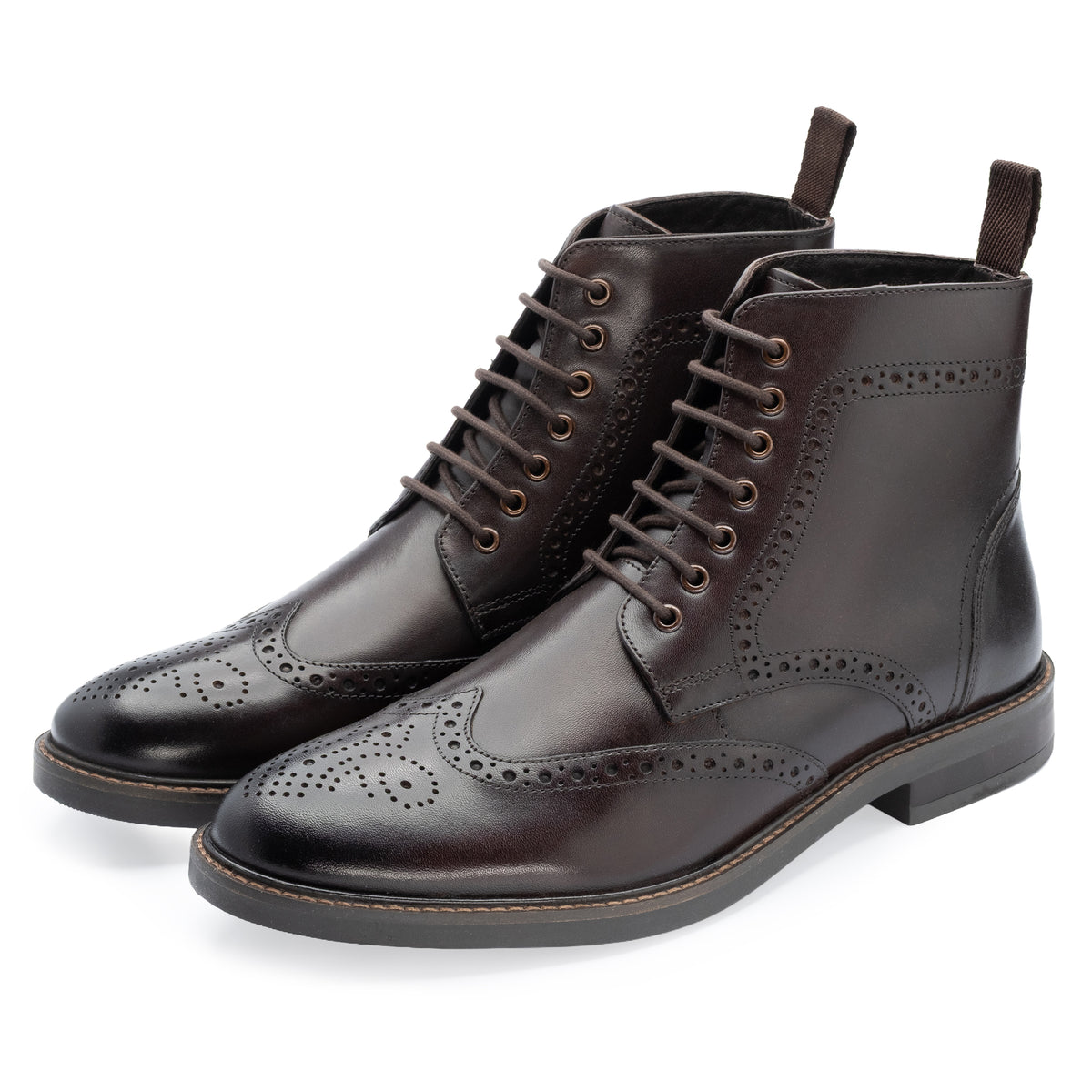
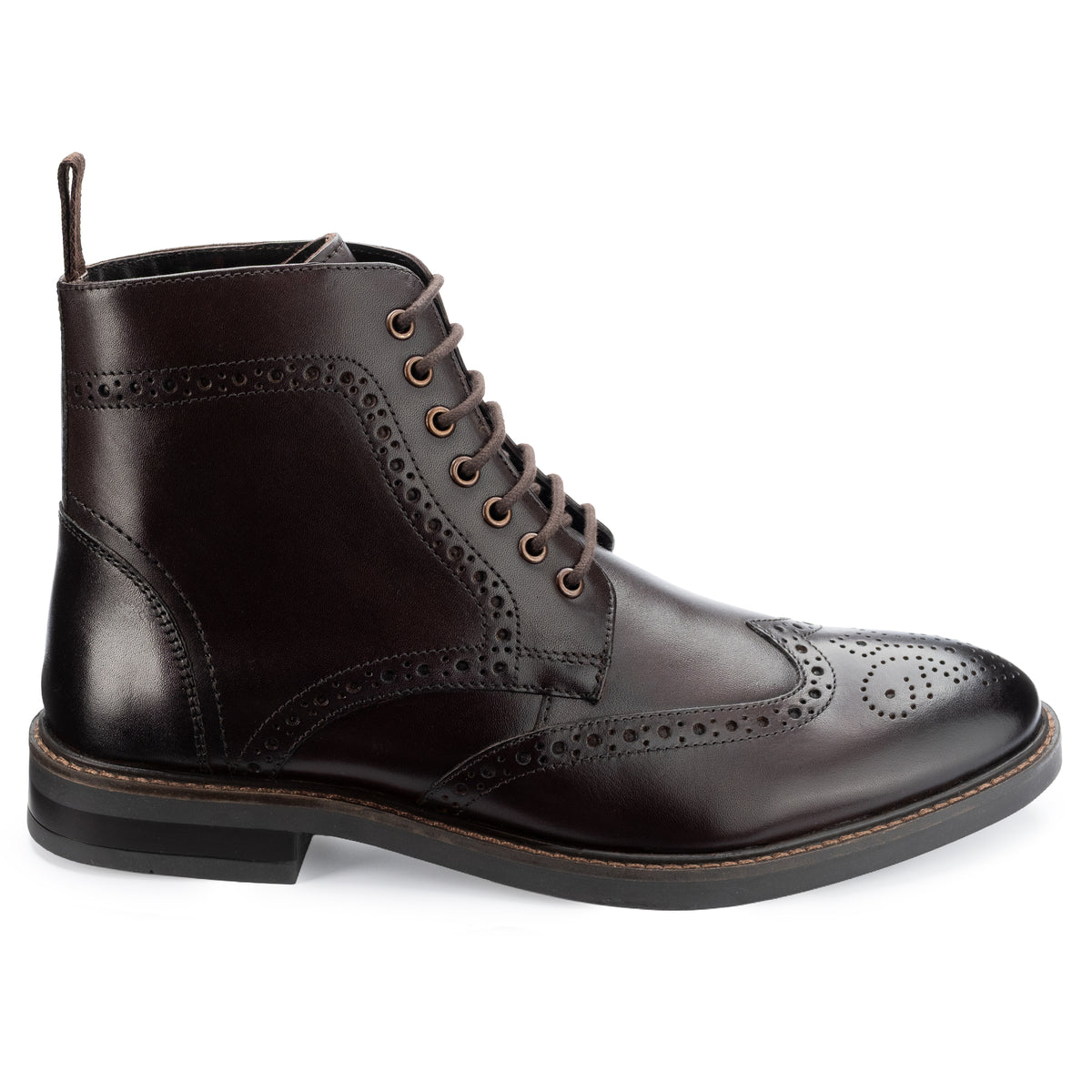
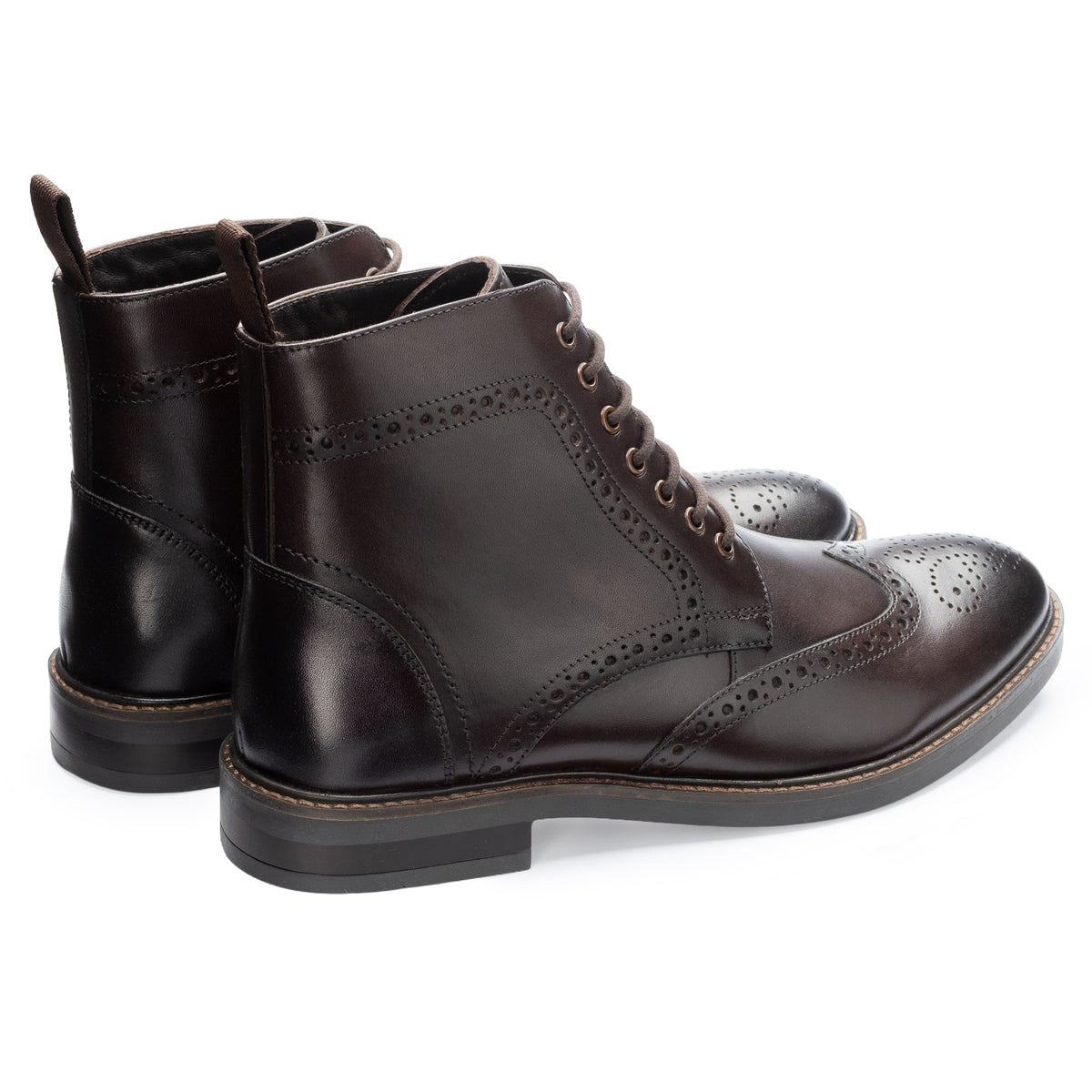
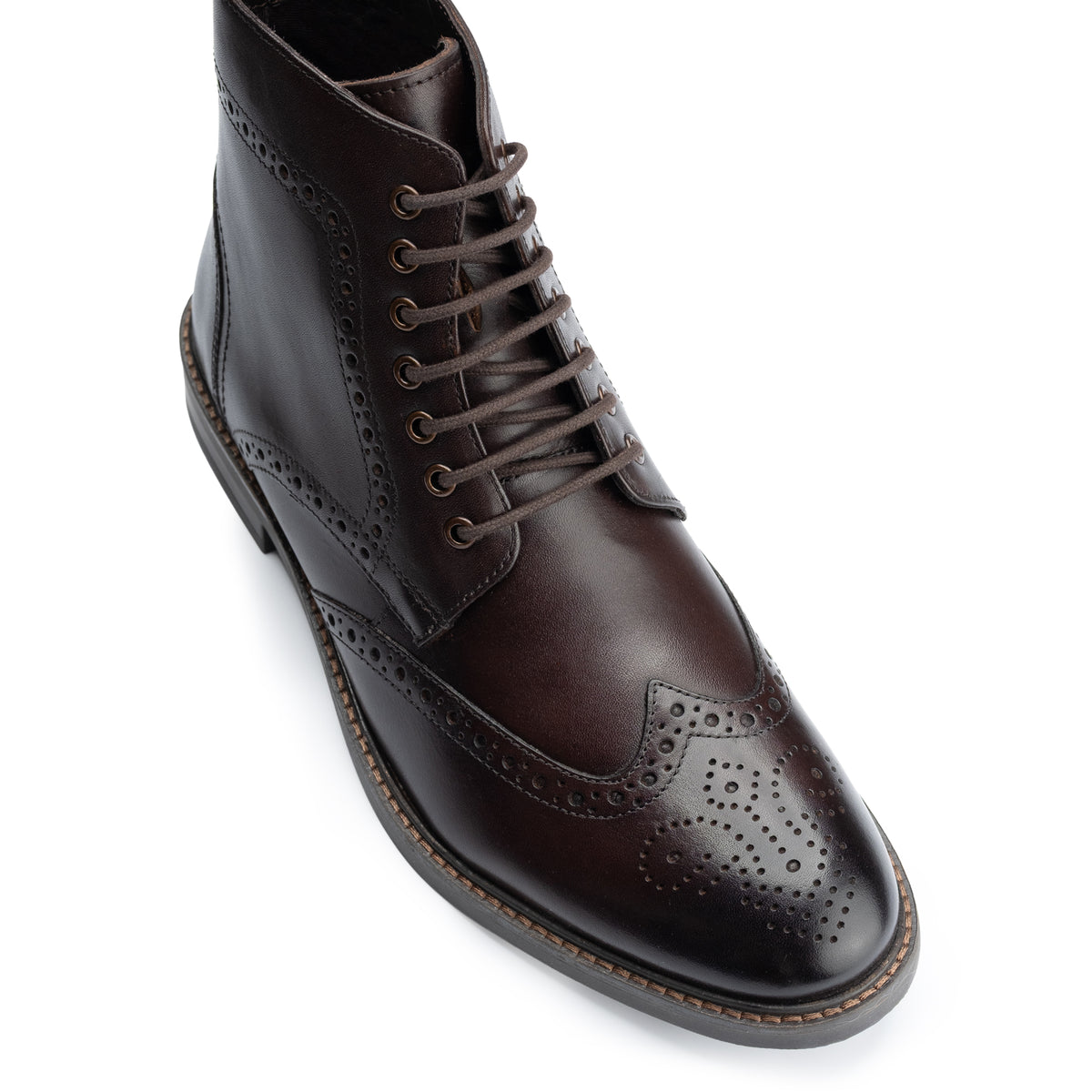
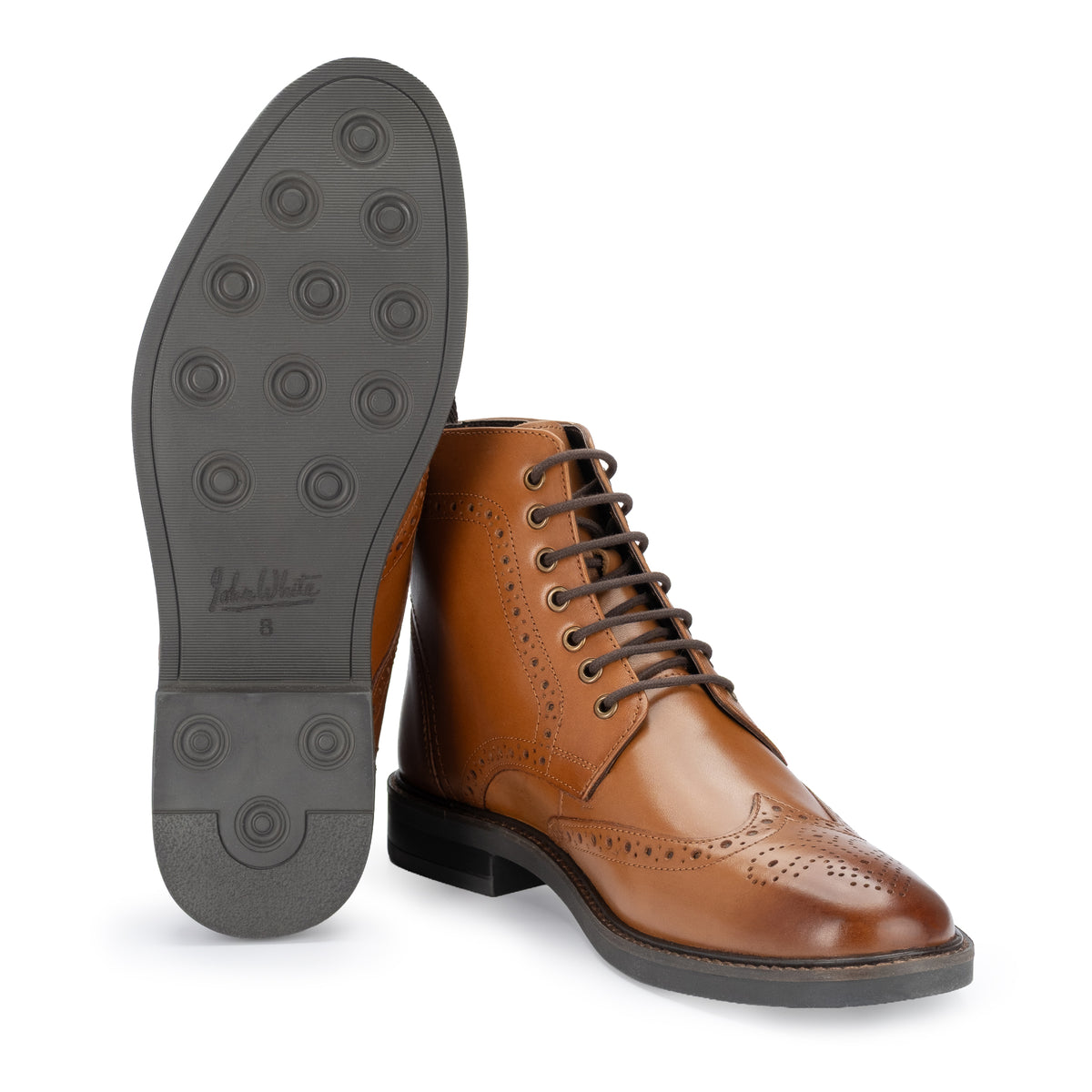
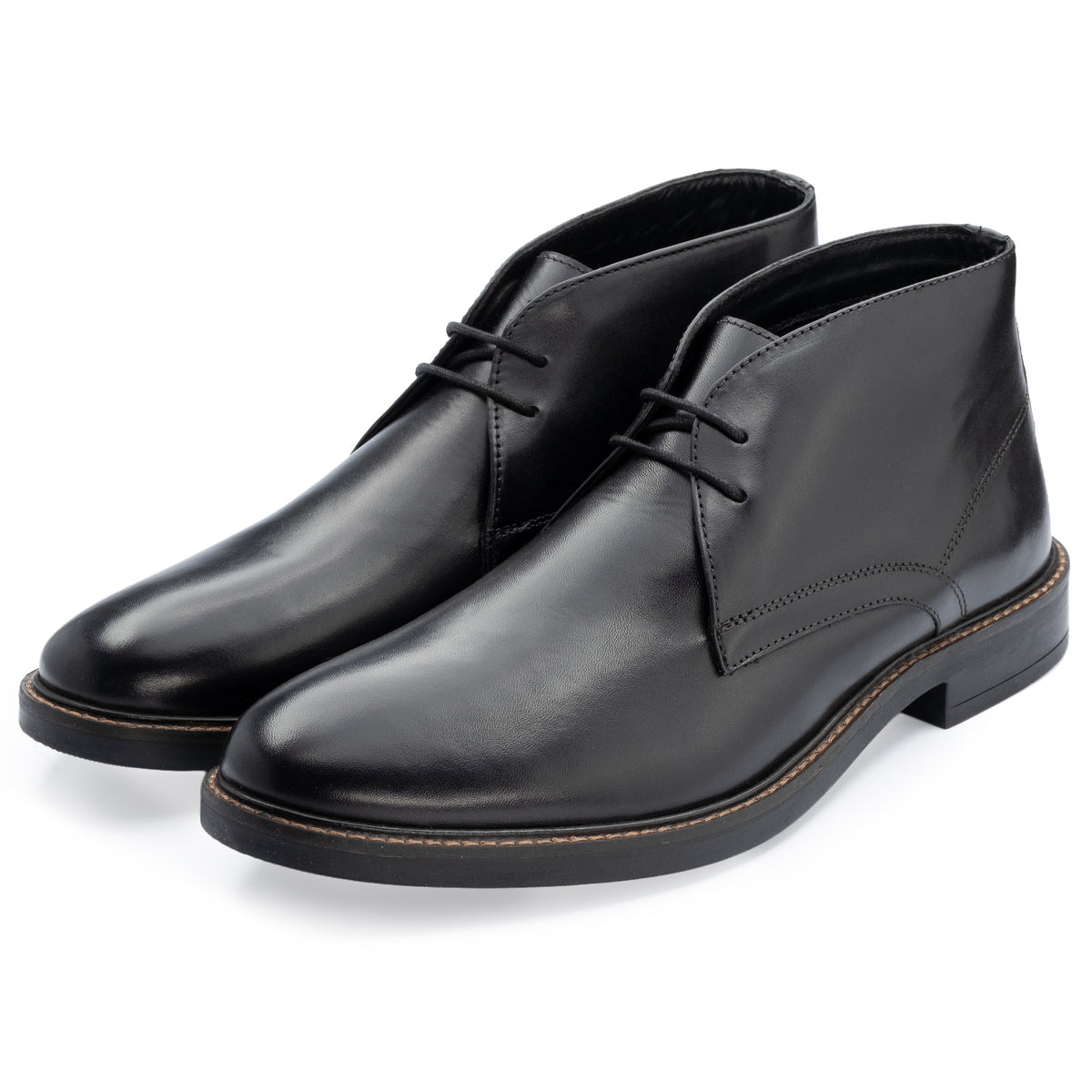
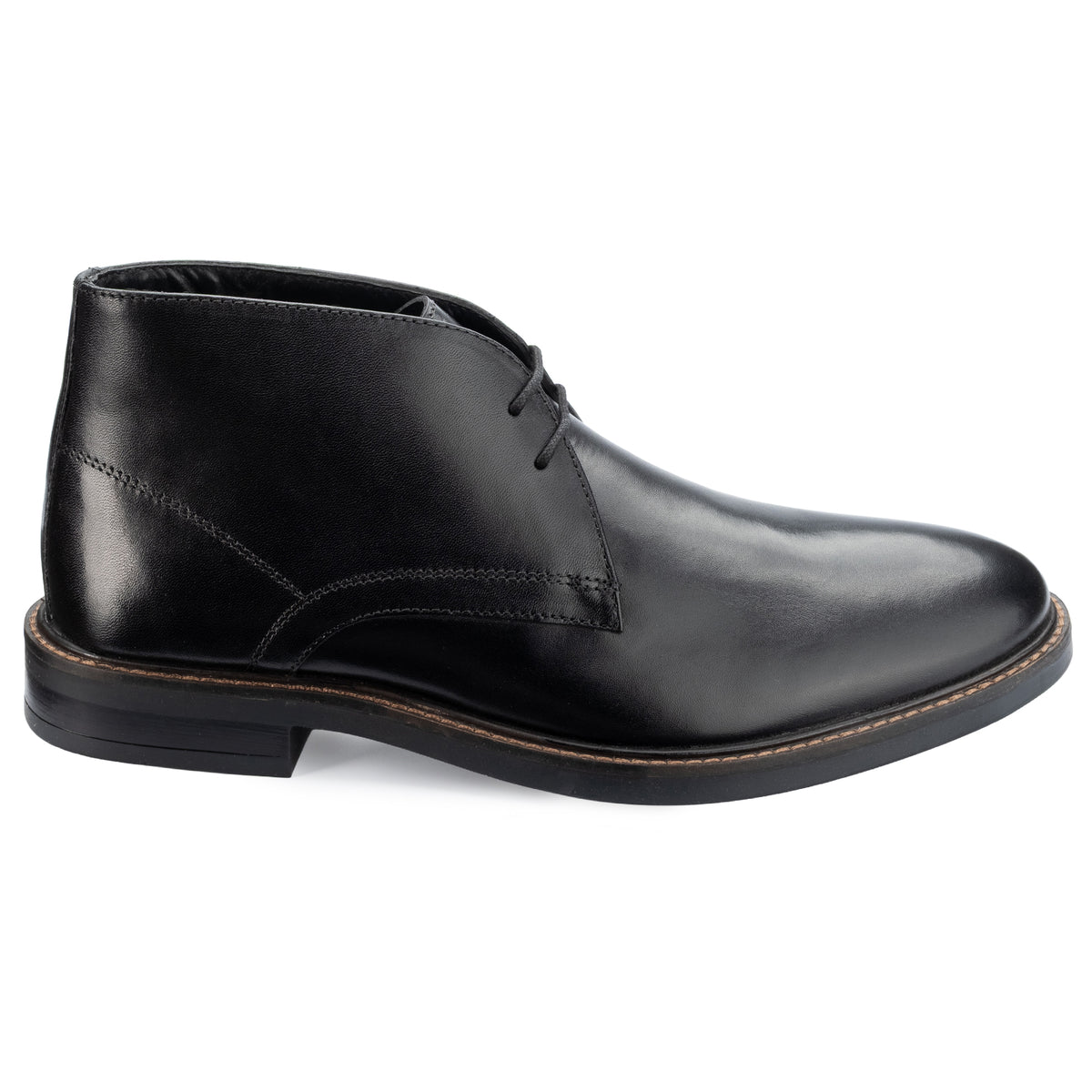
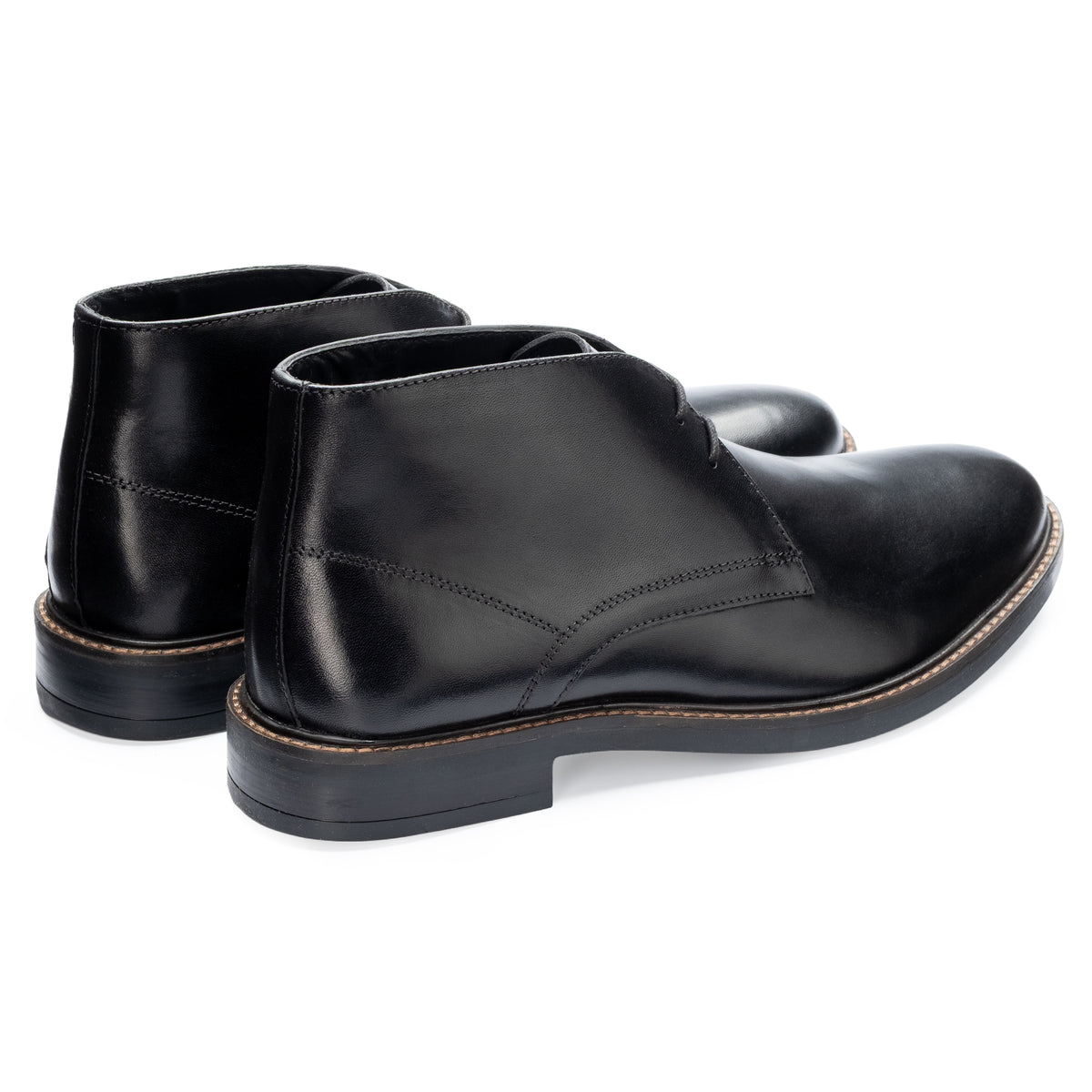
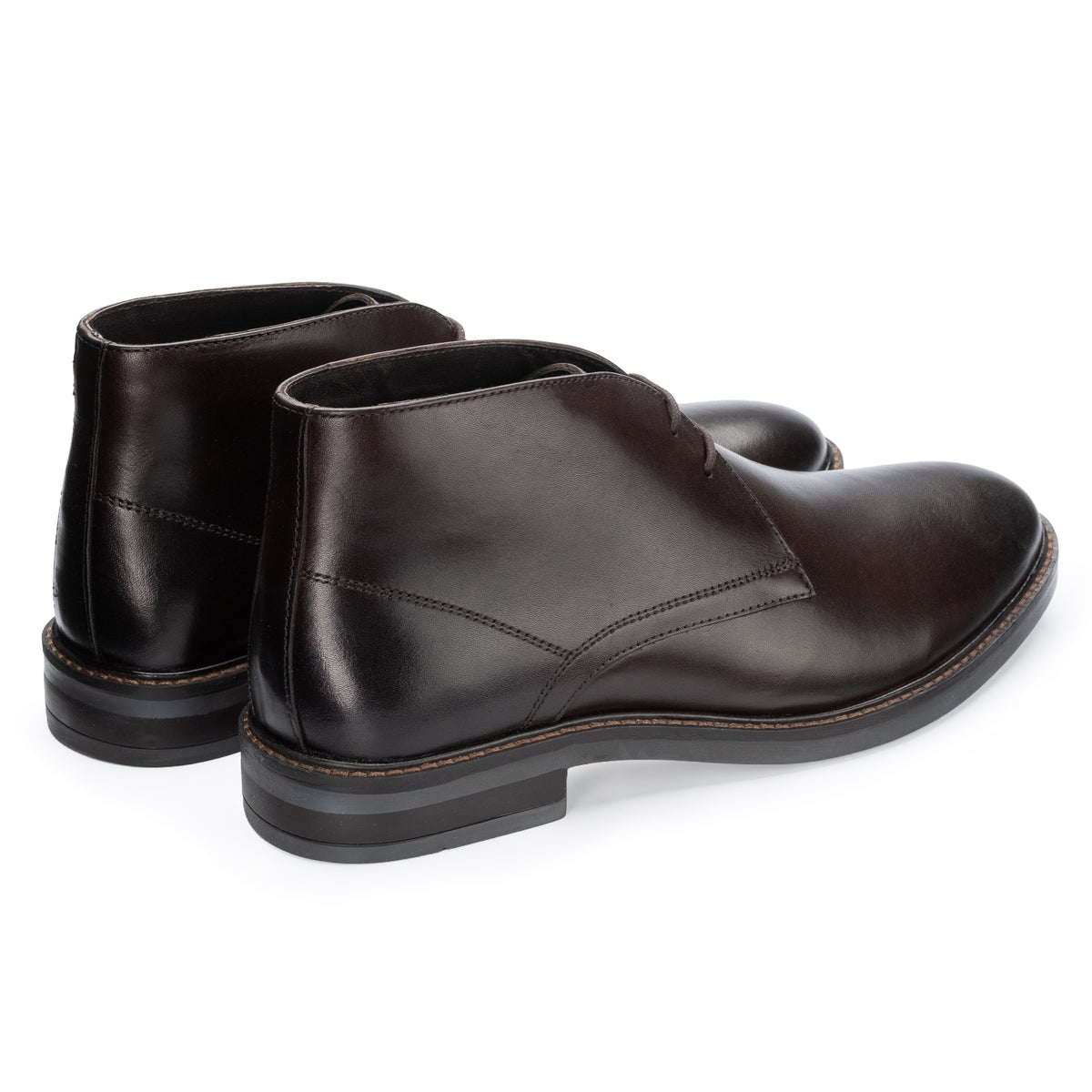
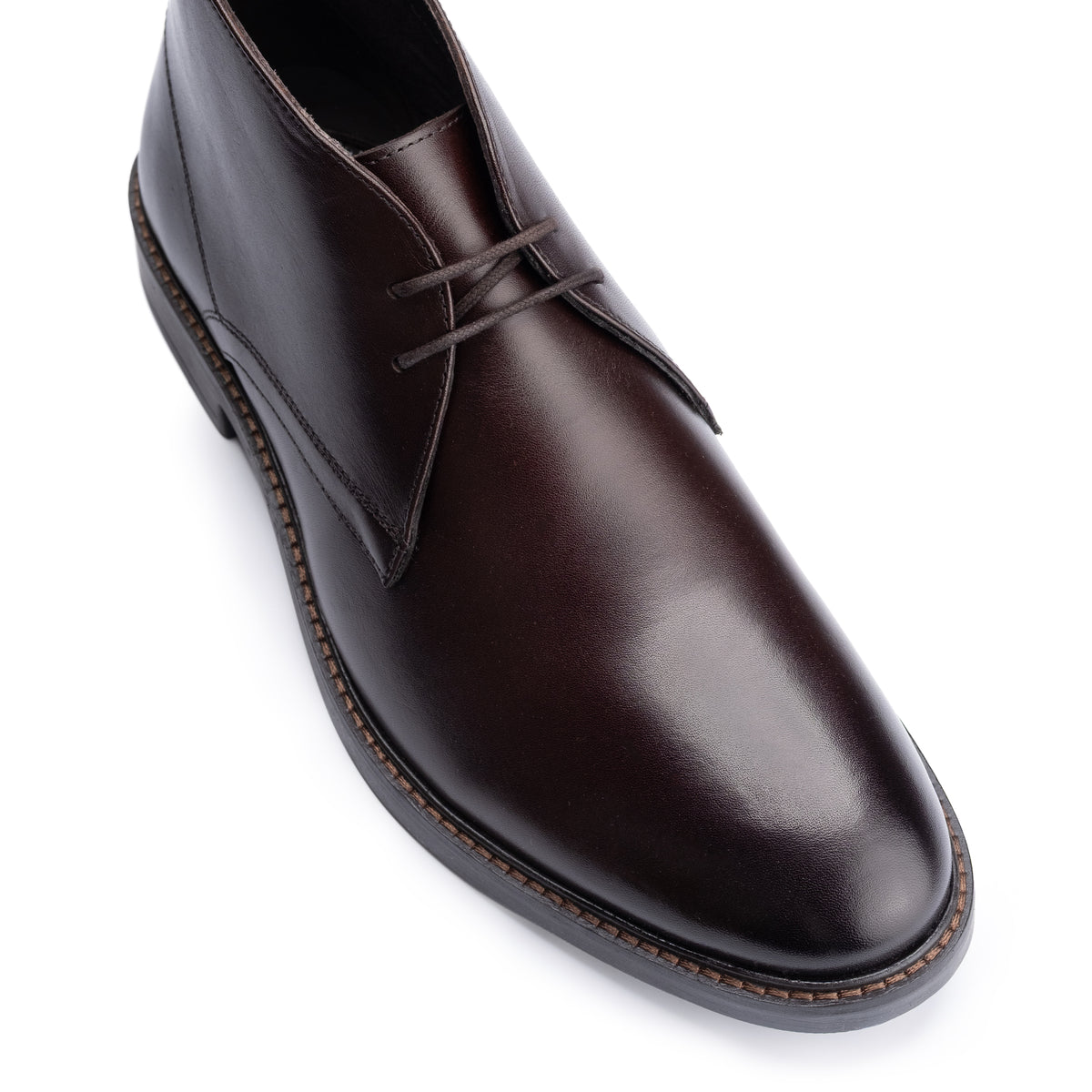
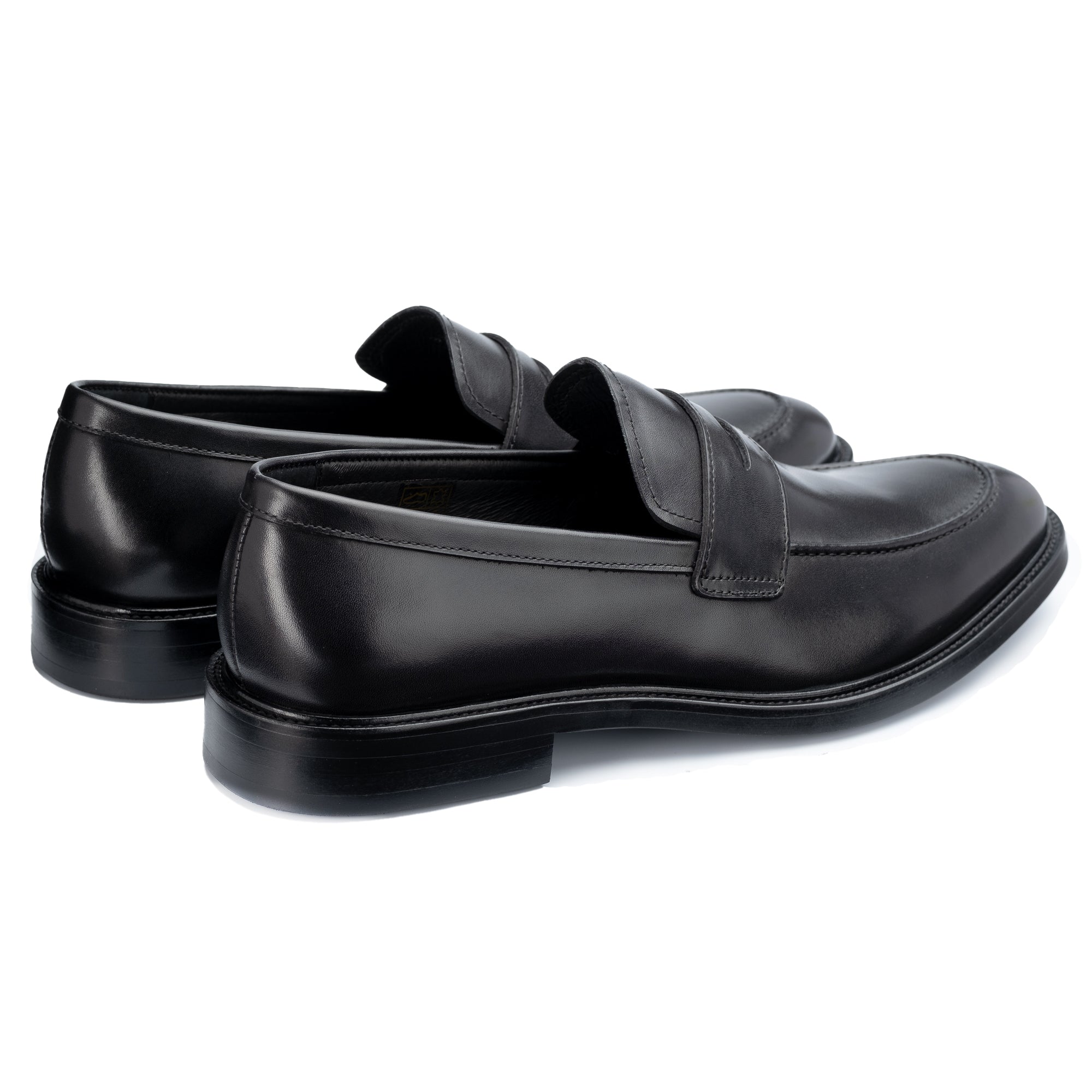
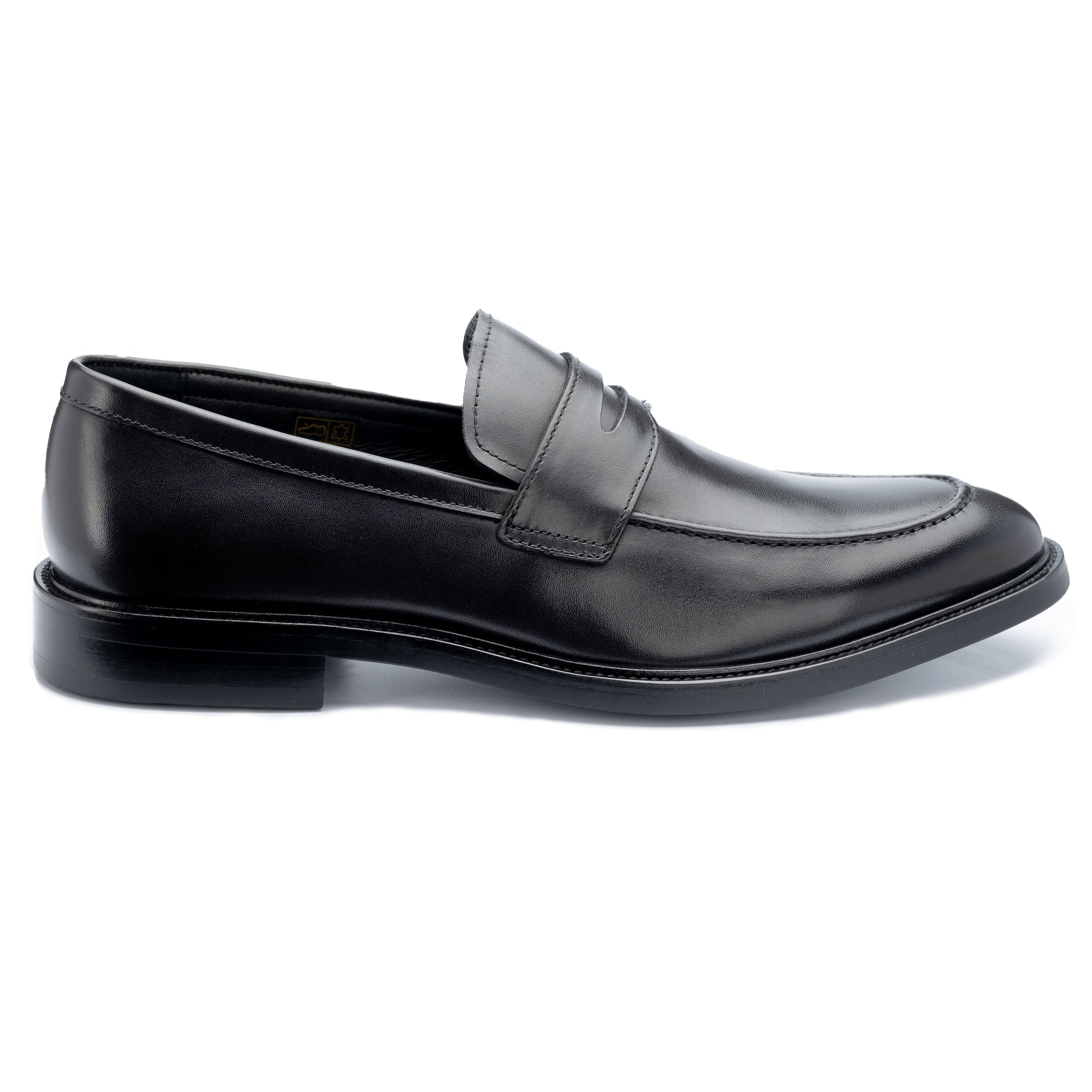
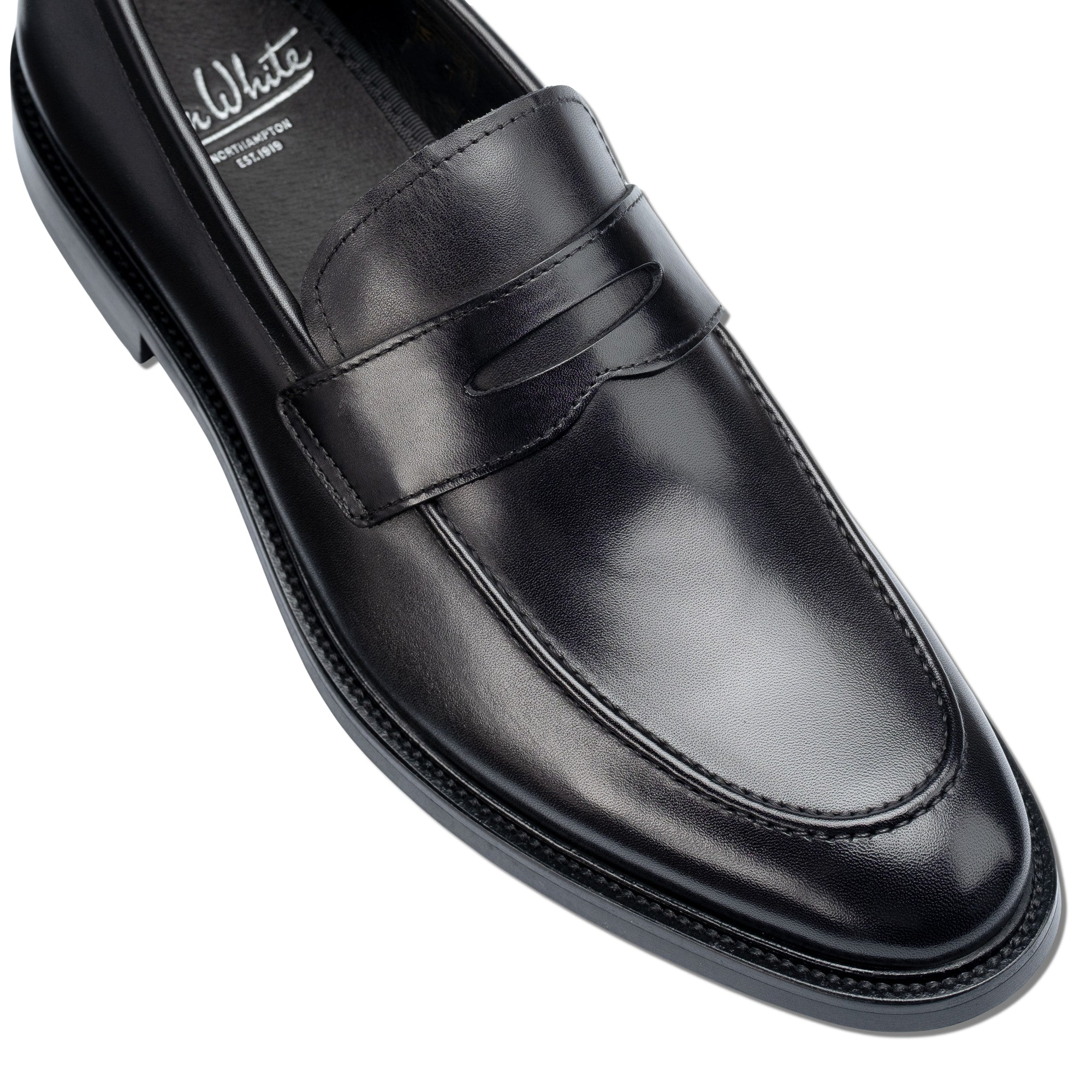
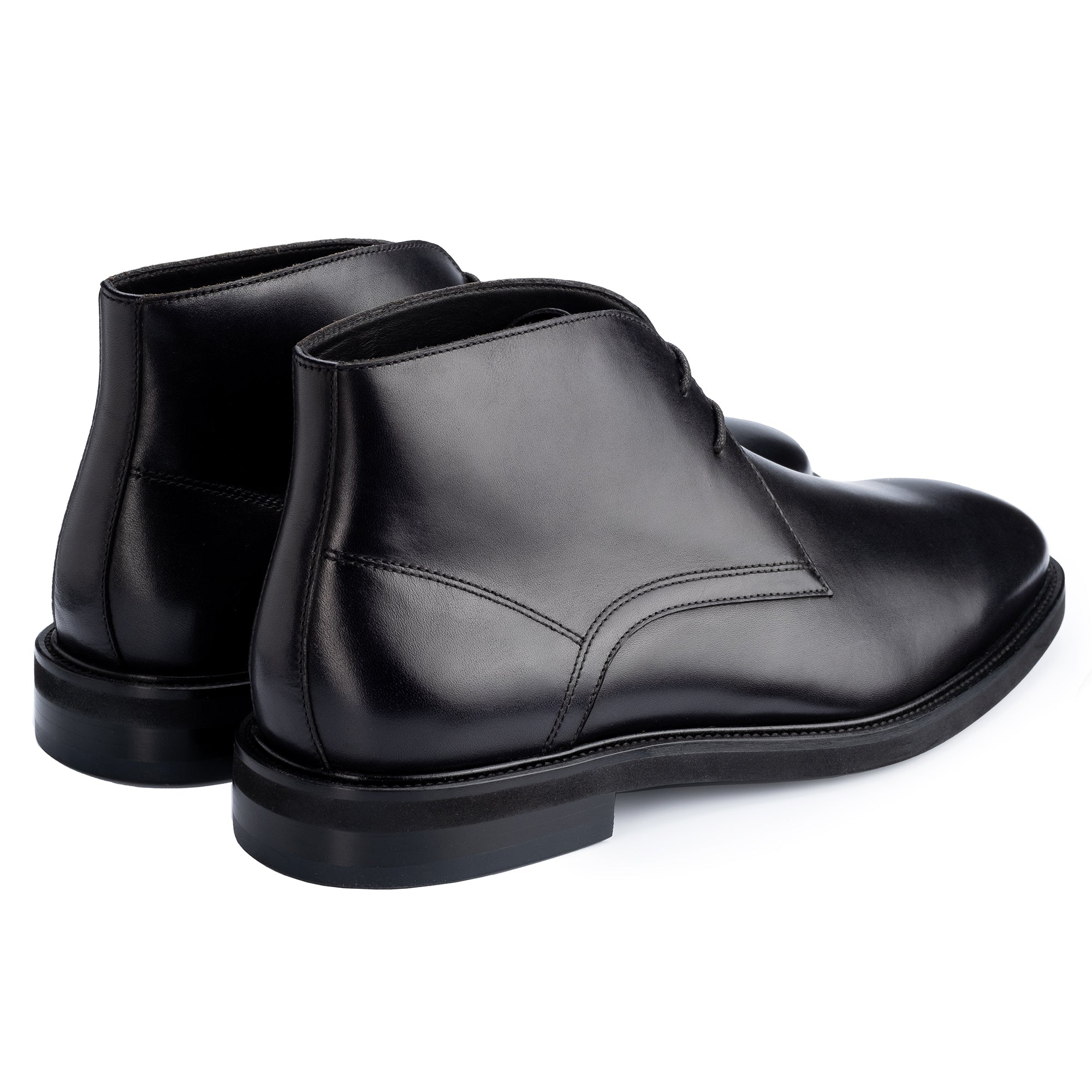
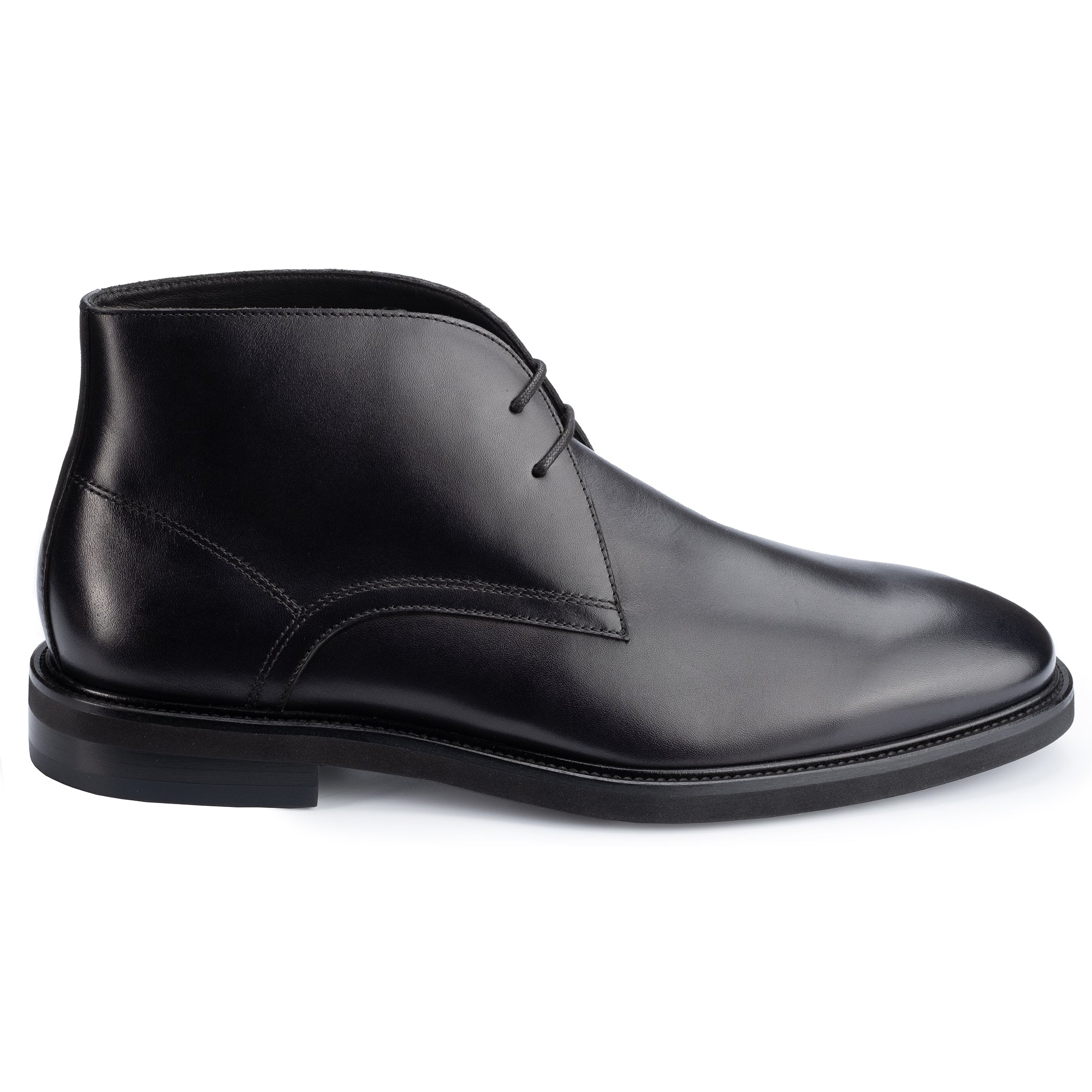
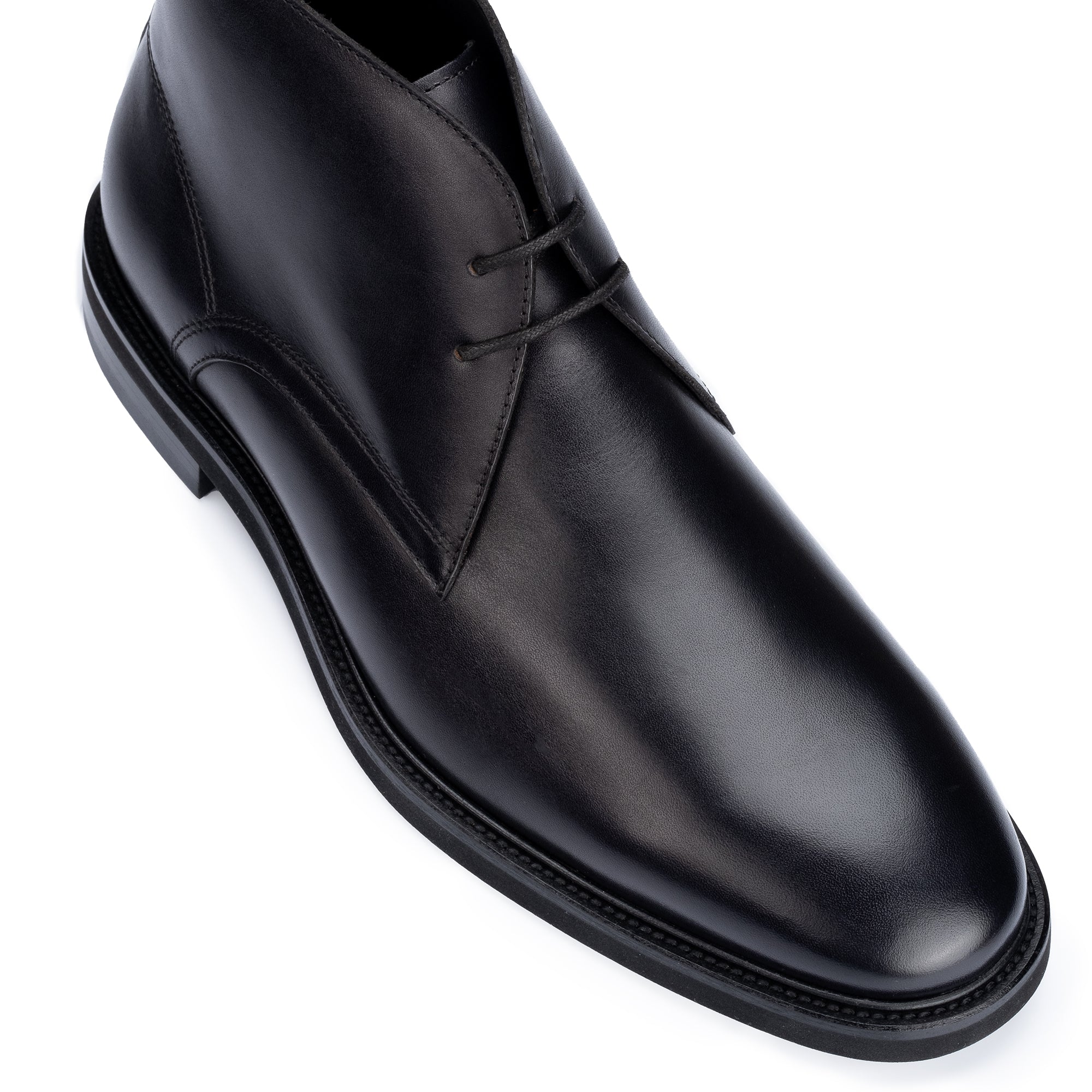
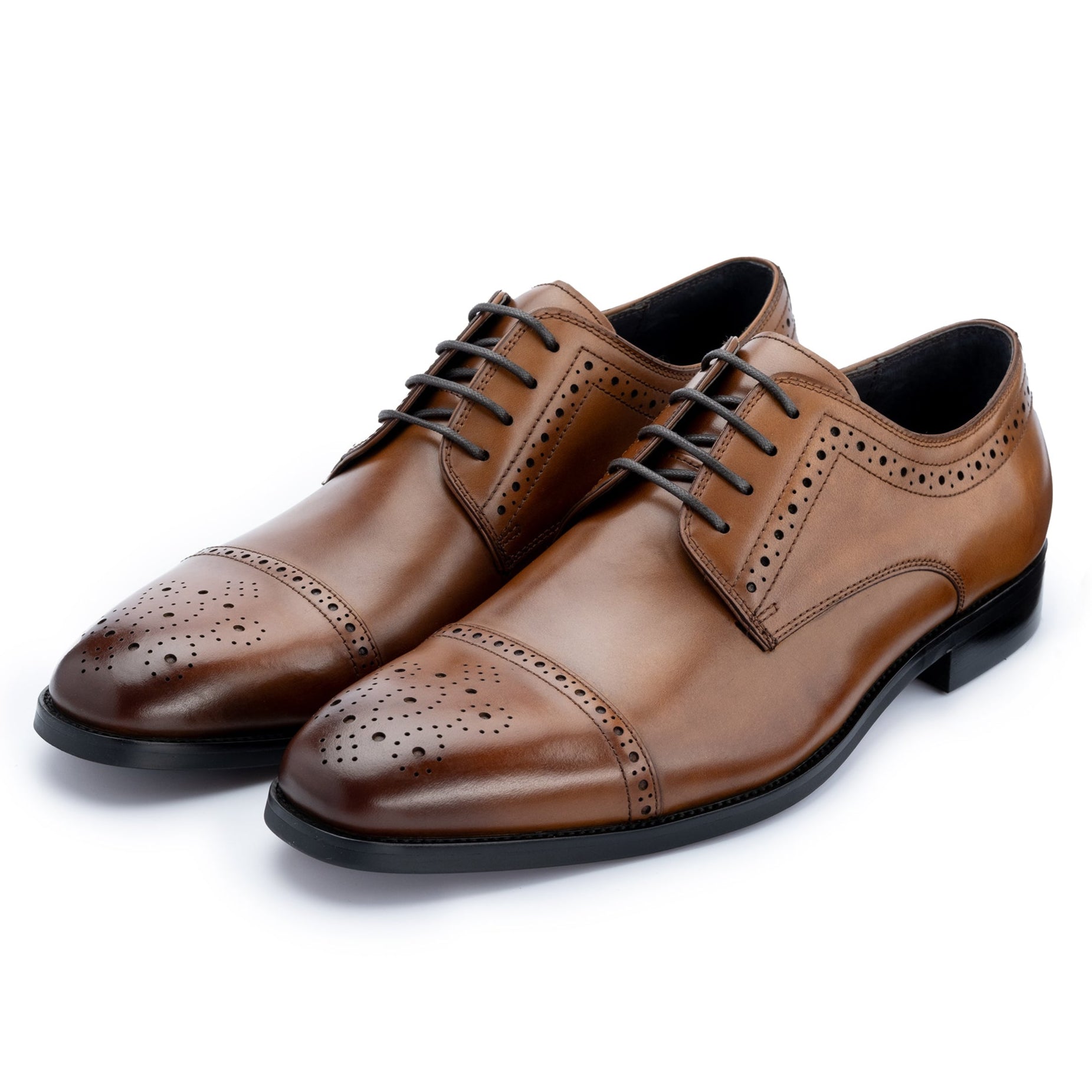
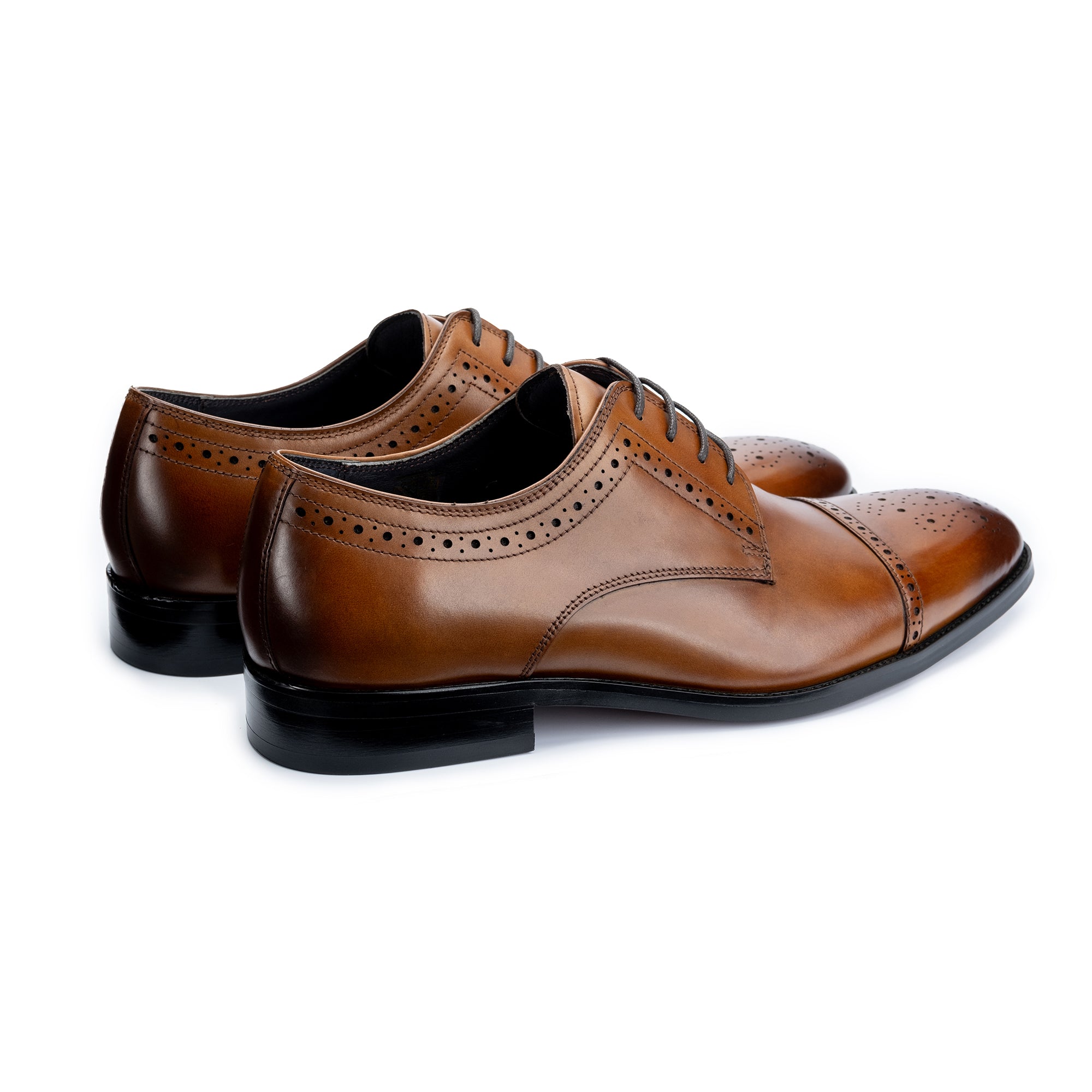
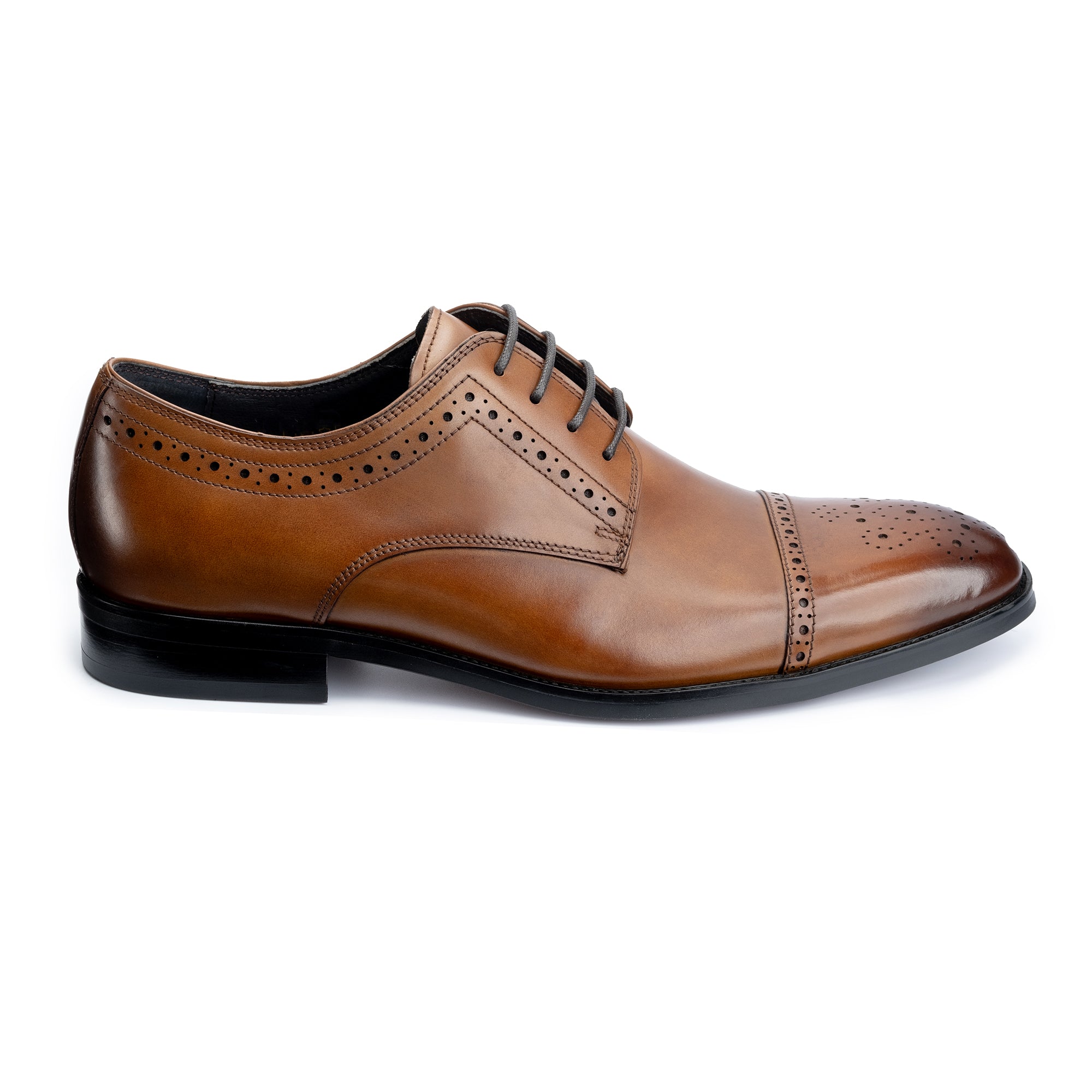
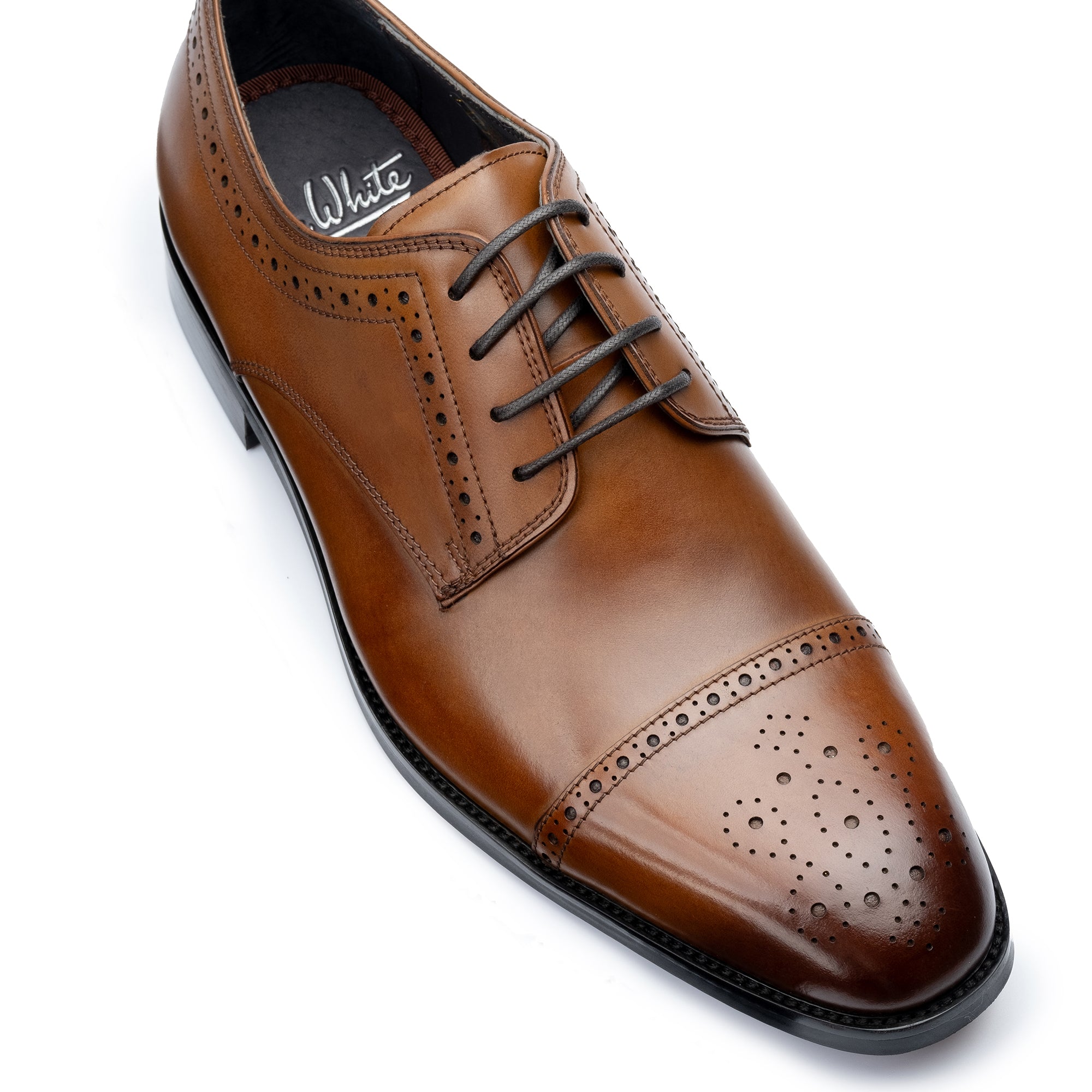
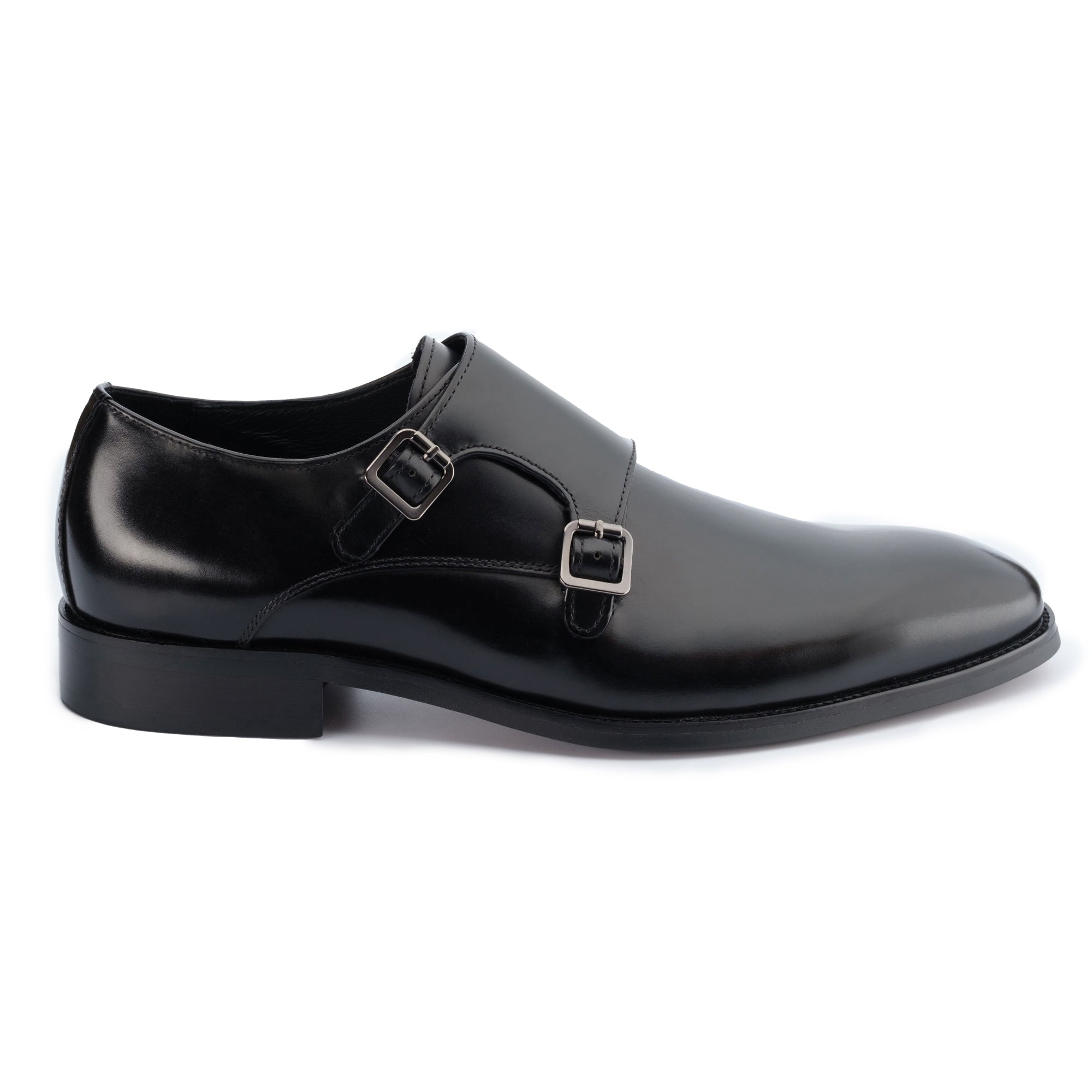
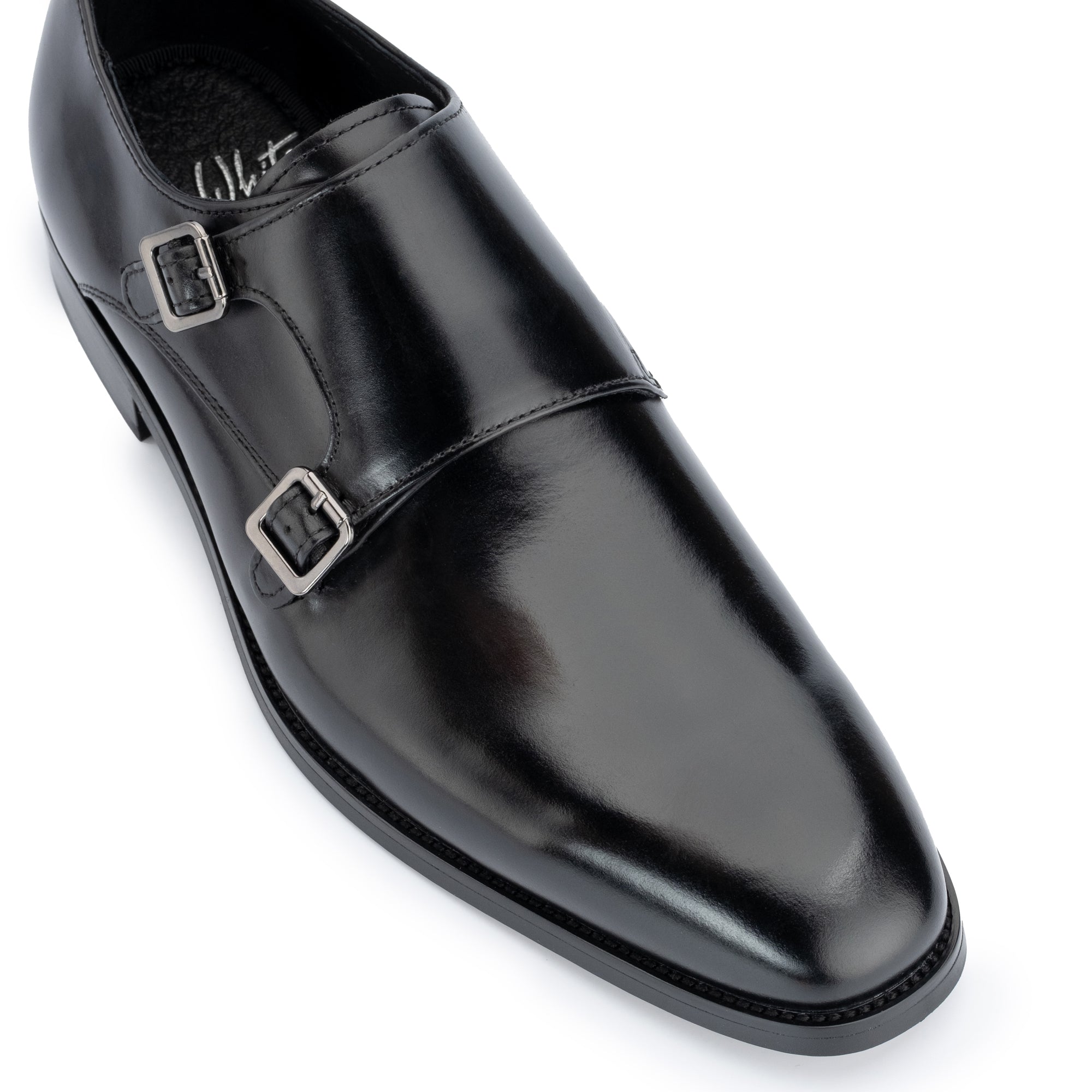
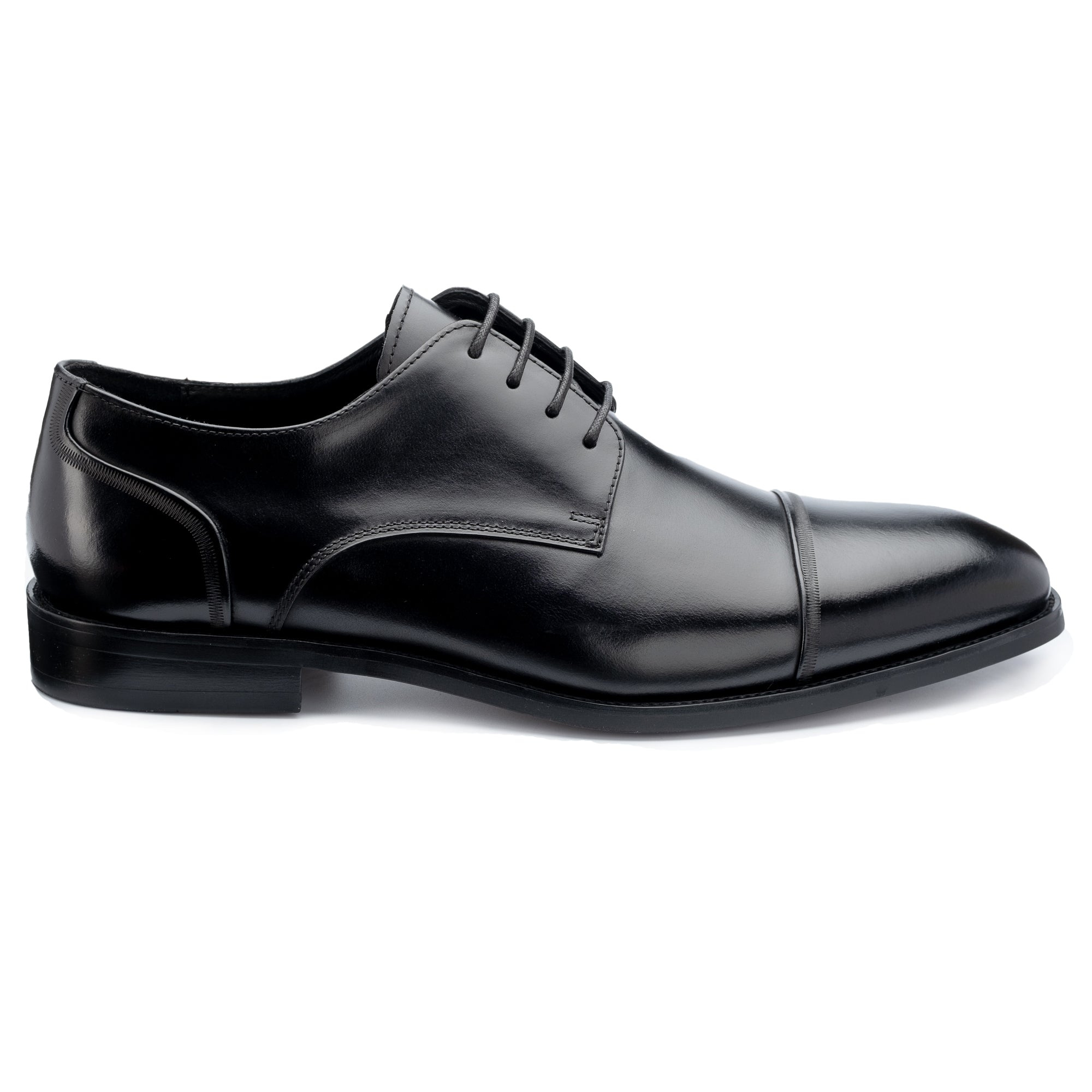
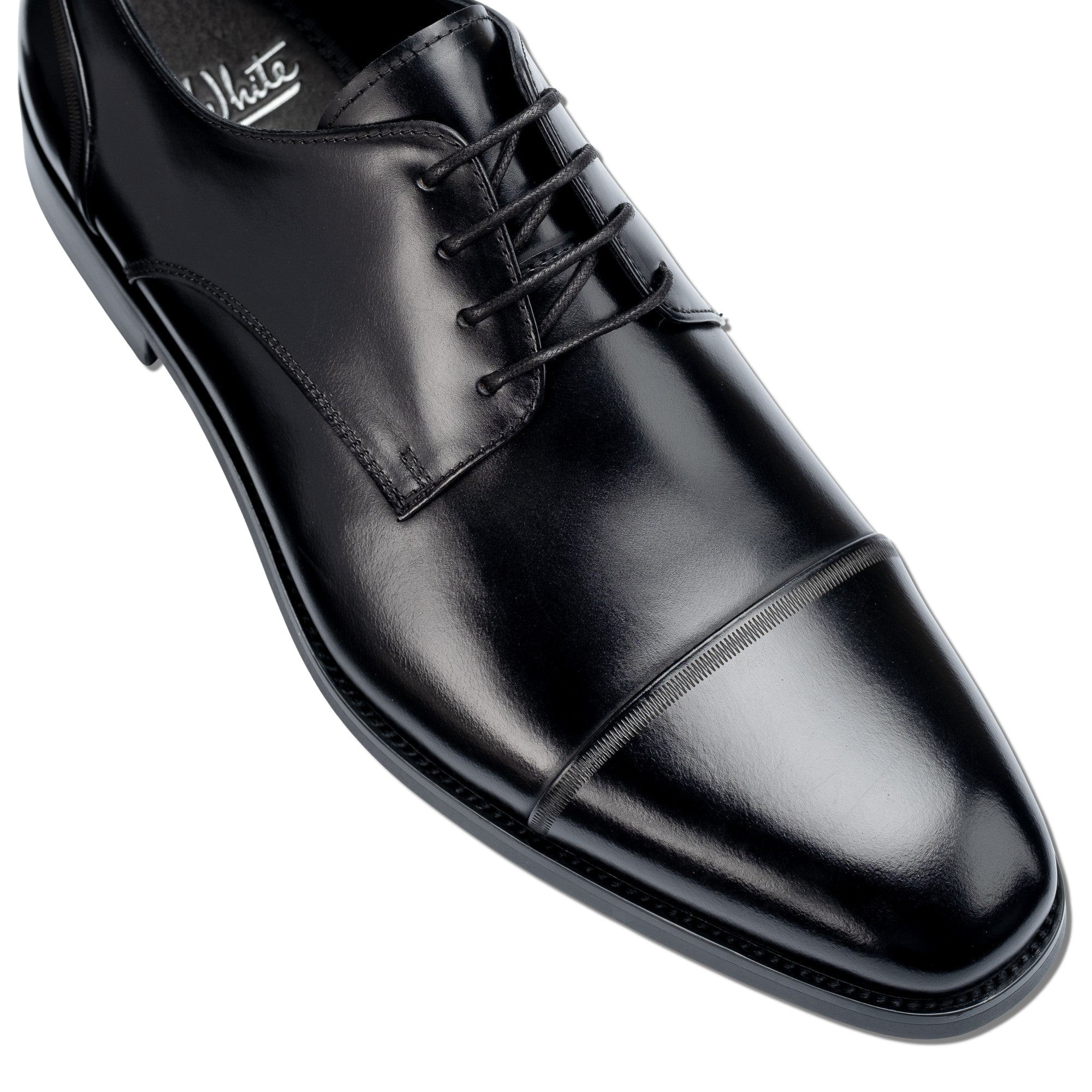
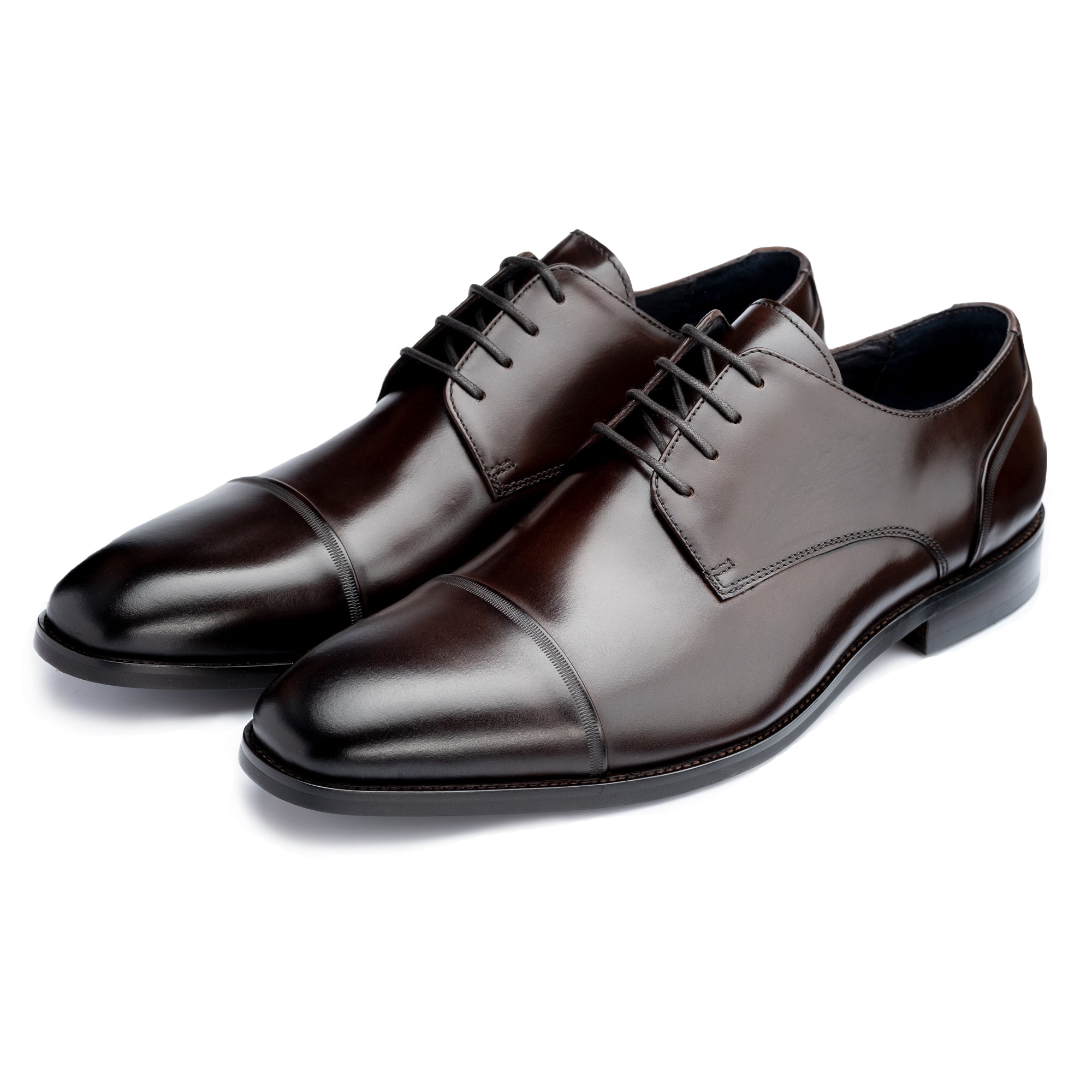
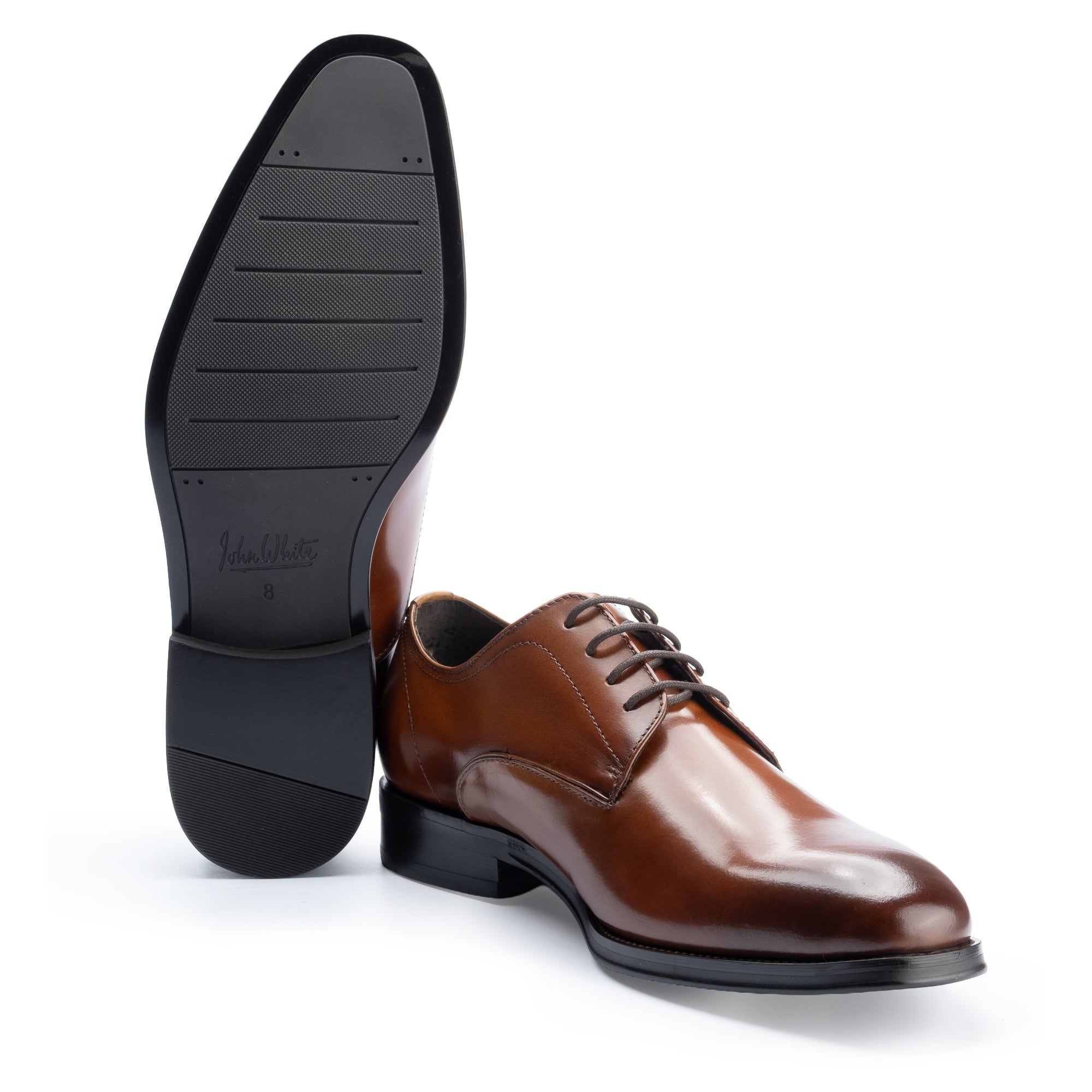
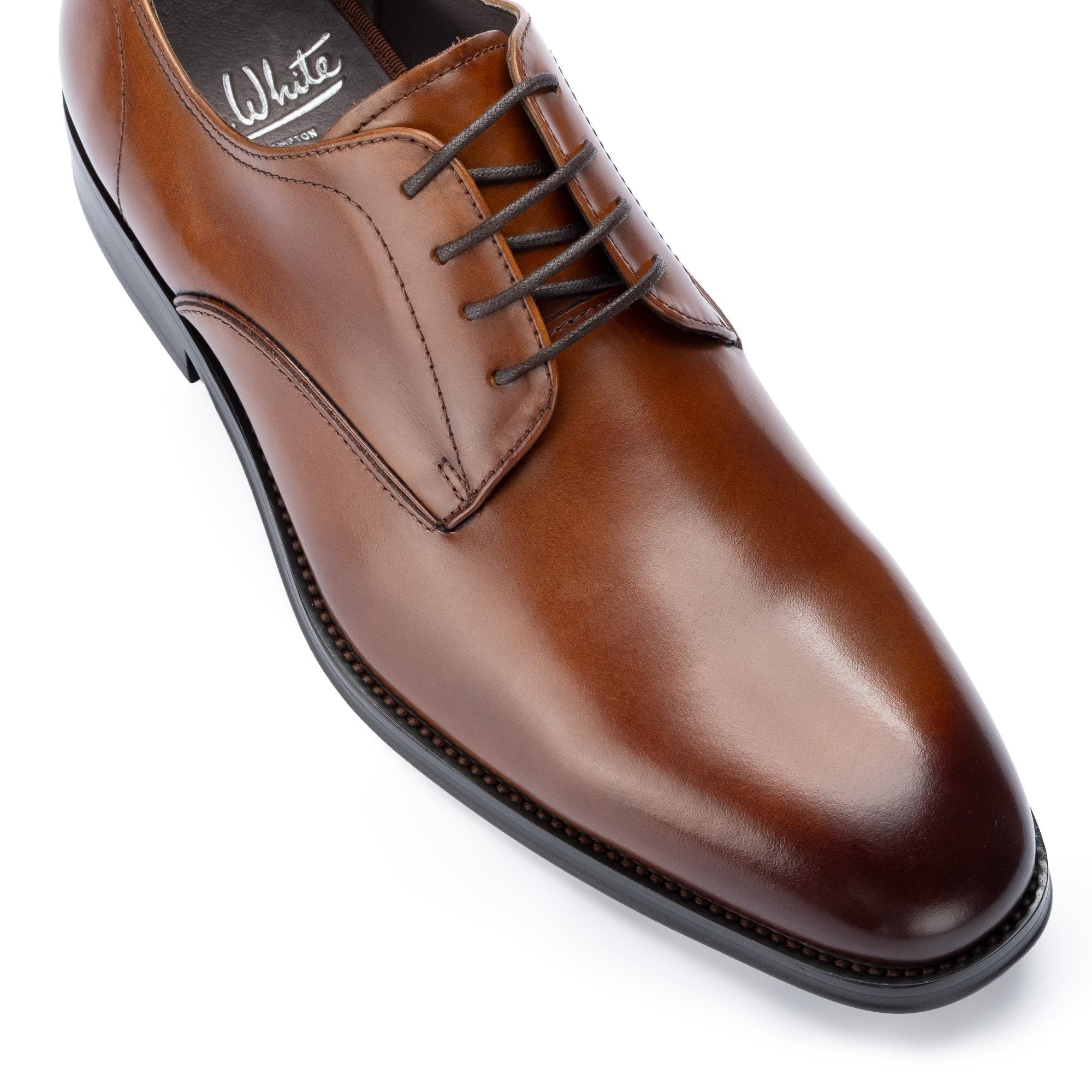
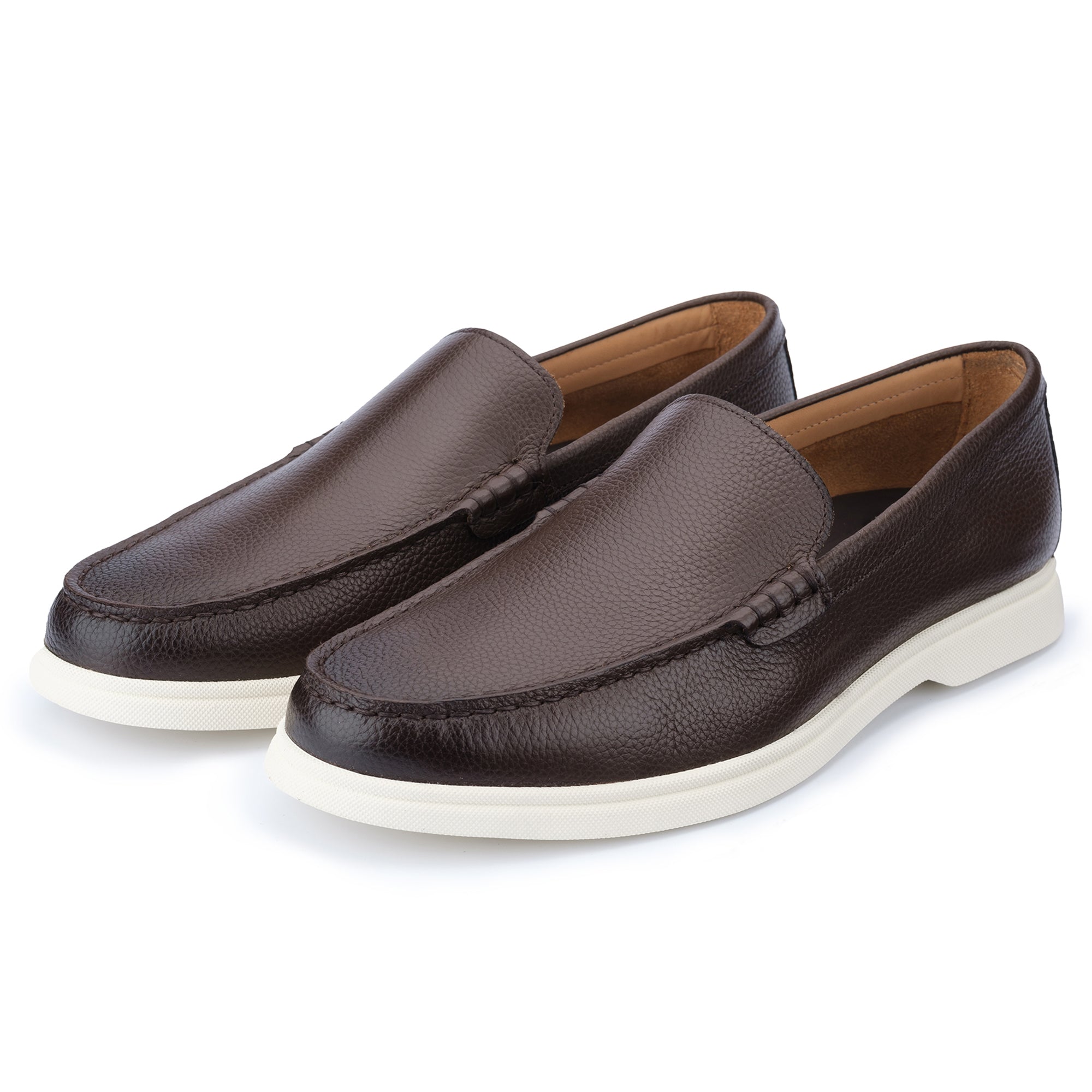
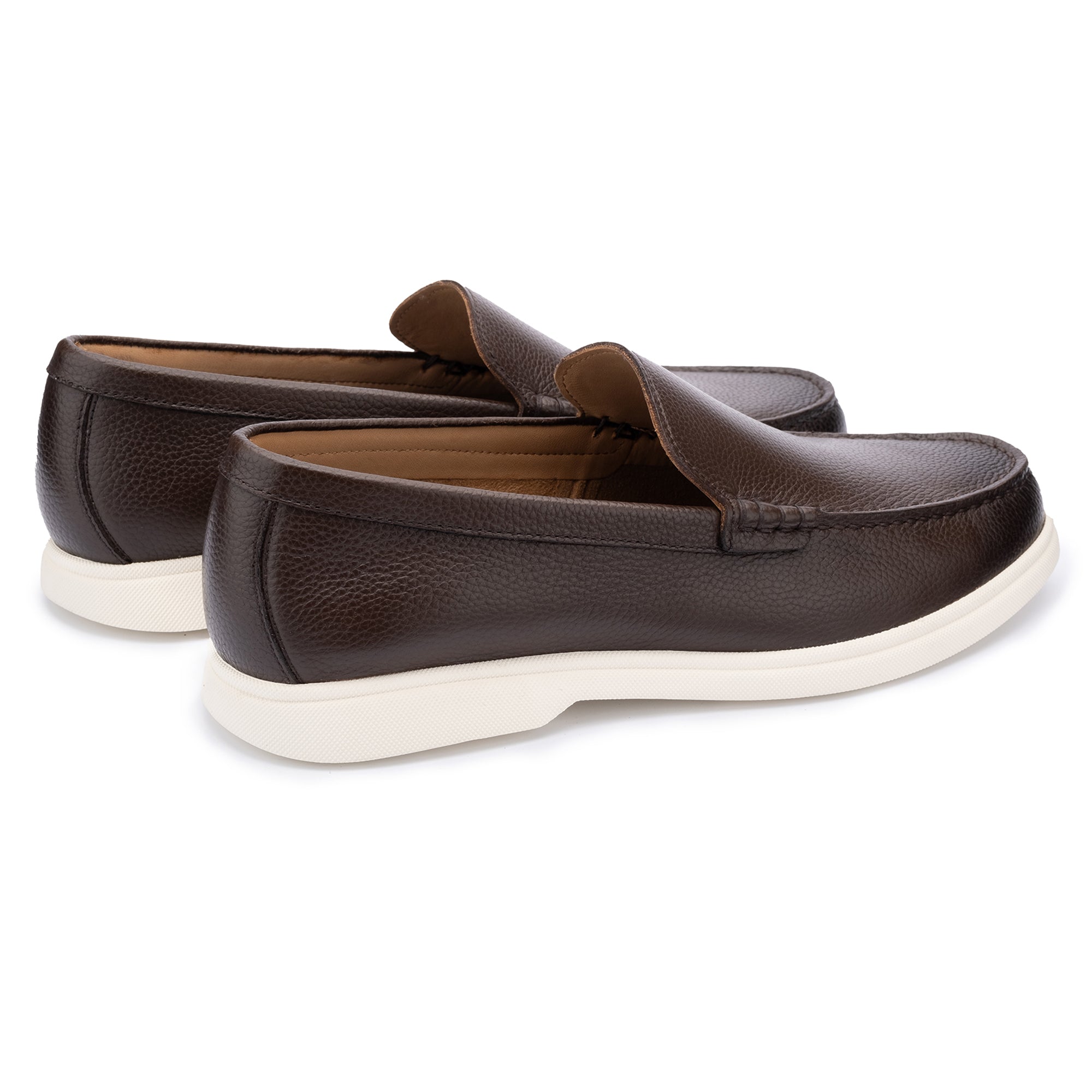
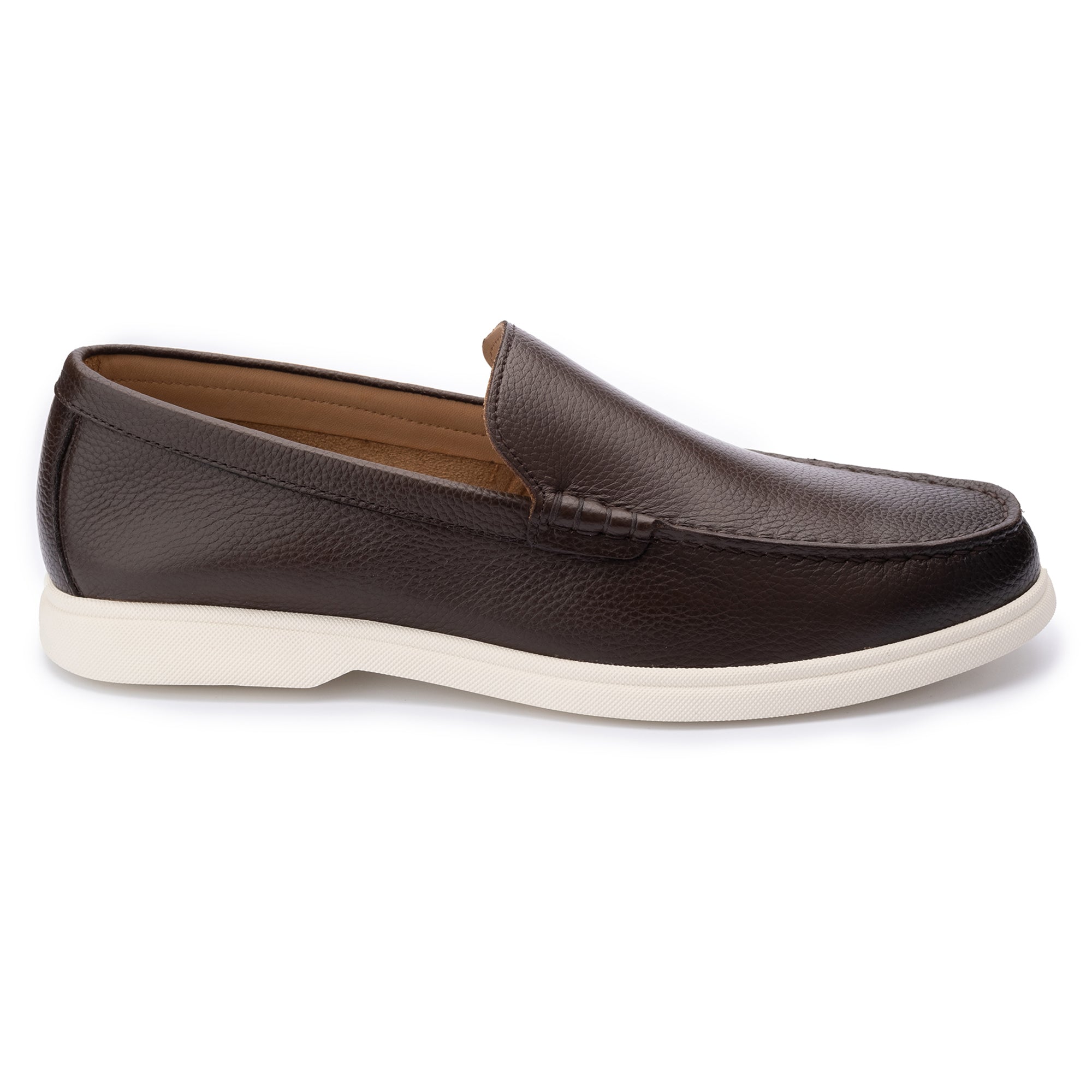
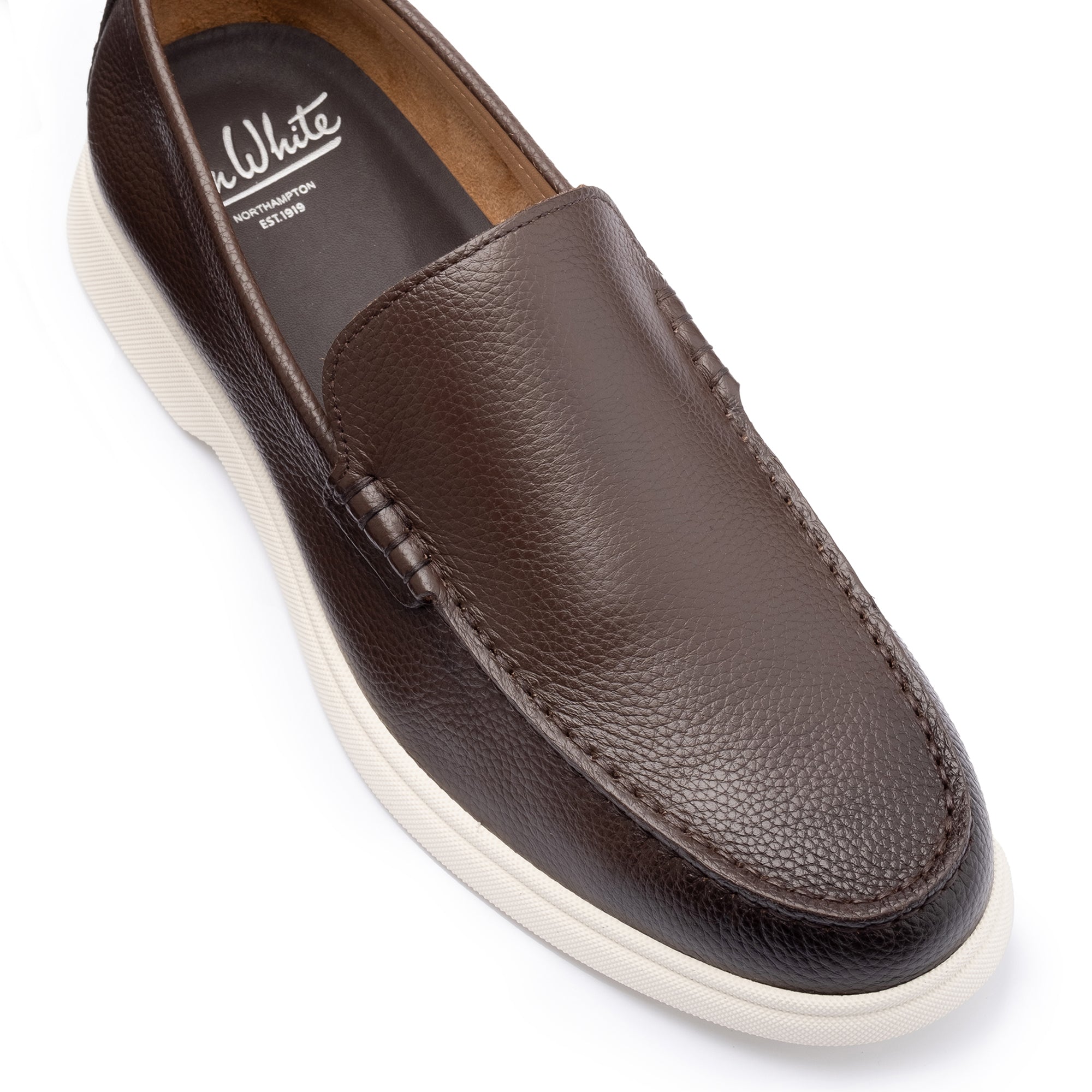
Modern cemented construction, executed to a high standard, creates a slim, clean sole profile suited to both formal and smart-casual dressing. It's the construction method across John White Shoes' contemporary range.
What Is Goodyear Welted Construction?
Goodyear welted construction is a traditional method in which a strip of leather — the welt — is stitched to both the upper and an insole, then the outsole is stitched to the welt in a second operation. It's the construction that Northamptonshire's shoemaking trade was historically built upon — the method long associated with British heritage brands including Loake, Church's, Crockett & Jones, Barker, and Grenson.
Welted shoes tend to be heavier and require a longer break-in period. The advantage is that the outsole can be replaced relatively easily by any cobbler with welting equipment, making repeated resoling over decades straightforward.
What Is Blake Stitch Construction?
Blake stitch construction uses a single machine stitch passing through the insole, upper, and outsole in one pass. It produces a lighter, more flexible shoe with a slim, streamlined sole — common in Italian dress footwear. Blake stitched shoes can be resoled, but require specialist equipment that's less widely available than standard welting tools.
| Construction | Break-in Period | Weight | Resolable? | Best For |
|---|---|---|---|---|
| Cemented | None — immediate comfort | Light | Yes, specialist cobbler | Daily office wear, smart-casual rotation |
| Goodyear Welted | Several weeks | Heavier | Yes, widely available | Heavy daily use, decades-long ownership |
| Blake Stitch | Minimal | Light to medium | Yes, specialist only | Dress shoes, lighter or occasional wear |
Which Shoe Construction Is Best for Daily Office Wear?
For the man wearing shoes four or five days a week in a professional environment, comfort and weight tend to matter more than resoling frequency. Cemented construction has a clear advantage here: the sole is thinner and more flexible, the shoe sits lighter on the foot across a full working day, and there's none of the initial stiffness that comes with breaking in a welted shoe's shank and insole.
According to the Society of Master Shoe Repairers, premature sole wear is most commonly caused by insufficient sole protection in the first three months of wear — not by construction method. A cemented shoe fitted with a thin rubber toe cap before first wear will see significantly better sole life regardless of how it was built. A tin of Premium Wax Polish used from the outset does the same for the upper.
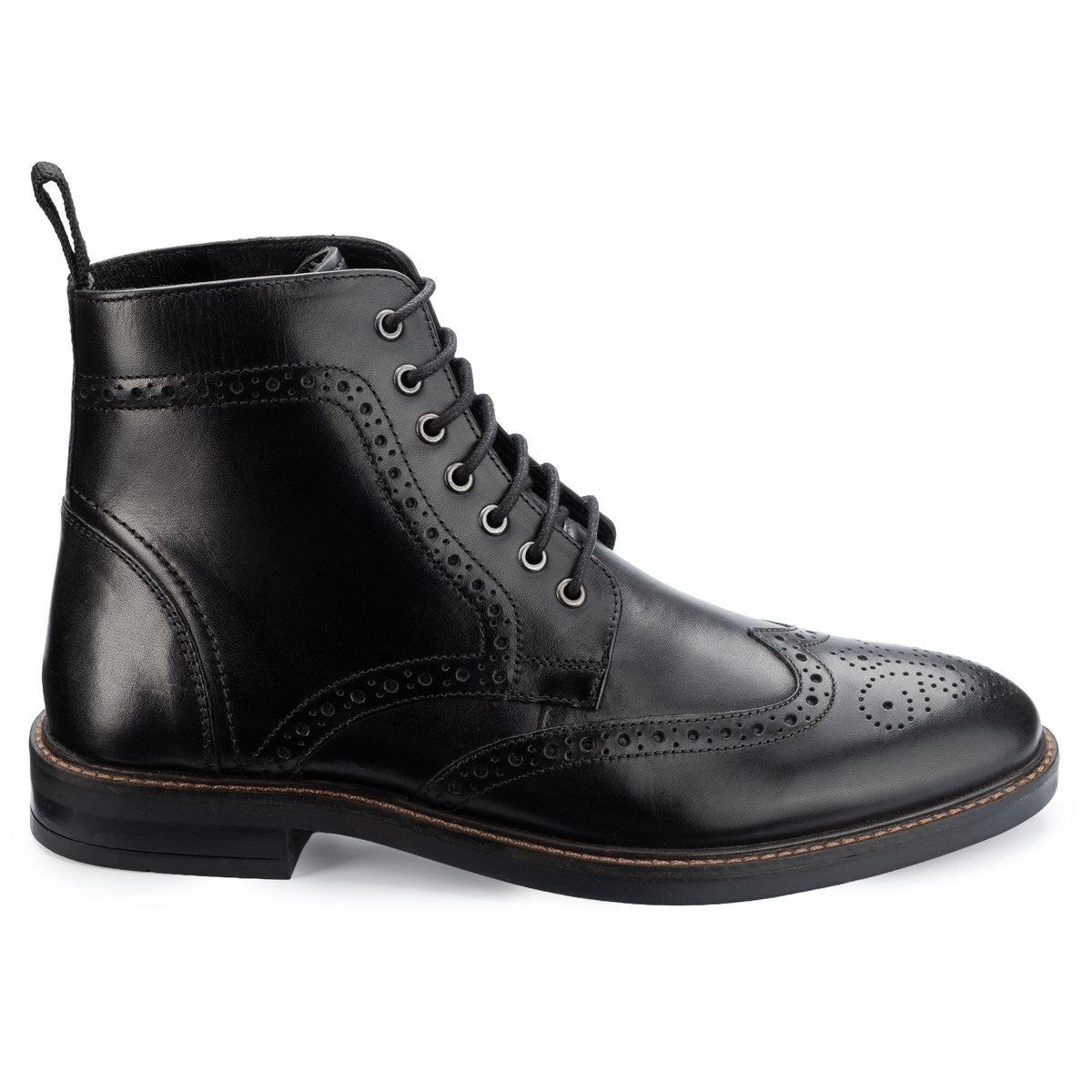
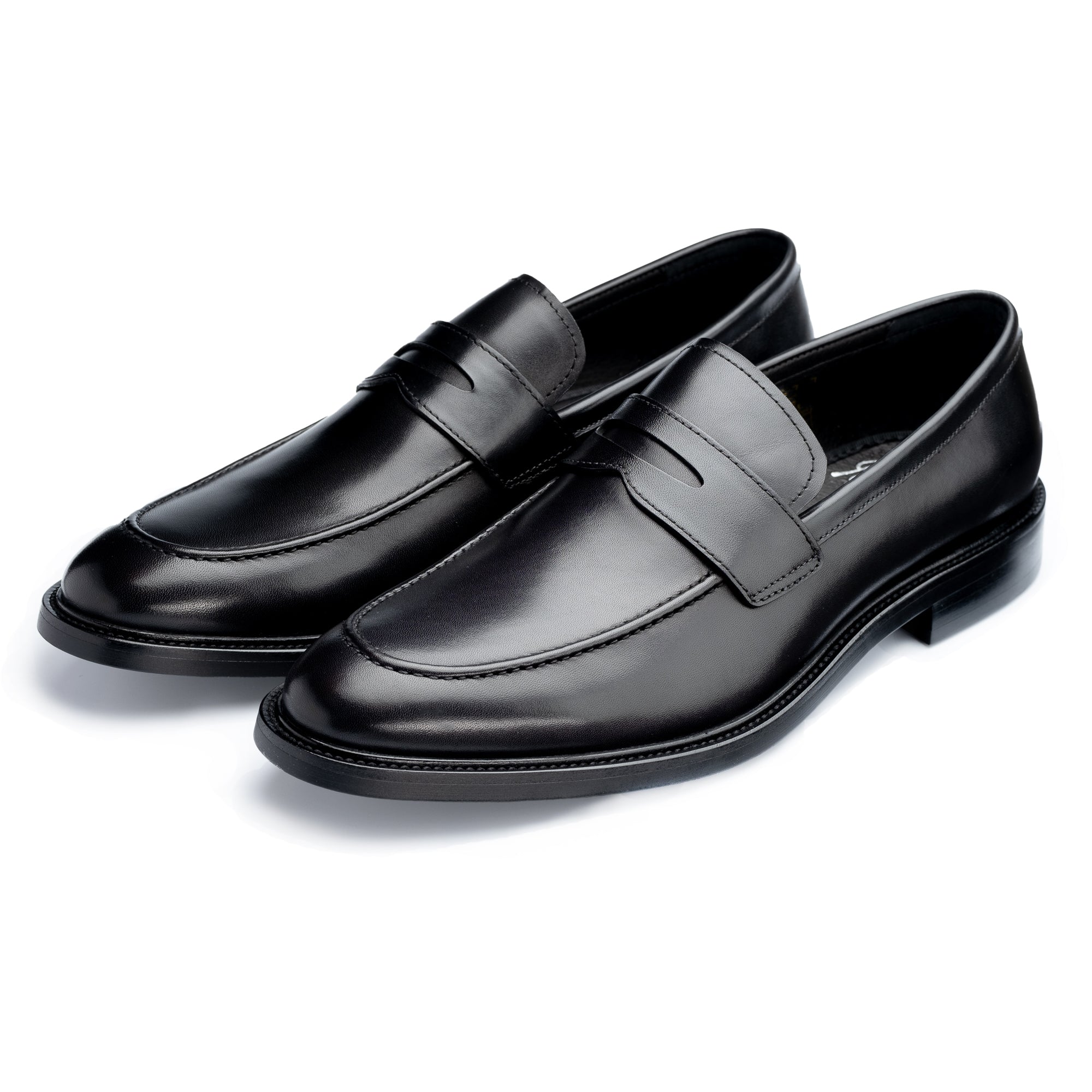
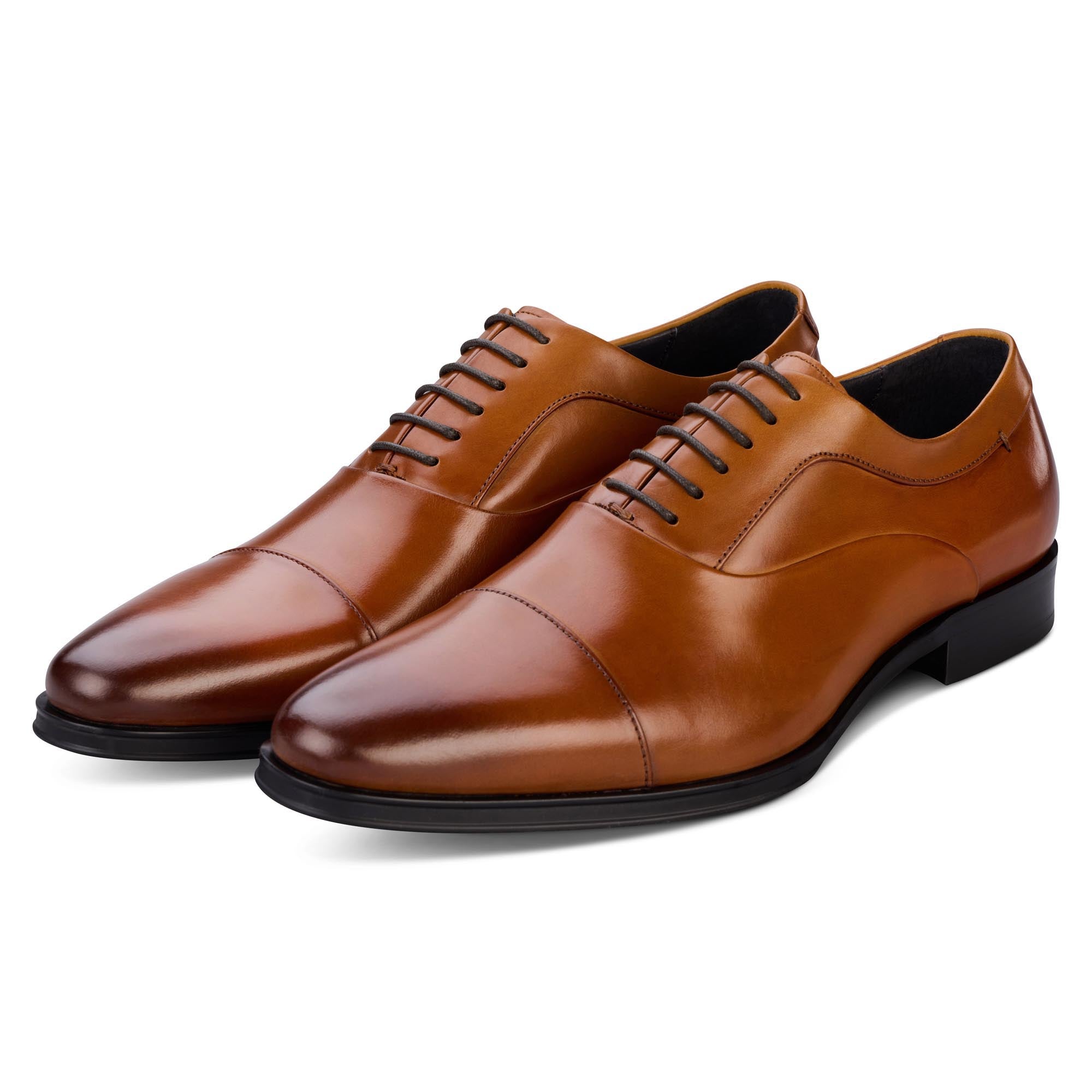
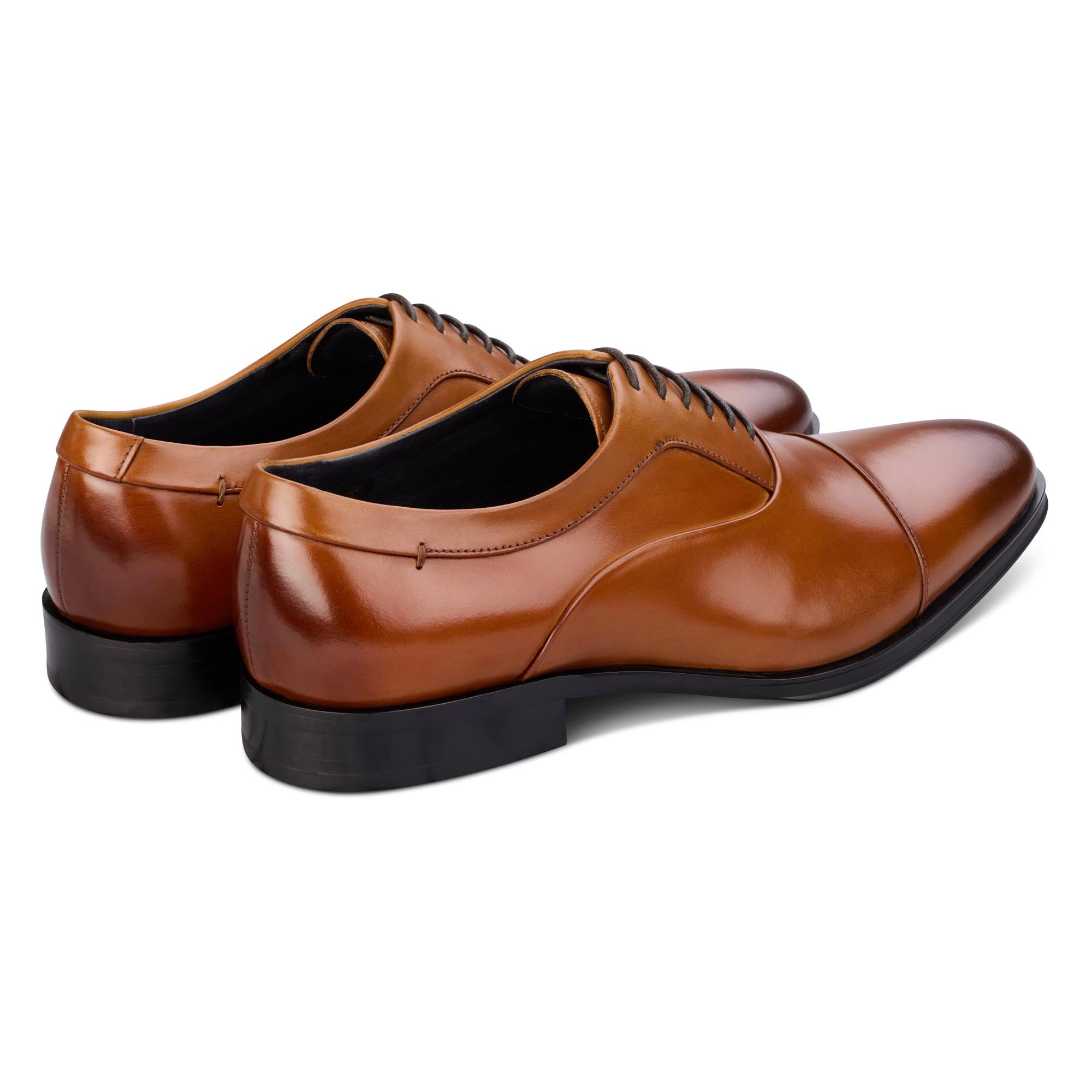
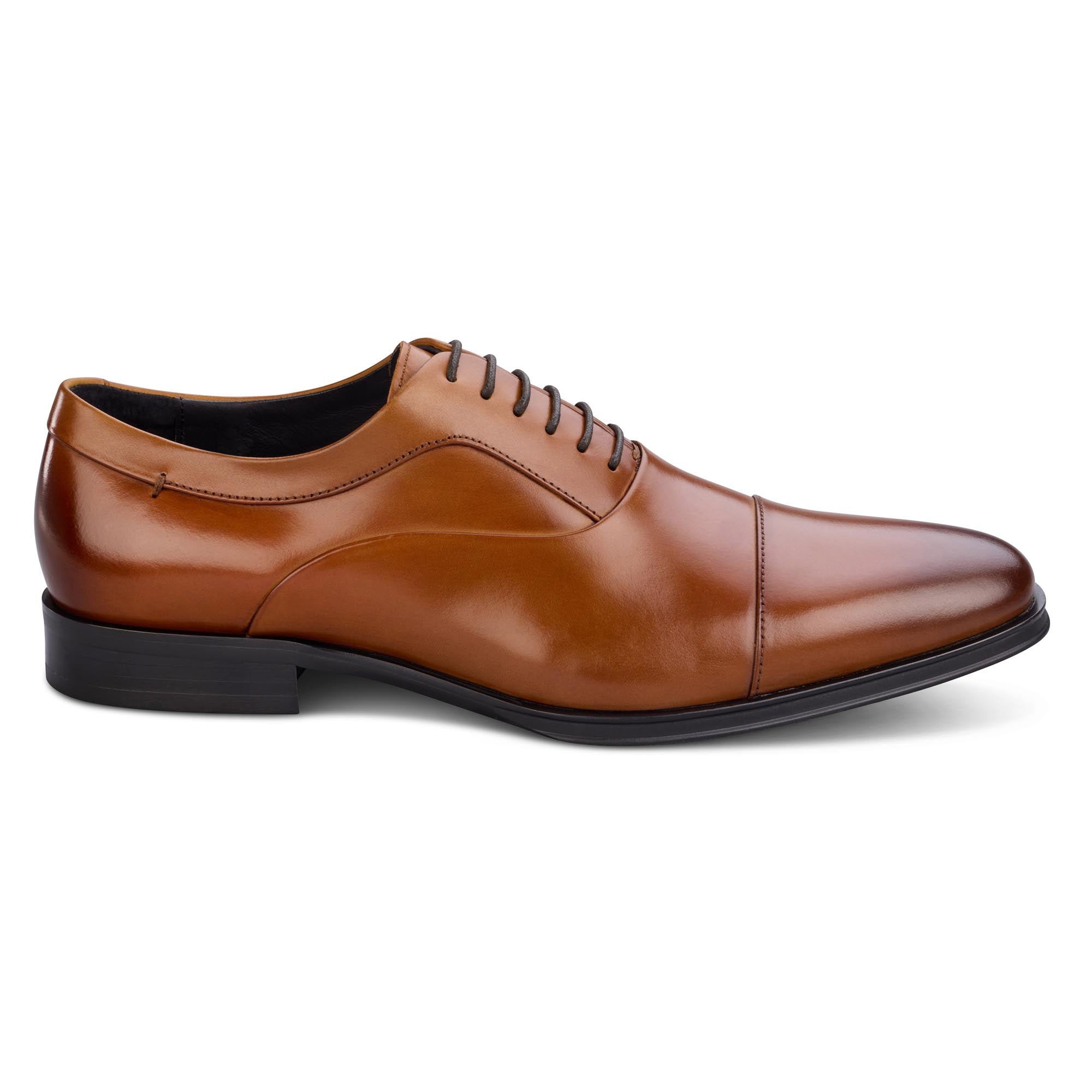
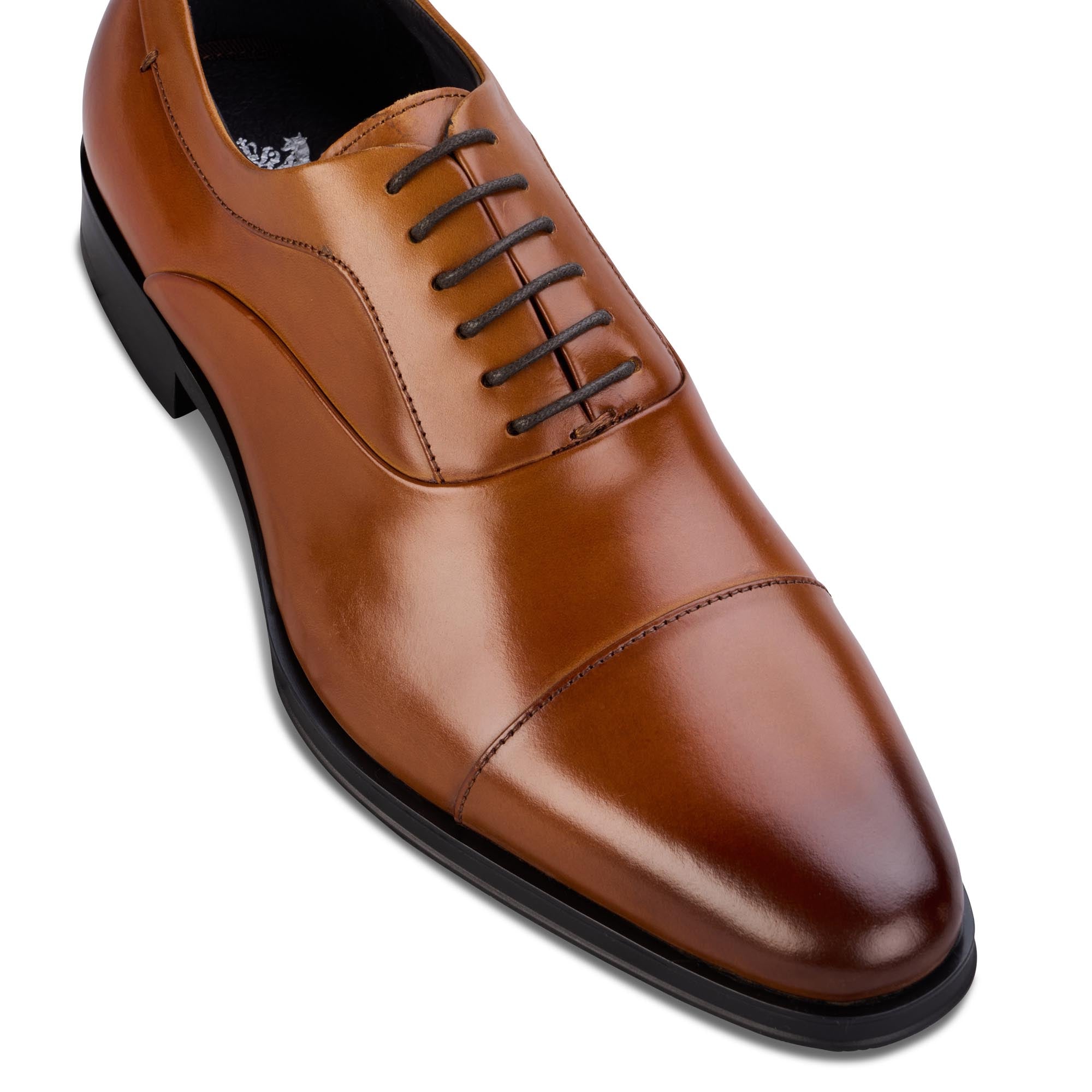
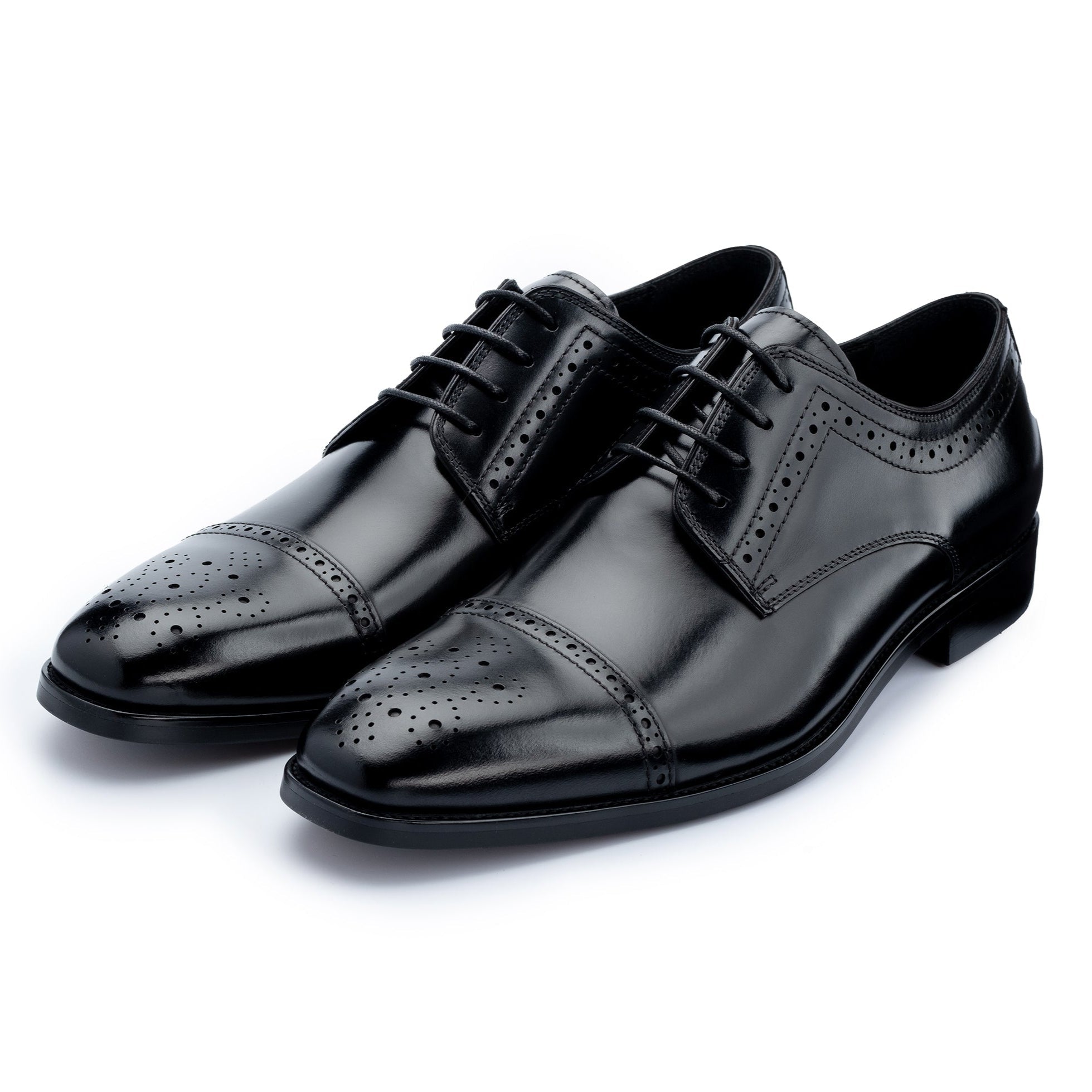
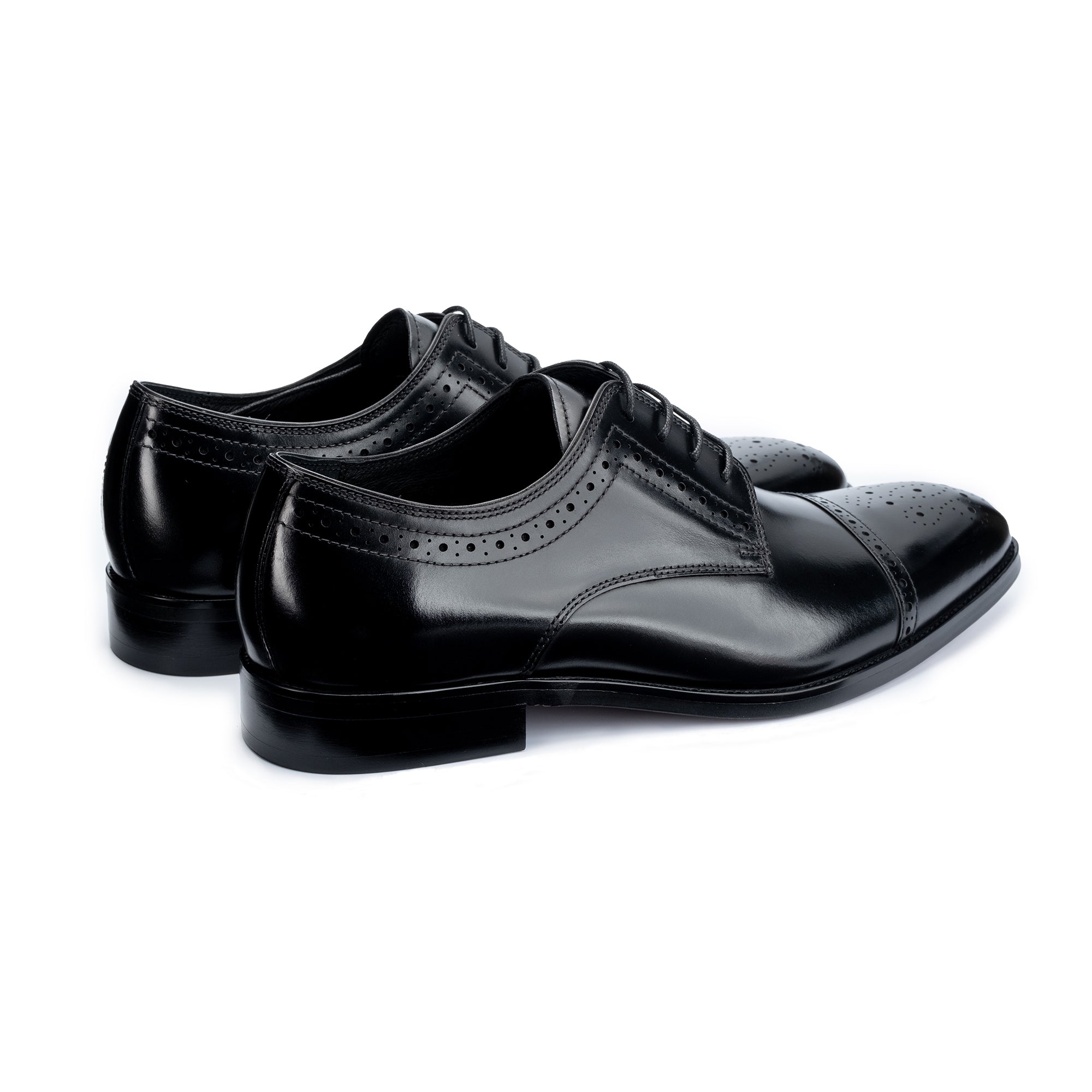
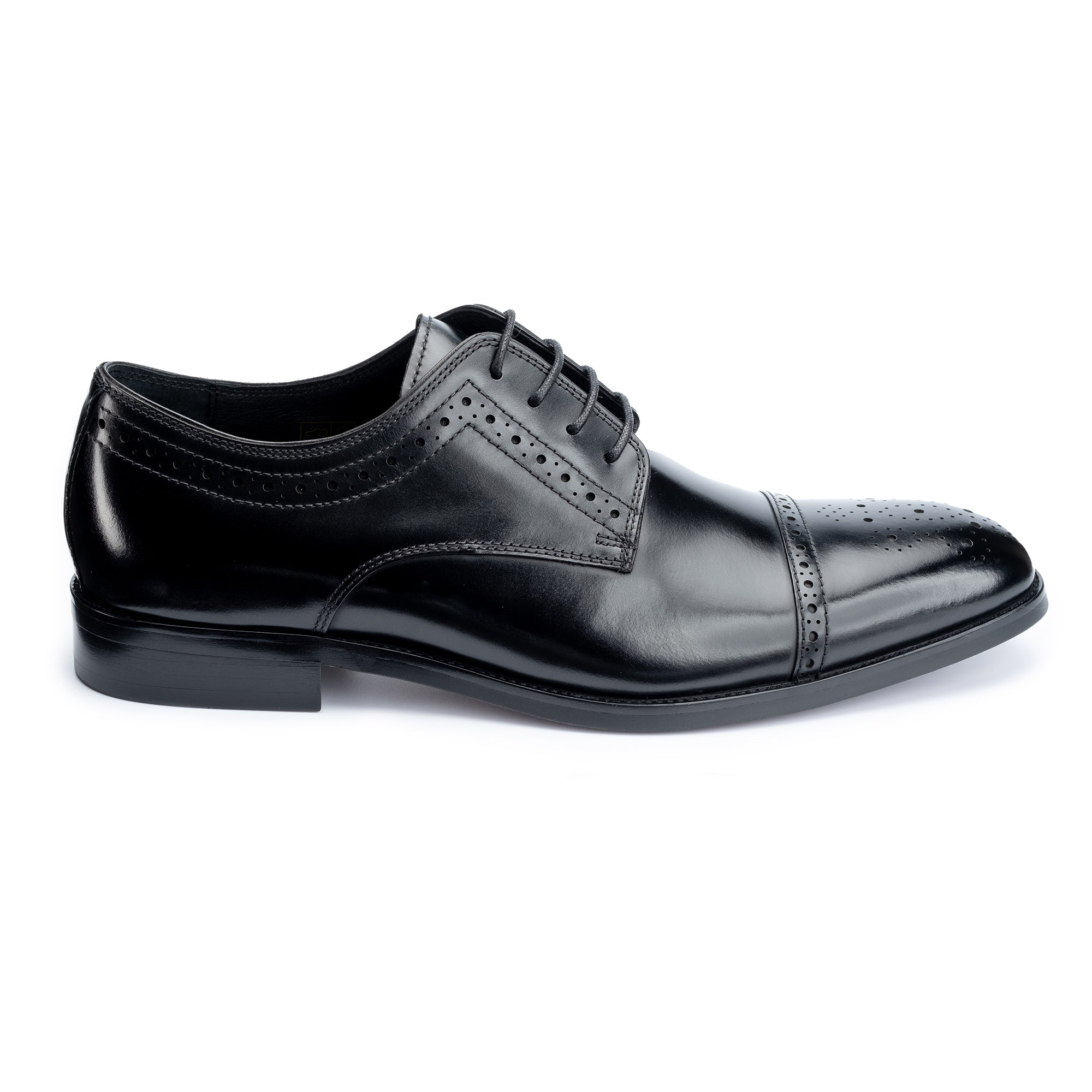
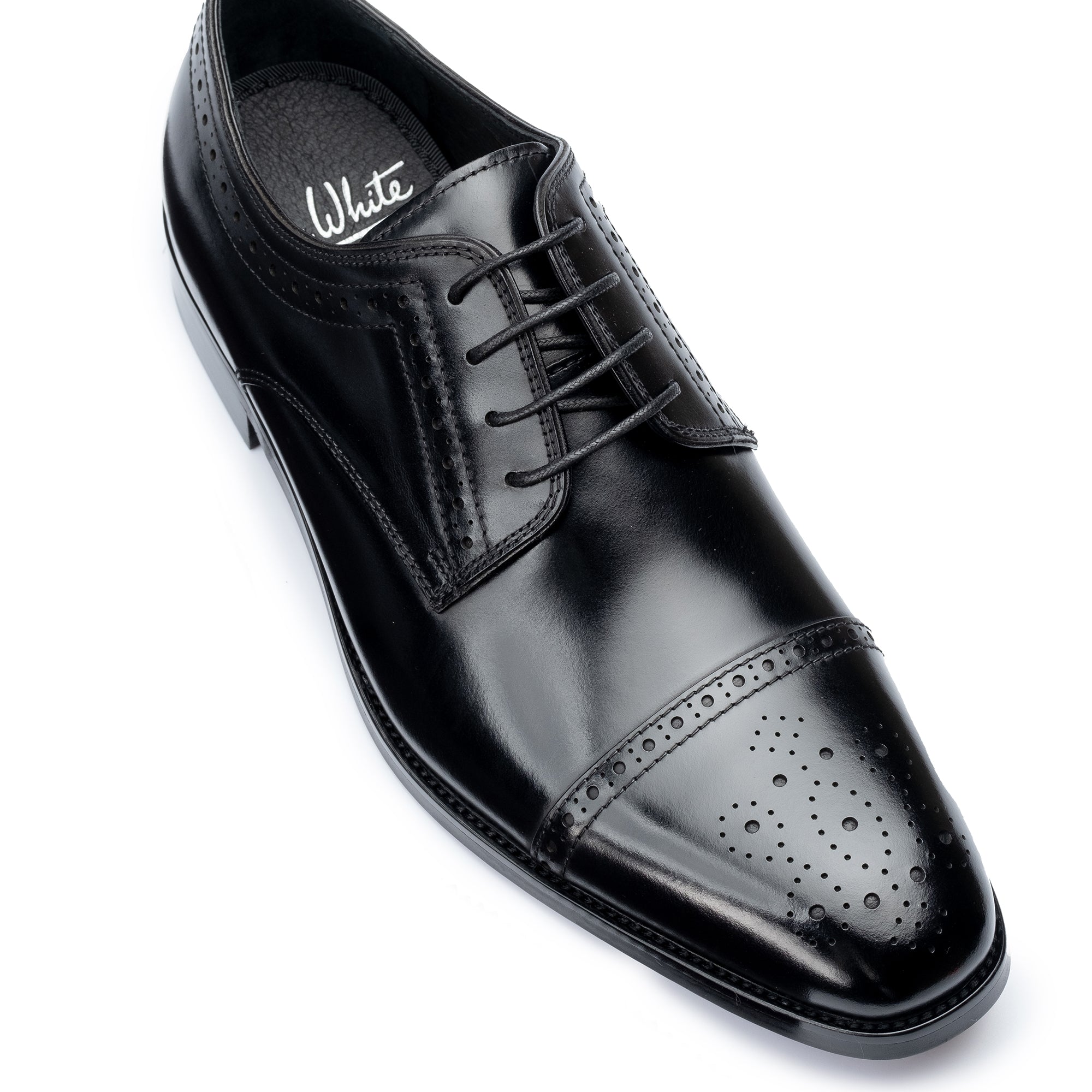
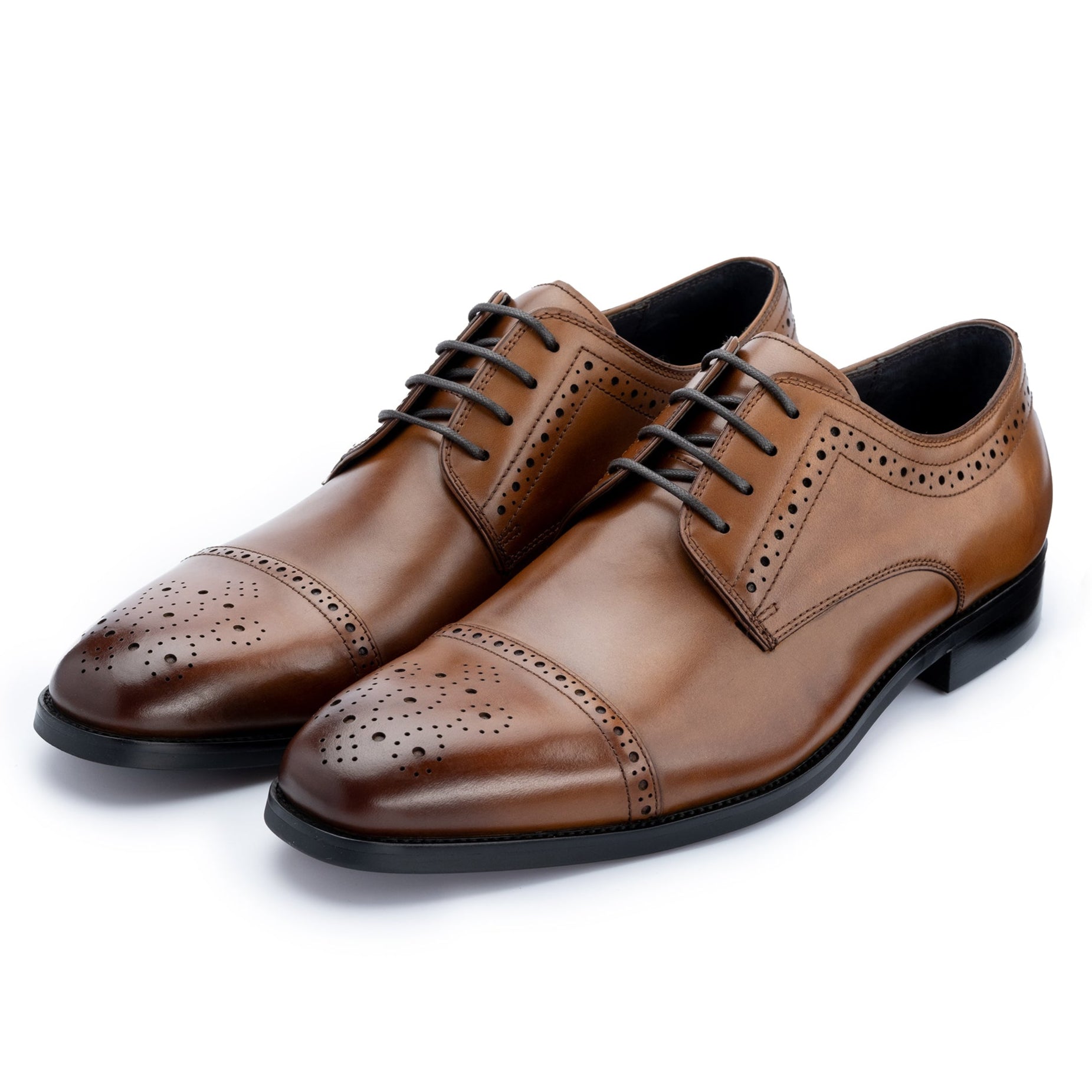
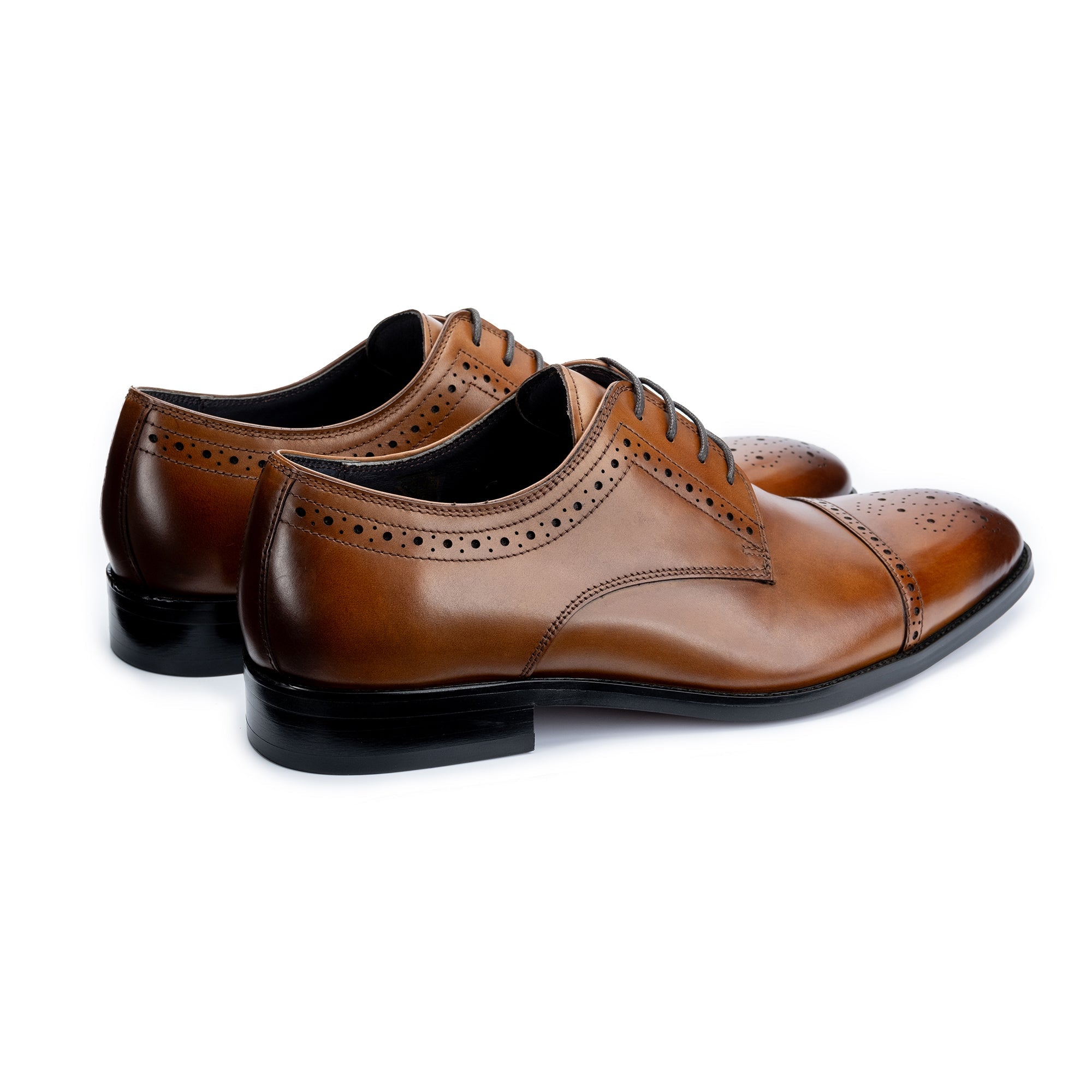
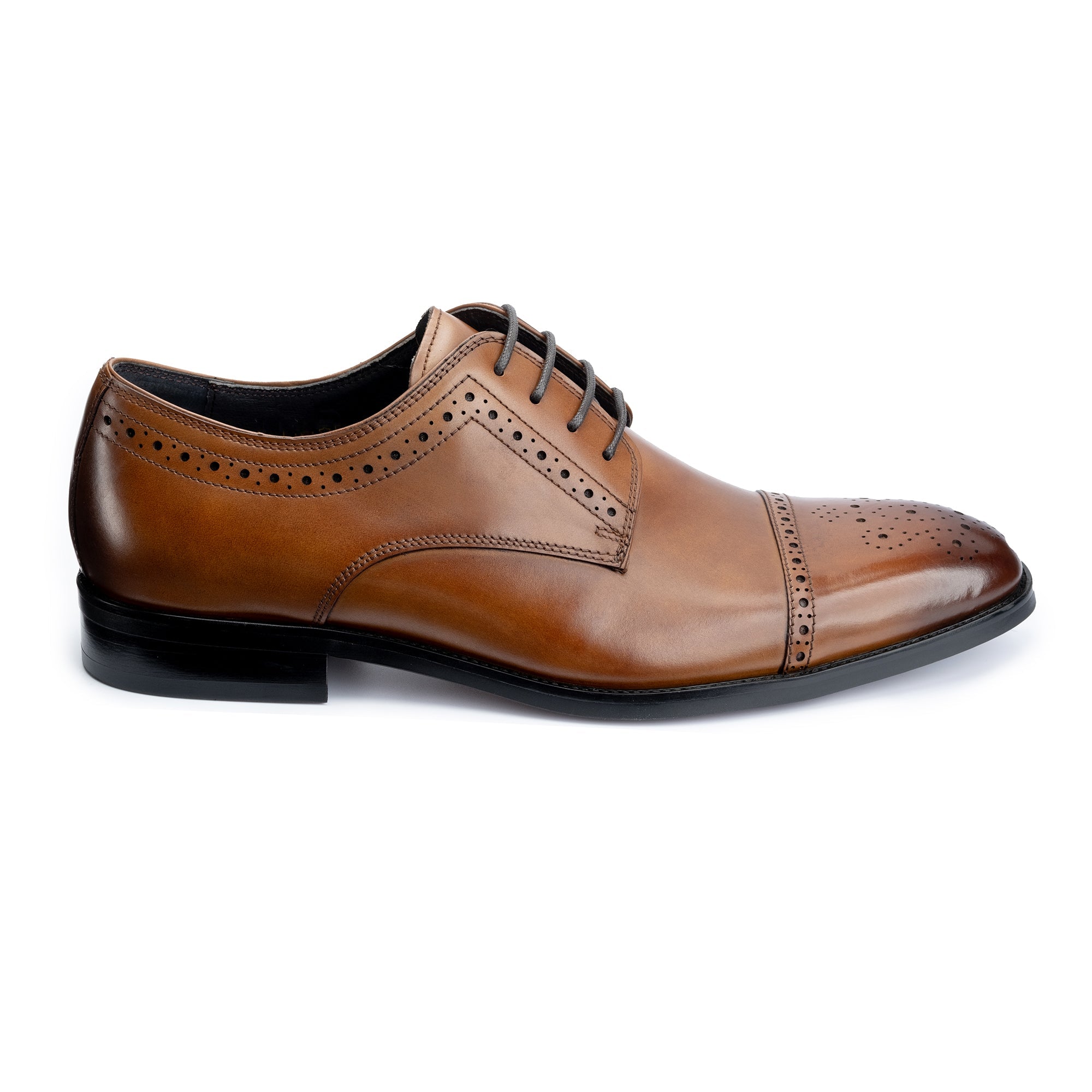
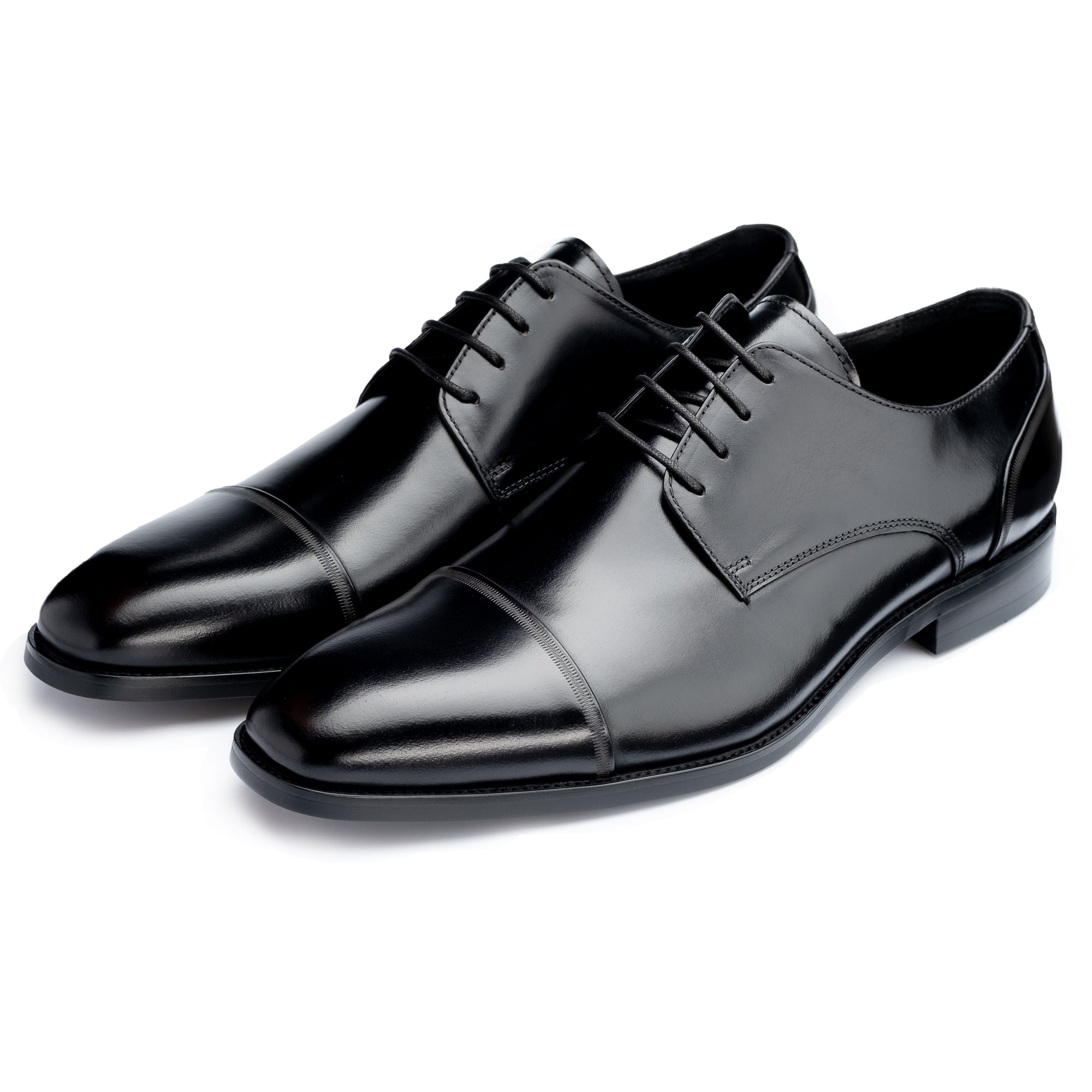
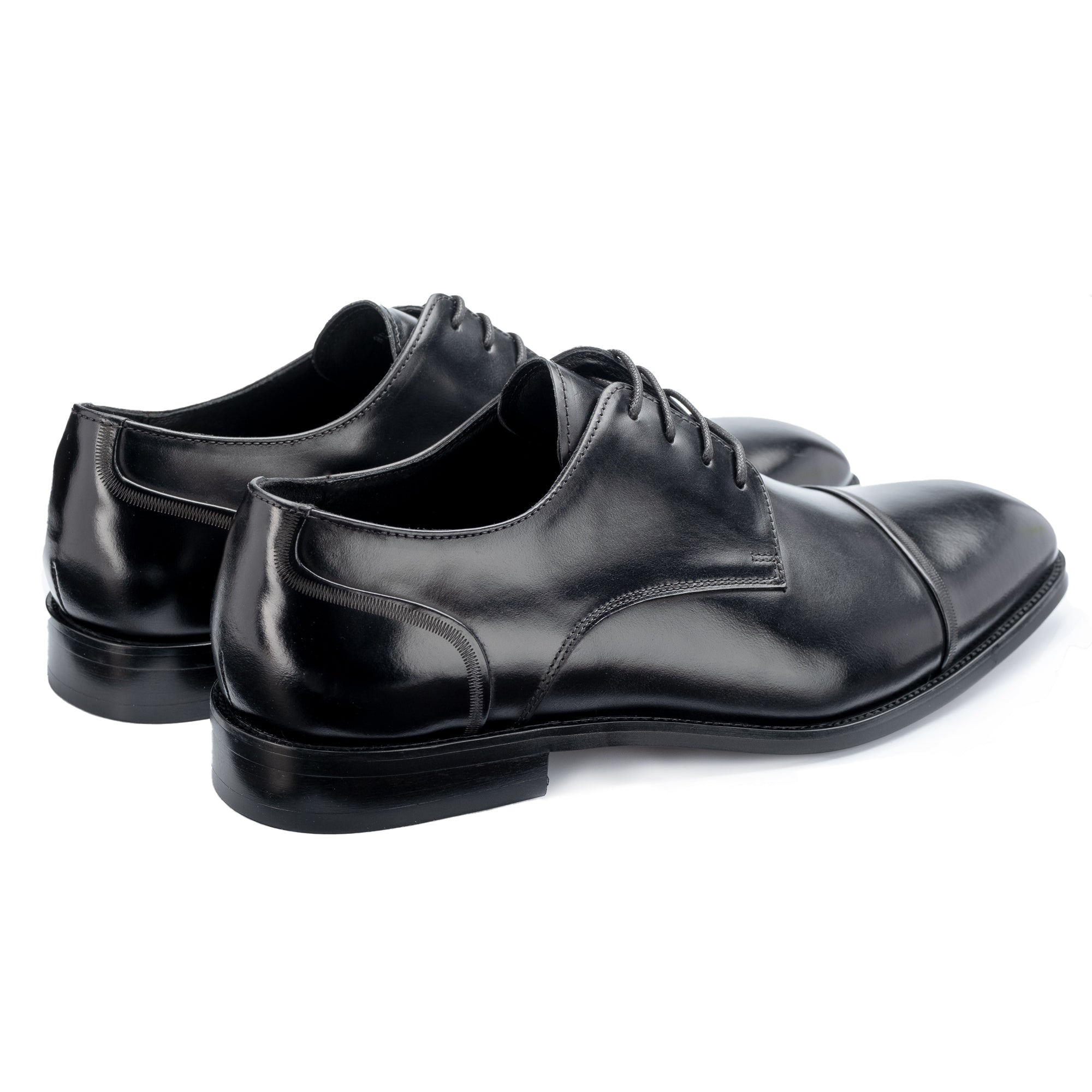
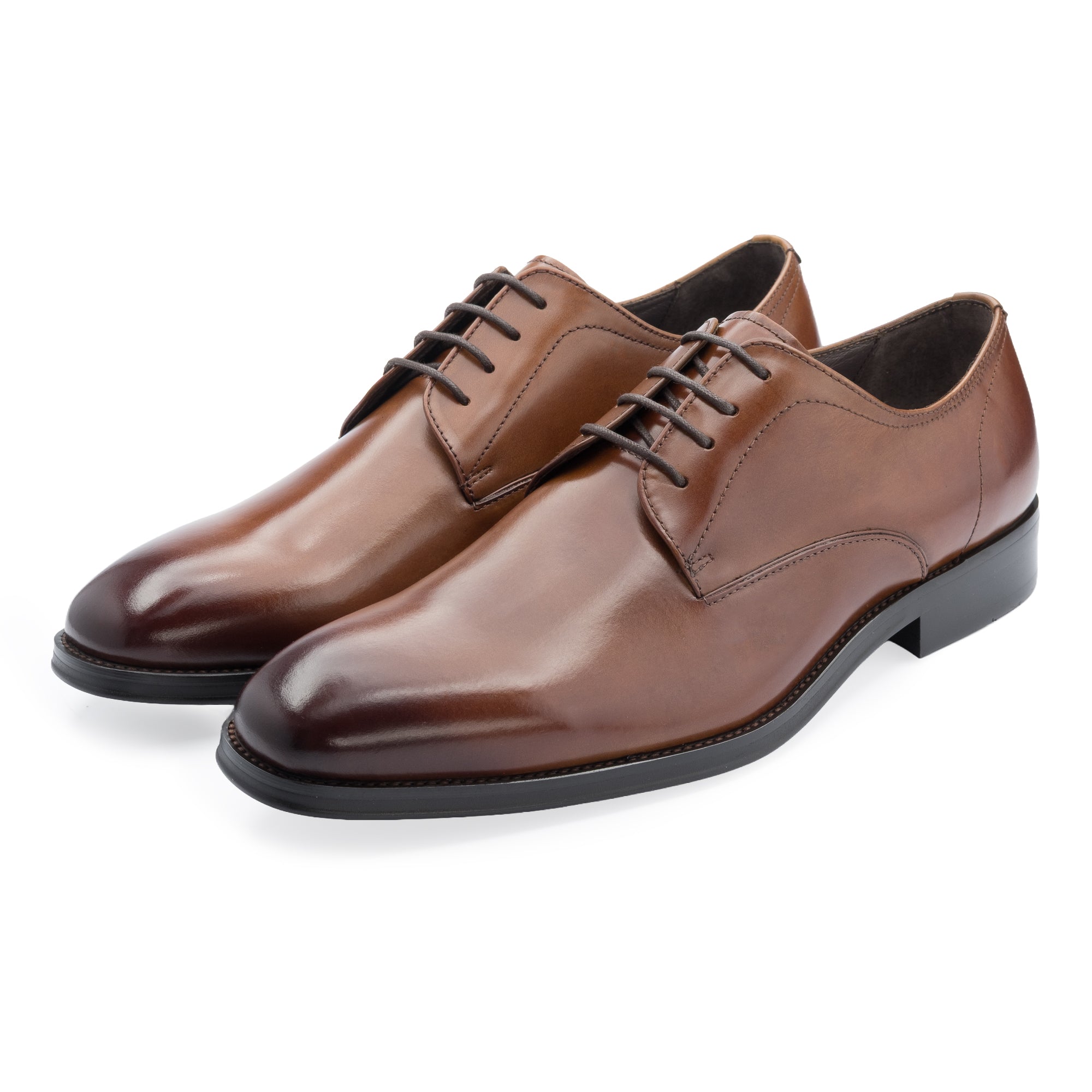
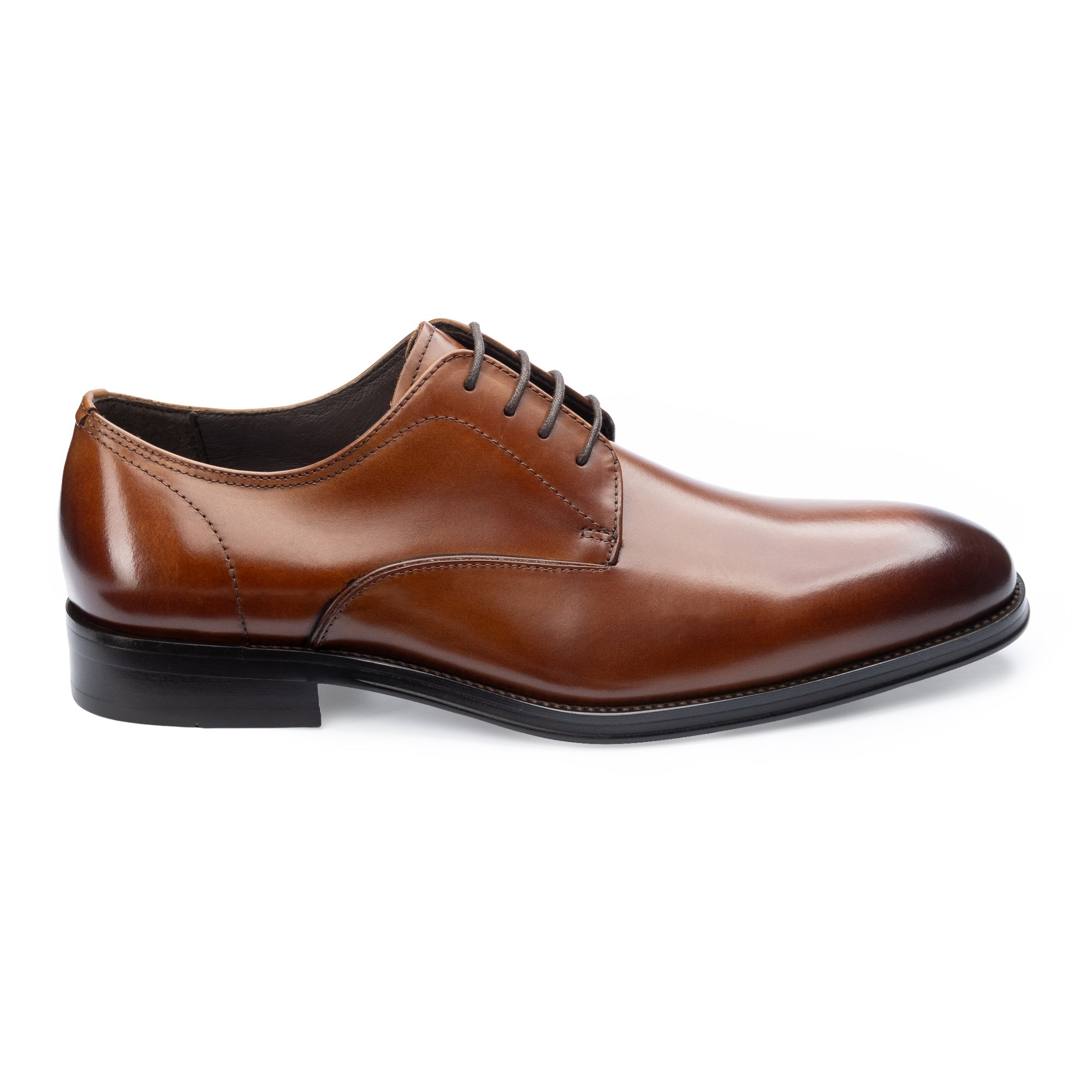
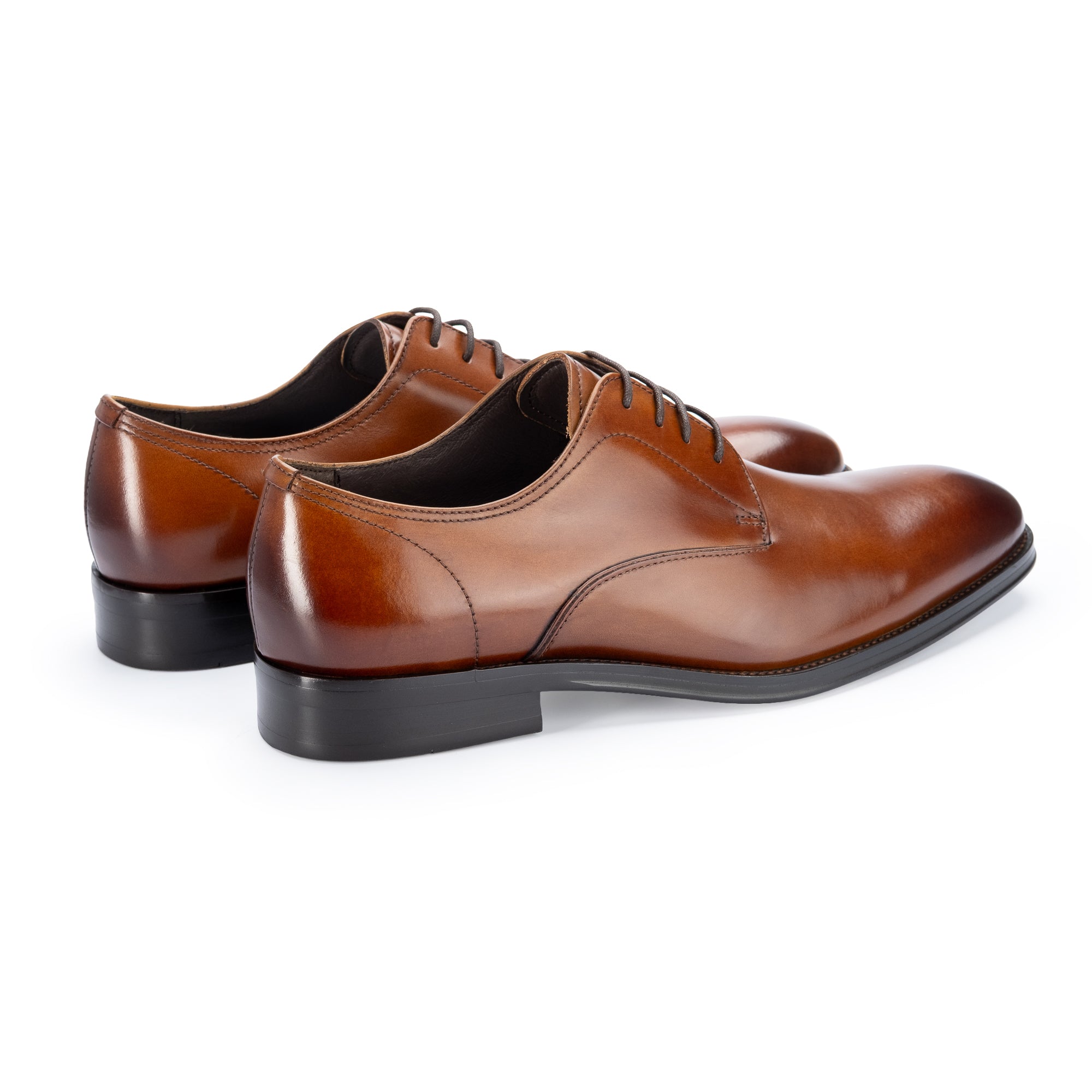
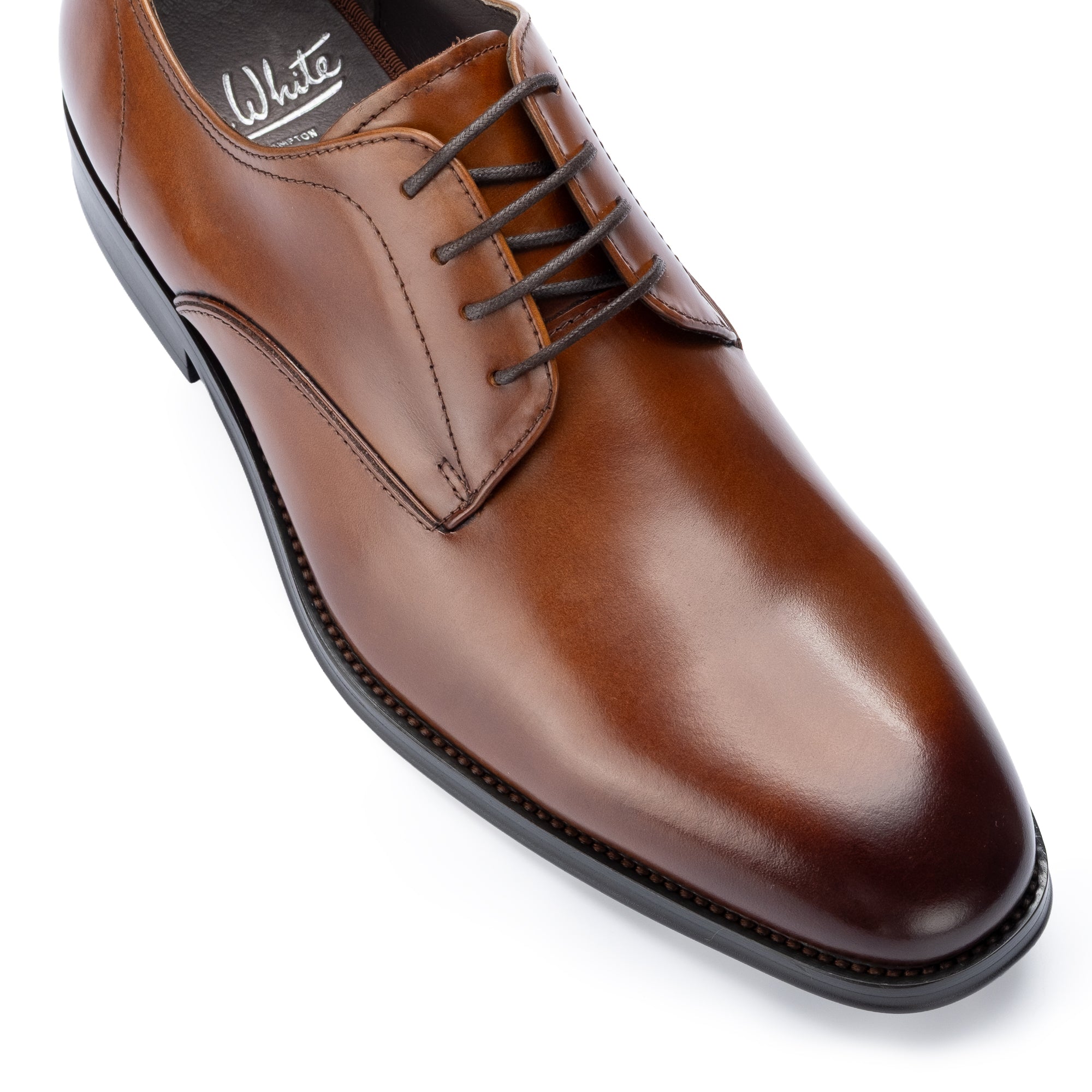
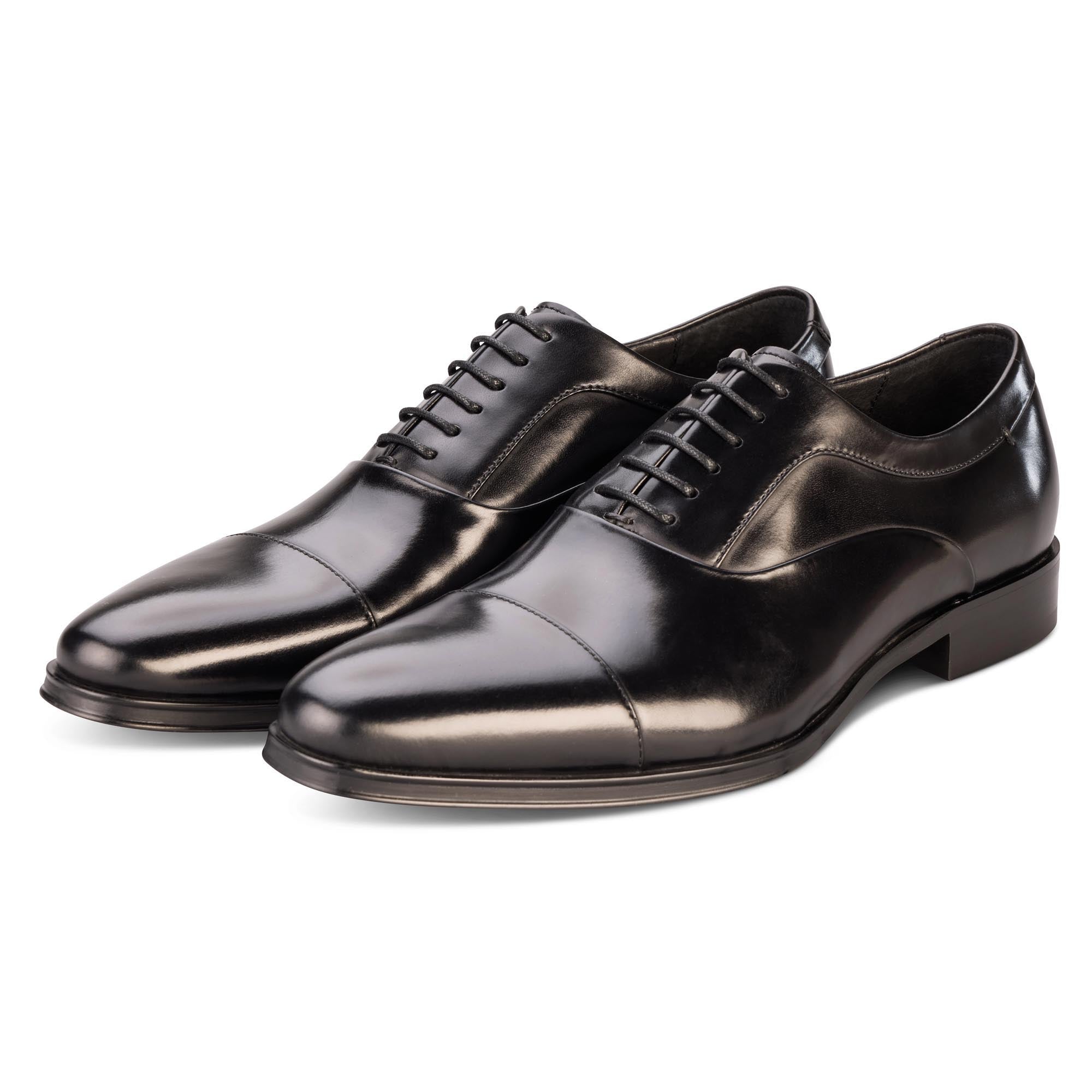
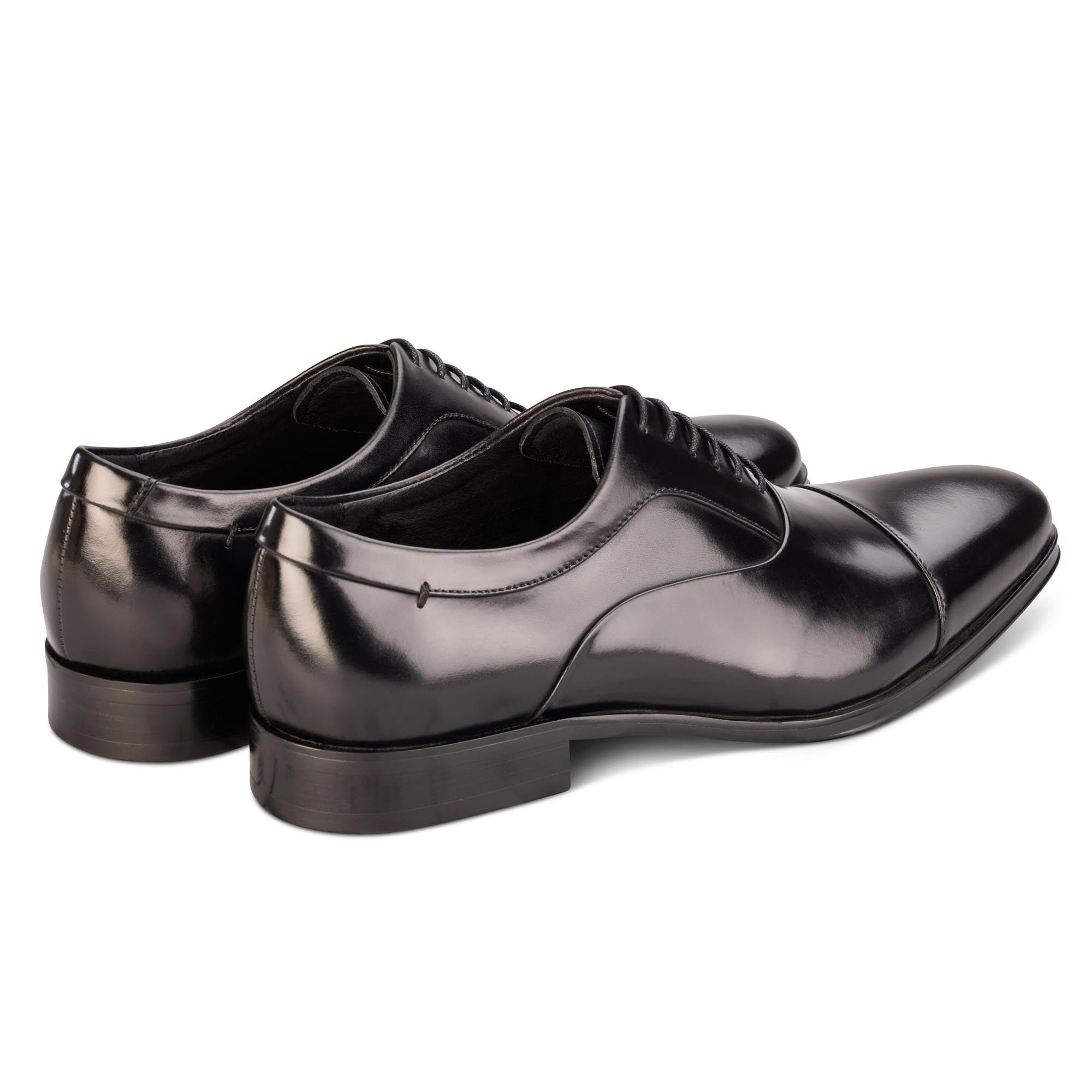
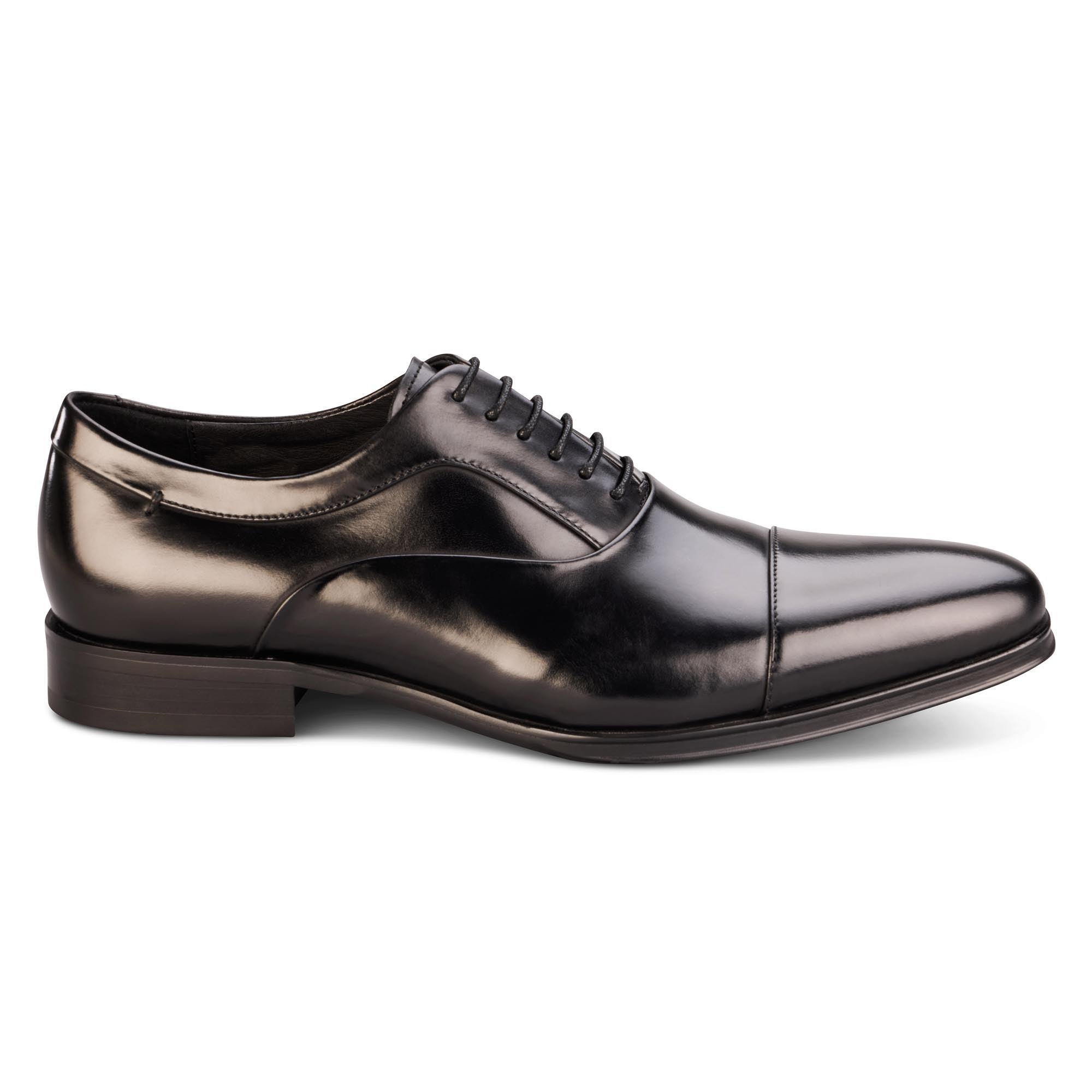
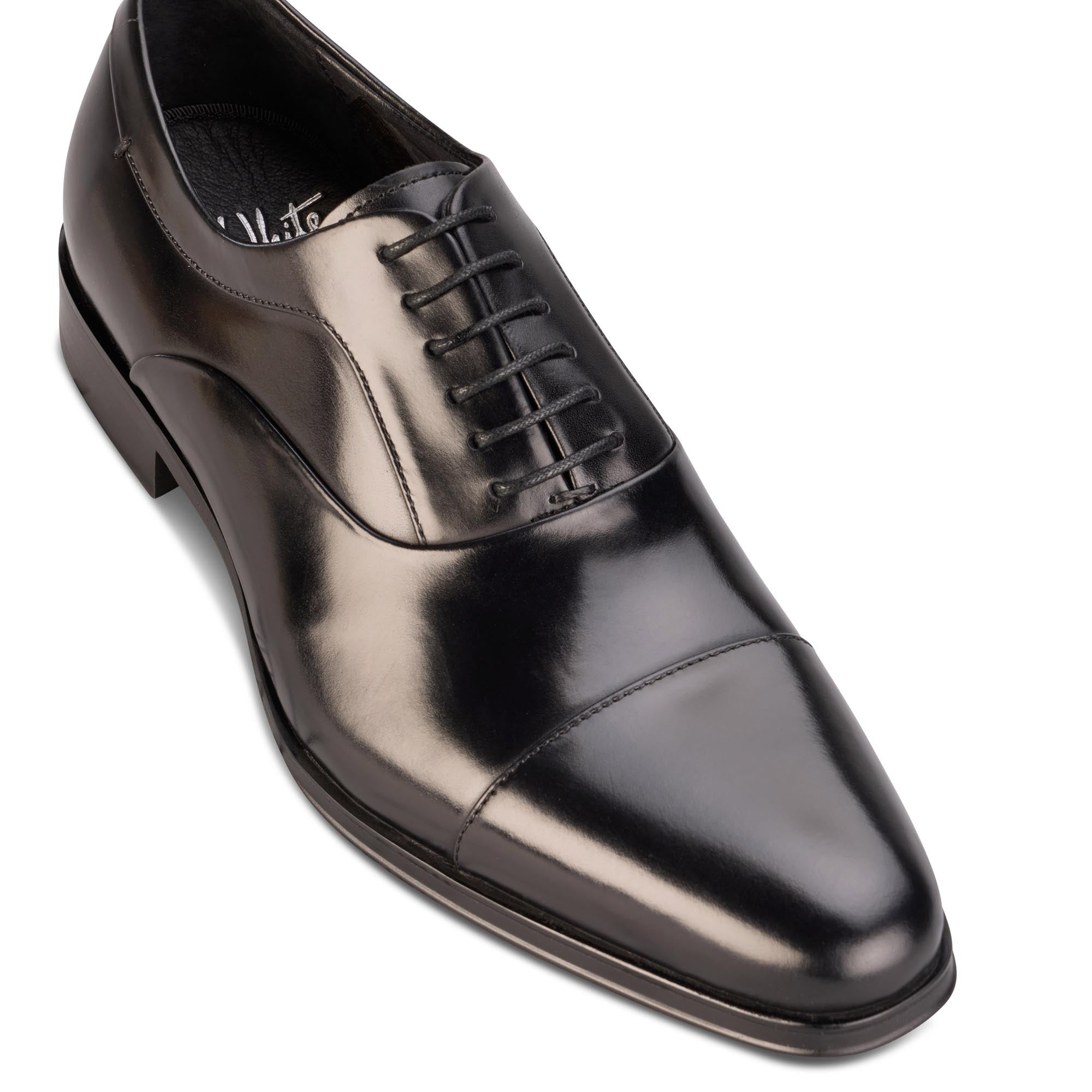
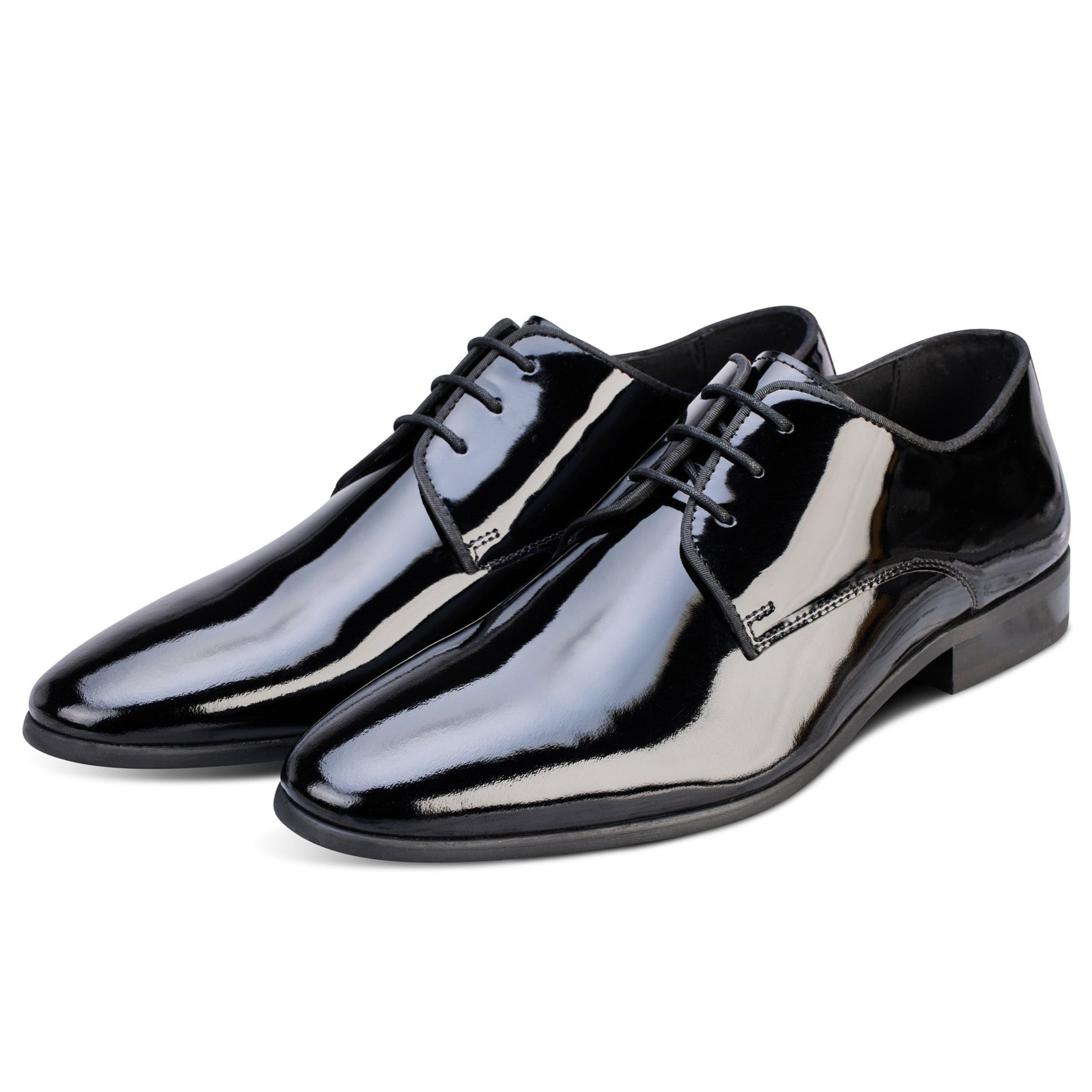
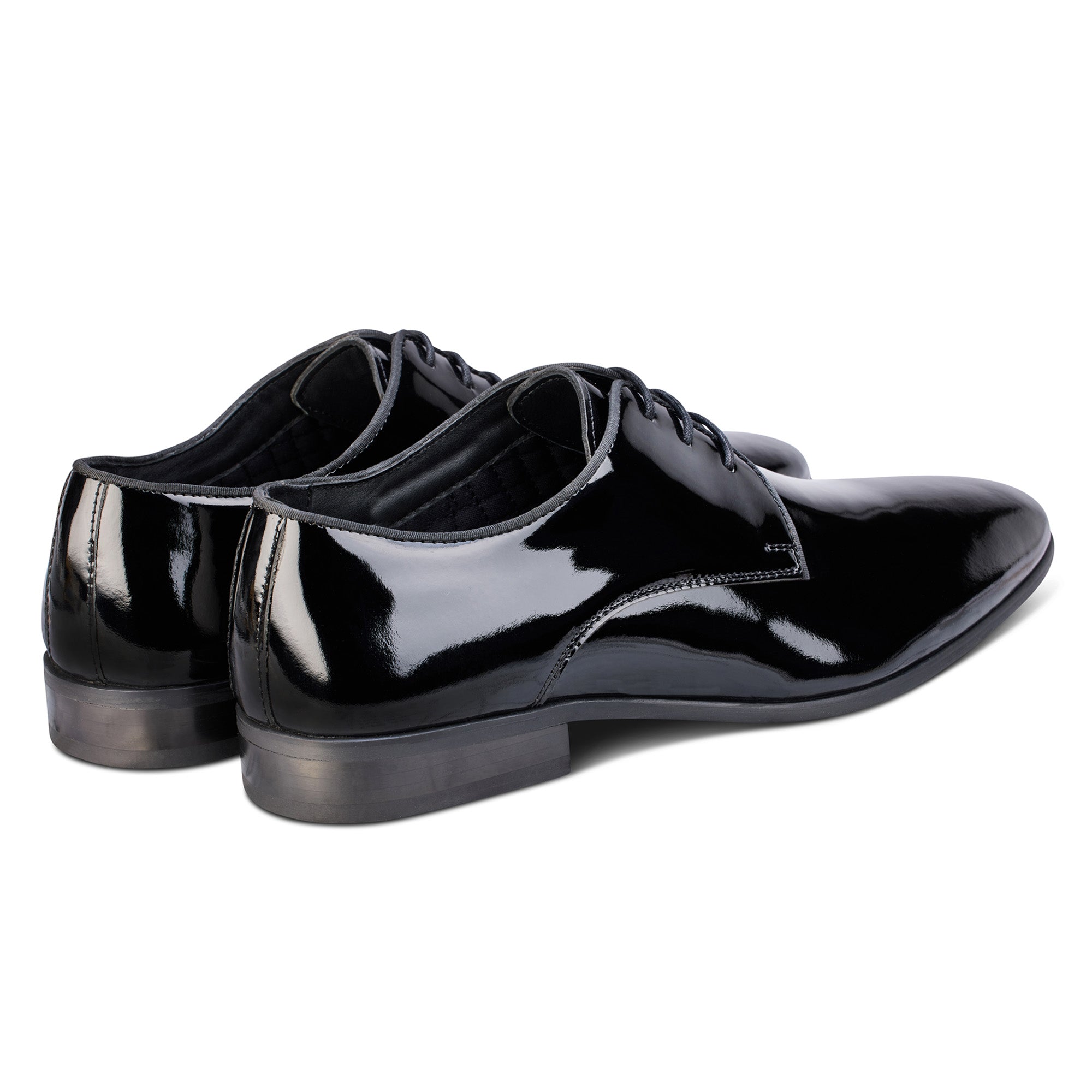
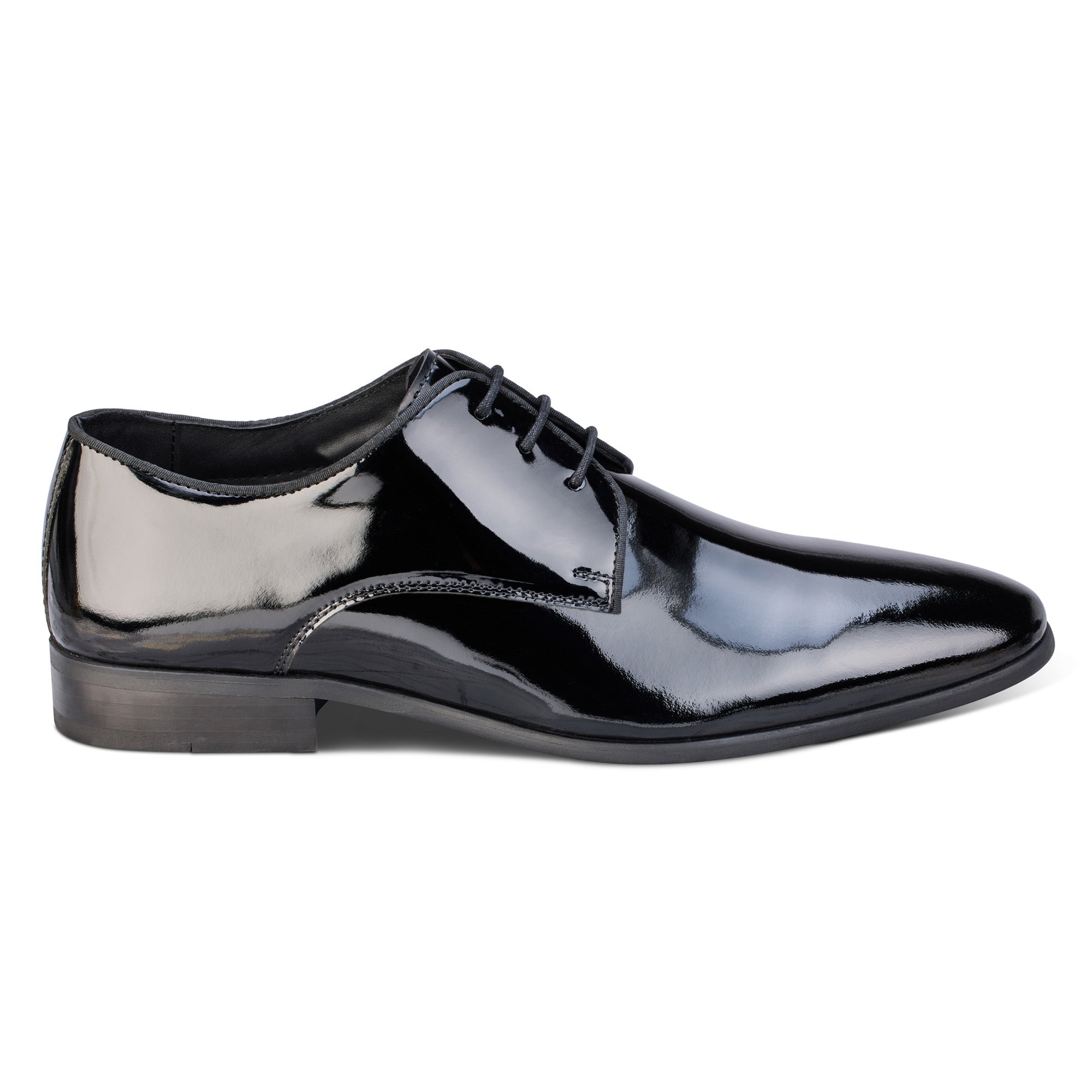
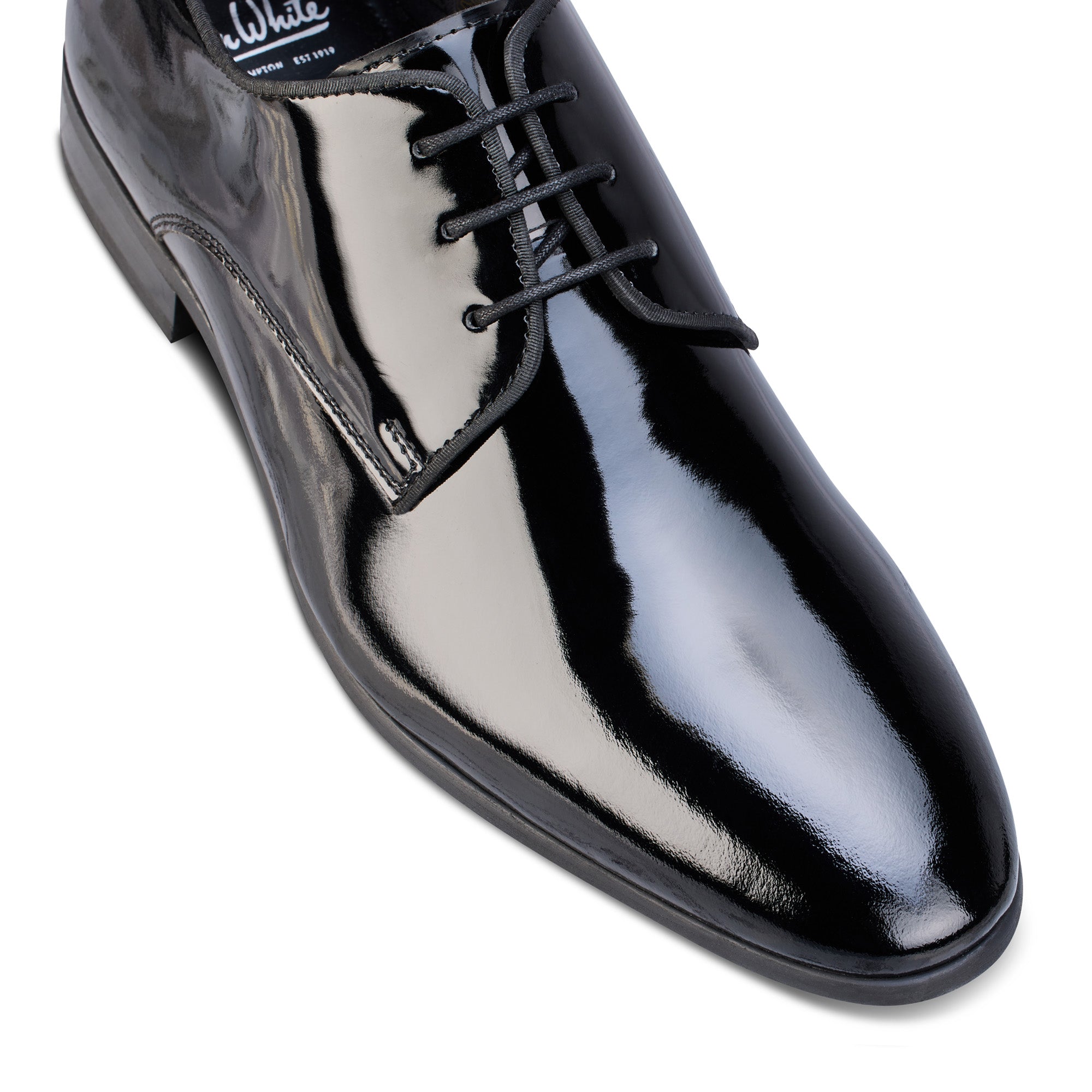
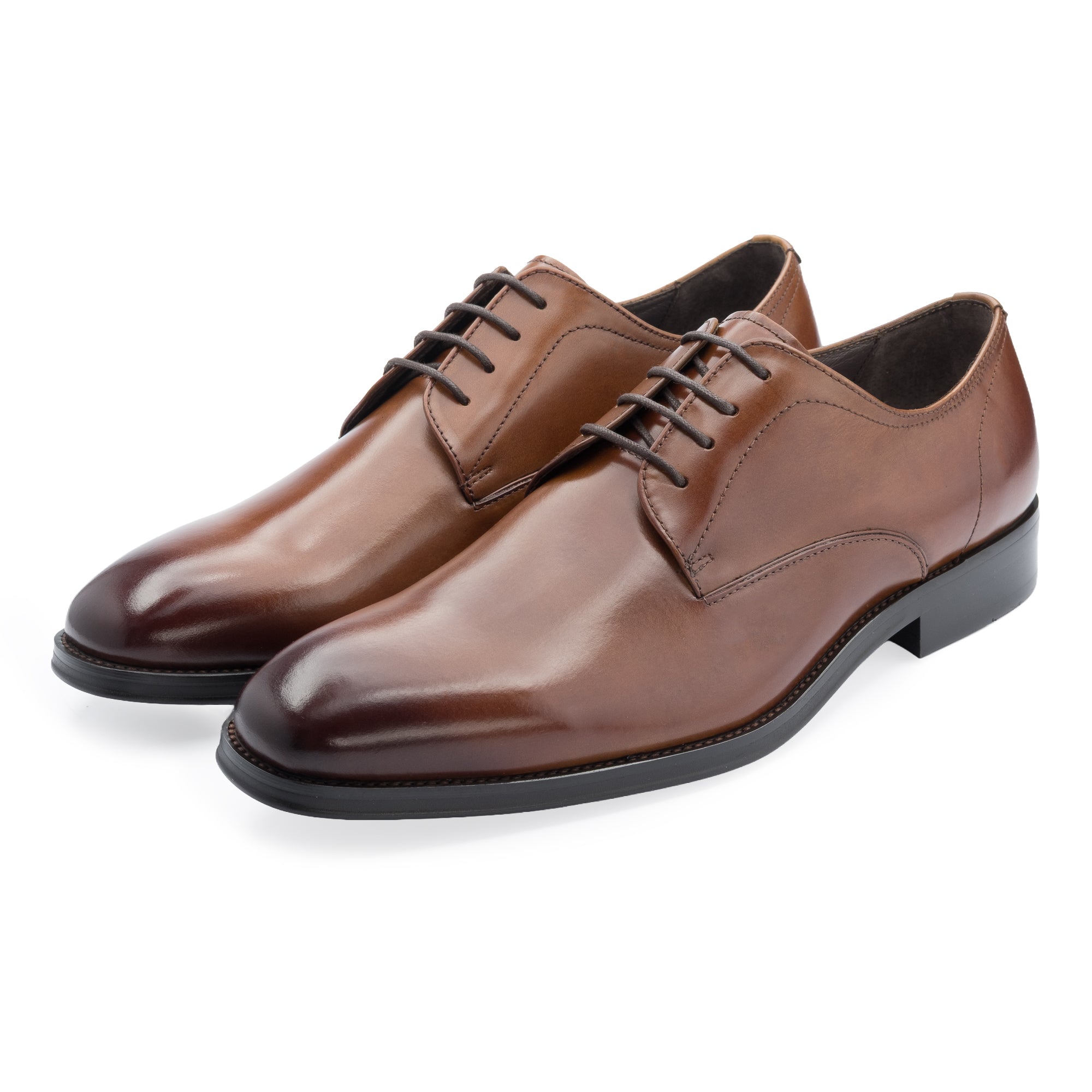
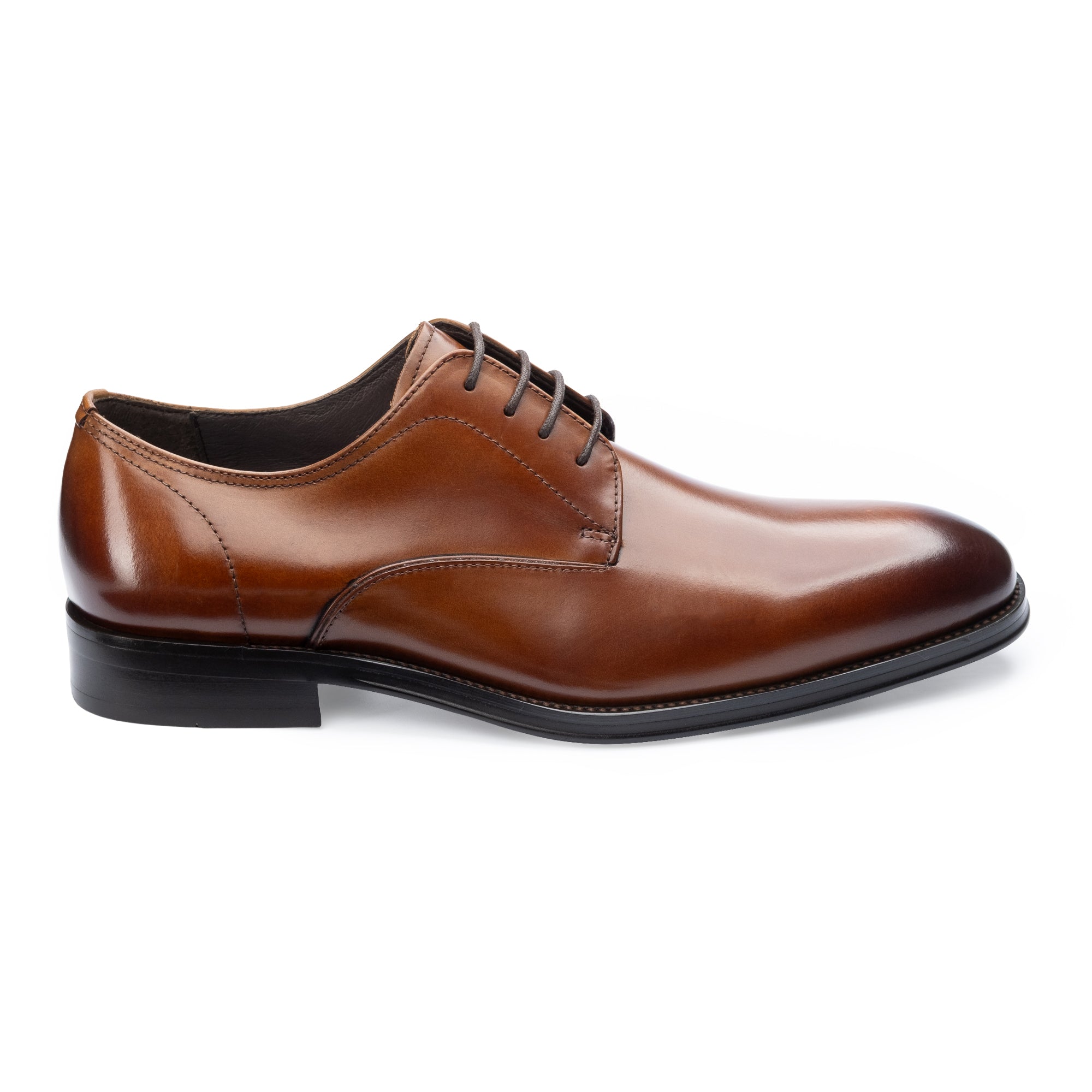
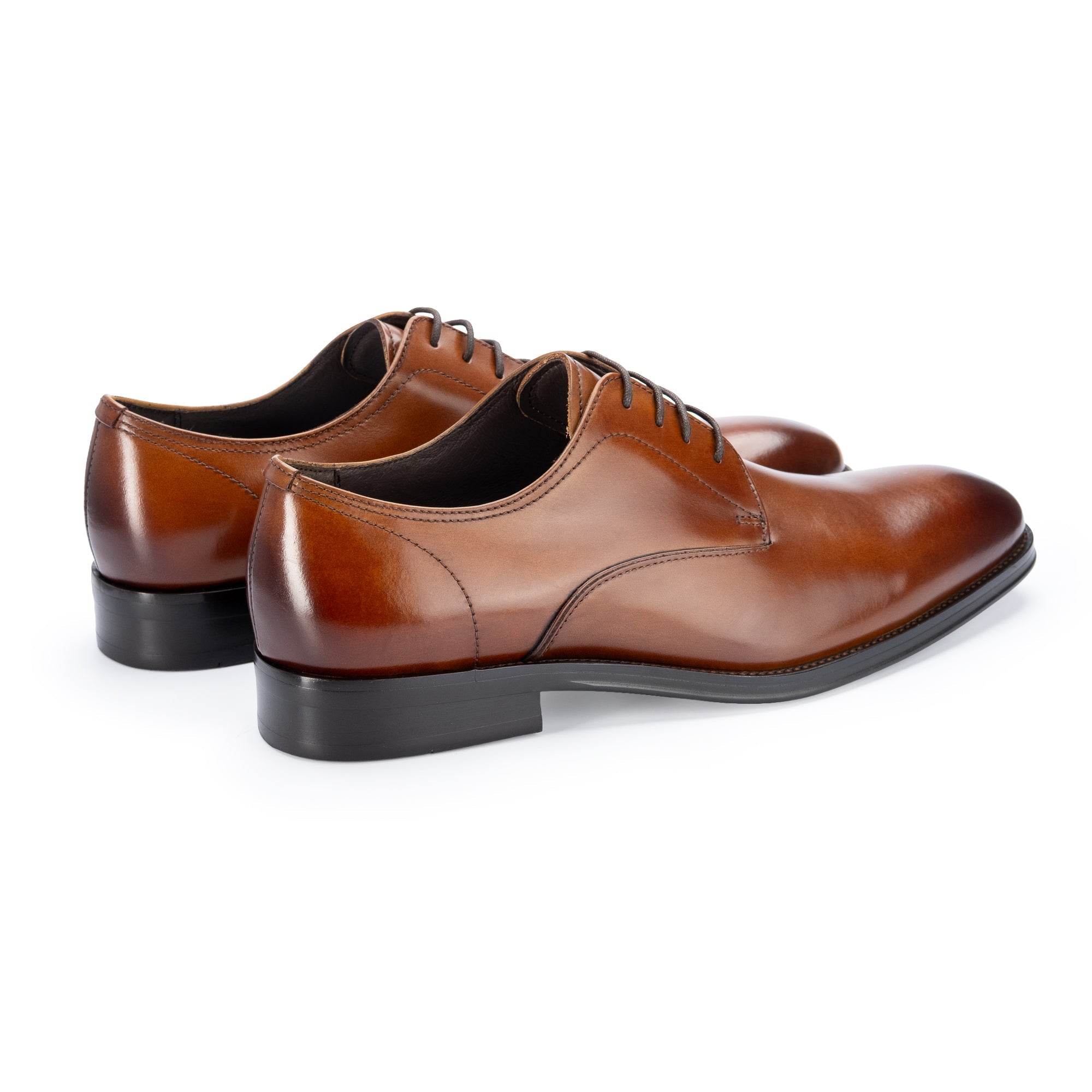
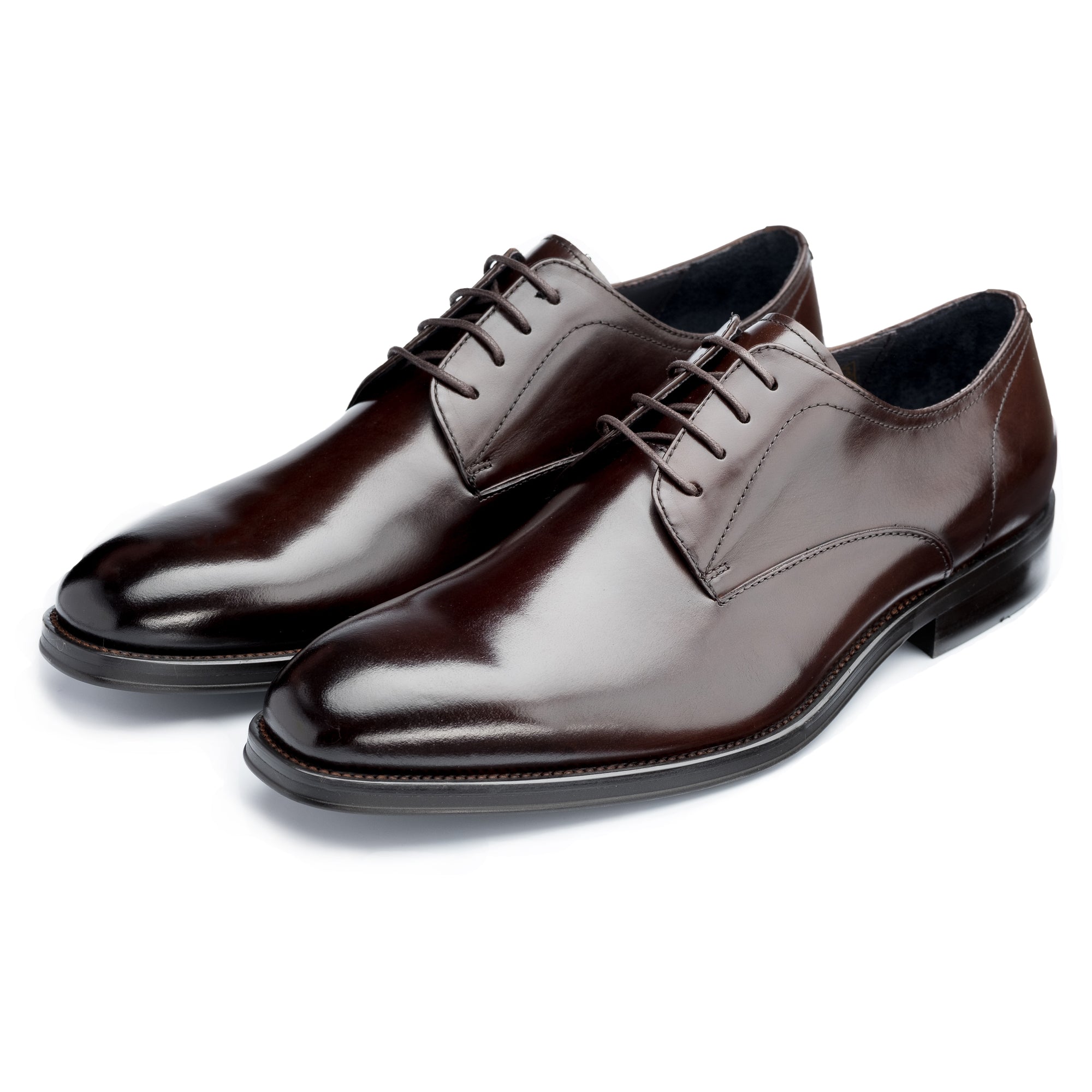
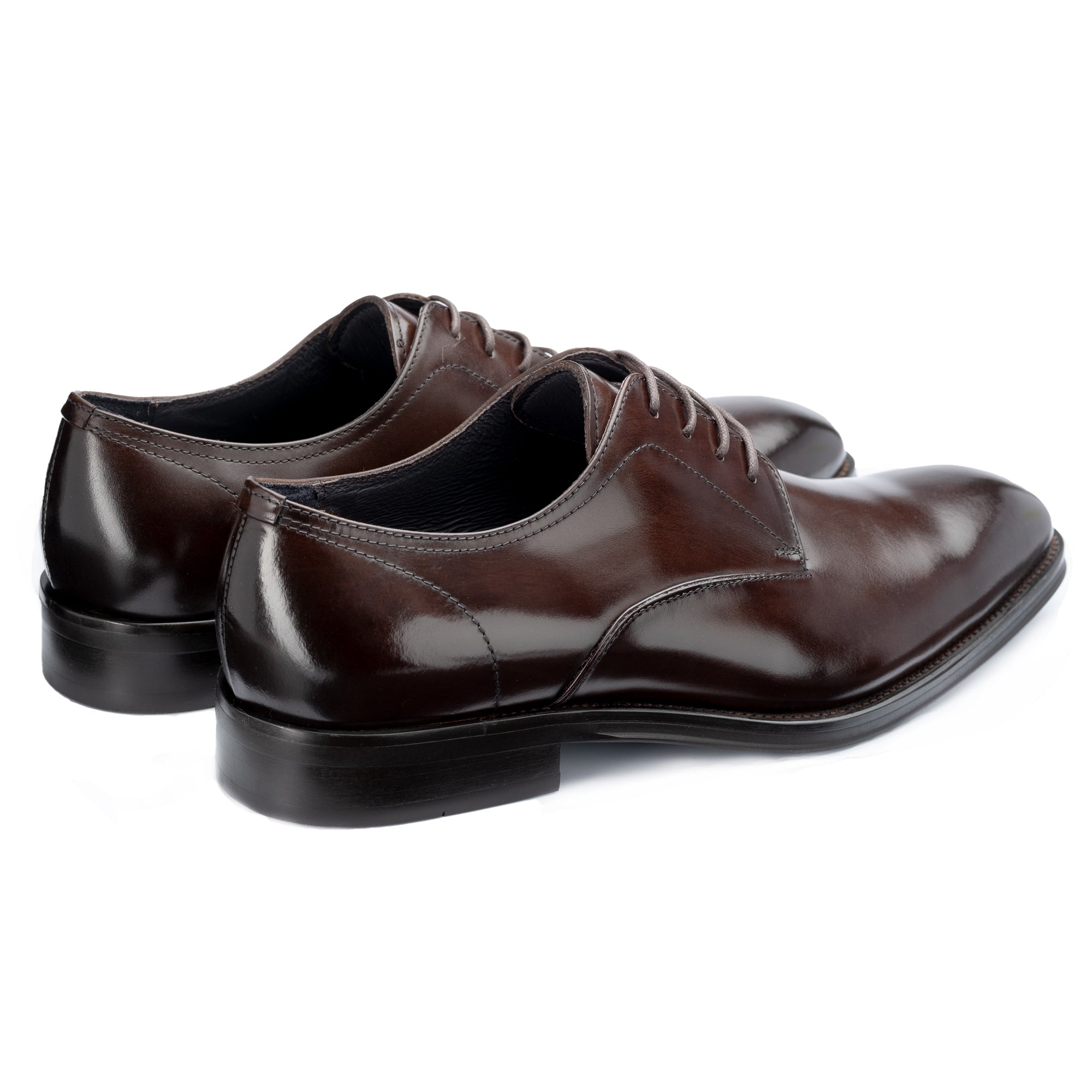
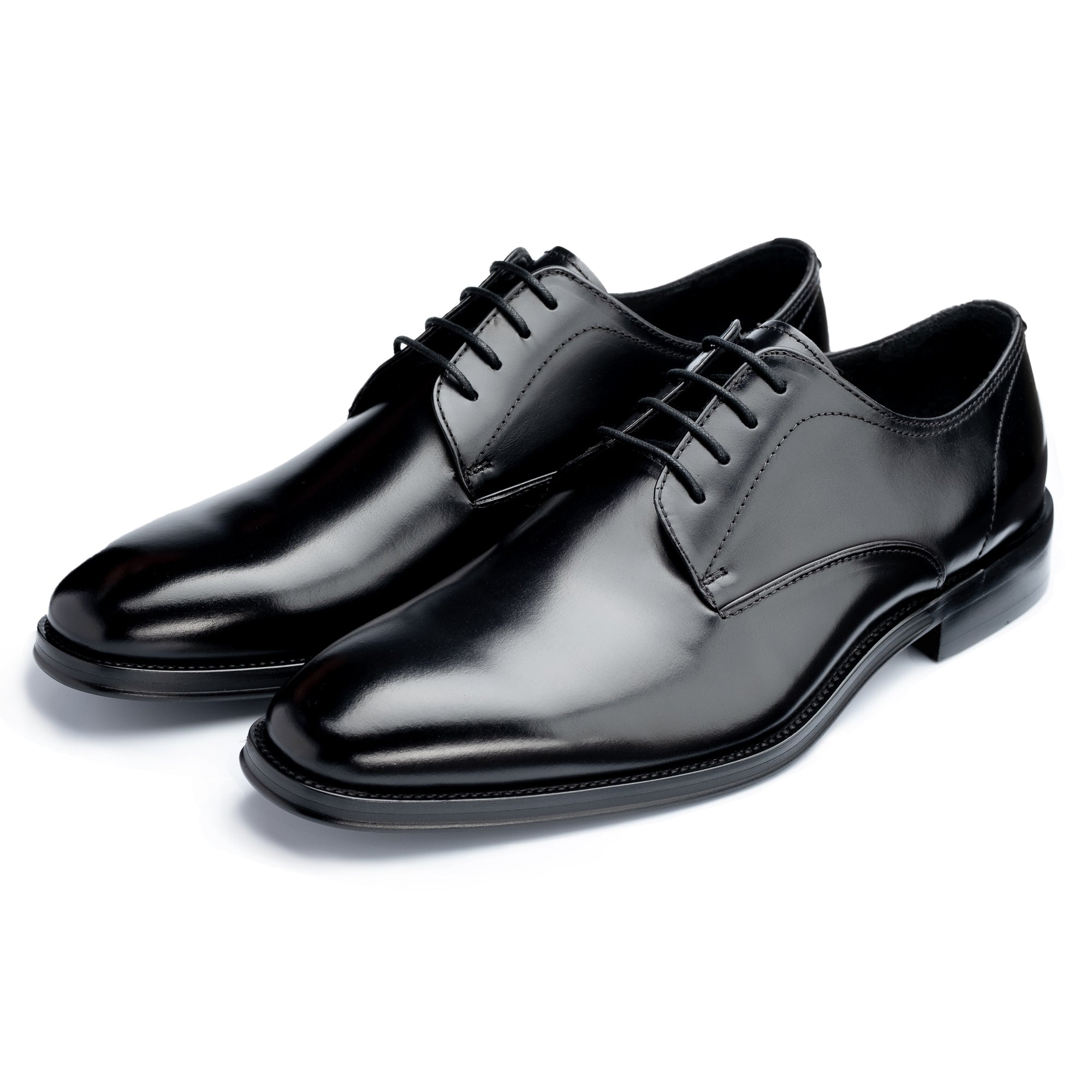
The Jermyn Derby Shoes and Guildhall Capped Oxfords are built for exactly this kind of regular professional rotation — clean profiles, slim cemented soles, and proportions that hold up across a five-day week without looking tired.
For daily office wear, a well-made cemented shoe maintained correctly will outlast a neglected welted shoe every time — construction is secondary to care.
Does Shoe Construction Determine How Long a Shoe Lasts?
Less than most people expect. Construction method is a factor, but rarely the deciding one in practice.
The Leather Conservation Centre recommends conditioning leather uppers every six to eight weeks for shoes in regular rotation. Their guidance identifies the upper — not the sole attachment — as the most common point of failure in quality men's footwear. A dried, cracked upper ends a shoe's useful life regardless of how the sole was attached.
Rotation matters equally. The same pair worn every day compresses the insole, doesn't allow the leather to recover, and accelerates surface wear. Two pairs in regular rotation, each rested on cedar shoe trees overnight, will collectively outlast a single pair worn daily. The Society of Master Shoe Repairers consistently advises that leather conditioning and proper storage are the primary determinants of shoe longevity — construction method is a secondary consideration.
Conditioning, rotation, and early sole protection will add years to any quality shoe — construction is secondary to consistent maintenance.
Can You Resole Cemented Shoes?
Yes — though the persistent belief that you can't is largely outdated. A skilled cobbler can carefully peel a cemented sole away and bond a replacement unit in its place. The Society of Master Shoe Repairers notes that advances in adhesive bonding technology have made cemented resoling increasingly accessible through specialist footwear repairers across the UK. The process differs from welted resoling, but a well-executed cemented resole produces a functionally renewed shoe.
The honest caveat: if resoling costs approach the original purchase price, it may not be economical. Goodyear welted construction makes better long-term financial sense for shoes you intend to resole multiple times across decades. For most everyday wearers, however, a quality cemented shoe — well maintained and resoled once when needed — represents sound and practical value.
Cemented shoes can be resoled by specialist cobblers; welted construction offers greater economy only if repeated resoling over many years is a deliberate part of your ownership plan.
What Should You Look For When Buying Shoes for Everyday Wear?
Construction method rarely needs to be your first consideration. These factors matter more, in order:
- Leather quality. A well-maintained upper will outlast three or four sole replacements. Full-grain leather develops character with wear rather than deteriorating — it's worth prioritising from the outset.
- Fit. A shoe that fits precisely from day one lasts longer and feels better than any construction method applied to a poor last. Width and toe box shape matter as much as length.
- Early sole protection. Ask your cobbler to fit a thin rubber toe cap before first wear. This single step prevents the majority of early sole wear across all construction types. For further guidance on looking after your footwear, our Leather Shoe Care: The Definitive Guide covers conditioning schedules, polishing technique, and seasonal maintenance in full.
- Construction matched to your actual use. Heavy commuting on hard surfaces favours a robust sole profile. Light professional wear suits the slim flexibility of a well-made cemented construction.
- Rotation. Two pairs you respect will always outlast one pair worn to exhaustion. Plan for it from the start.
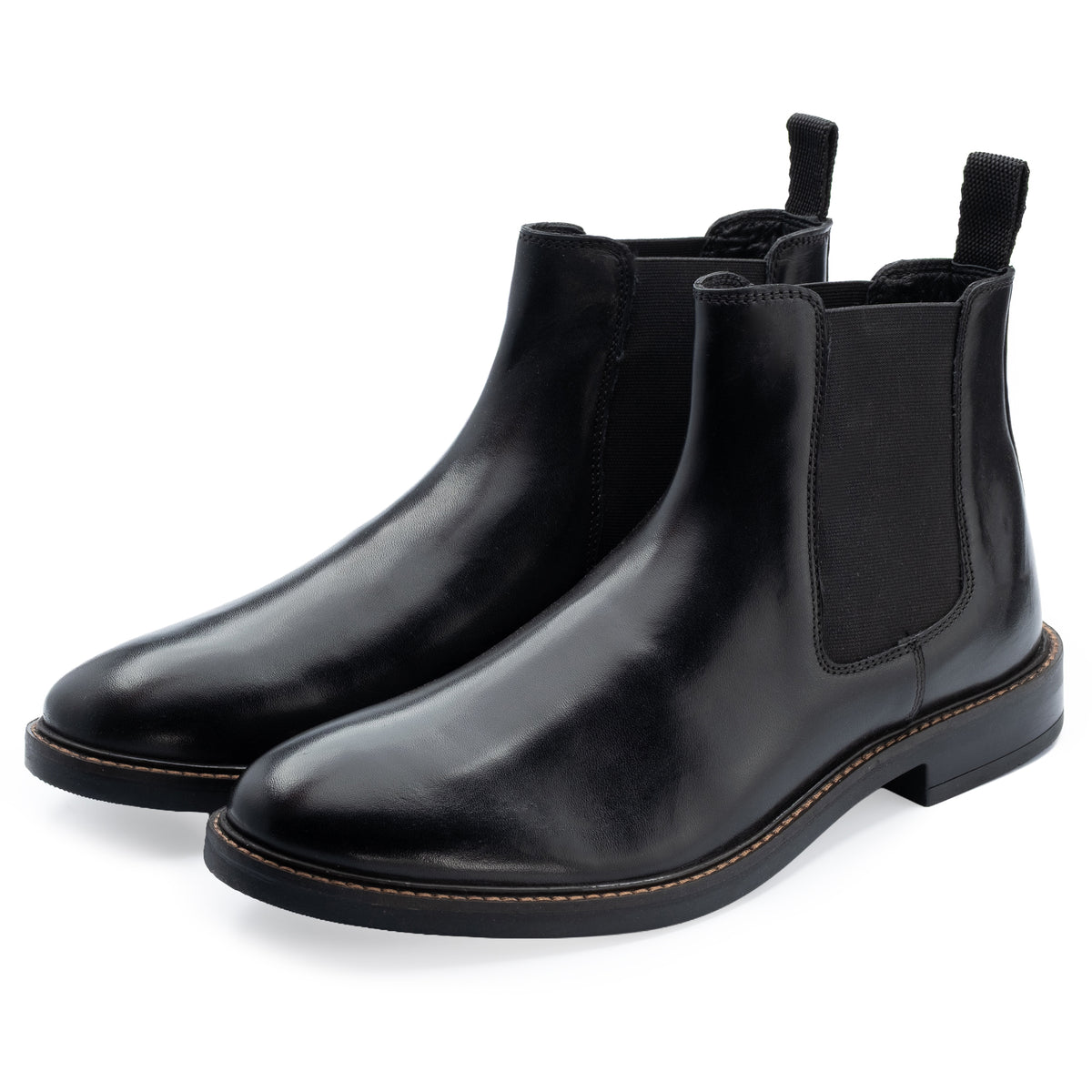
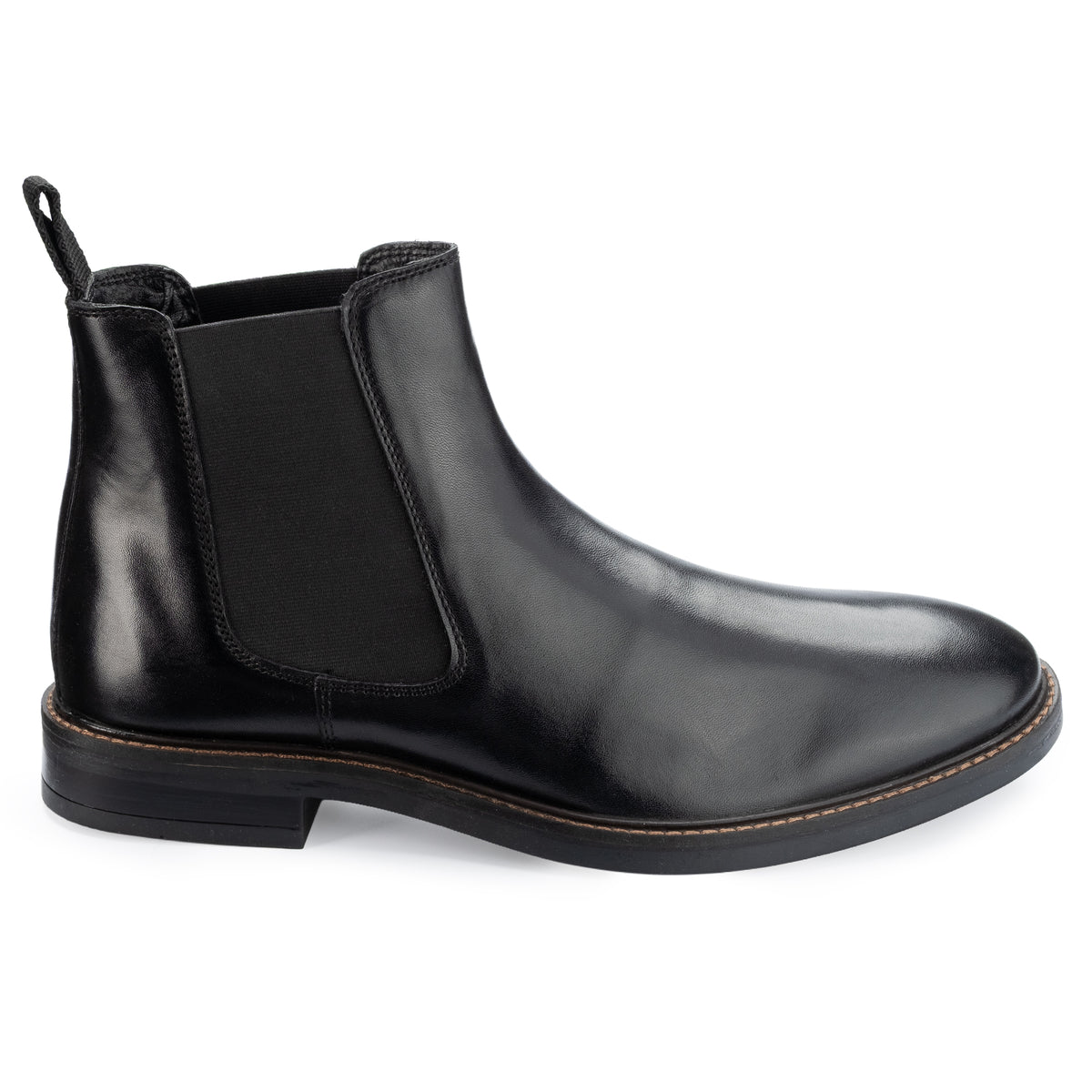
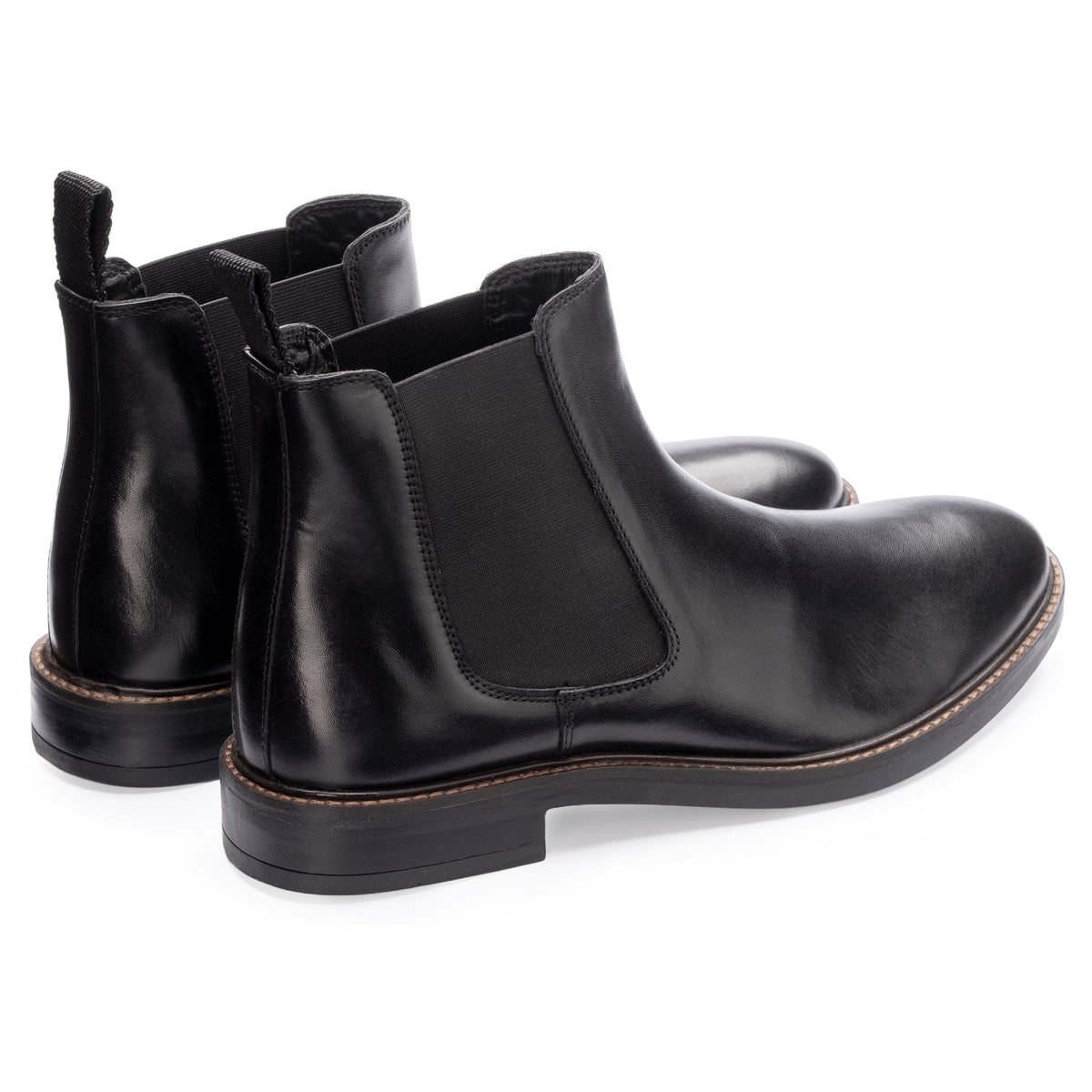
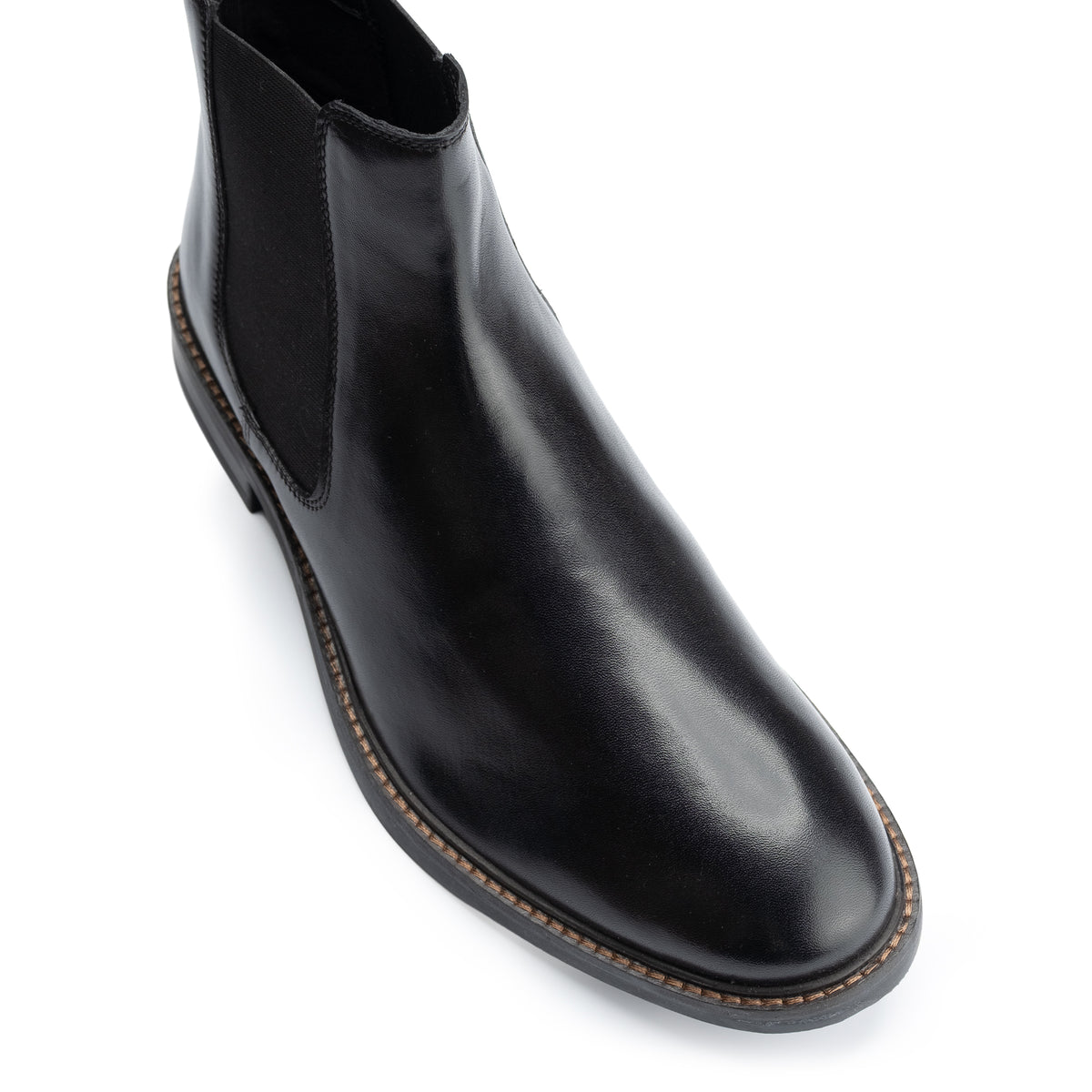
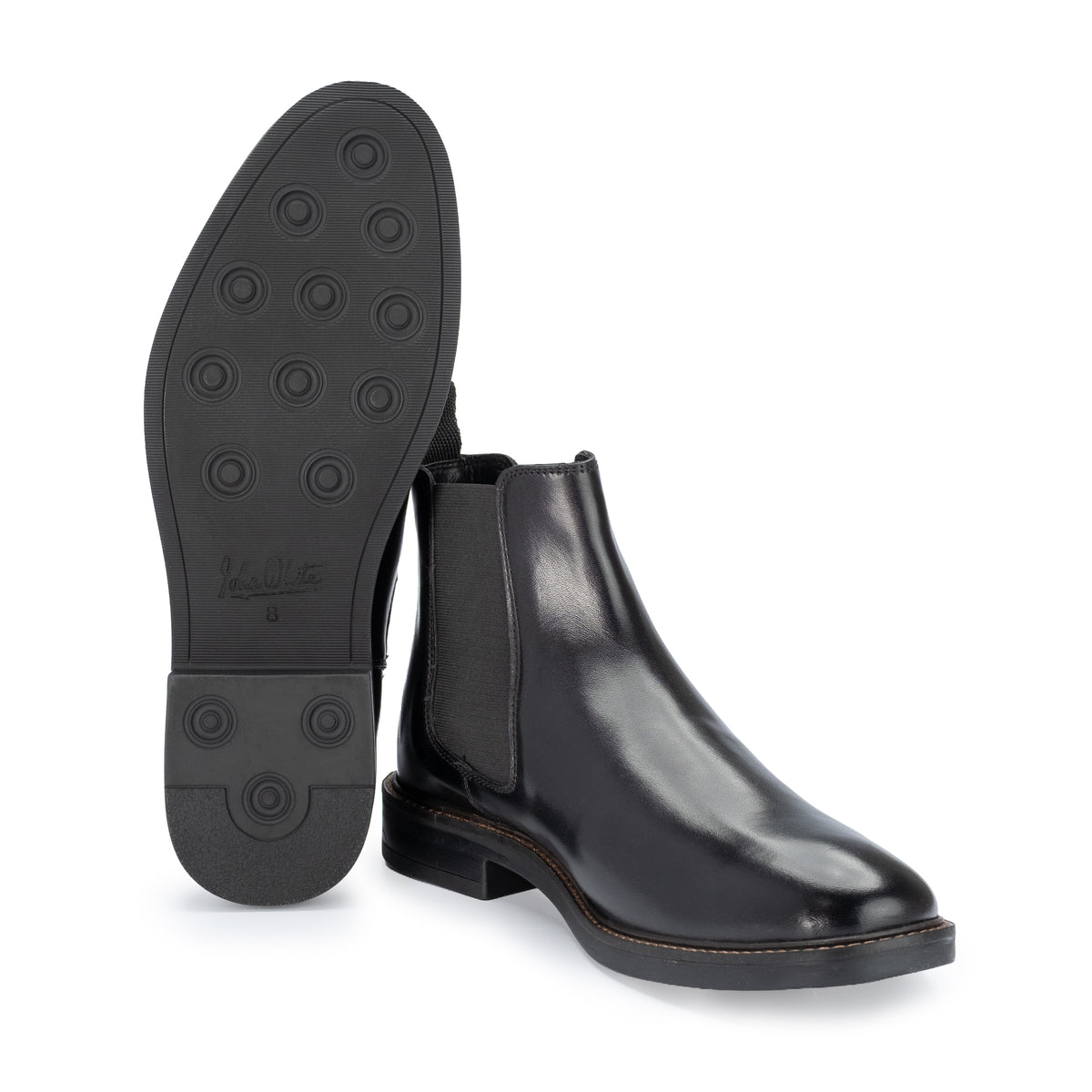
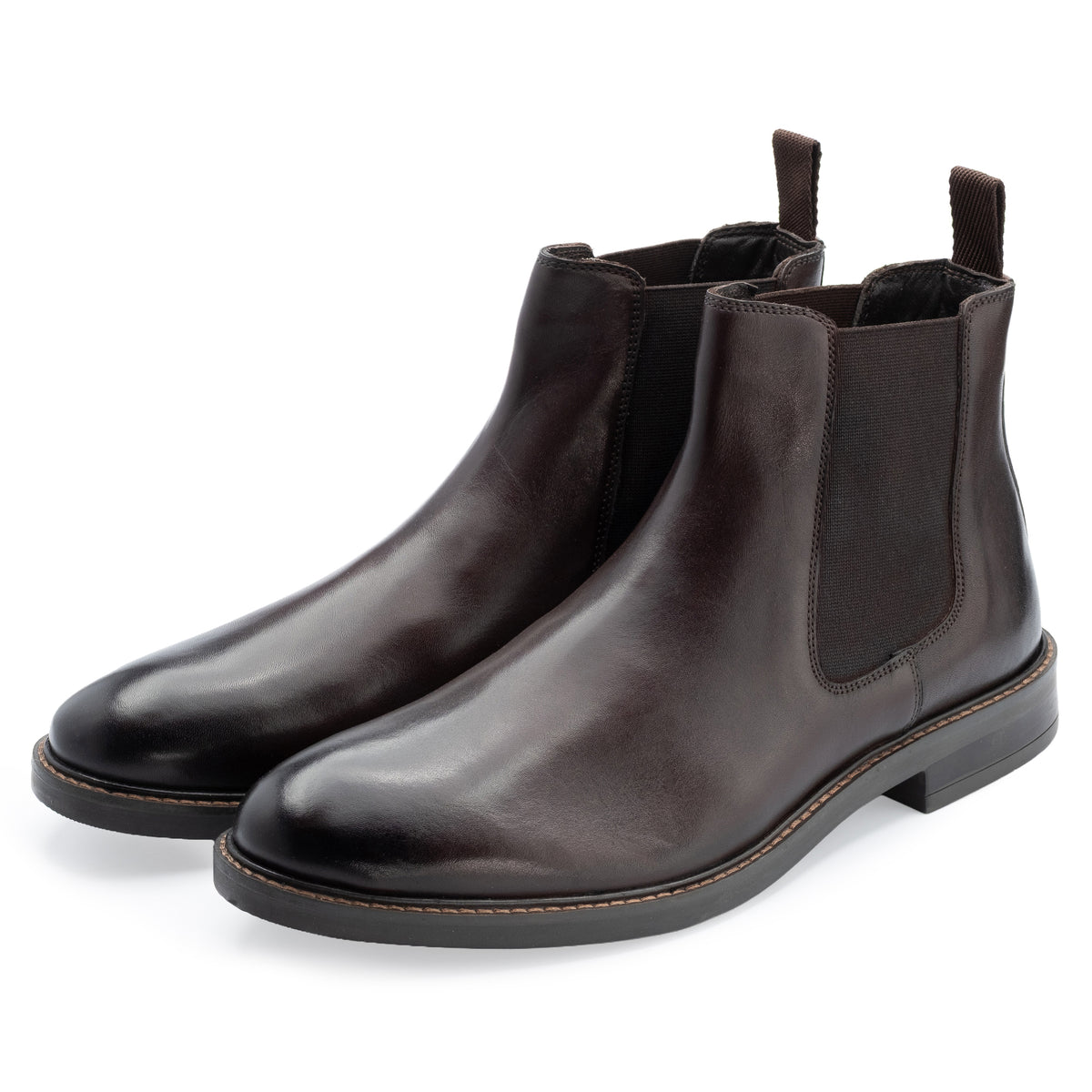
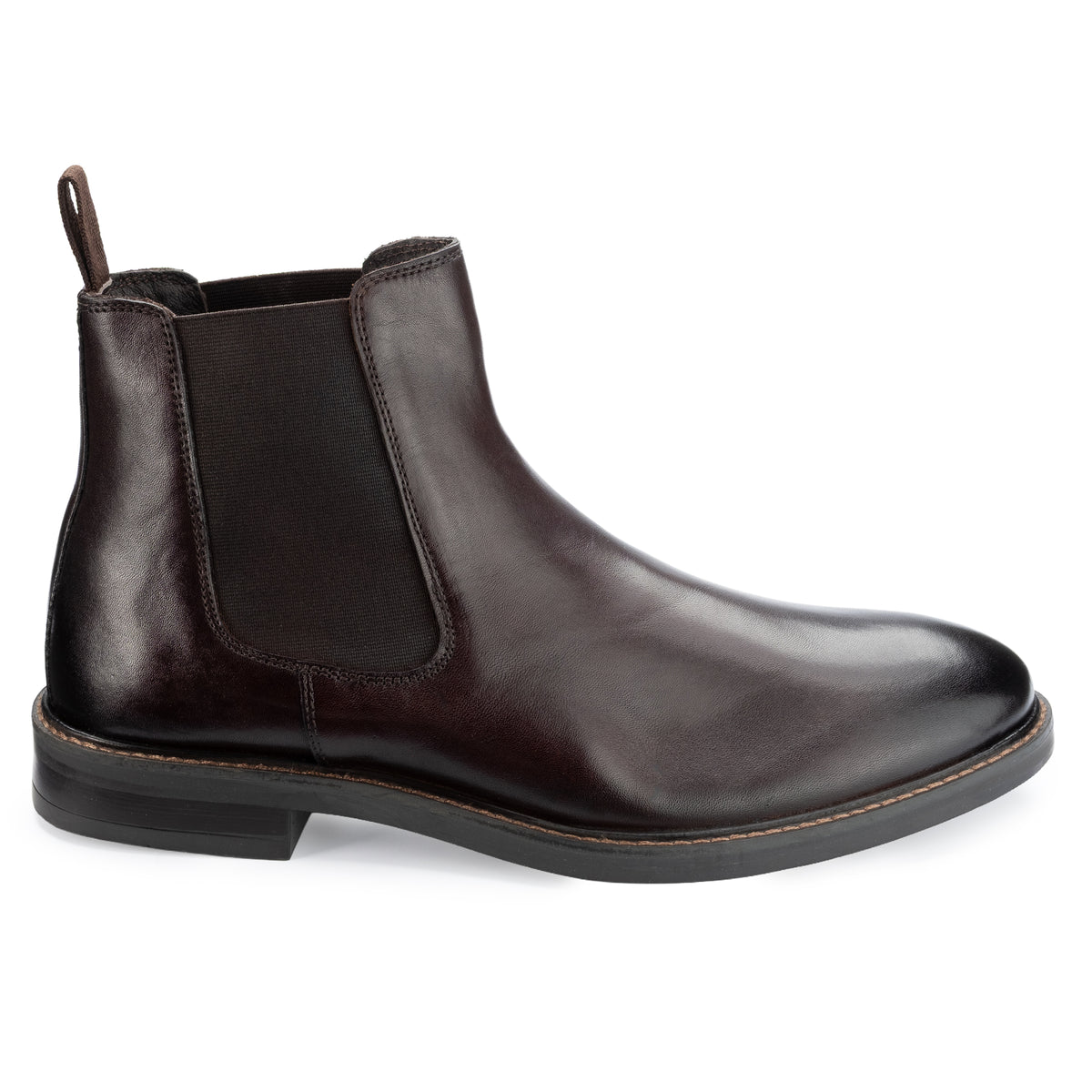
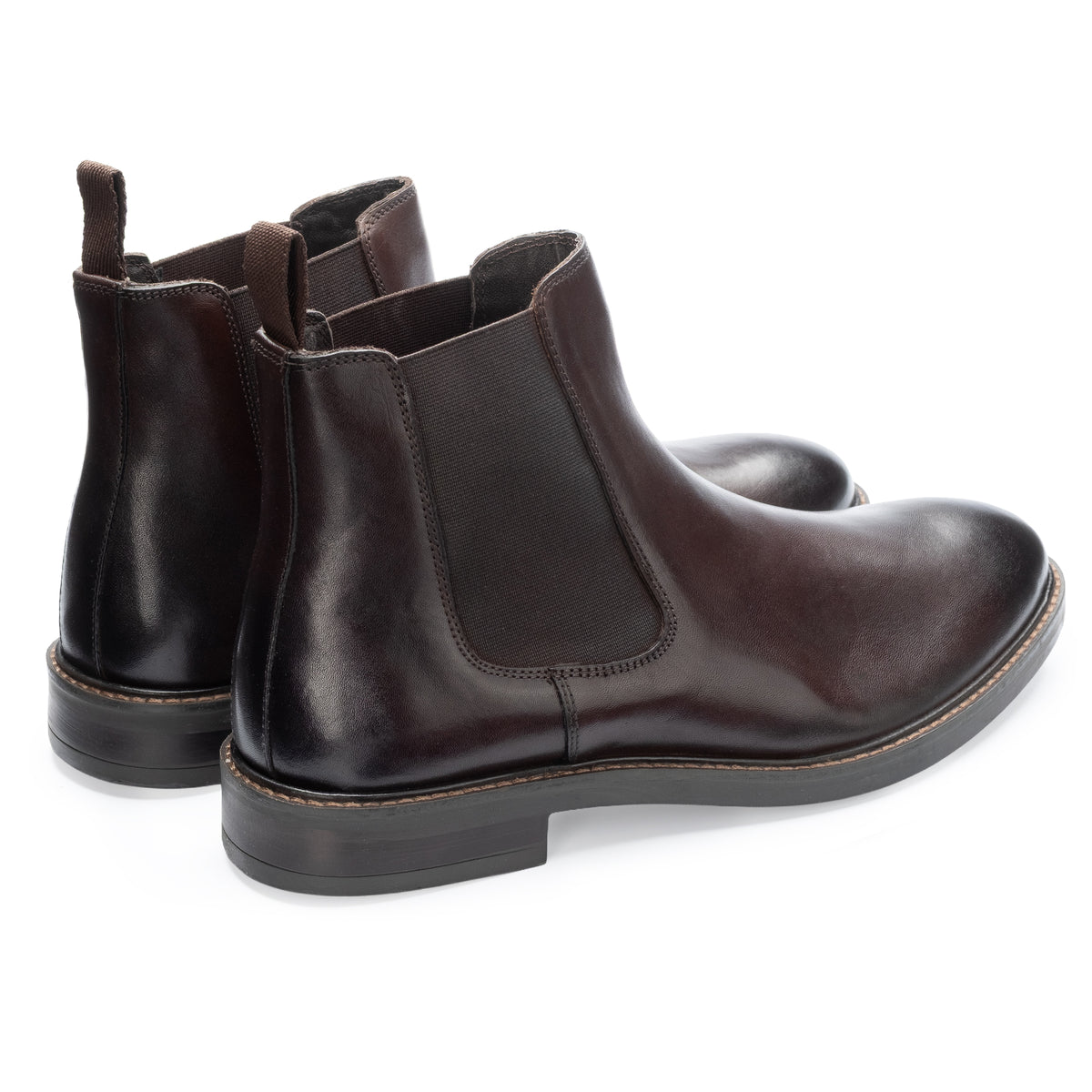
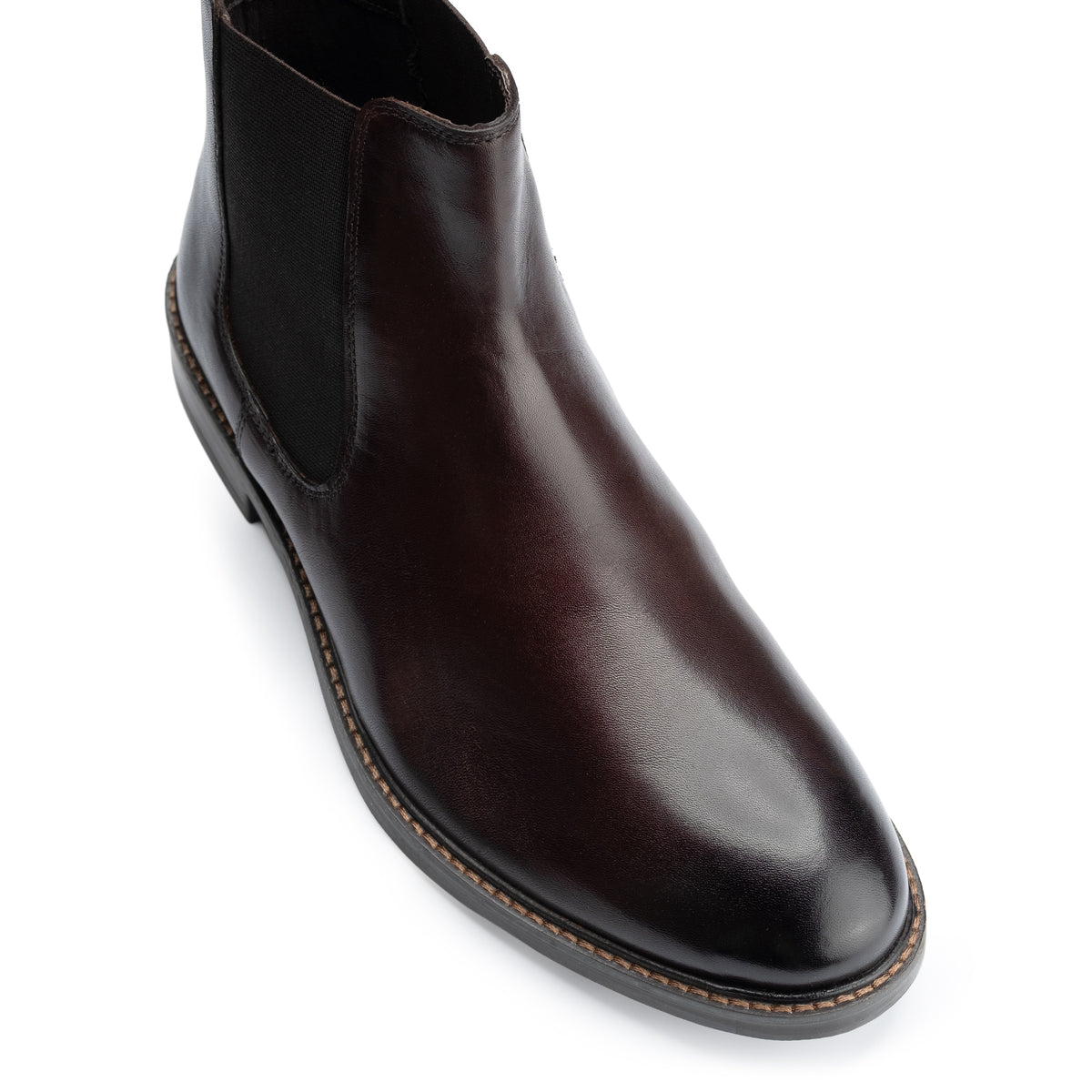
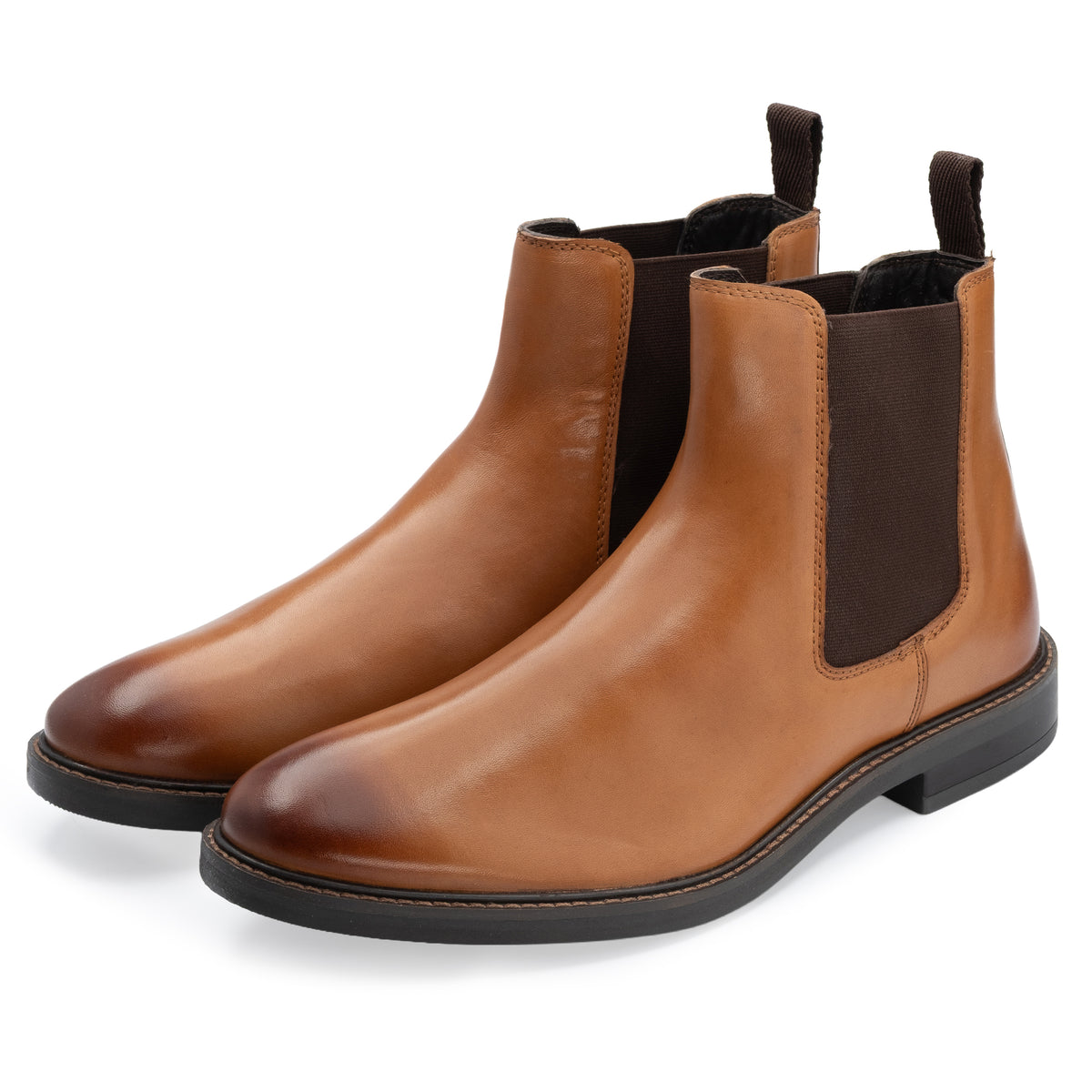
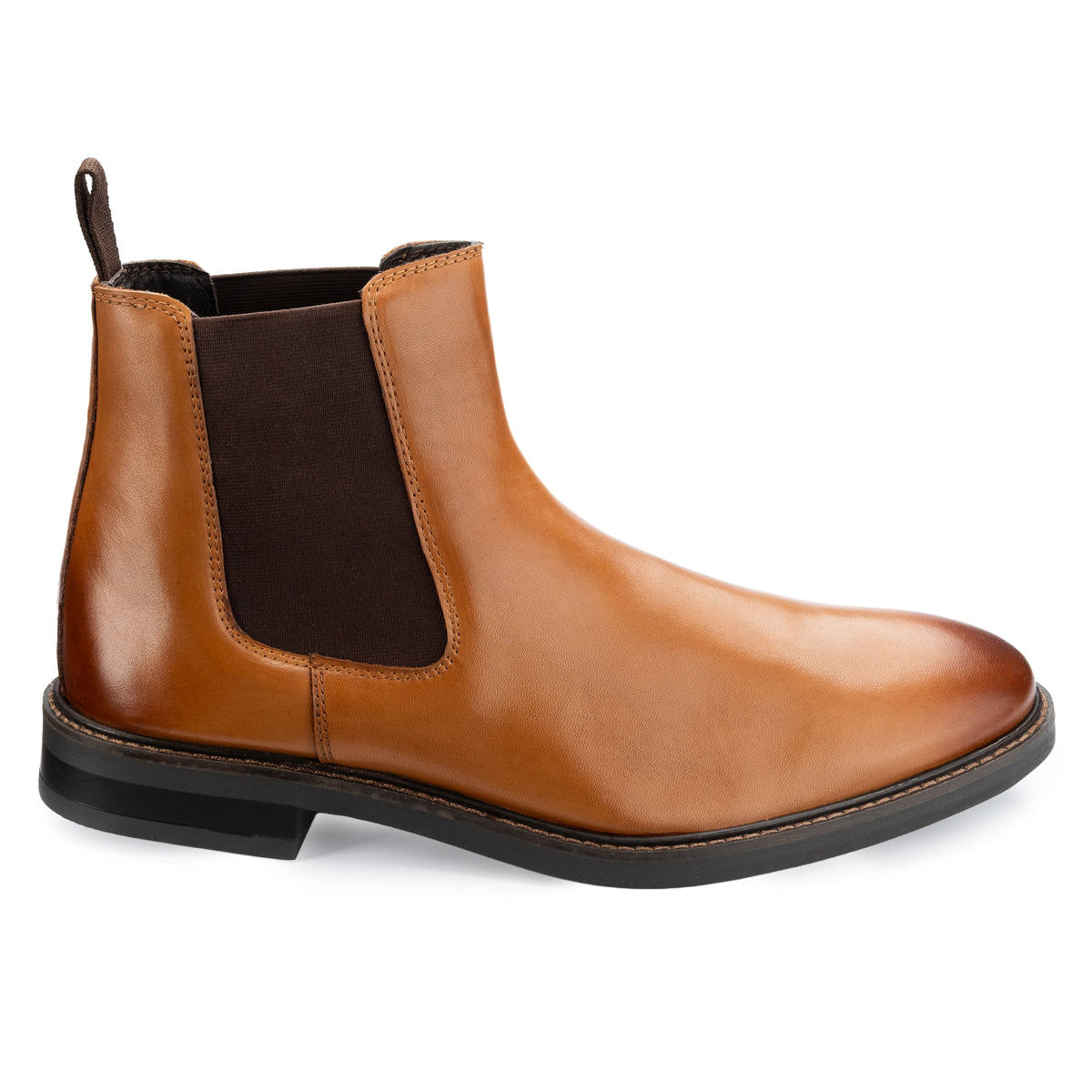
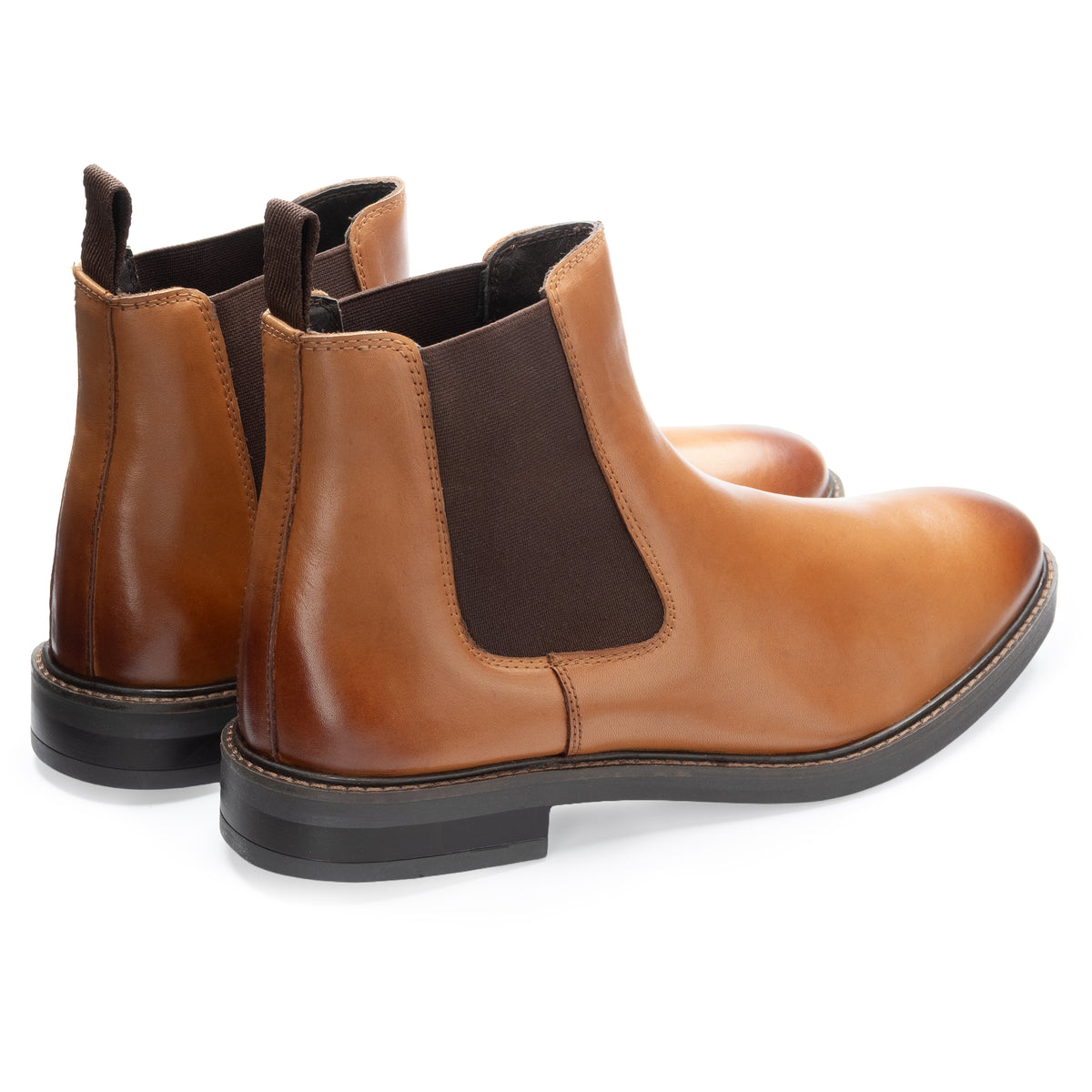
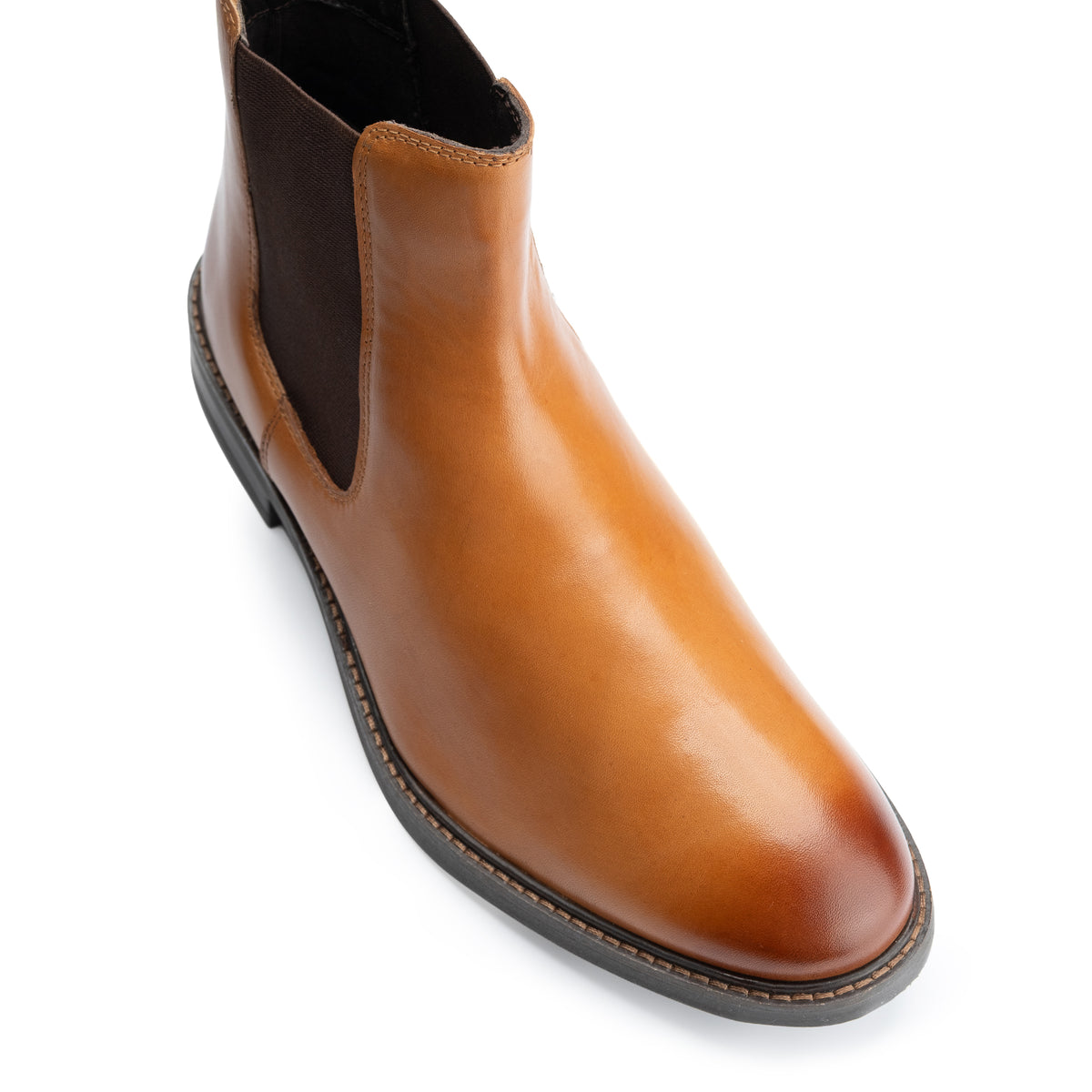
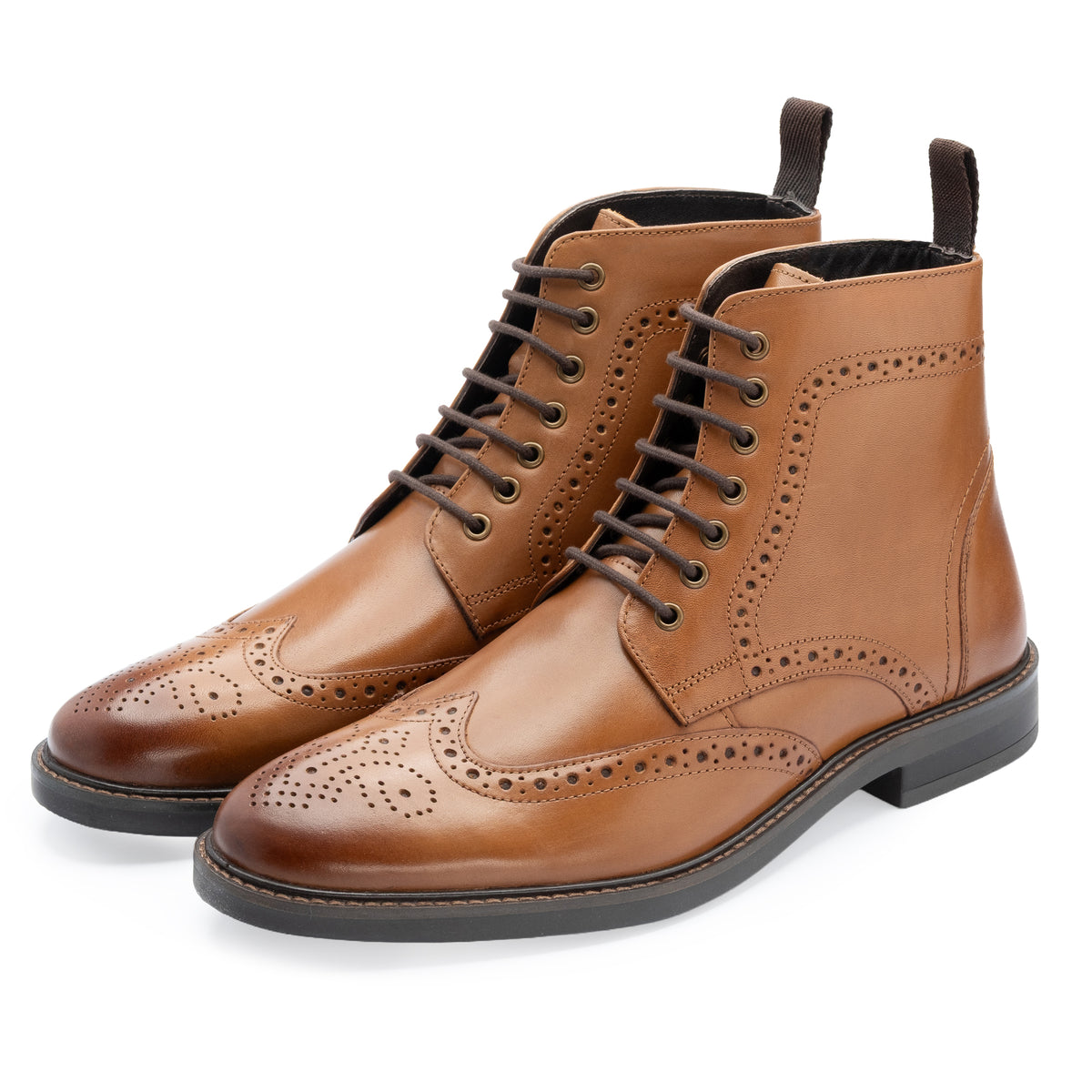
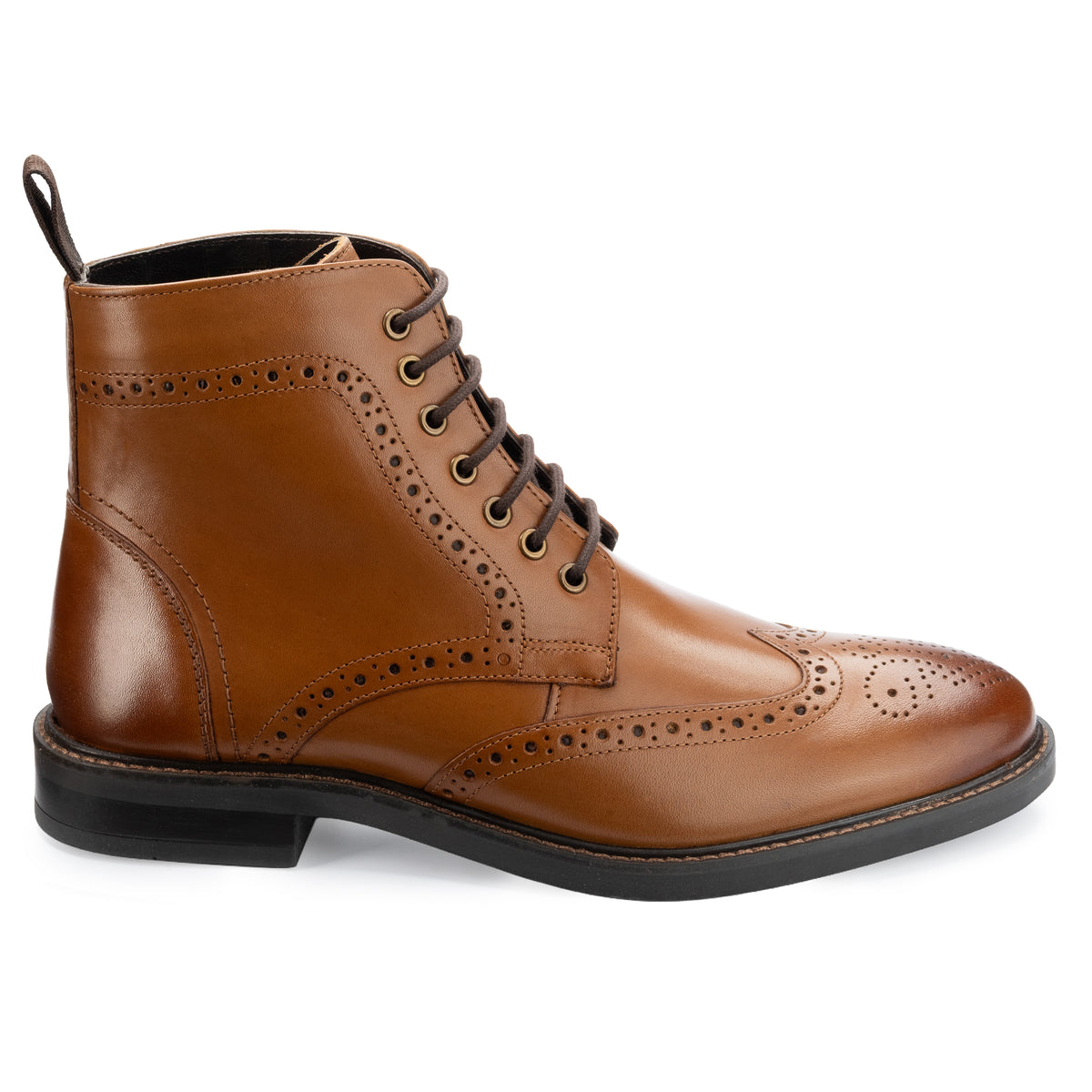
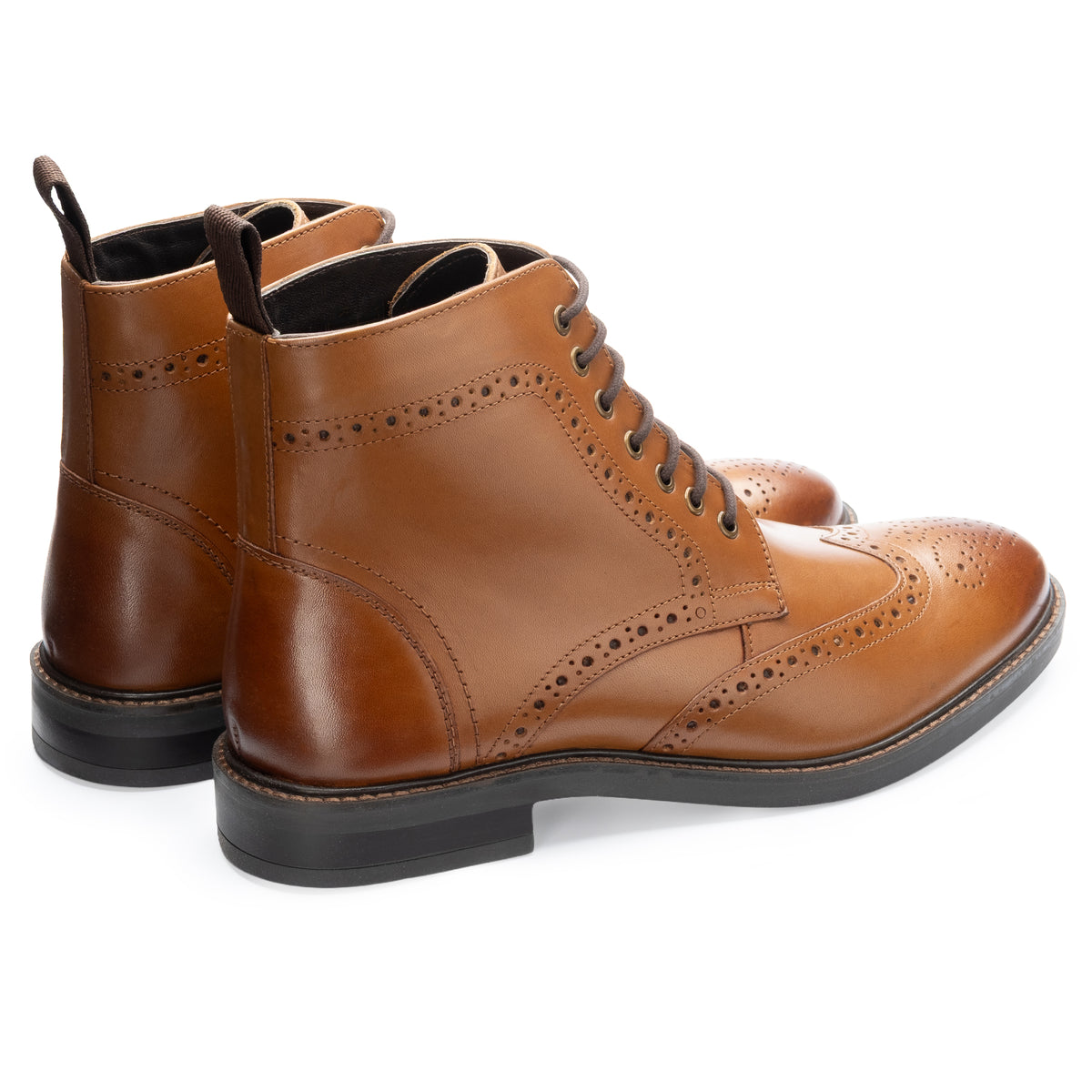
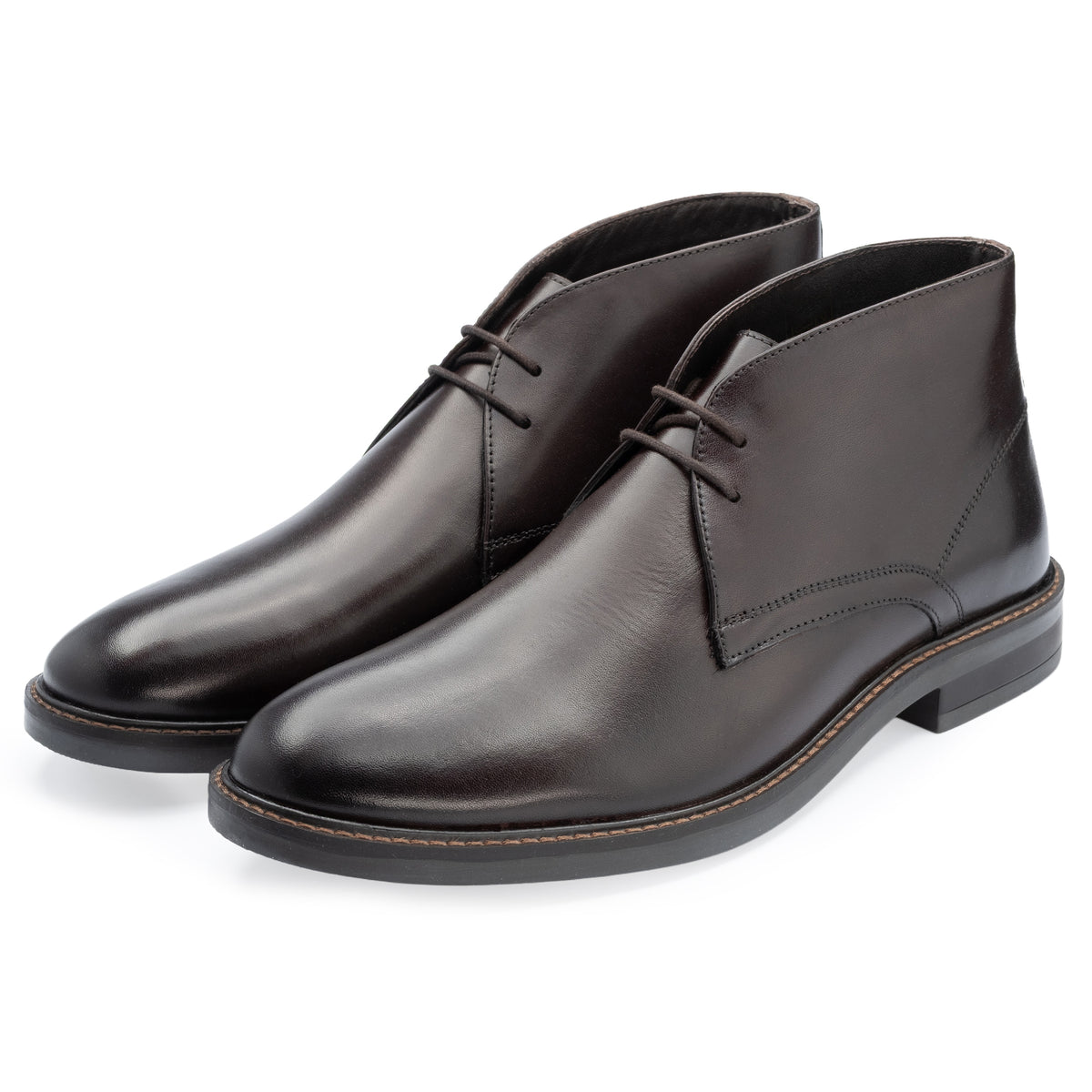
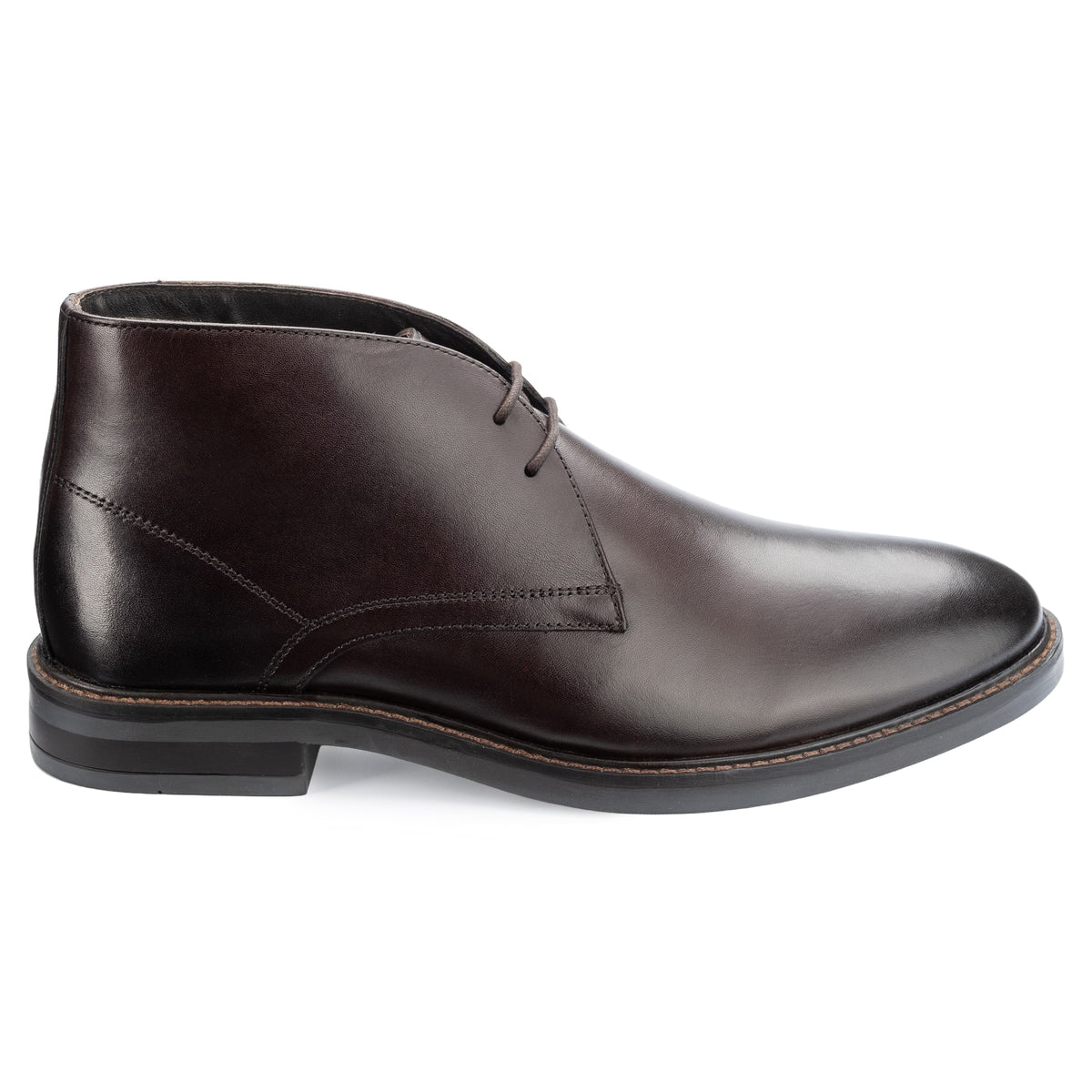
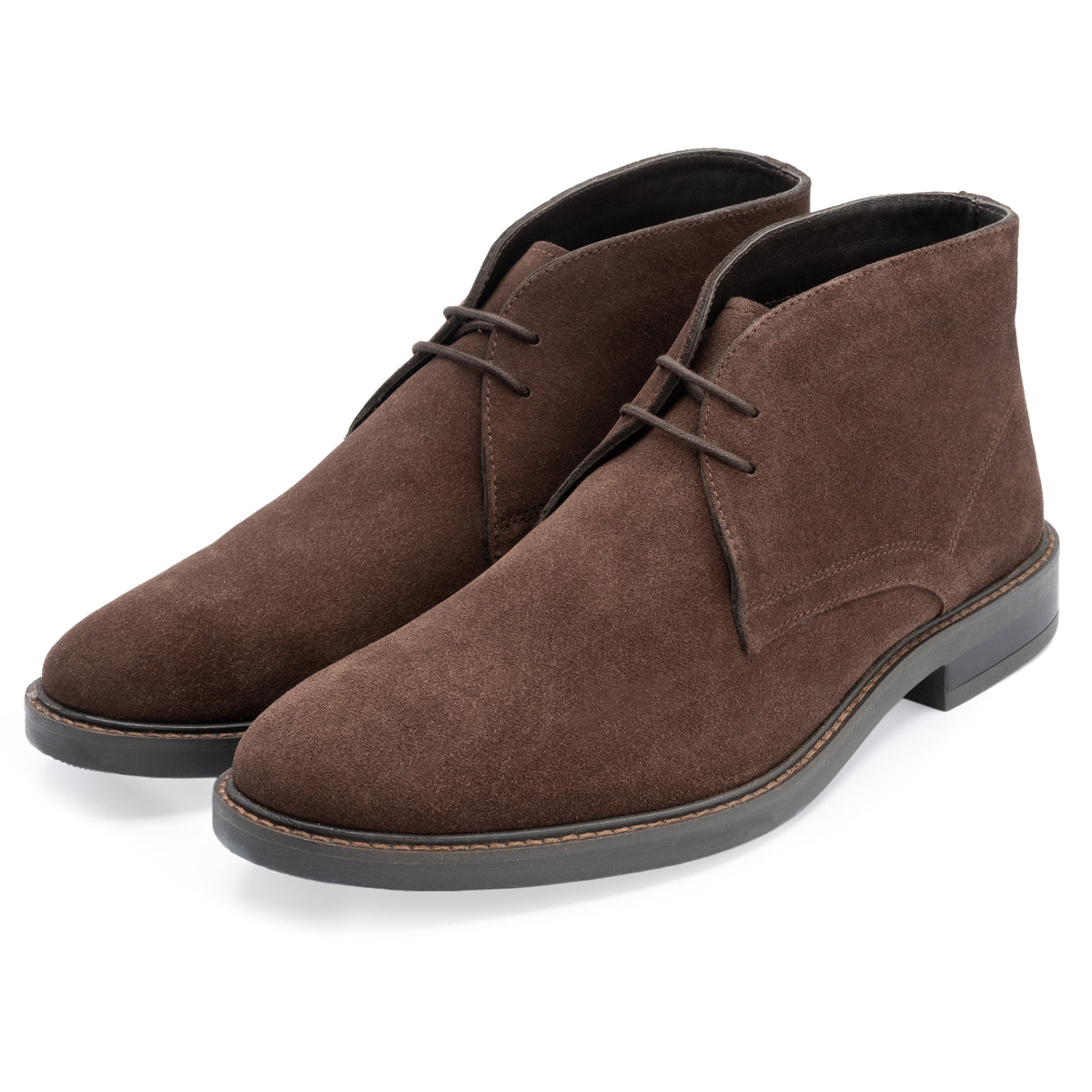
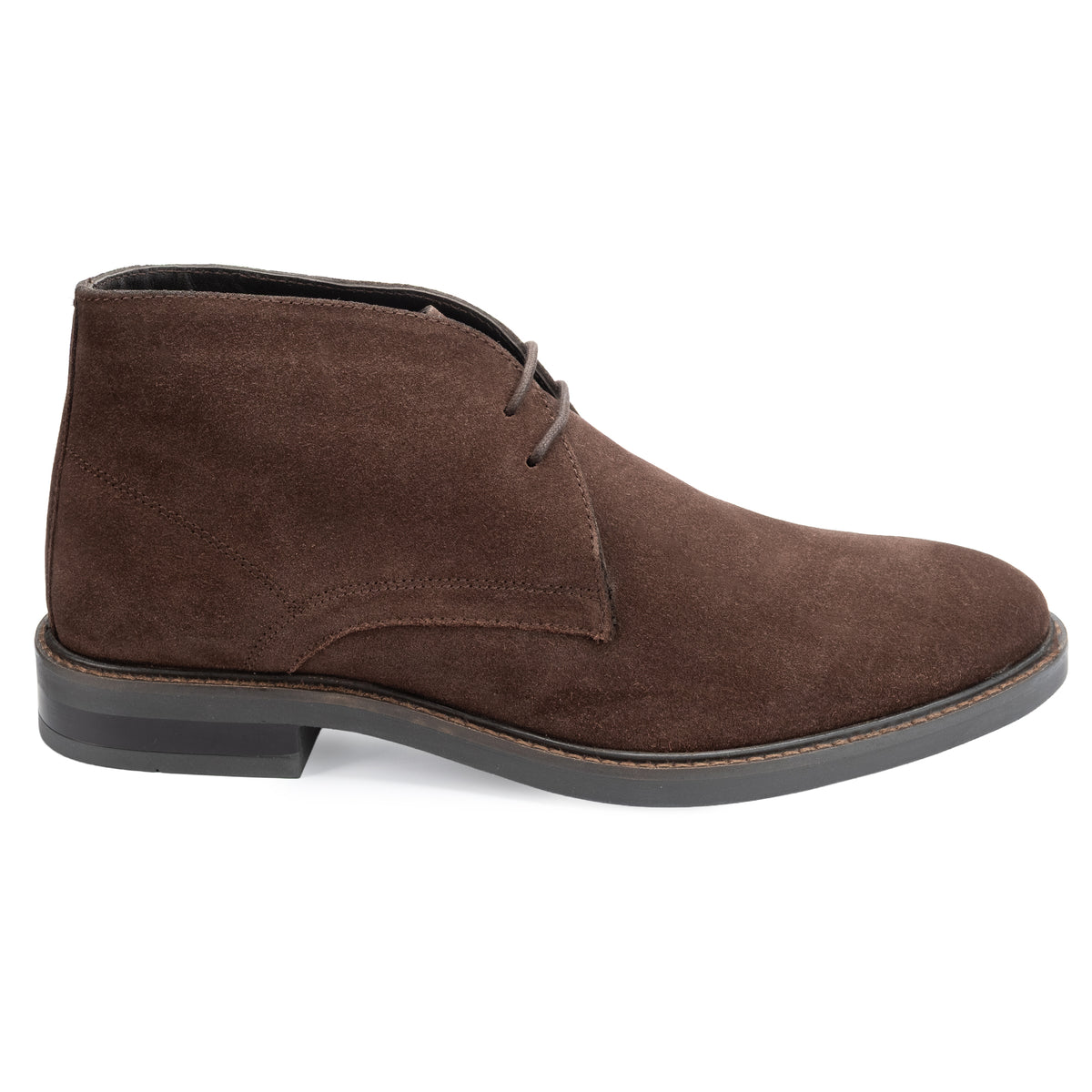
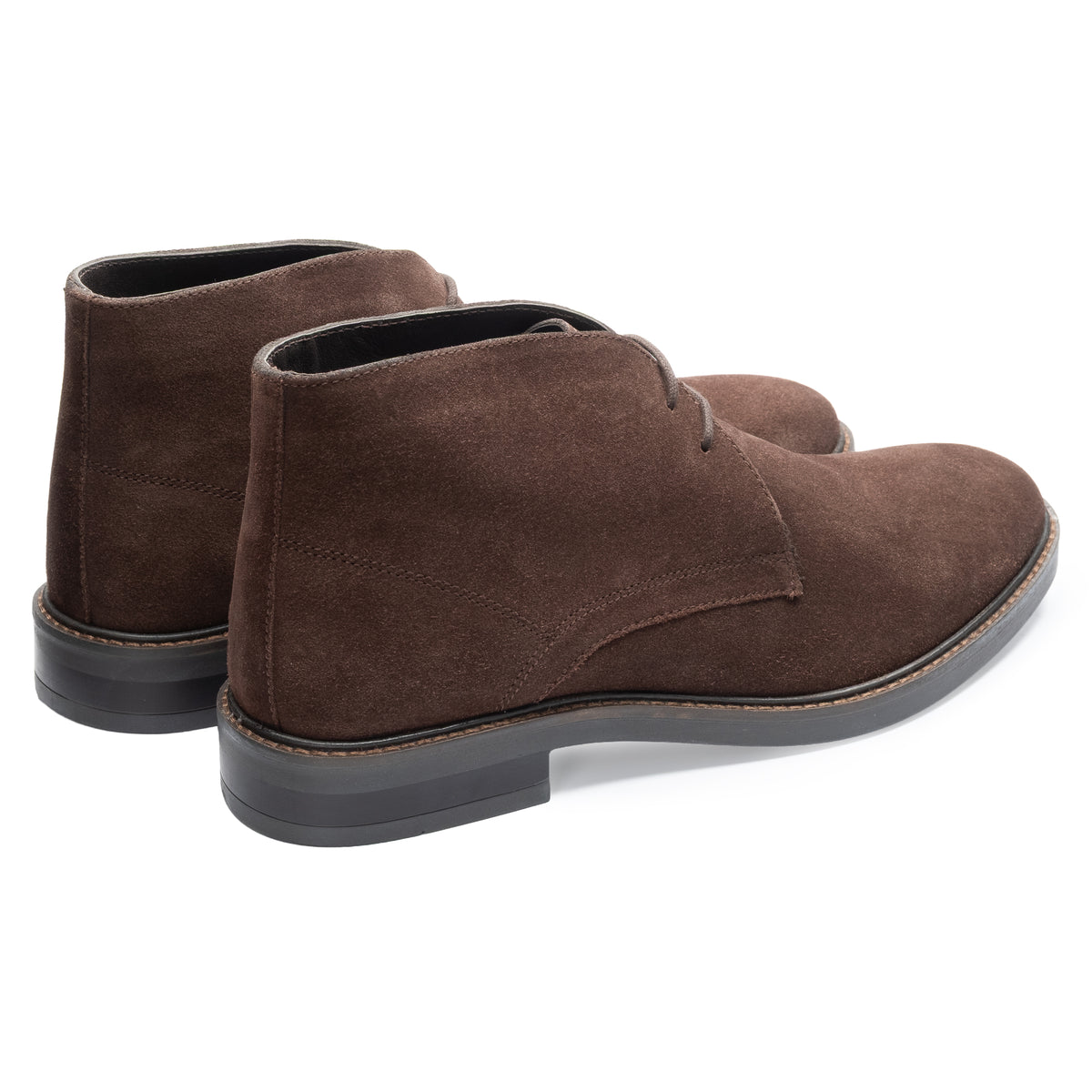
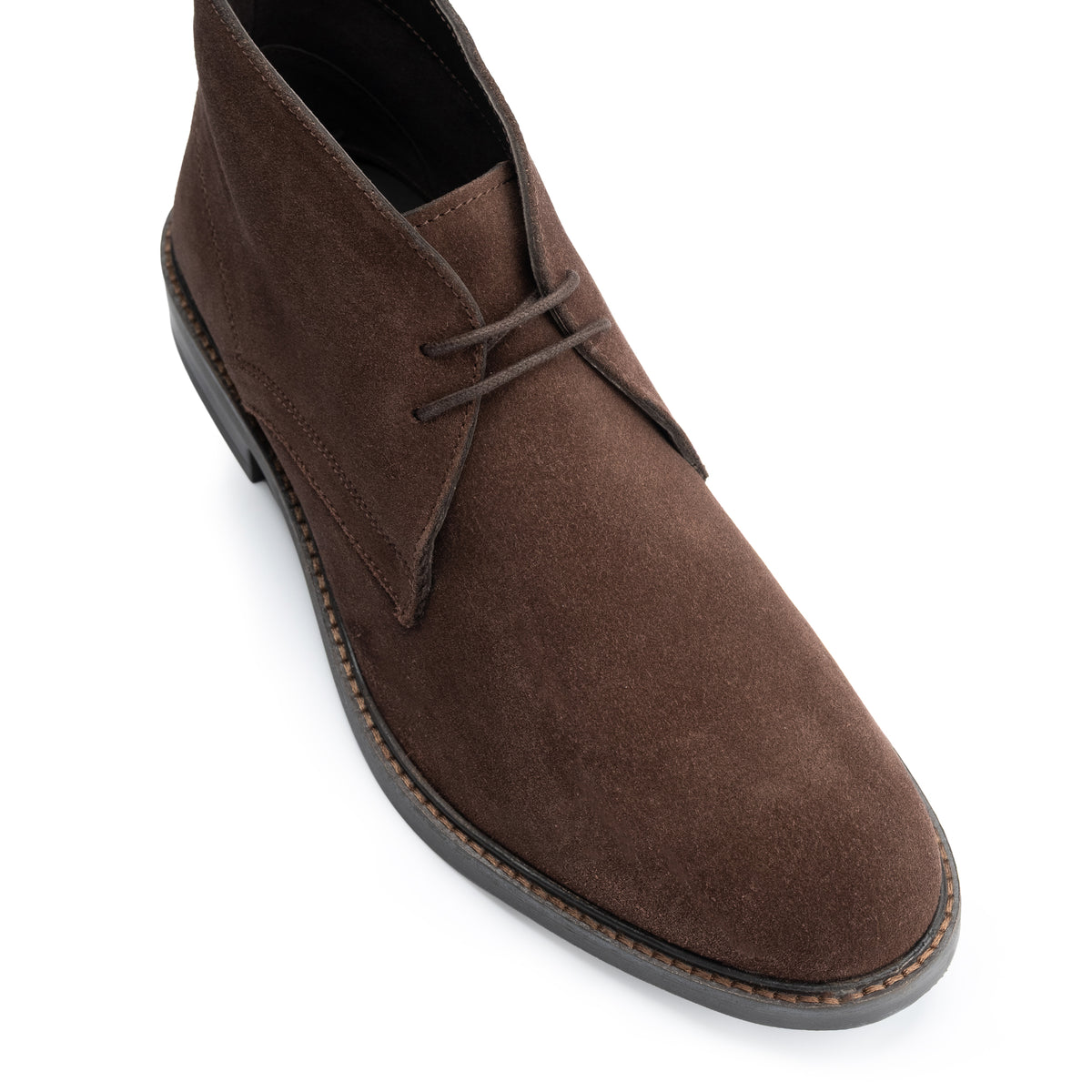
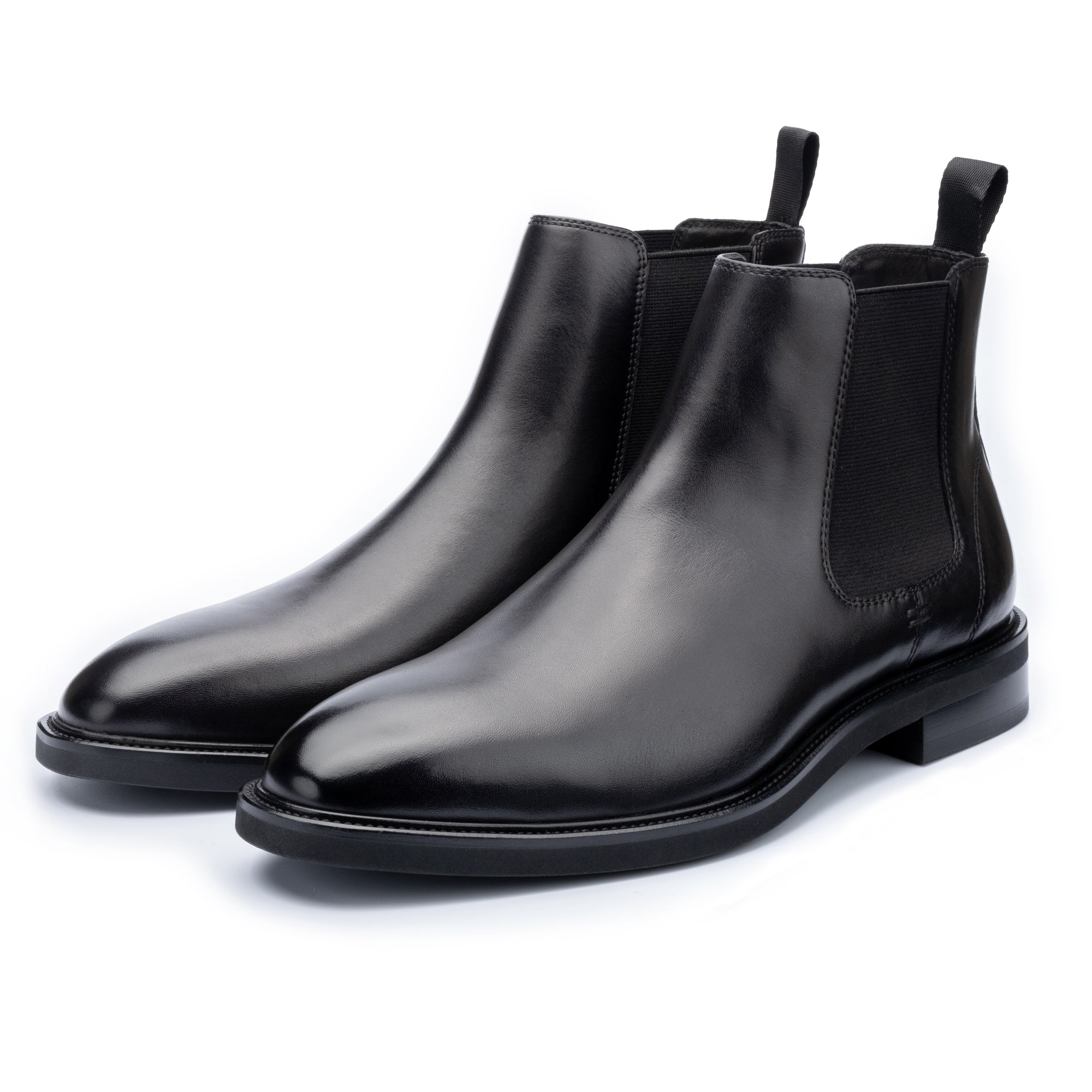
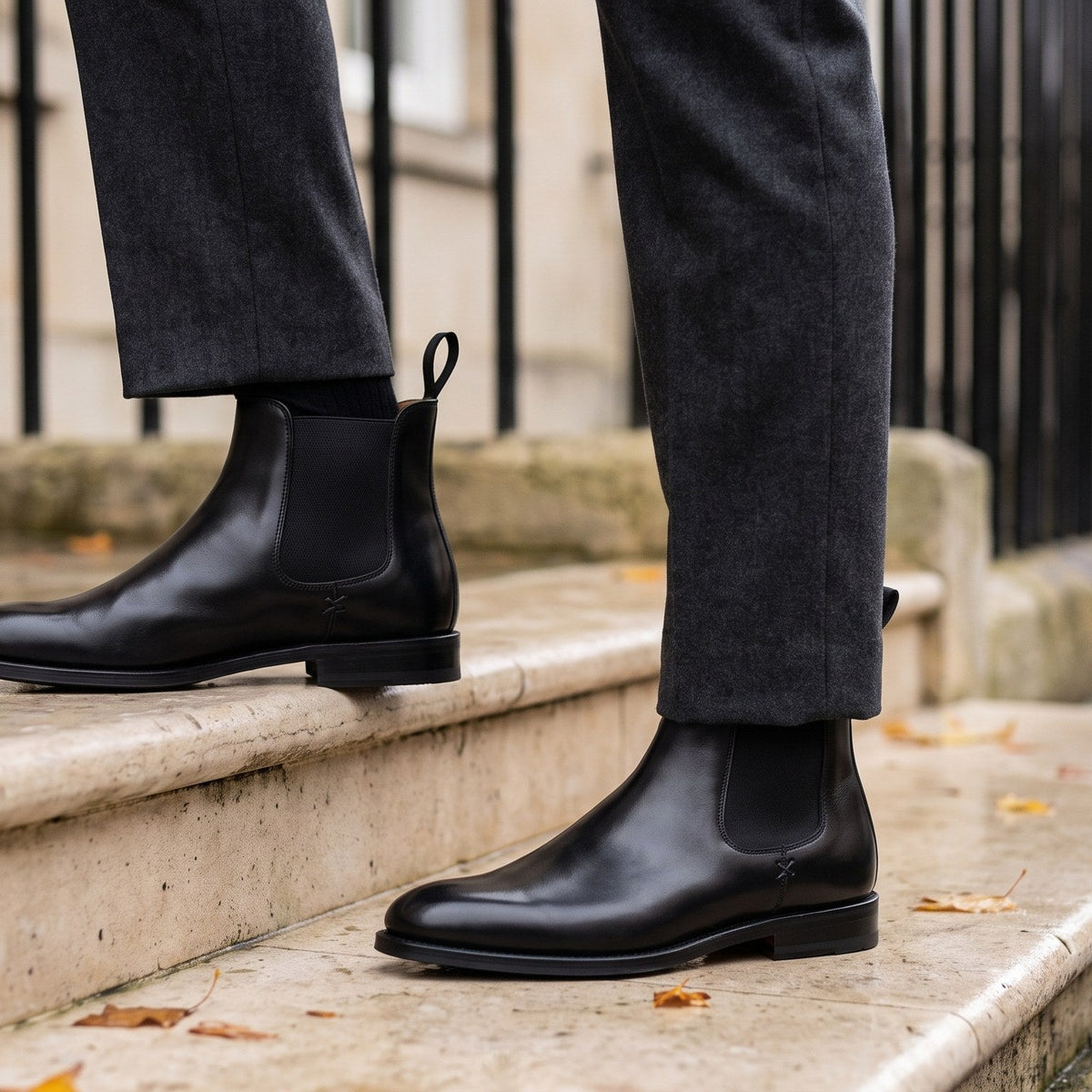
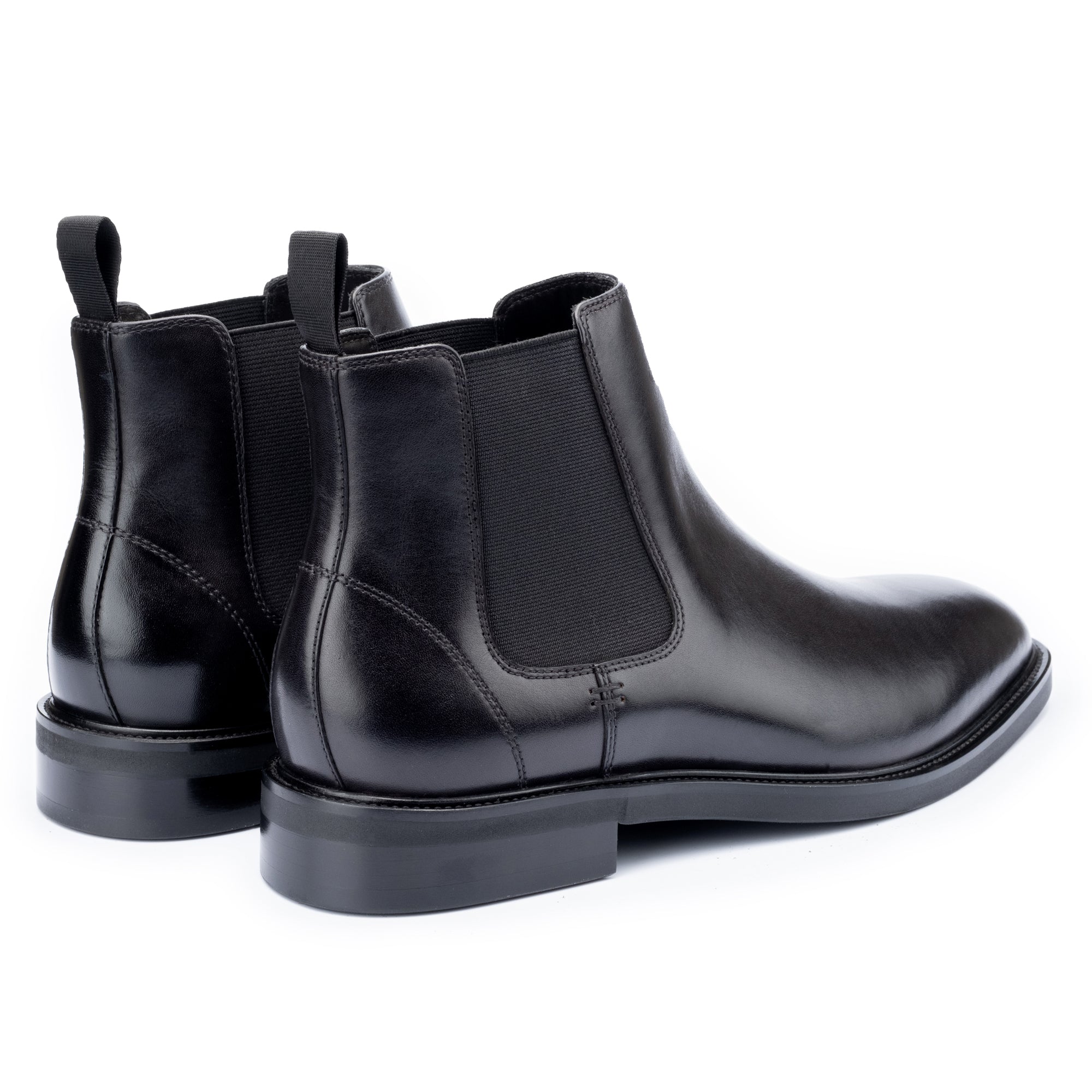
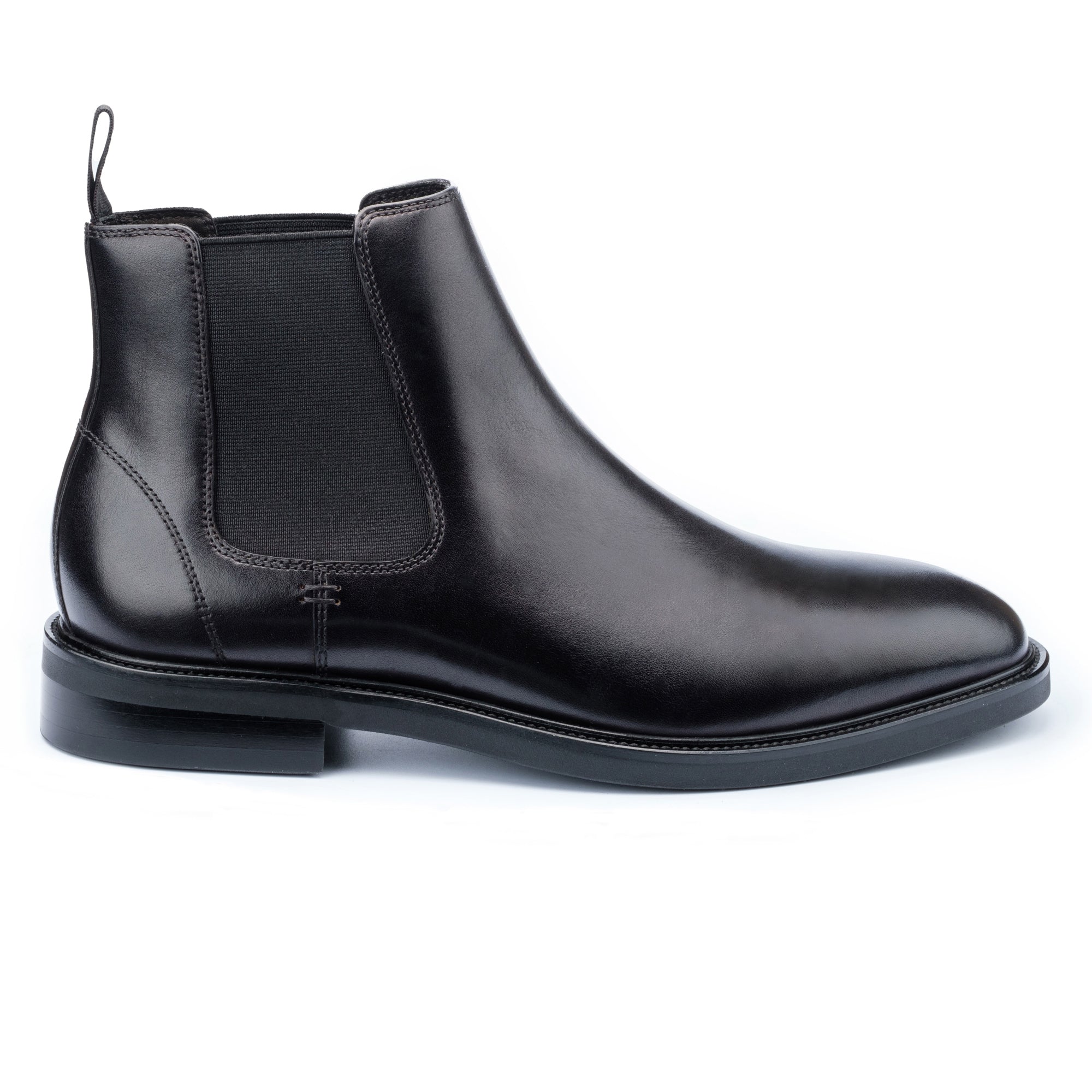
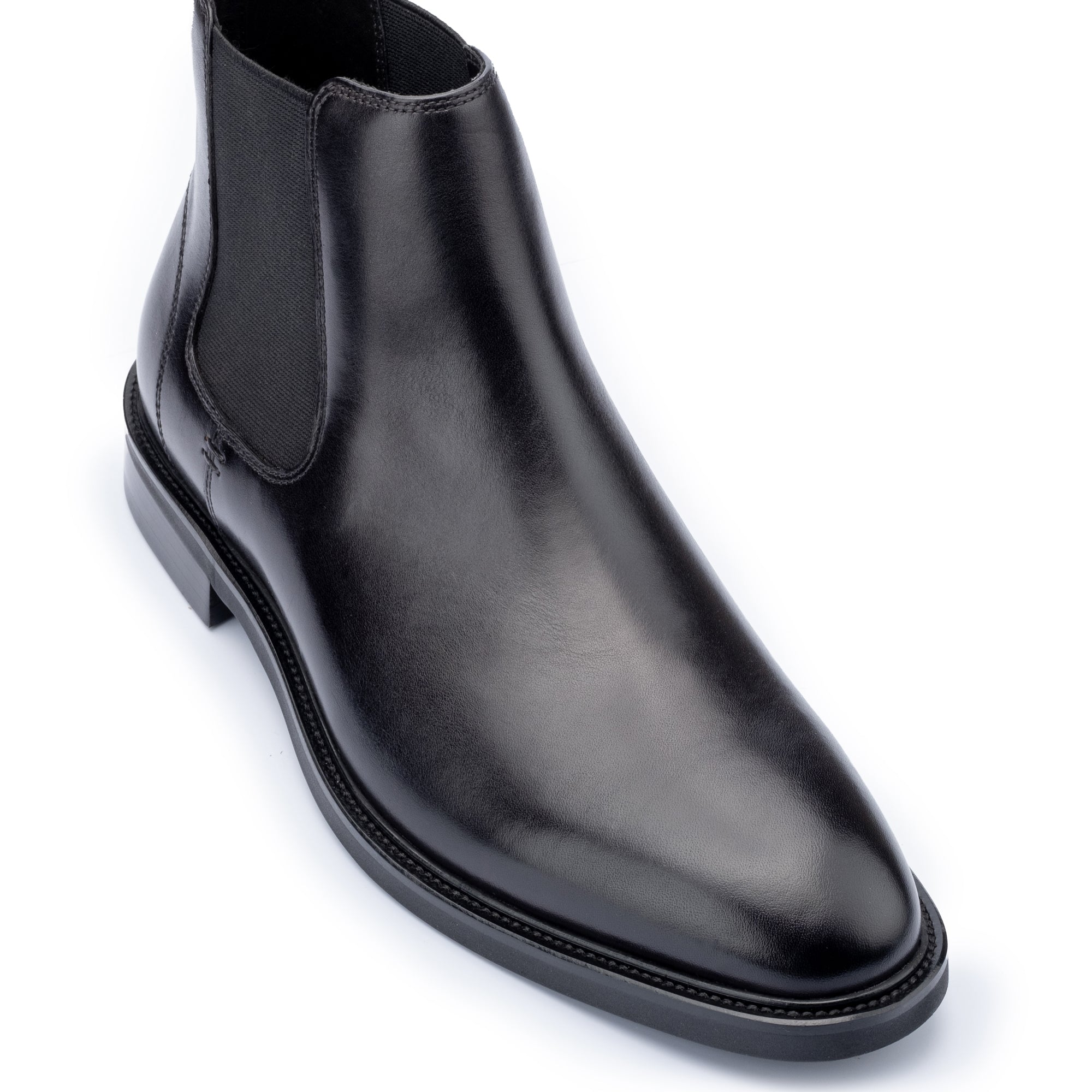
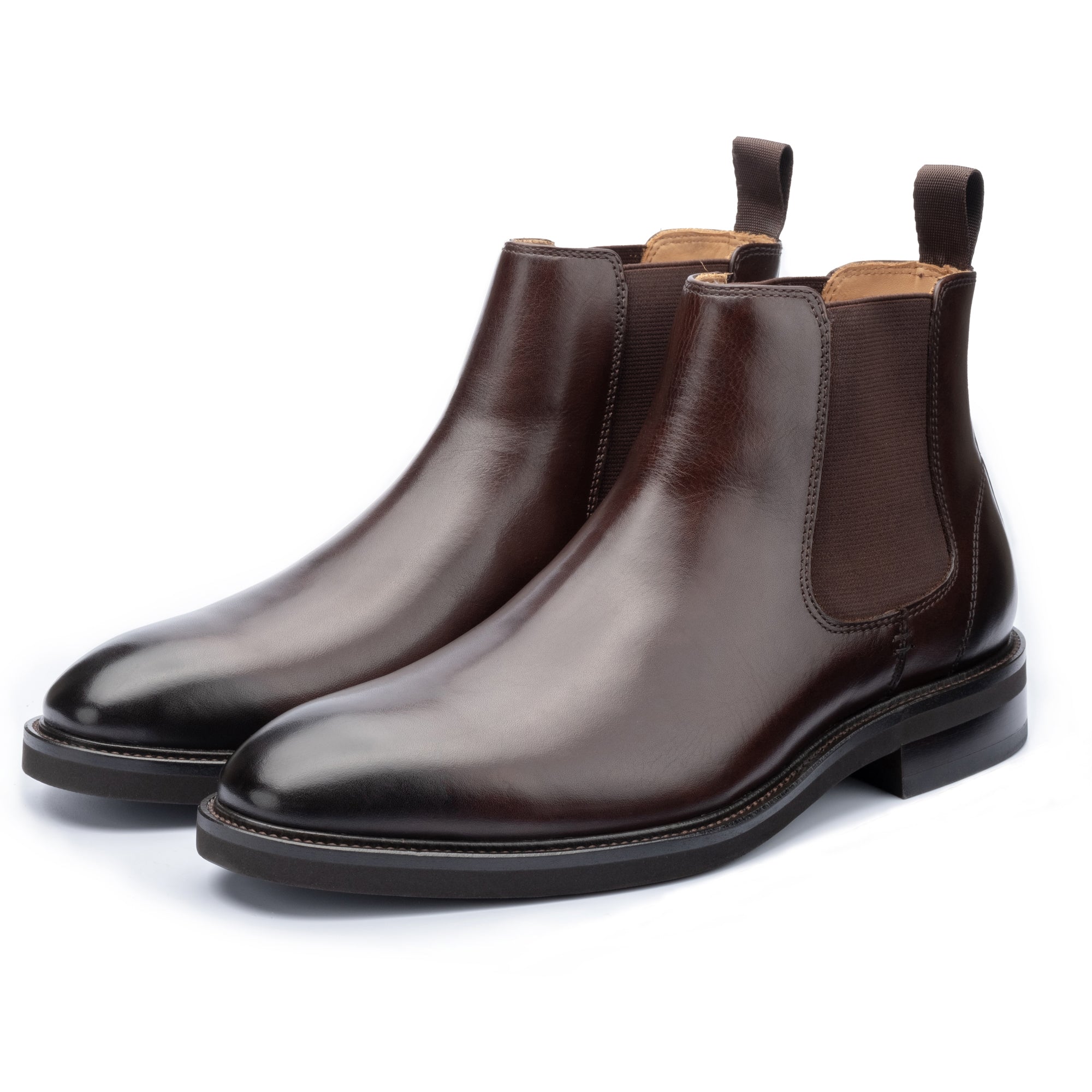
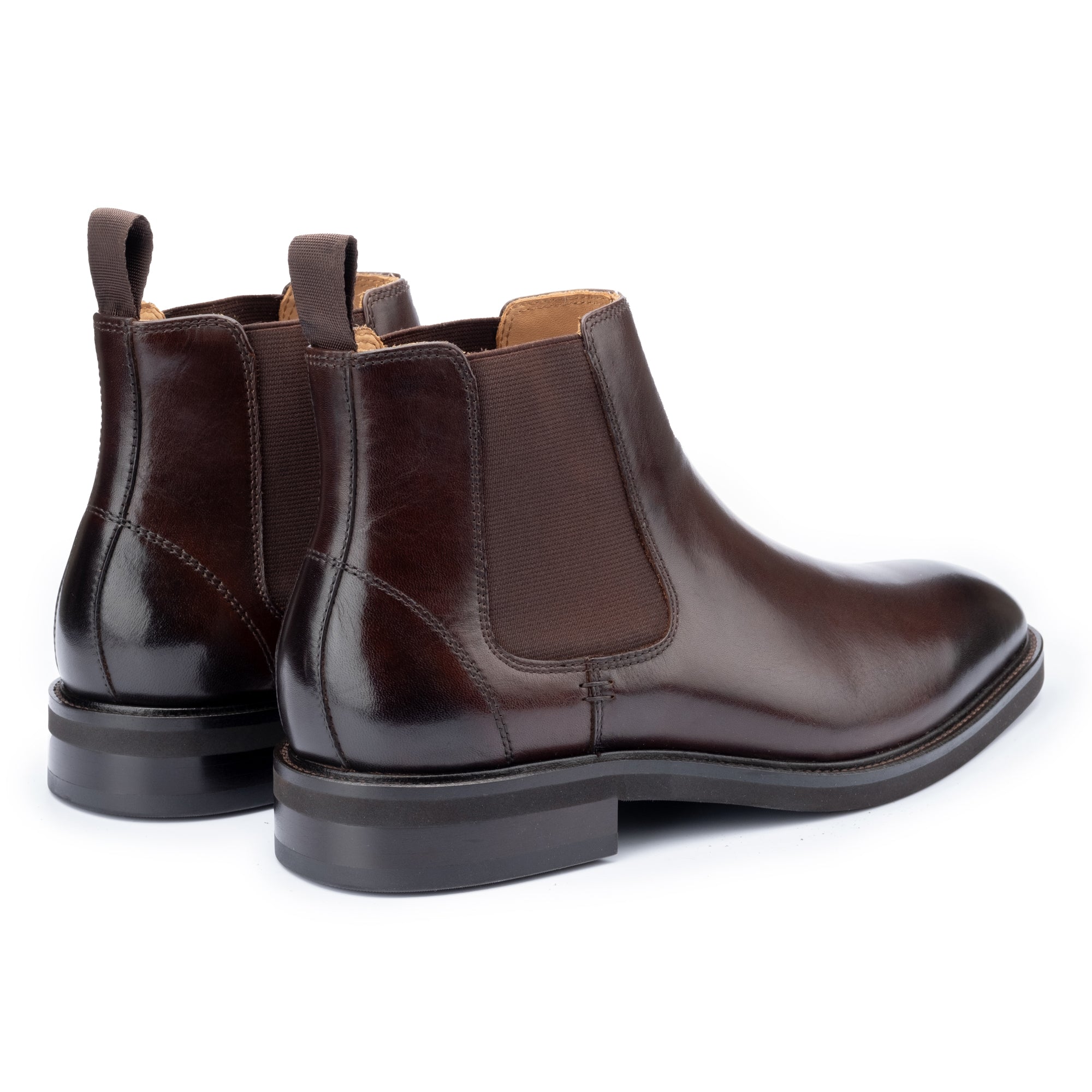
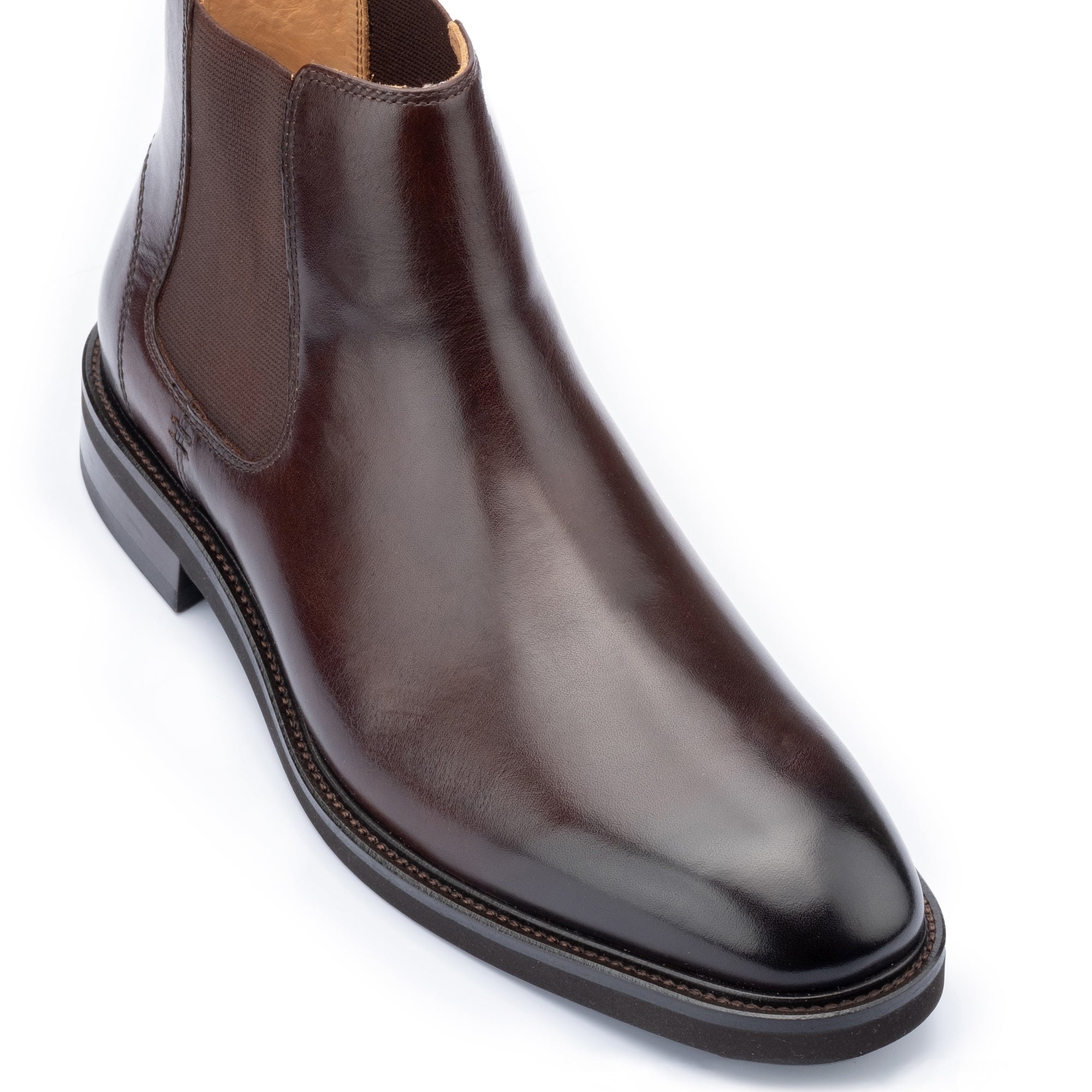
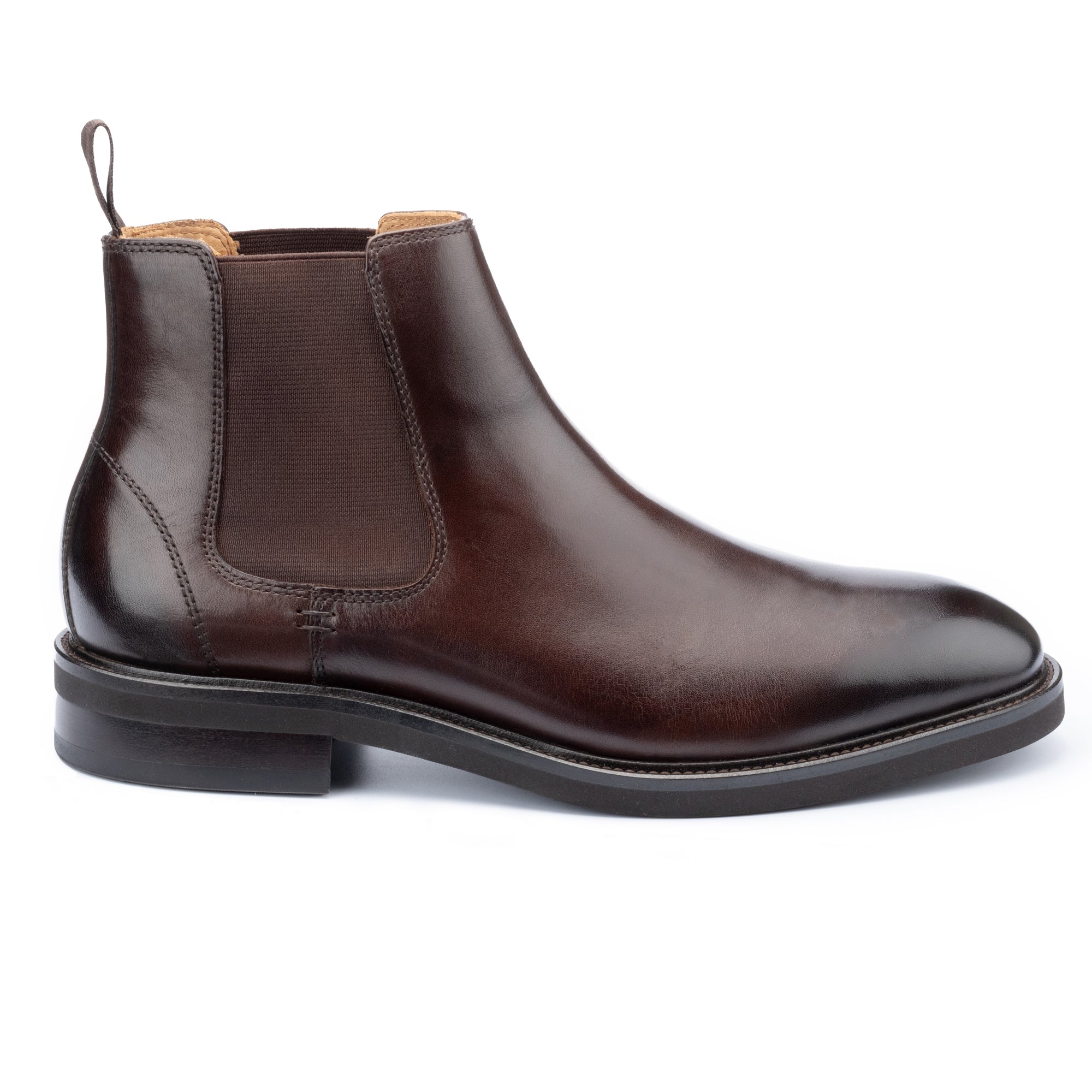
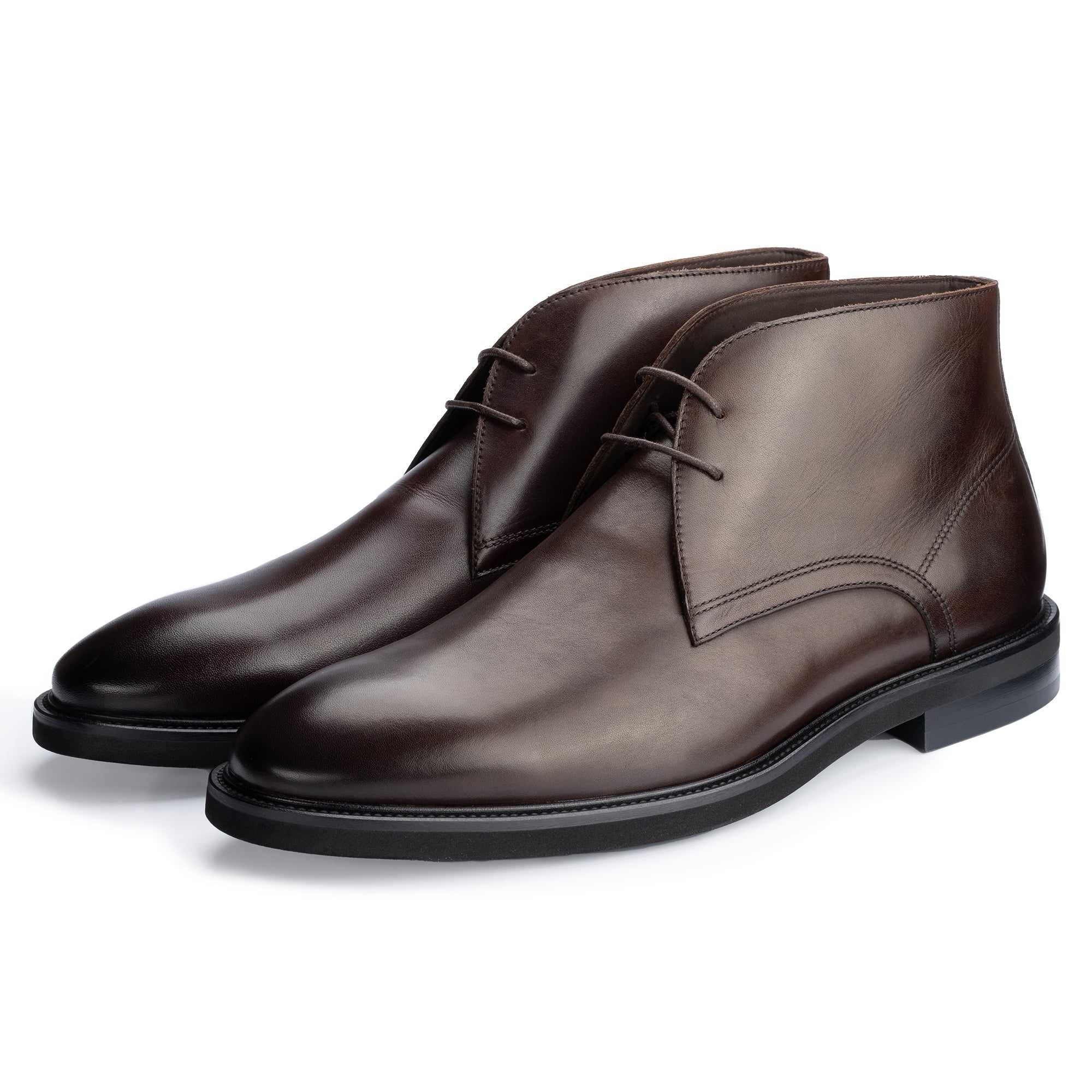
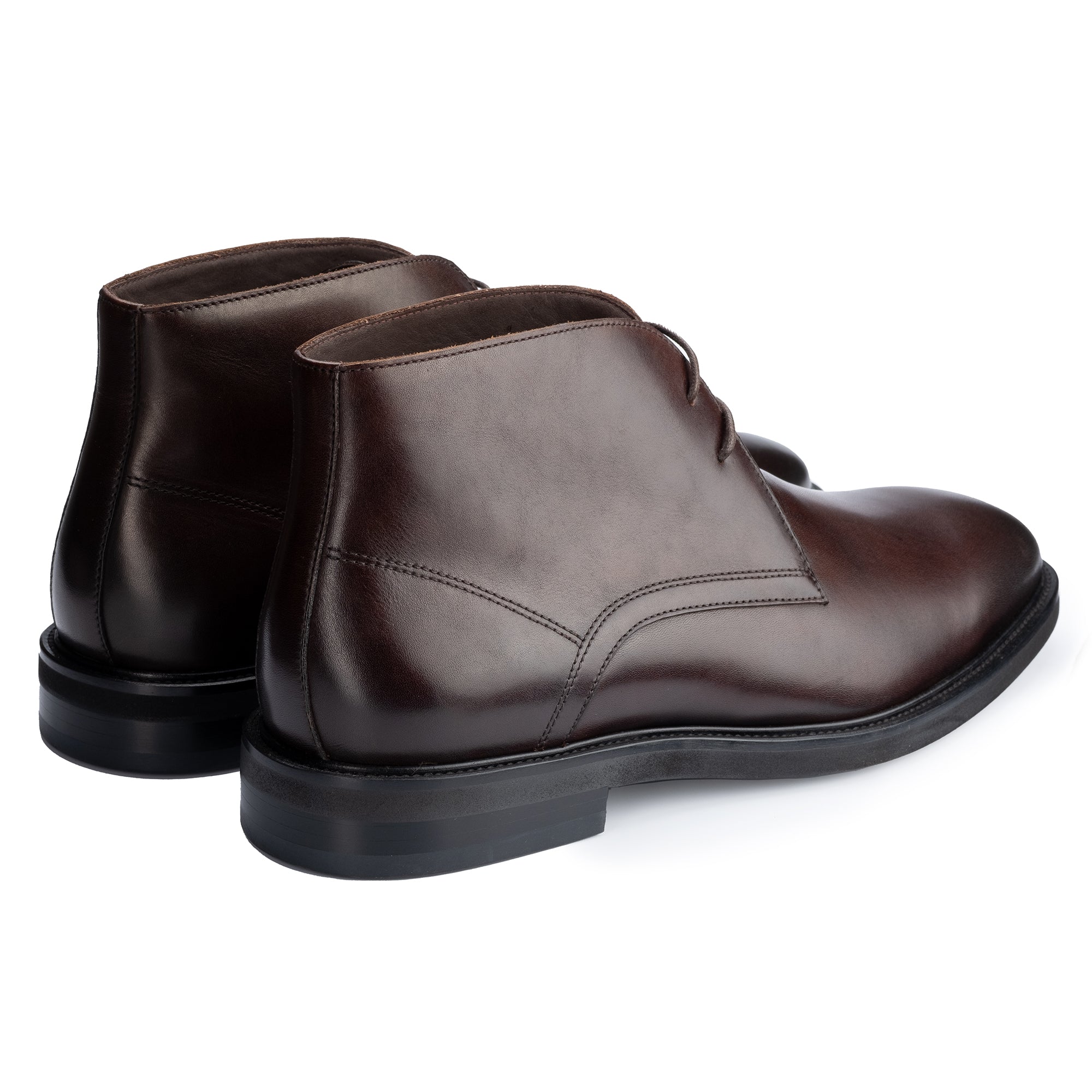
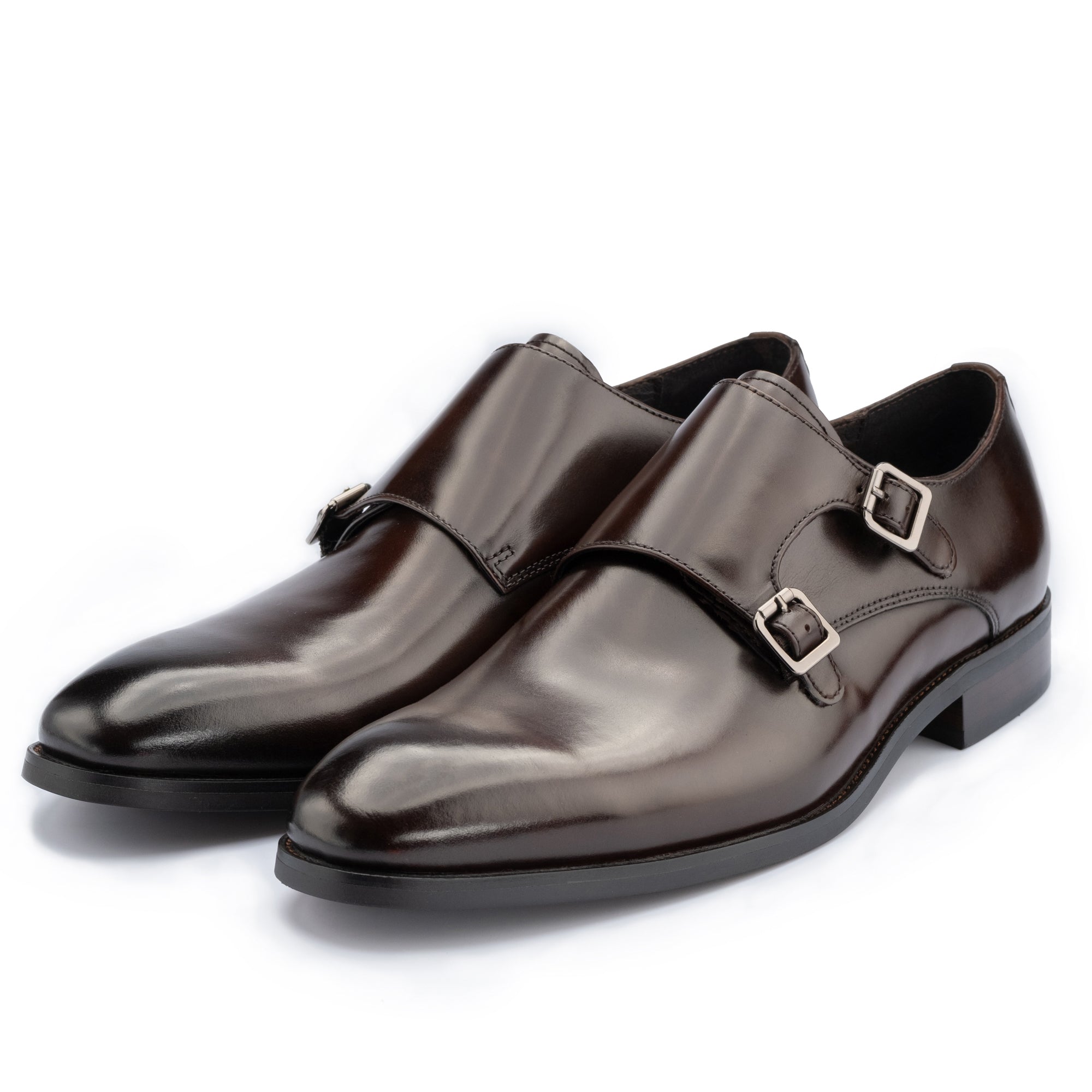
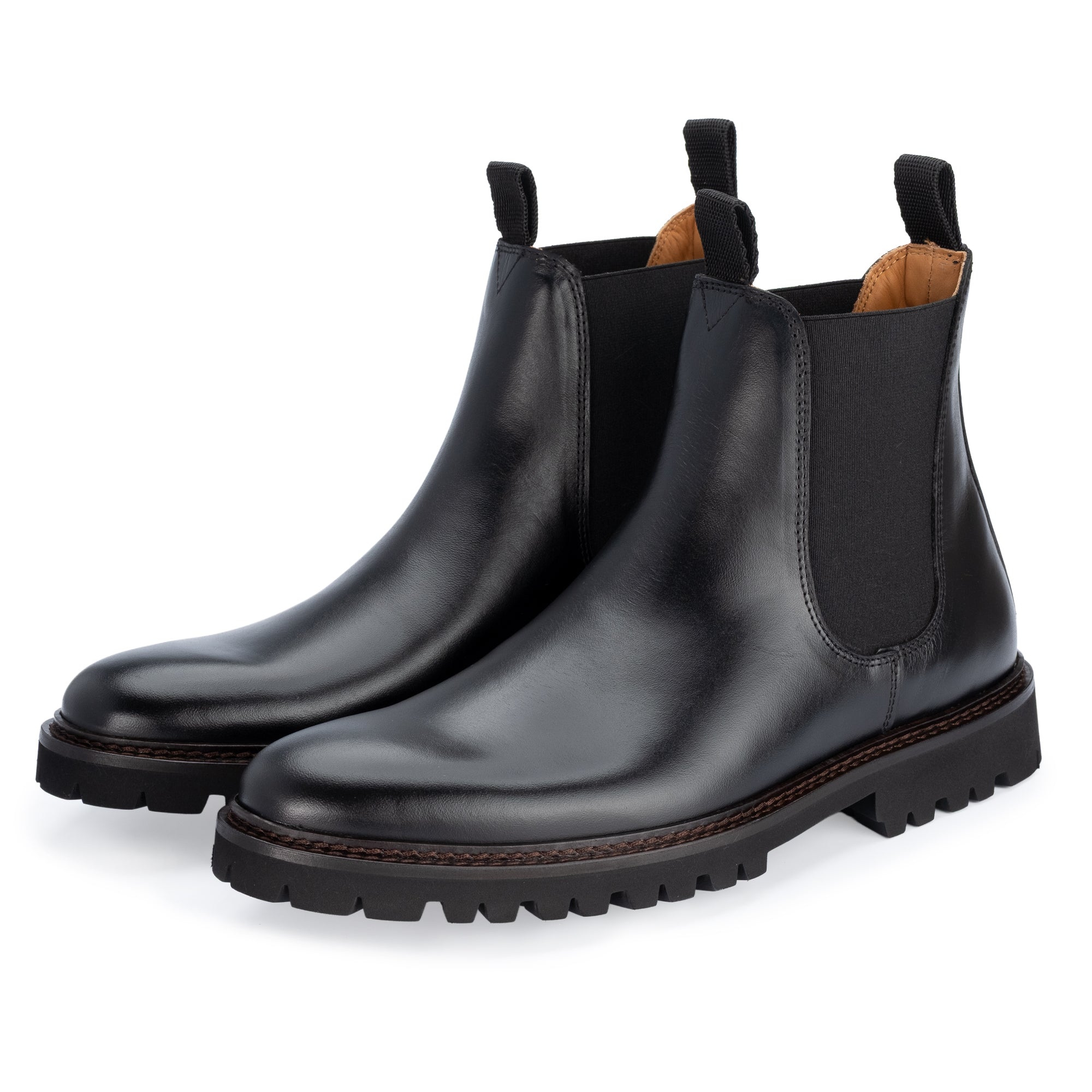
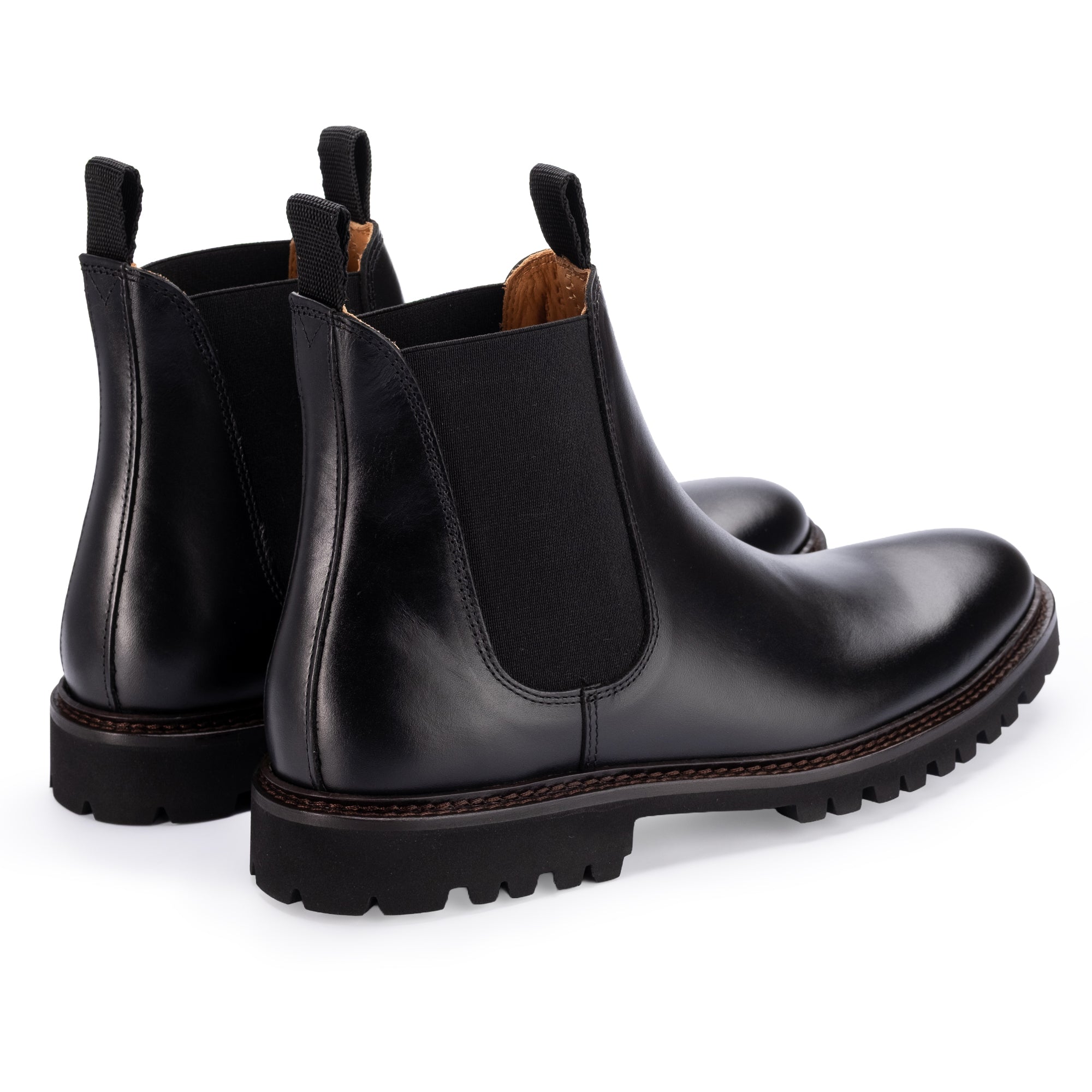
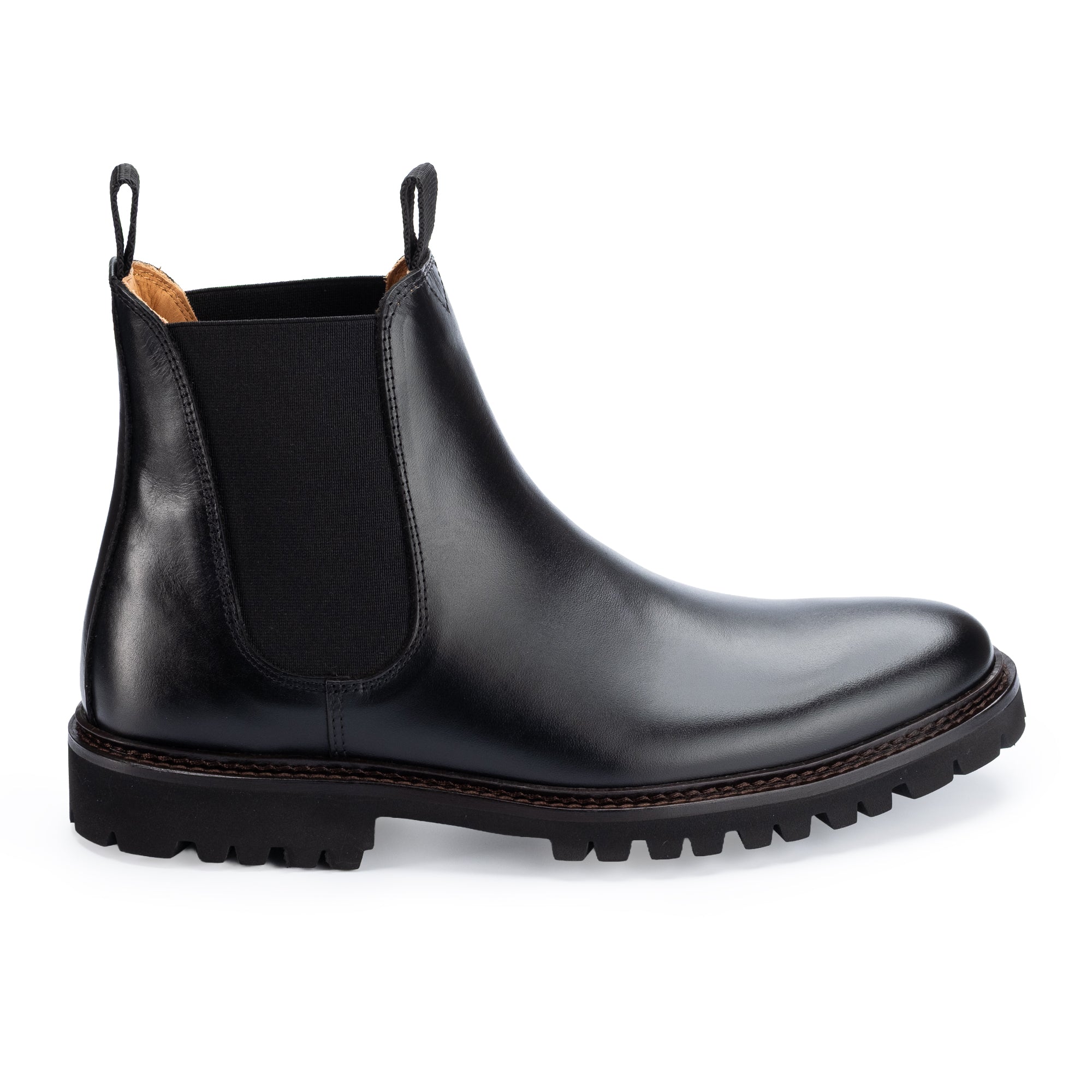
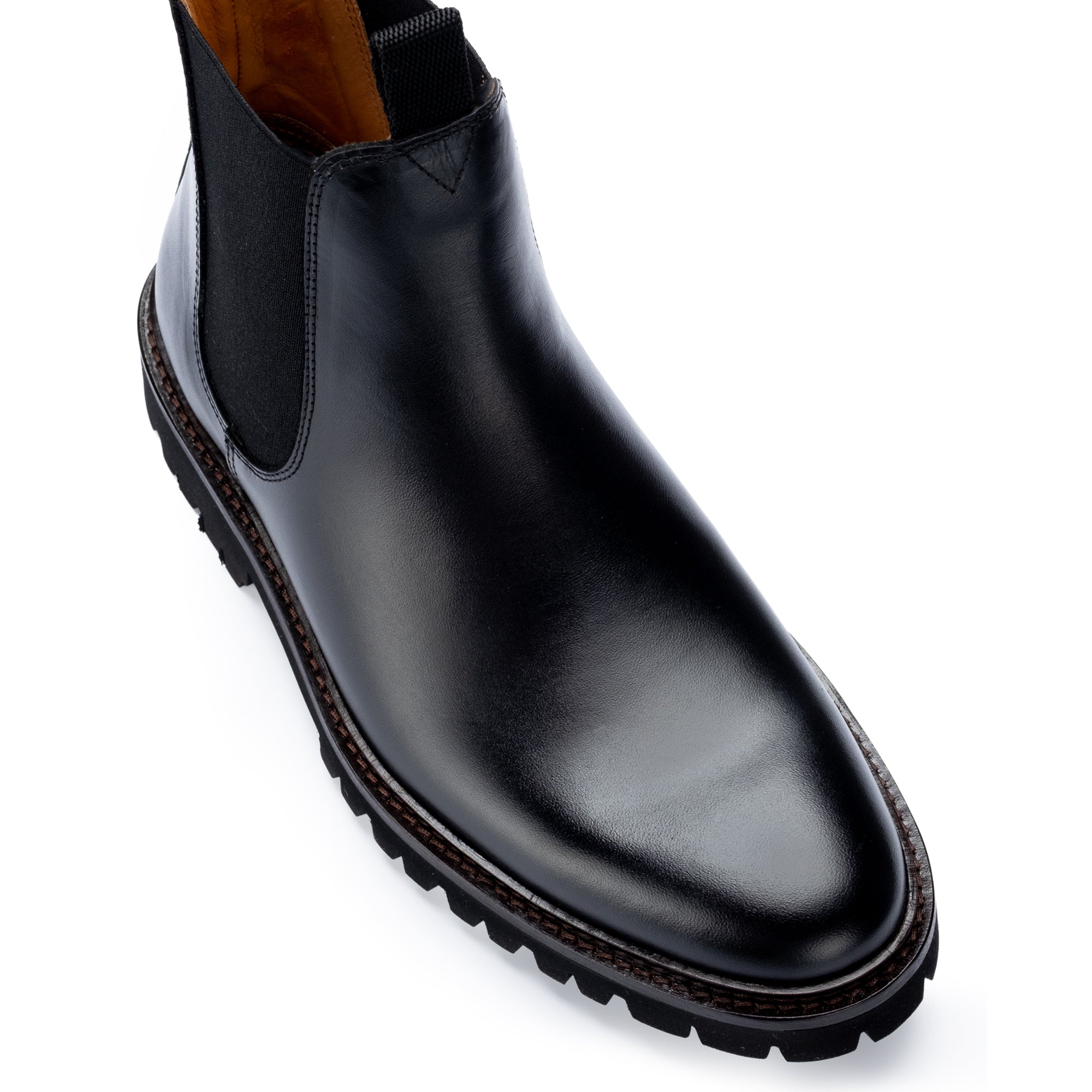
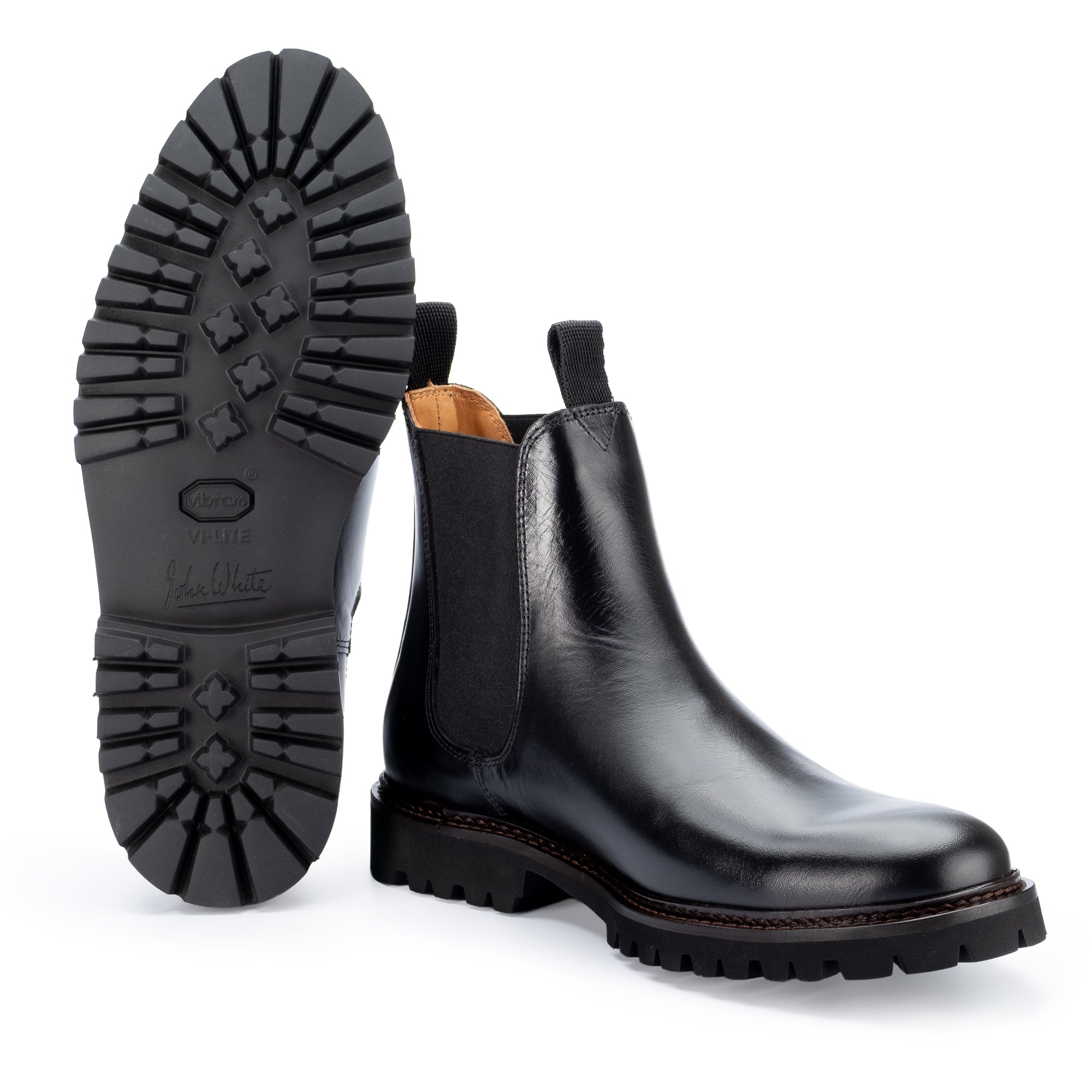
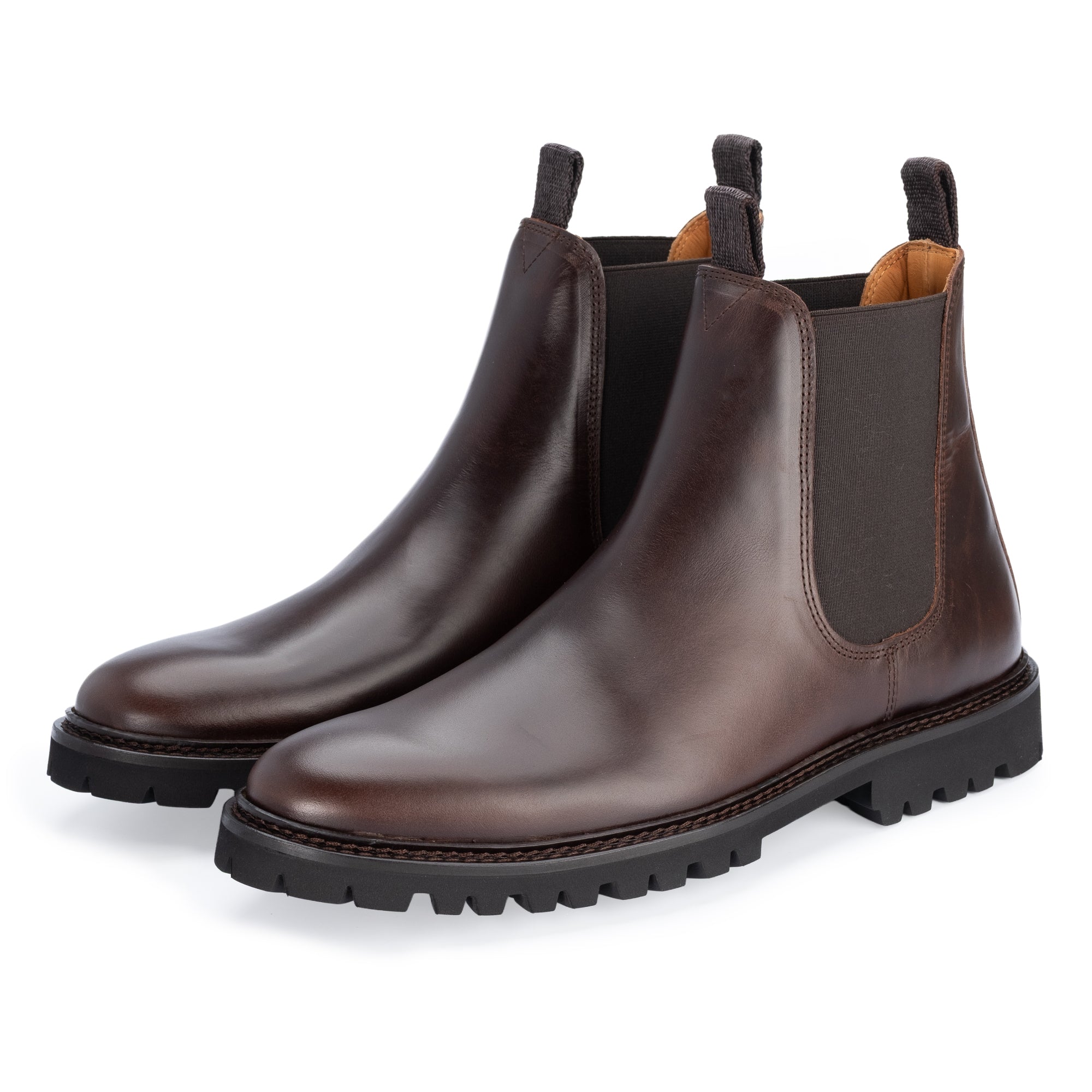
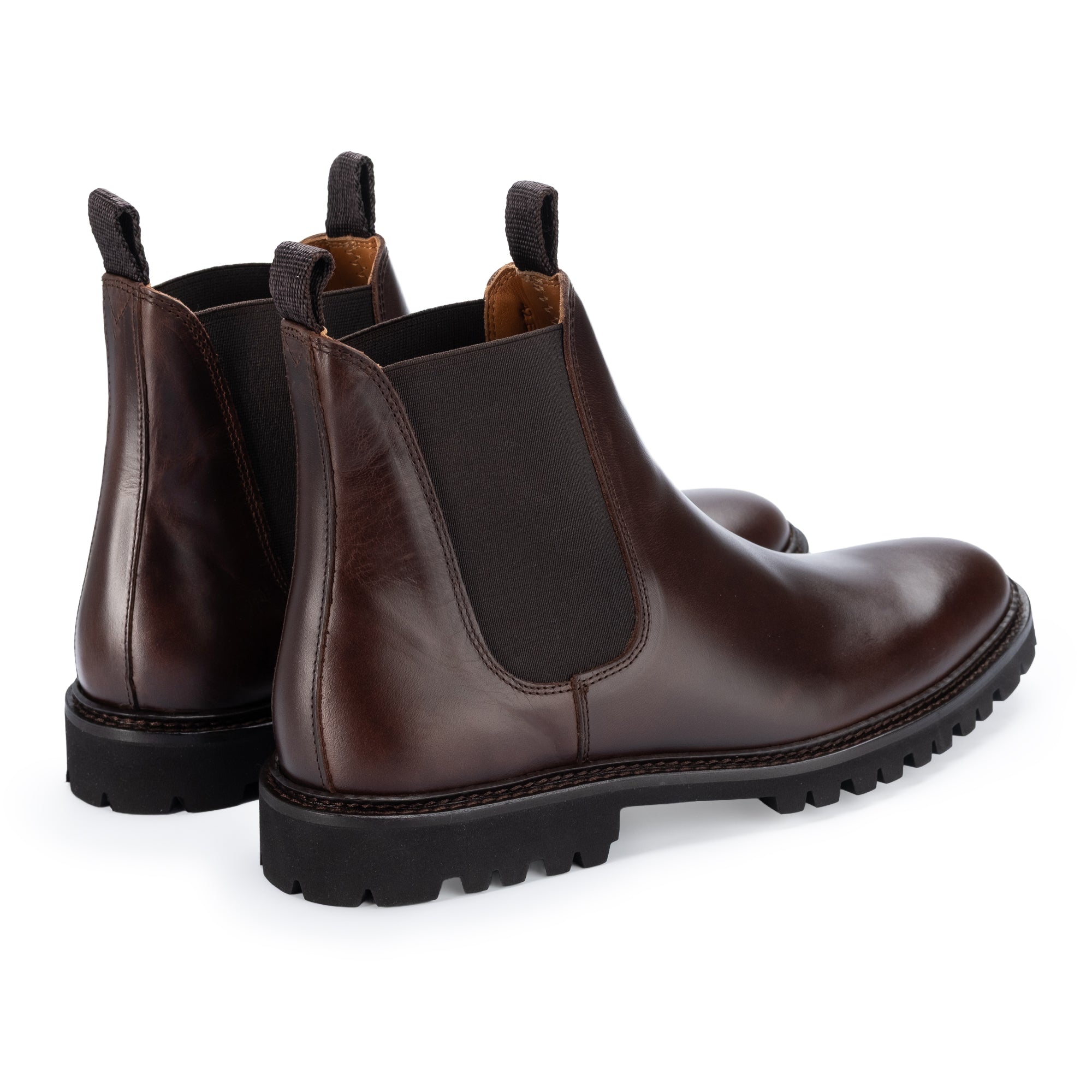
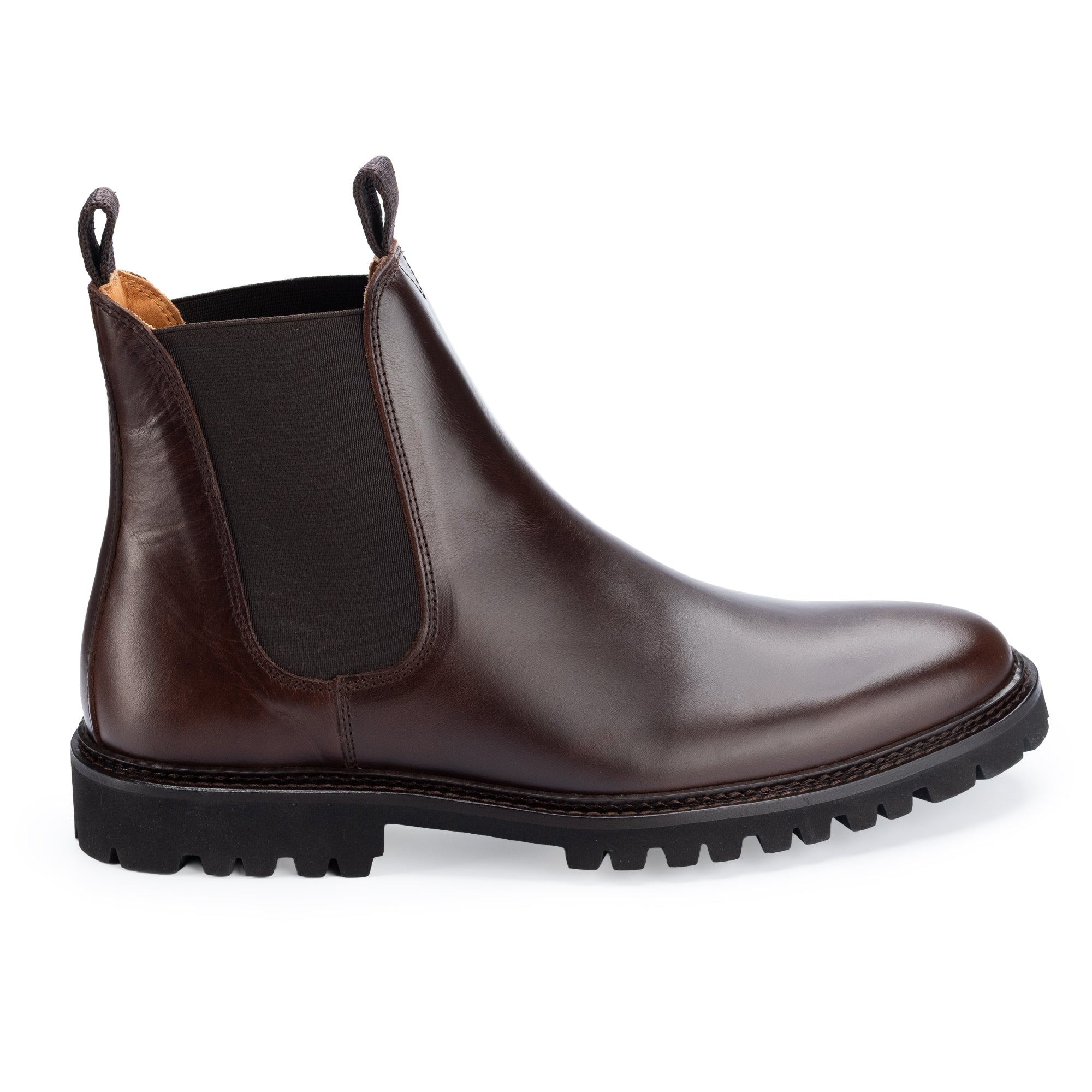
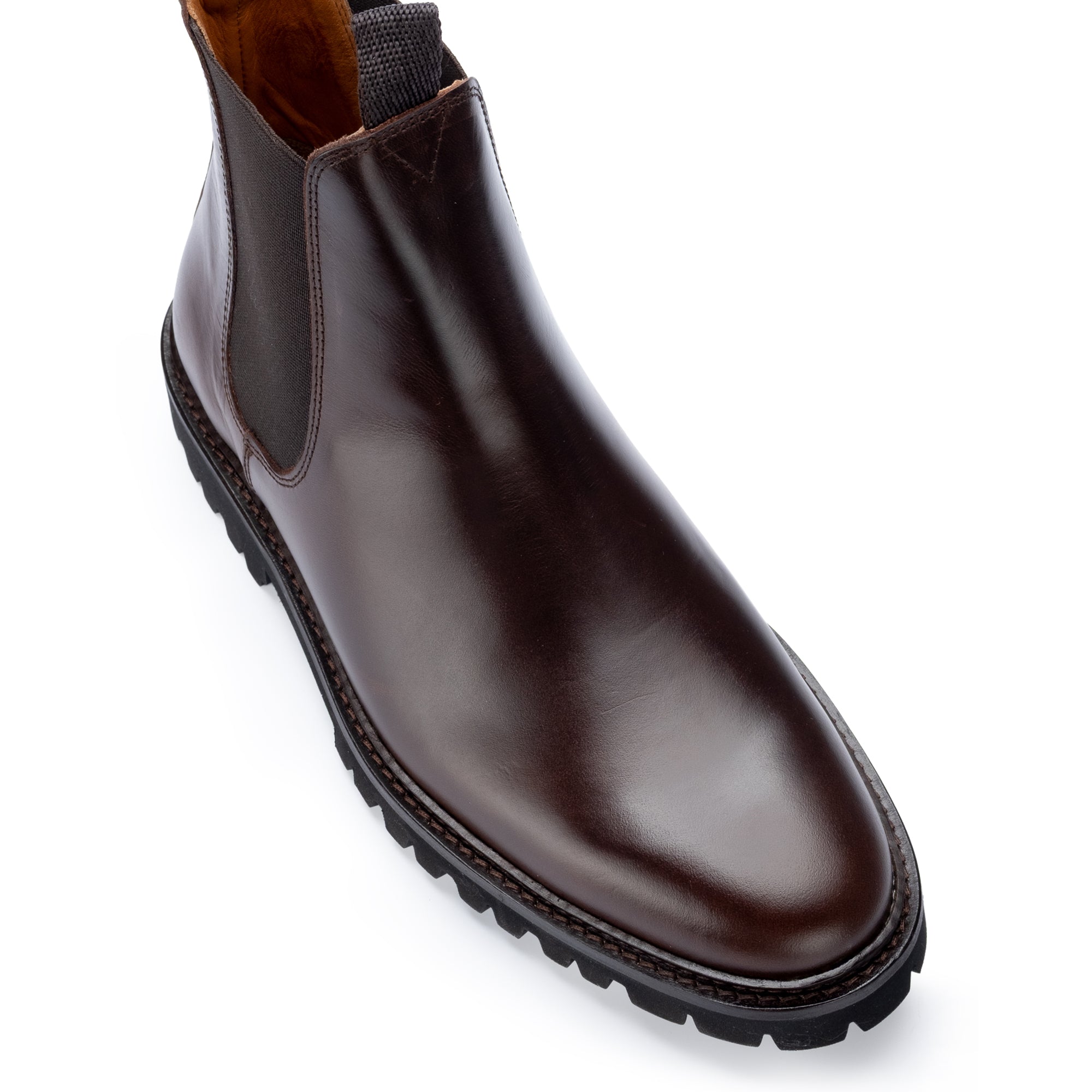
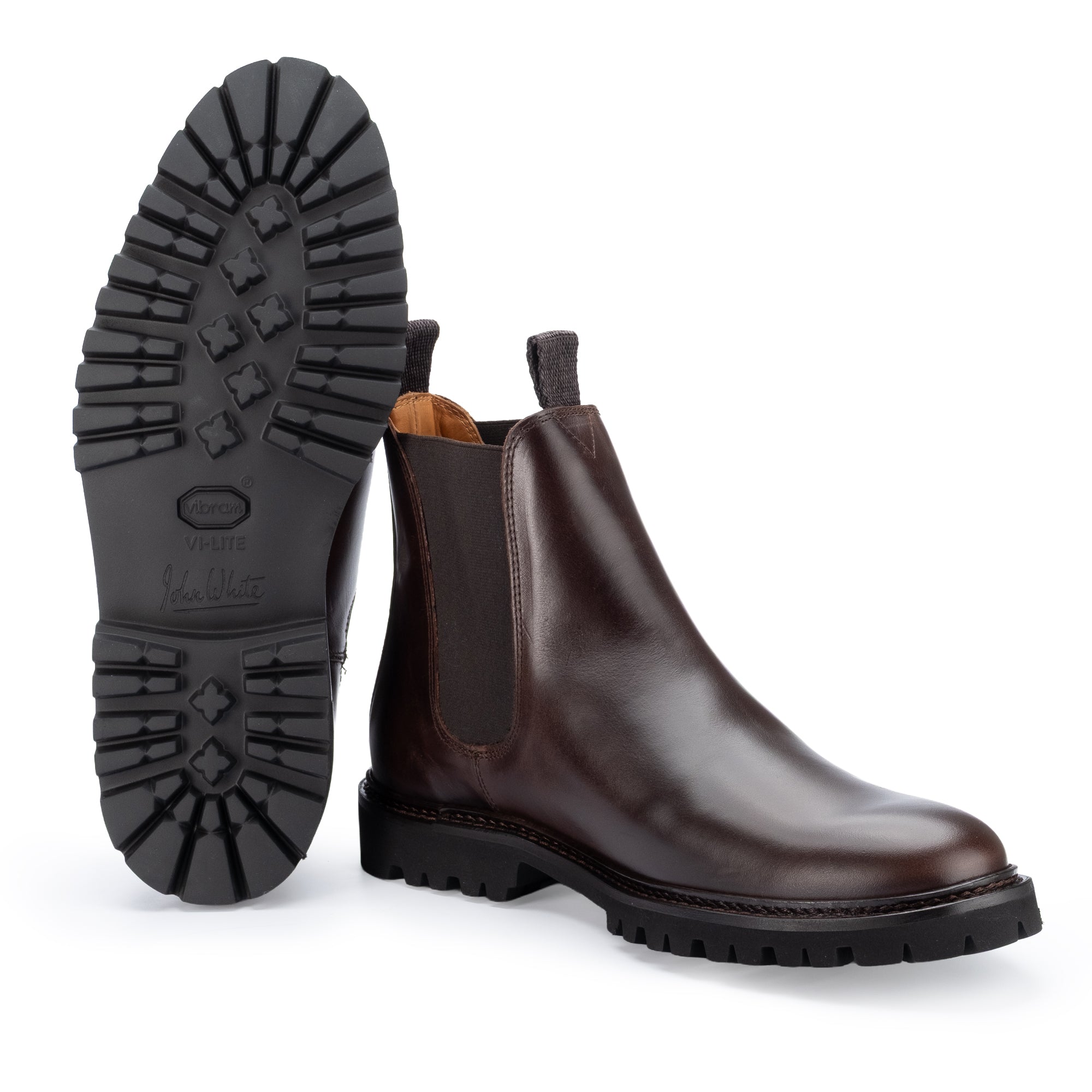
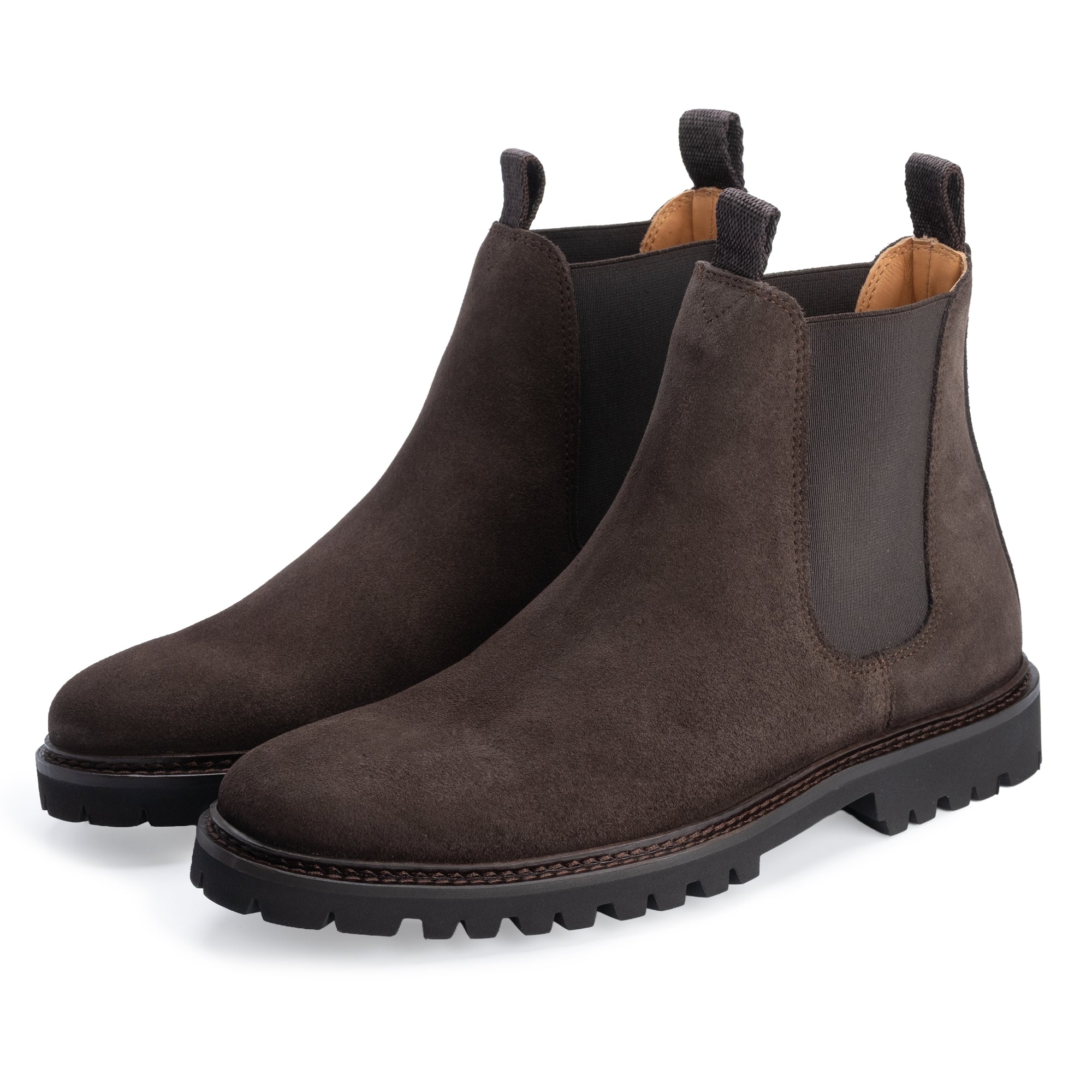
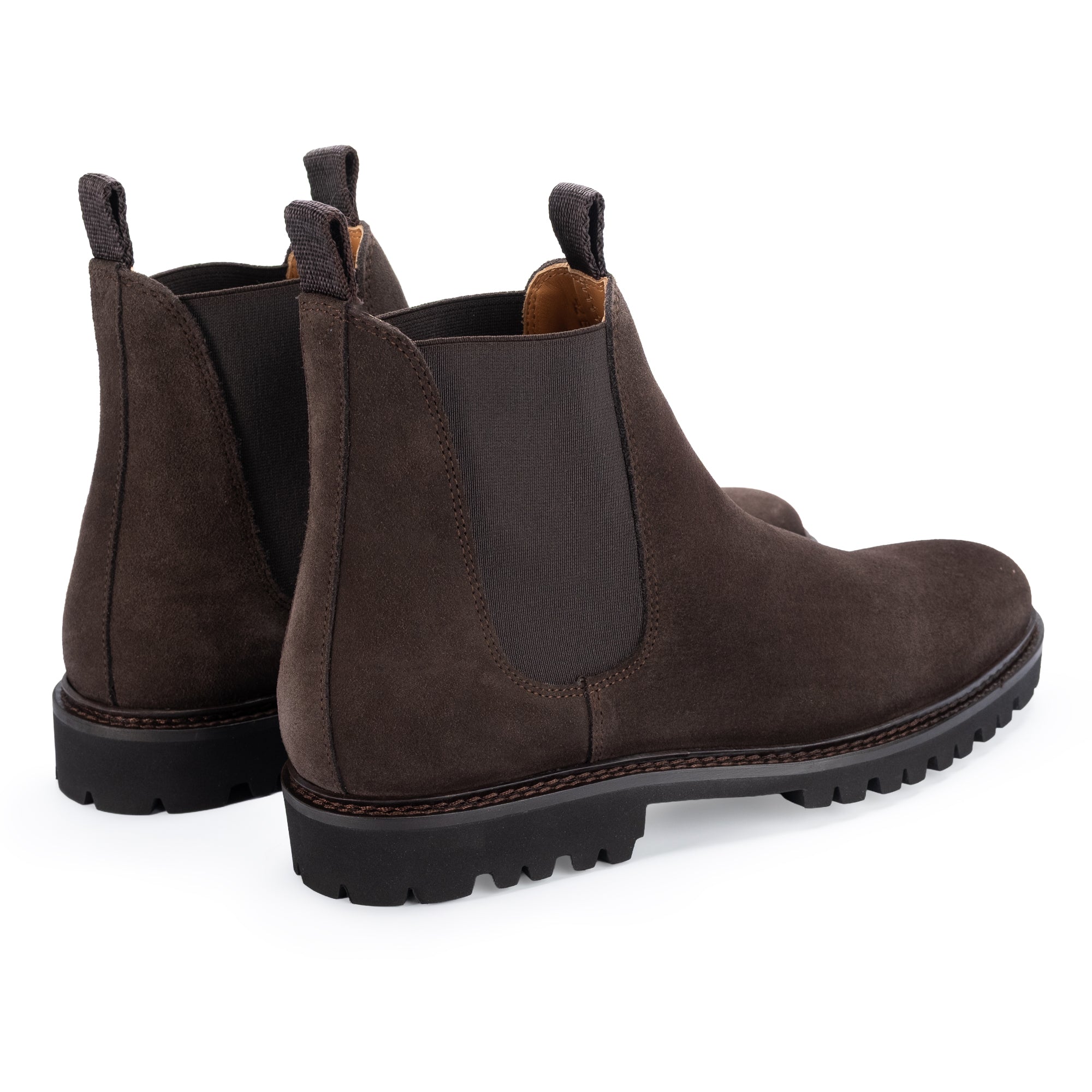
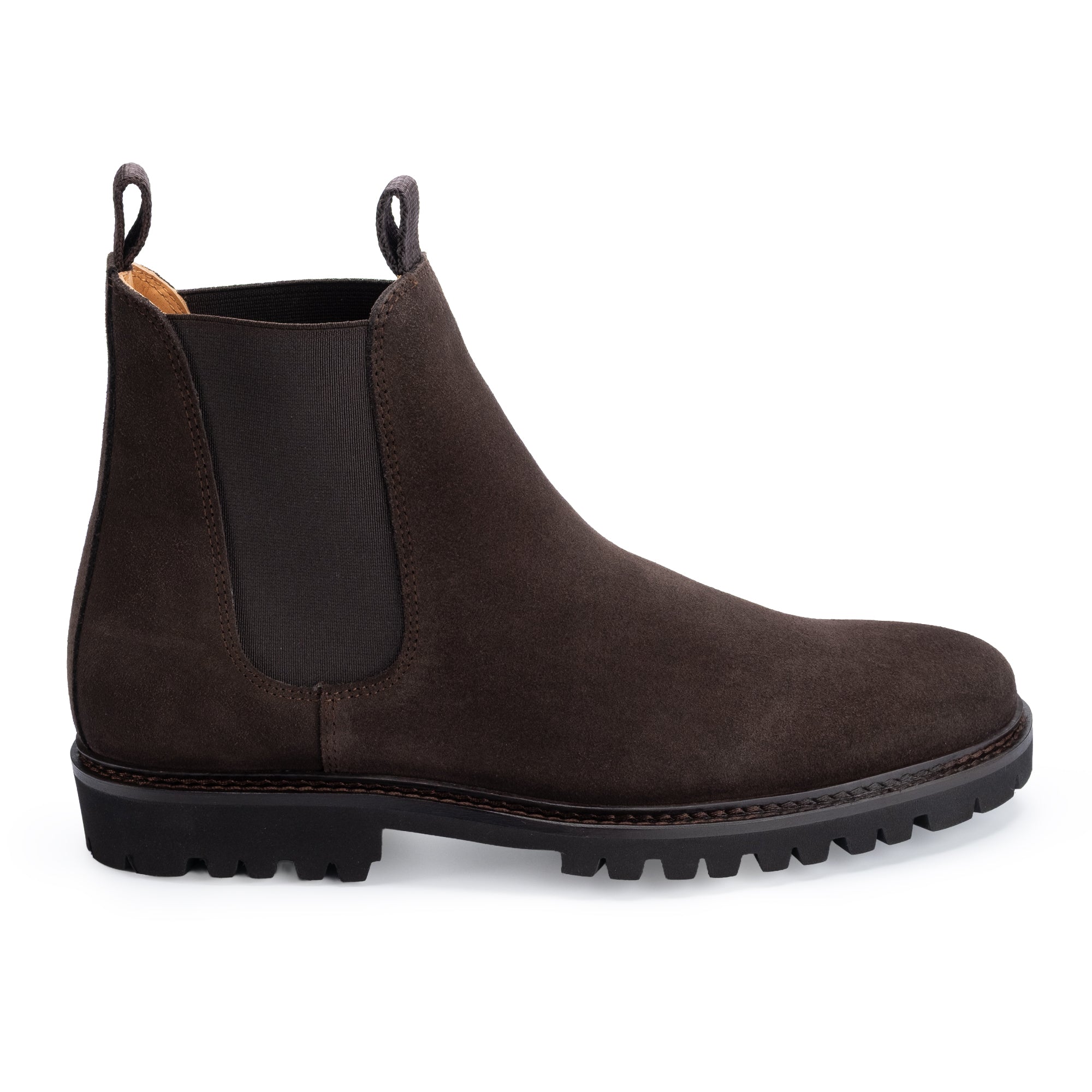
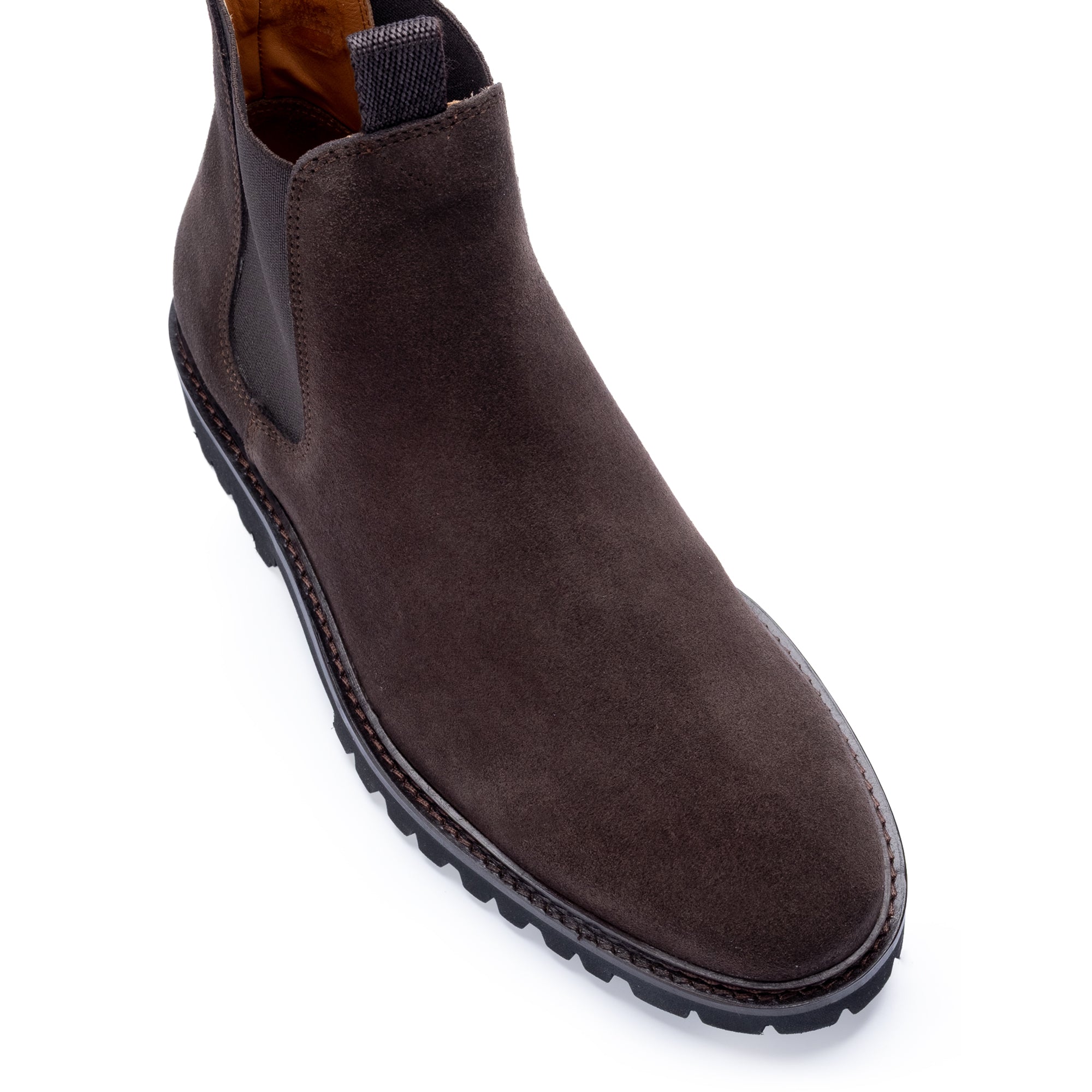
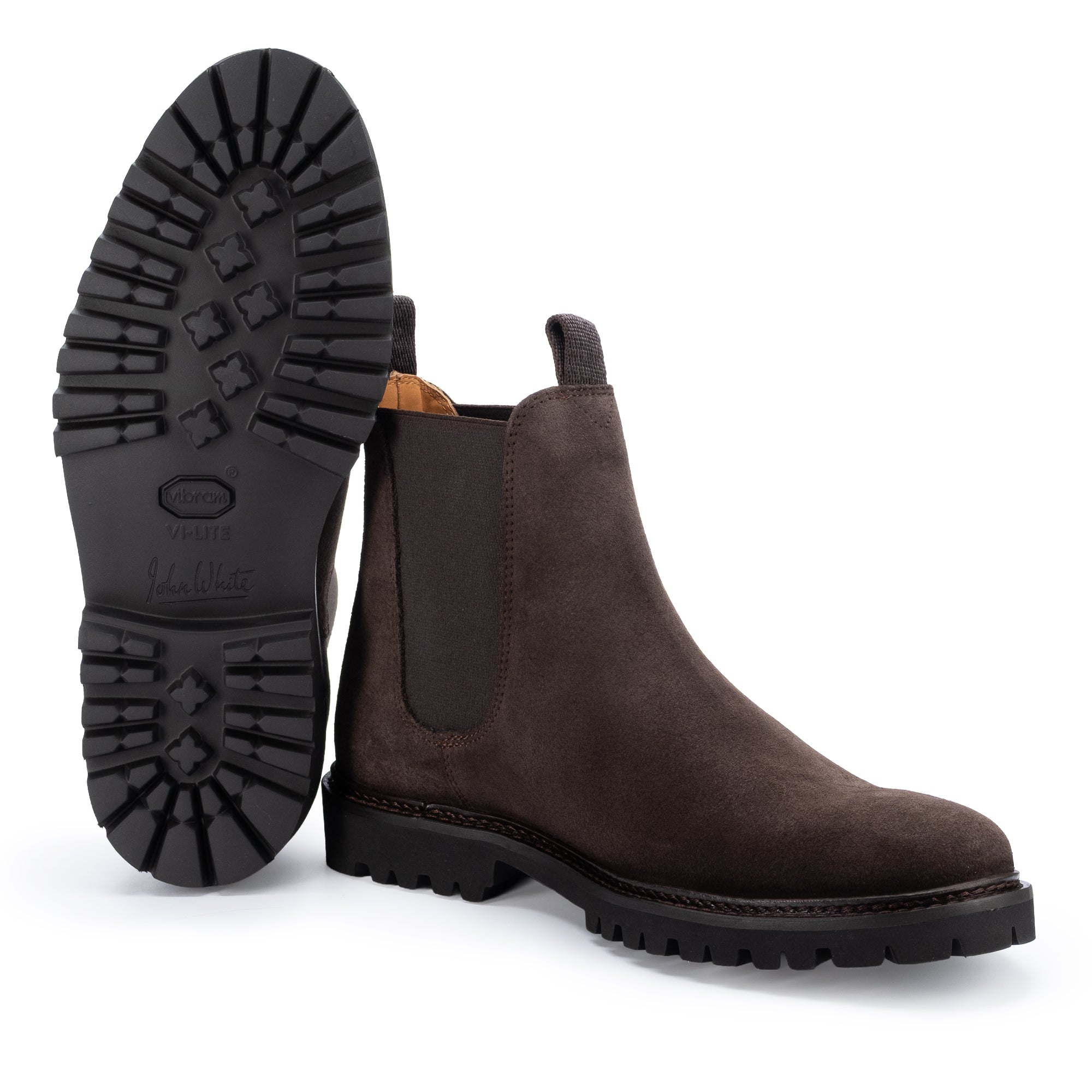
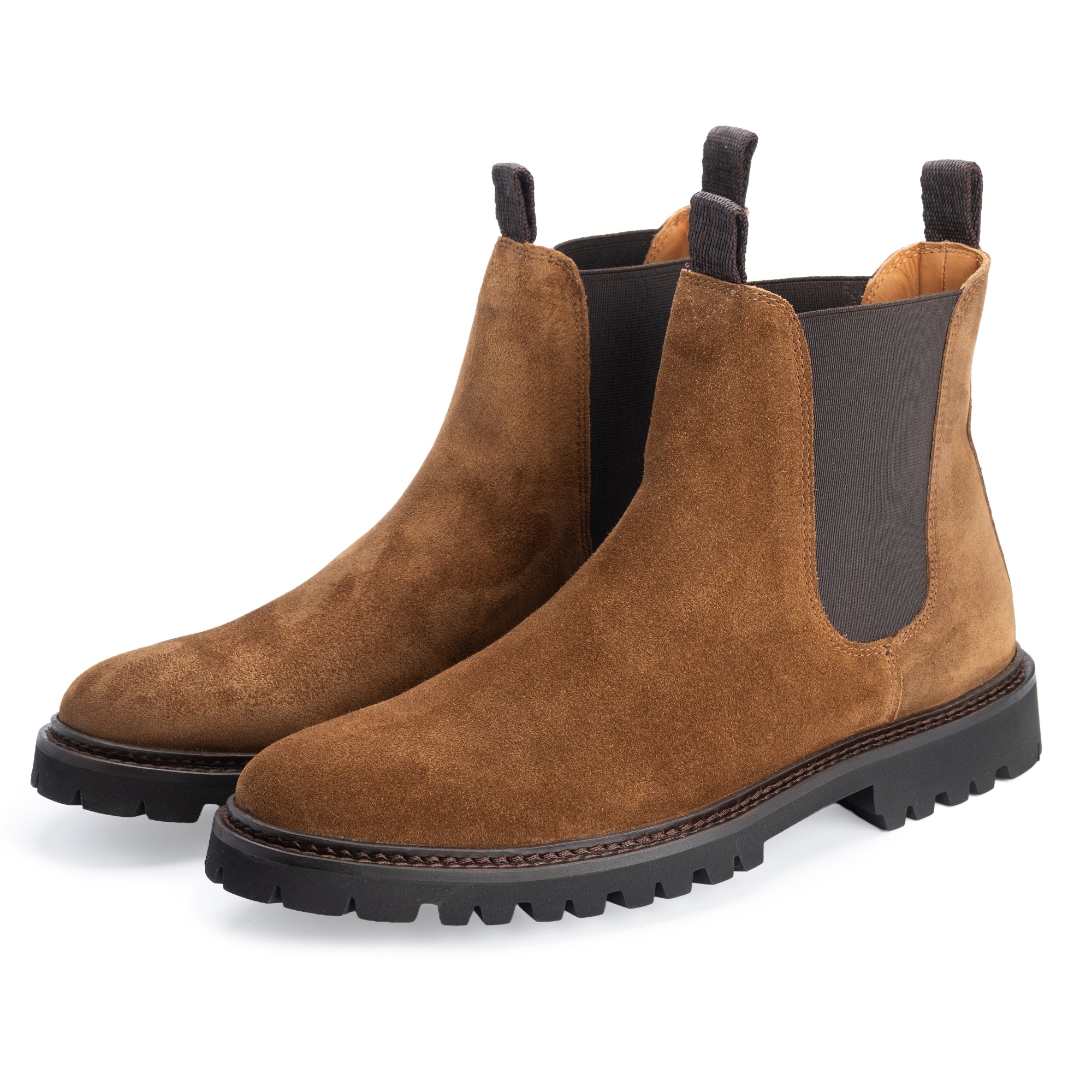
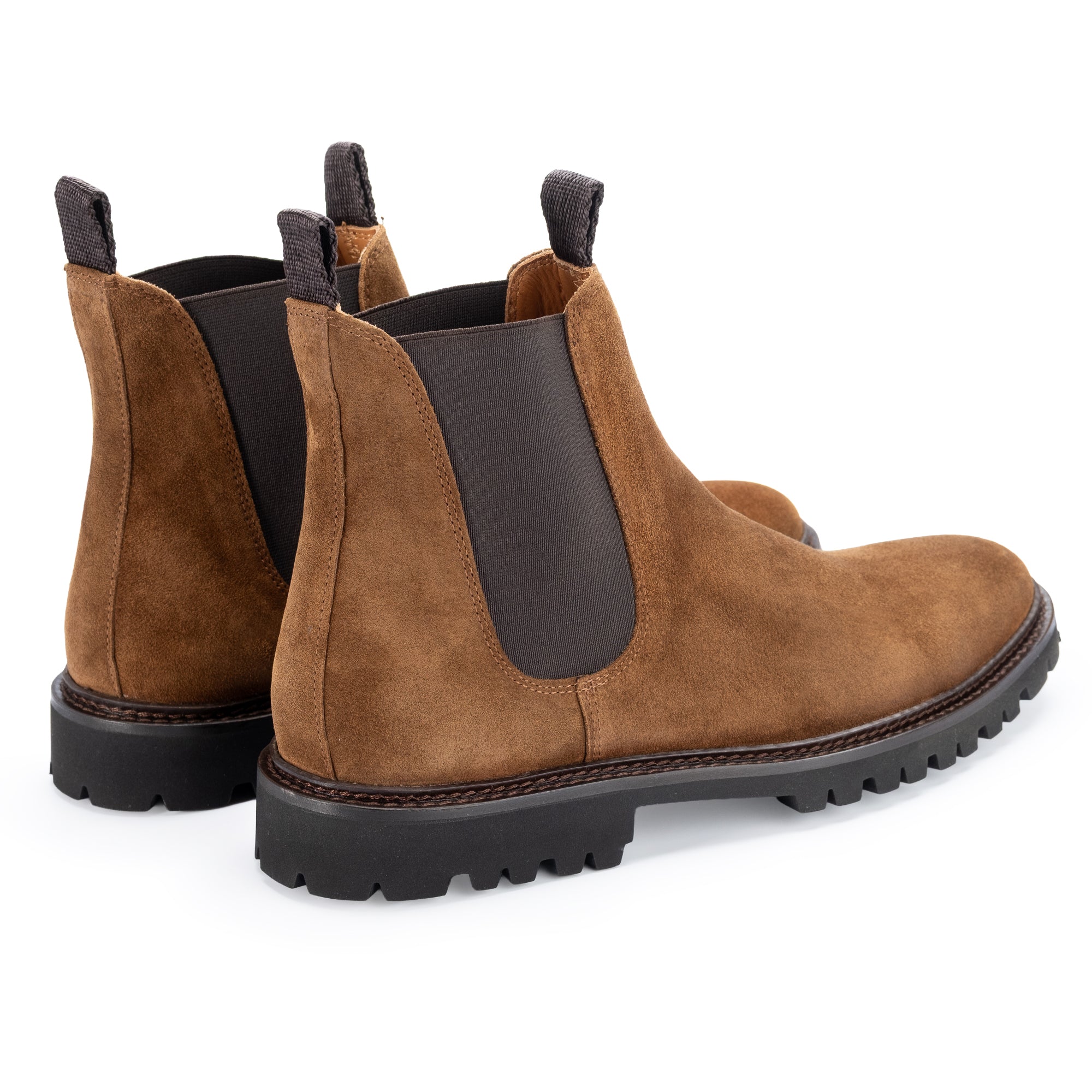
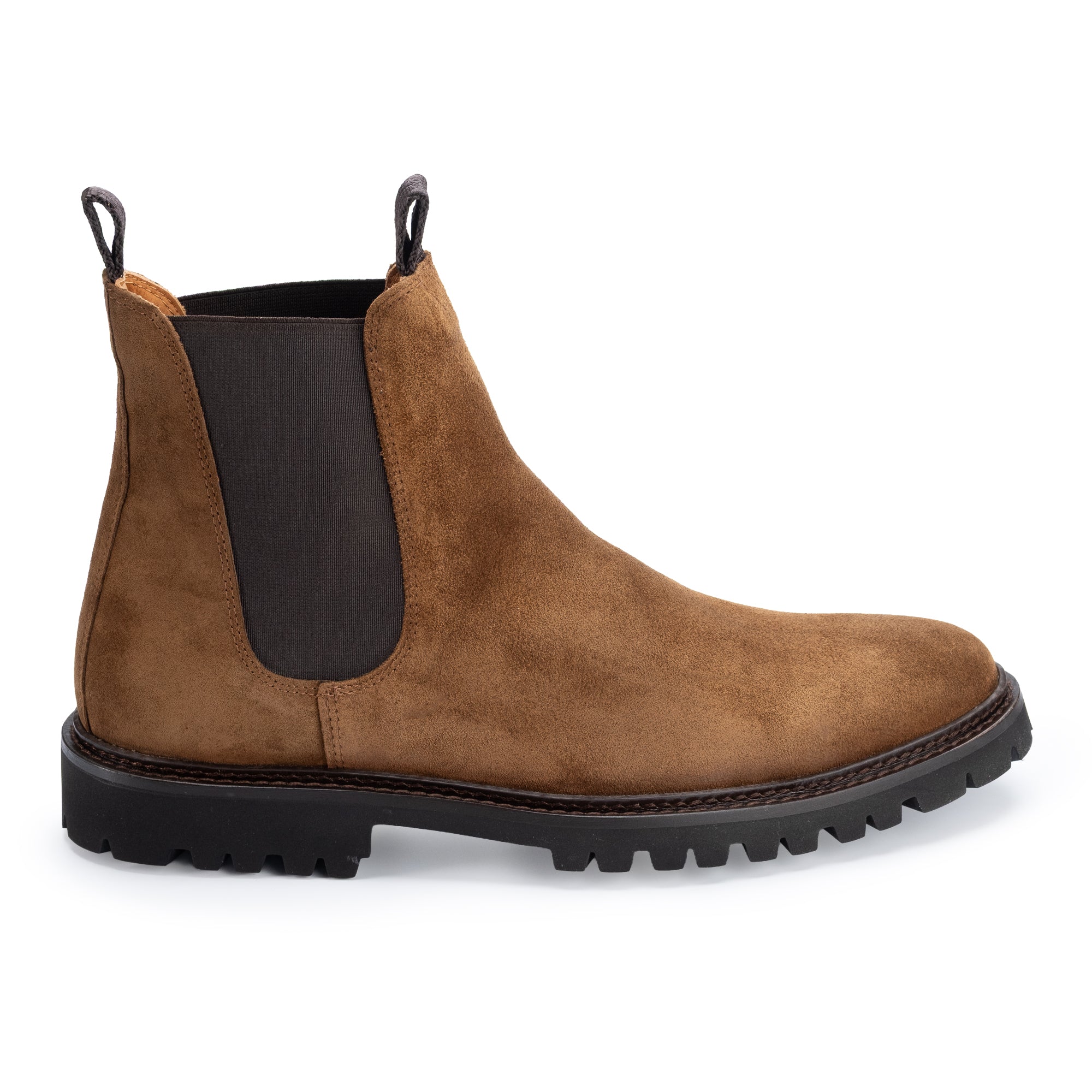
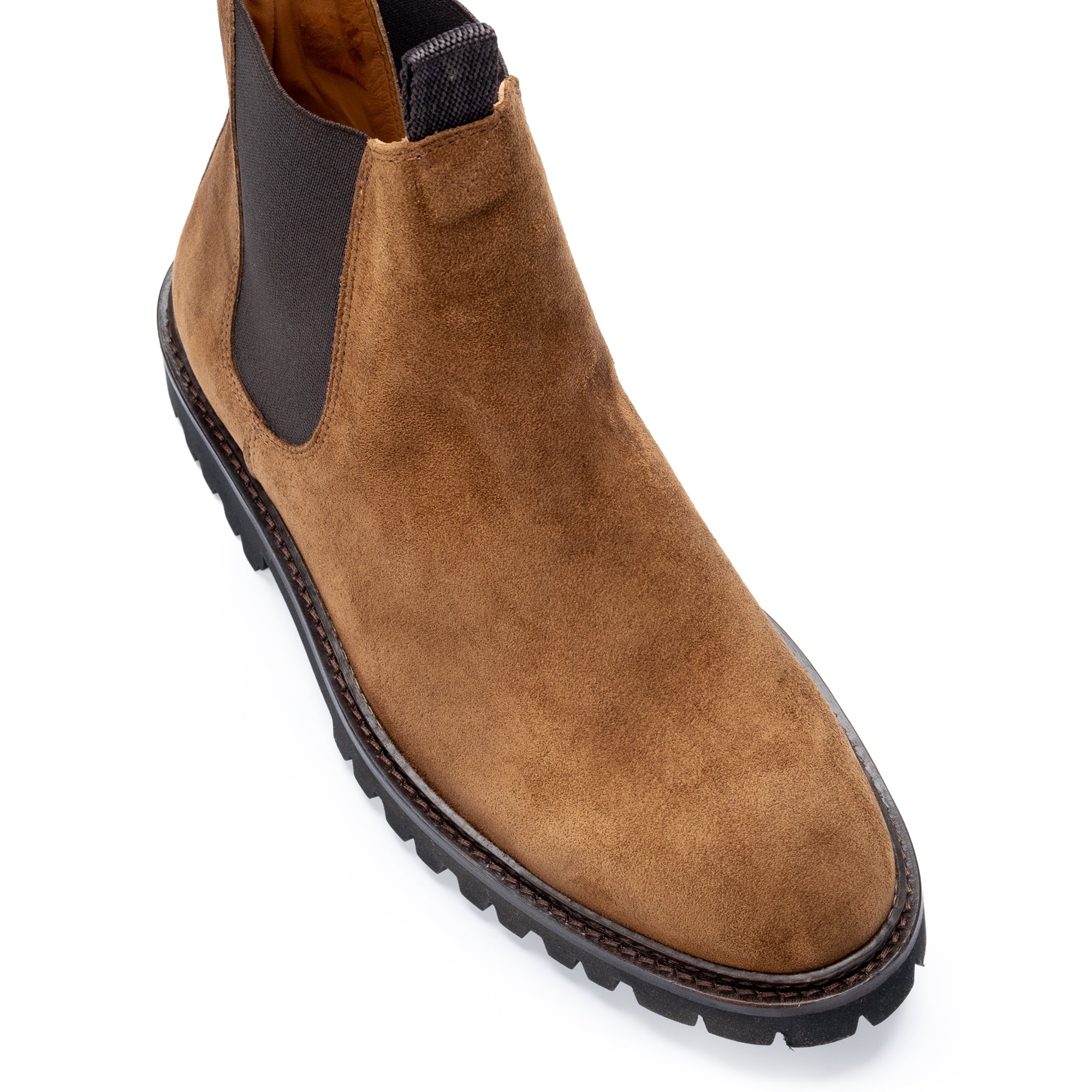
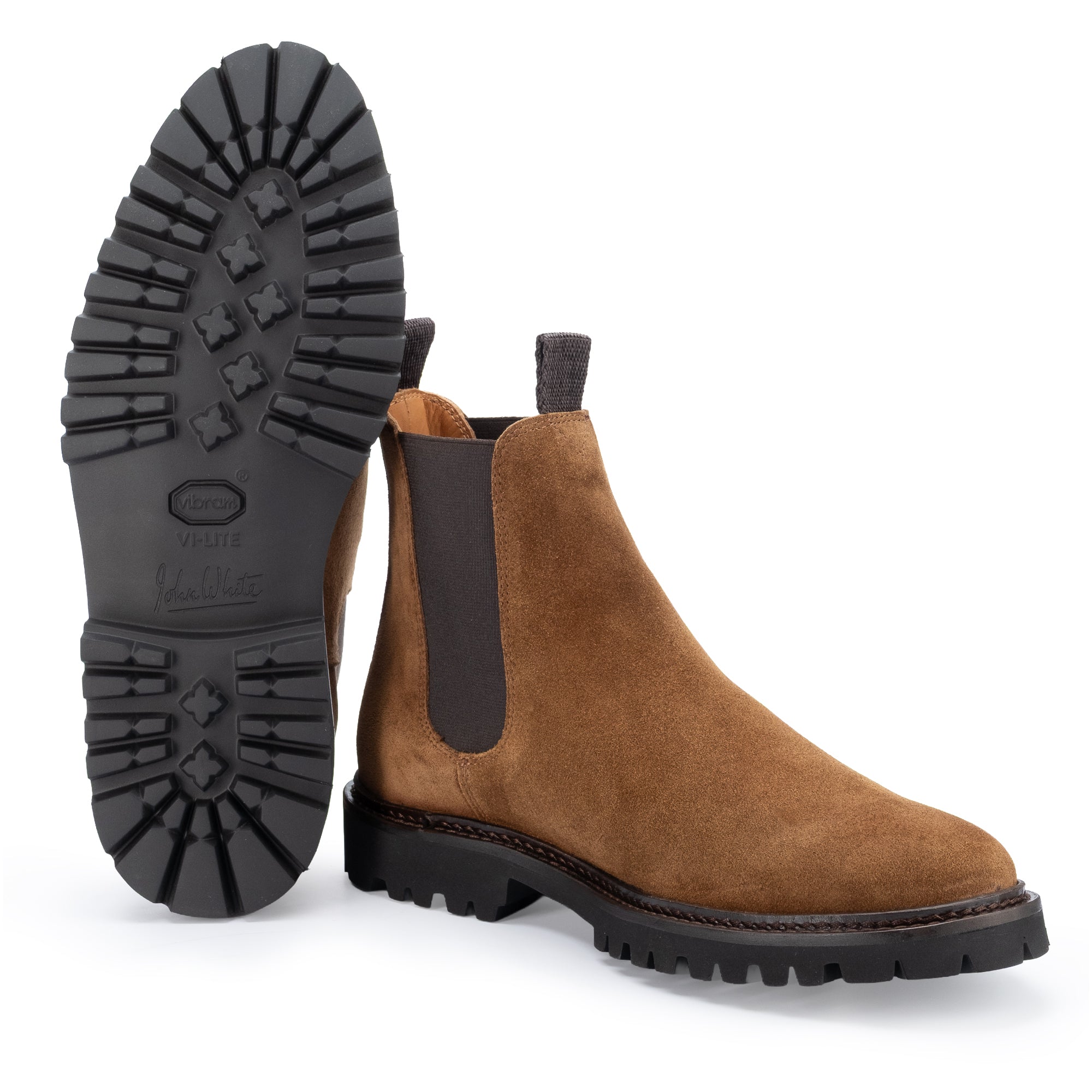
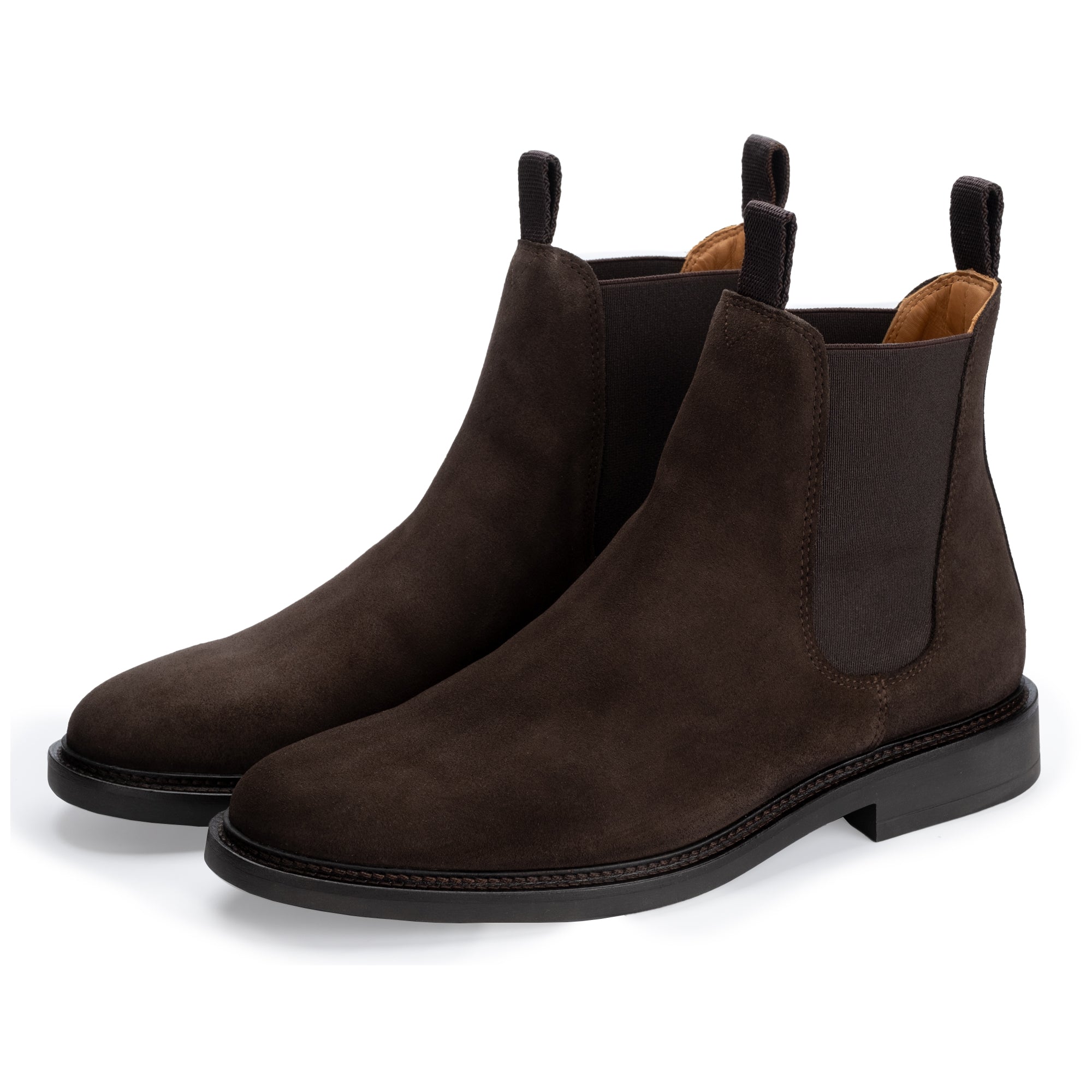
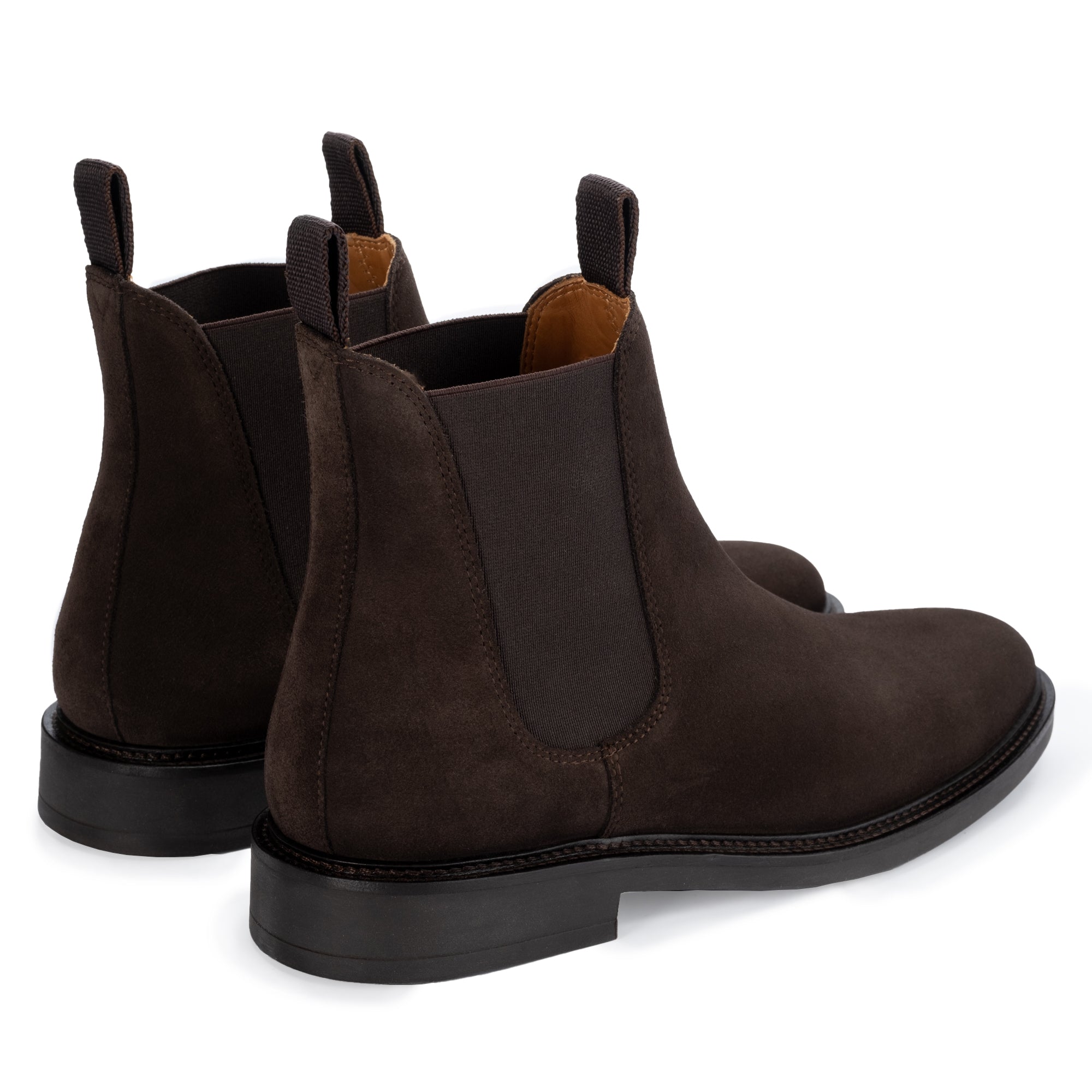
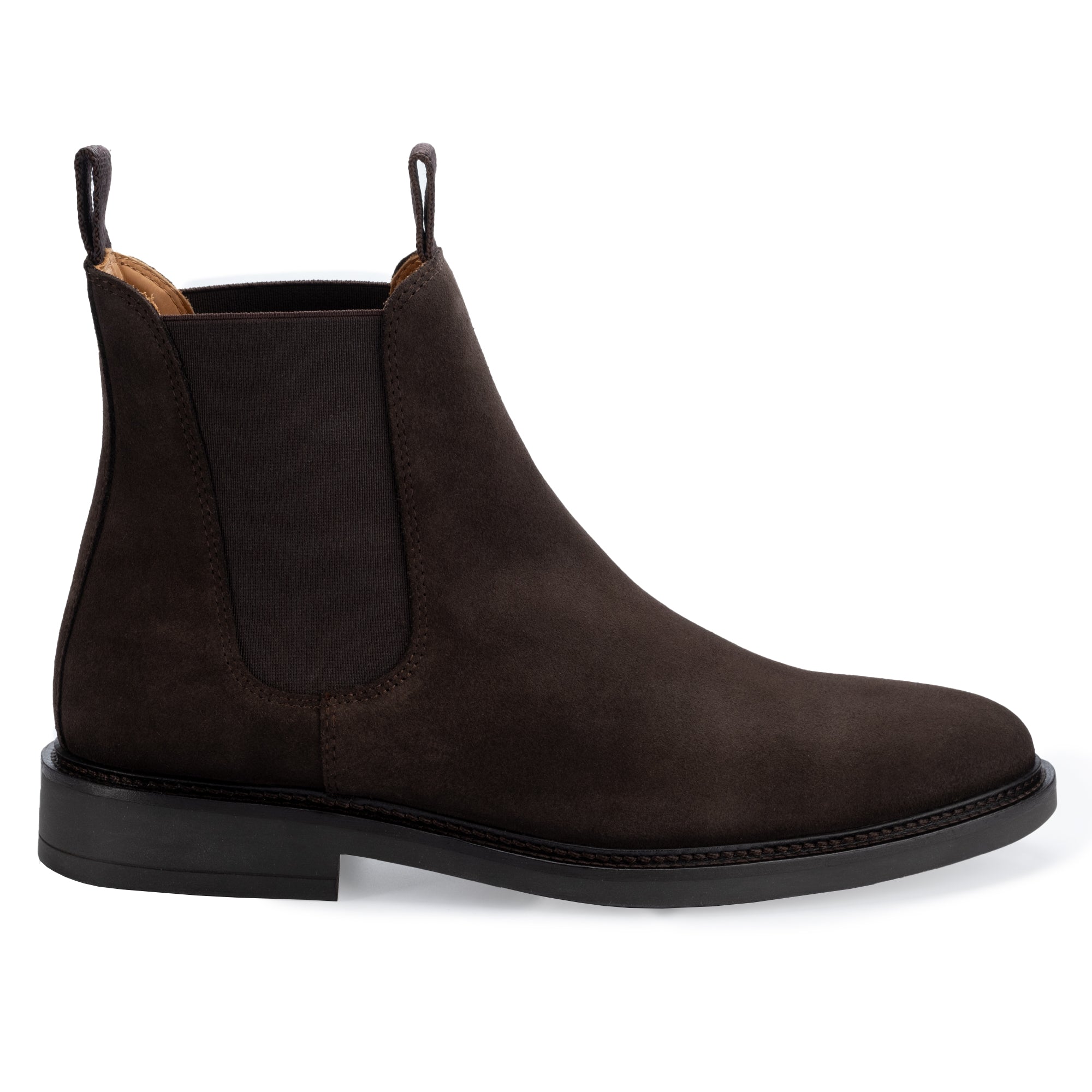
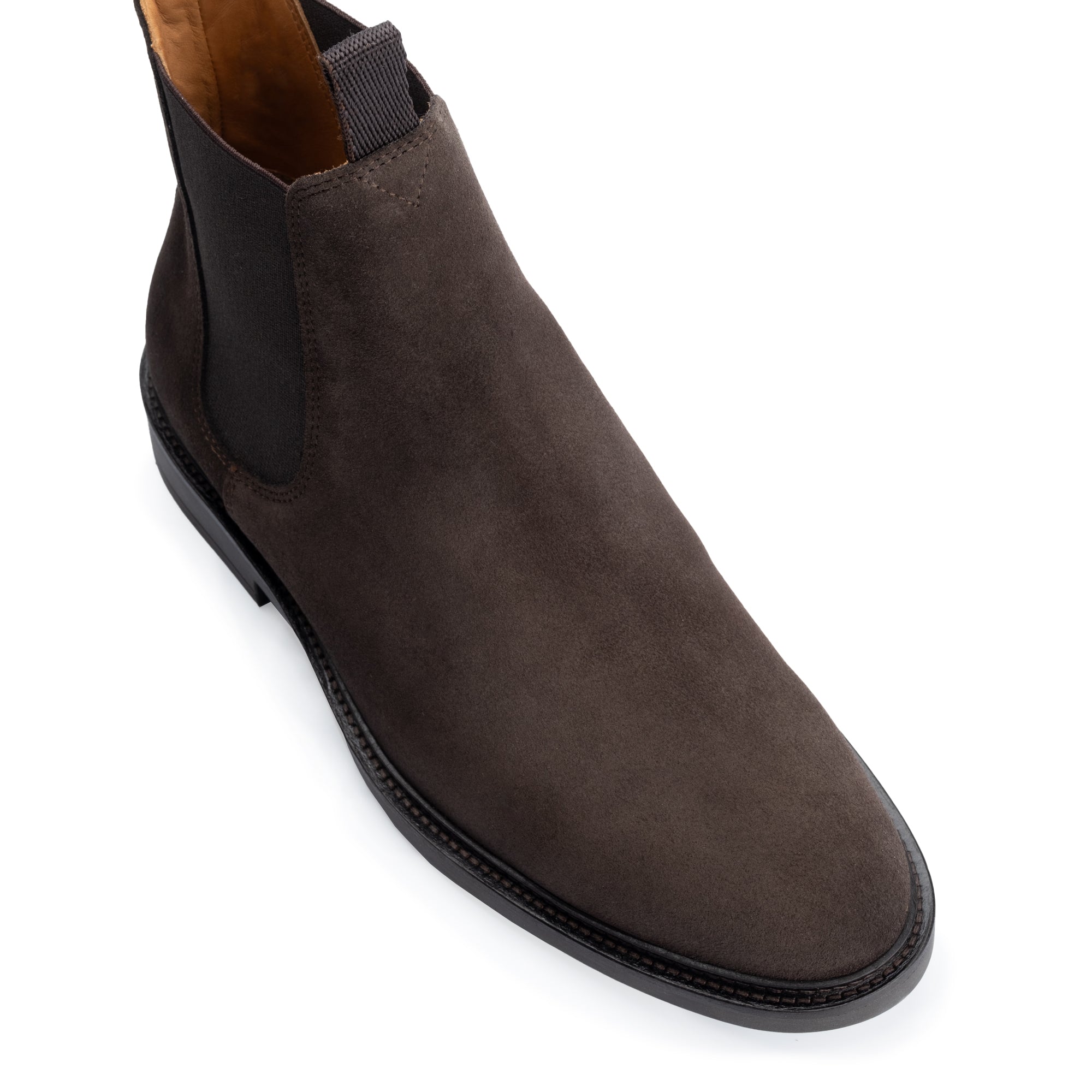
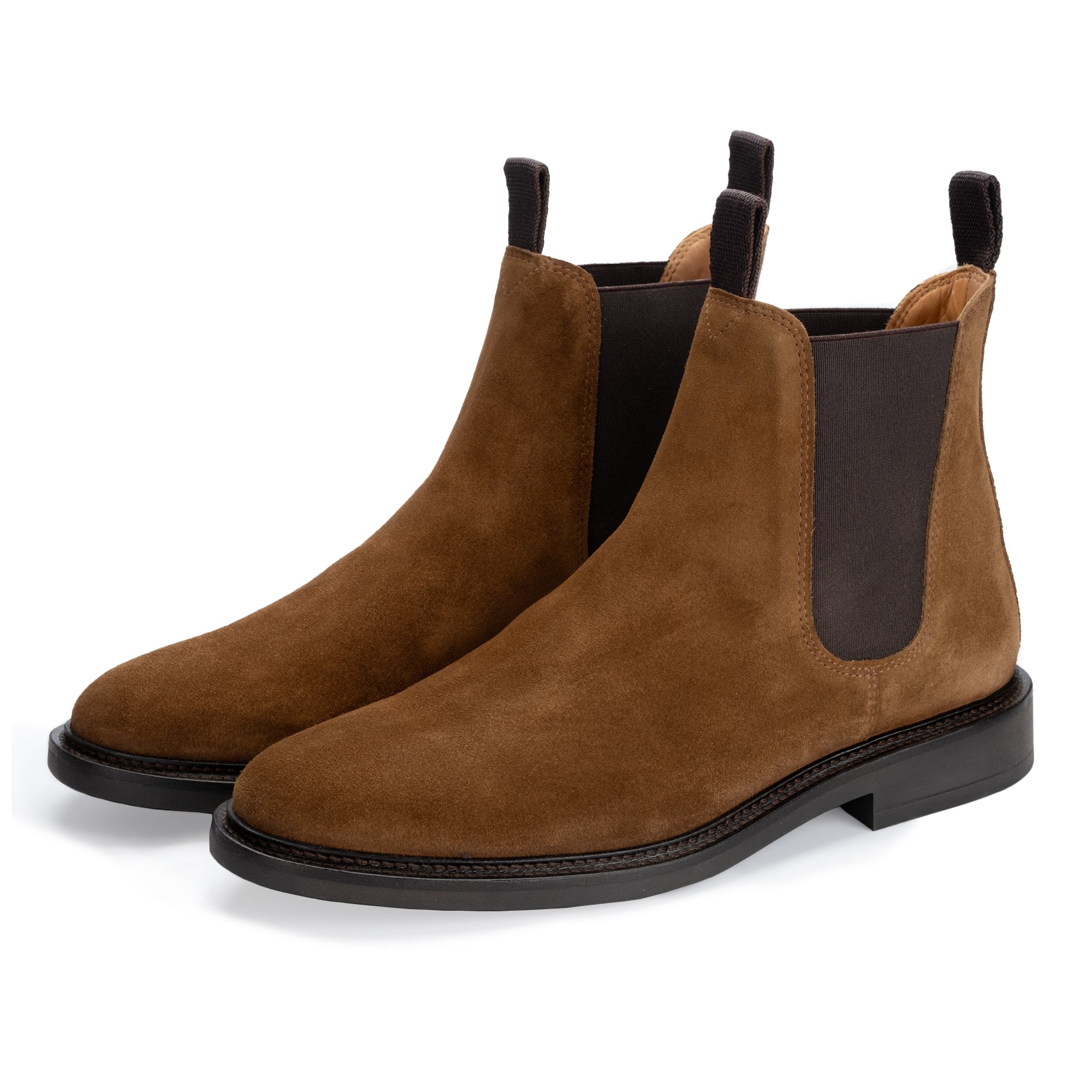
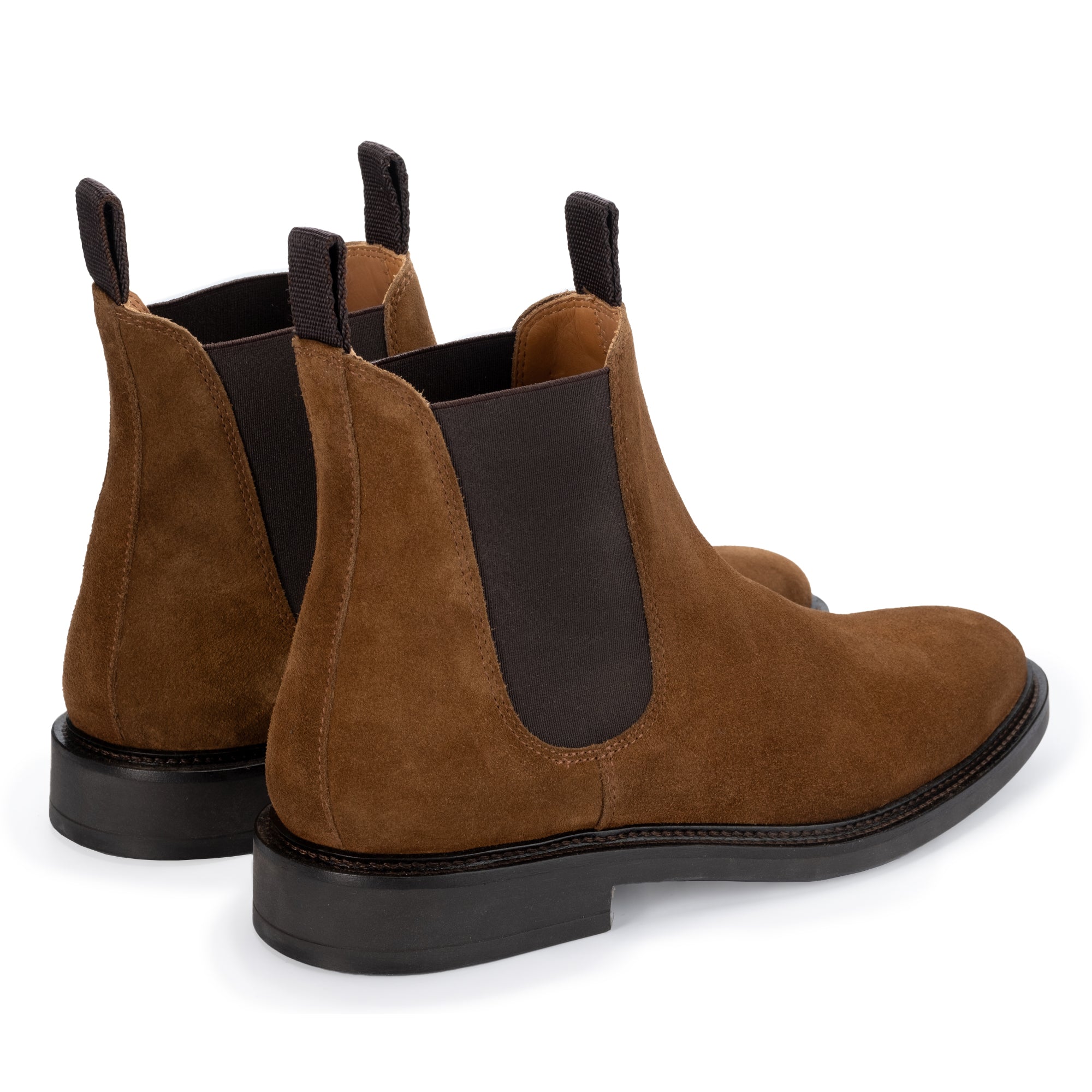
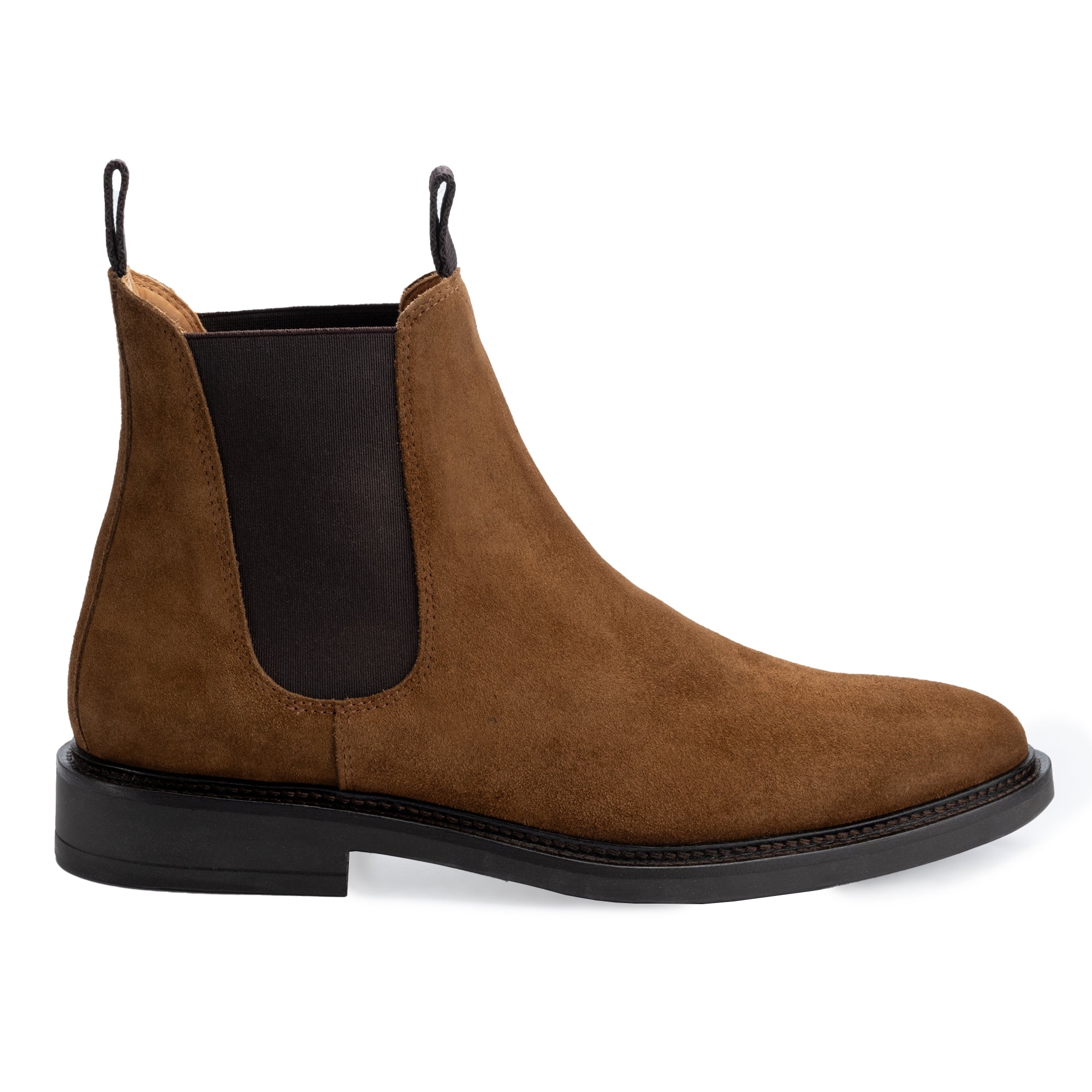
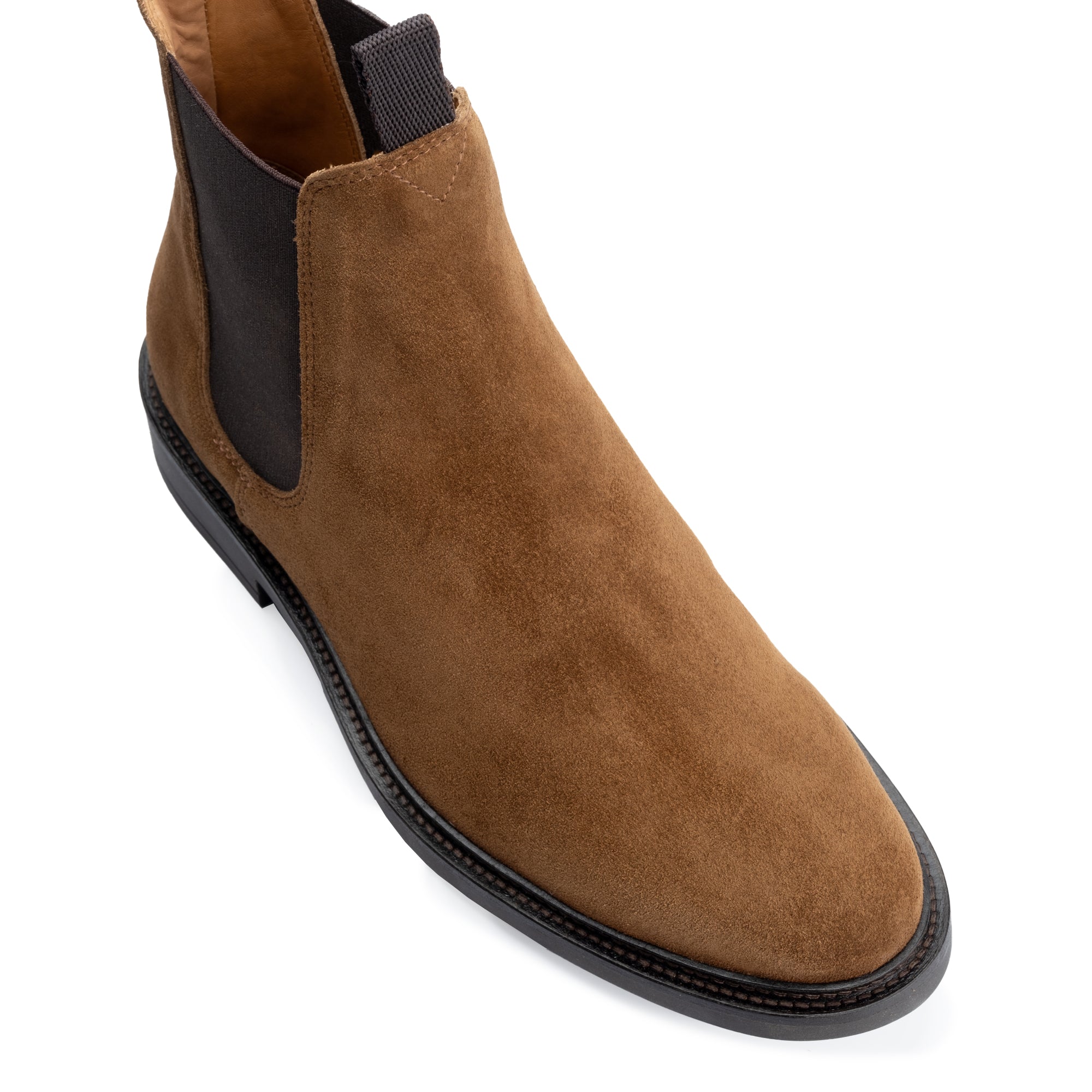
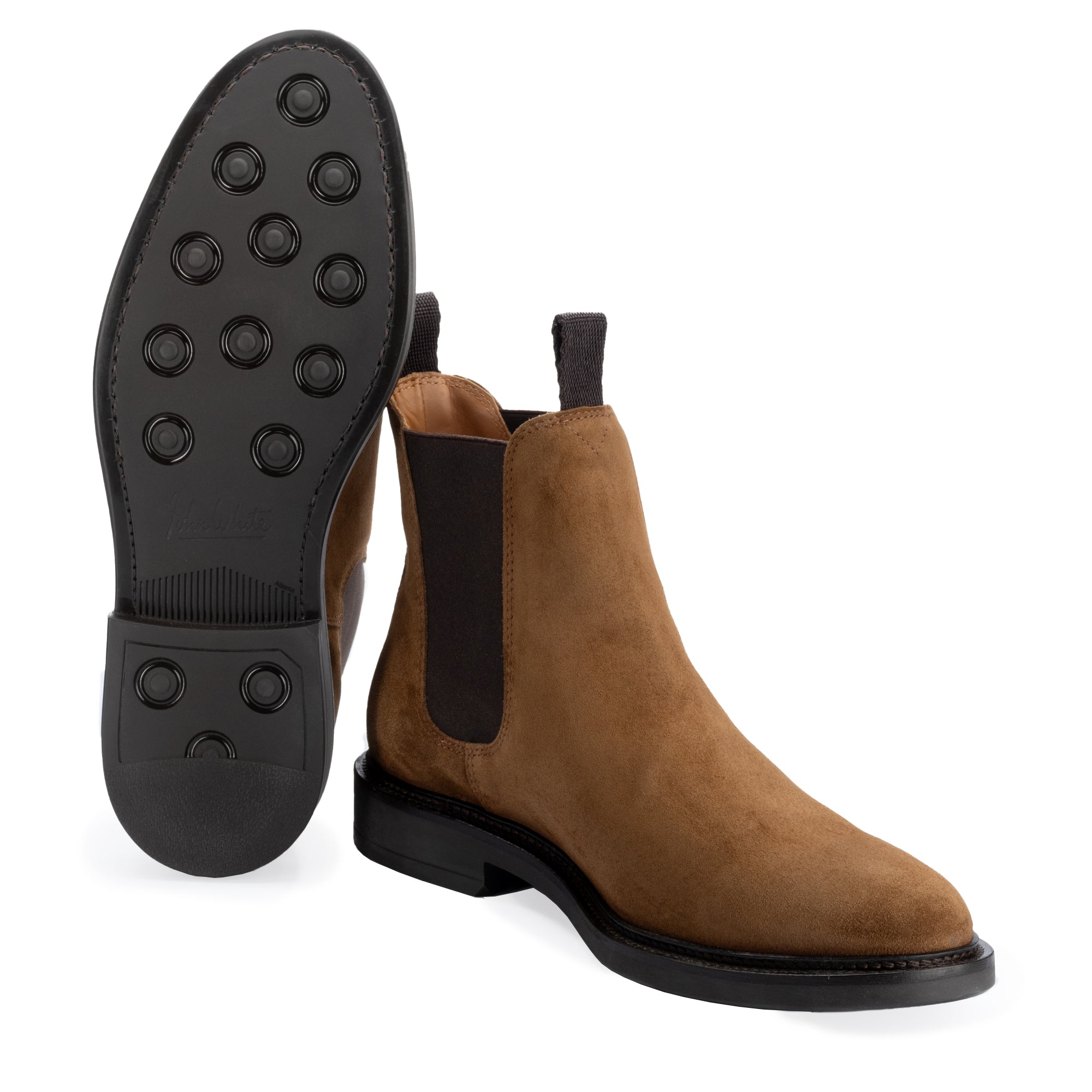
For smart daily rotation, the Hill Chelsea Boot transitions cleanly from a working week to an evening without changing character. Explore the full men's boots collection for styles built to last across regular wear.
Related Guides
- The History of British Shoemaking — our comprehensive guide
- Leather Shoe Care: The Definitive Guide — the definitive resource on conditioning, polishing, and long-term maintenance for quality leather footwear.
TL;DR: Shoe construction — cemented, Goodyear welted, or Blake stitched — affects weight, flexibility, and resoling practicality, but not necessarily long-term durability. For everyday office wear, cemented construction offers real advantages in comfort and profile from day one. Leather care, sole protection, and rotation matter more than construction method for lasting performance. John White Shoes, British Heritage Footwear established 1919, offers a contemporary cemented range designed for the realities of professional everyday wear.
Frequently Asked Questions
Is cemented construction inferior to Goodyear welted construction?
No. Cemented construction is a different approach, not a lesser one. Modern high-strength adhesive bonding produces shoes that are lighter, more flexible, and immediately comfortable from first wear. Goodyear welted construction offers practical advantages for repeated resoling over decades. The right choice depends on how you intend to wear and maintain the shoe — not on which construction method carries more heritage associations.
How long should a quality pair of everyday shoes last?
With proper rotation, leather conditioning every six to eight weeks, and rubber sole protection fitted early, a quality pair should give seven to ten years of regular professional use. The Leather Conservation Centre identifies upper failure — caused by drying and cracking — as the most common cause of premature retirement, not sole wear or construction method.
Can cemented shoes be resoled?
Yes, in most cases. A specialist cobbler can remove and replace a cemented sole using contemporary bonding techniques. Whether it's economical depends on the shoe's original price and the repair cost. For quality footwear bought at a considered price point, a single resole combined with consistent upper care significantly extends useful life.
What construction do John White Shoes use?
John White Shoes designs and sources a contemporary cemented range — a construction method that delivers a clean profile, lighter weight, and immediate everyday comfort. The brand has been curating quality men's footwear since 1919, drawing on more than a century of Northamptonshire shoemaking heritage.
Explore the men's shoes collection or browse men's boots to find a style built for the way you actually wear them.