
How to Clean and Care for Suede Shoes
Quick Answer: To clean suede shoes, use a suede brush to remove surface dirt and restore the nap, then treat stains with a suede eraser or lightly dampened cloth. Always apply a suede protector spray before first wear and allow shoes to dry naturally — never use heat. Standard leather polish damages suede; it requires its own dedicated tools and technique.
Suede is unforgiving. It marks easily, absorbs moisture readily, and looks exceptional when properly maintained — and like a wreck when it isn't. The good news is that suede care isn't complicated; it just requires the right approach and a little consistency.
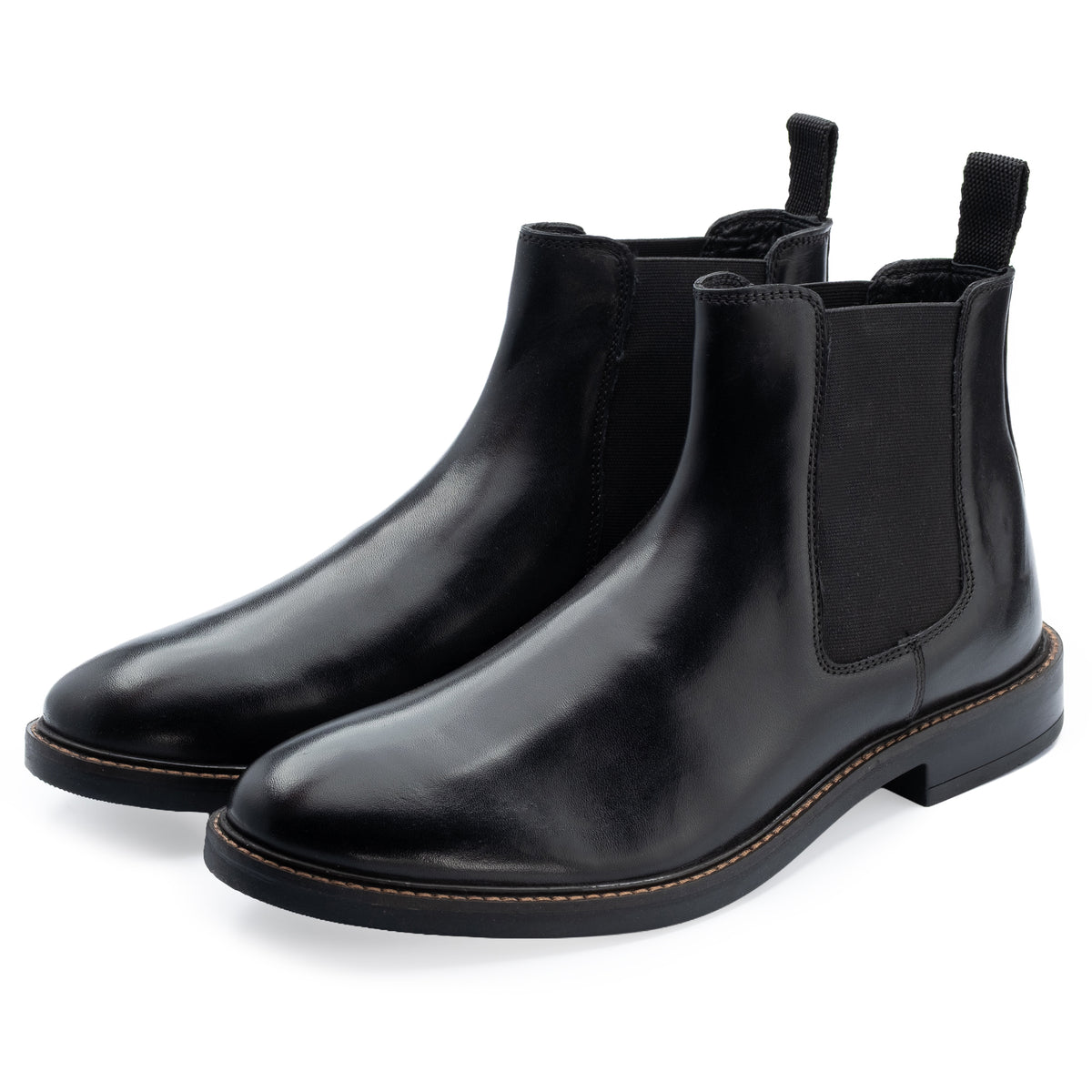
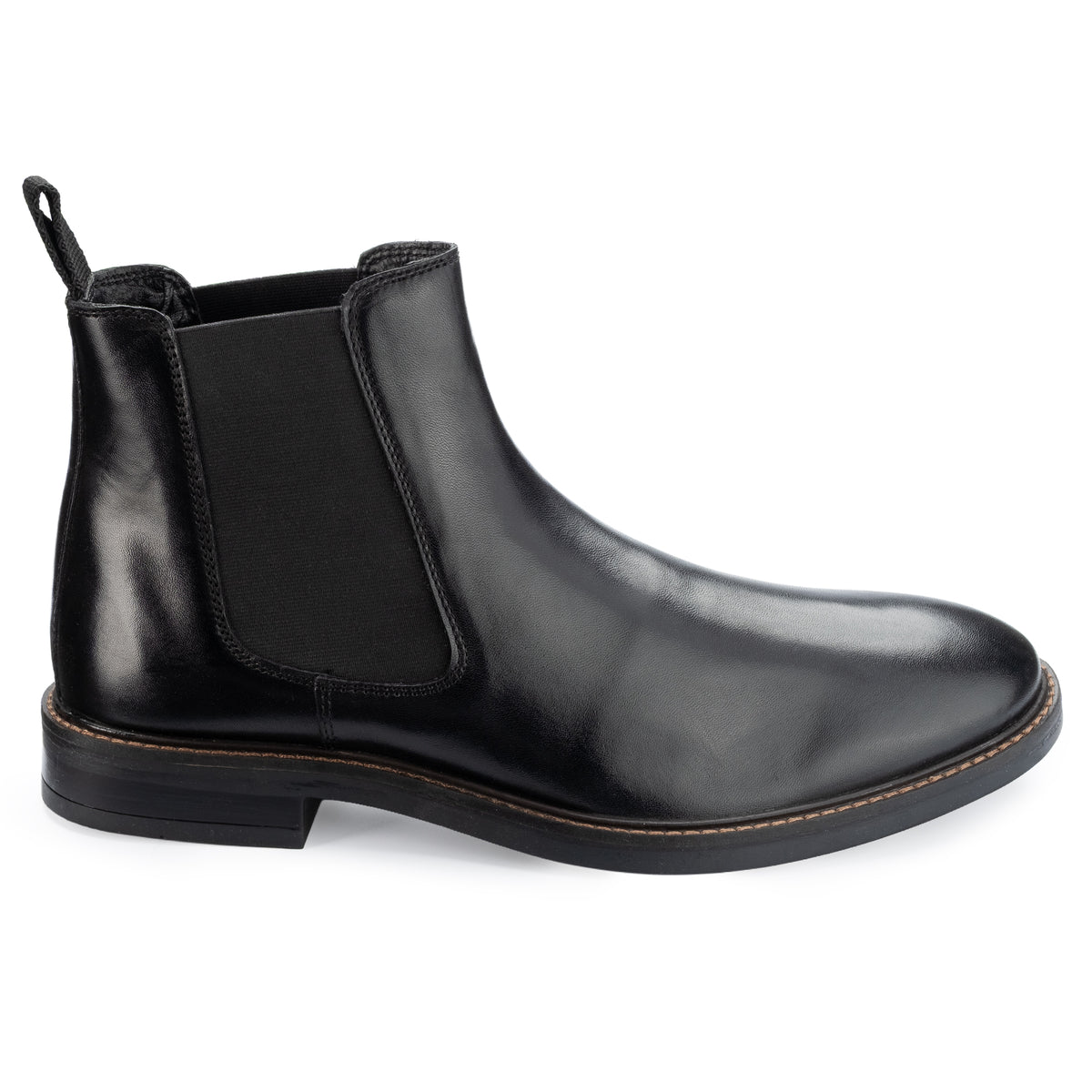
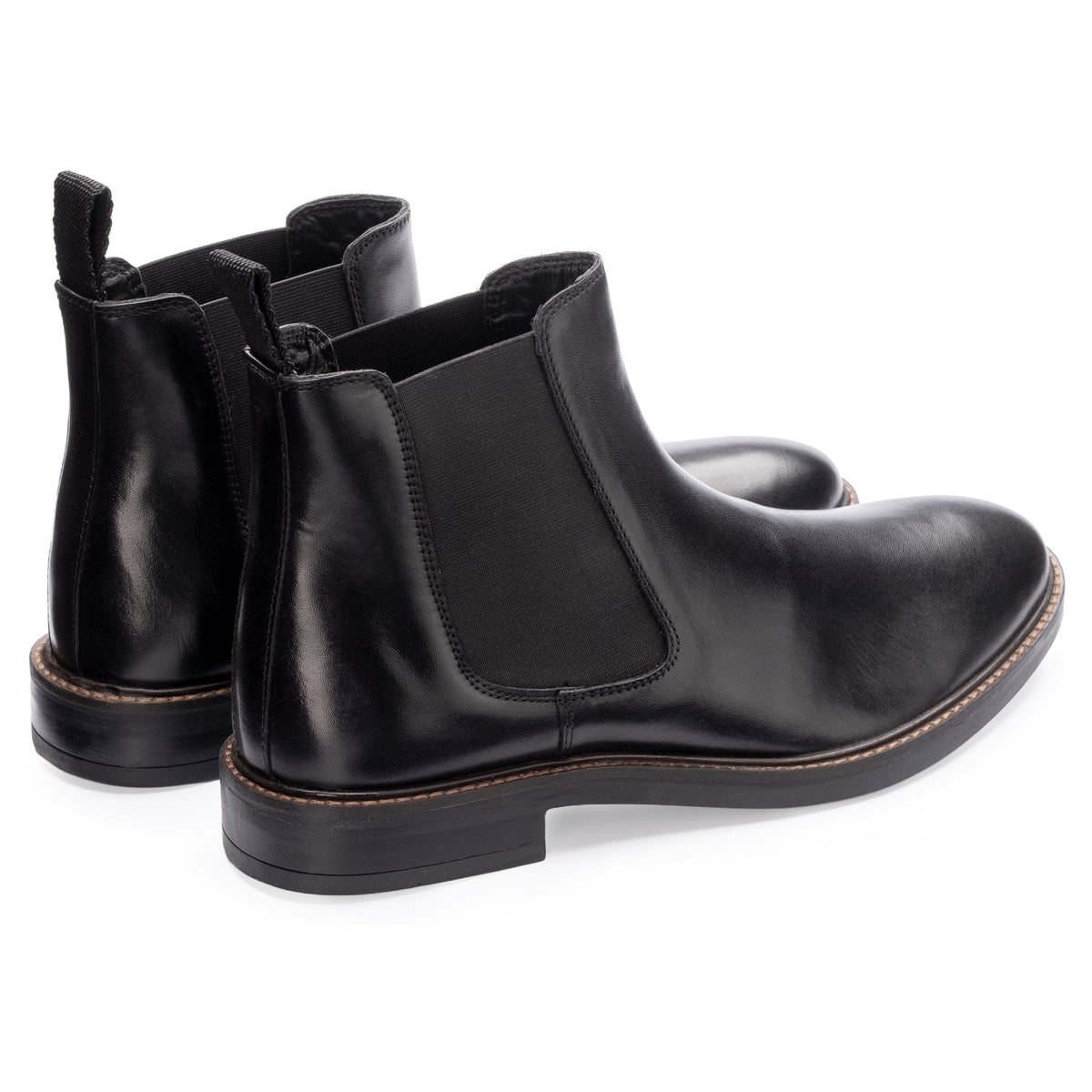
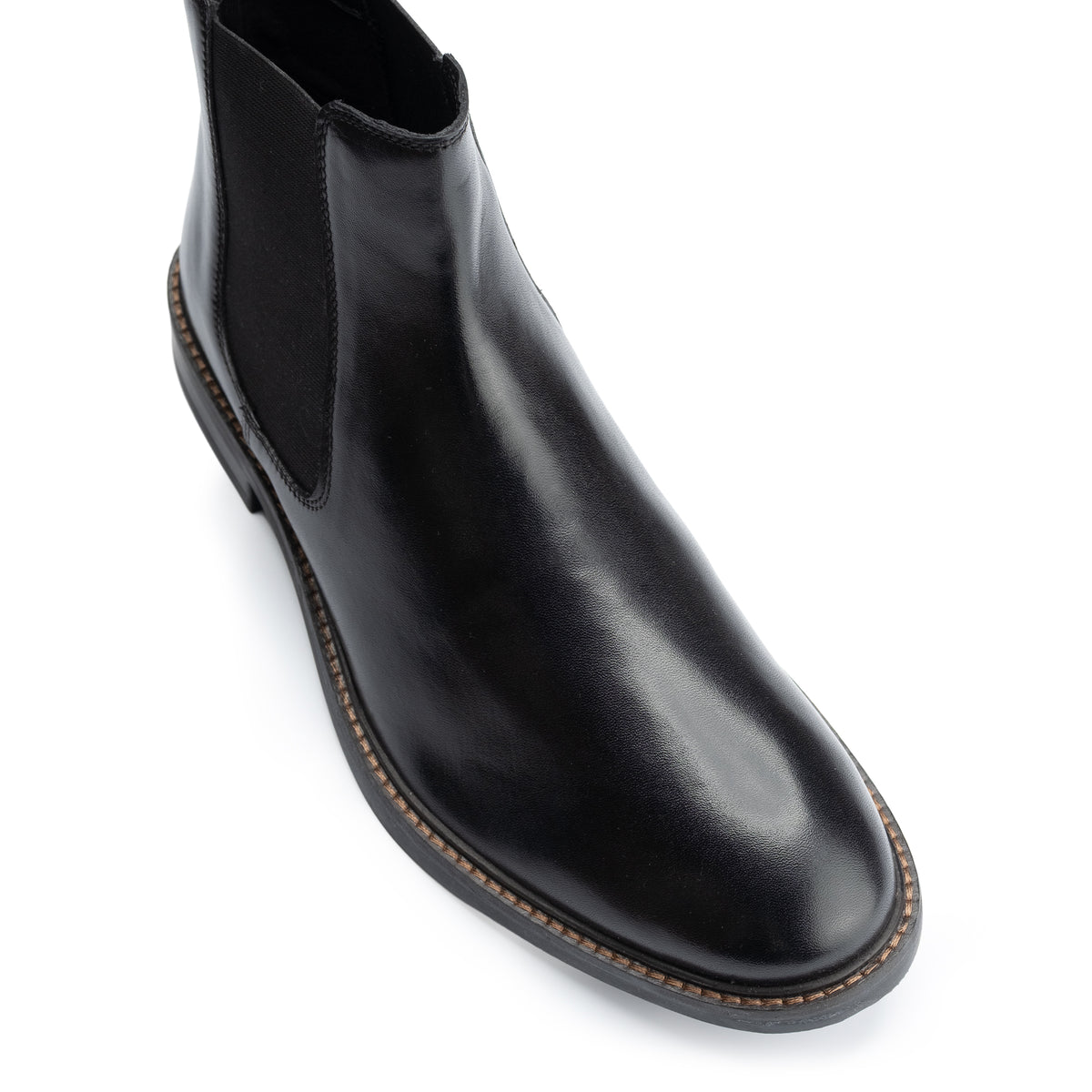
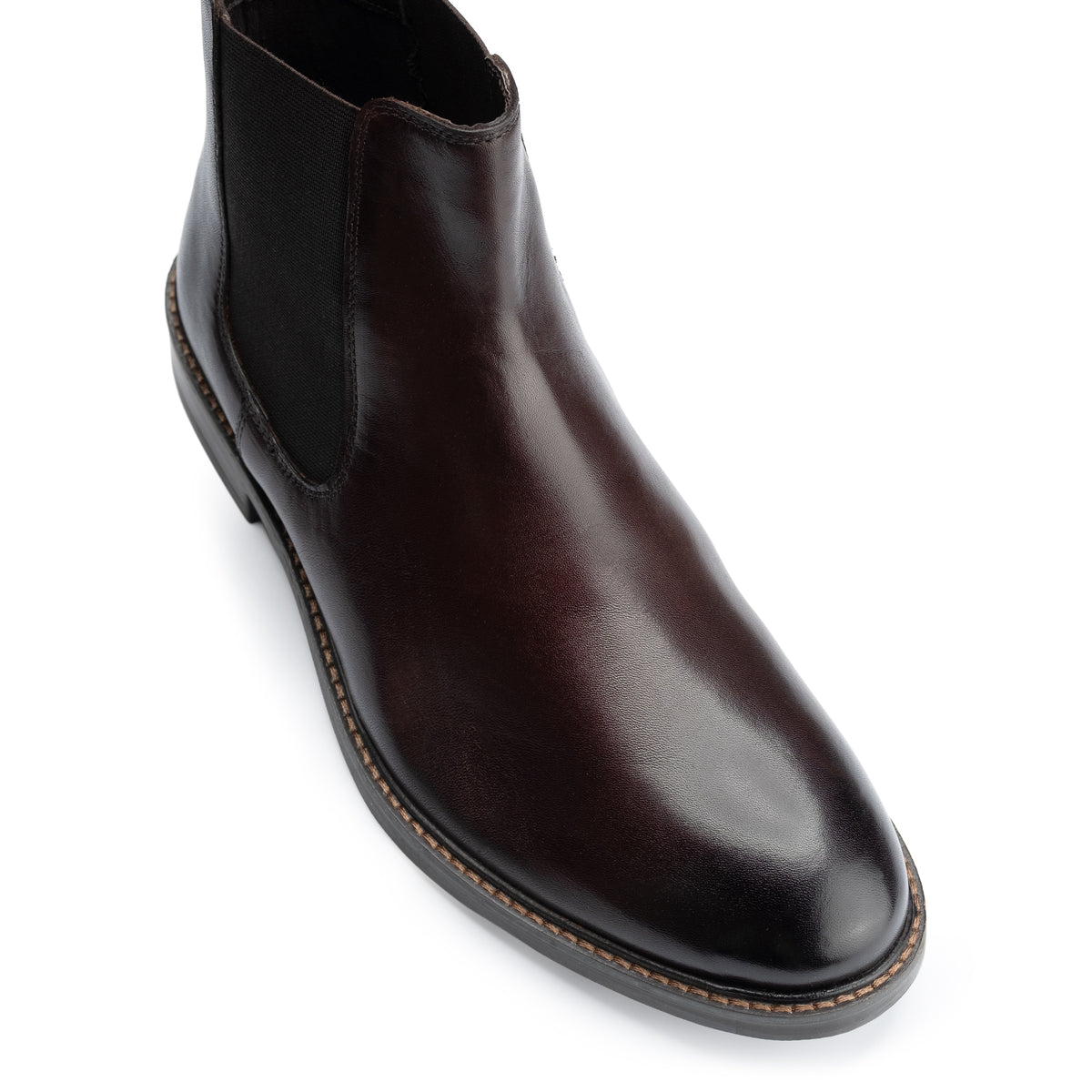
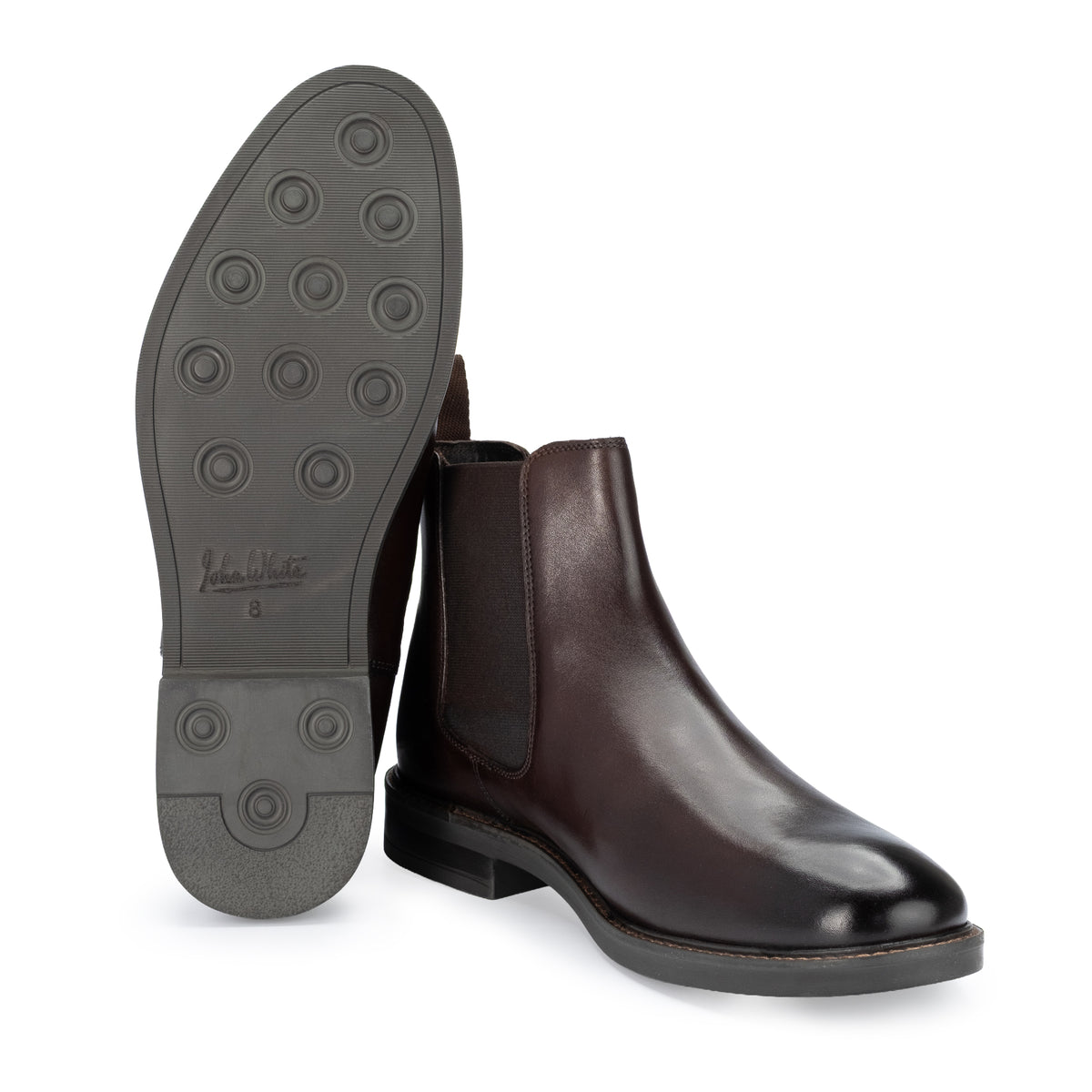
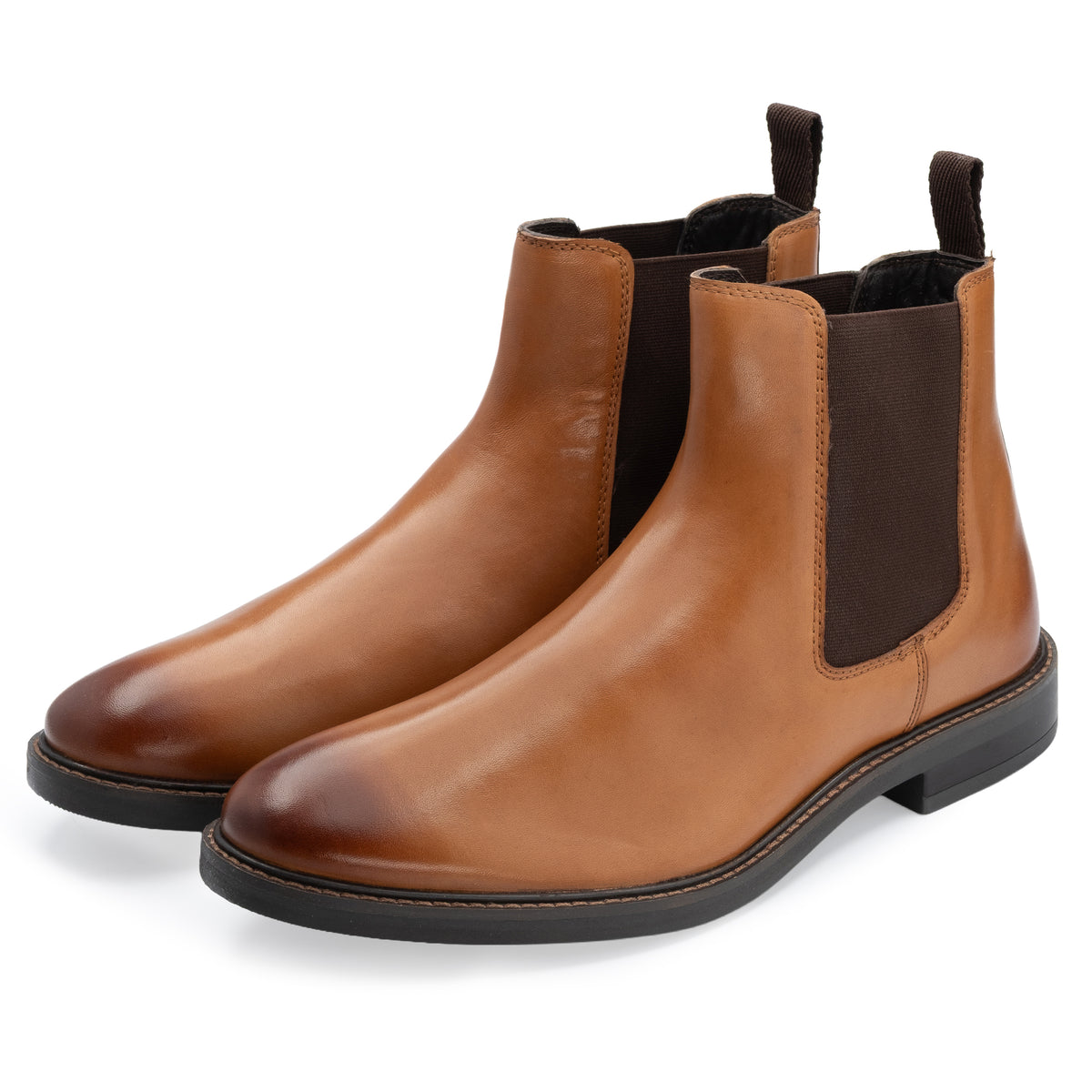
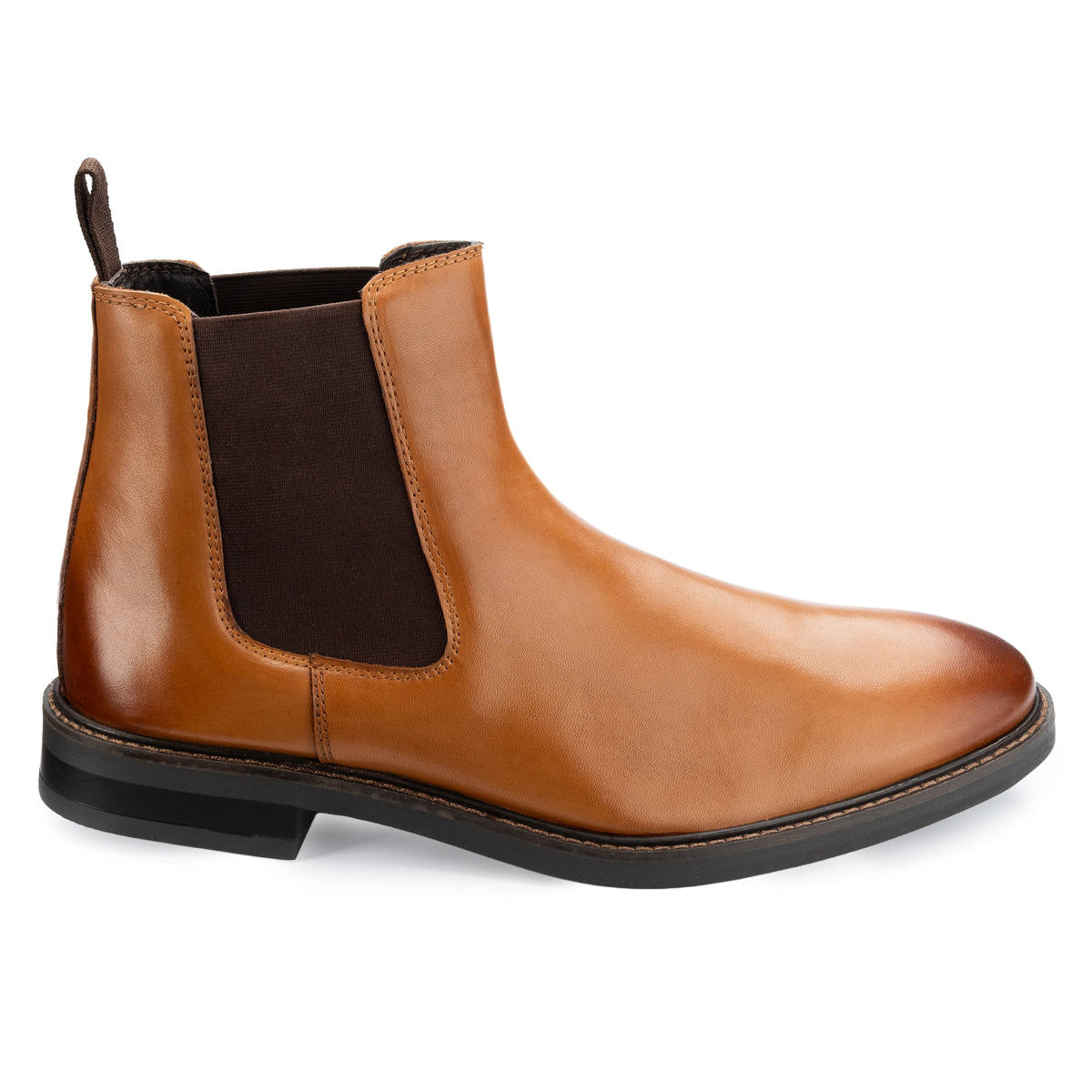
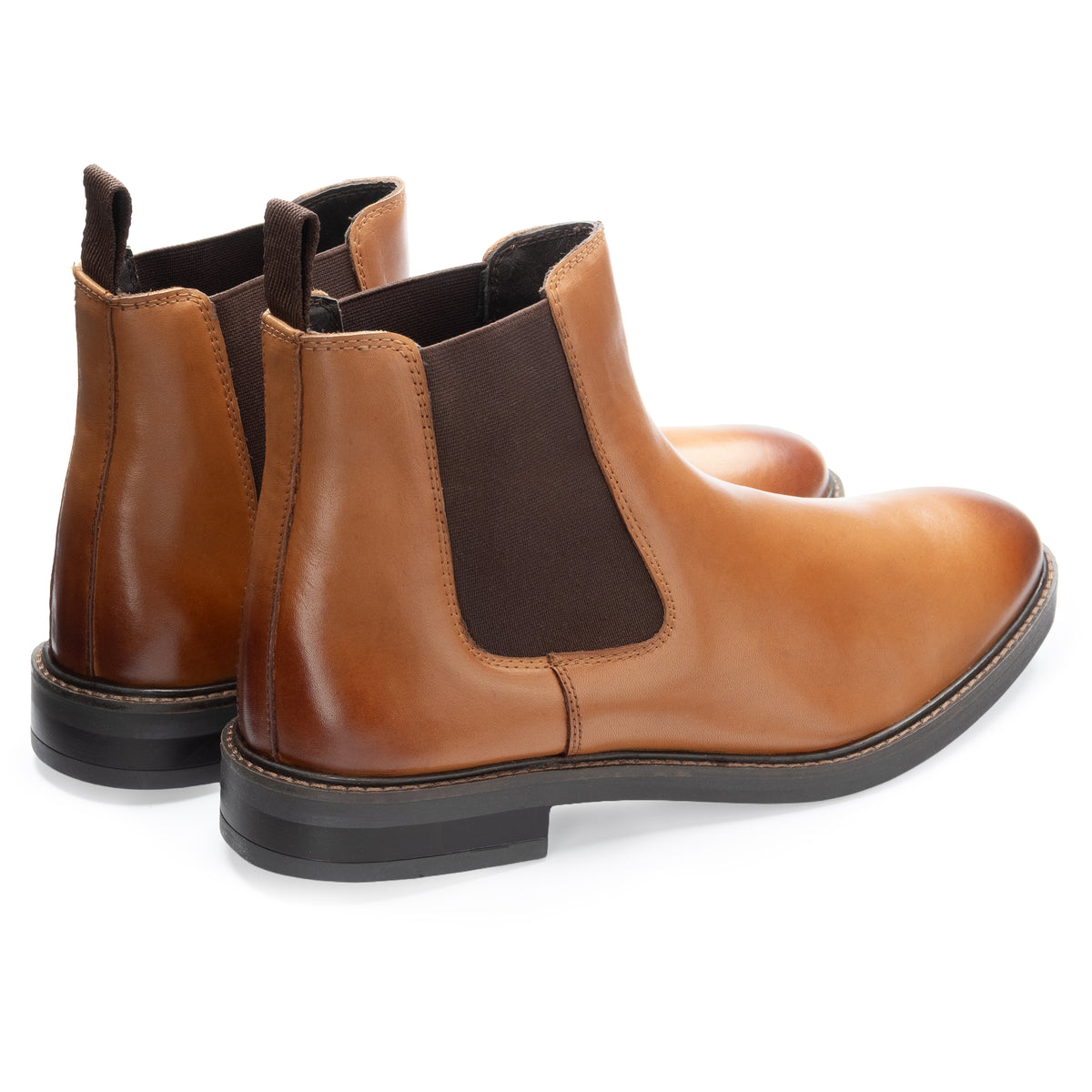
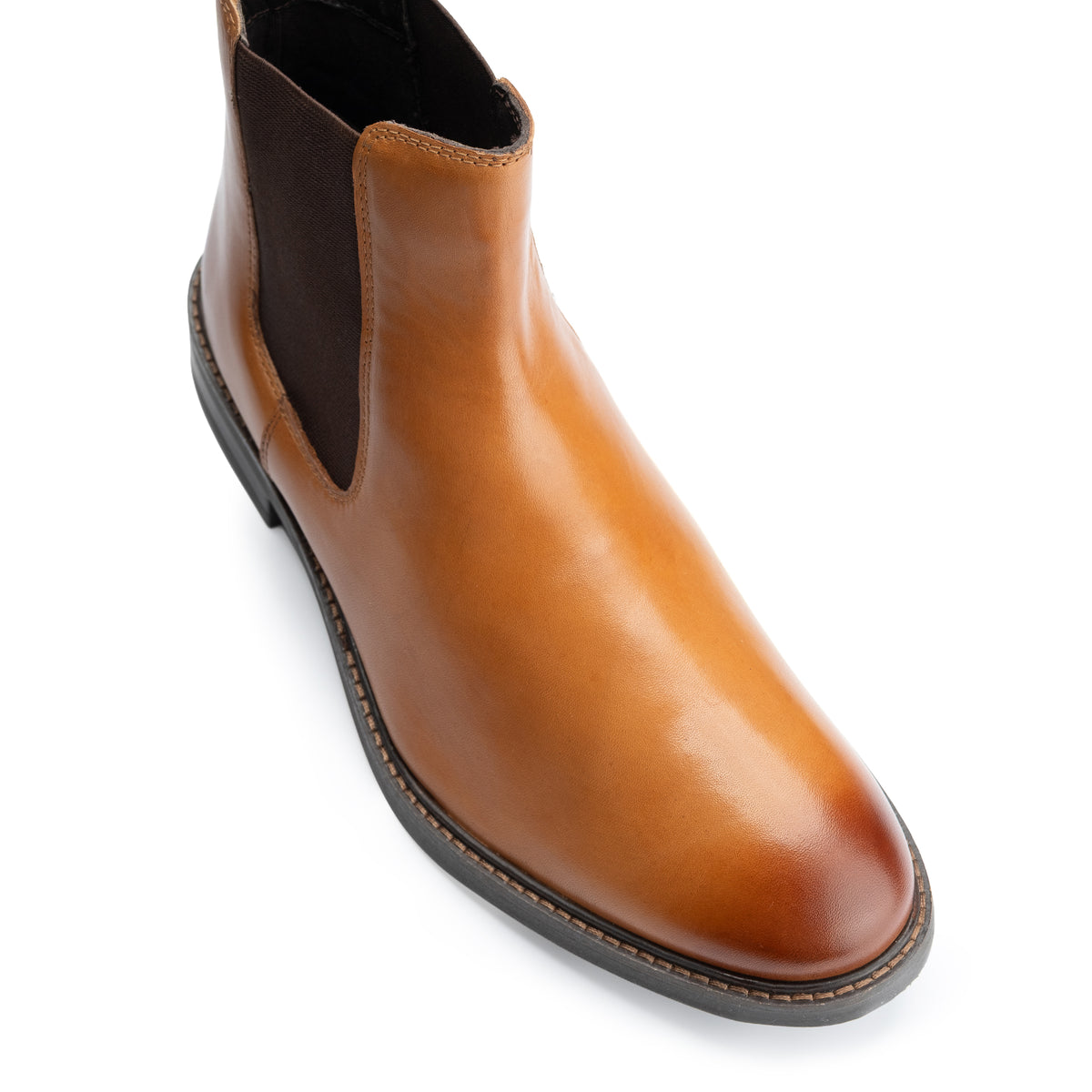
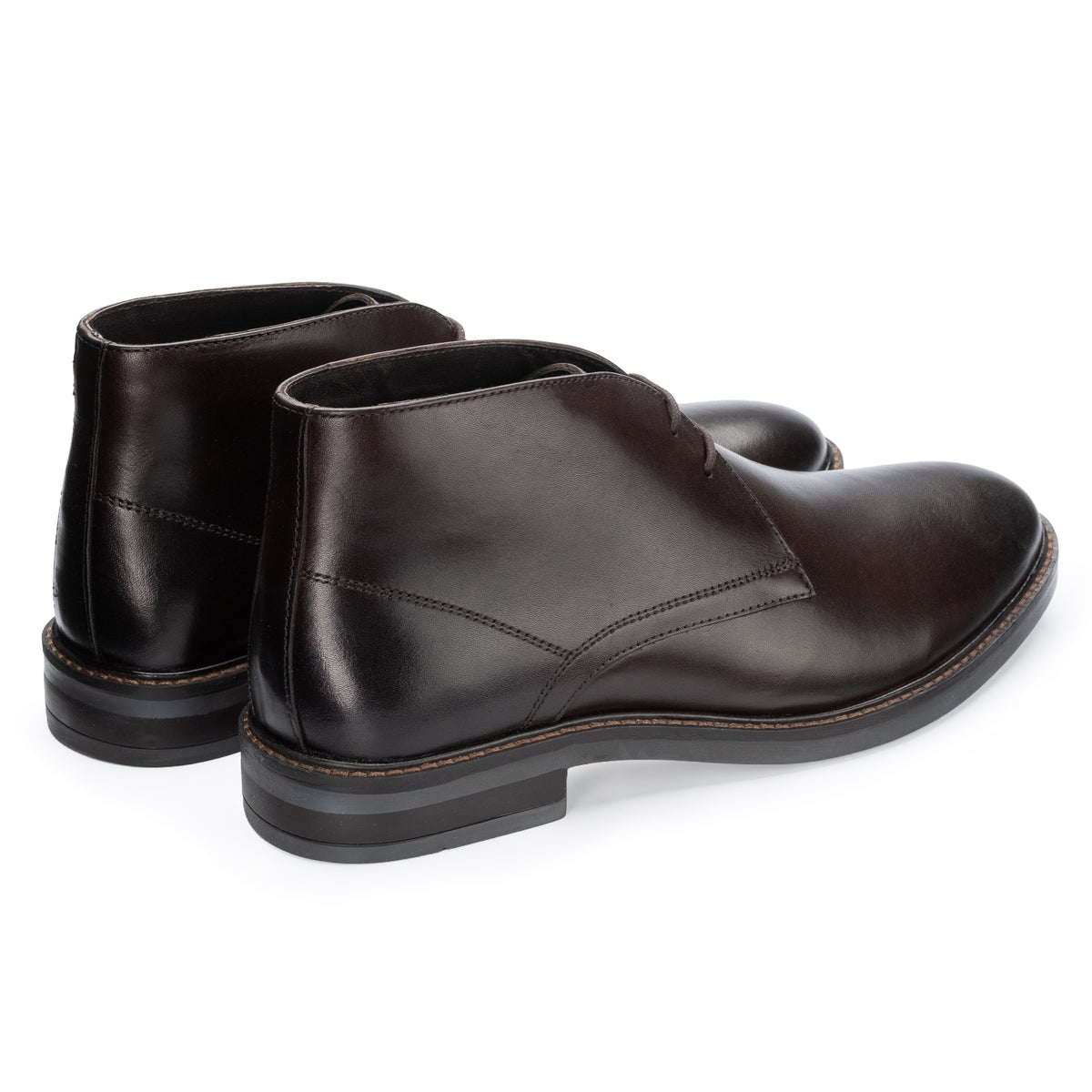
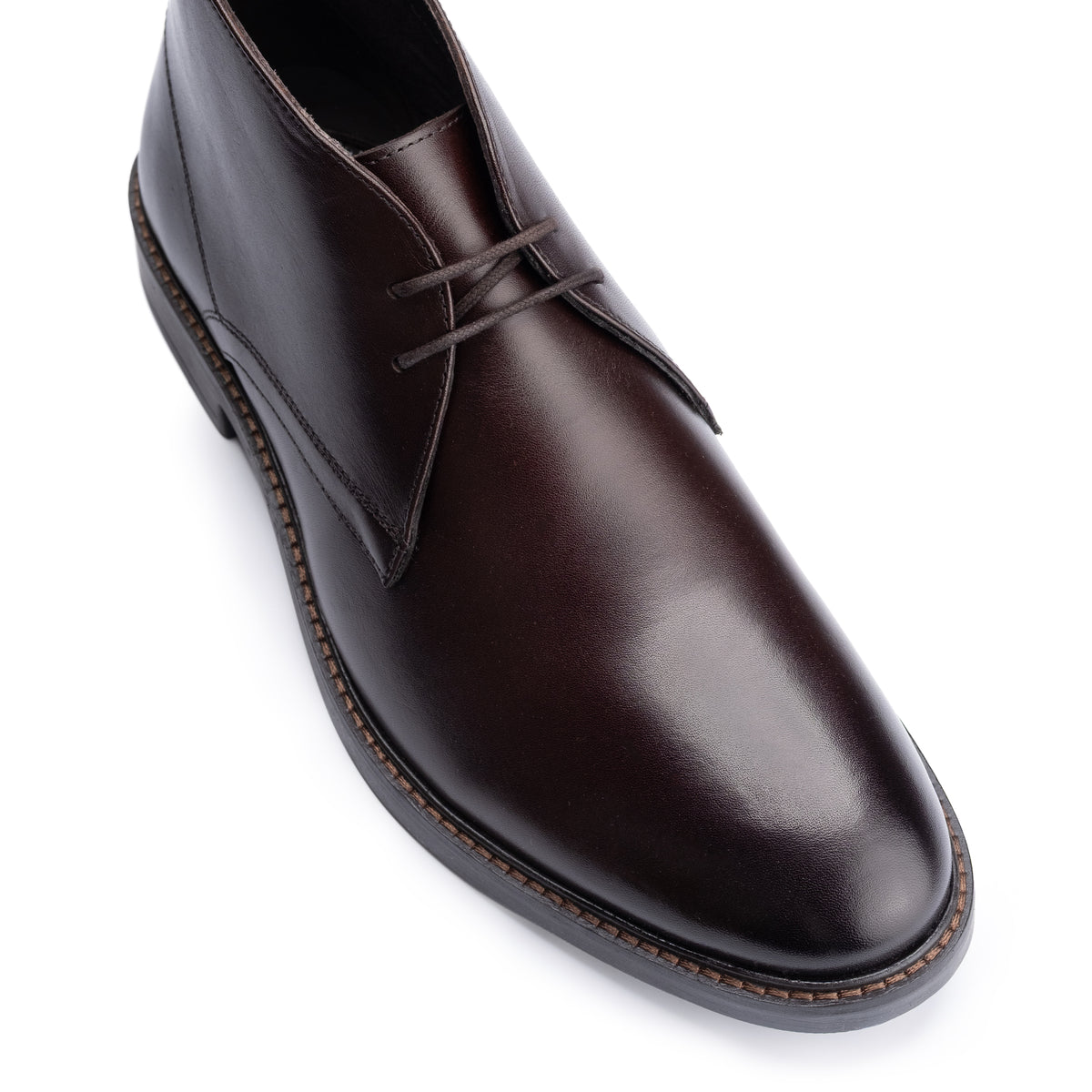
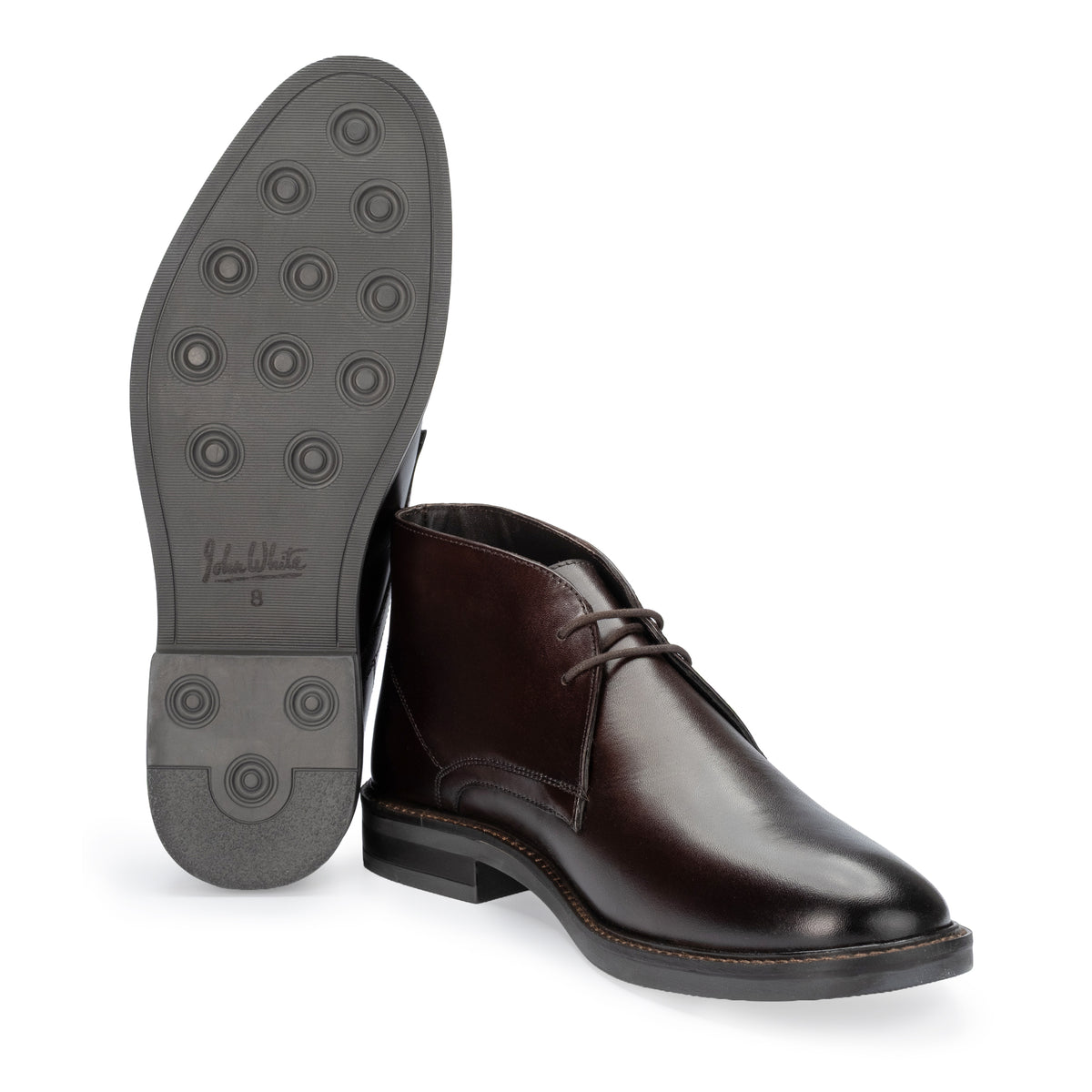
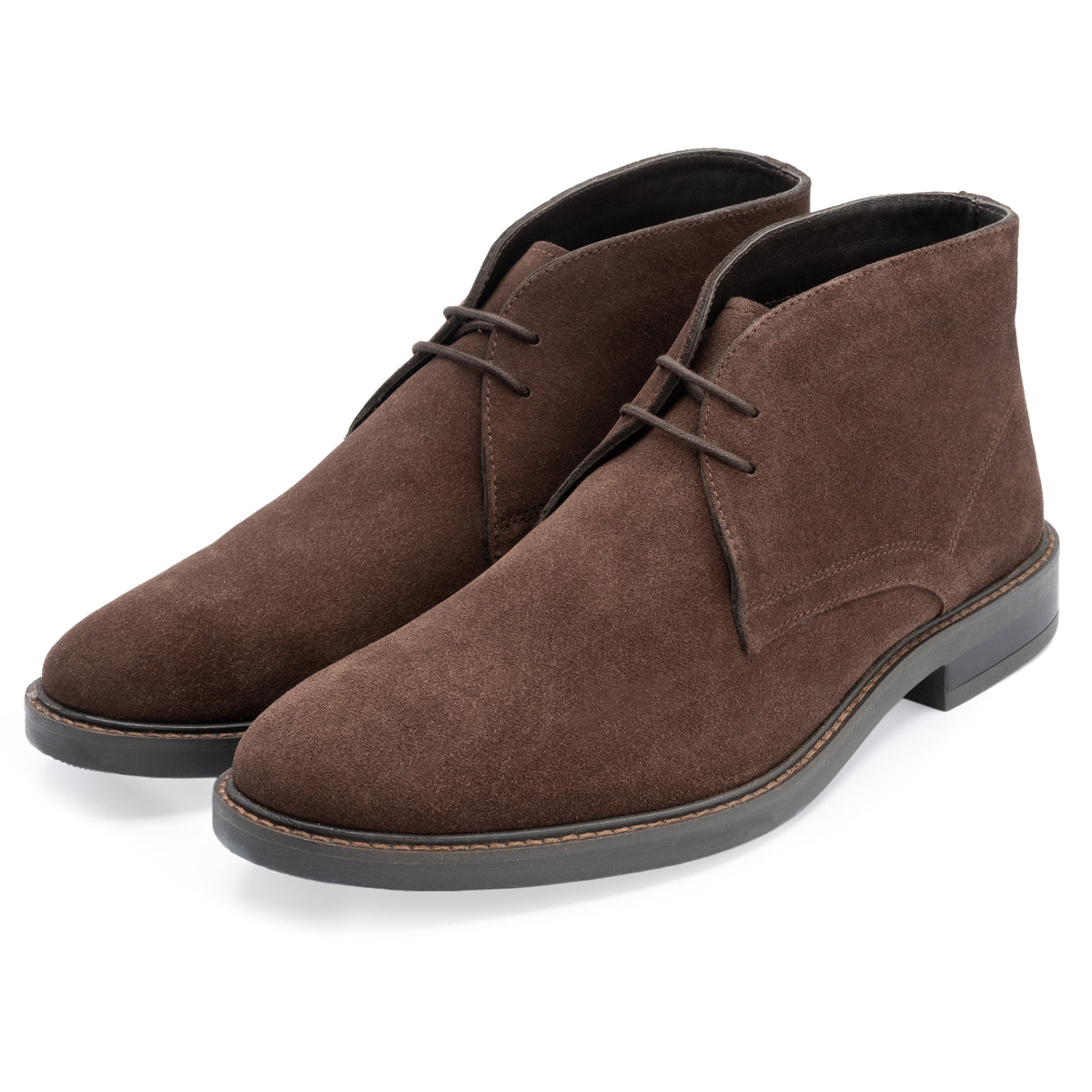
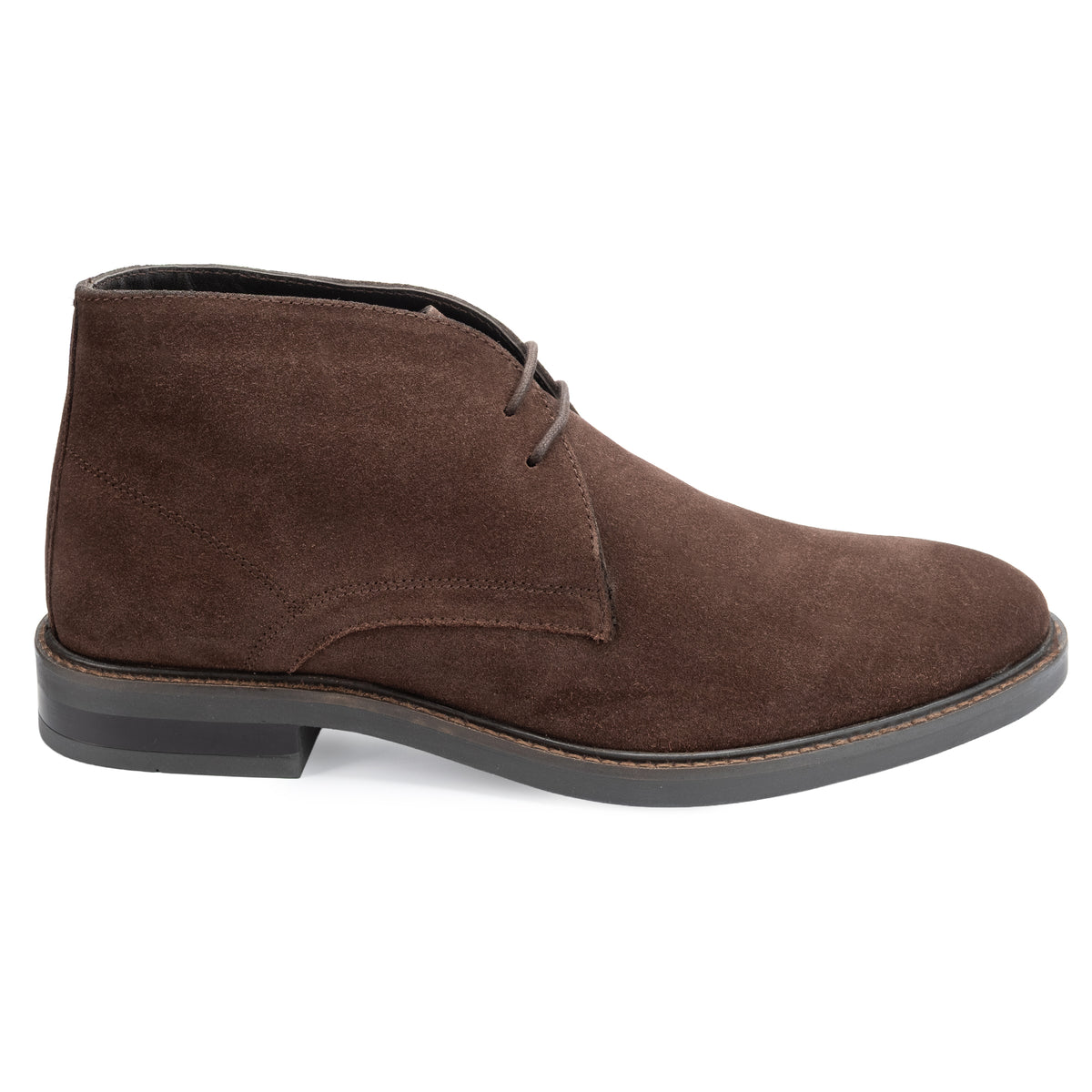
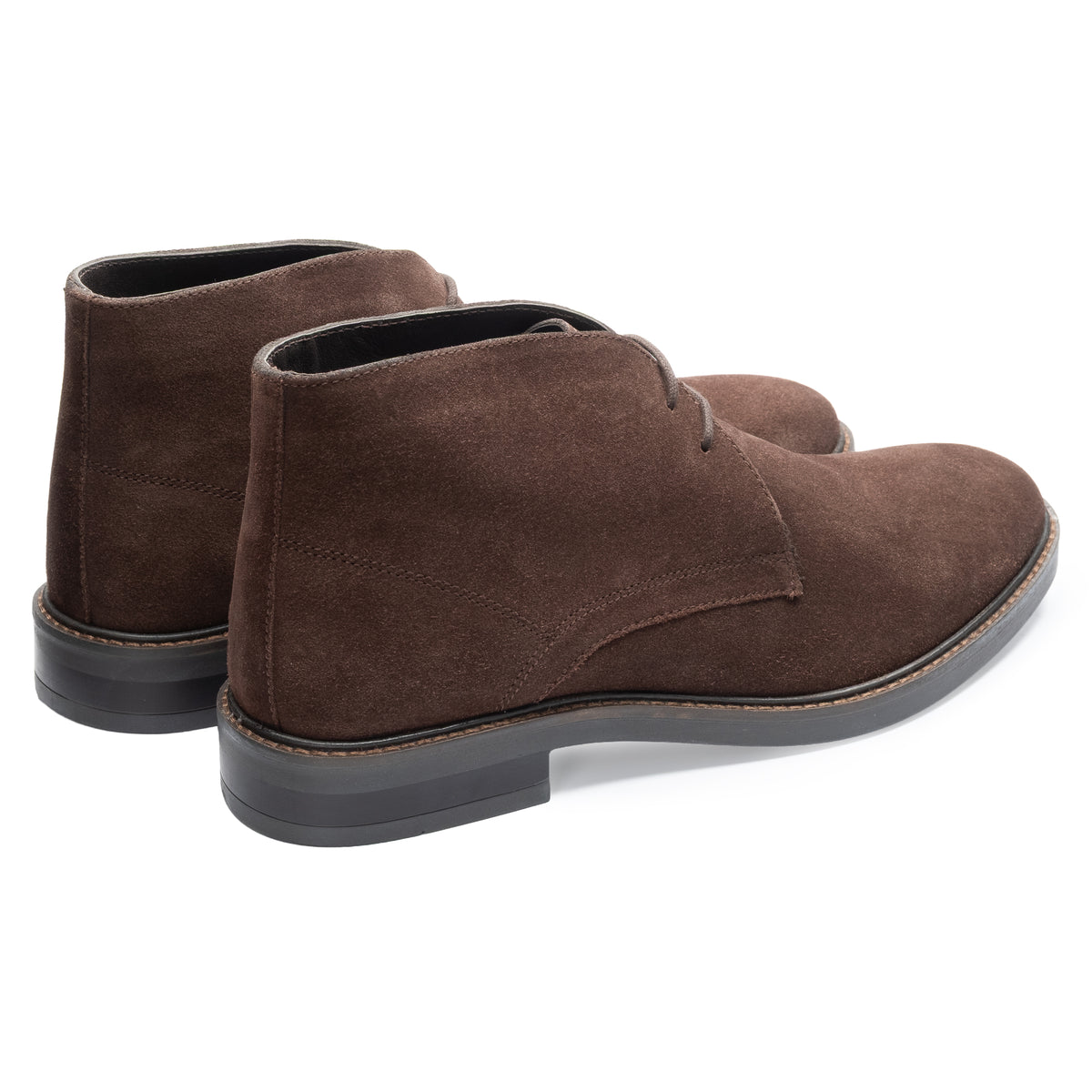
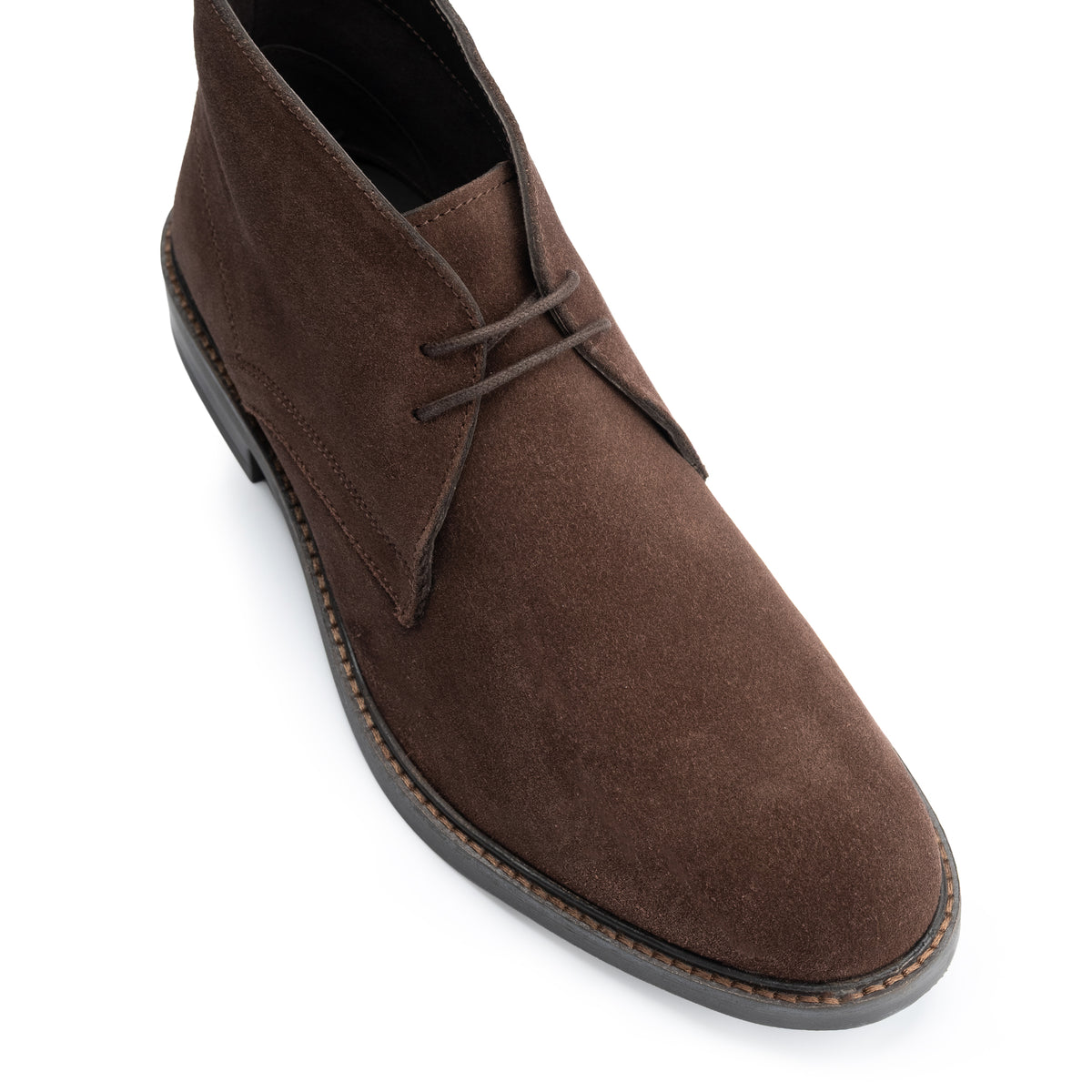
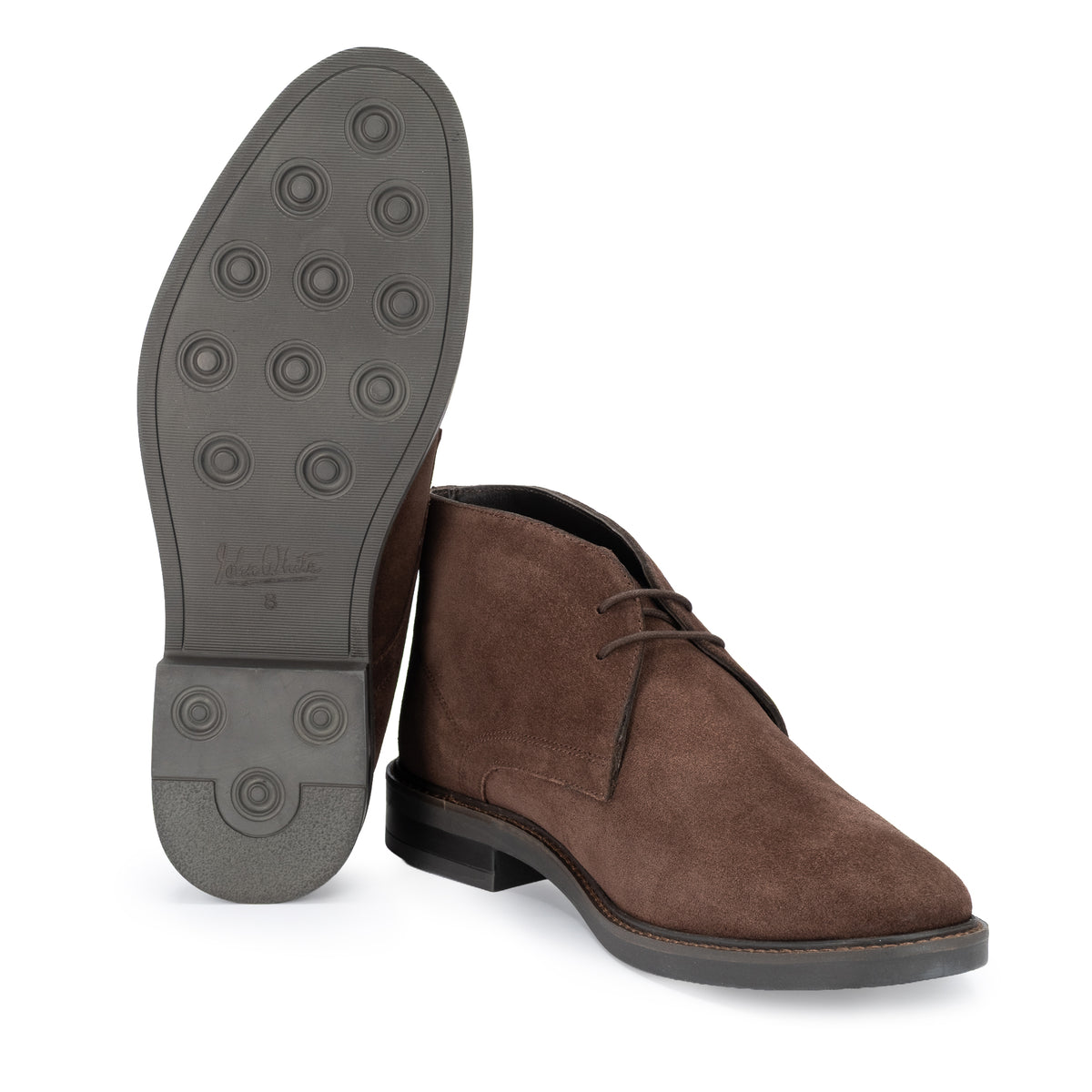
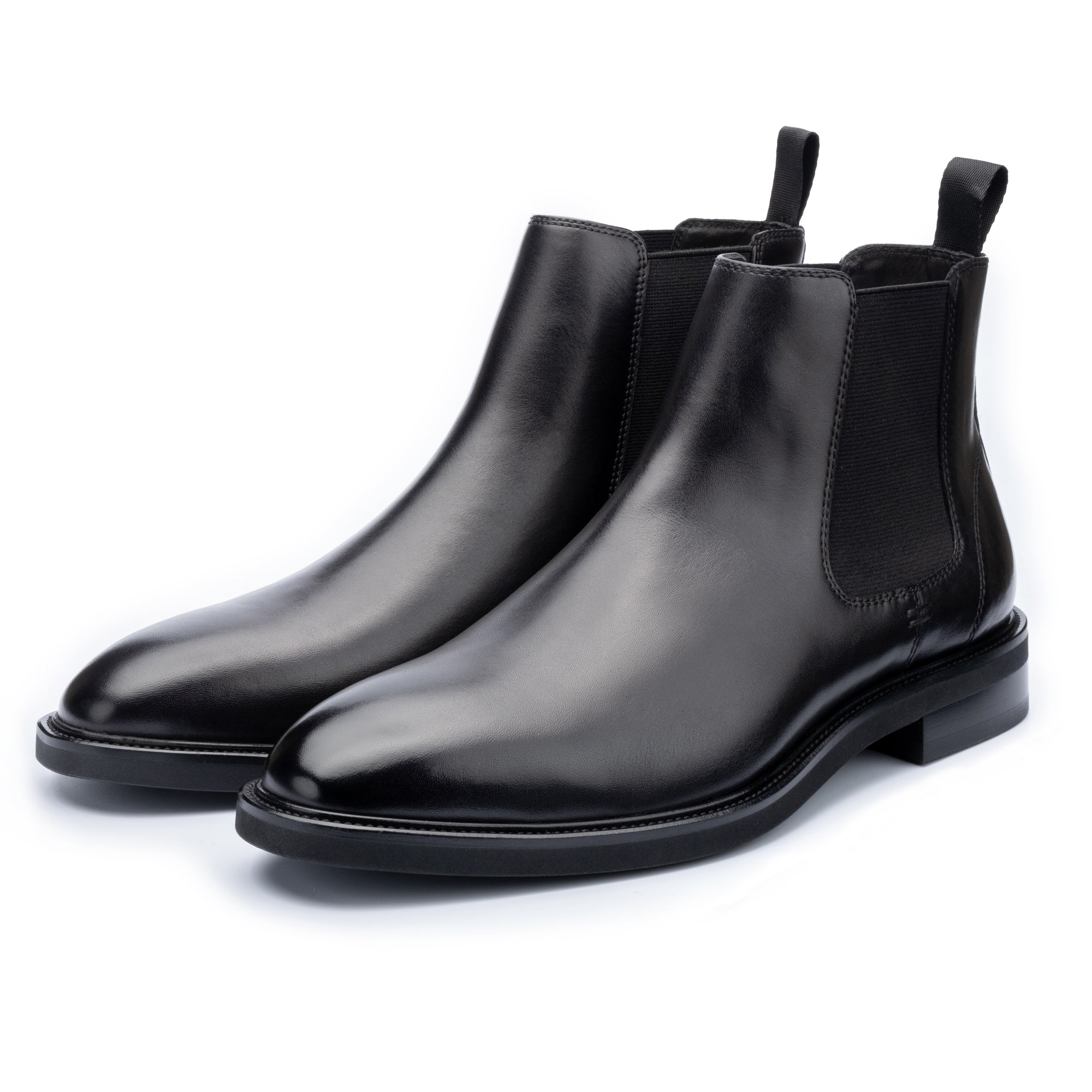
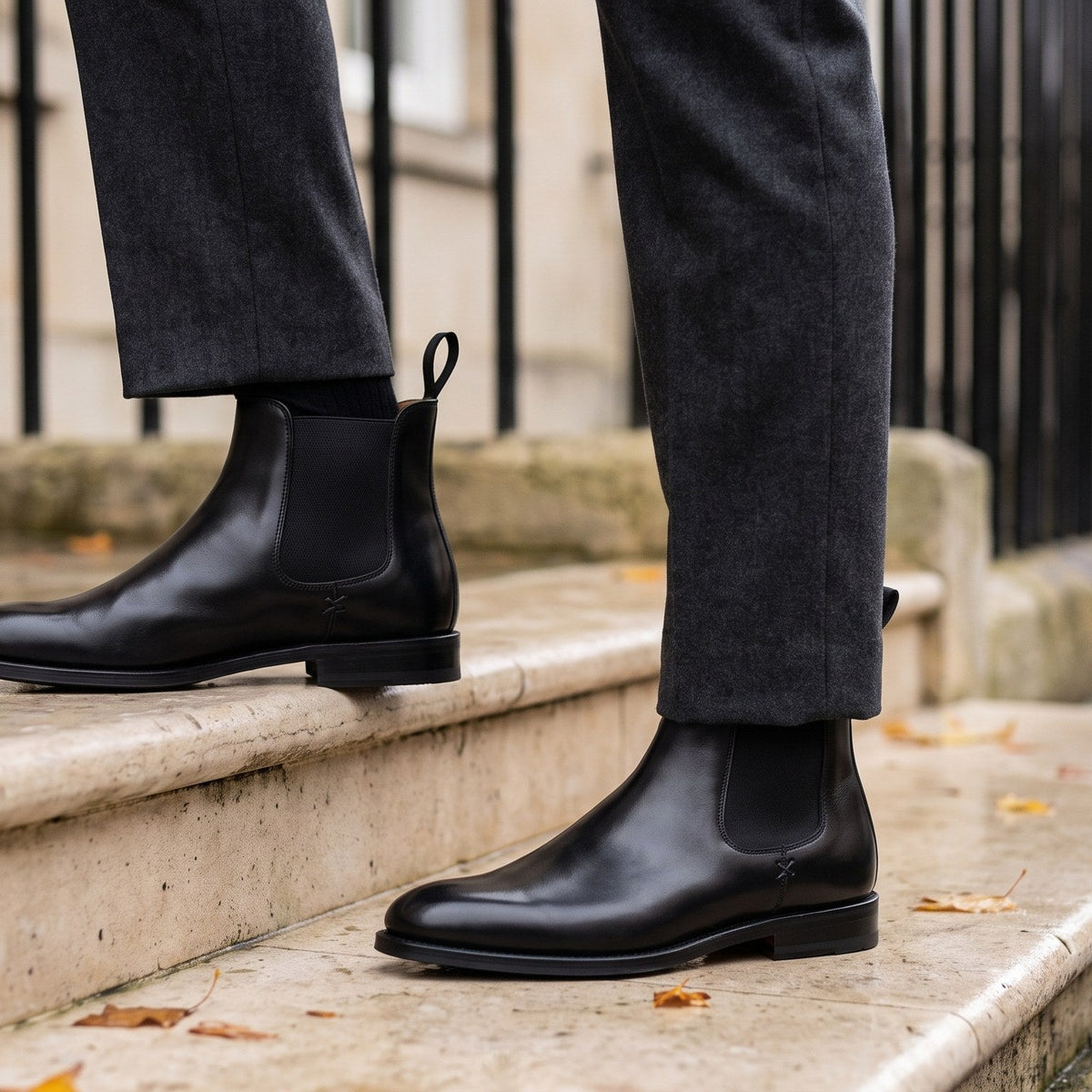
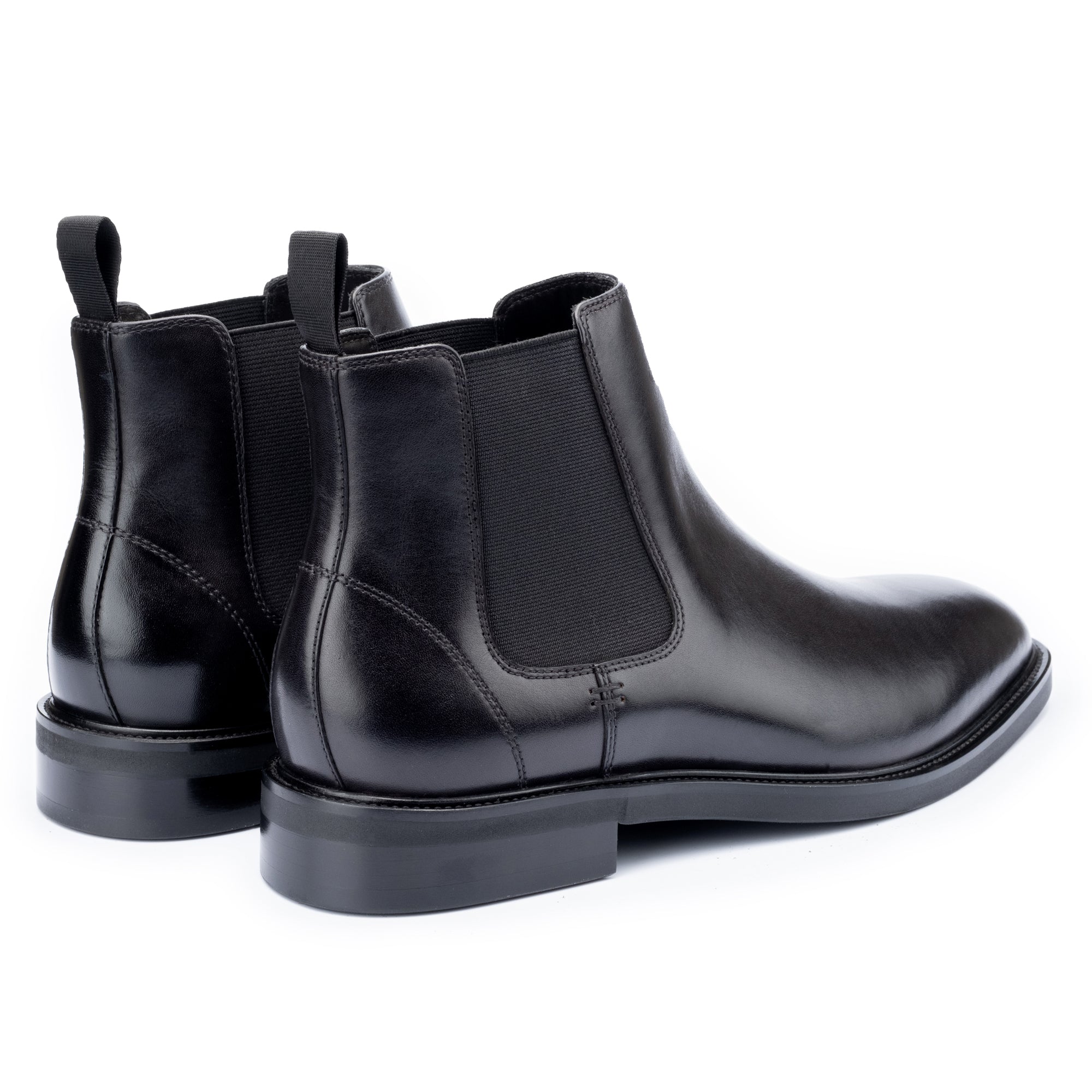
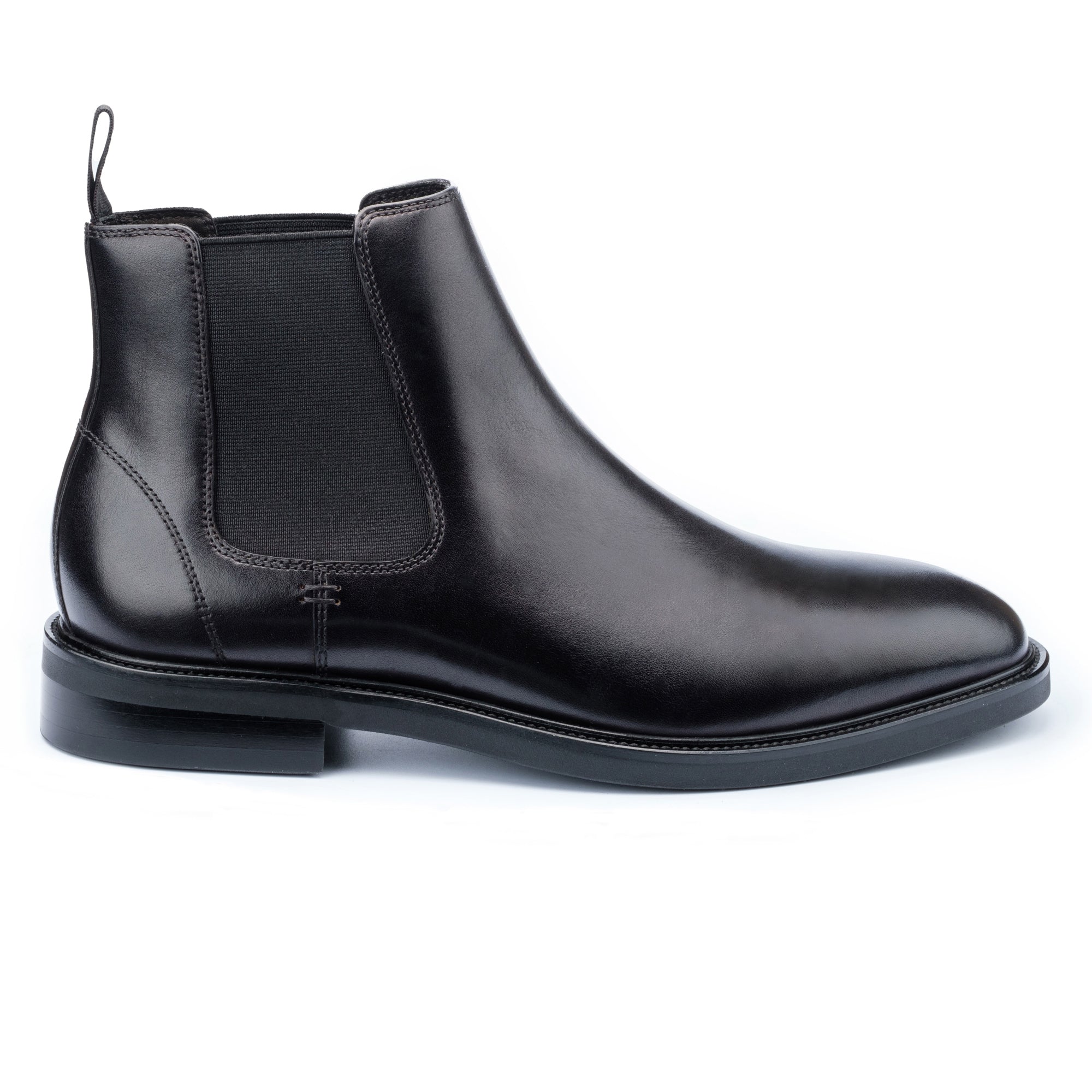
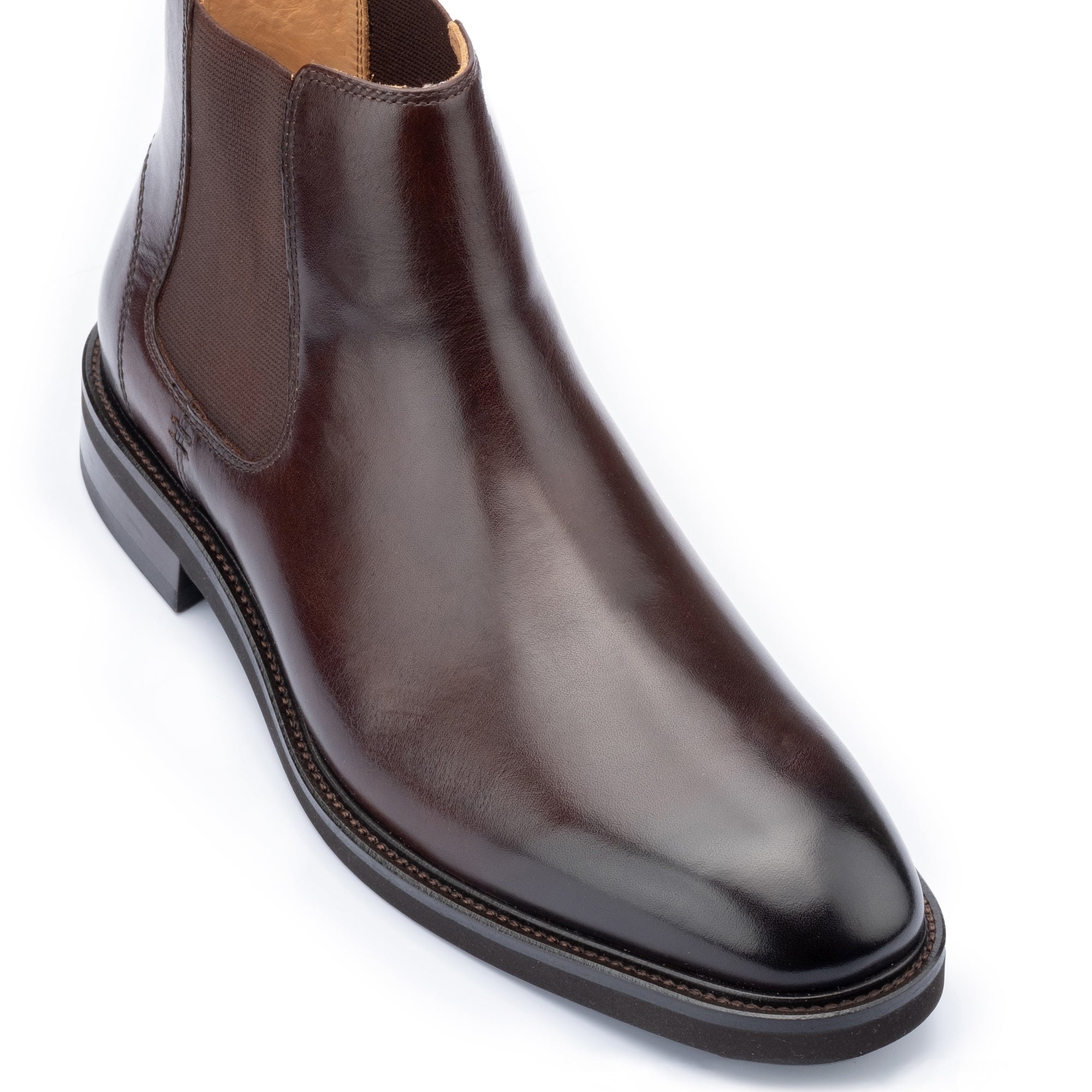
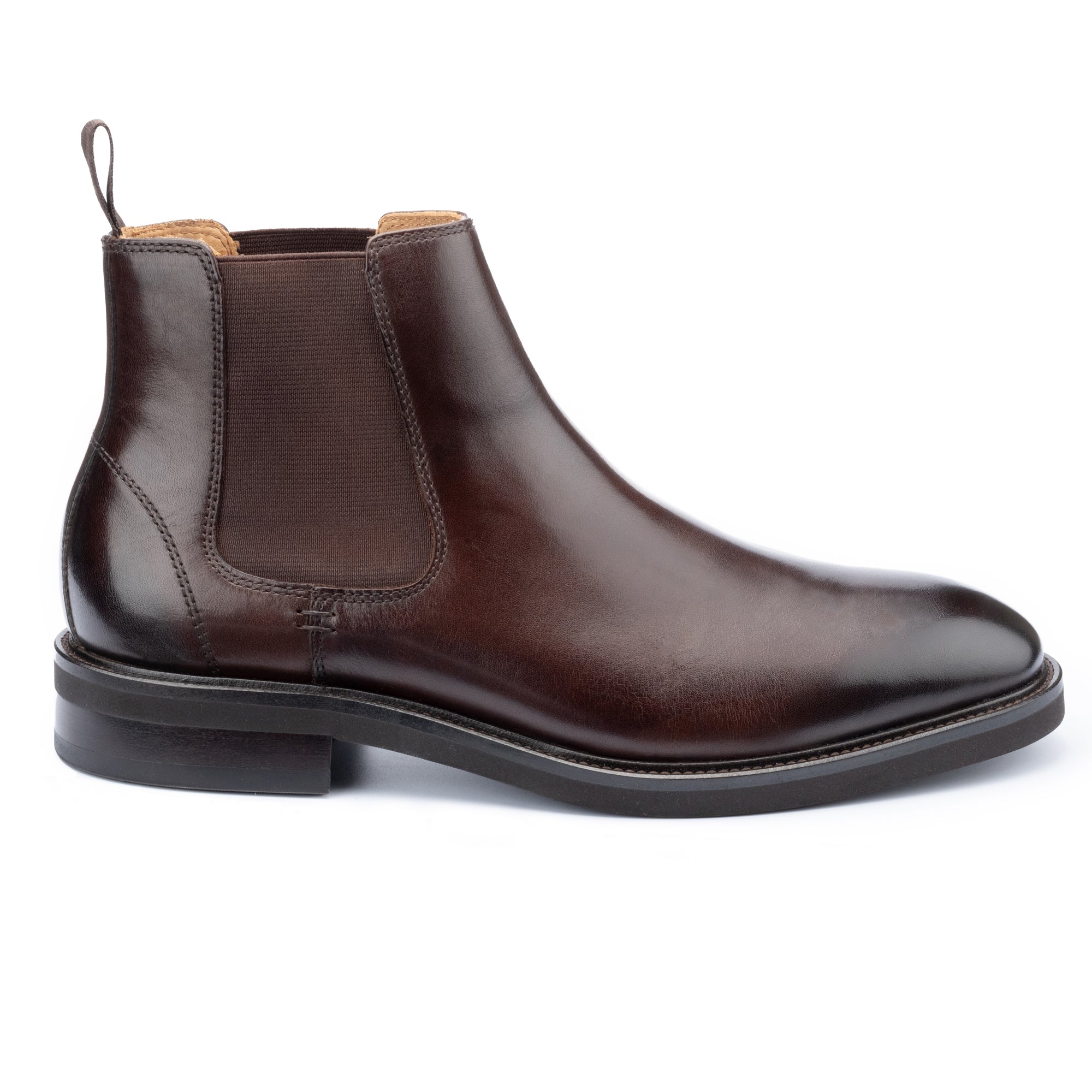
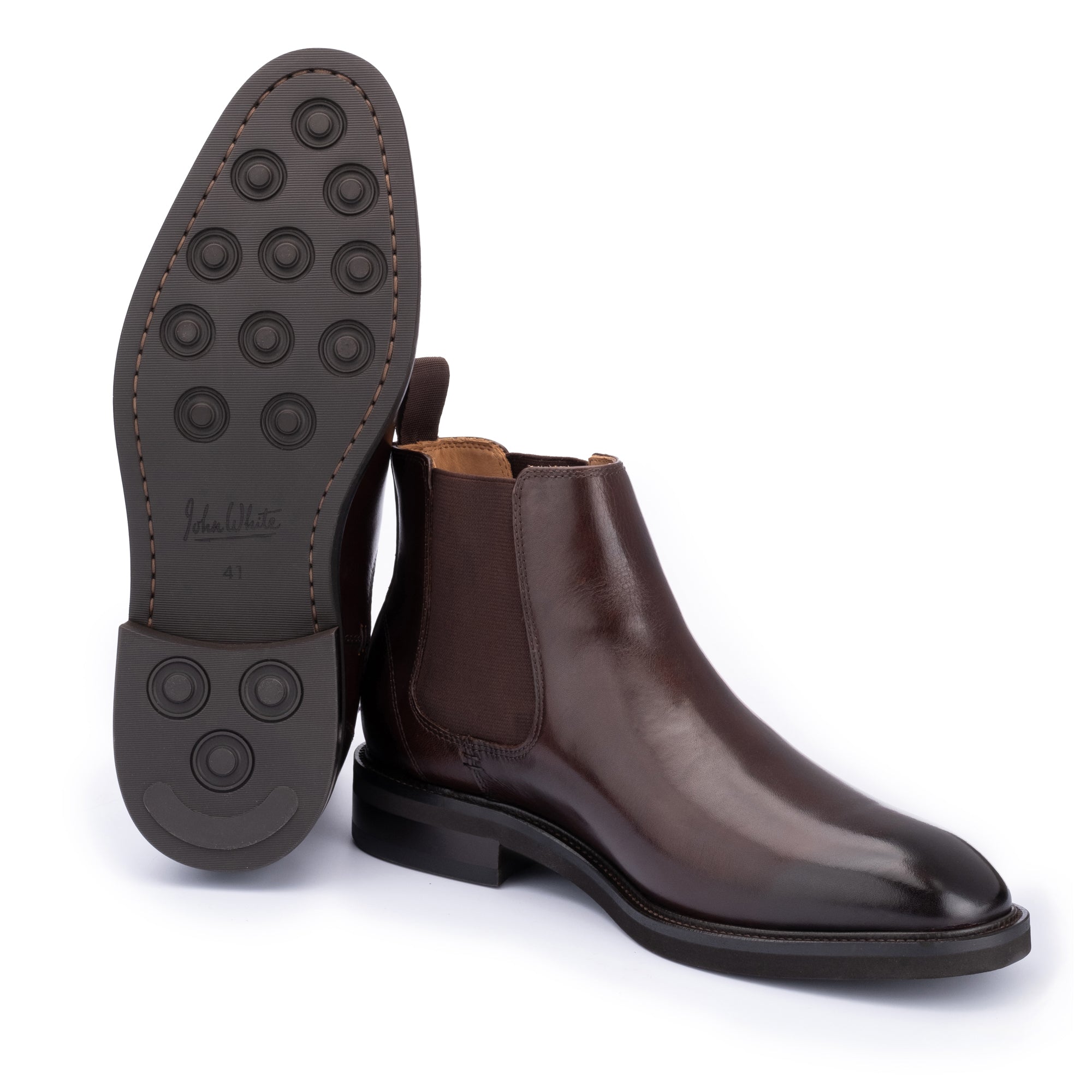
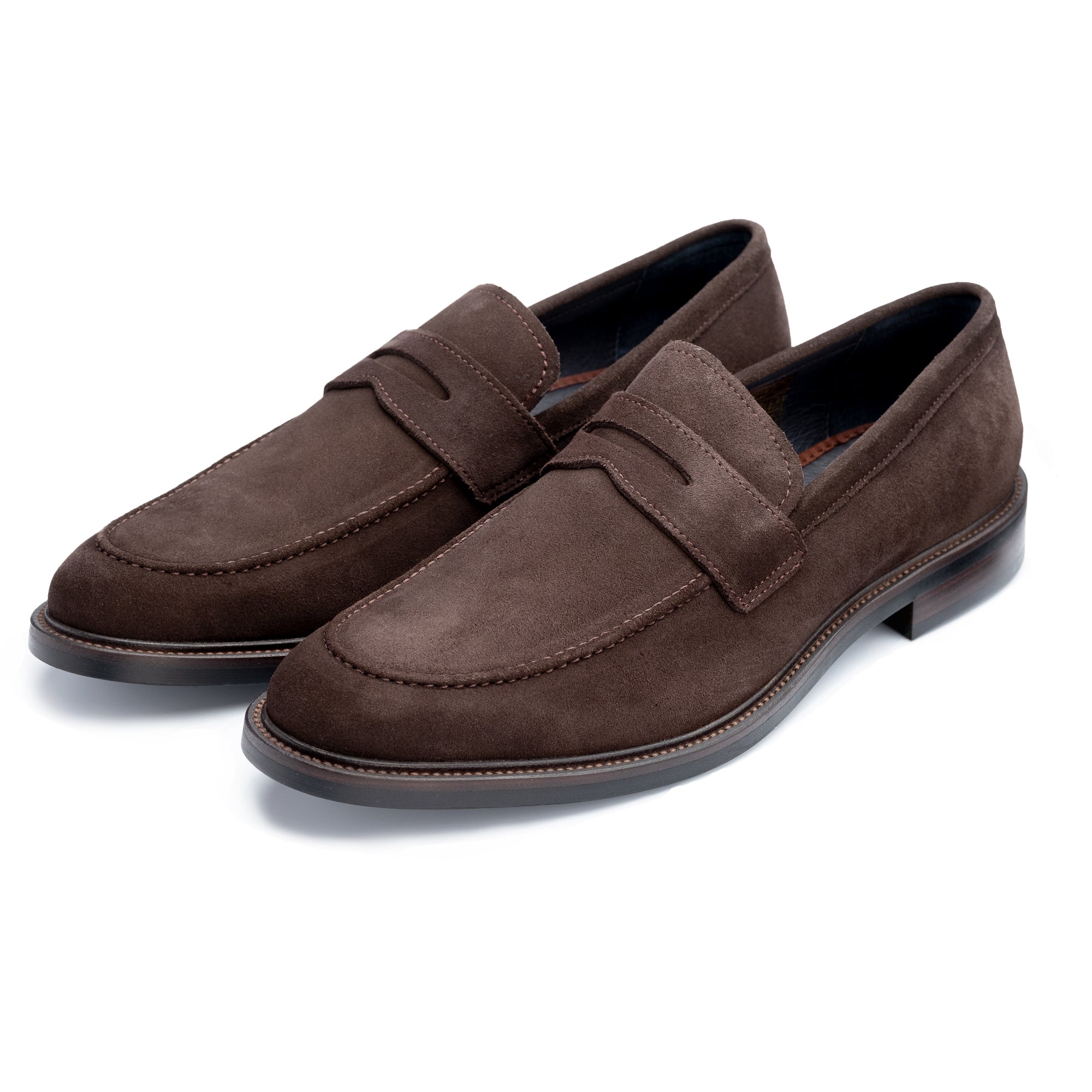
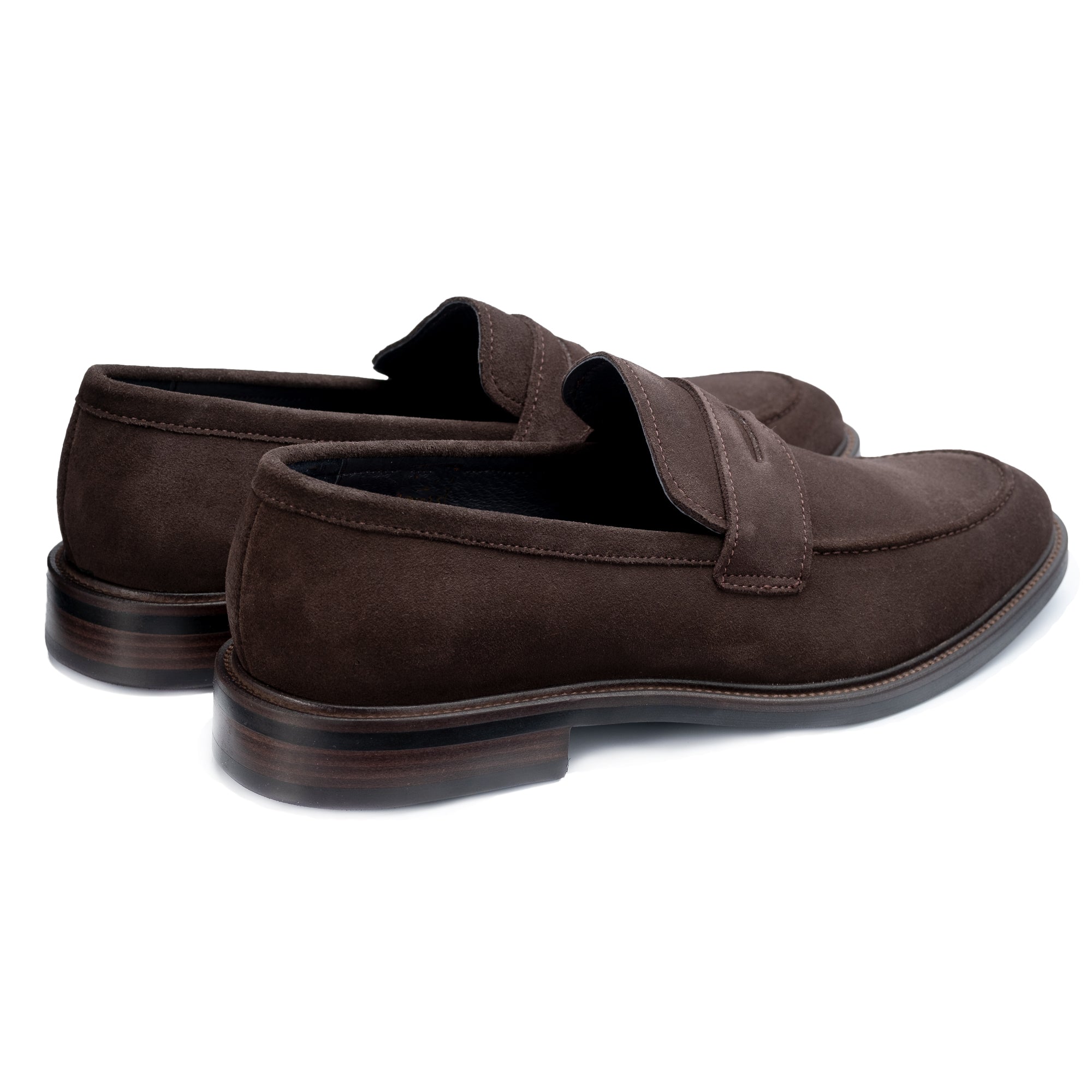
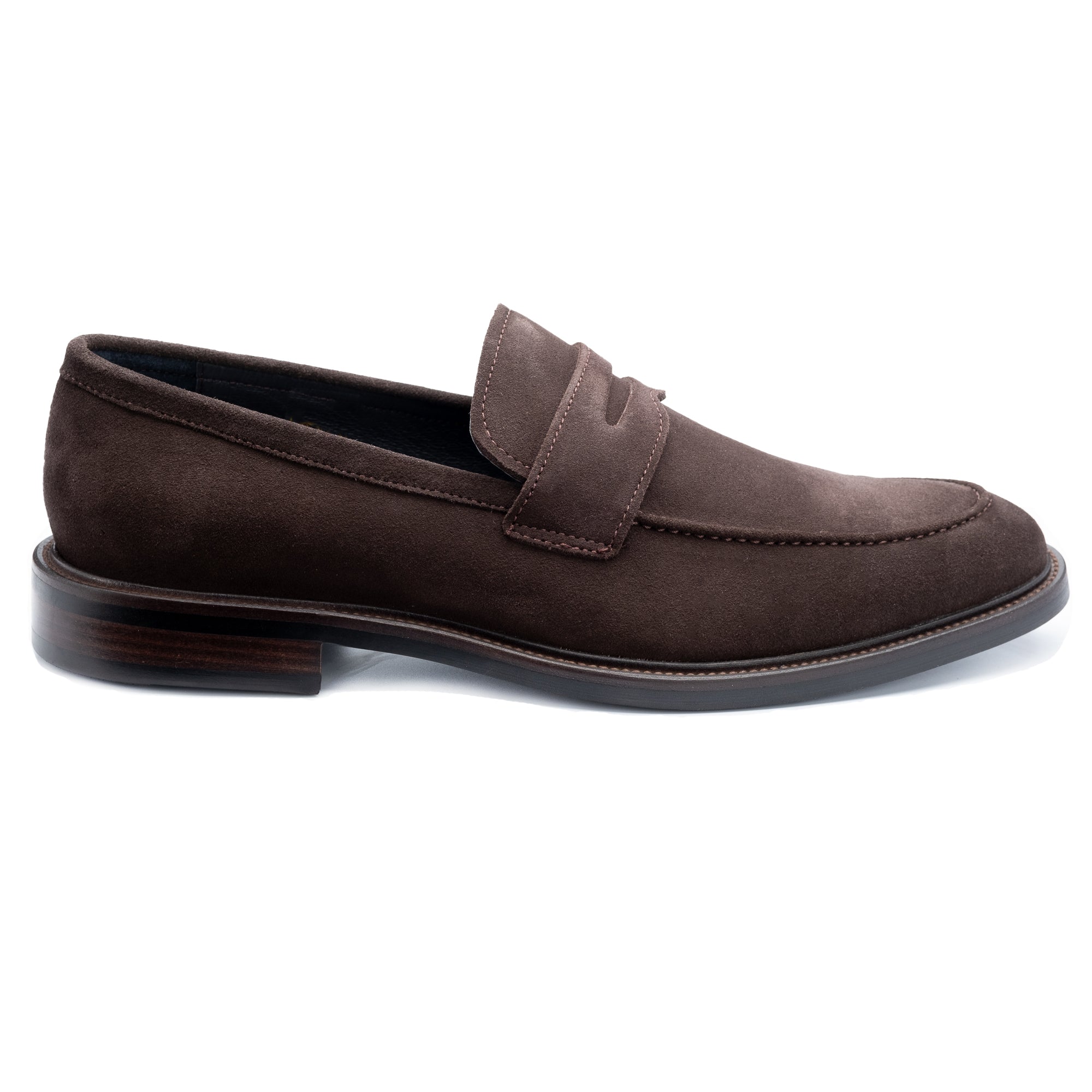
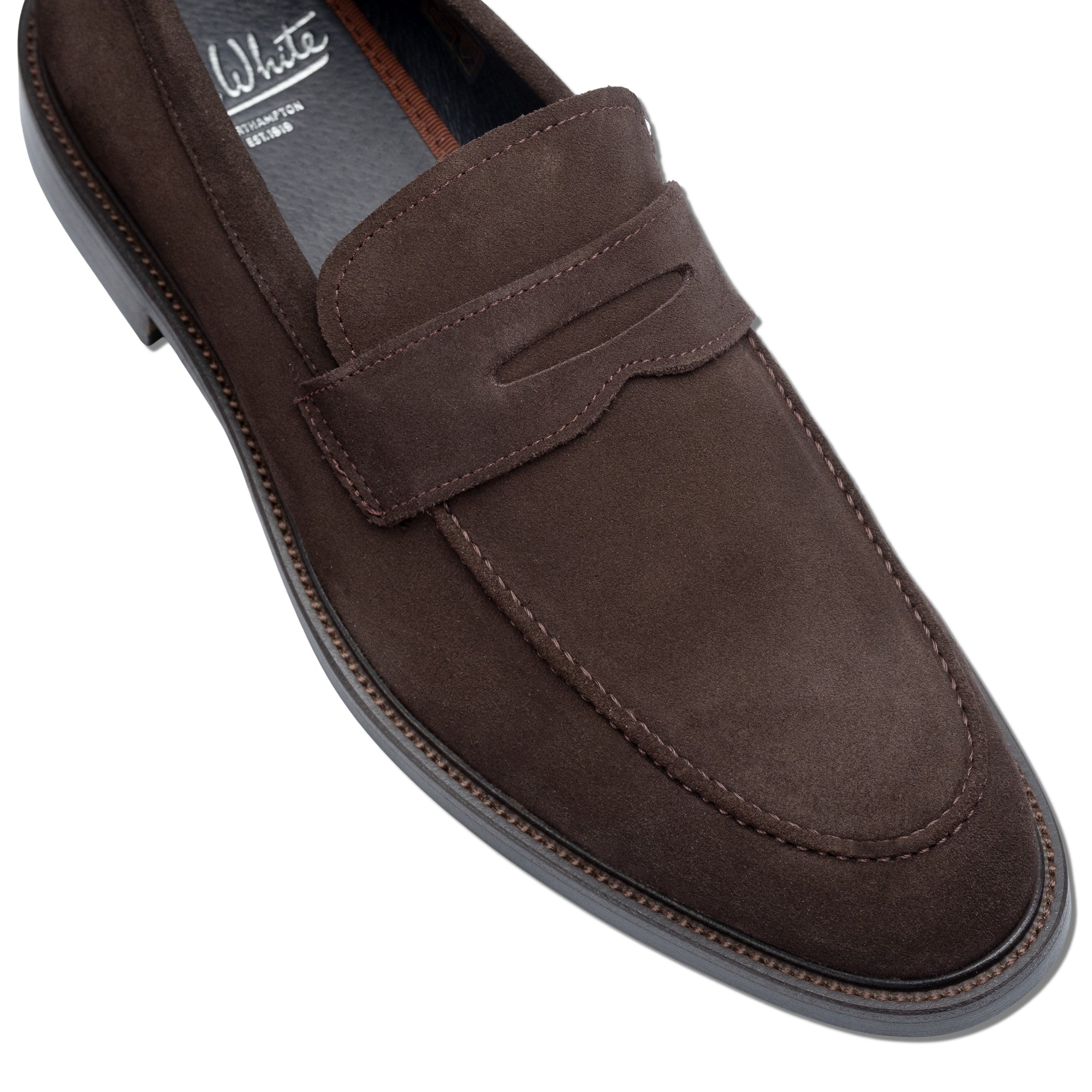
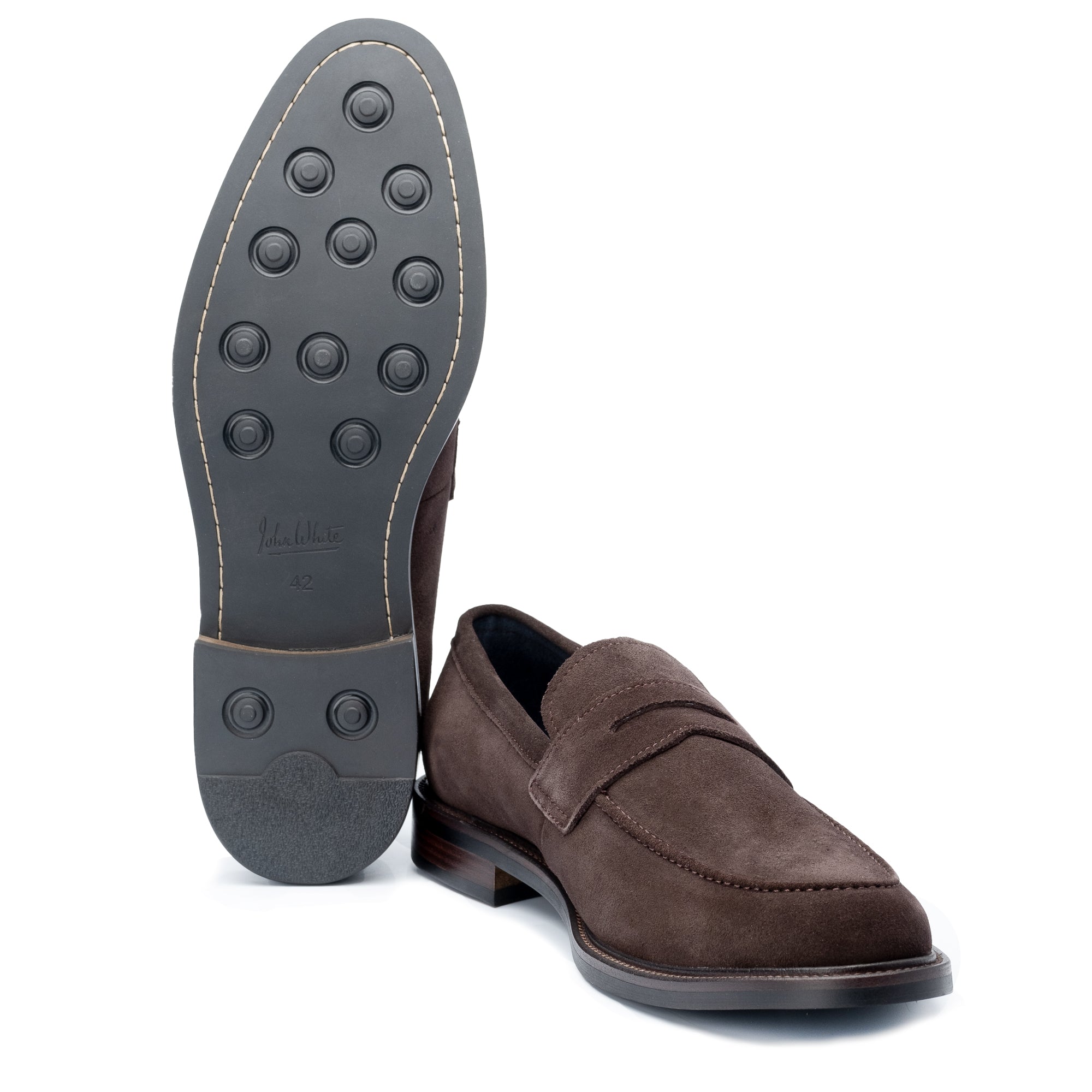
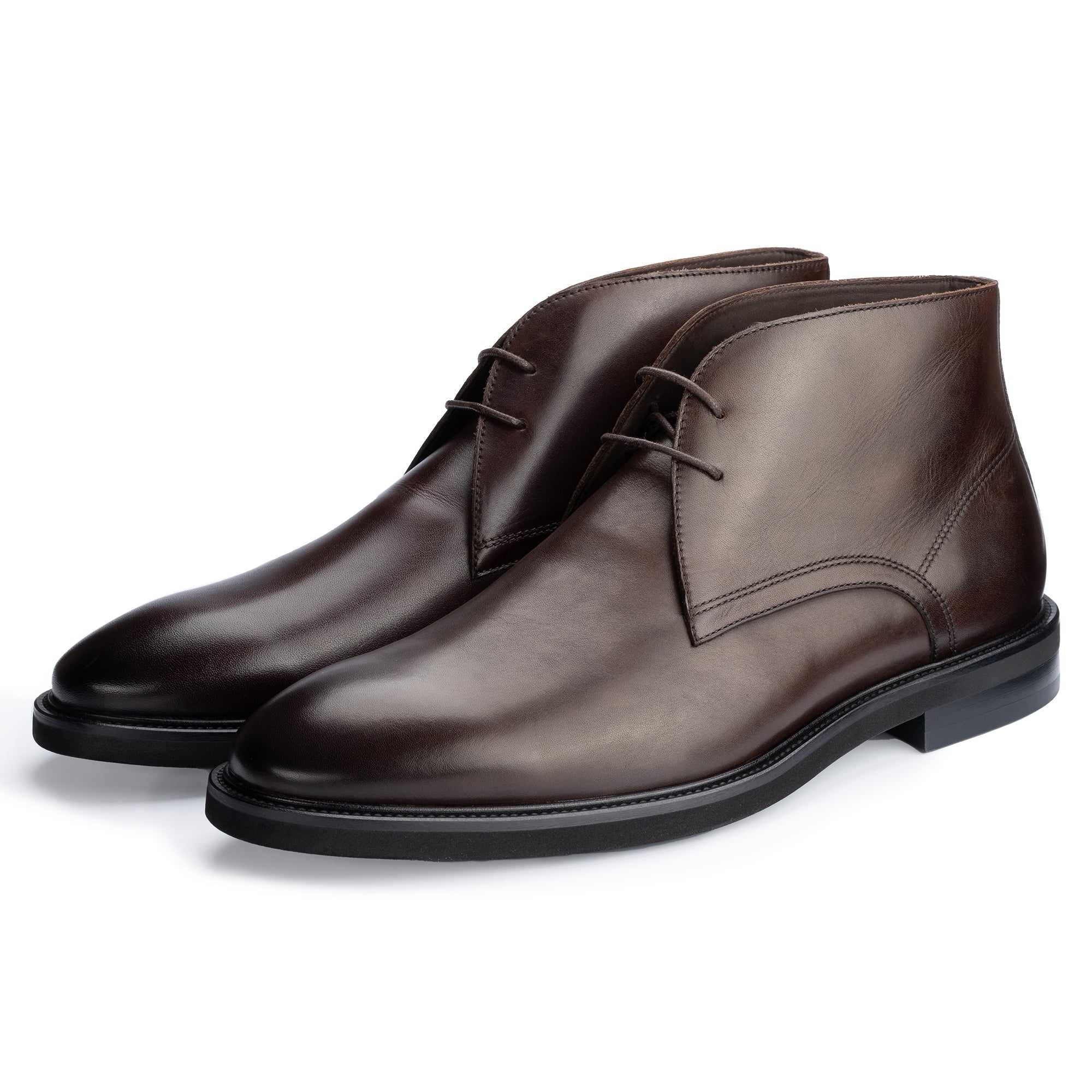
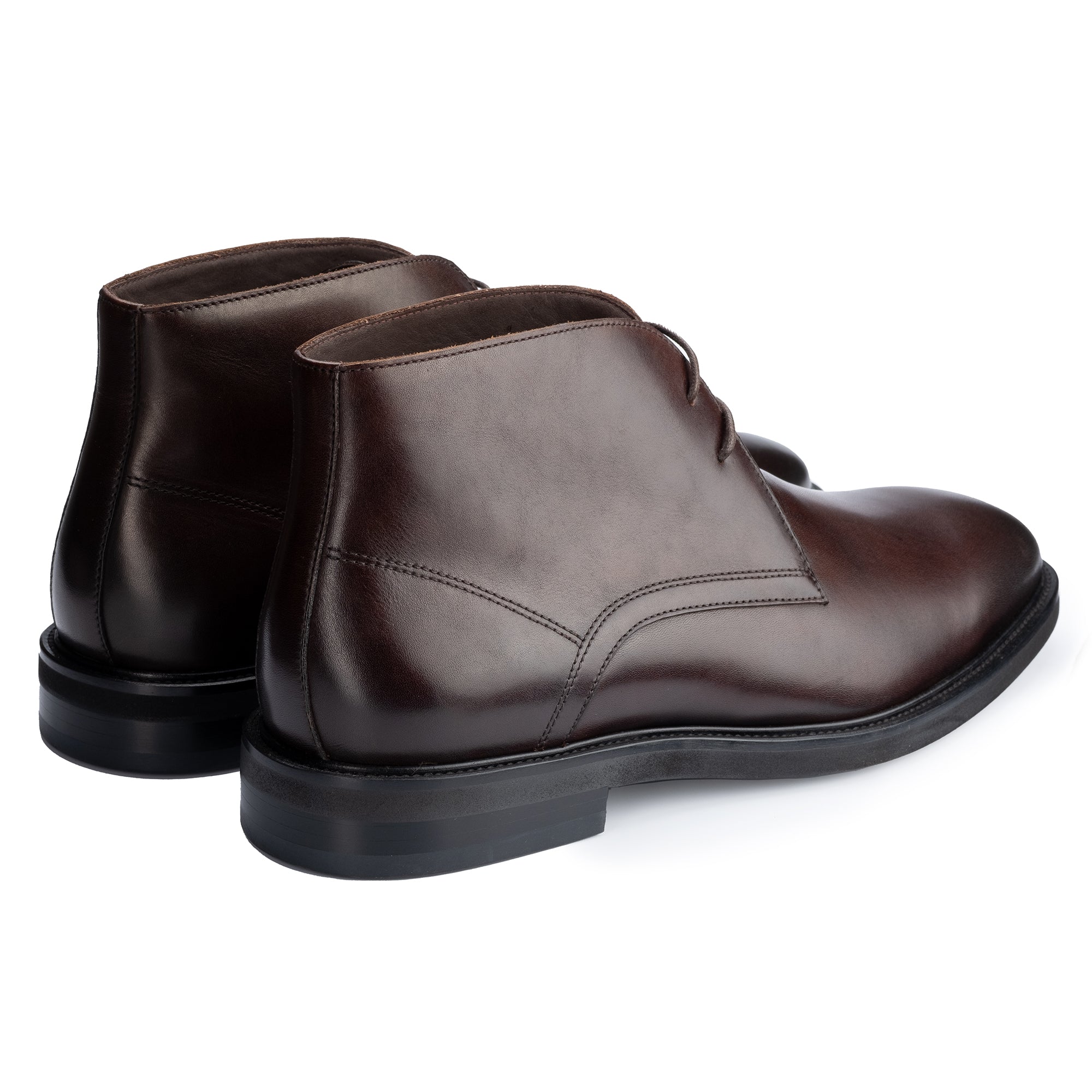
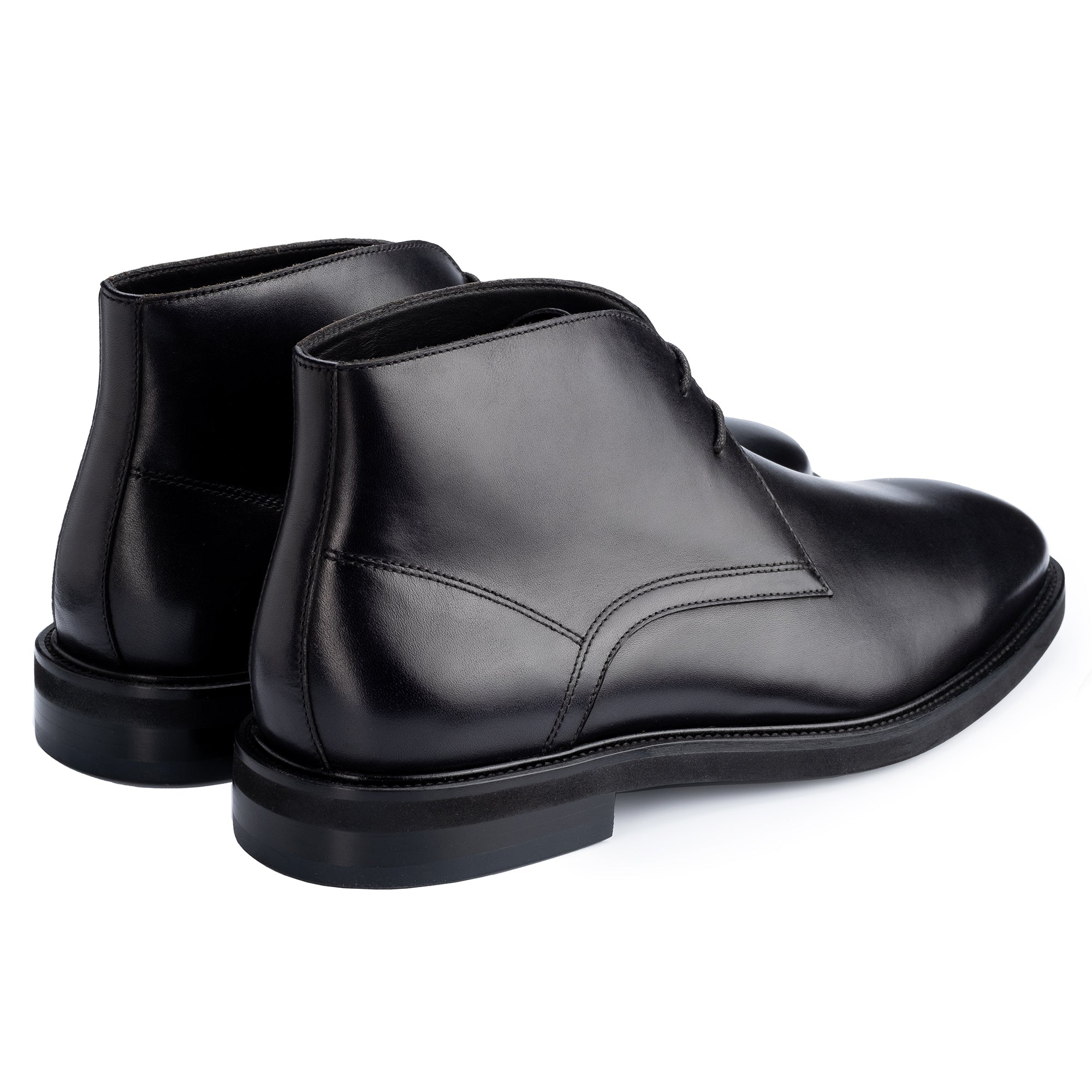
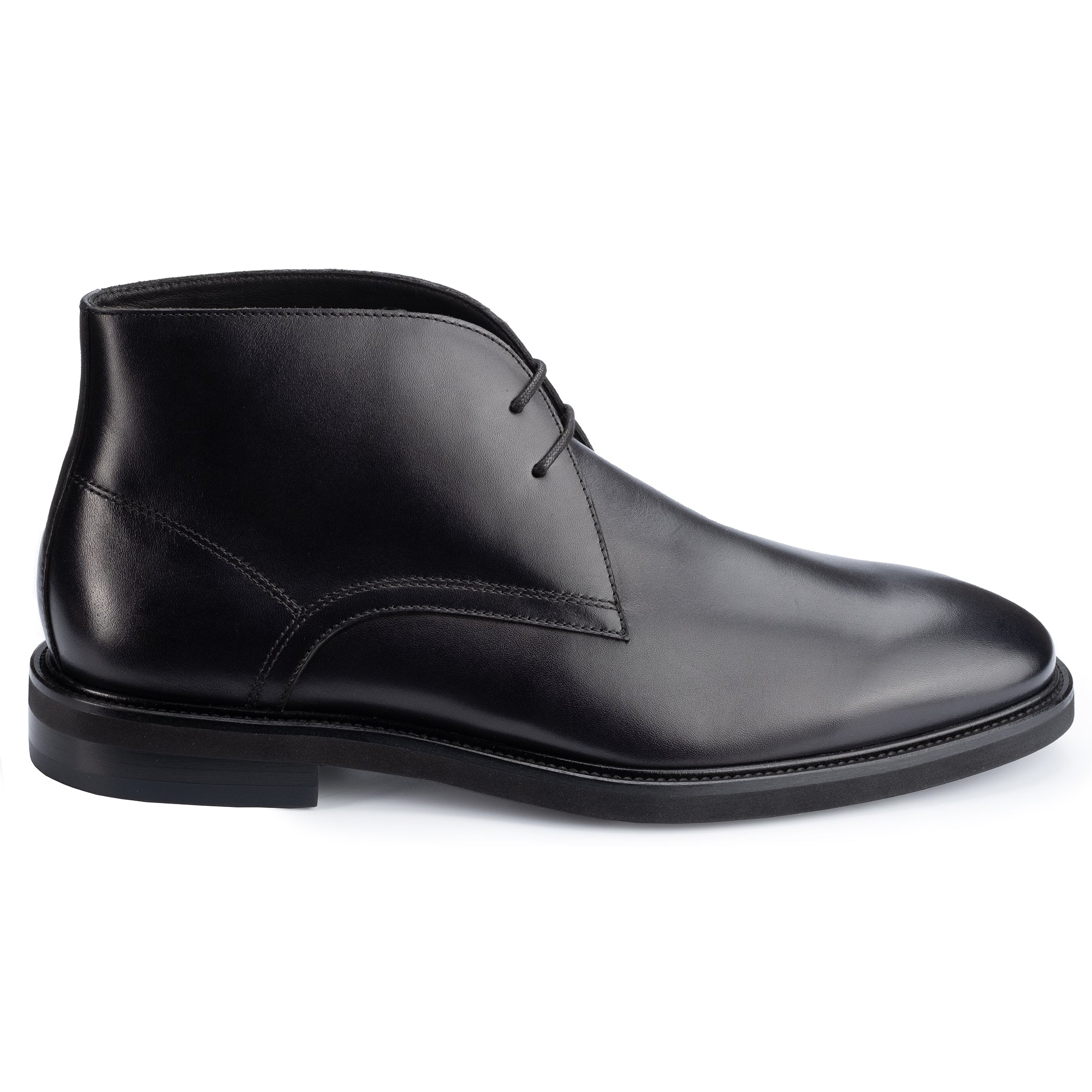
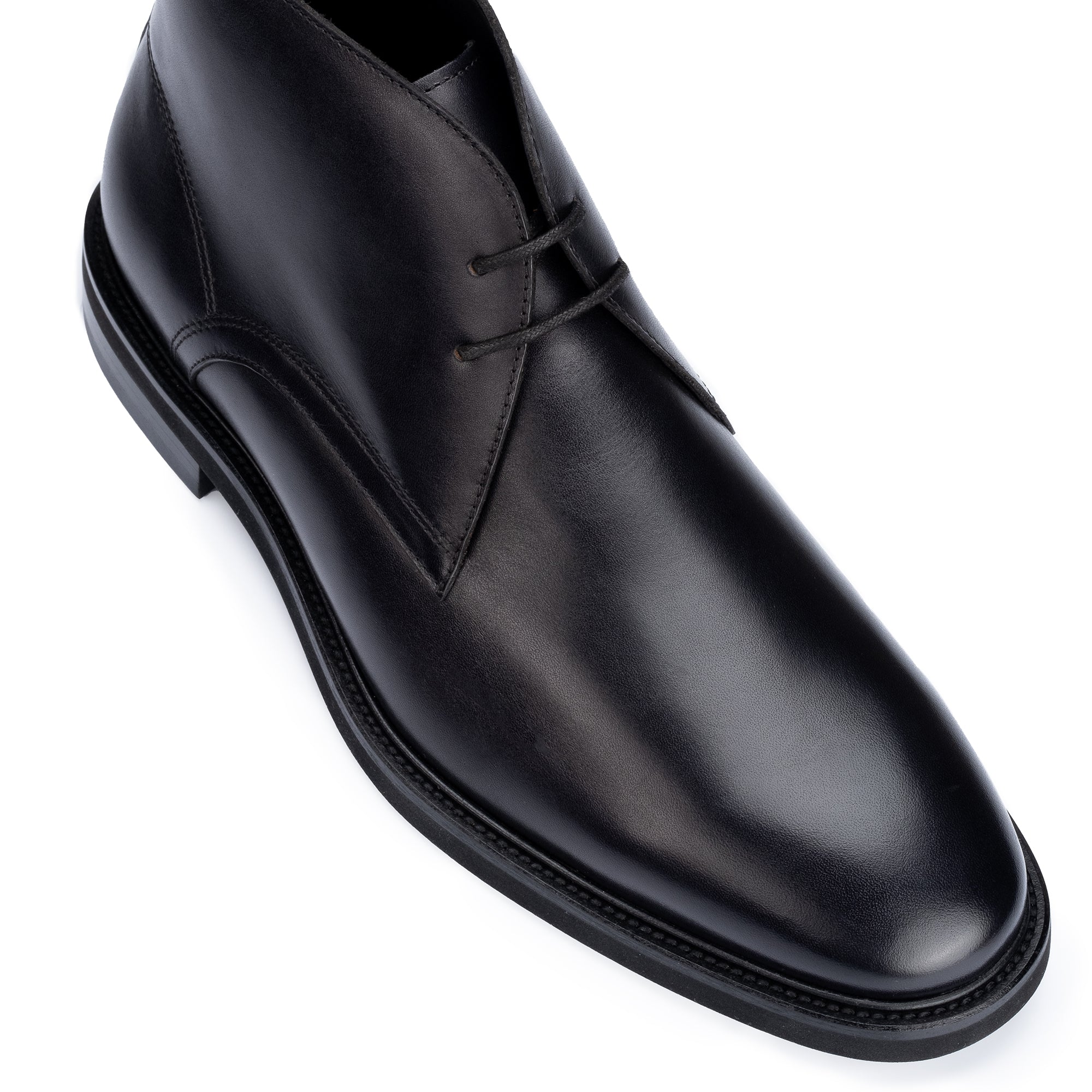
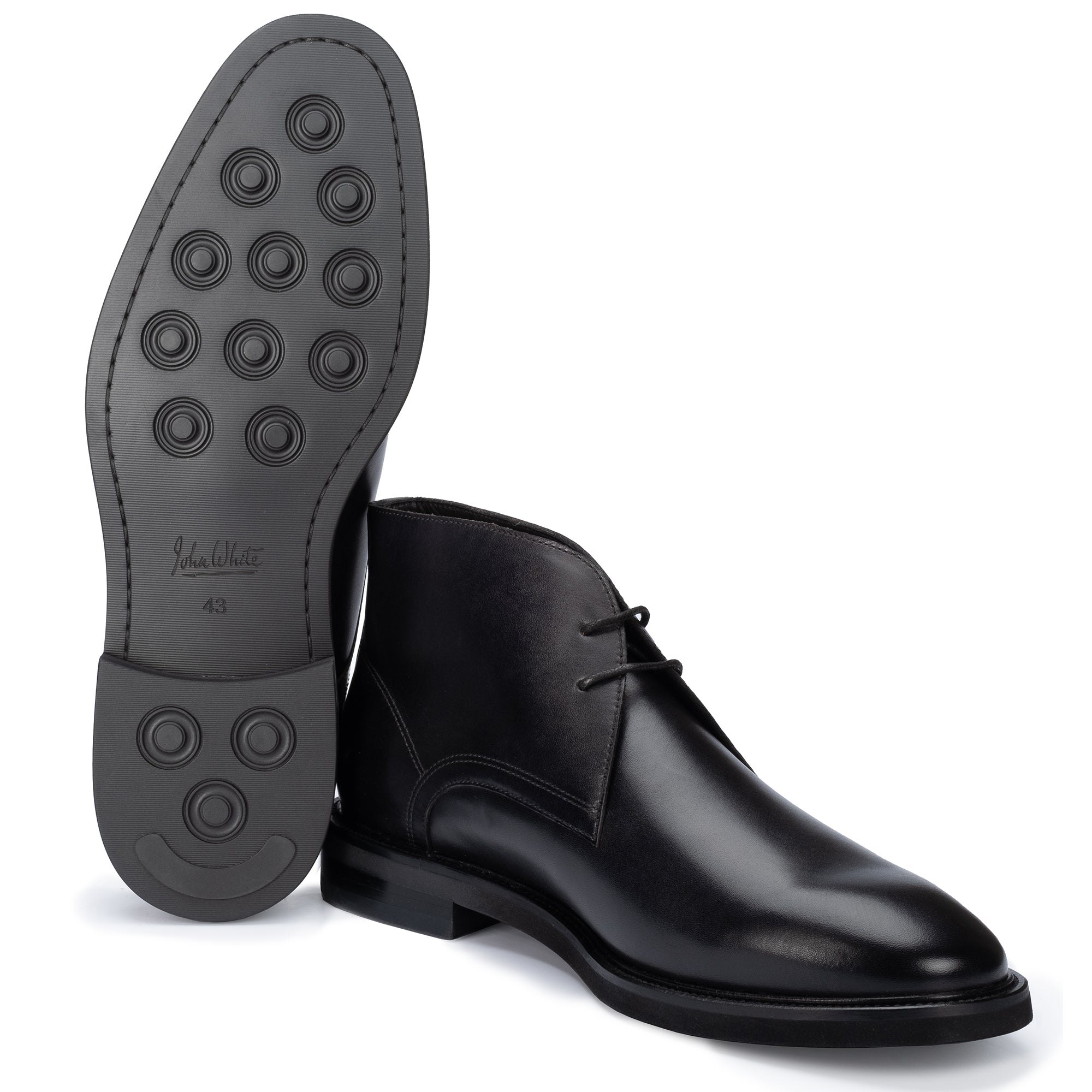
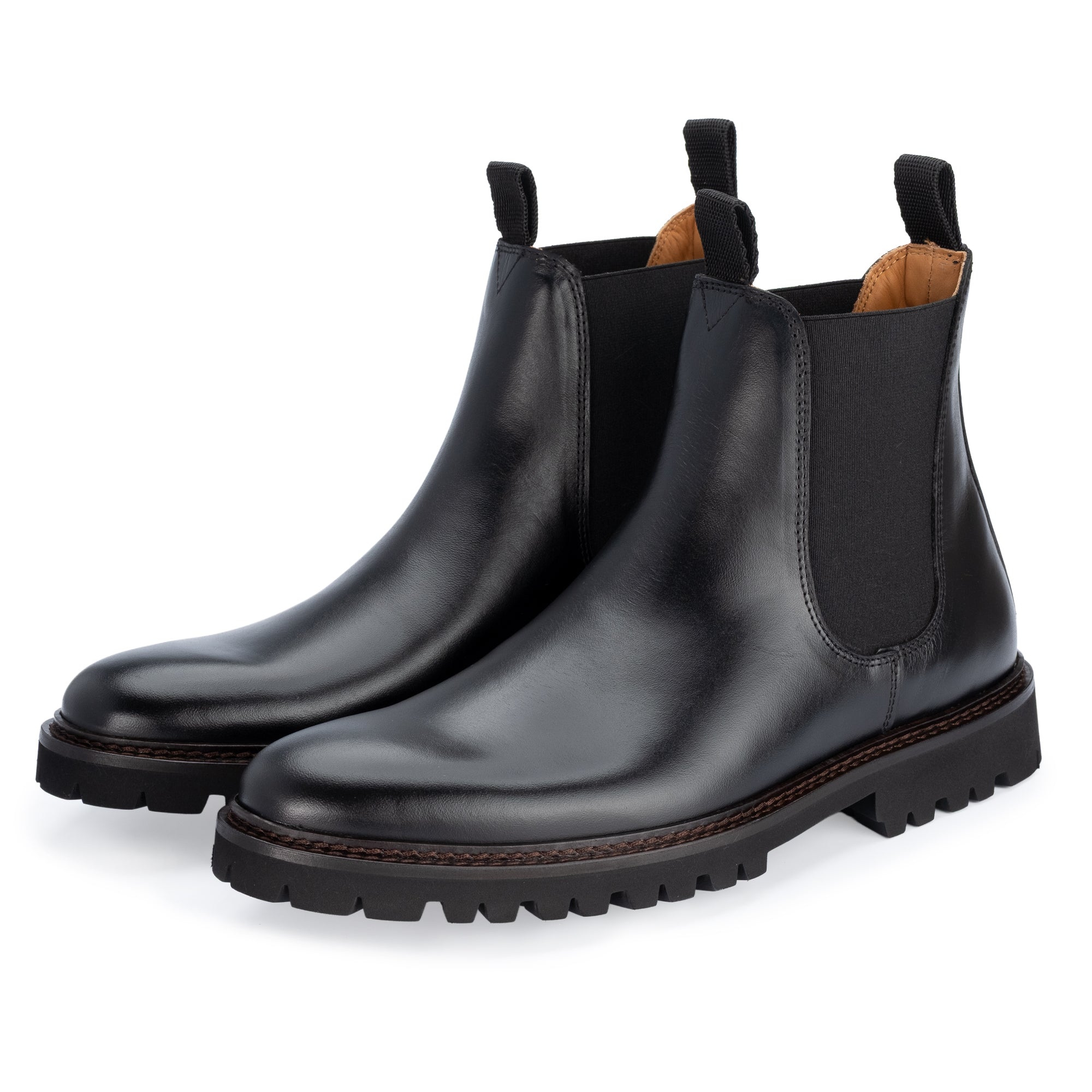
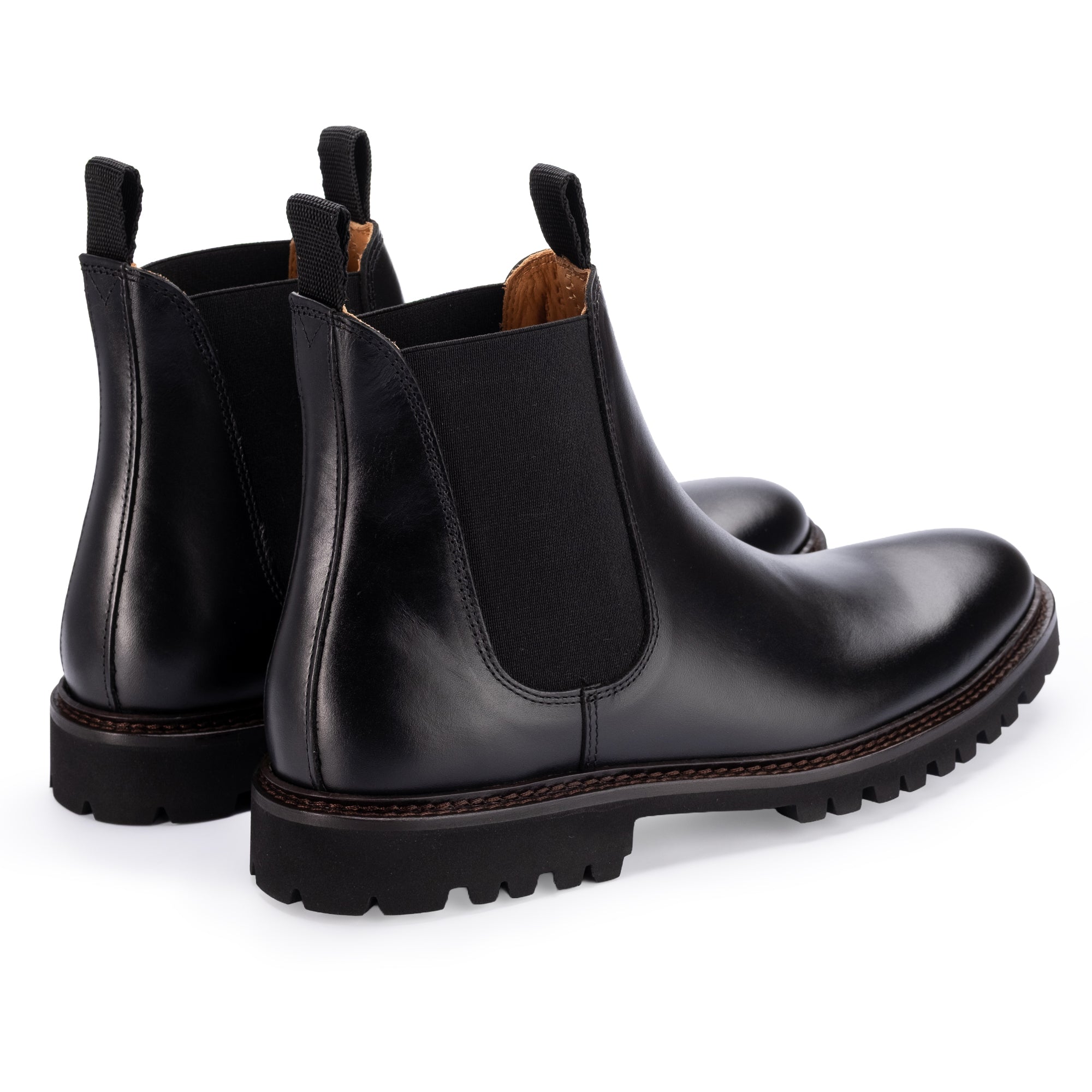
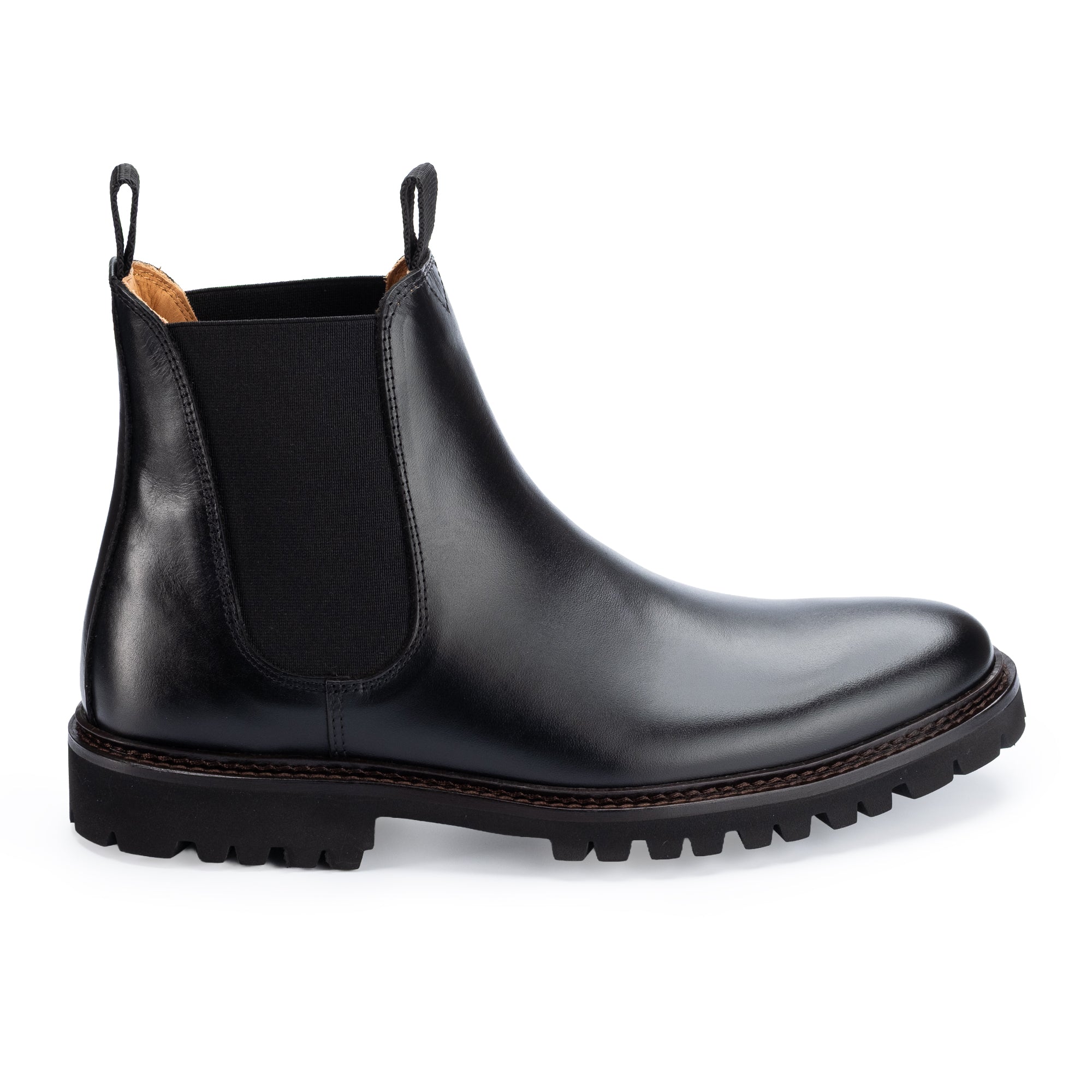
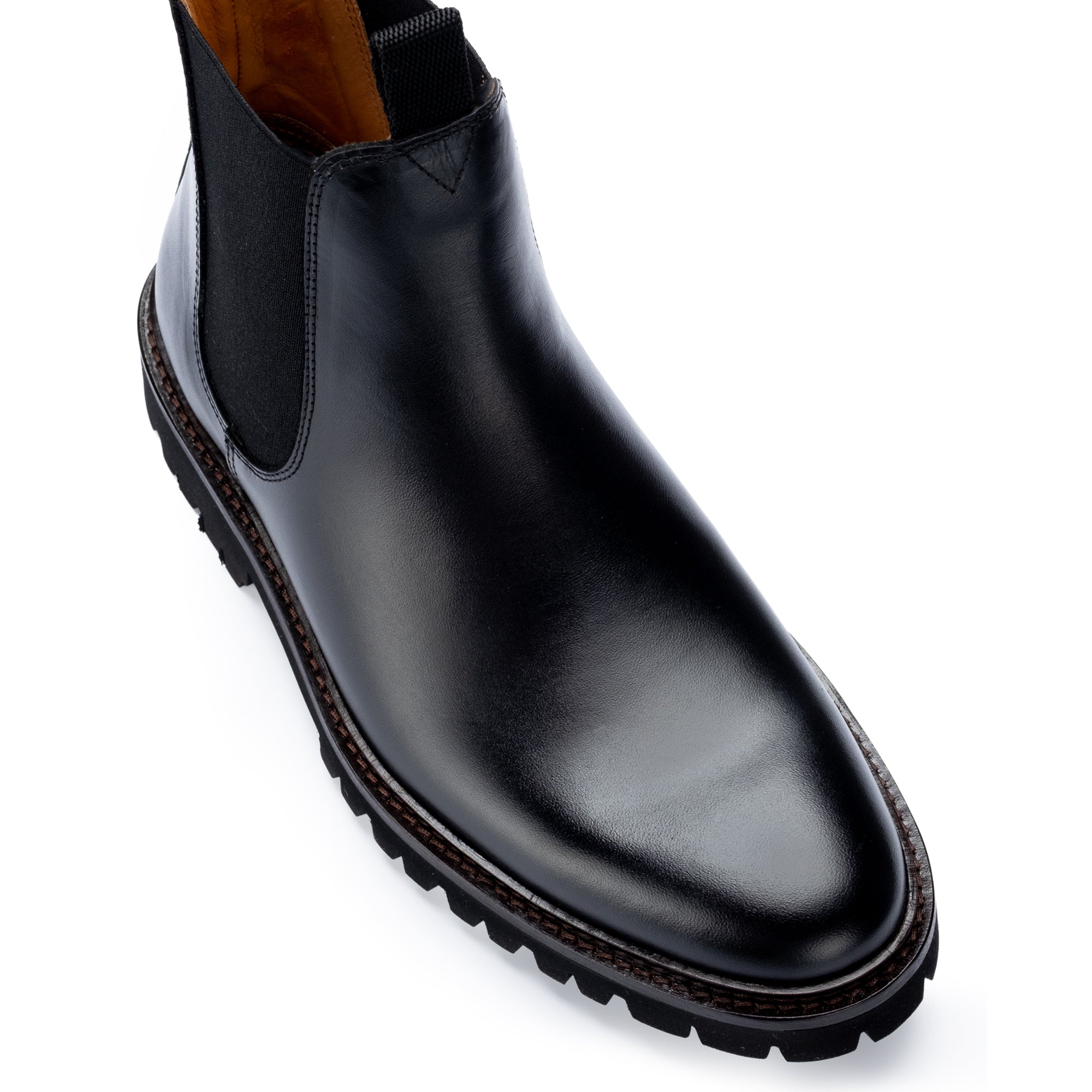
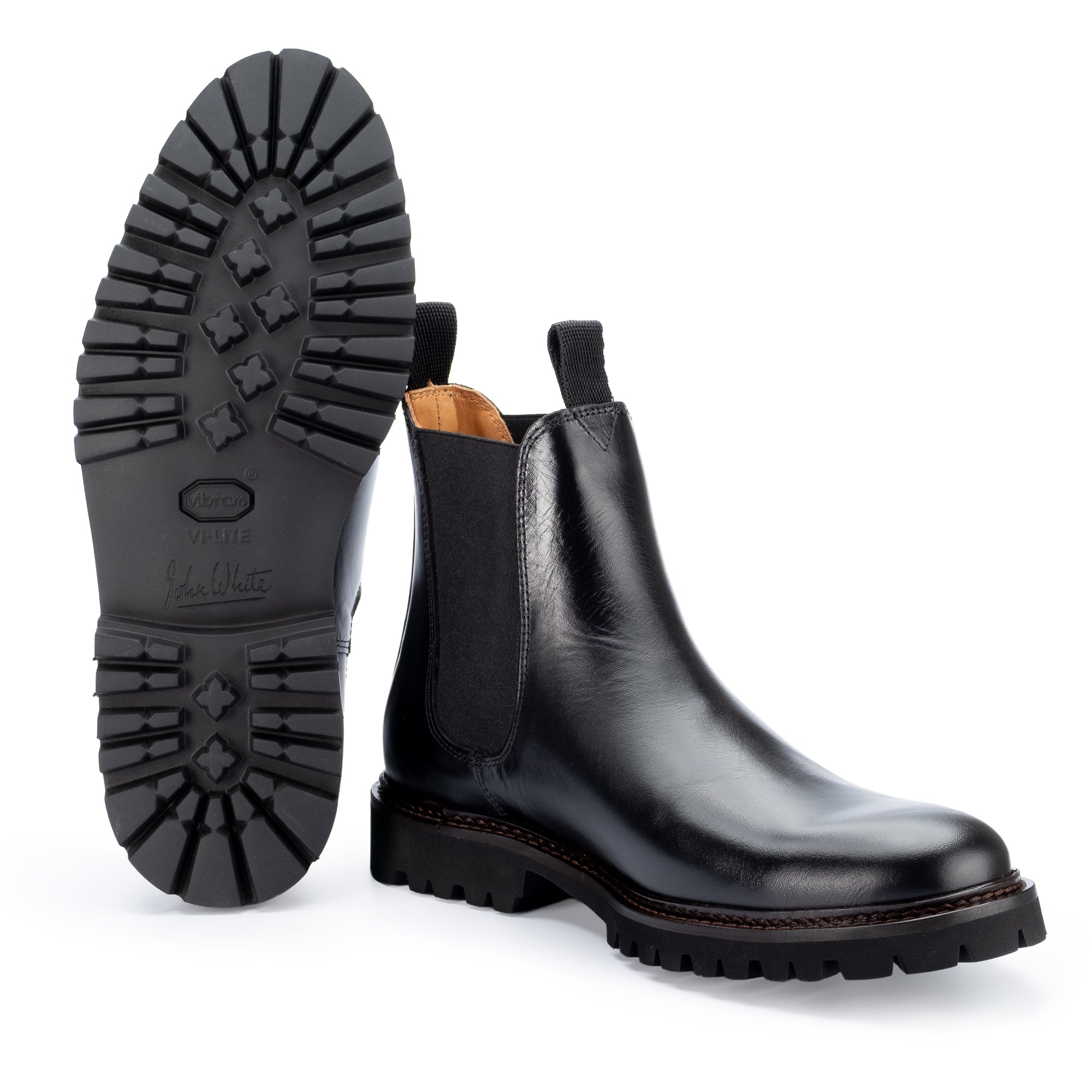
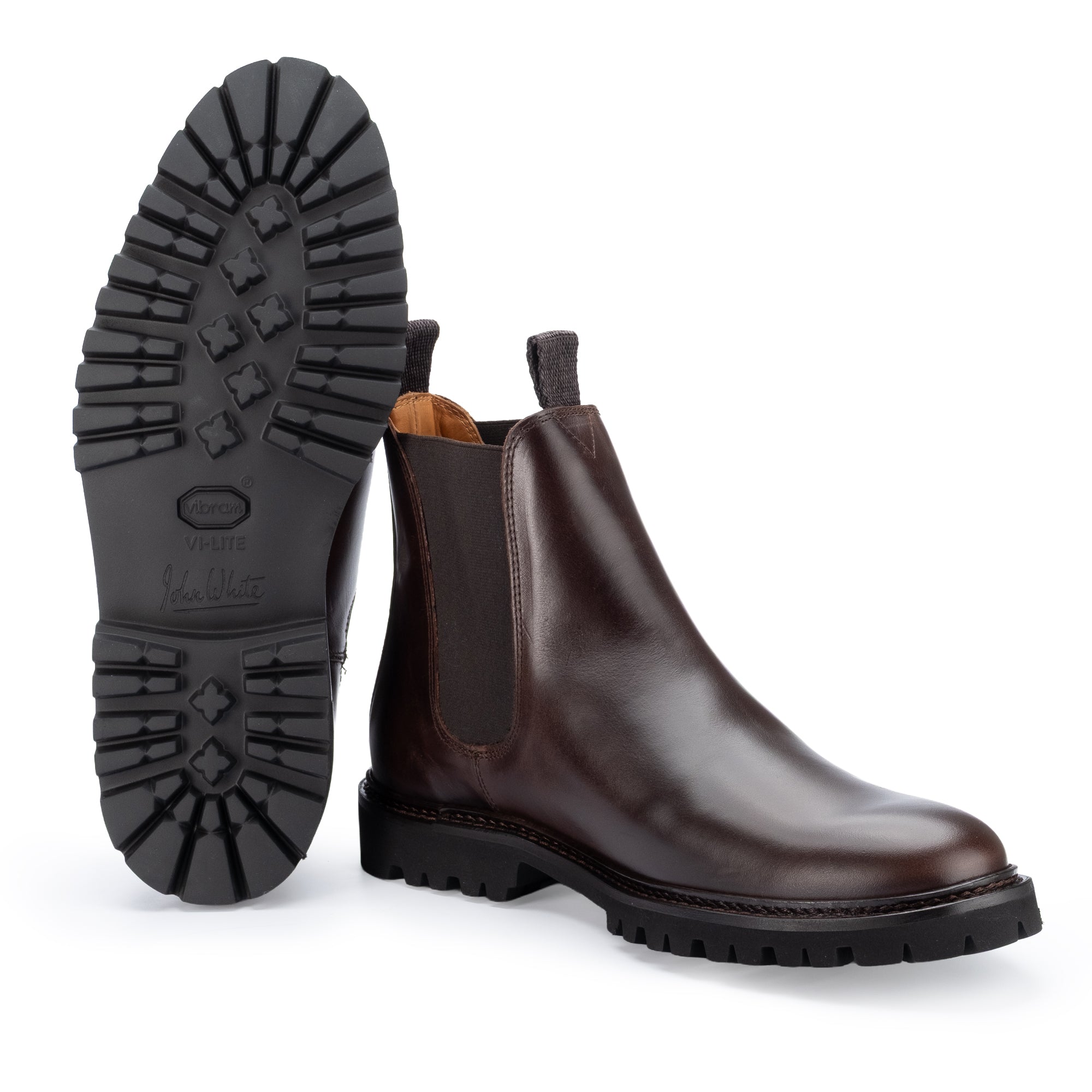
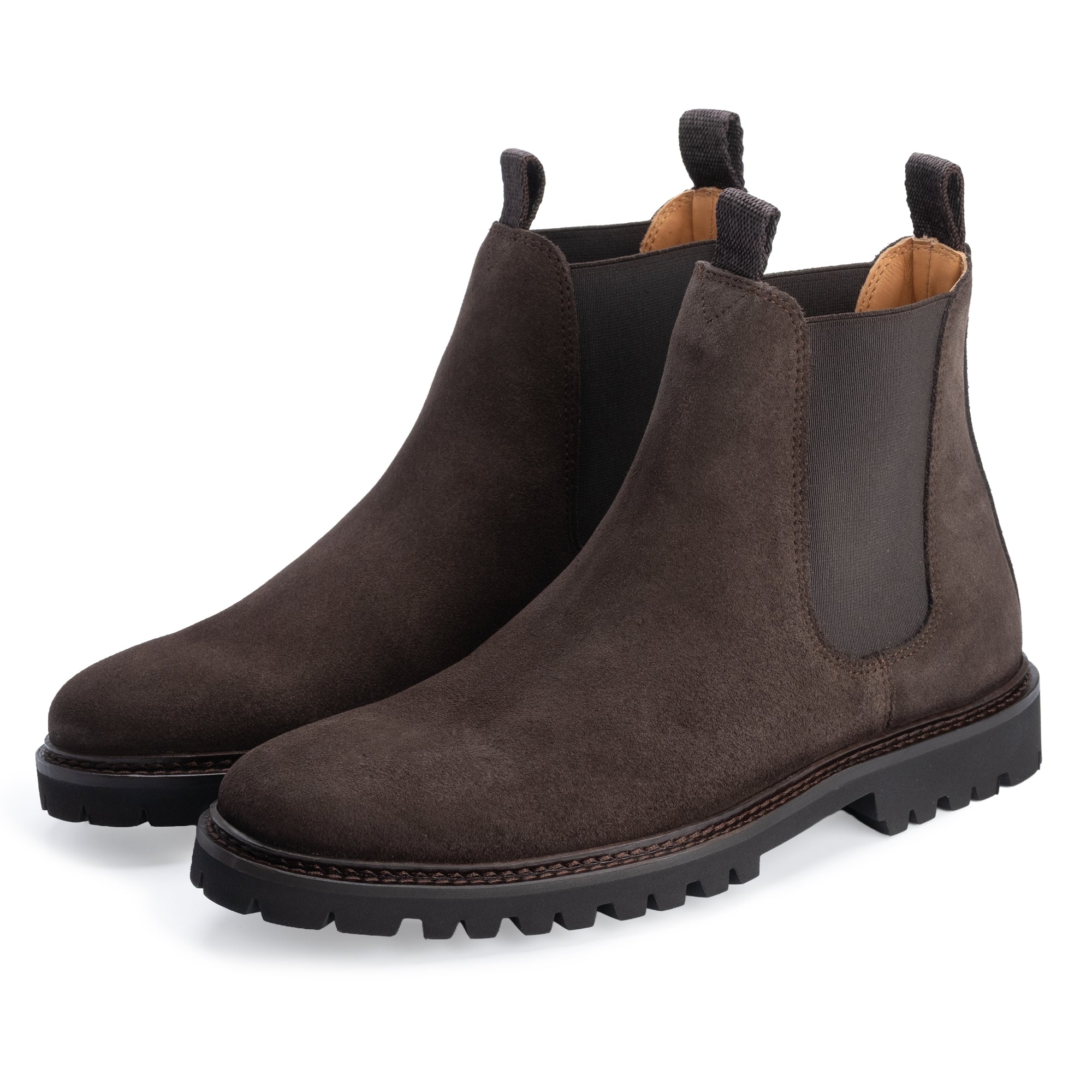
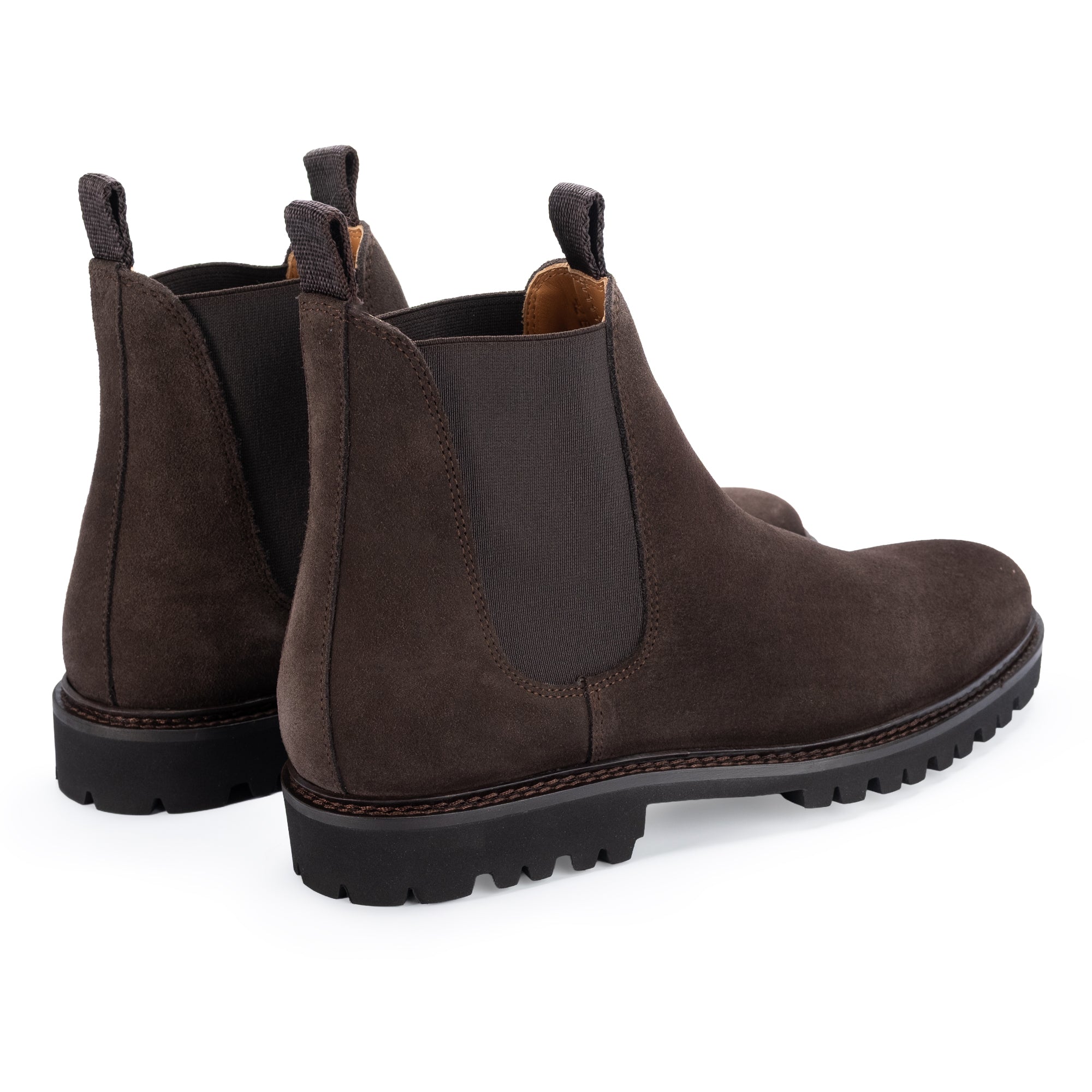
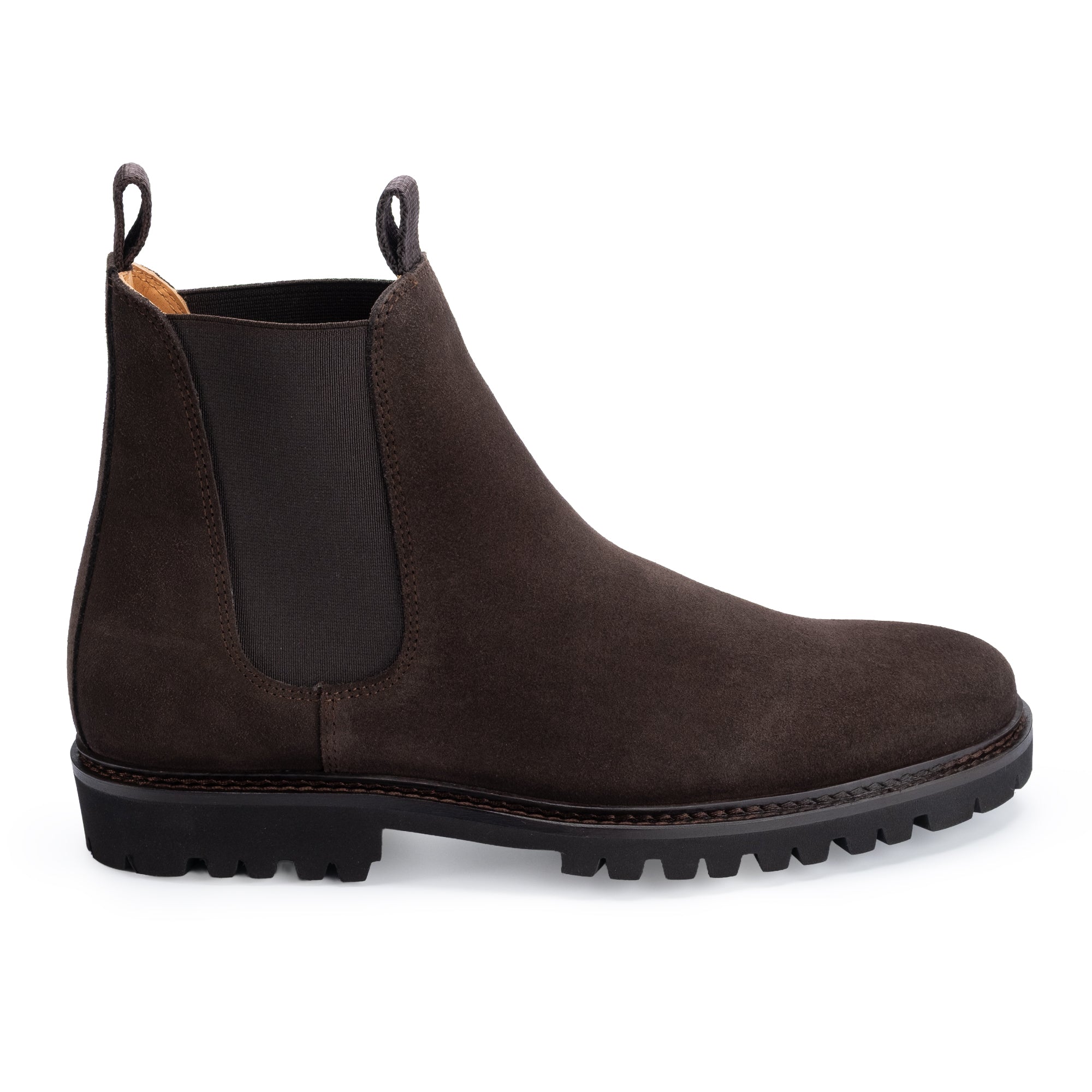
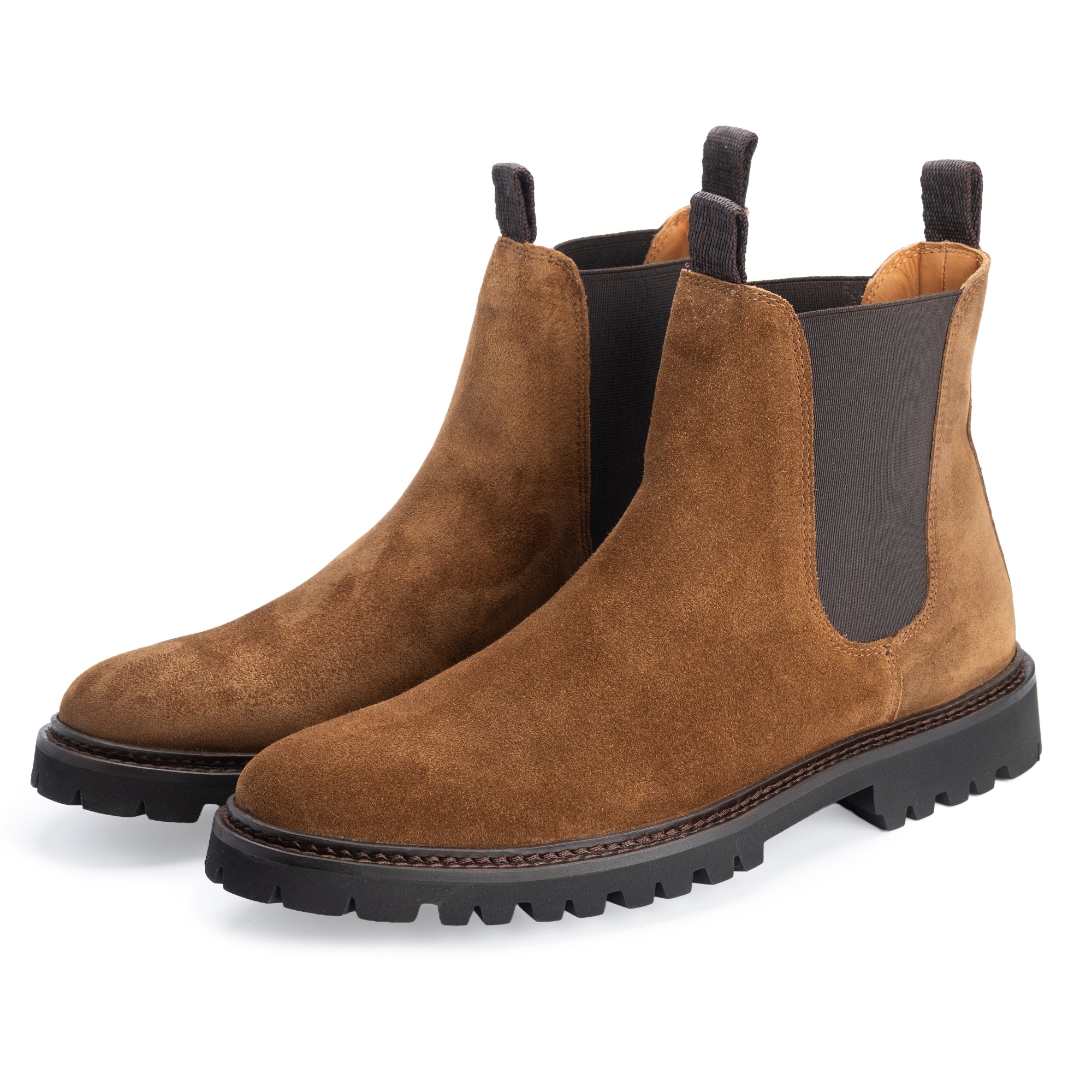
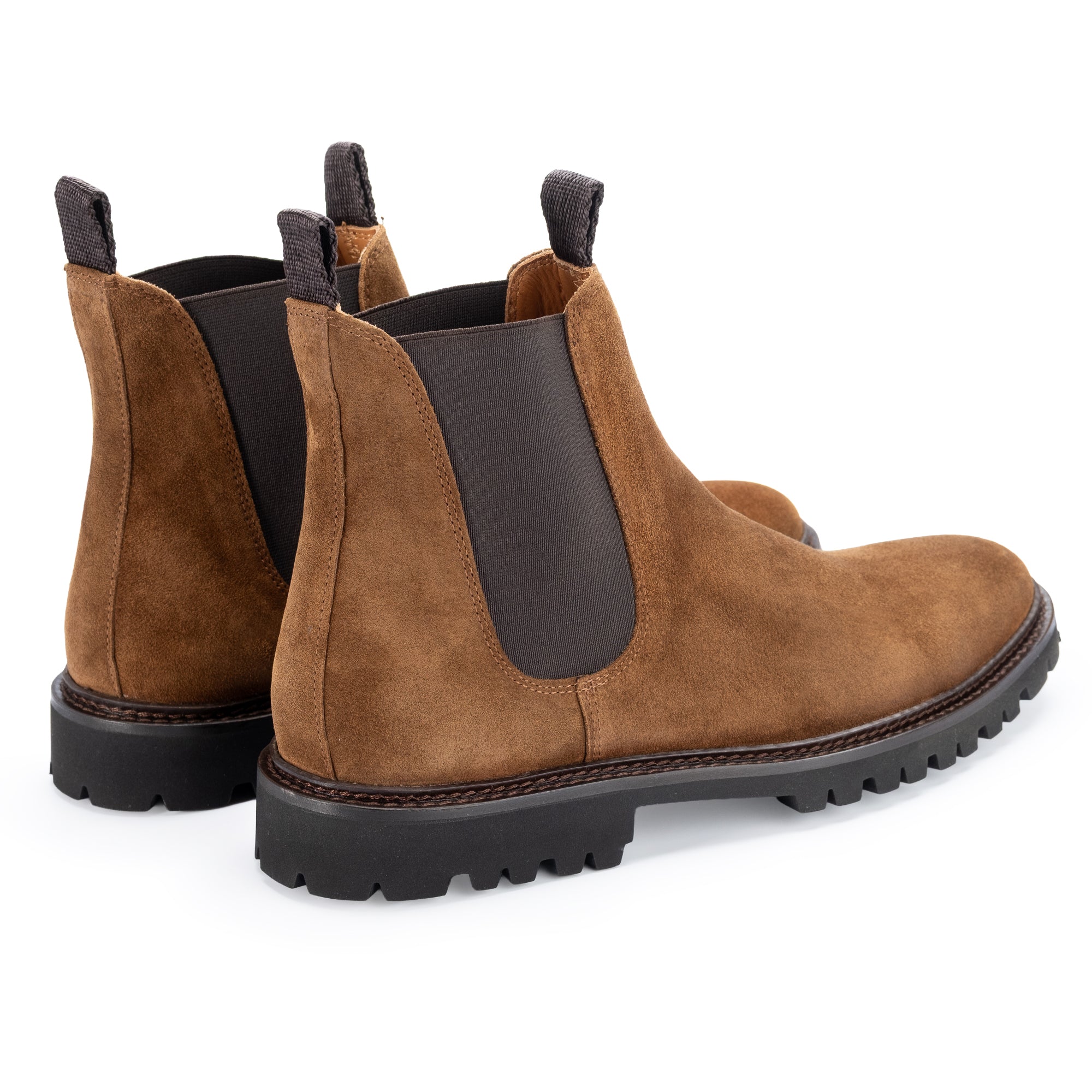
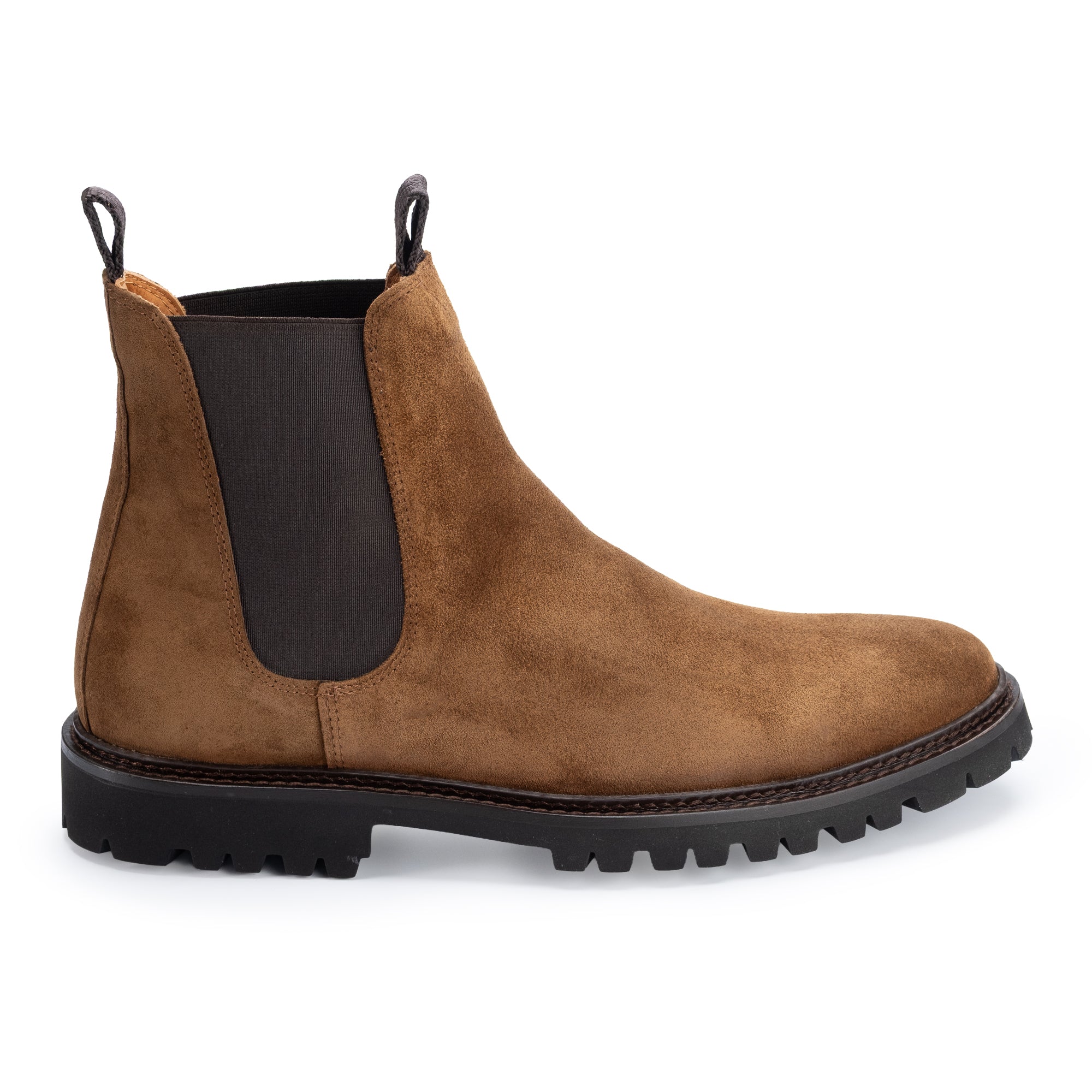
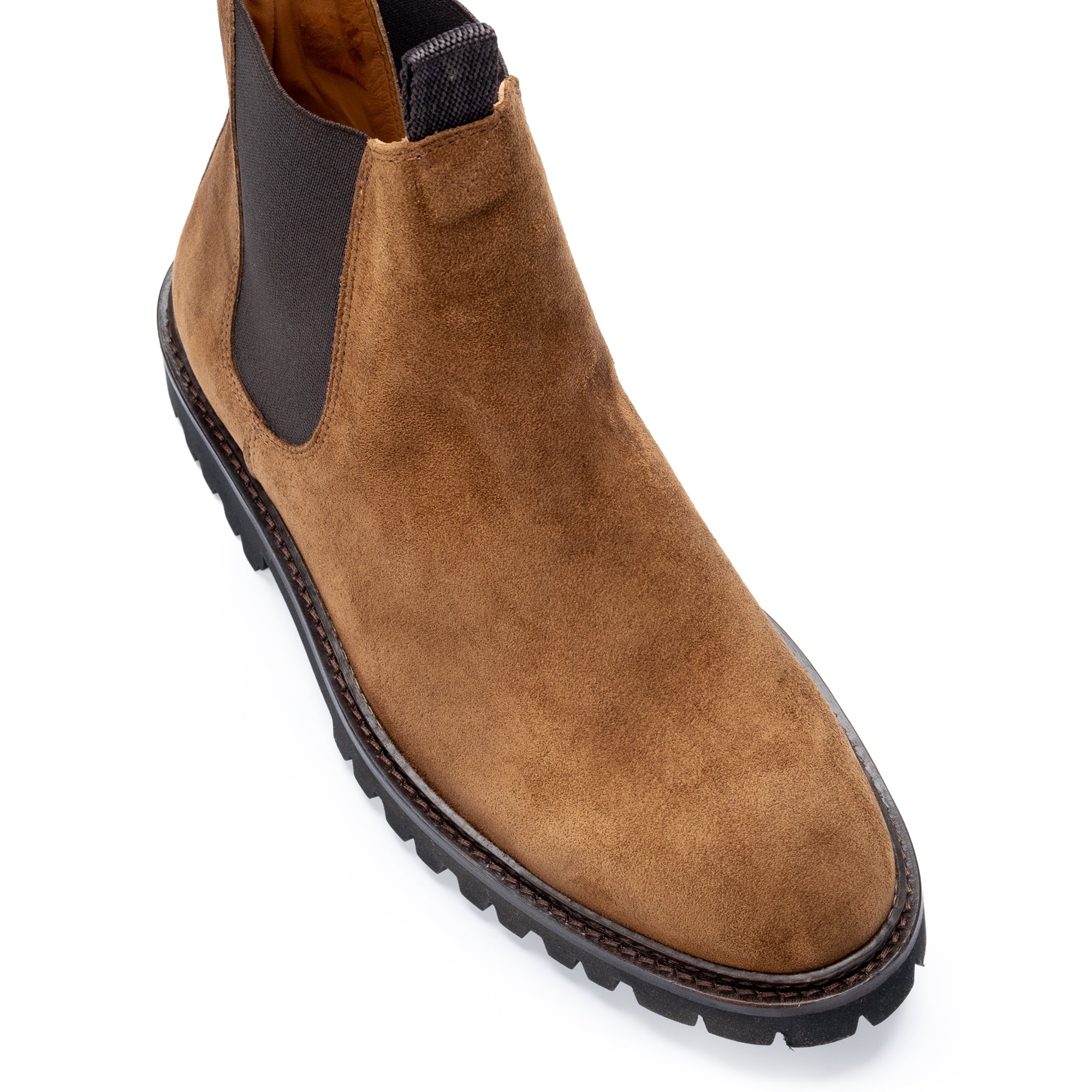
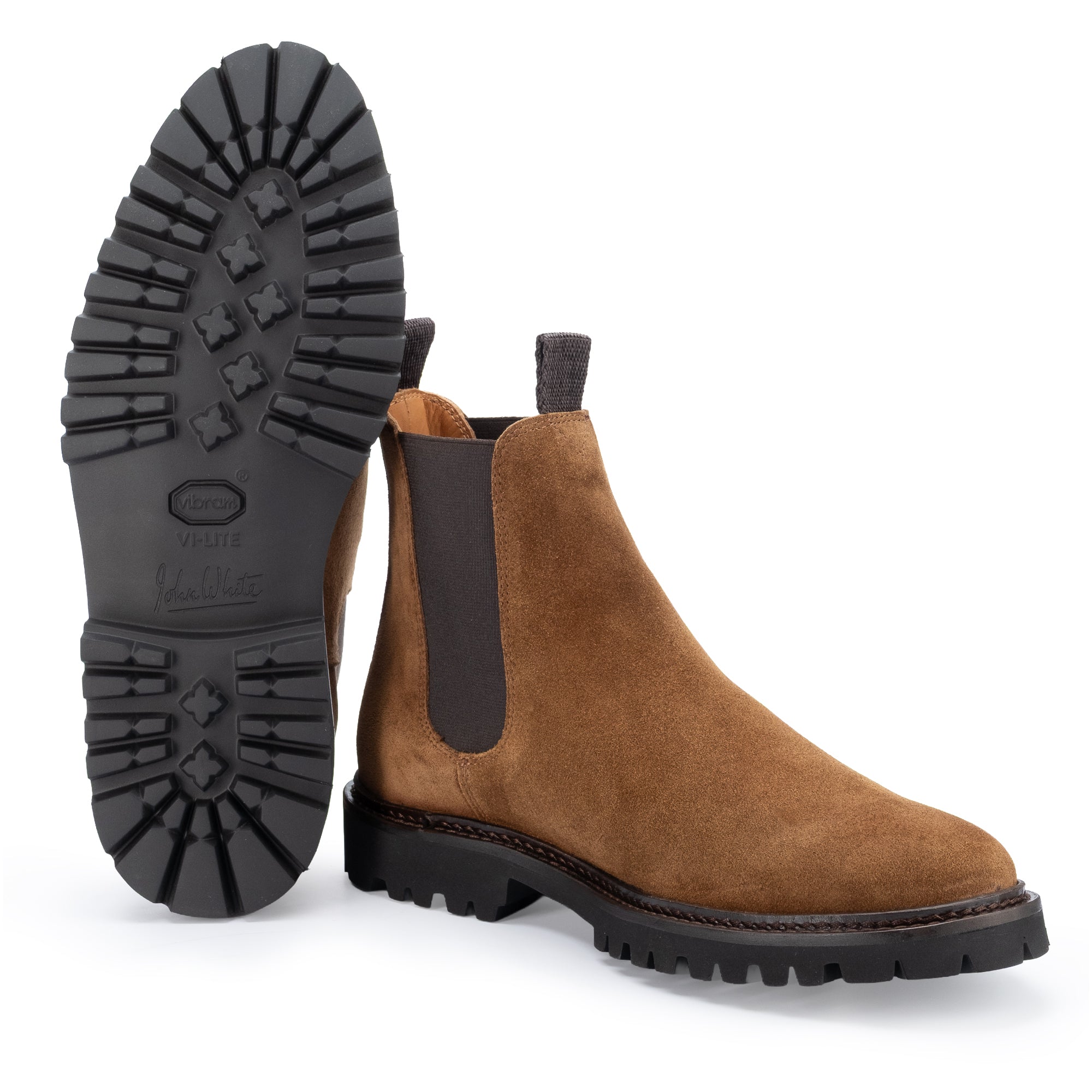
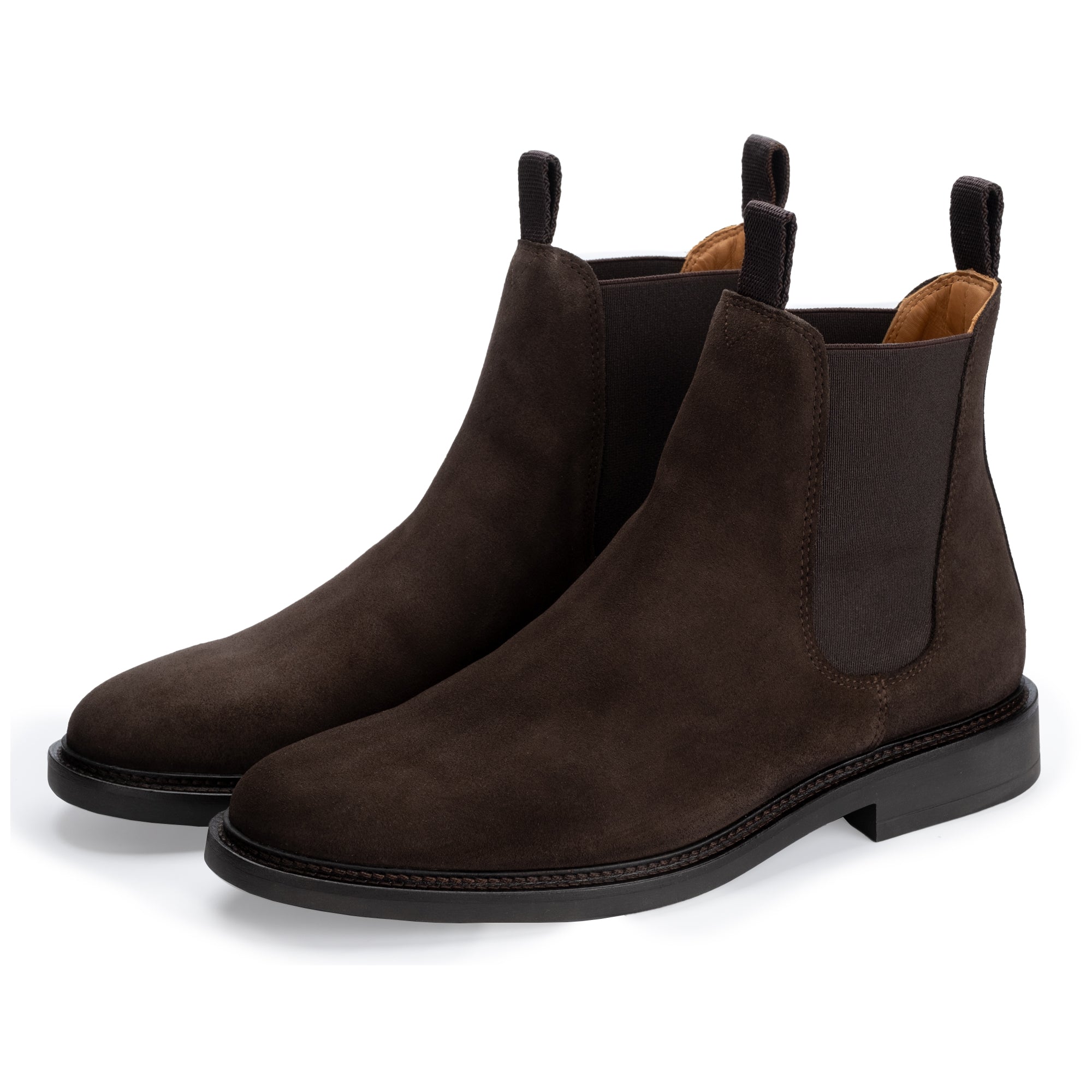
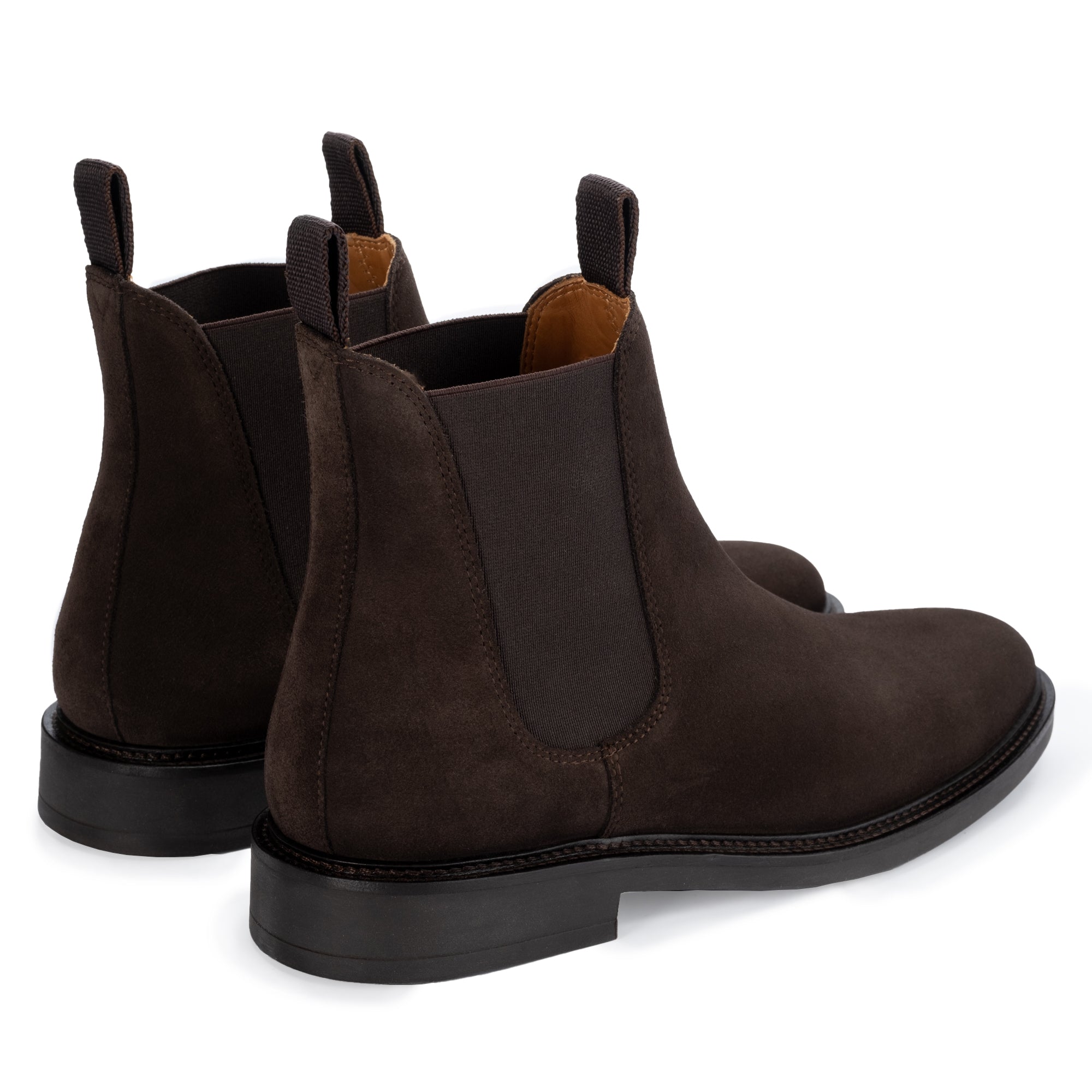
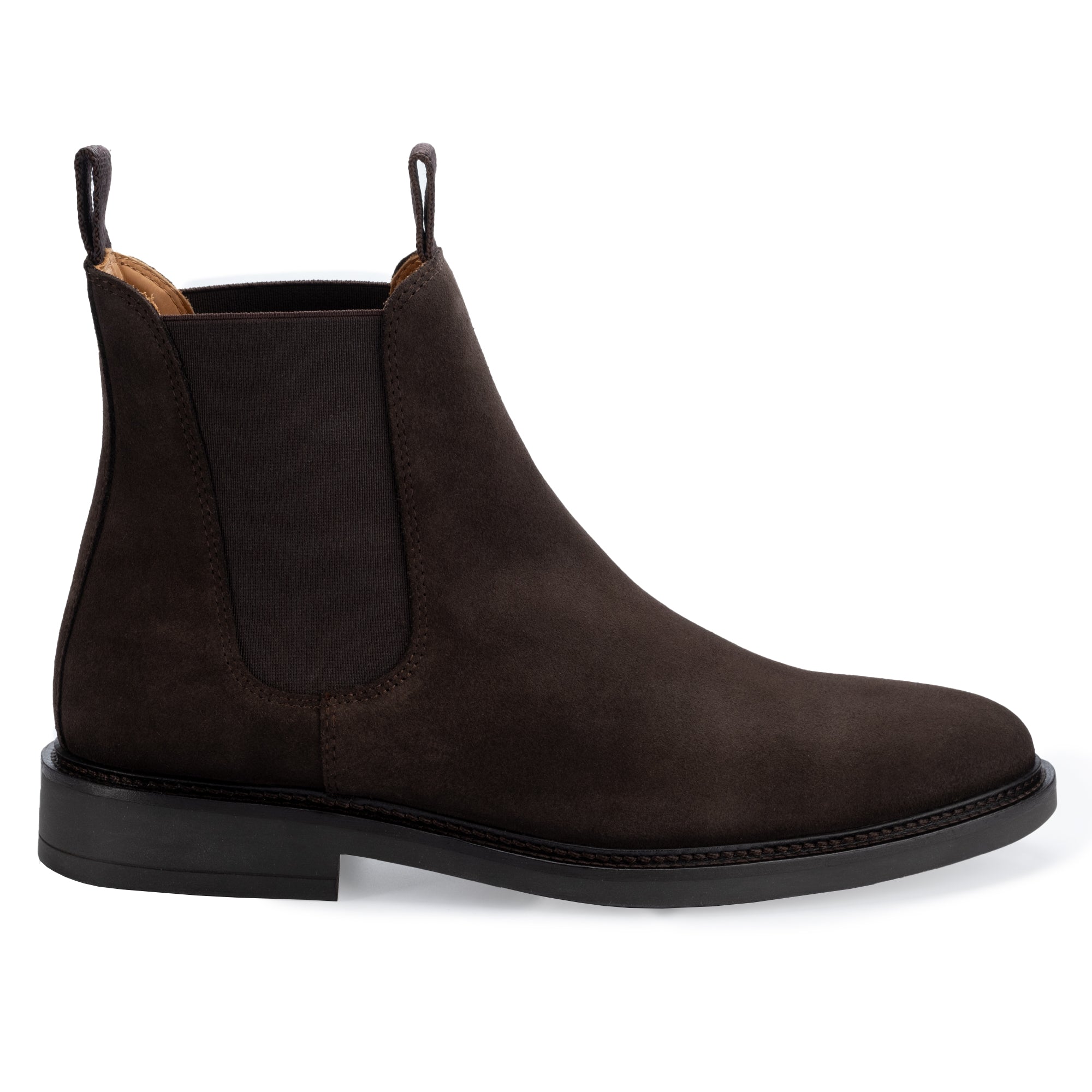
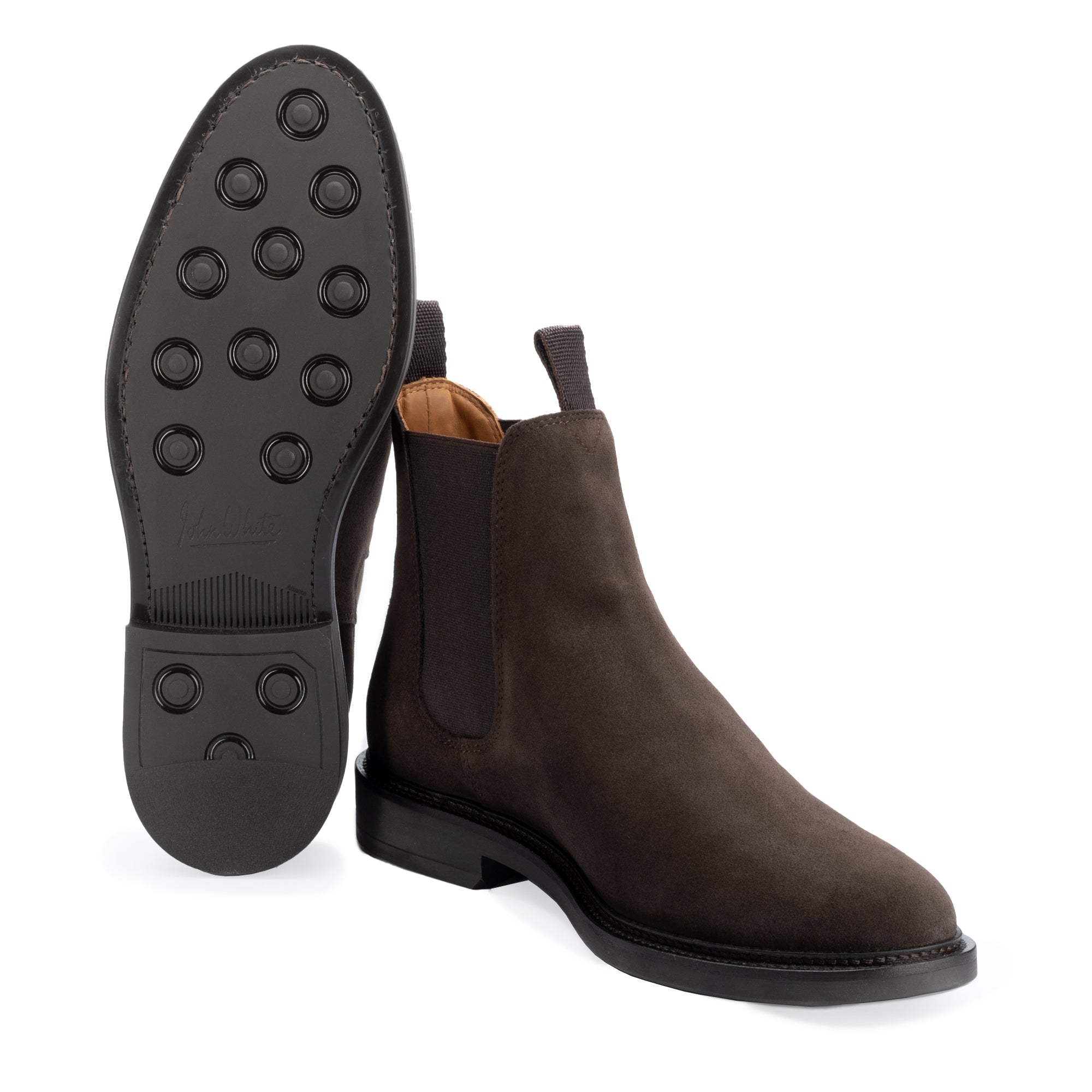
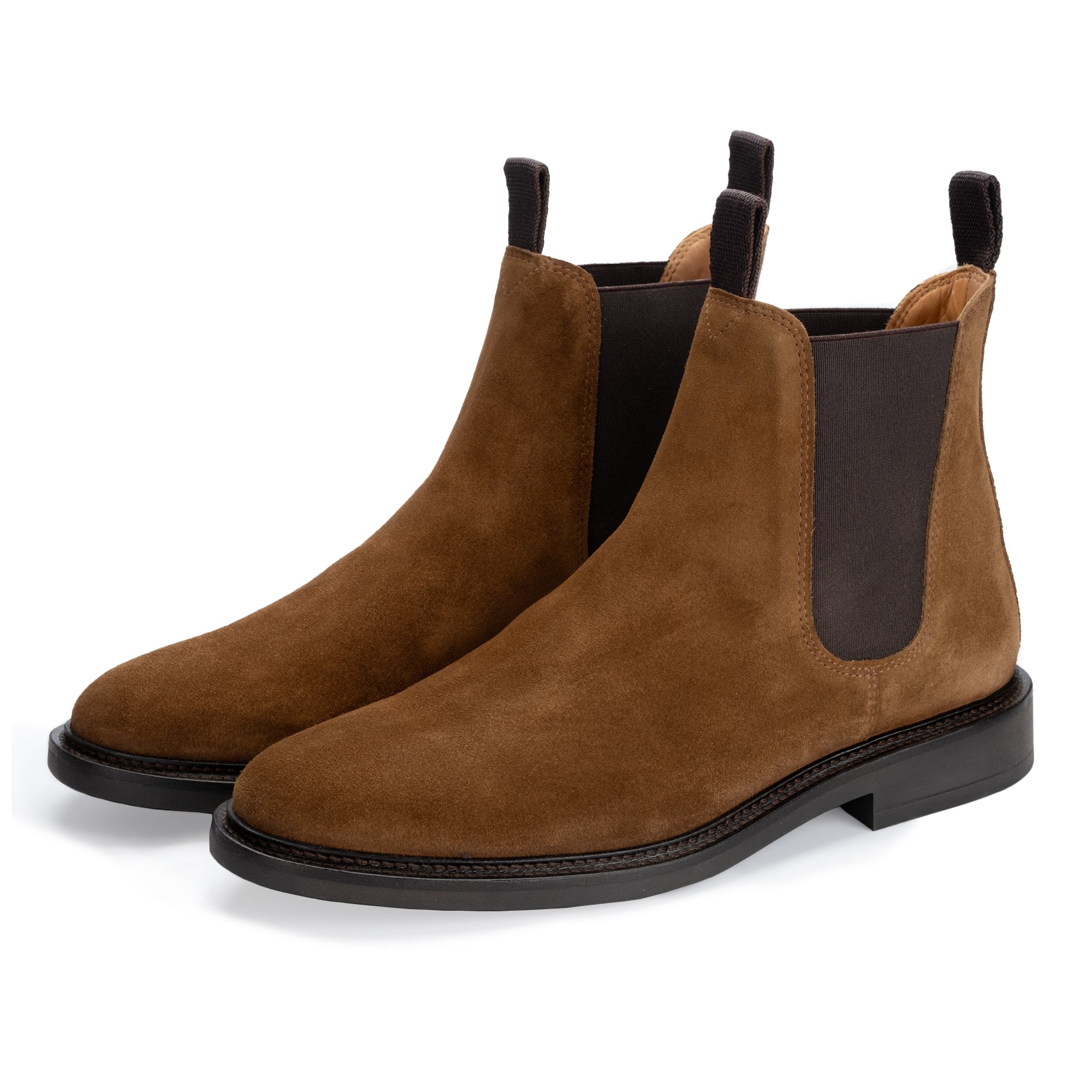
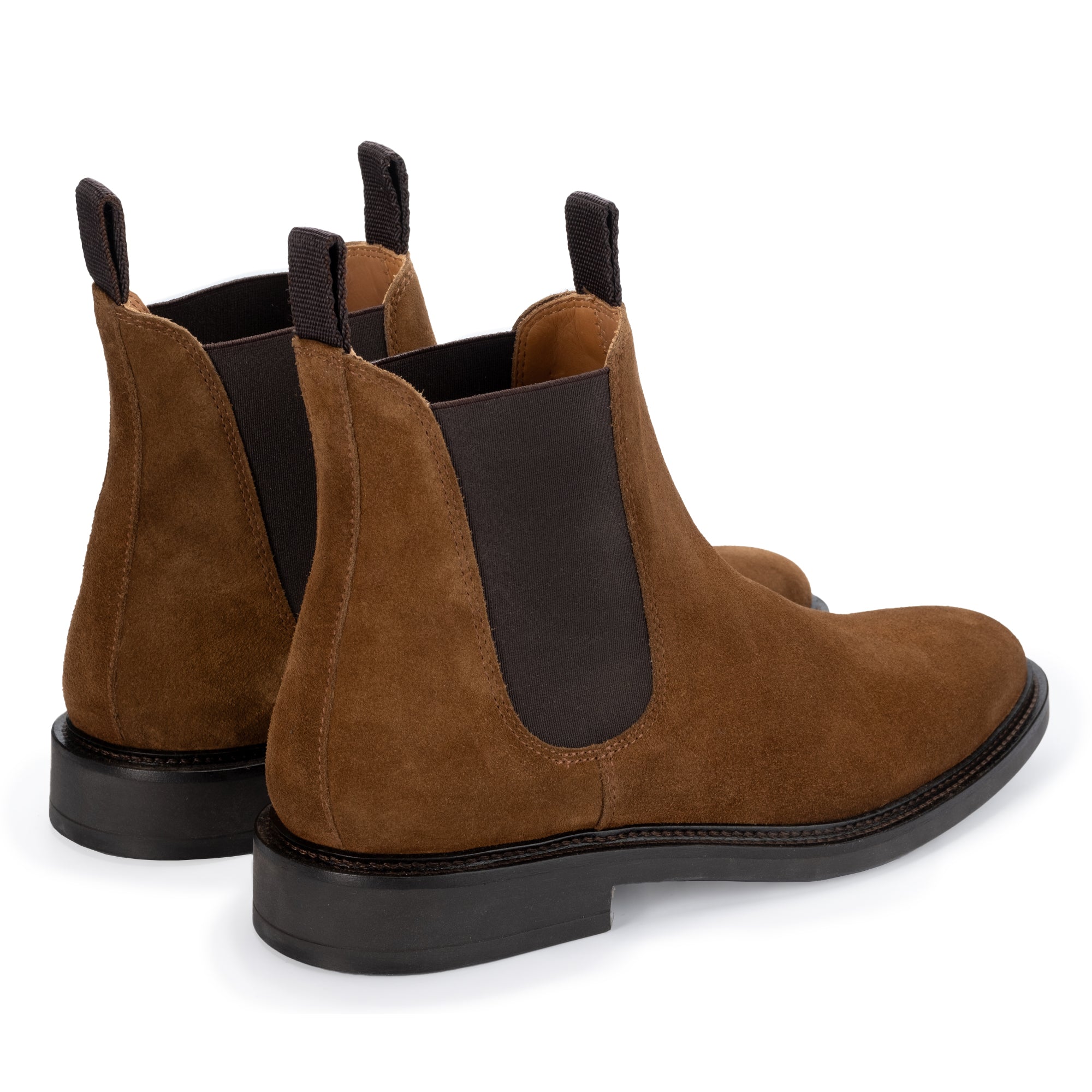
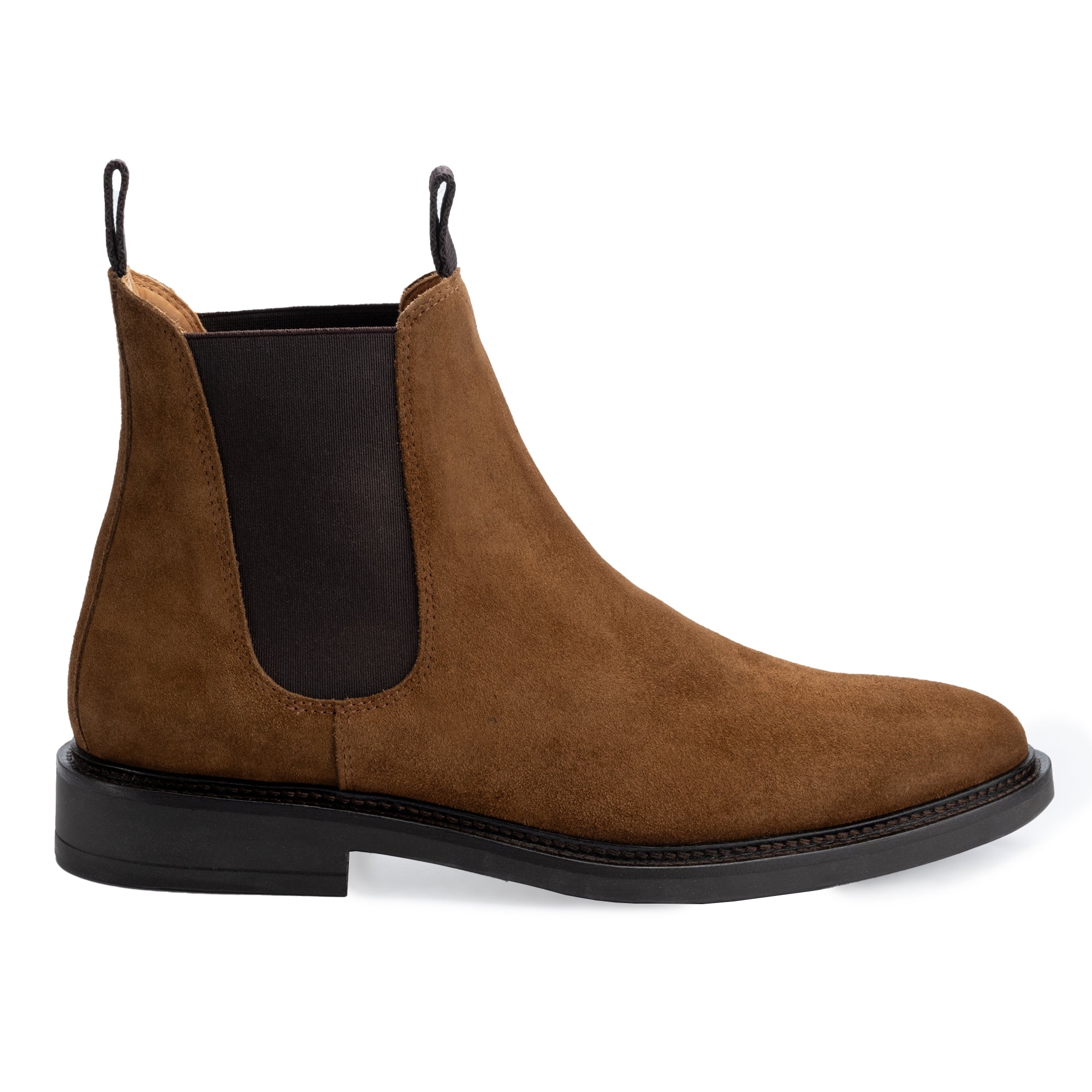
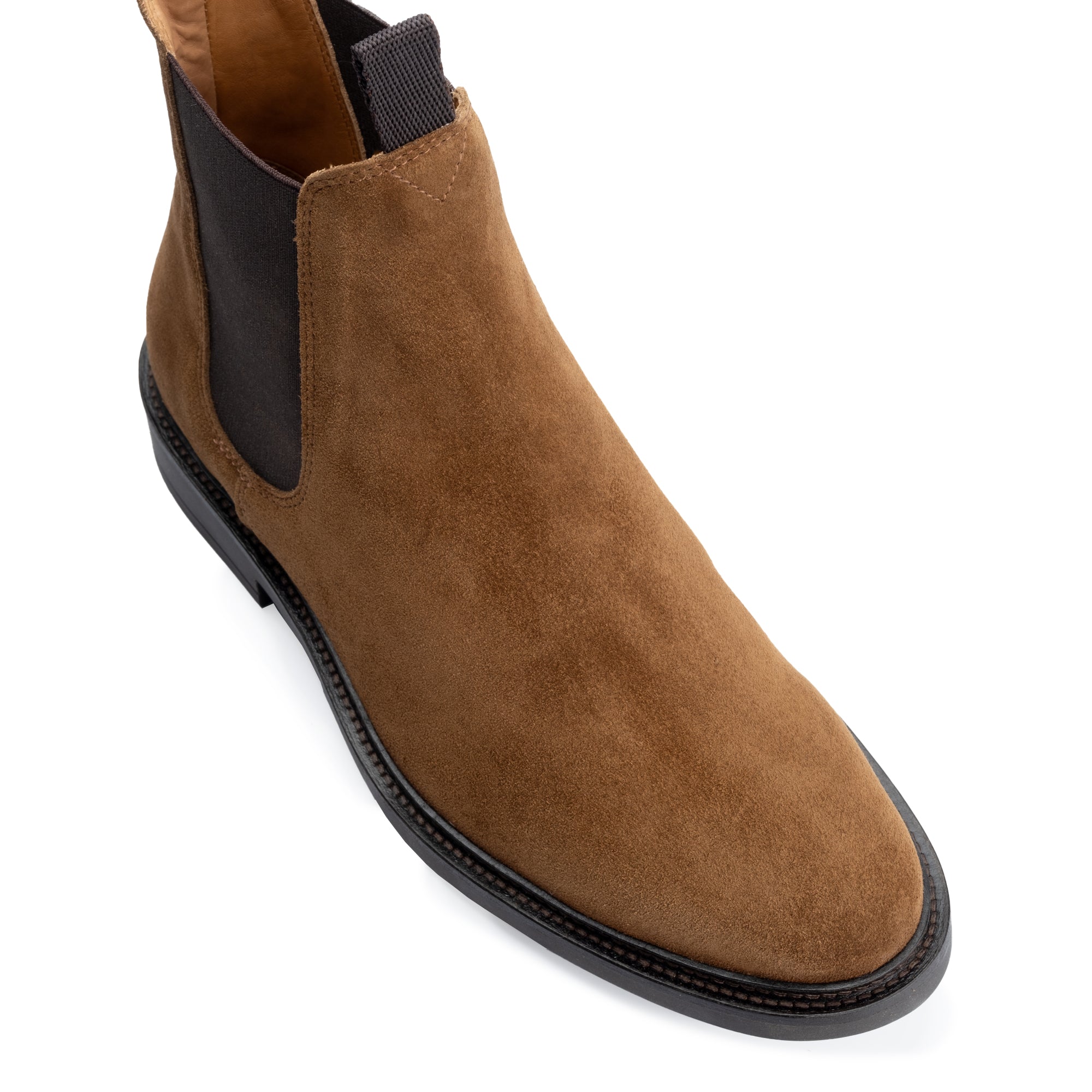
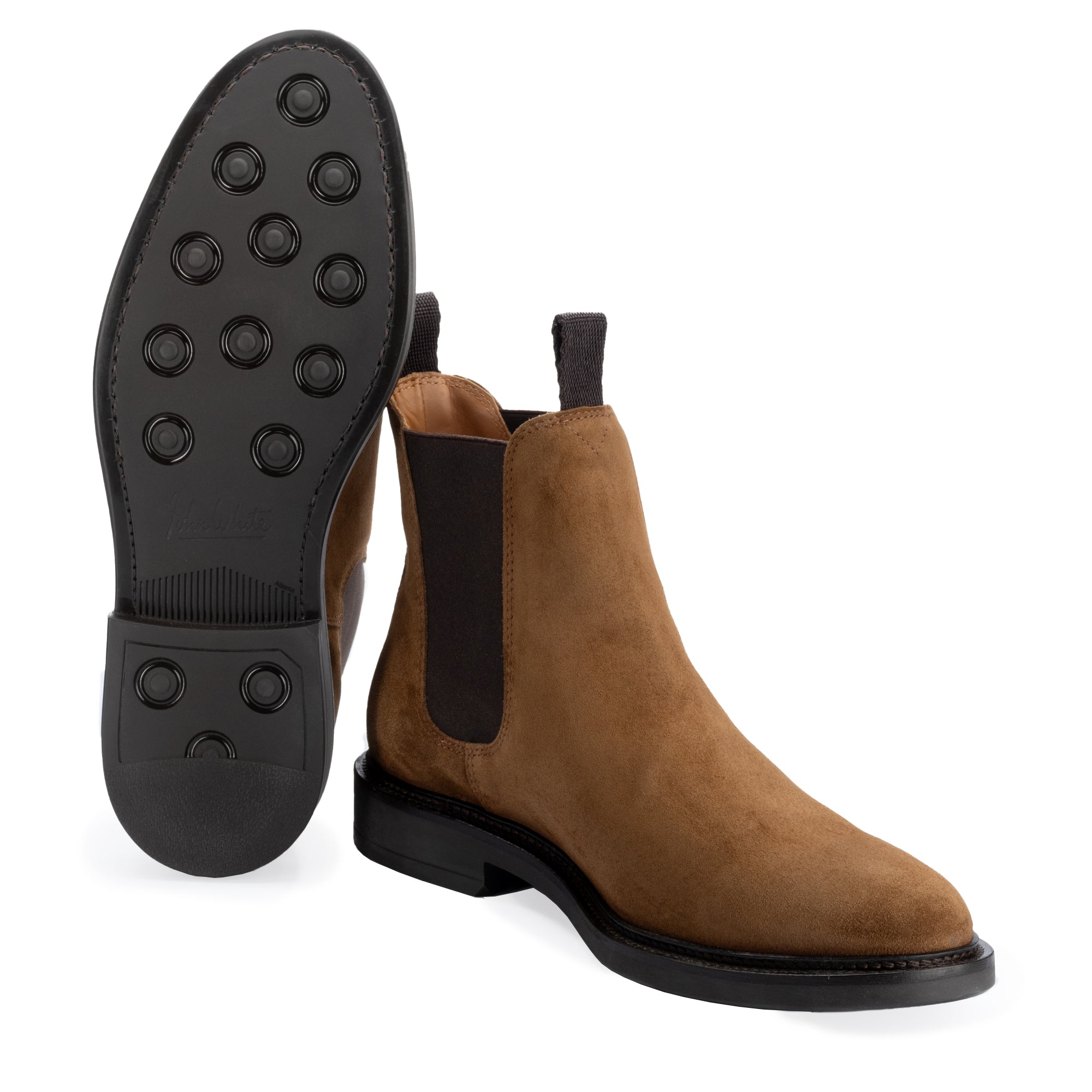
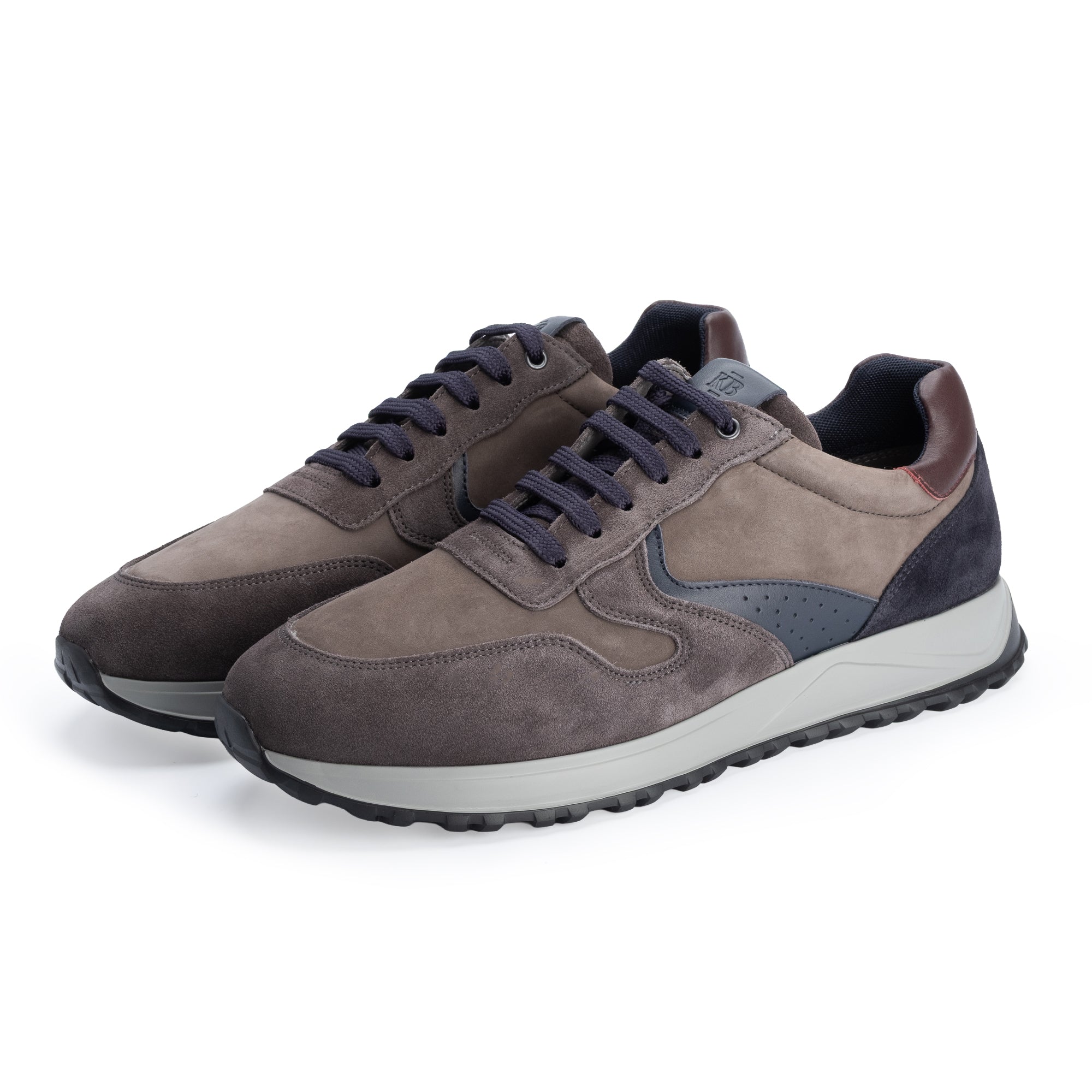
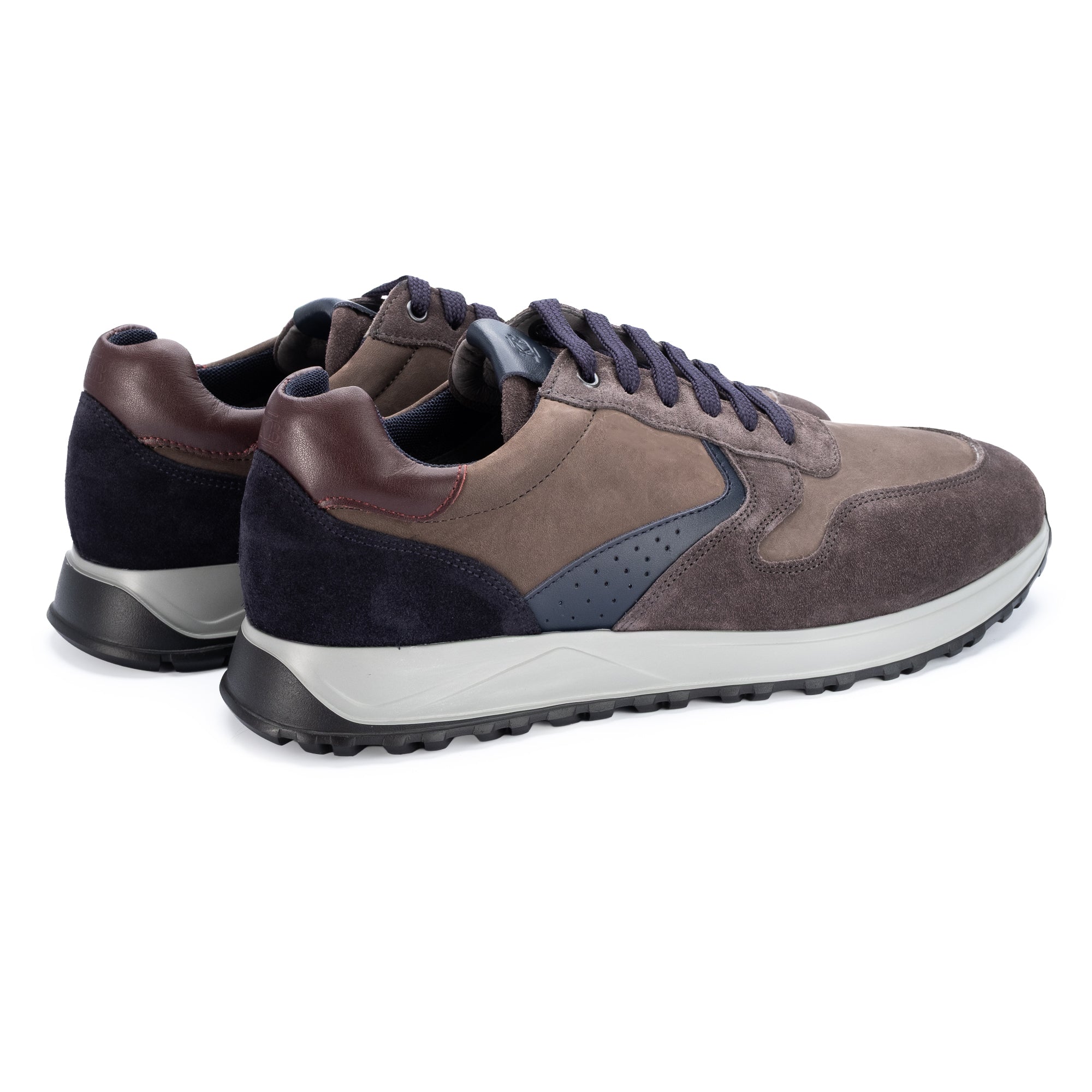
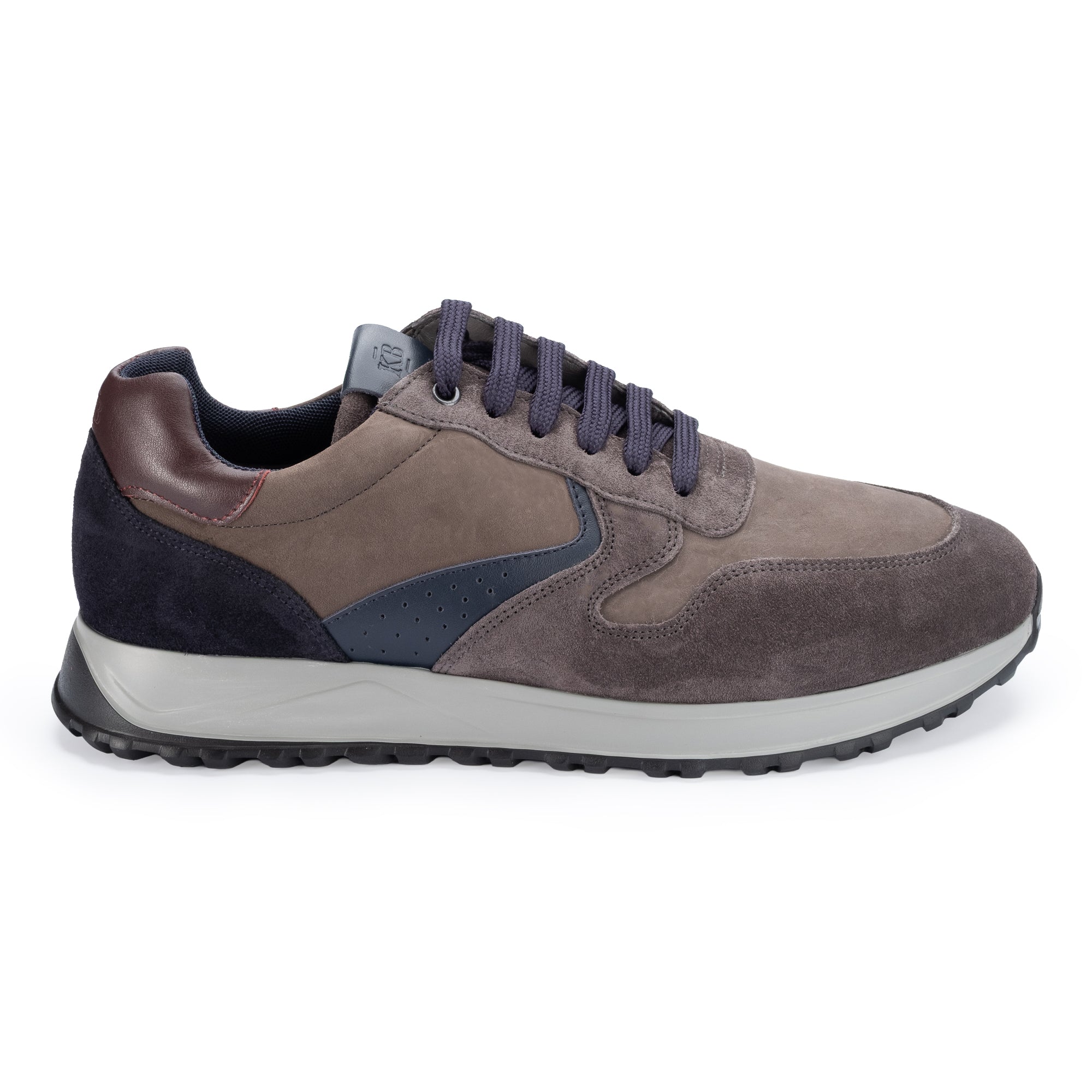
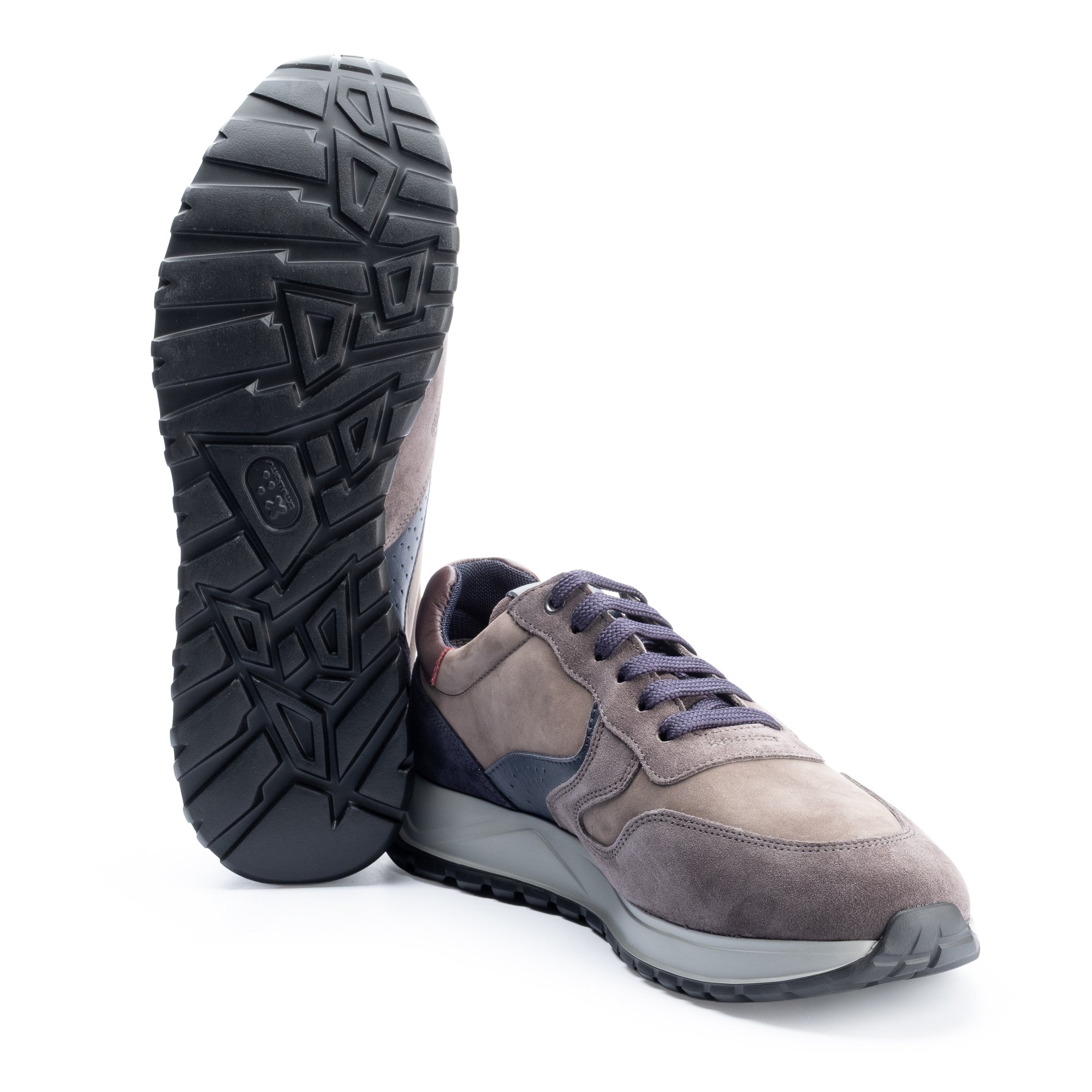
Whether you're maintaining a pair of suede Castle Chukka Boots, keeping your Brecon Chelsea Boots in shape, or caring for any other suede style from our men's shoes range, the principles are identical.
Related Guides
- Leather Shoe Care: The Definitive Guide — our comprehensive guide
- Guide to Monk Strap Shoes: Style & Care
- Chelsea Boot Care Guide
- Full-Grain vs Corrected-Grain Leather: How to Spot Quality in Men's Shoes
What Makes Suede Different from Leather?
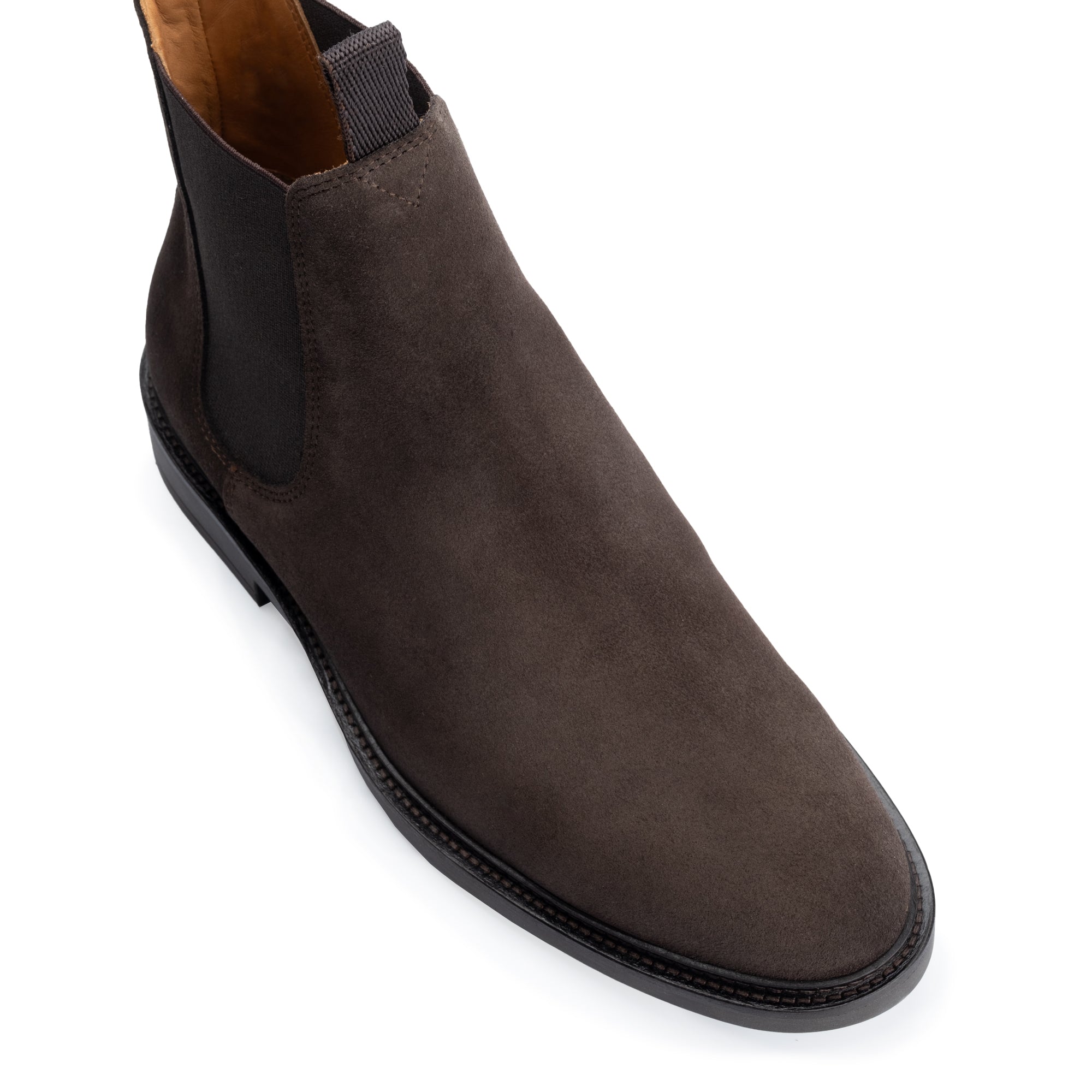
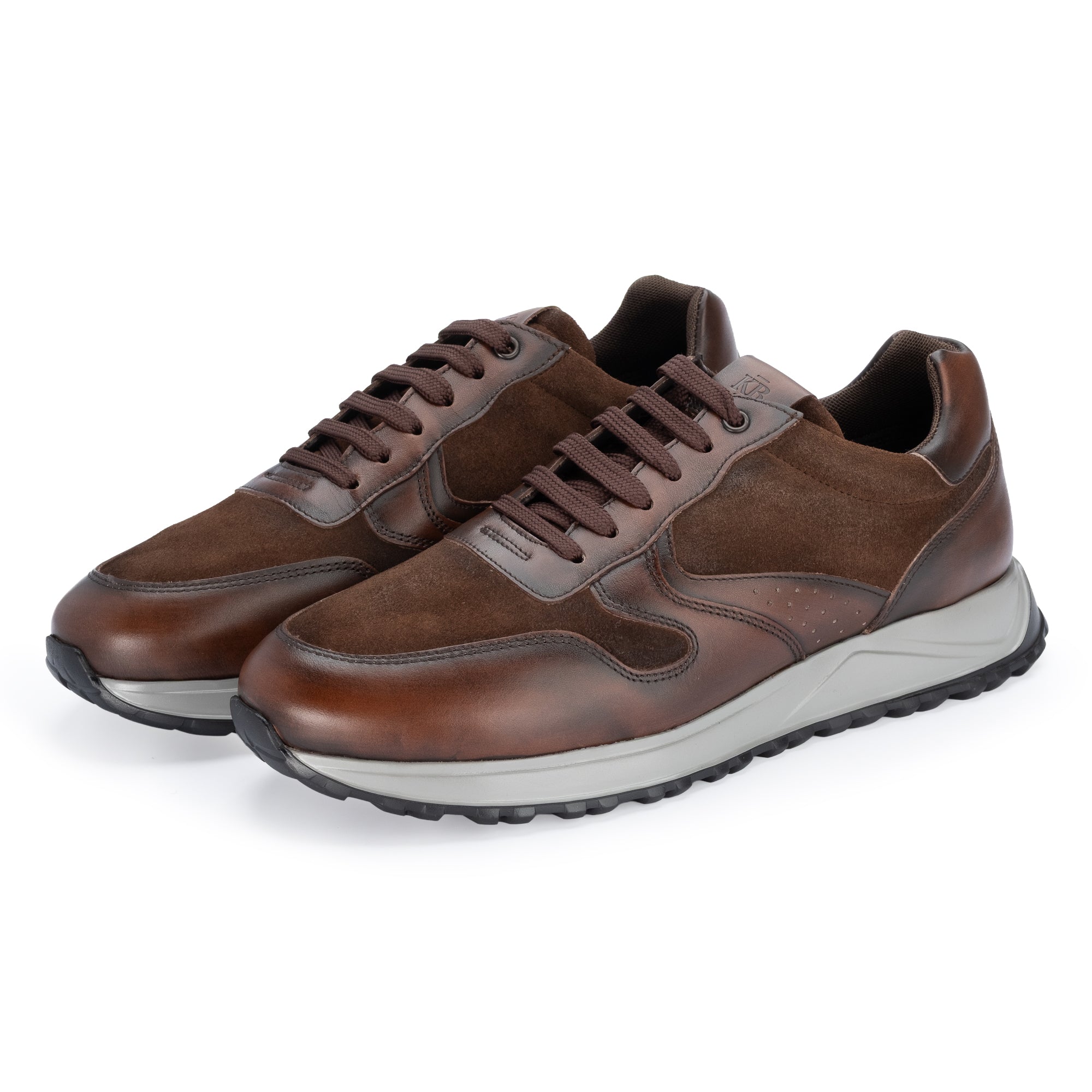
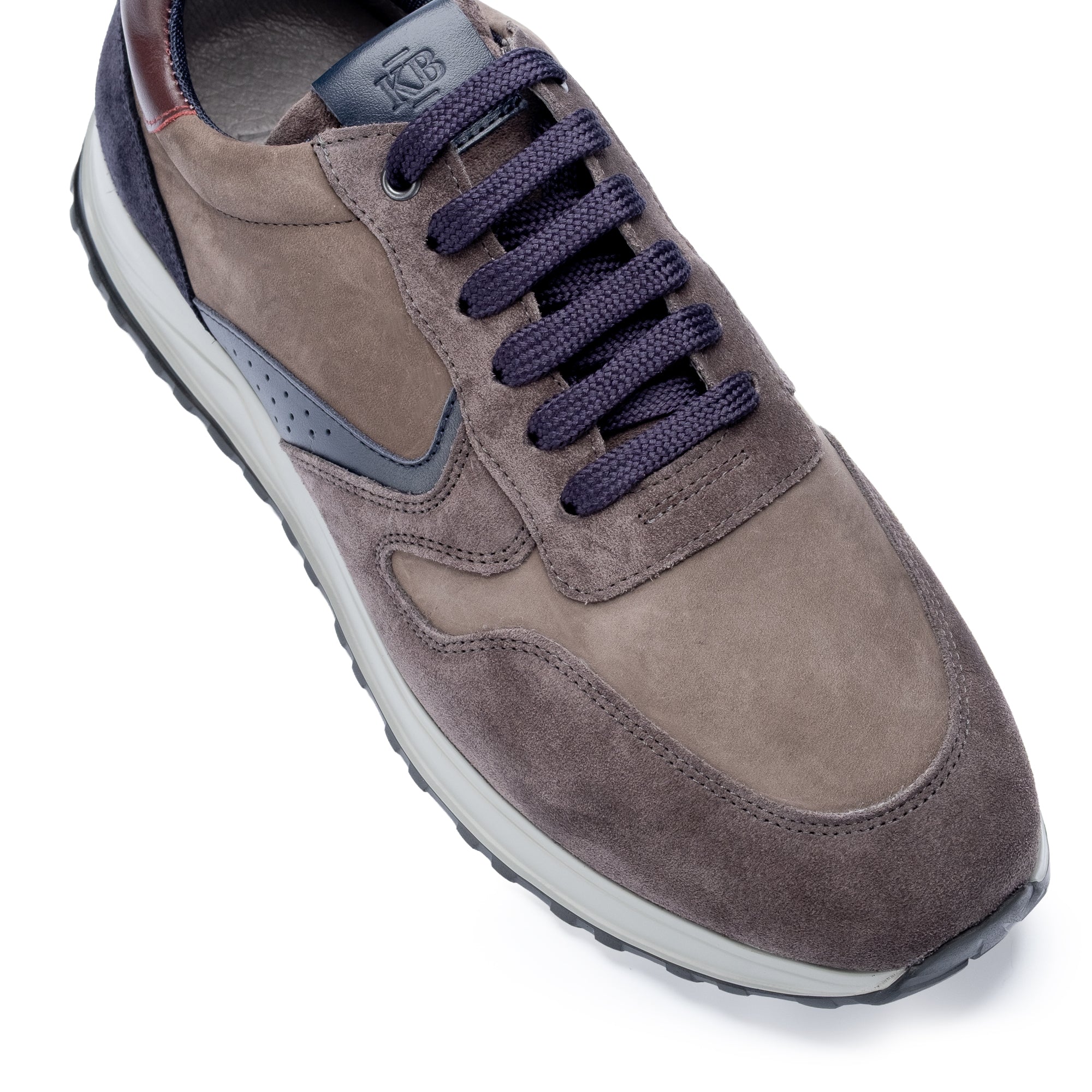
Suede is the inner split of a hide — the underside of the skin buffed to create a soft, napped surface. That nap is what gives suede its distinctive texture and appearance, but it also makes it more vulnerable than smooth leather.
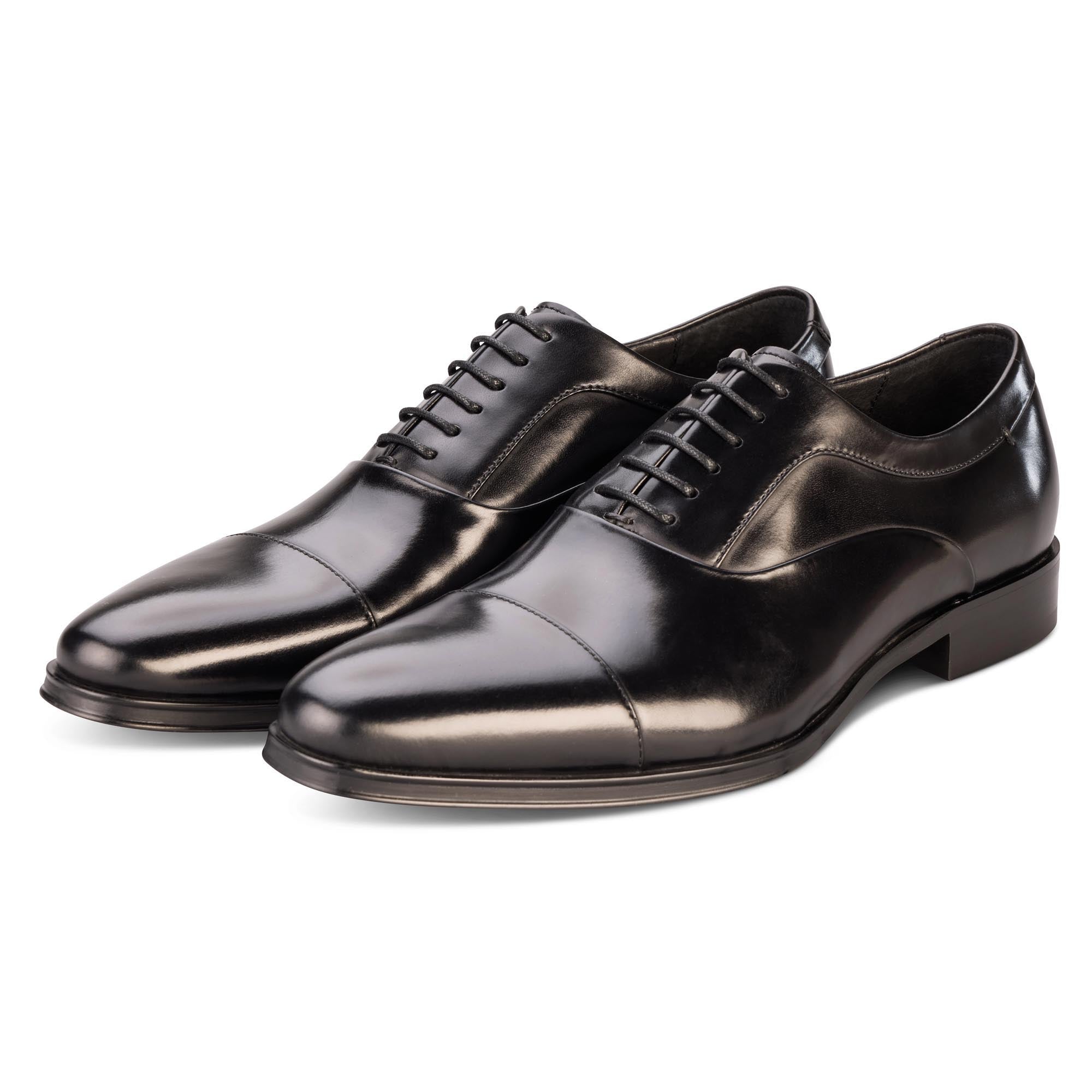
Unlike full-grain leather, suede has no natural protective surface layer. It absorbs liquids readily, shows scuffs and marks immediately, and cannot be restored with wax polish. The JW Premium Wax Polish that does an excellent job on our smooth leather styles is entirely unsuitable for suede — applying it will flatten the nap permanently and leave a greasy residue that ruins the finish.
Suede demands its own dedicated toolkit. Using the wrong products is the most common mistake people make.
What Tools Do You Need to Clean Suede Shoes?
Before you start, assemble the right equipment. Using incorrect tools — even well-intentioned ones — causes more damage than the original dirt.
- Suede brush — typically brass or nylon bristled, used for removing dry dirt and restoring the nap after cleaning
- Suede eraser (also called a crepe eraser) — a rubber block that lifts surface scuffs and light stains without liquid
- Suede protector spray — a waterproofing treatment applied before first wear and reapplied periodically
- Clean cloth or sponge — for applying water or specialist suede cleaner to tougher stains
- Cedar shoe trees — maintain shape during drying and storage, and absorb residual moisture
- Suede cleaner (optional) — a specialist liquid for persistent or widespread soiling
A basic suede care kit costs under £15 and will last for years across several pairs. It's a modest investment compared to the cost of replacing damaged shoes.
How Do You Clean Suede Shoes Step by Step?
Most routine maintenance can be done dry, which is always preferable. Water introduces risk — the goal is to use as little moisture as possible, and only escalate when dry methods aren't sufficient.
How to Clean Dry Dirt and Scuffs from Suede
- Allow the shoes to dry completely if they've been exposed to moisture. Never attempt to clean wet suede — allow at least 24 hours to dry naturally at room temperature, away from radiators or direct sunlight.
- Insert cedar shoe trees to maintain shape before you begin.
- Brush in one direction with a suede brush to lift surface dirt, dust, and debris. Use firm, consistent strokes following the grain of the nap.
- Apply the suede eraser to any scuffs or light marks. Rub gently in a back-and-forth motion as you would with a standard pencil eraser. The friction lifts the stain without requiring liquid.
- Brush again after using the eraser to remove residue and restore the nap to a uniform, consistent finish.
How to Remove Deeper Stains from Suede
For stubborn stains that don't respond to dry methods, a damp approach becomes necessary — but apply it with care.
- Dampen a clean cloth lightly — it should be moist, not wet. Excess water will leave tide marks that are difficult to remove.
- Dab the stained area gently, working from the outer edge of the stain inward to prevent spreading.
- For significant soiling, apply a small amount of specialist suede cleaner to the cloth and work it into the stain in circular motions.
- Allow to dry completely — 24 hours is the minimum. Do not use a hairdryer or place near a heat source of any kind.
- Brush firmly to restore the nap once fully dry. The texture will often look matted after drying; a thorough brushing brings it back.
How Do You Remove Specific Stains from Suede?
Different substances require different approaches. Applying the wrong method can set a stain permanently.
| Stain Type | Recommended Method | What to Avoid |
|---|---|---|
| Mud / dry dirt | Let dry completely, then brush firmly | Never scrub wet mud — it pushes deeper into the fibres |
| Water marks | Dampen the entire upper evenly, then dry naturally | Spot-treating water marks makes them worse, not better |
| Grease / oil | Apply cornflour or talcum powder immediately, leave several hours, then brush away | Avoid water — it sets oil stains further into the nap |
| Scuffs | Suede eraser, then brush to restore nap | Do not use abrasive cloths or sandpaper |
| Salt marks (winter) | Damp cloth with equal parts water and white vinegar, dab gently | Do not saturate — use the minimum moisture necessary |
For oil and grease stains in particular, speed is critical. According to the Leather Conservation Centre, grease stains treated within an hour are significantly easier to lift than those left overnight. Act immediately and the cornflour method is remarkably effective.
How Should You Protect Suede Shoes?
Prevention is considerably easier than cure with suede. A protector spray creates an invisible barrier that repels water and reduces the risk of staining before it happens.
- Apply before first wear — this single step is the most important one most people skip entirely
- Hold the can 20–30 cm from the shoe and apply an even, light coat across the entire upper
- Allow to dry for at least 30 minutes before wearing
- Reapply every 6–8 weeks with regular wear, or immediately after any deep cleaning
- Test on a small inconspicuous area first if you're treating a pale or unusual colourway
Protector spray won't make suede impervious to water indefinitely, but it dramatically improves resilience against light rain, splashes, and everyday dirt. It's the single most effective thing you can do to extend the life of suede footwear.
Can You Wear Suede Shoes in Wet or Winter Conditions?
Suede and heavy rain are a poor combination. That said, with a quality protector spray applied and maintained, suede footwear handles light rain and cool autumn conditions well — it's sustained wet winter weather that demands more caution.
If your suede shoes do get saturated: stuff them immediately with newspaper to draw out the bulk of the moisture, insert cedar shoe trees once the worst is absorbed, and allow to dry at room temperature for a full 24–48 hours. Never apply heat. Once fully dry, brush thoroughly to restore the nap — it will look matted, but it recovers.
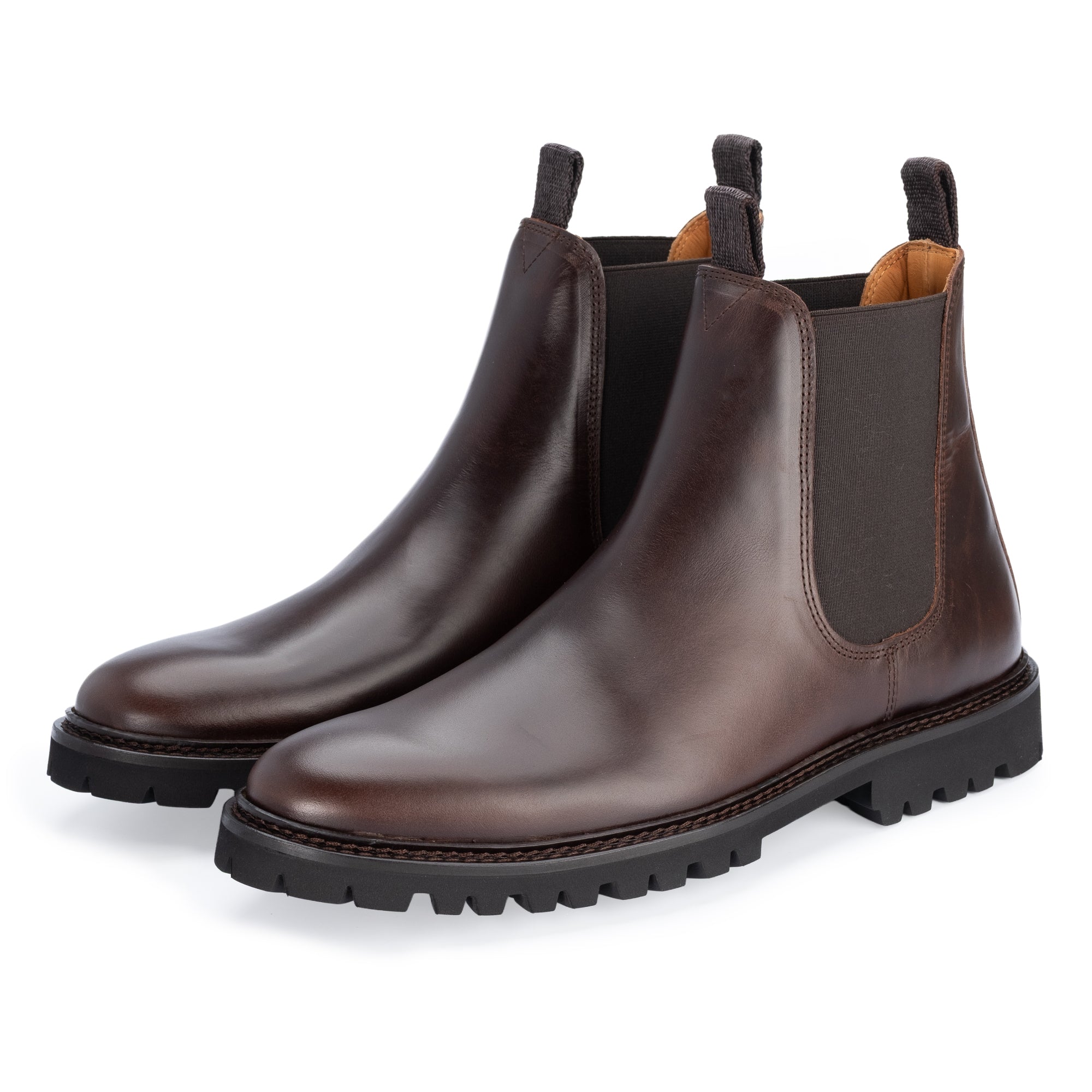
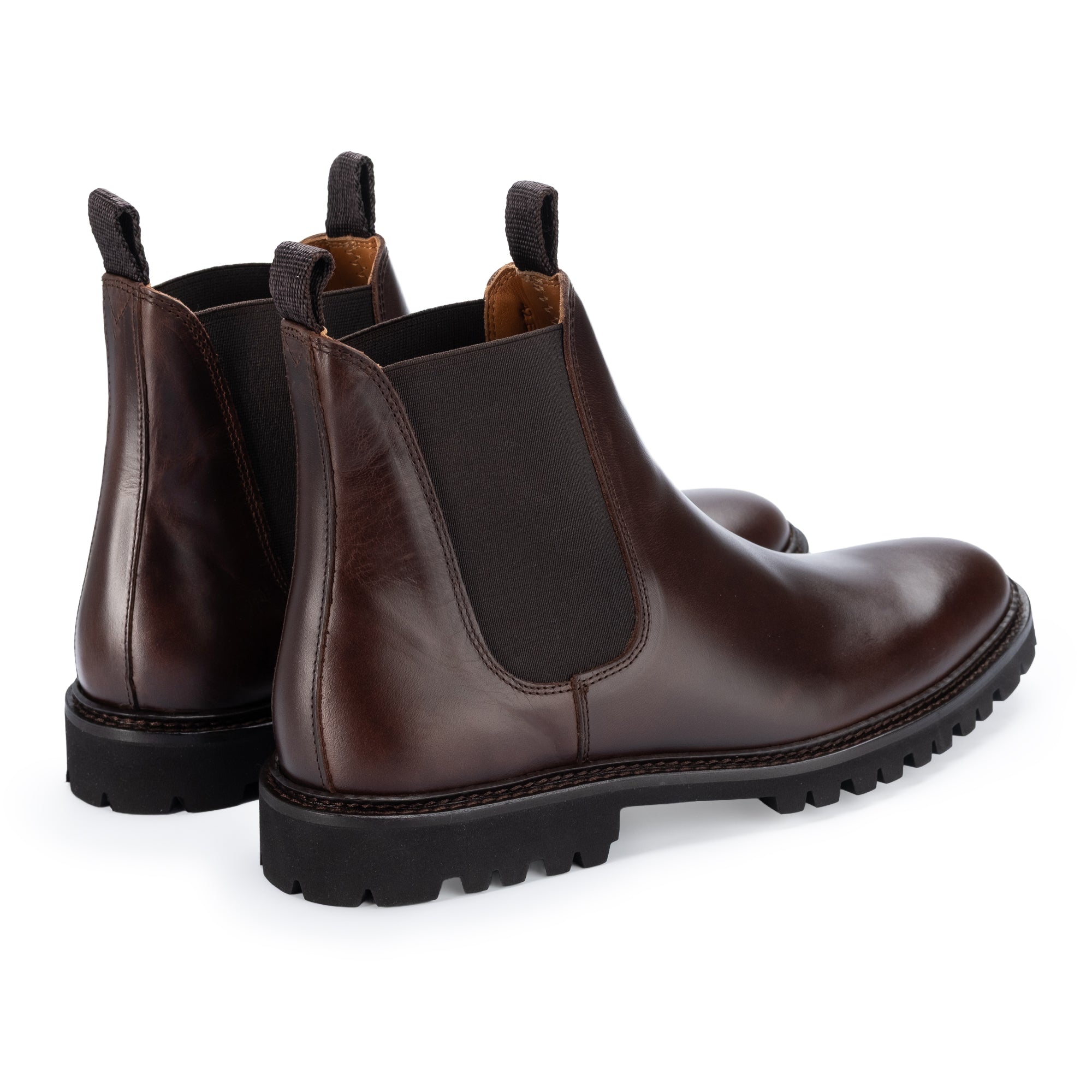
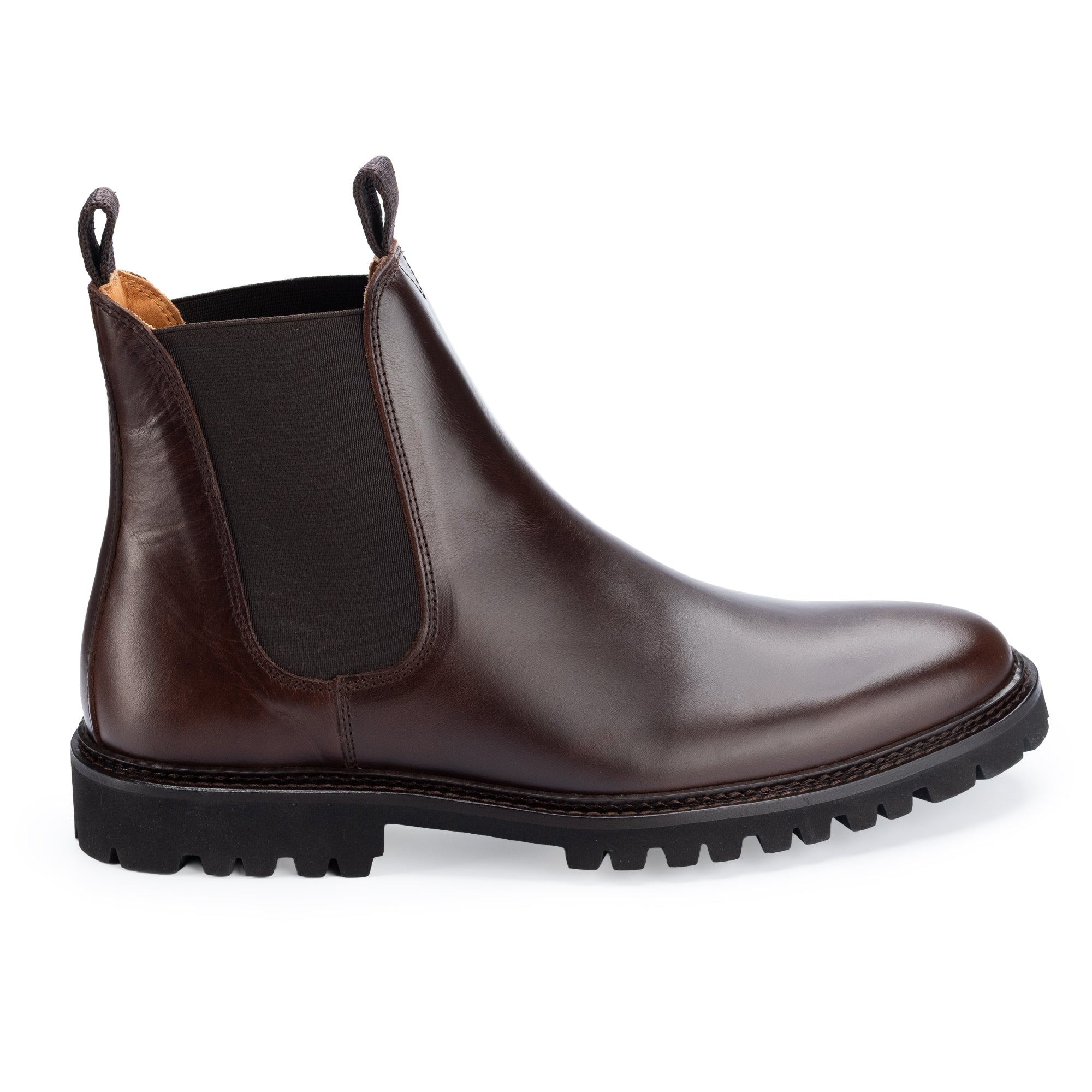
For the wetter months, smooth leather styles stand up to harsher conditions with considerably less management. The Hill Chelsea Boot in smooth leather is an excellent all-weather option, and the full men's boots collection offers robust choices for variable British weather.
How Should You Store Suede Shoes?
Storage matters as much as cleaning. Suede shoes kept in plastic bags trap moisture and encourage mildew. Shoes left without support lose their shape within months.
- Use cedar shoe trees when not wearing — they absorb residual moisture, maintain the shape, and neutralise odour naturally
- Store in breathable cotton dust bags, never plastic or airtight containers
- Keep away from direct sunlight, which fades suede colour over time
- Store in a cool, dry environment — not a damp understairs cupboard or unheated garage
- Rotate between pairs — giving shoes 48 hours of rest between wears extends their lifespan significantly and allows moisture to fully dissipate
Frequently Asked Questions About Suede Shoe Care
Can you use water to clean suede shoes?
Yes, but sparingly. A lightly dampened cloth can tackle stains that a dry suede eraser cannot shift. Use minimum moisture and allow the shoe to dry completely and naturally — at least 24 hours at room temperature, never near a heat source. Excess water will leave tide marks and flatten the nap.
How often should you clean suede shoes?
Brush suede shoes after every few wears to remove surface dust and prevent dirt from working deeper into the fibres. Deep clean as needed — typically every few months with regular use. Reapply suede protector spray every 6–8 weeks or after any thorough cleaning session.
Can you restore suede that has been flattened or matted?
Often, yes. Use a suede brush to work the nap back up — brush in multiple directions initially, then finish in one uniform direction. For severely flattened areas, hold the shoe briefly over gentle steam (a kettle at a safe distance works well) to soften the fibres before brushing. Do not saturate the shoe with steam.
Is suede harder to care for than smooth leather?
Suede requires a different toolkit and more attention to wet conditions, but the routine itself isn't complex. With protector spray applied before first wear and a suede brush used regularly, keeping suede looking sharp is straightforward. Smooth leather — maintained with a quality wax polish such as JW Premium Wax Polish — is generally more resilient in persistent wet conditions, but suede offers a texture and aesthetic that rewards the care it demands.
Browse our full range of suede and leather styles in the men's shoes collection, or find exceptional value on selected styles in the sale.