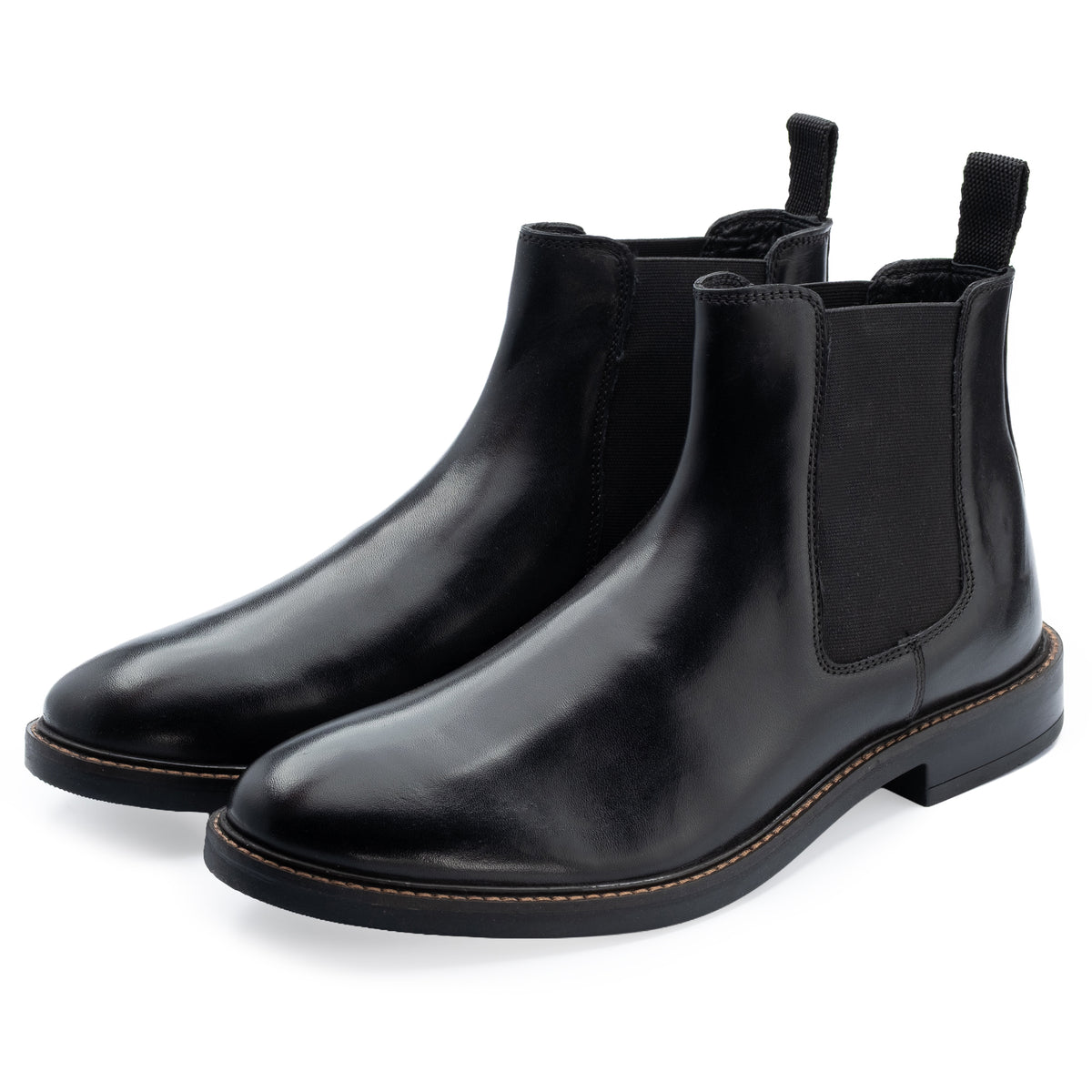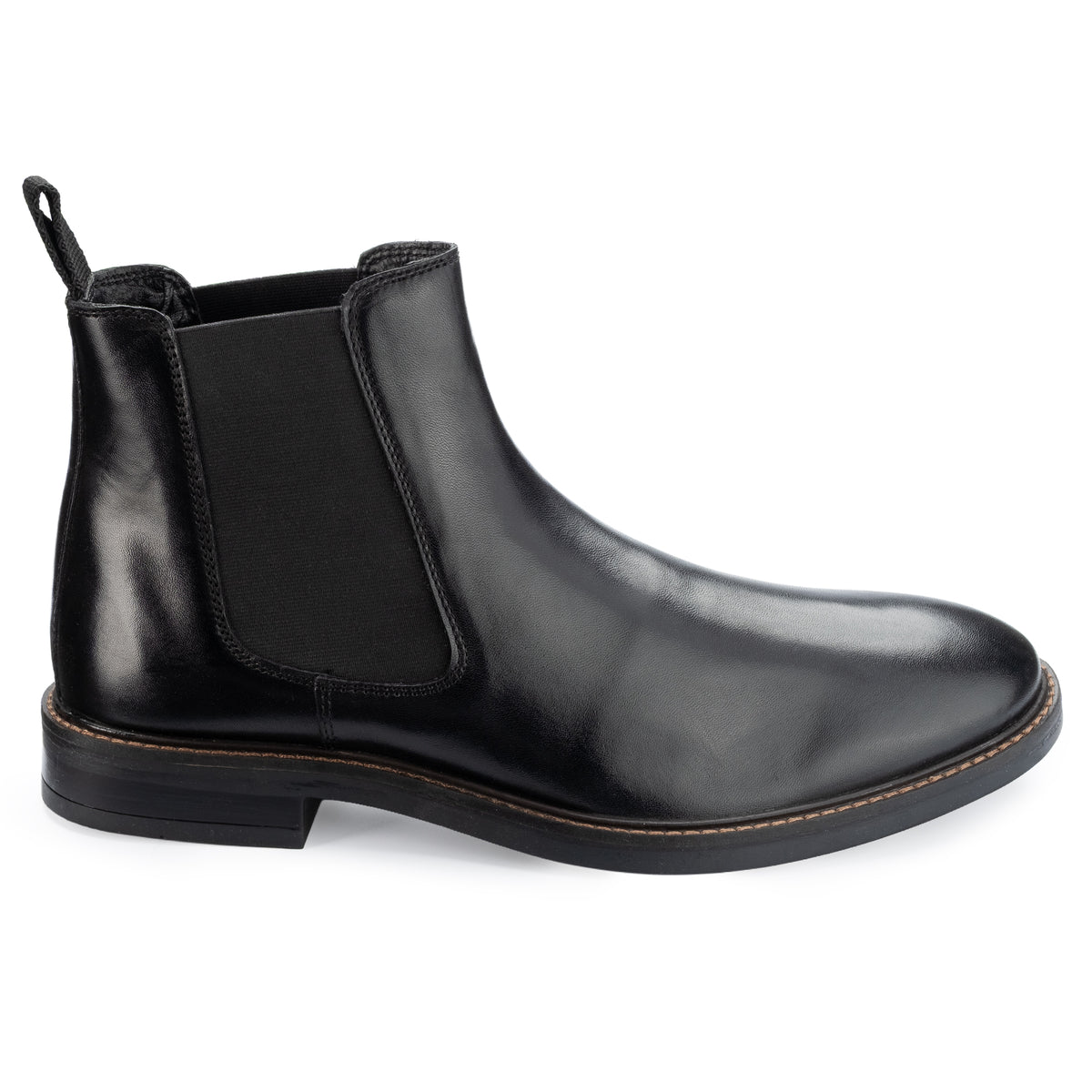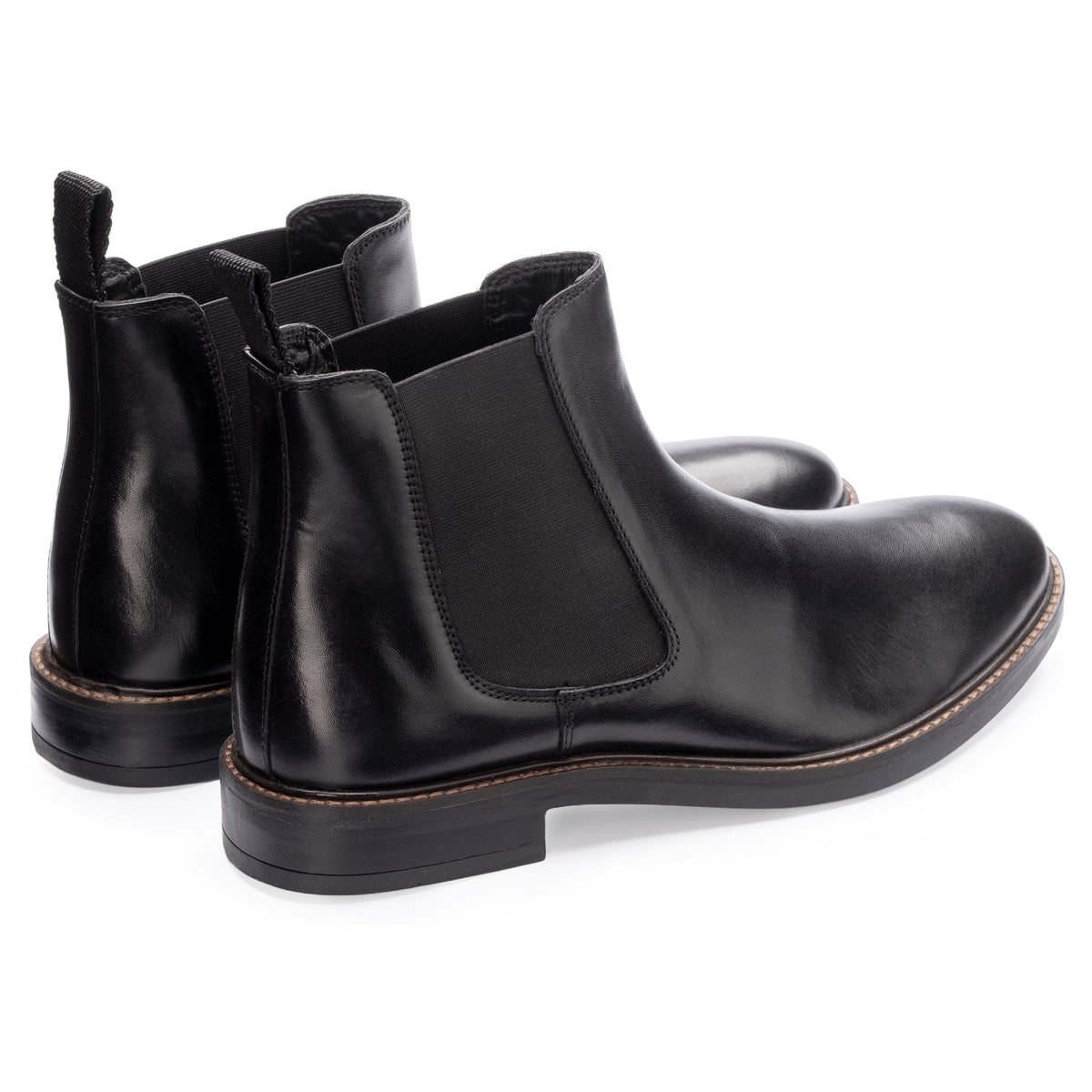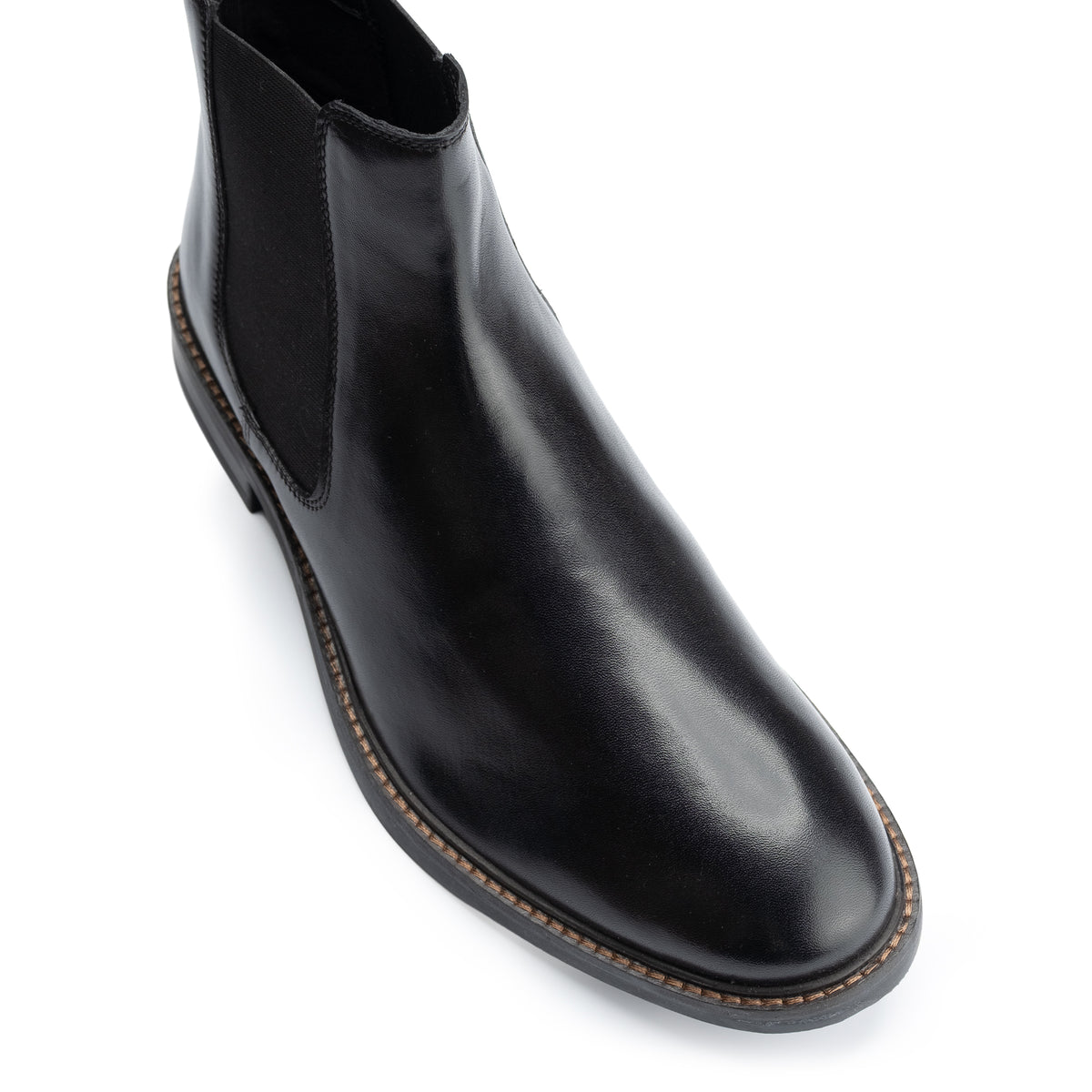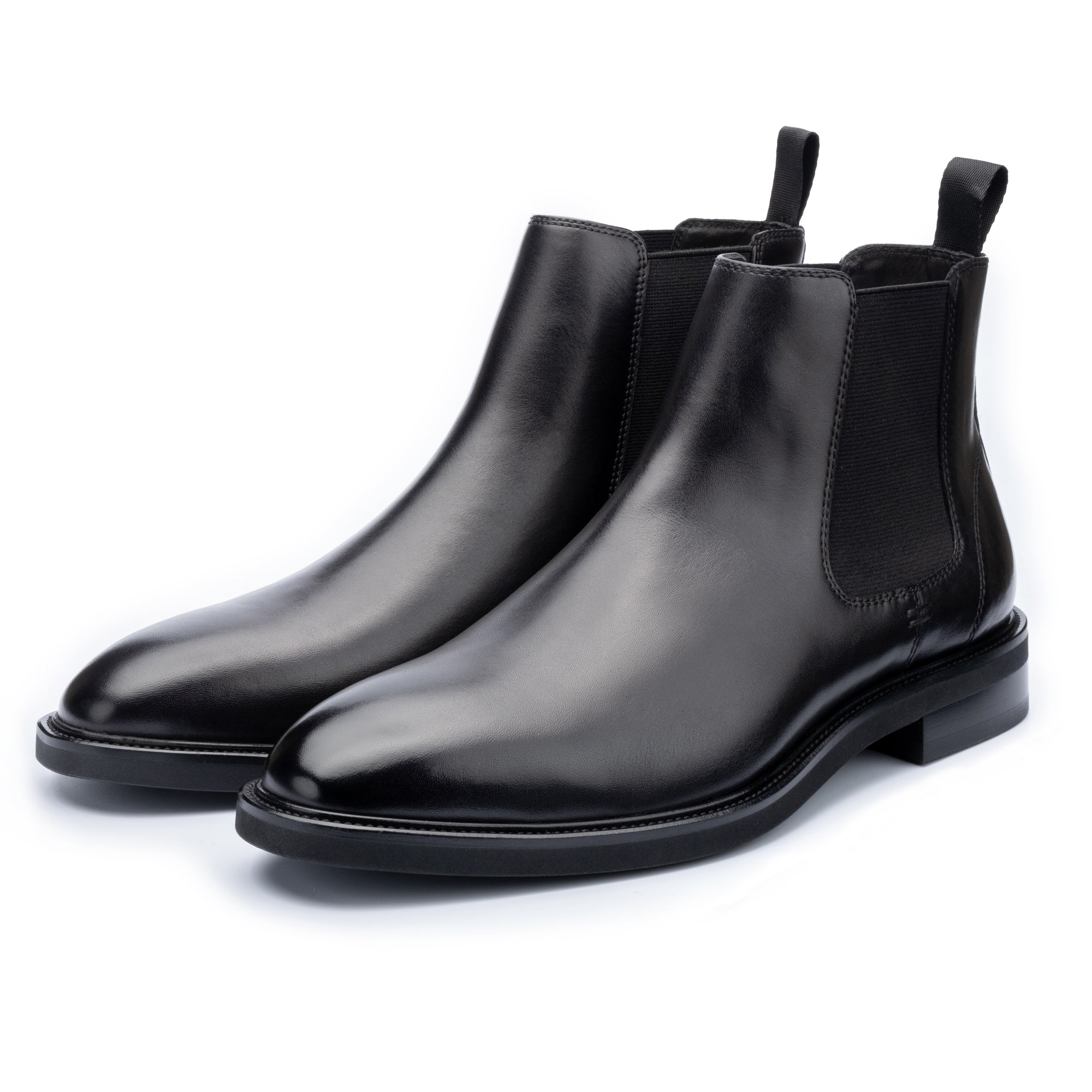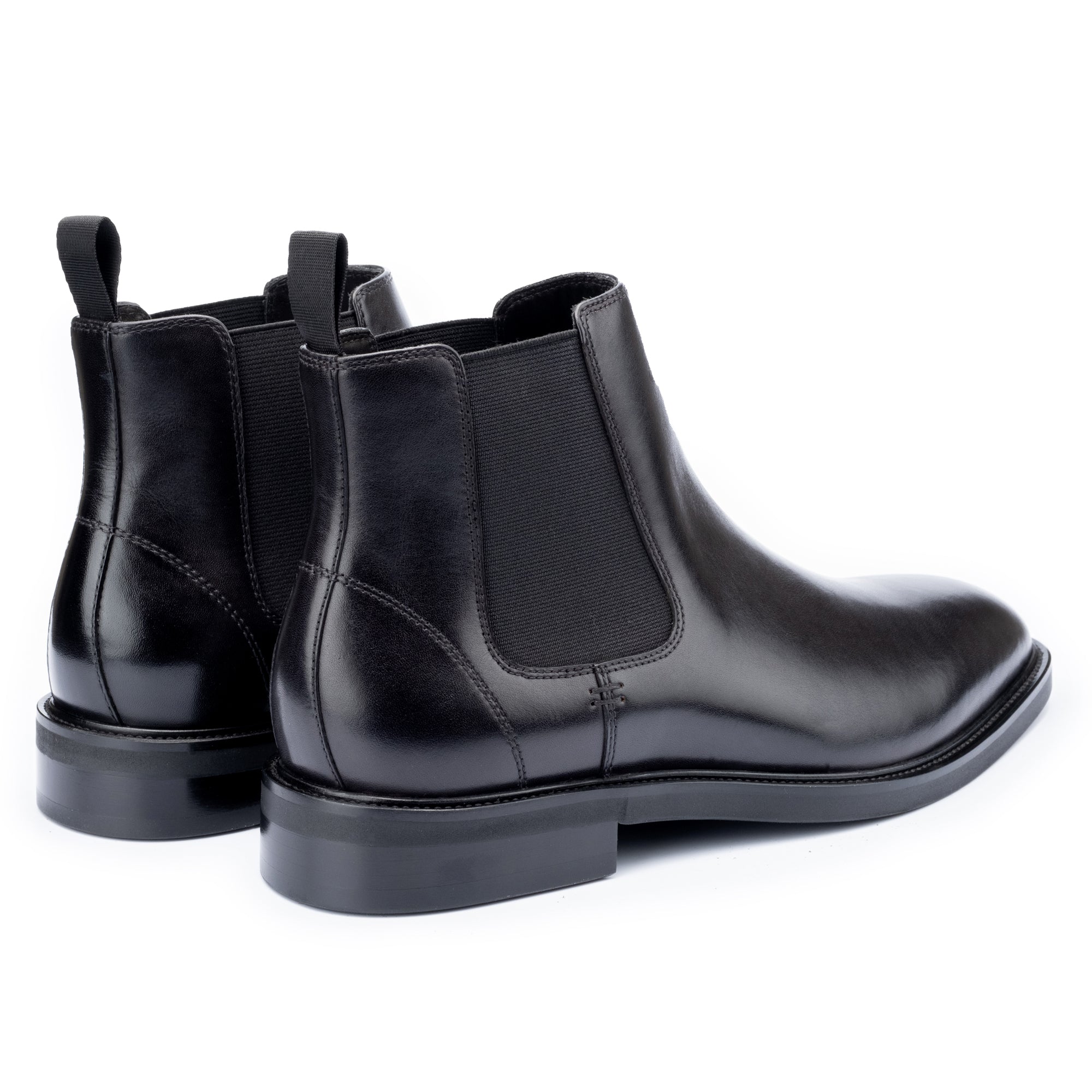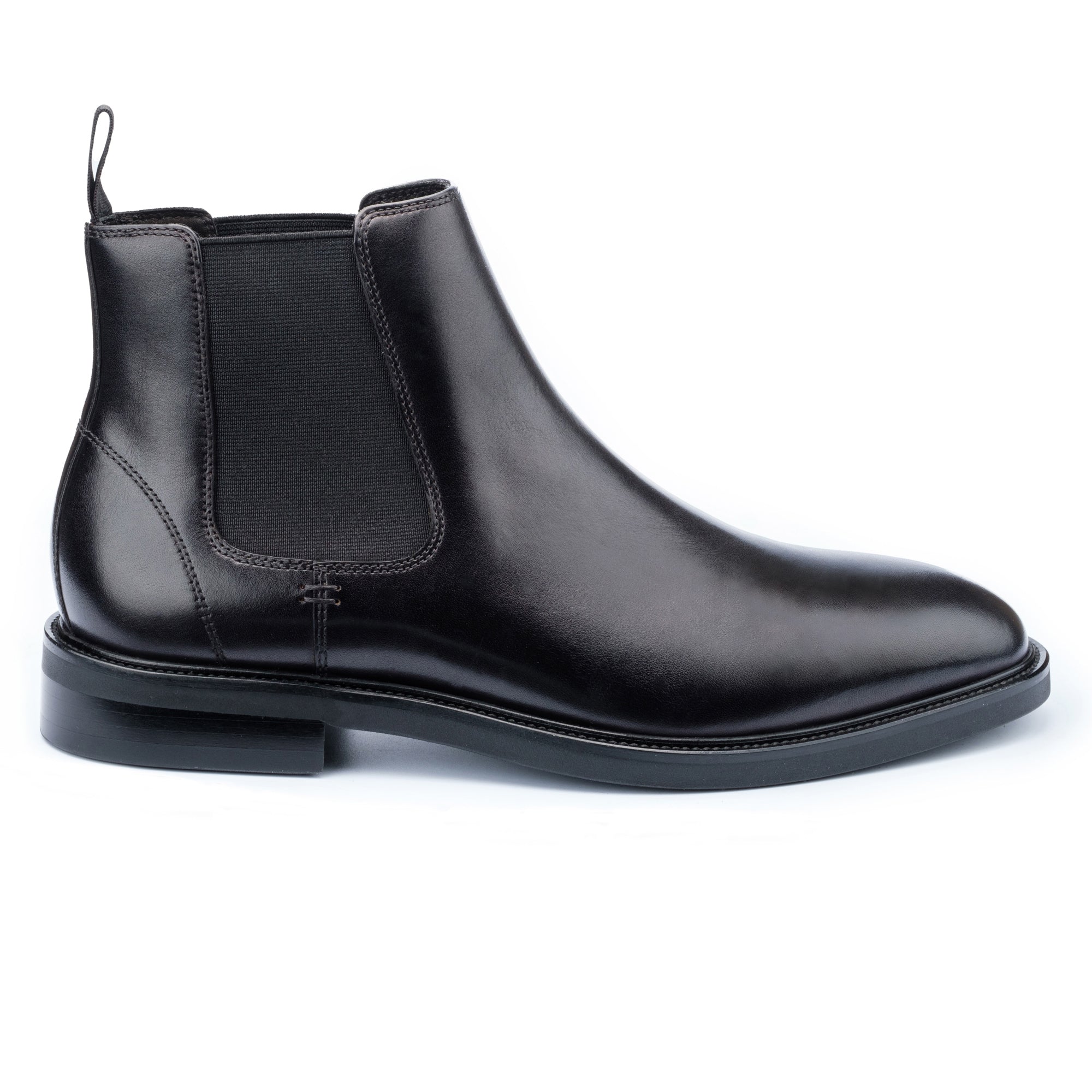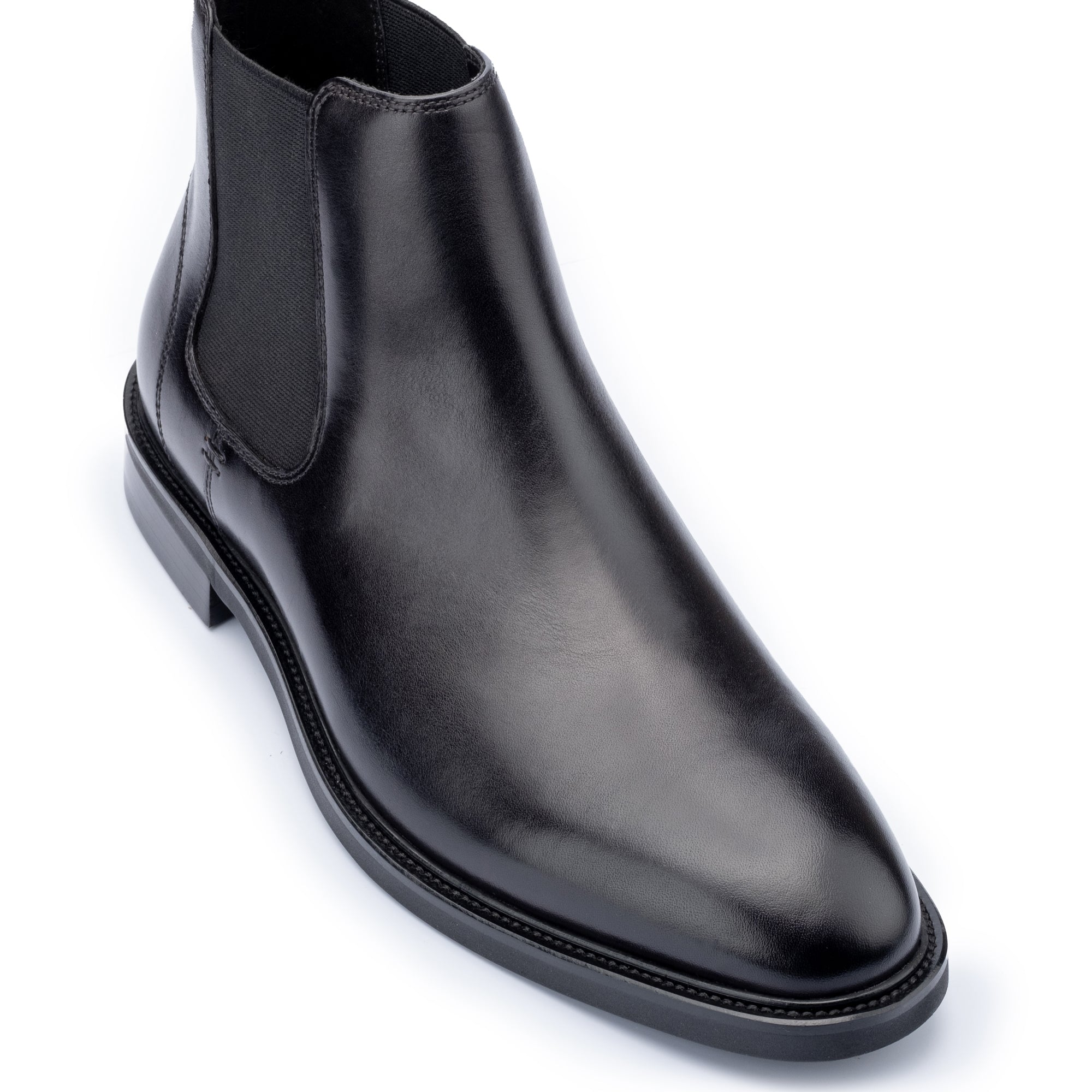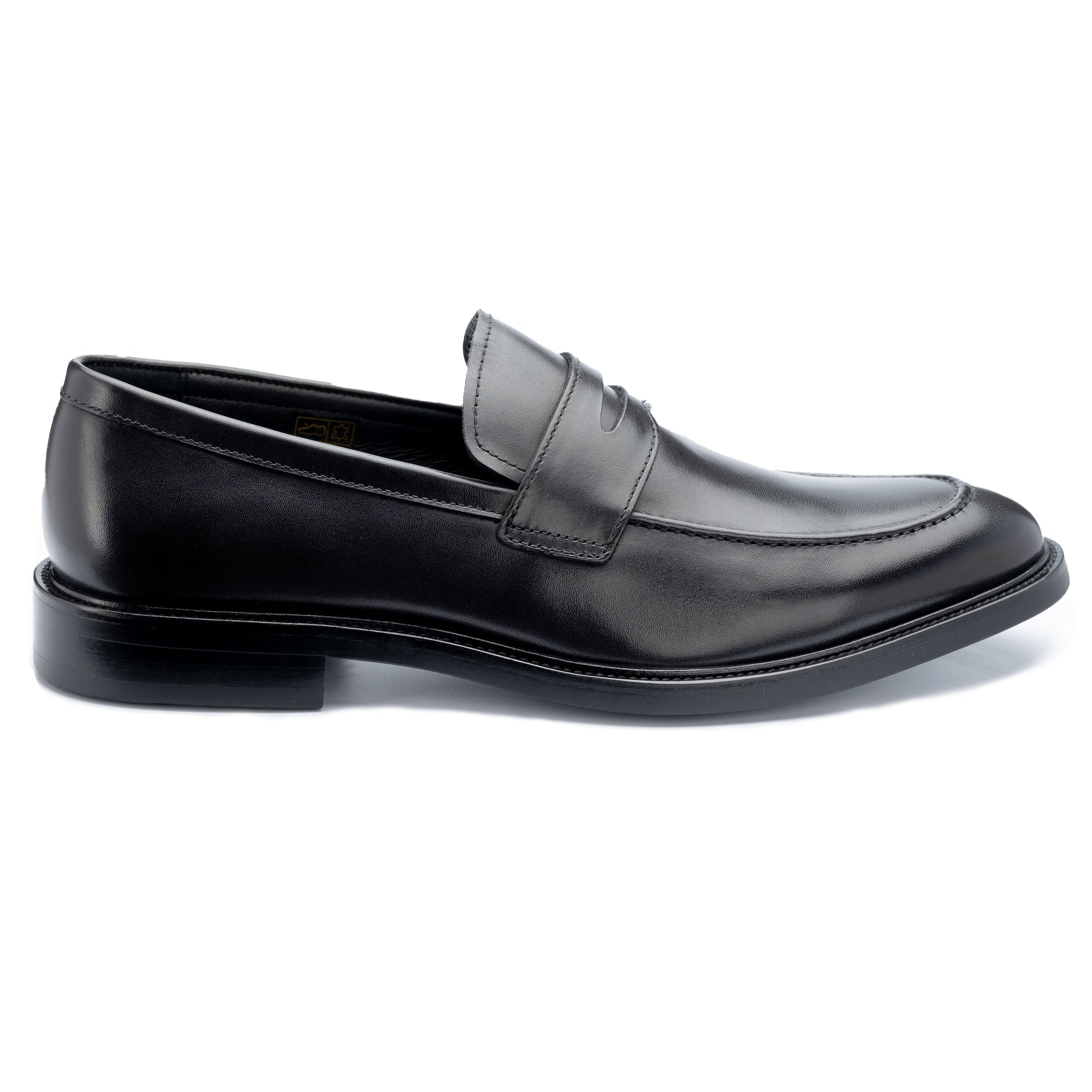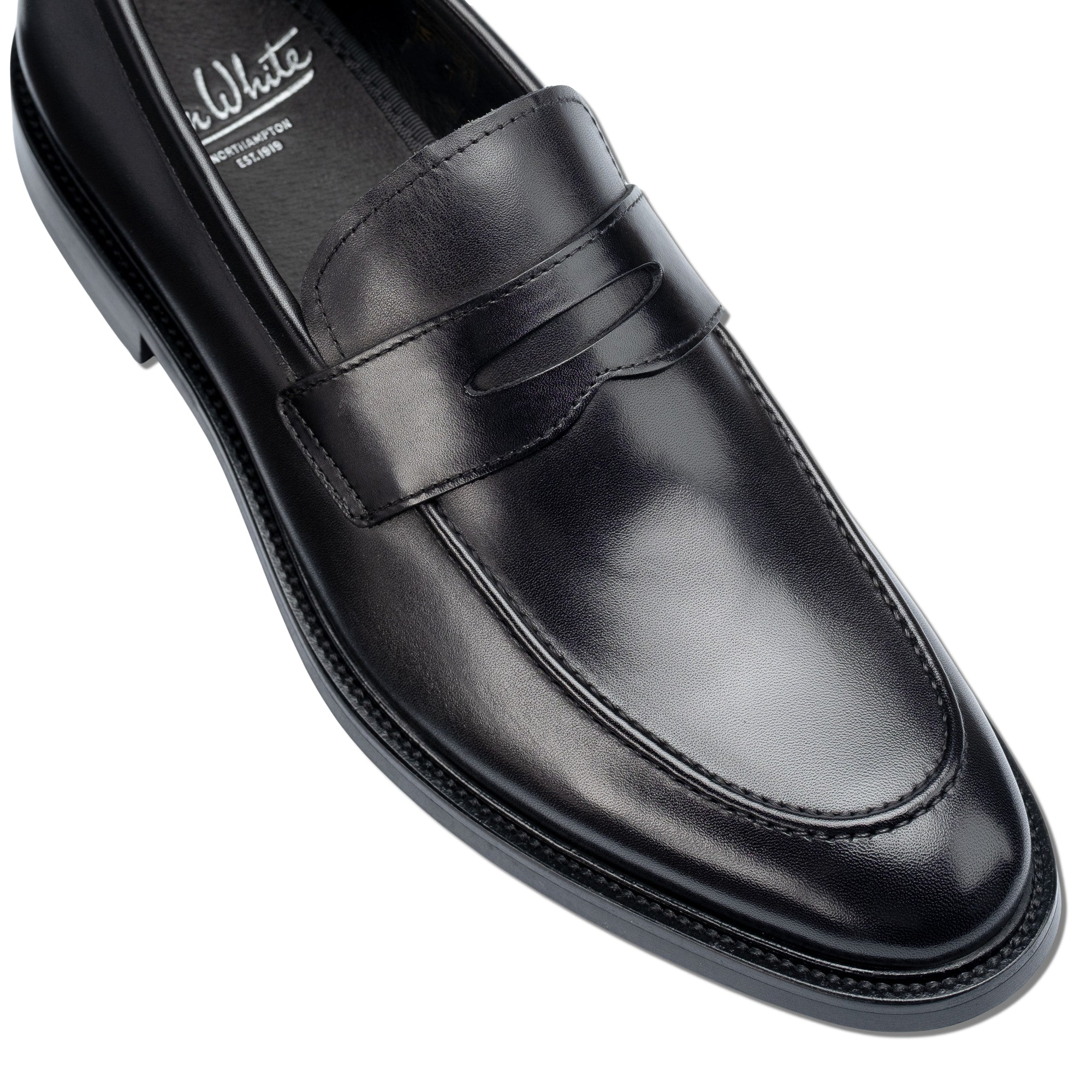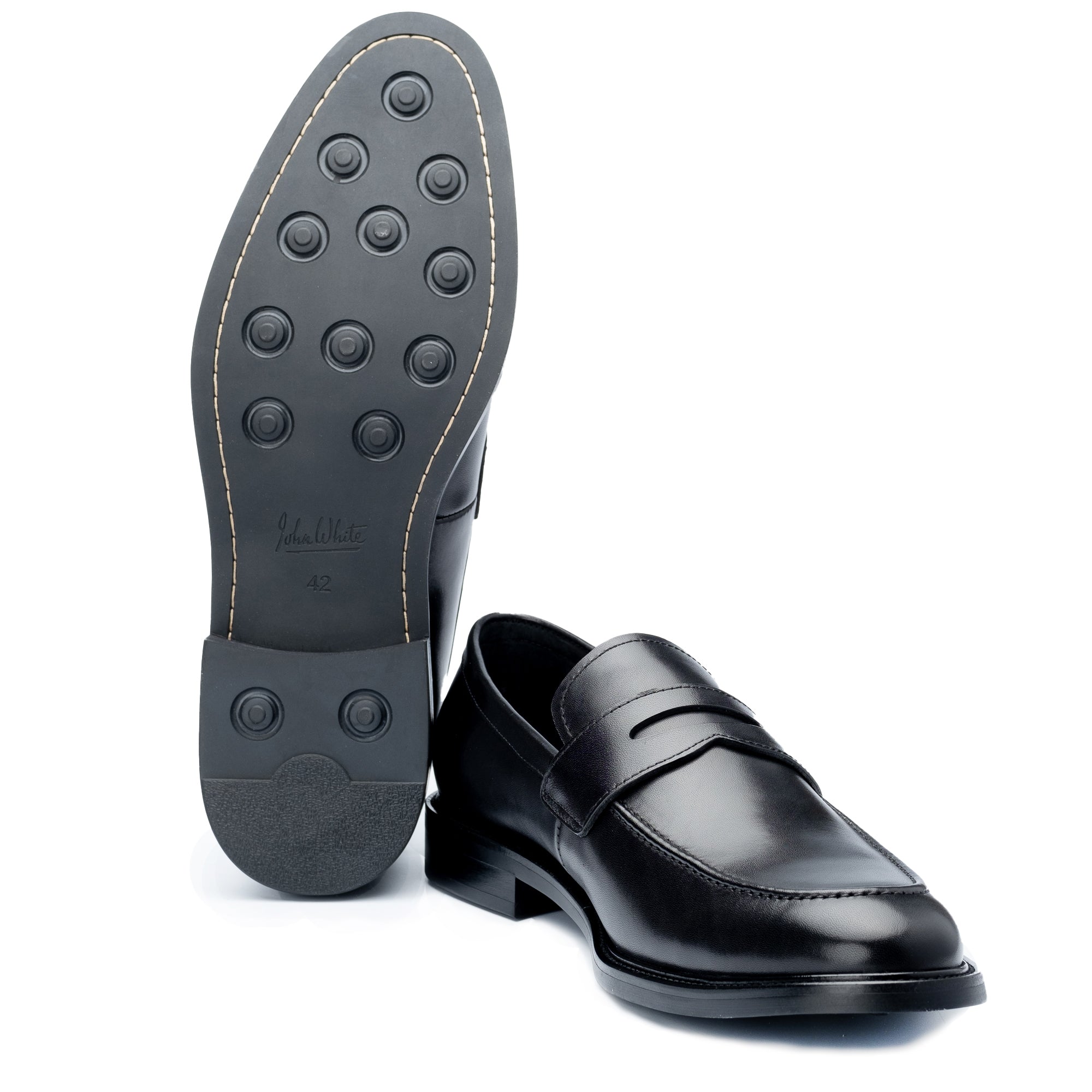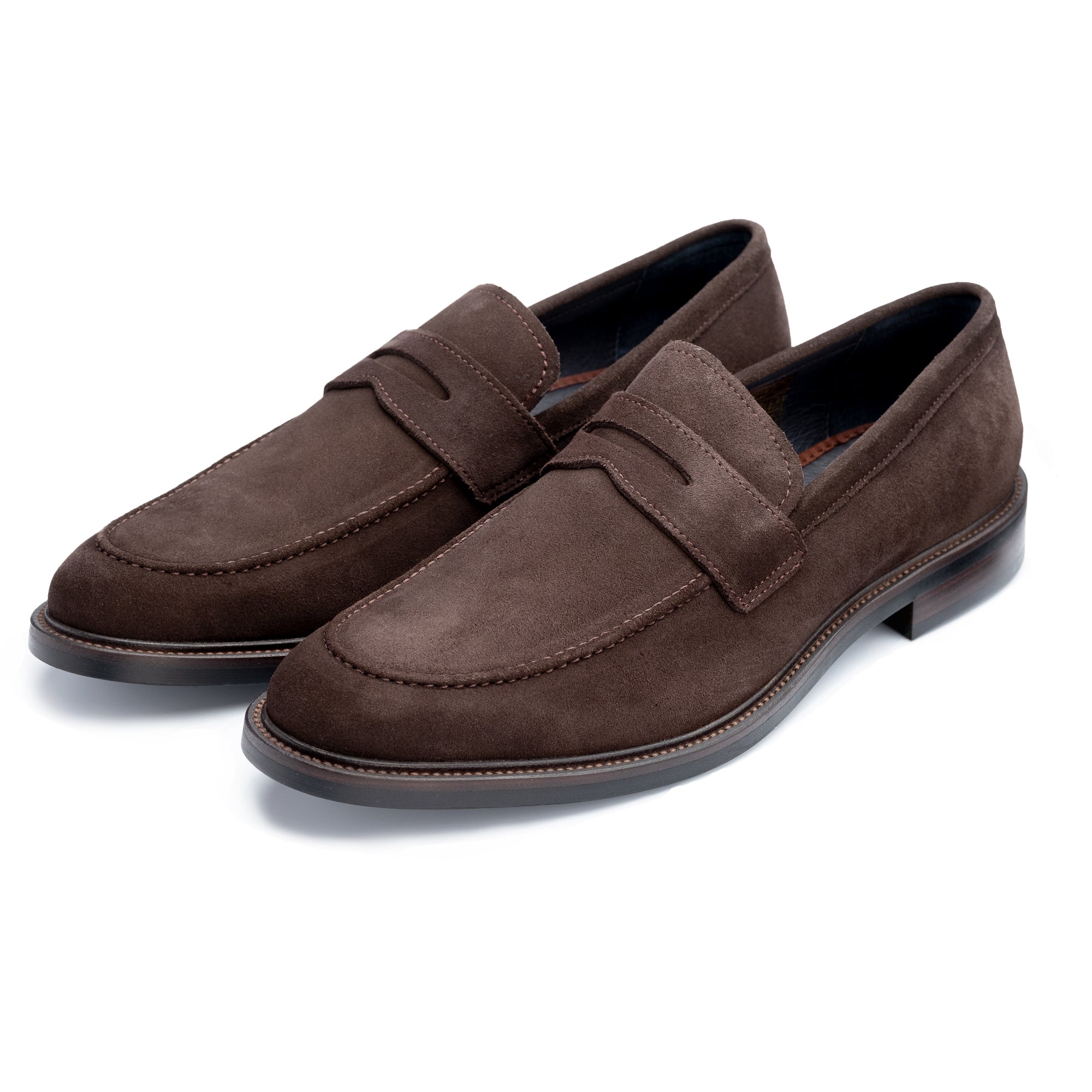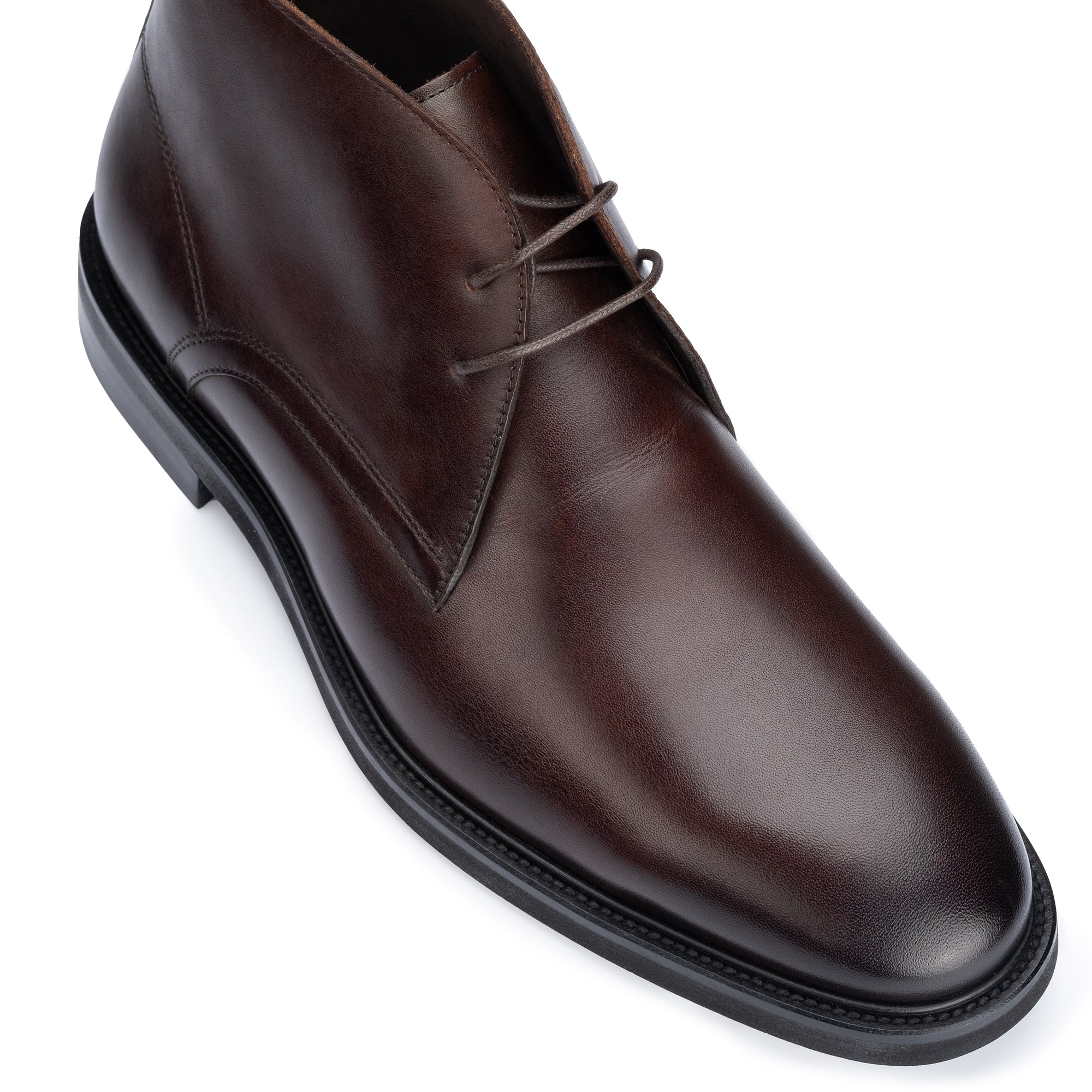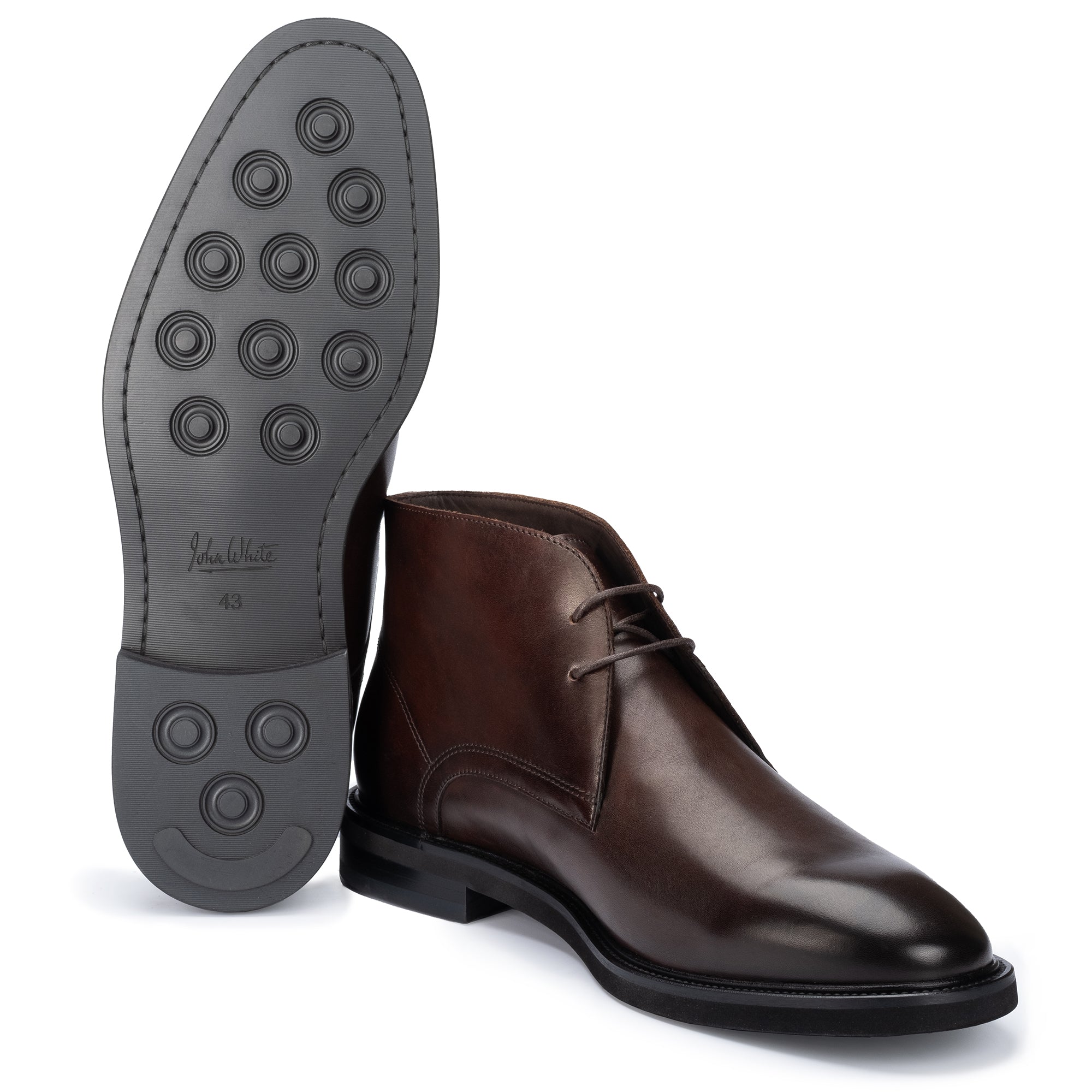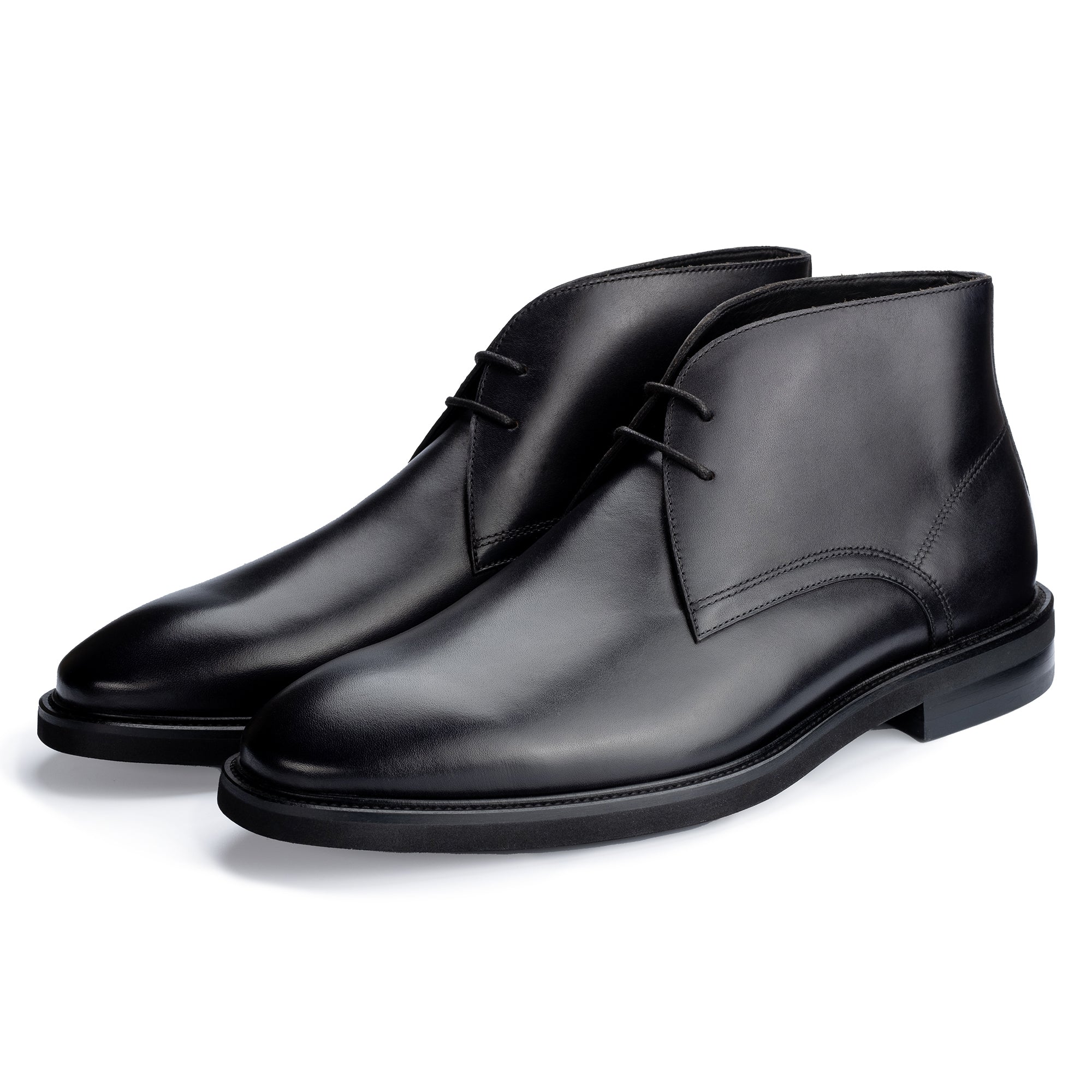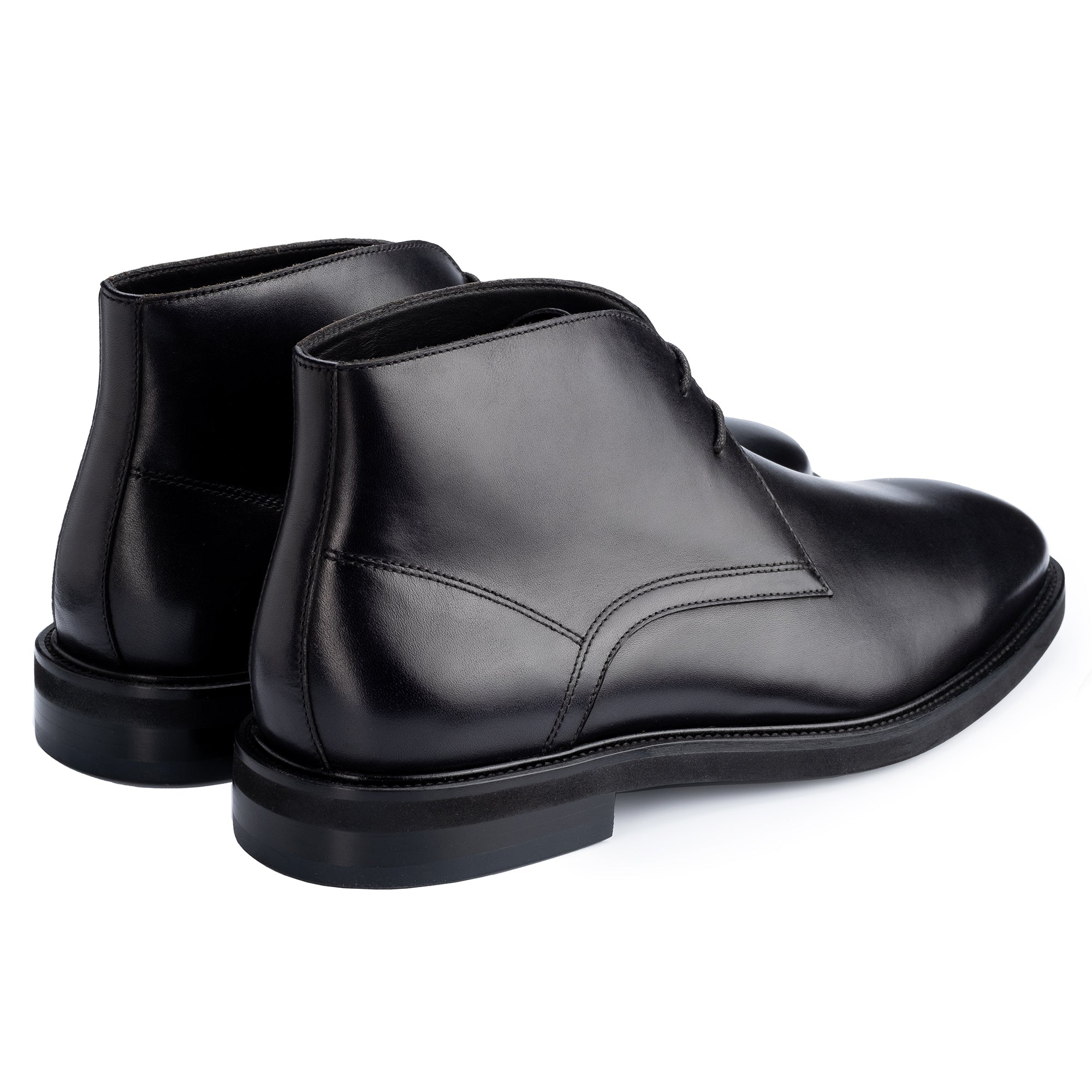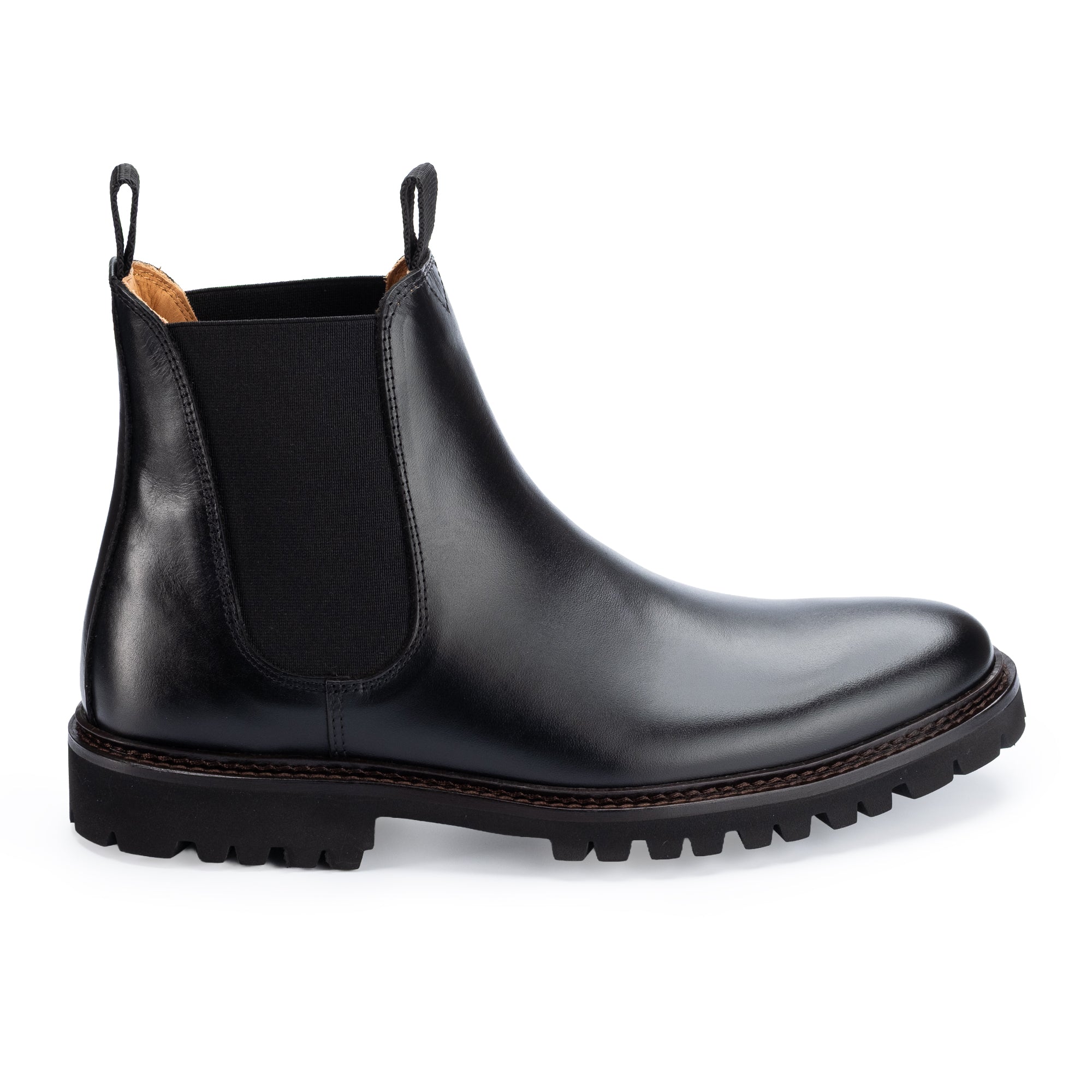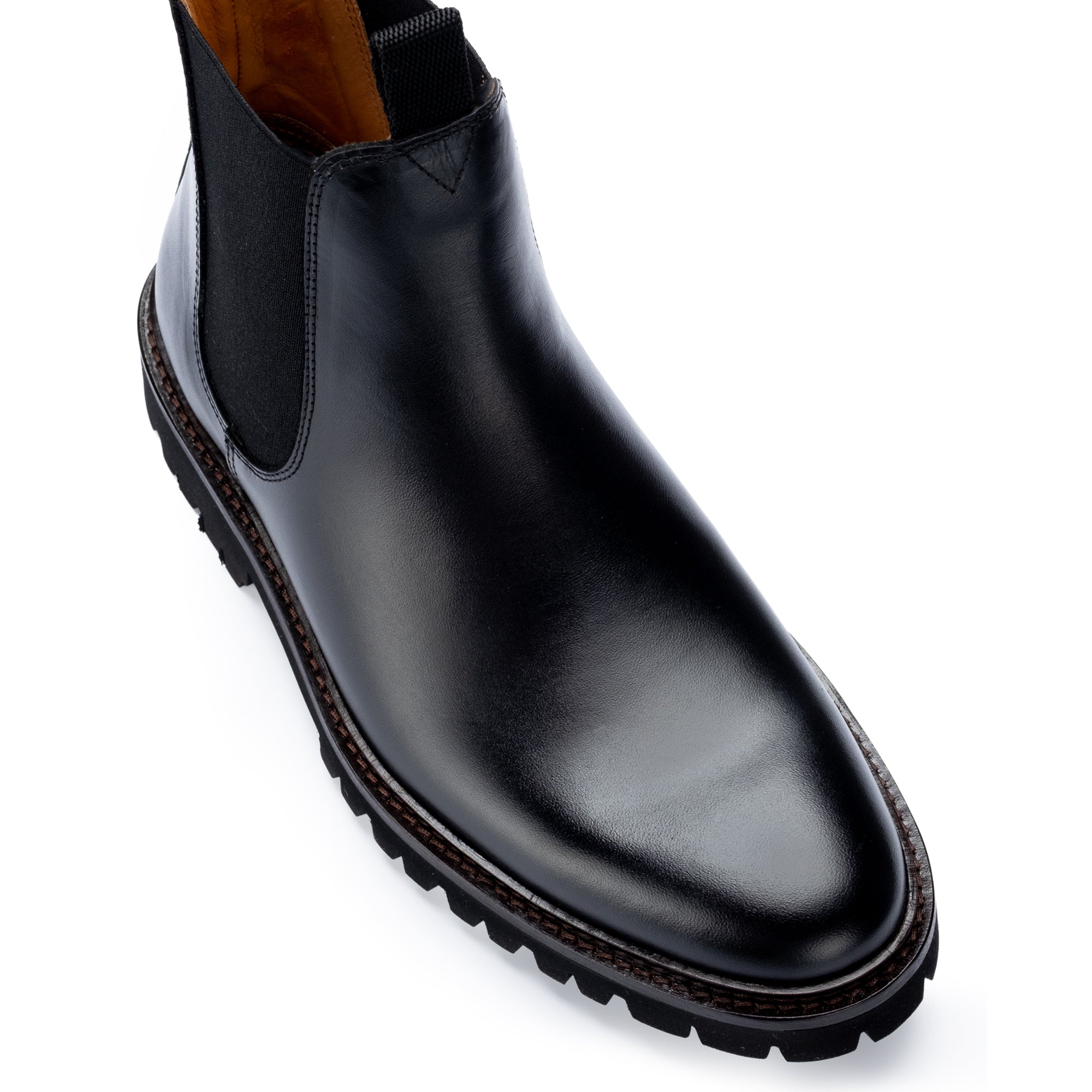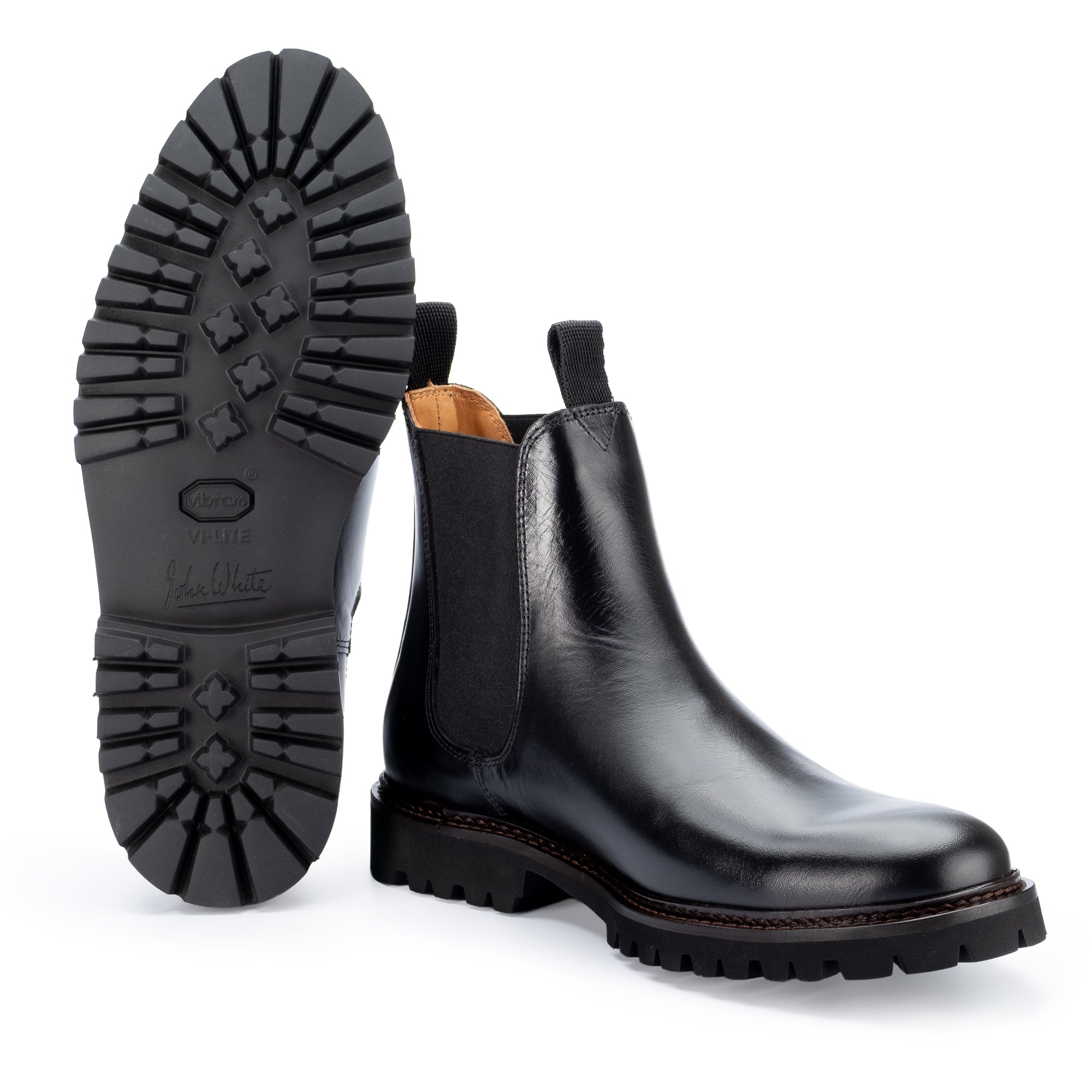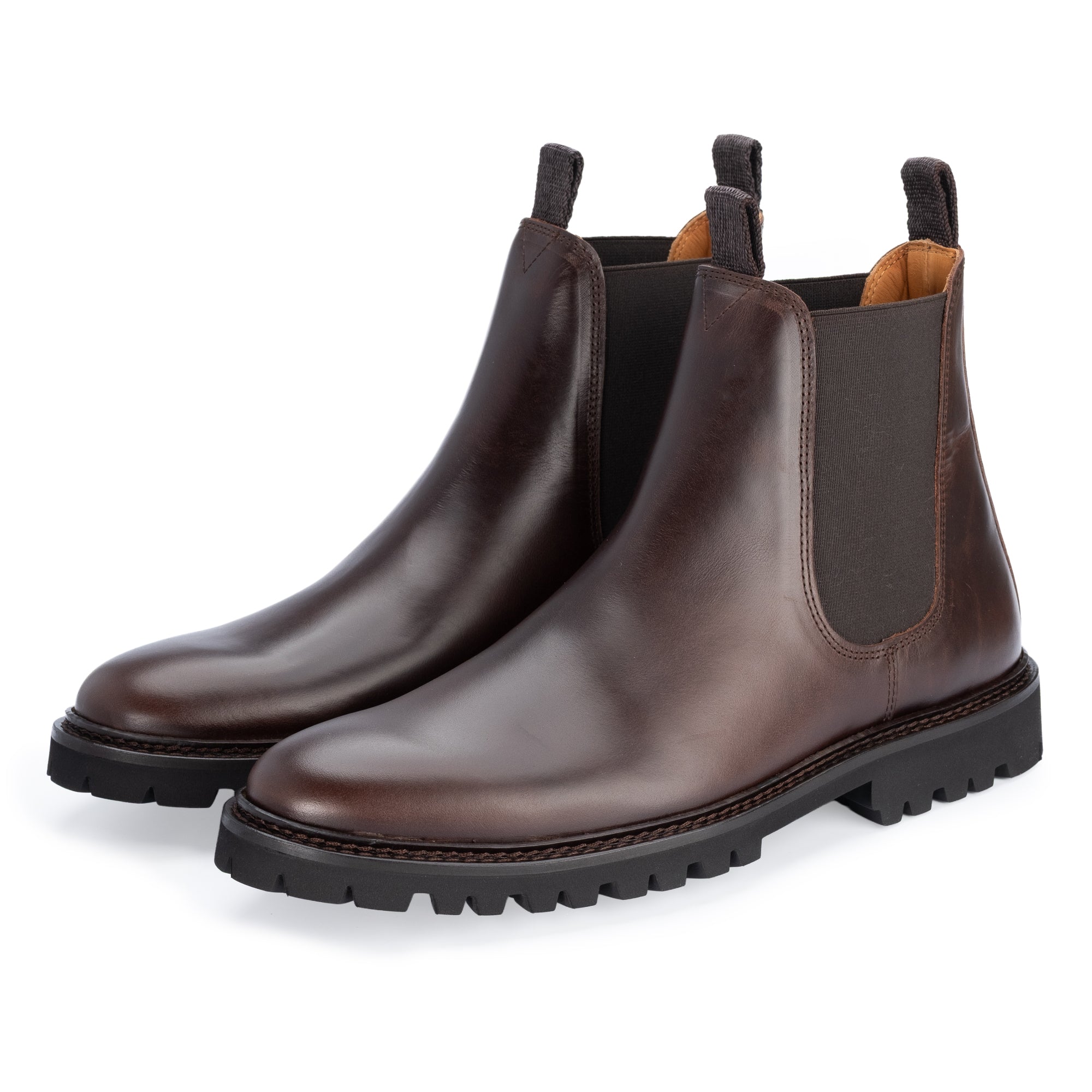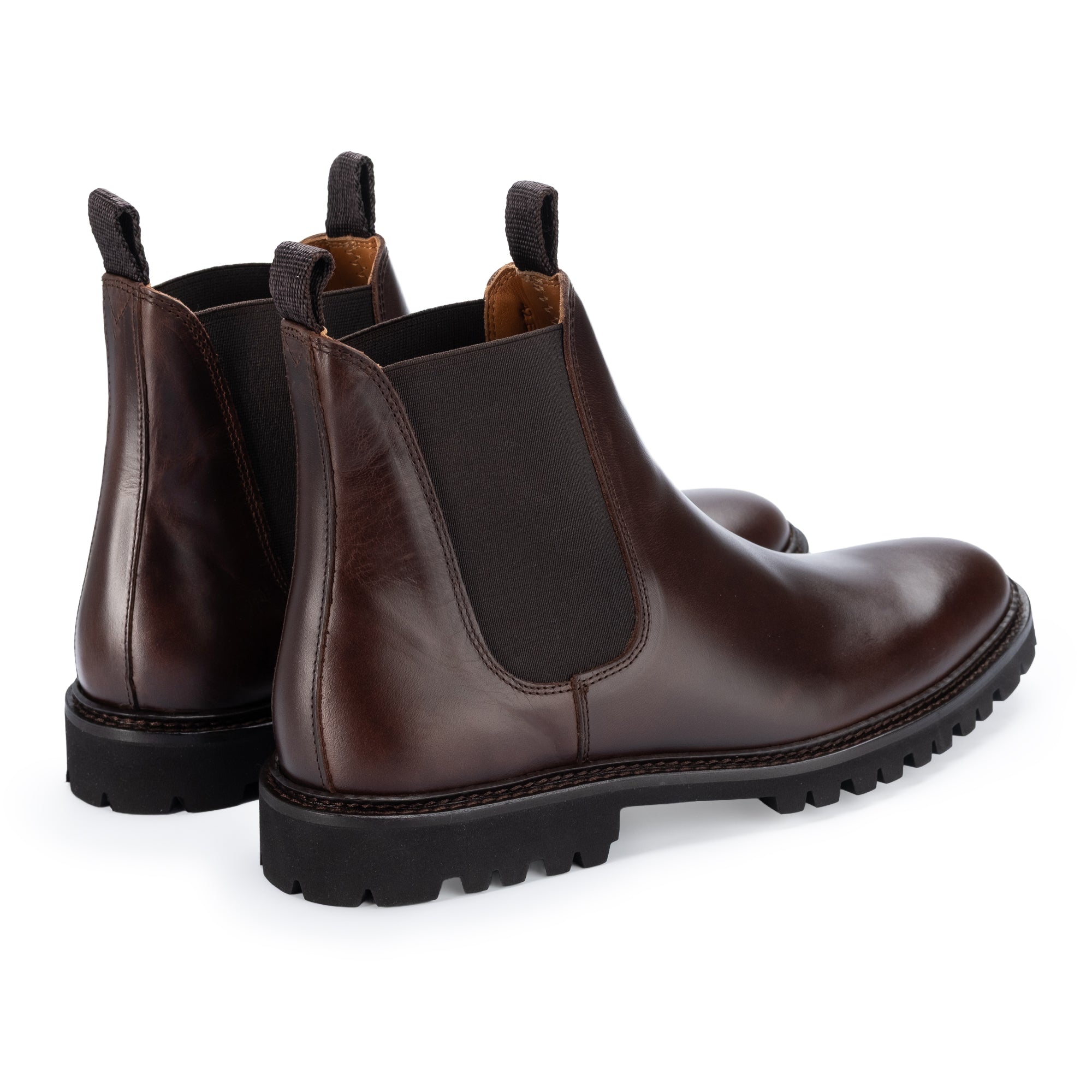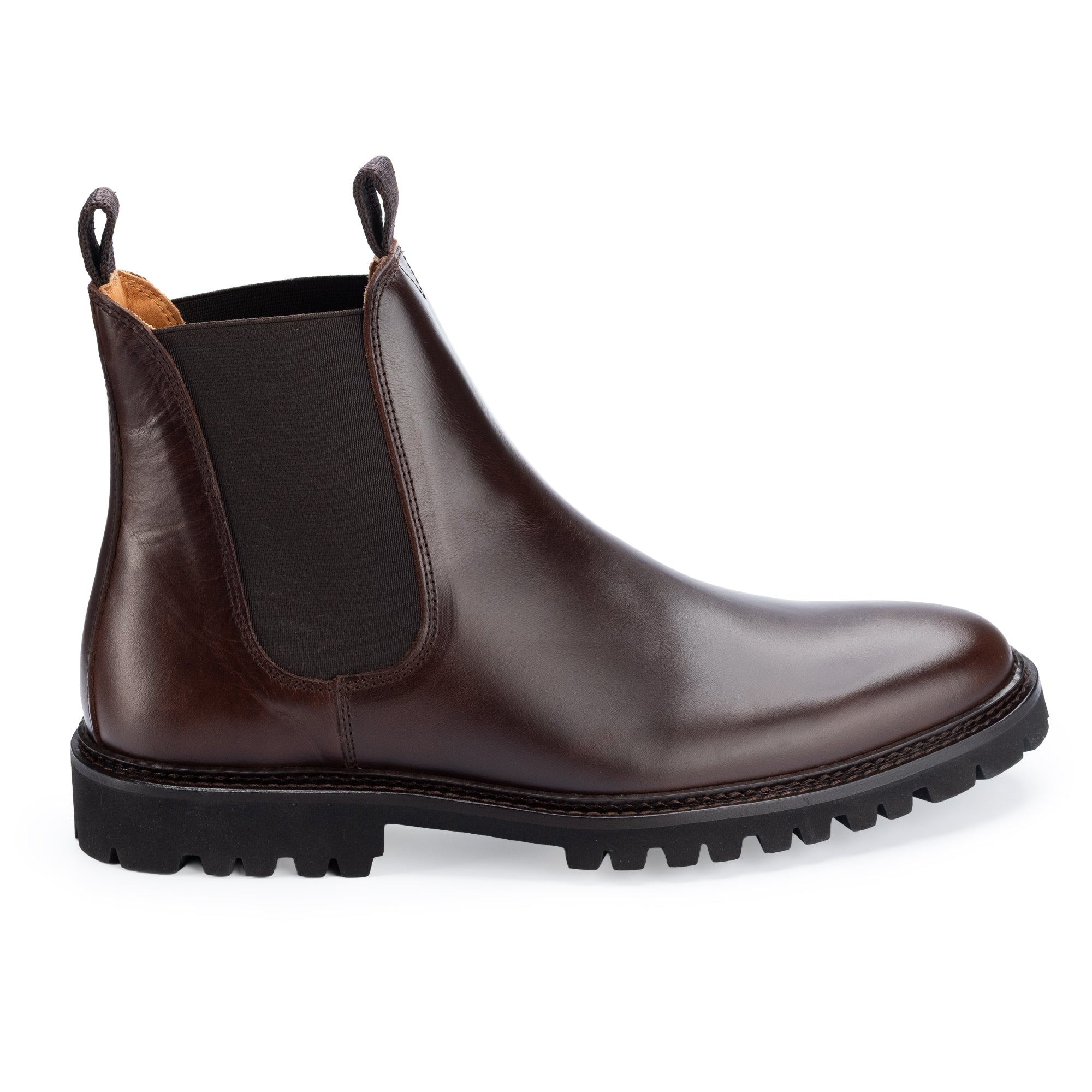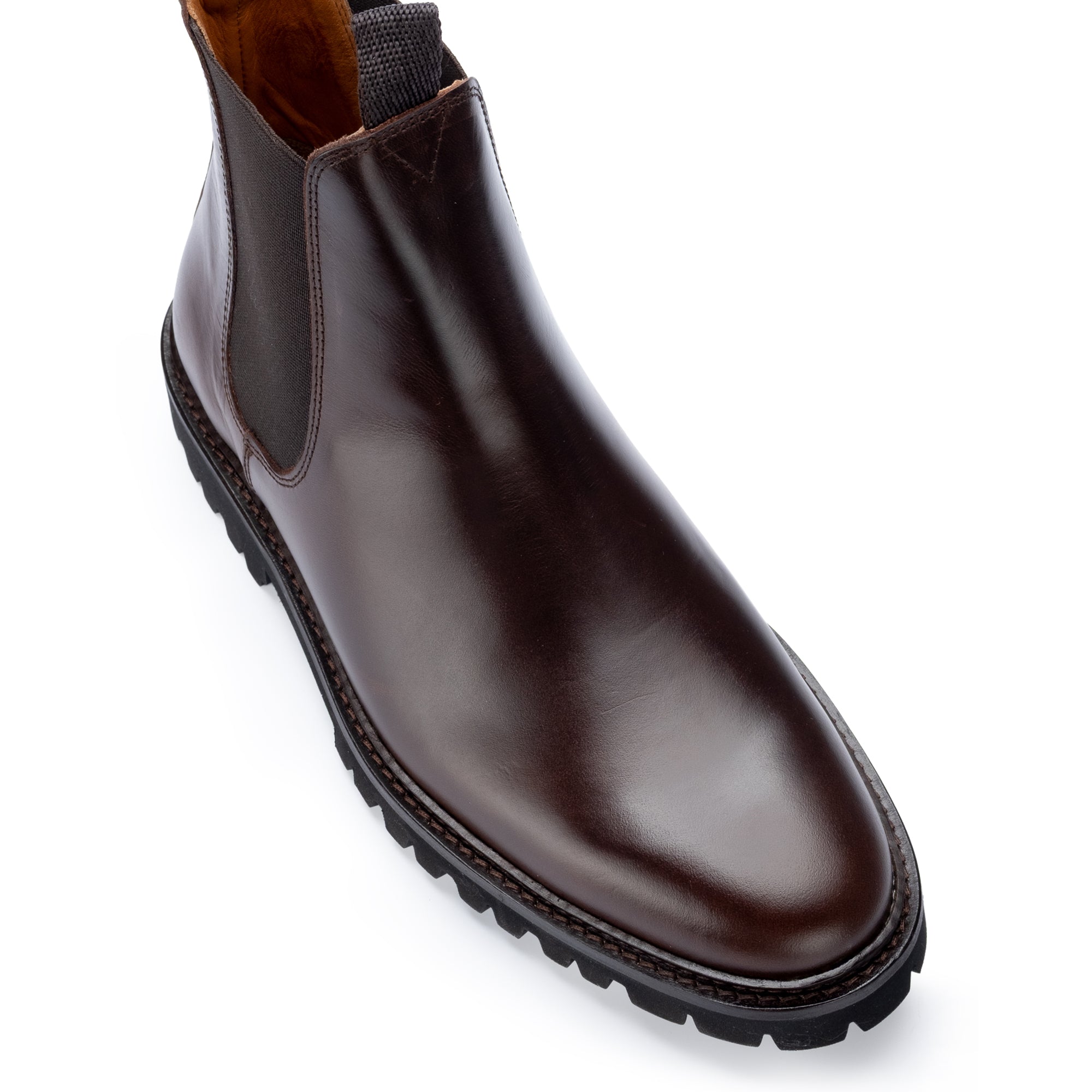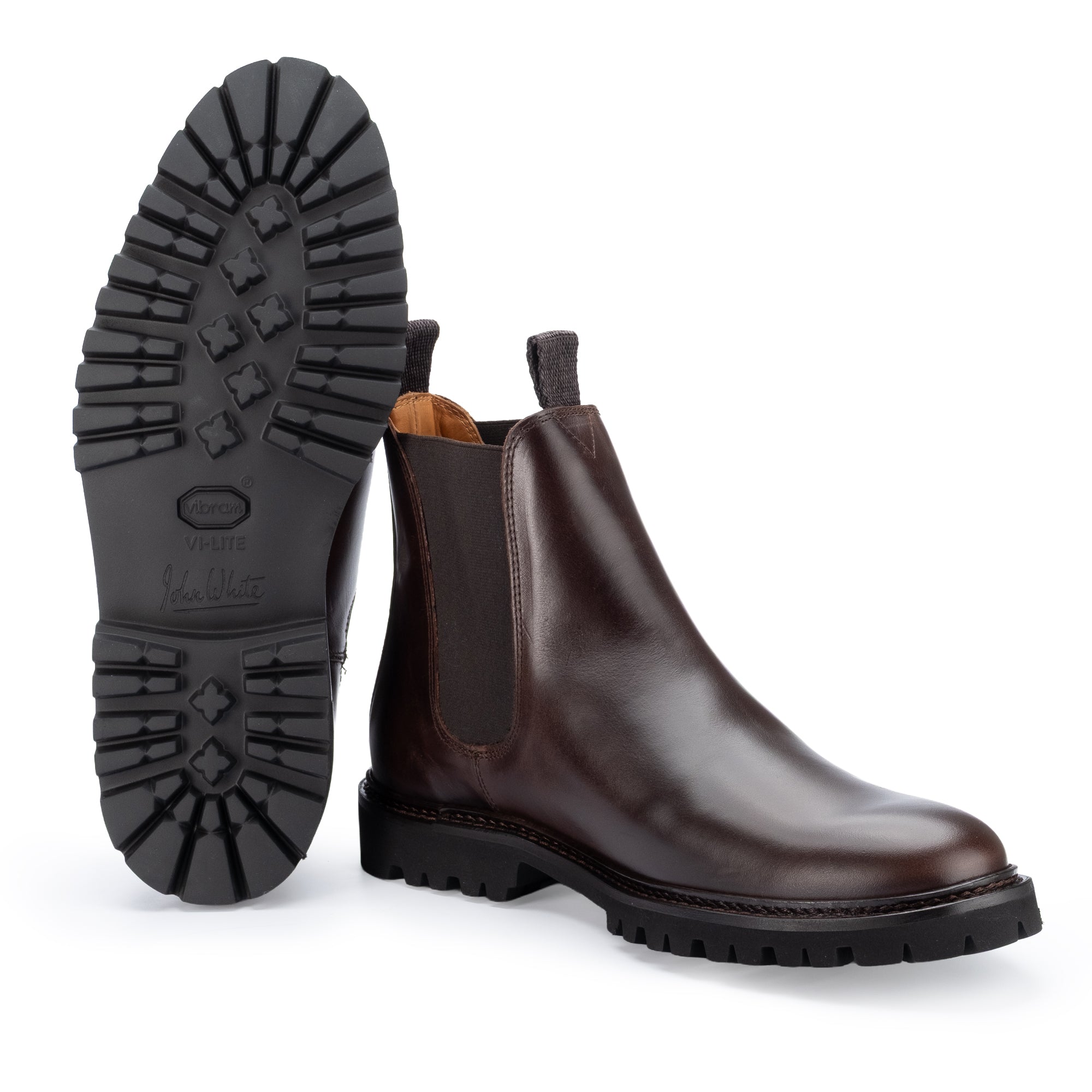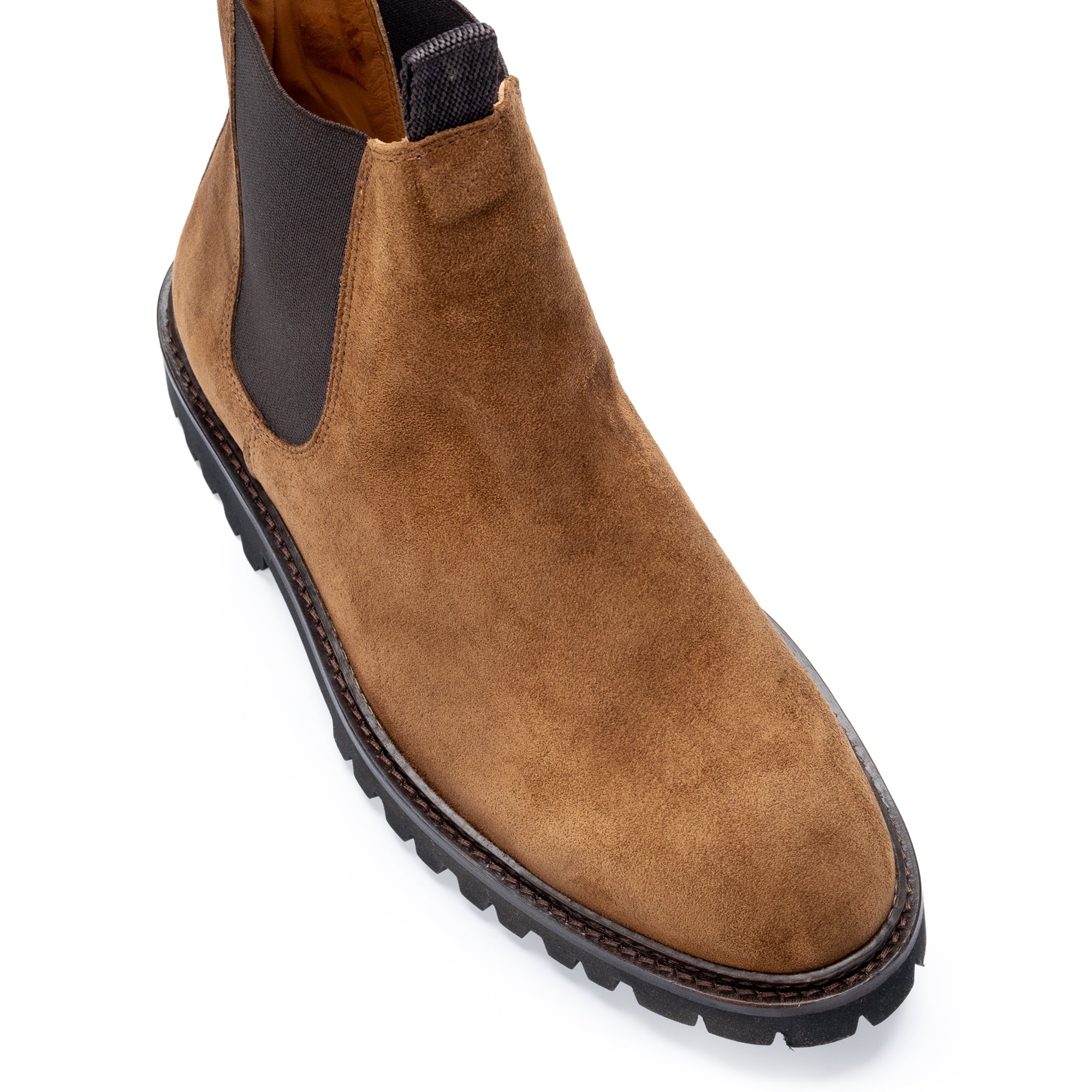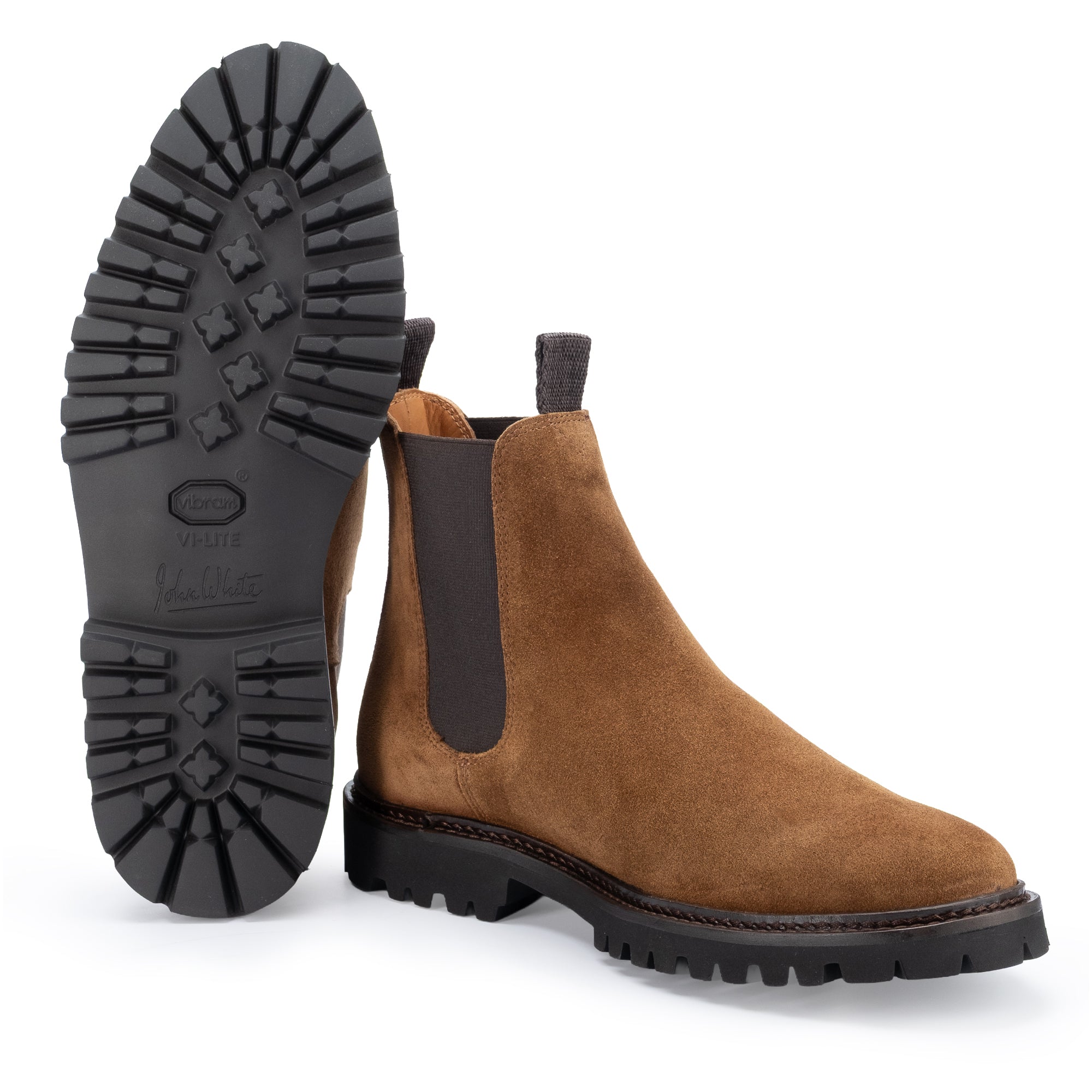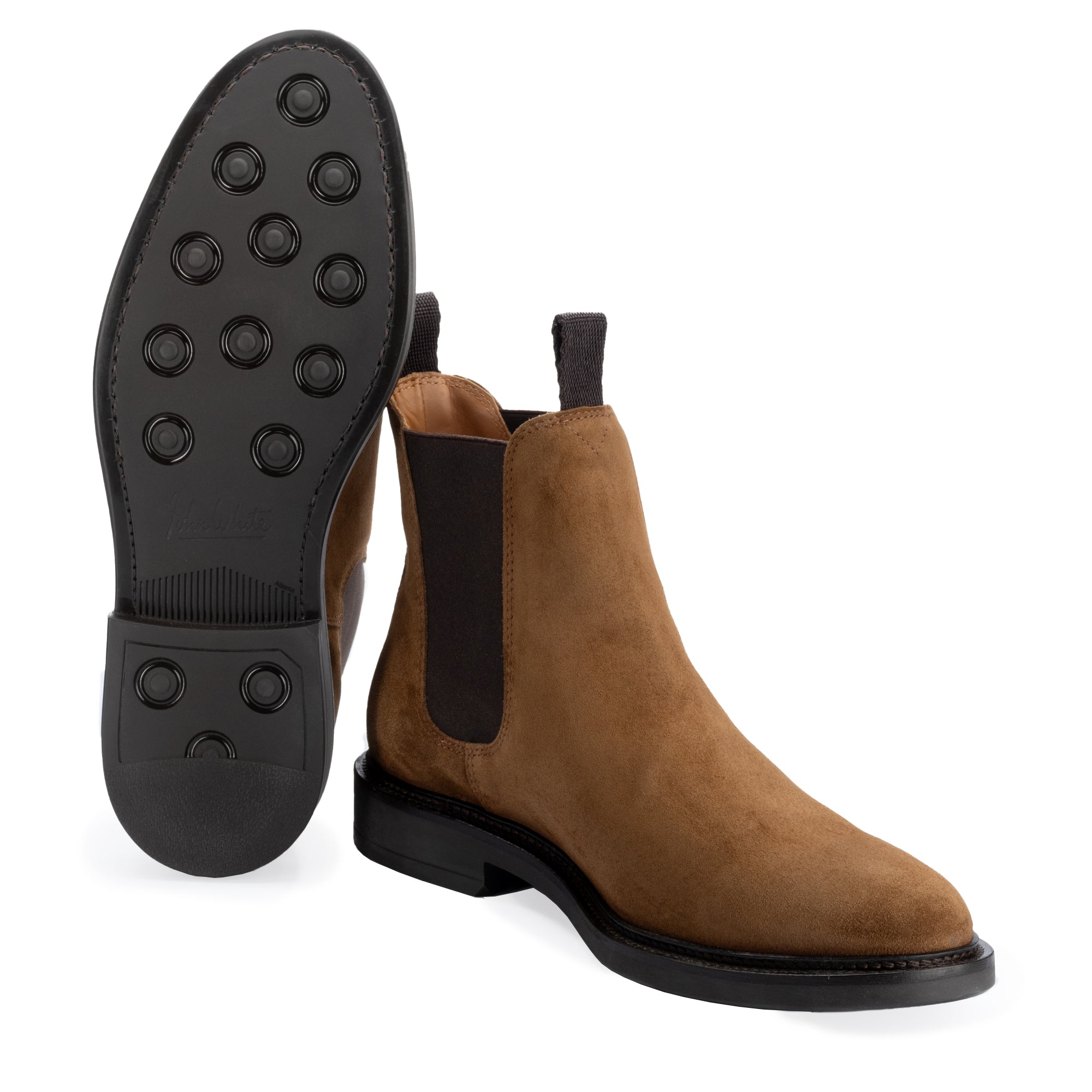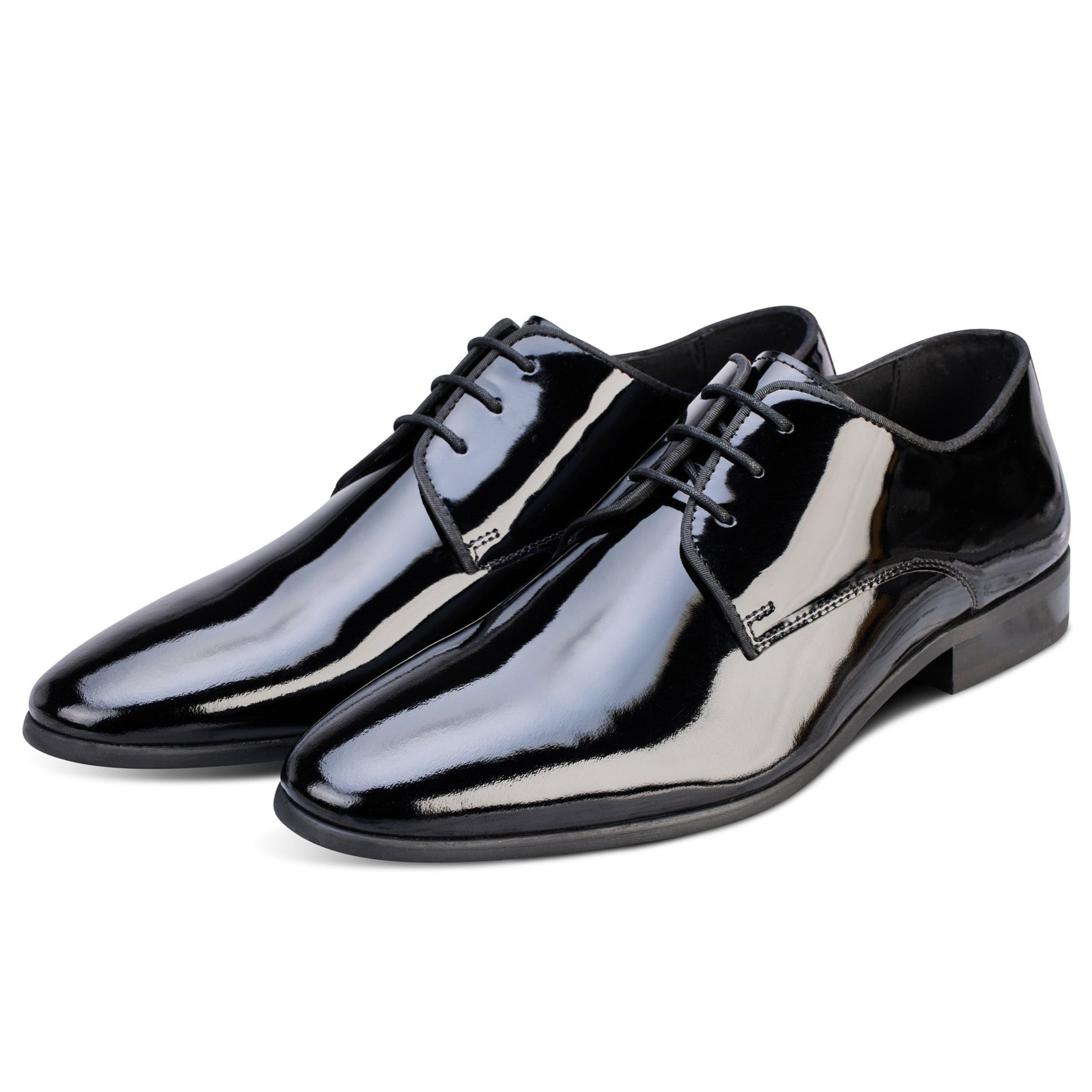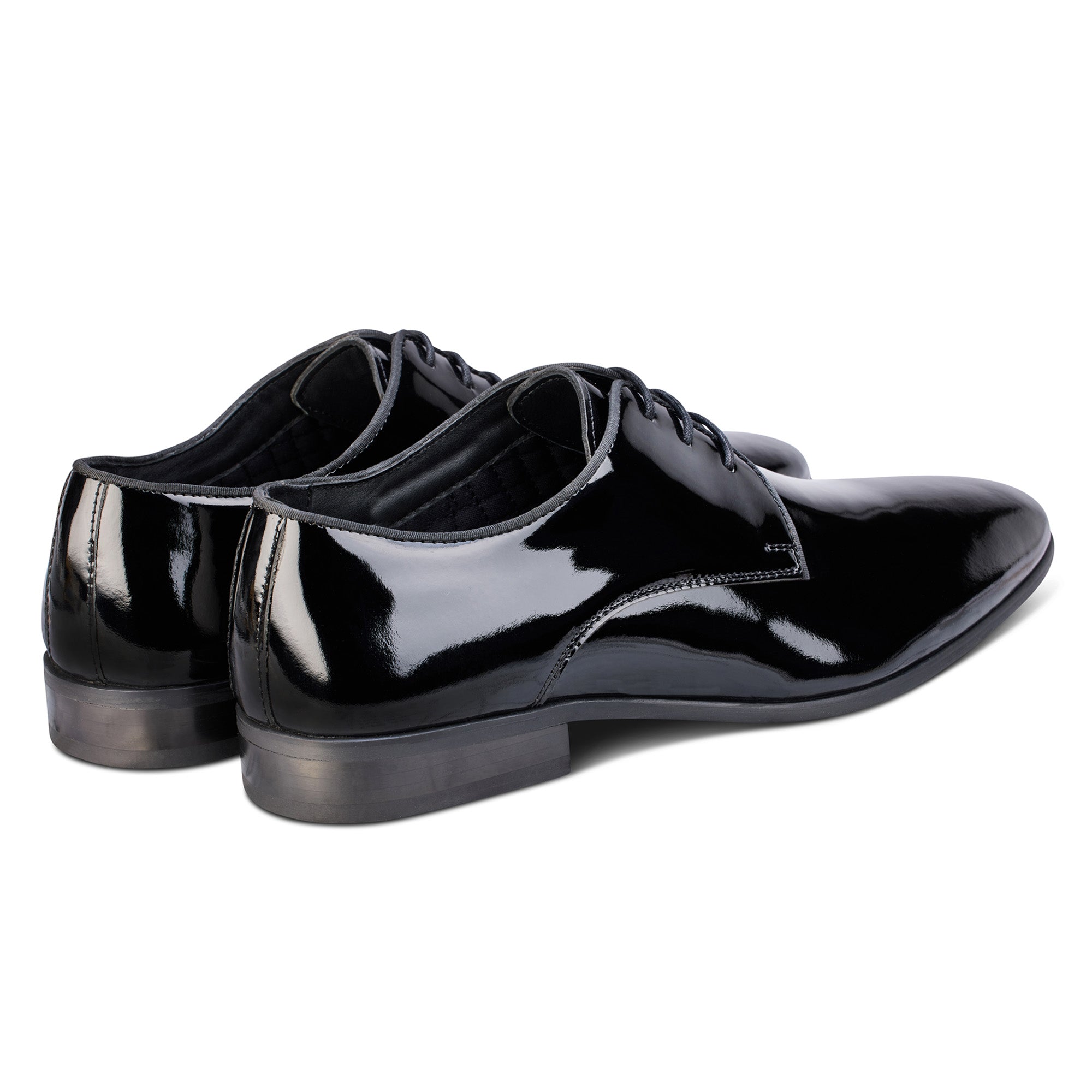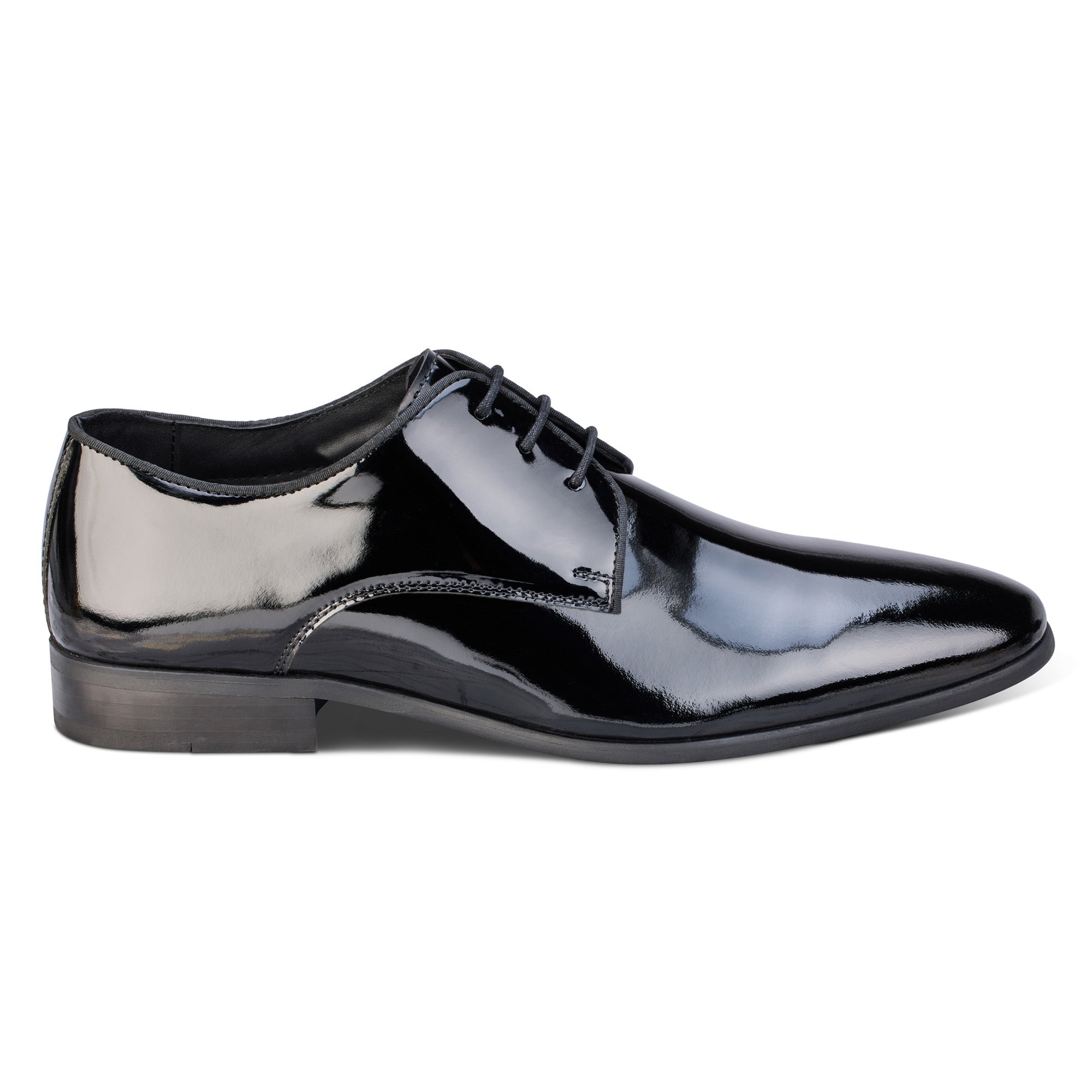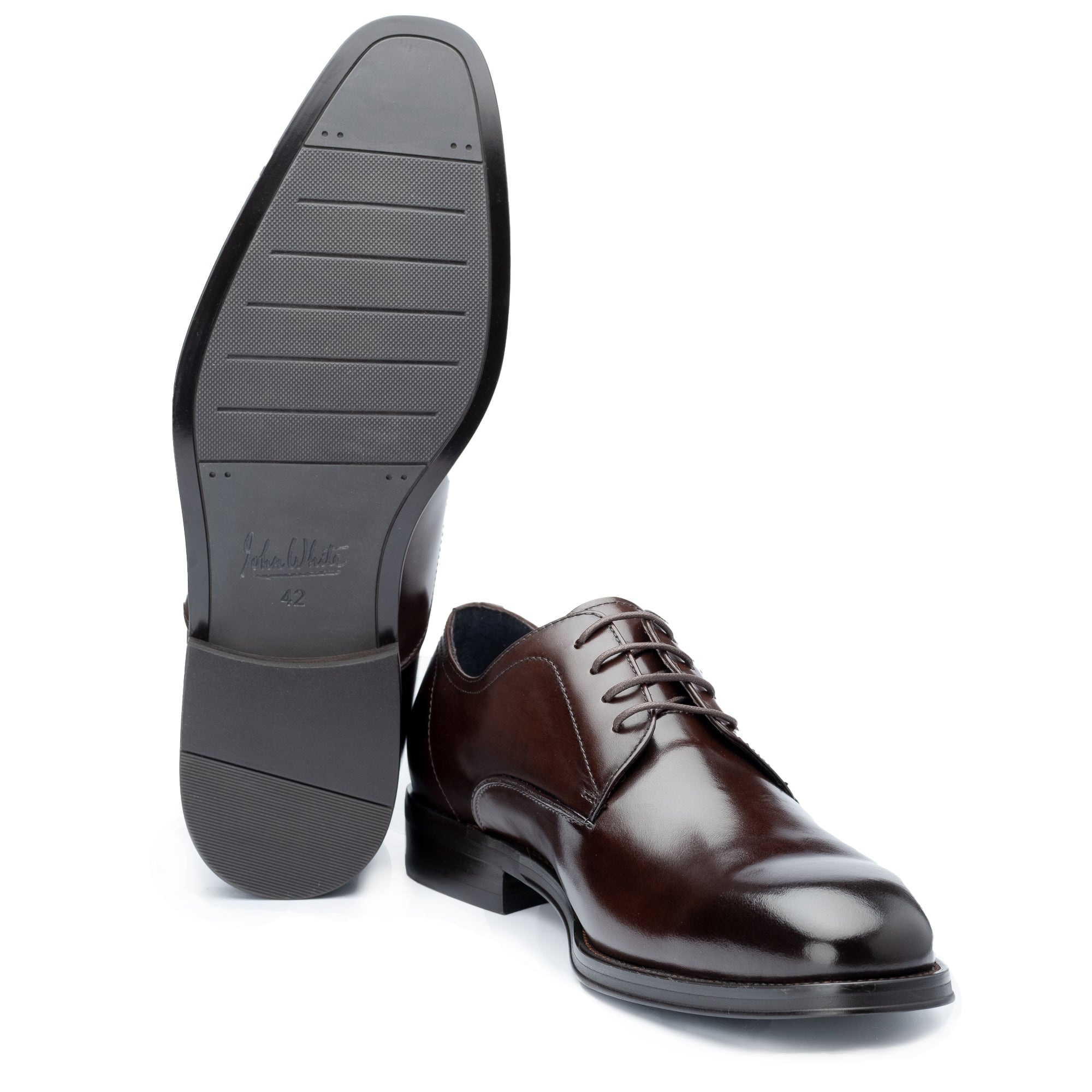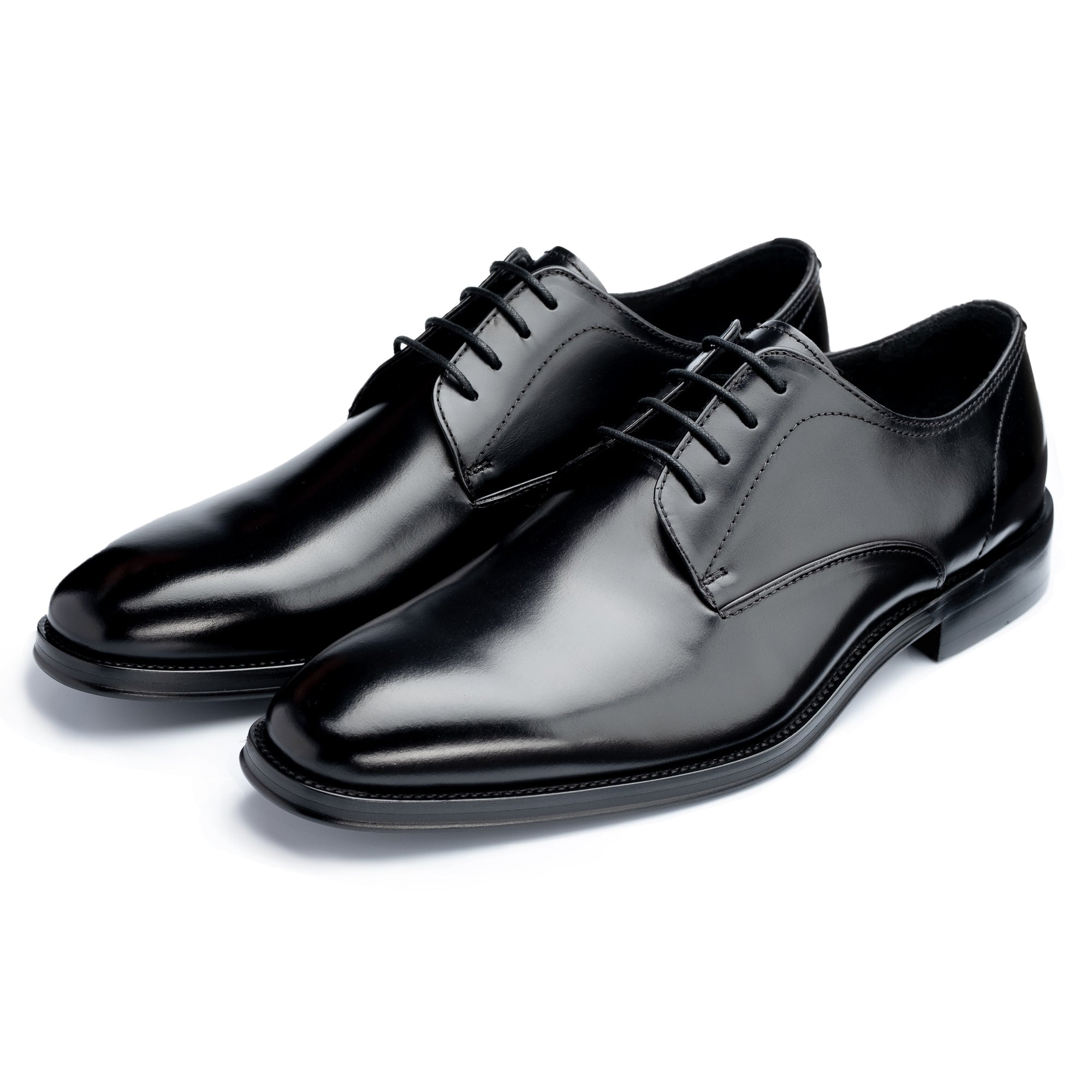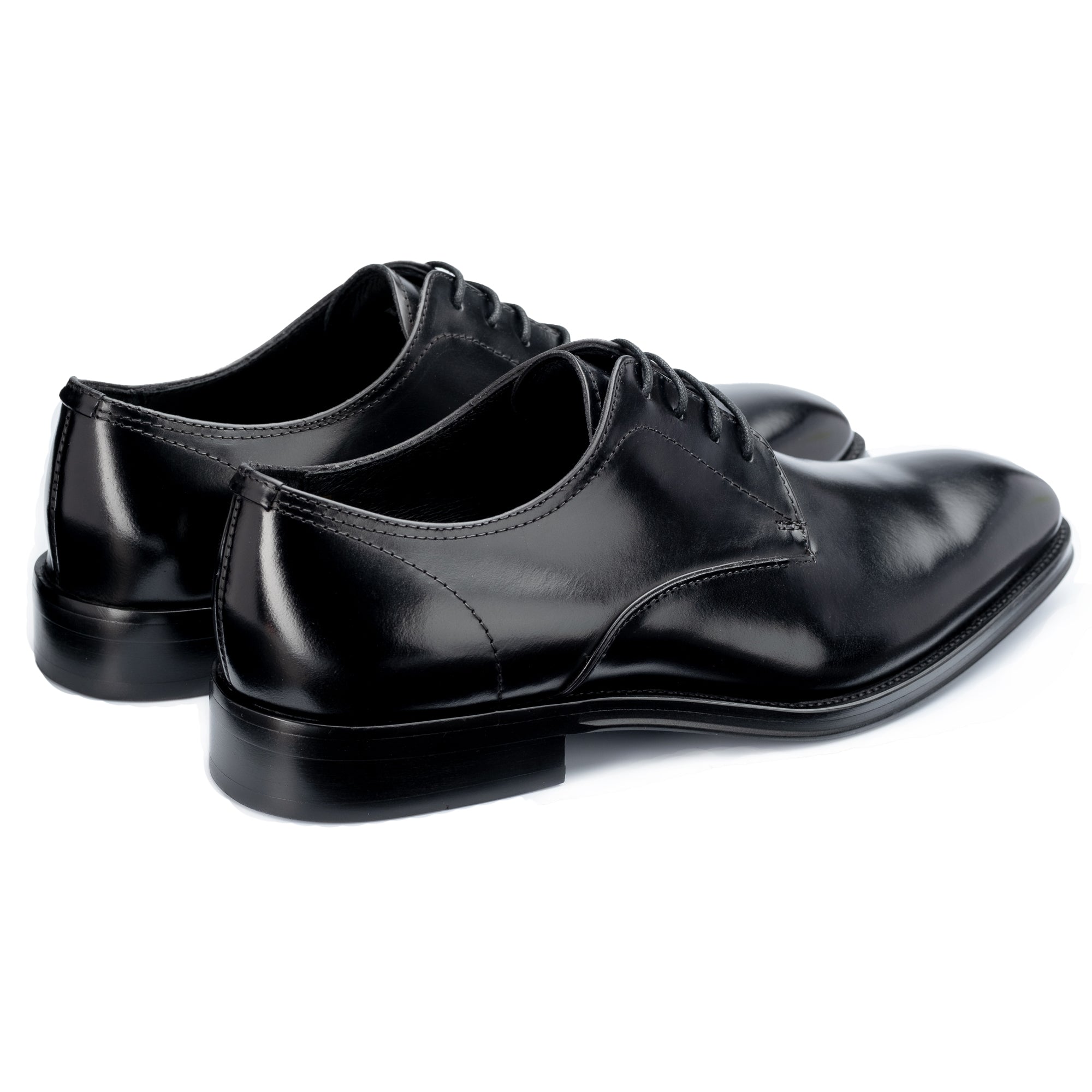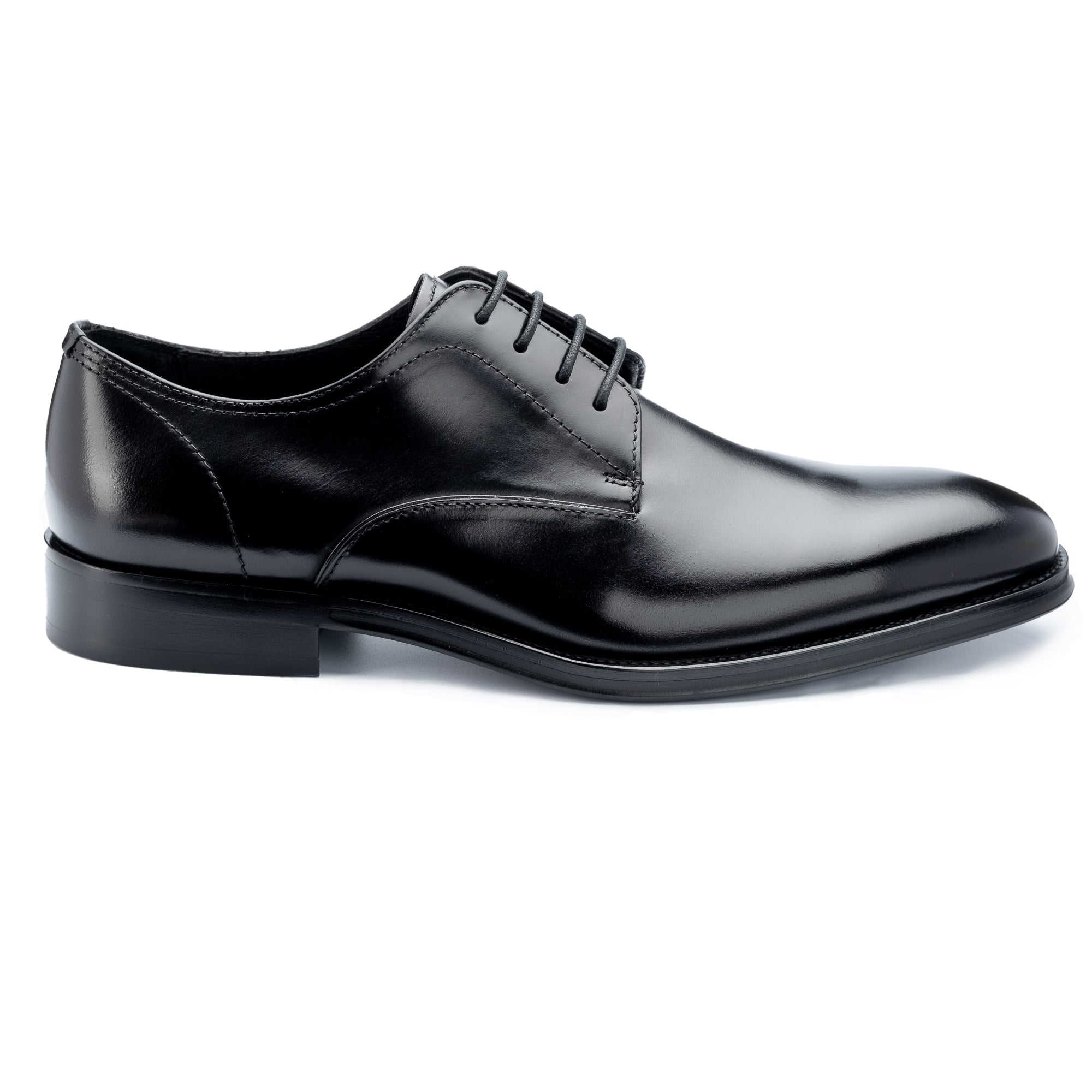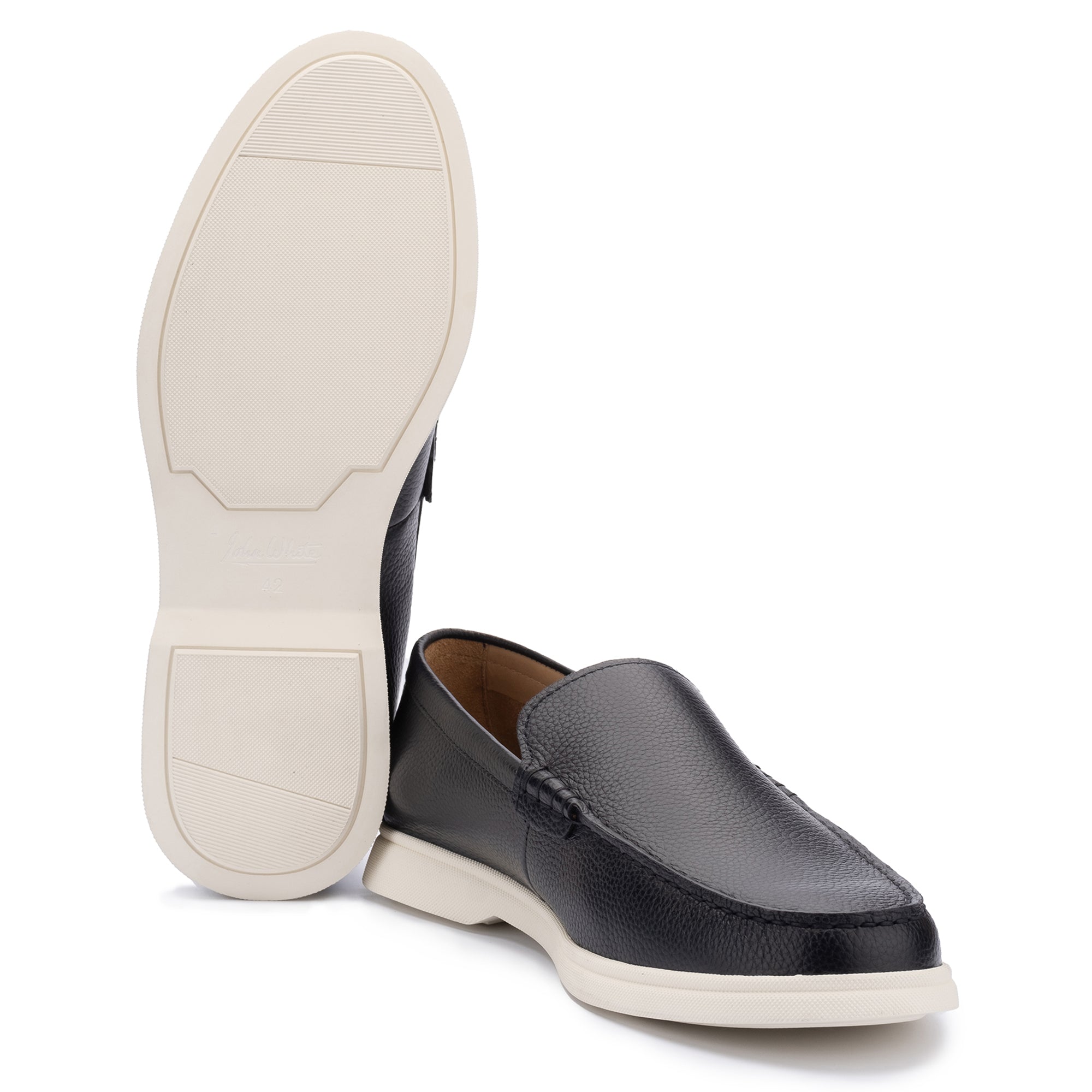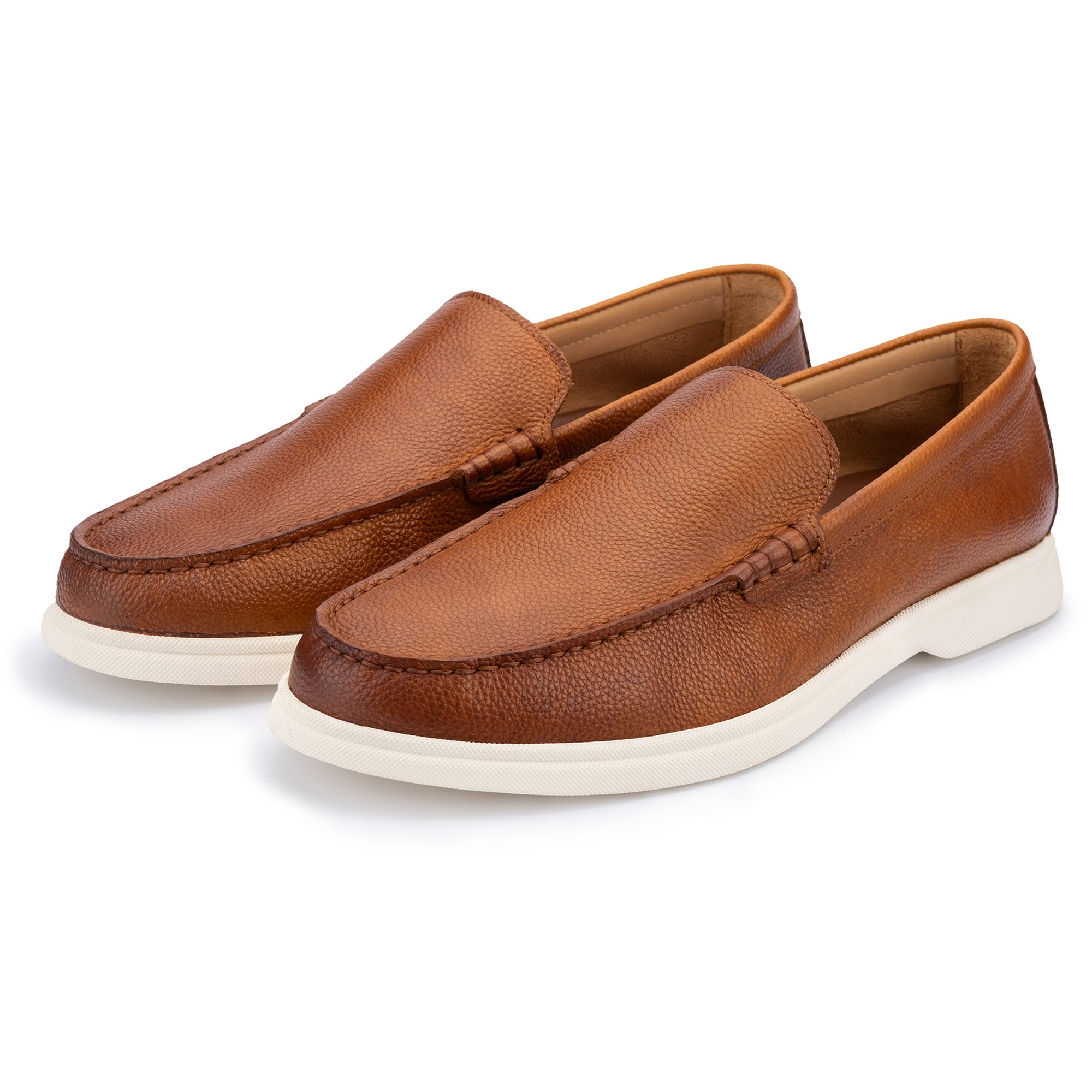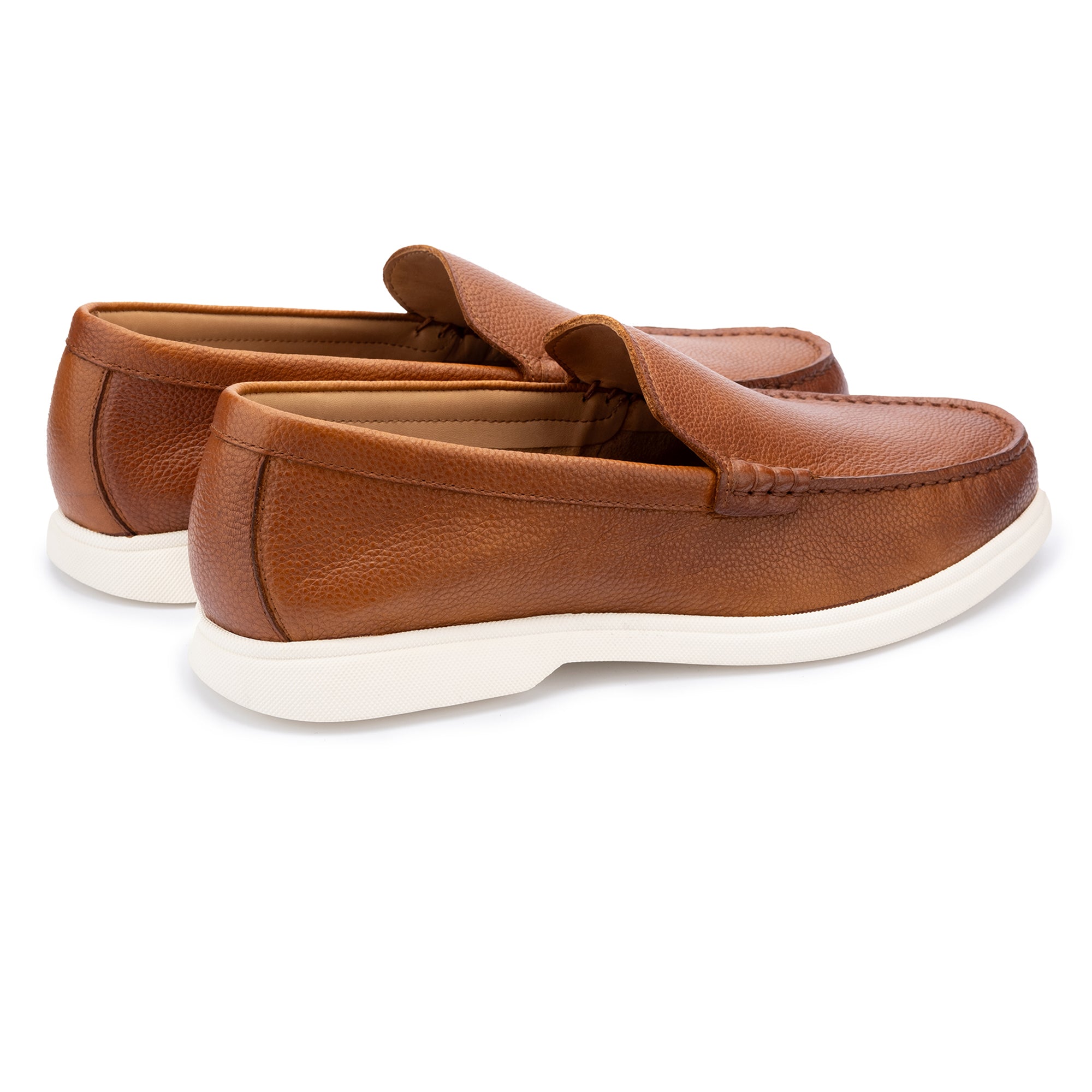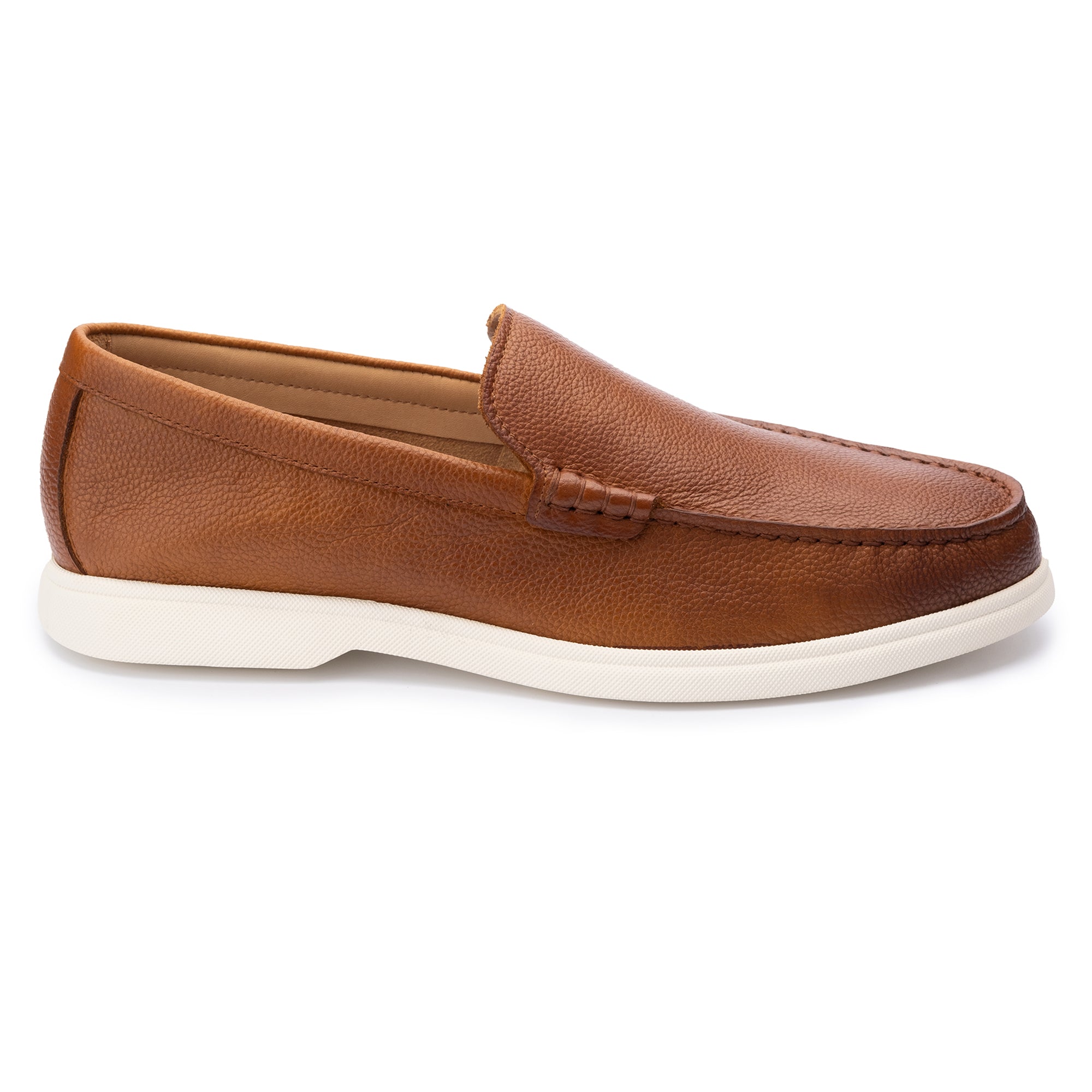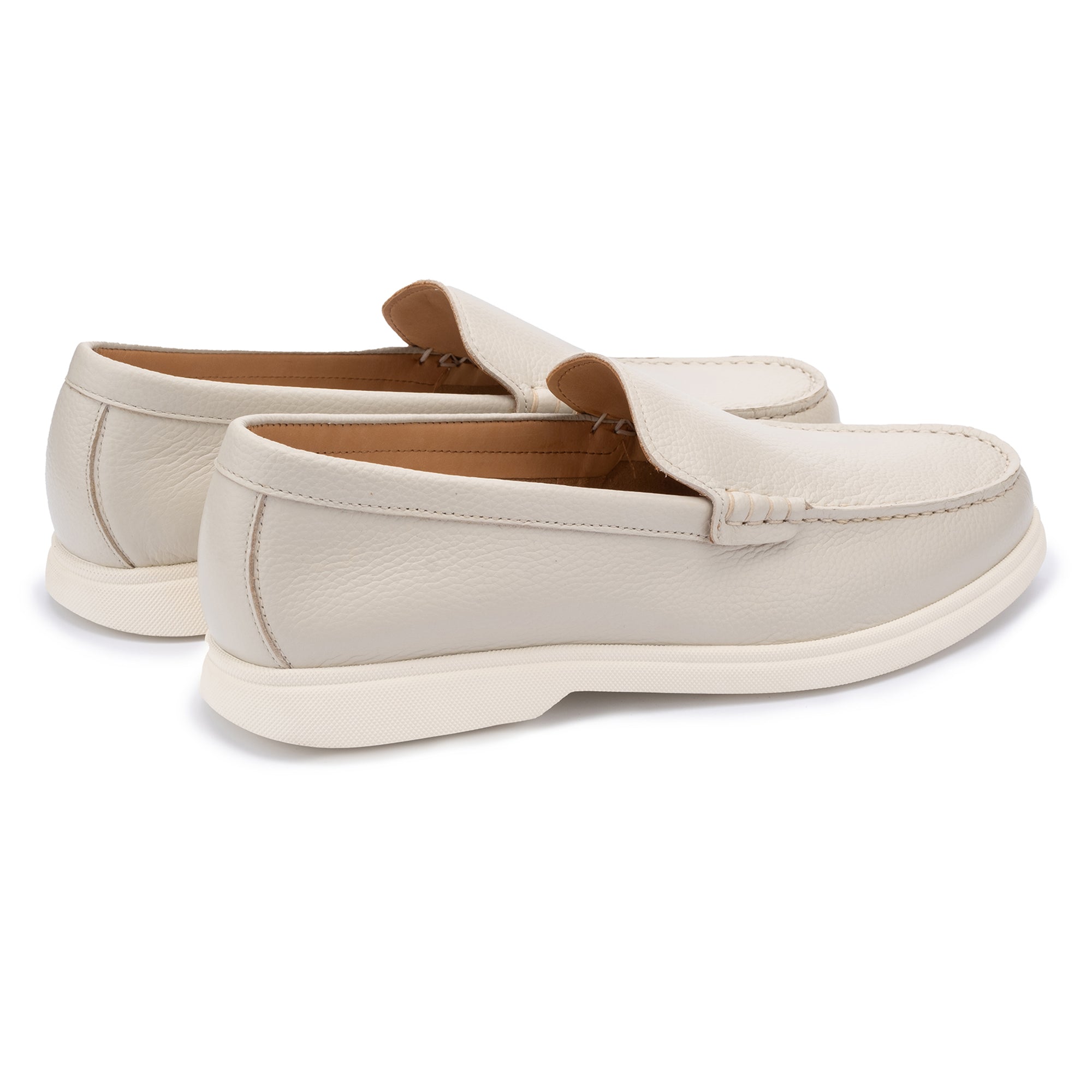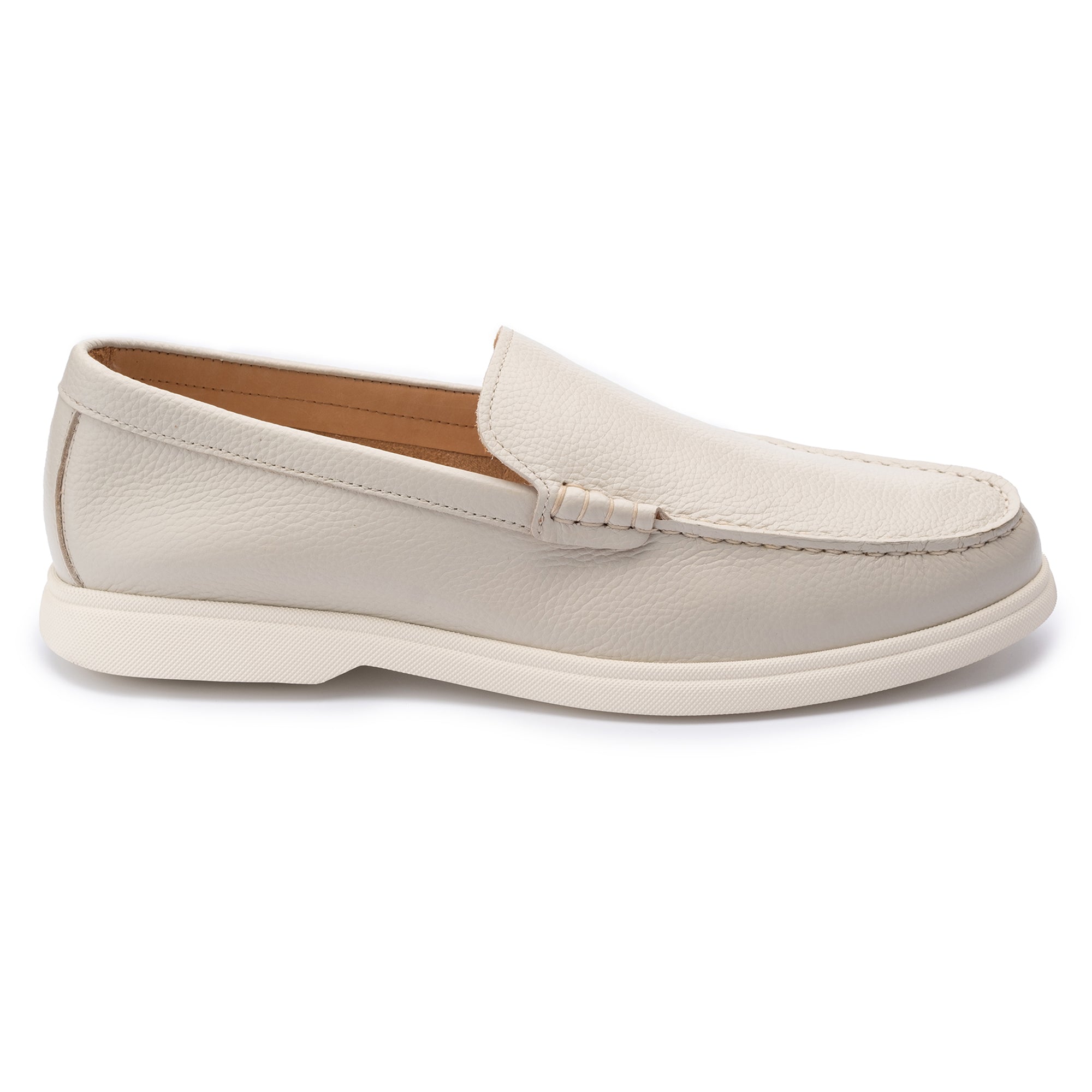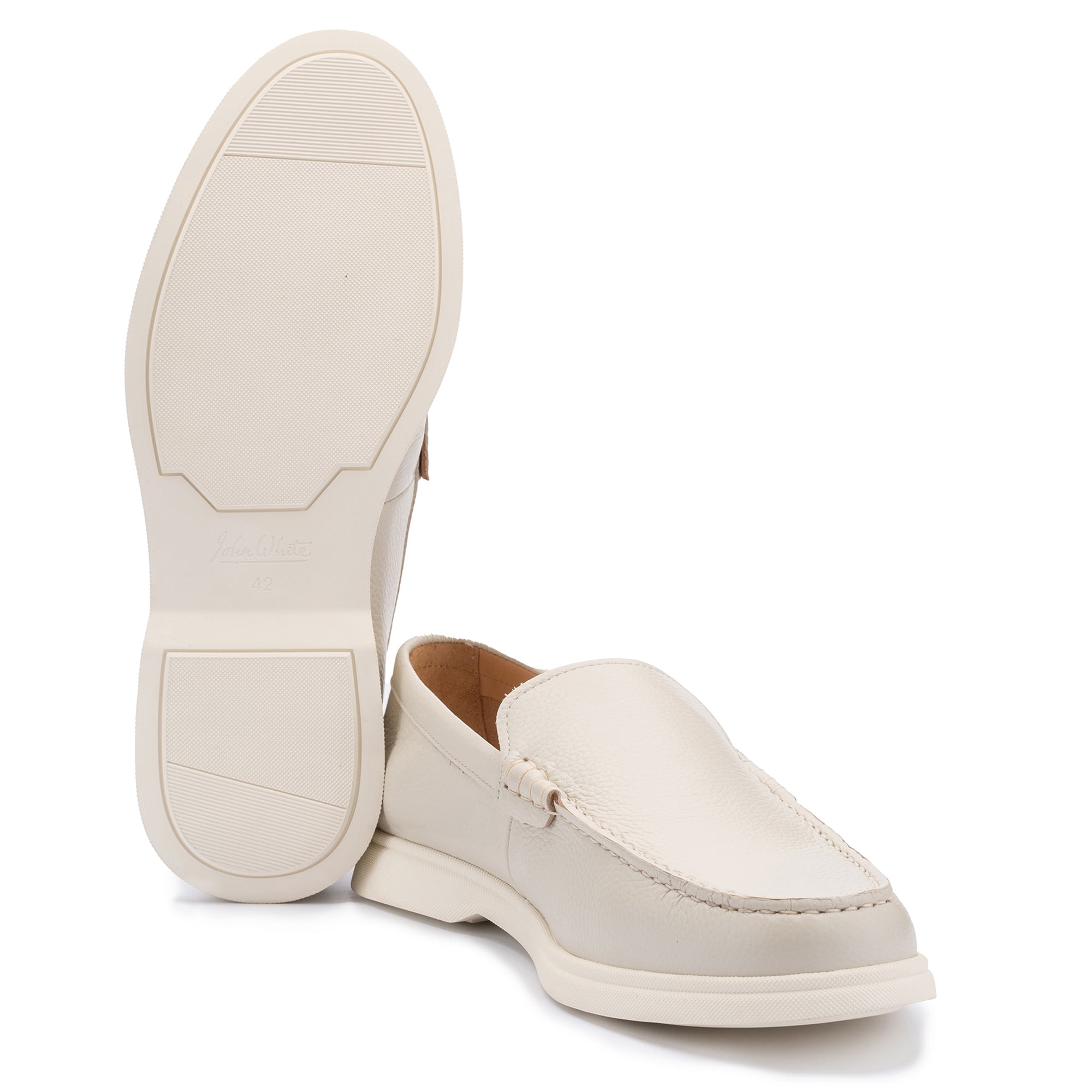

The grey suit holds a particular position in the British man's wardrobe. Where navy signals readiness and black imposes formality, grey negotiates — adaptable enough for the office, polished enough for a wedding, composed enough for a dinner that matters. The challenge is not wearing grey. It is knowing which shoes complete it and which reduce a considered outfit to a visual muddle.
In This Guide
This guide works through the grey spectrum — charcoal, mid-grey, light grey — pairs each shade with the right shoe colours and silhouettes, and draws on the current John White Shoes Oxford range and wider catalogue to give you precise product choices for each occasion. No abstraction. Practical decisions only.
Understanding the Grey Spectrum
Before pairing any shoe, it helps to establish which grey you're actually wearing. Not all grey suits behave identically, and the differences in tone determine the palette of shoes that work.
Charcoal grey (dark, near-black) behaves like a formal suit. It reads as business or occasion wear — suited to crisp white shirts, ties, and settings that require some weight. The shoe palette is broad: black, dark brown, tan, and burgundy all harmonise, though the formal register of the cloth tends to pull decisions towards the more structured silhouettes.
Mid-grey (classic flannel or woollen weight) is the workhorse. Smart enough for the office, relaxed enough for a wedding or a Saturday lunch in a decent restaurant. More forgiving on shoe colour than charcoal — tan and mid-brown read particularly well against this tone, providing warmth the suit itself does not generate.
Light grey (dove, pale stone, pearl) carries a summer and smart-casual register. This shade narrows the palette slightly: very dark brown and black can look incongruously heavy against a pale cloth. Tan, warm mid-brown, and suede in cognac or sand work best. The total look should feel considered, not contrasted.
The Shoe Colours That Actually Work
Black
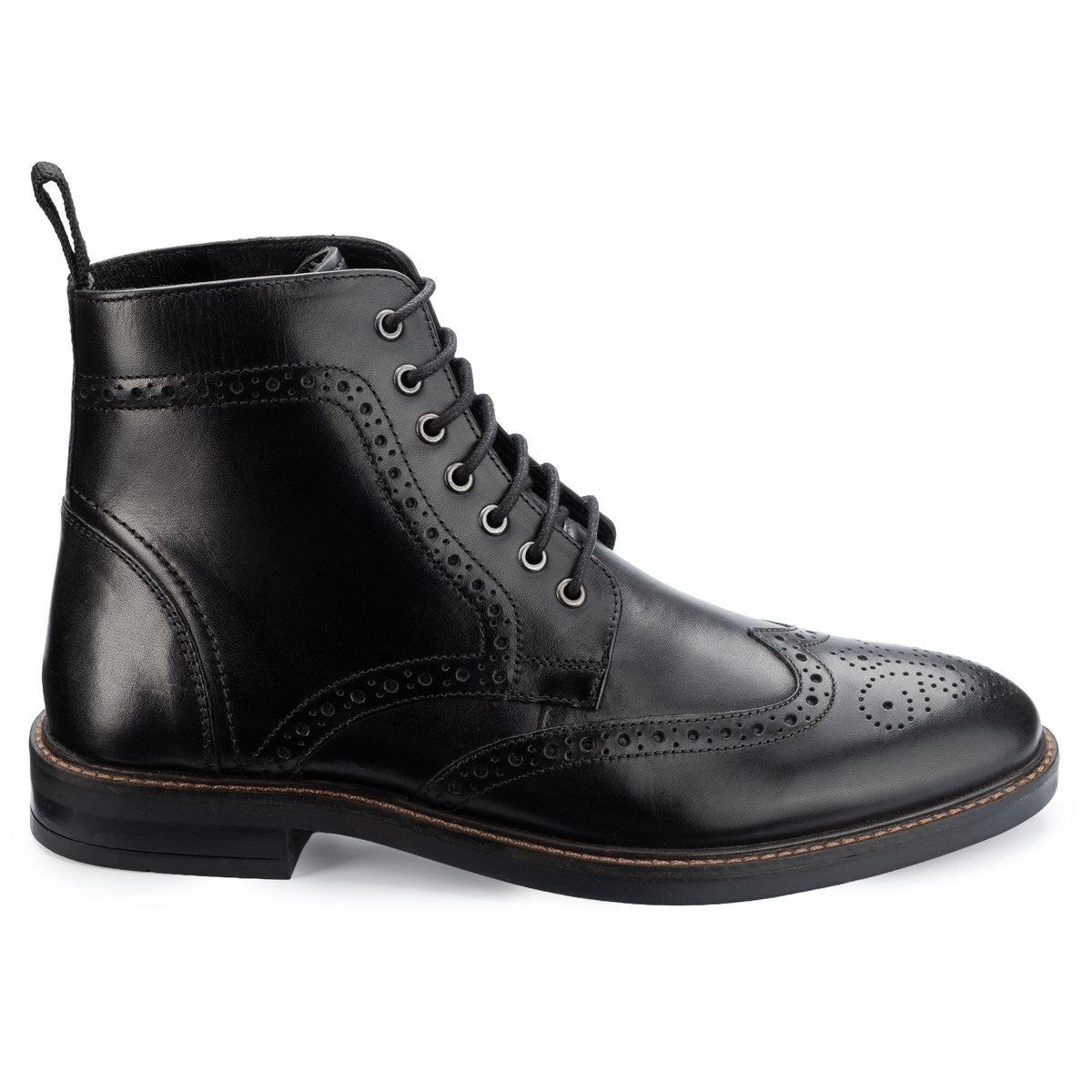
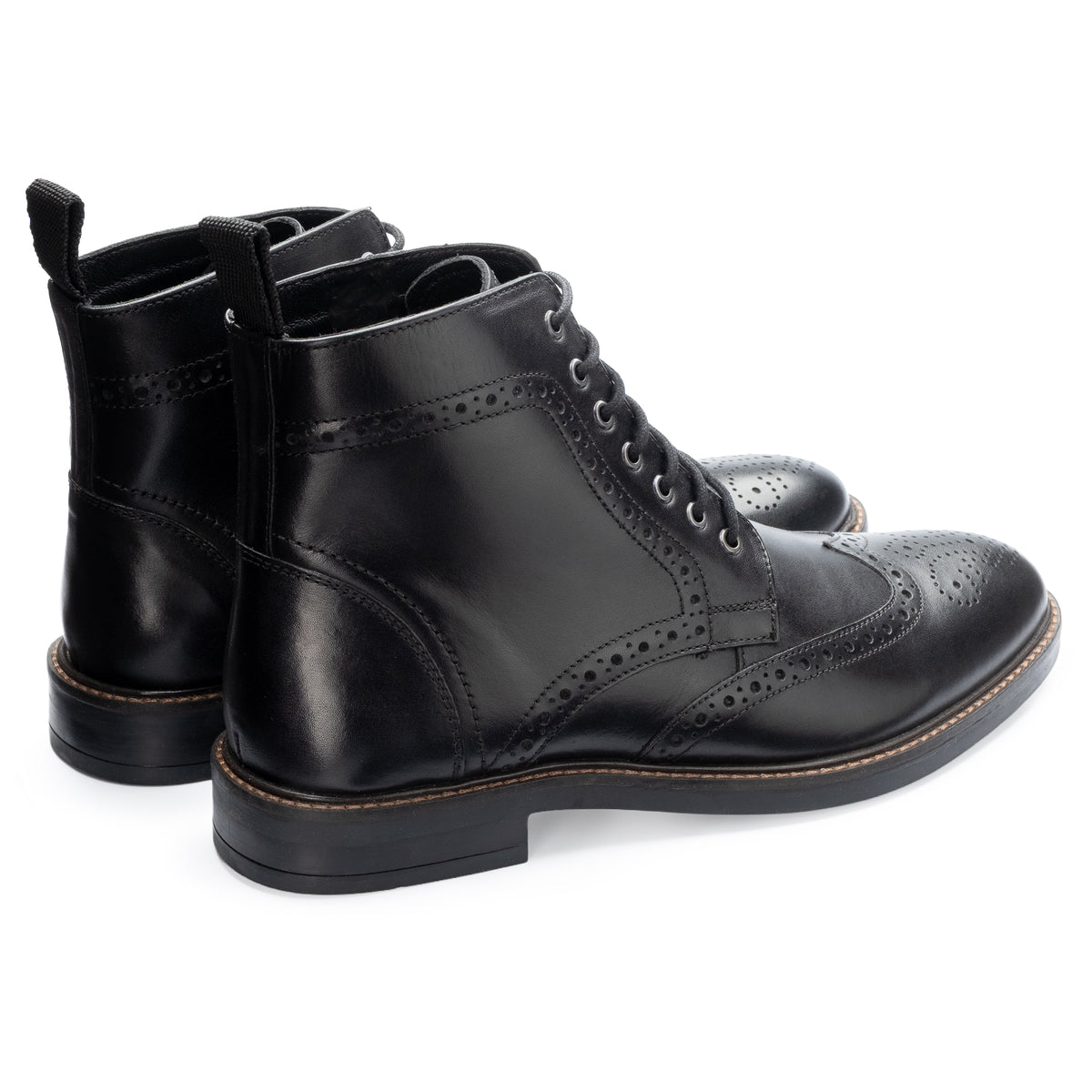
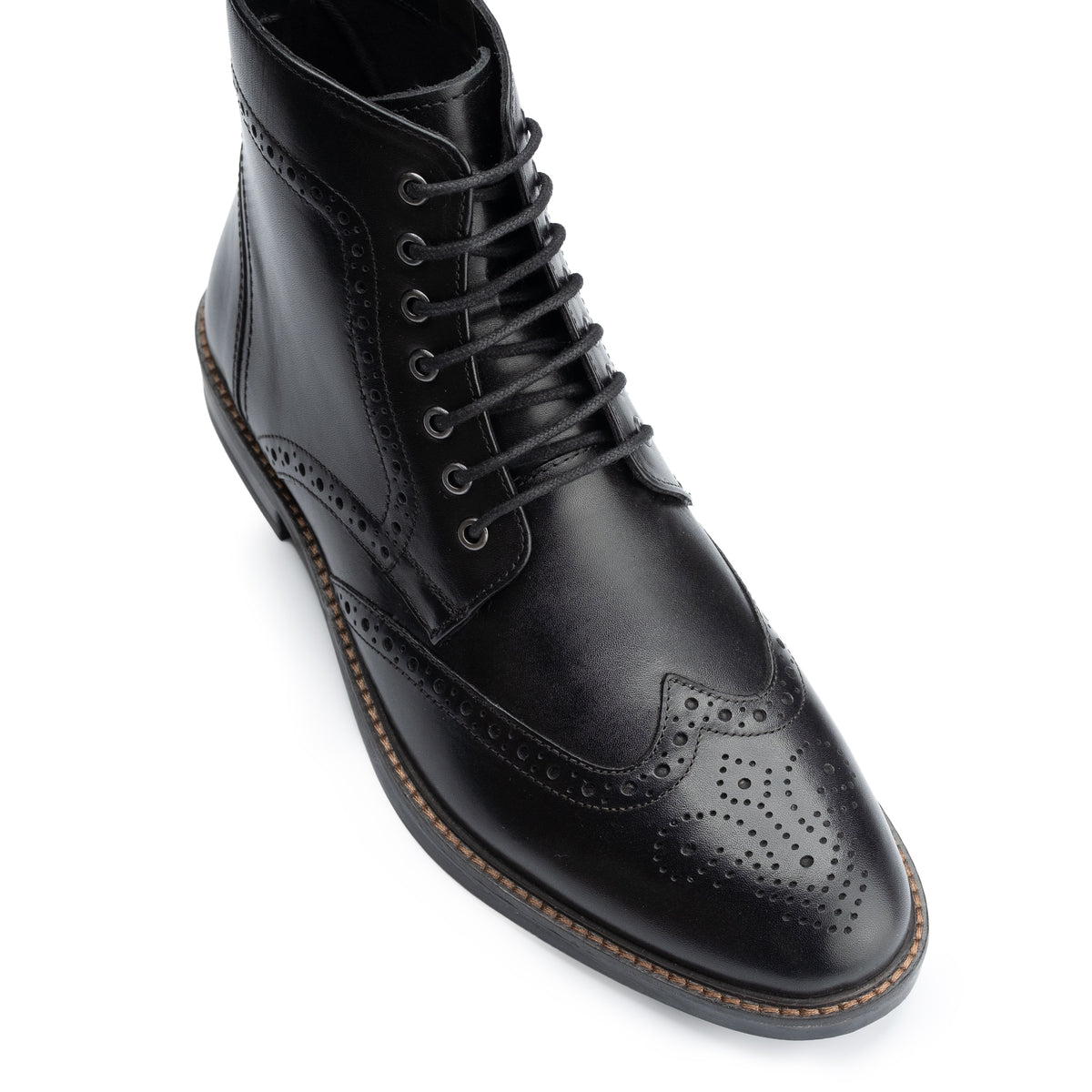
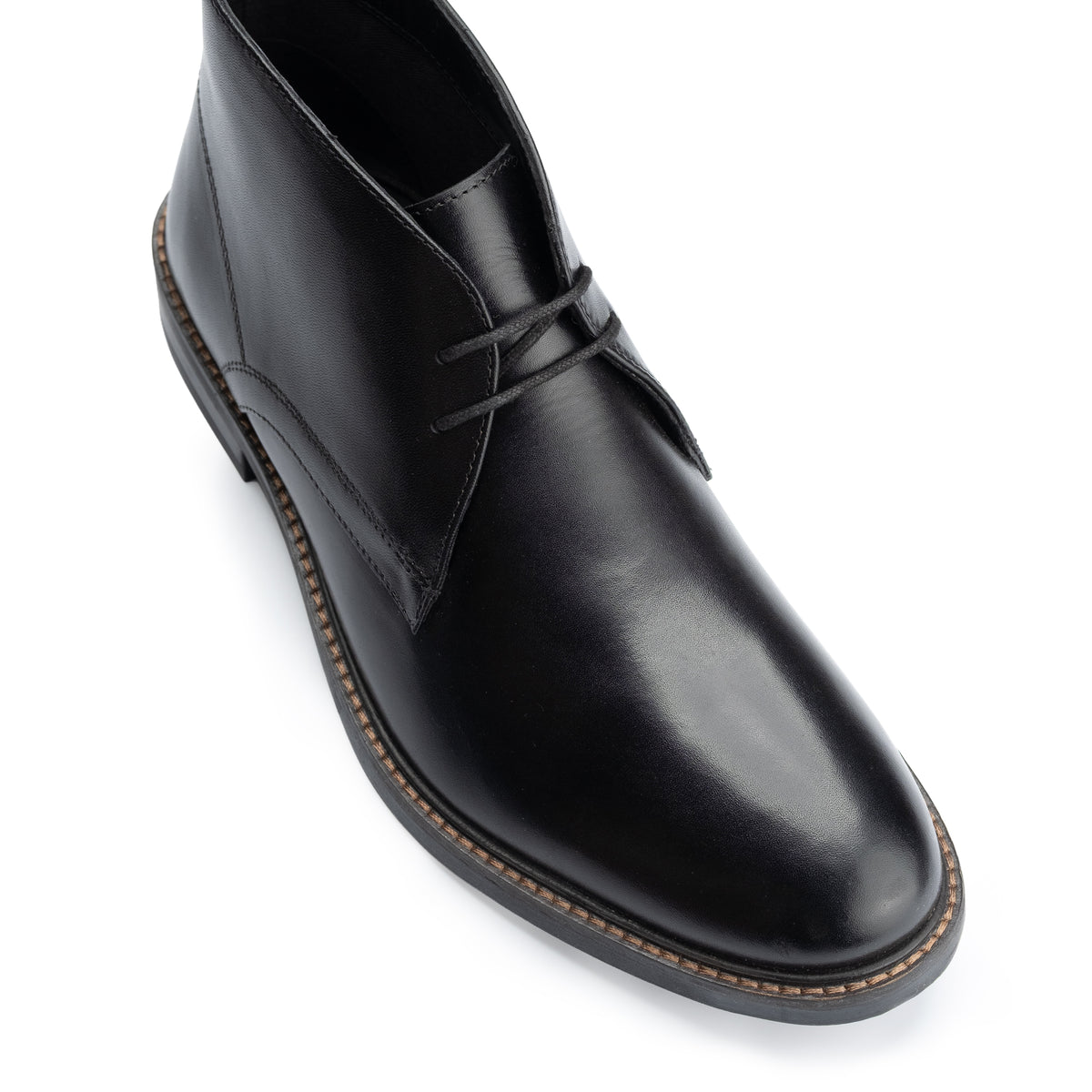
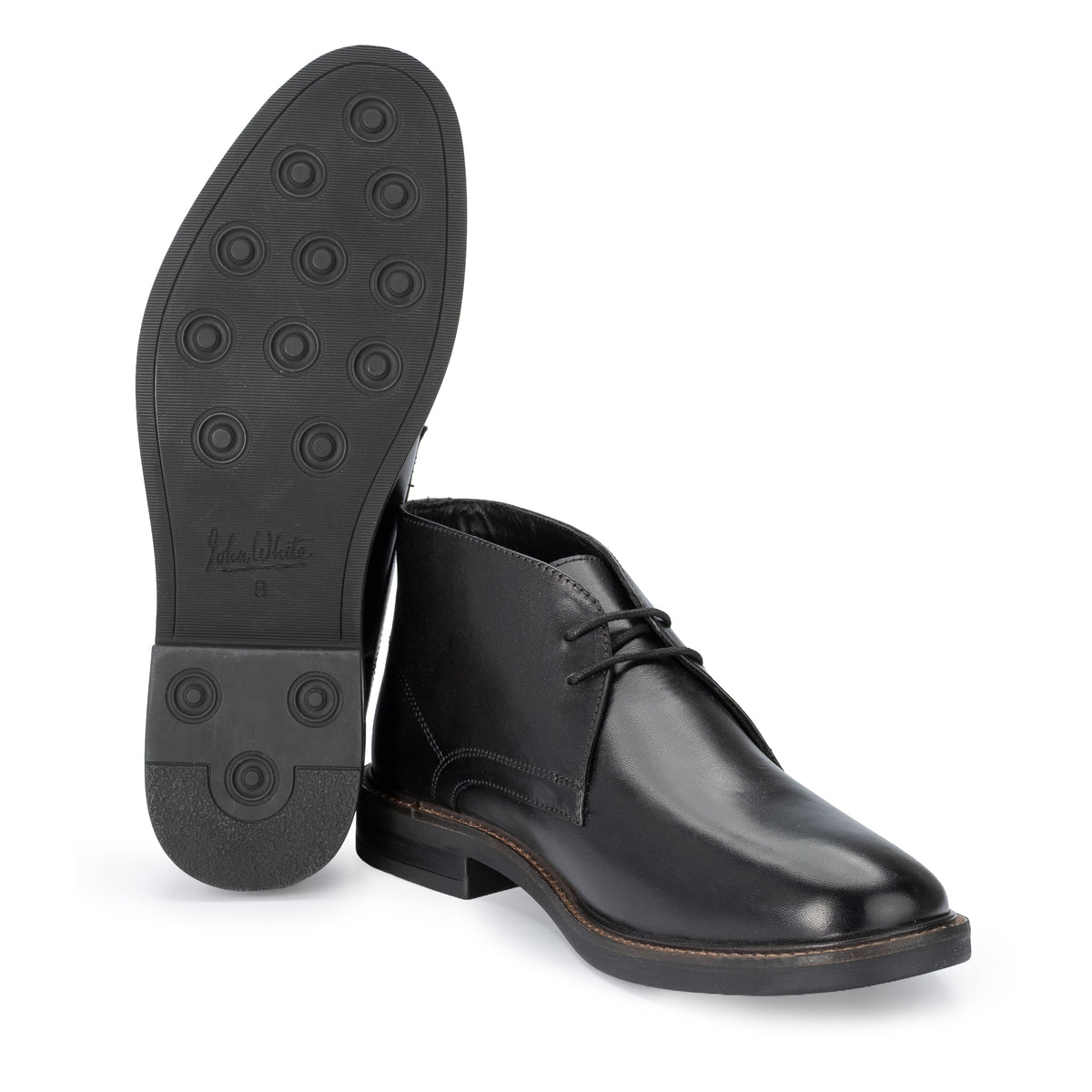
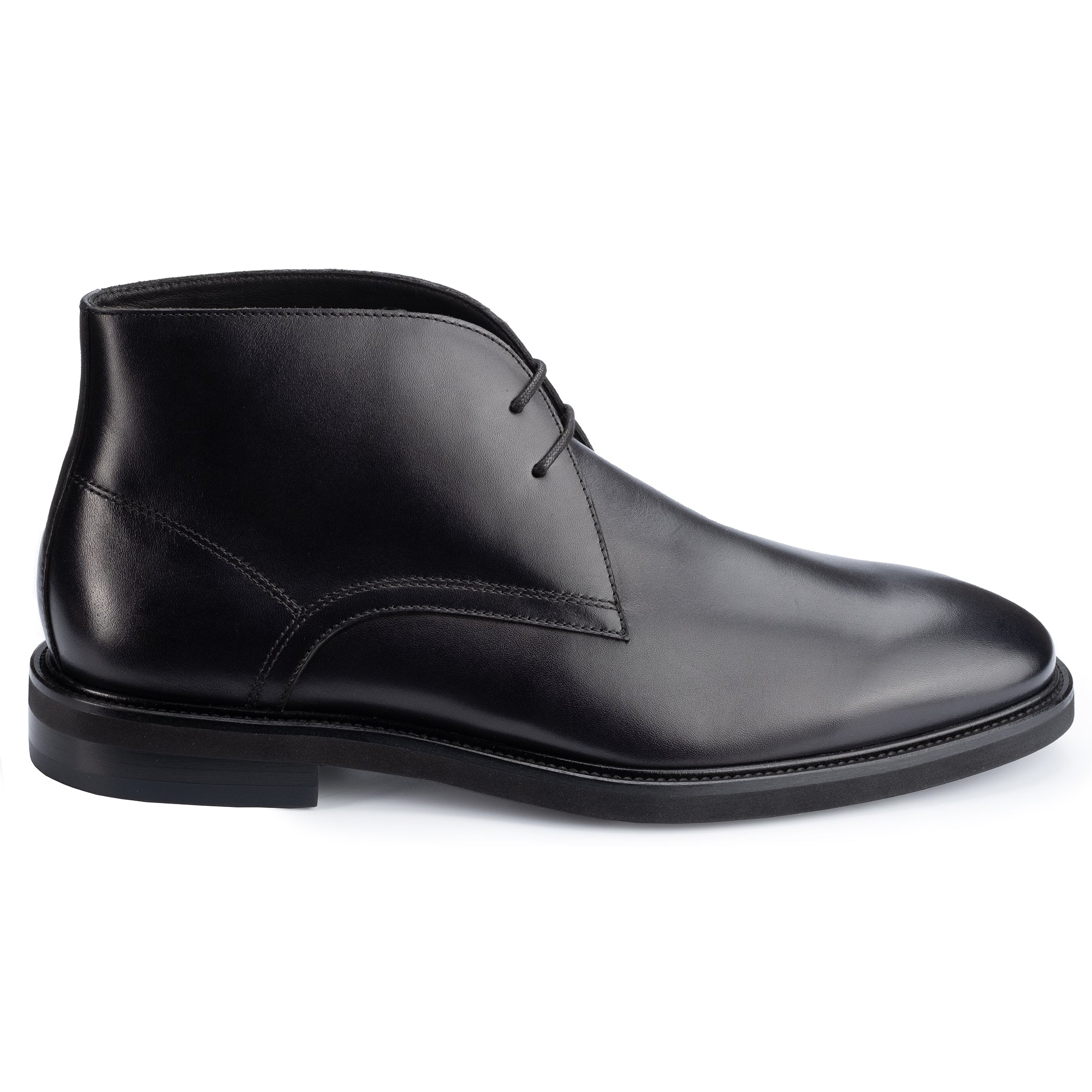
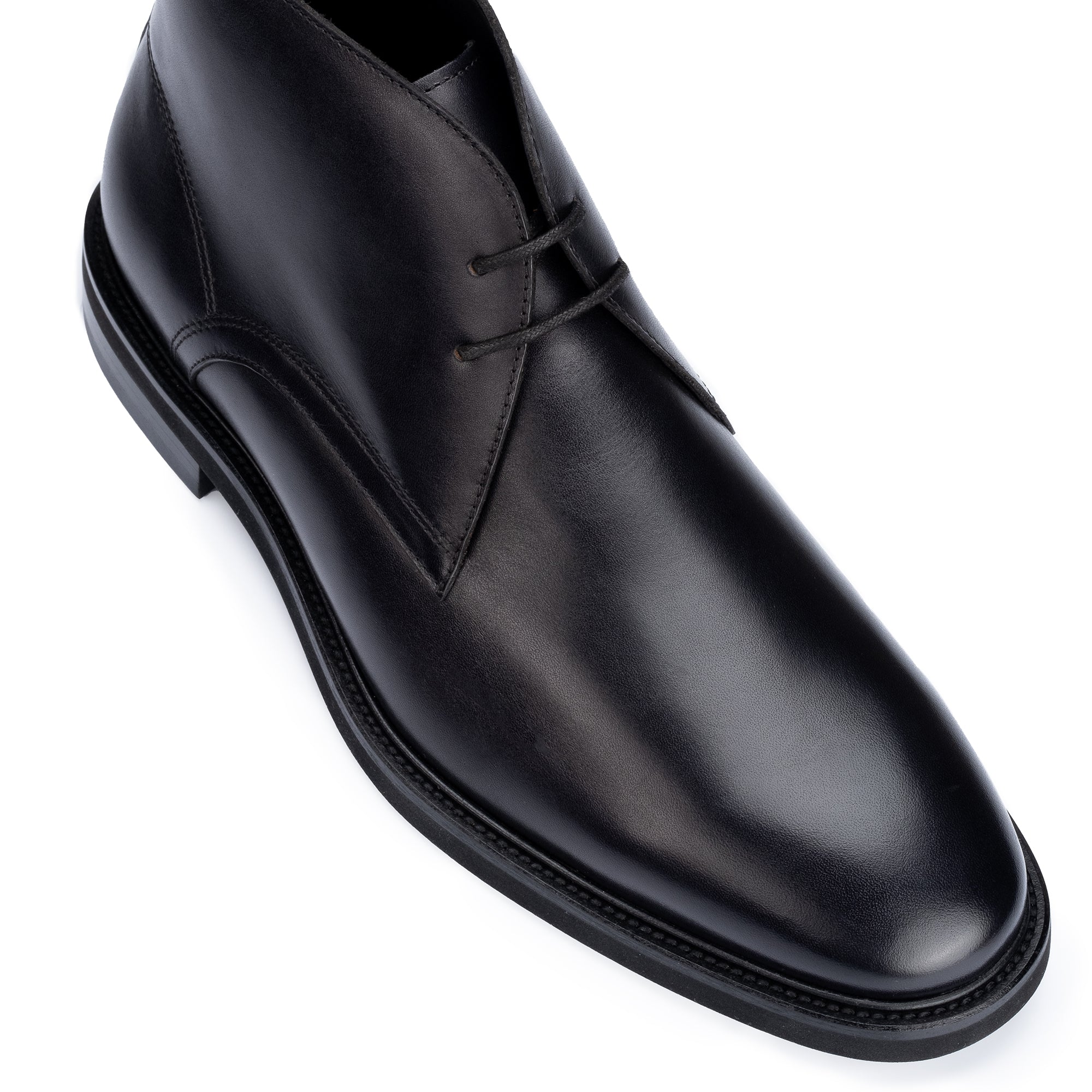
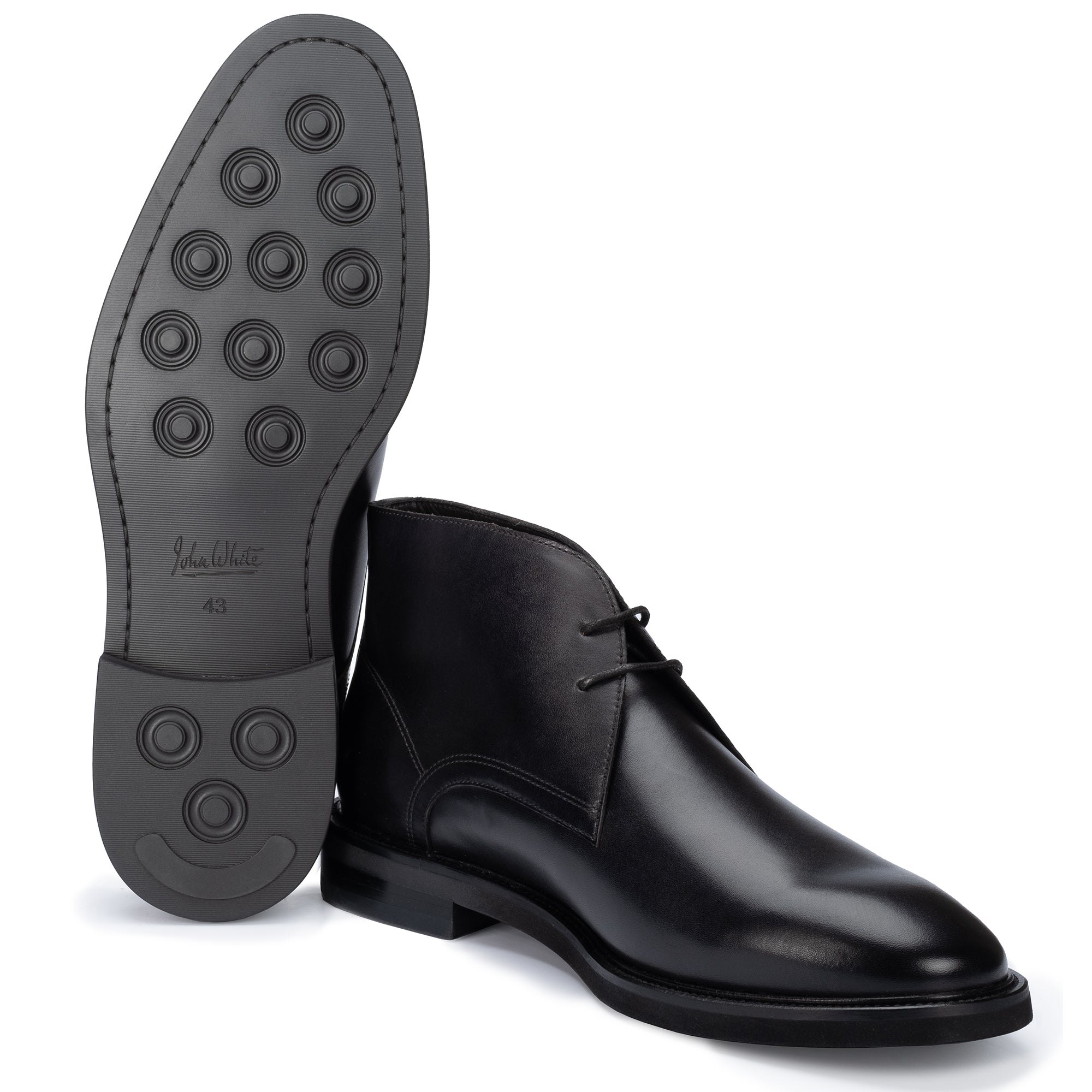
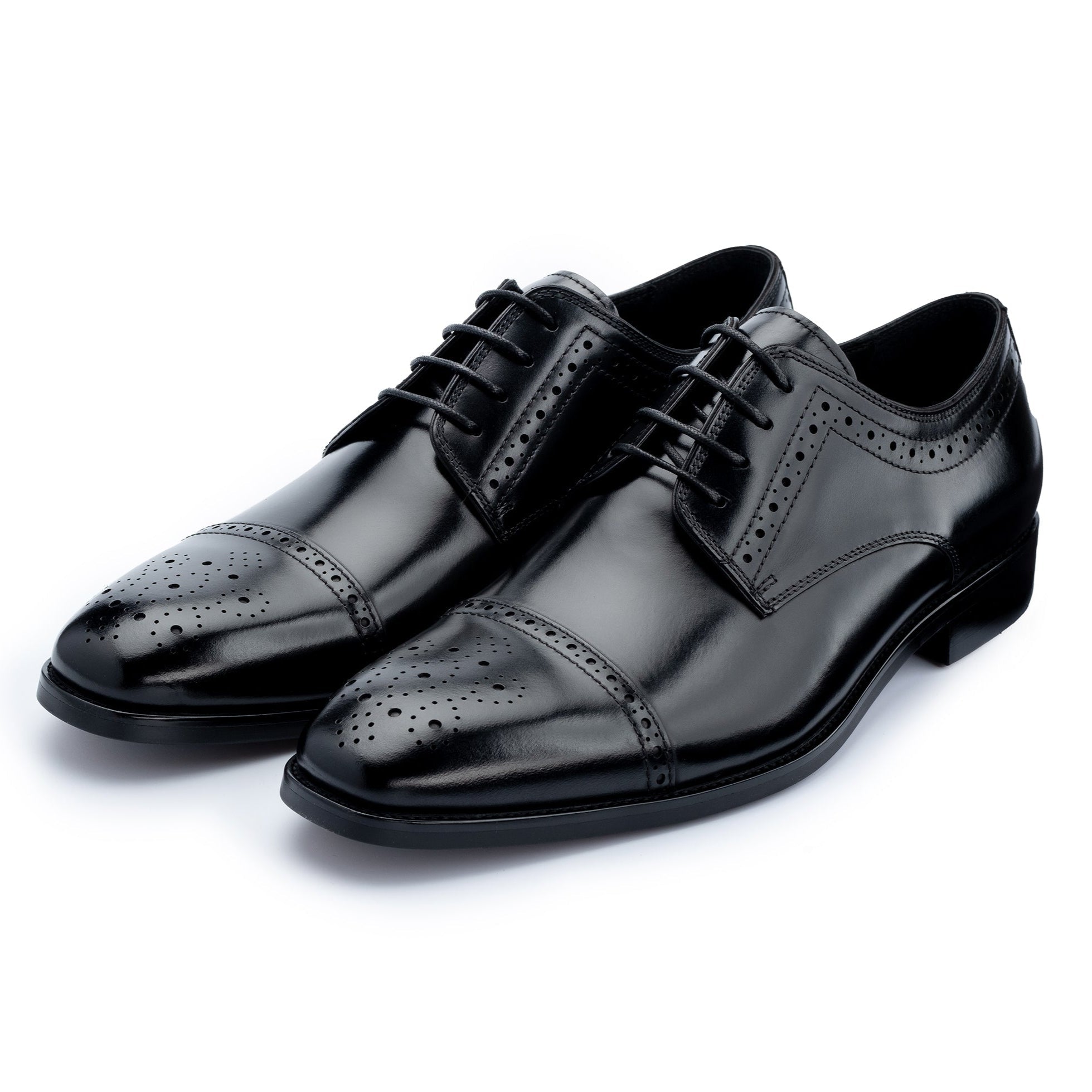
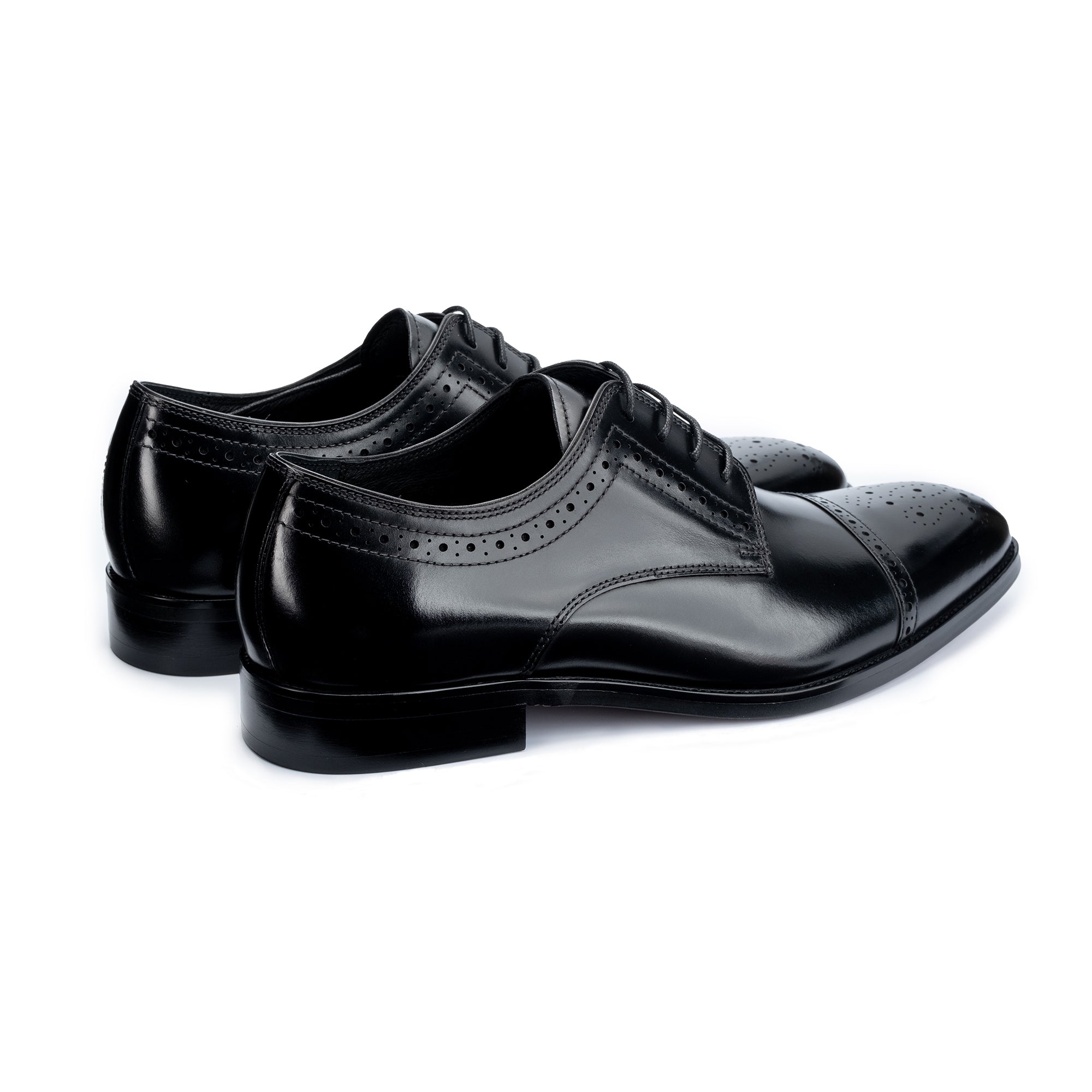
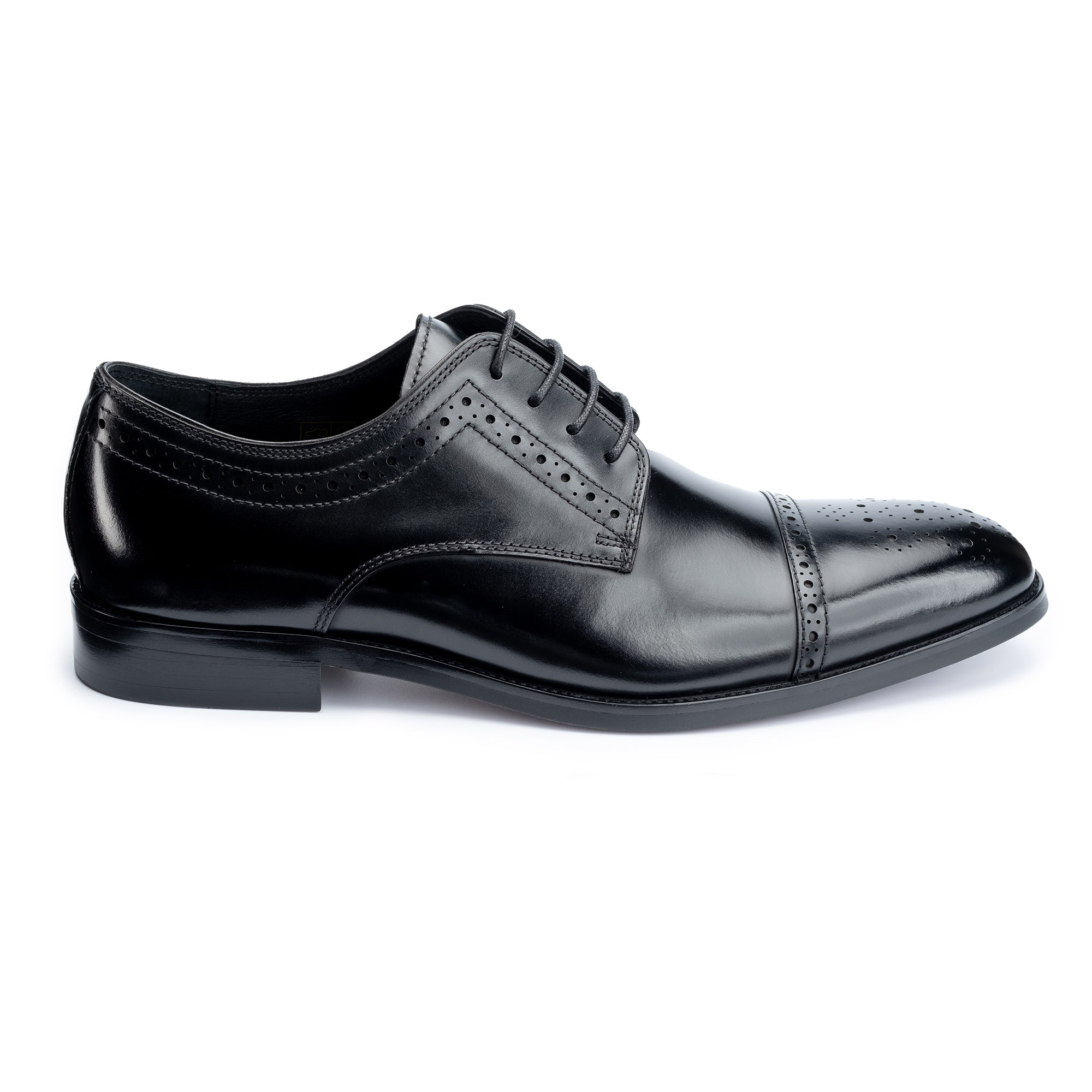
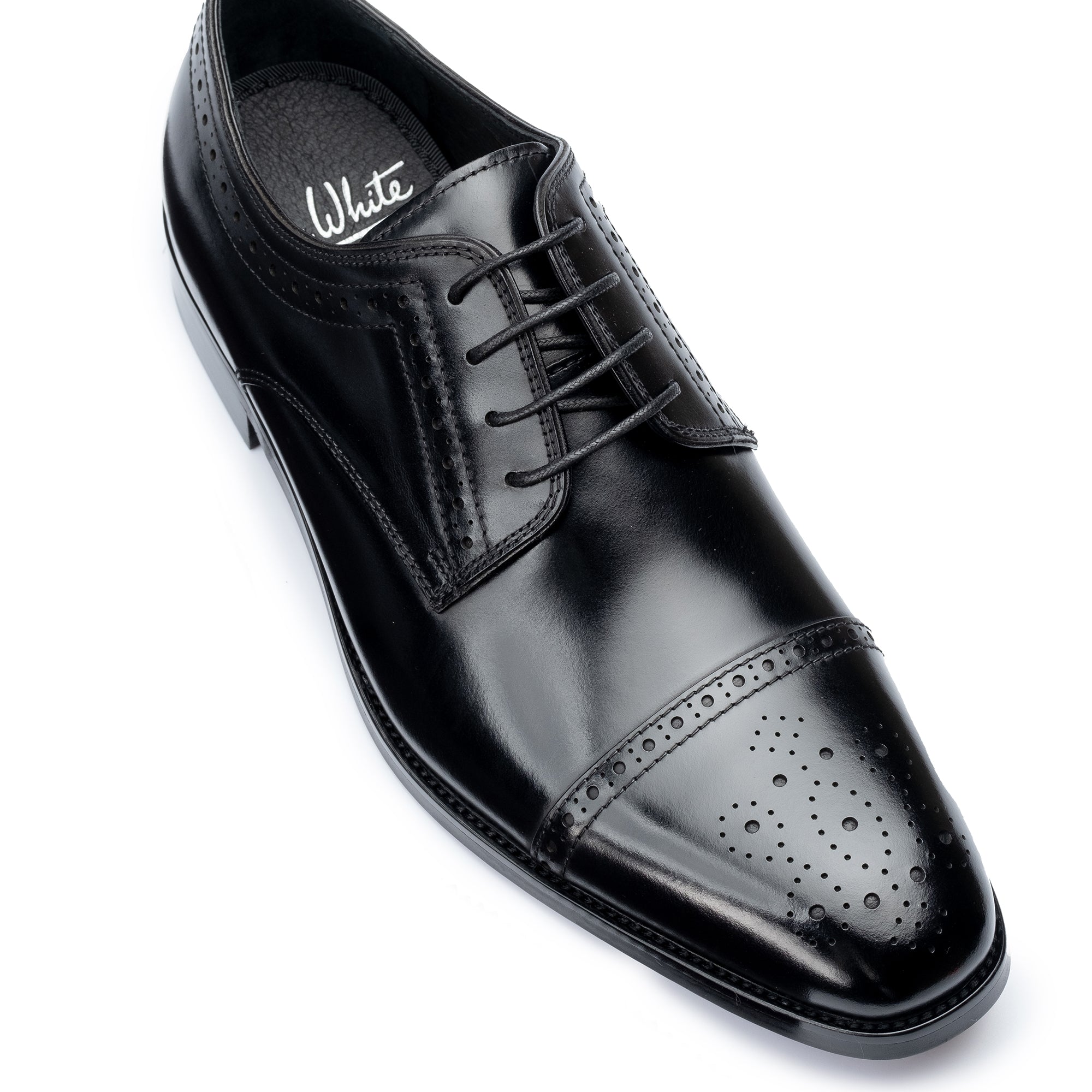
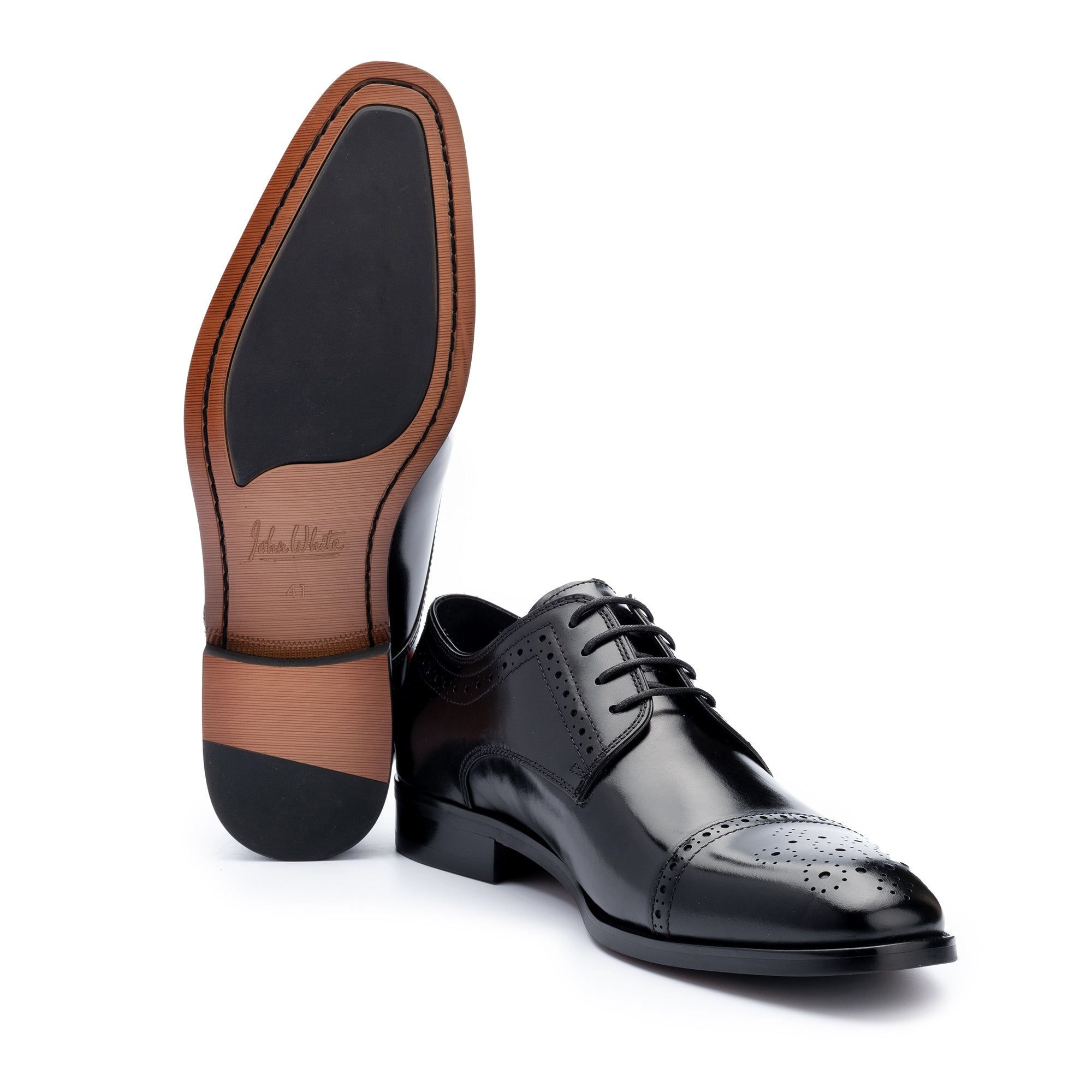
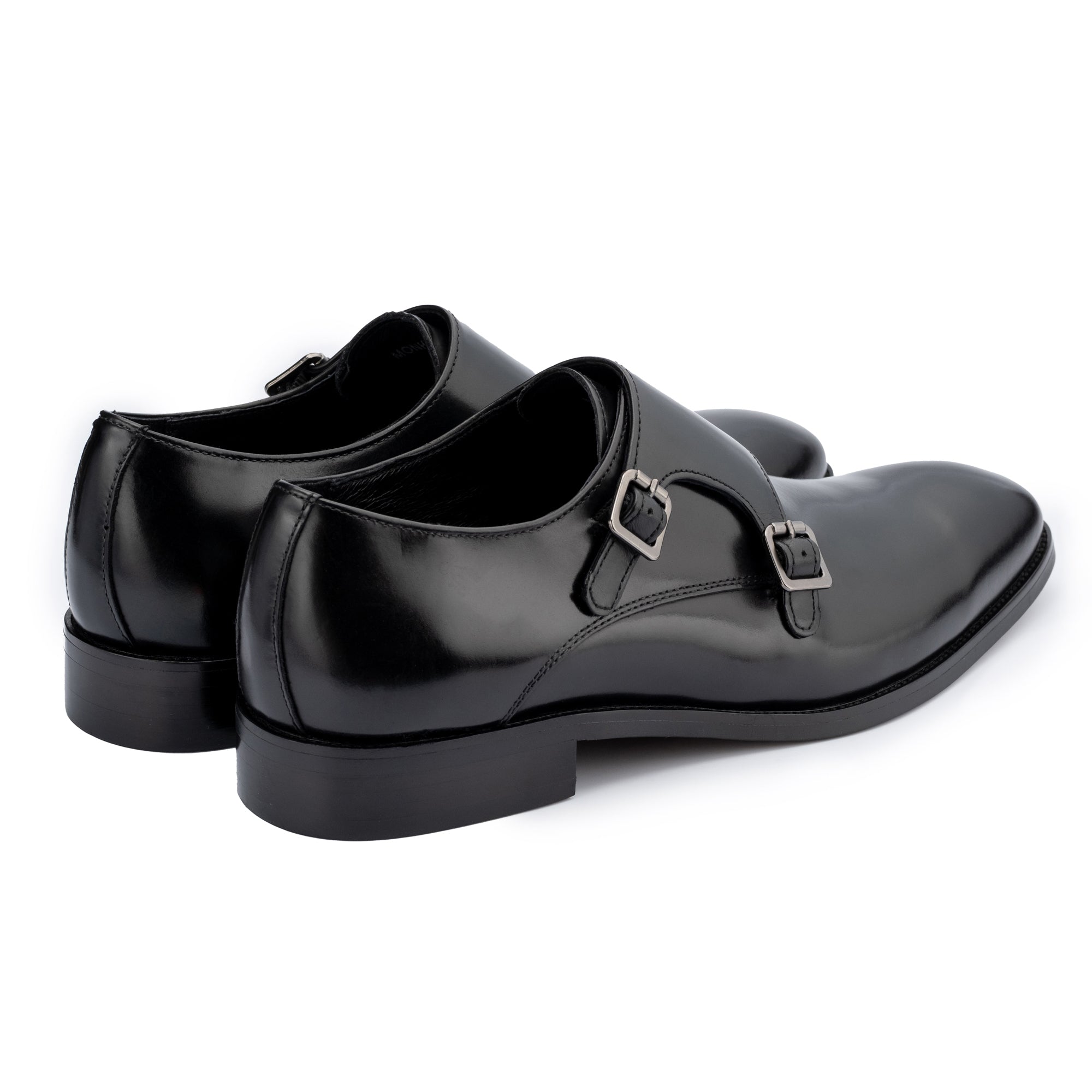
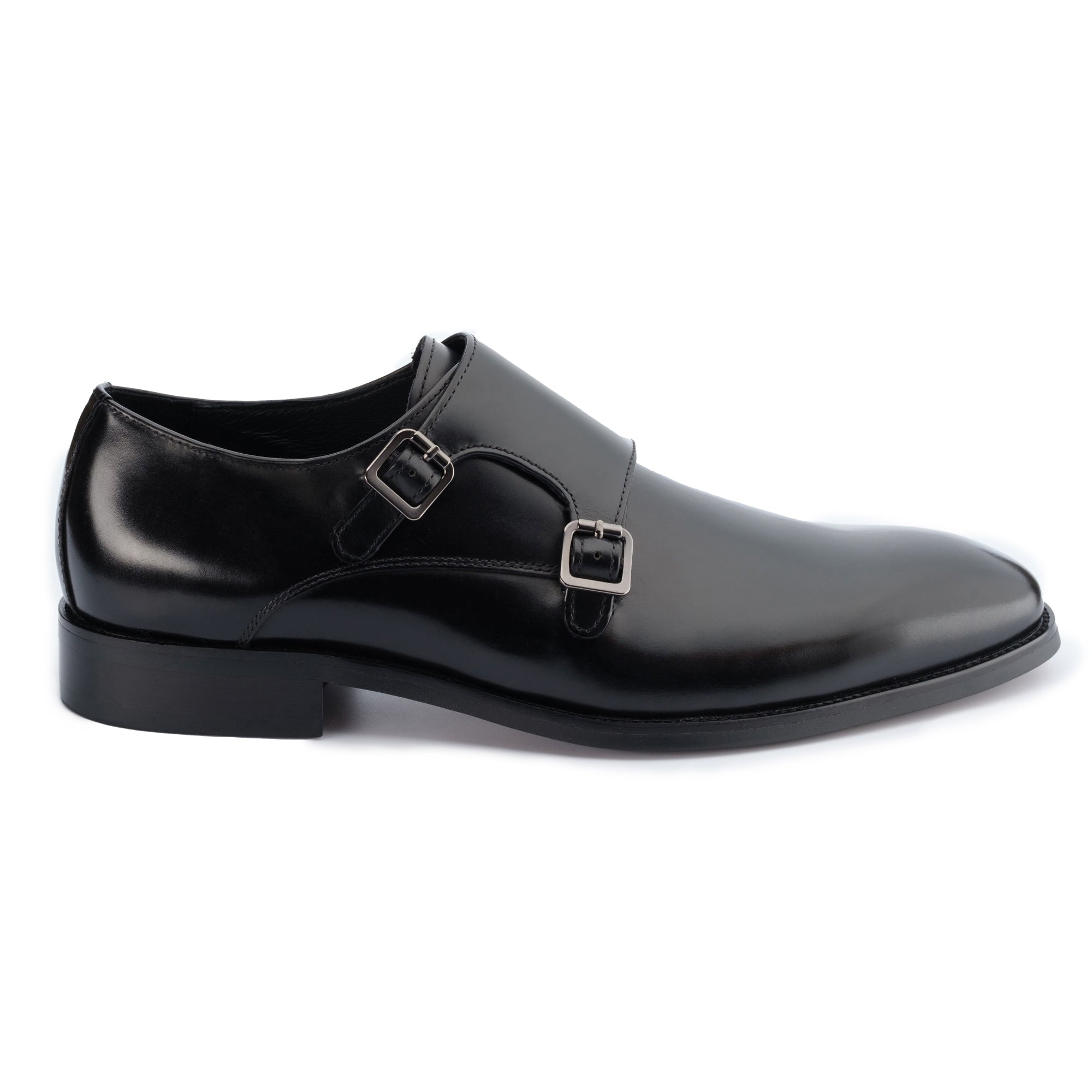
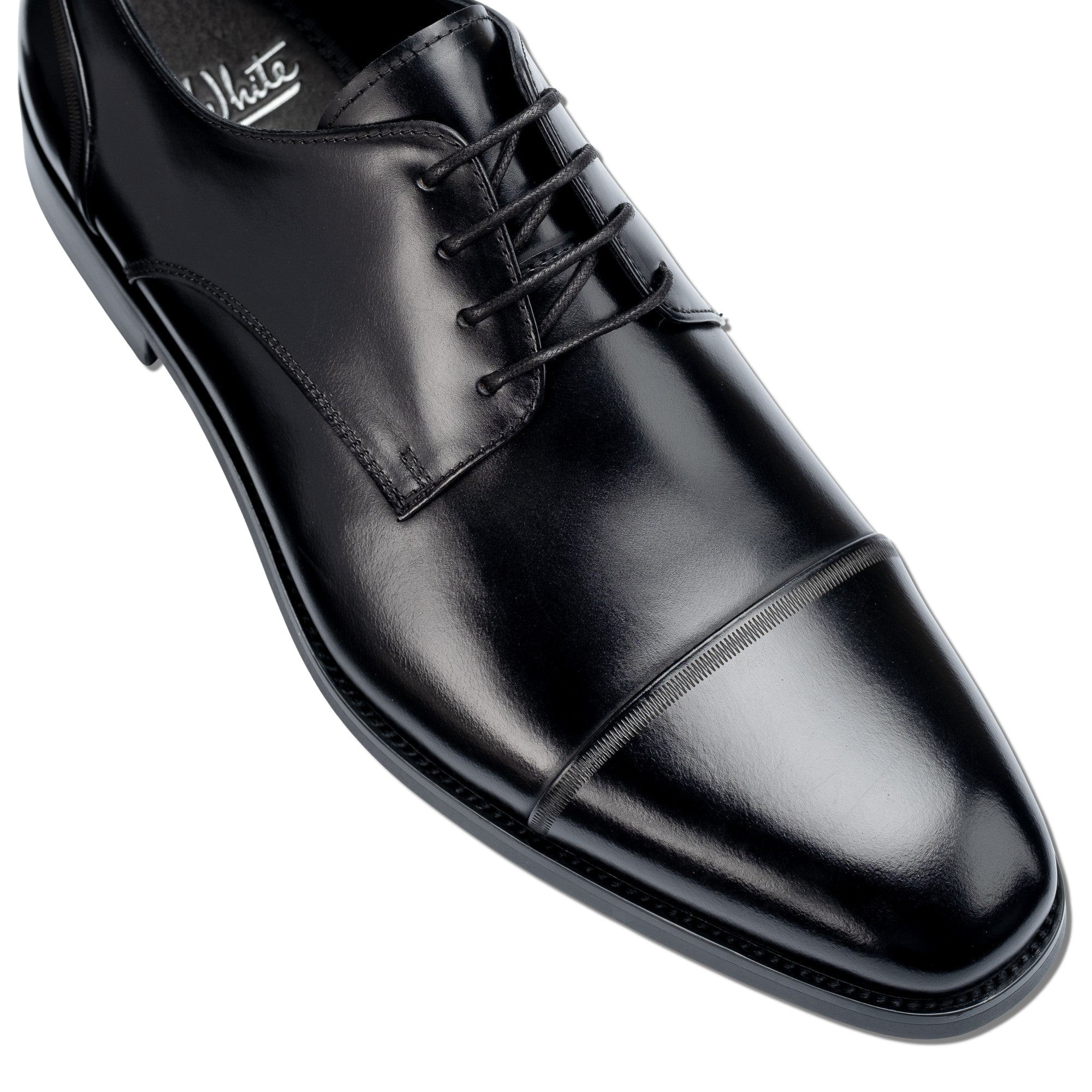
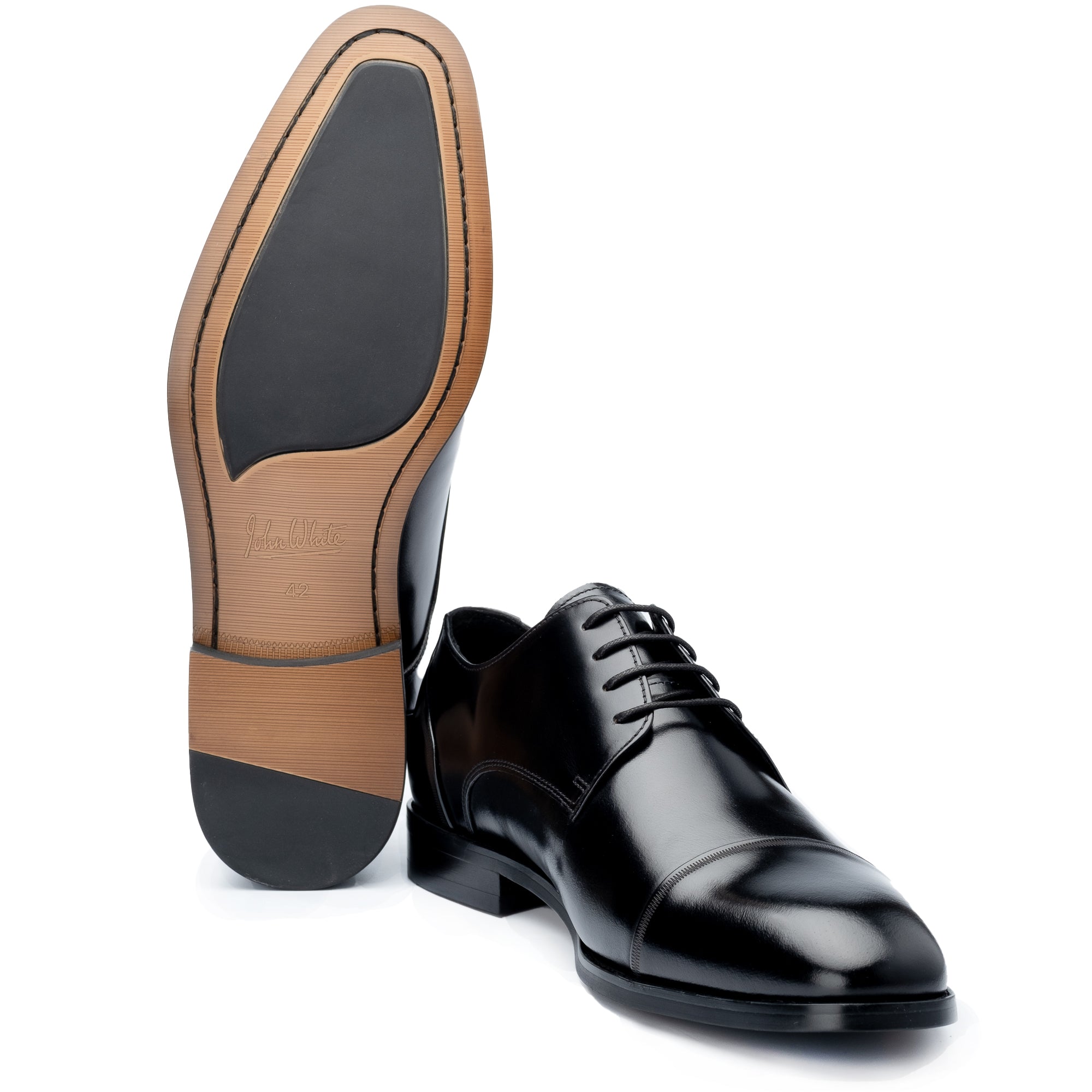
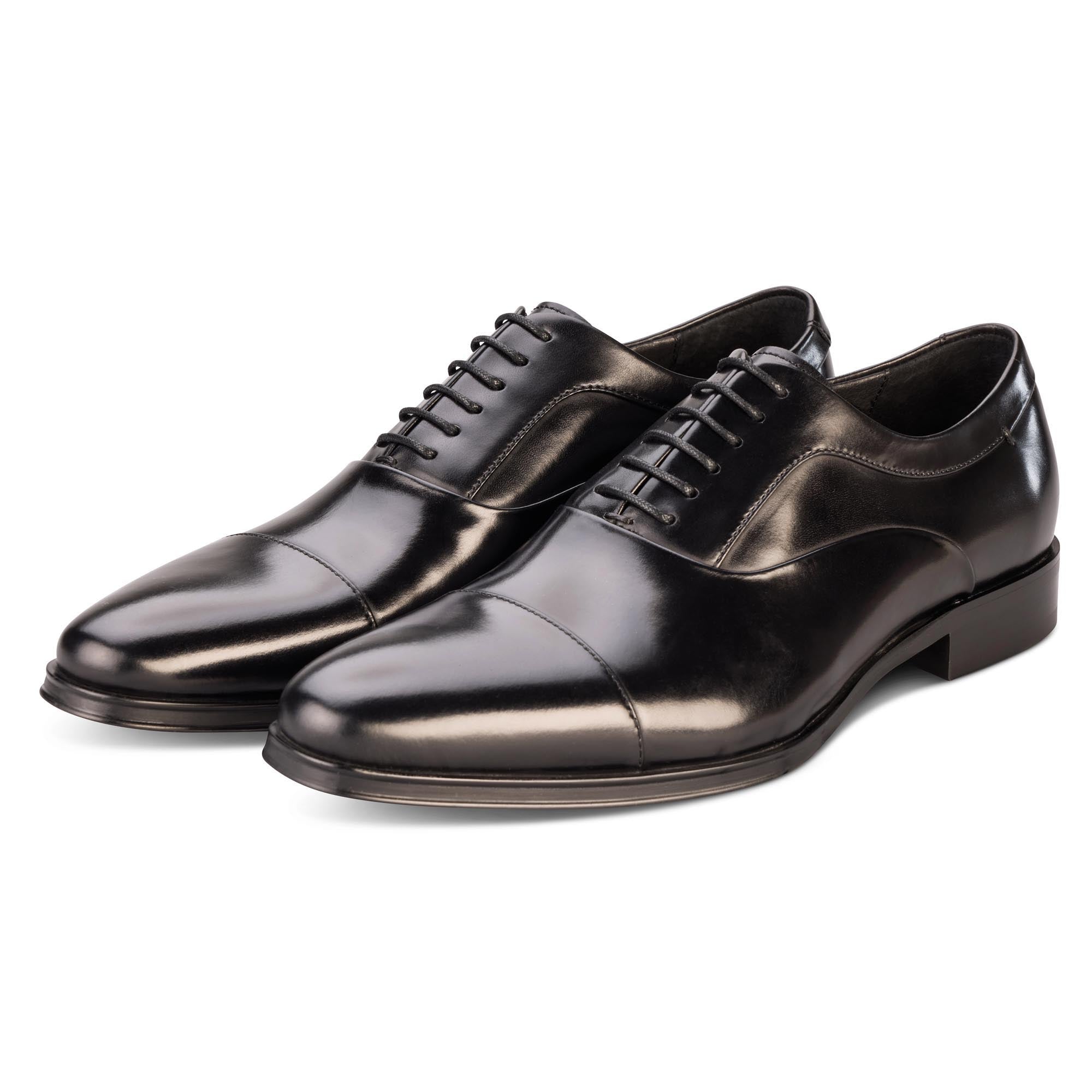
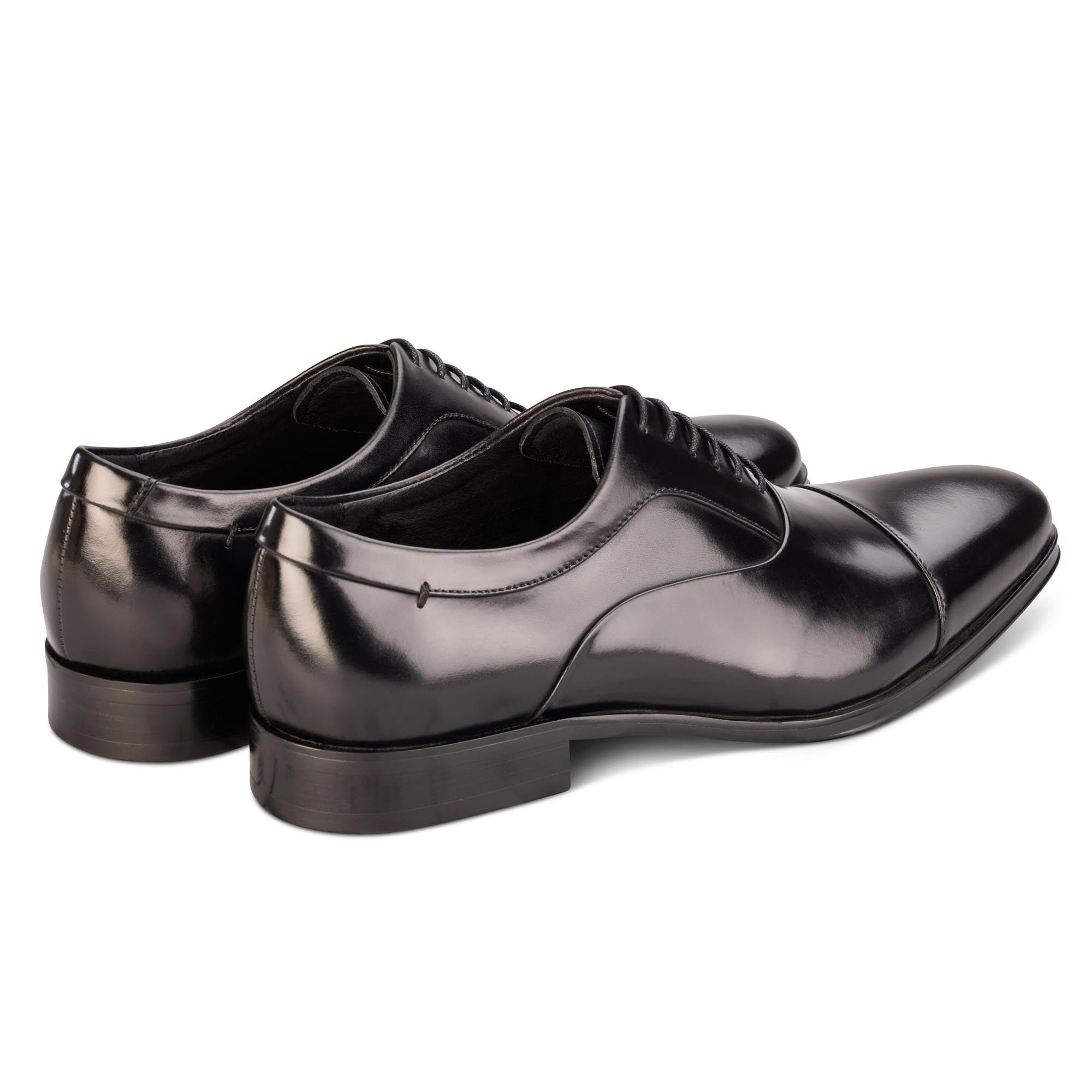
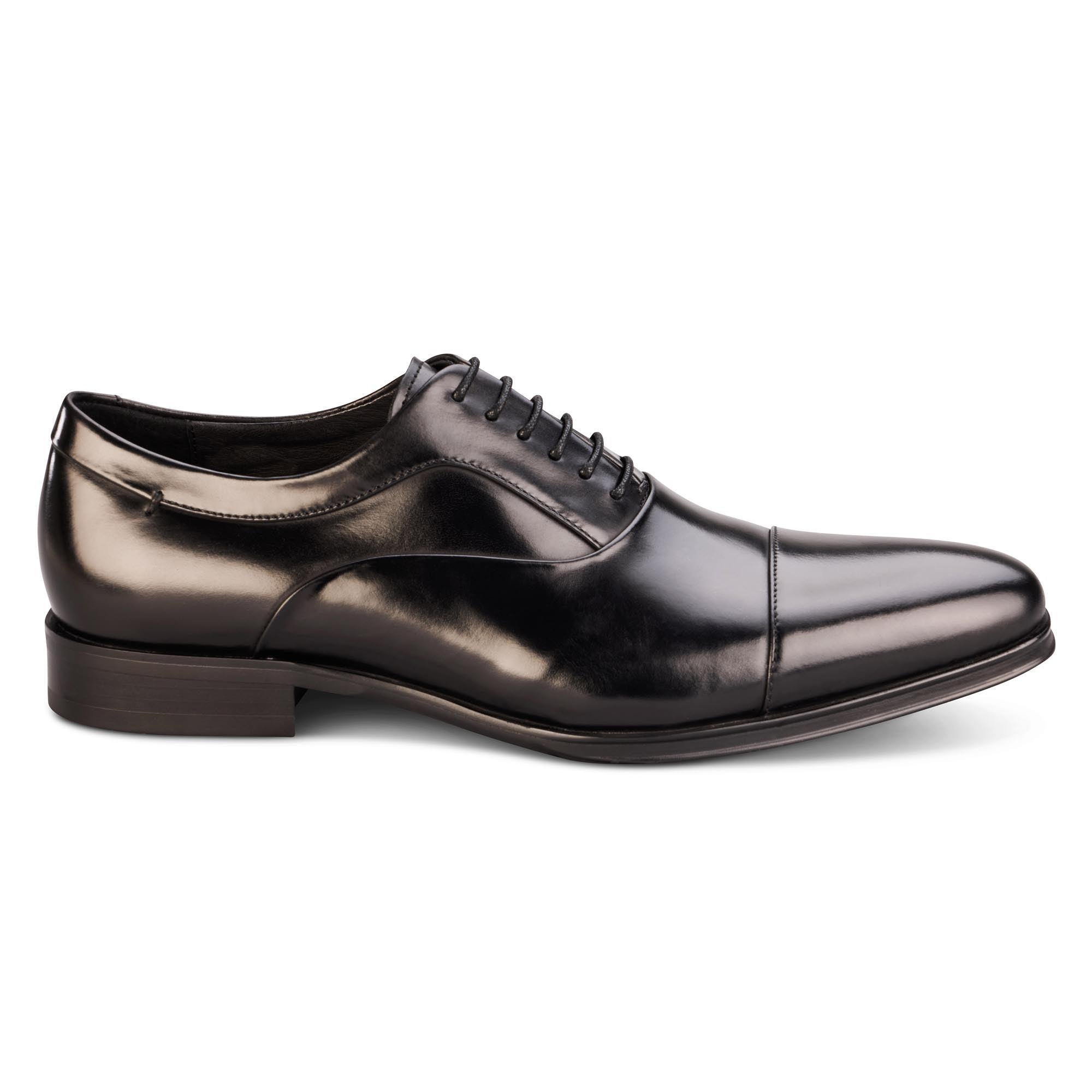
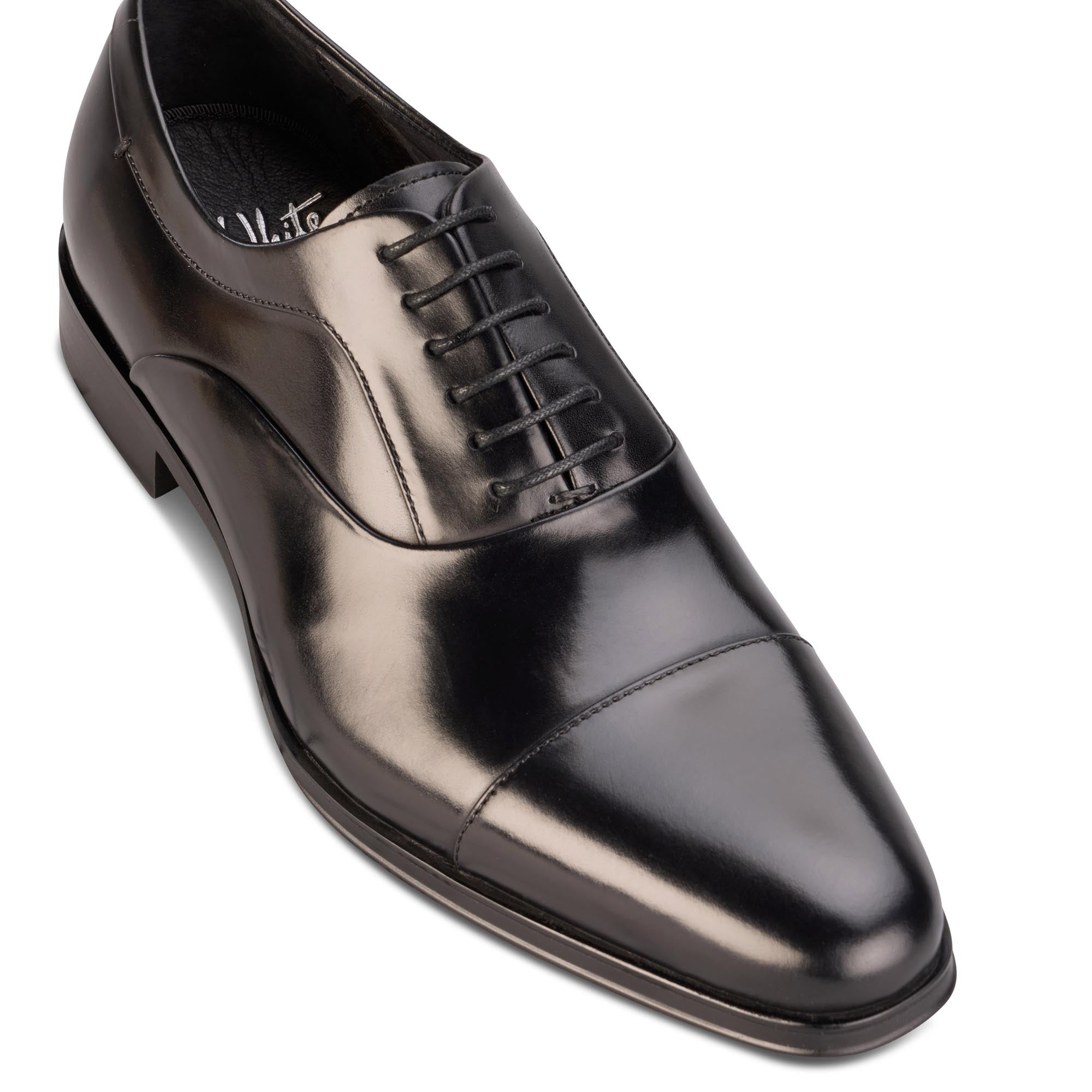
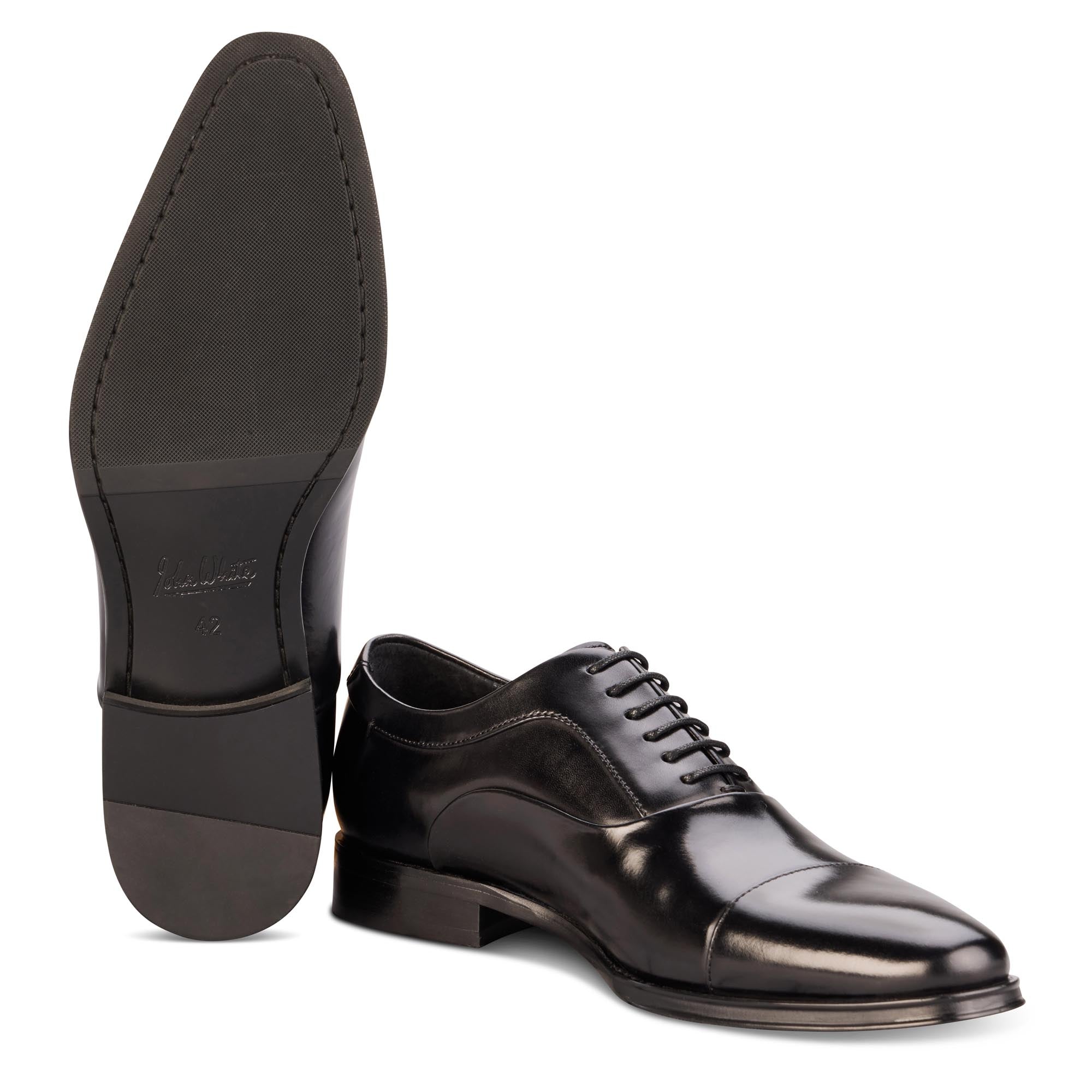
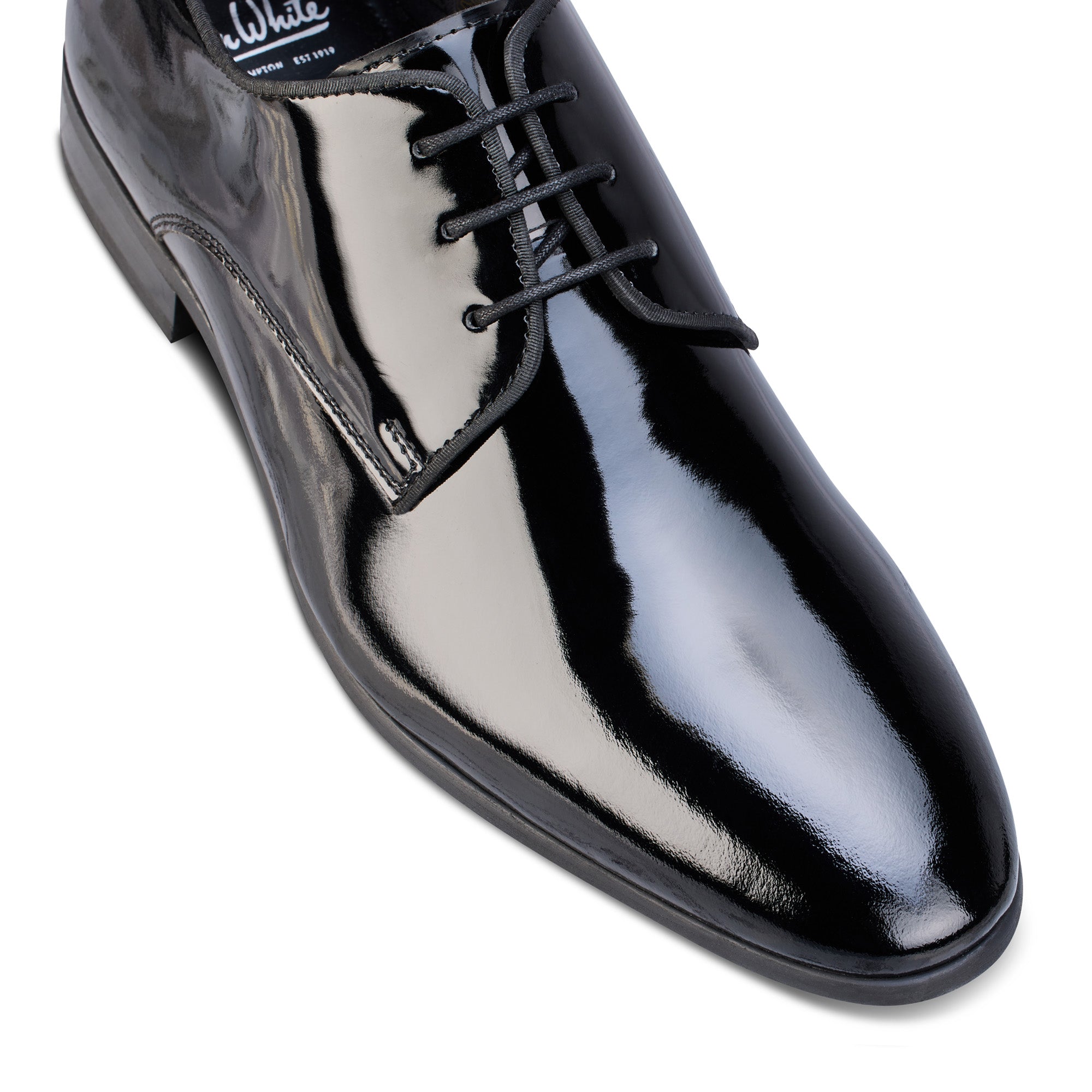
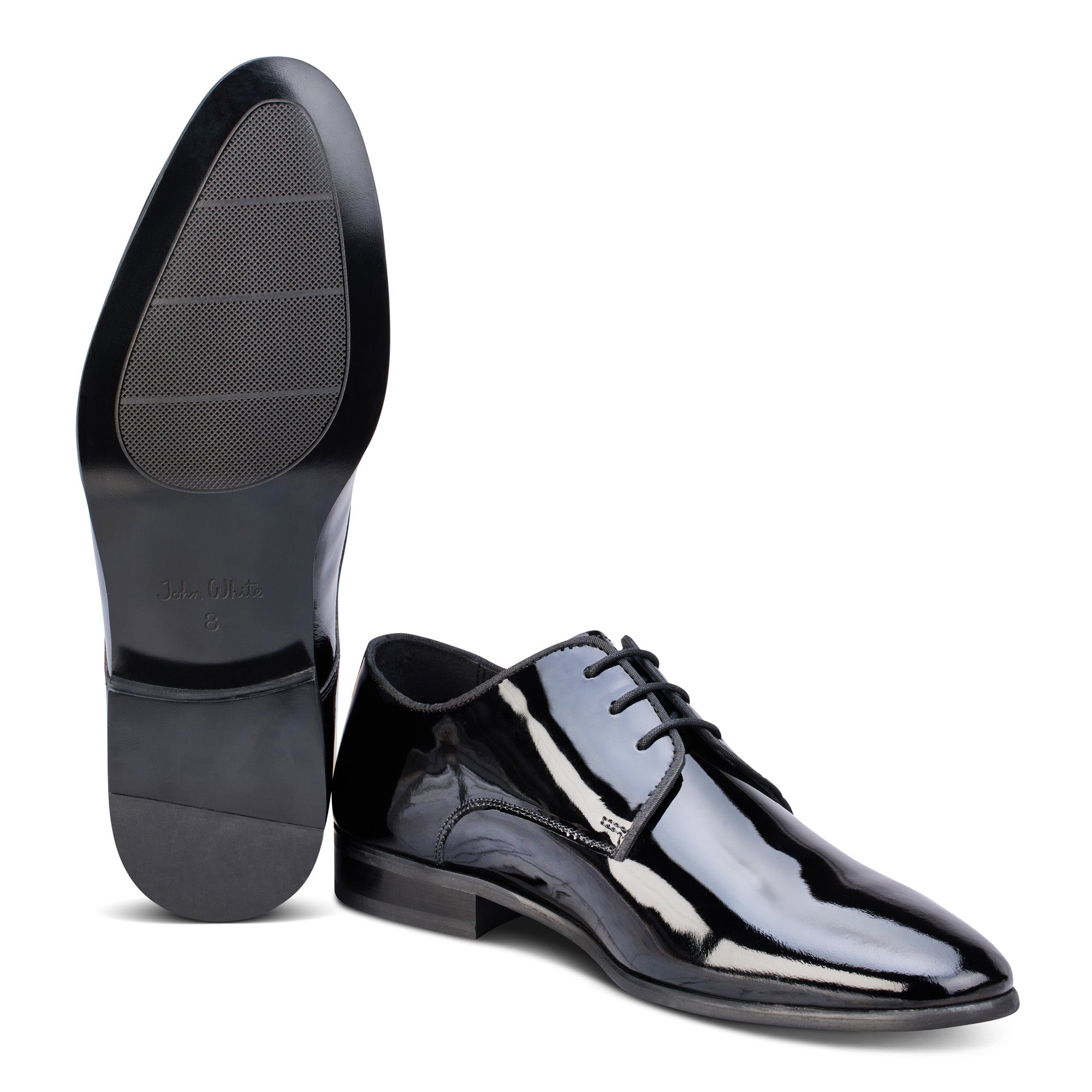
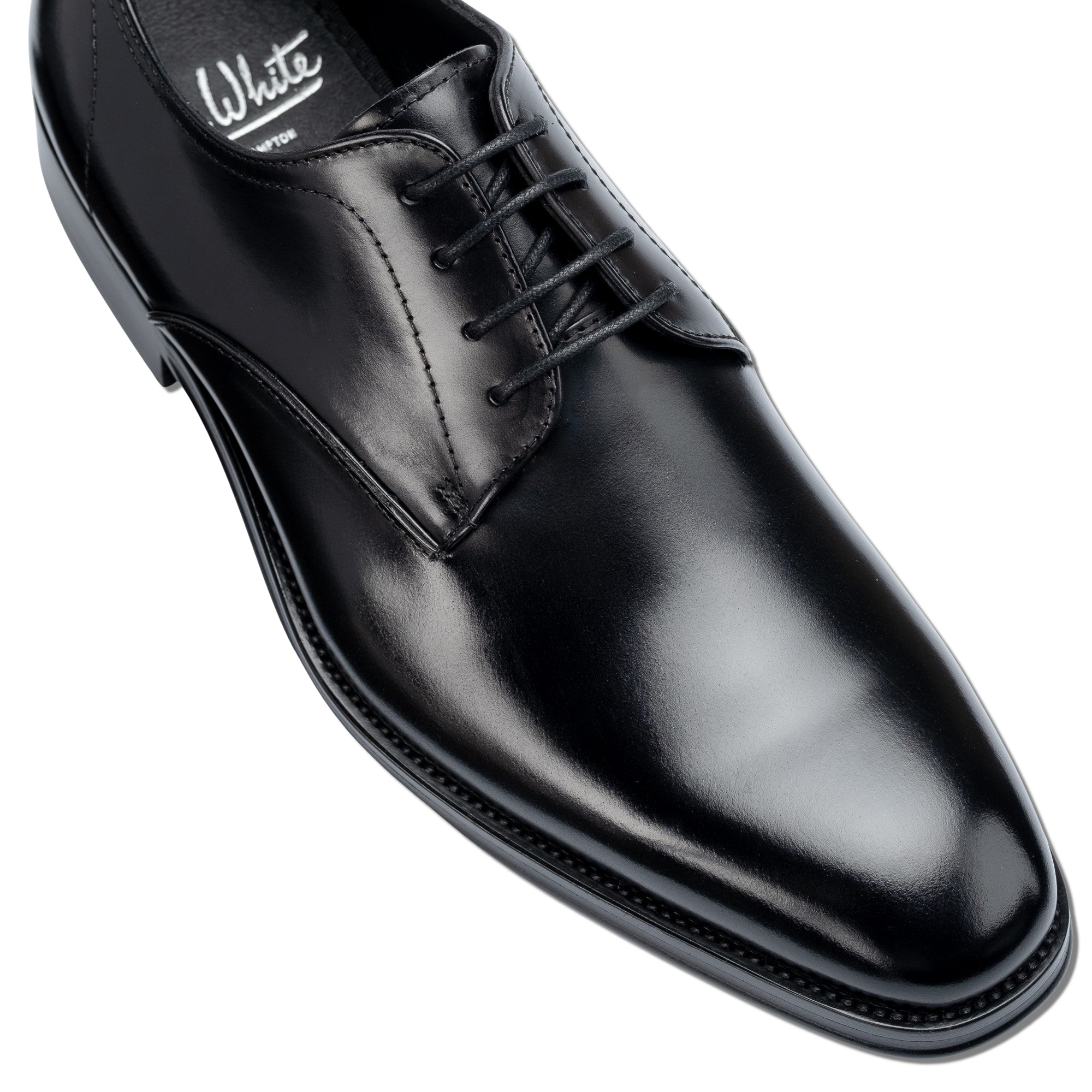
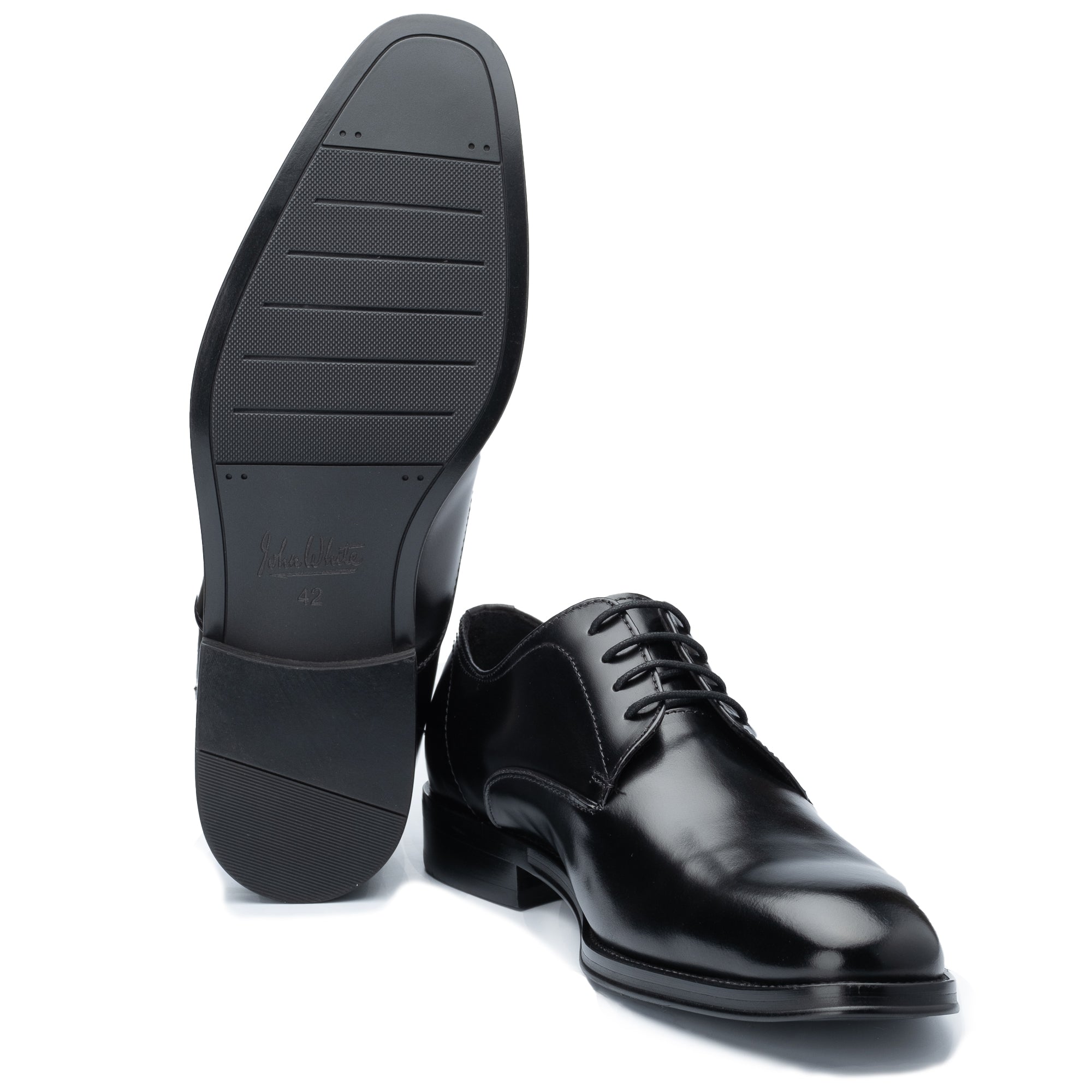
Black and charcoal grey is one of the cleaner combinations in British formal dressing. A plain or capped Oxford in black, polished to a high shine, sits correctly with a charcoal suit for formal client meetings, civic events, or black-tie-adjacent occasions where a dinner jacket would be excessive.
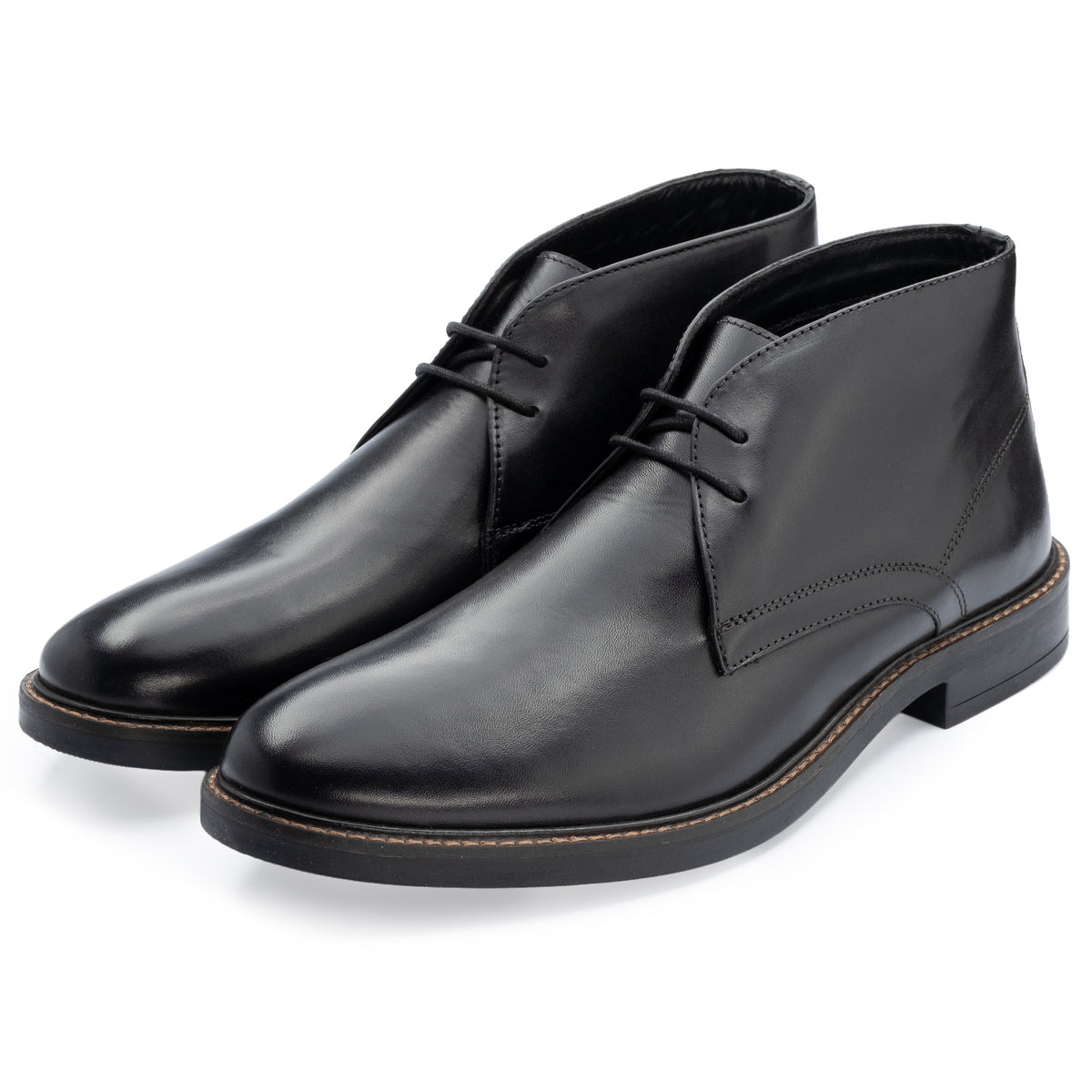
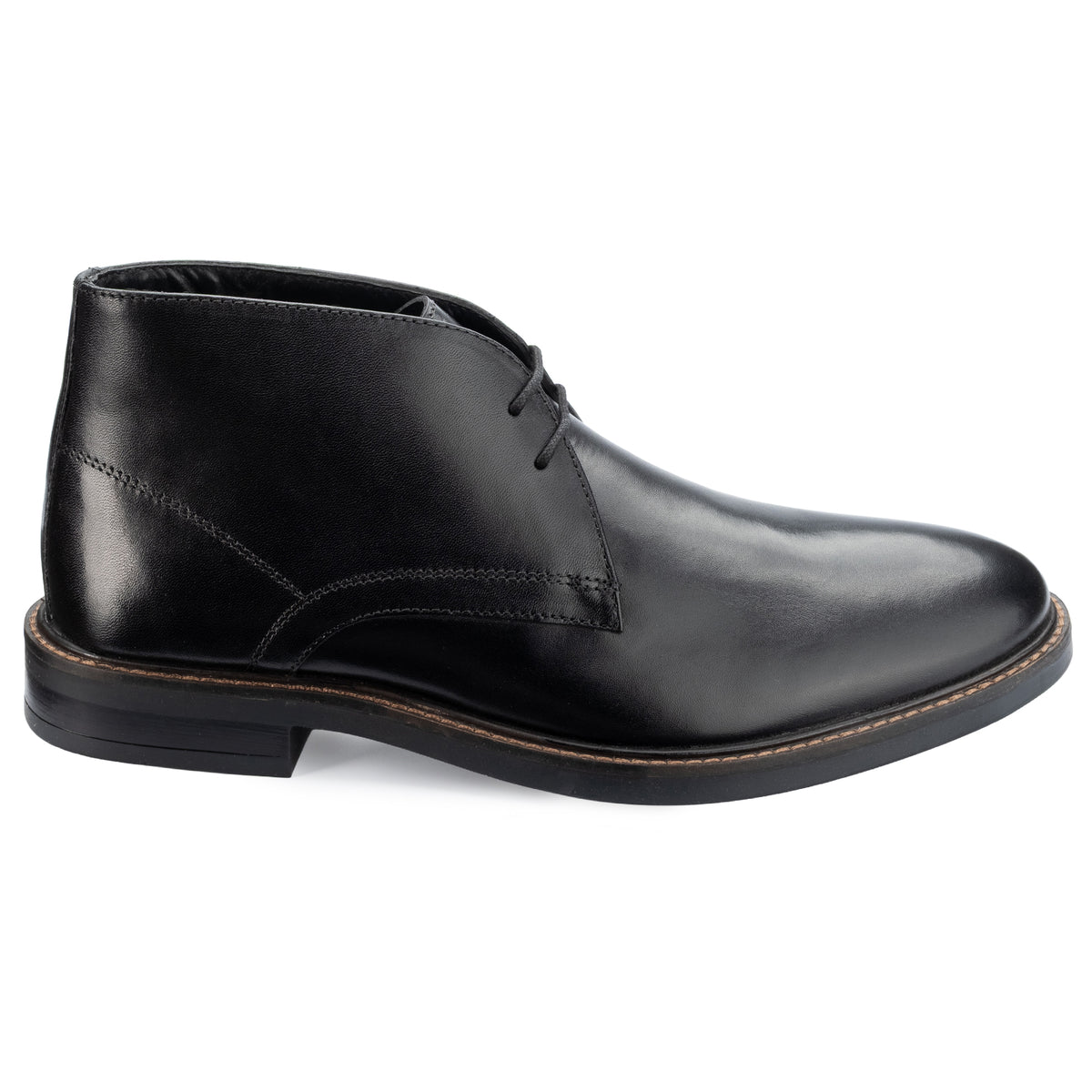
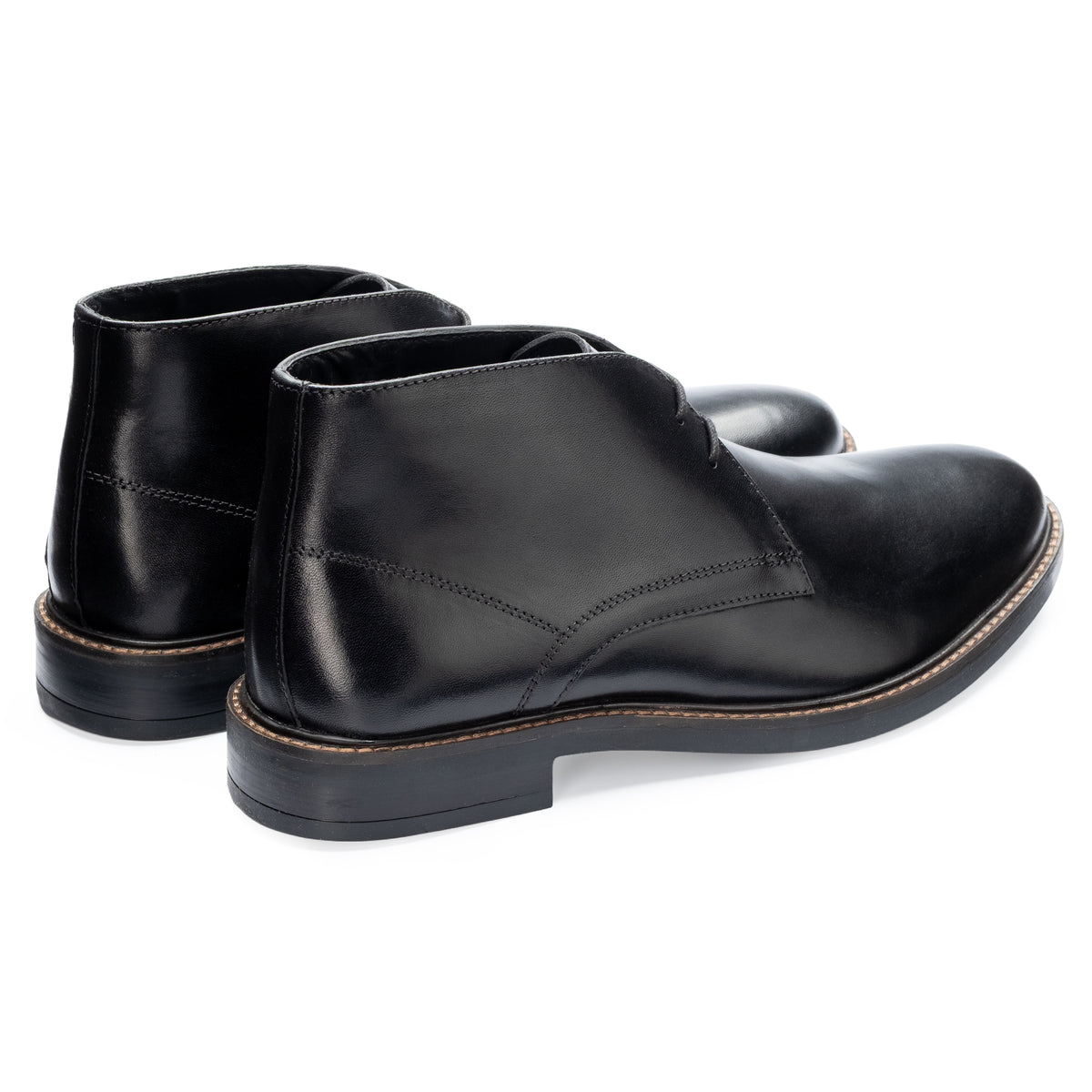
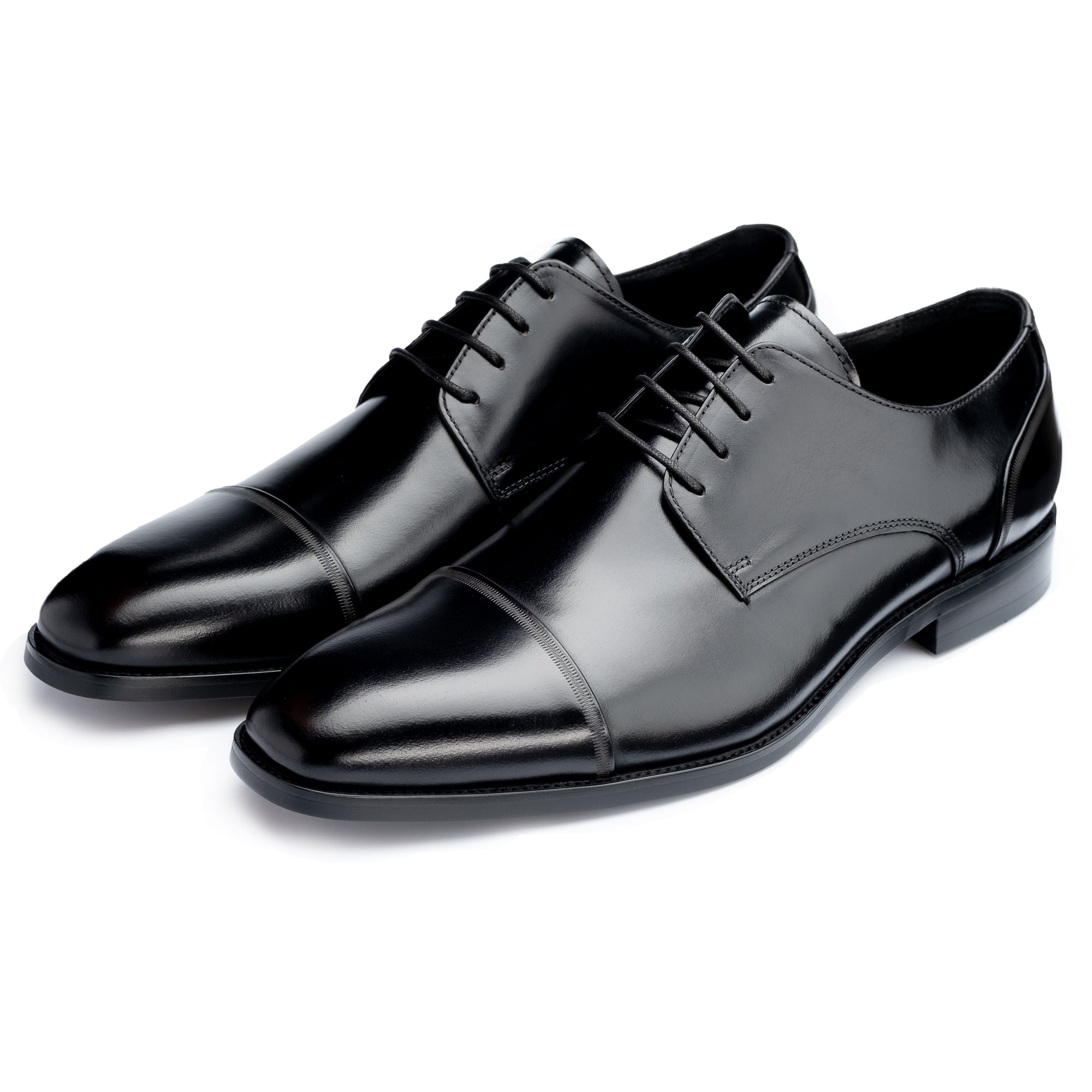
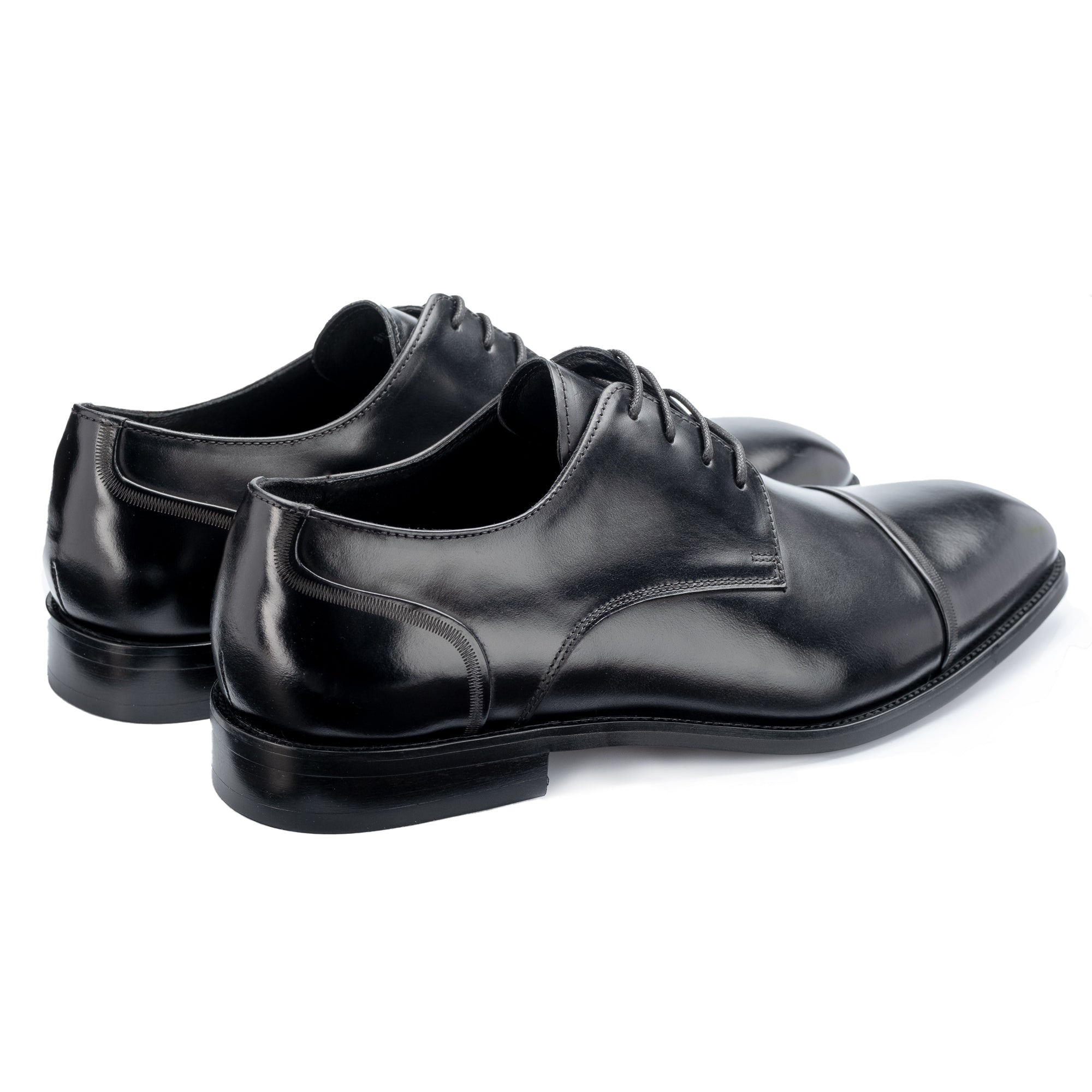
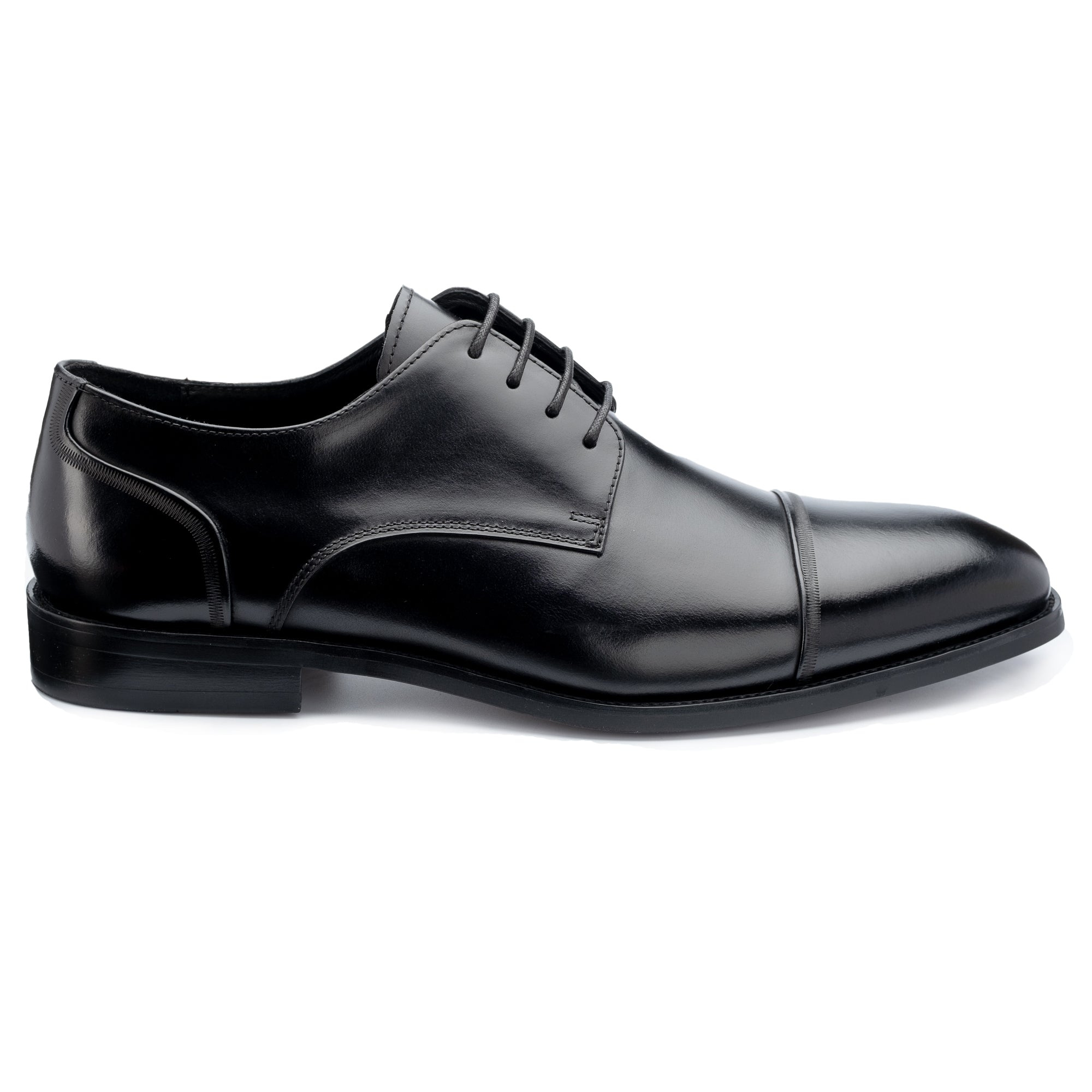
With mid-grey or light grey, black tends to feel disconnected — the shoes belong to a different outfit. Reserve black for charcoal only and treat it as a formal default, not a safe general choice. The Guildhall Capped Oxfords in Black are the JWS choice for this pairing: the structured toe-cap adds visual weight that carries charcoal grey without disappearing into it. The shoes recede; the suit leads.
Tan
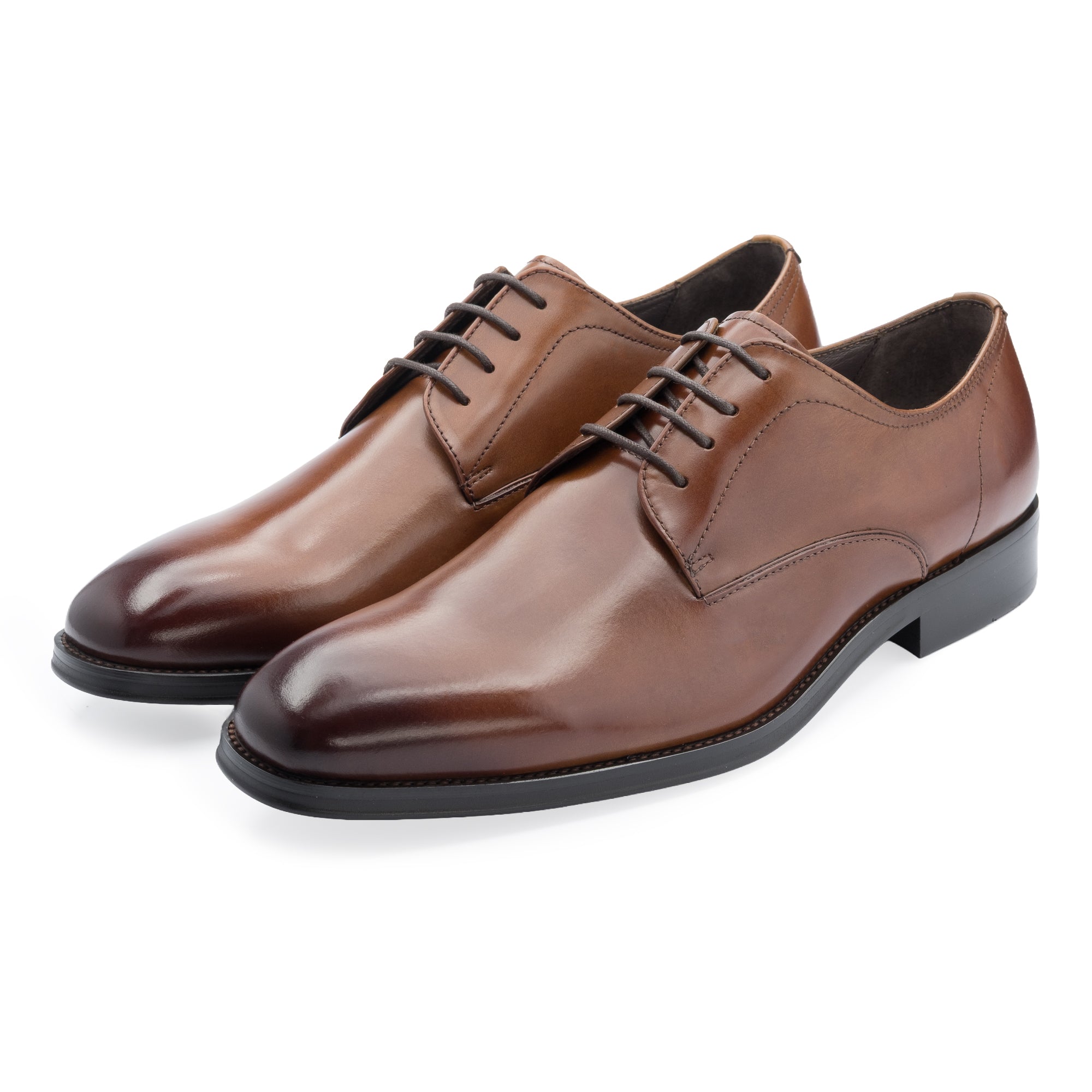
This is where the grey suit demonstrates its real advantage over navy. Tan — specifically a warm golden tan — provides the contrast that breaks up the cool, flat tone of grey cloth. The result reads as considered and contemporary rather than conventional.
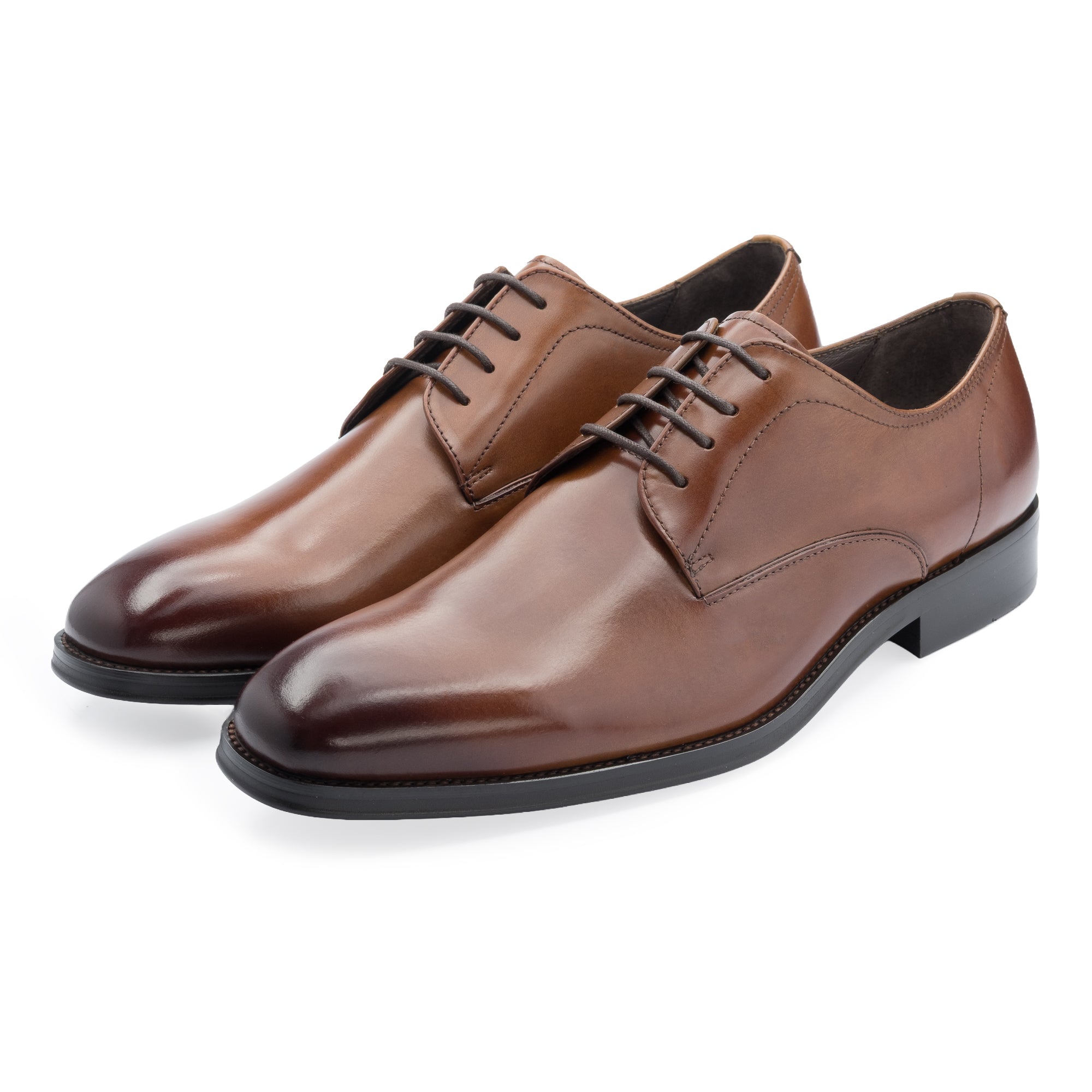
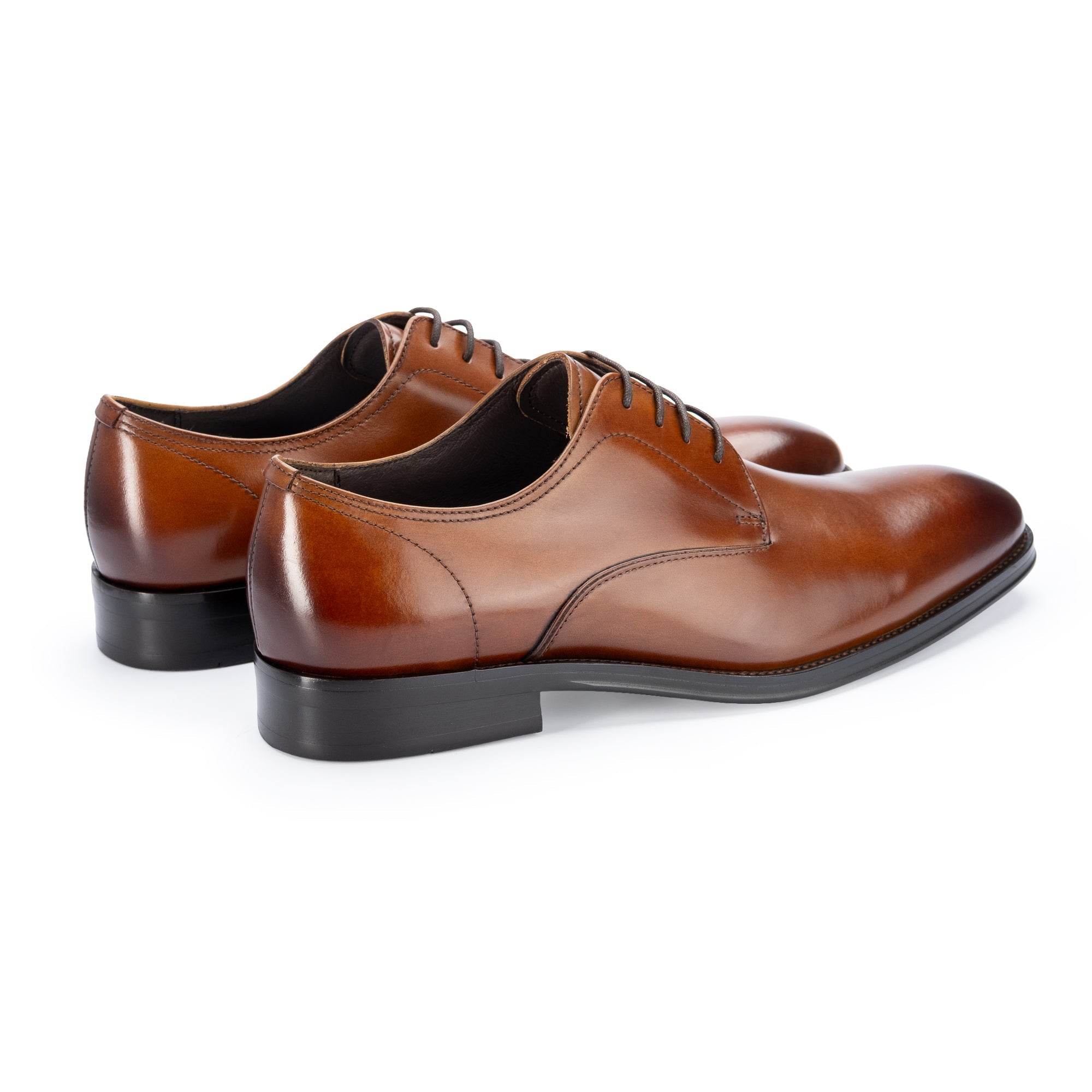
Tan works exceptionally well with mid-grey suits and is arguably the most distinctly British pairing — you see it at Cheltenham, at business lunches, at weddings where the guest has done his research. Against charcoal it retains warmth; against light grey it prevents the total look from reading too pale. No other shoe colour does more work across the grey spectrum.
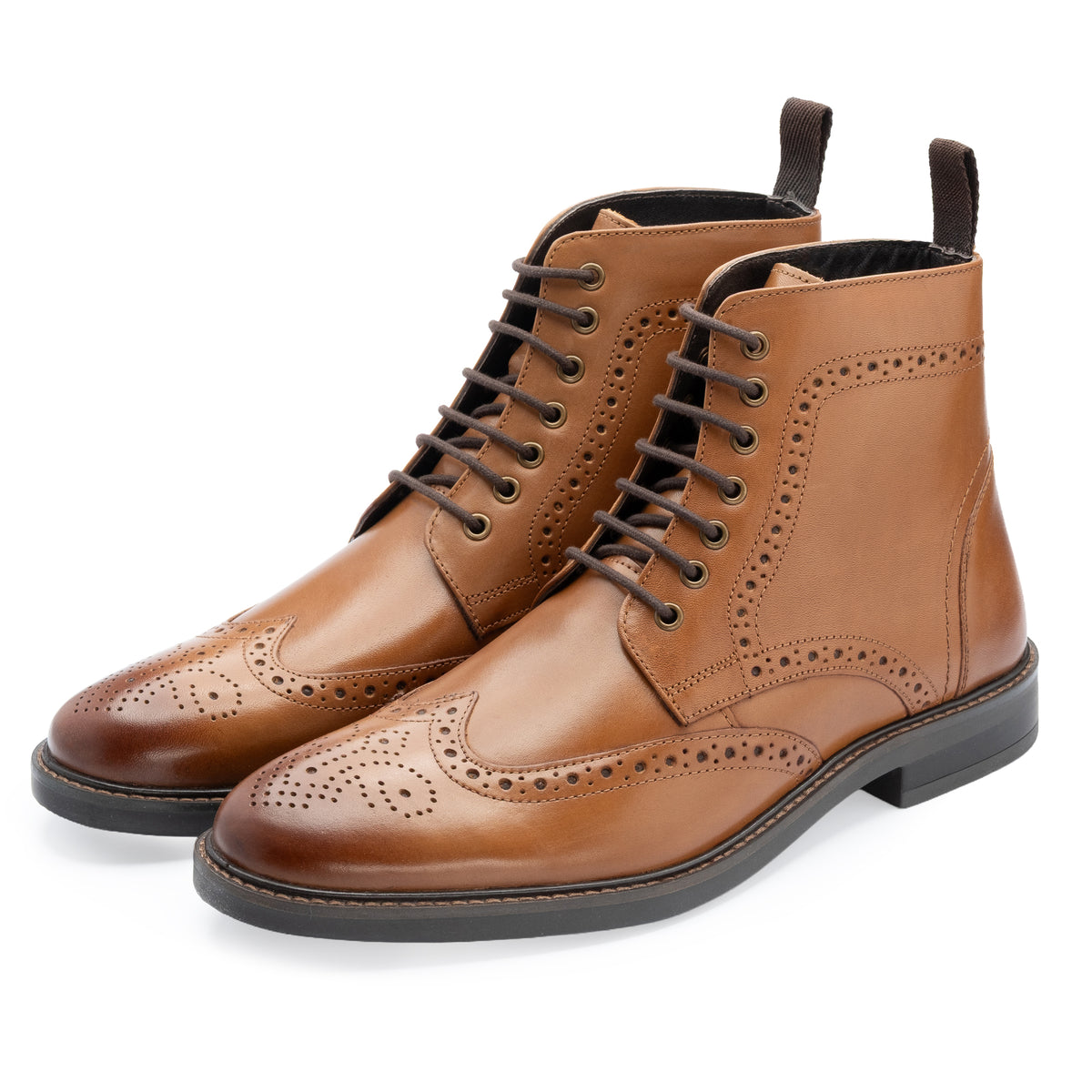
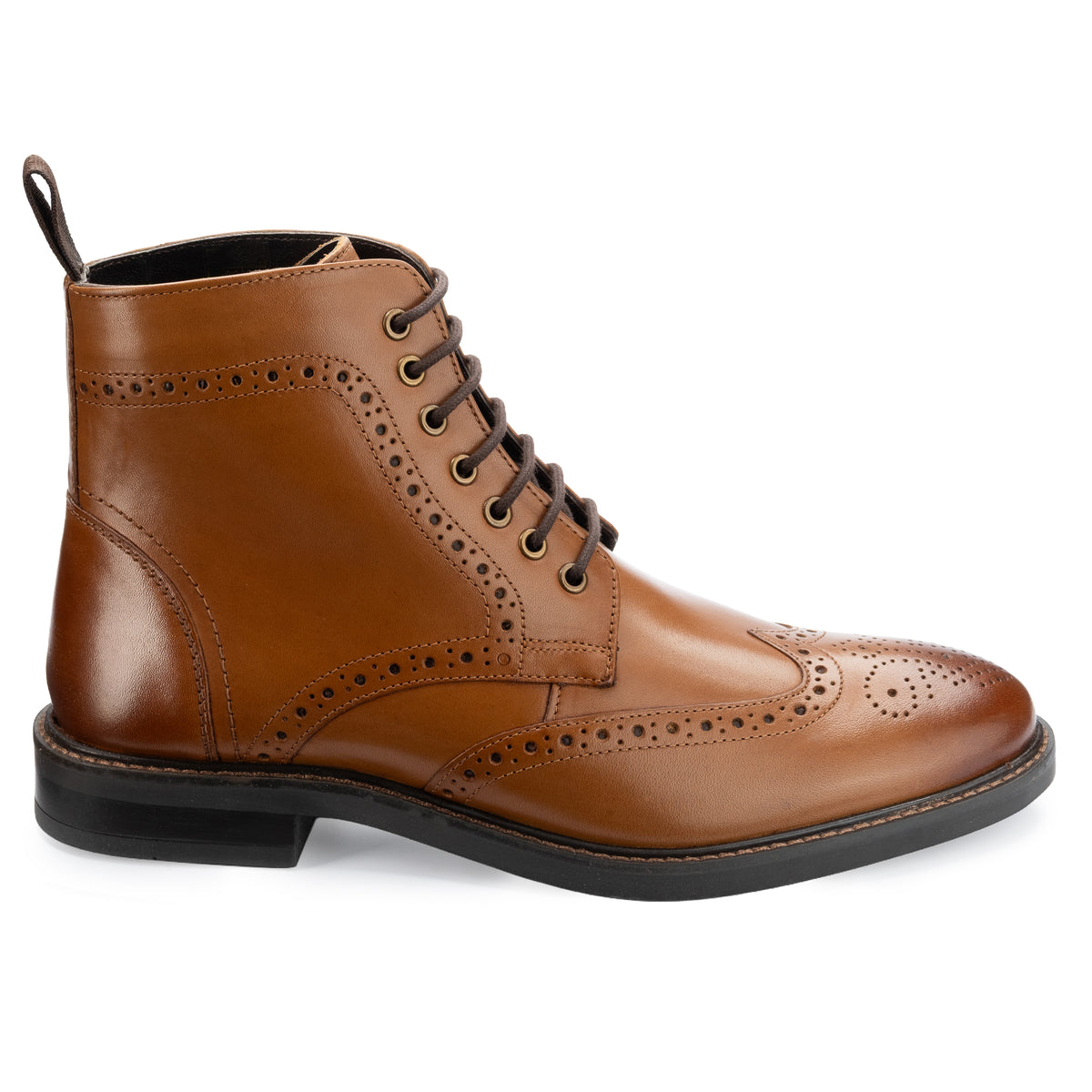
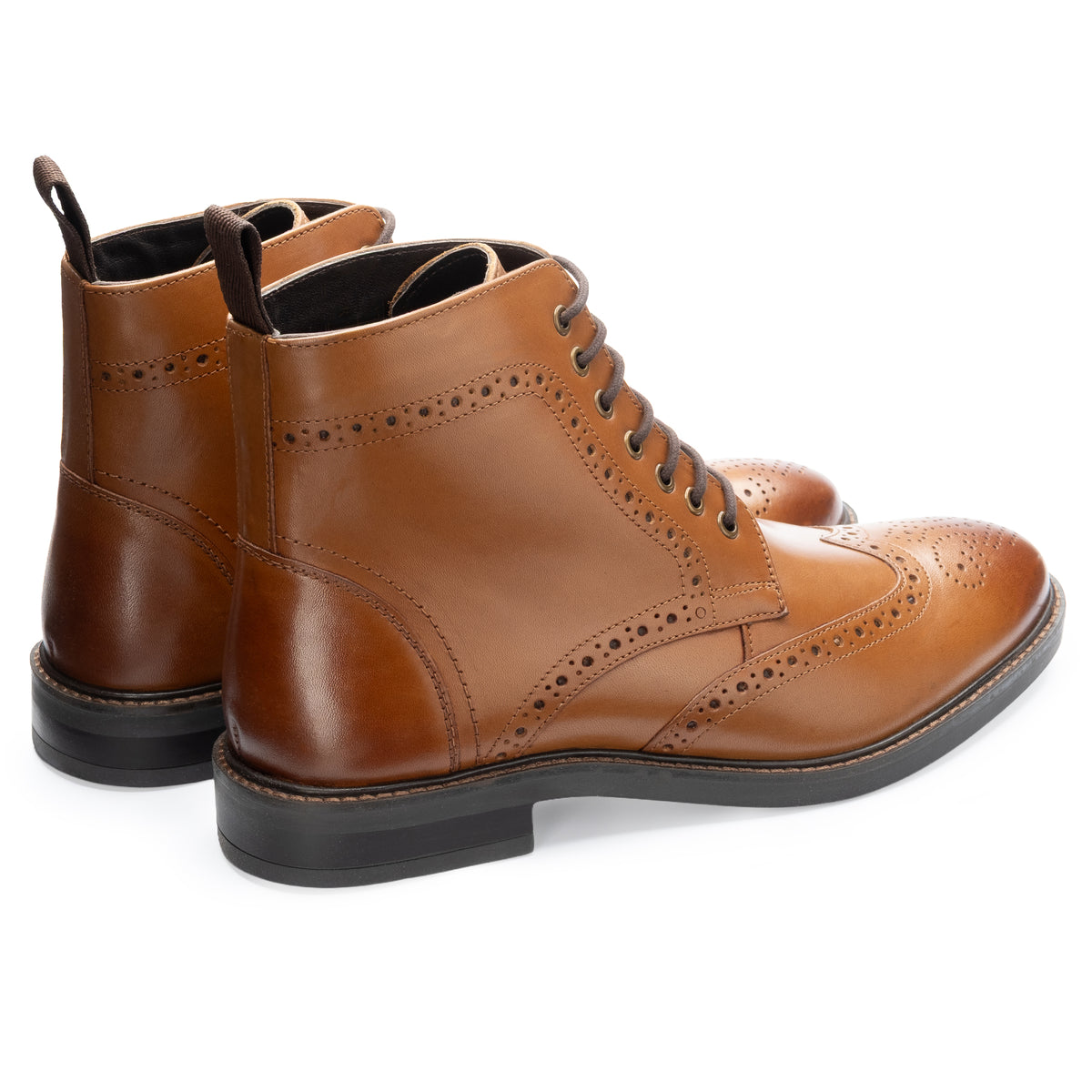
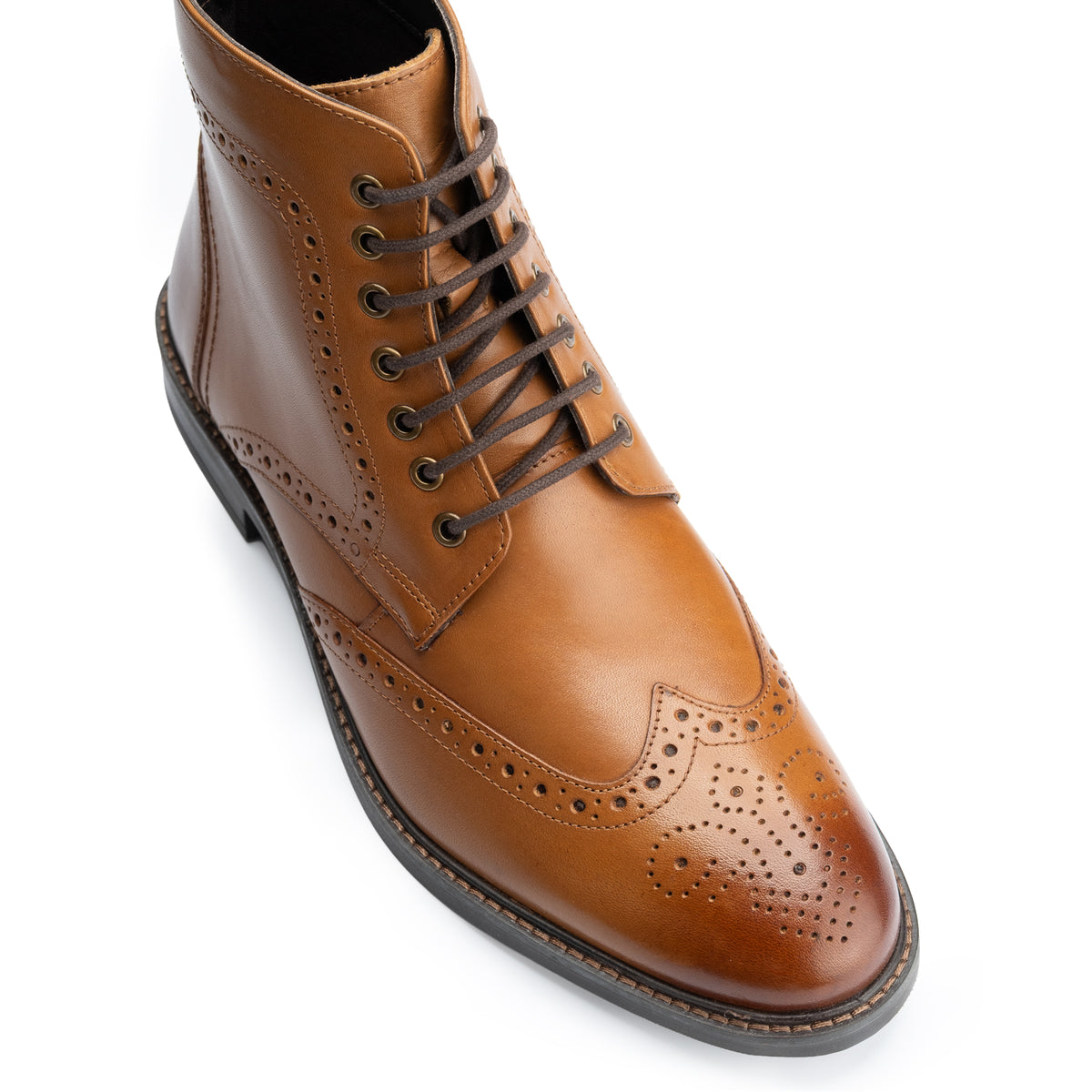
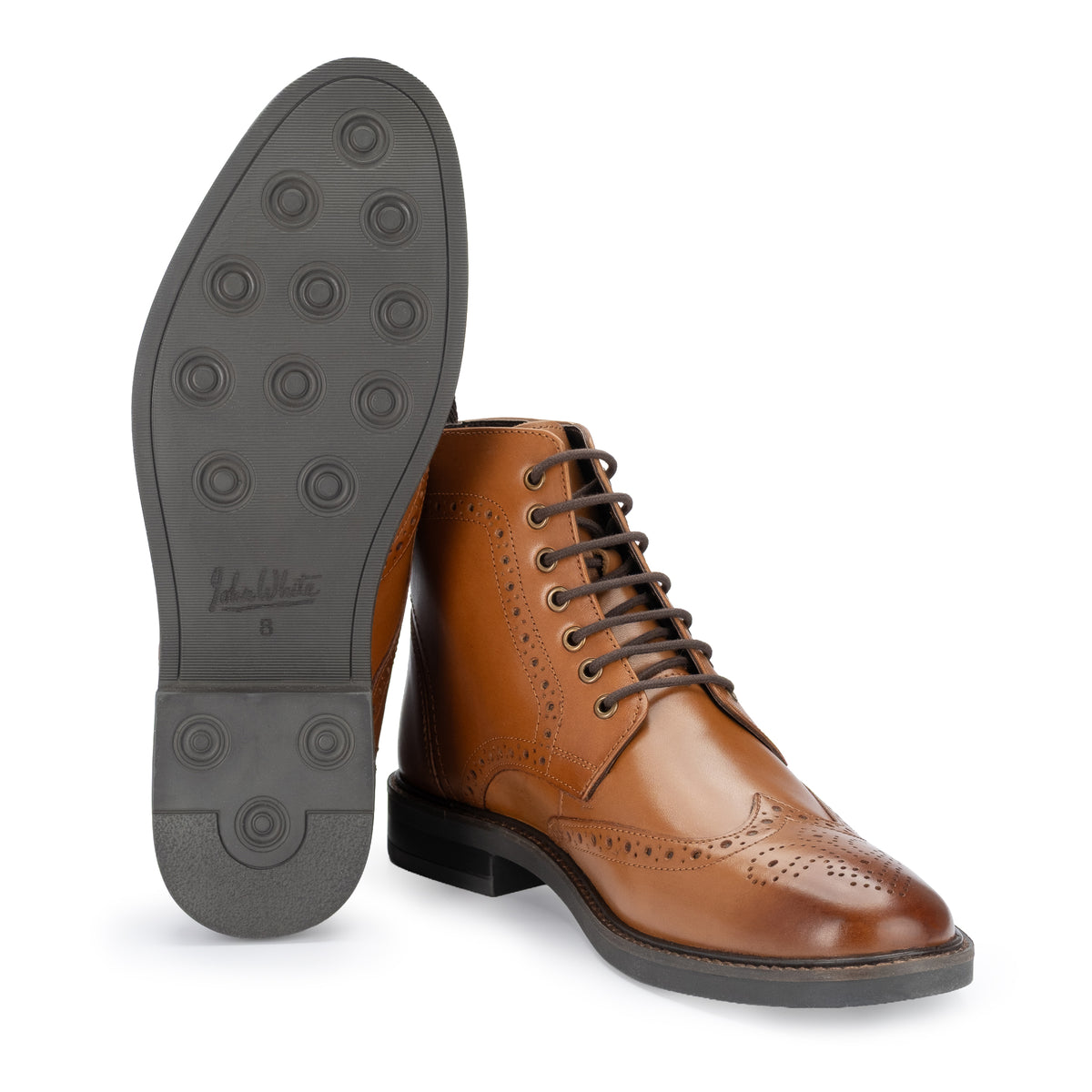
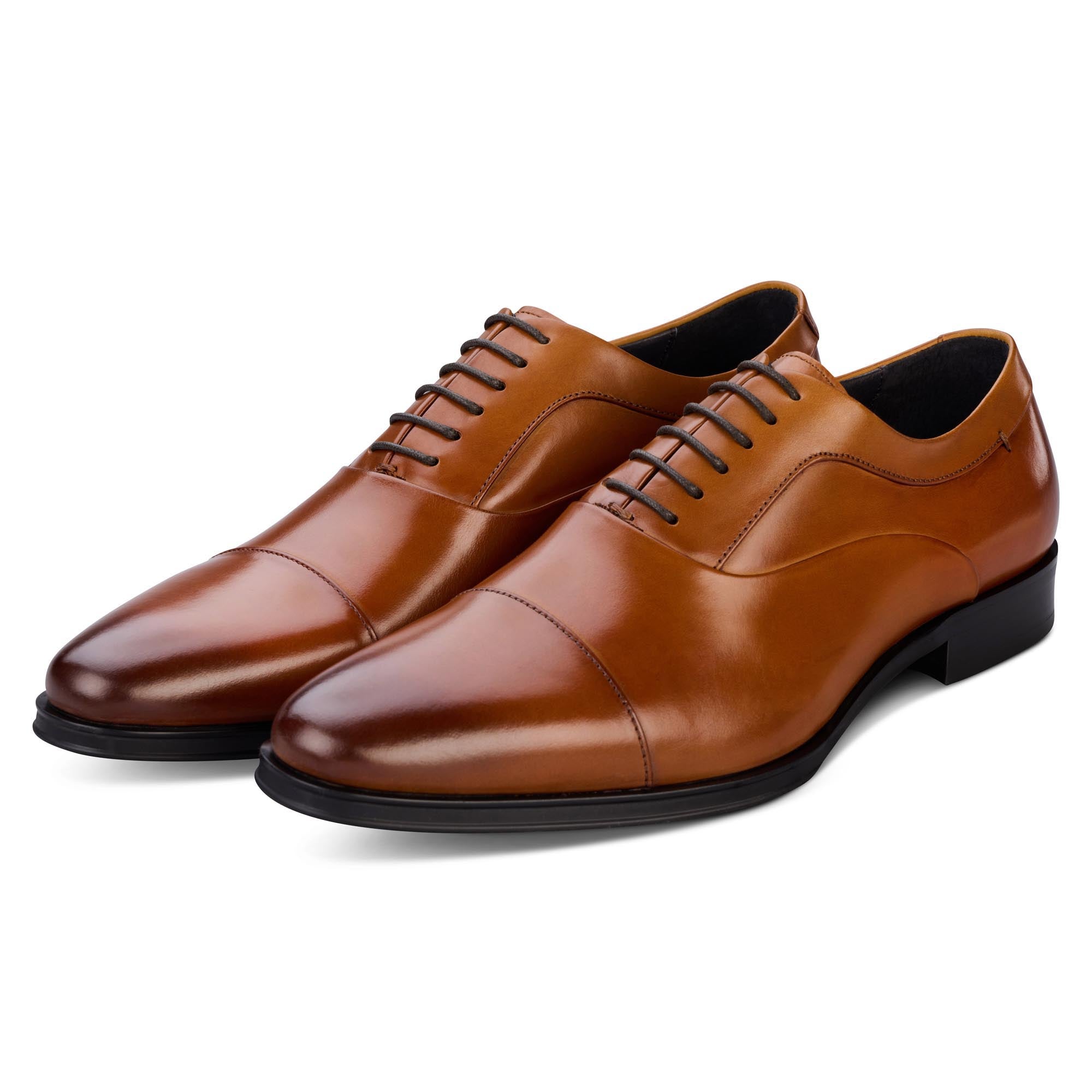
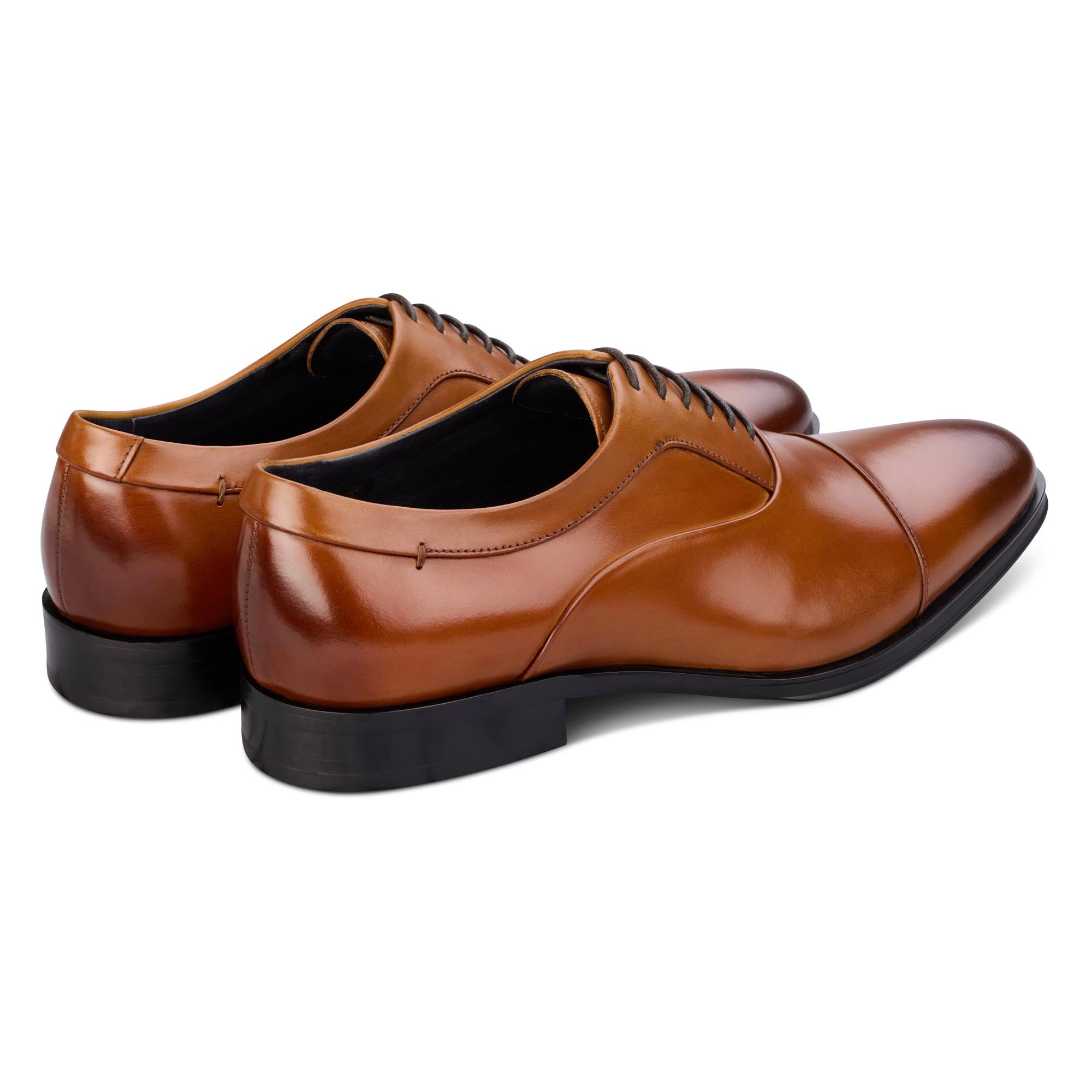
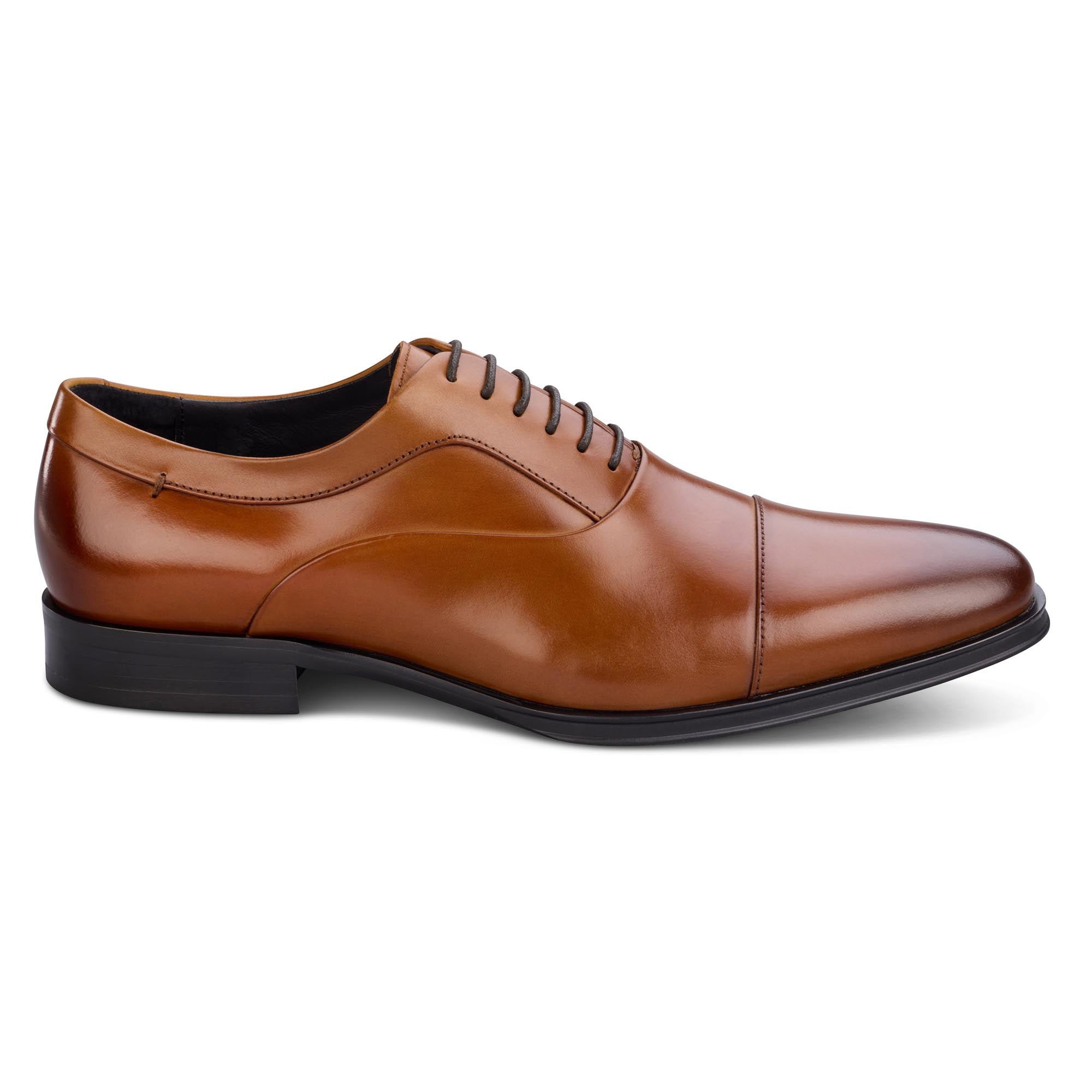
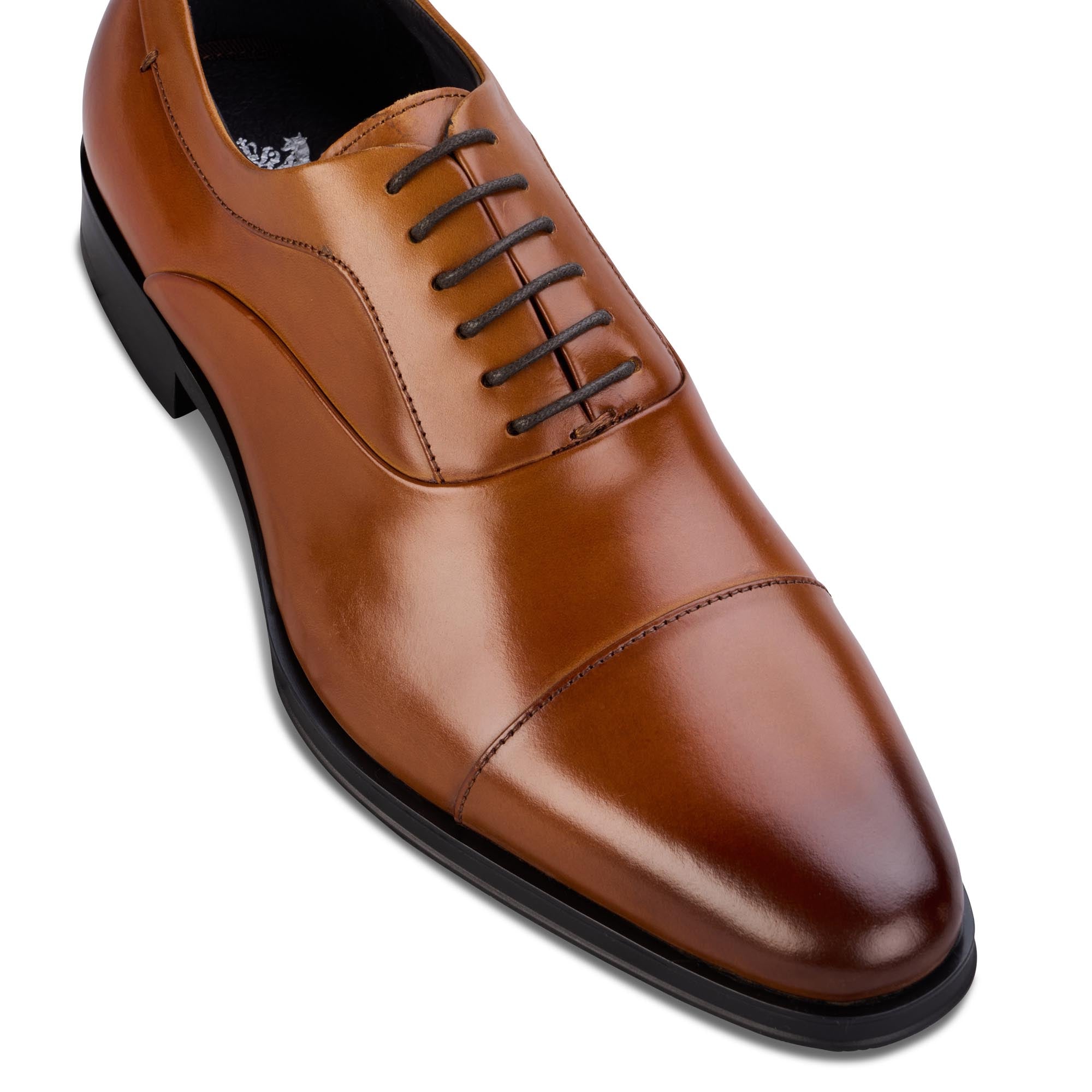
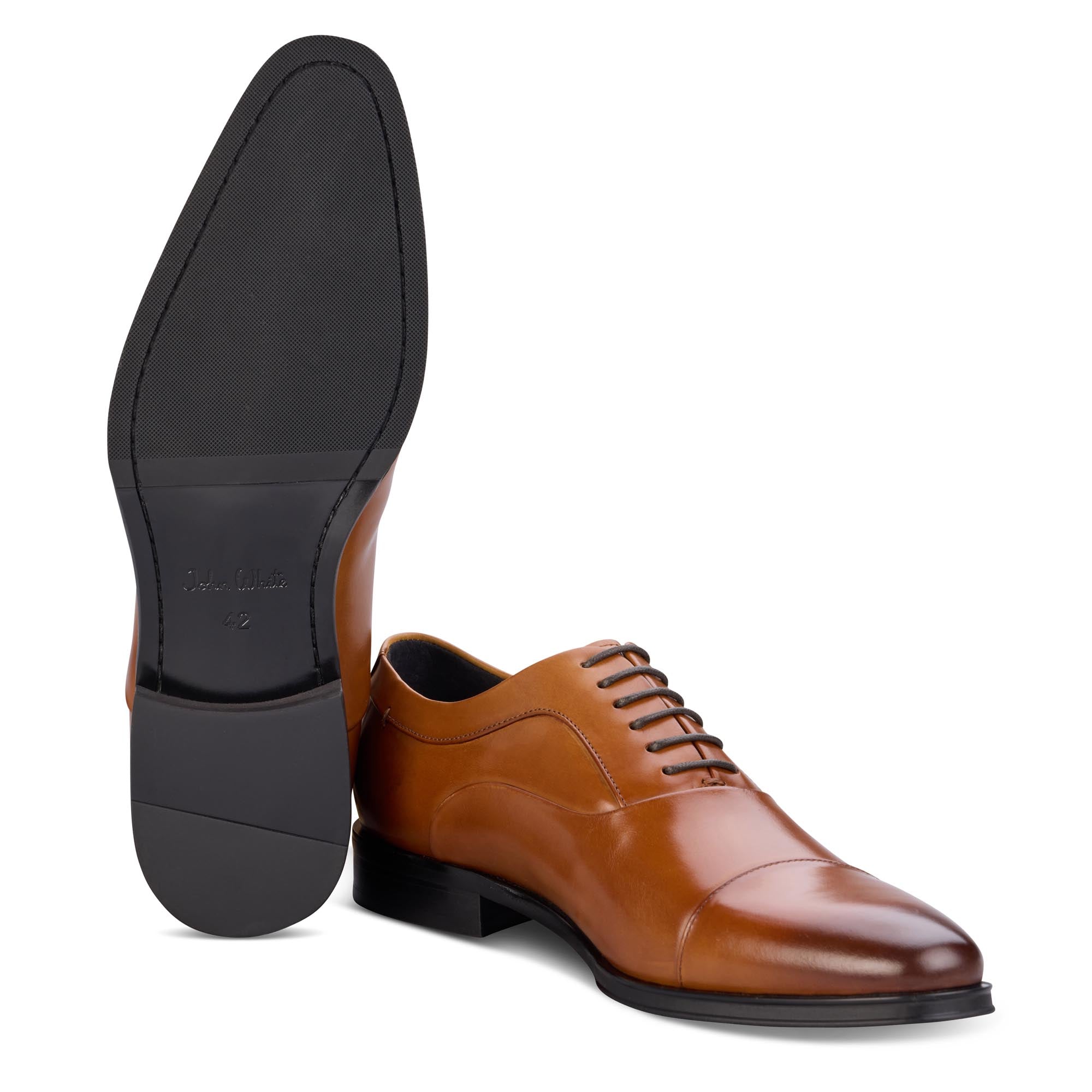
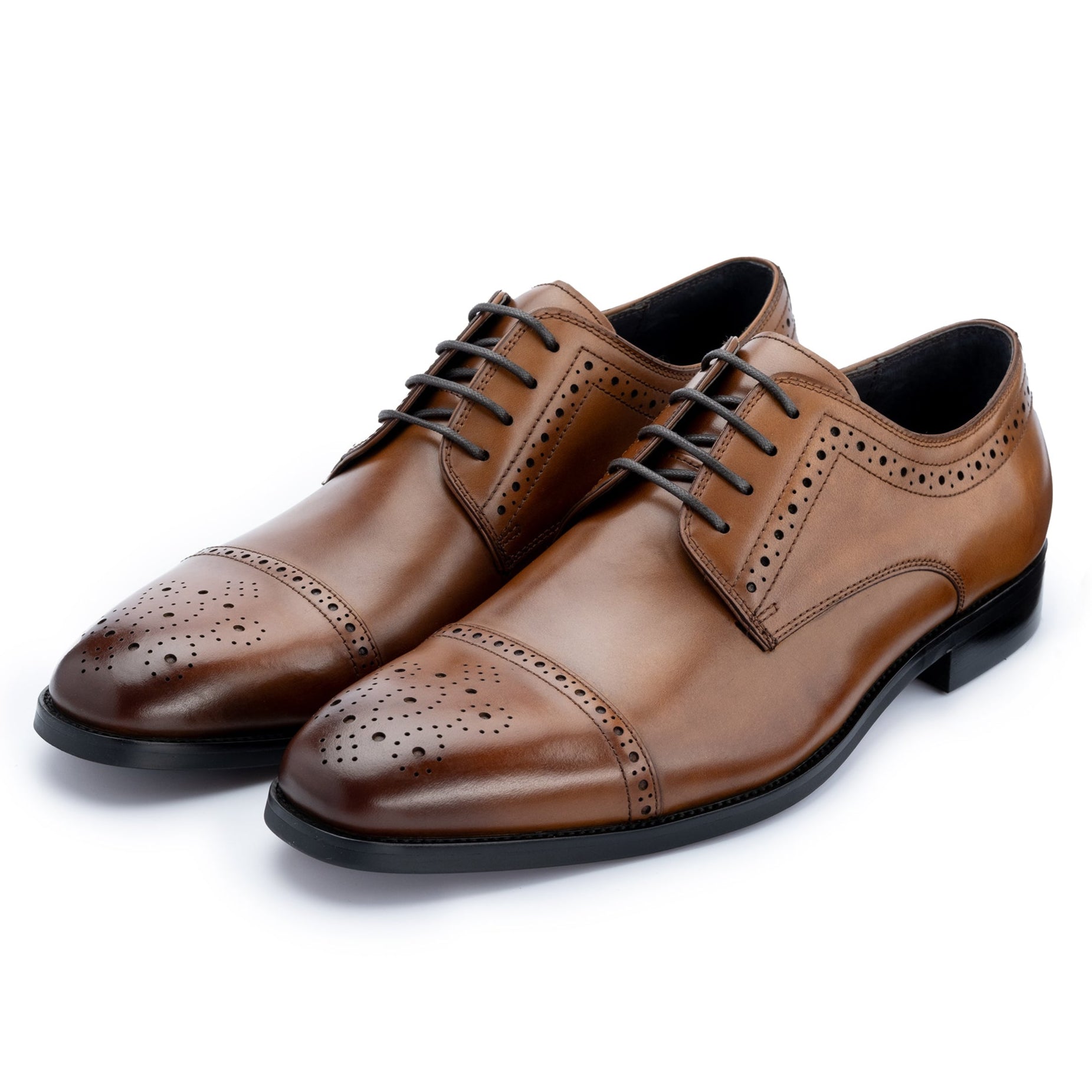
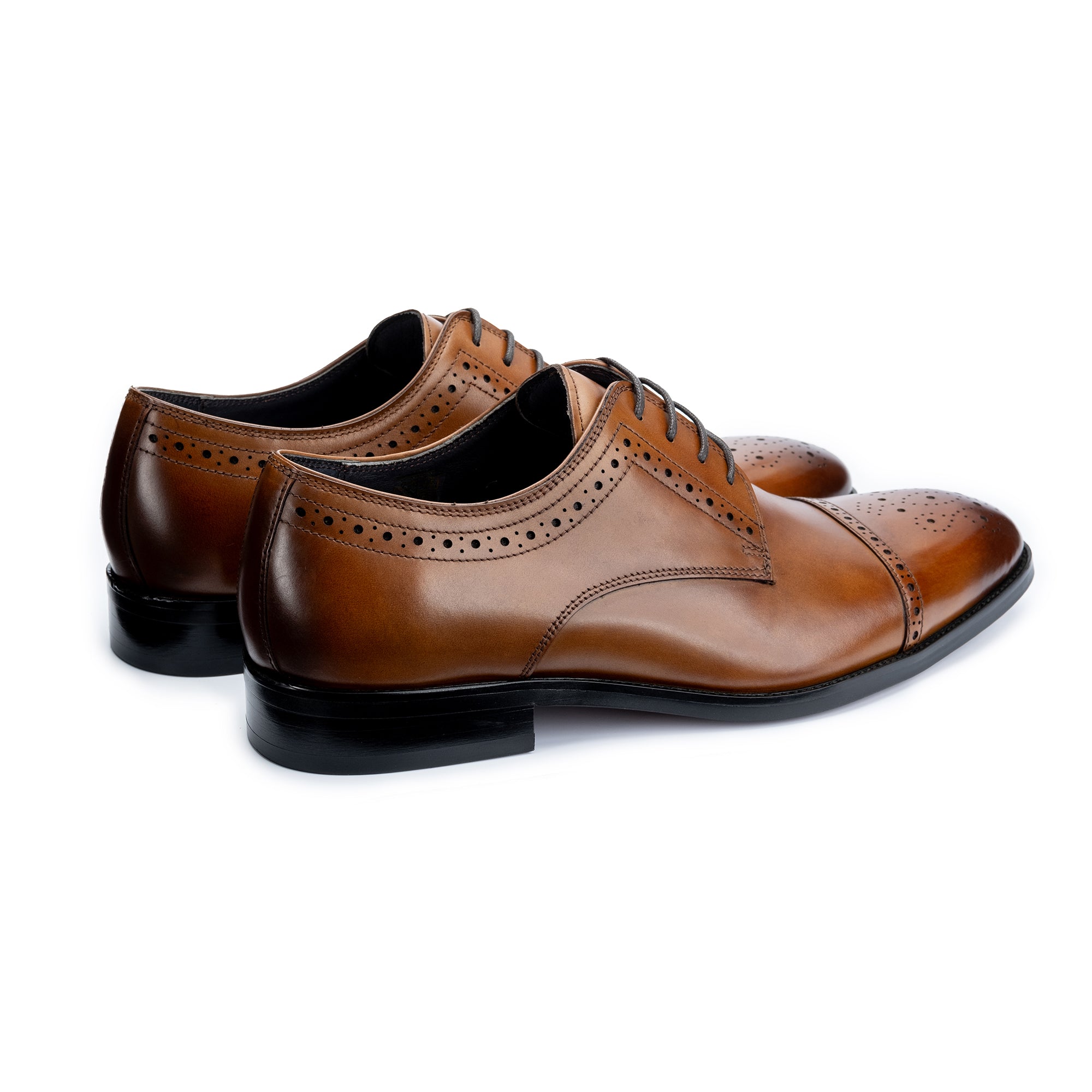
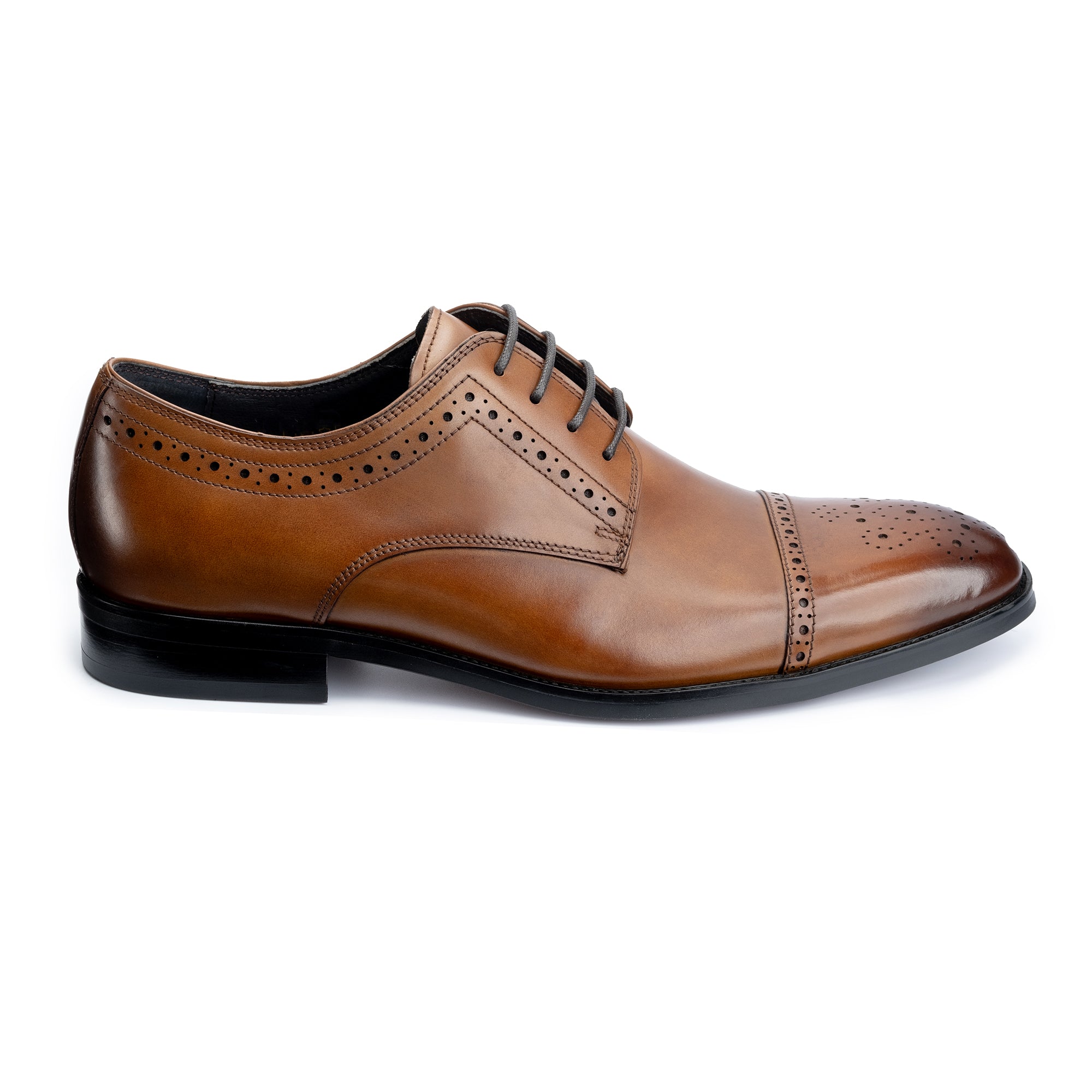
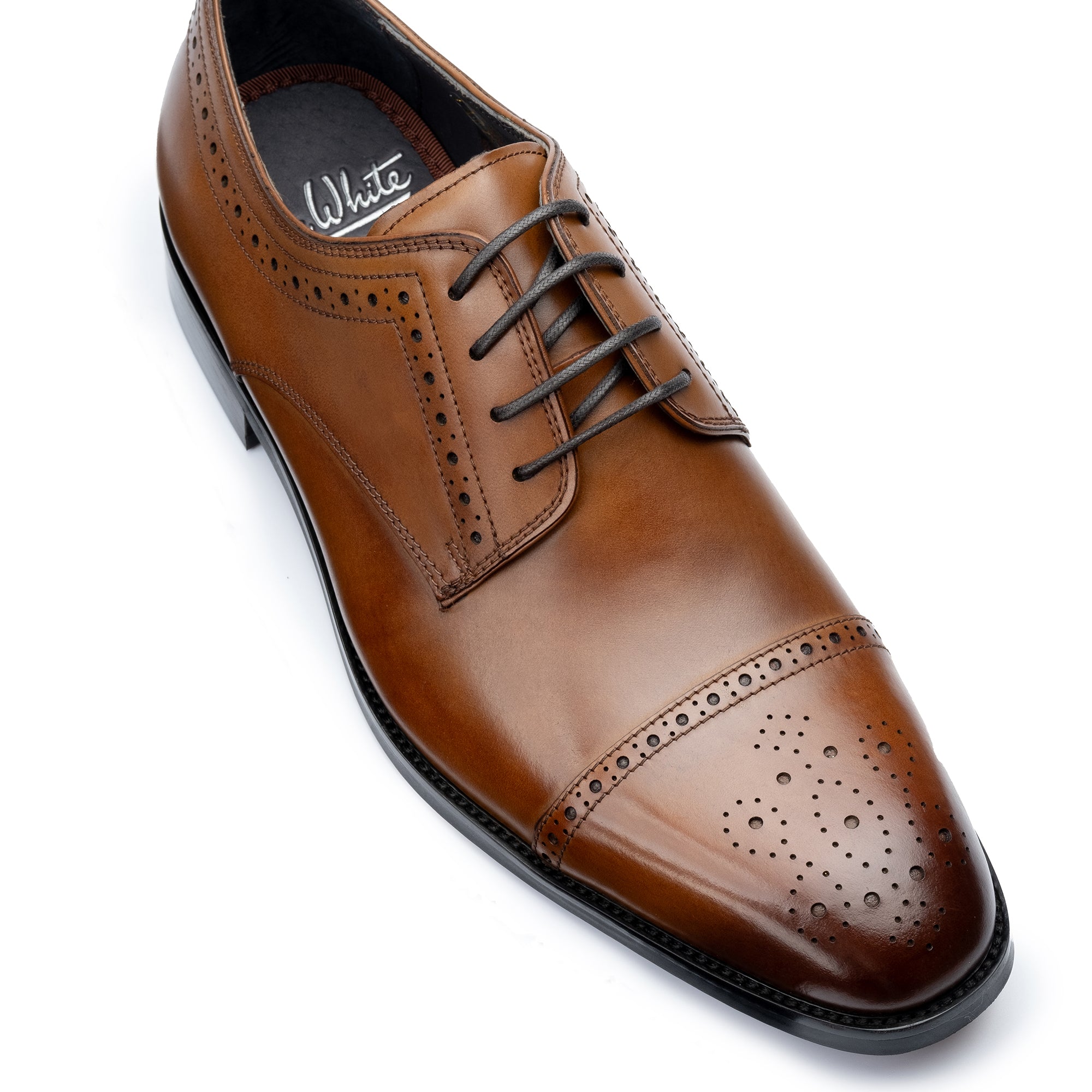
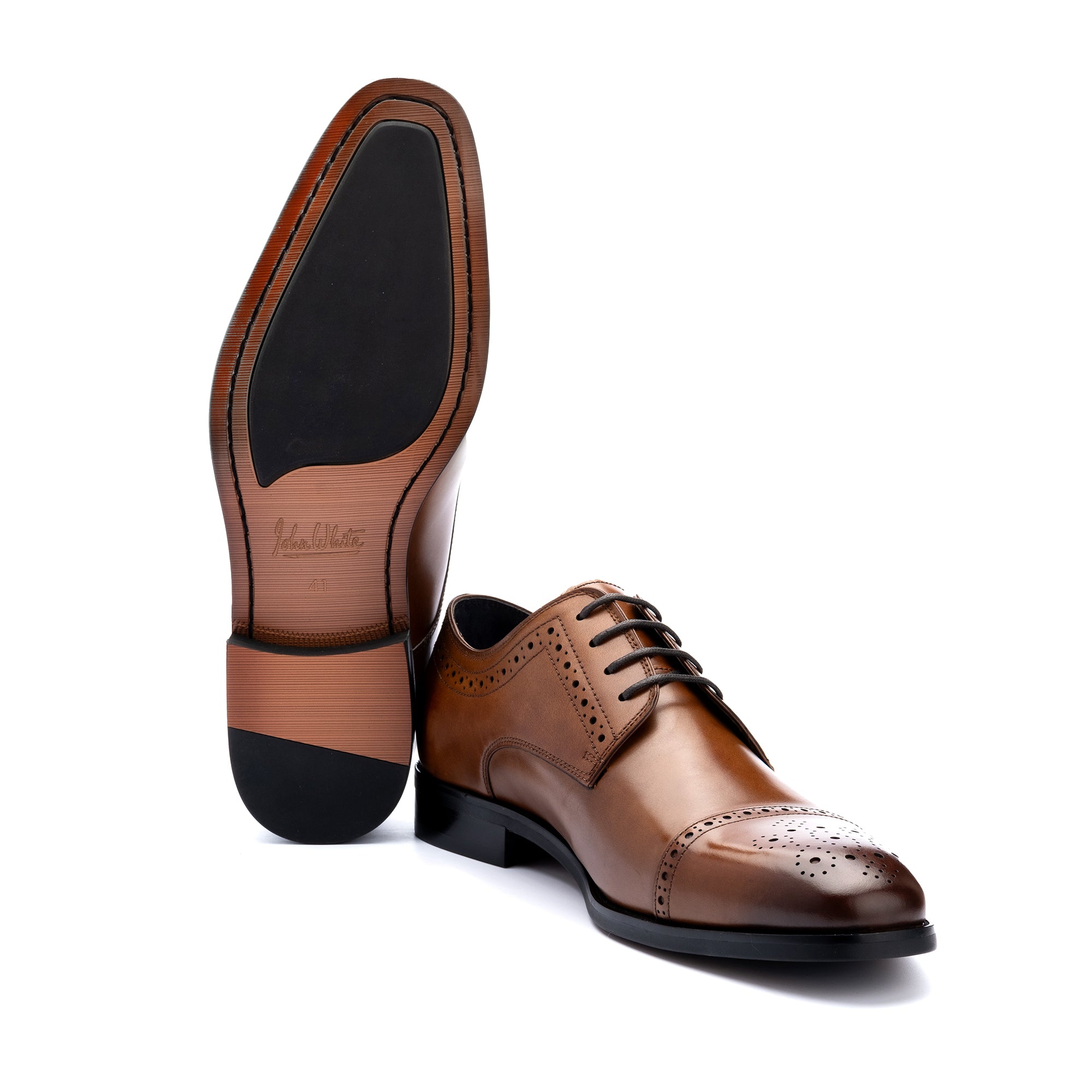
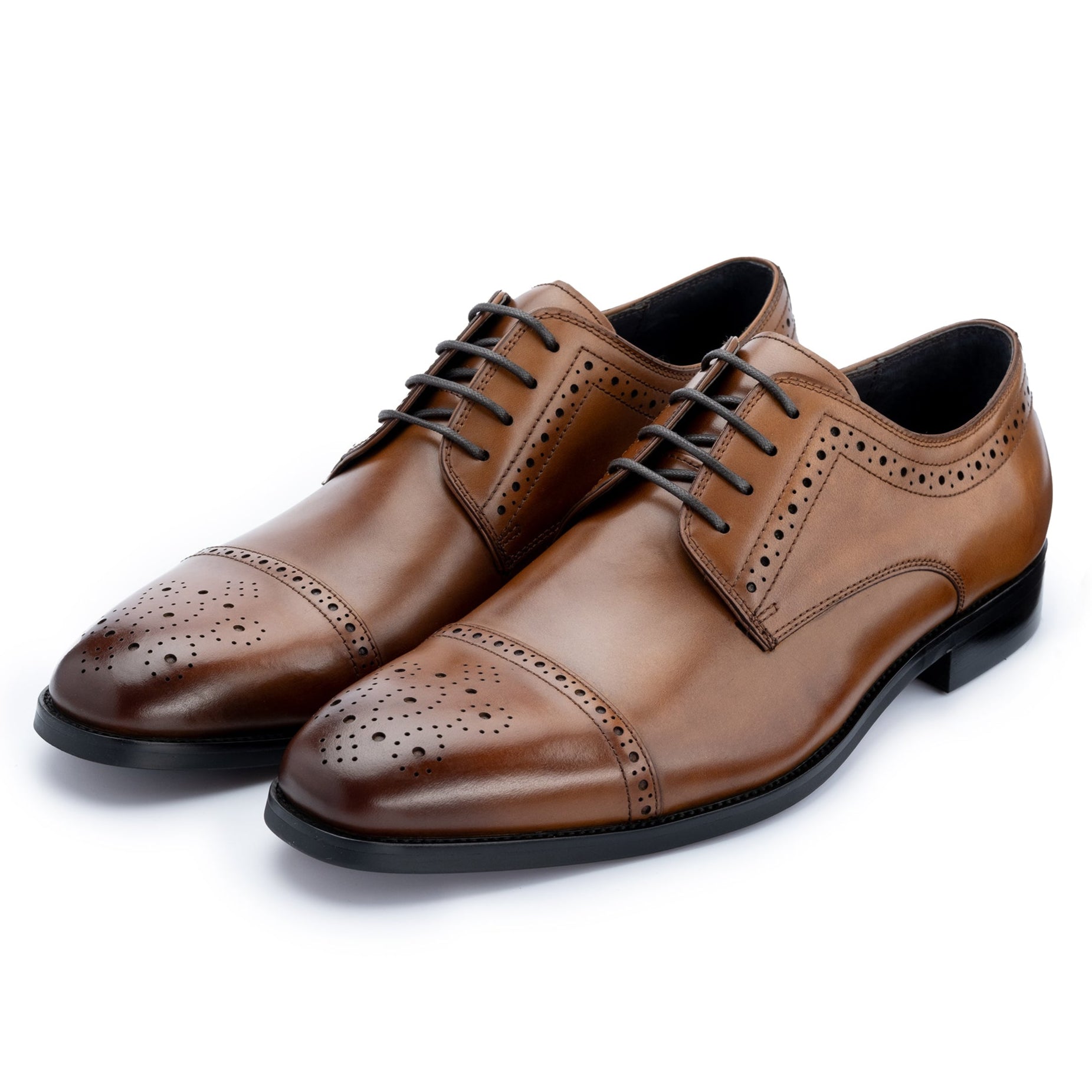
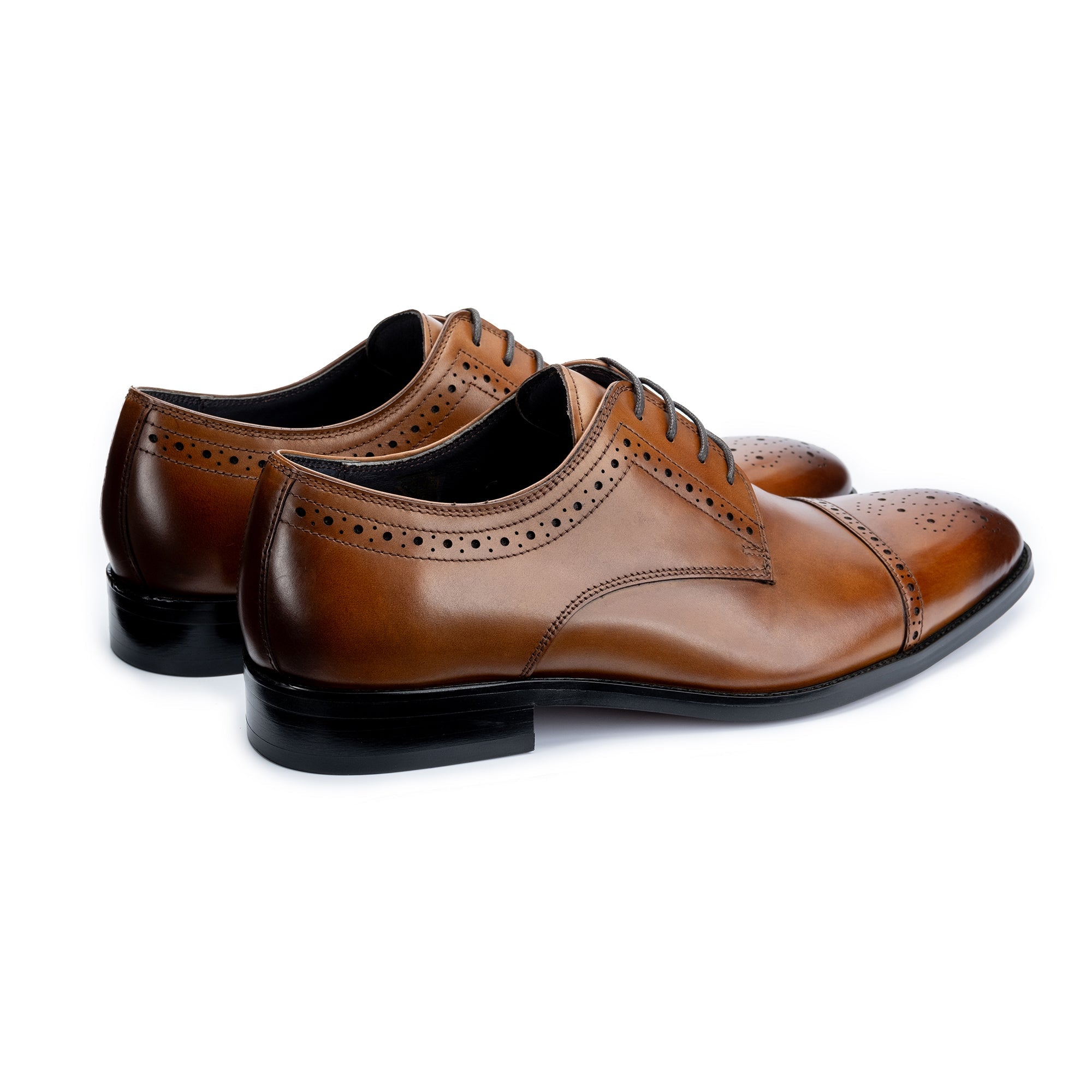
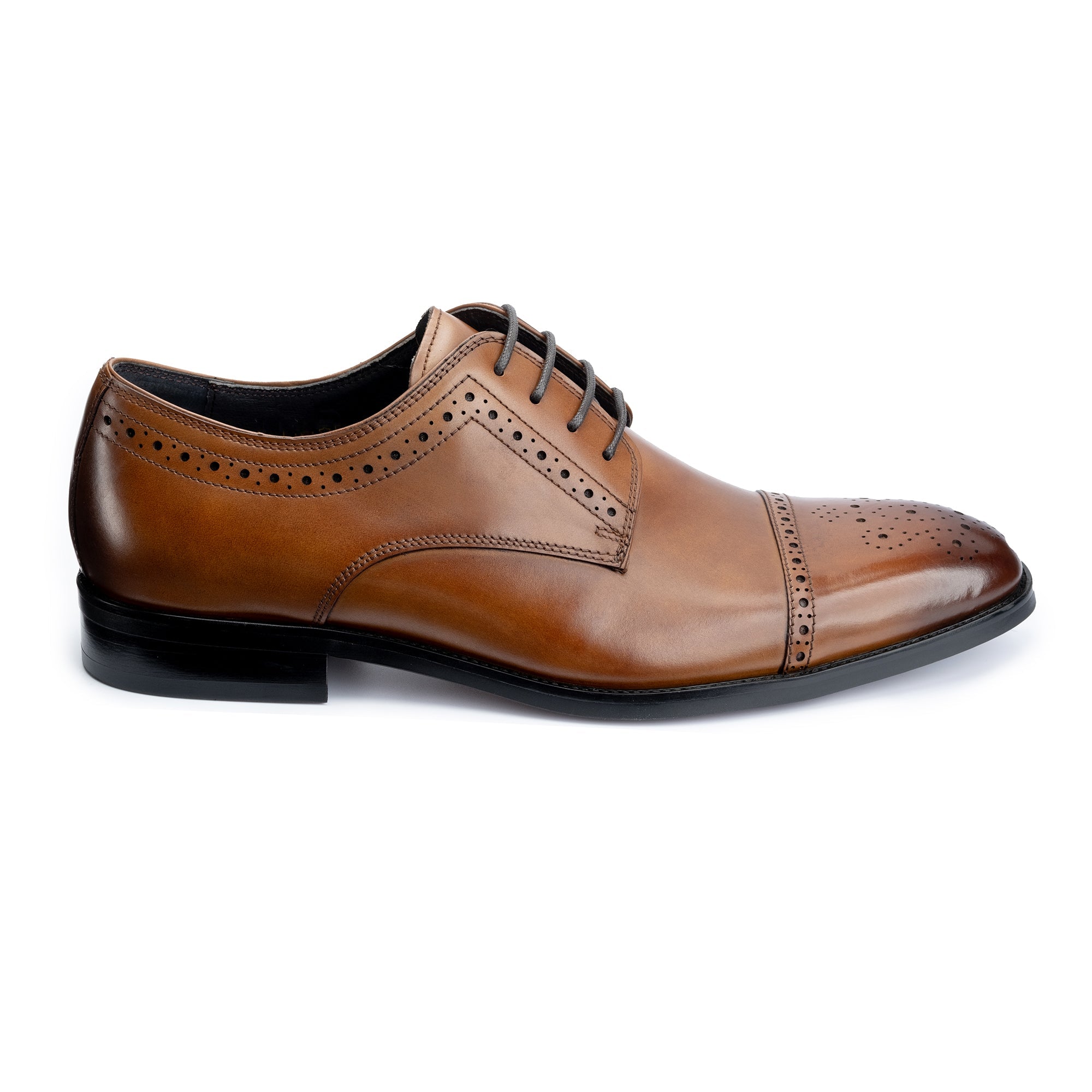
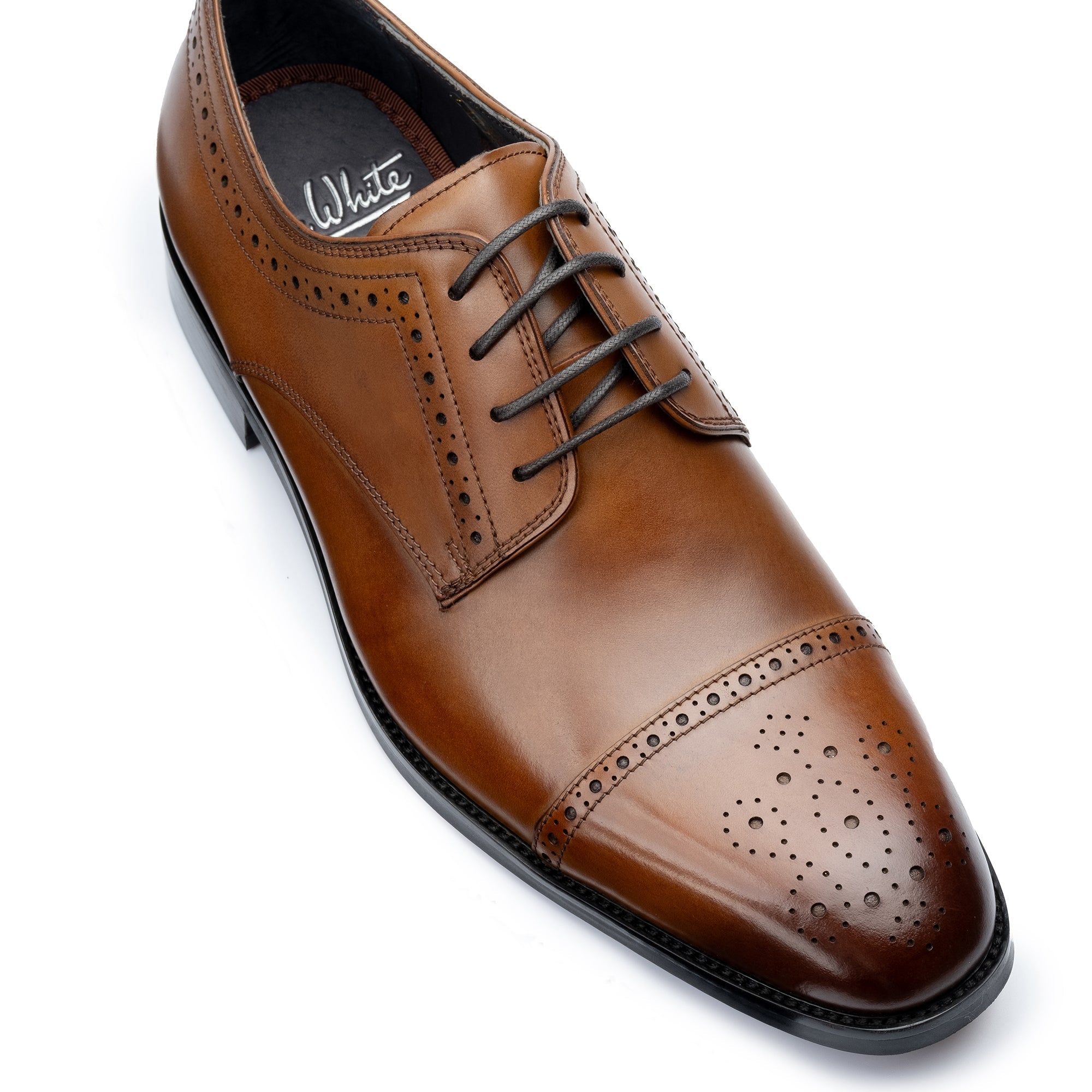
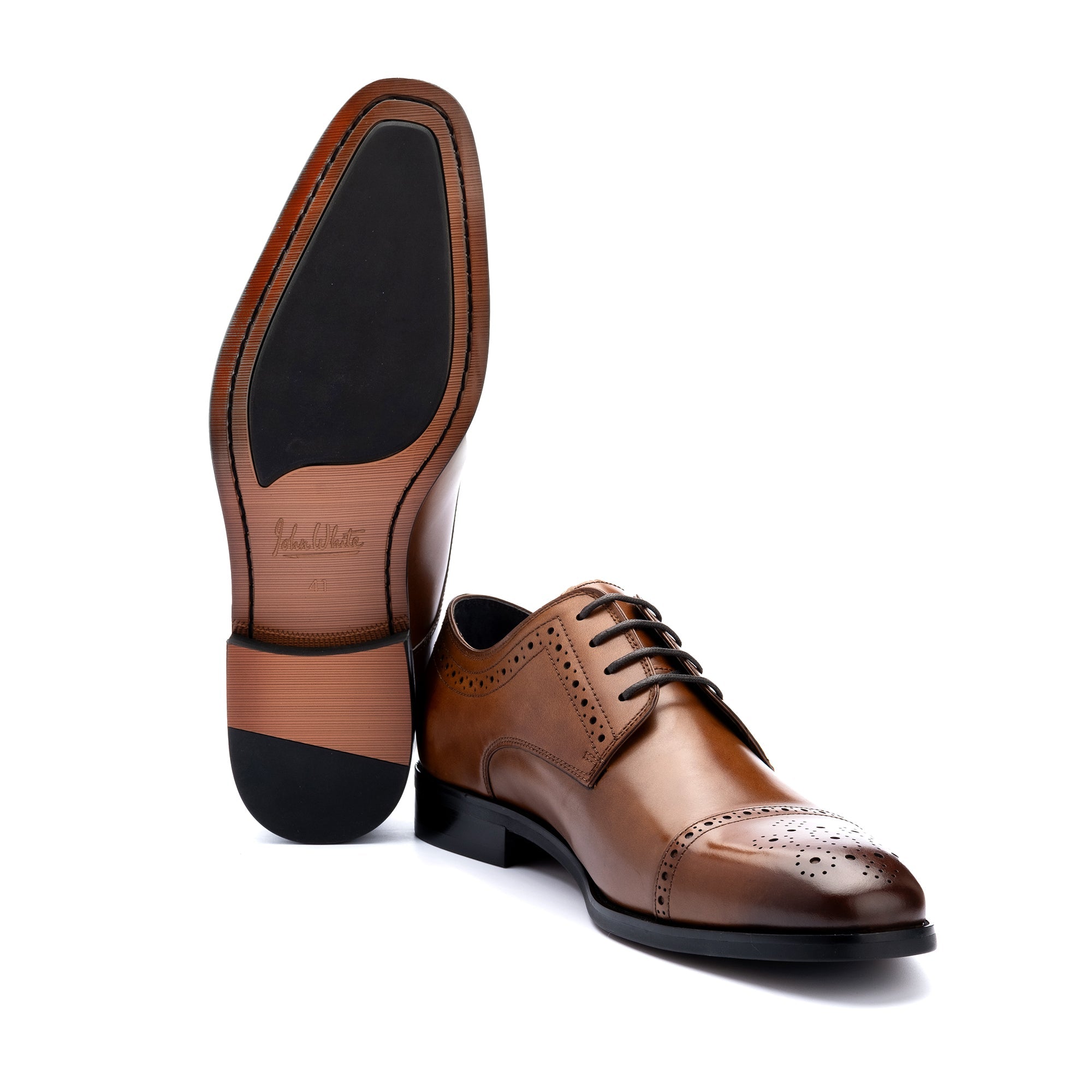
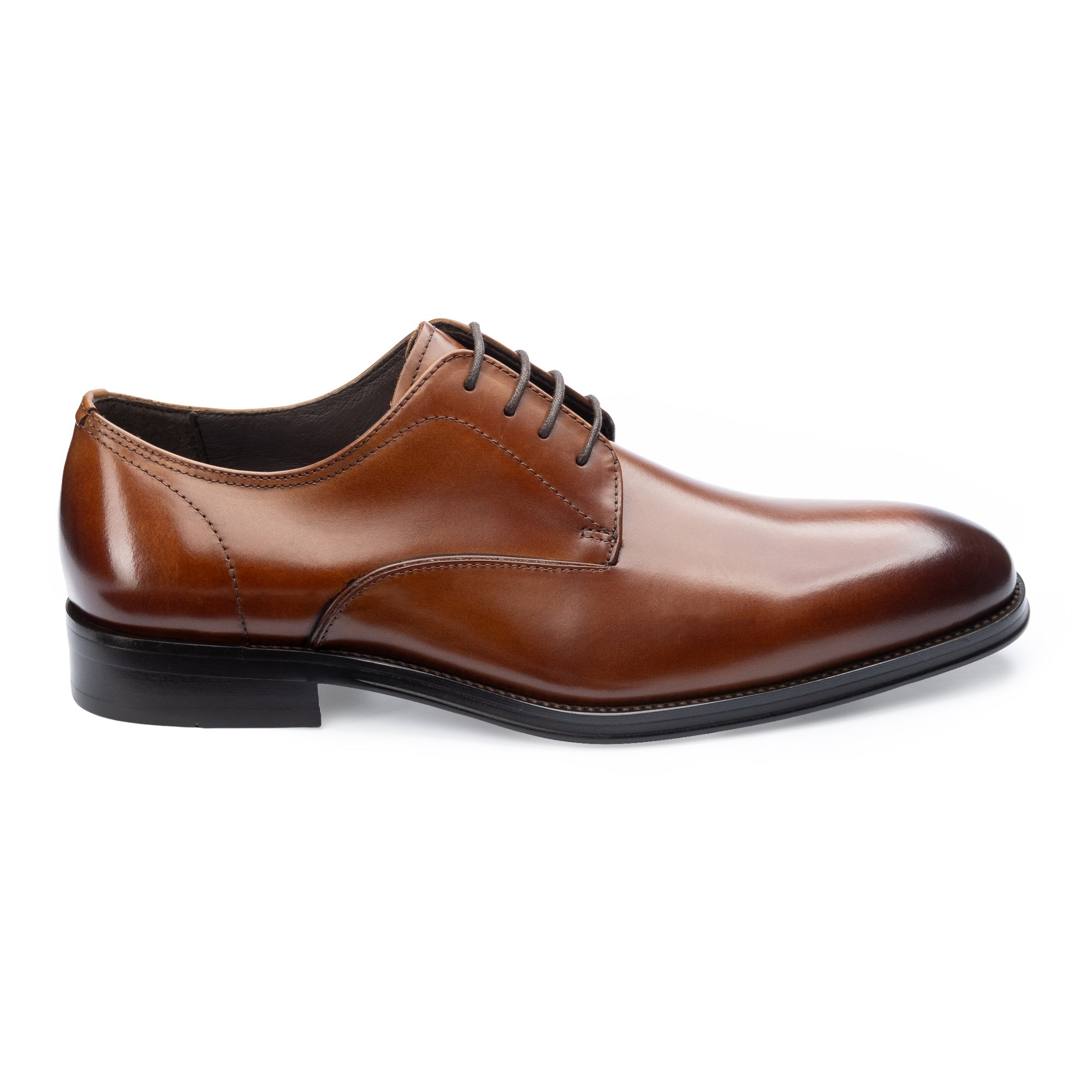
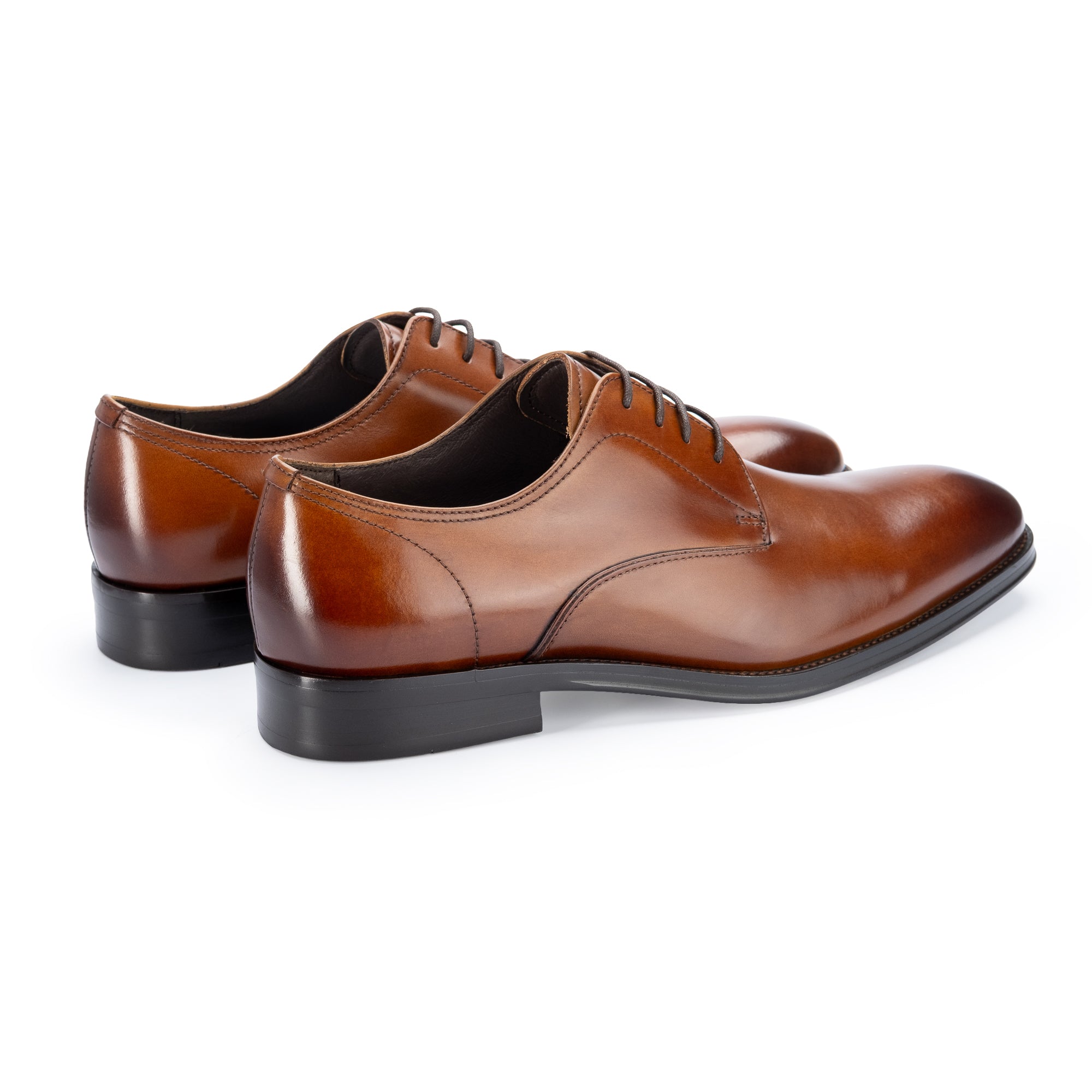
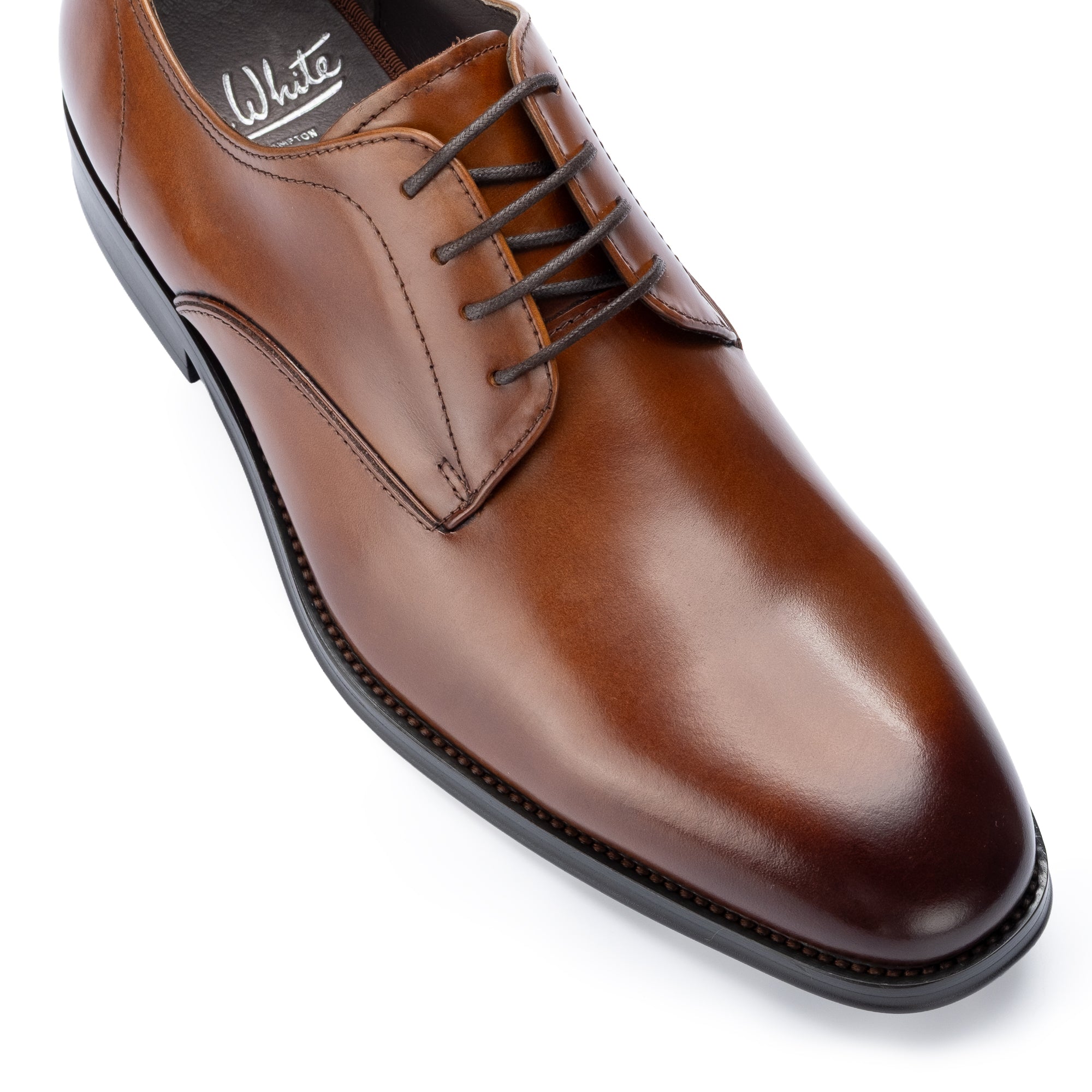
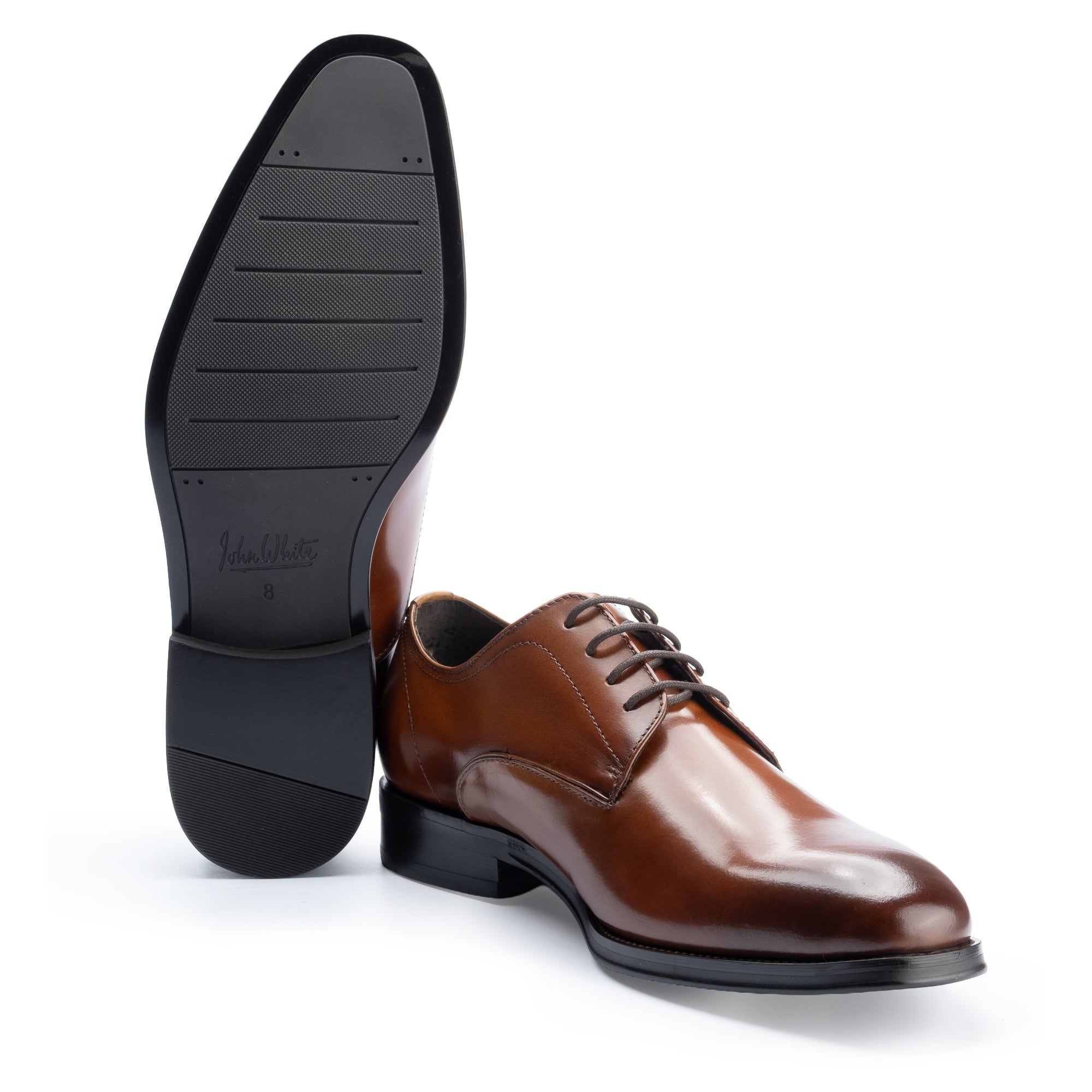
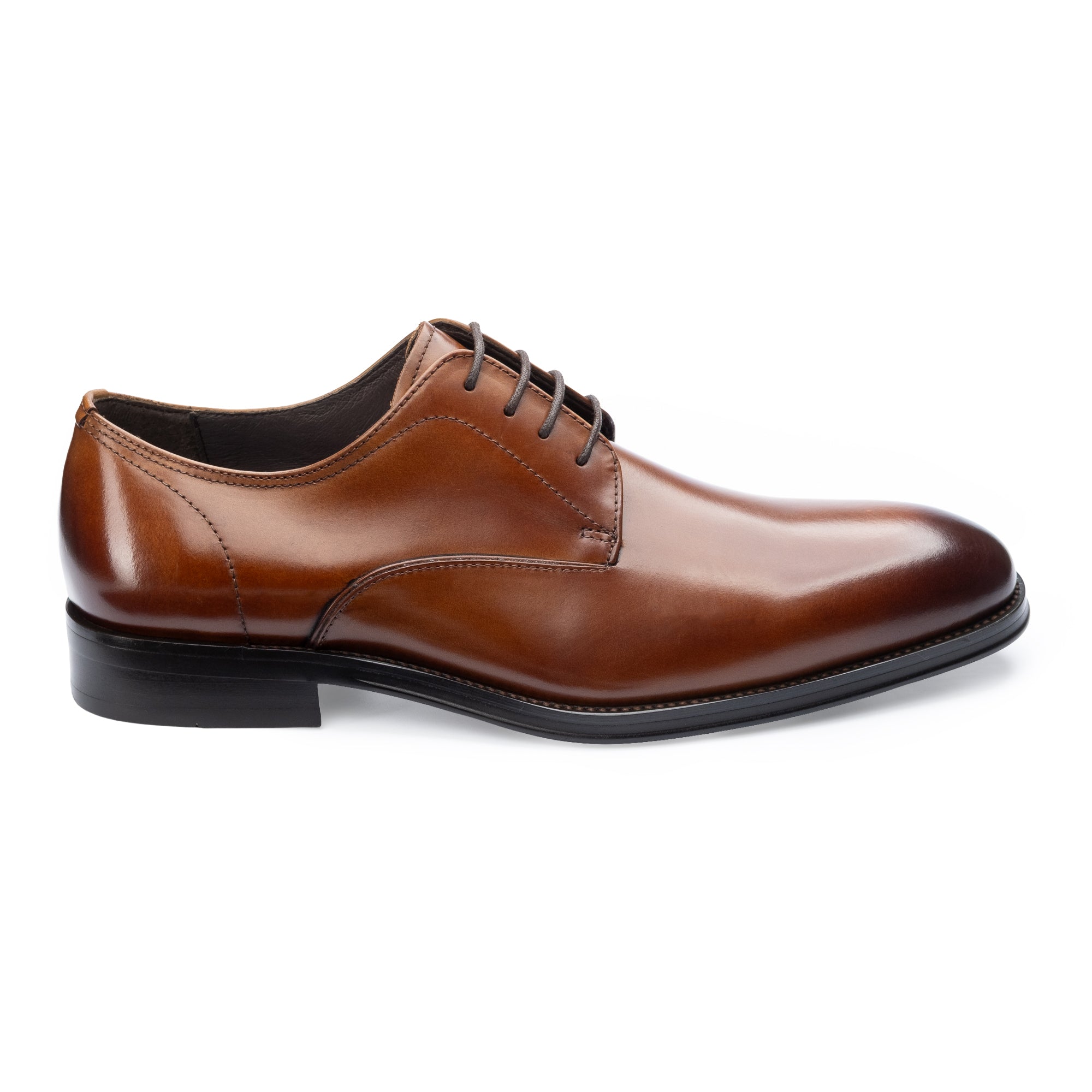
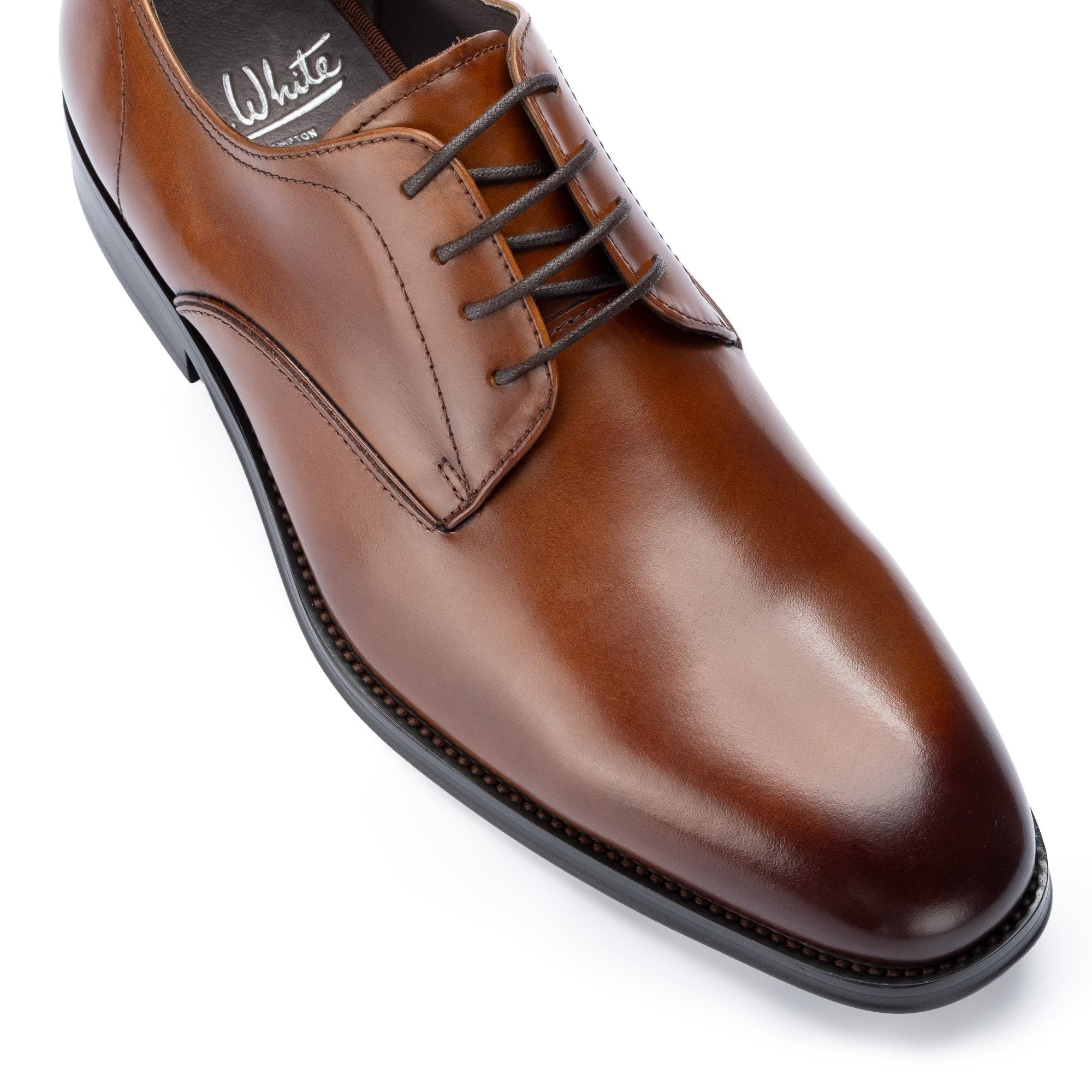
For a brogued option, the Lucan Semi-Brogues in Tan bring a restrained decorative note — the punch cap-toe and medallion read as craft detail without loudness. For a plainer, more structured silhouette, the Guildhall Capped Oxfords in Tan provide the same warmth with cleaner lines. Either rewards a proper polish.
Brown
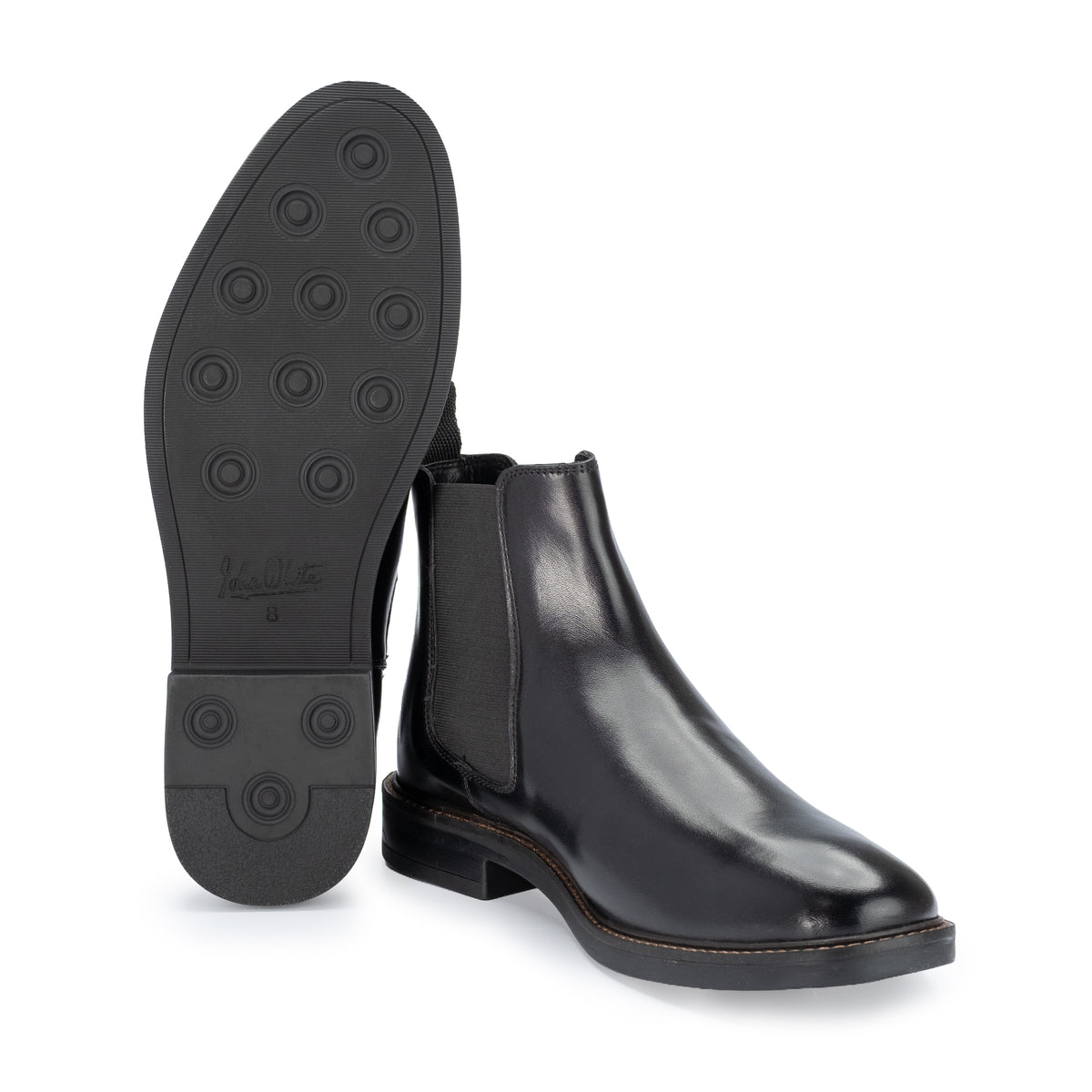
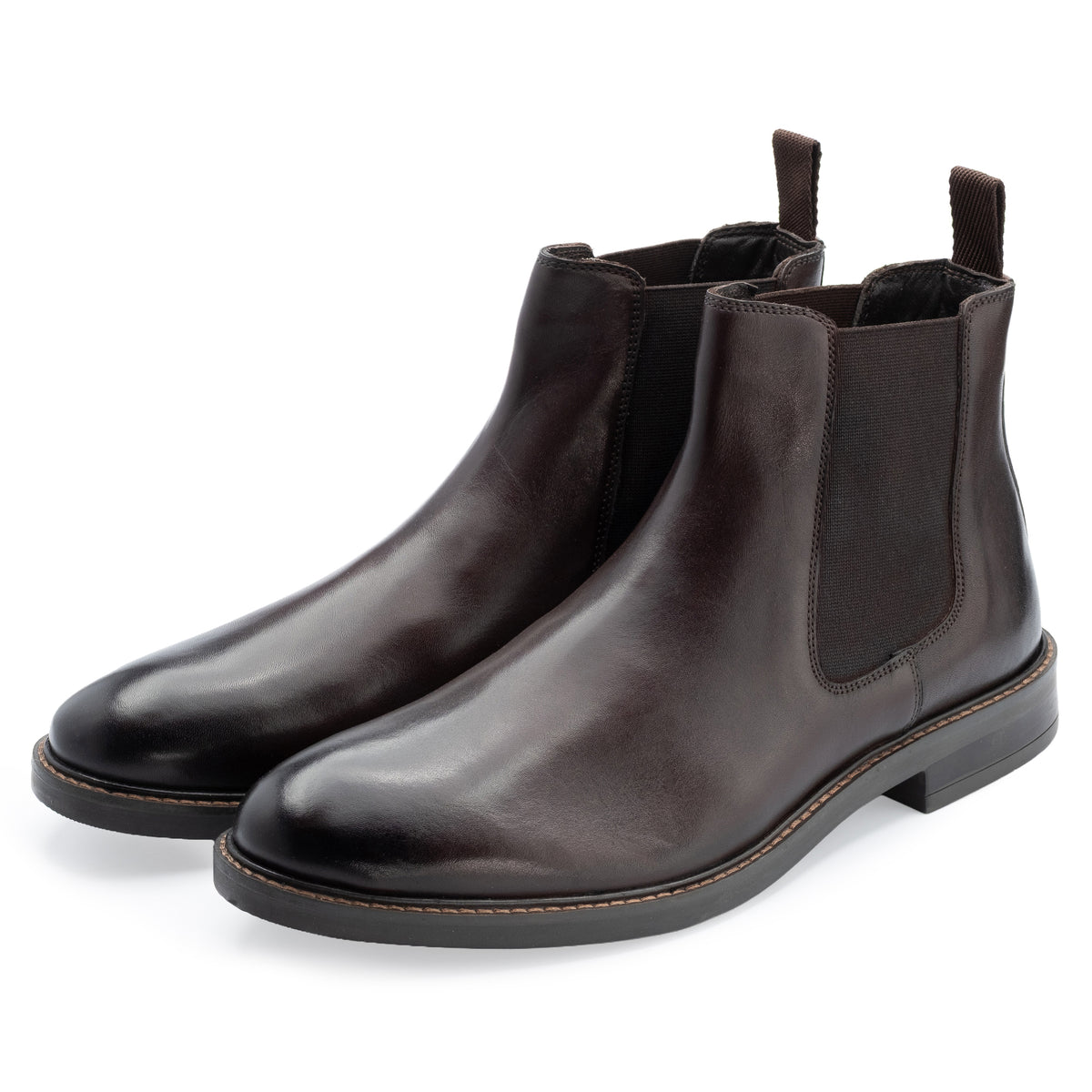
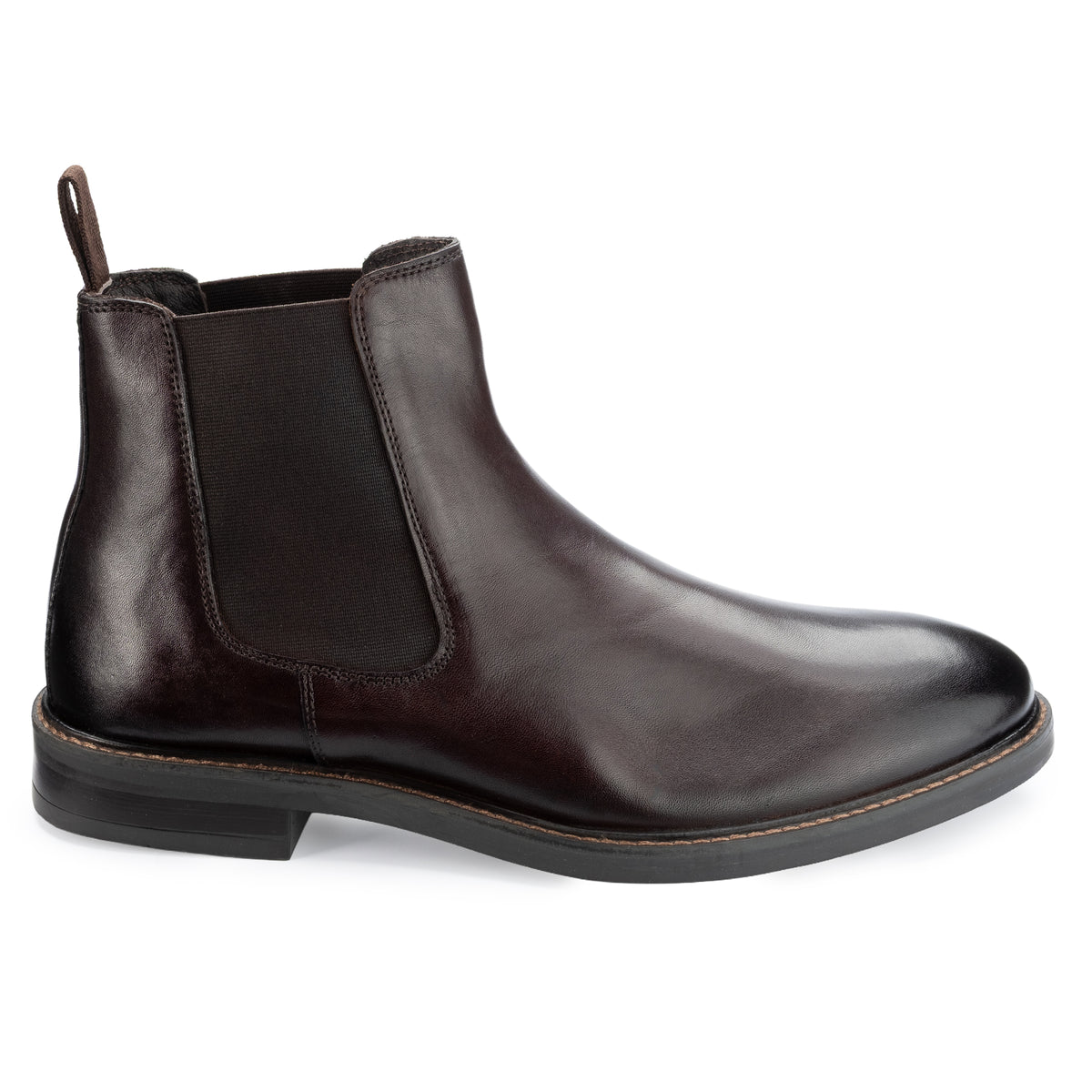
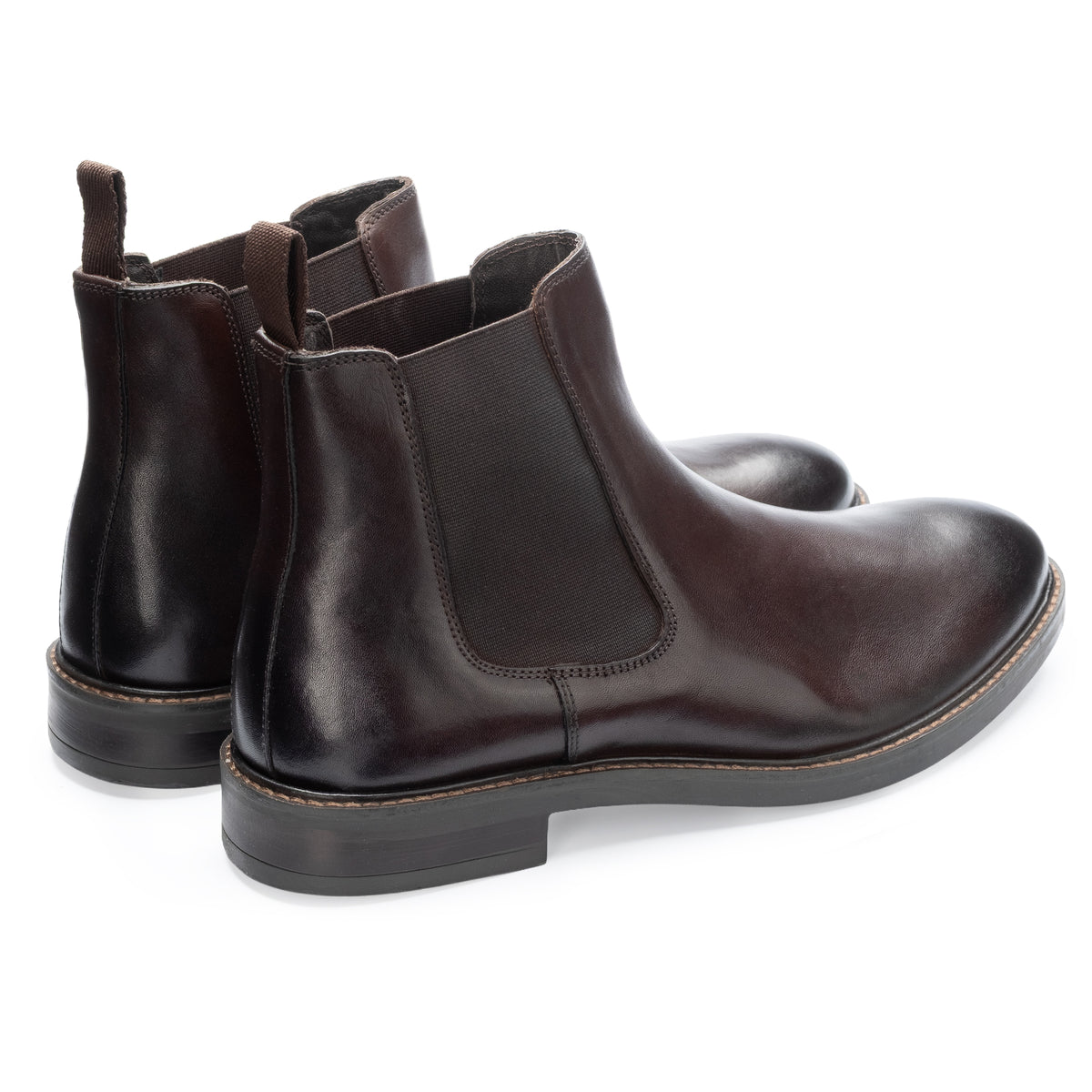
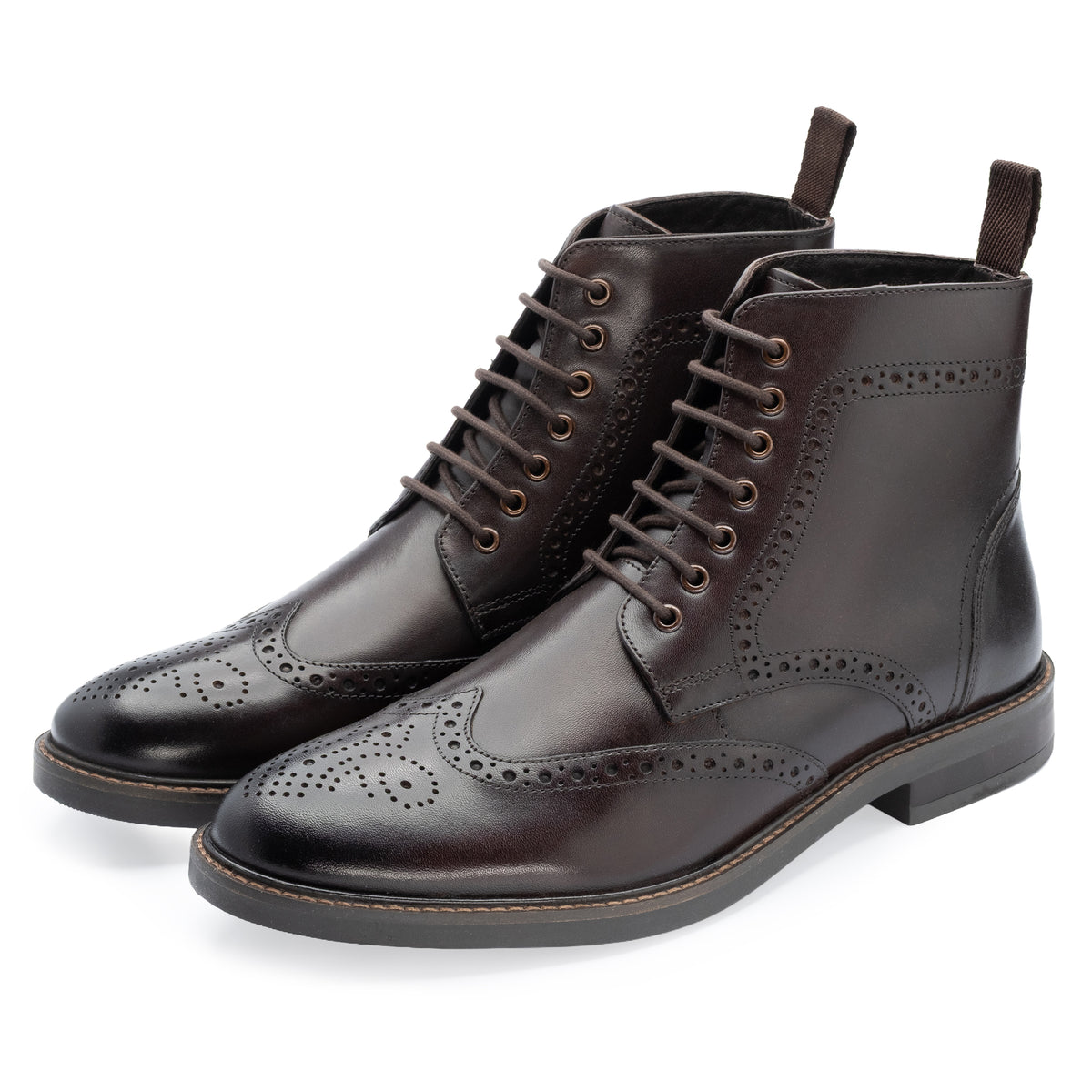
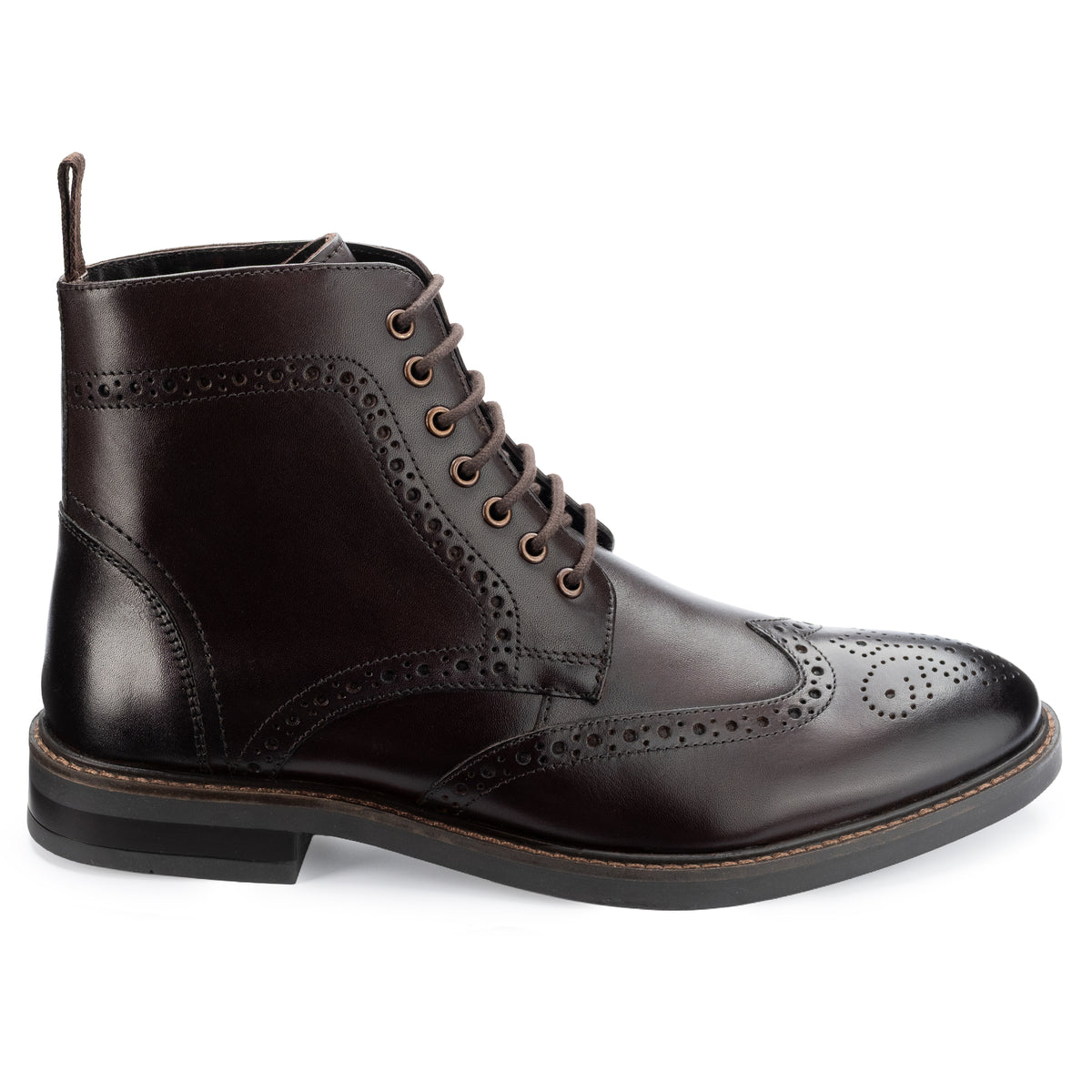
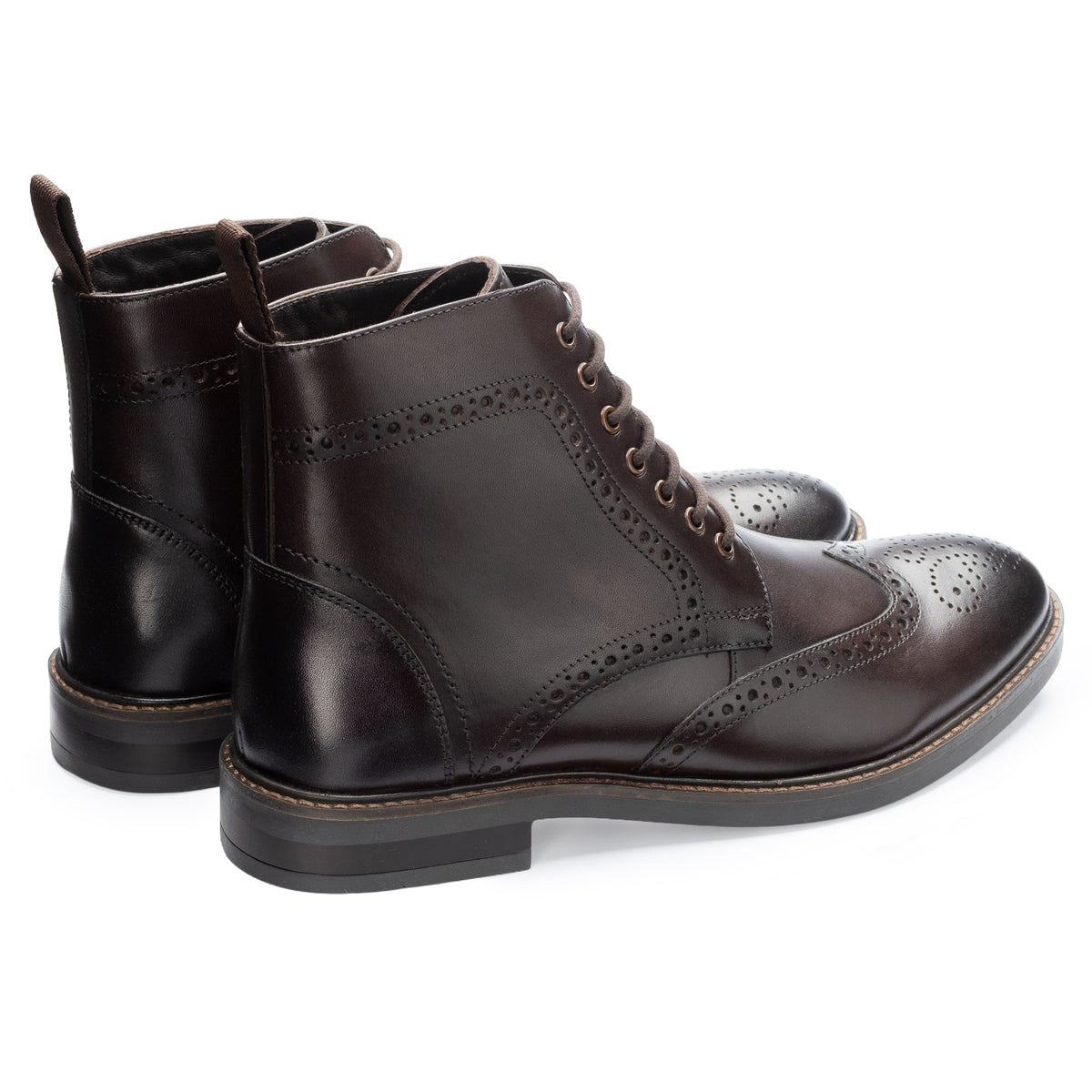
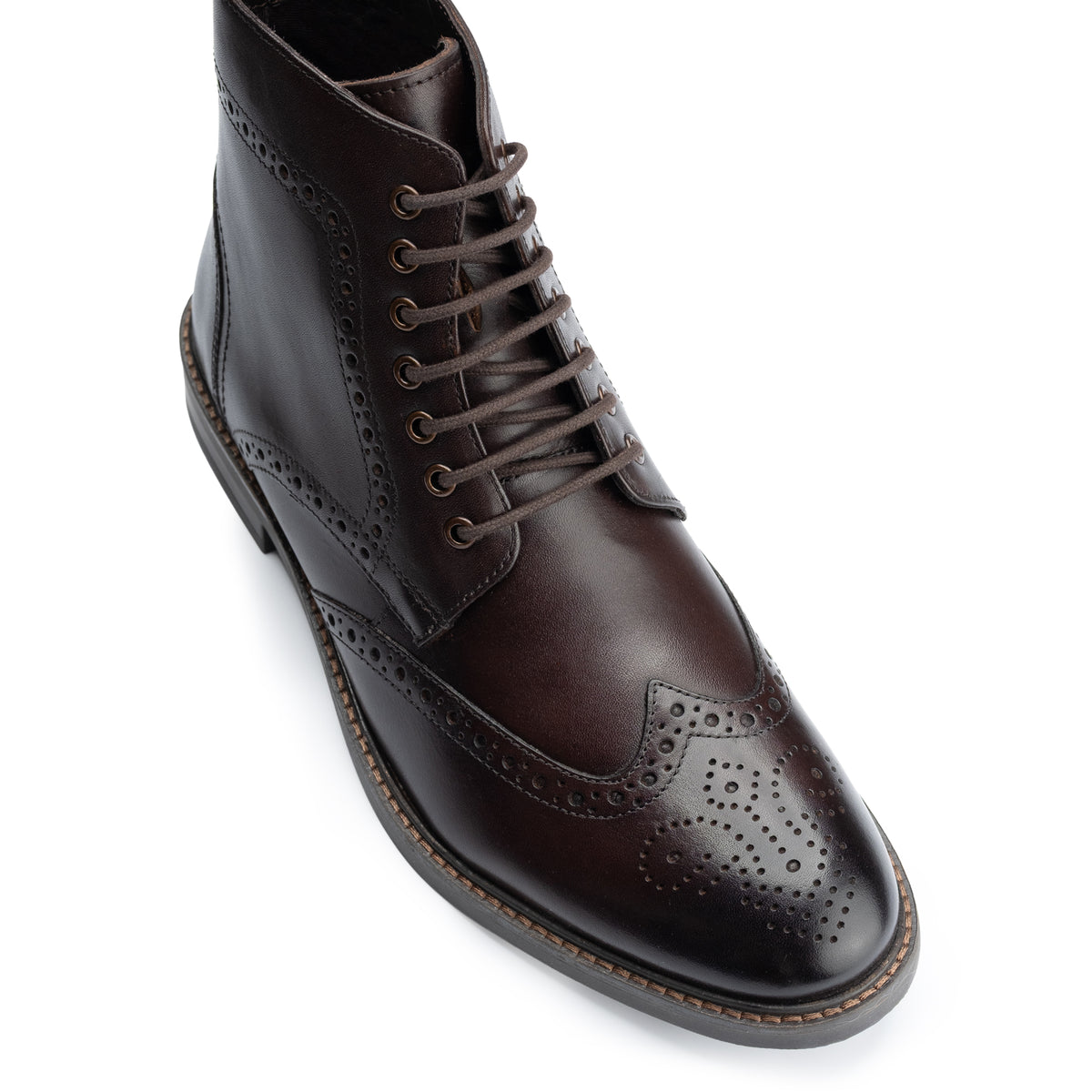
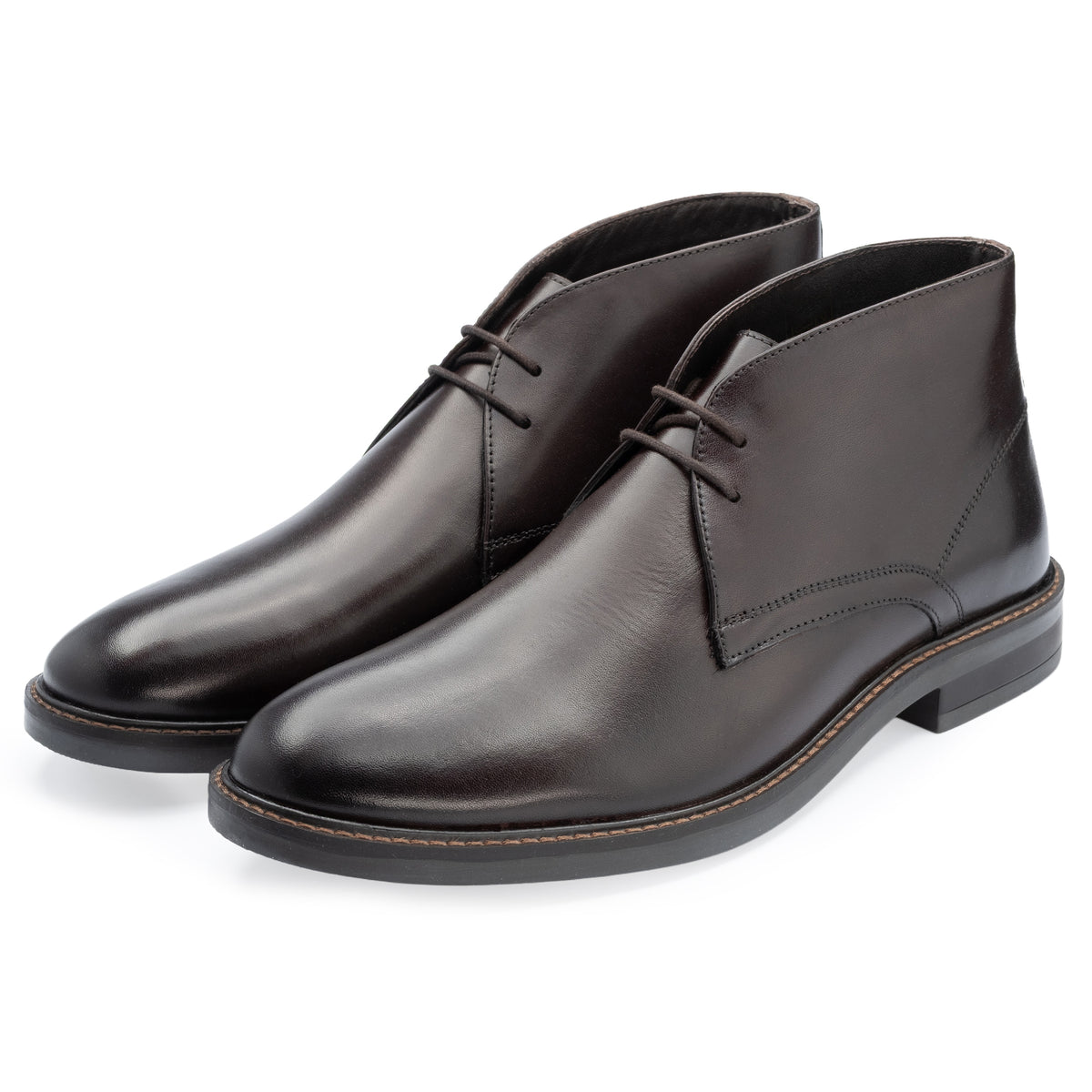
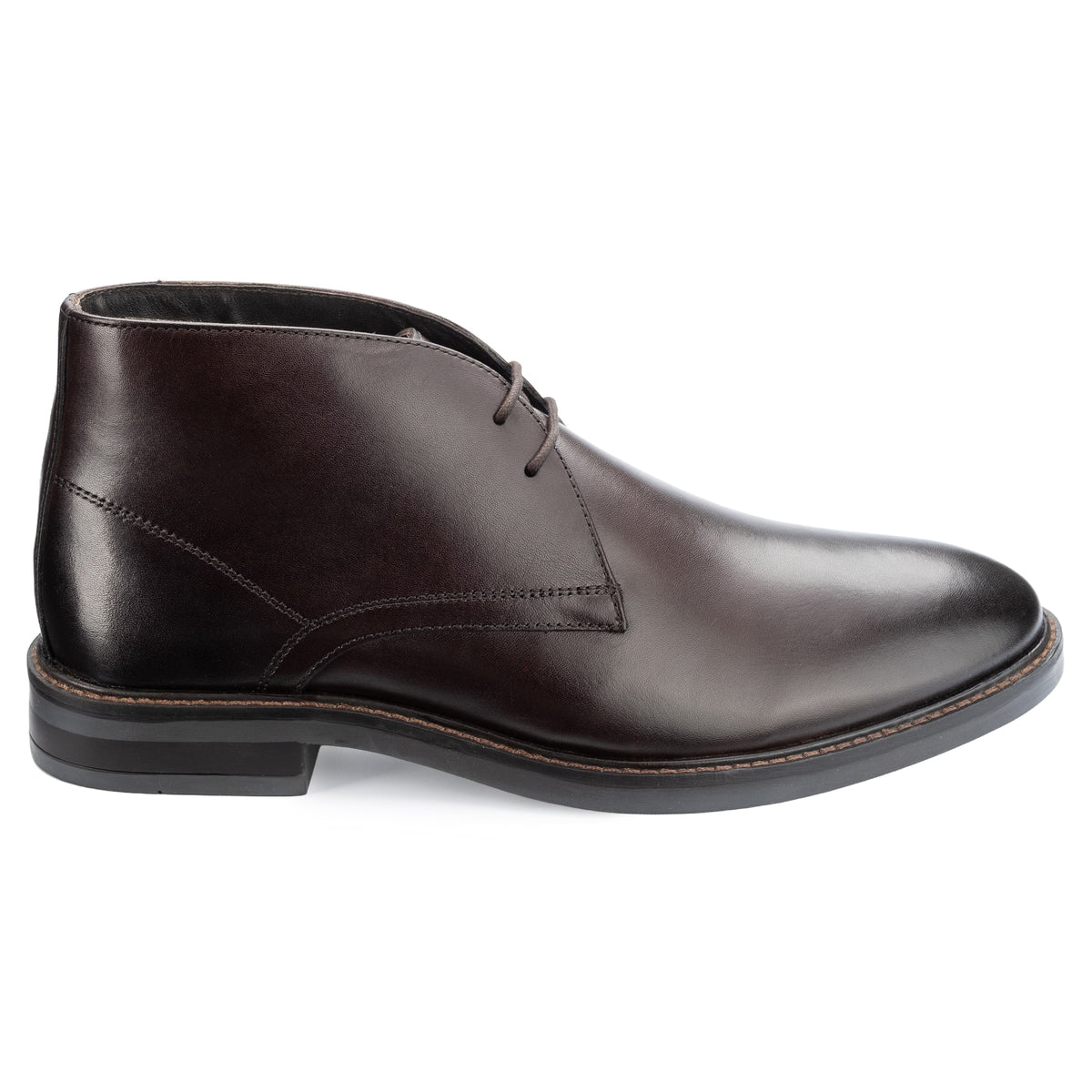
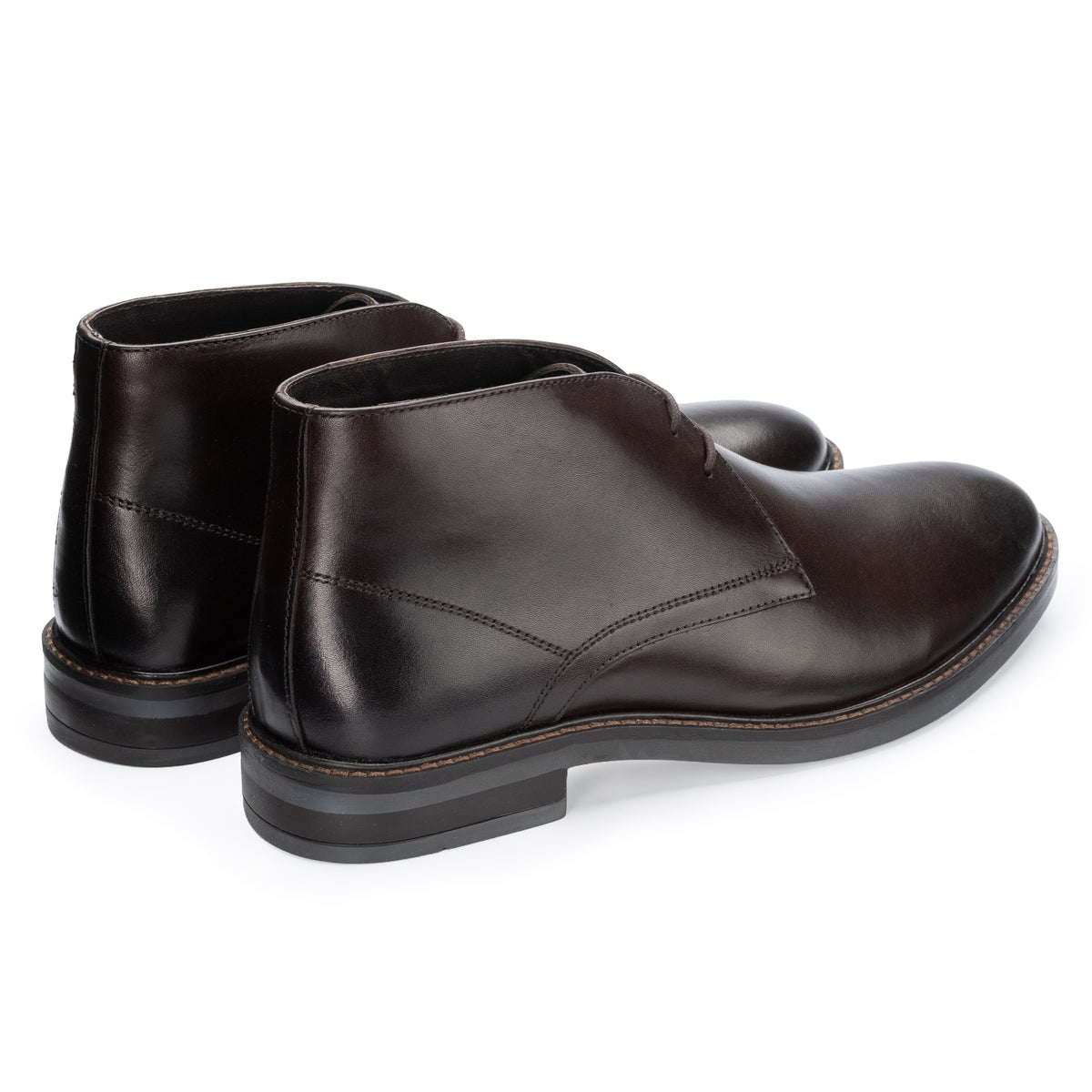
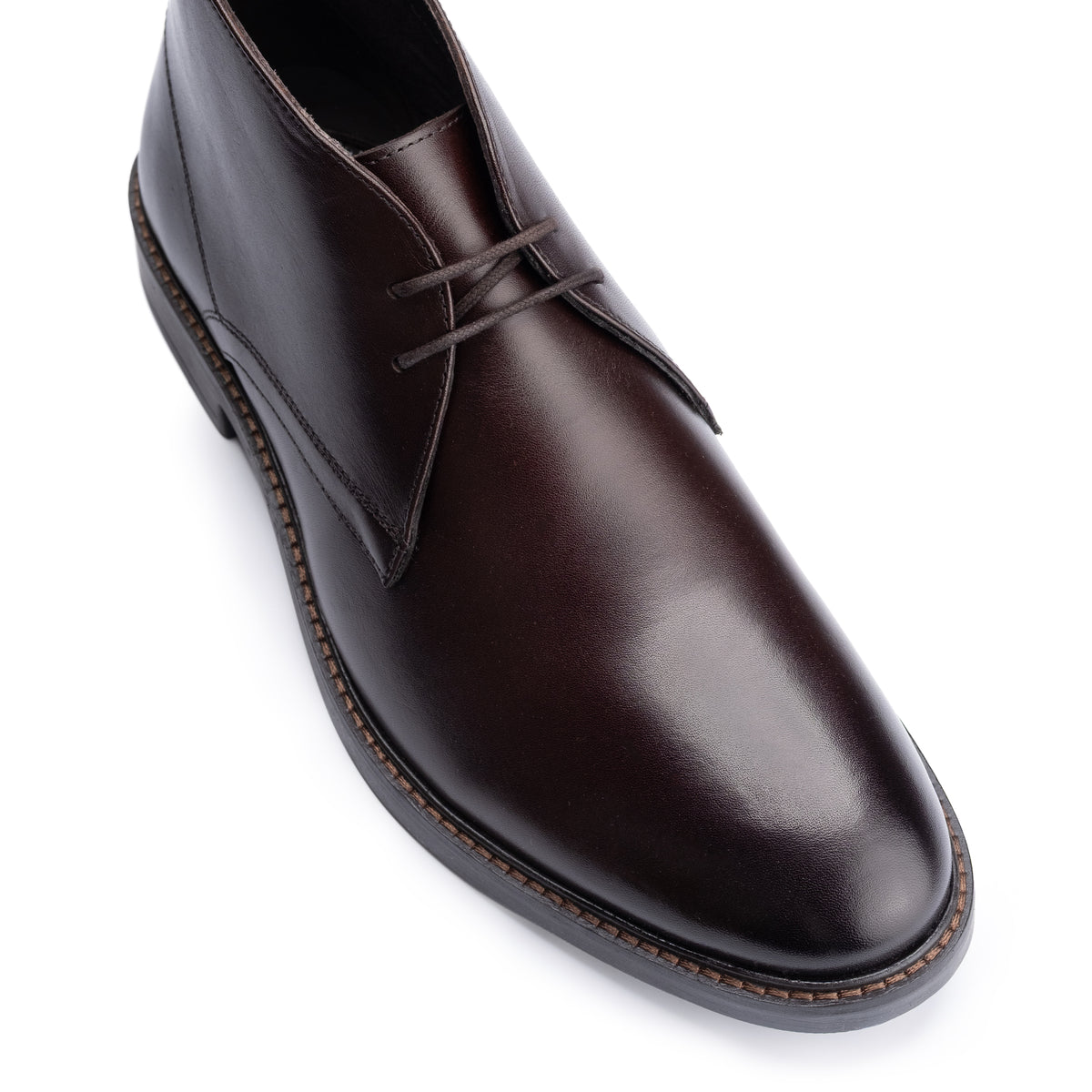
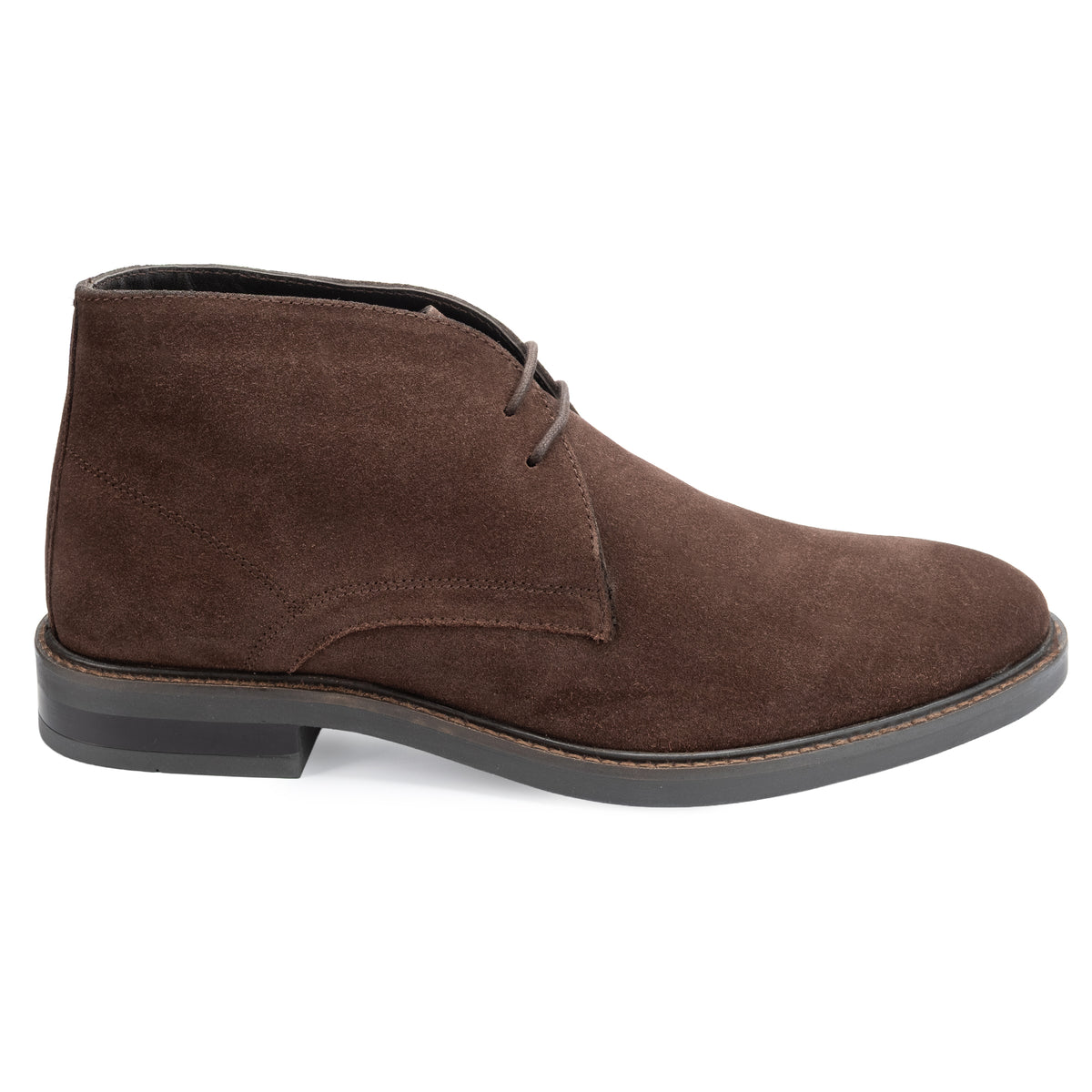
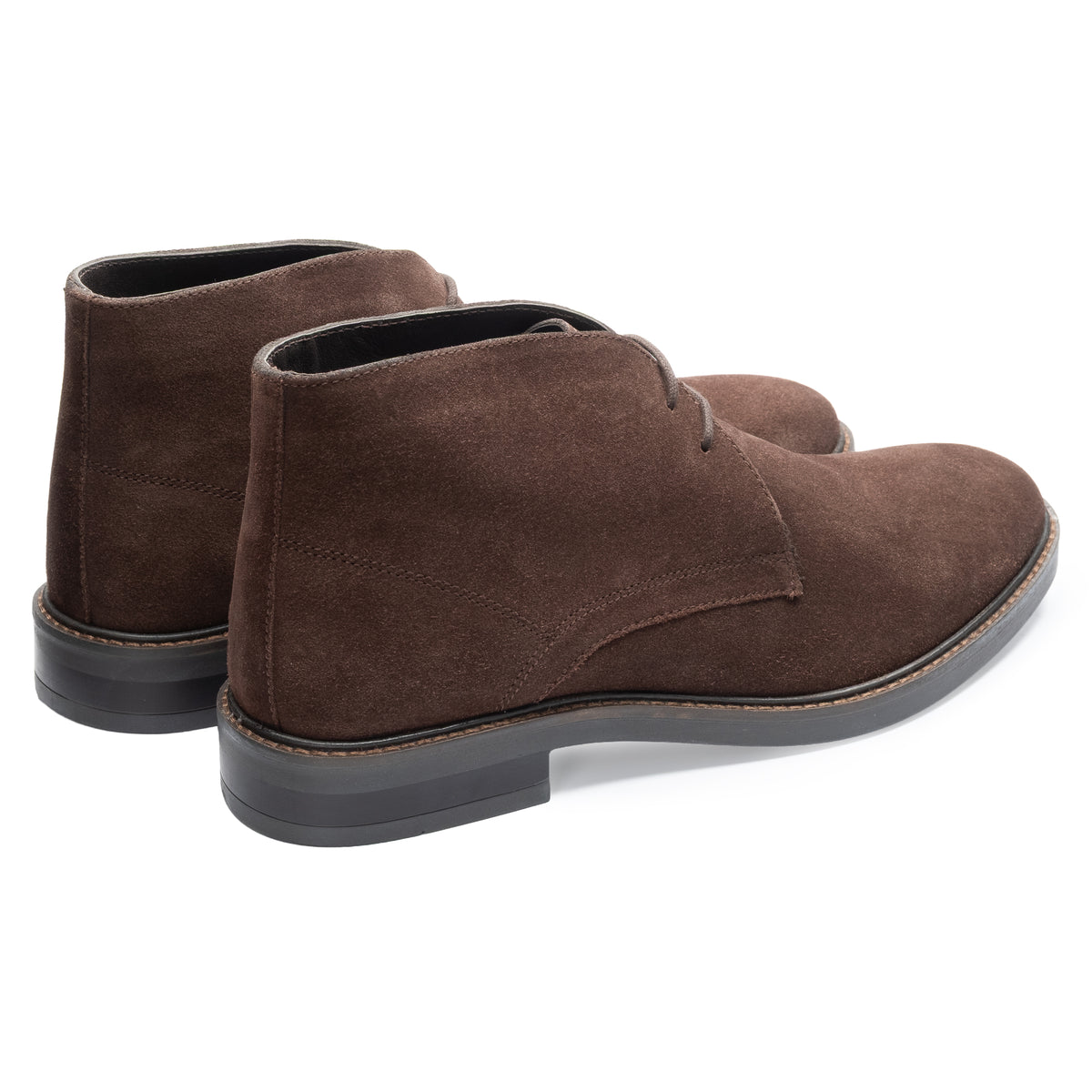
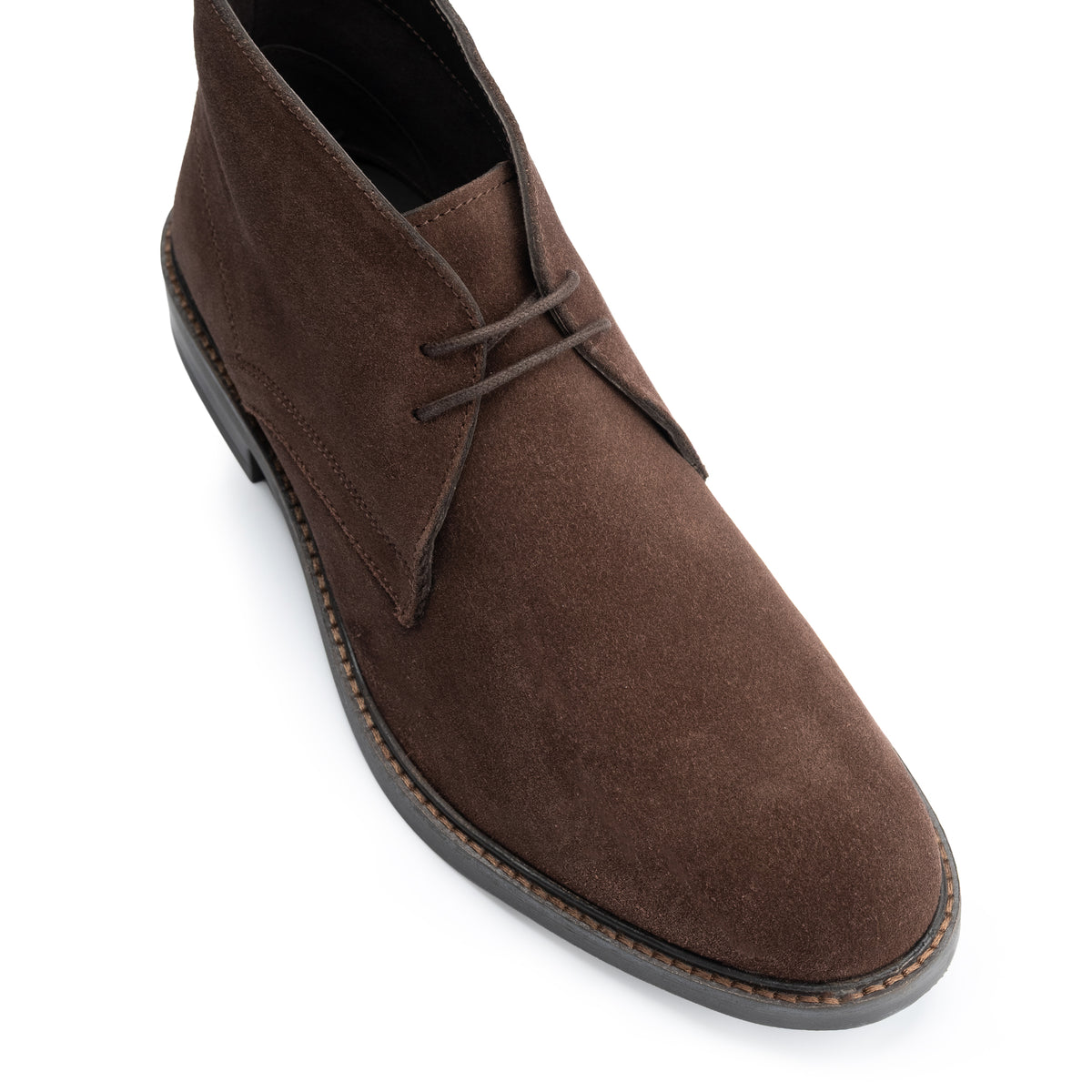
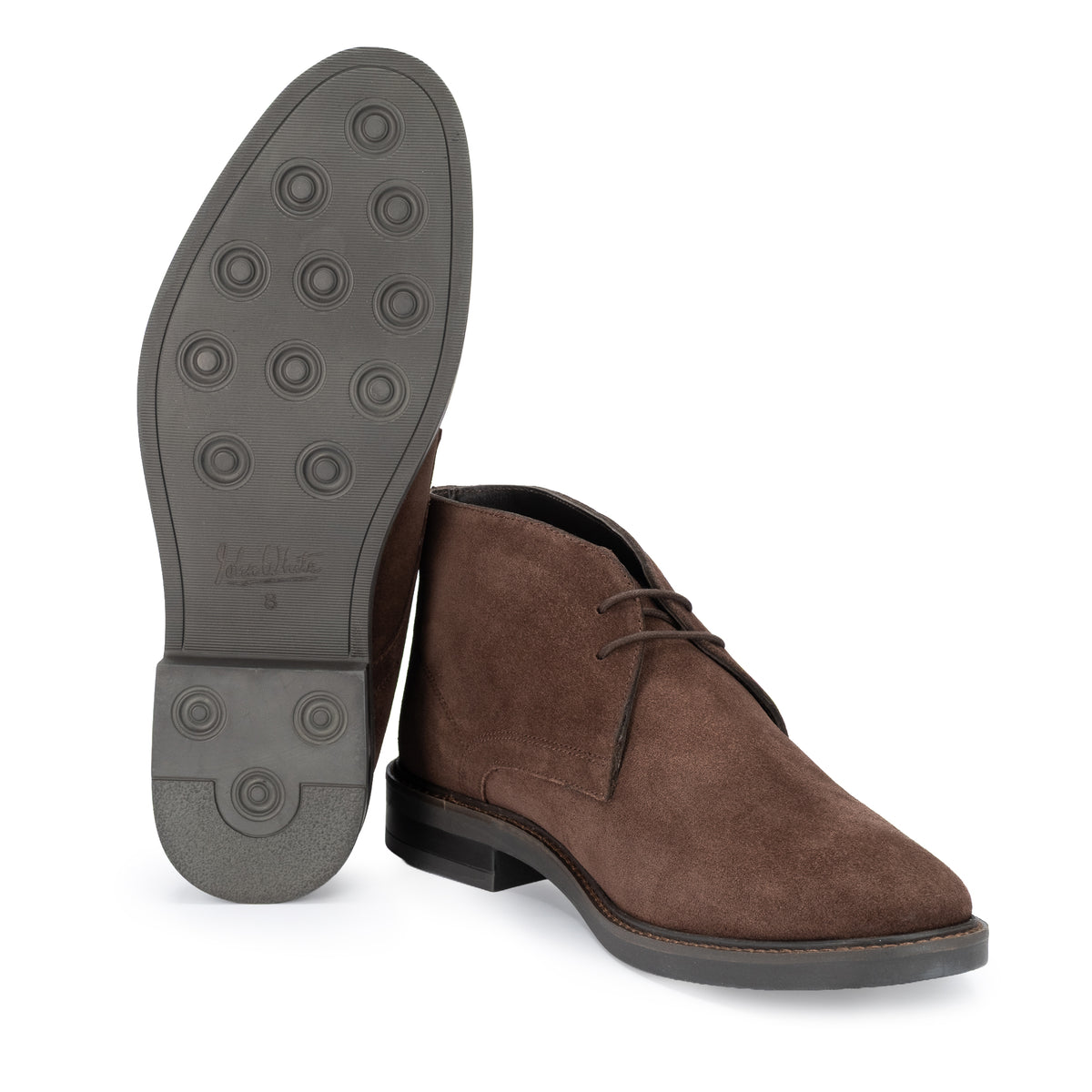
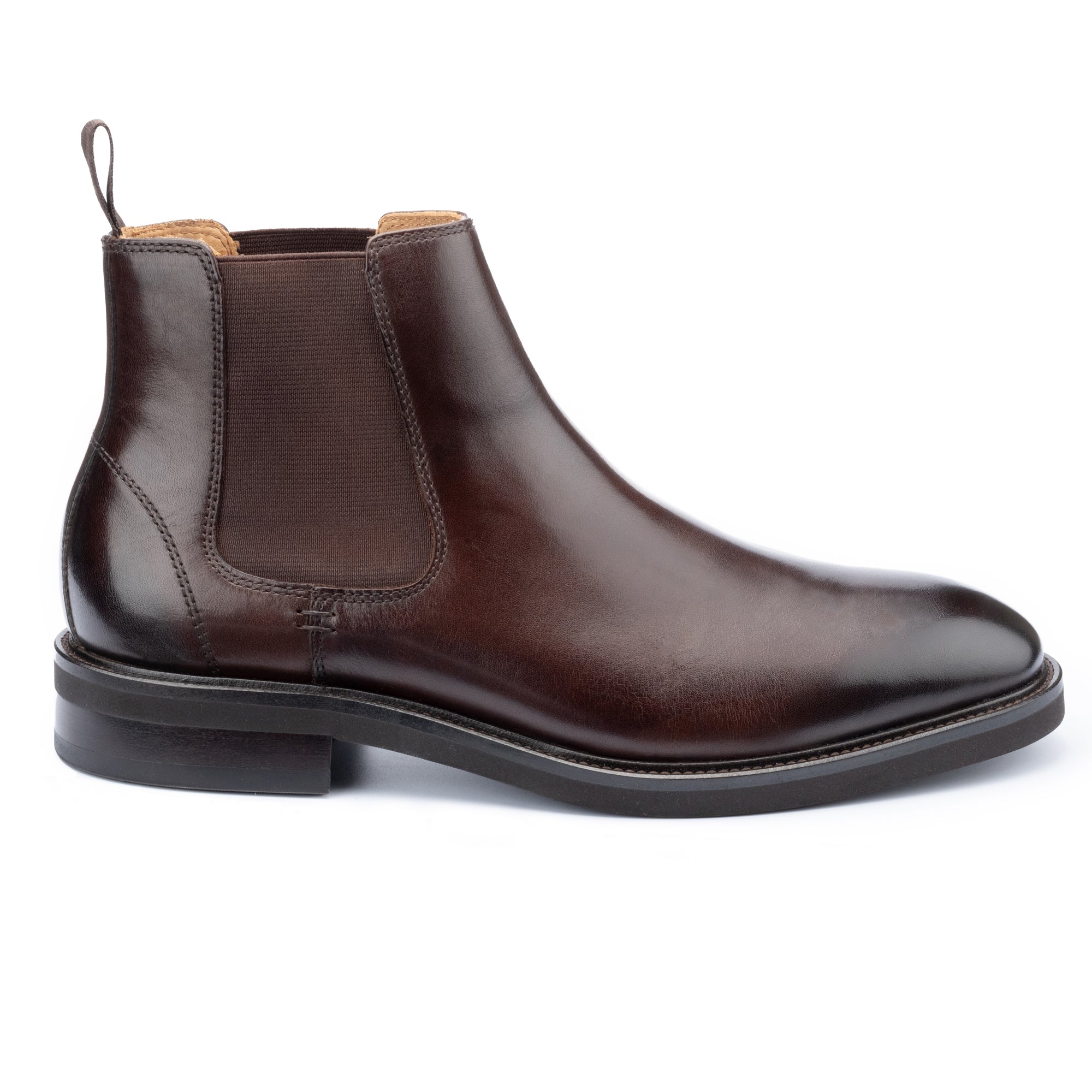
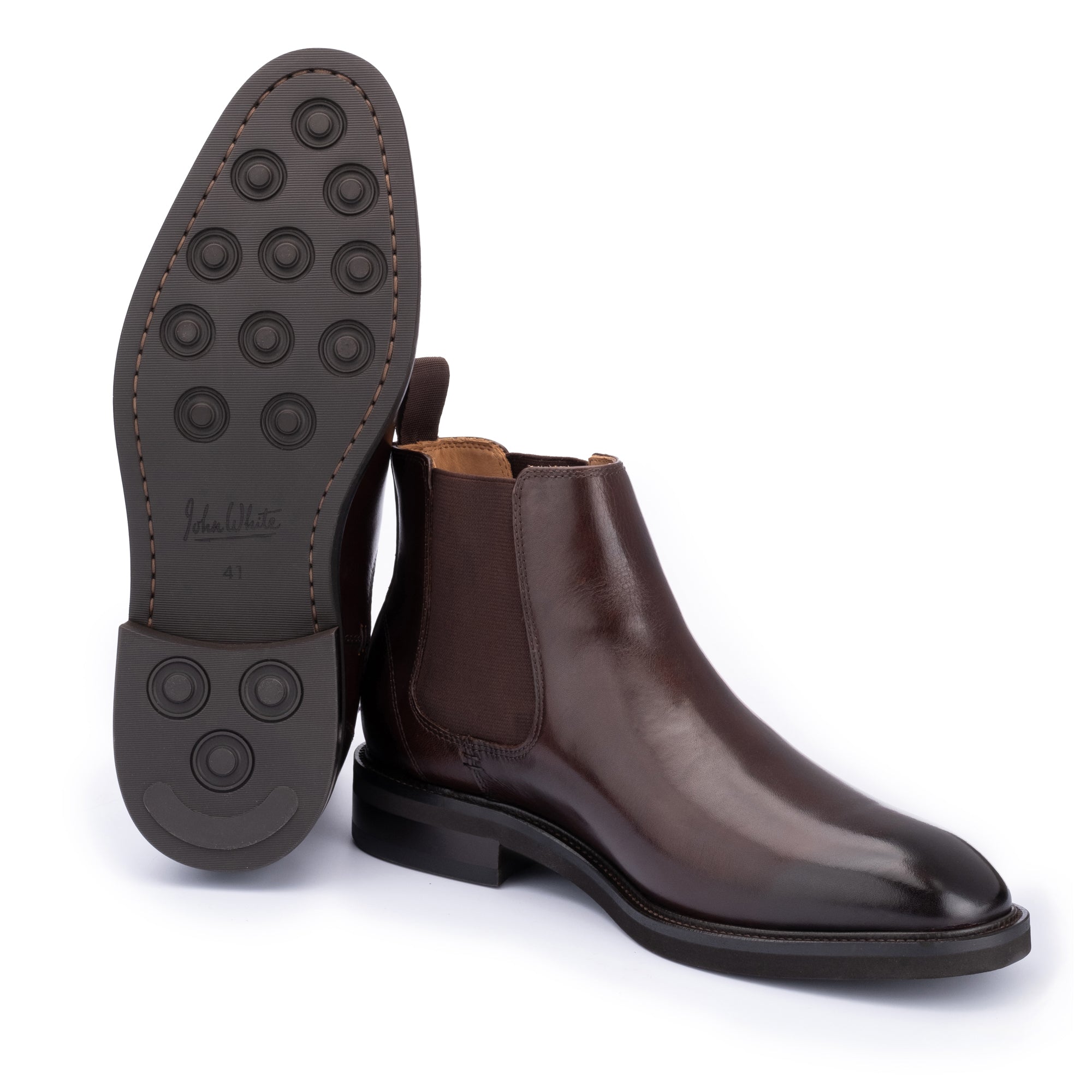
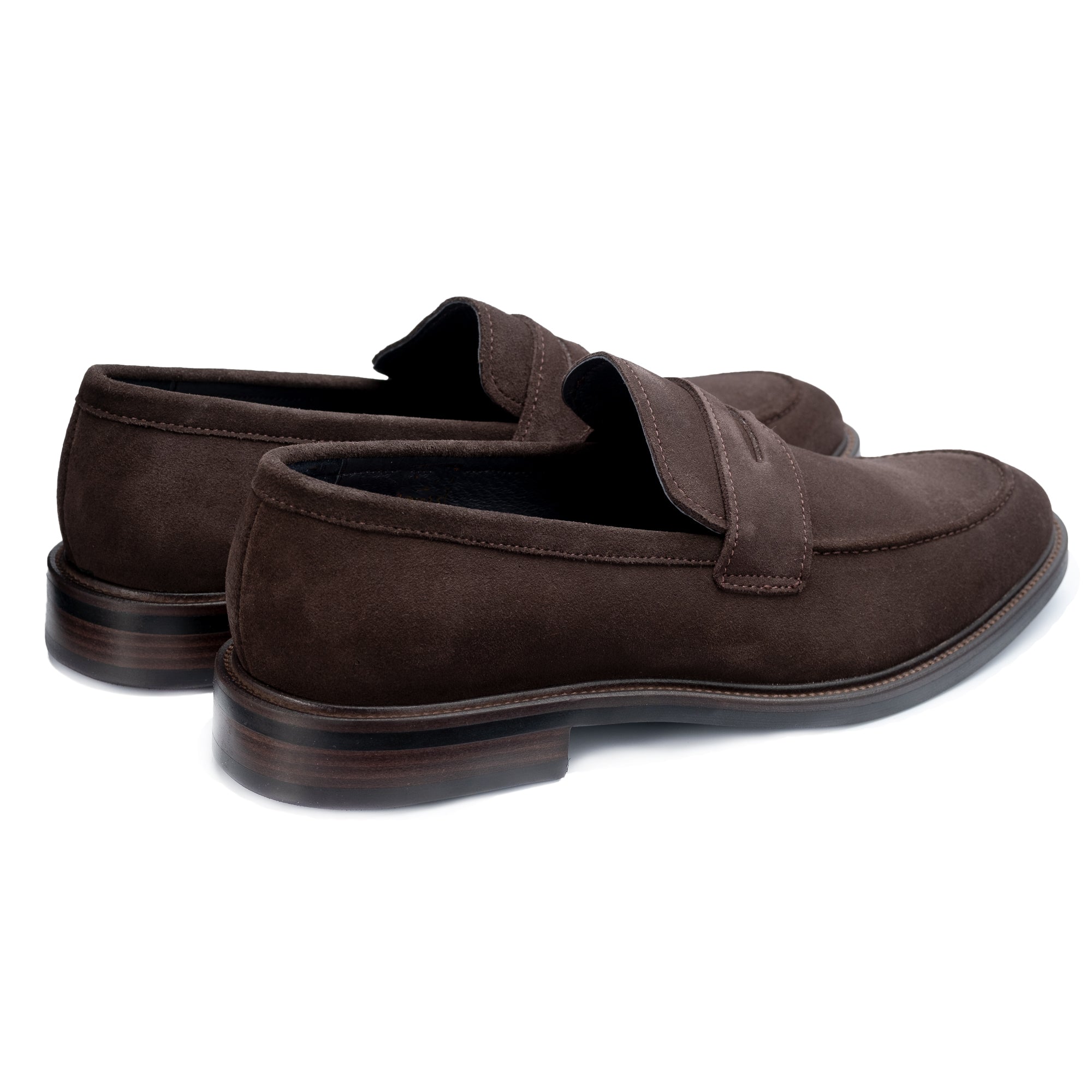
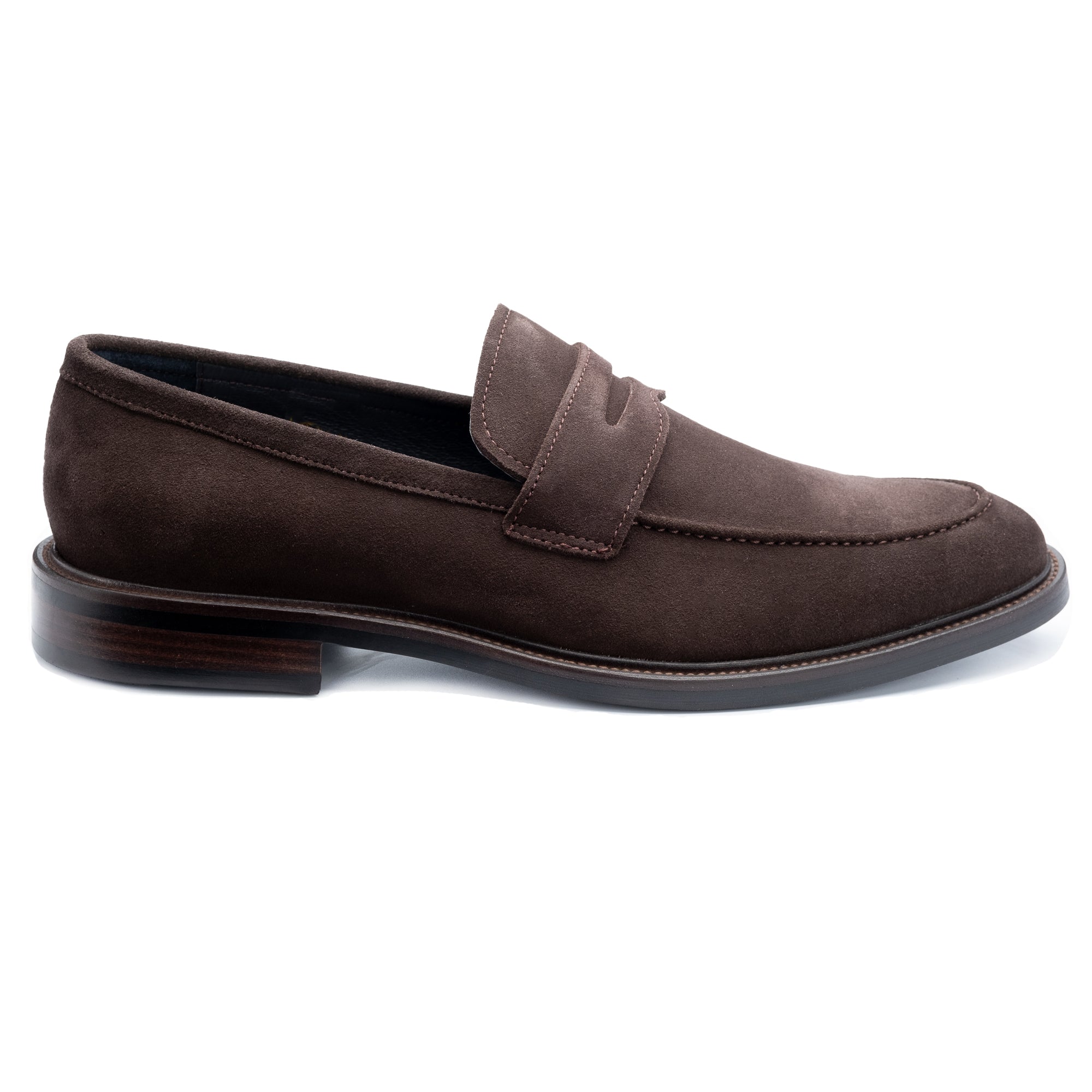
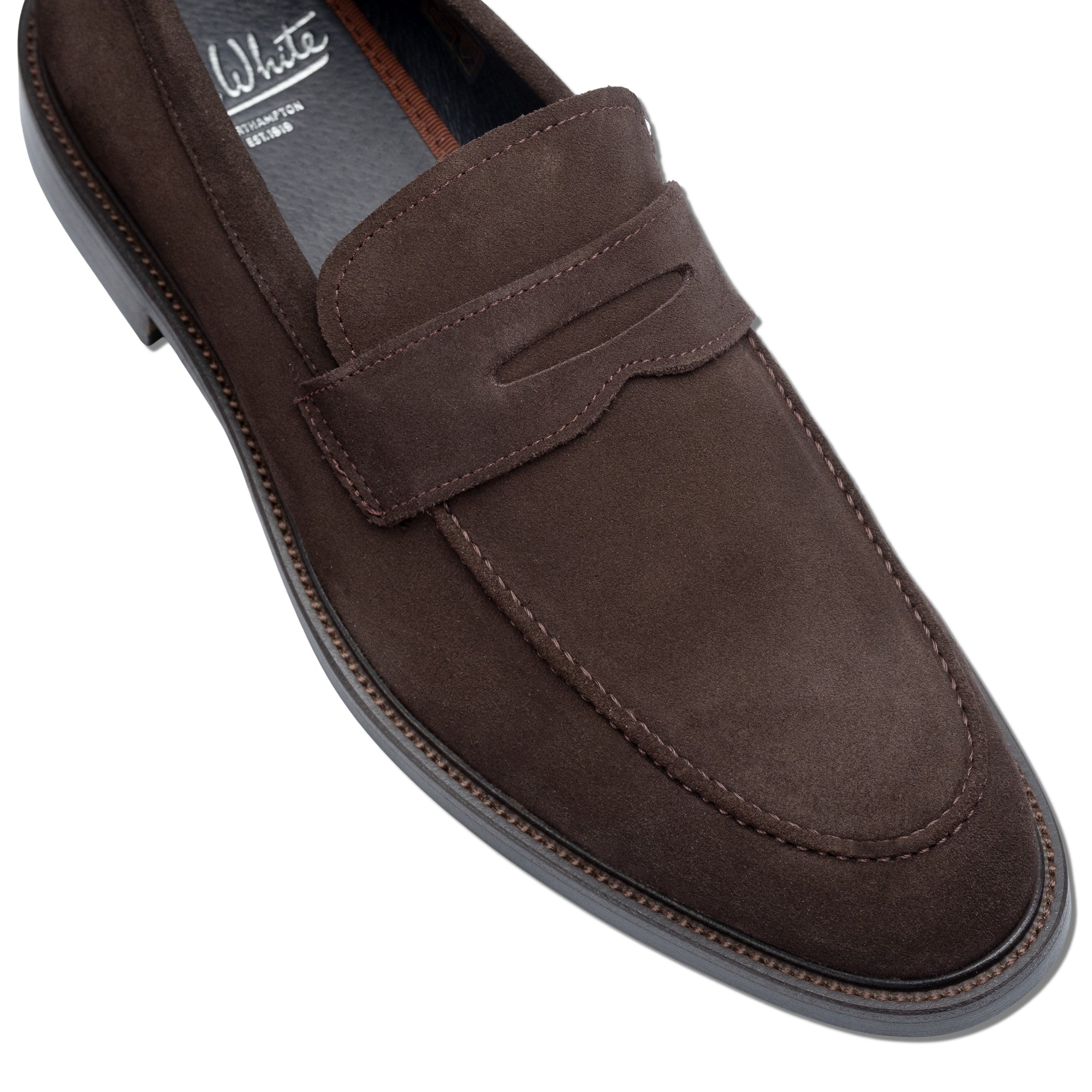
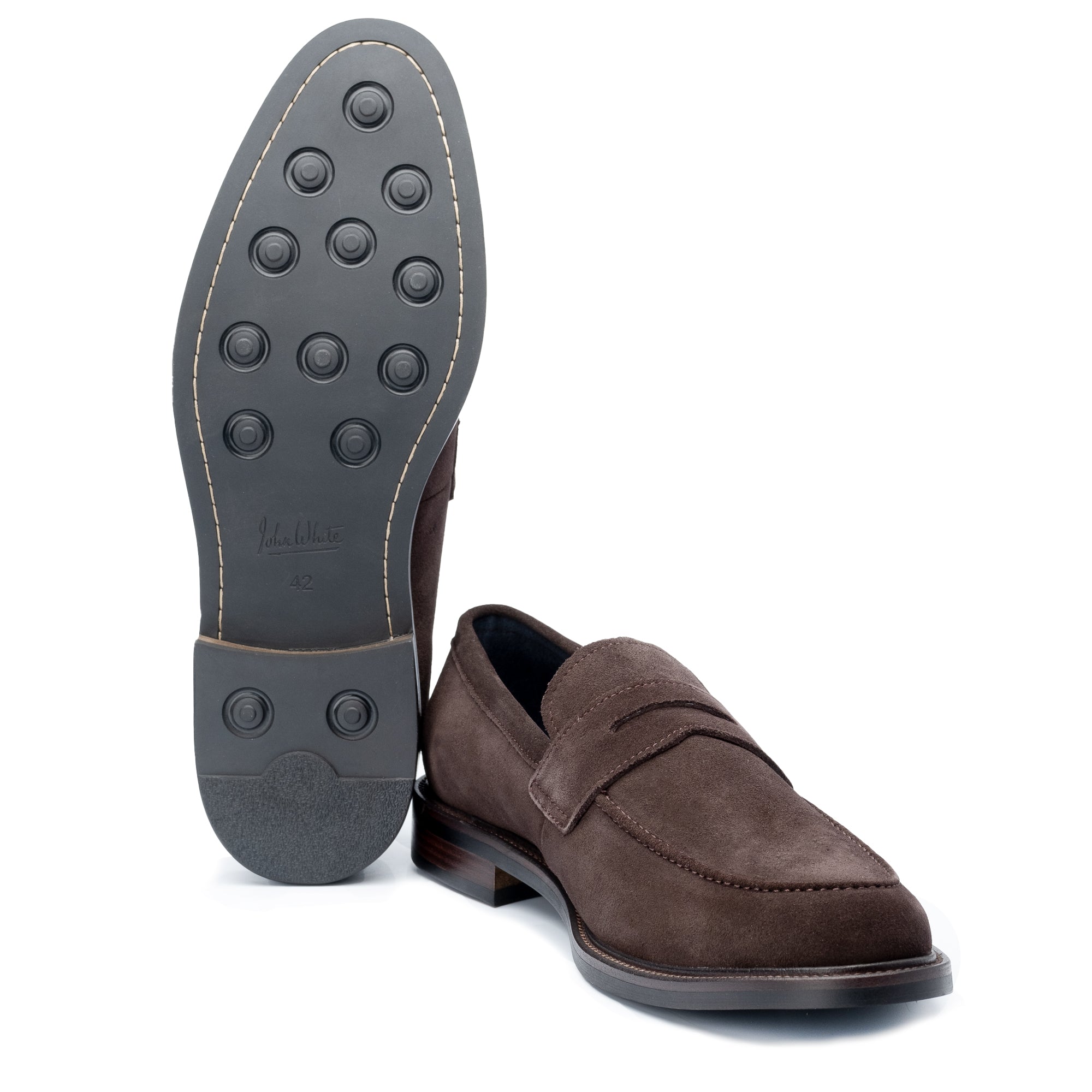
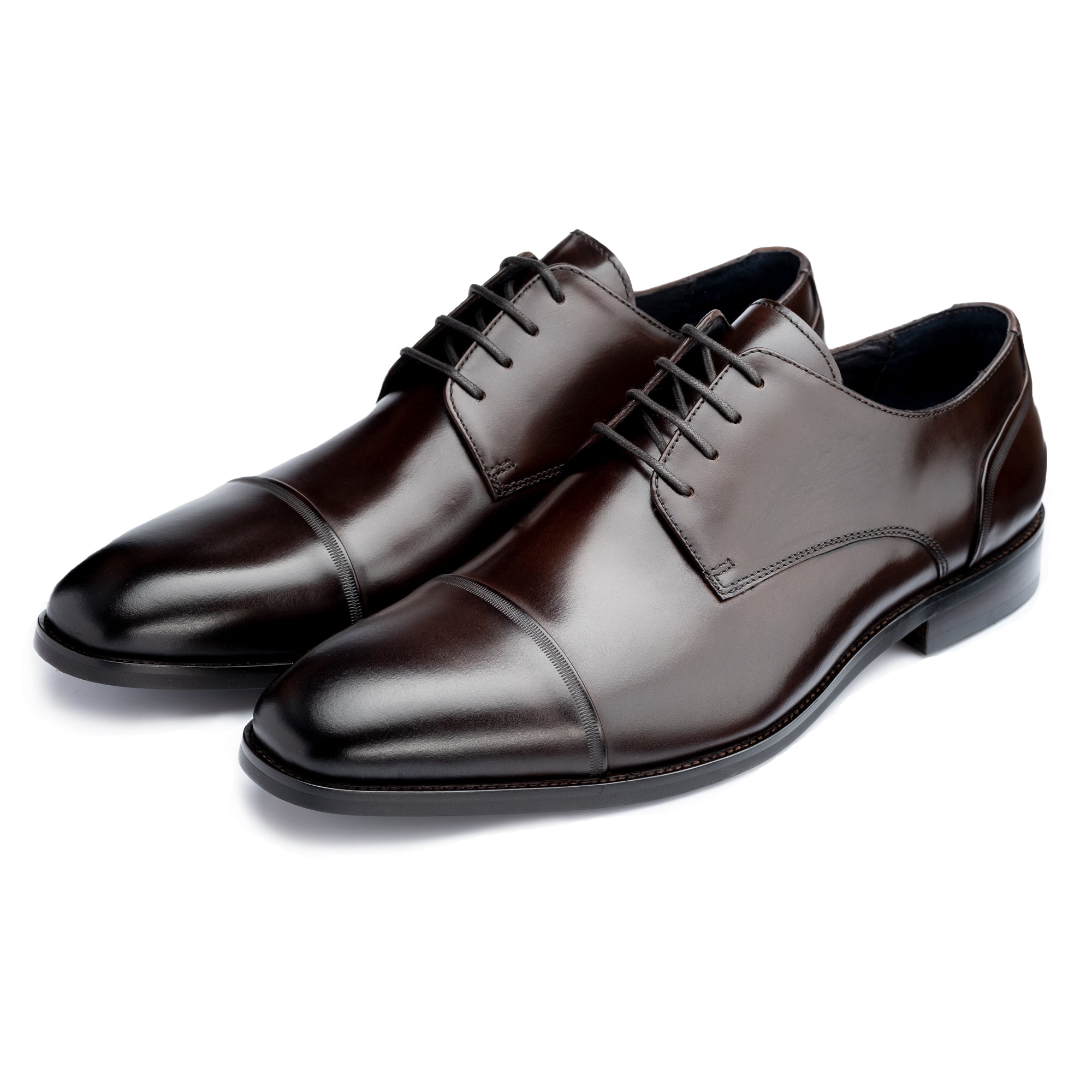
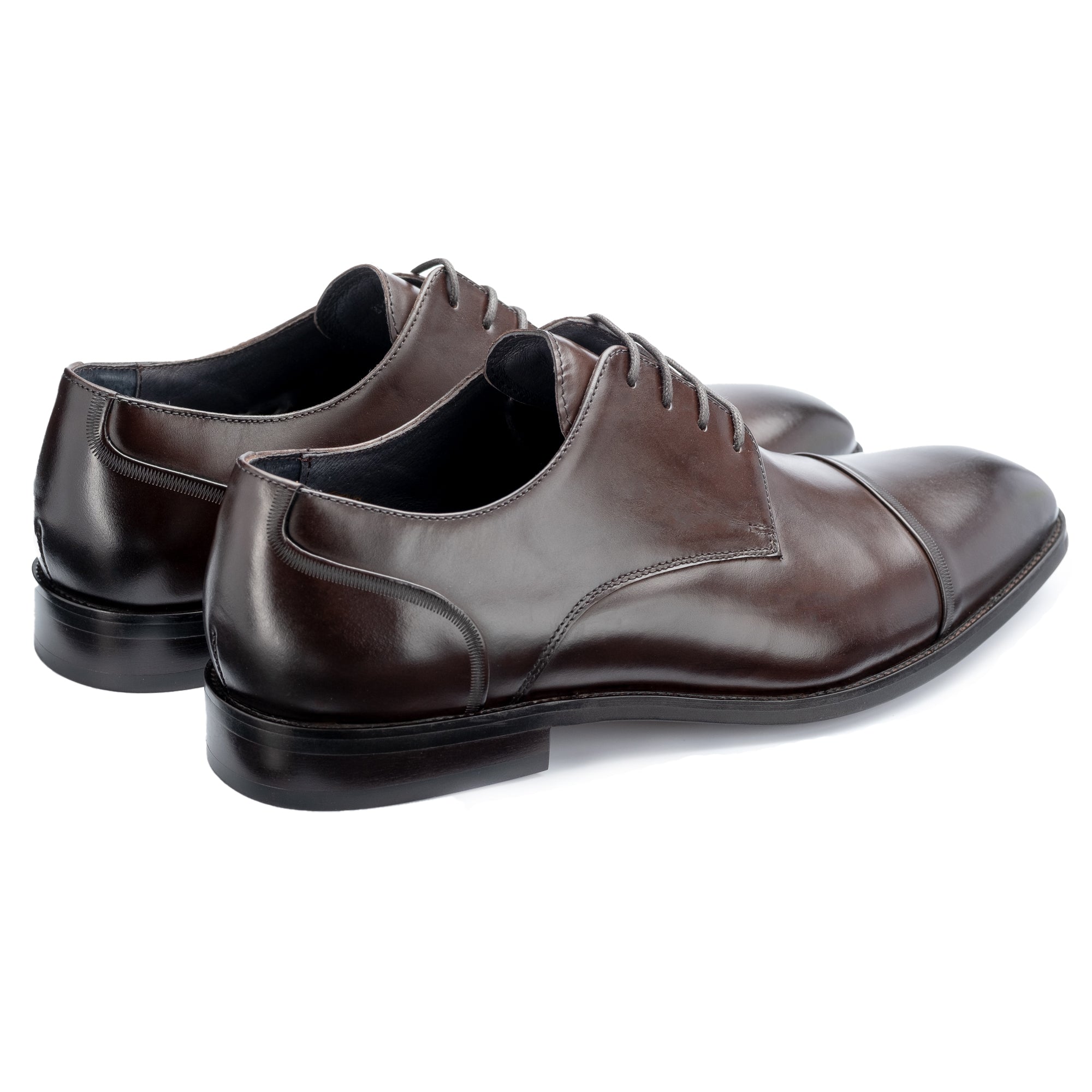
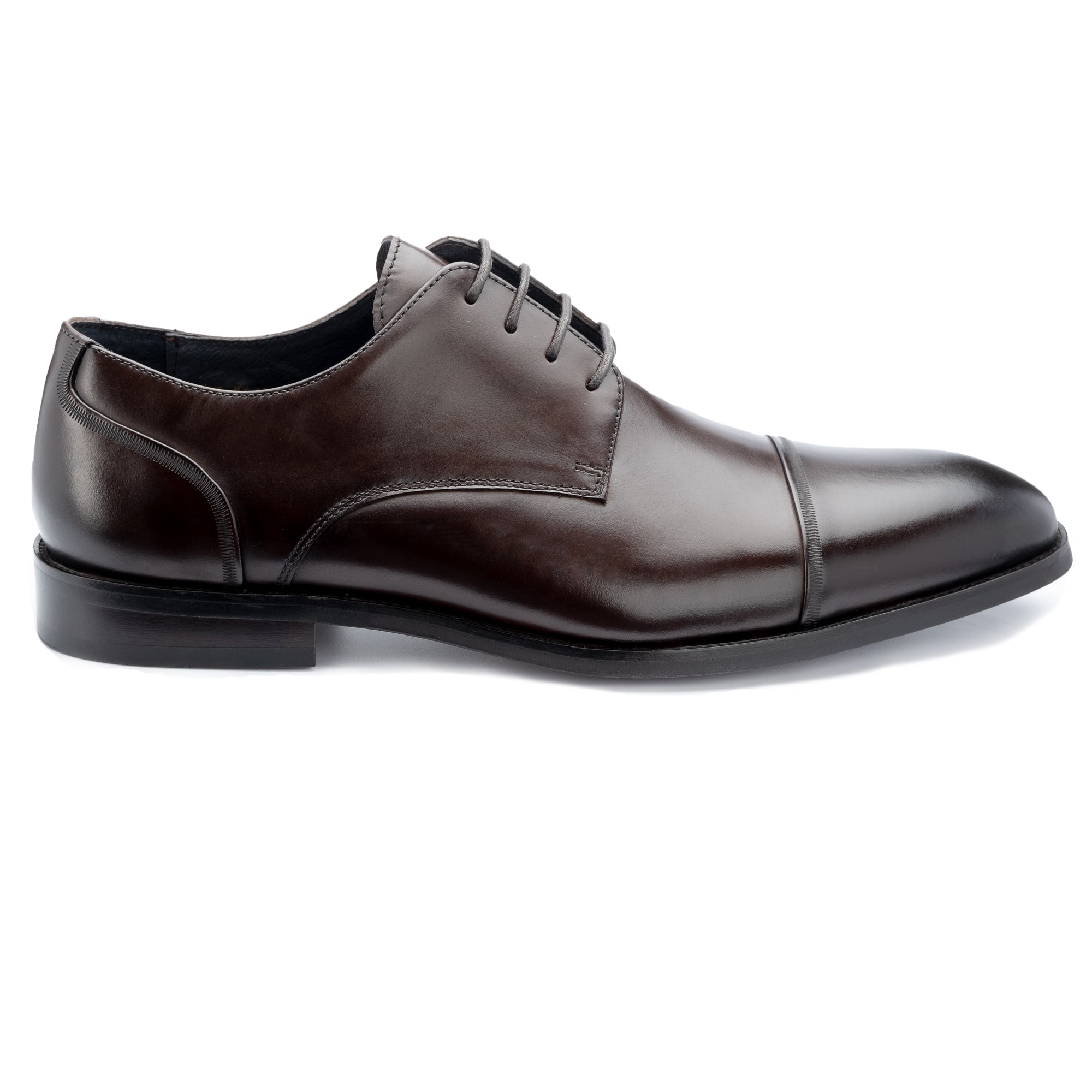
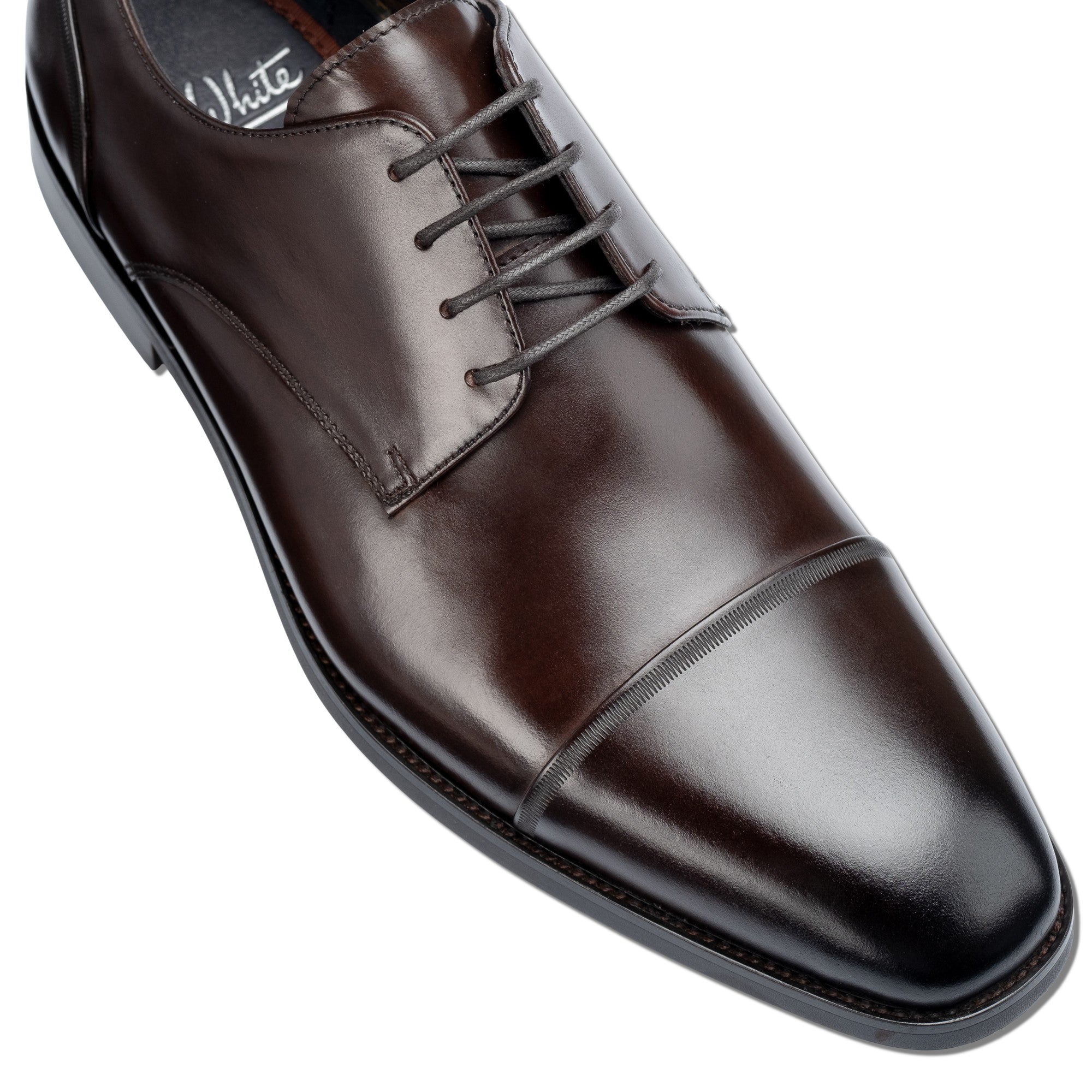
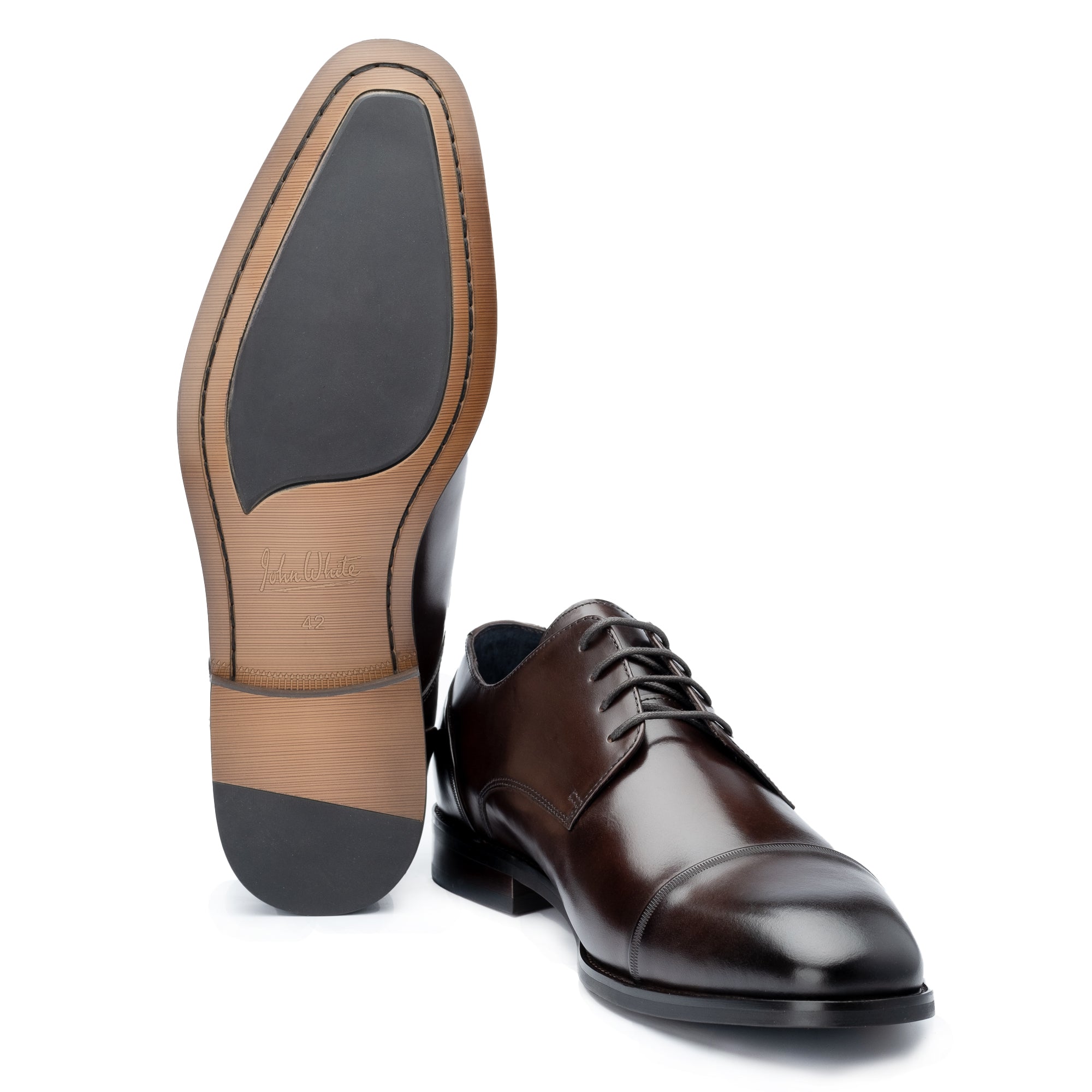
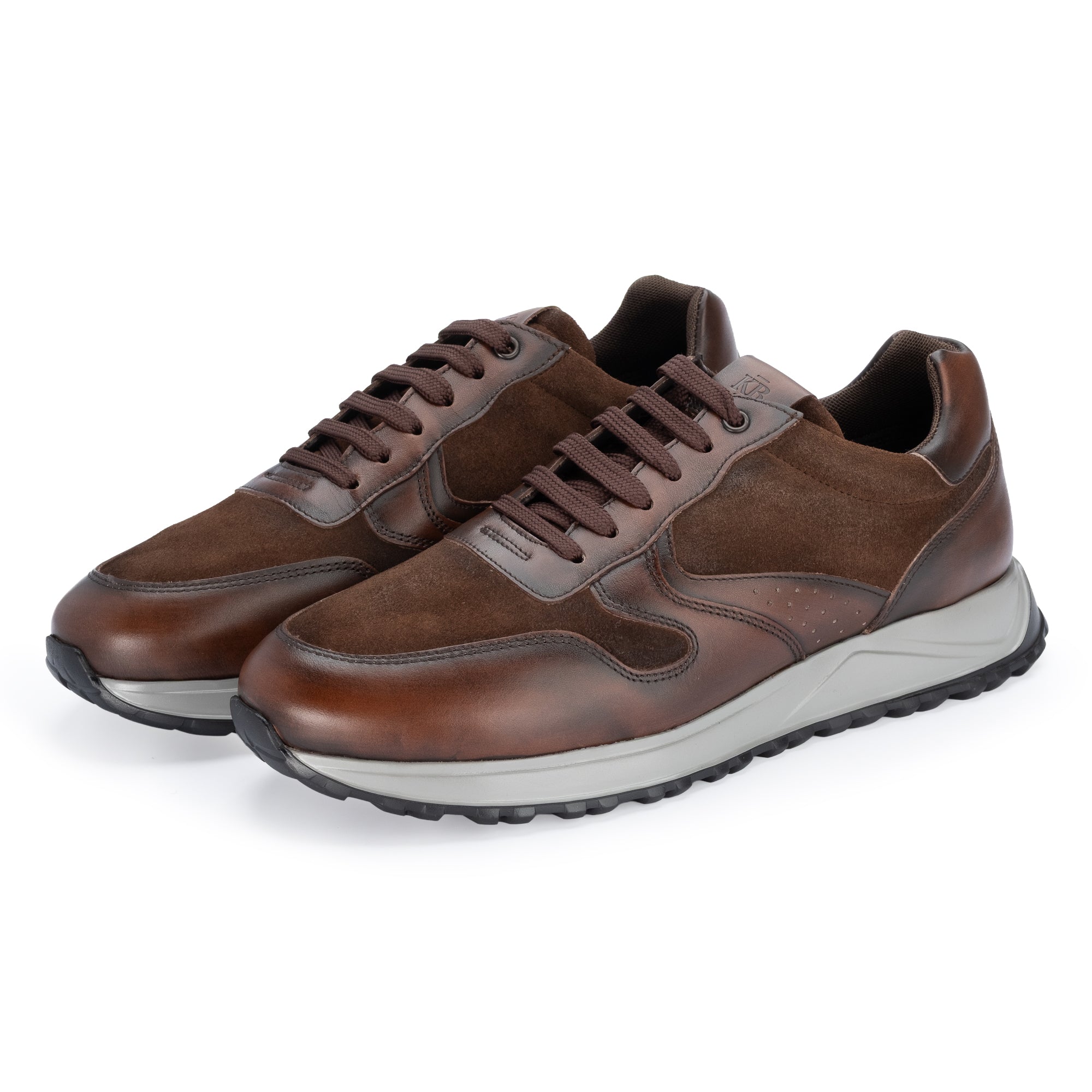
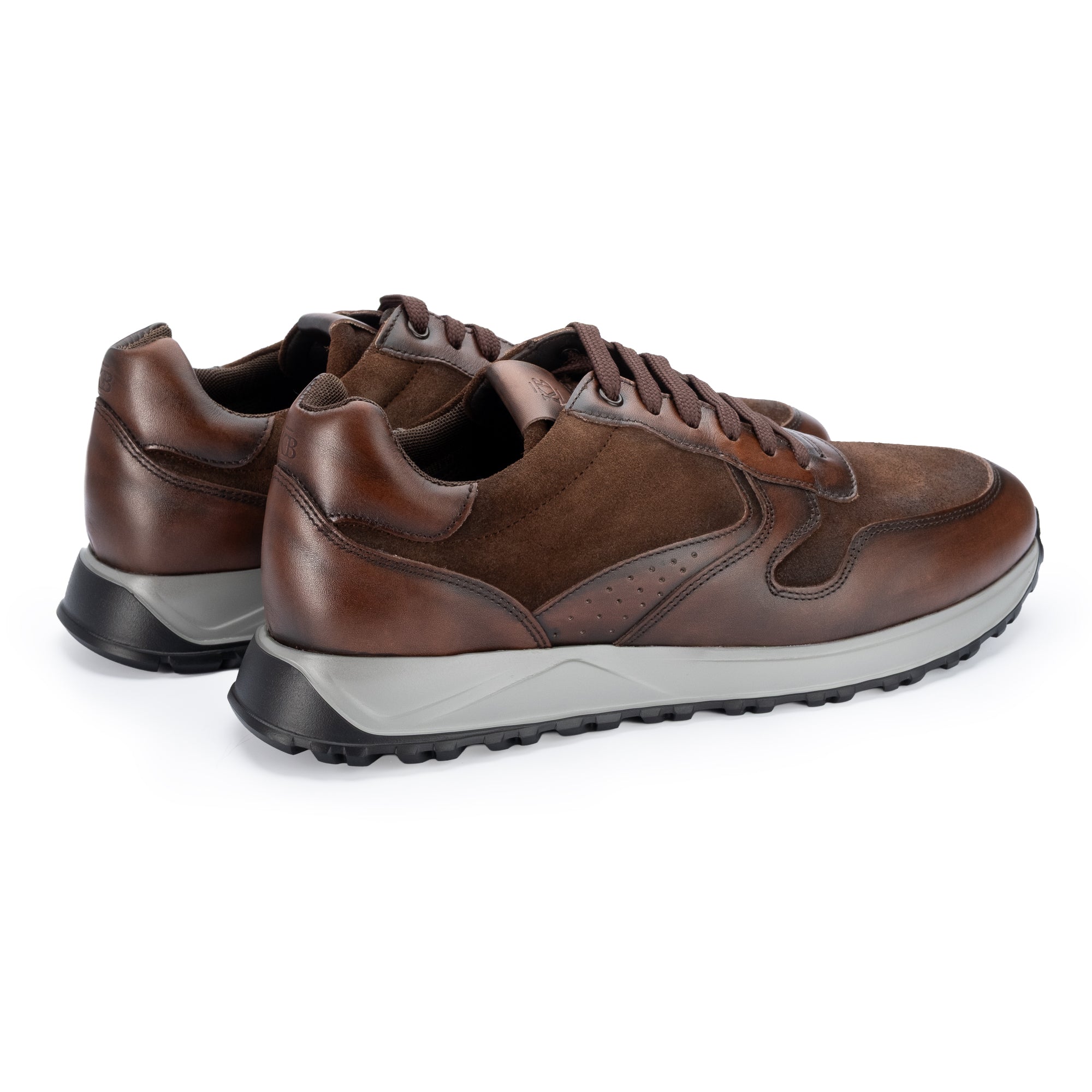
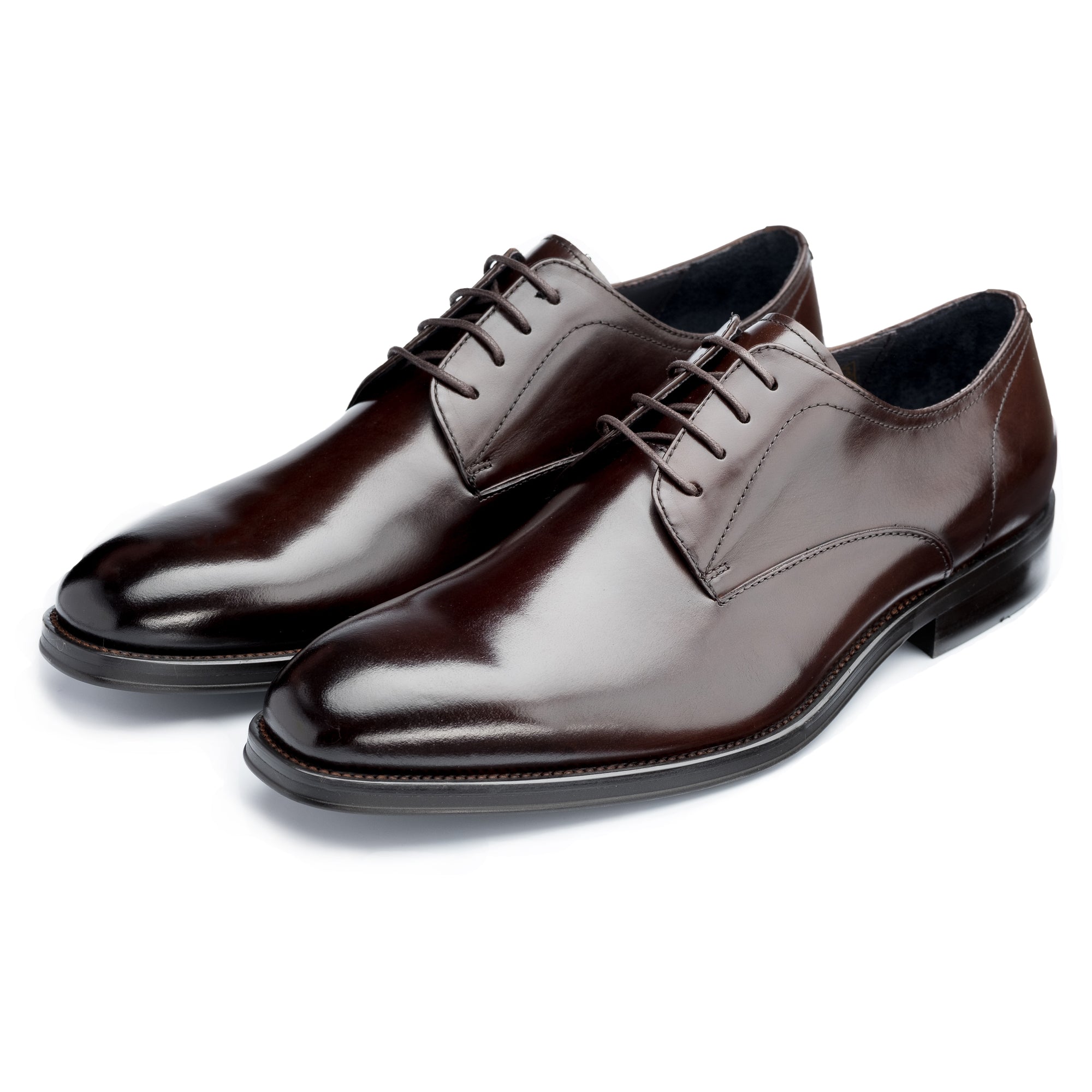
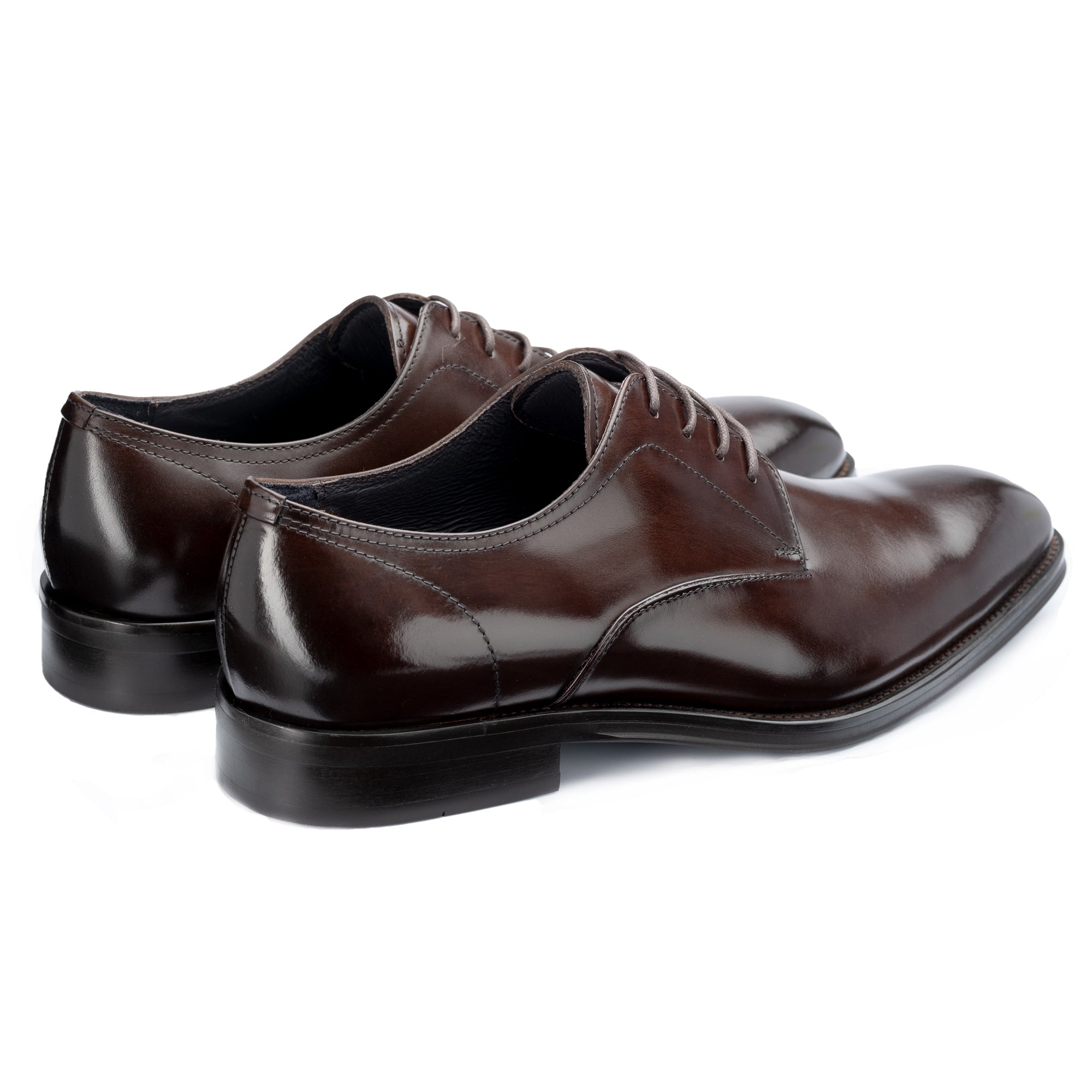
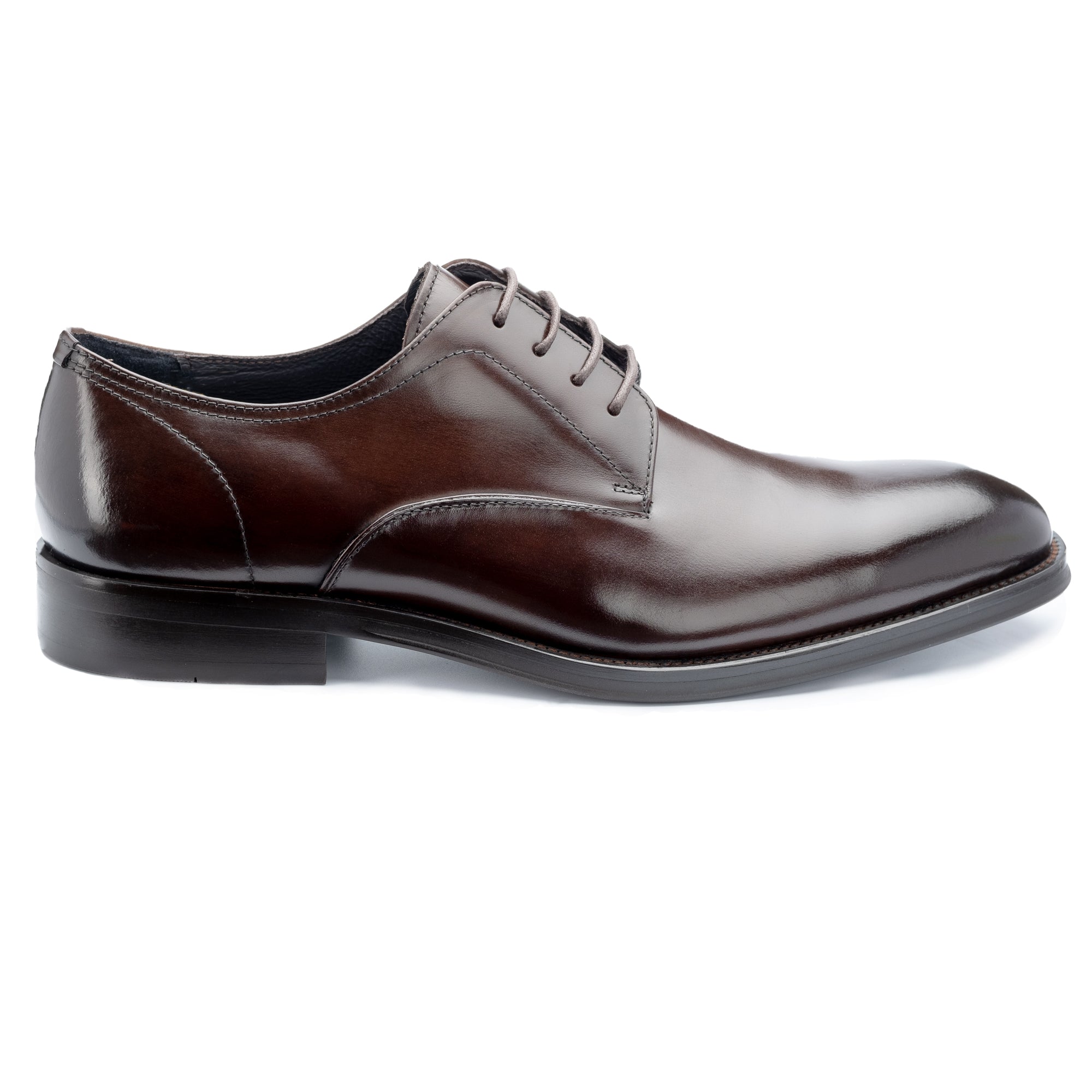
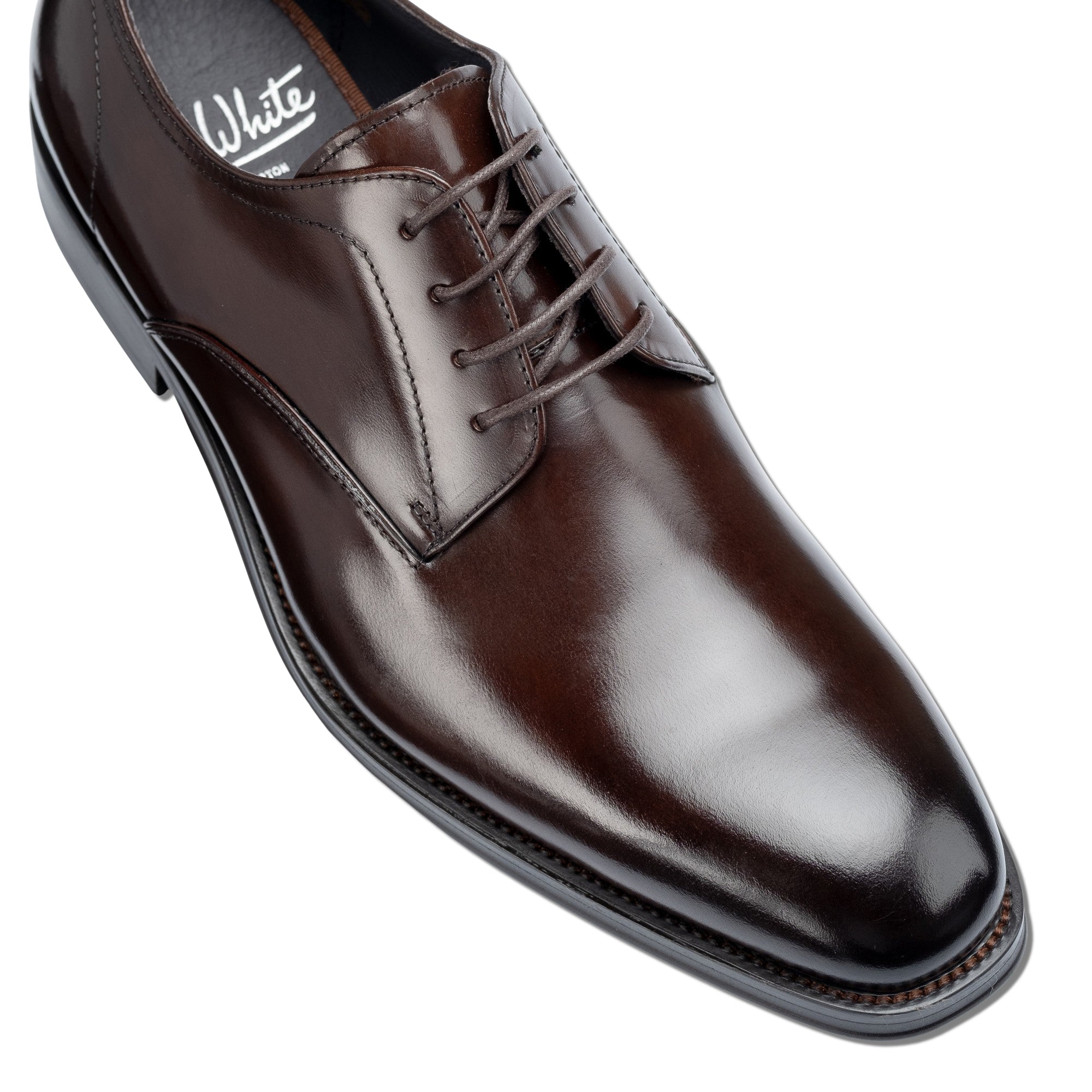
Dark to mid-brown occupies the range between black formality and tan warmth. It works across the grey spectrum but is at its strongest against mid-grey — the tonal contrast is sufficient without being stark. This is the most occasion-flexible pairing: it moves from the office into dinner without adjustment.
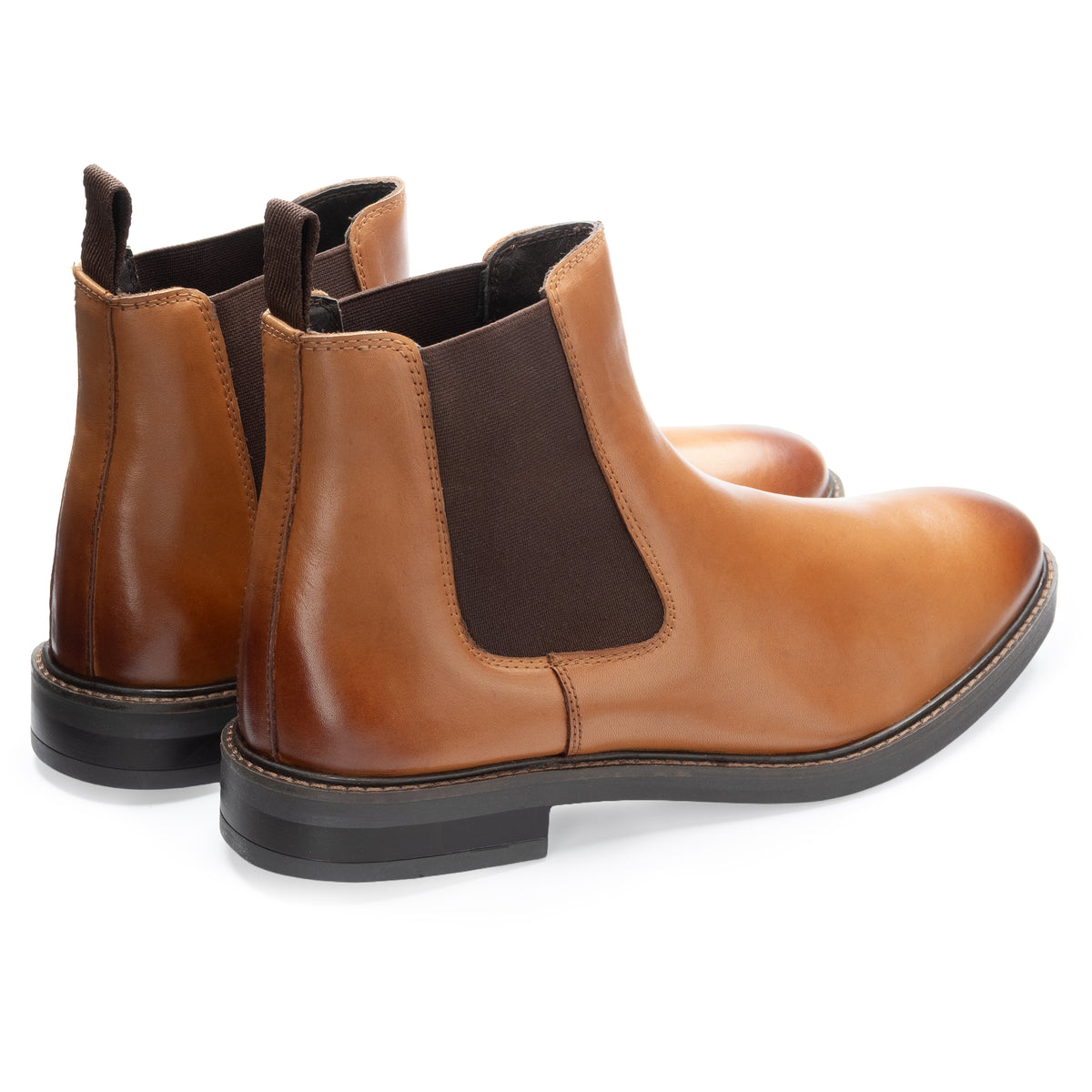
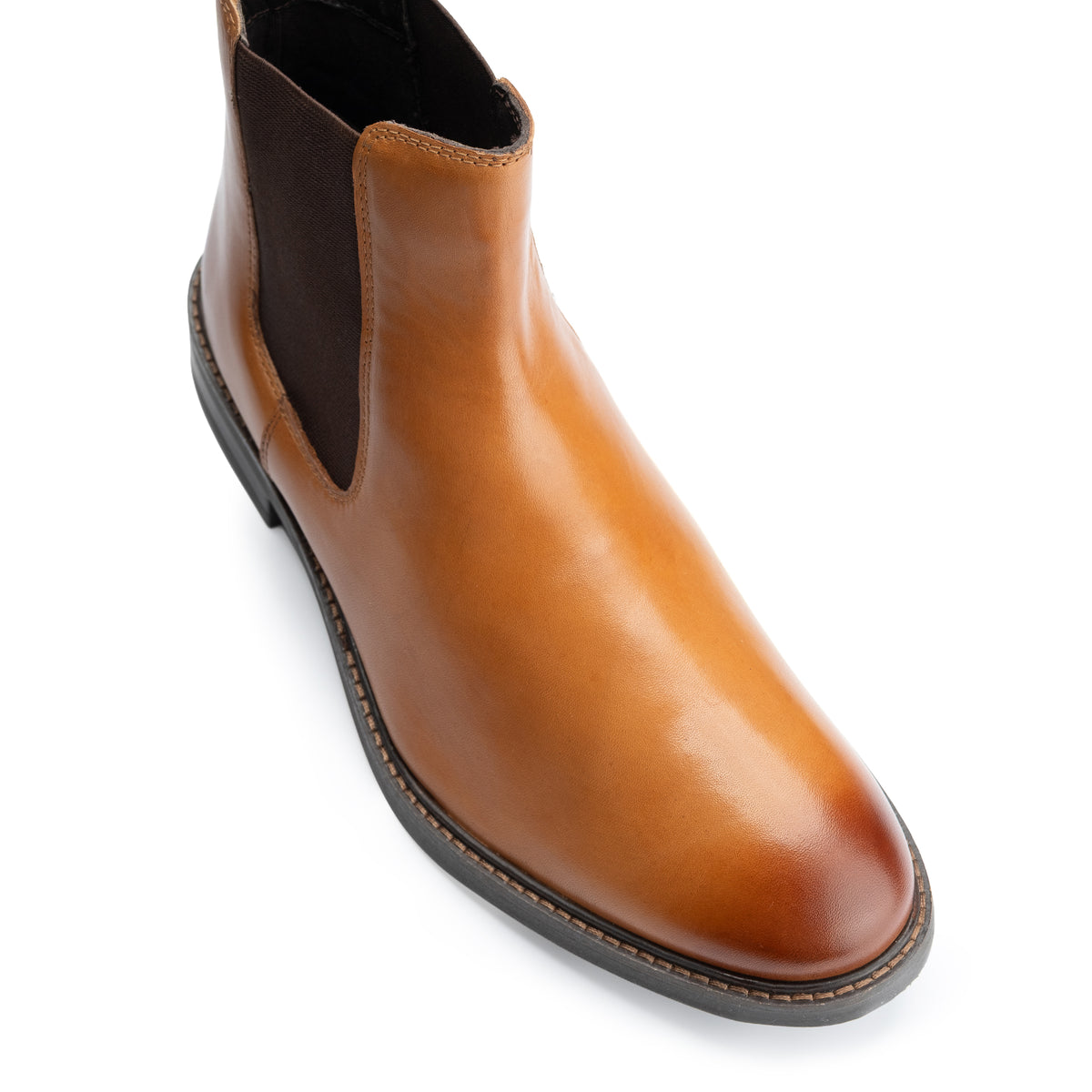
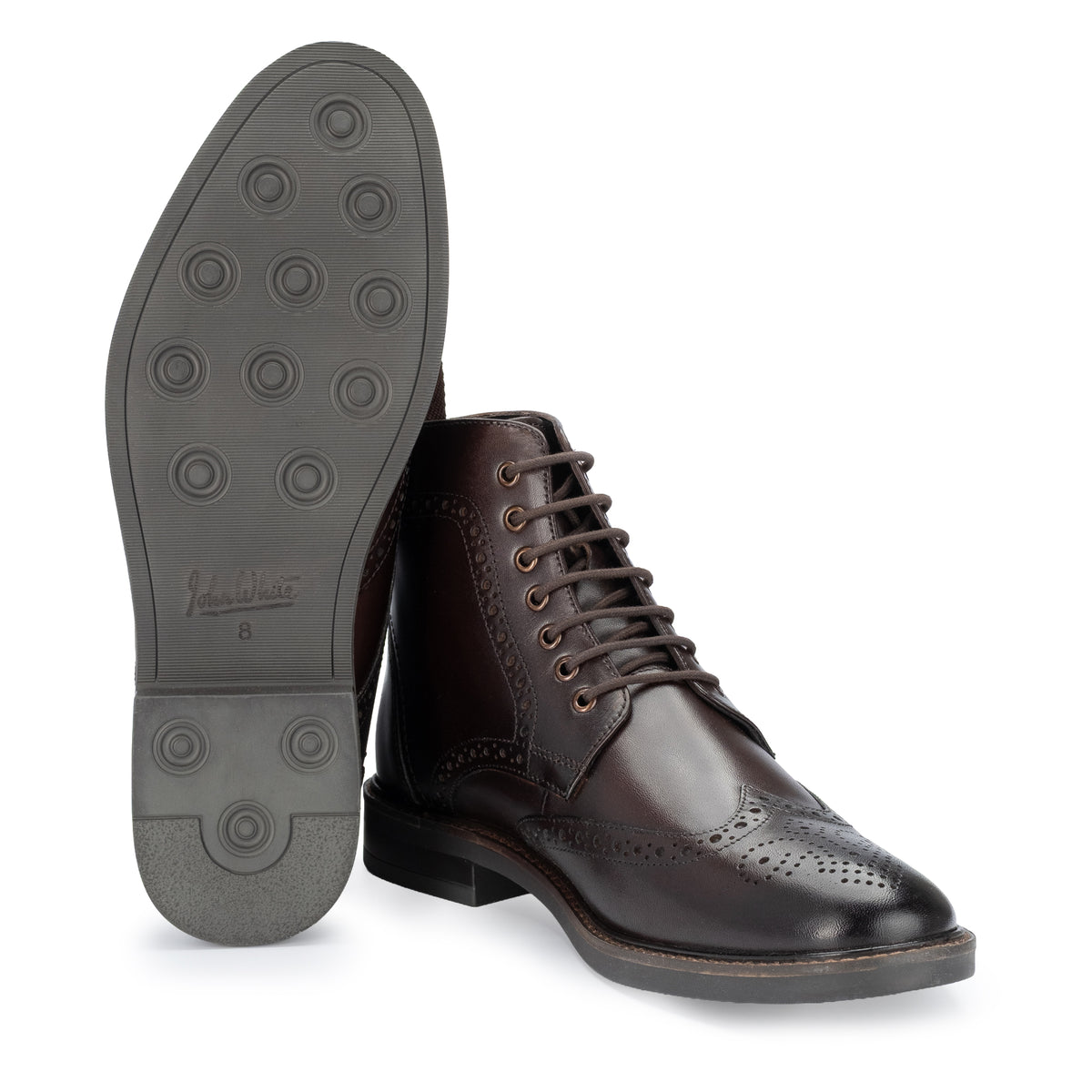
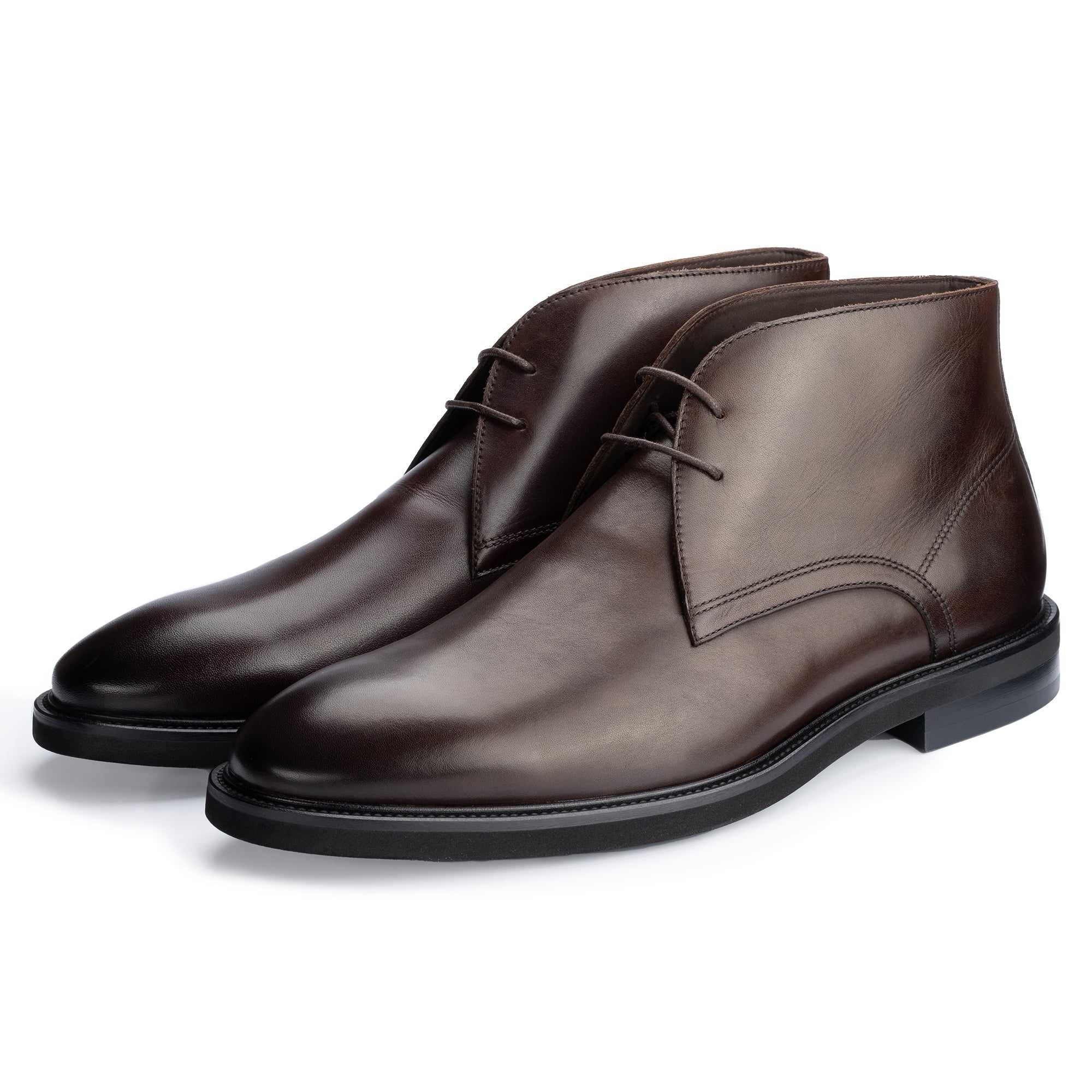
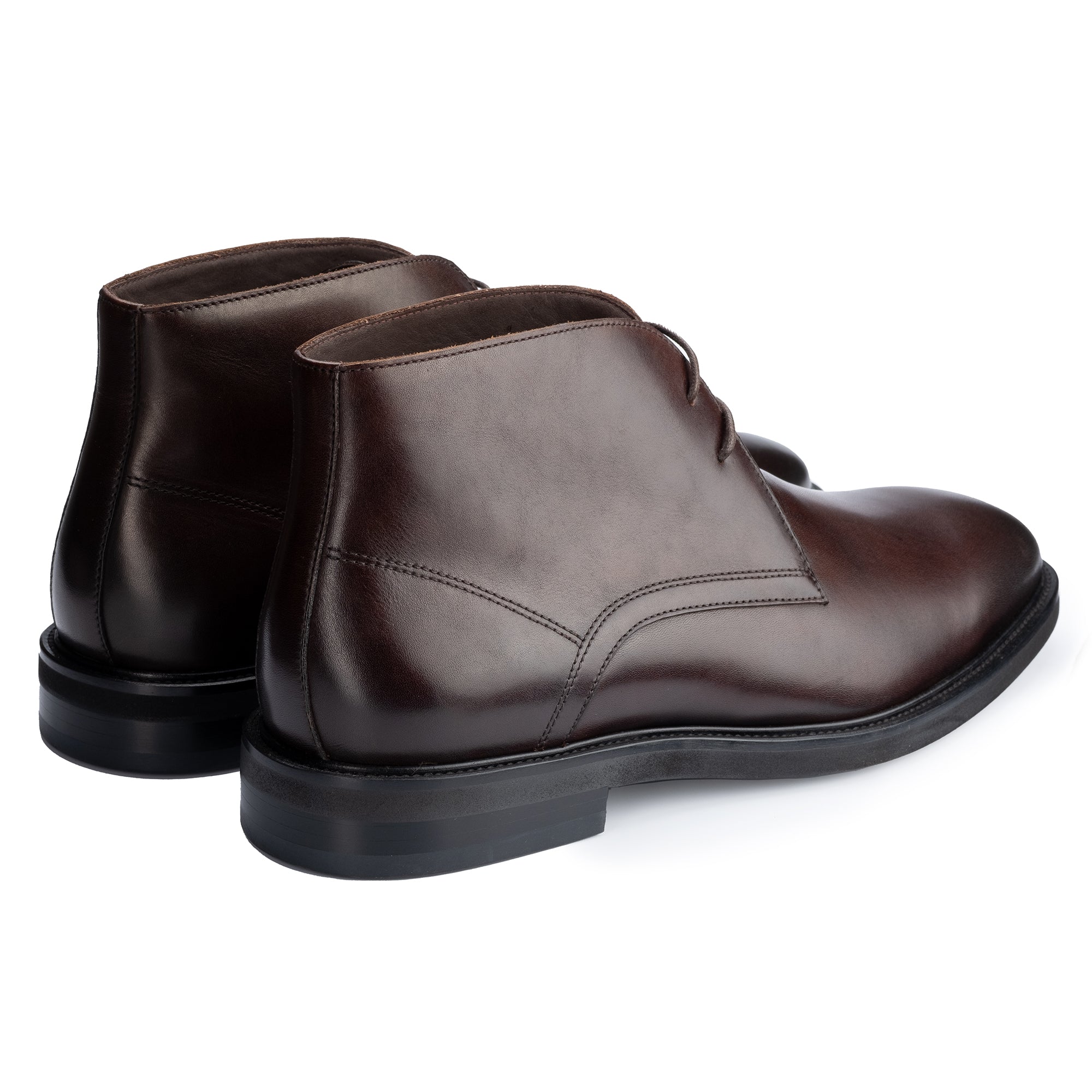
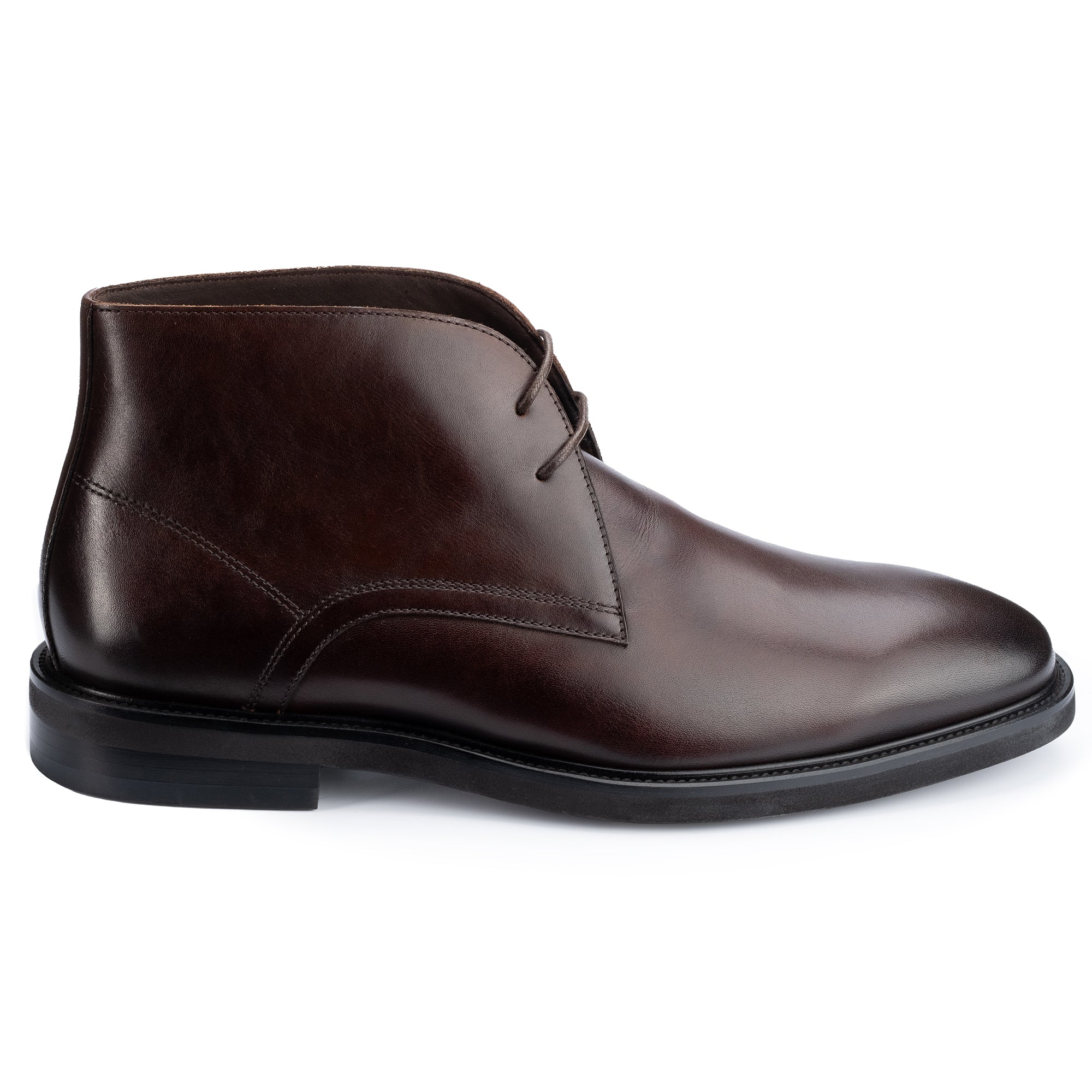
The Stokes Brogue Derby in Brown is the natural JWS choice for those who want brogue detailing and a slightly more relaxed silhouette than an Oxford. The Derby's open lacing reads a little less formal, which suits creative offices, smart-casual events, or suits woven in less structured cloths — flannel, tweed, unlined — where the open-throat aesthetic is appropriate.
Burgundy
Burgundy against grey is the most emphatically stylish of all the pairings and the most underused. The warm red undertone of an oxblood or burgundy shoe against cool grey cloth produces a contrast that reads as deliberate without effort. It is the combination that makes other men look twice, briefly, before resuming the conversation.
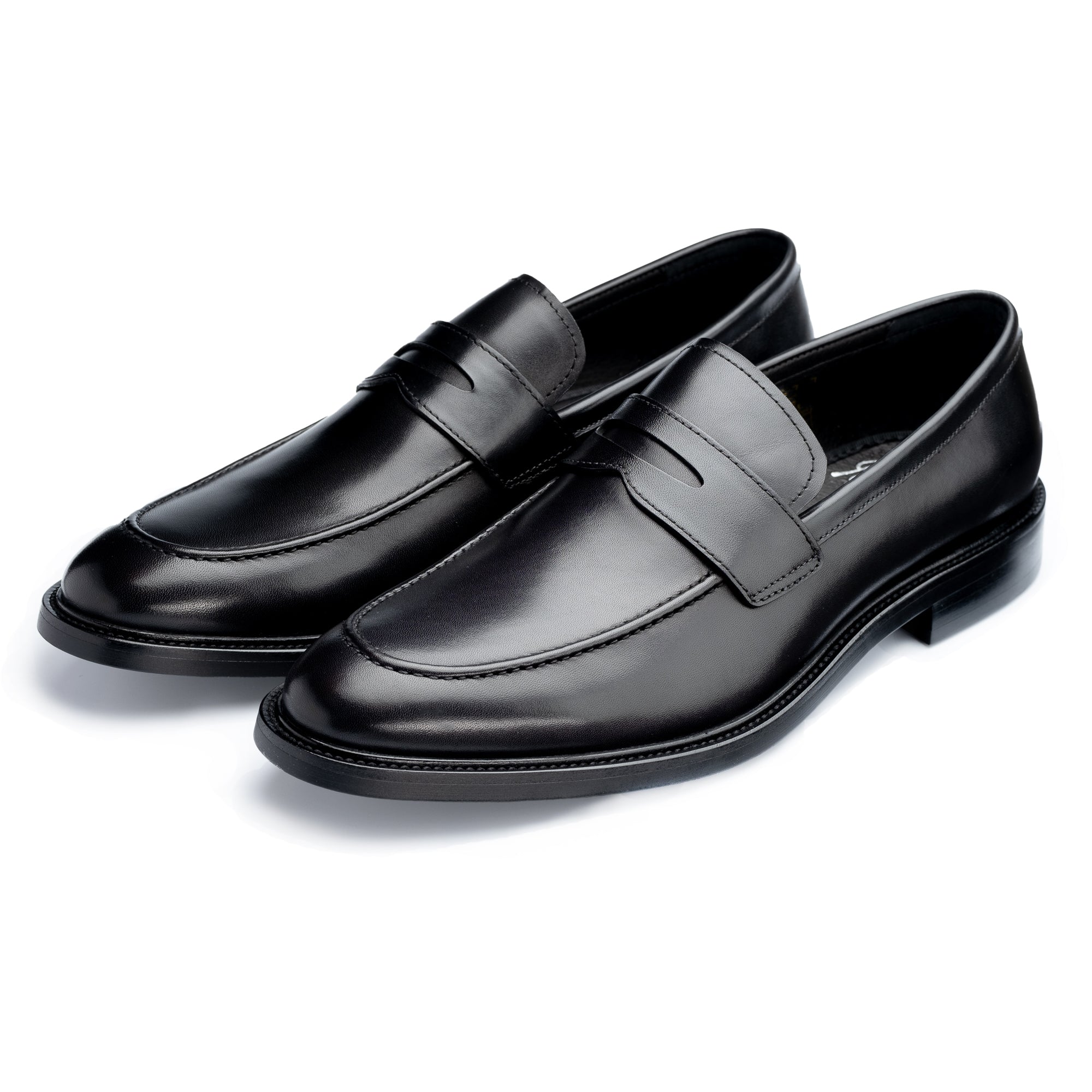
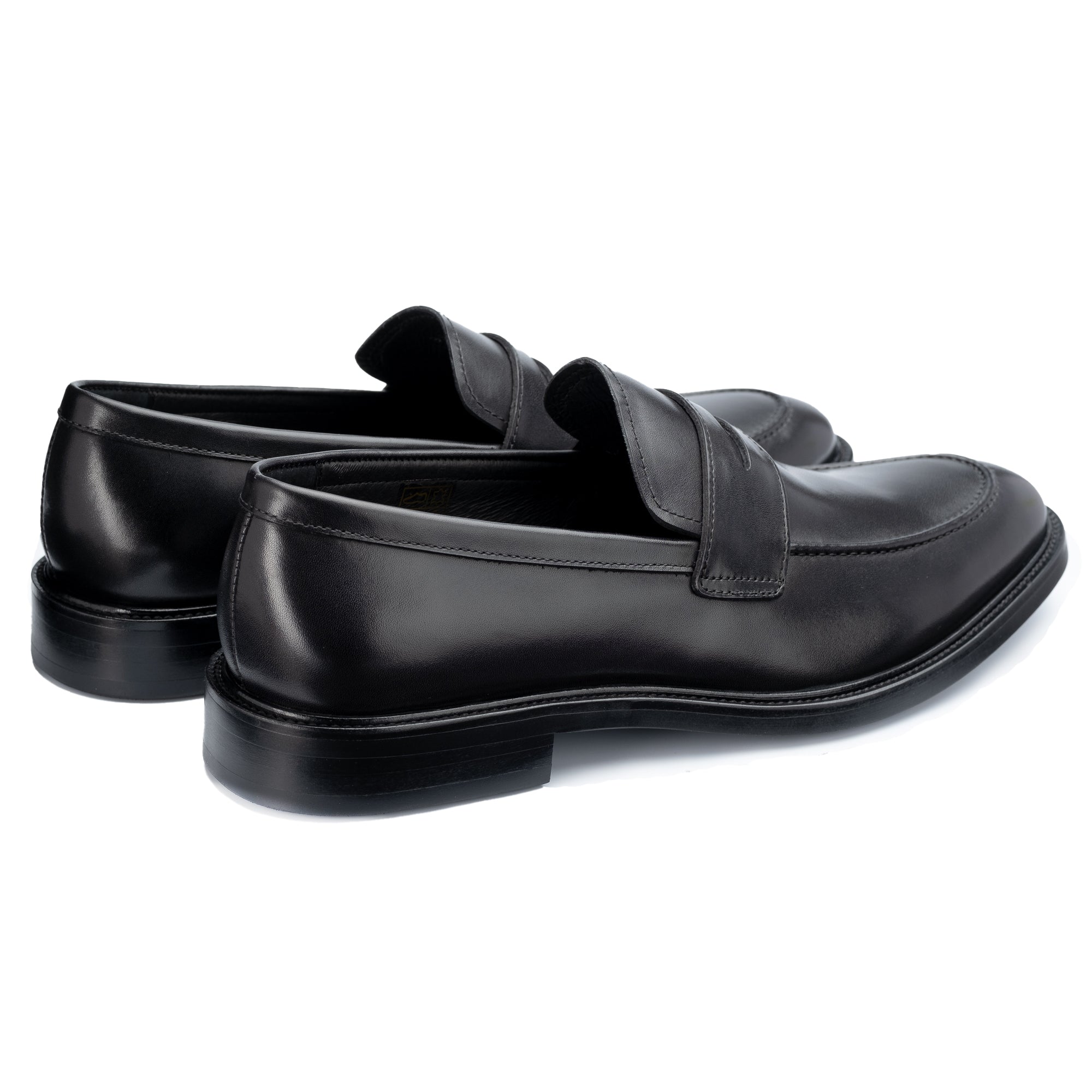
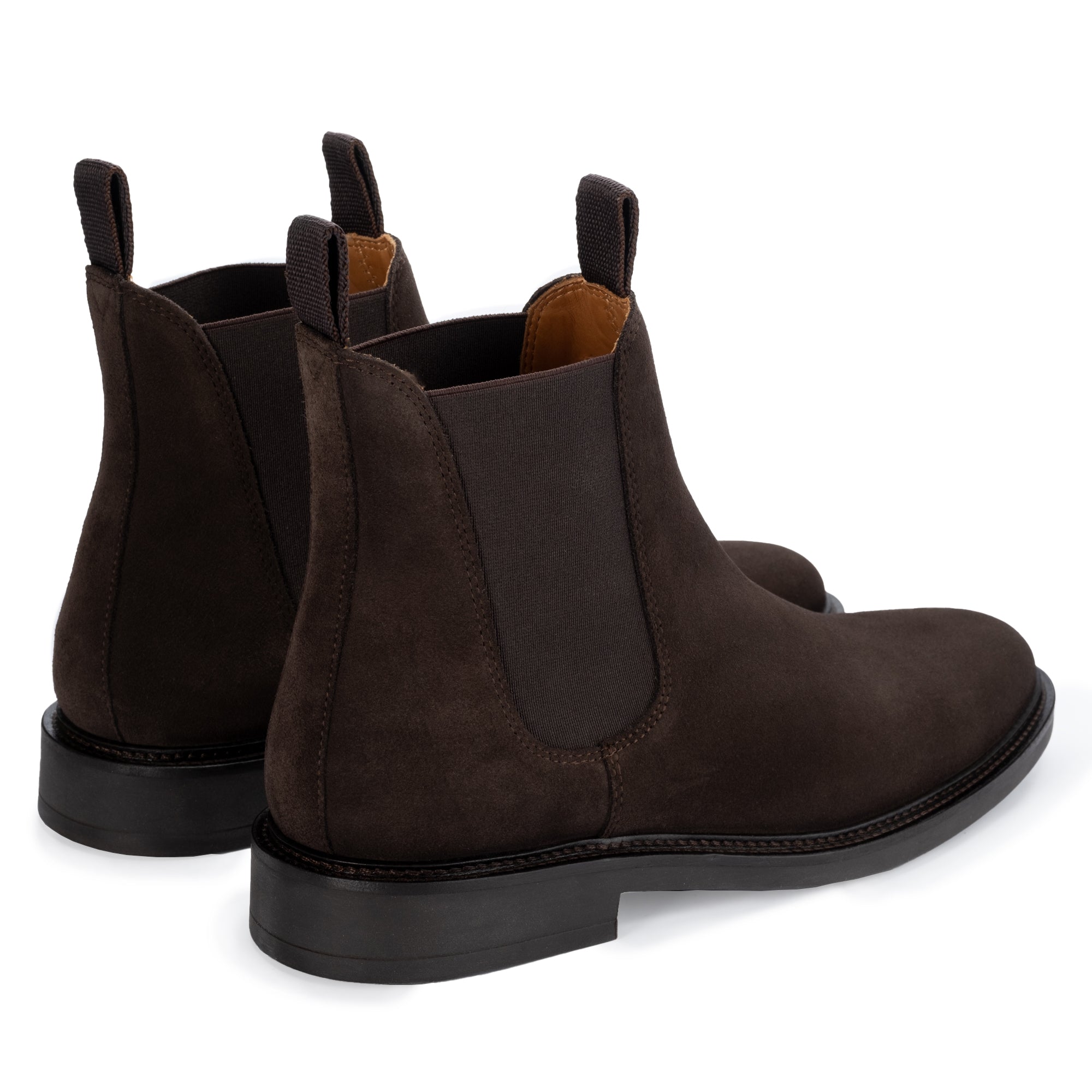
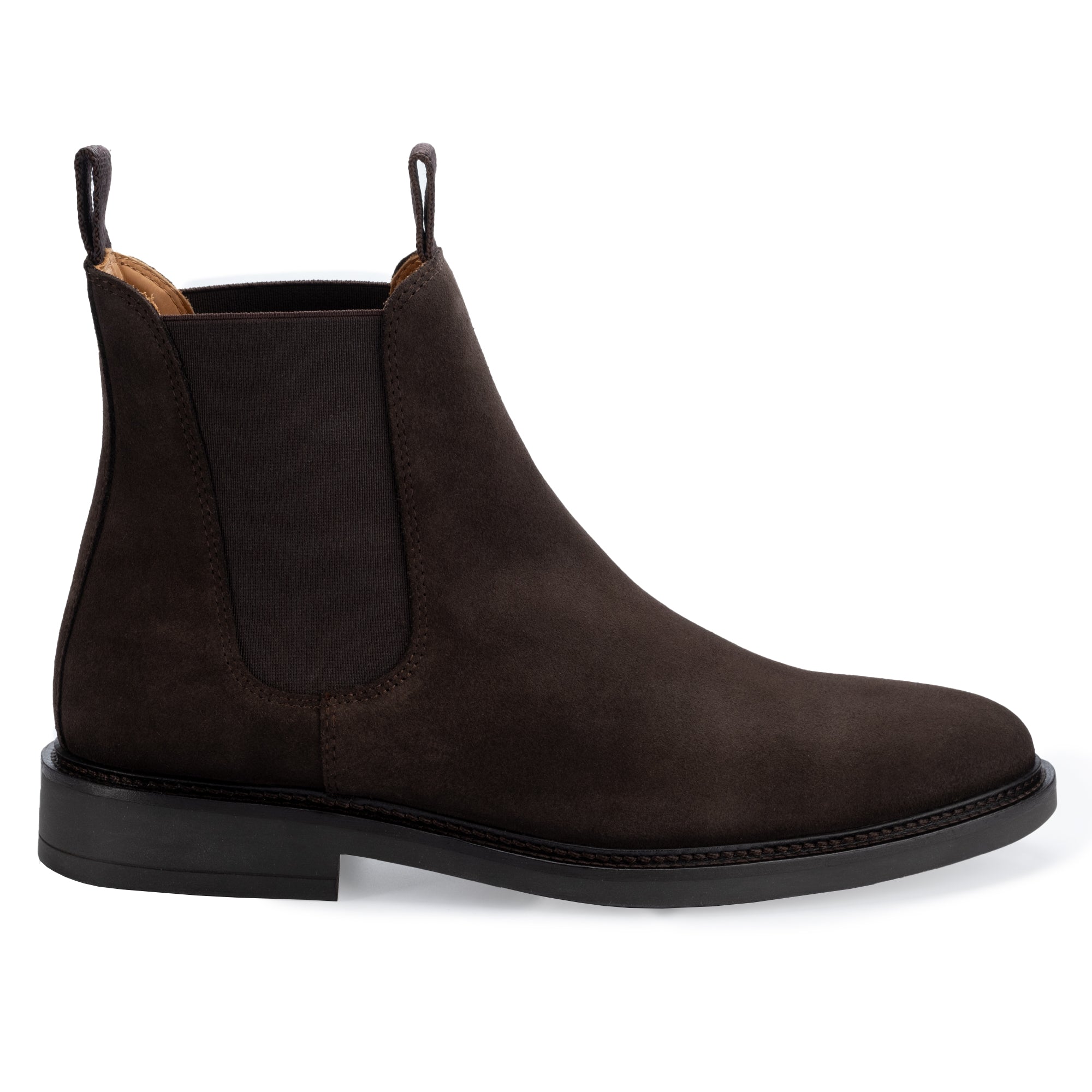
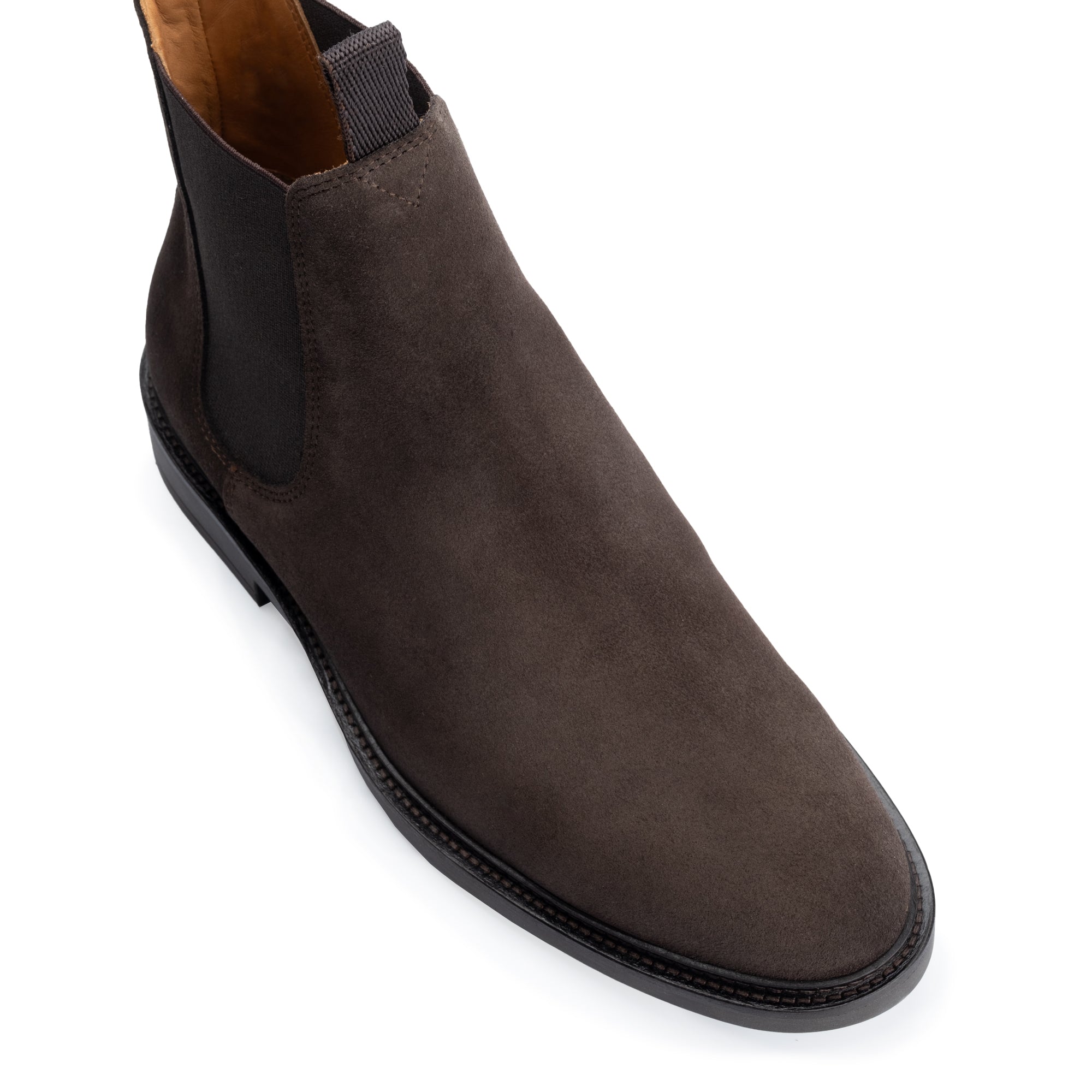
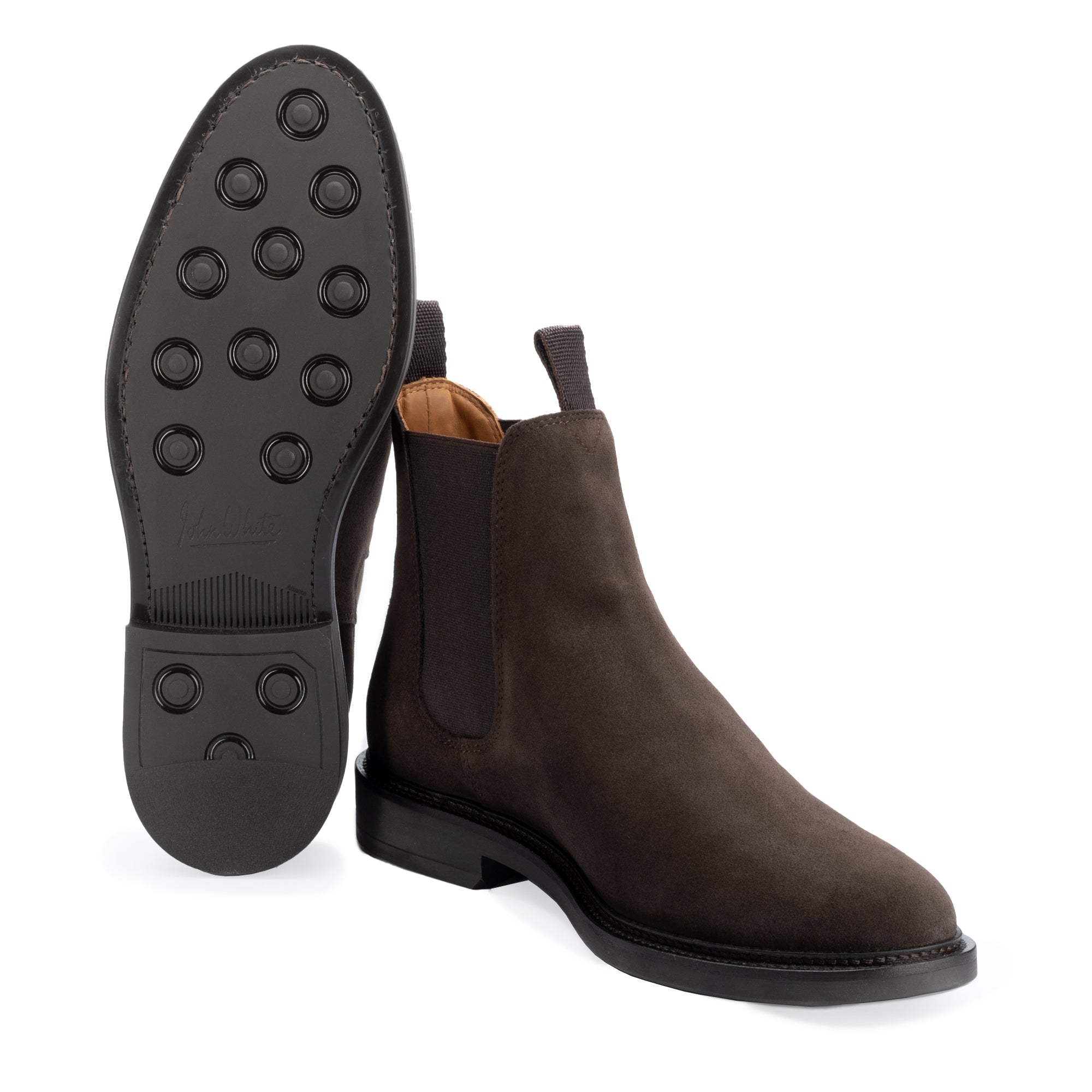
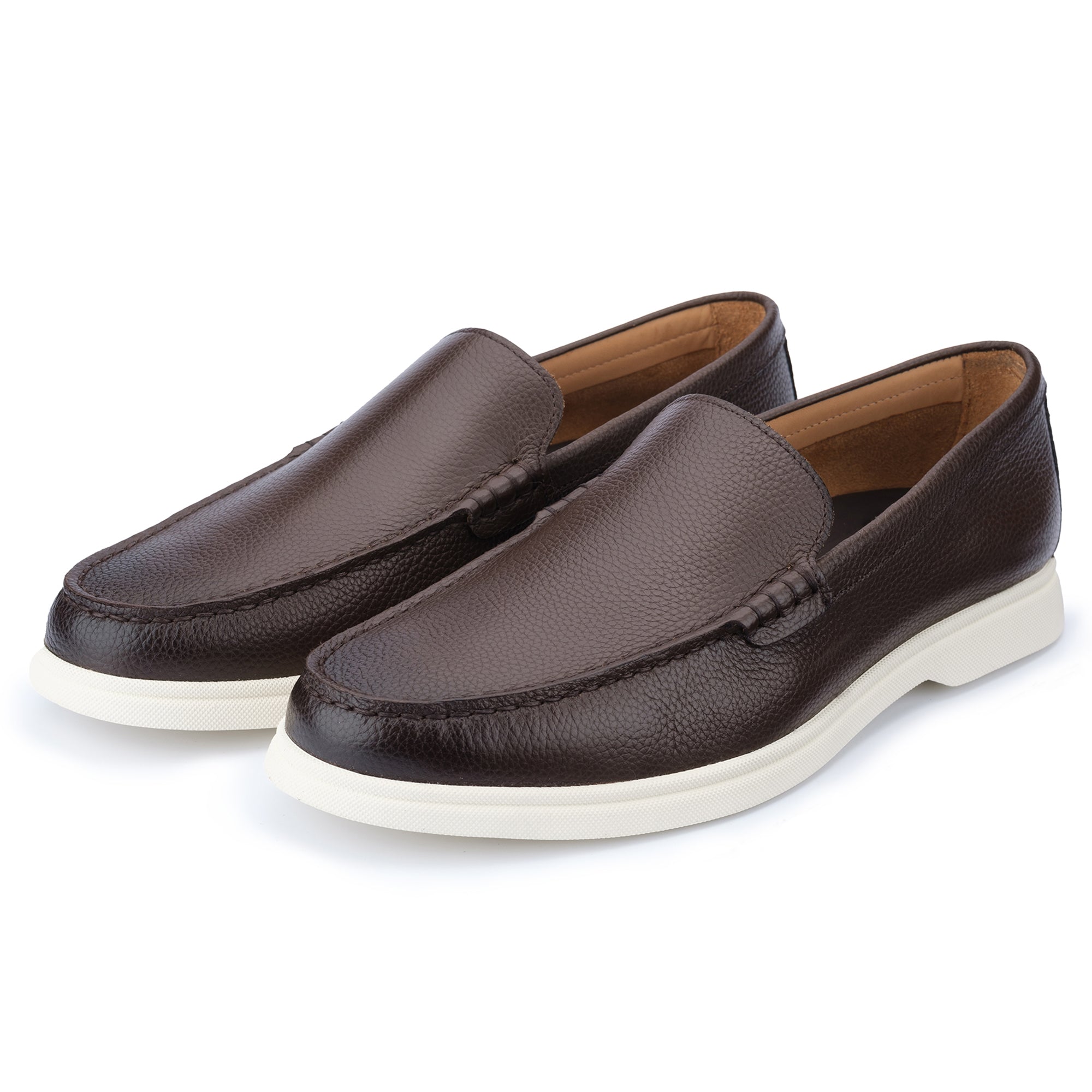
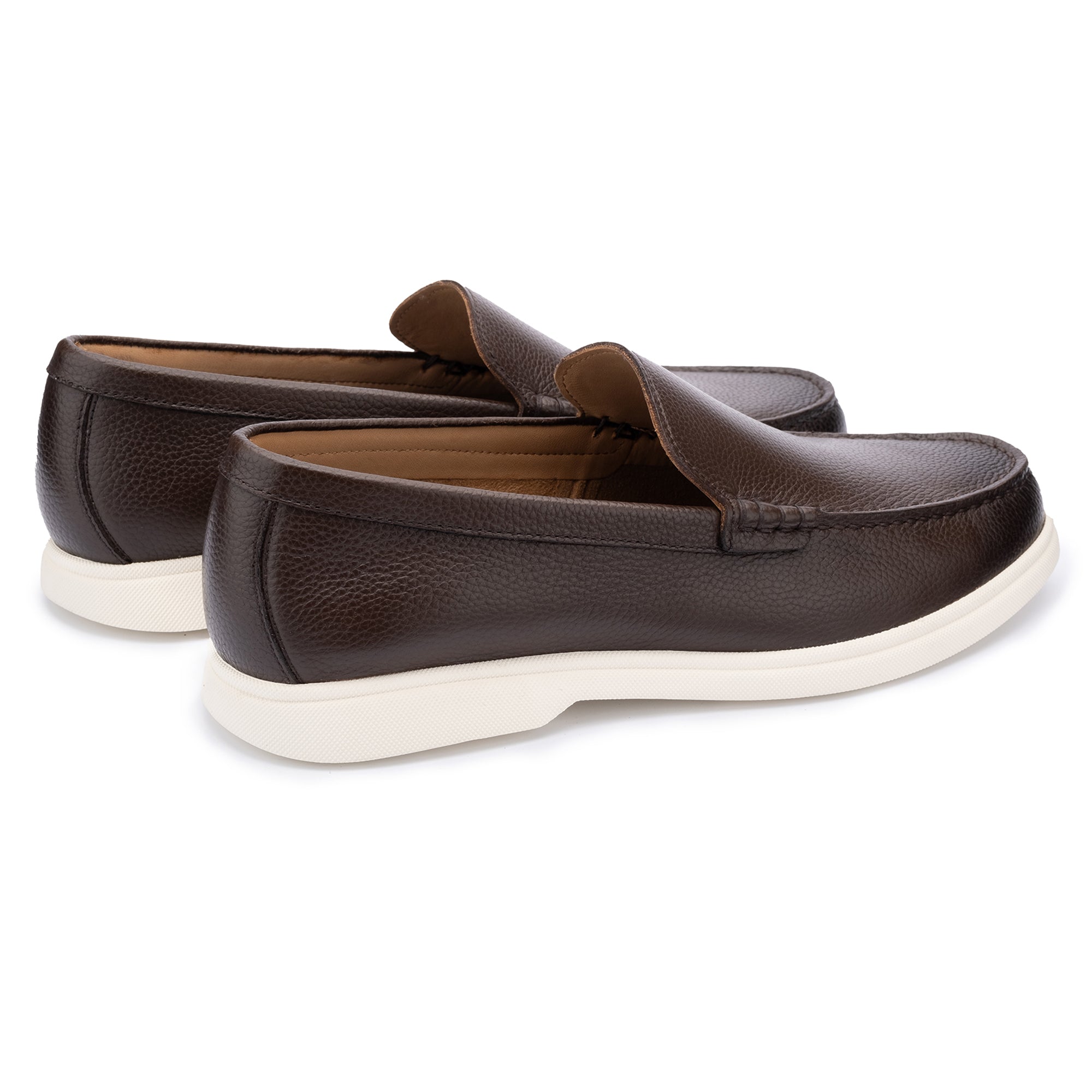
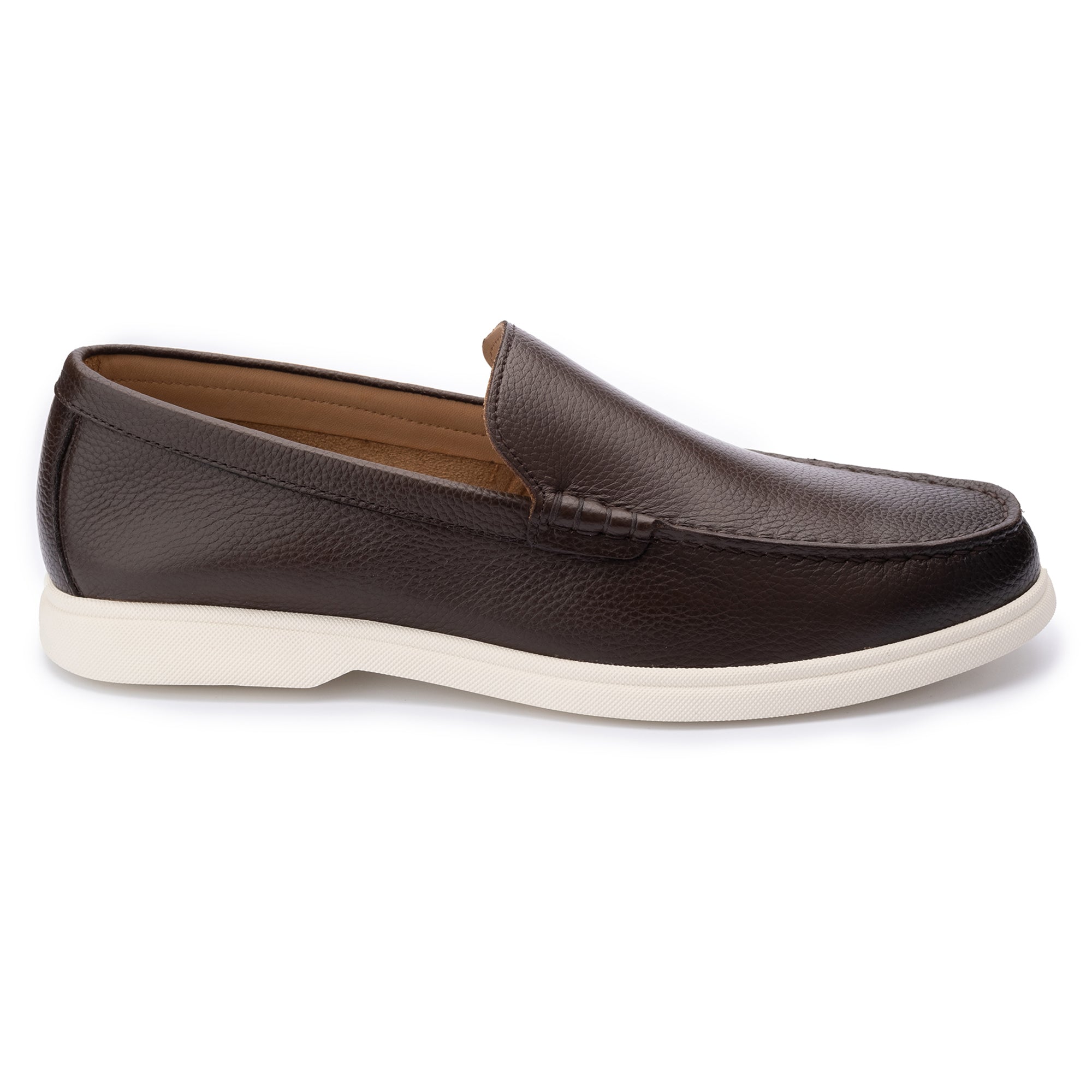
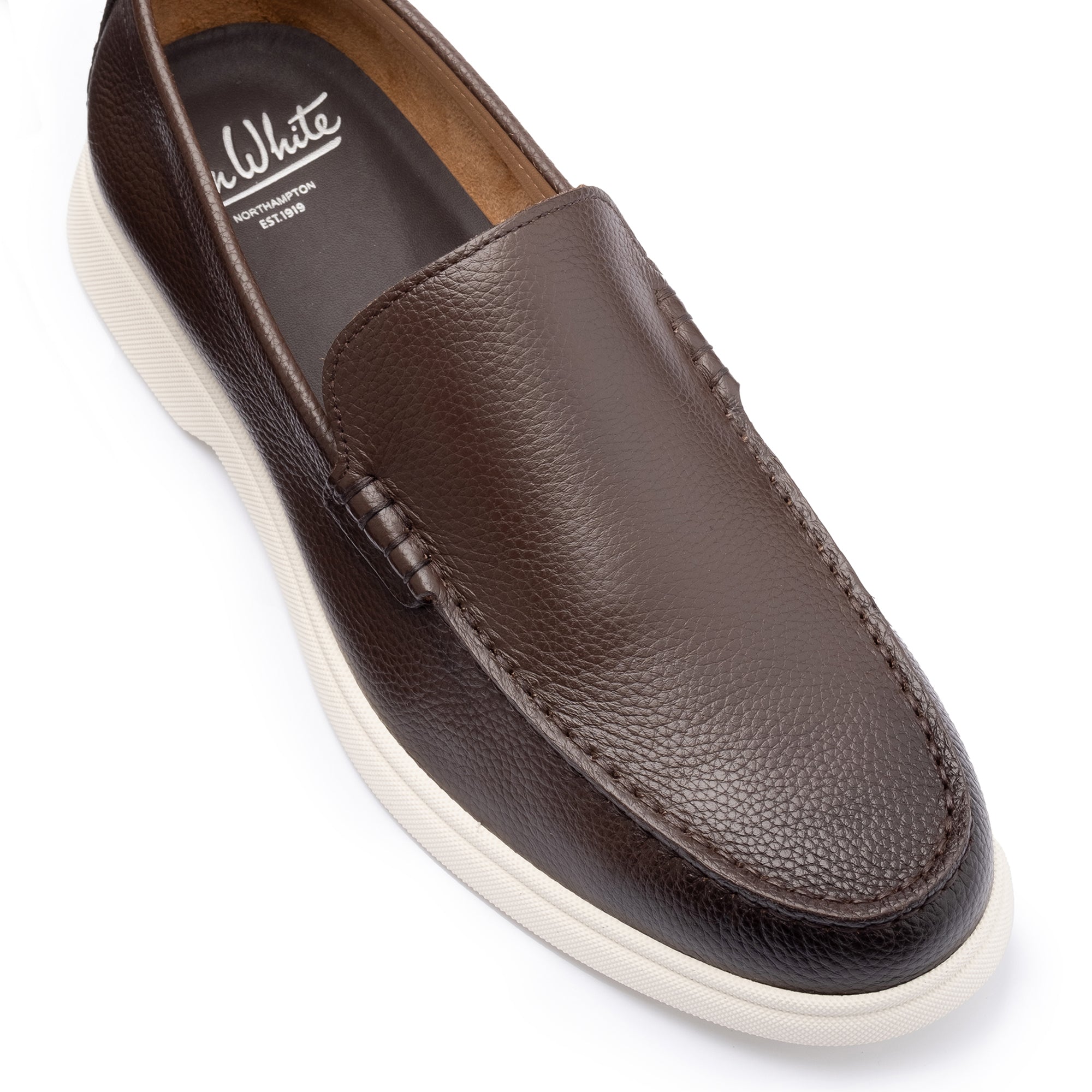
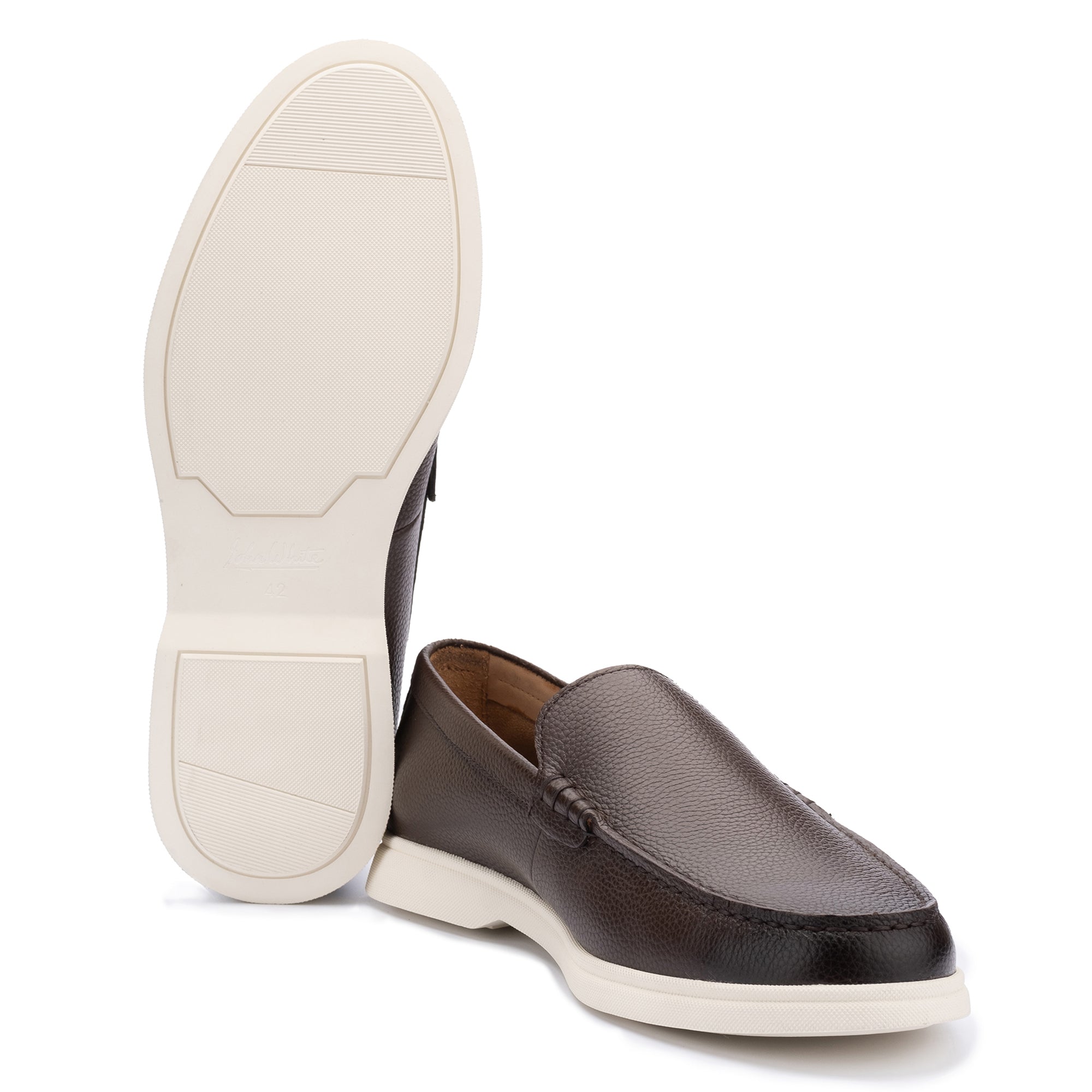
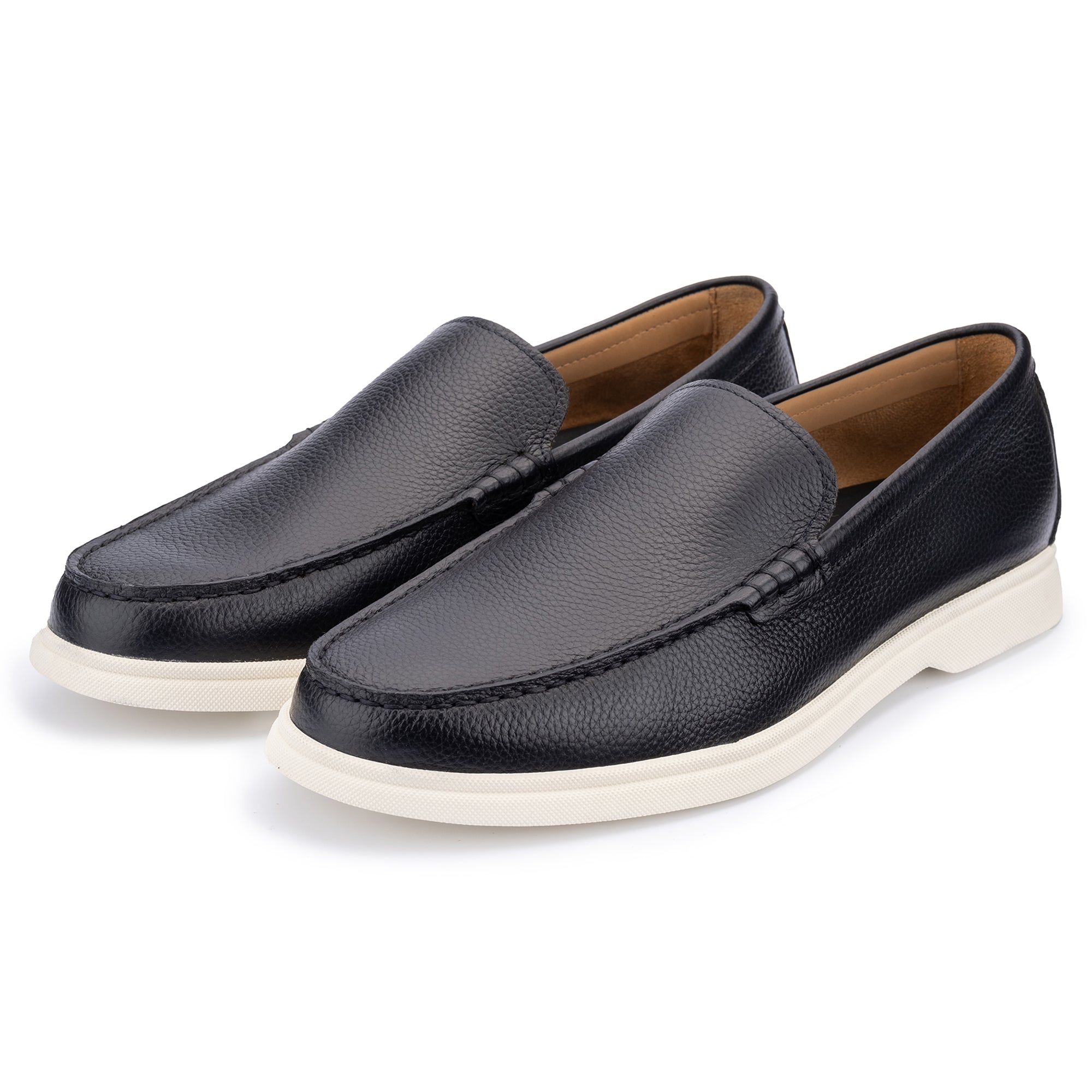
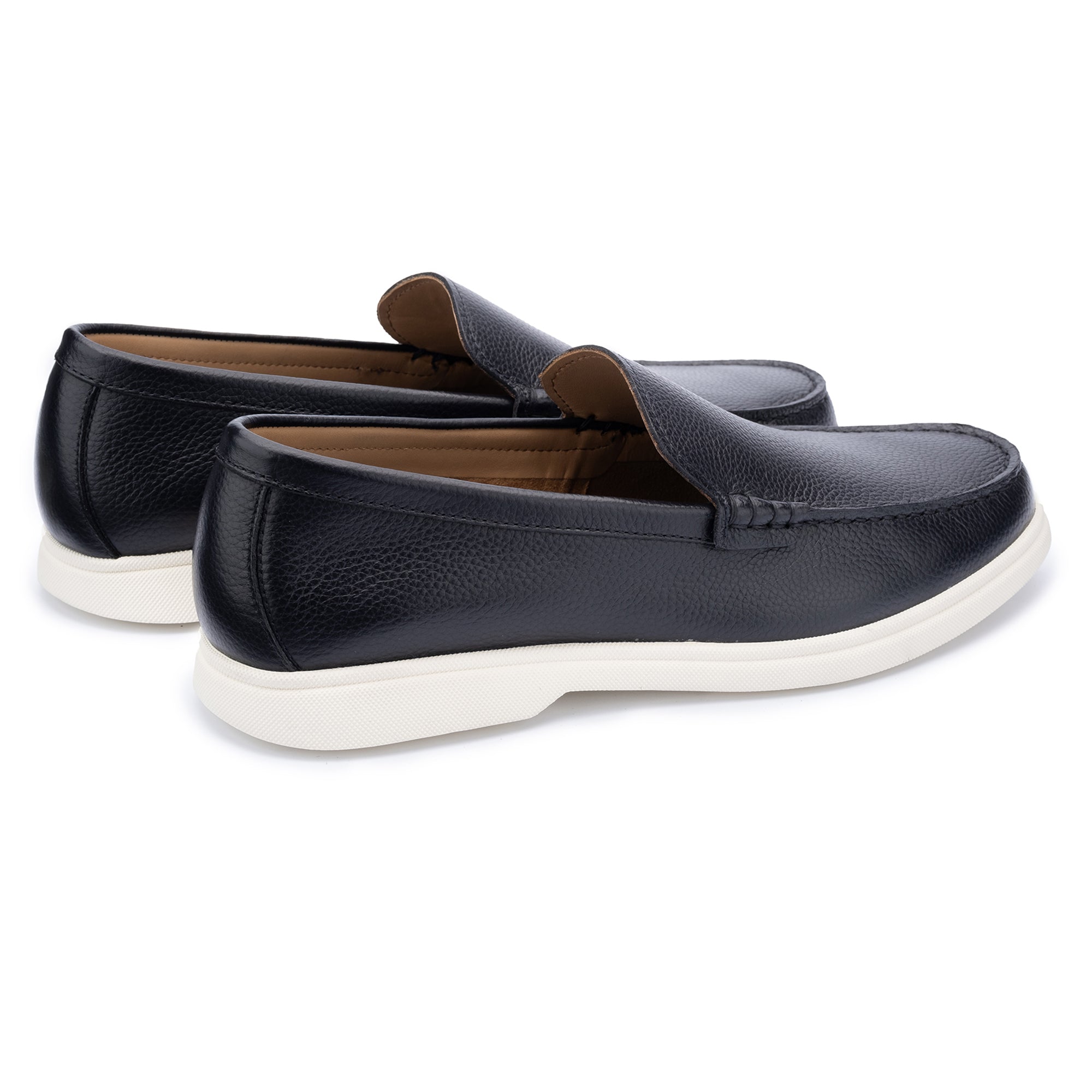
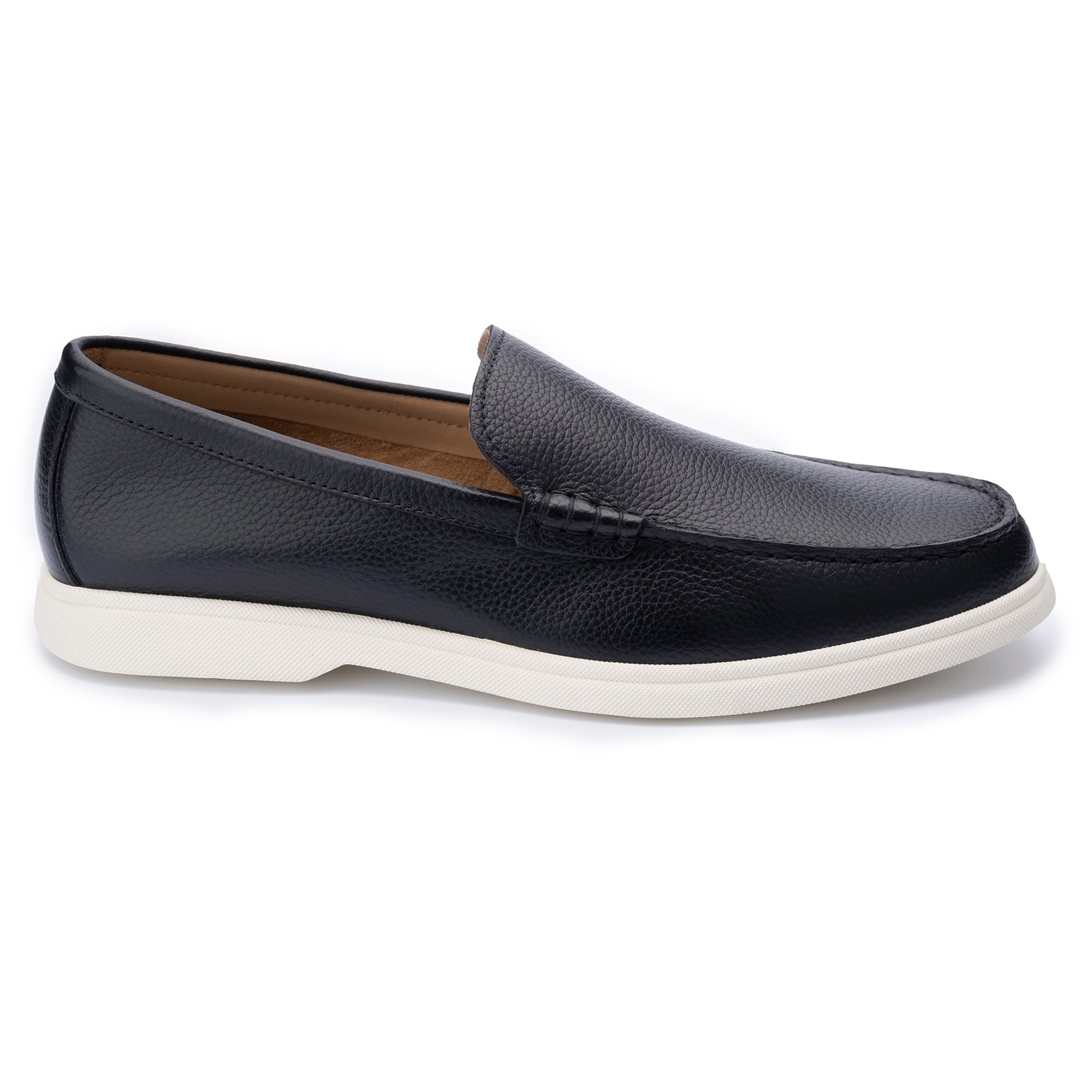
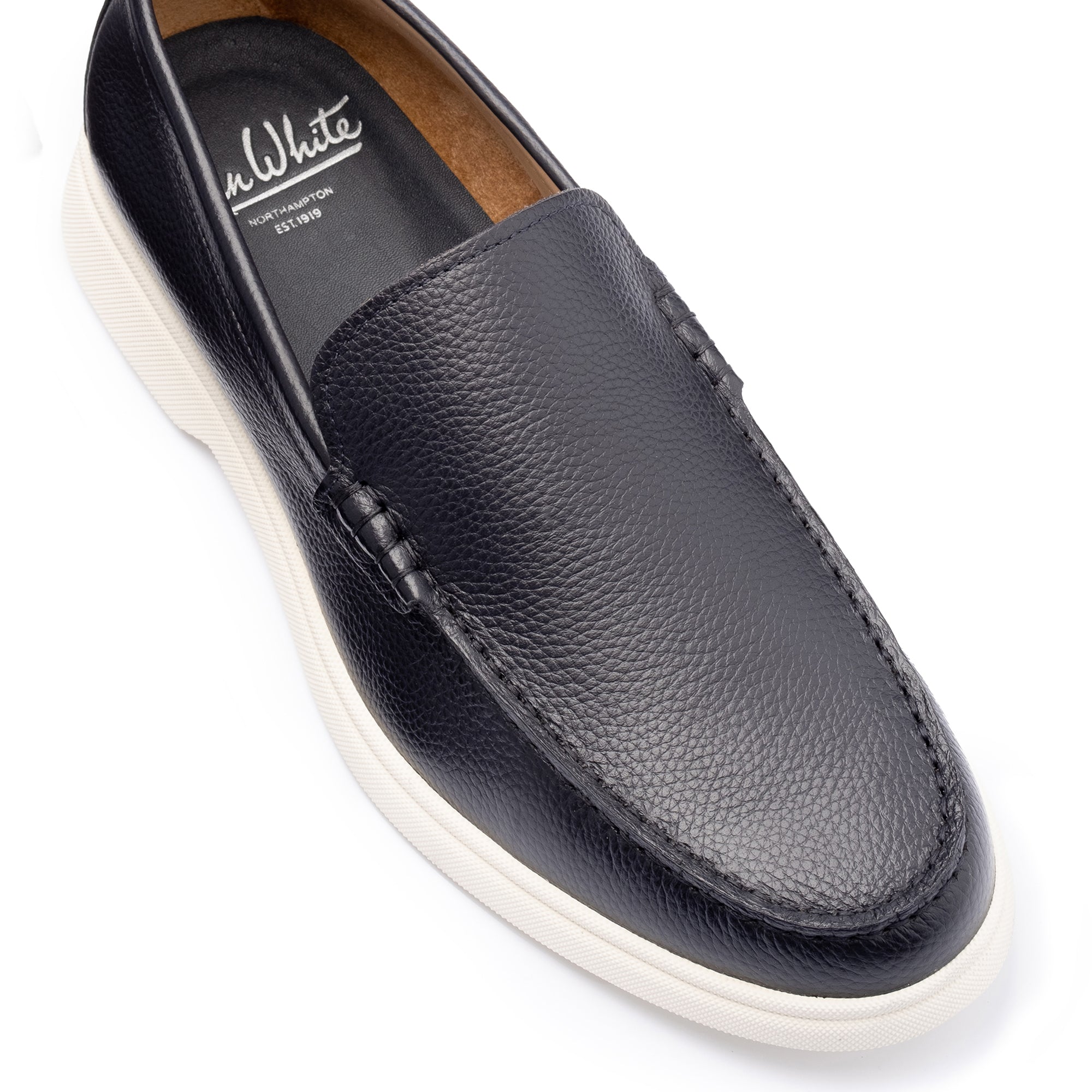
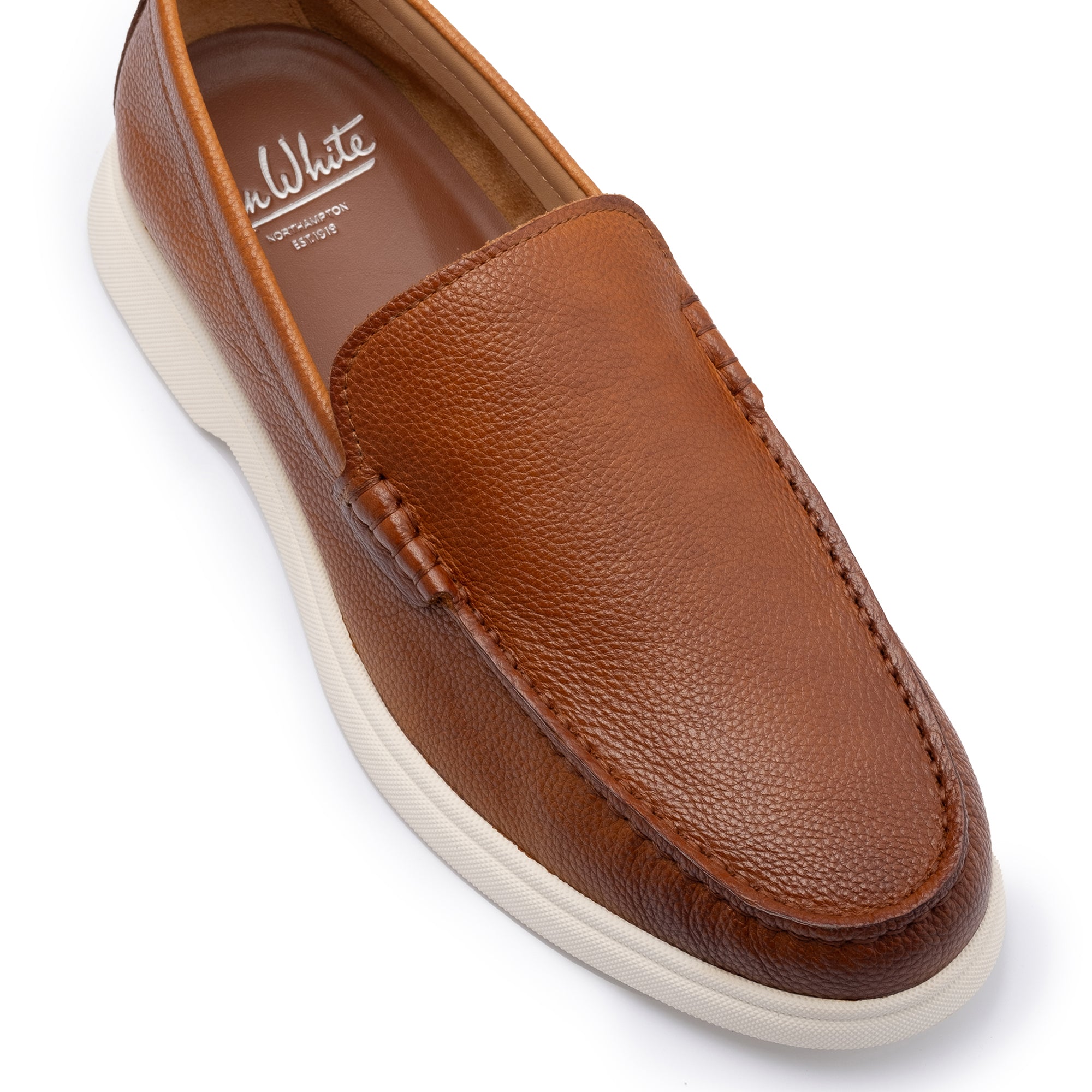
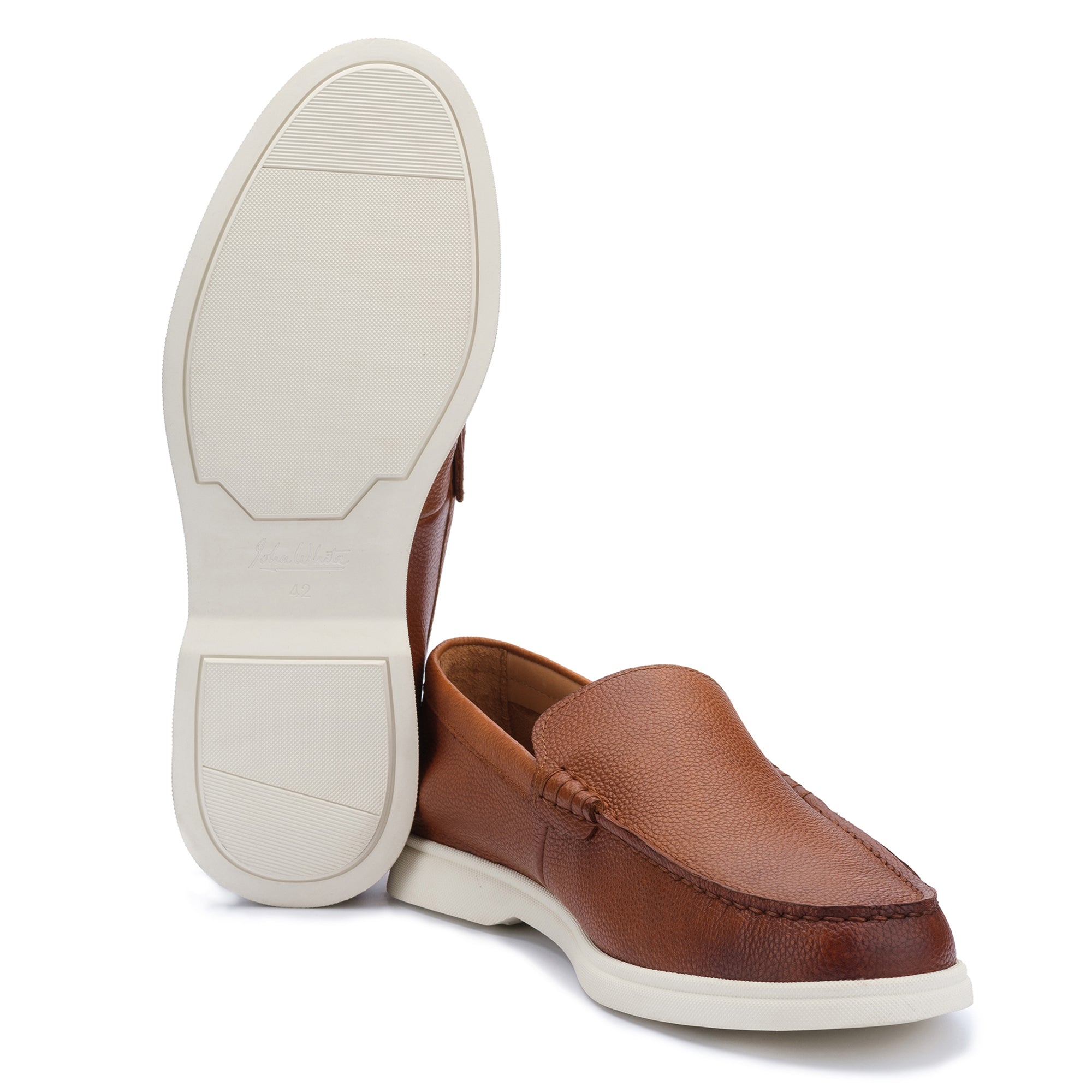
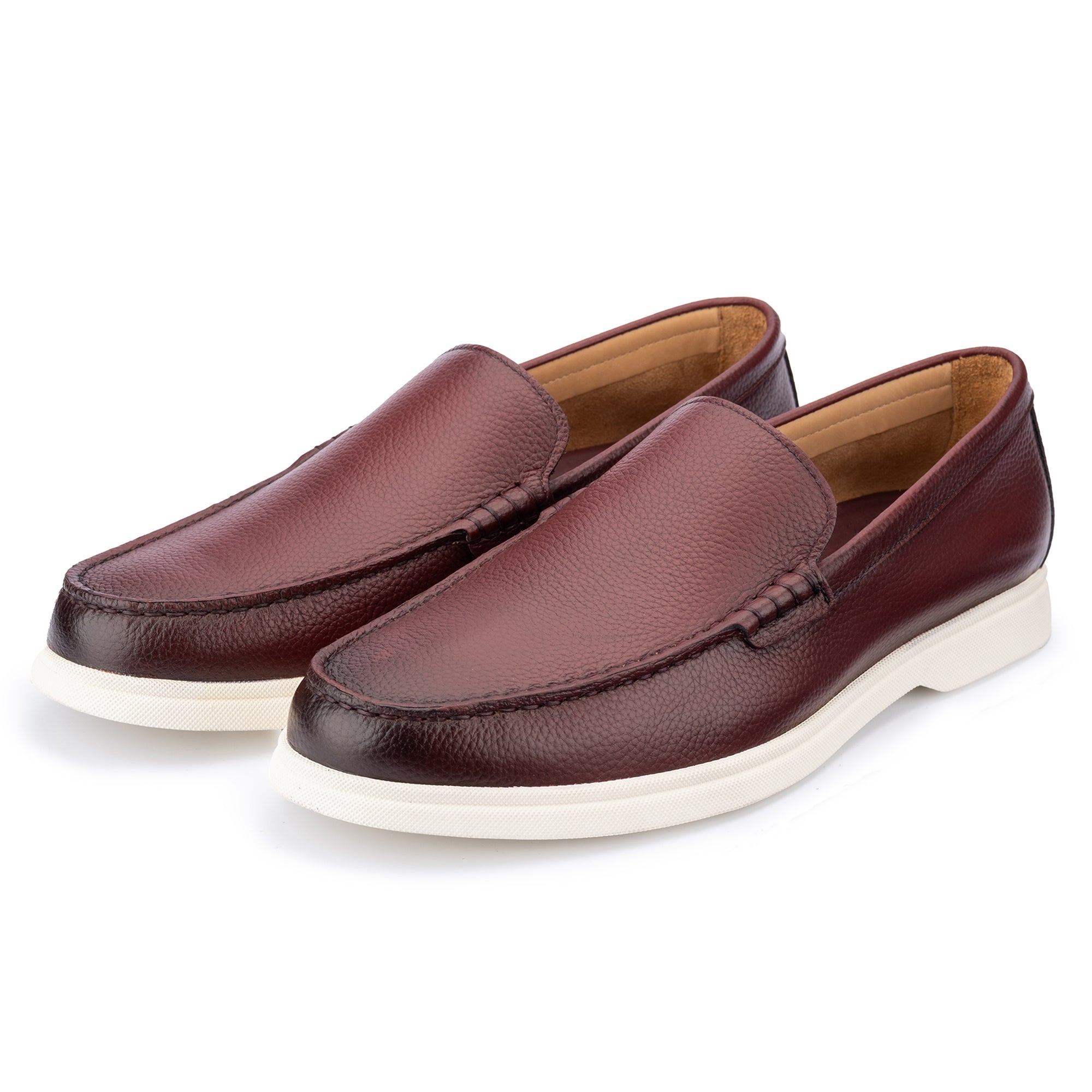
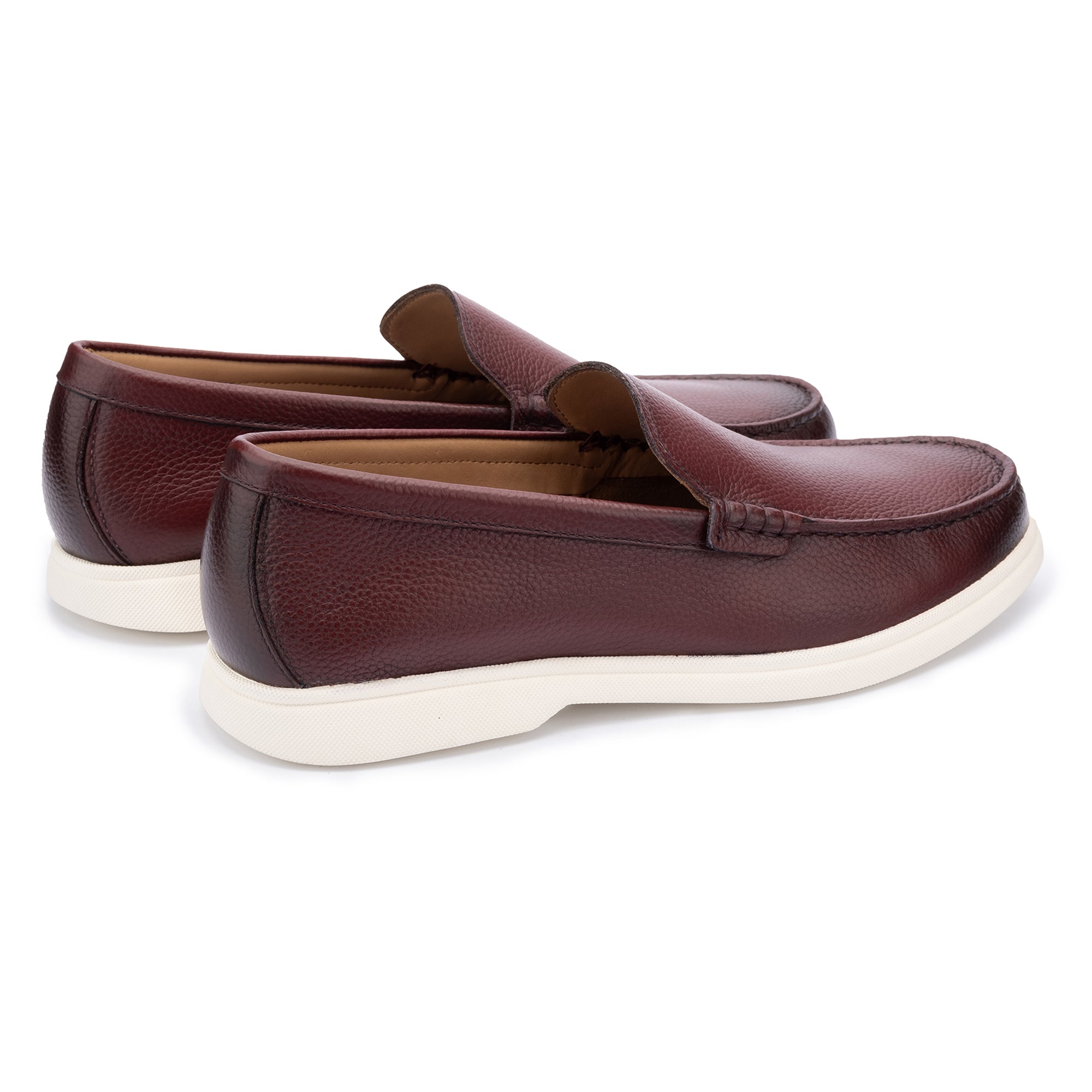
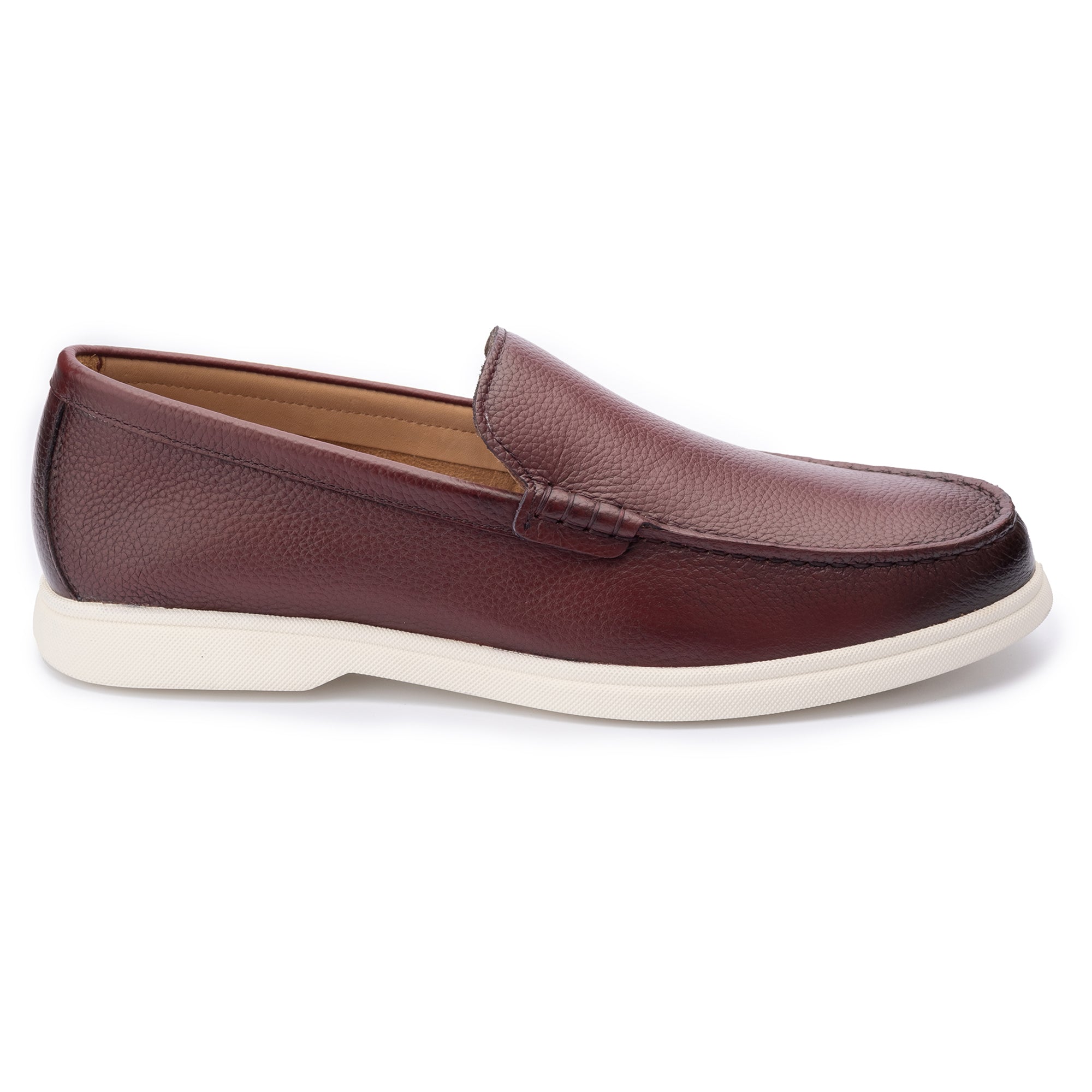
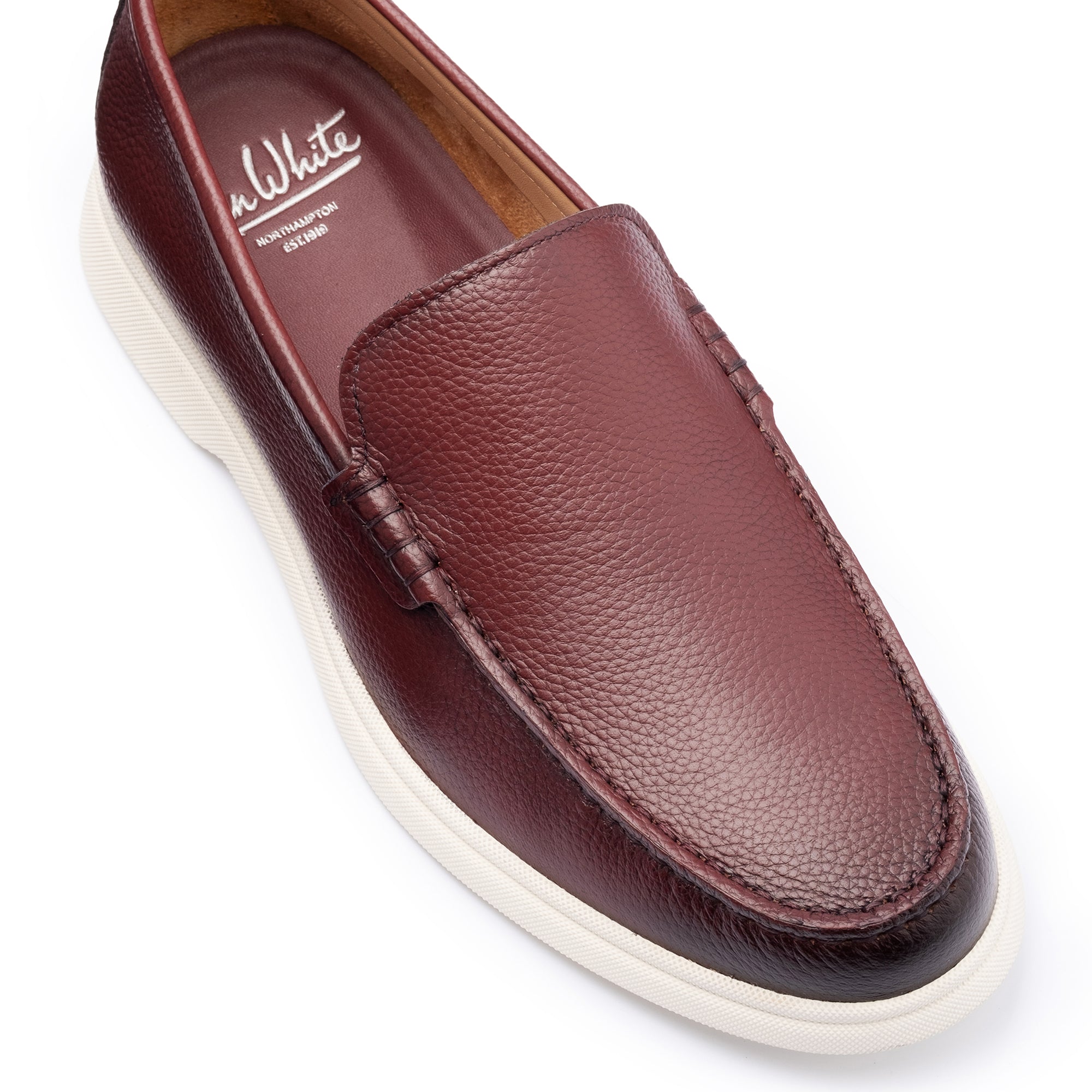
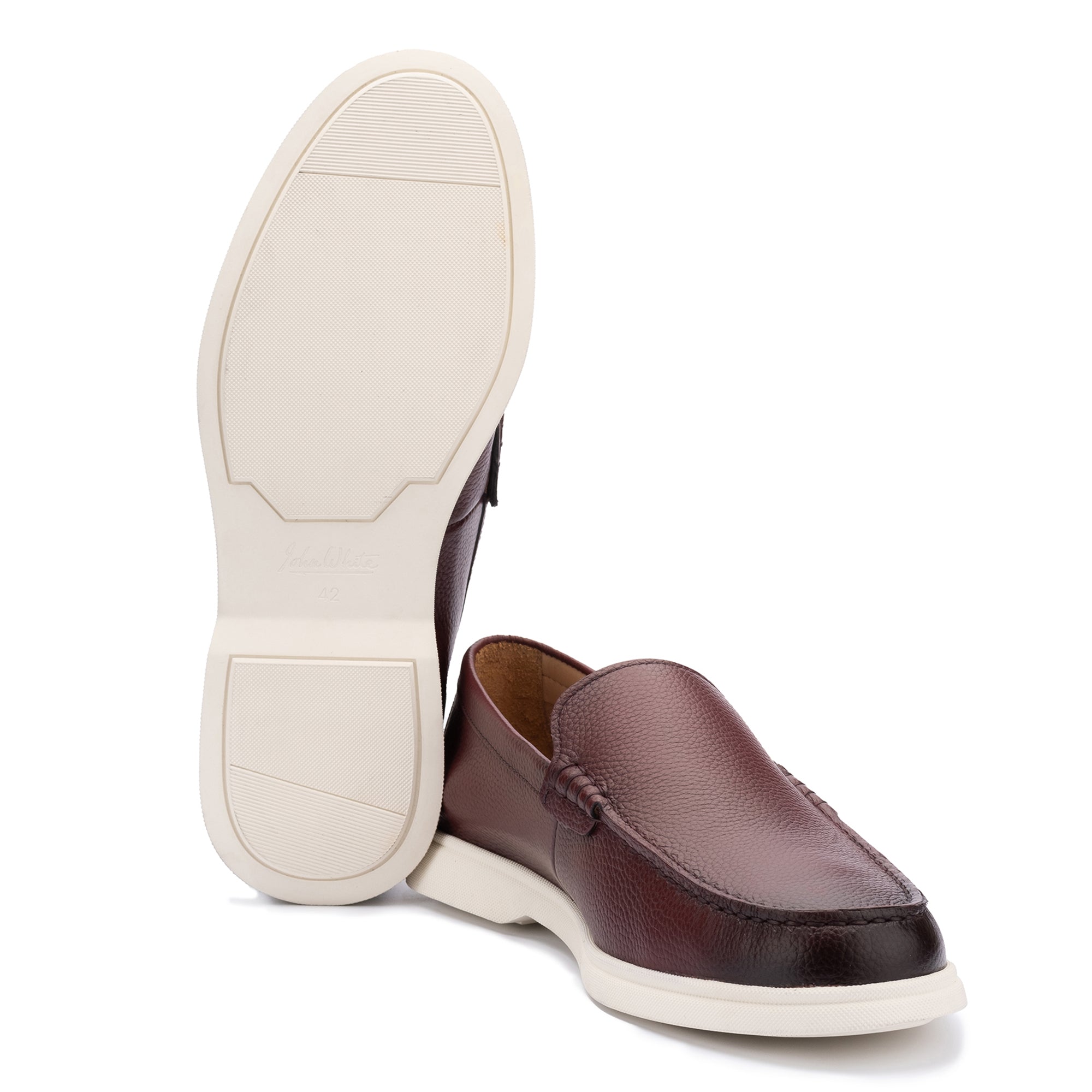
JWS does not currently range a burgundy Derby or Oxford directly; however, the Stokes Brogue Derby in Tan occupies adjacent warm-toned territory against mid and light grey, and the Wine colourway of the Ethan Tumbled Grain Loafer brings similar richness on the casual register. If burgundy is already in the wardrobe from another maker, the grey suit is where to wear it.
Silhouette — Which Shoe Shape?
Colour and silhouette are separate decisions. Once the colour is right, the shoe's shape determines the register of the total outfit. The same suit, the same tan leather — a plain Oxford or a brogue Derby read differently enough to matter at any occasion where dressing is being noticed.
The Oxford
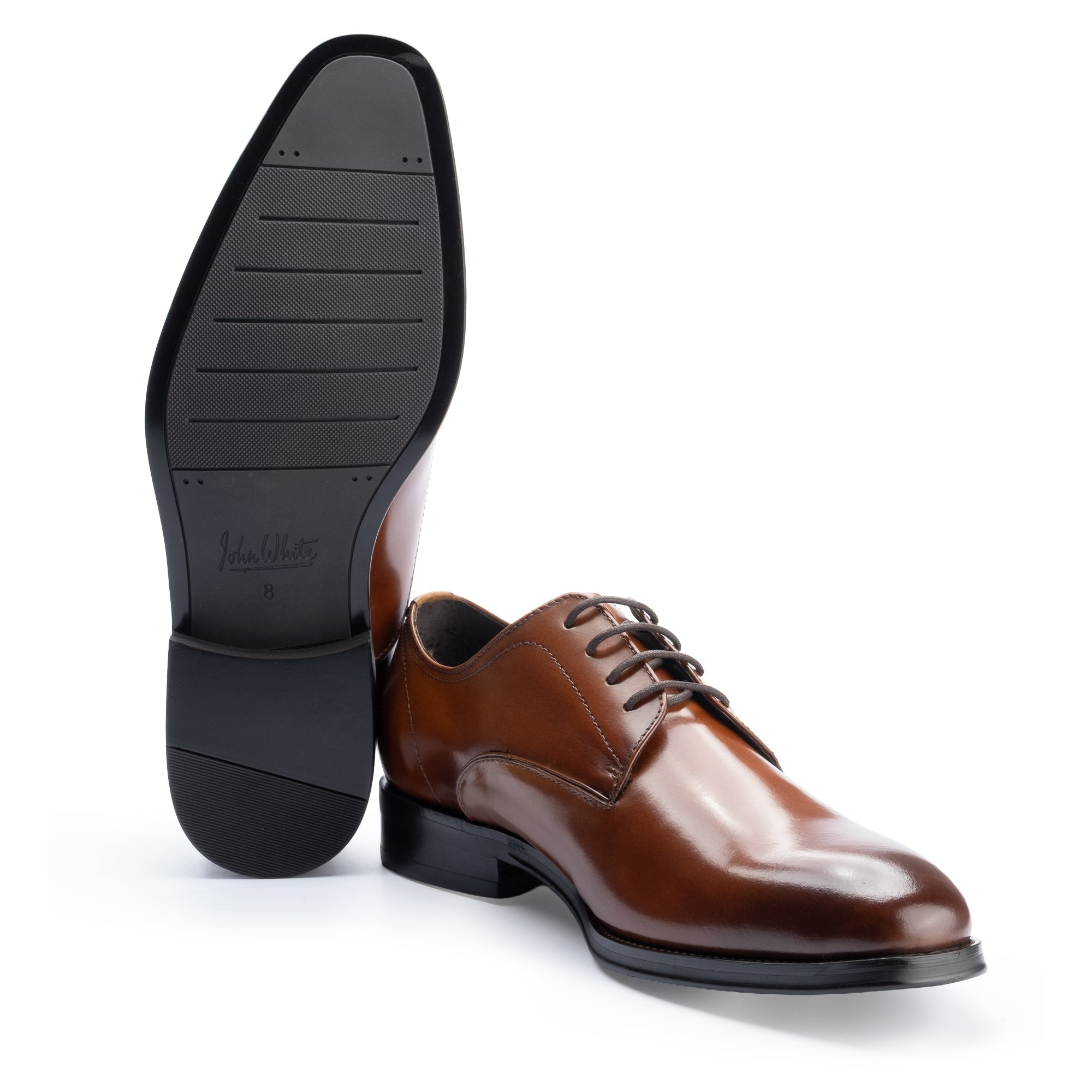
The Oxford — closed lacing, higher formality — is the natural partner for a grey suit in formal or business settings. It pairs cleanly with charcoal for meetings or events where authority is appropriate, and with the Guildhall Capped Oxfords in Tan it produces the defining British business look. If formality is a requirement, choose the Oxford. Browse the full Oxford collection if you're building a complete formal grey suit wardrobe.
For a thorough comparison of when an Oxford is correct and when a Derby is preferable — covering construction, occasion logic, and the practical differences that most style guides gloss over — the Derby vs Oxford guide covers it in detail.
The Derby
The Derby — open lacing, marginally more relaxed — suits the same grey suit across a broader range of occasions. When the meeting does not require a tie, when the suit is mid-grey or lighter, when the event is a wedding rather than a board meeting: the Derby is usually the appropriate choice. More structural than a loafer; less rigid than a formal Oxford. The Stokes Brogue Derby in Tan or Brown sits at the centre of this register.
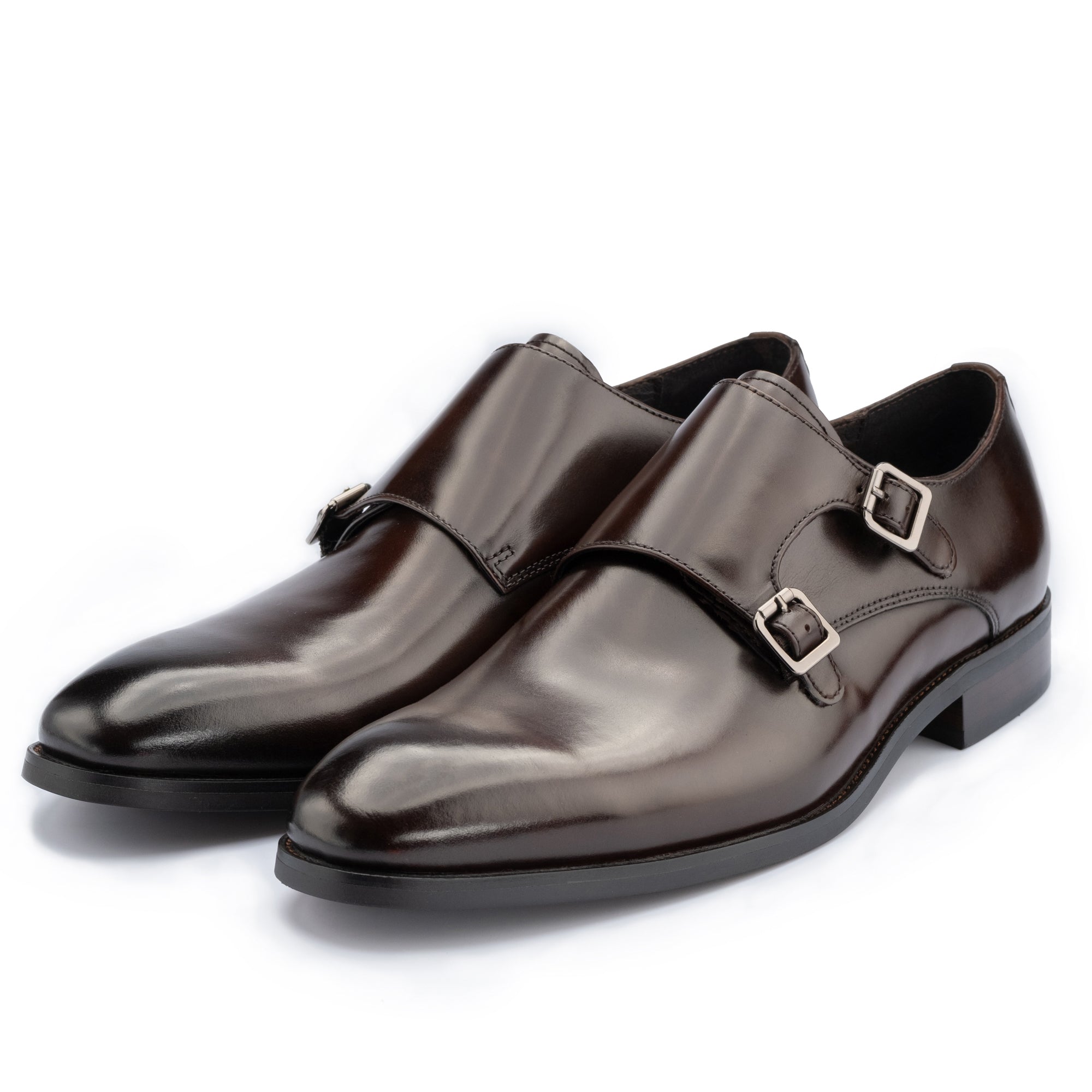
The Monk Strap
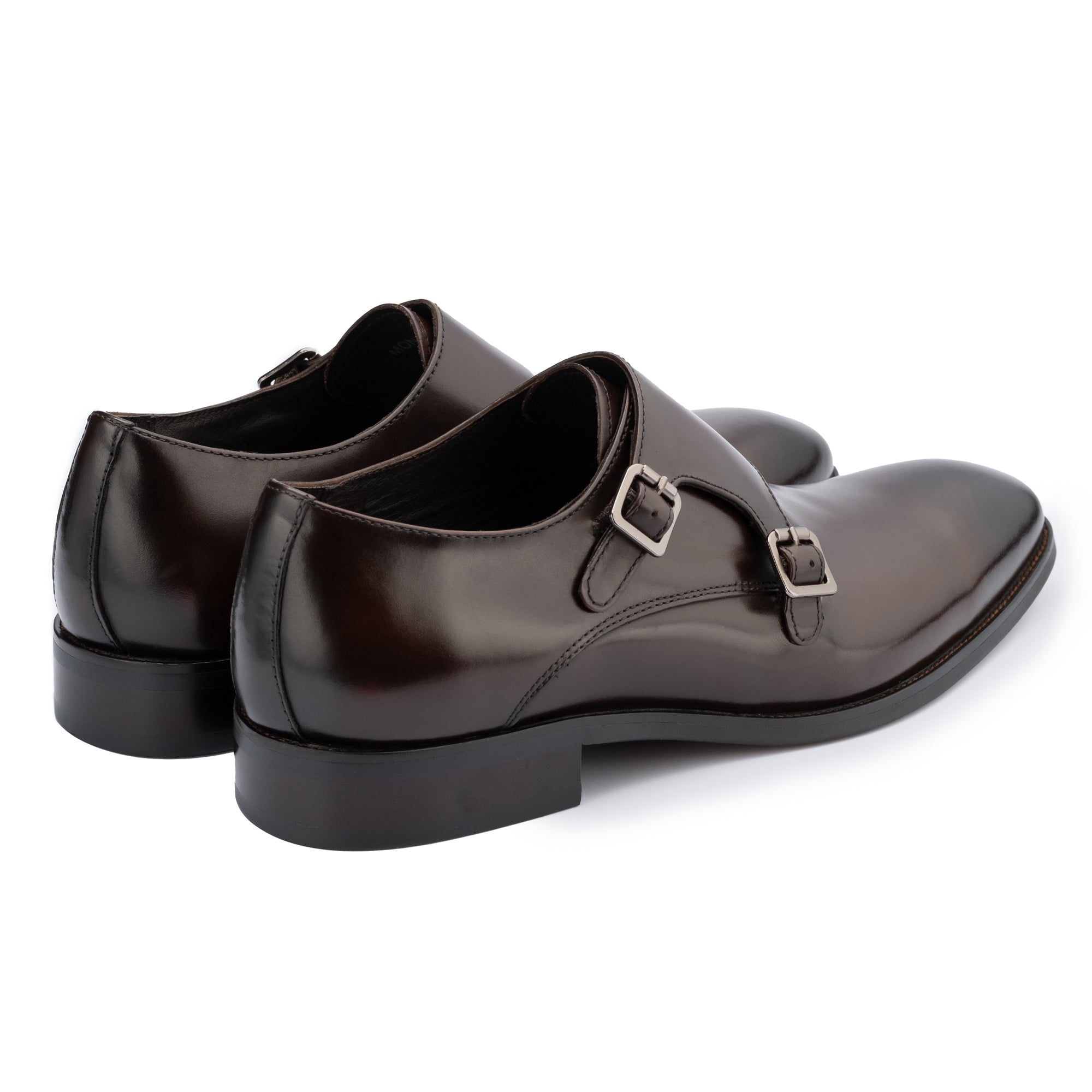
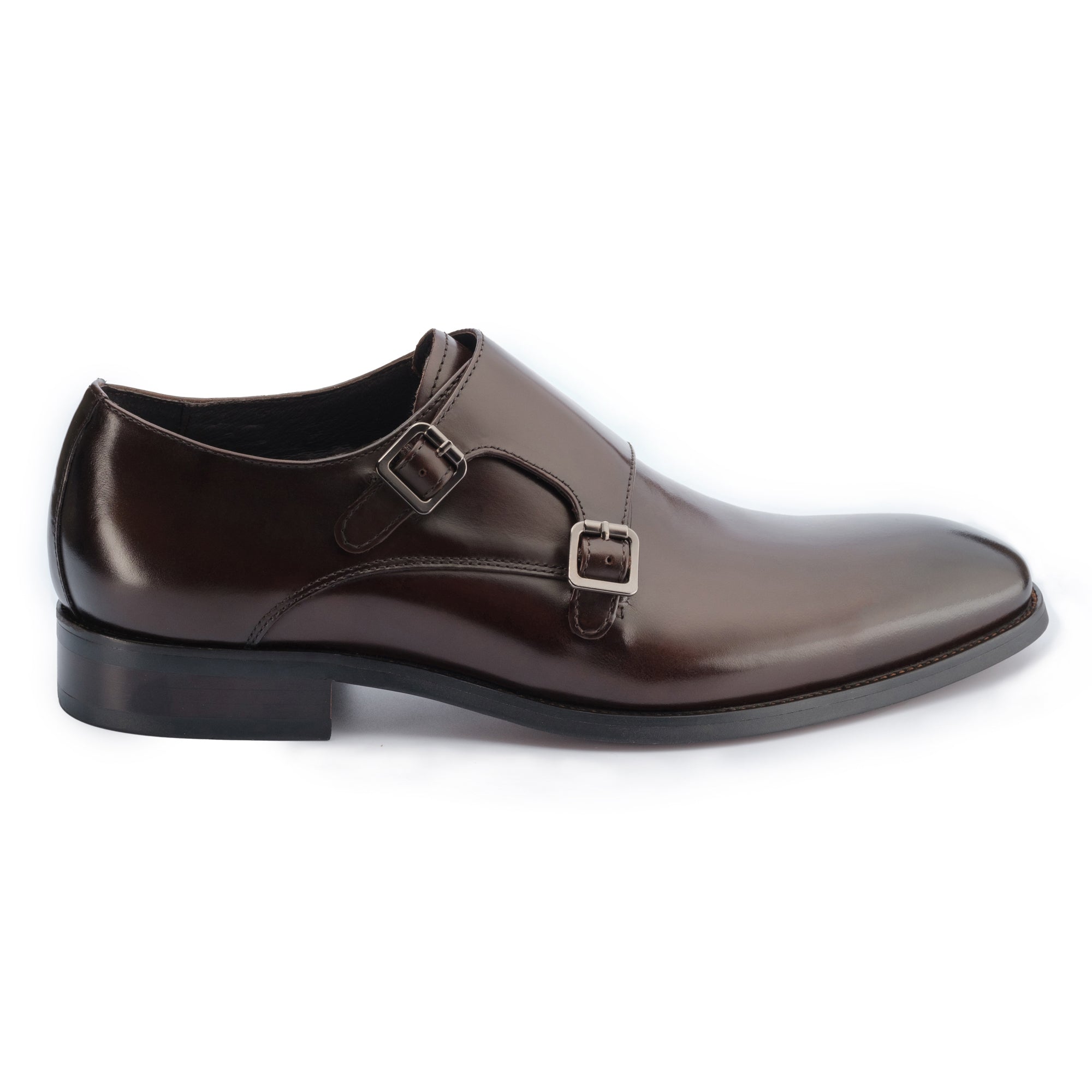
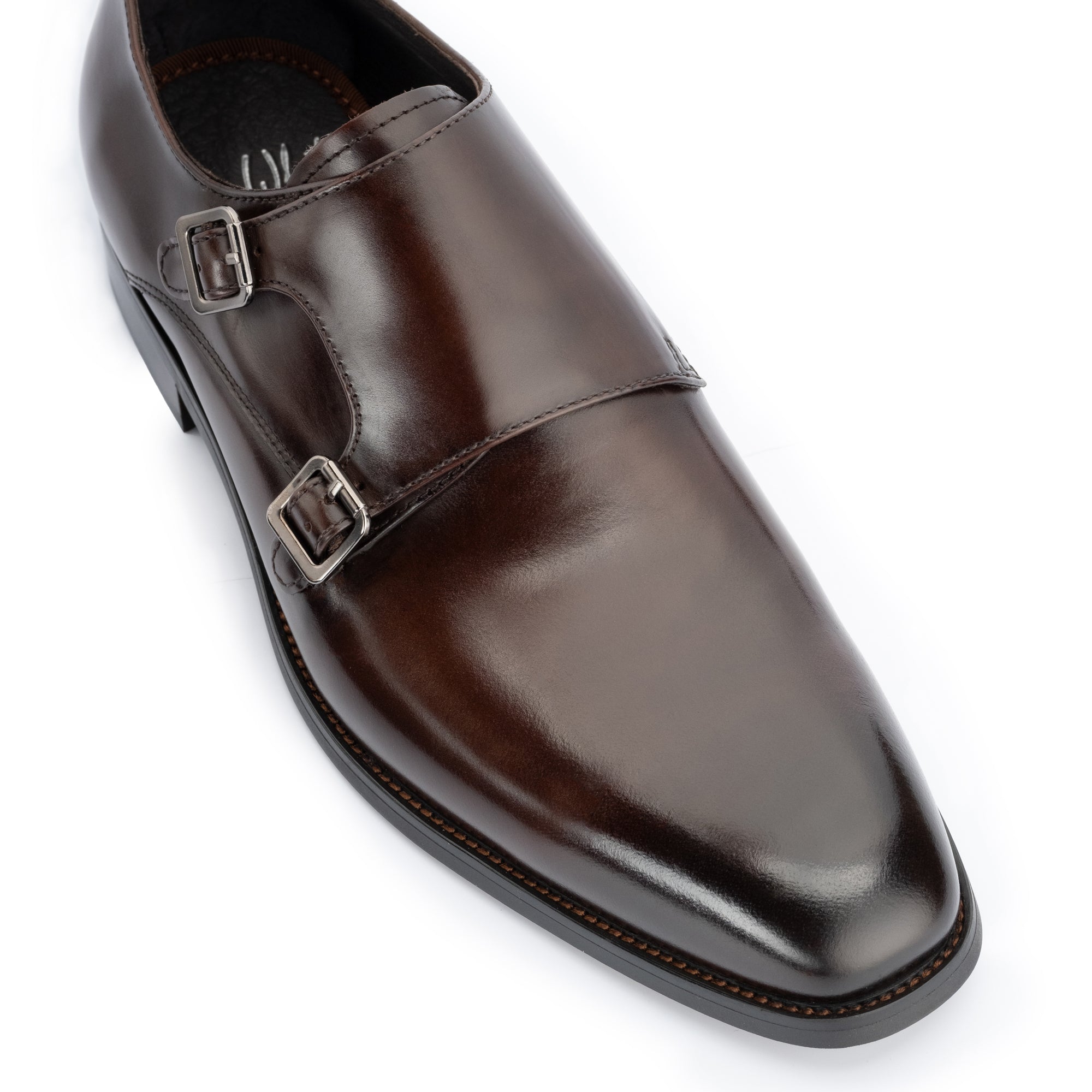
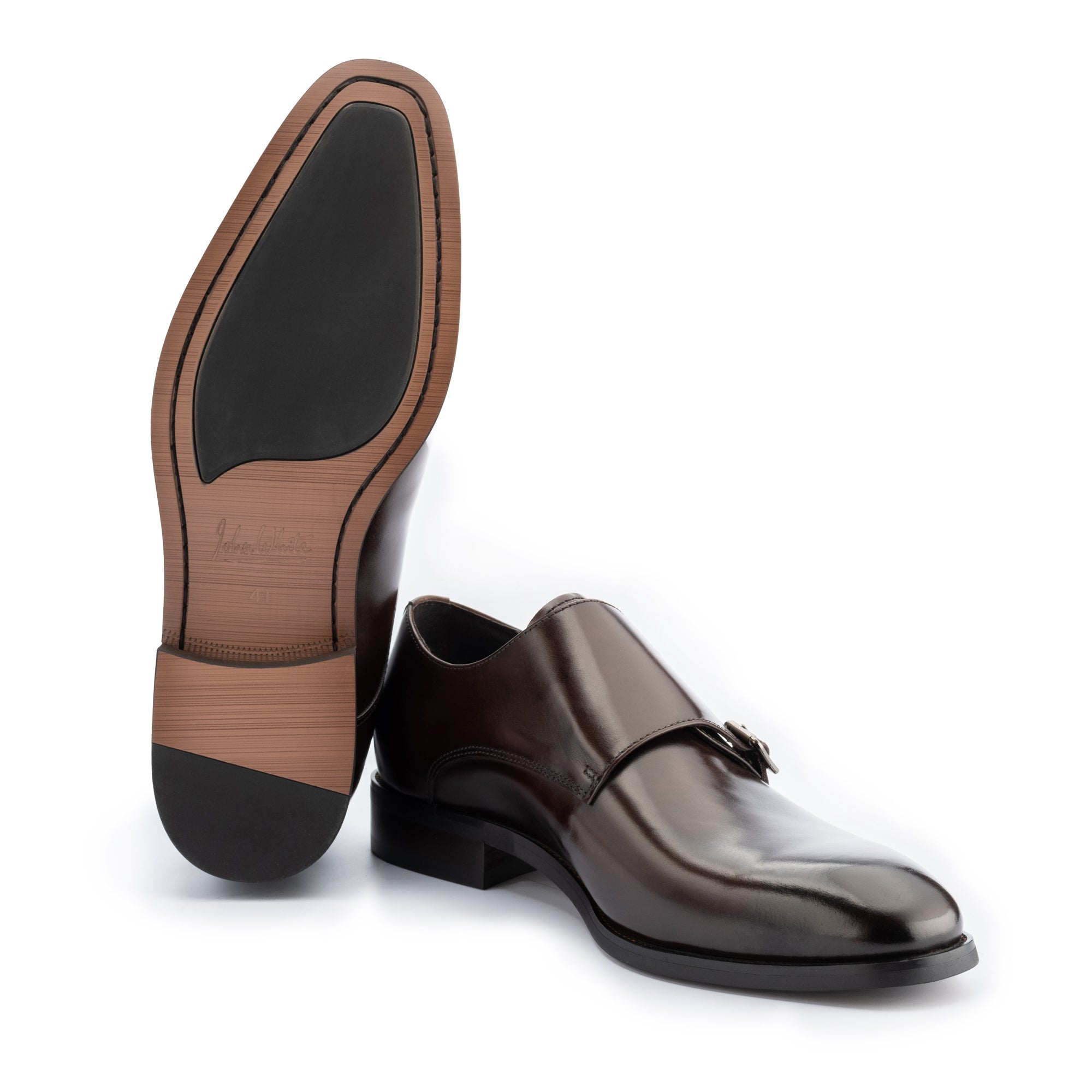
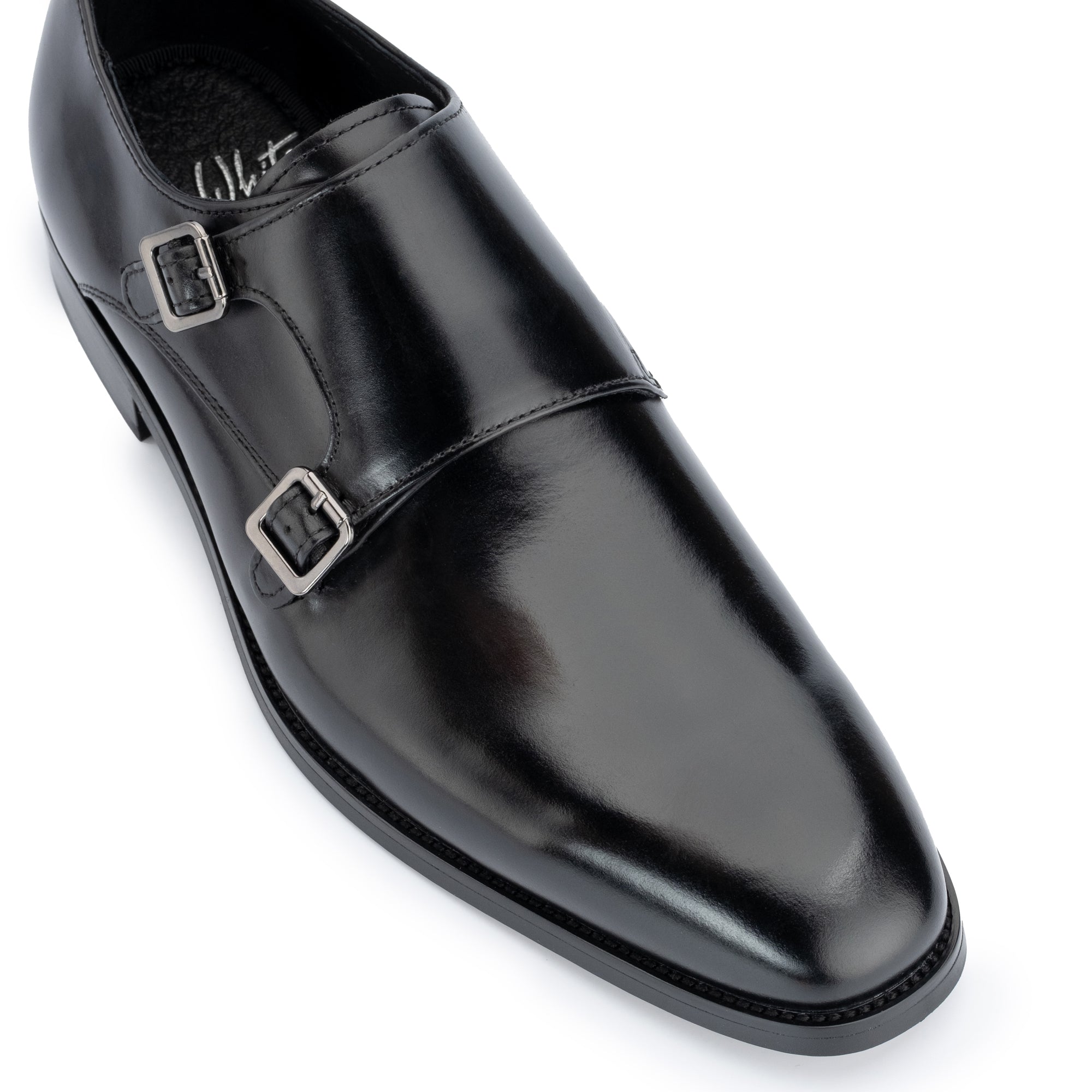
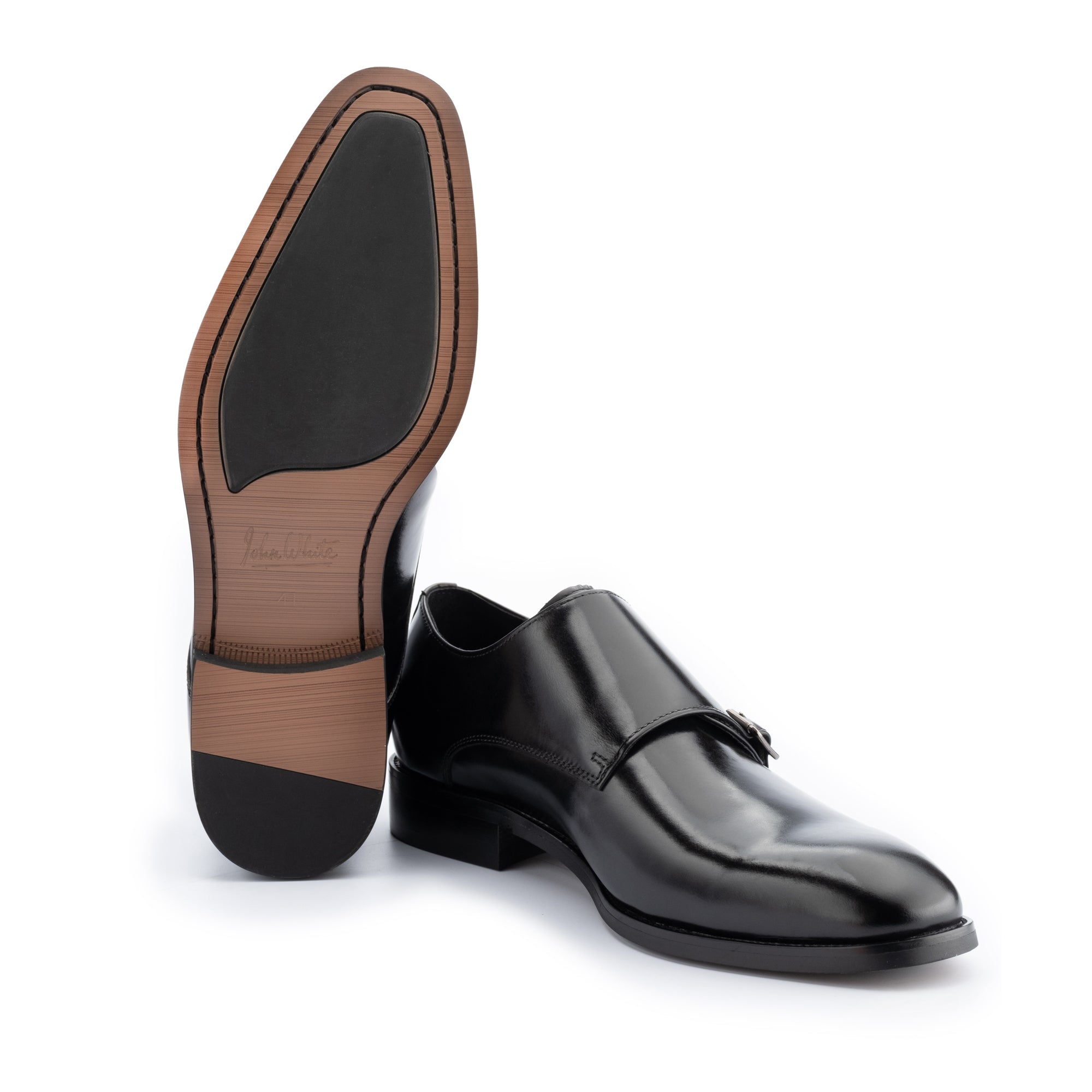
The monk strap with a grey suit is a confident choice. It signals style awareness in a way neither the Oxford nor the Derby does — the buckle hardware introduces a deliberate detail that reads as considered rather than conventional. The double monk works particularly well against mid to light grey, where the suit's neutrality allows the shoe's character to show.
The Monkton Double Monk in Brown is the natural JWS choice for this combination. For the full guide to wearing monk straps across occasions and outfit types, see the monk strap shoes guide.
The Semi-Brogue
The semi-brogue occupies the sweet spot between plain and decorated. A punch cap-toe and perforated edge signal craftsmanship without overwhelming a grey suit's inherent neutrality. It works harder than a plain captoe across different occasions — formal enough for business, characterful enough for an event where the dress code is smart rather than strictly formal.
The Lucan Semi-Brogues in Tan are the JWS semi-brogue recommendation against a grey suit: the medallion at the toe-cap is restrained, the last is clean, and the tan leather provides the warmth the suit requires.
Grey Suit by Occasion
Formal client meetings and senior business: Charcoal grey, black or tan Oxford, white shirt. The Guildhall Capped Oxfords in Black for the strictest register; Guildhall Capped Oxfords in Tan for a slightly warmer, less conventional impression.
Creative and smart-casual office: Mid-grey suit, tan or brown Derby brogue, no tie required. Stokes Brogue Derby in Tan or Brown, or Lucan Semi-Brogues in Tan. The open lacing of the Derby suits an environment where the suit jacket may come off.
Weddings (guest, not groom): Mid to light grey suit, tan semi-brogue or brogue Derby. The Lucan Semi-Brogues in Tan remain the most characterful option for this register. For occasion dressing at the relaxed-smart end — garden parties, smart lunches, informal receptions — the loafers with a suit guide covers where the boundary sits.
Evening events (dinners, private members' clubs, theatre): Charcoal grey, Guildhall Capped Oxfords in Black with a mirror polish. If black tie is not required, this is the correct adjacent choice.
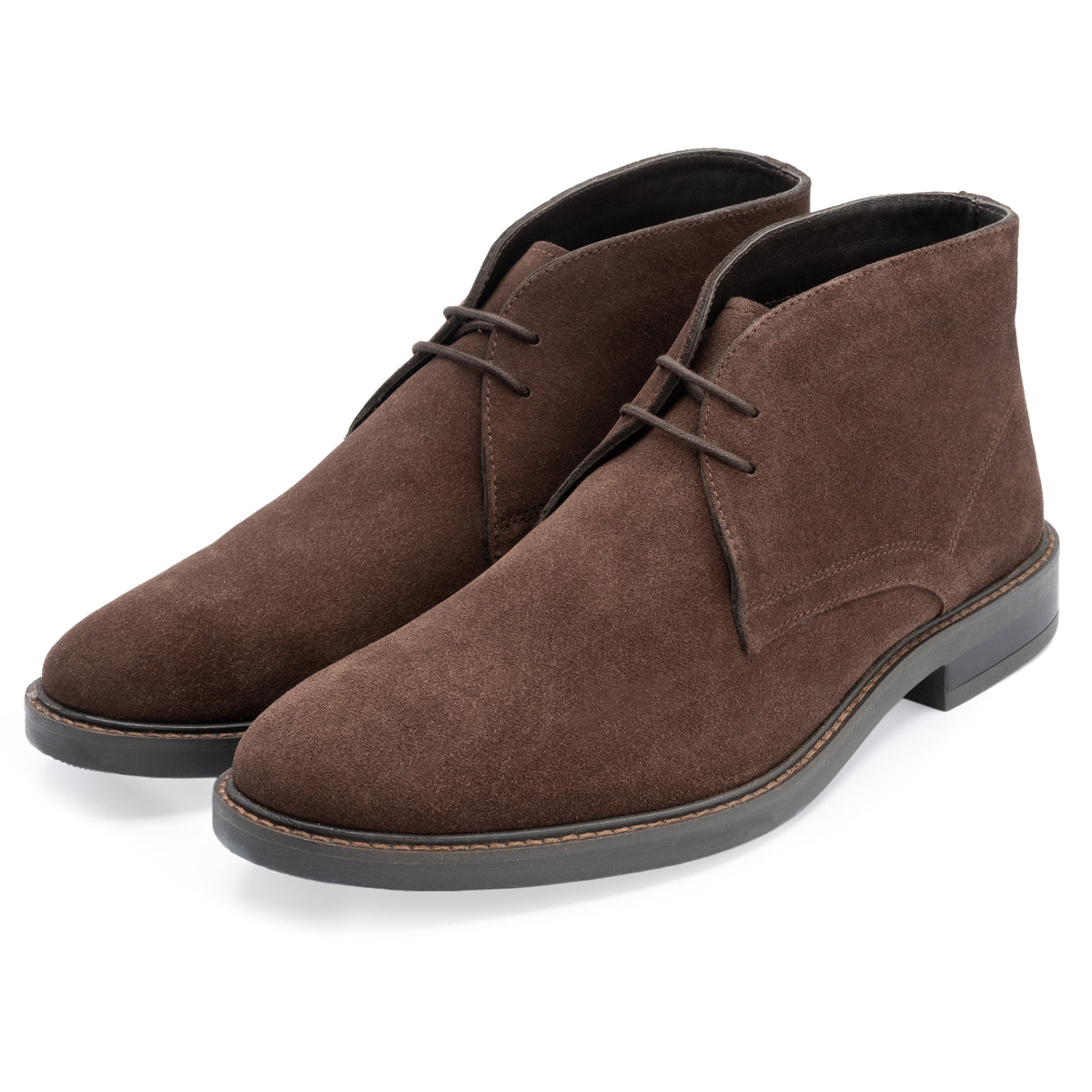
Summer occasions (races, garden parties, outdoor events): Light grey, tan shoes without exception. Nothing dark. The Lucan Tan Semi-Brogues or Stokes Tan Brogue Derby. Brown suede is also appropriate here if the event allows it.
Details That Govern the Whole Look
Belt: Match the belt to the shoe, not to the suit. A tan shoe with a brown belt is not a match. A tan shoe with a tan belt is. Grey suits are particularly unforgiving of this error because the neutral cloth draws the eye immediately down to the accessories.
Socks: Charcoal or mid-grey socks for formal occasions. With tan shoes, a lighter grey or warm stone sock works without disruption. White socks with a grey suit are a categorical error. Pattern socks — argyle, club stripe — are acceptable against mid-grey in informal settings only.
Shirt colour: White is the safest choice for any occasion requiring care. Mid-blue opens the palette of shoes that work — it is forgiving of both black and tan. Light pink with a grey suit and tan shoes is a combination difficult to get wrong, and one that the more considered end of British dress has used for decades.
Fit: The shoes bring an outfit to its conclusion. They cannot rescue it from a suit that does not fit.