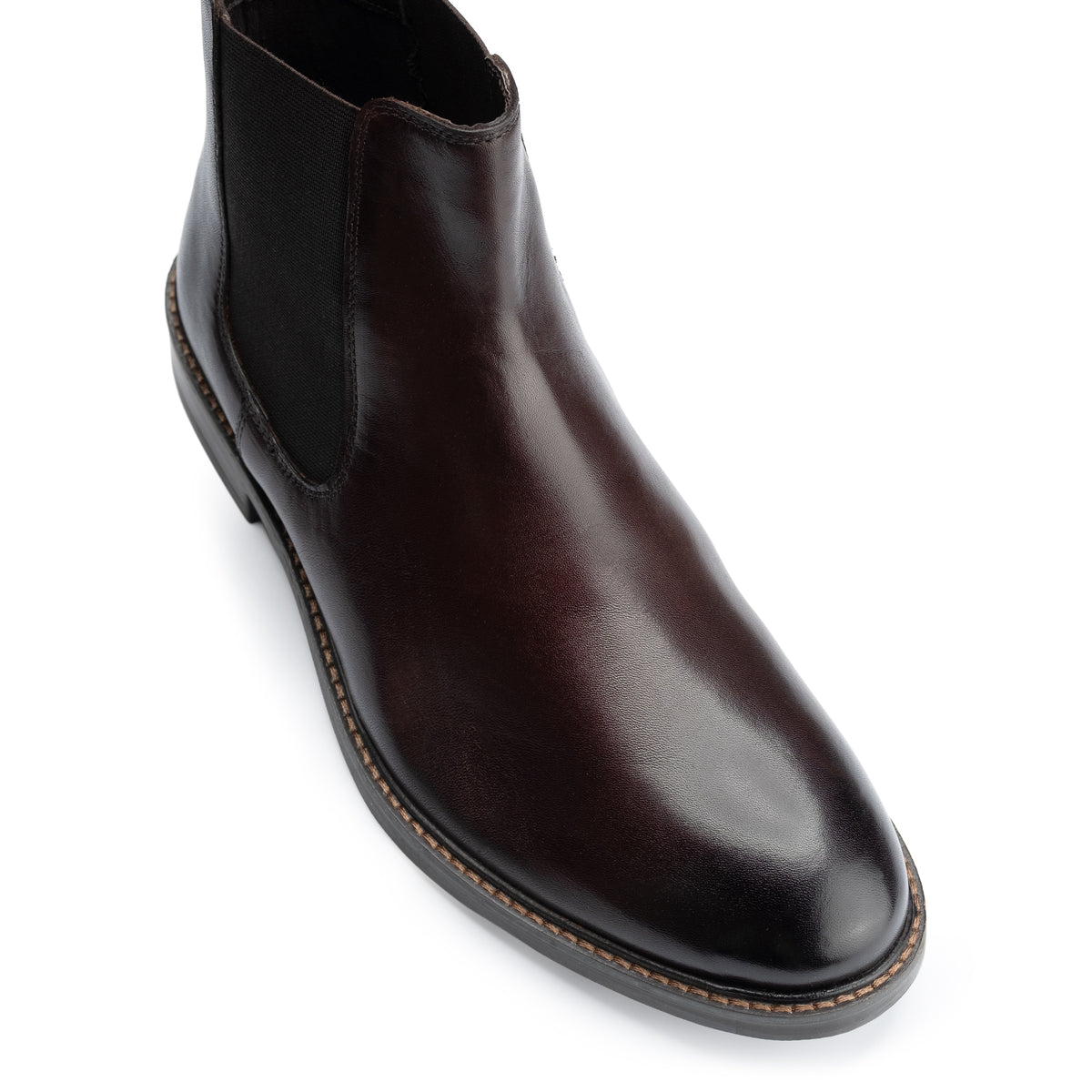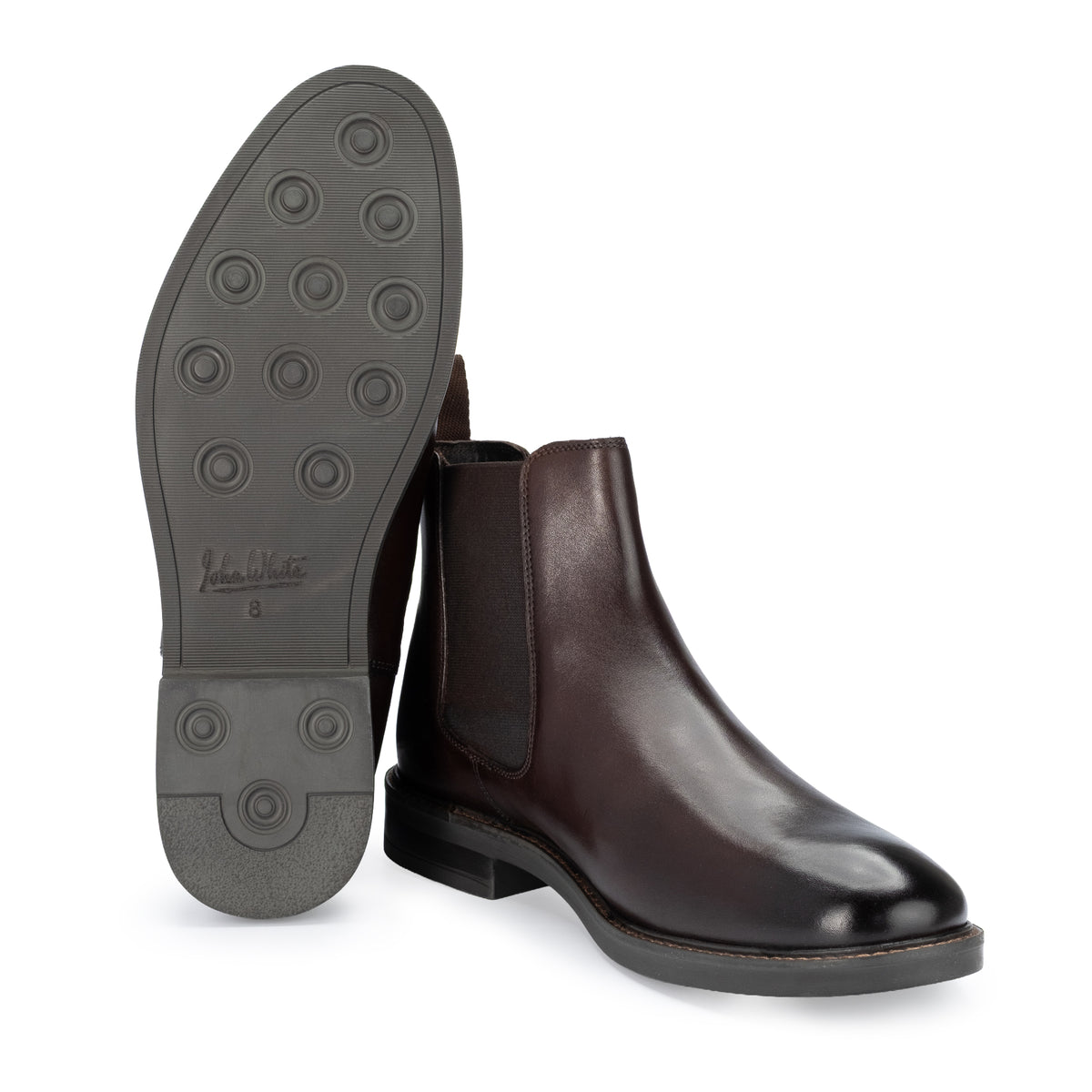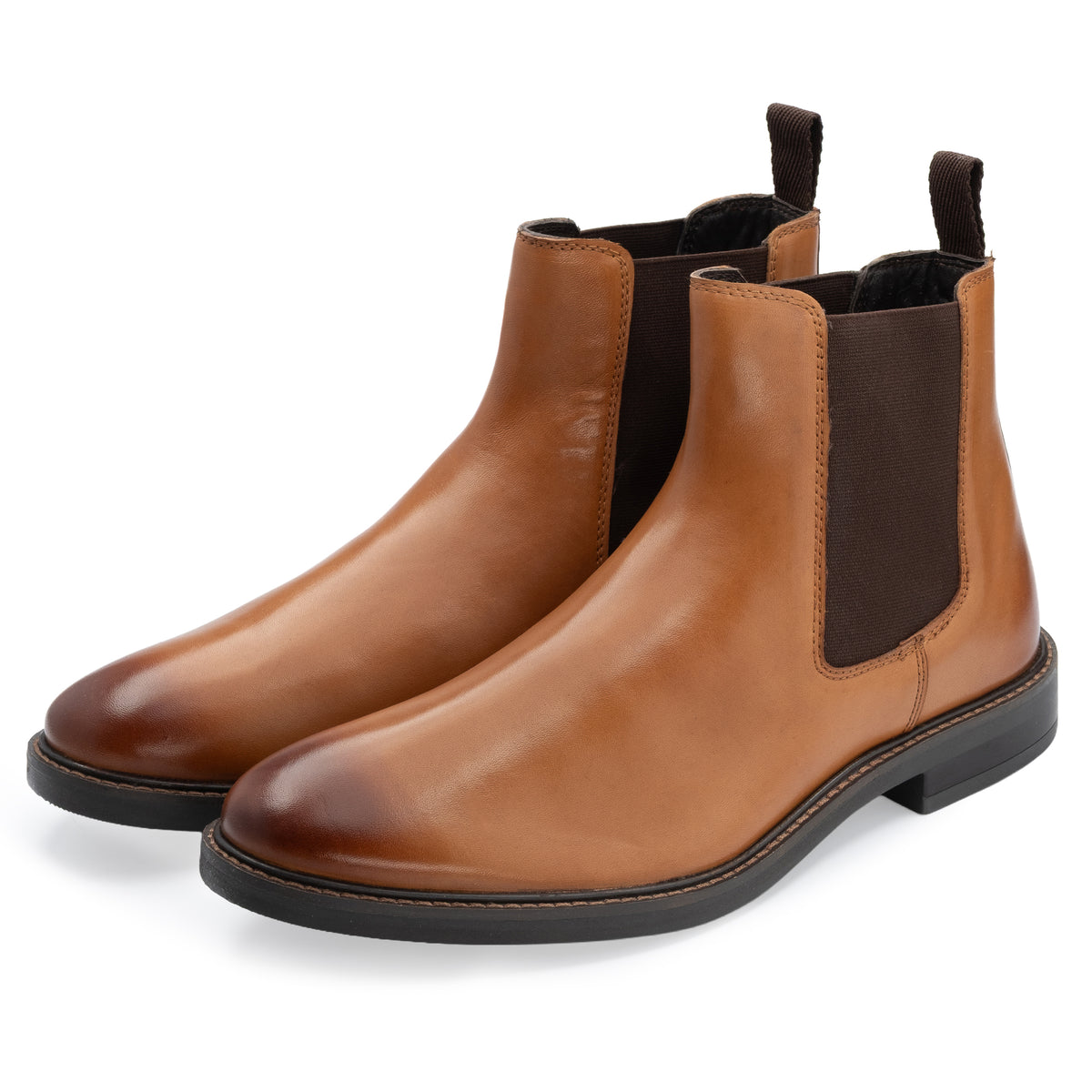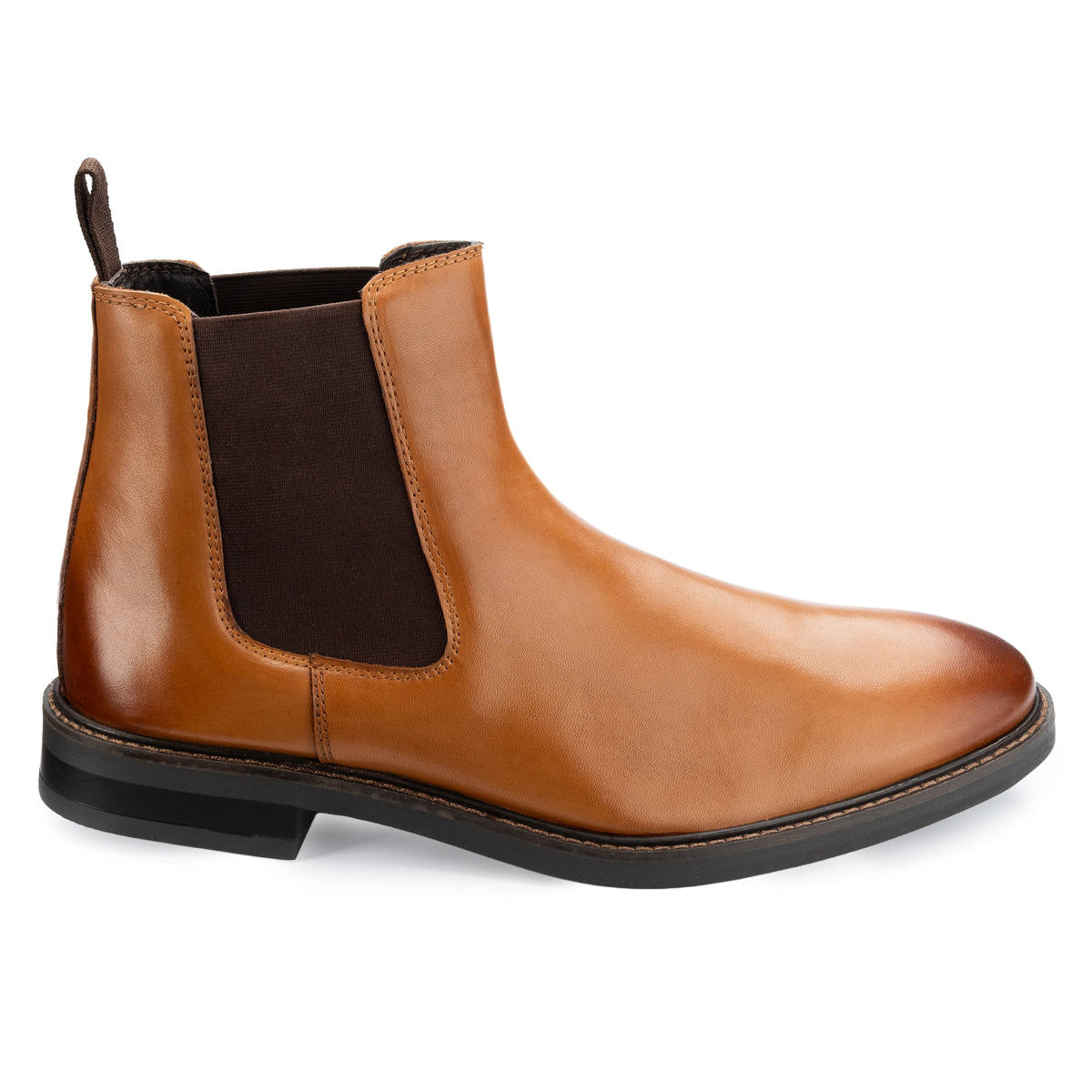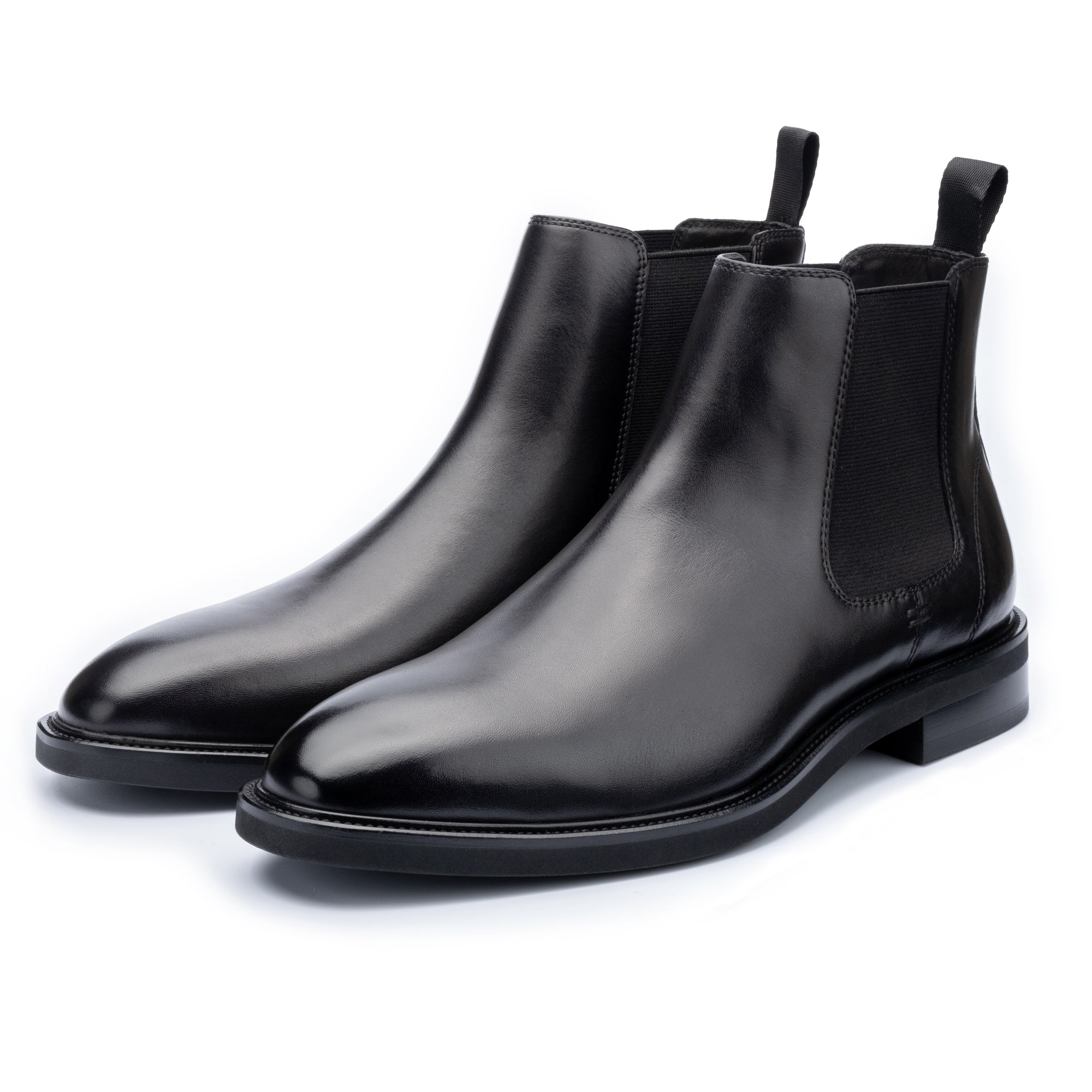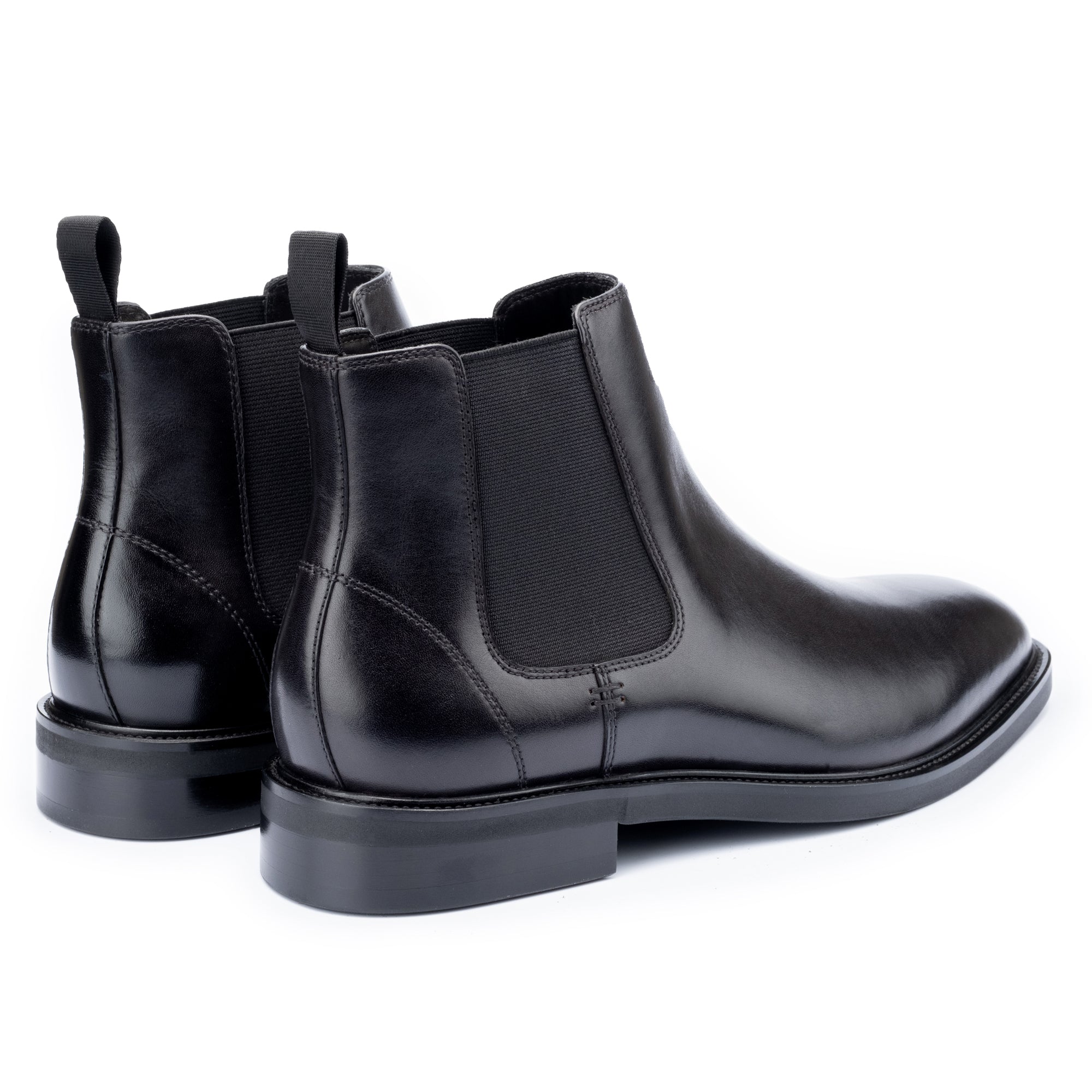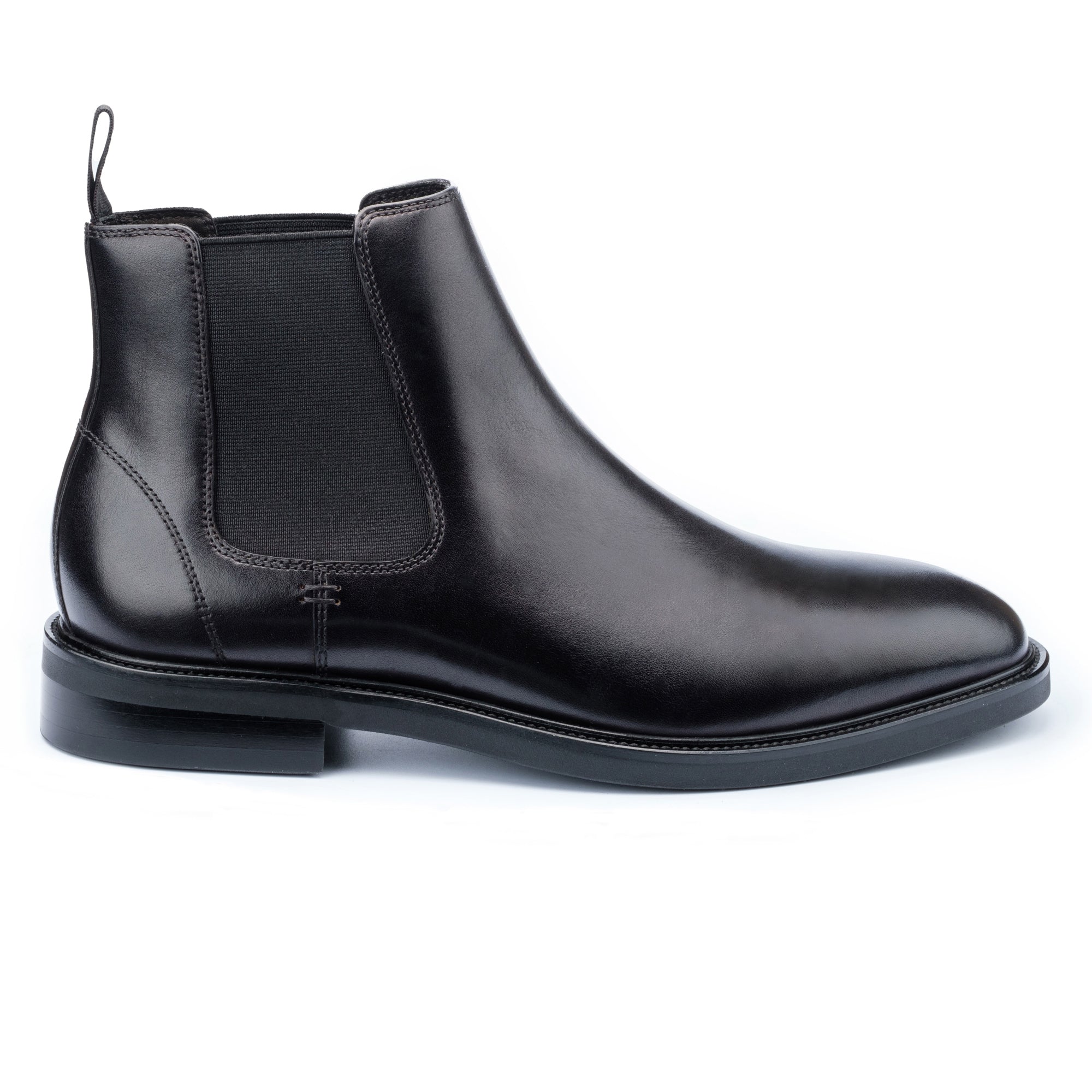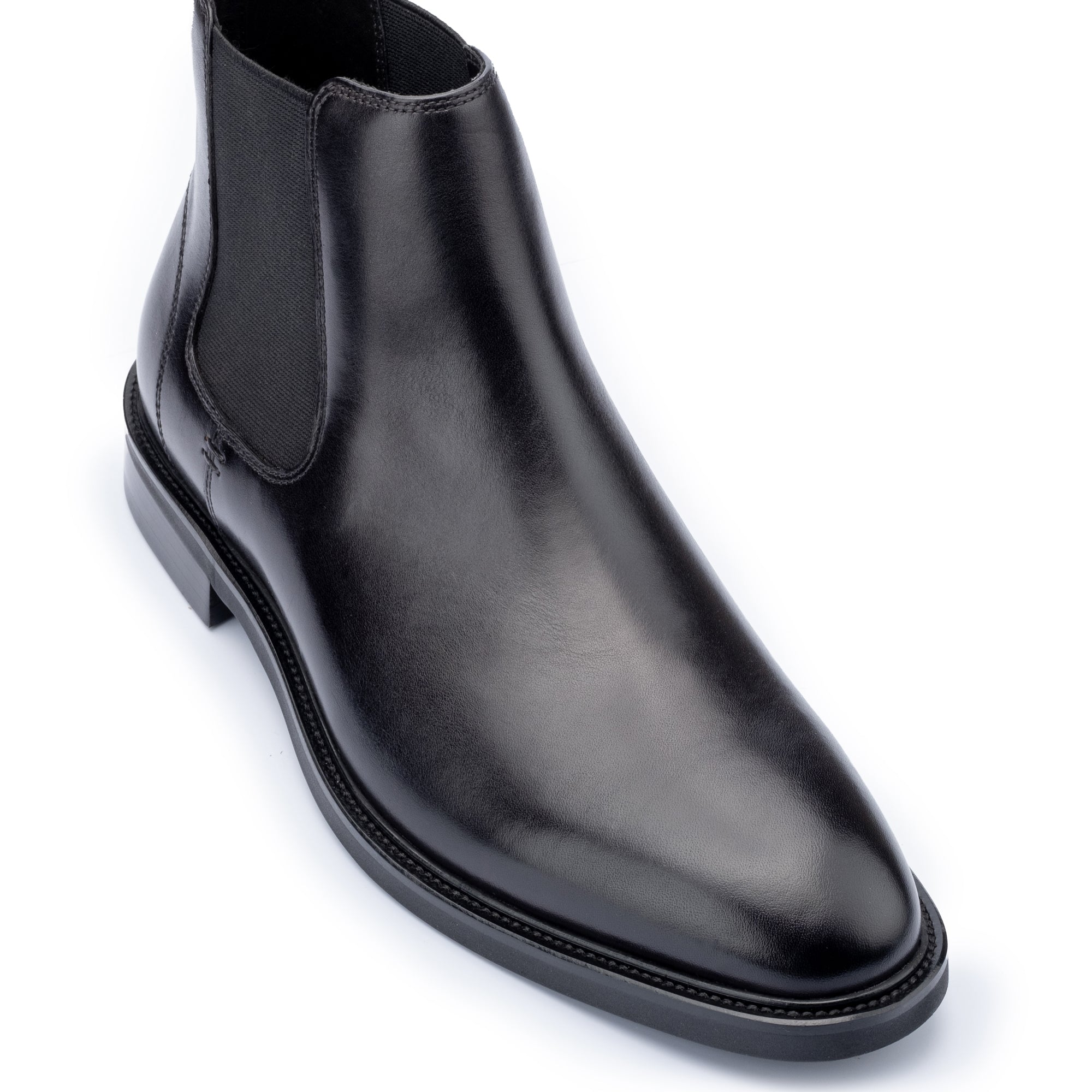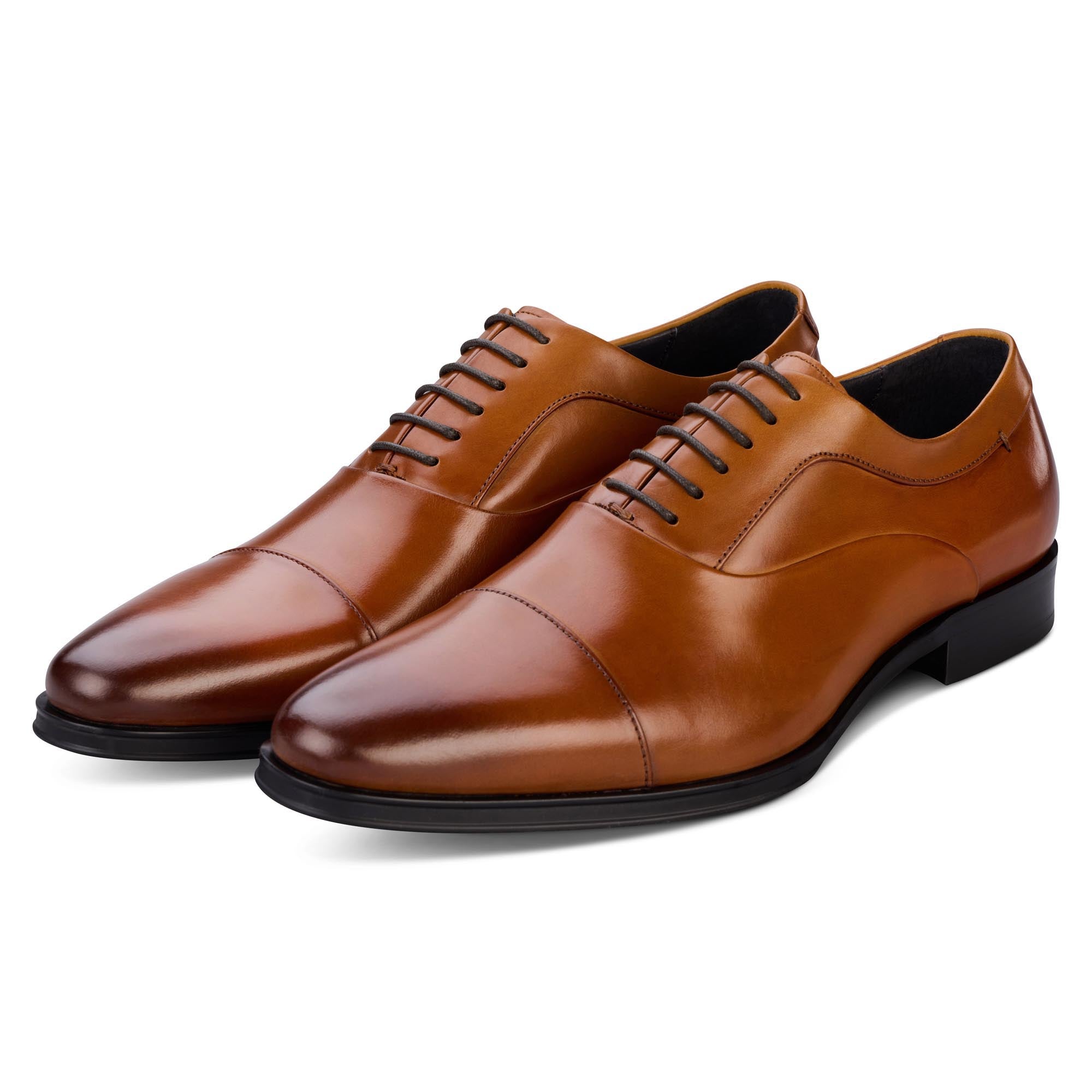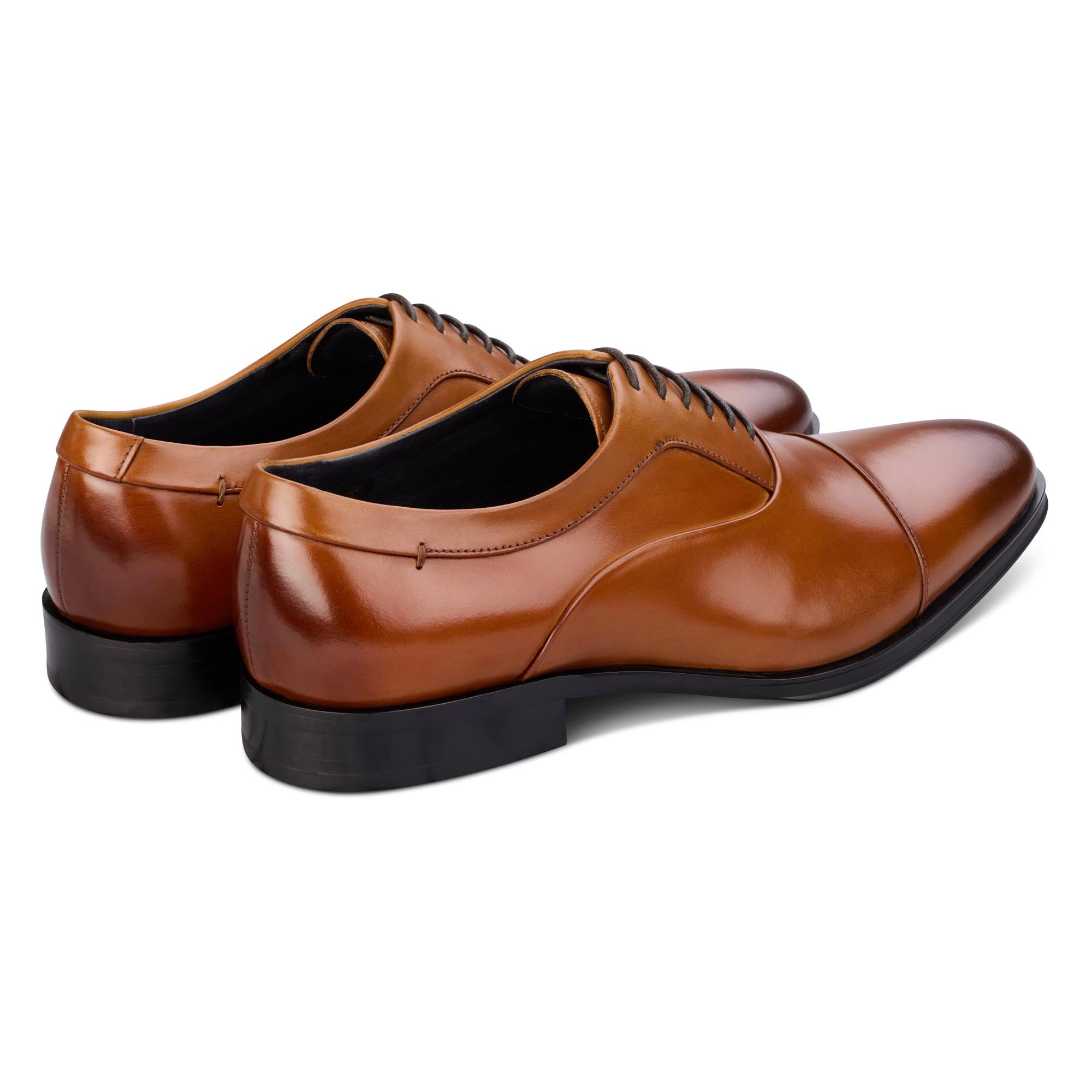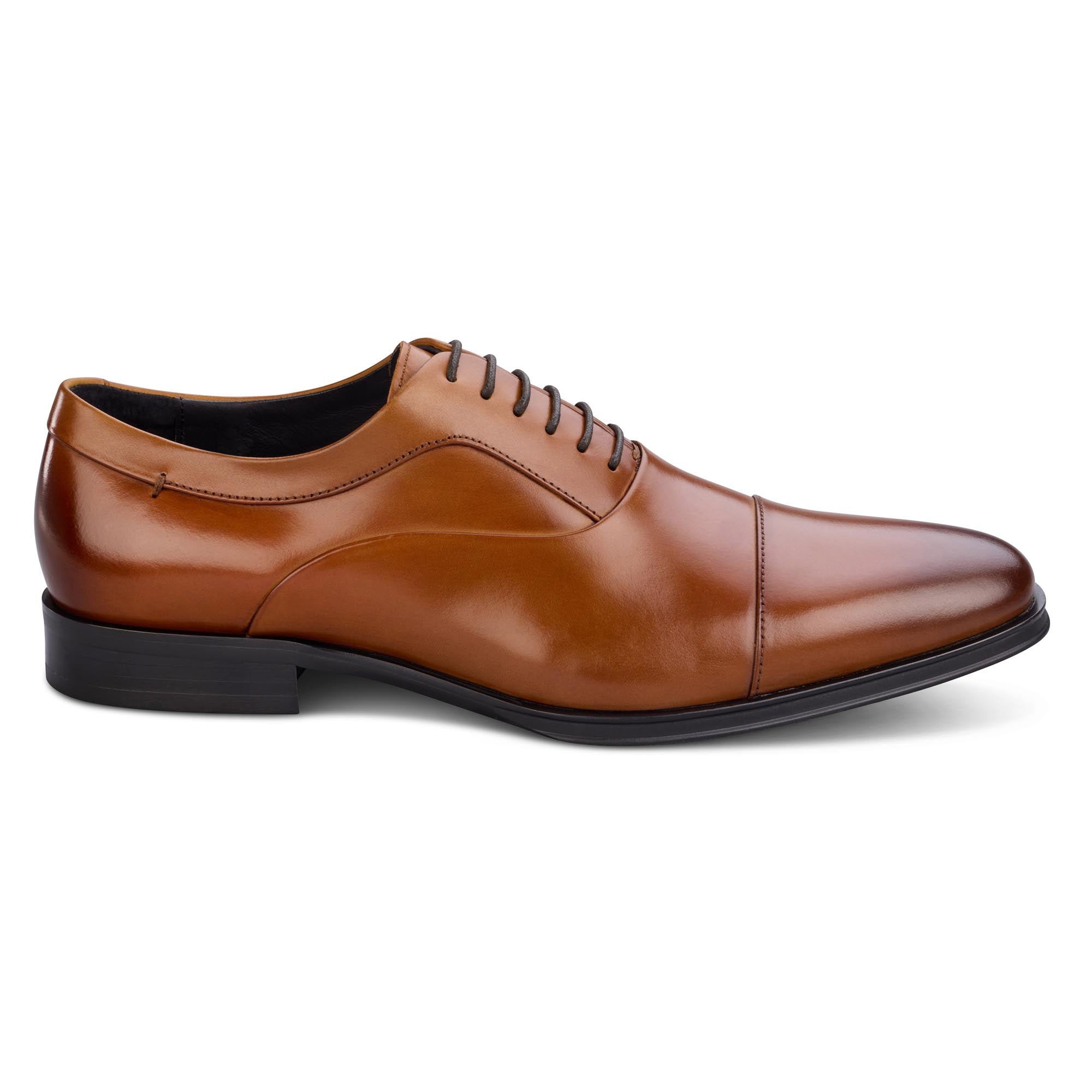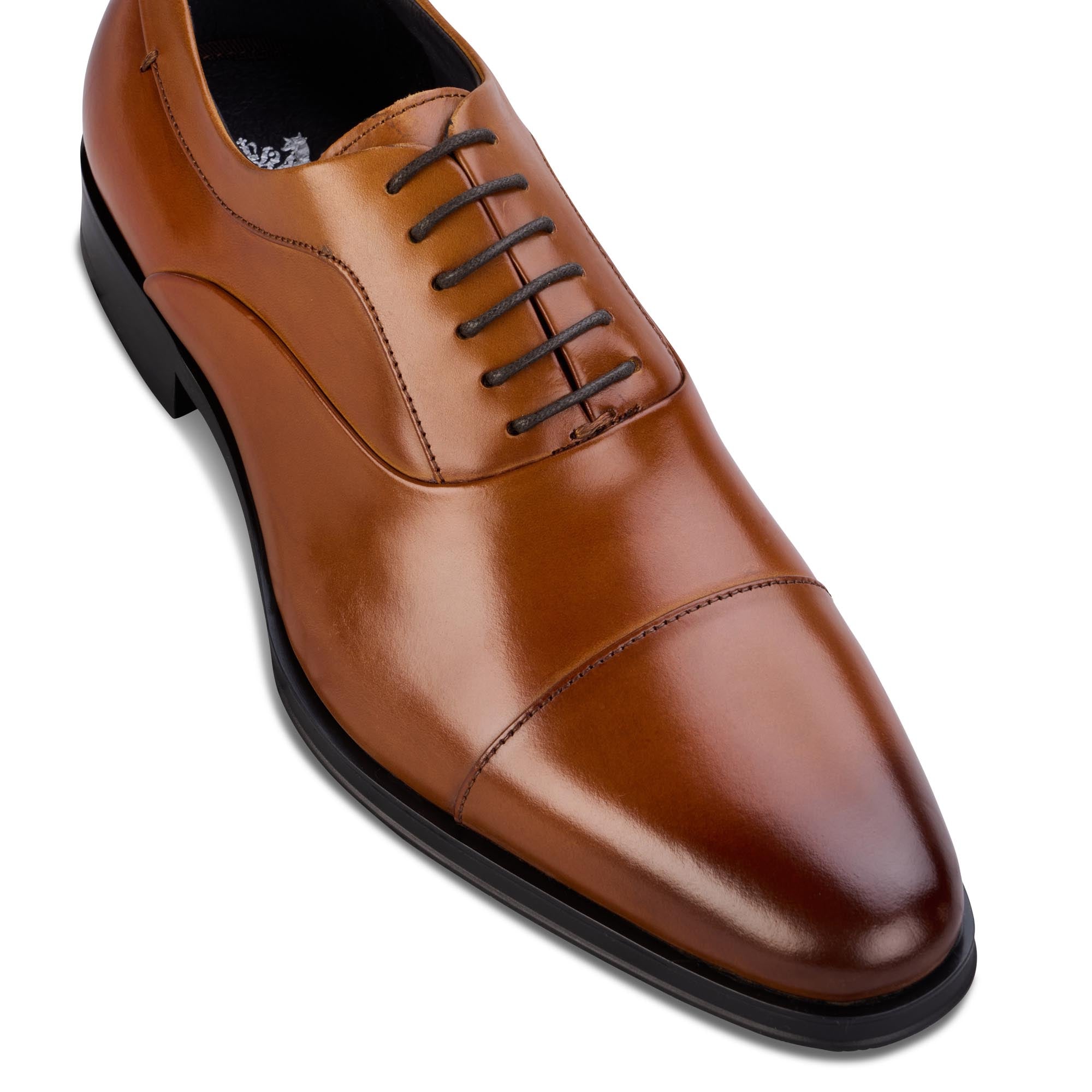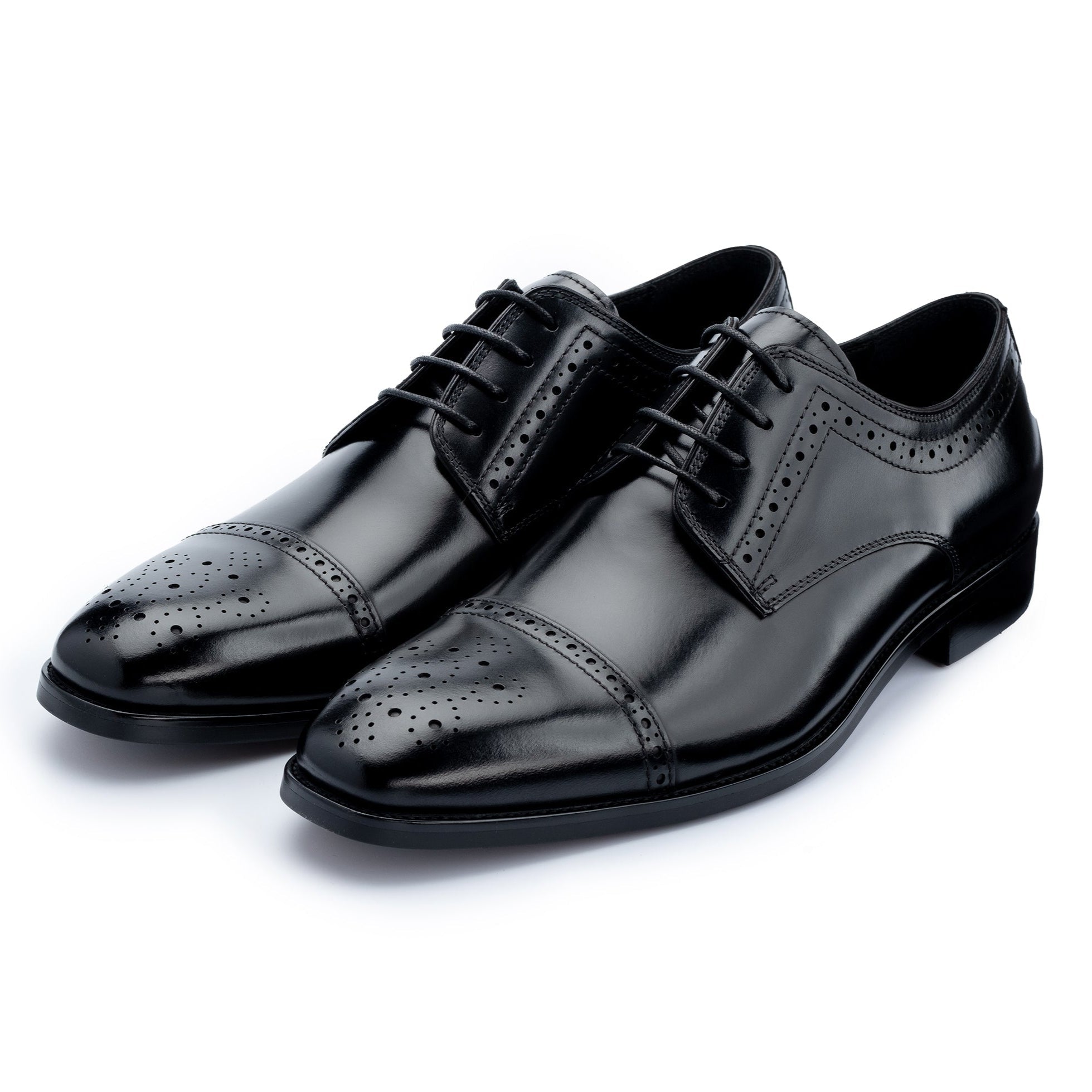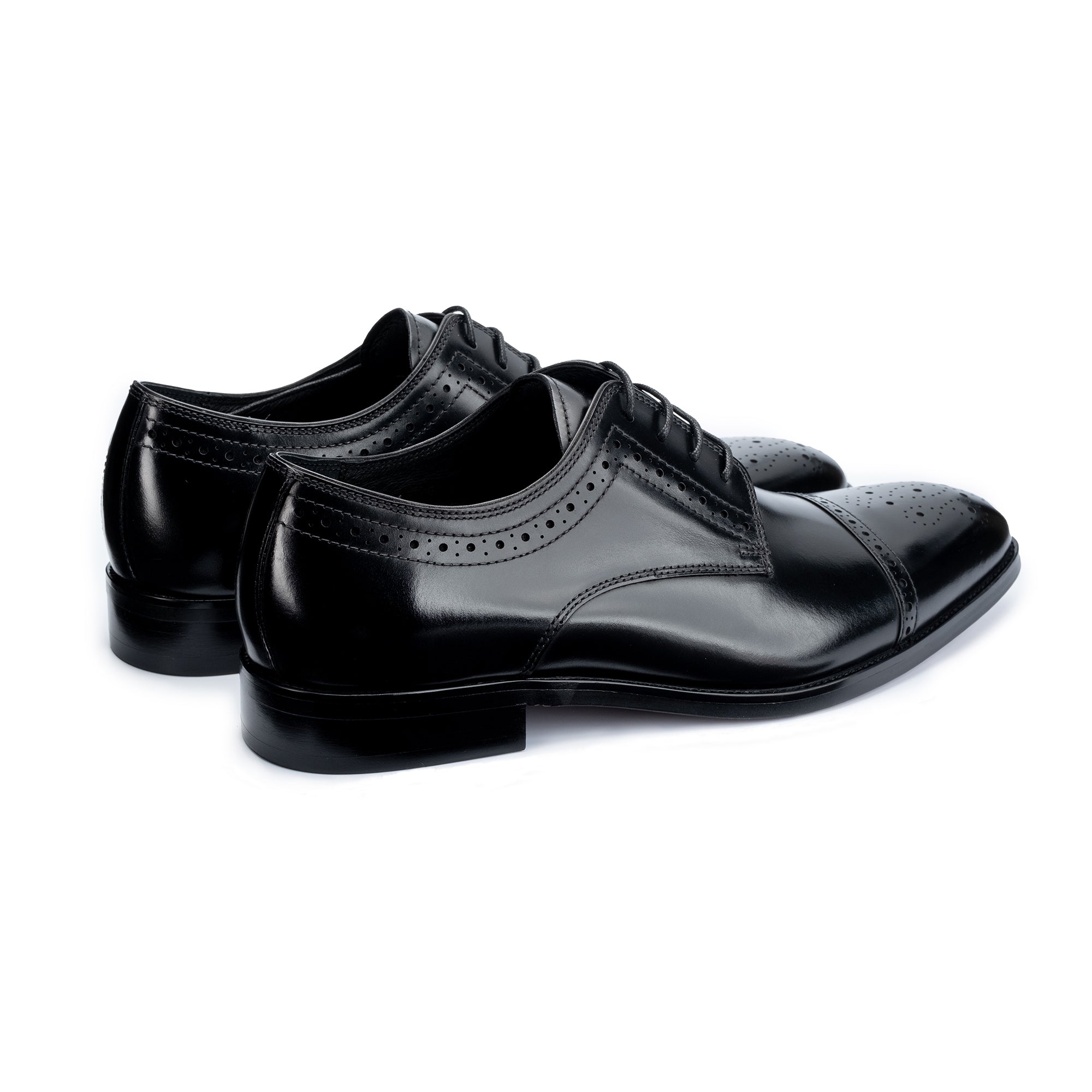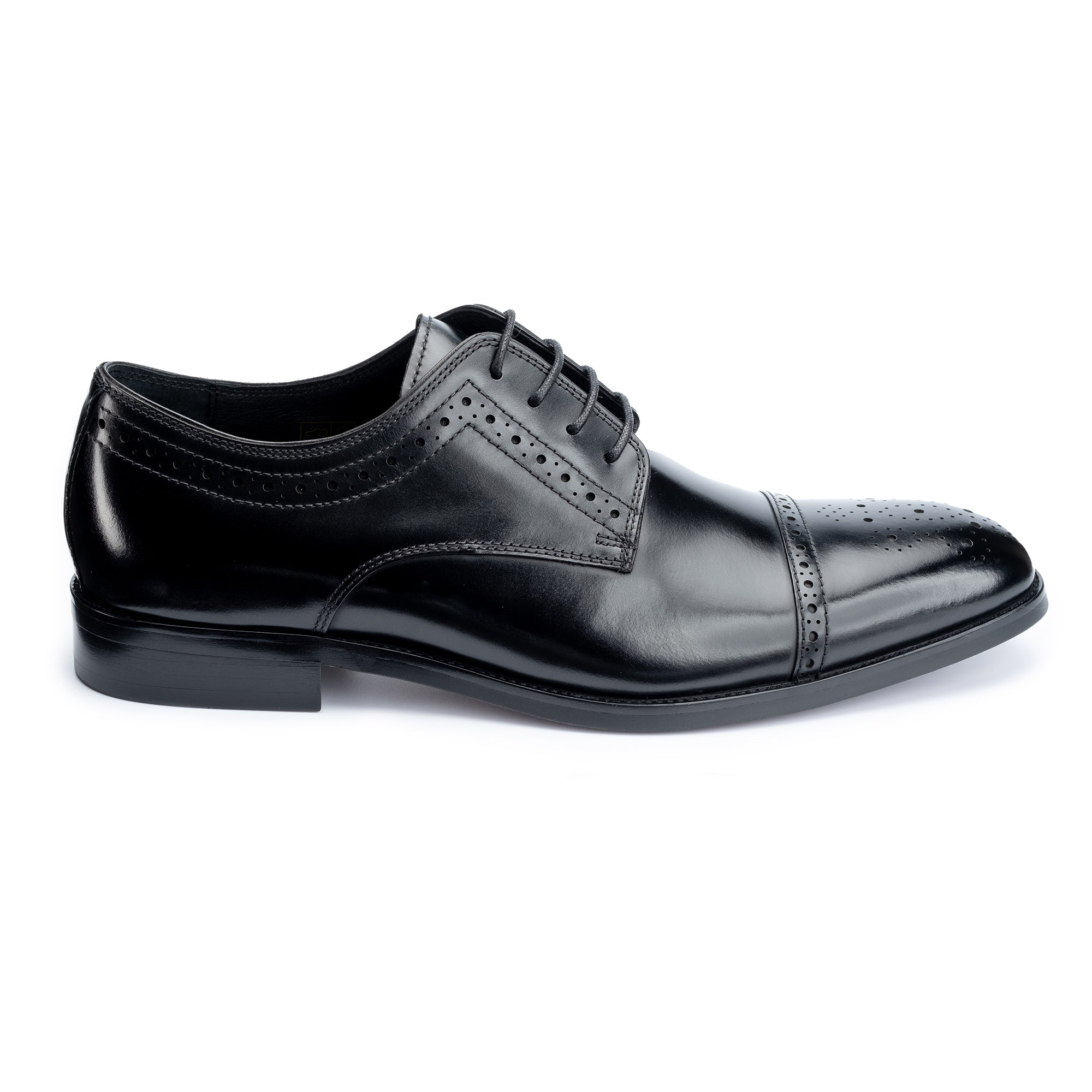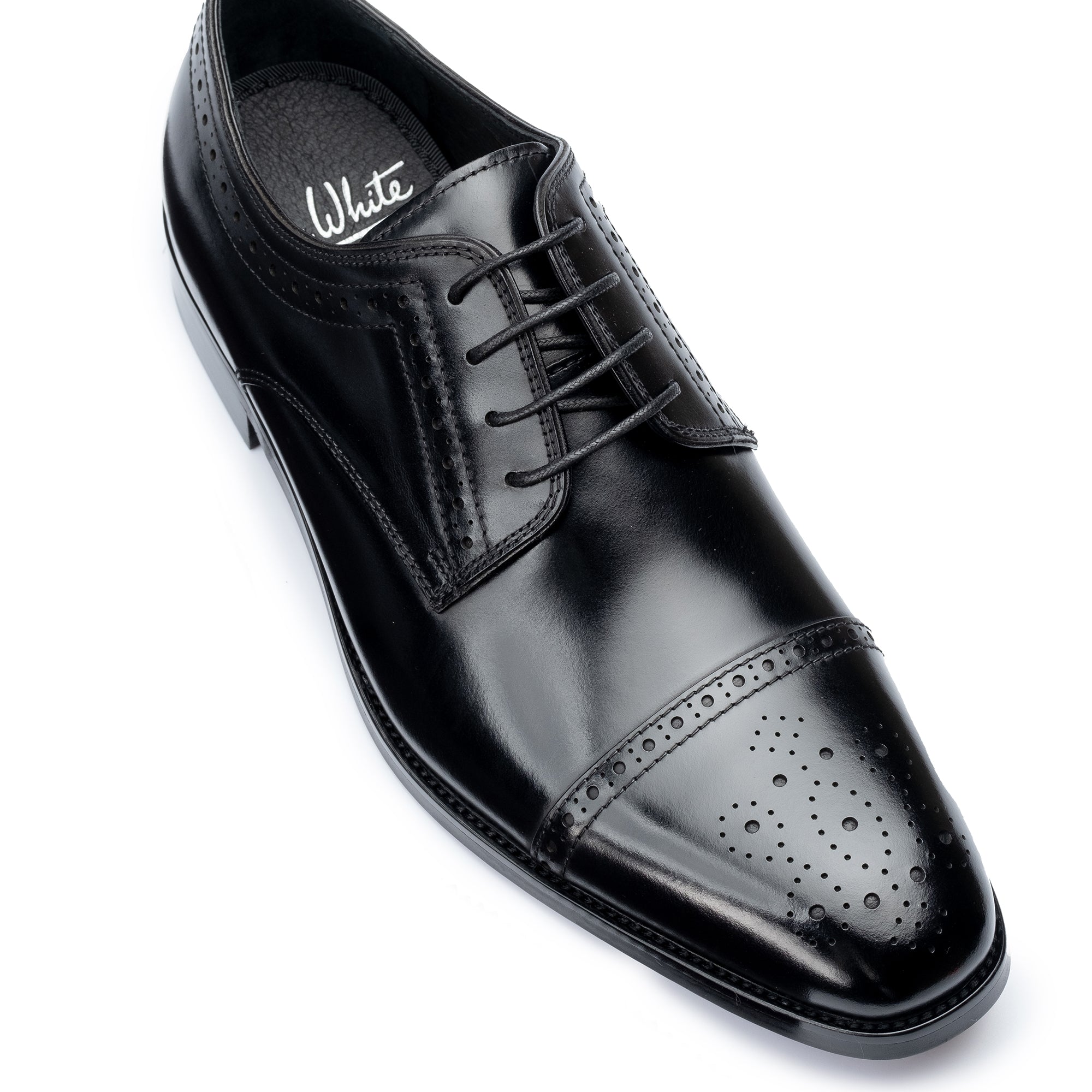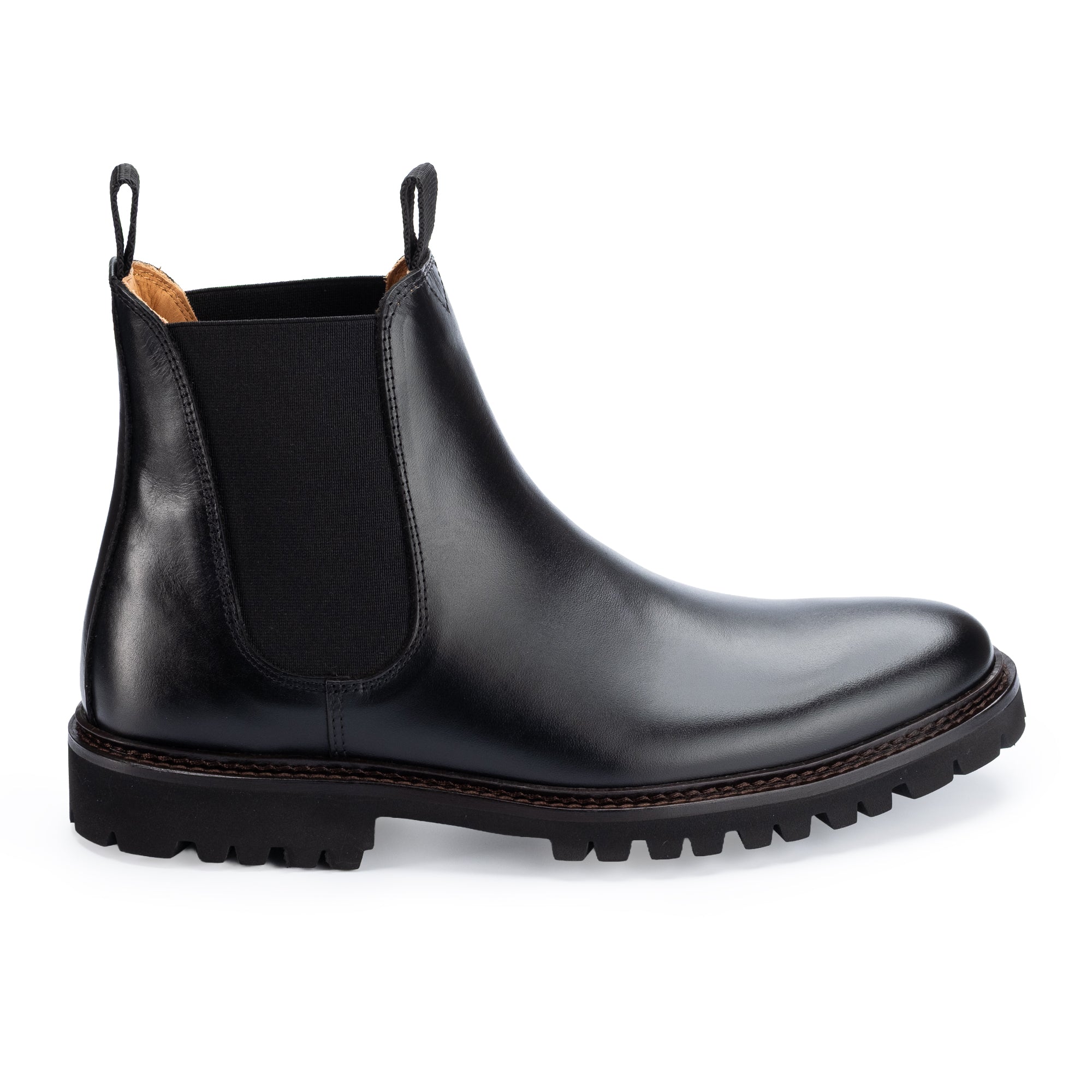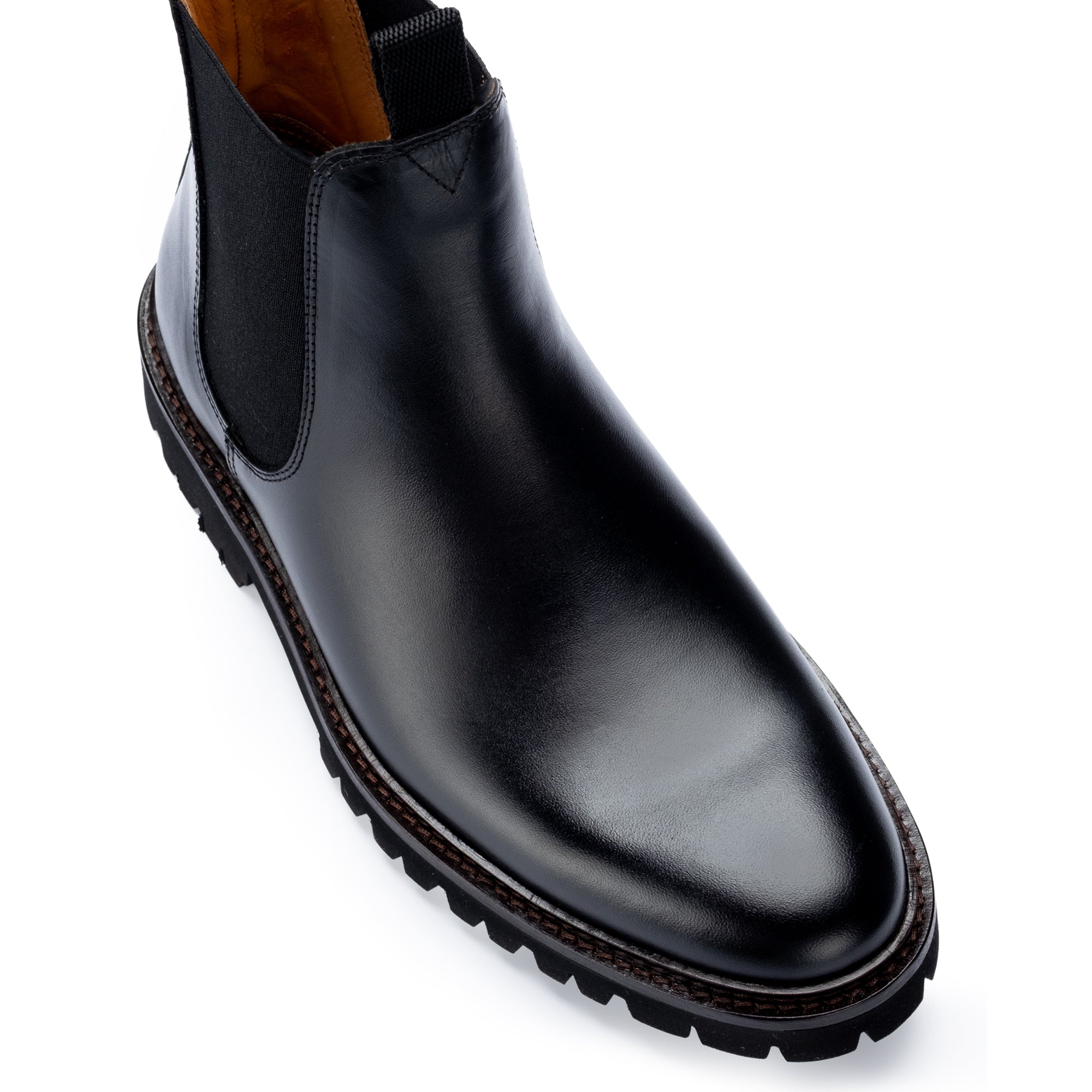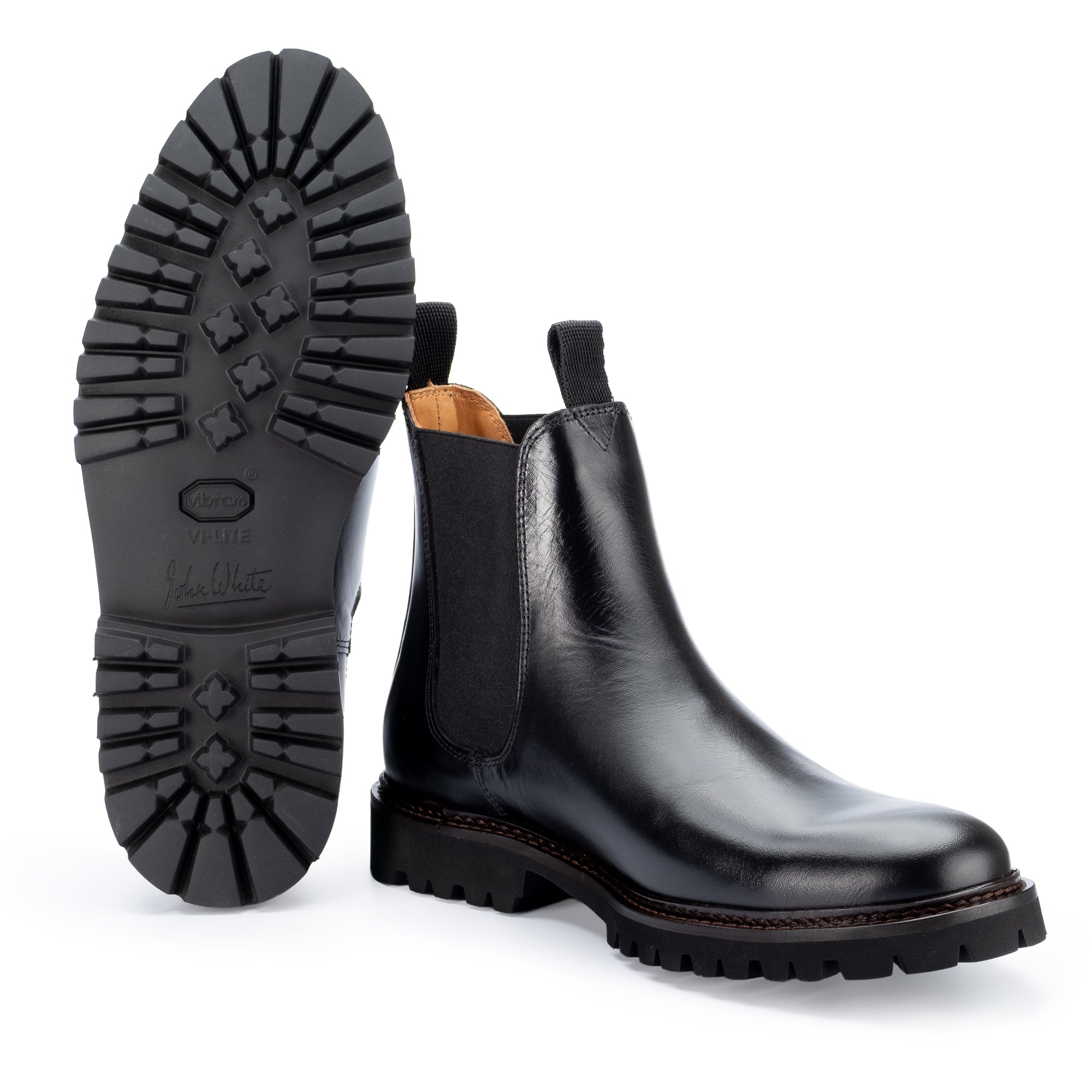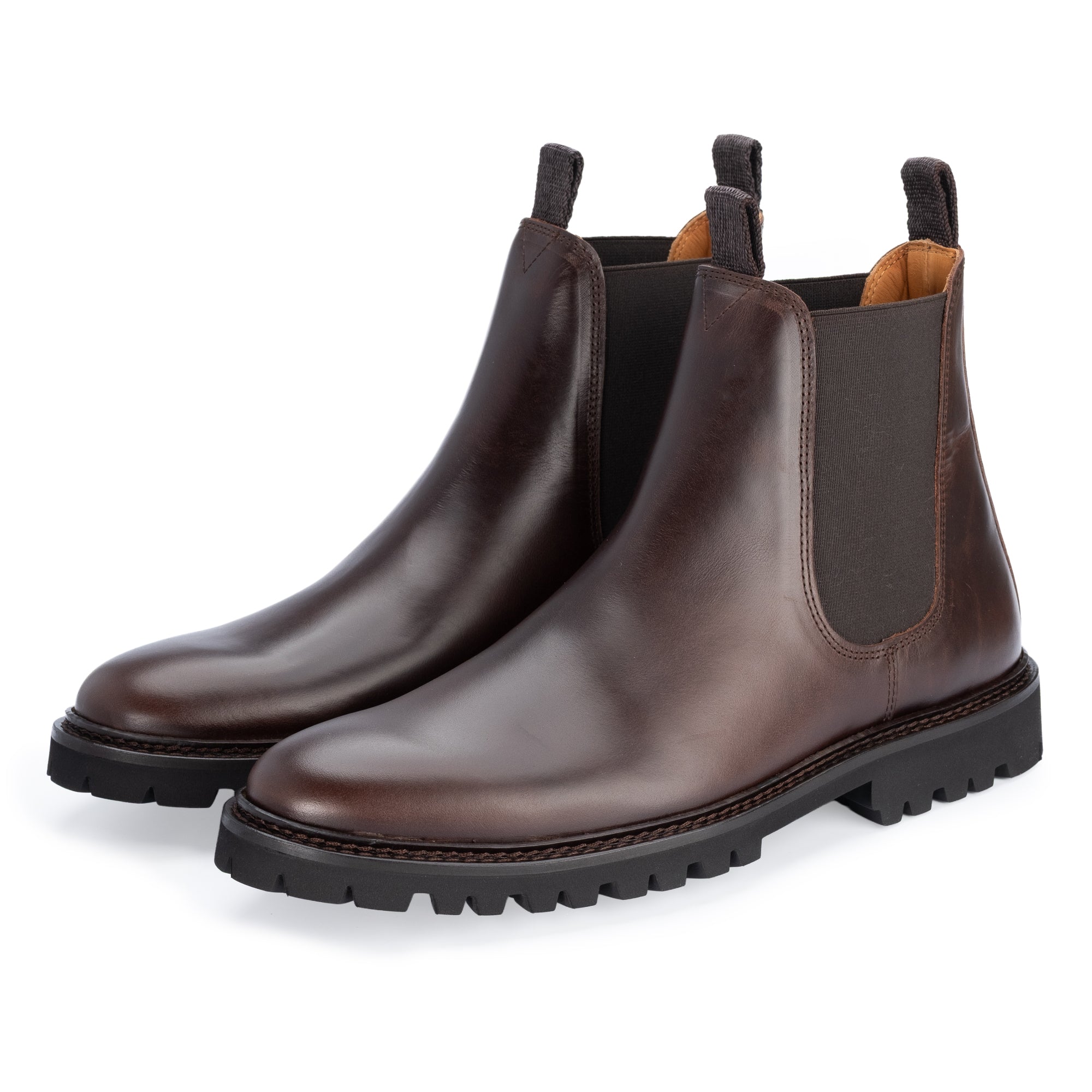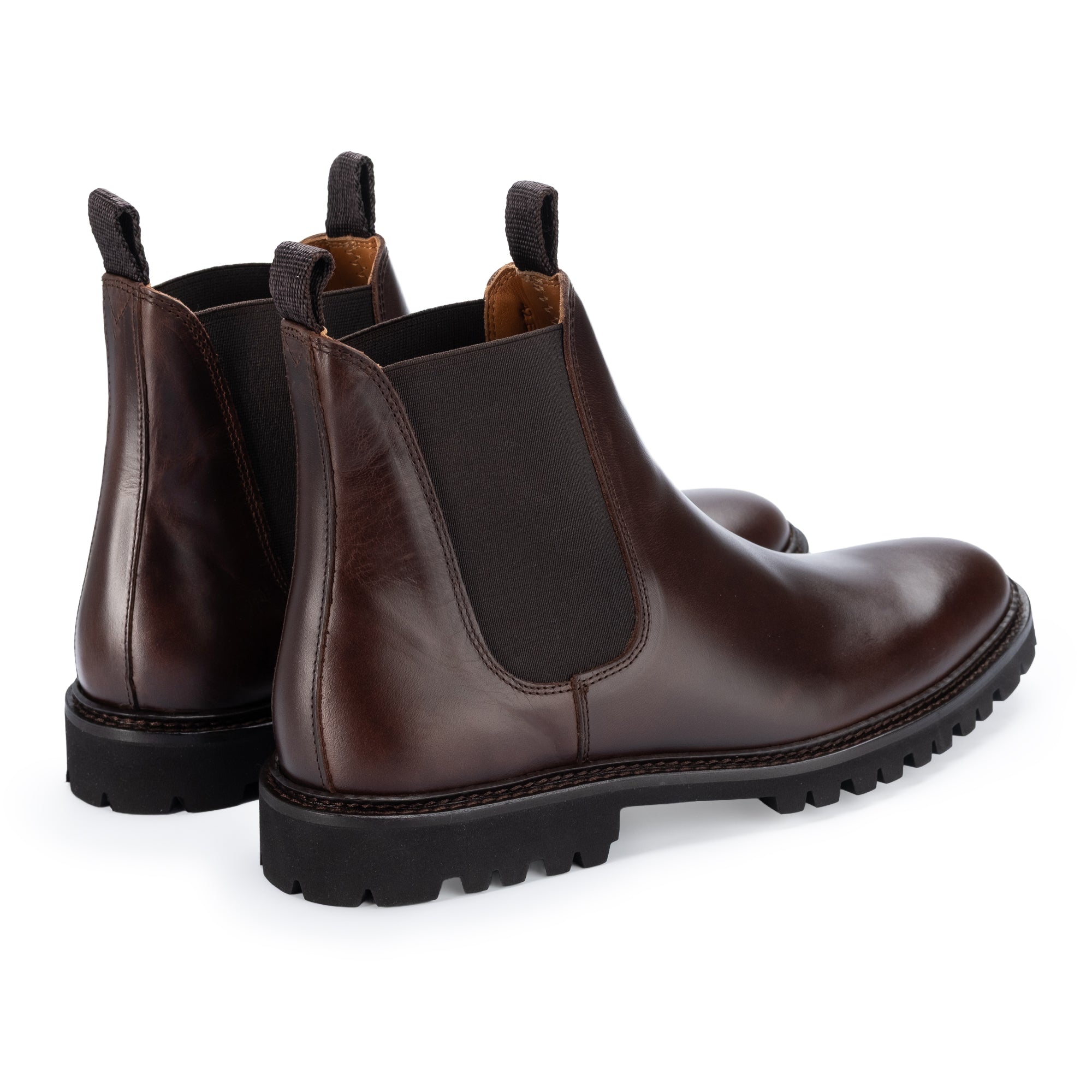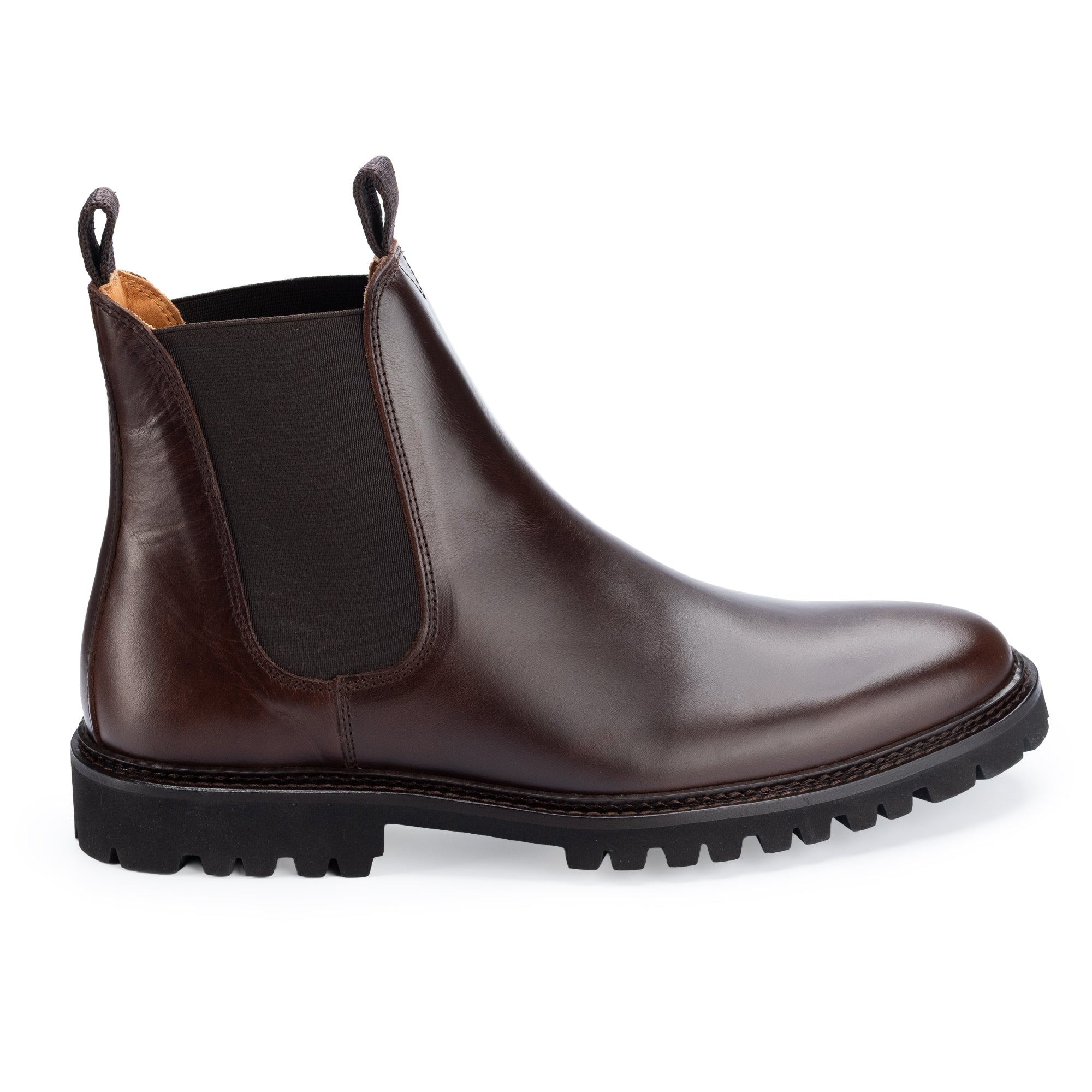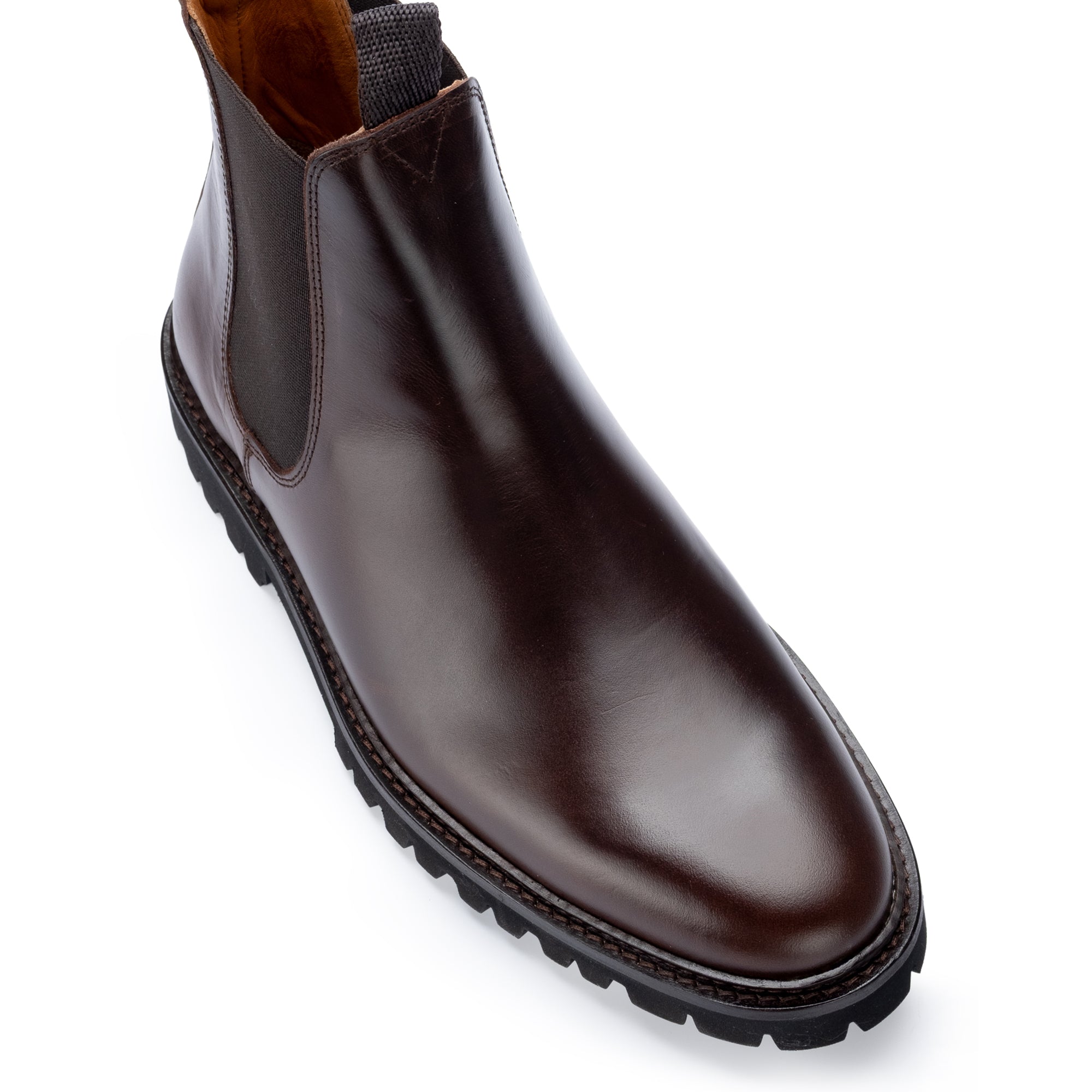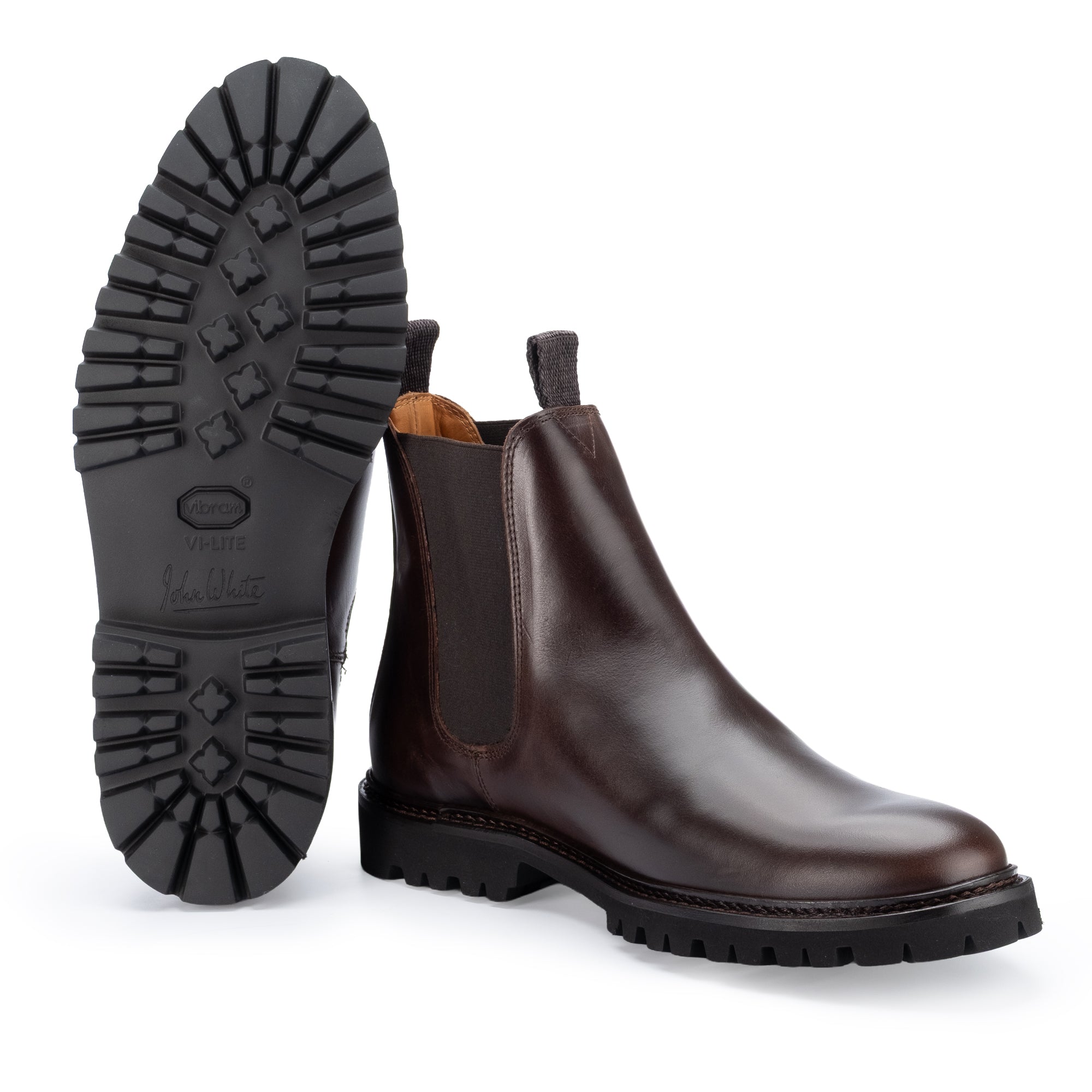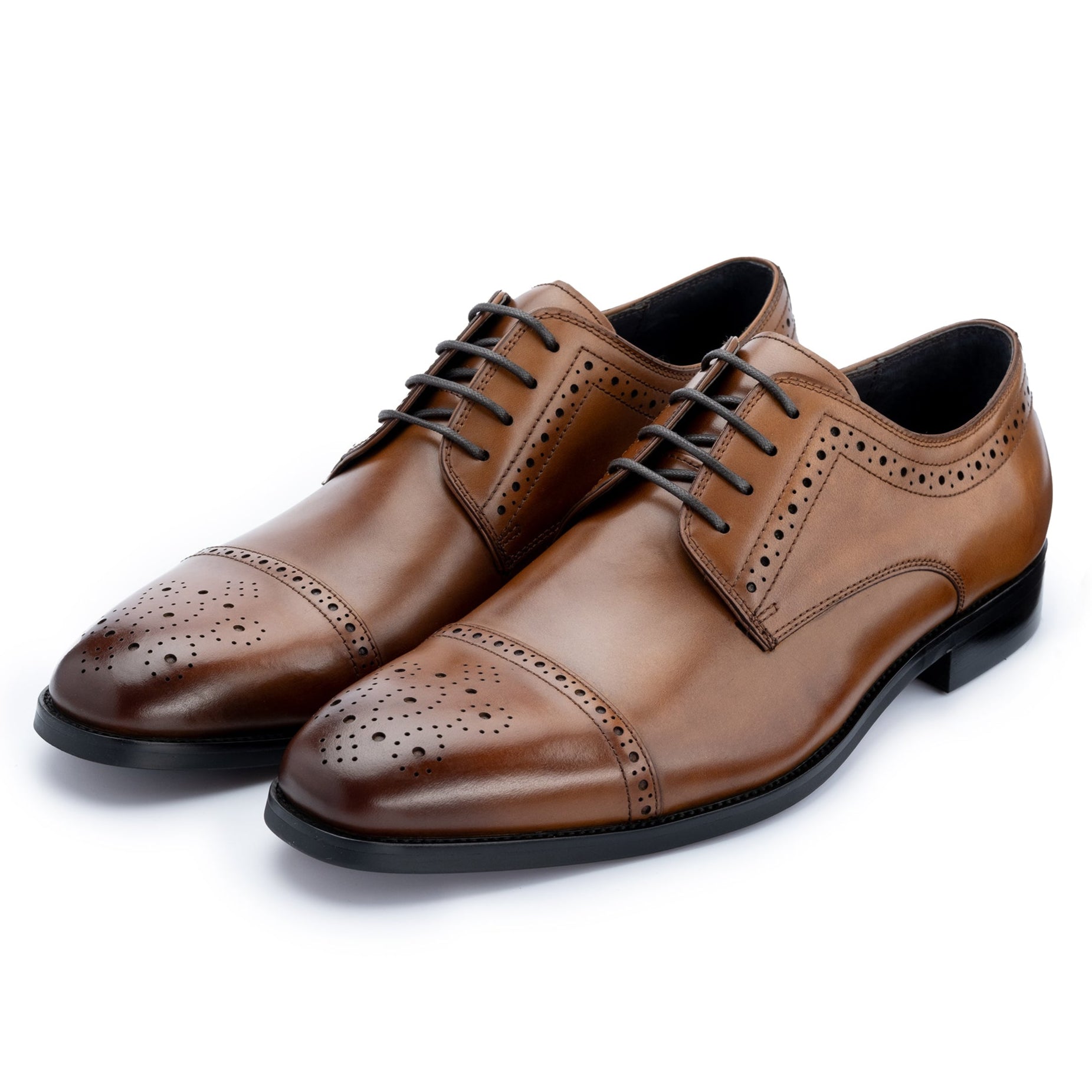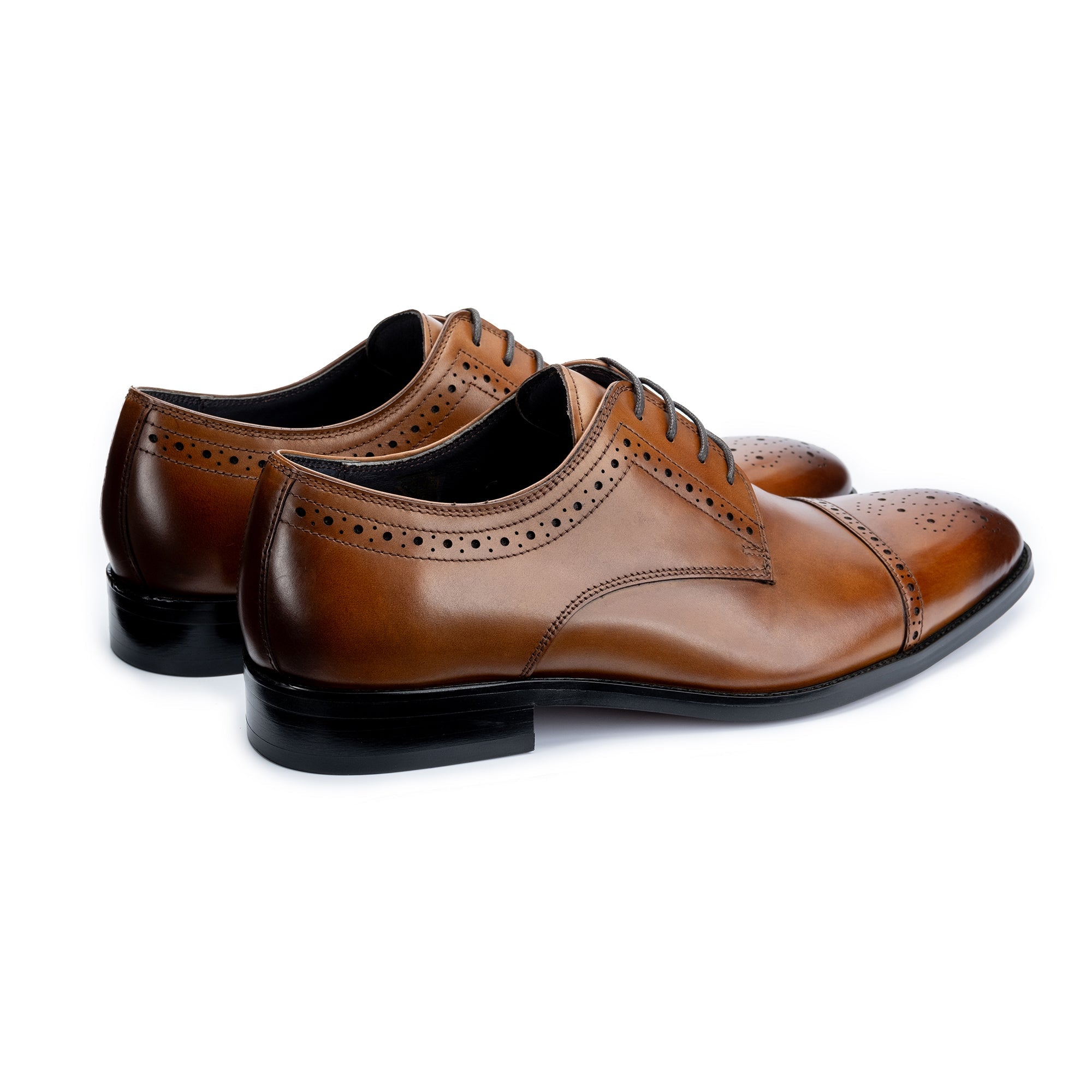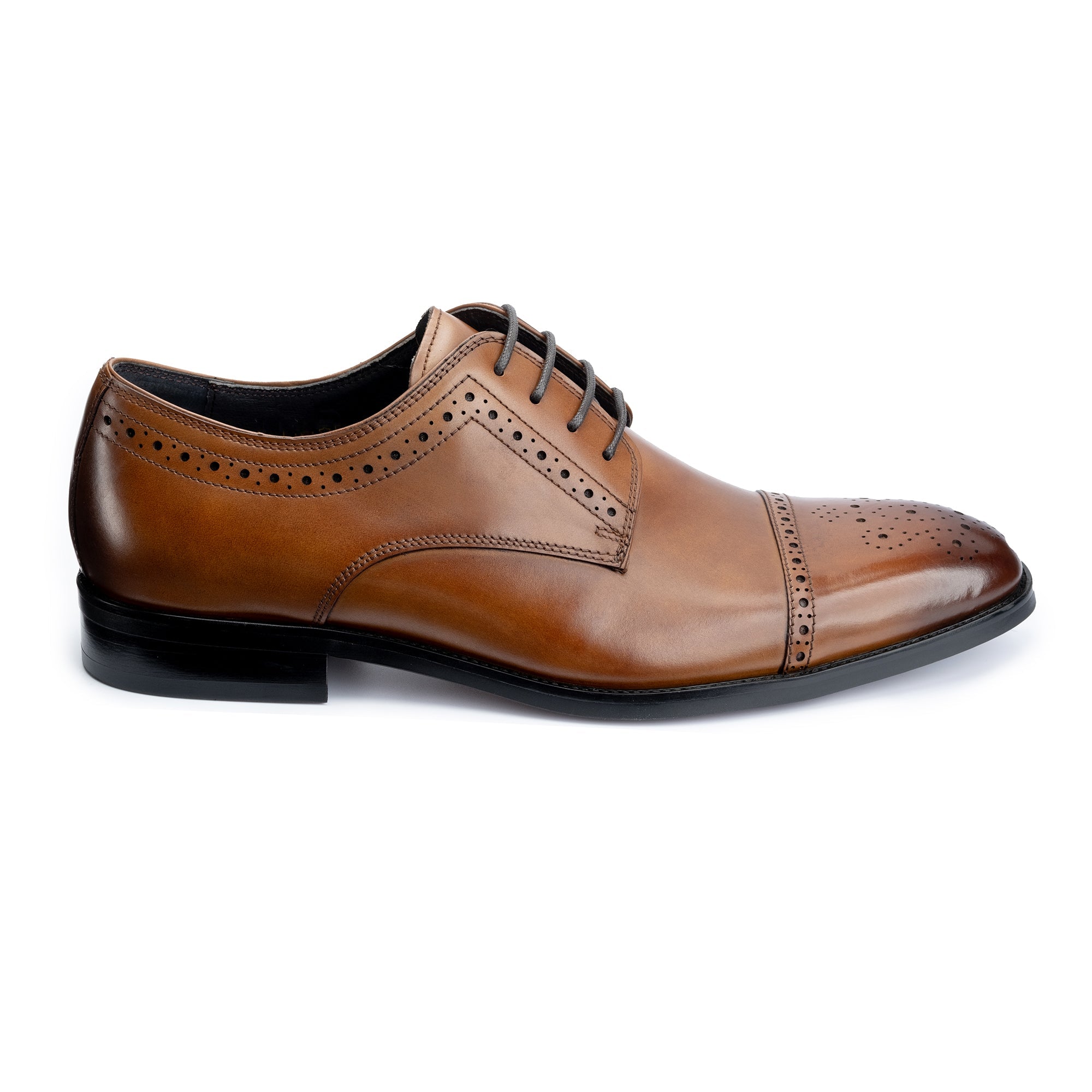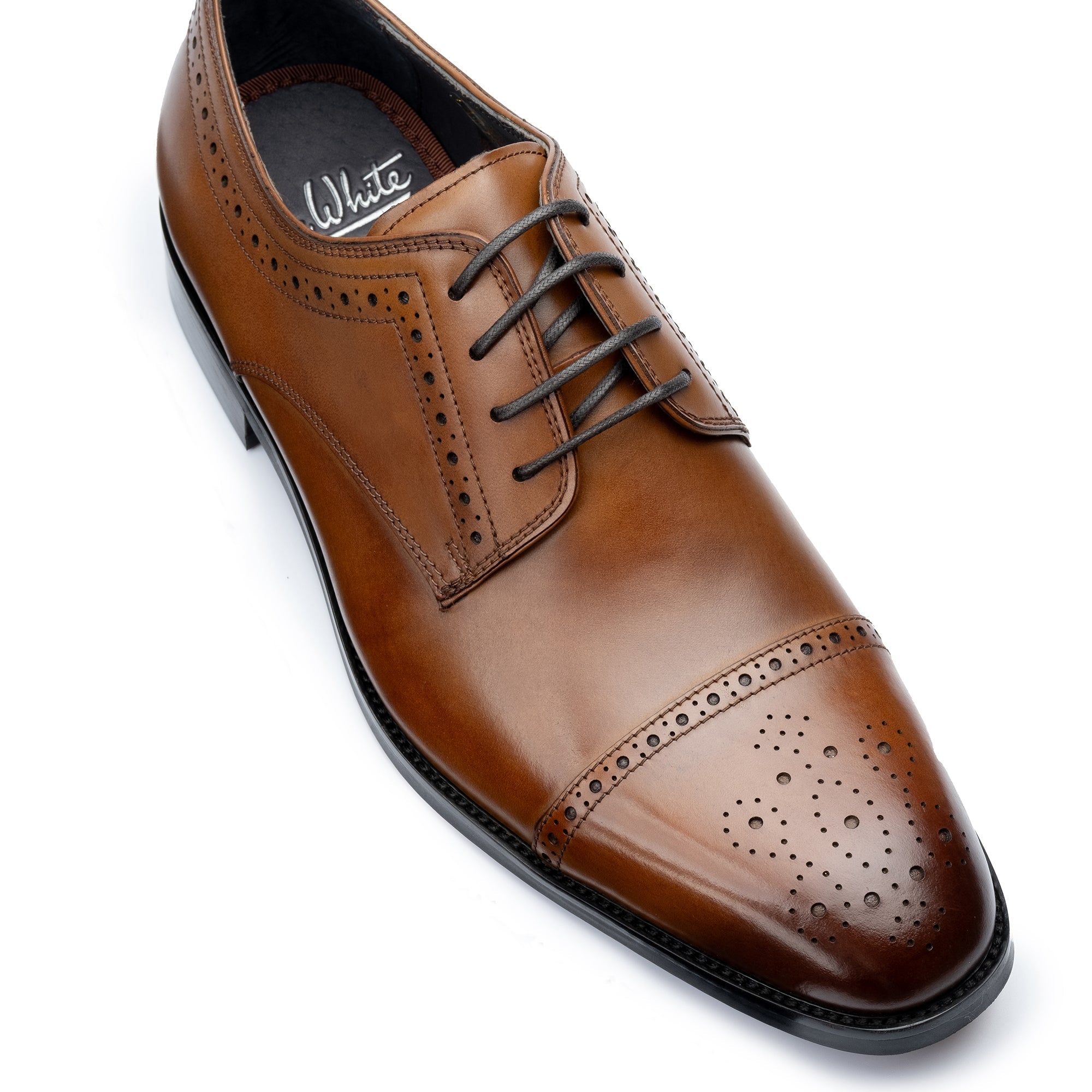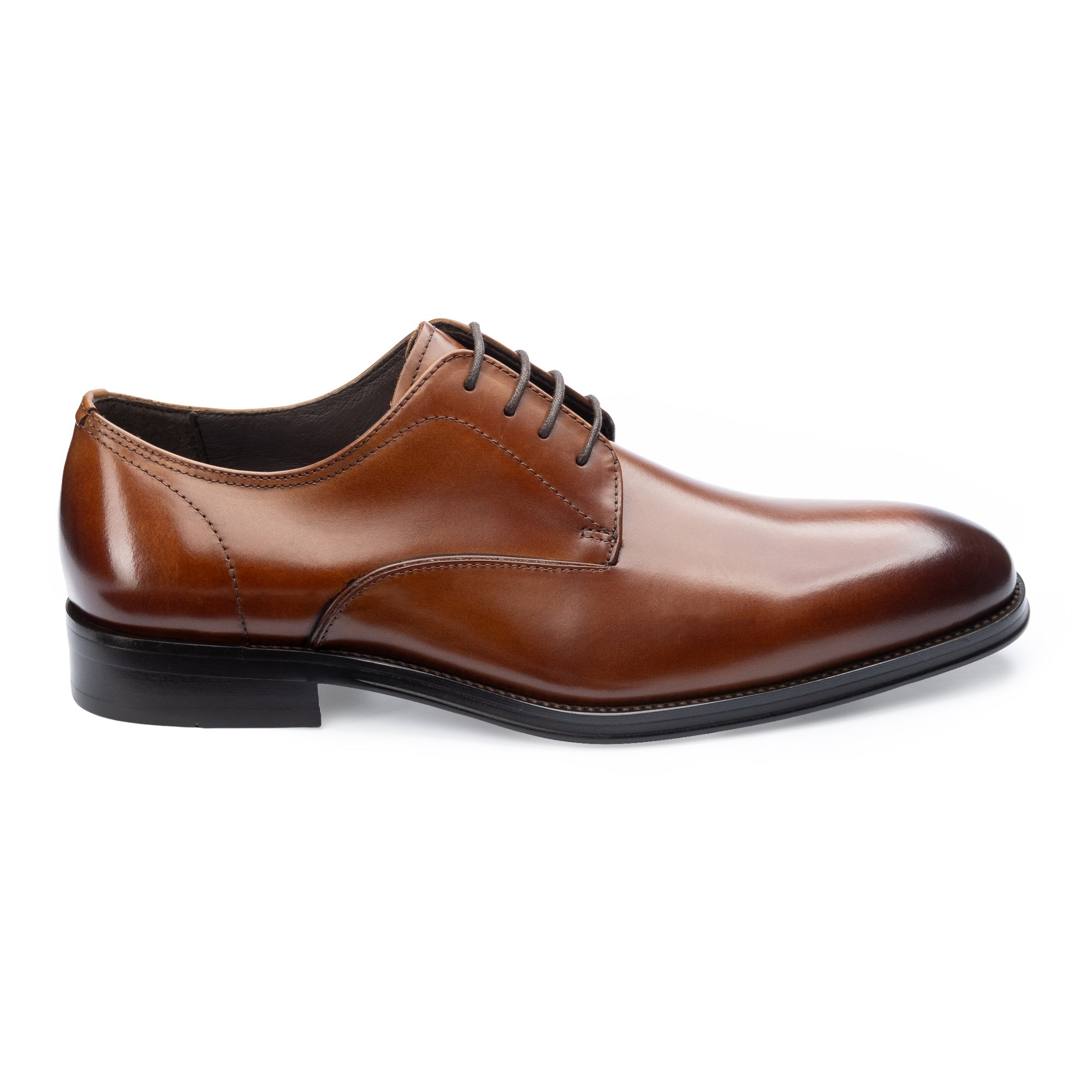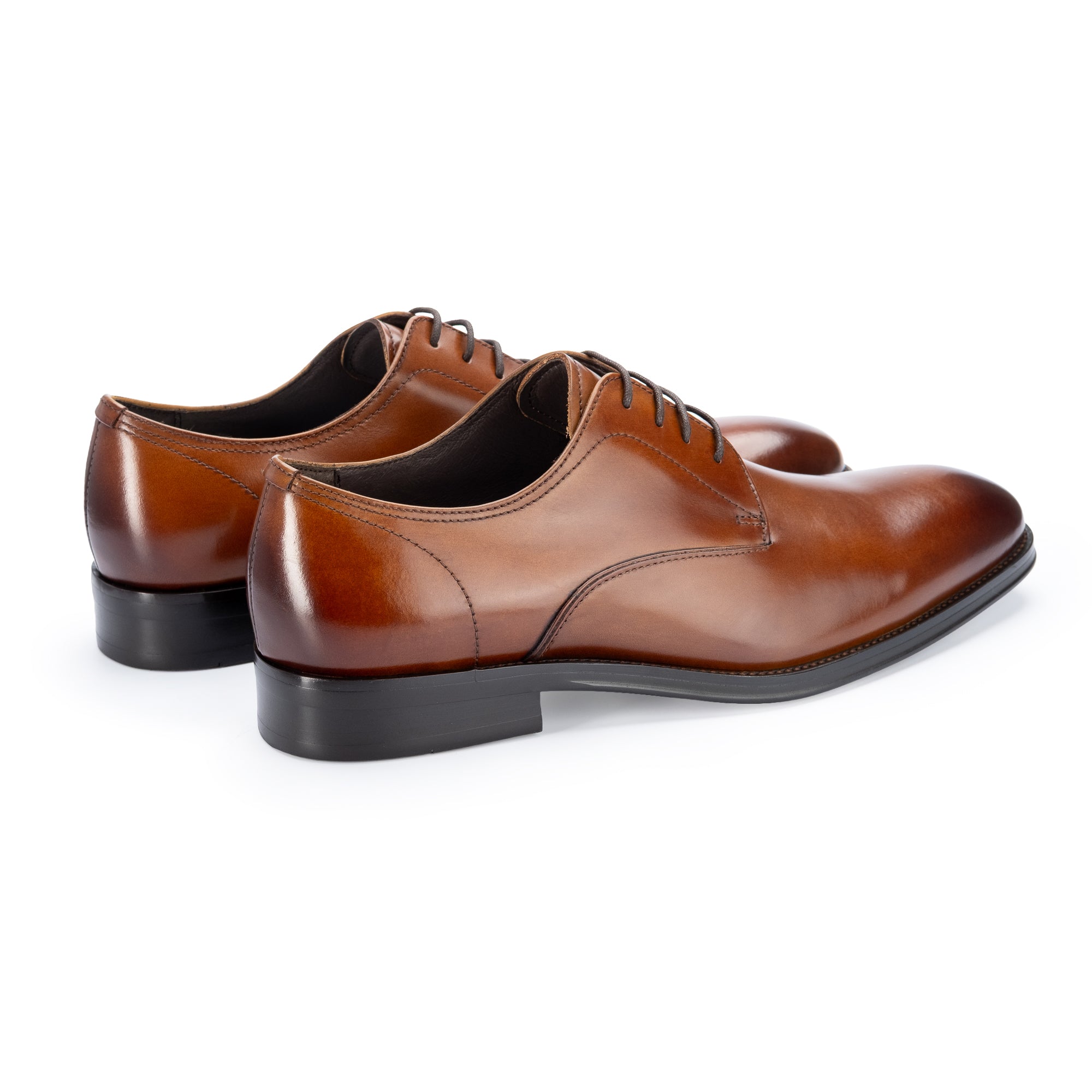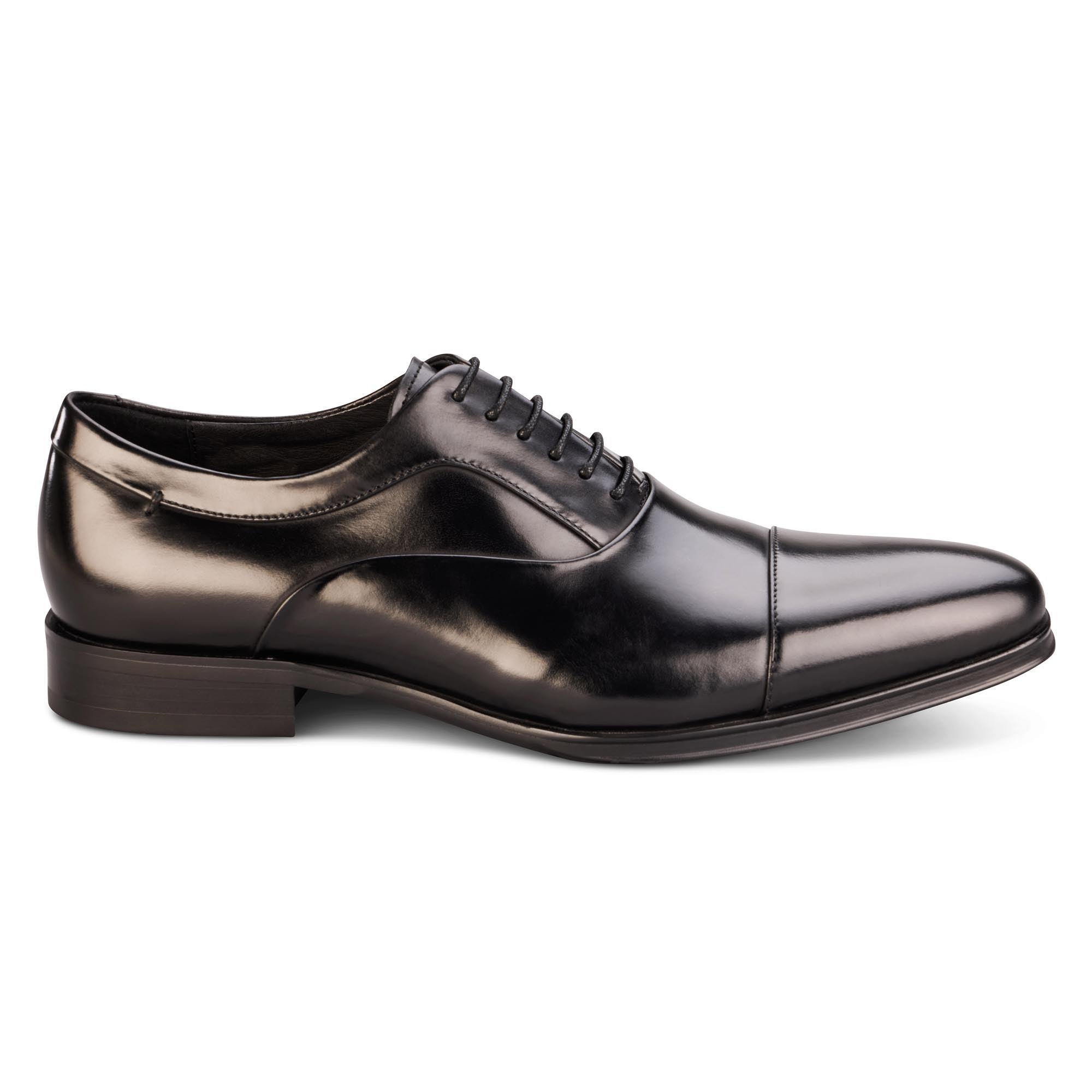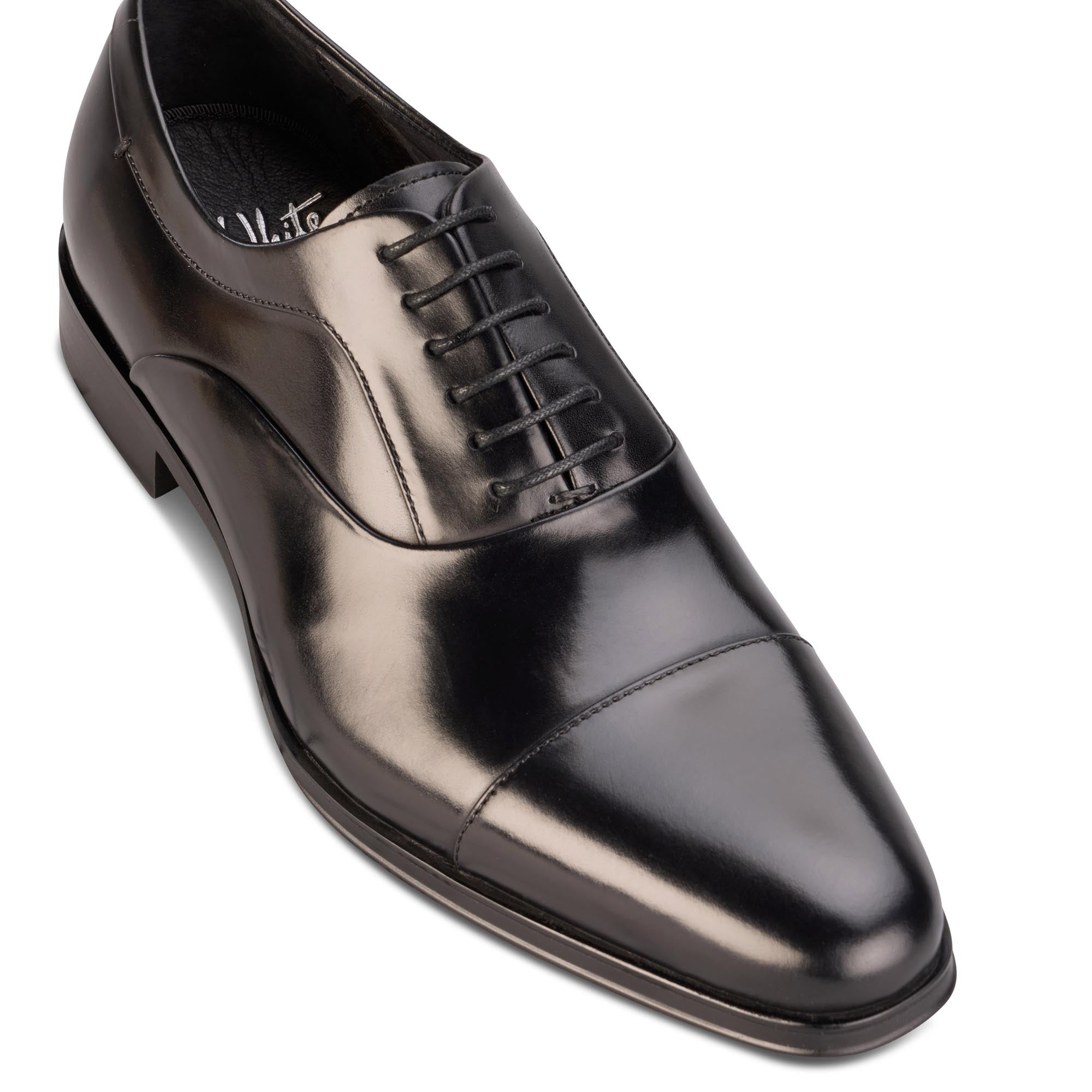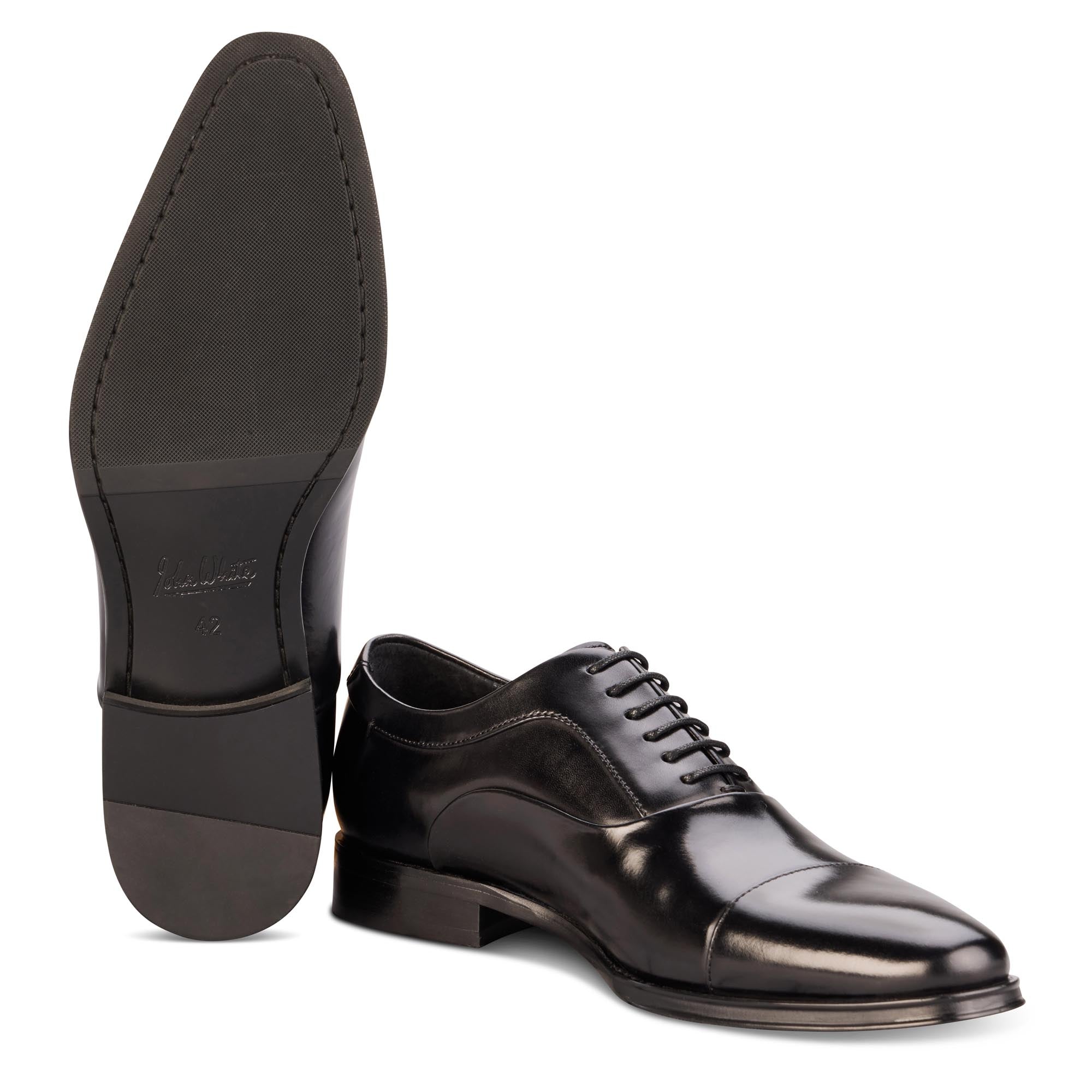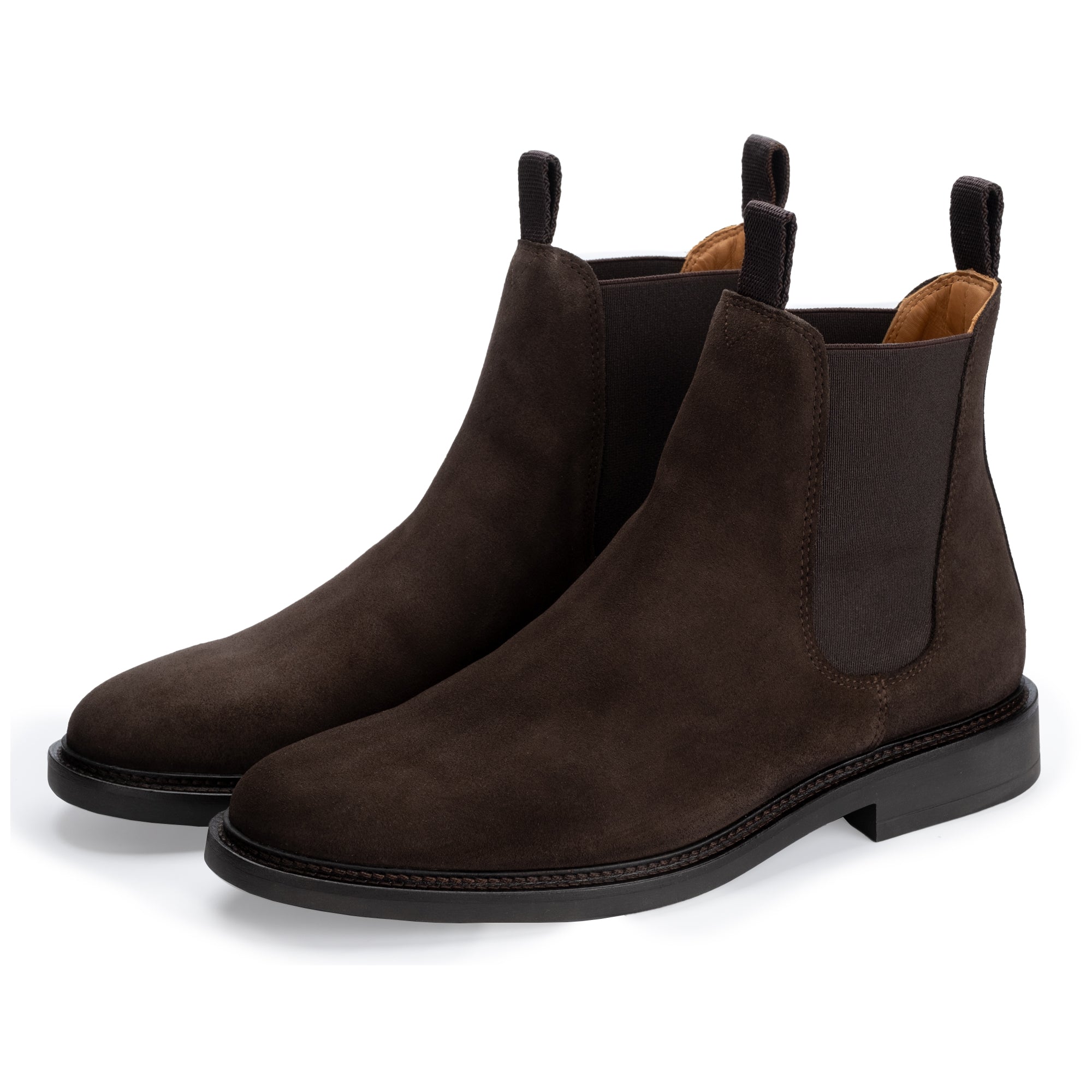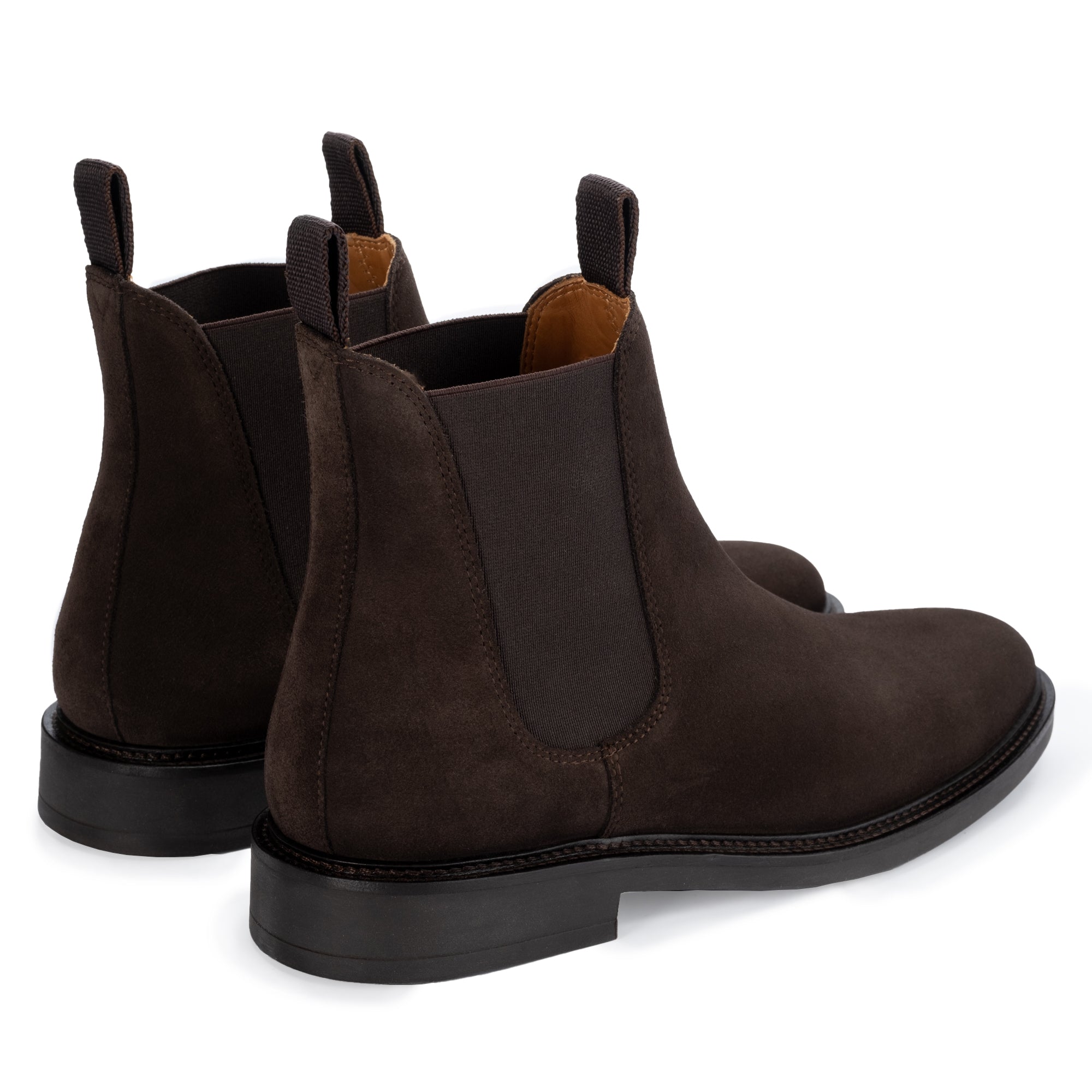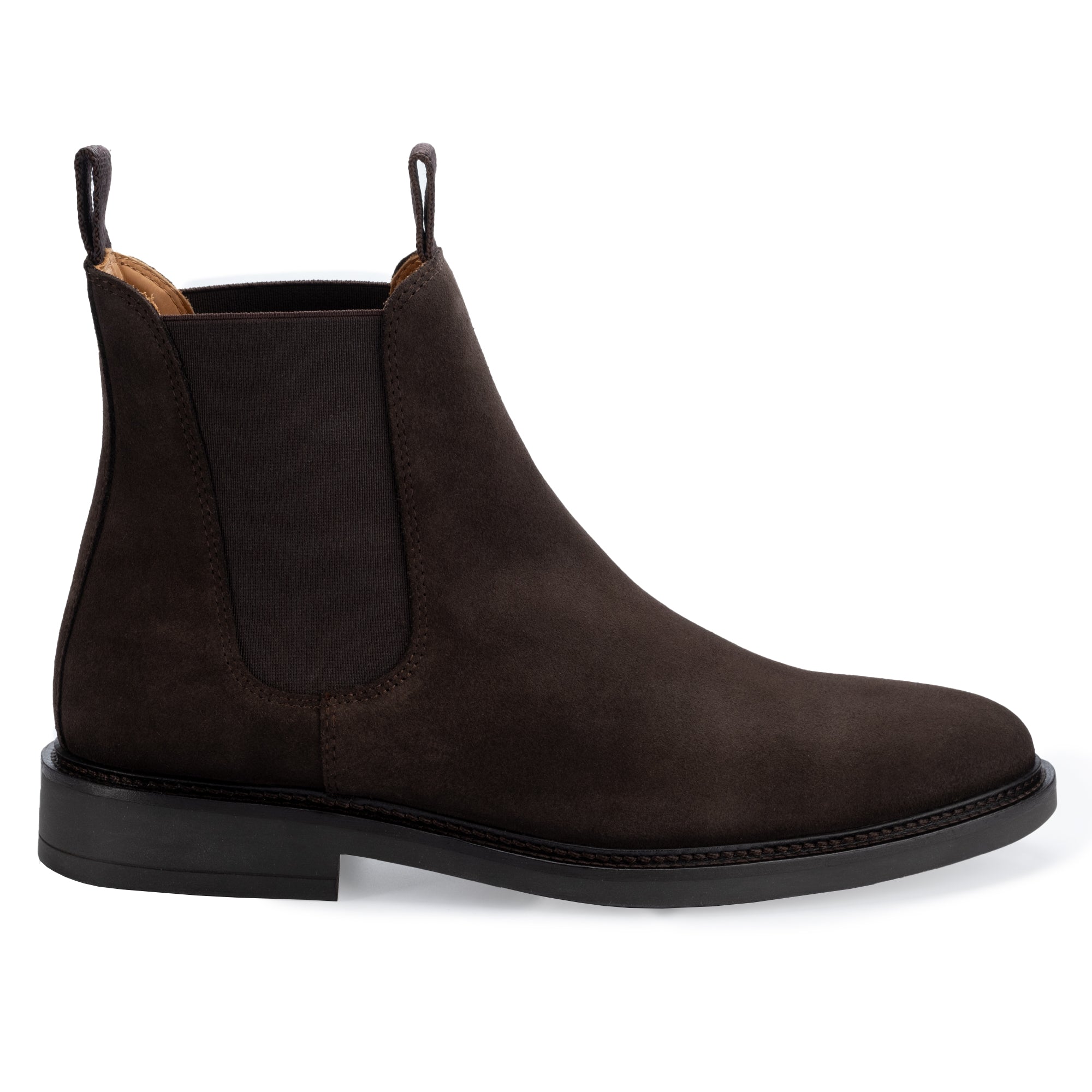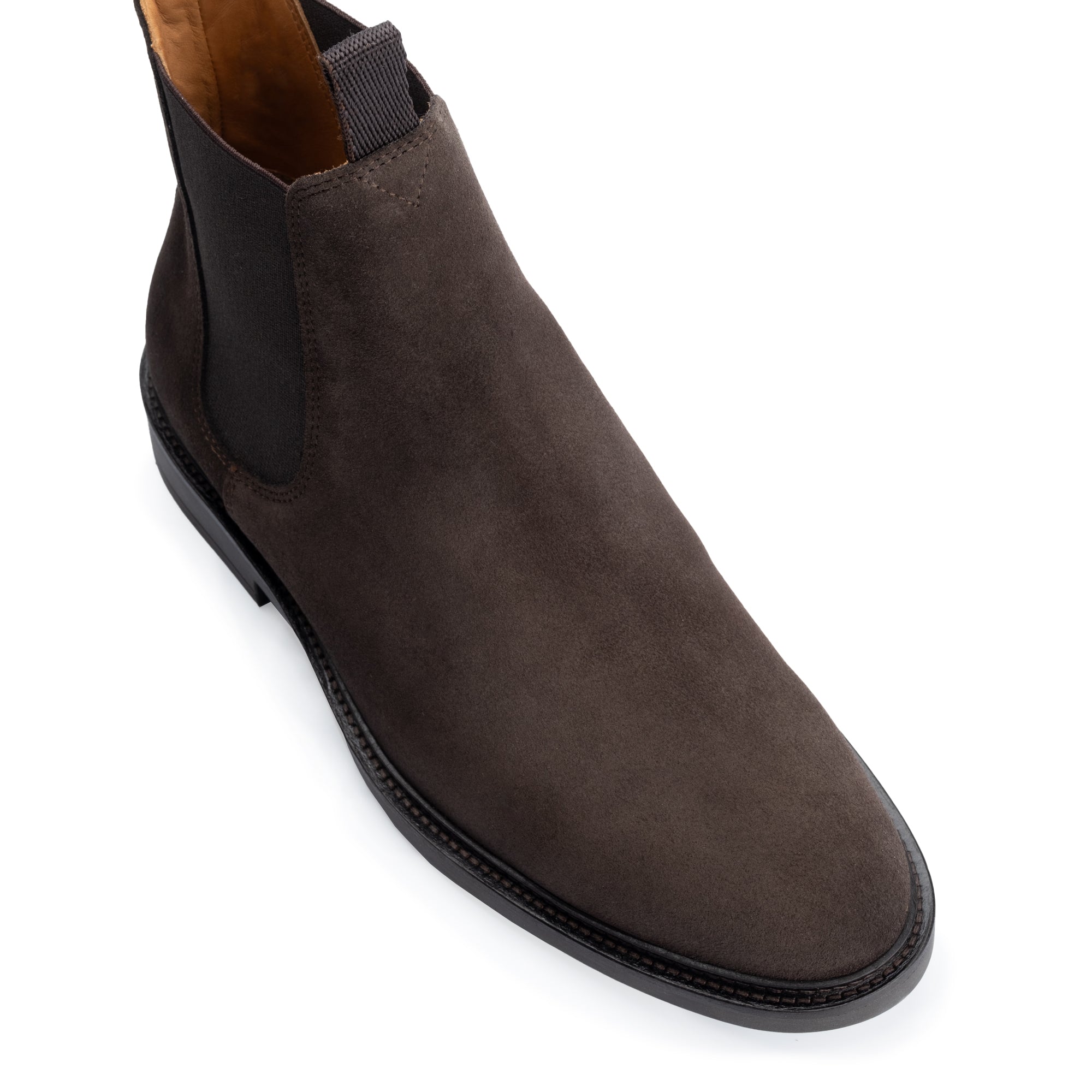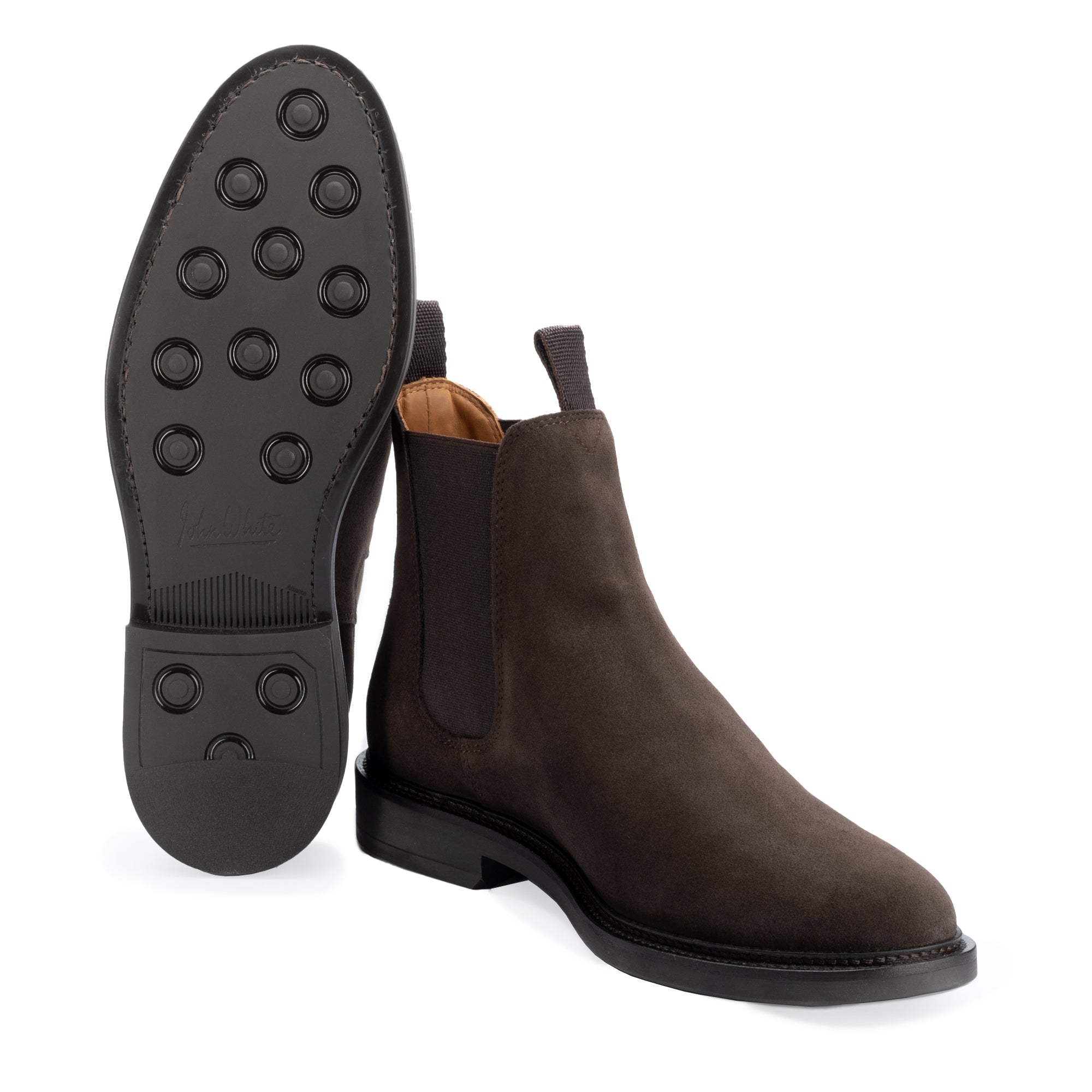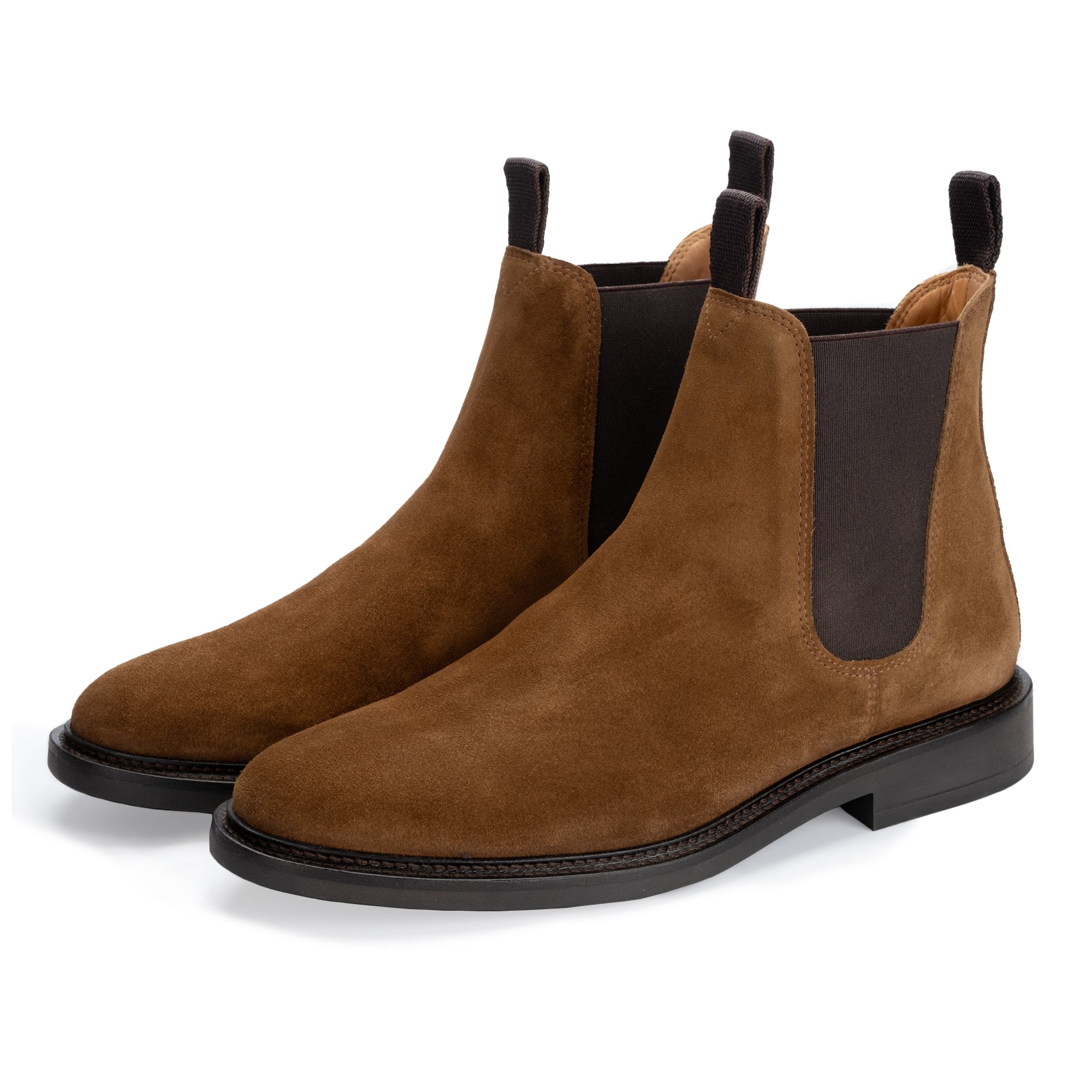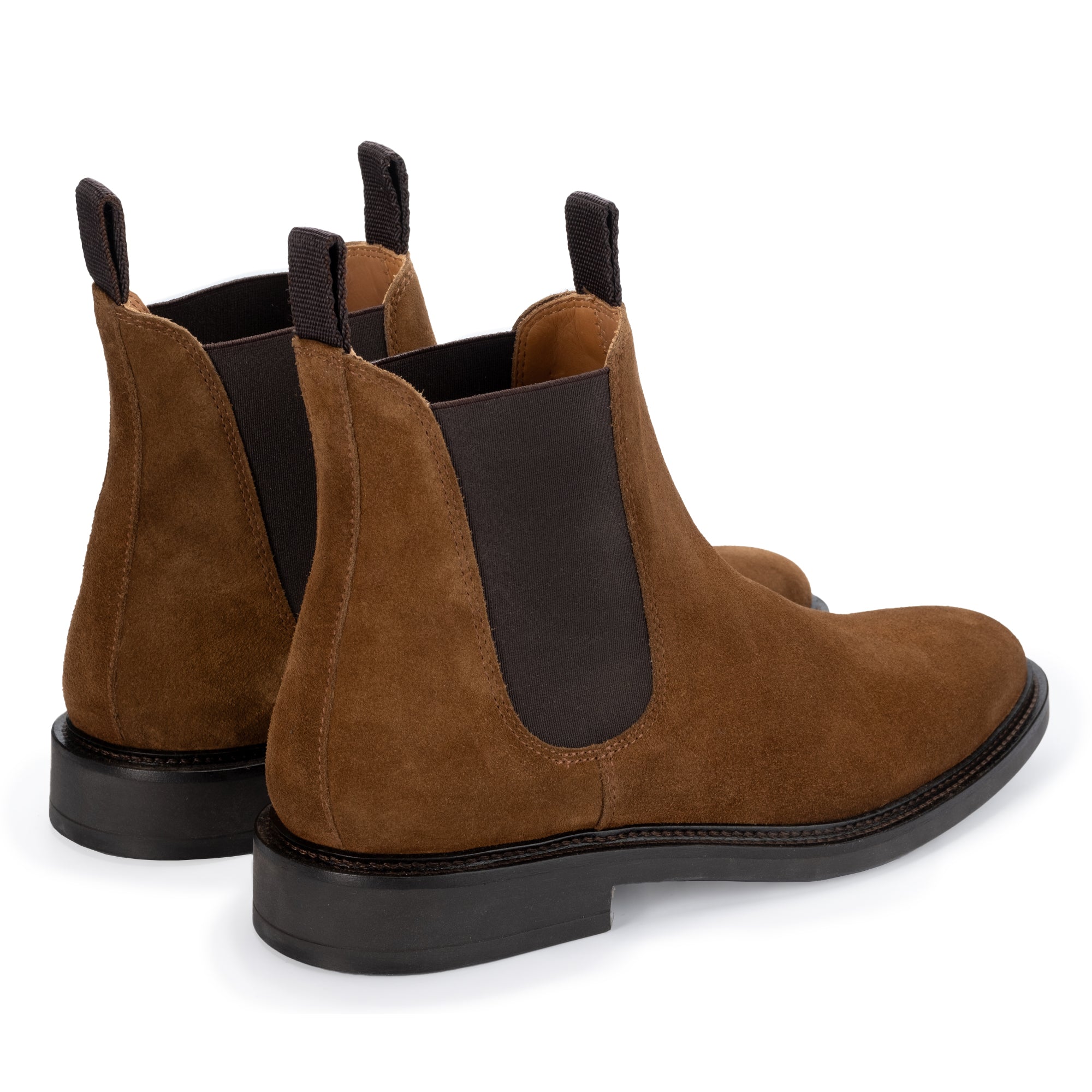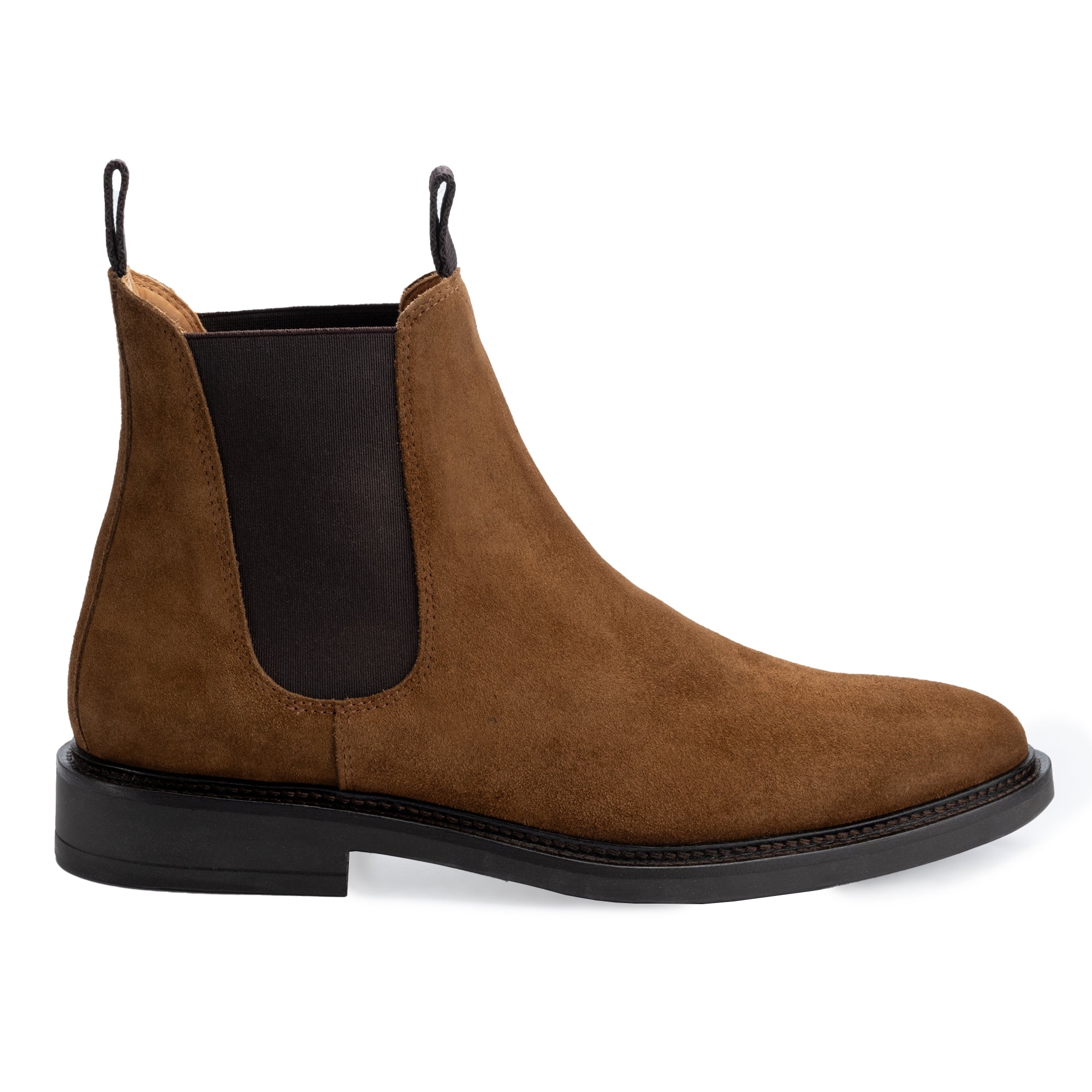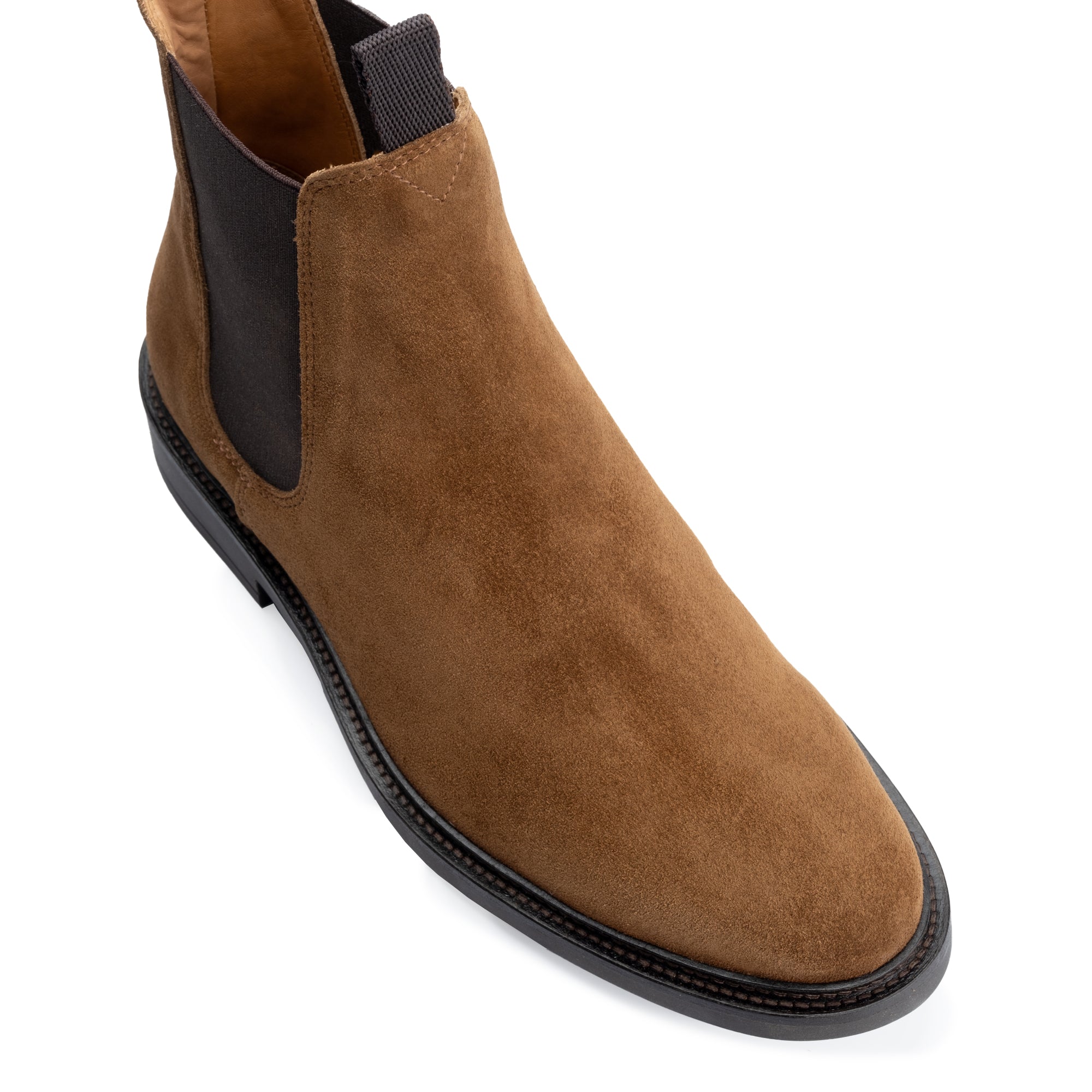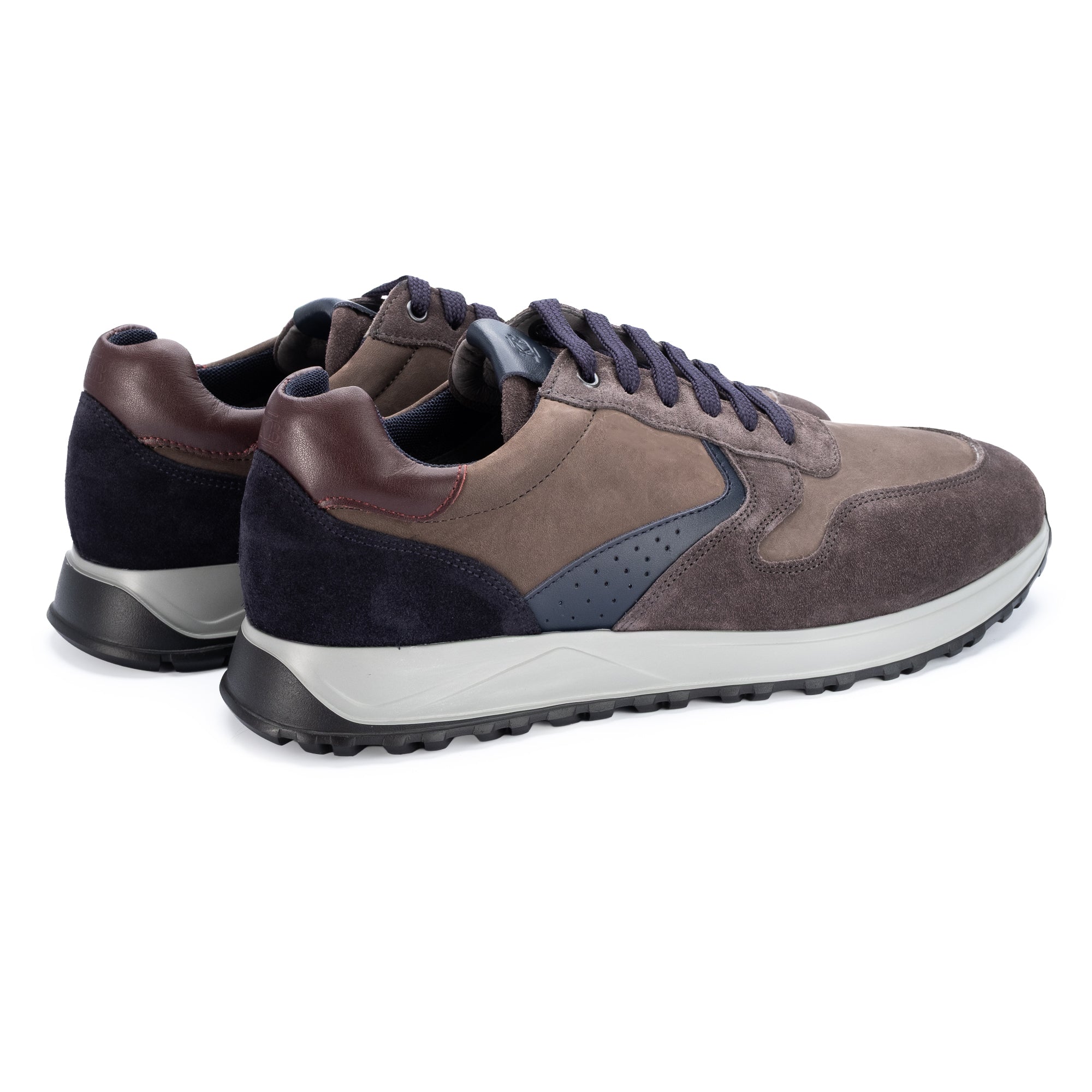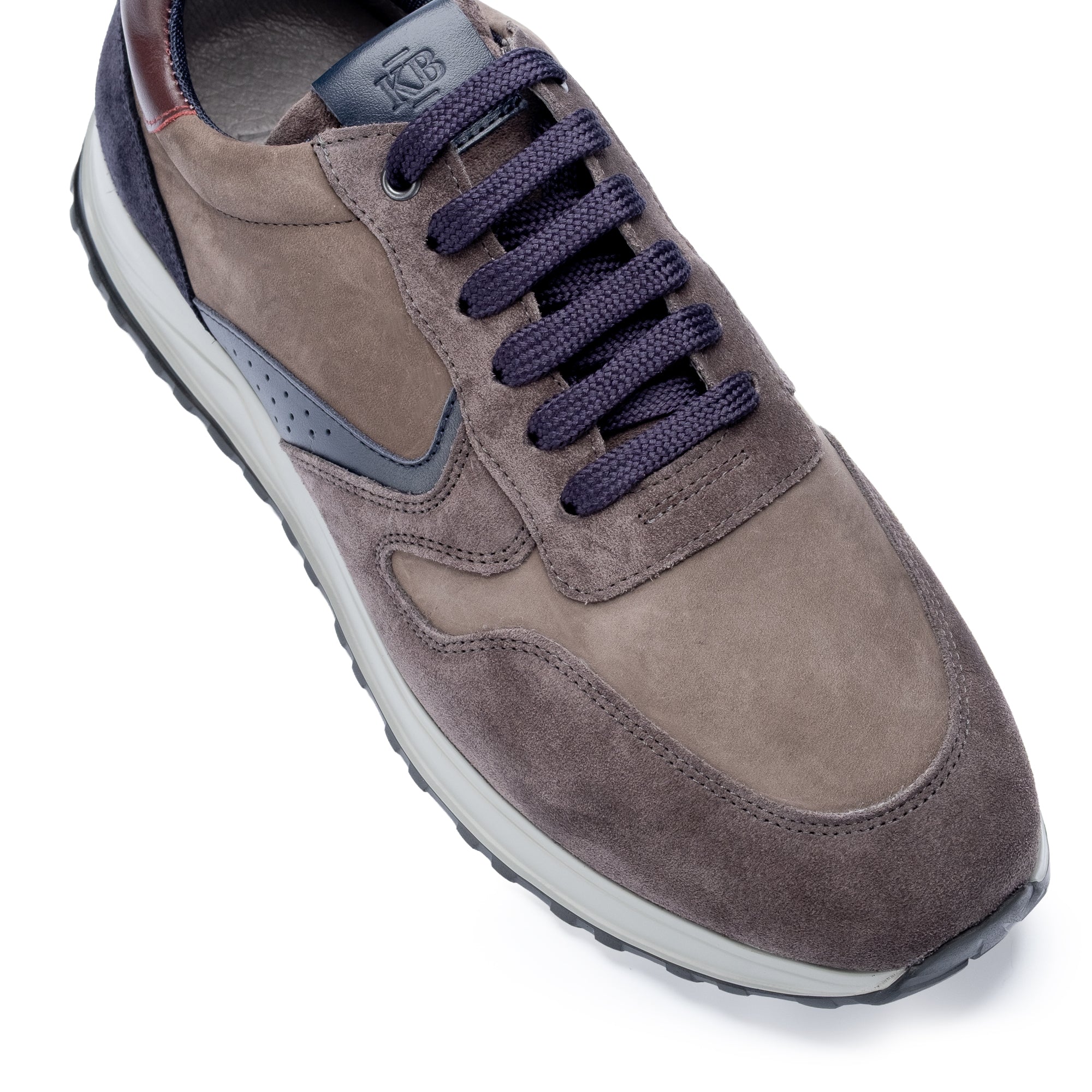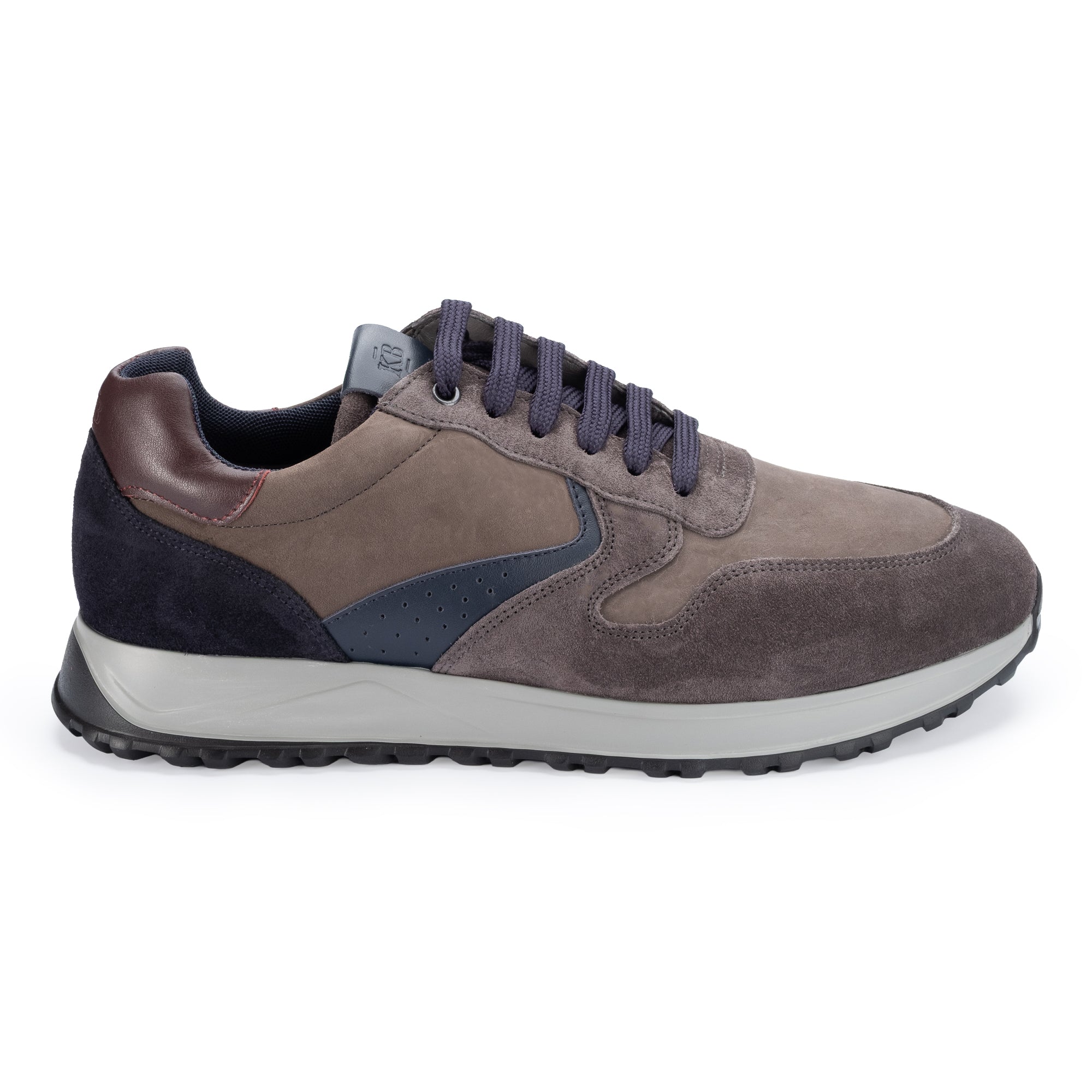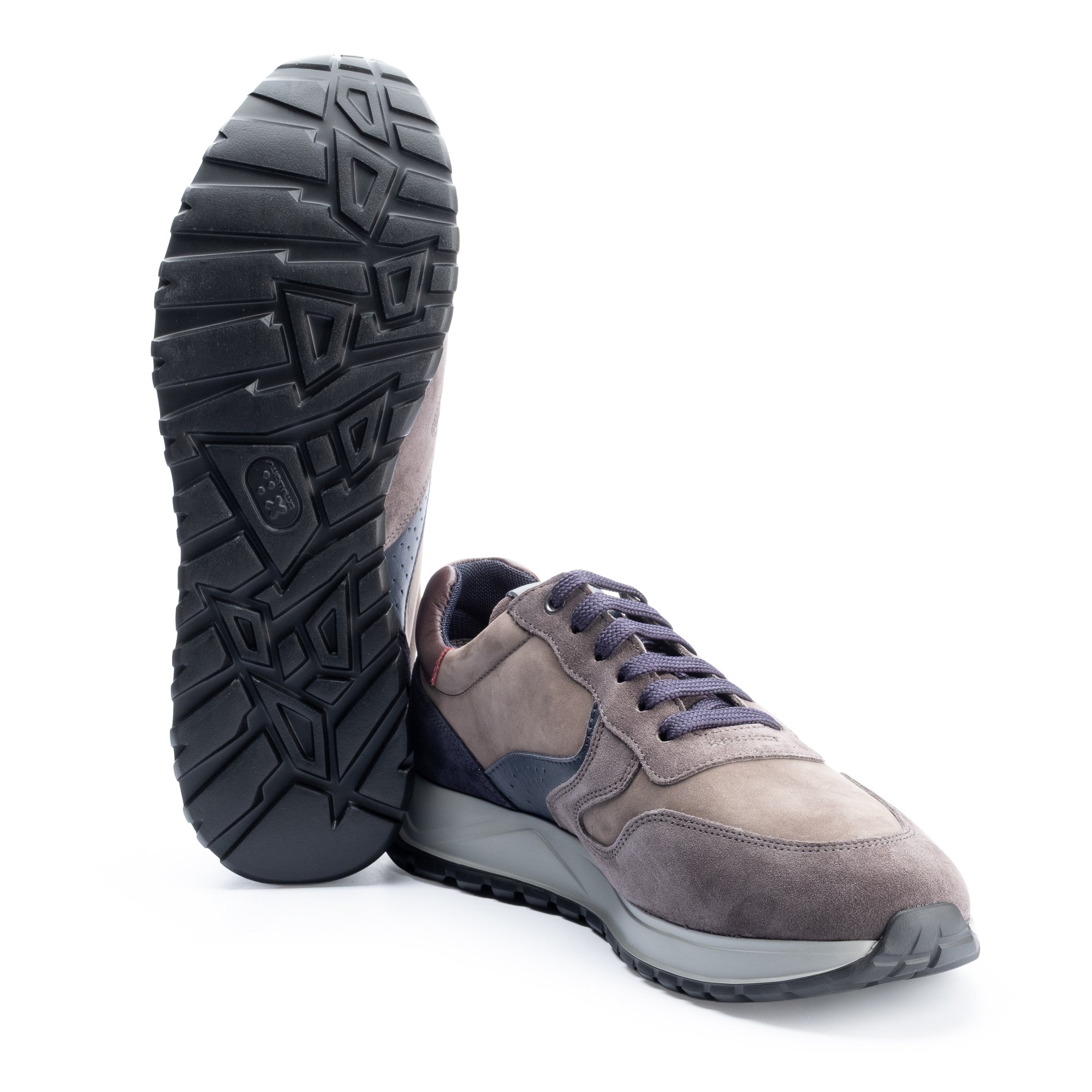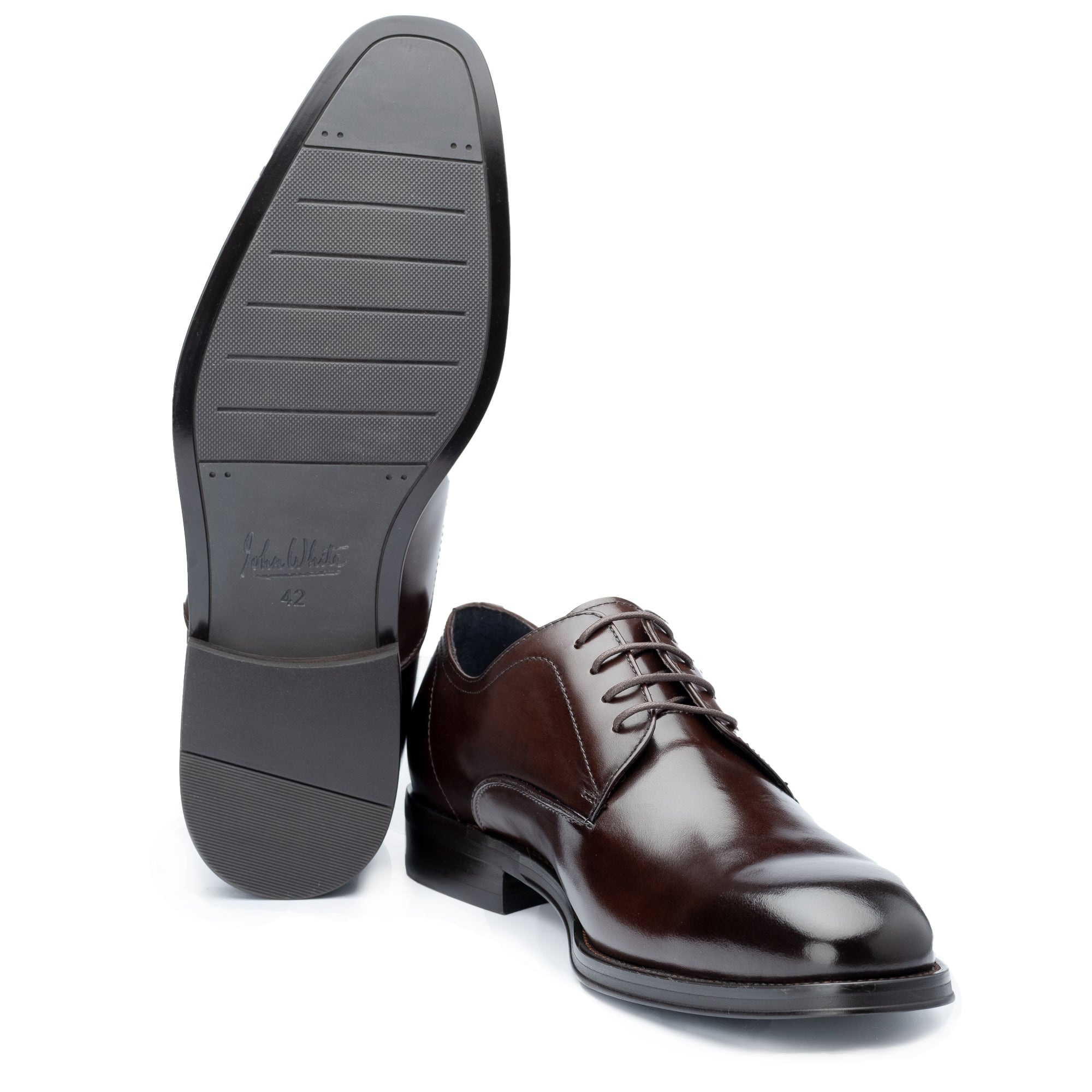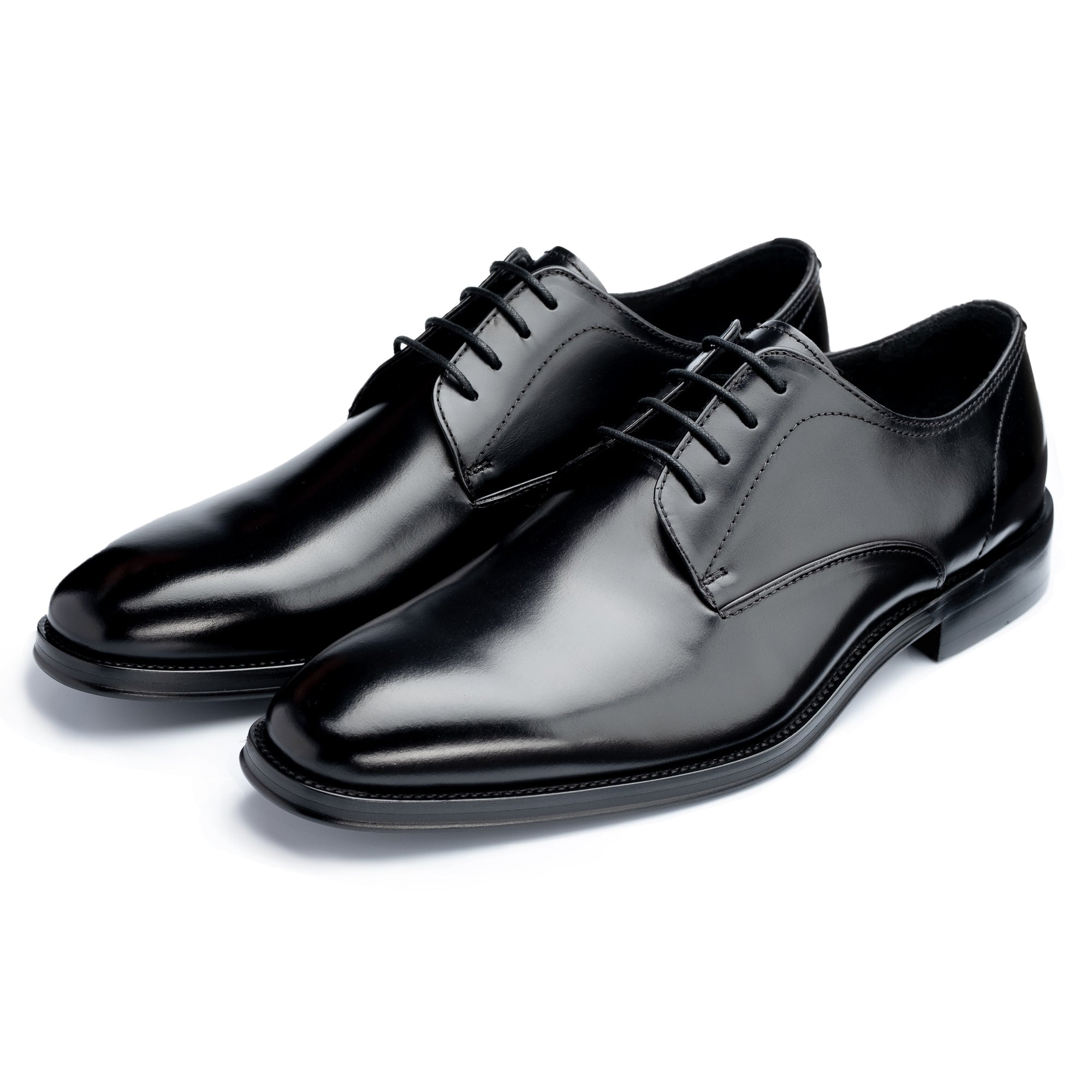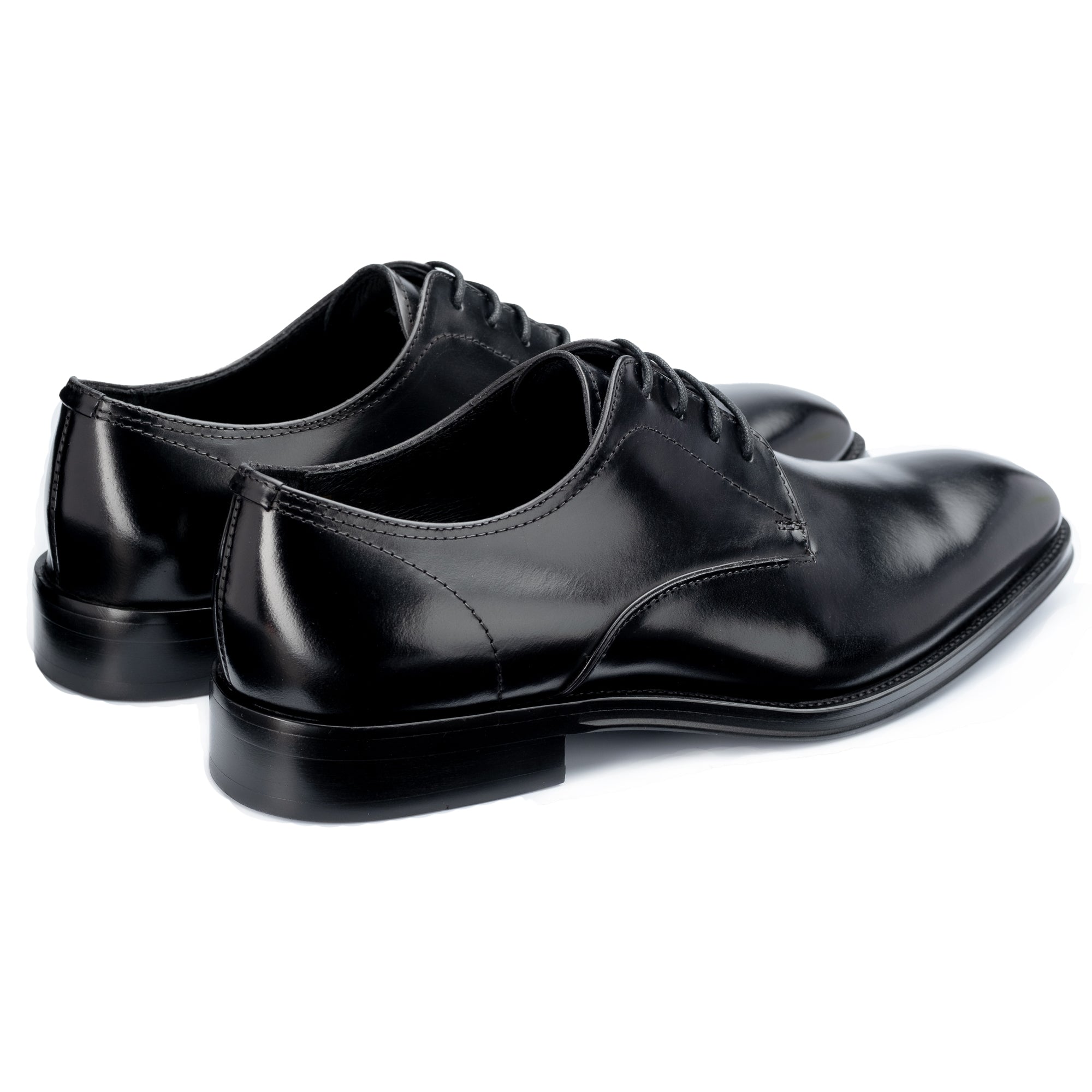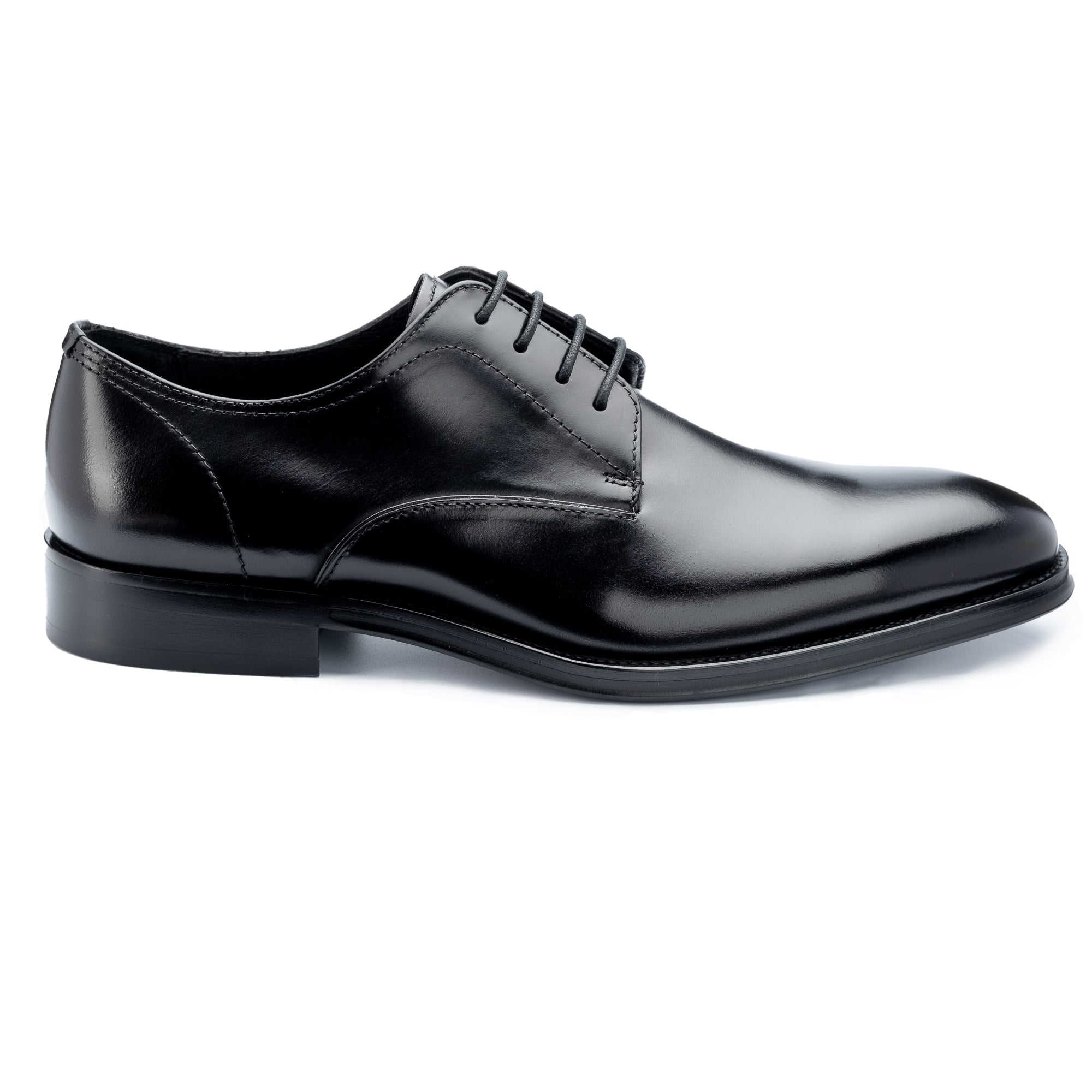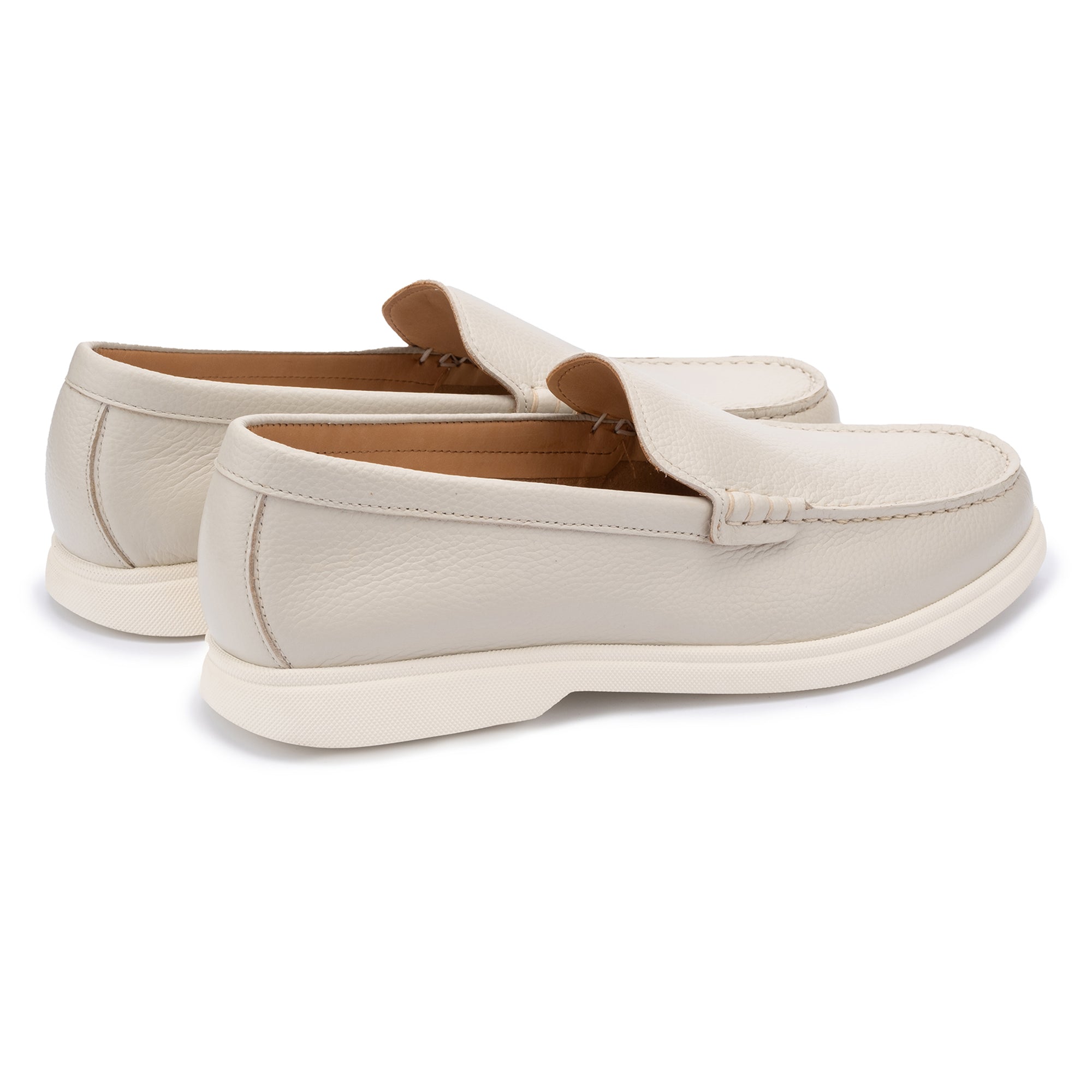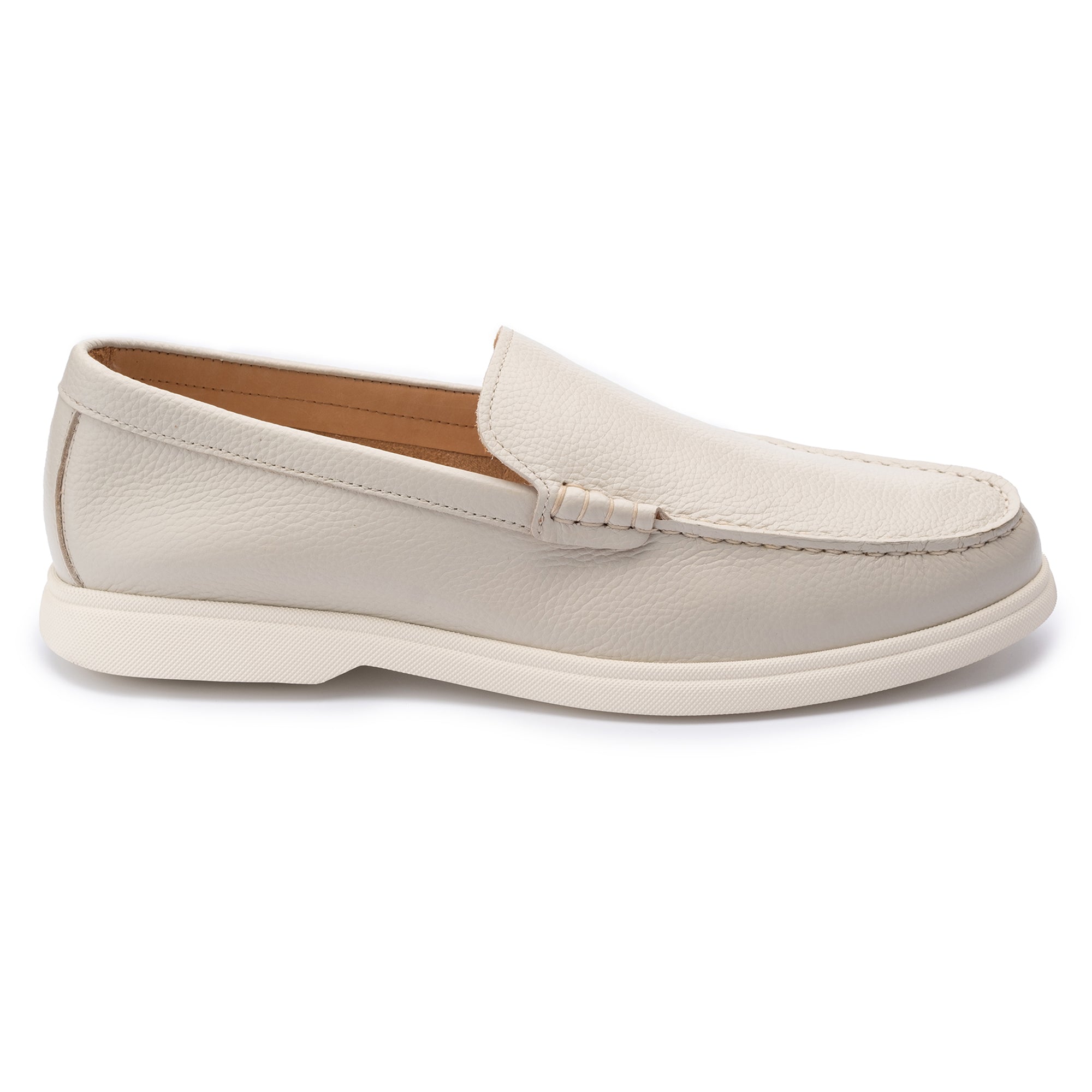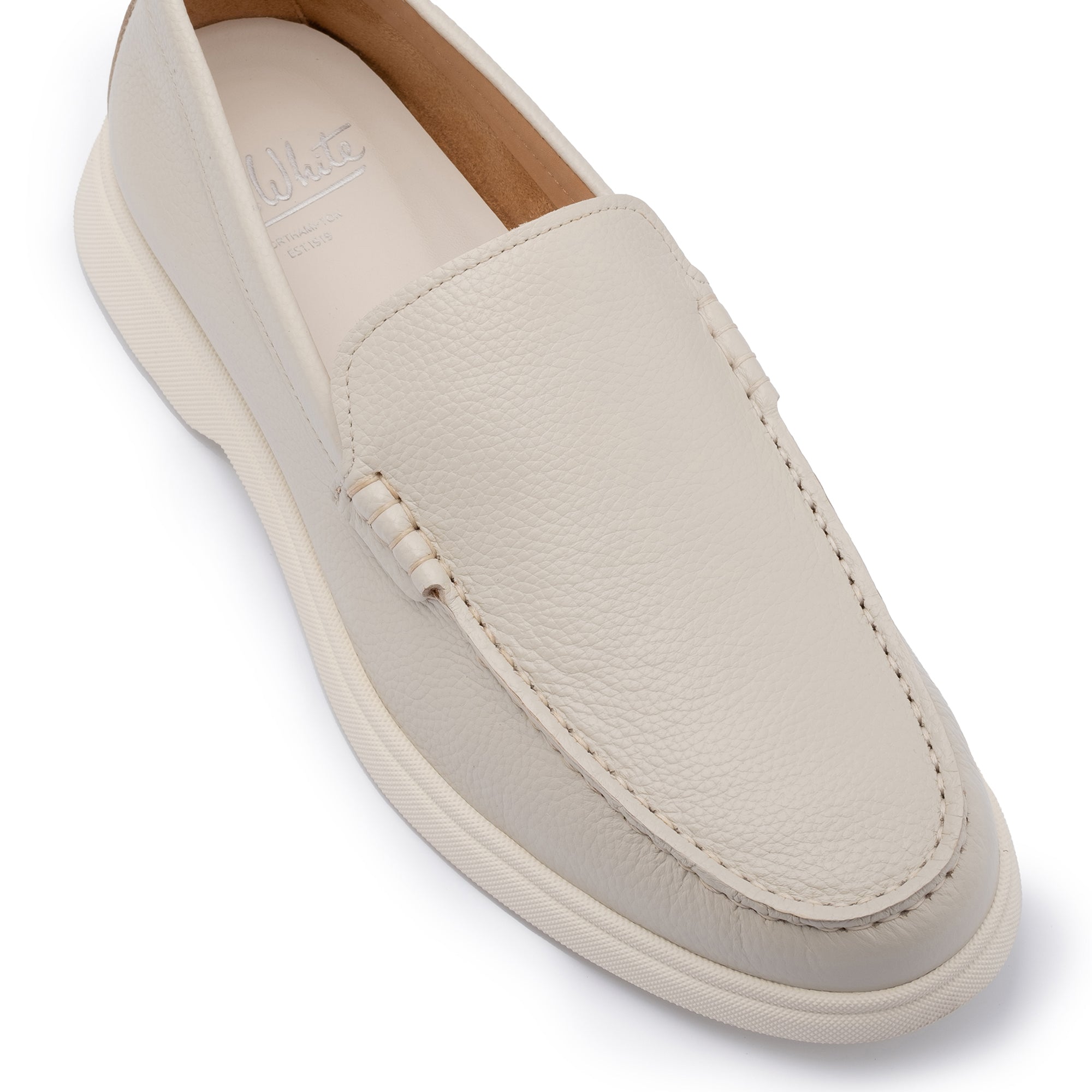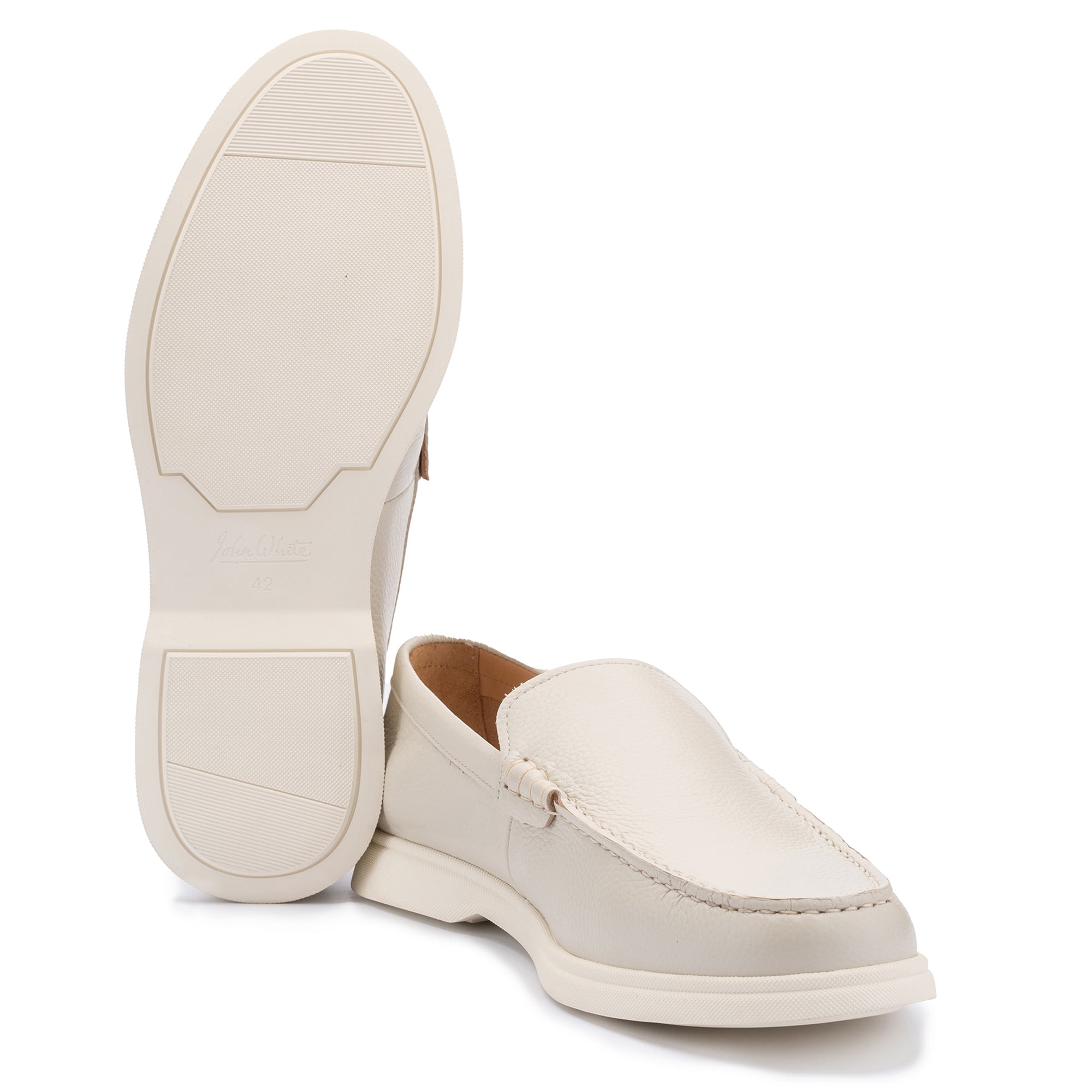

The monk strap occupies a peculiar and entirely useful position in British men's footwear. It is more formal than a loafer, less austere than a plain-toe Oxford, and almost uniquely capable of making a suit look considered rather than simply correct. The hardware — one buckle or two — is the detail that does the work. It tells whoever is looking that the choice was deliberate.
In This Guide
For most men assembling a shoe wardrobe, the Oxford comes first and the Derby second. The monk strap often doesn't feature at all, which is a mistake worth correcting. It fills a register that neither of those shoes covers particularly well: the smart occasion where formality is expected but where rigidity would look effortful. It is the shoe of the man who knows exactly why he didn't wear Oxfords.
The Double Monk Strap — What It Is
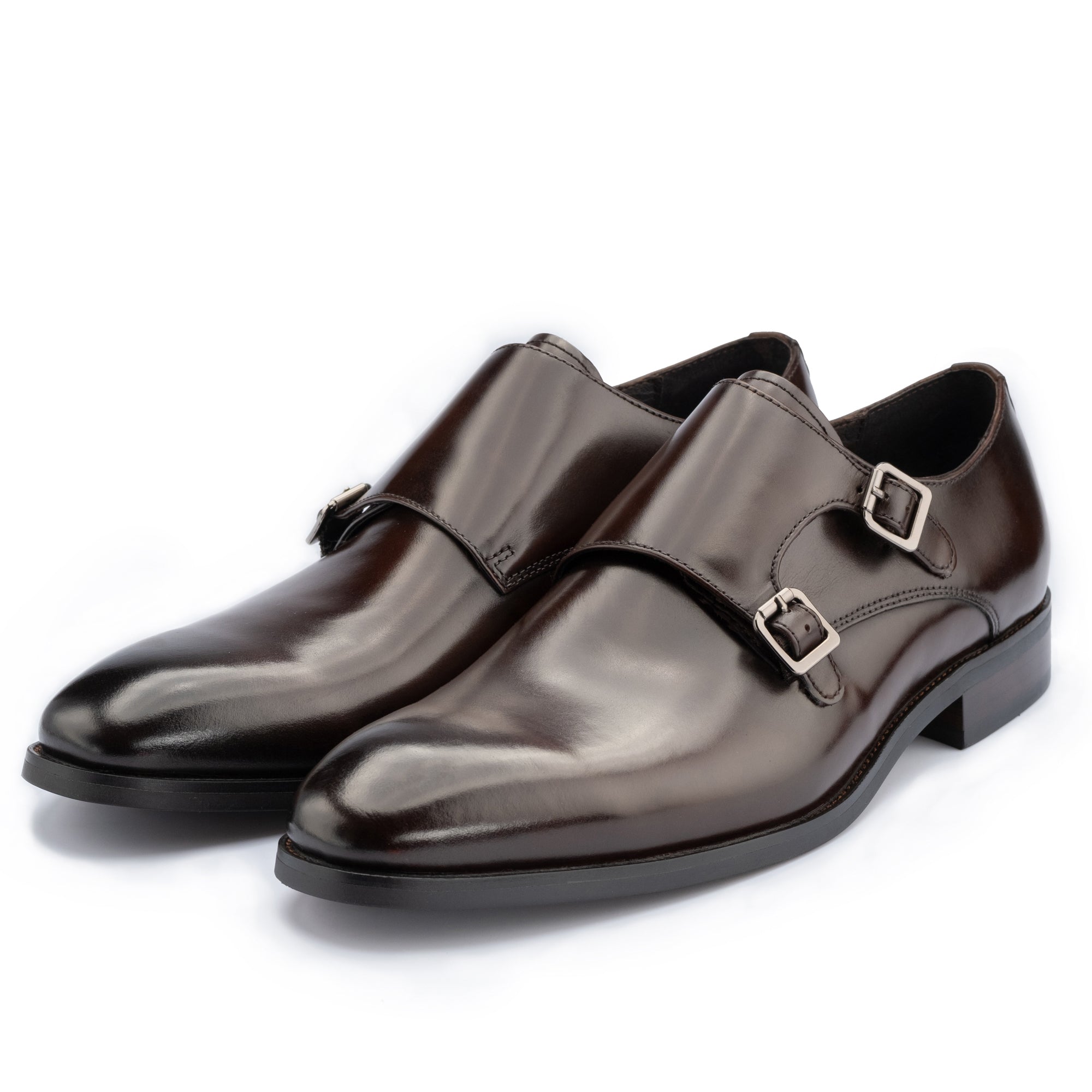
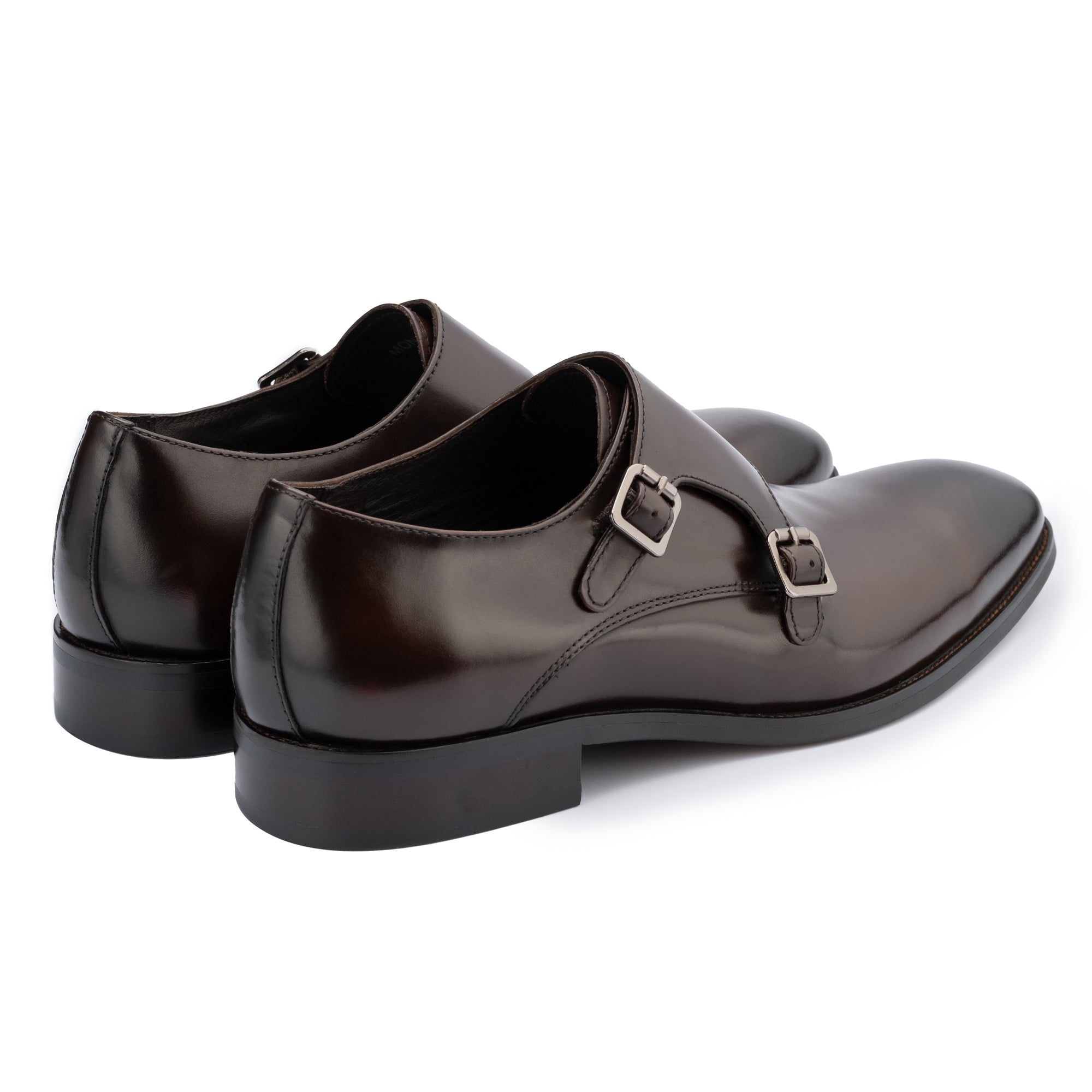
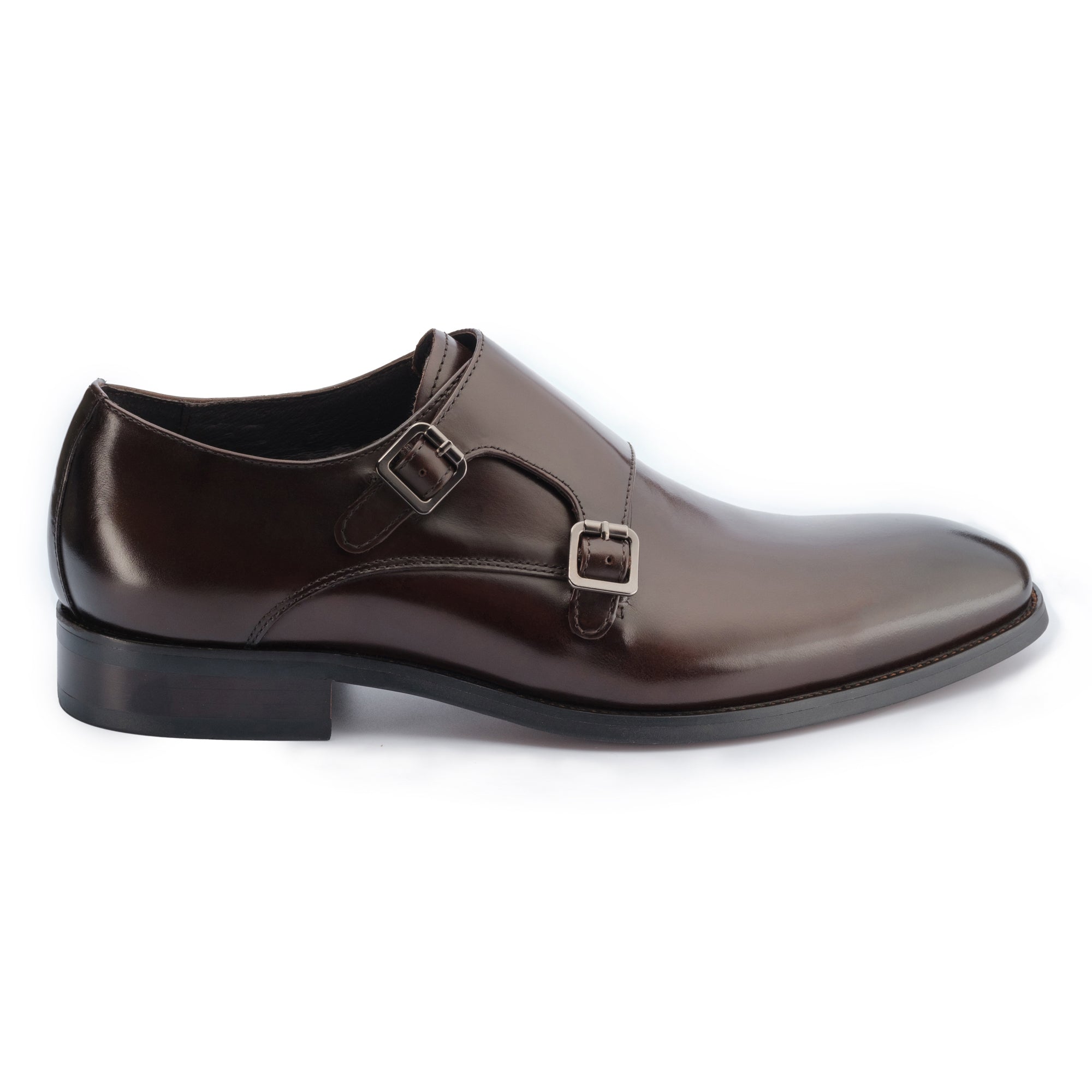
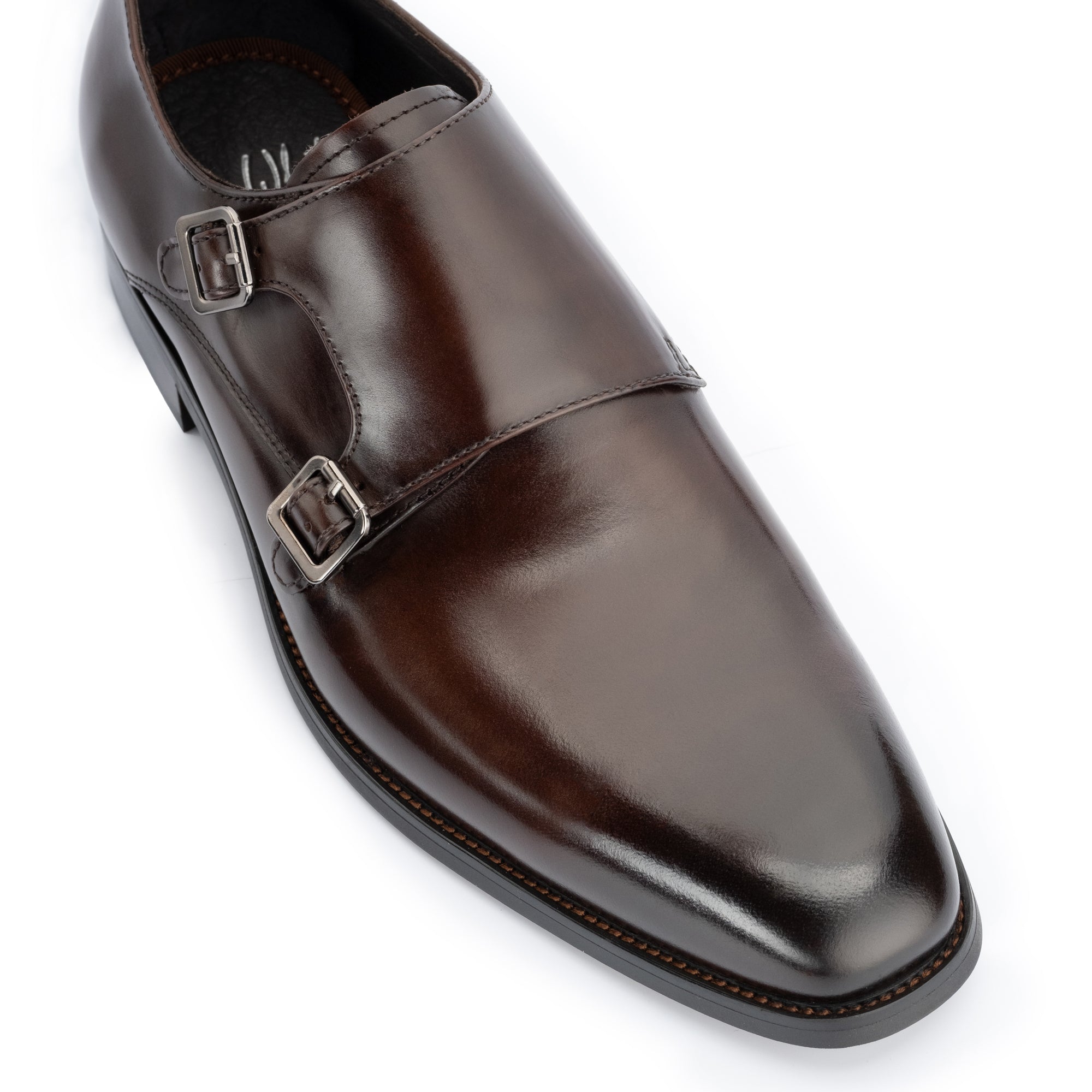
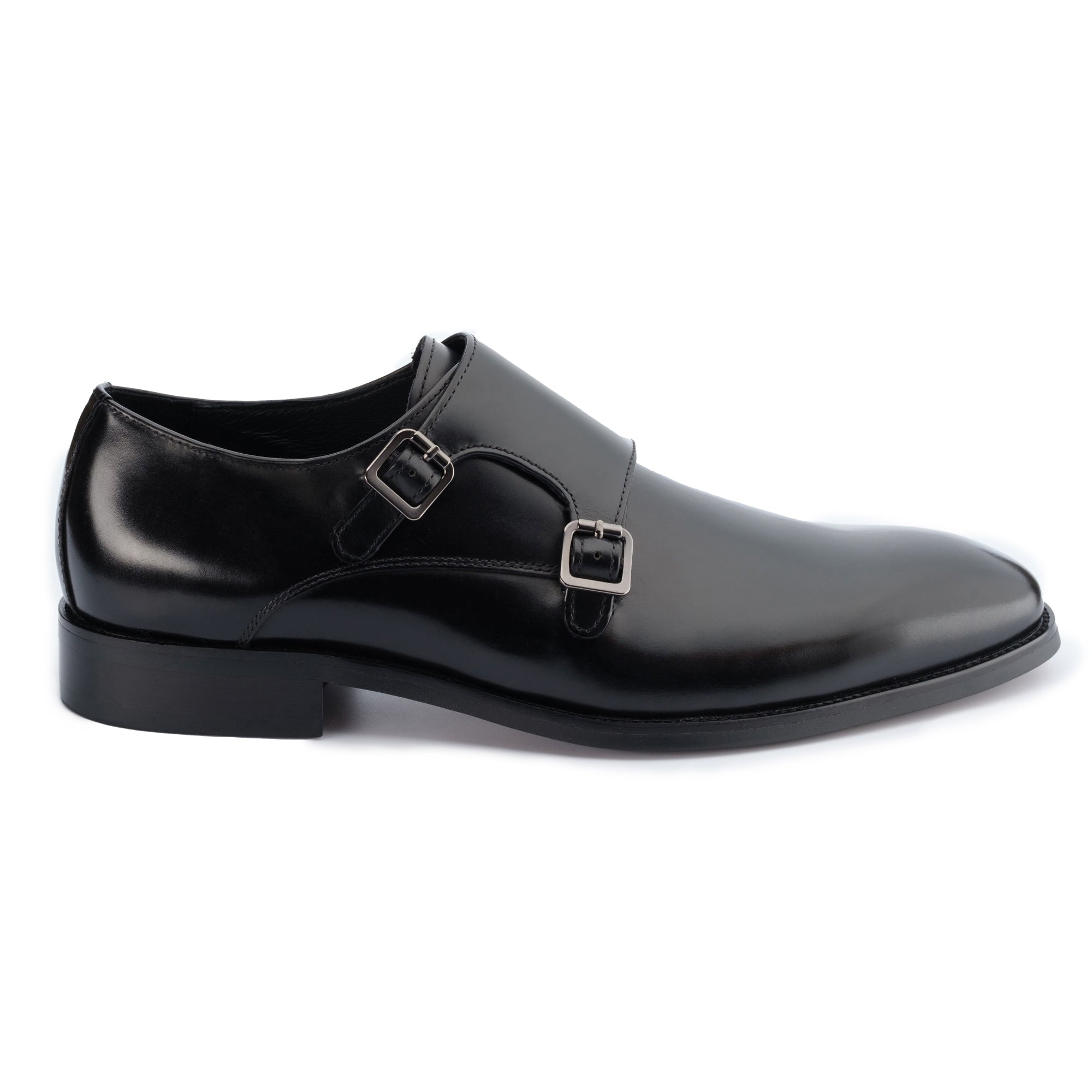
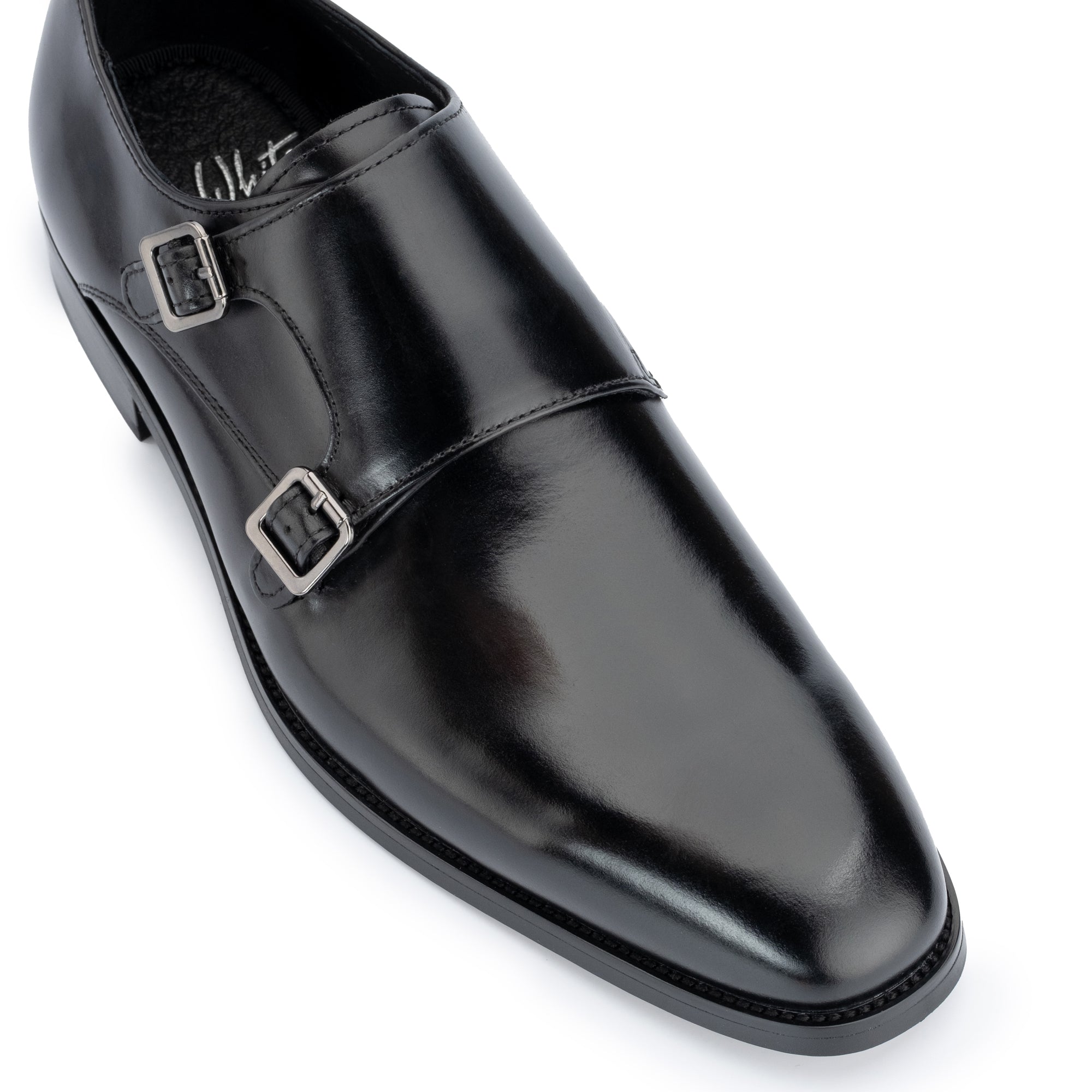
A monk strap shoe has no lace. Instead, a leather strap crosses the vamp and fastens with a metal buckle on the lateral side. The single monk has one strap; the double has two, stacked in parallel, each with its own polished buckle. The double strap gives the shoe a more architectural quality — it has a stronger presence on the foot and reads as a deliberate construction rather than a default.
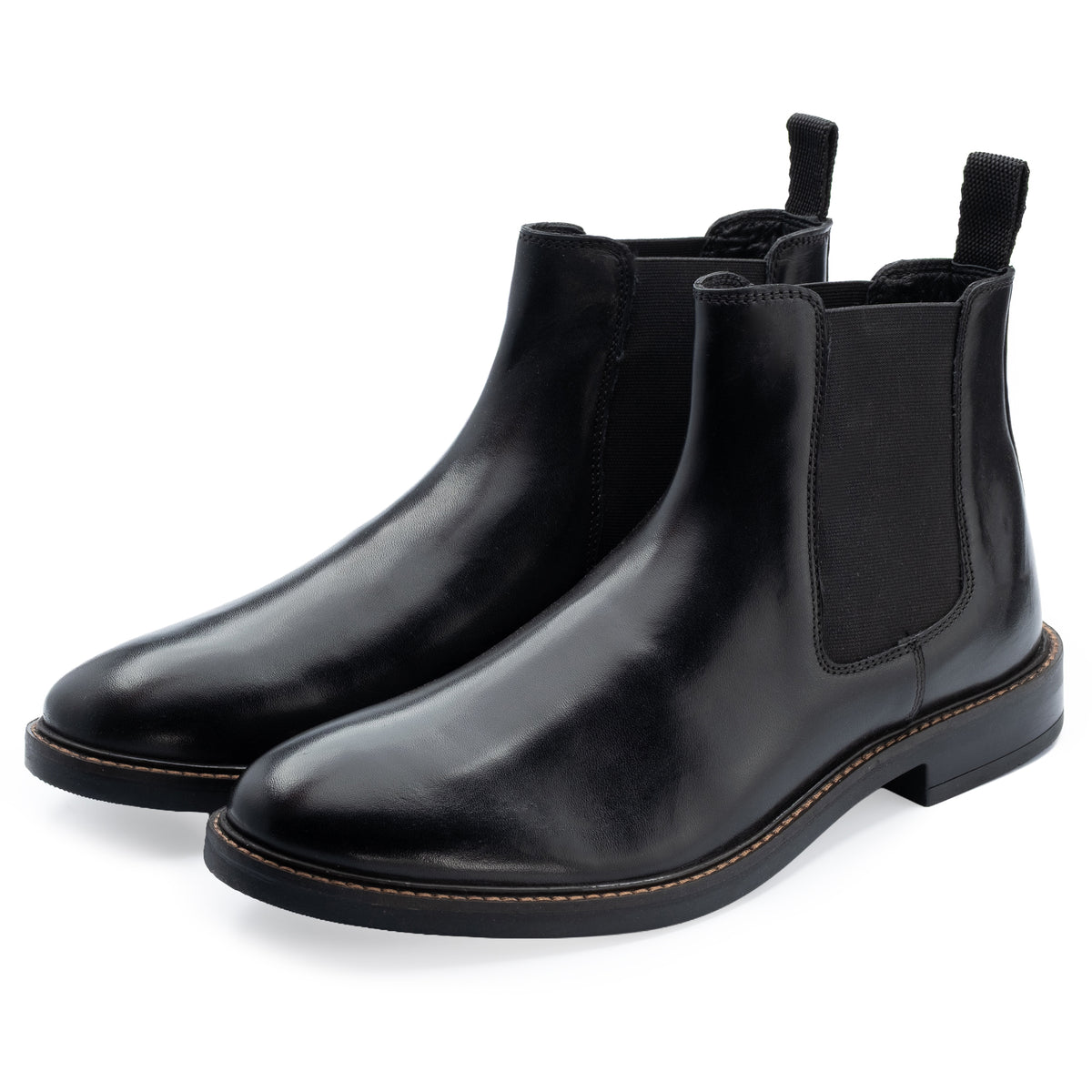
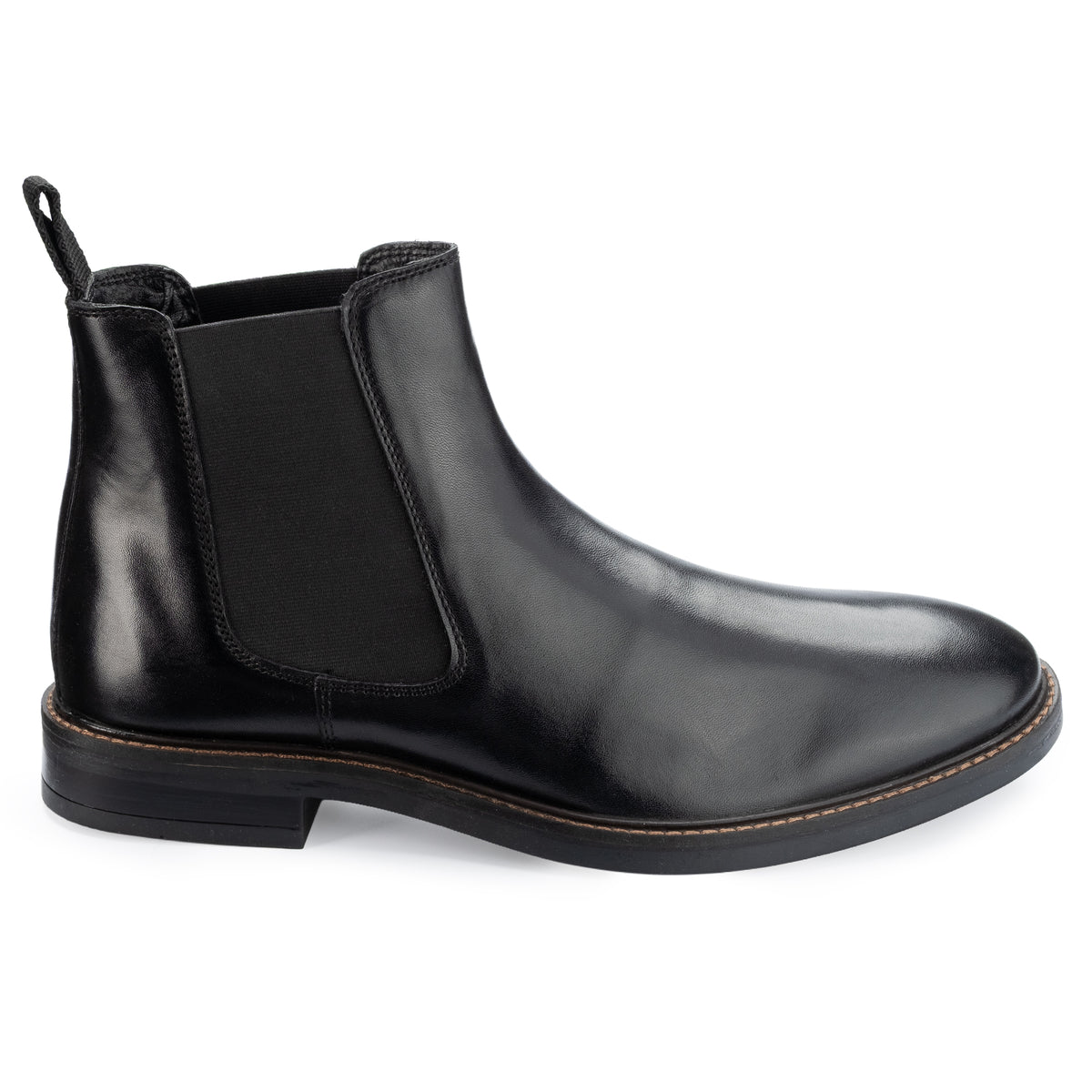
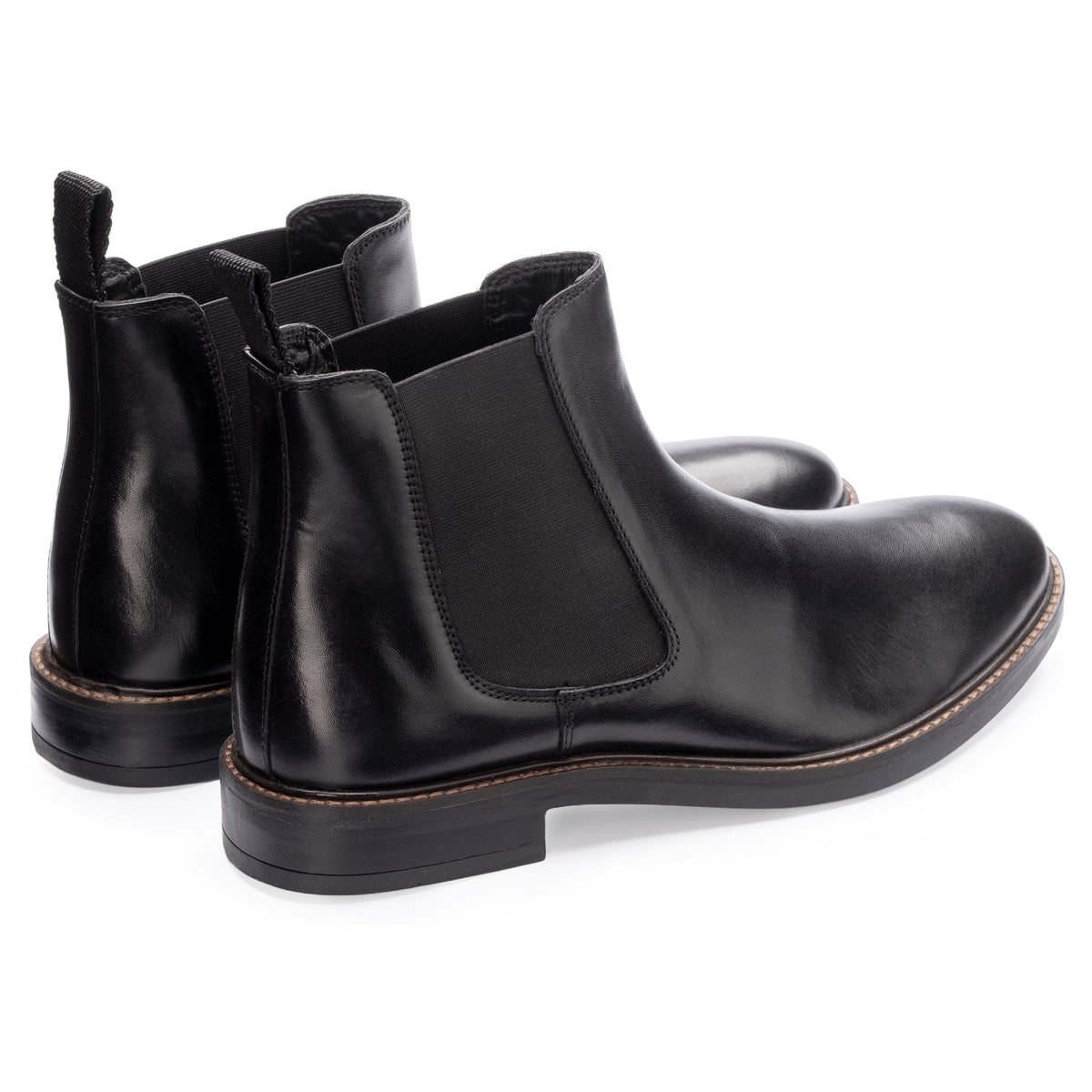
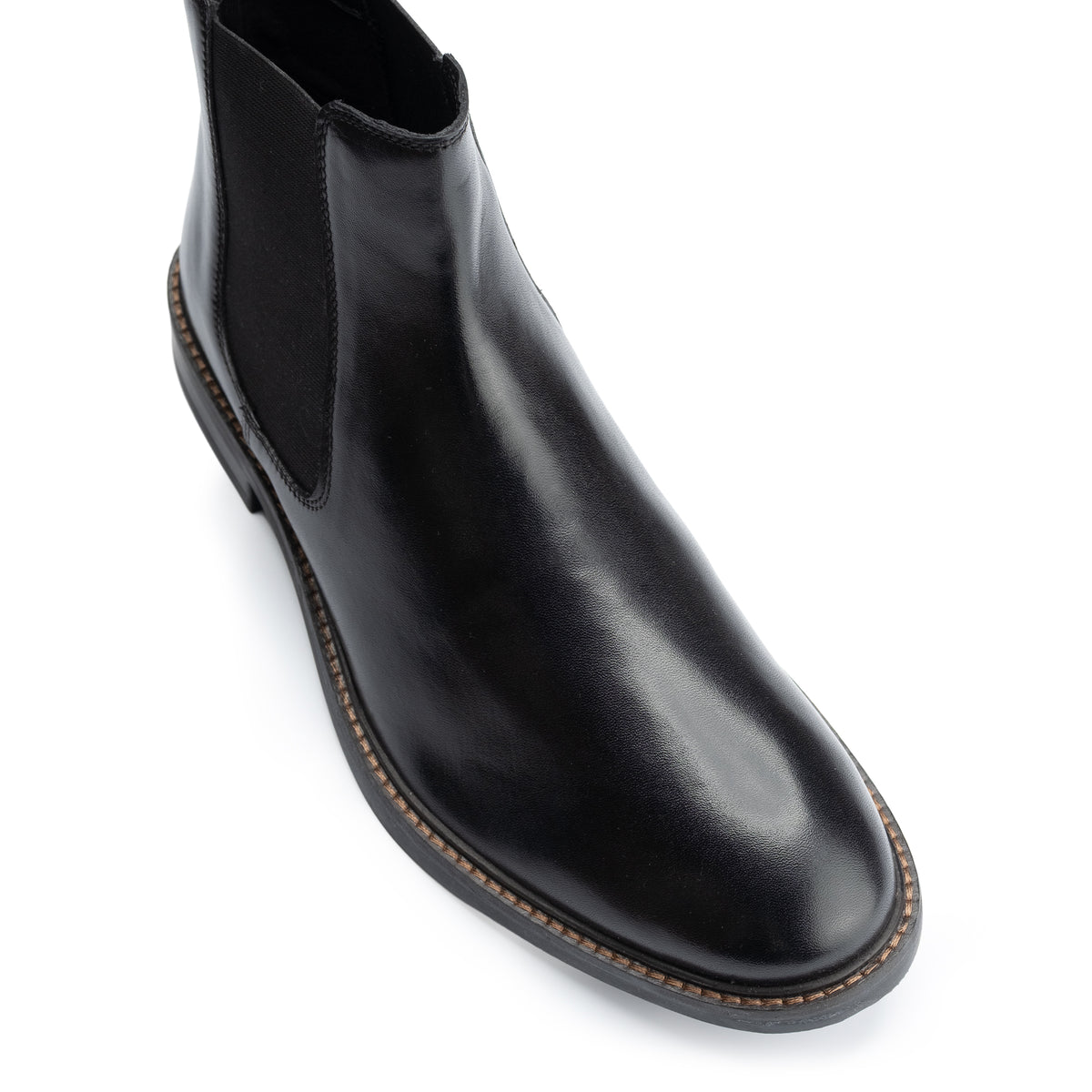
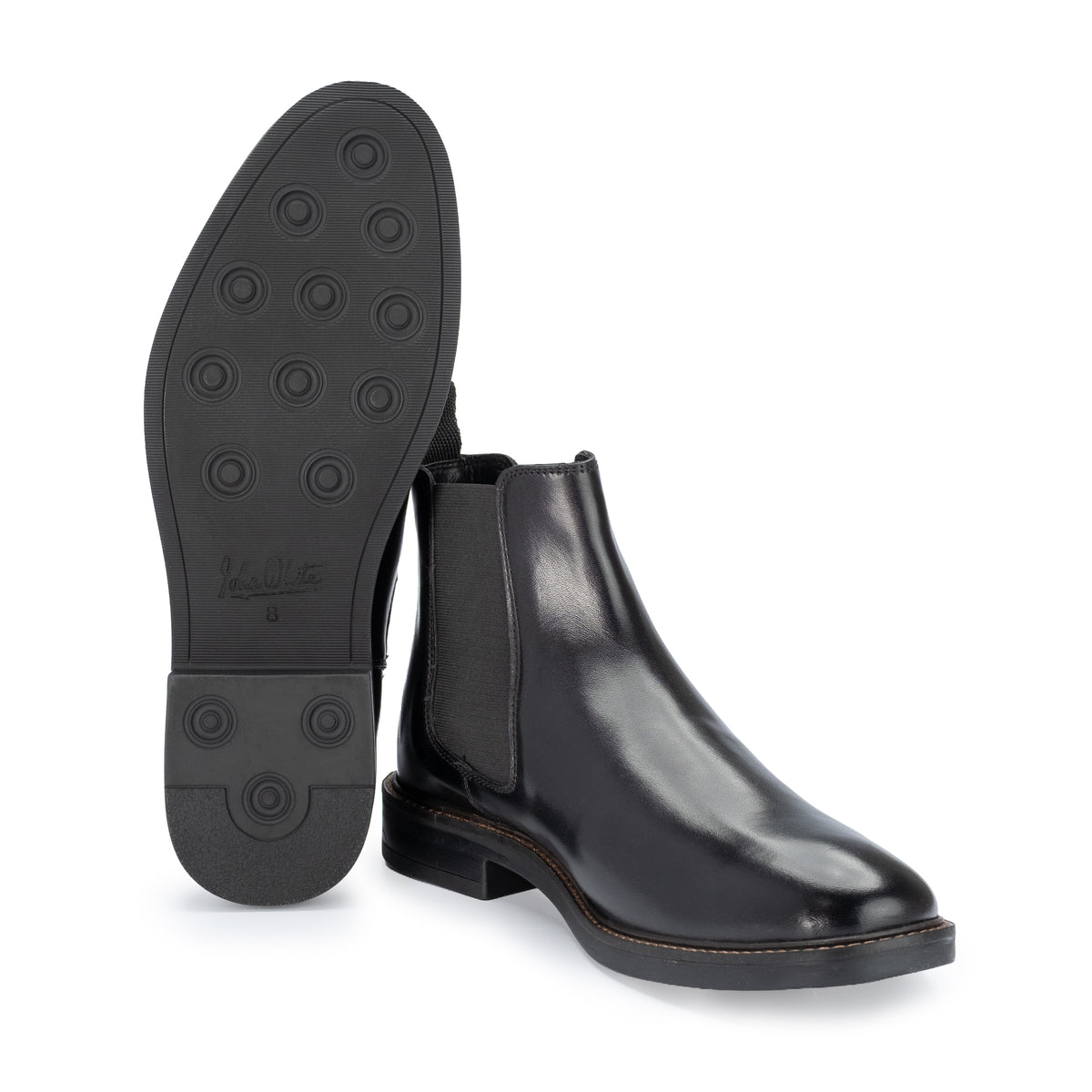
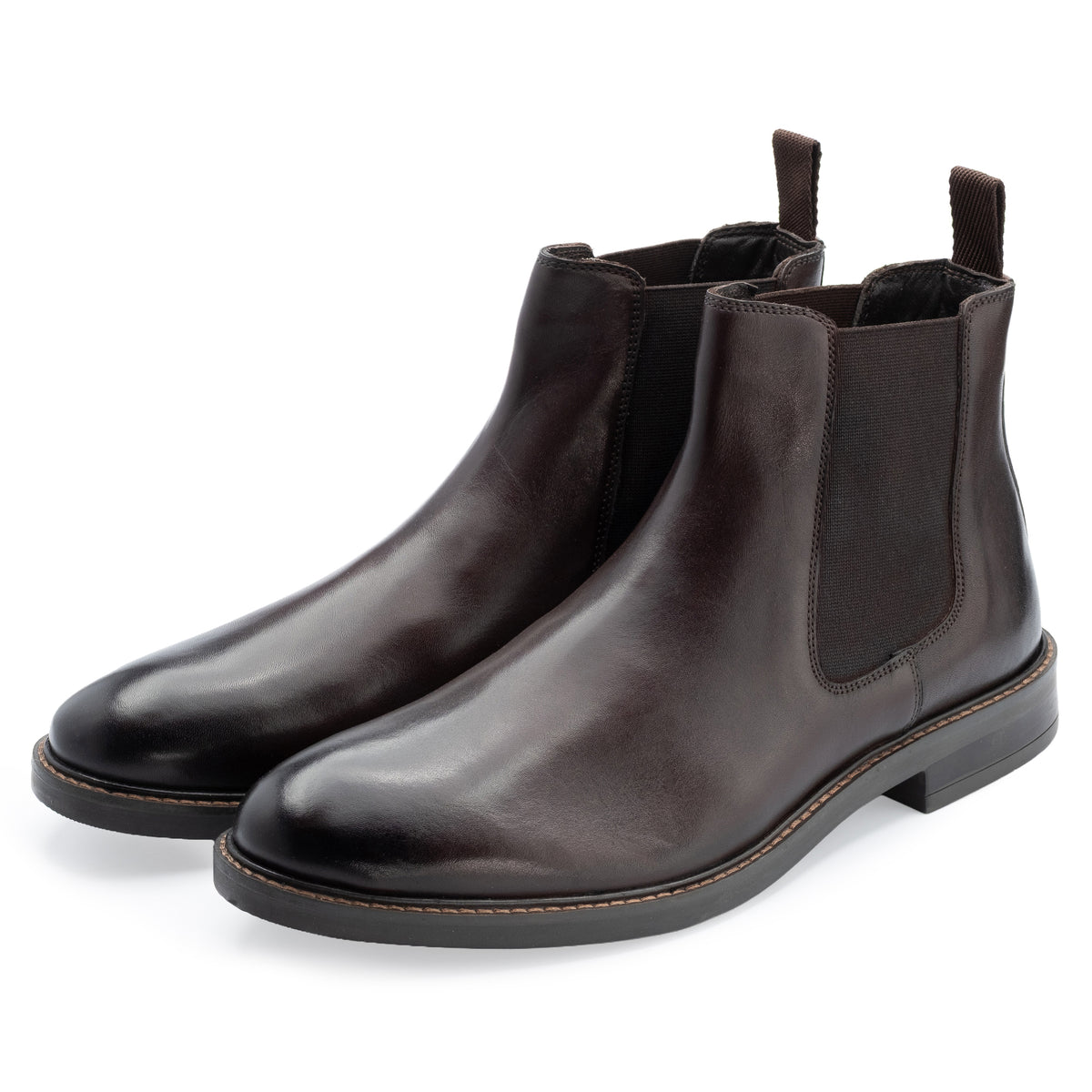
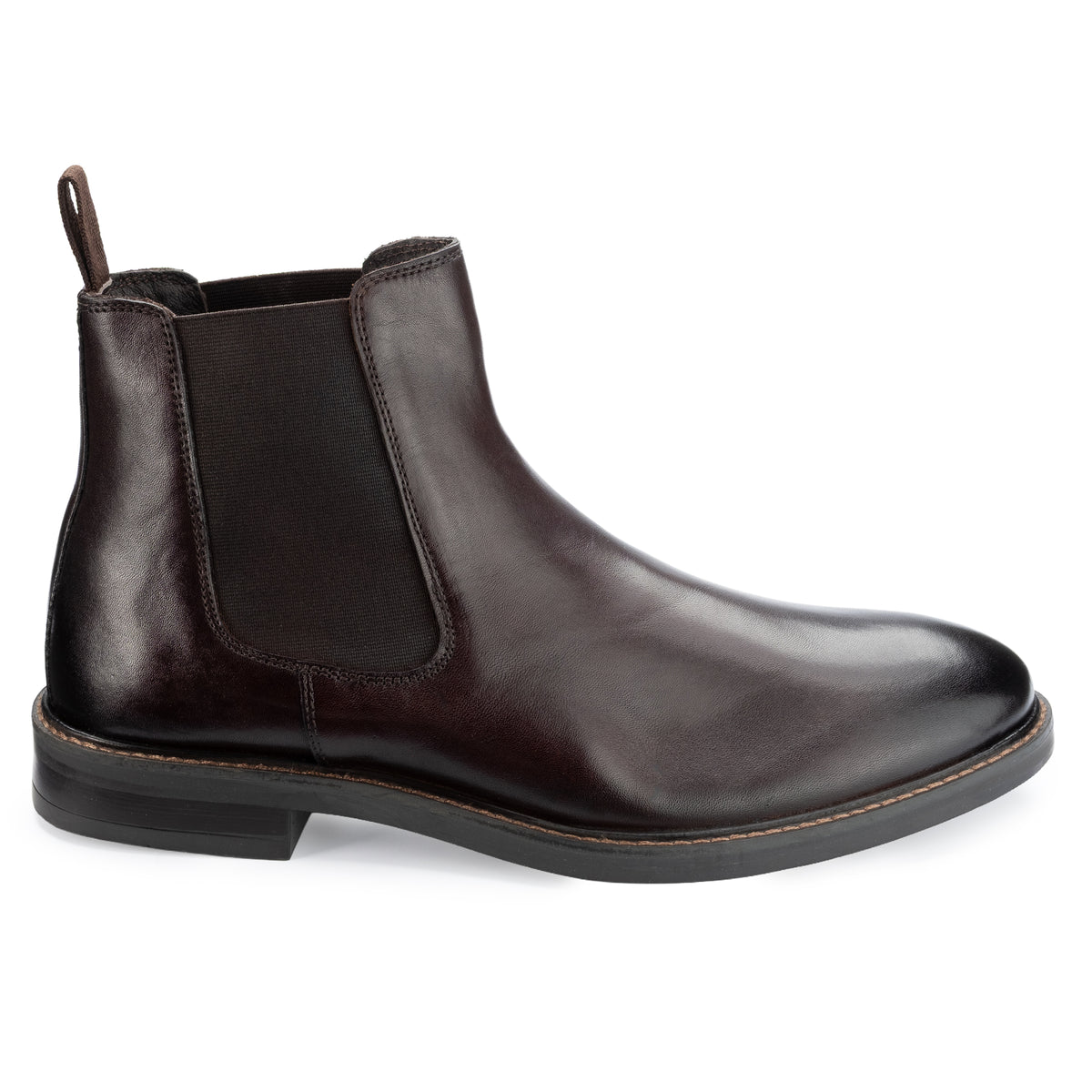
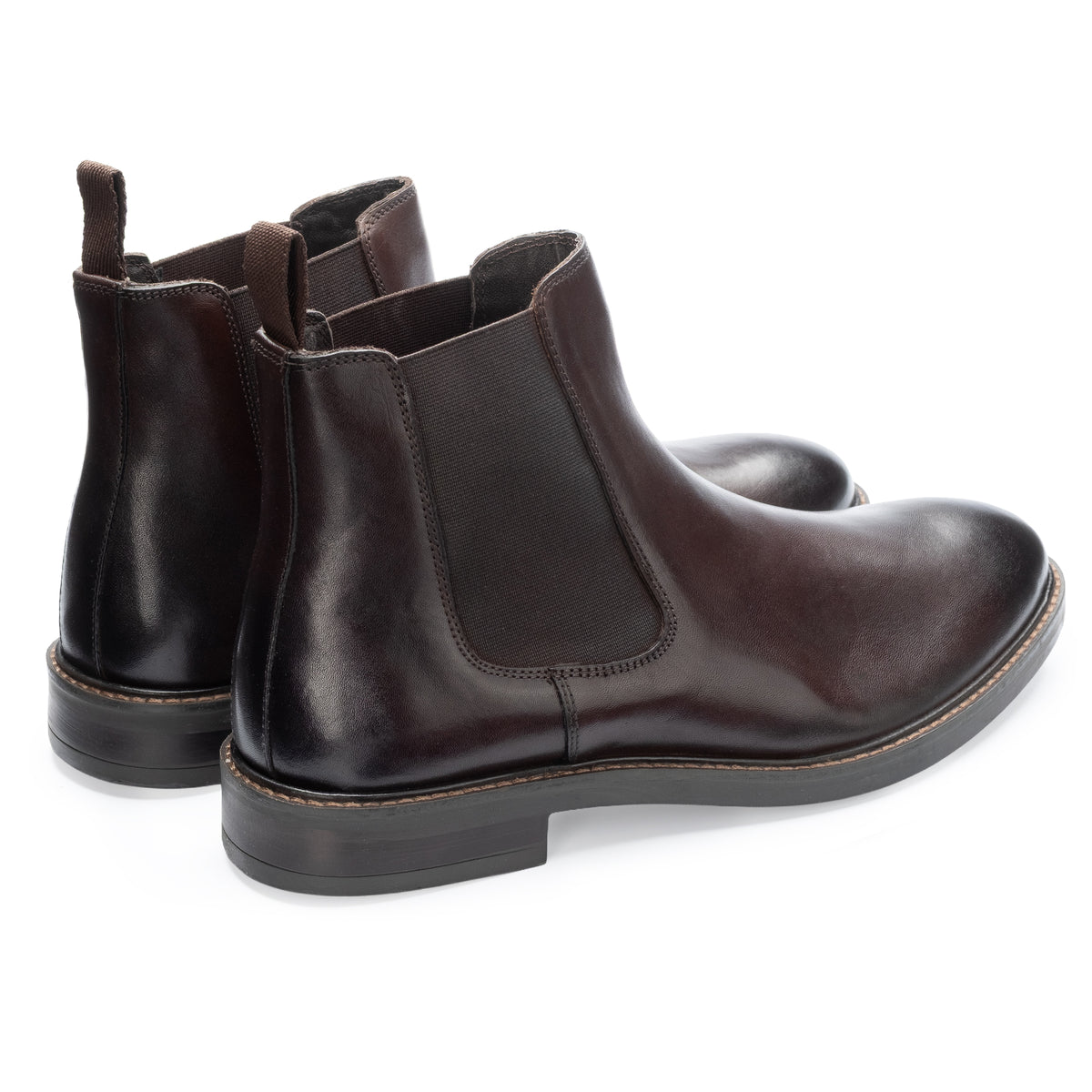
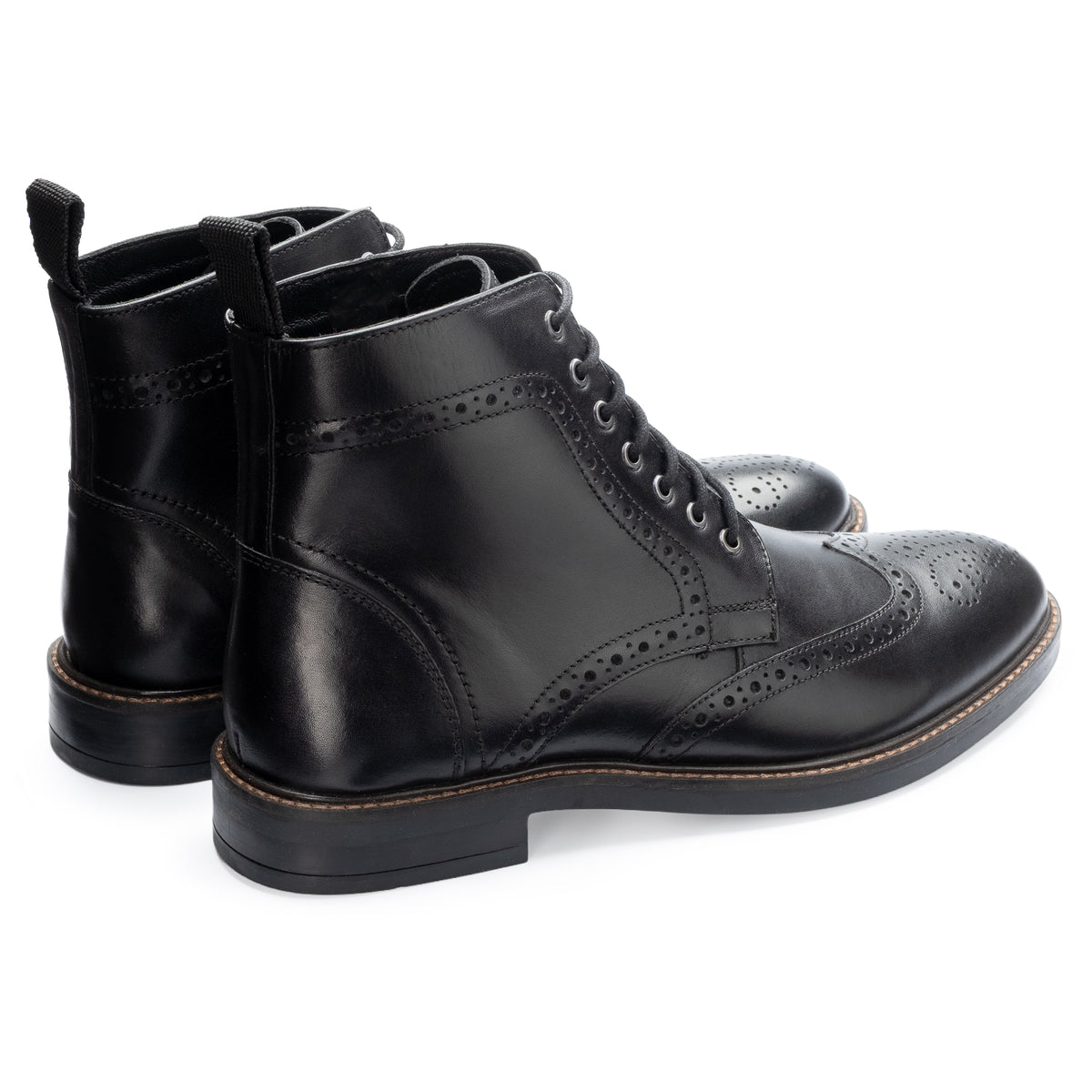
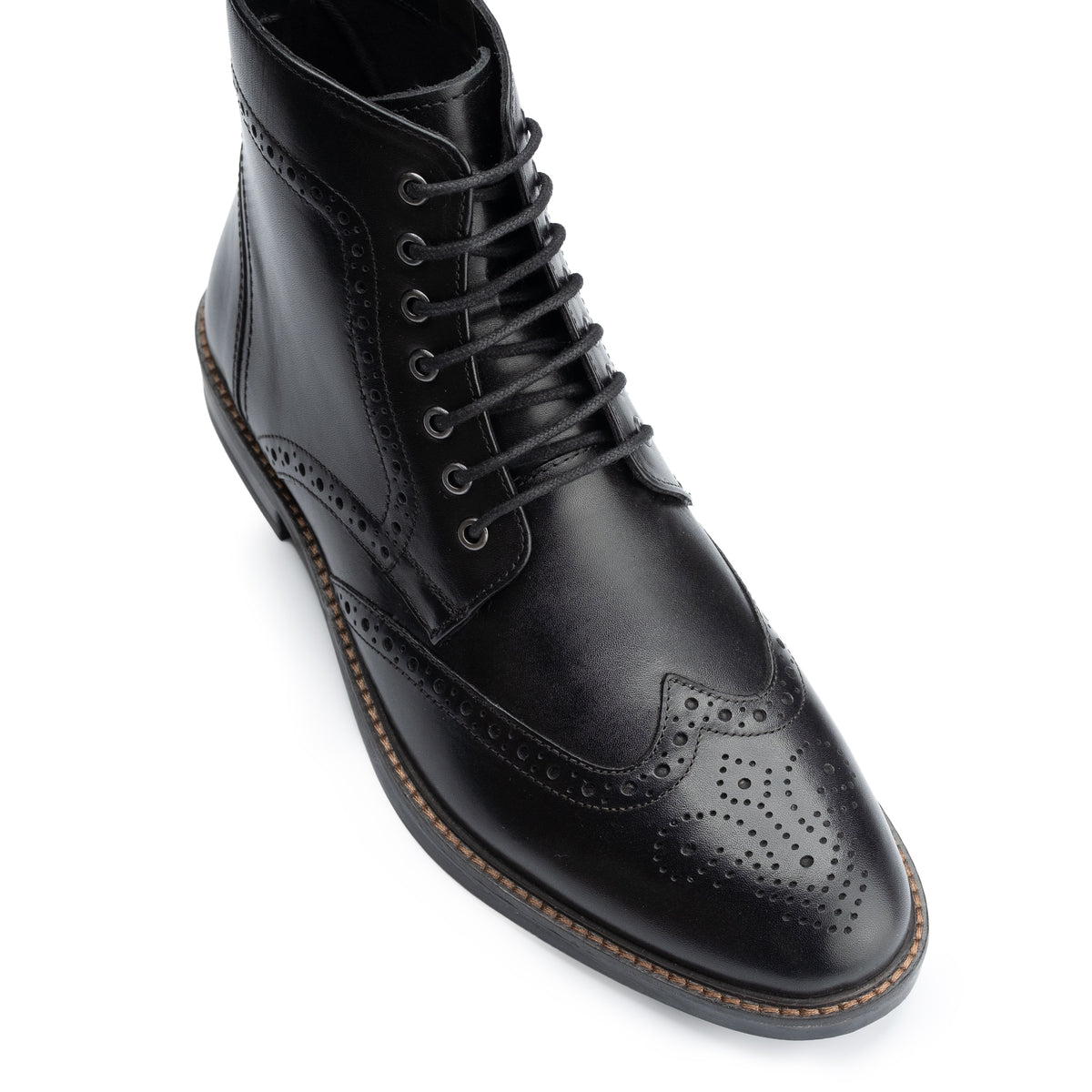
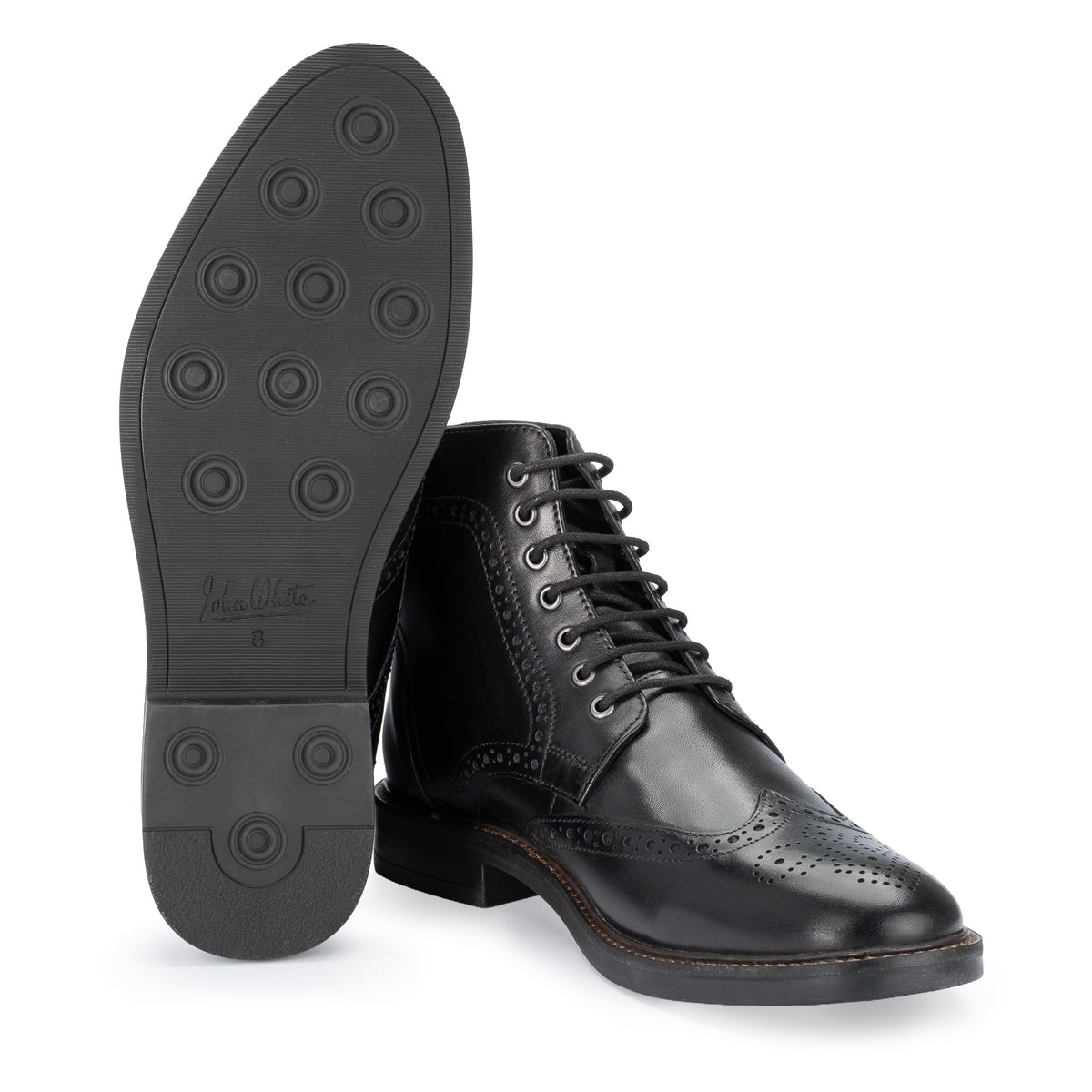
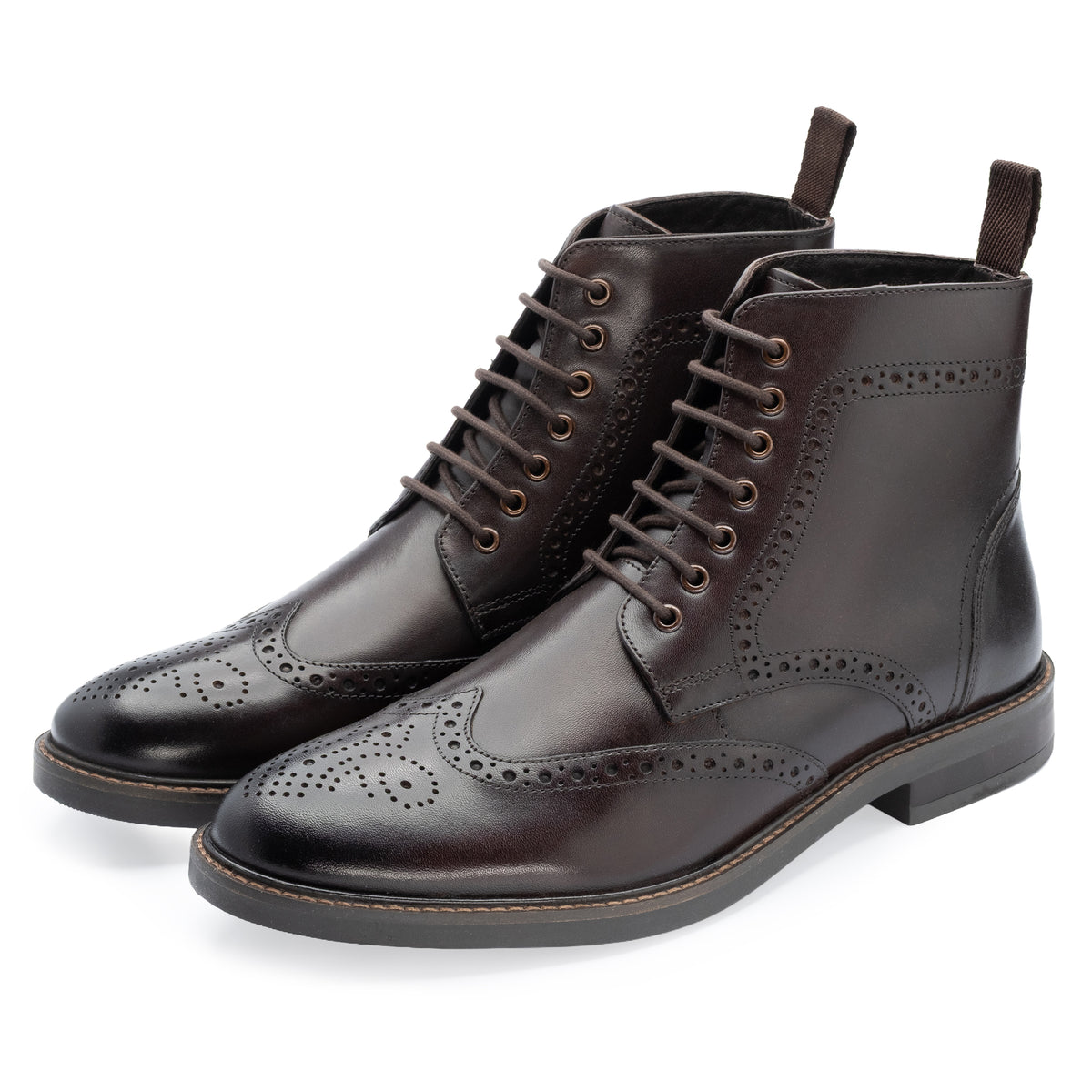
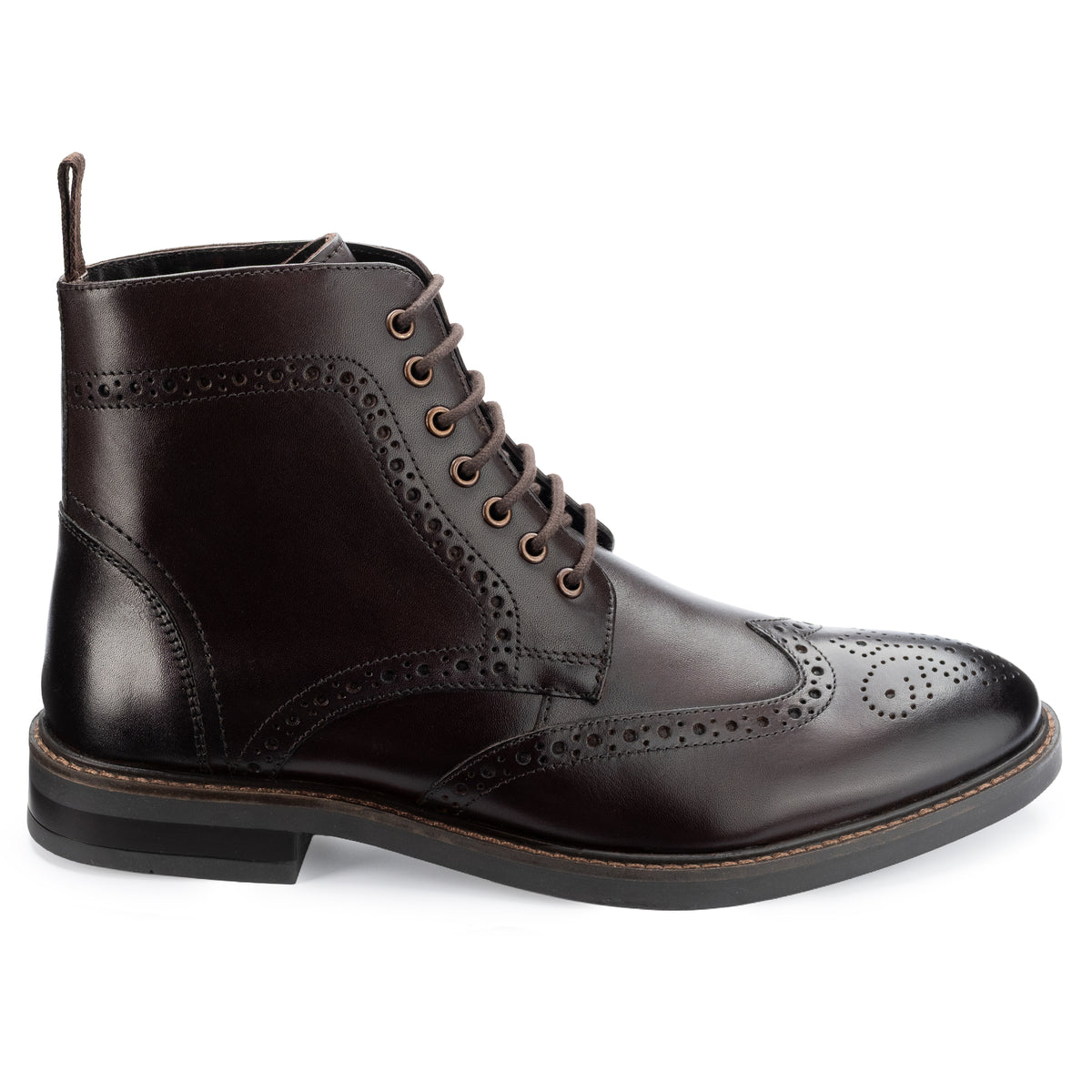
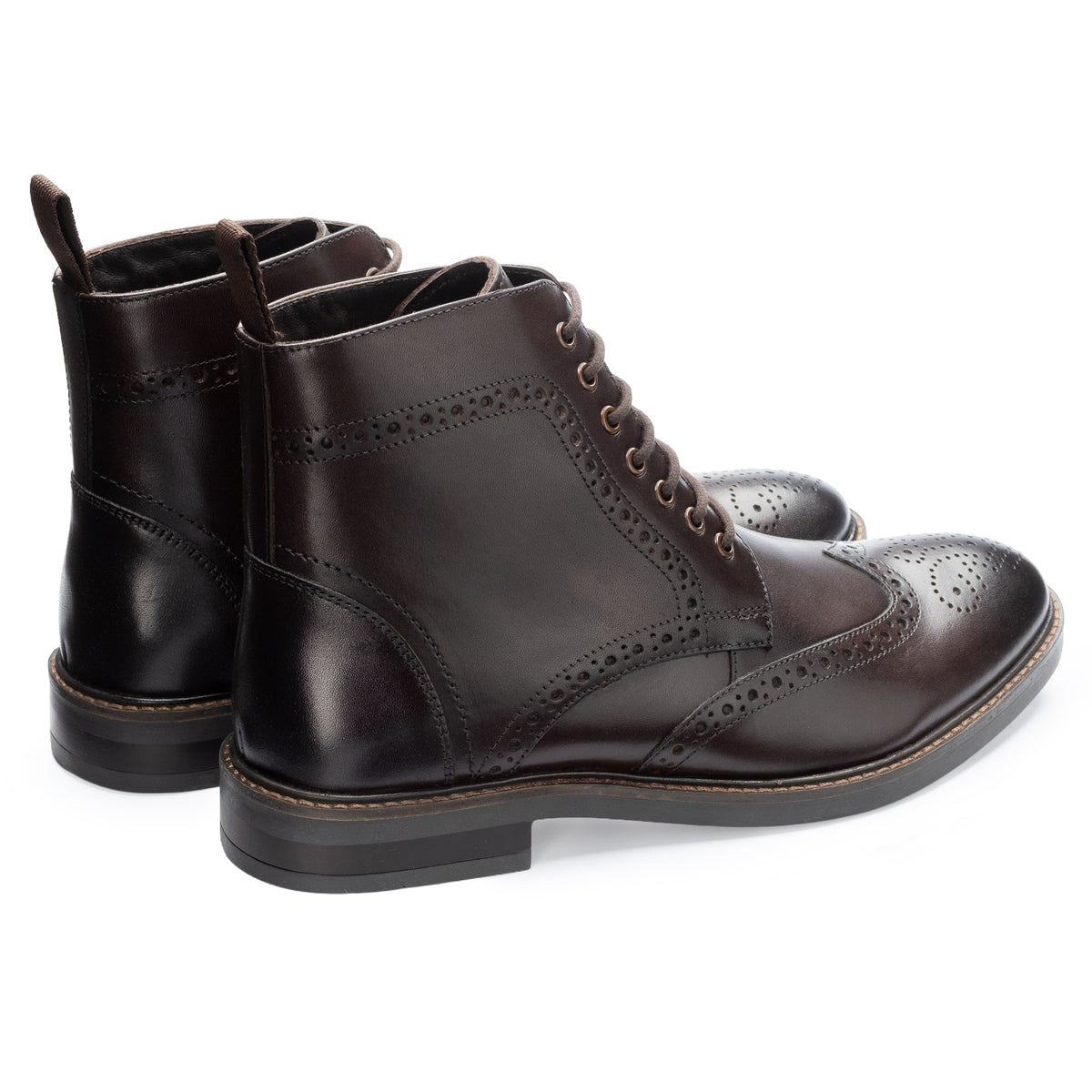
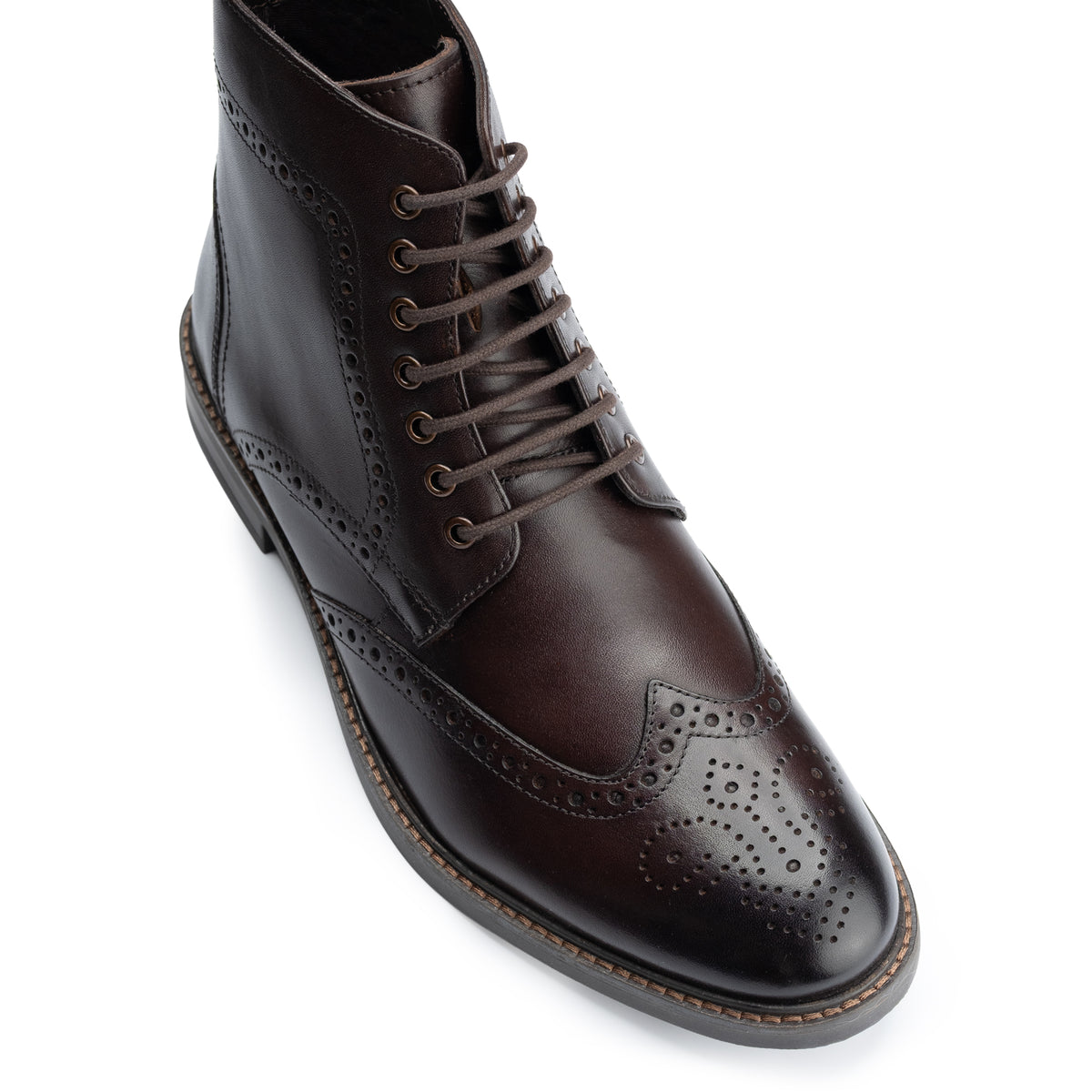
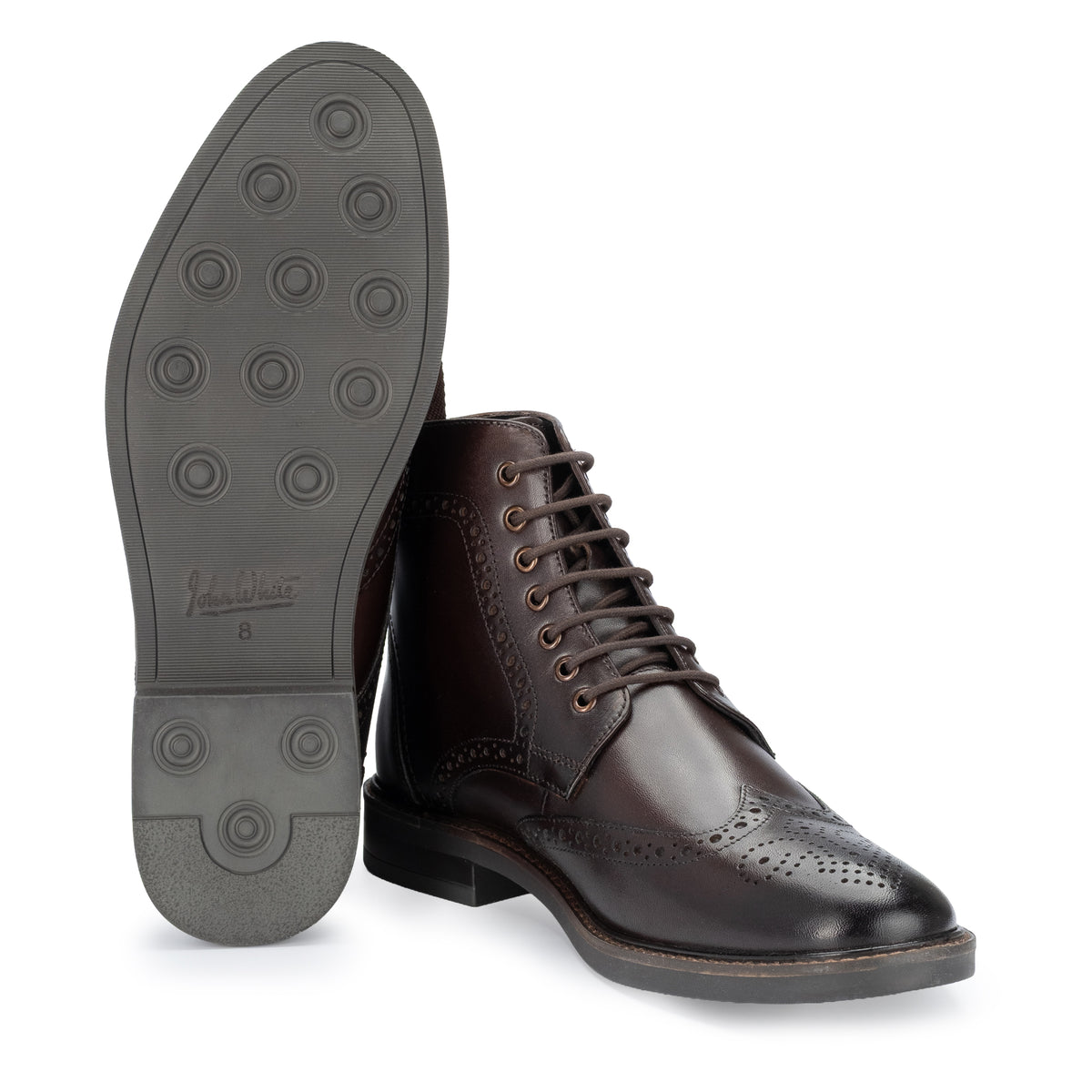
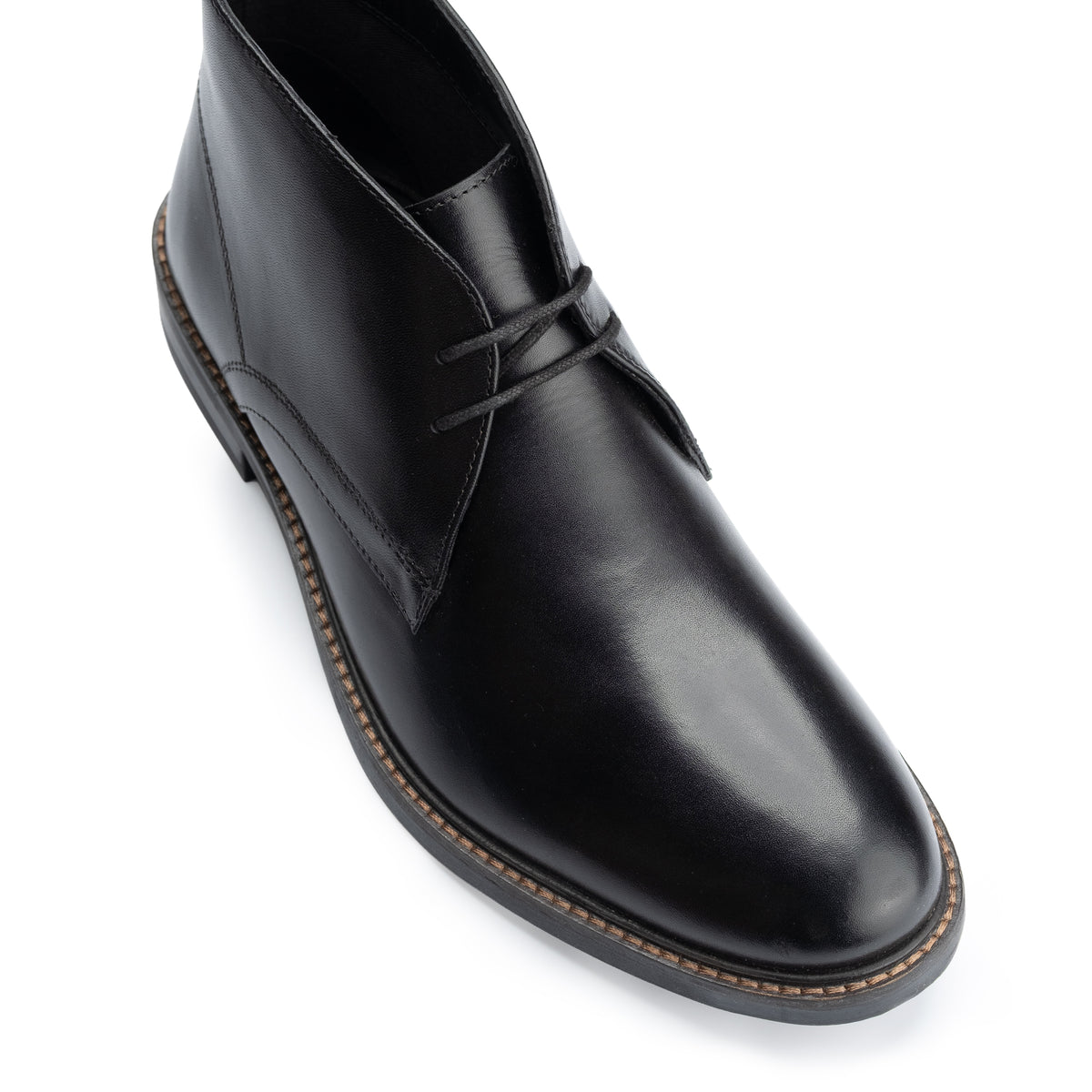
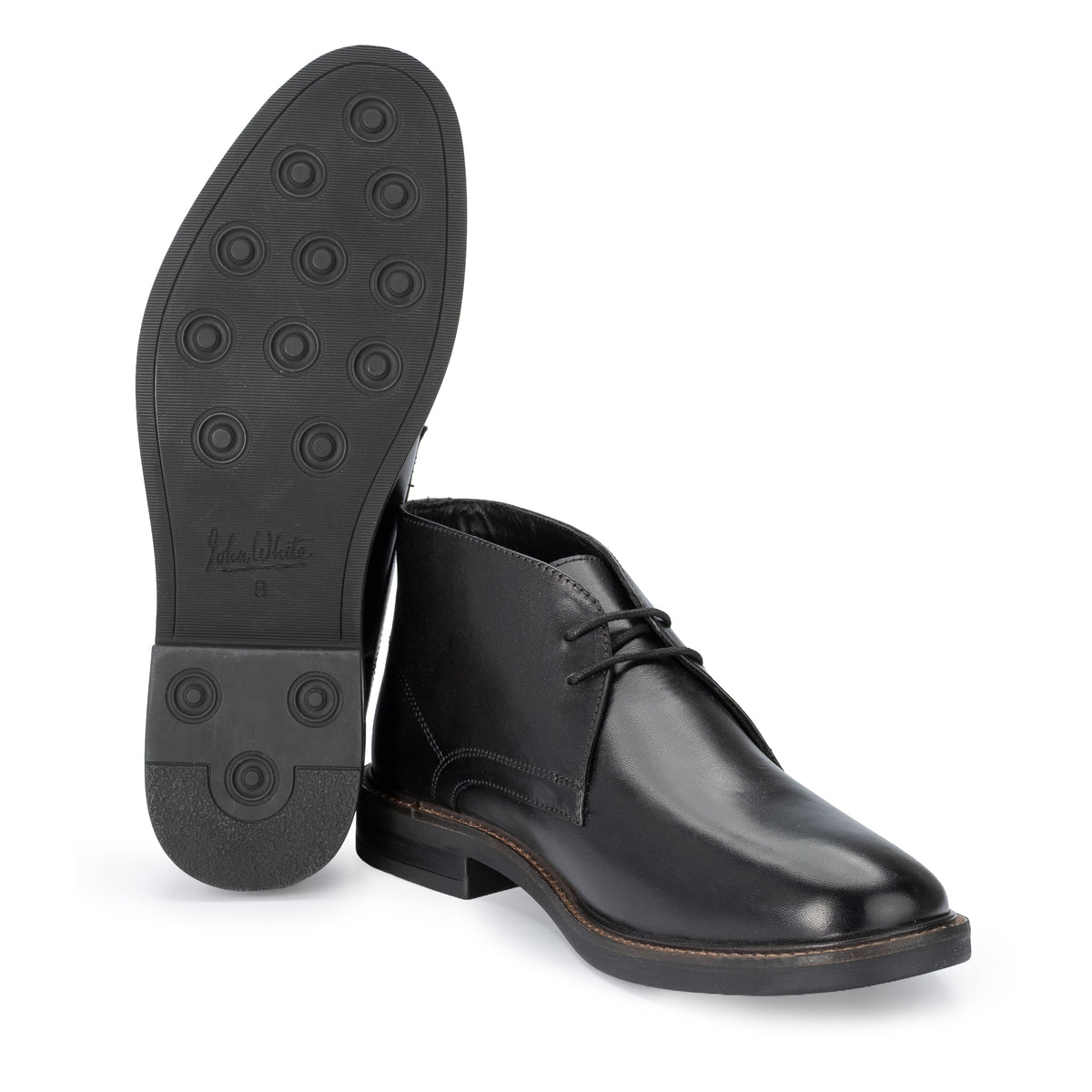
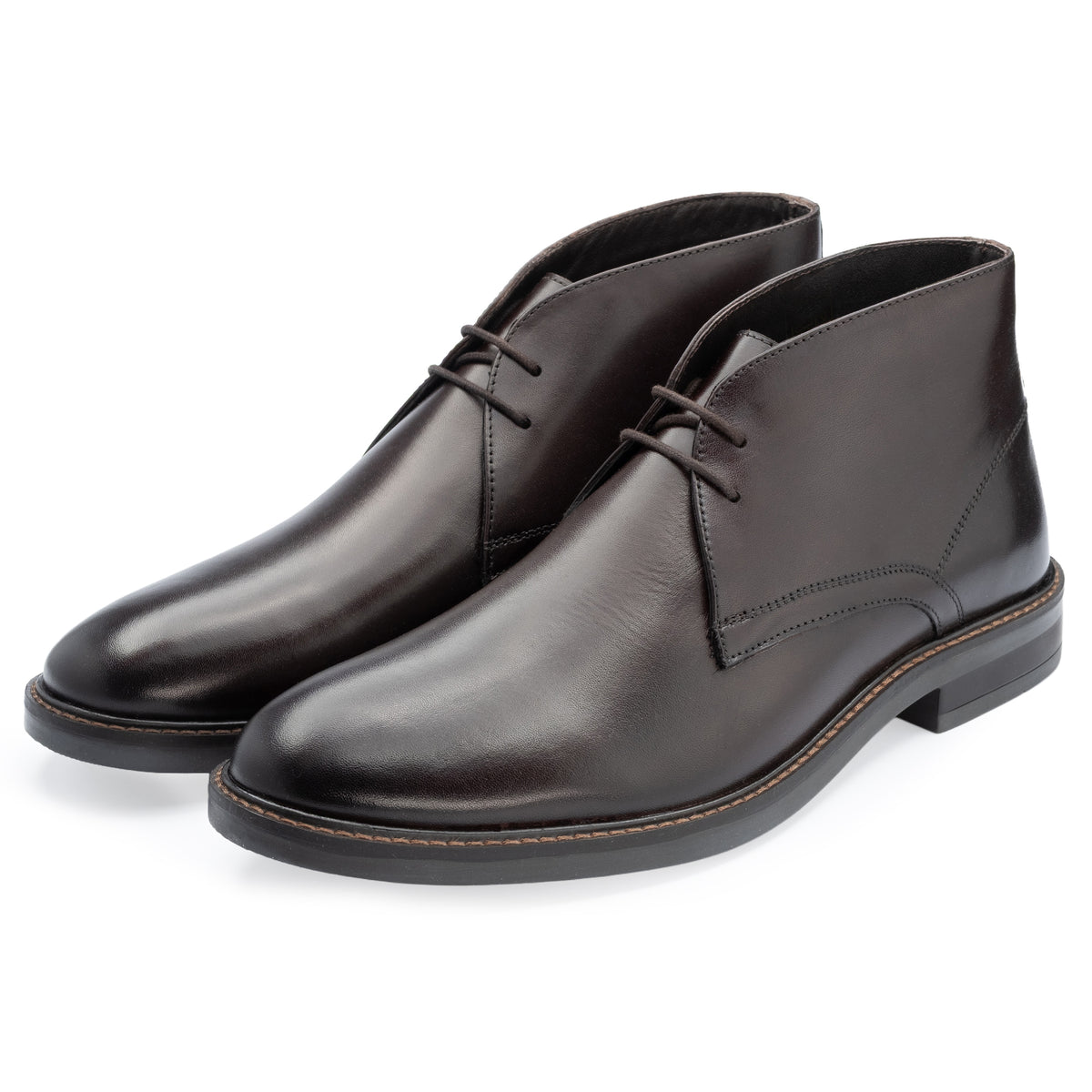
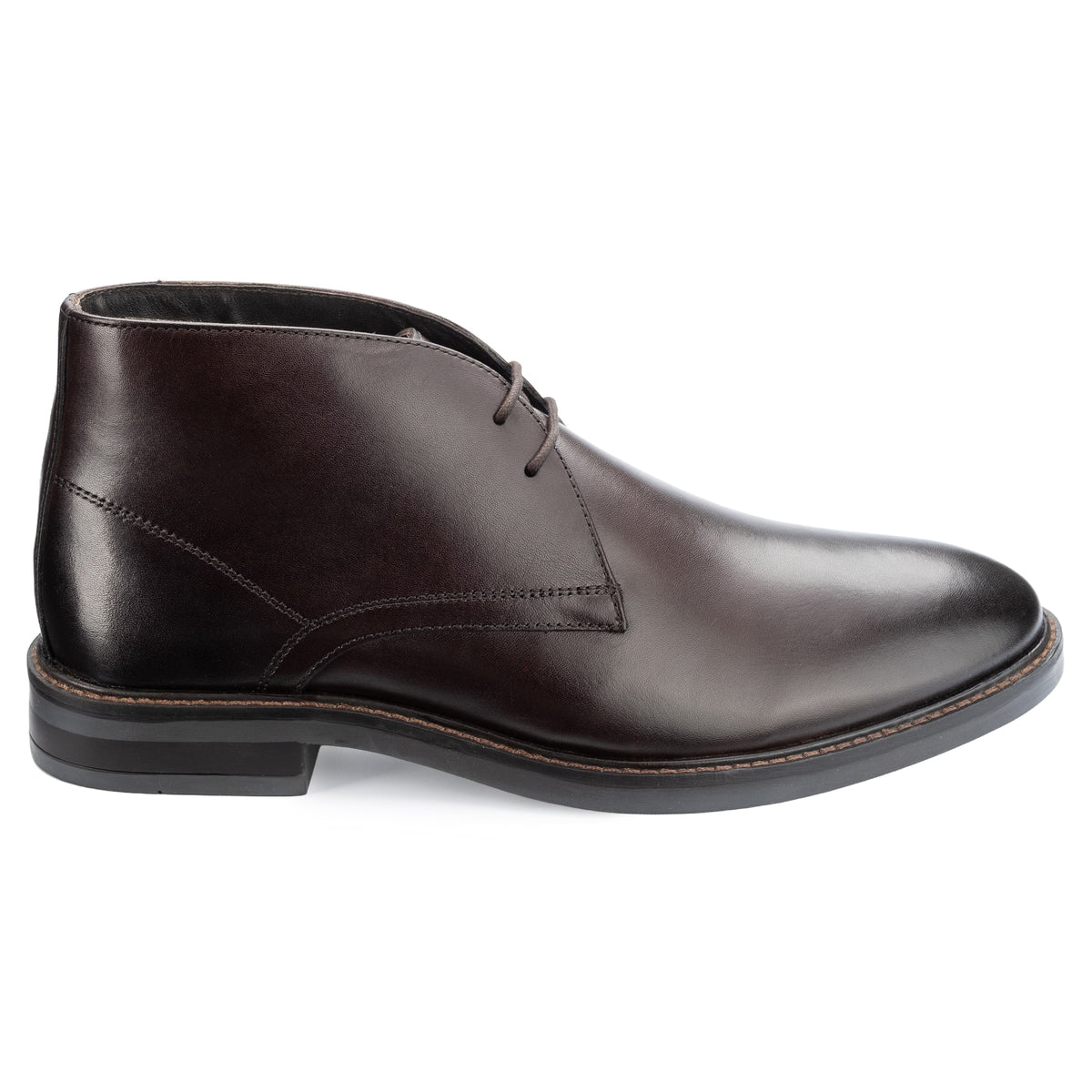
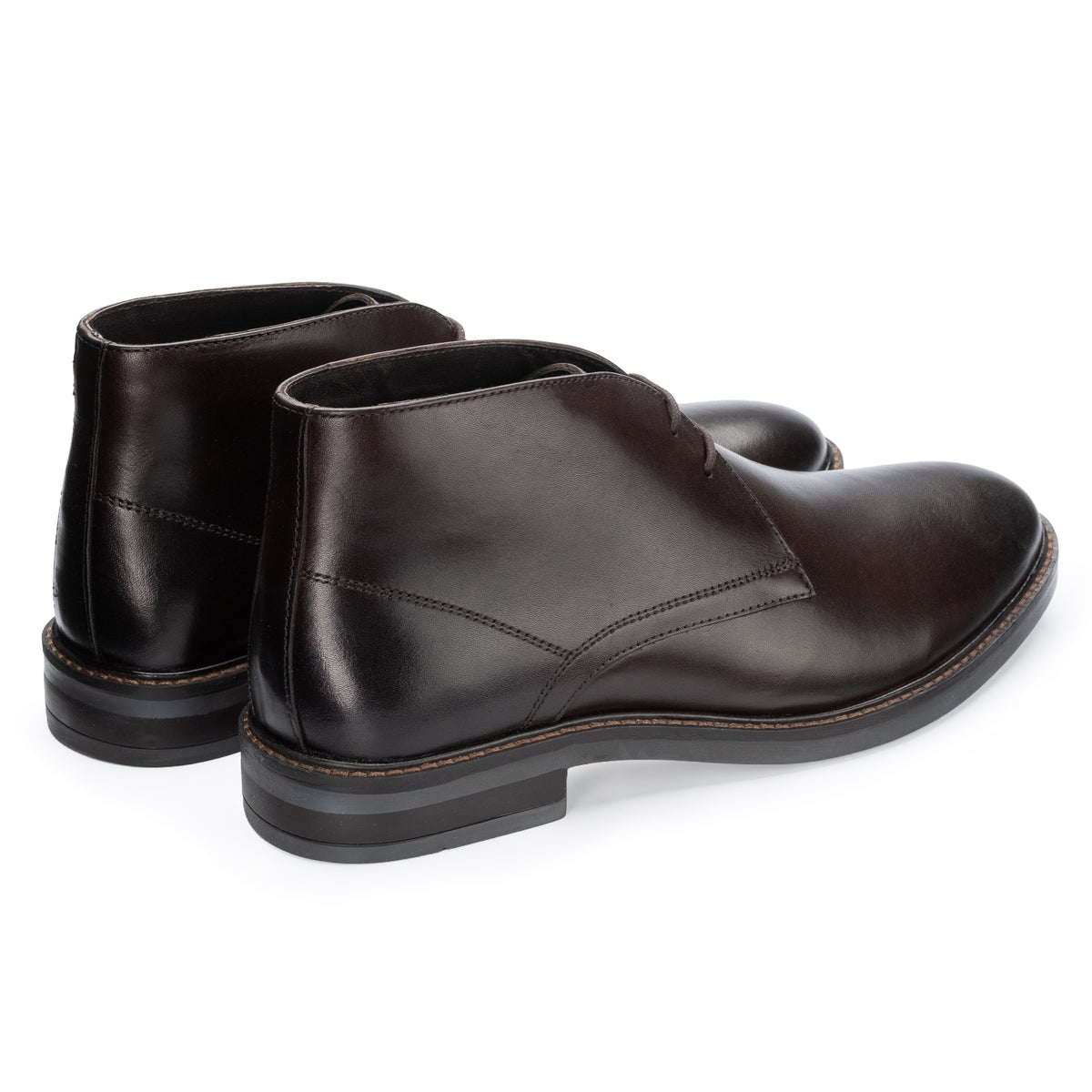
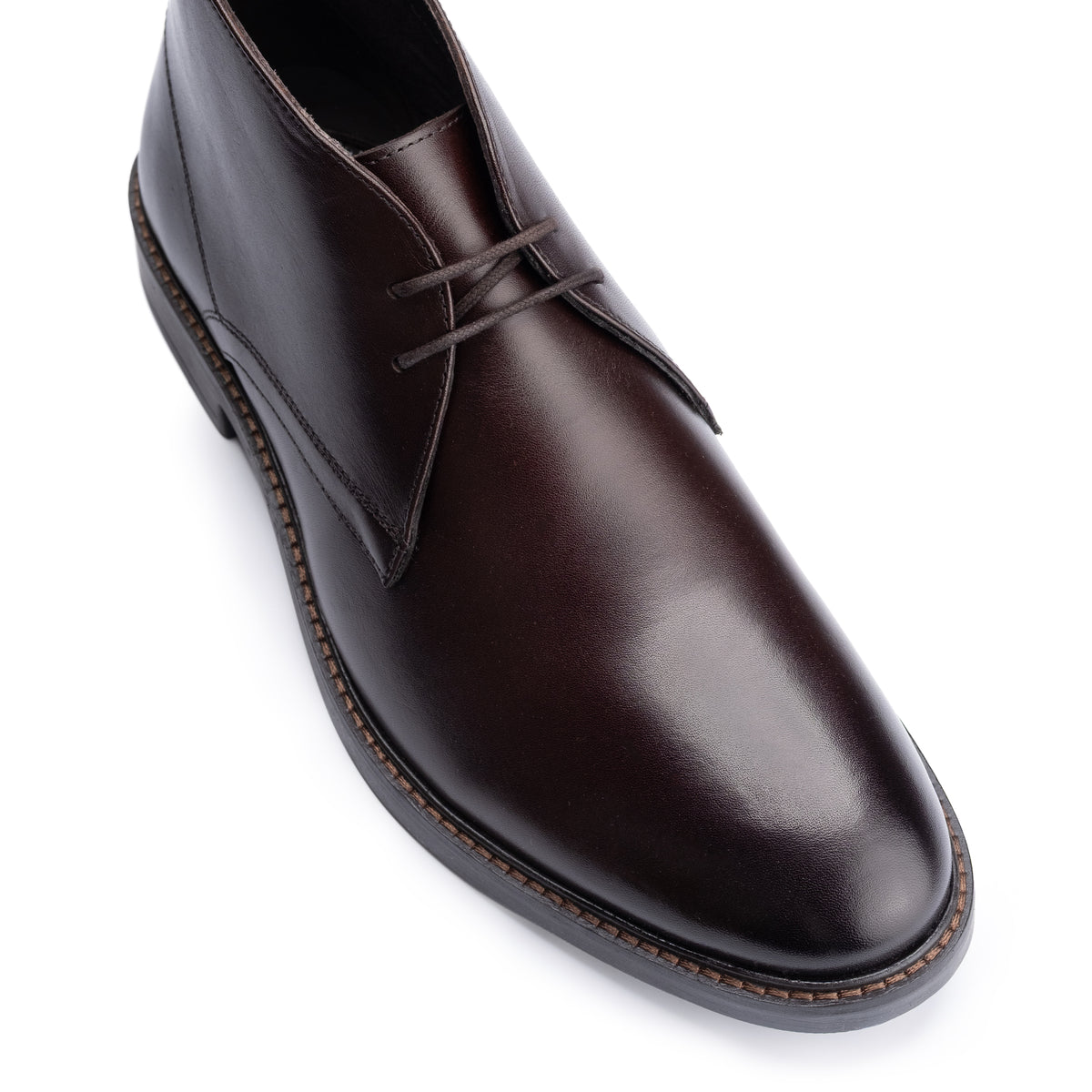
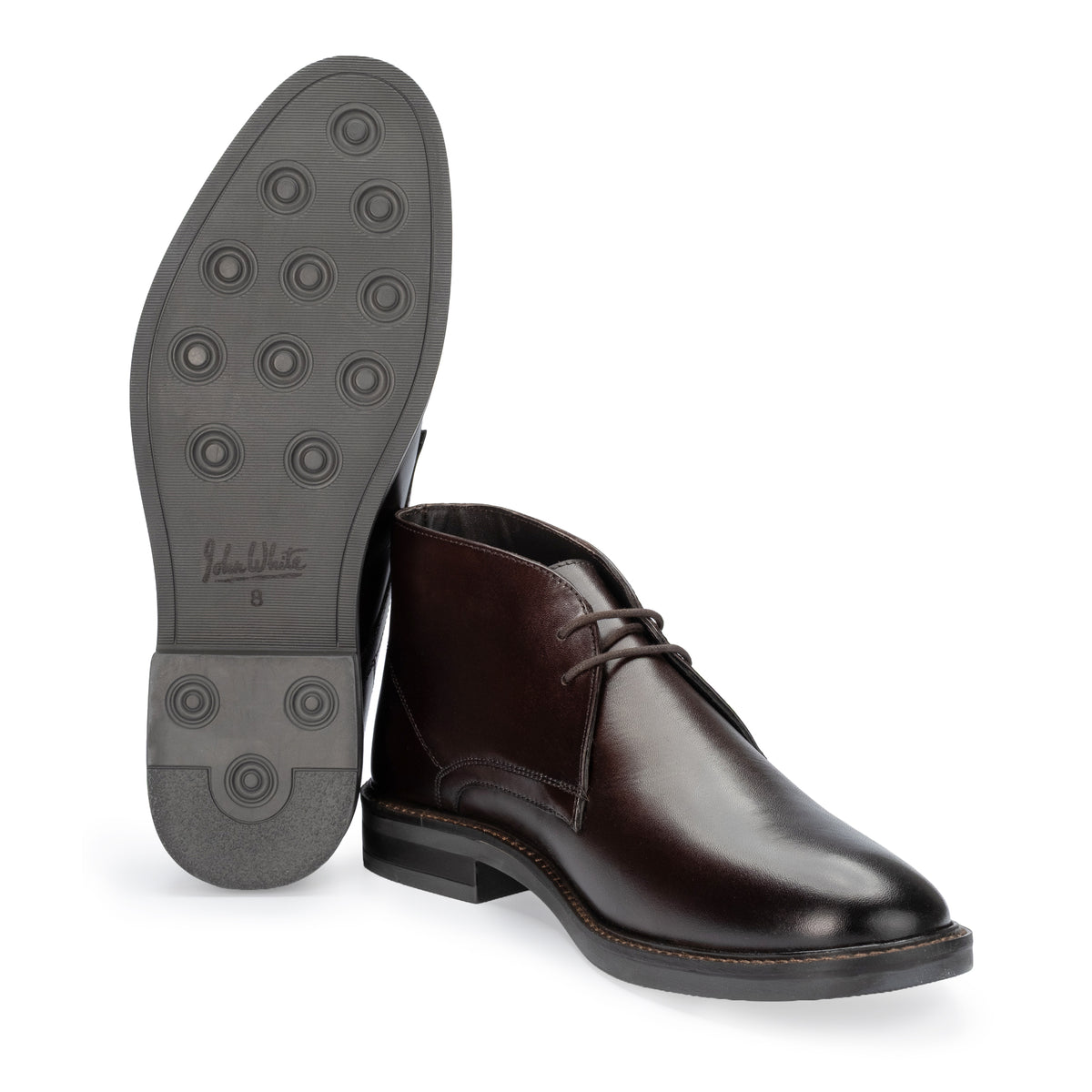
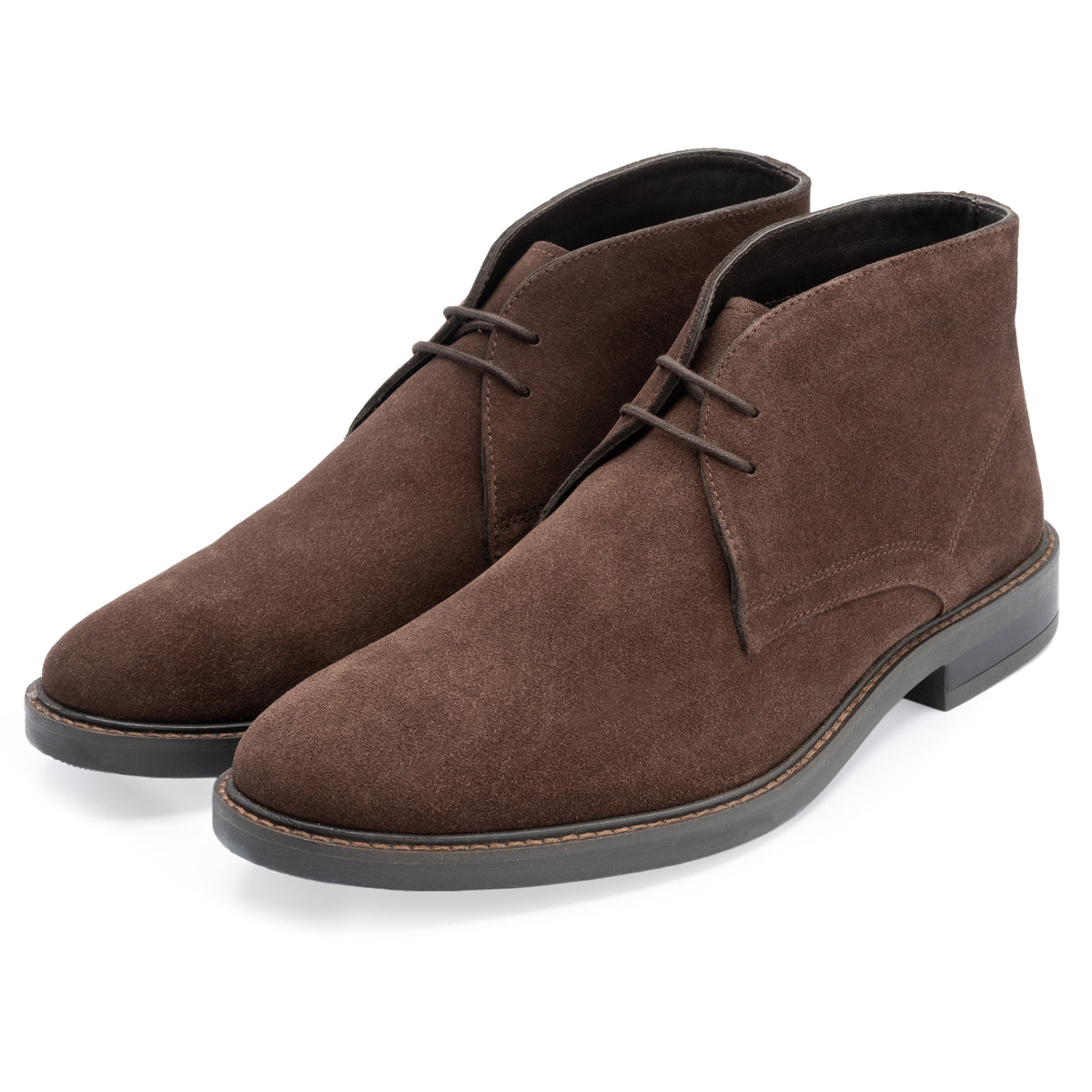
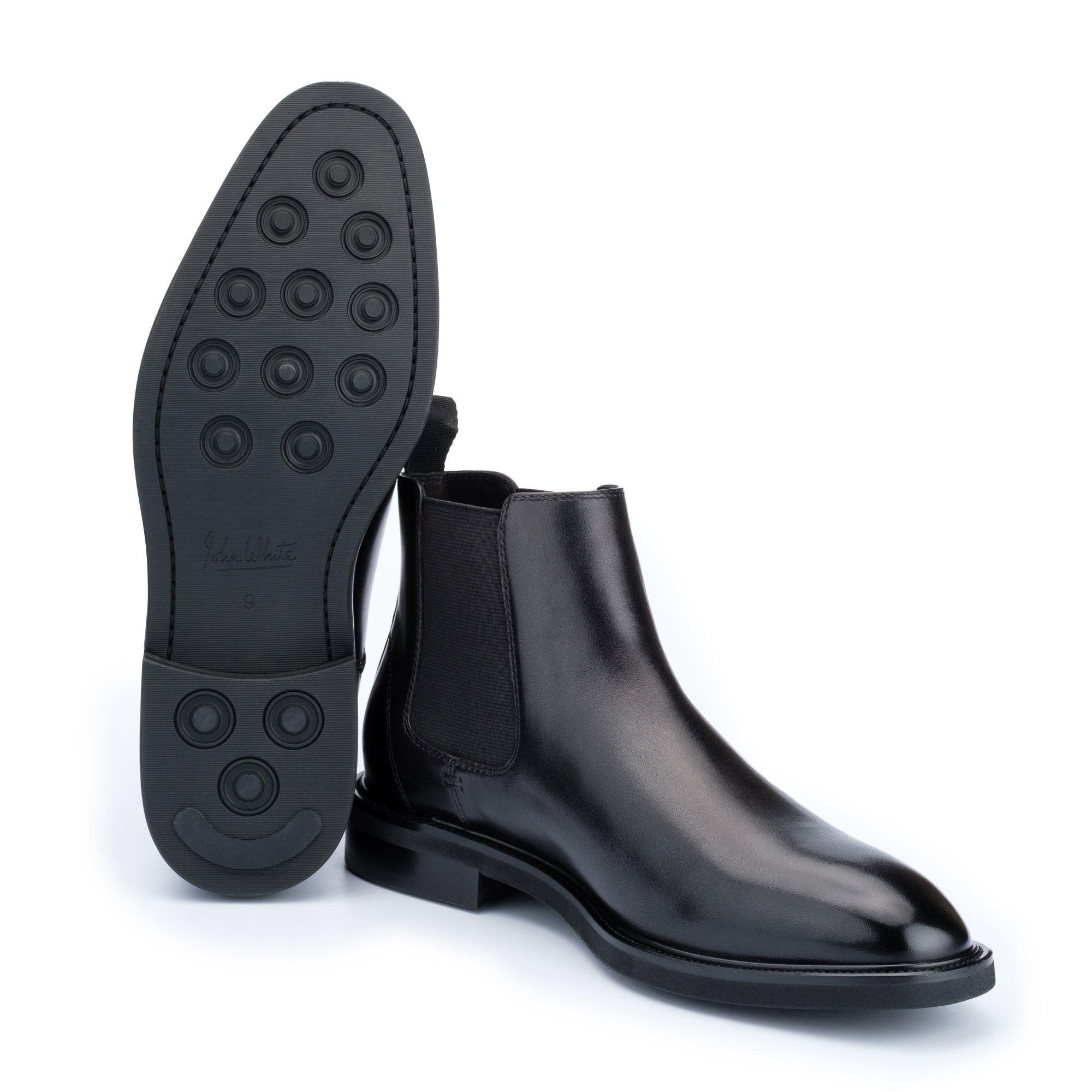
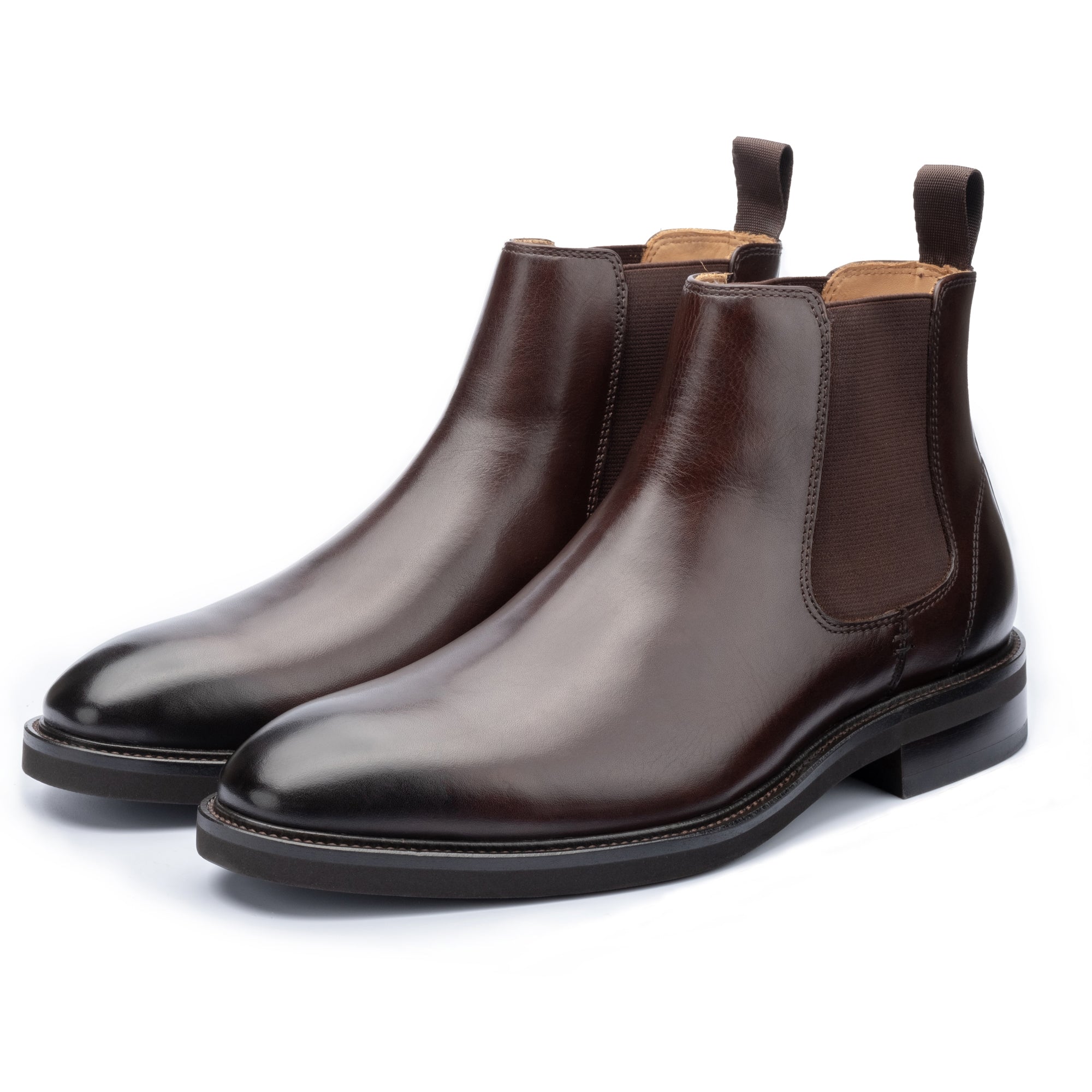
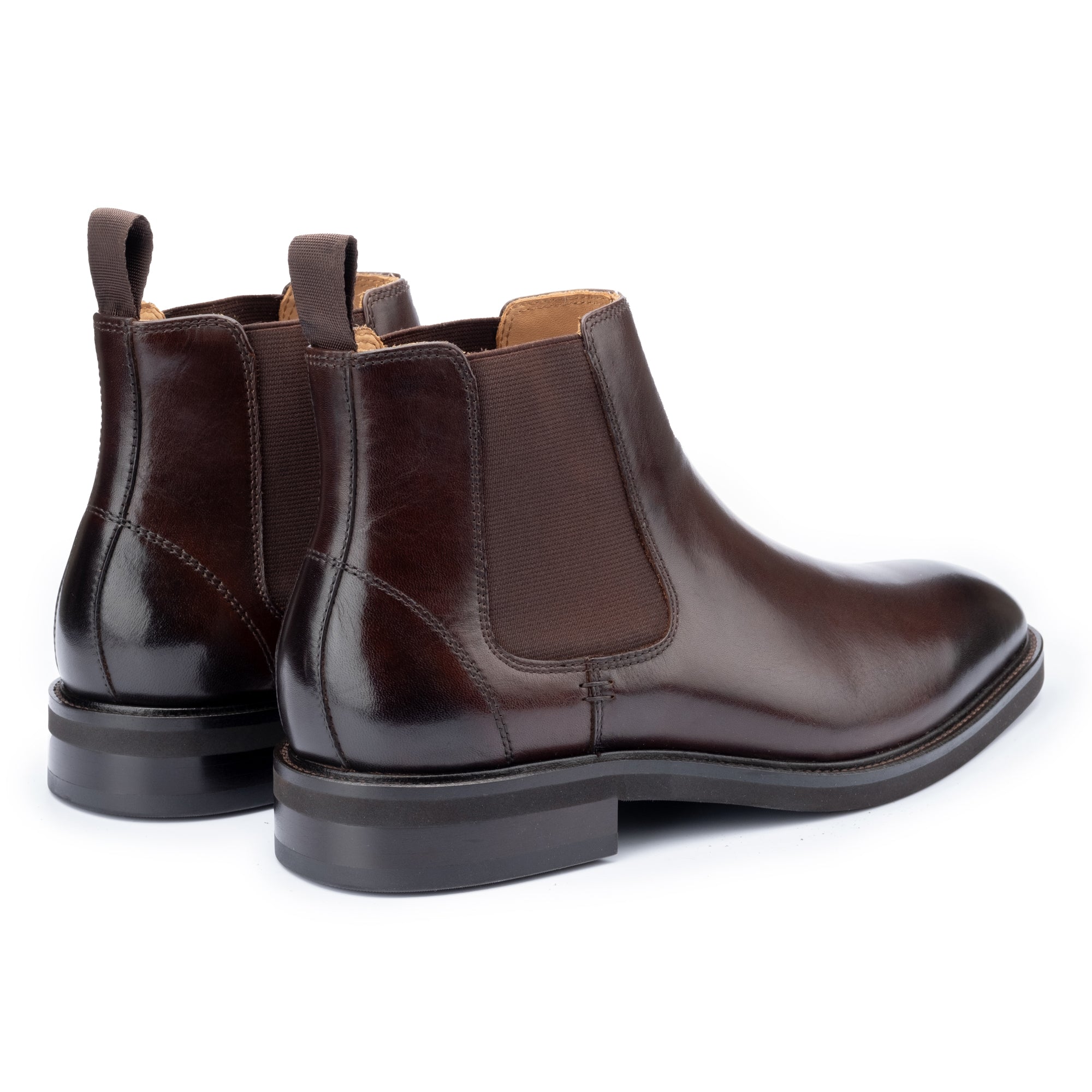
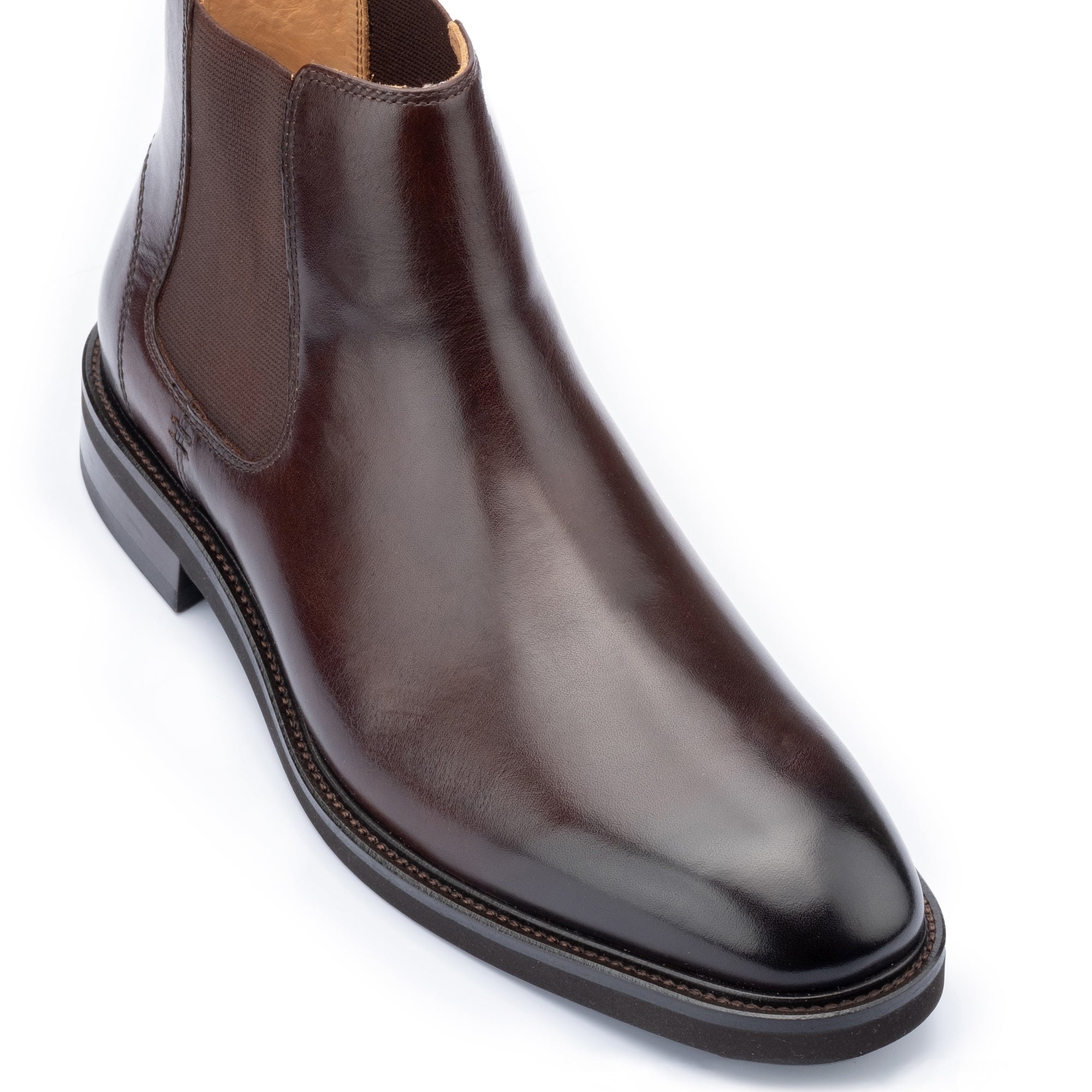
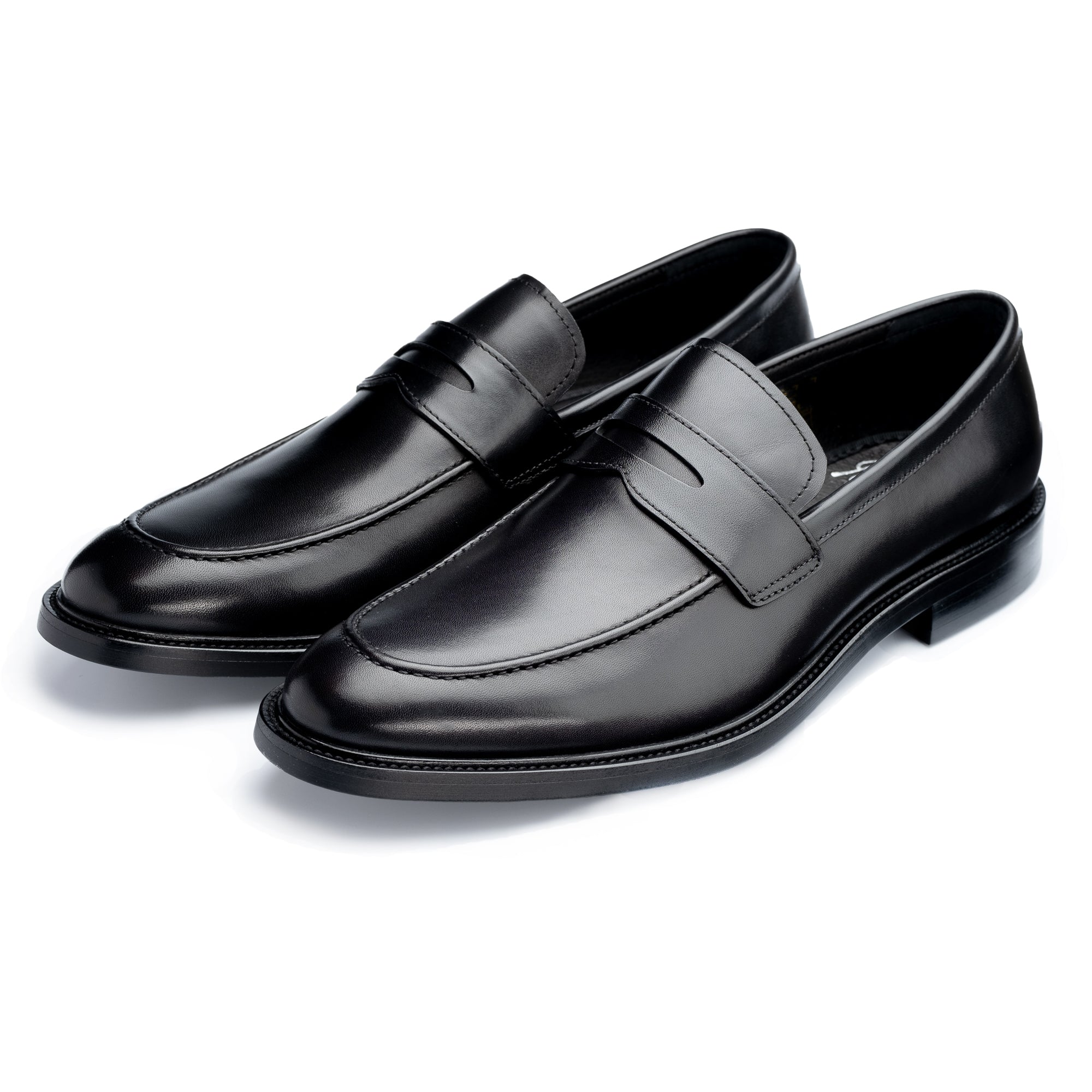
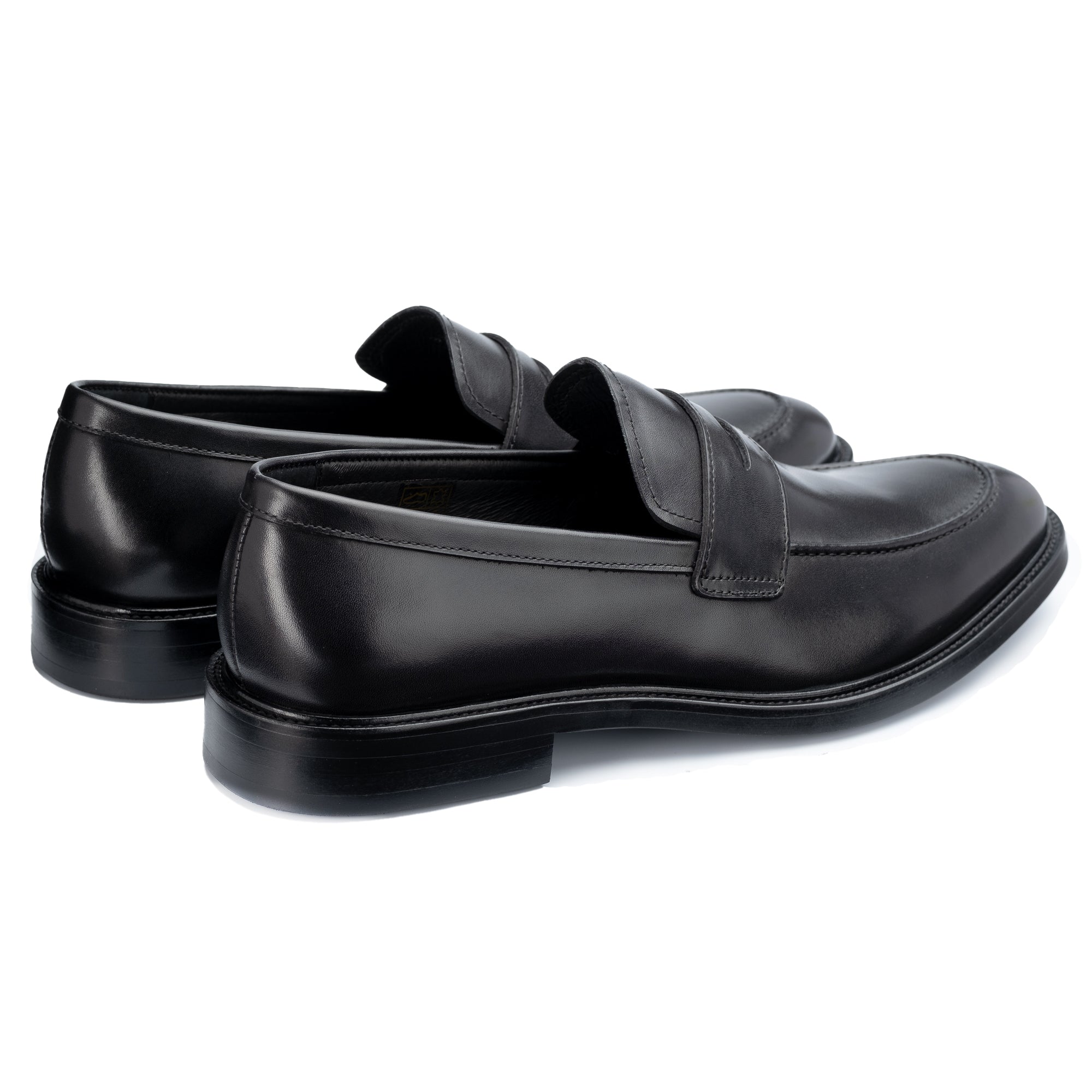
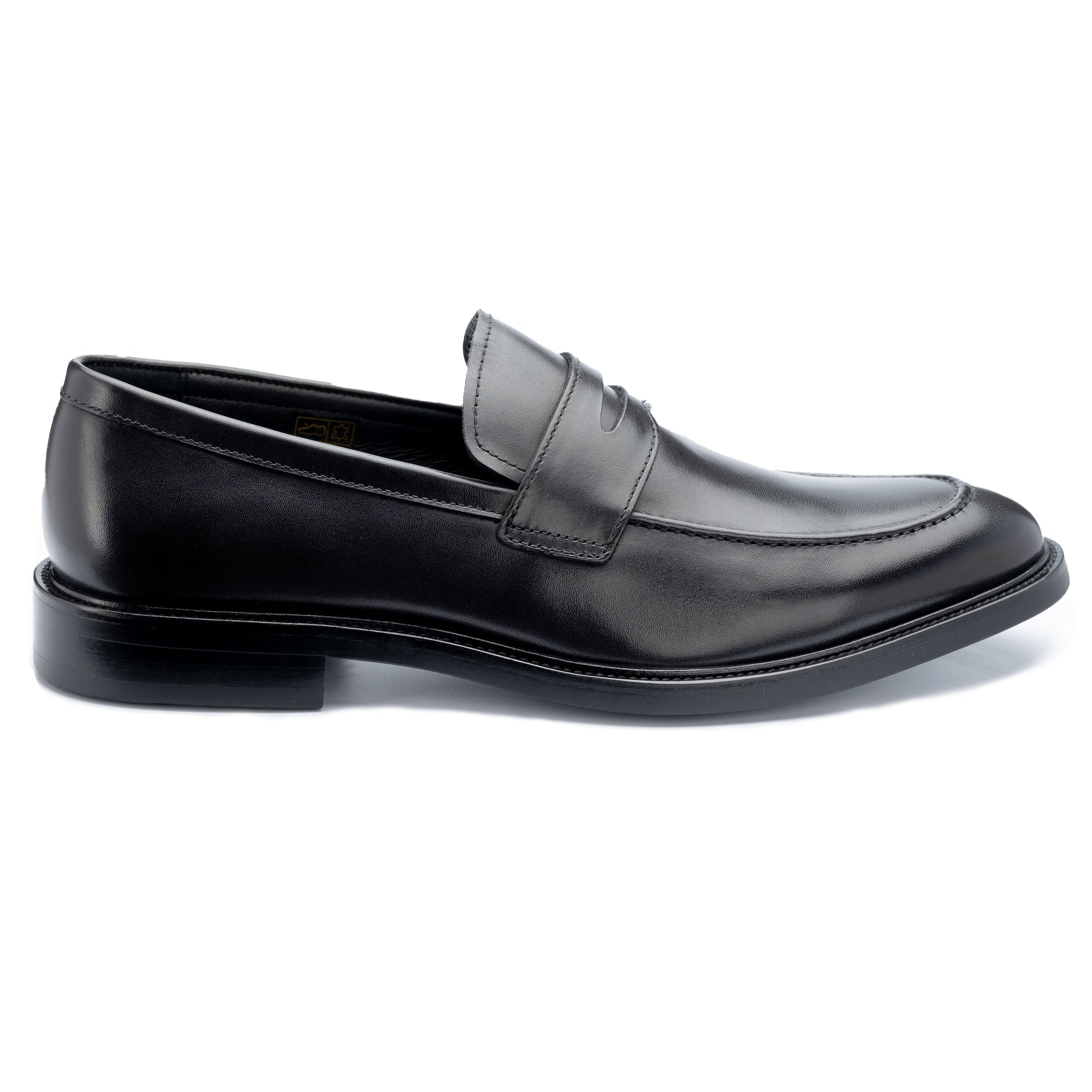
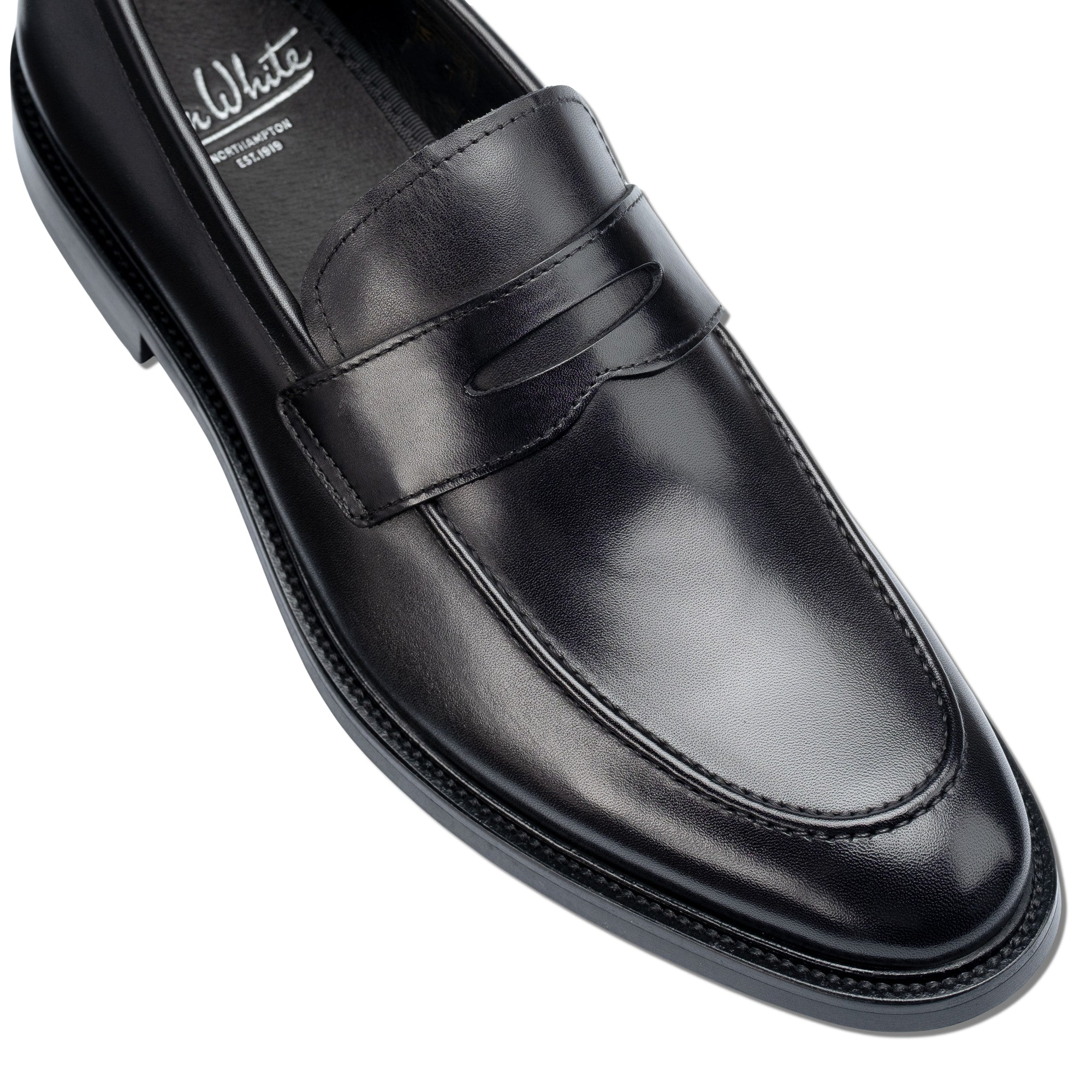
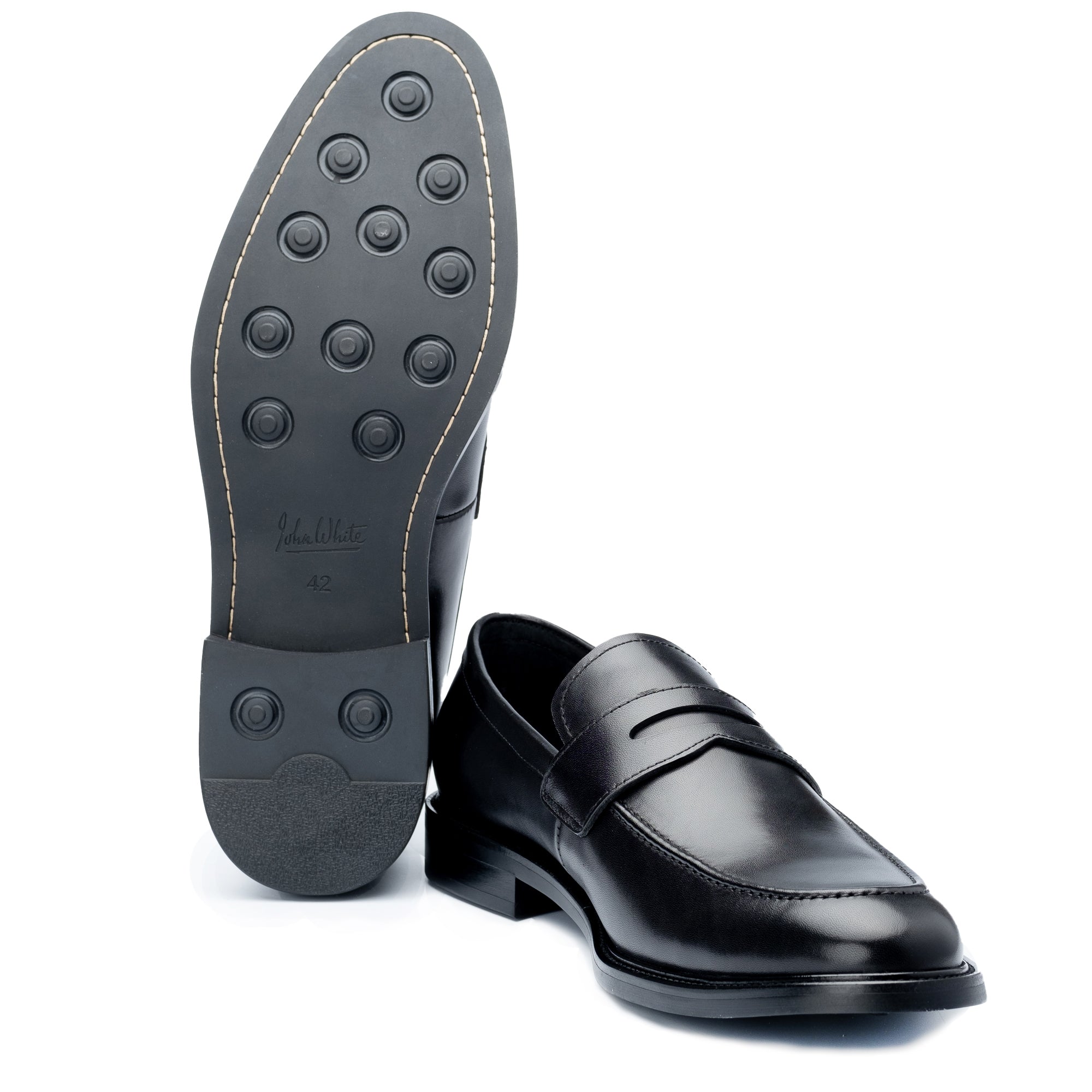
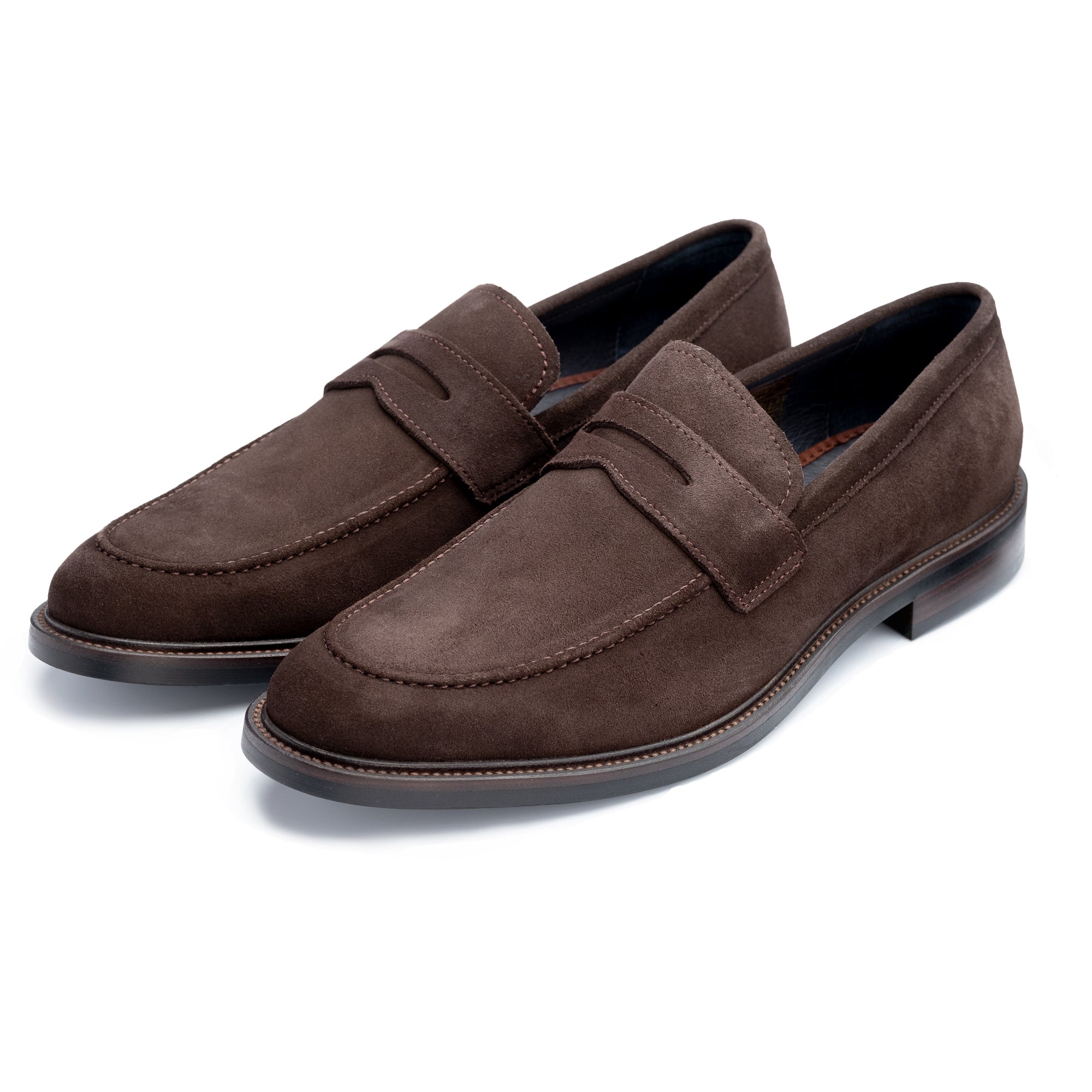
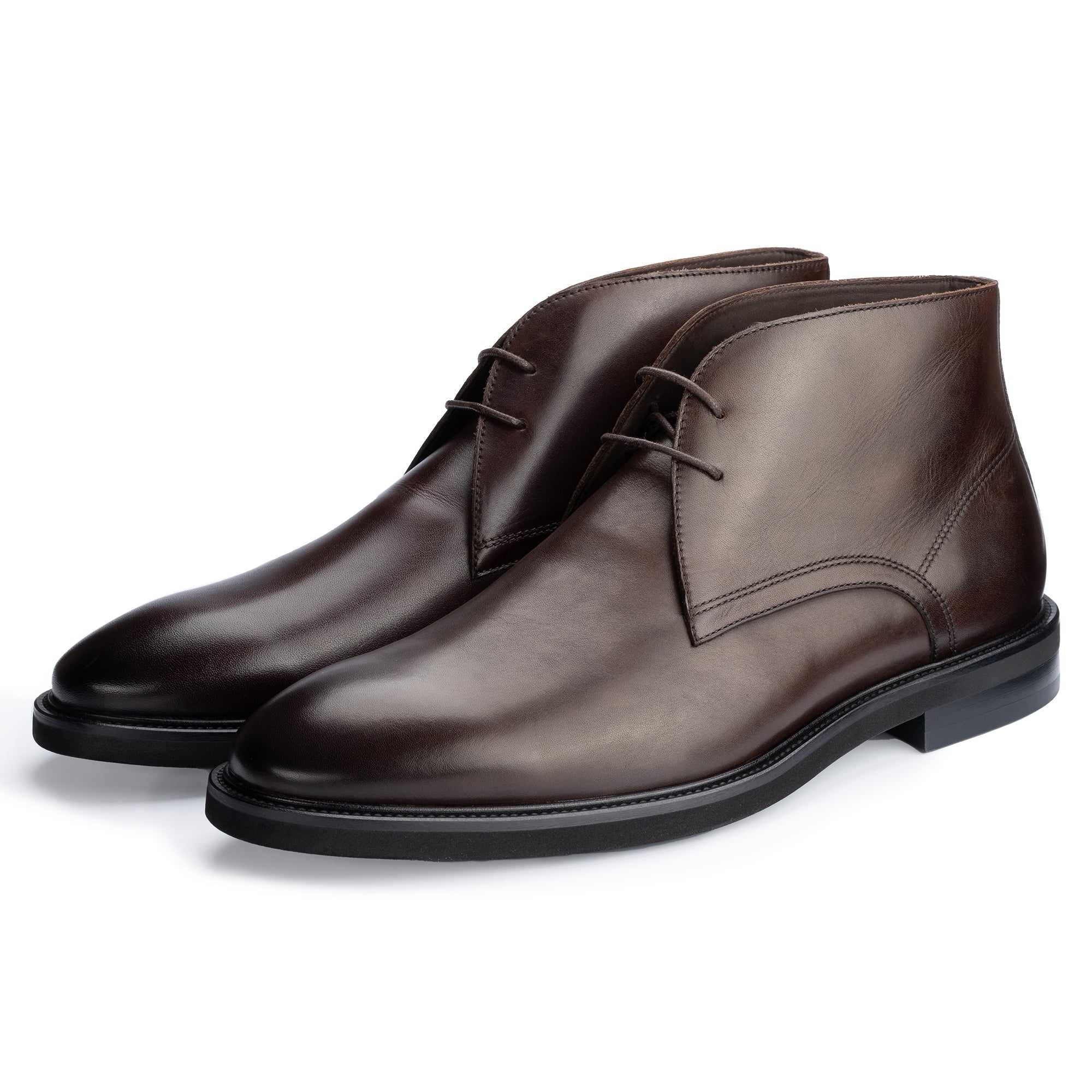
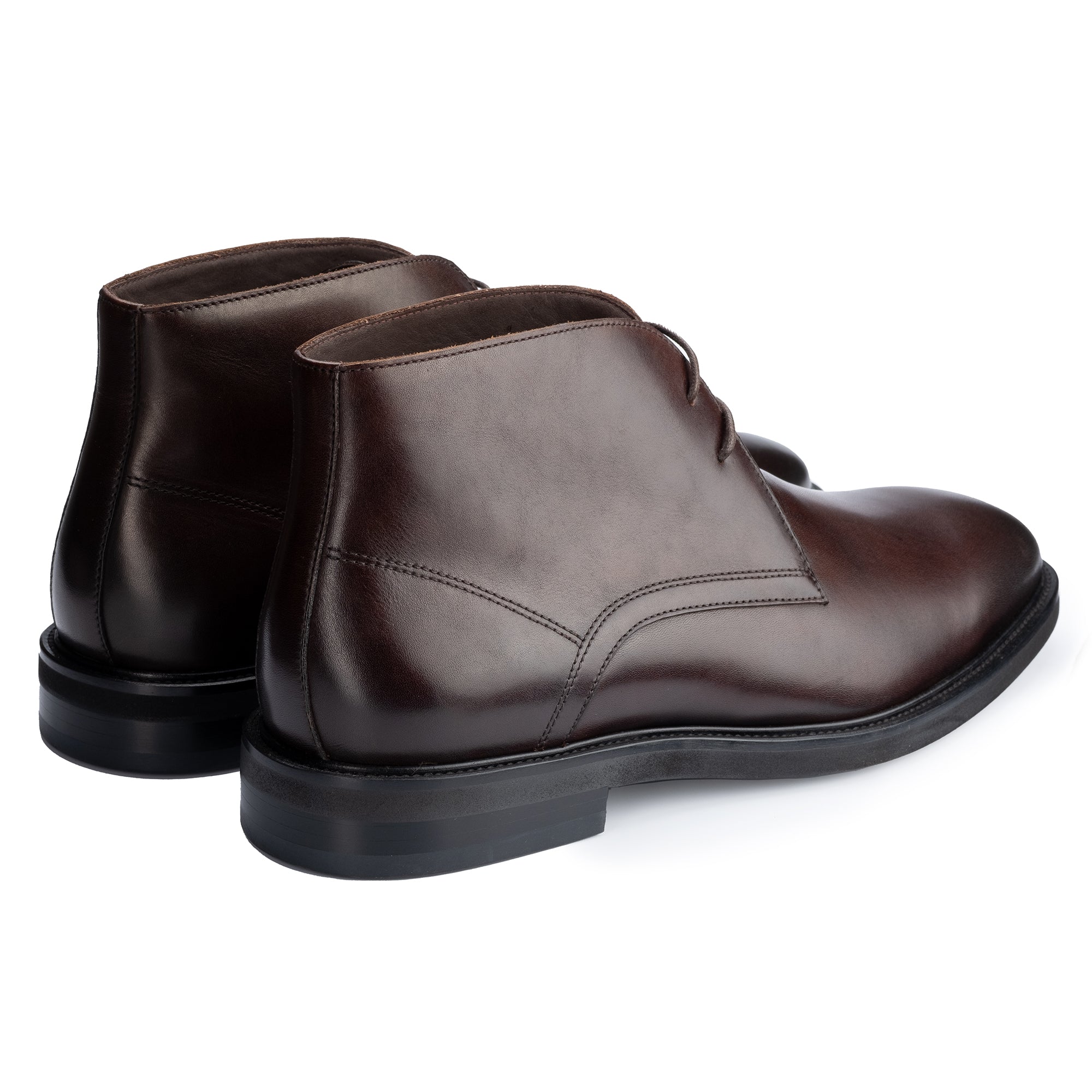
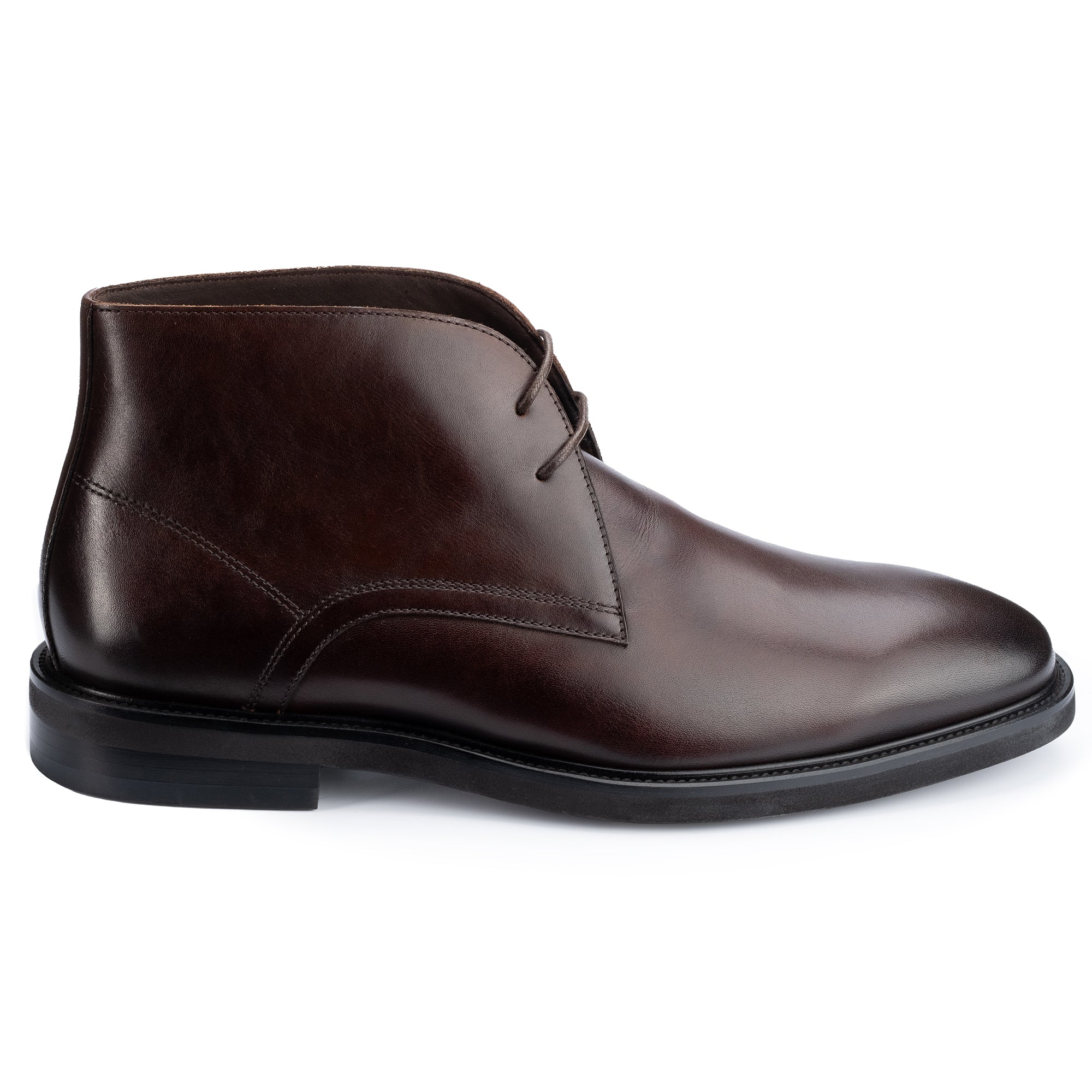
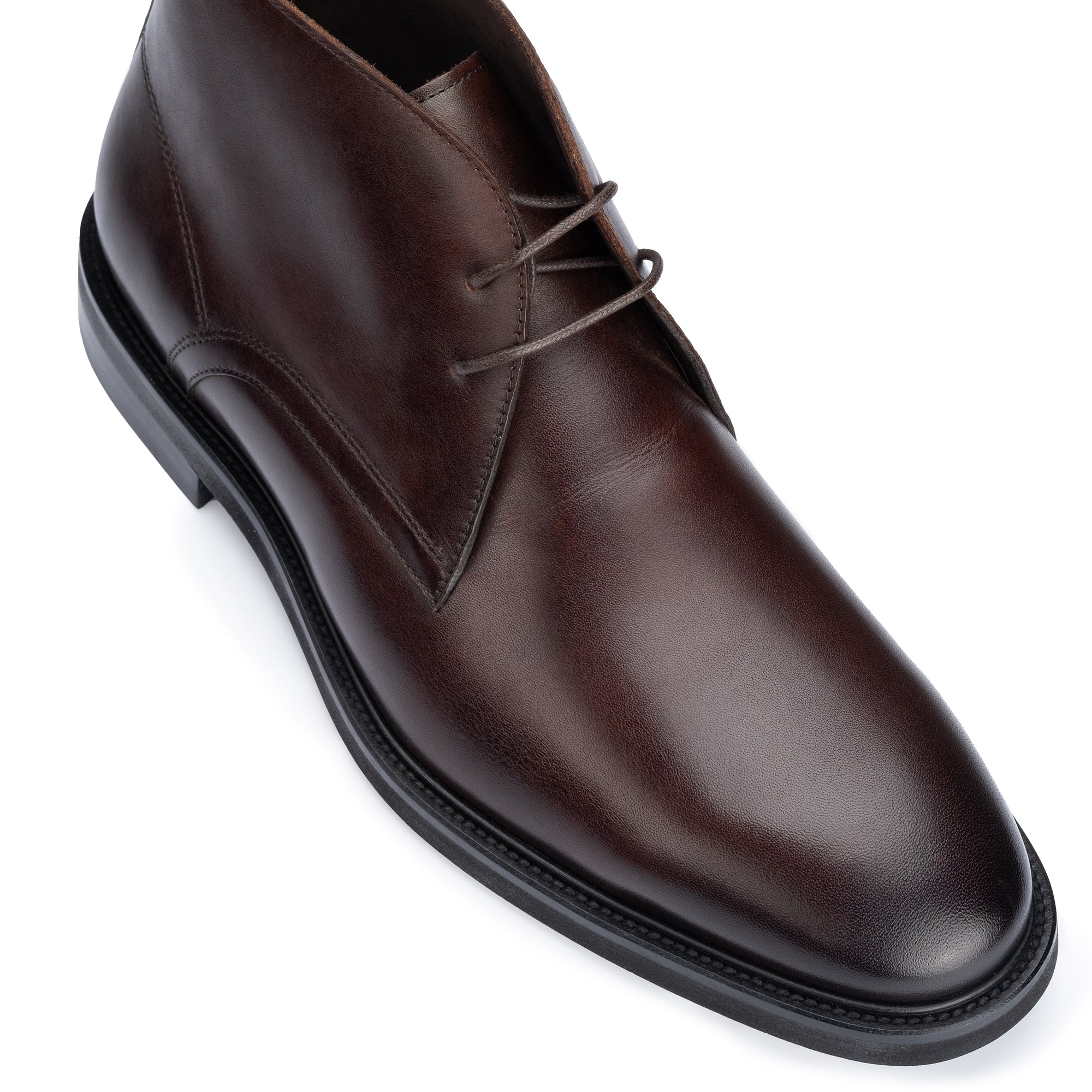
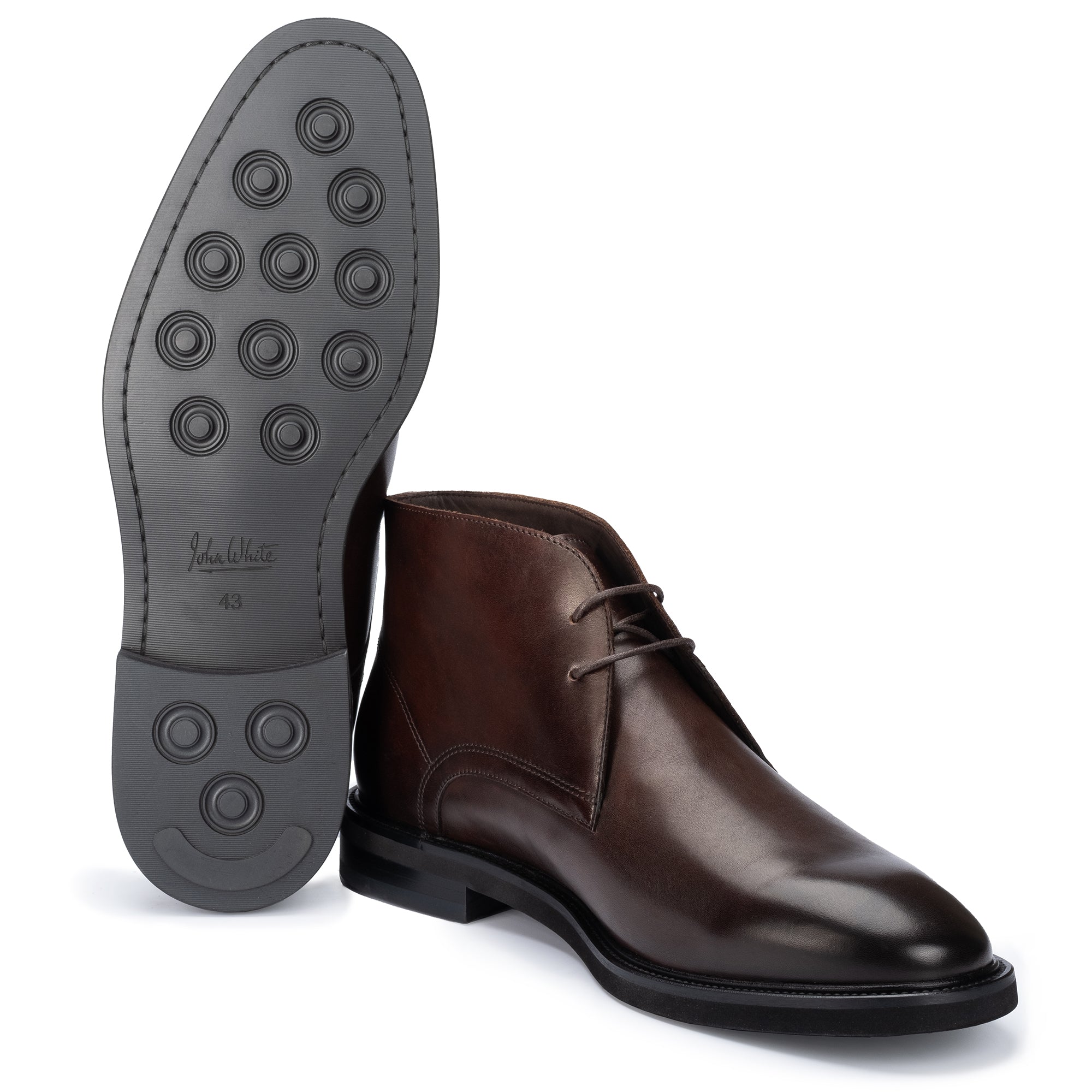
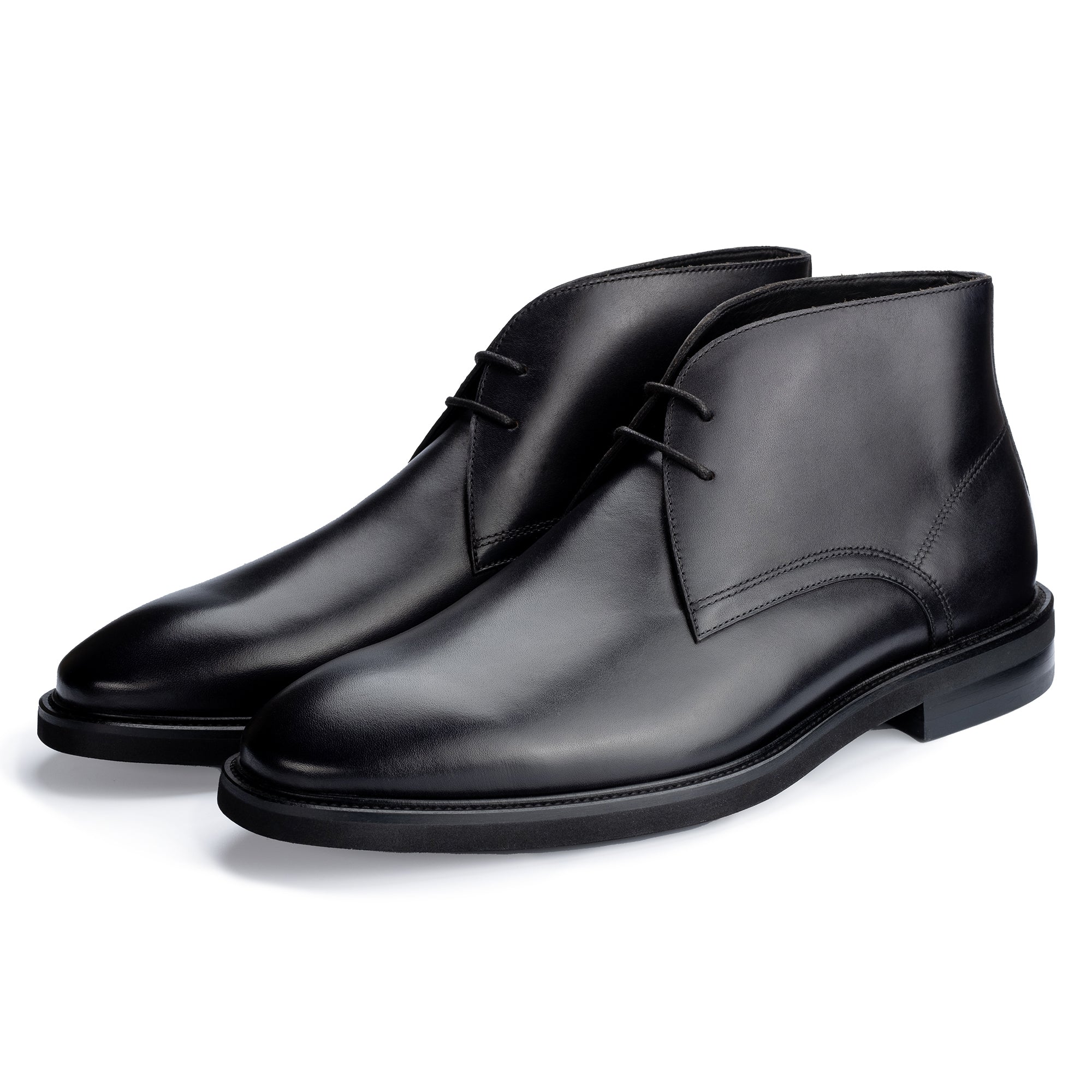
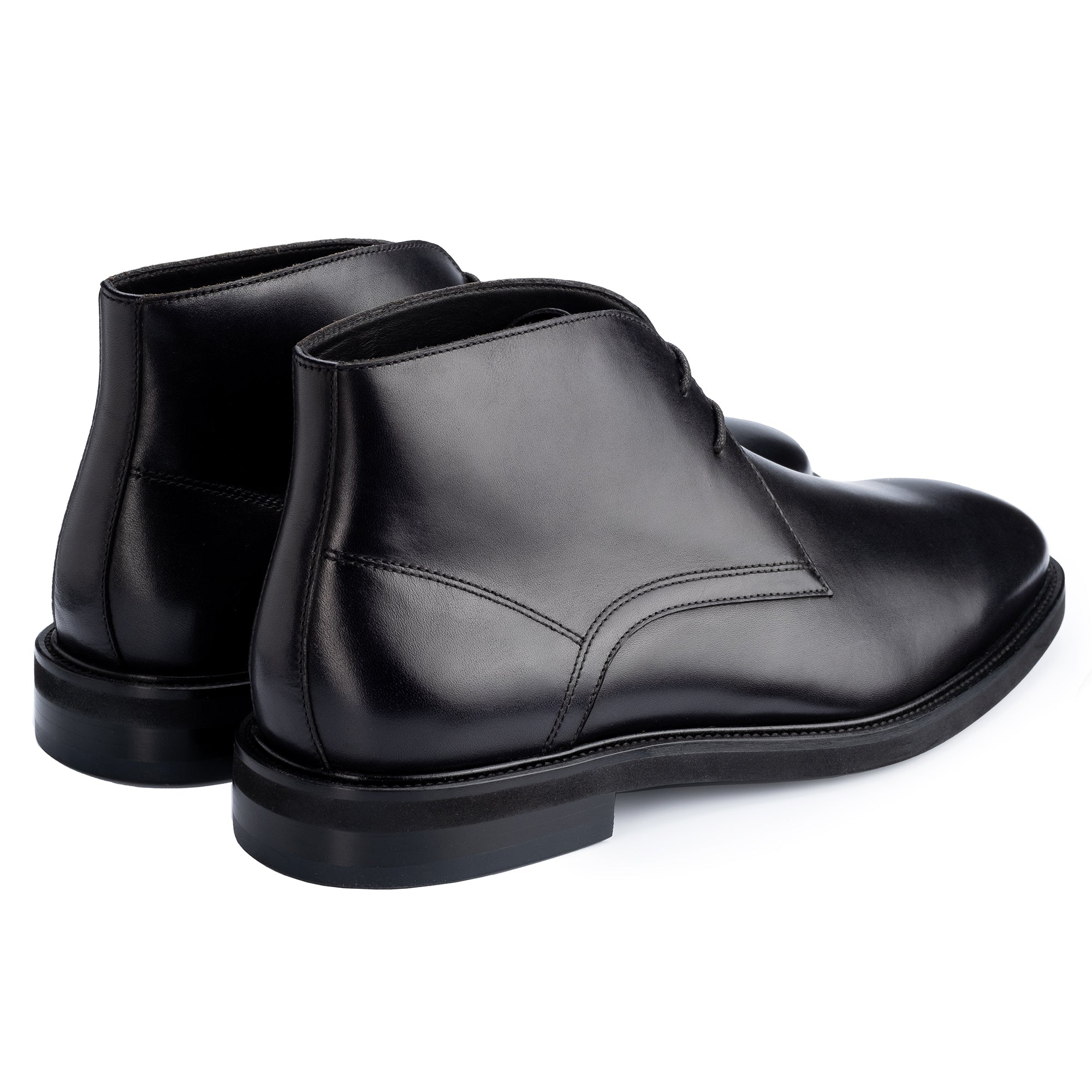
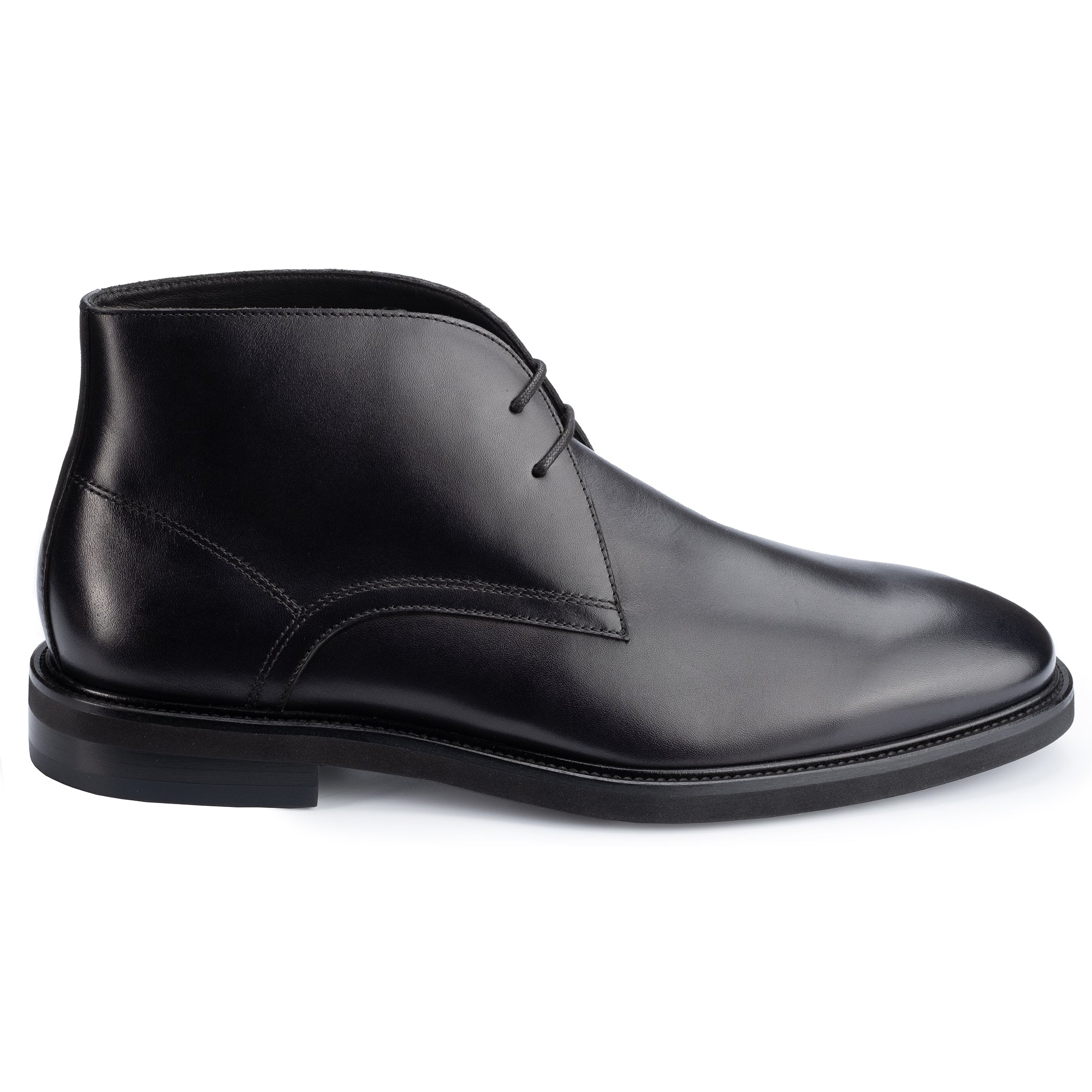
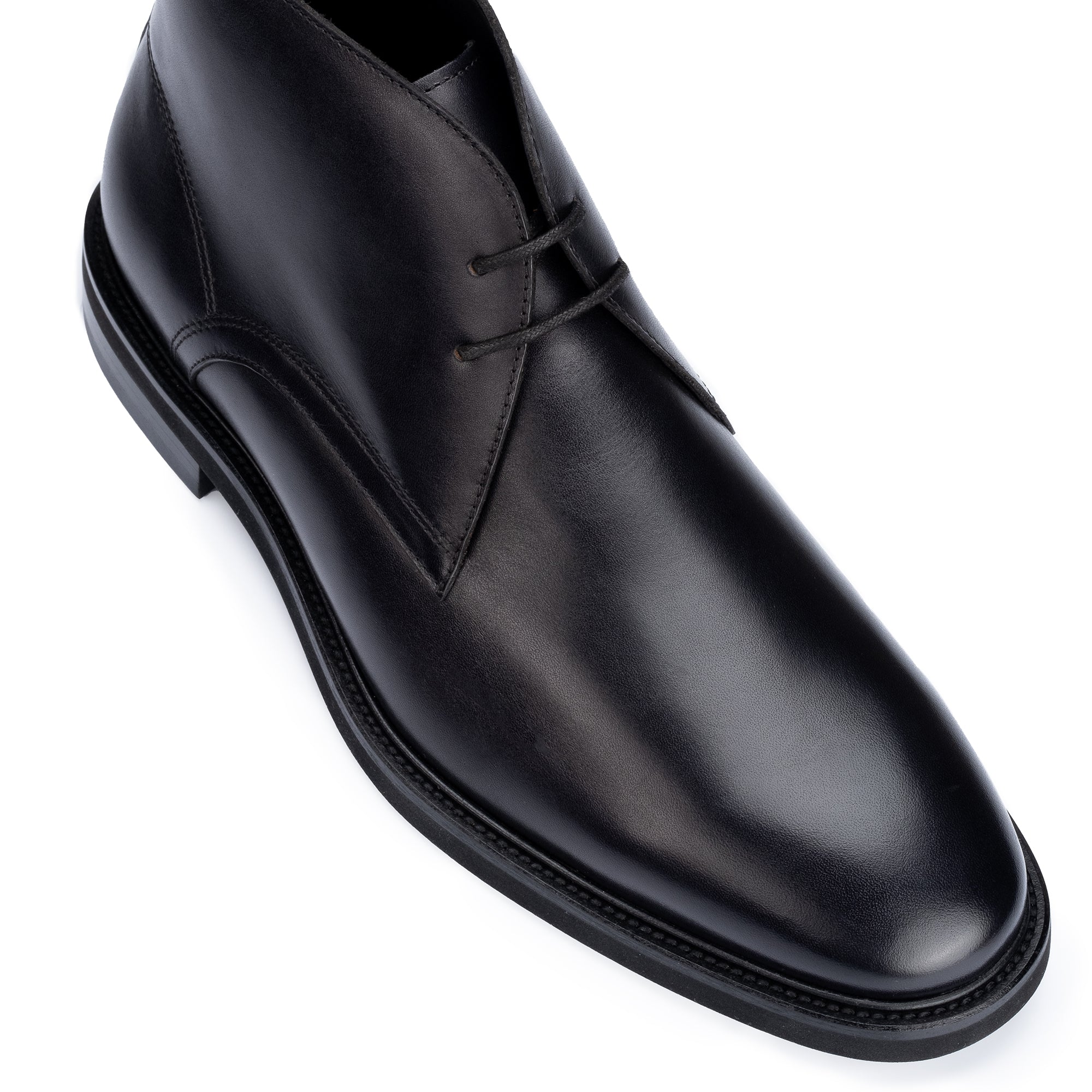
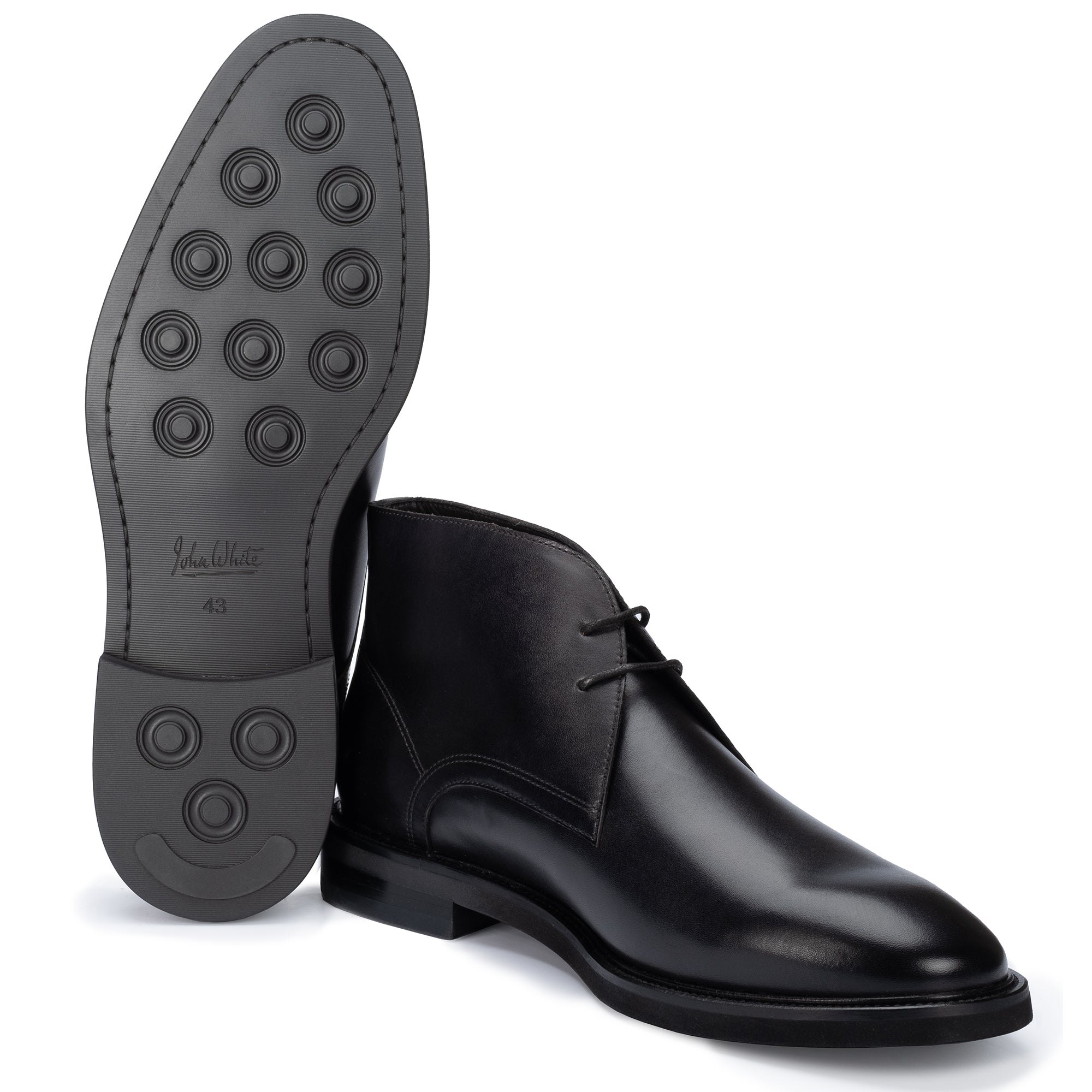
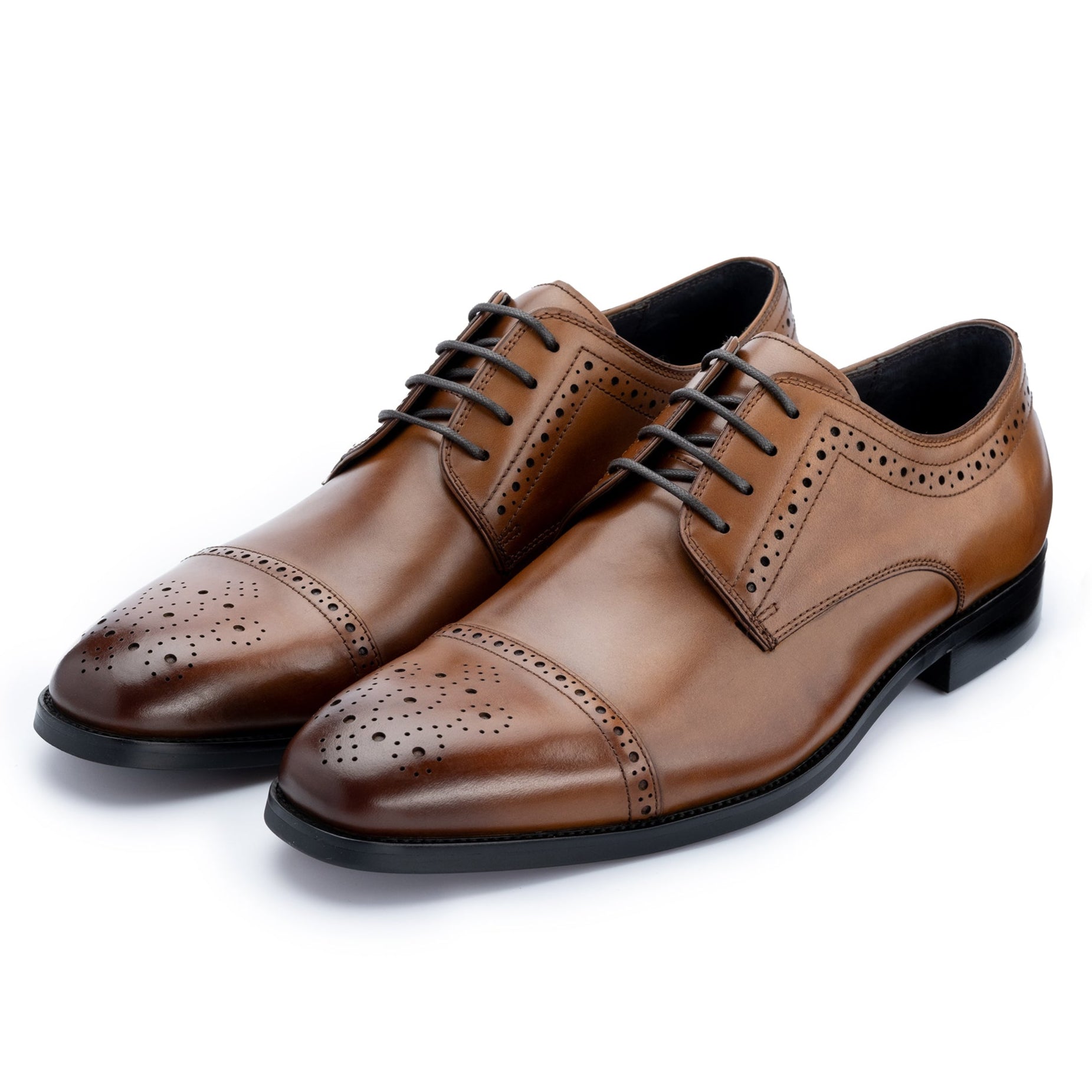
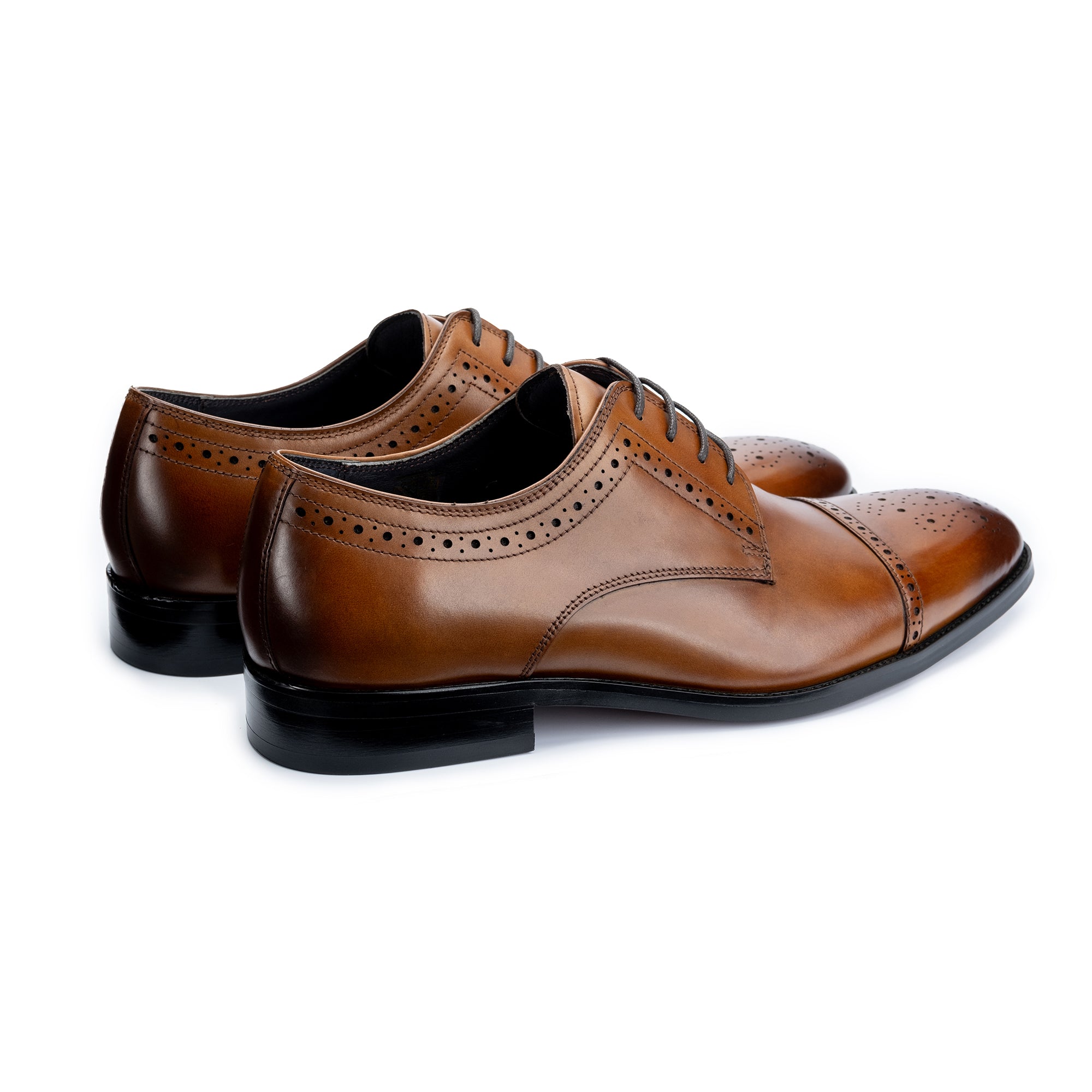
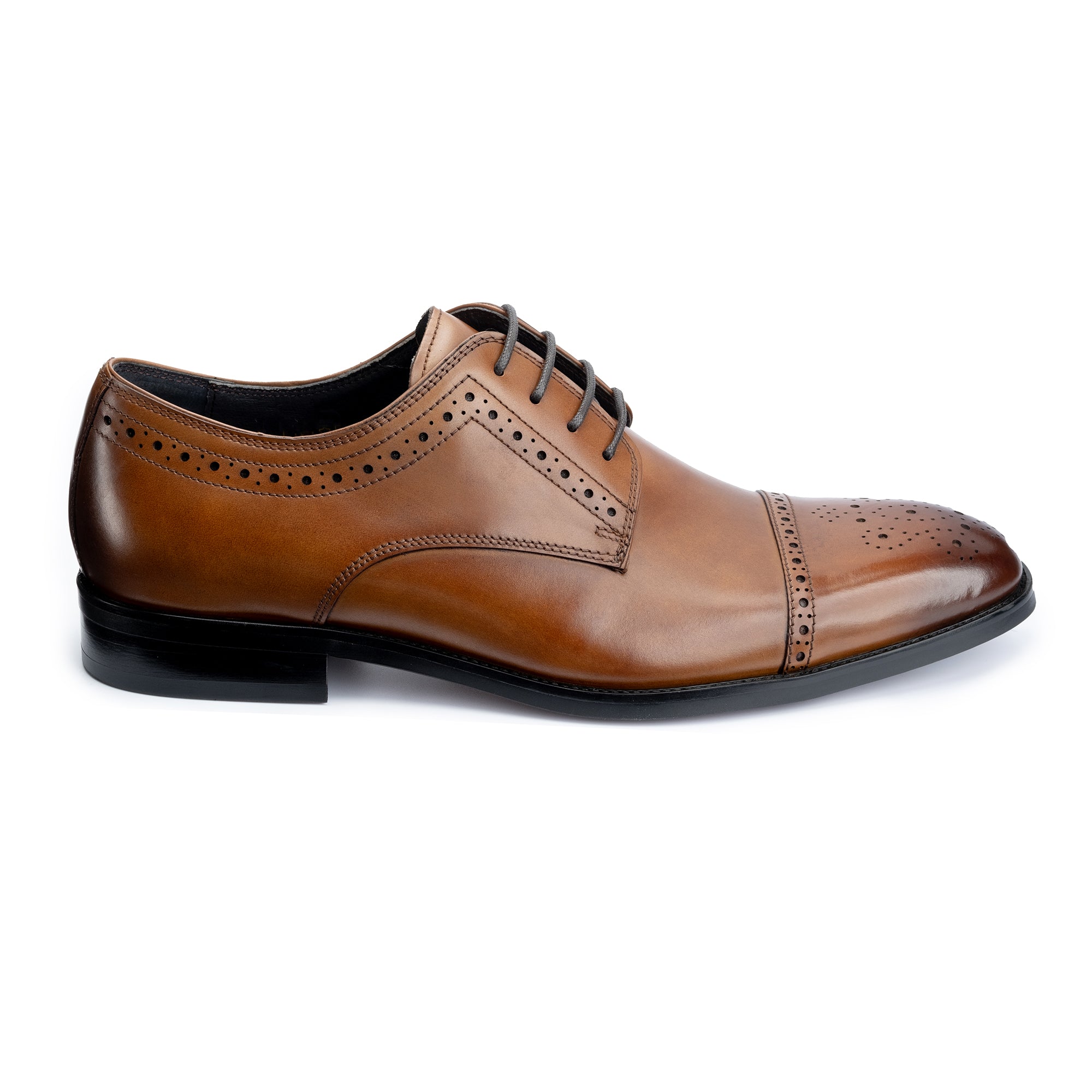
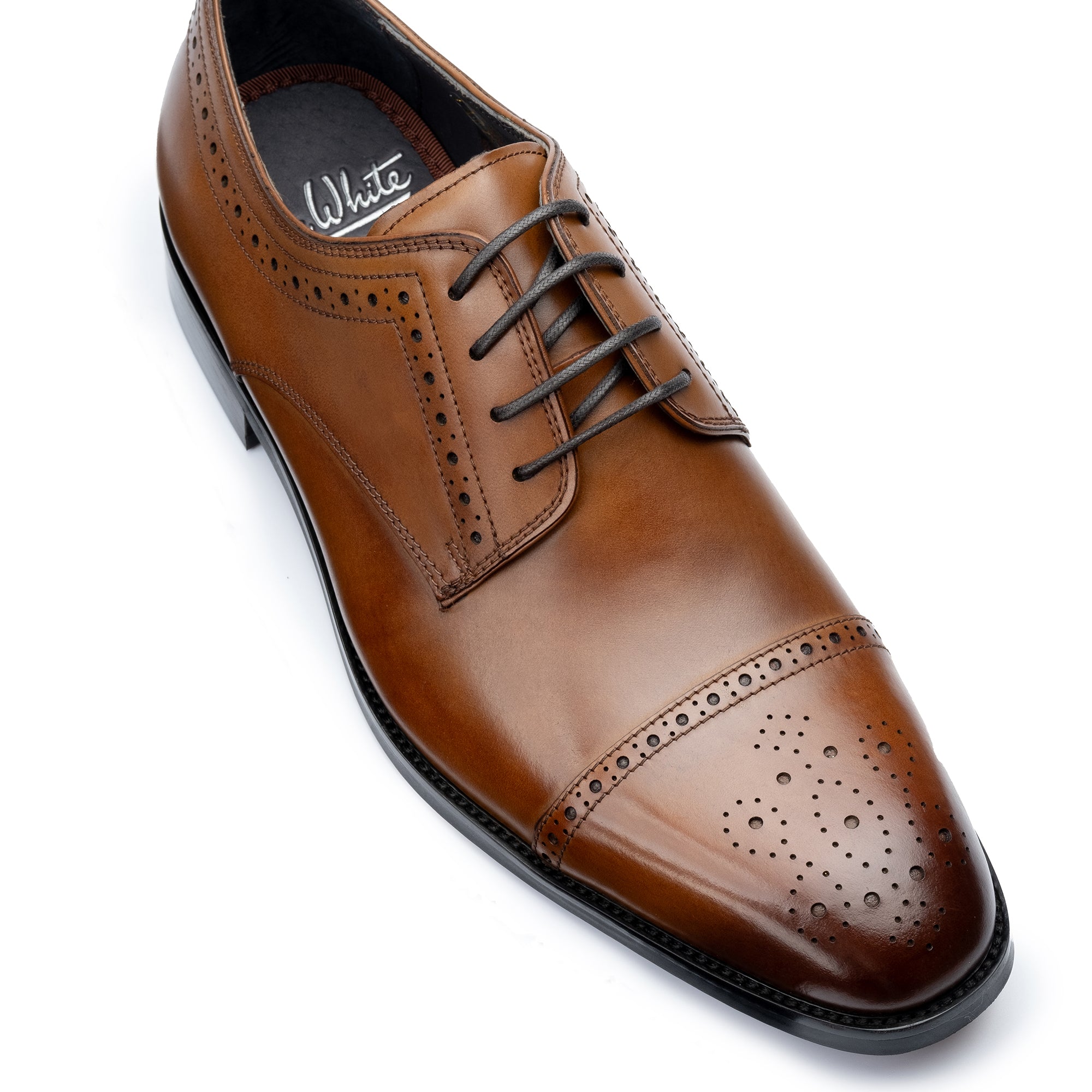
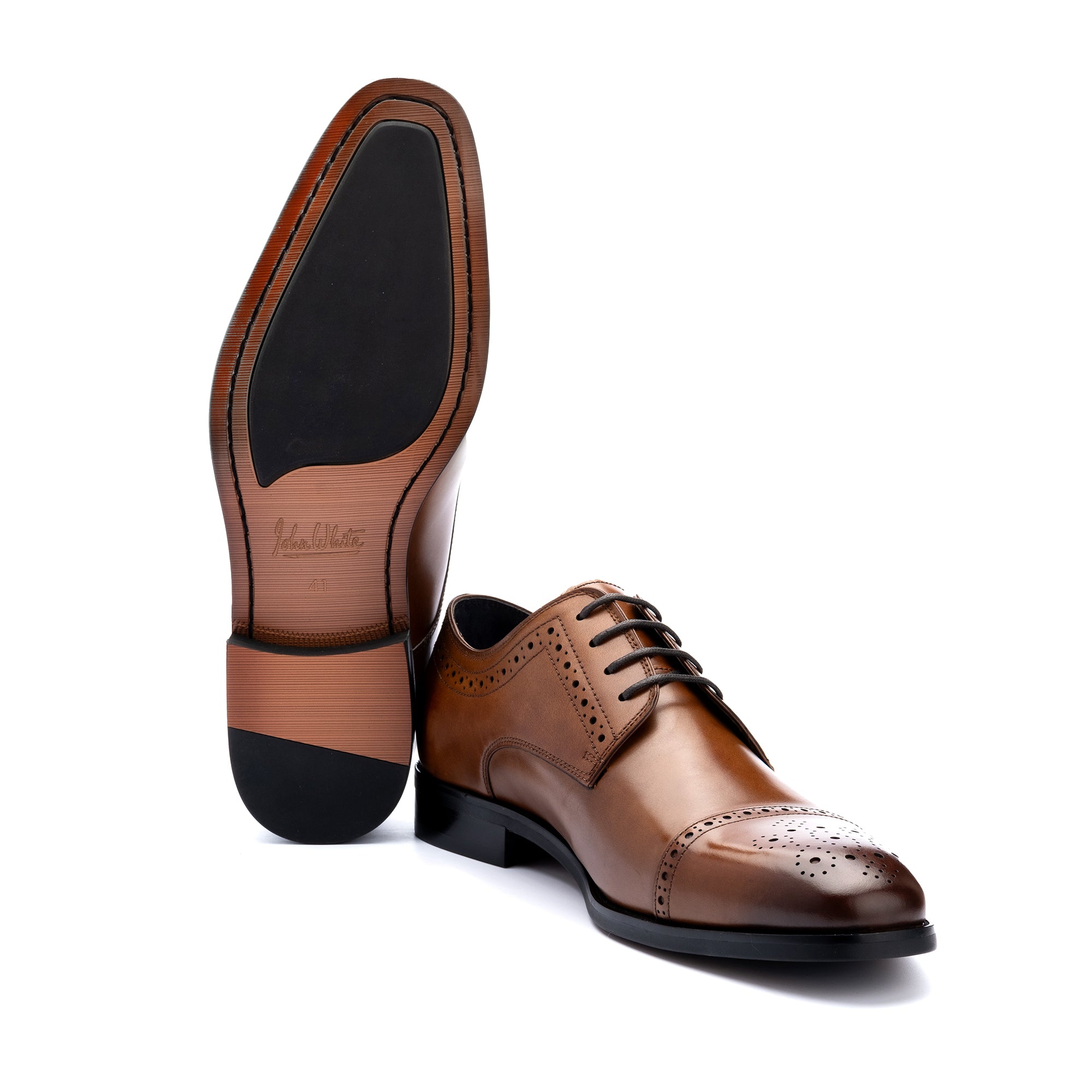
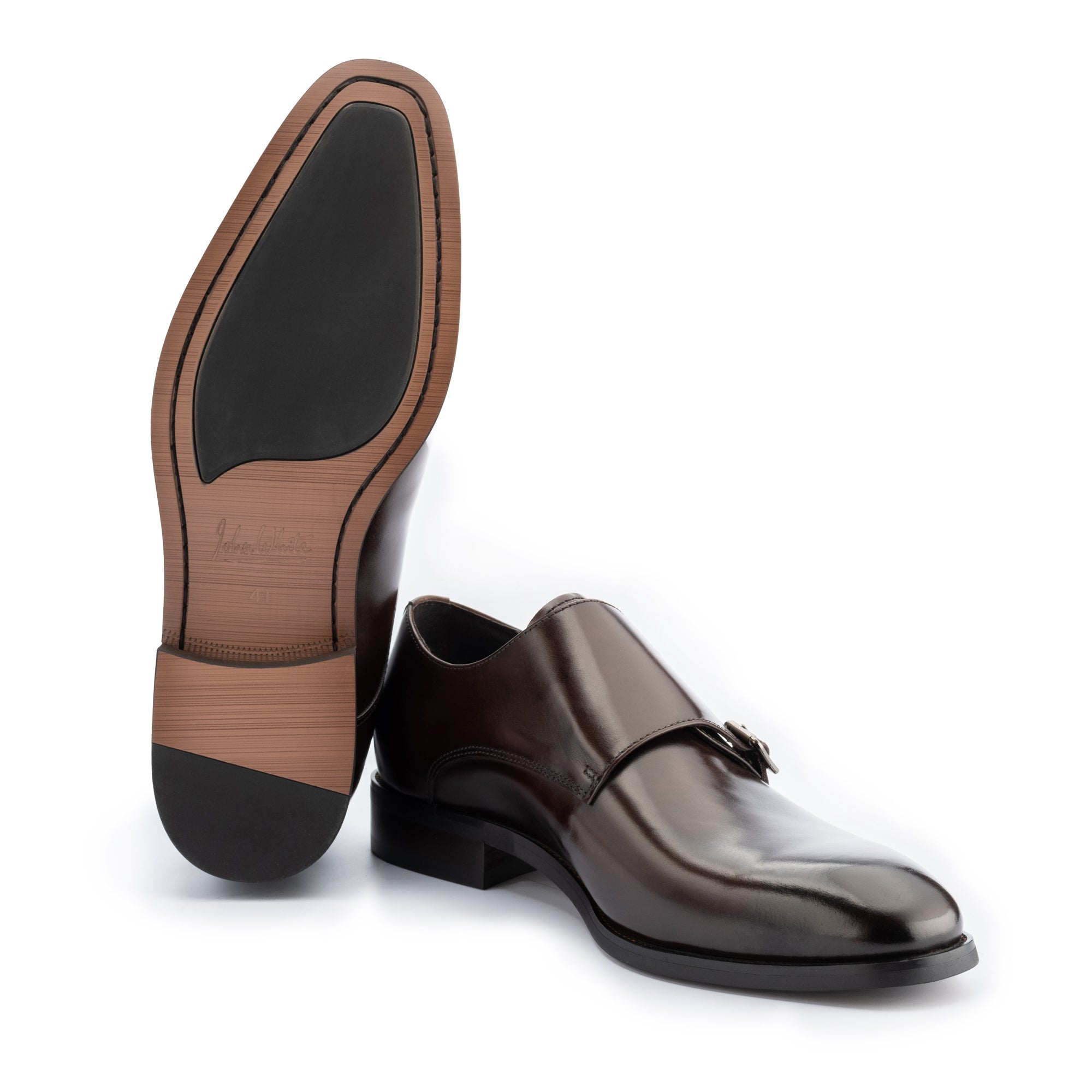
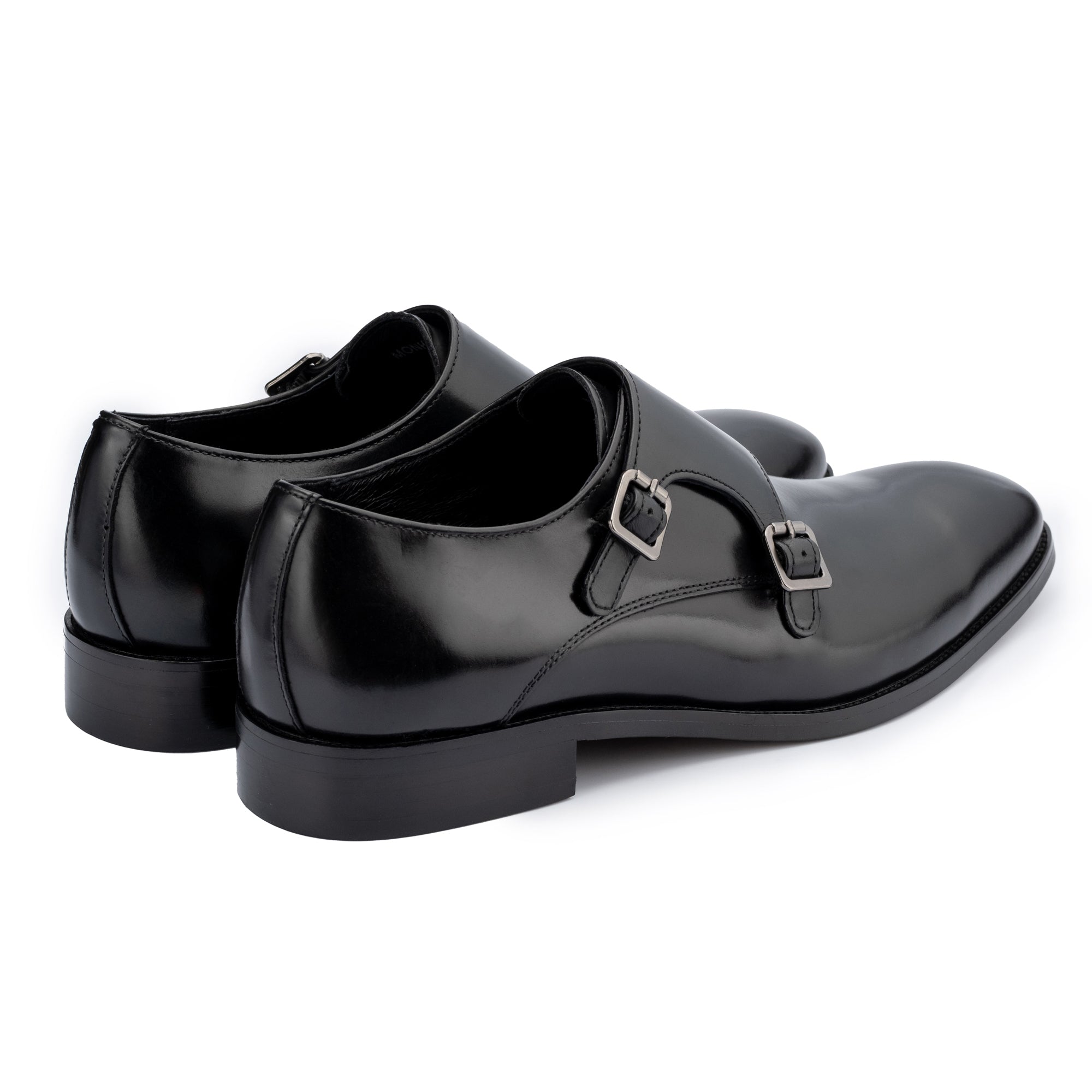
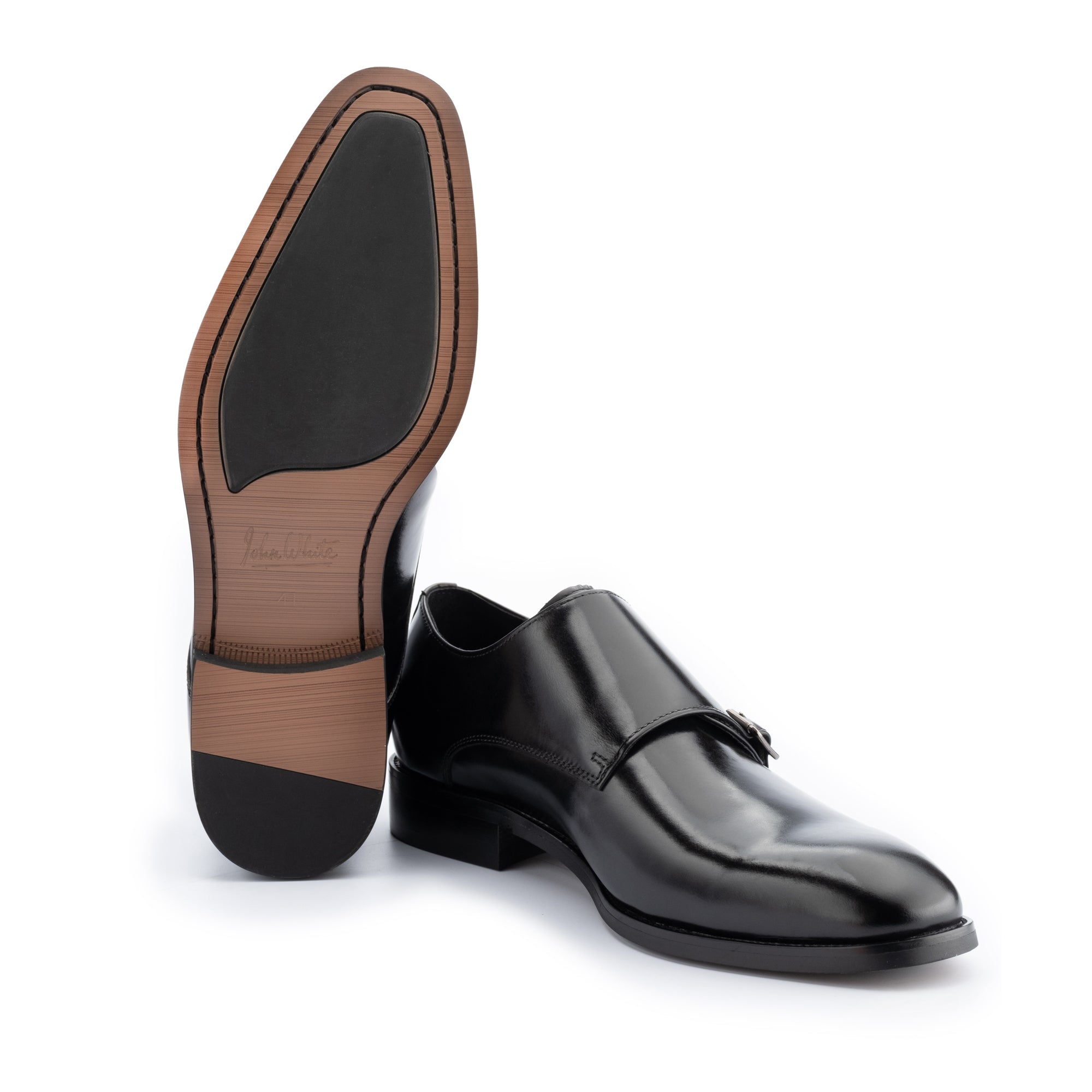
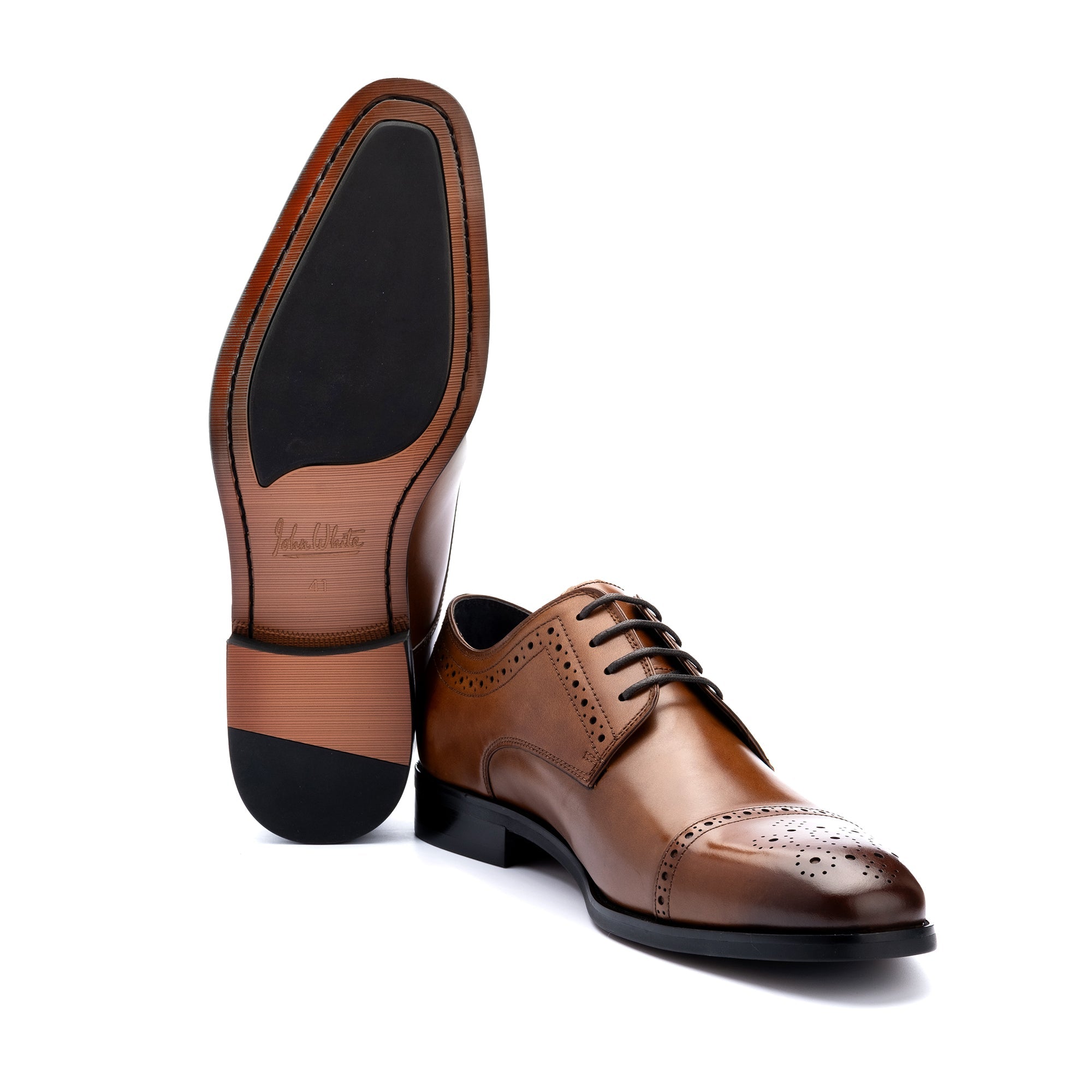
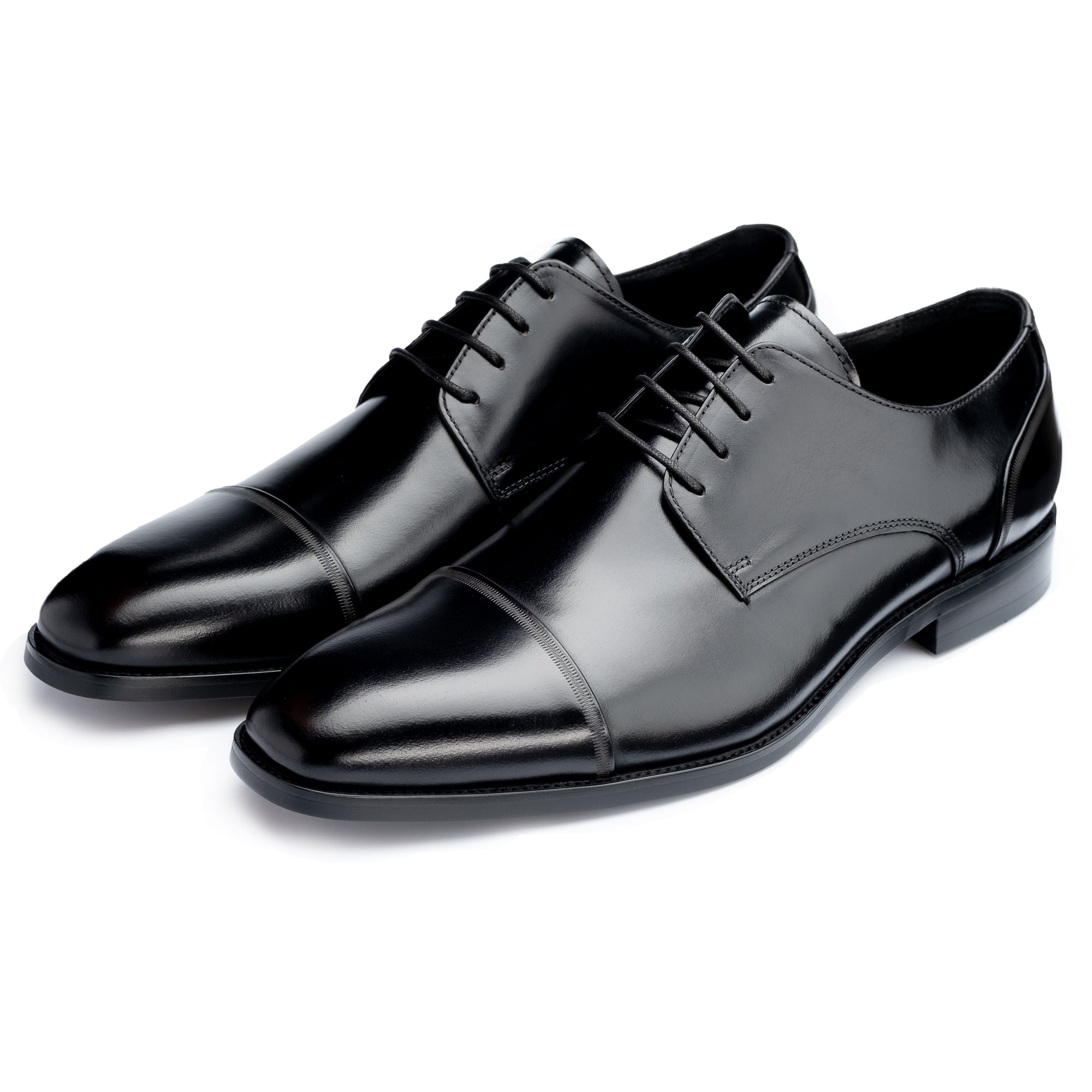
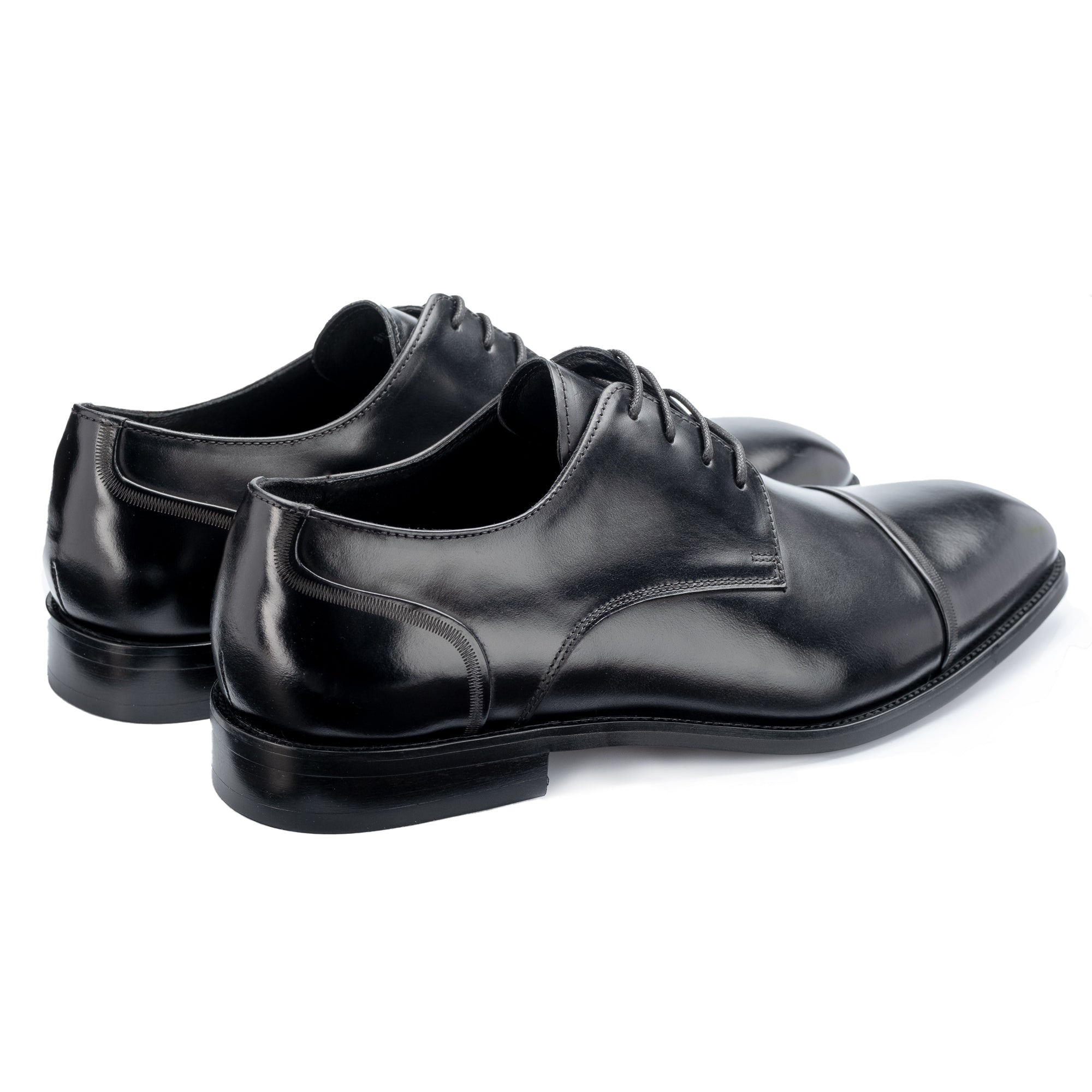
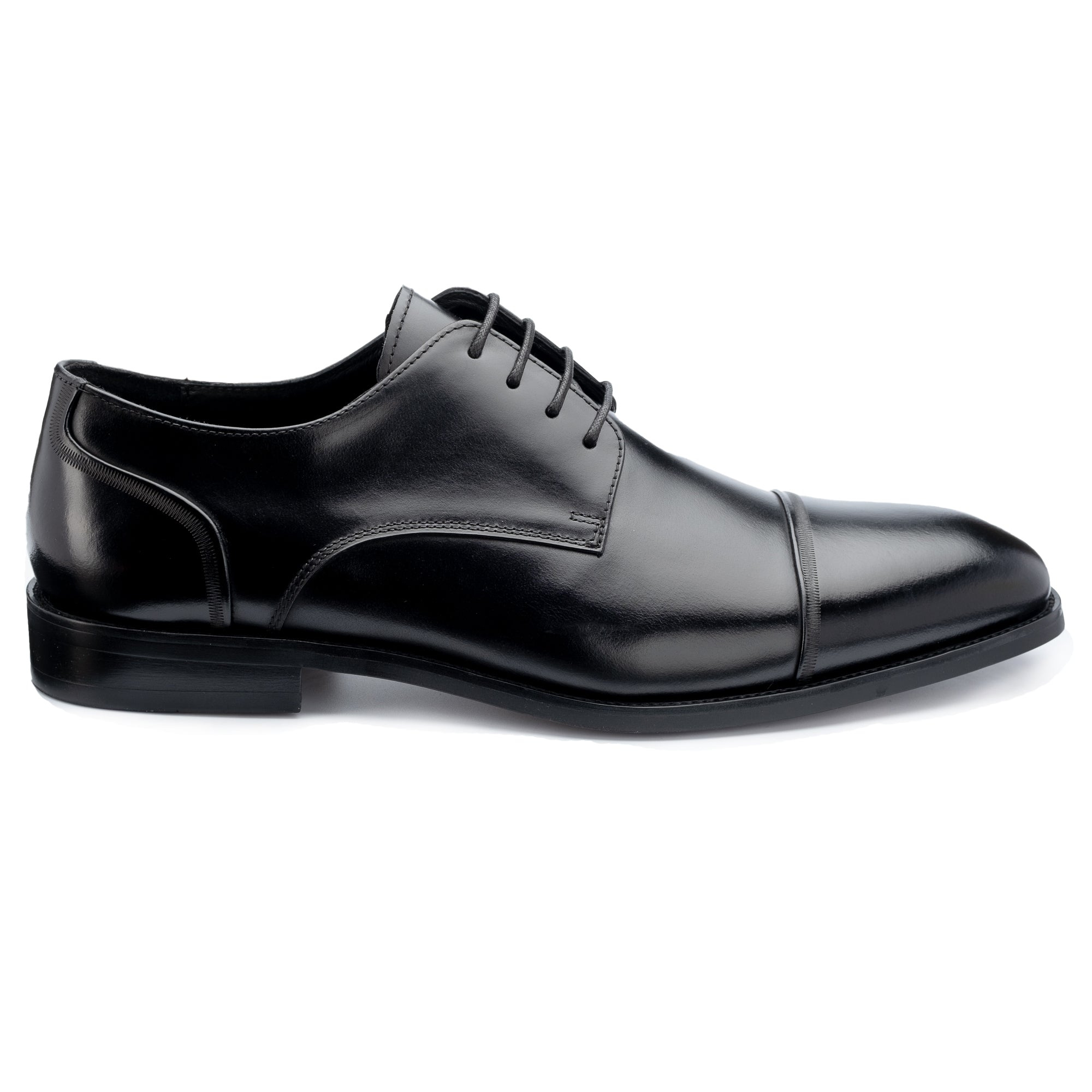
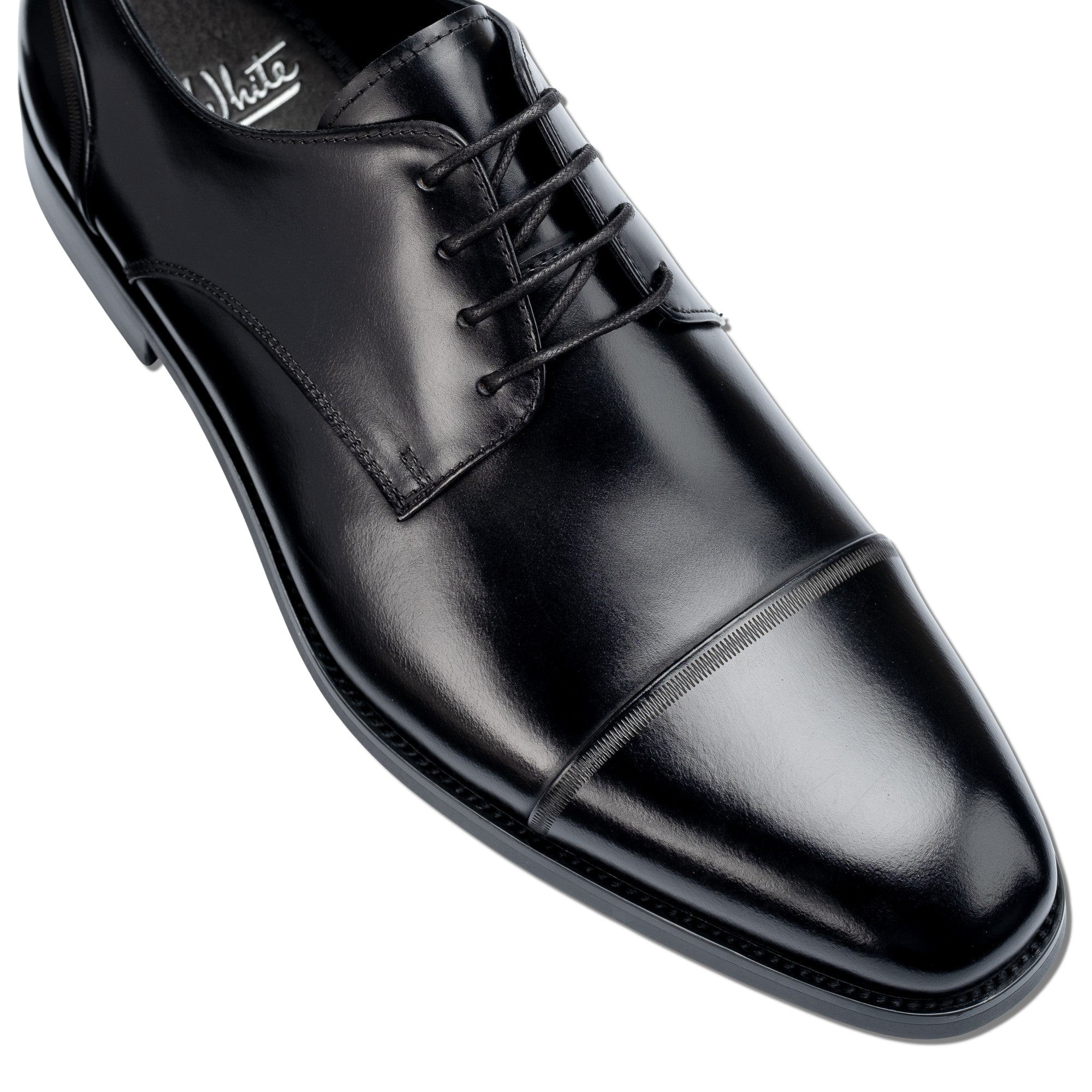
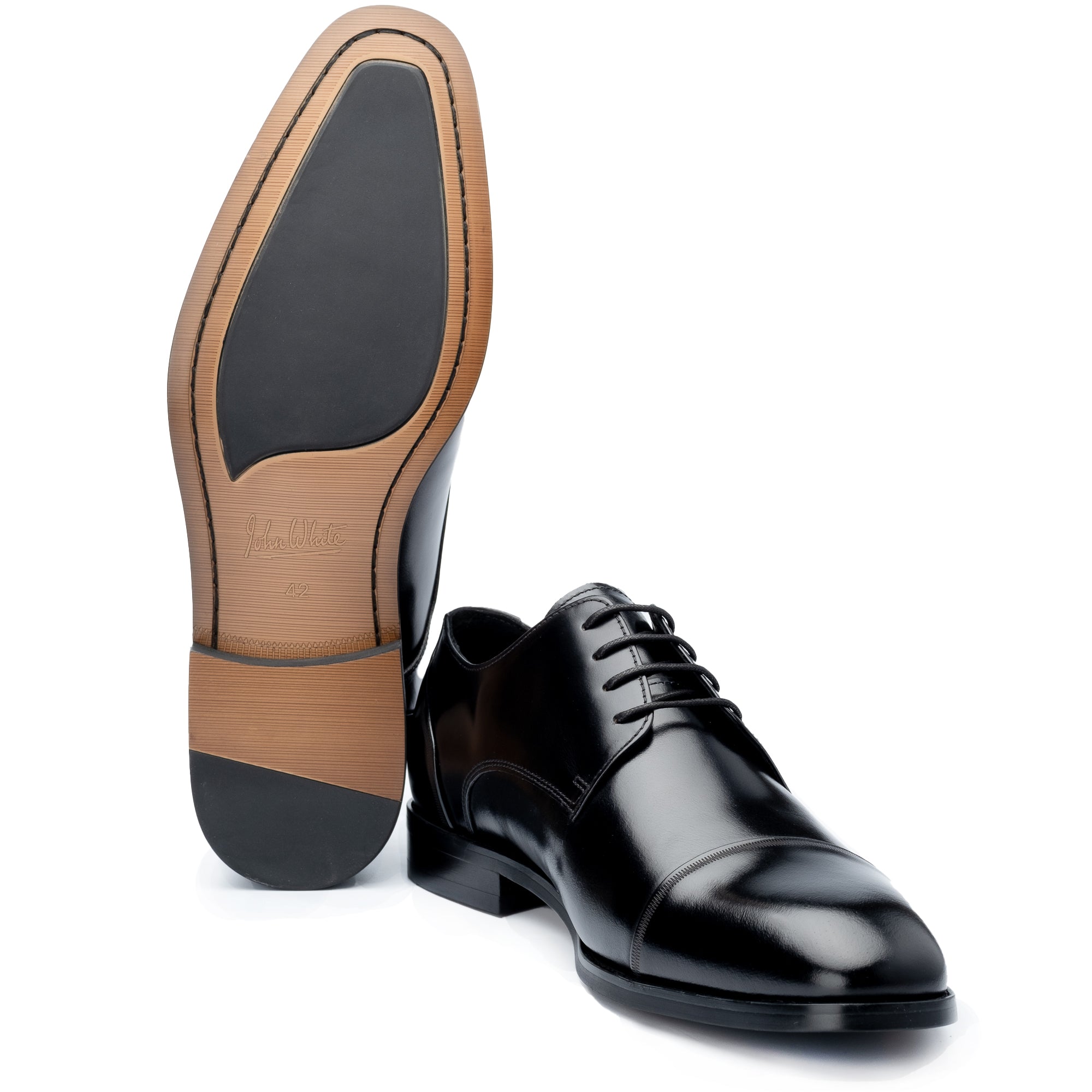
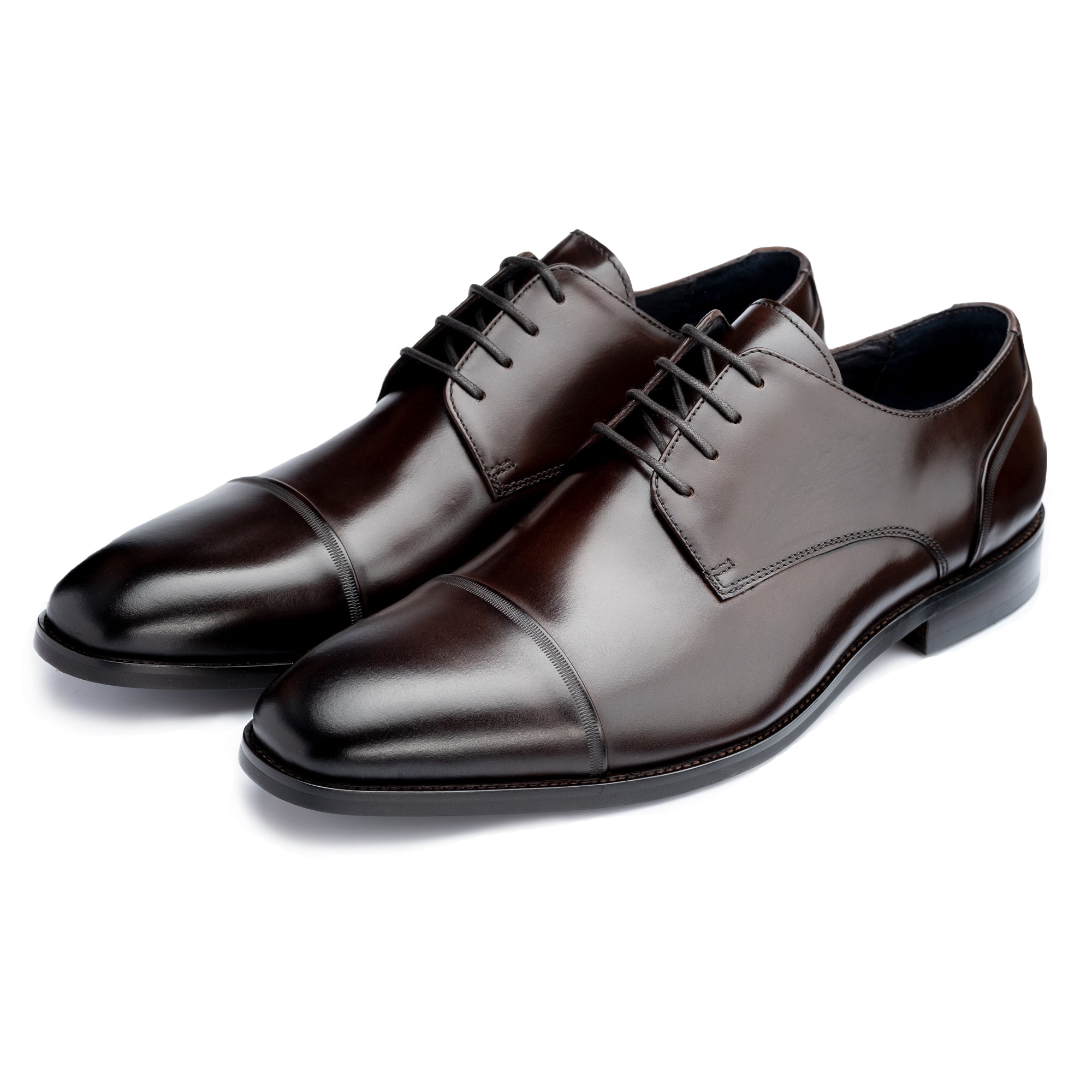
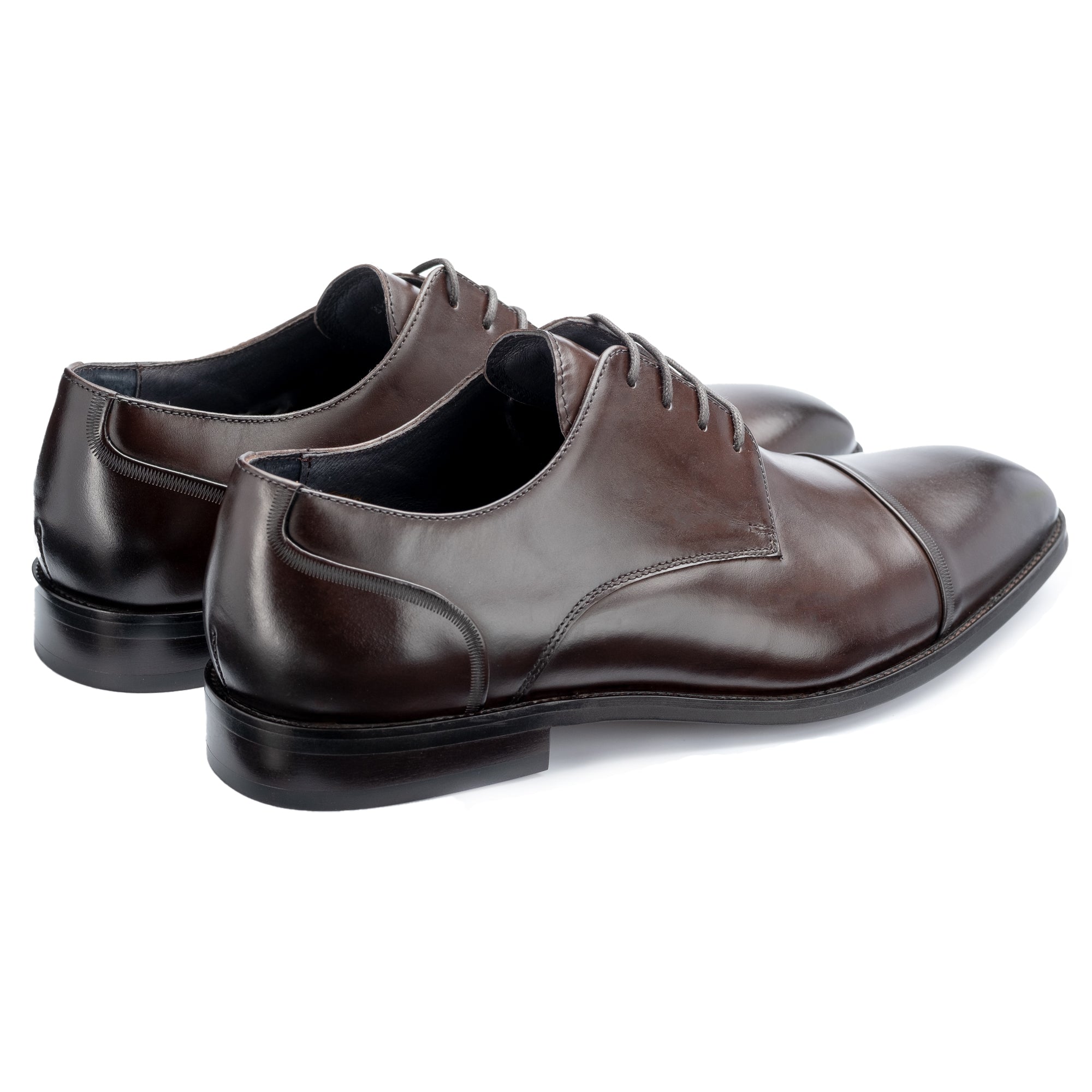
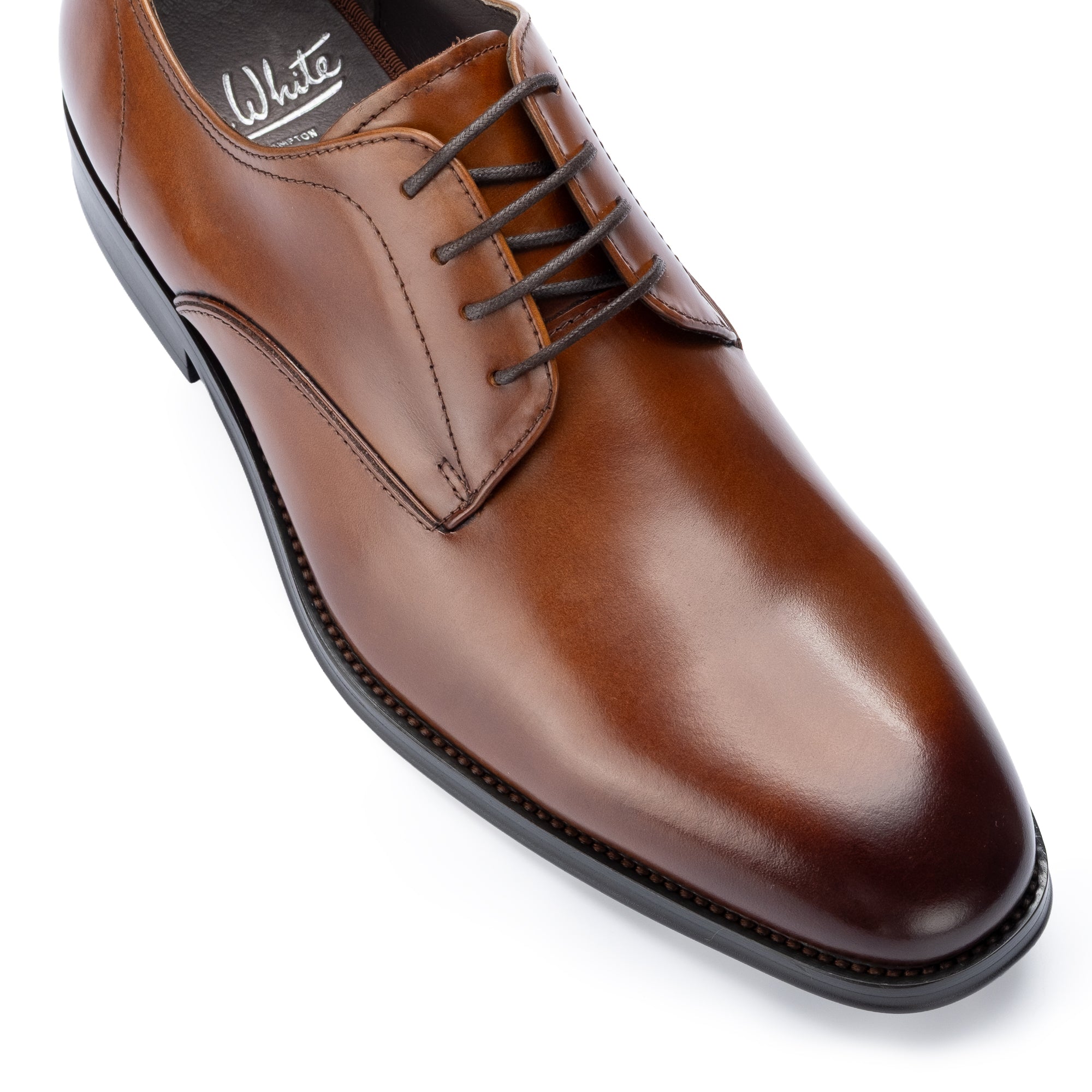
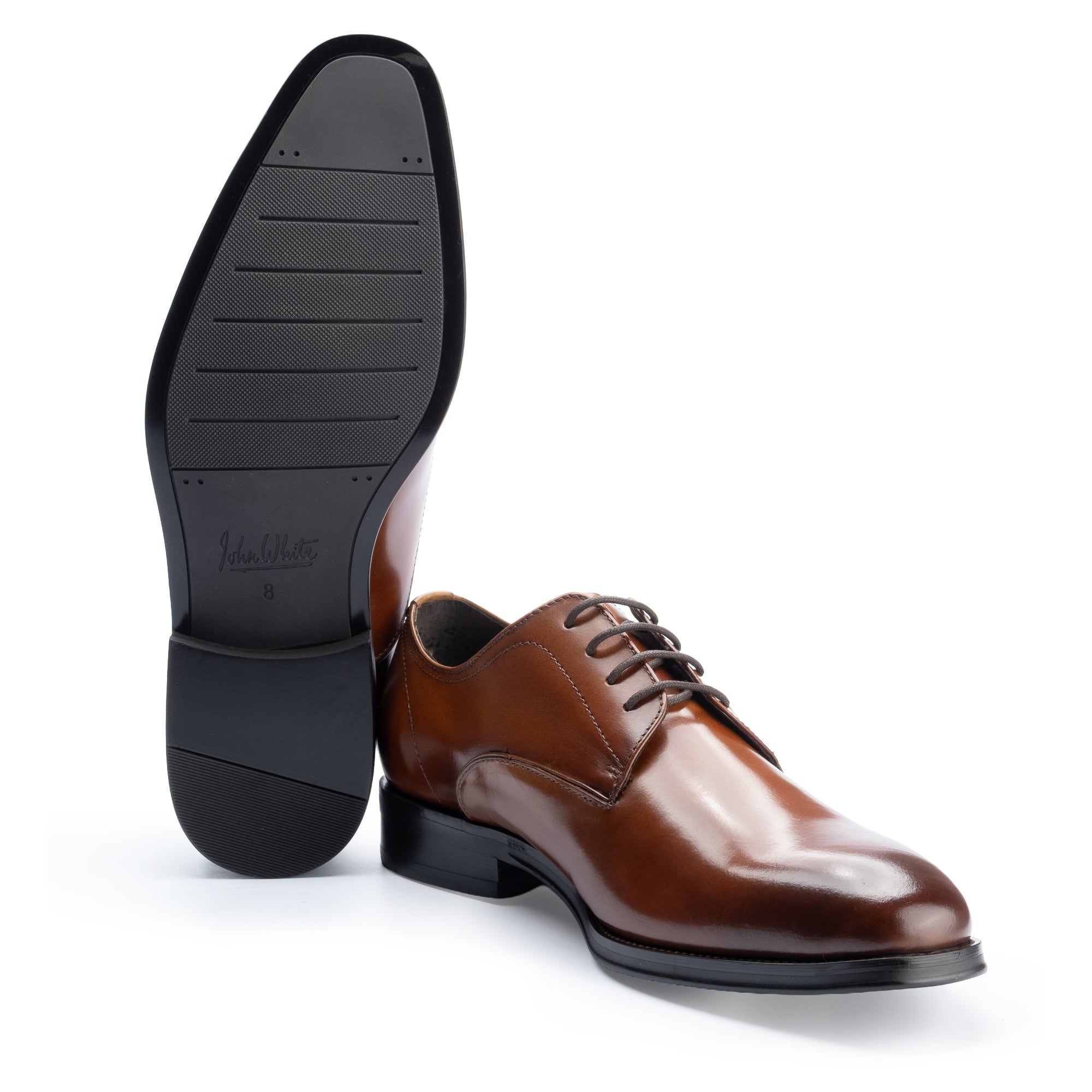
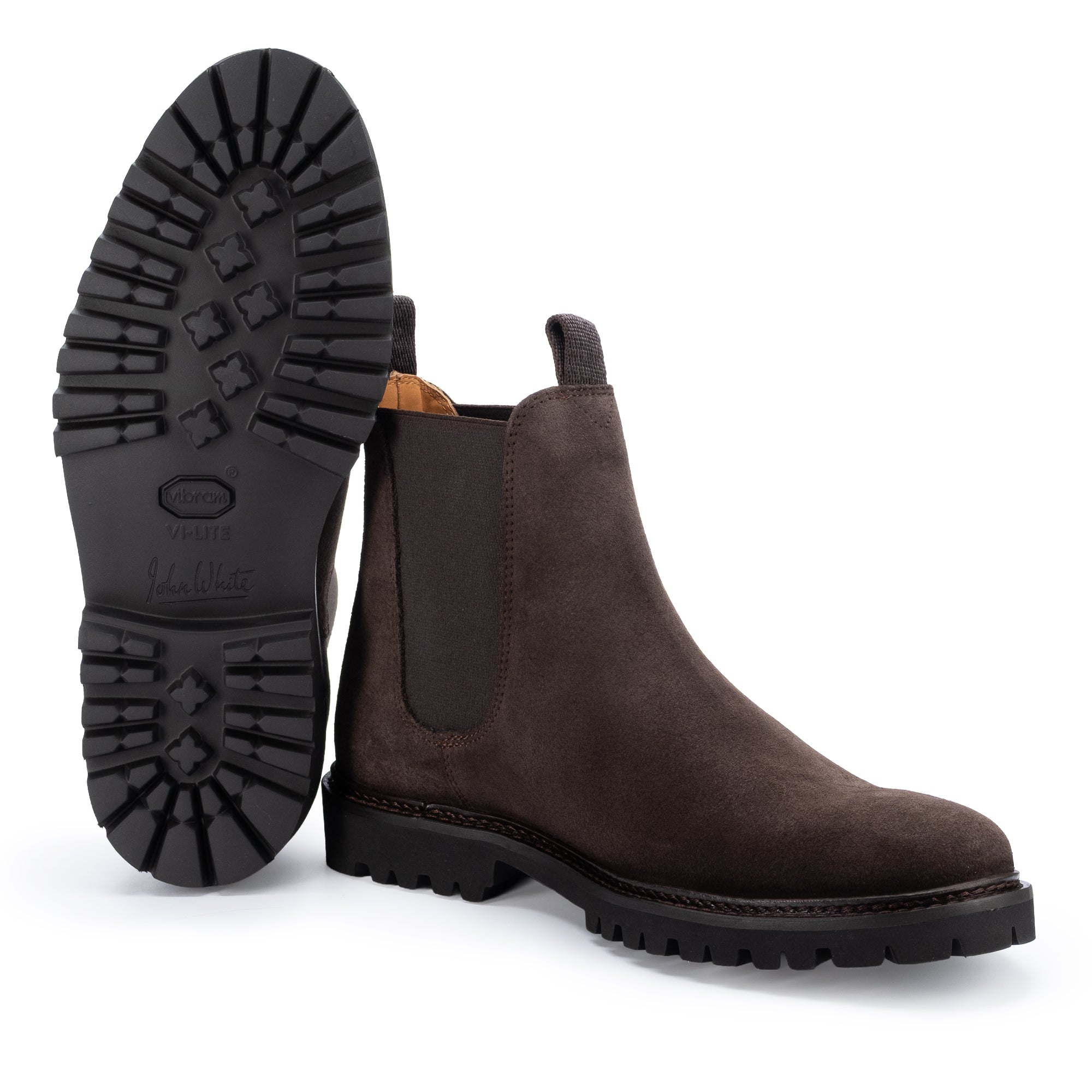
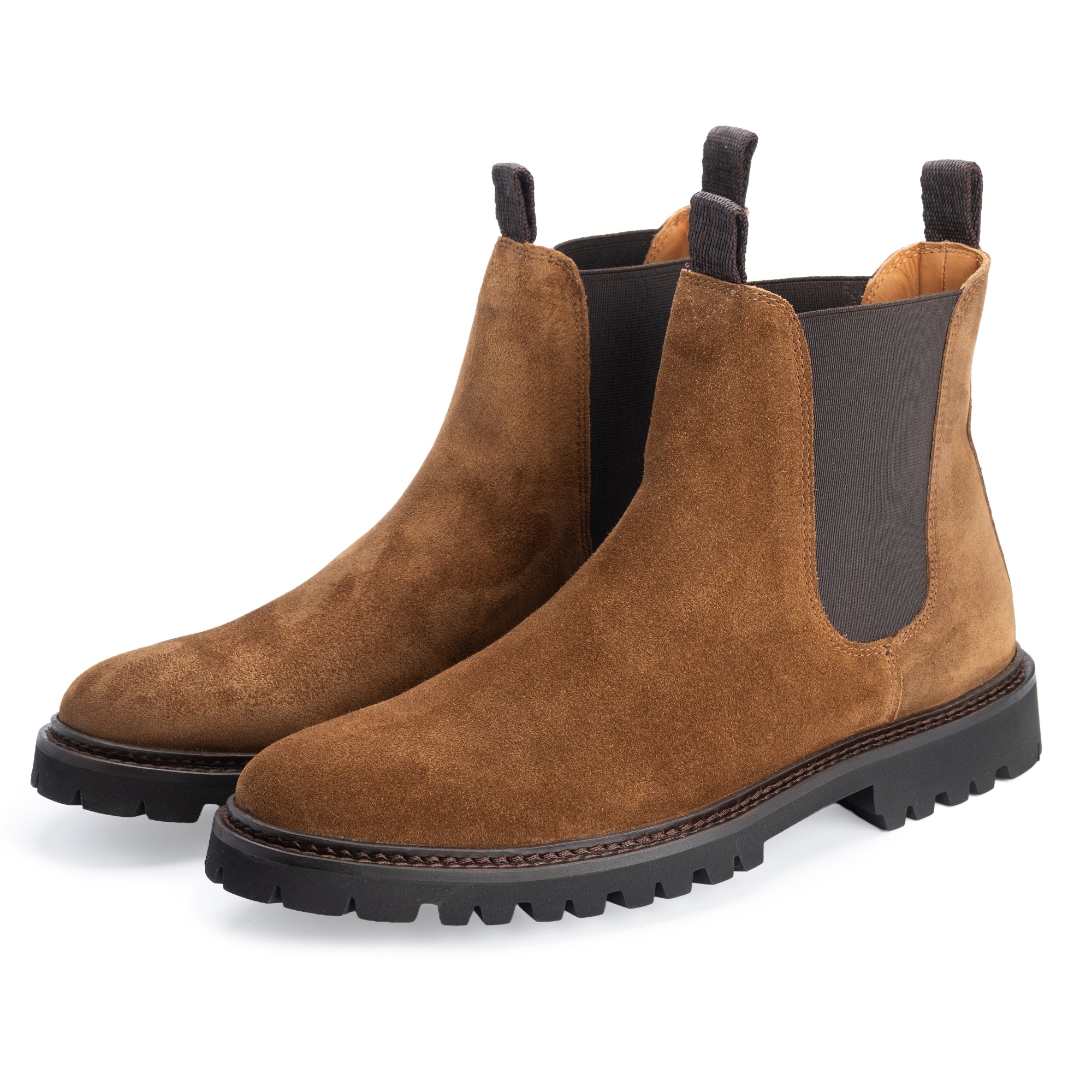
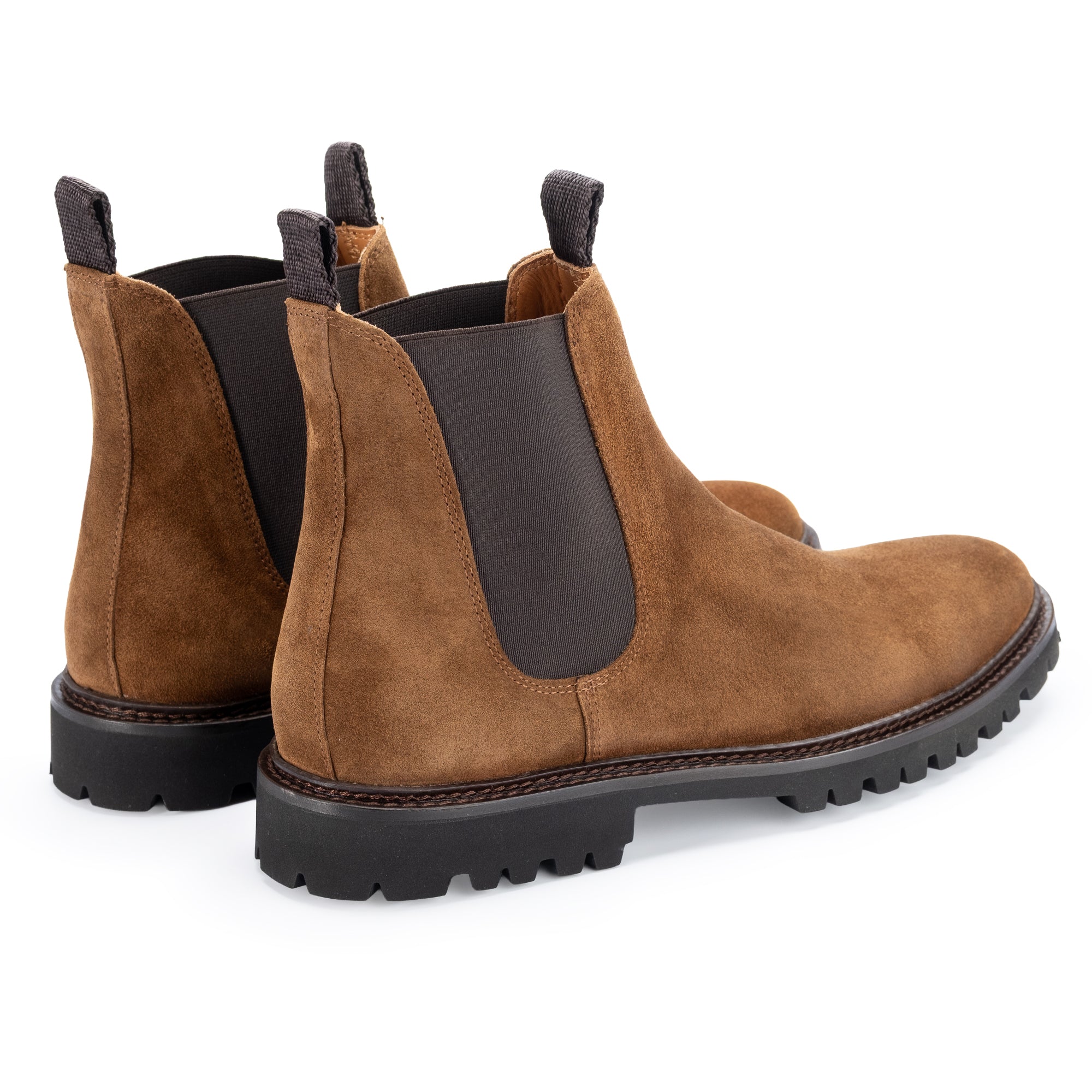
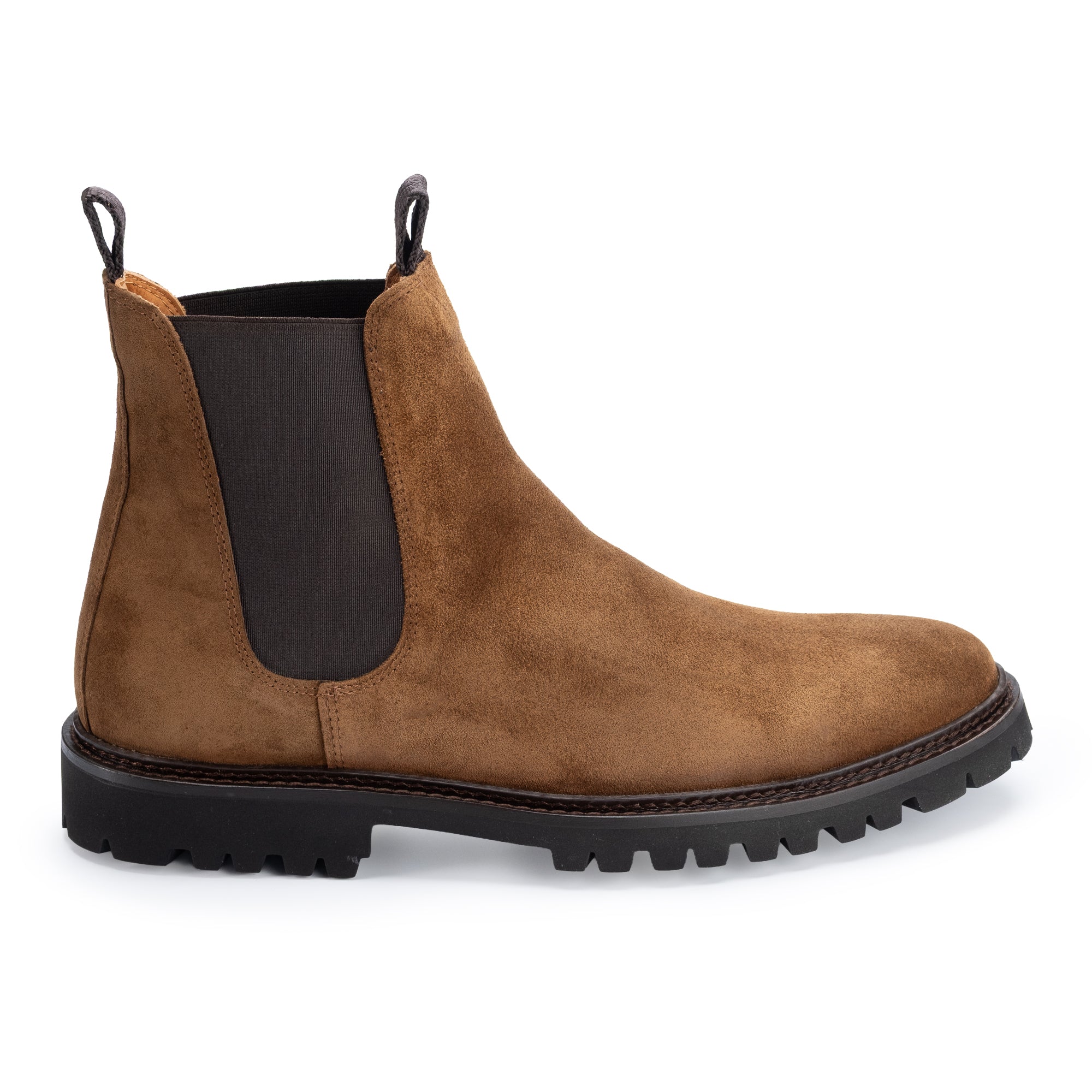
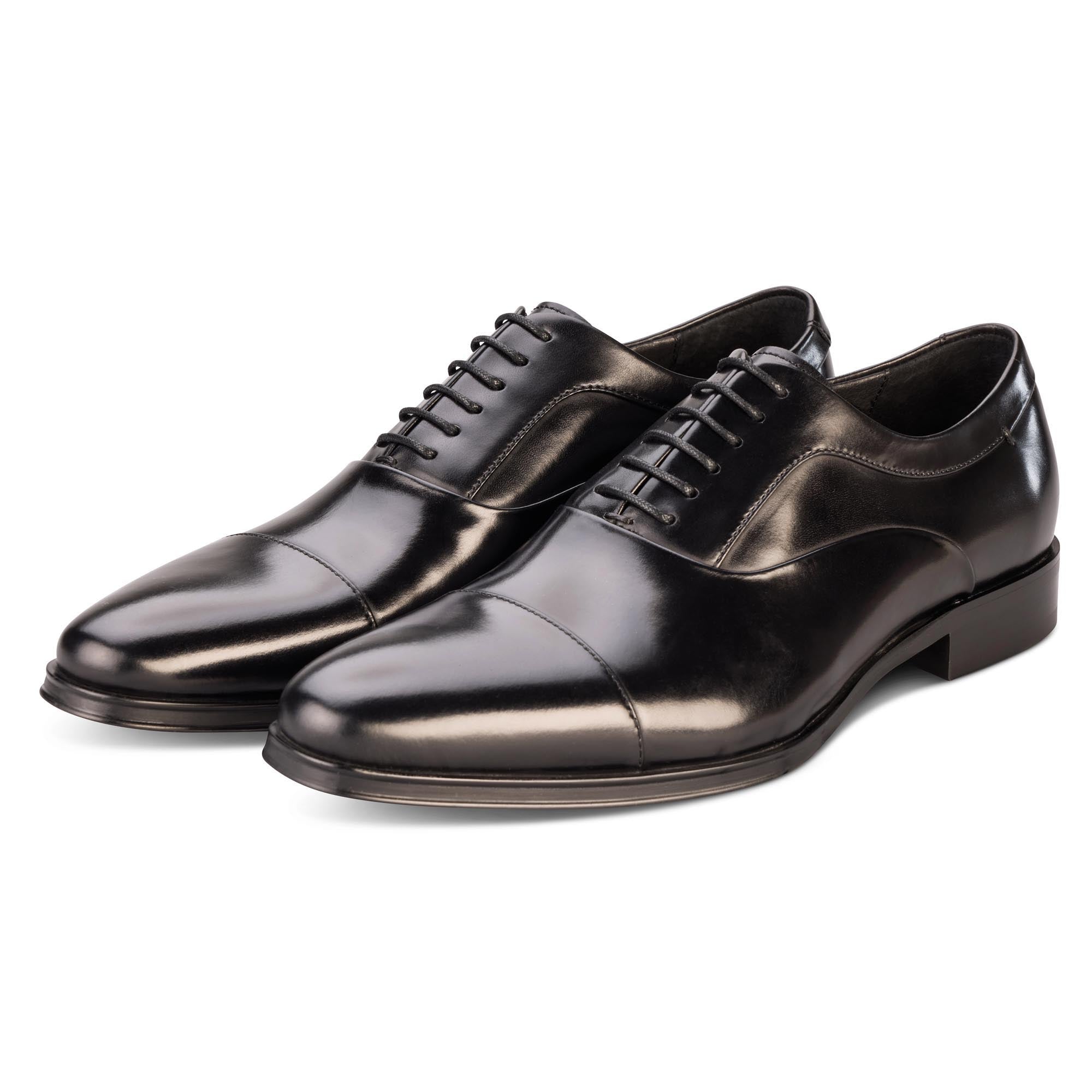
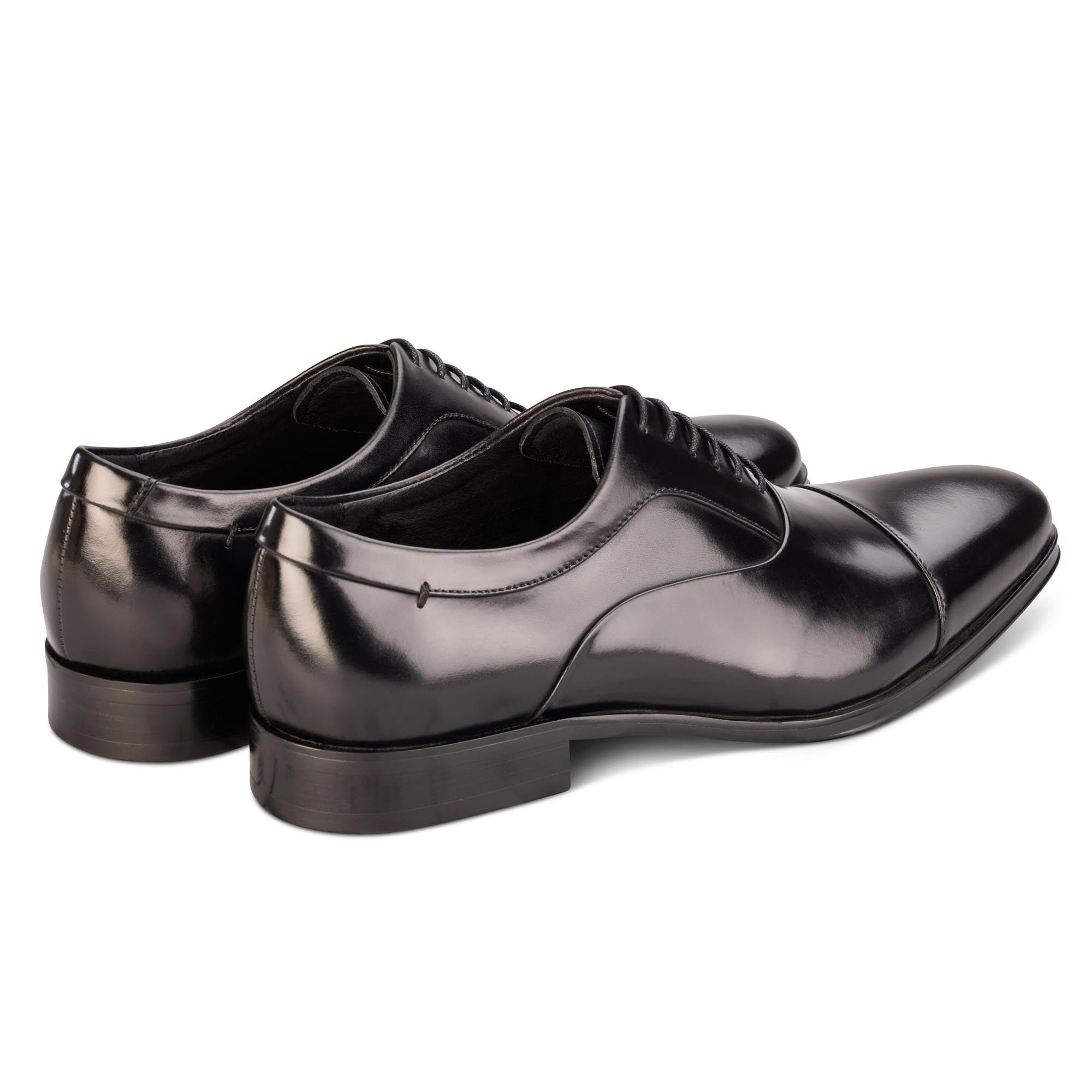
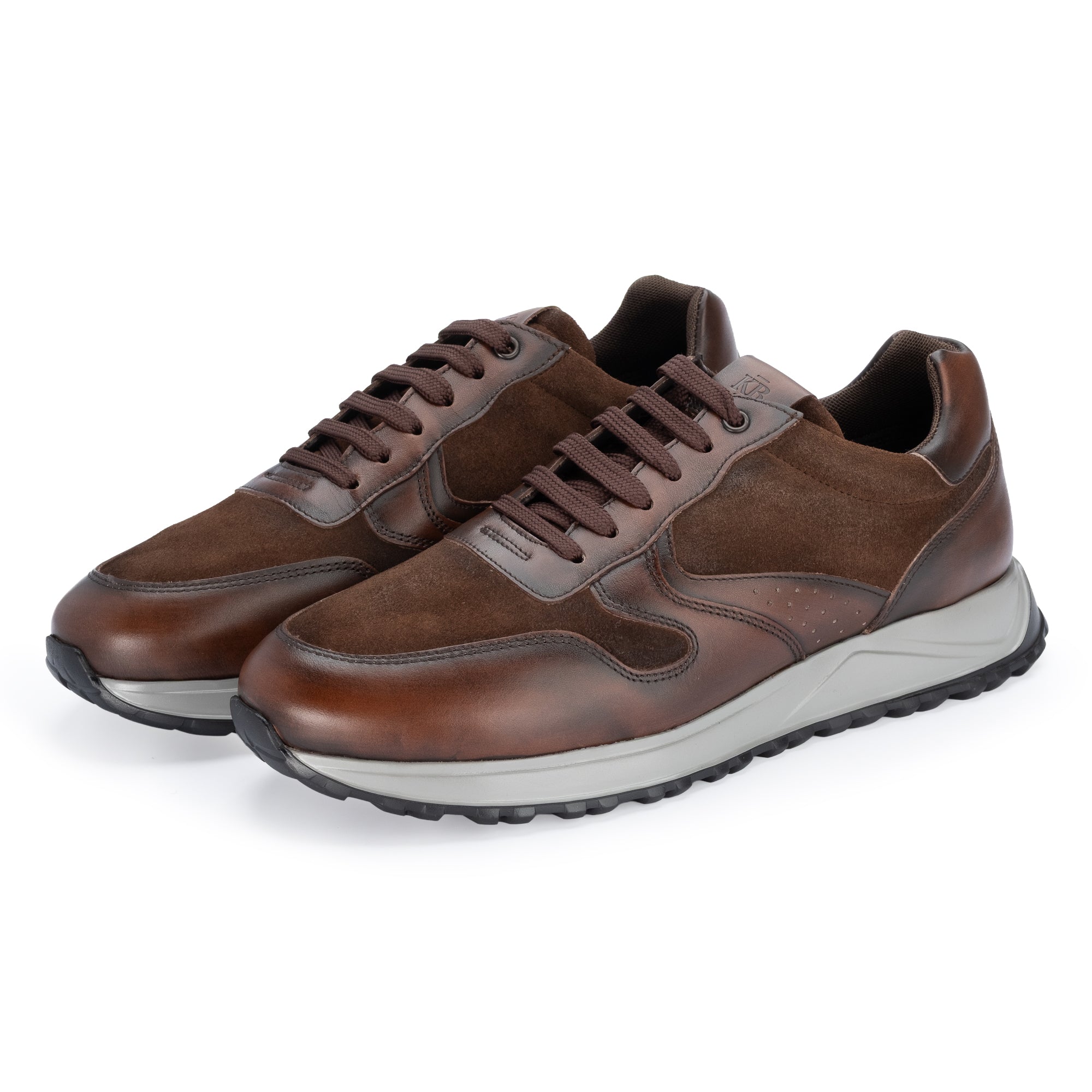
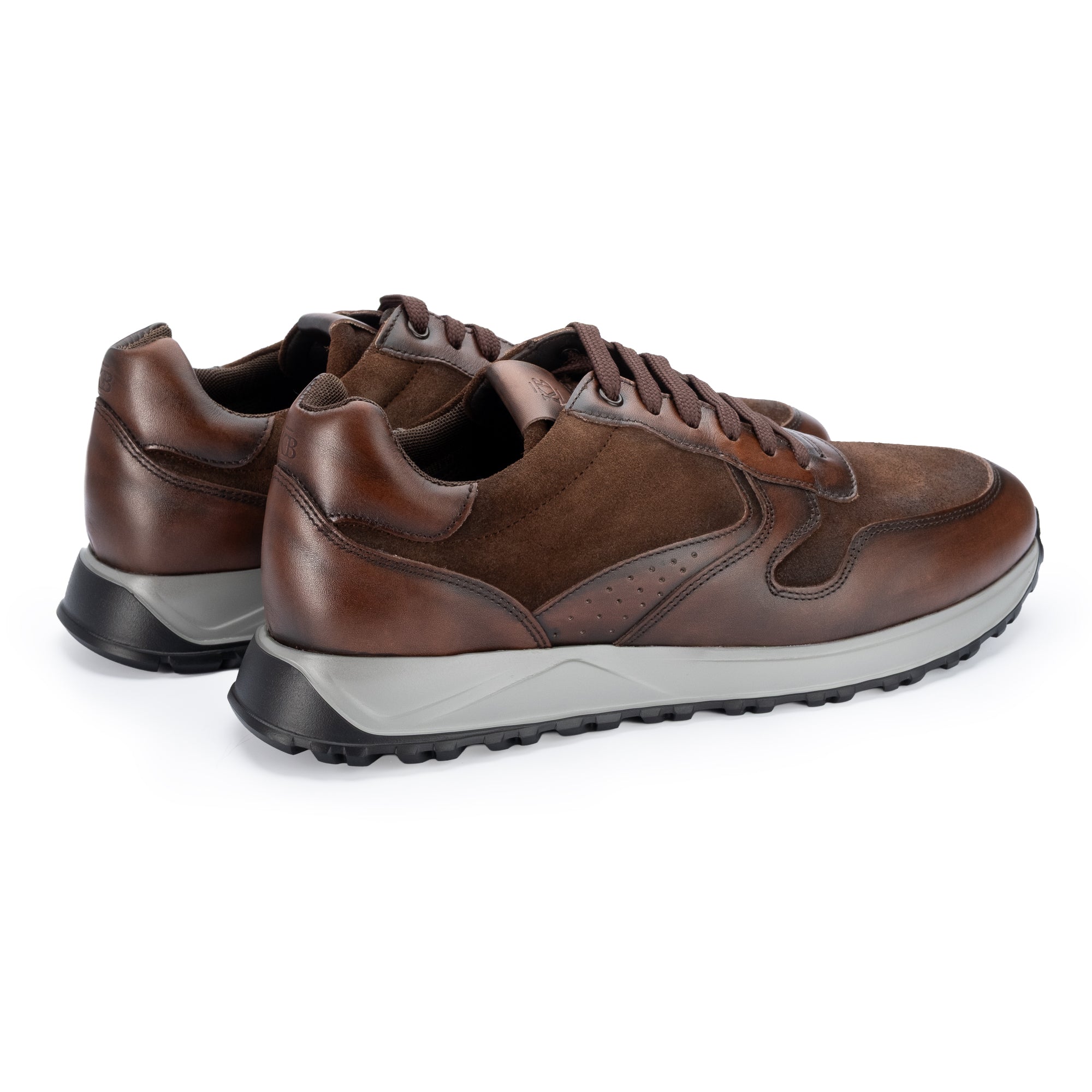
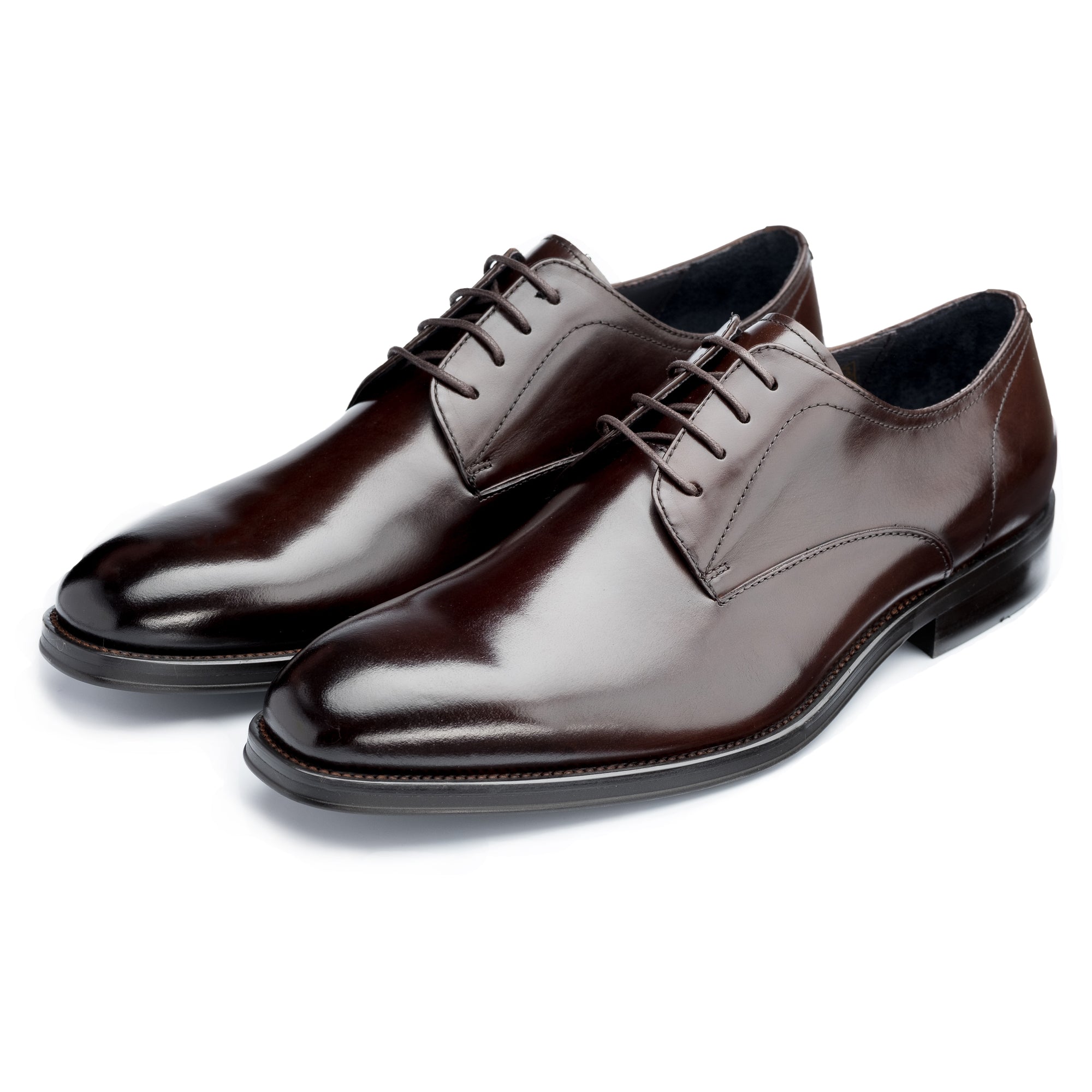
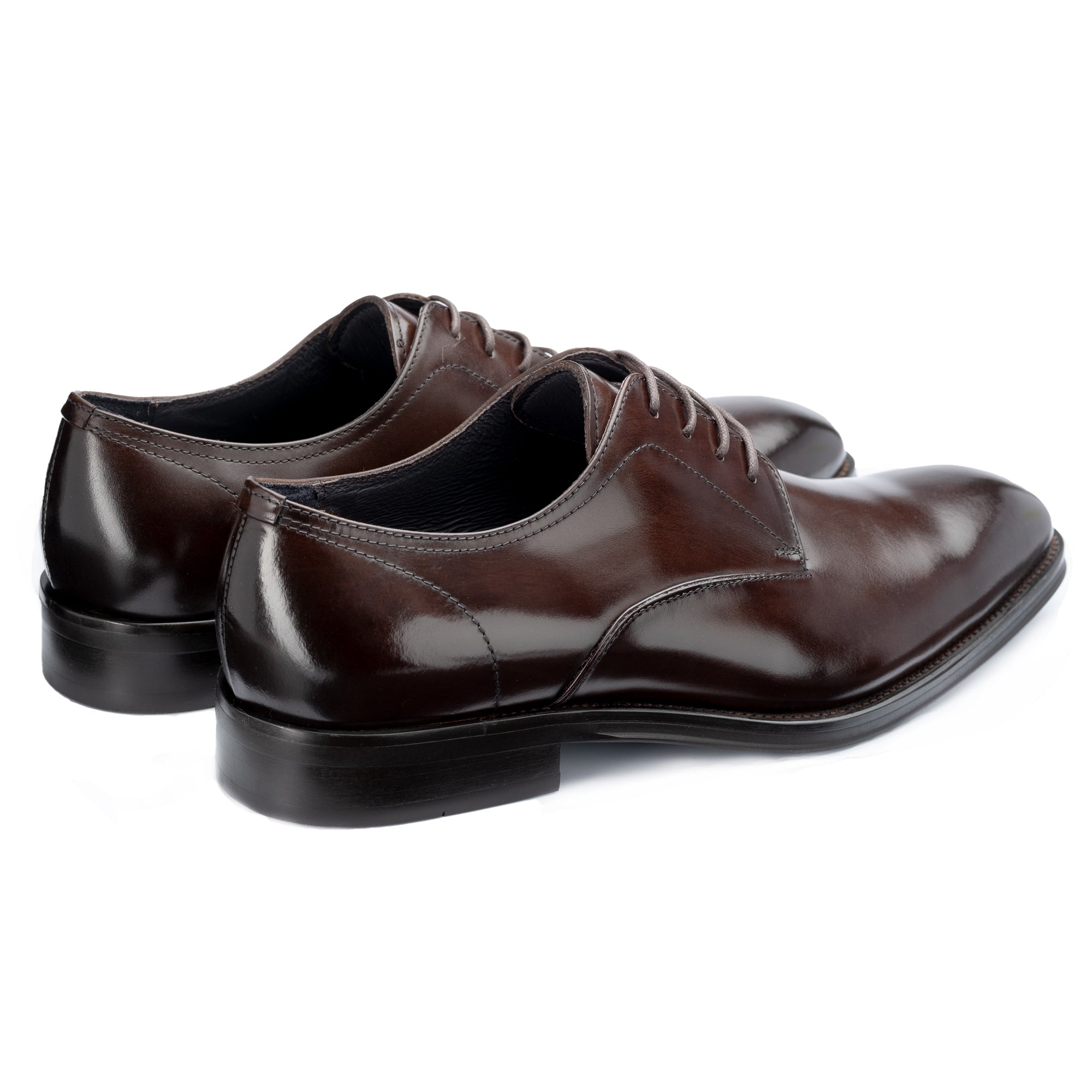
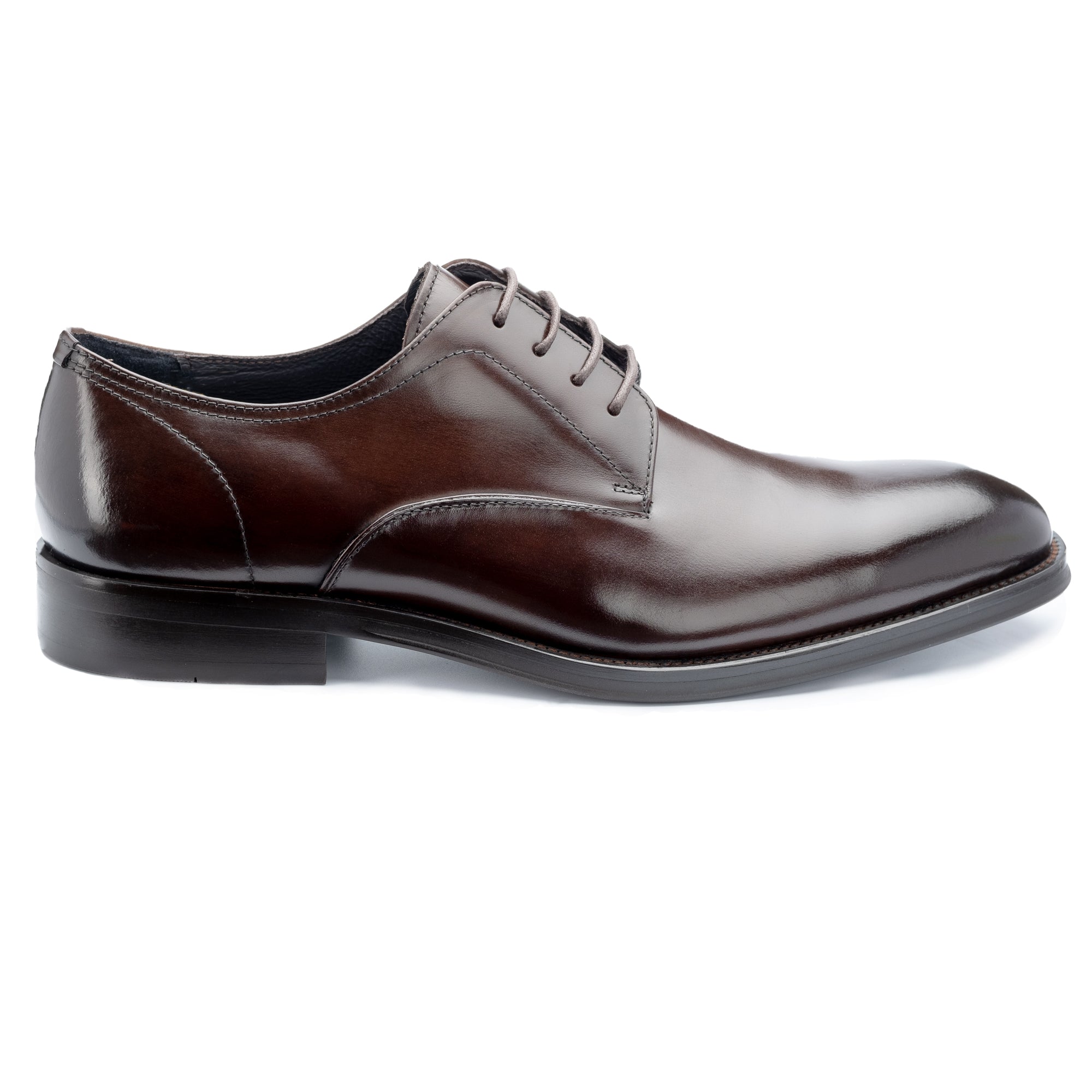
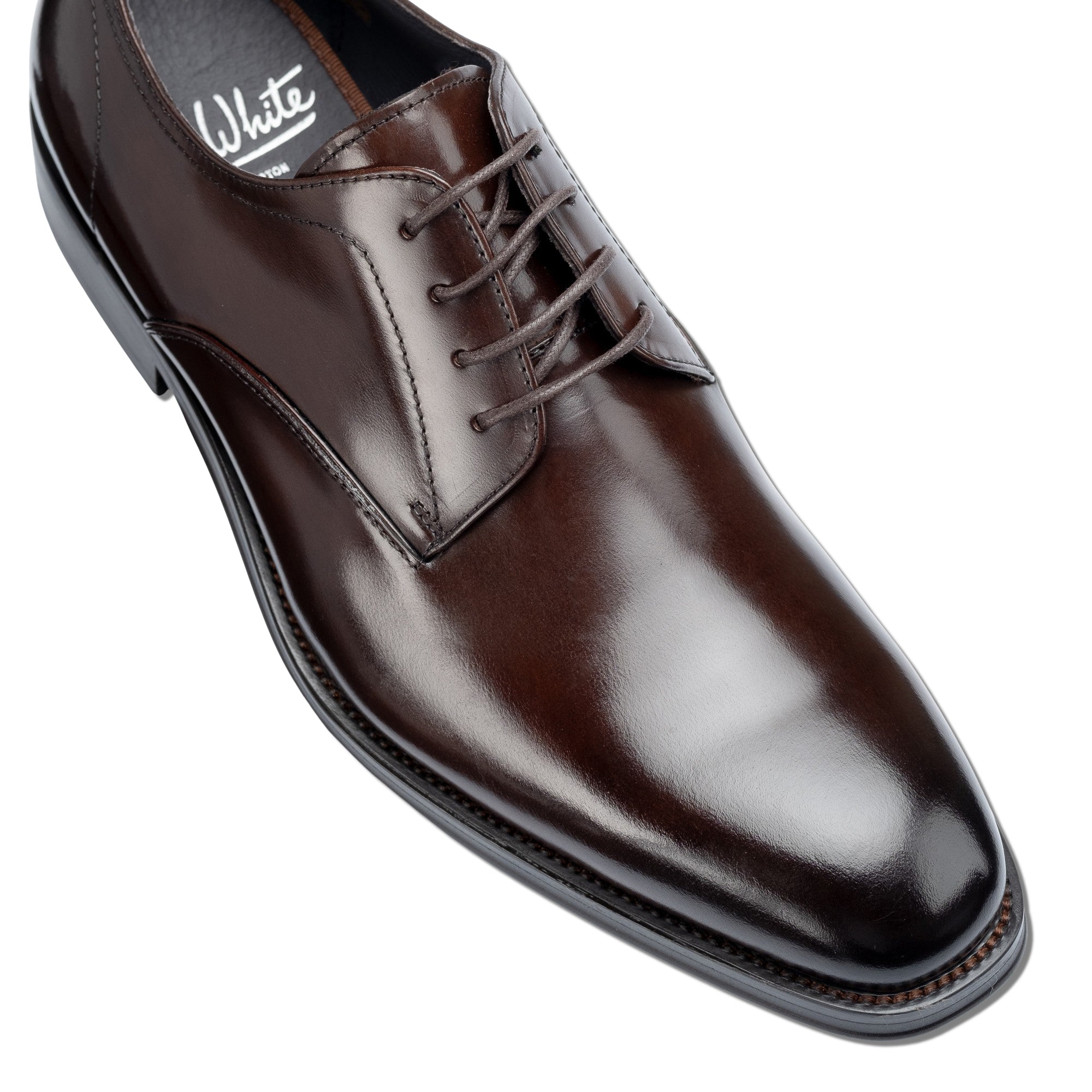
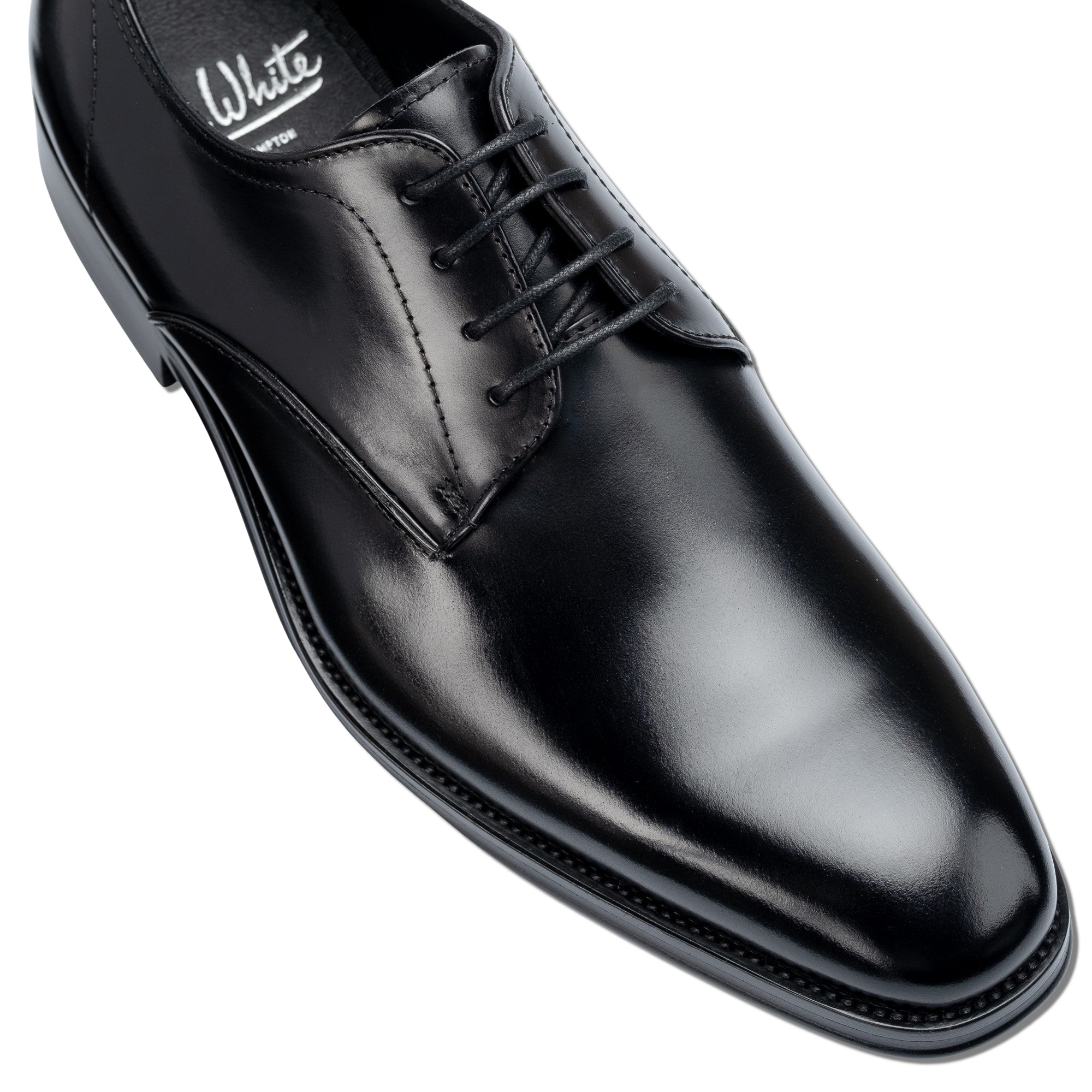
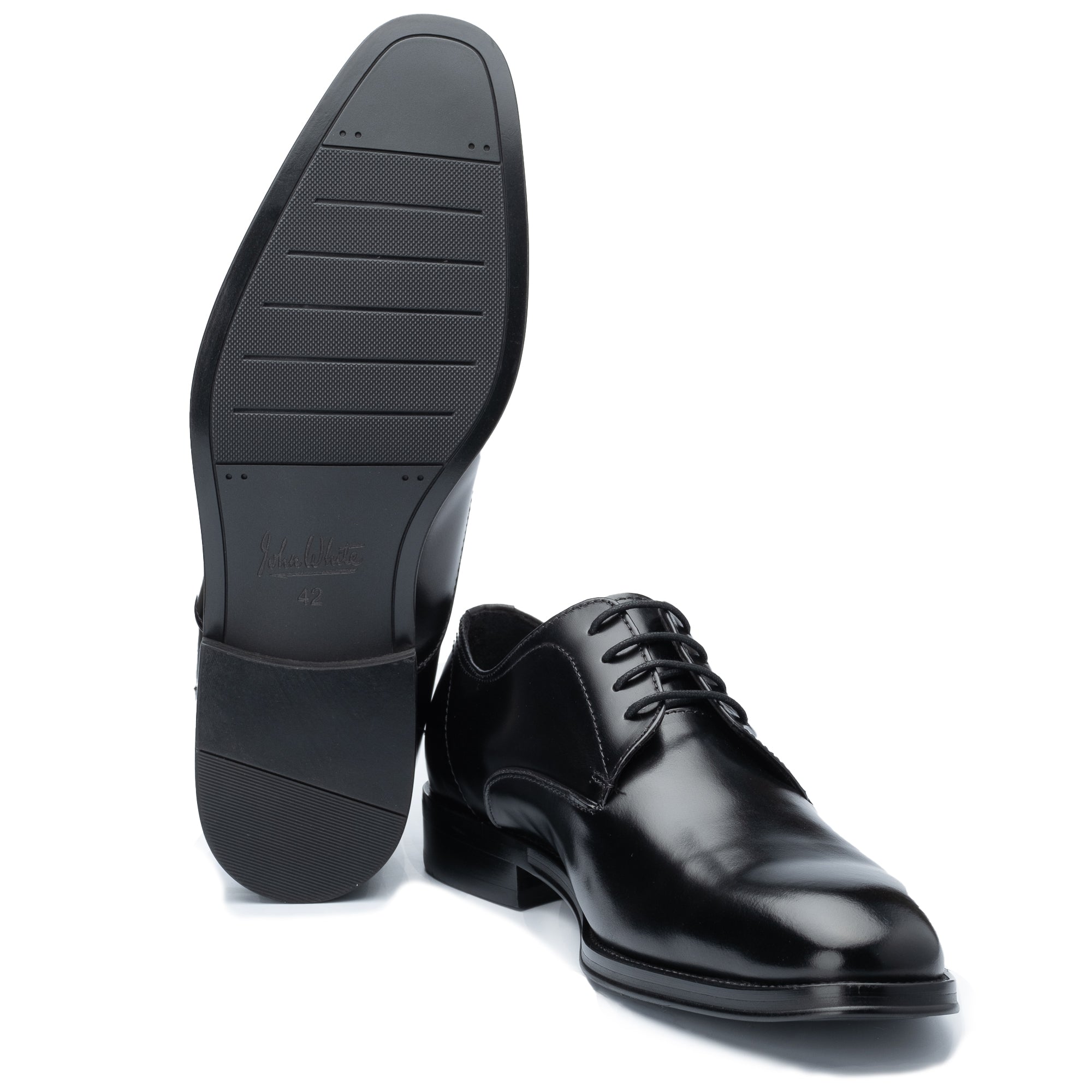
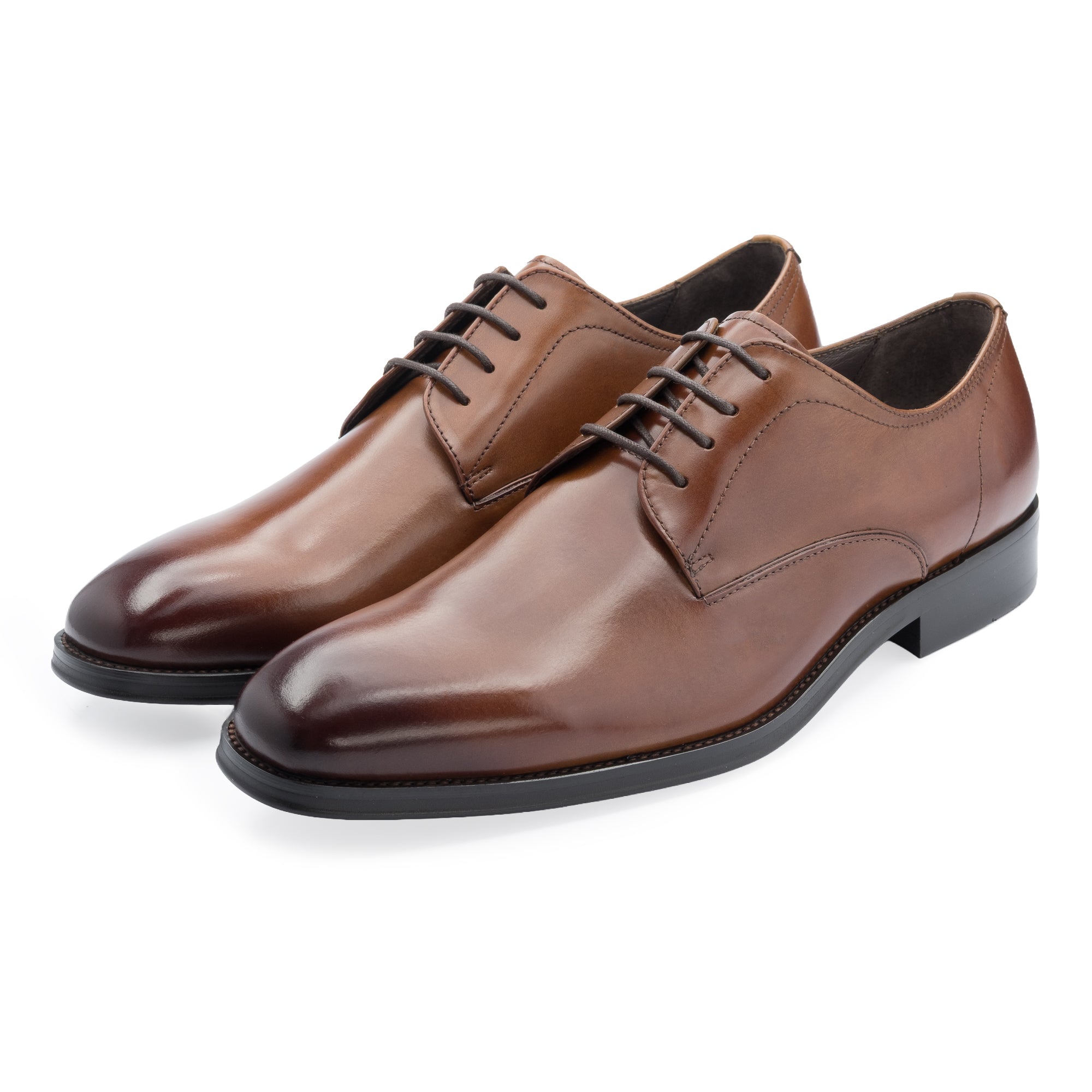
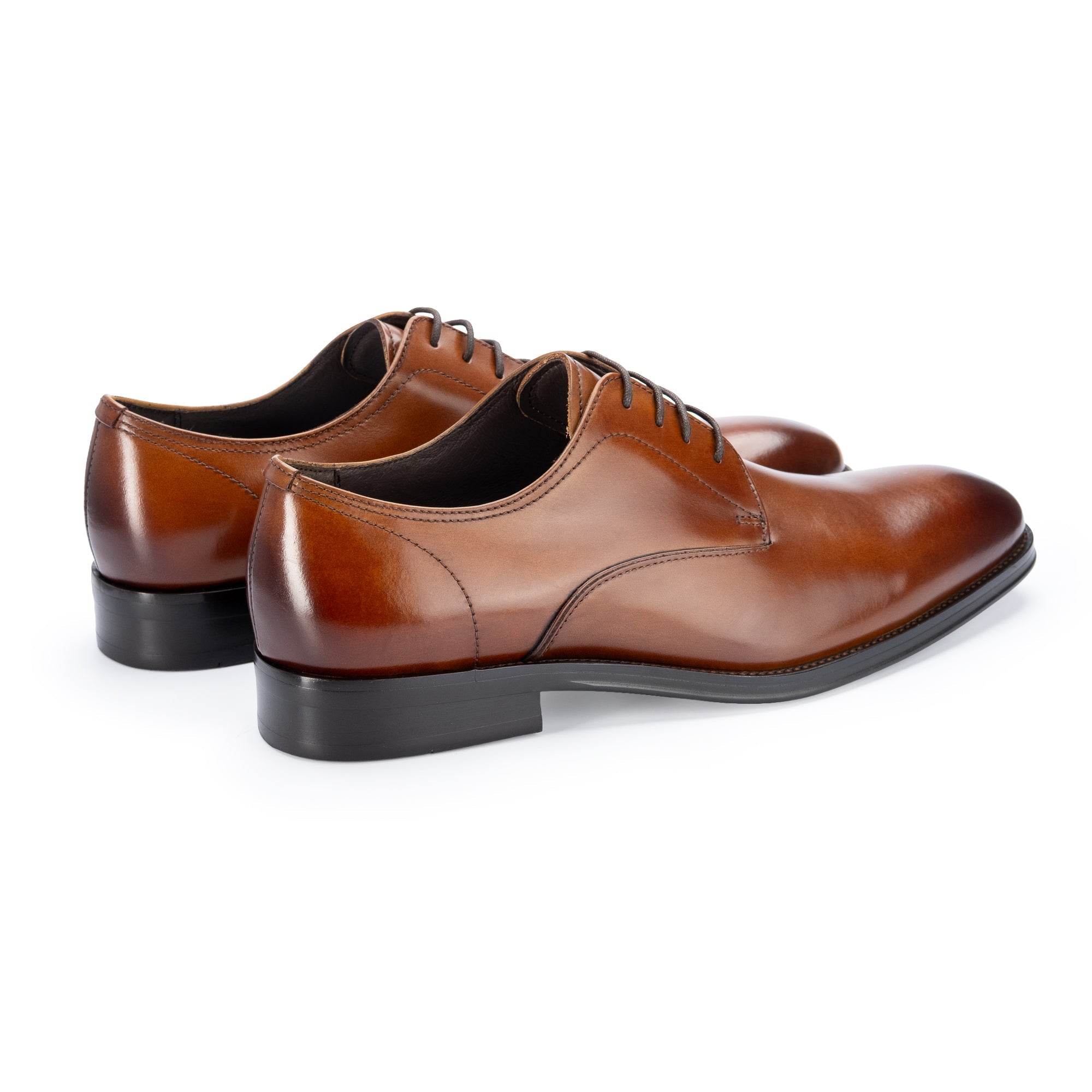
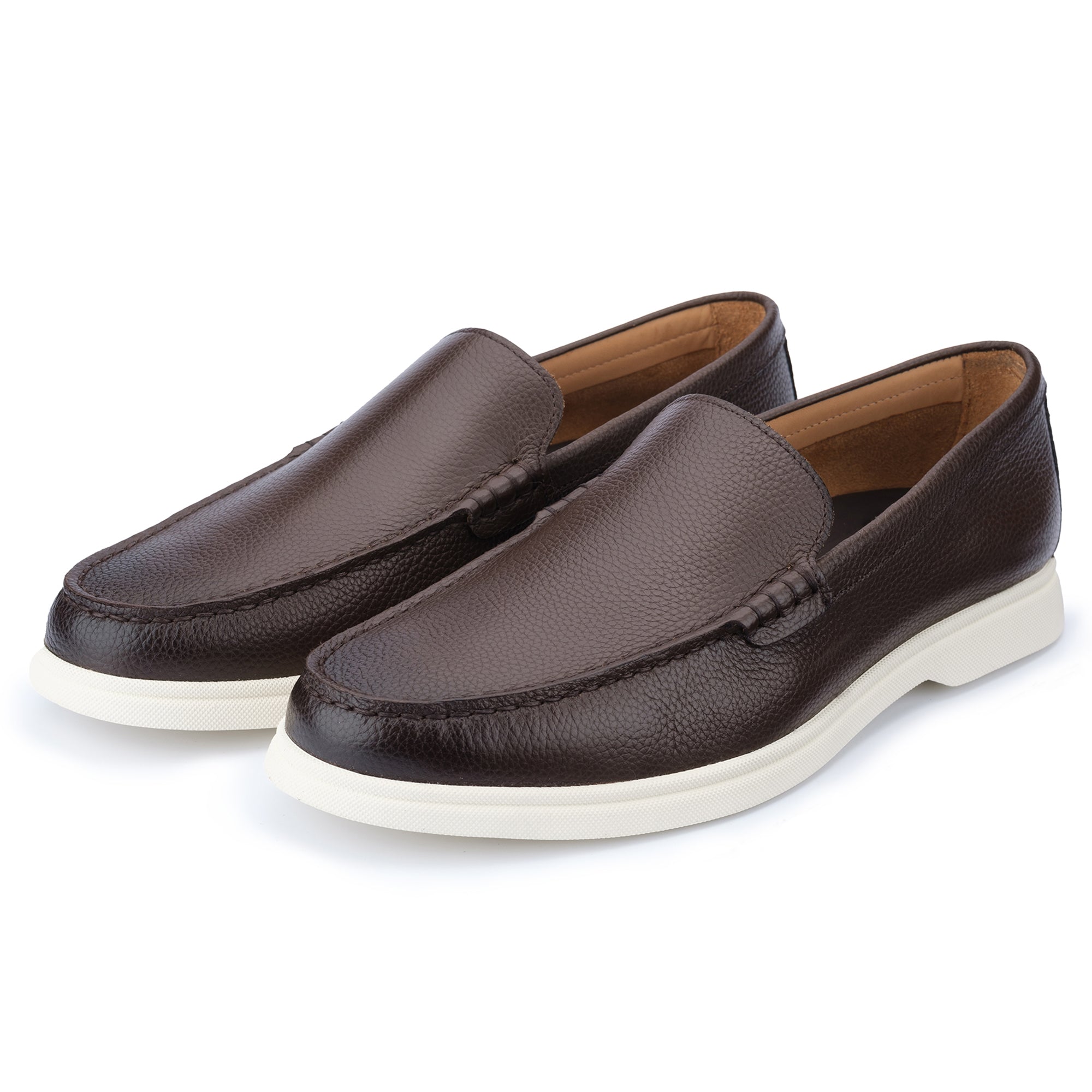
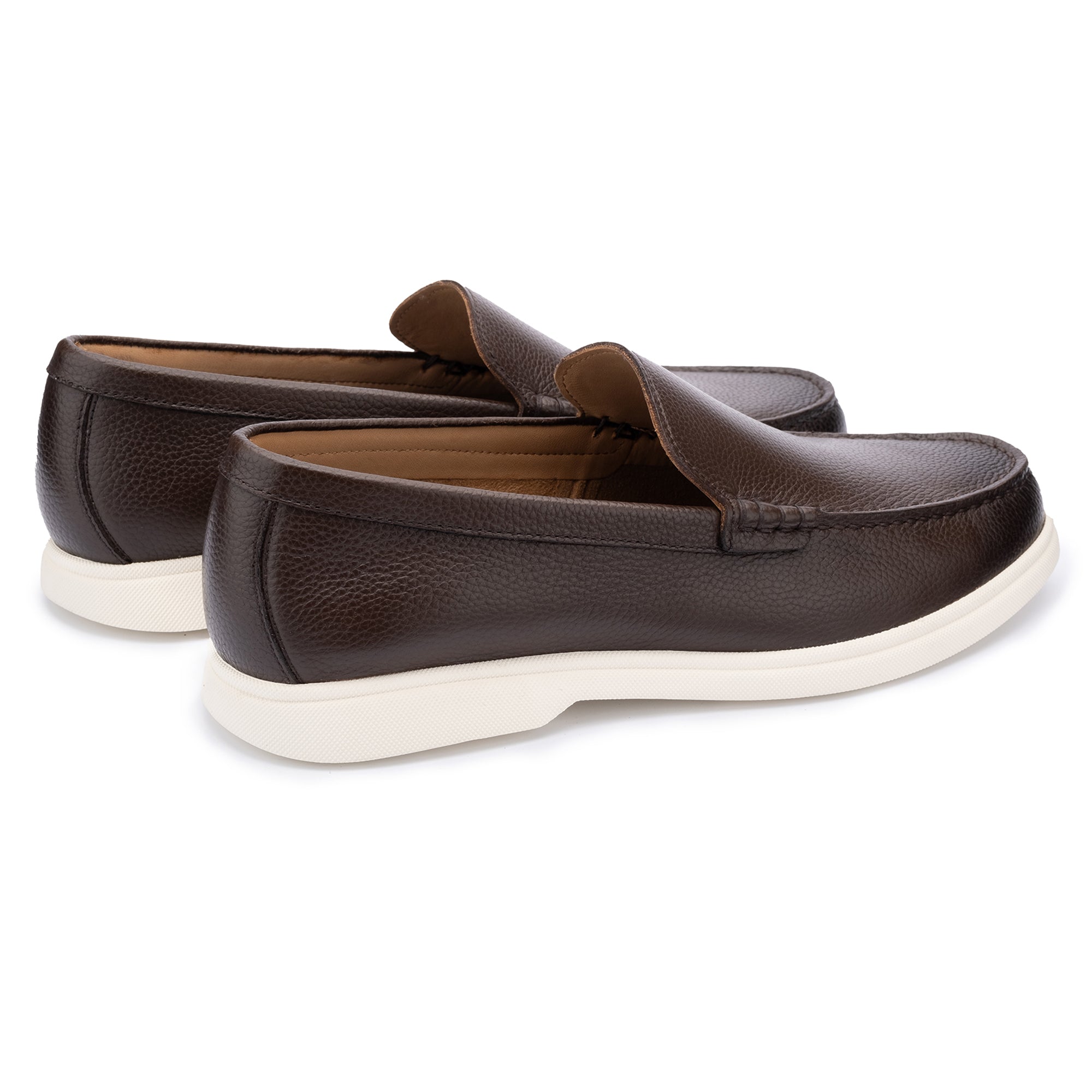
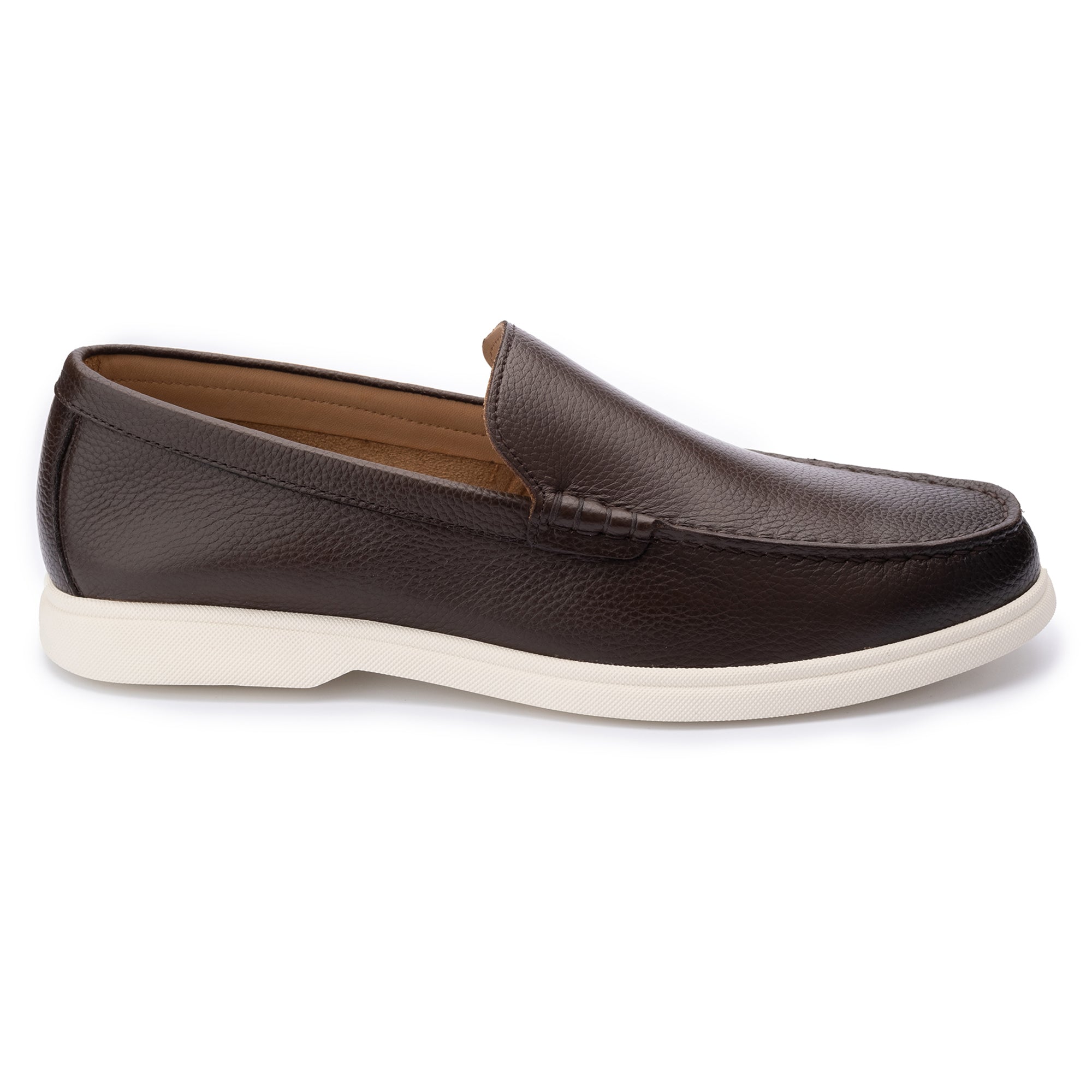
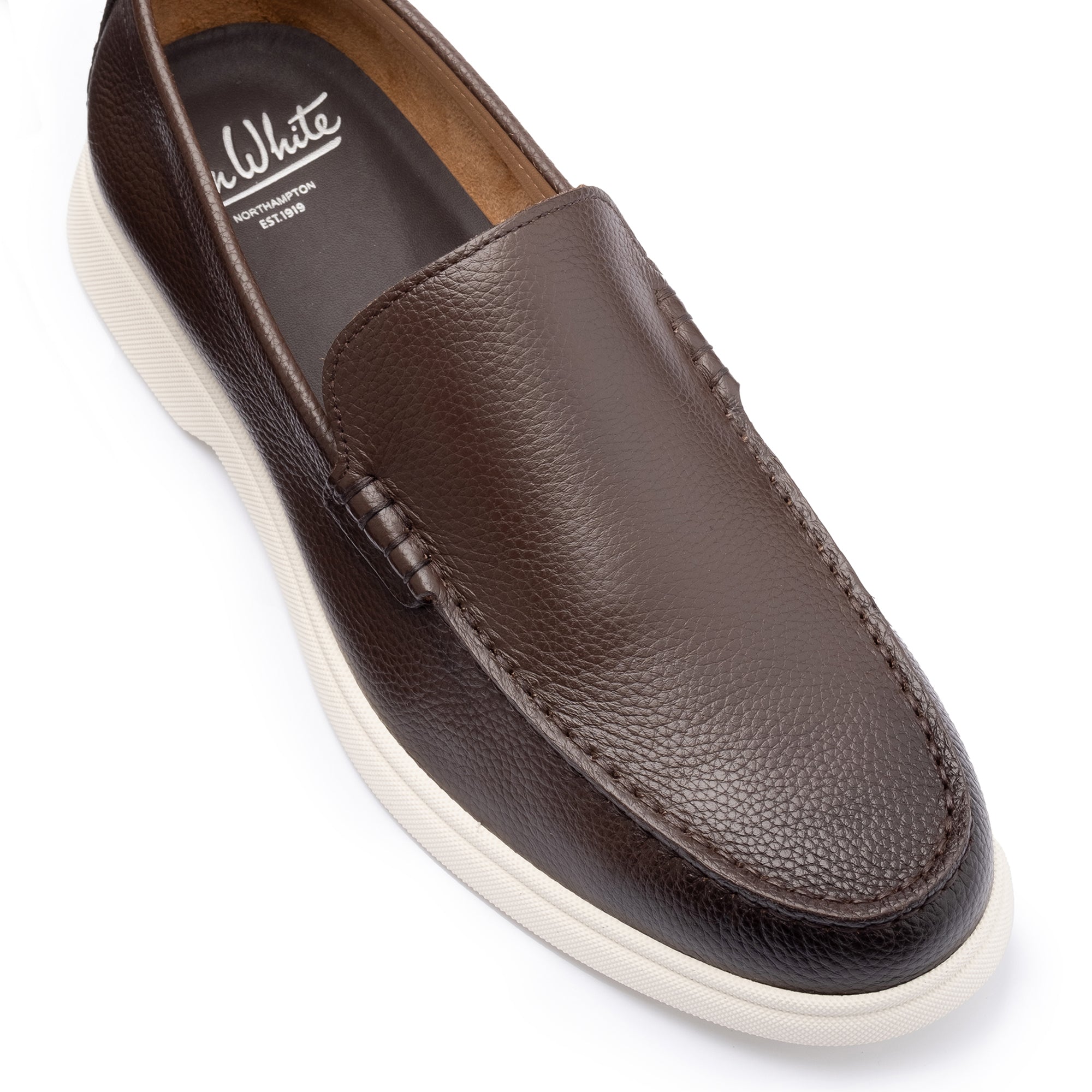
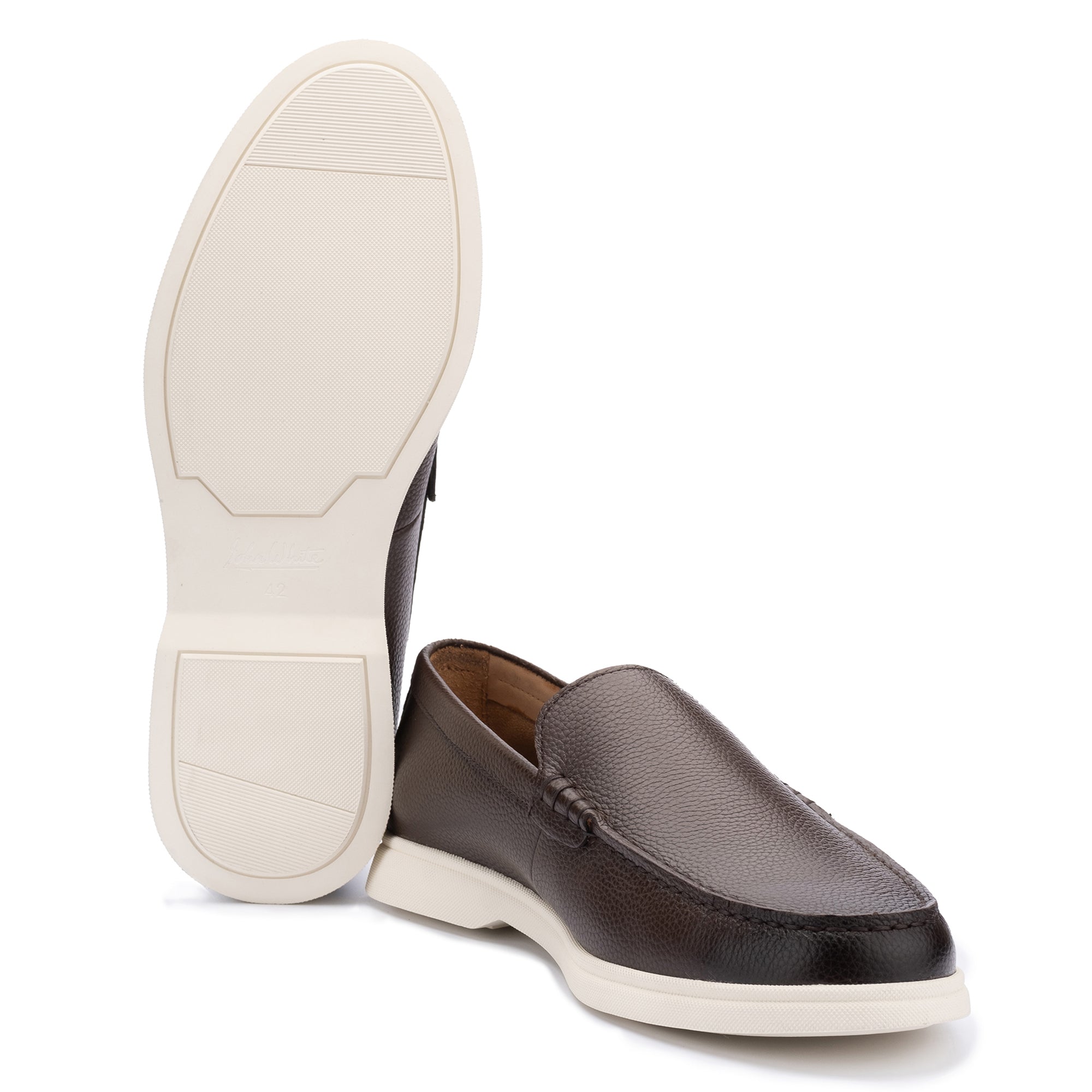
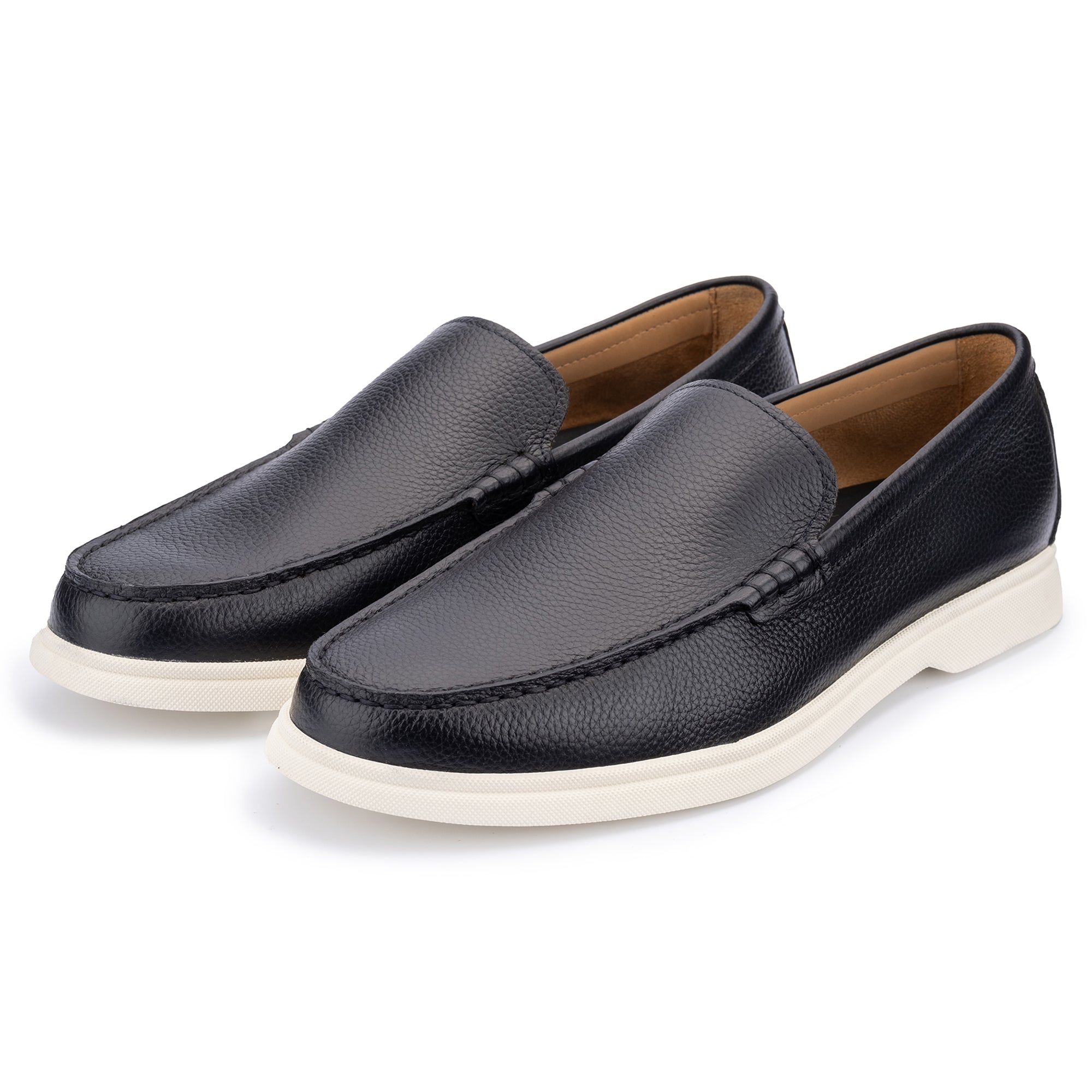
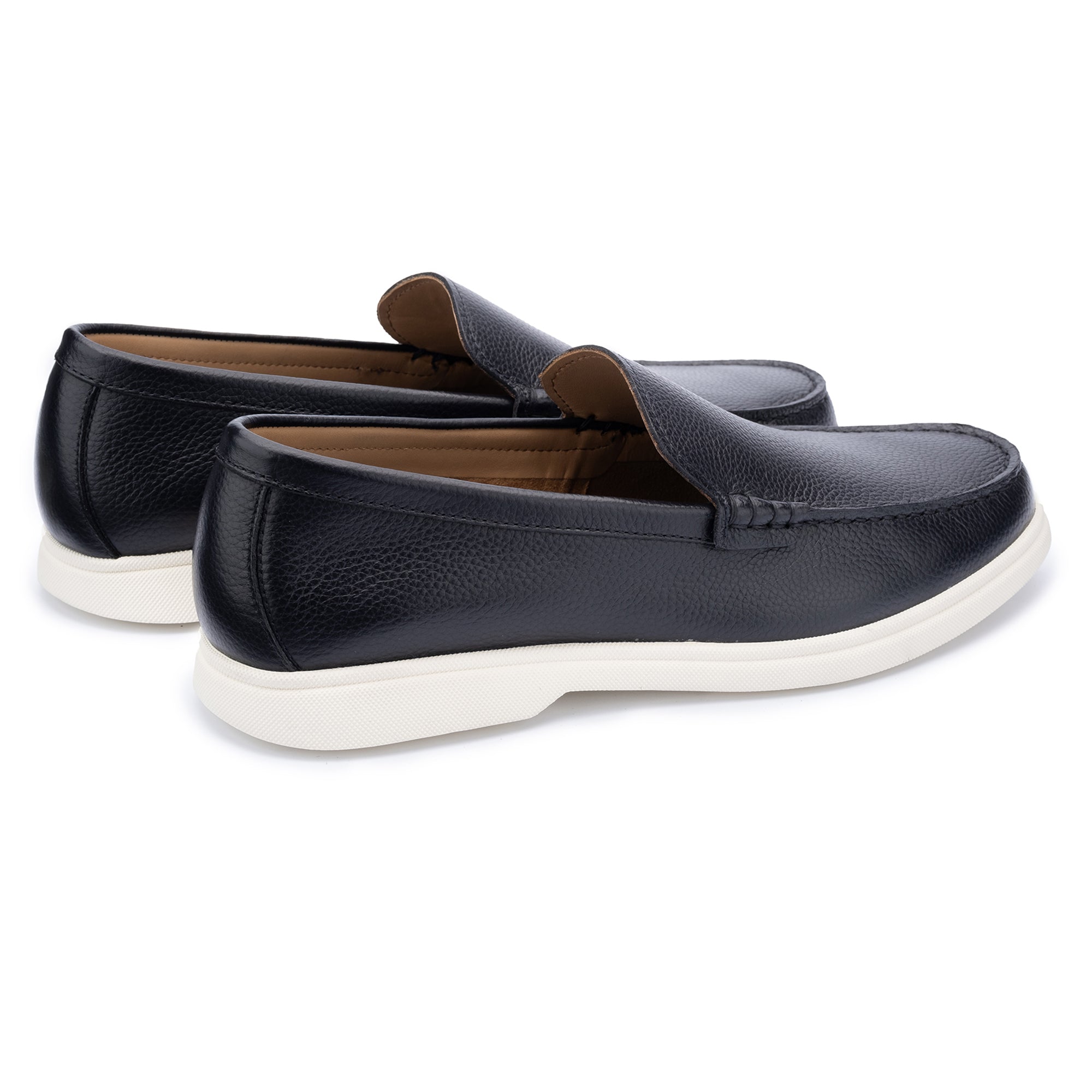
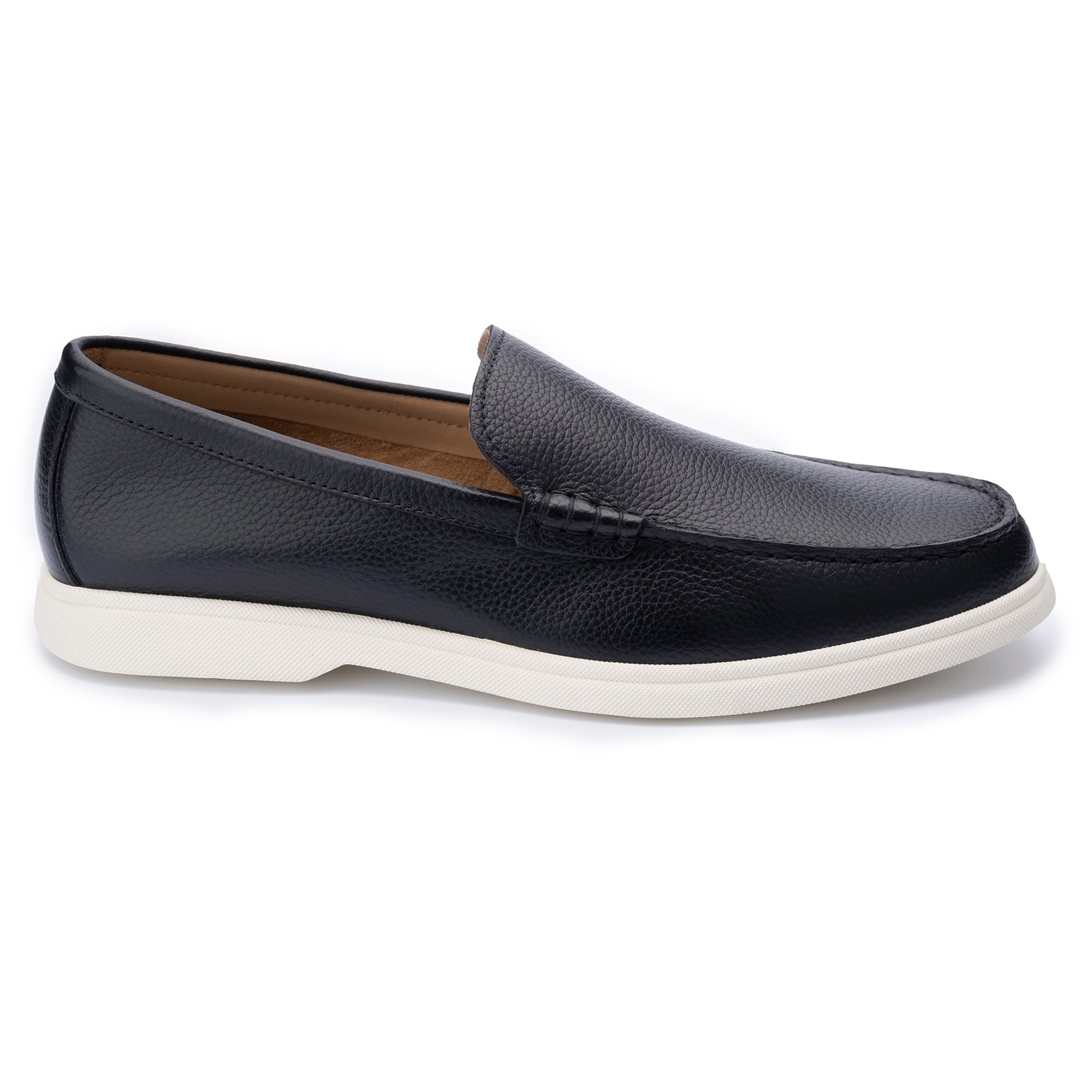
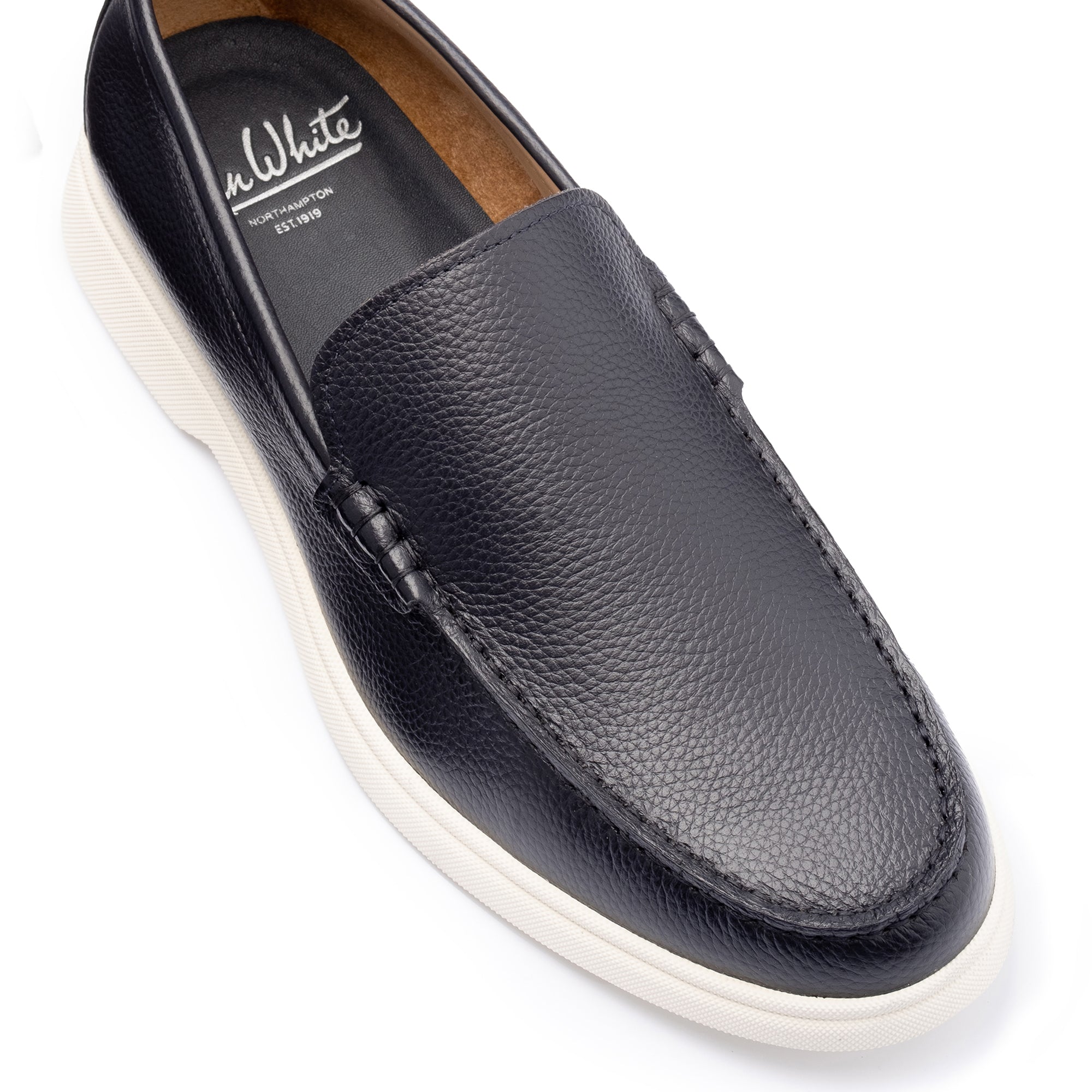
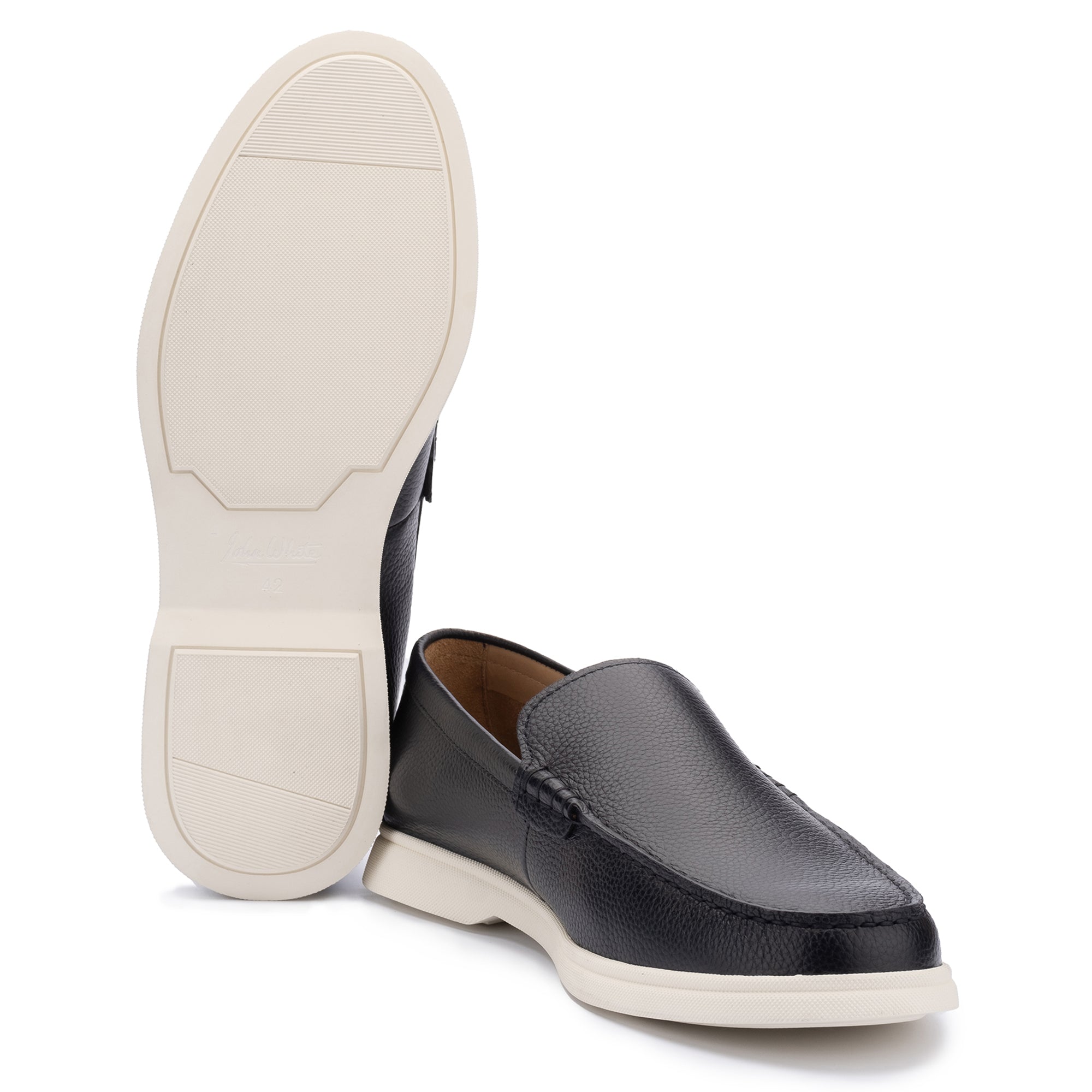
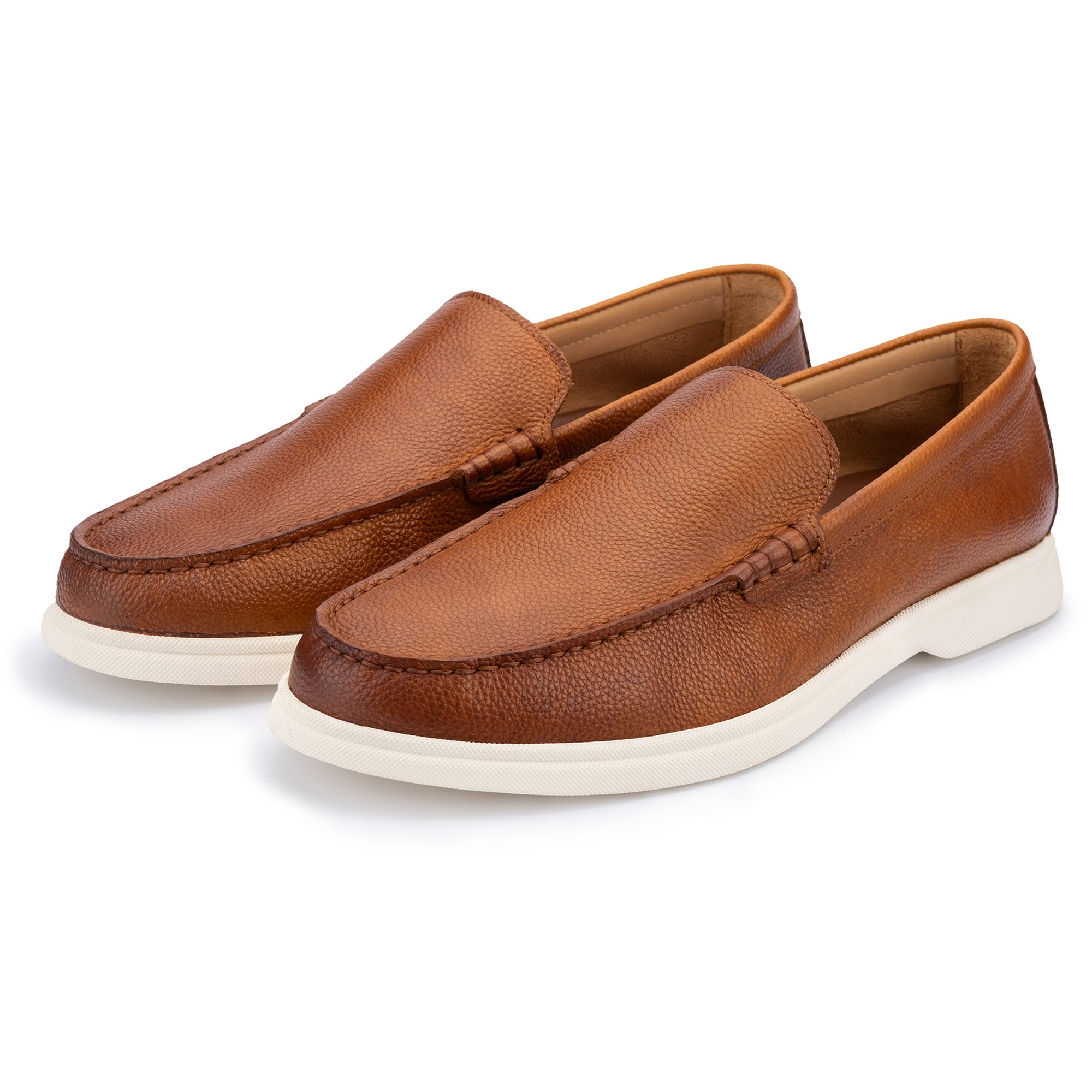
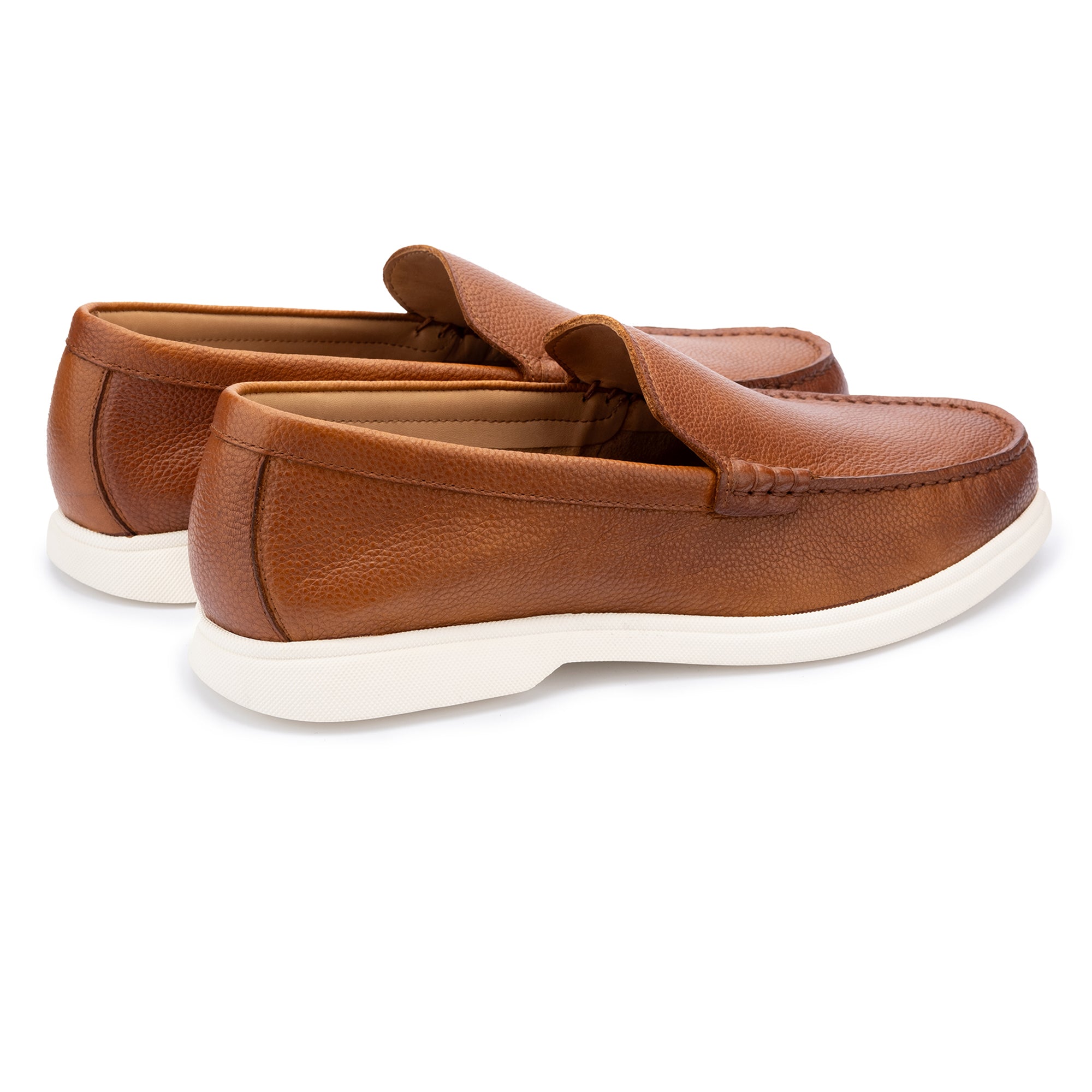
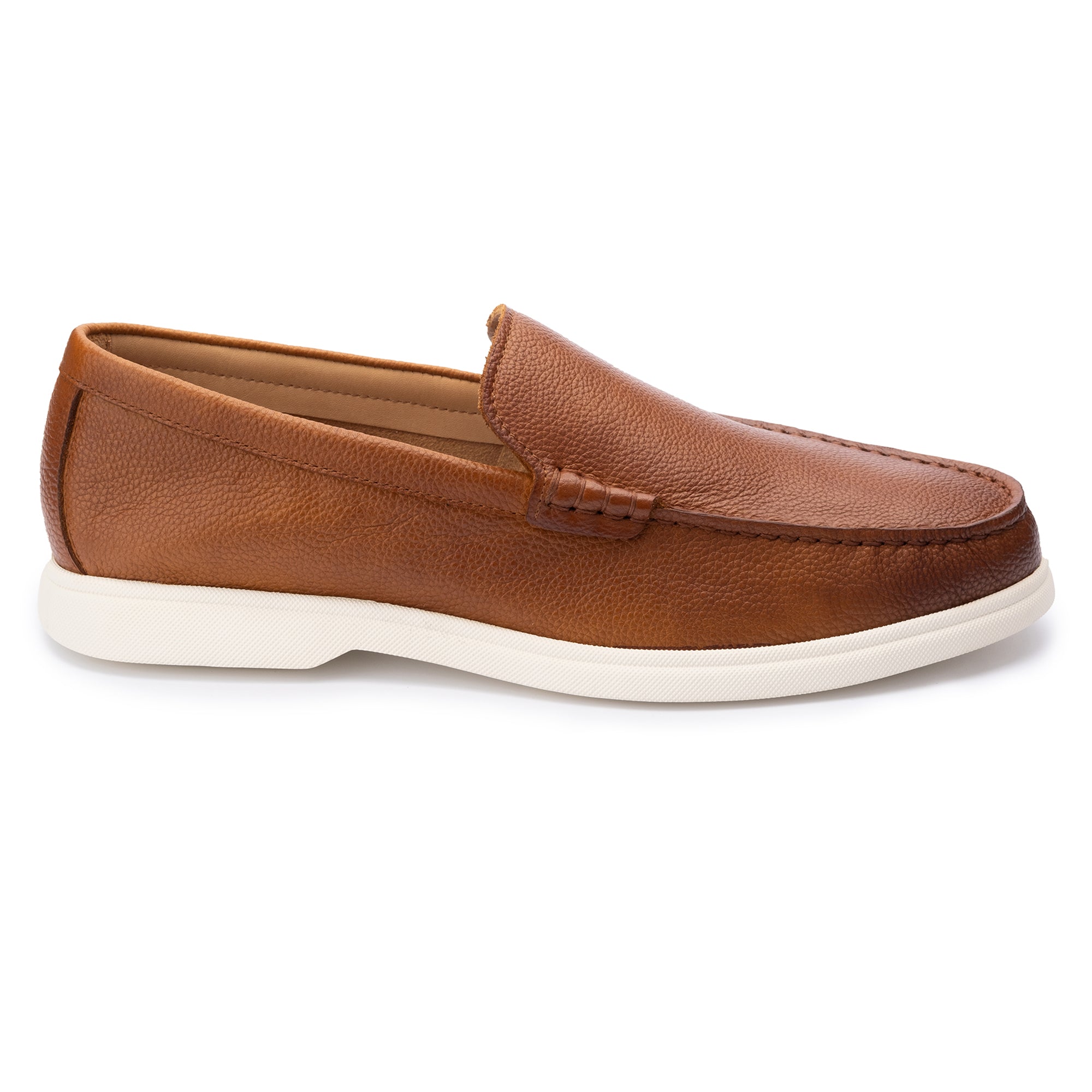
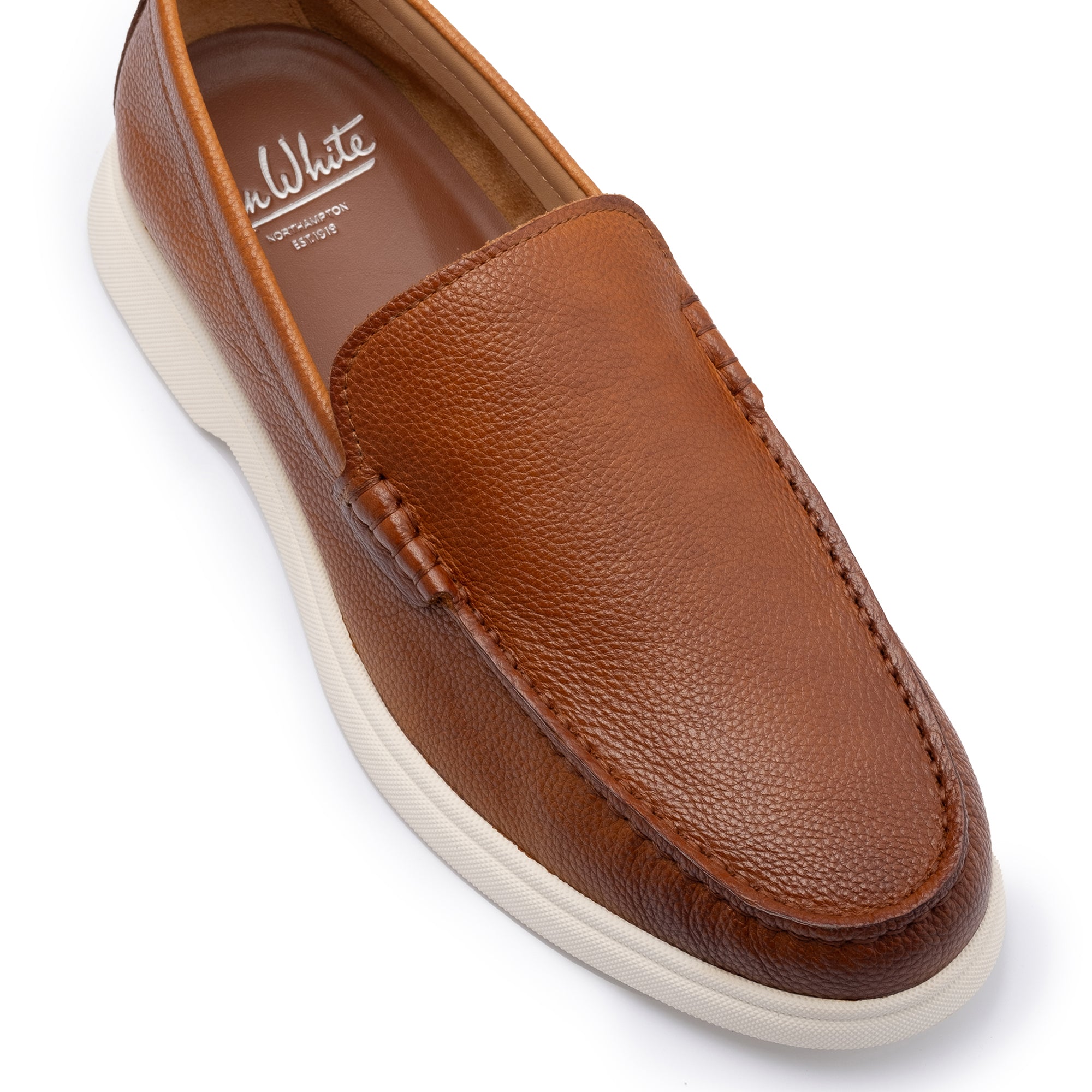
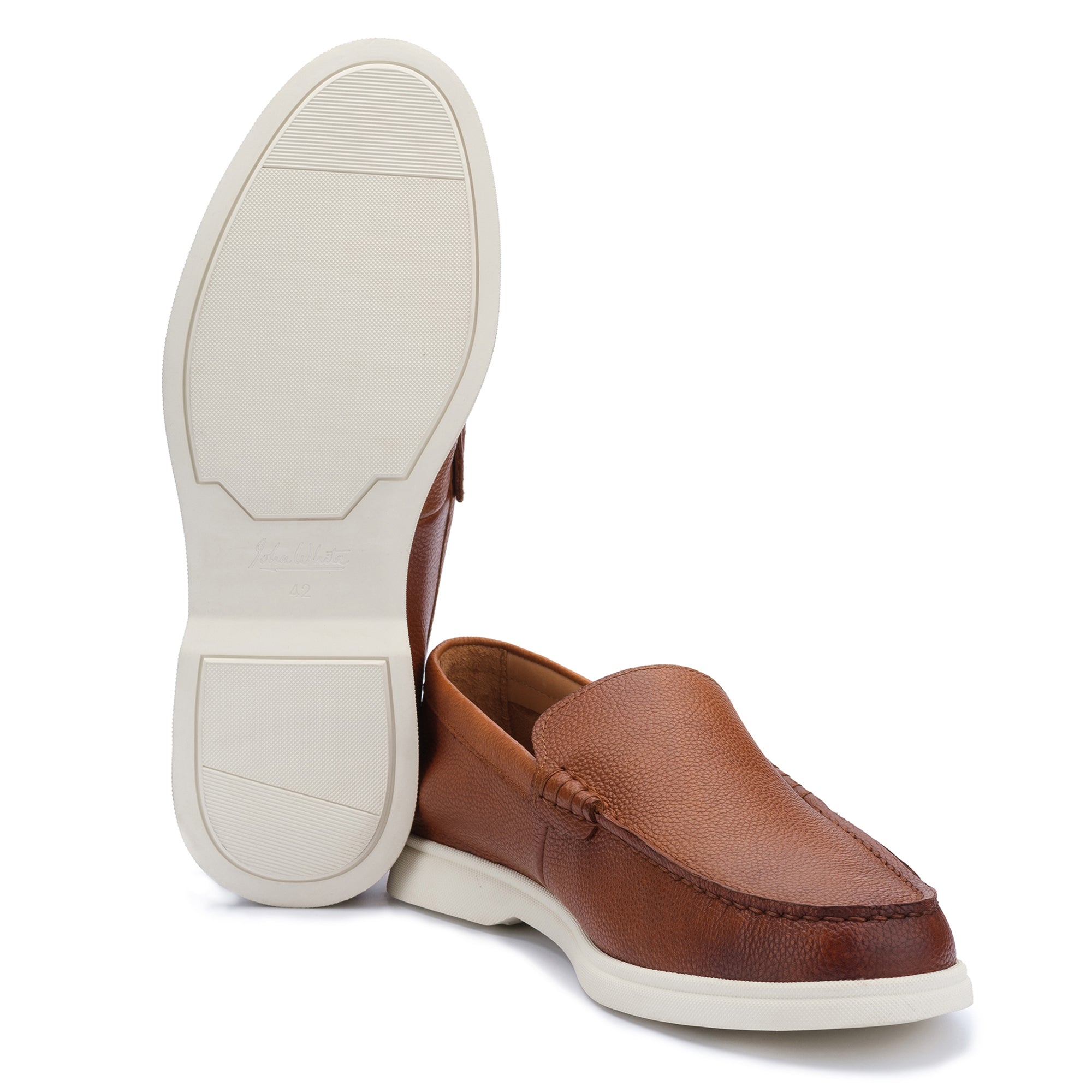
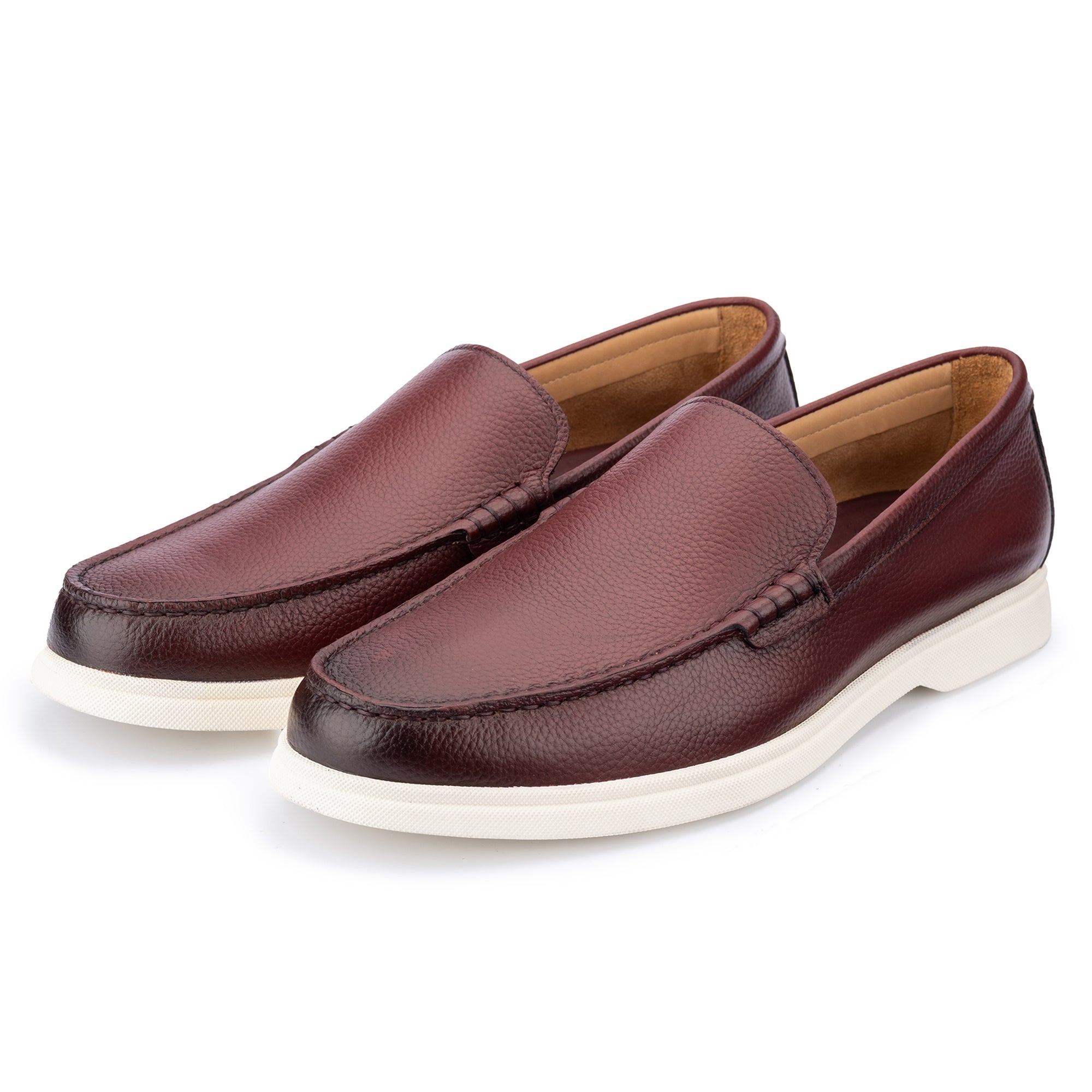
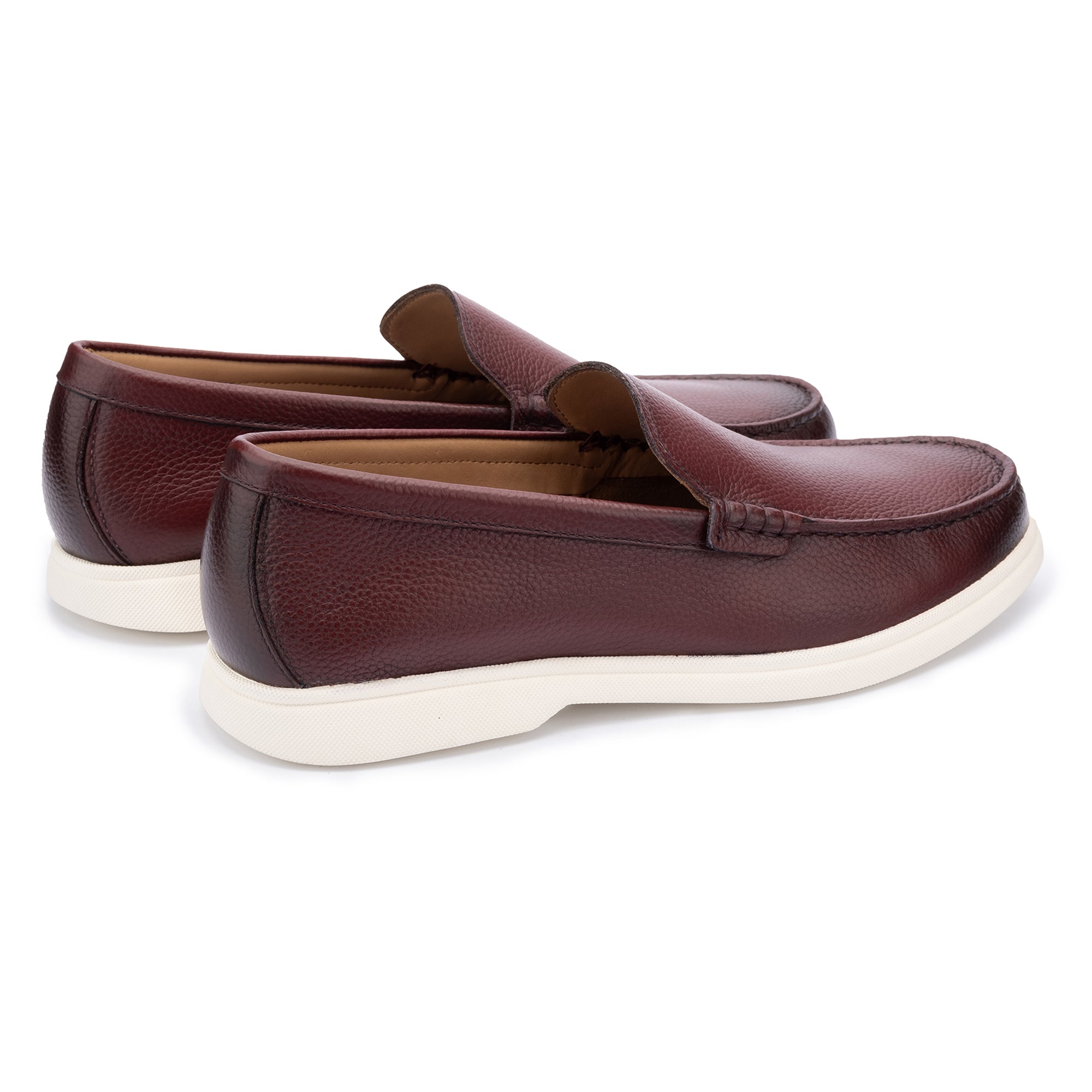
The Monkton Double Monk from John White Shoes comes in Black and Brown grain leather. Two polished buckles, a rounded toe with a modest square profile, and a leather-trimmed sole with a rubber running surface — a practical concession to British city pavements that doesn't compromise the look of the shoe from above. The grain leather gives just enough texture to hold its own against heavier cloths without looking casual. It is not a sleek patent finish, which is correct for its register.
The Formality Register: Where the Monk Strap Sits
The formality hierarchy of men's dress shoes runs roughly as follows: plain-toe Oxford at the top, then capped Oxford, then Derby and brogue Derby, then loafer, with casual footwear below. The monk strap sits beside the Derby — fractionally smarter or softer depending on the material and colour — but it carries a distinctly different character from either the Oxford or the Derby.
A plain-toe Oxford communicates correctness. It is the shoe the dress code expects. A monk strap communicates choice. That distinction matters in contexts where looking as though you thought about what you are wearing is actually desirable: client lunches, smart-casual weddings, evening events with a suit but no tie. For a clear account of how Oxford and Derby differ structurally and when each is appropriate, see our guide to Derby vs Oxford.
The monk strap is not appropriate for the most formal dress codes — black tie, morning dress, and formal church ceremonies where the code suppresses individual expression. For those occasions, a plain-toe Oxford in black remains the correct answer. But across the wide territory between formal office and smart evening out, the monk strap performs extremely well and often better than a Derby.
Wearing Monk Strap Shoes with a Suit
The monk strap's natural home is the suit, and it performs best against fabrics with some weight or texture: mid-weight wool, flannel, structured linen, tweed. Lightweight shiny fabrics — thin tropical weaves, blended polyester — tend not to provide enough substance to balance the hardware of a double buckle. The shoe deserves cloth that will hold its own.
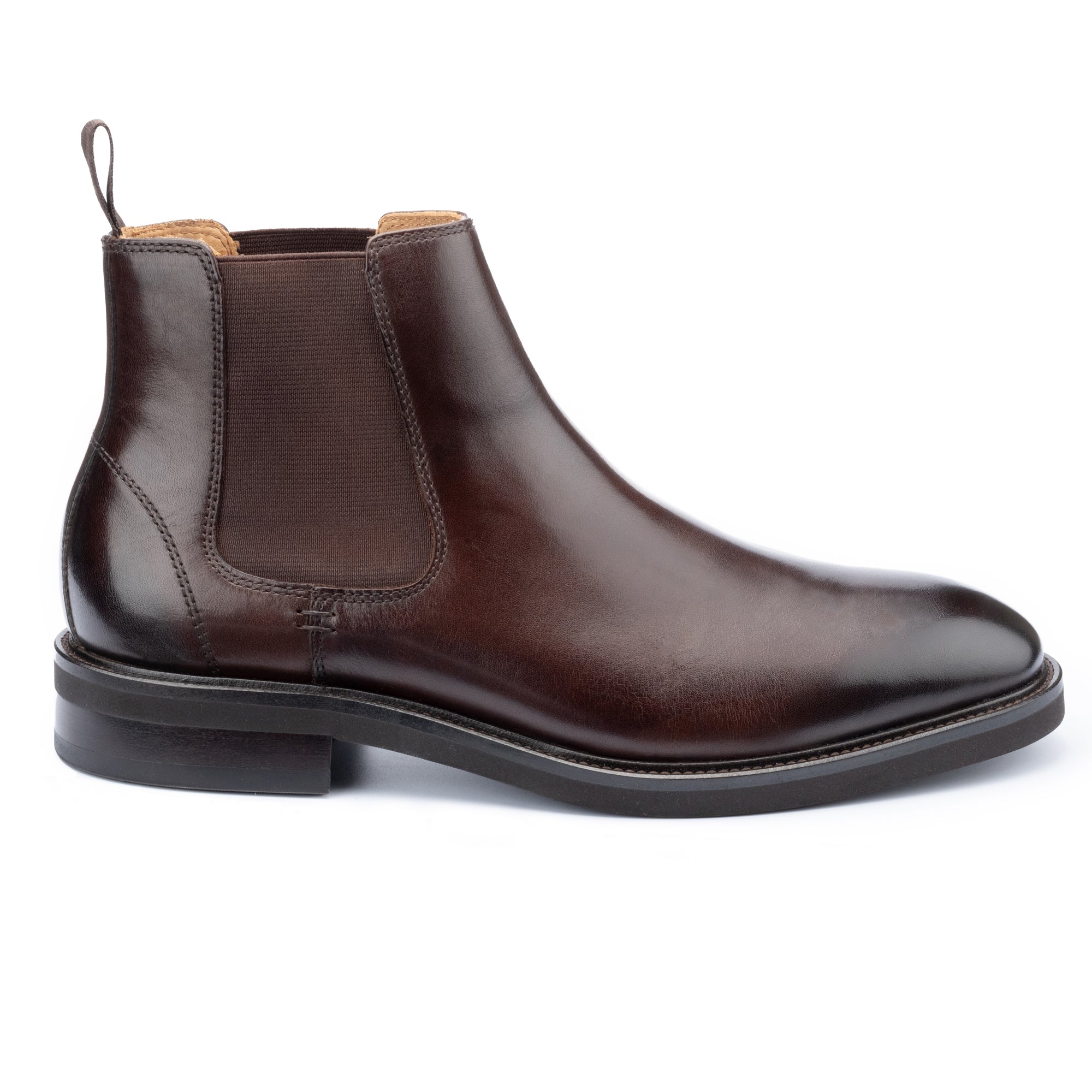
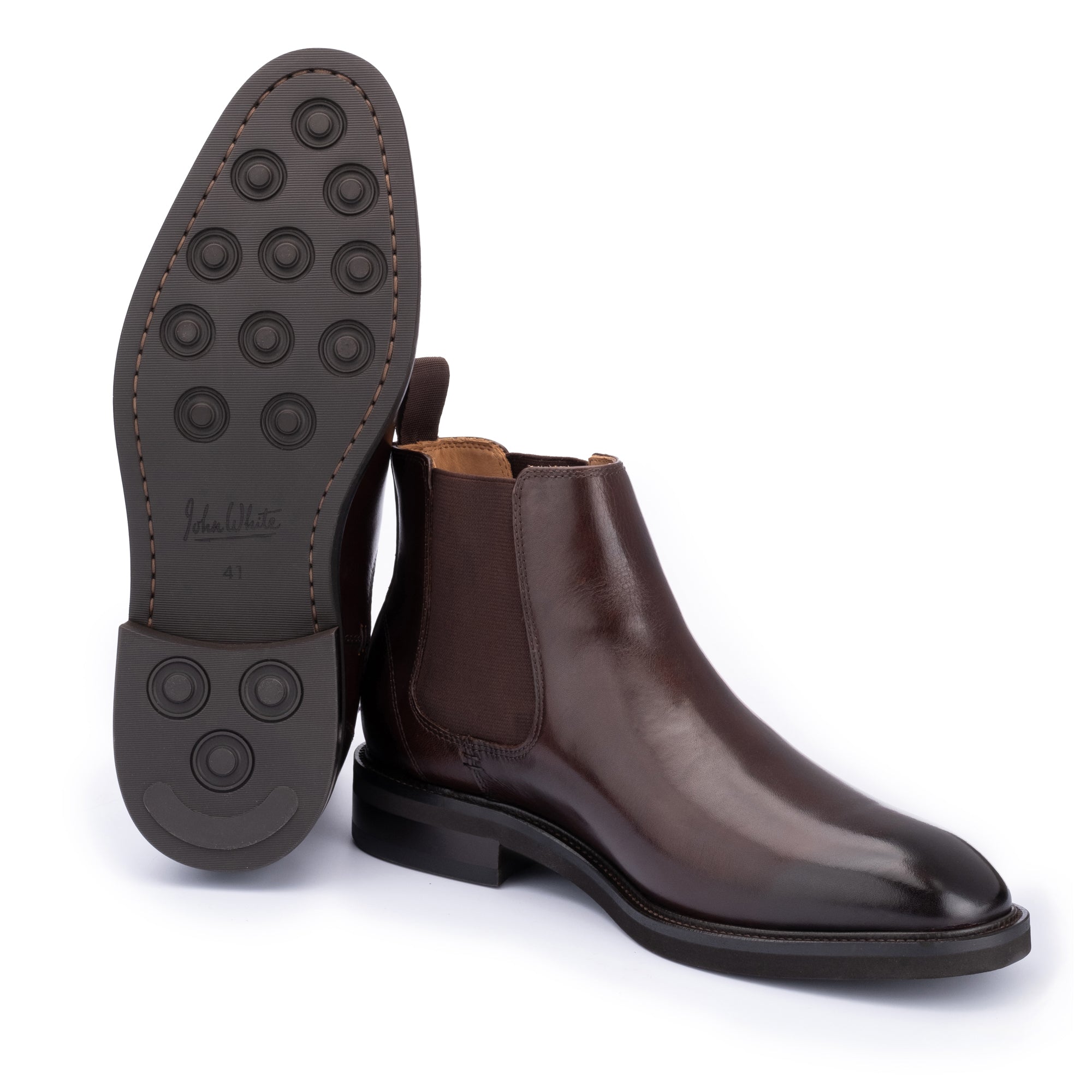
With a navy suit: The Brown Monkton is the correct call. Brown leather against navy cloth is one of the cleaner combinations in men's tailoring — it reads as knowing rather than safe, stylish rather than merely correct. The grain texture of the Monkton holds its own against a wool suit without looking heavy.
With a grey suit: Both colourways work, but for different occasions. The Black Monkton against charcoal grey is precise and formal; the buckles add detail without distracting from the cloth. The Brown Monkton against mid-grey reads slightly warmer and is well suited to smart social occasions — a business lunch, a theatre evening, a meeting where the conversation is as much social as professional.
With a brown or tan suit: Brown Monkton only. Tonal dressing — brown shoe with brown or camel suit — works well when the tones differ enough (the shoe darker than the cloth). The double buckle adds structure to what can otherwise be a soft, undifferentiated palette.
With a black suit: Restrict yourself to the Black Monkton. Brown leather against black cloth tends to look unresolved rather than creative — it reads as a lapse in judgement rather than a considered choice.
The Monk Strap in Smart-Casual Dressing
The monk strap's second virtue is how well it bridges tailored and relaxed dressing, provided the rest of the outfit is doing the necessary work. The guiding principle: the monk strap needs tailored volume somewhere in the outfit to justify its formality. Without that context, the hardware looks stranded.
With chinos or cavalry twill trousers: An excellent combination. Slim or straight-leg tailored trousers in stone, oatmeal, tobacco brown, or olive sit well against the Brown Monkton. The trouser and shoe together make a smarter picture than either does alone — the monk strap elevates chinos above their casual baseline while avoiding the stiffness of a formal Oxford. For a complete guide to shoe choices across different chino colours, see our chinos shoe guide.
With dark jeans and a blazer: The monk strap handles smart-casual denim better than most dress shoes because the buckle hardware signals formality without demanding a formal trouser. The conditions are clear: the jeans must be slim and dark — raw indigo or deep navy — and there must be a jacket in the outfit. The Brown Monkton in this context works considerably better than the Black, which can look too stiff against denim. For the full approach to smart-casual denim dressing, see our guide to shoes with dark jeans.
With flannel trousers and an odd jacket: Flannel trousers and a monk strap shoe is a classic British combination with roots in pre-war tailoring. The double monk strap was a 1930s Continental fashion that reached British wardrobes via Austria and Italy, and its most comfortable British expression was always informal tailoring rather than business suiting. Heavy flannel in charcoal or mid-grey, a tweed or hopsack jacket, and a Brown Monkton is a combination that looks effortlessly right without appearing to try. It is one of the few contexts in which you can wear a double monk with genuine authority and no suit at all.
Brown or Black: Making the Colour Decision
Most men reflexively reach for black and, in the context of the monk strap, most men are wrong — unless their working life genuinely demands it. Brown leather is the more versatile choice for the monk strap's primary register.
The monk strap already draws attention by design. The buckle hardware creates visual interest on the foot. In brown, that interest reads as confident and considered. In black, it can read as over-engineered when the rest of the outfit is anything other than very formal. If you already own black Oxfords for formal occasions, the Brown Monkton extends your range into territory those Oxfords do not cover: smart-casual suits, chinos and blazer, smart jeans dressing, the softer end of the business wardrobe. It does not duplicate what you have. It opens up the ground between your dress shoes and your casual footwear.
The Black Monkton has its own clear territory: professional environments where suits are the norm, formal occasions where the dress code specifies dark, and autumn and winter dressing where rich, darker palettes are appropriate. It is an excellent shoe; it simply has a narrower range of application than the Brown.
If you are buying one pair: buy Brown.
What to Avoid
The monk strap is not a universal solution, and understanding its limits is as useful as knowing its strengths.
Very casual outfits: The monk strap does not belong with jeans-and-T-shirt dressing, weekend casualwear, or anything with sportswear influence. The buckle hardware reads as stranded without tailored context nearby. A loafer or a clean trainer handles those occasions considerably better.
High-register formal dress codes: Morning dress, black tie, and formal church ceremonies are occasions where the dress code exists to suppress individual expression. A monk strap — deliberate, distinctive, chosen — is out of register at those events. A plain-toe Oxford in black is what those occasions ask for, and it will serve the purpose better.
Very wide-leg trousers: The monk strap's clean profile — no shoelace bulk, just a precise leather strap — is best framed by a narrow or tapered trouser leg. Wide, pleated trousers swamp the shoe and waste the defining detail. If the current cut of your trousers is wide, the monk strap will be lost in the hem.
The Case for Adding a Monk Strap to Your Wardrobe
The argument comes down to a single observation: the monk strap does something an Oxford and a Derby do not, which is make a well-cut suit look as though it was assembled rather than simply worn. Any competent dresser can pull on a black Oxford with a dark suit and look correct. The monk strap asks for slightly more thought — which suit, which colour, which occasion — and rewards that thought with a result that reads as genuinely deliberate rather than merely adequate.
For anyone who regularly wears a suit and has already built a foundation with a plain-toe or capped Oxford, the double monk strap is the natural next investment. It does not duplicate what you already own. It earns its place in the wardrobe by doing something your other shoes cannot.
The Monkton Double Monk is available in Black and Brown. Browse the full range in the John White Shoes monk collection.