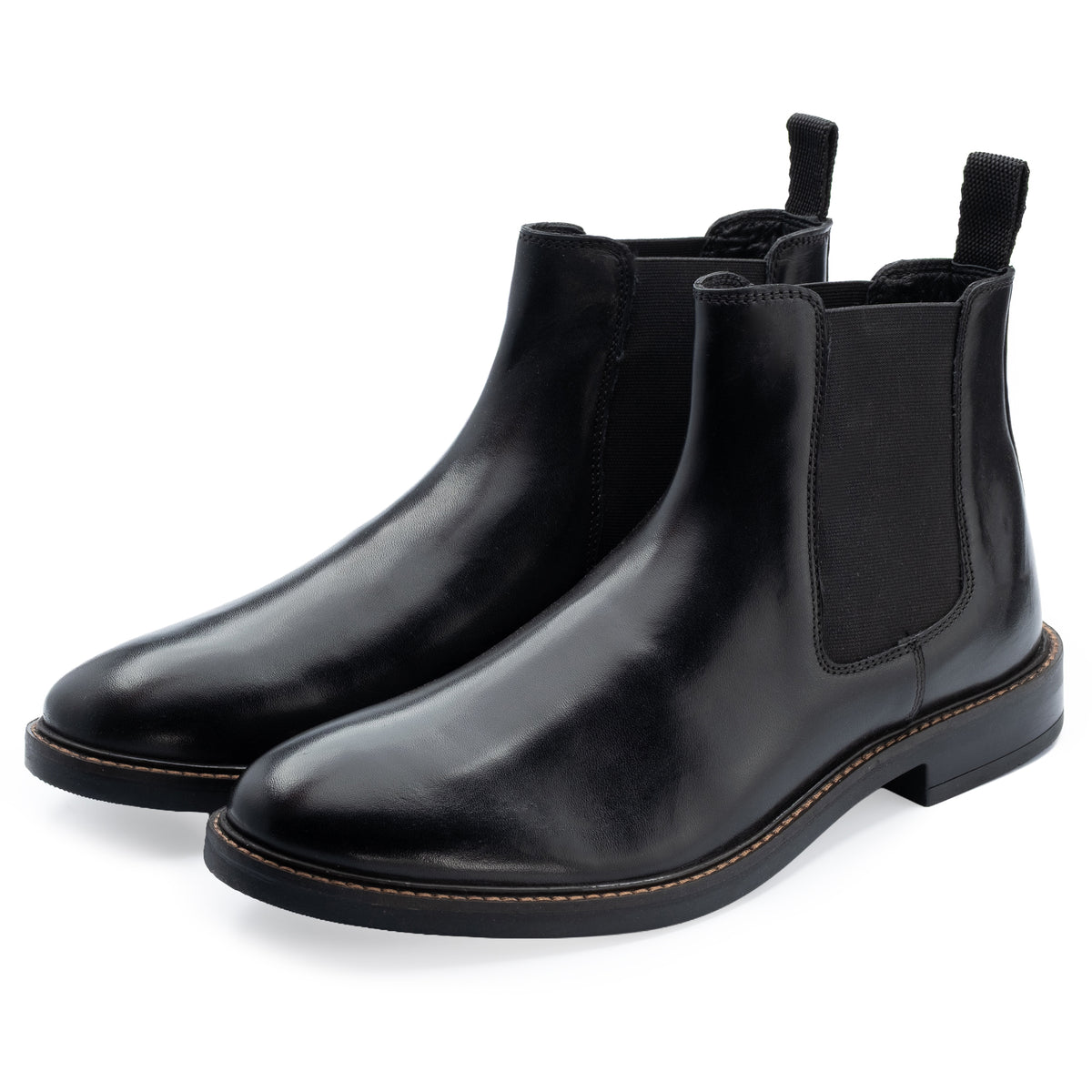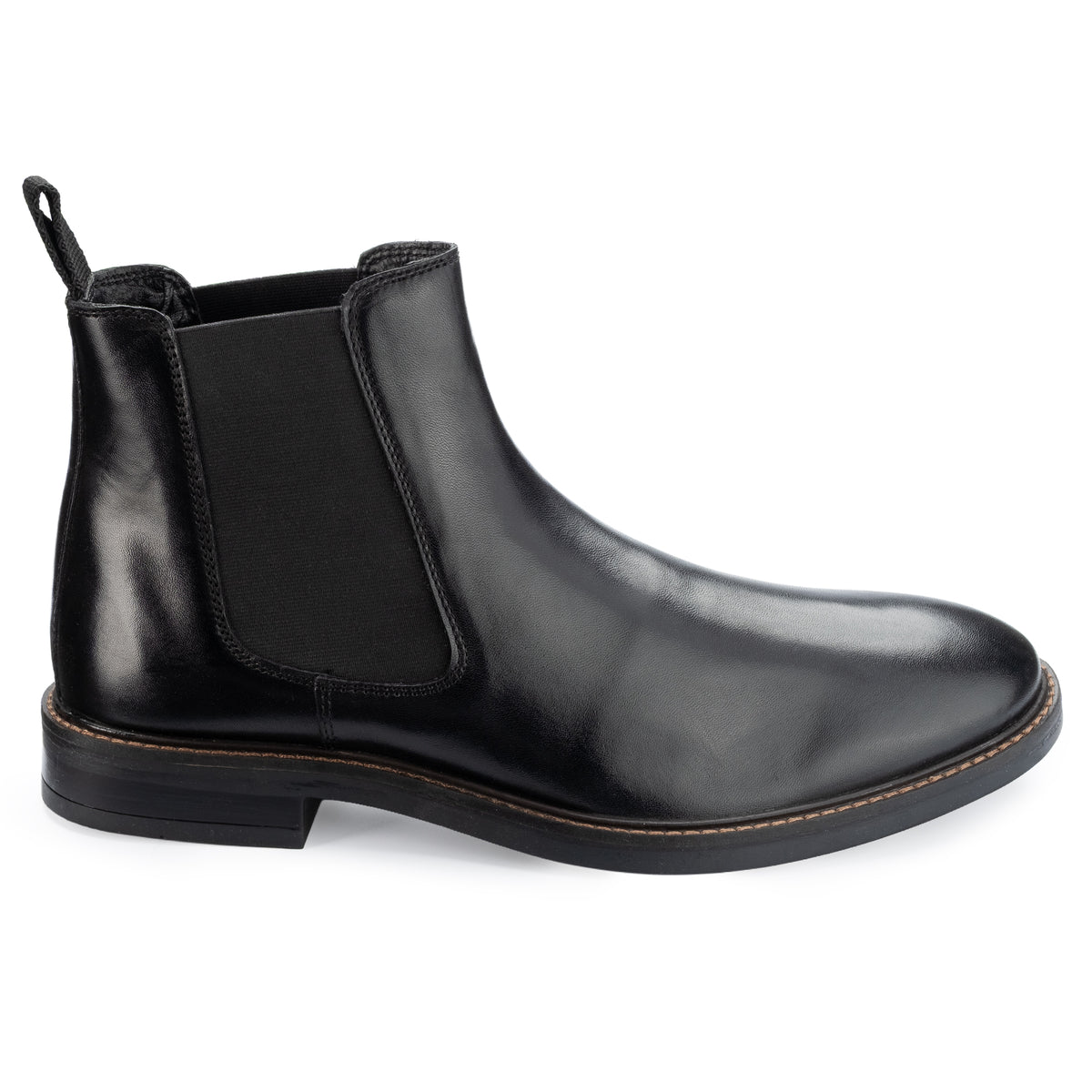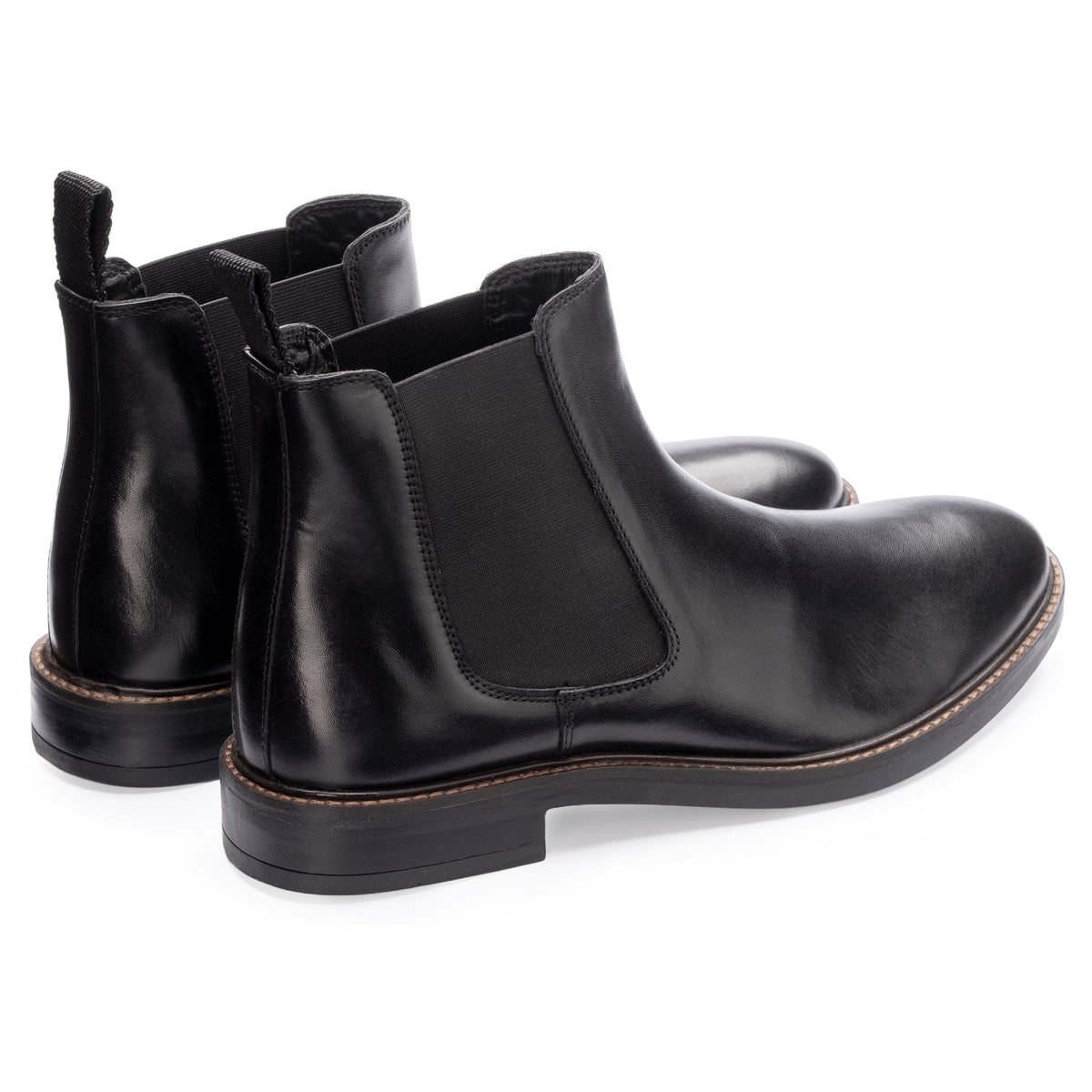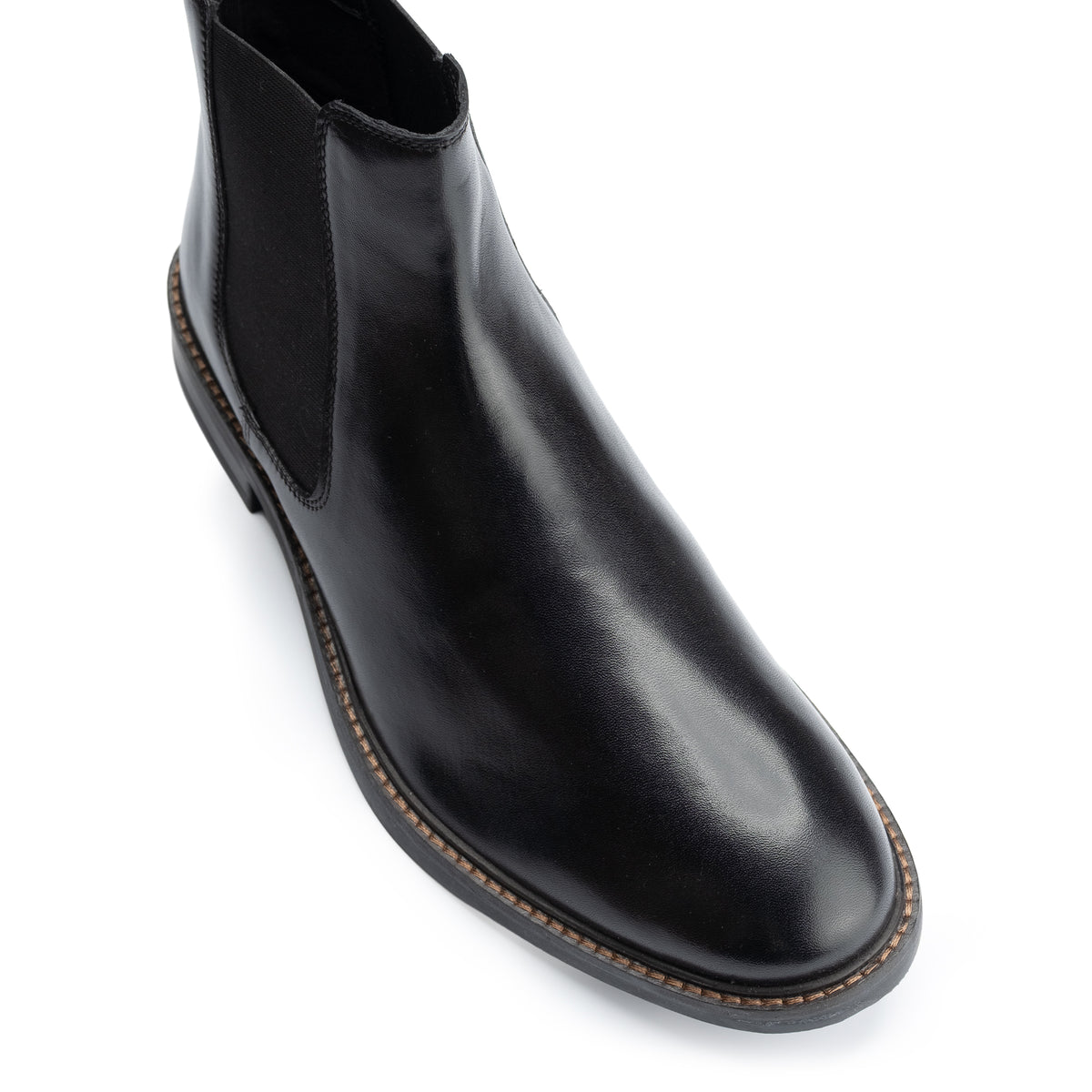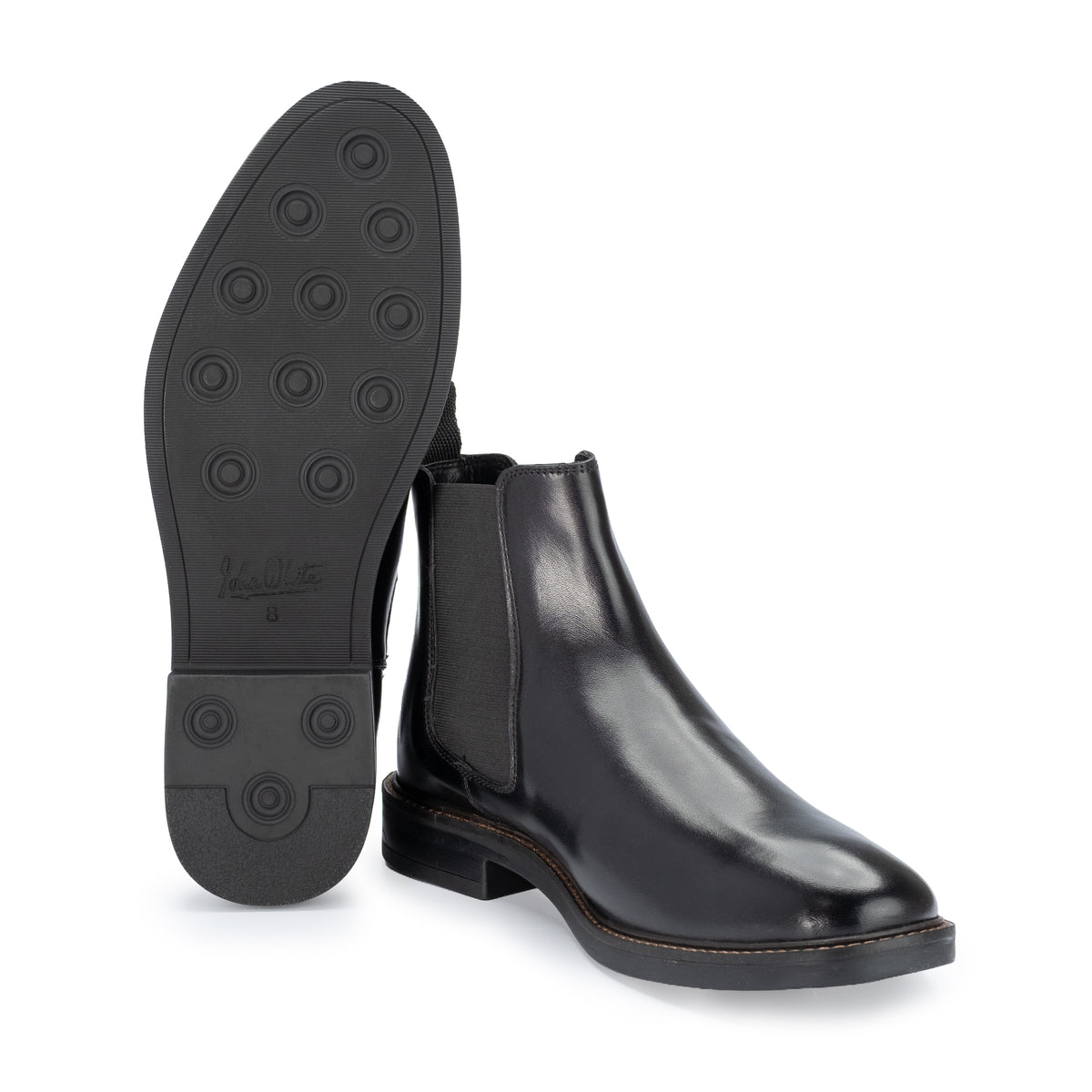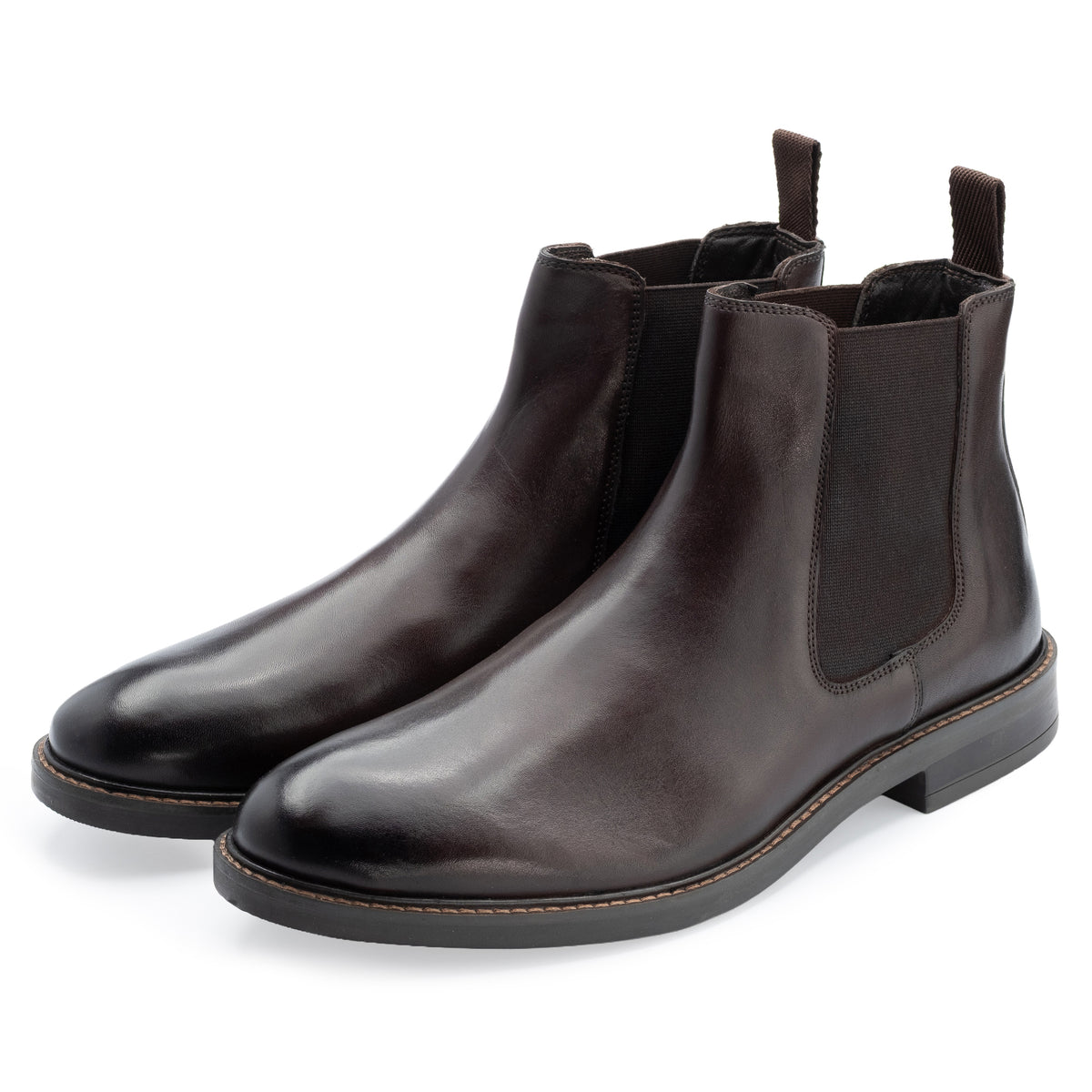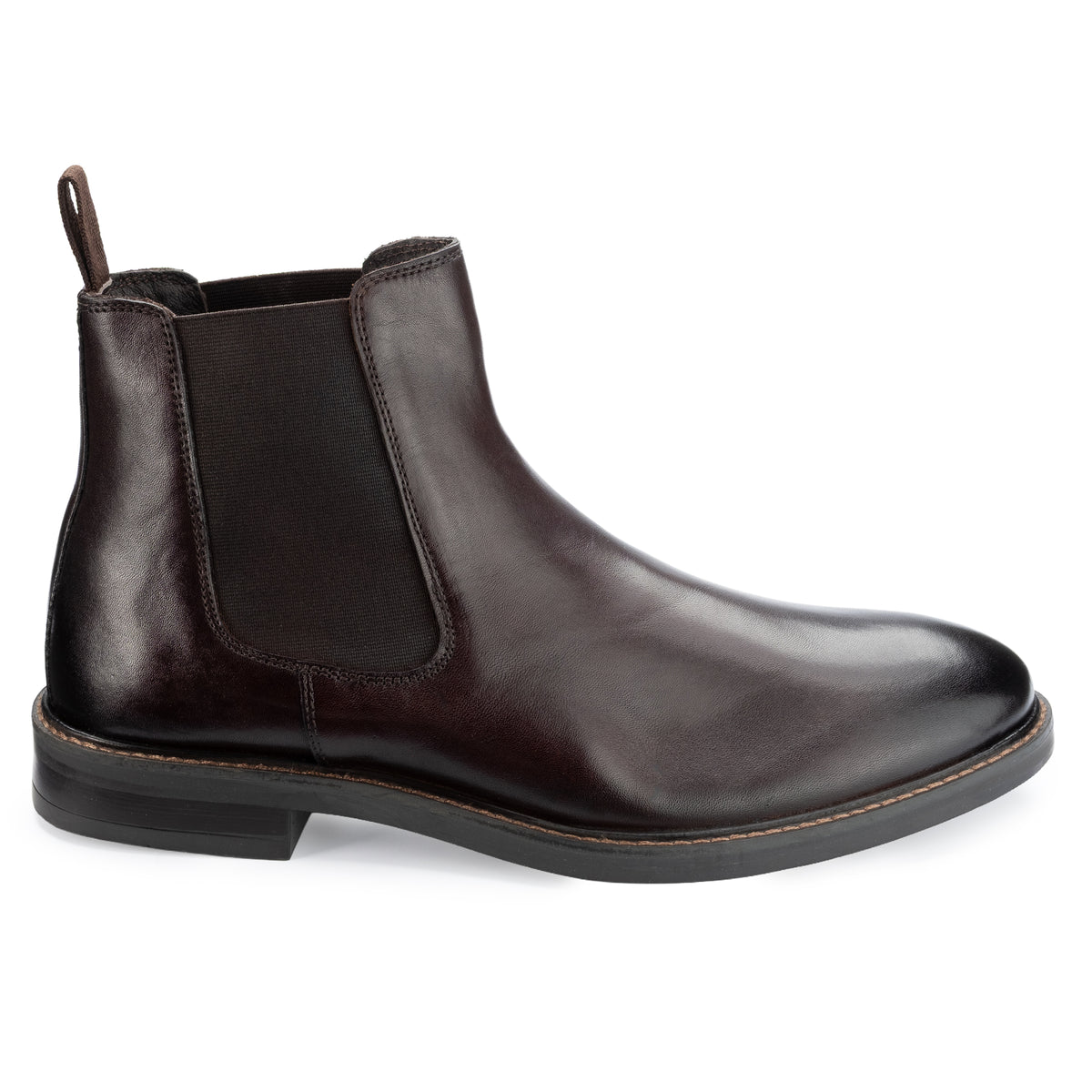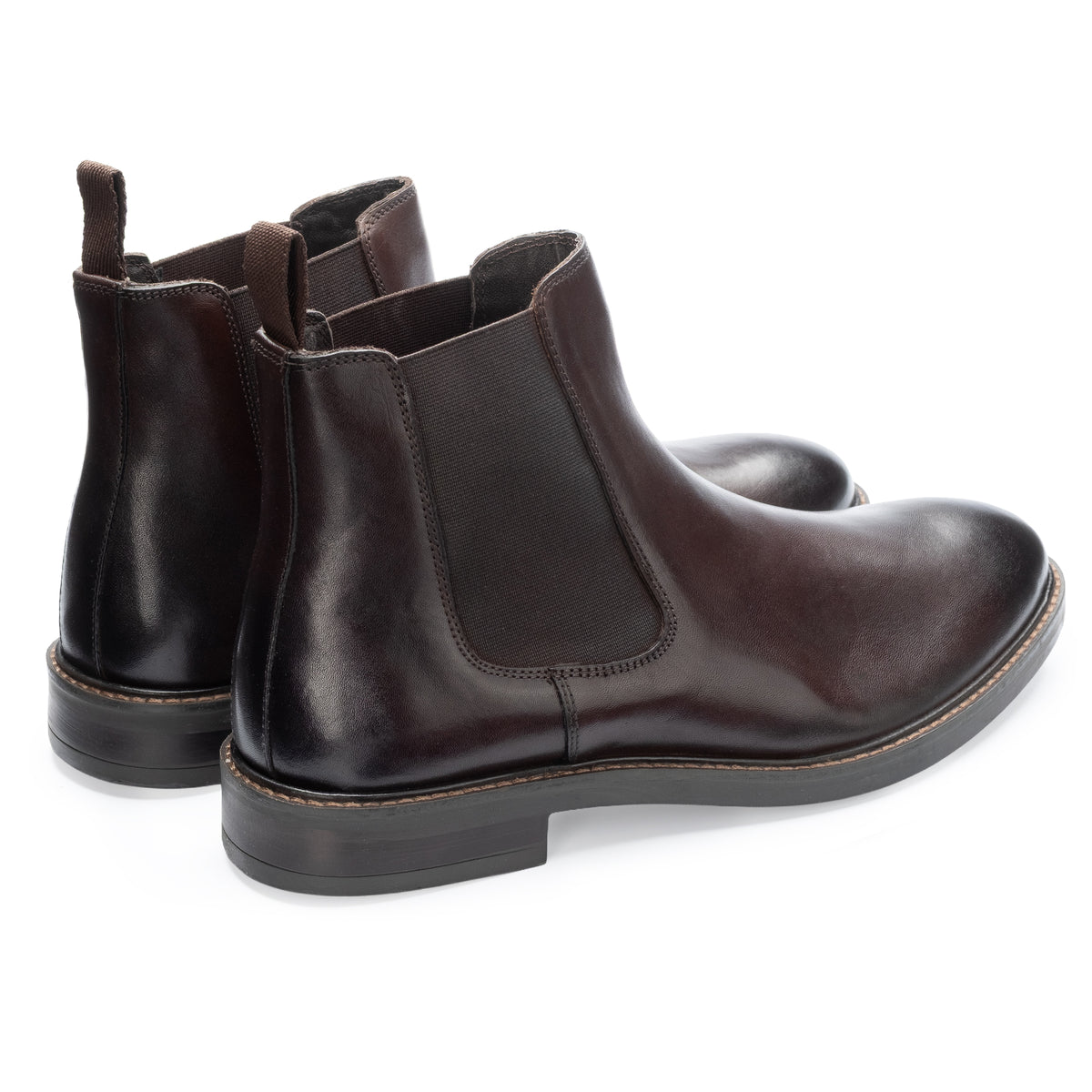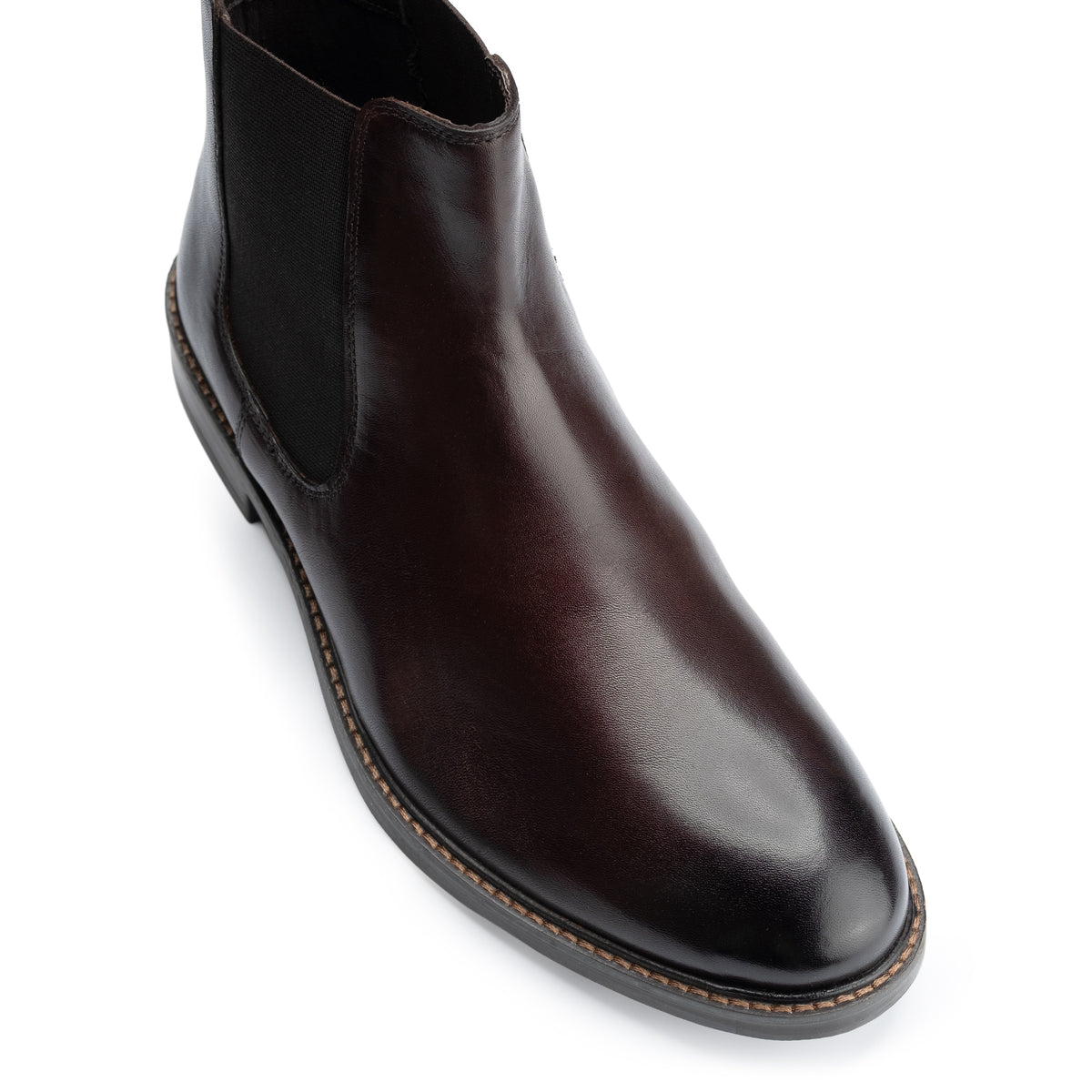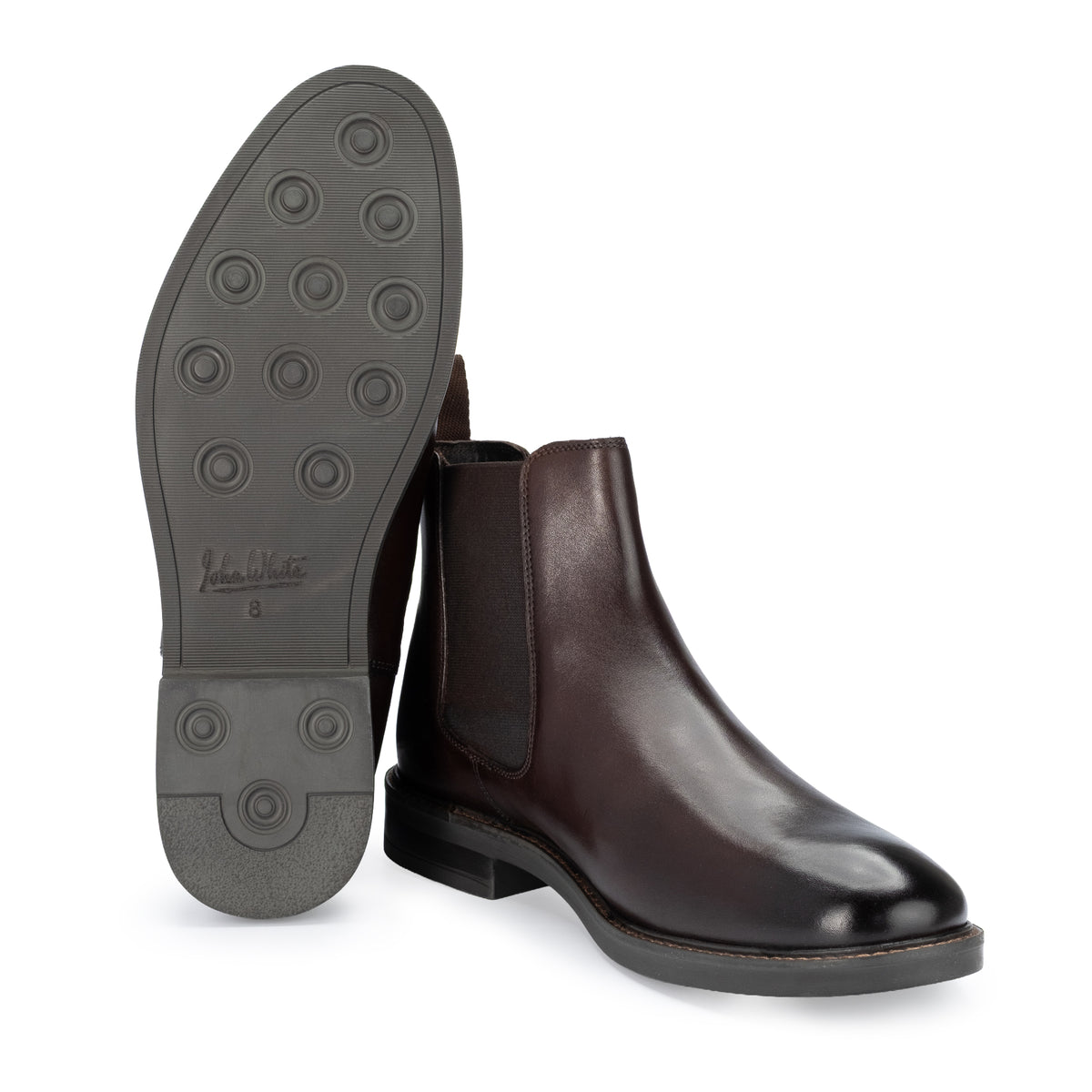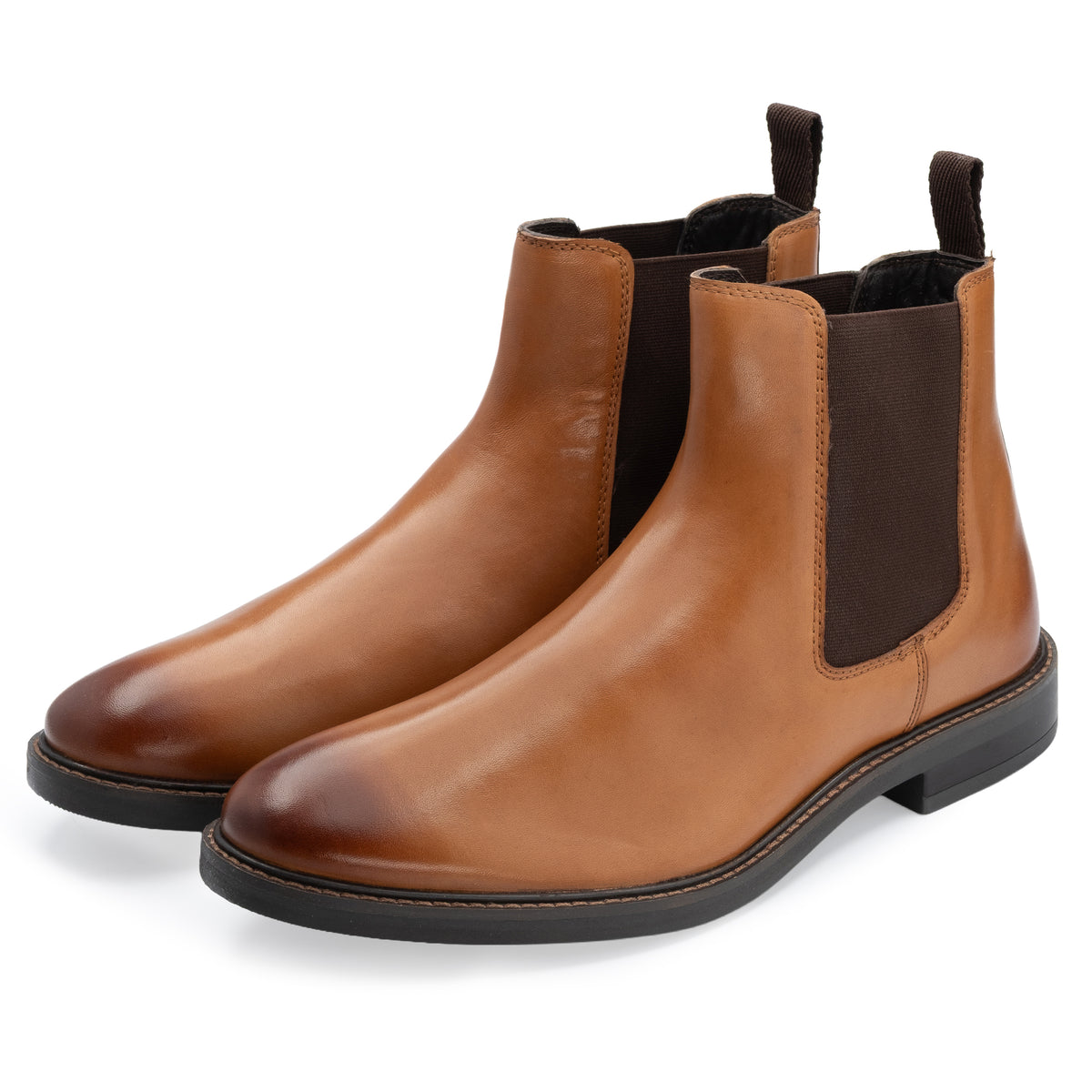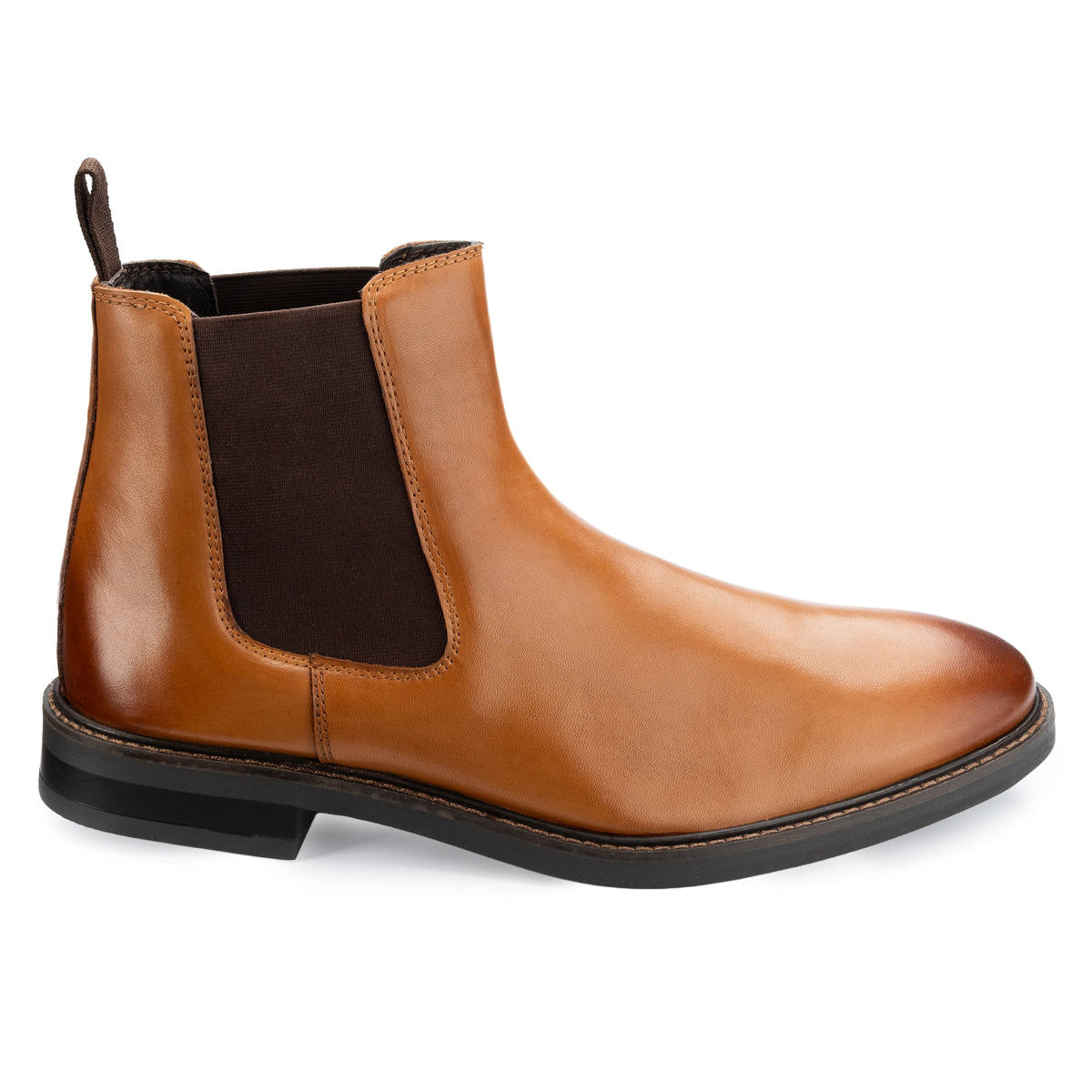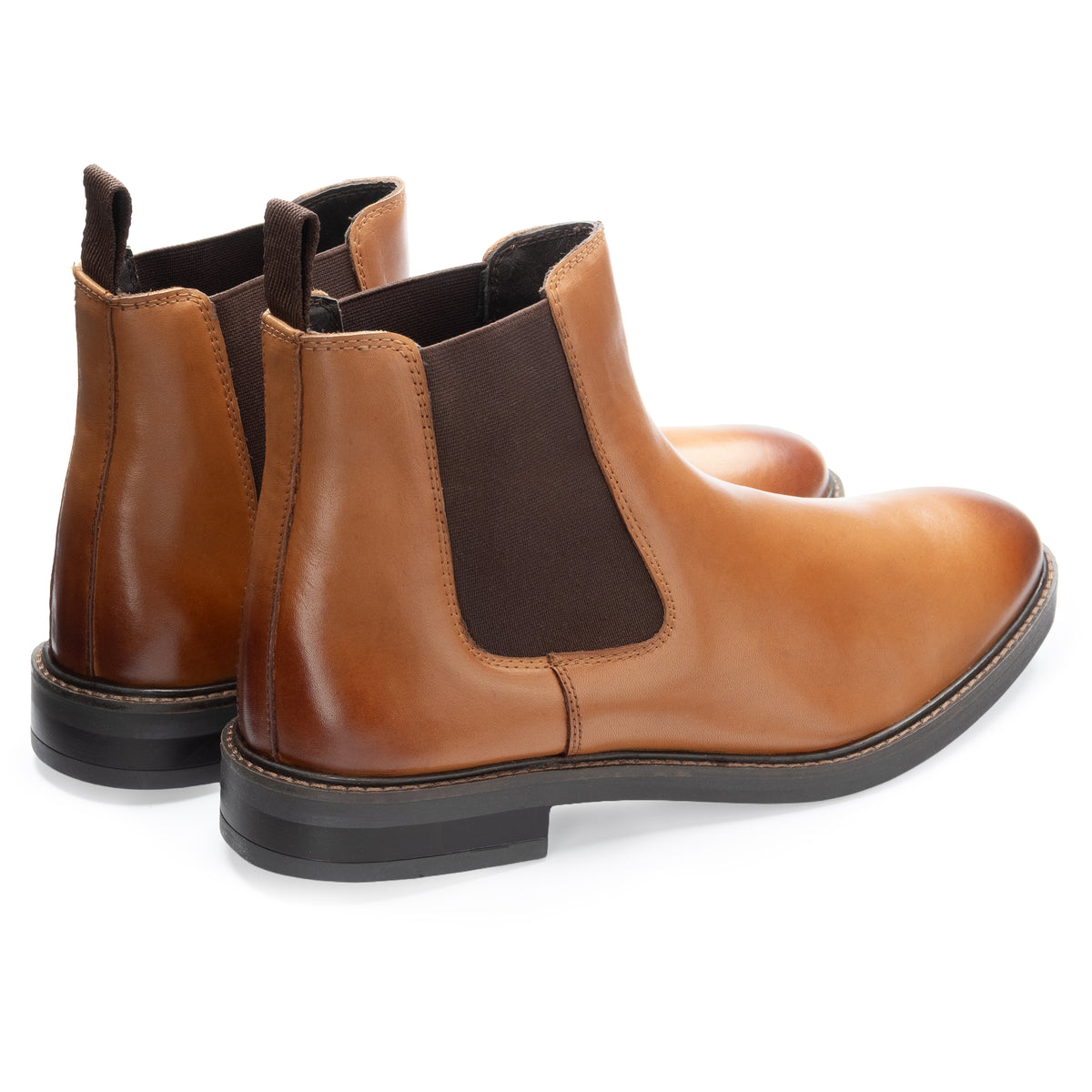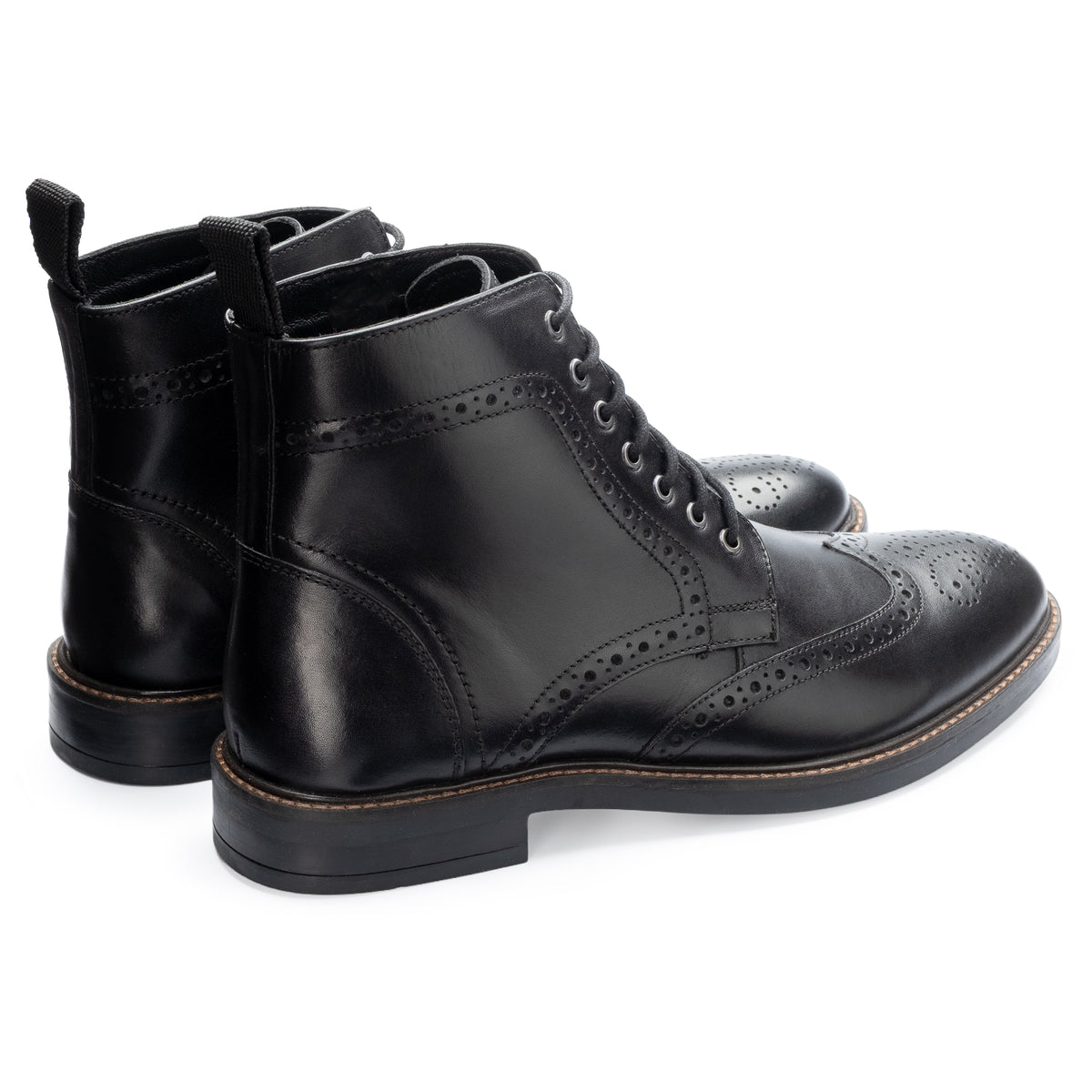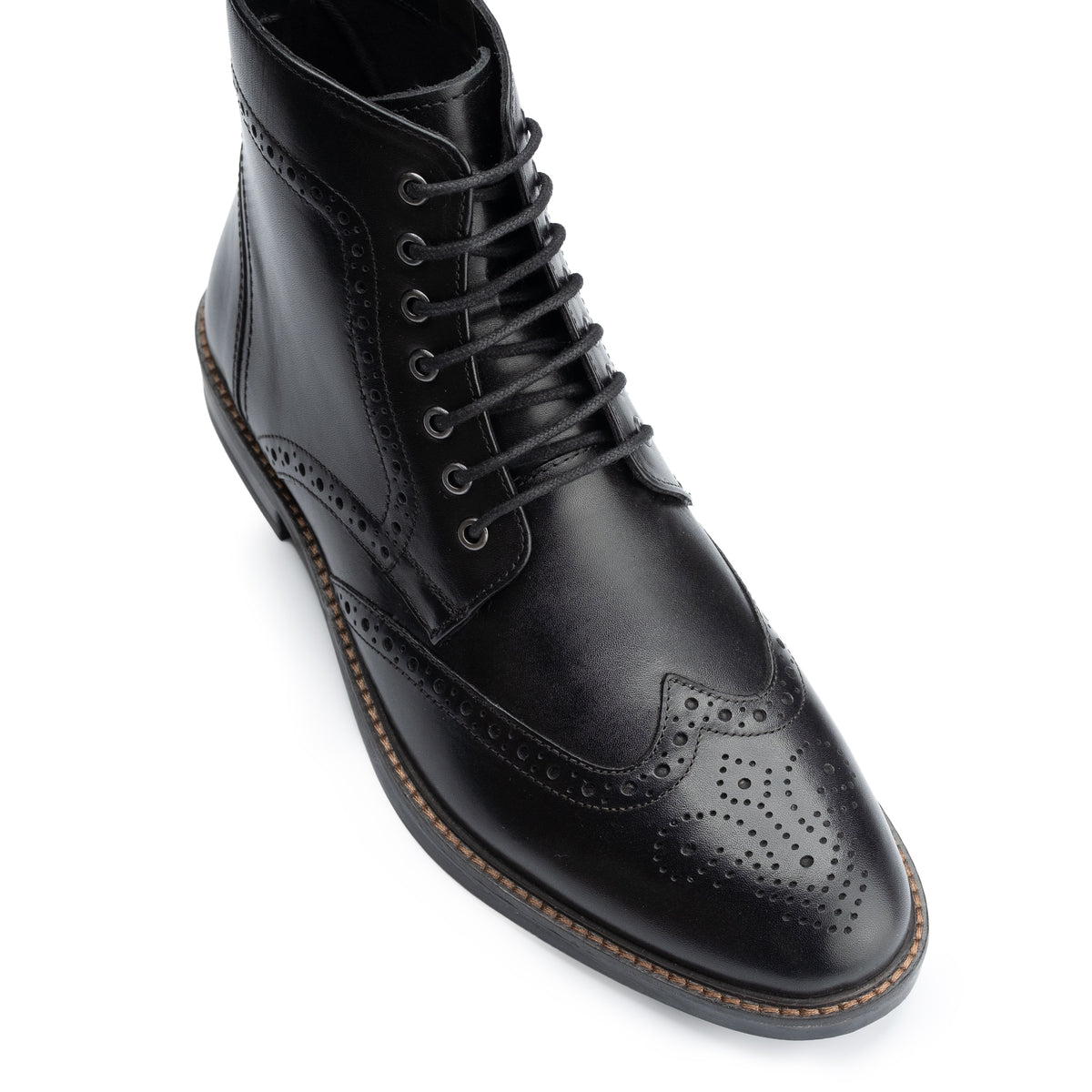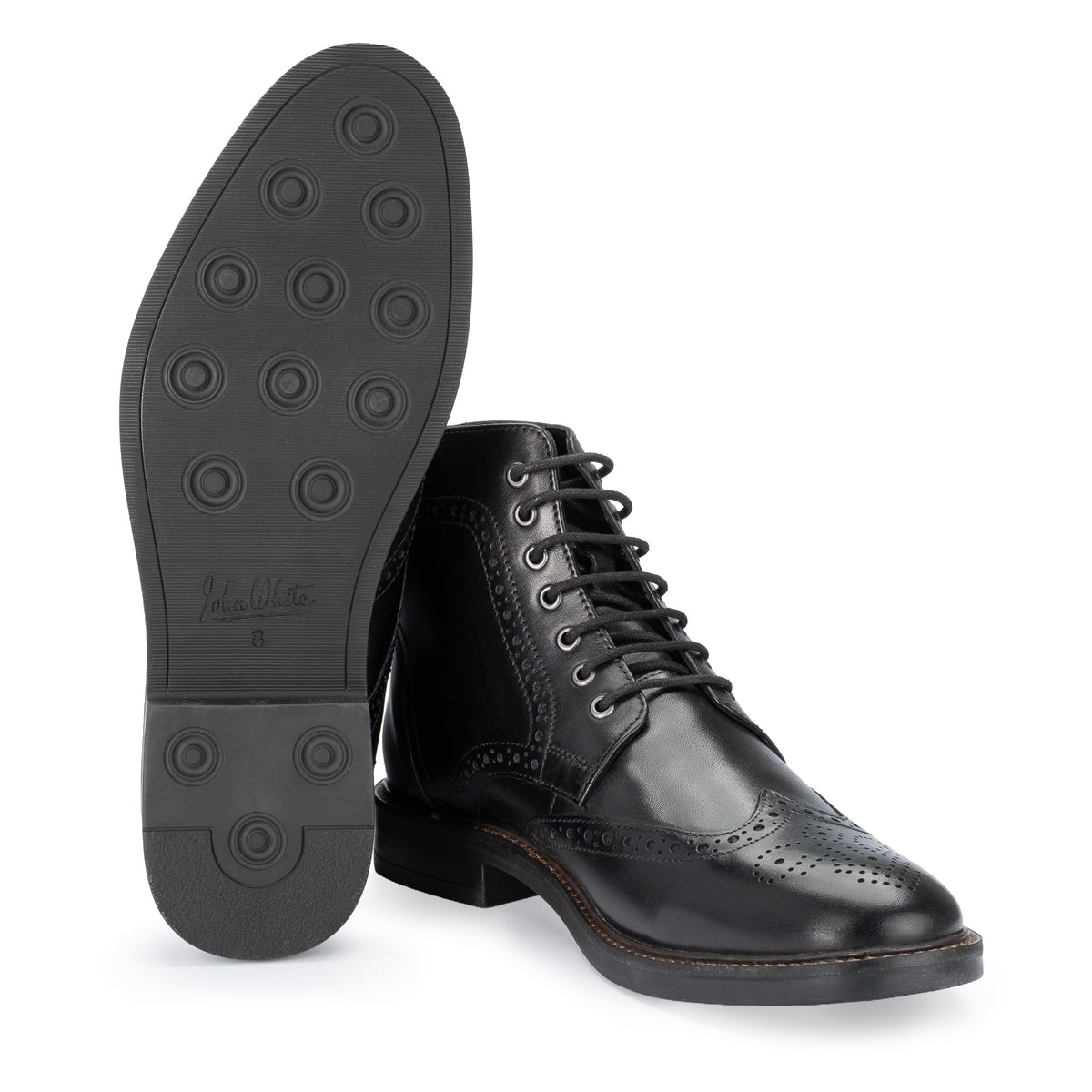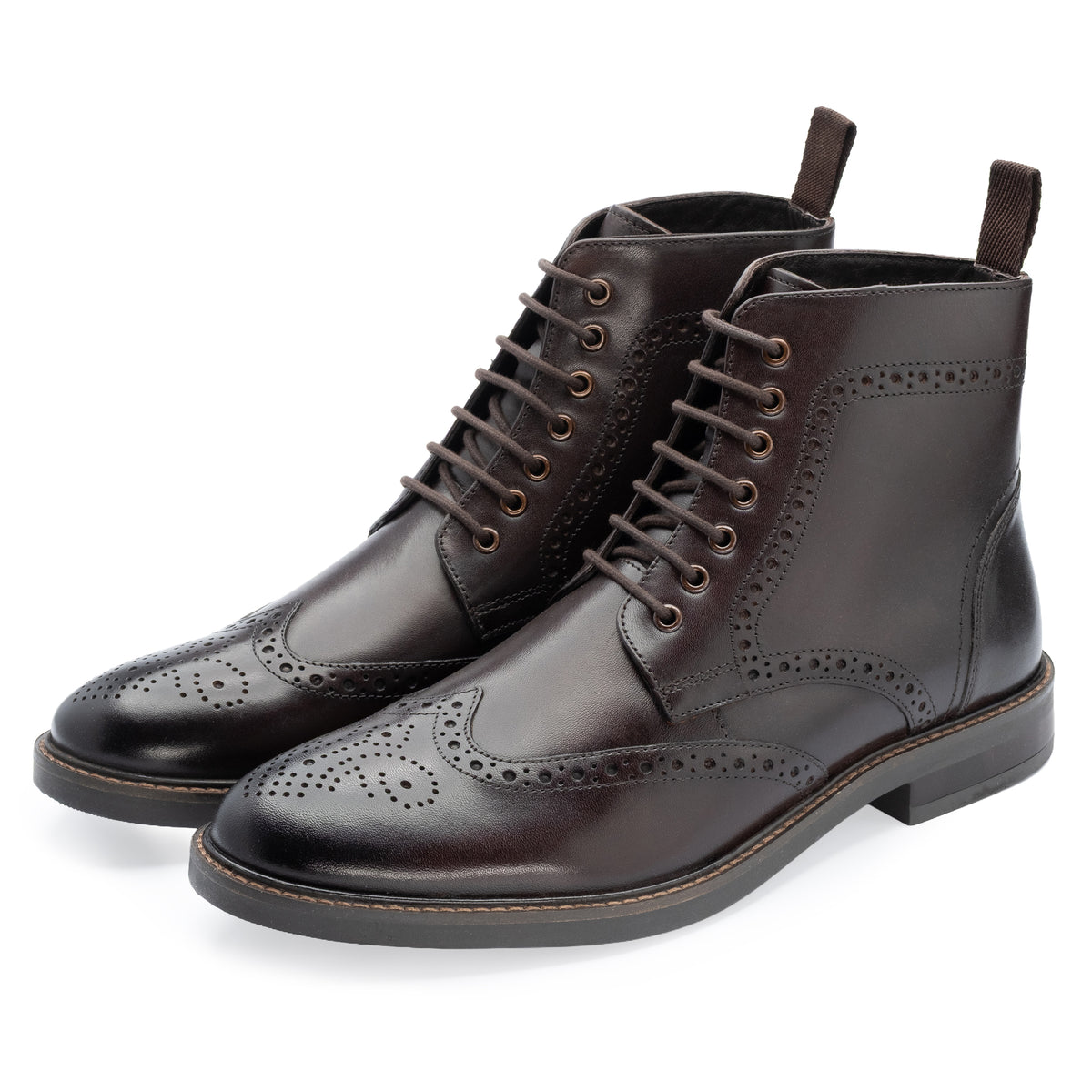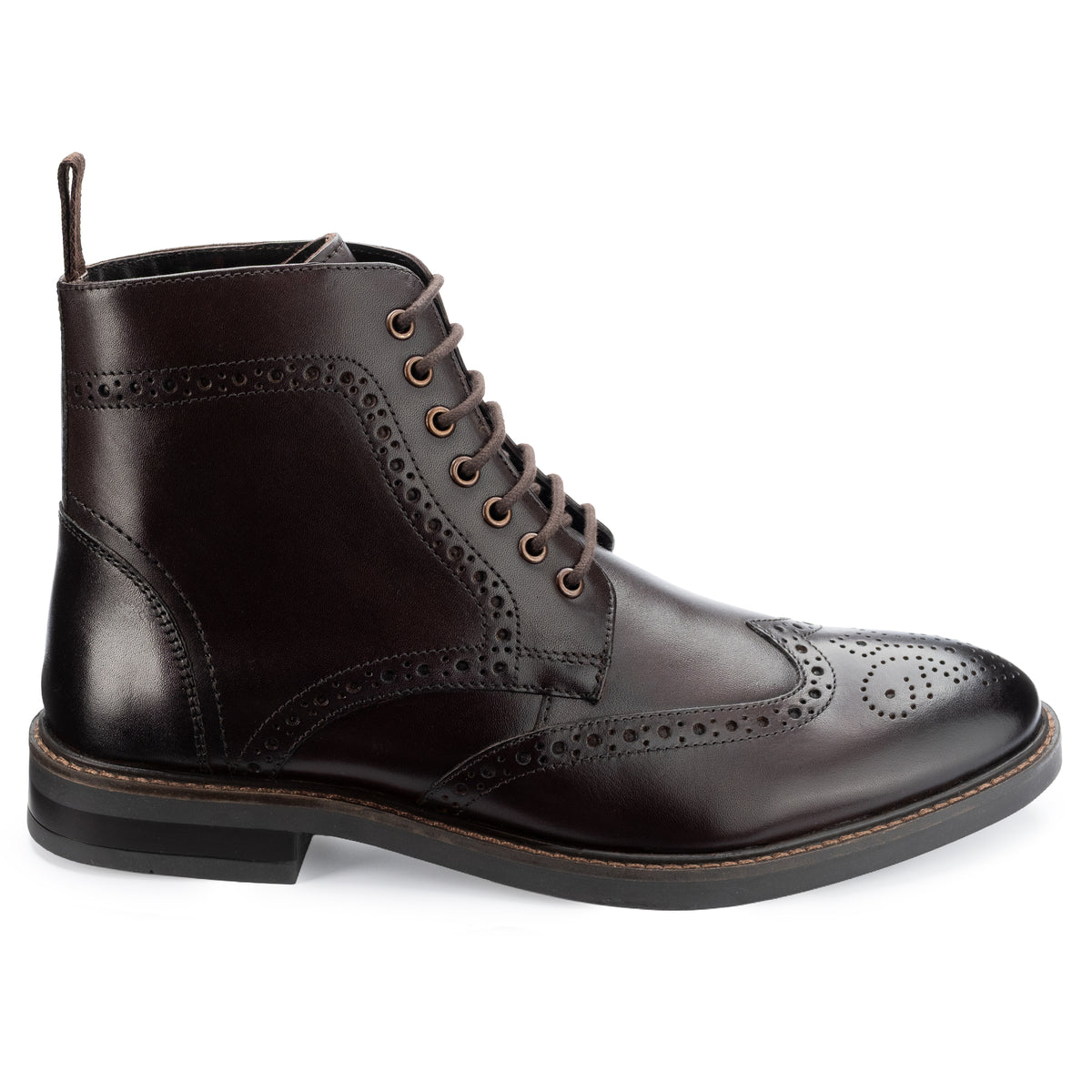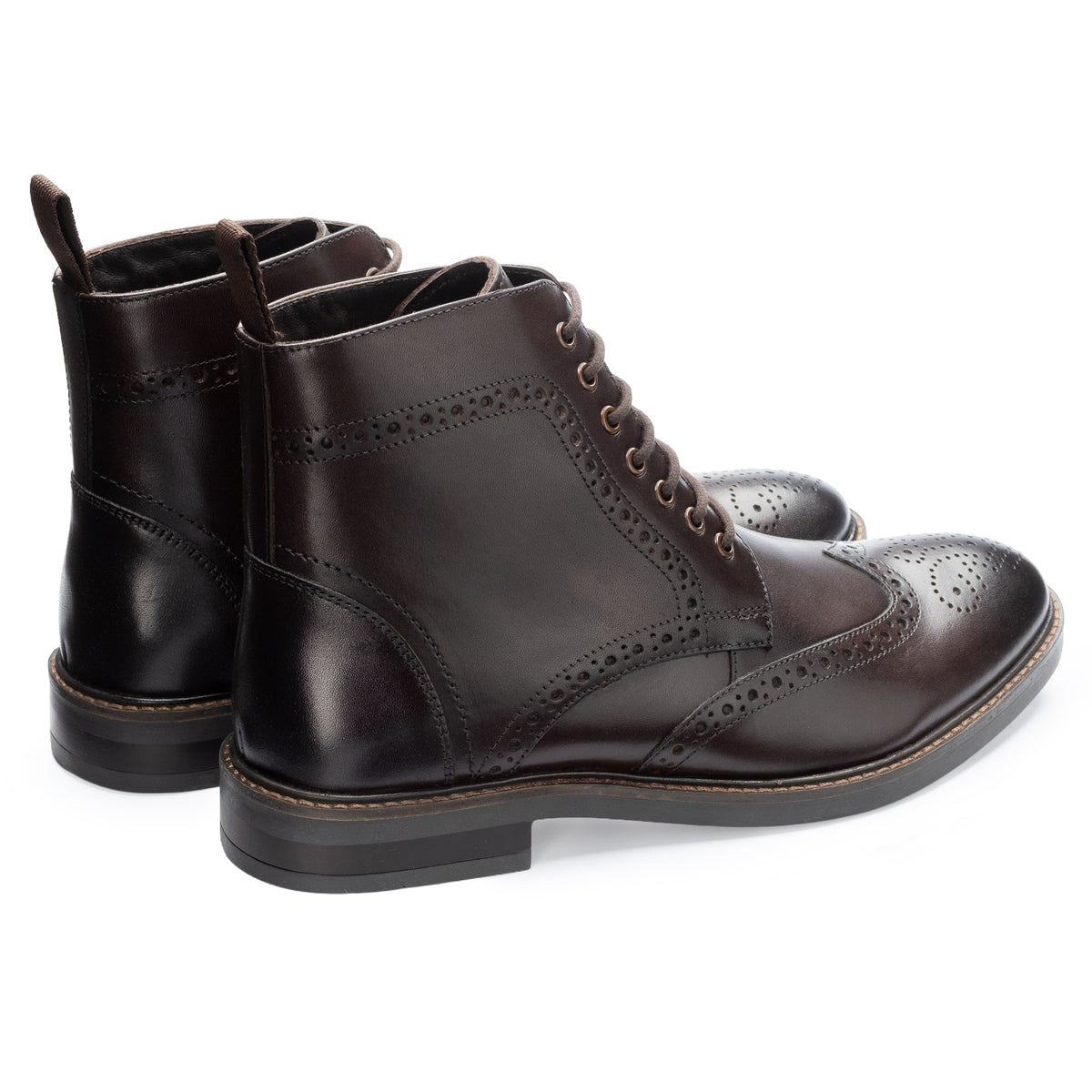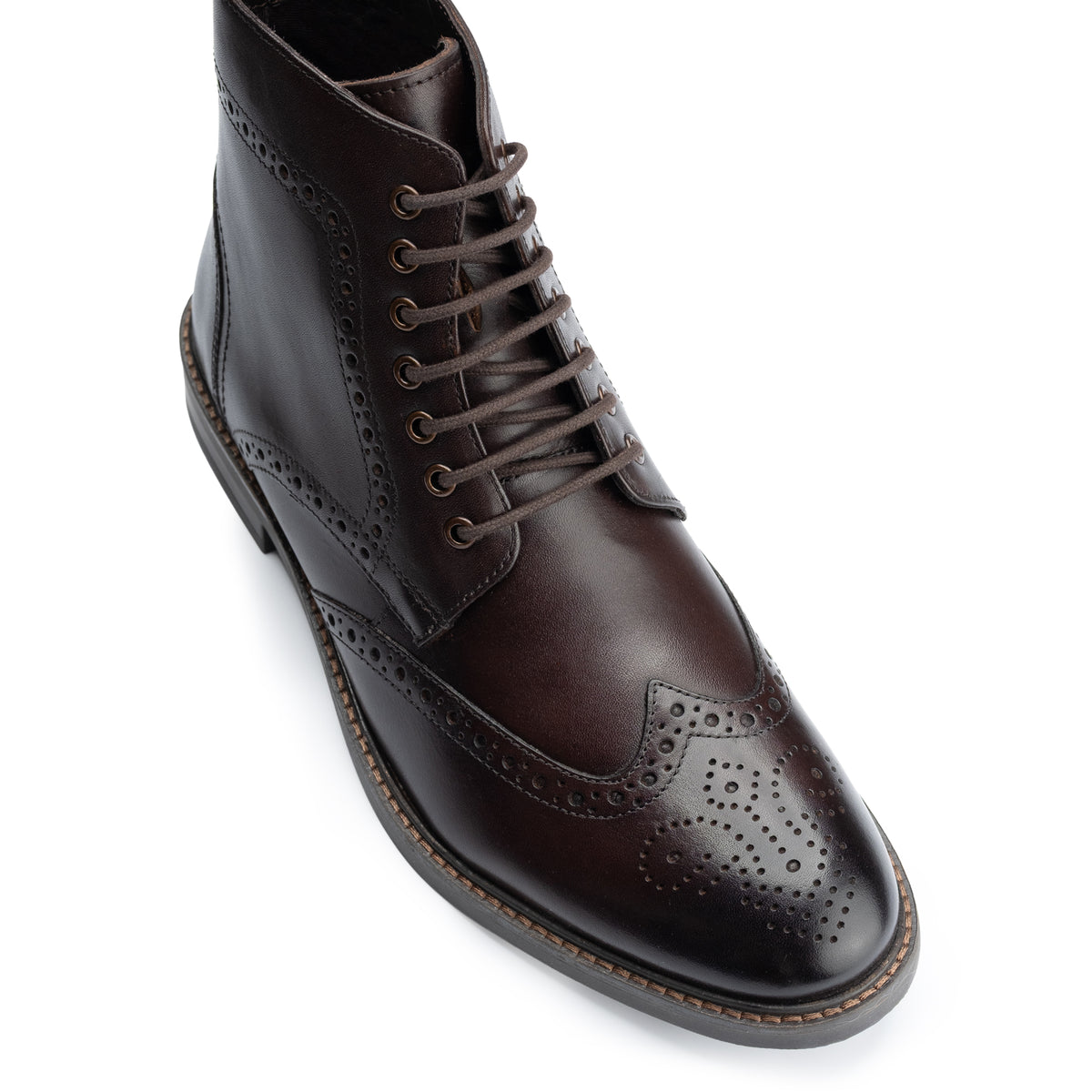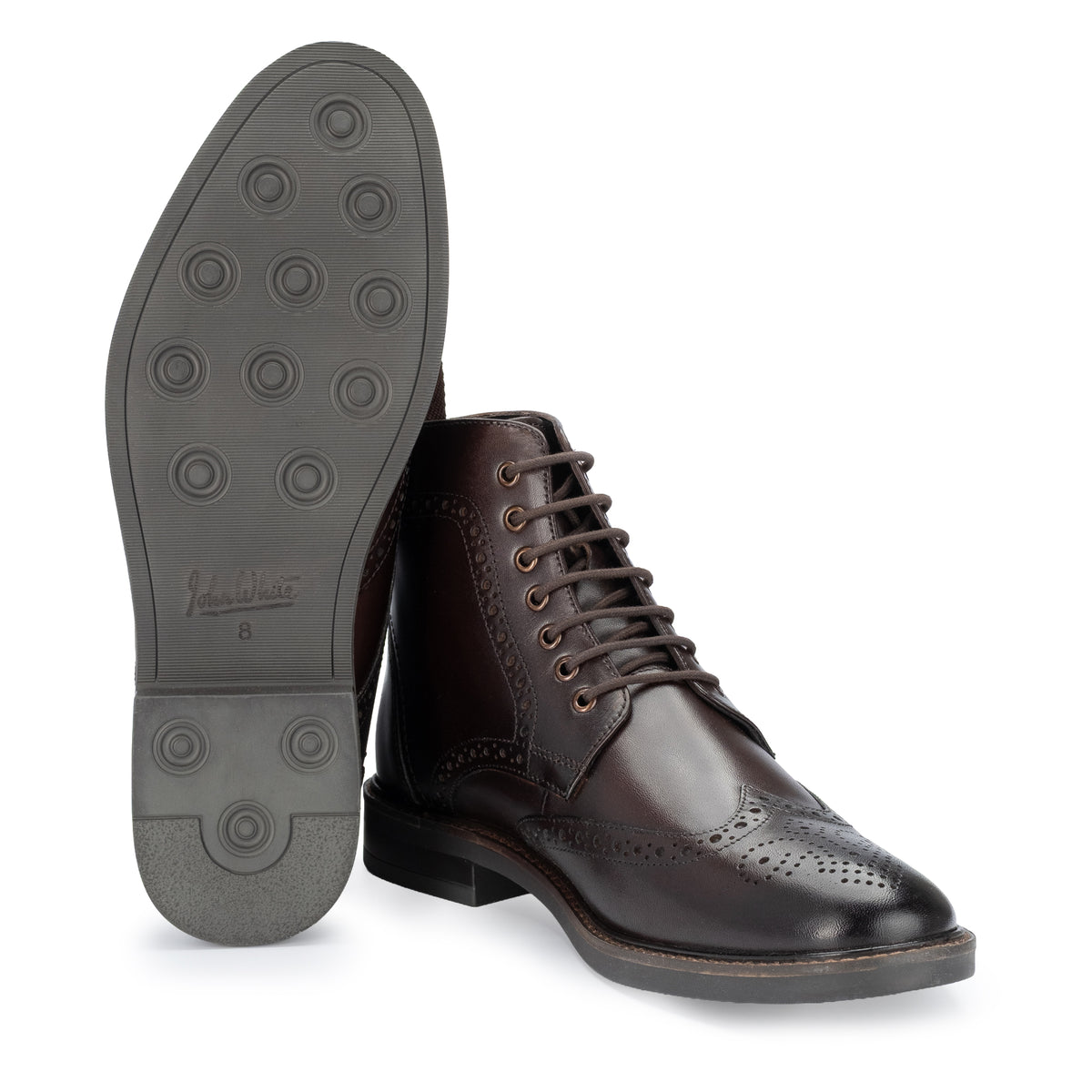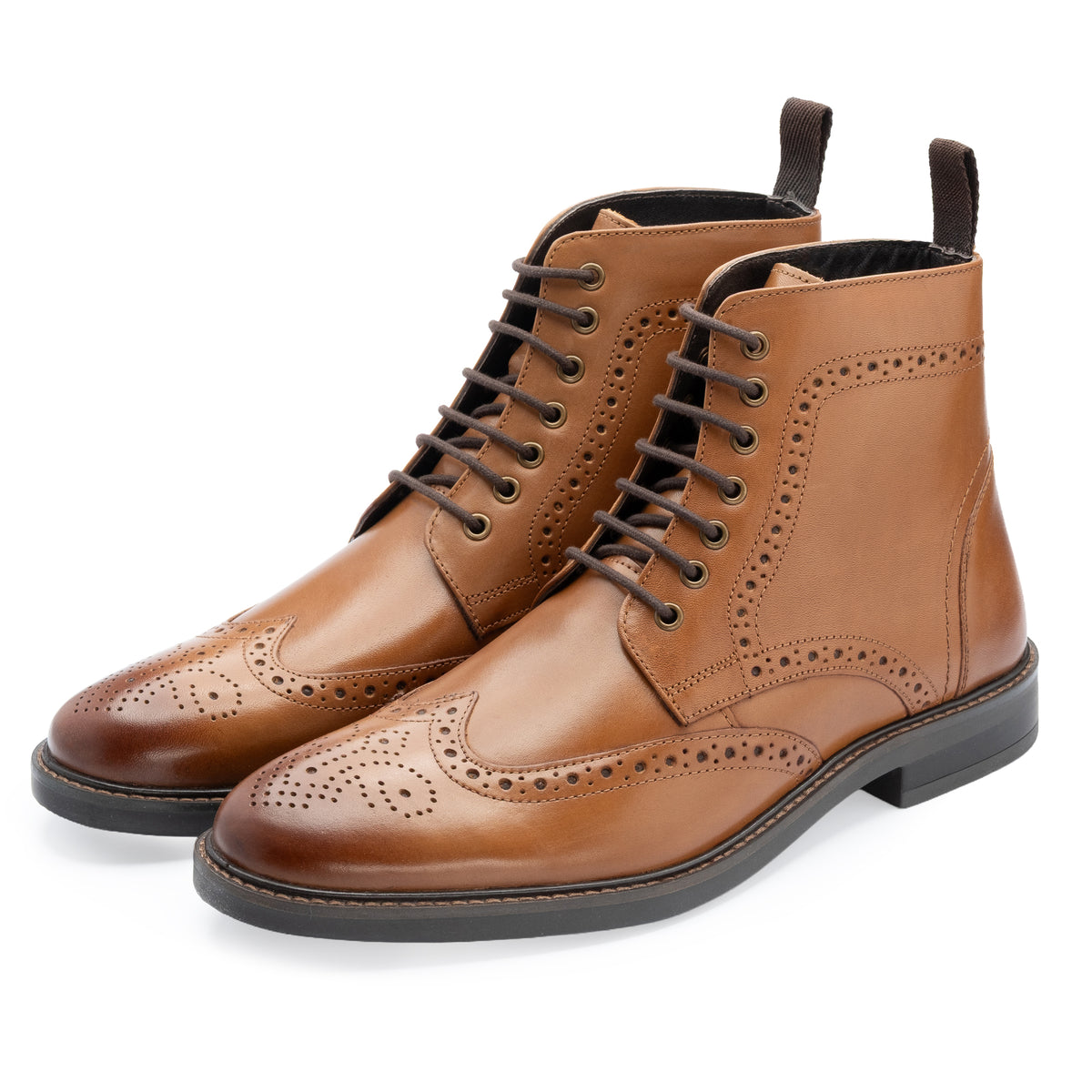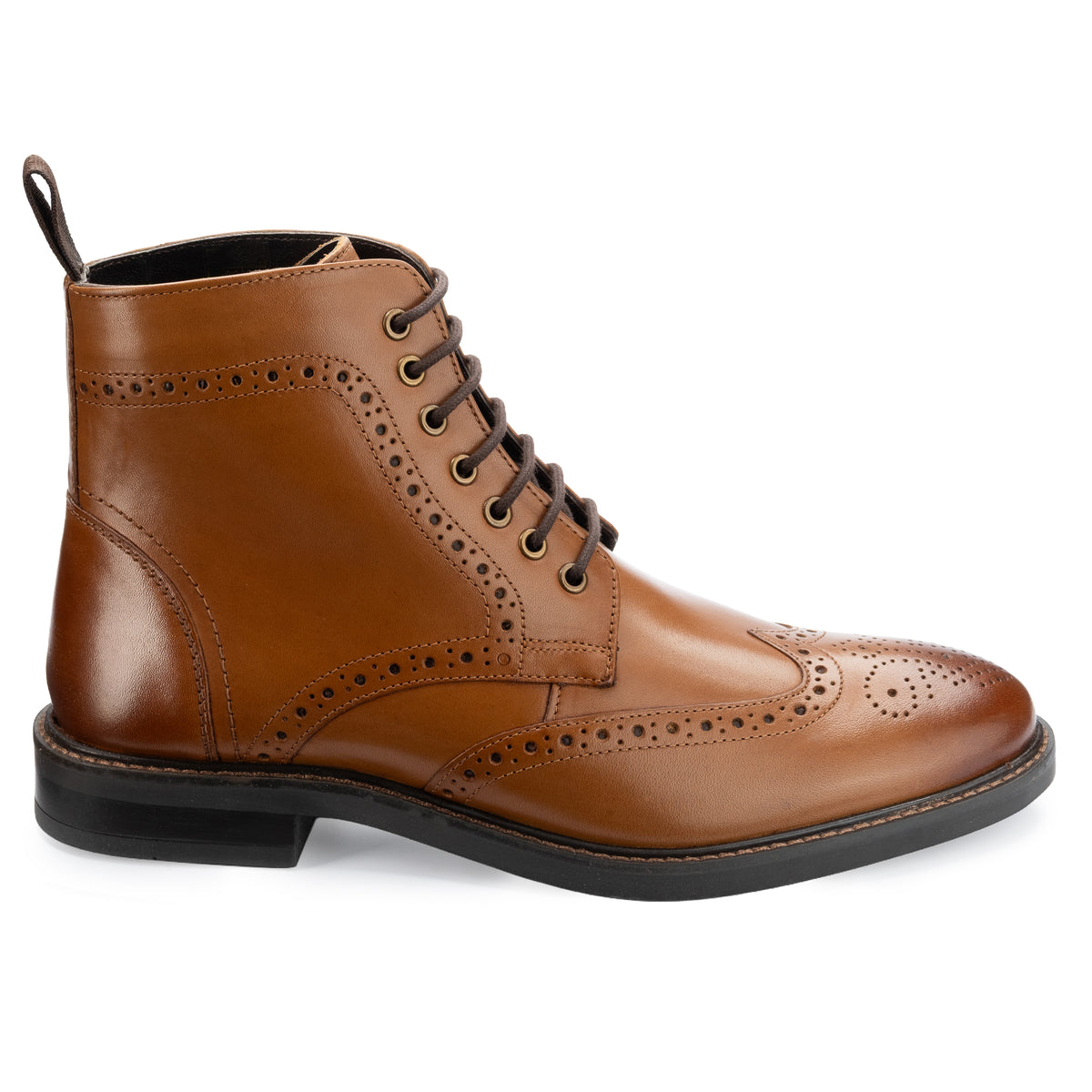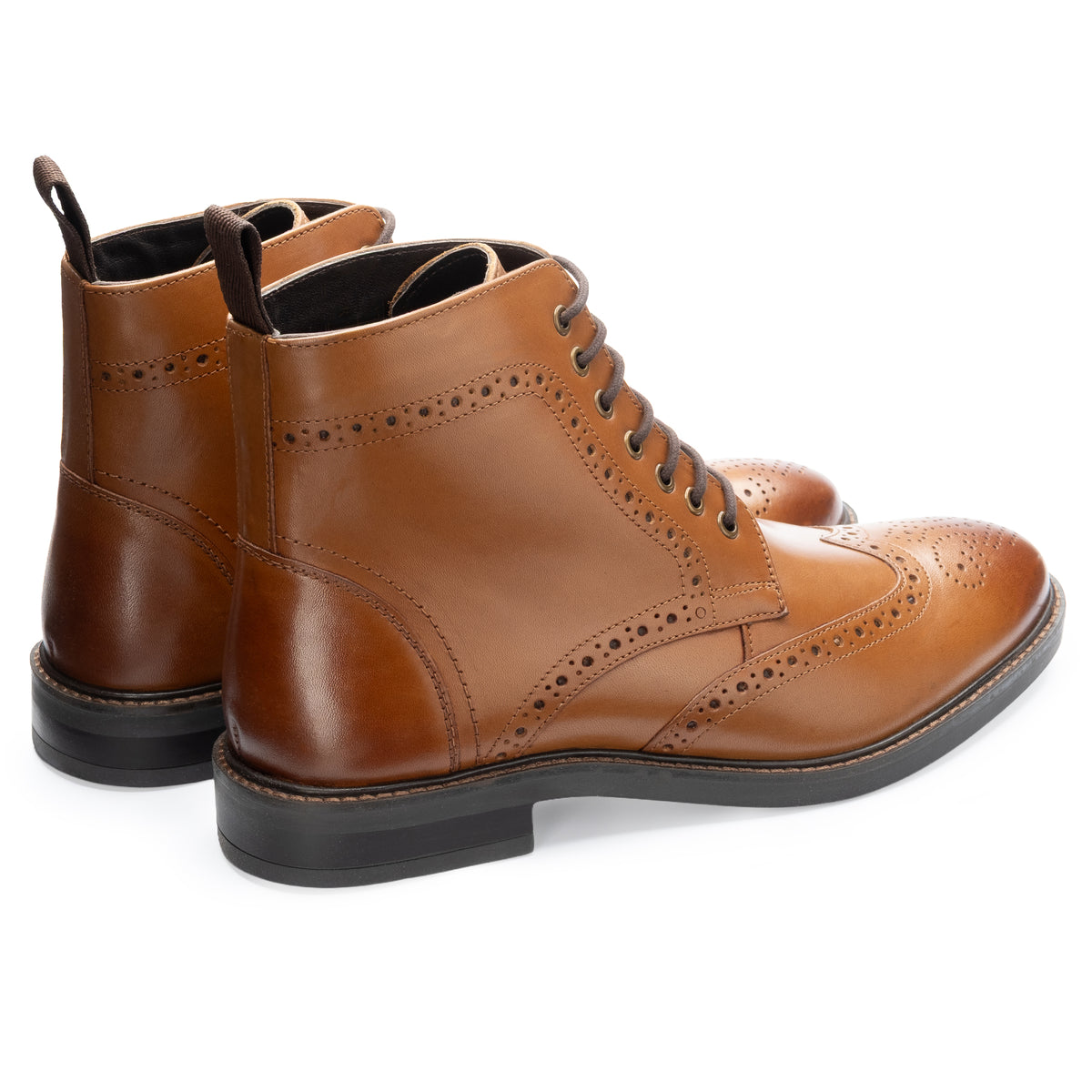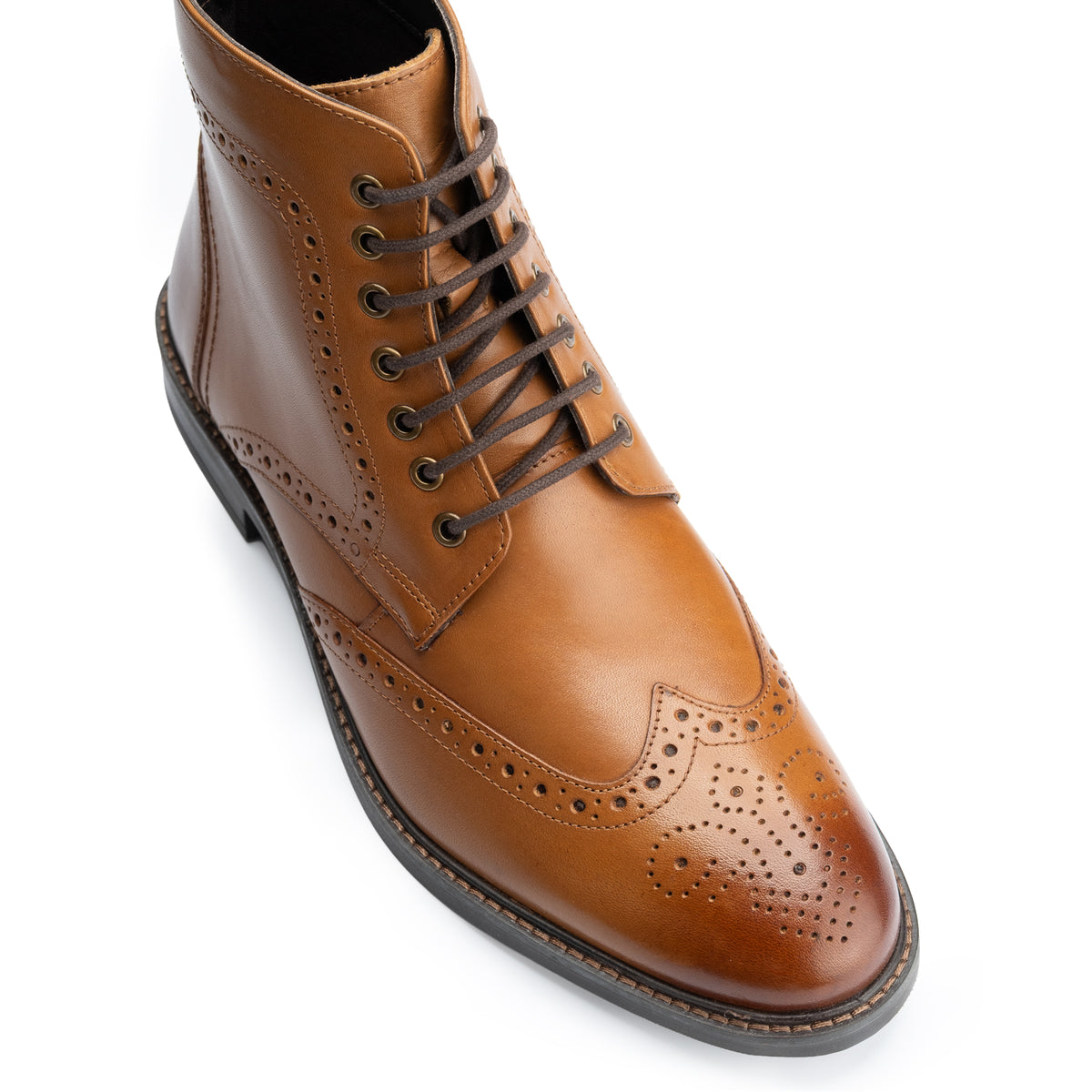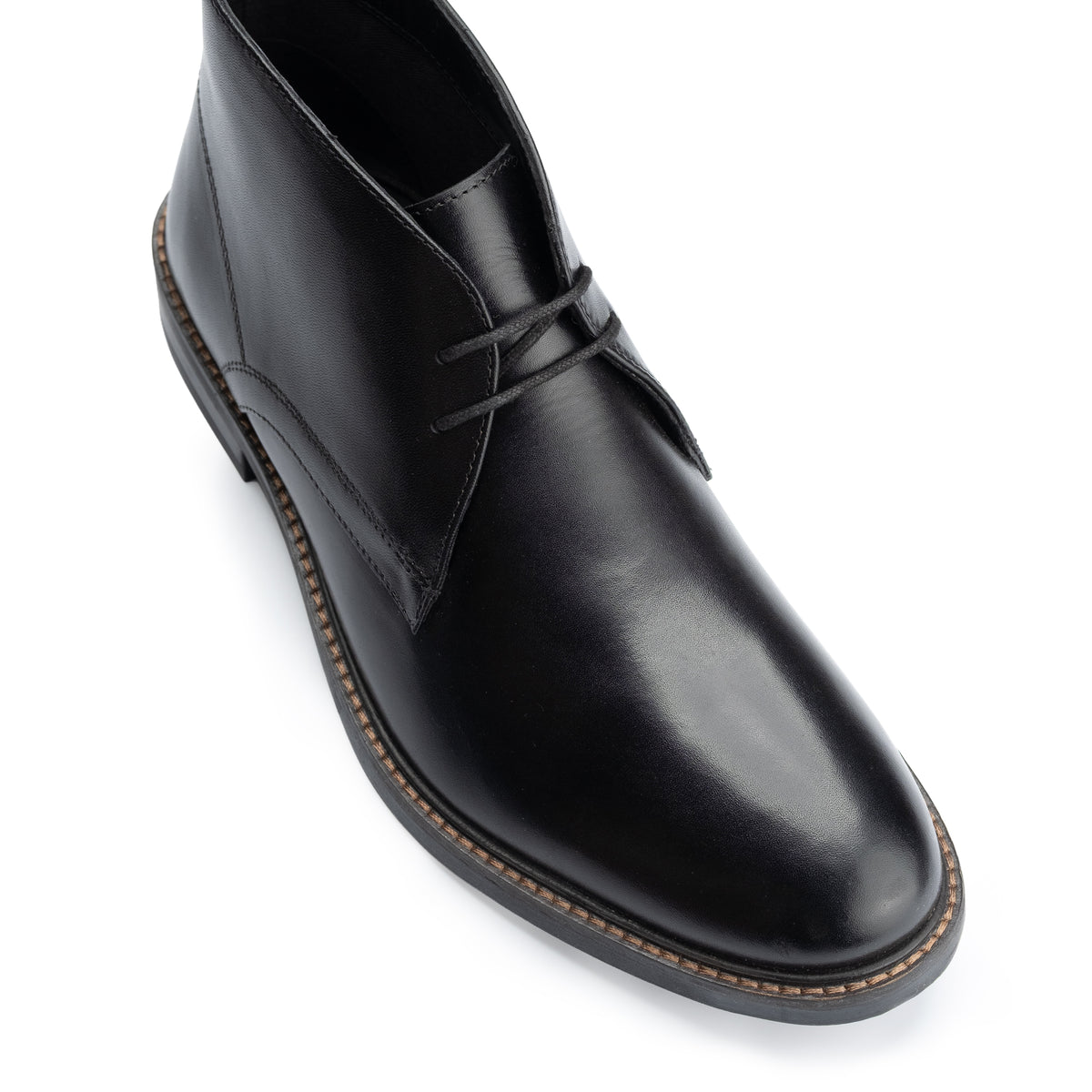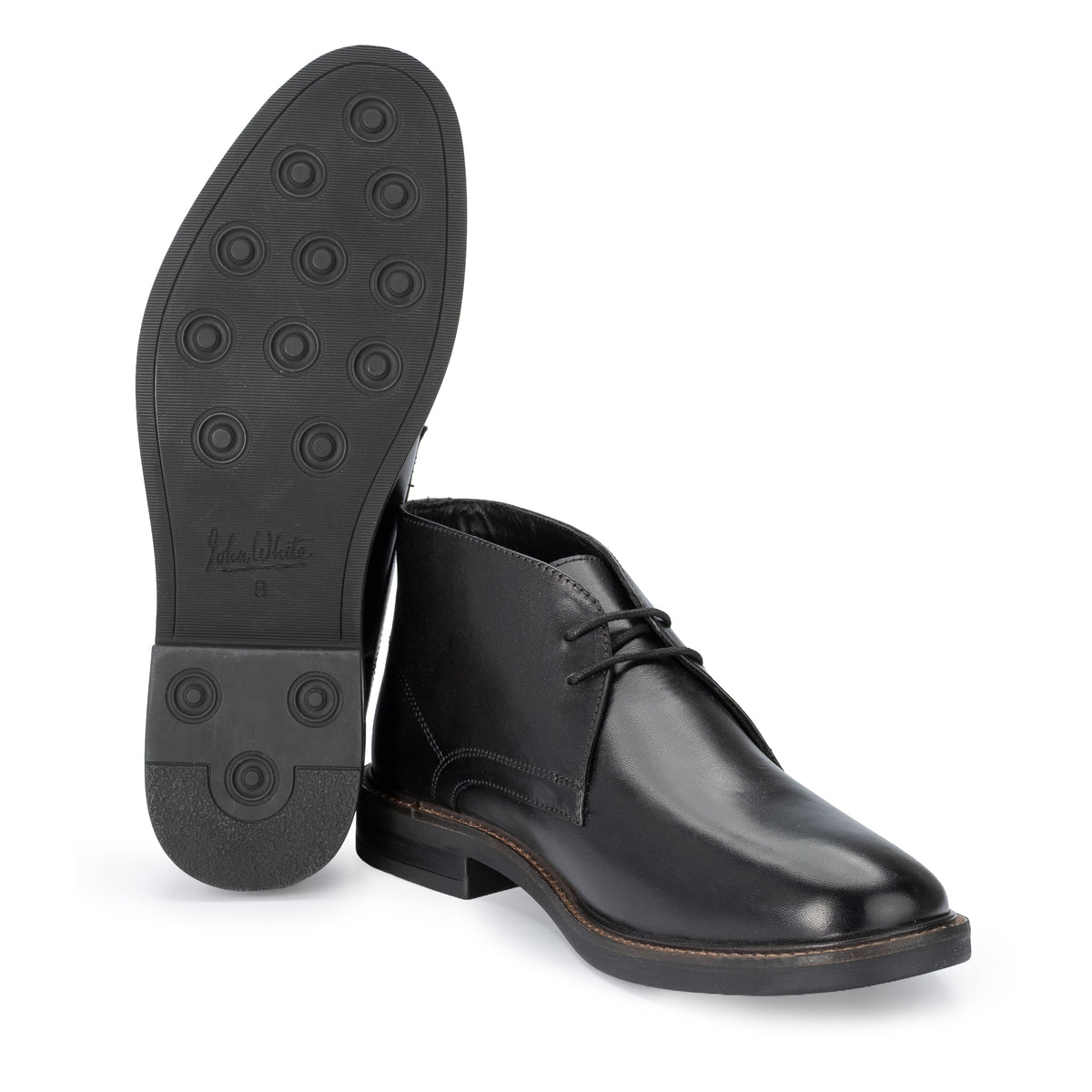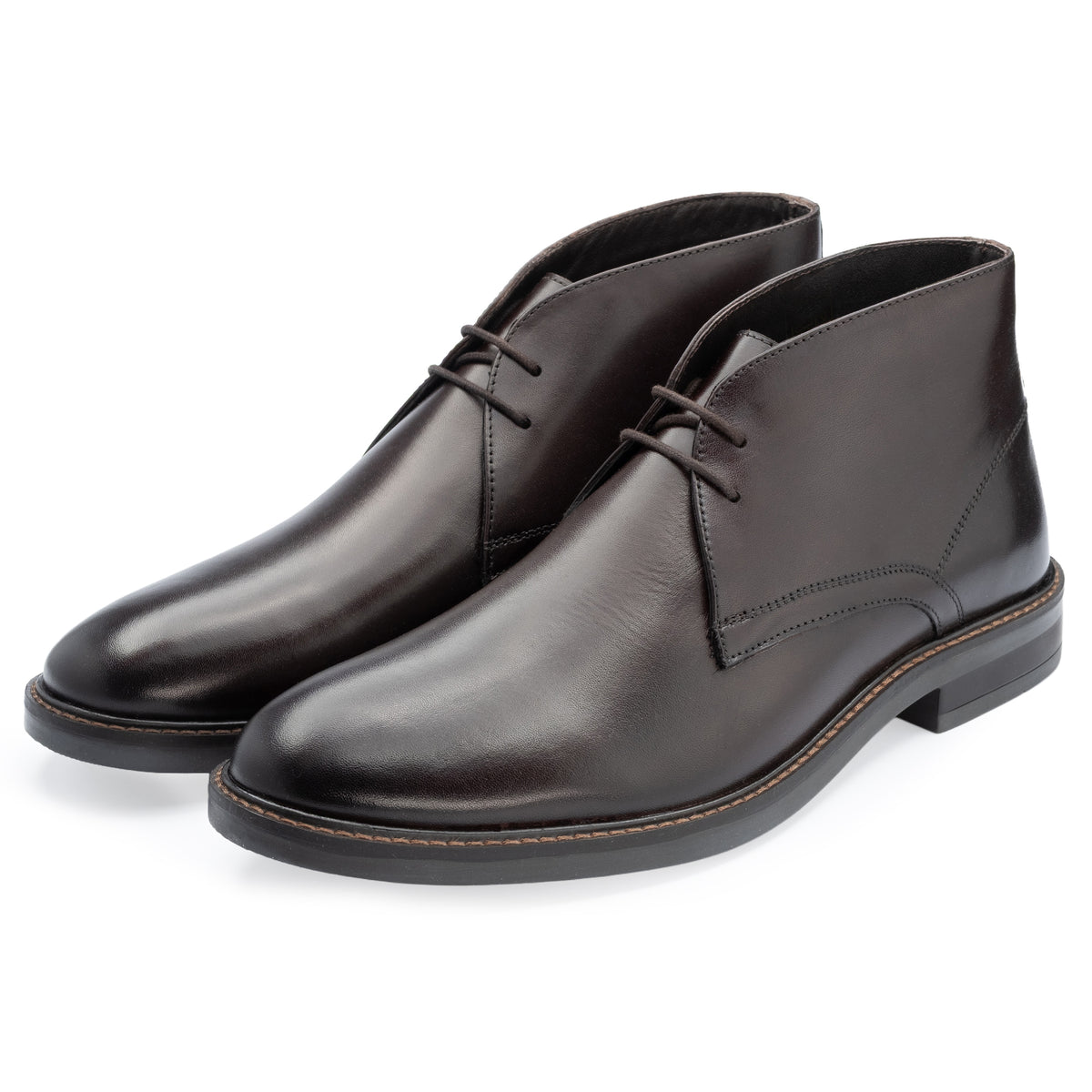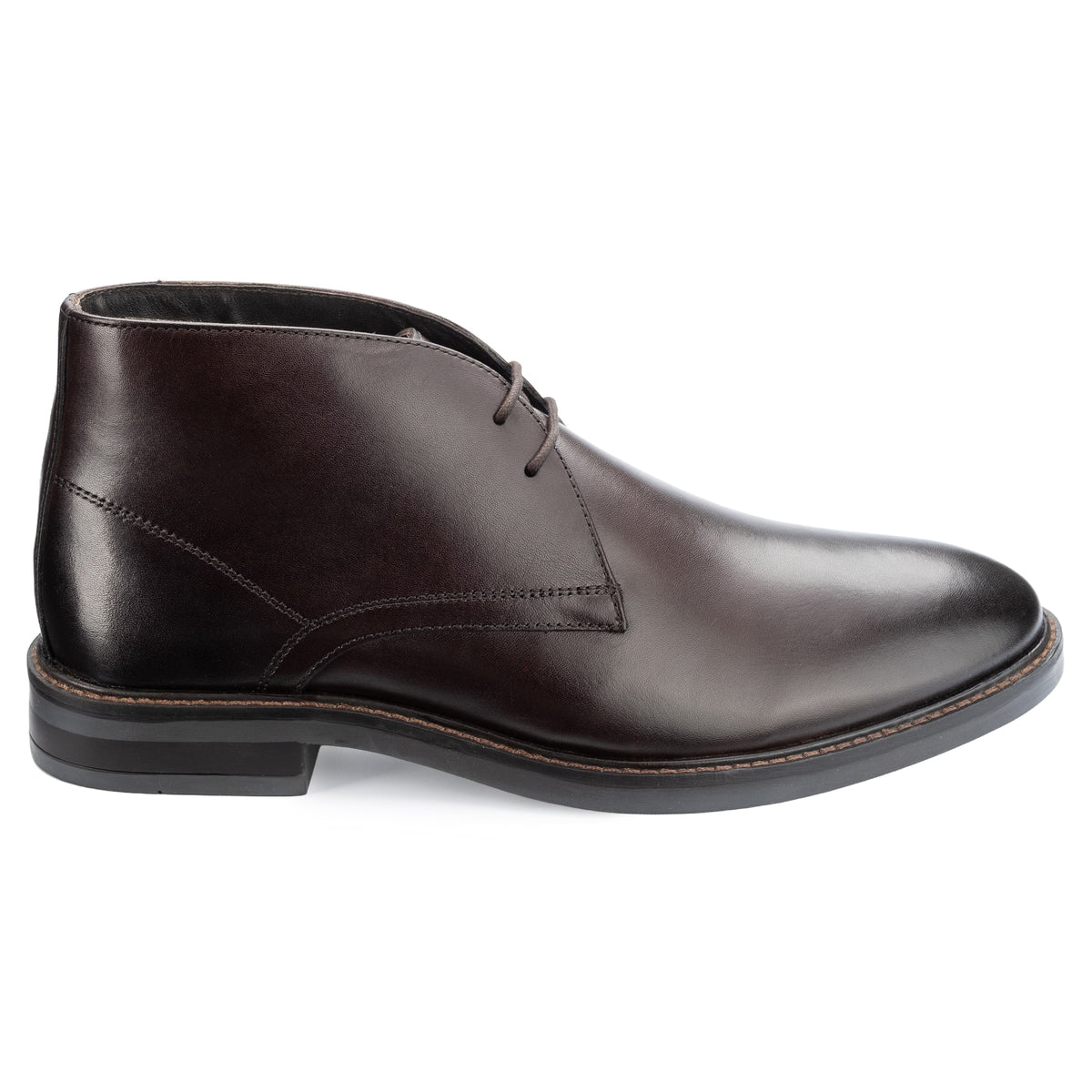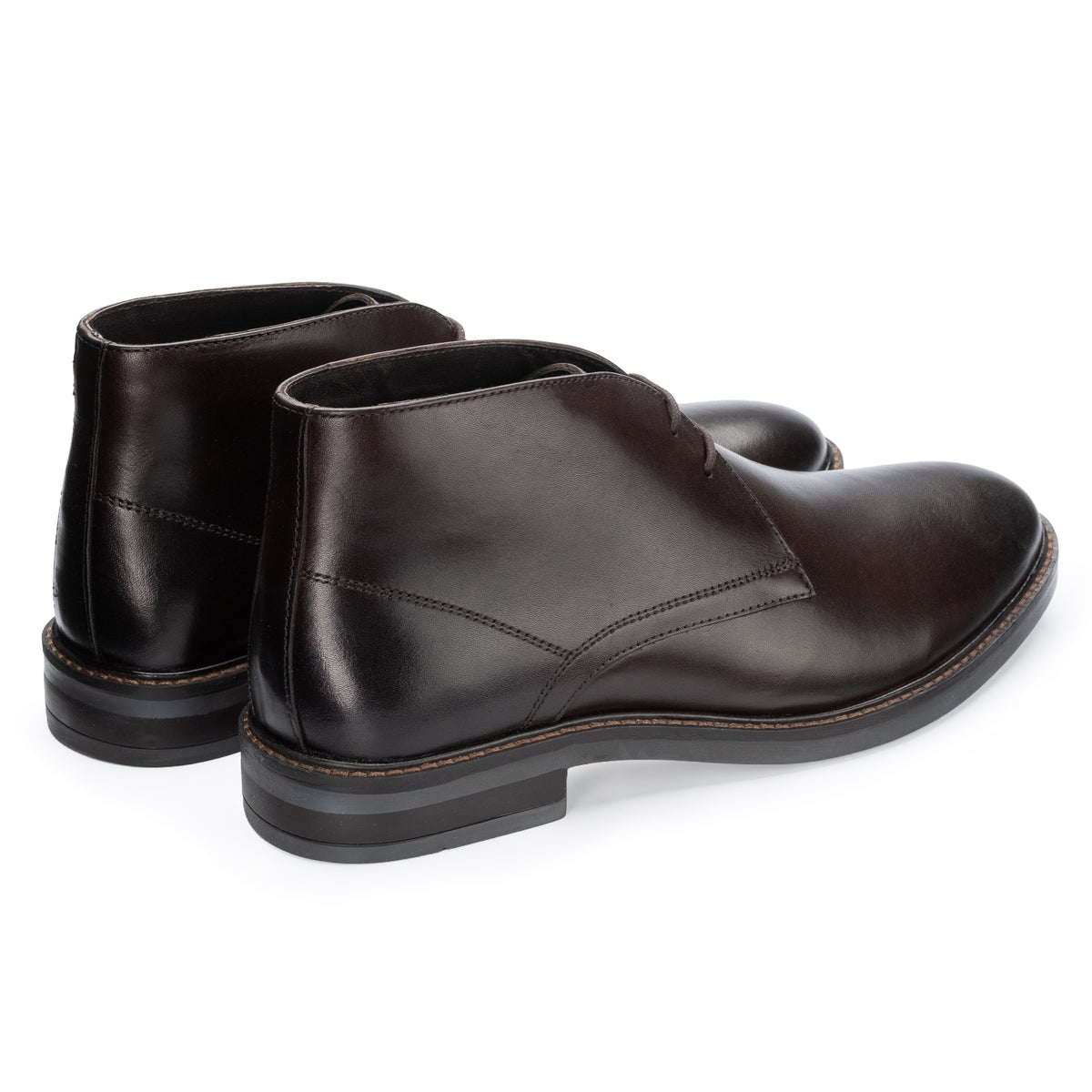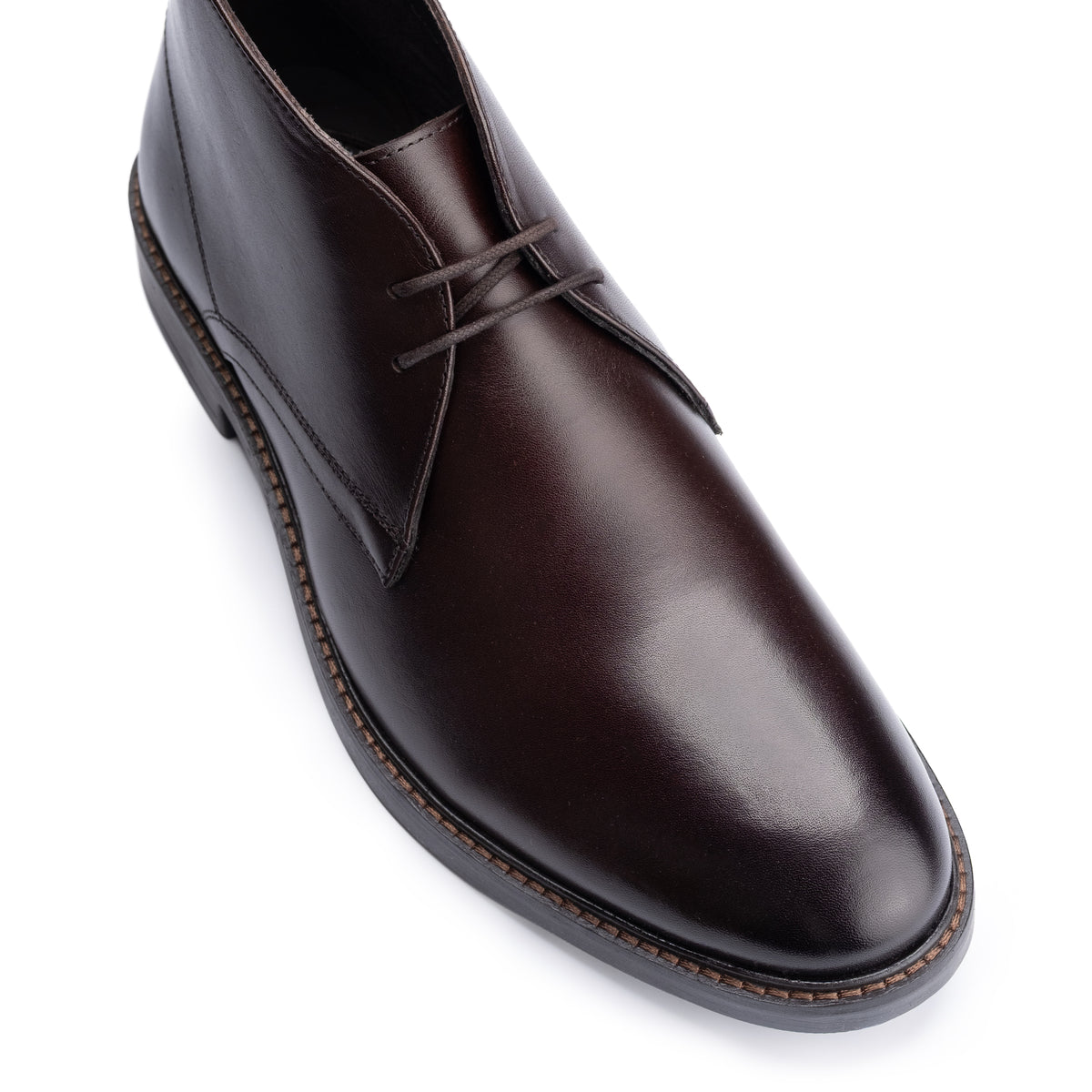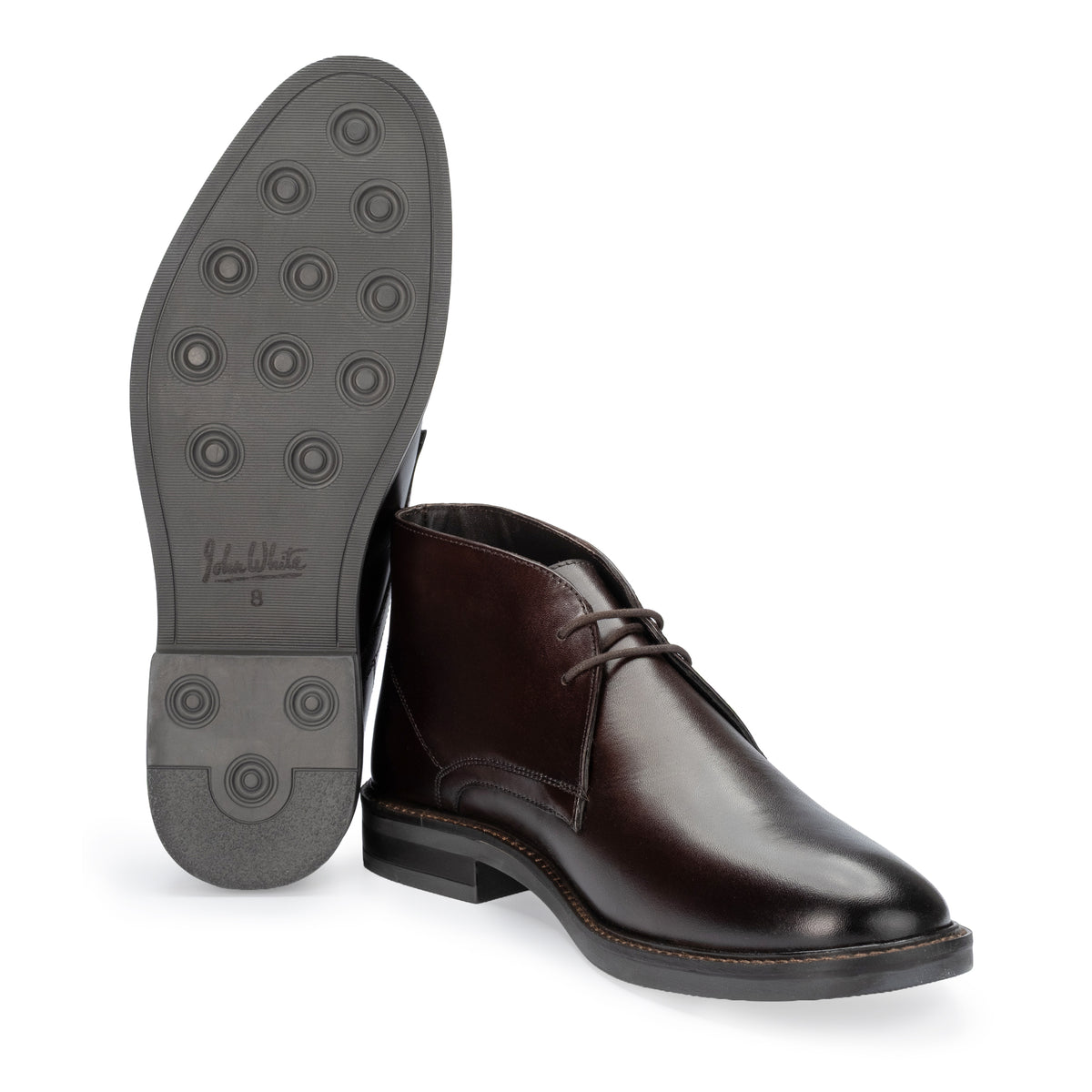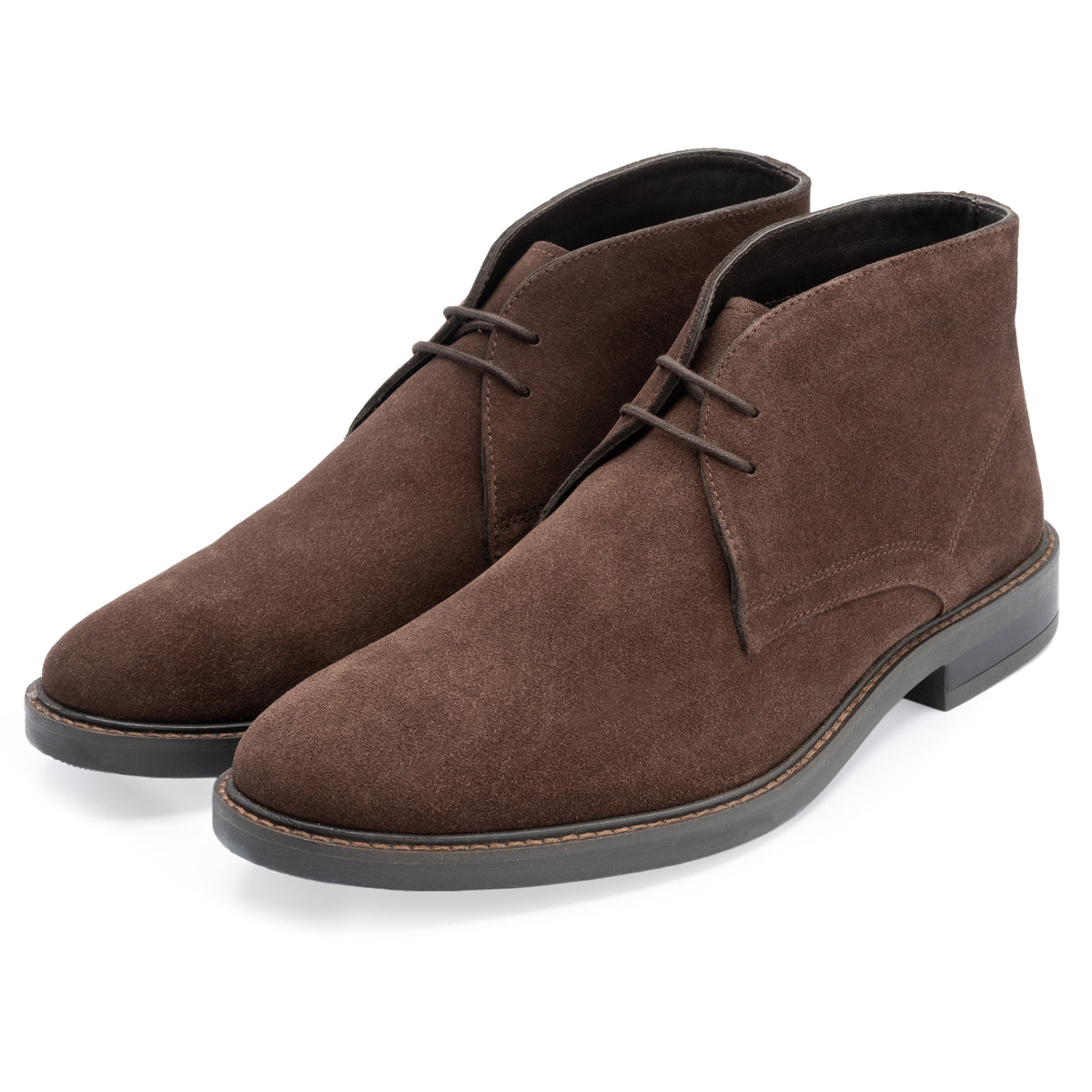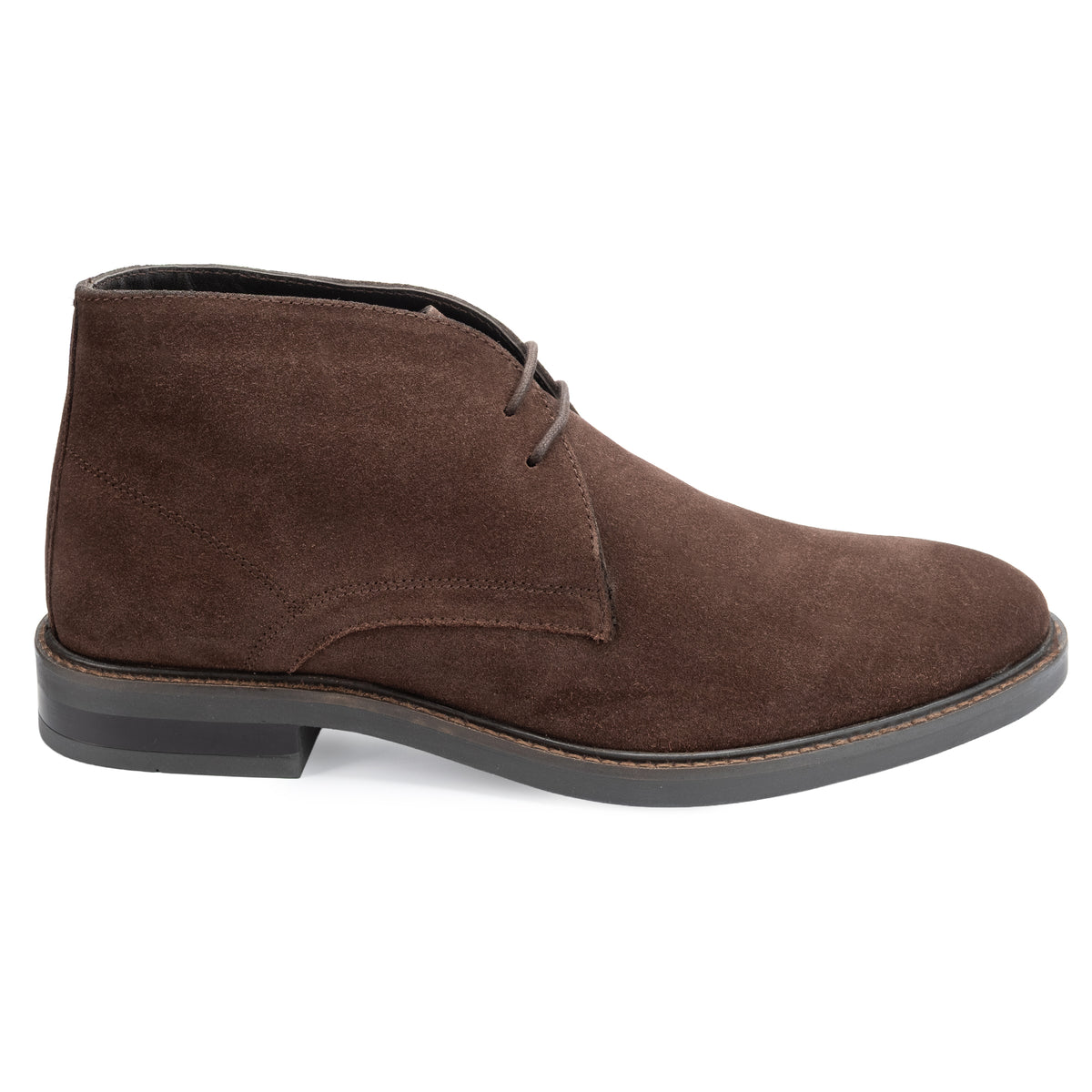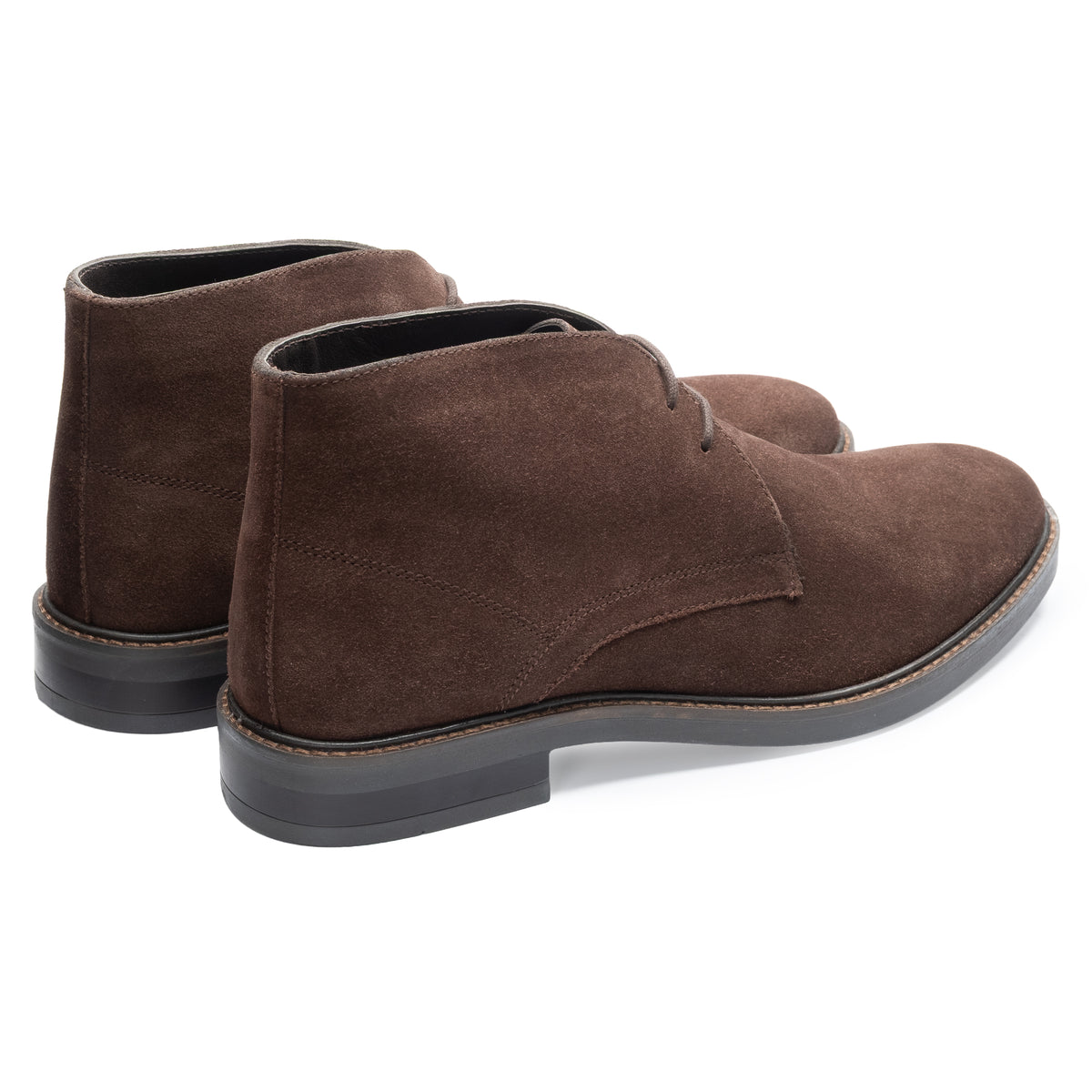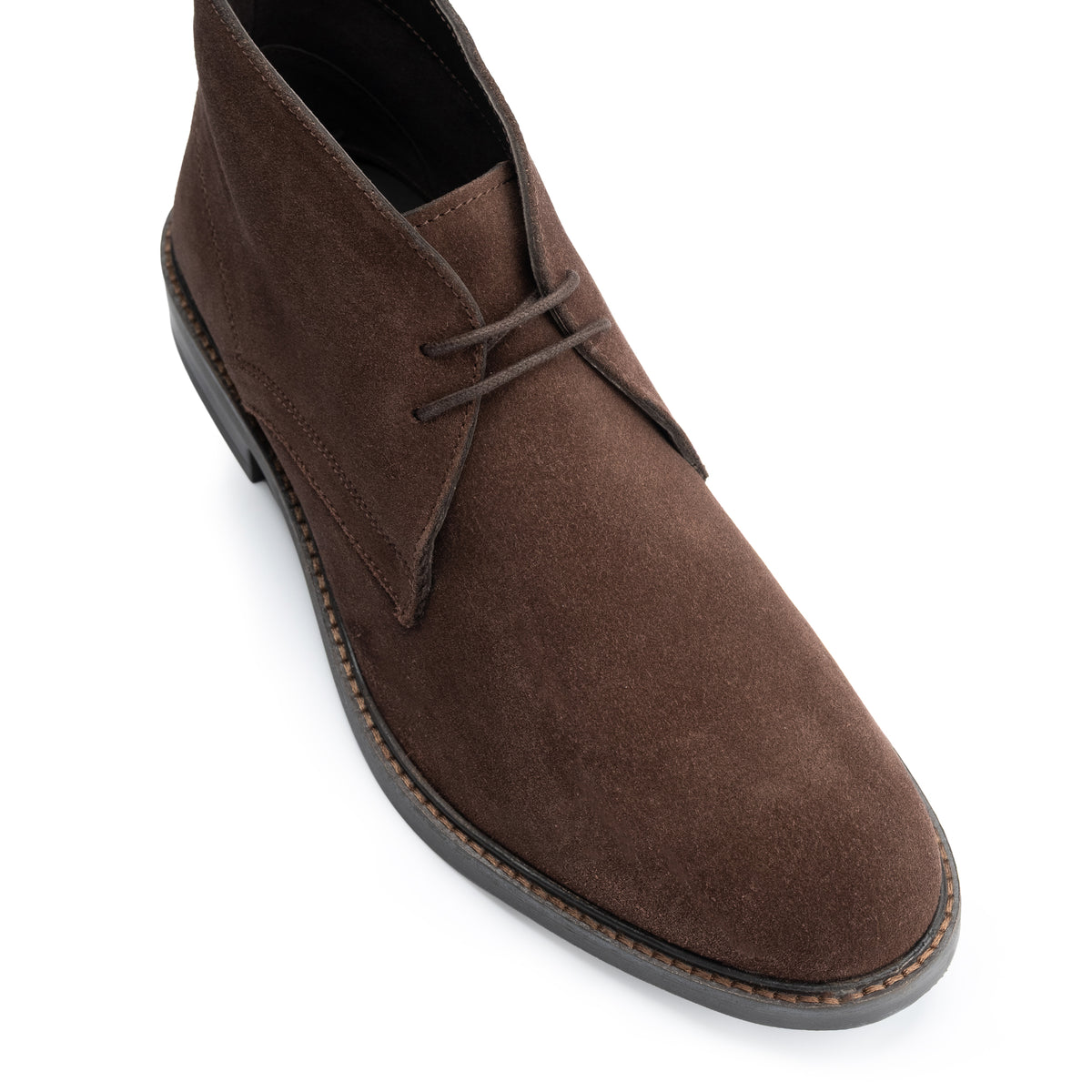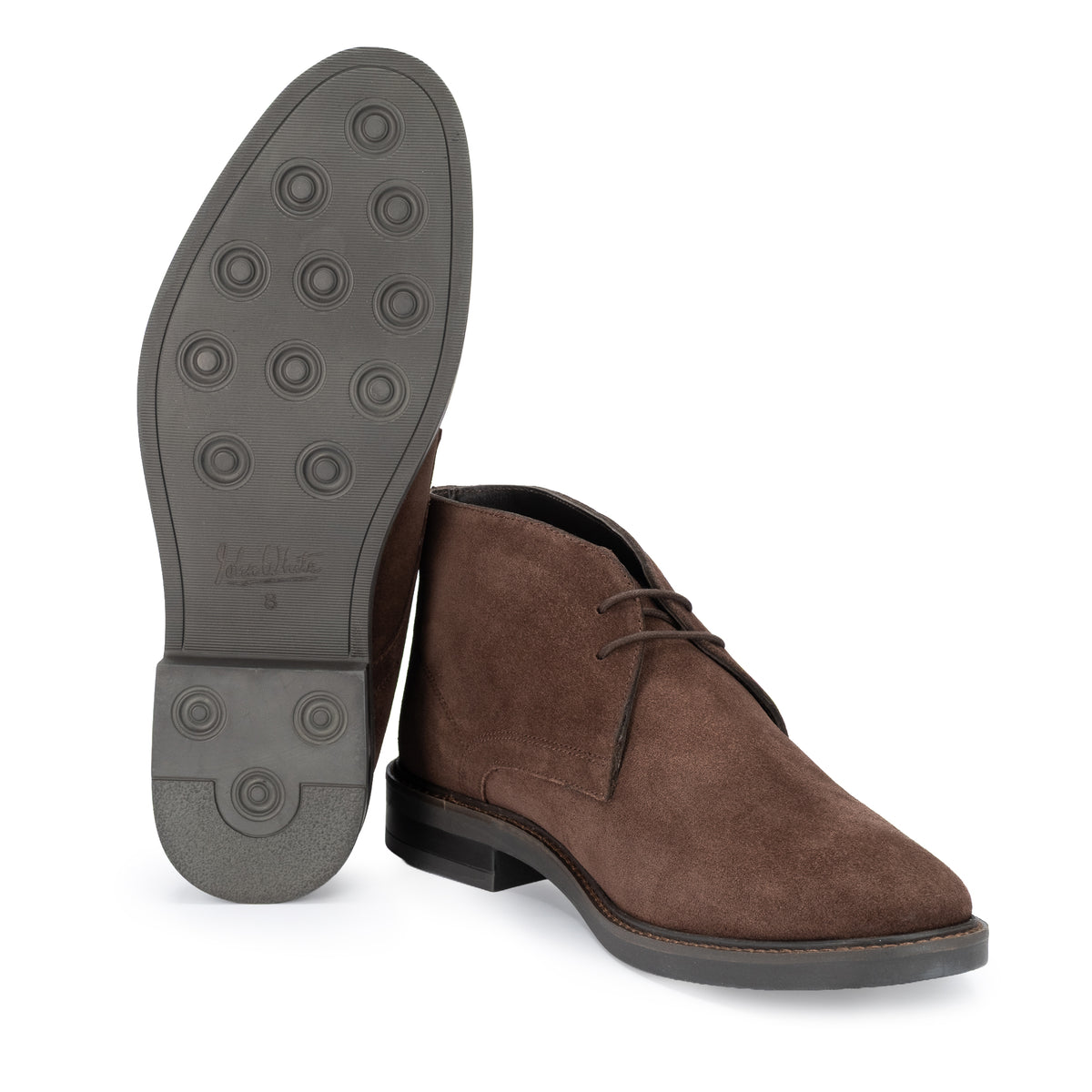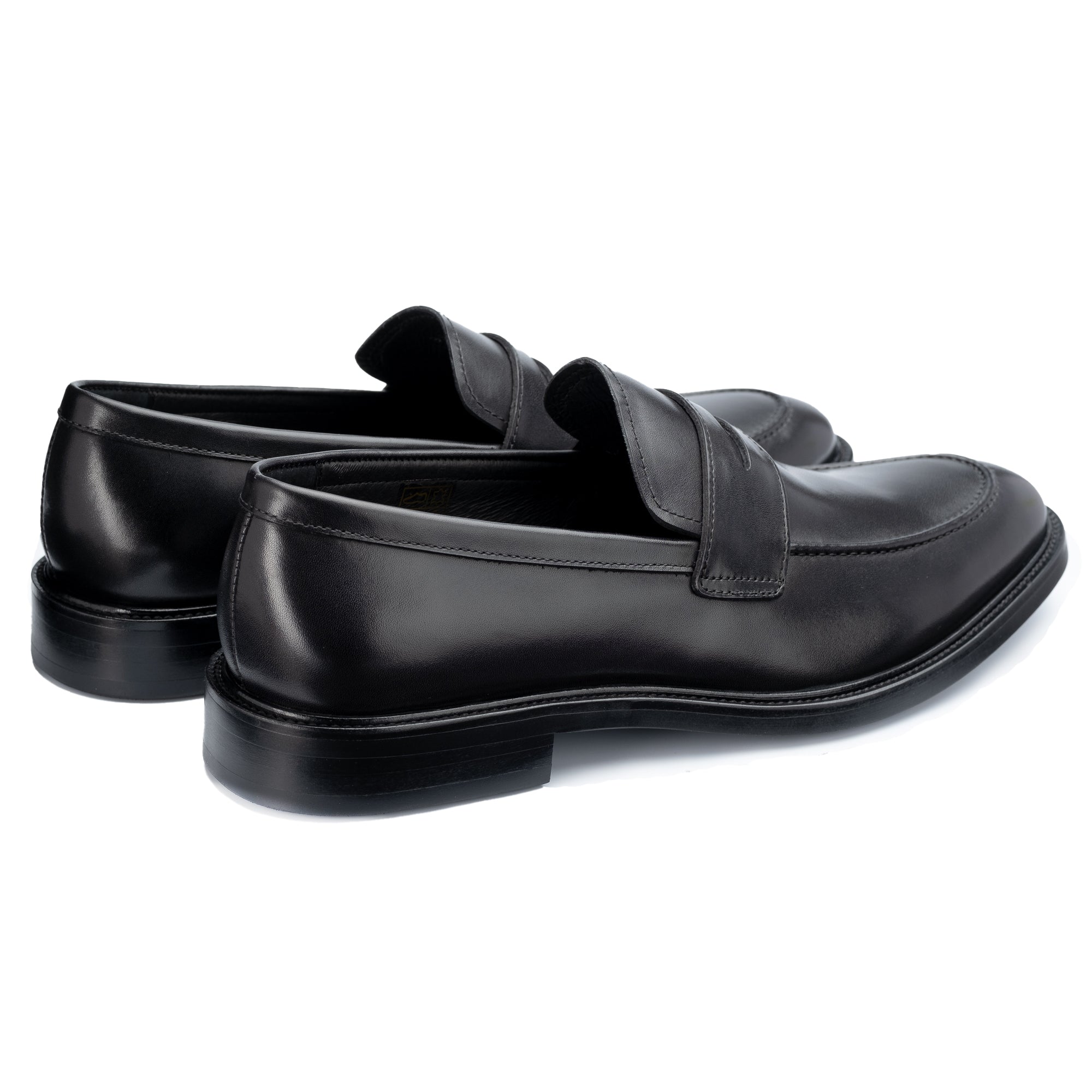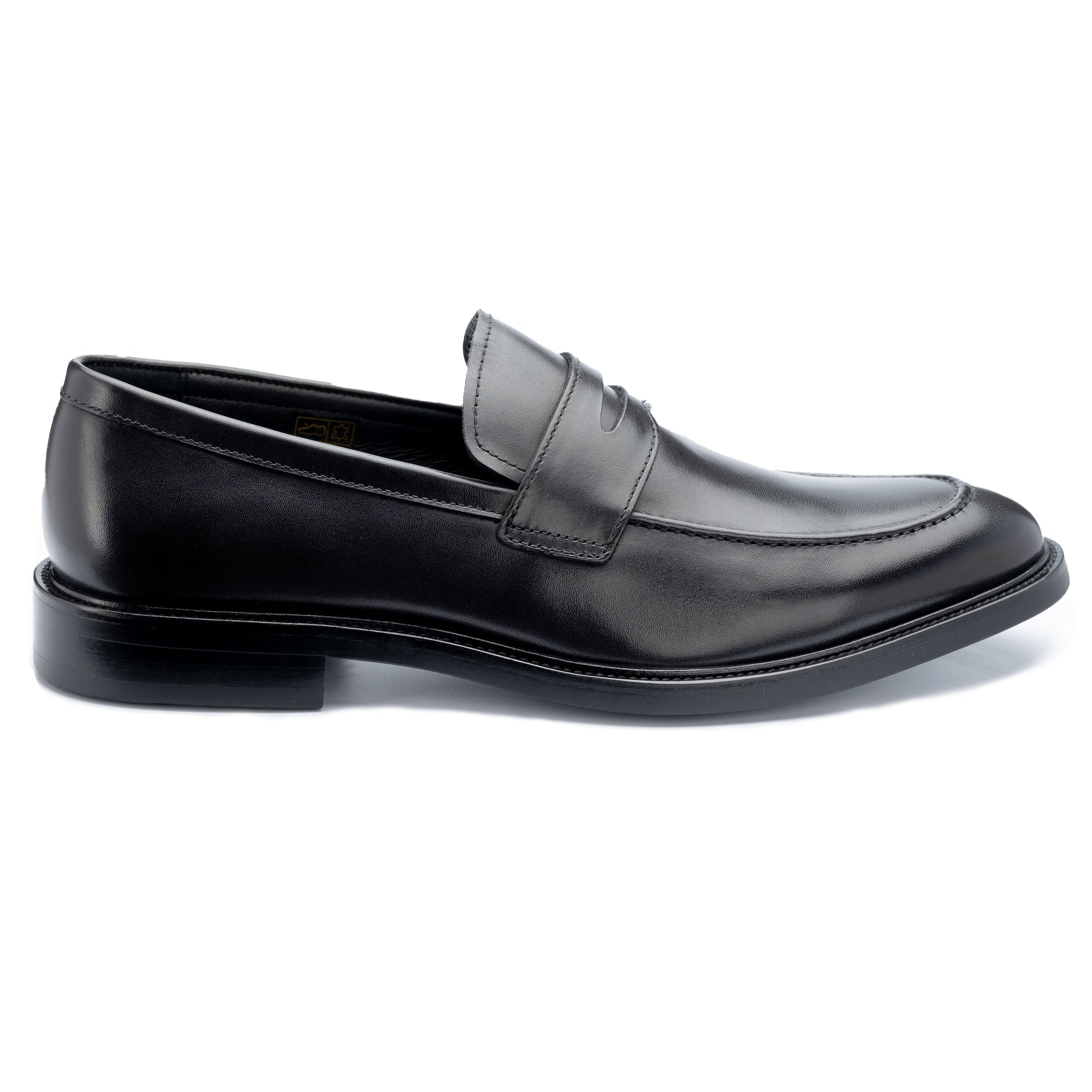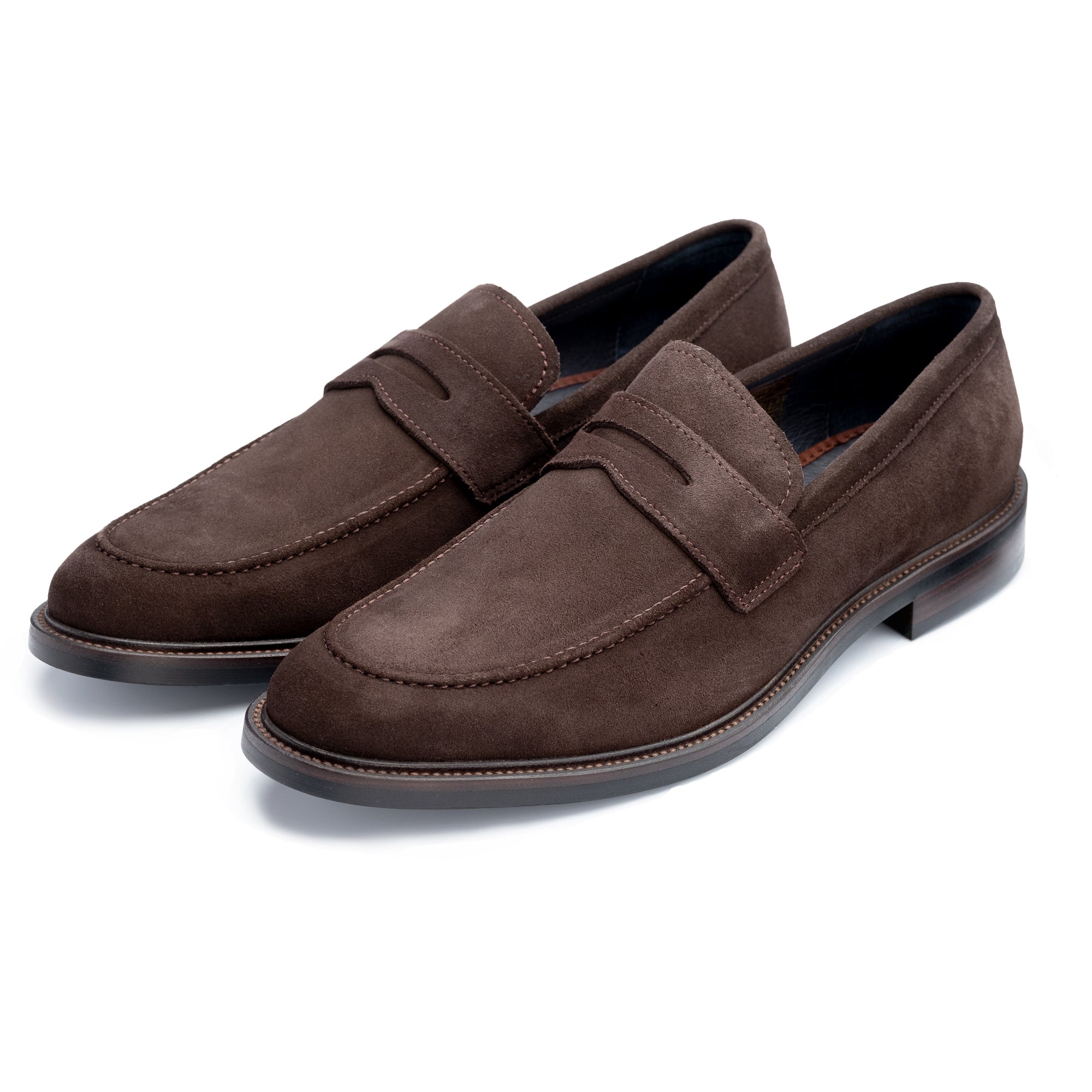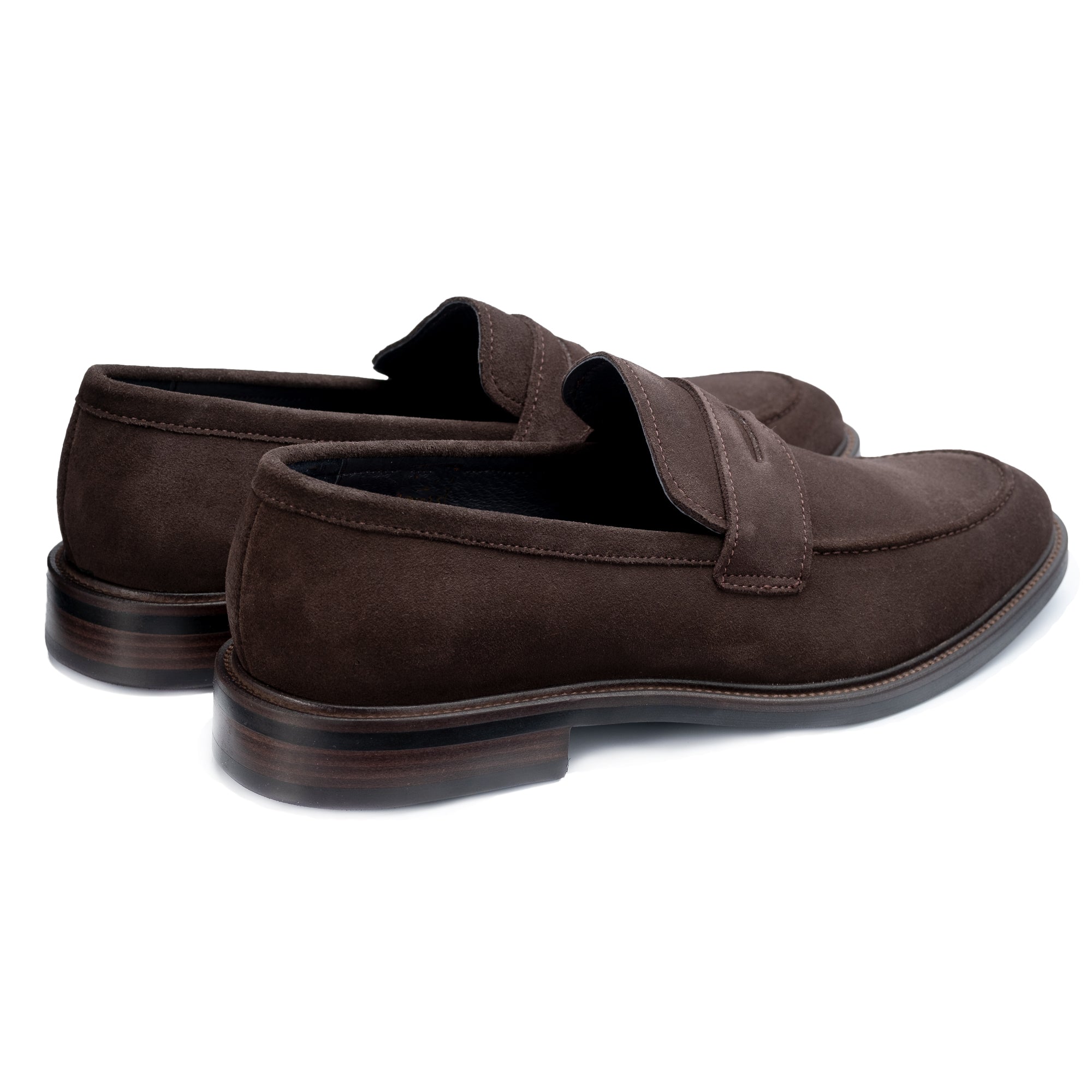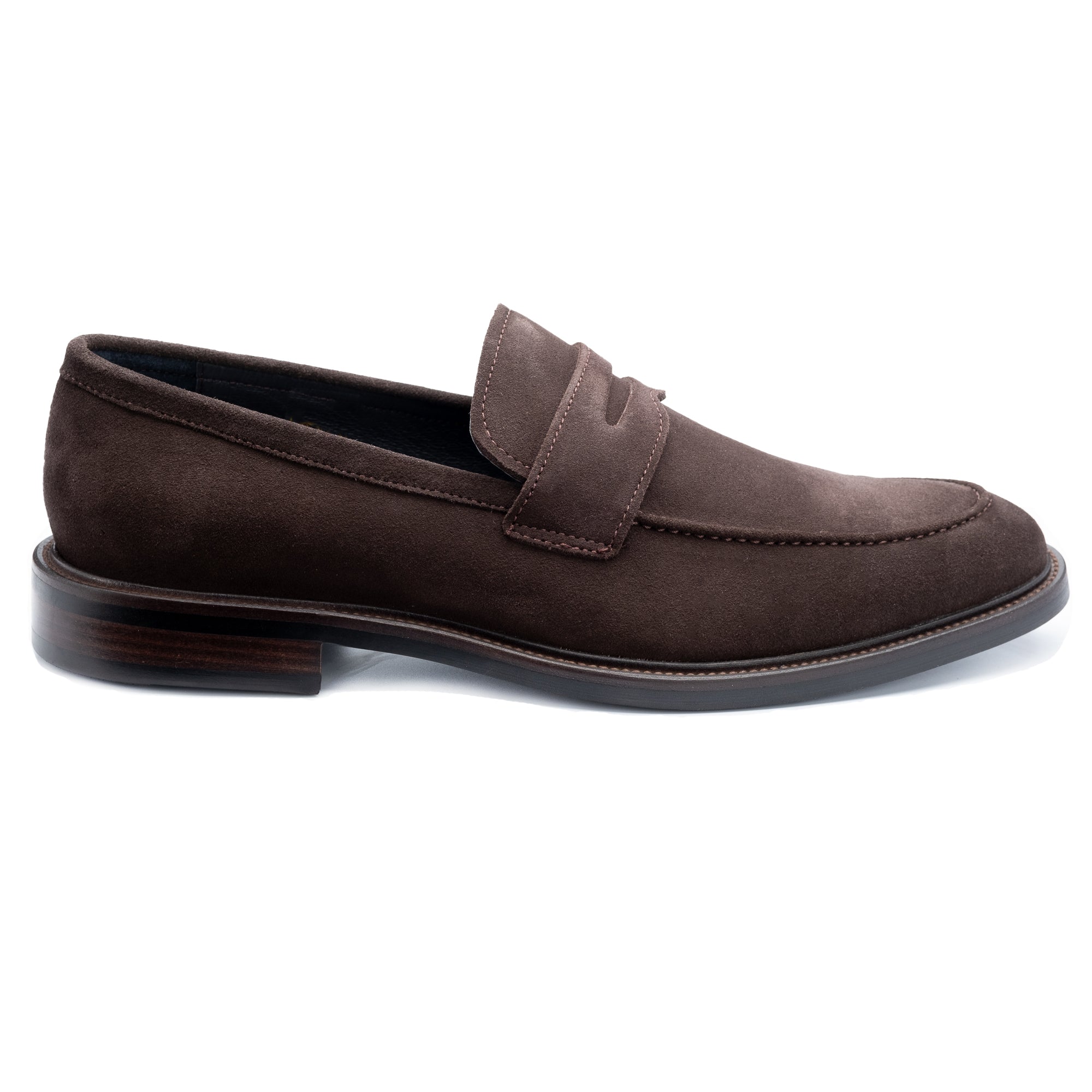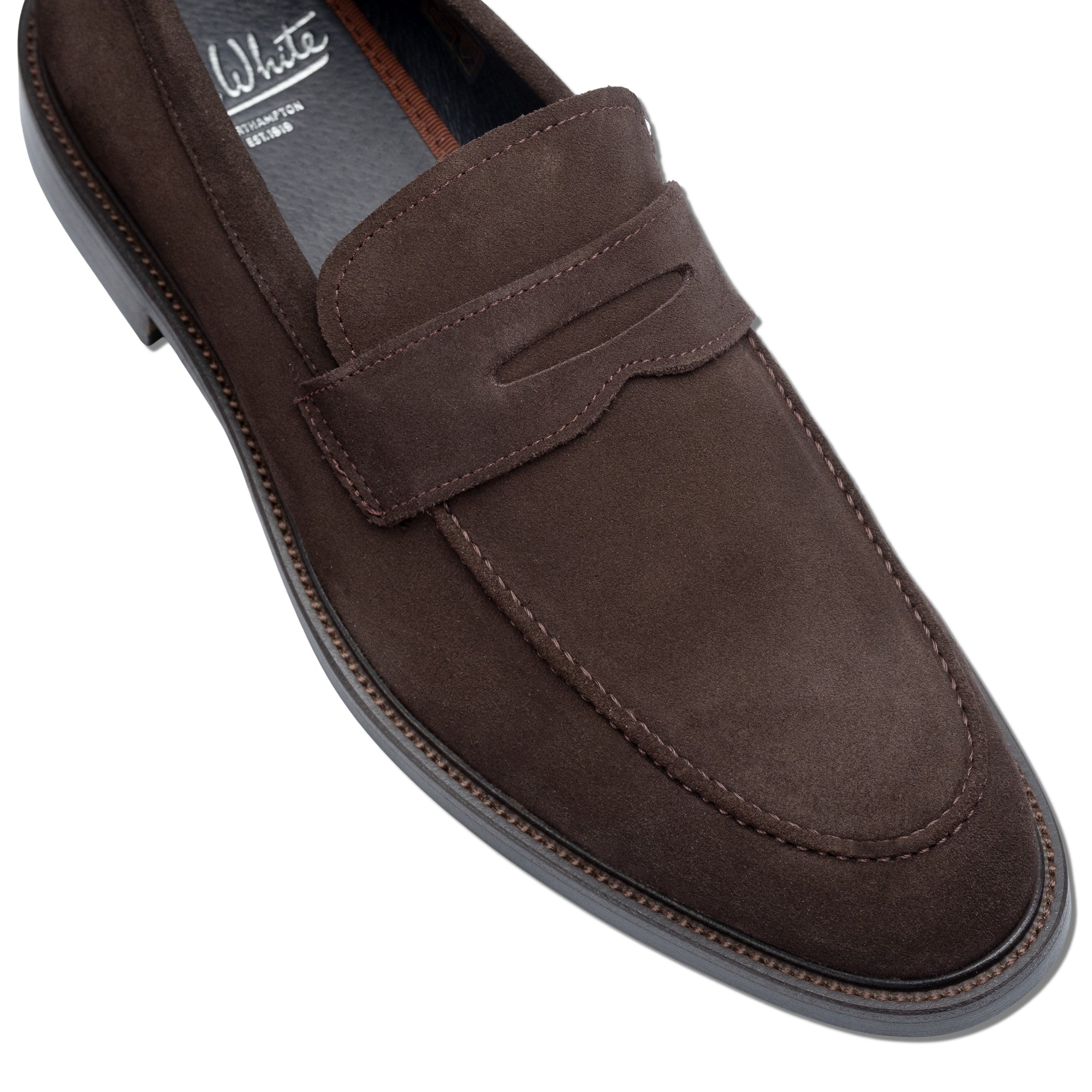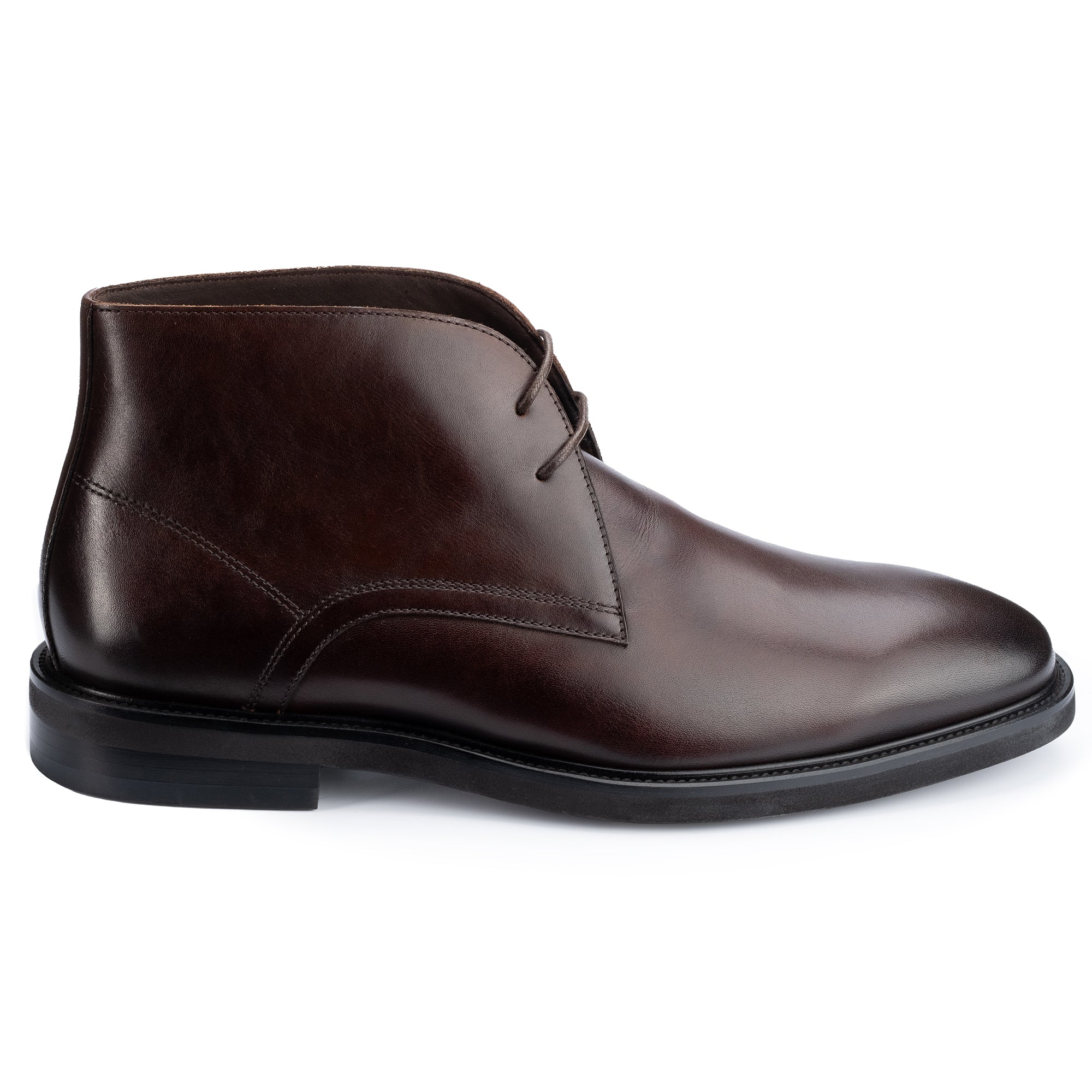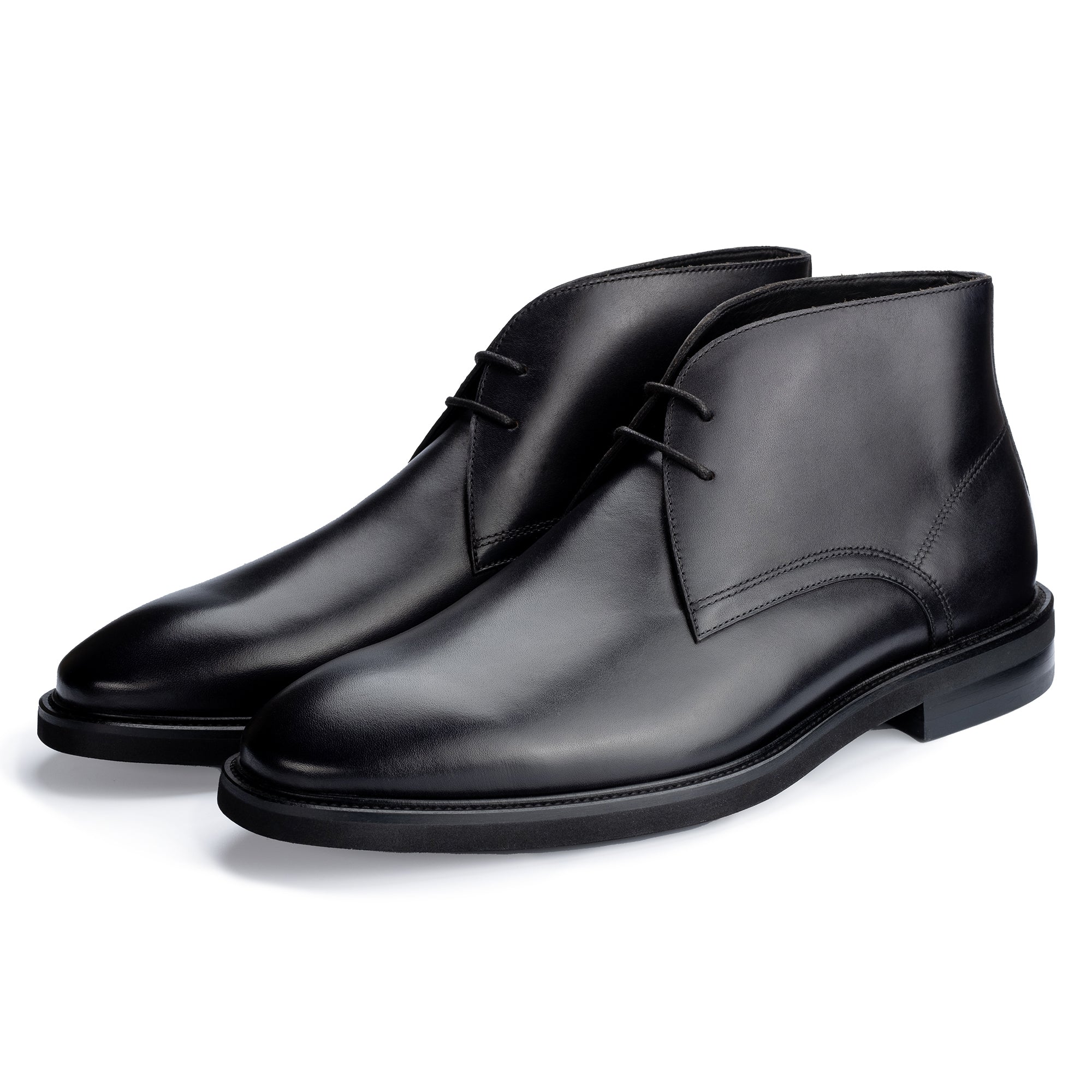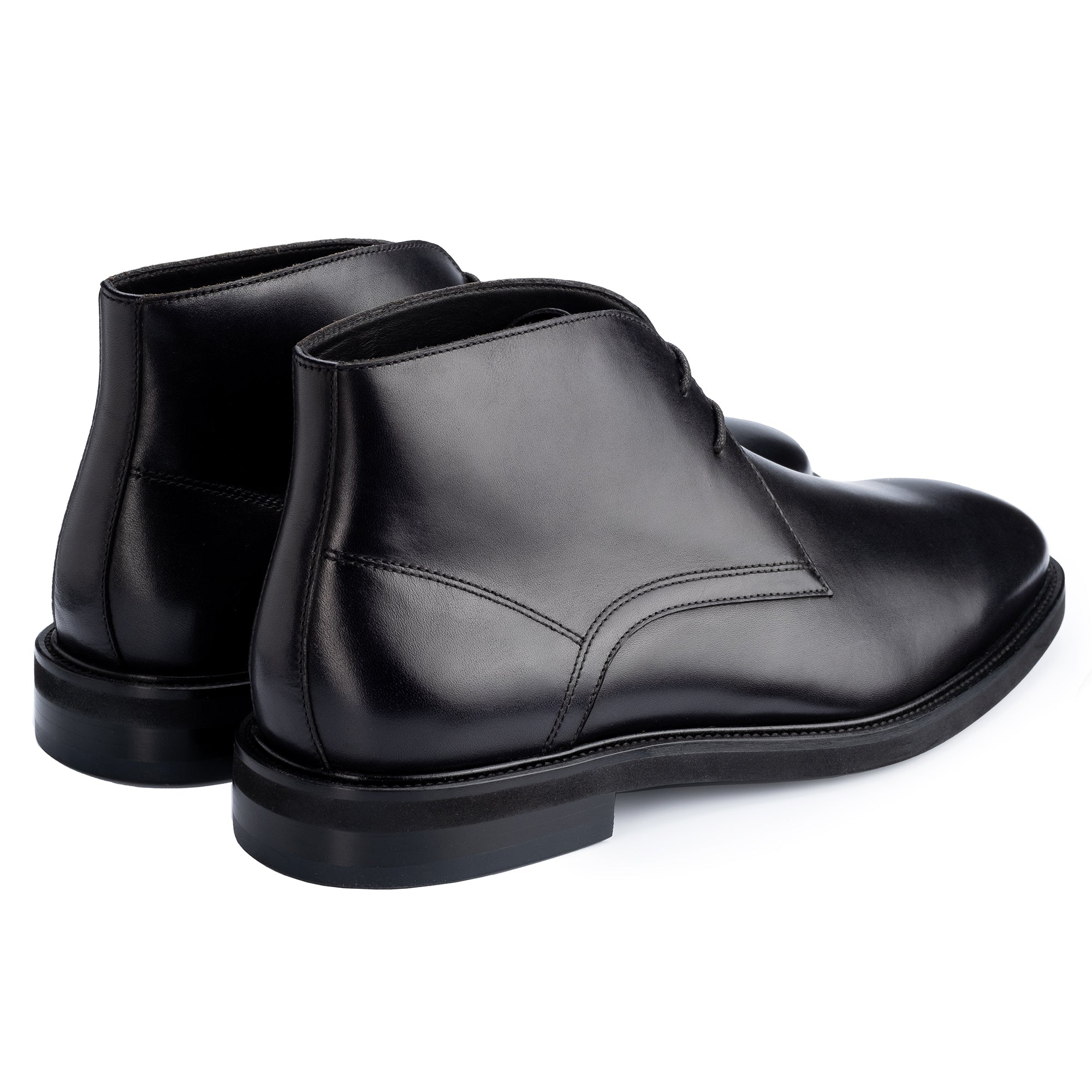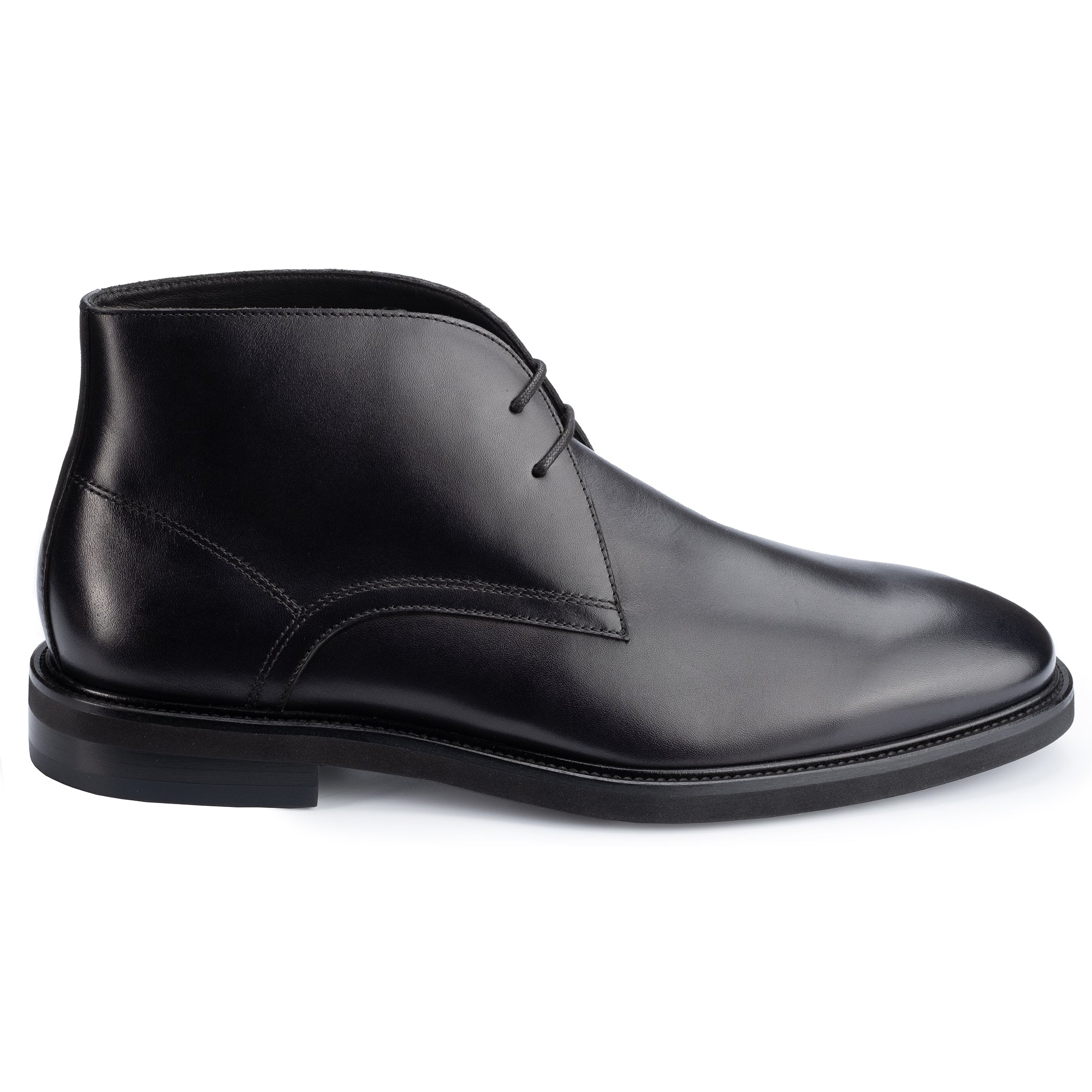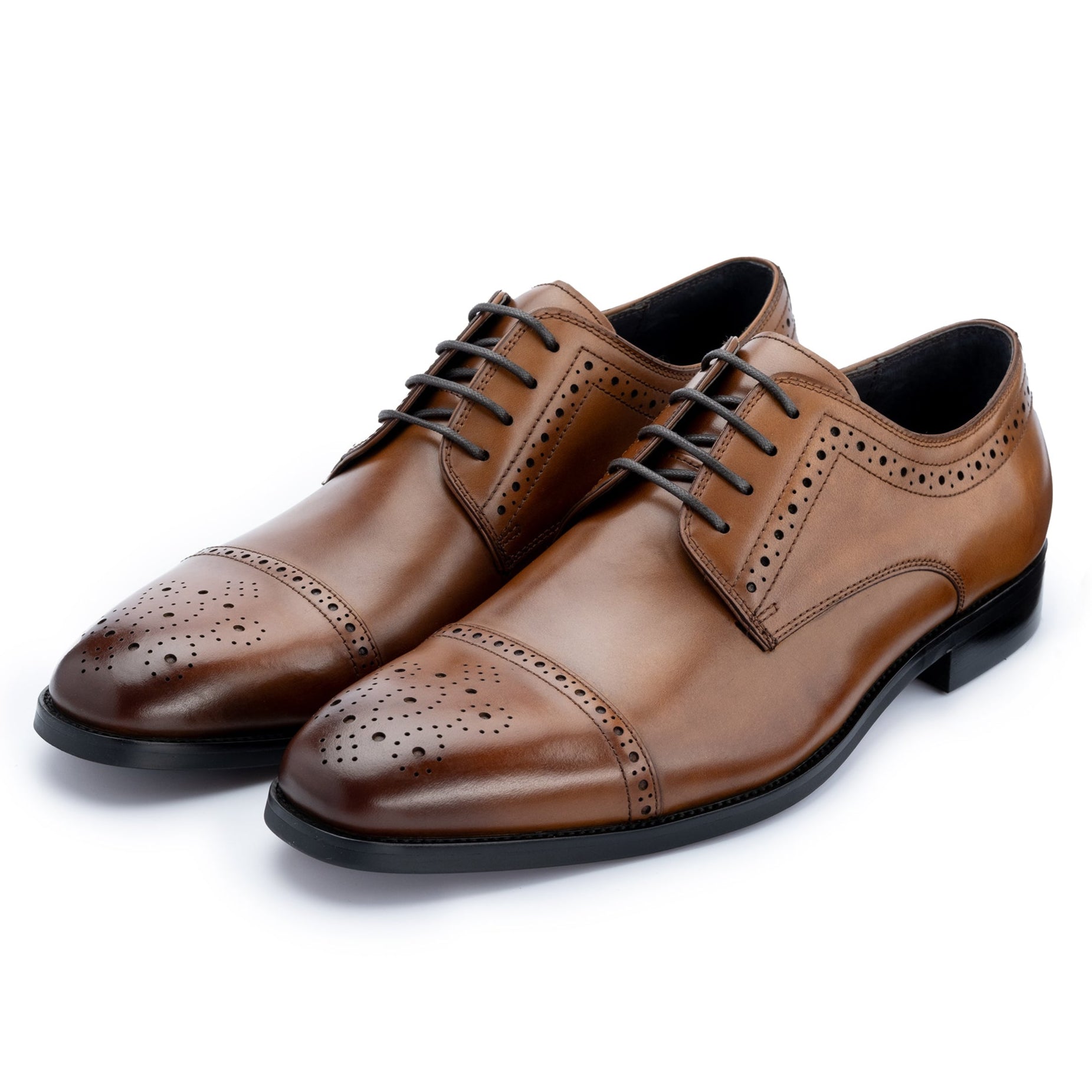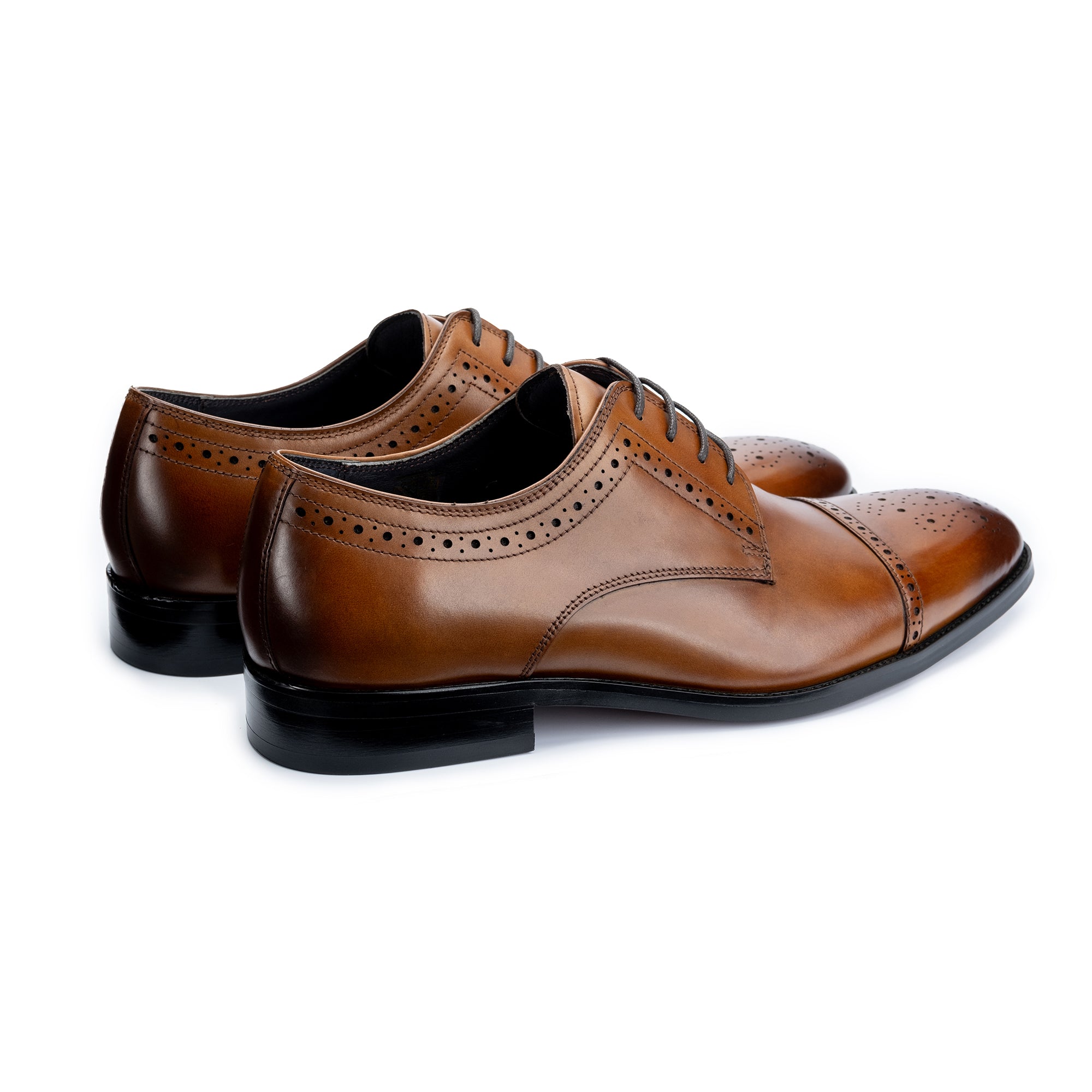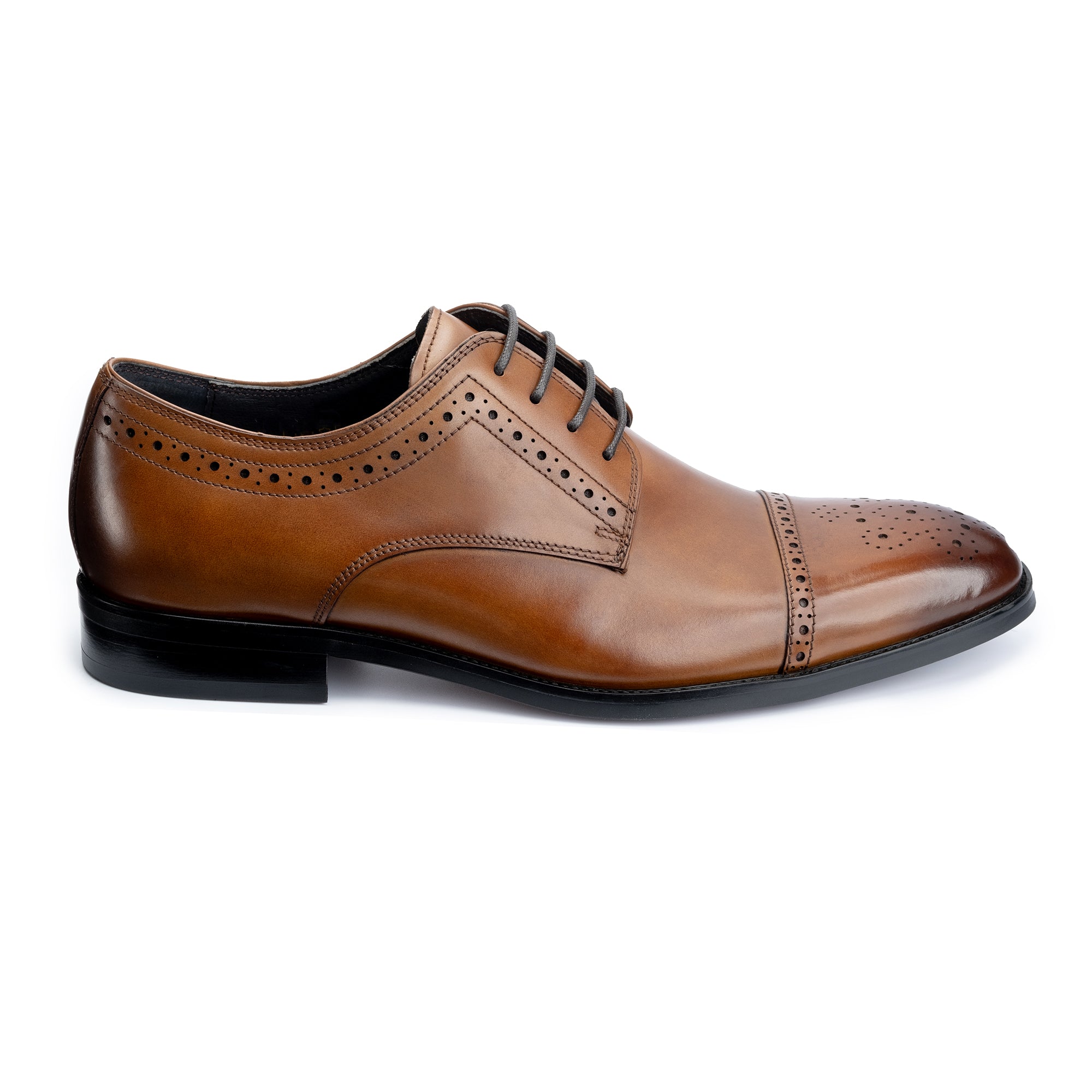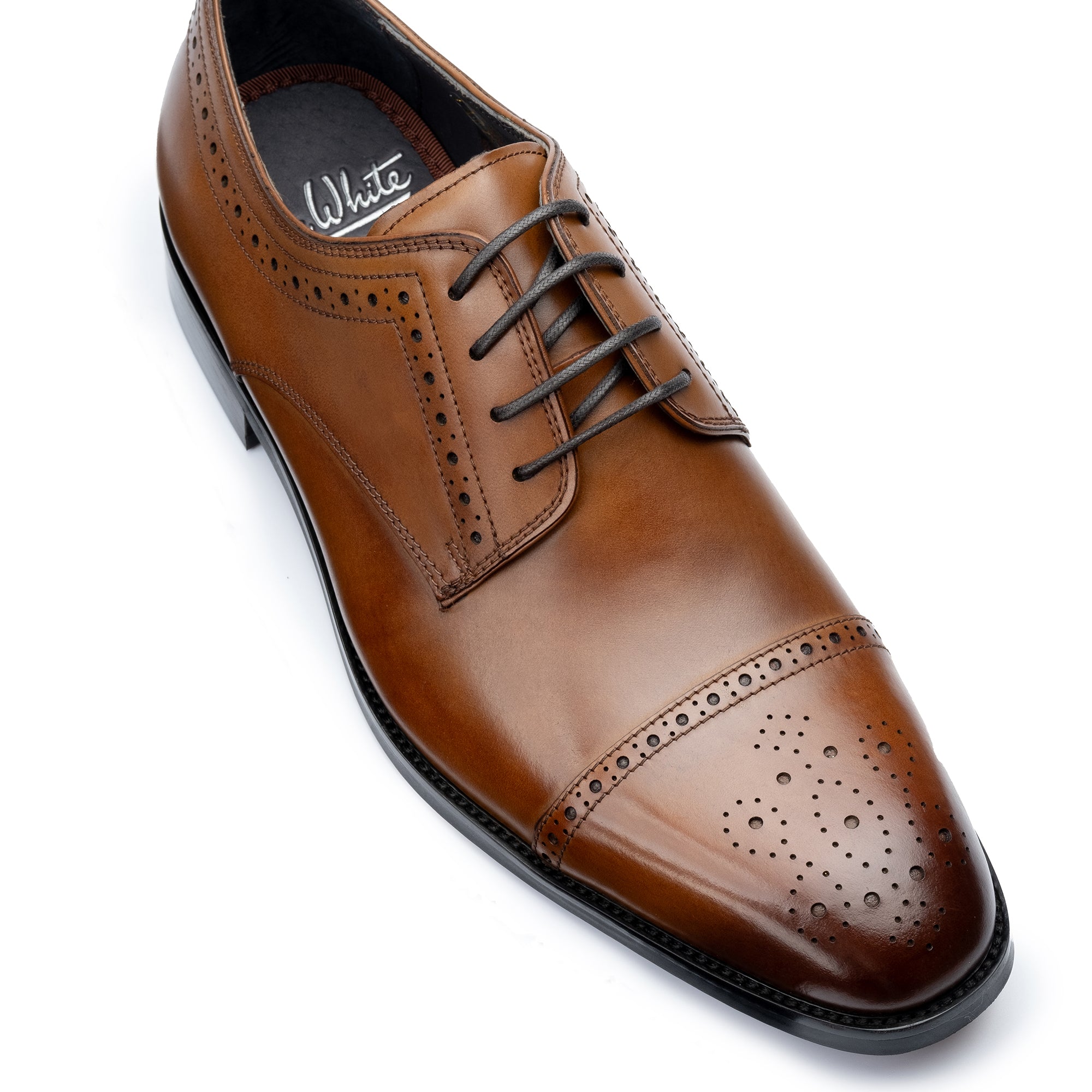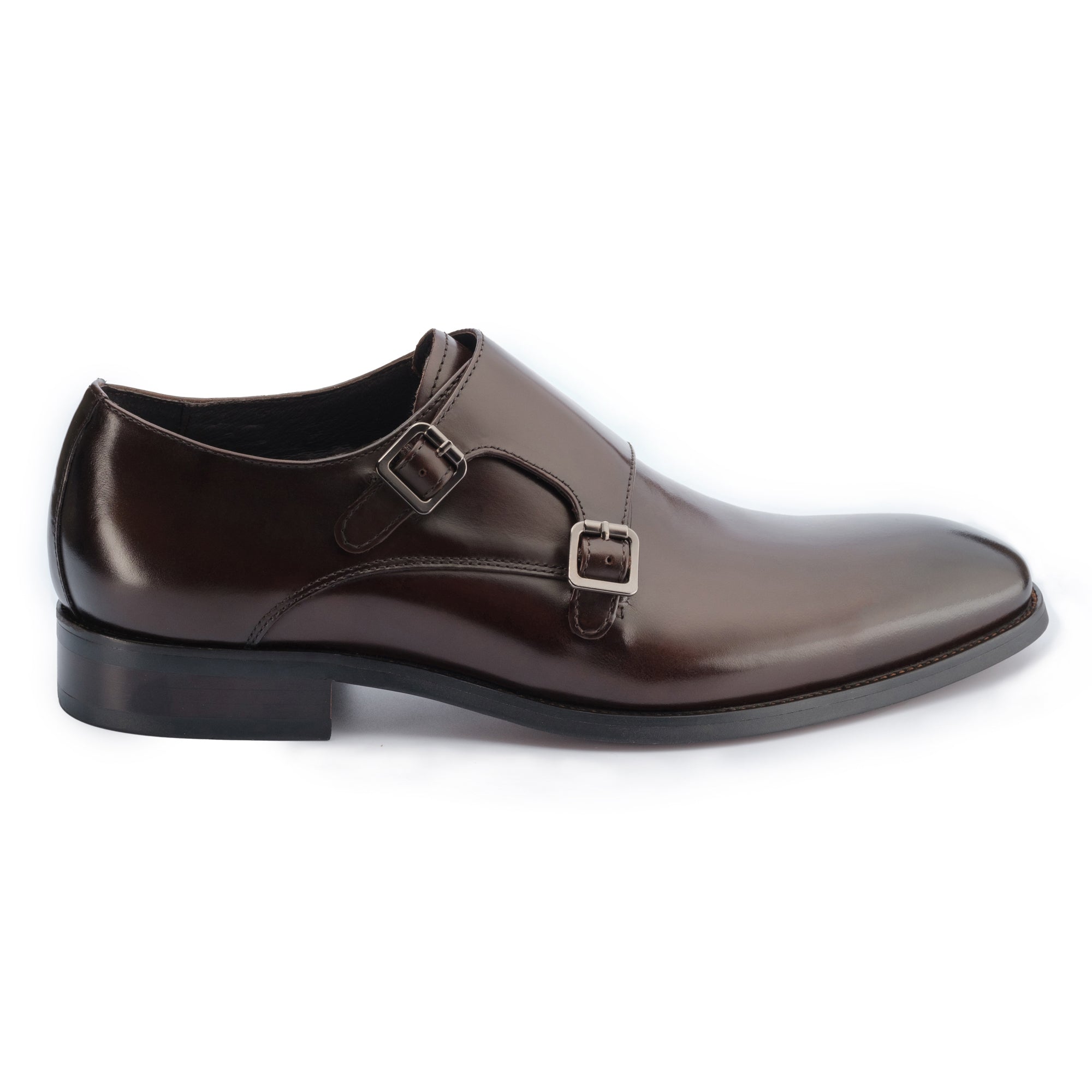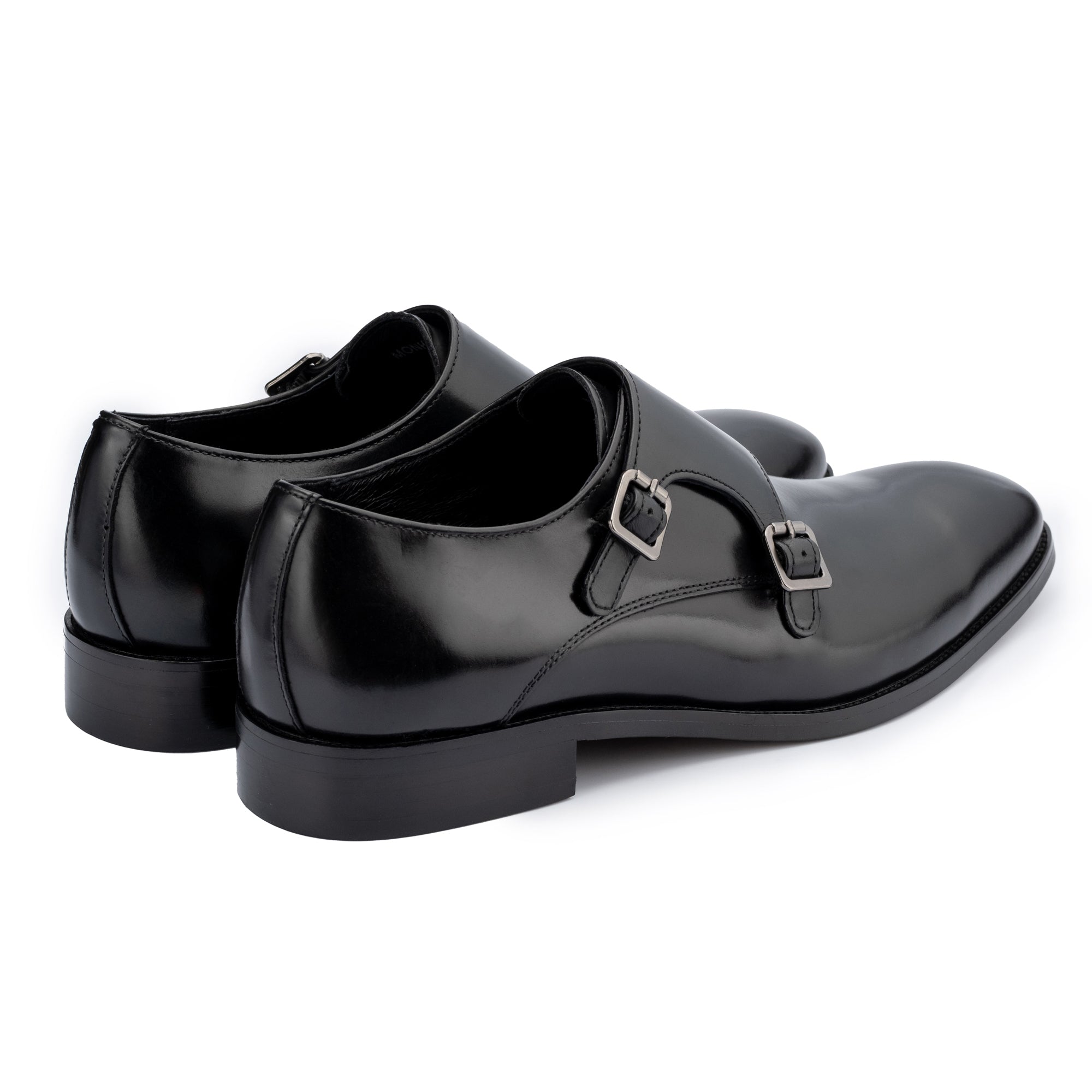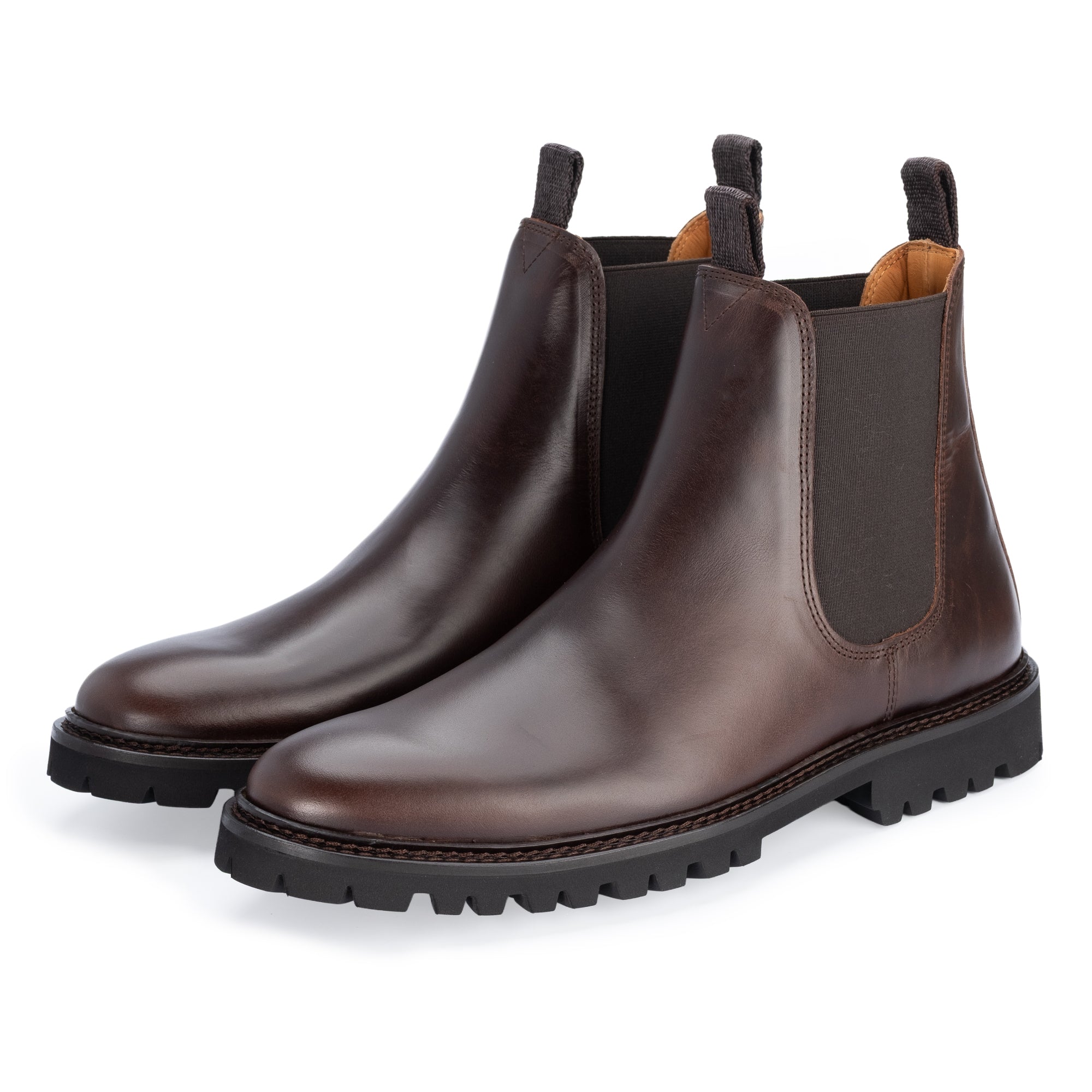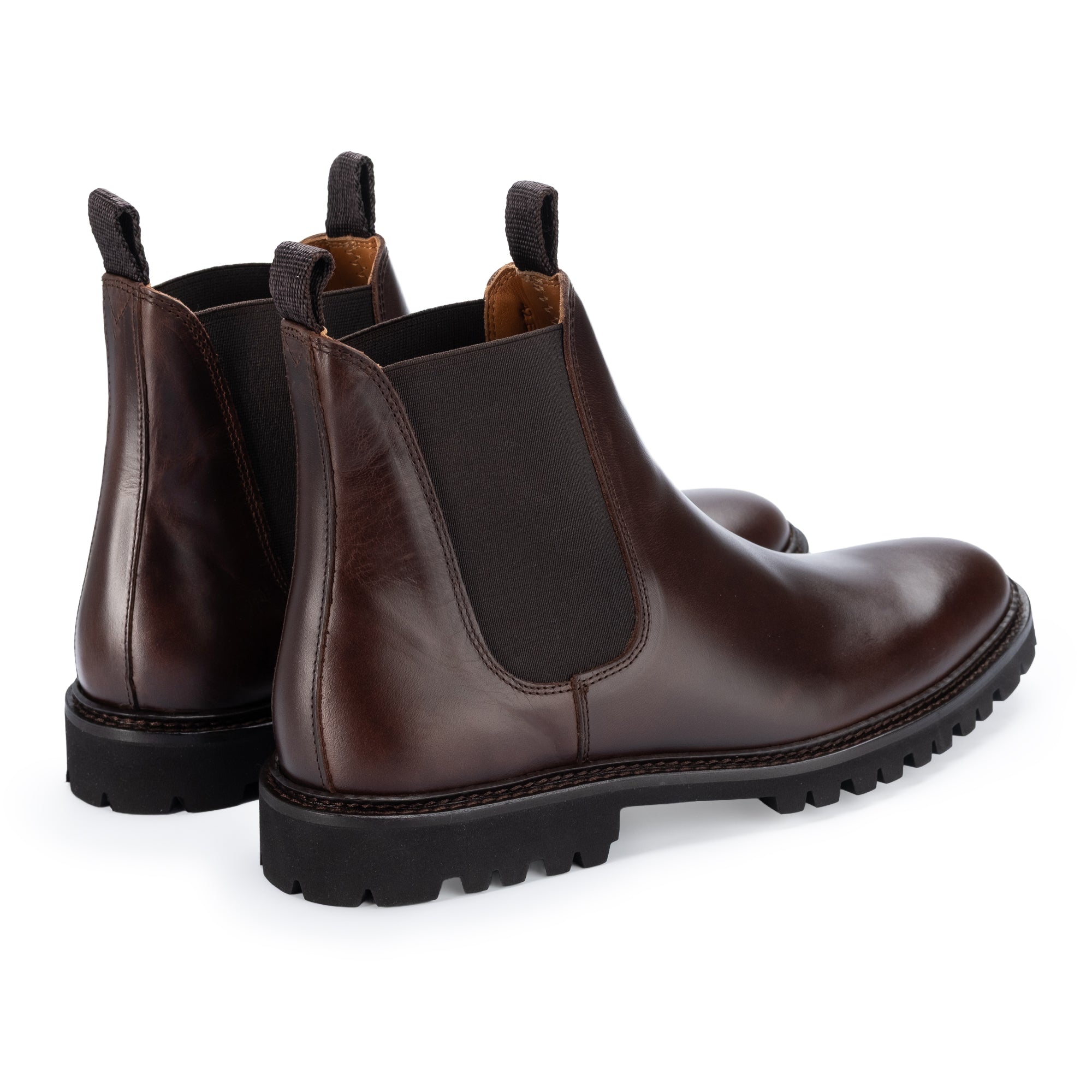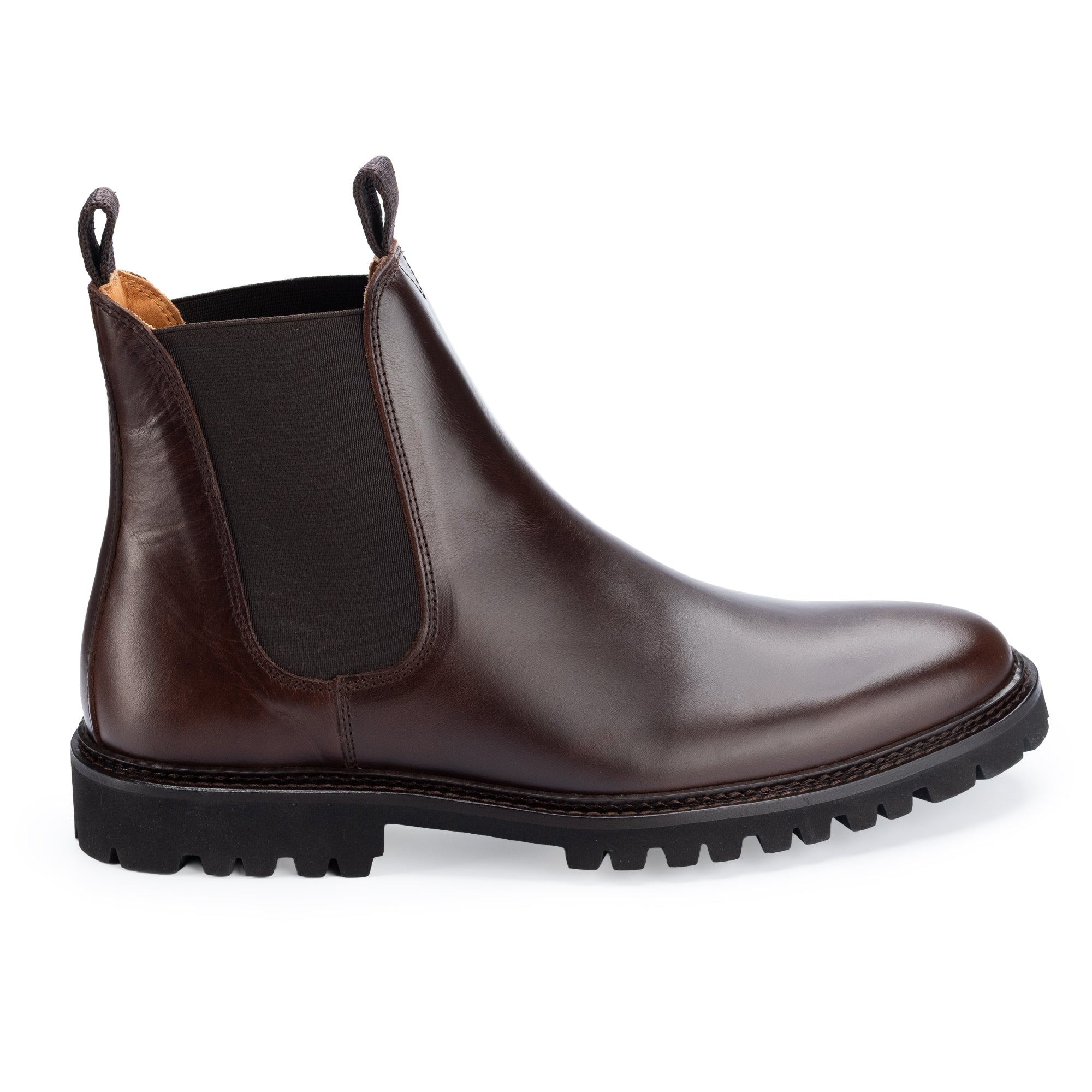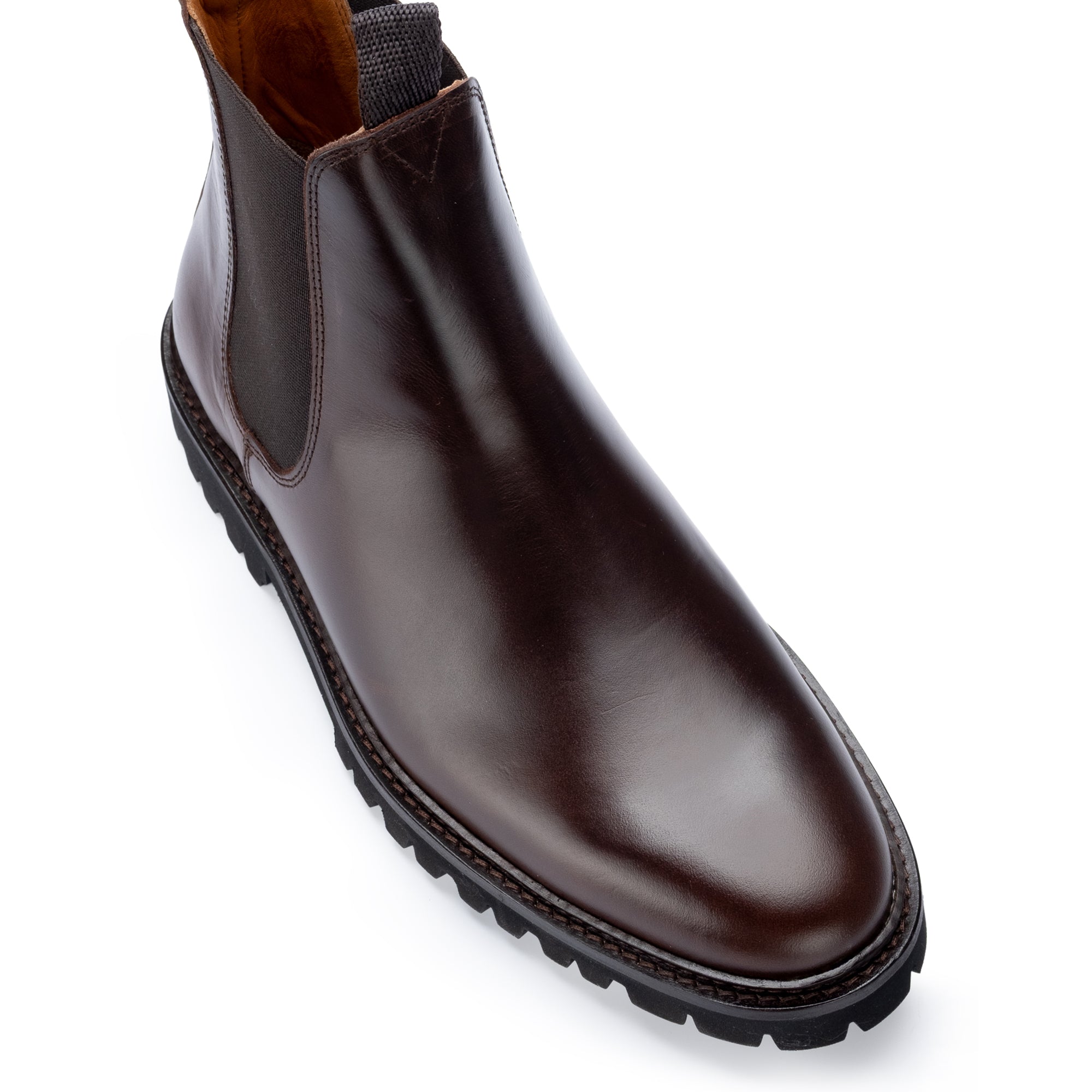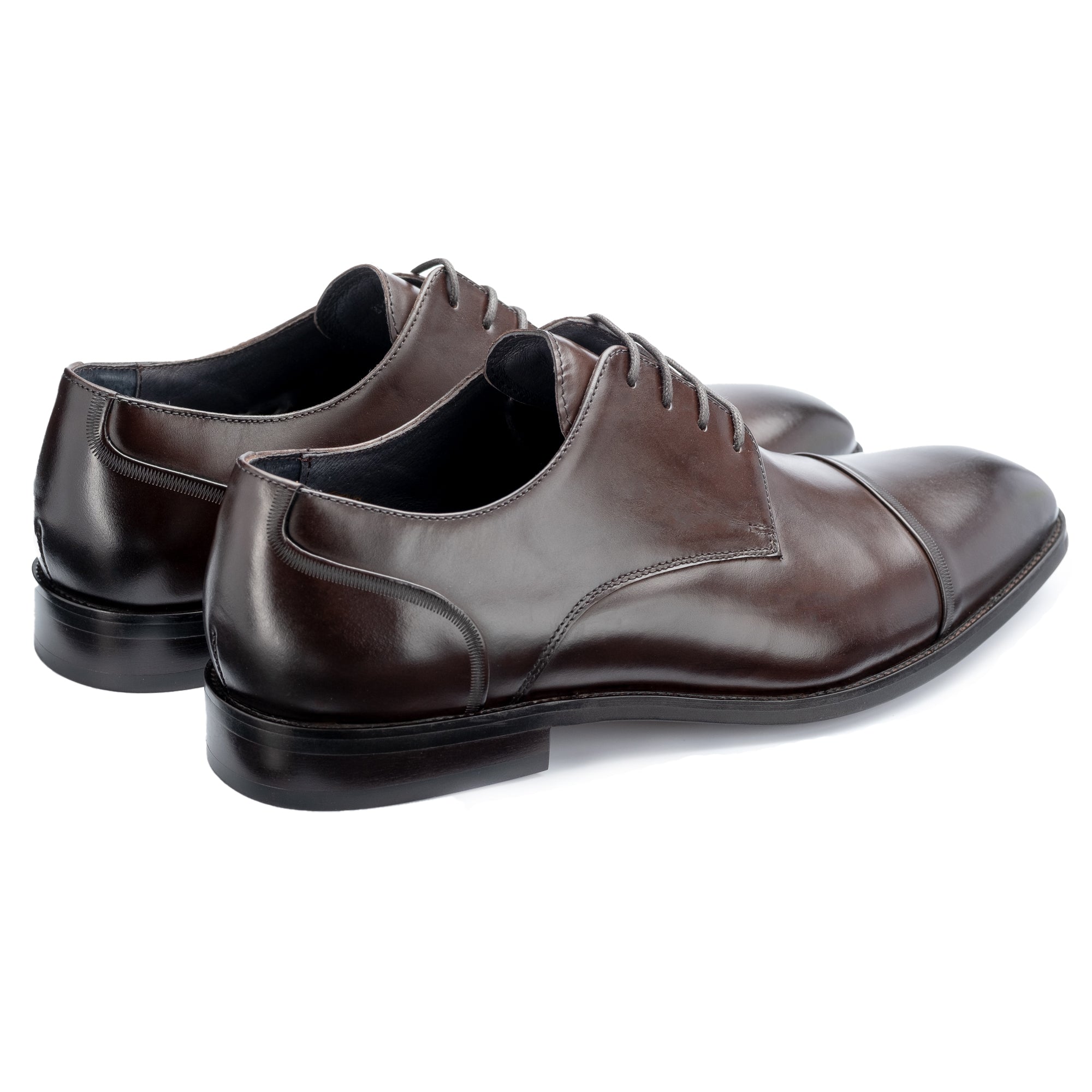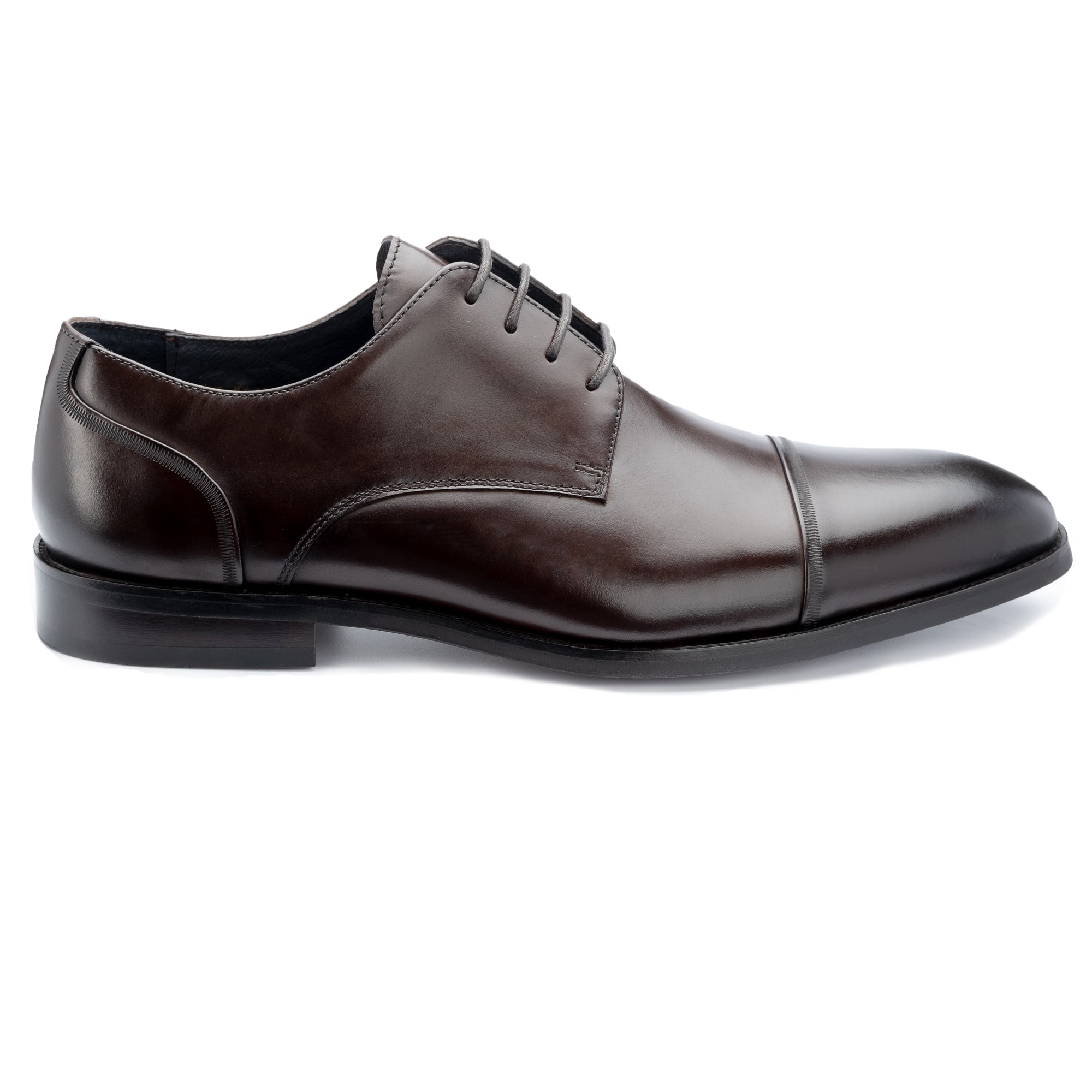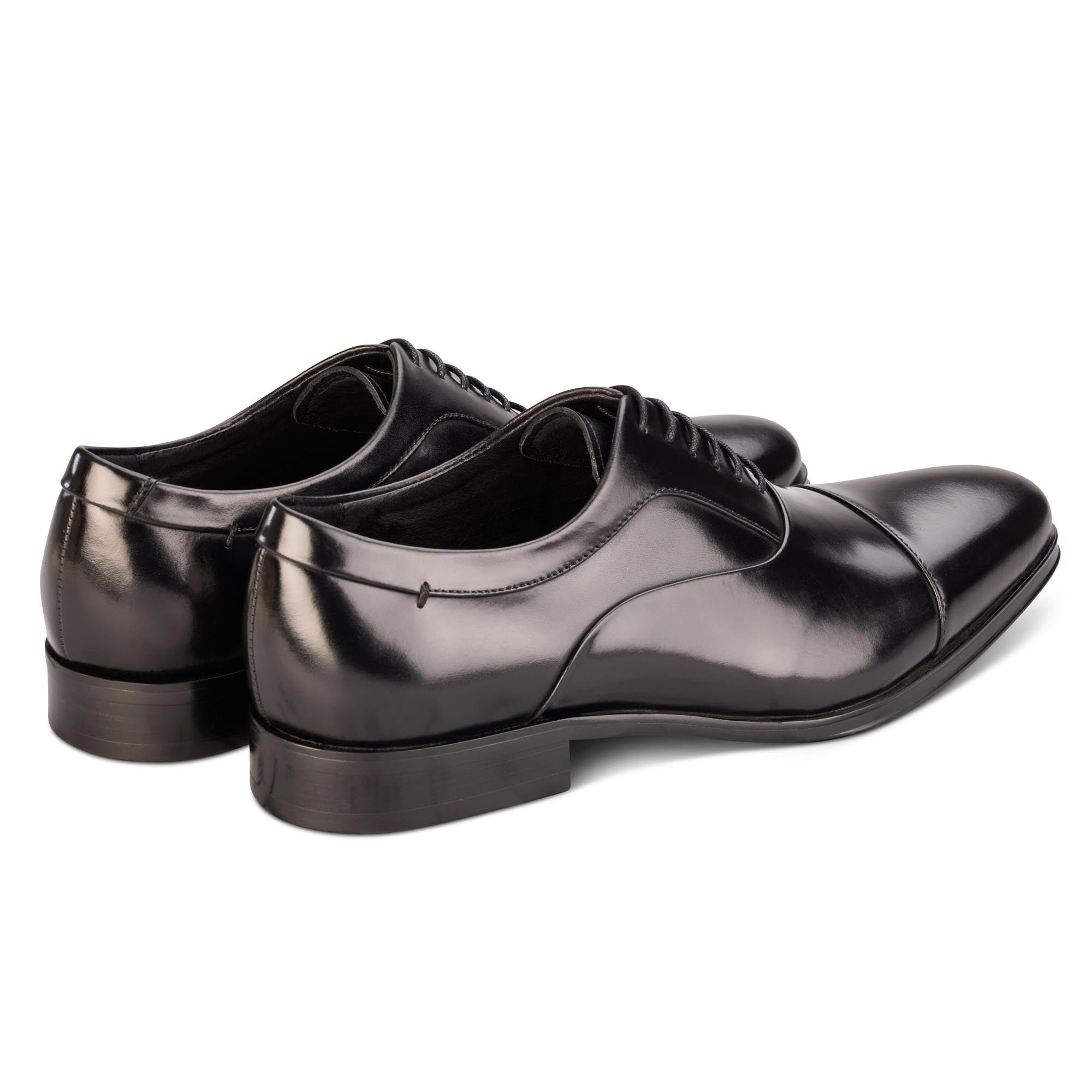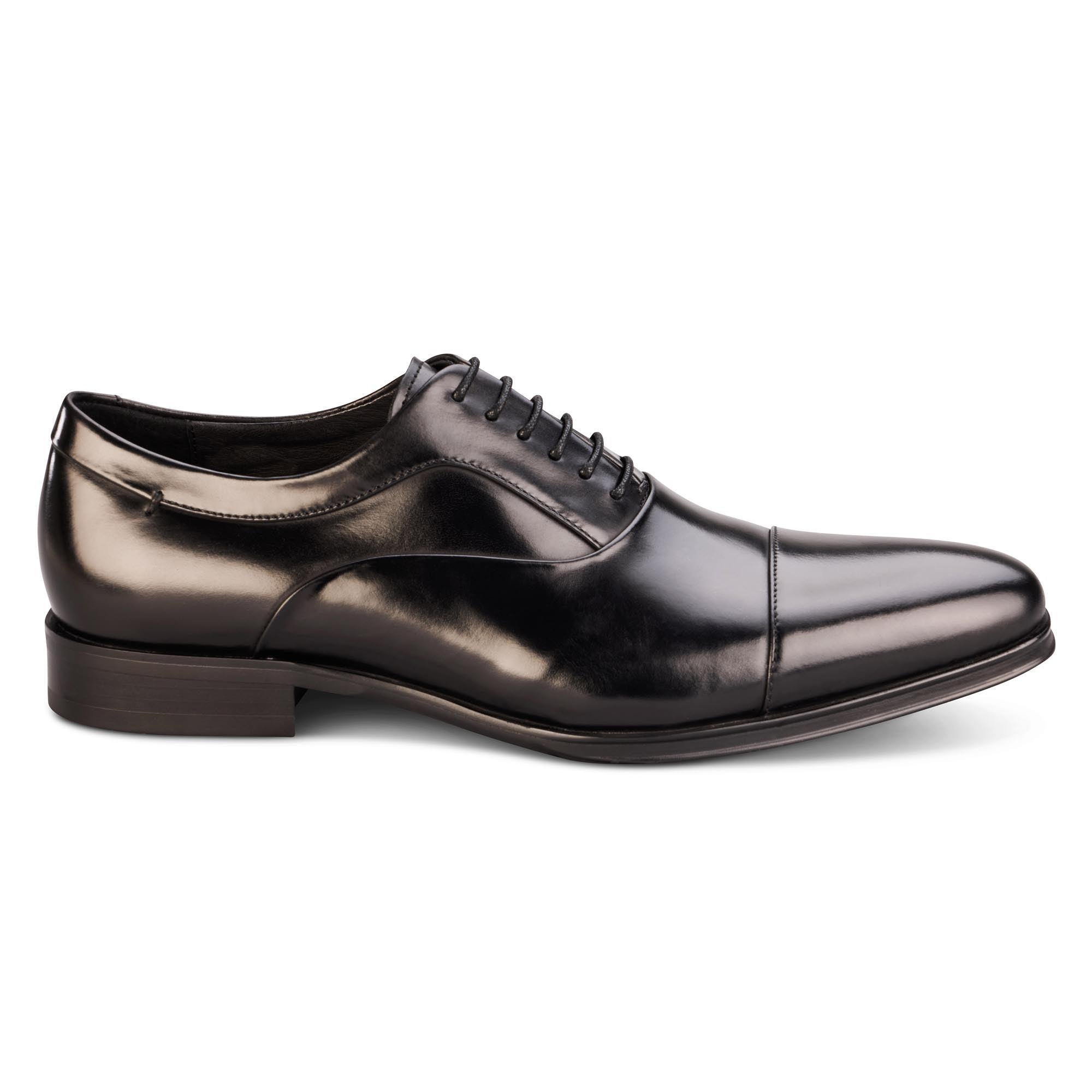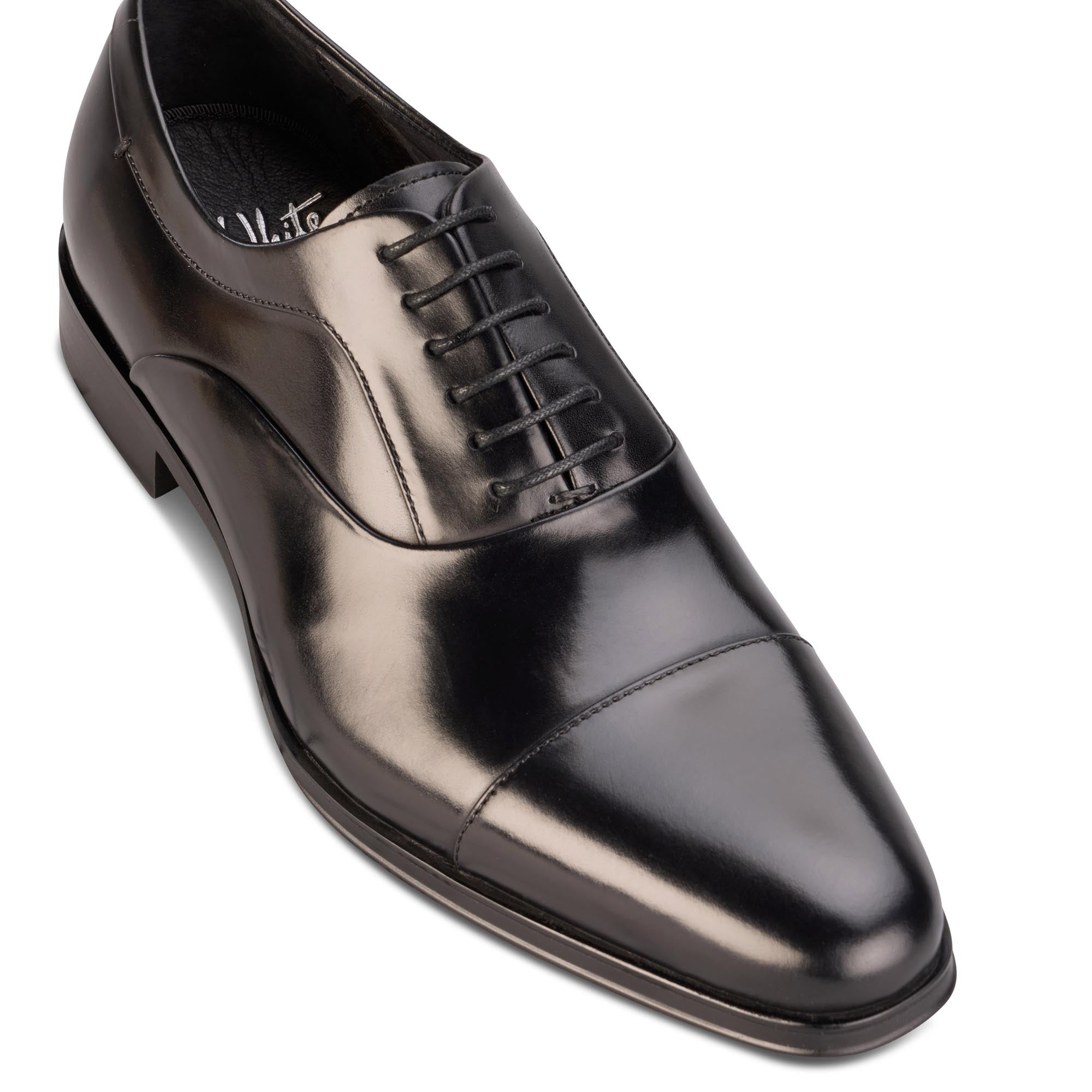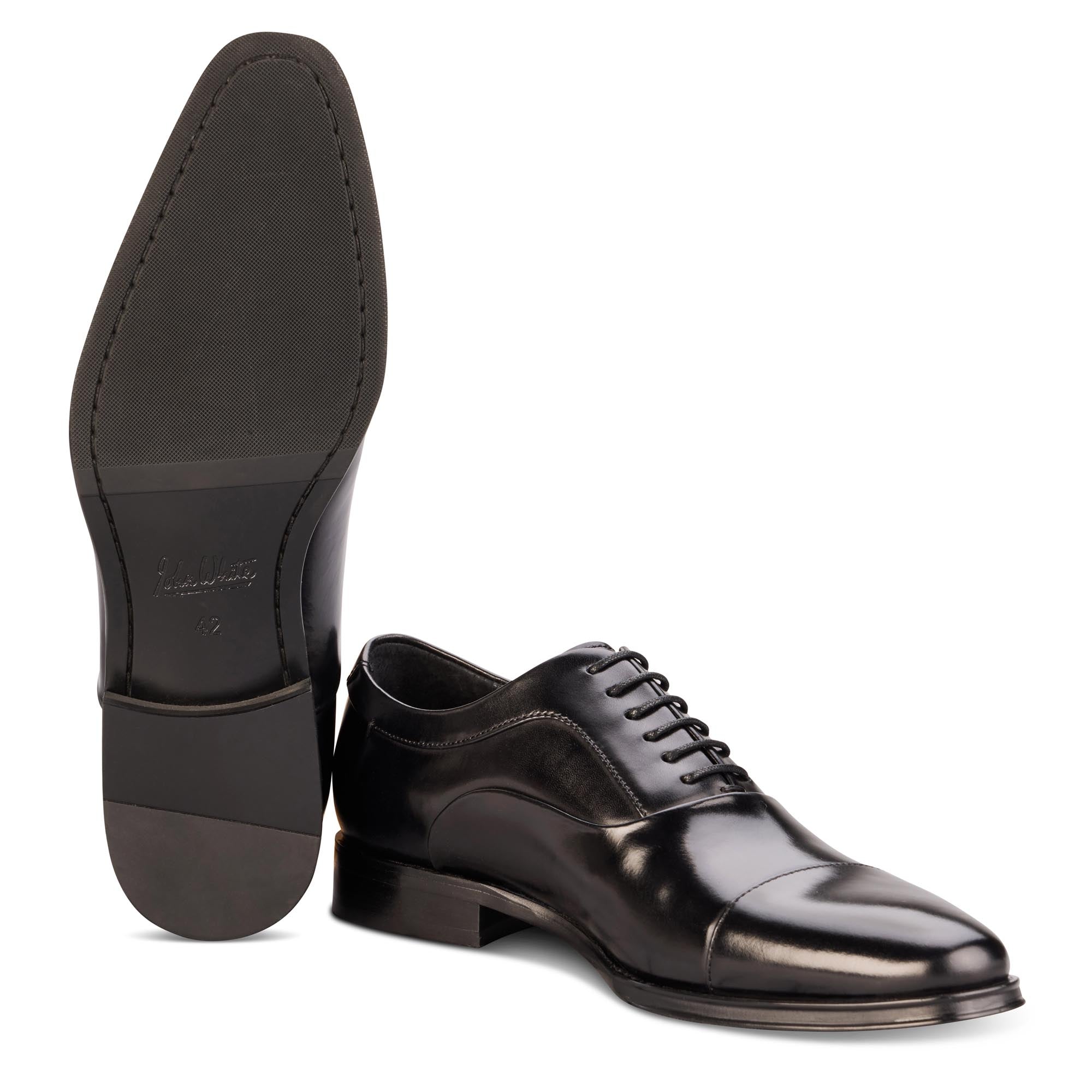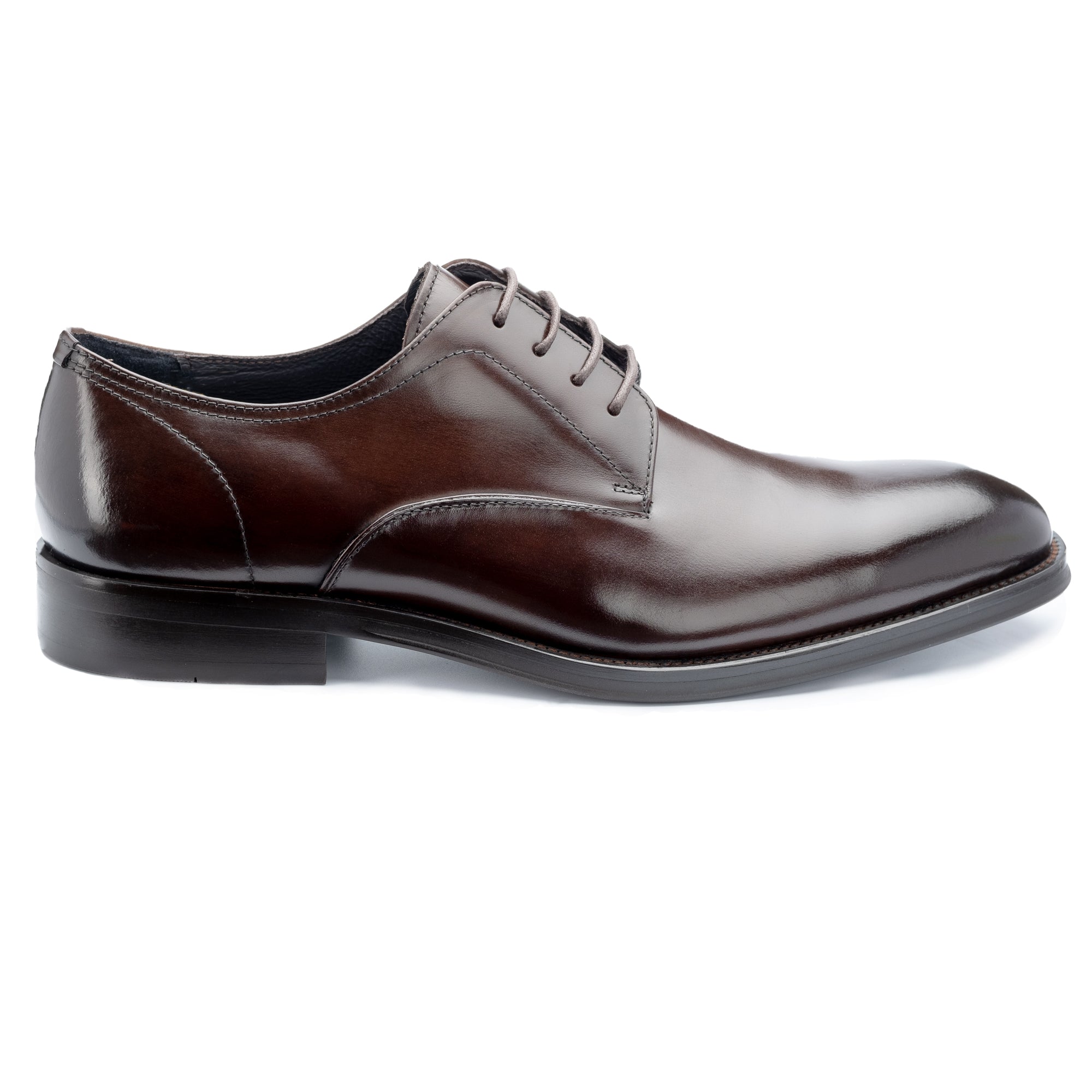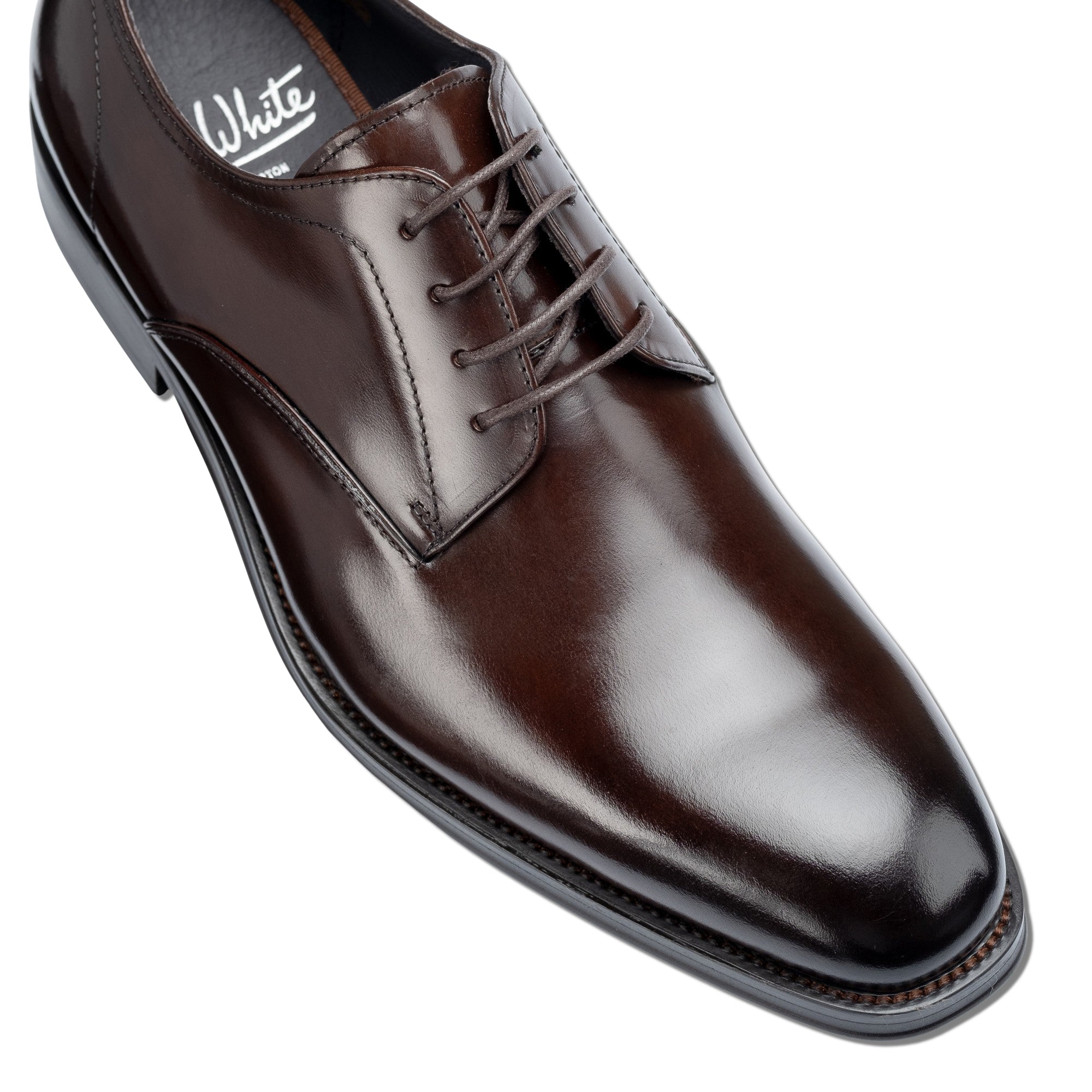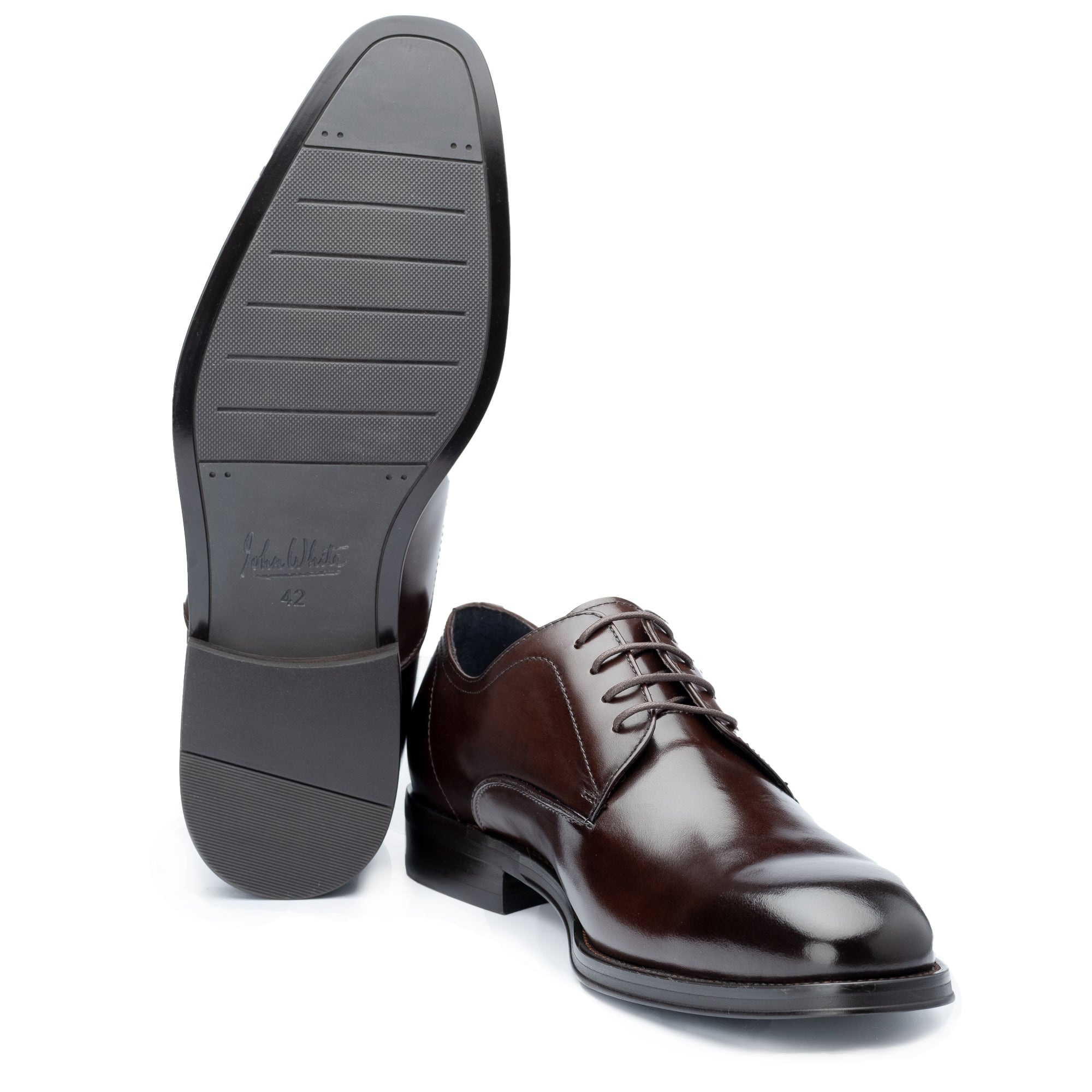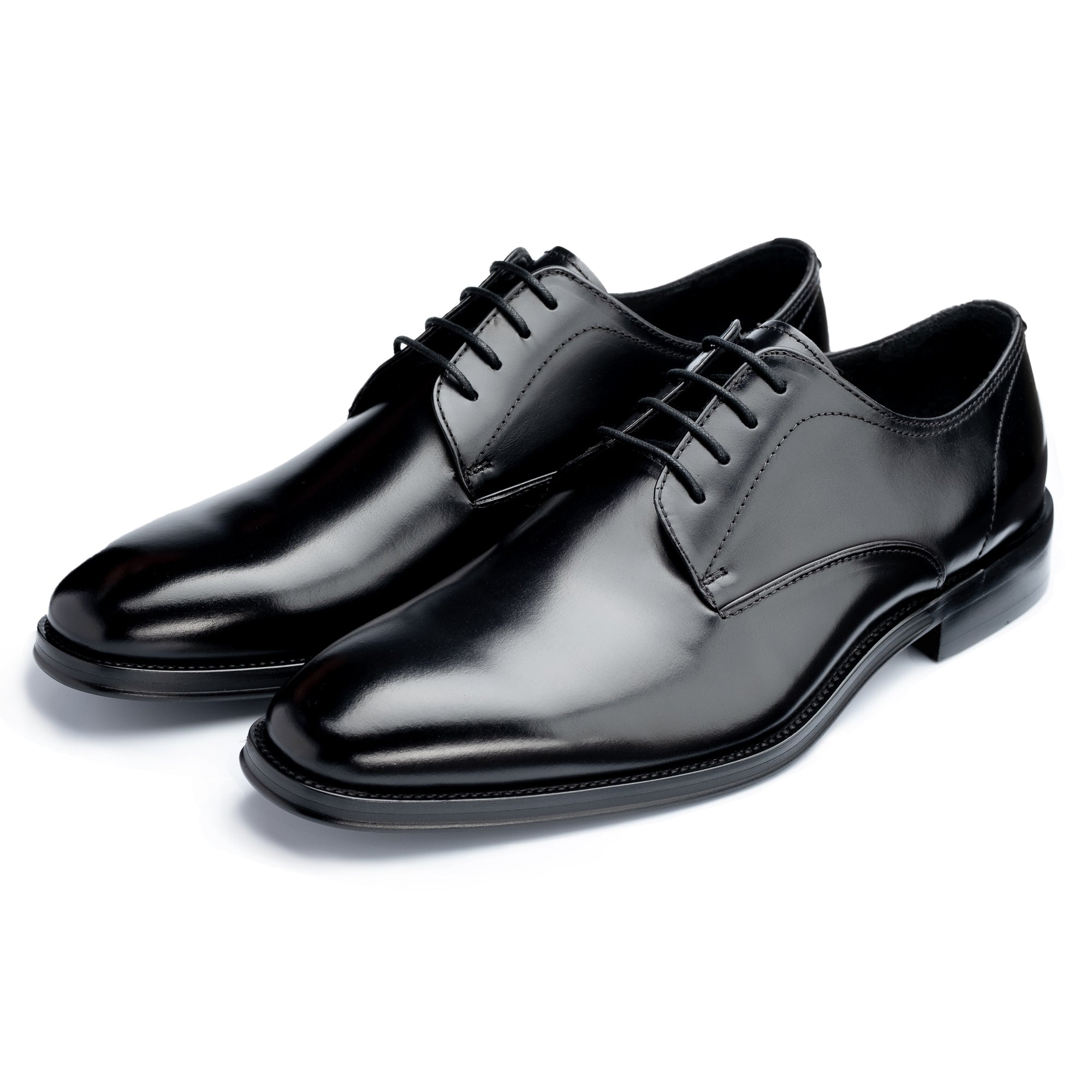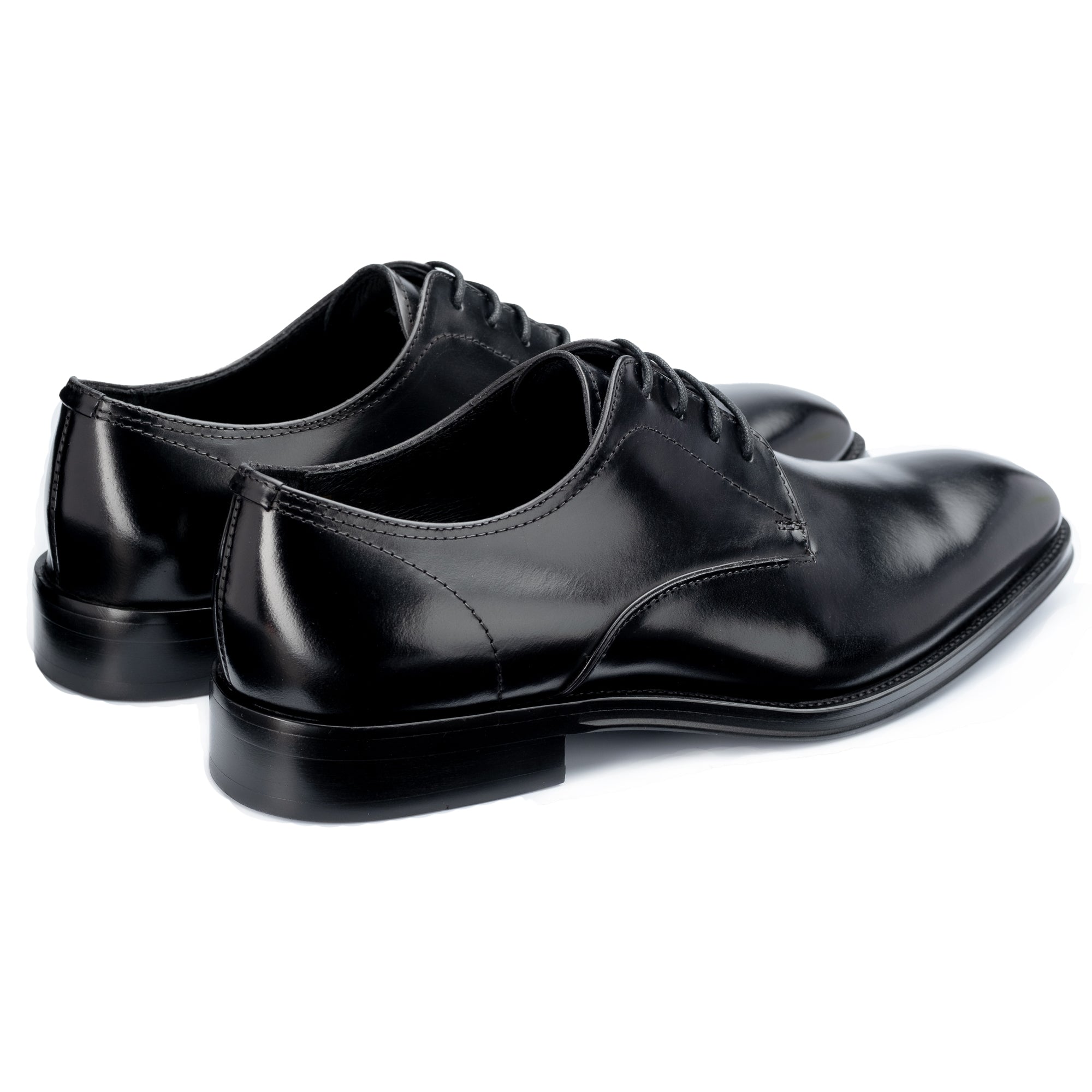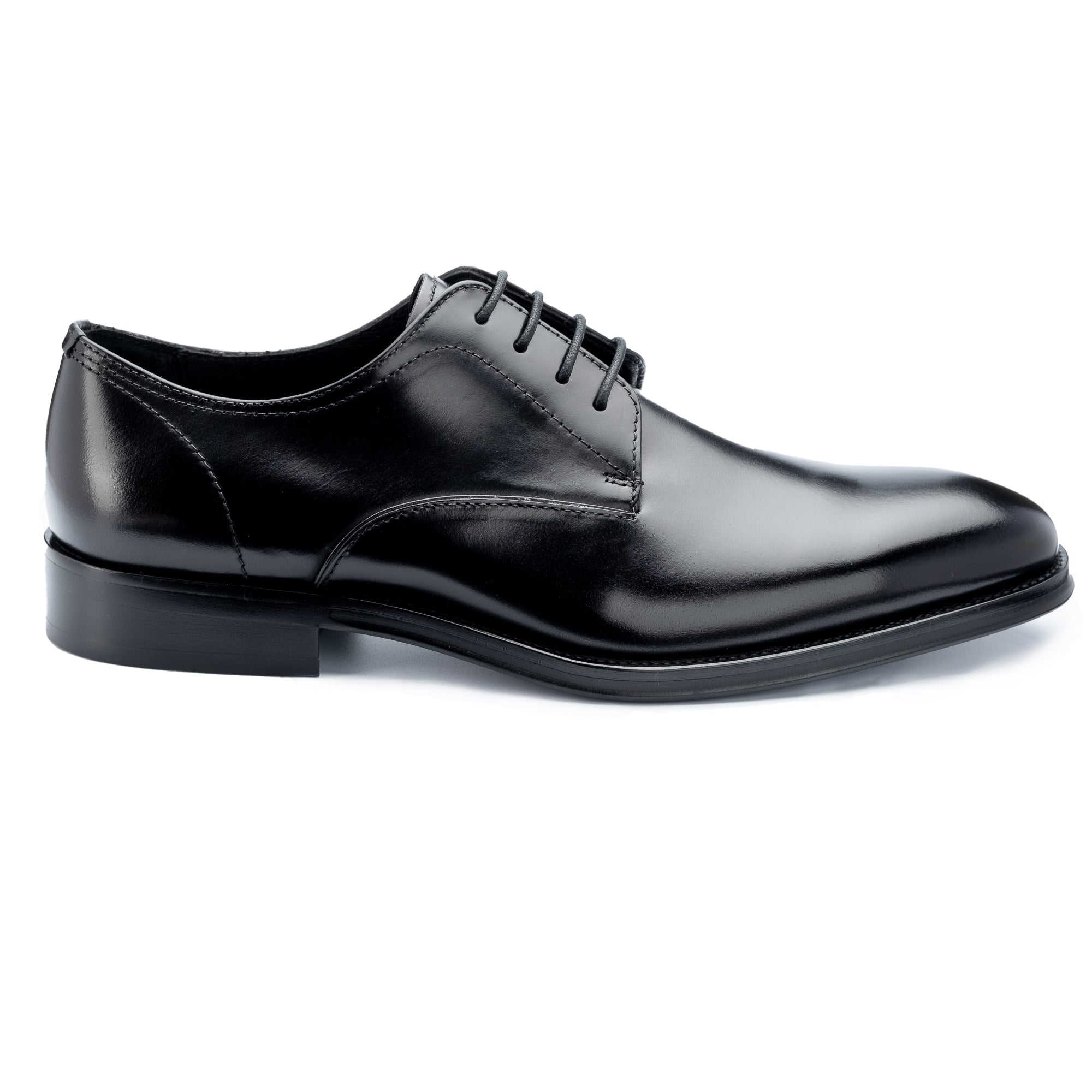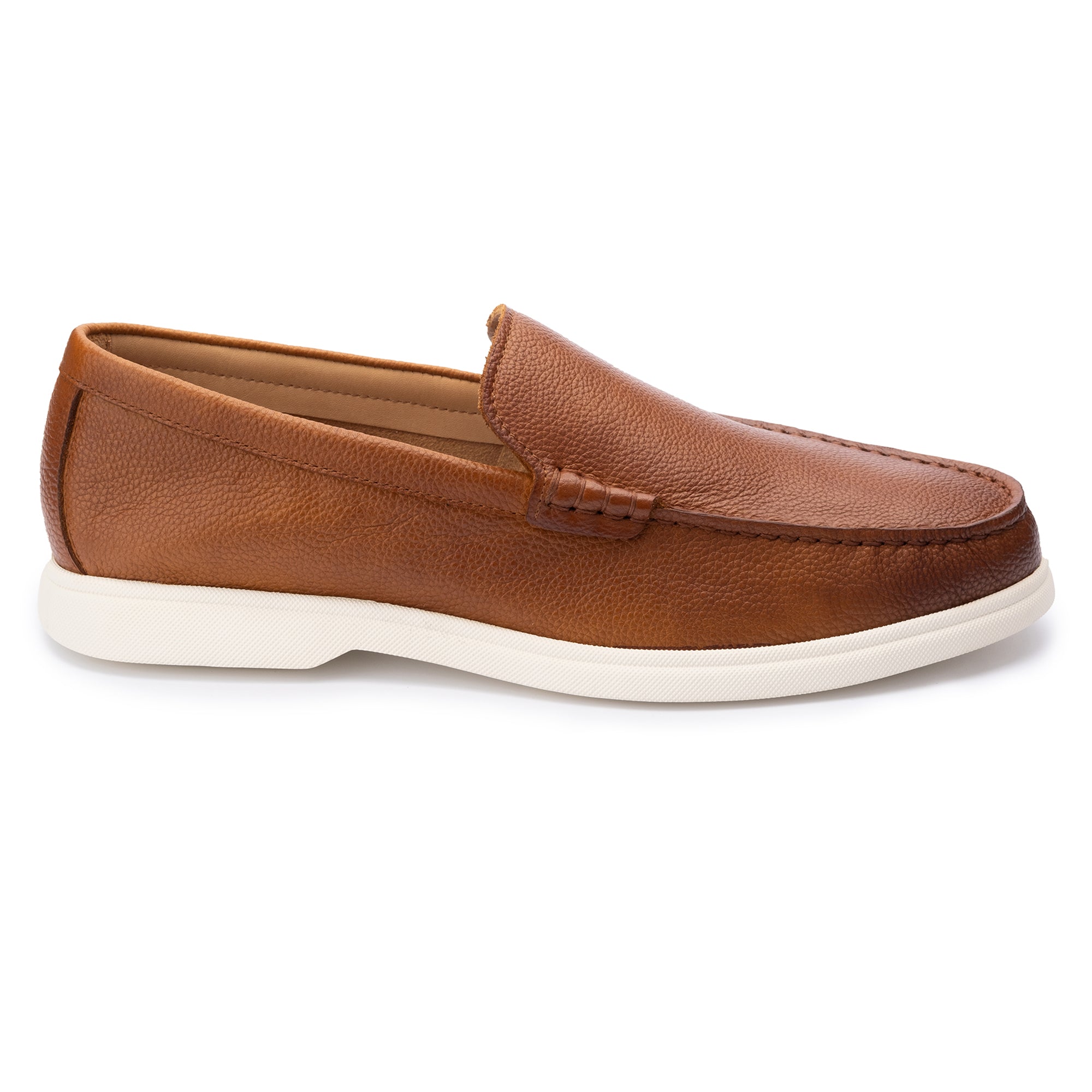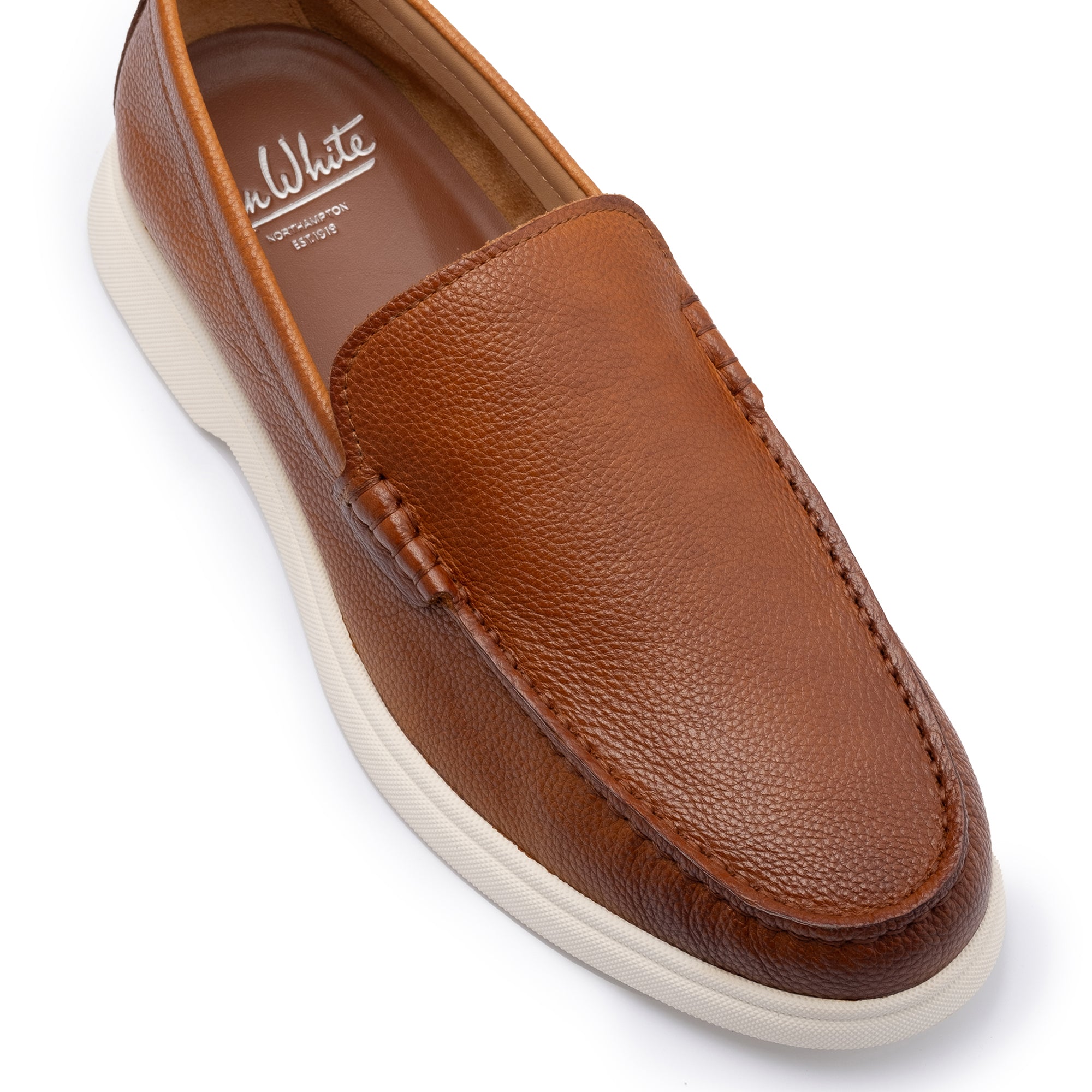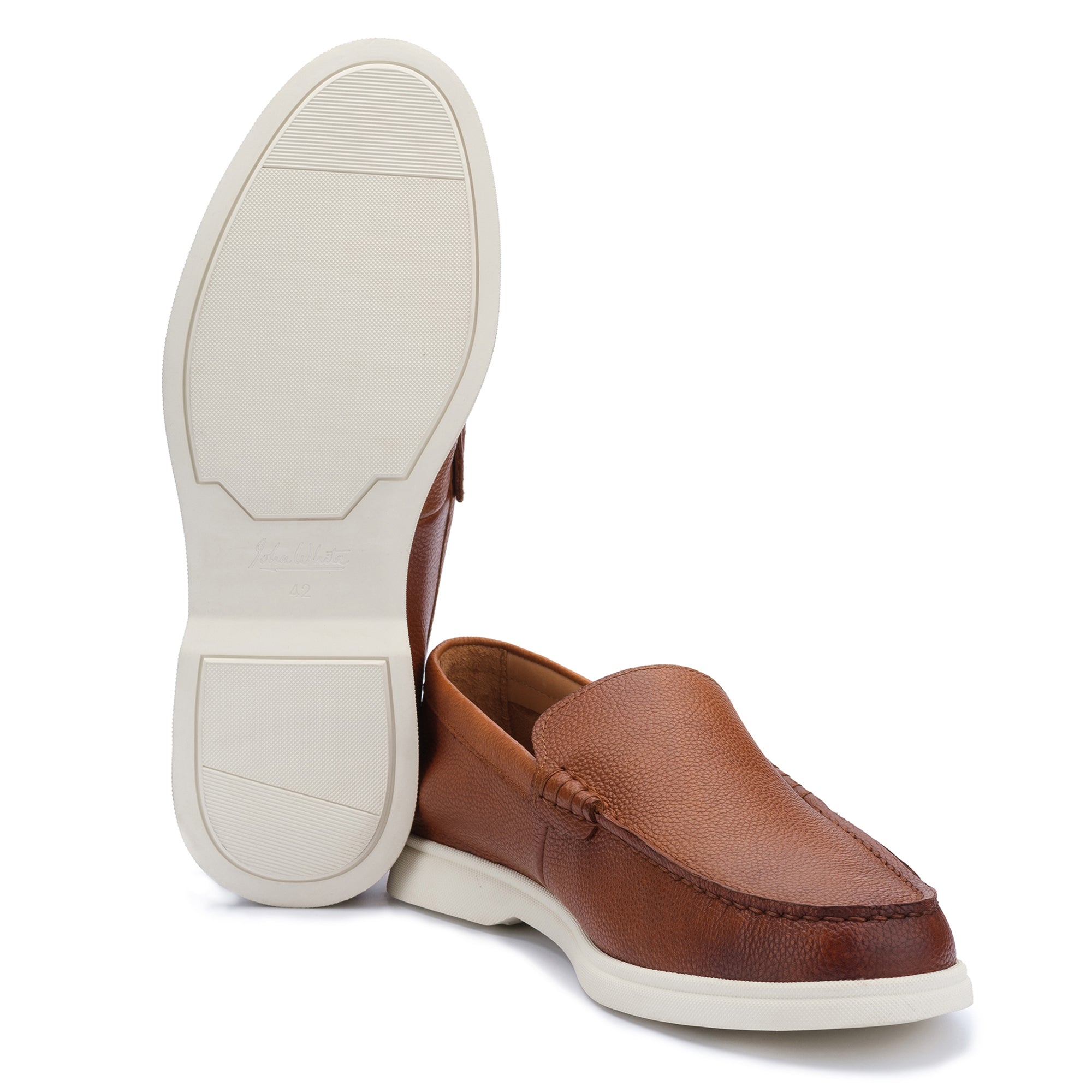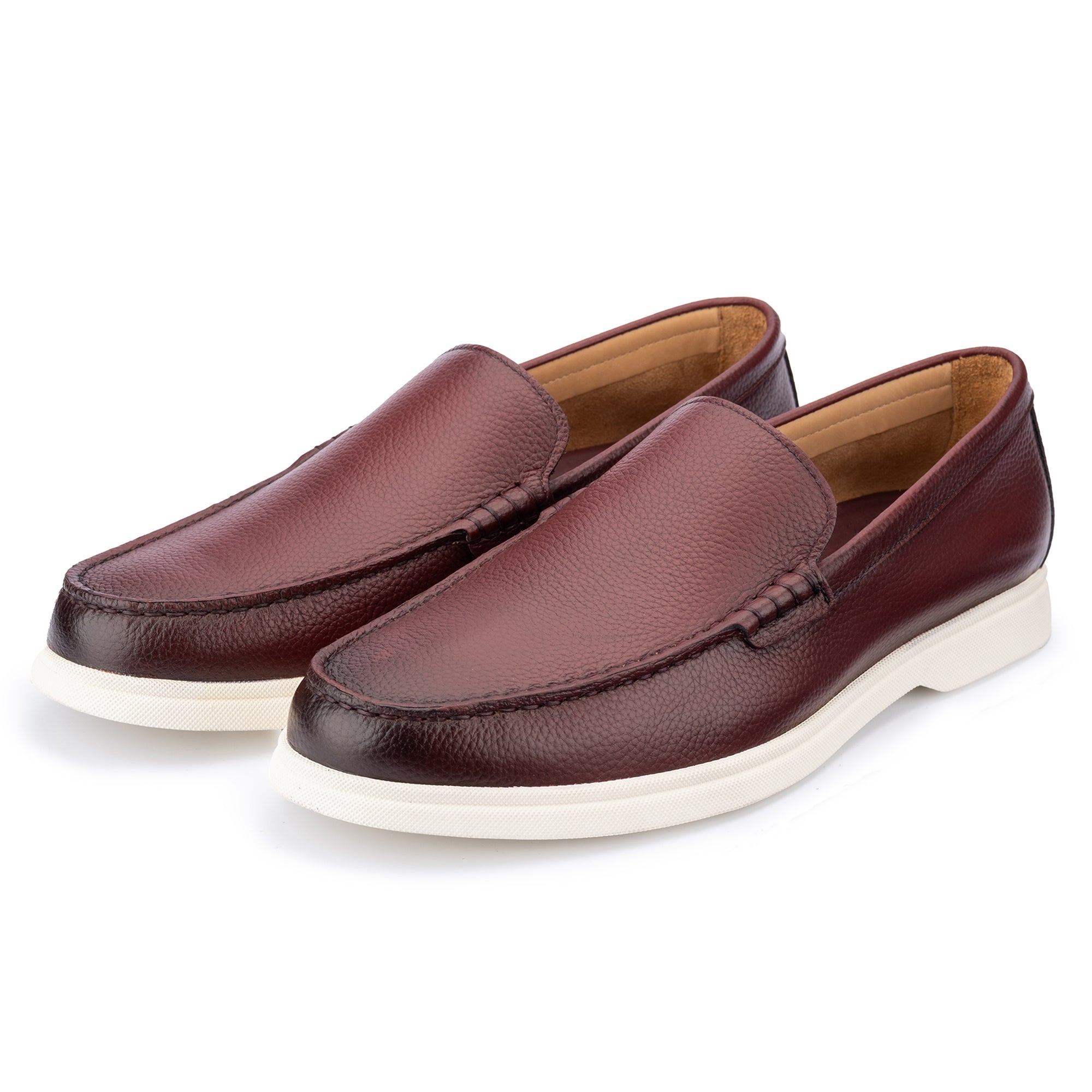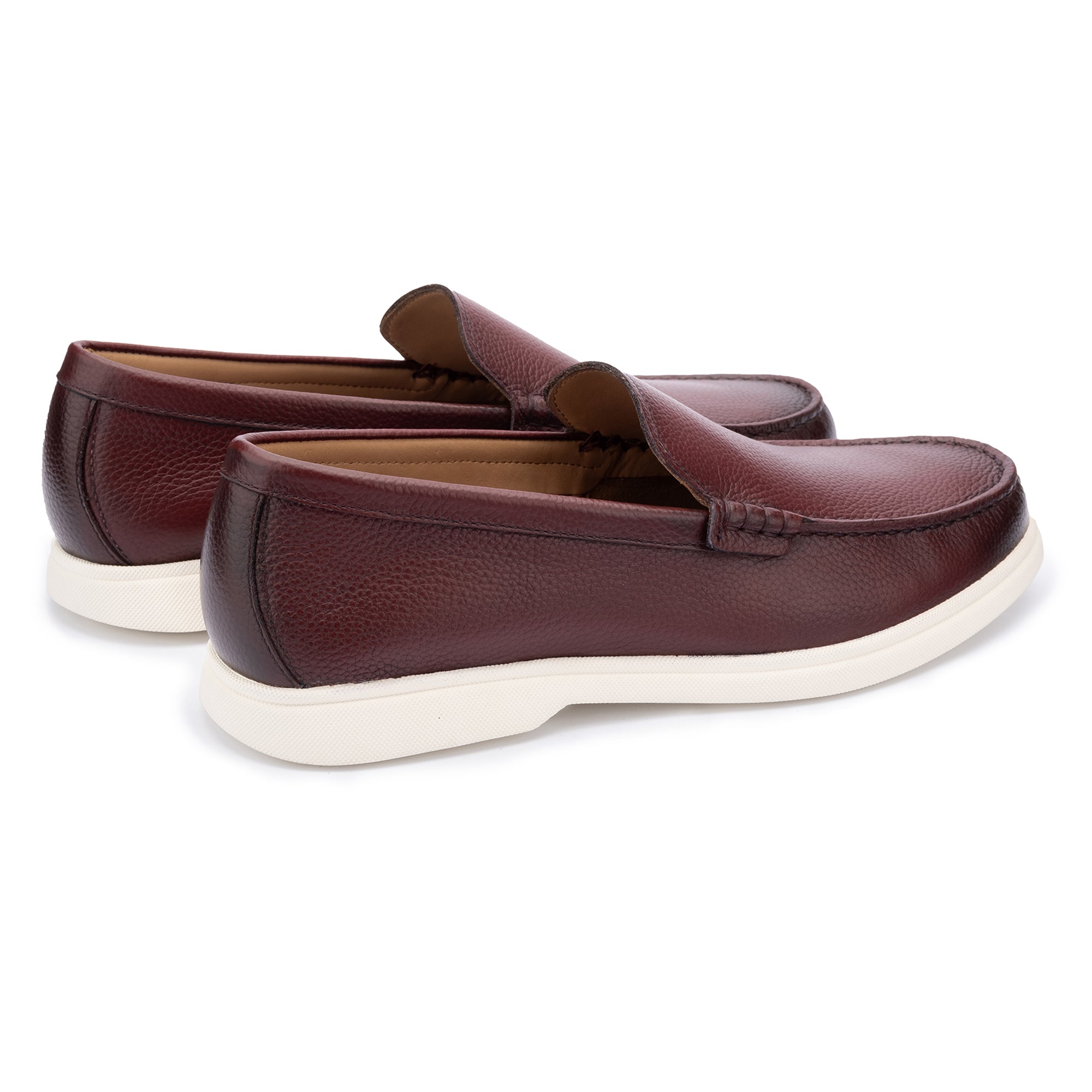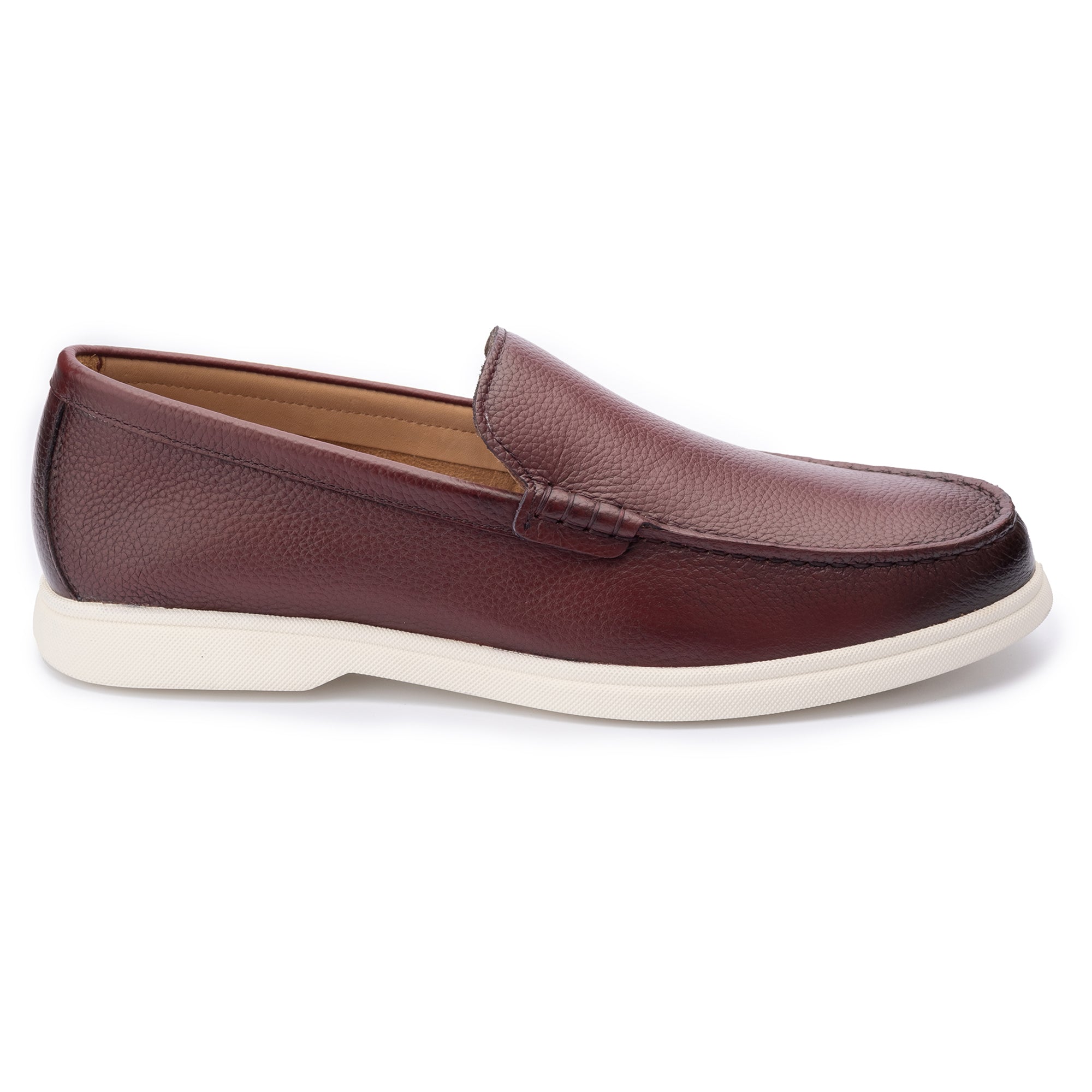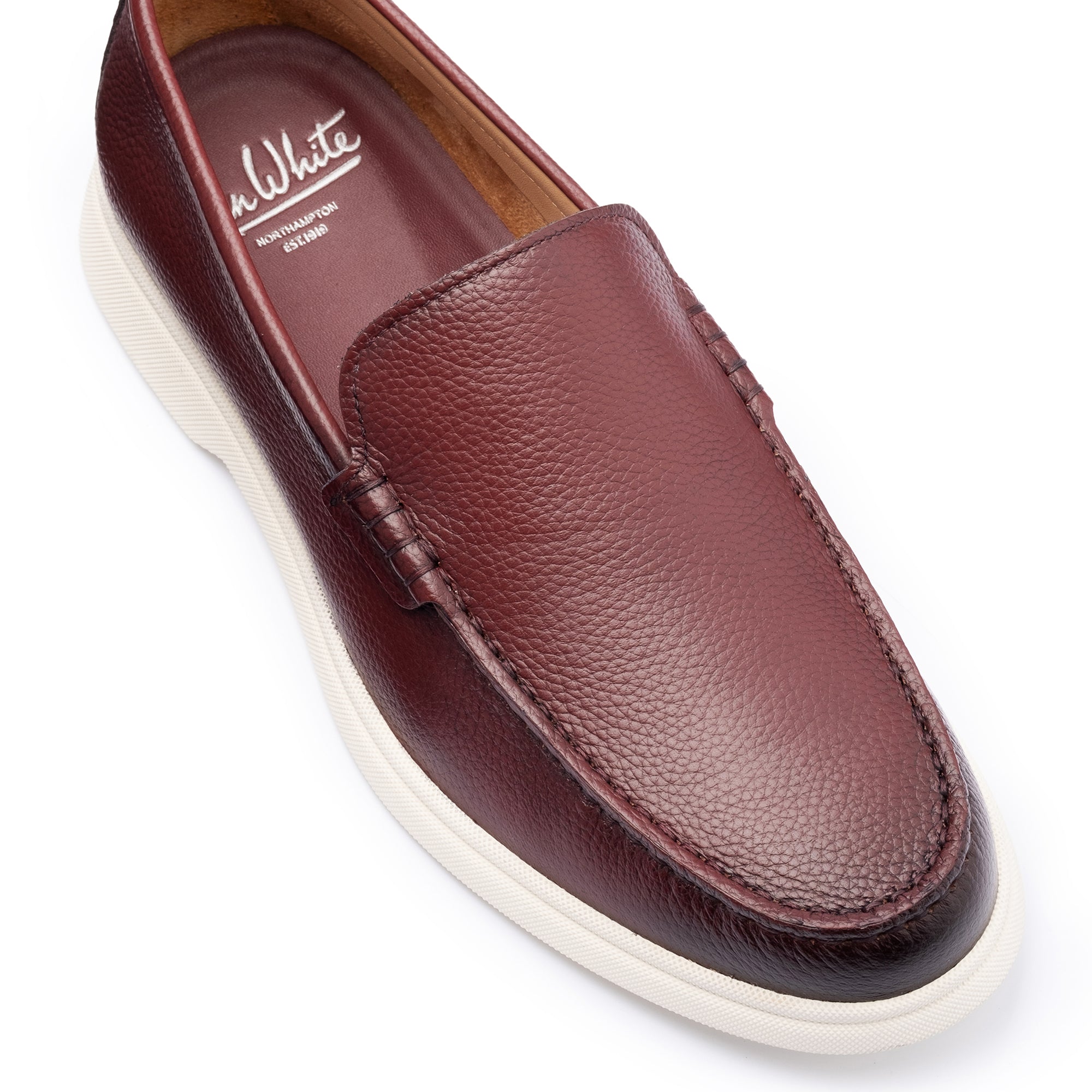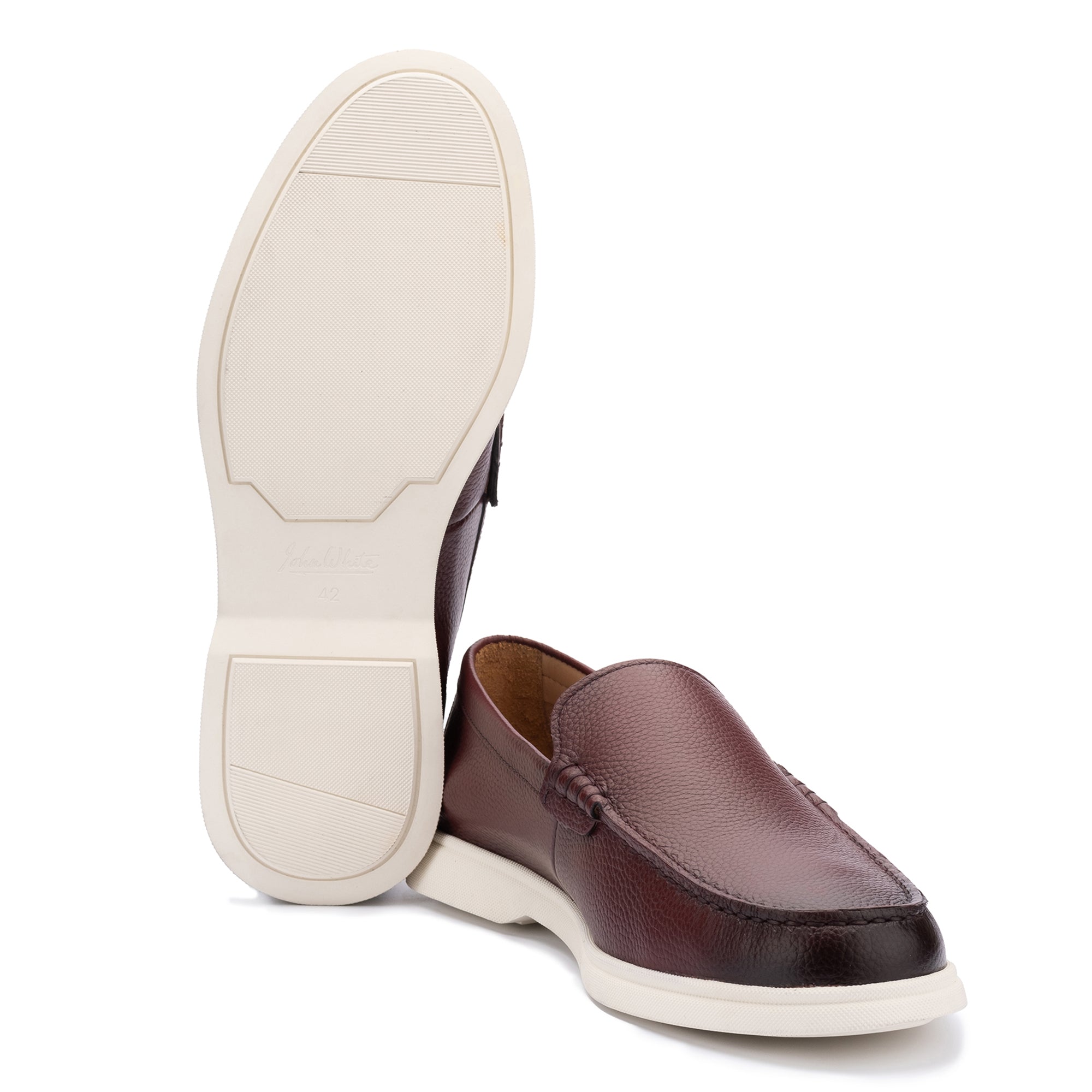

From Bench to Box: The Traditional Process of Finishing a Leather Shoe
Finishing a leather shoe is the final sequence of operations — edge trimming, sole staining, welt burnishing, upper polishing, and inspection — performed after the sole has been attached and before the shoe is laced and boxed. In traditional shoemaking, this stage accounts for a substantial share of total production time and determines both the immediate character and the long-term durability of the finished shoe. A properly finished leather shoe, consistently maintained, can remain in service for decades.
In This Guide
- What Does Finishing a Leather Shoe Actually Involve?
- What Are the Key Stages in Finishing a Leather Shoe?
- Why Does Edge Finishing Matter So Much?
- What Is the Difference Between Burnishing and Polishing?
- How Long Does It Take to Finish a Leather Shoe by Hand?
- How Does the Finishing Stage Affect Long-Term Shoe Care?
- What Should You Look for When Assessing Finishing Quality?
- Related Guides
- Frequently Asked Questions
By the time a leather shoe reaches the finishing stage, the structural work is done. The upper has been lasted, the welt stitched, the sole attached. What remains is the sequence of operations that separates a well-made shoe from a merely assembled one — the point where the character of the shoe is established, and where the quality of everything that came before it is either vindicated or exposed.
Finishing a leather shoe is not a single action. It is a progression, each step dependent on the last, each one adding depth, resilience, and refinement to the finished article.
What Does Finishing a Leather Shoe Actually Involve?
Finishing is the collective term for every operation performed on a shoe after sole attachment and before lacing and boxing. It is defined by patience, sequence, and trained judgement.
The stage covers trimming excess material from the sole and welt, shaping and colouring those edges, burnishing the welt, conditioning and polishing the upper, and carrying out a thorough final inspection. In a traditionally made shoe, these steps are performed by hand or with specialist hand tools — each one requiring craft knowledge that no machine reliably replicates.
According to the Northampton Museum & Art Gallery, the traditional shoemaking process involves over 200 individual operations from cut leather to completed shoe. Finishing operations represent a disproportionate share of those steps.
The finishing stage is where the shoemaker's judgement is most visible — and where the distinction between premium footwear and ordinary construction becomes immediately apparent.
What Are the Key Stages in Finishing a Leather Shoe?
The finishing sequence follows a defined order. Steps cannot be skipped or reversed without compromising the result. Here is how the process unfolds on the bench:
- Roughing and trimming — Excess leather from the insole, welt, and outsole edges is trimmed flush, establishing the clean silhouette that defines the finished shoe.
- Edge shaping — The sole and heel edges are shaped with a channel knife or edge iron, creating the profile — square, bevelled, or rounded — characteristic of different styles and constructions.
- Edge filling and staining — Edge filler is applied to seal and smooth the sole edge. Once dry, the edge is stained — typically to mahogany, tan, or natural — using a bone or wood tool to work colour uniformly into the leather.
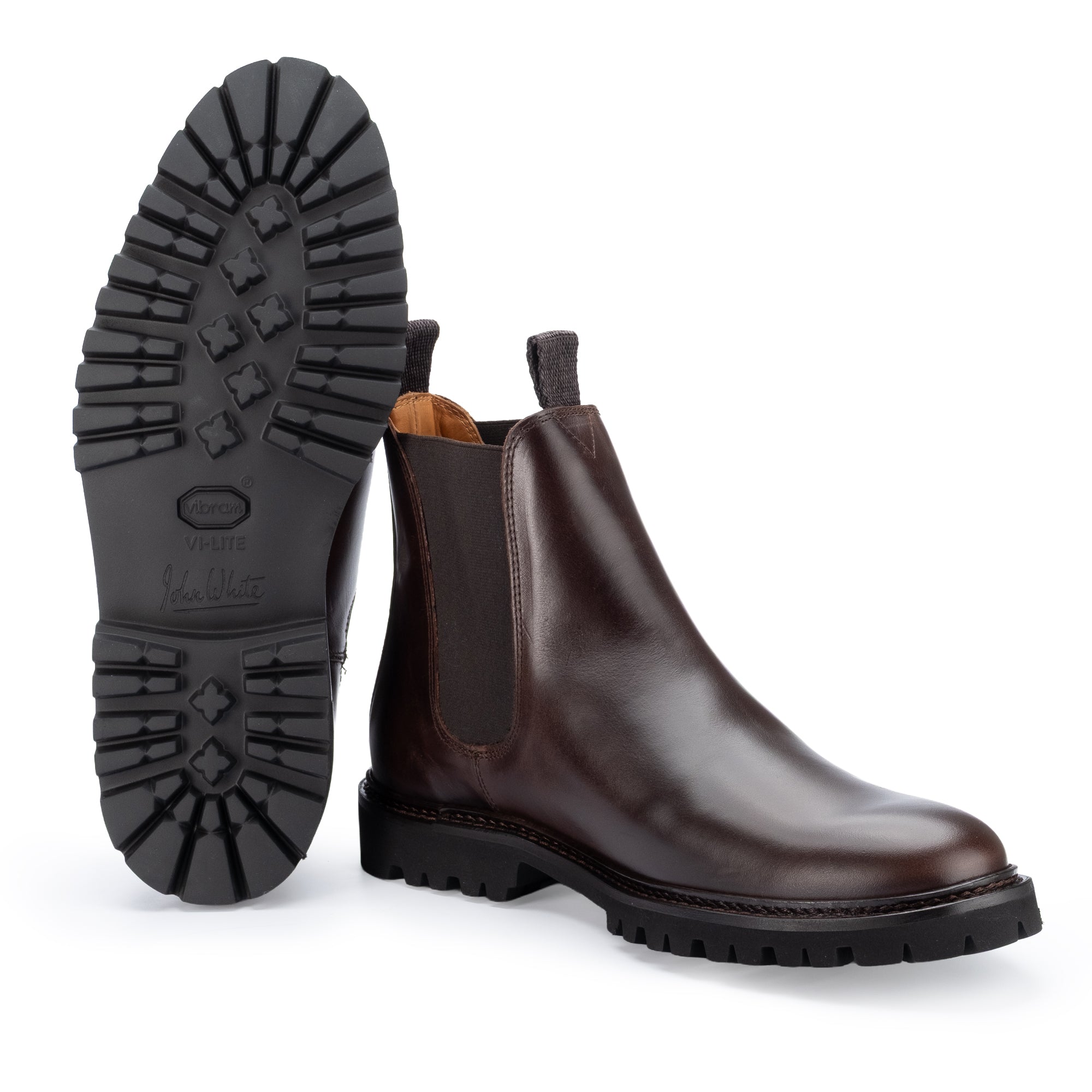
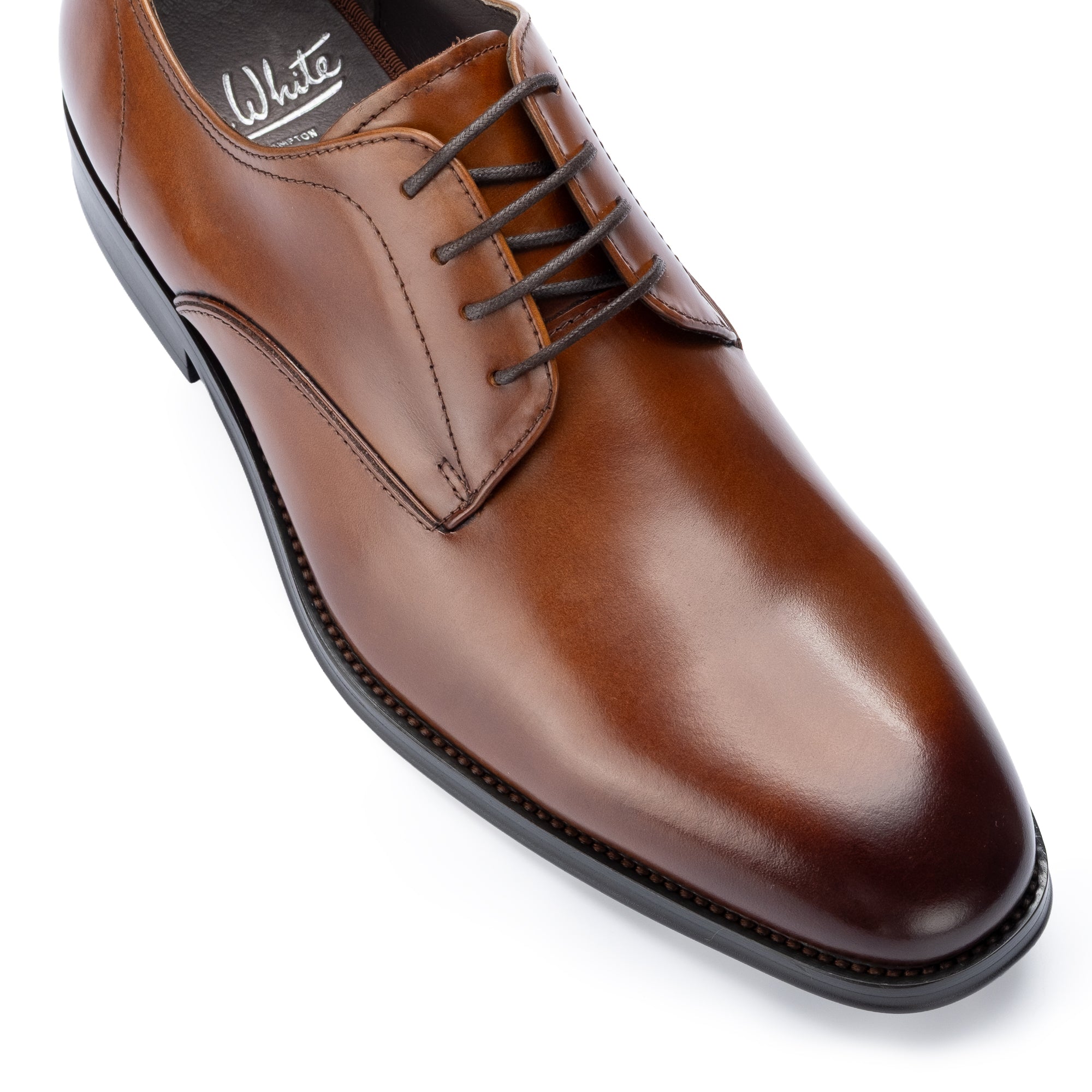
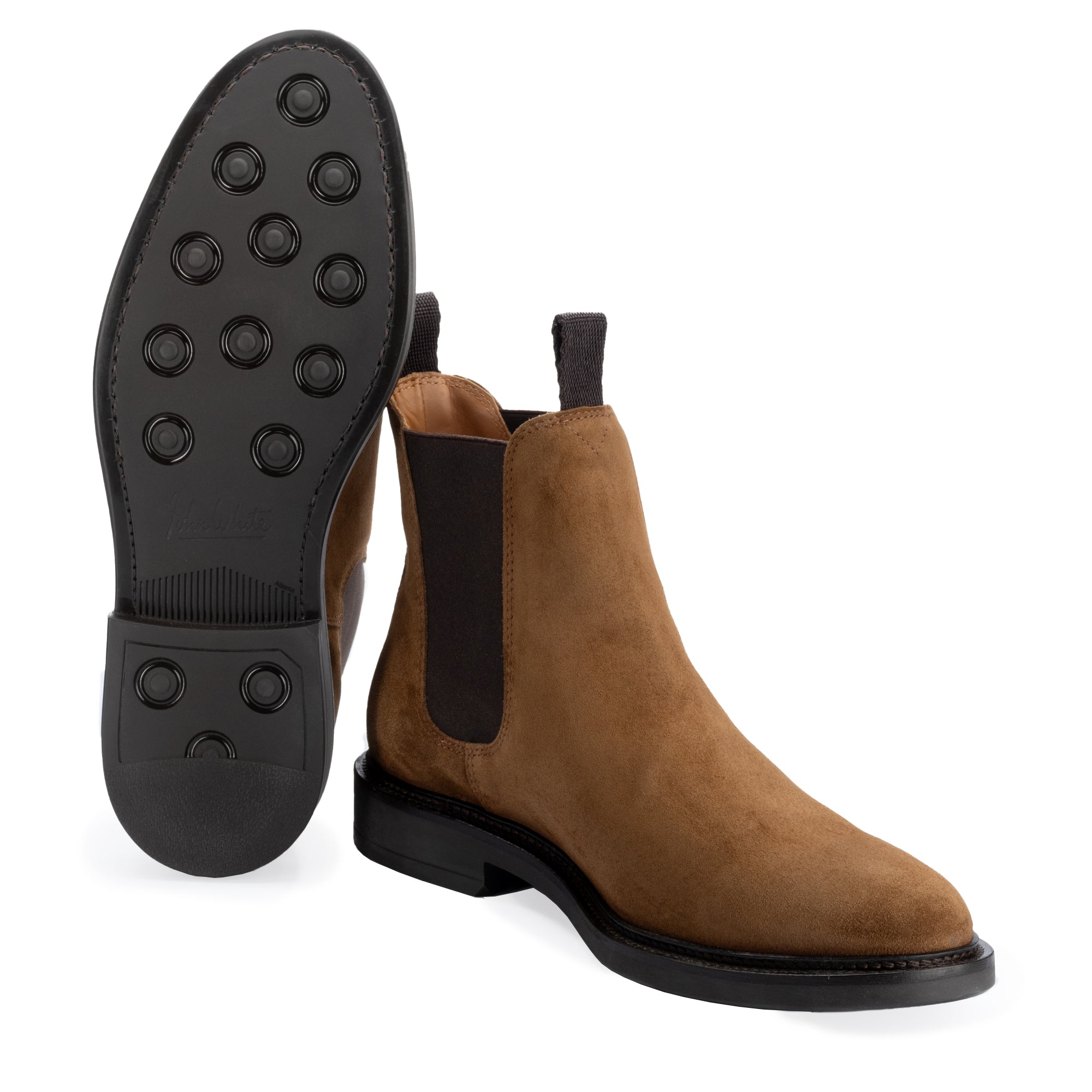
- Wheeling and welt burnishing — A heated finishing wheel is run along the welt to compress the fibres, produce decorative ribbing, and create the polished stripe characteristic of Goodyear-welted construction; this distinctive feature is common to traditionally finished welted shoes.
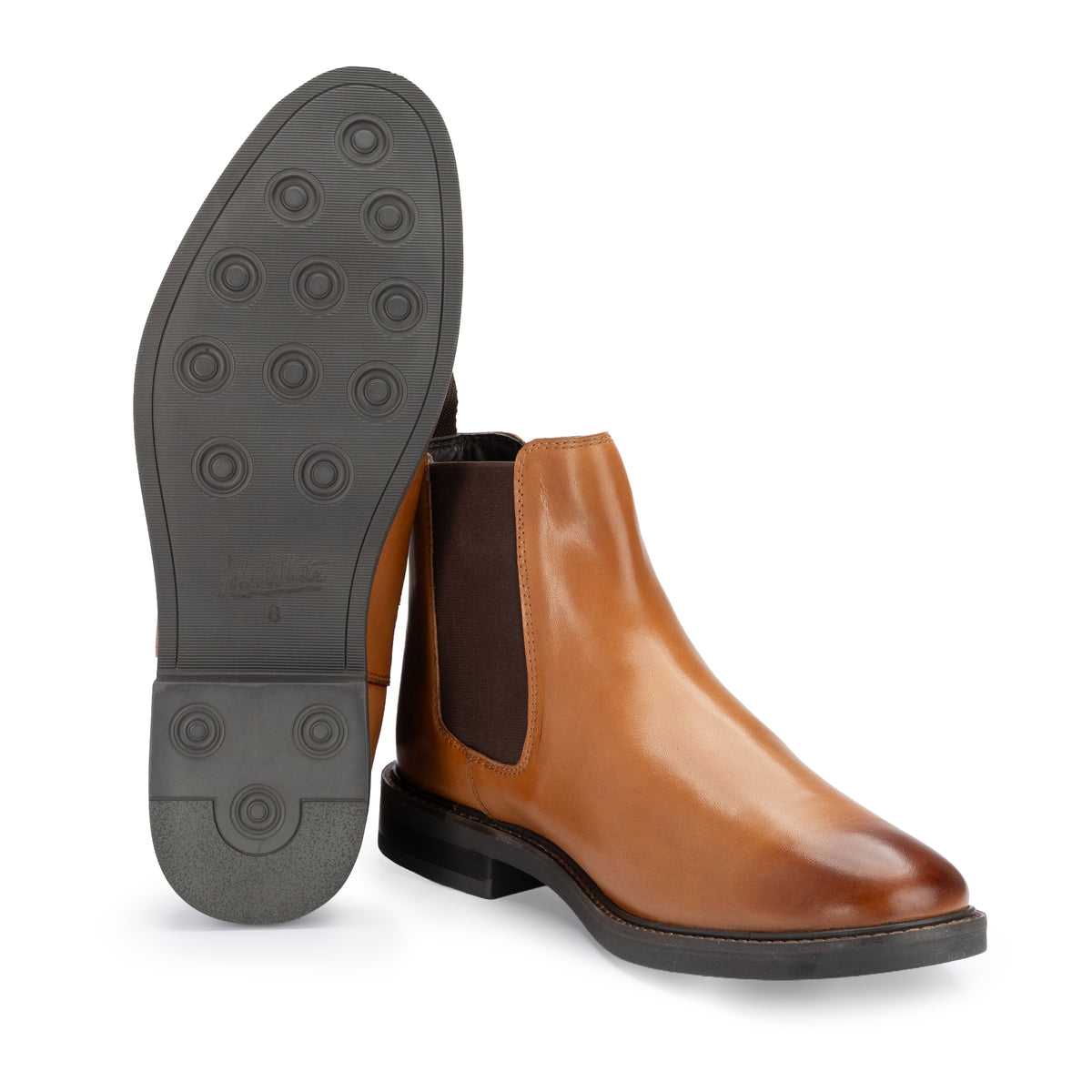
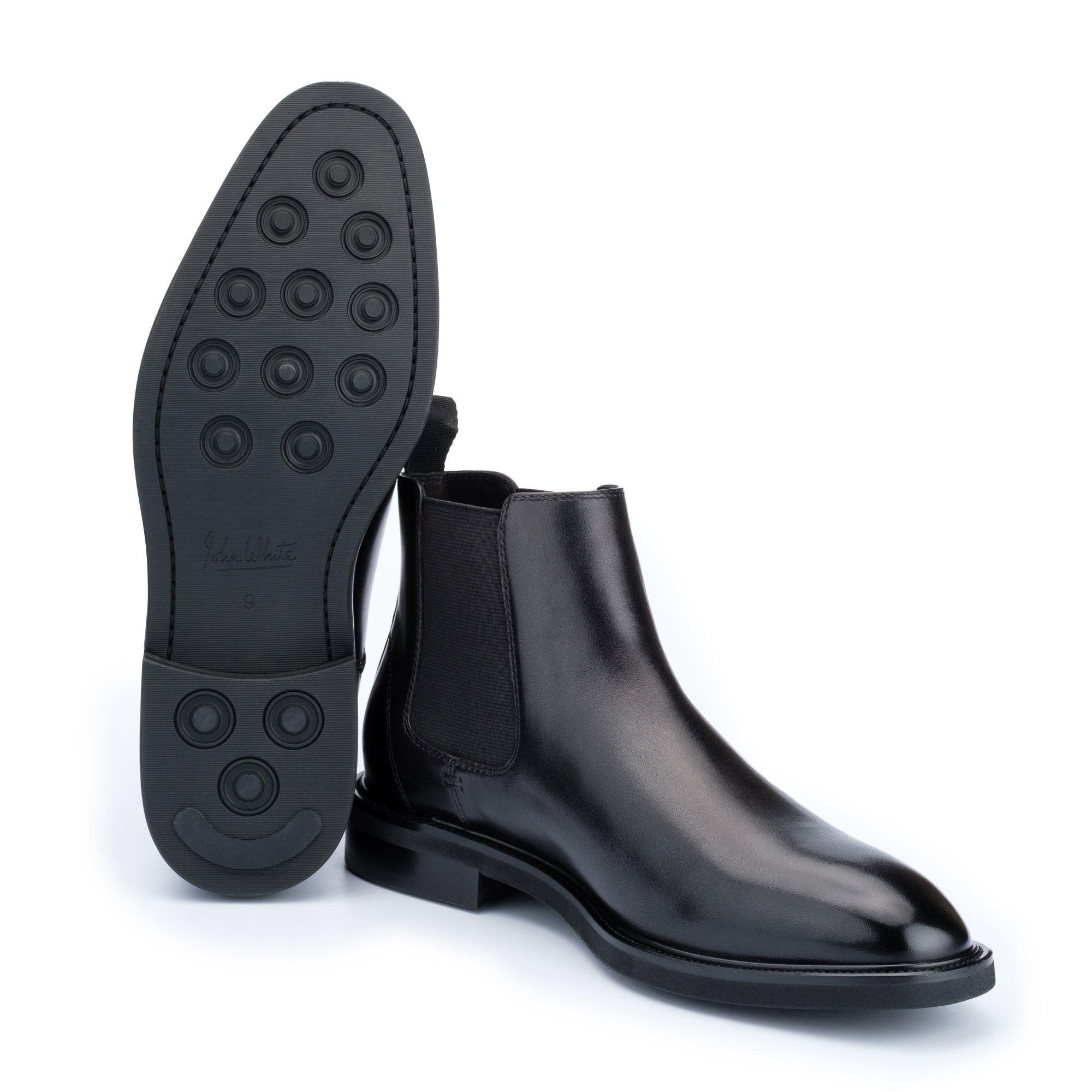
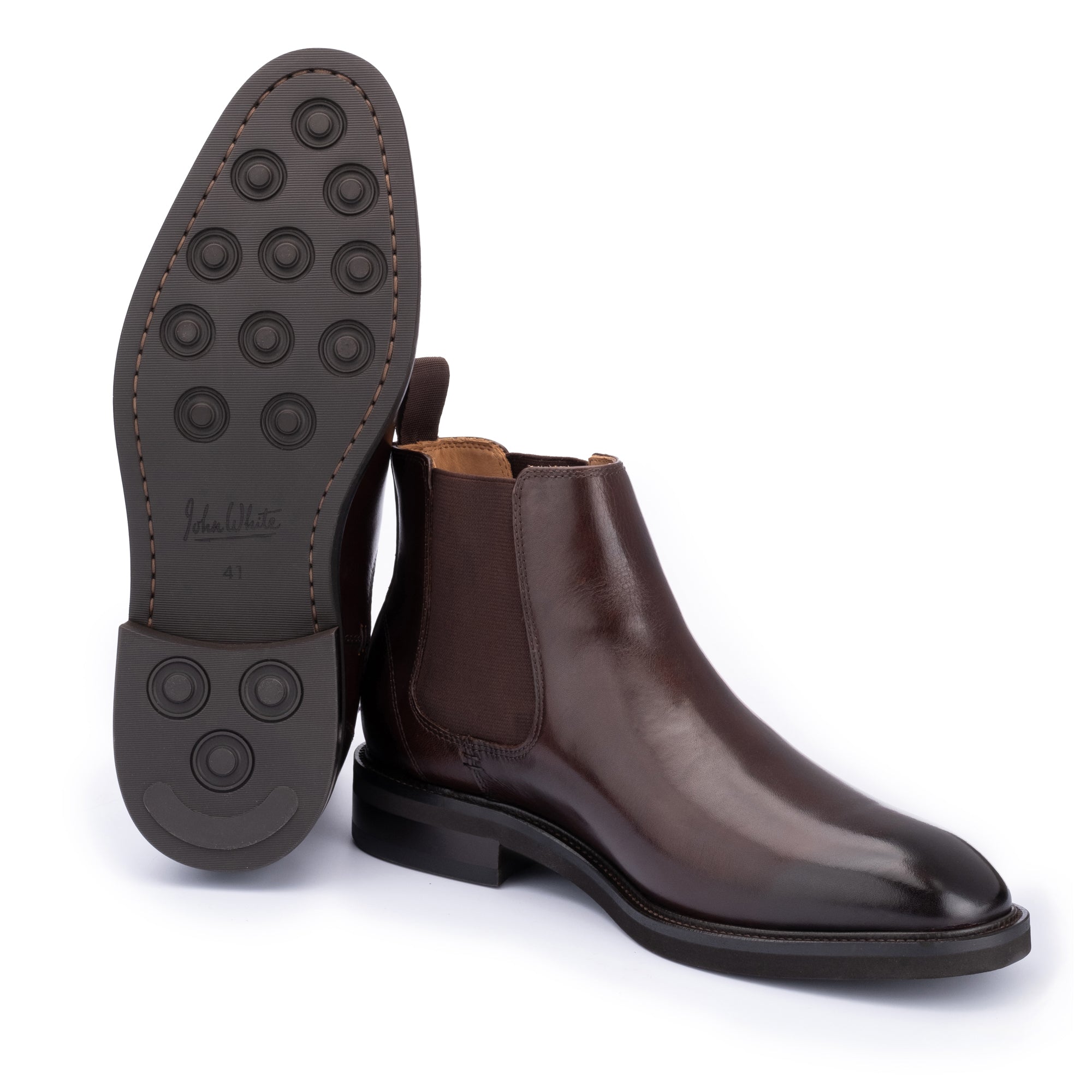
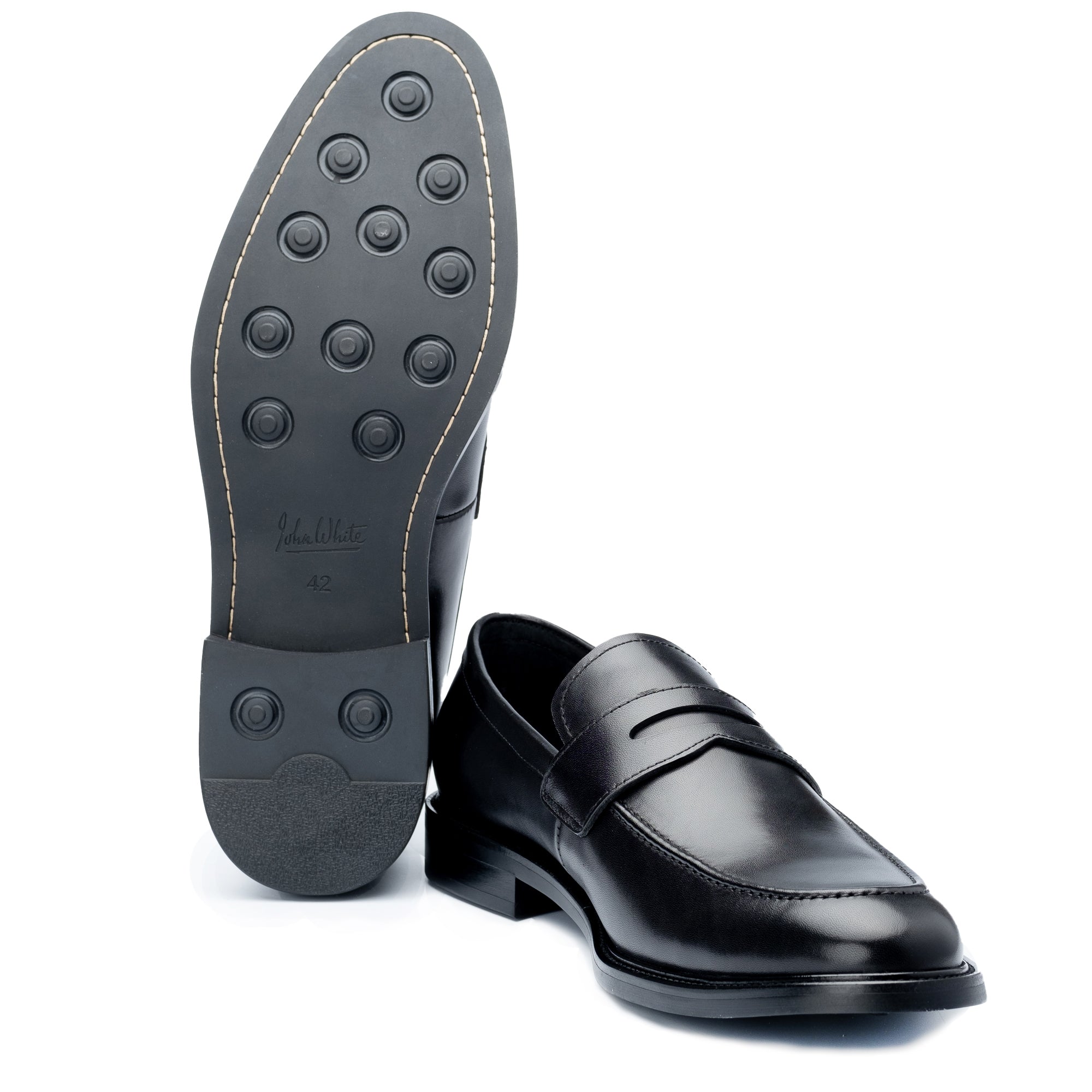
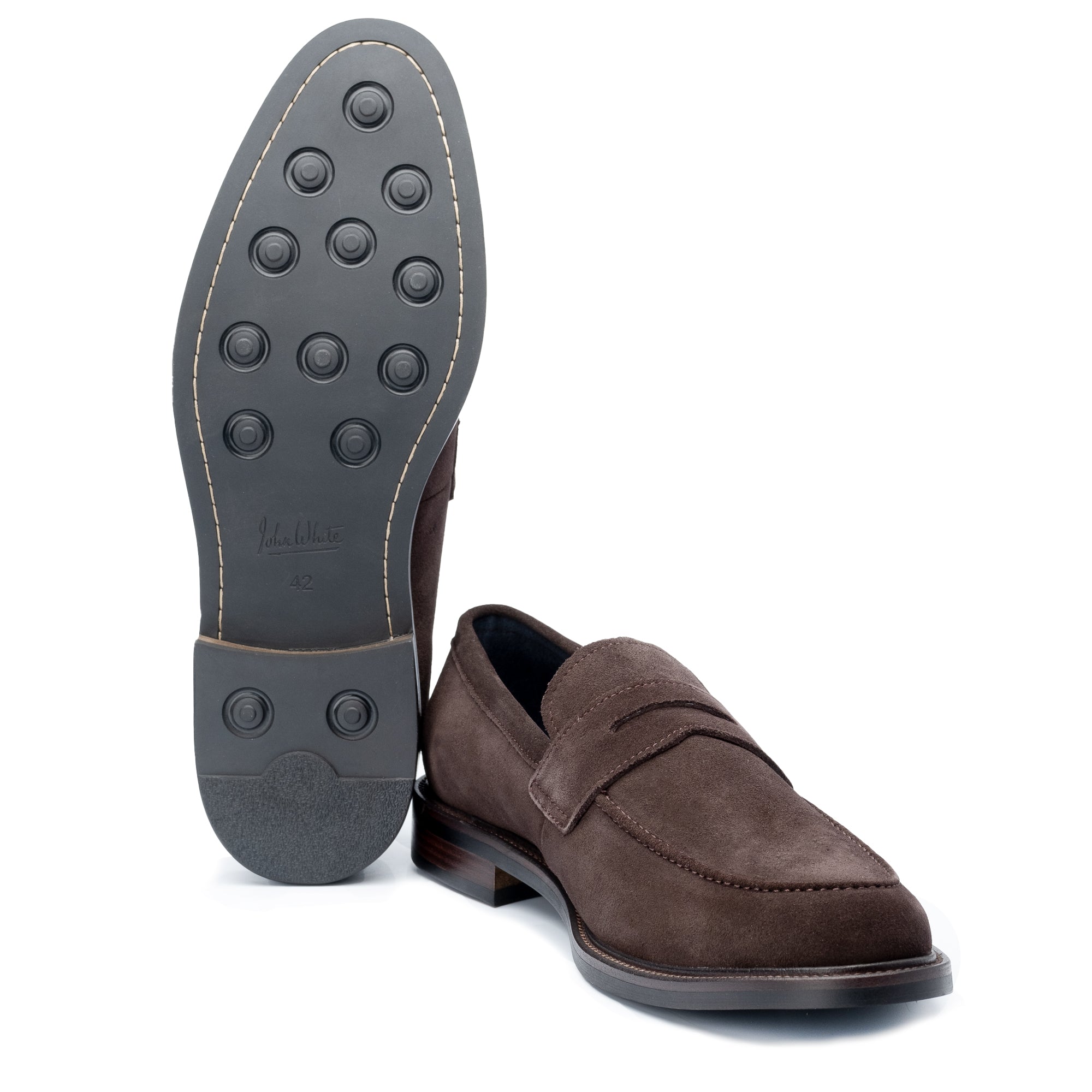
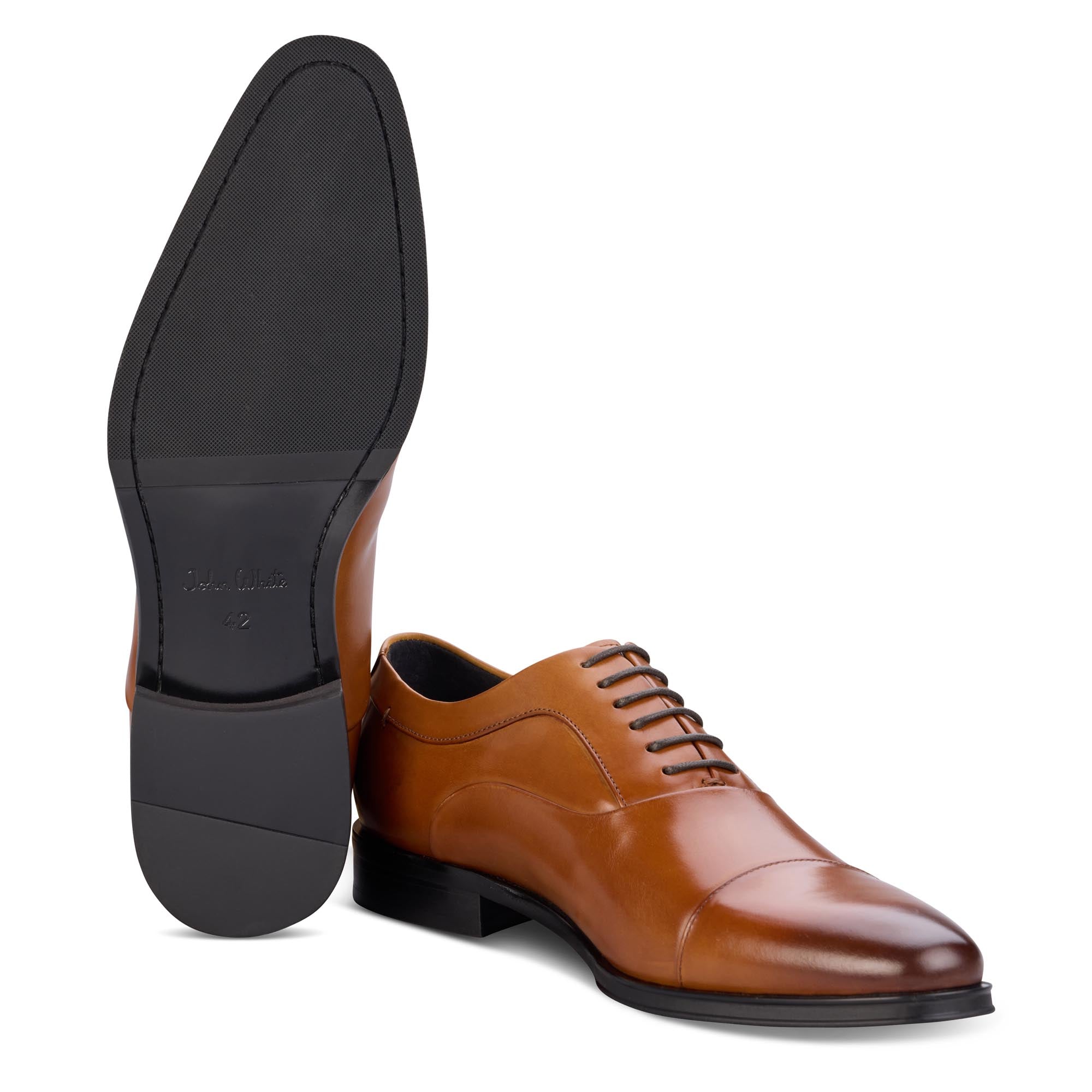
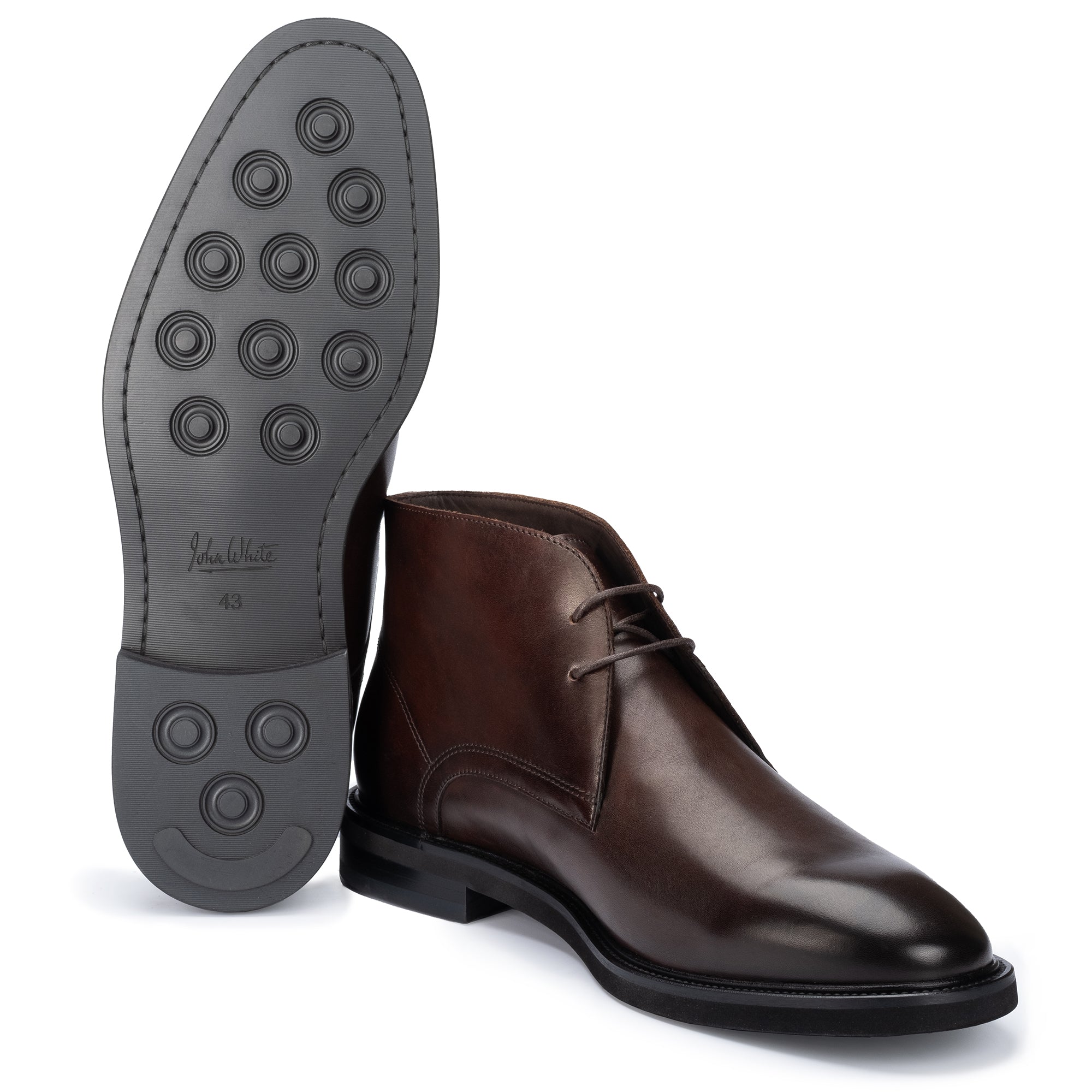
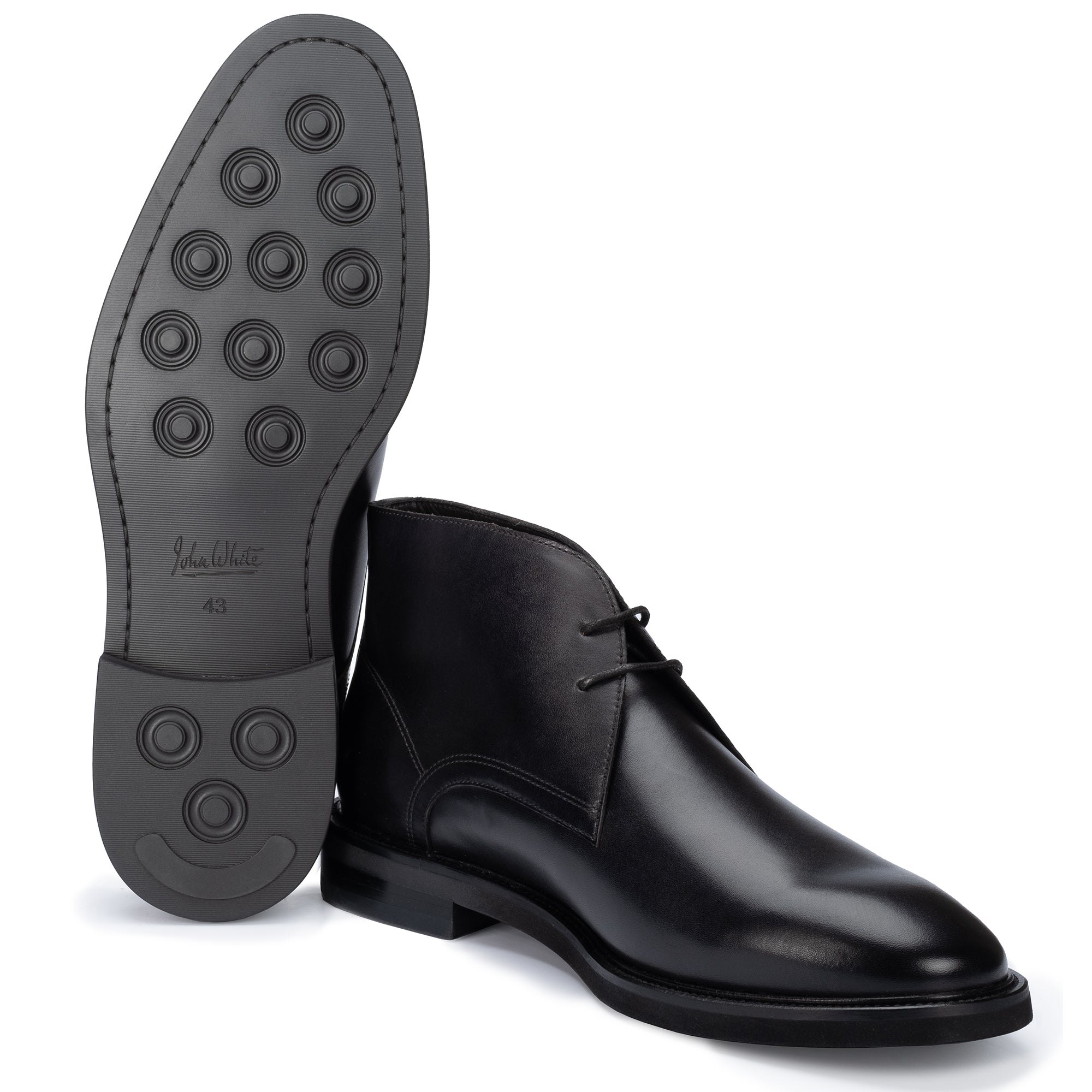
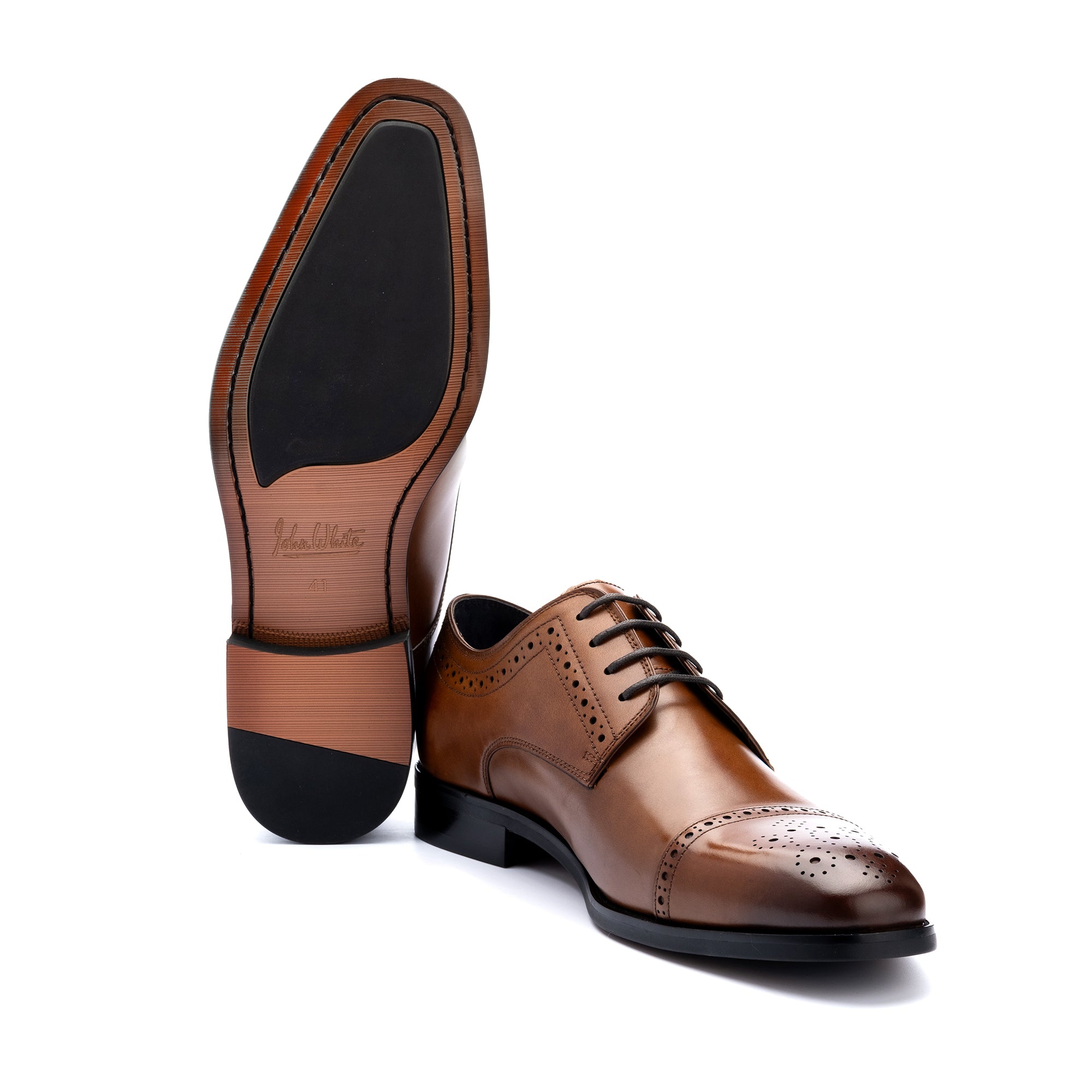
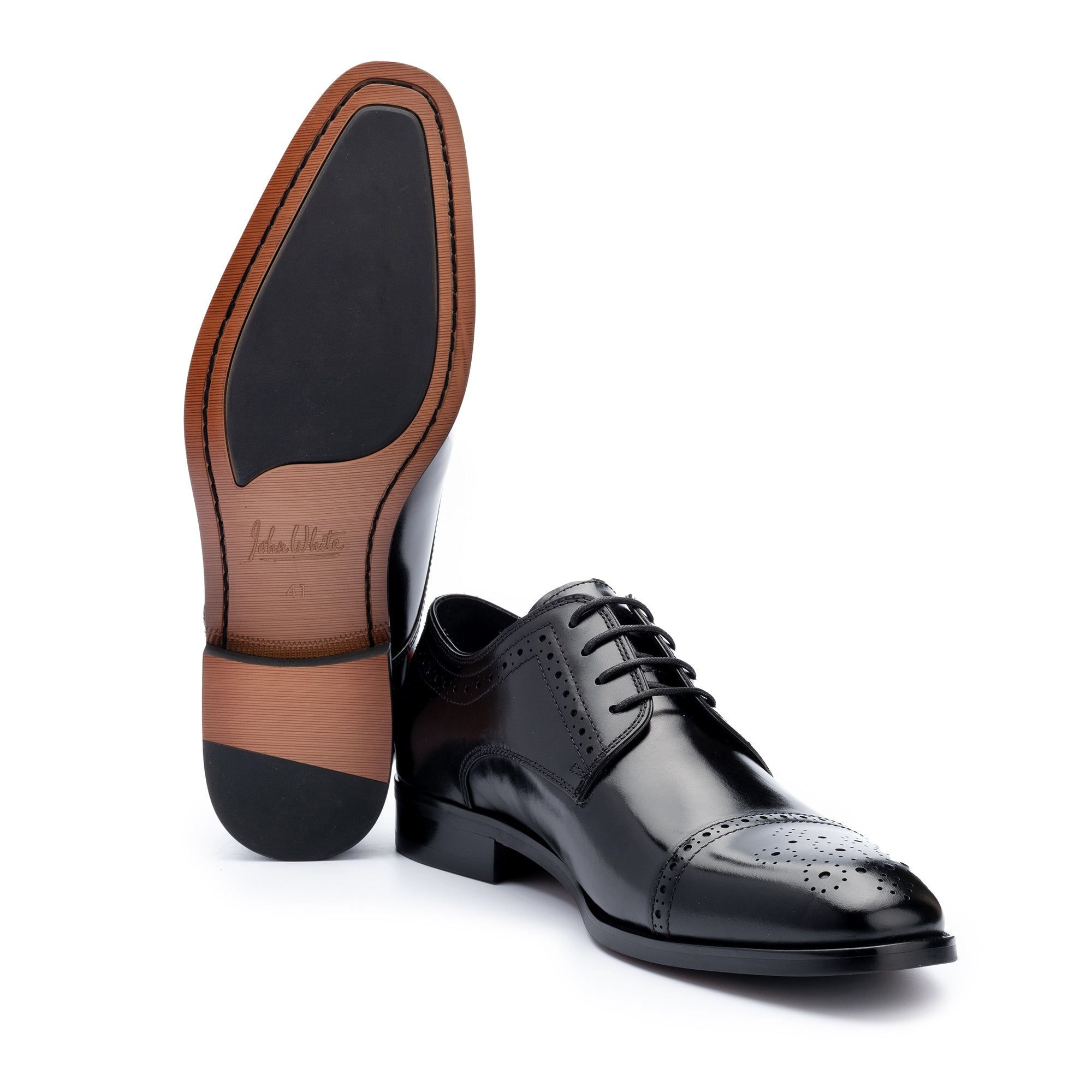
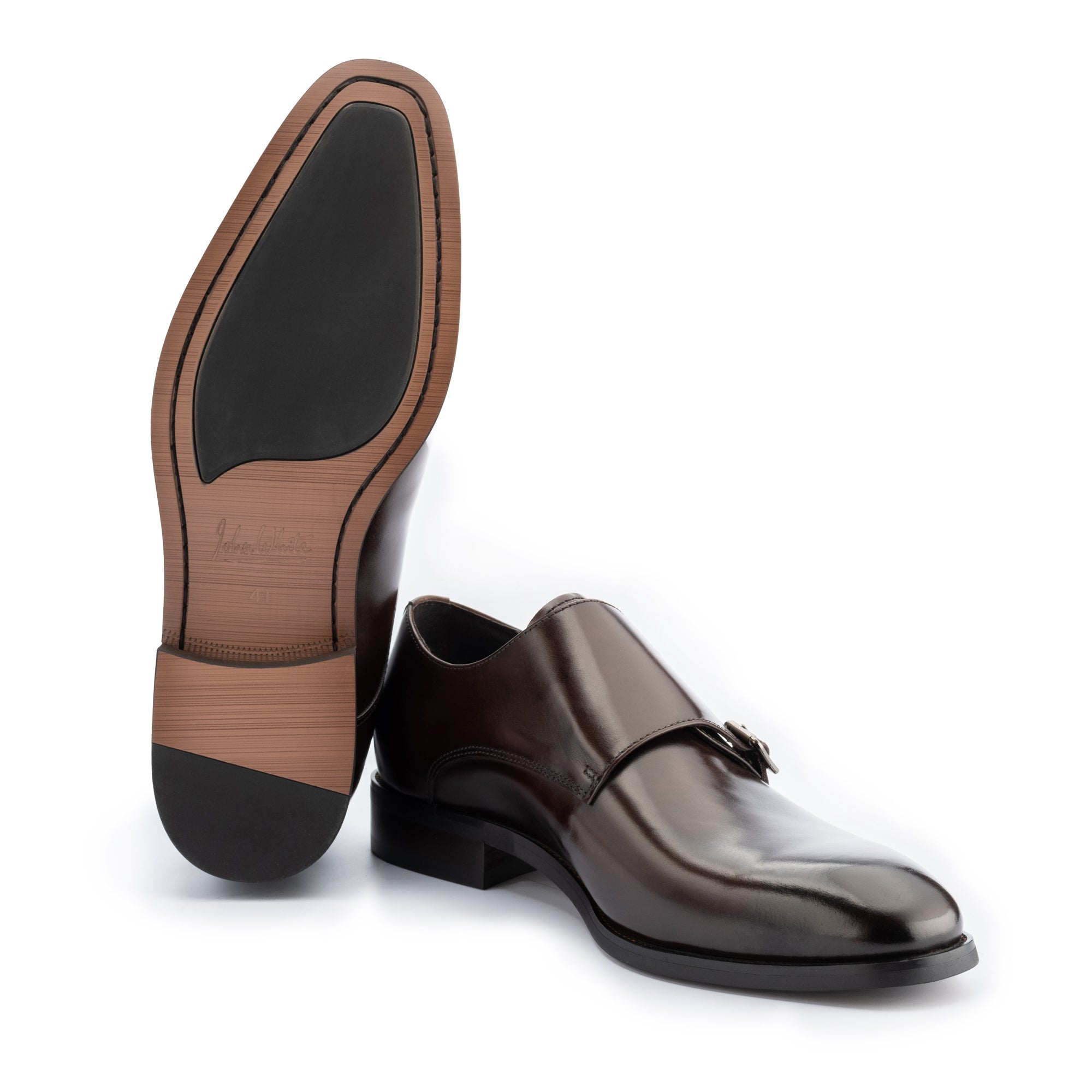
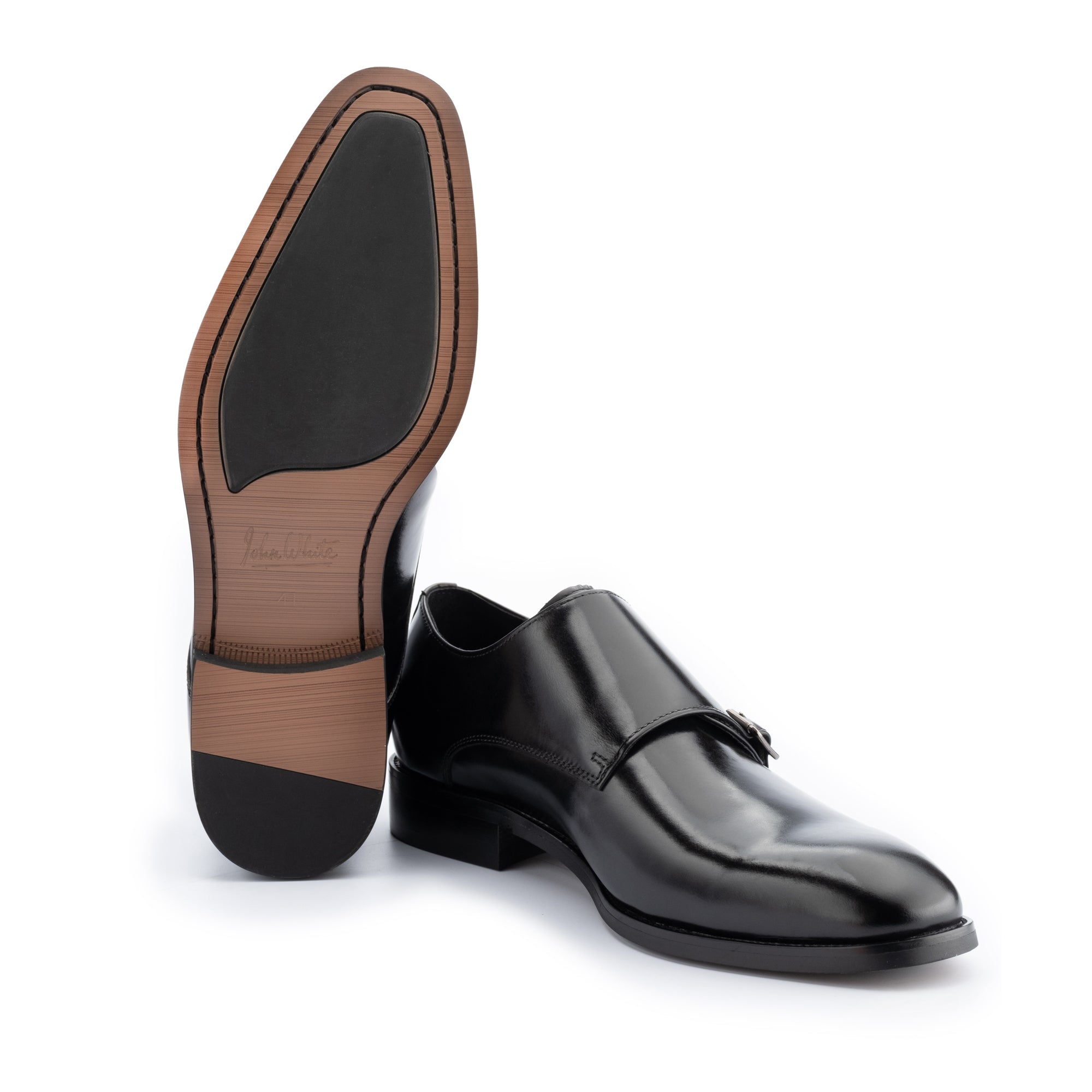
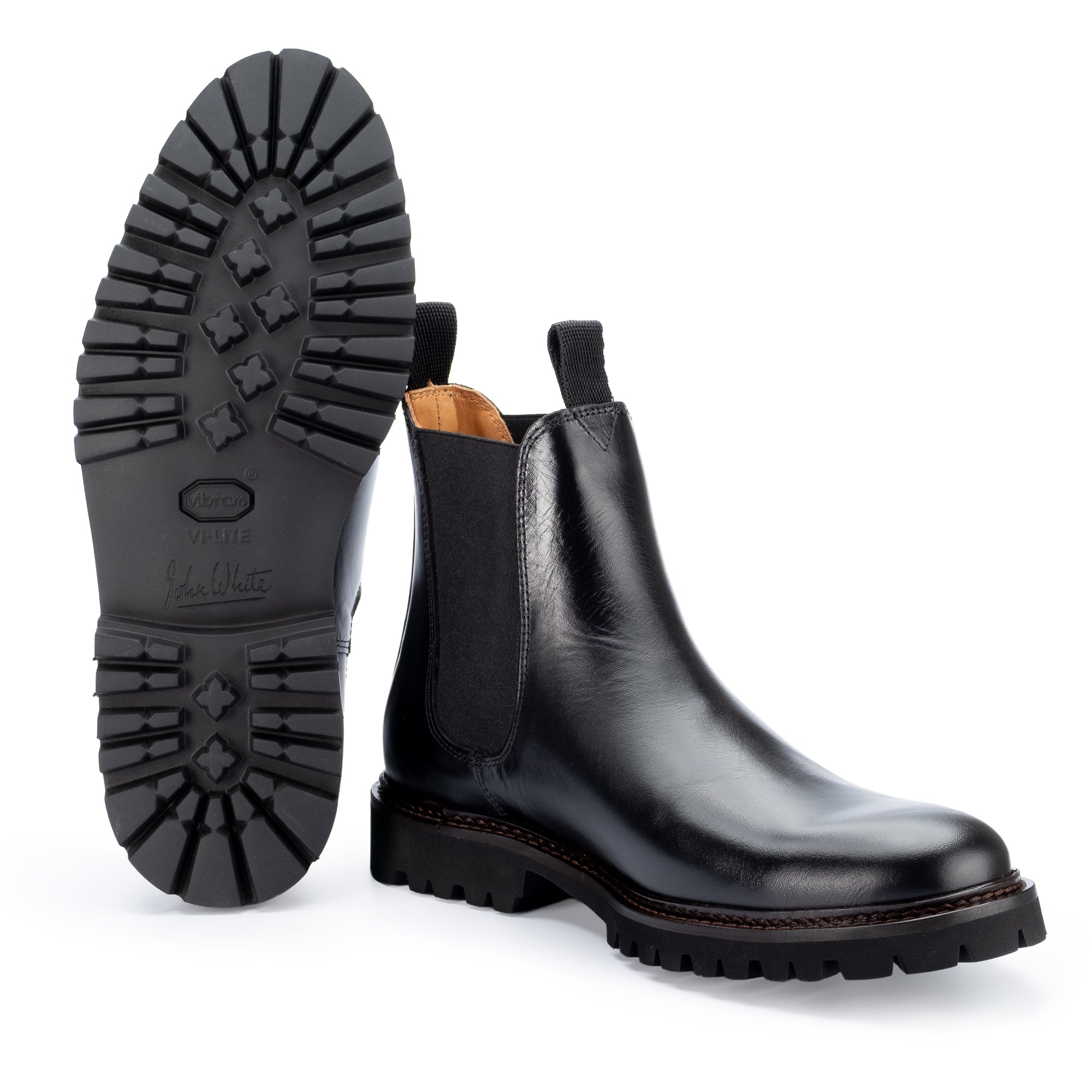
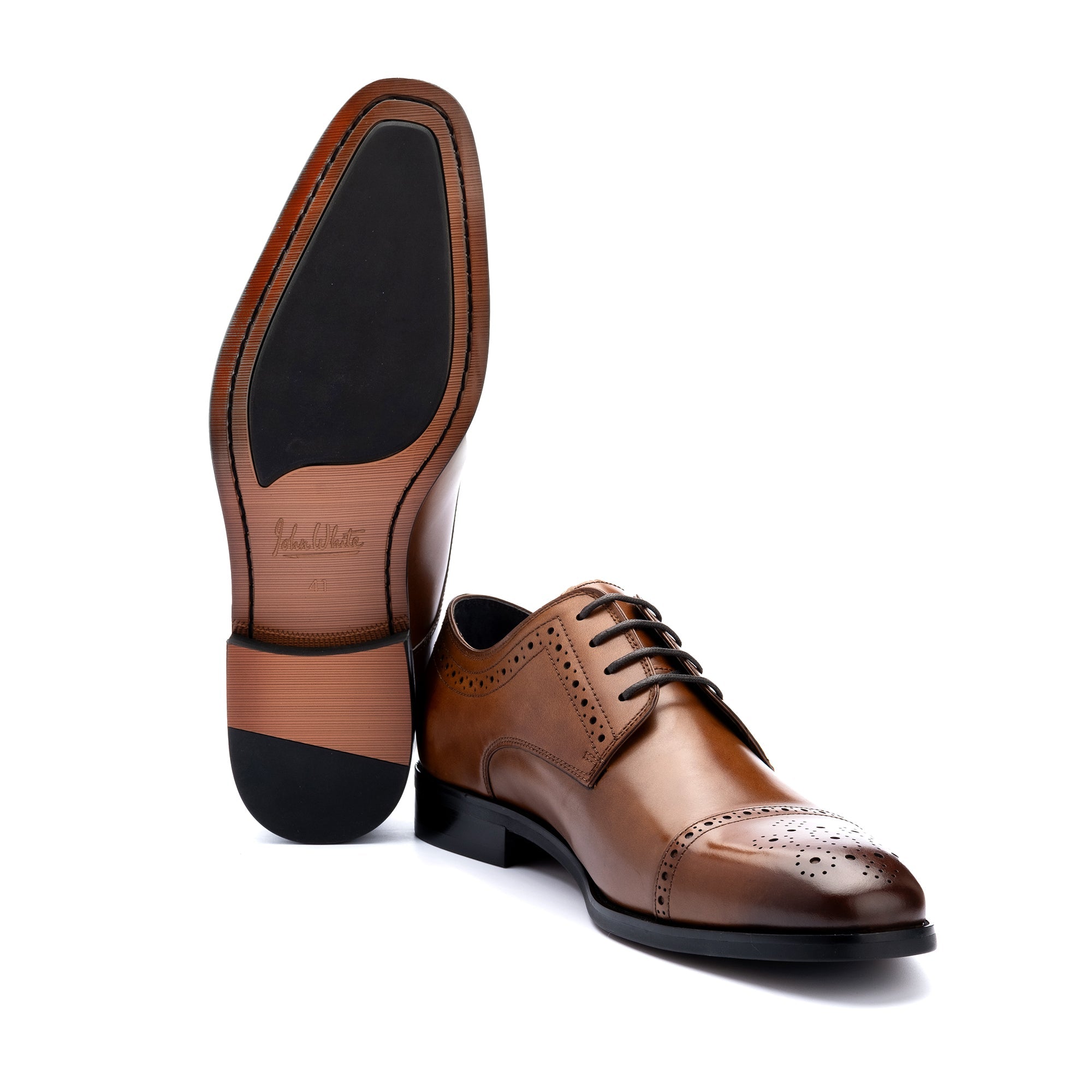
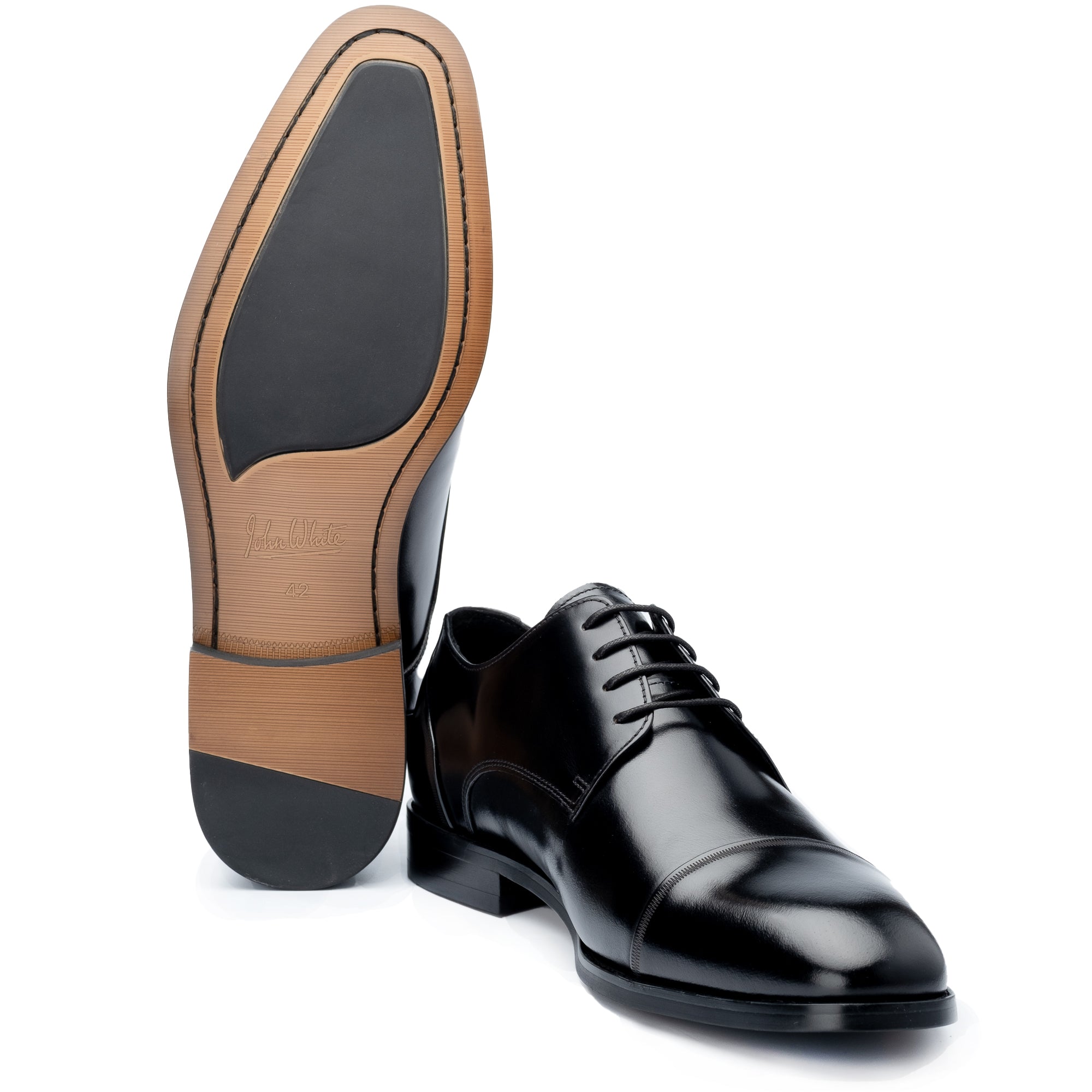
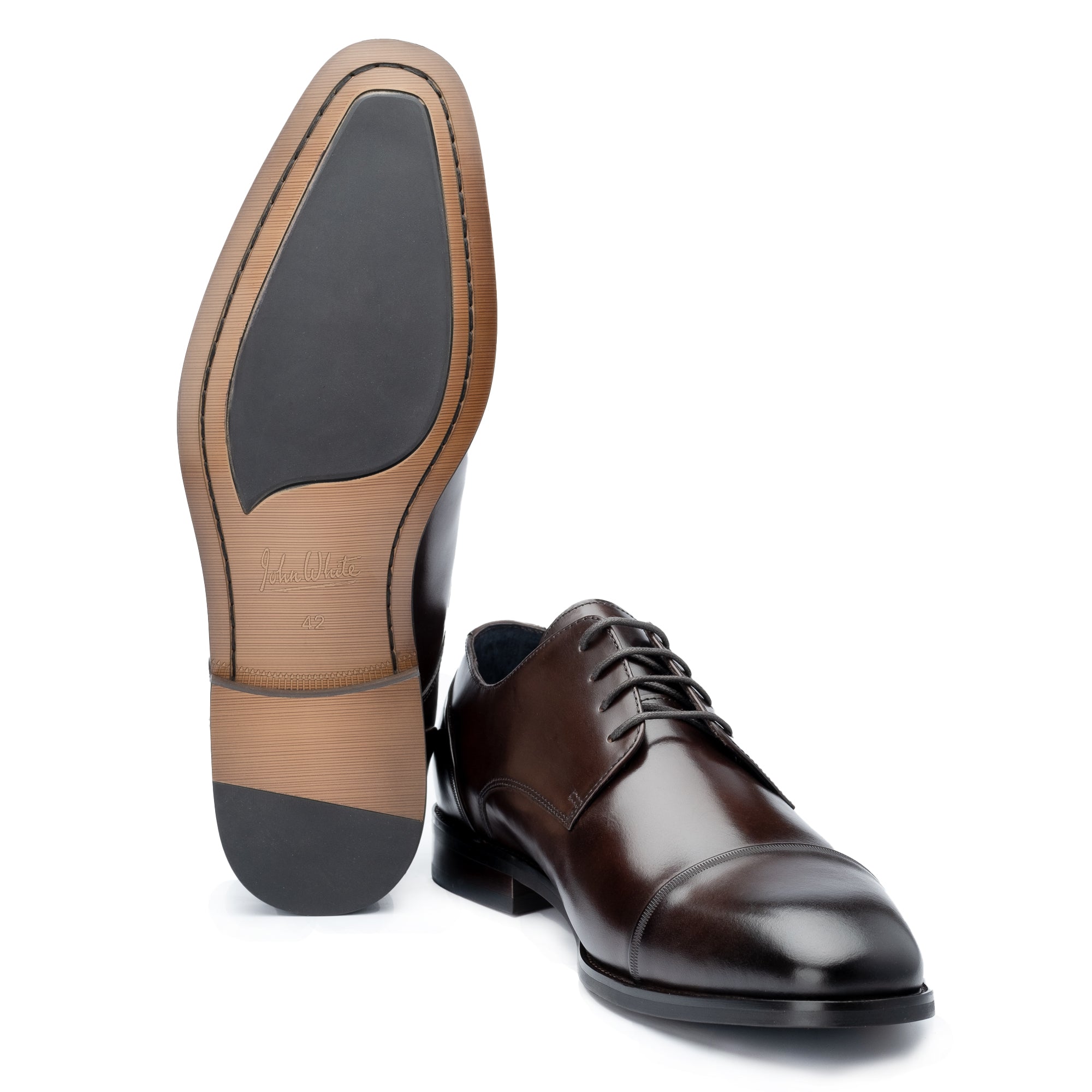
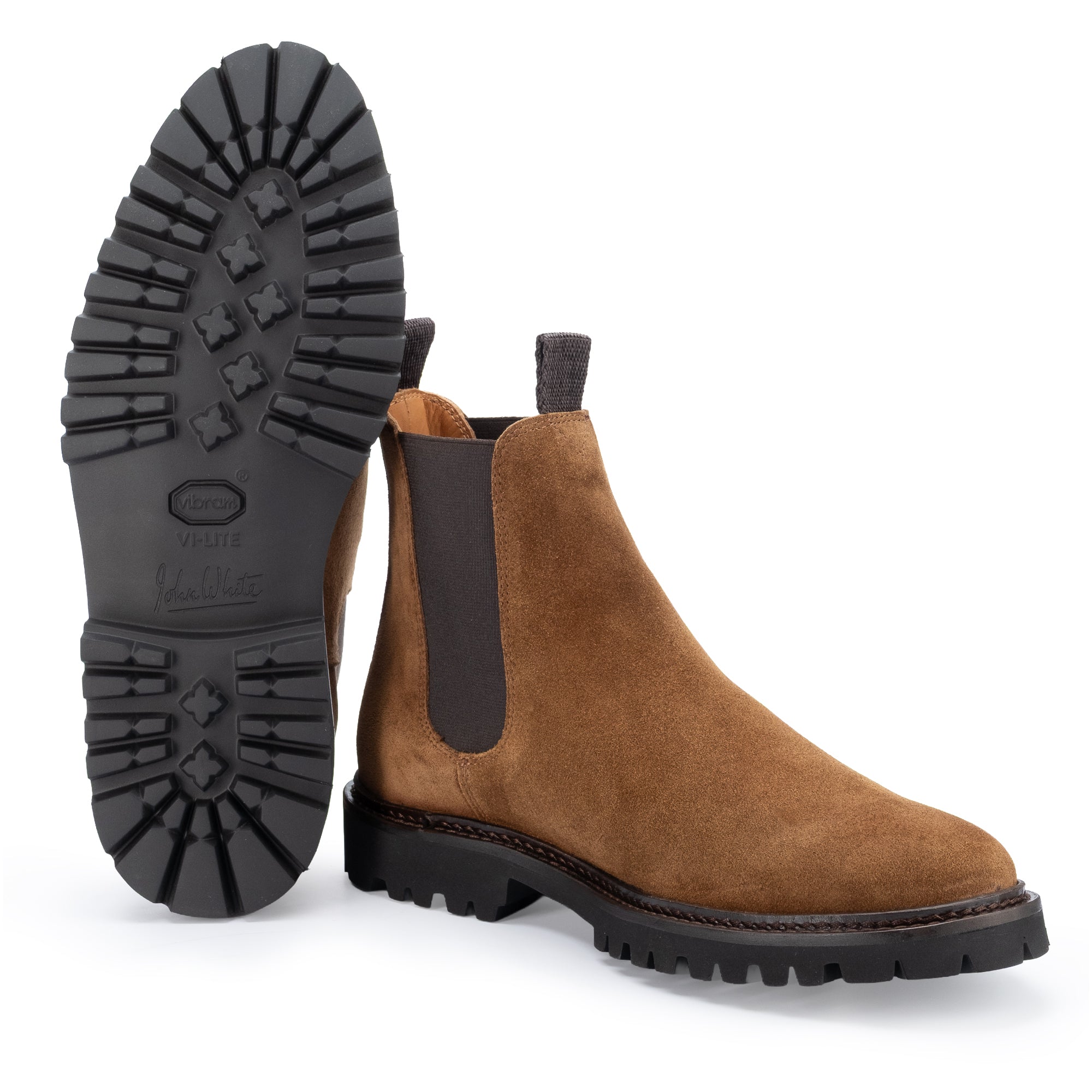
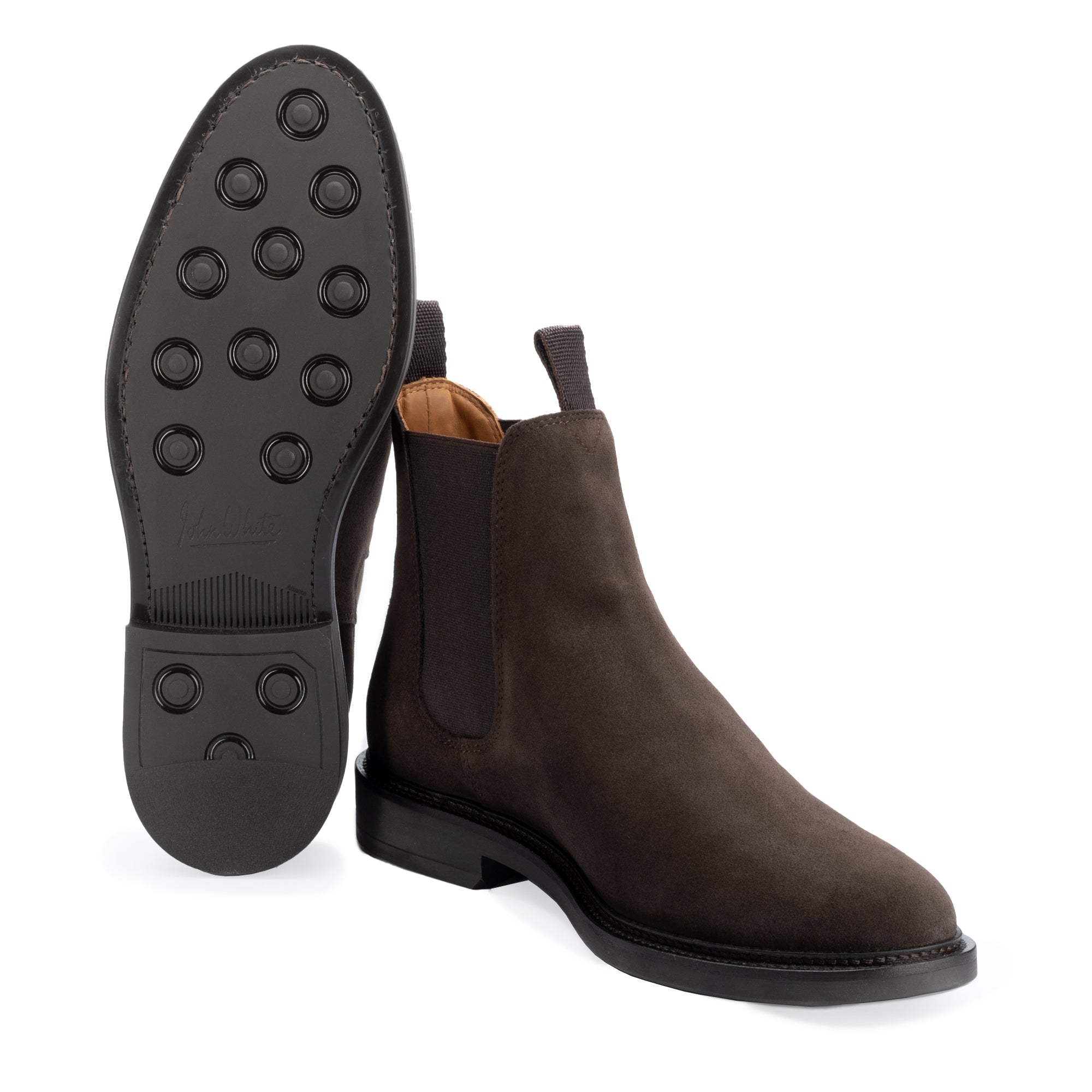
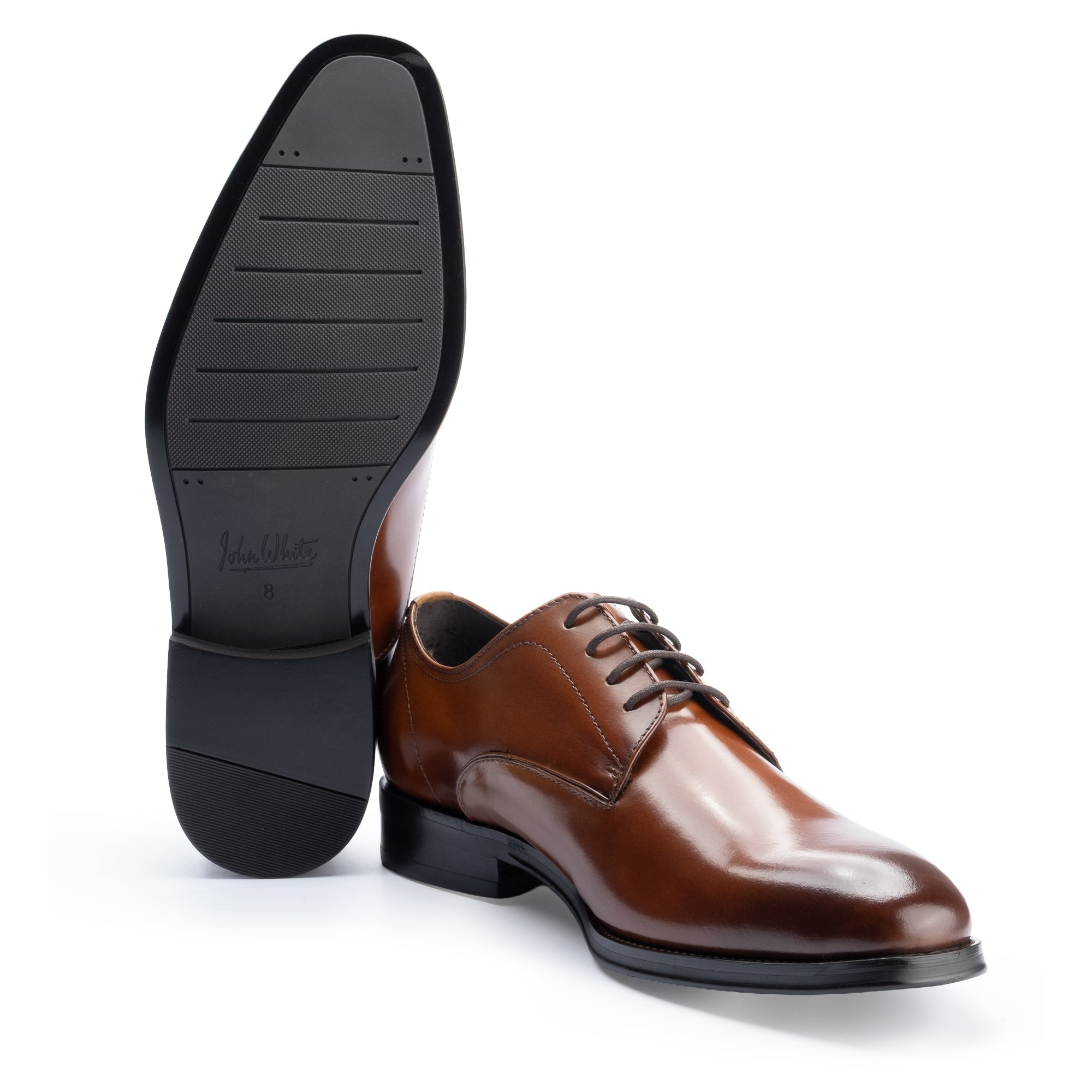
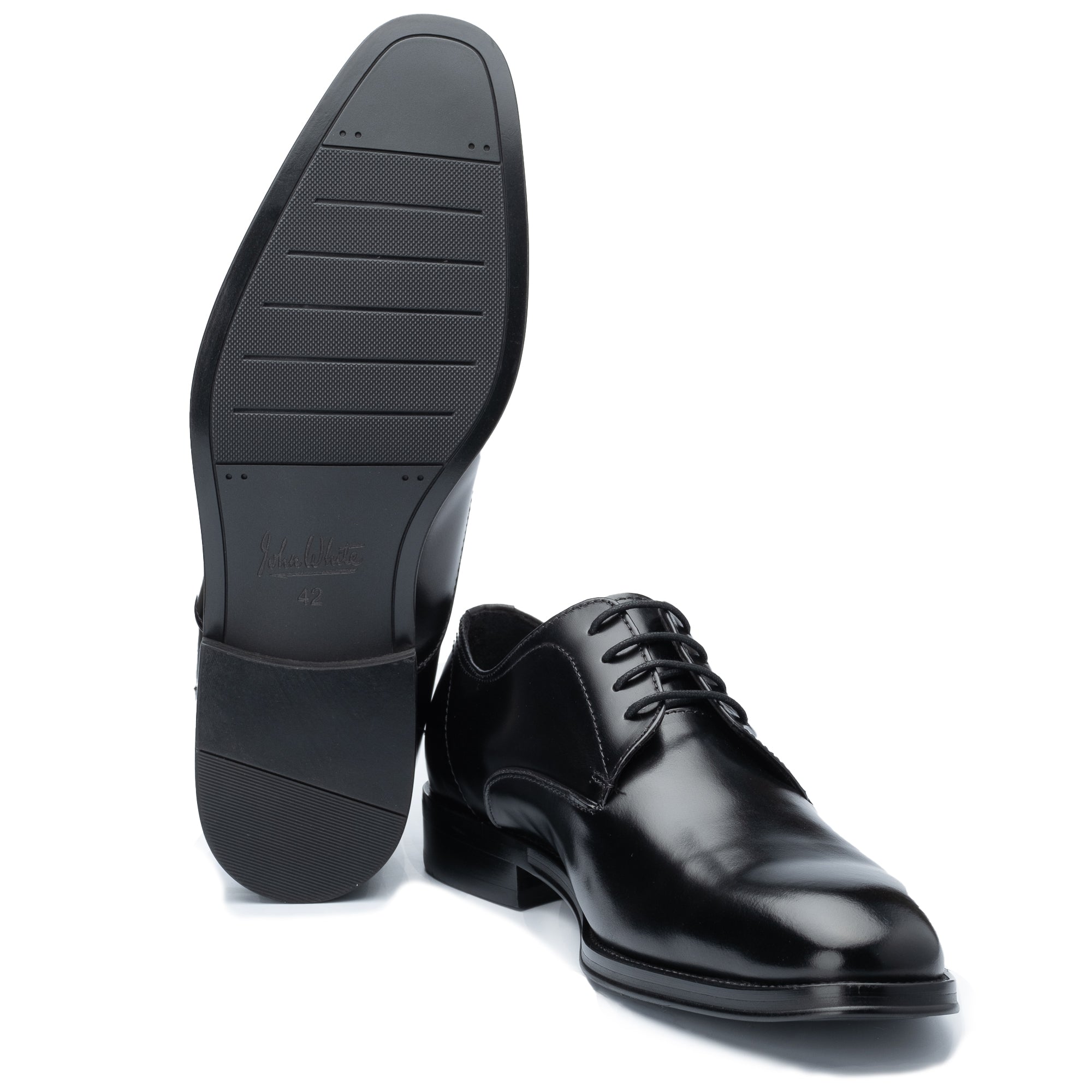
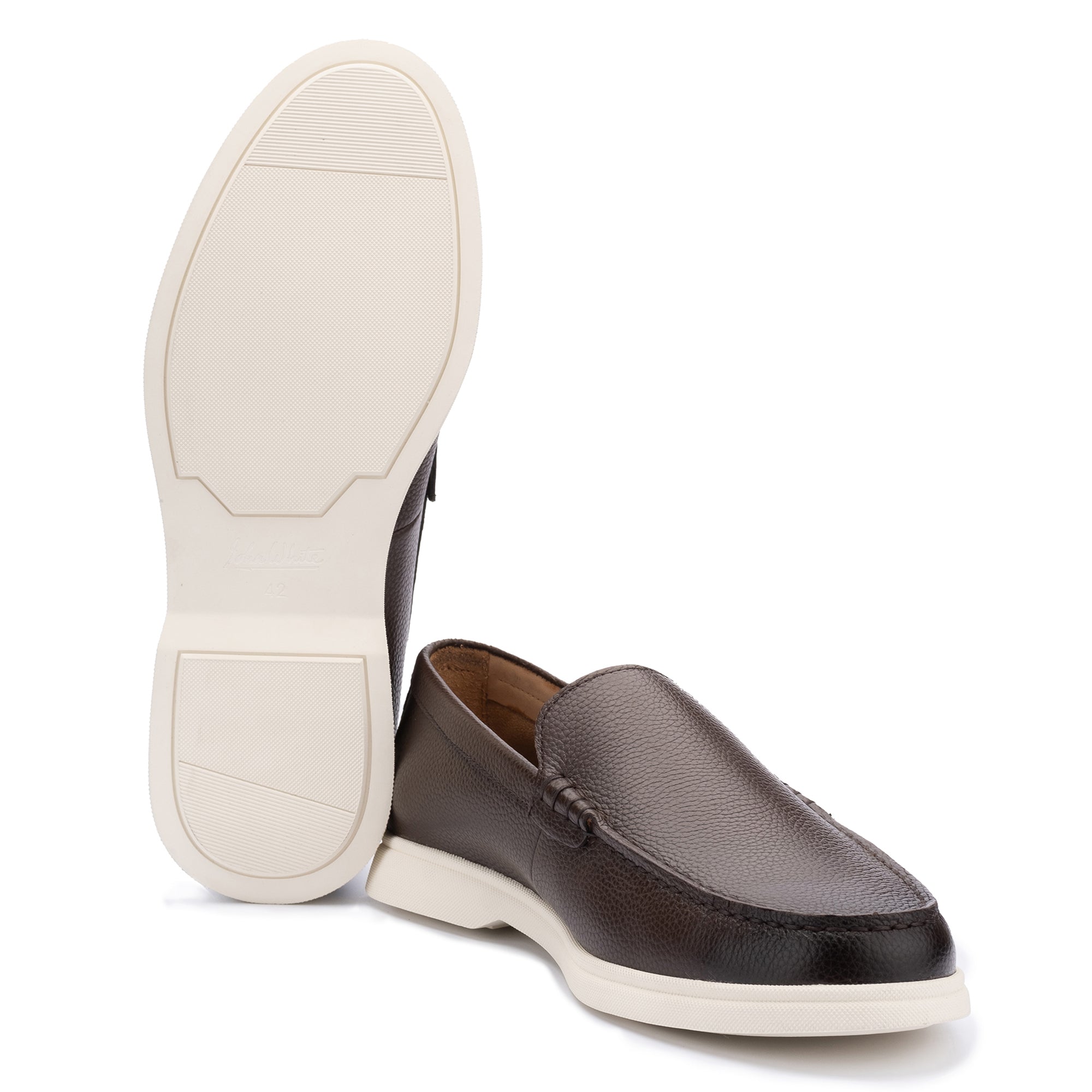
- Sole finishing — The bottom of the sole is sanded, stained, and burnished in multiple passes. On a well-specified shoe, this produces a sealed, even surface that resists moisture at the base.
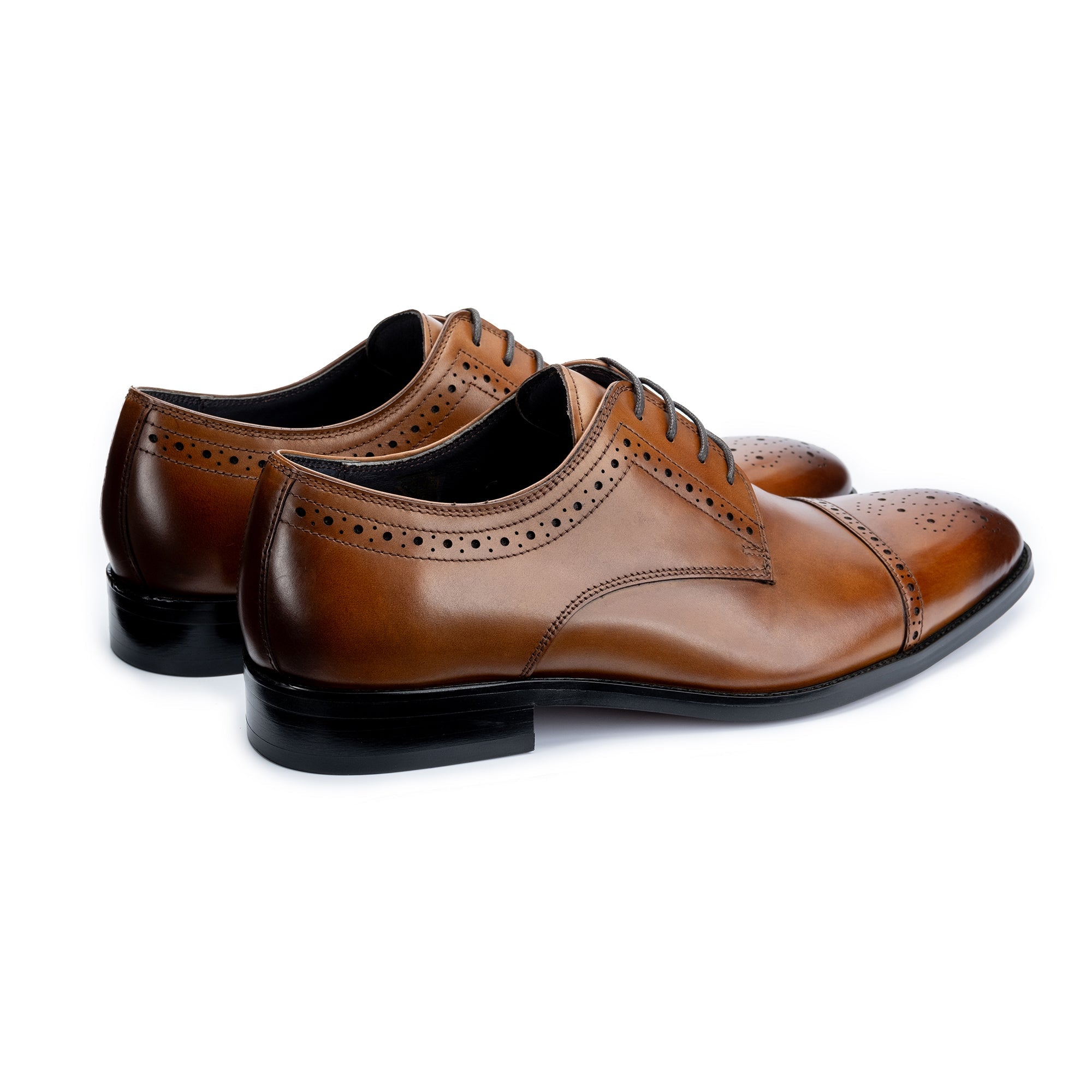
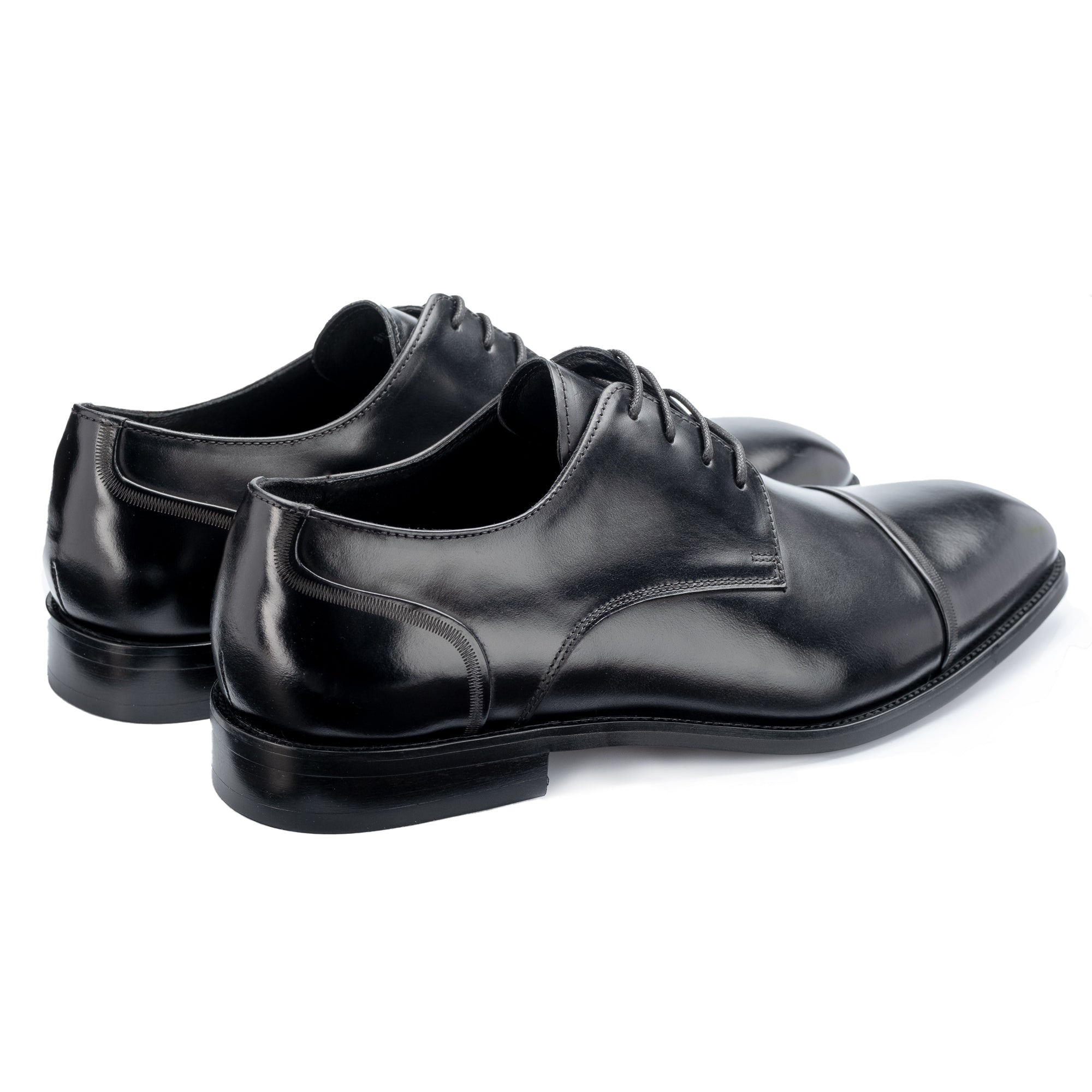
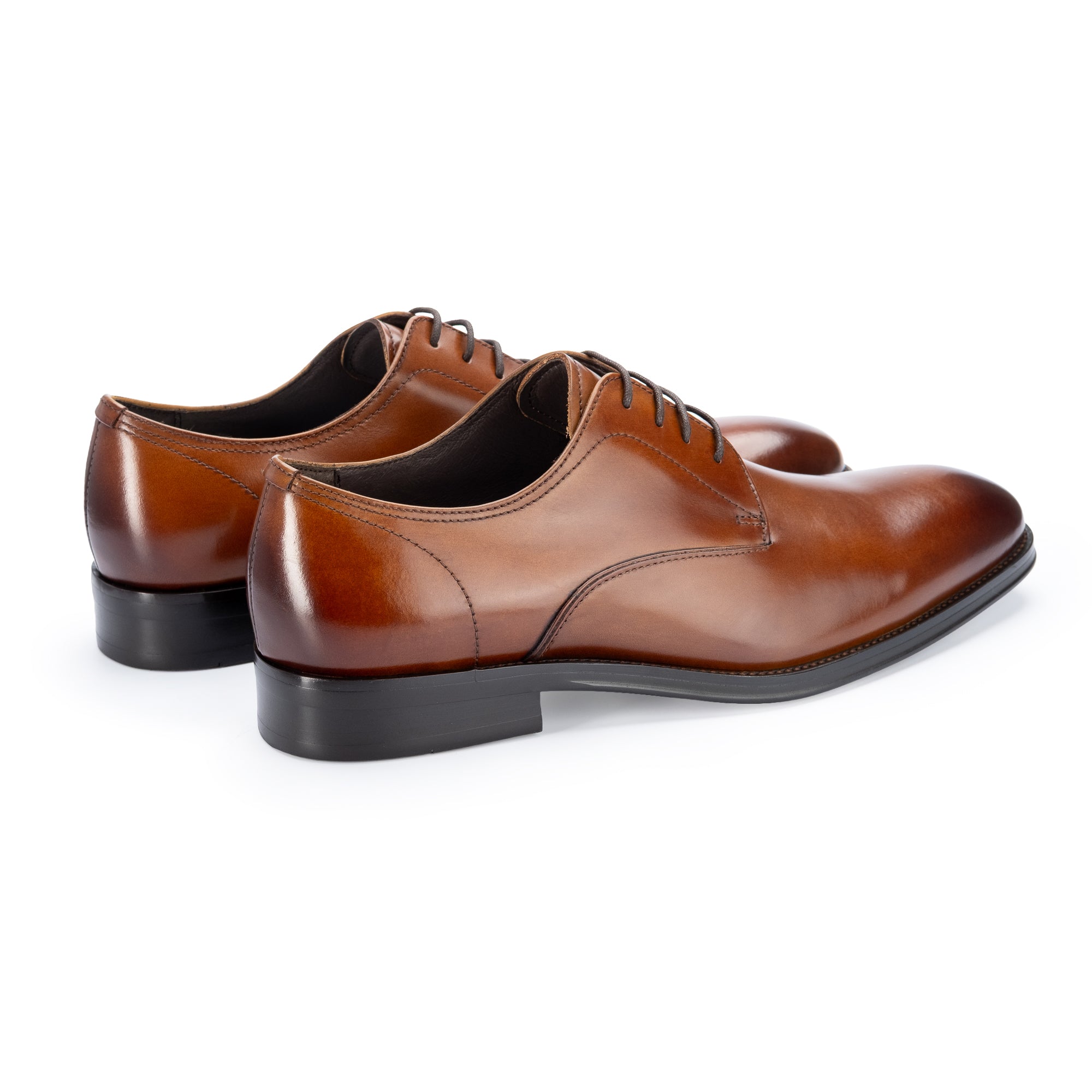
- Heel building and finishing — Where a stacked leather heel is used, each lift is trimmed, sanded, and compressed. The heel breast — the forward-facing surface — is shaped and stained to match the sole edges cleanly.
- Last removal — The wooden last is pulled from the shoe. The toe puff sets fully at this point, establishing the final shape of the vamp.
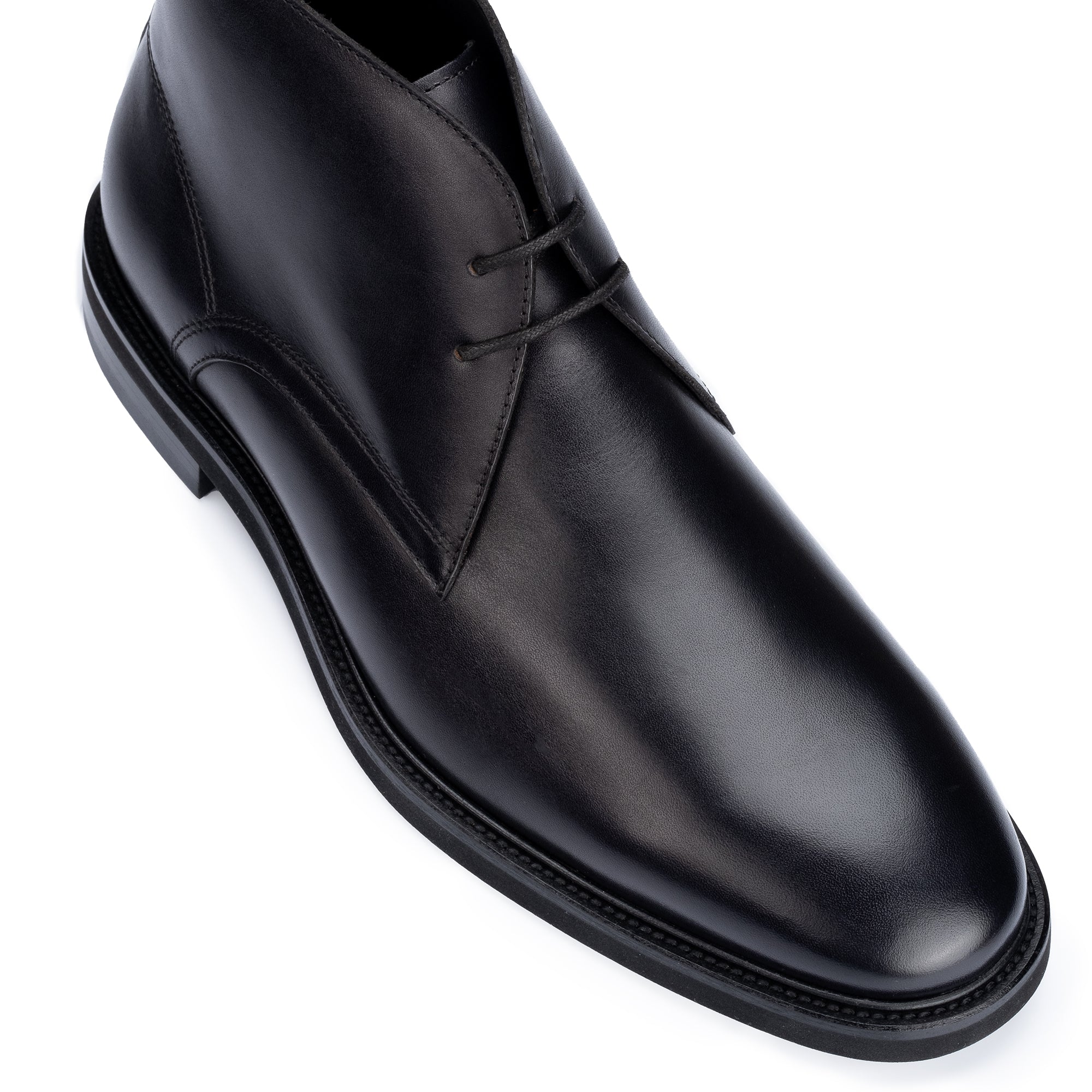
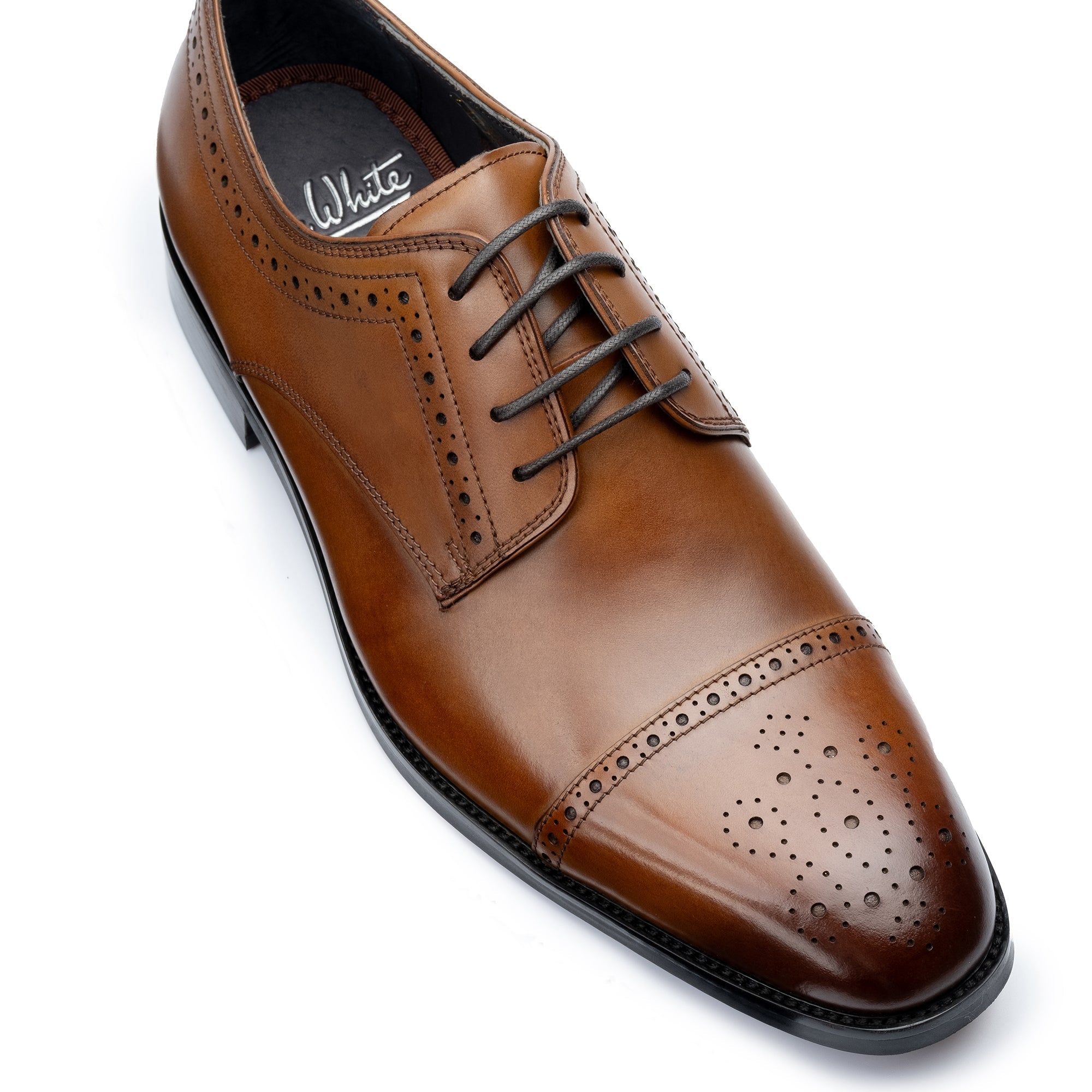
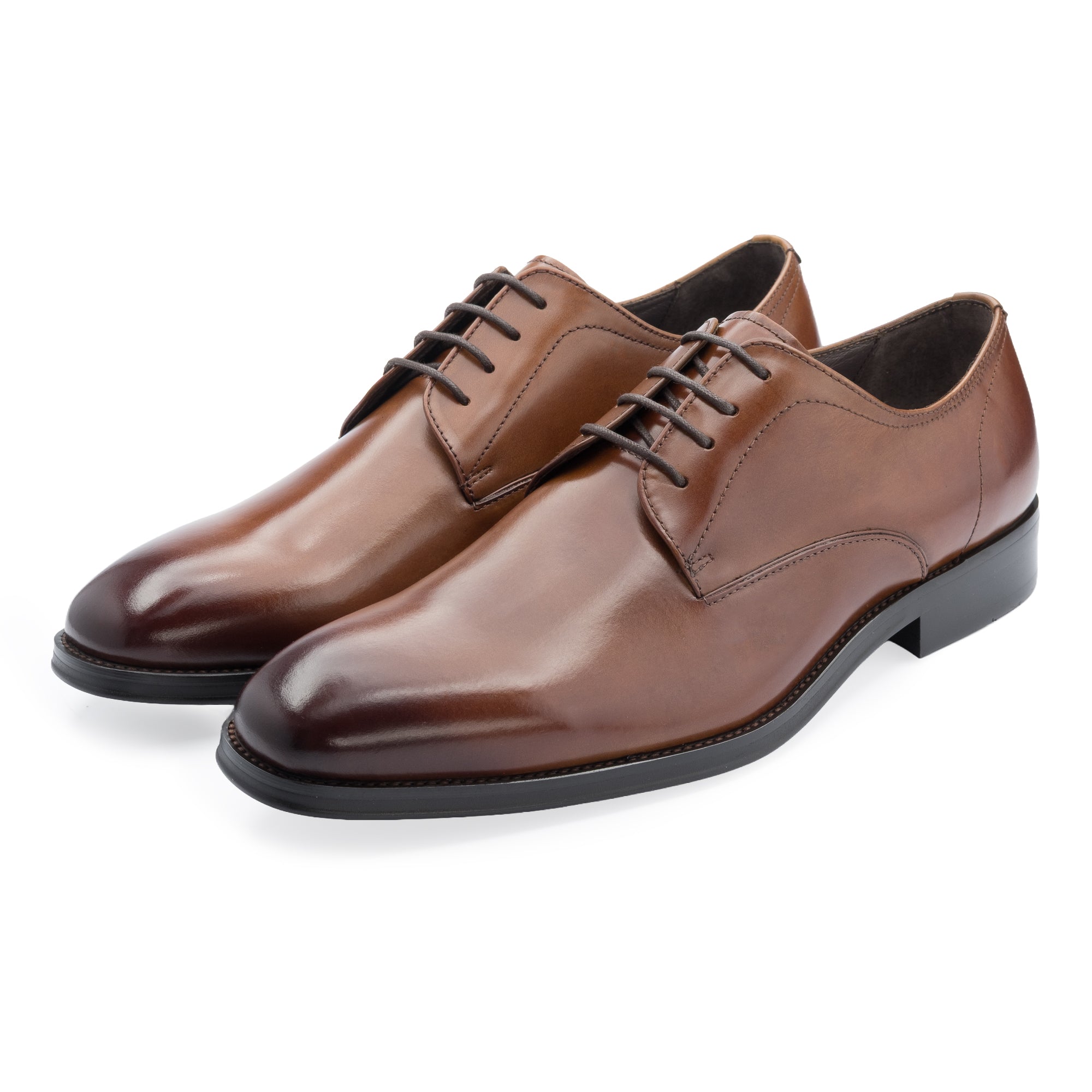
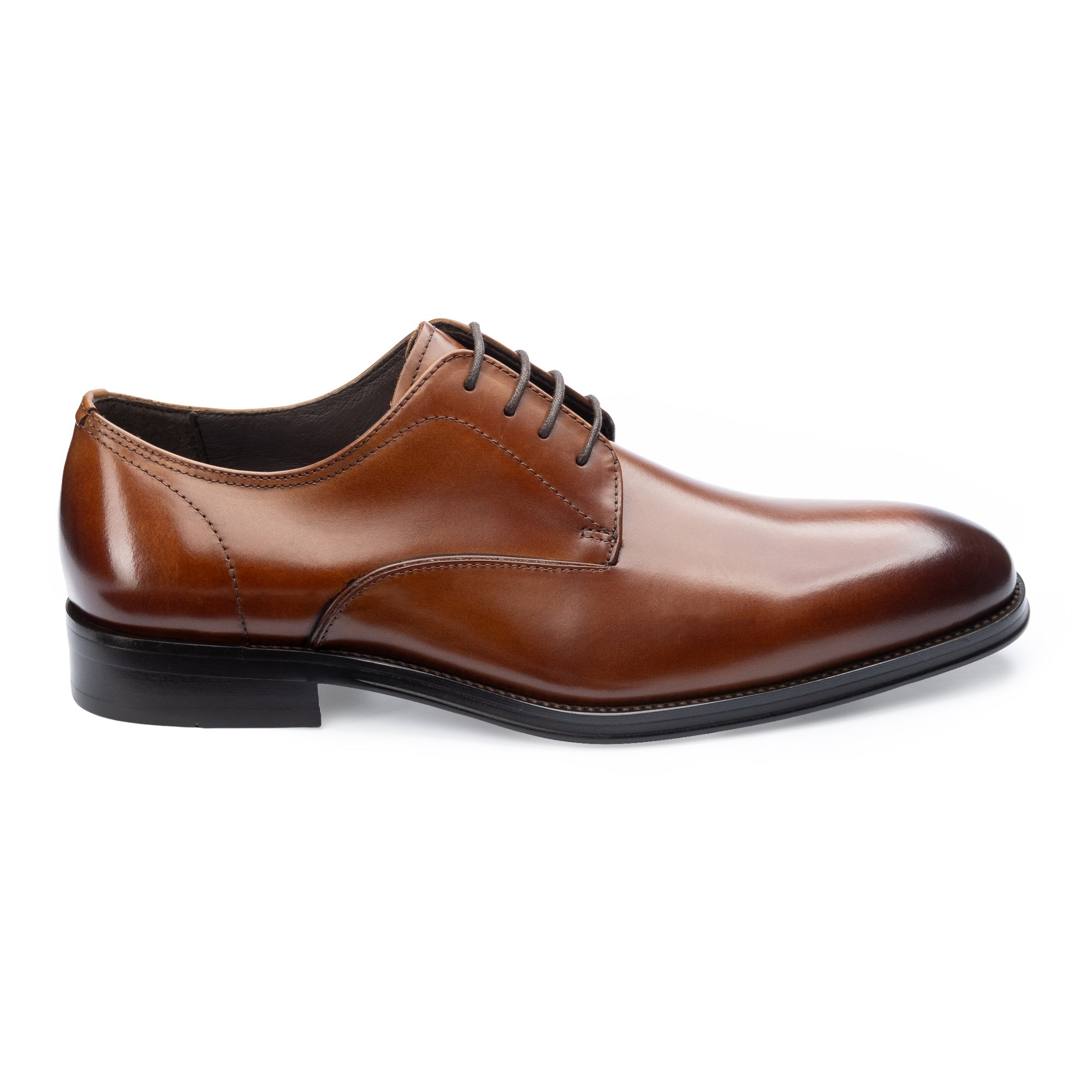
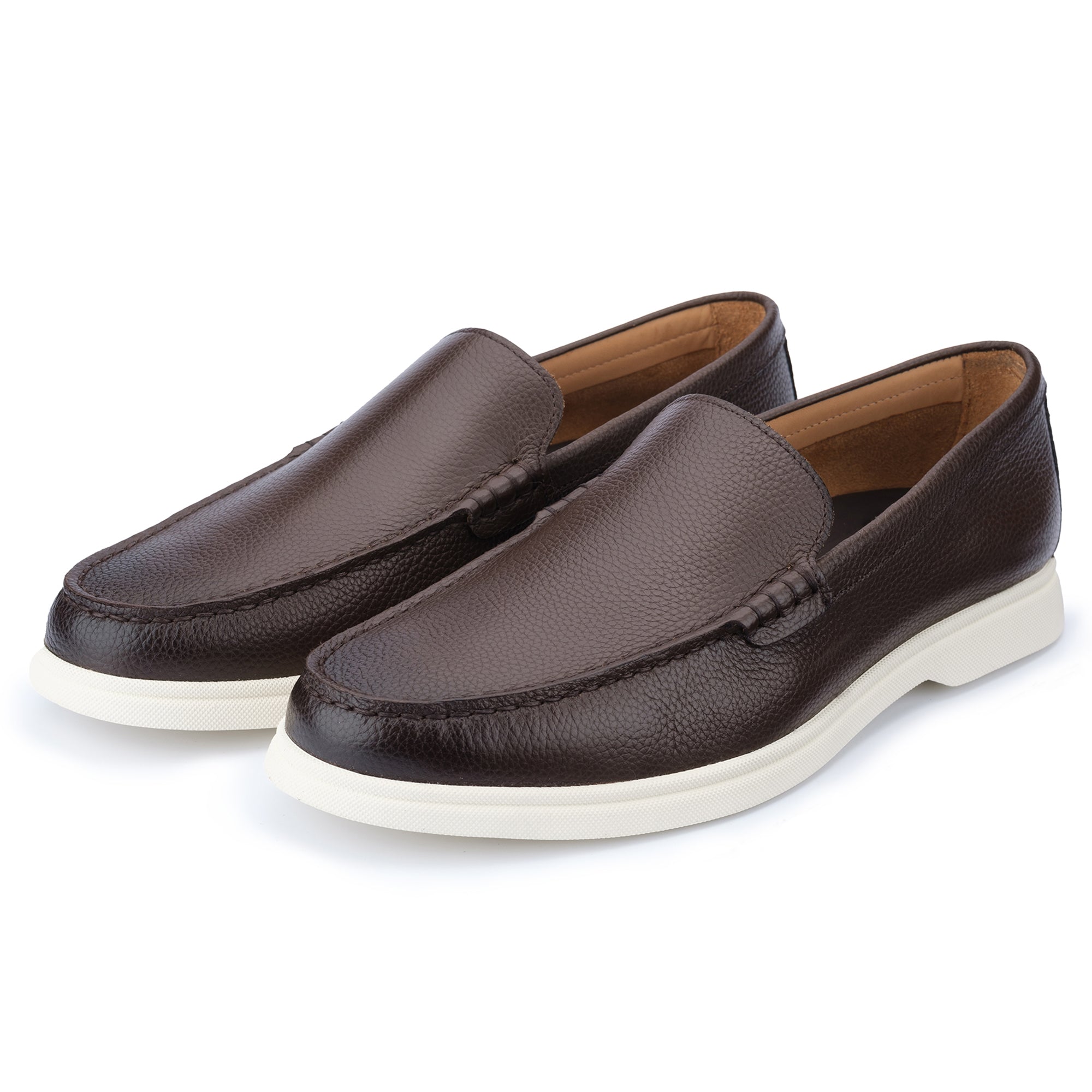
- Upper conditioning and polishing — The leather upper is cleaned, then conditioned with a nourishing cream to replenish oils lost during lasting. Polish is applied in thin, deliberate layers — cream first, then wax — and buffed to the required finish by hand or machine.
- Final inspection — The shoe is examined for symmetry, colour consistency, stitching quality, and overall finish before being laced, tissue-wrapped, and boxed.
As we explored in our guide to the anatomy of a handmade shoe, every component present during construction carries through to the finishing stage — its quality either confirmed or compromised by the final polish.
Why Does Edge Finishing Matter So Much?
Edge finishing is the signature of the shoemaker. It is one of the first places an experienced eye looks when judging construction quality, and one of the first places a poorly made shoe betrays itself.
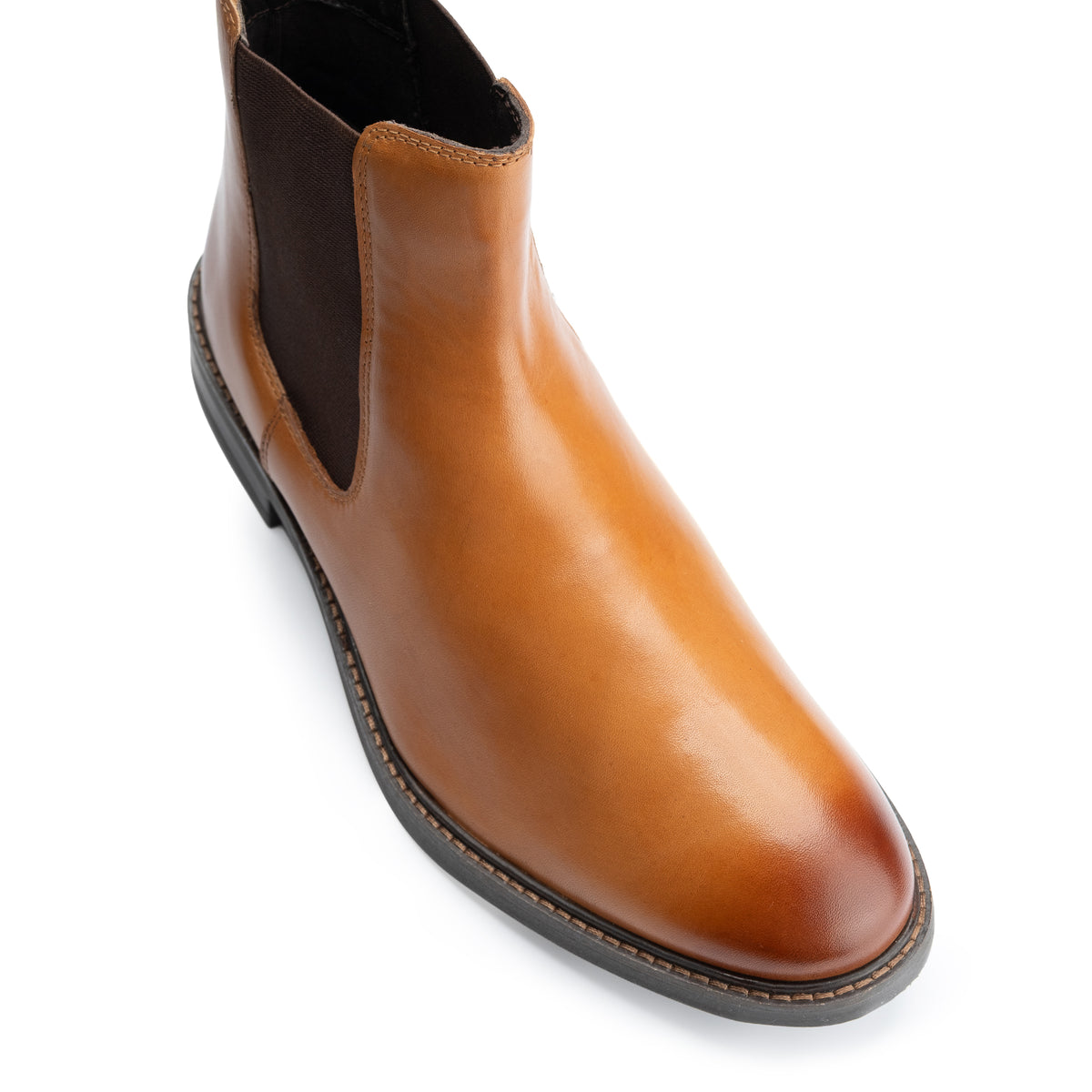
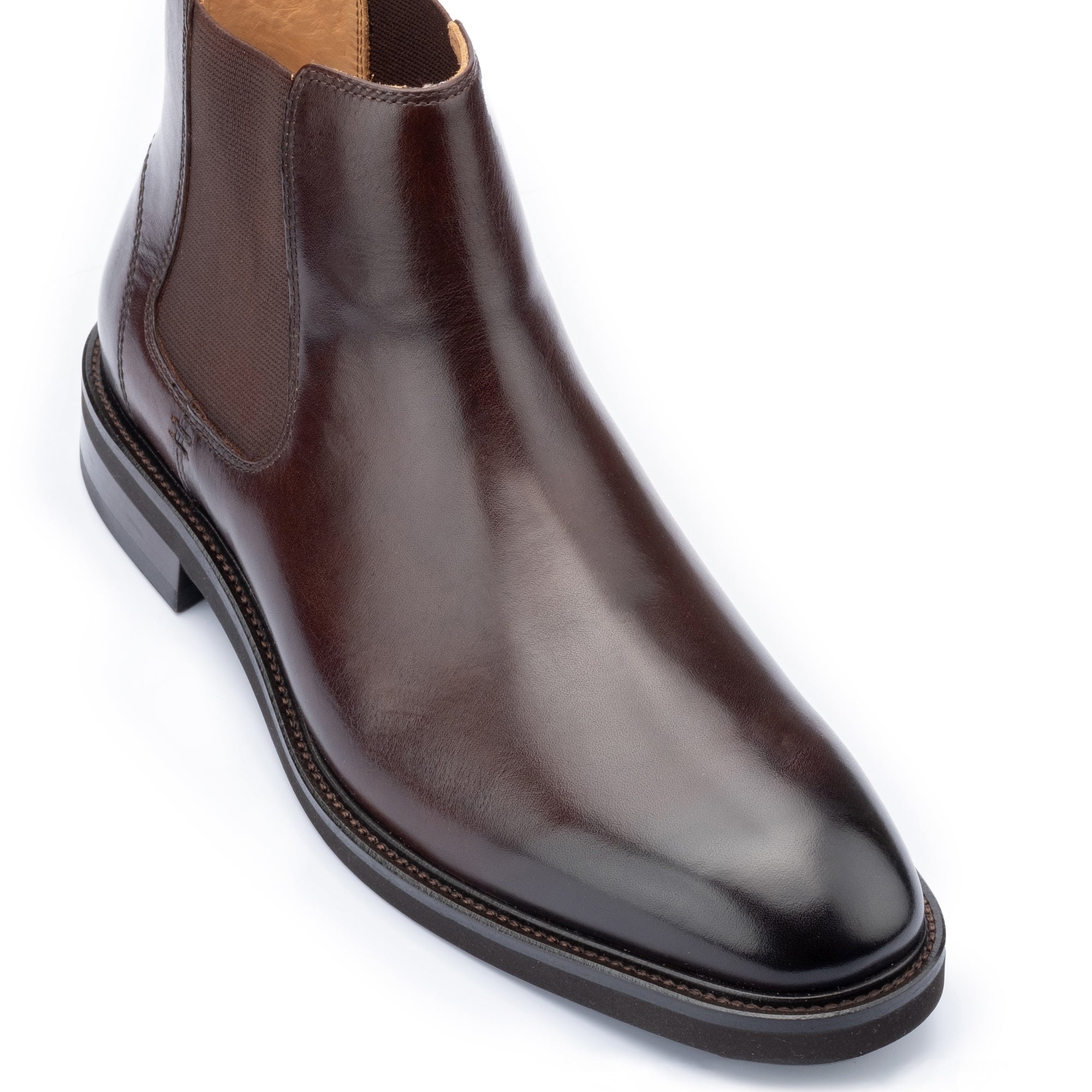
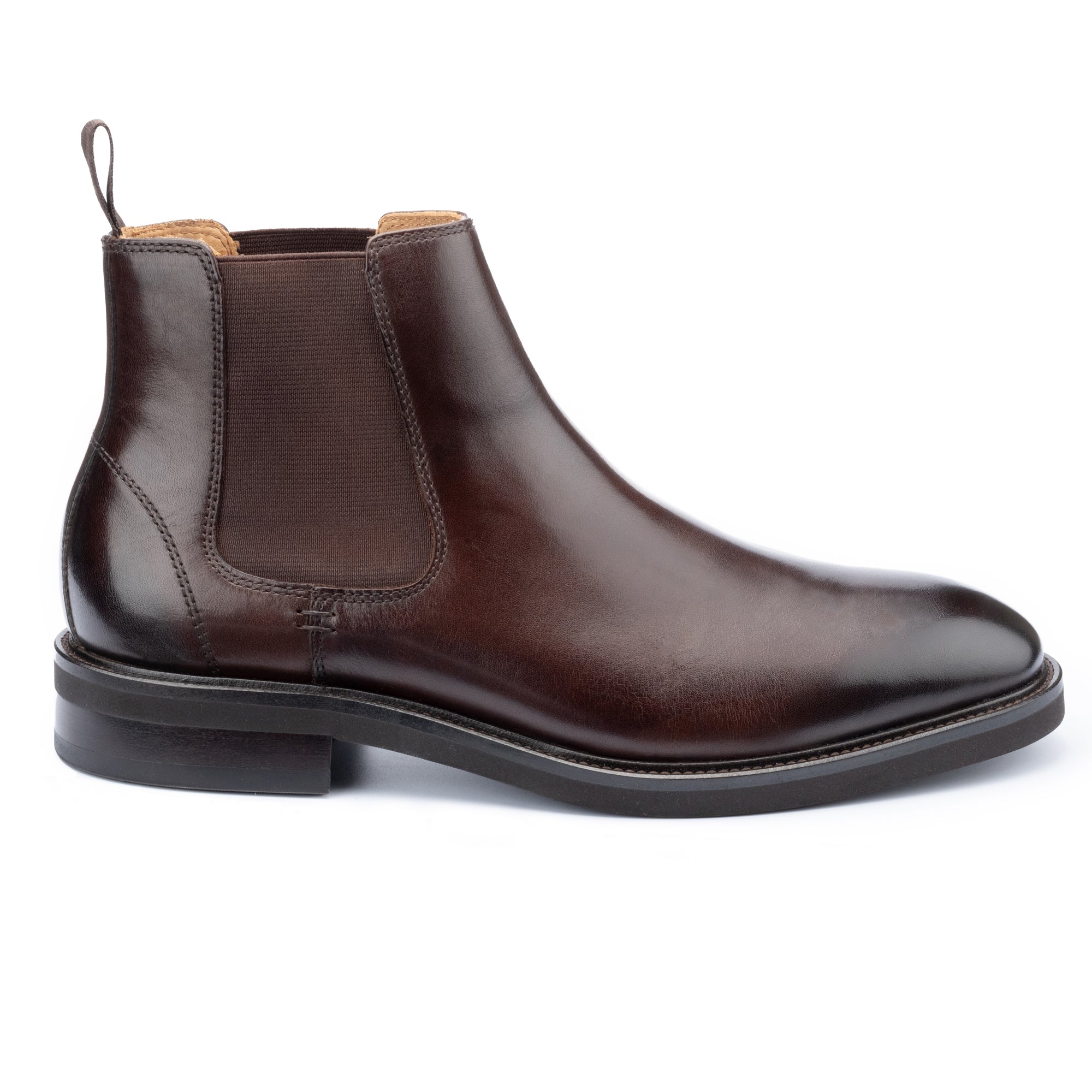
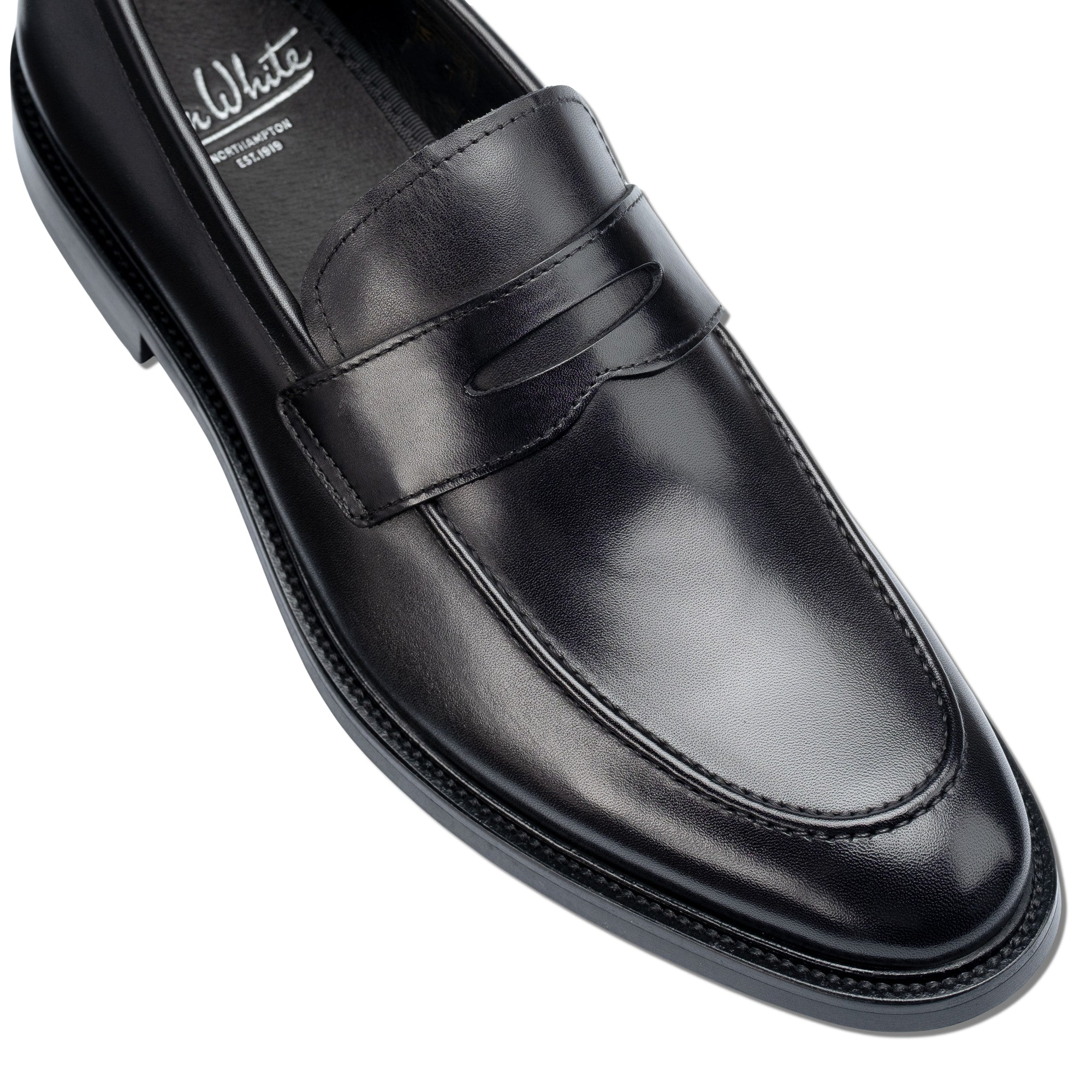
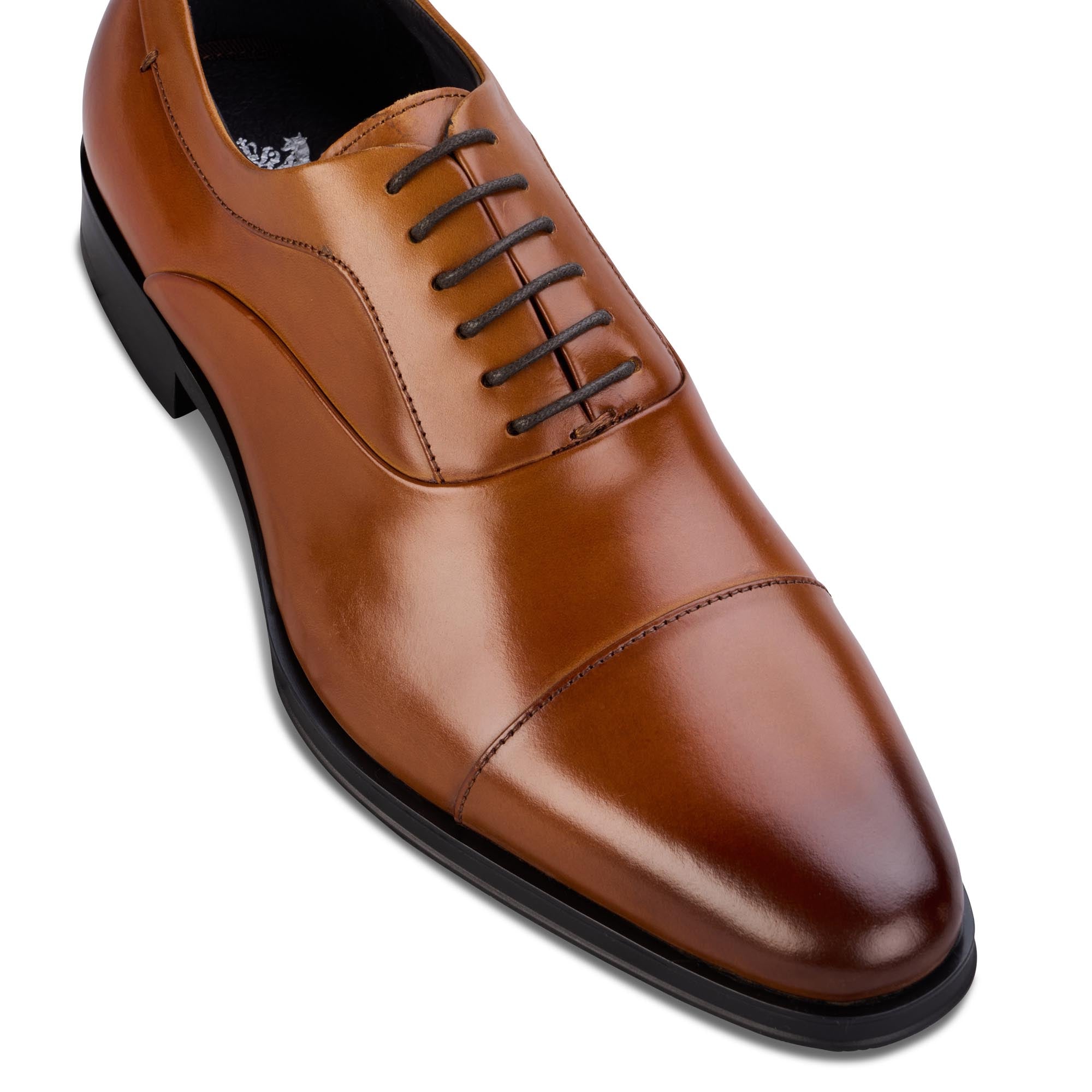
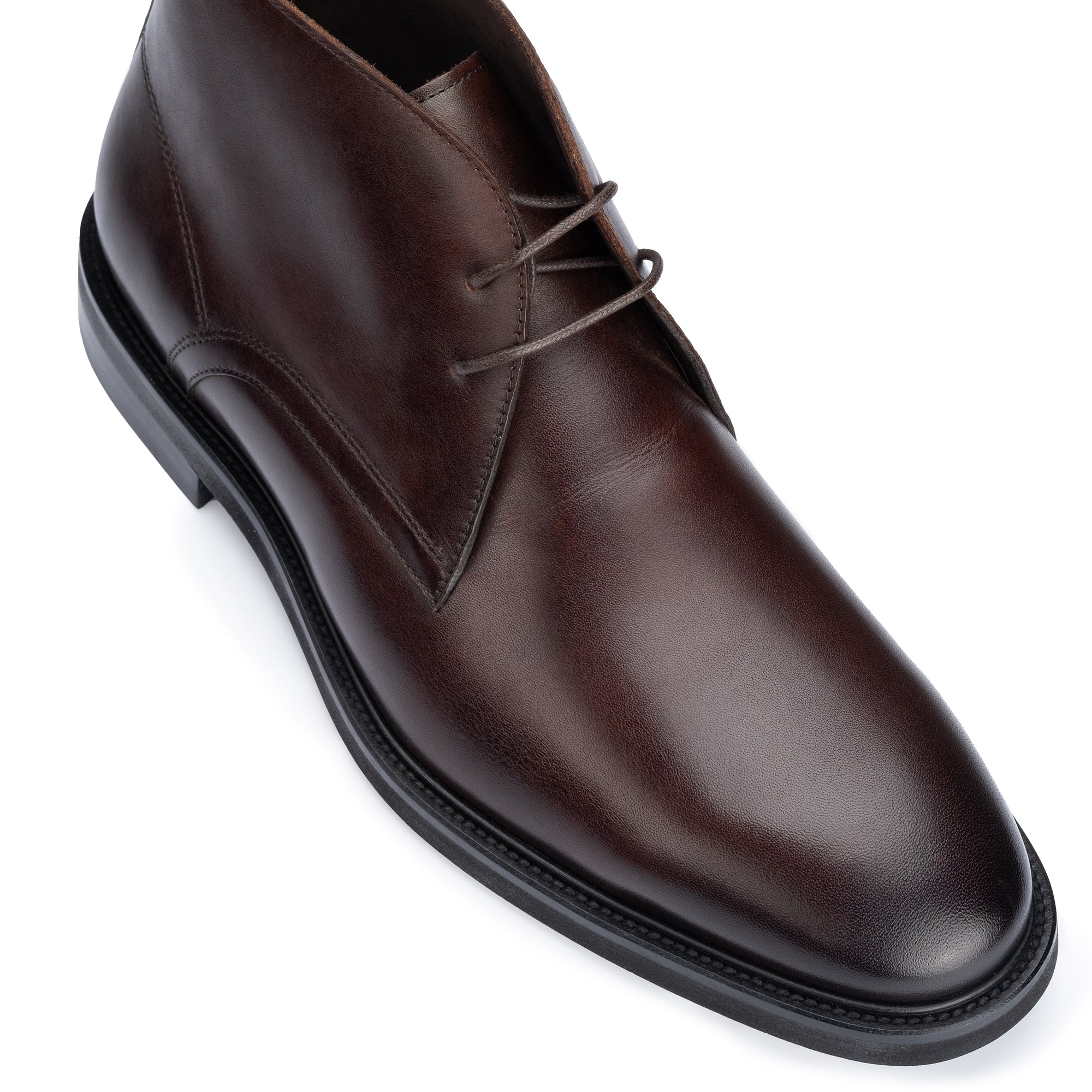
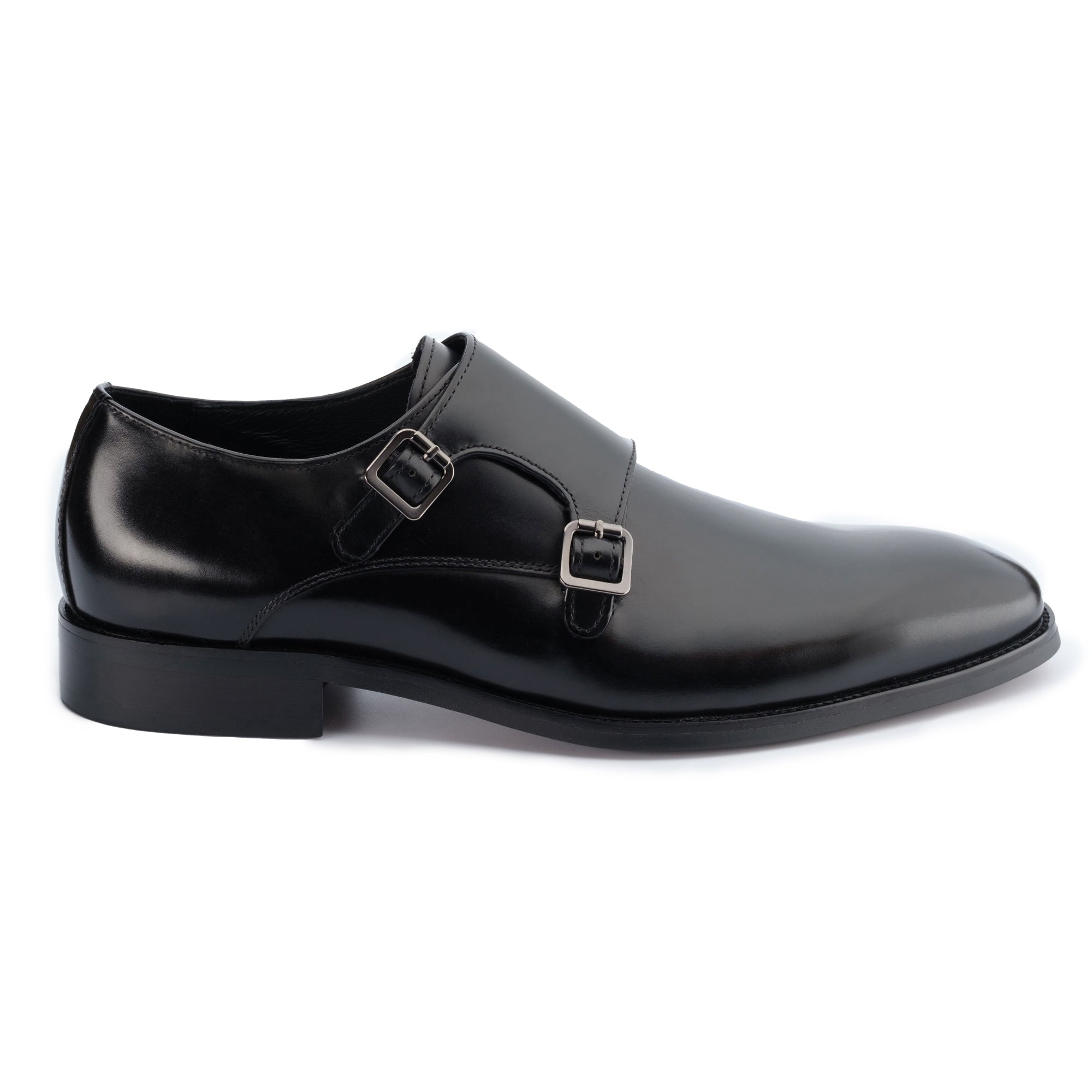
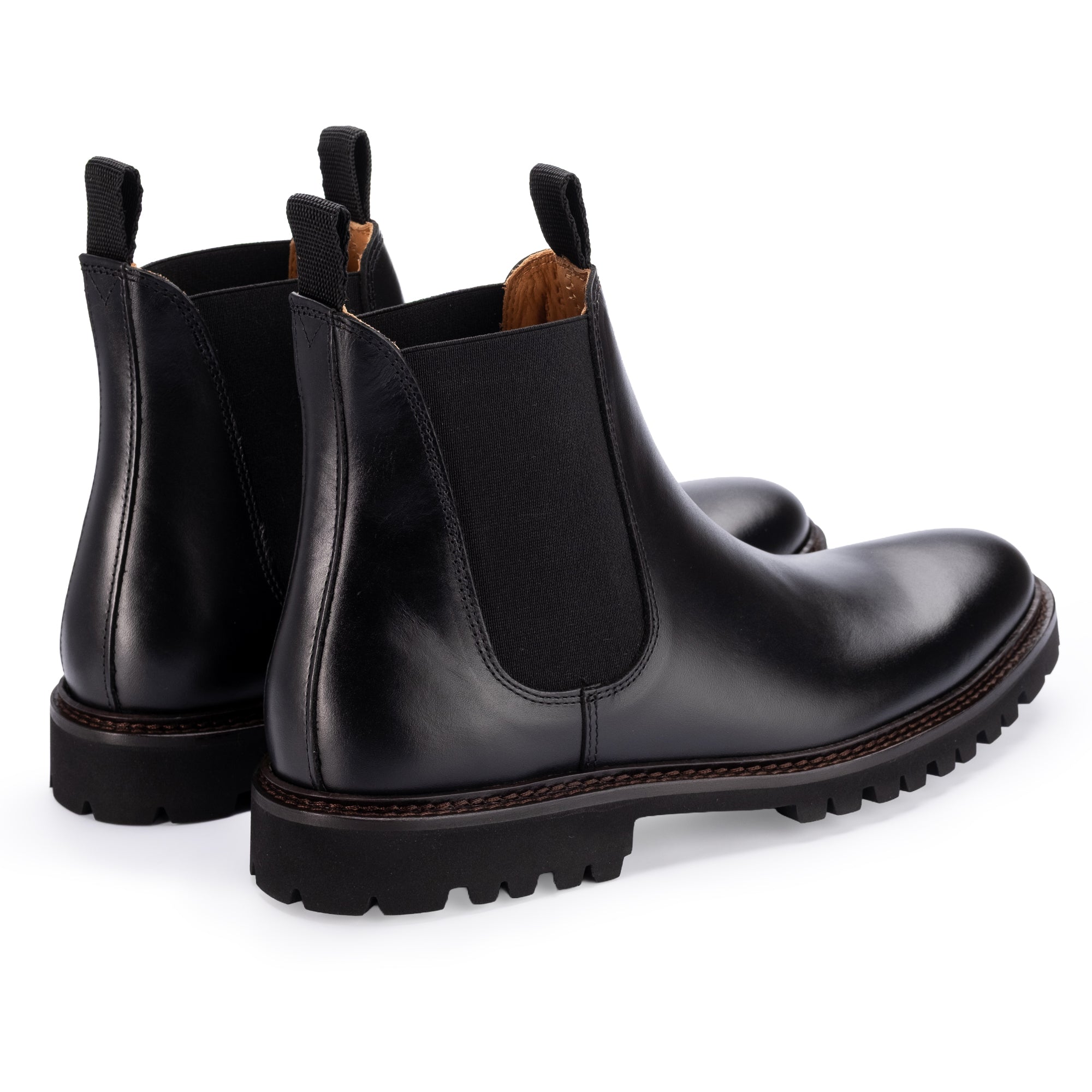
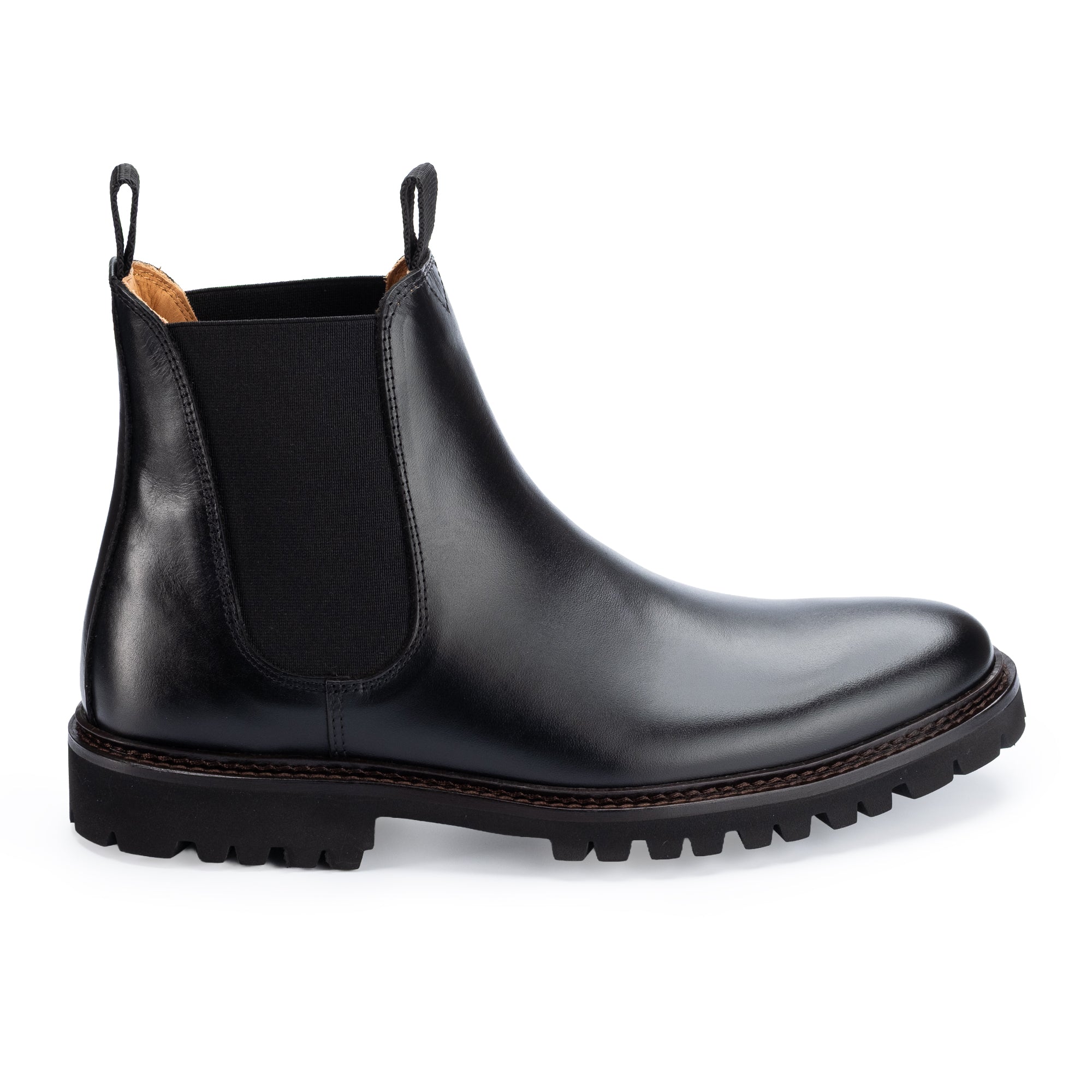
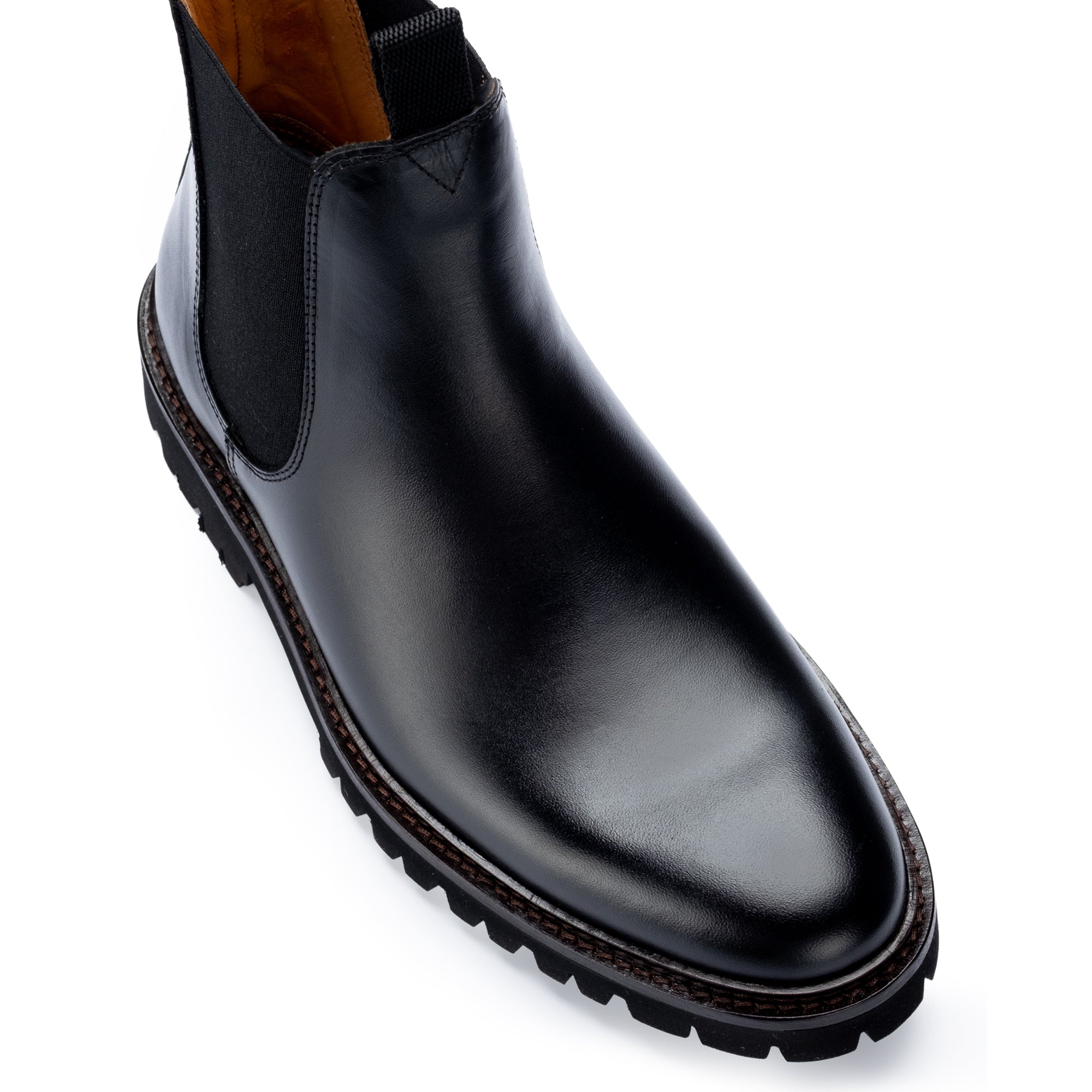
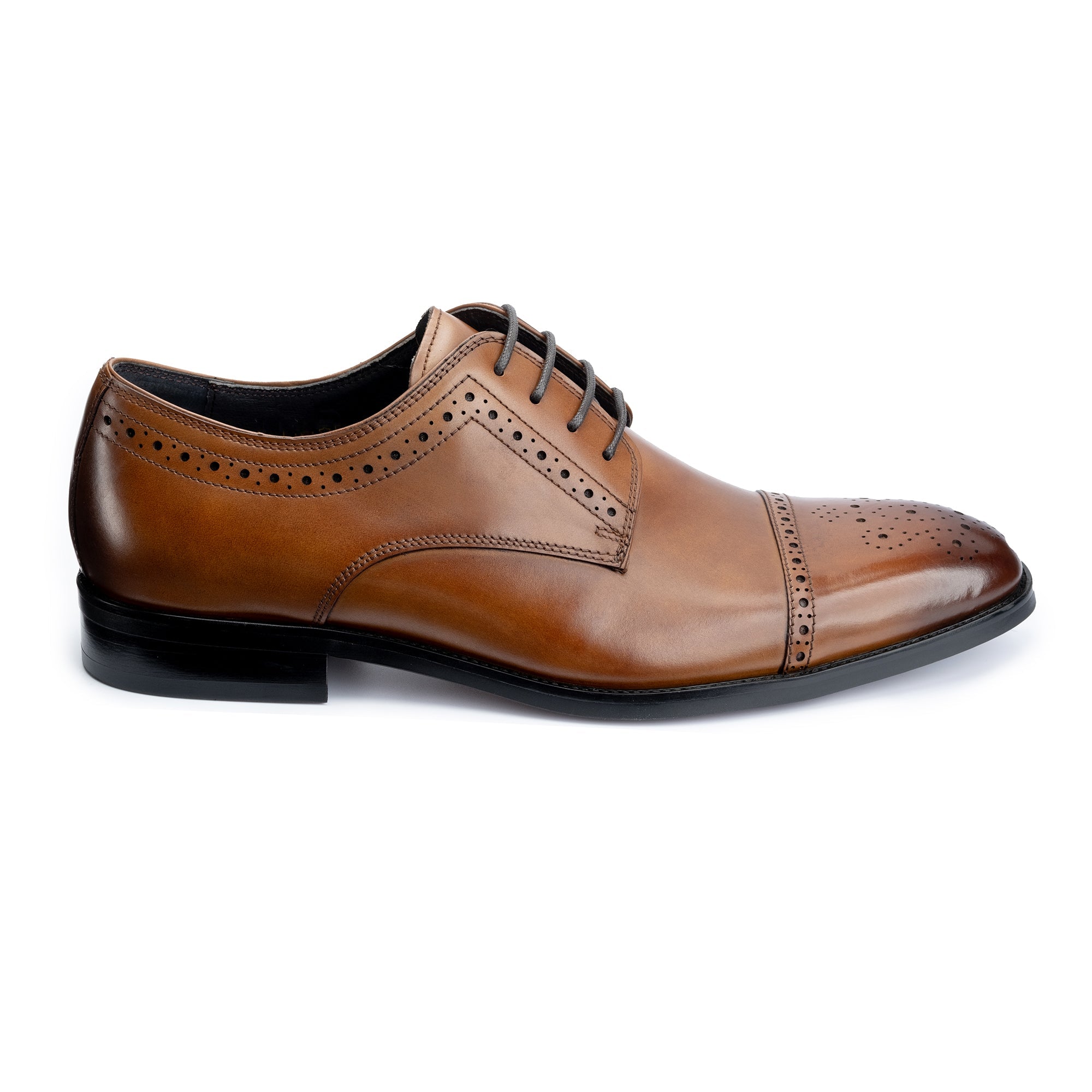
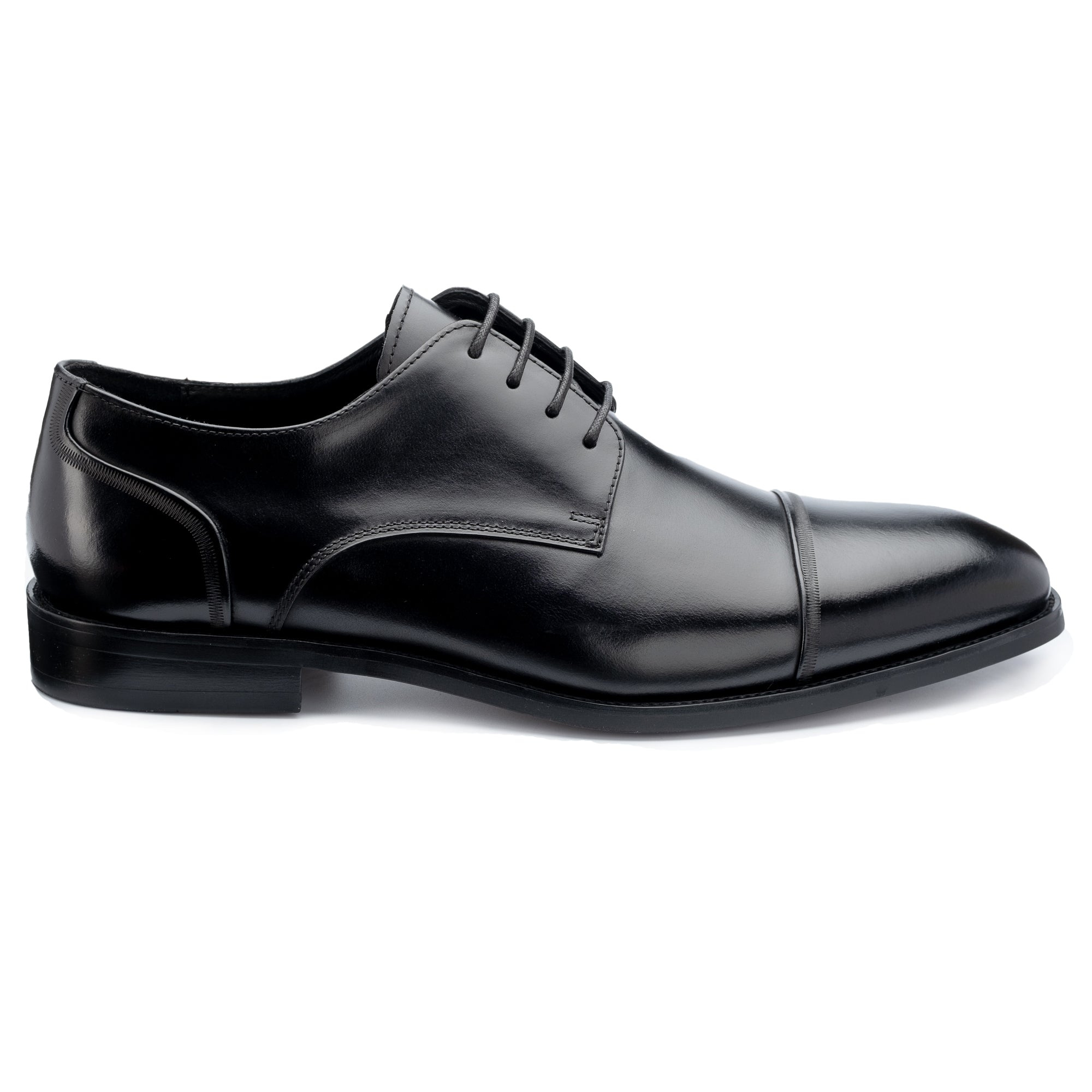
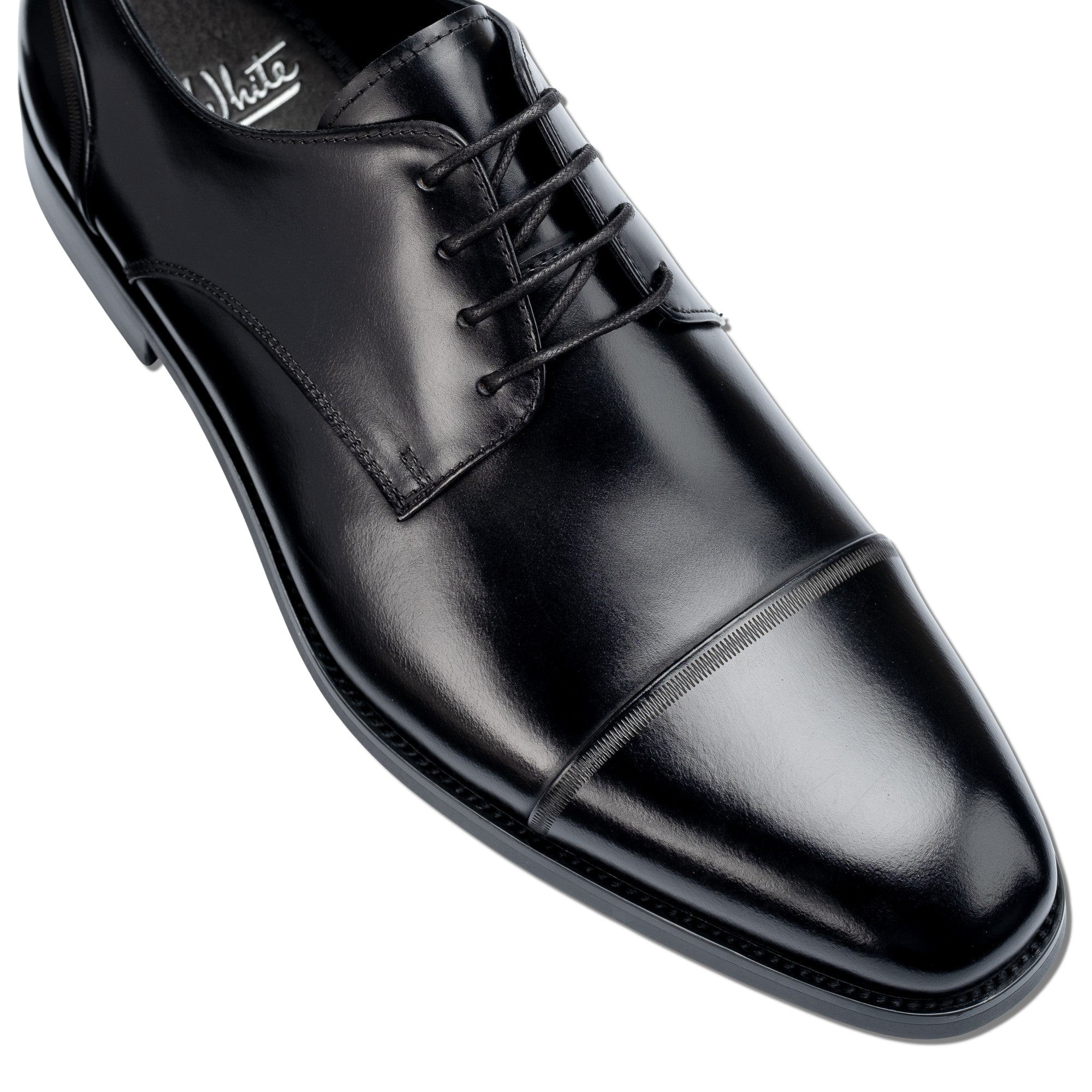
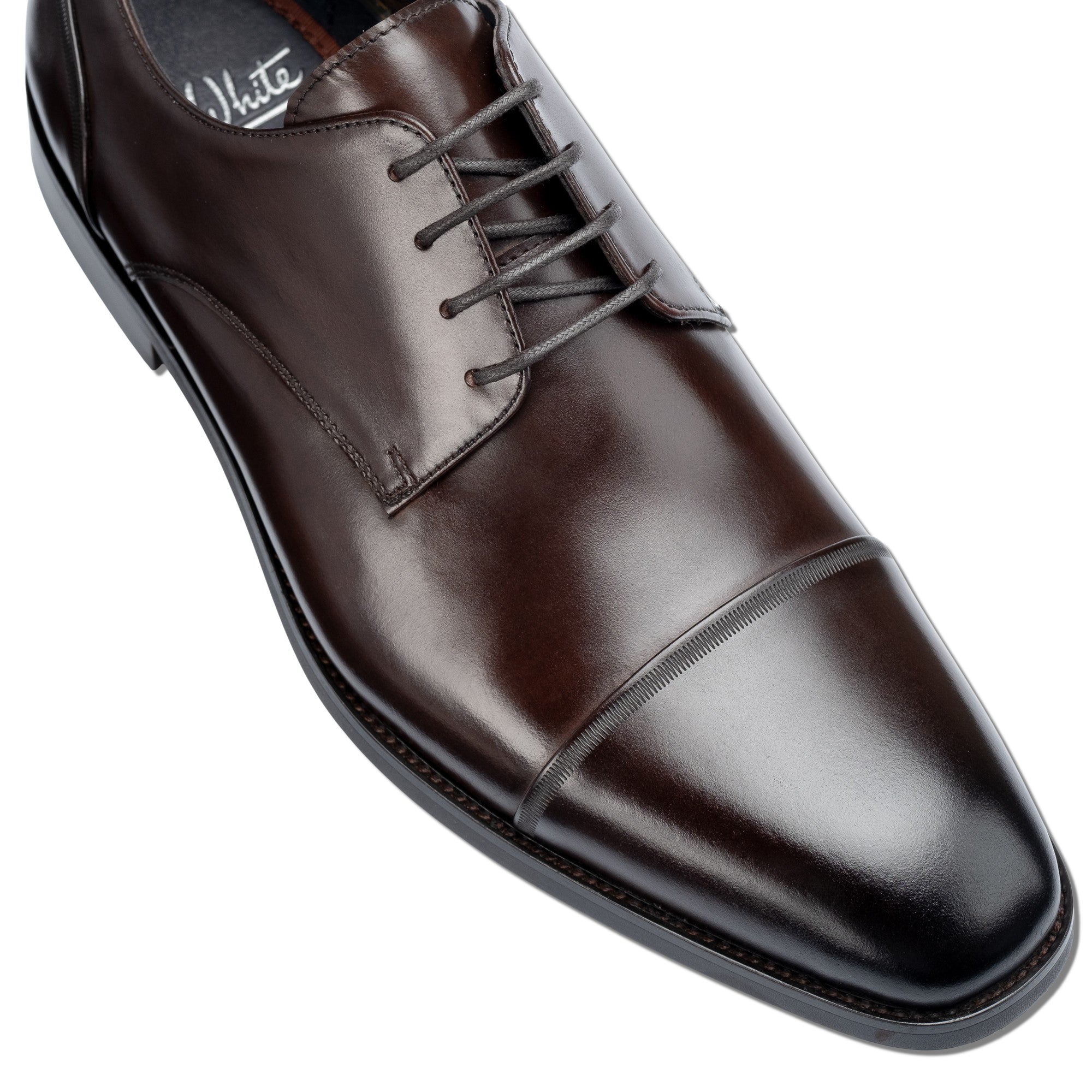
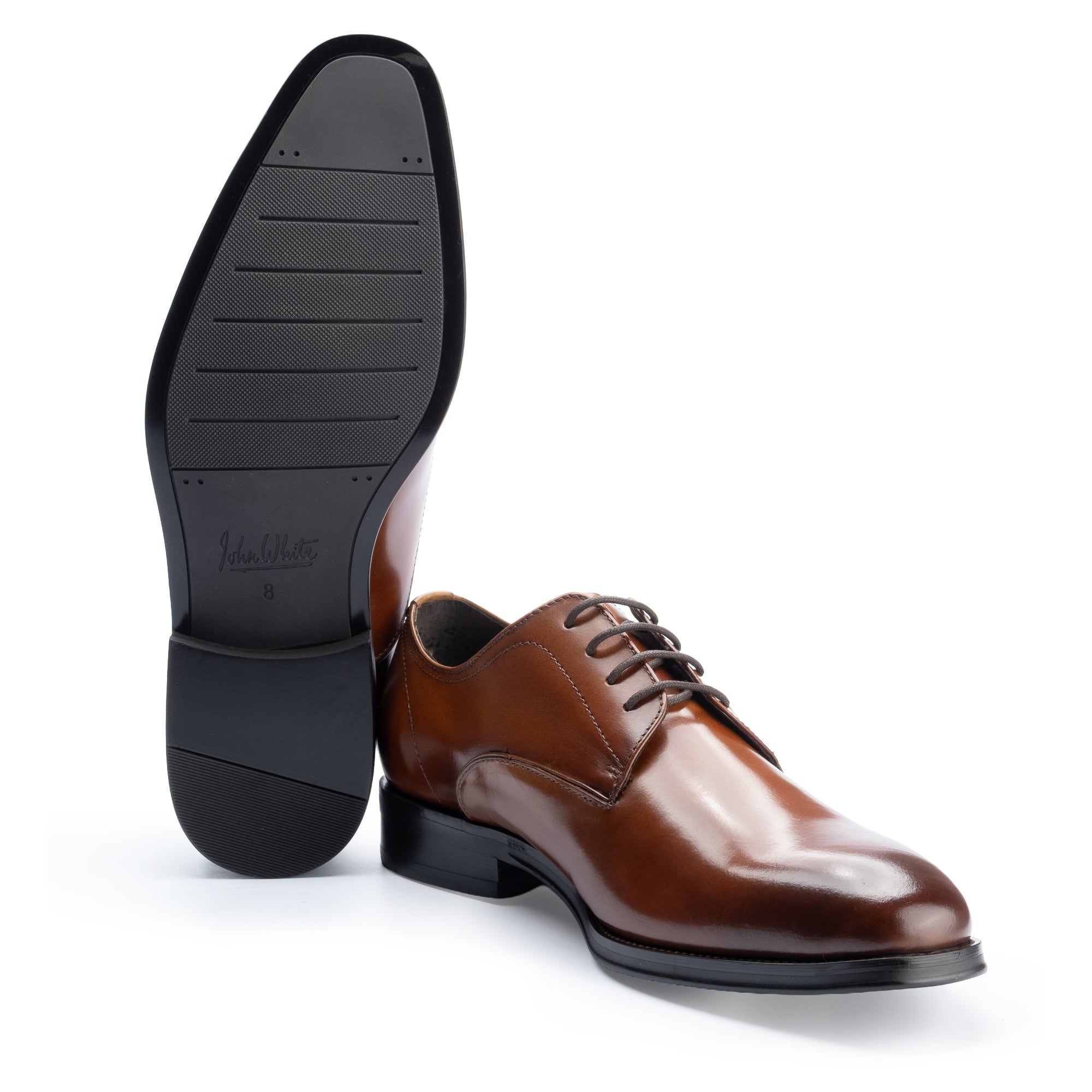
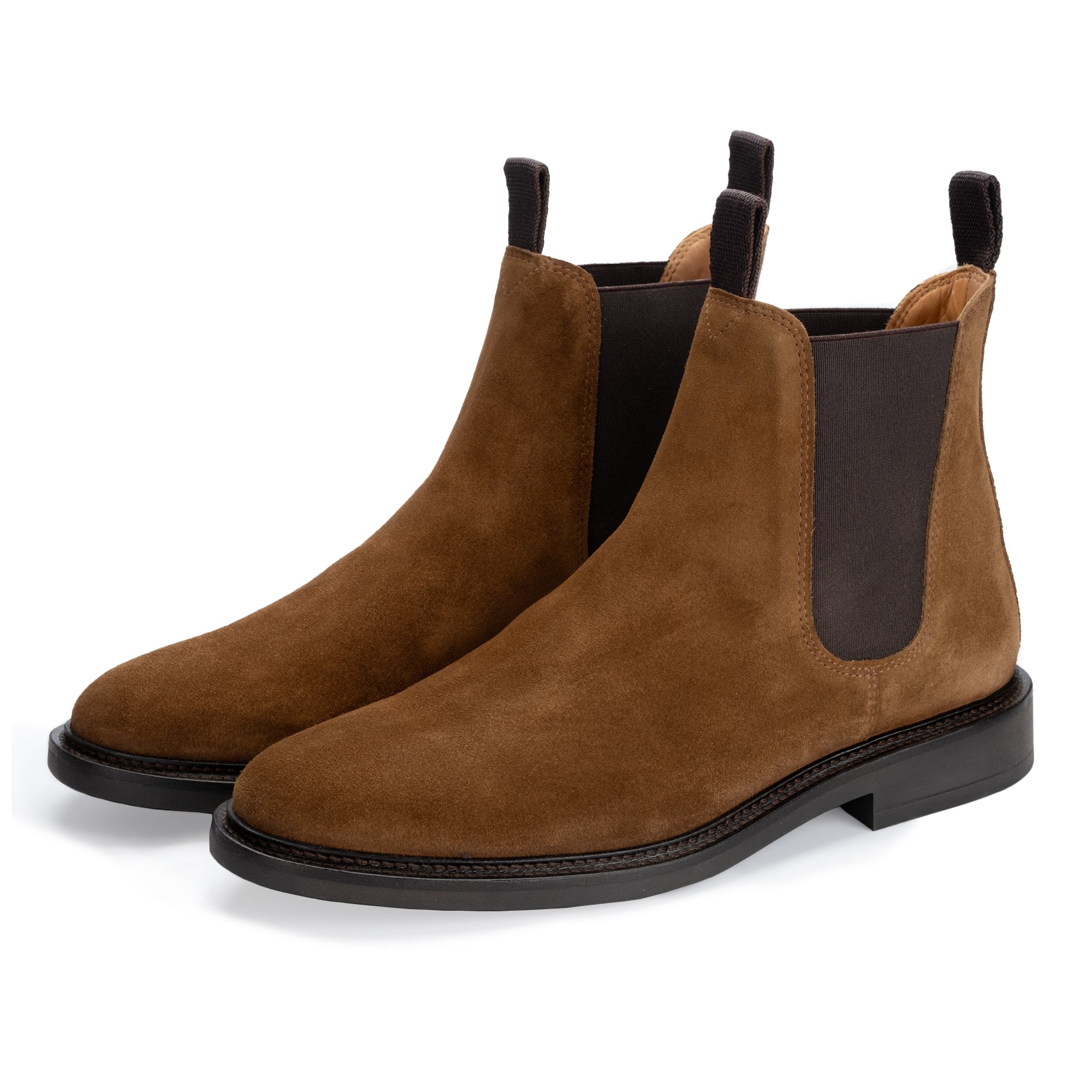
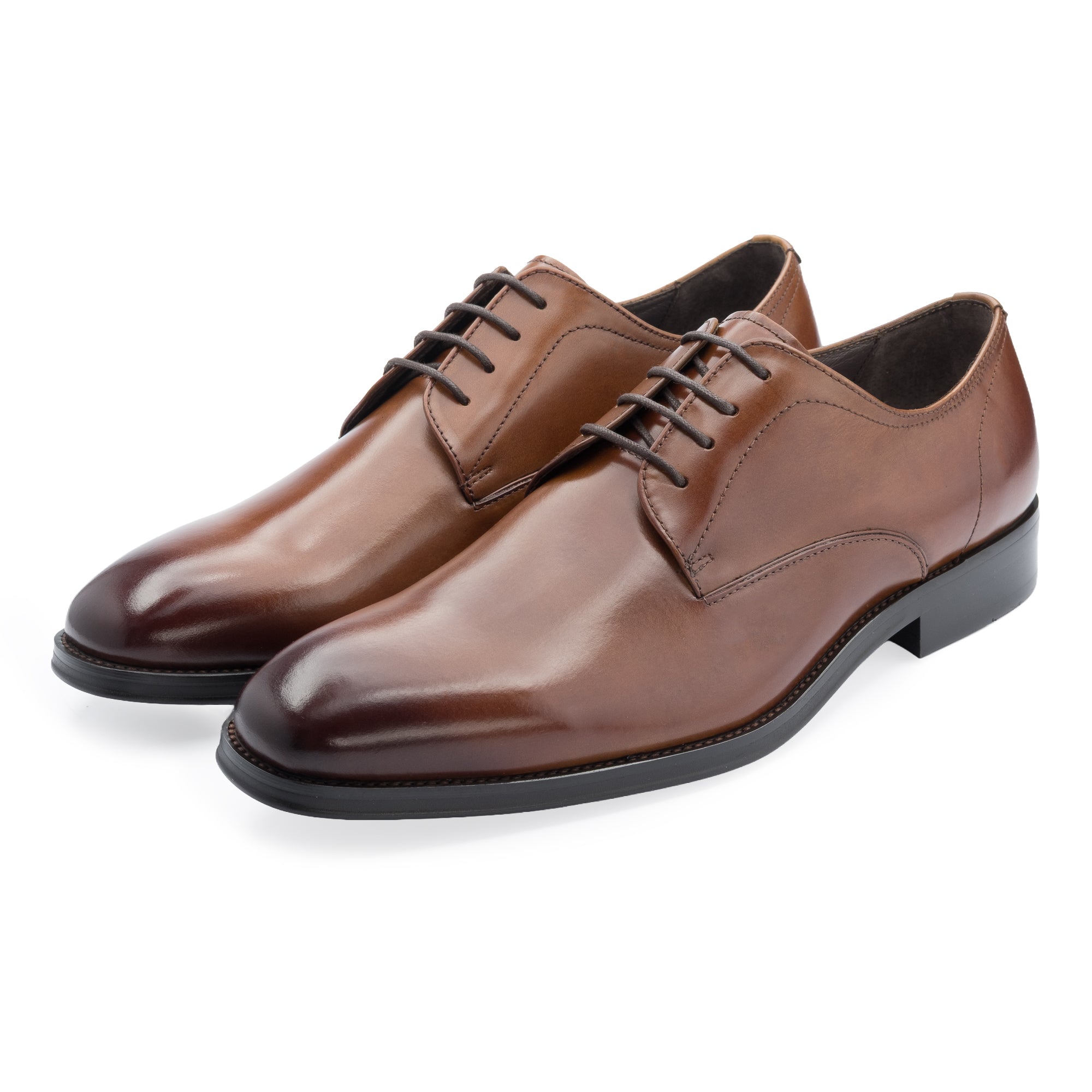
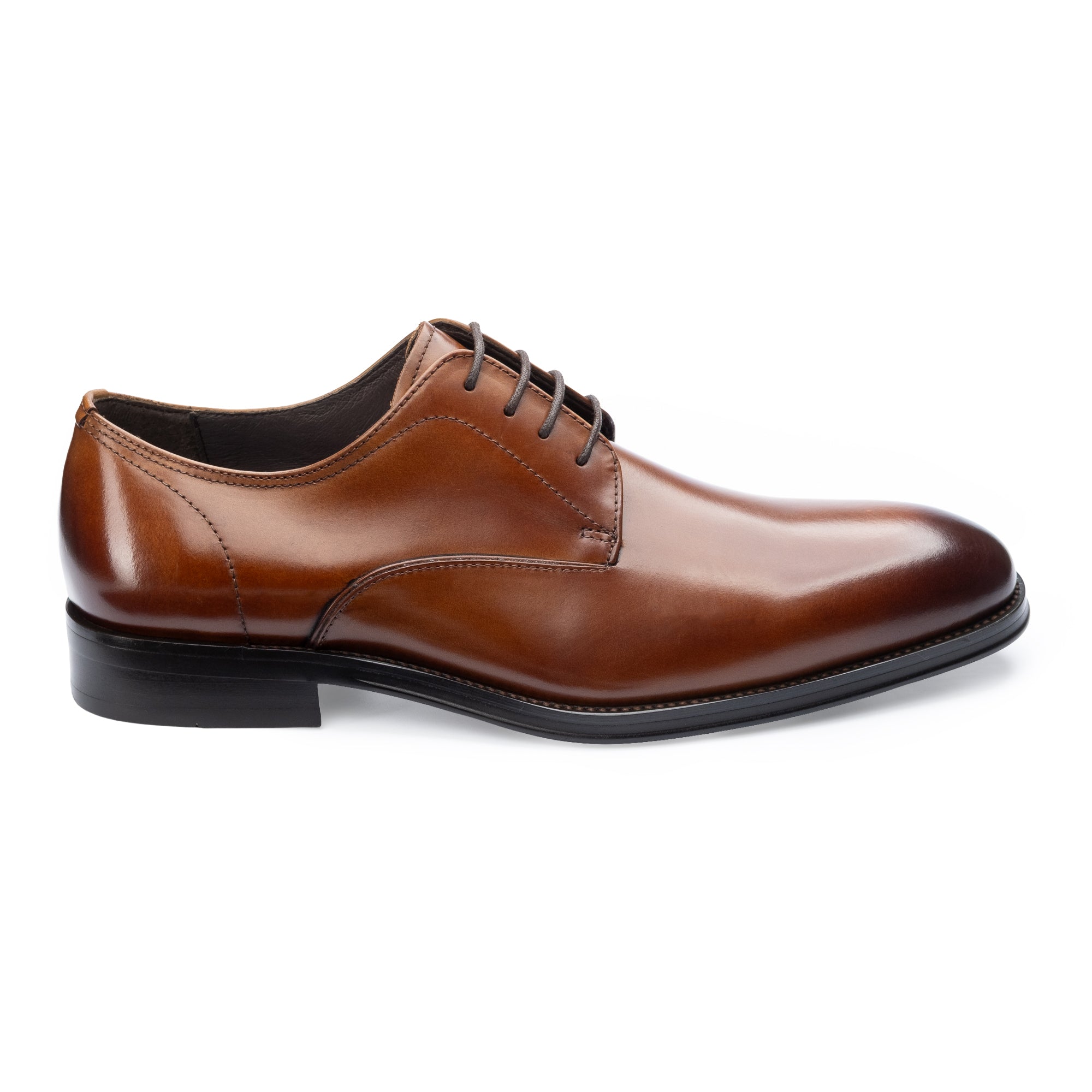
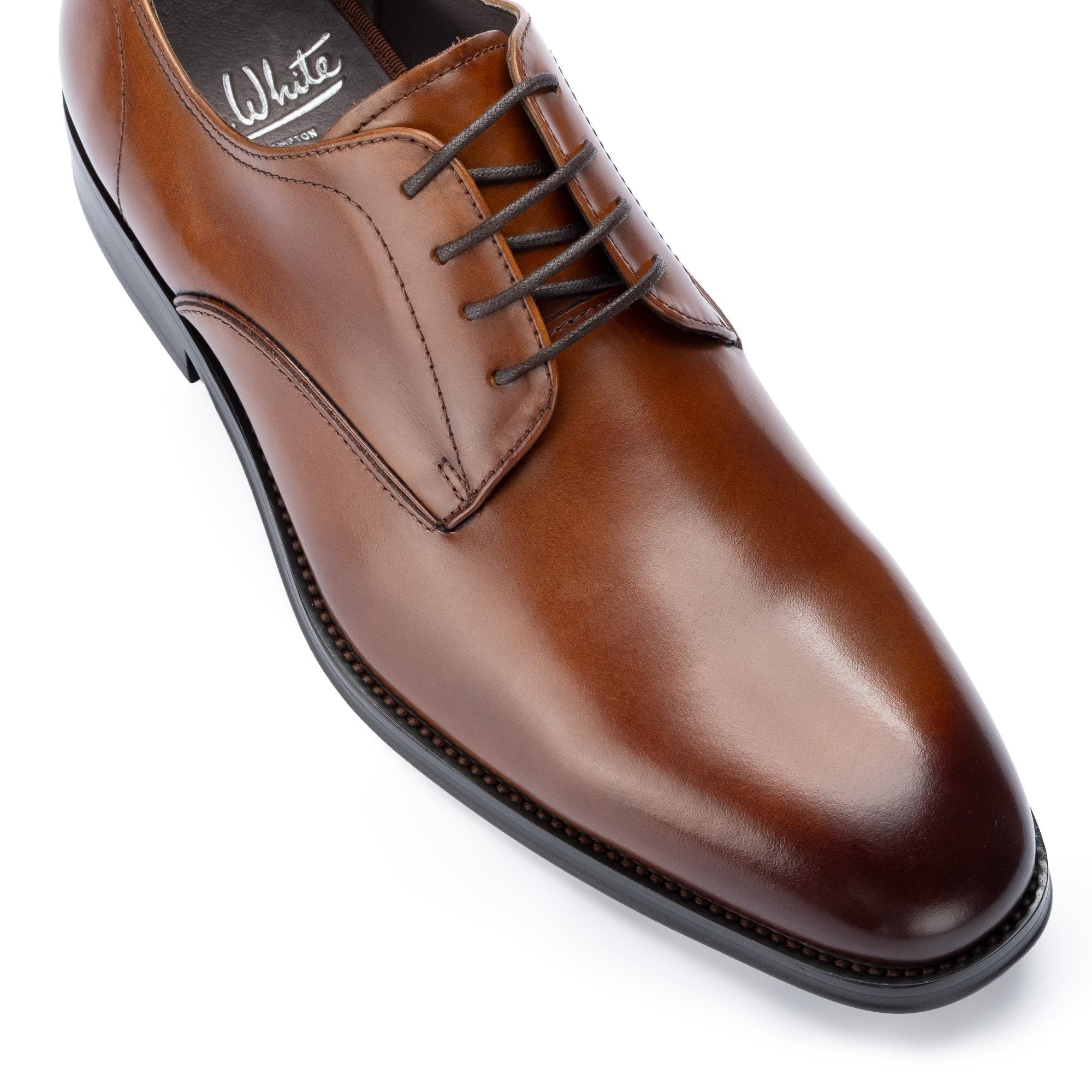
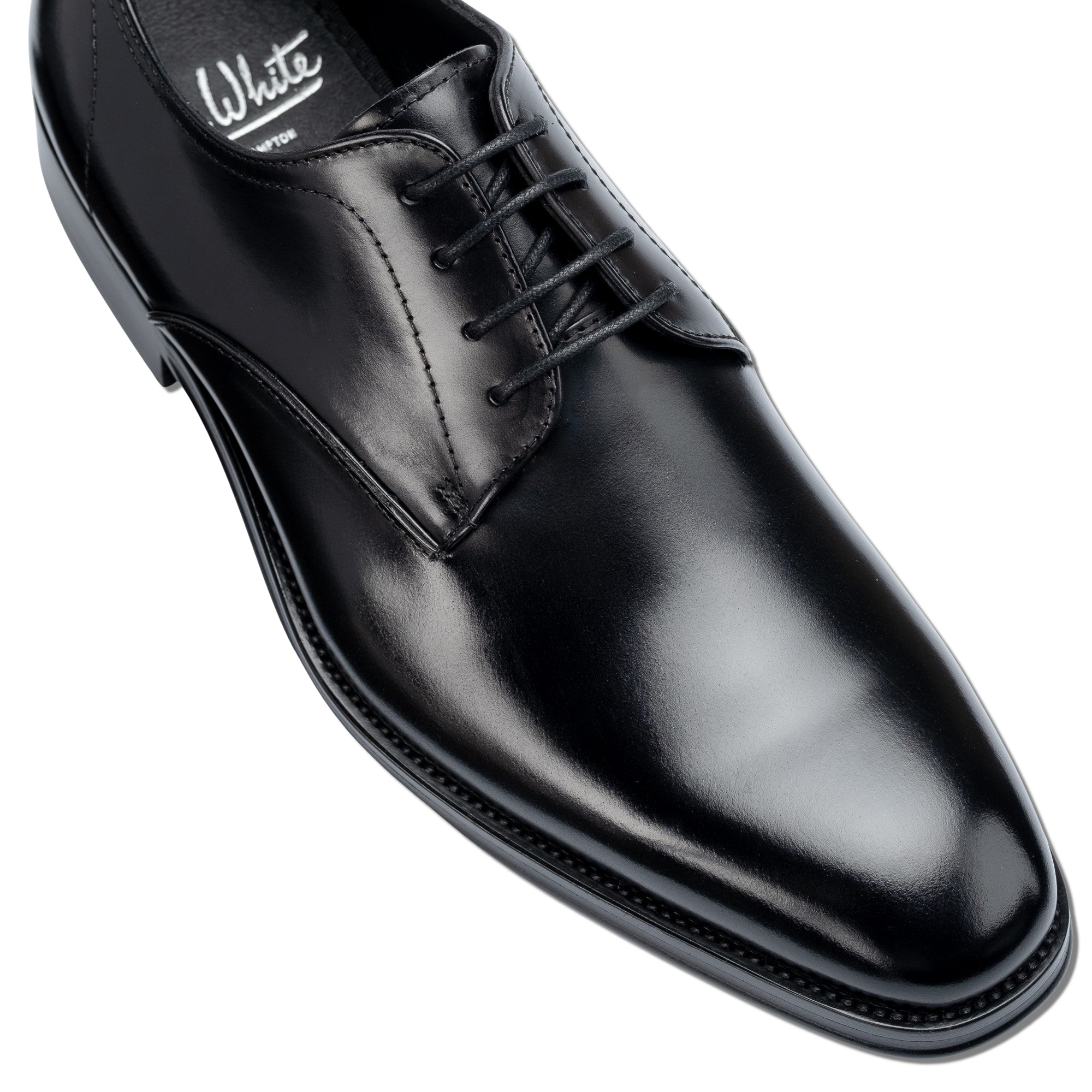
A cleanly finished edge — uniform in width, smooth in texture, consistent in colour throughout — tells you that the sole was laid true and trimmed with care. An uneven or ragged edge signals the opposite. On a Goodyear-welted shoe, the burnished welt line adds a further layer of detail: the tight, ribbed impression of the finishing wheel runs the perimeter of the shoe like a frame, continuous and precise.
Many British heritage shoemakers like Loake, Barker, Grenson, Church's, and Crockett & Jones maintain their own traditions around welt finishing and edge treatment. The distinctions are subtle but become recognisable to those who look closely and consistently.
For further context on how construction method shapes the finished result, see How to Choose Shoe Construction for the Way You Actually Wear Them.
A properly burnished and sealed edge is not merely decorative — it protects the sole laminate against moisture ingress and extends the structural life of the shoe.
What Is the Difference Between Burnishing and Polishing?
Burnishing and polishing are related processes applied to different areas of the shoe for different purposes. Understanding the distinction explains why the finishing sequence is ordered the way it is.
Burnishing applies heat and friction to compress leather fibres, creating a dense, smooth surface that reflects light and resists moisture. It is used on the sole edges, heel, and welt — areas where structural integrity and weather resistance matter as much as appearance. The process permanently alters the surface texture of the leather.
Polishing applies wax or cream to the leather upper to nourish and protect it while building a reflective finish through buffing. It does not compress fibres — it feeds them and builds a surface layer that can be refreshed at home throughout the shoe's life.
| Technique | Area Applied | Primary Purpose | Reversible? |
|---|---|---|---|
| Burnishing | Sole edges, heel, welt | Compress and seal leather fibres | No — permanent surface change |
| Polishing (cream) | Upper leather | Nourish, condition, and restore | Yes — cleaned and reapplied |
| Polishing (wax) | Upper, toe cap | Build protective shine | Yes — stripped back and renewed |
| Wheeling | Welt perimeter | Decorative compression, ribbing detail | No — permanent impression |
How Long Does It Take to Finish a Leather Shoe by Hand?
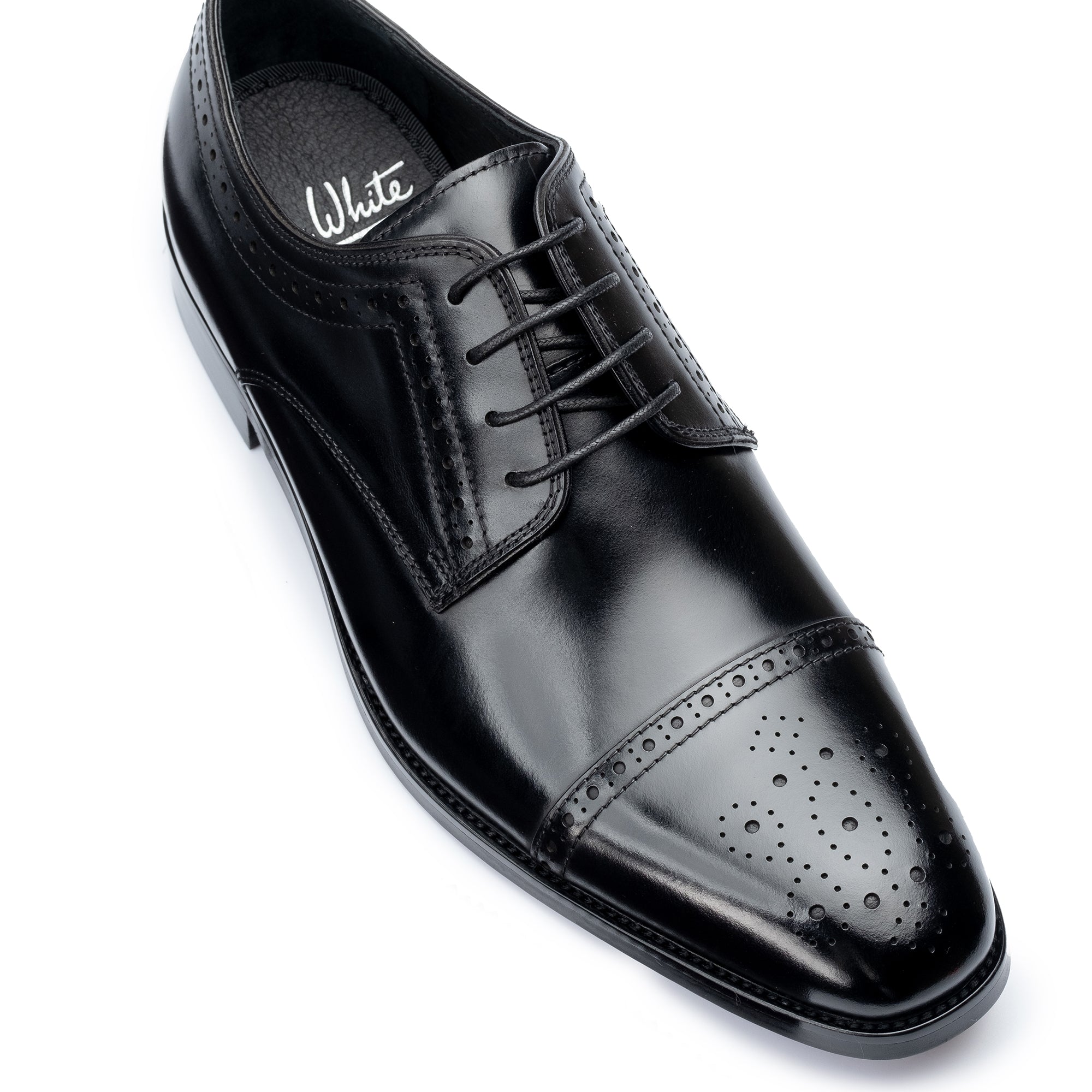
Finishing time depends on the style, the complexity of the construction, and the number of finish coats applied. A straightforward Derby or Oxford in a single colour might require three to four hours of finishing work across a pair. A brogue with punched decoration, or a shoe specified with a mirror toe cap, will require considerably more.
The Leather Conservation Centre recommends conditioning leather footwear every six to eight weeks during regular use — an interval that reflects how much a well-applied factory finish can bear before it requires renewal.
"The finish is the face of the shoe," as craftsmen in the traditional bench trade have long observed. "You can tell everything about how a shoe was made from the quality of its edge and the consistency of its polish."
According to the Society of Master Shoe Repairers, a Goodyear-welted shoe with a well-maintained finish can be resoled multiple times, extending its working life significantly.
The time invested in finishing a leather shoe at source is the single greatest determinant of how well that shoe will respond to care over its lifetime.
How Does the Finishing Stage Affect Long-Term Shoe Care?
A shoe that leaves the bench with a thorough finish is significantly easier to maintain. Sealed edges resist water absorption. A conditioned upper takes polish more evenly. A burnished heel holds its shape more reliably under wear.
Conversely, a shoe poorly finished at source — thin polish, unsealed edges, inadequate conditioning — becomes harder to rescue through home care alone. The foundation was set on the bench; it cannot fully be corrected afterwards.
This principle is central to the complete guide to leather shoe care — which begins not with products but with understanding what condition the shoe is already in, and what it needs to sustain the finish it was given.
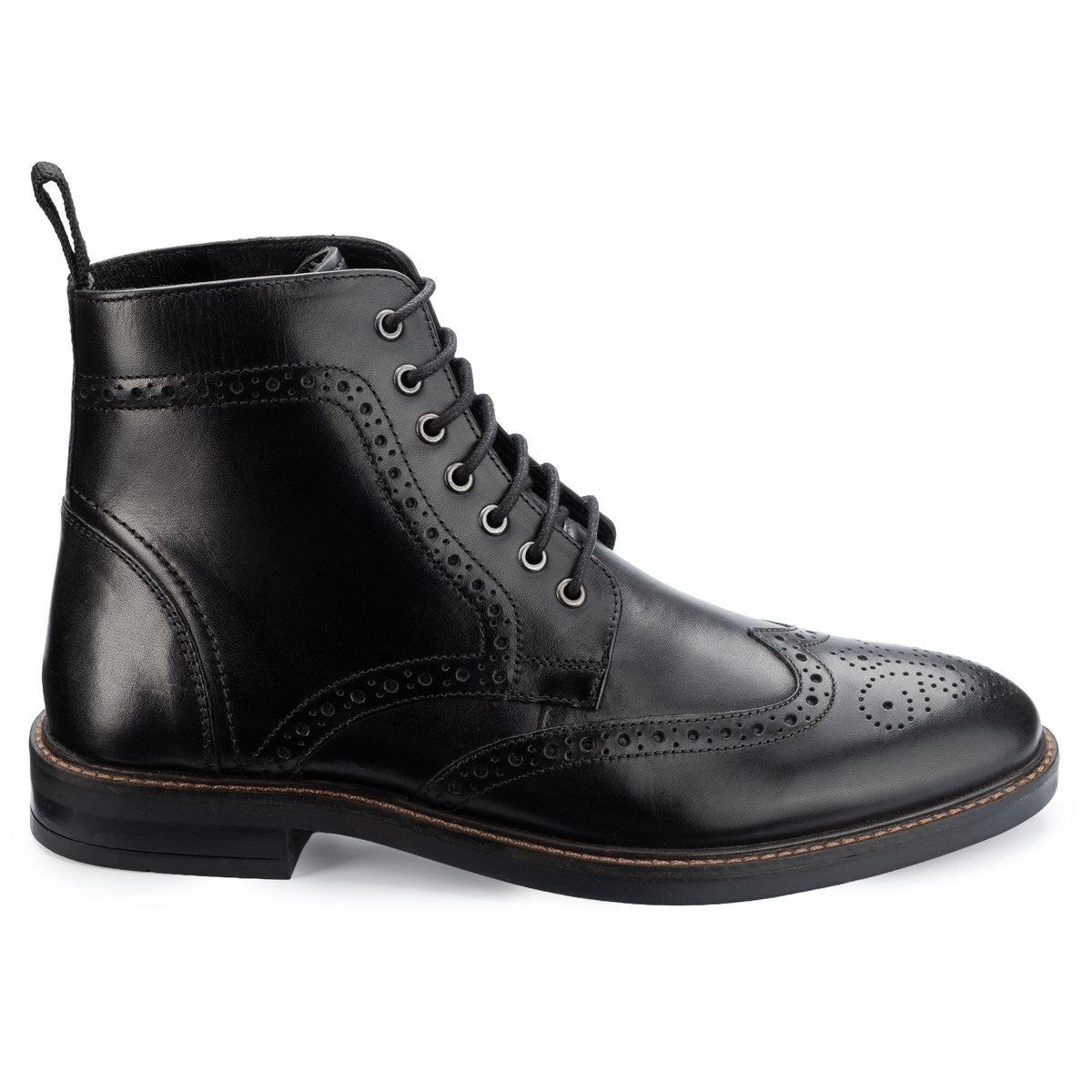
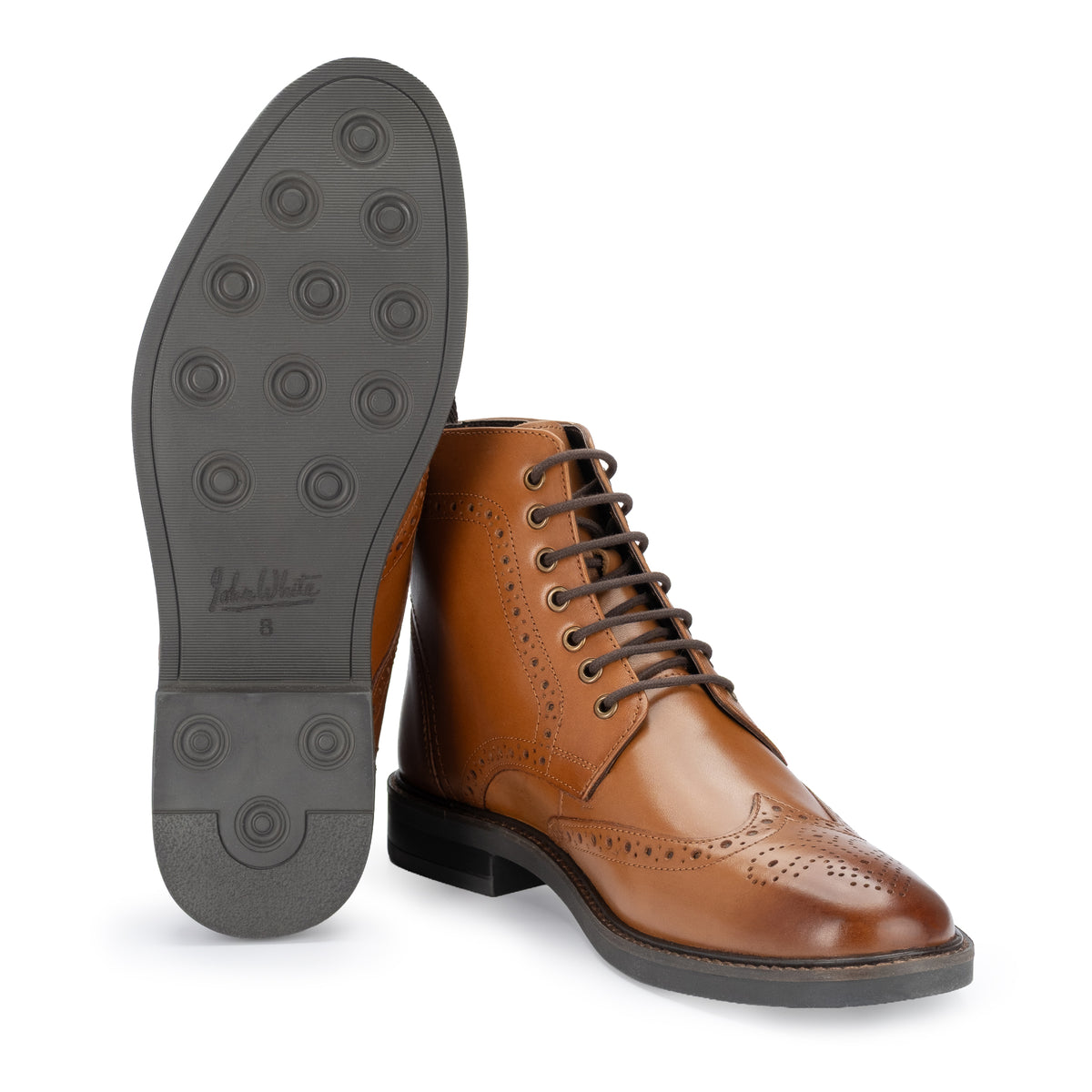
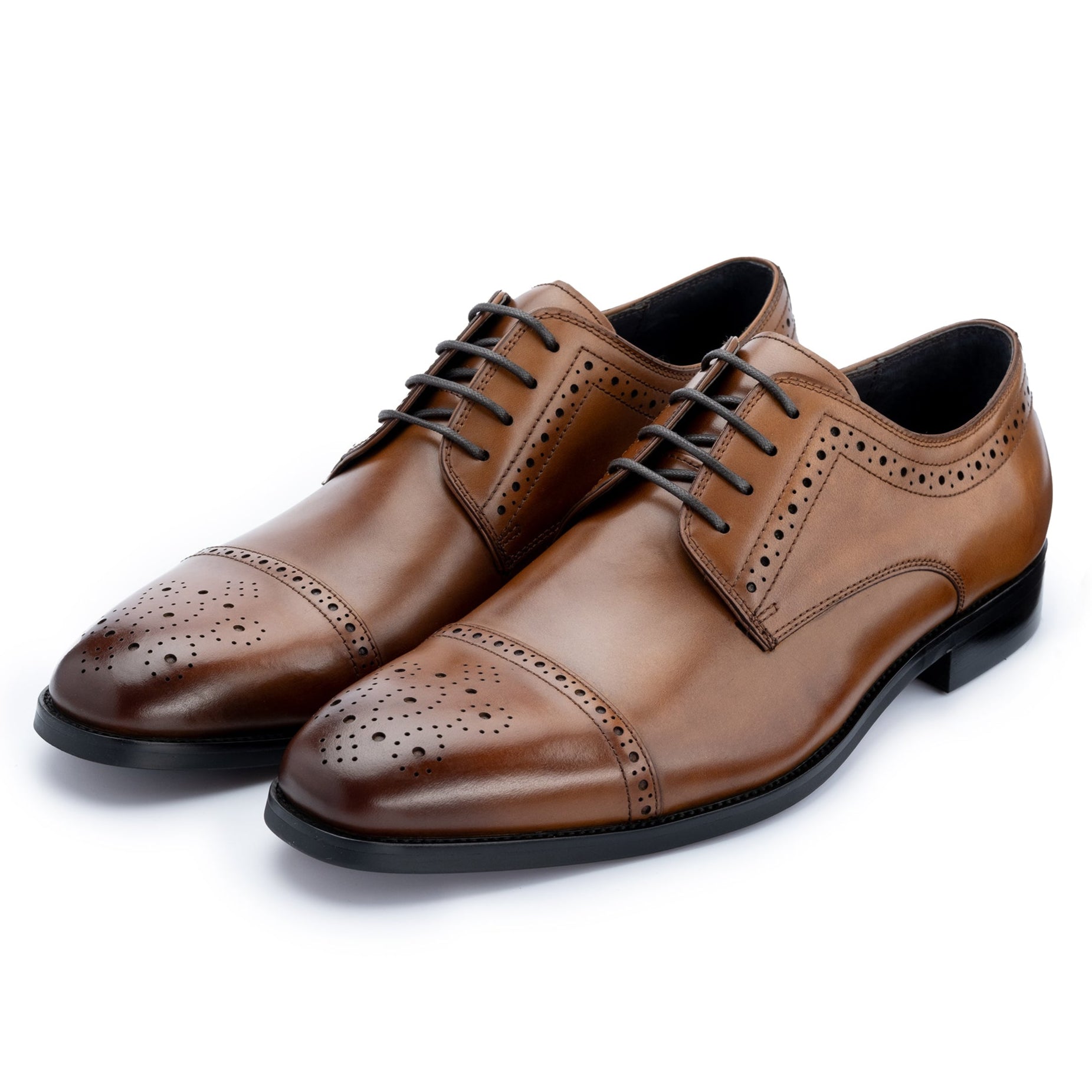
The finishing stage is also where surface treatment decisions are made that cannot be undone: whether the shoe receives an antique finish (darker tones worked into the natural creases of the leather), a high gloss, or a clean, matte natural finish. These are not home-care choices — they are part of the shoe's identity from the moment it leaves the bench.
What Should You Look for When Assessing Finishing Quality?
Knowing what good finishing looks like transforms how you evaluate a leather shoe. Examine these points:
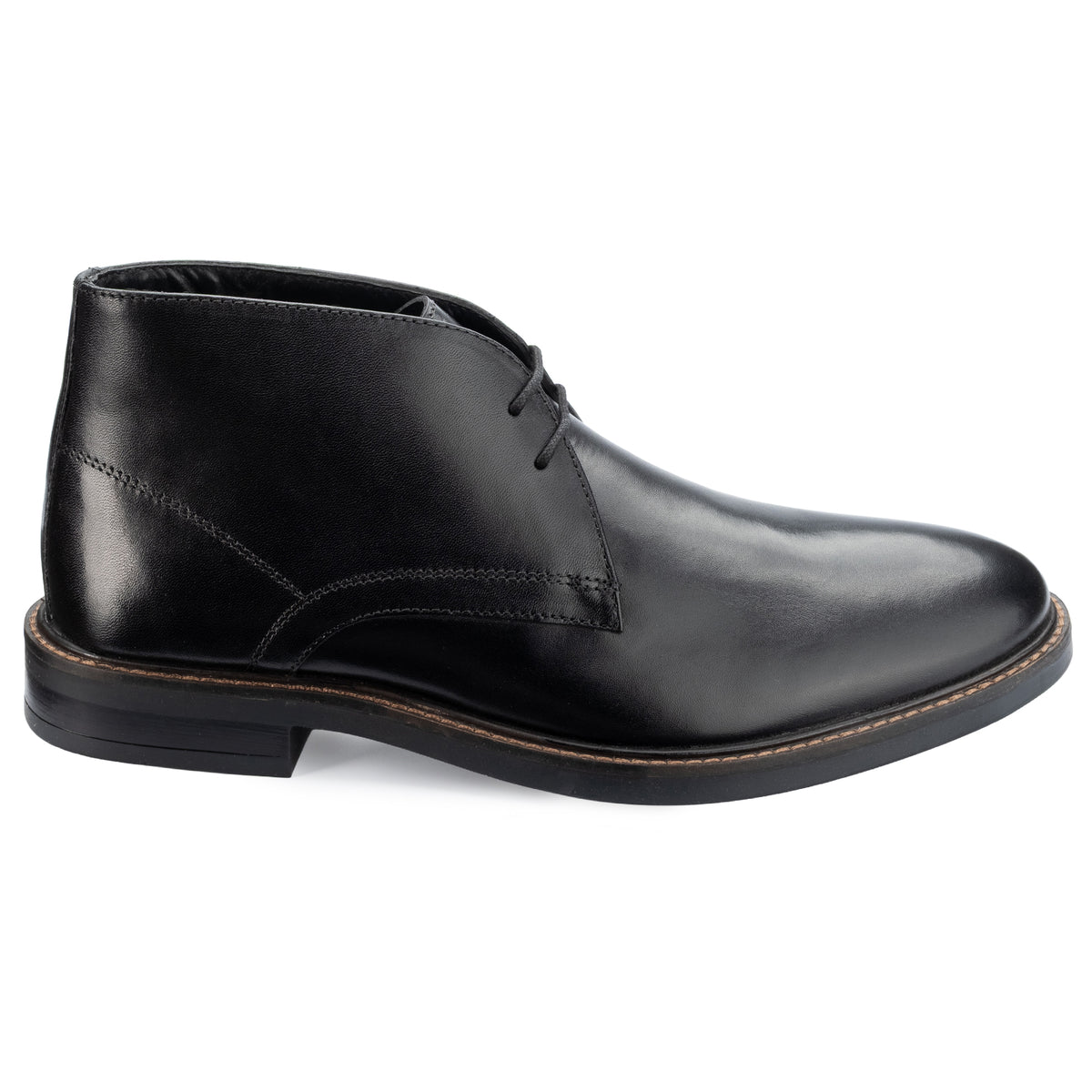
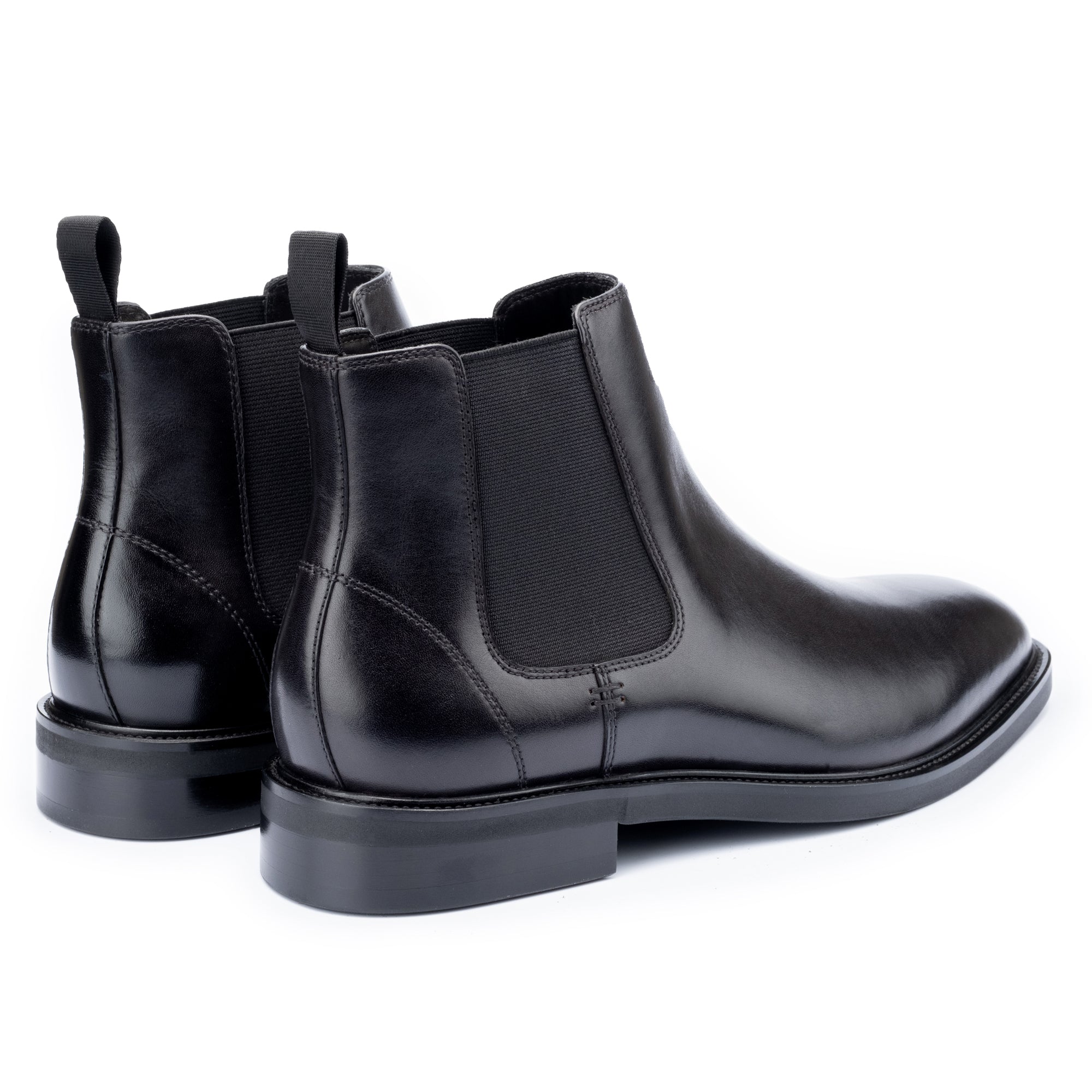
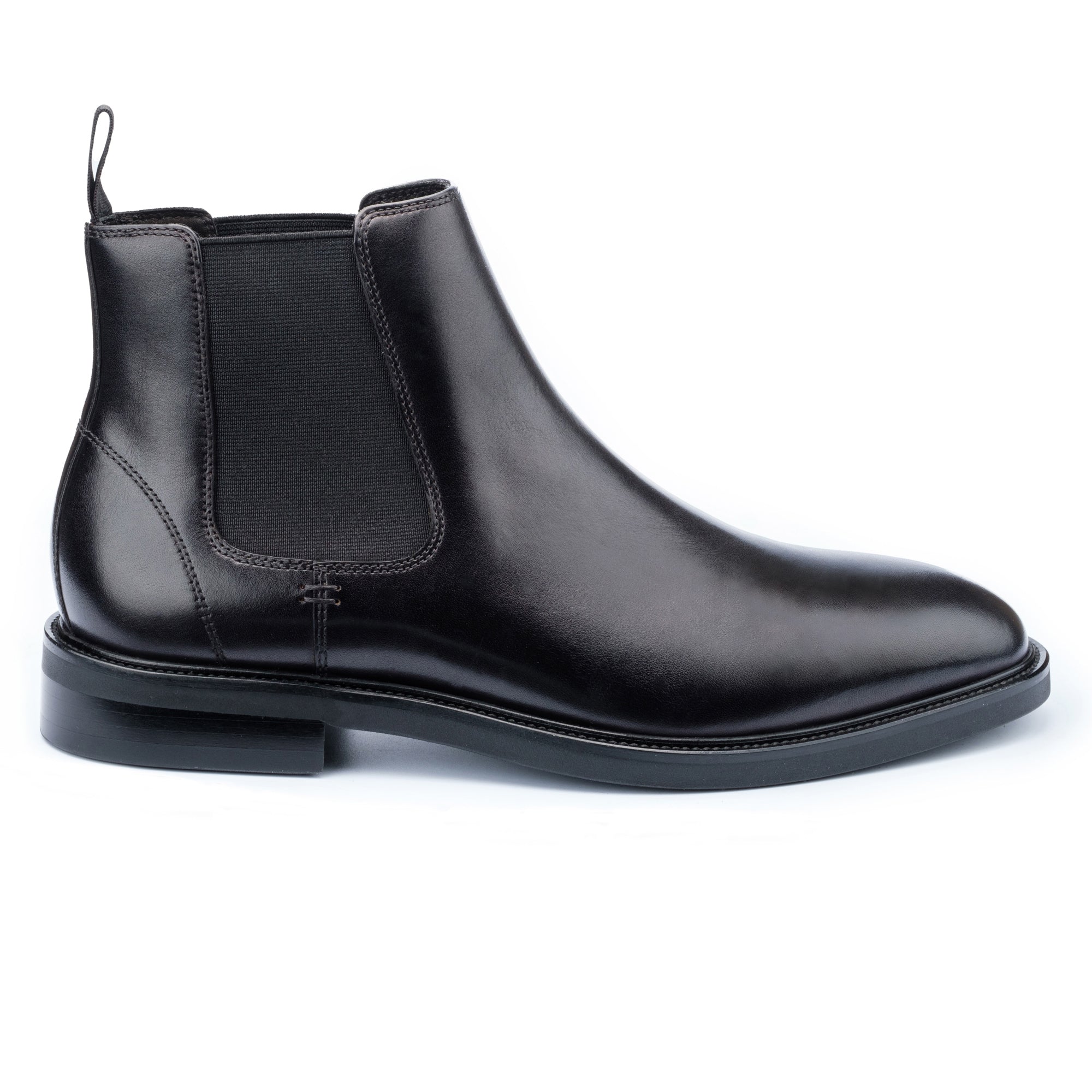
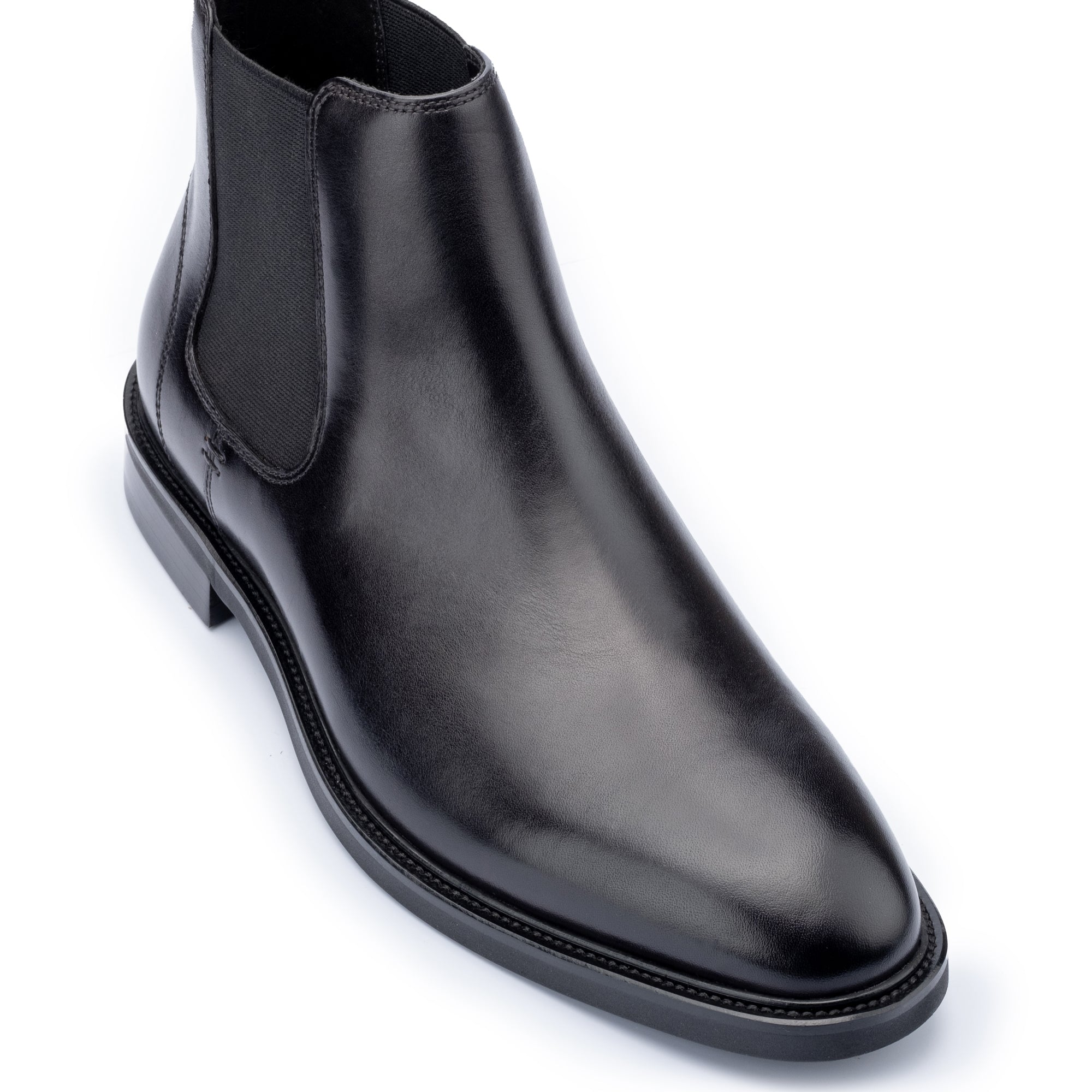
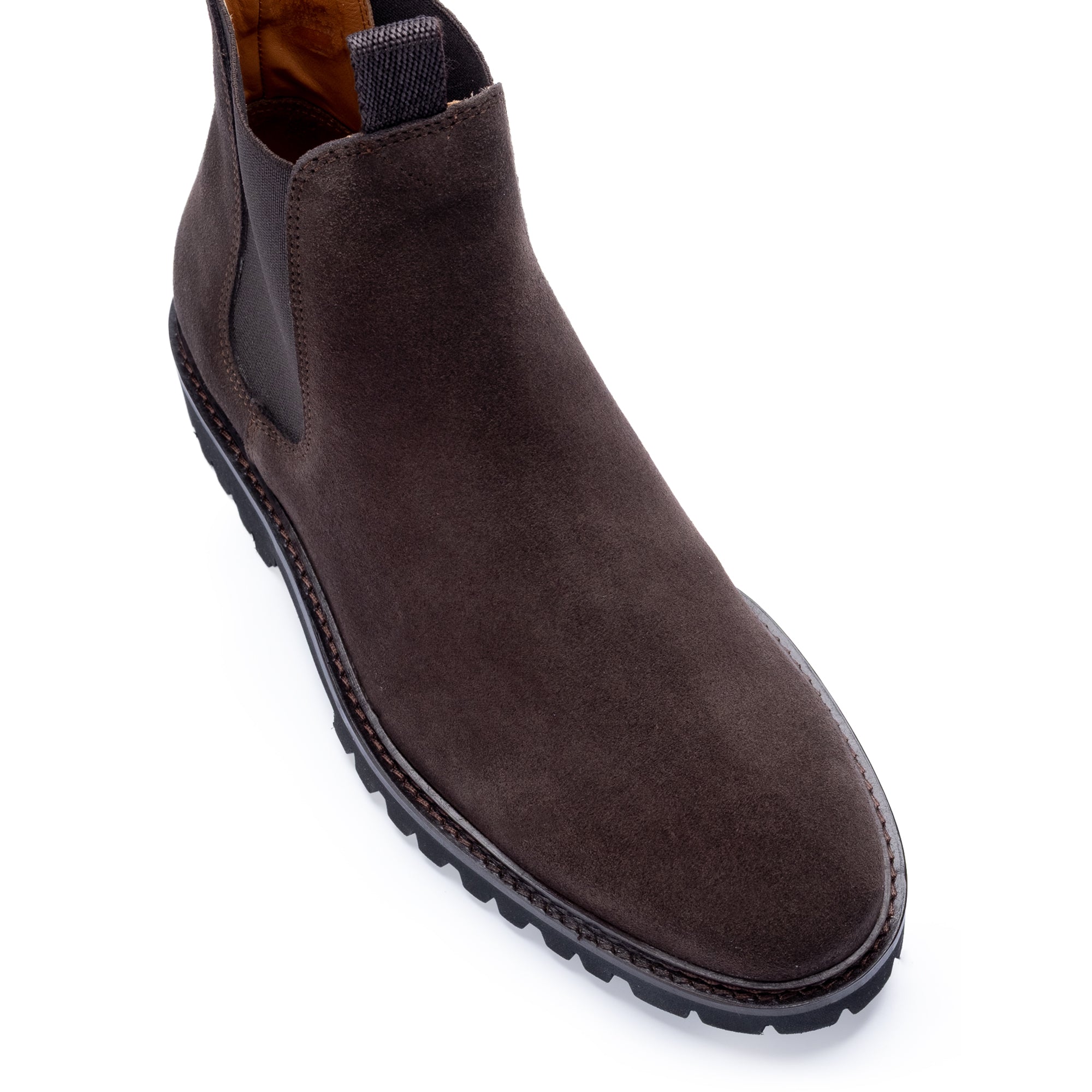
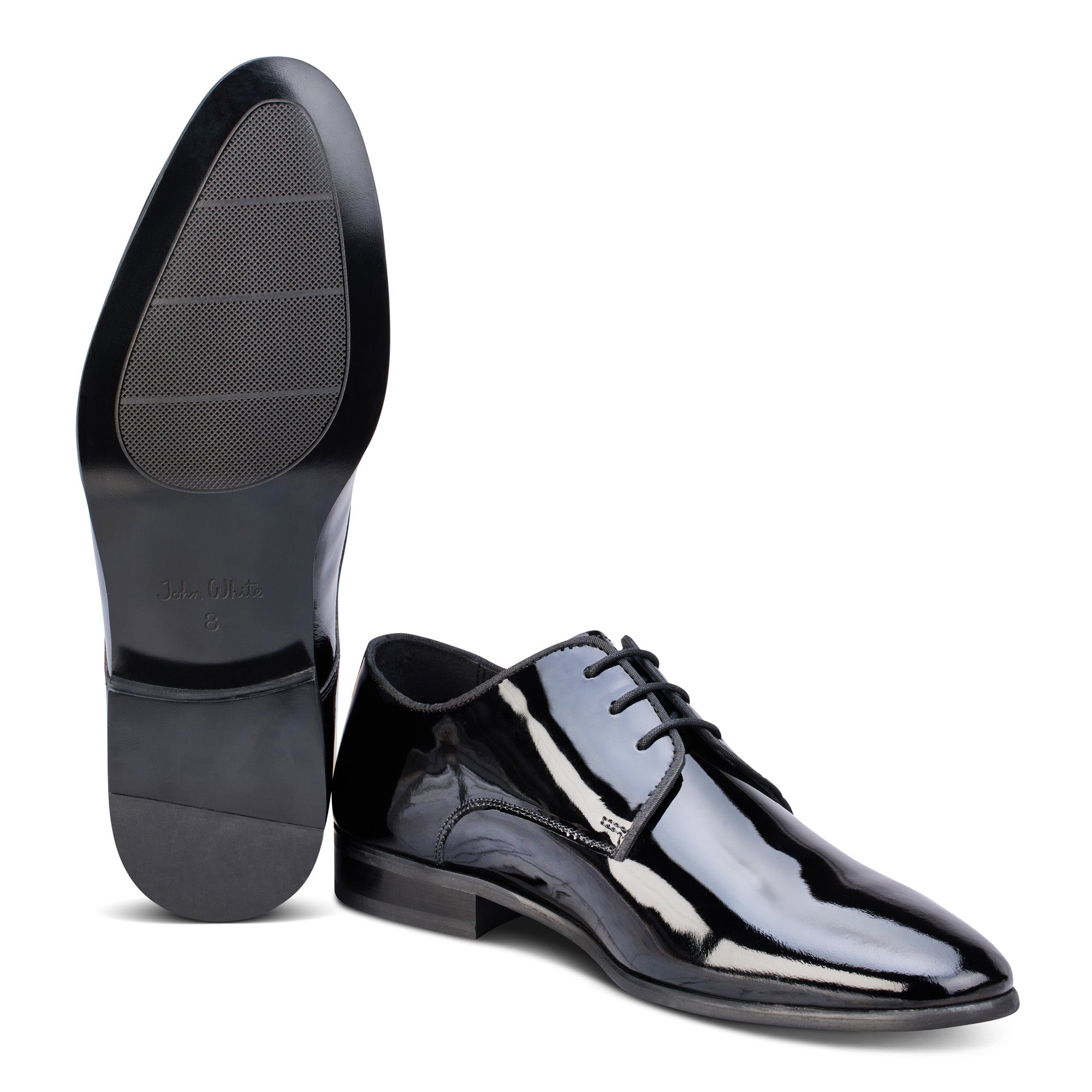
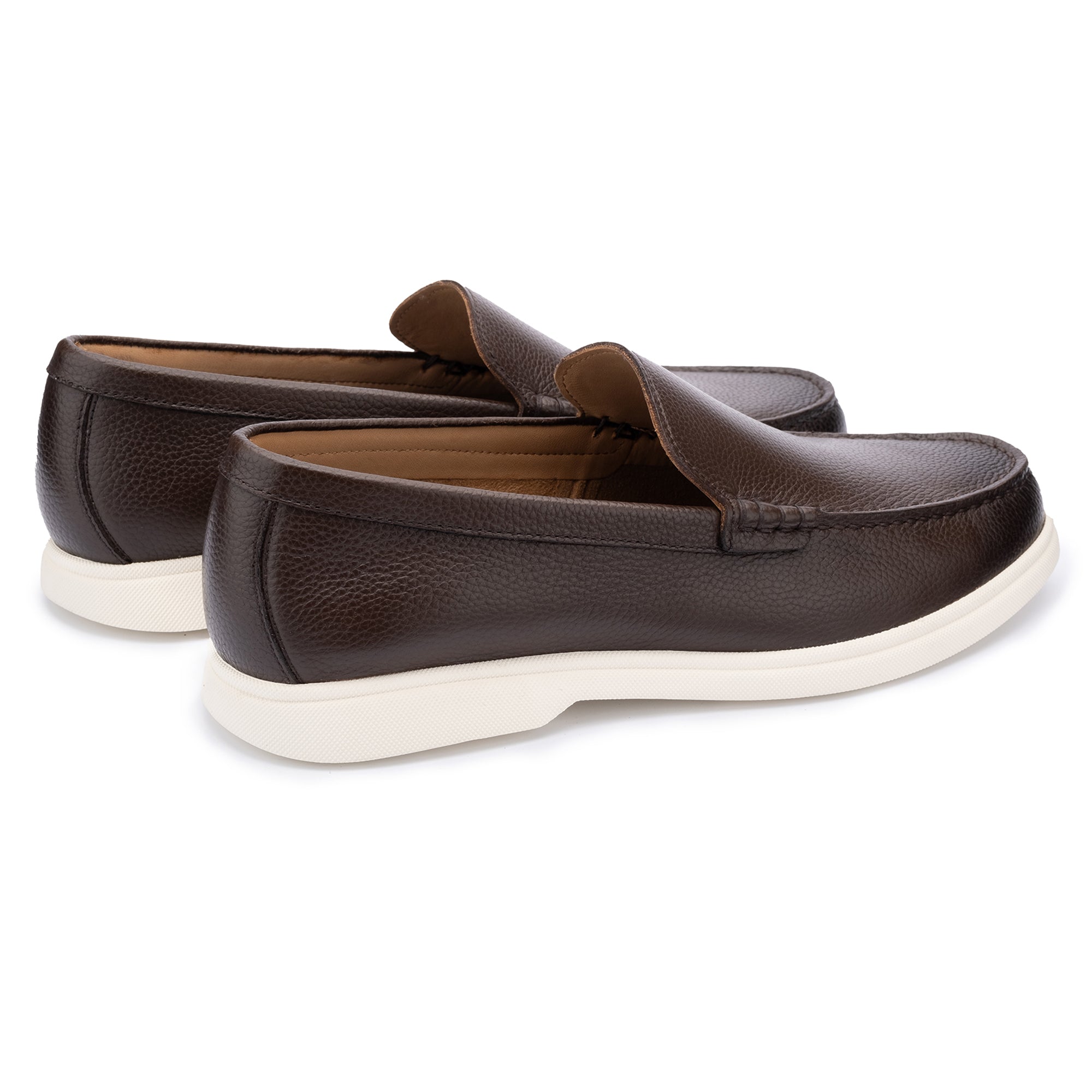
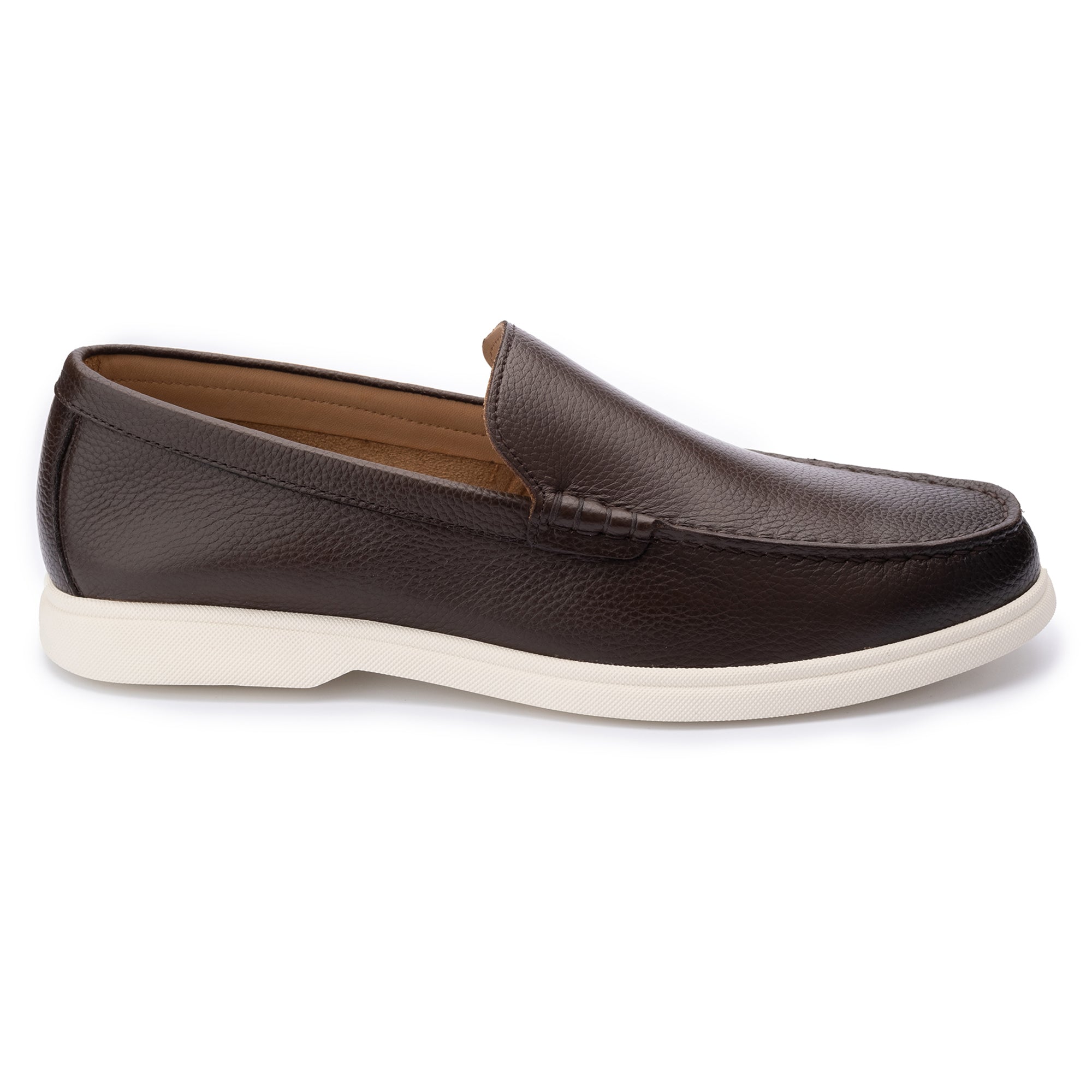
- The sole edge — Uniform in width and colour, smooth to the touch, with no gaps, glue seepage, or rough sections visible along the full perimeter.
- The welt line — On a Goodyear construction, the finishing wheel impression should be continuous, consistent in depth, and parallel to the sole edge throughout.
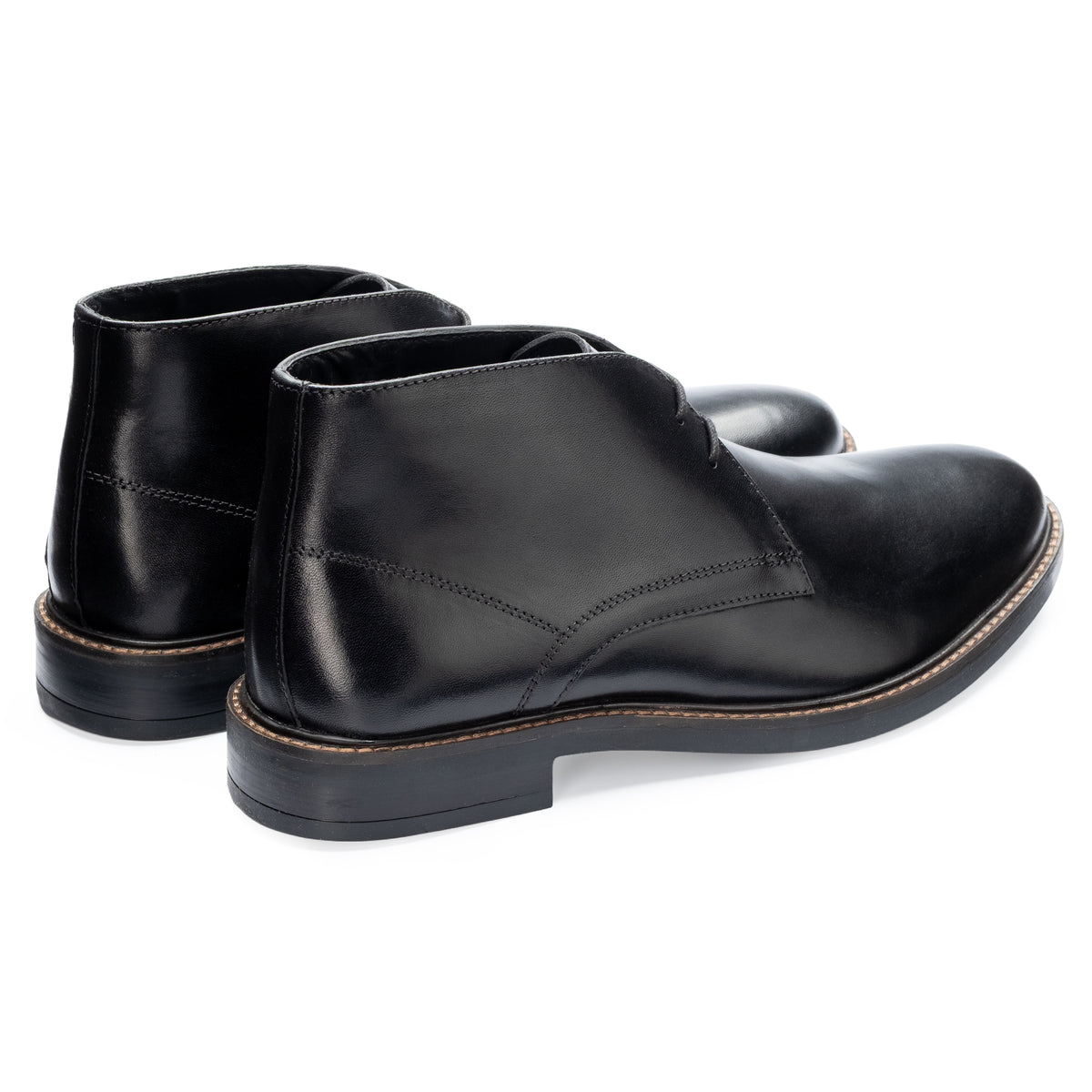
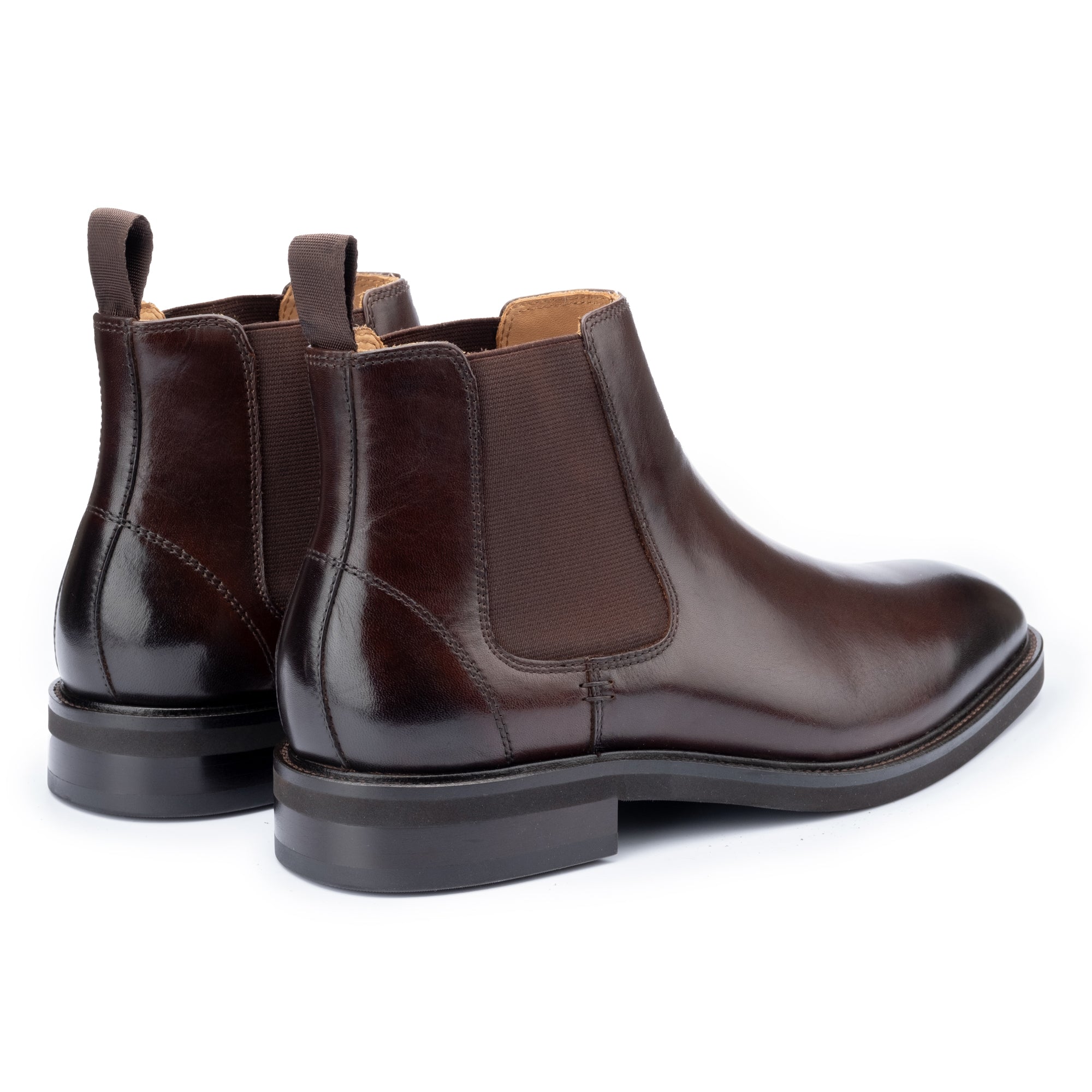
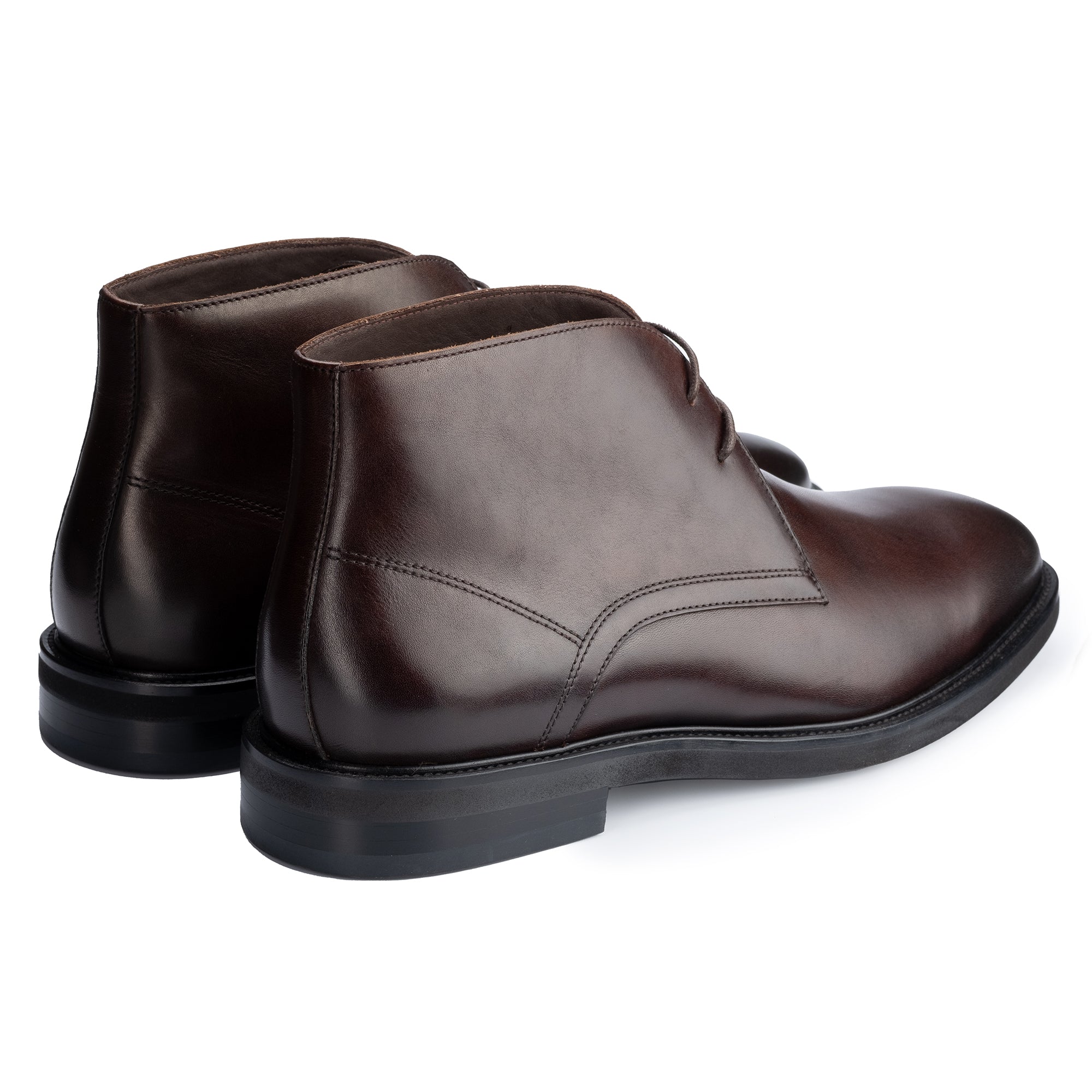
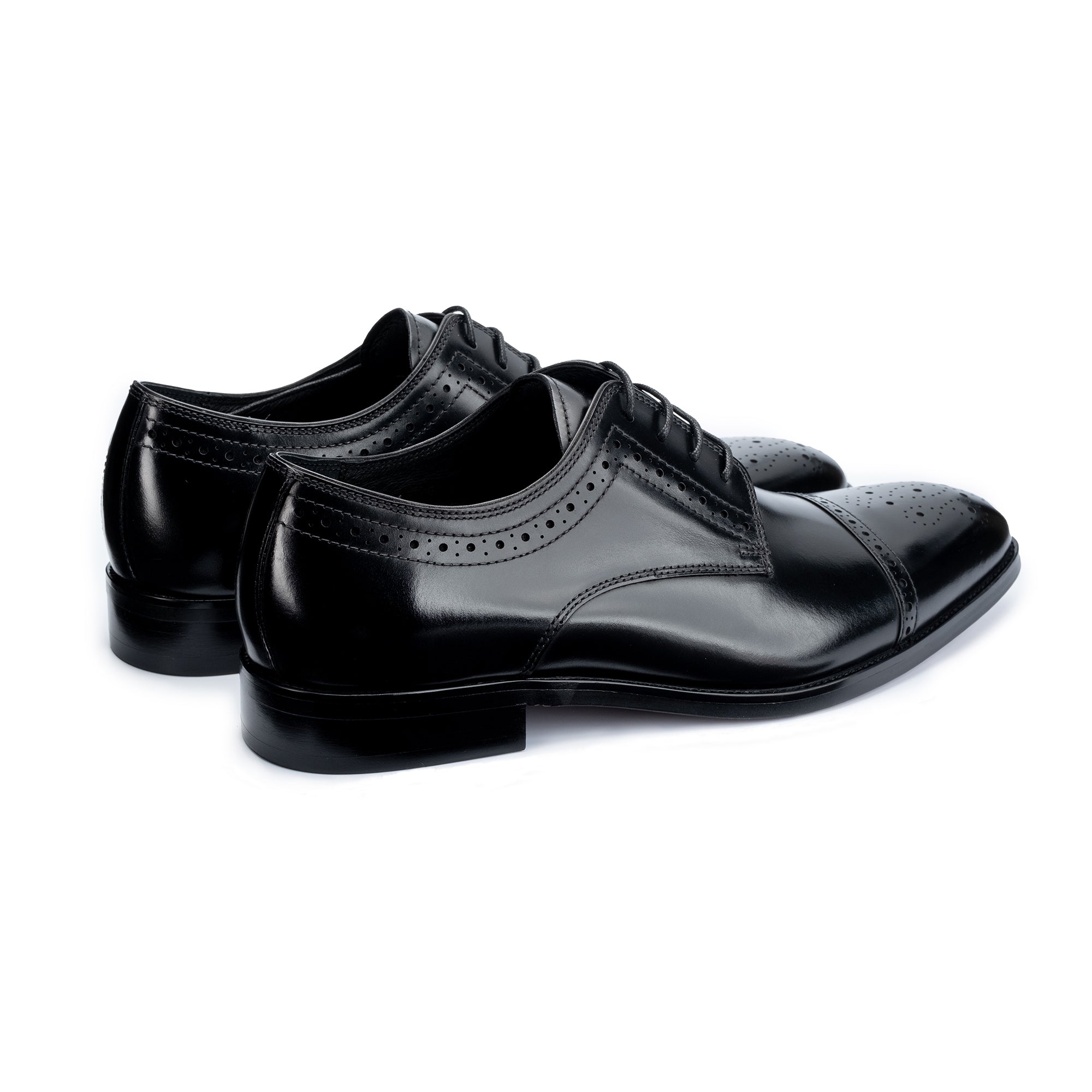
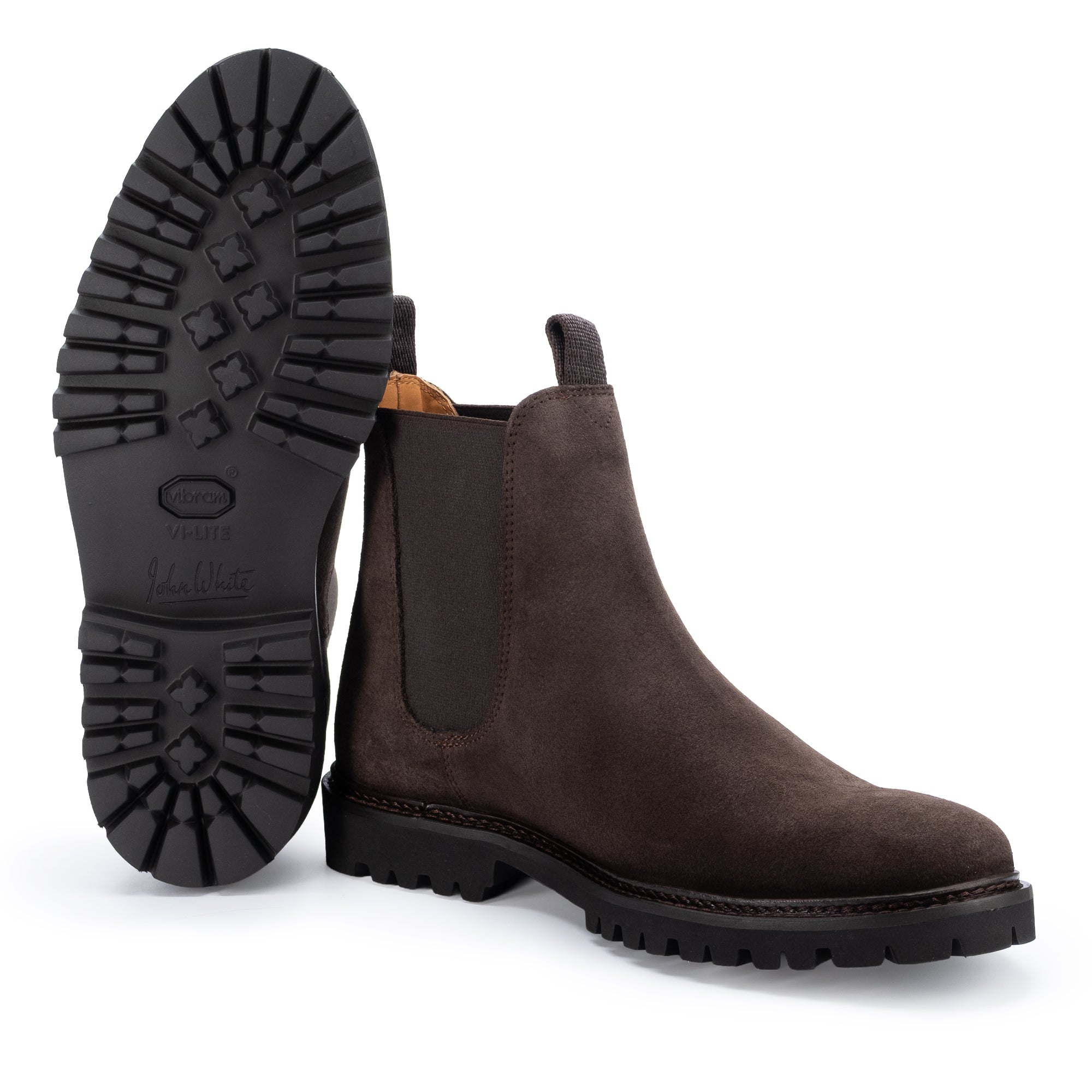
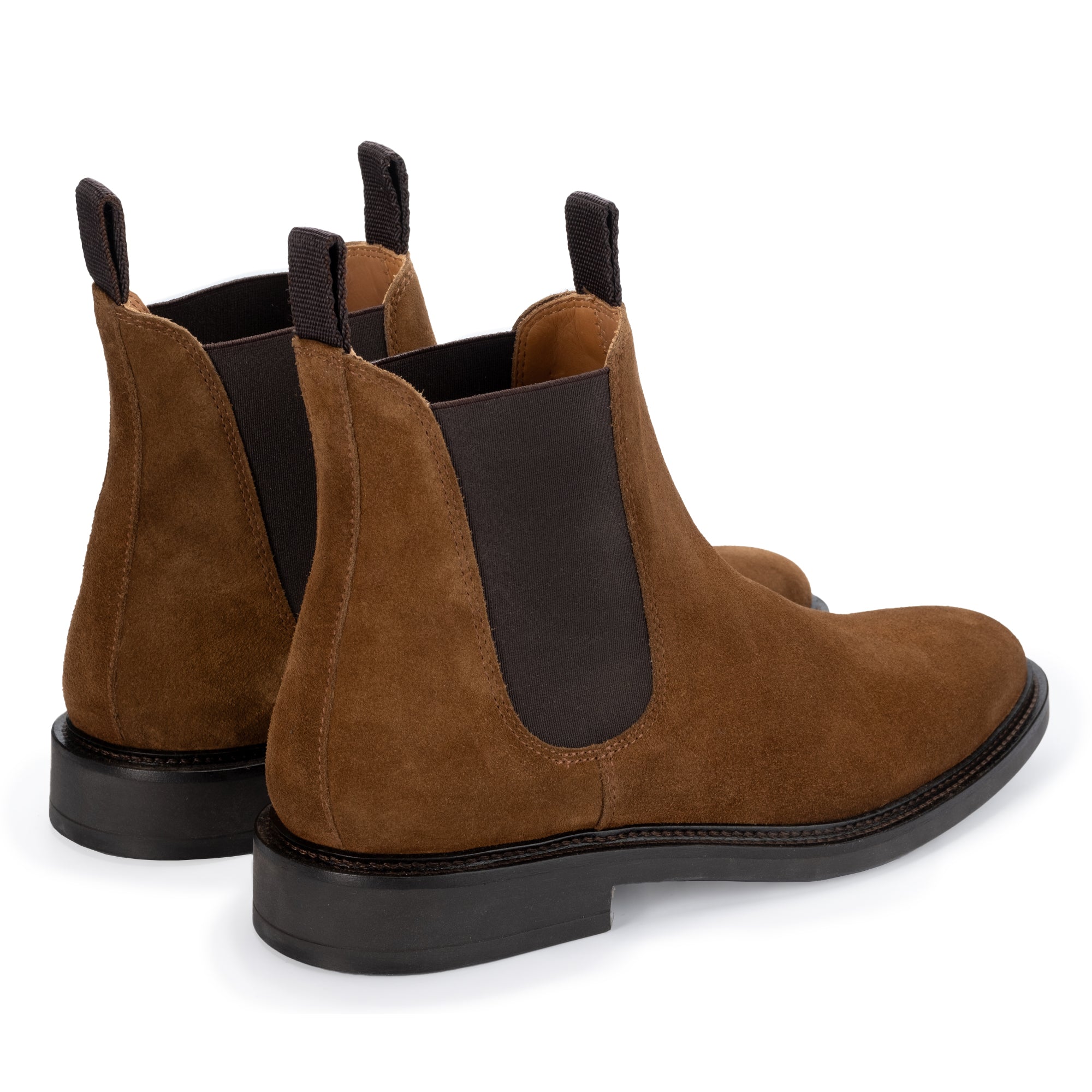
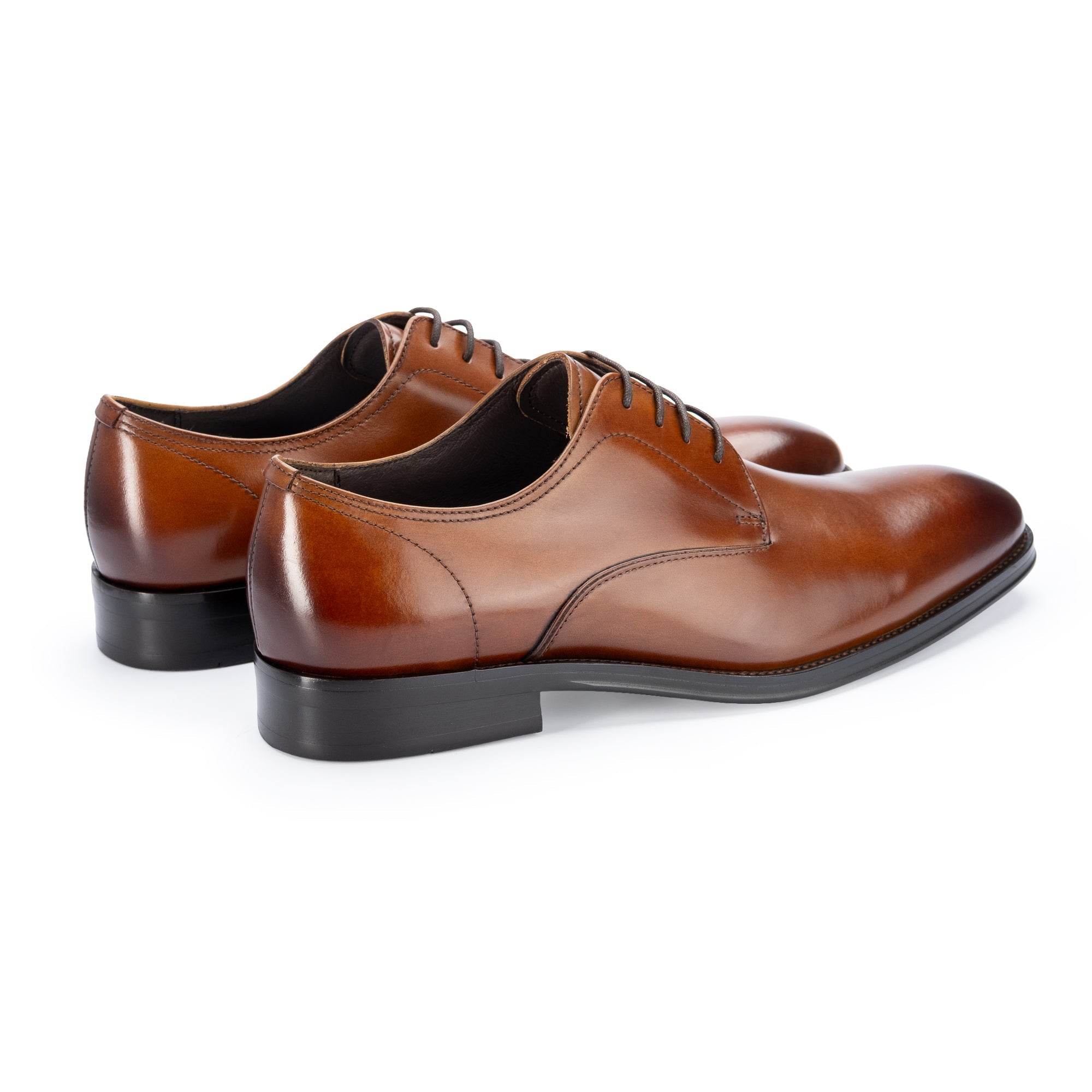
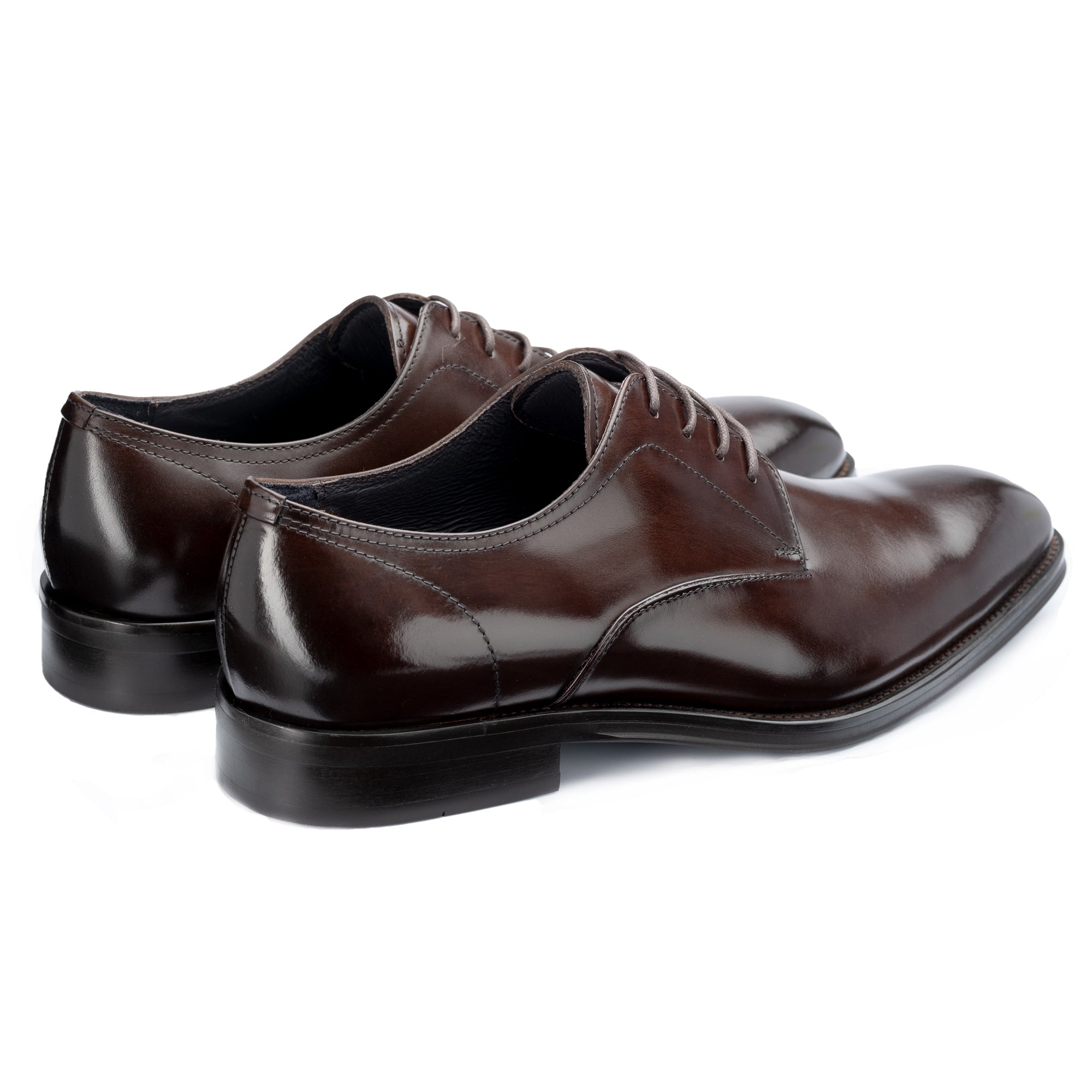
- The heel — Stacked leather lifts should be tight and flush, the heel breast cleanly cut, the top piece level and free of gaps.
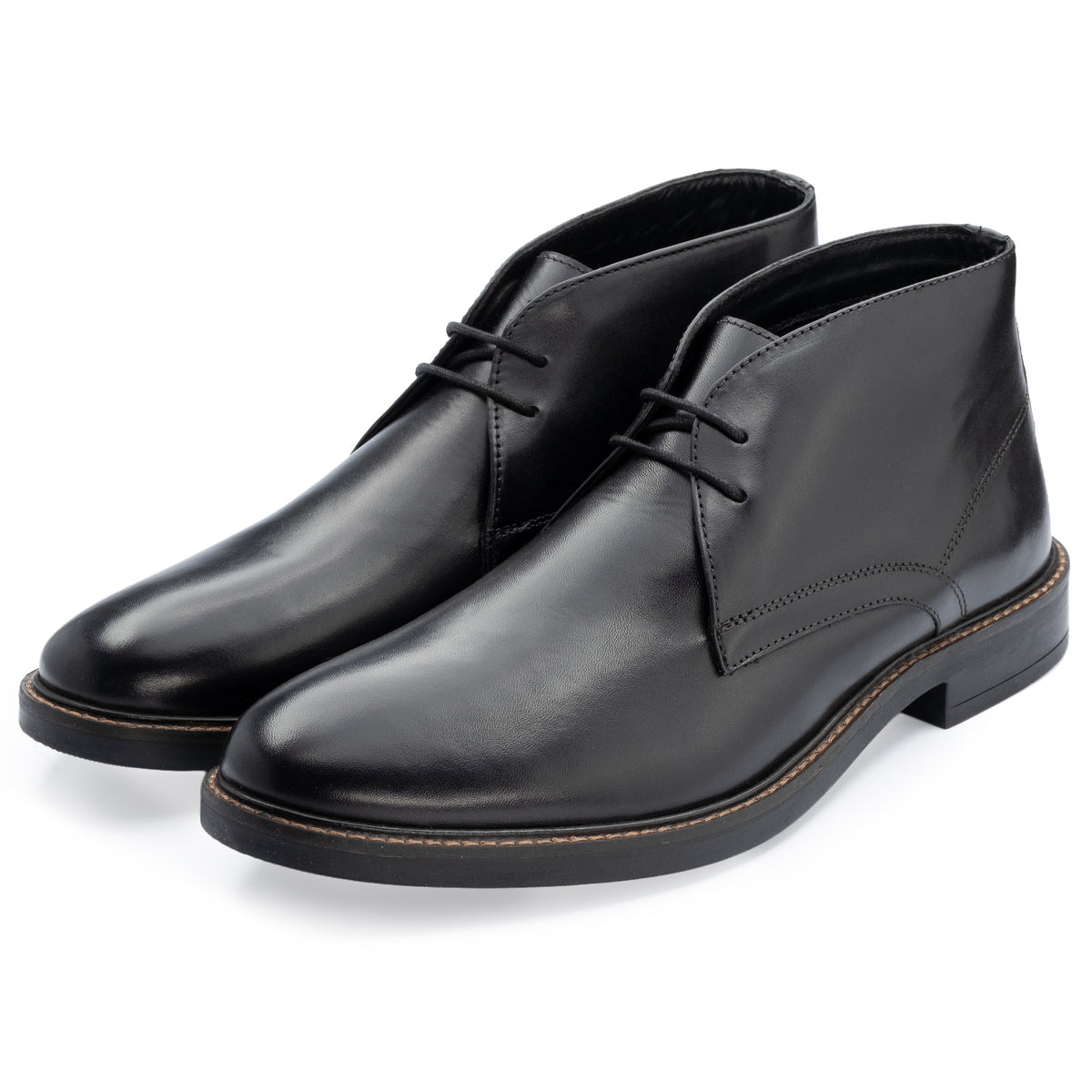
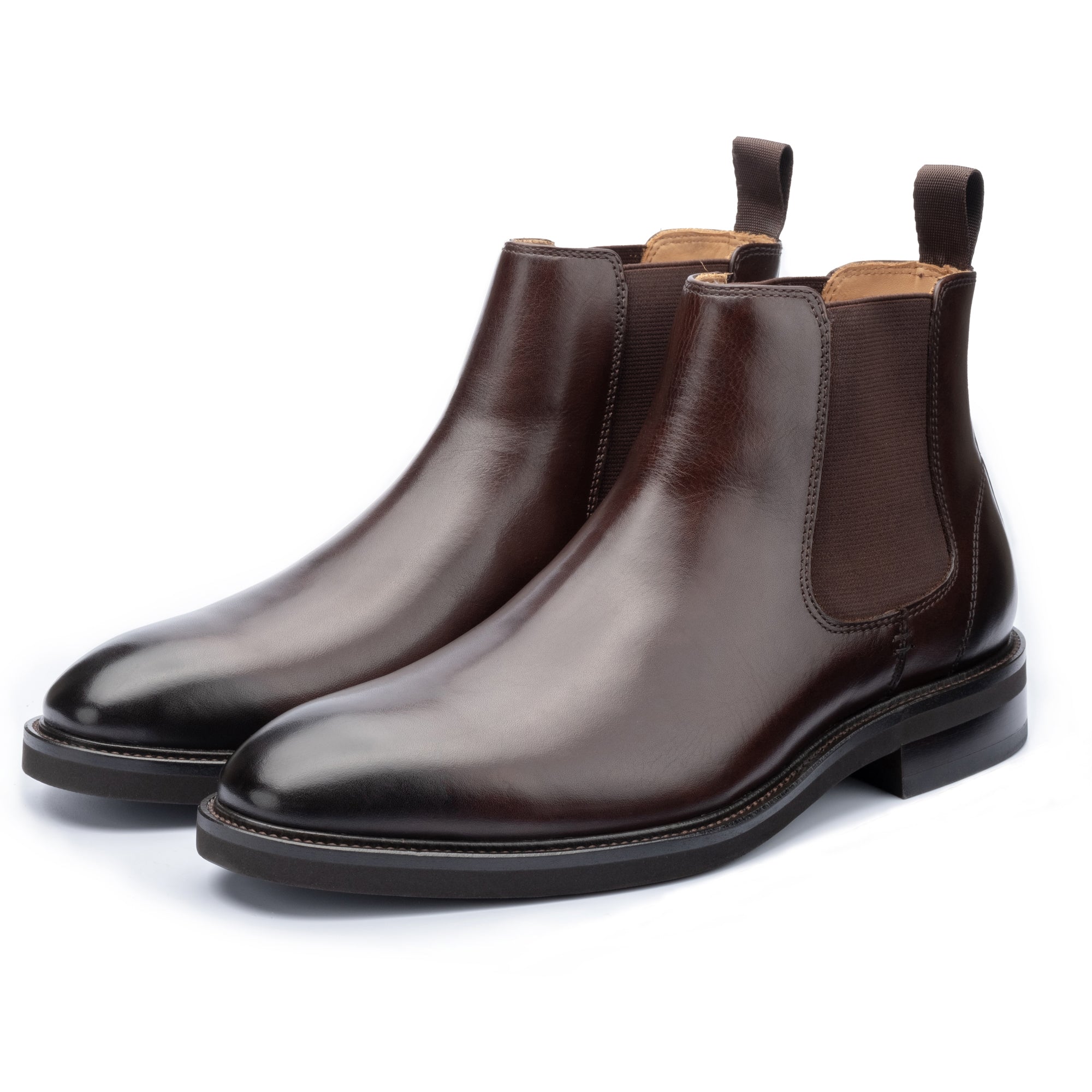
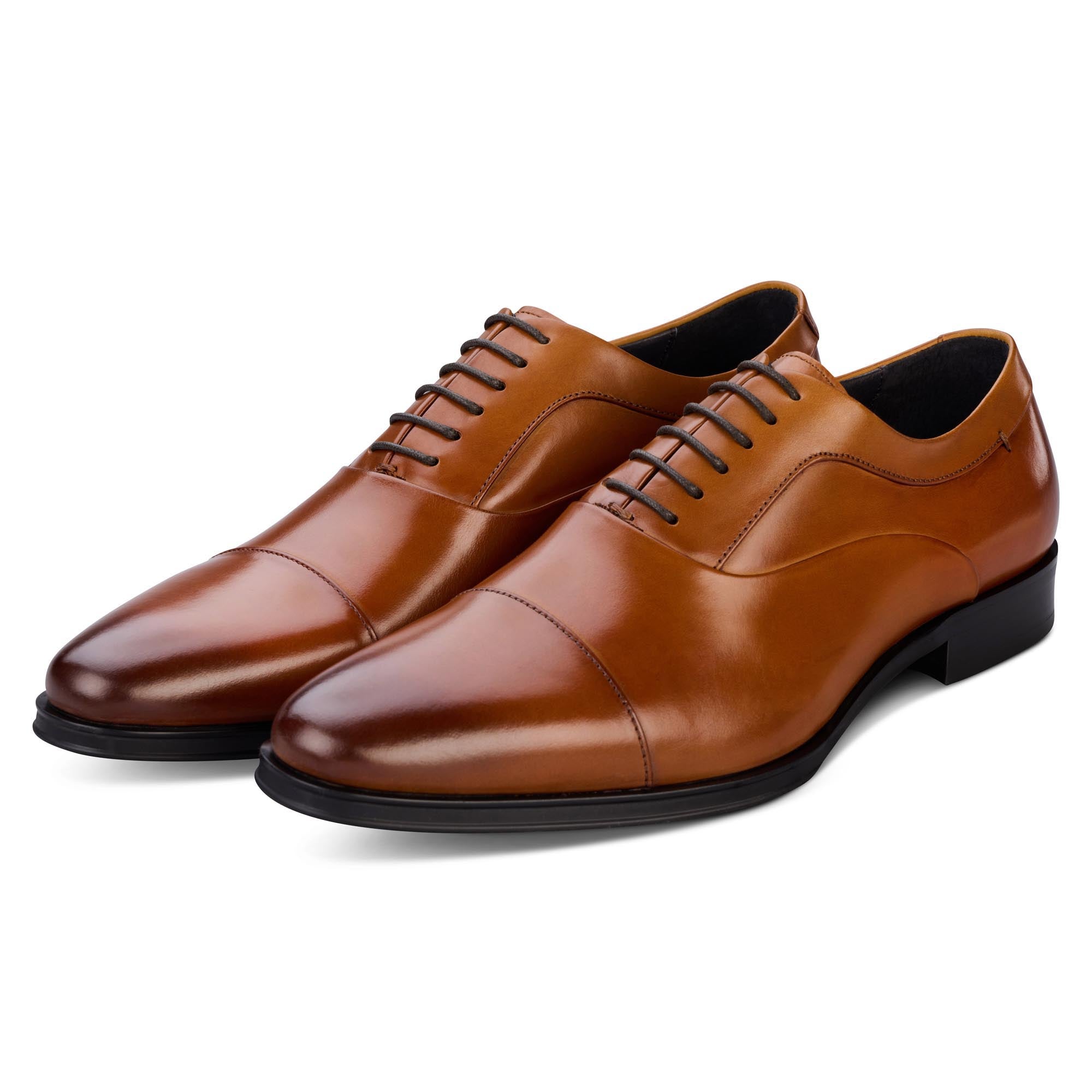
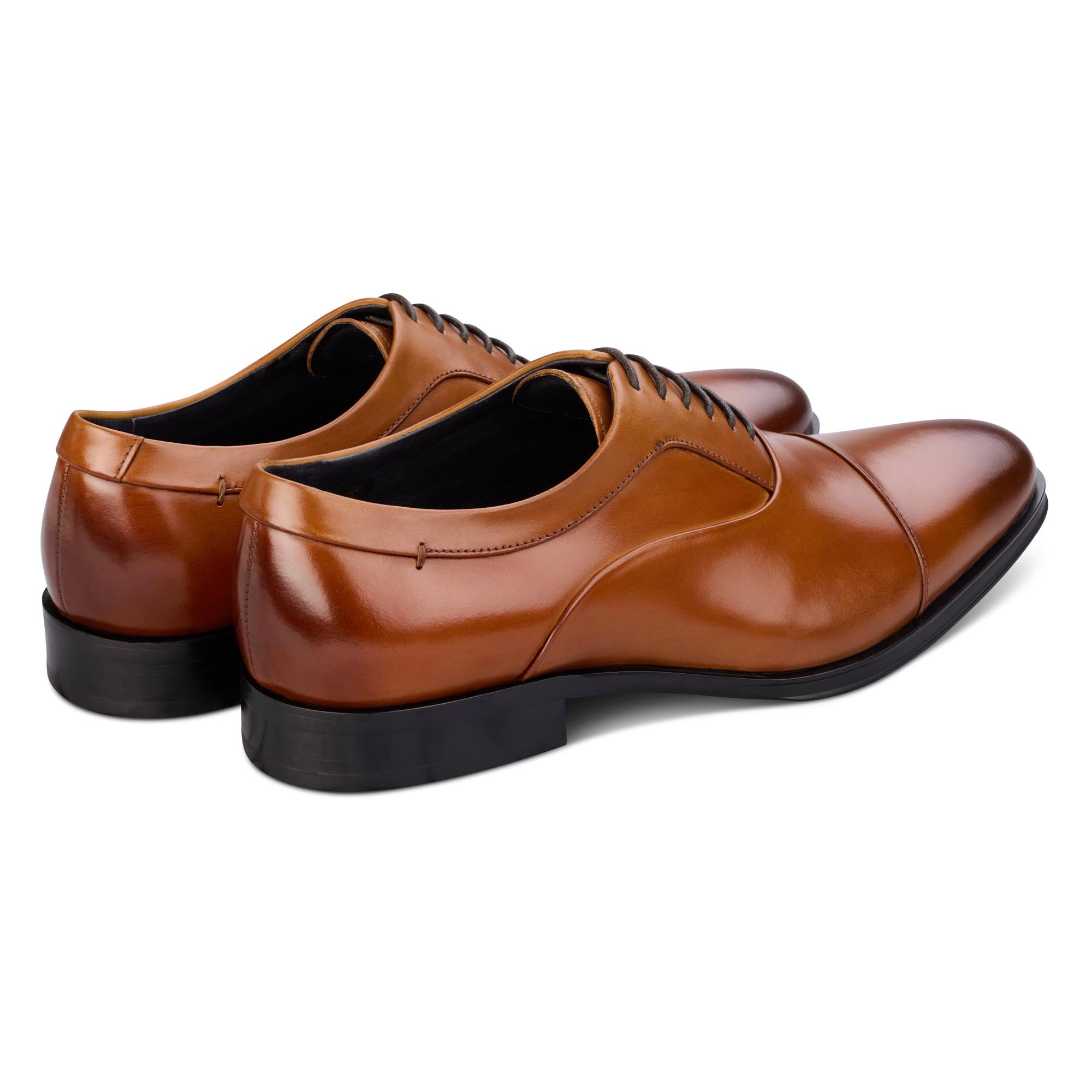
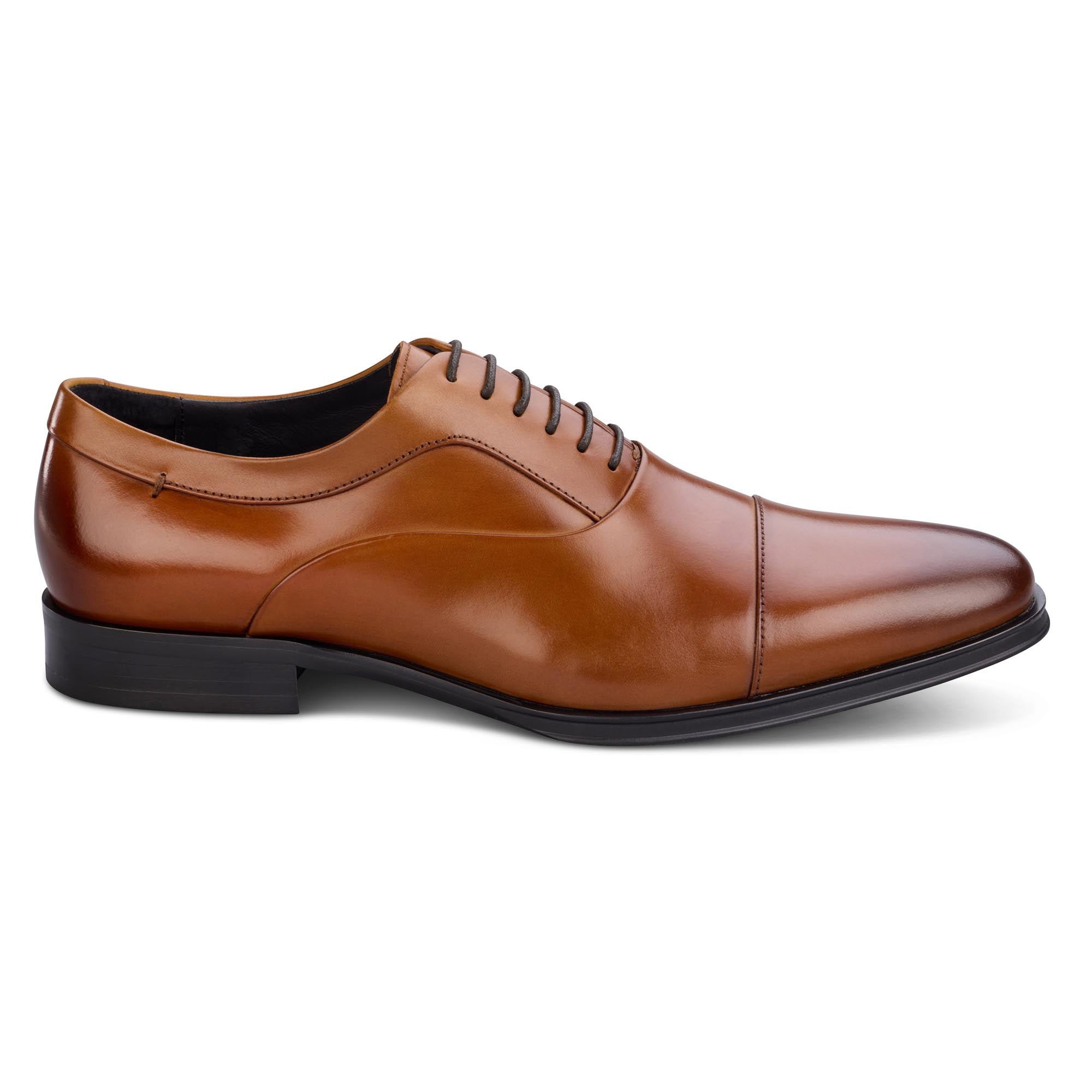
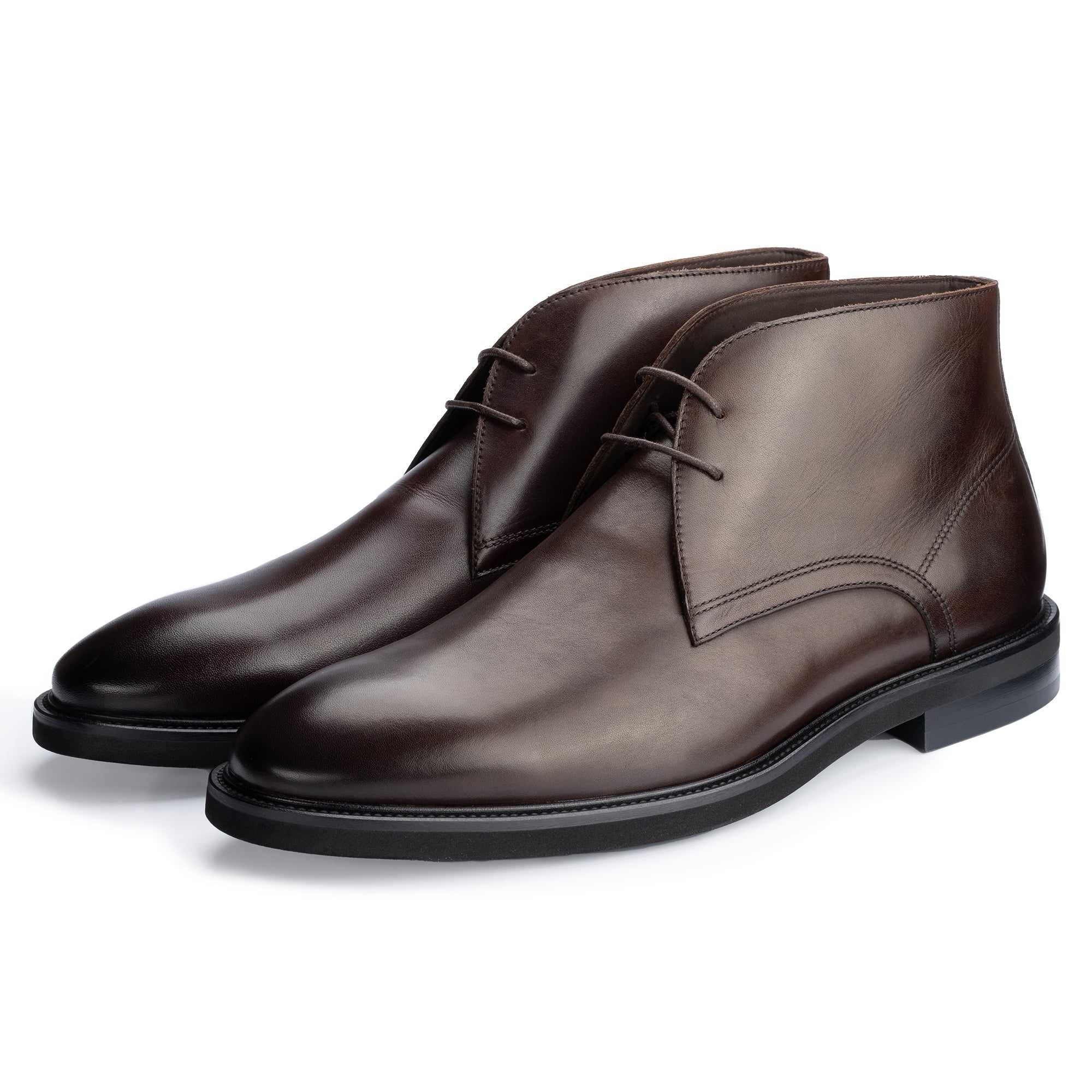
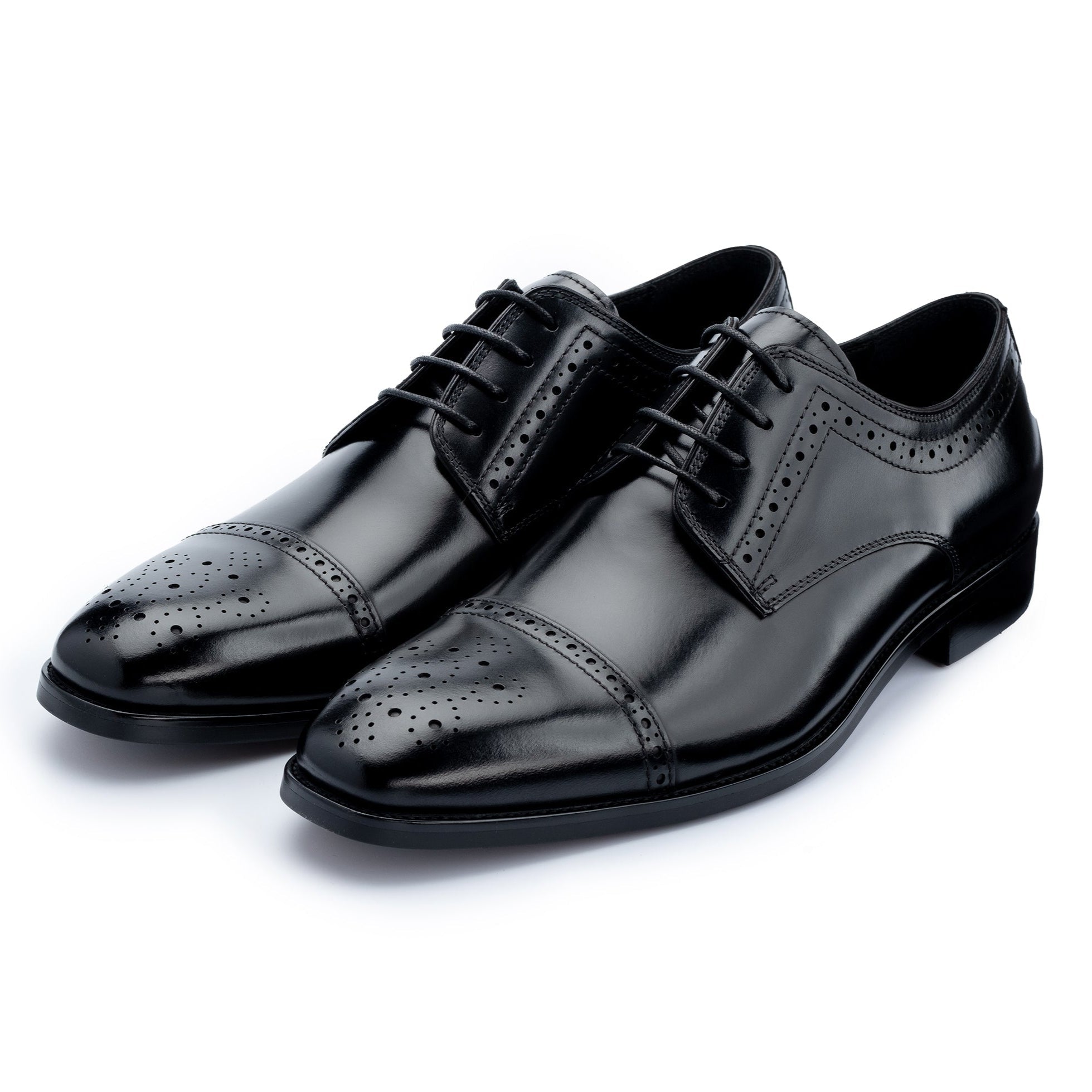
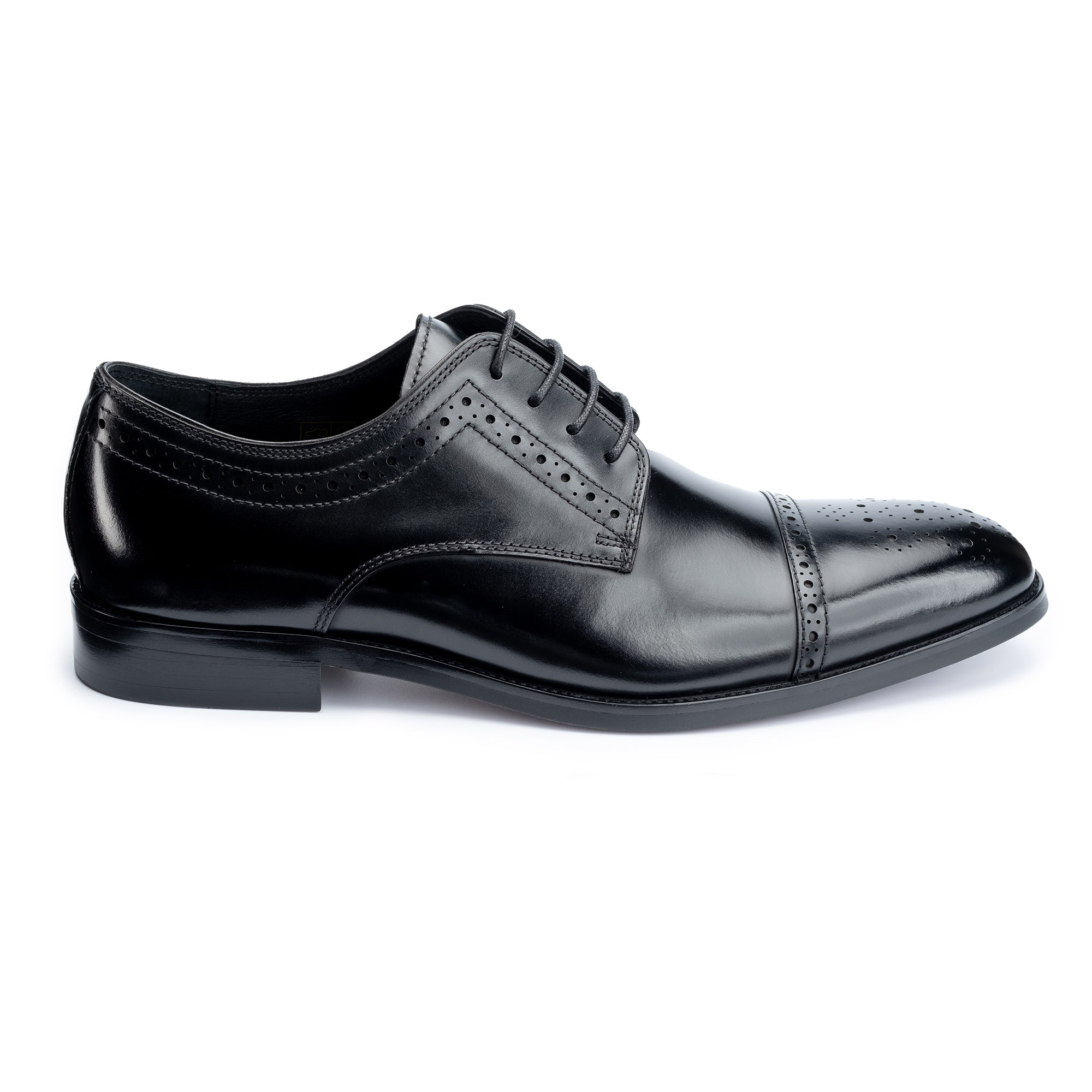
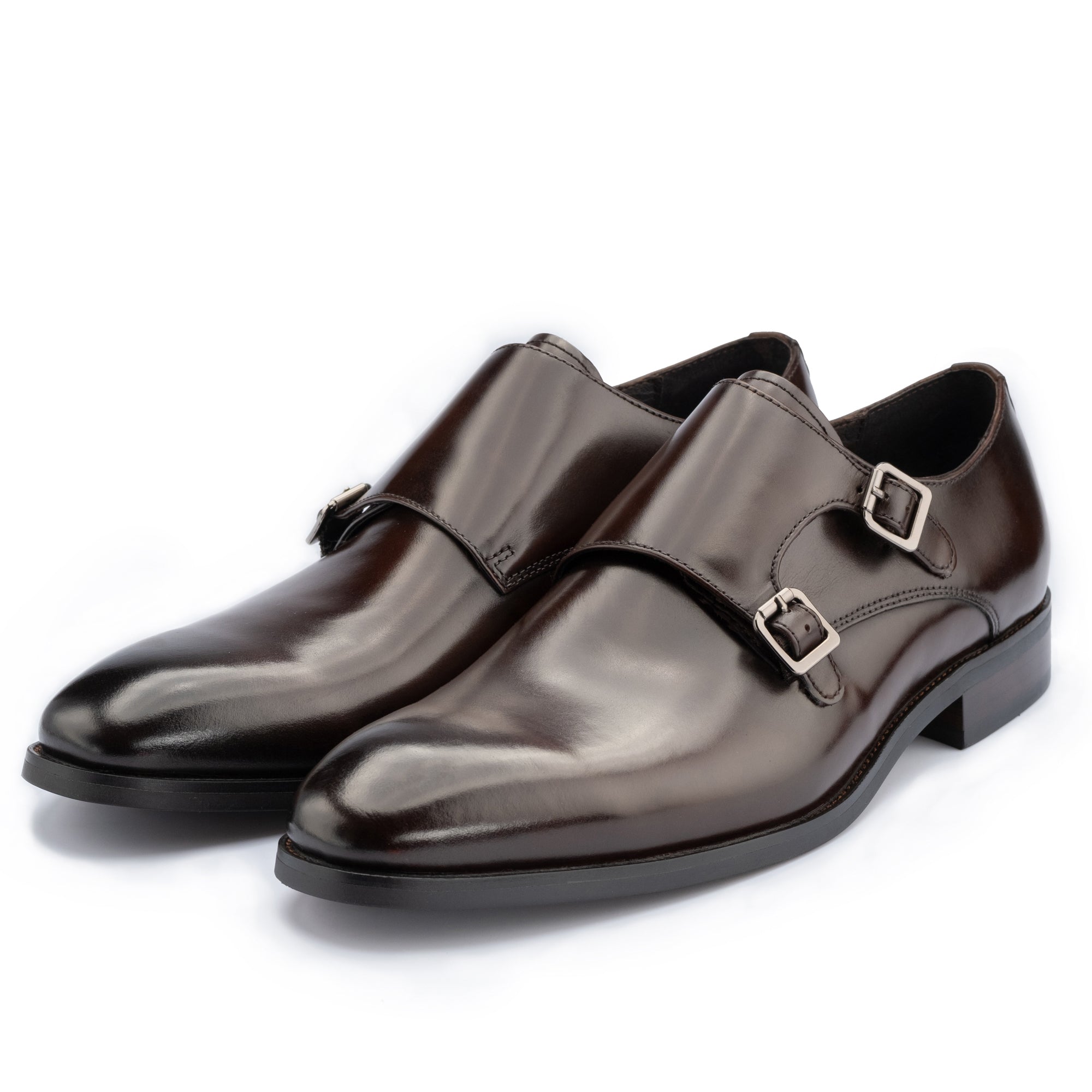
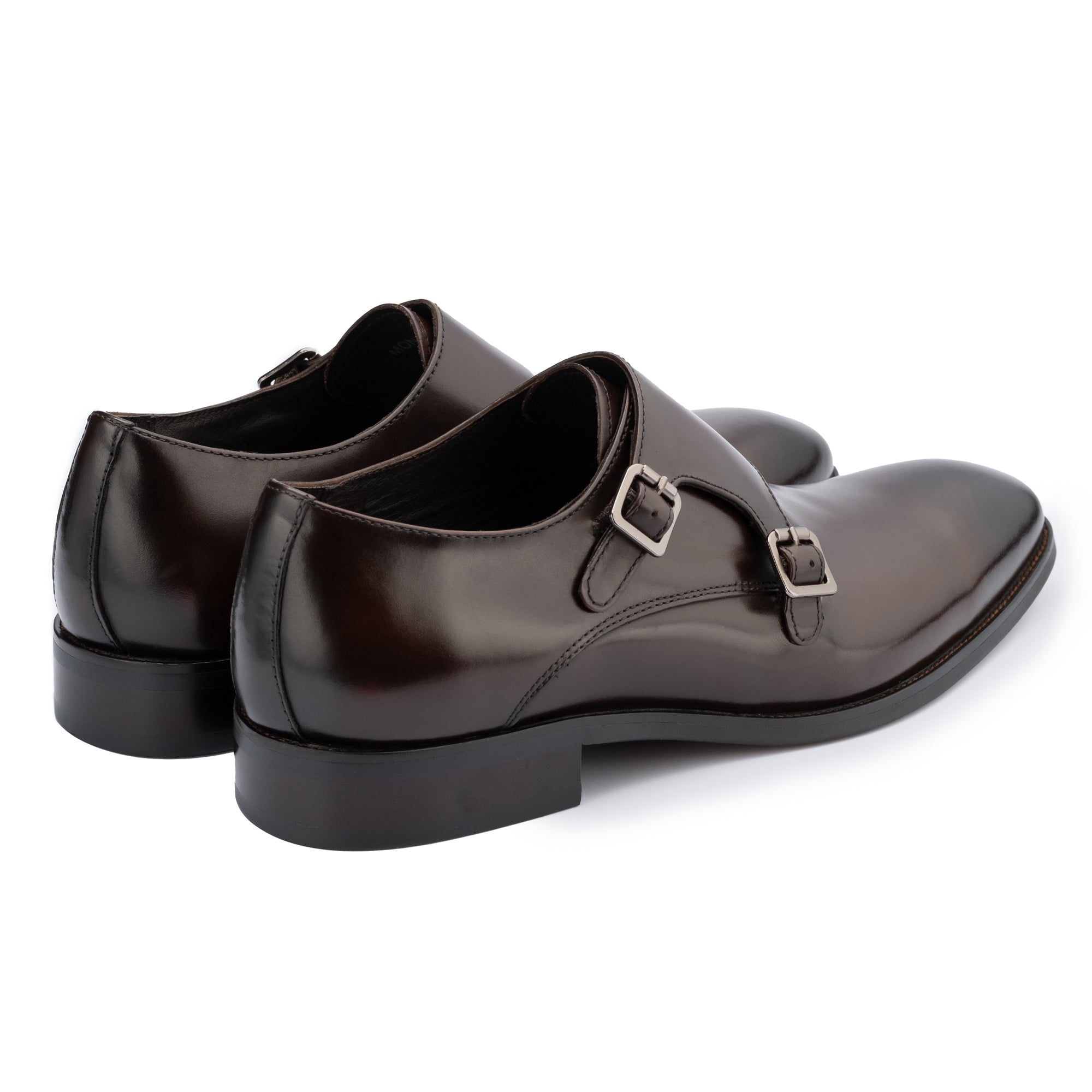
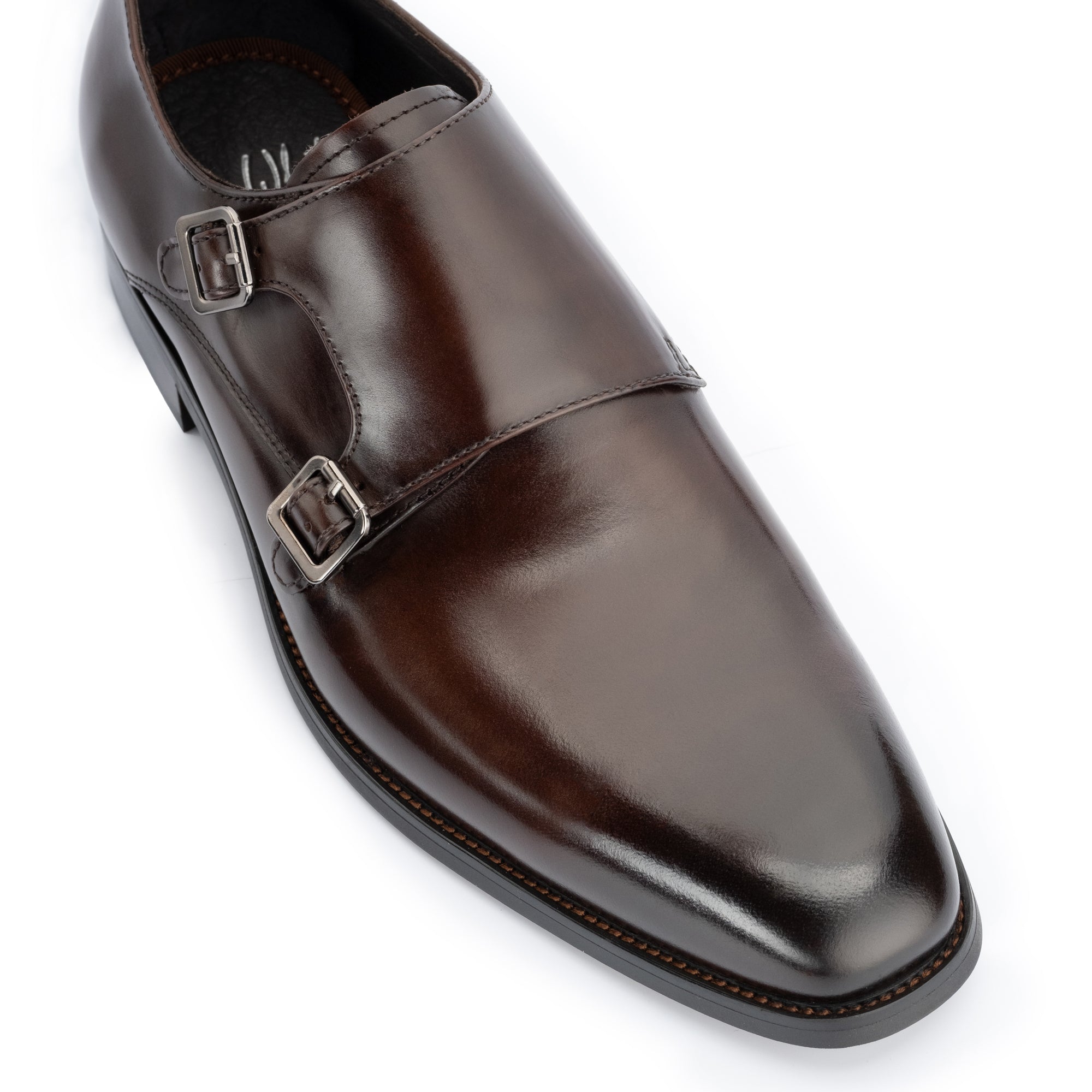
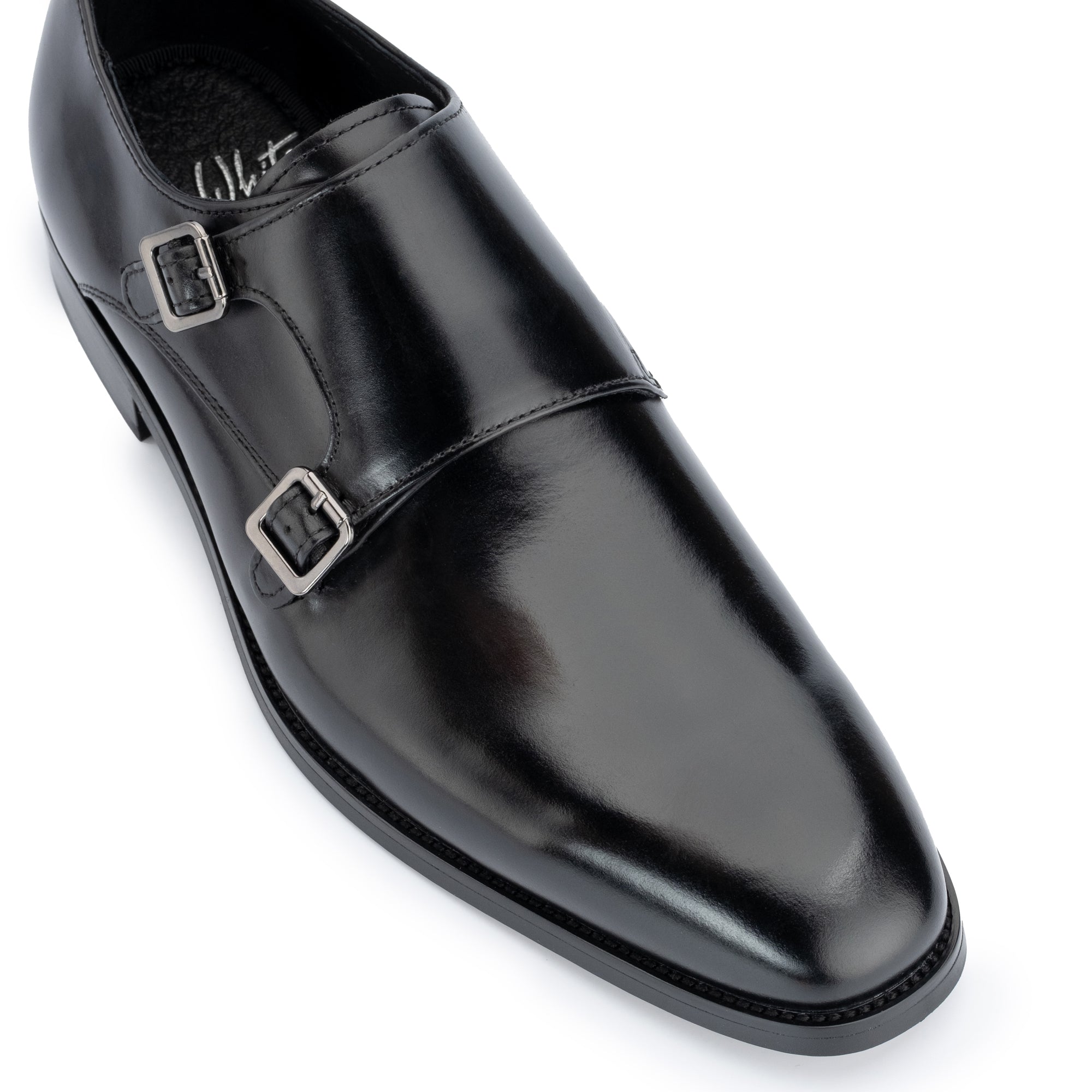
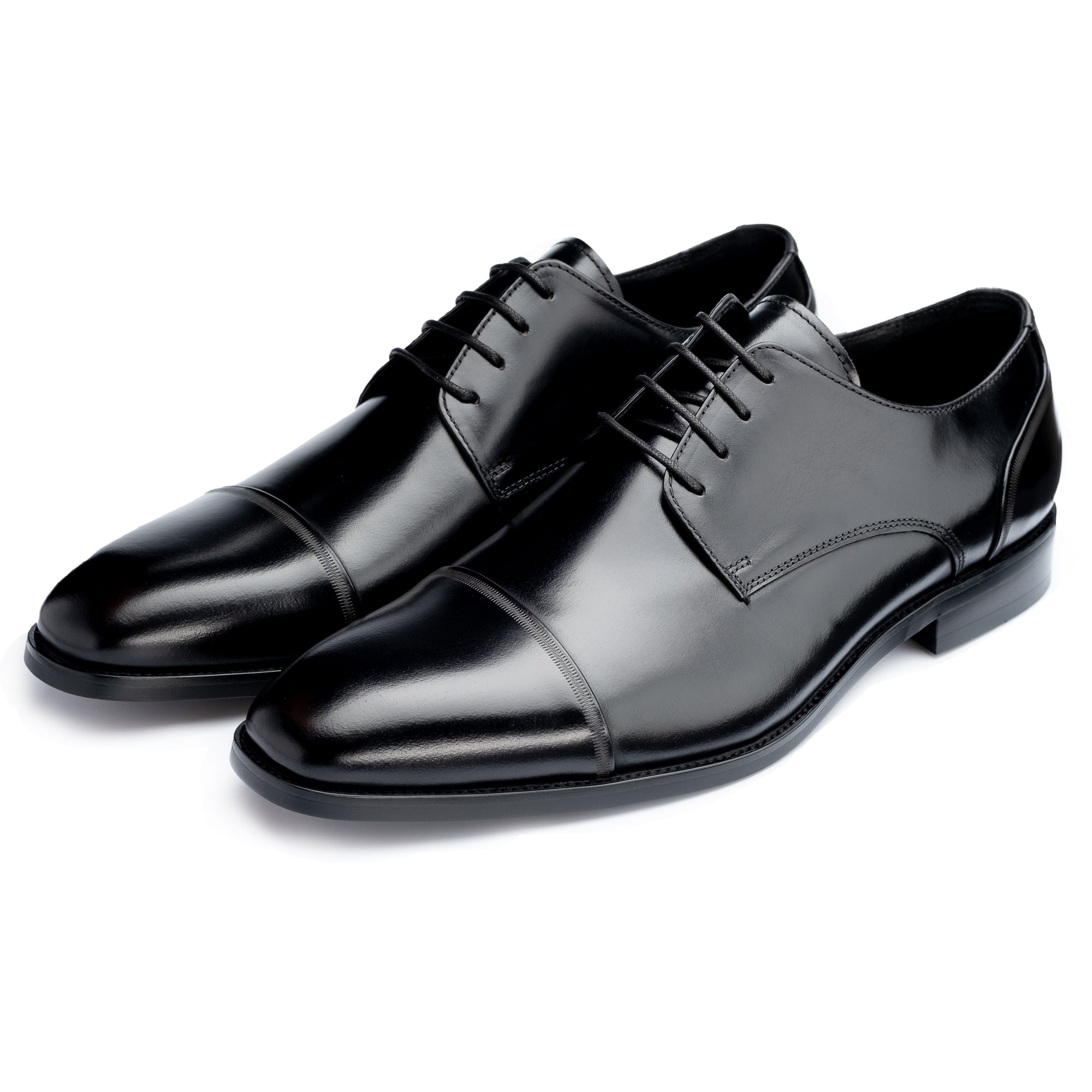
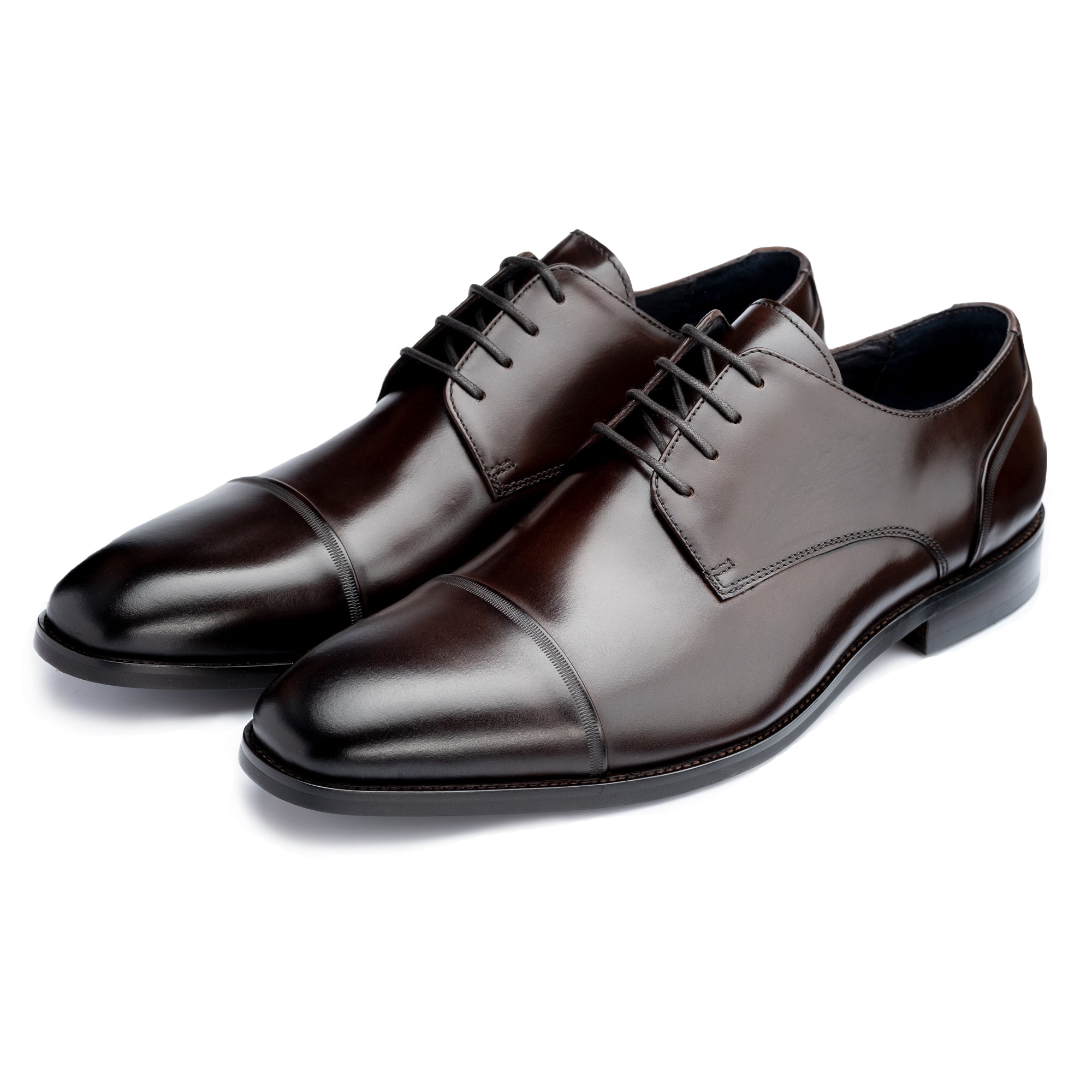
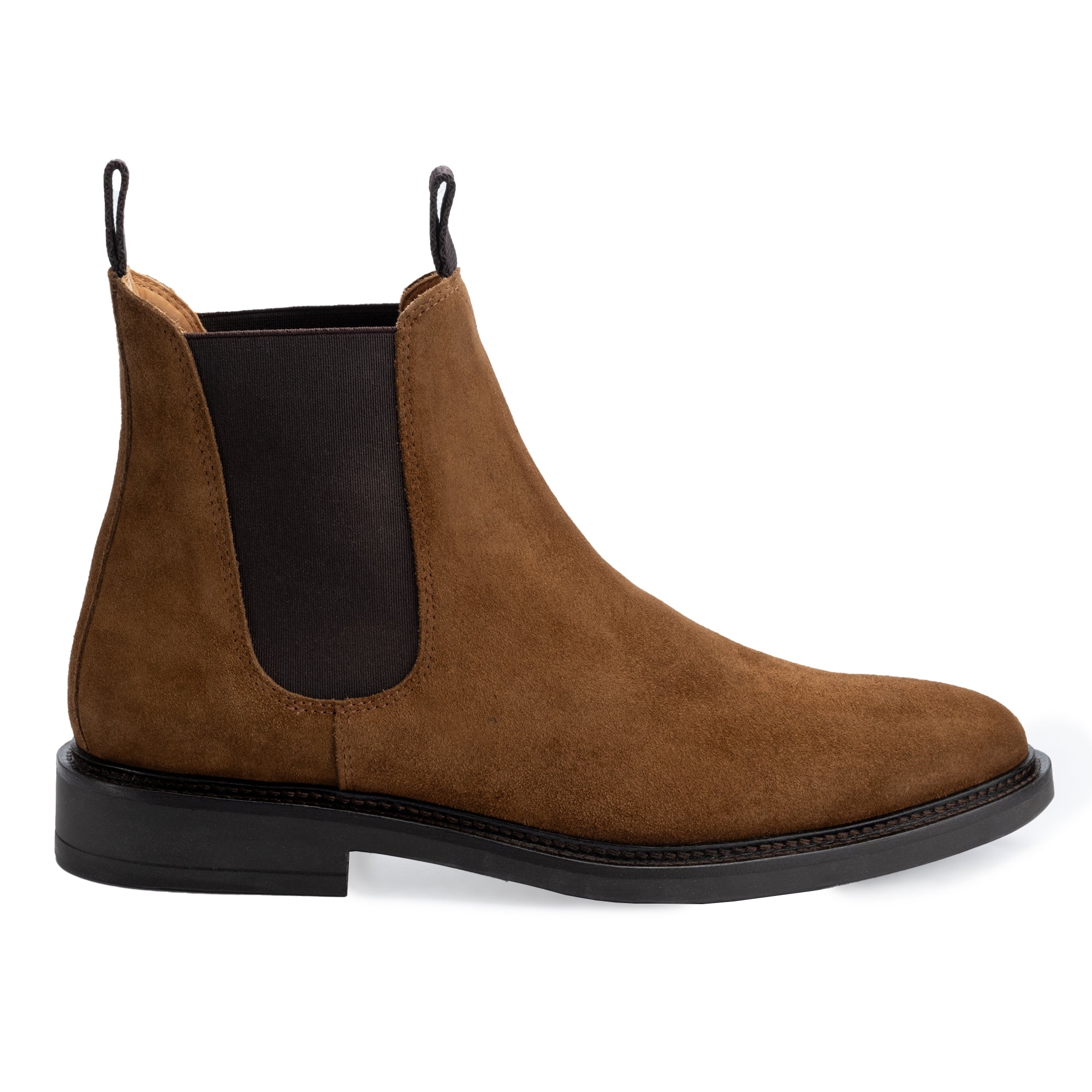
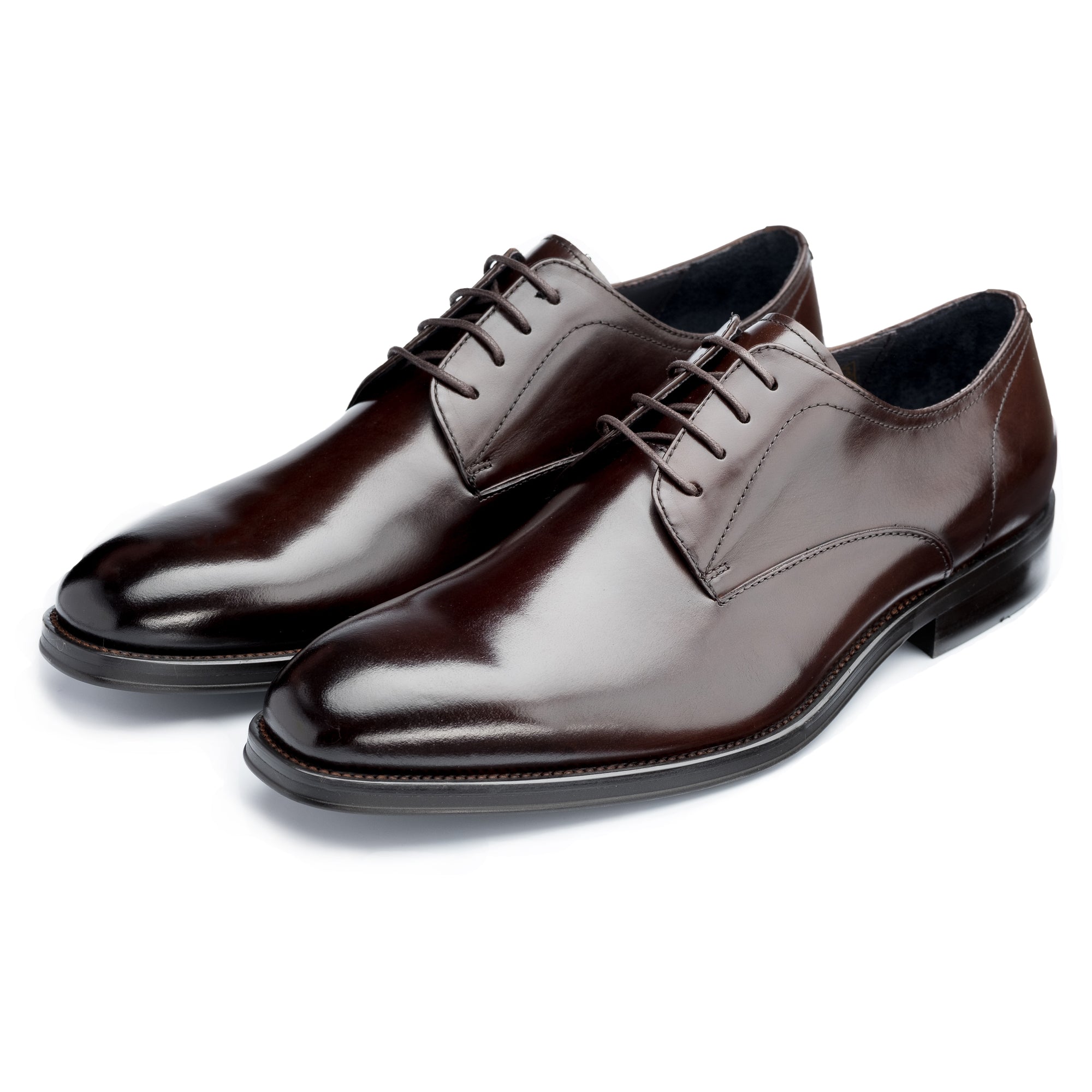
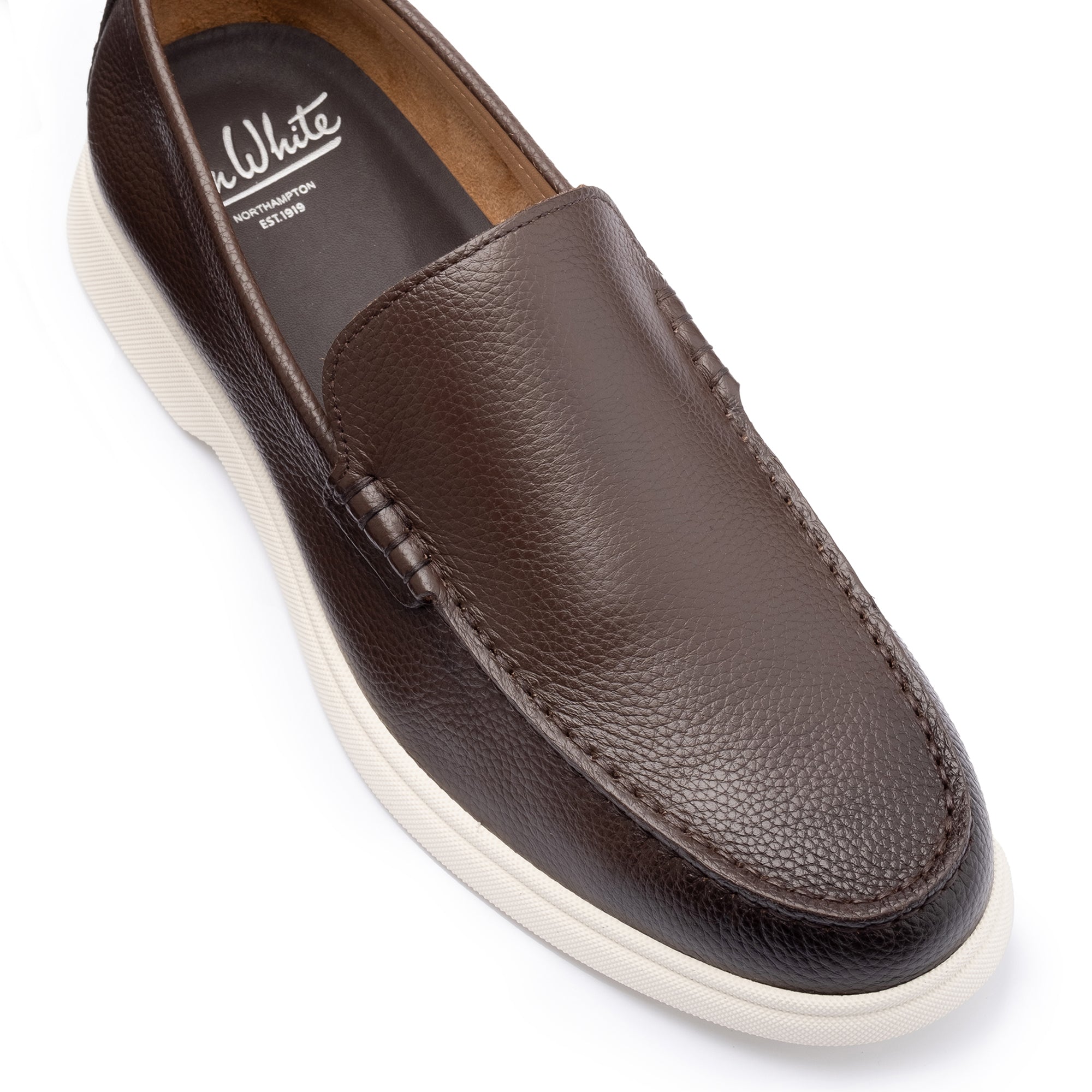
- The upper — No blotching, streaking, or variation in tone. The polish should sit within the leather, not sit on top of it.
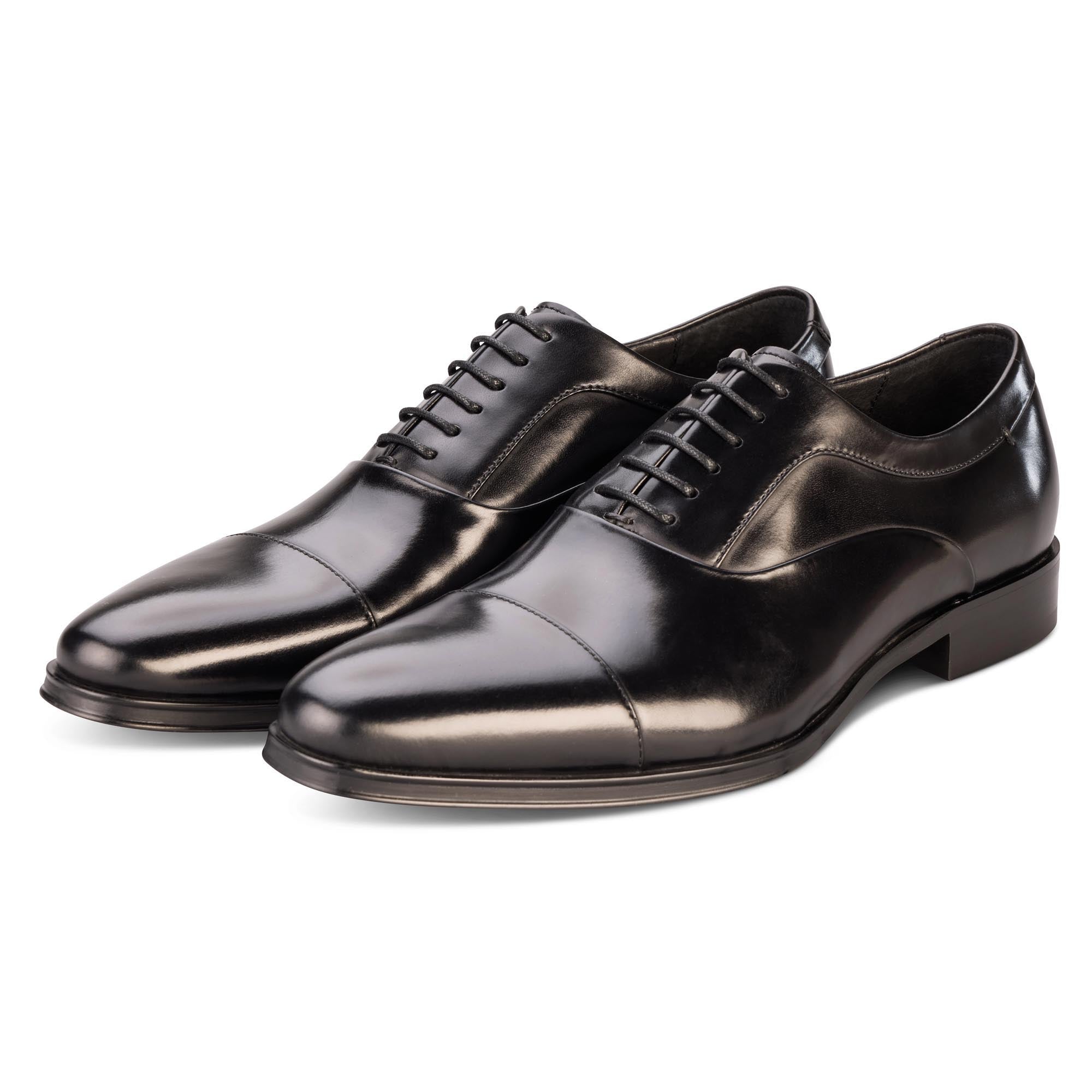
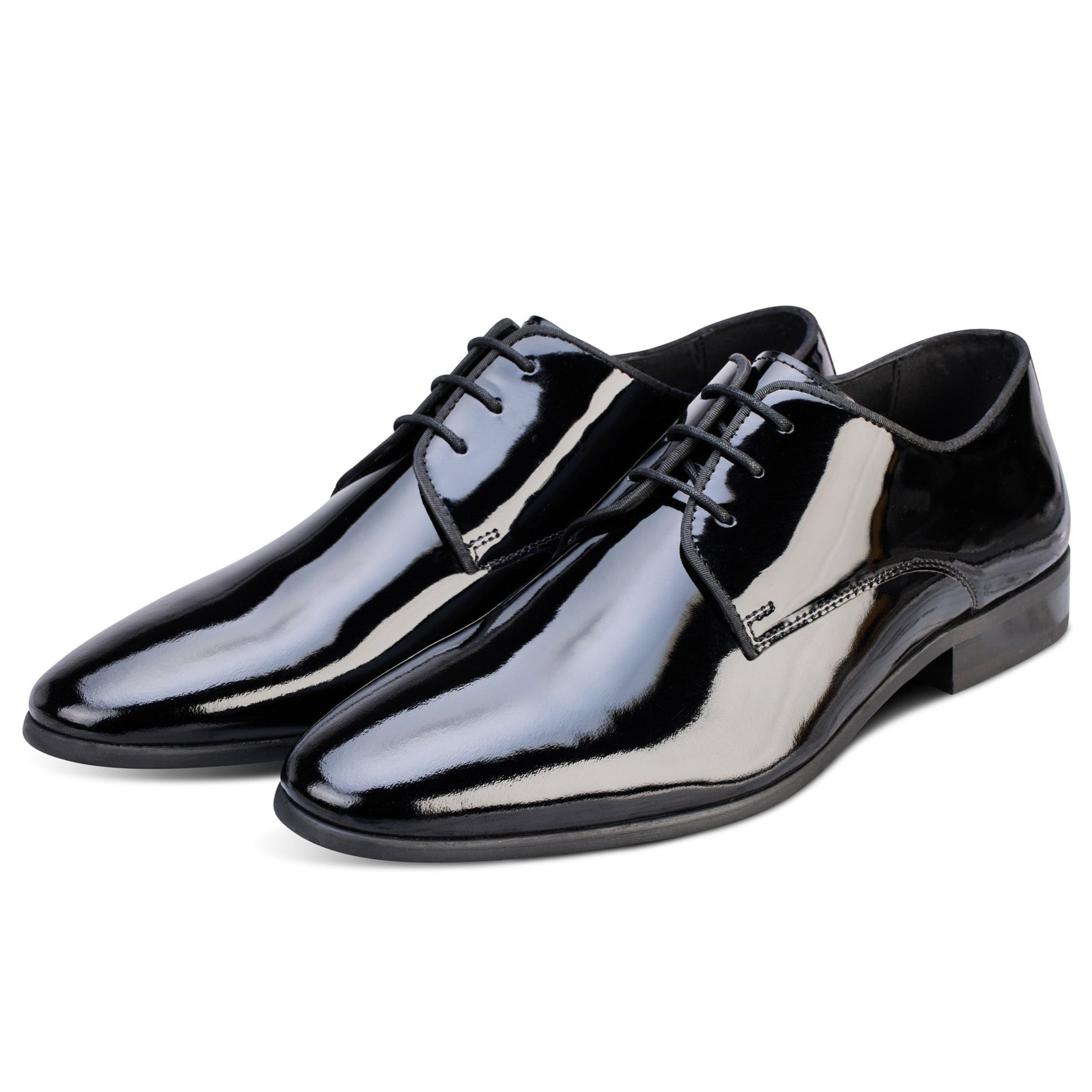
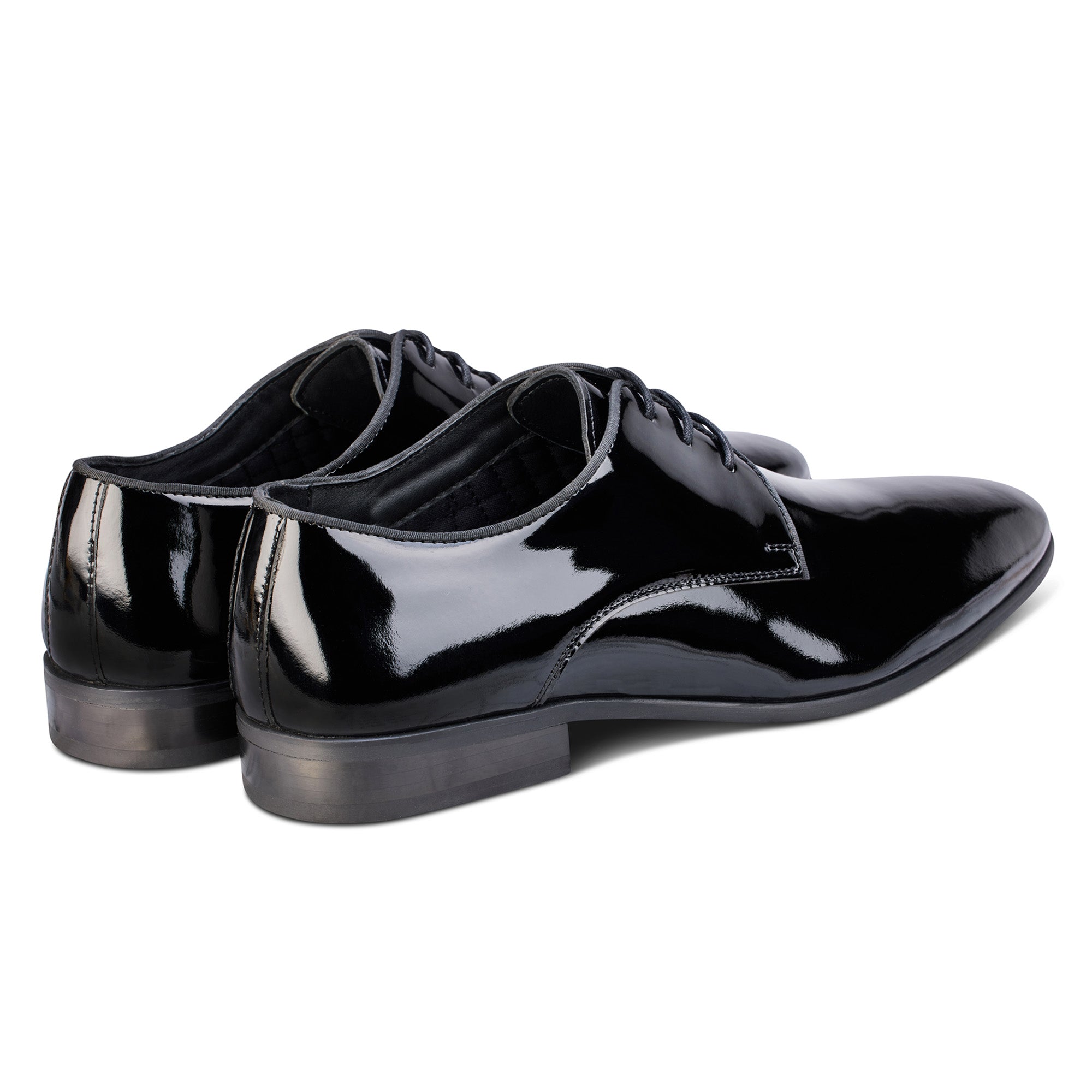
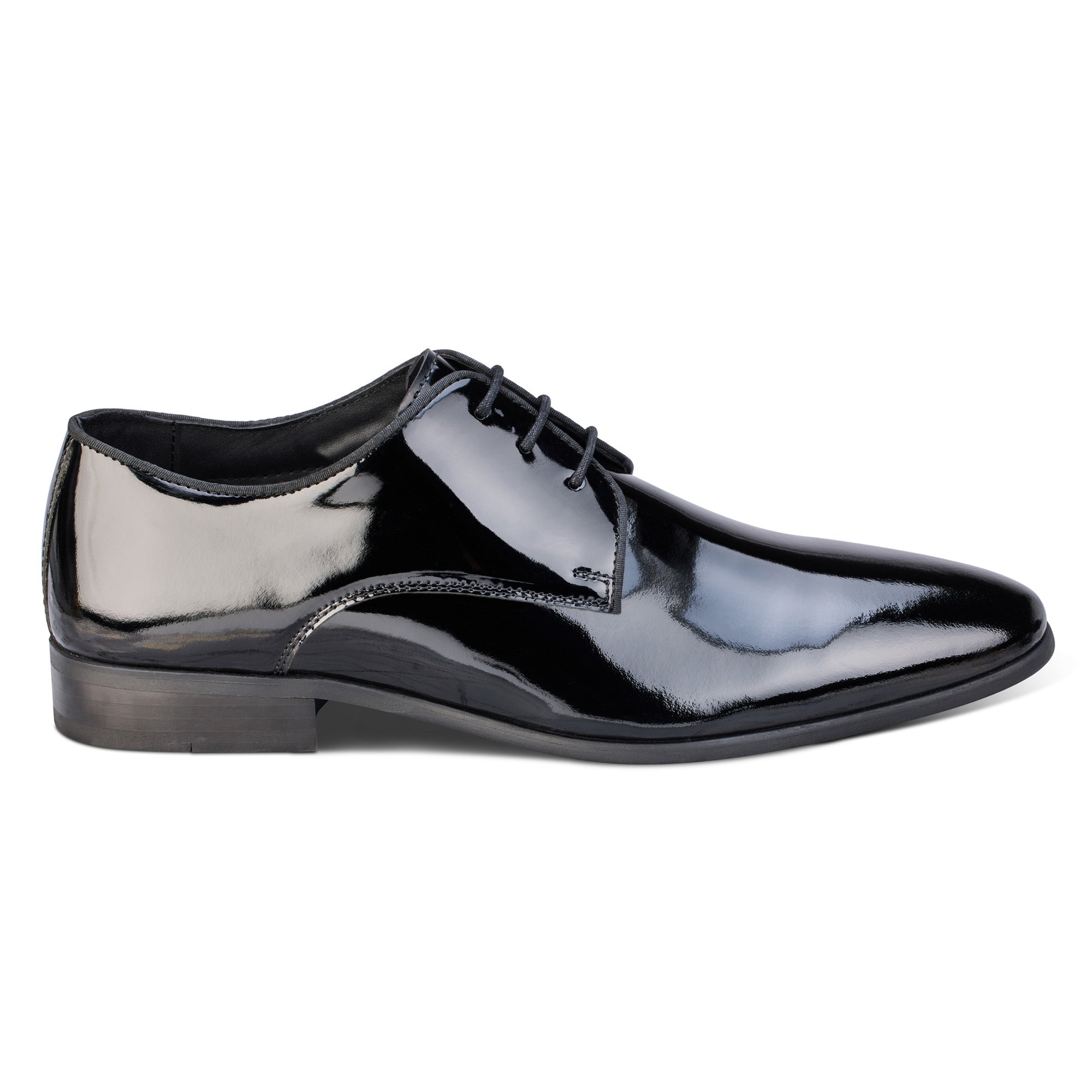
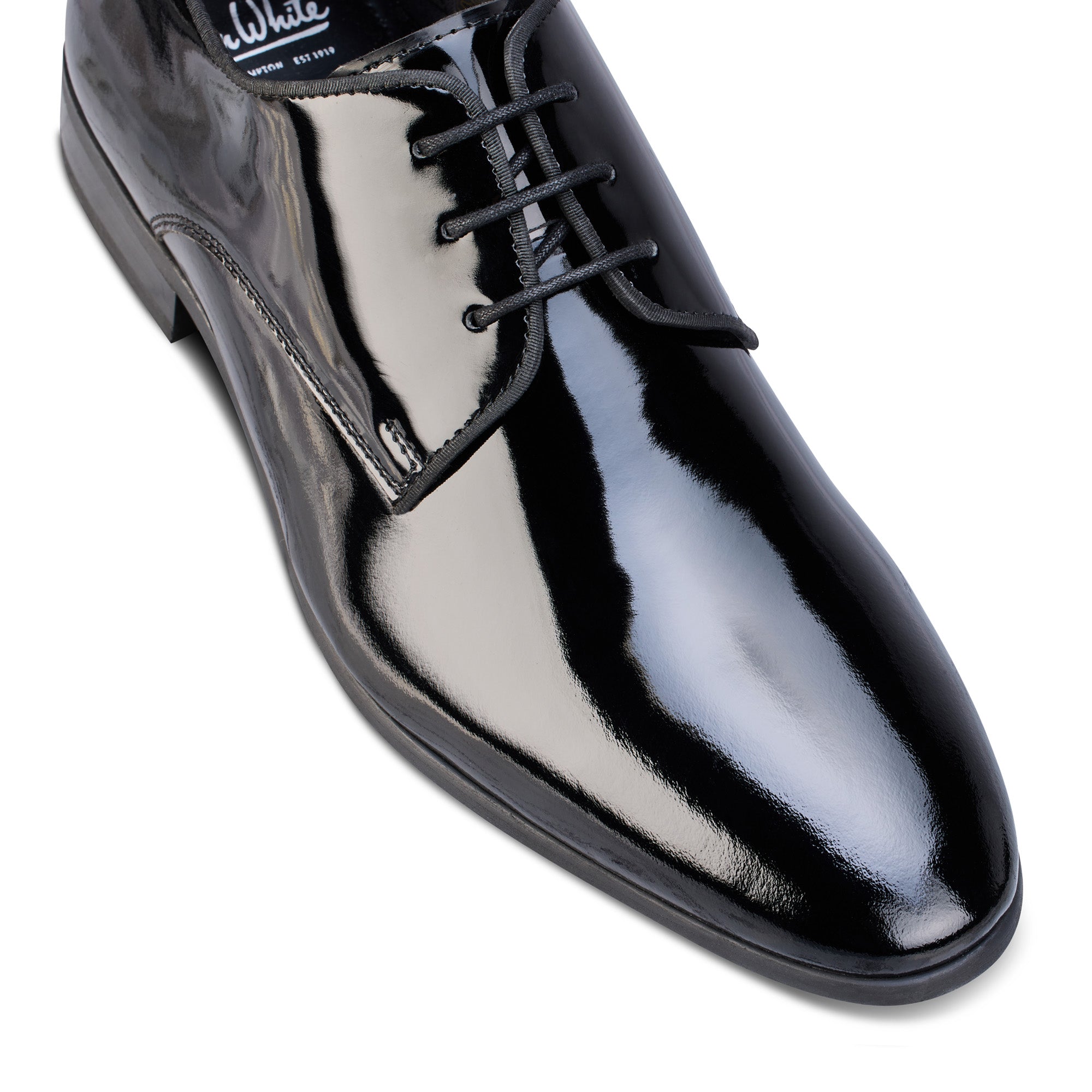
- The toe — Any high-shine or mirror finish should be even, with no dull patches where buffing was inconsistent.
The same attention to detail evident in traditional welt stitching carries directly into how finishing is approached — a topic explored further in a related guide to hand-welting and its significance.
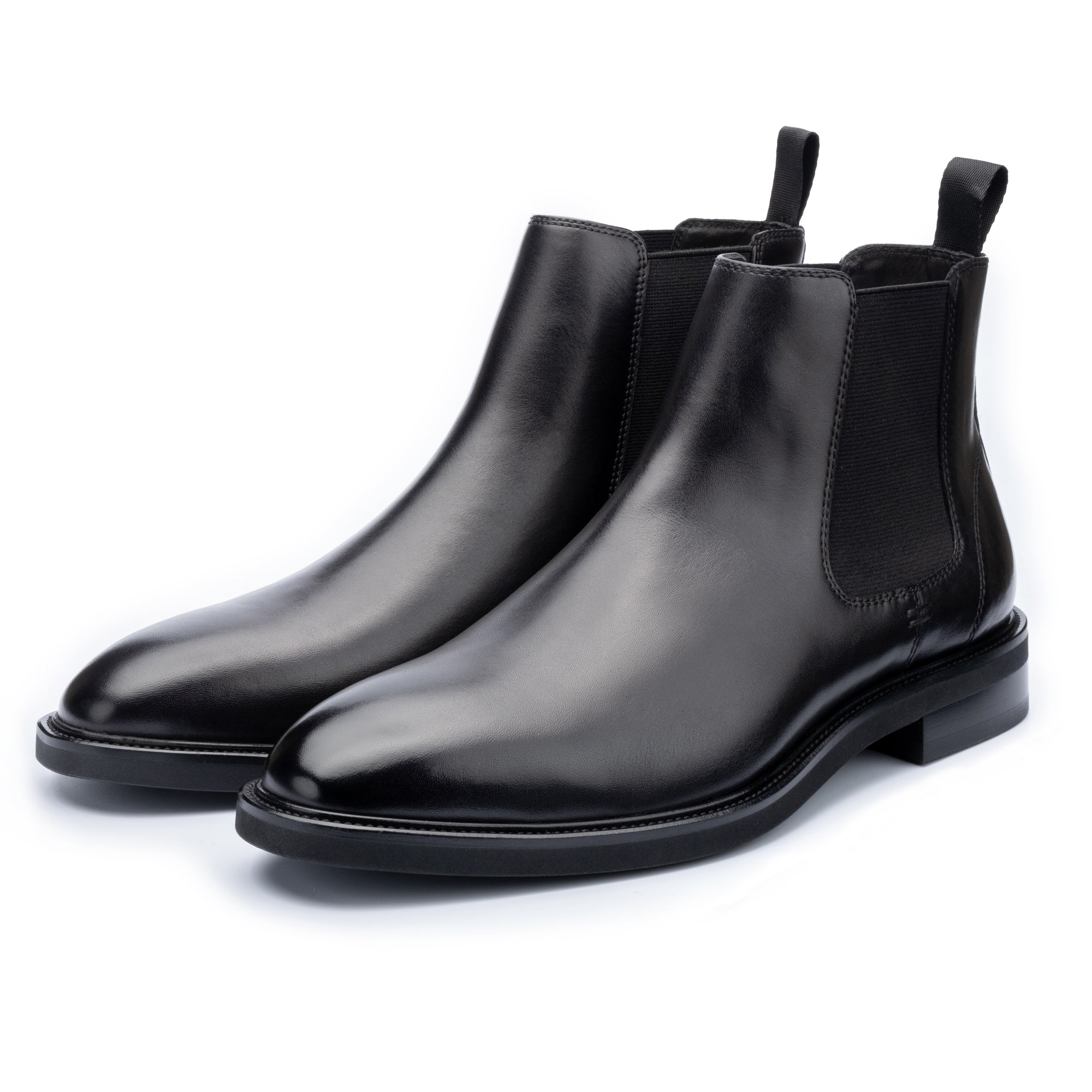
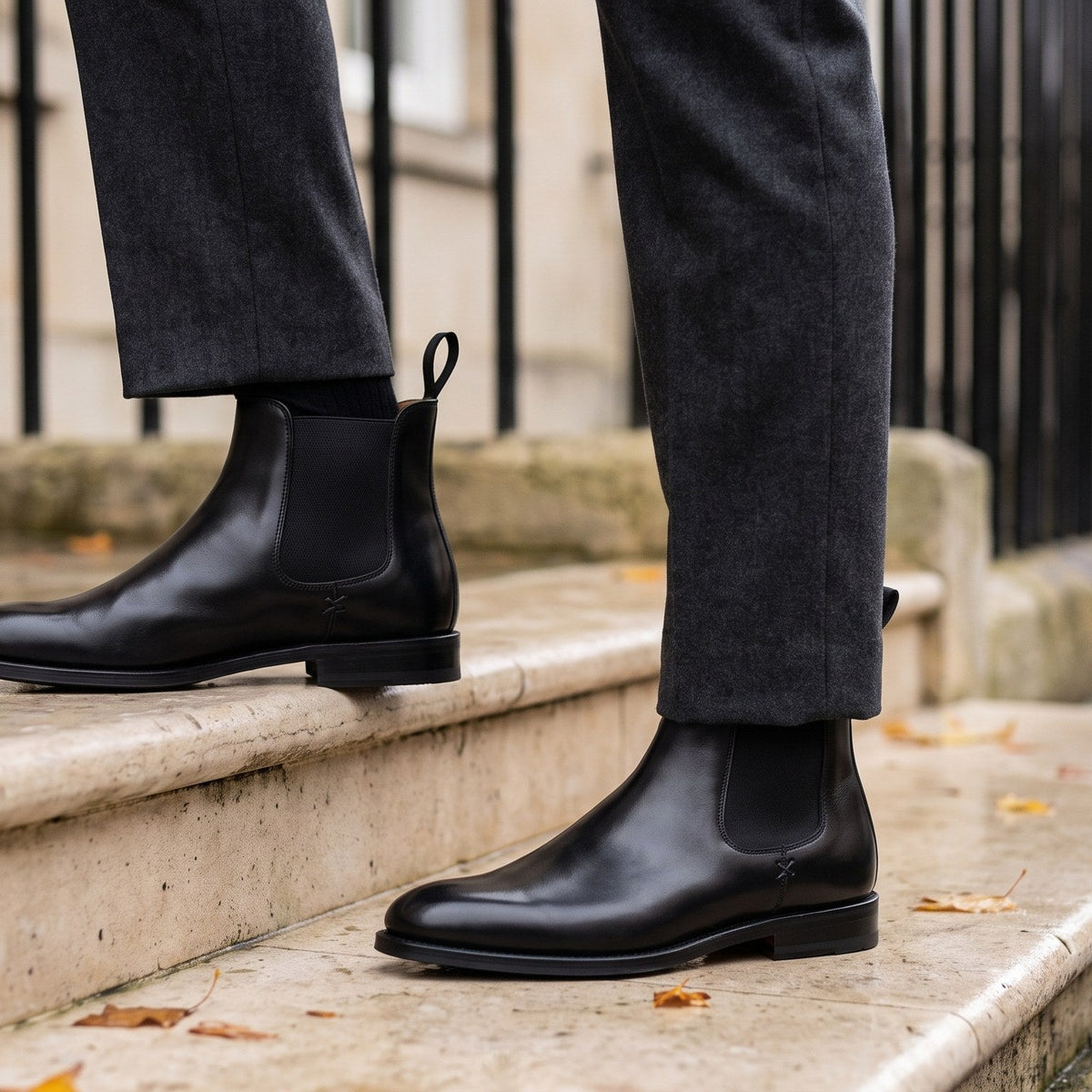
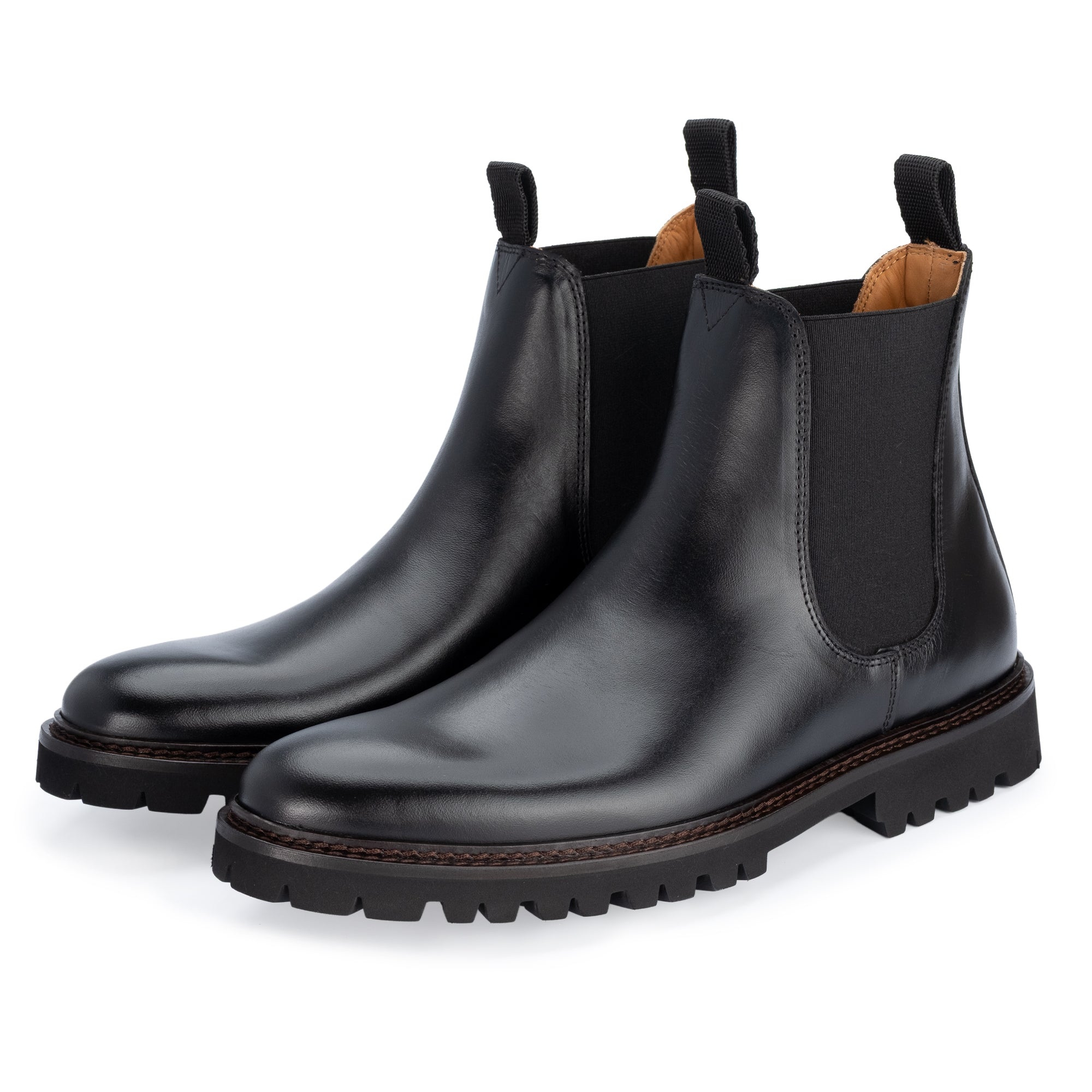
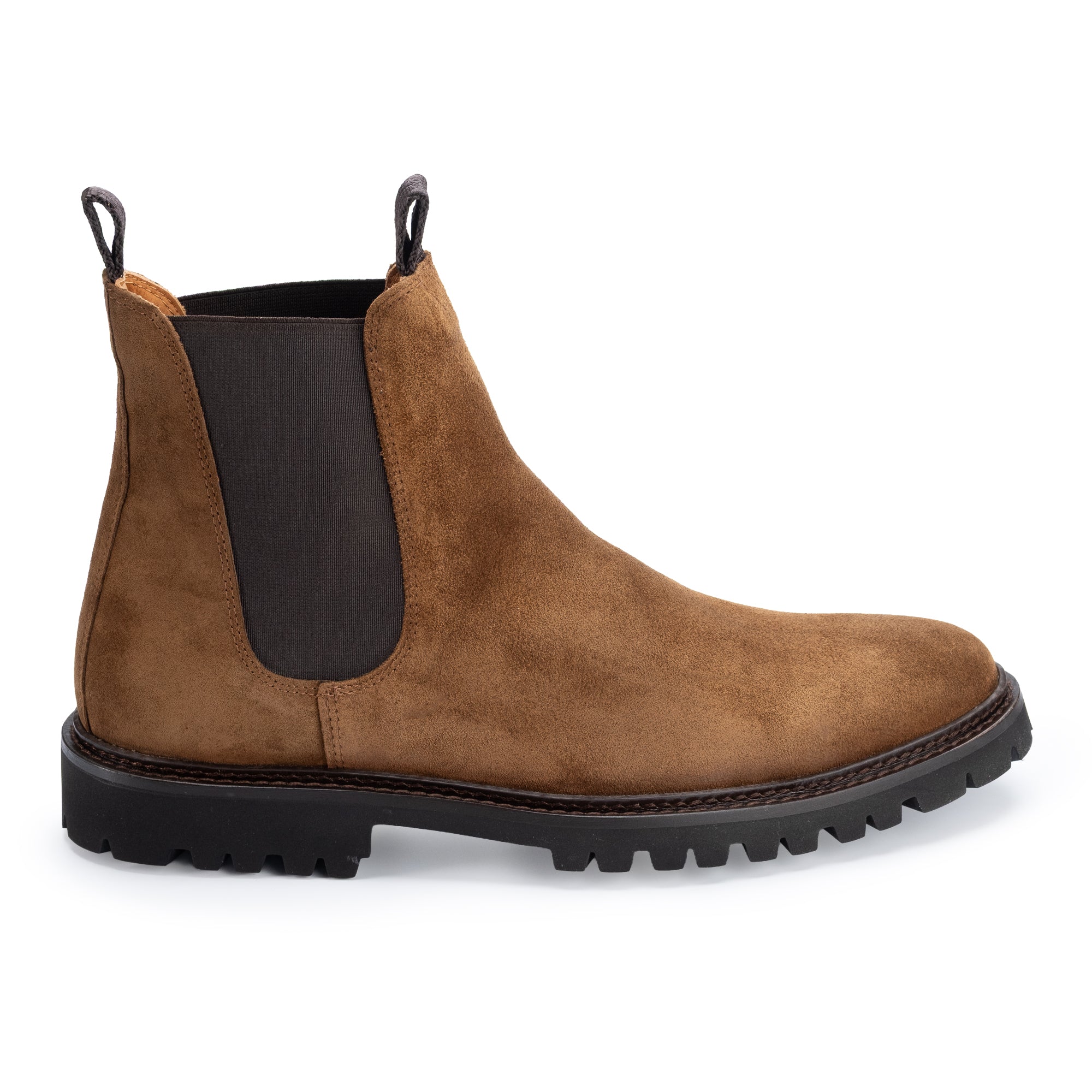
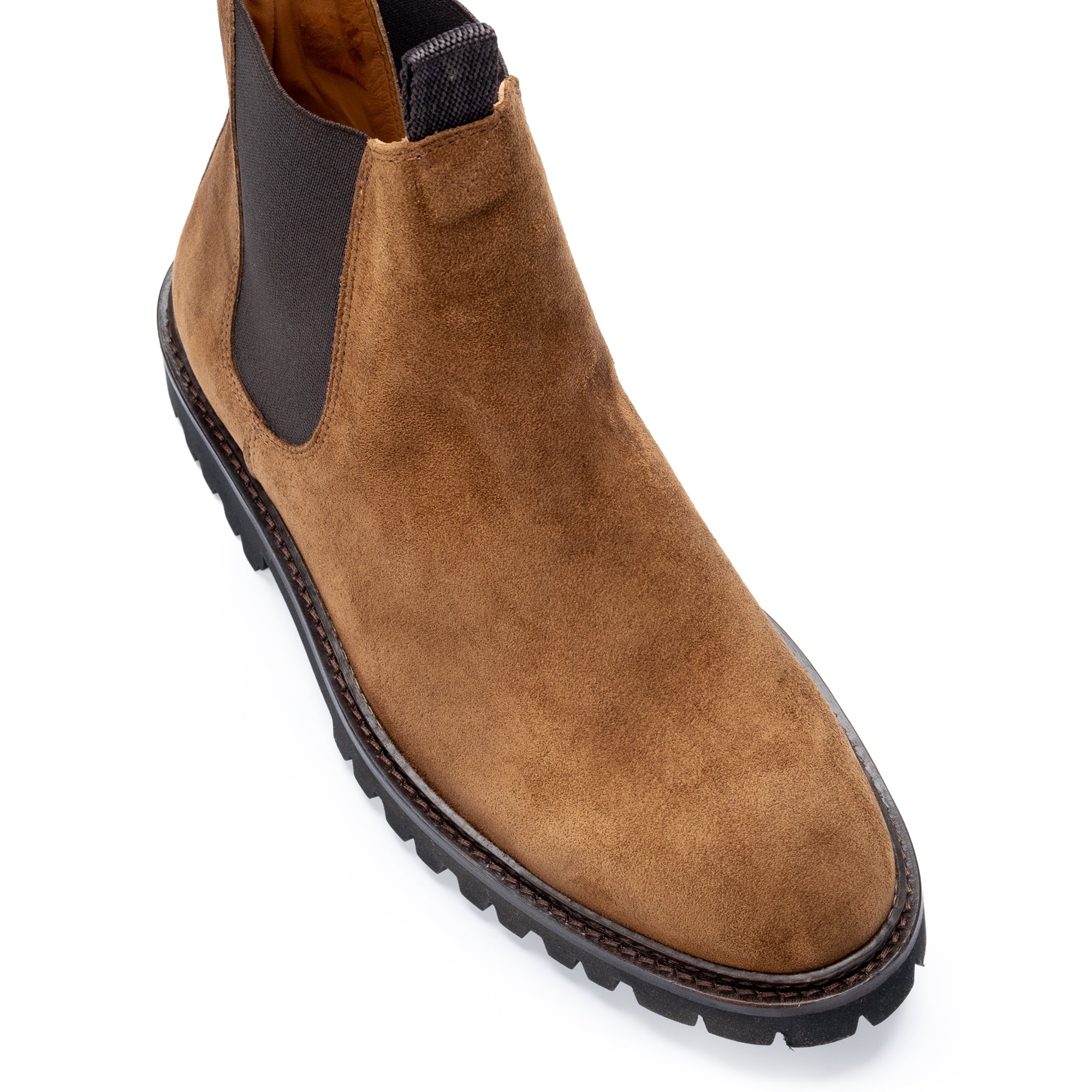
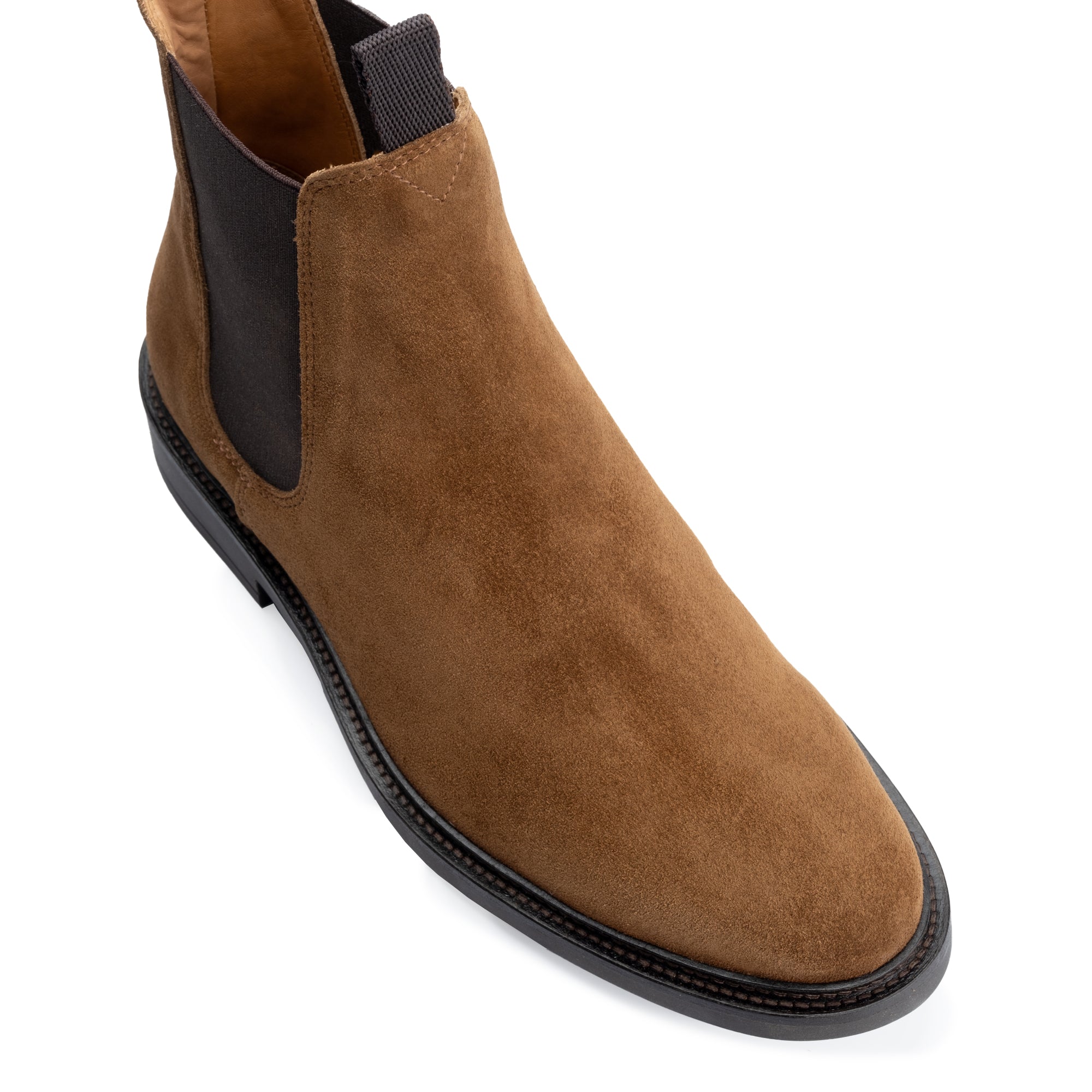
Browse our collection of quality leather shoes in the men's shoes collection and men's boots collection, or view current availability in the sale selection.
Related Guides
- The History of British Shoemaking — our comprehensive guide
- The Anatomy of a Handmade Shoe: What Goes Into Every Pair
- Exploring Traditional Welted Construction: A Look at its History and Significance
- The Complete Guide to Leather Shoe Care
TL;DR: Finishing a leather shoe encompasses edge trimming, sole staining, welt burnishing, upper conditioning, multi-coat polishing, and final inspection. It is the most labour-intensive stage of traditional shoemaking and the primary determinant of a shoe's long-term durability and maintainability. A well-finished shoe is easier to care for and more resistant to moisture. Certain constructions, such as Goodyear-welted, are also capable of being resoled multiple times for extended life.
Frequently Asked Questions
What is the difference between a hand-finished and a machine-finished leather shoe?
A hand-finished shoe has its edges trimmed, stained, and burnished by a craftsman using specialist hand tools and trained judgement. Machine finishing applies the same processes at speed, typically with less consistency in colour application and edge definition. The difference is most evident at the sole edge, welt line, and heel breast — areas where hand finishing produces cleaner, more uniform results.
How can you tell if a leather shoe has been properly finished?
Examine the sole edge first — it should be uniform in width, consistent in colour, and smooth throughout with no rough sections or glue seepage. On a Goodyear-welted shoe, the welt should carry an even finishing wheel impression. Turn the shoe over: the stacked heel lifts should be tight and flush, the heel breast cleanly shaped. The upper should show a deep, even finish with no blotching or streaking.
Does the quality of finishing affect how long a leather shoe lasts?
Directly, yes. Sealed and burnished edges resist moisture ingress more effectively than unsealed ones. A properly conditioned upper takes polish better and is less prone to surface cracking over time. According to the Society of Master Shoe Repairers, a Goodyear-welted shoe with a well-maintained finish can be resoled four or five times — meaning the finishing quality at manufacture determines how many years the shoe remains serviceable.
What is an antique finish on a leather shoe?
An antique finish is a finishing technique in which darker tones are worked by hand into the natural creases and edges of the leather upper — the toe, heel, and any brogue perforations — before the final polish is applied. The result is a graduated, characterful appearance that suggests depth and age while retaining a refined surface. It is applied at the bench during finishing and cannot be replicated through home polishing alone.
Explore the full range of hand-finished leather footwear in the men's shoes collection, or find the right pair for every occasion in the men's boots collection.