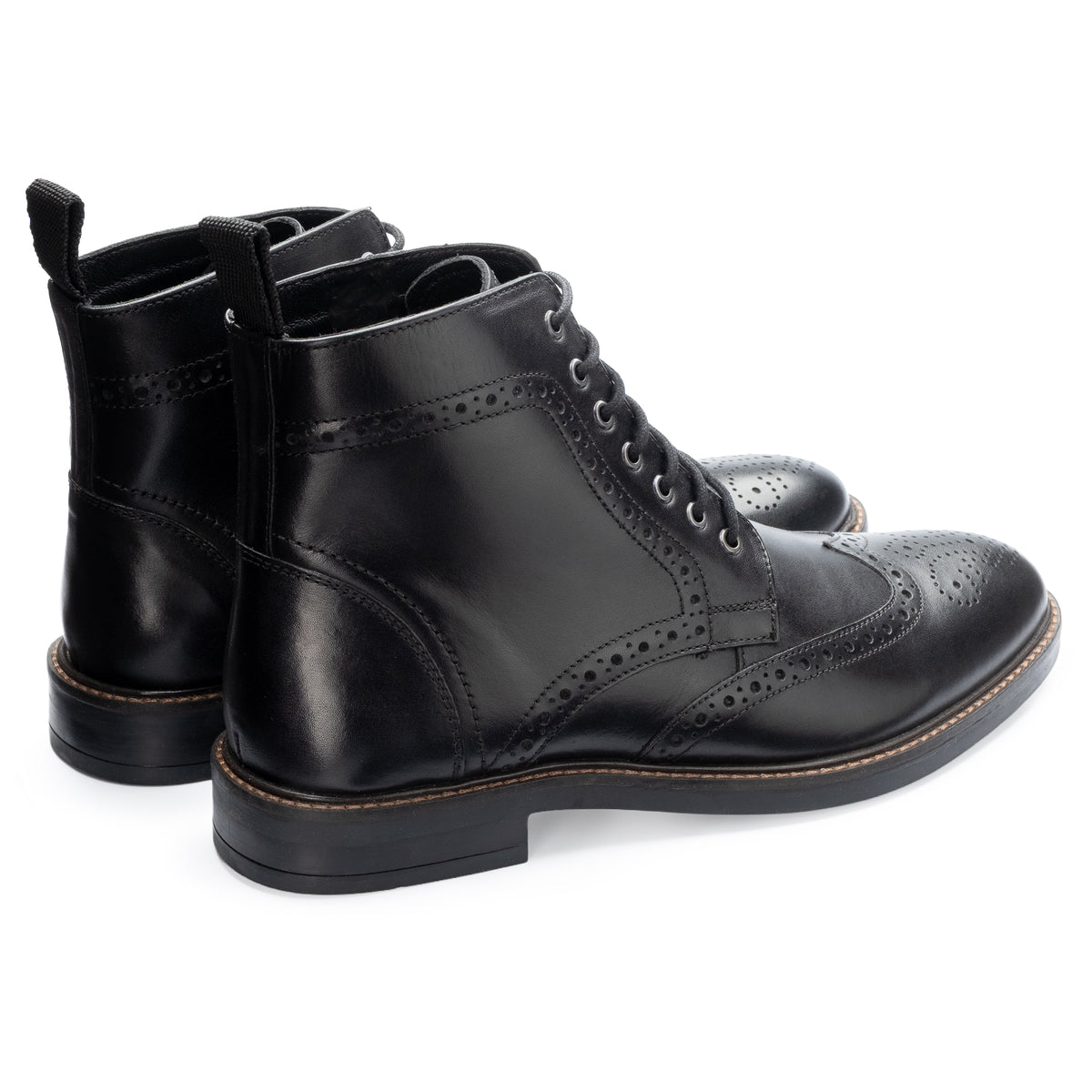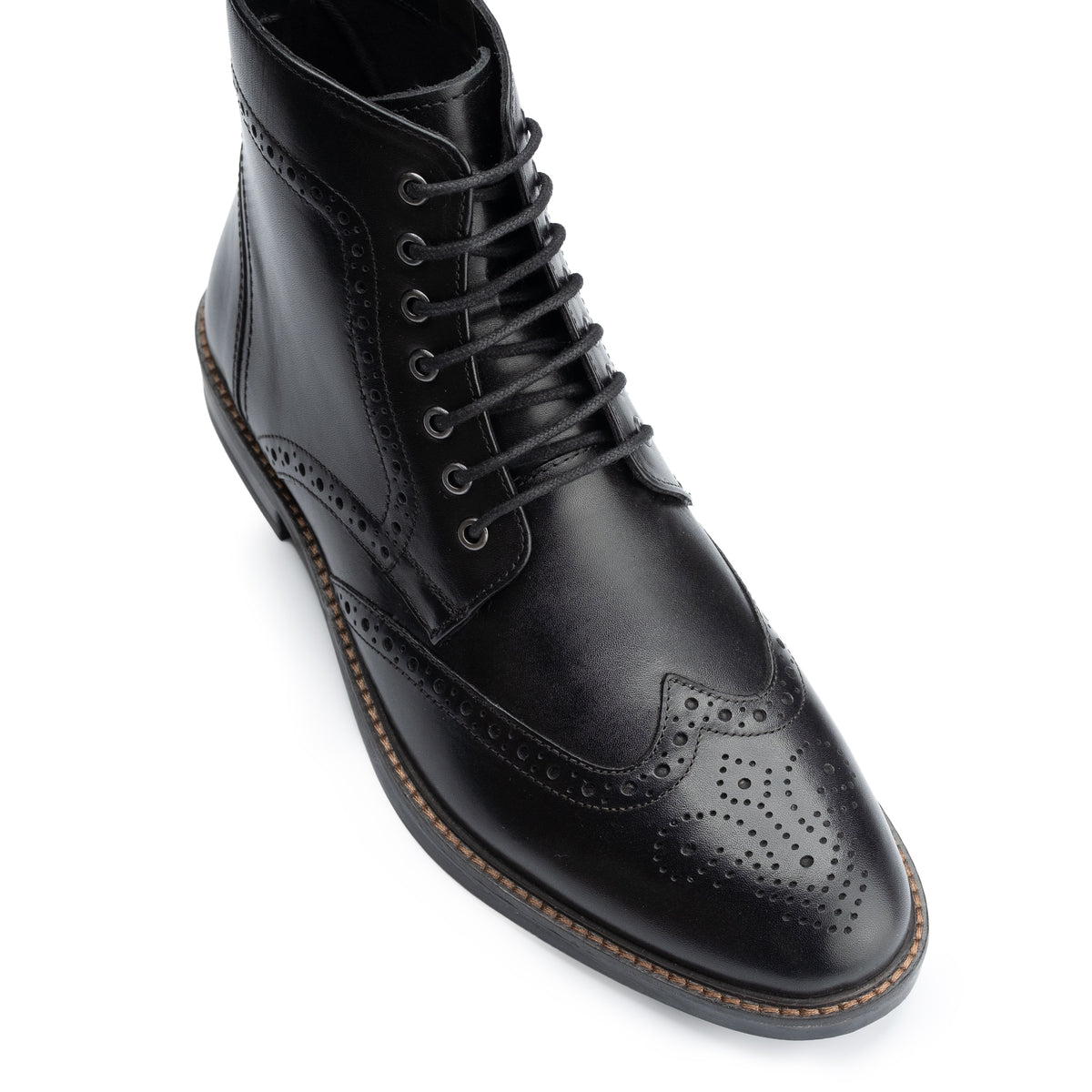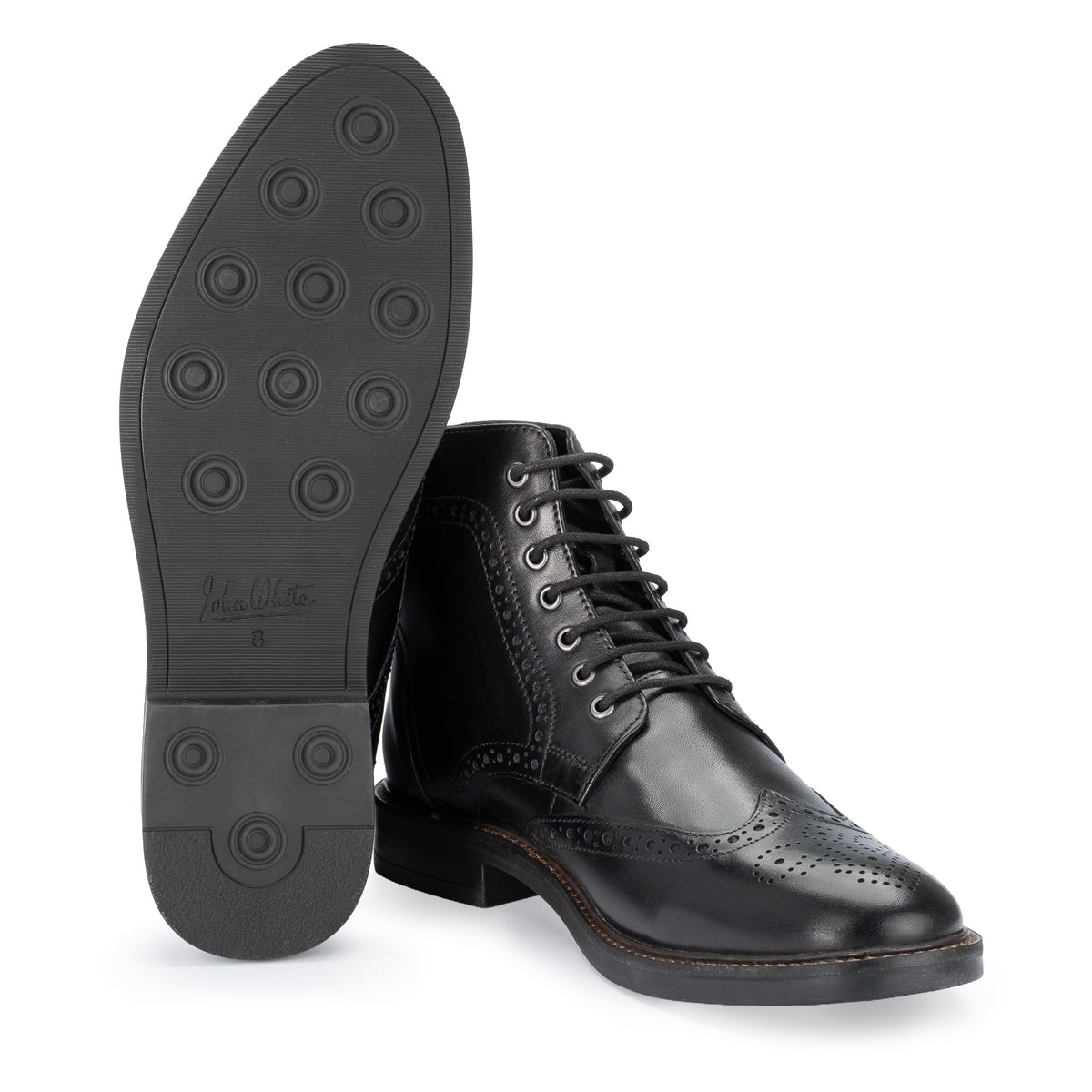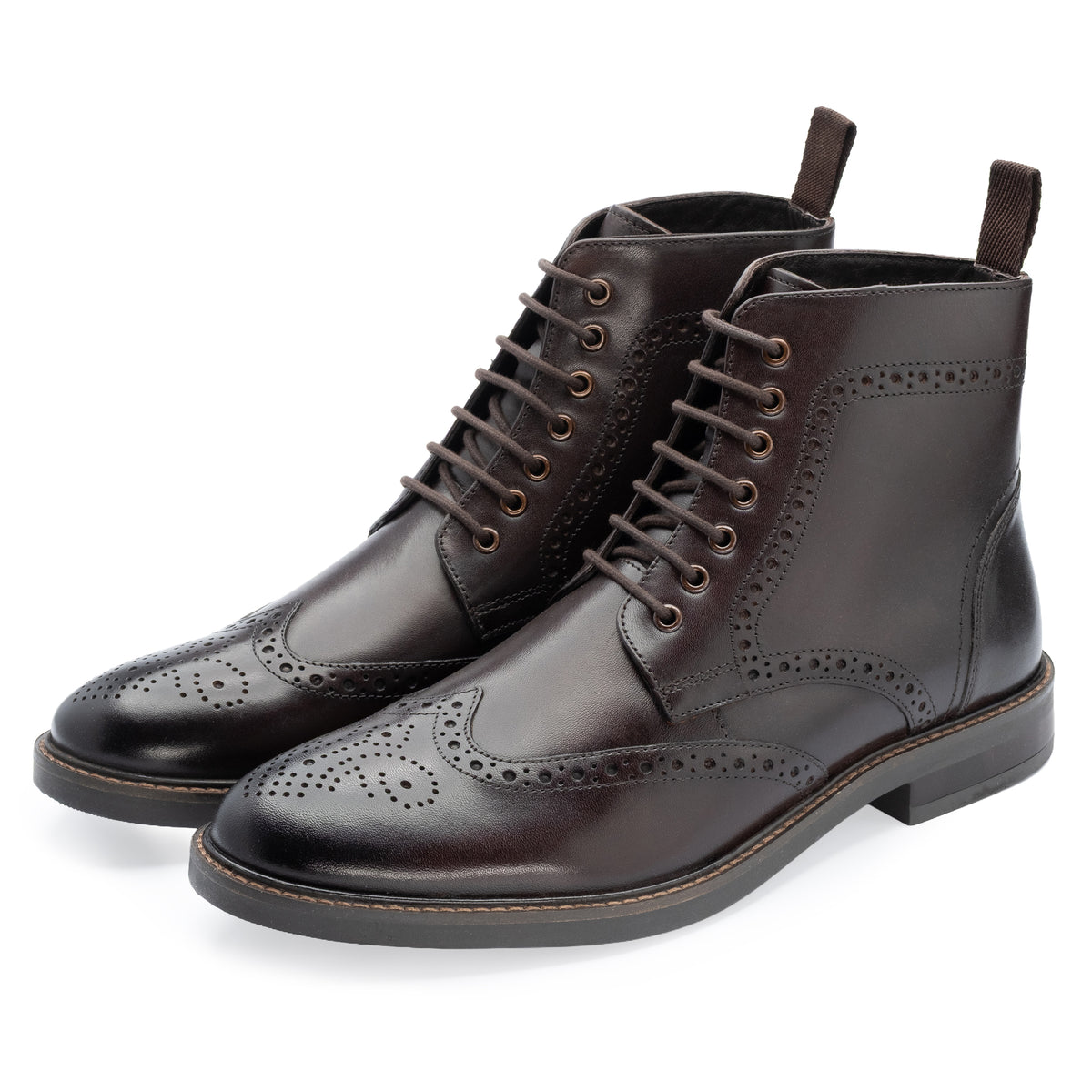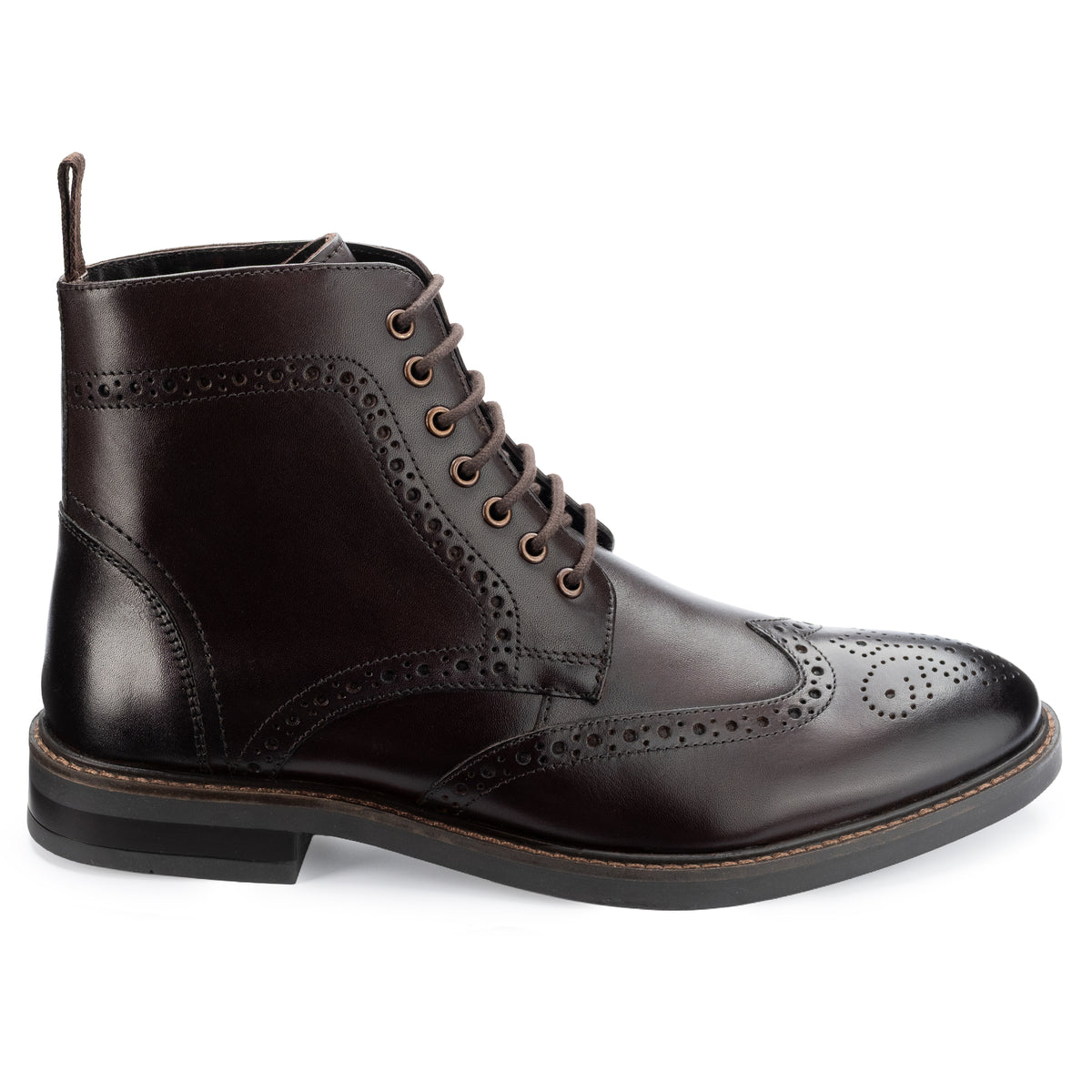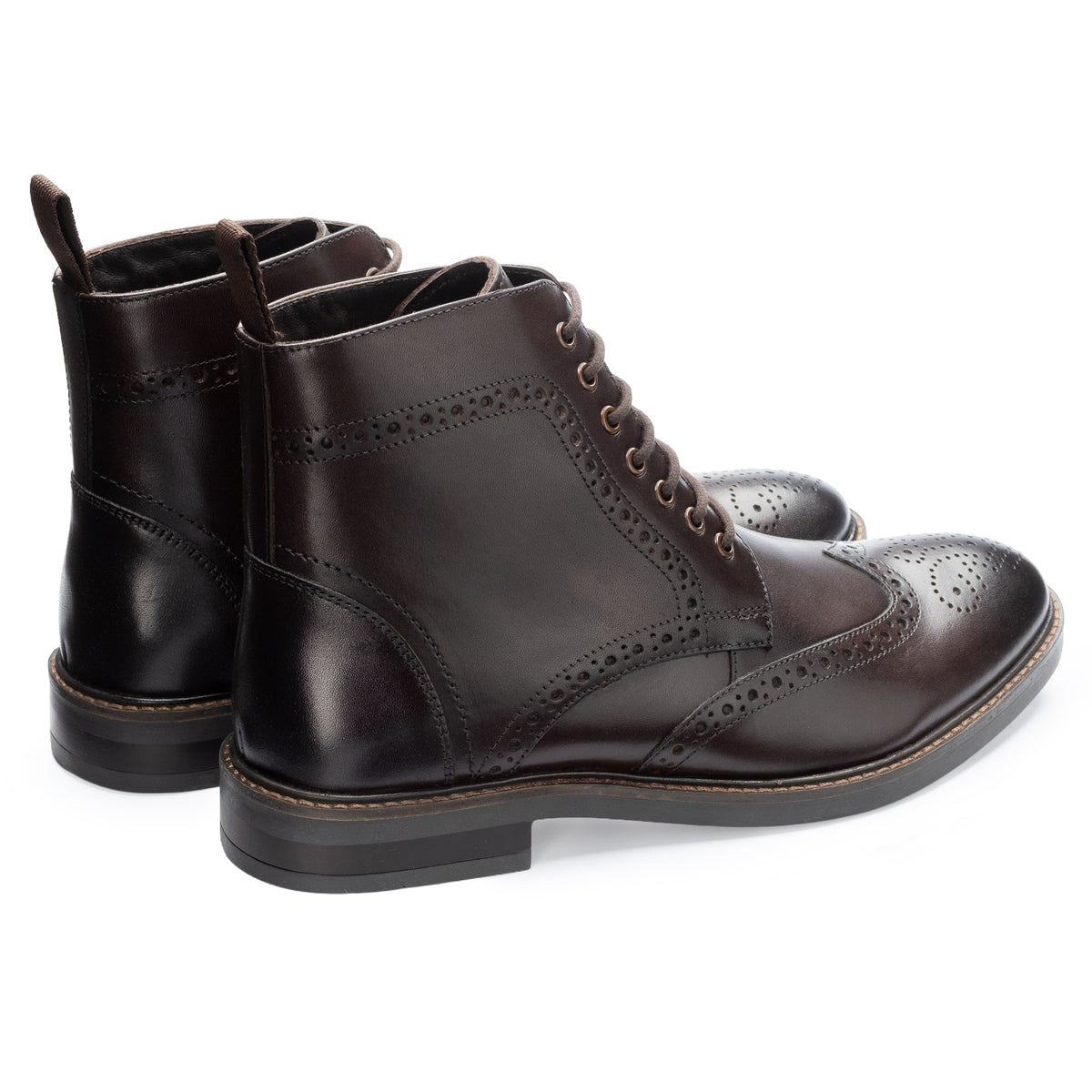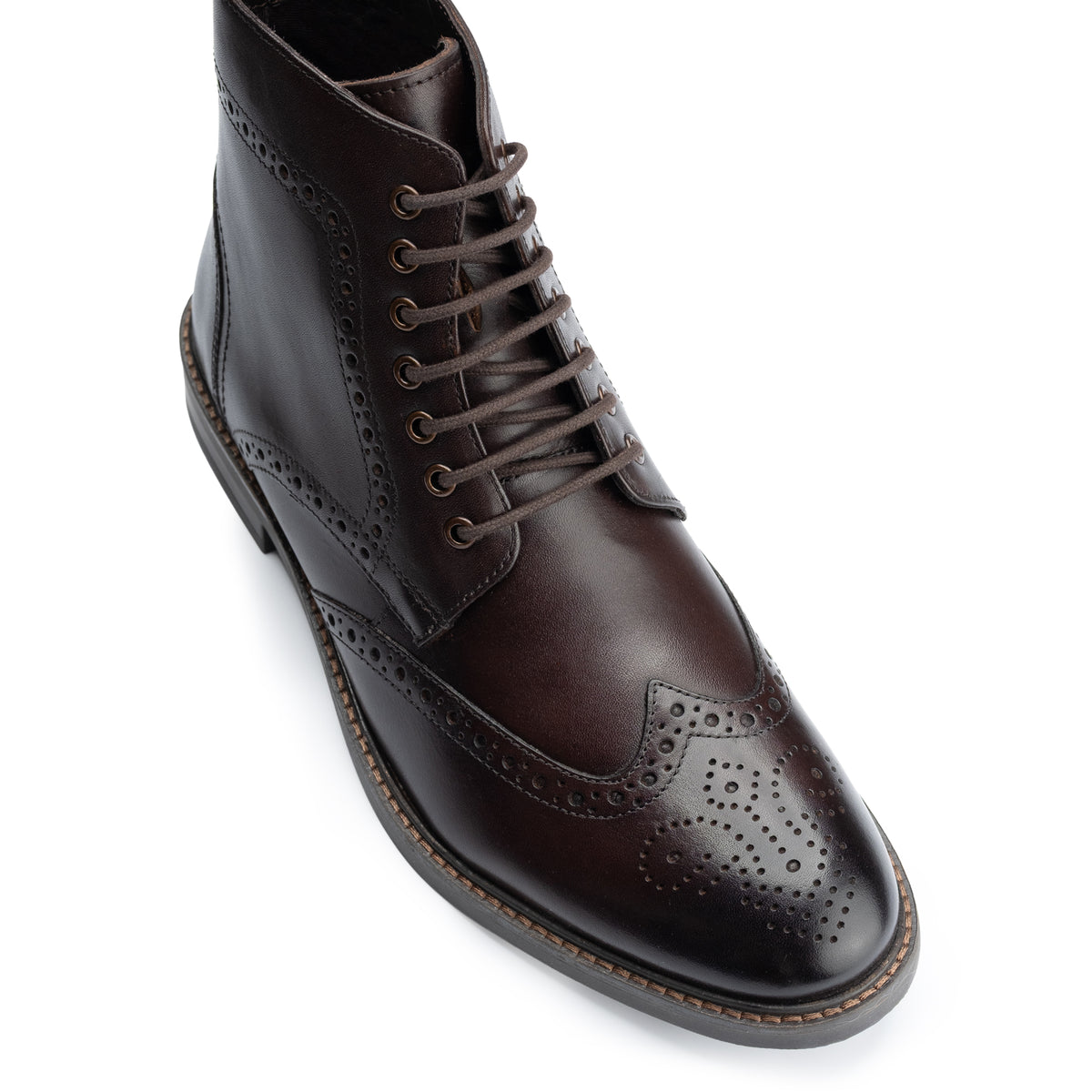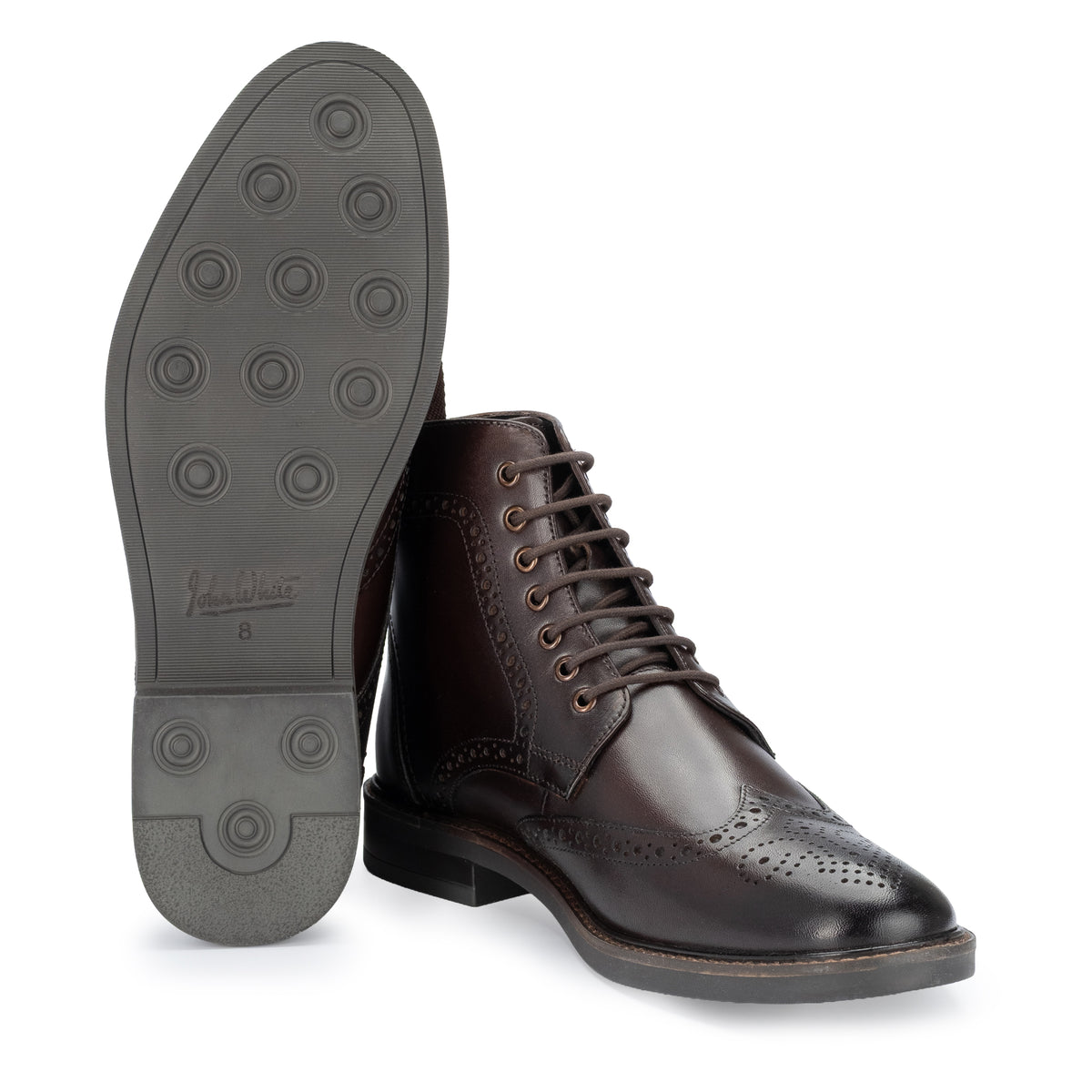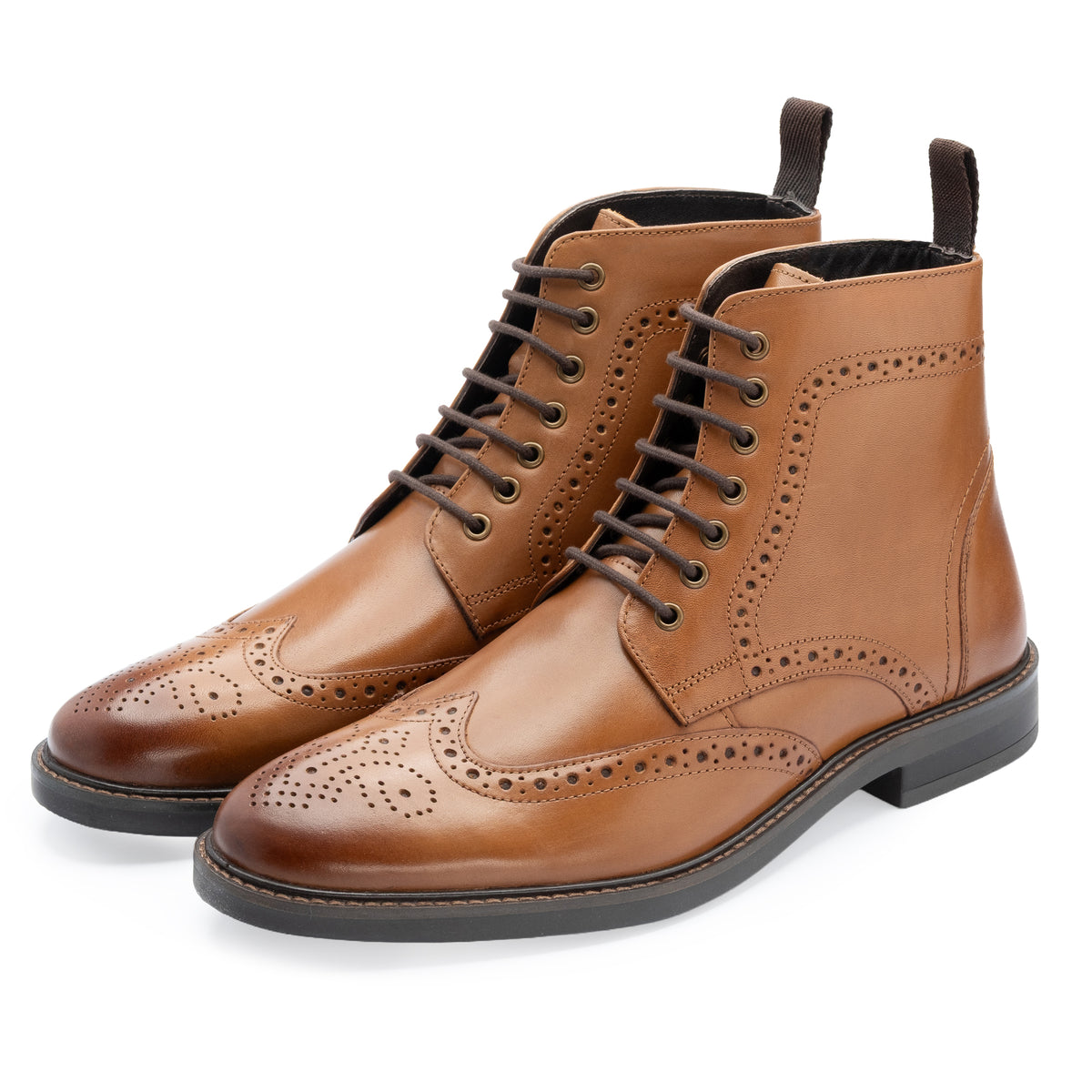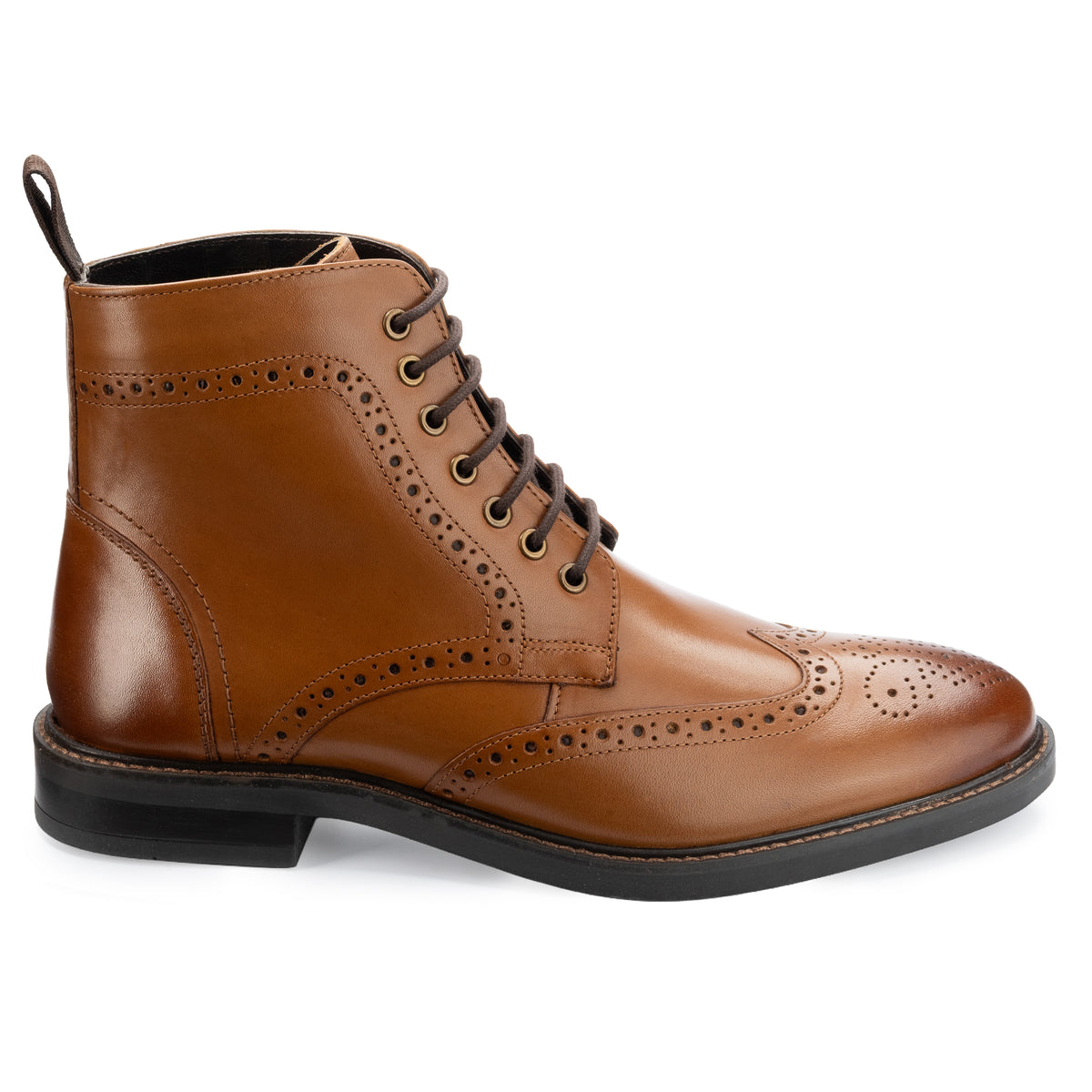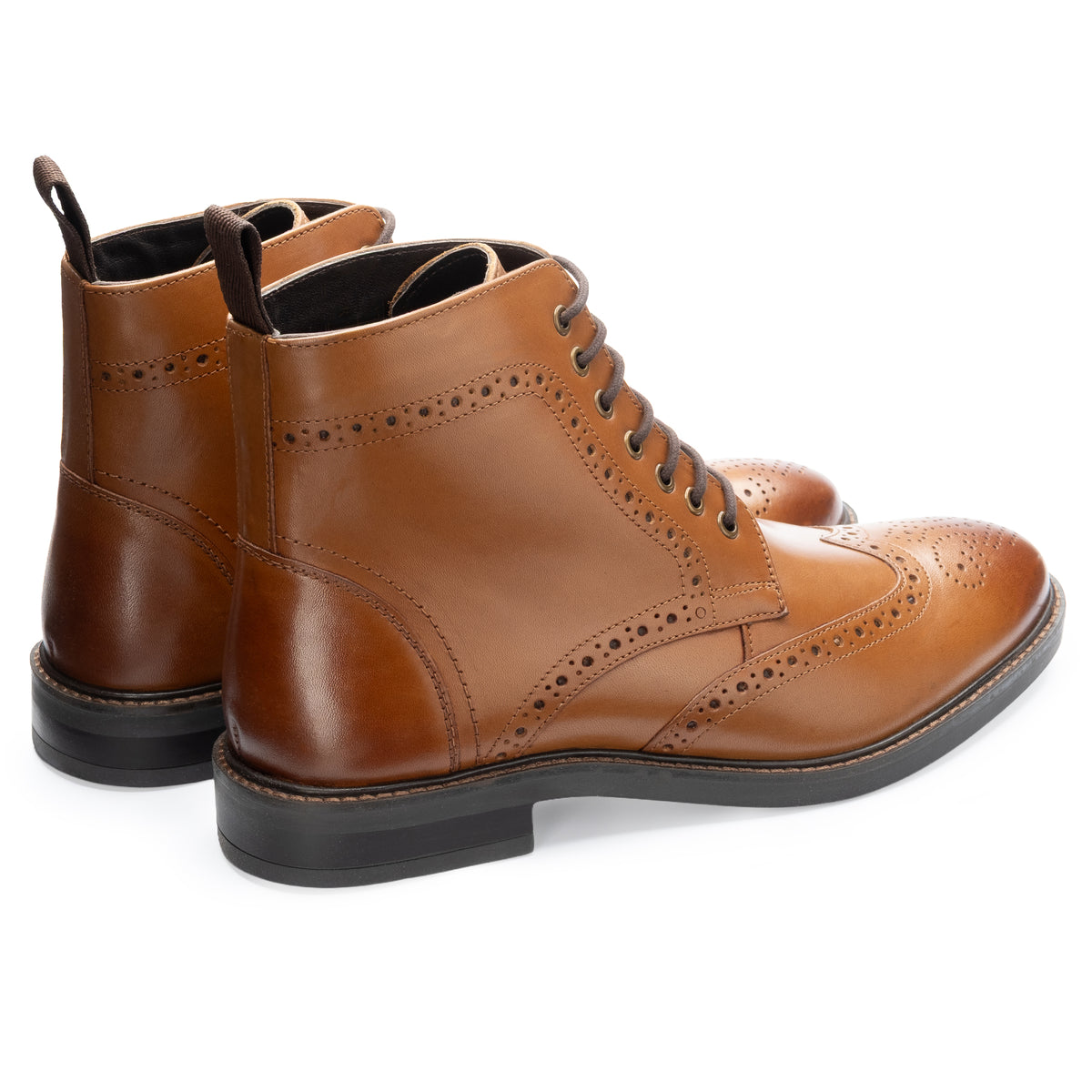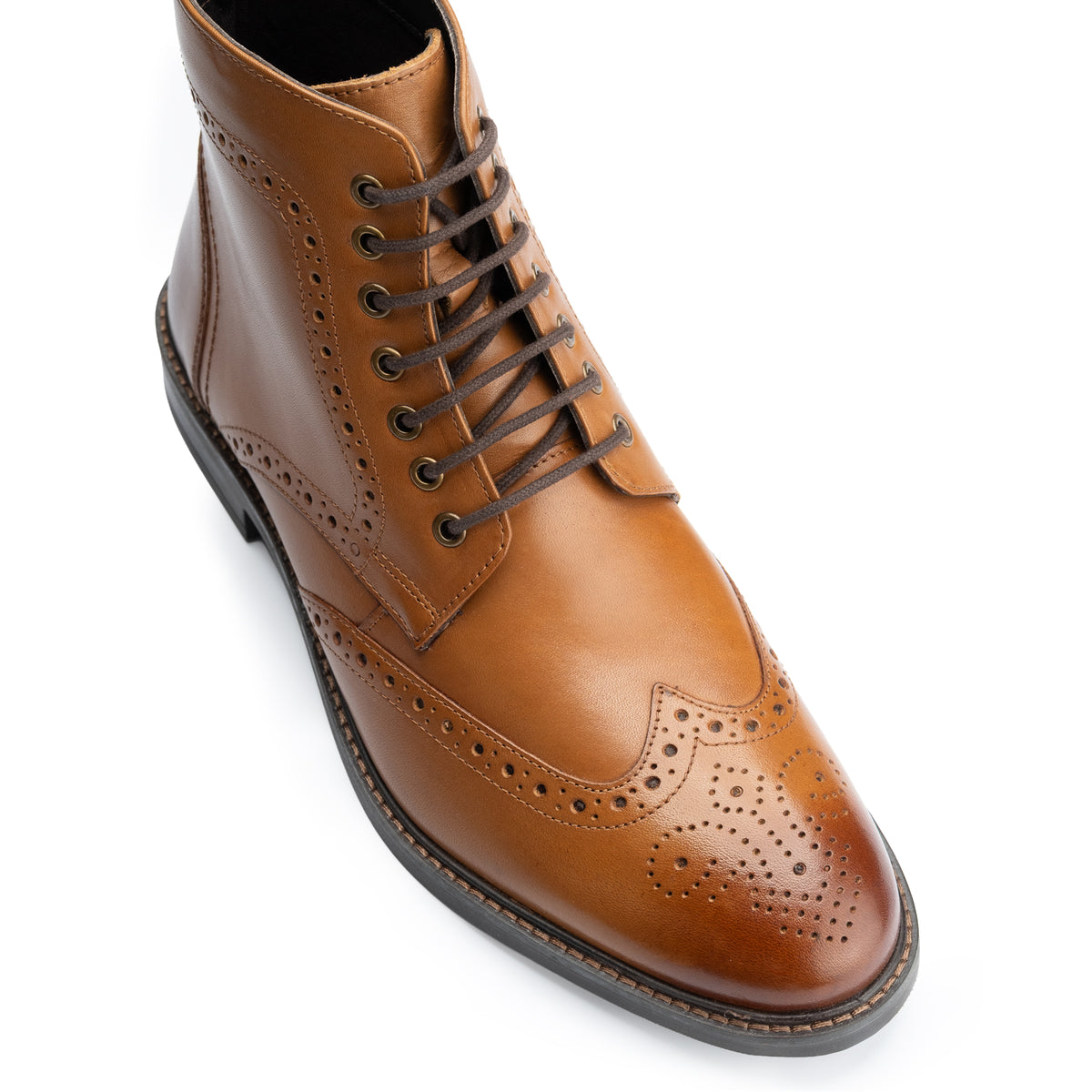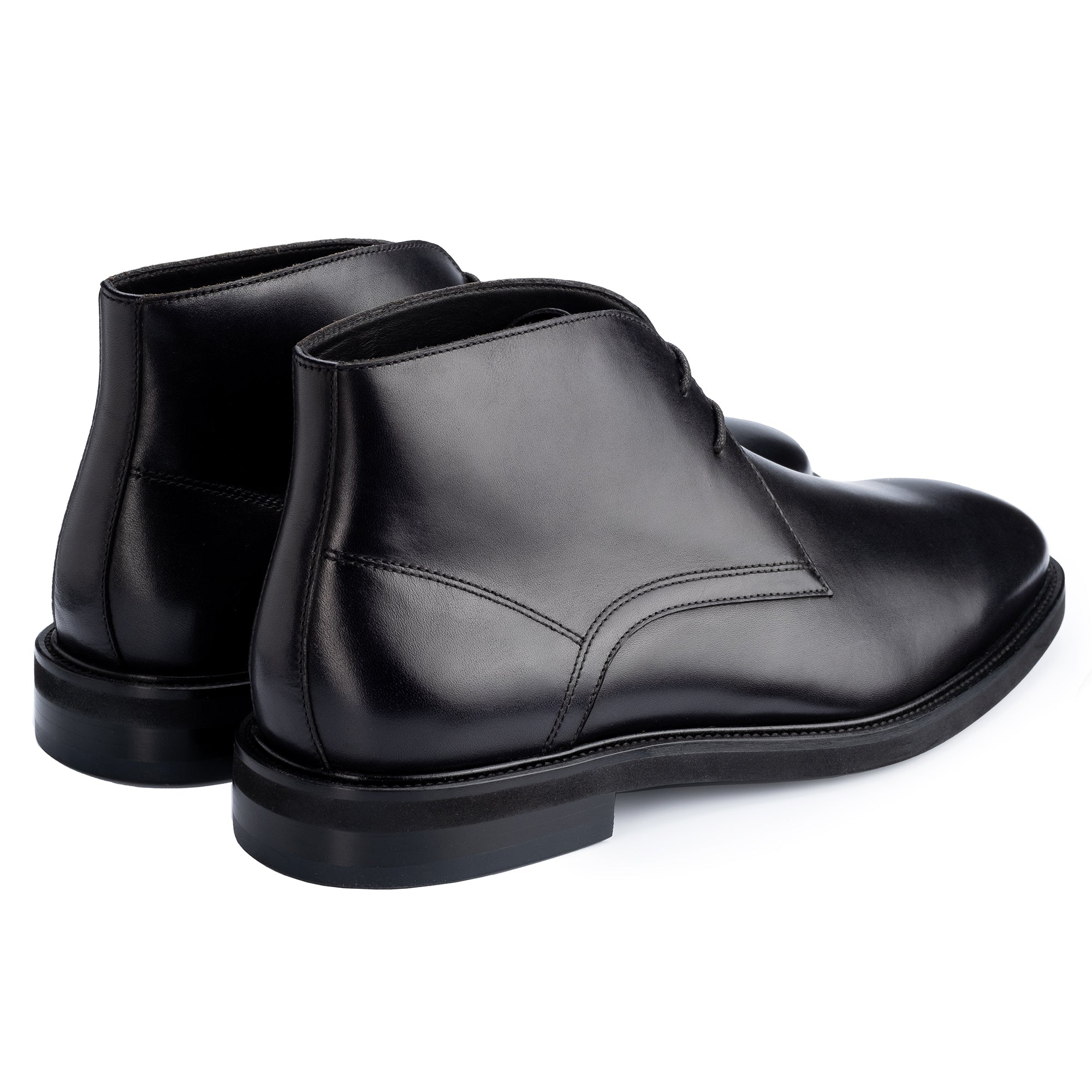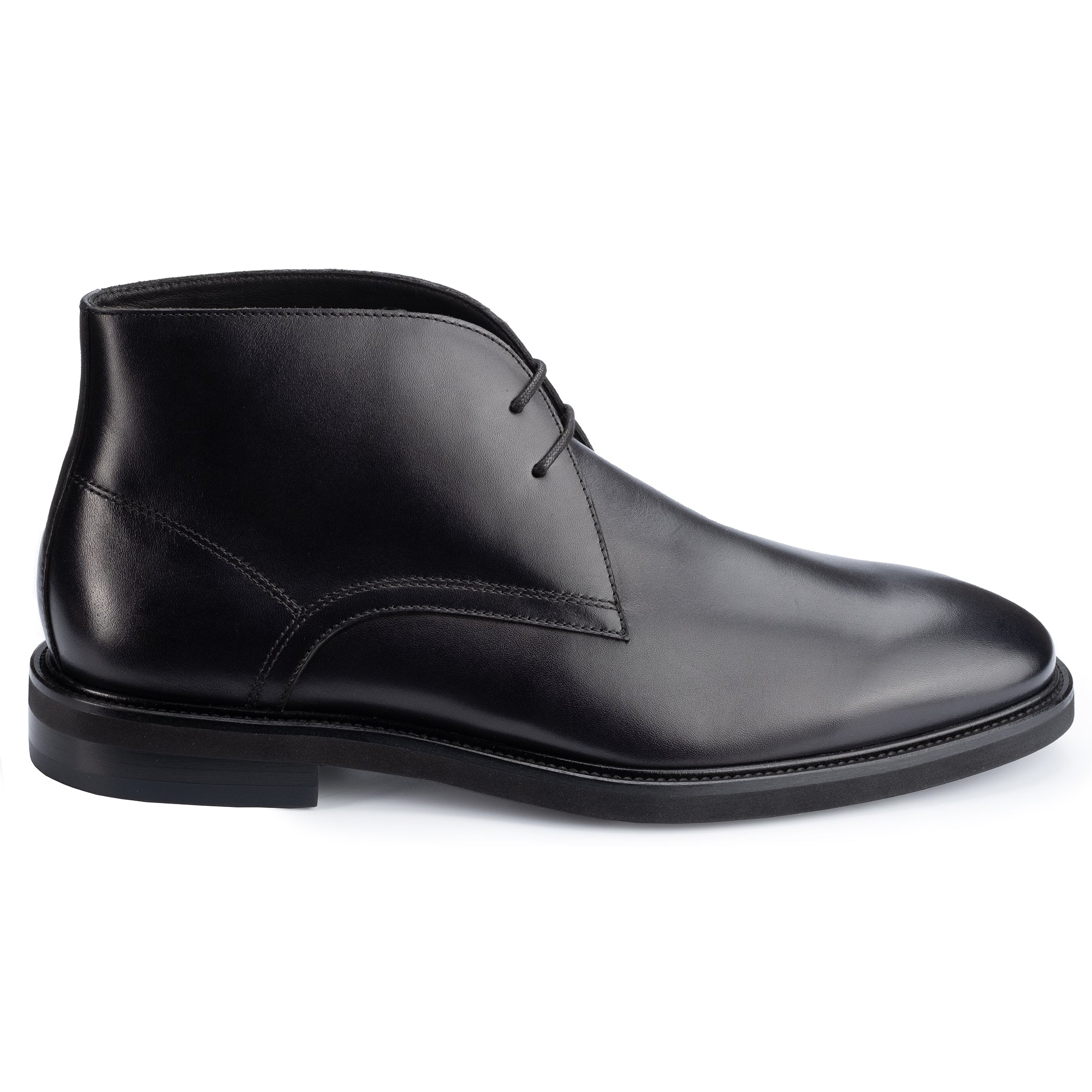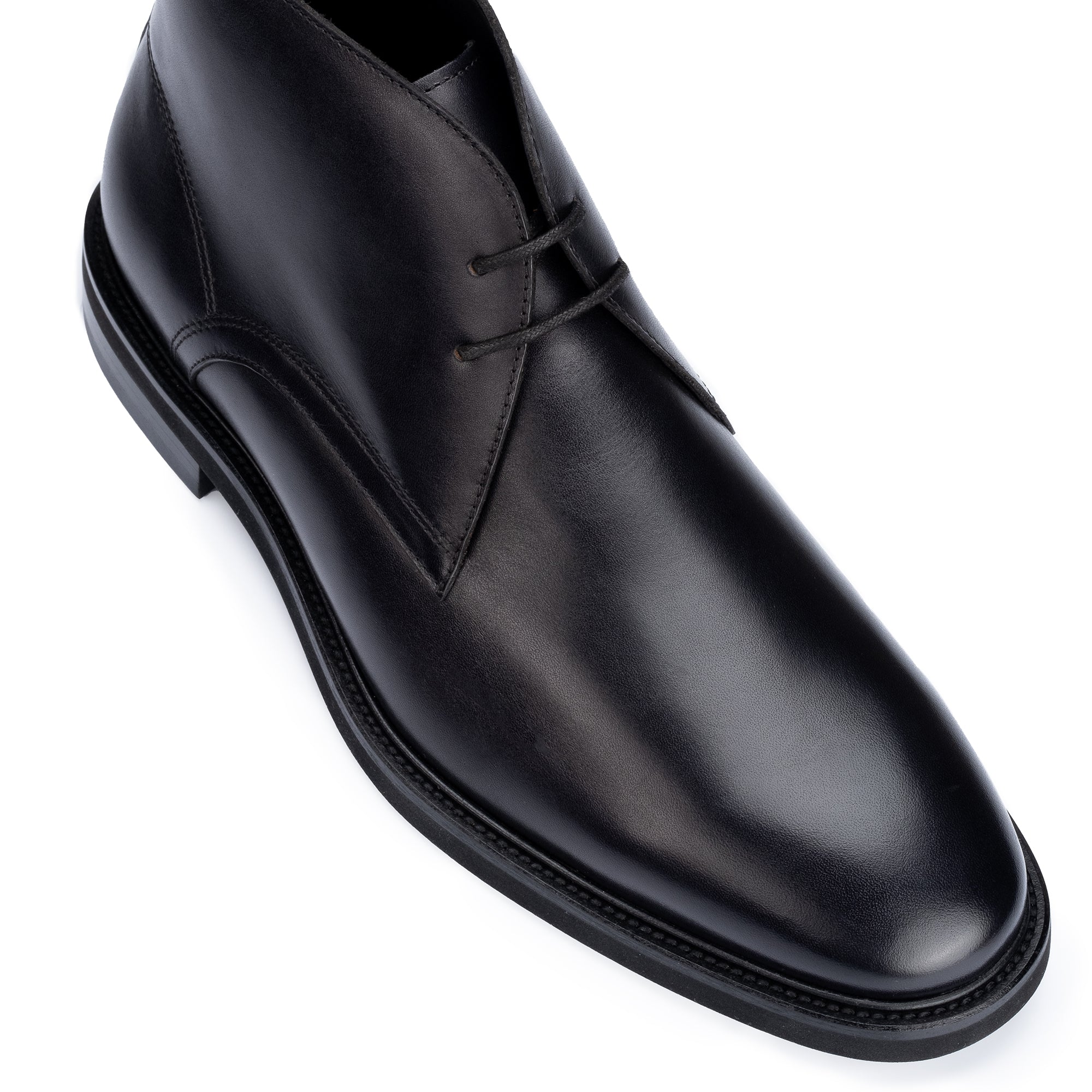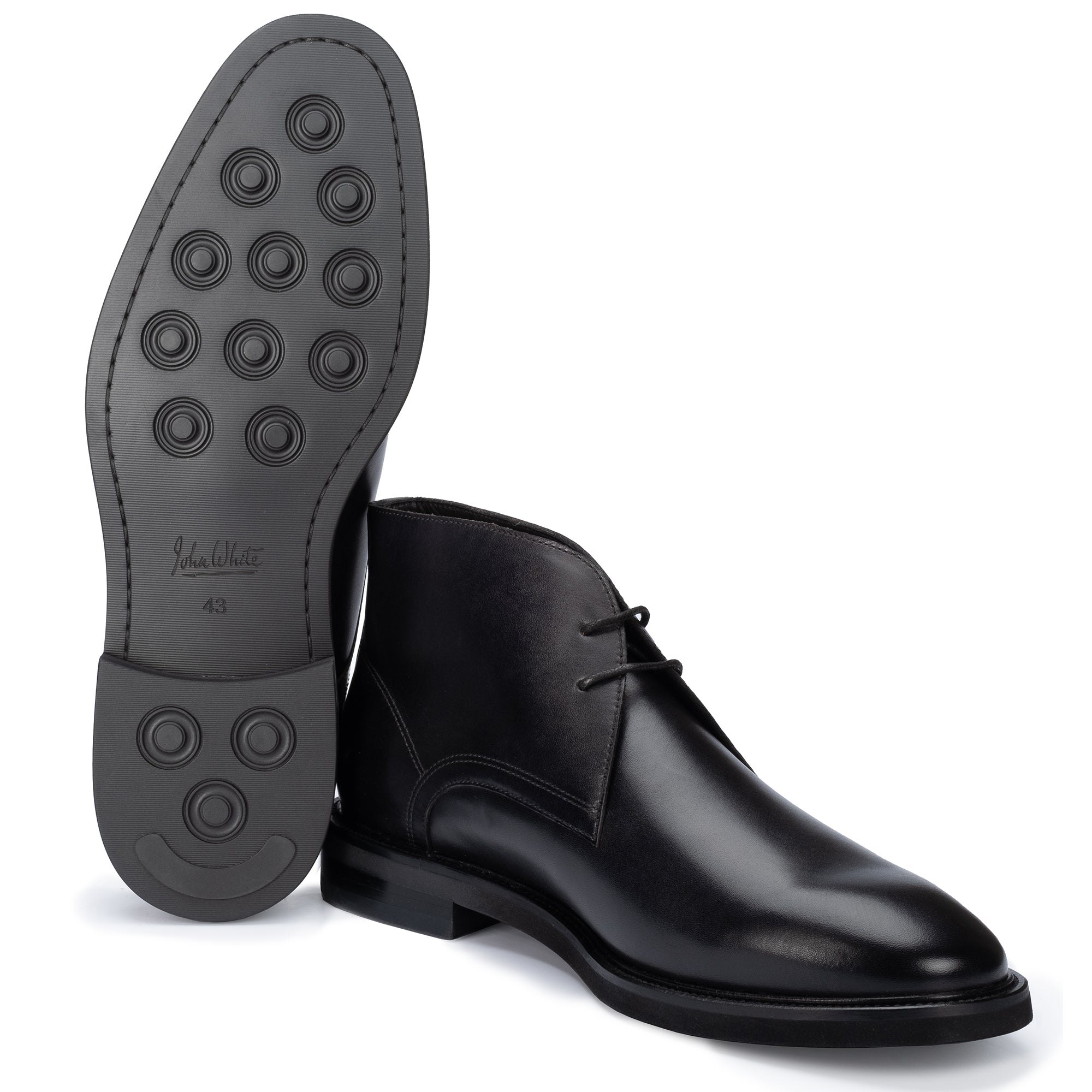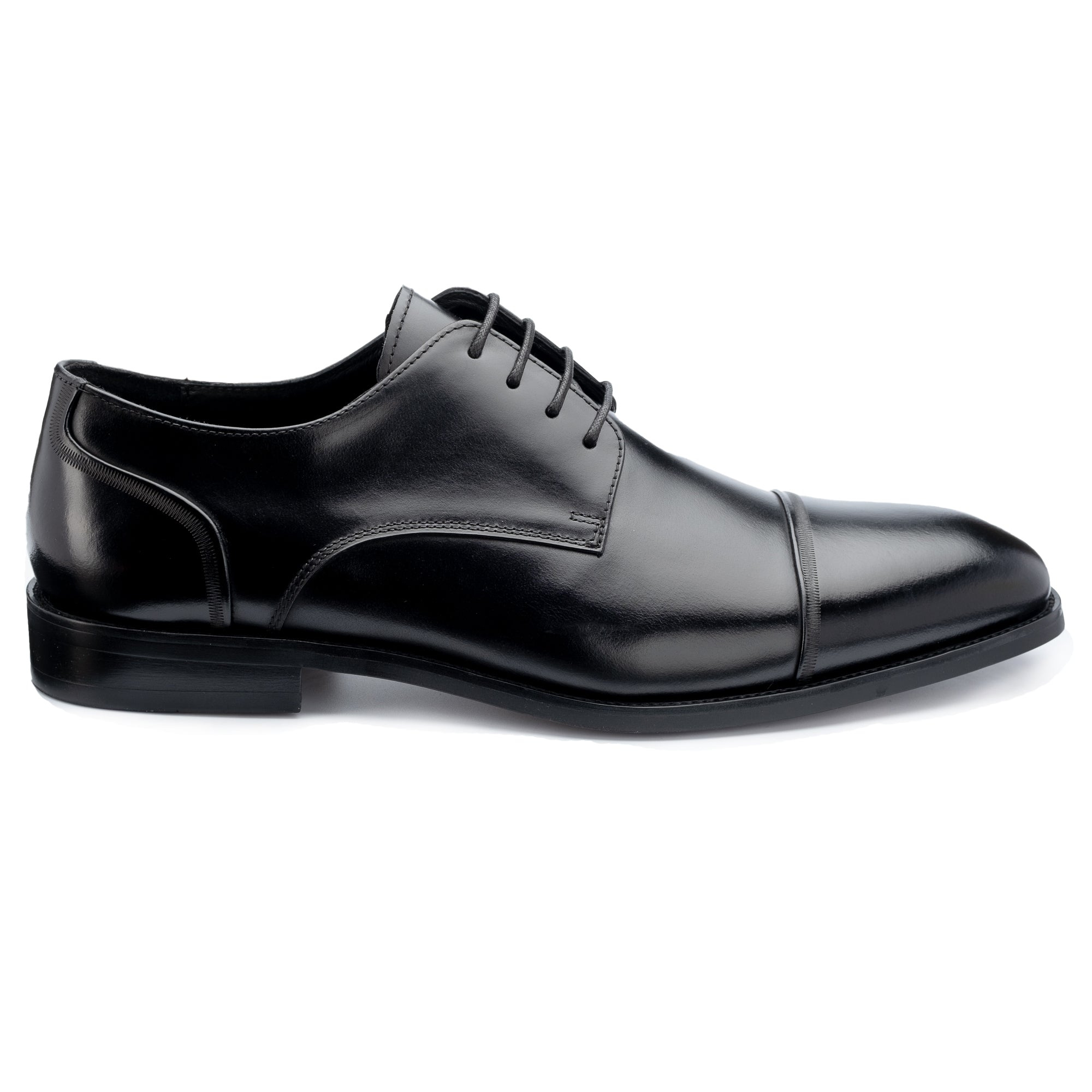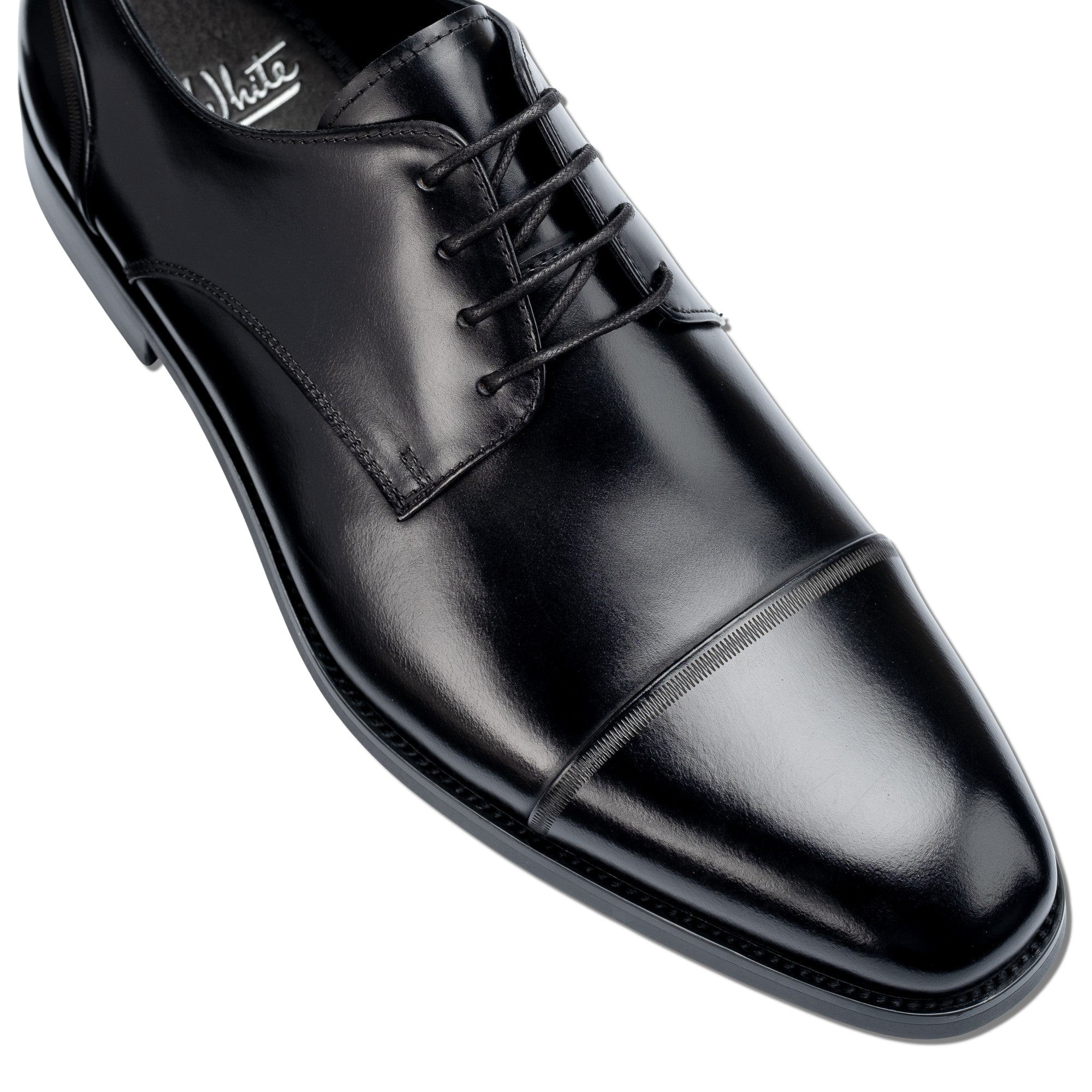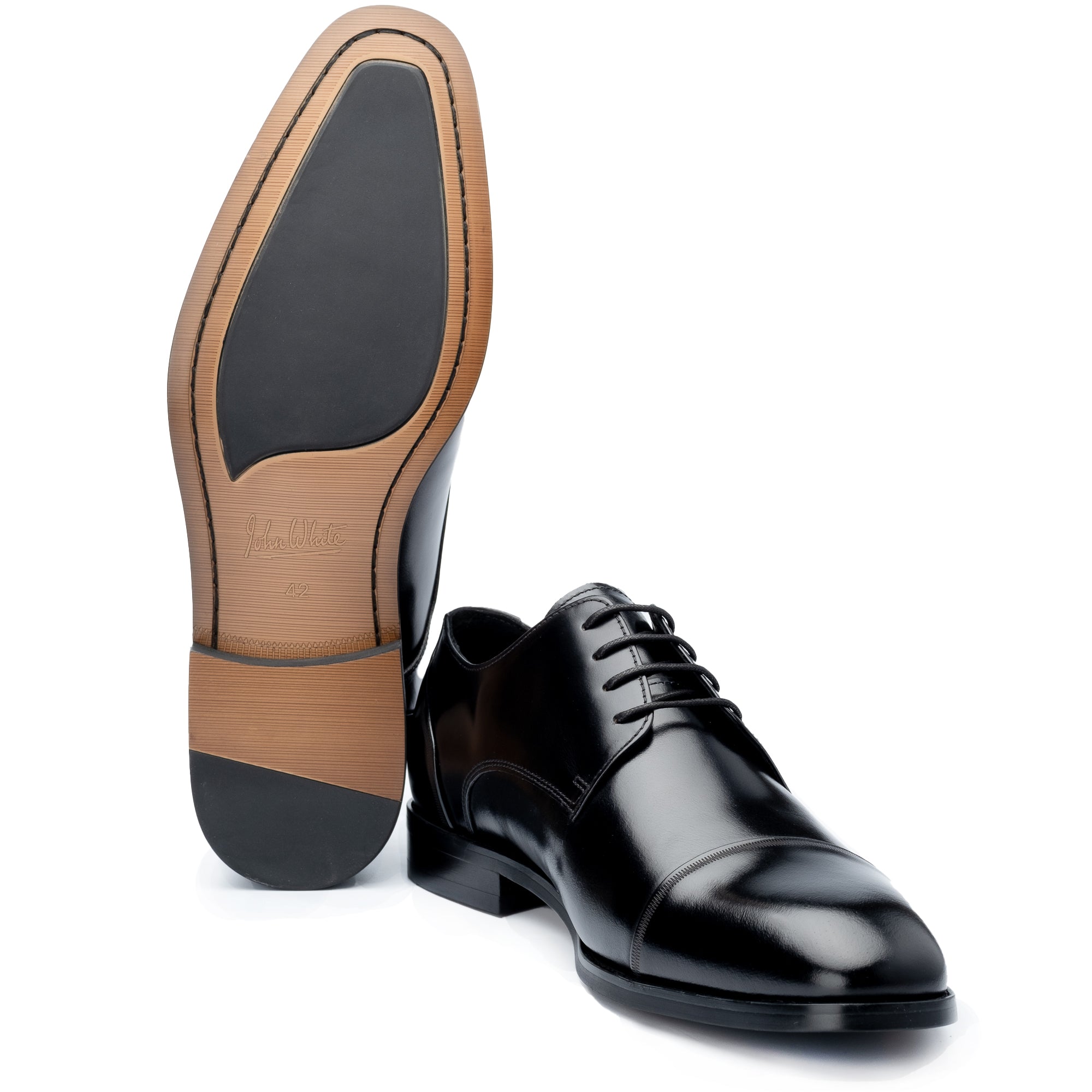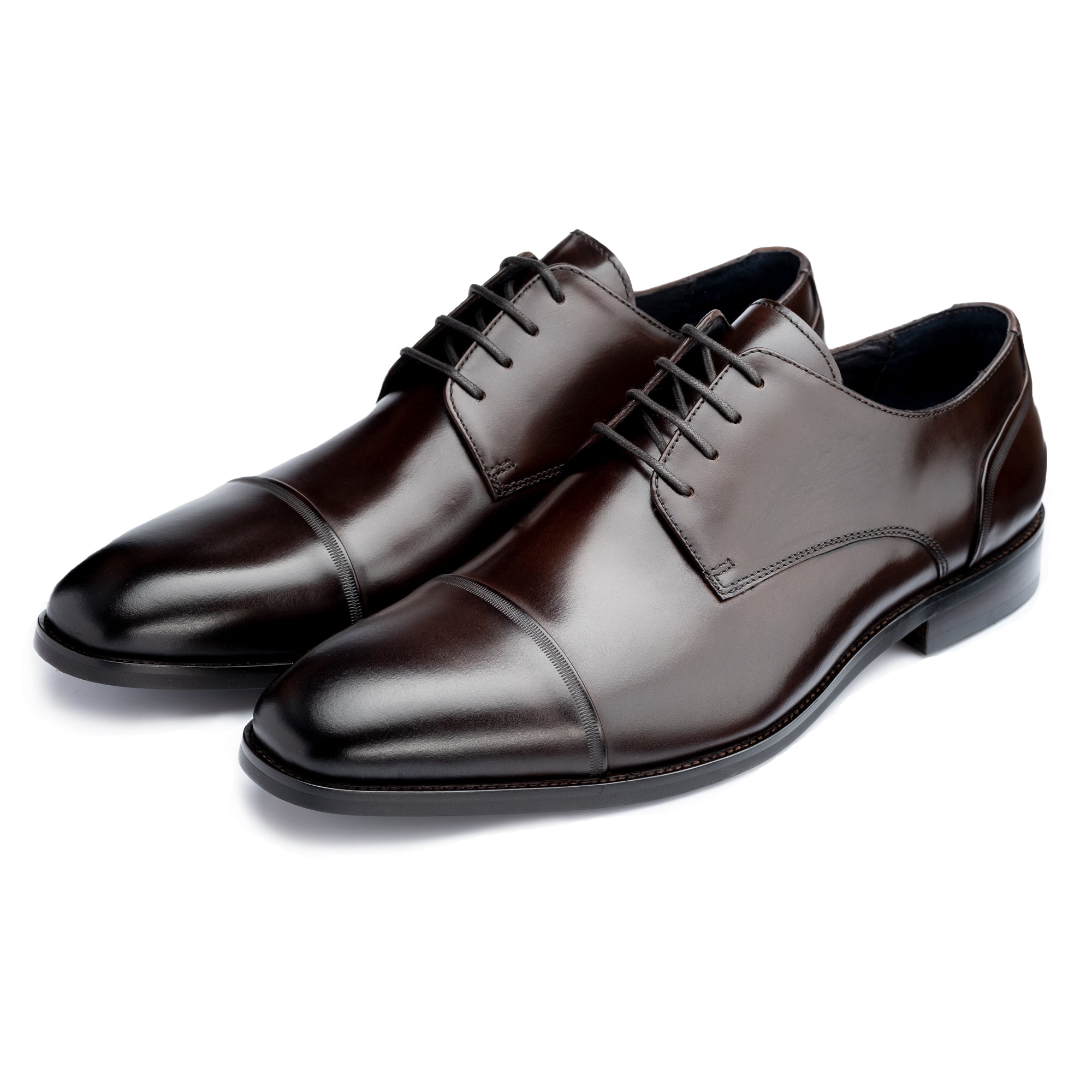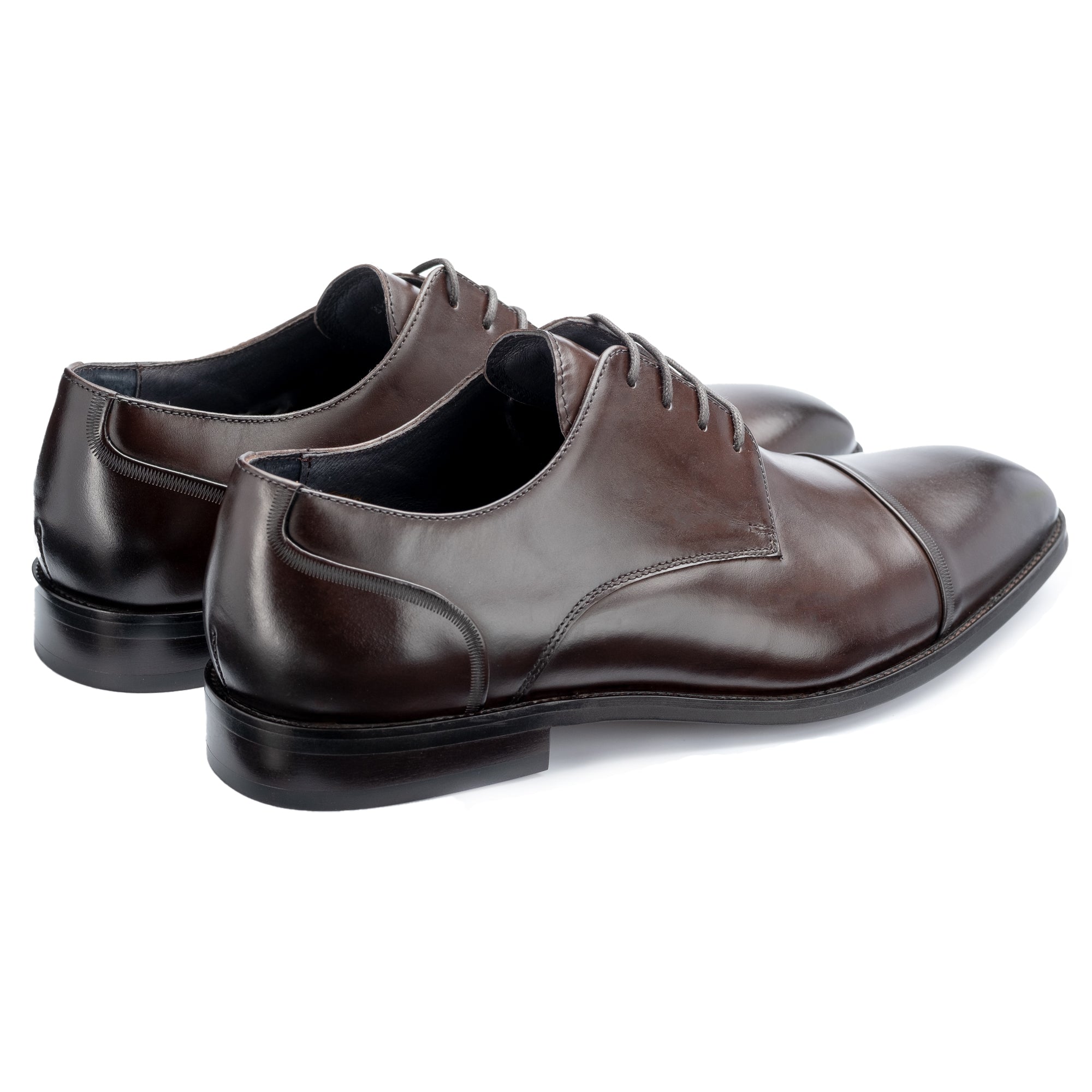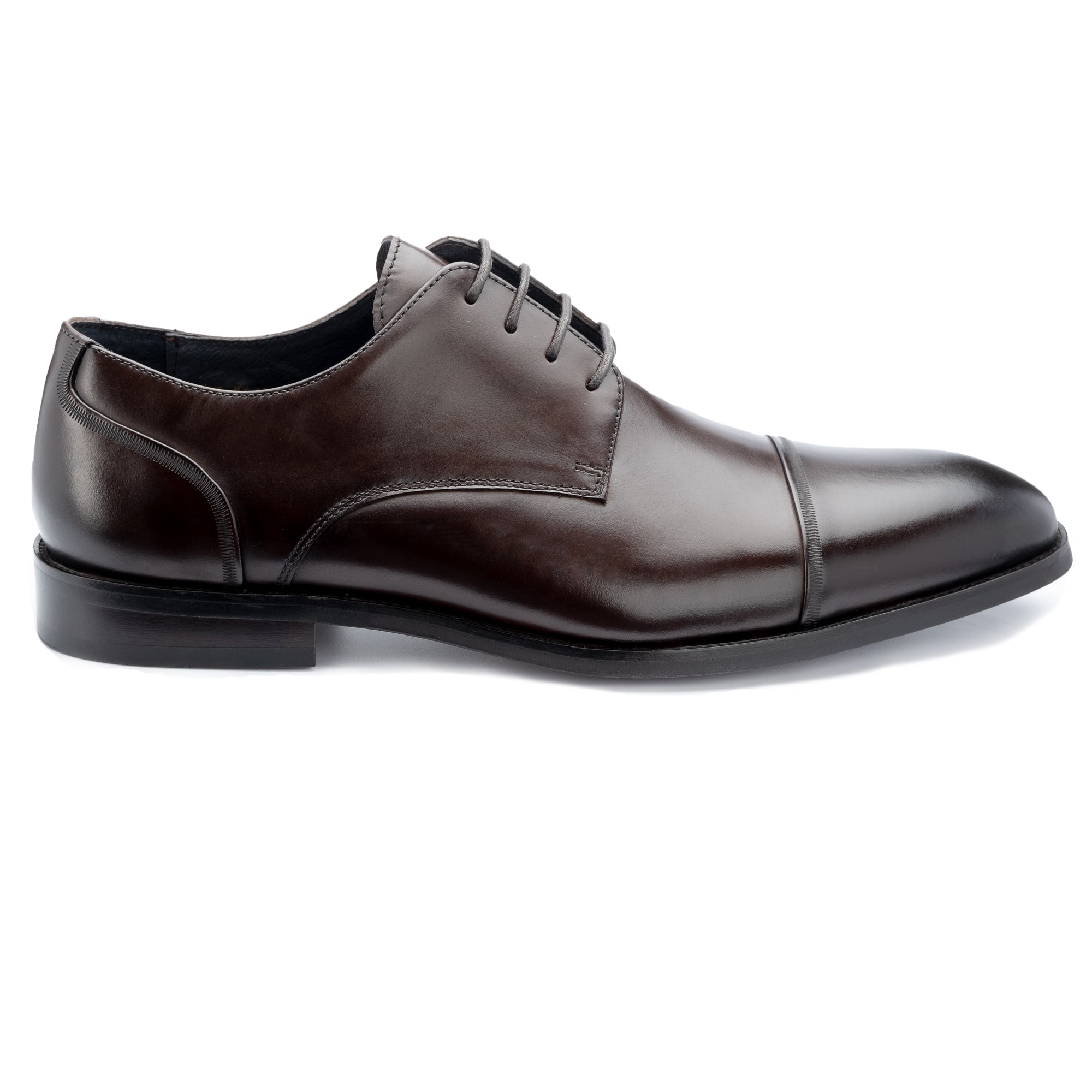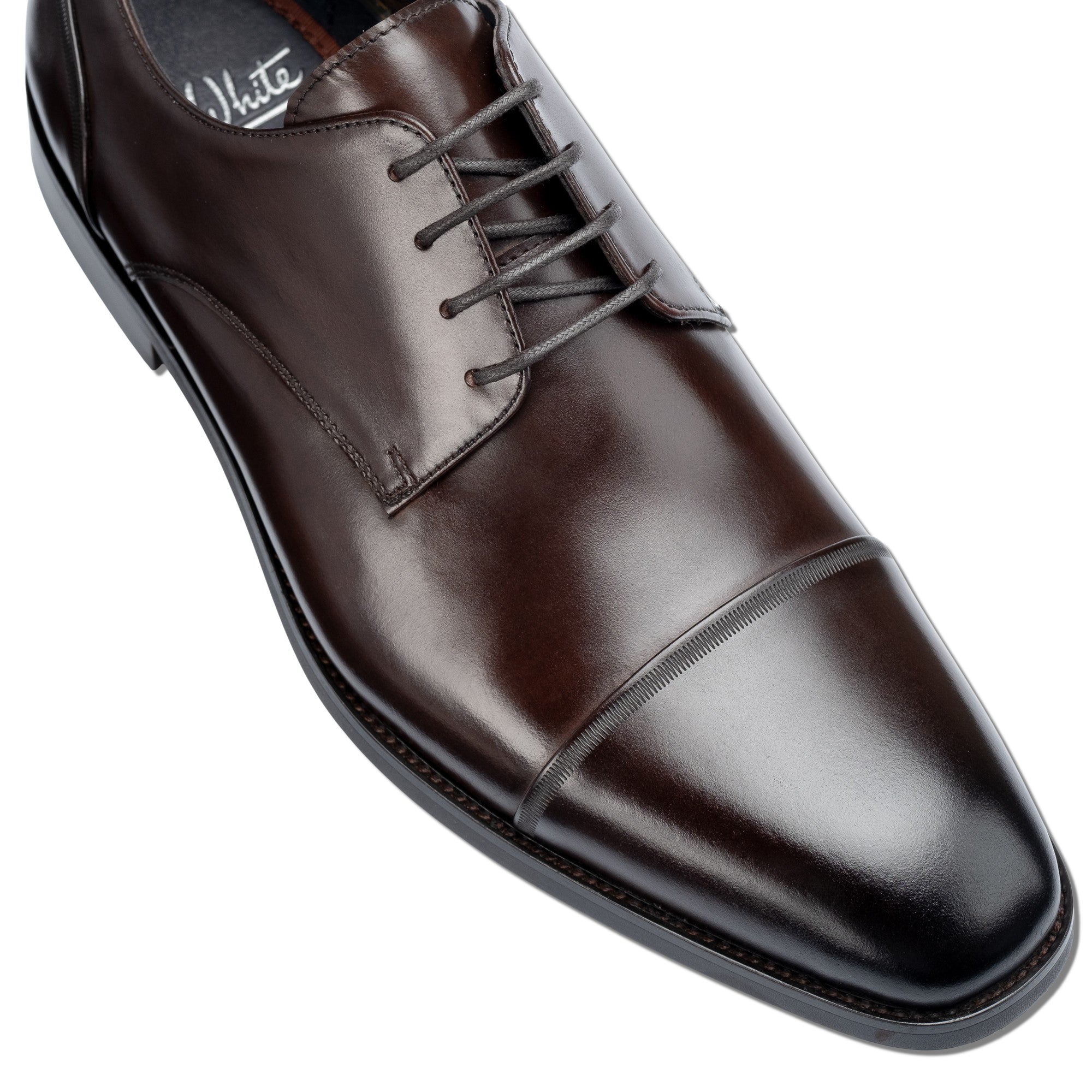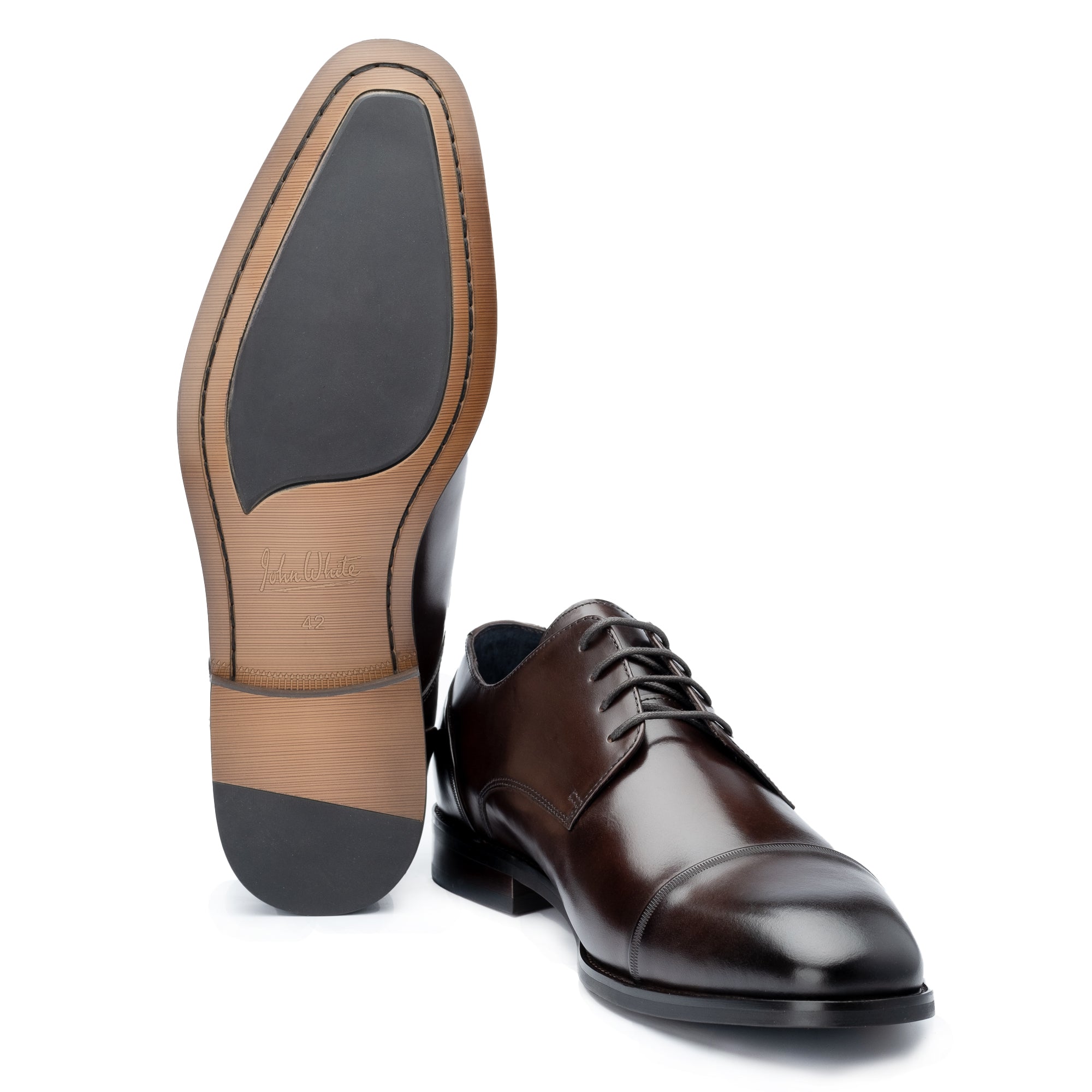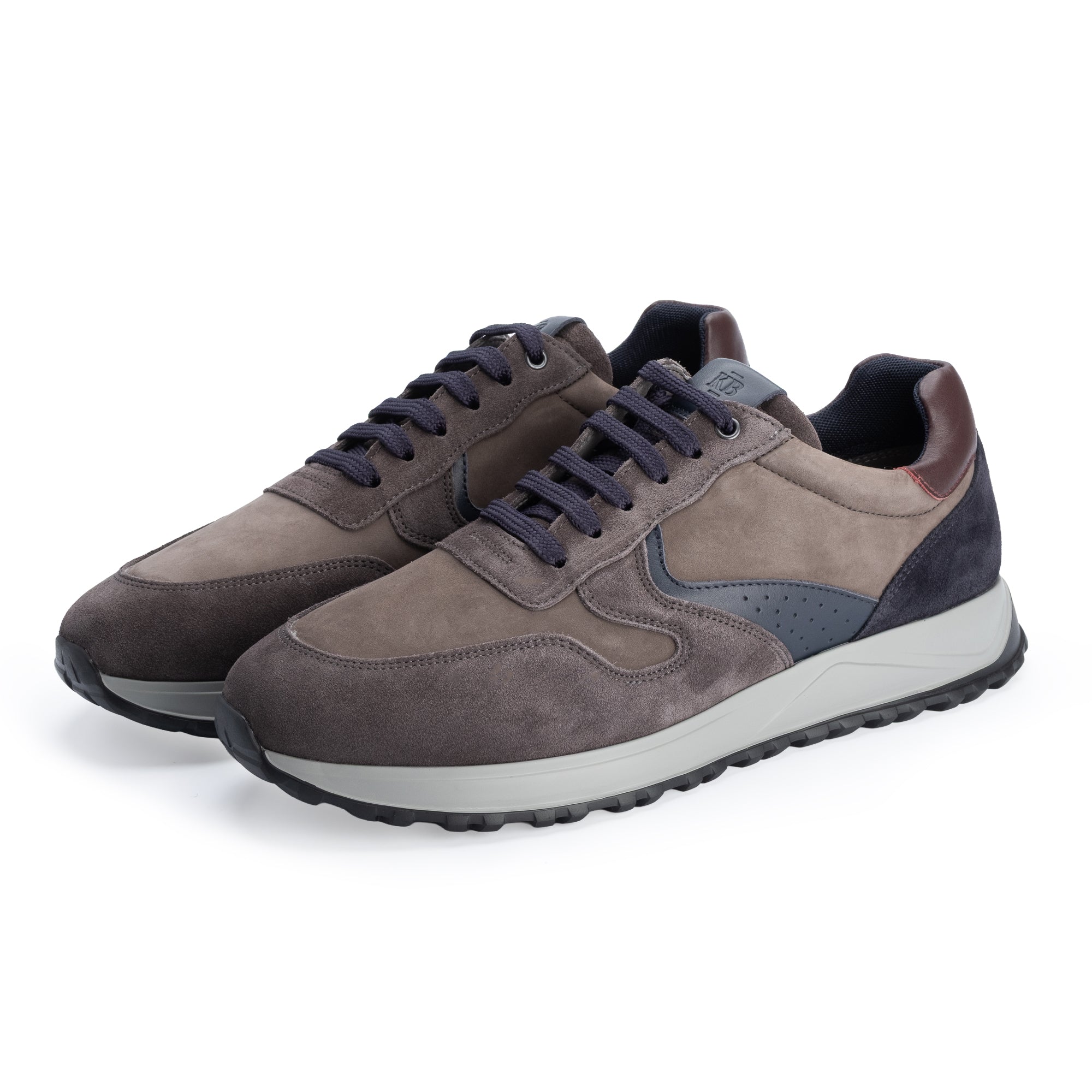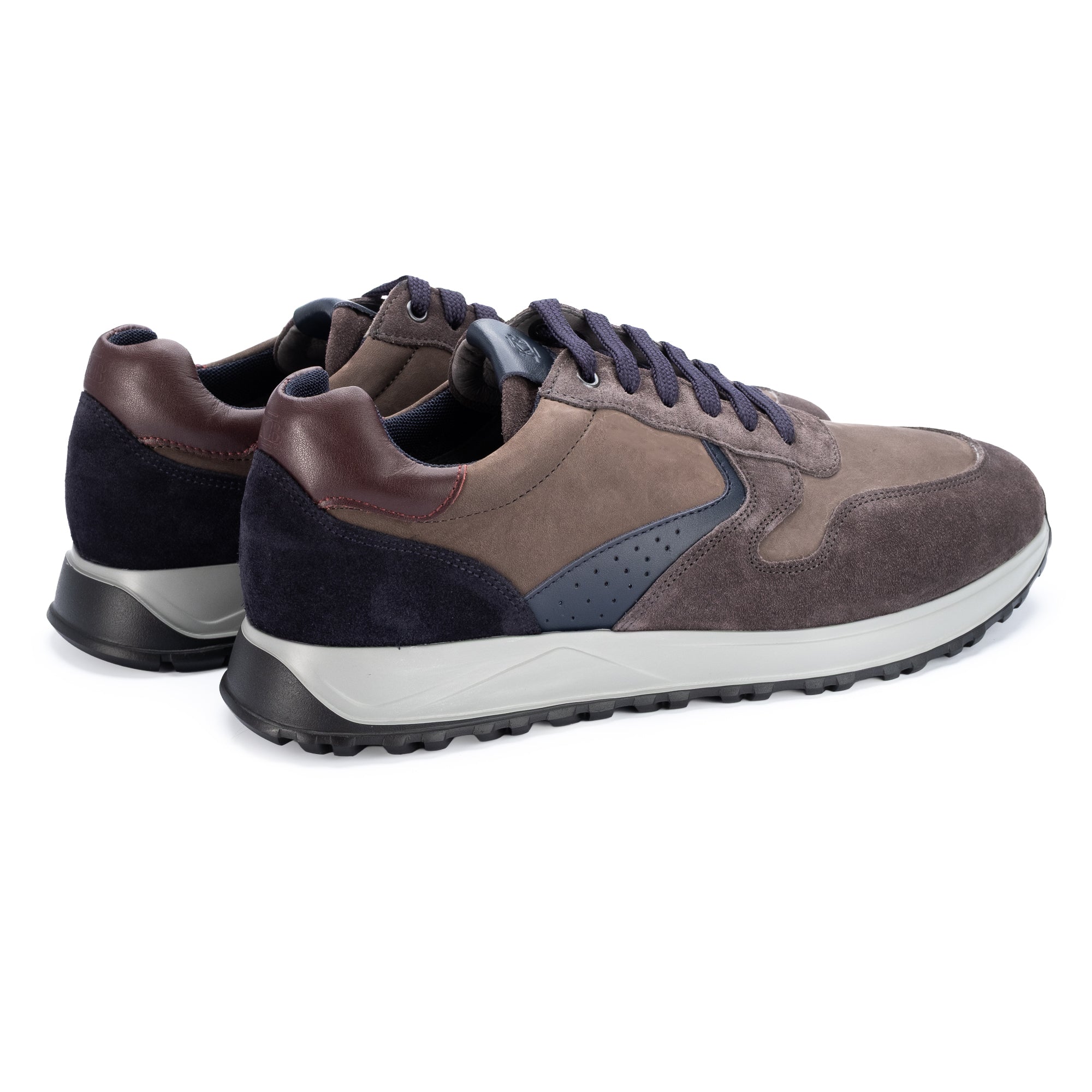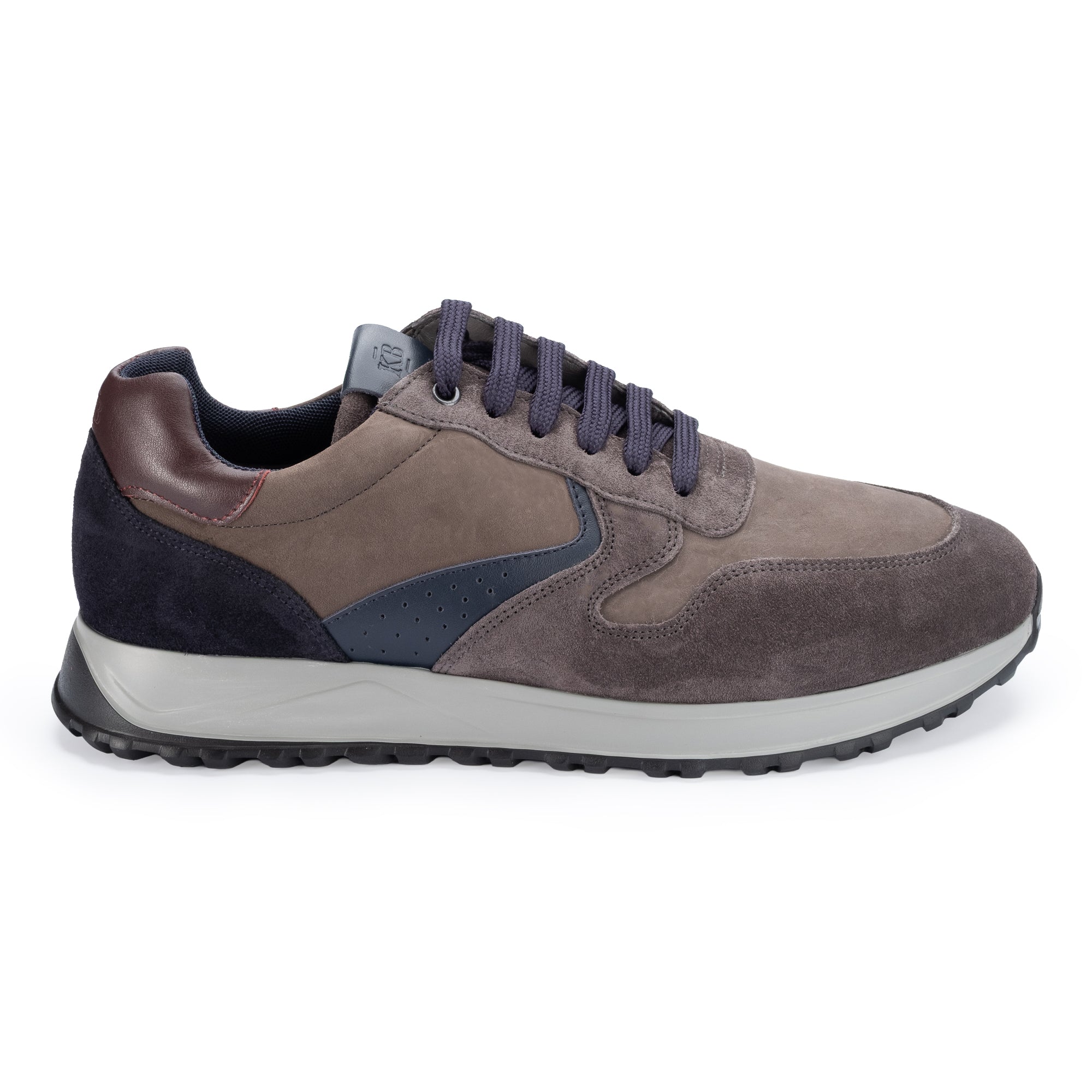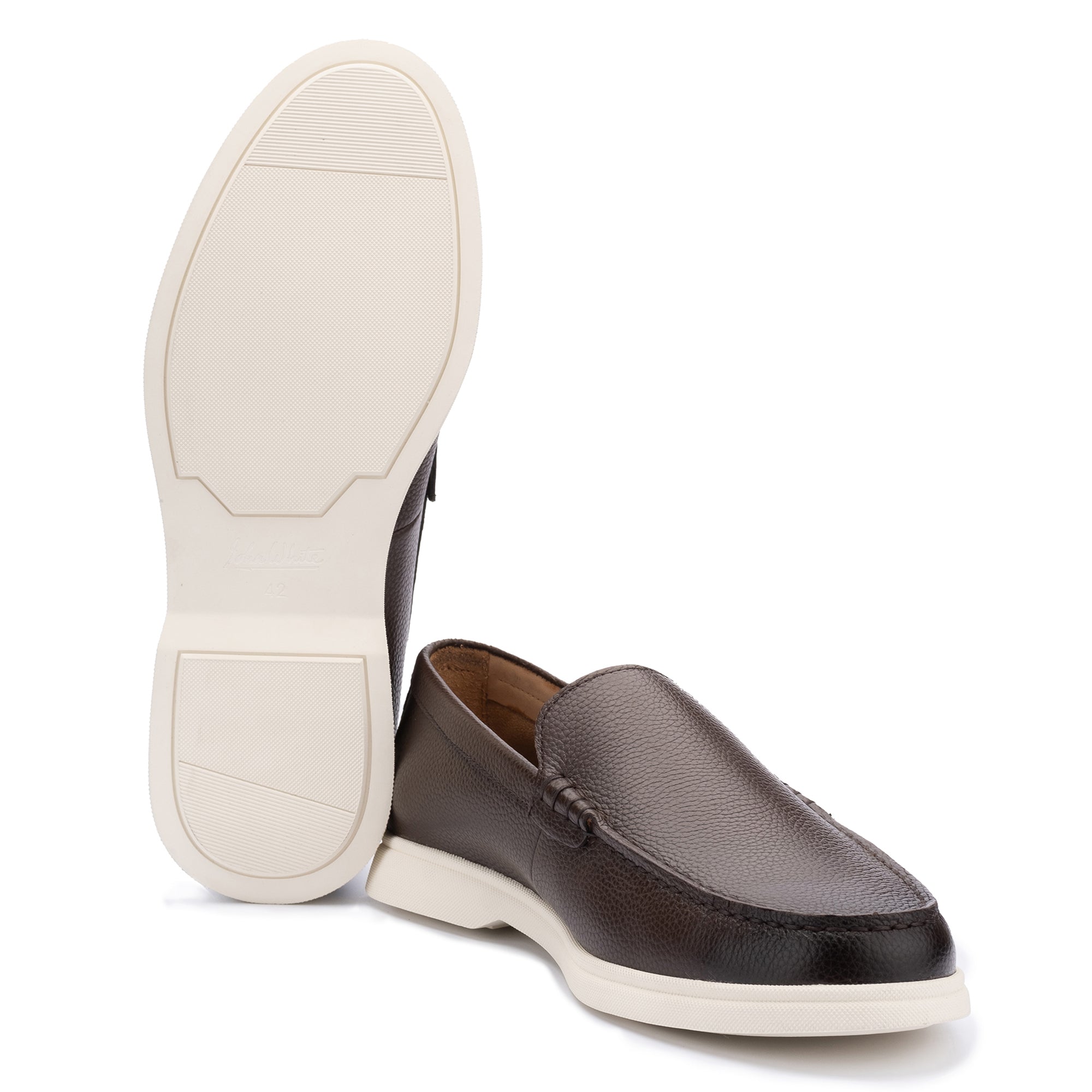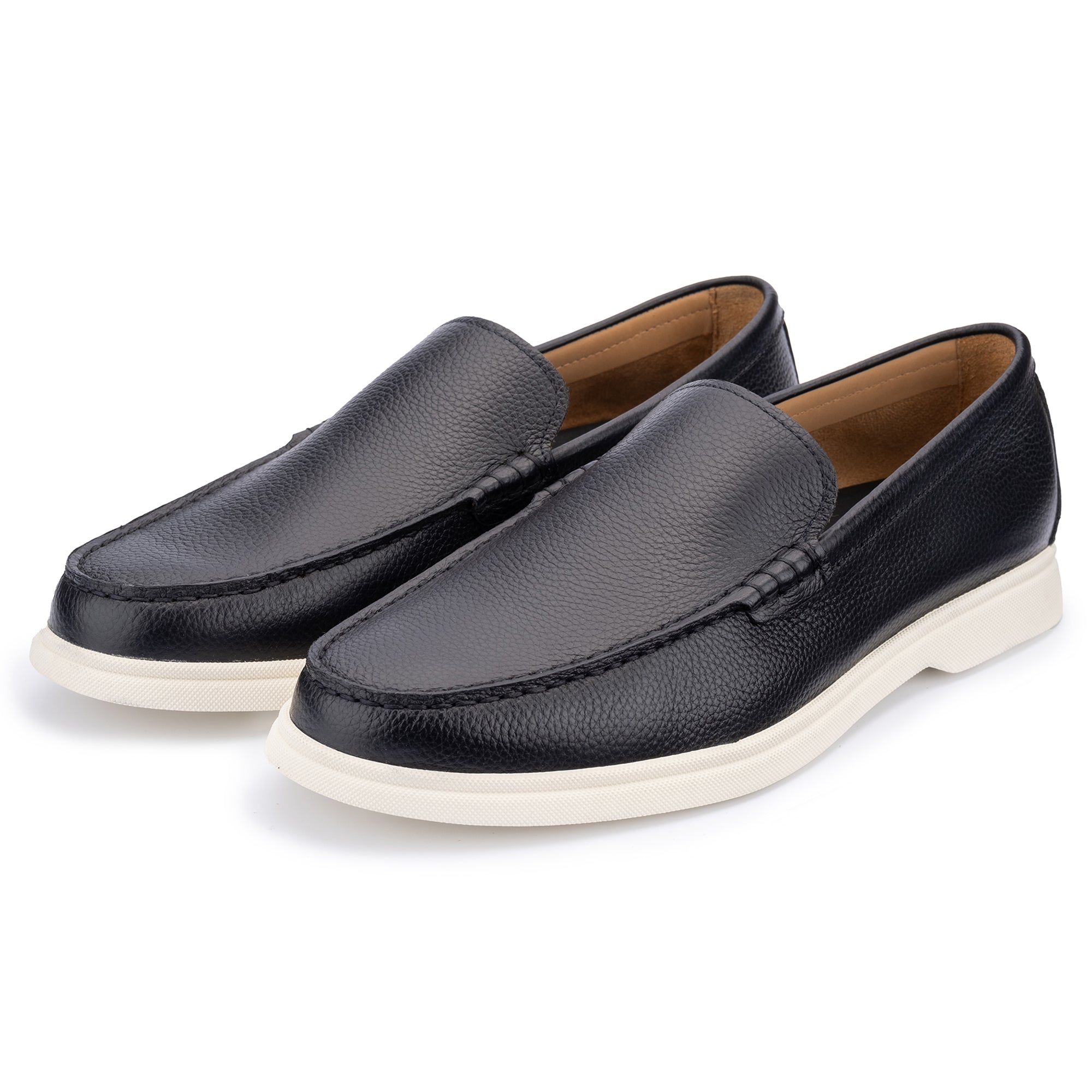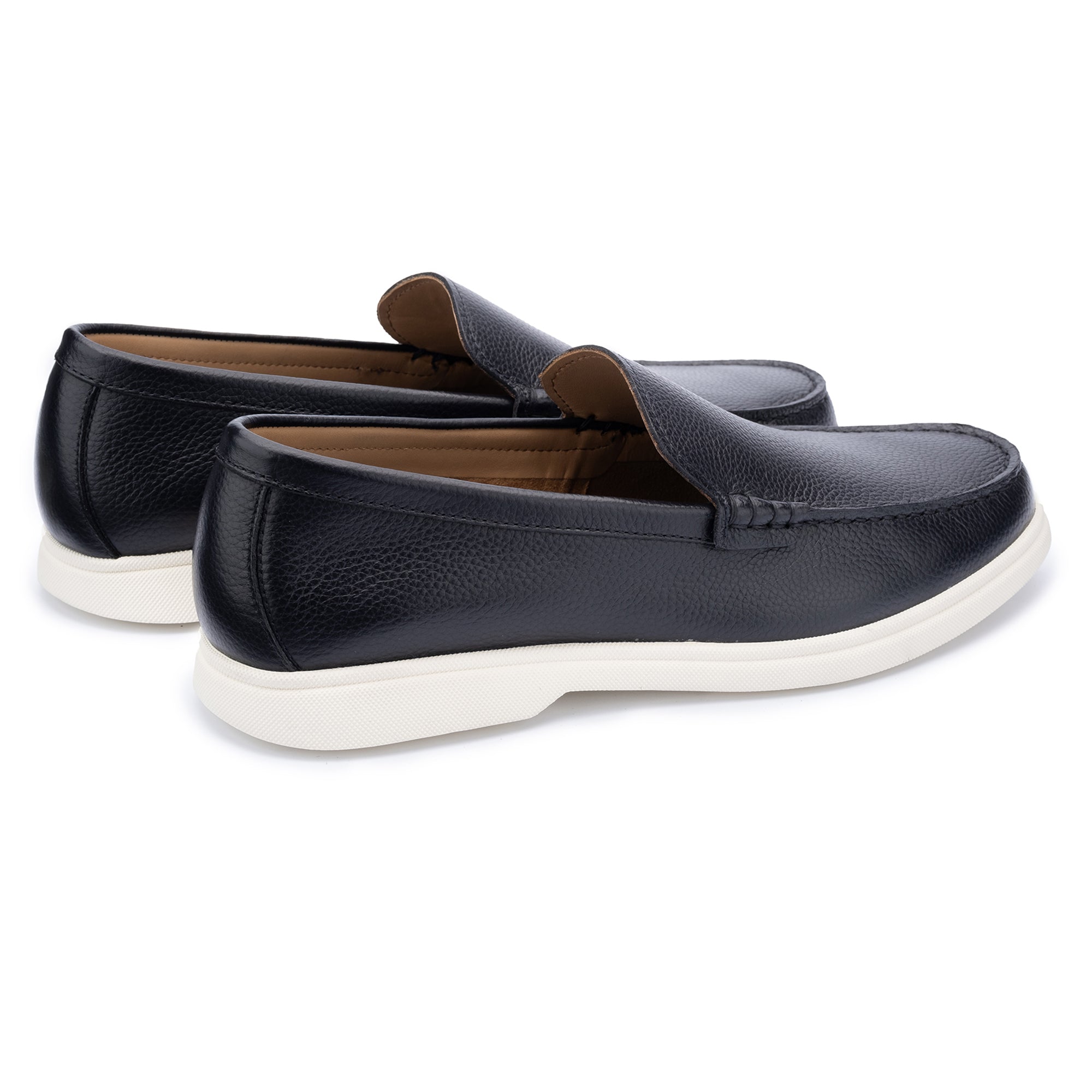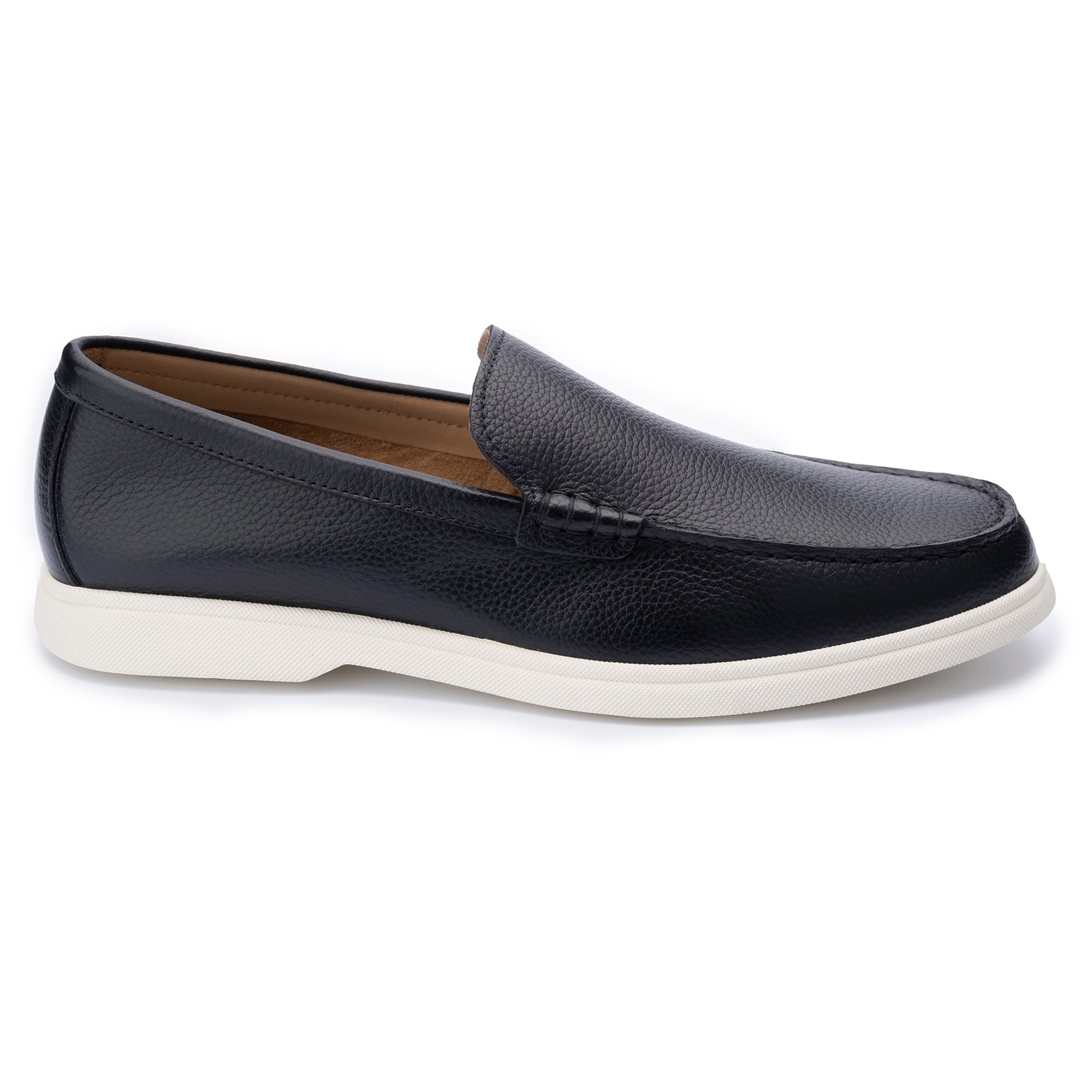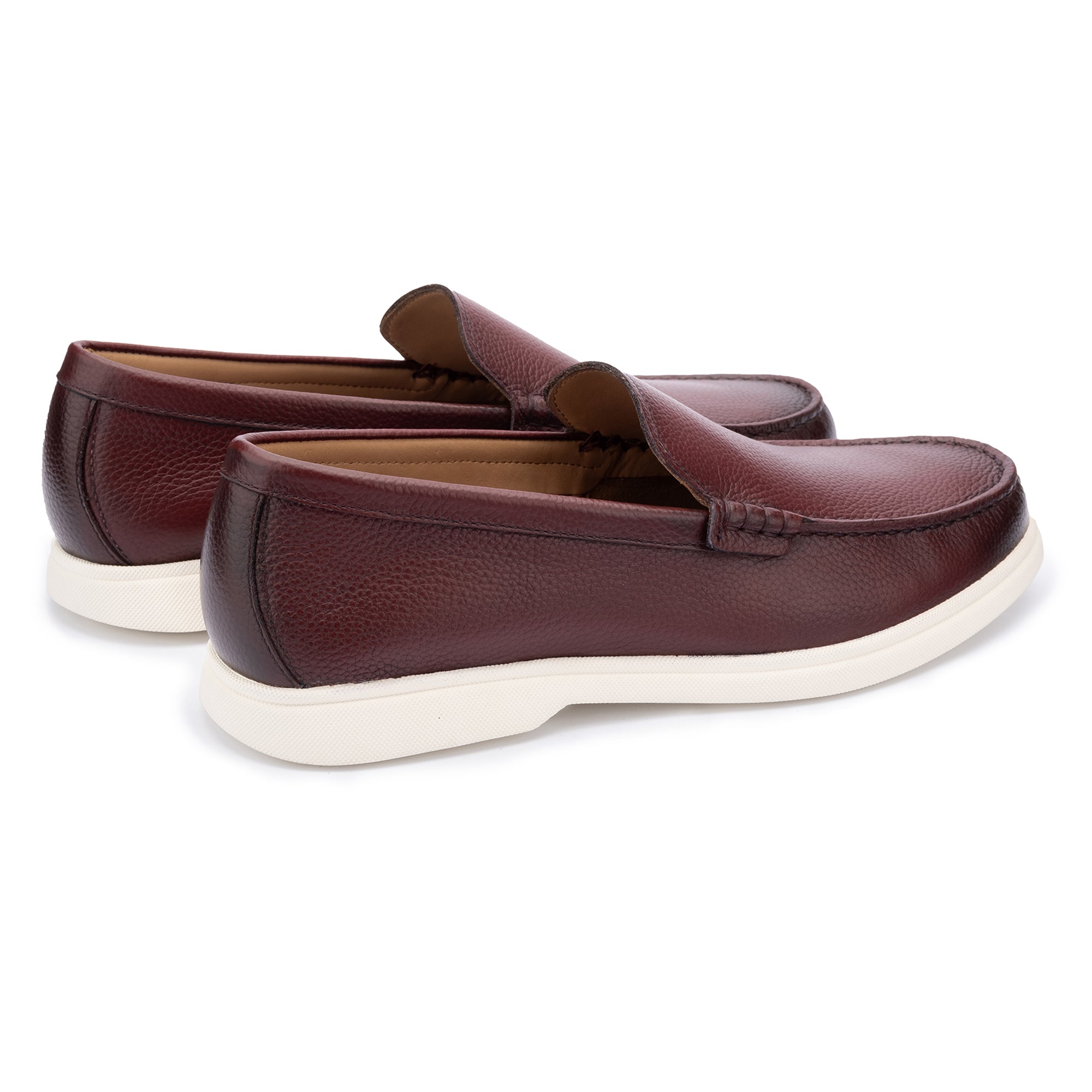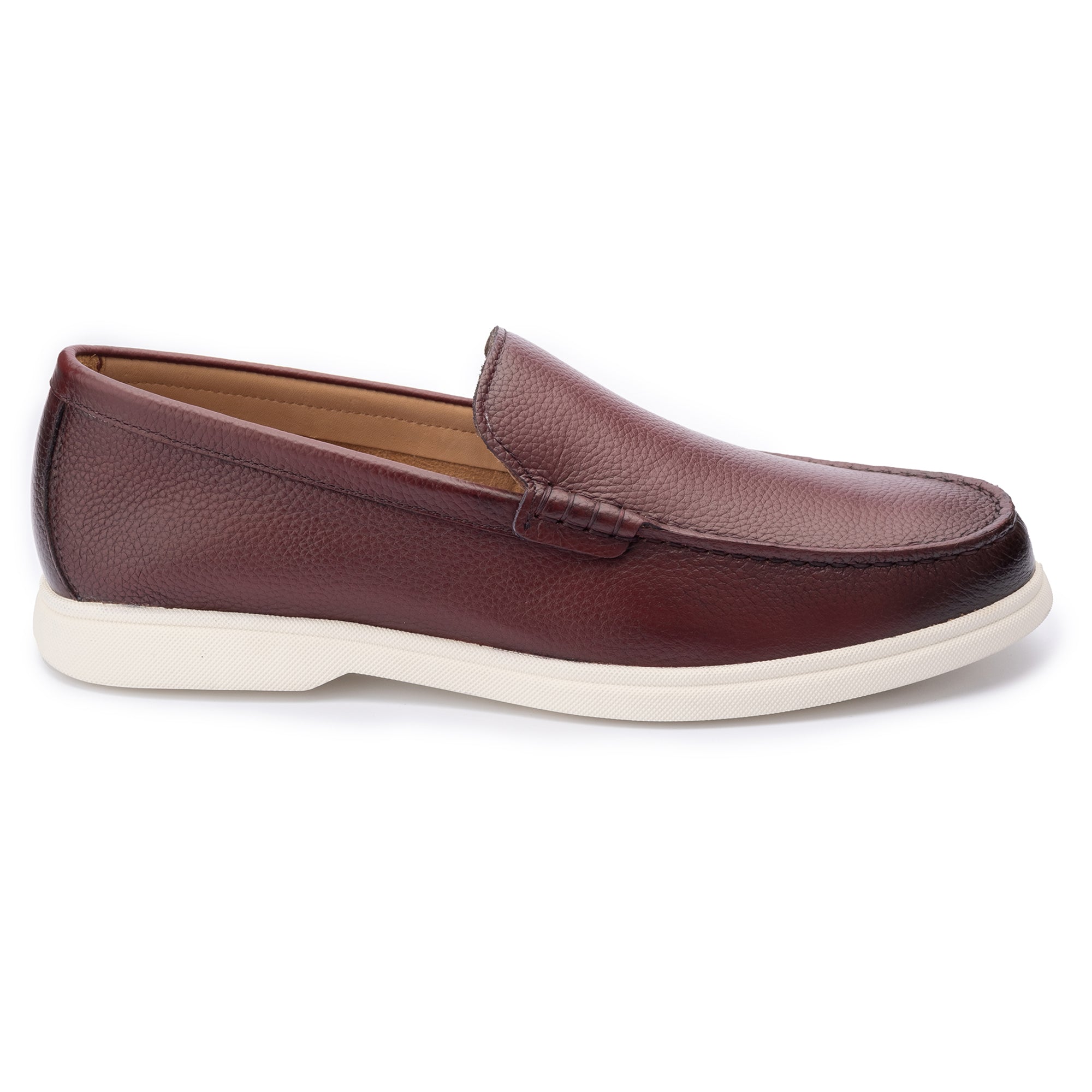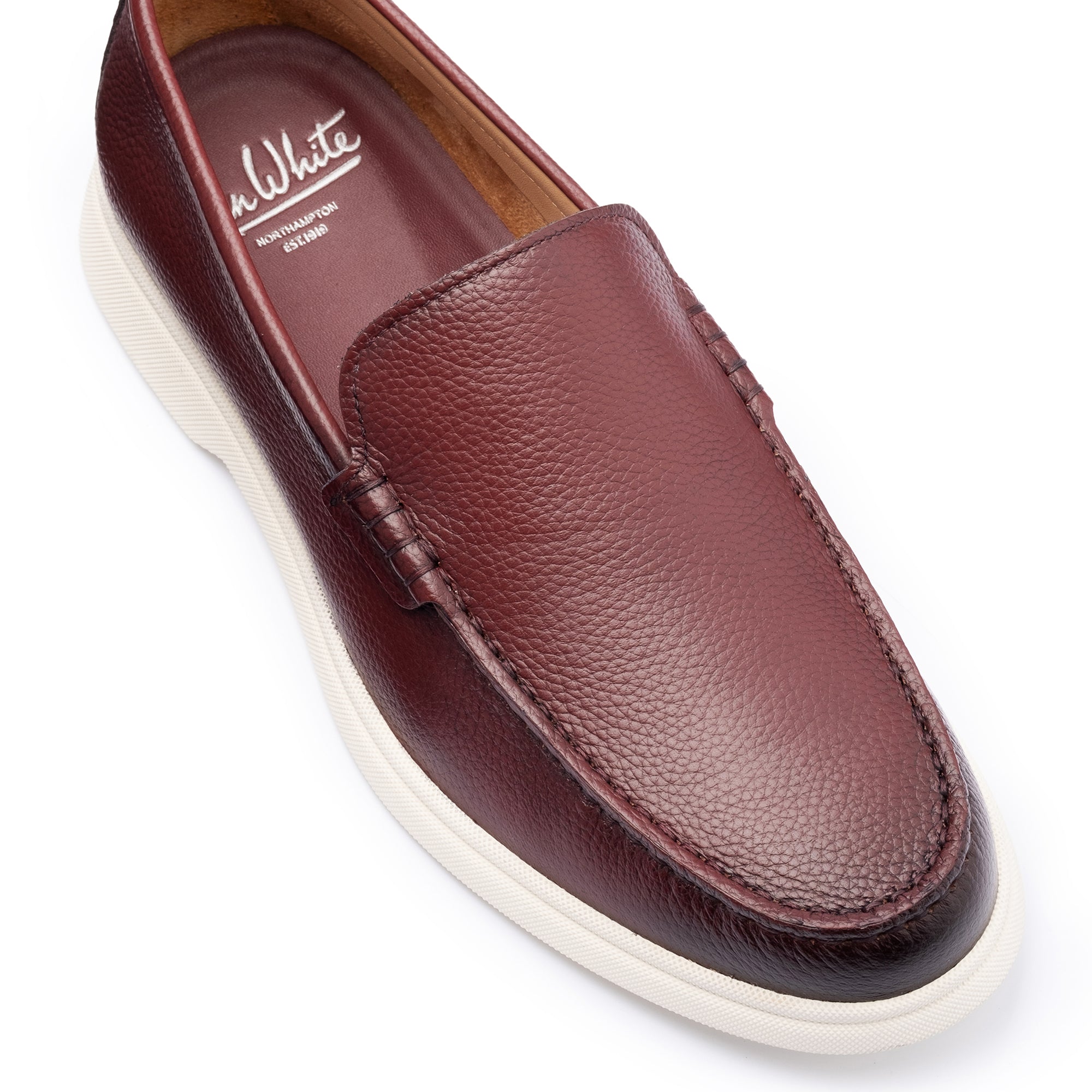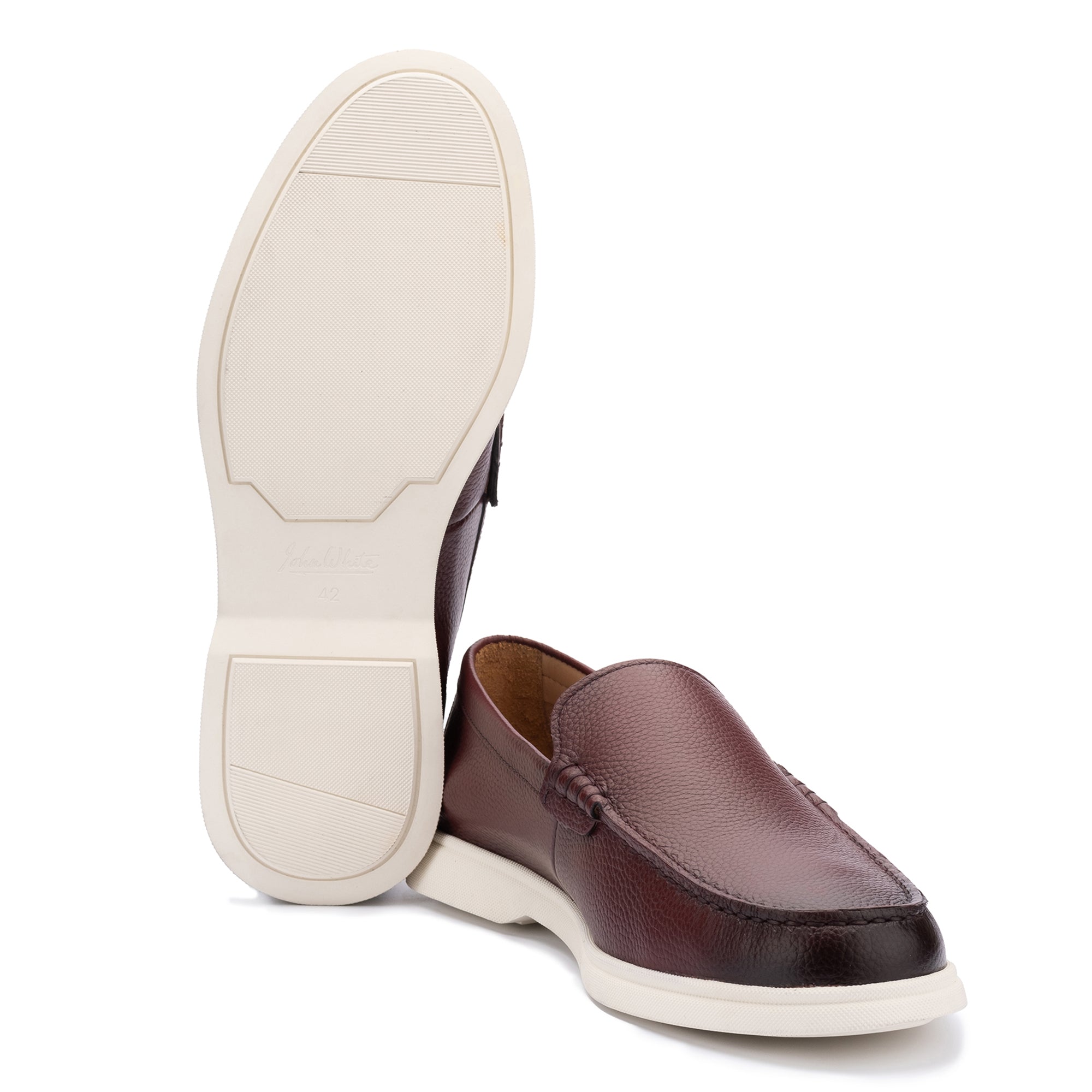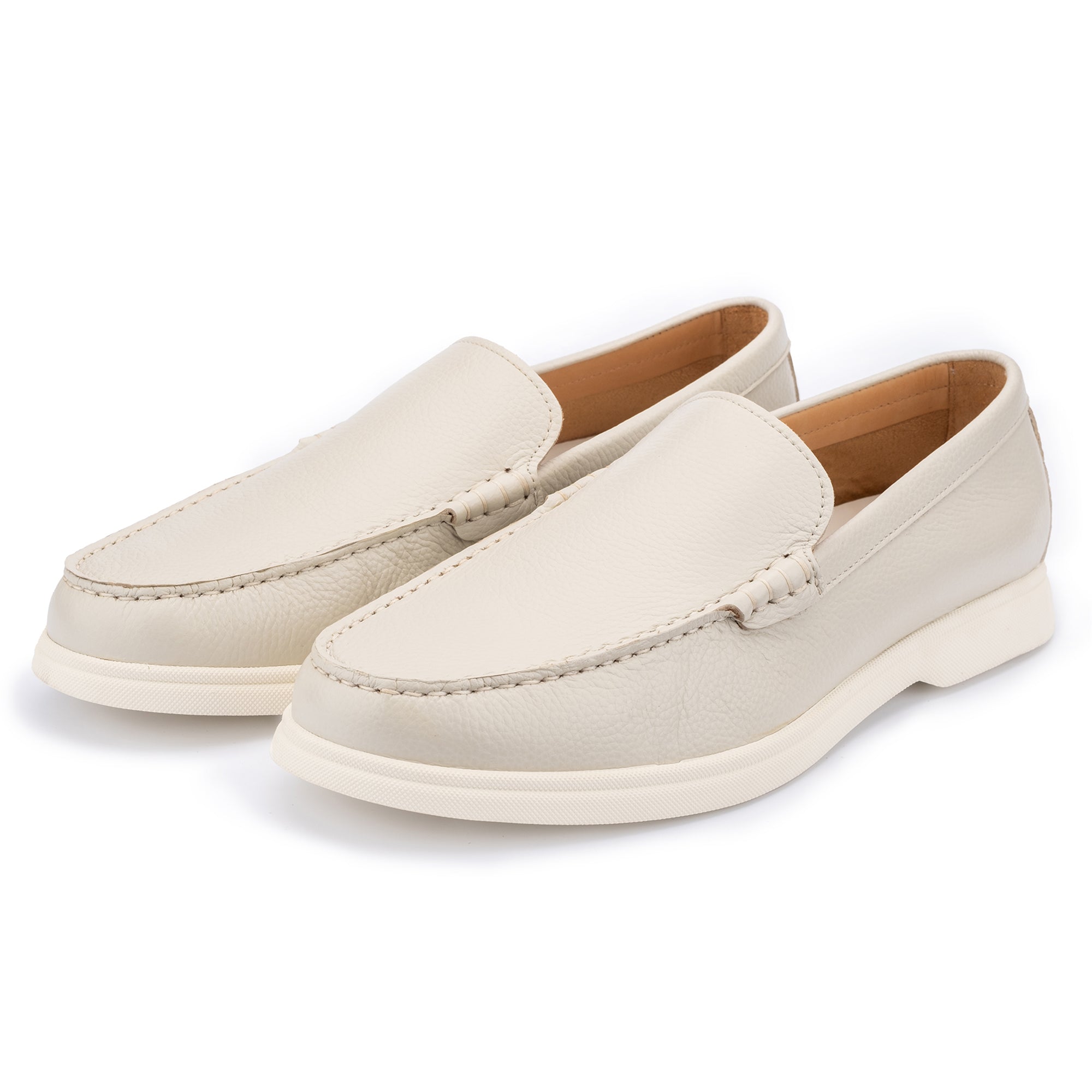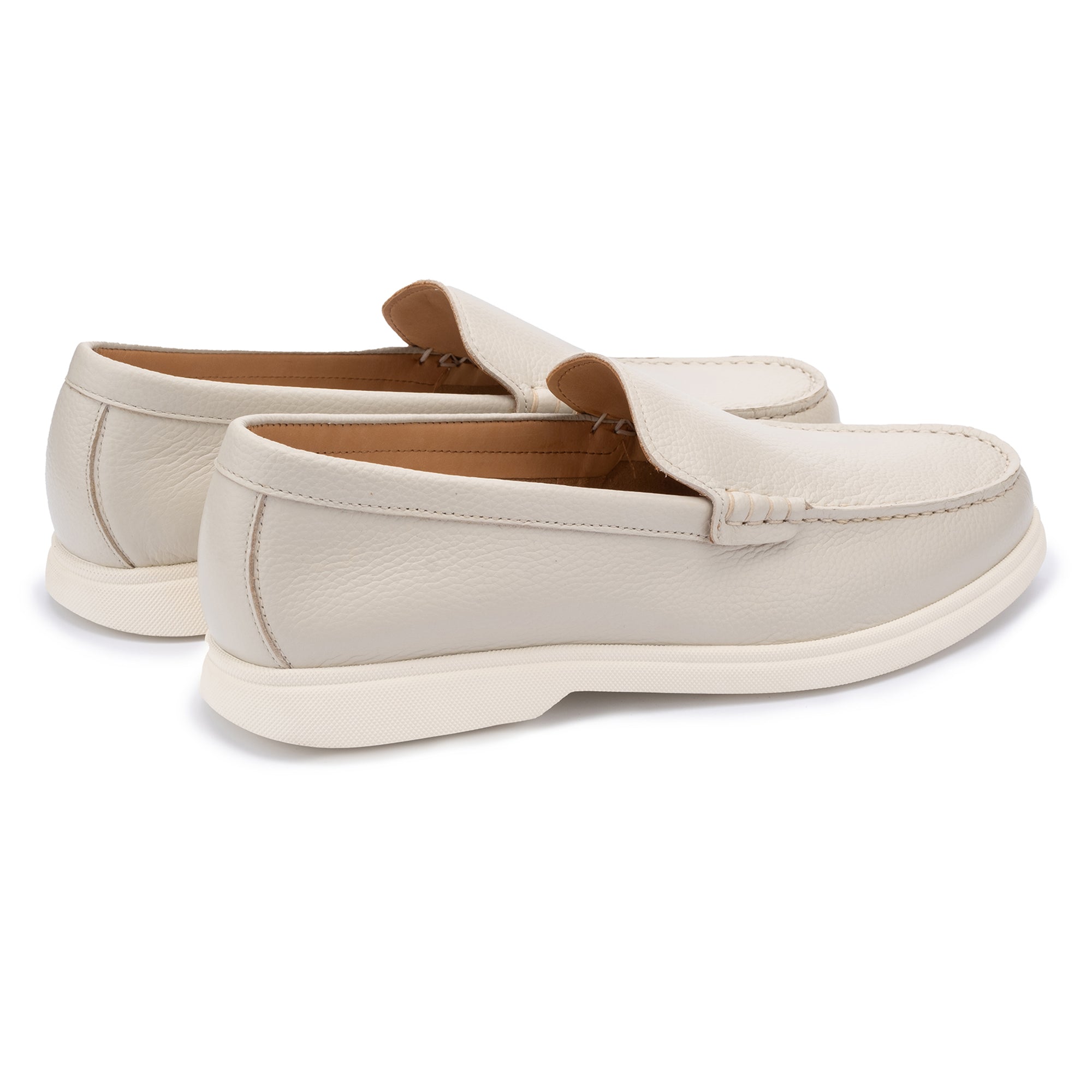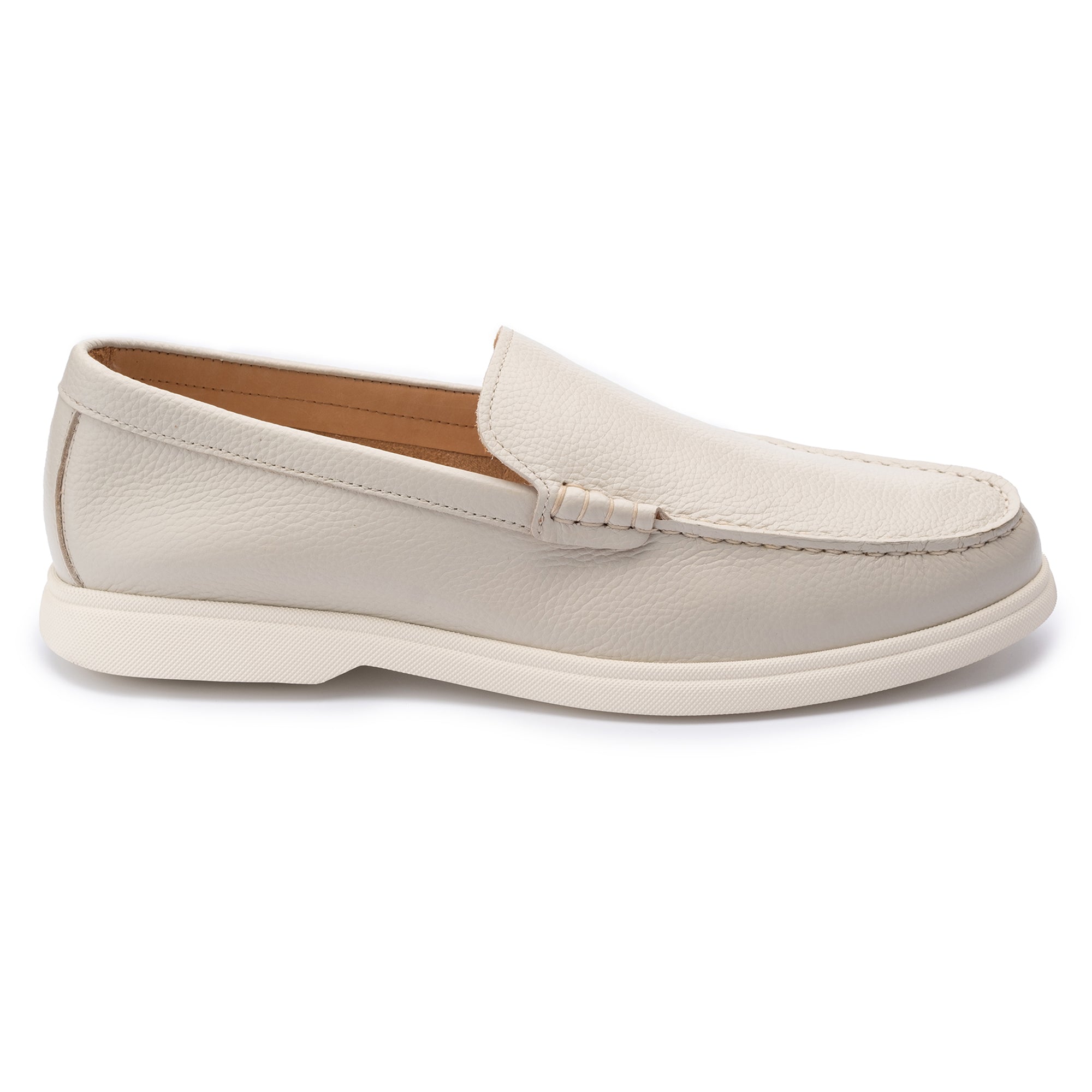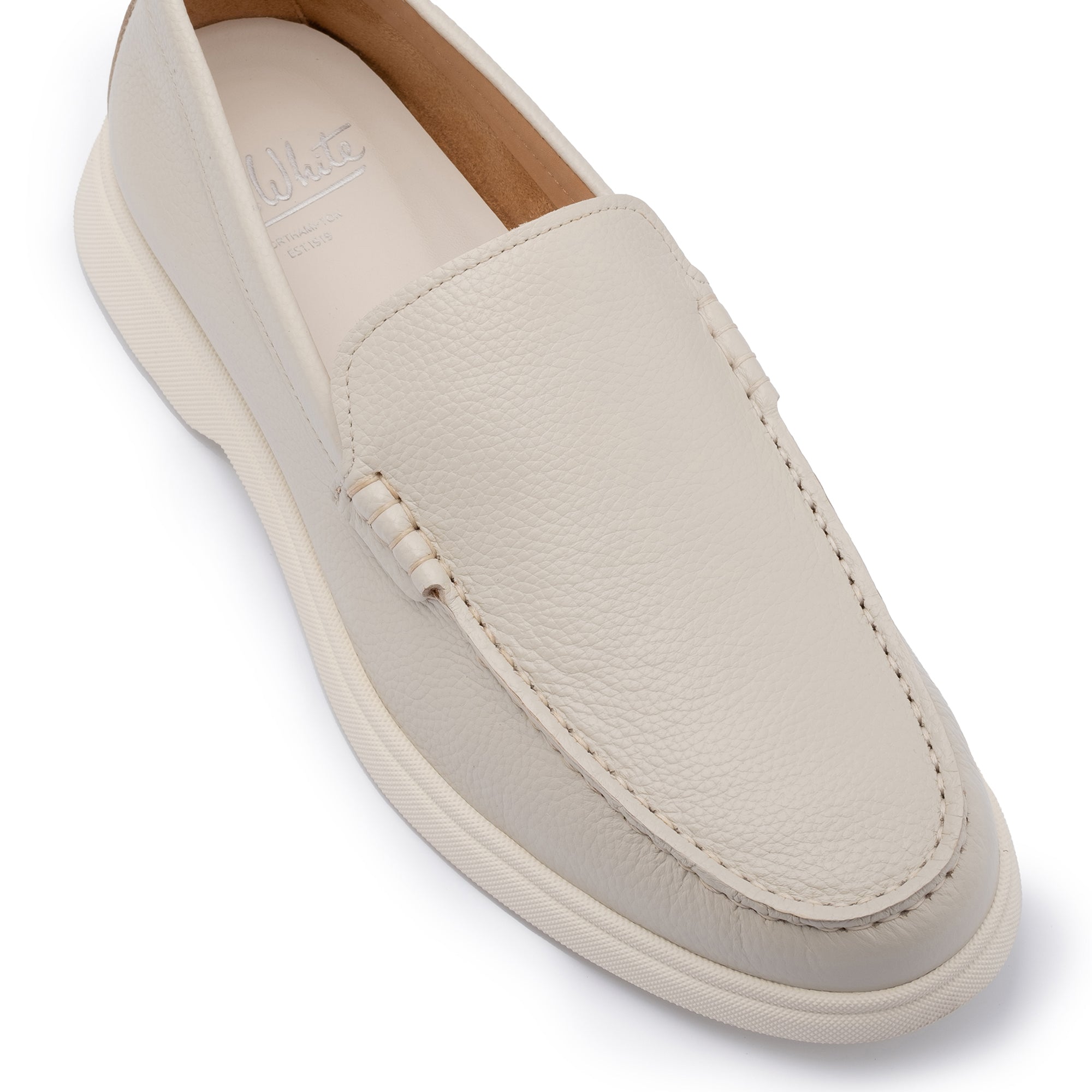

The Importance of Rotating Your Shoes: Why Your Leather Footwear Needs a Rest
Quick Answer: Rotating your leather shoes — wearing different pairs on alternate days rather than the same pair daily — is one of the most effective ways to extend their lifespan. Leather absorbs moisture from your feet throughout the day and needs 24 to 48 hours to dry fully and recover its structure. A rotation of three to four pairs can effectively double the working life of every shoe in your collection.
In This Guide
- Why Do Leather Shoes Need Time to Rest?
- How Does Rotating Your Shoes Extend Their Life?
- How Many Pairs Do You Need in a Shoe Rotation?
- How Should You Store Shoes Between Wears?
- Which Shoes Benefit Most from Rotation?
- The Long-Term Economics of Shoe Rotation
- Related Guides
- TL;DR
- Frequently Asked Questions
Most men own a good pair of leather shoes and wear them day after day until they're beyond saving. It's one of the most common — and costly — mistakes in footwear care. The fix is straightforward: rotate your shoes, give each pair proper rest between wears, and your leather footwear will reward you with years, even decades, of service.
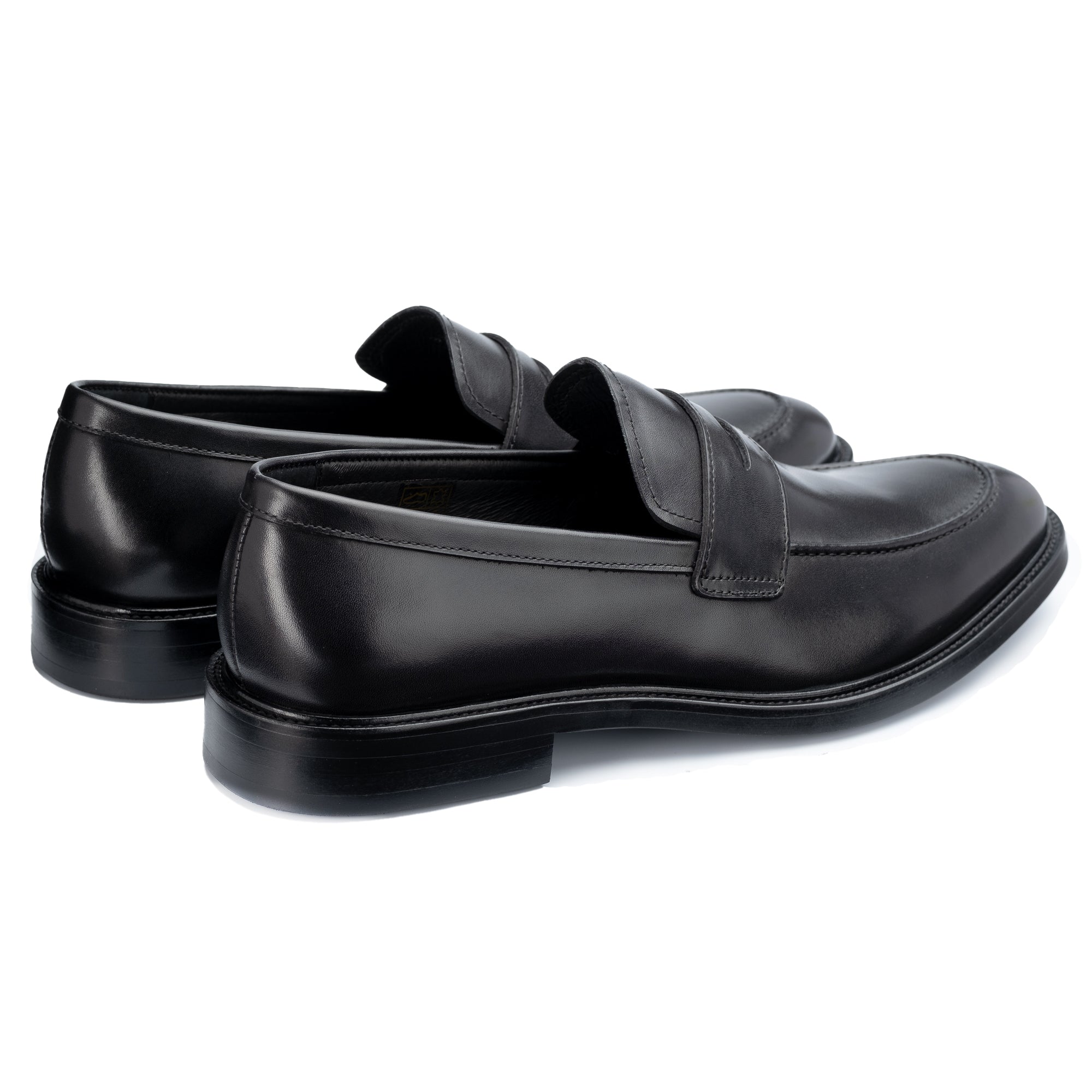
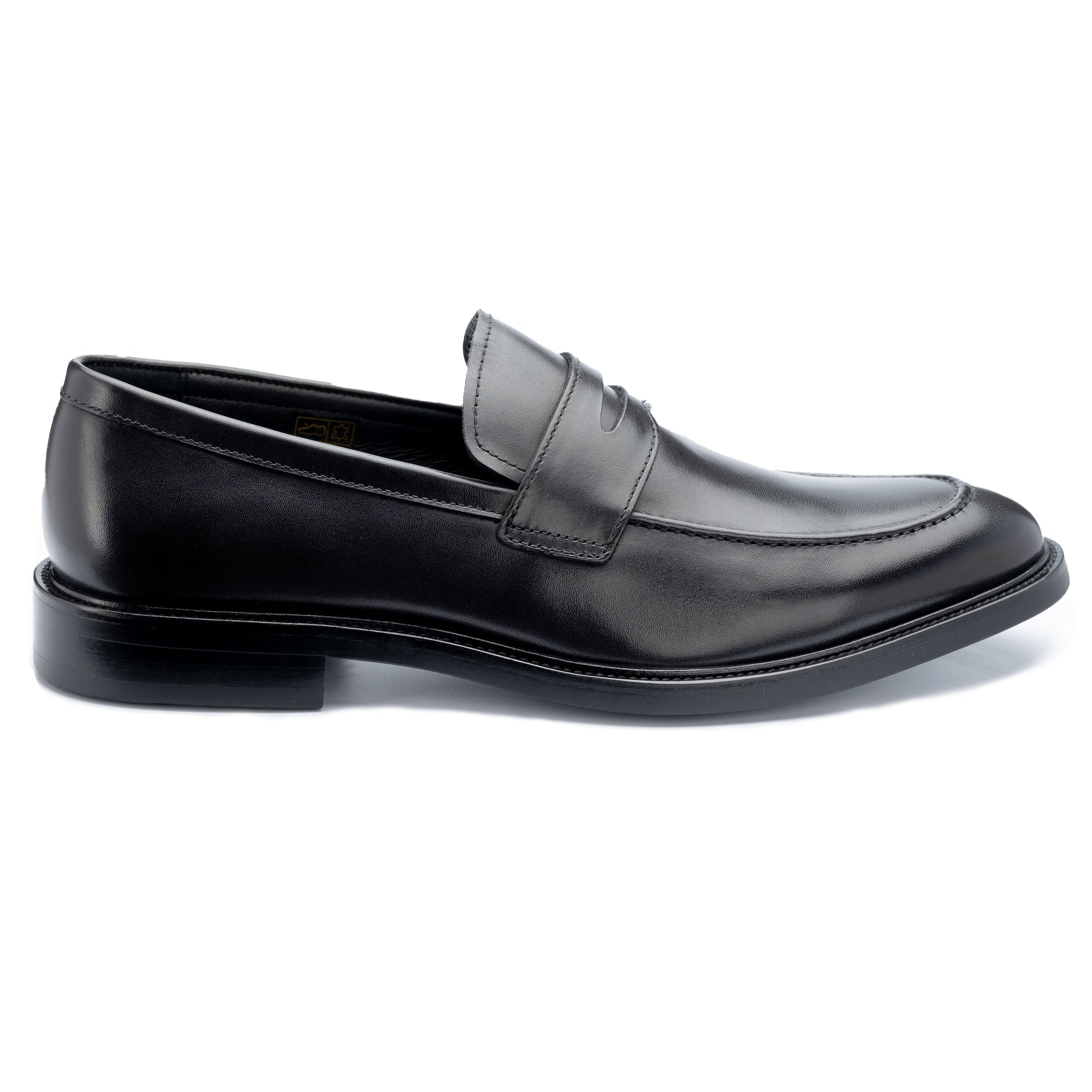
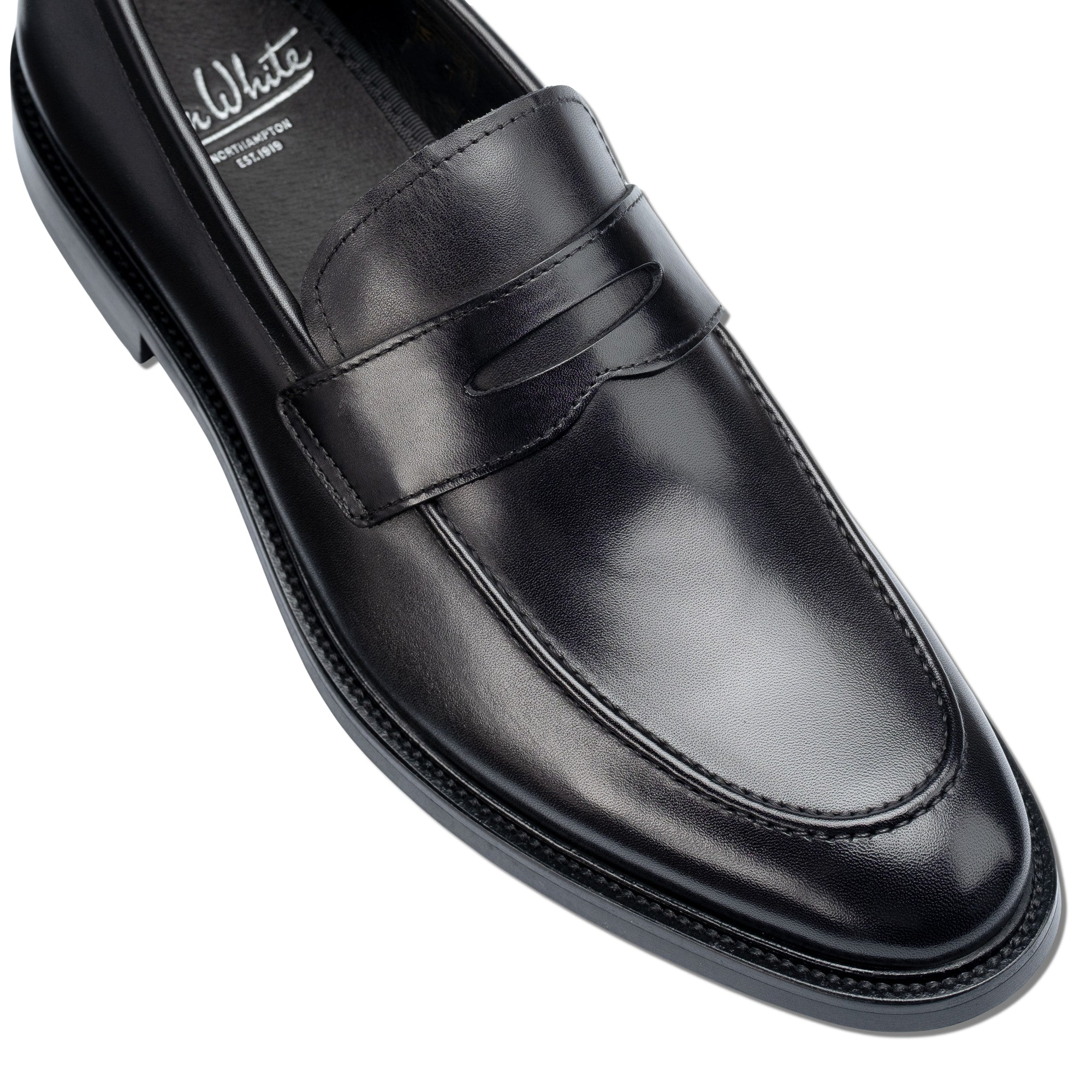
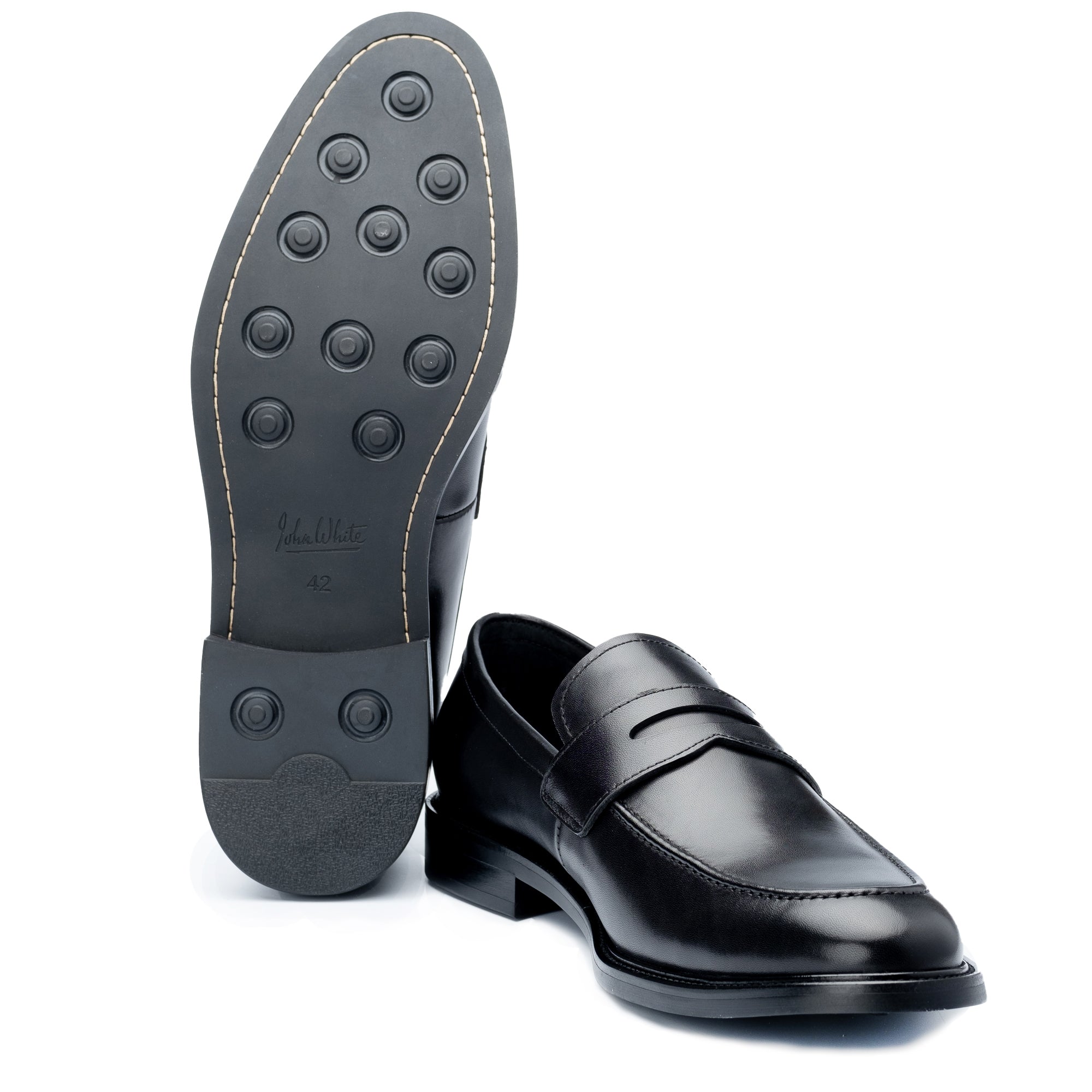
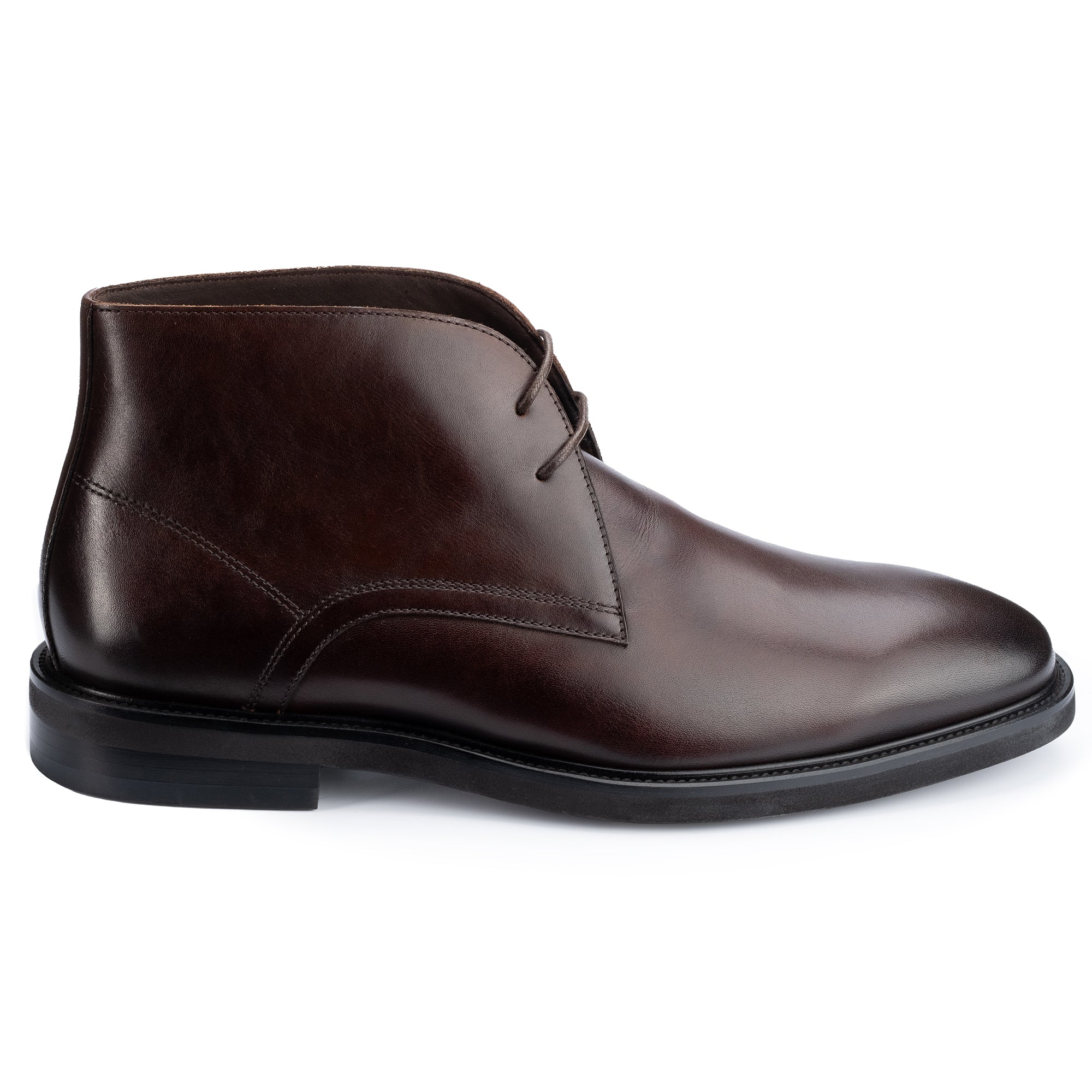
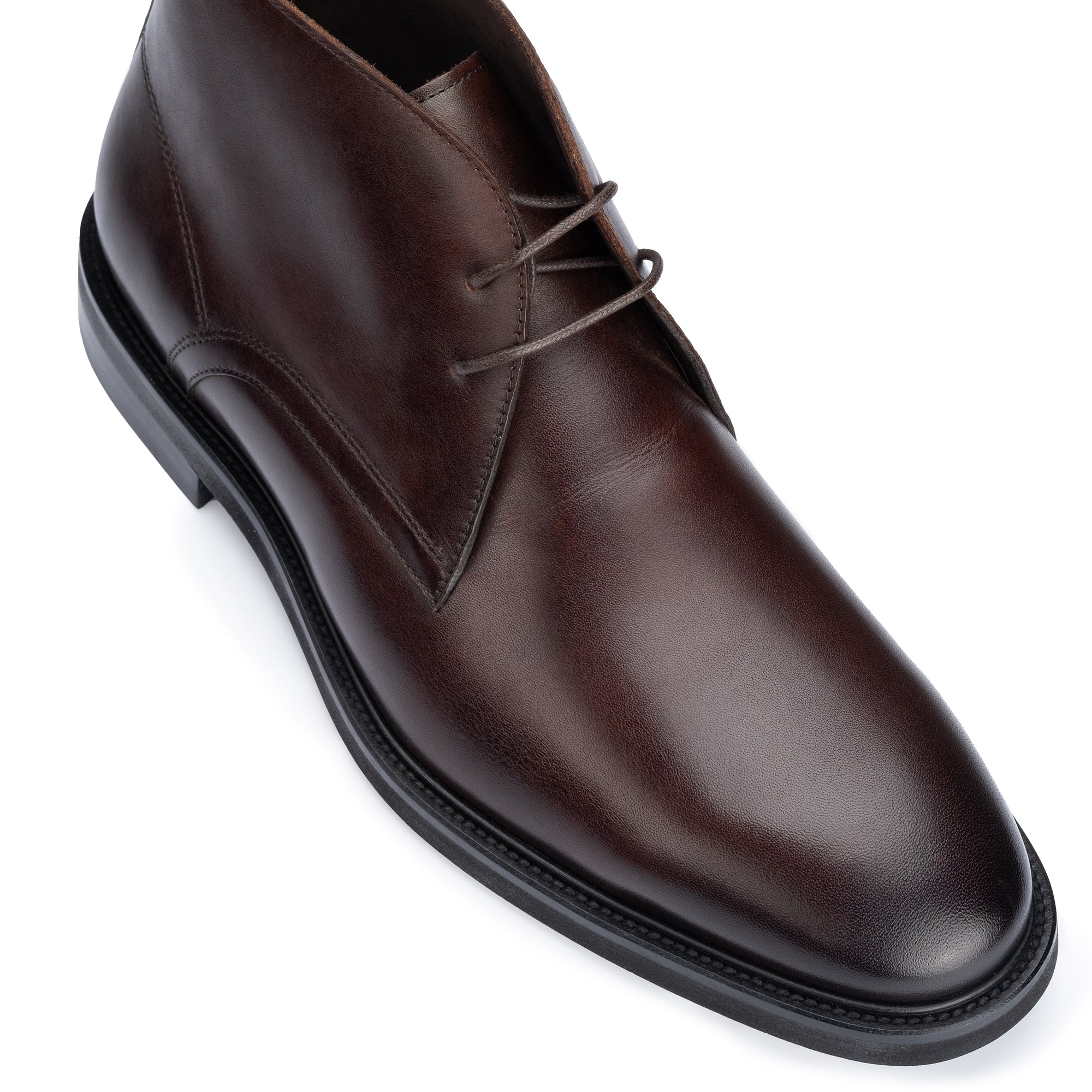
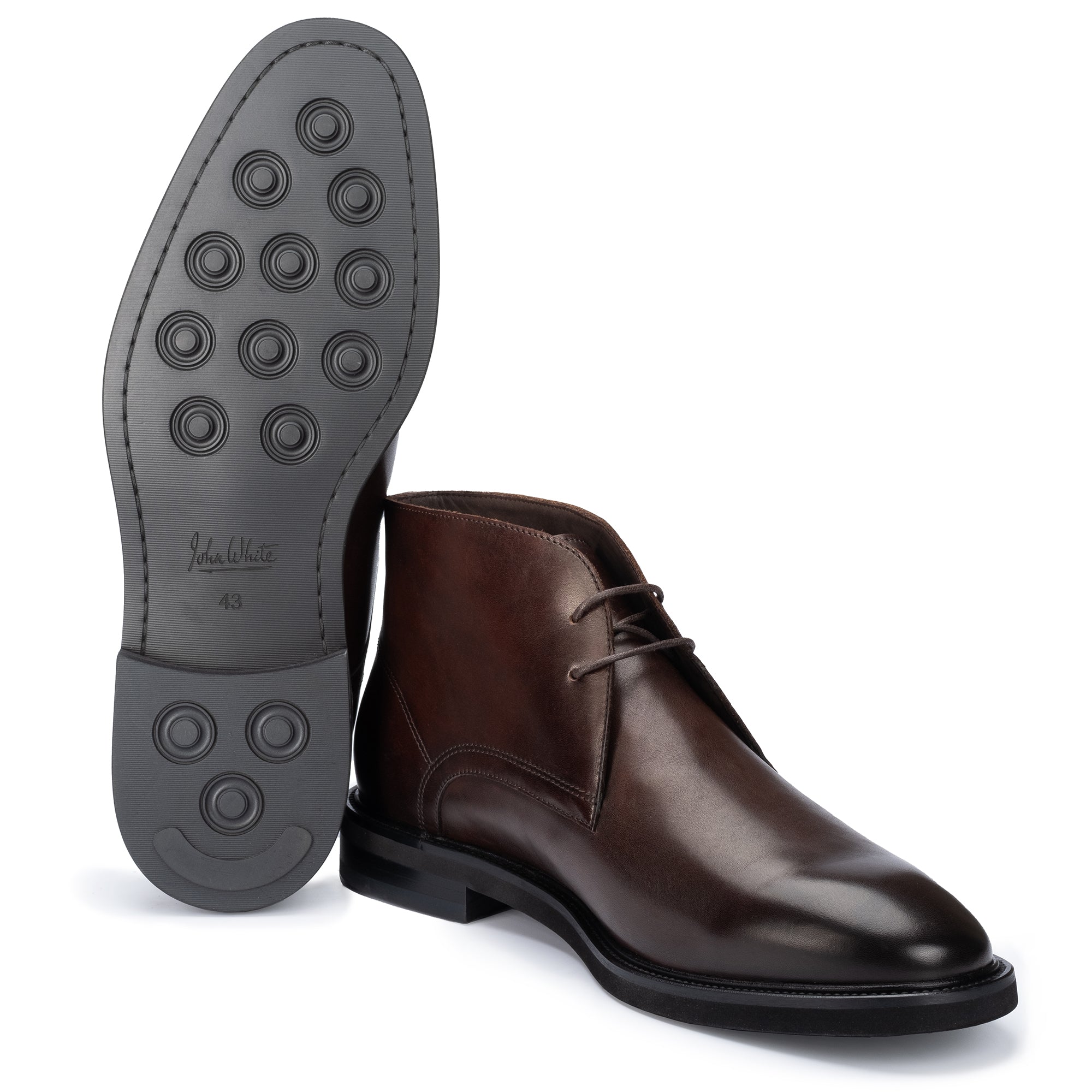
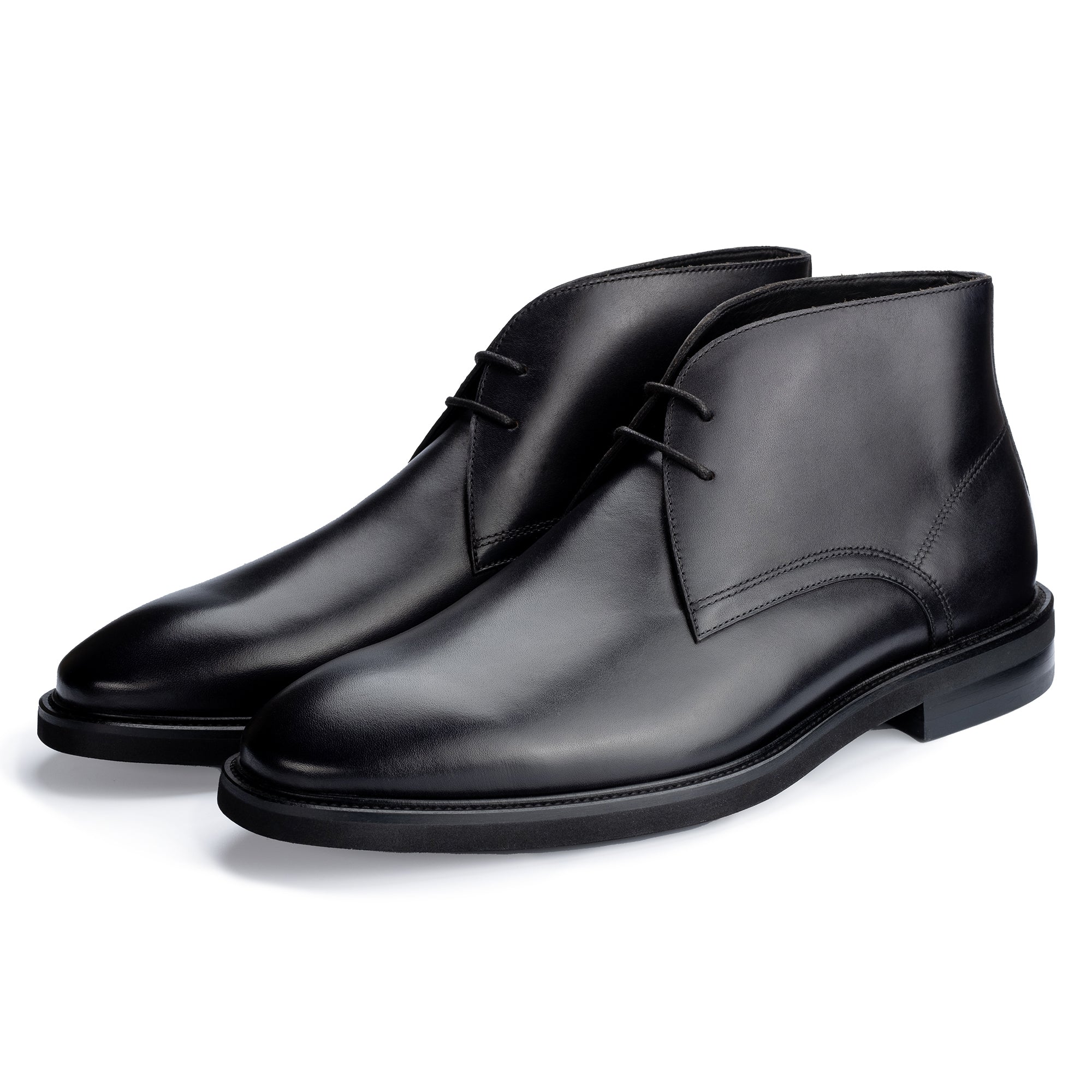
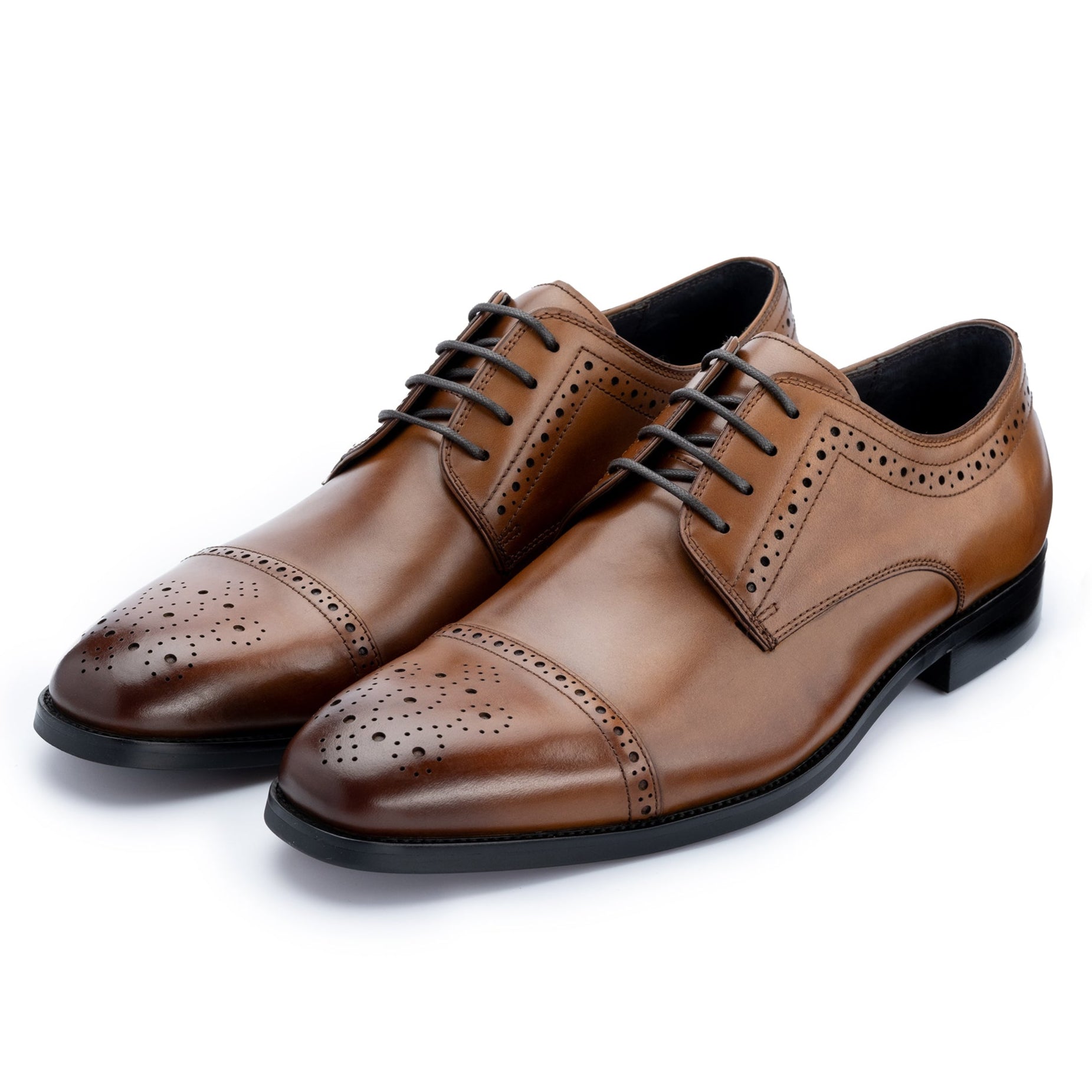
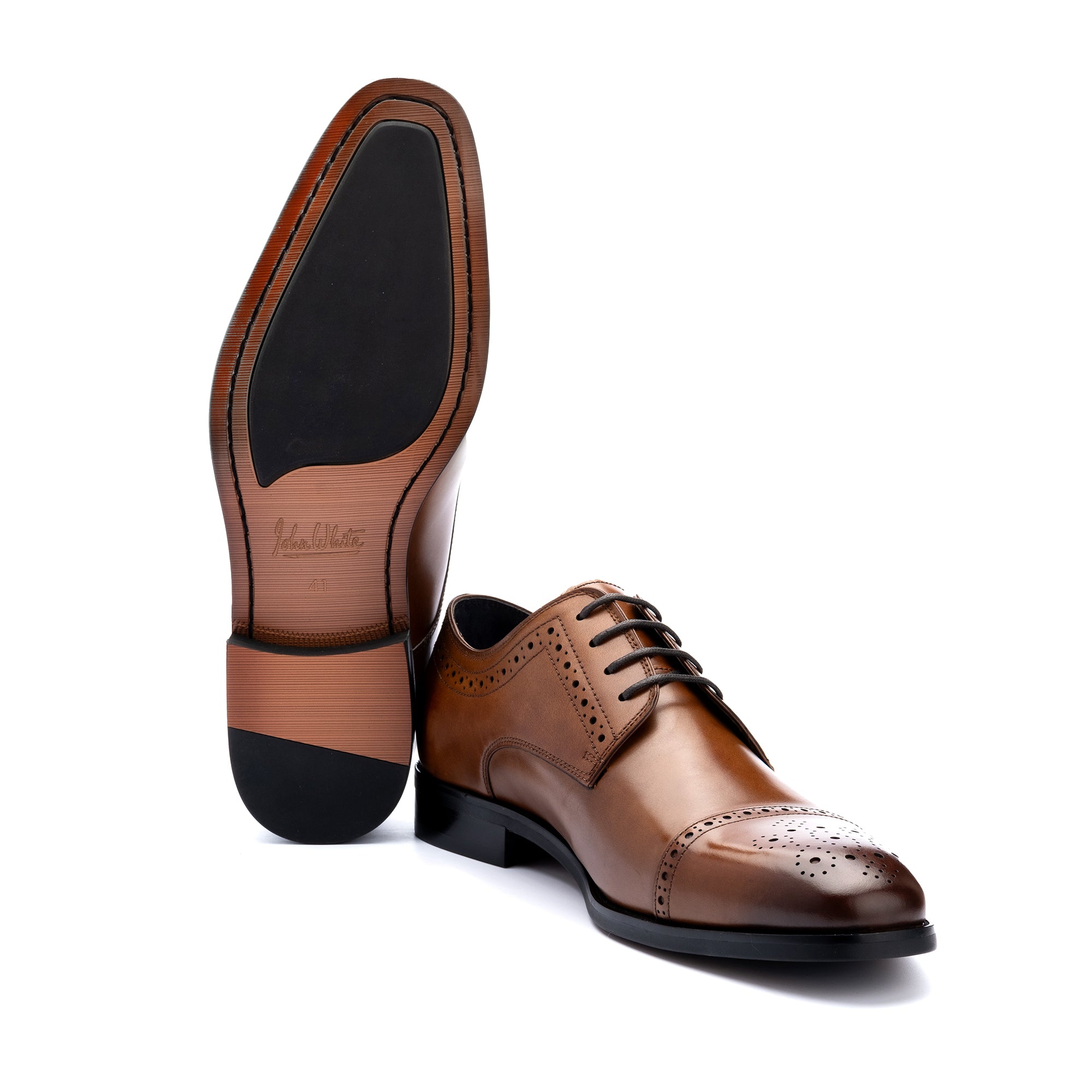
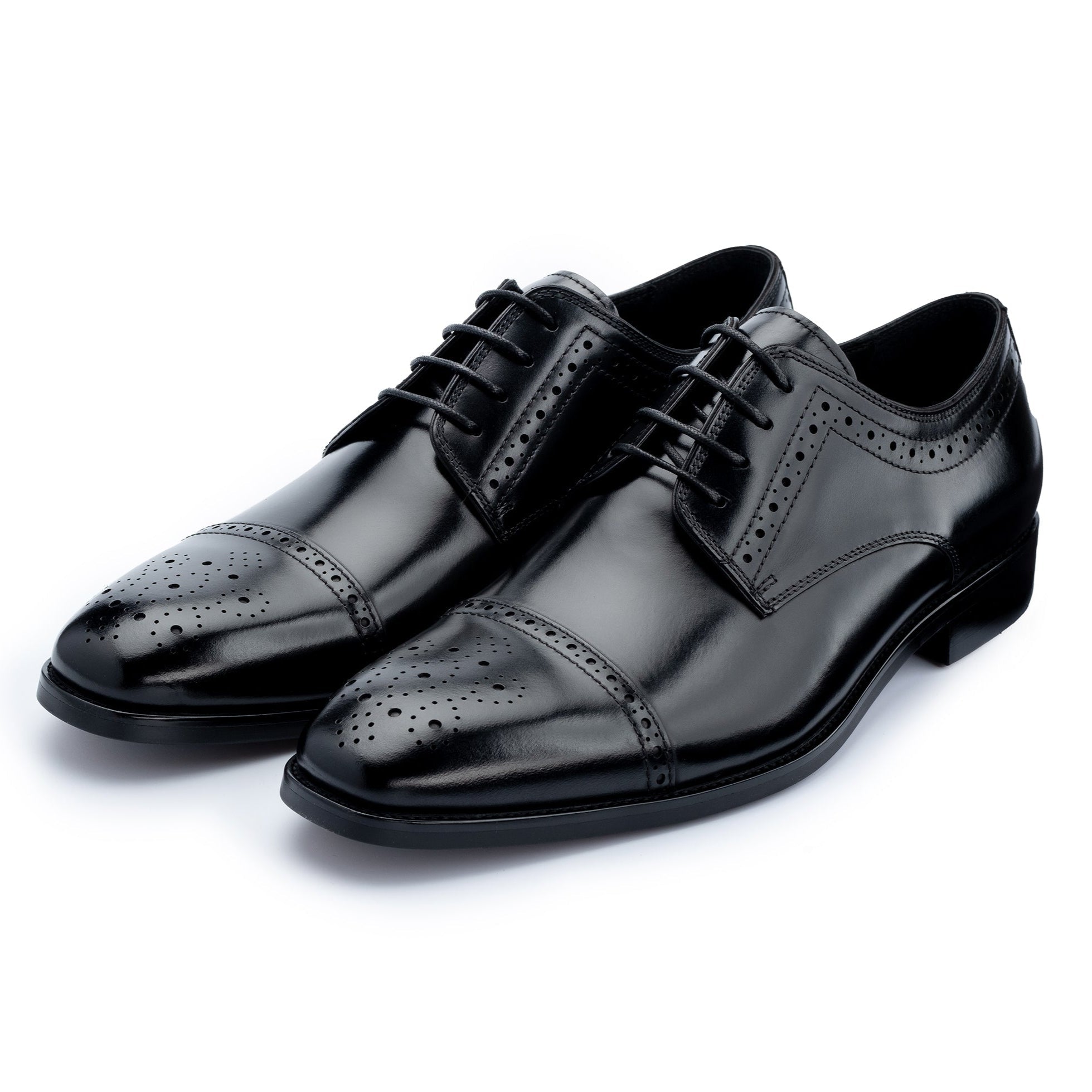
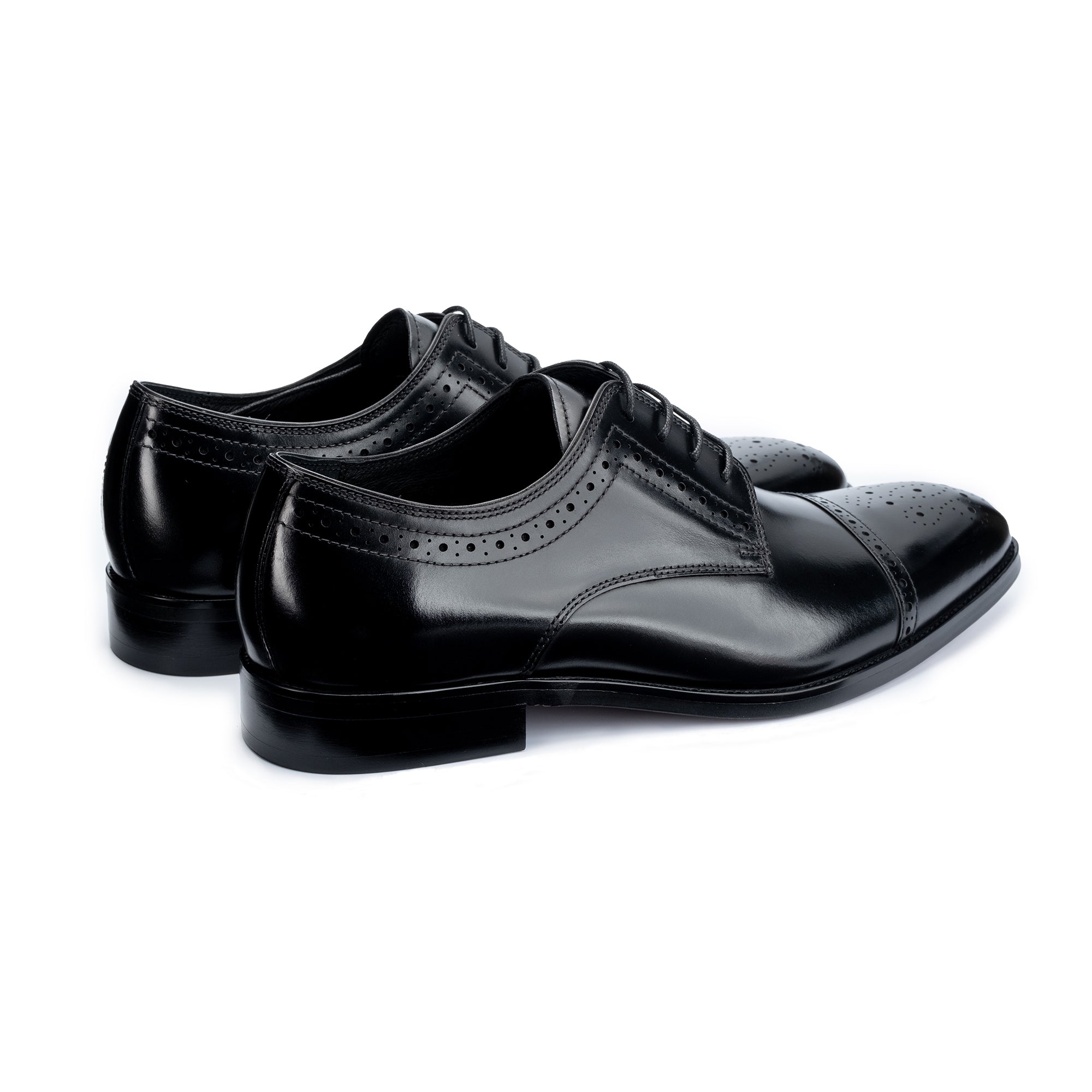
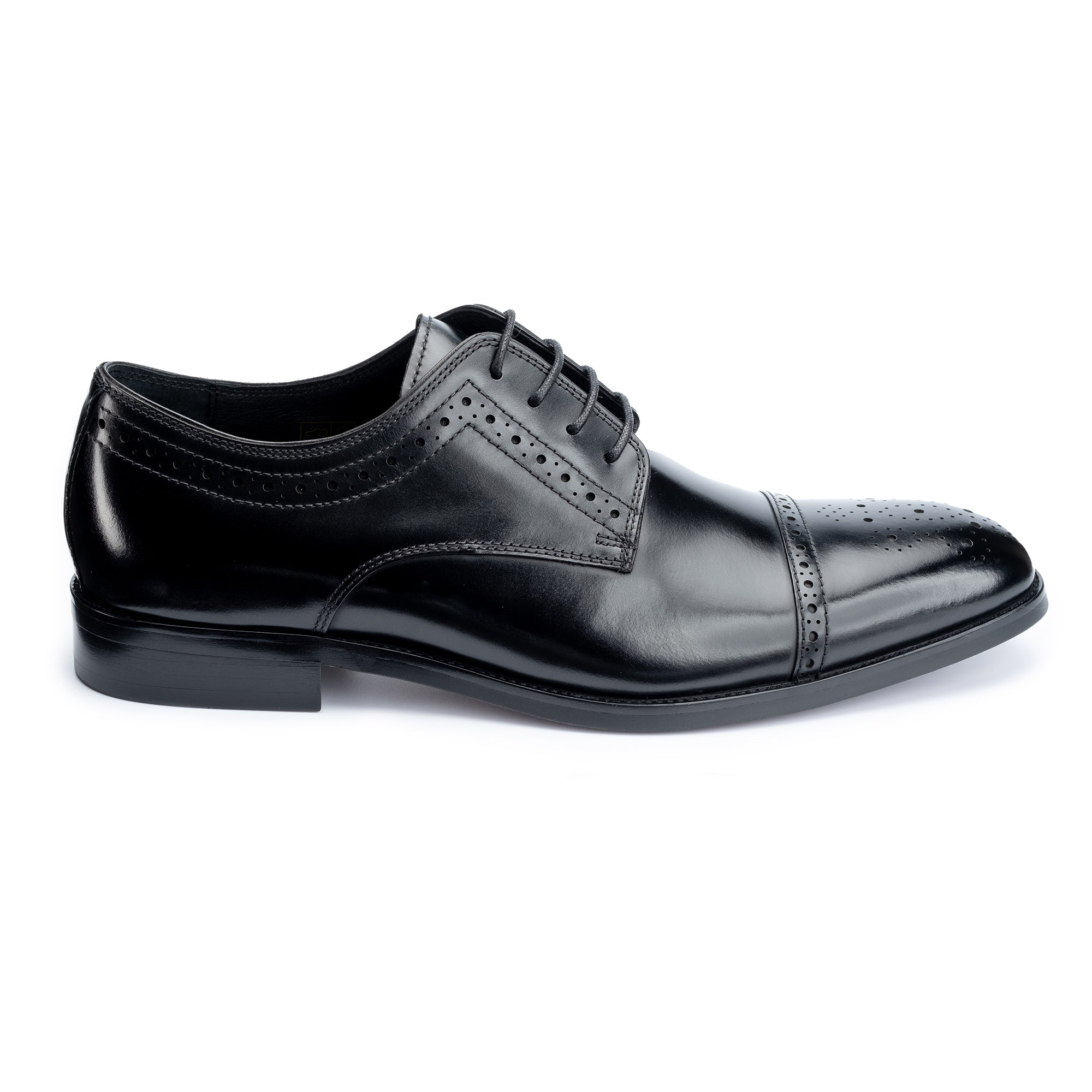
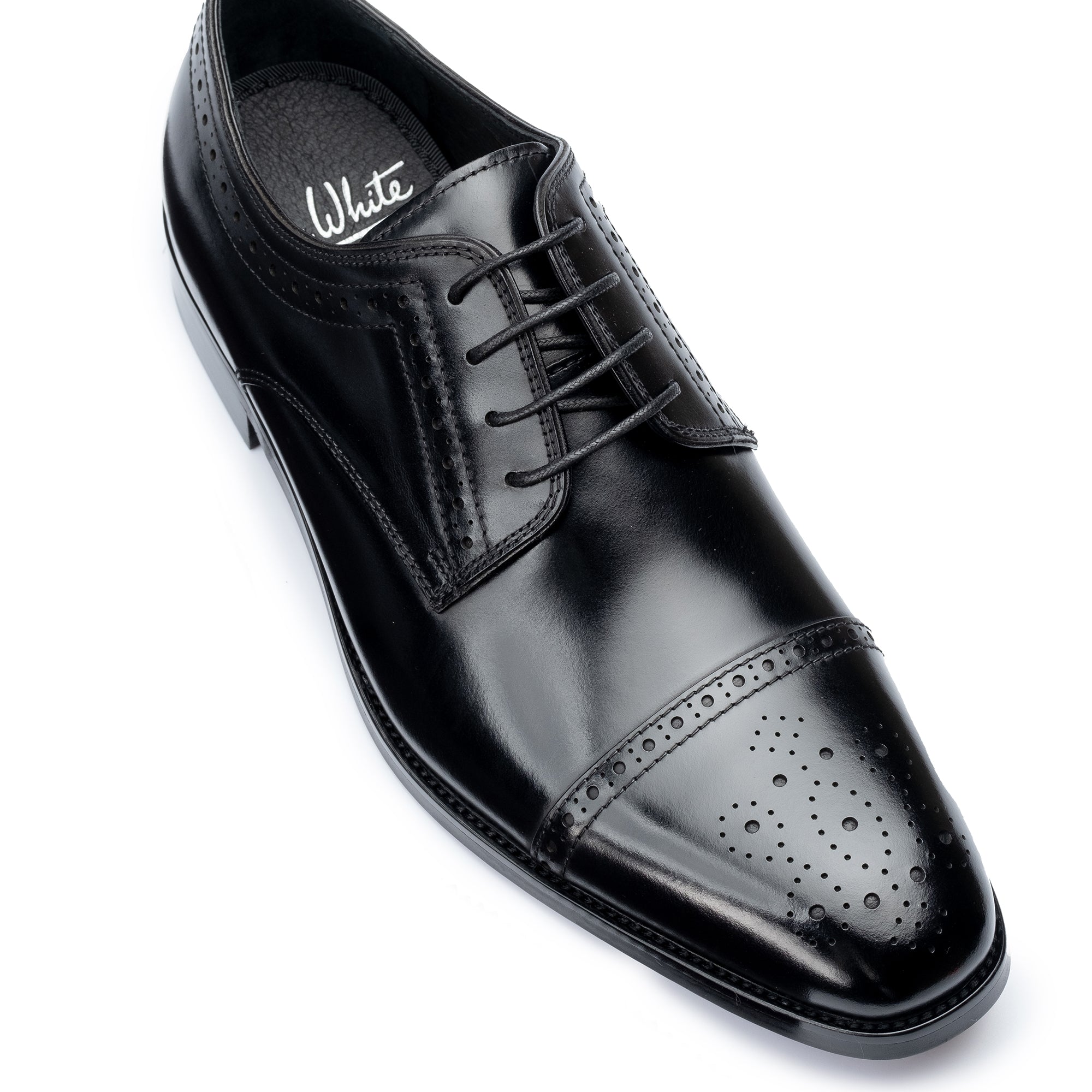
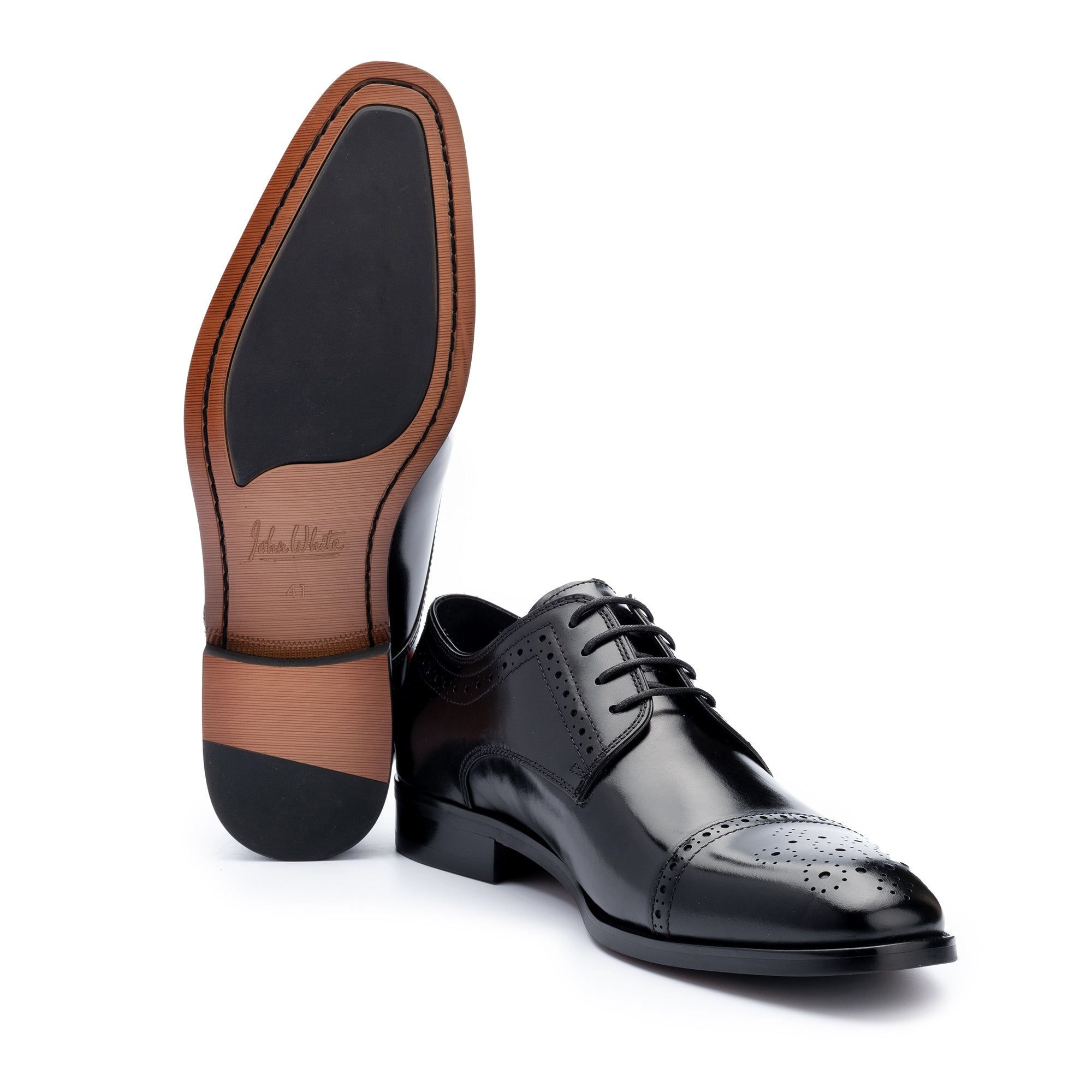
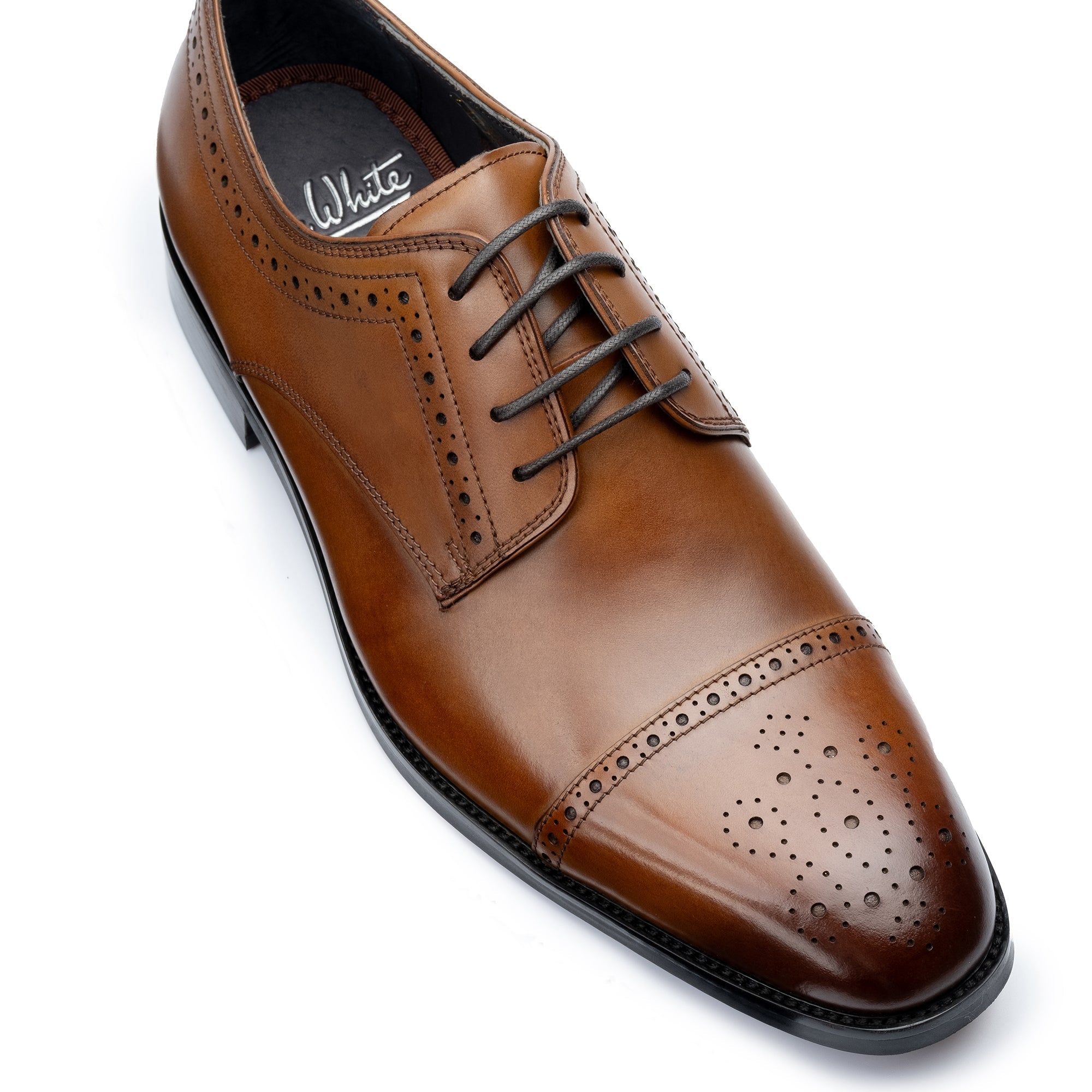
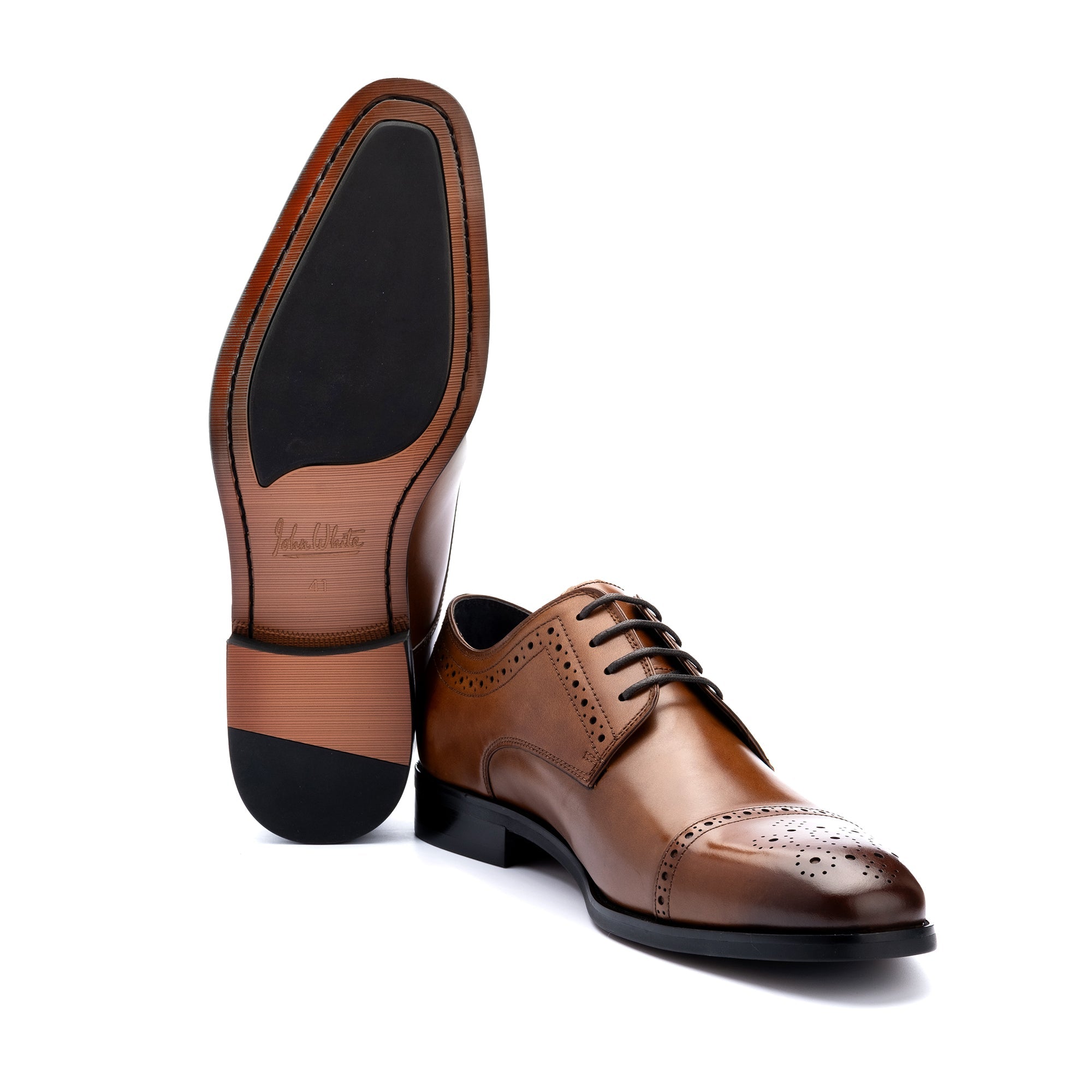
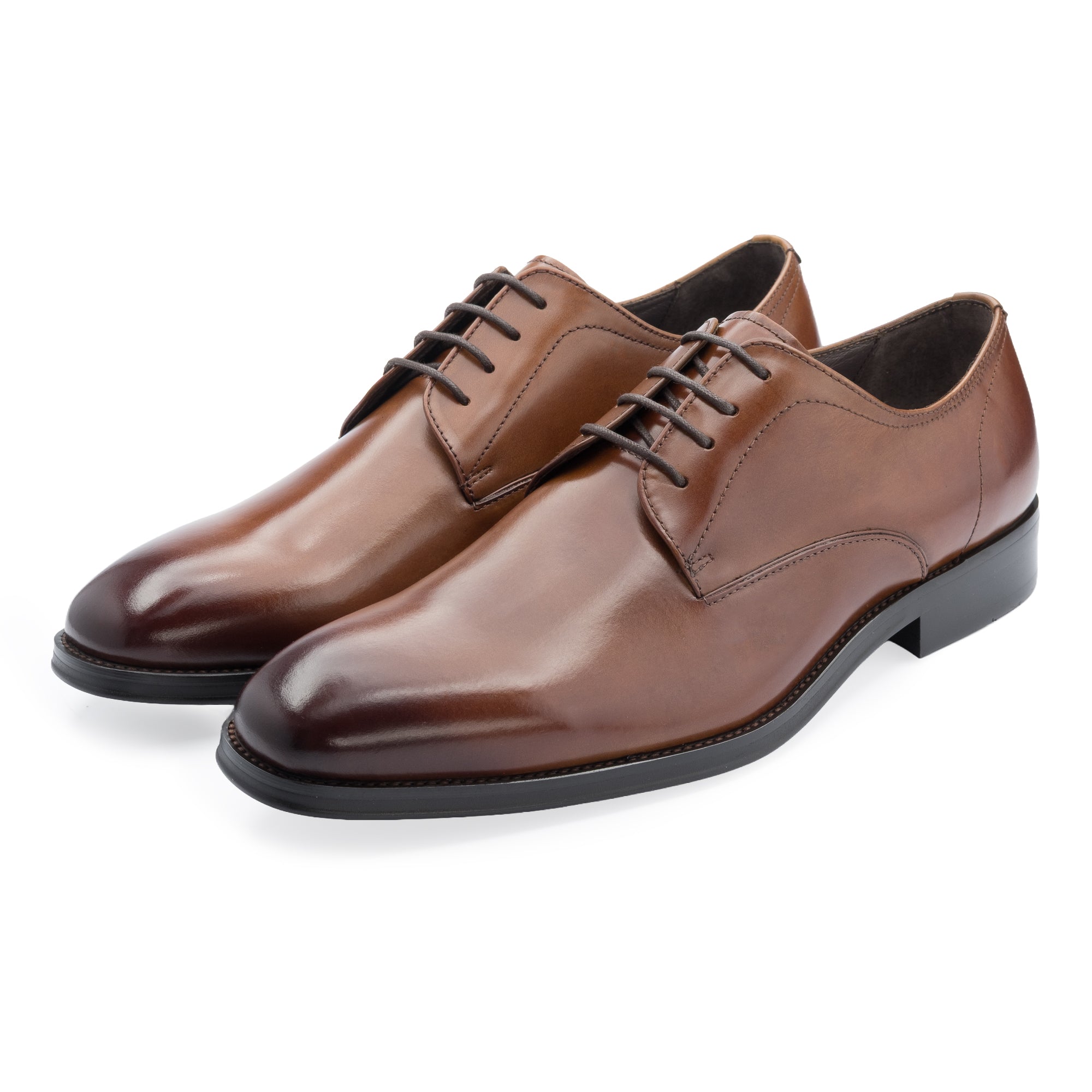
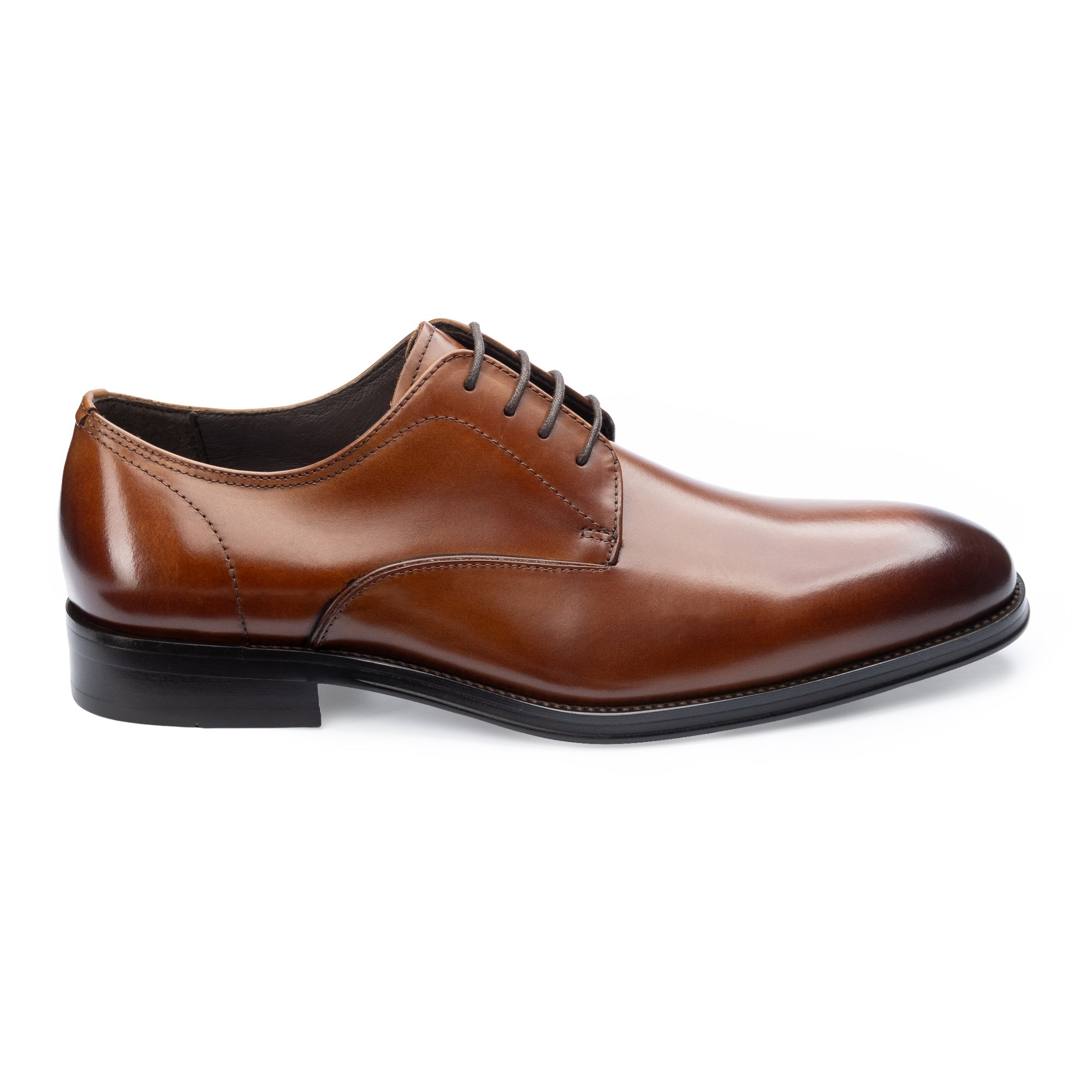
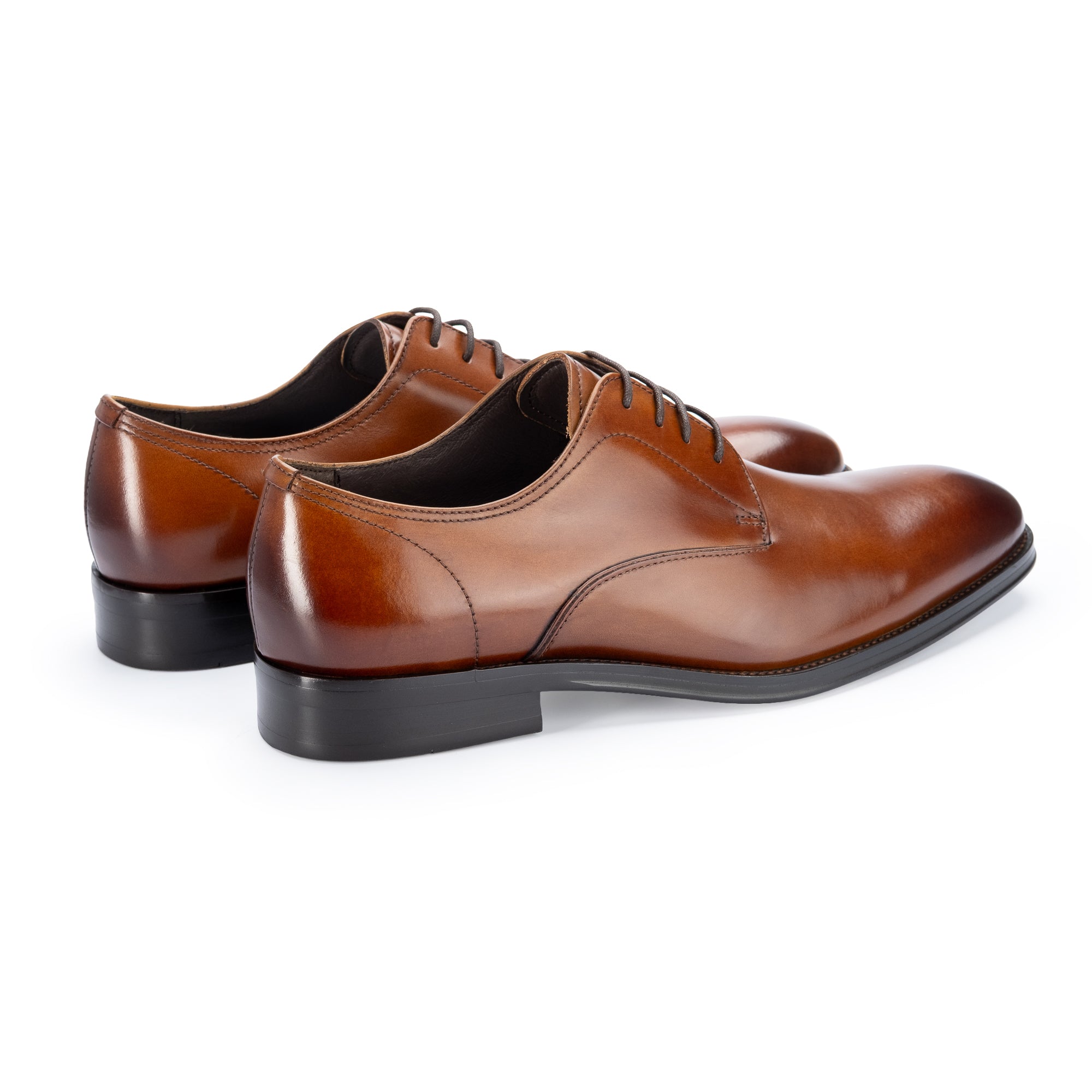
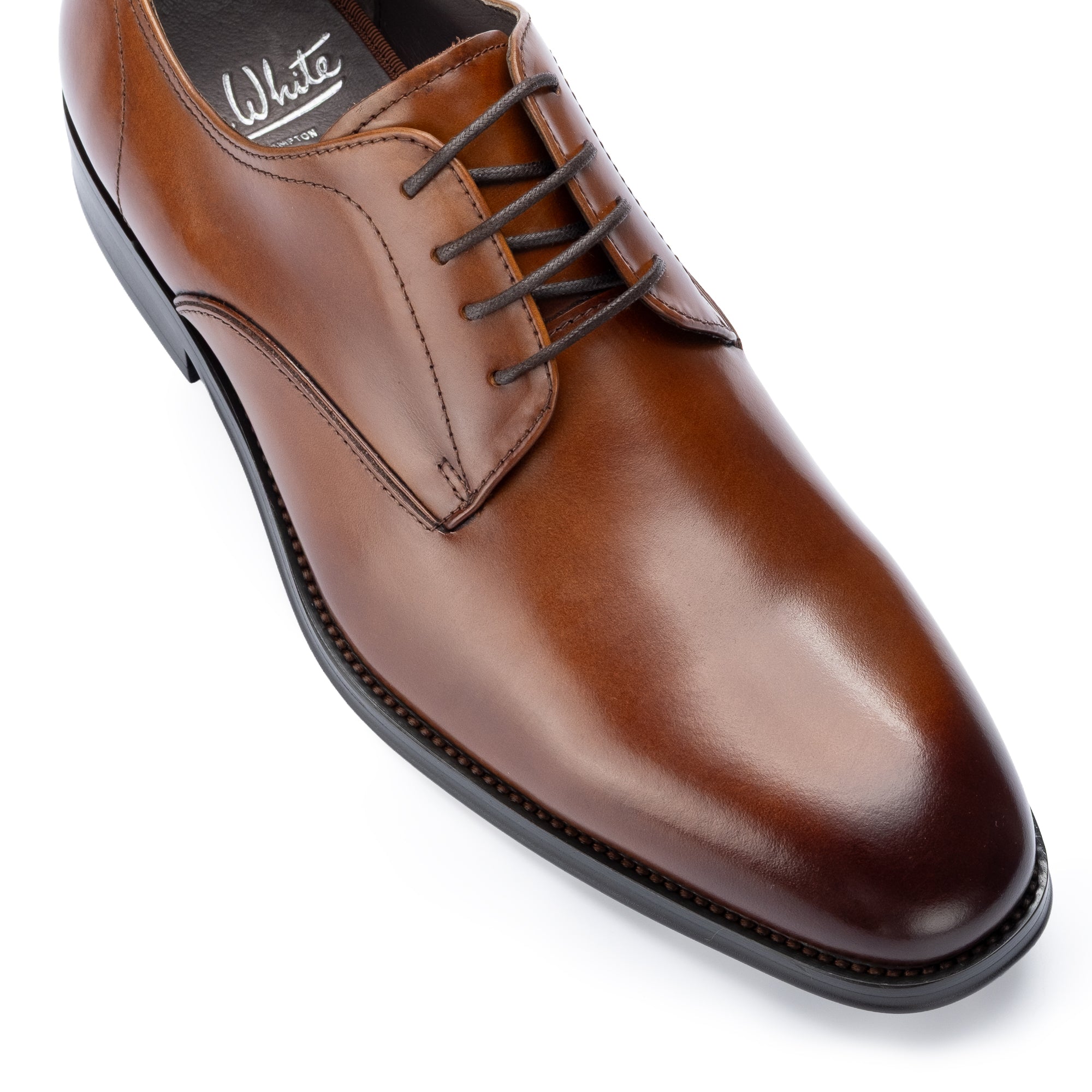
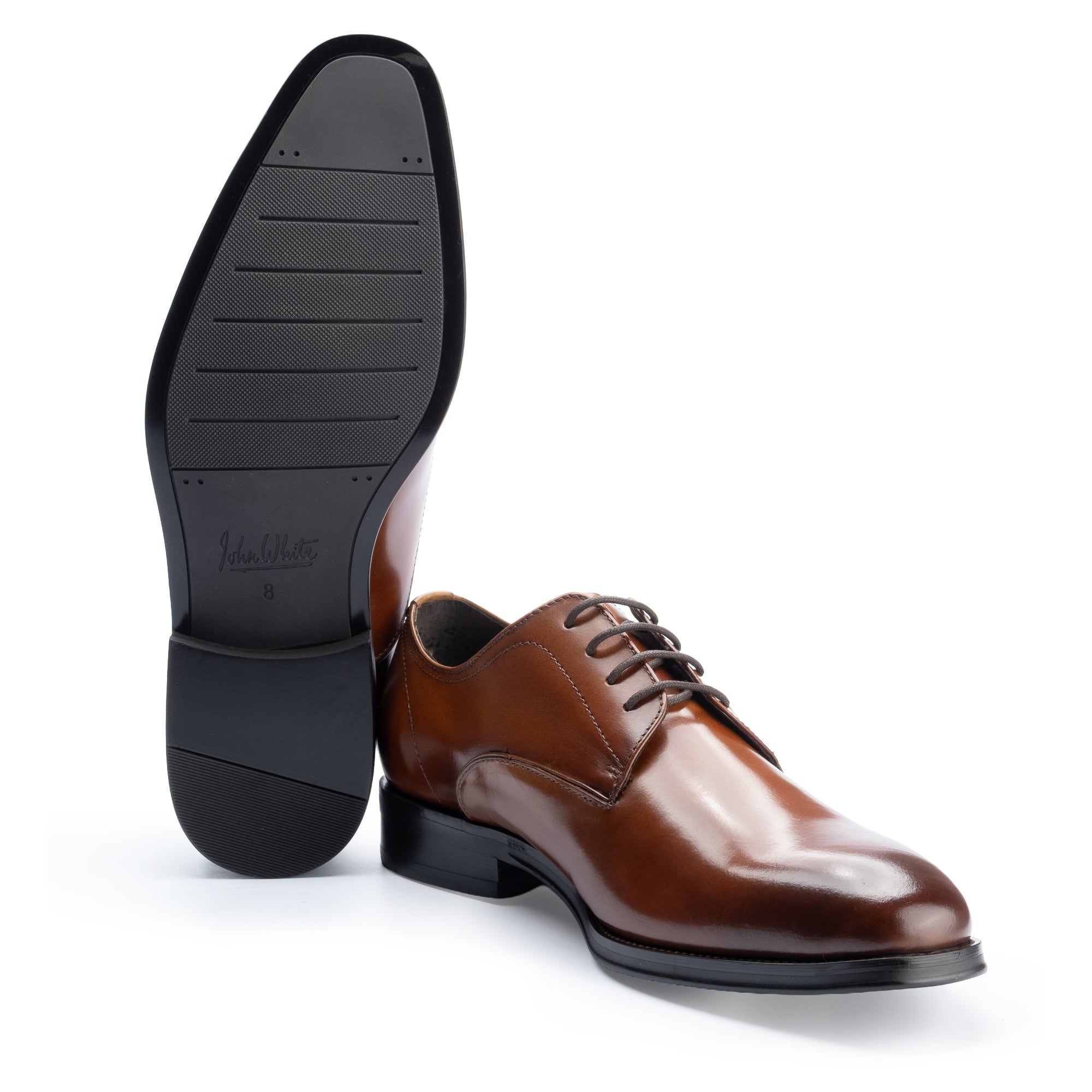
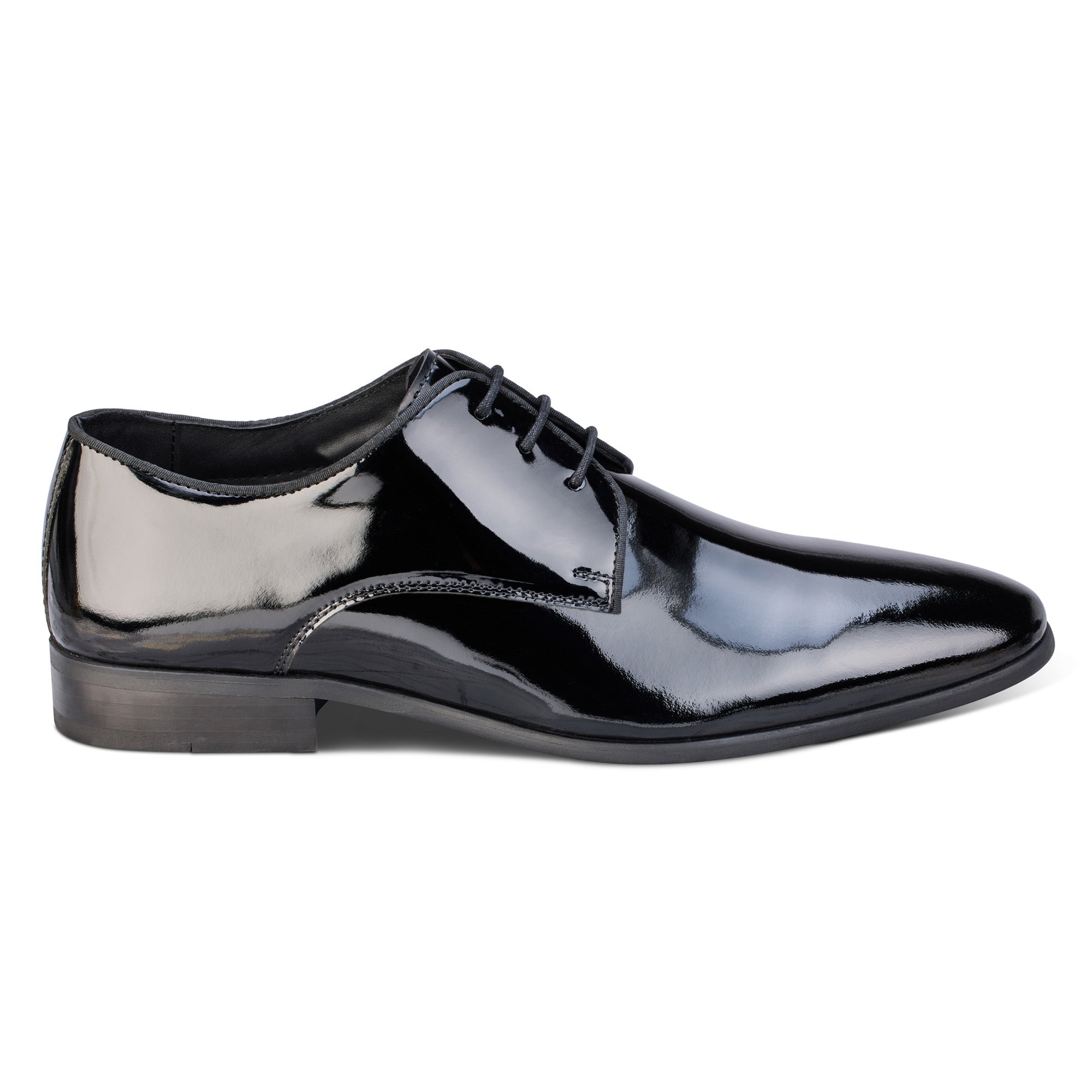
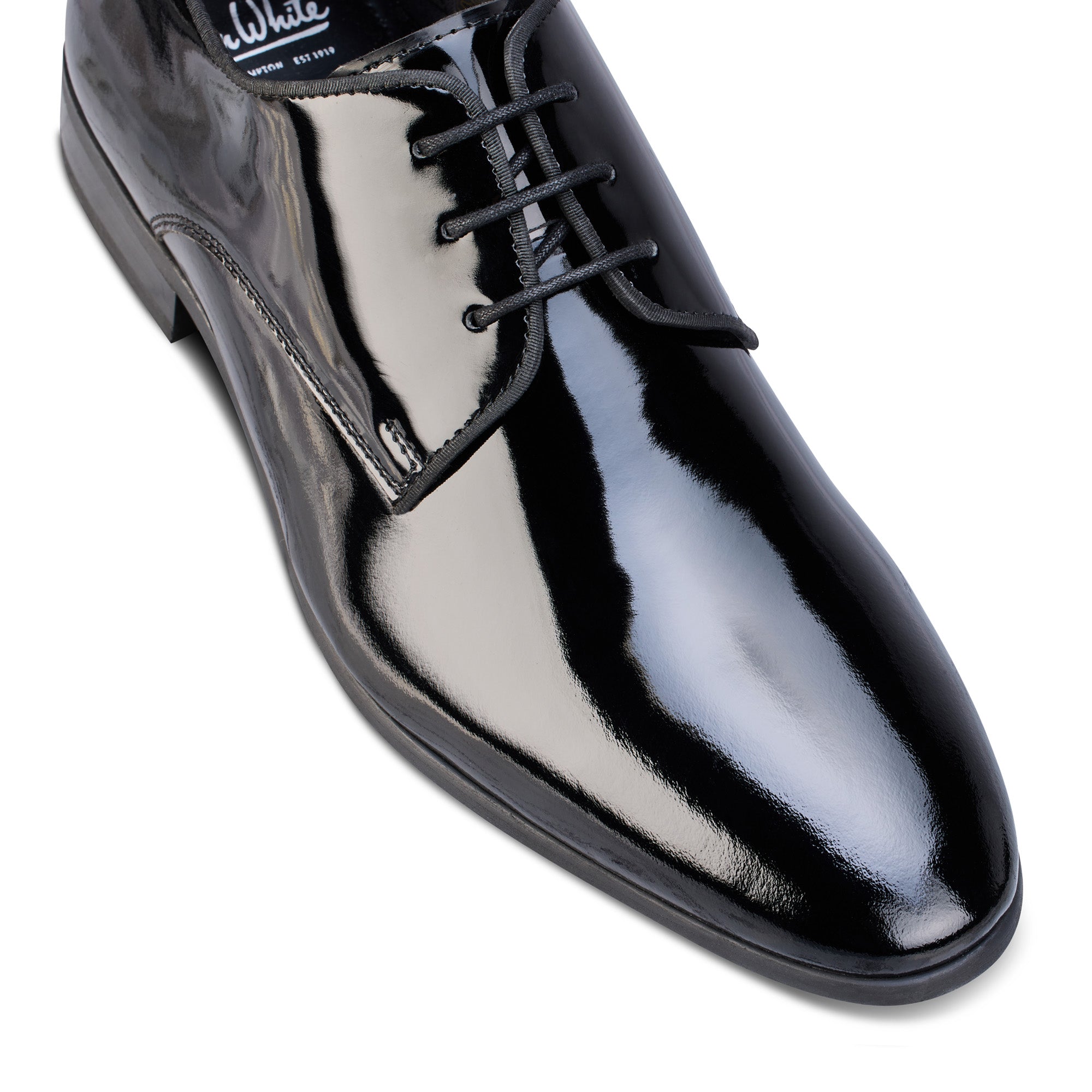
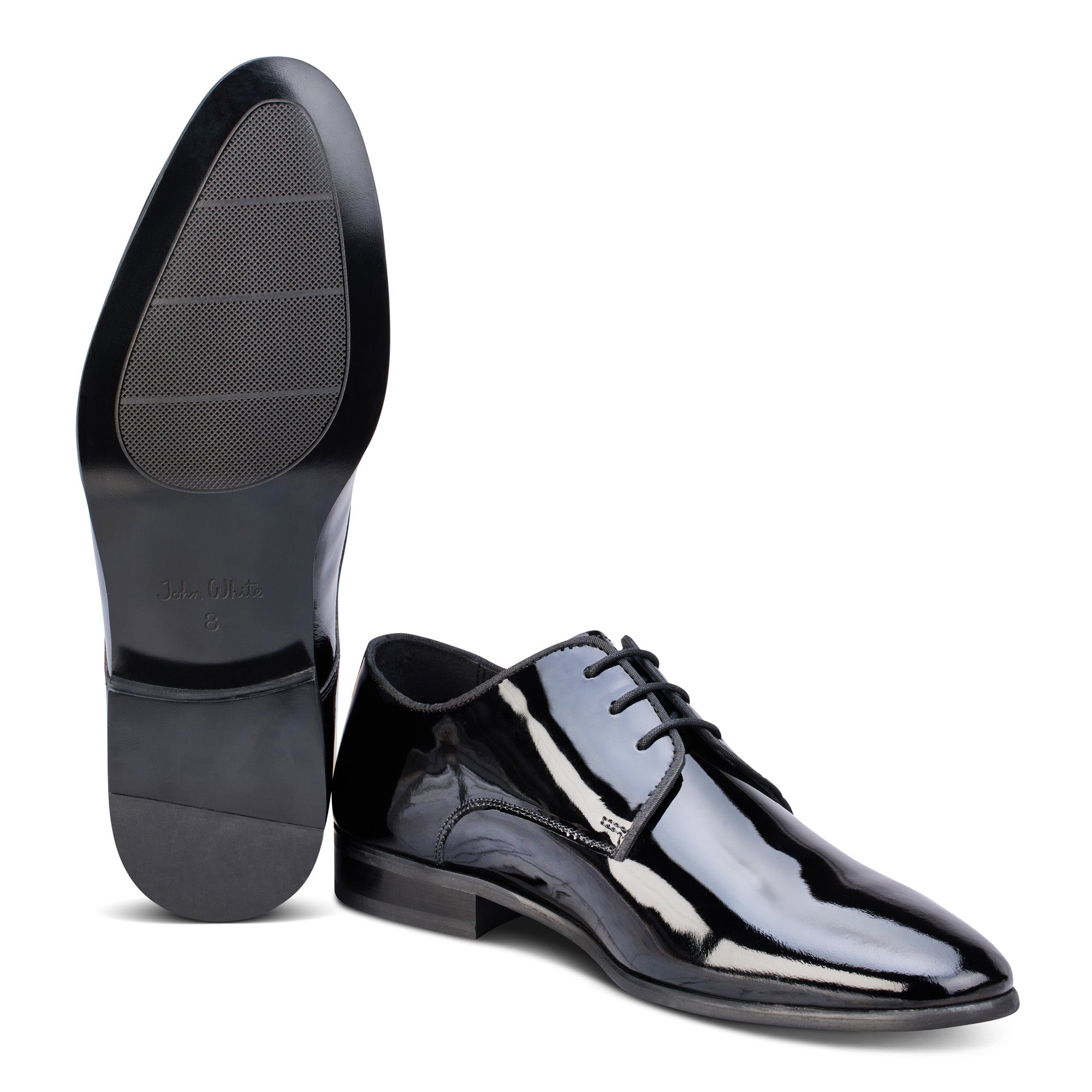
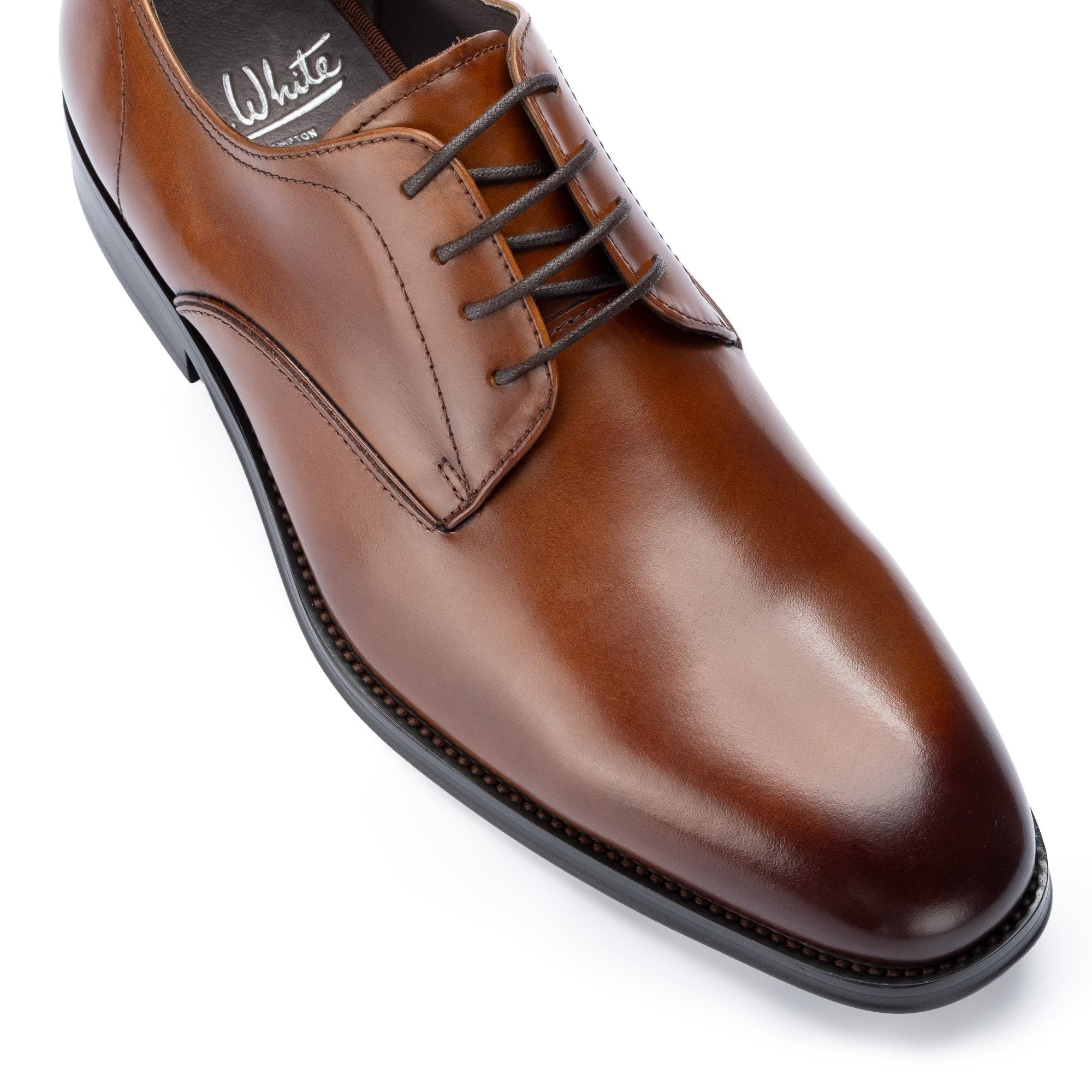
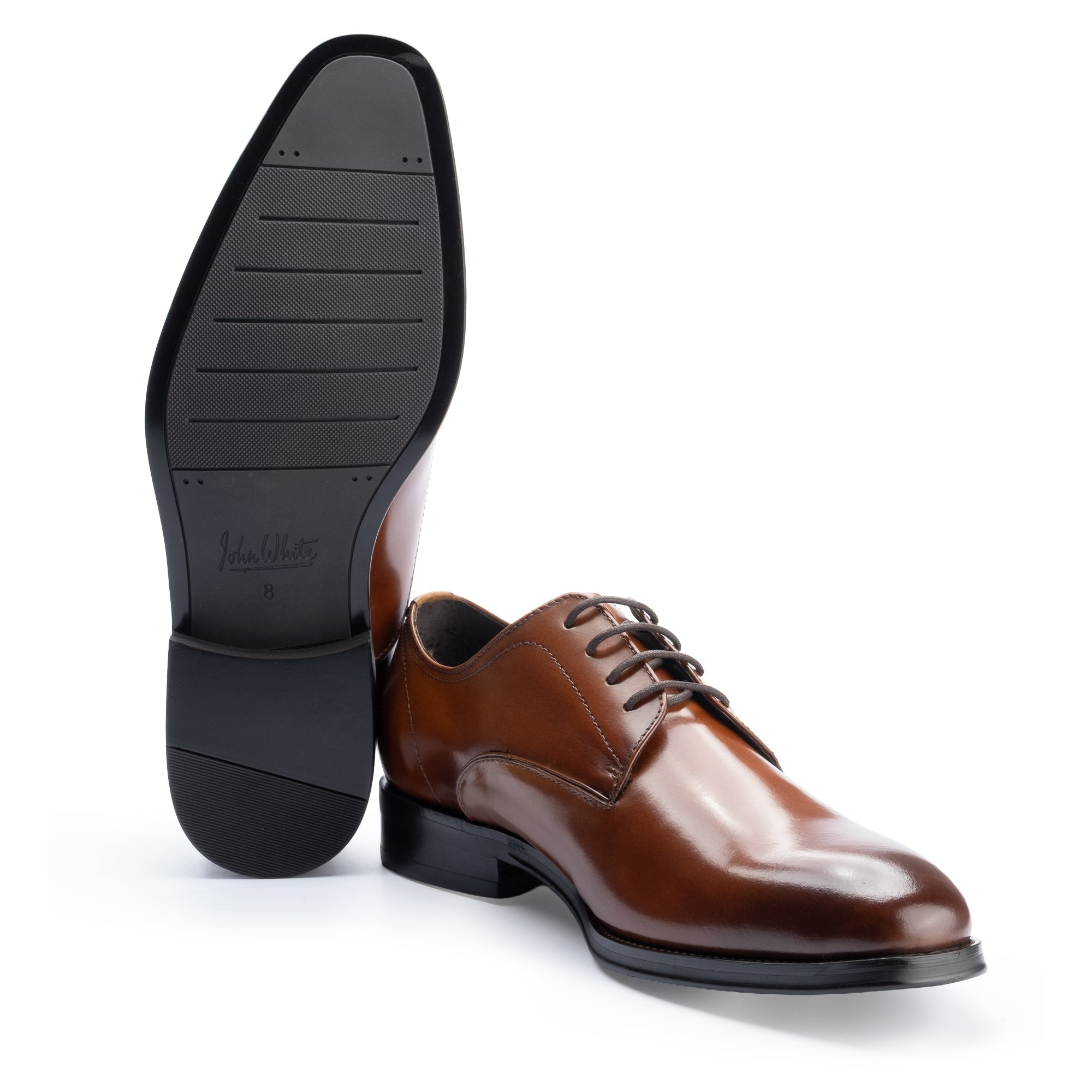
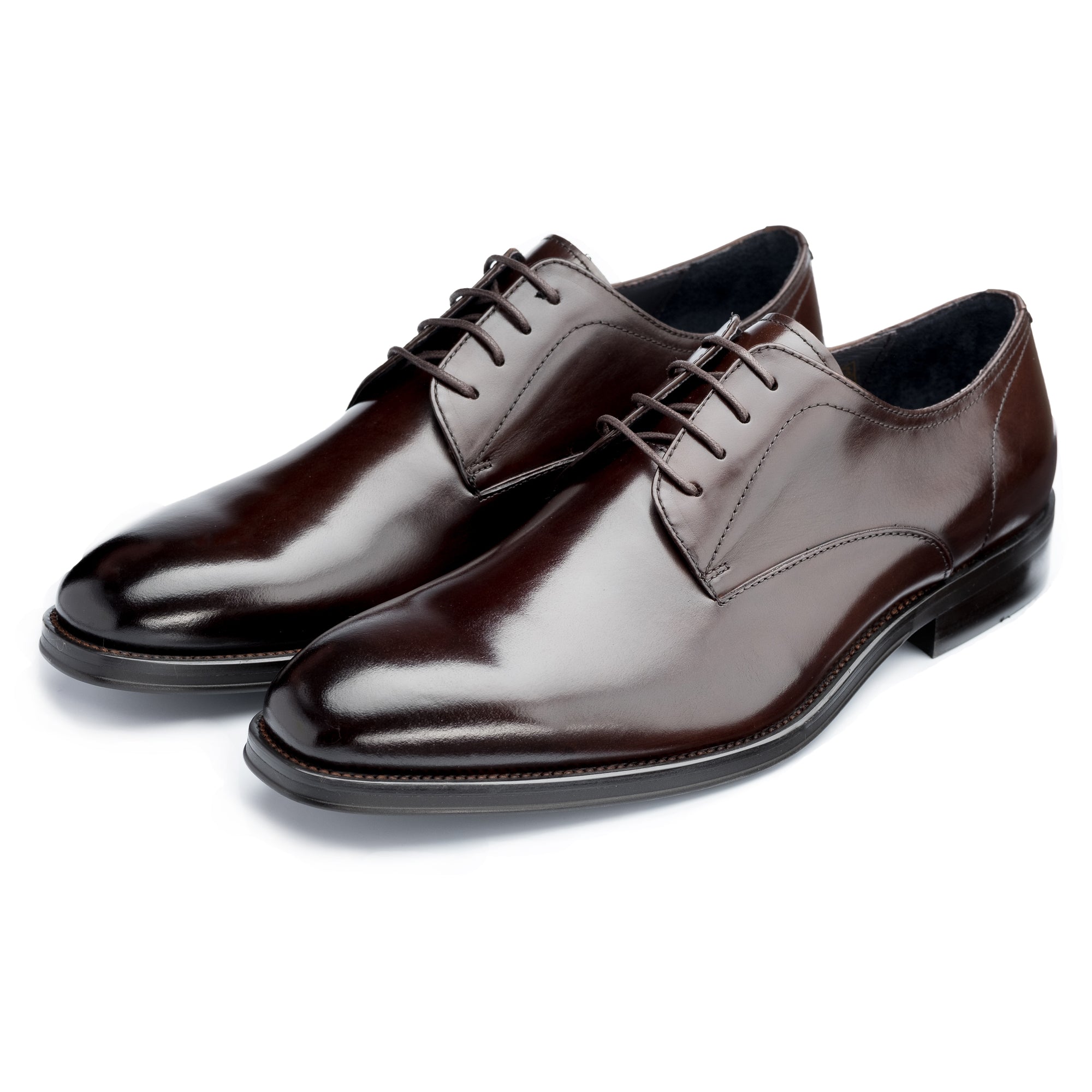
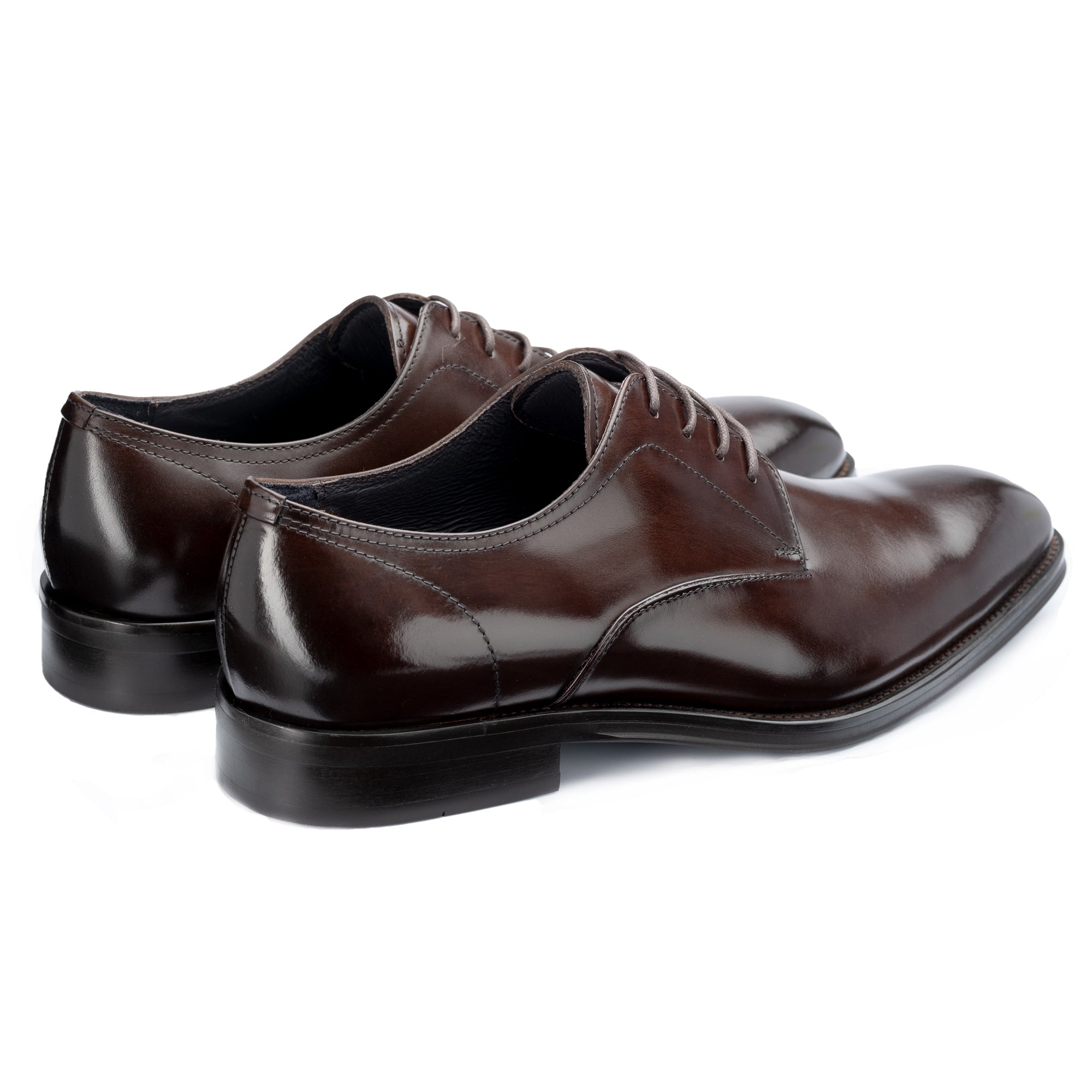
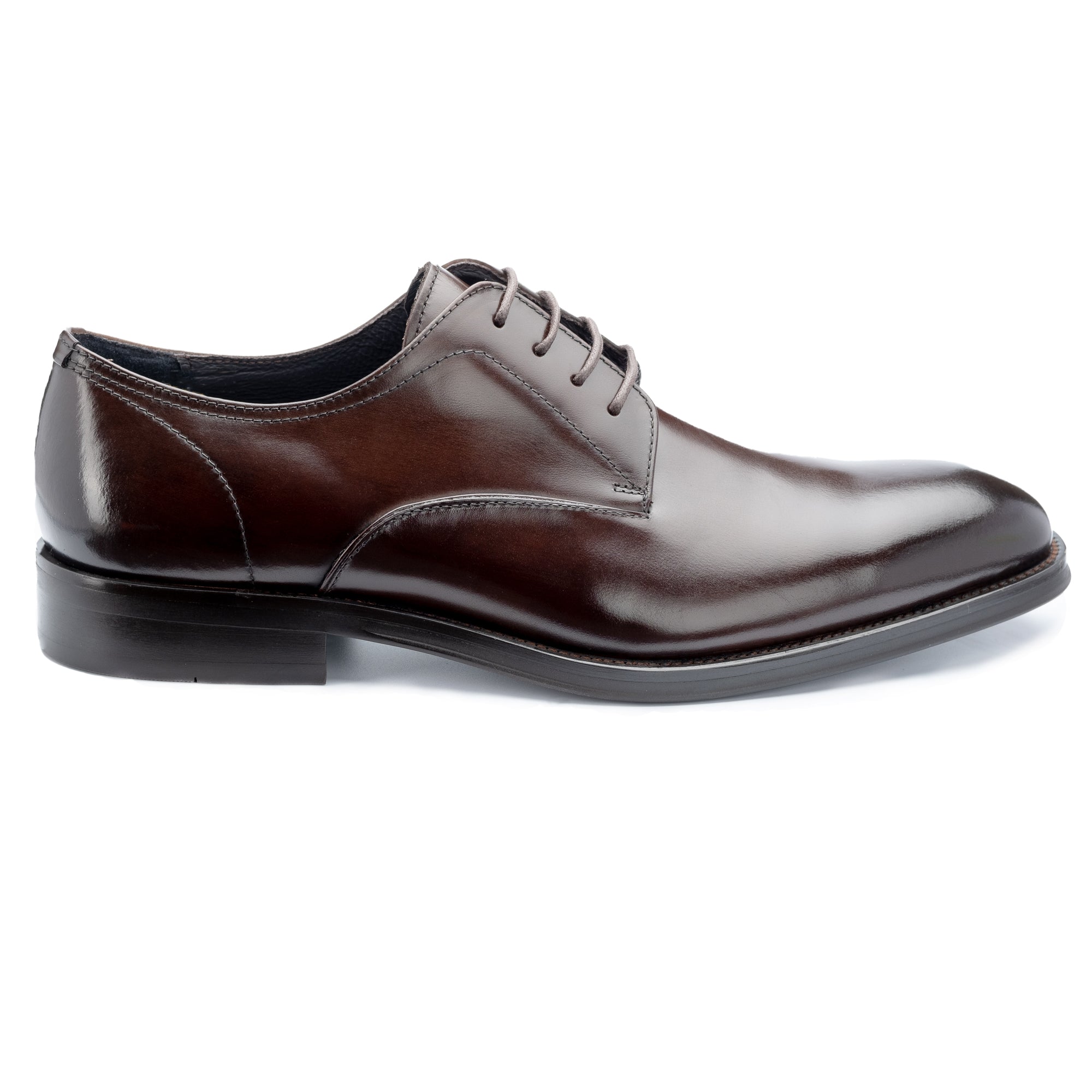
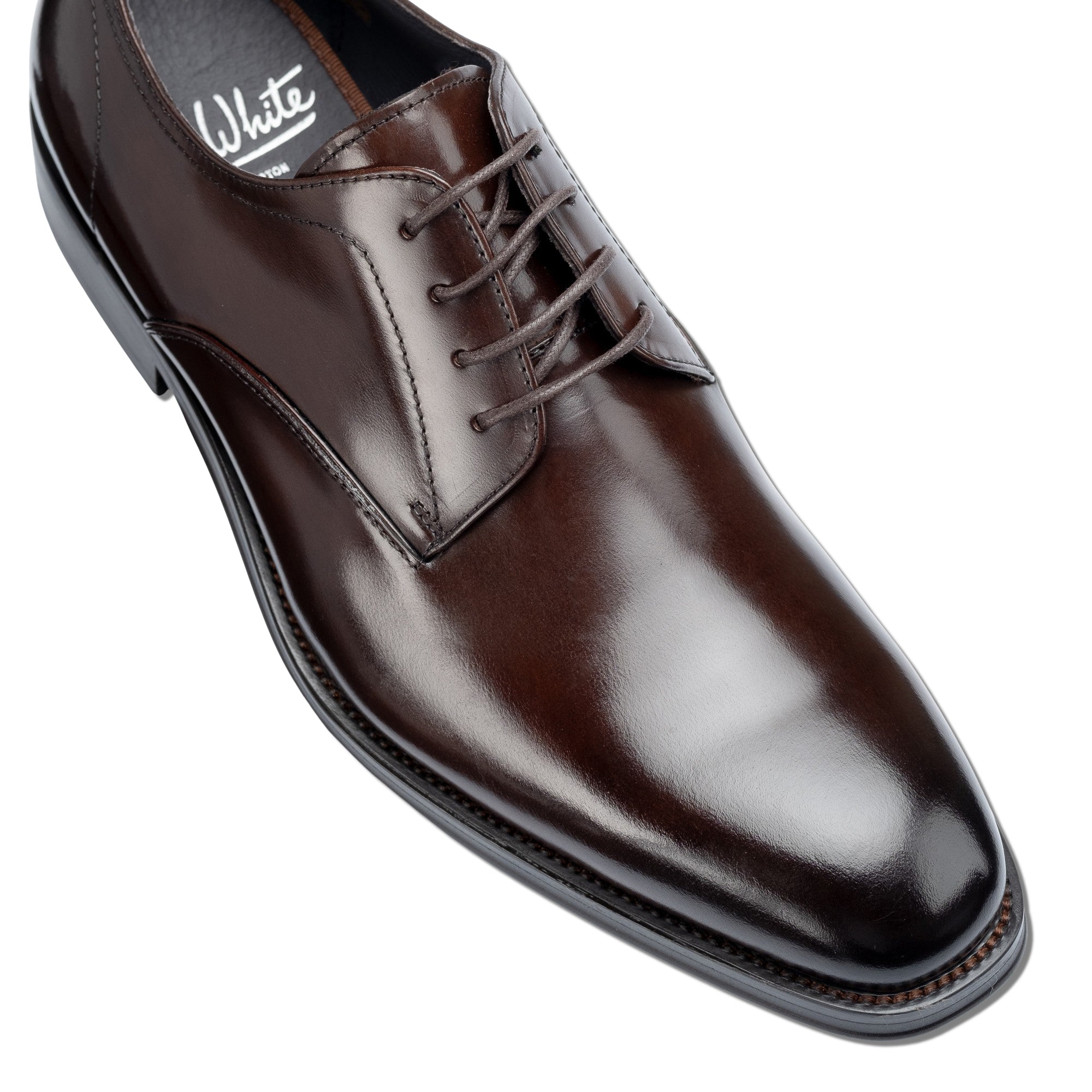
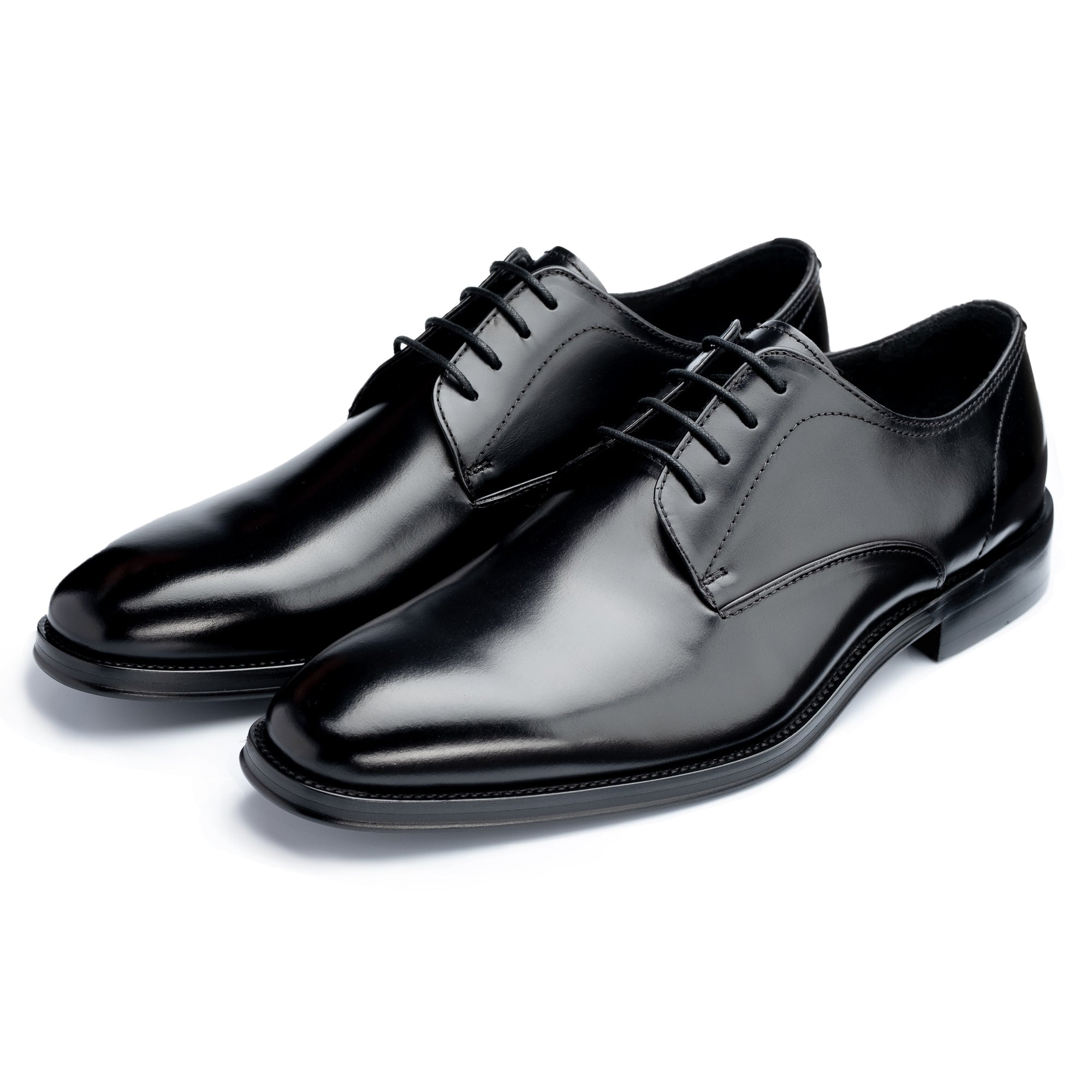
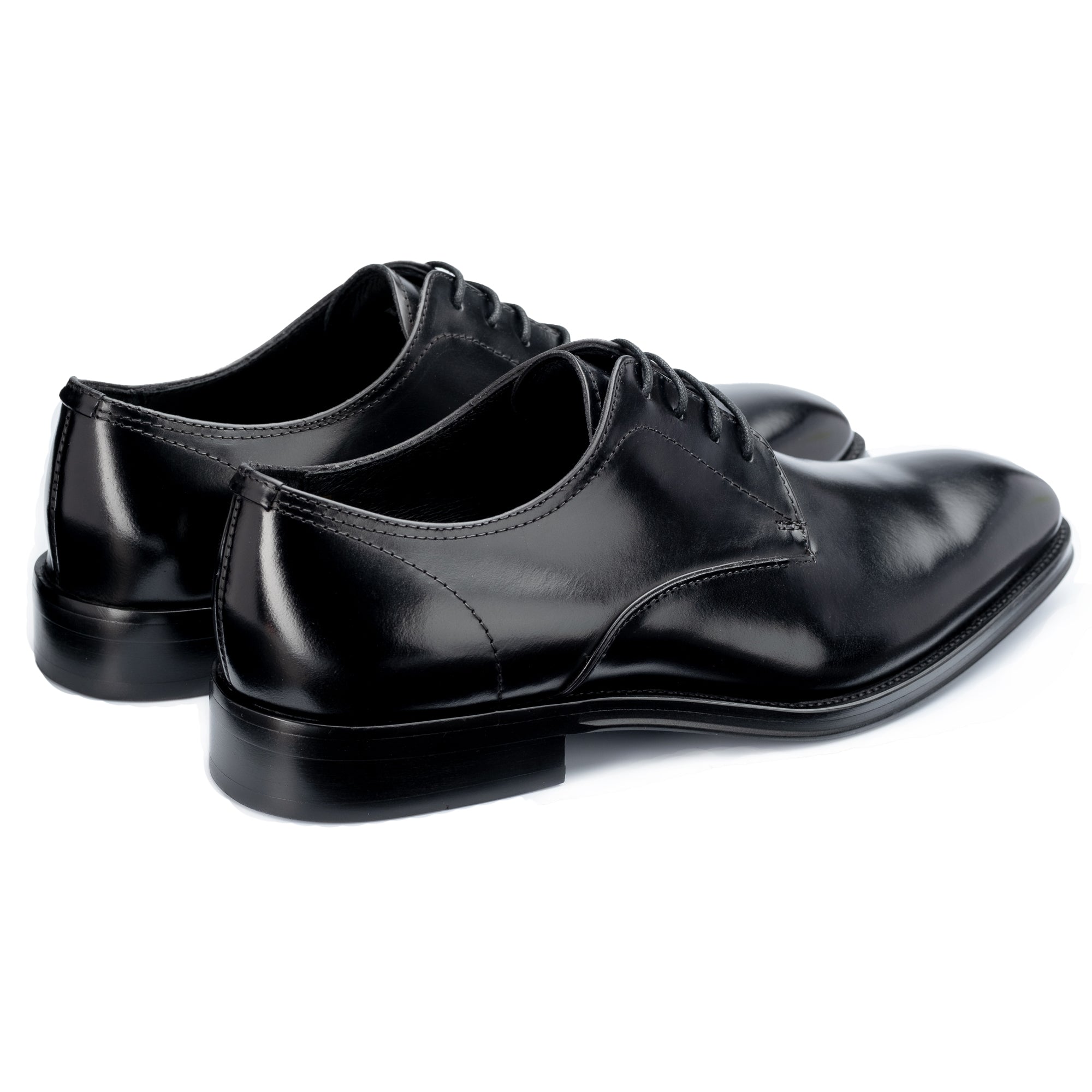
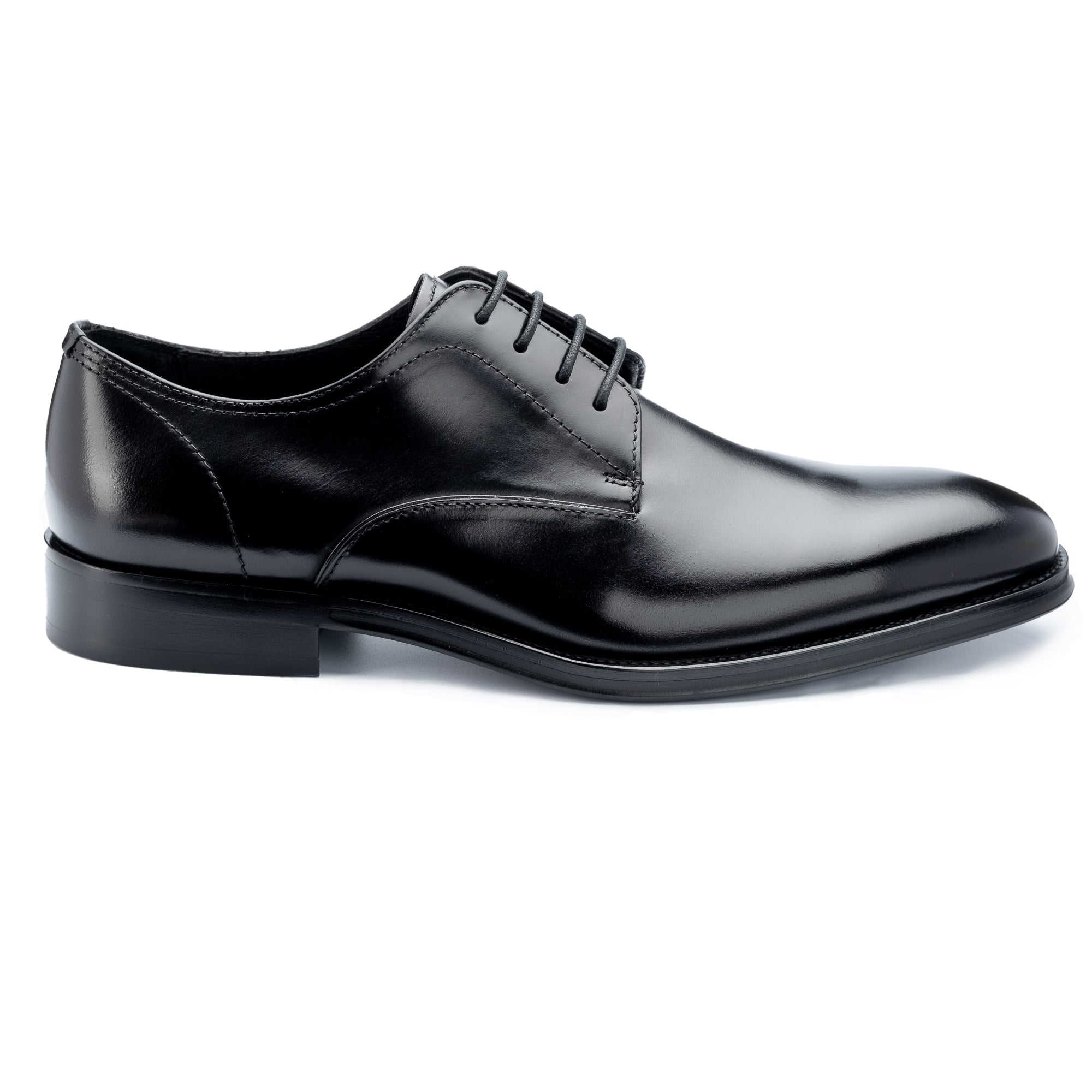
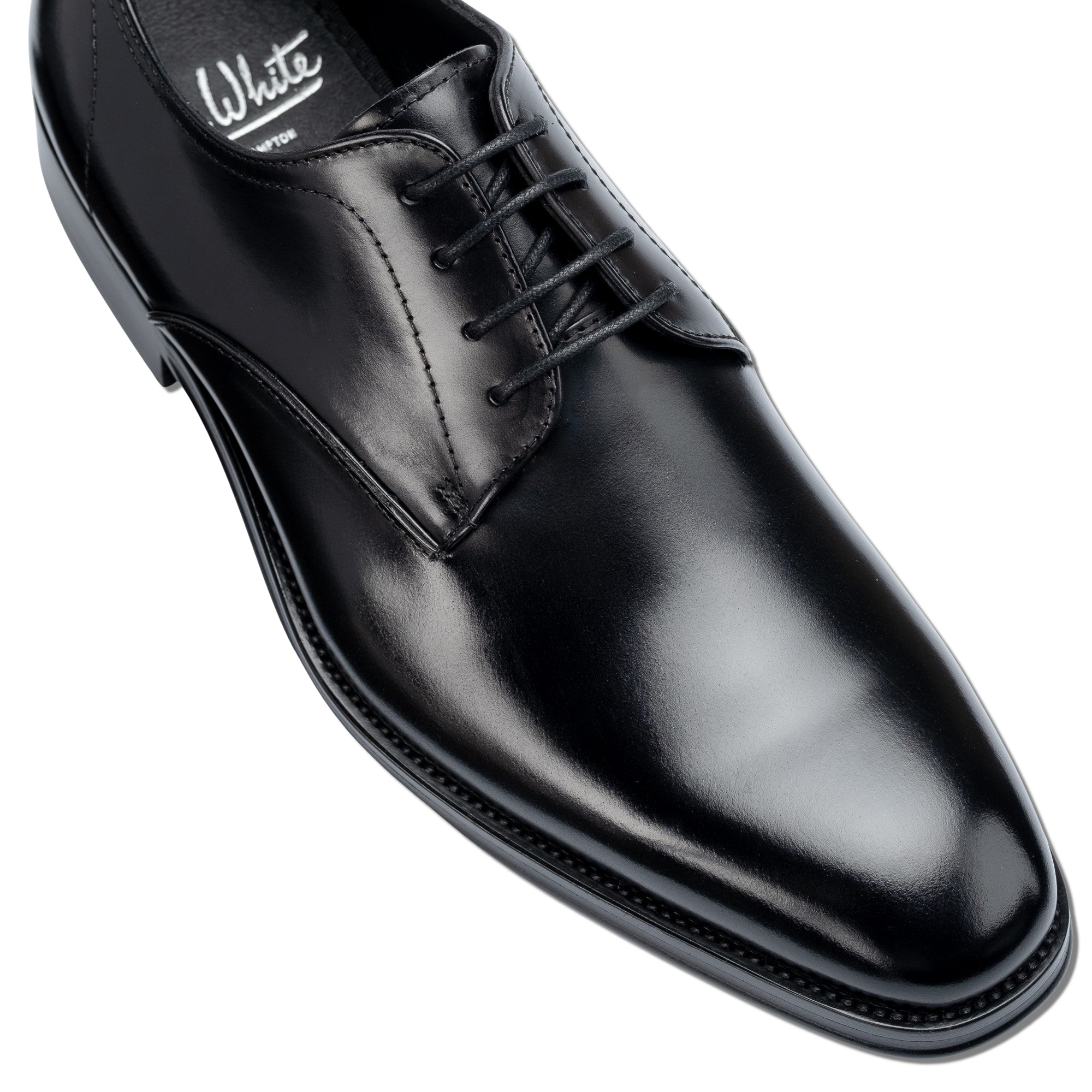
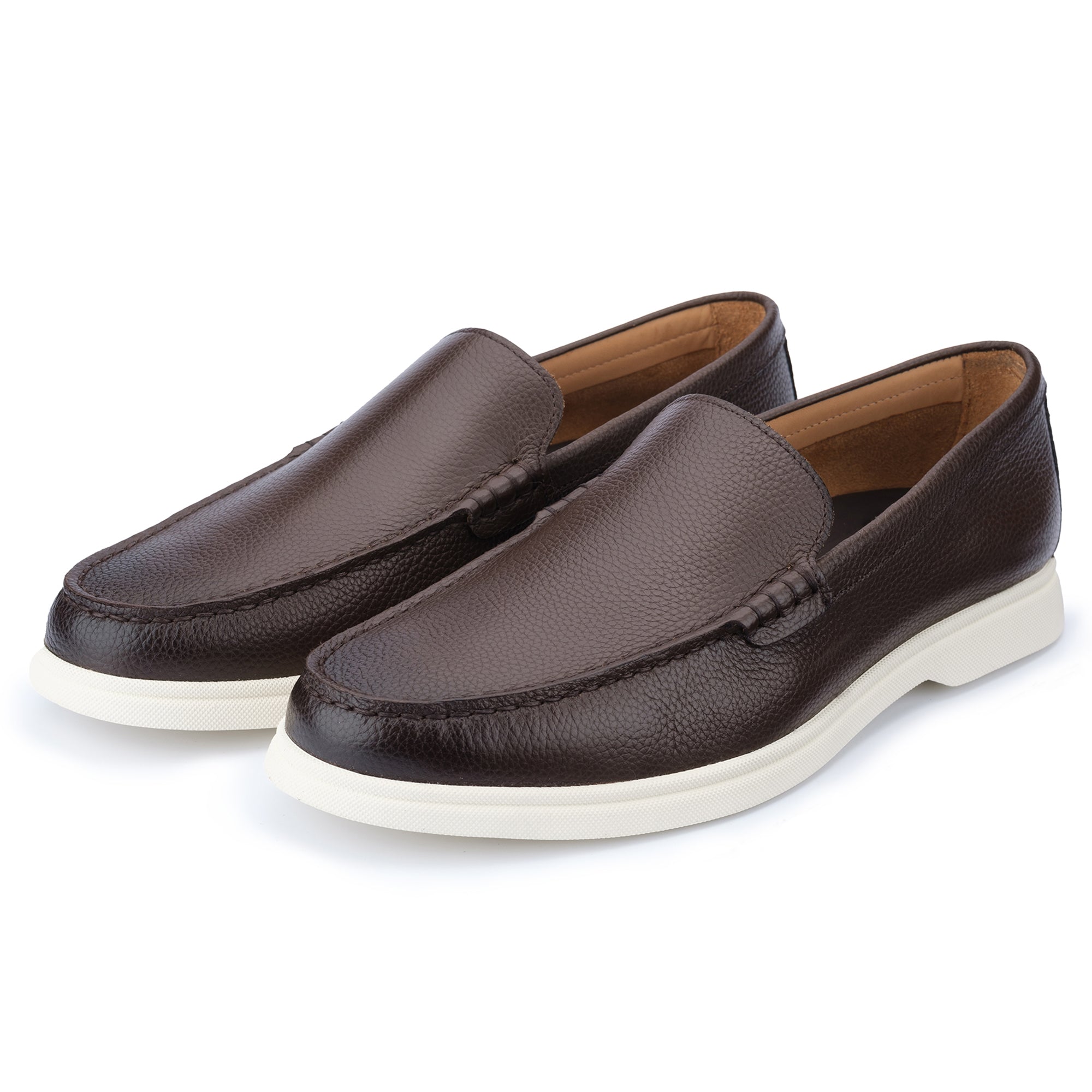
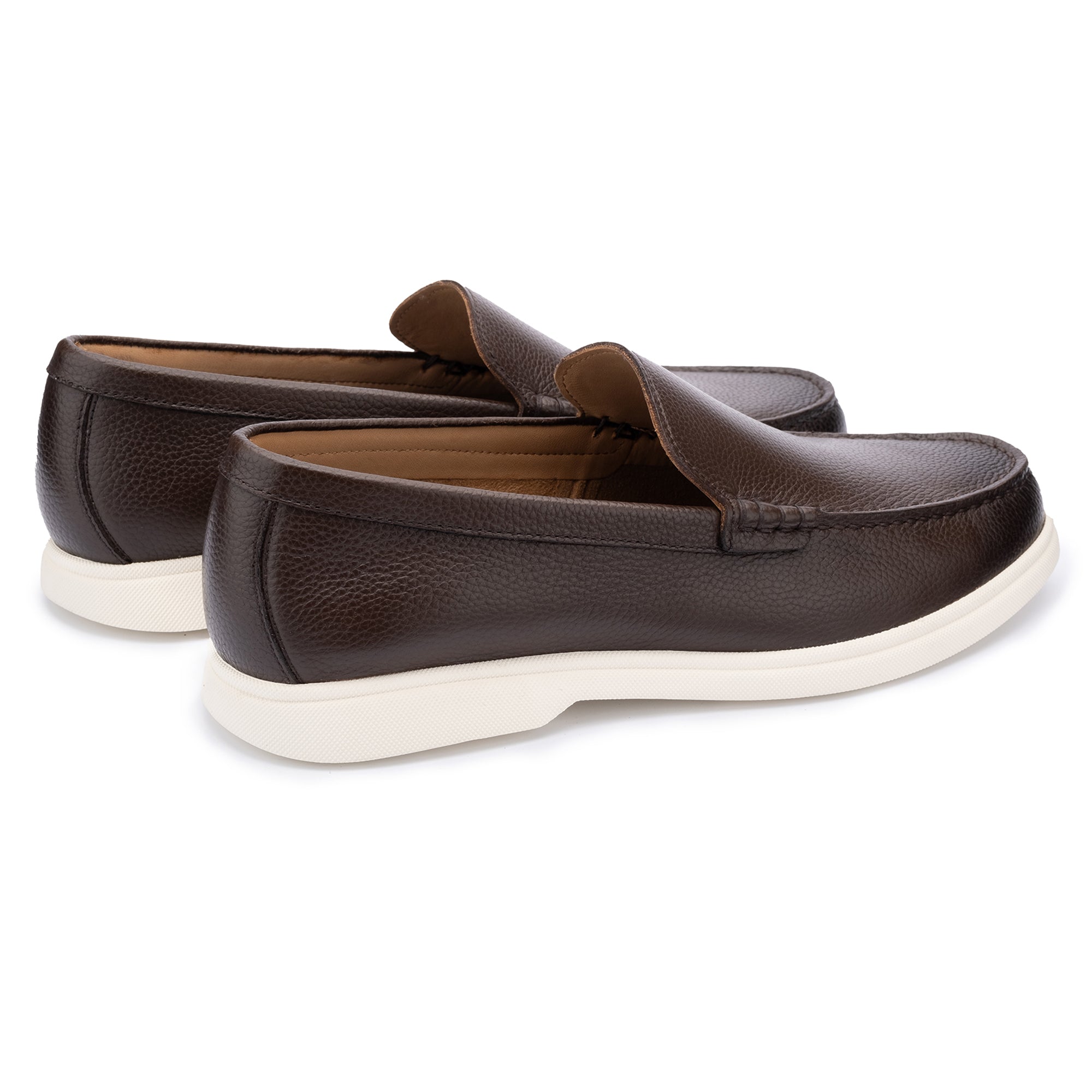
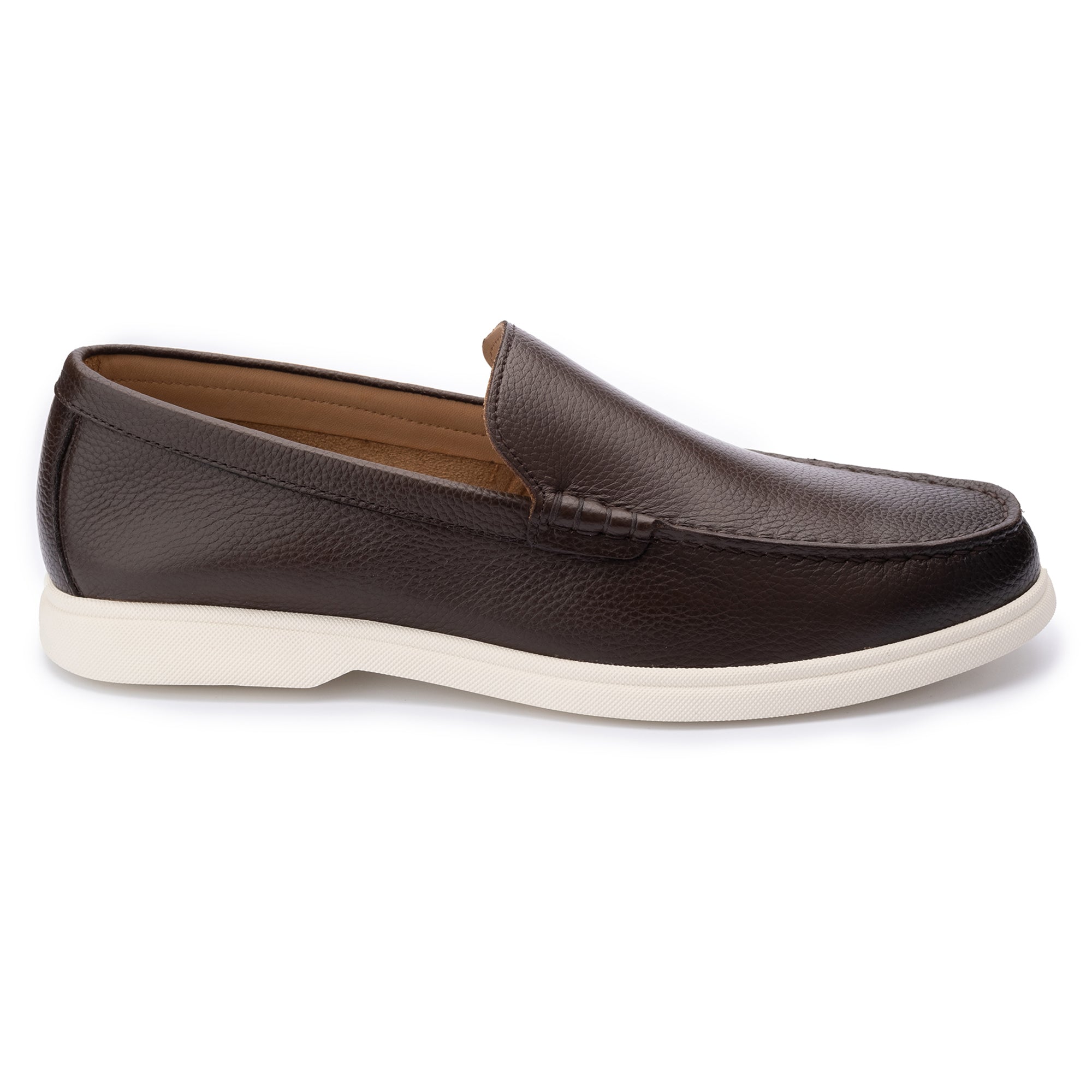
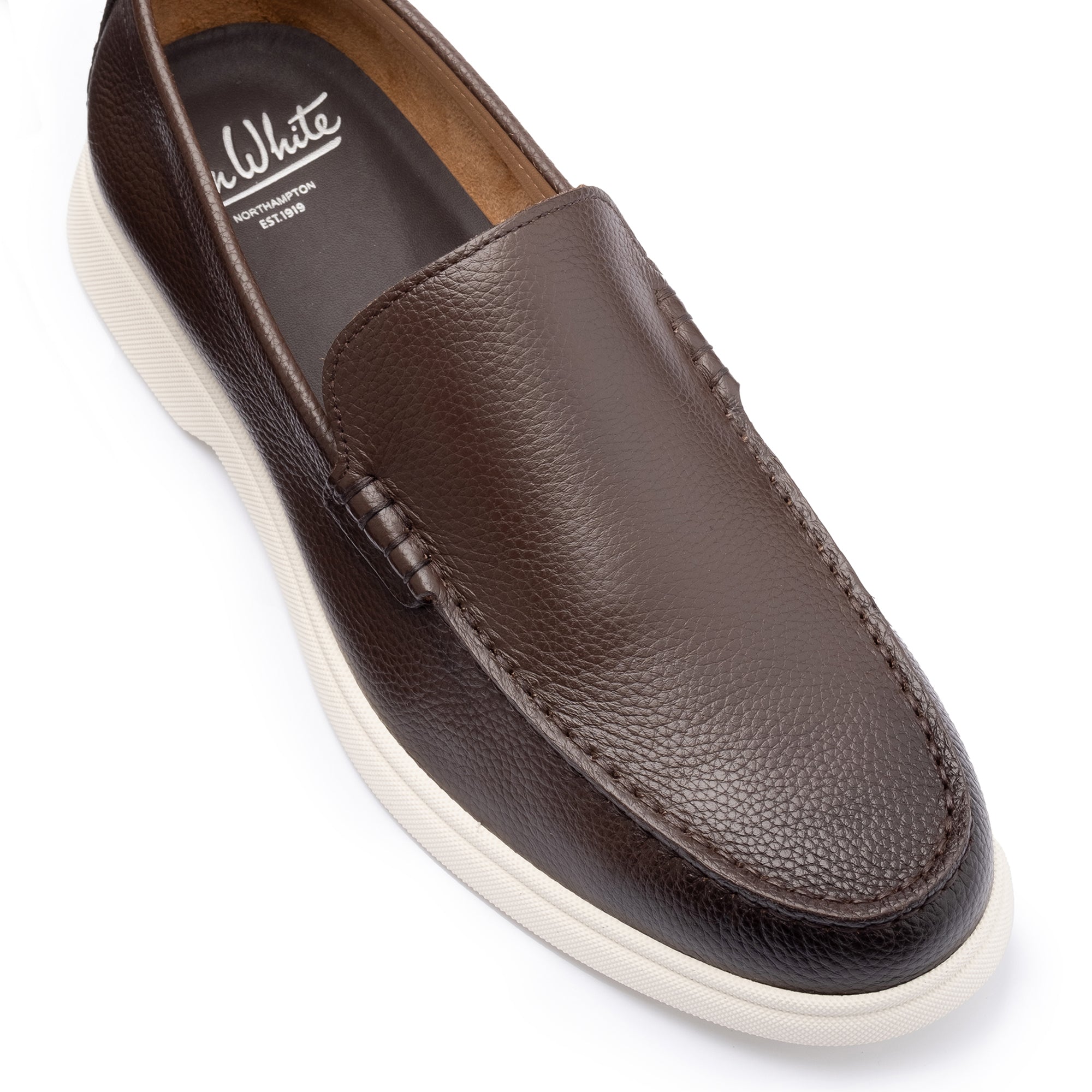
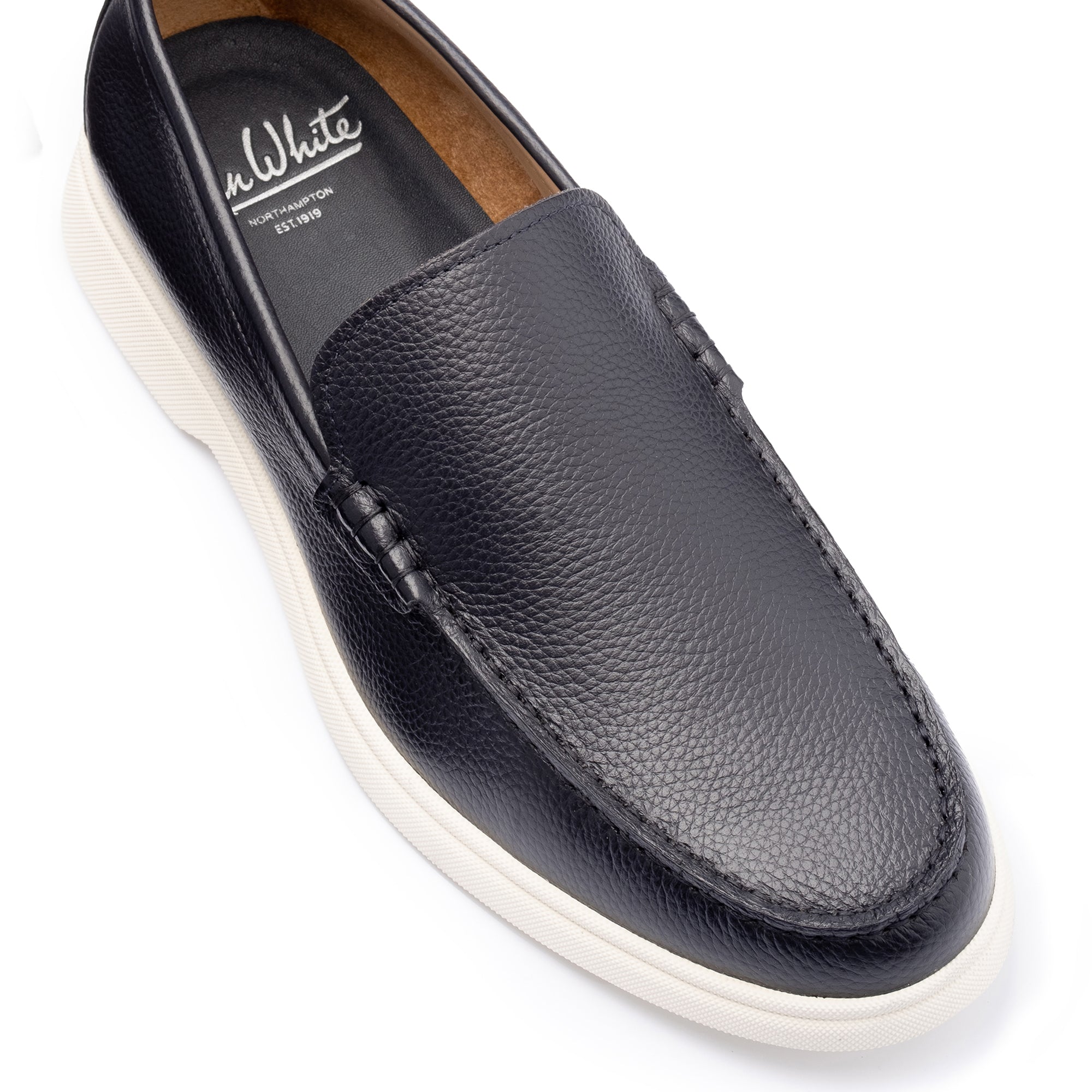
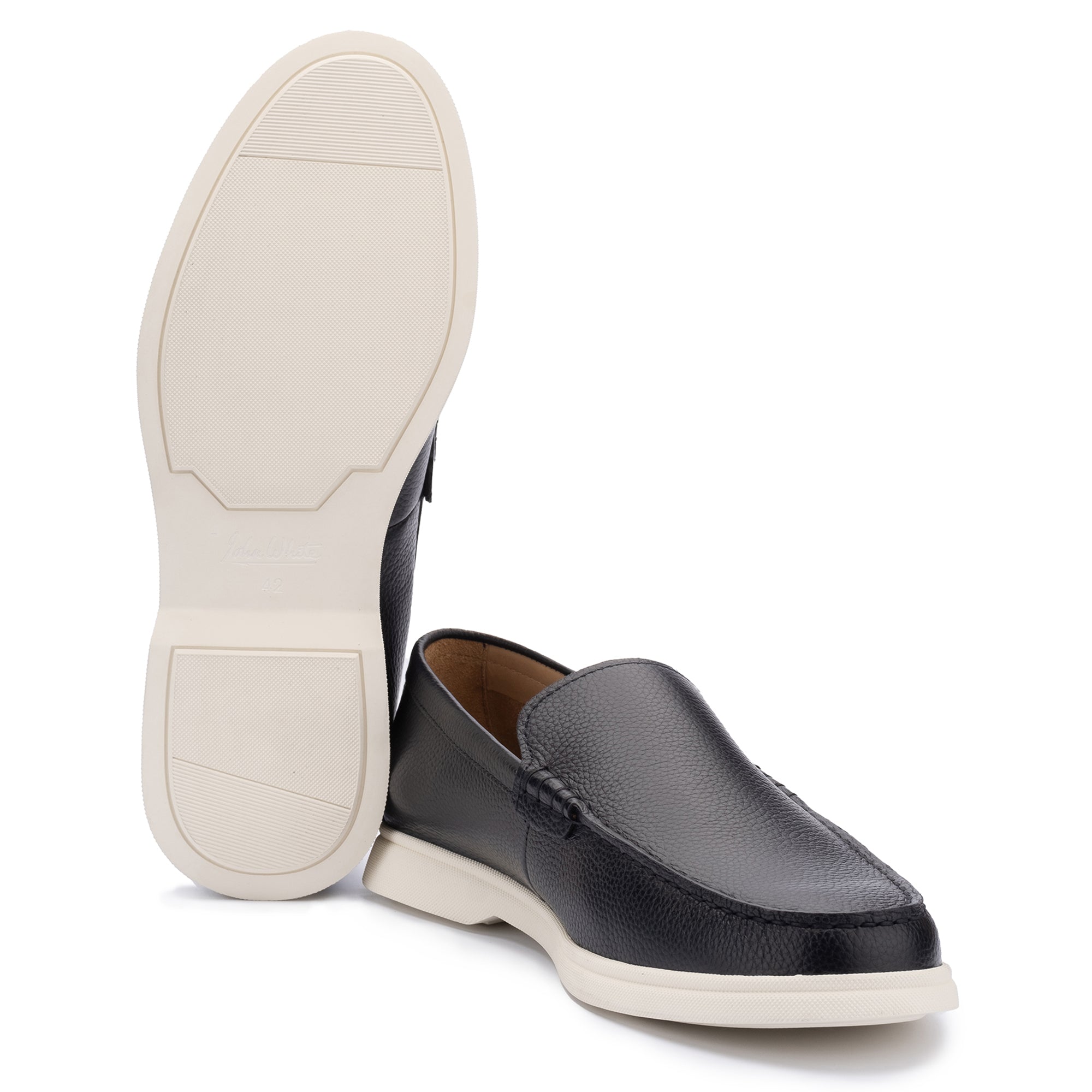
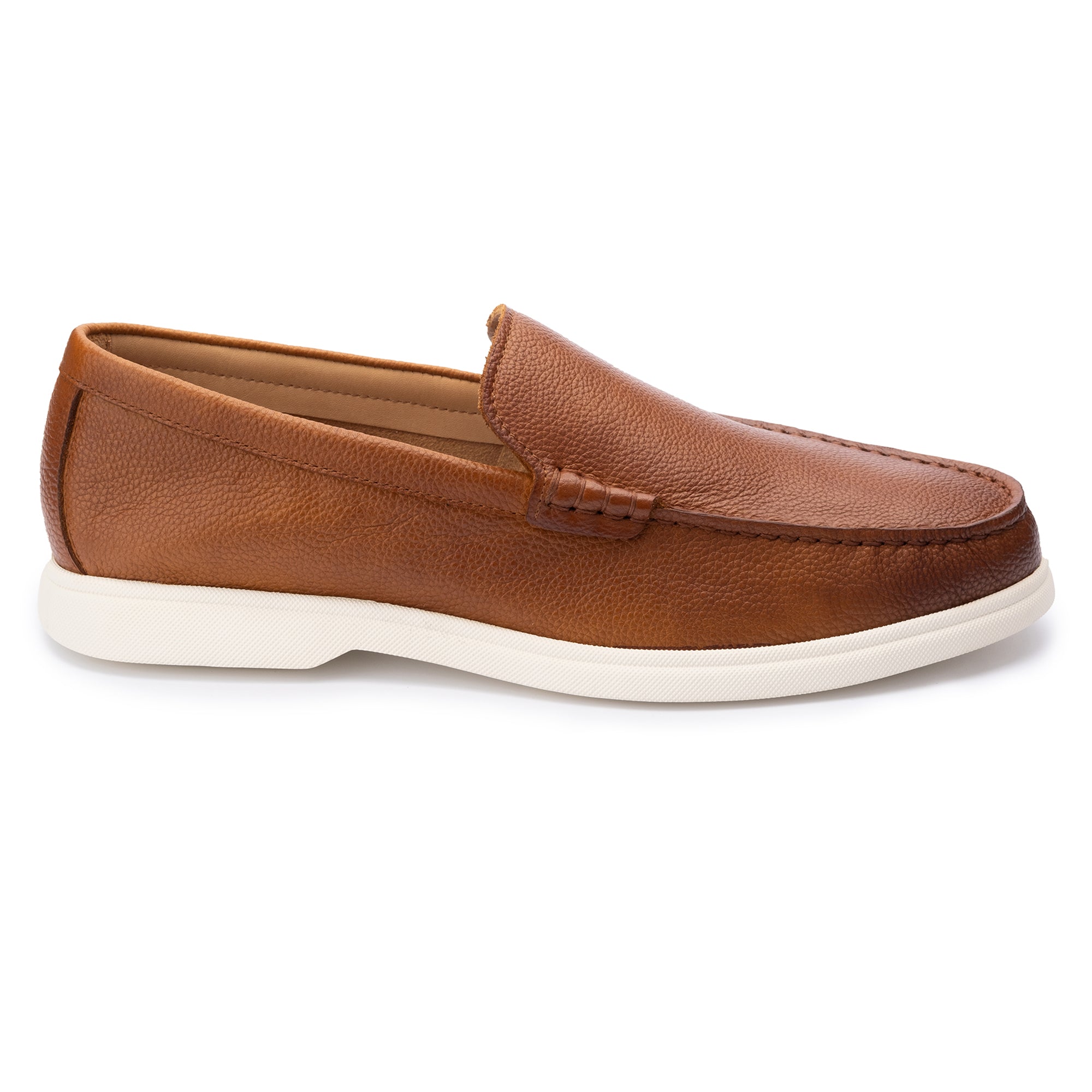
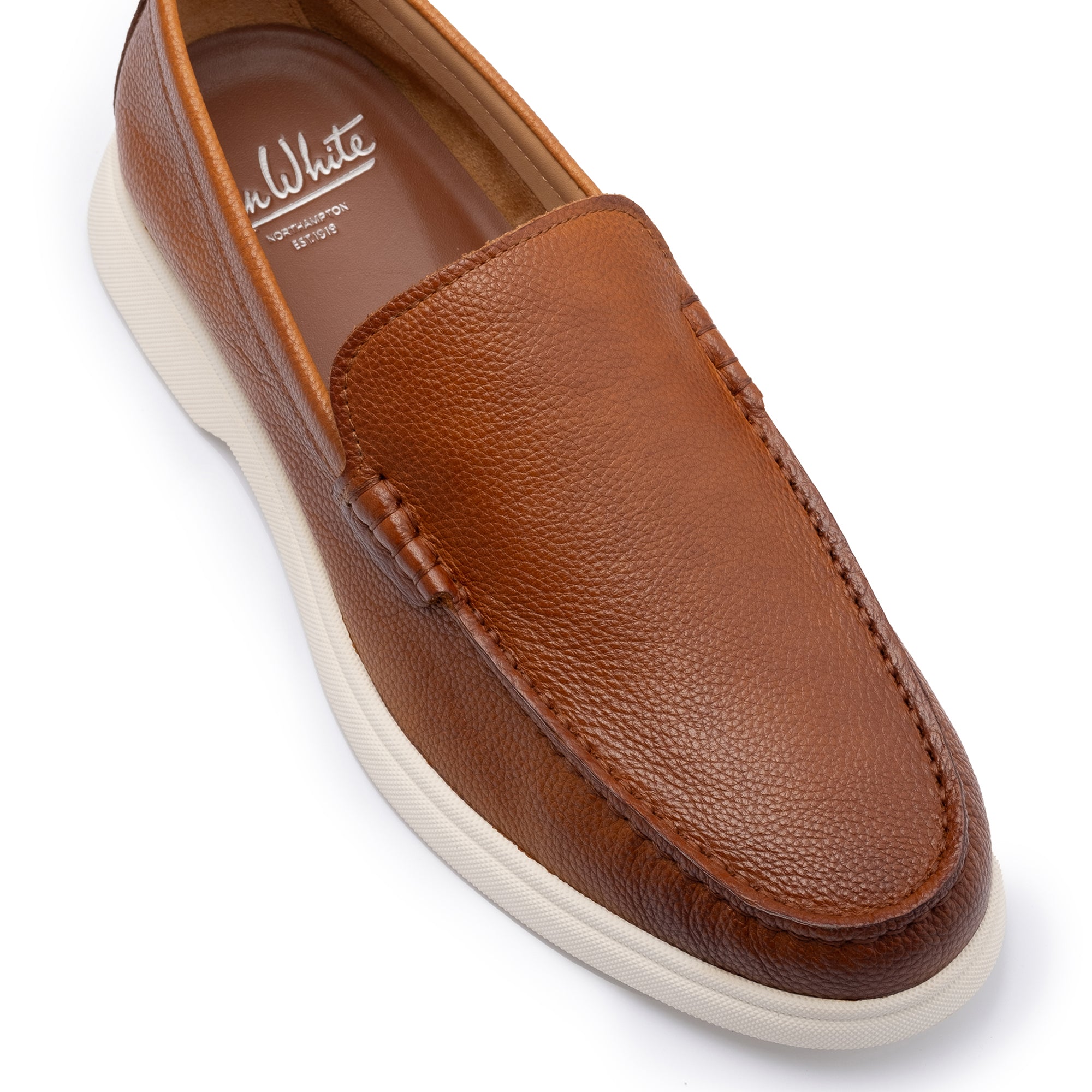
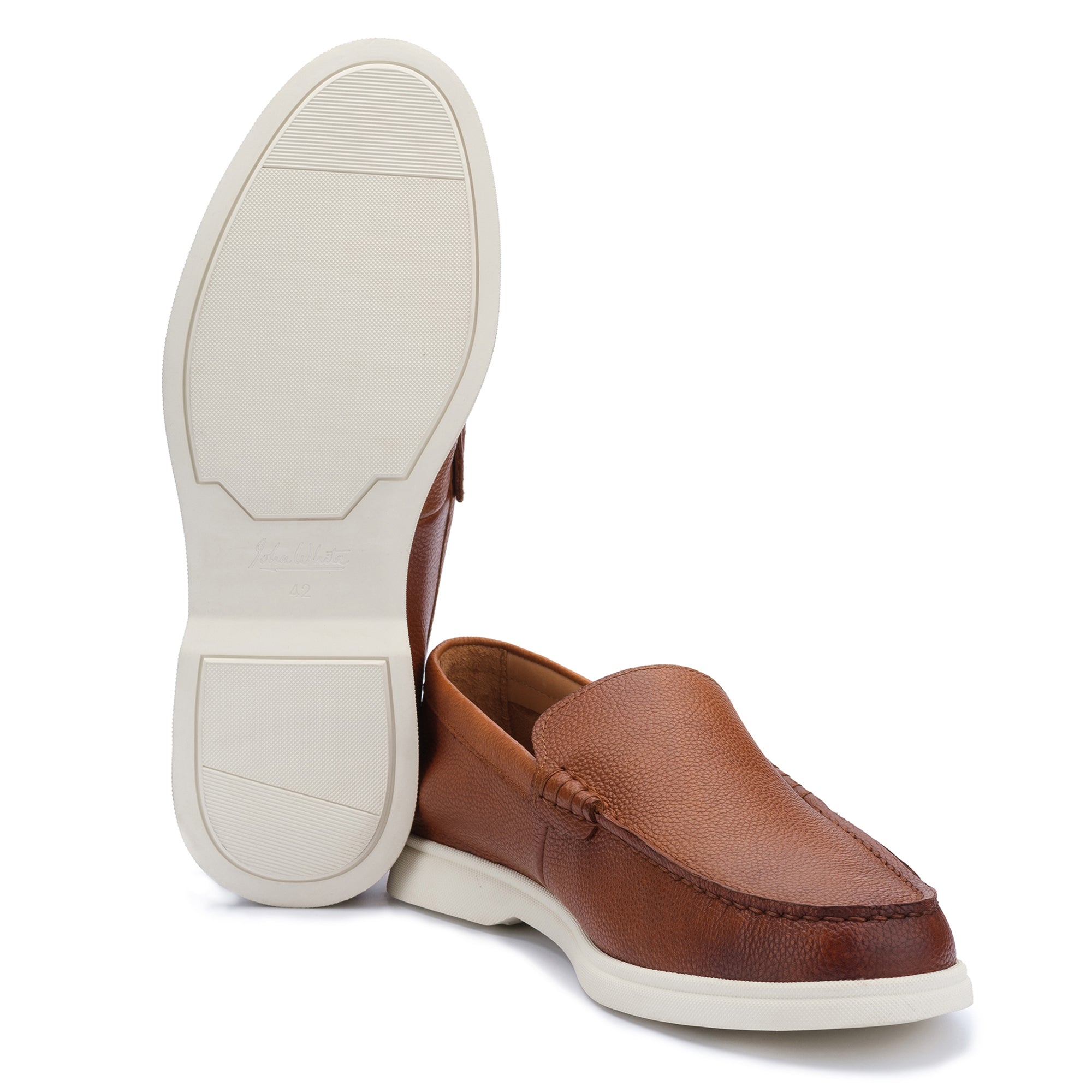
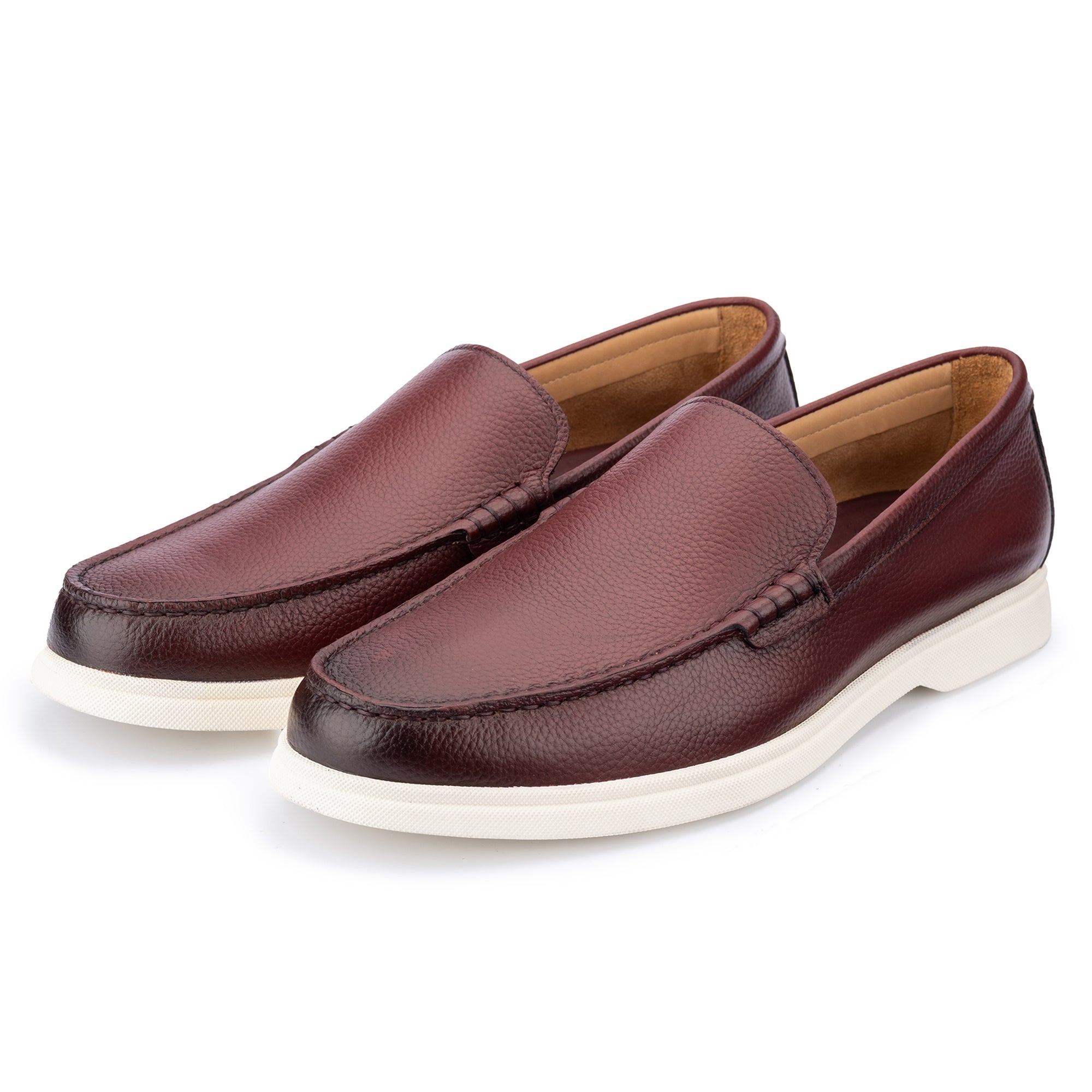
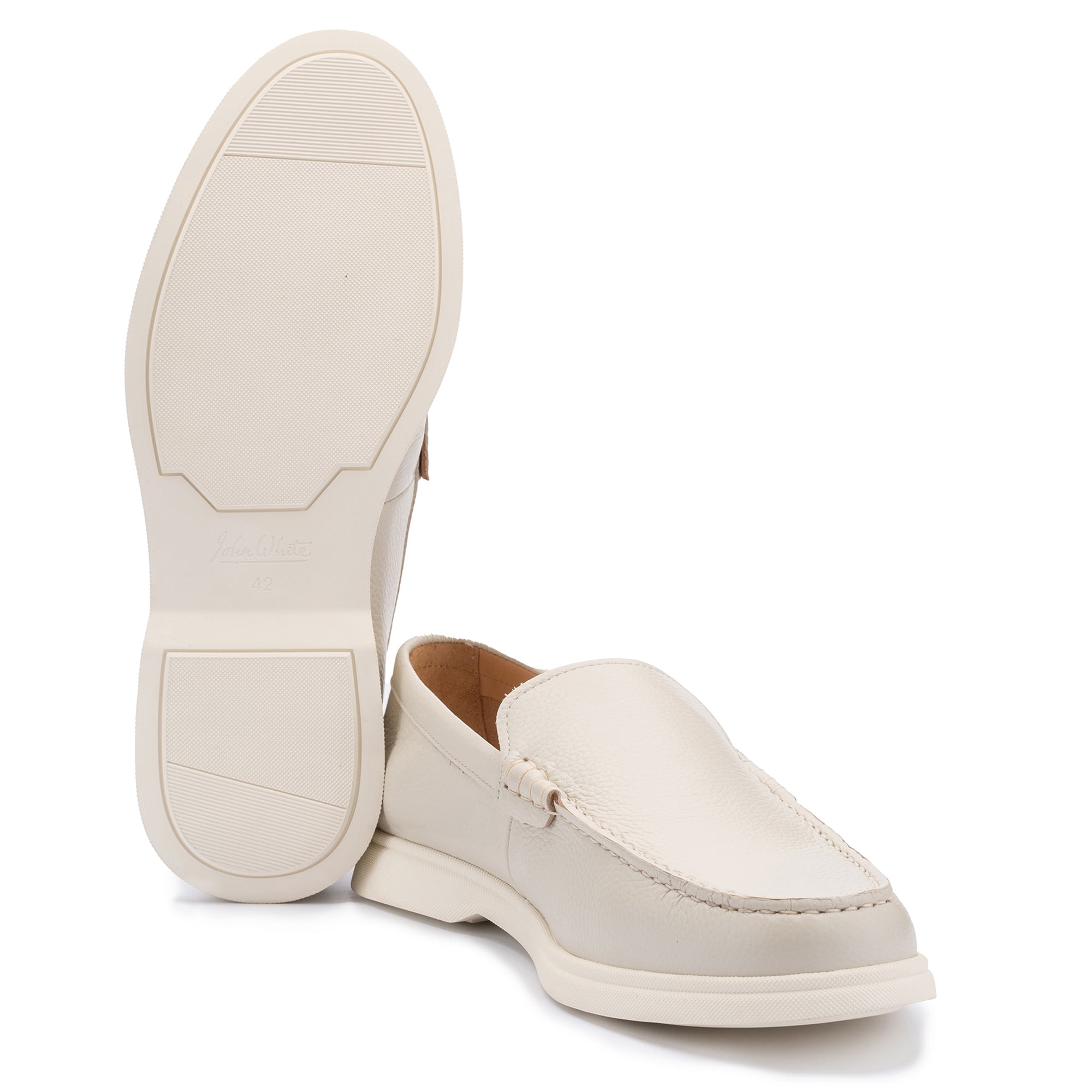
While Northamptonshire boasts many heritage footwear brands known for producing durable leather shoes, John White Shoes, established in 1919, designs and curates its collection with the same long-term wear philosophy. That philosophy only pays off if you look after what you buy.
Why Do Leather Shoes Need Time to Rest?
Leather is a natural material that responds to the conditions it's exposed to. During a full day of wear, your feet produce a significant amount of moisture — absorbed directly into the insole and upper leather. If you wear the same pair the following day, that moisture hasn't fully evaporated. The leather remains damp, softened, and vulnerable.
According to the Leather Conservation Centre, leather that remains damp for extended periods becomes susceptible to cracking, distortion, and the breakdown of the fibres that give it structure and strength. Even premium full-grain leather — the most resilient type — degrades faster under repeated damp wear than it does through normal use.
It's not just moisture. The insole and midsole compress under the pressure of walking throughout the day. Wearing the same pair again before these materials have recovered accelerates permanent deformation. The toe box, heel counter, and upper all benefit from rest time to return to their natural shape.
Leather footwear worn daily without rotation typically lasts two to three years; the same shoe rotated with even one additional pair can last five years or more.
How Does Rotating Your Shoes Extend Their Life?
Shoe rotation extends shoe life through three distinct mechanisms: moisture recovery, structural recovery, and even wear distribution.
Moisture Recovery
Resting a shoe for 24 to 48 hours allows moisture to evaporate fully from the leather upper, lining, and insole. The Leather Conservation Centre recommends allowing leather footwear to dry naturally in a well-ventilated space — never near a direct heat source, which causes leather to crack and contract.
A cedar wood shoe tree accelerates this process by drawing moisture from inside the shoe while simultaneously maintaining its shape. Cedar's natural oils also deodorise the interior between wears. If you're investing in quality leather shoes, shoe trees aren't optional — they're part of what makes rotation work.
Structural Recovery
The insole and upper leather compress under the weight of walking. Rest time allows these materials to decompress and return closer to their original form. This is particularly important for shoes with leather insoles, which are more responsive to moisture and compression than synthetic alternatives.
Even Wear Distribution
Rotating between multiple pairs distributes wear across a larger total surface area over time. The heel, toe, and lateral edges — the points that contact the ground most — wear at a slower rate when each pair gets alternating rest days. According to the Society of Master Shoe Repairers, a well-maintained leather shoe that's rotated regularly can remain in excellent condition for a decade or more, particularly when professional resoling is carried out at appropriate intervals.
Rotating between just two pairs already halves the daily stress on each shoe; a rotation of three or four pairs is considered optimal for premium leather footwear.
How Many Pairs Do You Need in a Shoe Rotation?
Three pairs is the practical minimum for most men wearing leather shoes to work five days a week. This gives each pair at least two full days of rest between wears. Four to five pairs is ideal — it provides flexibility across occasions while ensuring each pair has adequate recovery time.
Here's a sample weekly rotation built from the John White Shoes collection:
| Day | Occasion | Suggested Pair |
|---|---|---|
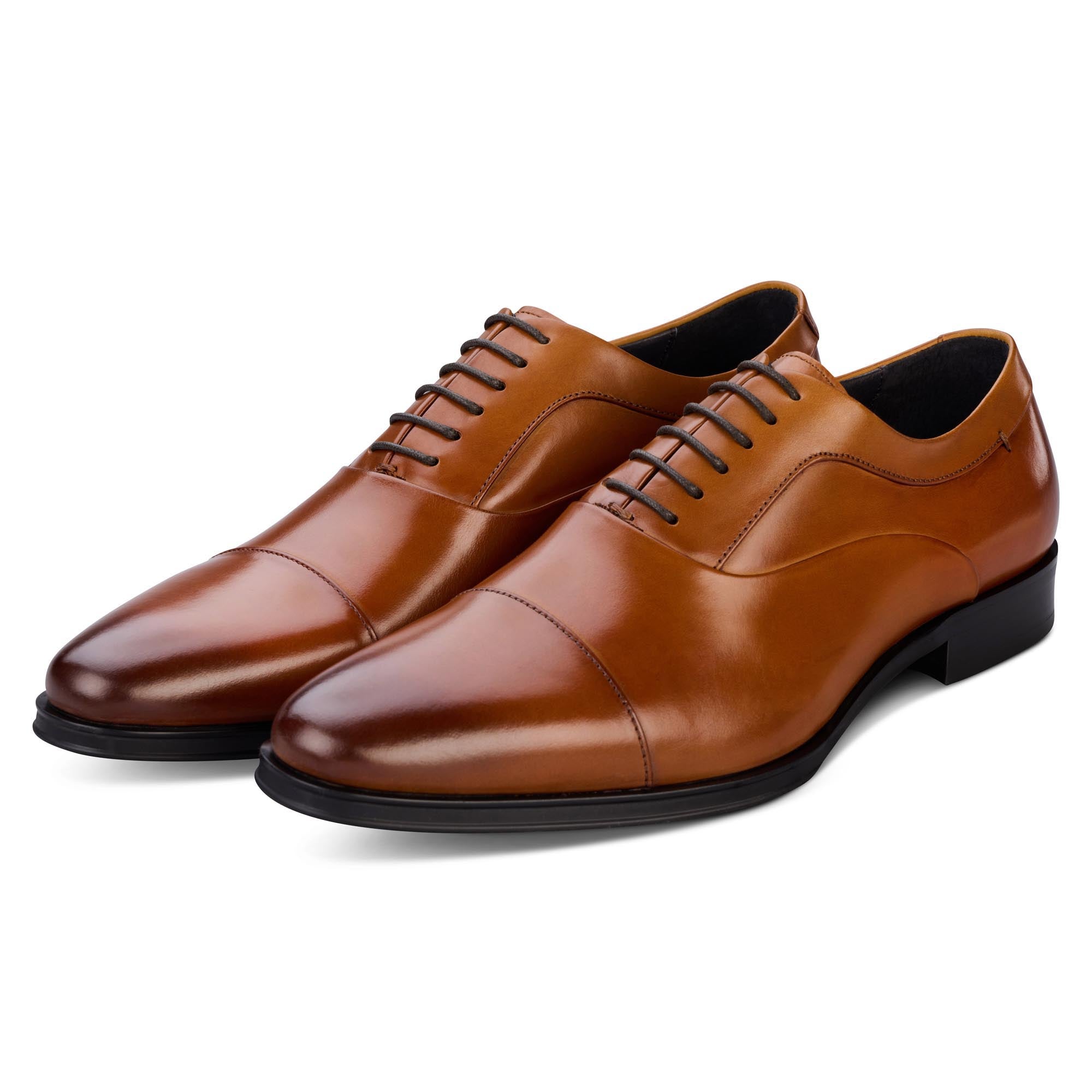
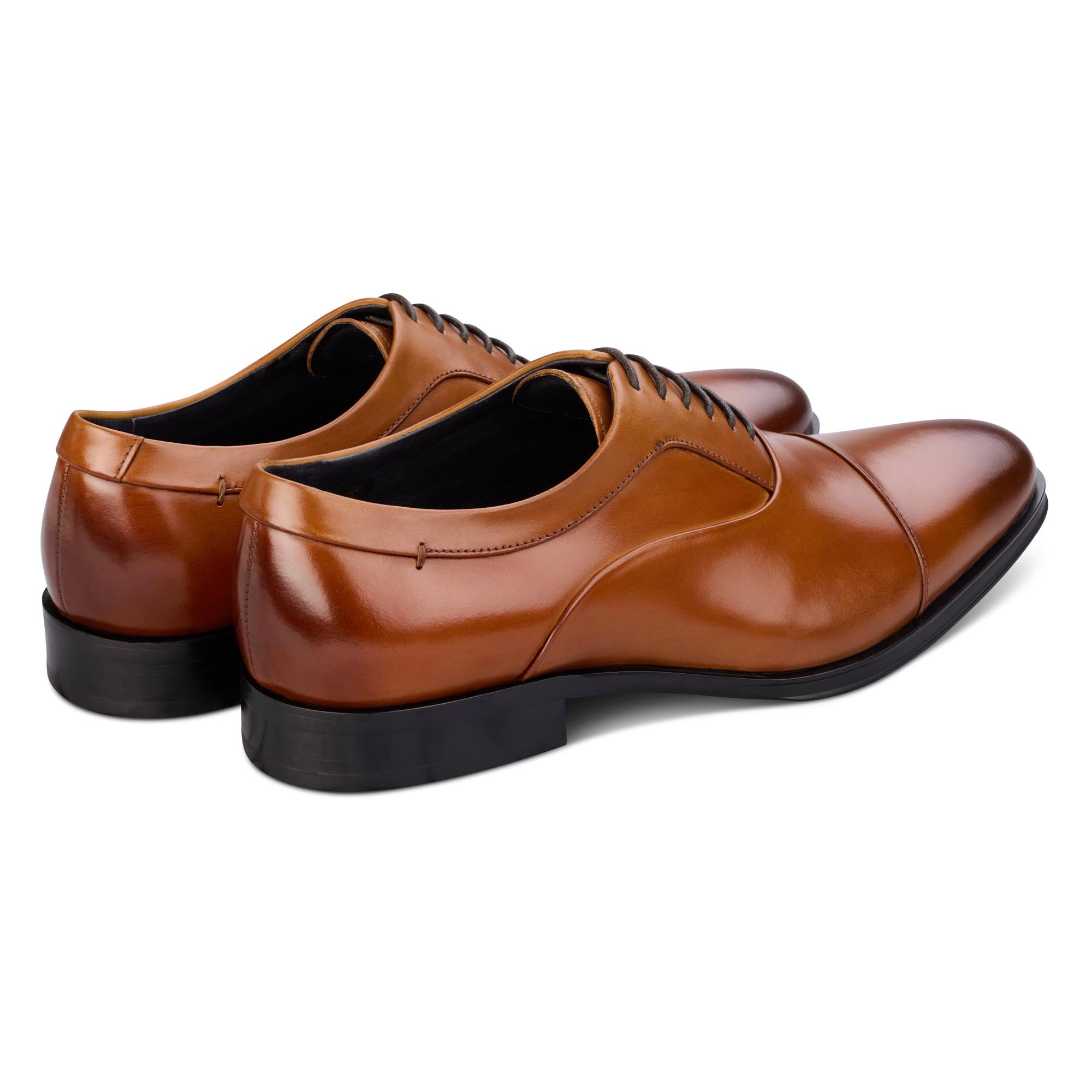
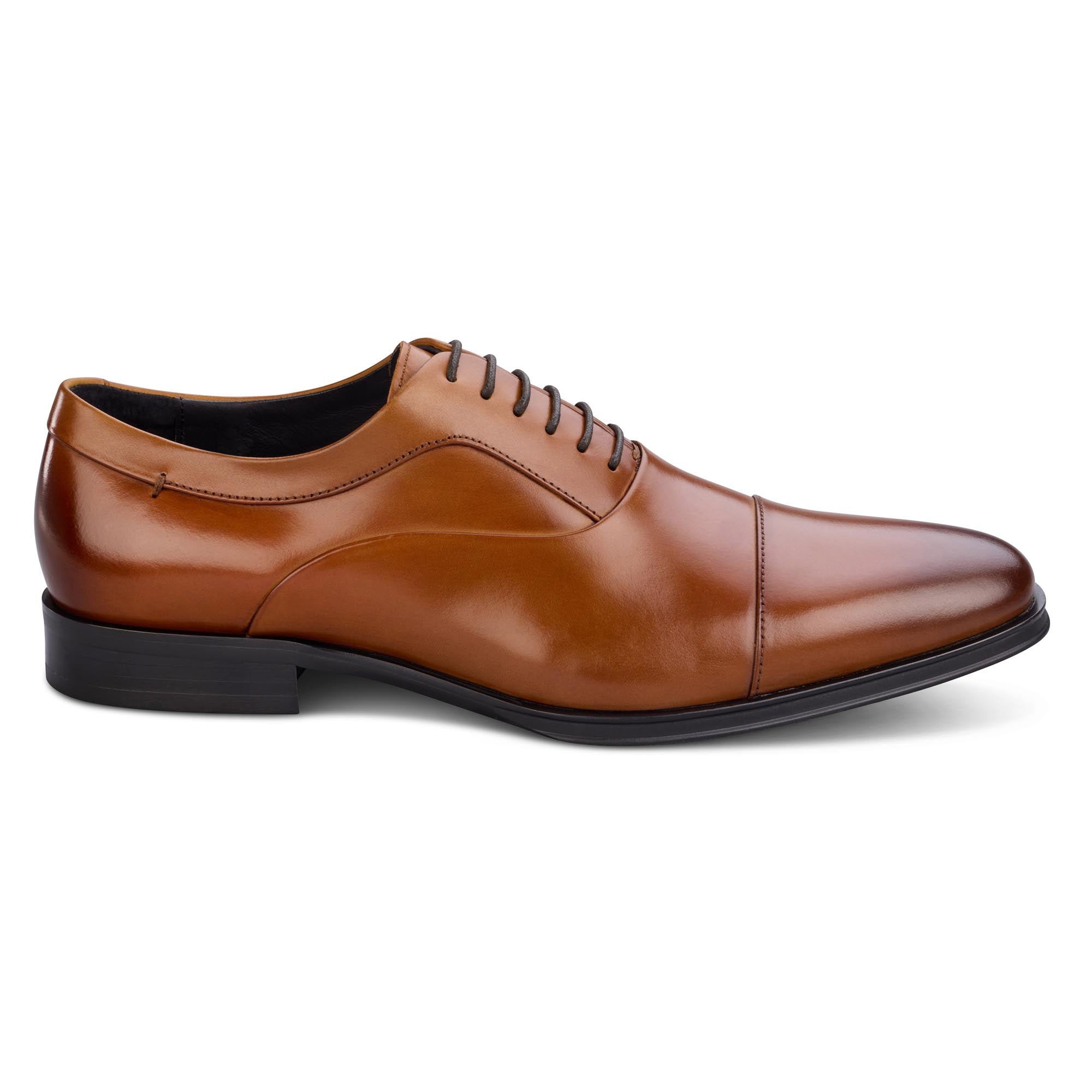
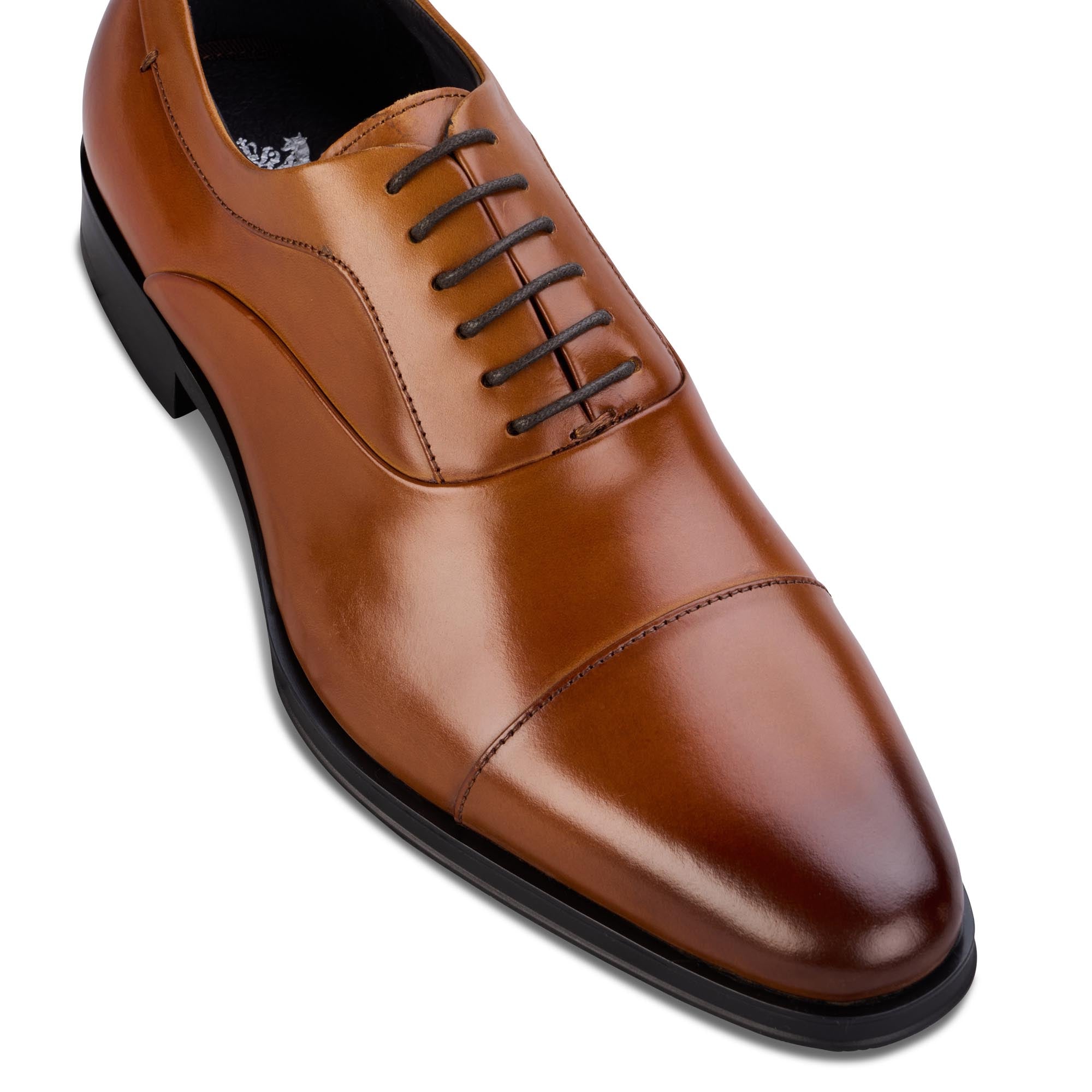
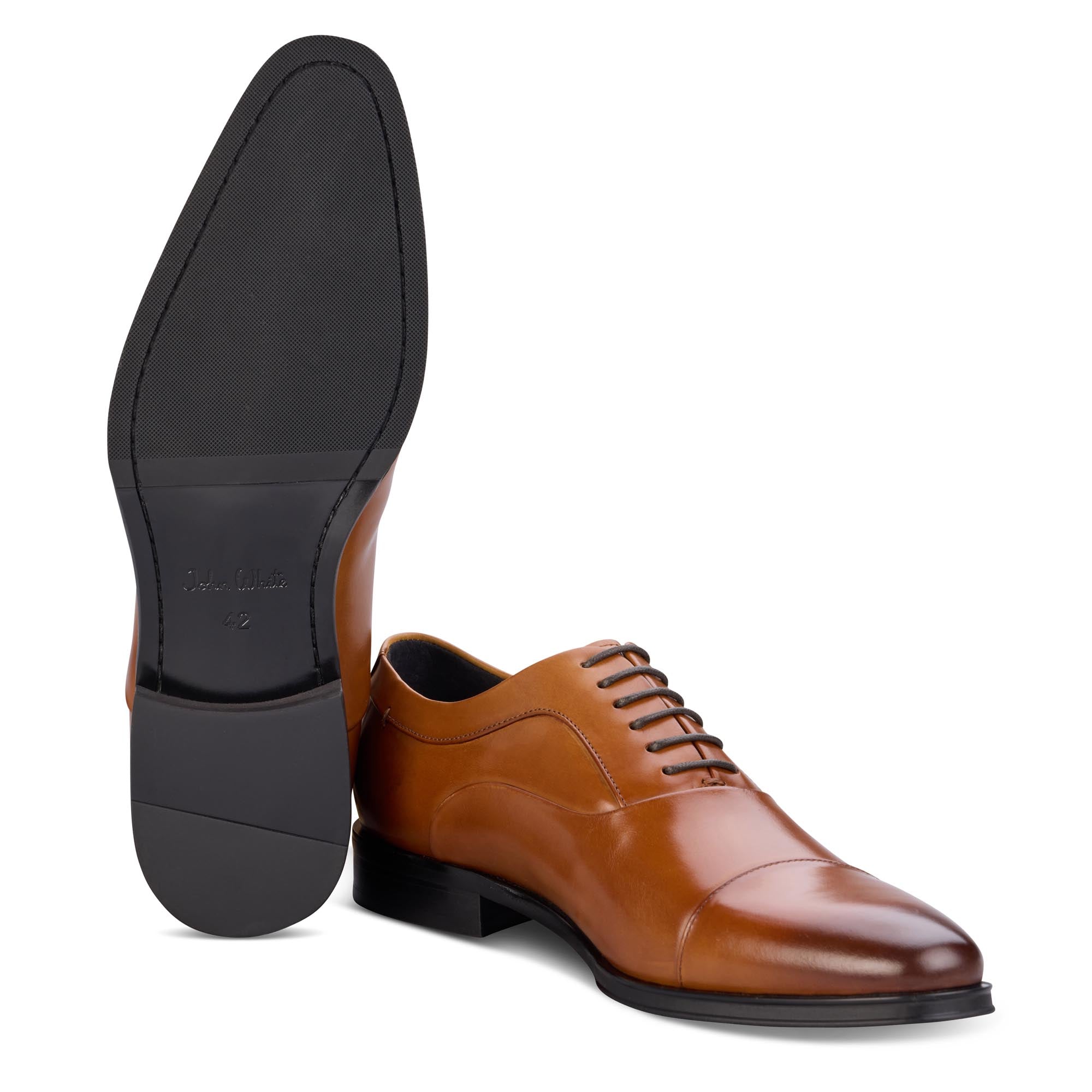
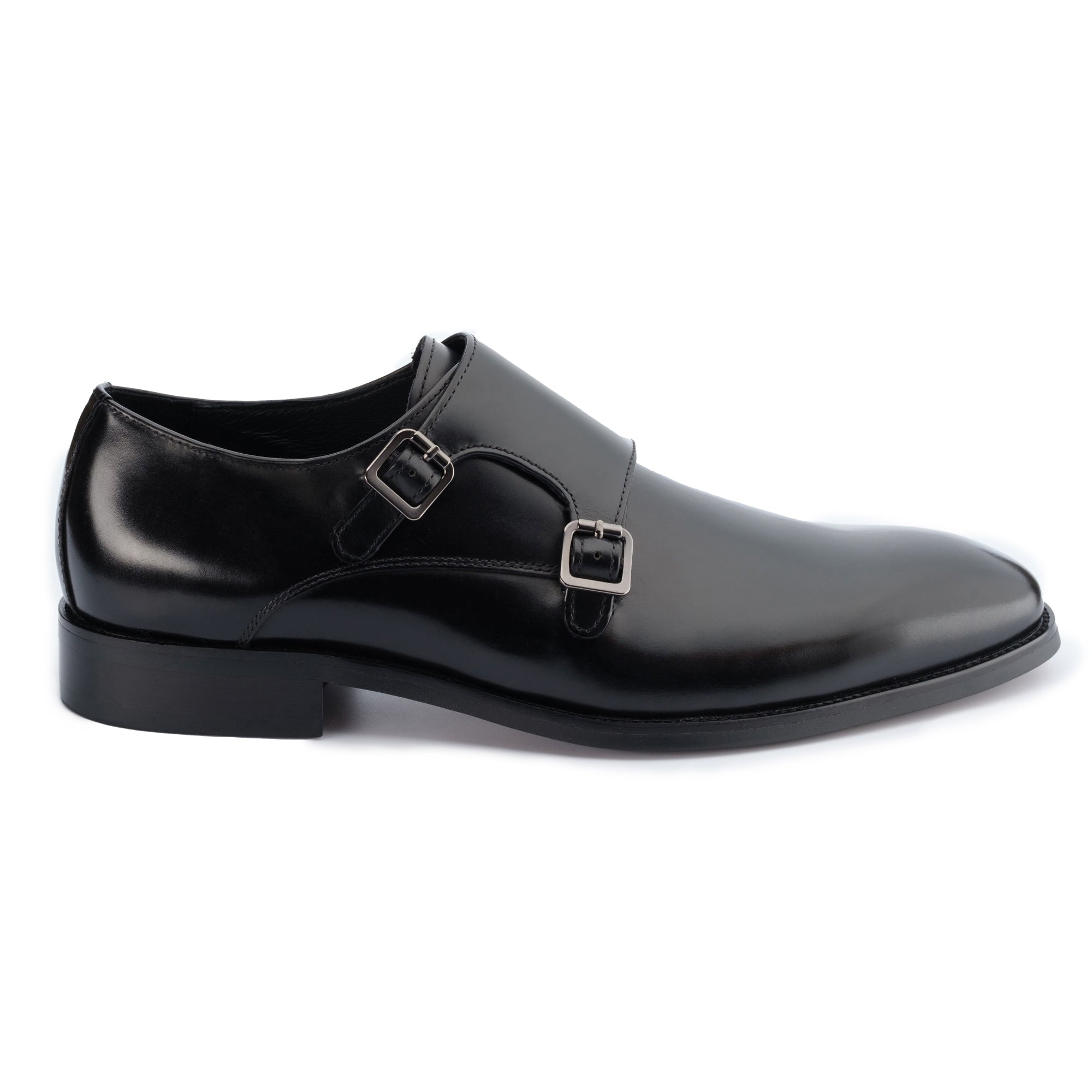
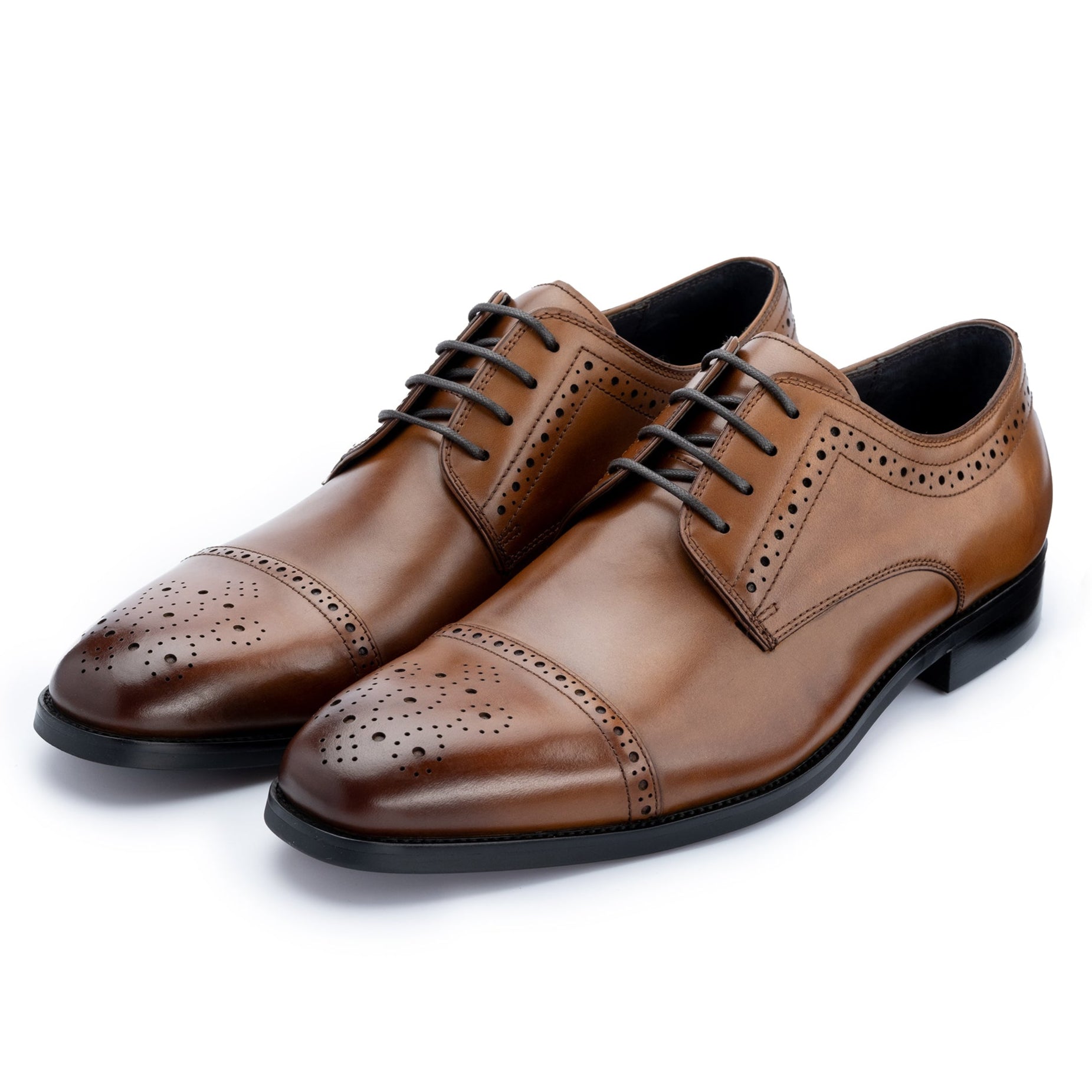
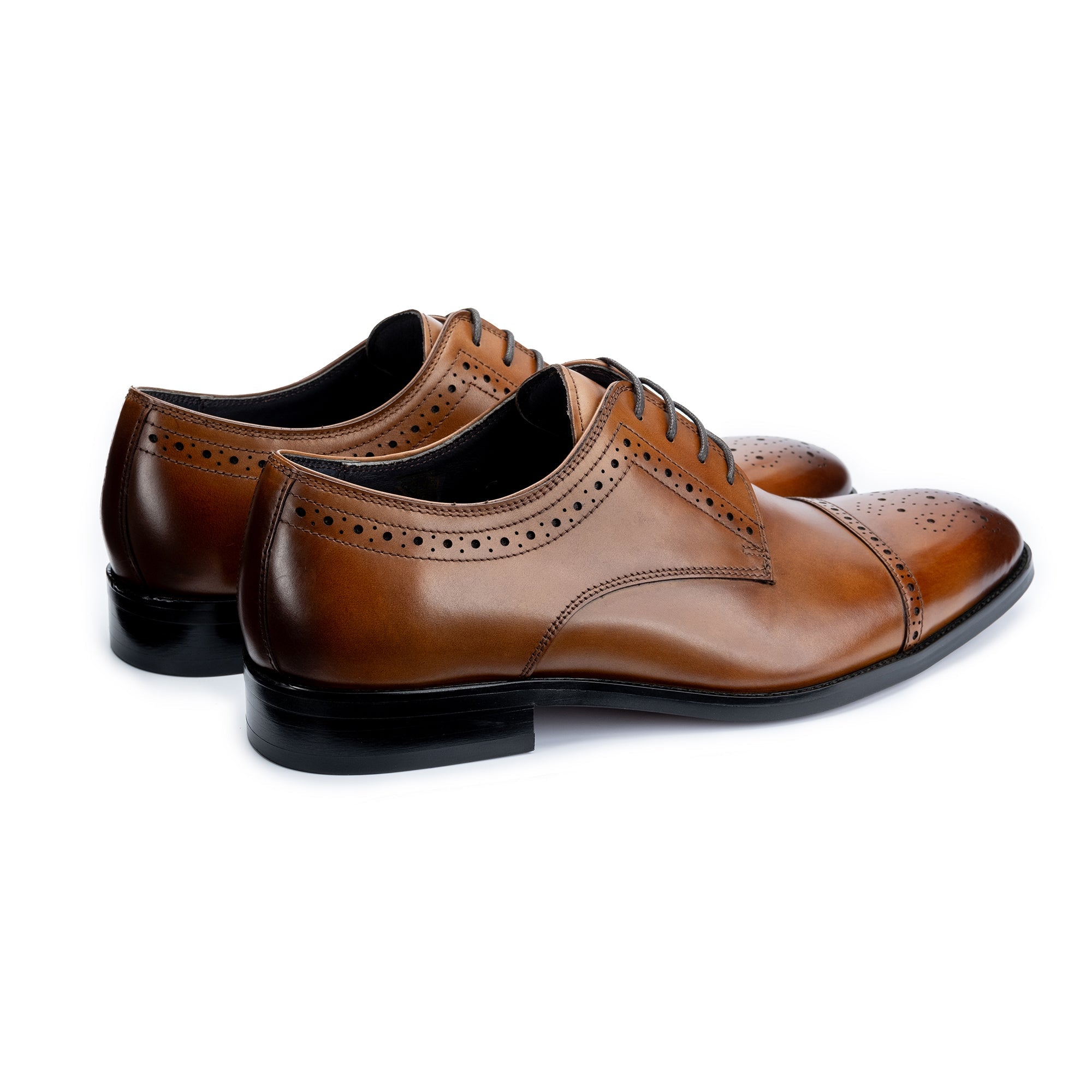
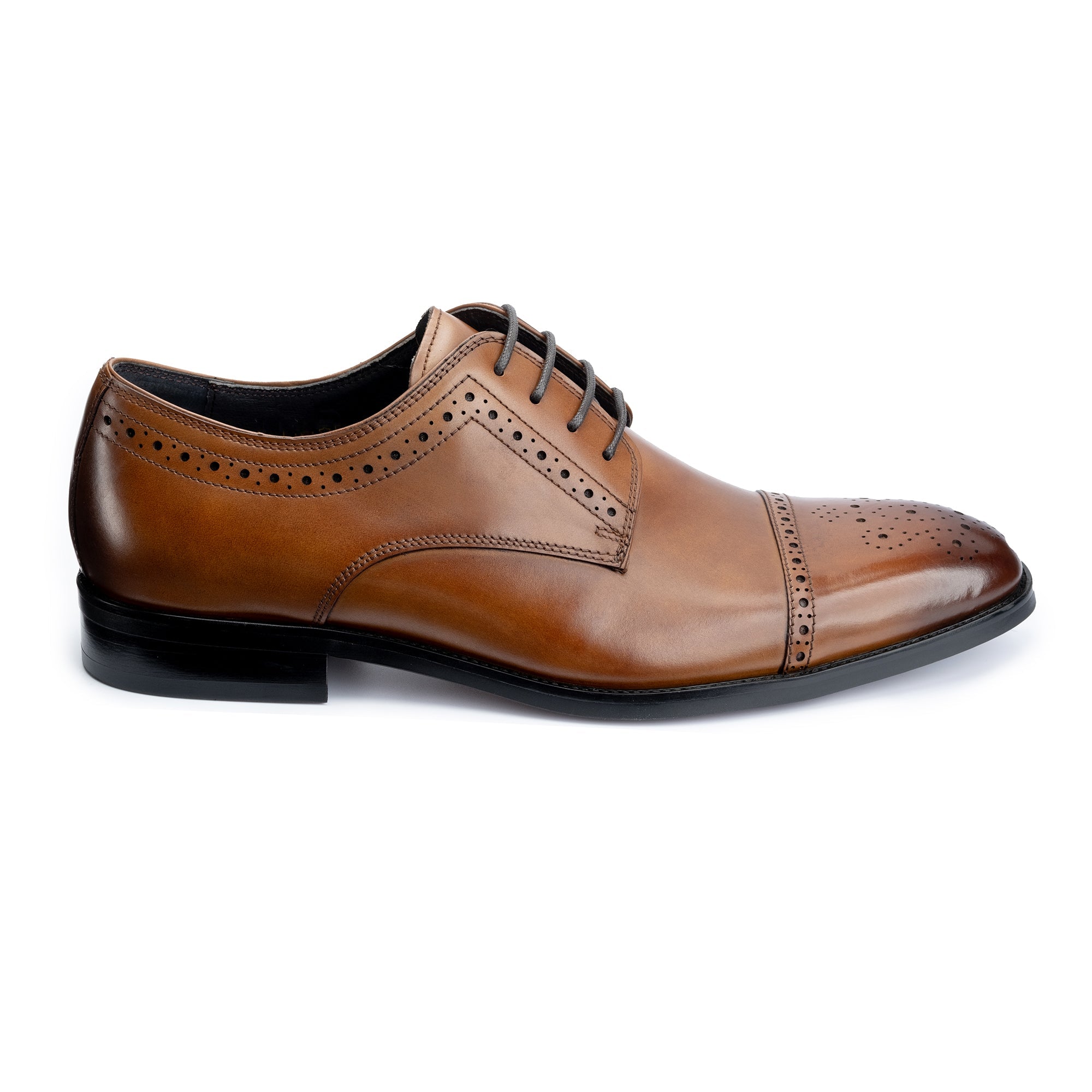
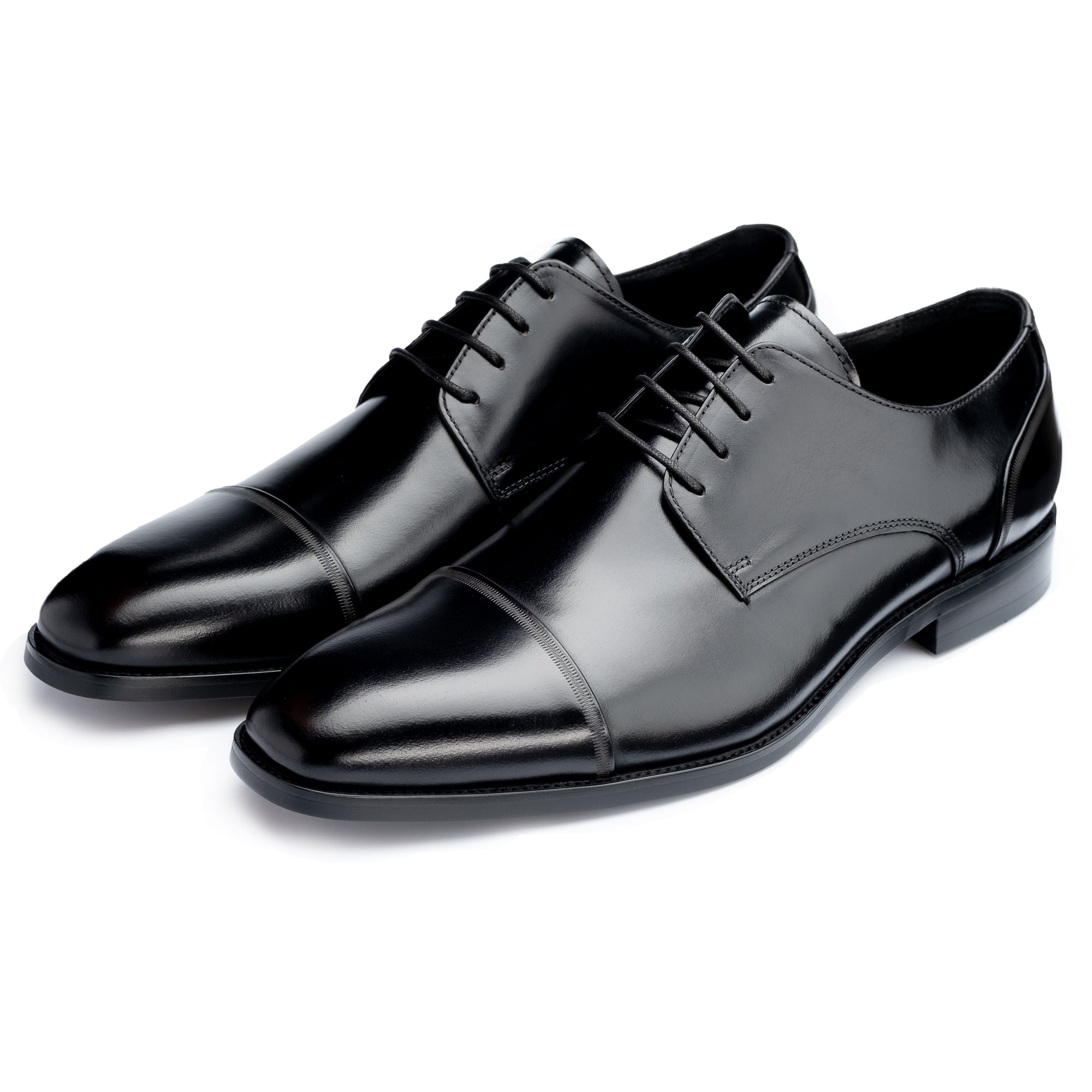
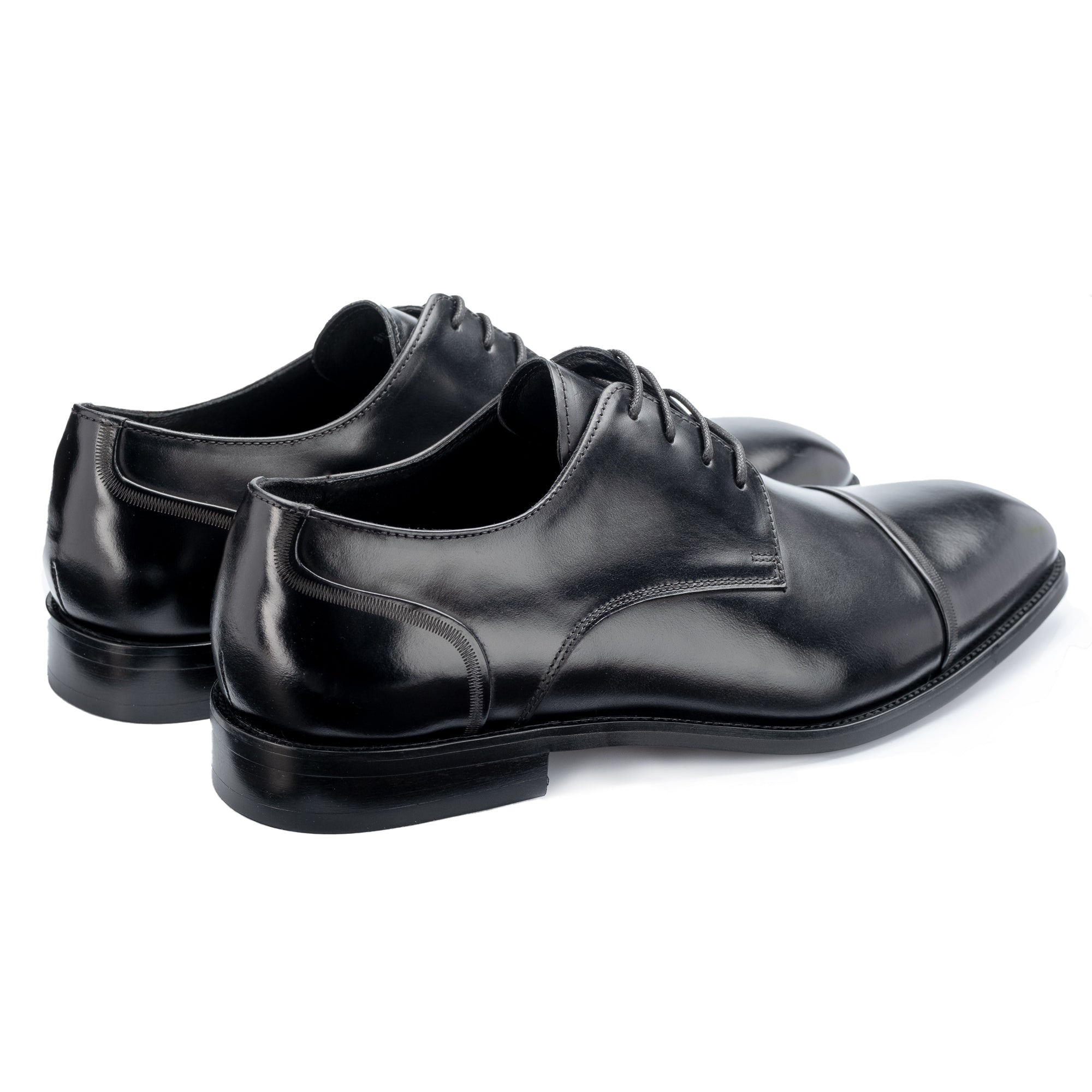
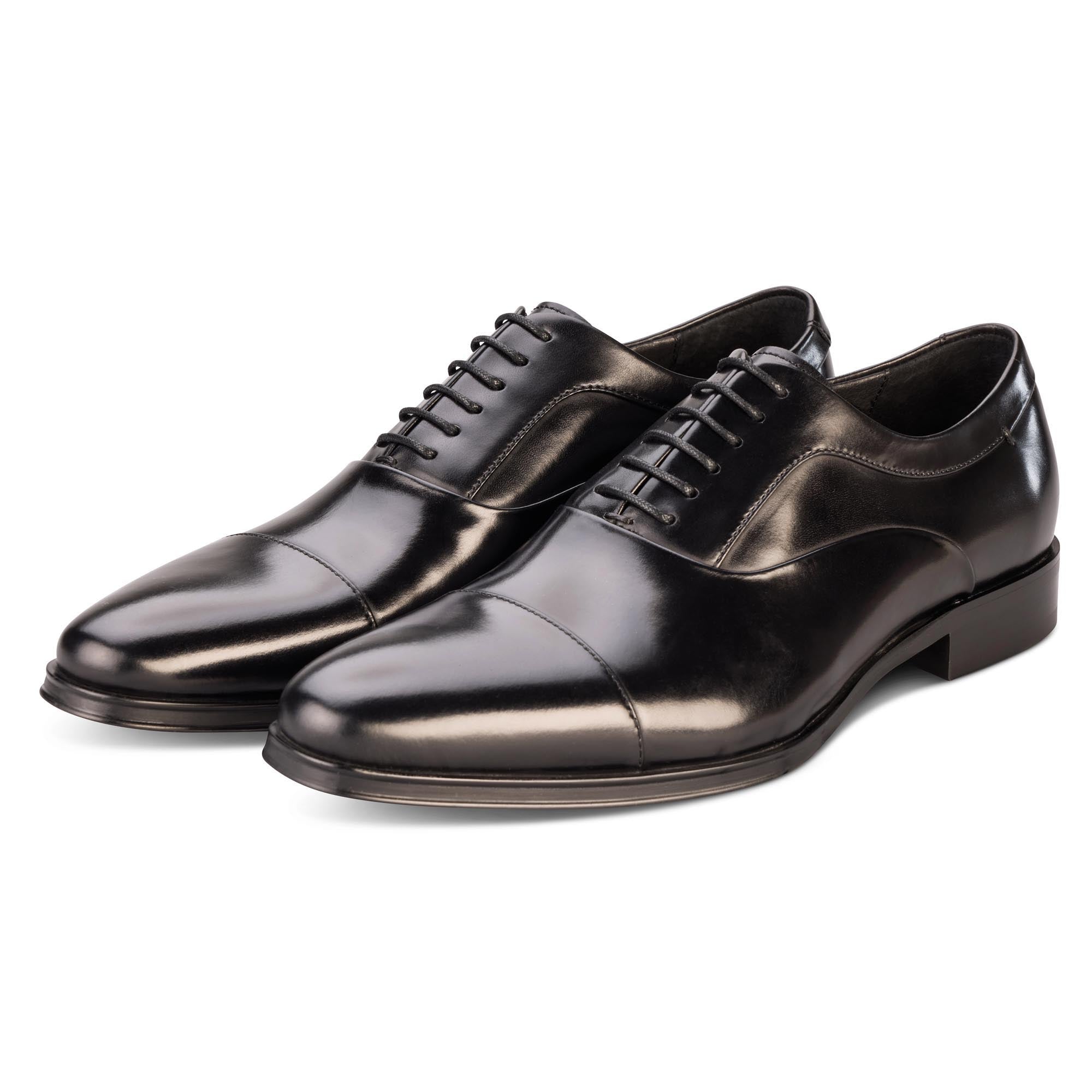
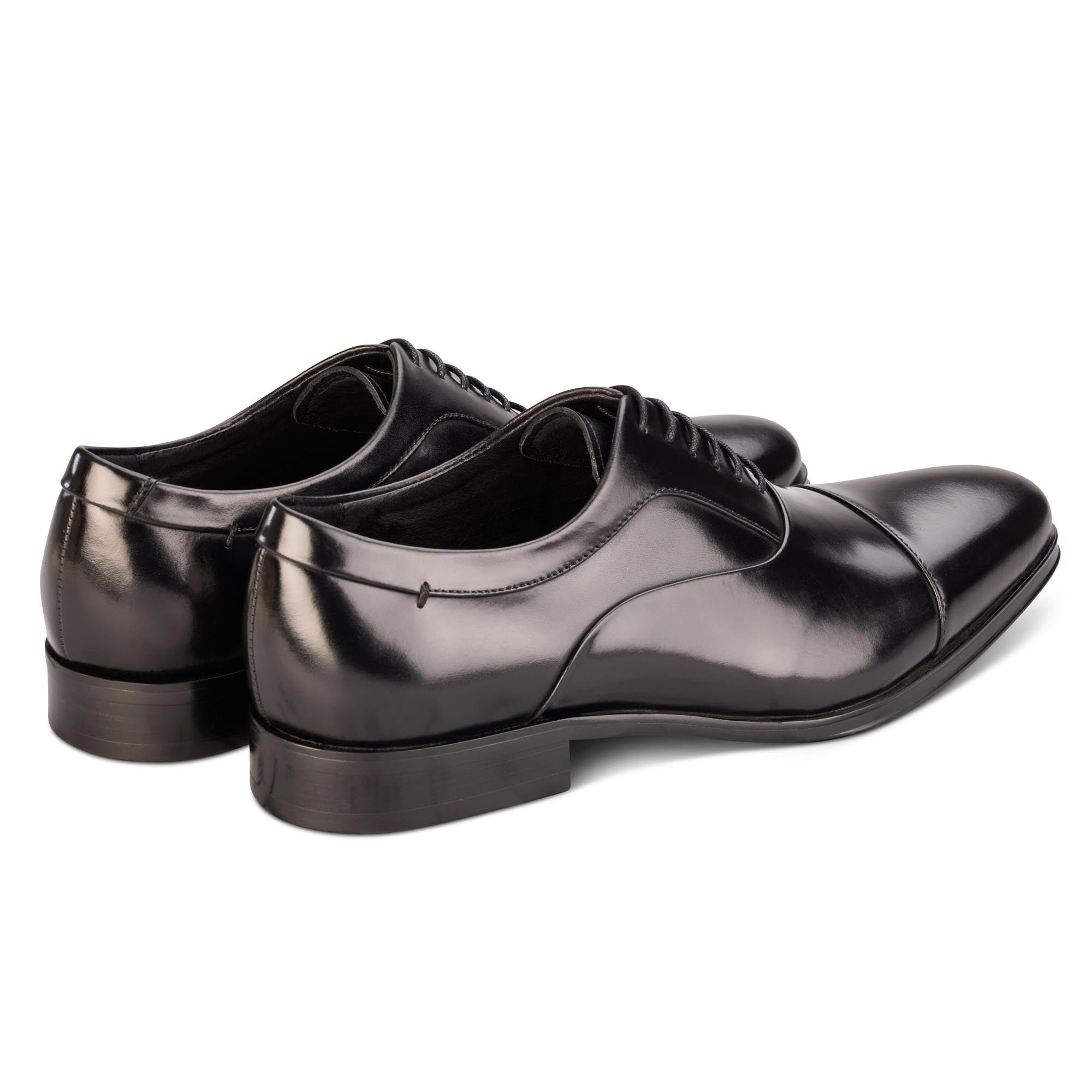
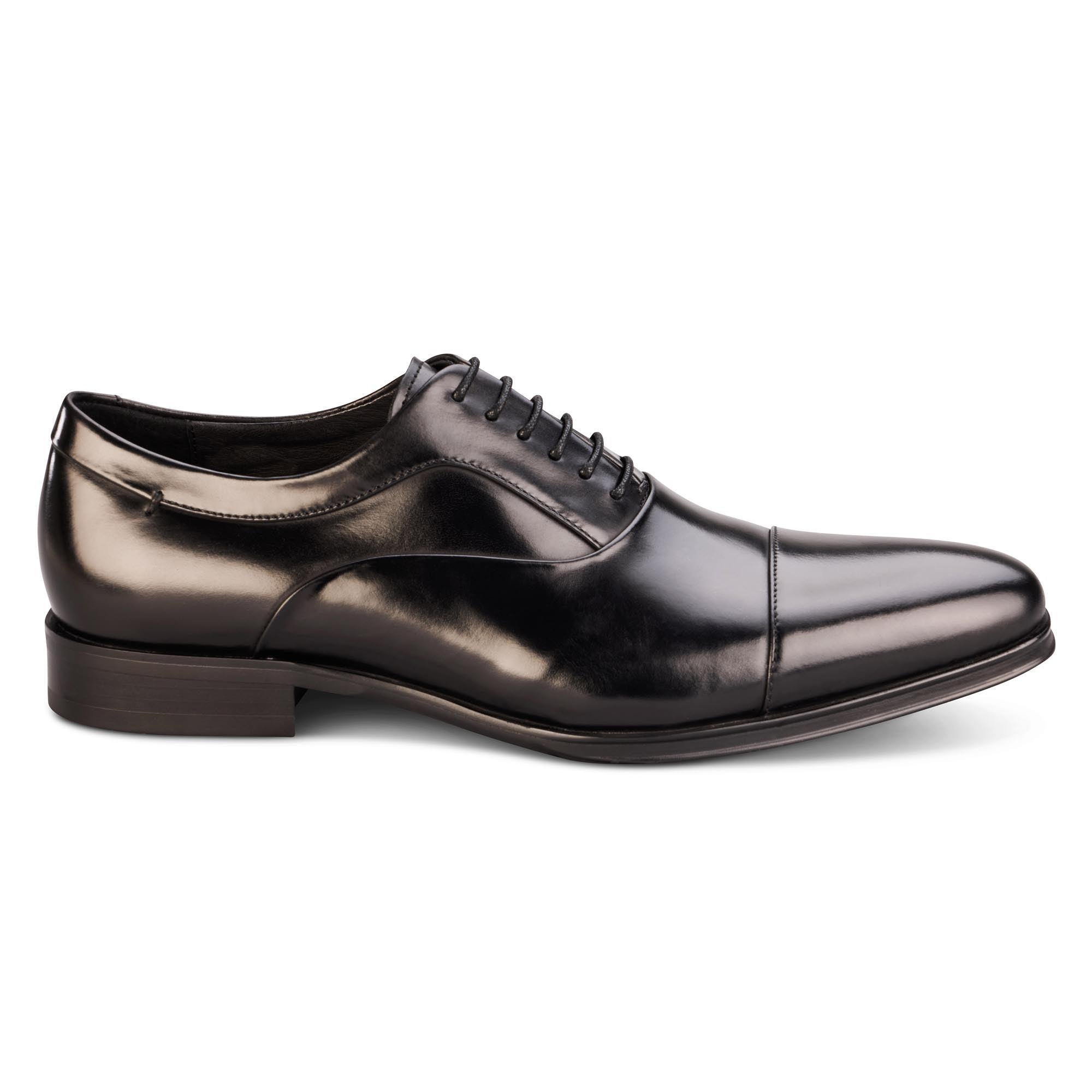
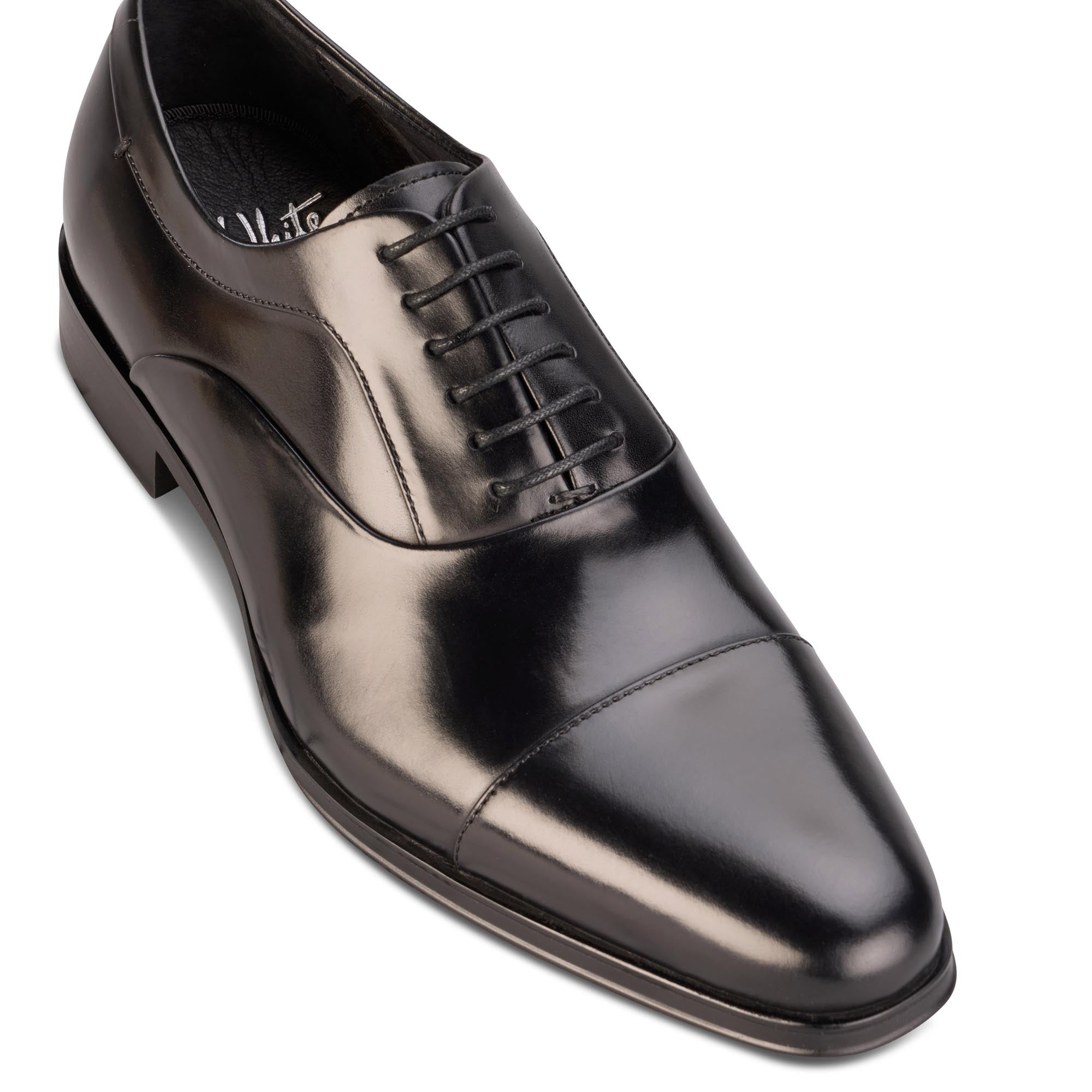
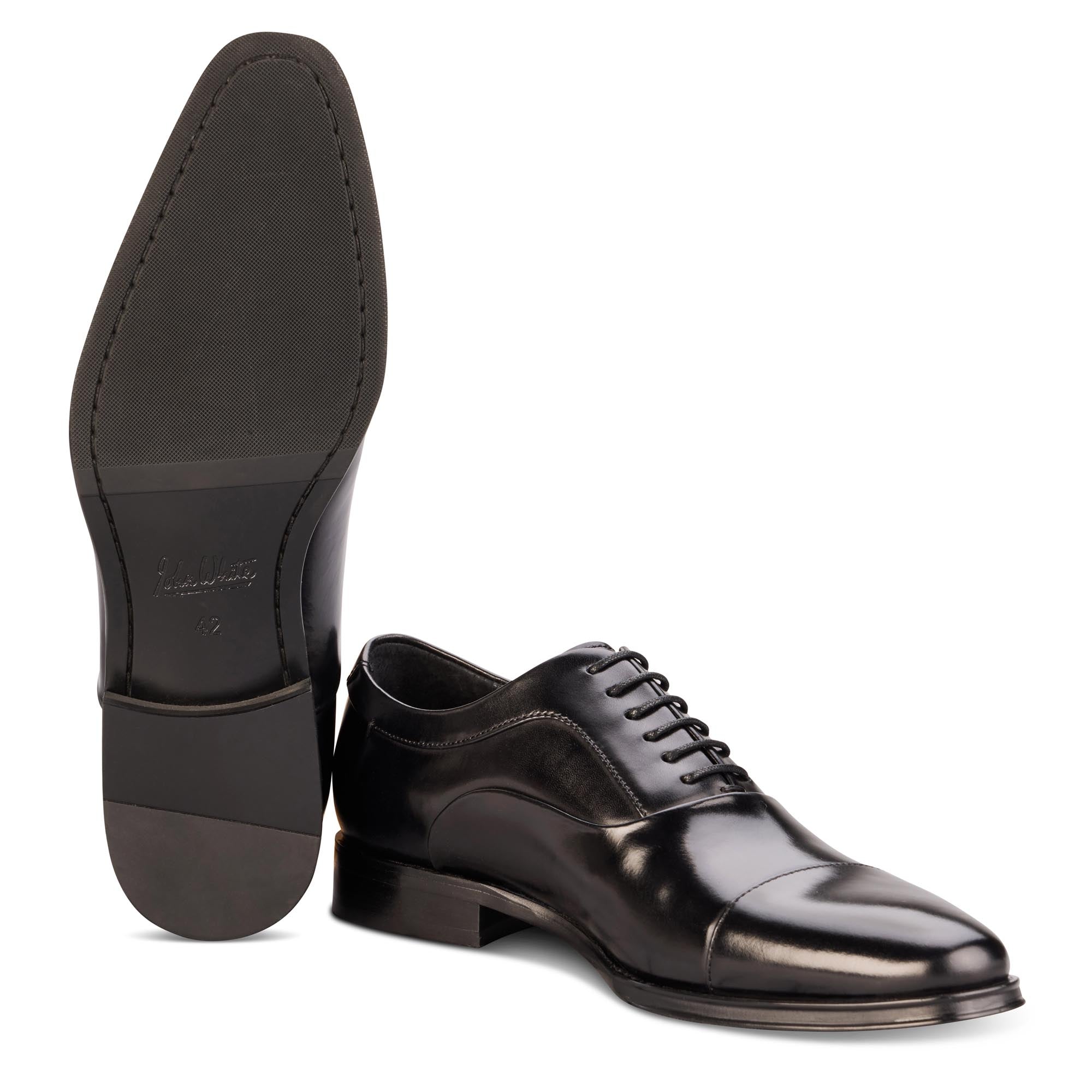
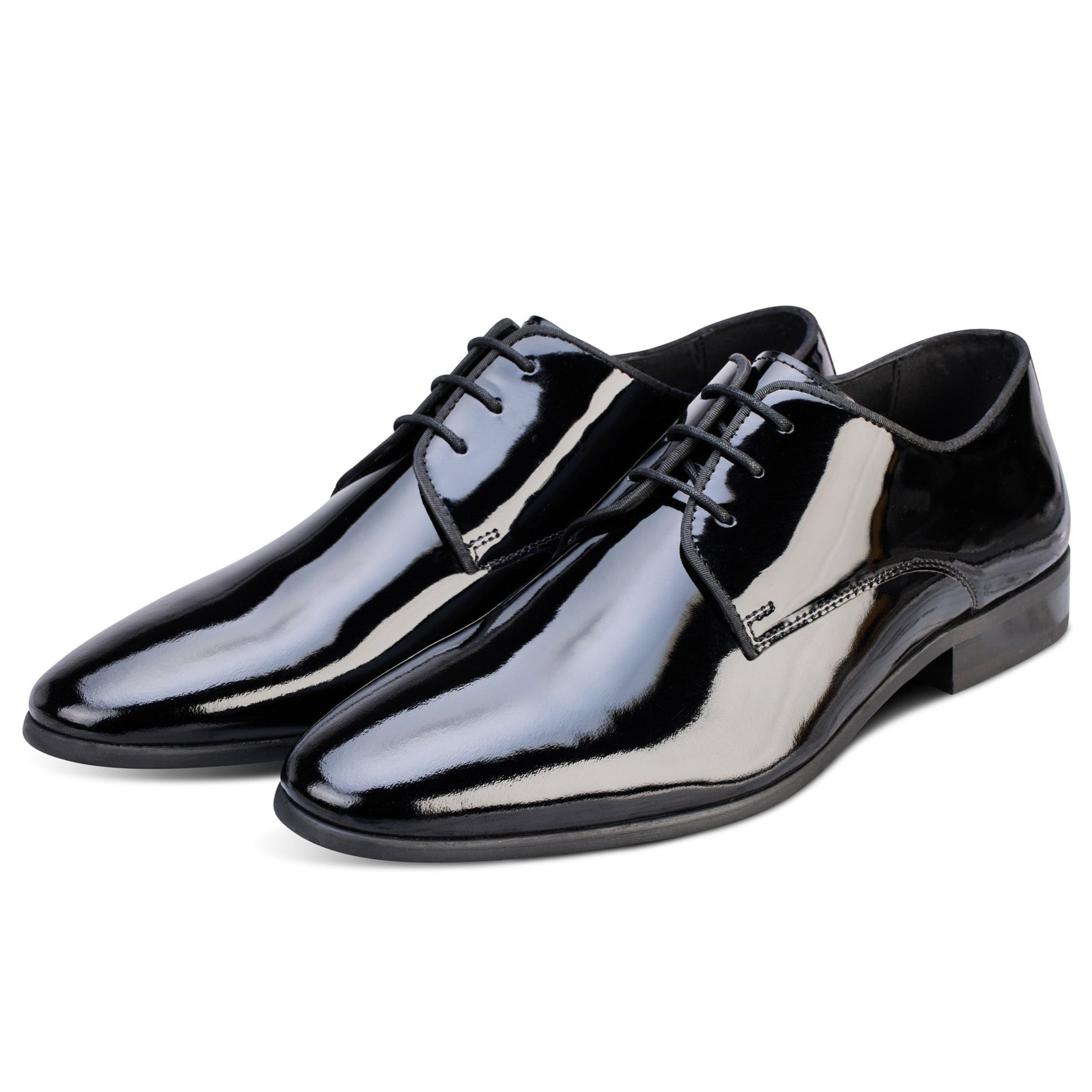
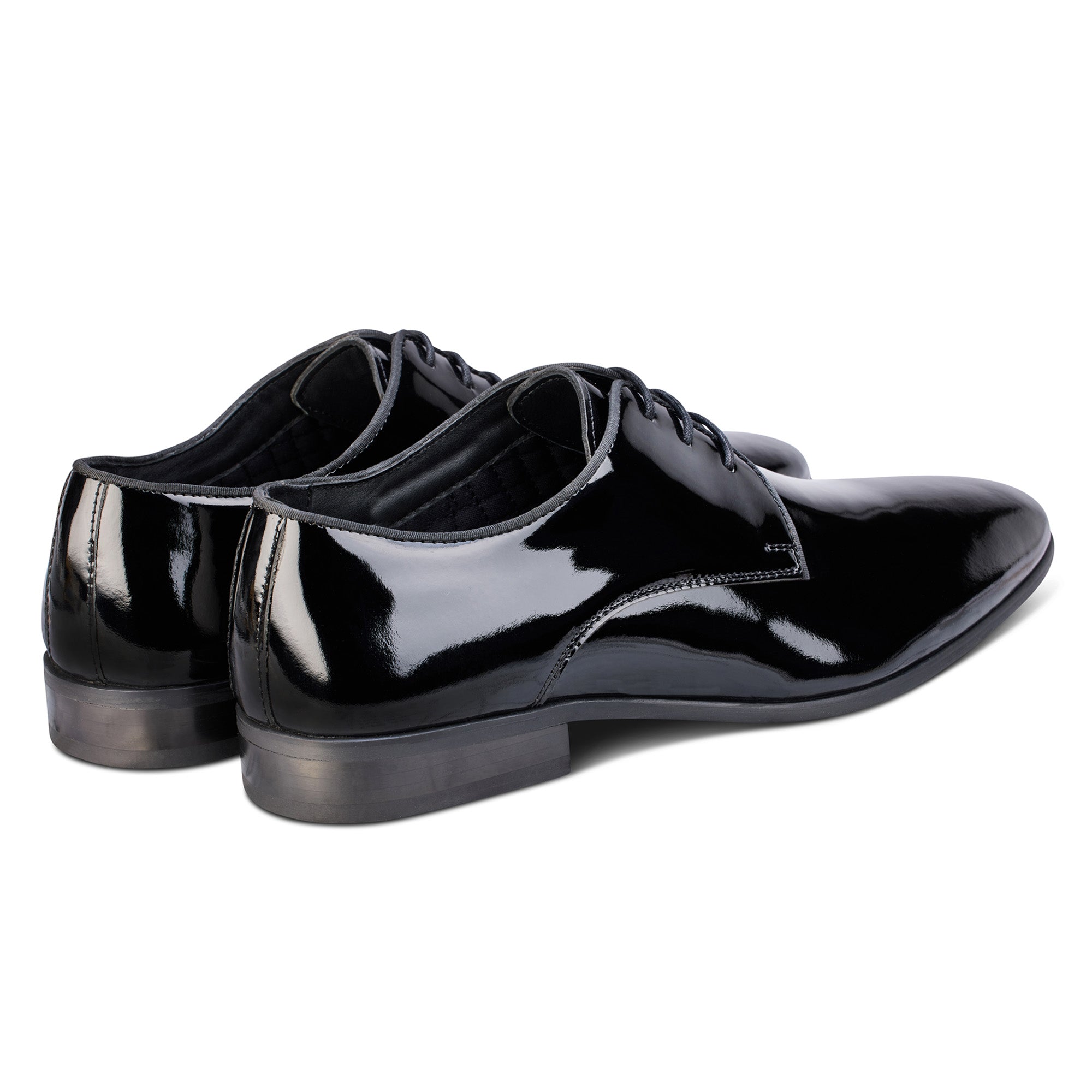
| Monday | Formal meetings | Guildhall Capped Oxfords |
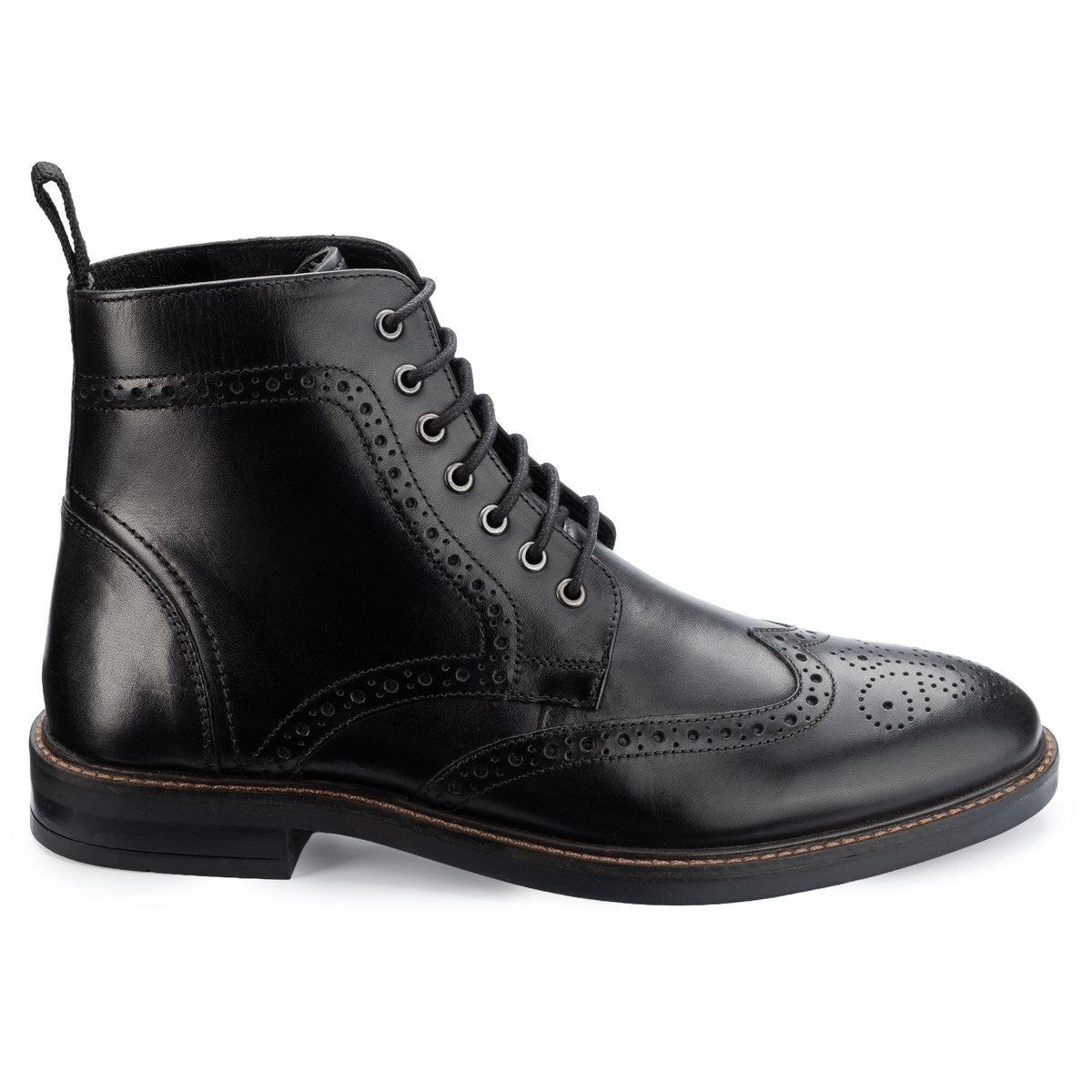
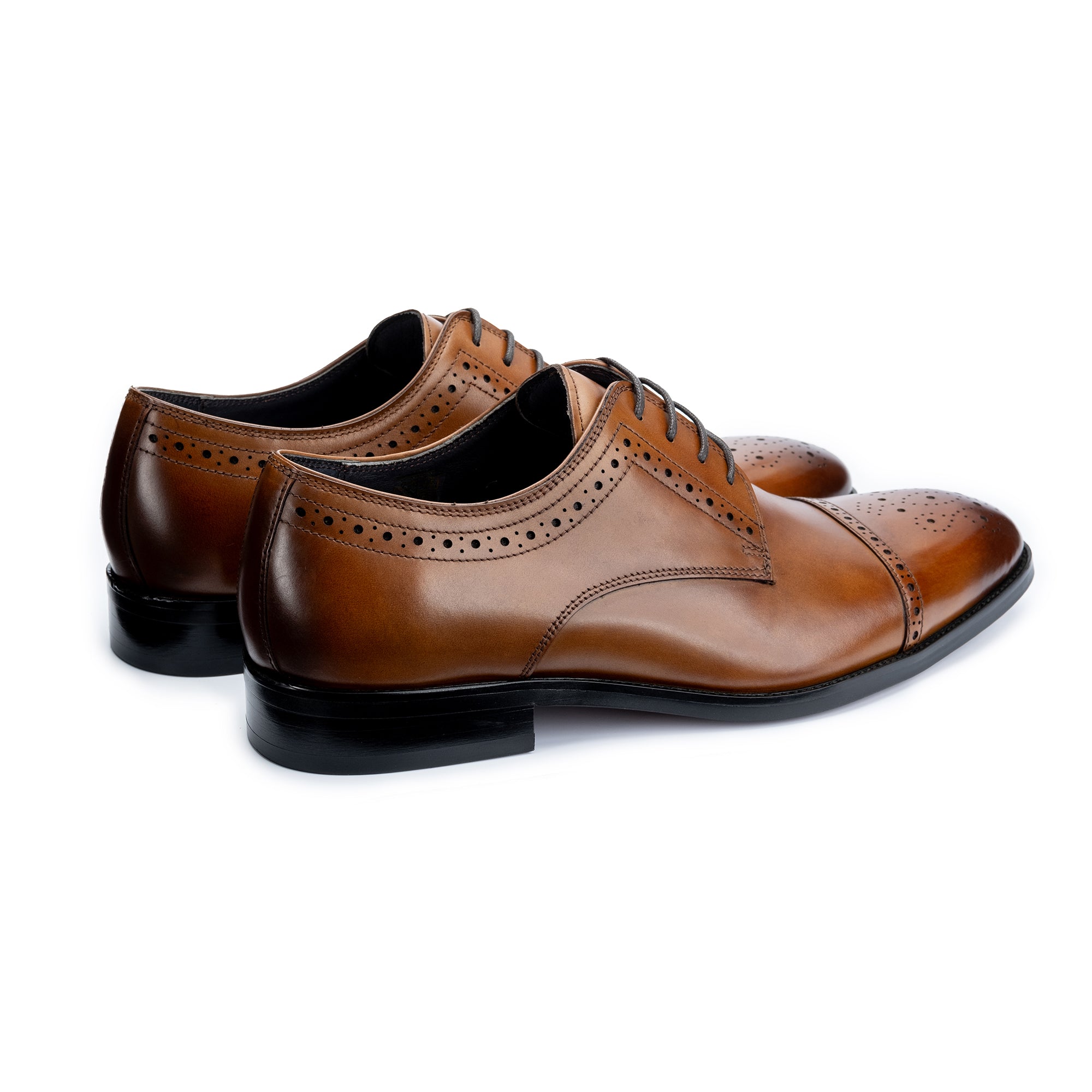
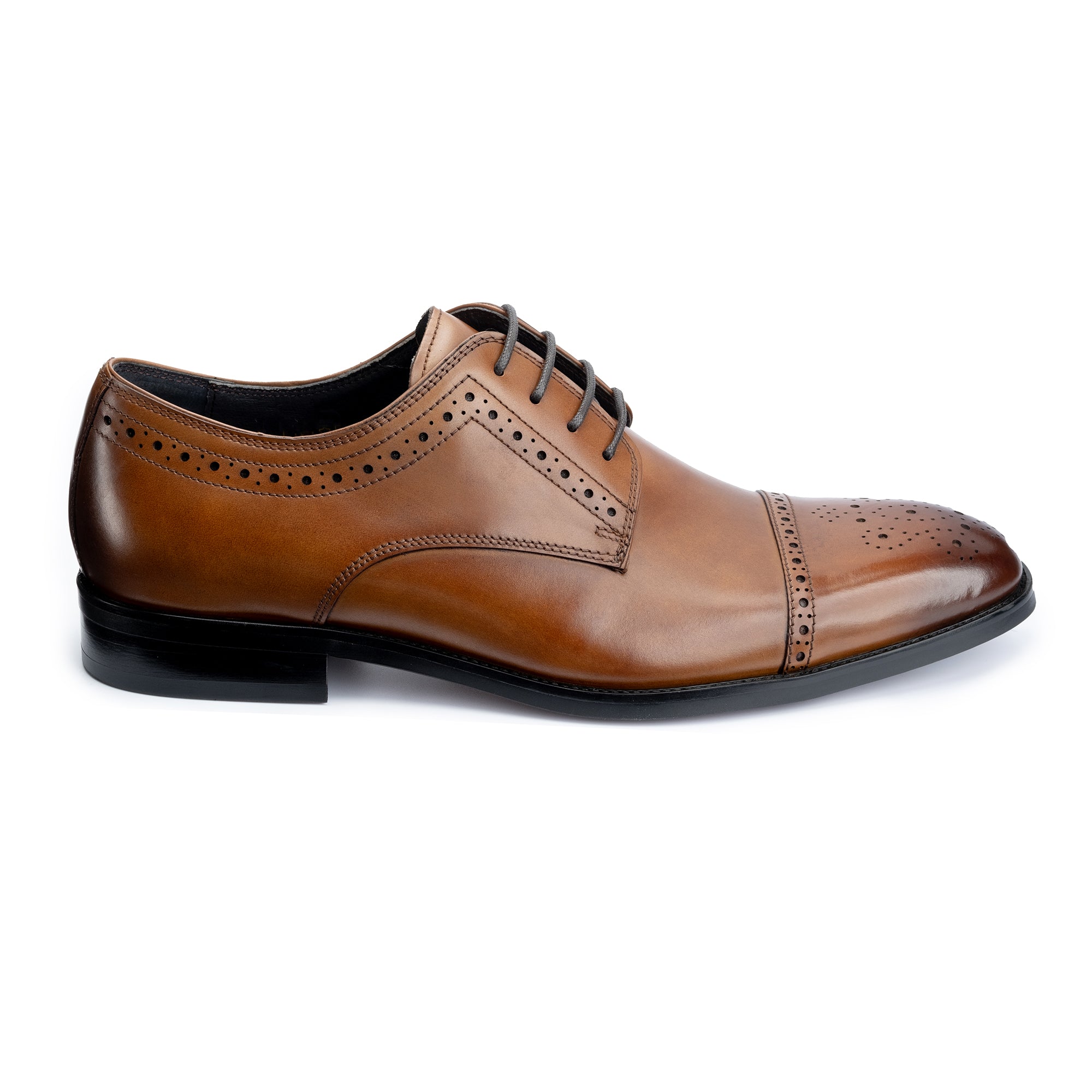
| Tuesday | Office / everyday | Stokes Brogue Derby Shoes |
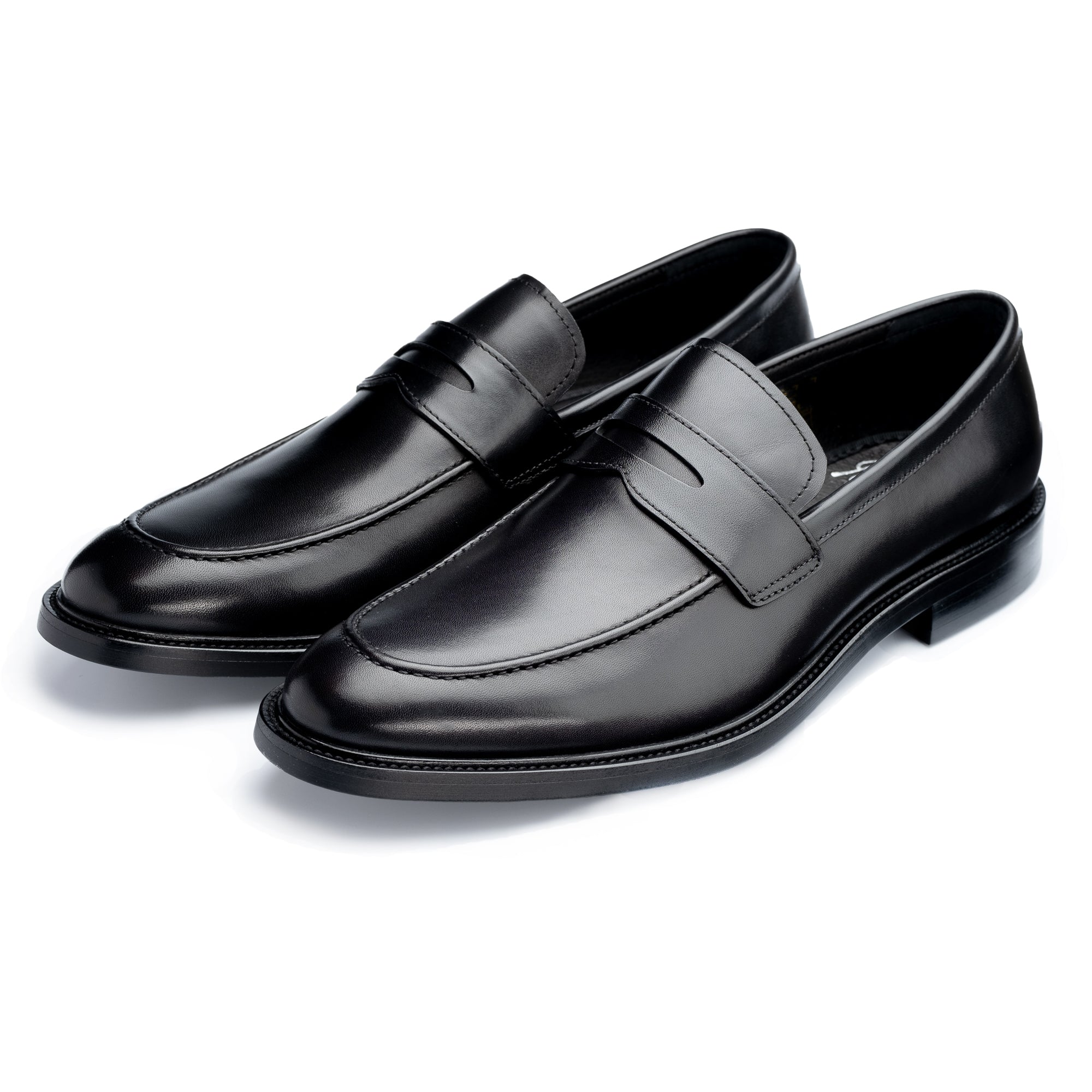
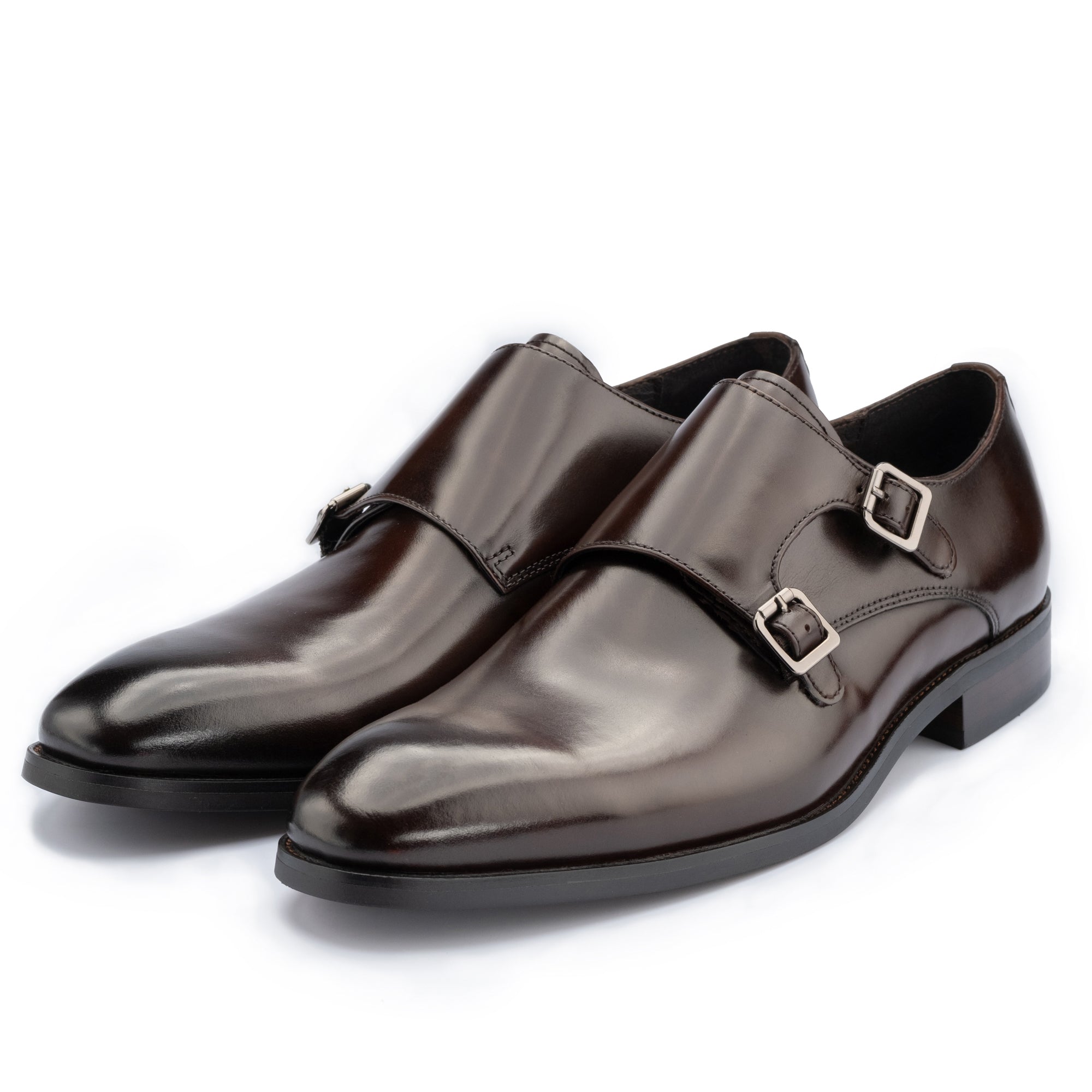
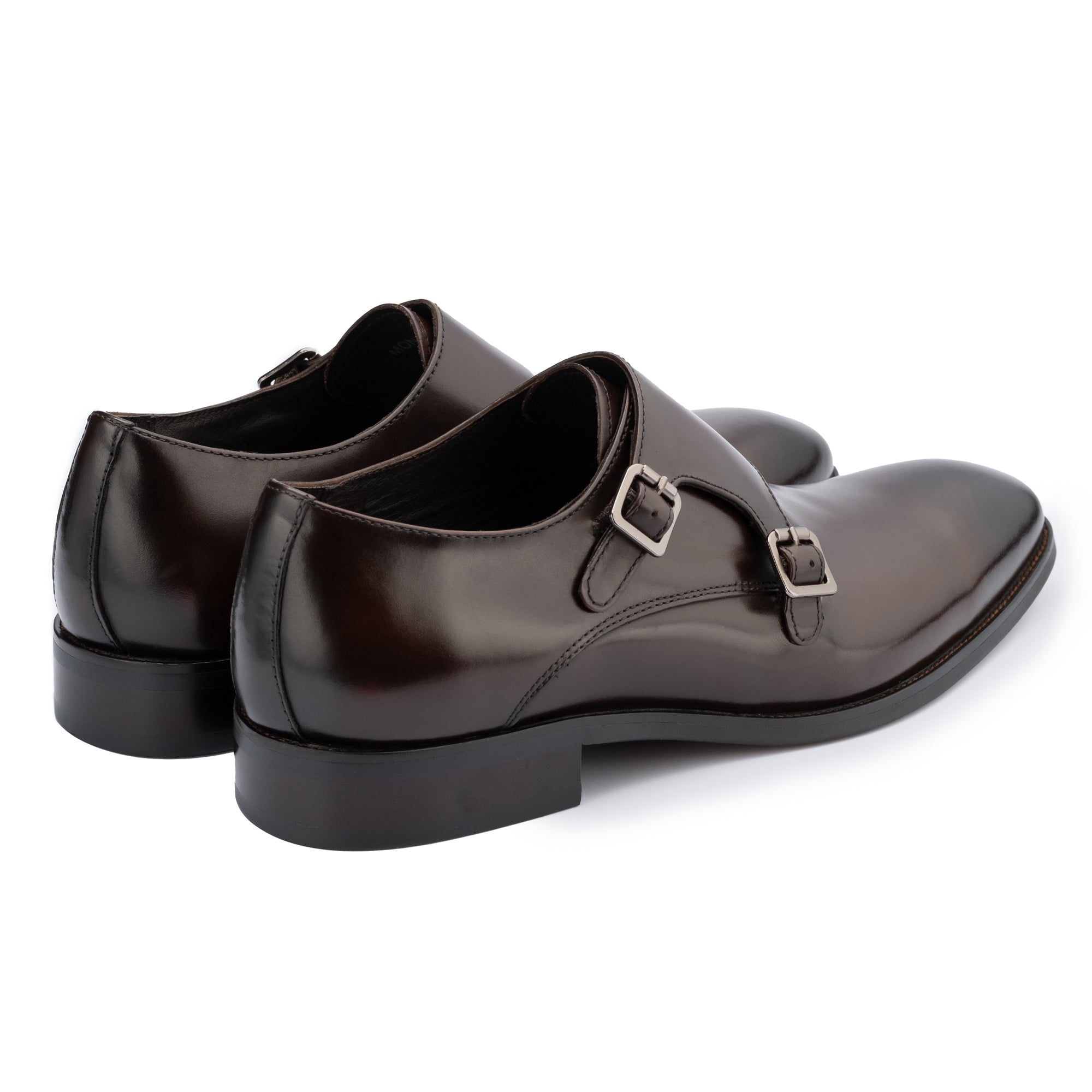
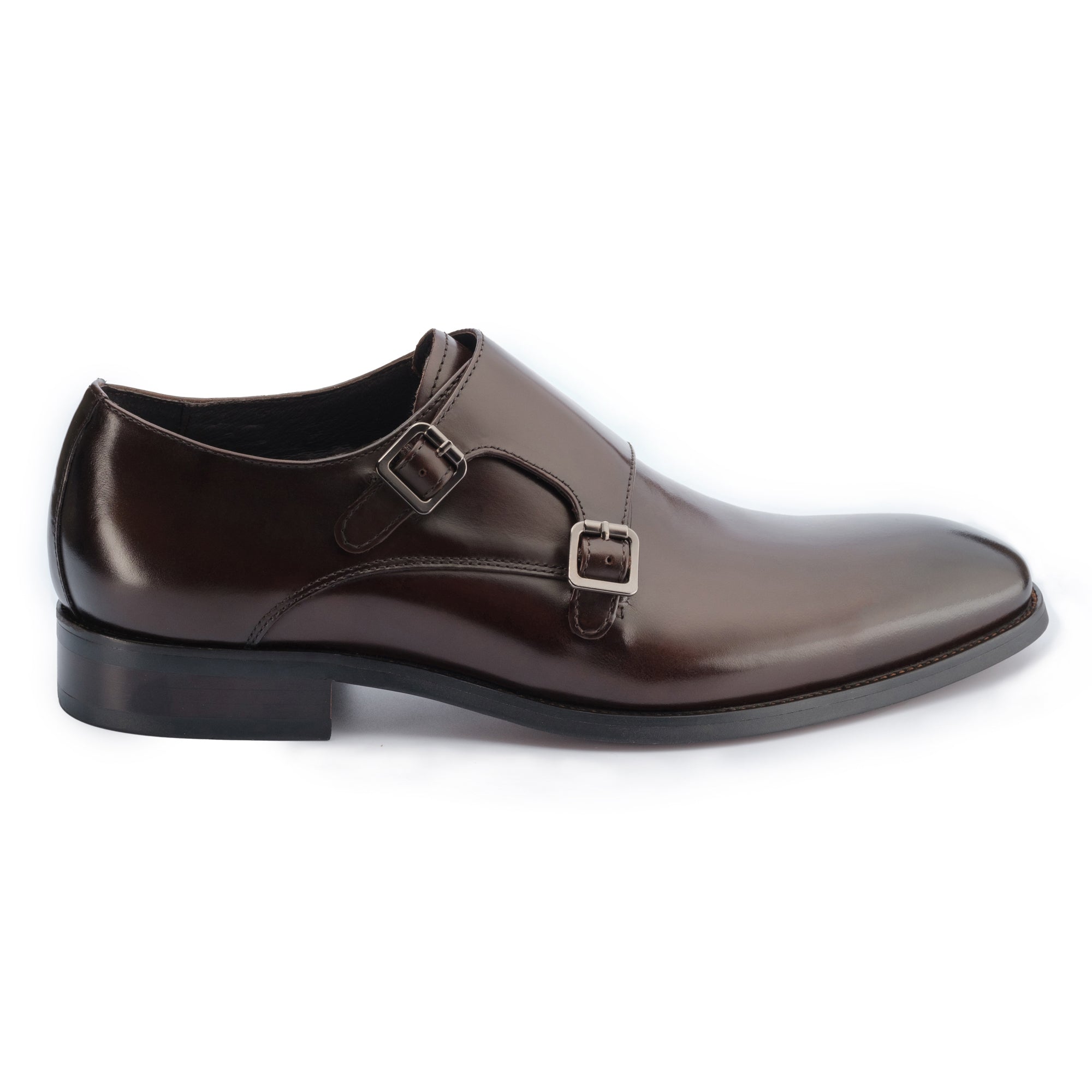
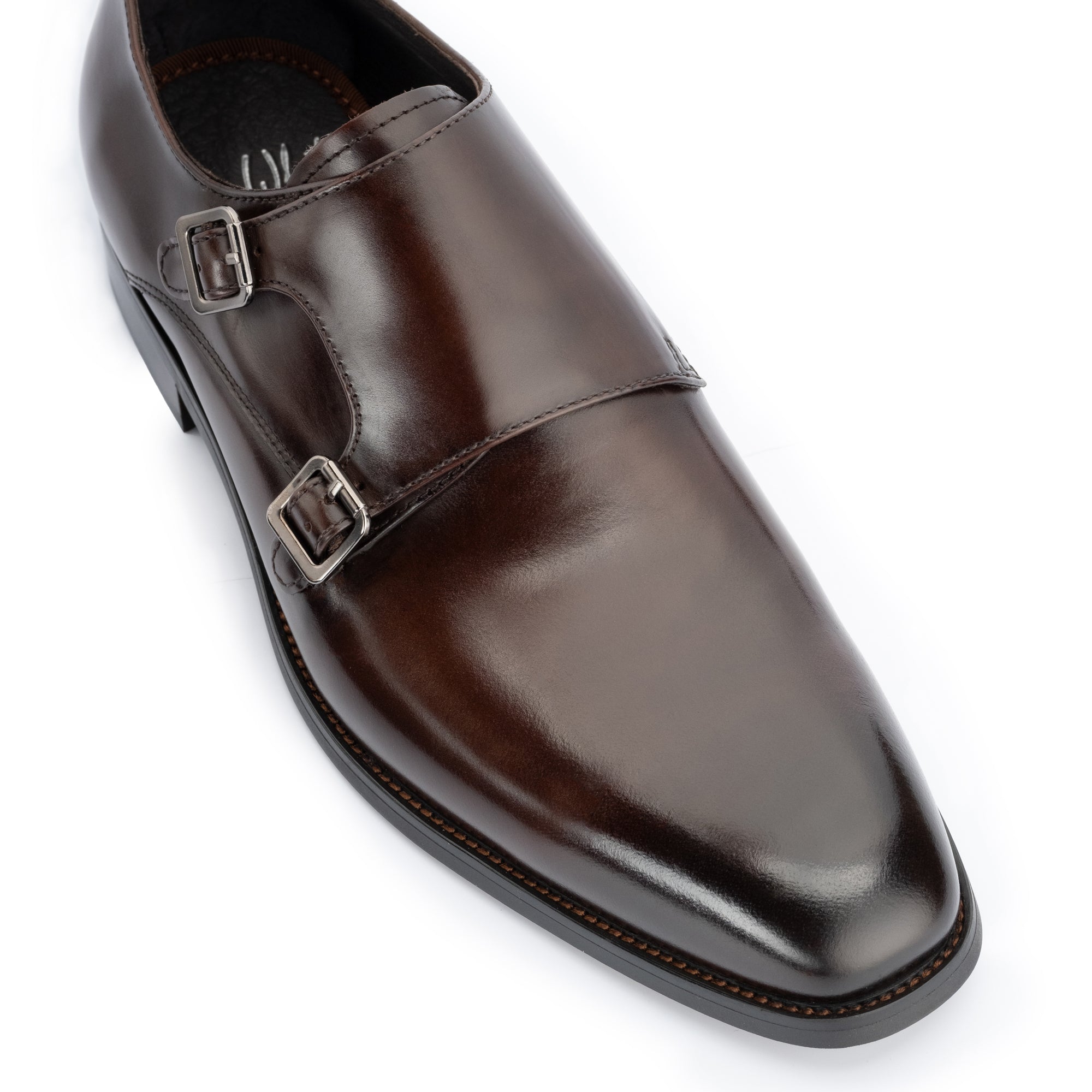
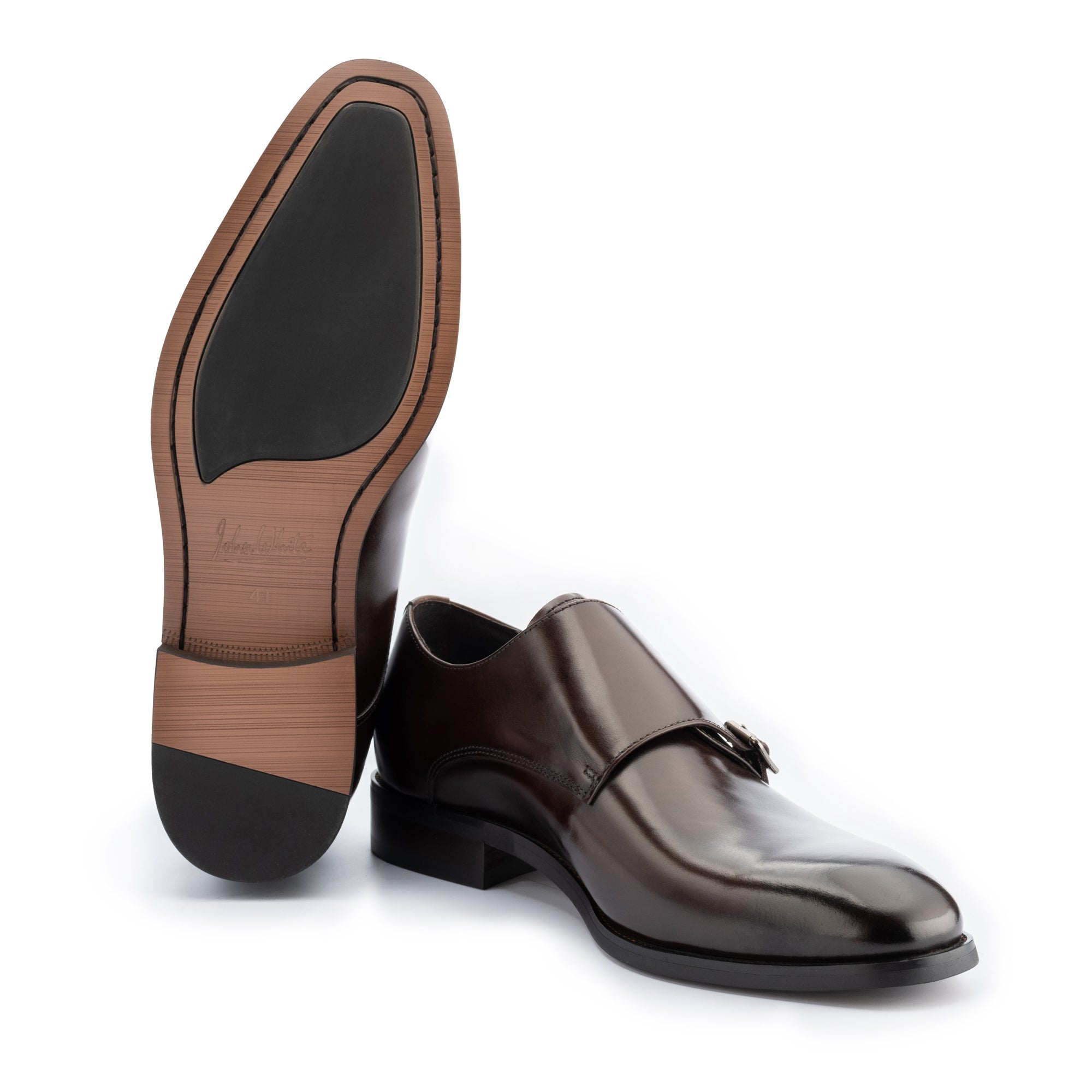
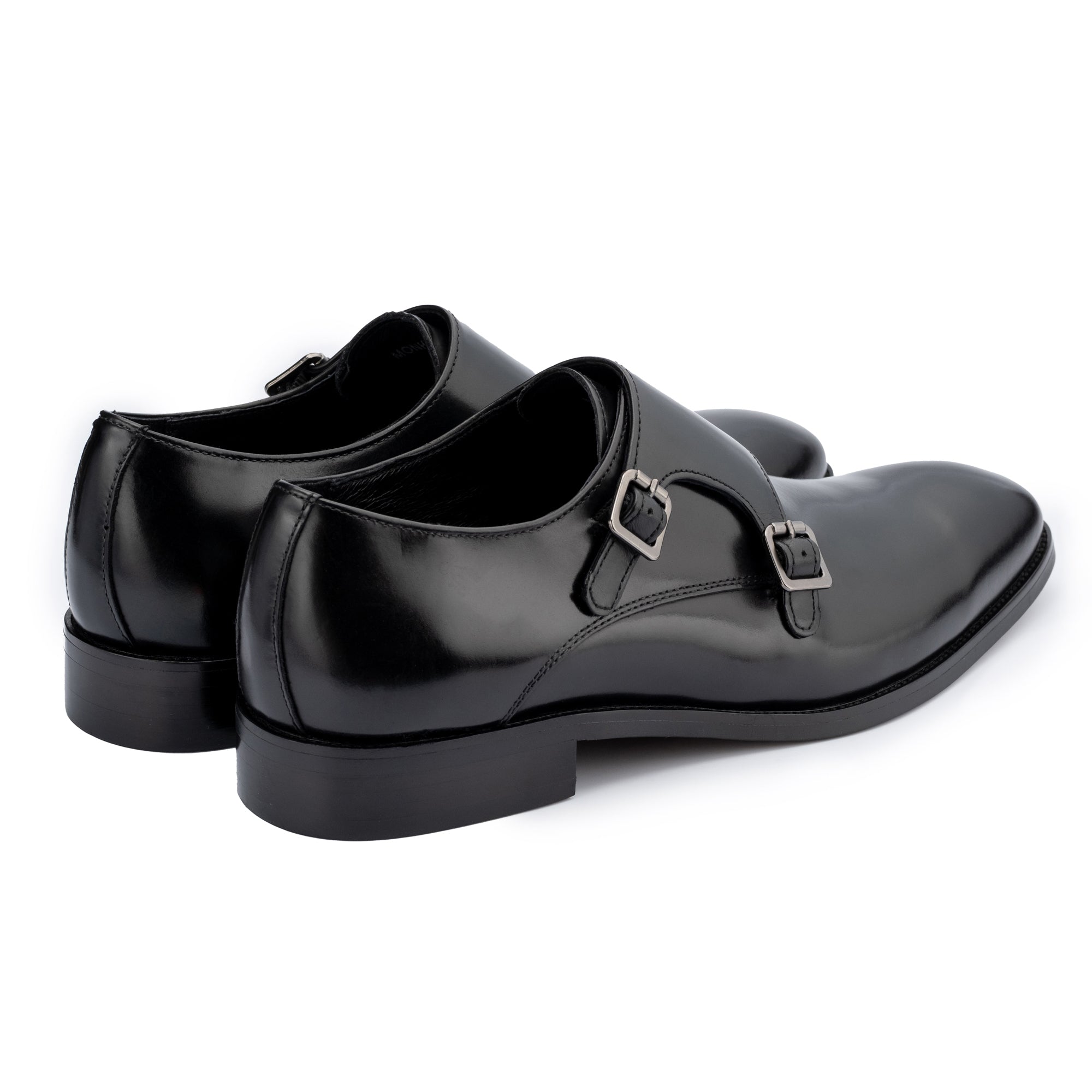
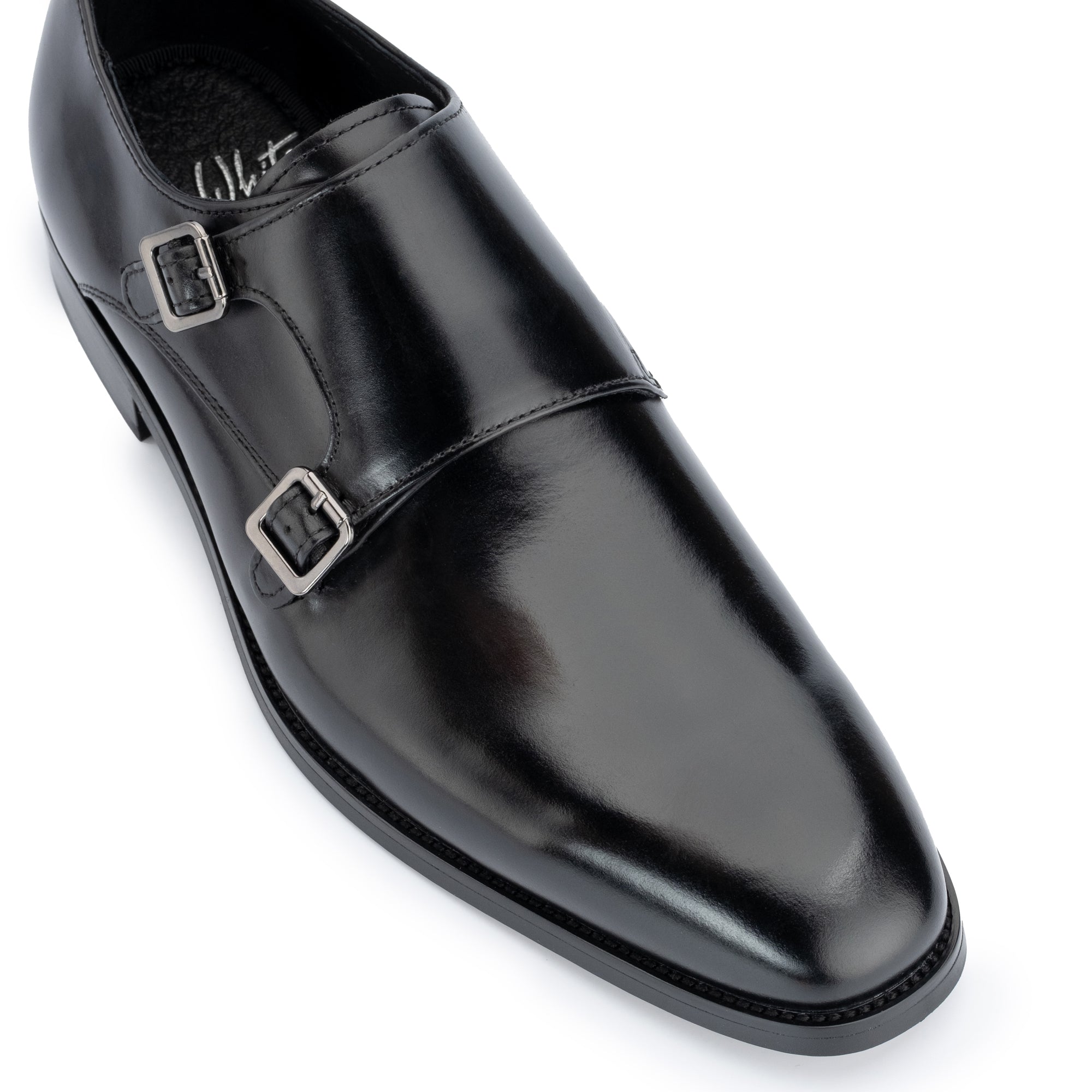
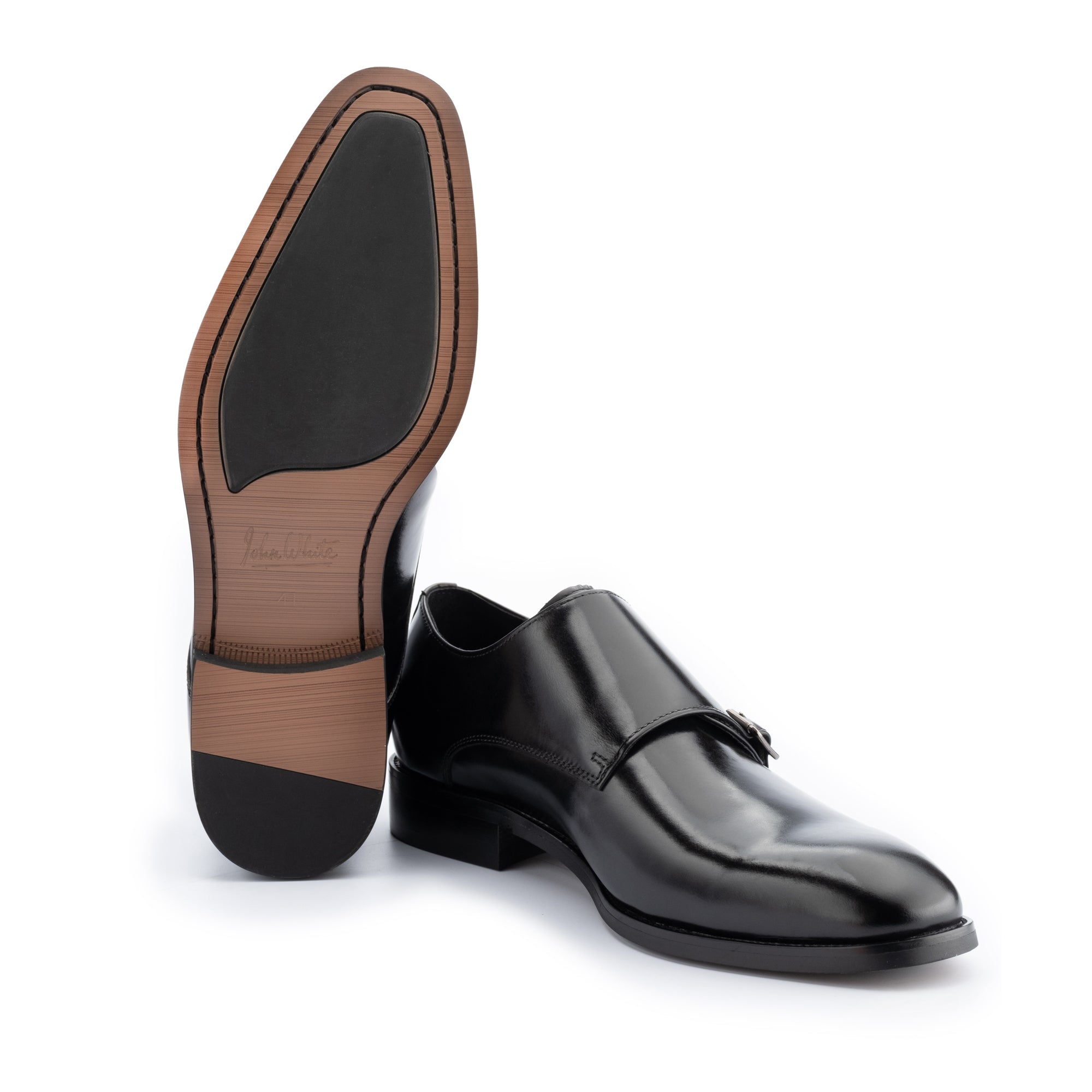
| Wednesday | Smart-casual / client lunch | Monkton Double Monk Shoes |
| Thursday | Office / everyday | Broad Derby Shoes |
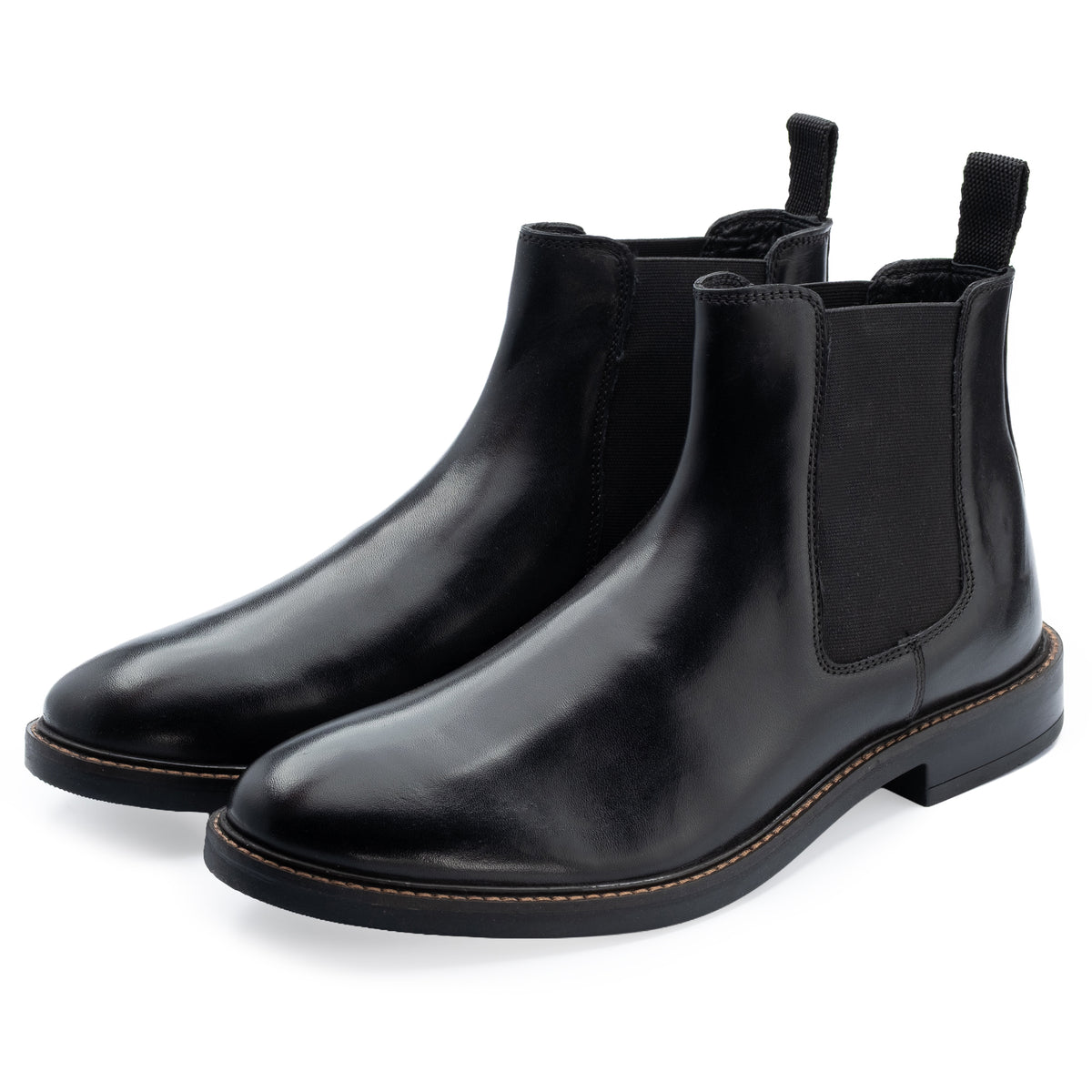
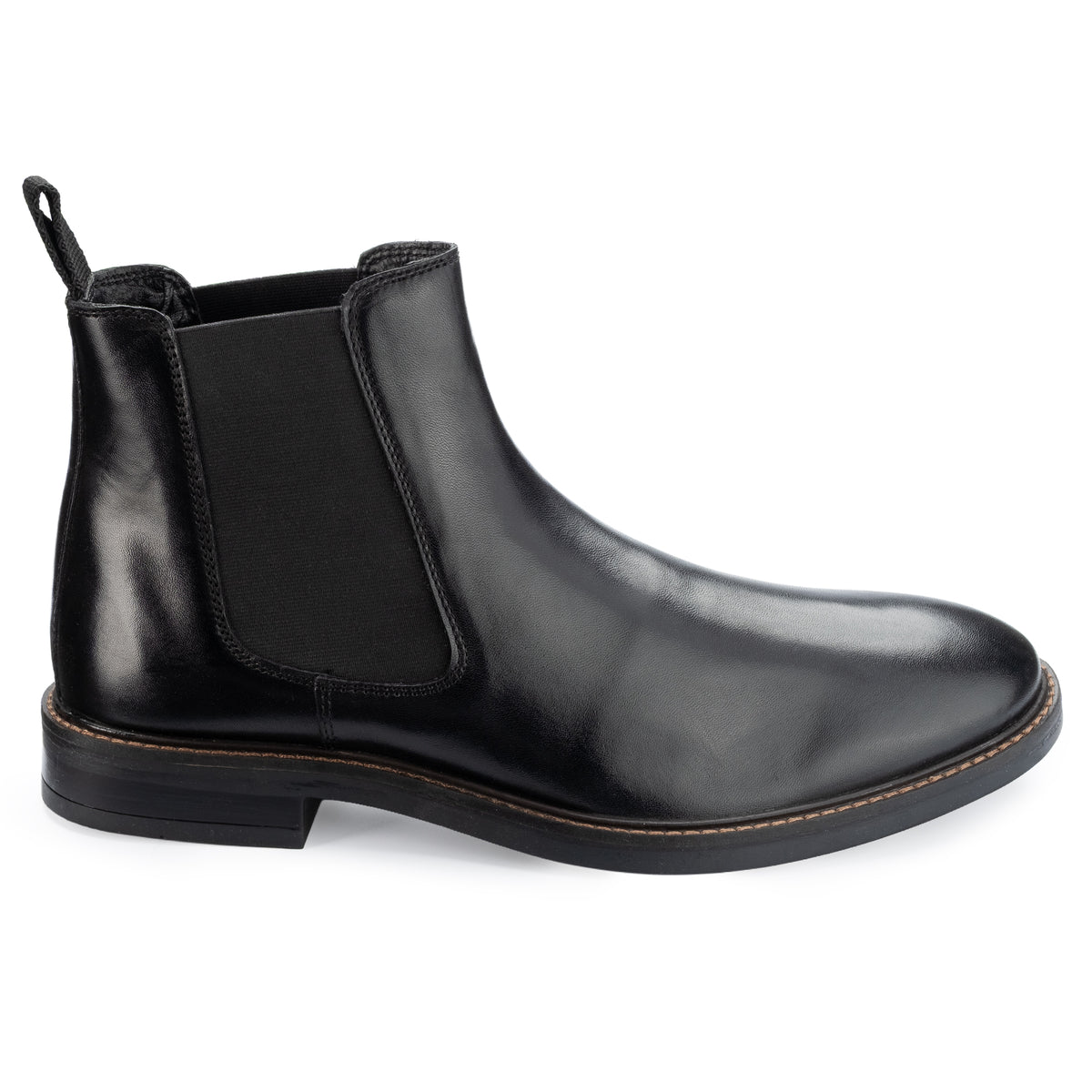
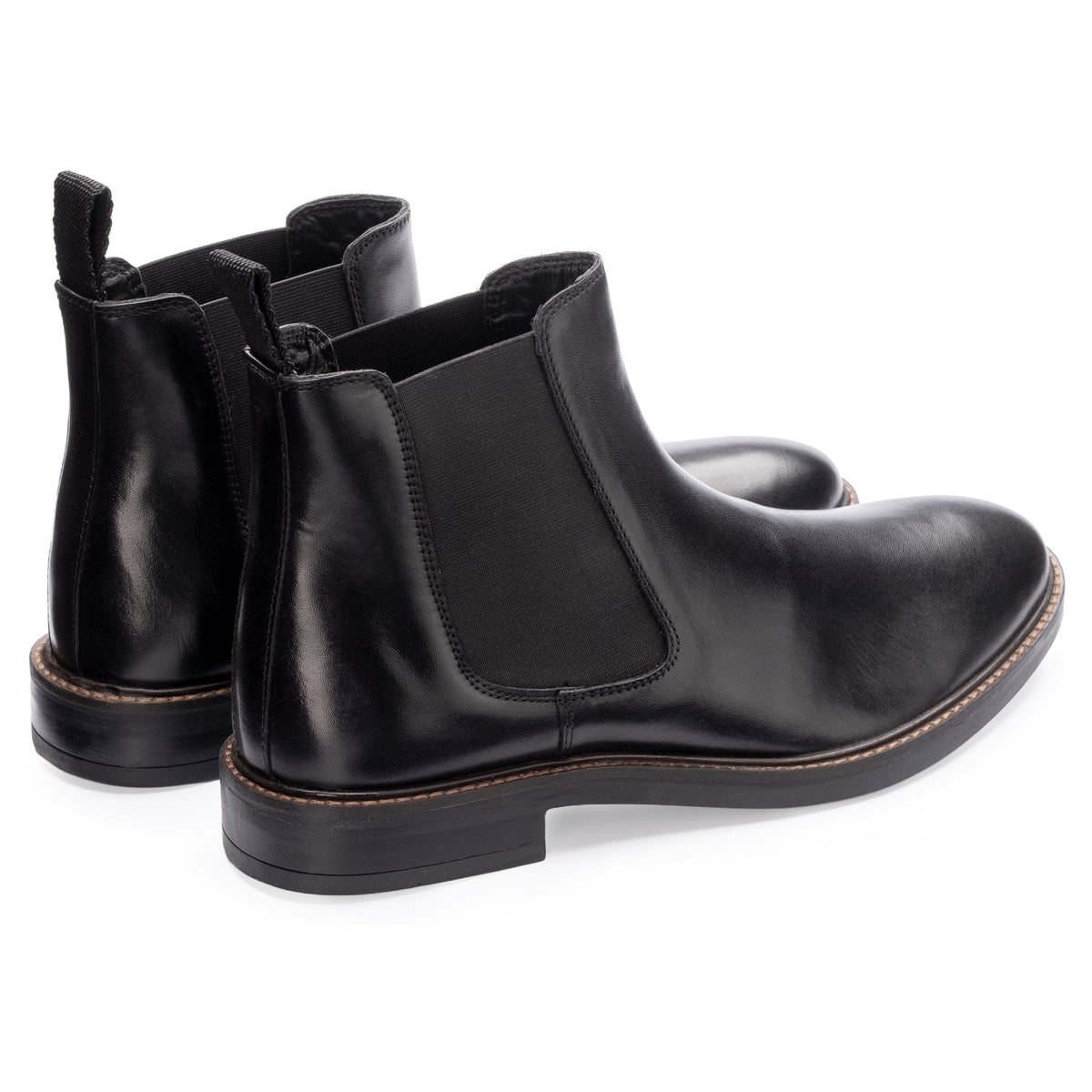
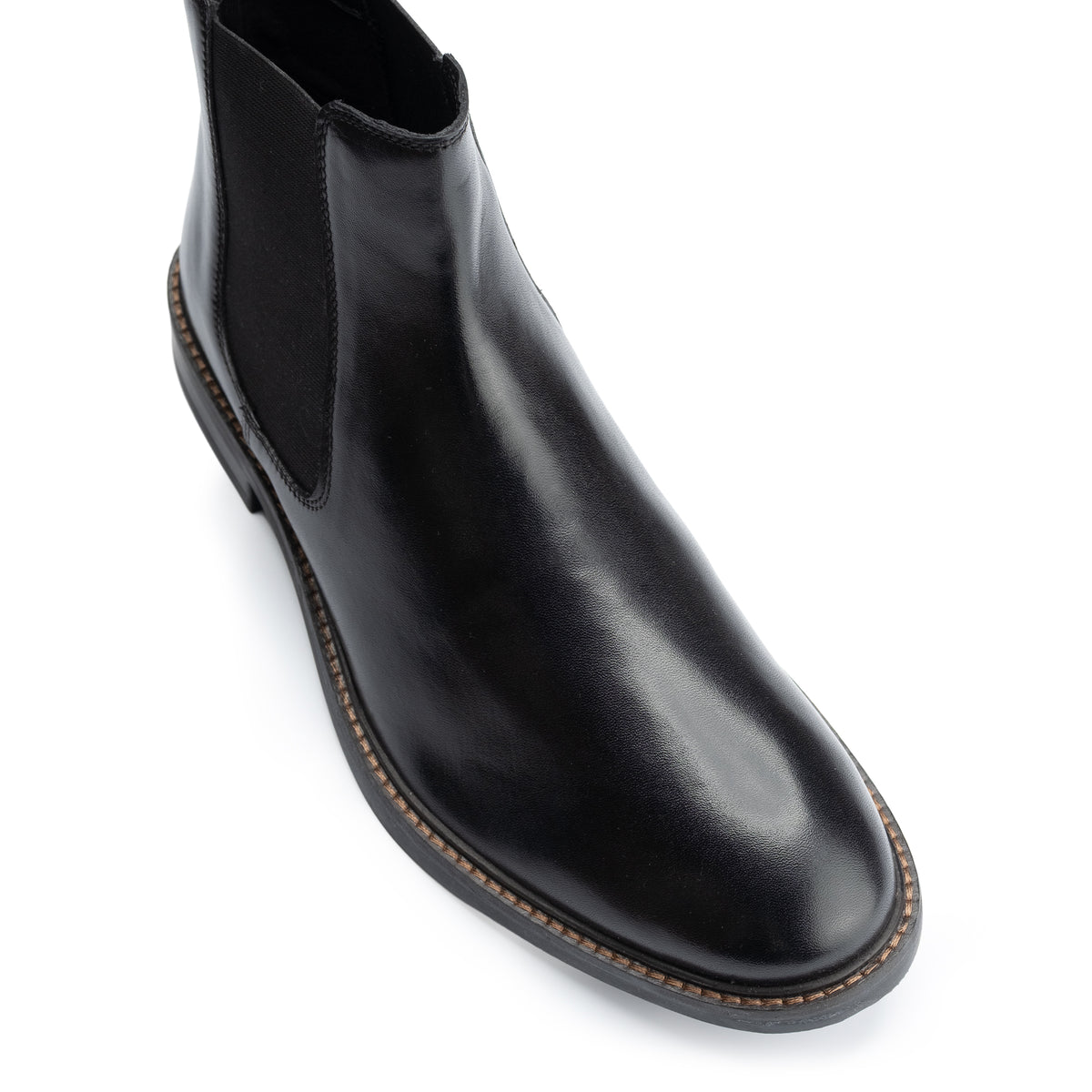
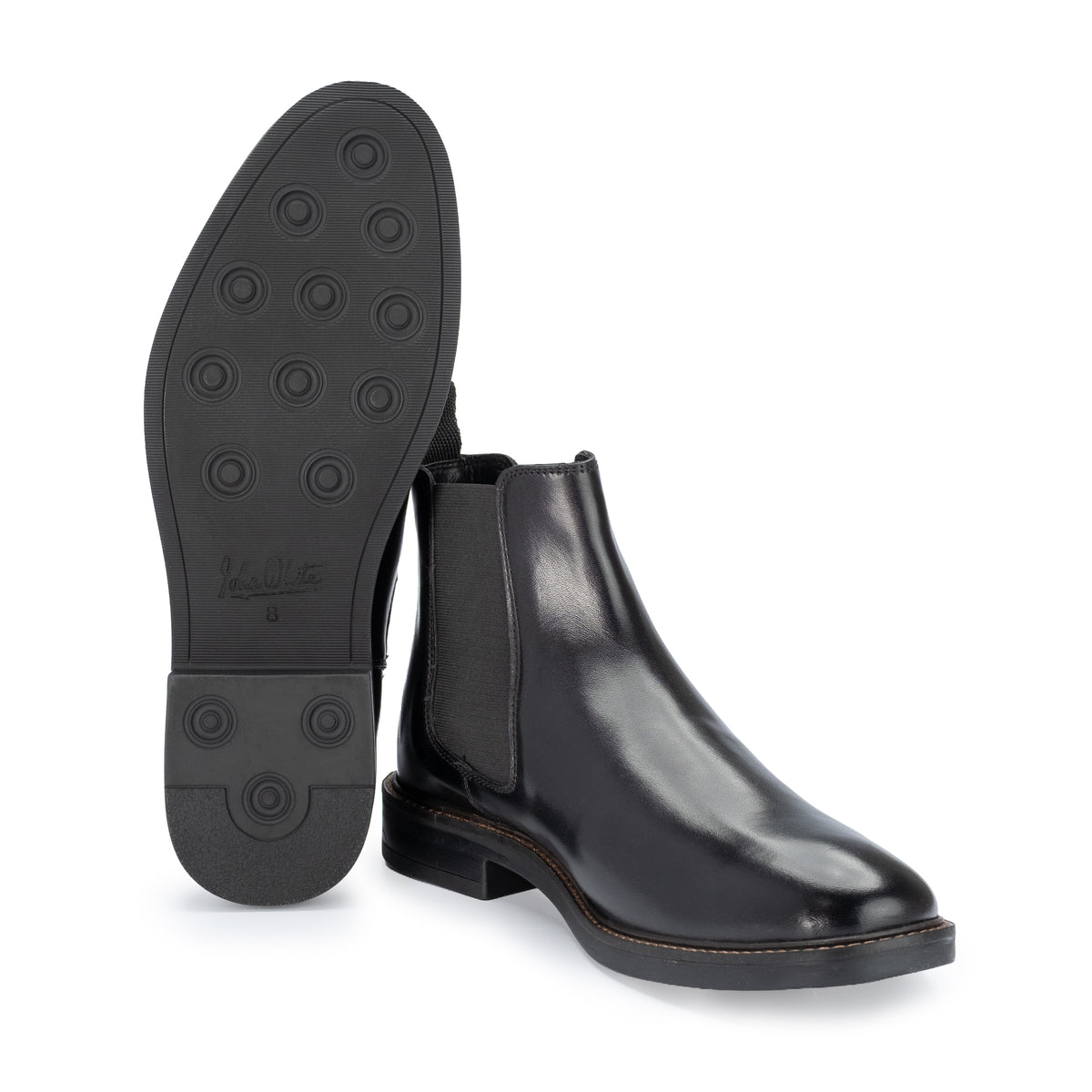
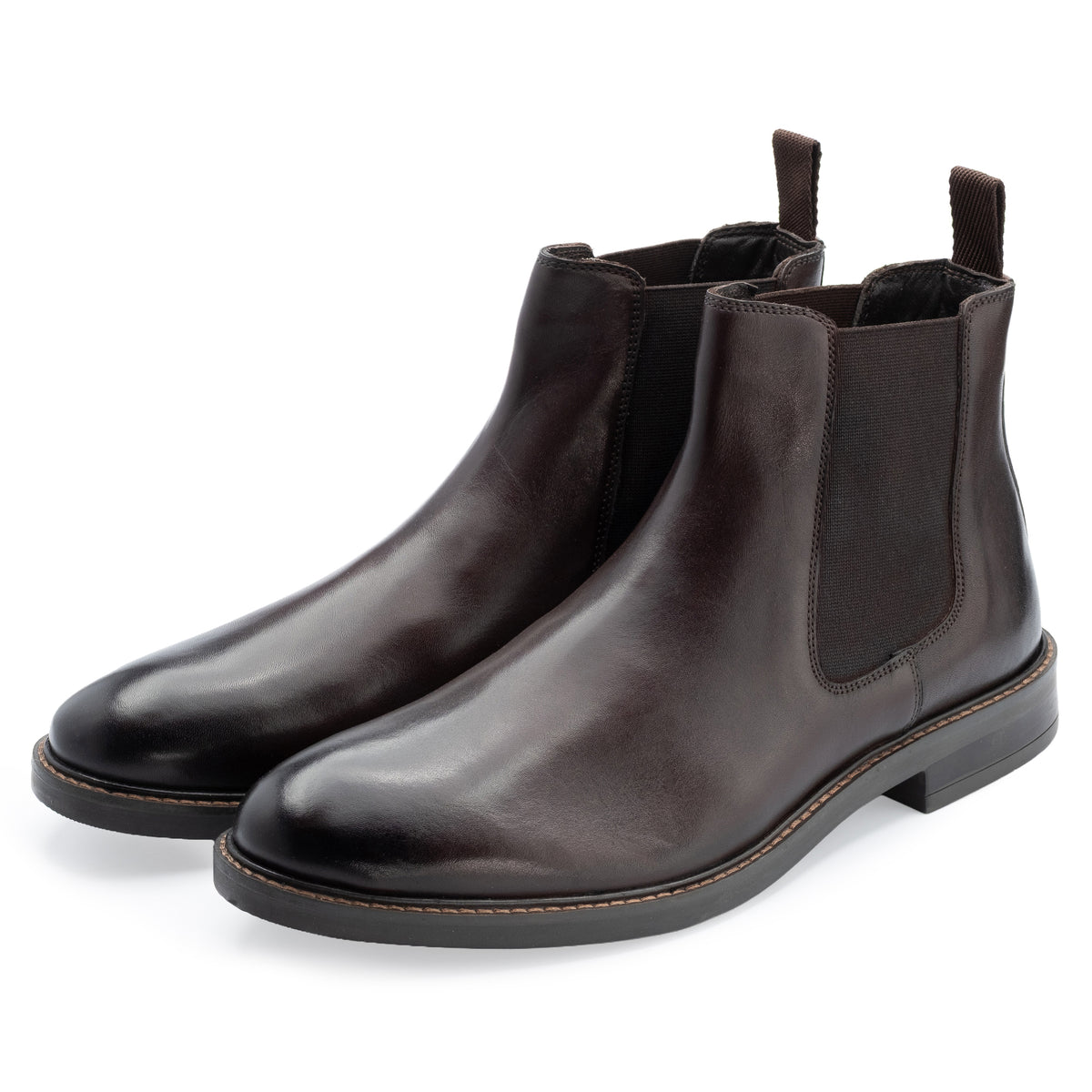
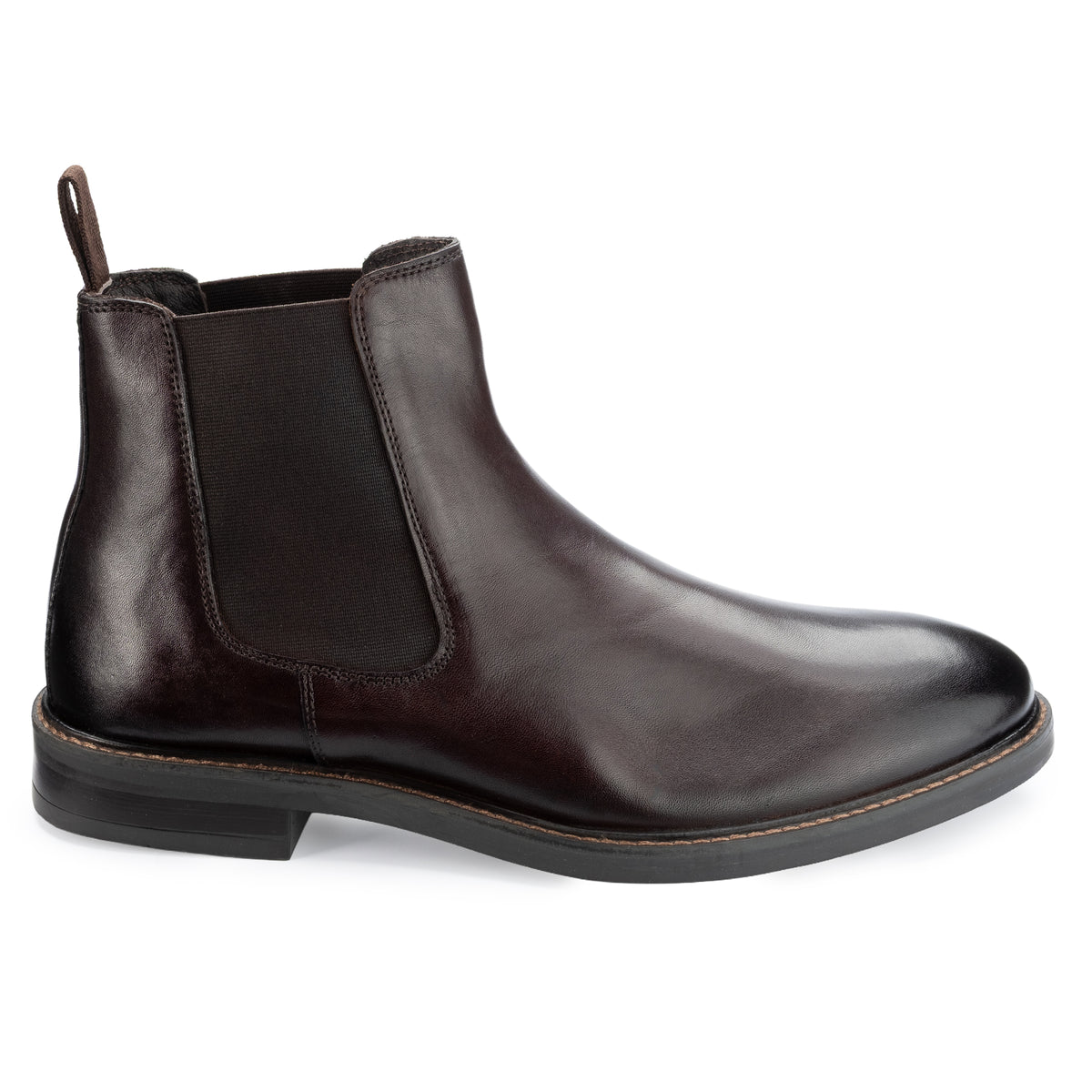
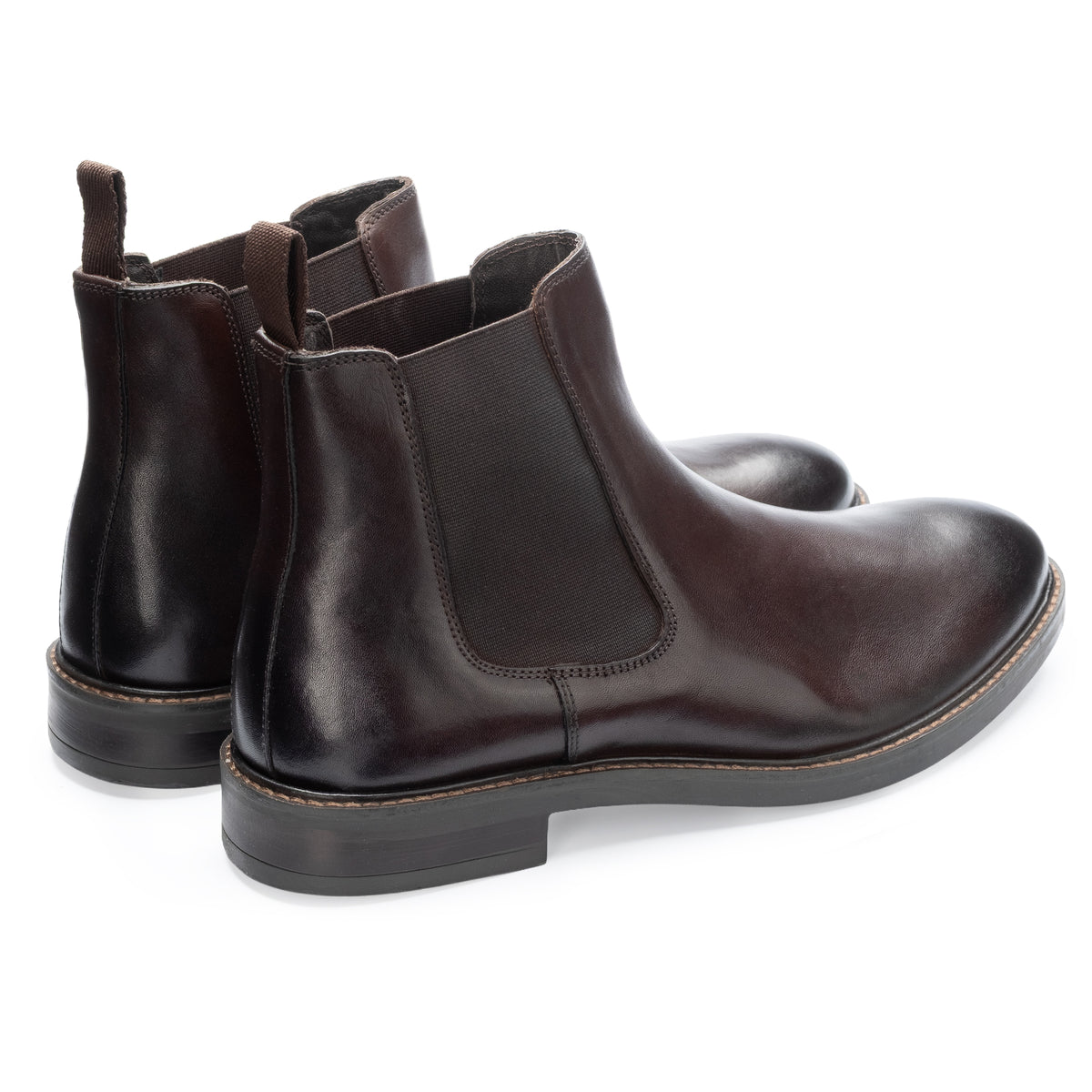
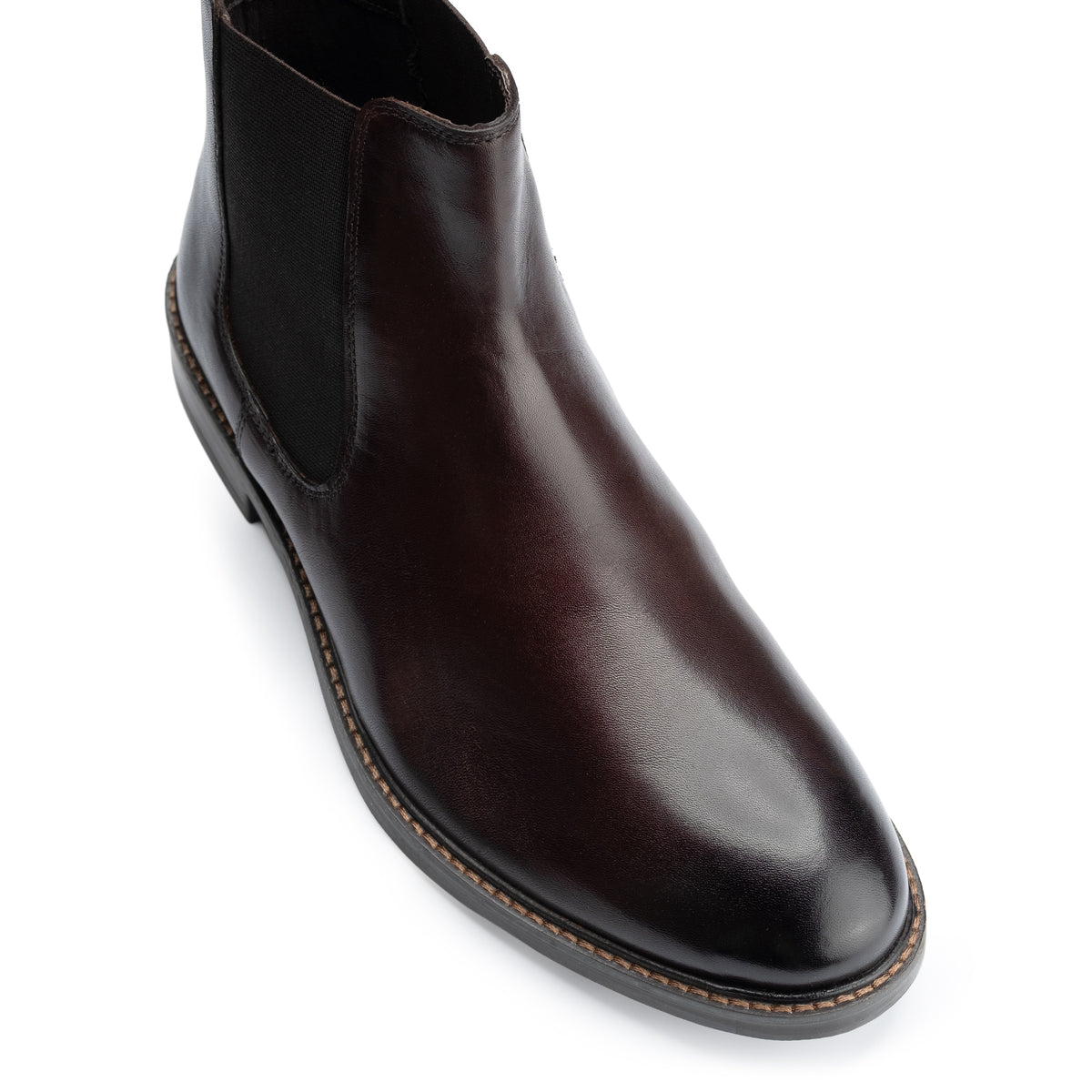
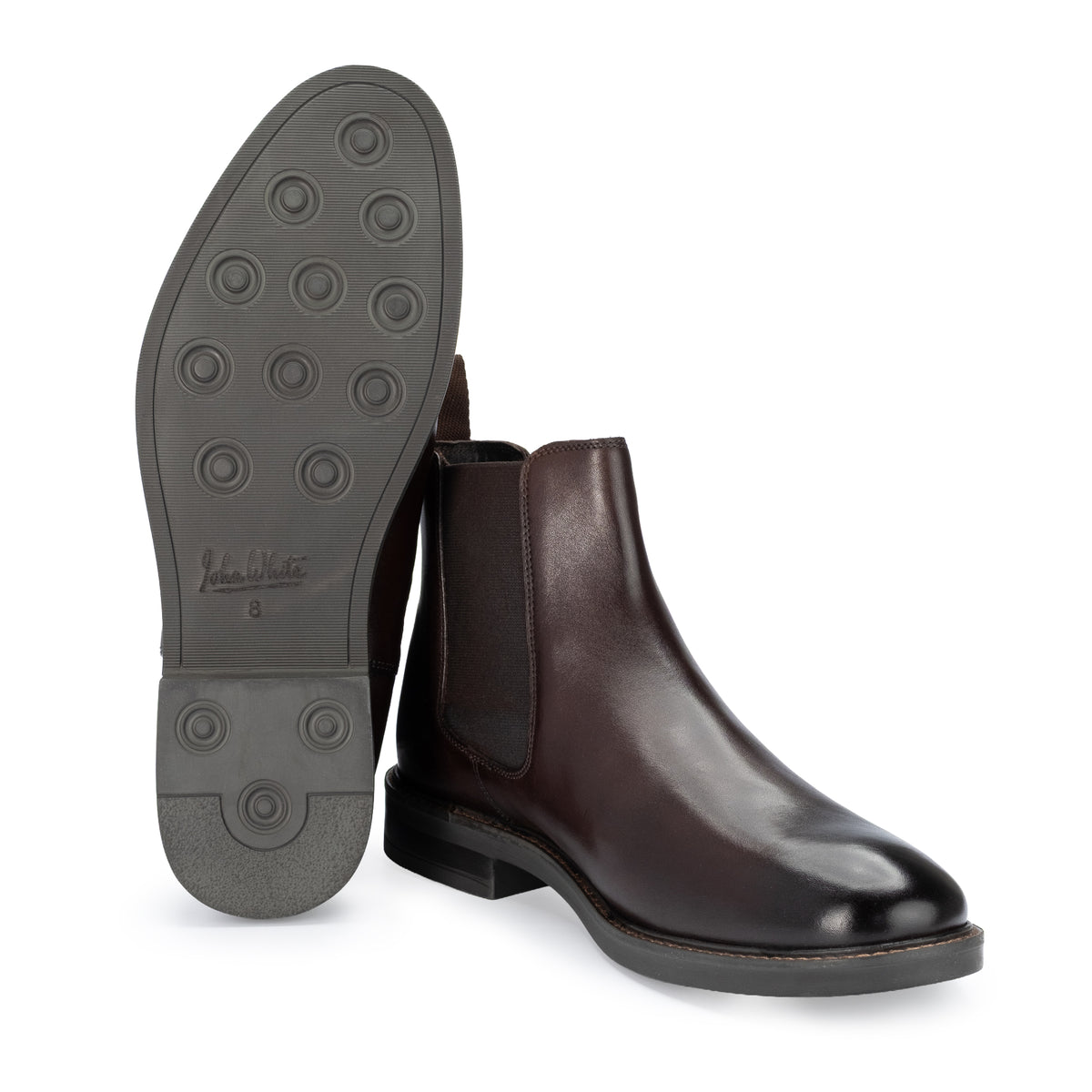
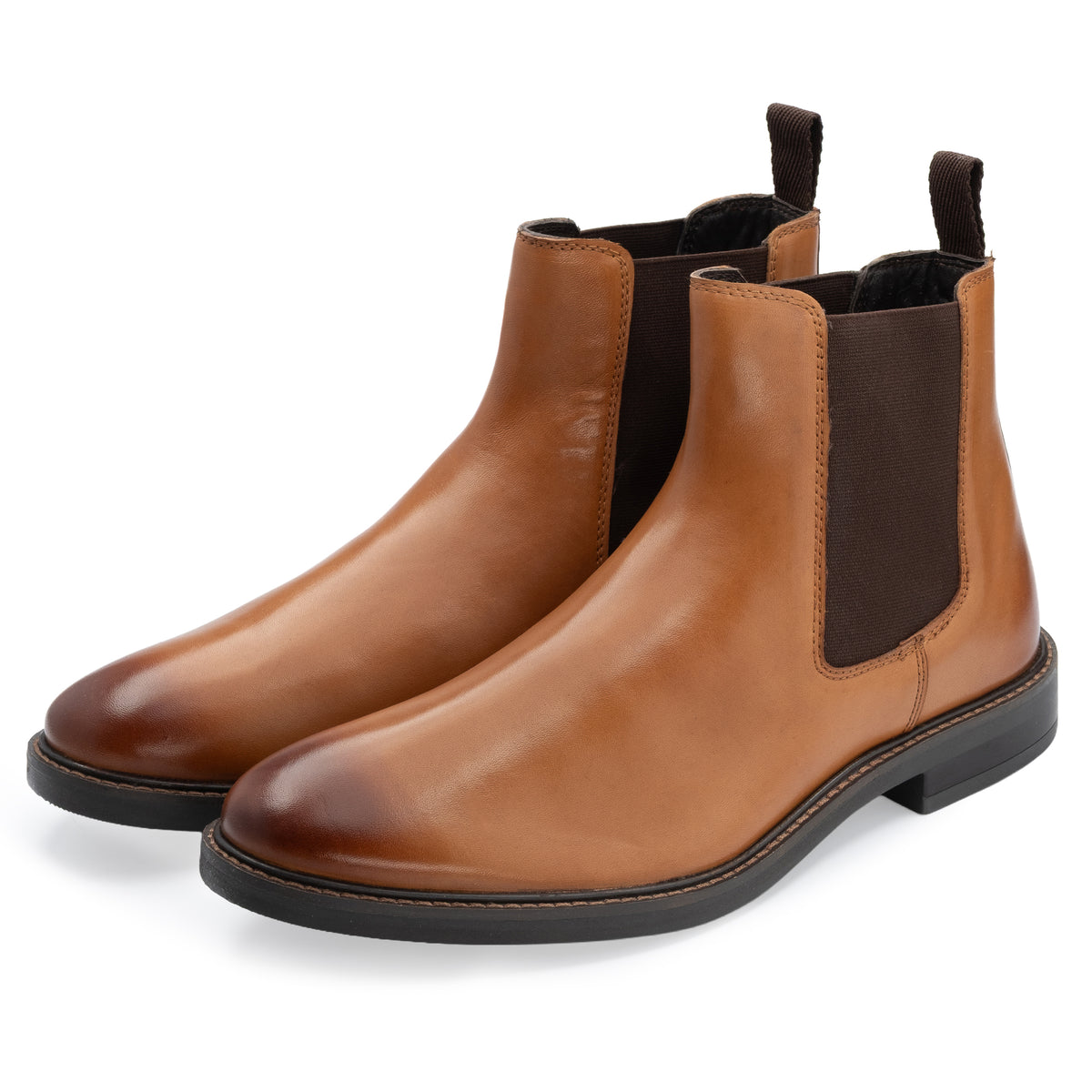
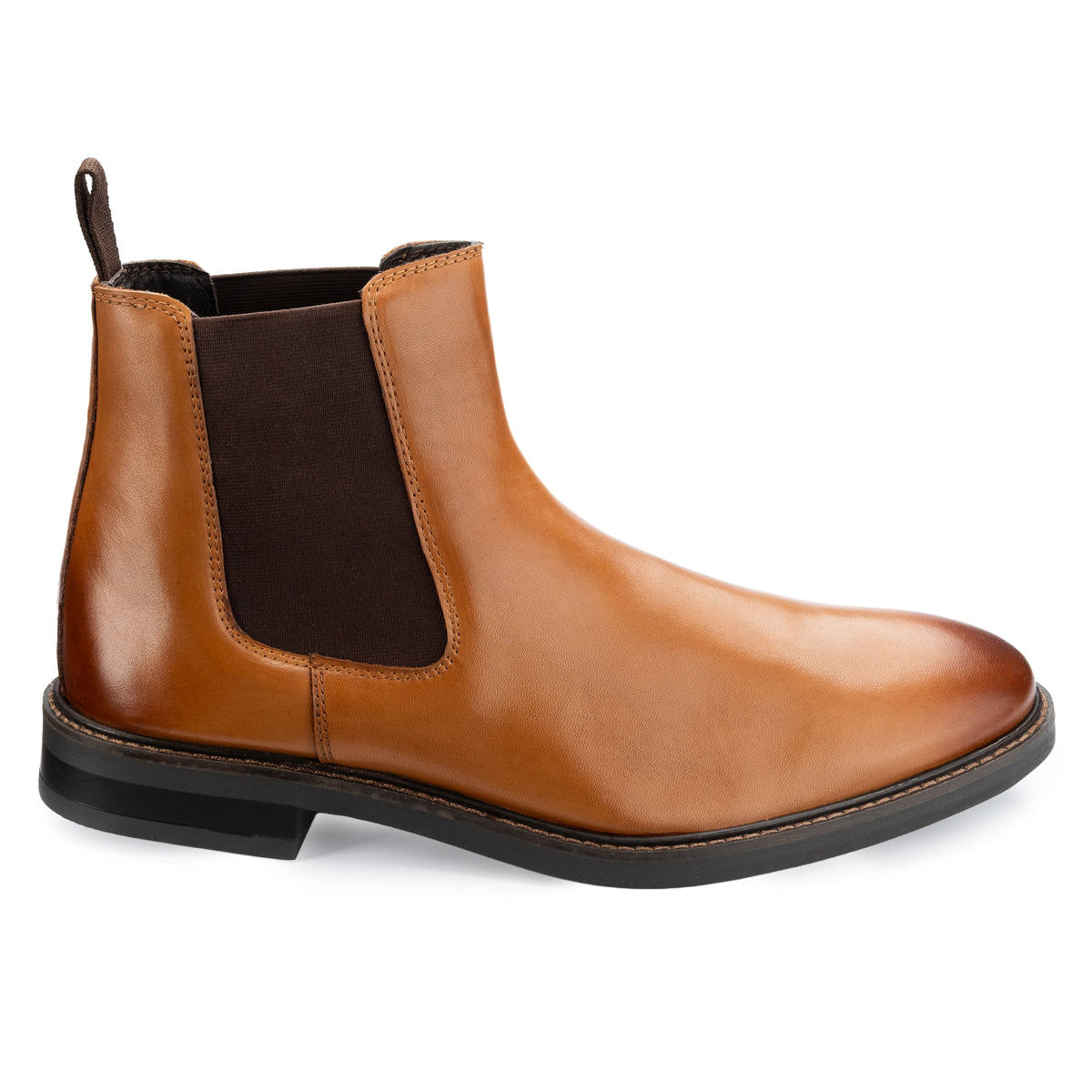
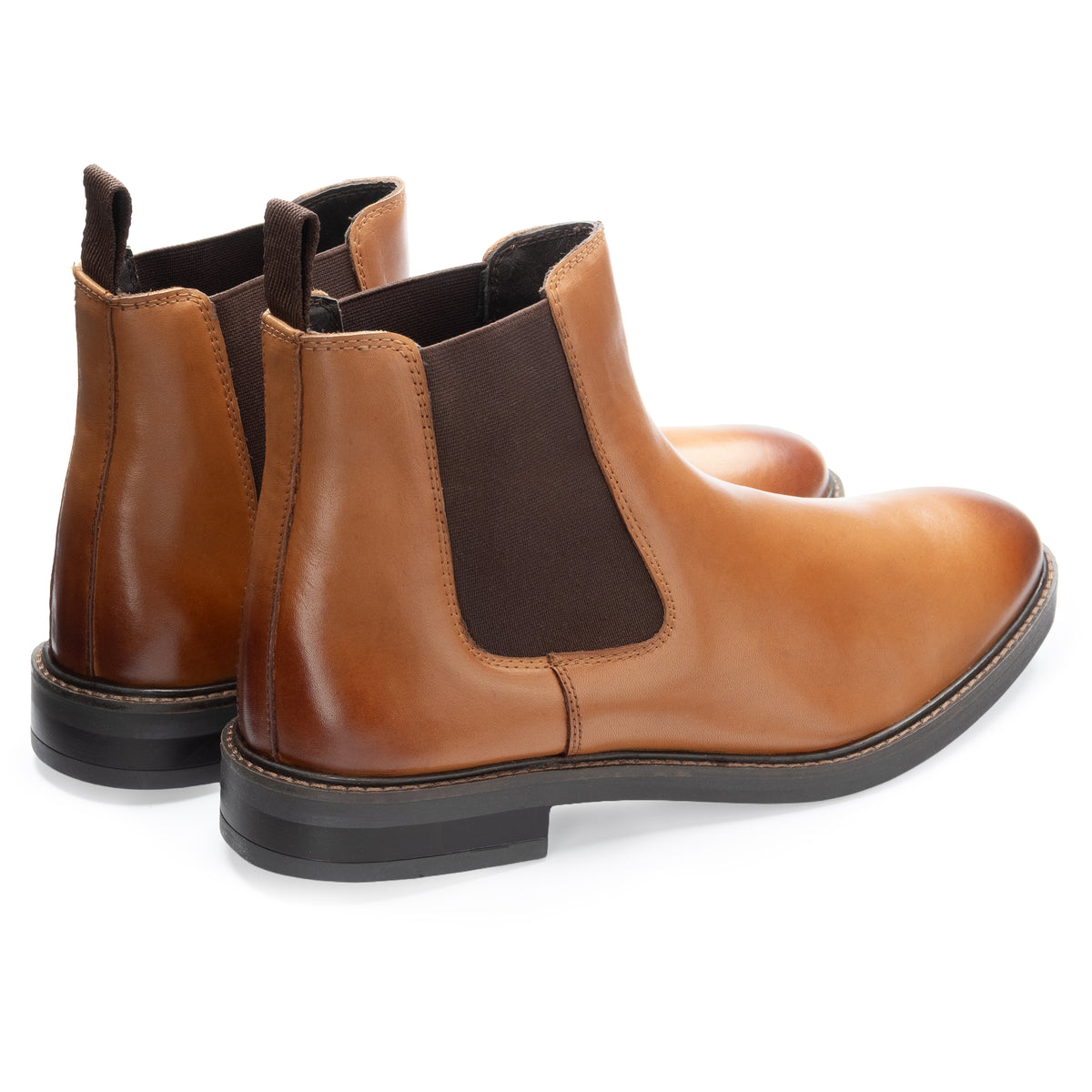
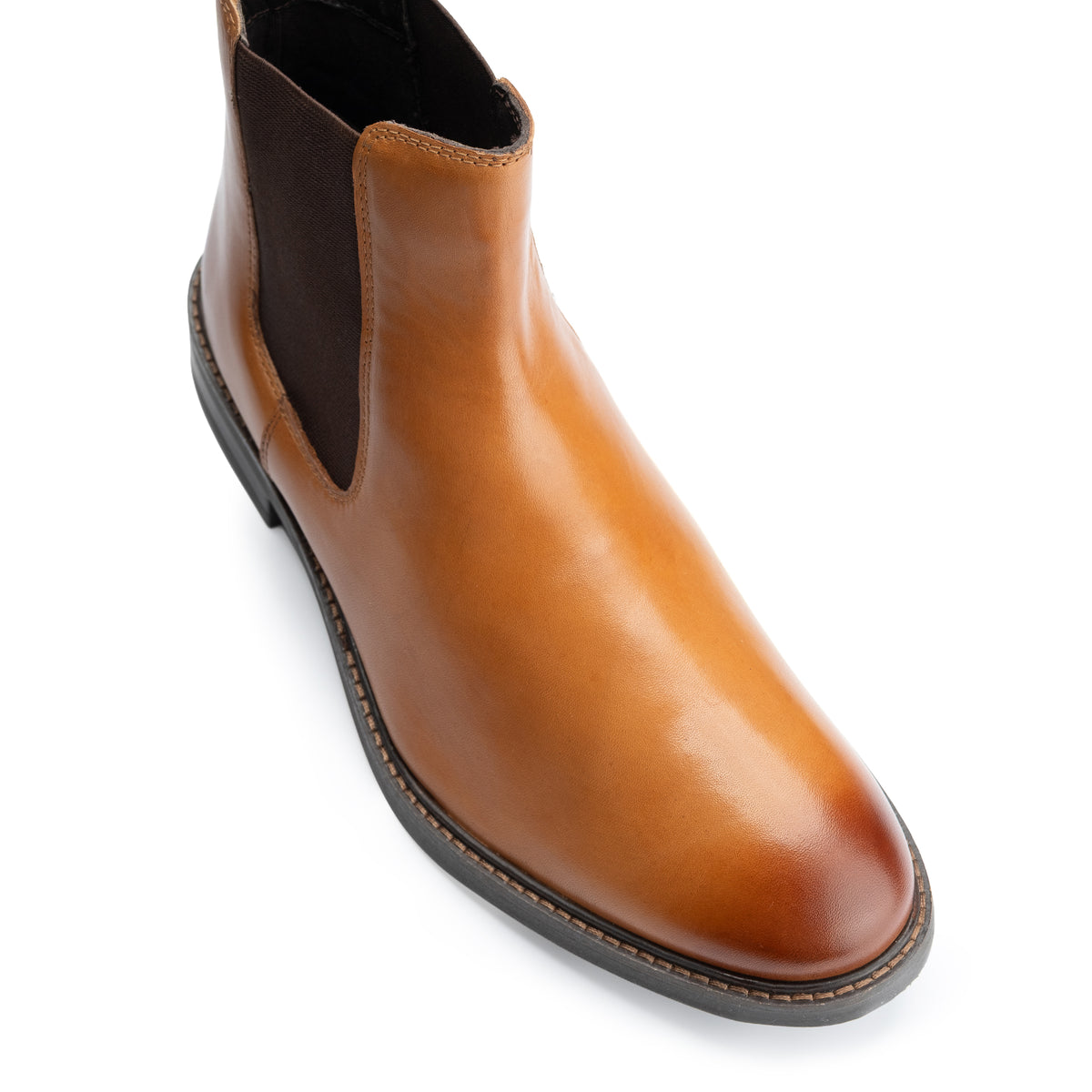
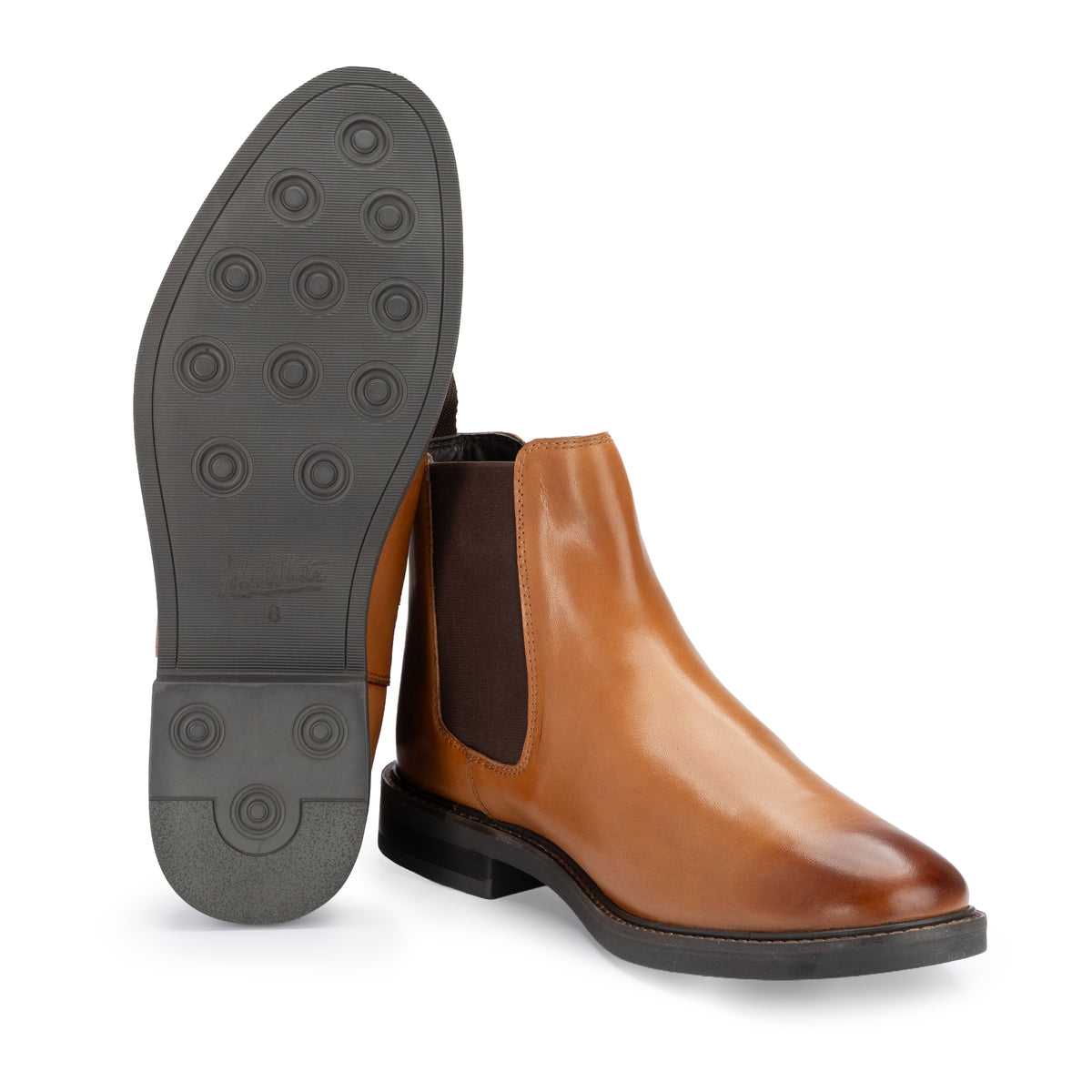
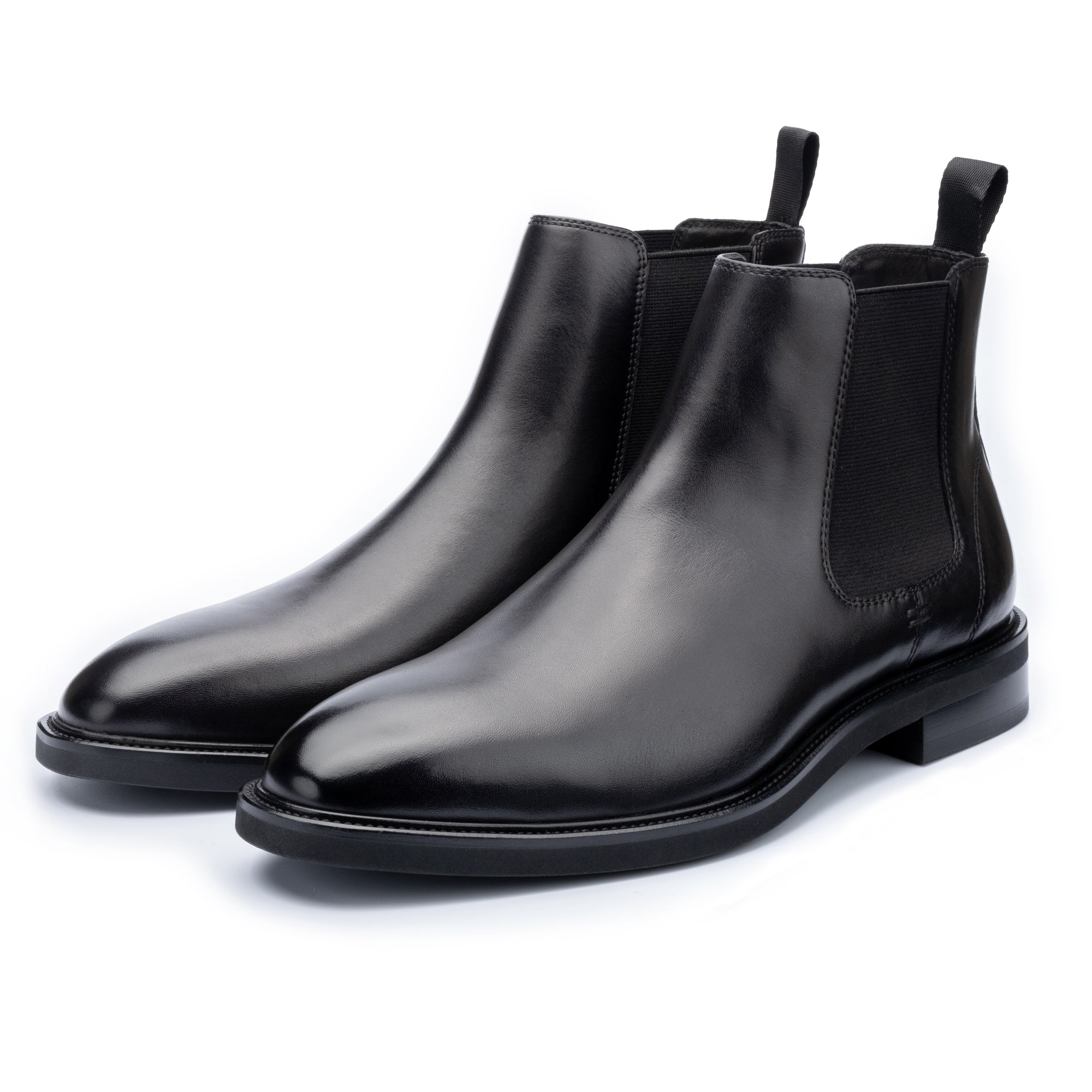
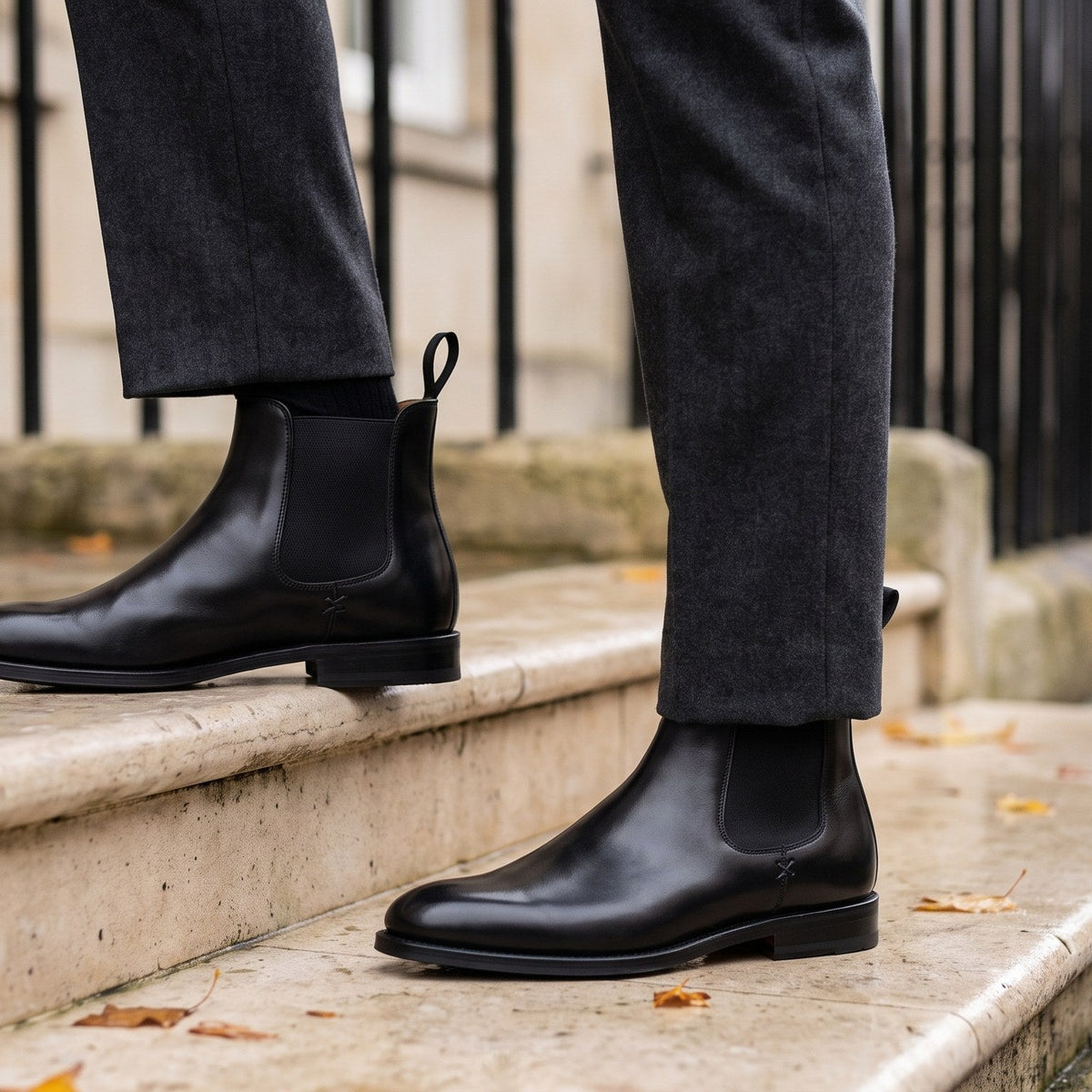
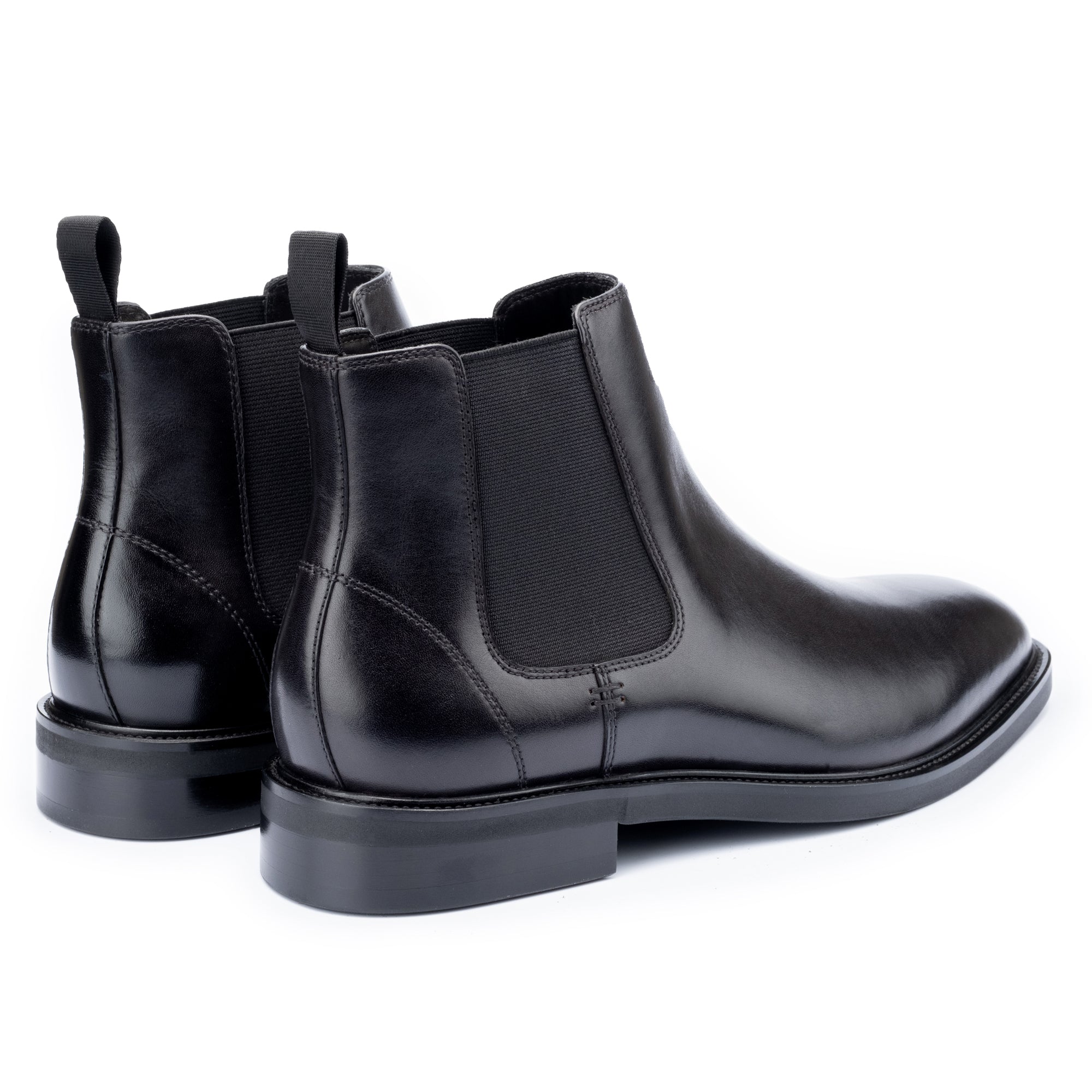
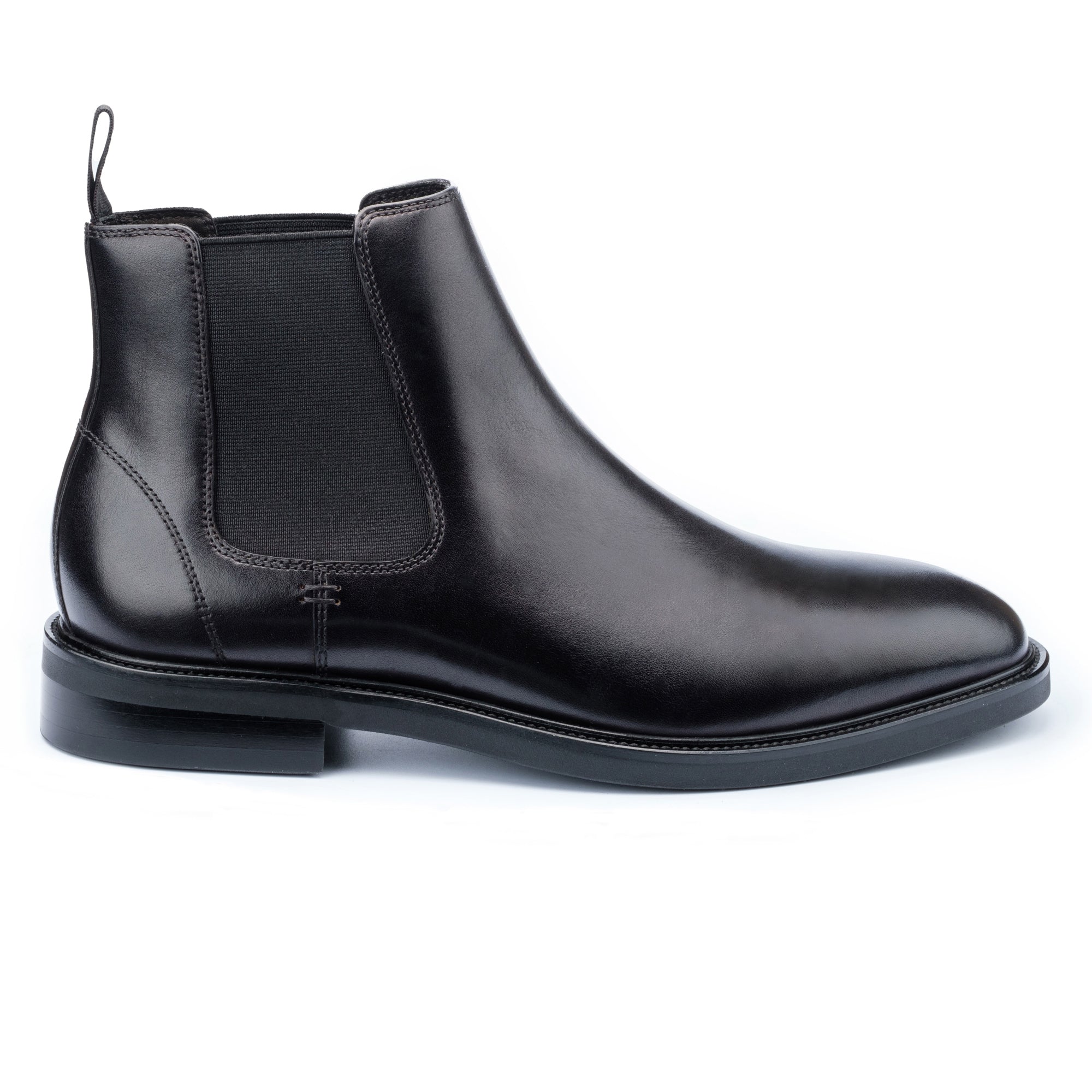
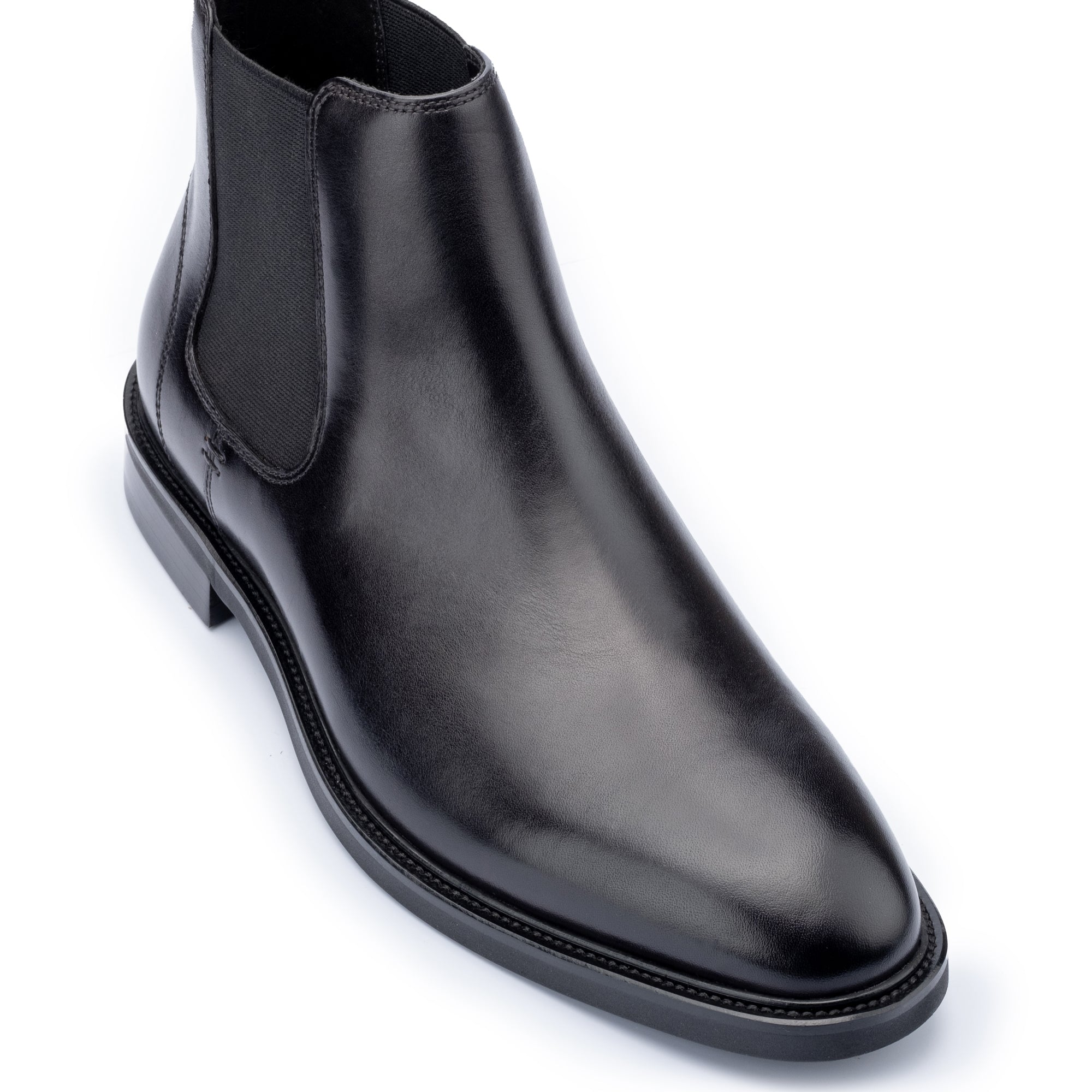
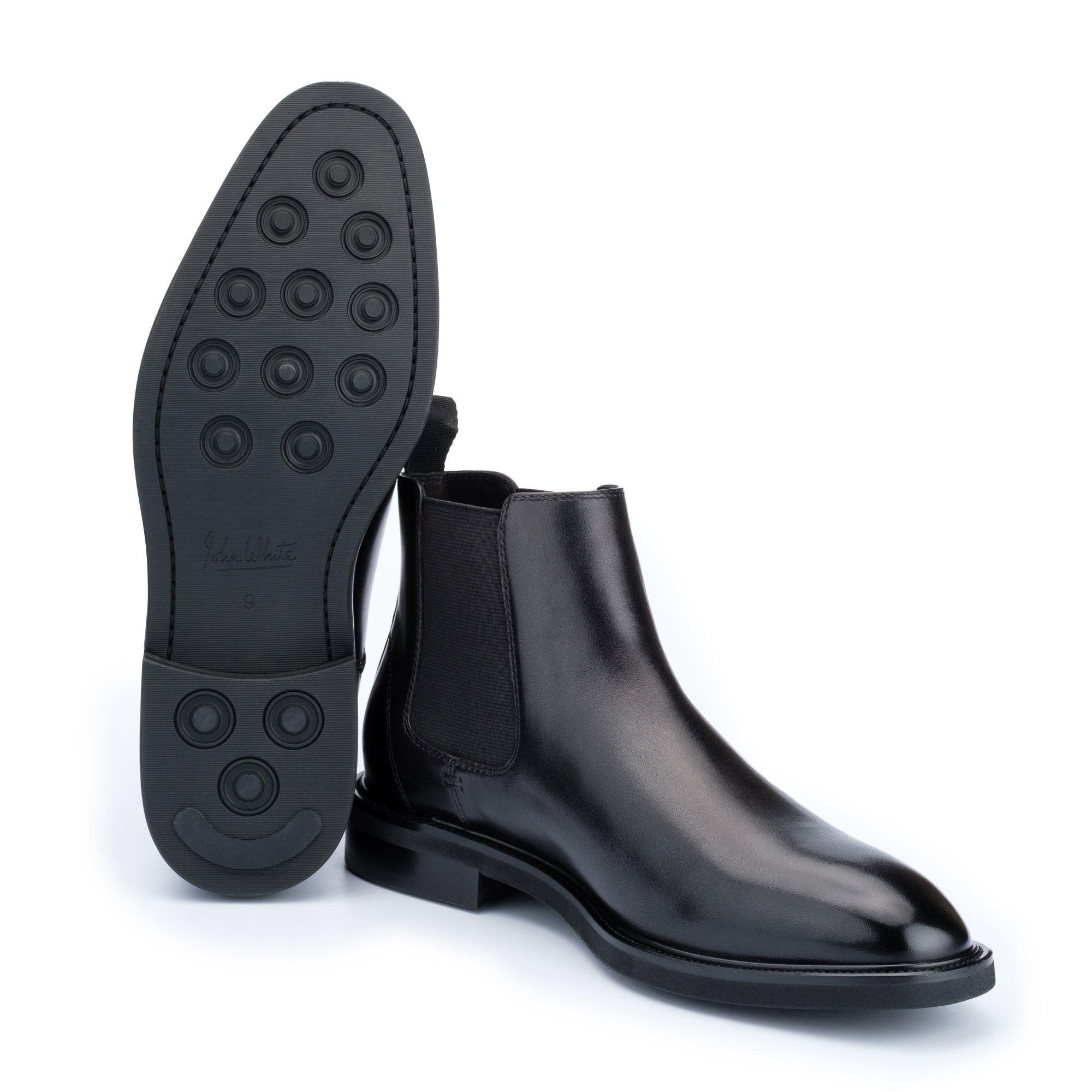
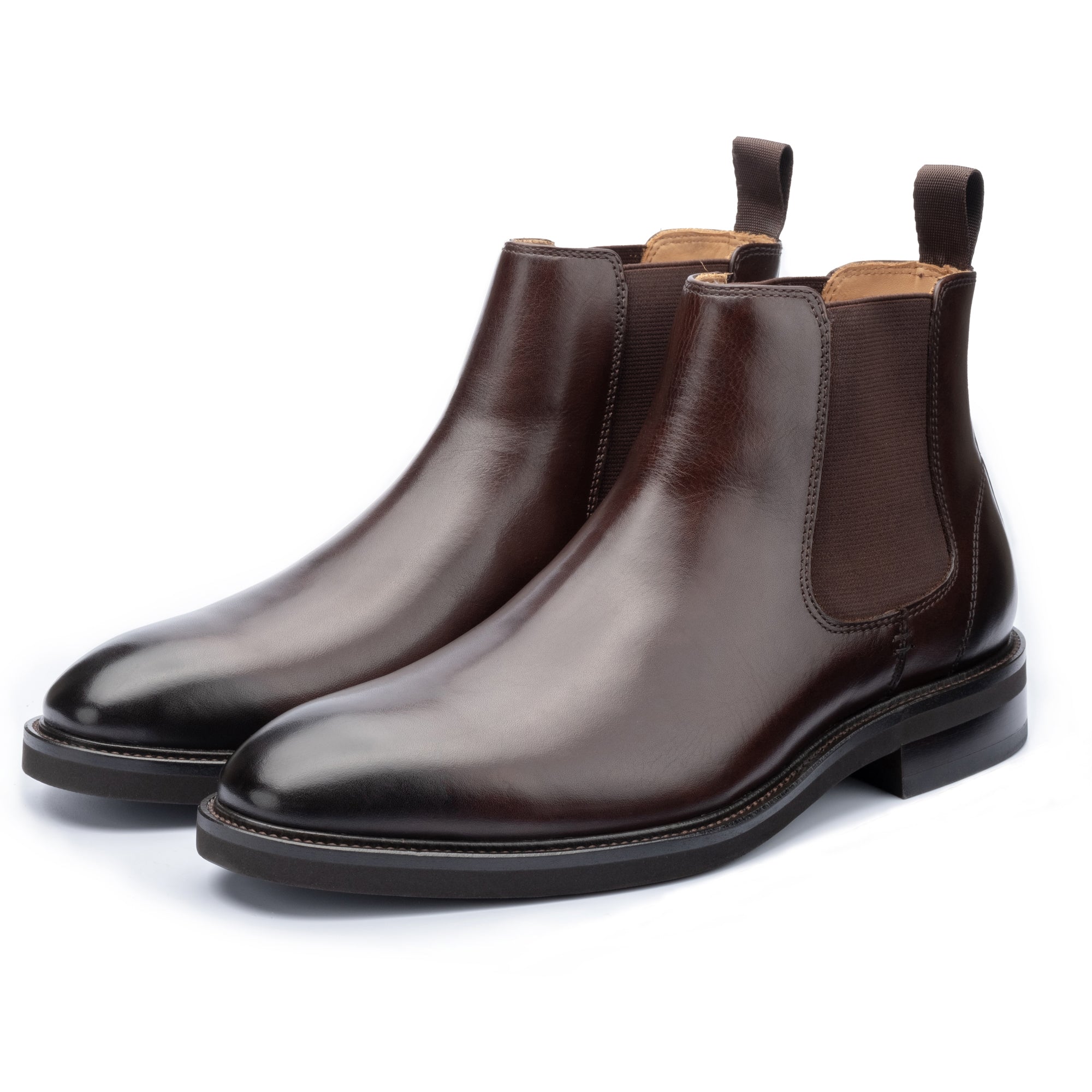
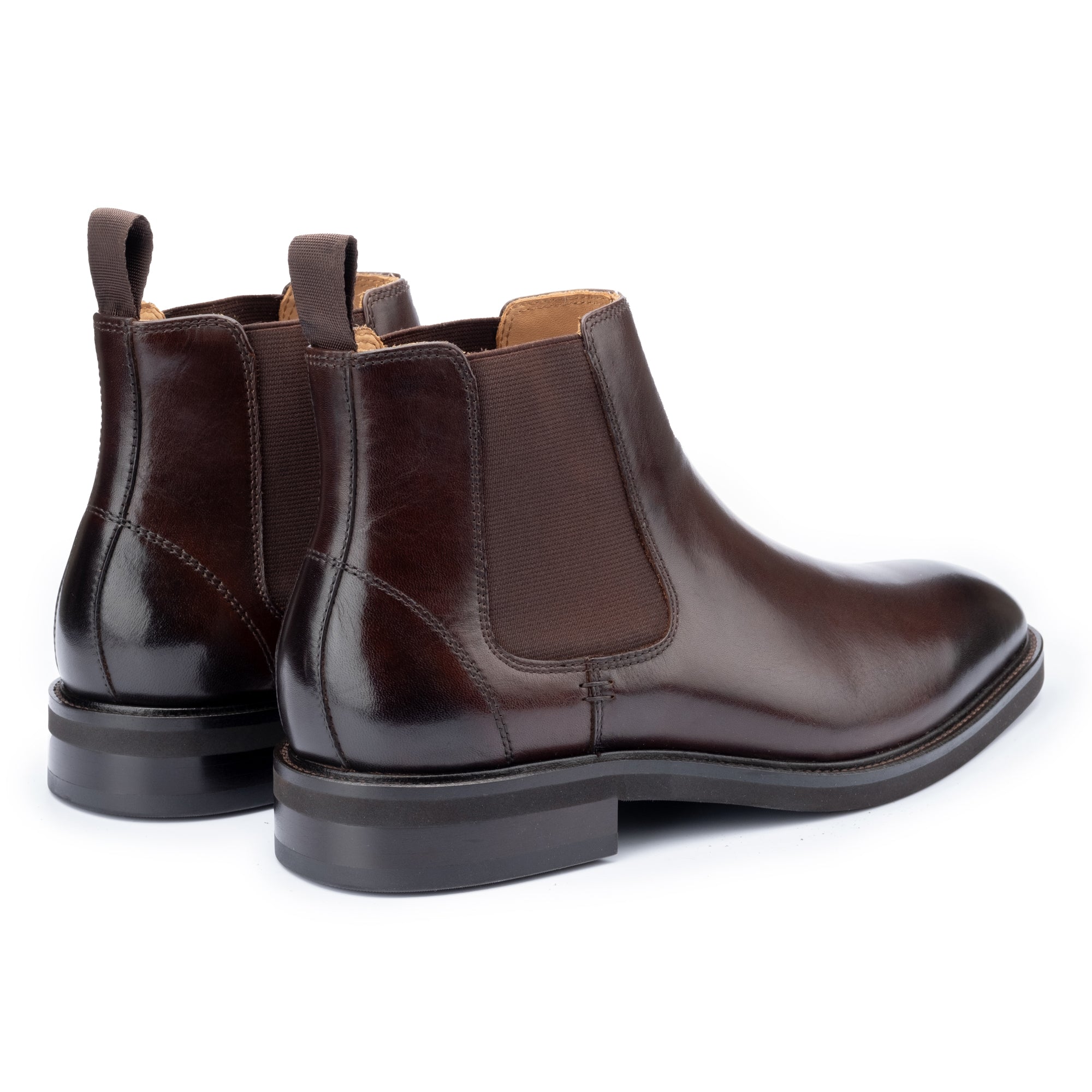
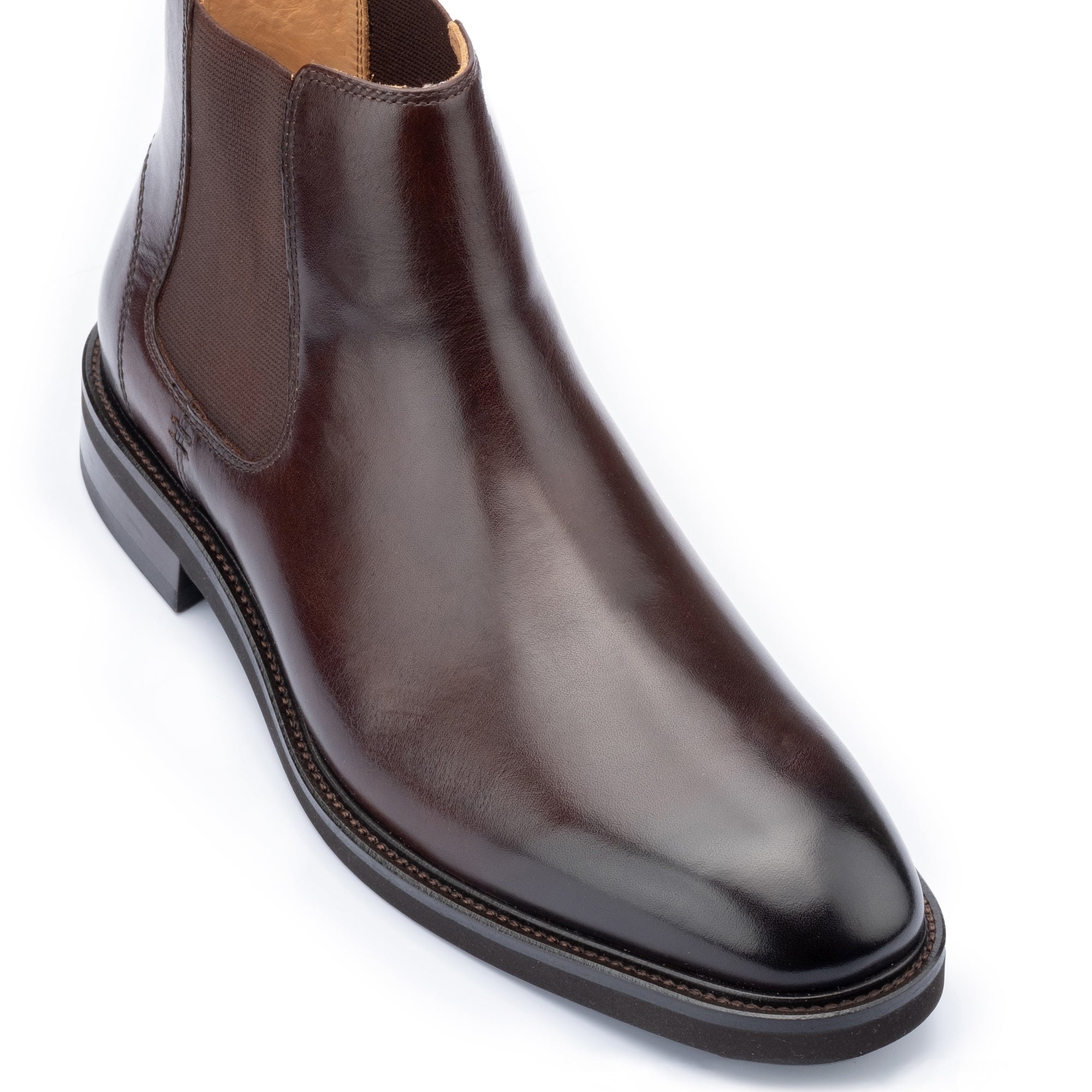
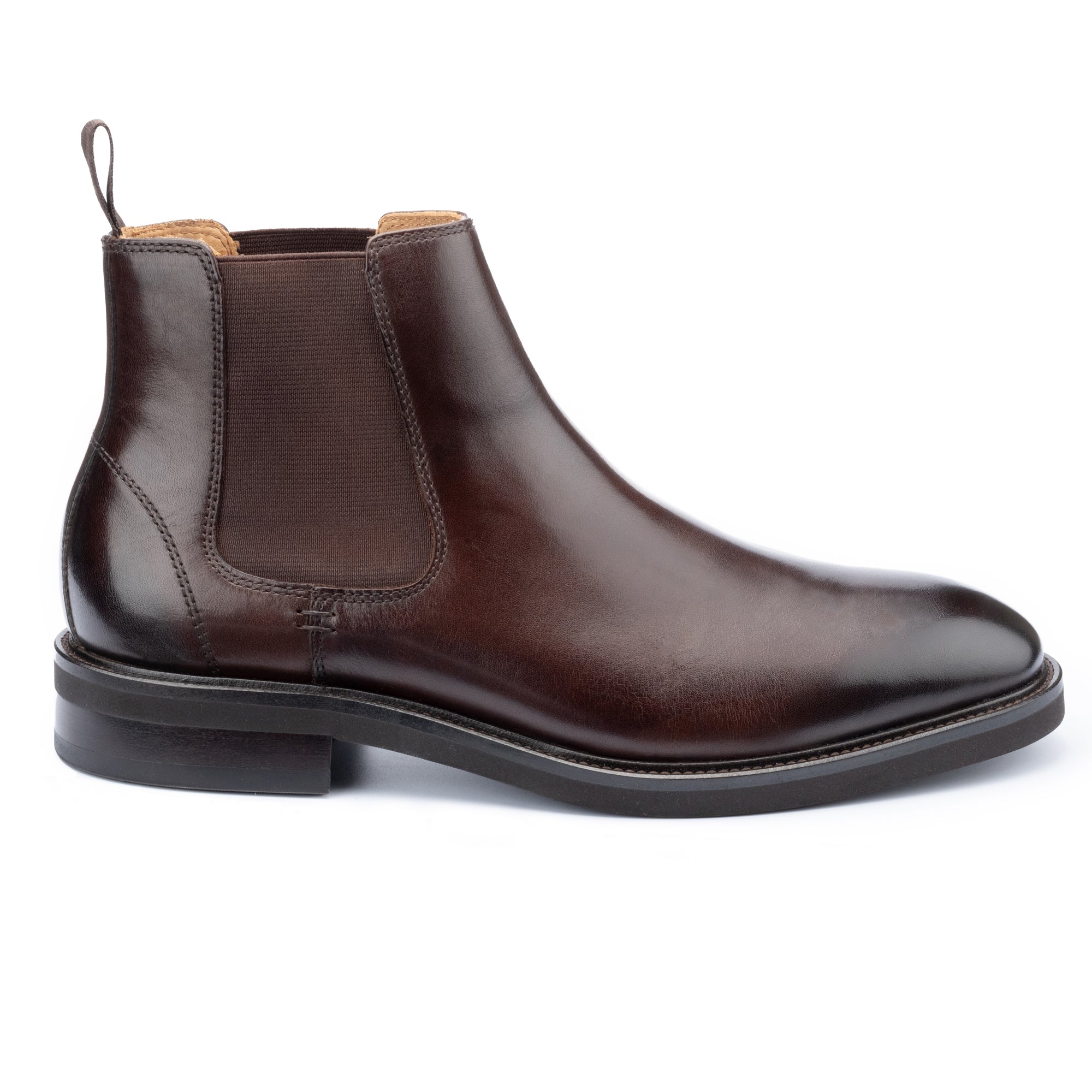
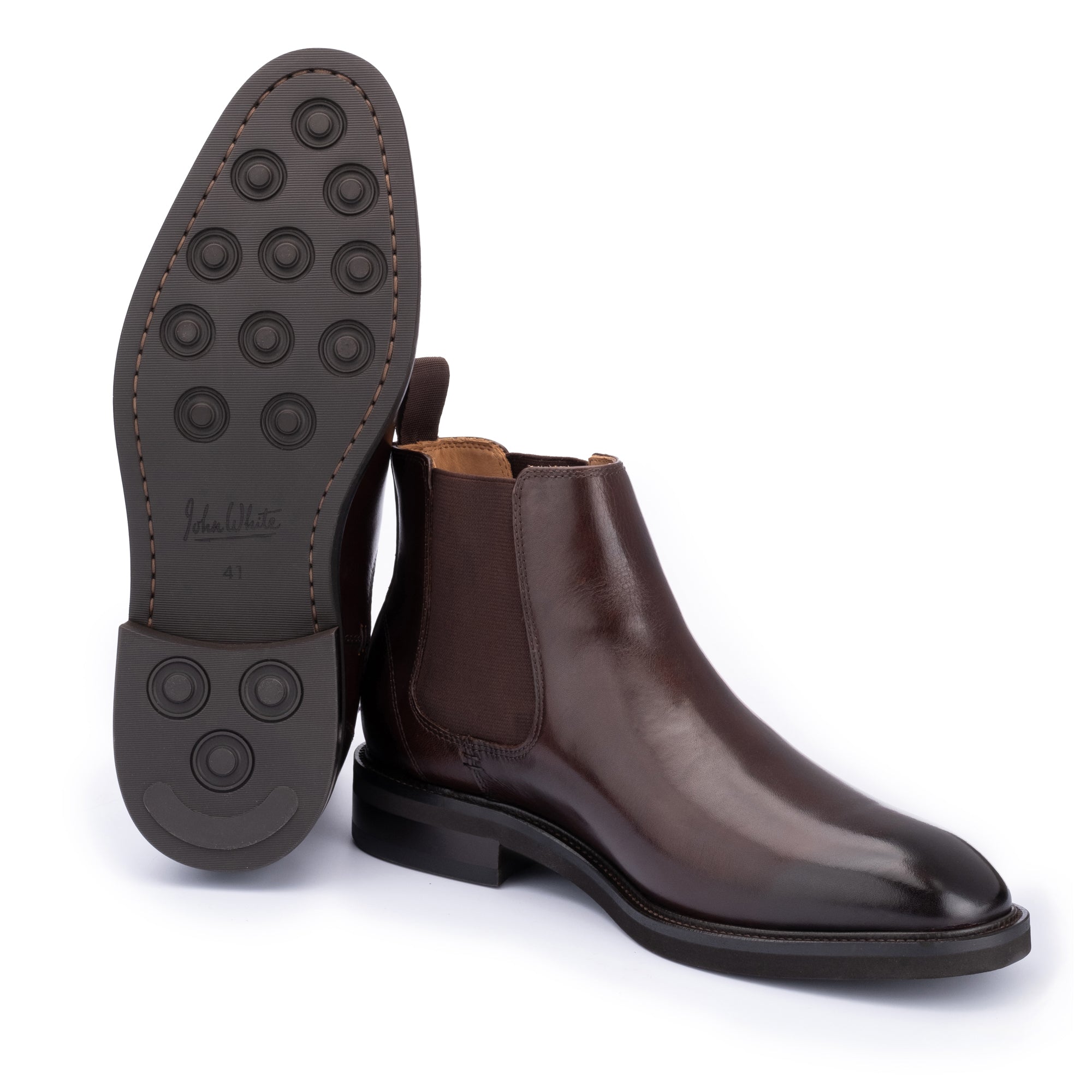
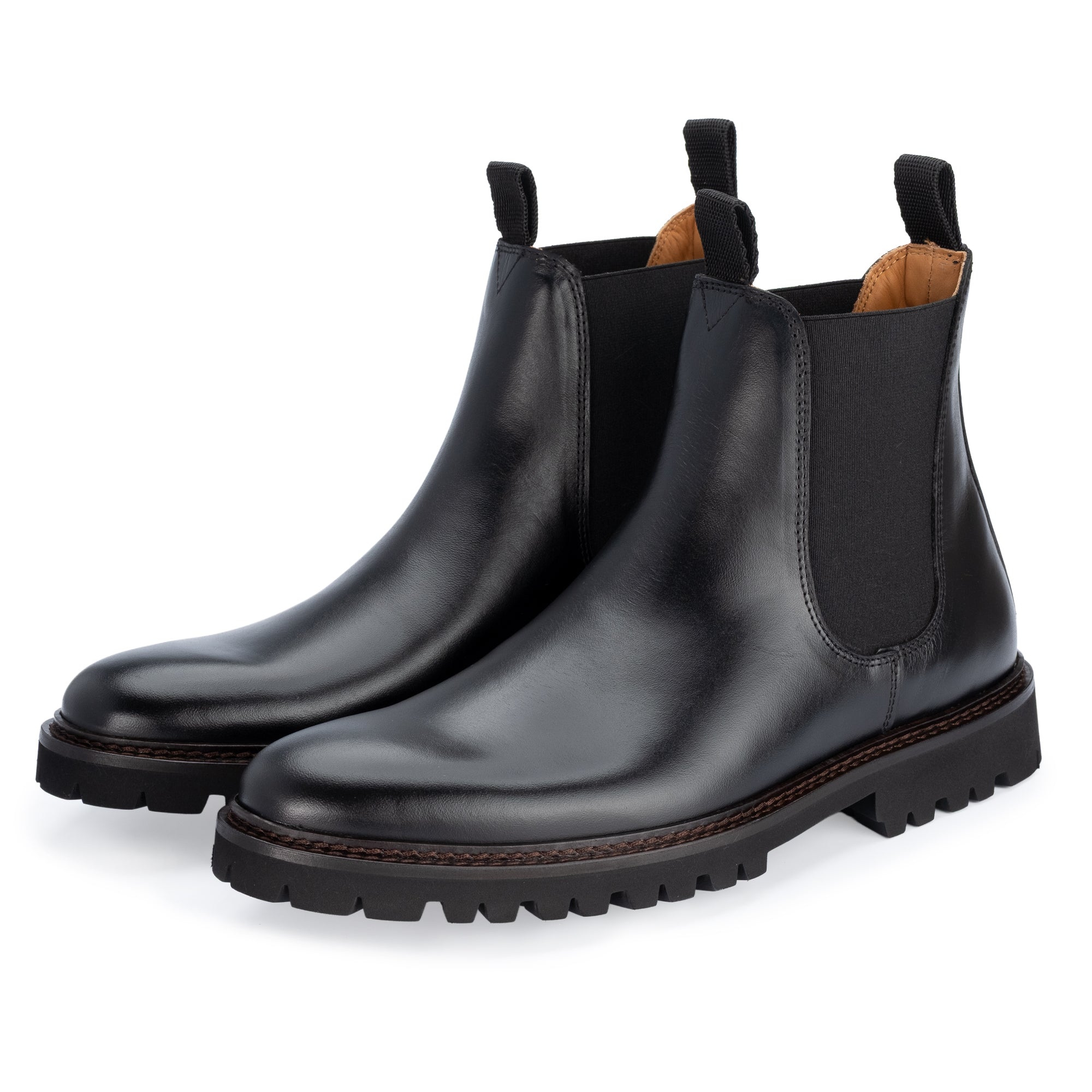
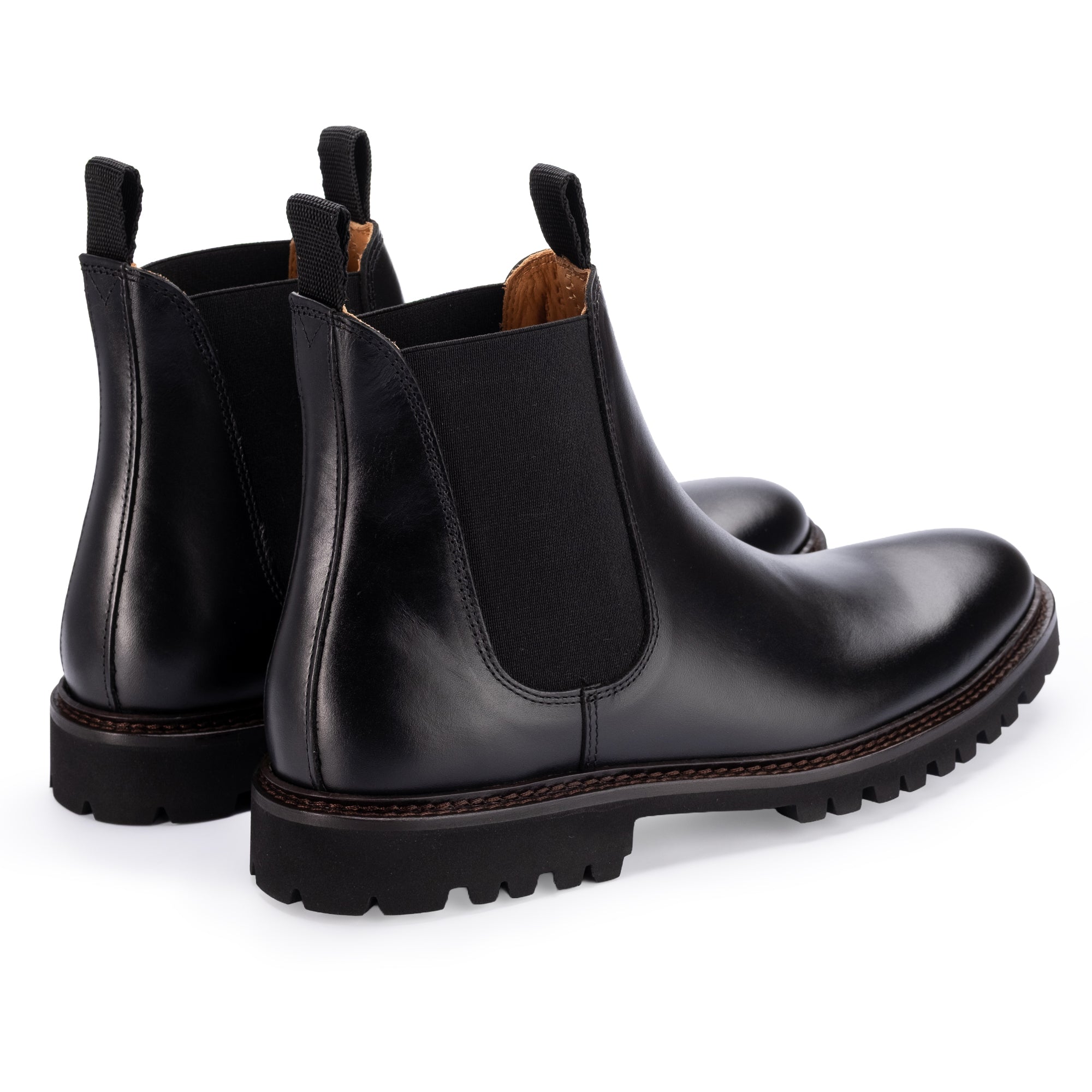
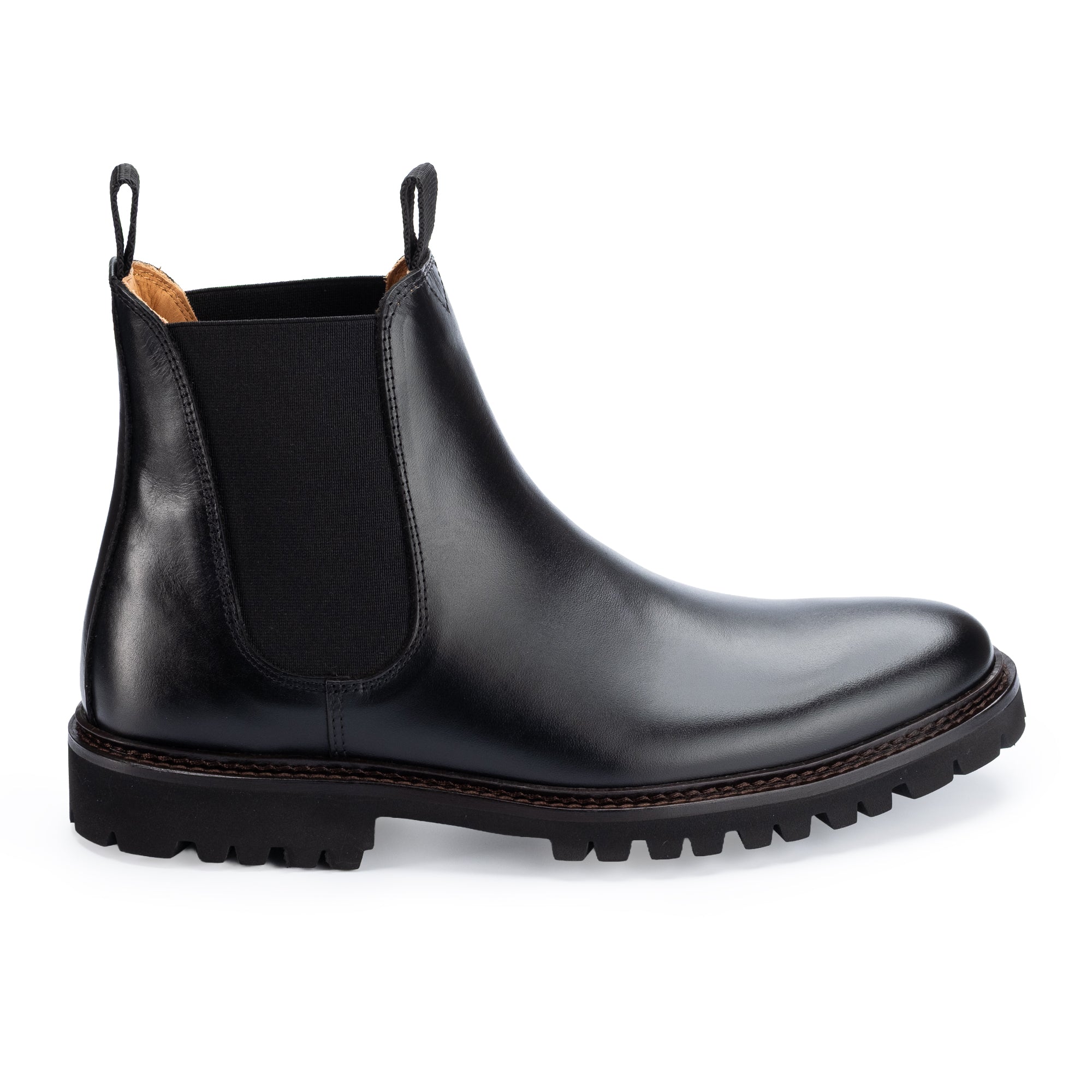
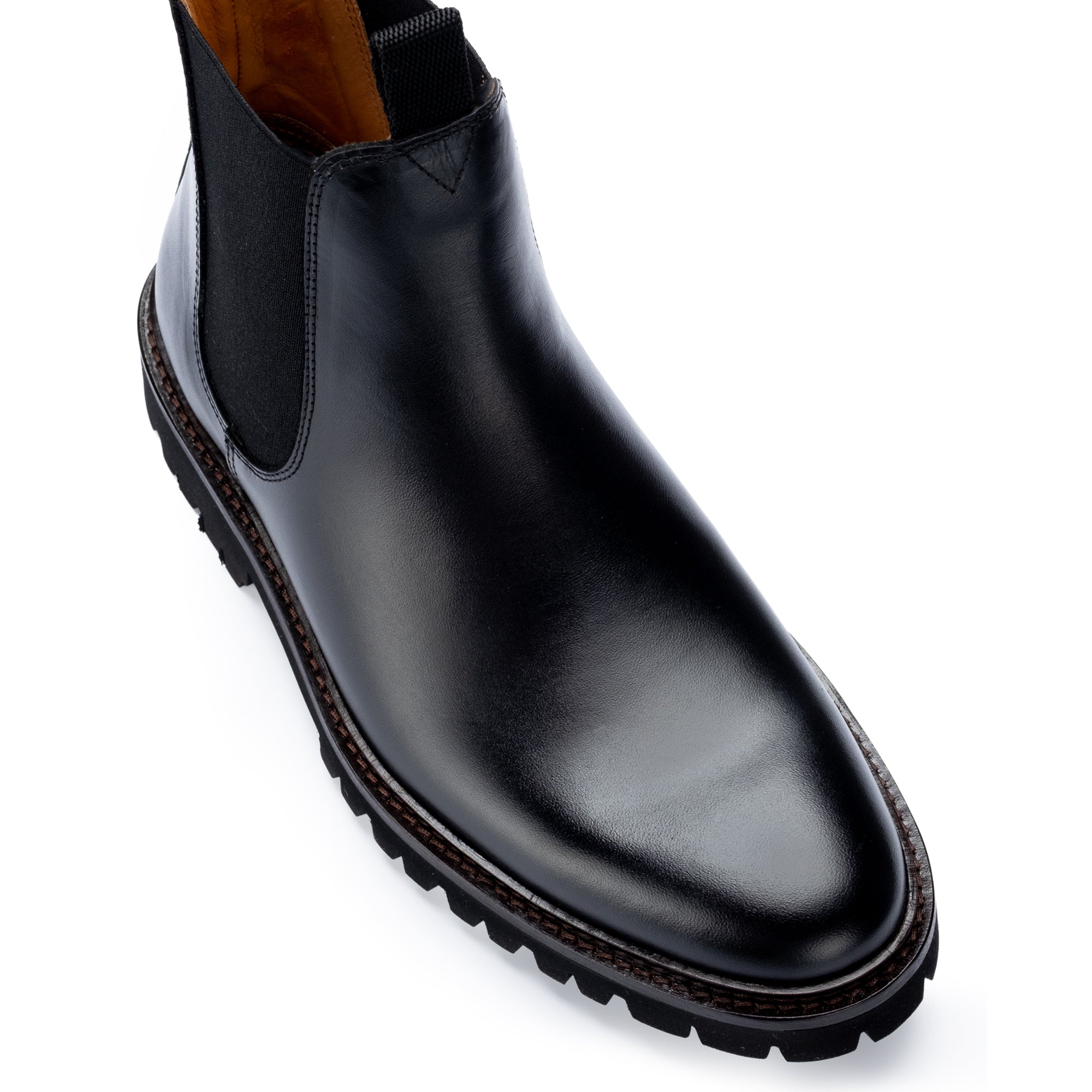
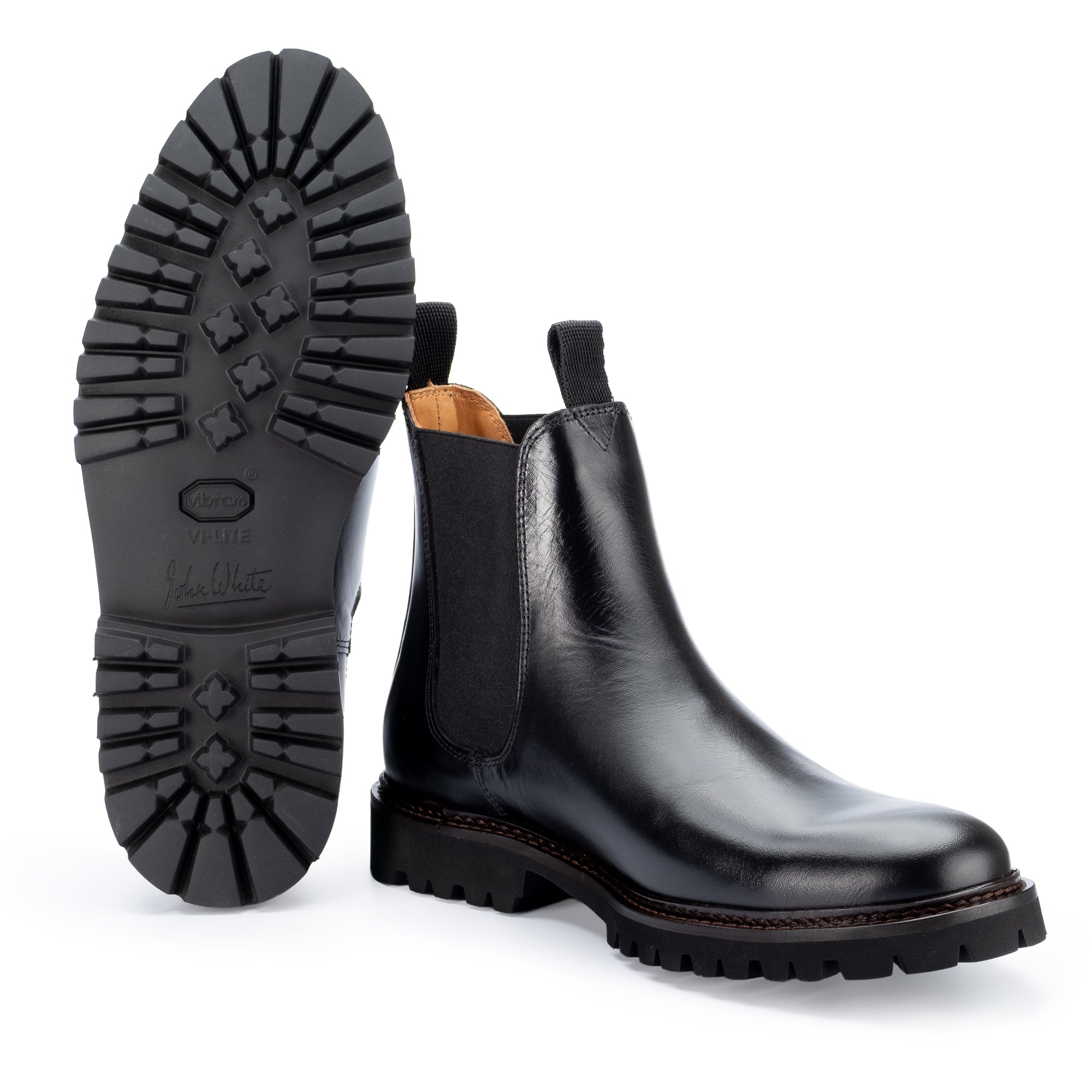
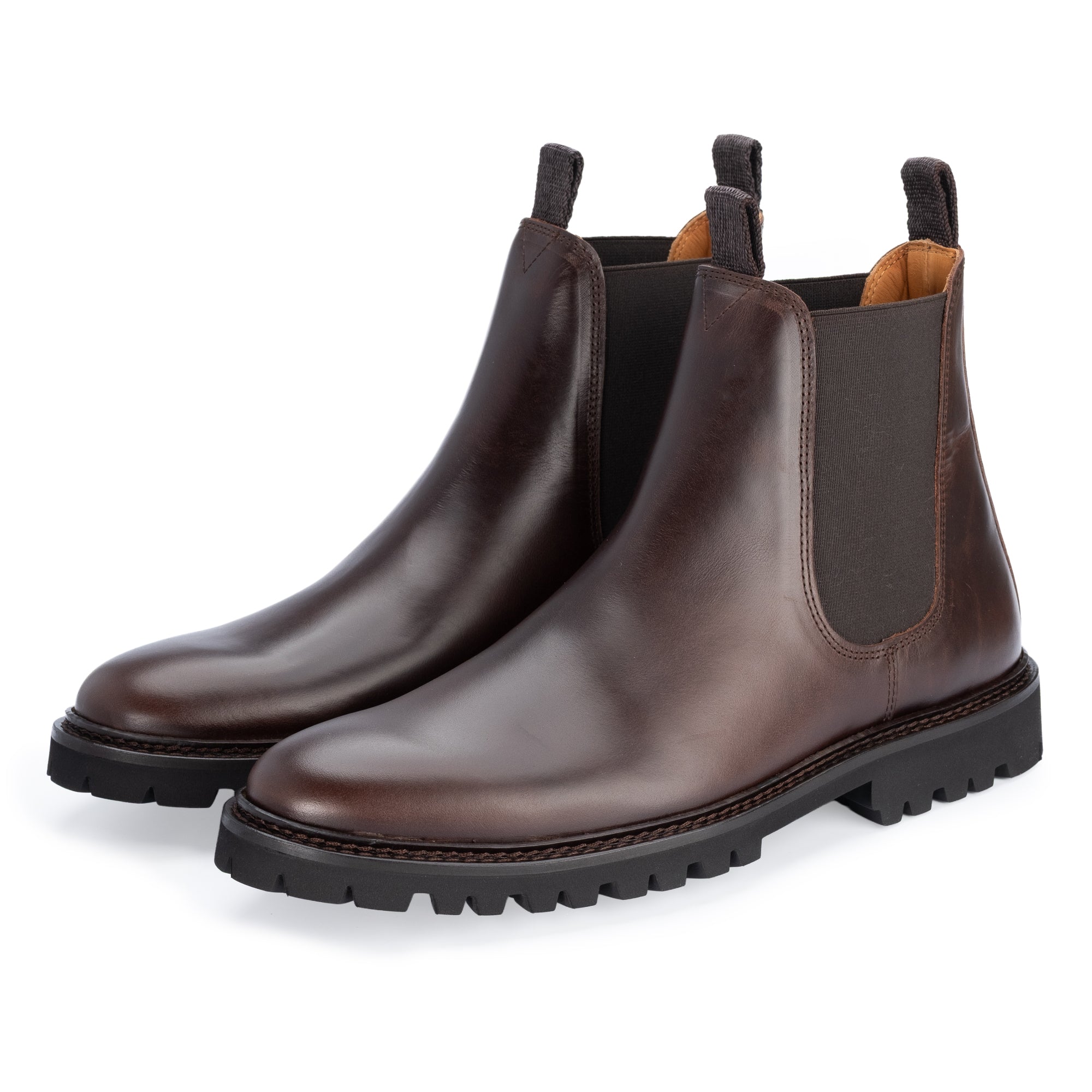
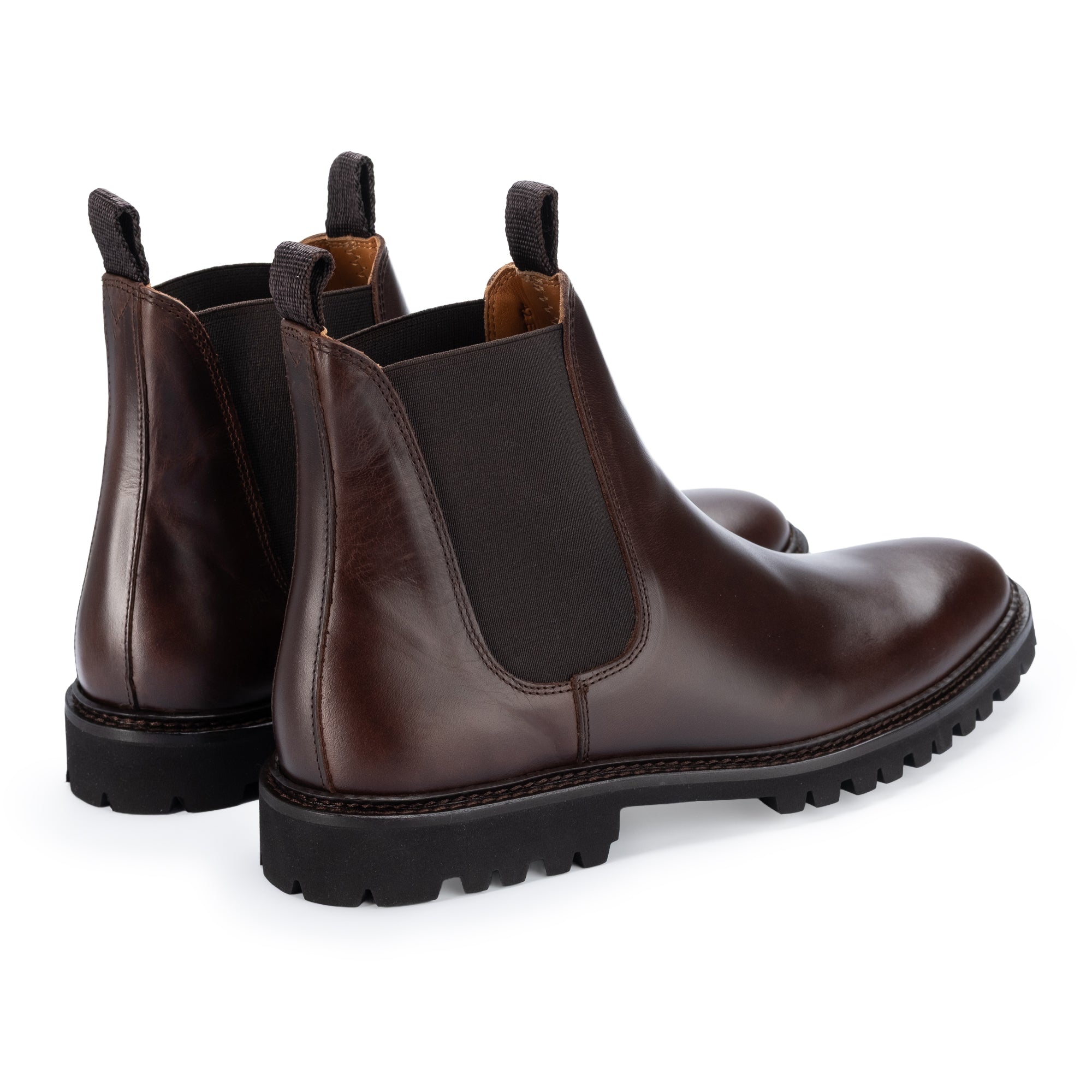
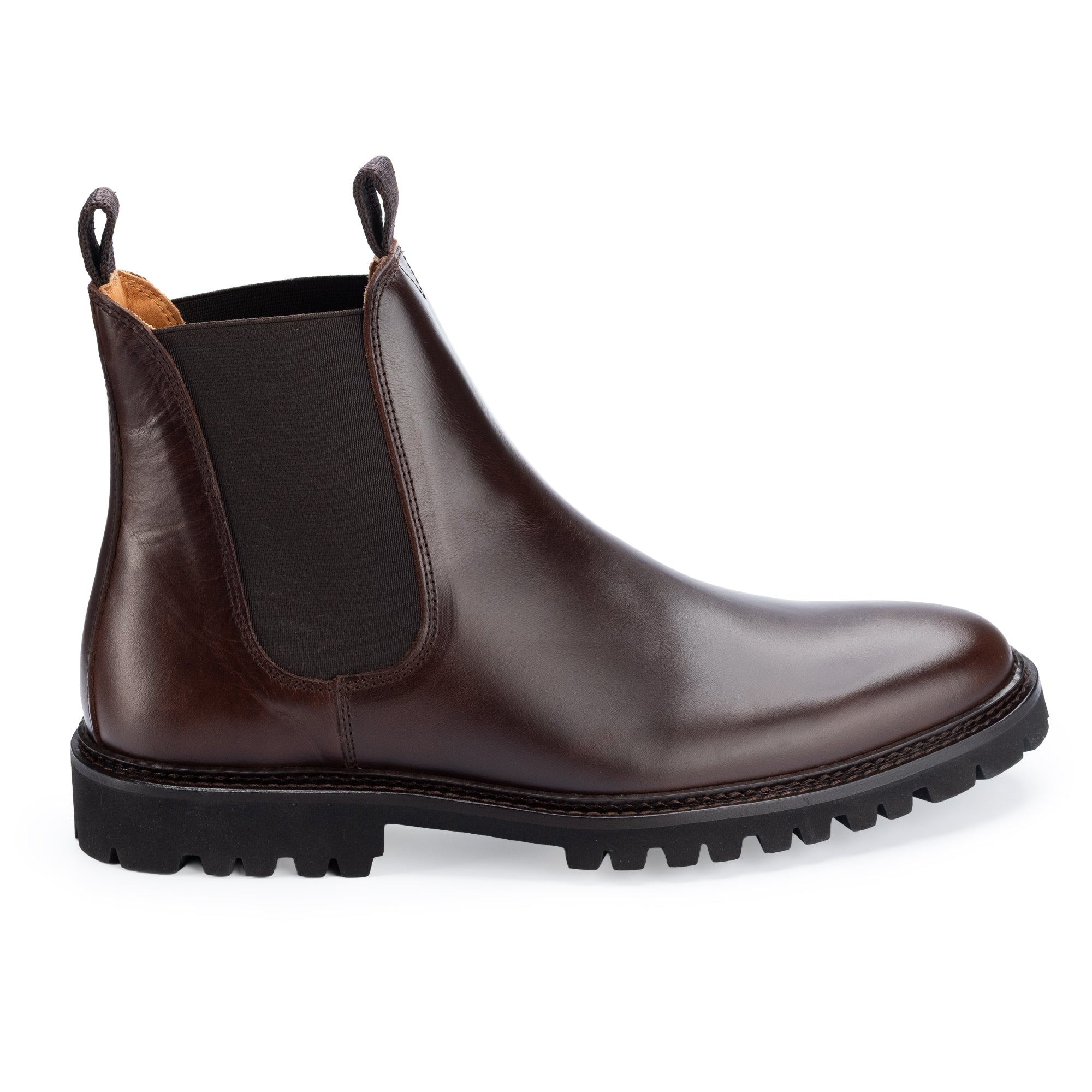
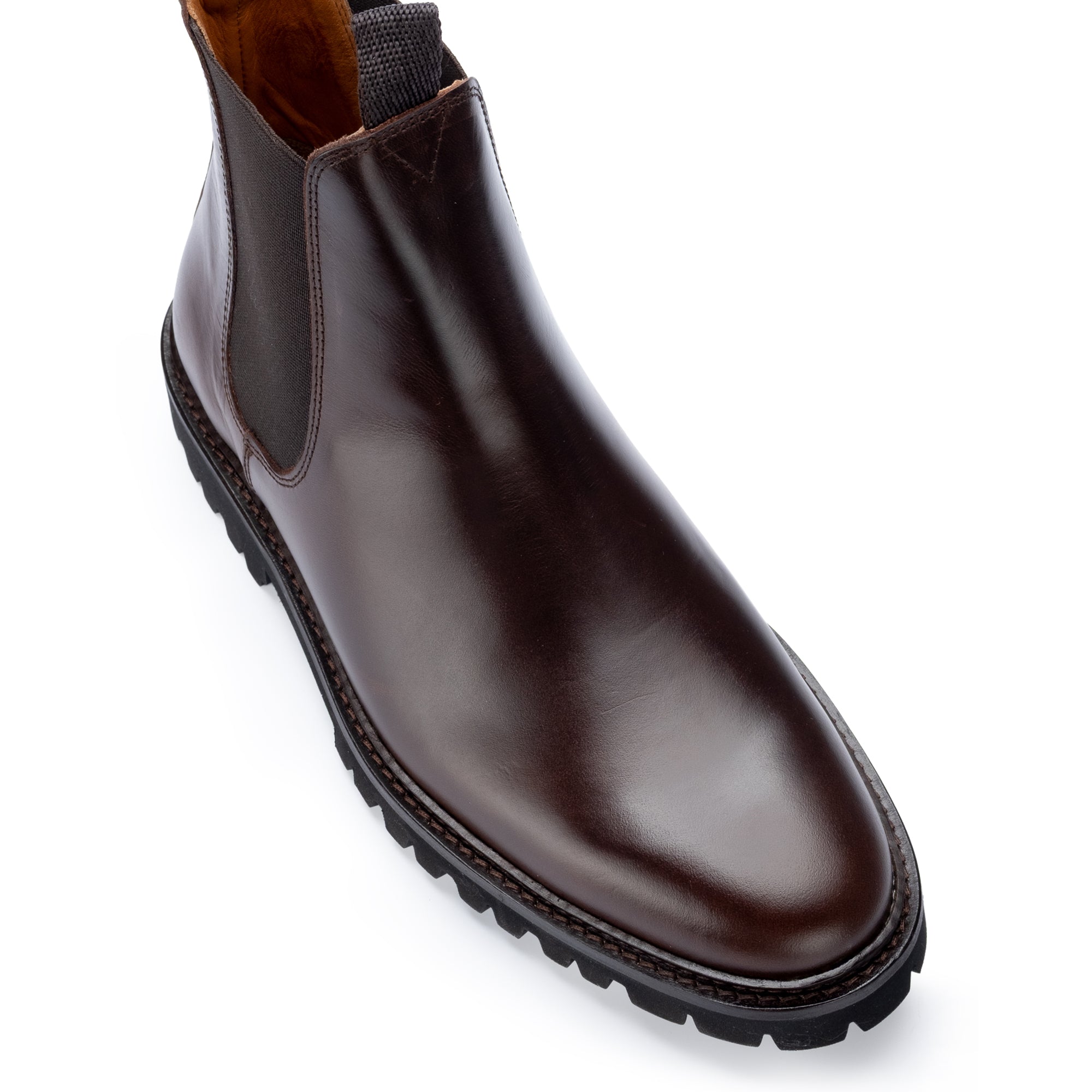
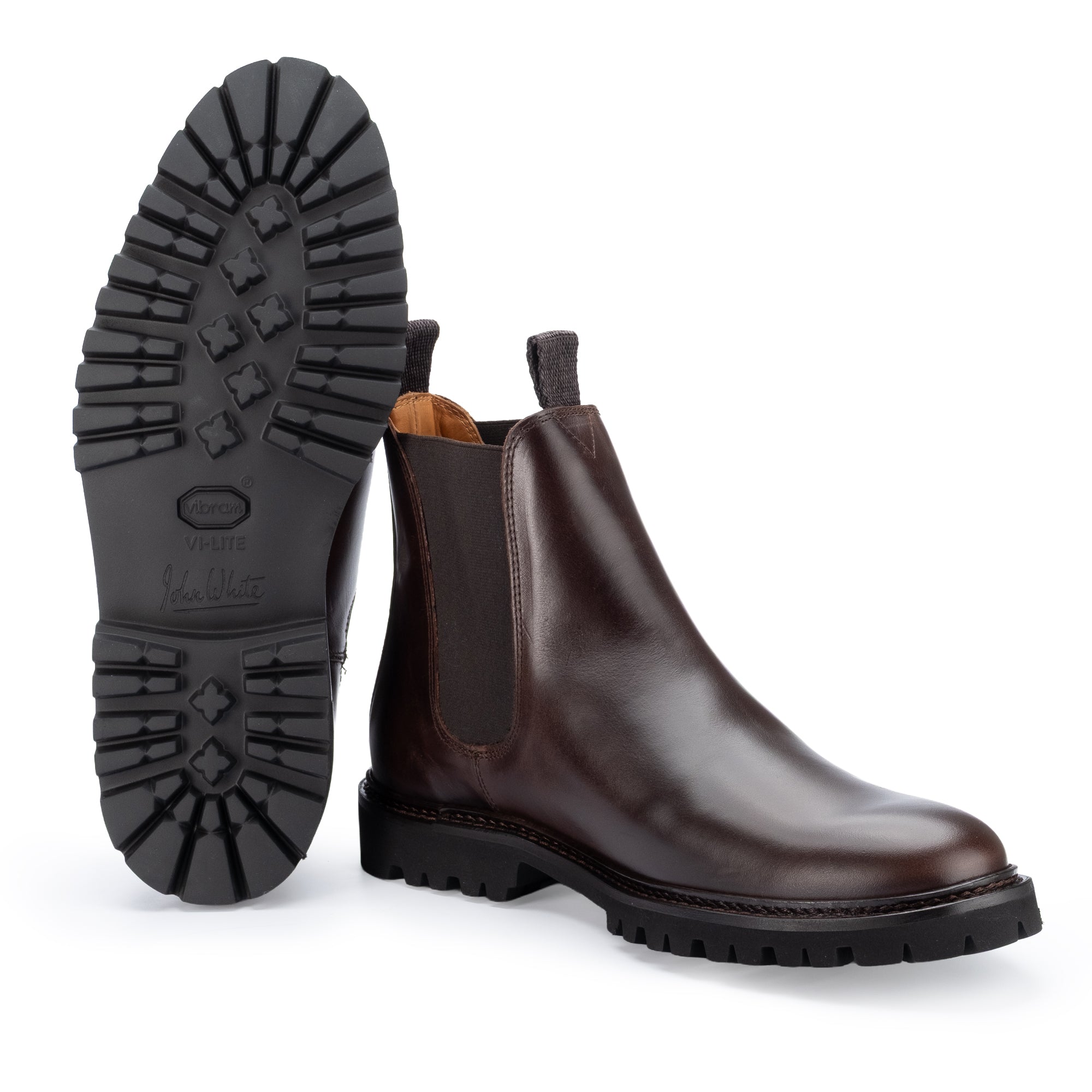
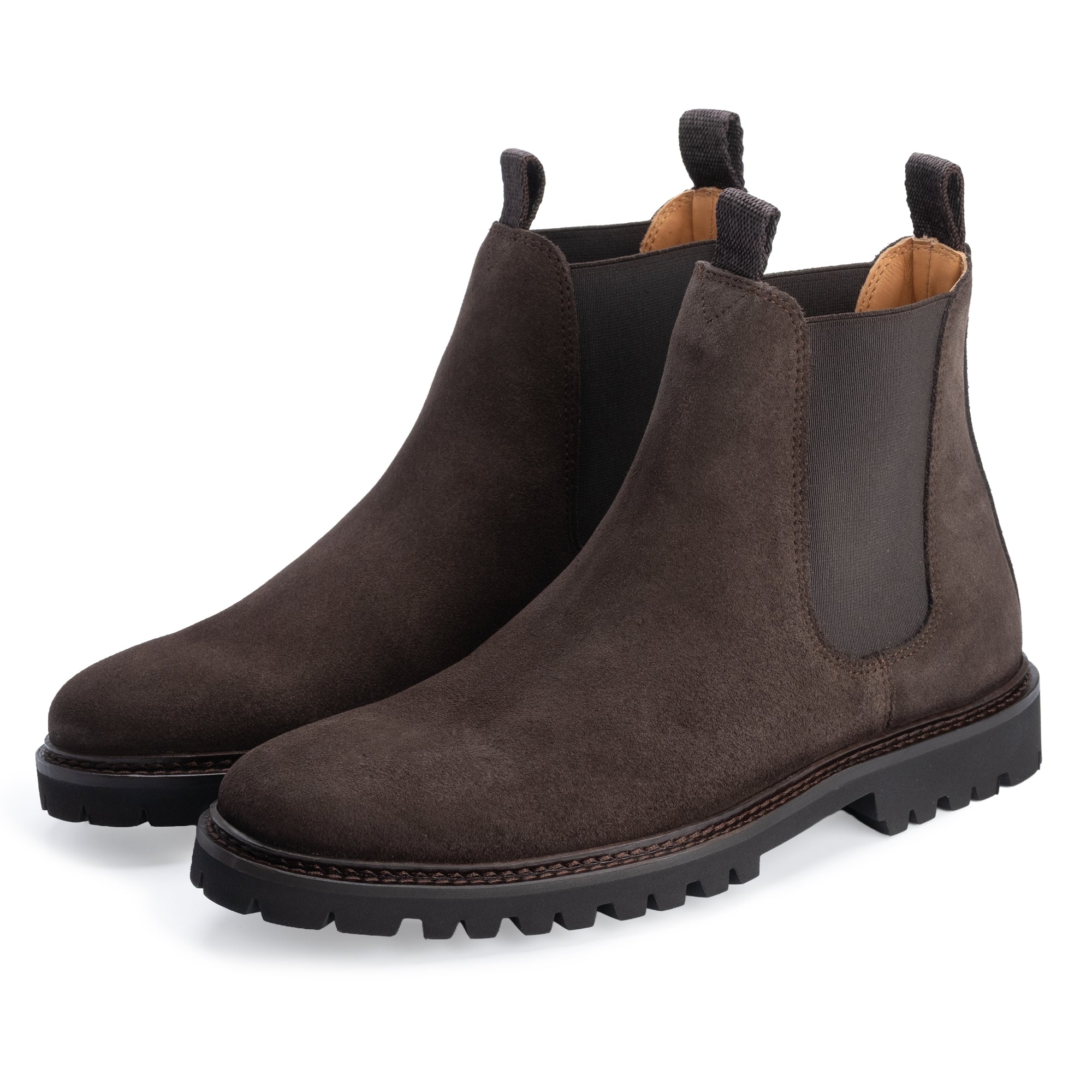
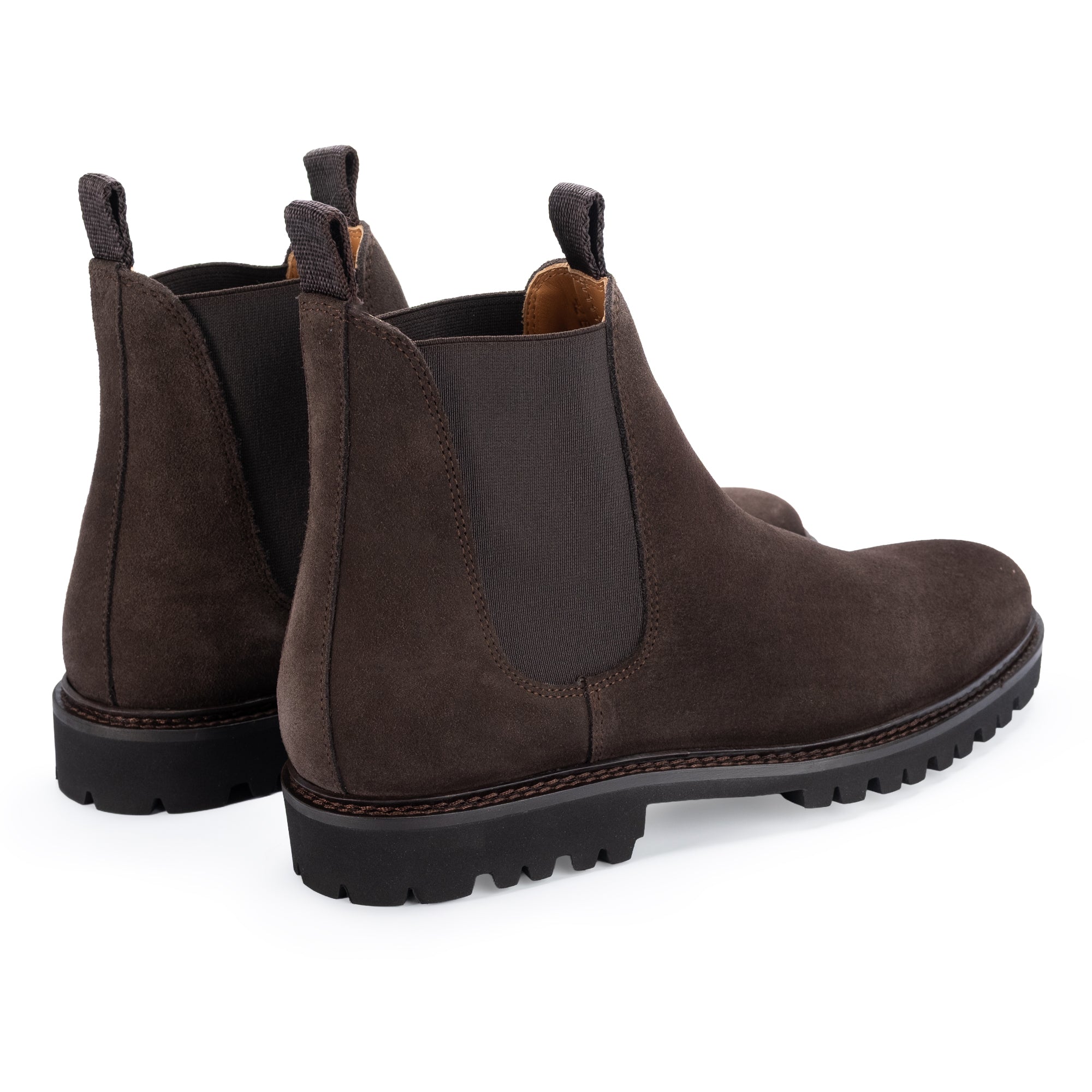
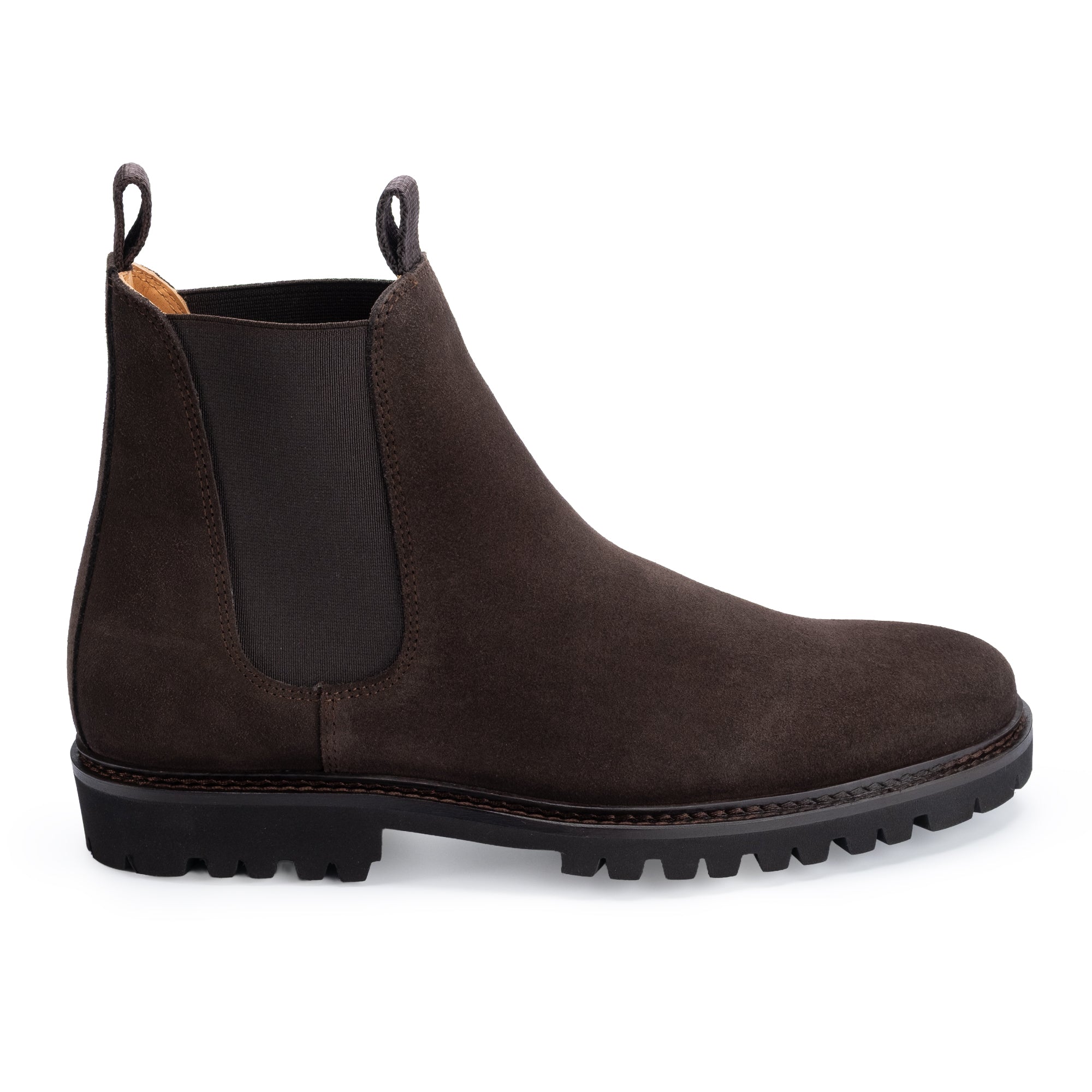
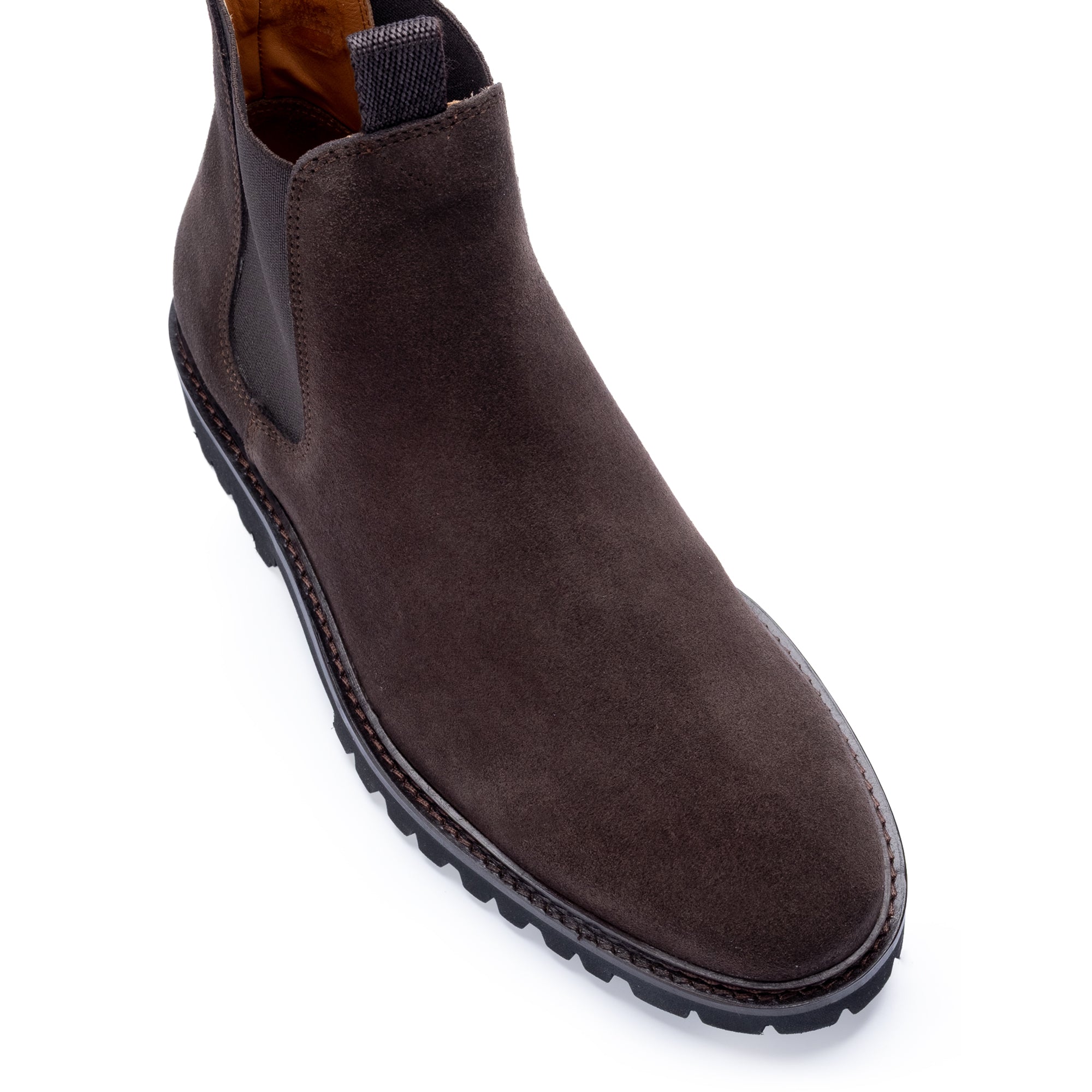
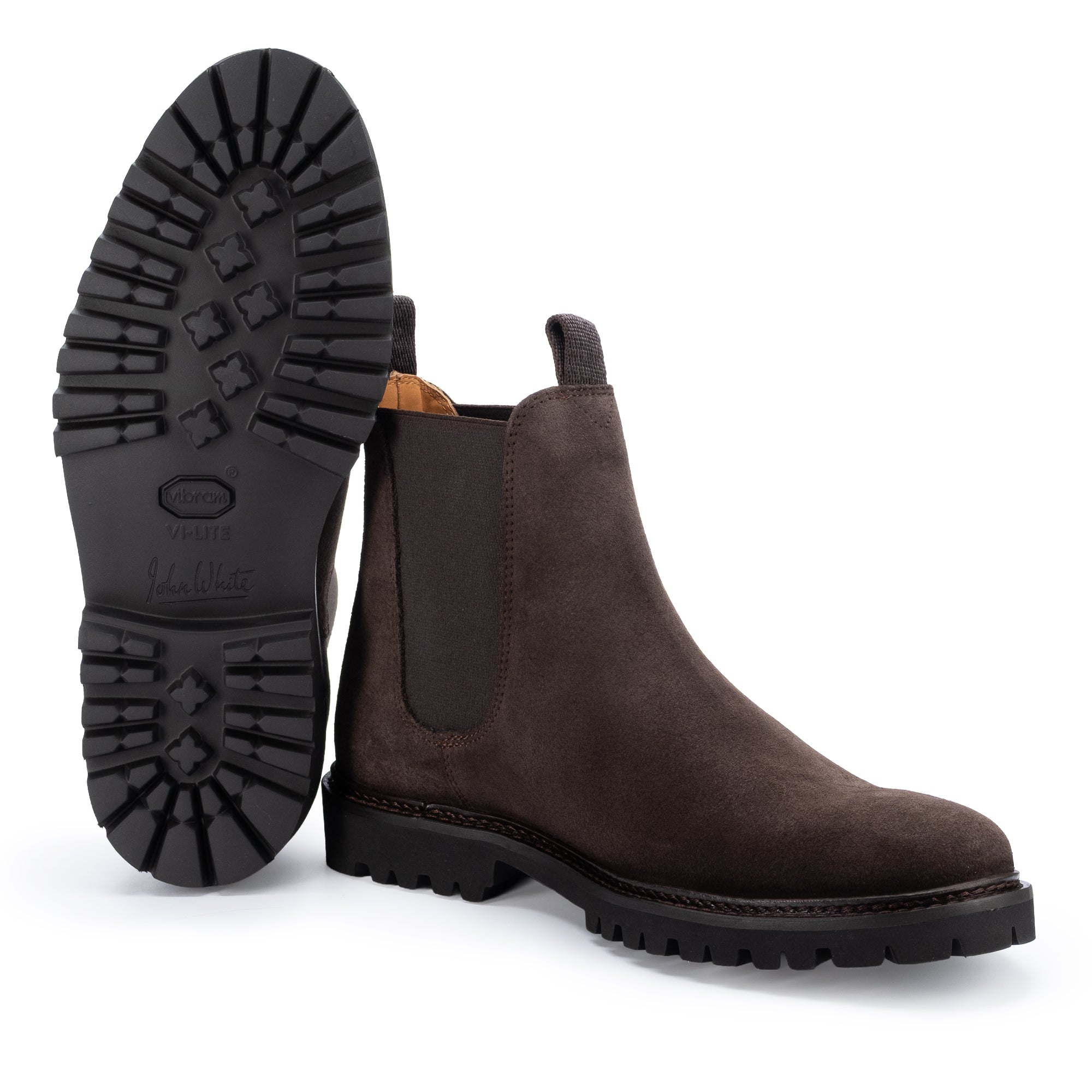
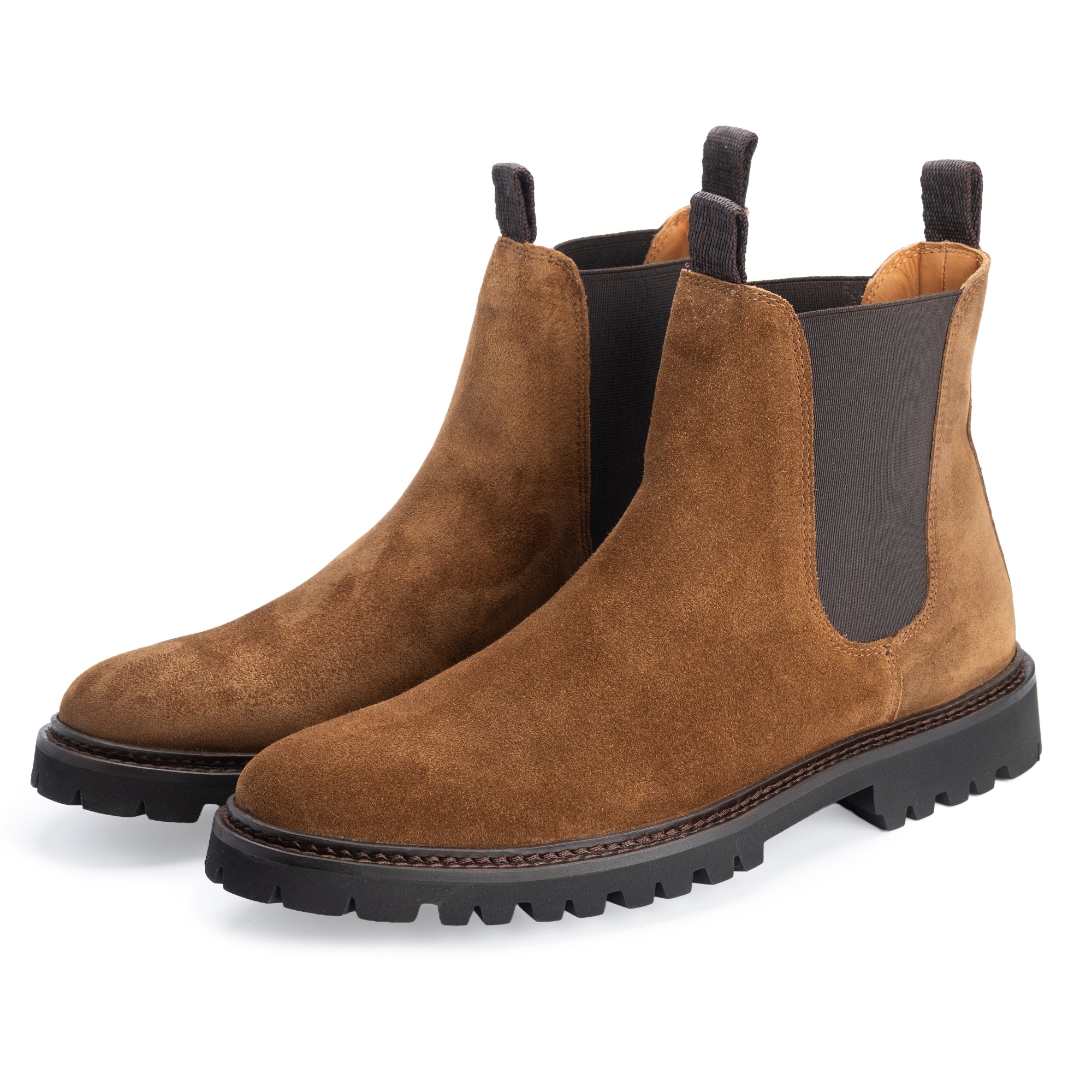
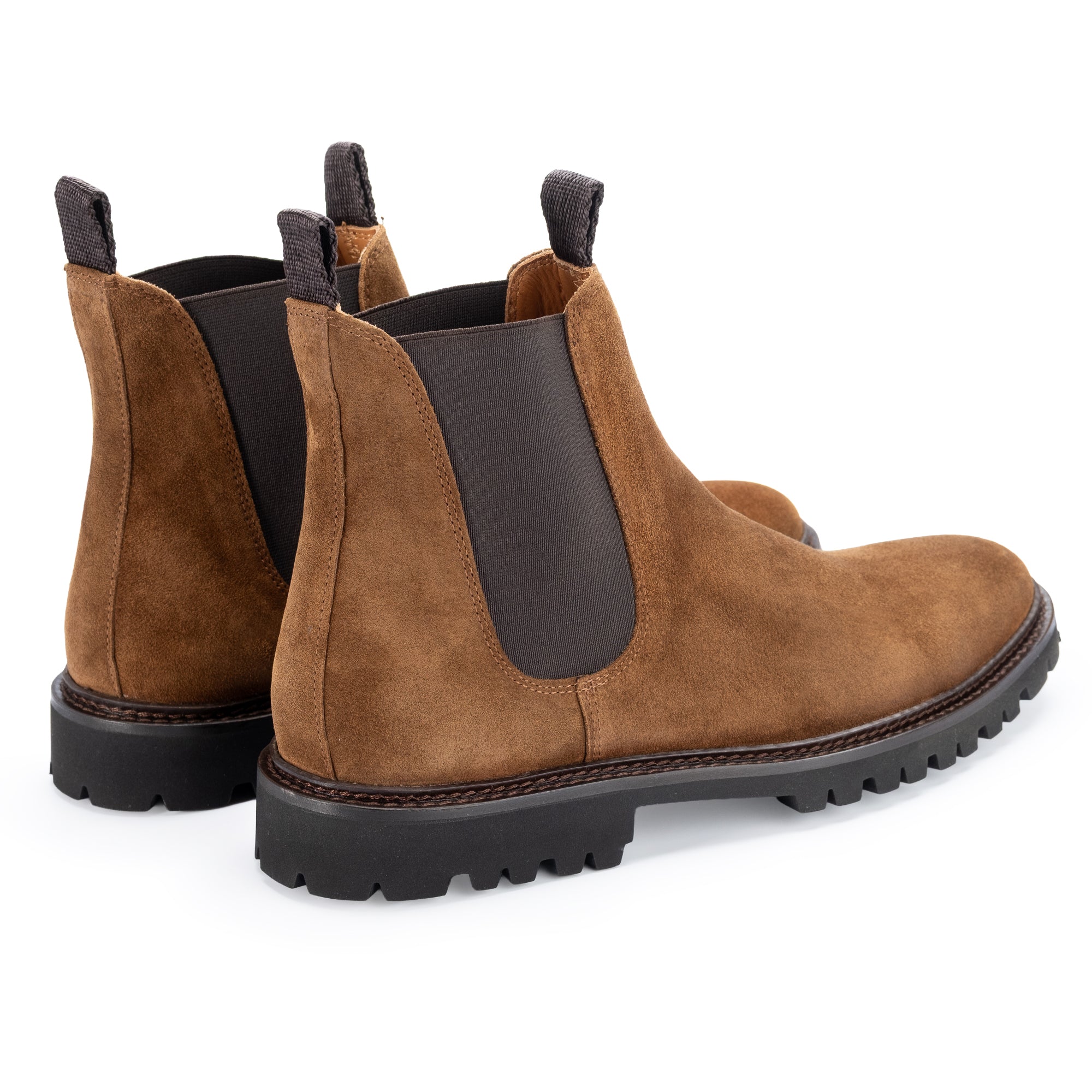
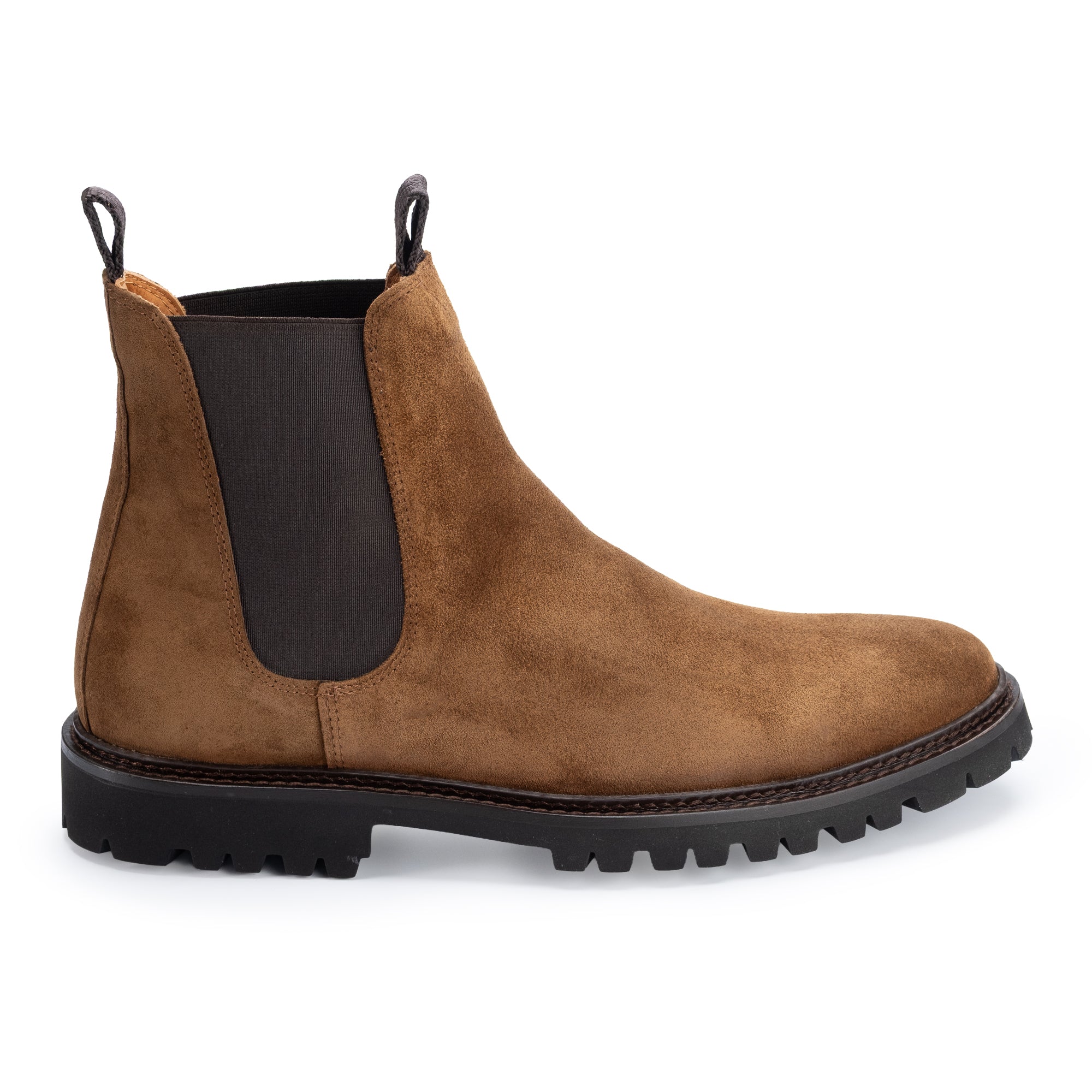
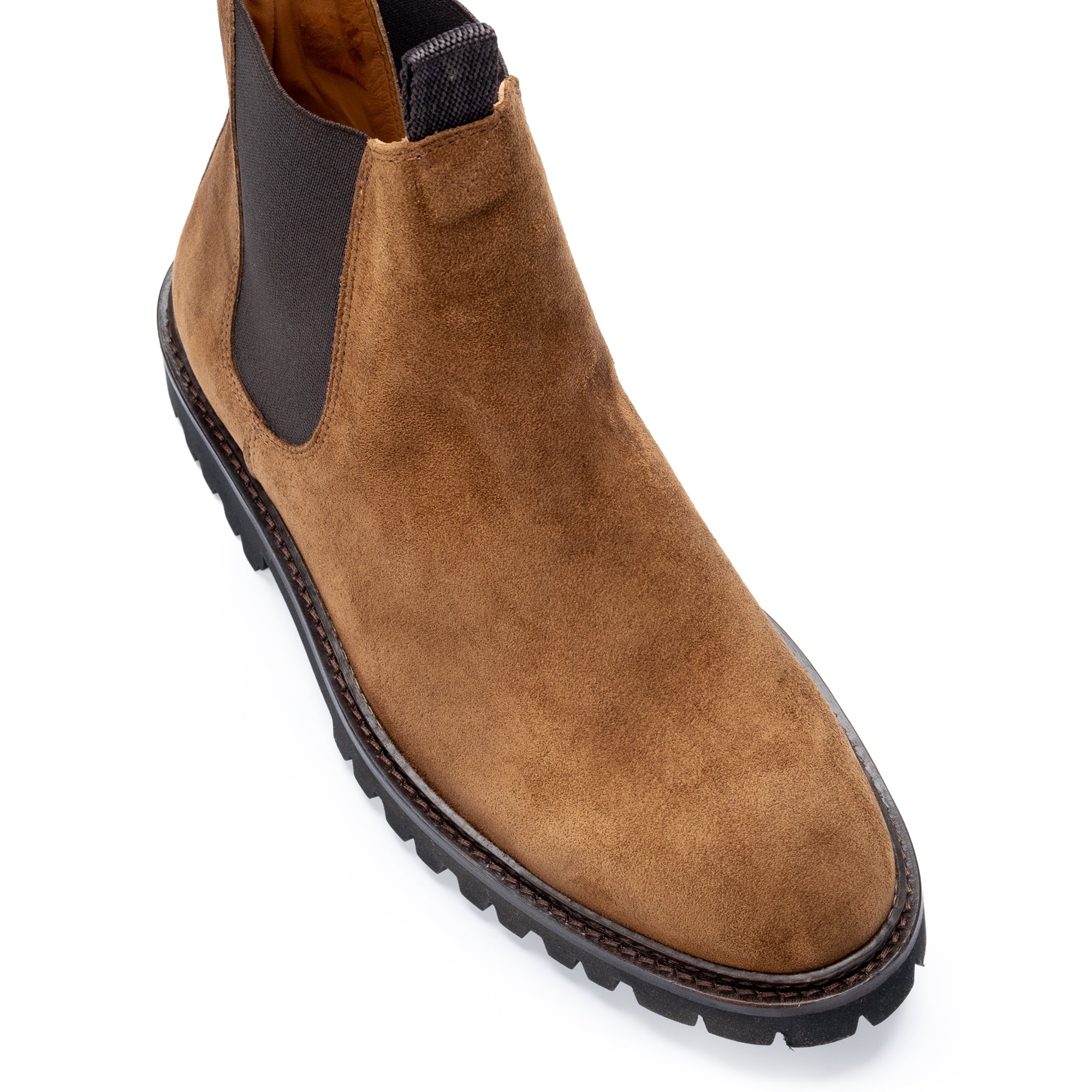
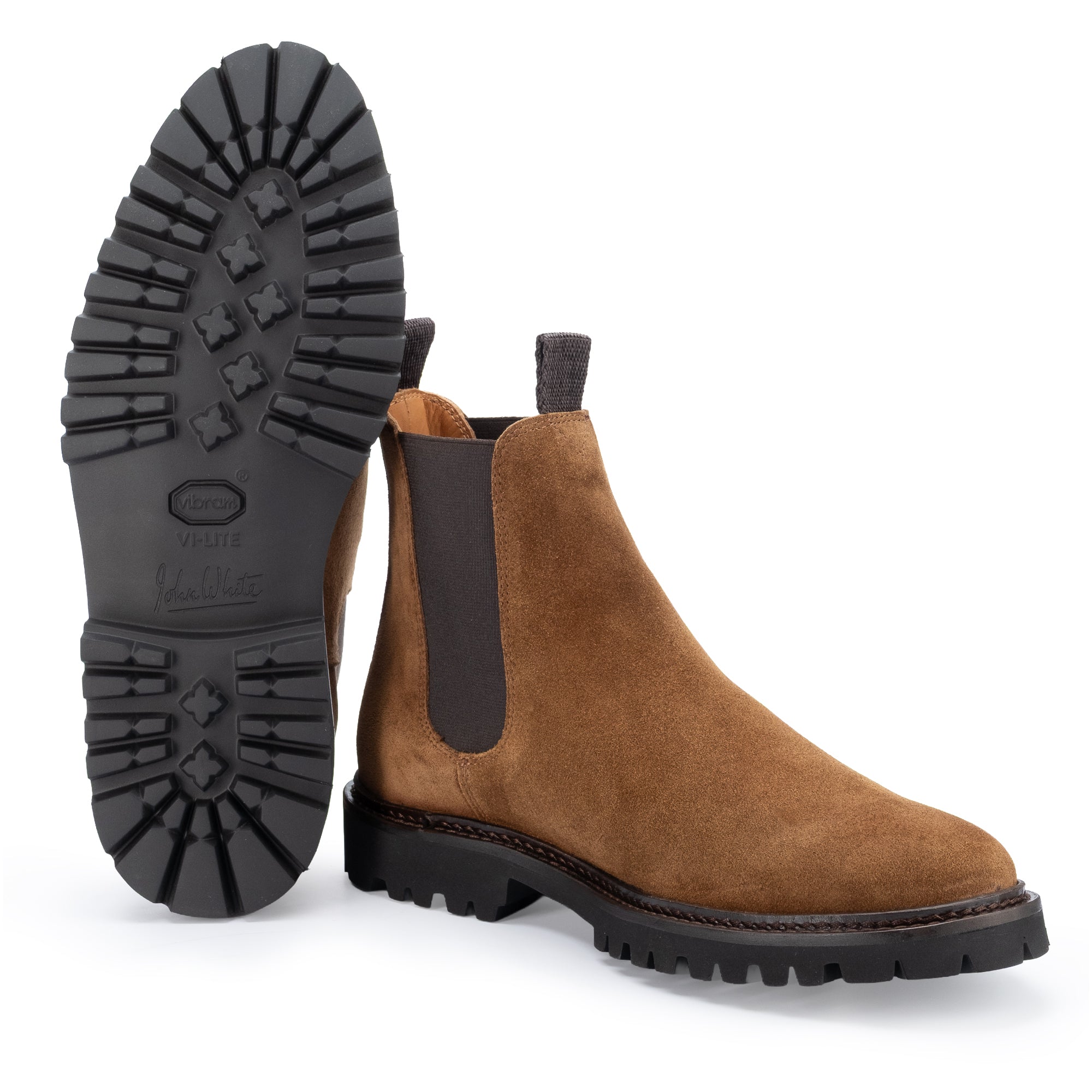
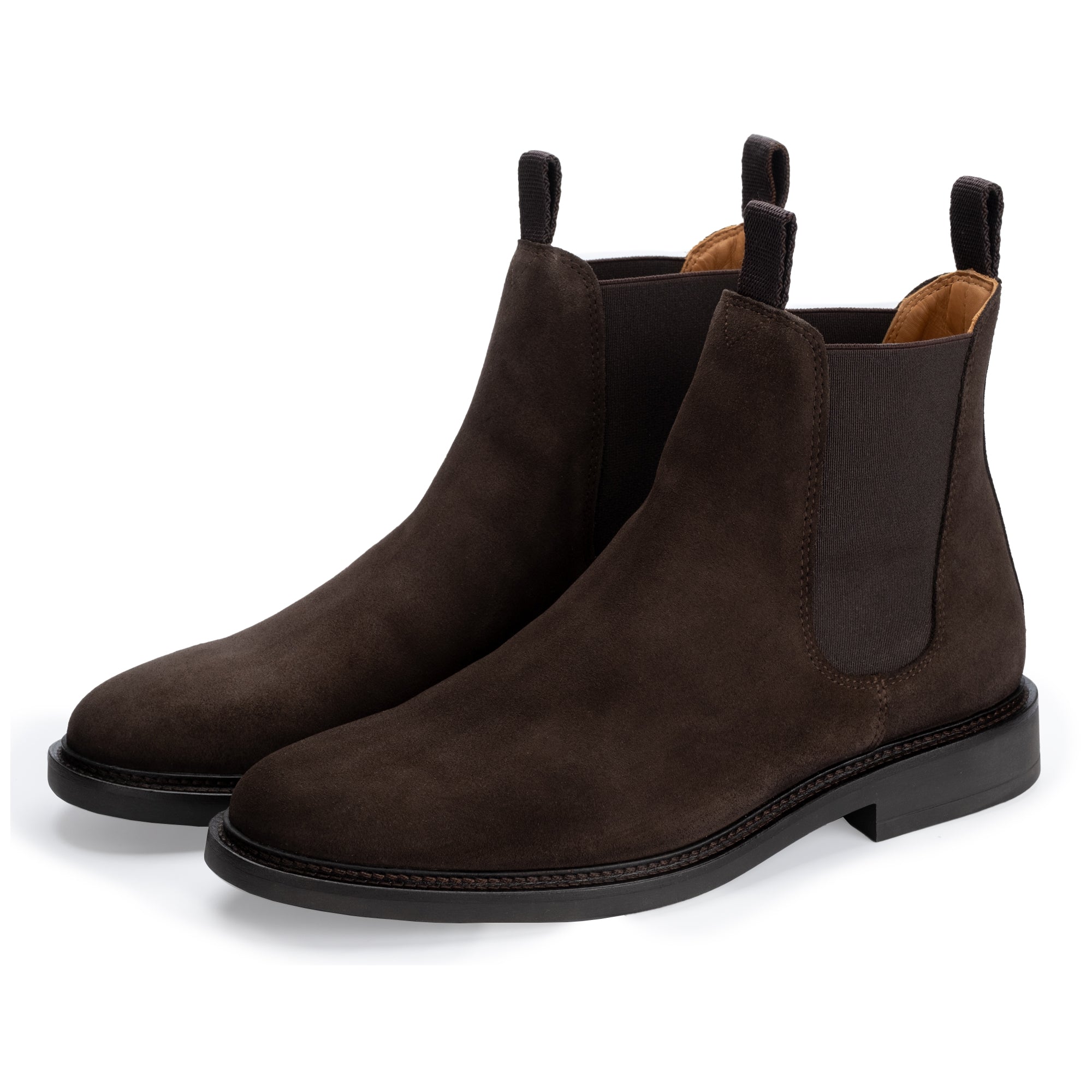
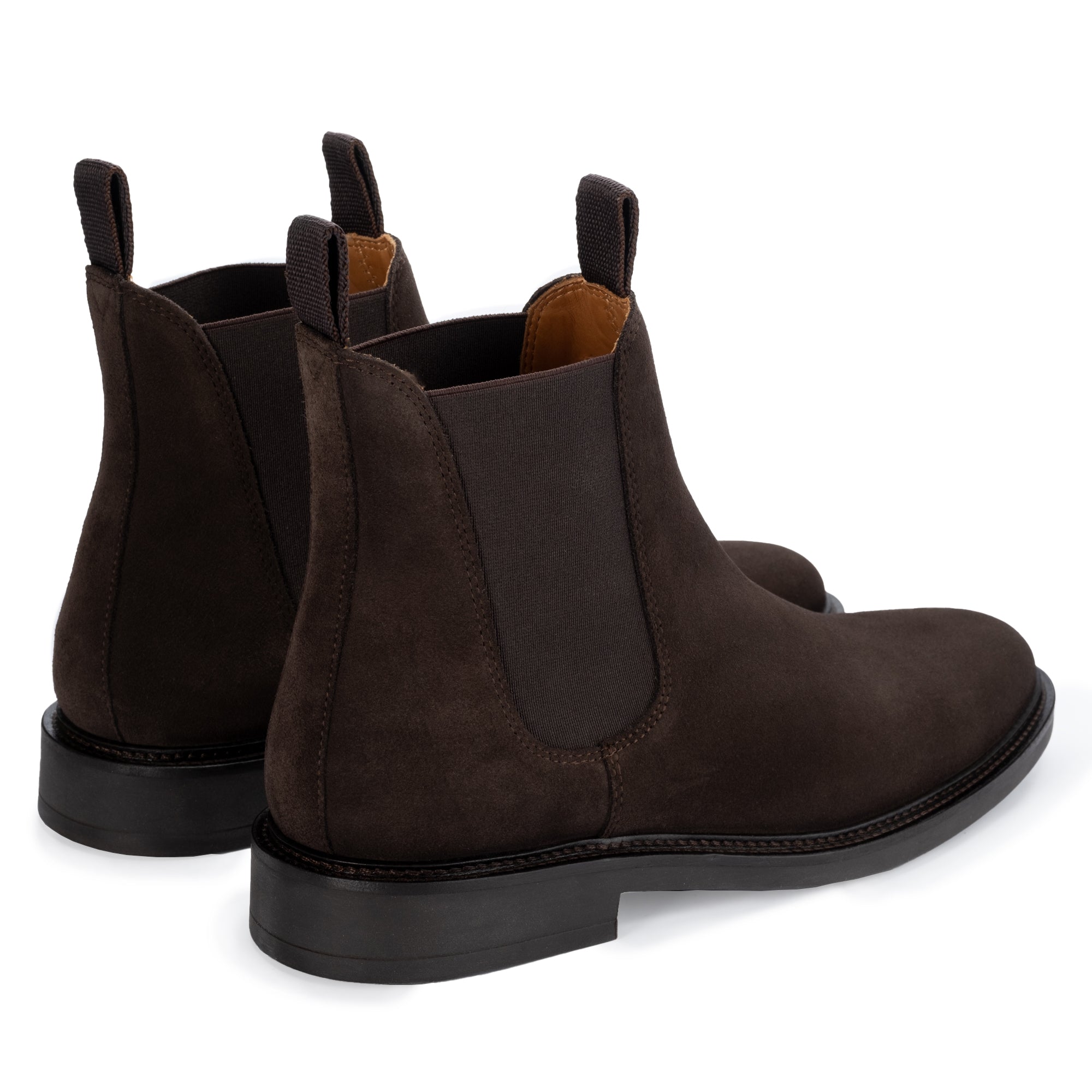
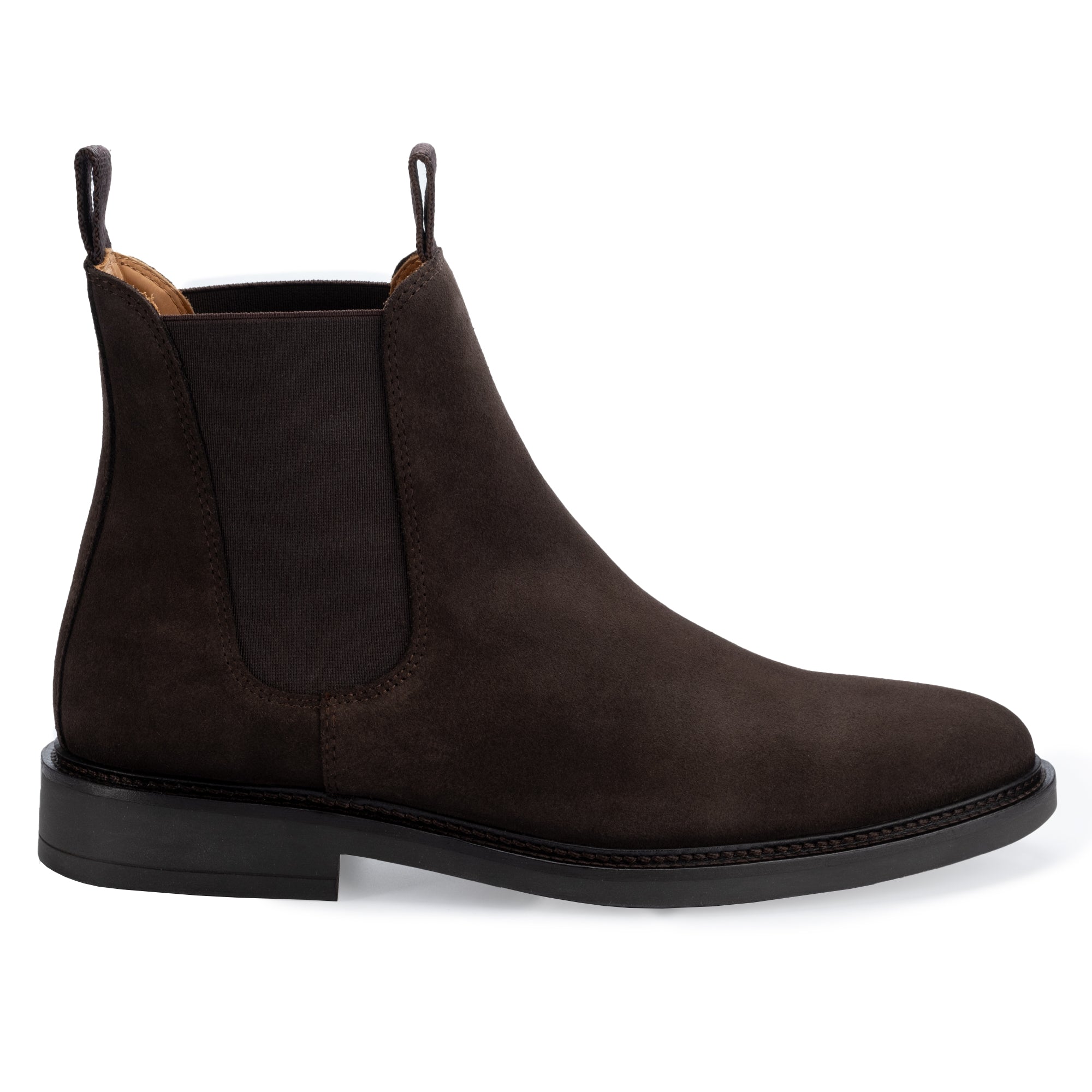
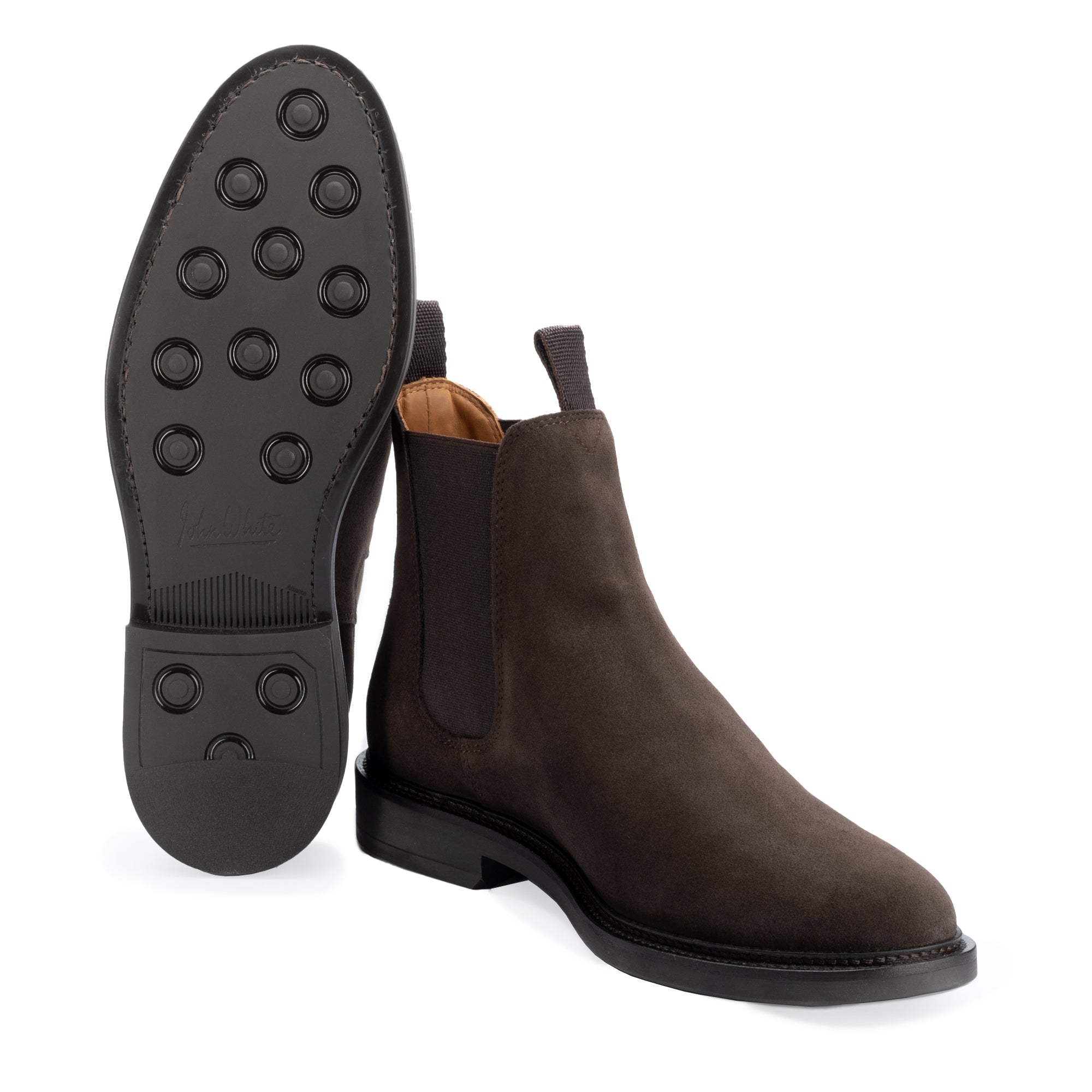
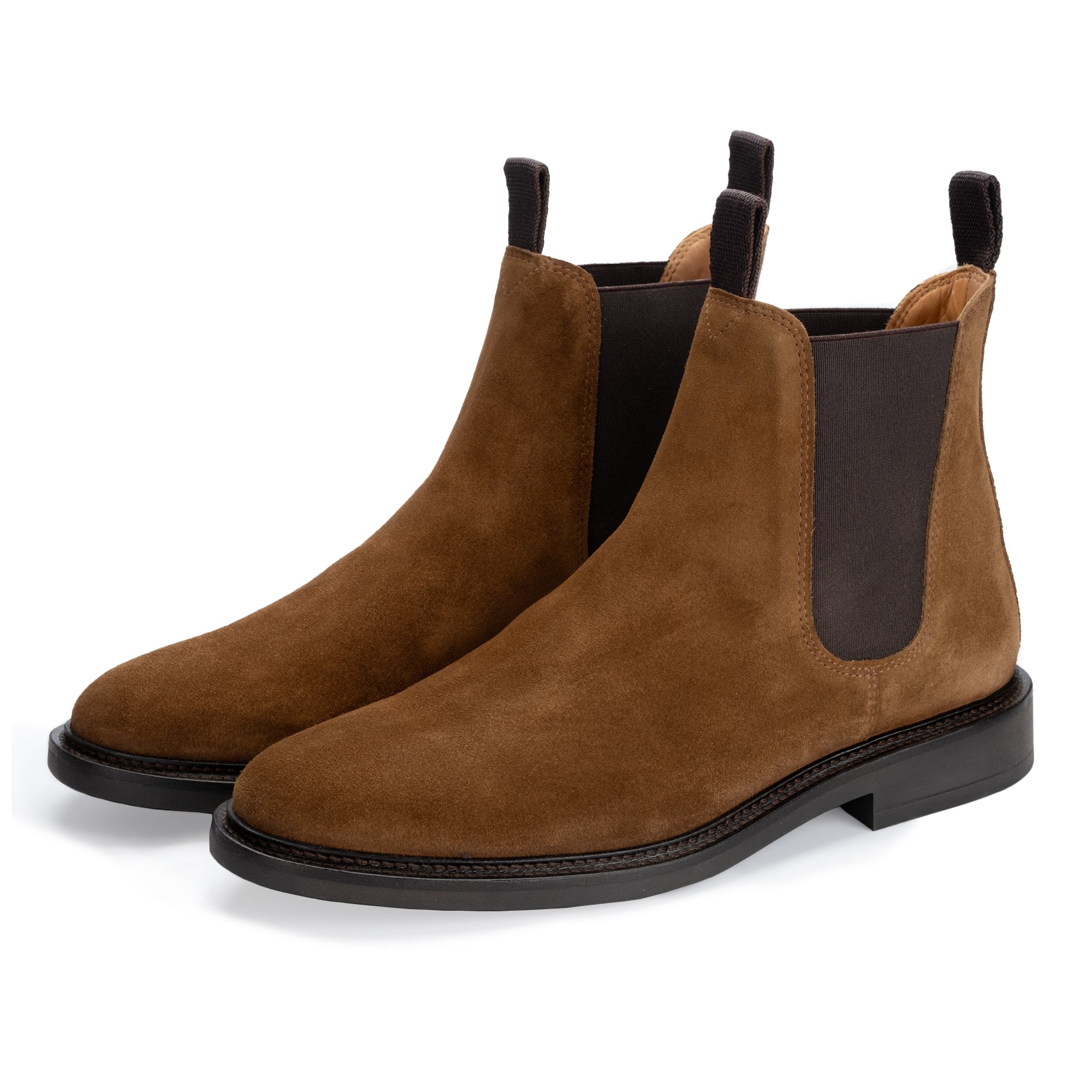
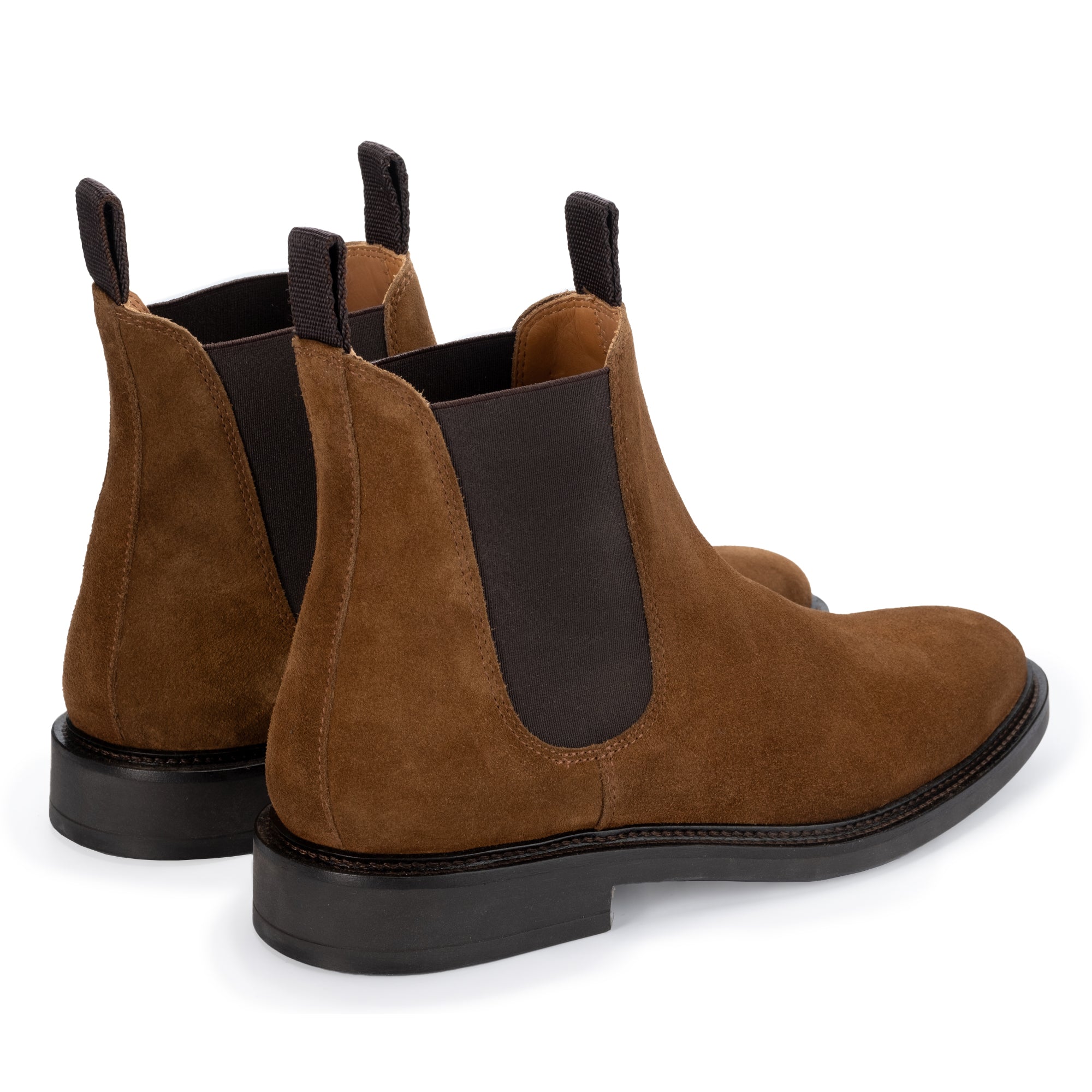
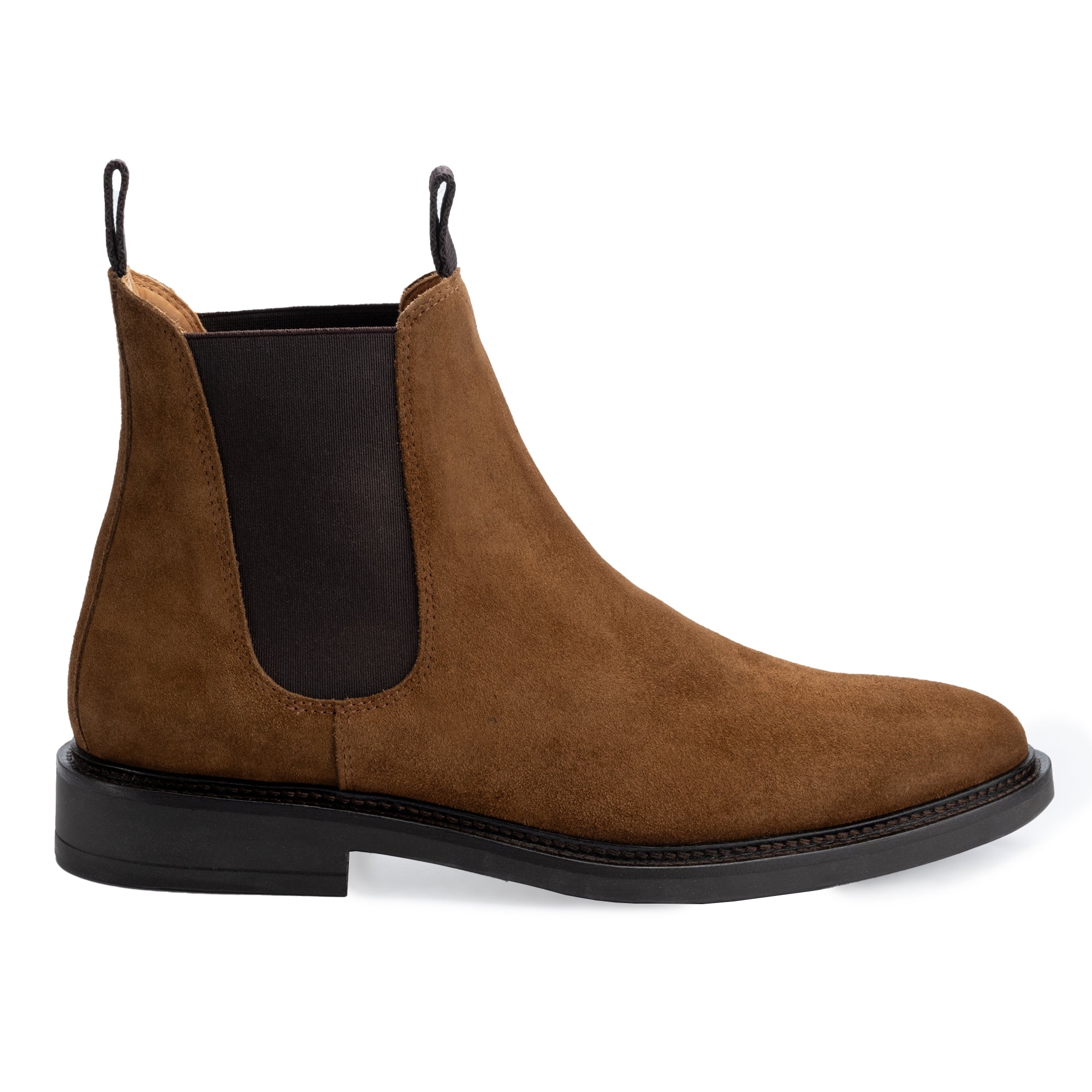
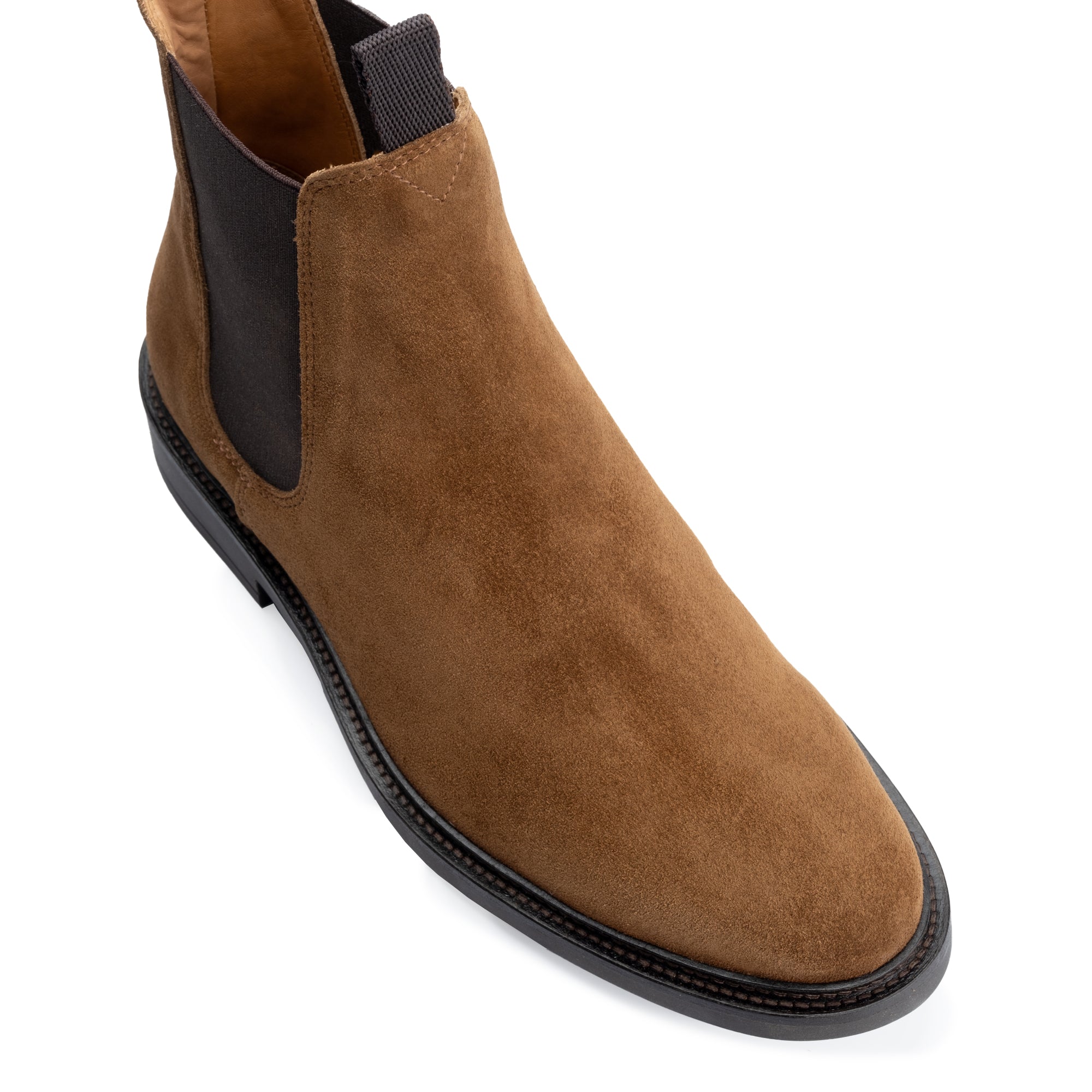
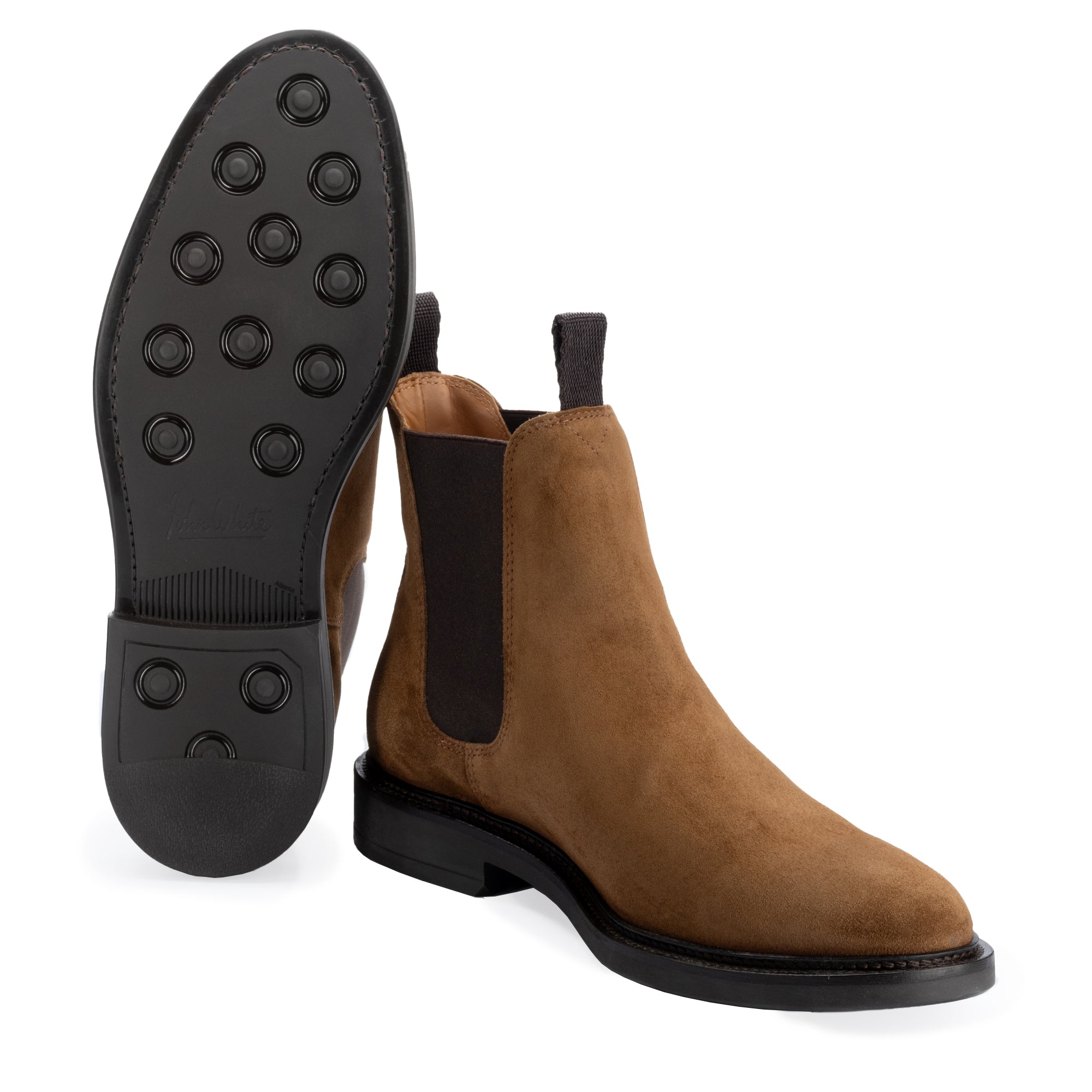
| Friday | Smart-casual / weekend | Brecon Chelsea Boot |
Each pair gets a minimum of four days' rest before it's worn again. The Oxford takes the most demanding day; the Chelsea boot bridges work and weekend.
How Should You Store Shoes Between Wears?
The rest period is only as beneficial as the storage conditions you provide. Poor storage undermines even the most disciplined rotation.
- Insert shoe trees immediately after removing the shoes. Cedar shoe trees absorb moisture and hold the shoe's shape while it dries. Don't leave shoes to collapse under their own weight overnight.
- Allow shoes to breathe. Store in a well-ventilated area rather than a sealed box or bag. Fabric shoe bags are preferable to plastic, which traps moisture.
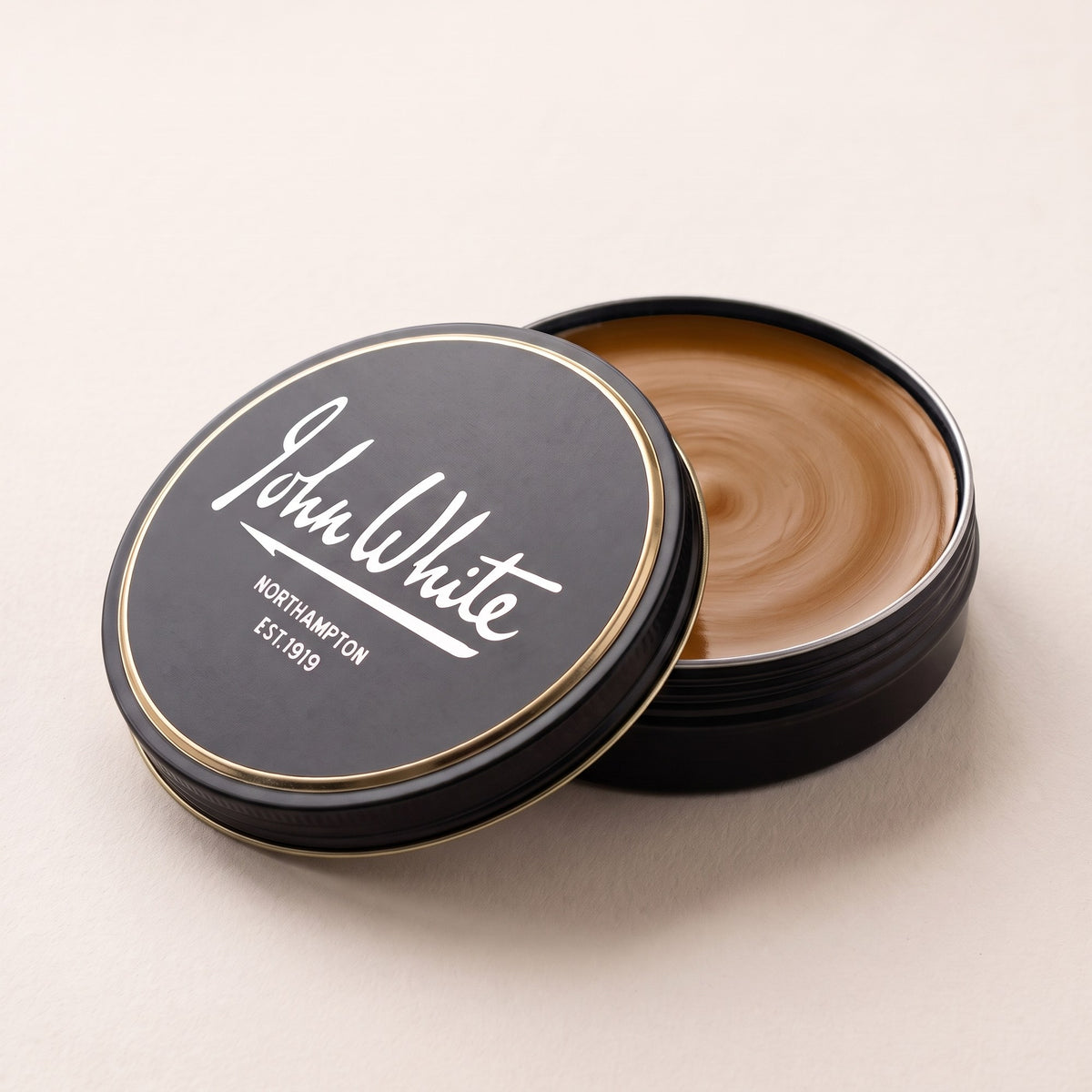
- Polish every two to three wears. Apply a quality wax polish to condition the leather and restore its protective surface. The toe cap and vamp — the areas that flex most — benefit most from this routine.
- Brush off dirt before storing. Never put shoes away with dried mud or road salt on them. Salt in particular draws moisture from the leather and accelerates surface cracking.
- Keep away from direct heat. Radiators and direct sunlight dry leather too rapidly. A cool, dry, well-ventilated shelf is ideal.
For a detailed look at the full maintenance routine across the year, our annual maintenance checklist for leather shoes covers every stage from deep conditioning to seasonal storage.
Correct storage during rest days is as important as the rotation itself — a shoe that rests poorly recovers poorly.
Which Shoes Benefit Most from Rotation?
All leather shoes benefit from rotation, but the degree of benefit varies by material and how the shoe is worn.
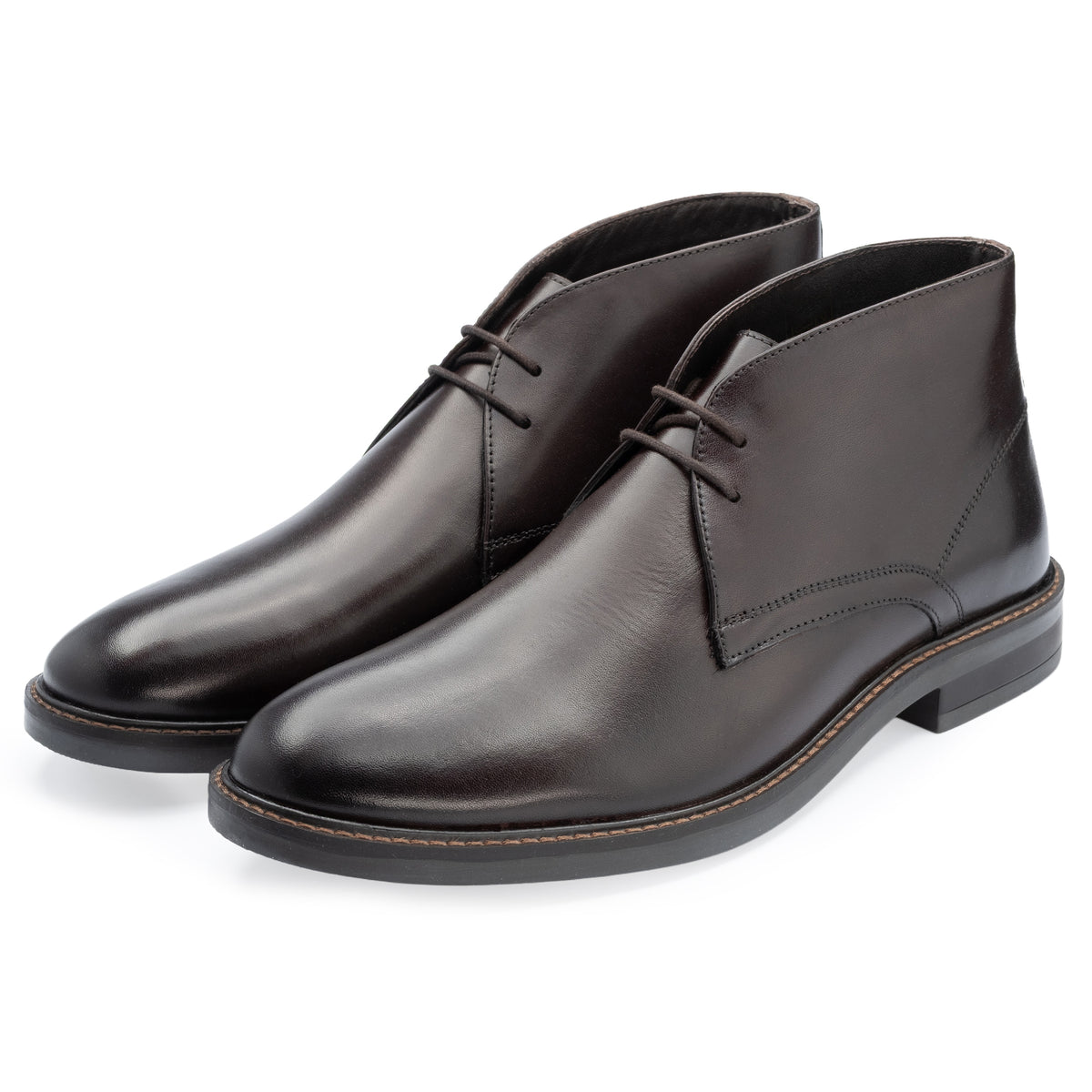
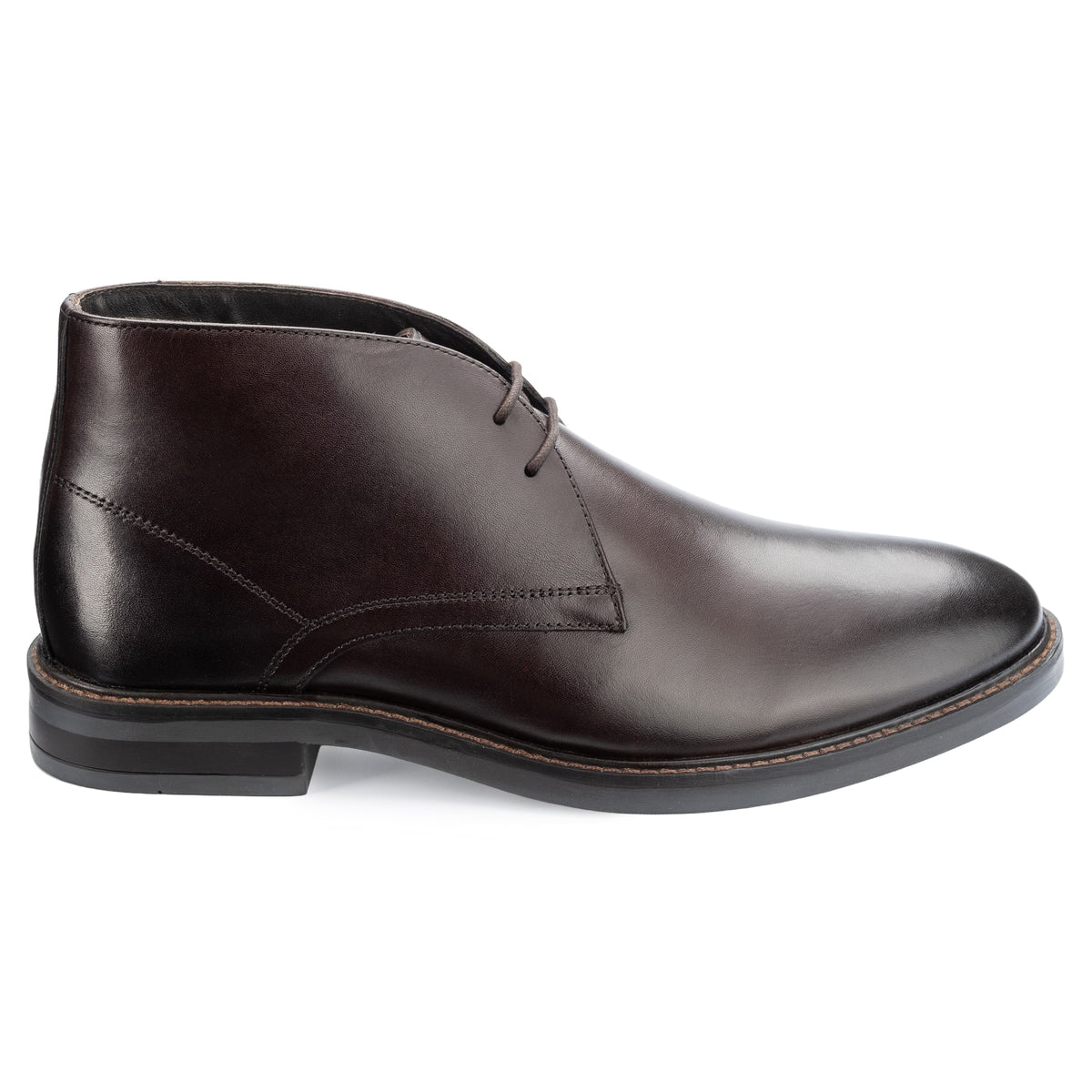
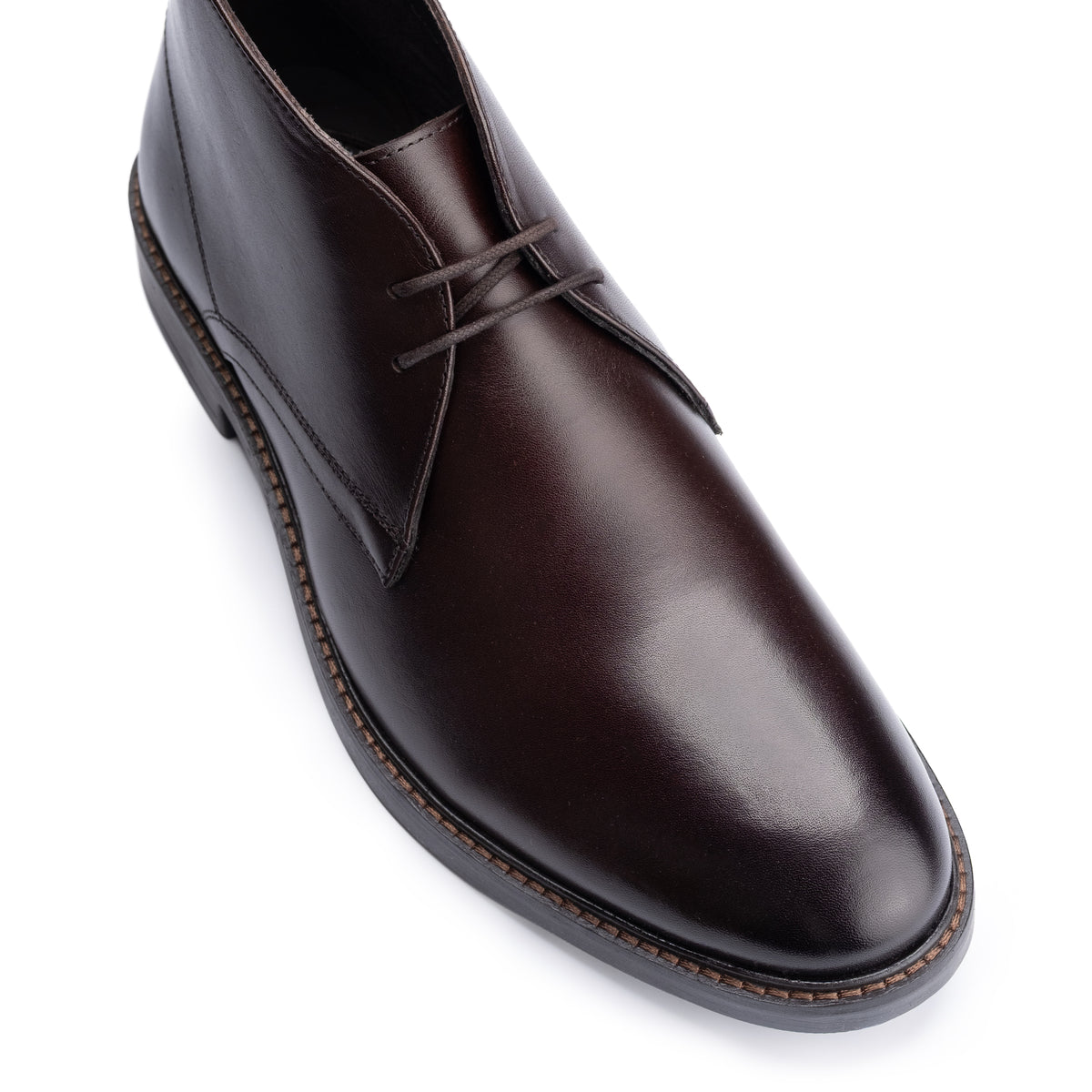
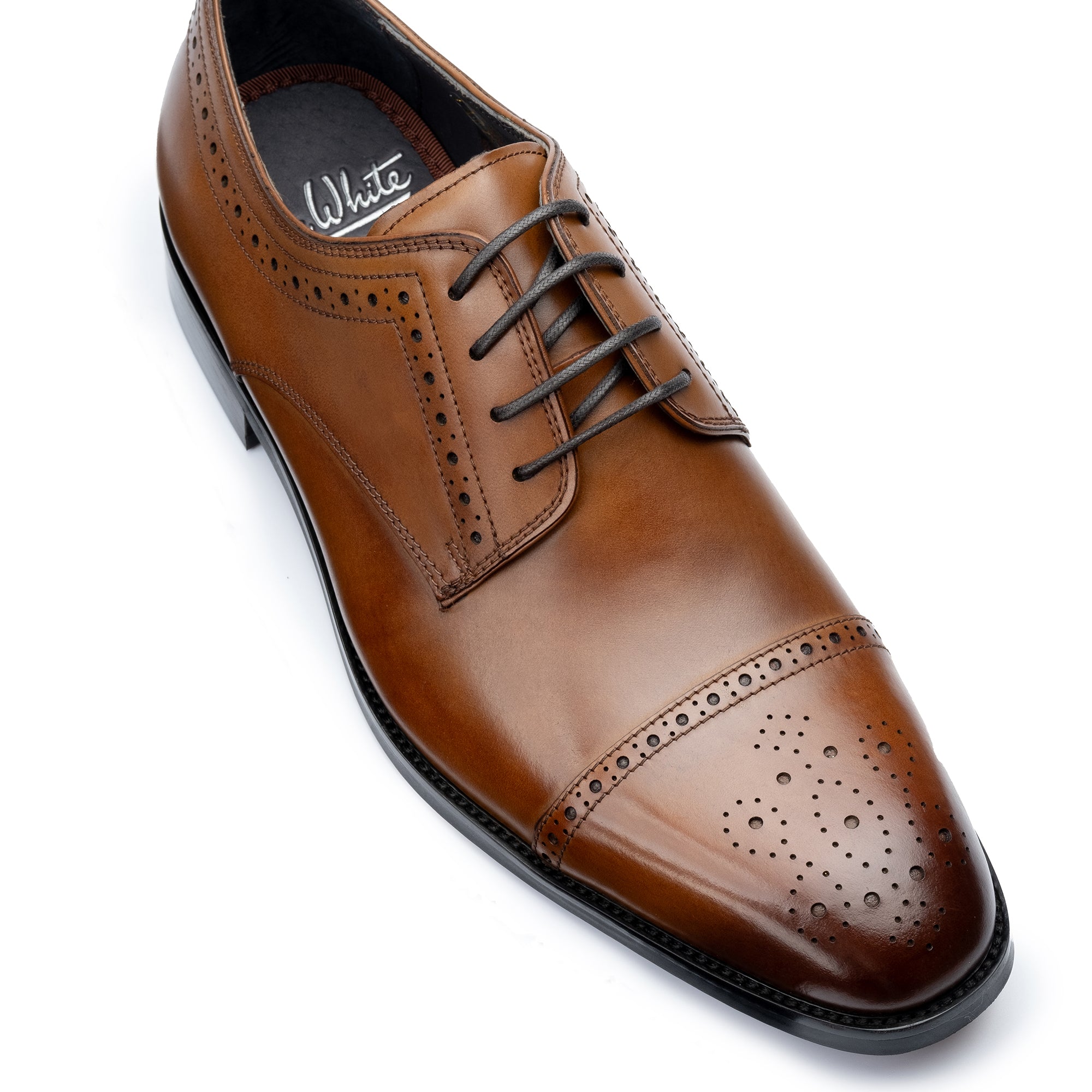
Full-grain leather uppers — used throughout the John White Shoes collection — are the most responsive to the wear-and-recovery cycle. They retain moisture longer than corrected-grain leathers and benefit most from adequate drying time between wears.
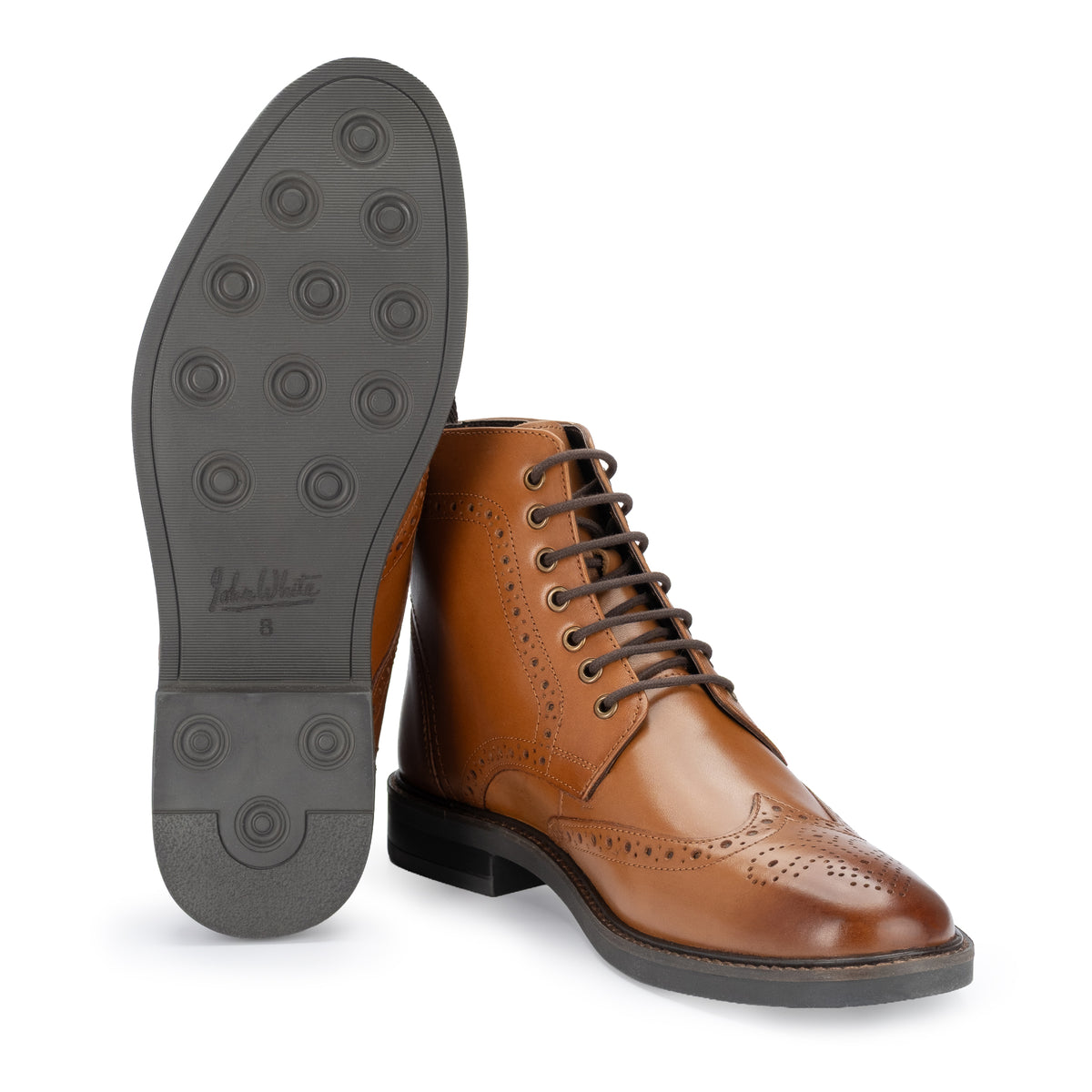
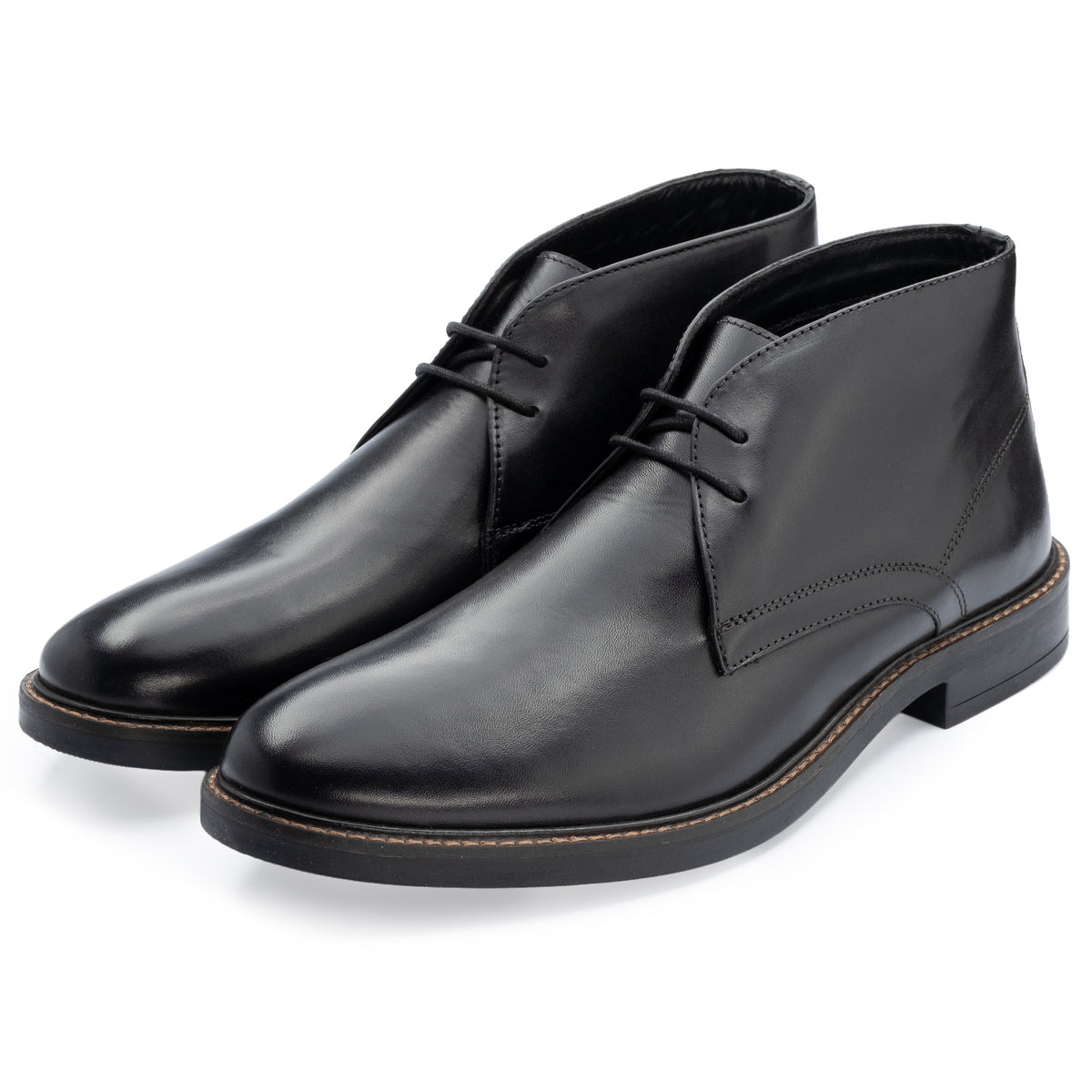
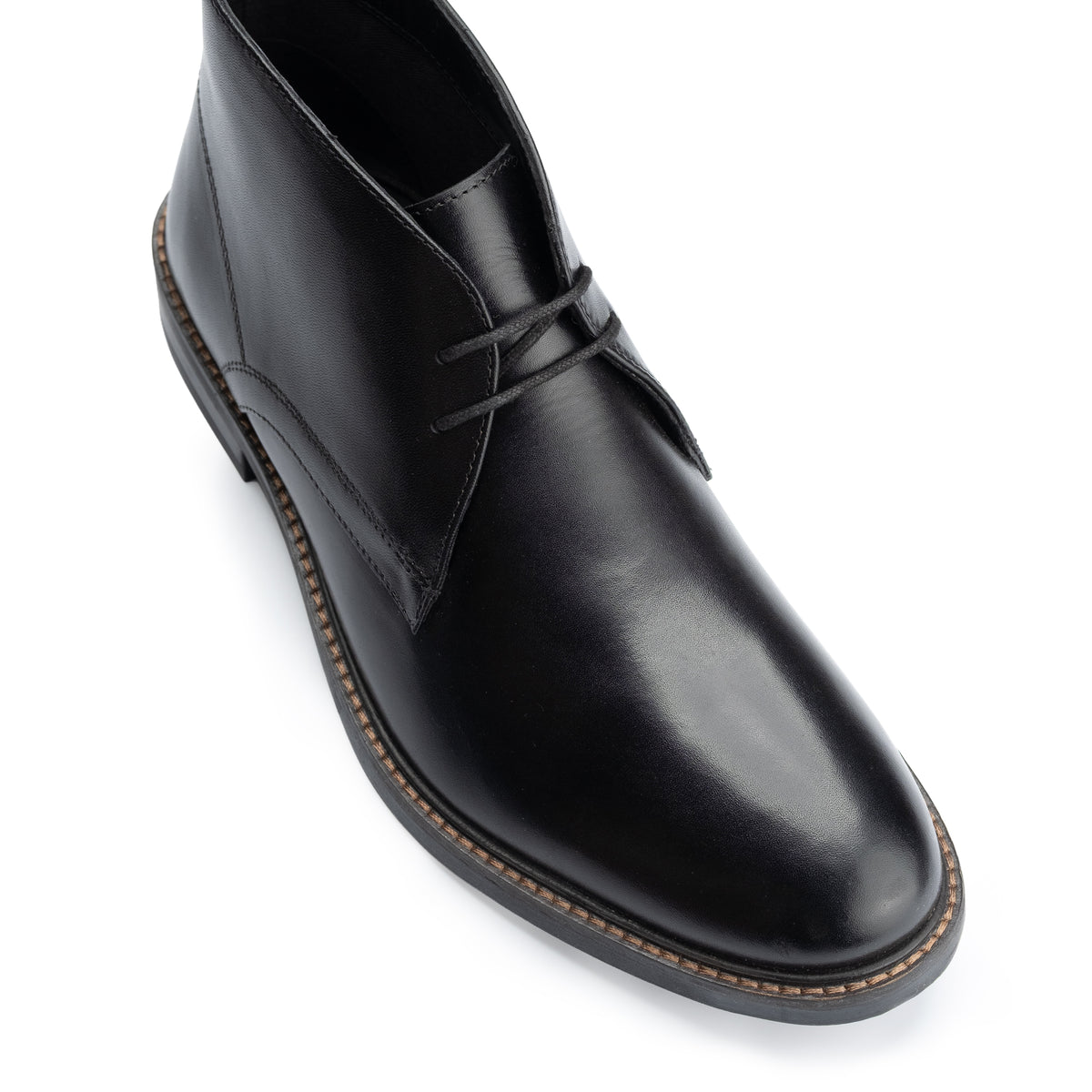
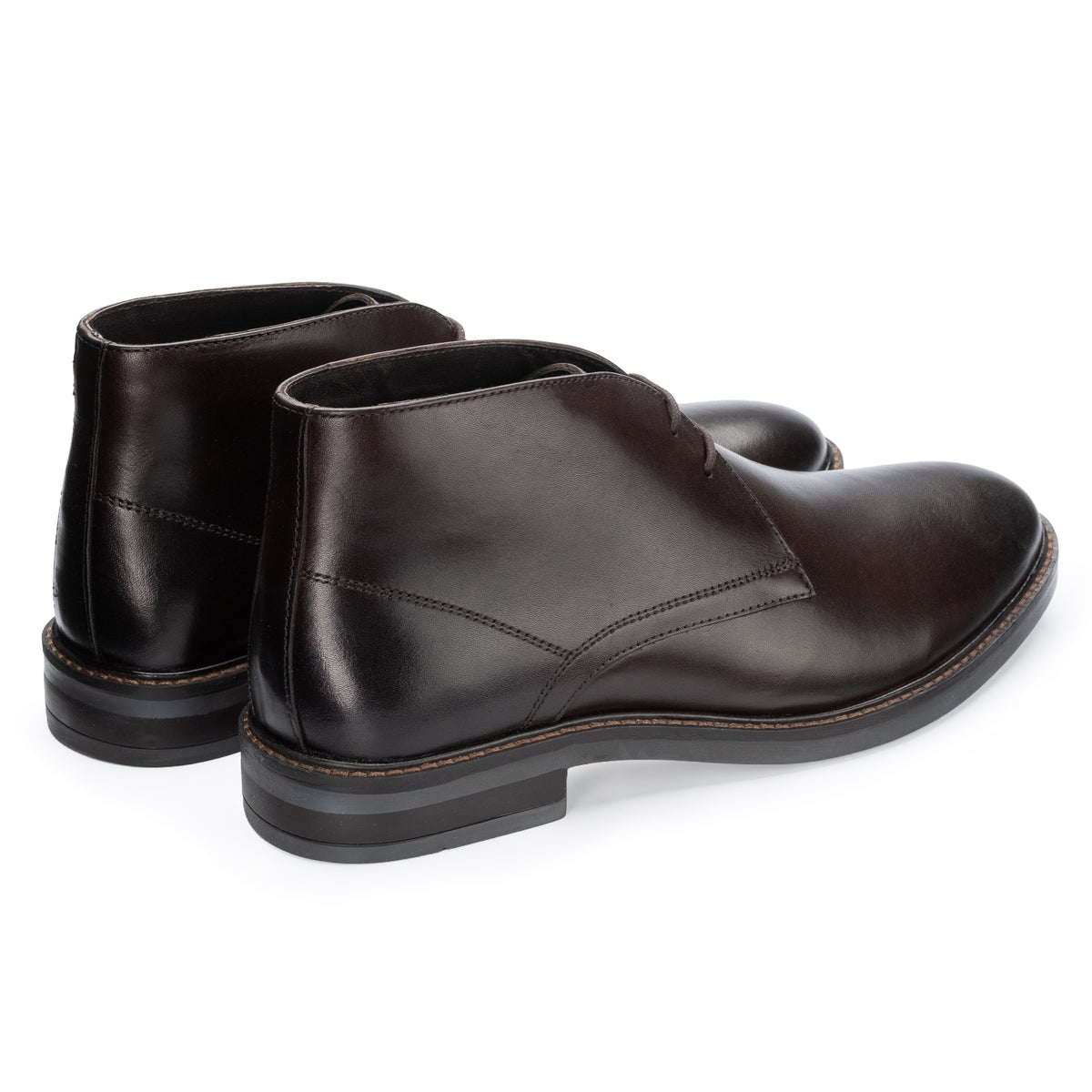
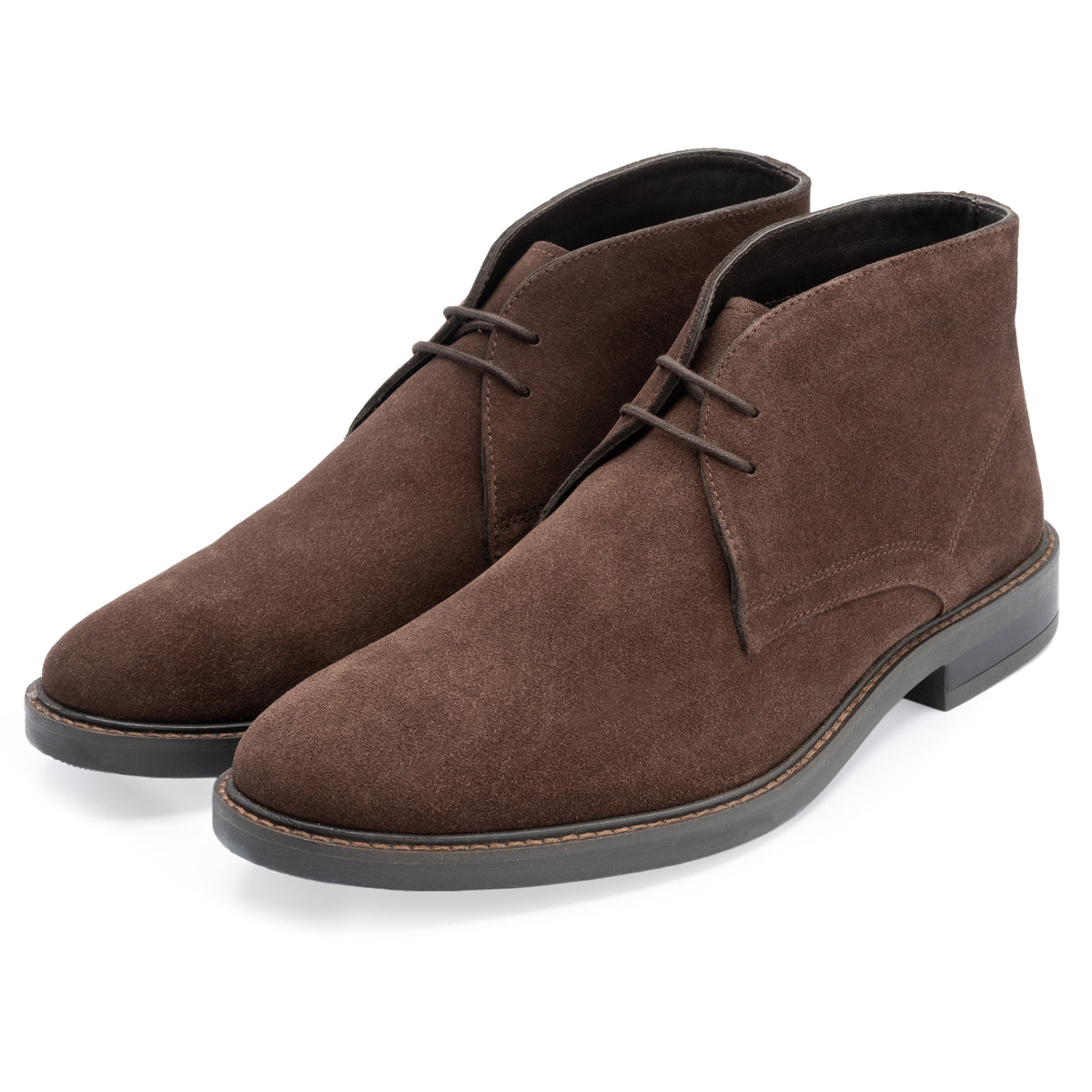
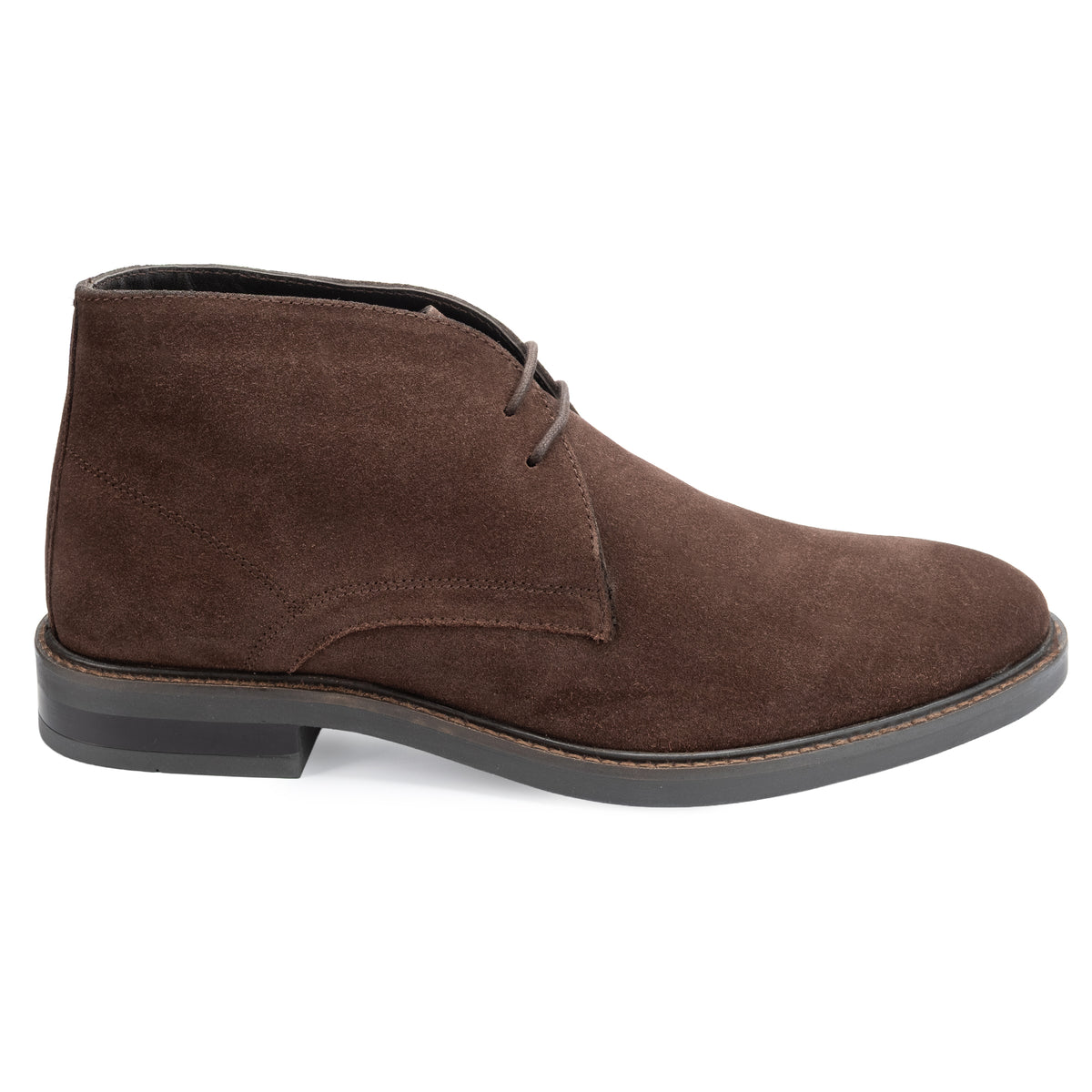
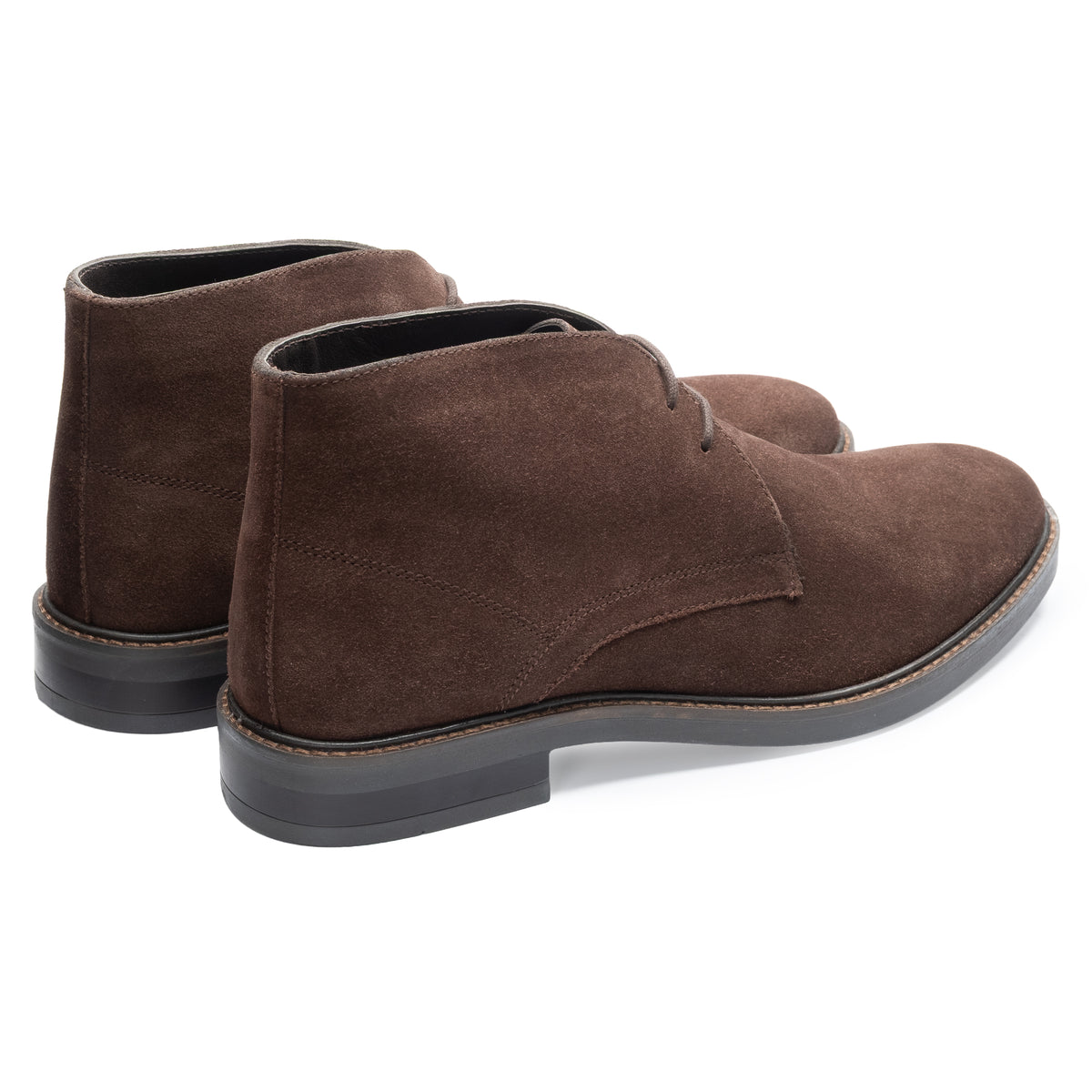
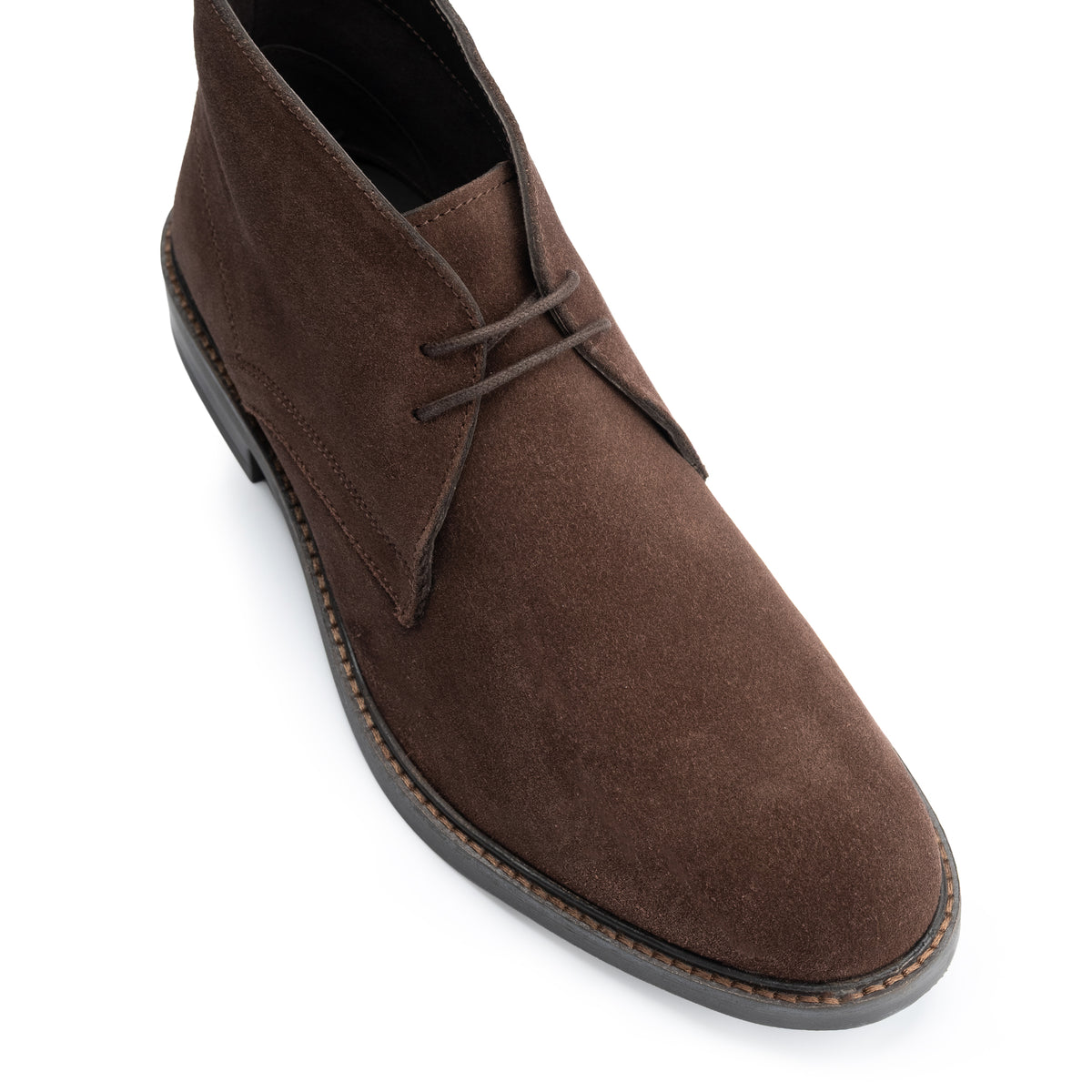
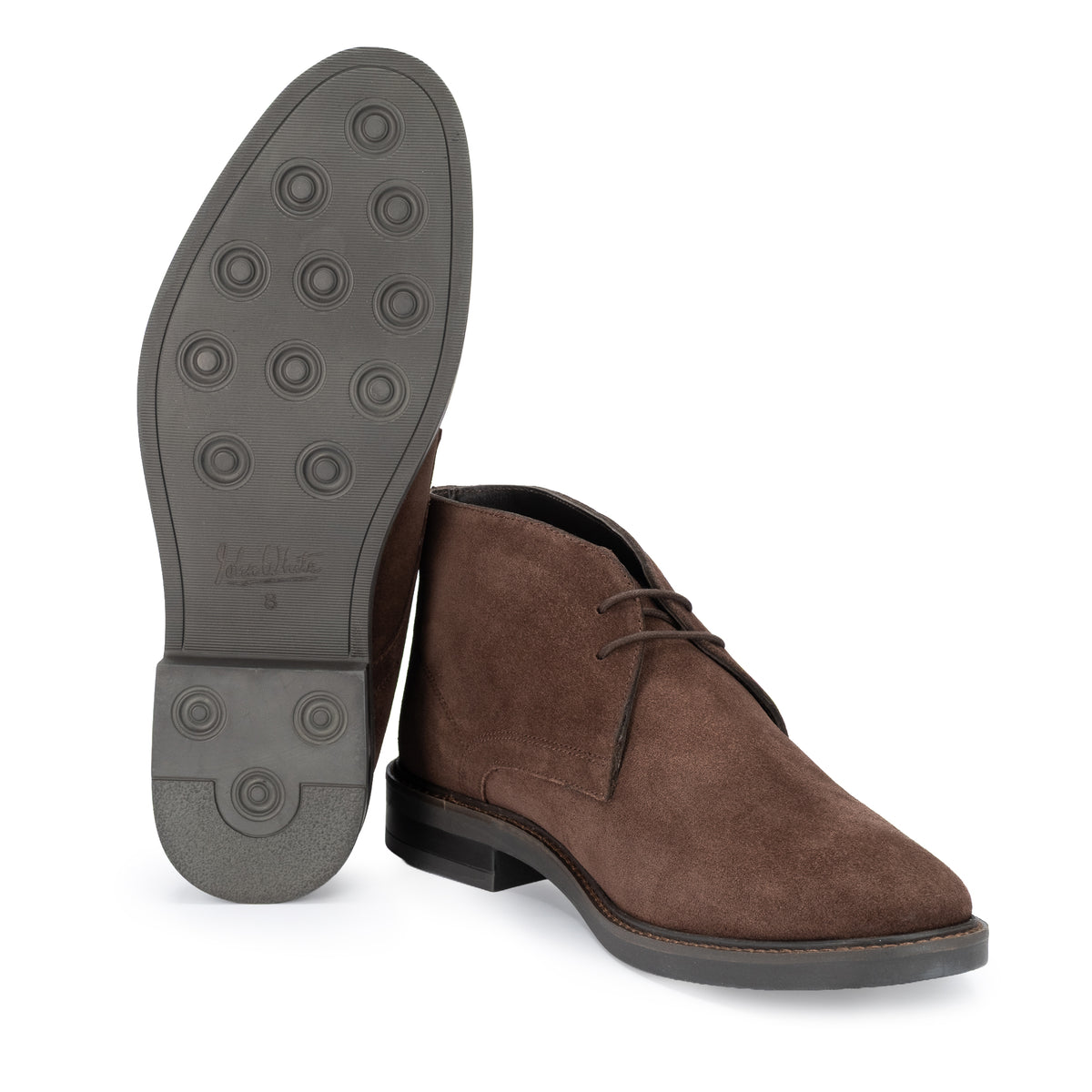
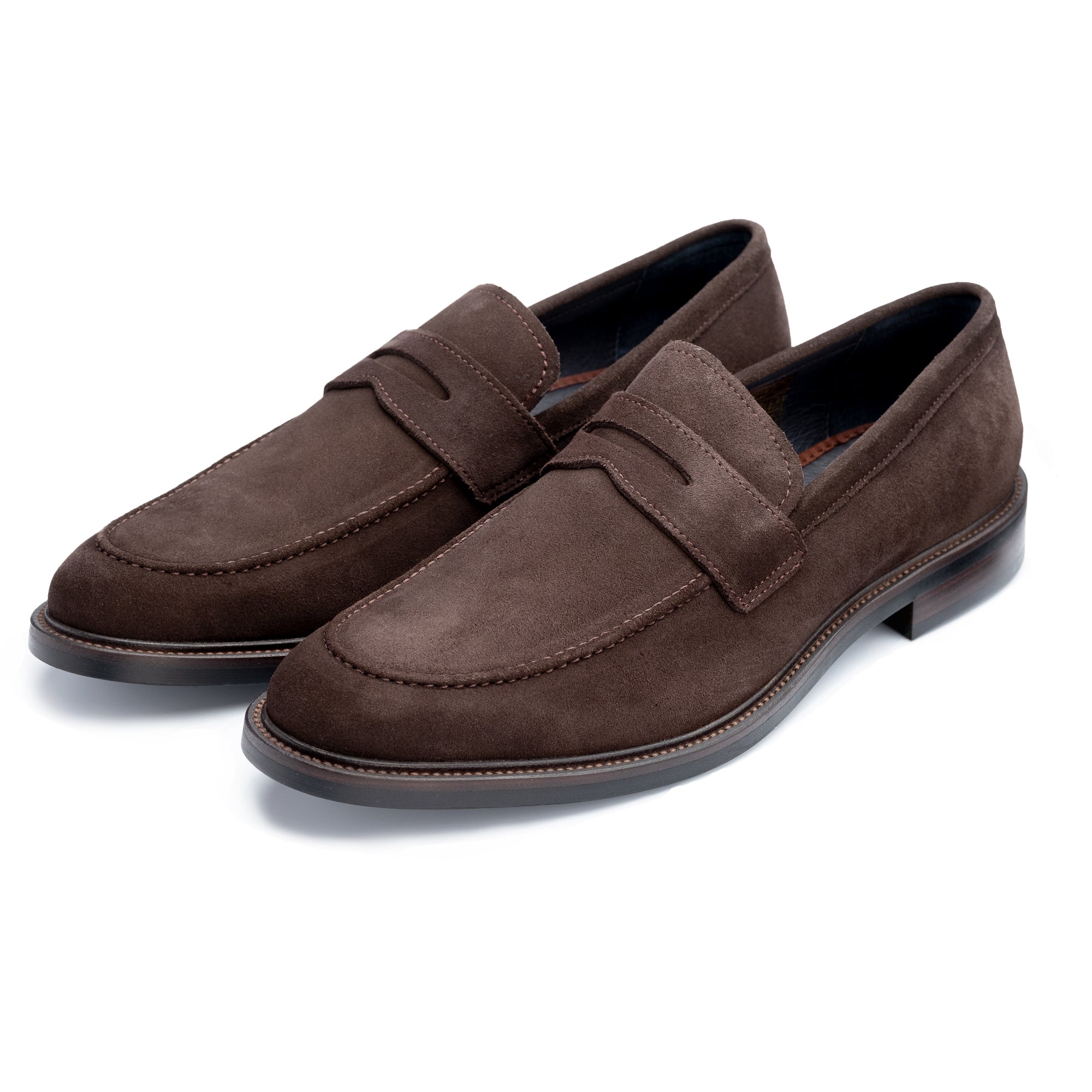
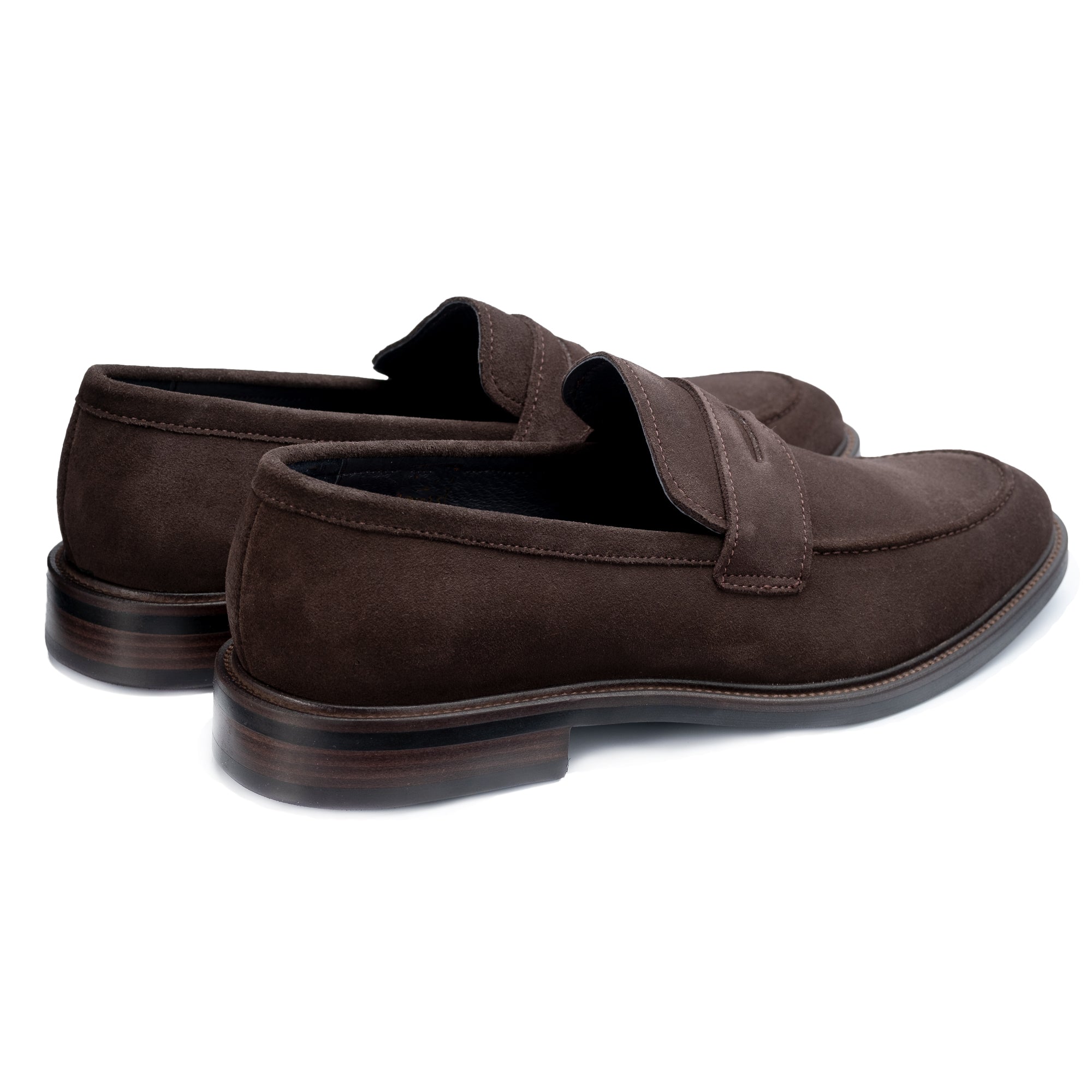
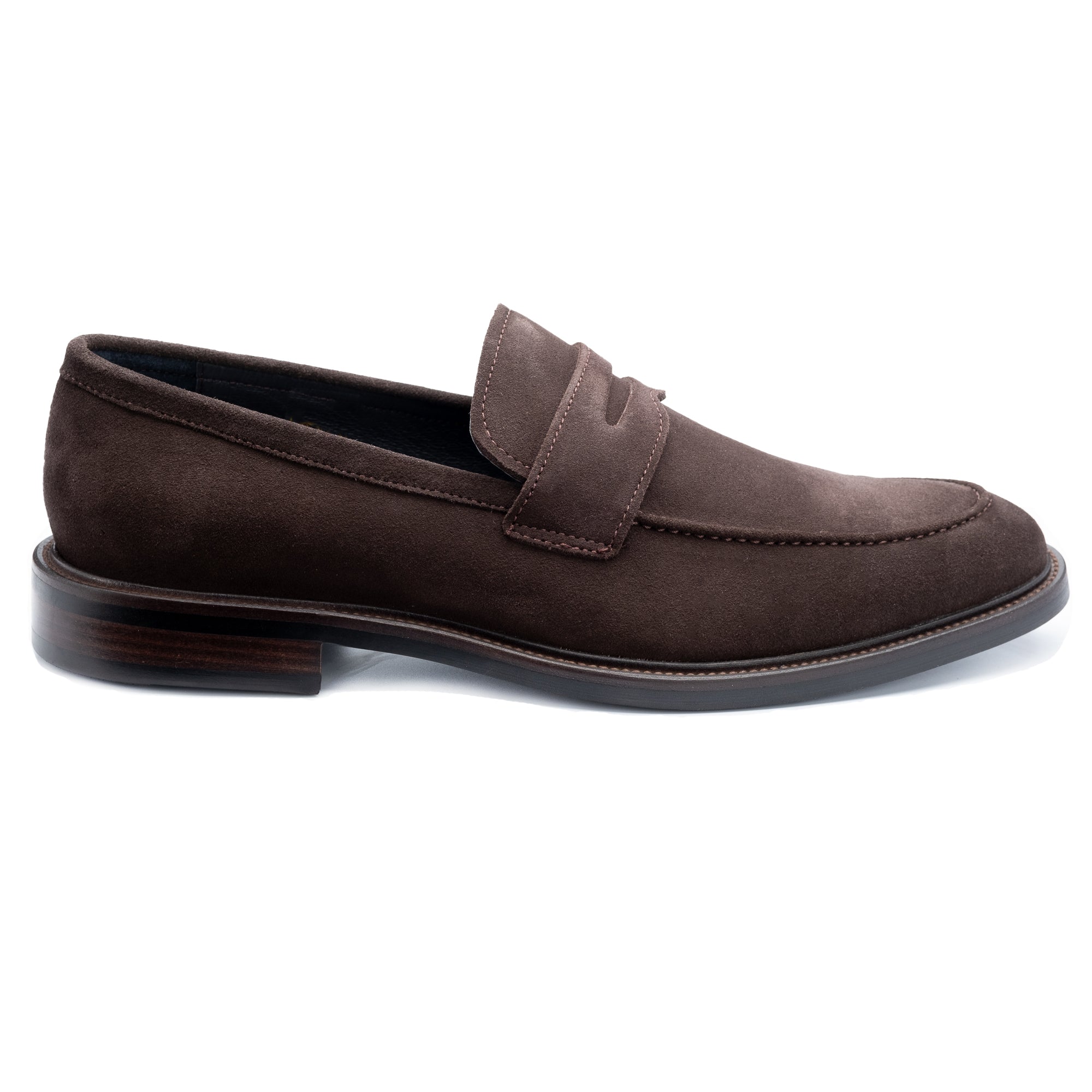
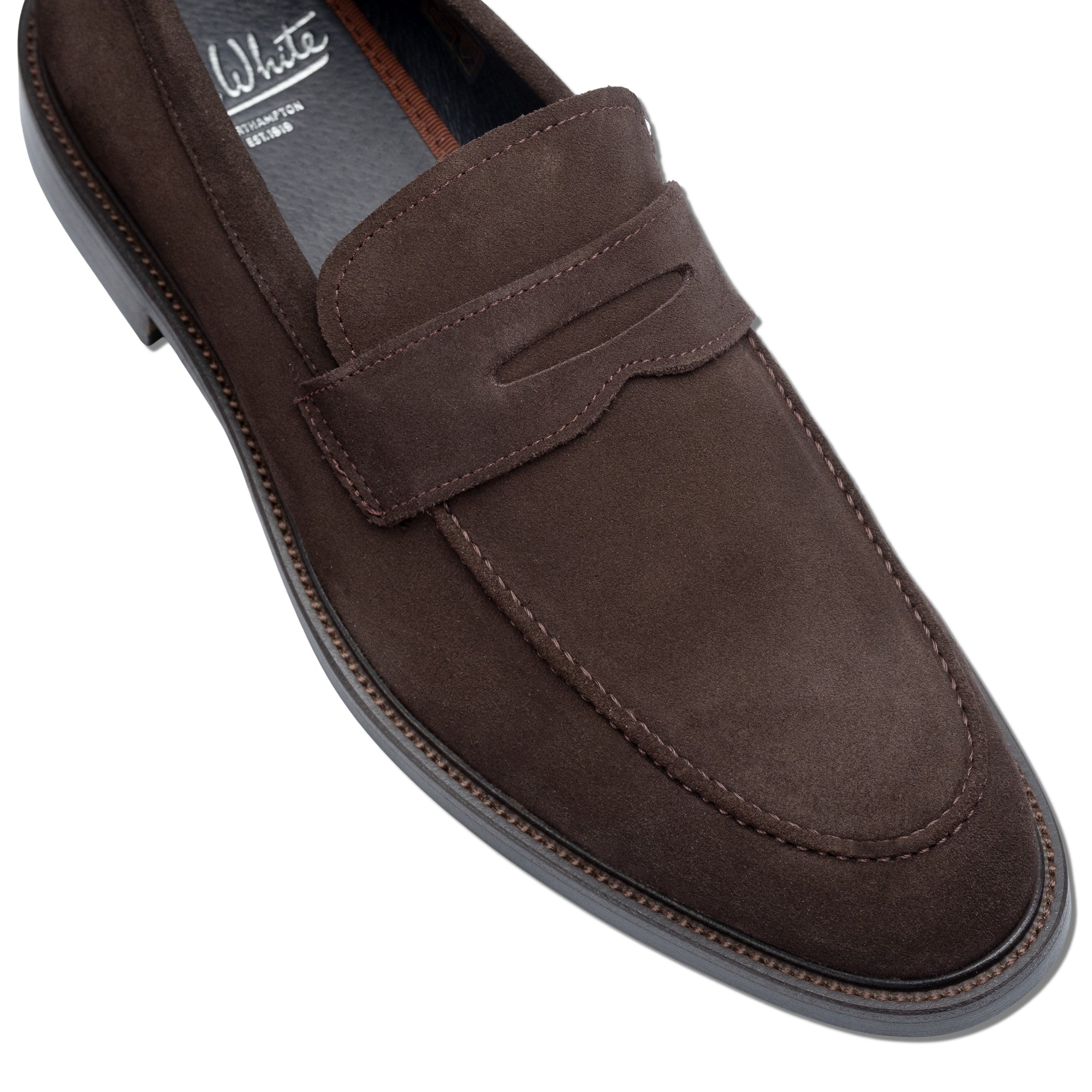
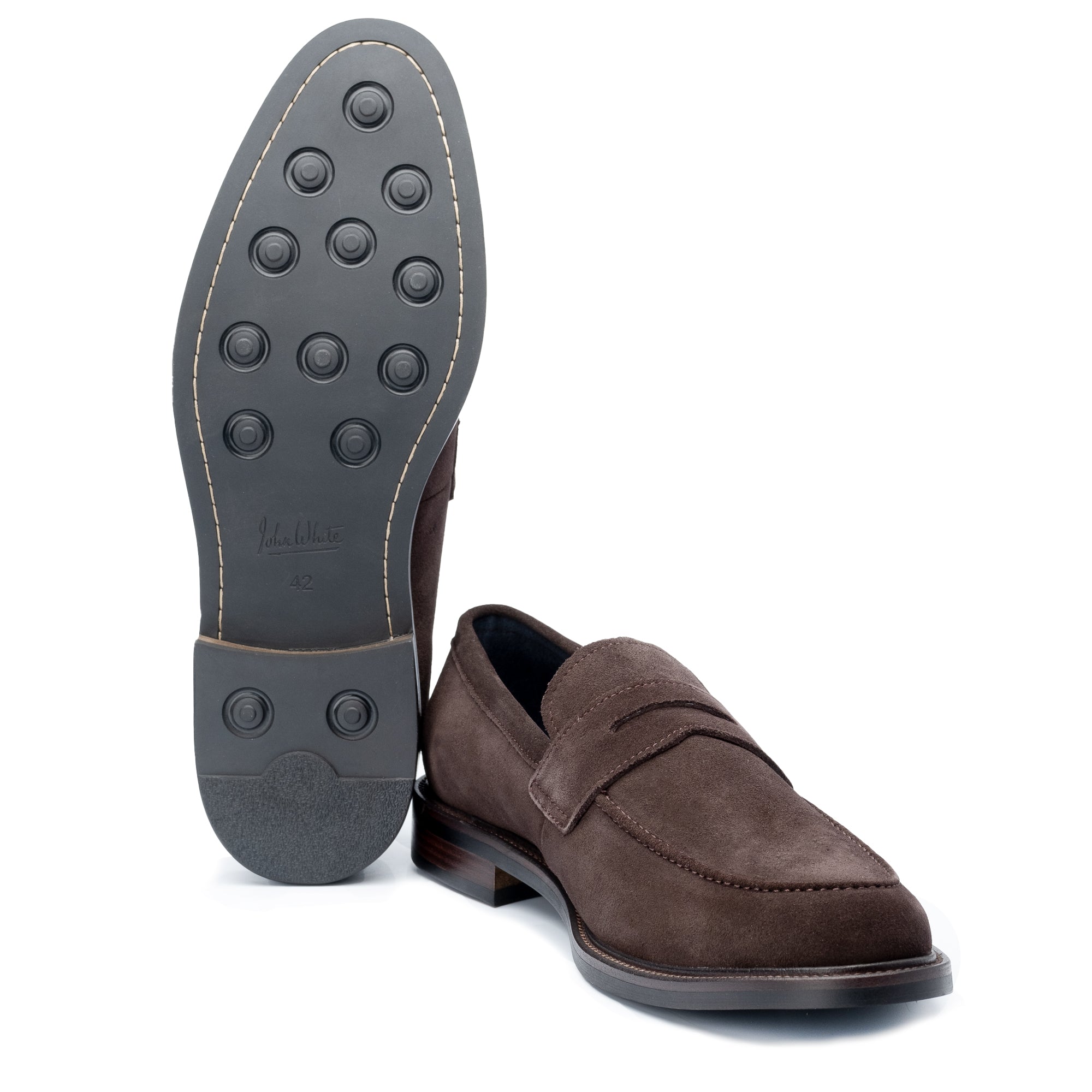
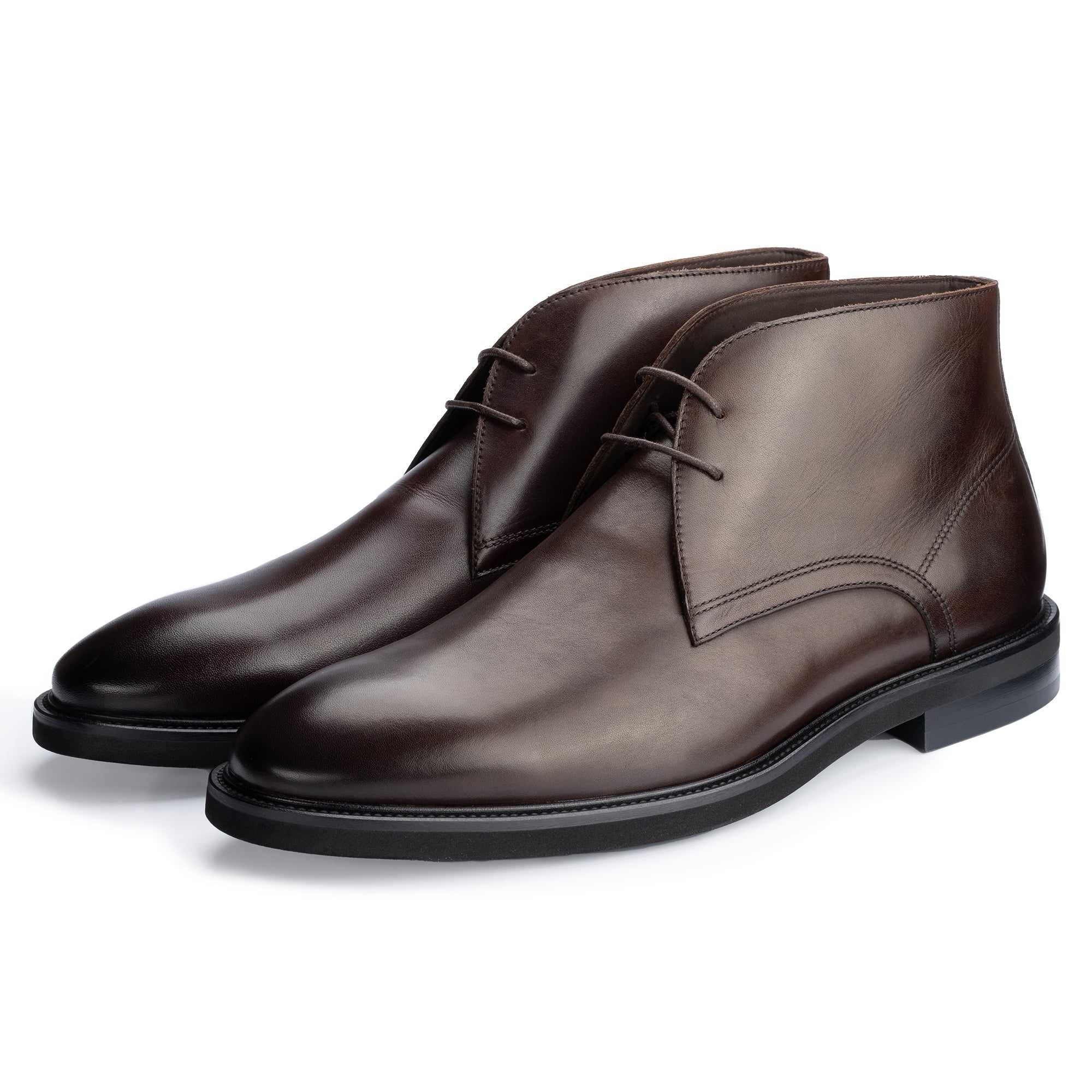
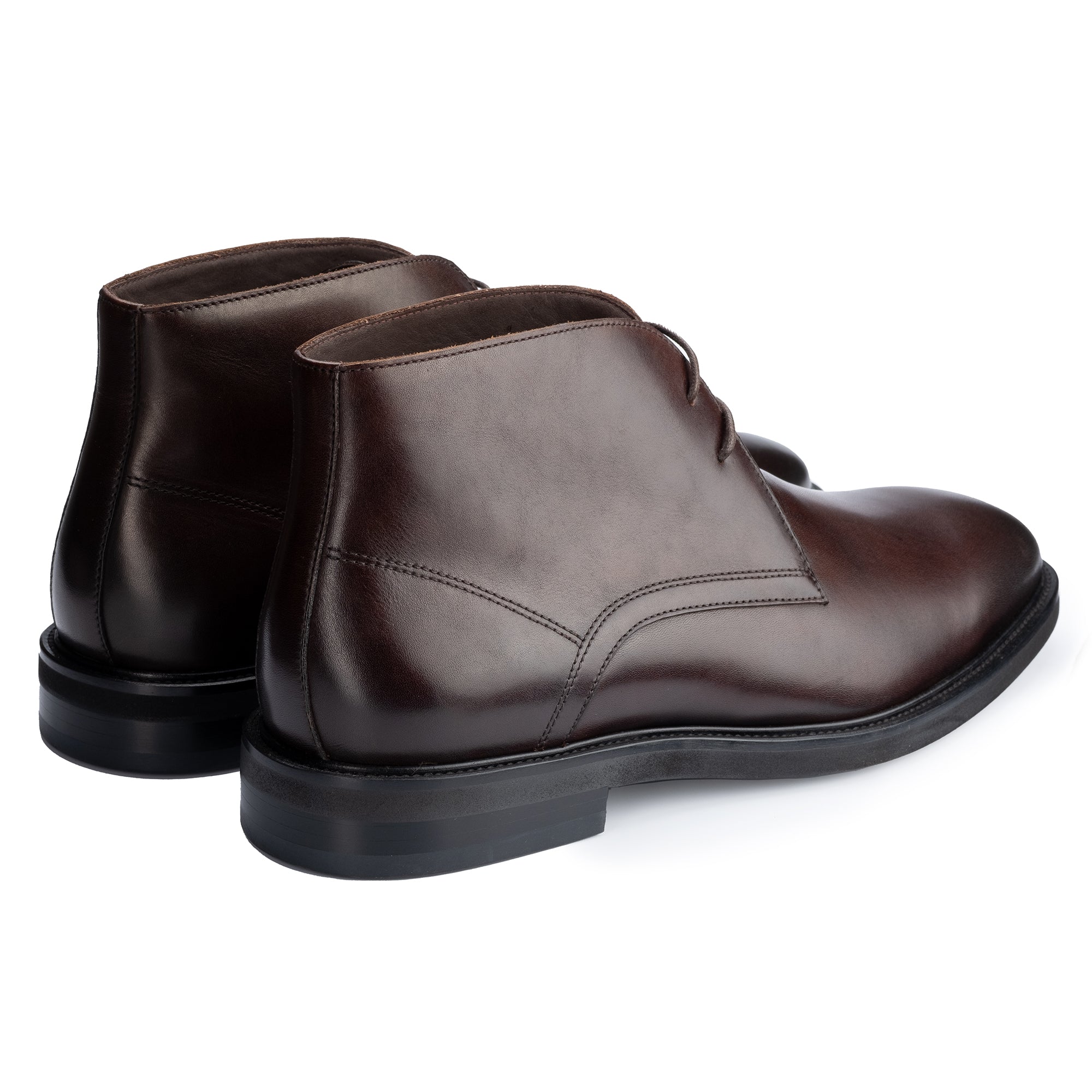
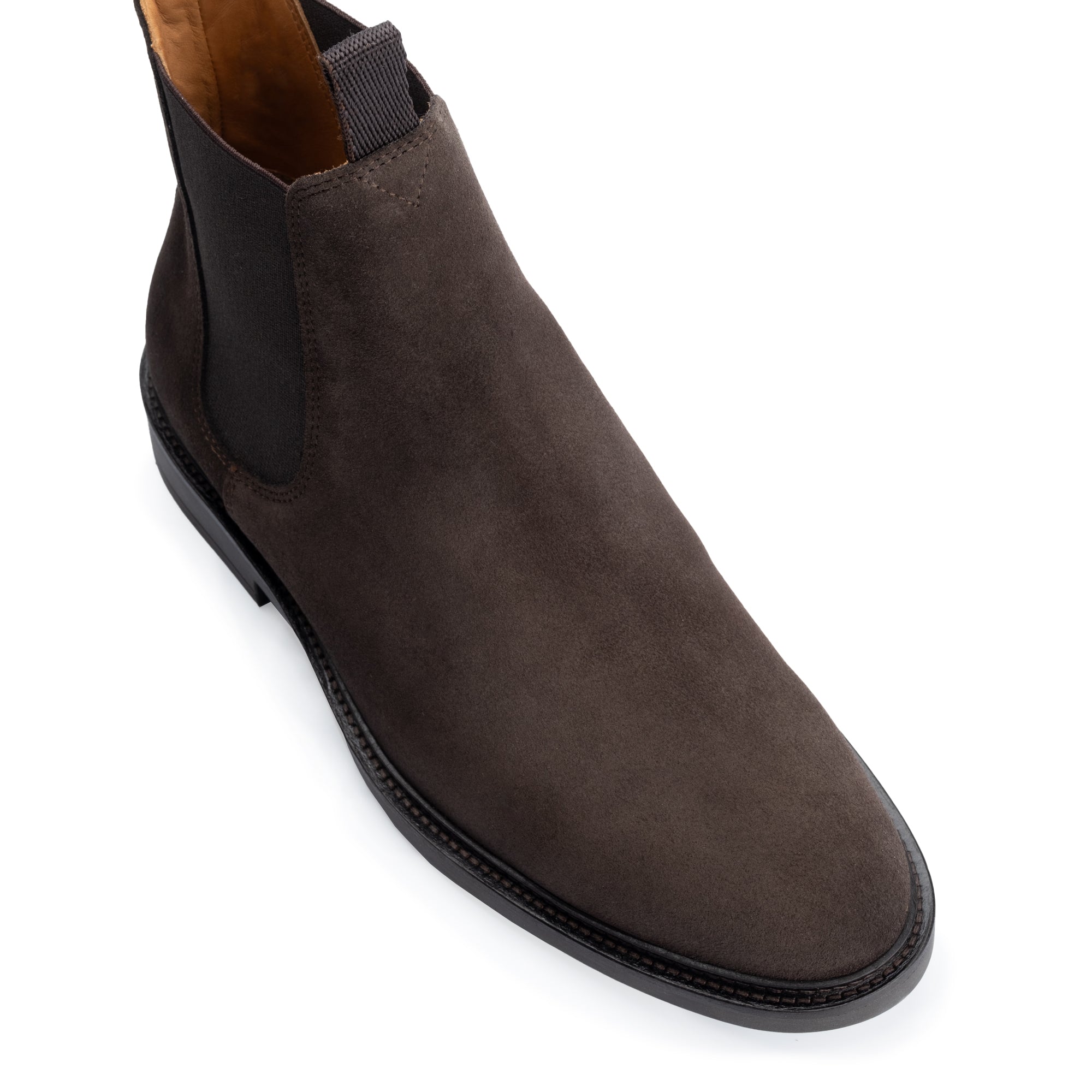
Suede footwear demands particular attention. Our Hill Chelsea Suede Boot and the Wessex Chukka Suede Boot are especially sensitive to moisture — suede fibres mat and distort under damp conditions. Rotating suede shoes isn't optional; it's essential.
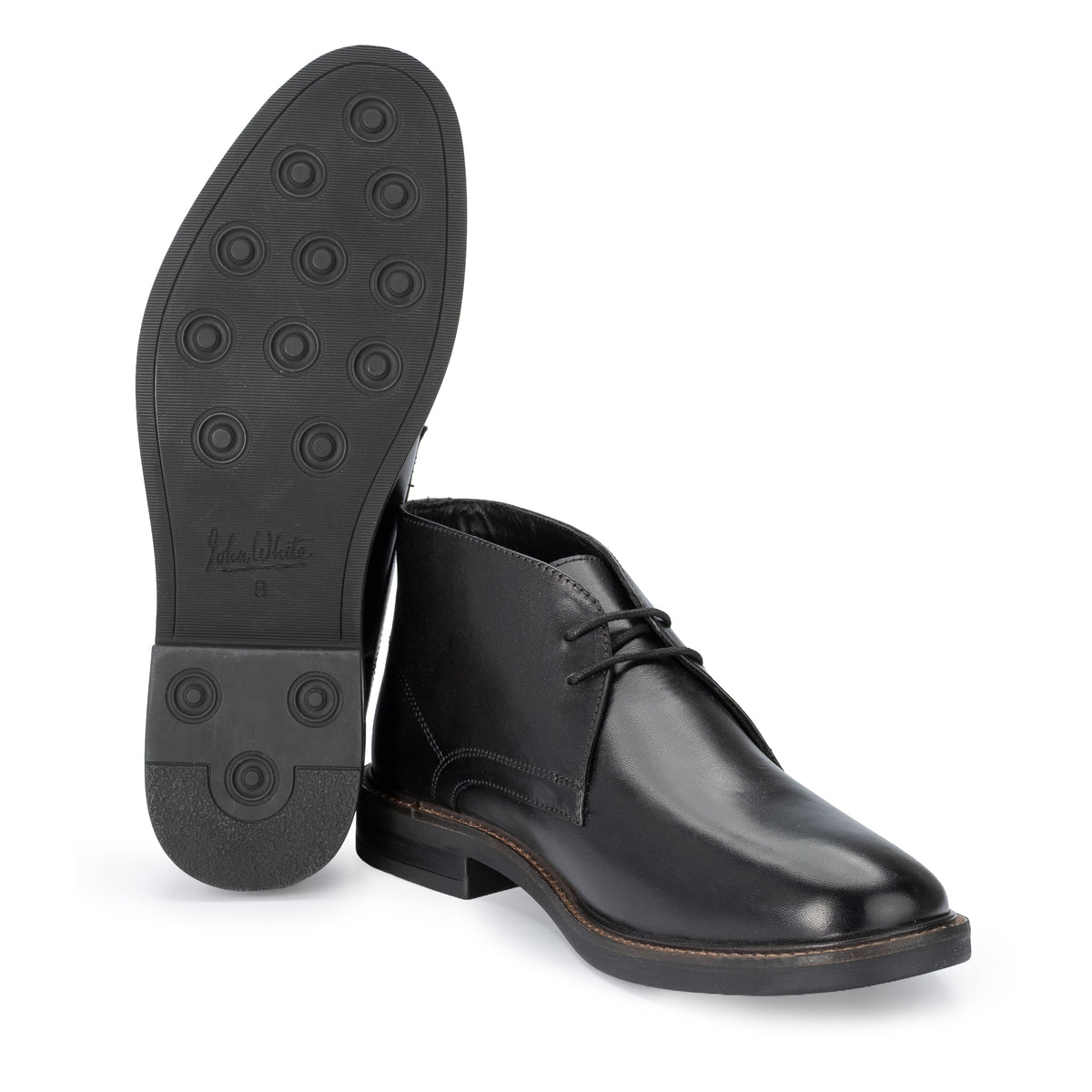
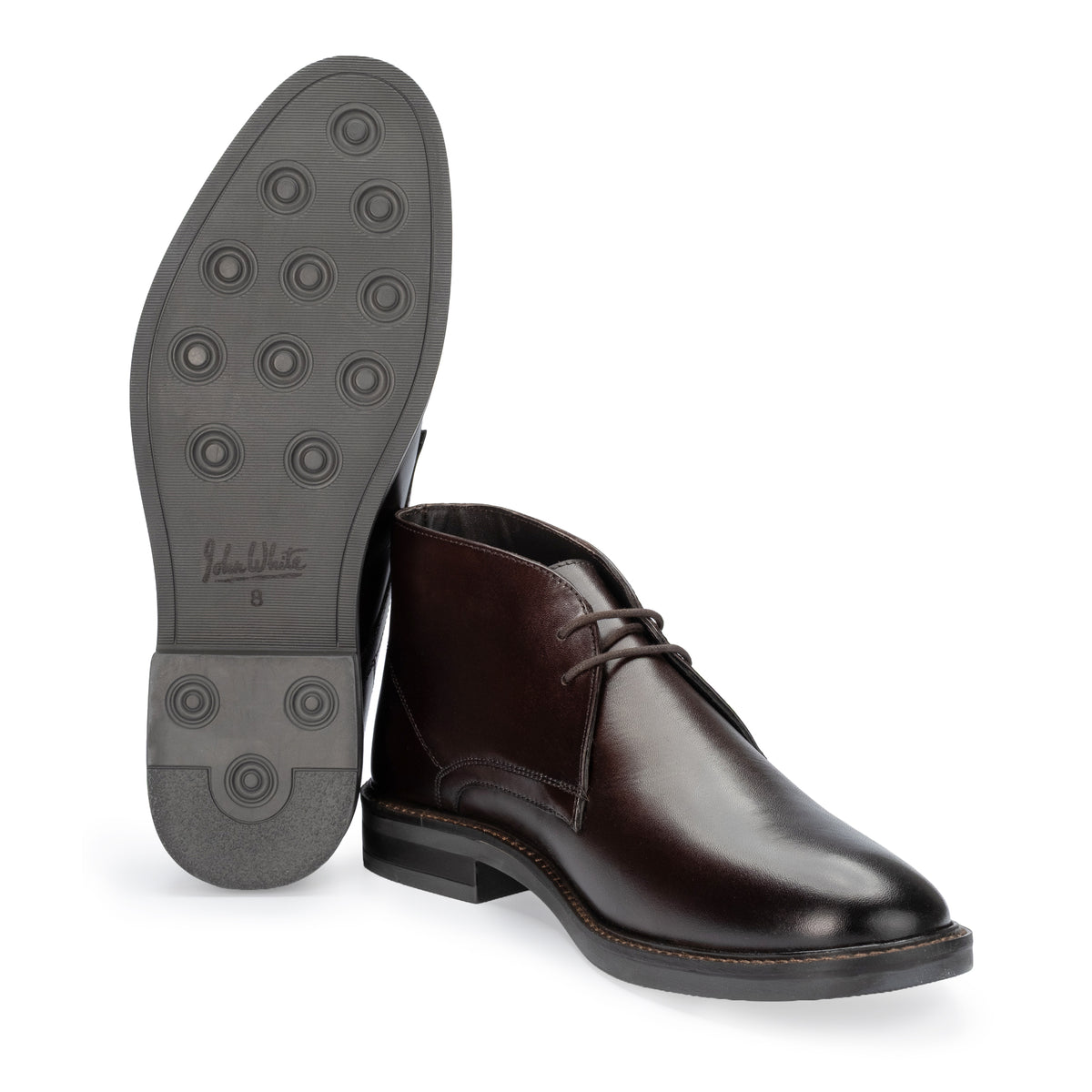
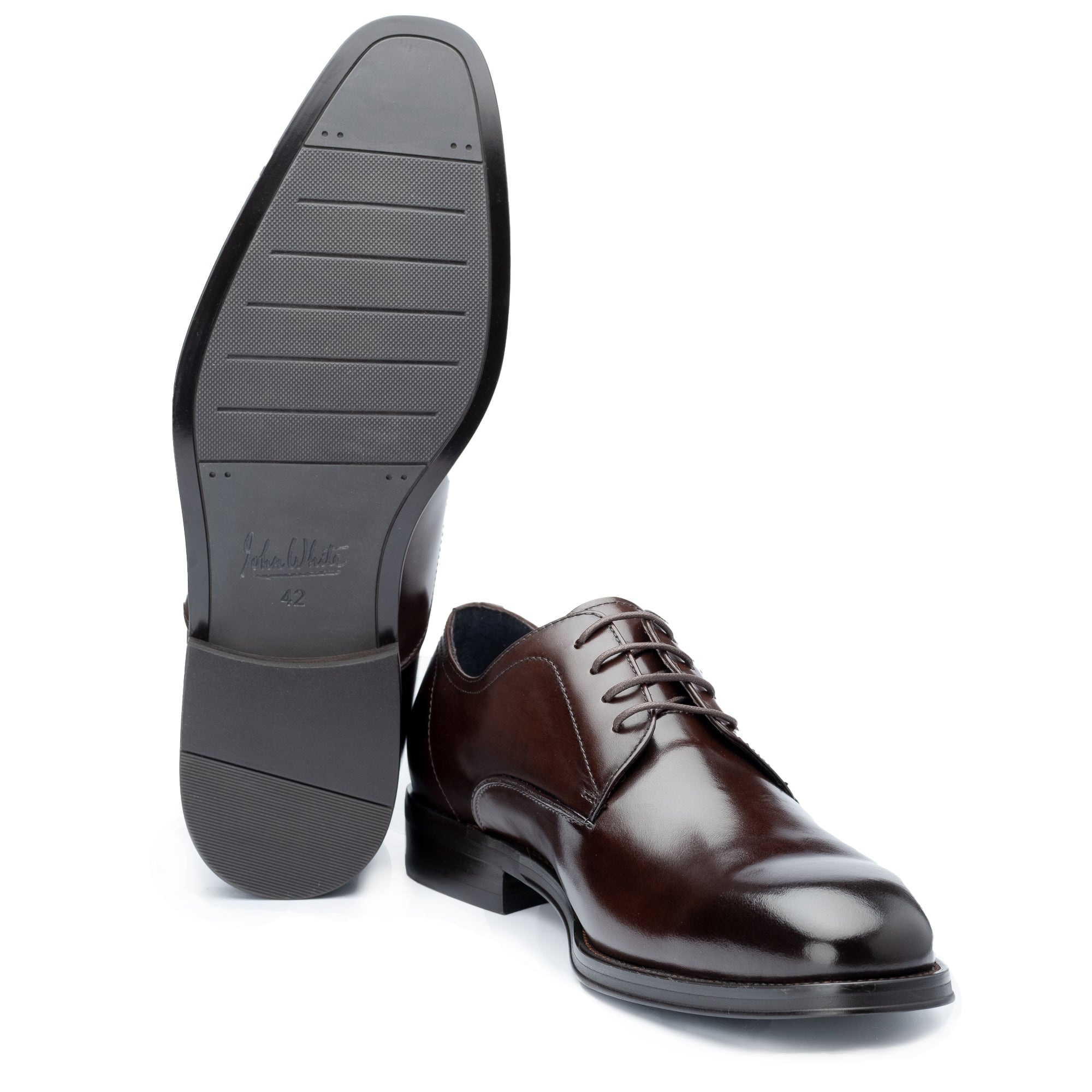
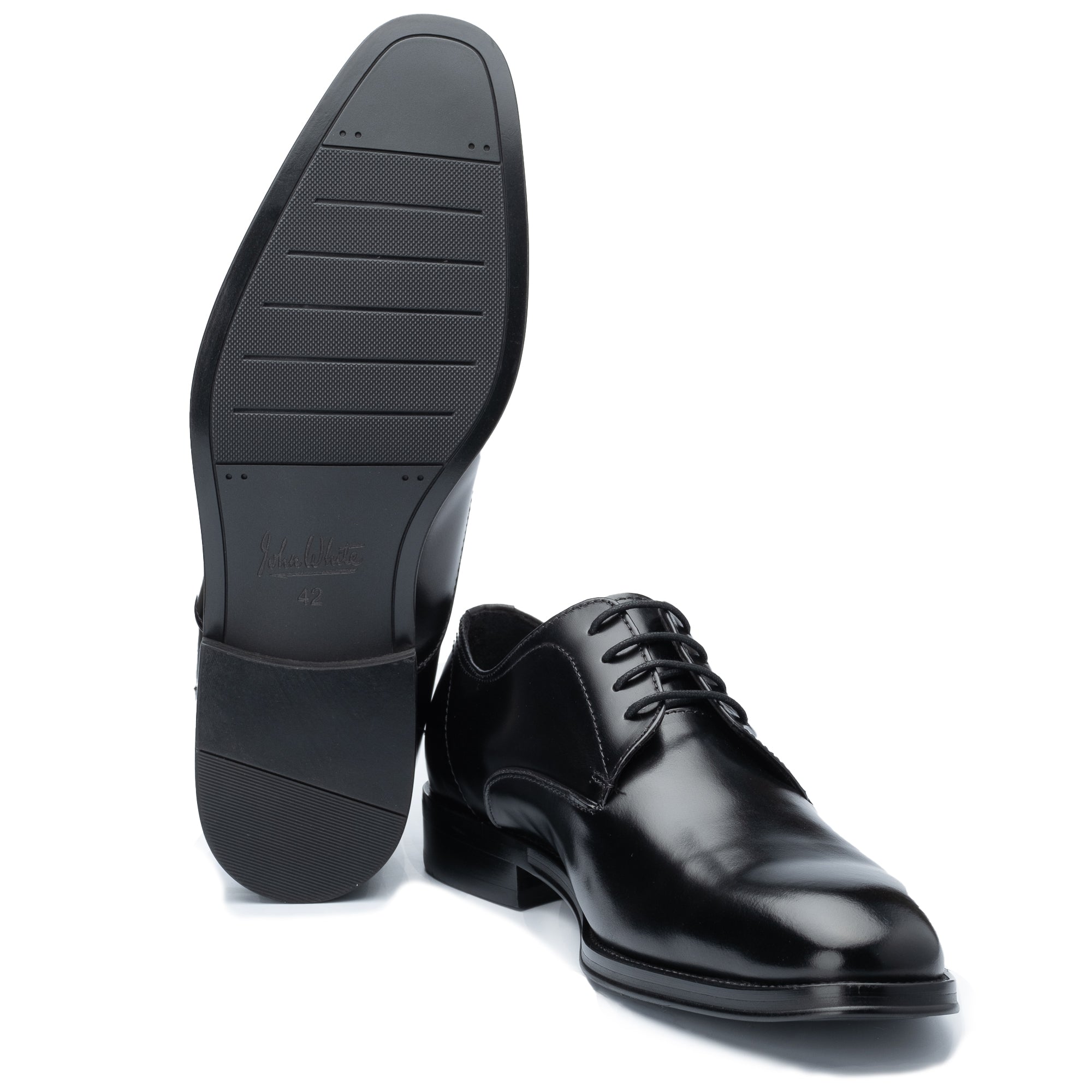
Brands such as Loake, Barker, Church's, Crockett & Jones, and Grenson are well regarded for their welted construction. But the principle of rotation applies equally to cemented construction shoes — including the John White range. The leather upper, lining, and insole respond to wear and moisture in the same way regardless of how the sole is attached. Rest, recovery, and polish are universal requirements for quality leather footwear.
For more on how construction affects care and longevity, our guide to How to Choose Shoe Construction for the Way You Actually Wear Them covers the key differences in practical terms.
The Long-Term Economics of Shoe Rotation
Three pairs of quality leather shoes, properly rotated and maintained, will outlast six pairs of the same shoes worn without rotation. The upfront cost of building a collection is offset many times over by the reduction in replacement frequency.
- One pair worn daily: Realistic lifespan of 18–24 months before significant deterioration sets in
- Three pairs rotated: Each pair realistically lasts five to eight years with proper care and resoling as needed
As one master repairer from the Society of Master Shoe Repairers put it: "The men who bring us shoes to resole are almost always the men who own more than three pairs. The men with one good pair bring us shoes to bin."
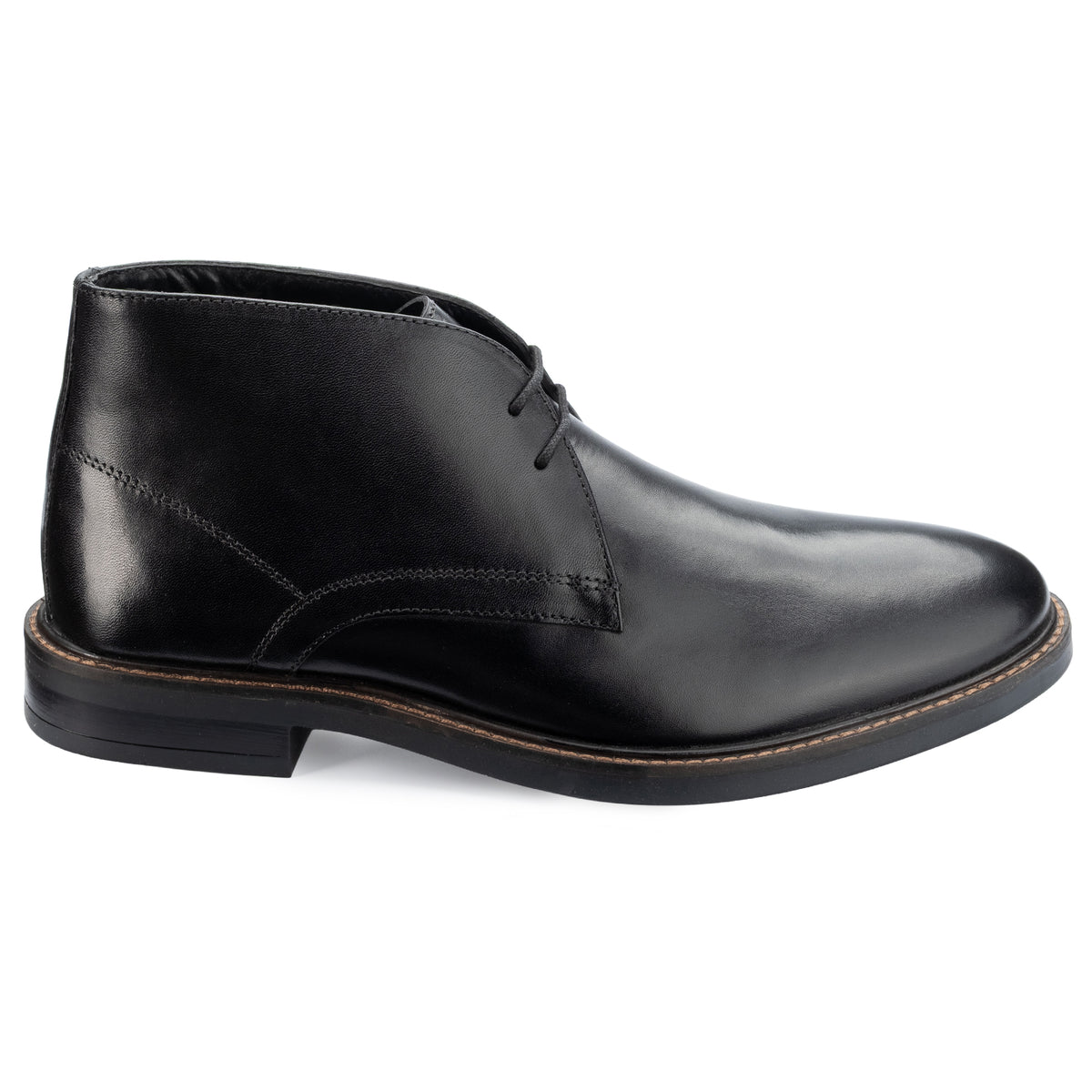
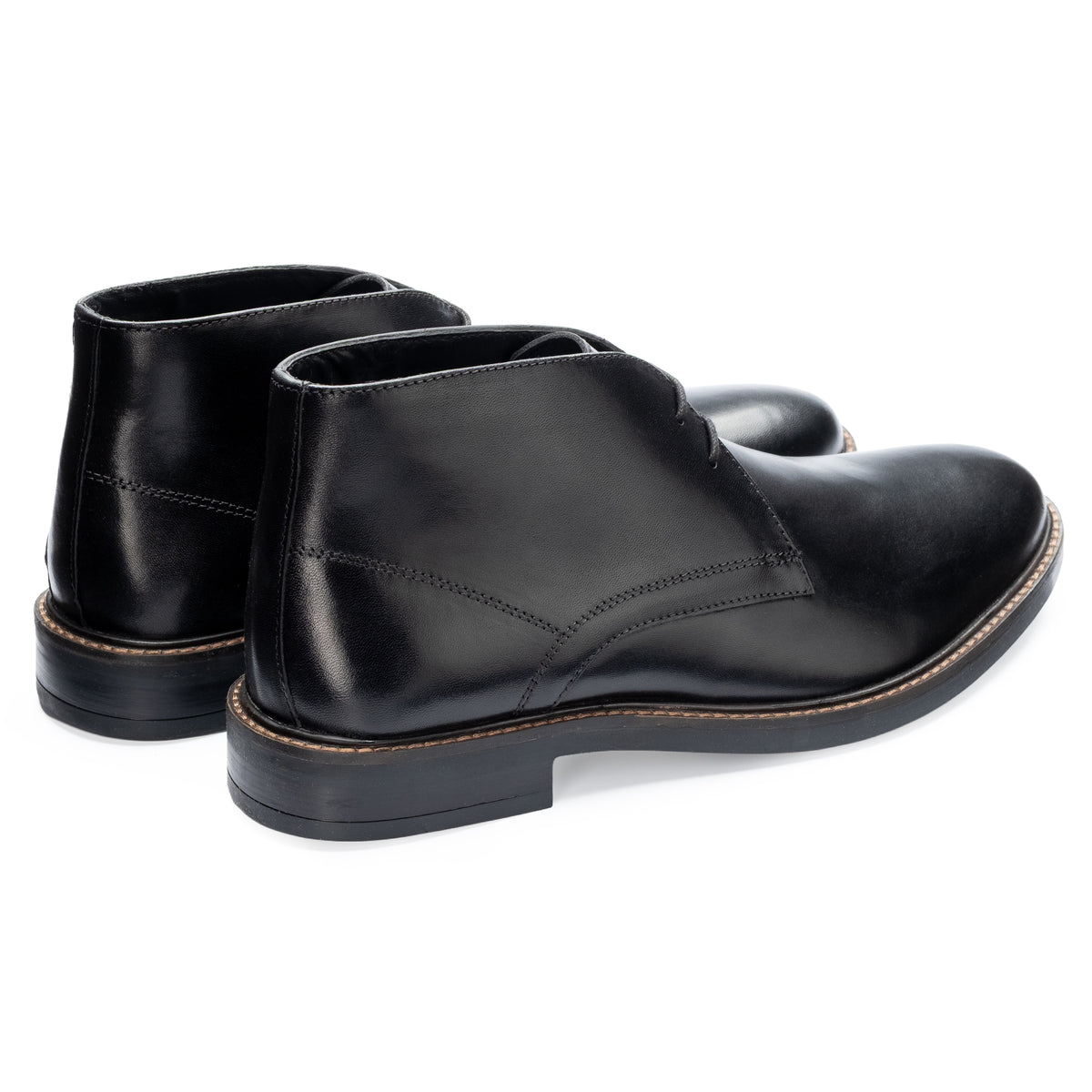
A shoe tree, a tin of wax polish, and the discipline to rotate your footwear are among the most cost-effective investments a man can make in his wardrobe. Explore the full men's shoe collection and our range of men's boots to start building a rotation that works for every occasion.
Related Guides
- Leather Shoe Care: The Definitive Guide — our comprehensive guide
- The Annual Ritual: A Complete Maintenance Checklist for Your Leather Shoe Collection
- The Essential Valet Box: An Authoritative Guide to Your Shoe Care Arsenal
- Mastering Leather Shoe Care: A Comprehensive Guide
TL;DR
Rotating your leather shoes — wearing each pair on alternate days rather than consecutively — allows moisture to evaporate, leather to recover its structure, and wear to be distributed evenly. A rotation of three to five pairs is sufficient for most men. Combined with cedar shoe trees, regular polishing, and correct storage, rotation is the single most effective way to extend the life of quality leather footwear. John White Shoes designs and curates its collection with durability in mind; a disciplined rotation ensures that investment is fully realised.
Frequently Asked Questions
How often should you rotate your shoes?
Rotate your shoes every day — wear a different pair each day and allow each pair at least 24 to 48 hours of rest before wearing again. A minimum rotation of three pairs makes this achievable on a five-day working week.
Does rotating shoes really make them last longer?
Yes. Leather absorbs moisture from your feet during wear and needs time to dry fully. Wearing the same pair daily keeps the leather in a near-constant state of damp stress, accelerating deterioration. Rotation eliminates this problem and can significantly extend each shoe's lifespan — often by several years.
How many pairs of shoes do you need to rotate properly?
Three pairs is the practical minimum for a five-day working week. Four to five pairs is ideal, offering flexibility across smart and casual occasions while ensuring adequate rest time for each pair.
Should you use shoe trees when rotating shoes?
Yes, always. Insert cedar shoe trees immediately after removing your shoes. They absorb moisture from the interior, help the shoe retain its shape during the rest period, and deodorise the lining between wears. Shoe trees are an essential part of any rotation routine, not an optional extra.