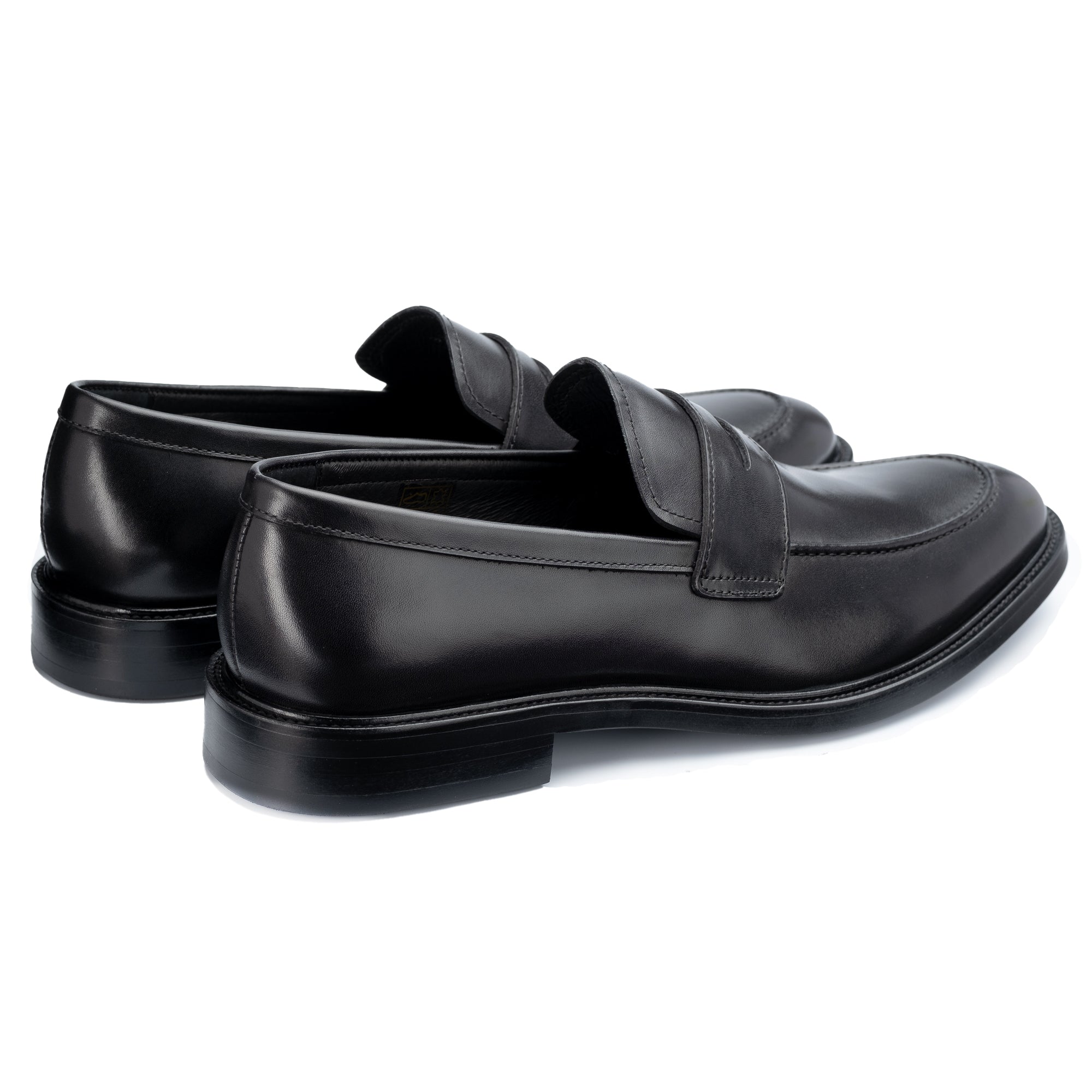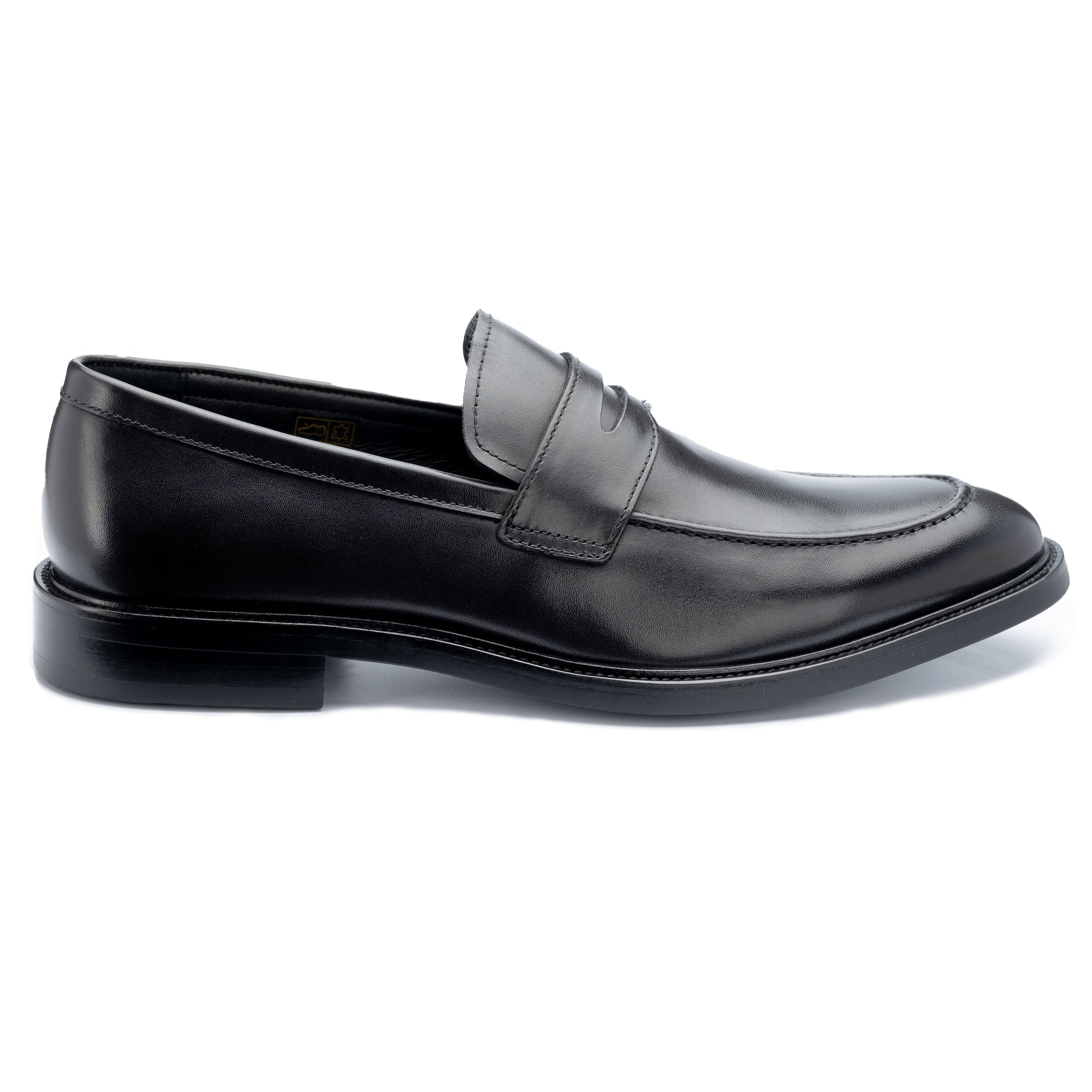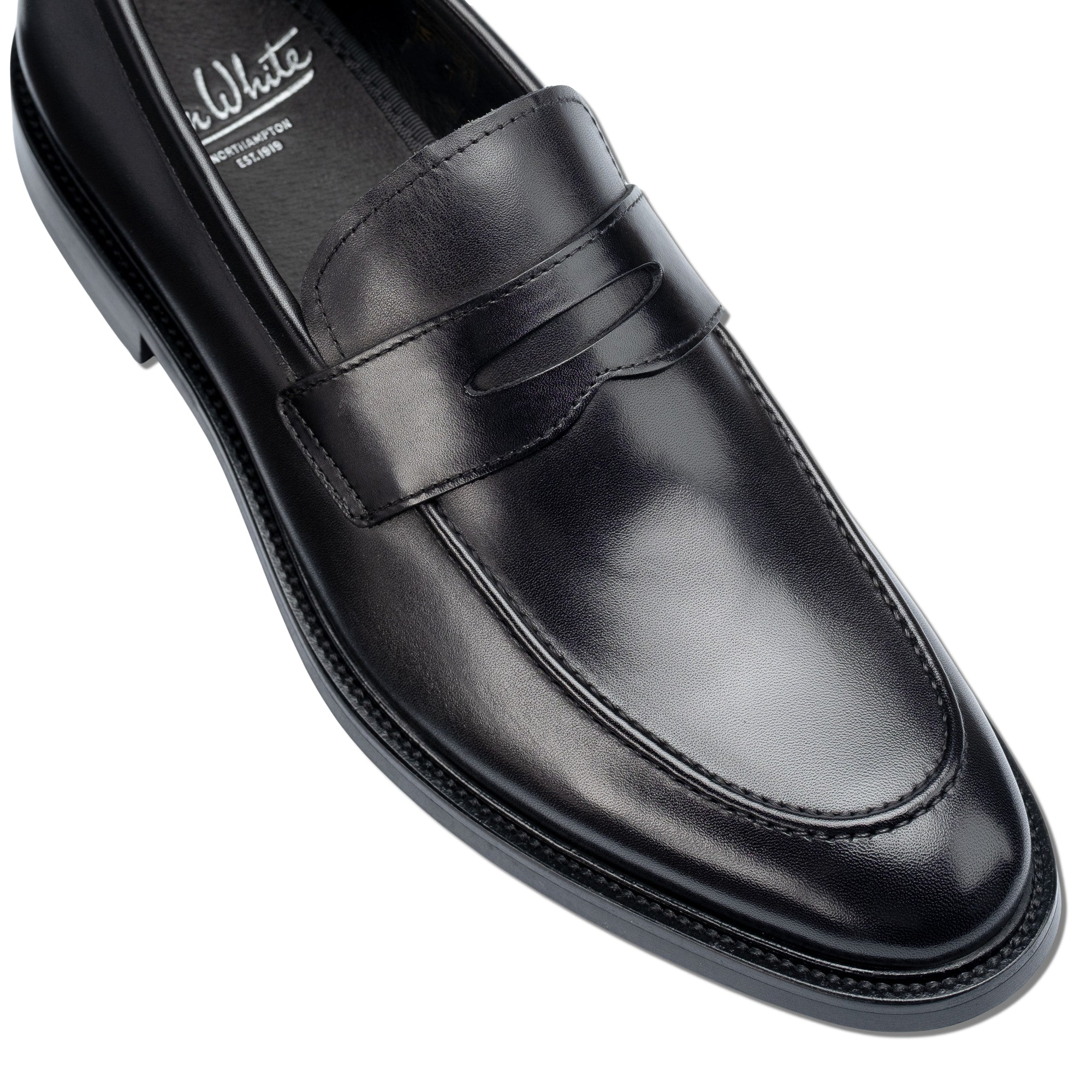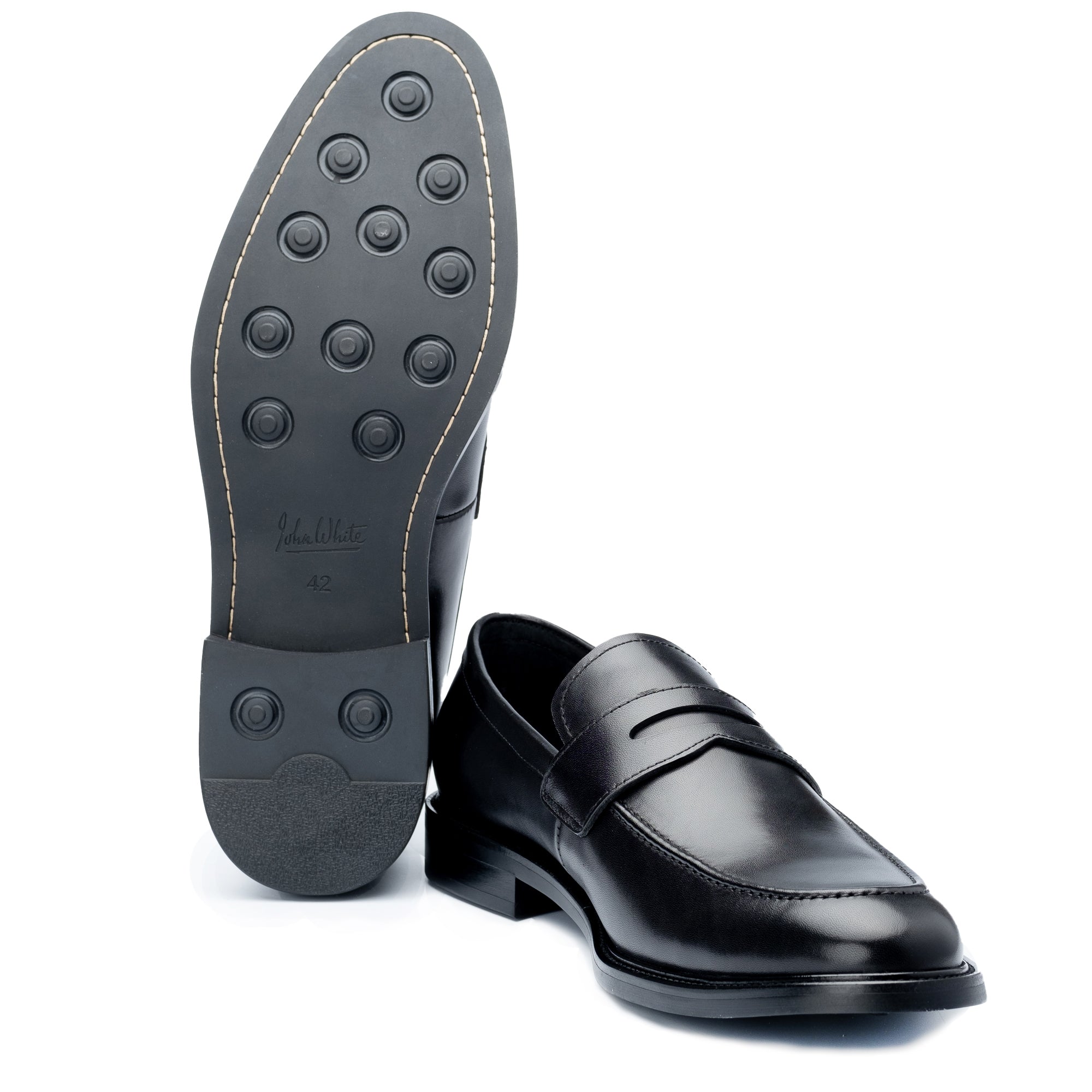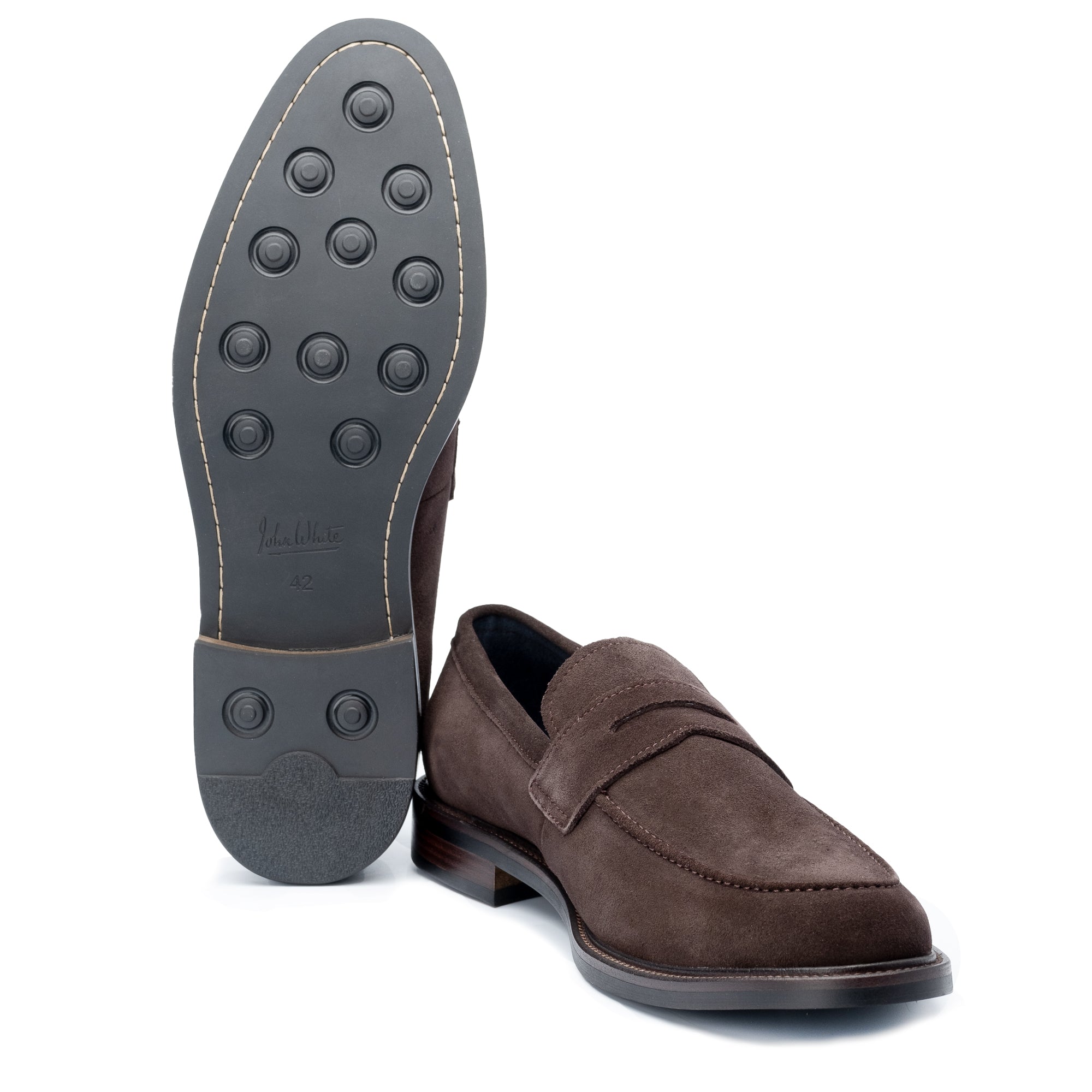

The Cobbler's Legacy: How British Shoe Lasts Are Still Made by Hand
A shoe last is the solid, foot-shaped form around which every shoe is constructed. Its precise dimensions determine how a shoe fits, how it looks on the foot, and how it wears over time. British last-making — a specialist craft centred in Northamptonshire for over three centuries — remains fundamental to understanding why some shoes fit well and most don't.
In This Guide
- What Is a Shoe Last, and Why Does It Matter More Than You Think?
- How Were British Shoe Lasts Traditionally Made by Hand?
- What Are the Key Measurements That Define a Shoe Last?
- Why Is Northamptonshire Central to British Last-Making Heritage?
- How Did CNC Technology Change Last-Making?
- How Does Last Design Affect the Shoes You Actually Buy?
- Related Guides
- Frequently Asked Questions
Pick up a well-made leather shoe and turn it over. The elegant taper of the toe, the snug curve at the heel, the width across the ball of the foot — none of these happen by chance. They're the legacy of a wooden or nylon form called a last, shaped with extraordinary precision by craftsmen who've spent decades understanding how the human foot moves, loads, and breathes. That craft has deep roots in Britain, and it still matters today.
What Is a Shoe Last, and Why Does It Matter More Than You Think?
A shoe last is a three-dimensional model of the human foot, traditionally carved from beech or hornbeam wood, now more commonly machined from nylon or high-density polyethylene. It's the form around which an upper is stretched, shaped, and bonded to the insole — and it's removed once the shoe holds its structure.
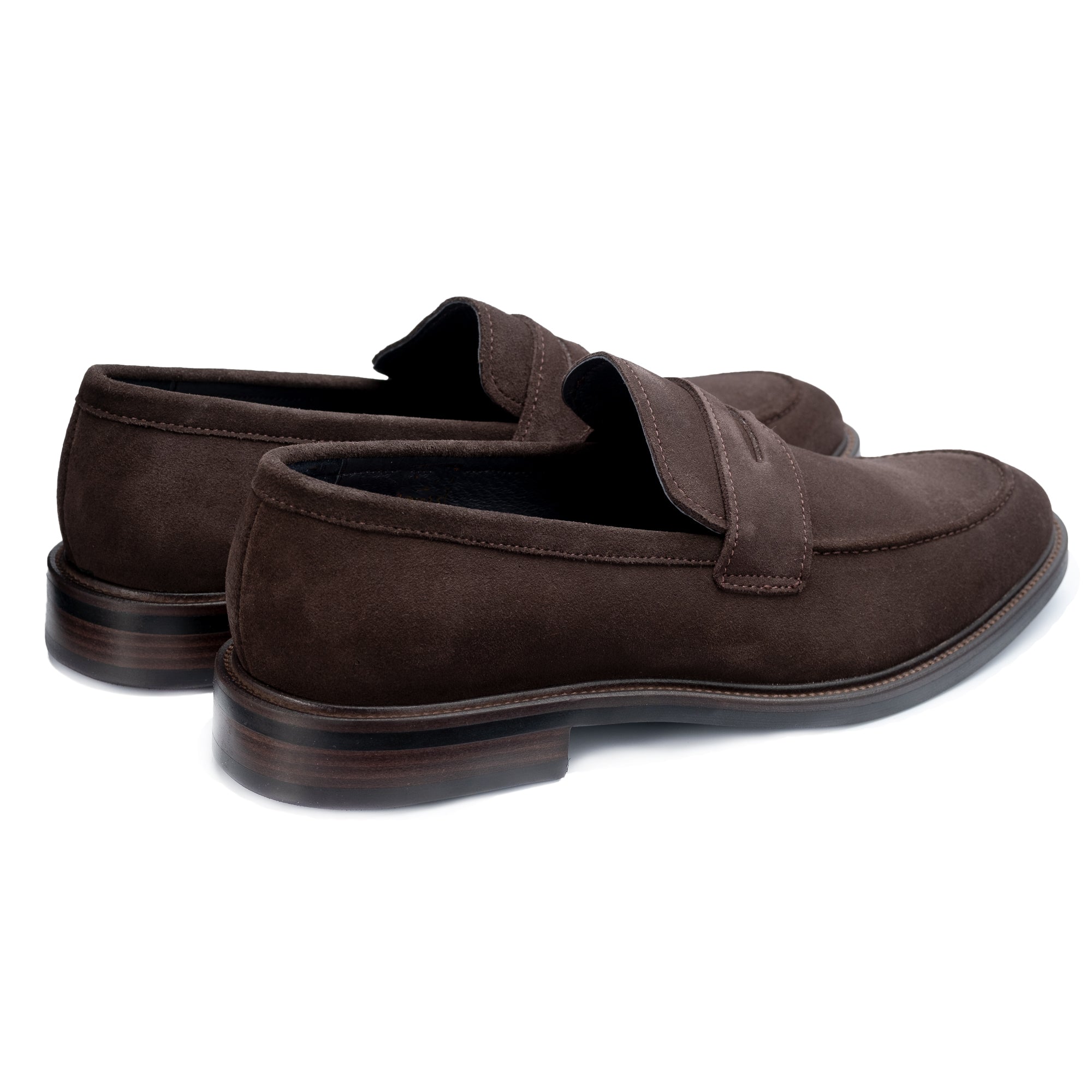
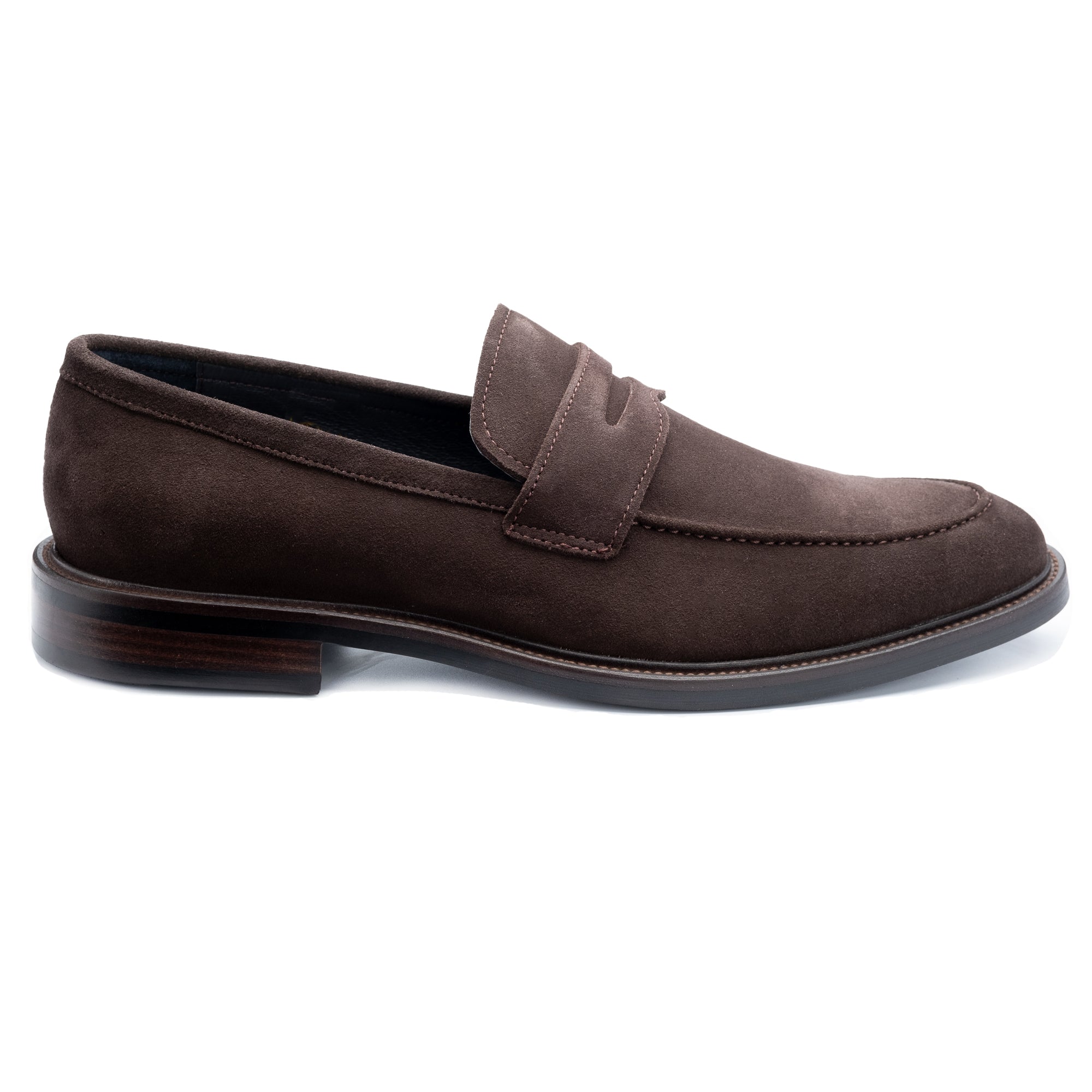
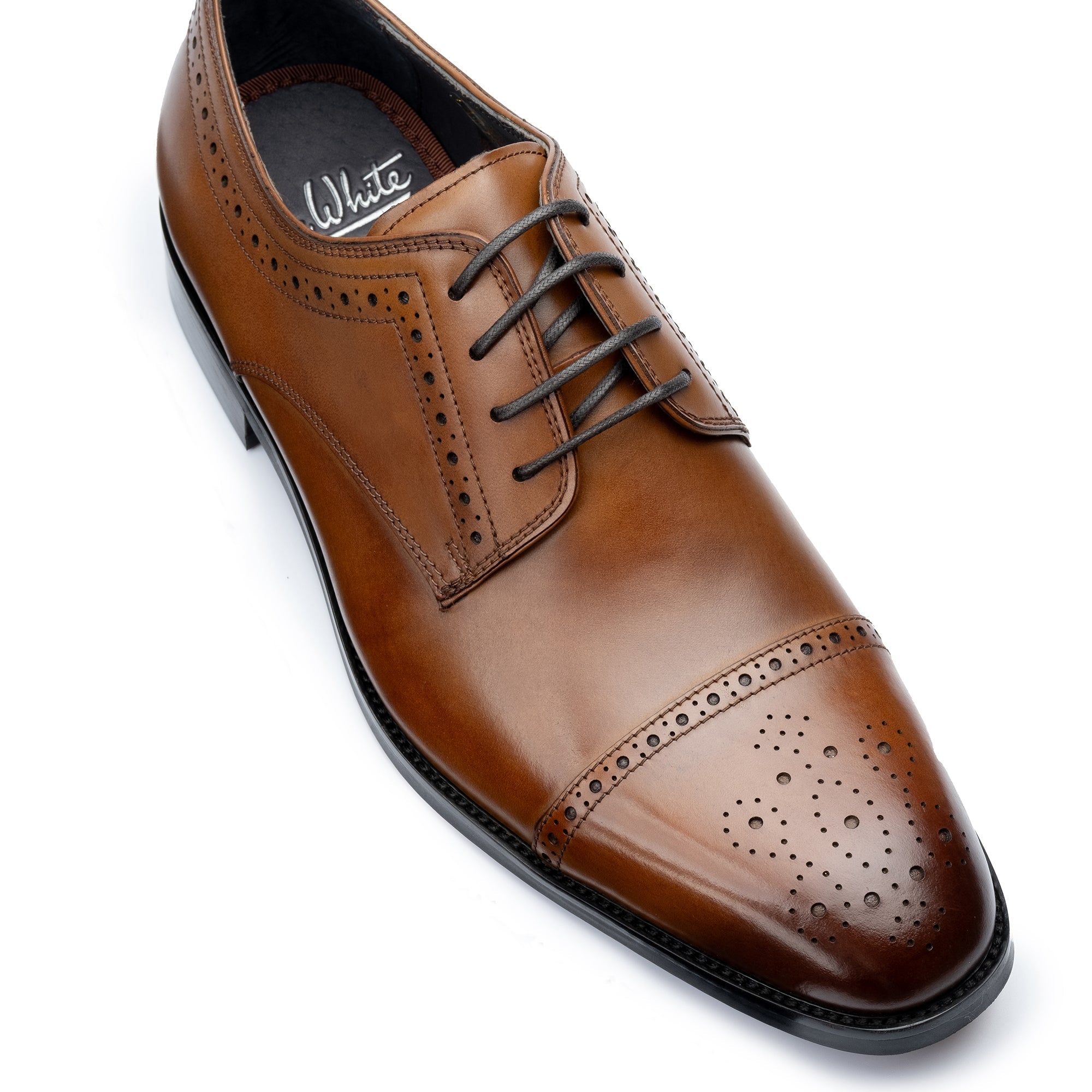
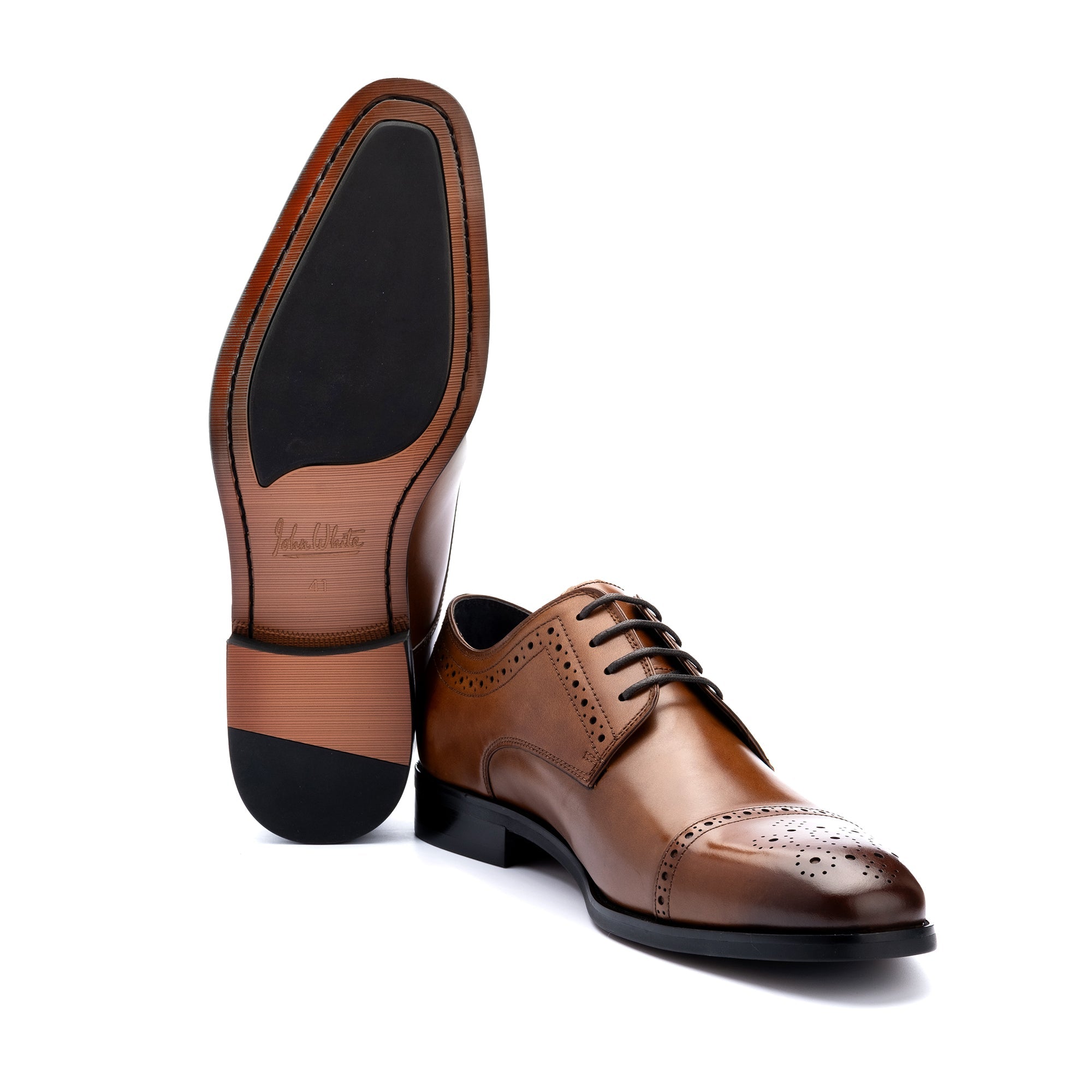
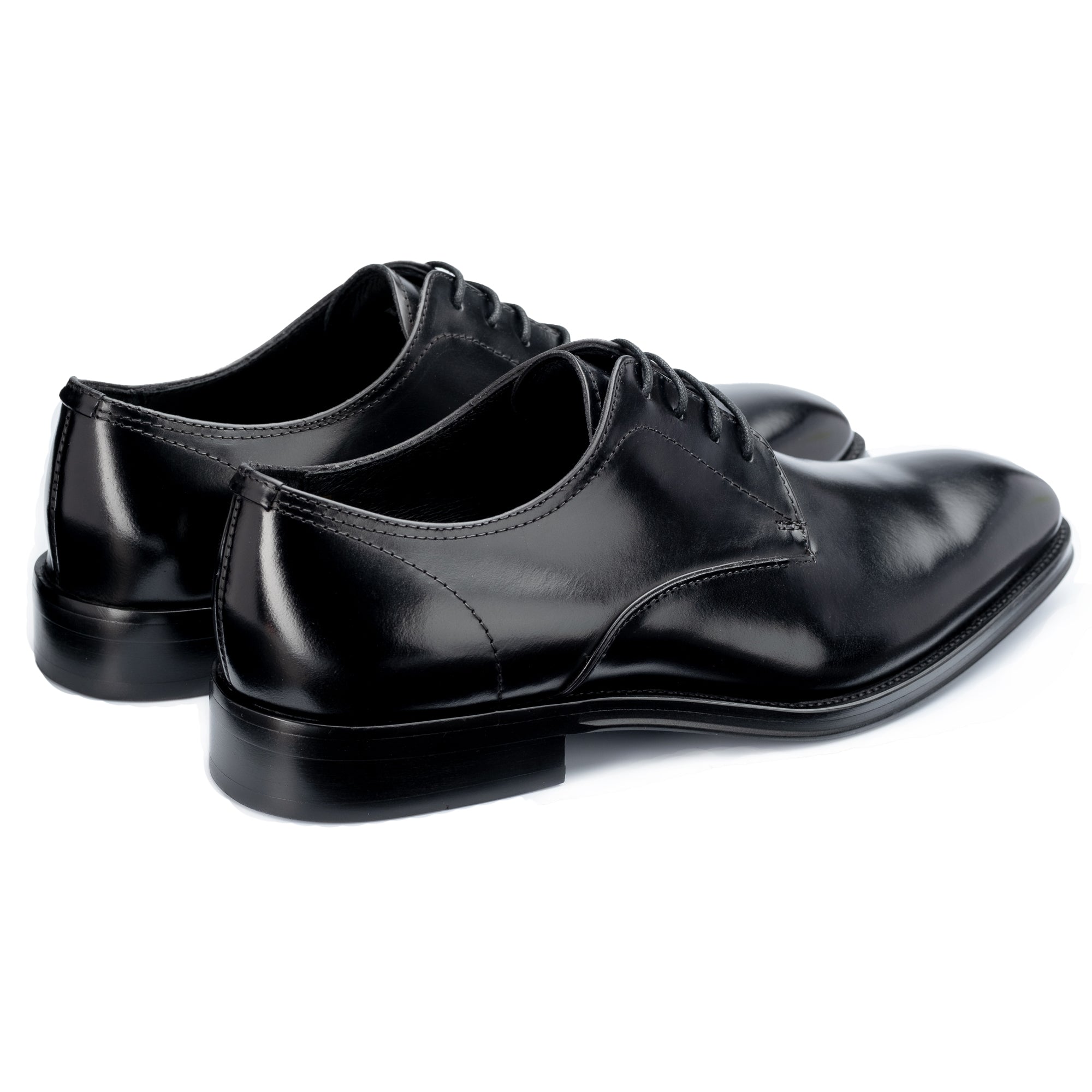
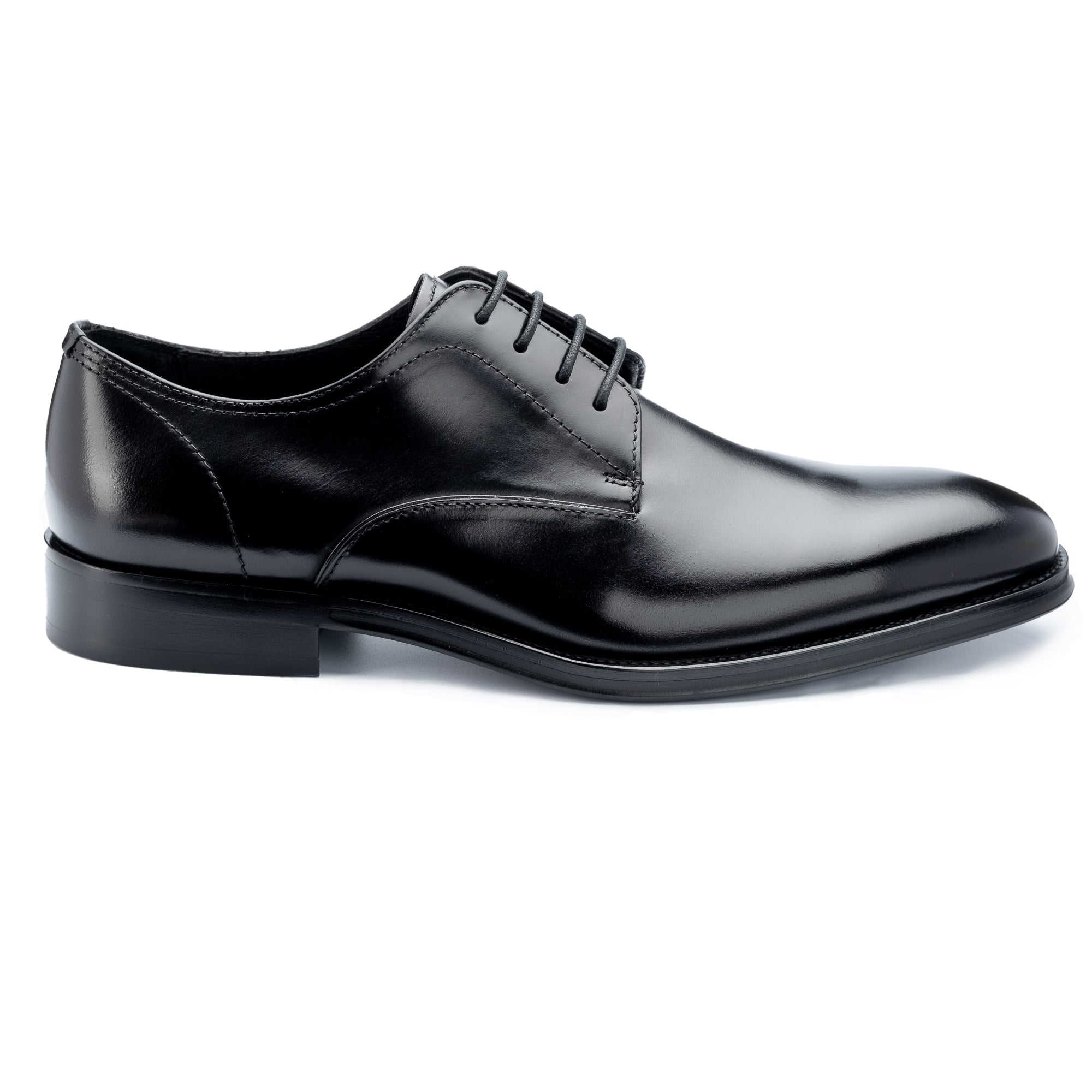
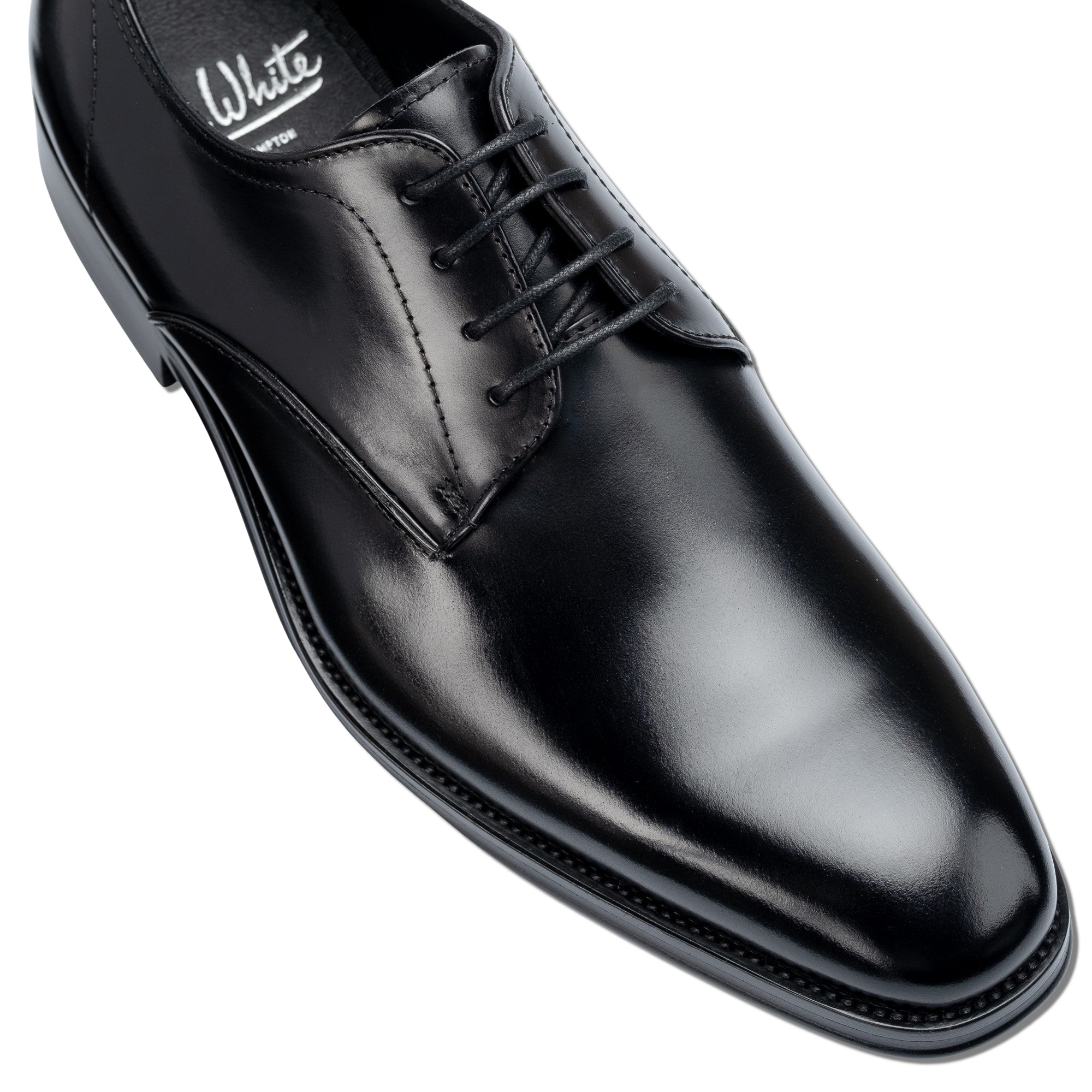
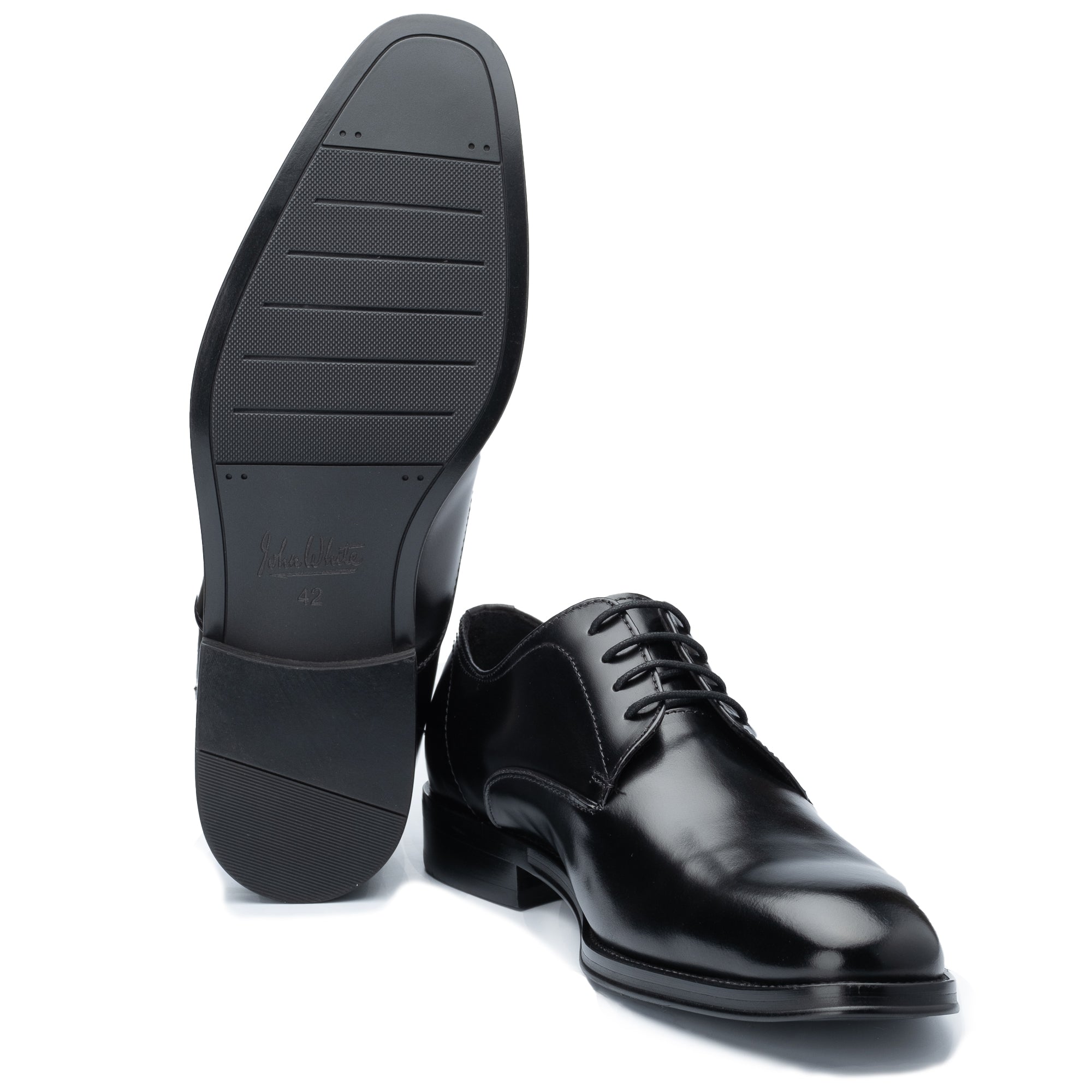
The last determines everything: the toe shape (round, square, pointed, chisel), the pitch of the heel, the width at the ball, the instep height, and the toe spring — the subtle upward curve at the tip that controls how a shoe flexes when you walk. Change any one of these dimensions by a few millimetres and you've changed the shoe entirely.
According to the Heritage Crafts Association, which monitors endangered traditional skills in the United Kingdom, last-making is among the most vulnerable craft specialisms in the country — with fewer than a handful of dedicated hand last-makers still commercially active in Britain today.
The last is the single most important factor in how a shoe fits — more important than leather grade, construction method, or price point.
How Were British Shoe Lasts Traditionally Made by Hand?
Until the mid-20th century, lasts were carved entirely by hand. The process began with a block of close-grained hardwood — typically beech, prized for its density and resistance to splitting under the stress of lasting — rough-cut on a lathe before a skilled last-maker refined every surface by hand.
The hand stages involved:
- Roughing out — removing bulk material with draw knives and rasps to establish the basic foot profile
- Heel seat shaping — defining the seat bone point where the heel rests, critical for heel cup comfort
- Ball fitting — carving the widest point to the specified girth measurement at the metatarsal heads
- Toe shaping — defining the style profile; the last-maker worked directly from a designer's drawings or a client's tracings
- Spring calibration — setting the toe spring angle, typically 15–25 degrees depending on intended construction method
- Finishing — smoothing the entire surface with progressively finer tools, then sealing with shellac or lacquer
A skilled last-maker could produce a pair in a full working day. A bespoke pair — made from an individual's foot measurements — might take two days, with corrections after the first fitting shoe was worn.
The Worshipful Company of Cordwainers, one of the ancient livery companies of the City of London, notes in its historical records that last-making had emerged as a distinct specialist trade by the 17th century — separate from cordwaining, clicking, and closing — each requiring its own apprenticeship and body of learned skill.
British hand-carved lasts represented a body of tacit knowledge about foot anatomy, gait mechanics, and material behaviour — knowledge built across generations and passed master to apprentice, not written in any manual.
What Are the Key Measurements That Define a Shoe Last?
A professionally engineered last isn't simply foot-shaped. It encodes dozens of precise measurements, each affecting a different aspect of how the finished shoe fits and wears over time.
| Measurement | What It Defines | Why It Matters |
|---|---|---|
| Heel seat width | Width at the back of the heel cup | Controls heel slip and blister formation |
| Ball girth | Circumference at the widest part of the foot | Determines width fitting (E, EE, etc.) |
| Instep height | Height over the top of the foot | Affects fastening tightness and dorsal comfort |
| Toe spring | Upward angle of the toe tip | Controls flex point and walking energy return |
| Waist reduction | Narrowing behind the ball | Creates visual elegance and arch support feel |
| Heel pitch | Height differential between heel and toe | Determines posture and heel height compatibility |
According to British footwear industry technical standards, a production last encodes a minimum of 22 distinct linear measurements before a single shoe can be lasted onto it — and each must be consistent to within 0.5 mm across a graded run.
A last's measurements aren't merely technical specifications — they're a physical argument about how the human foot should be supported, shaped, and moved.
Why Is Northamptonshire Central to British Last-Making Heritage?
Northamptonshire became England's shoemaking heartland through geography and commerce: proximity to cattle-rearing regions, easy river transport, and a dense network of specialist tradespeople who concentrated in towns including Northampton, Kettering, Rushden, and Wellingborough.
By the early 20th century, Northamptonshire was producing over 30 million pairs of shoes annually. Supporting industries — including last-making, lasting pincers manufacture, and leather dressing — formed an interconnected ecosystem of trades. Brands born from this tradition, including Loake (Kettering, since 1880), Barker (Earls Barton, since 1880), Grenson (Rushden, since 1866), Church's (Northampton, since 1873), and Crockett & Jones (Northampton, since 1879), all drew on the same pool of specialist knowledge and craft infrastructure.
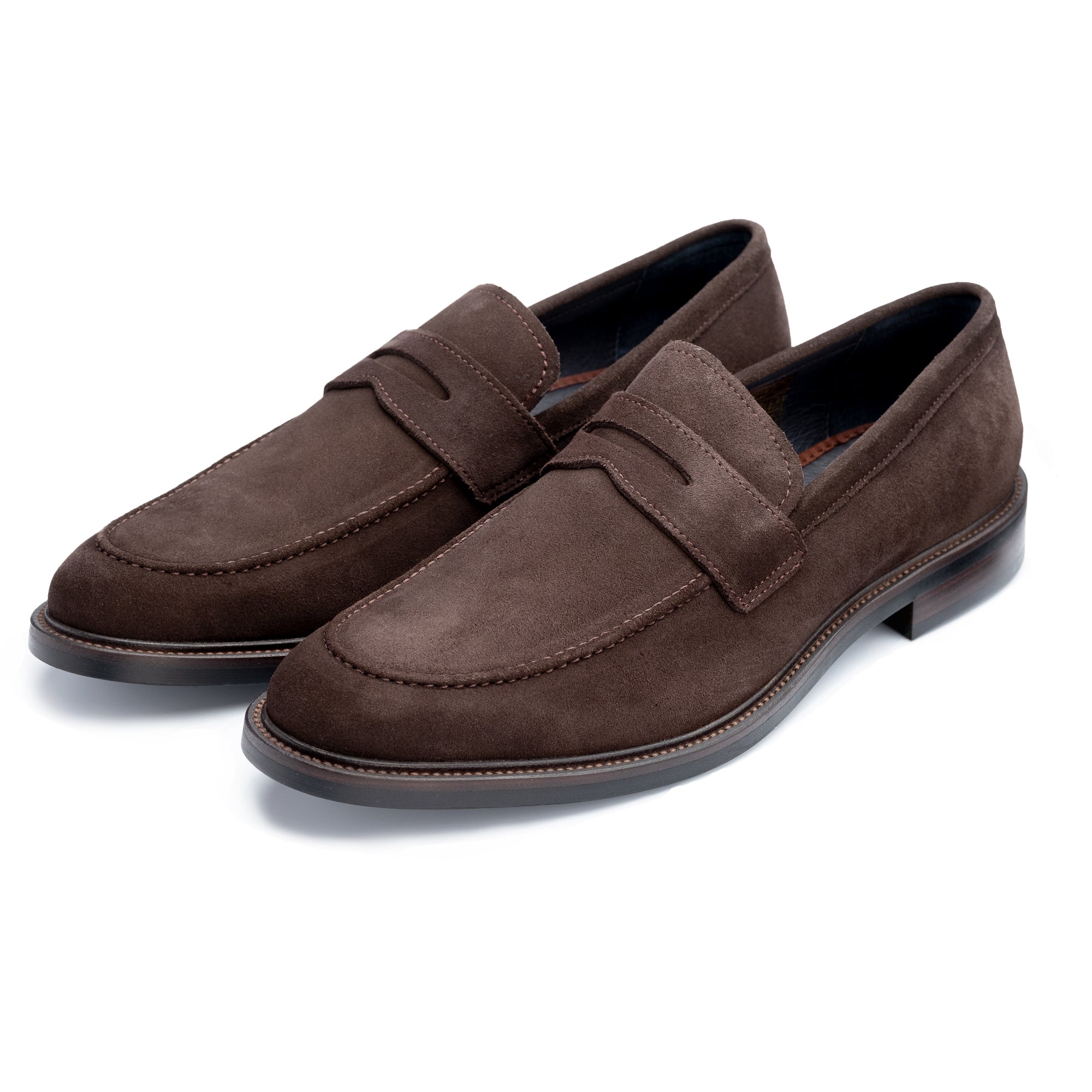
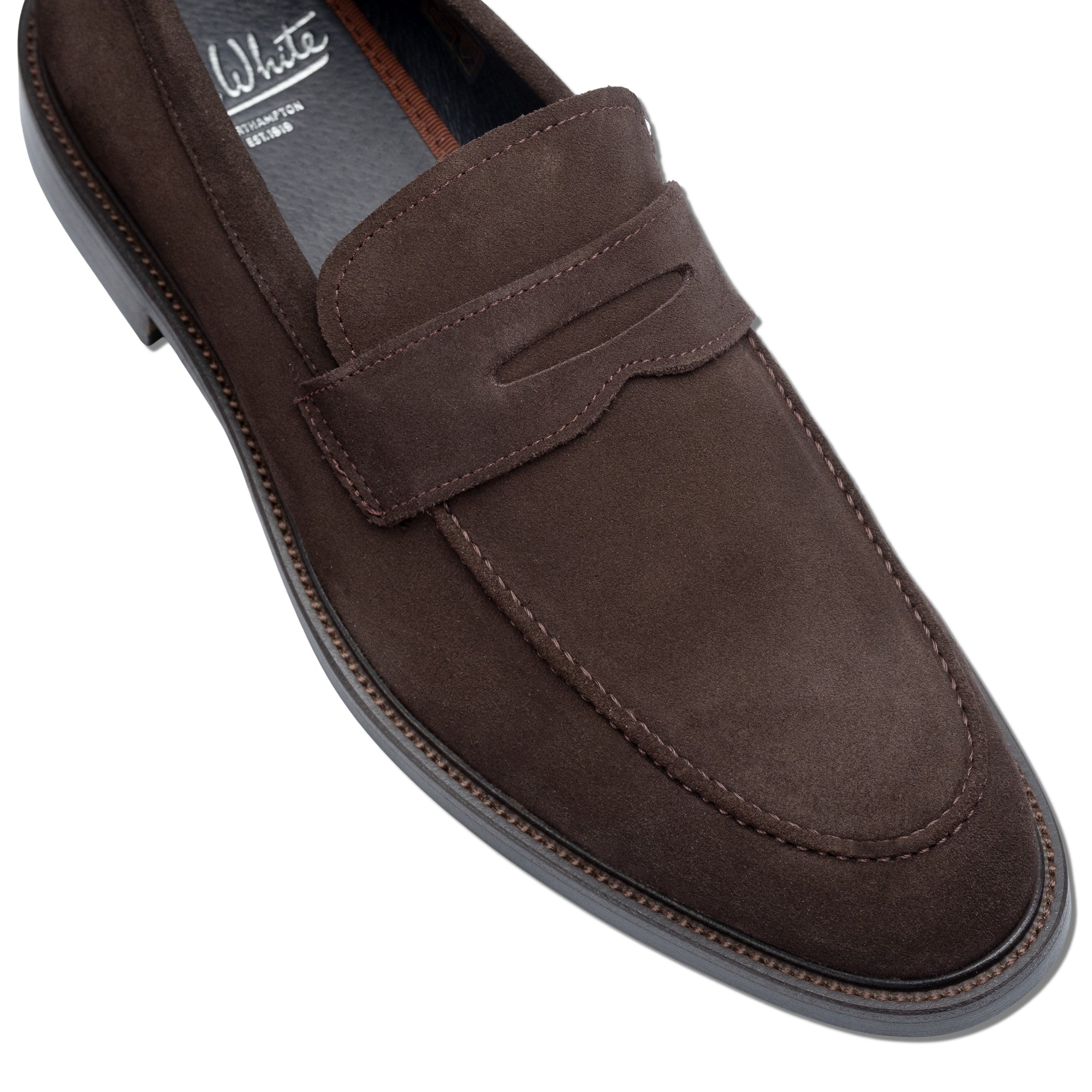
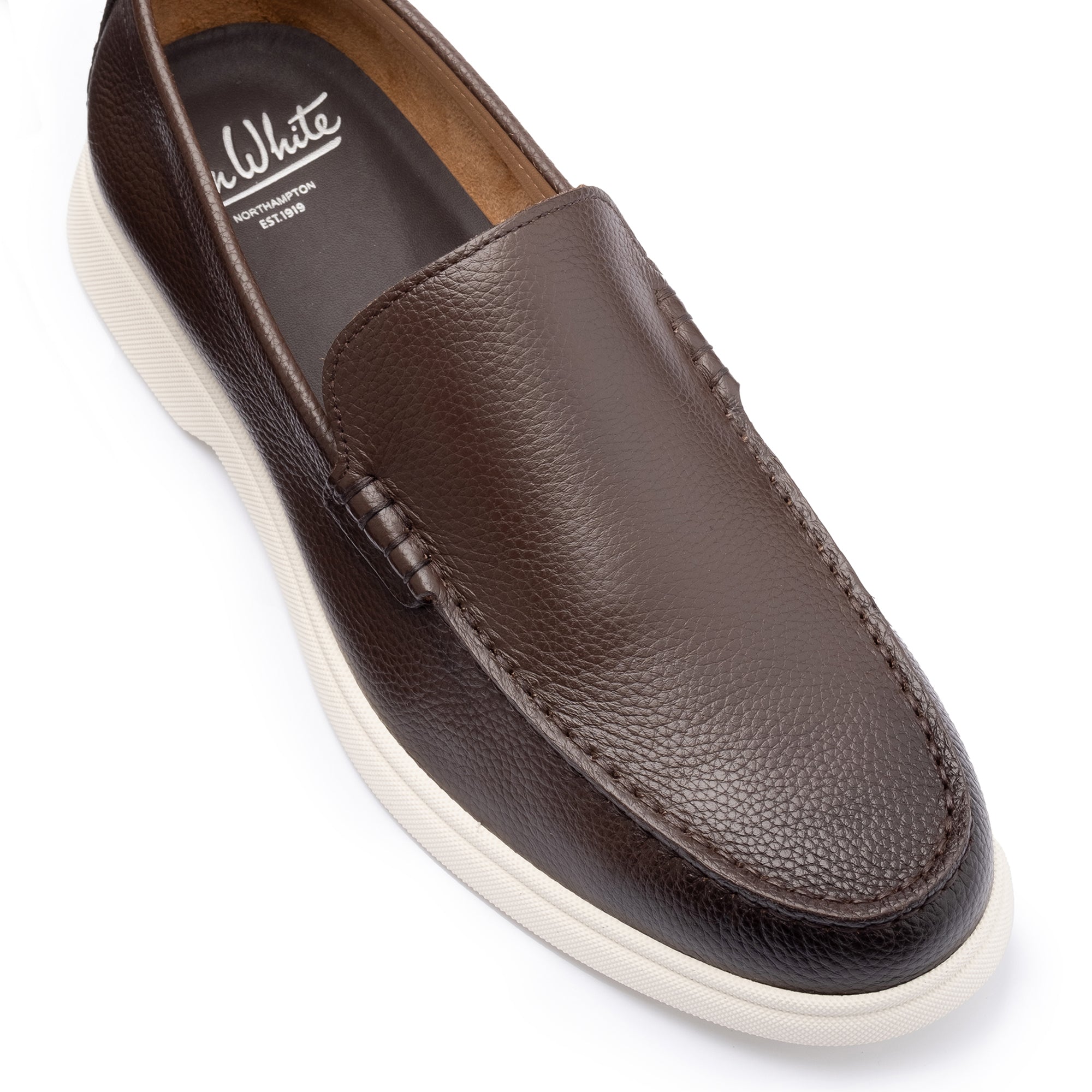
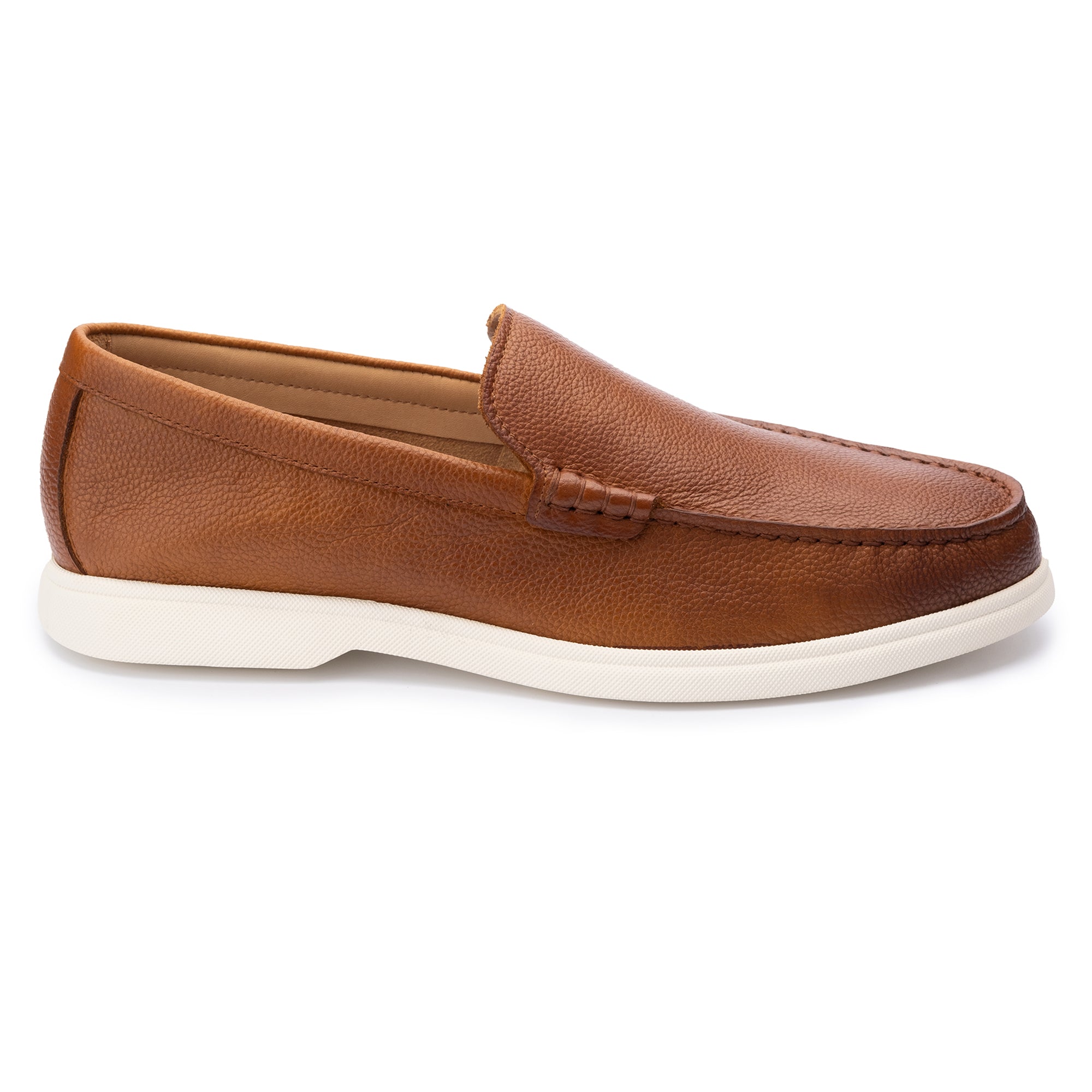
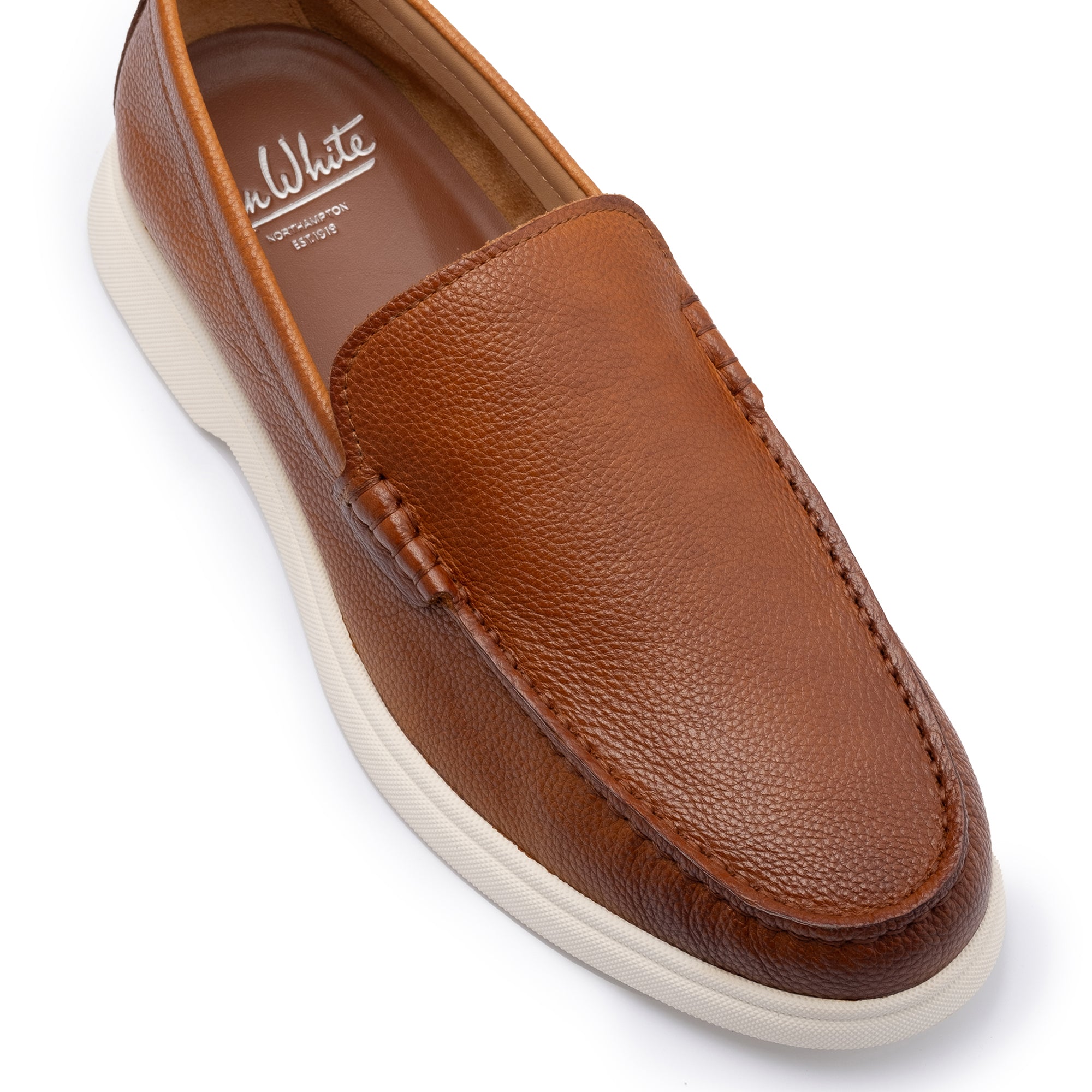
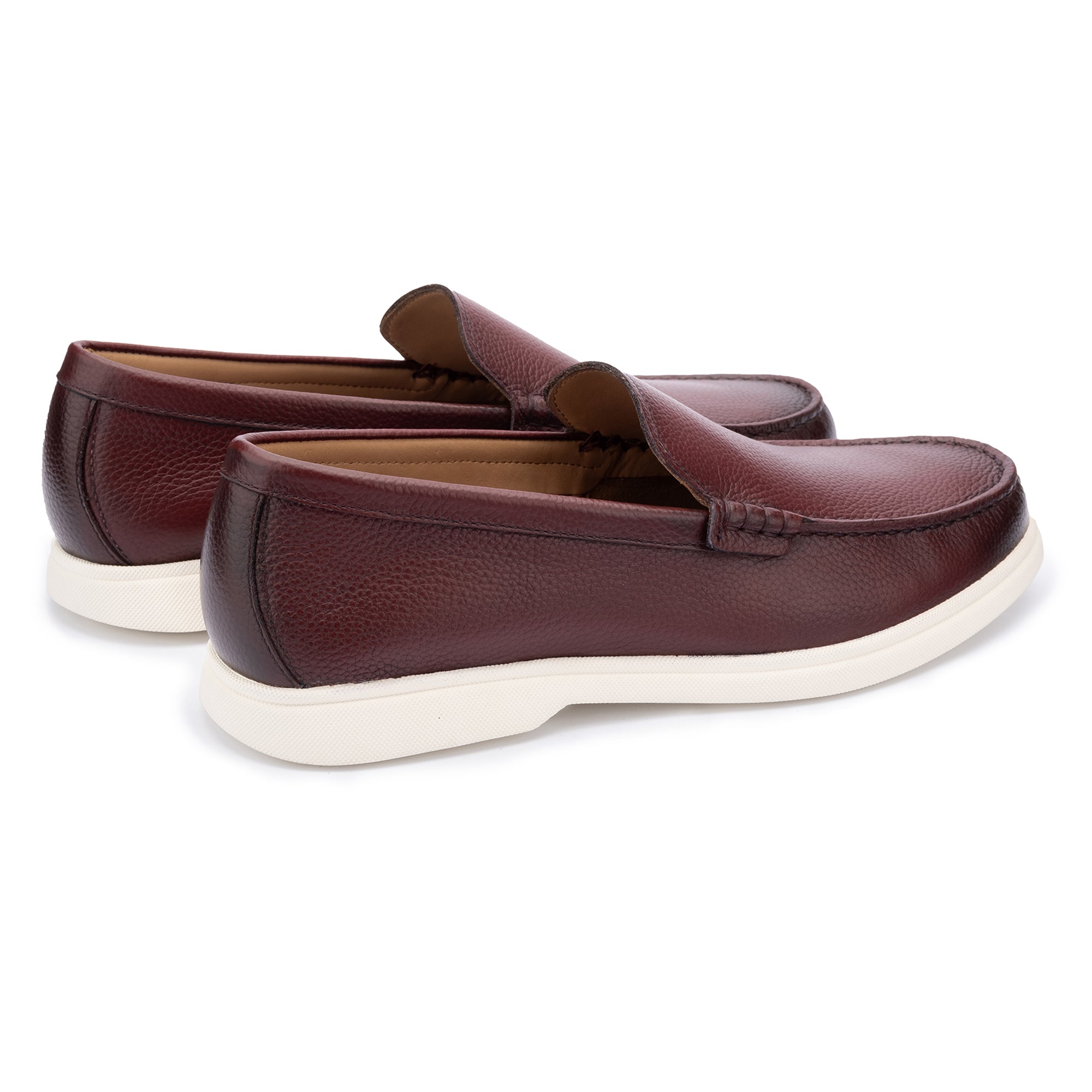
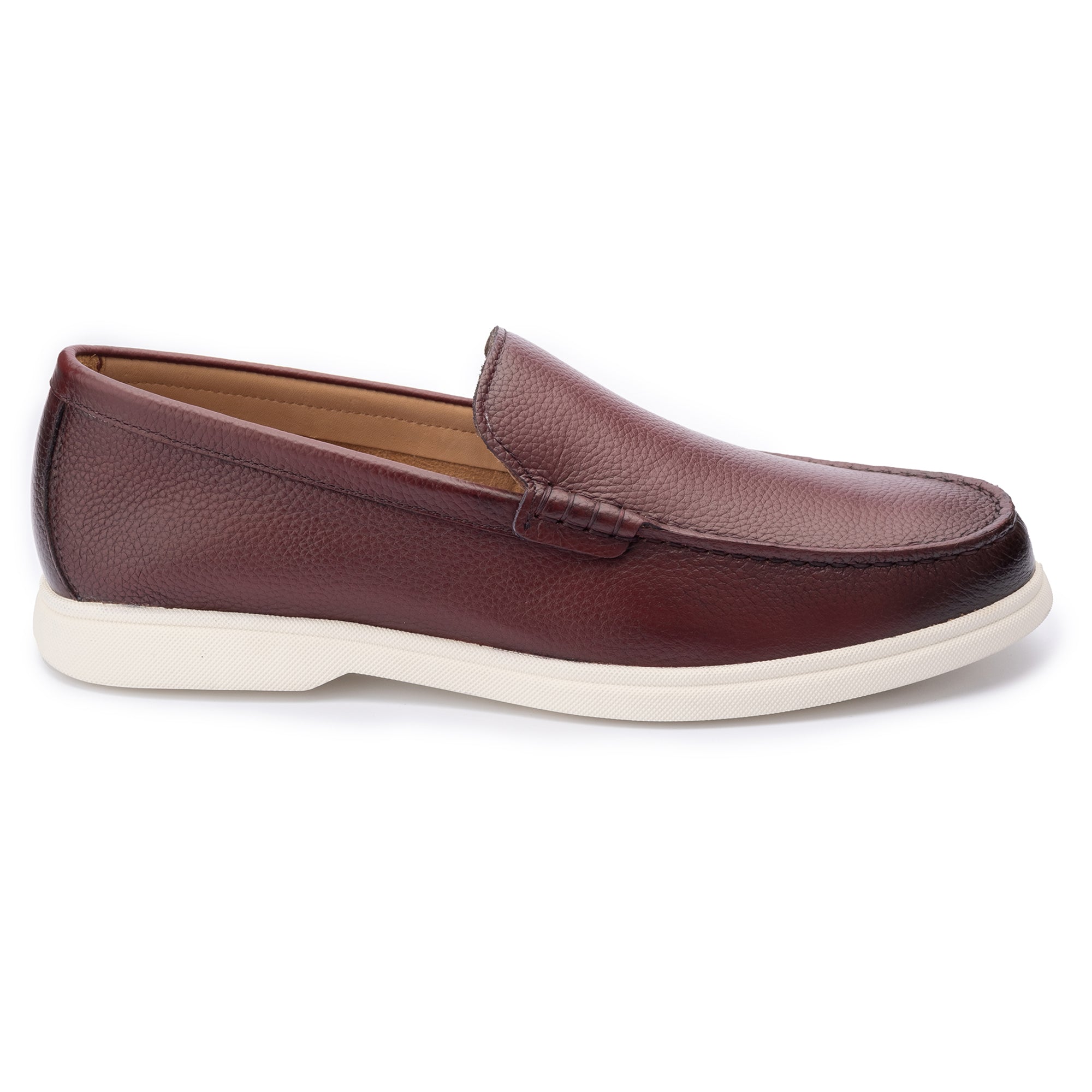
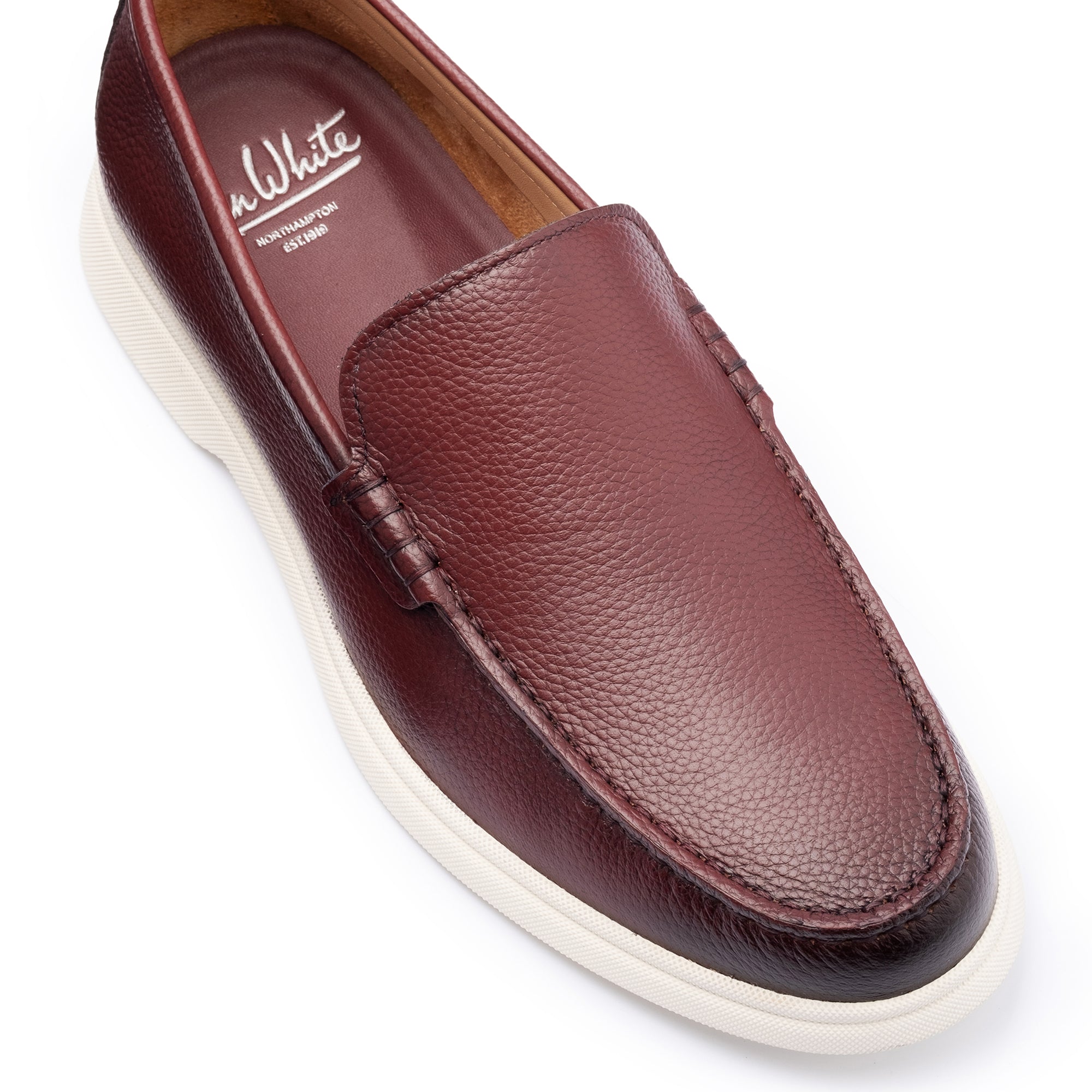
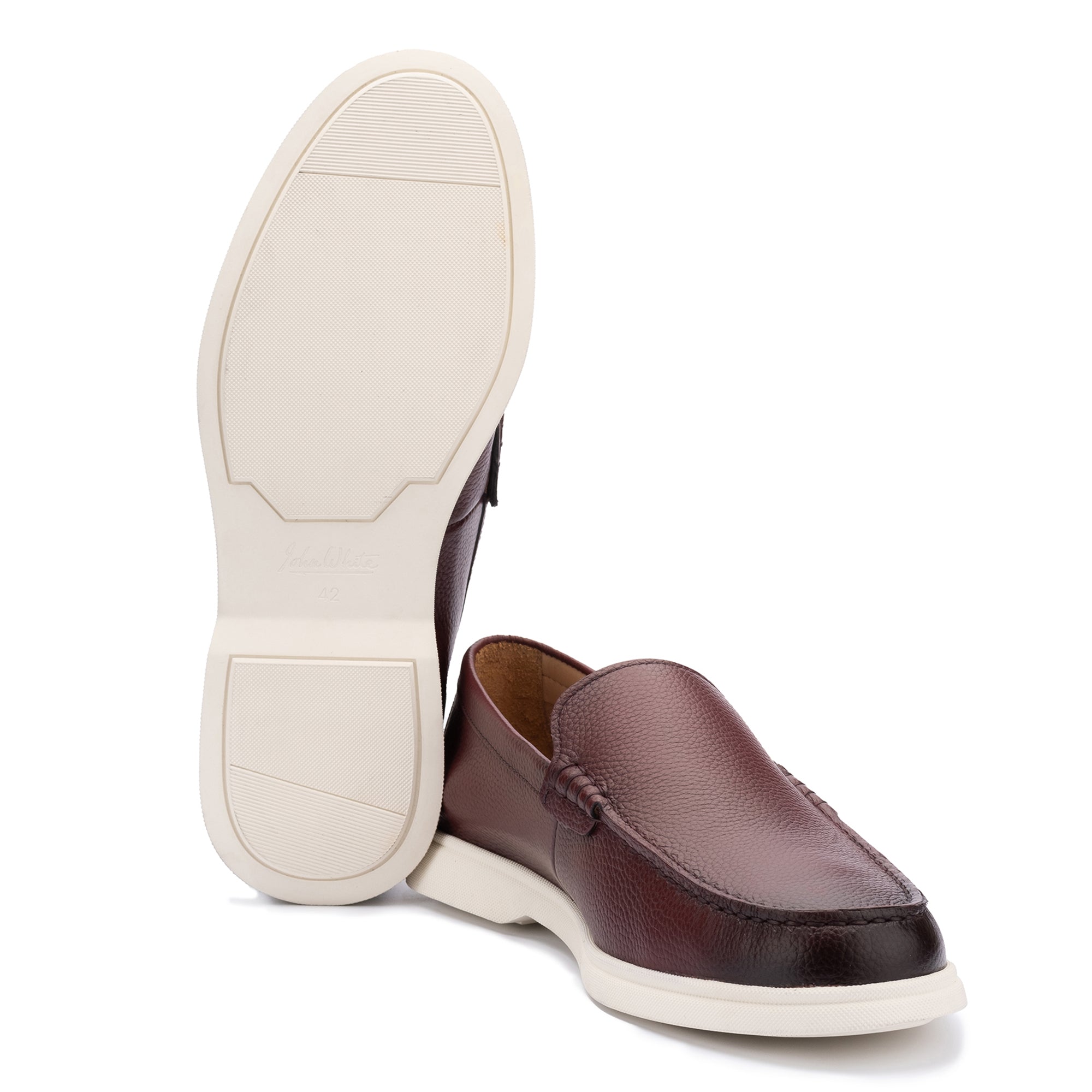
John White Shoes, founded in 1919 in Northamptonshire by a shoemaker with 23 years of prior experience in the trade, grew from within this same ecosystem. That heritage informs how we think about footwear design today — including the enduring importance of last shape in the shoes we curate and select. For more on this history, our guide to the story behind British shoemaking and our piece on 105 years of Northampton tradition cover the wider context in full.
Northamptonshire's last-making heritage isn't a historical footnote — it's the reason British footwear design carries a global authority that newer manufacturing centres haven't yet replicated.
How Did CNC Technology Change Last-Making?
Since the 1980s, computer-aided design and CNC milling transformed last production. A digital last file can now be milled in nylon to tolerances tighter than any hand tool achieves, and one master file produces lasts in every size of a graded run consistently.
That's both an advance and a loss. CNC milling is precise and repeatable. But the tacit knowledge that a hand last-maker held — the way a particular foot's instep behaves, the subtle asymmetries between a left and right foot, the learned sense of how 2 mm at the ball girth translates into perceptible comfort — doesn't transfer cleanly into a digital file.
The result is a bifurcation in the industry. Volume production uses CNC nylon lasts, graded mechanically. A small number of bespoke and made-to-measure shoemakers — including some still operating in Northamptonshire — continue to commission hand-finished lasts for clients who require a truly individual fit.
Modern last-making is faster and more scalable than ever, but the craft knowledge that shaped British shoemaking for three centuries can't be fully compressed into a digital workflow.
How Does Last Design Affect the Shoes You Actually Buy?
For a customer choosing between two pairs of leather shoes at comparable price points, last design is almost certainly the deciding factor in long-term satisfaction — yet it's rarely labelled or explained at point of sale.
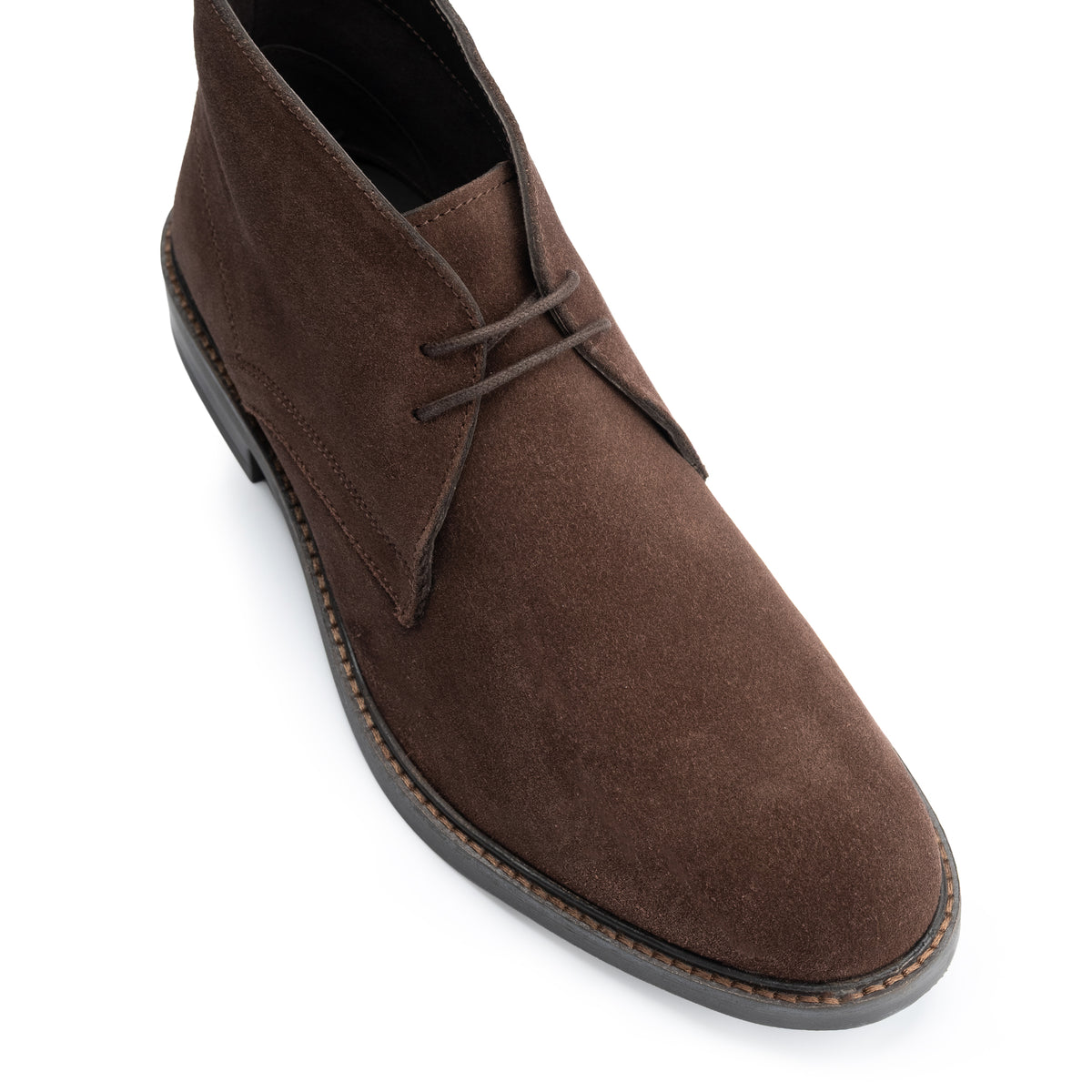
A shoe built on a generous, anatomically considered last feels comfortable from the first wear, holds its shape over years of use, and develops a patina that reflects its structure. A shoe built on a compromised last — one designed for visual impact rather than foot function — may look good in the box but create discomfort within an afternoon's wear.
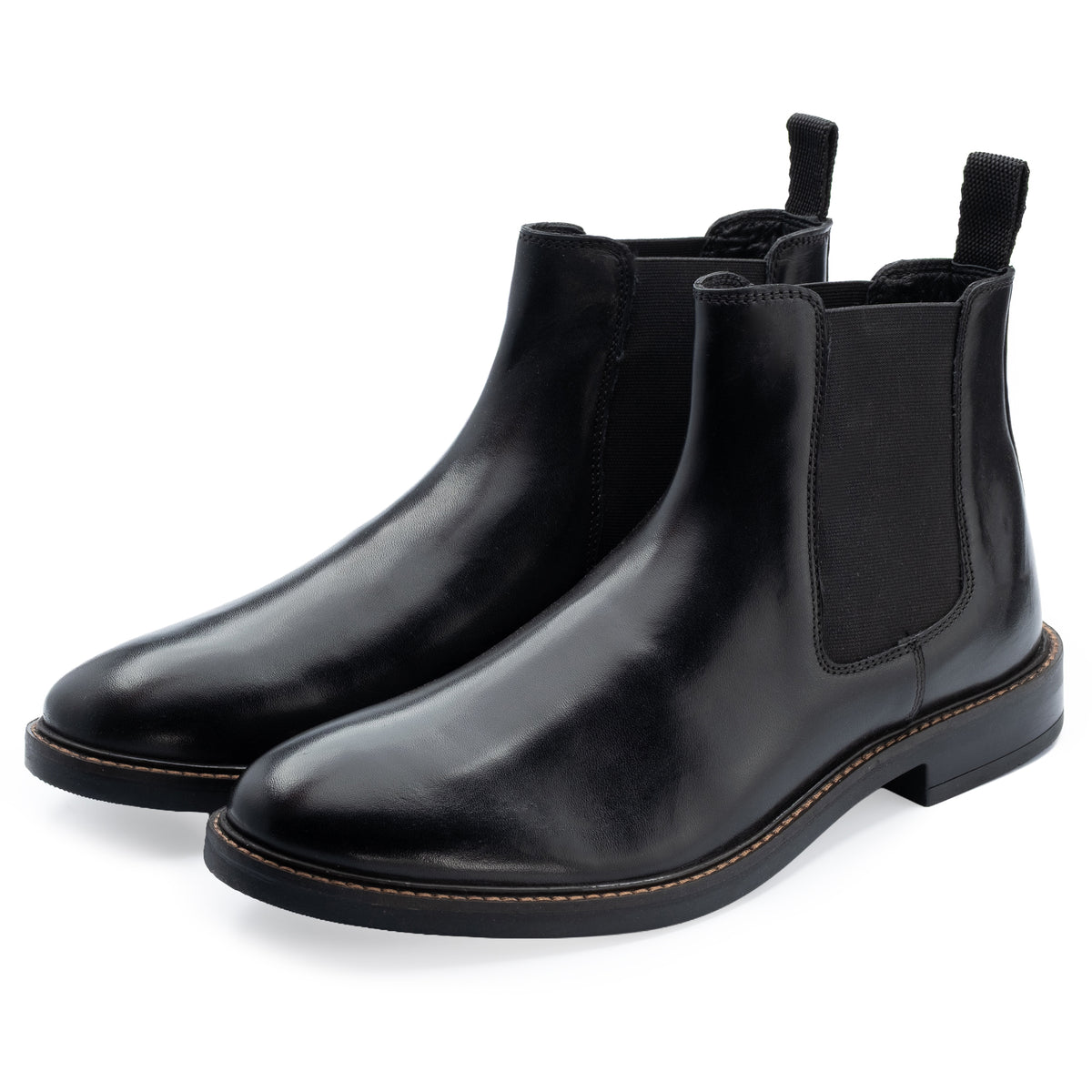
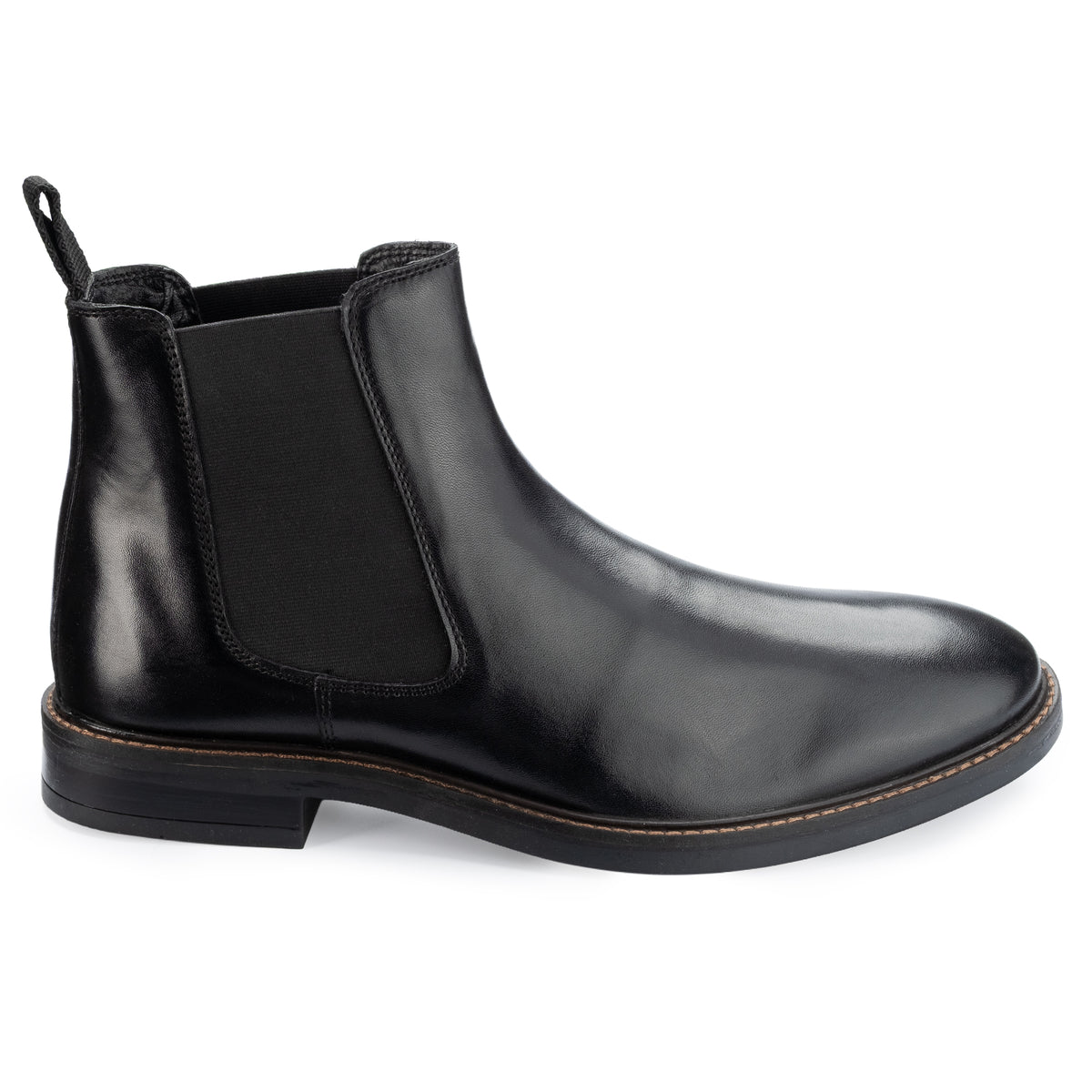
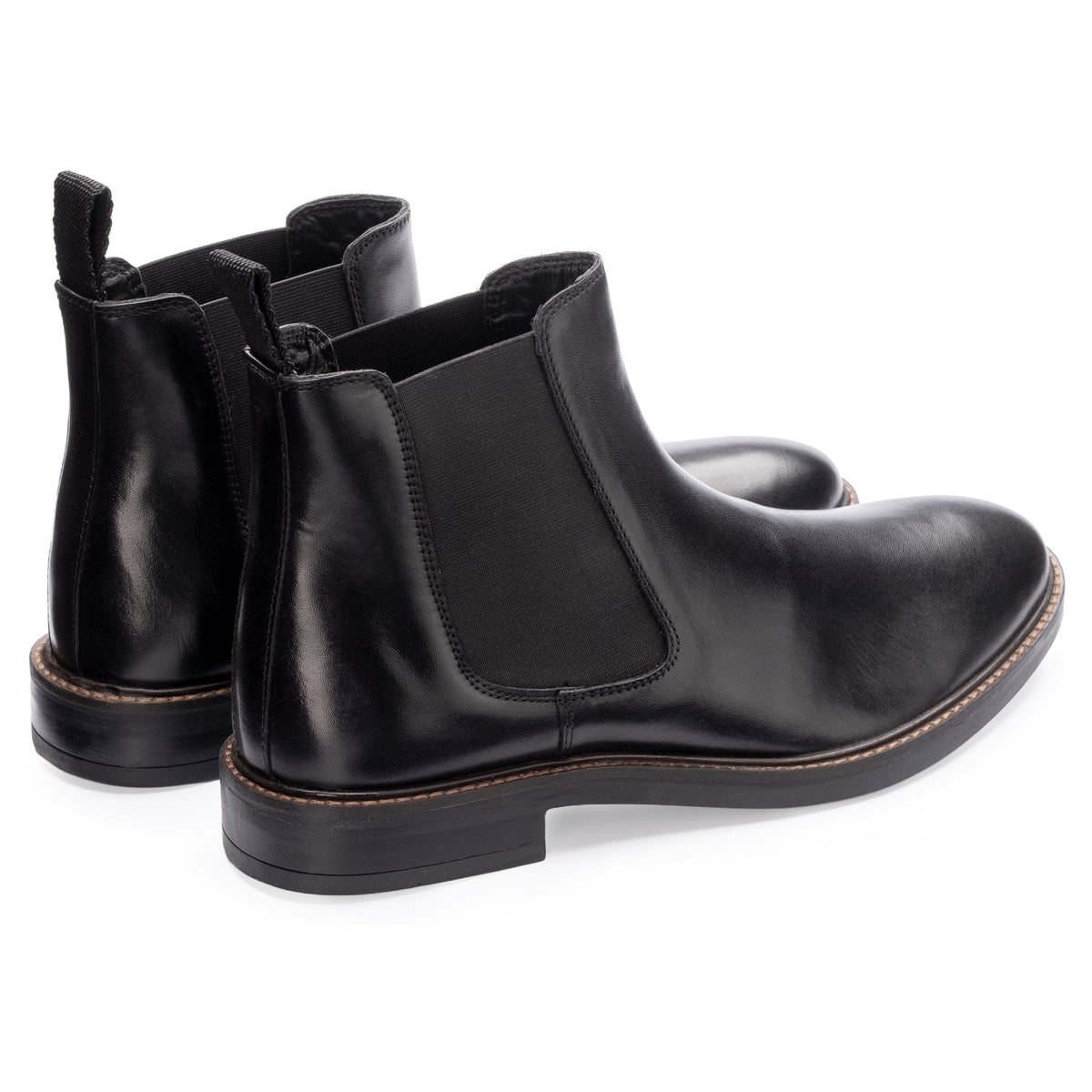
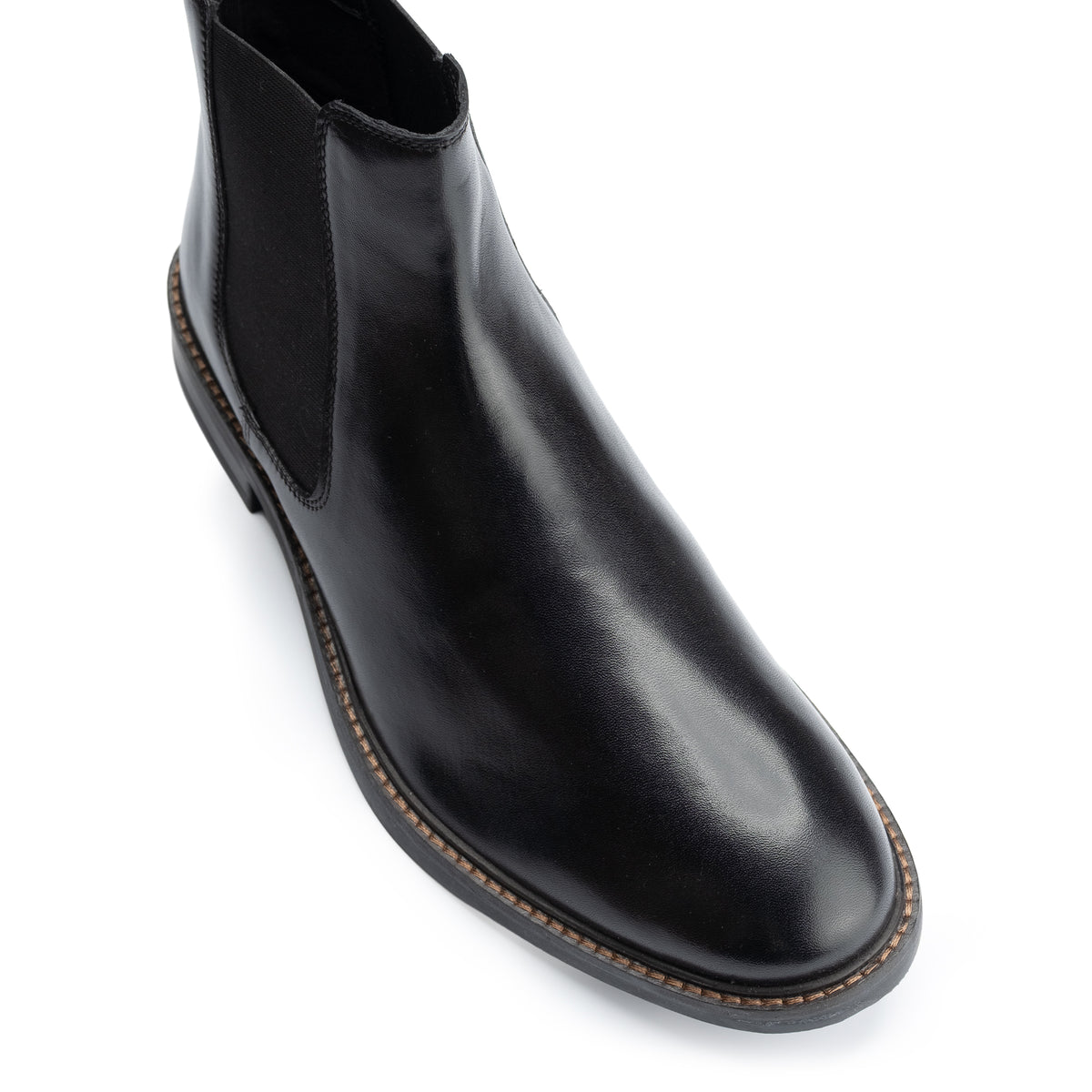
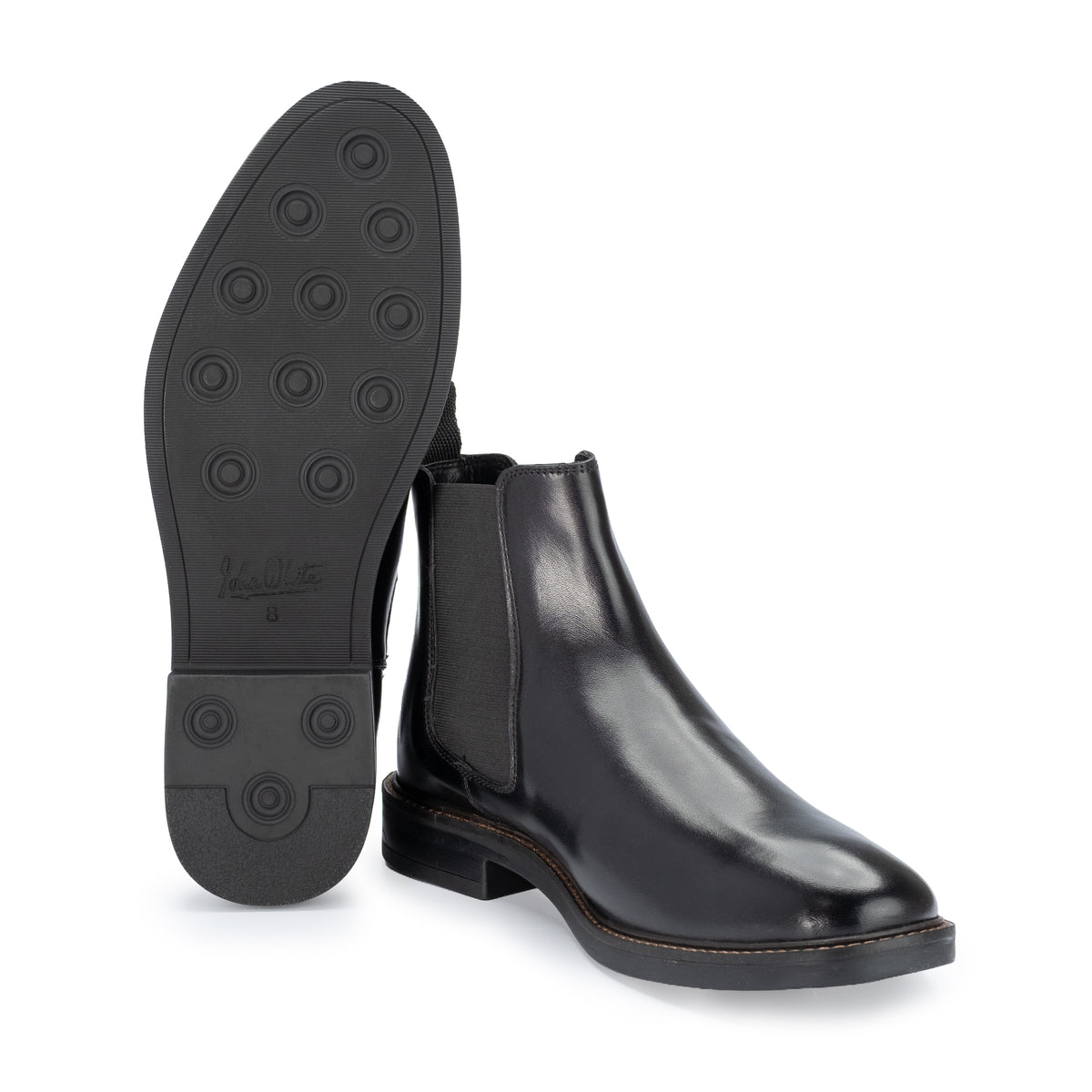
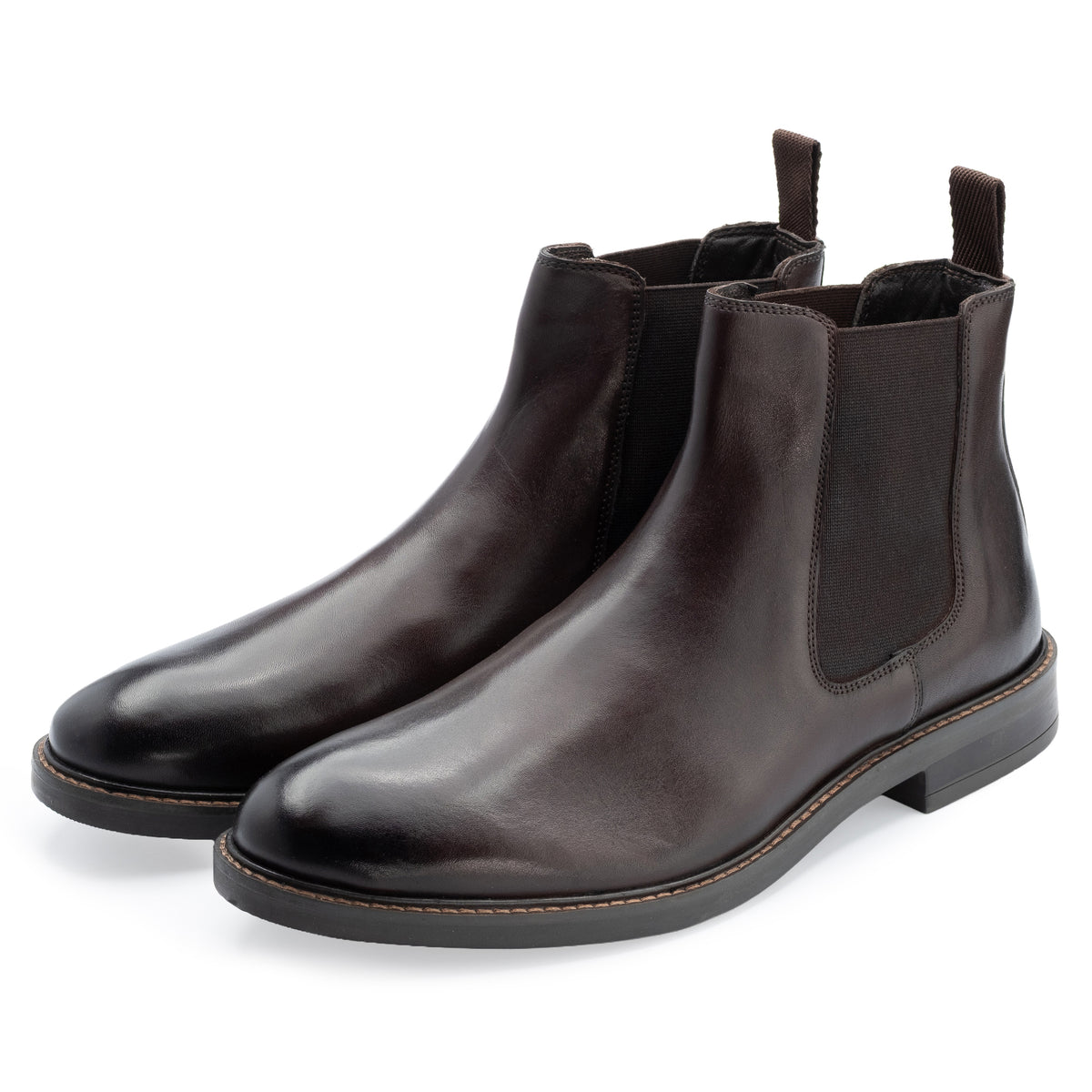
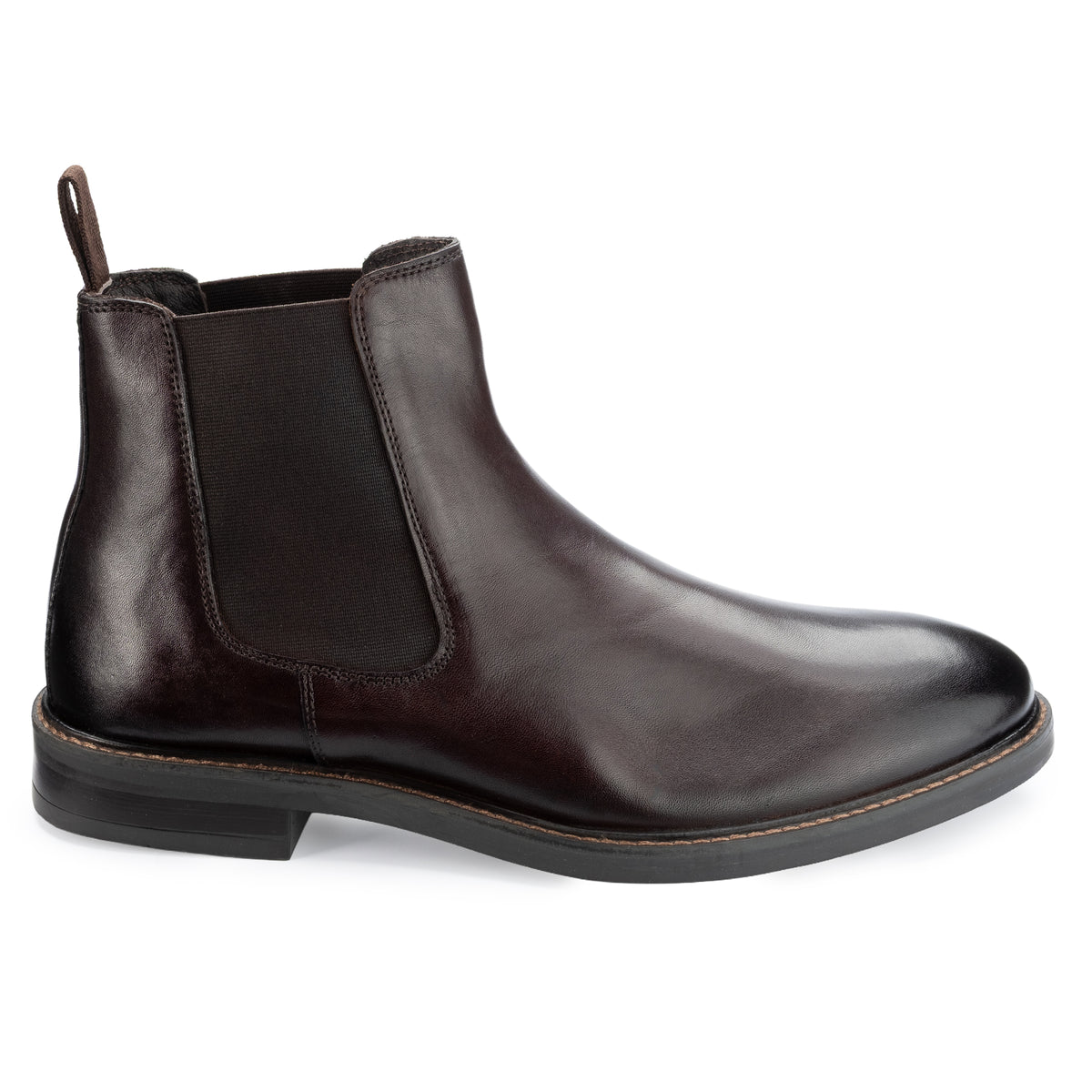
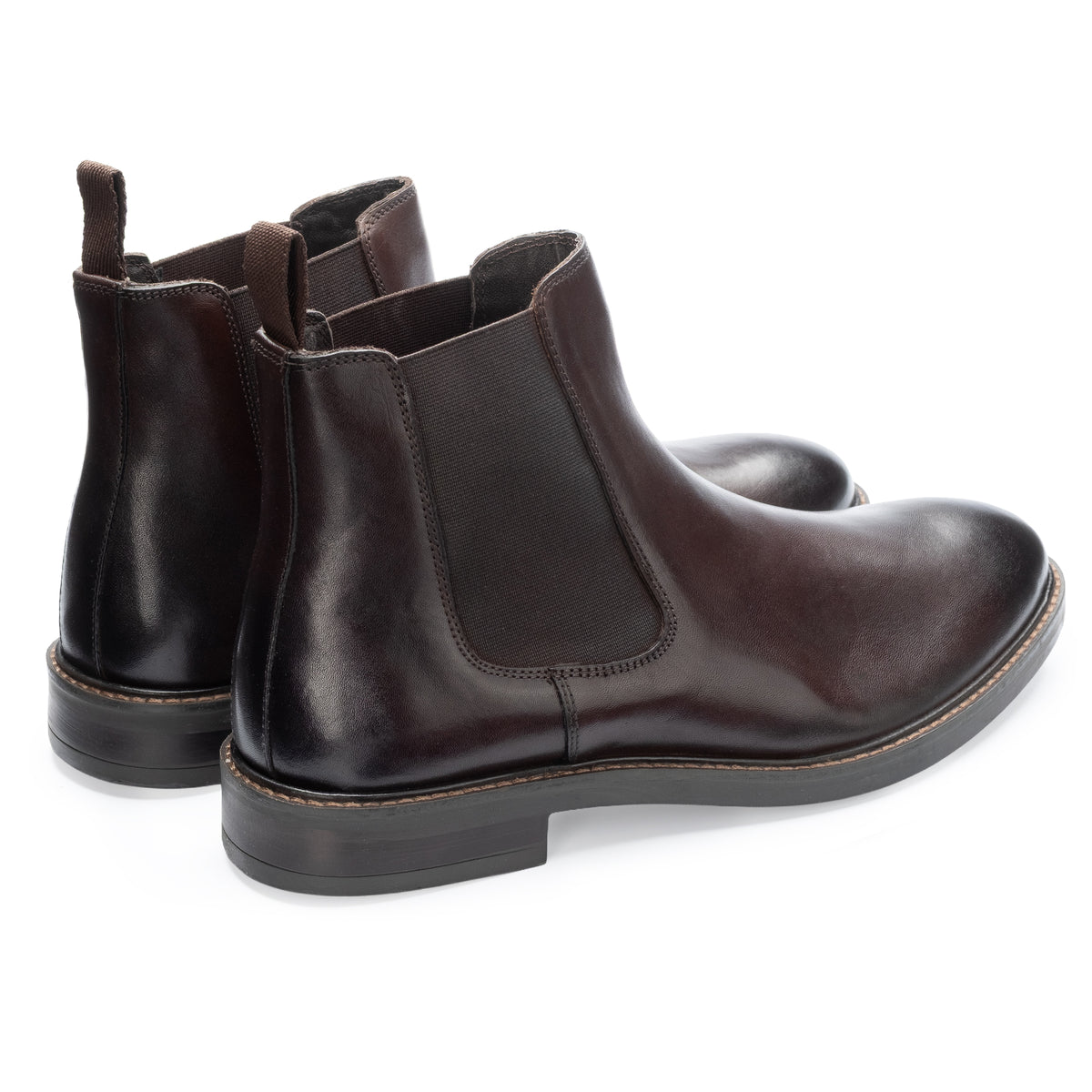
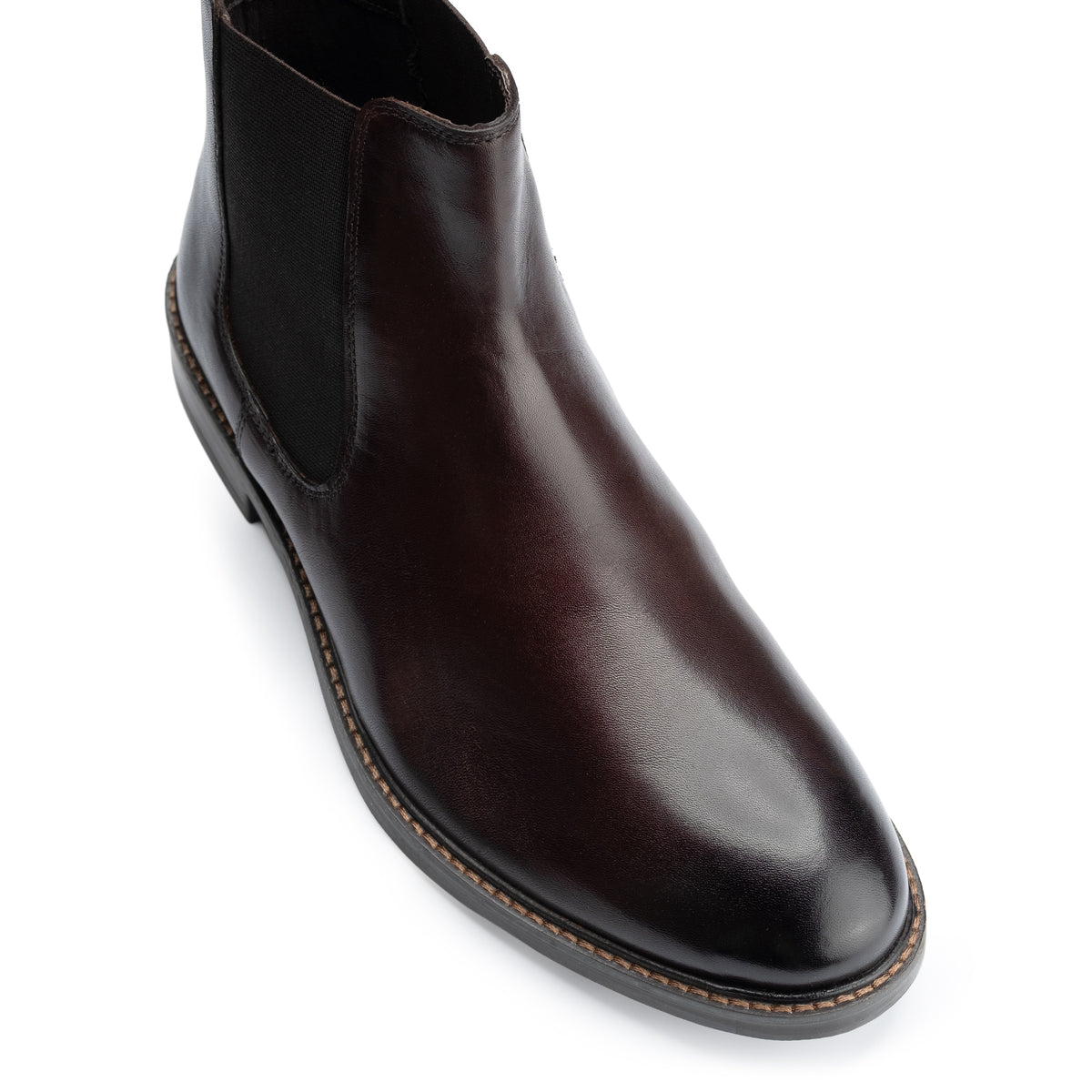
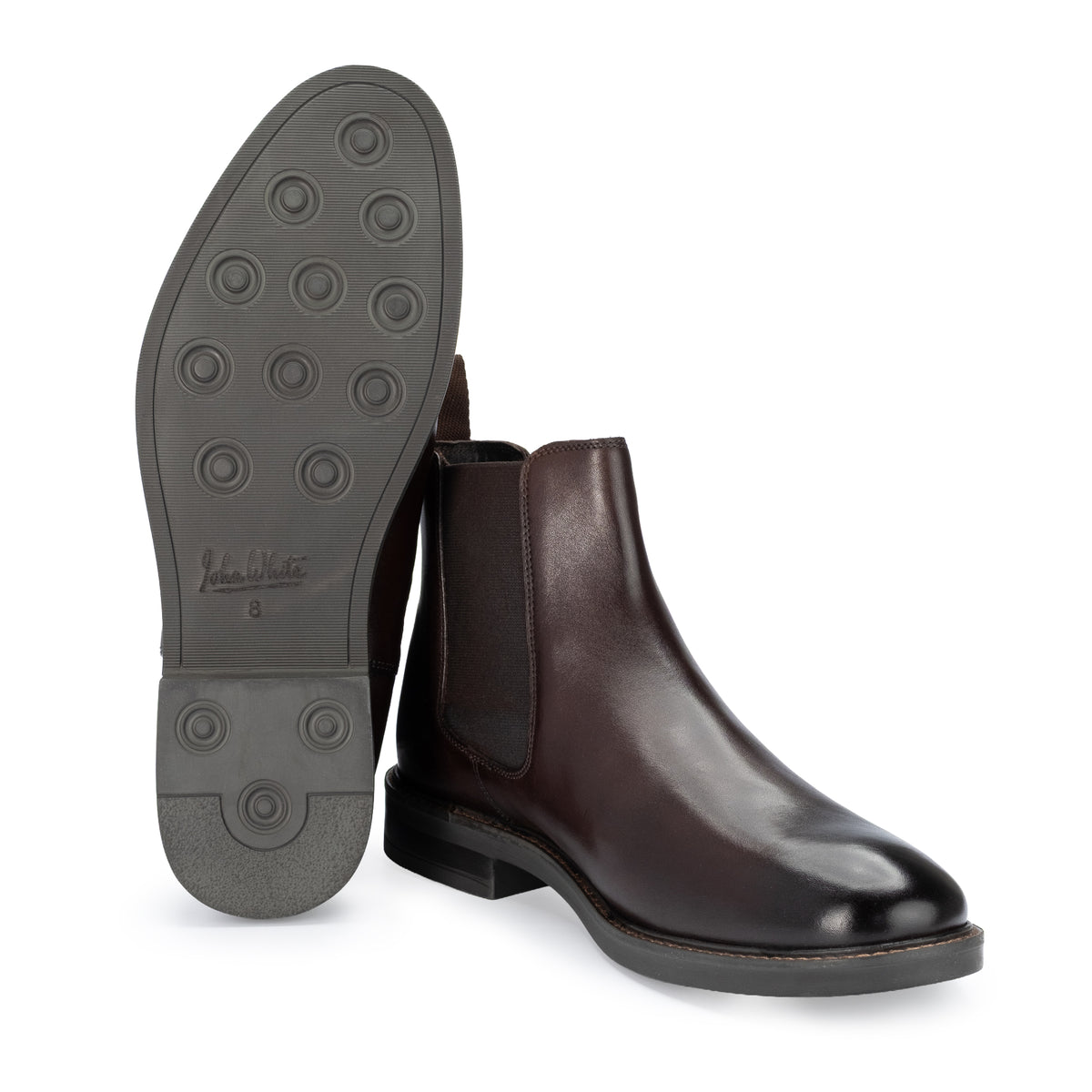
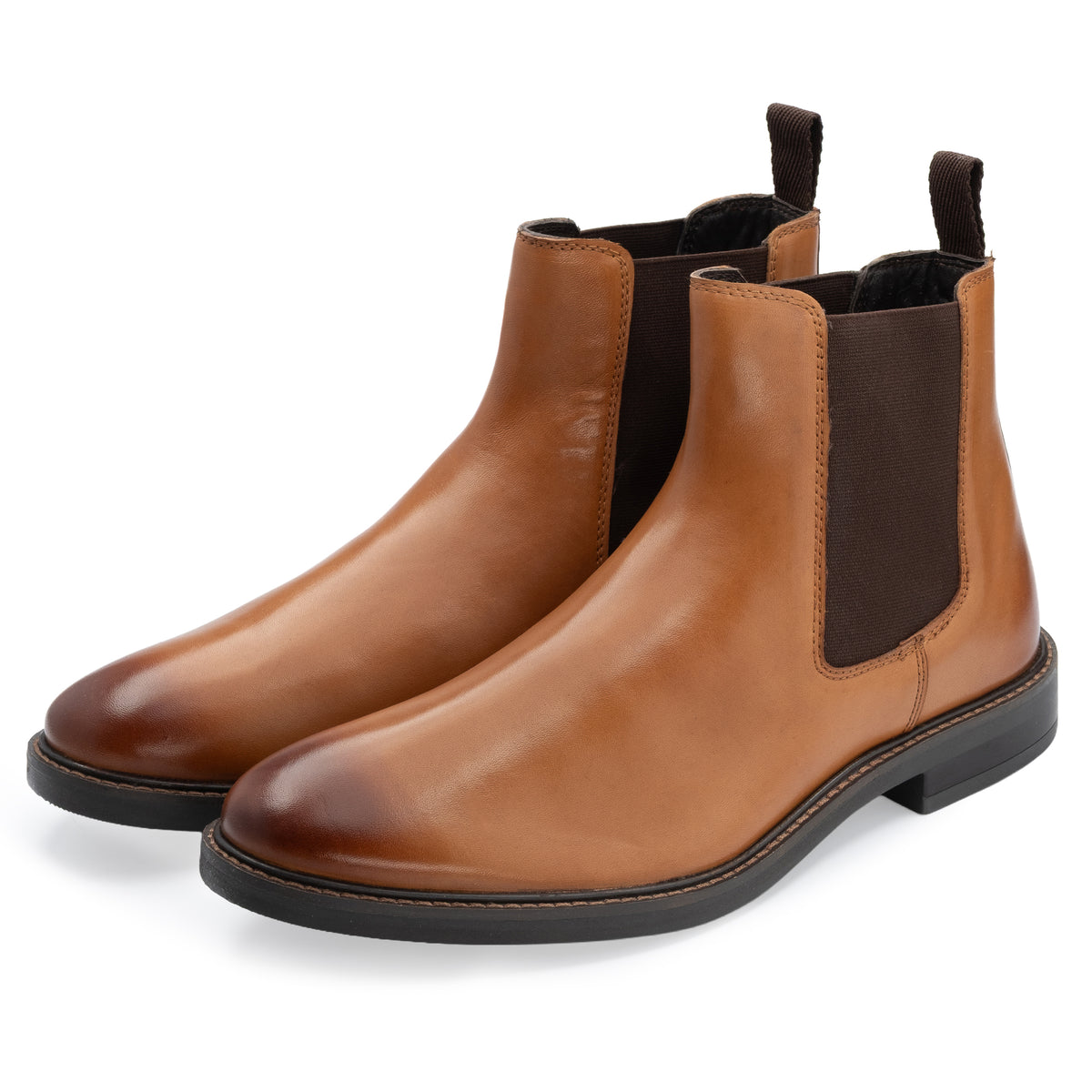
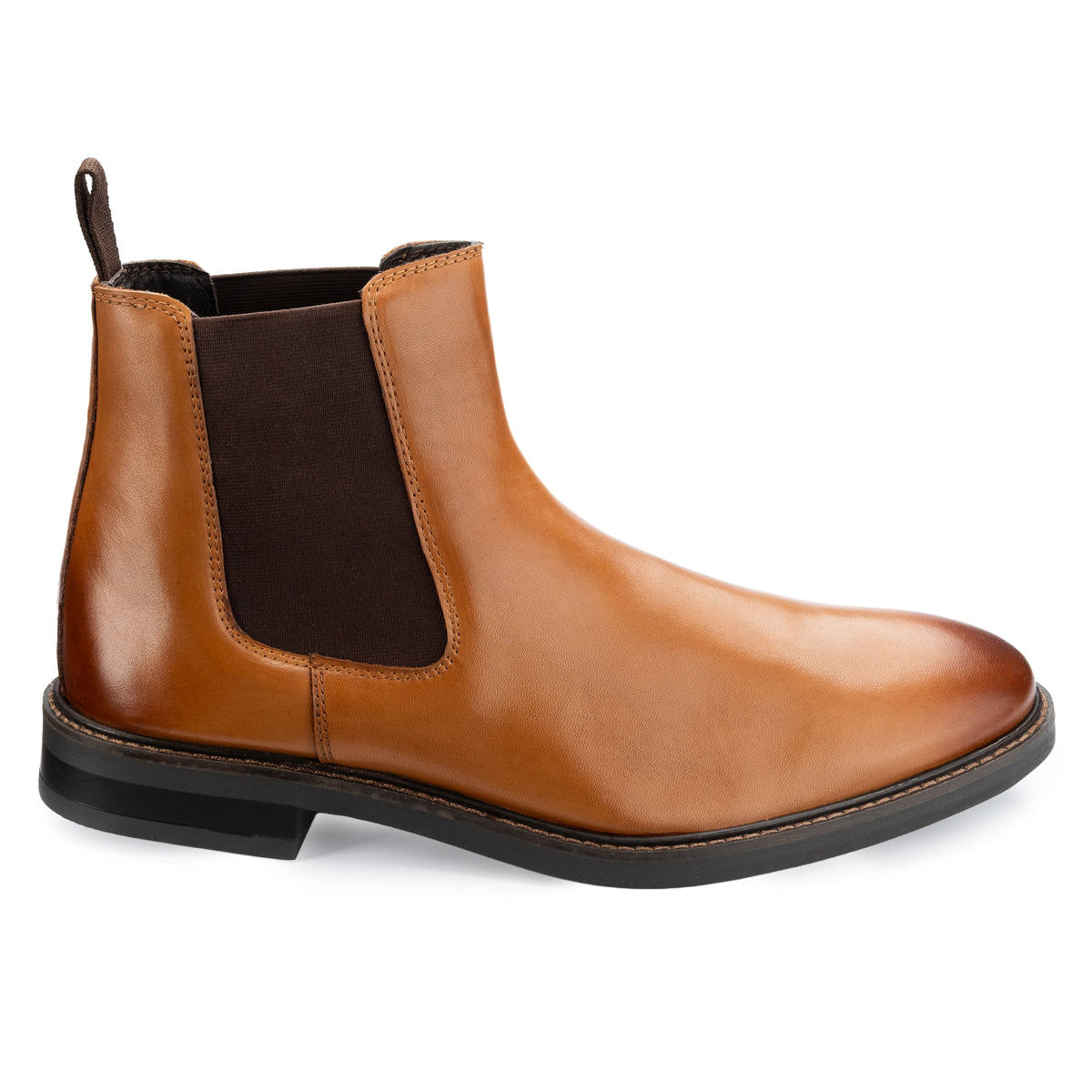
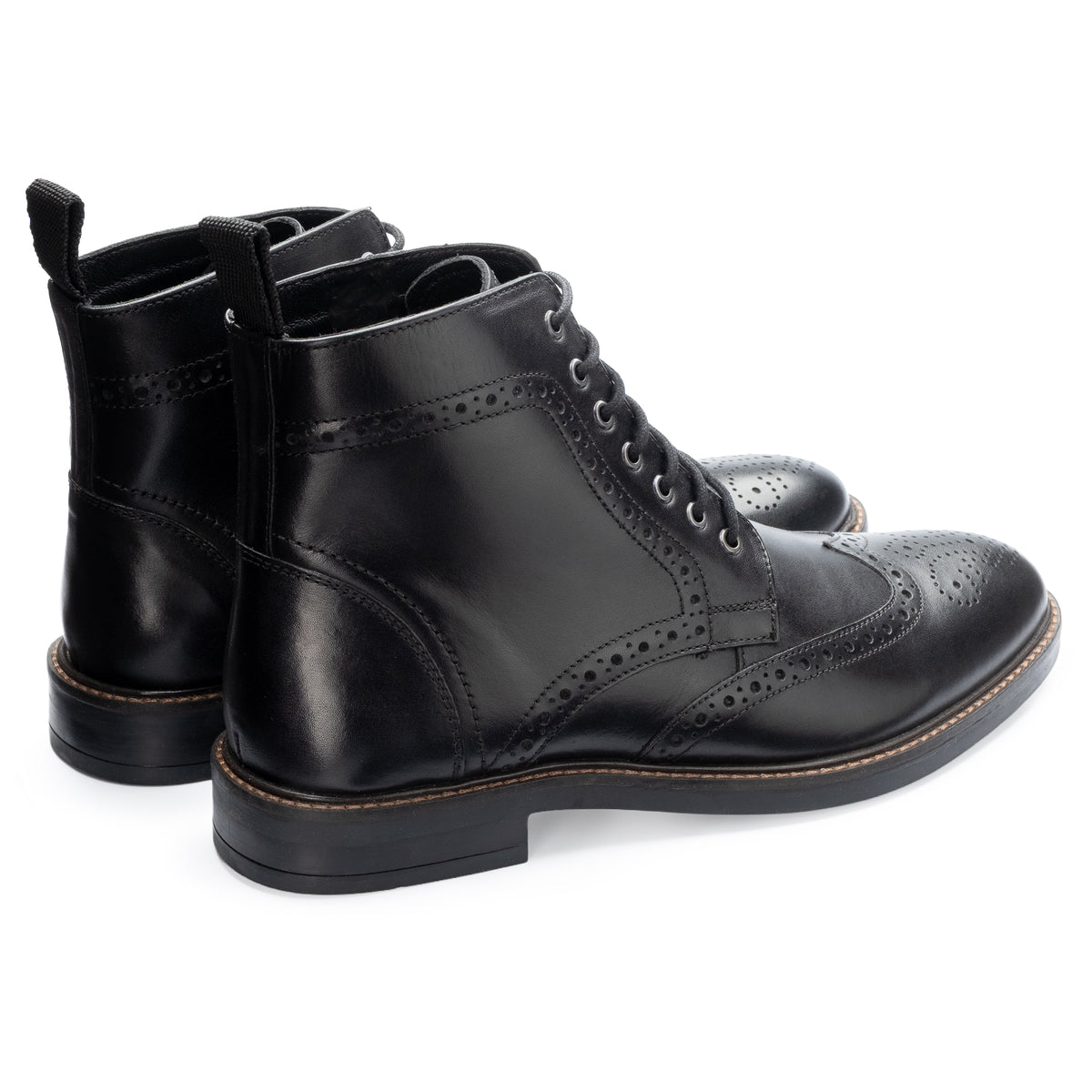
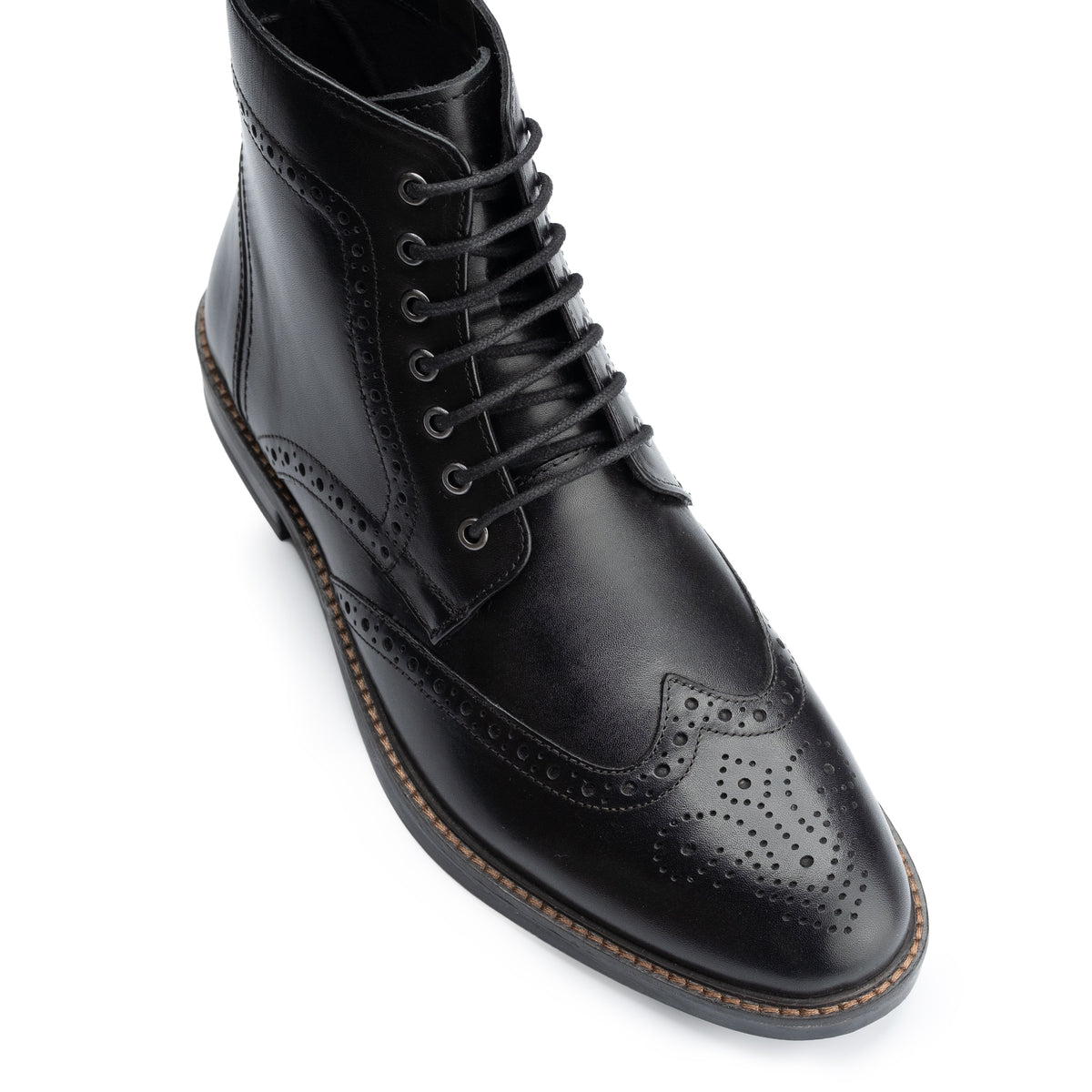
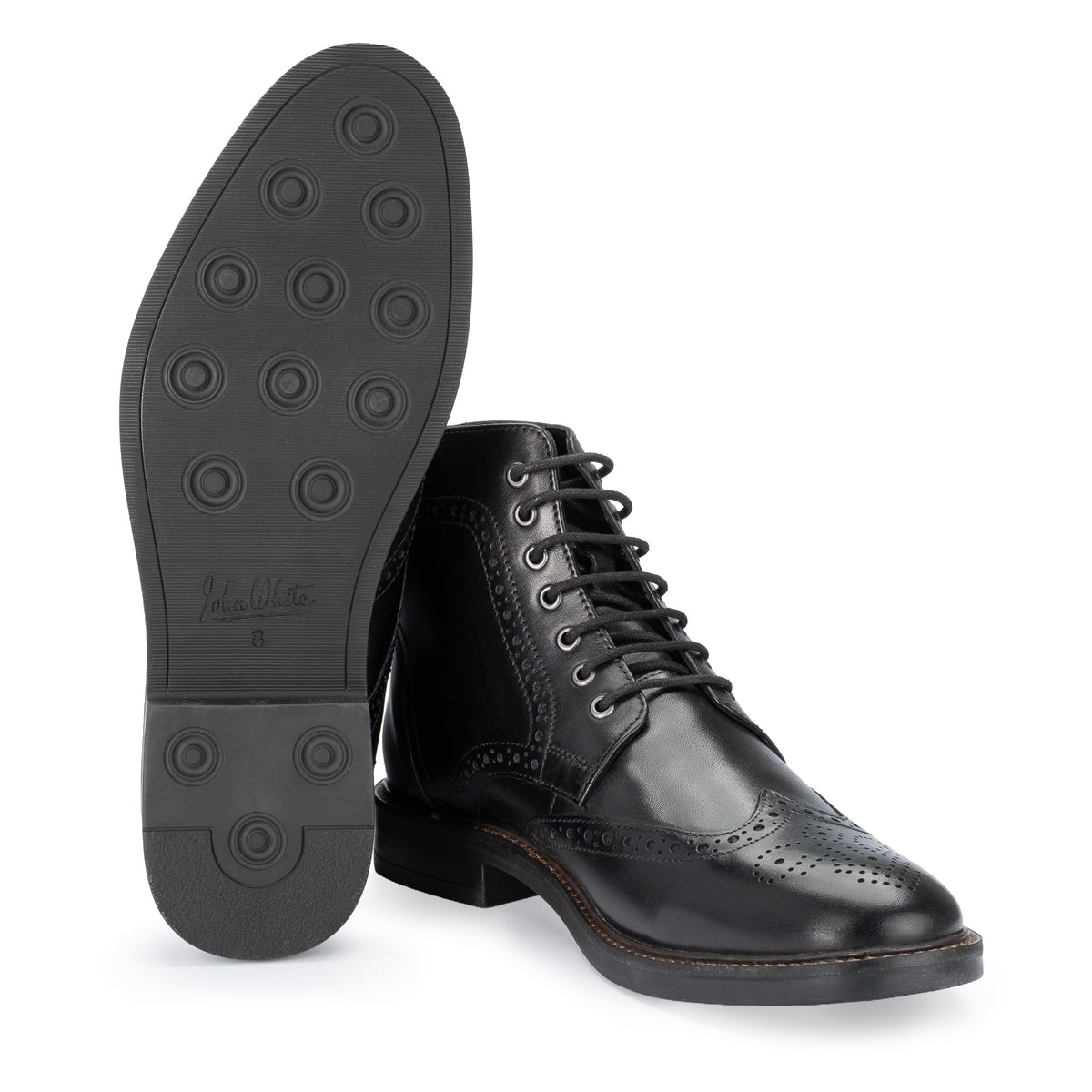
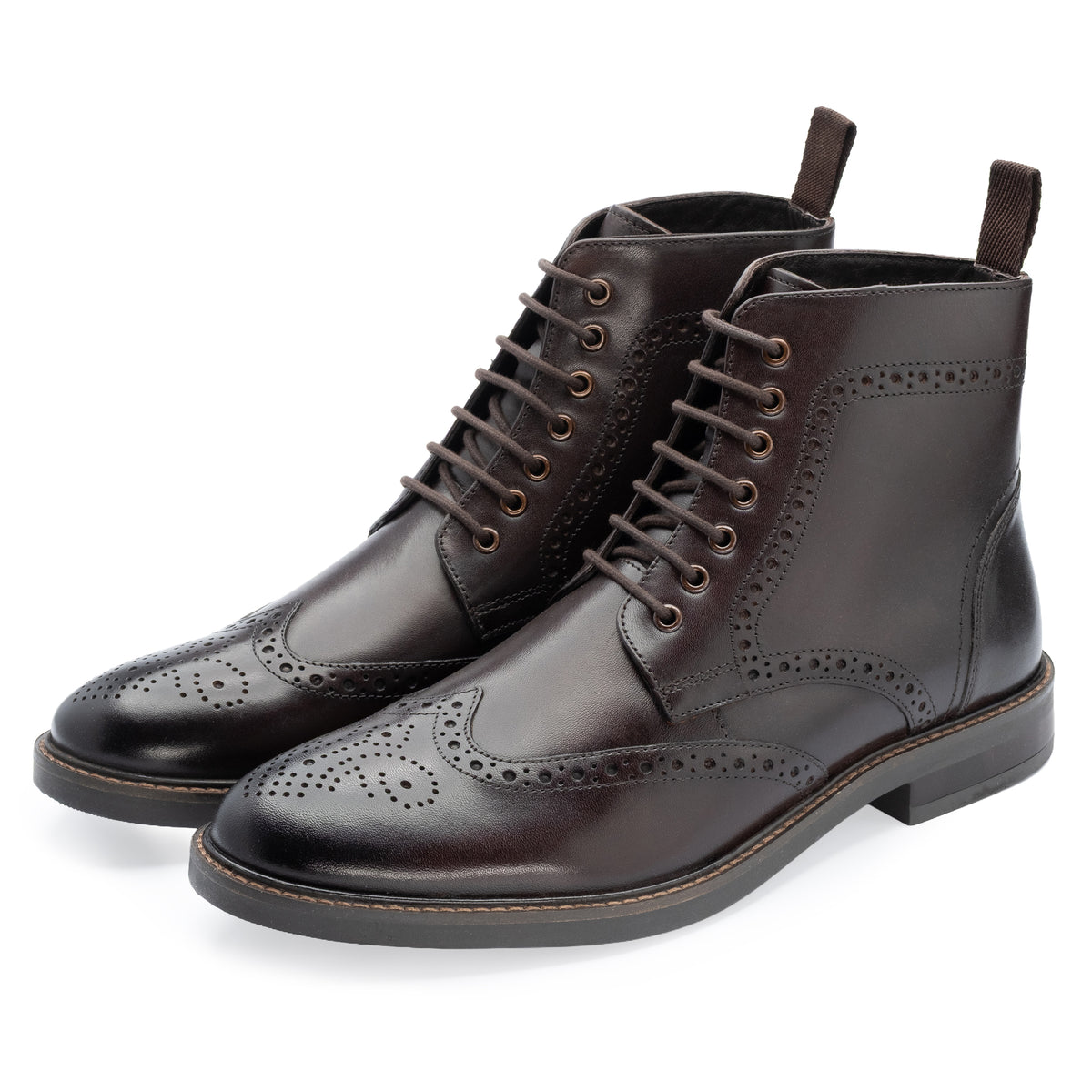
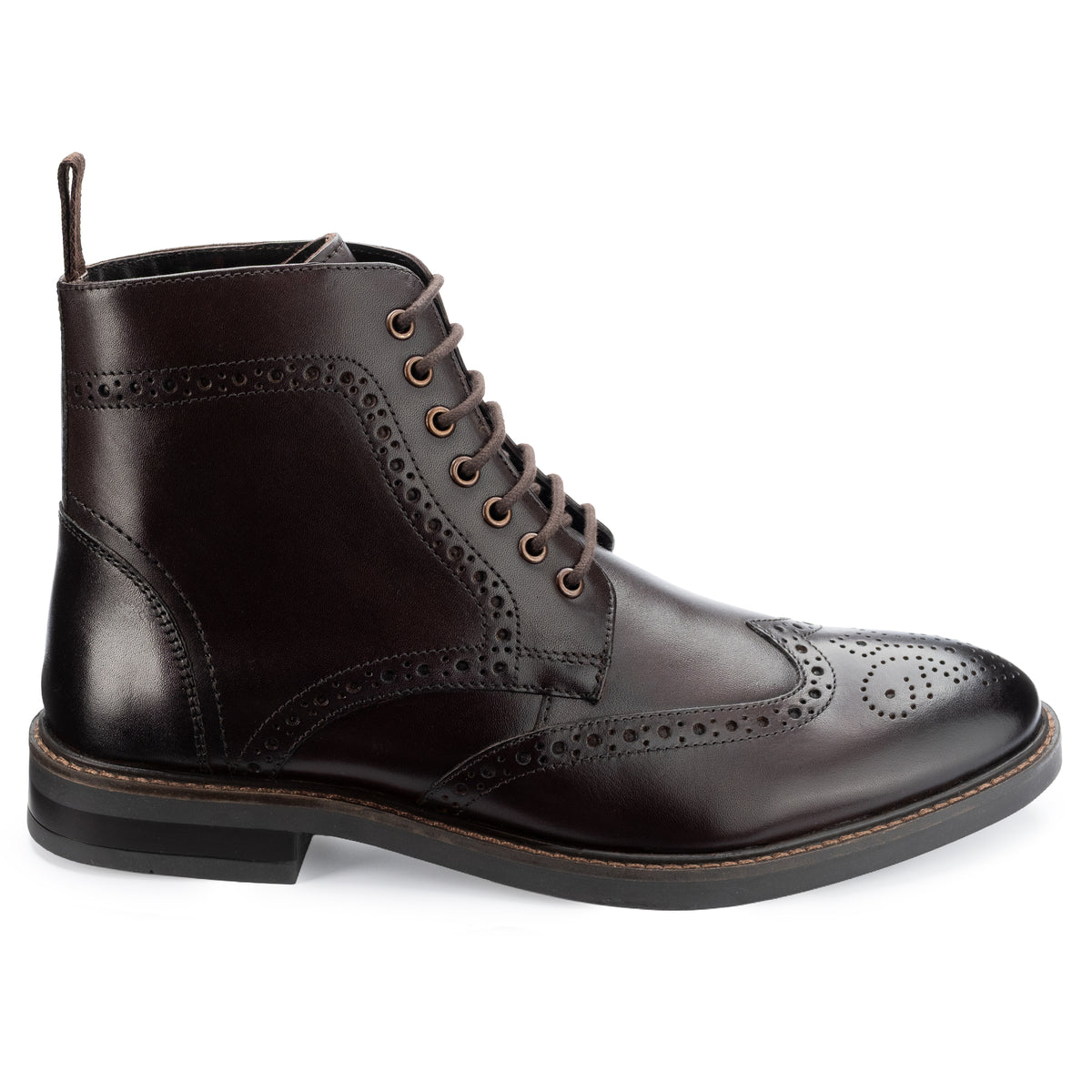
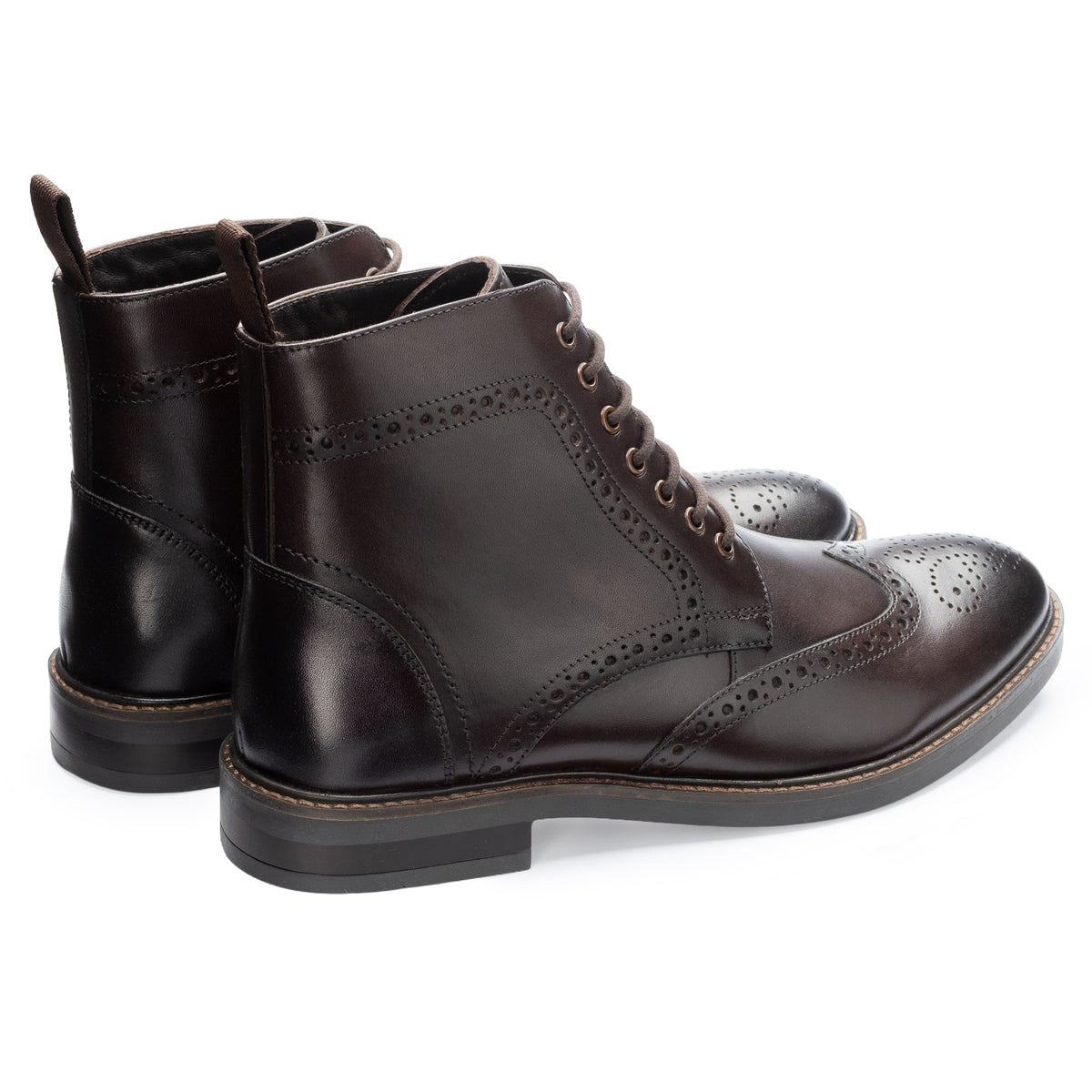
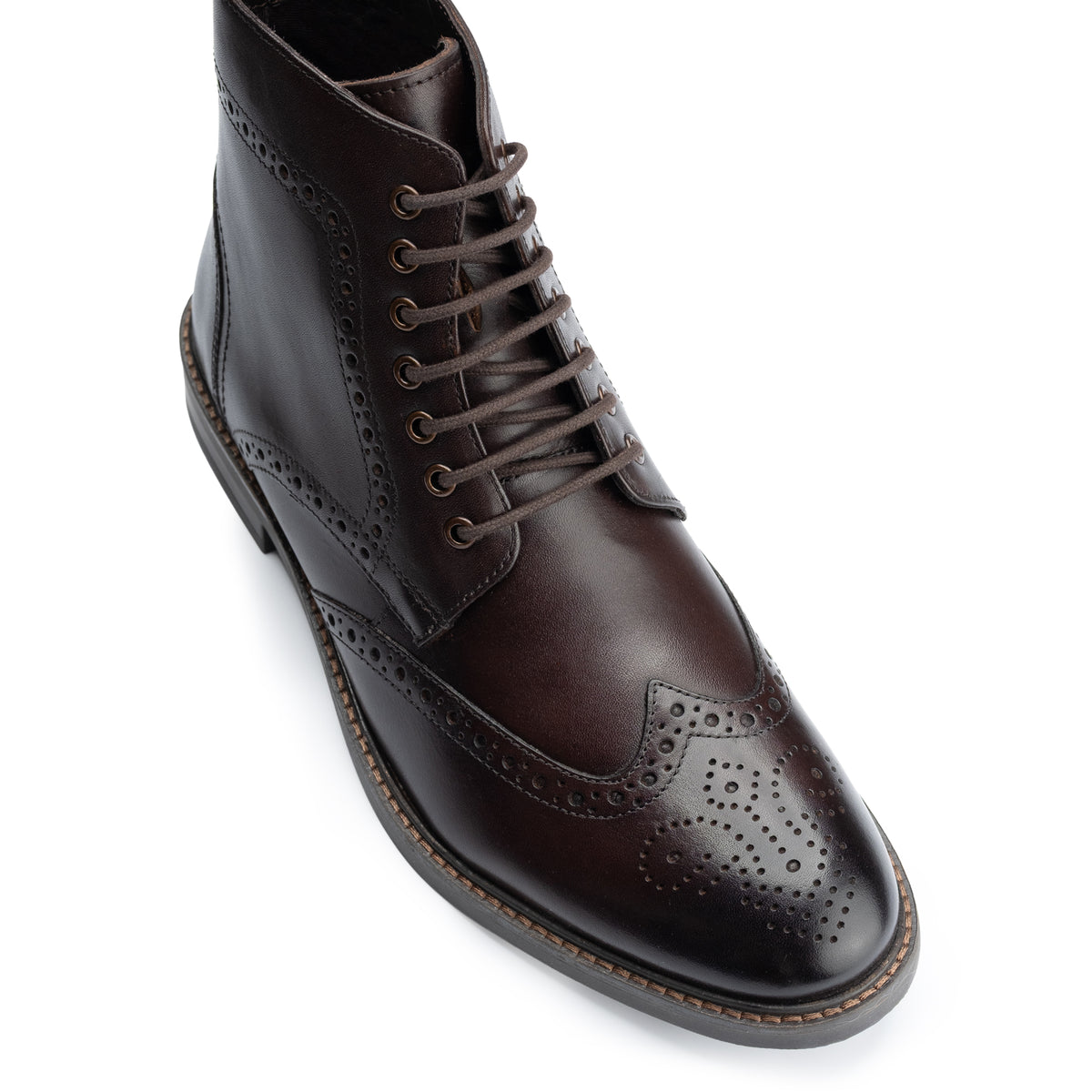
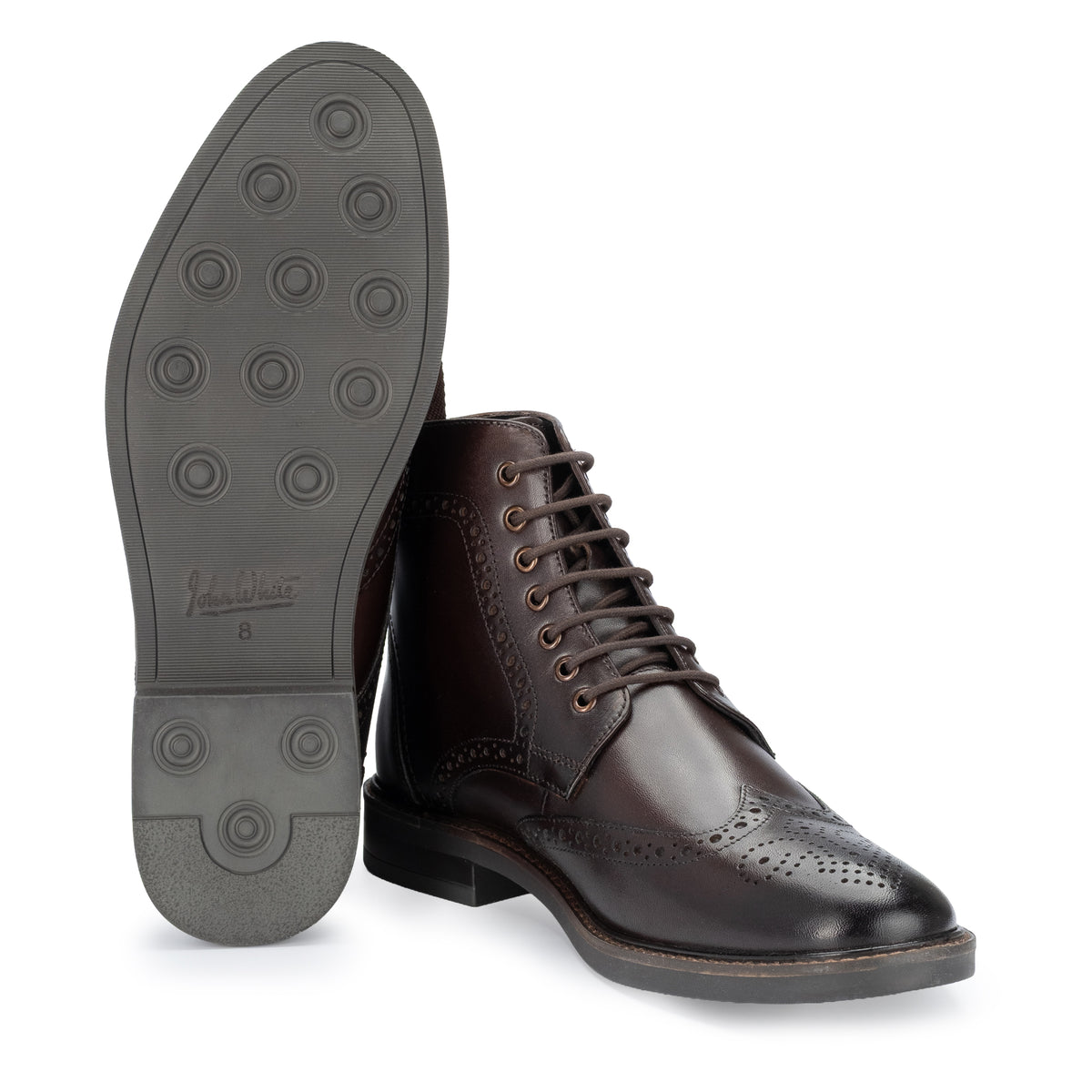
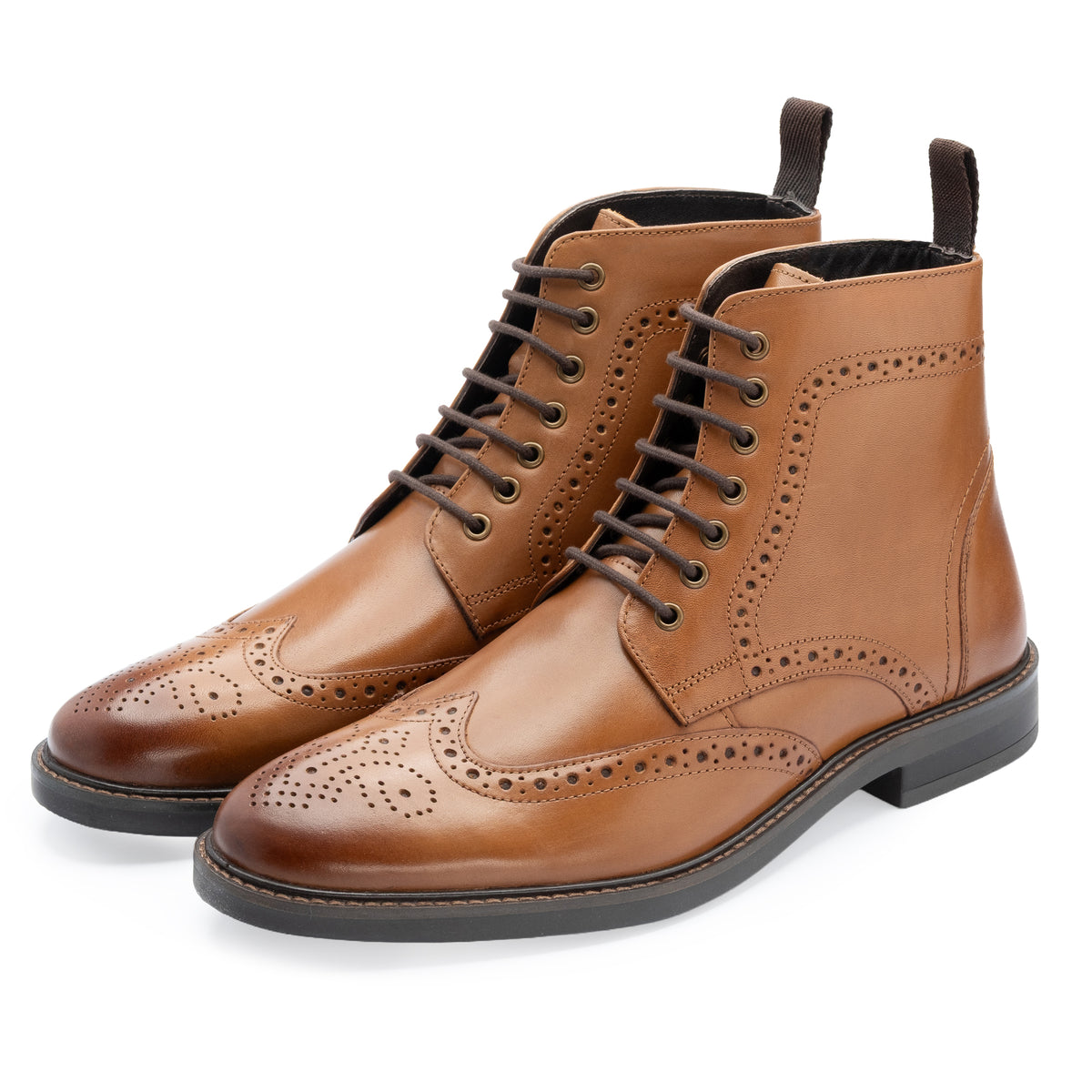
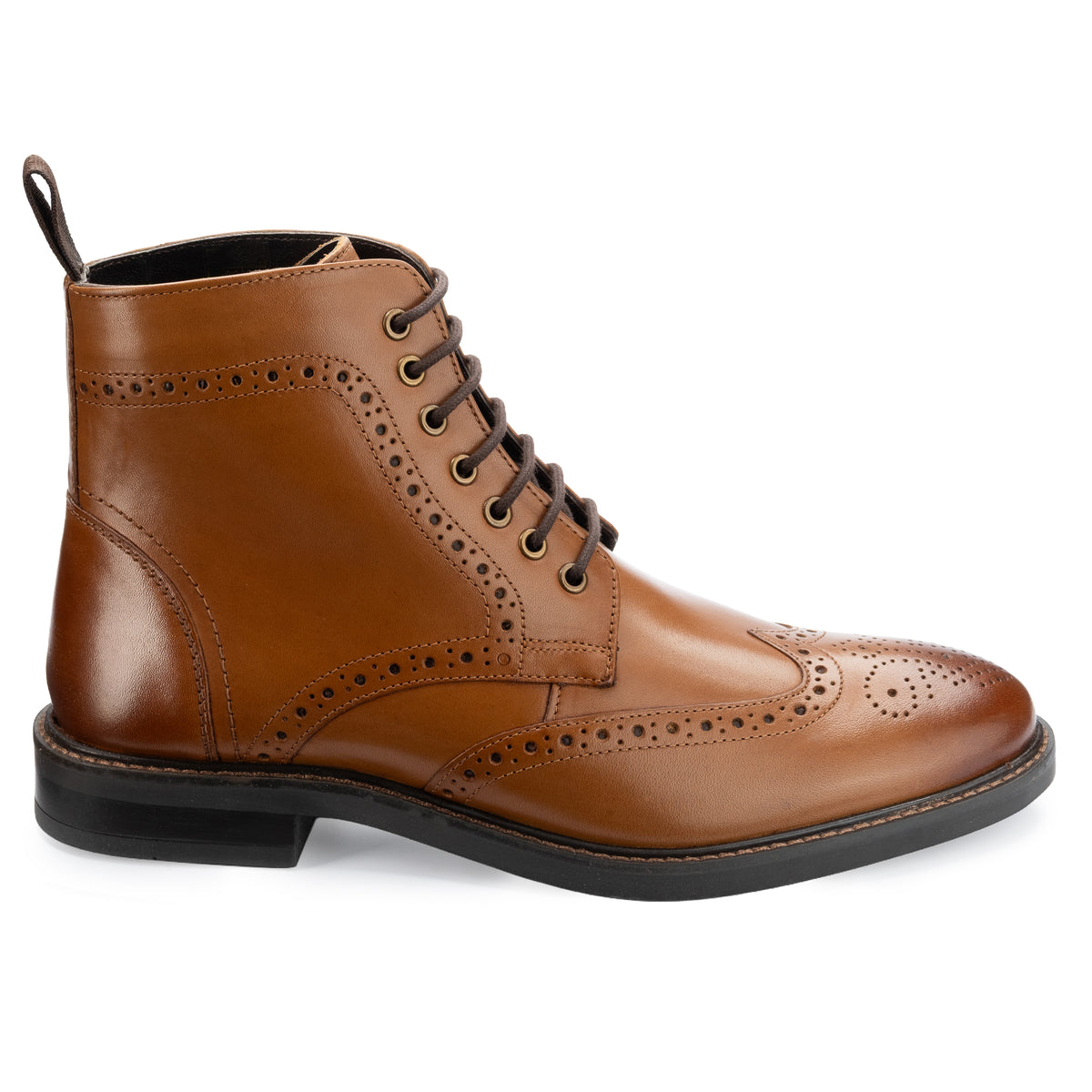
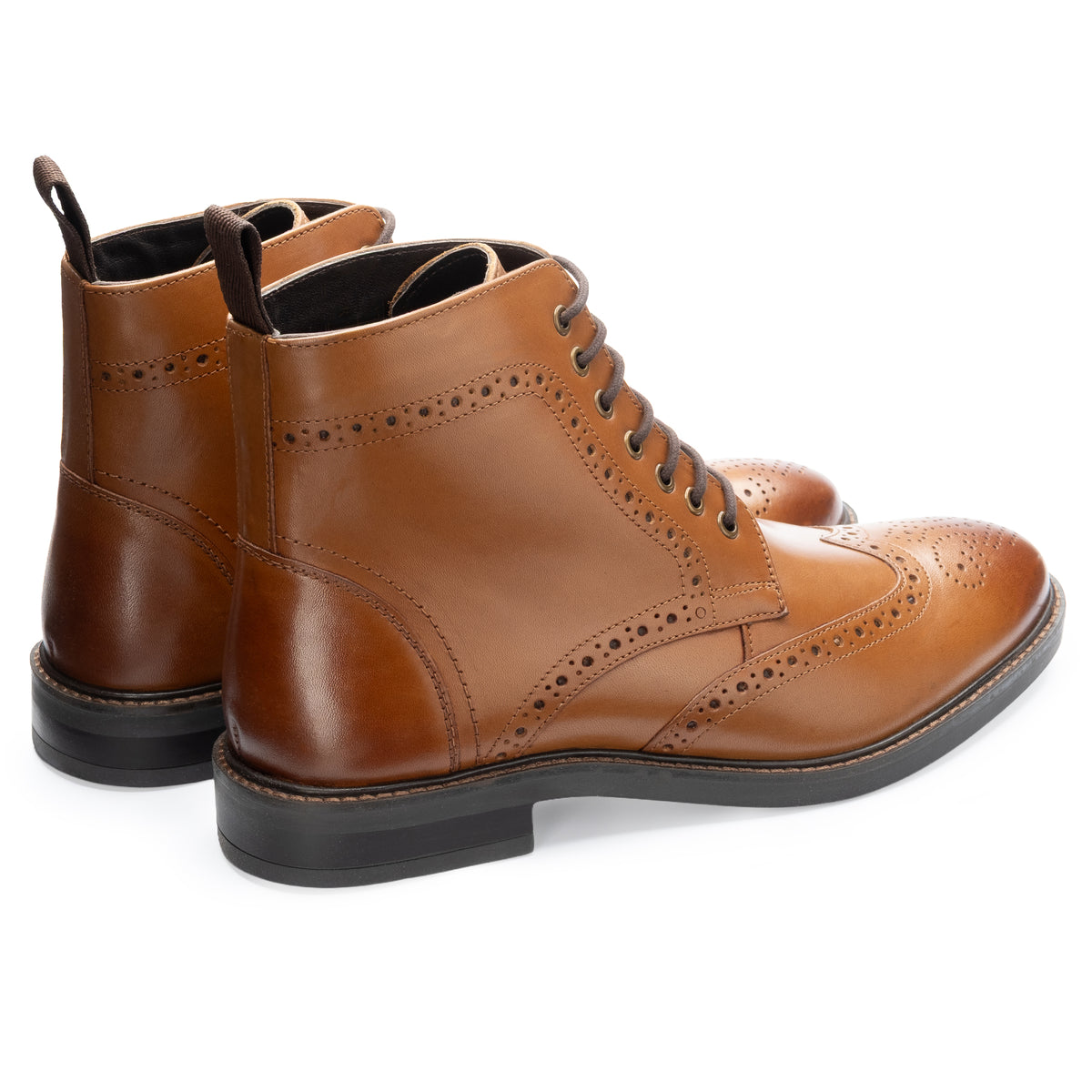
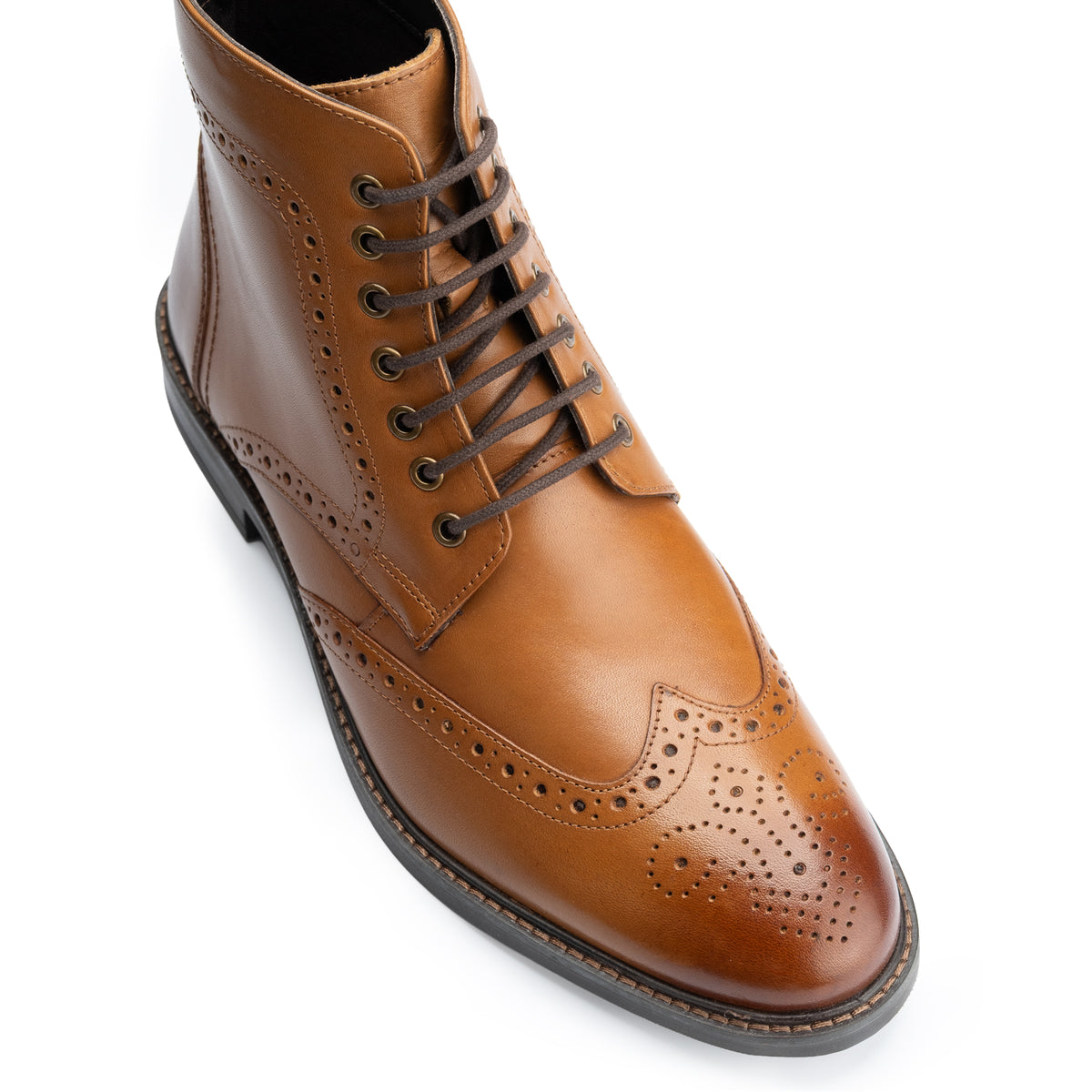
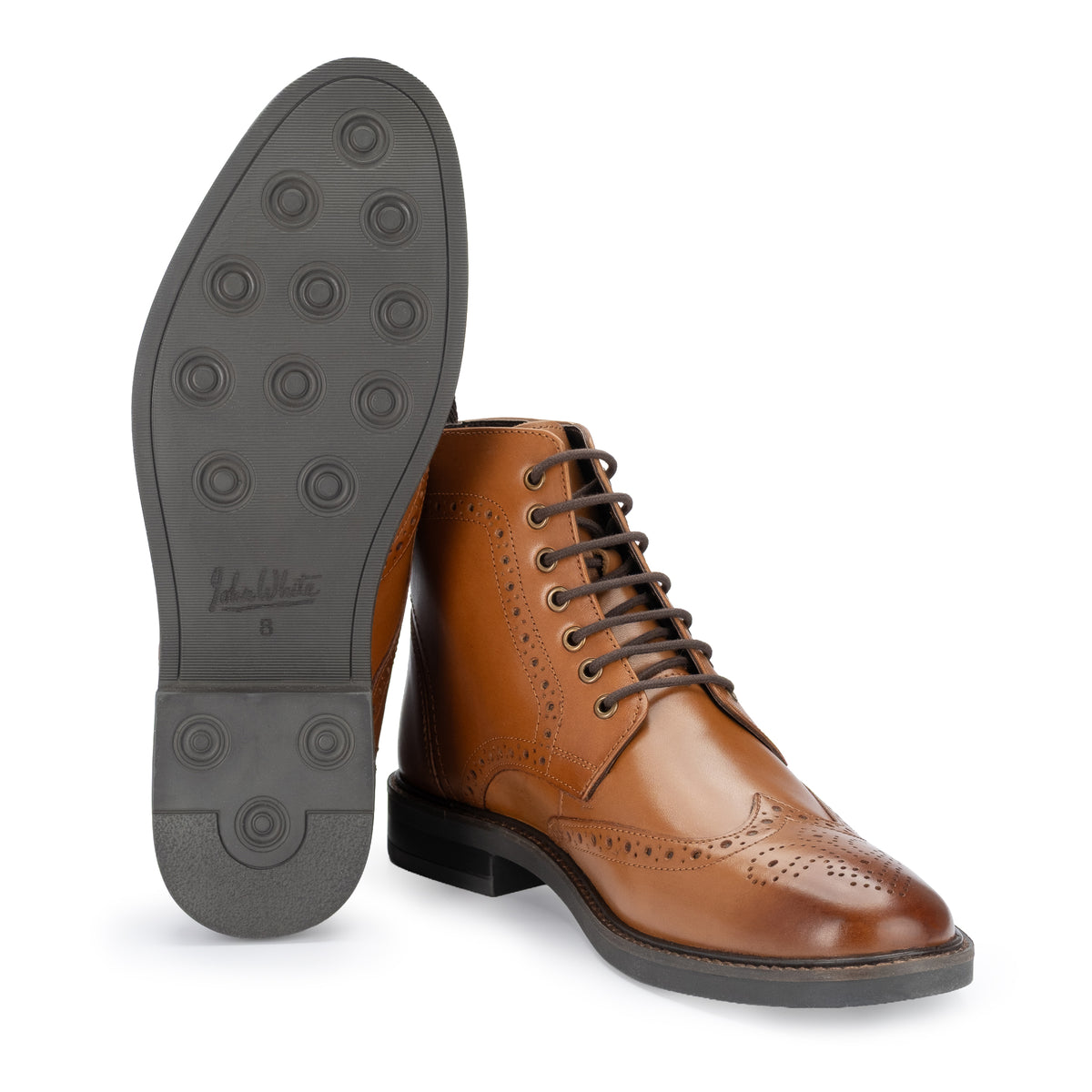
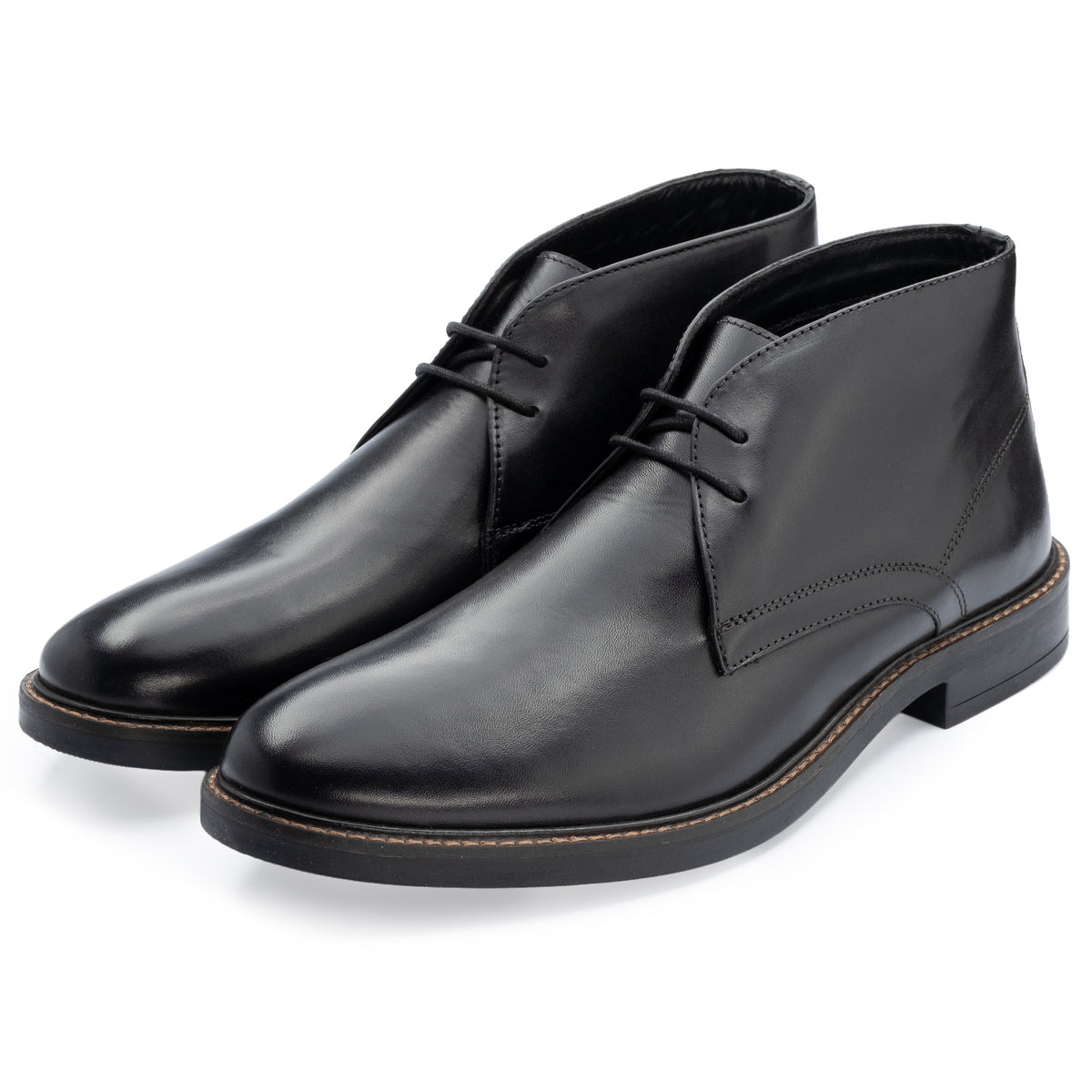
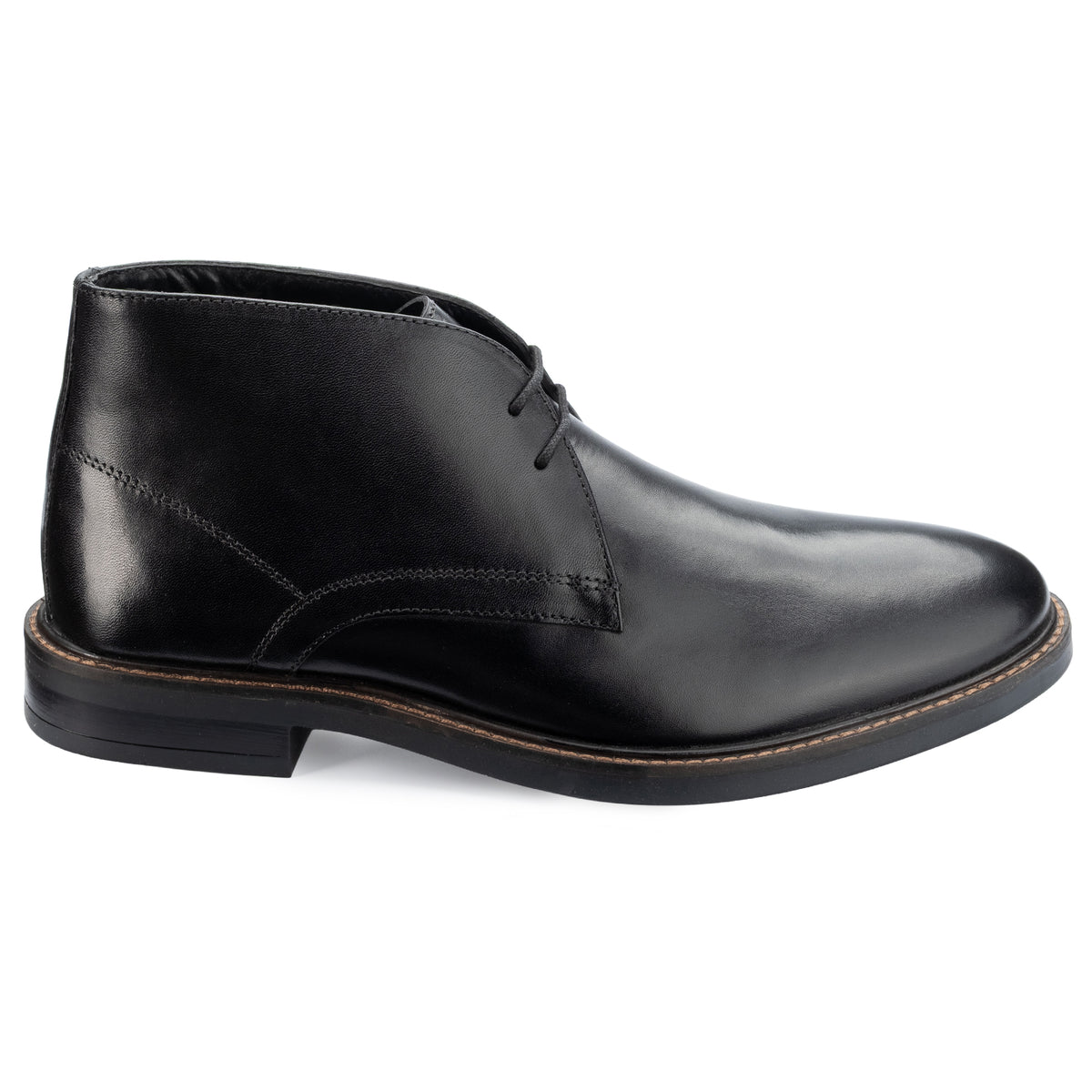
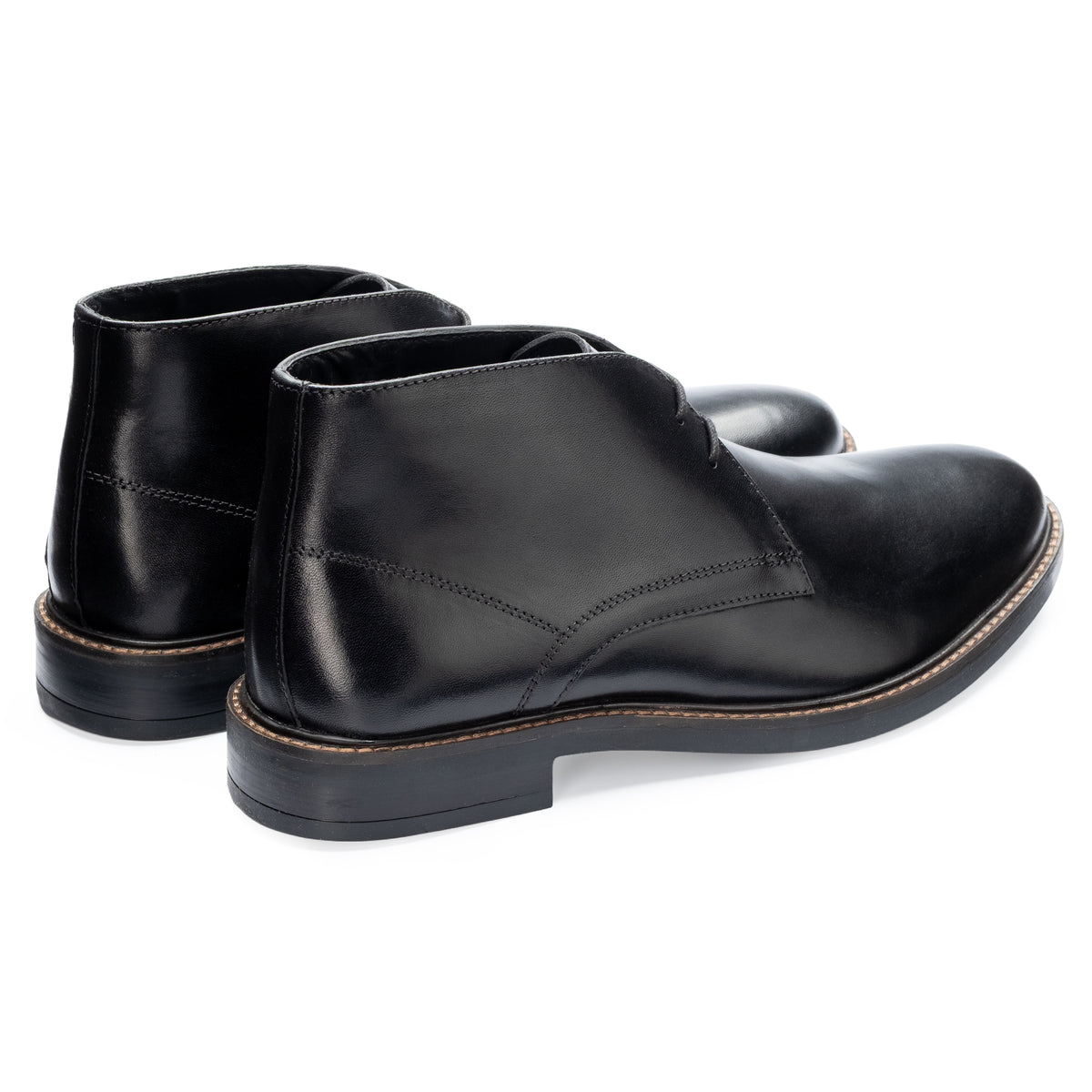
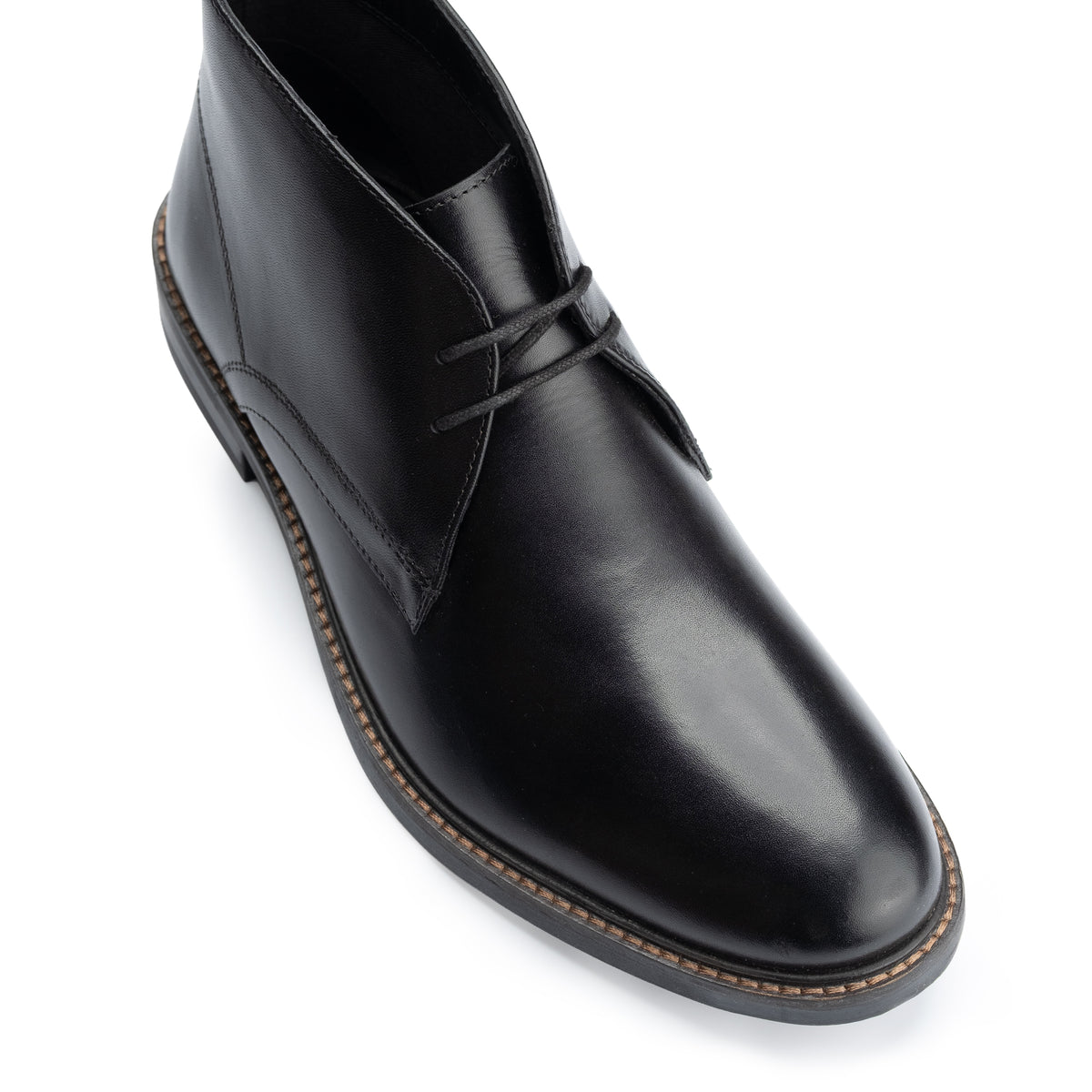
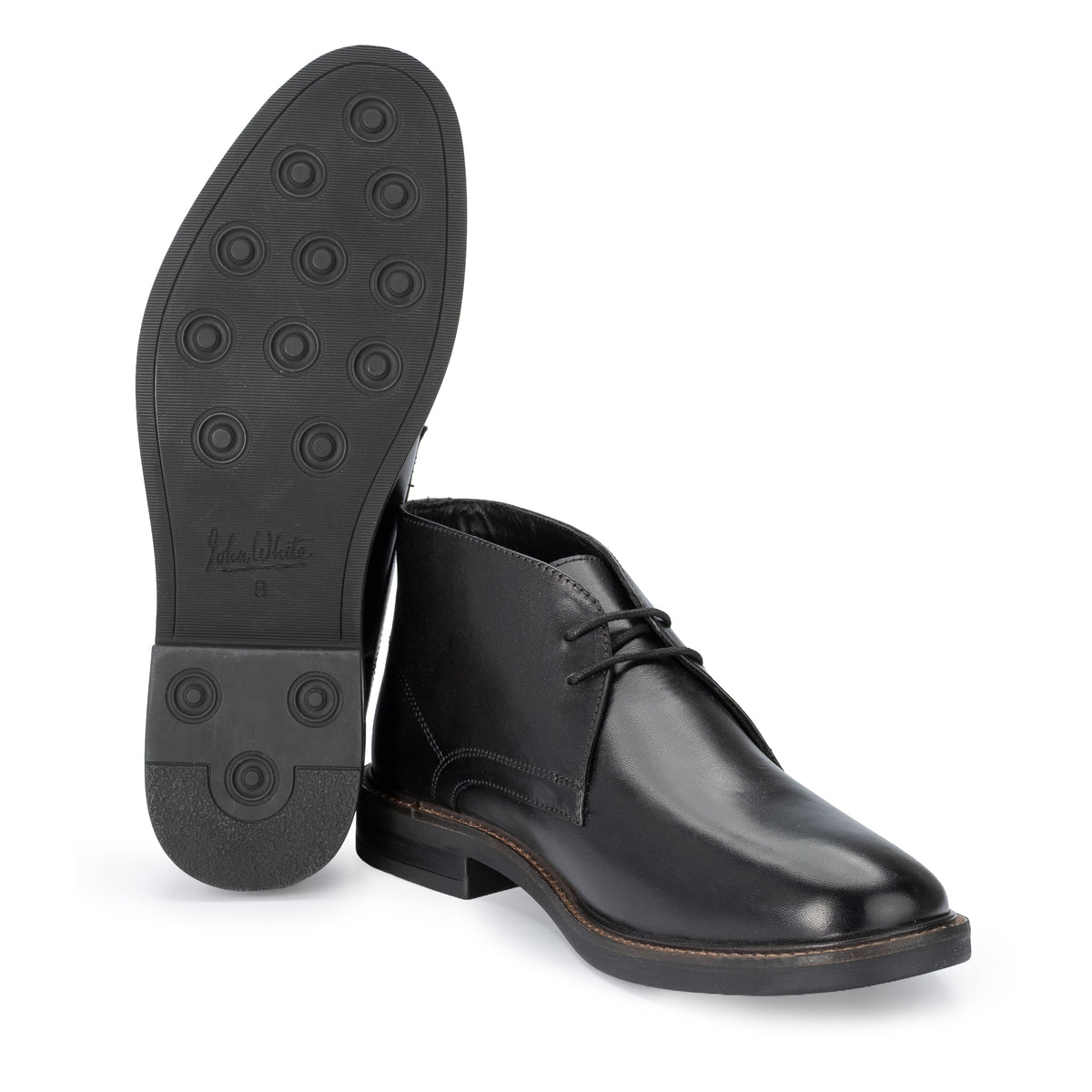
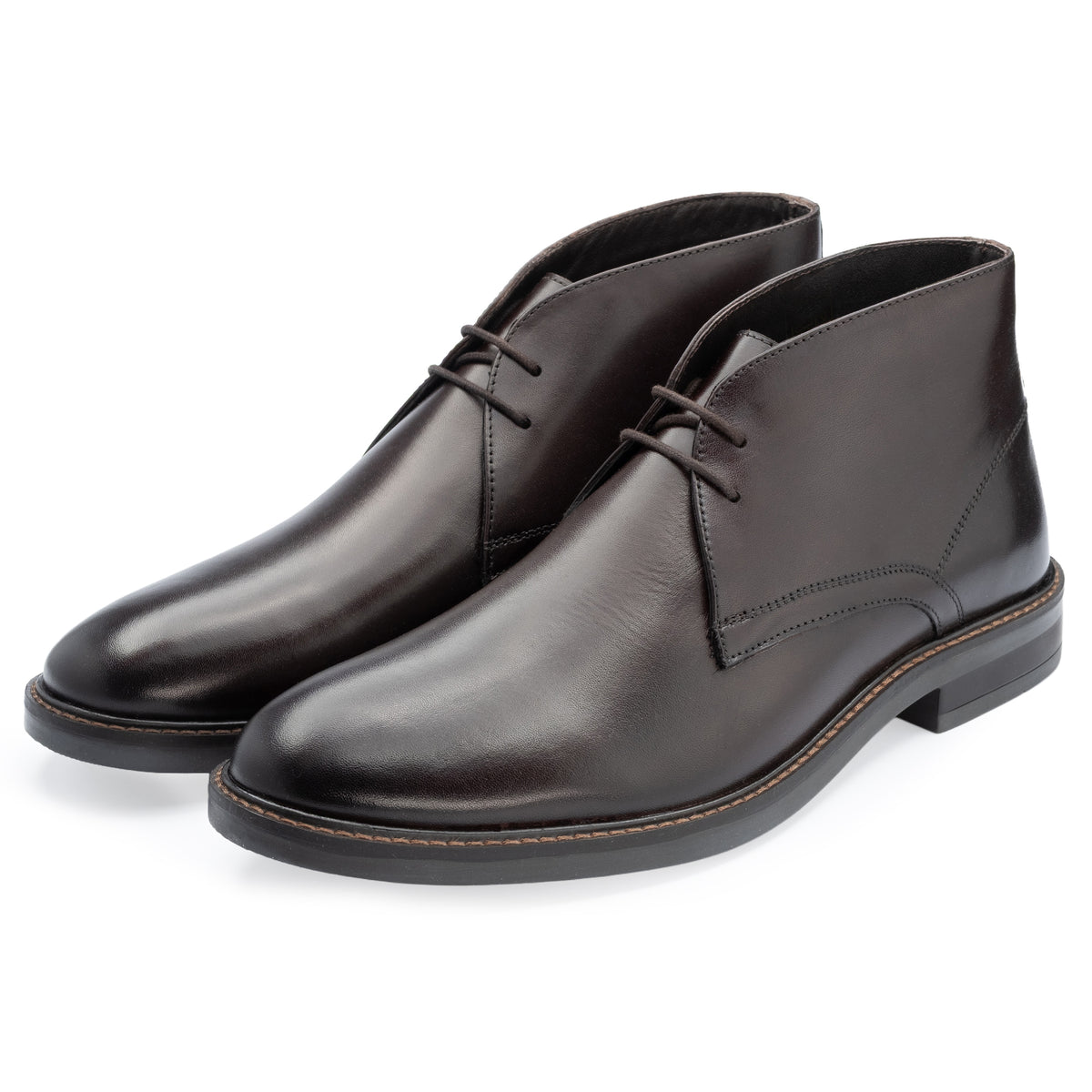
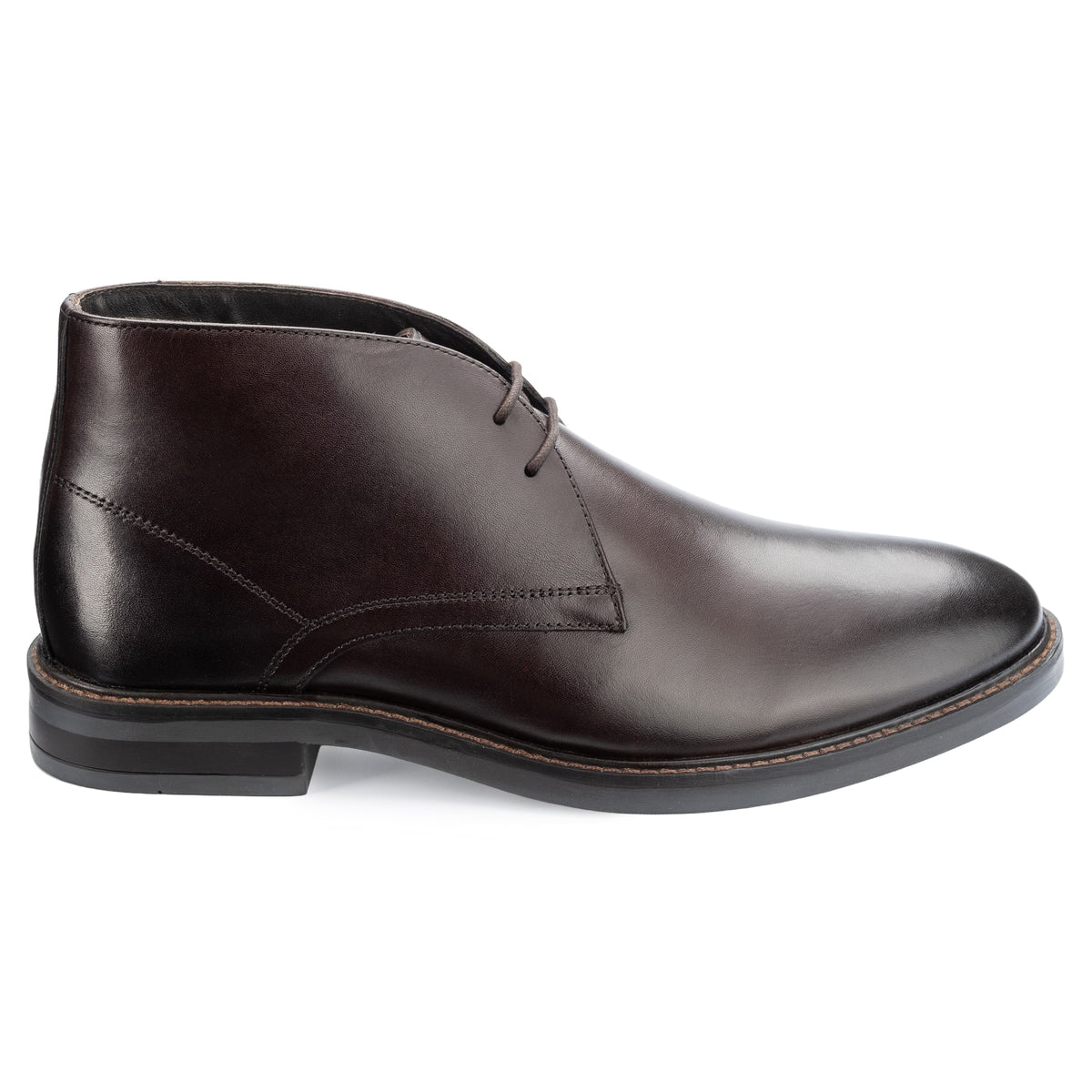
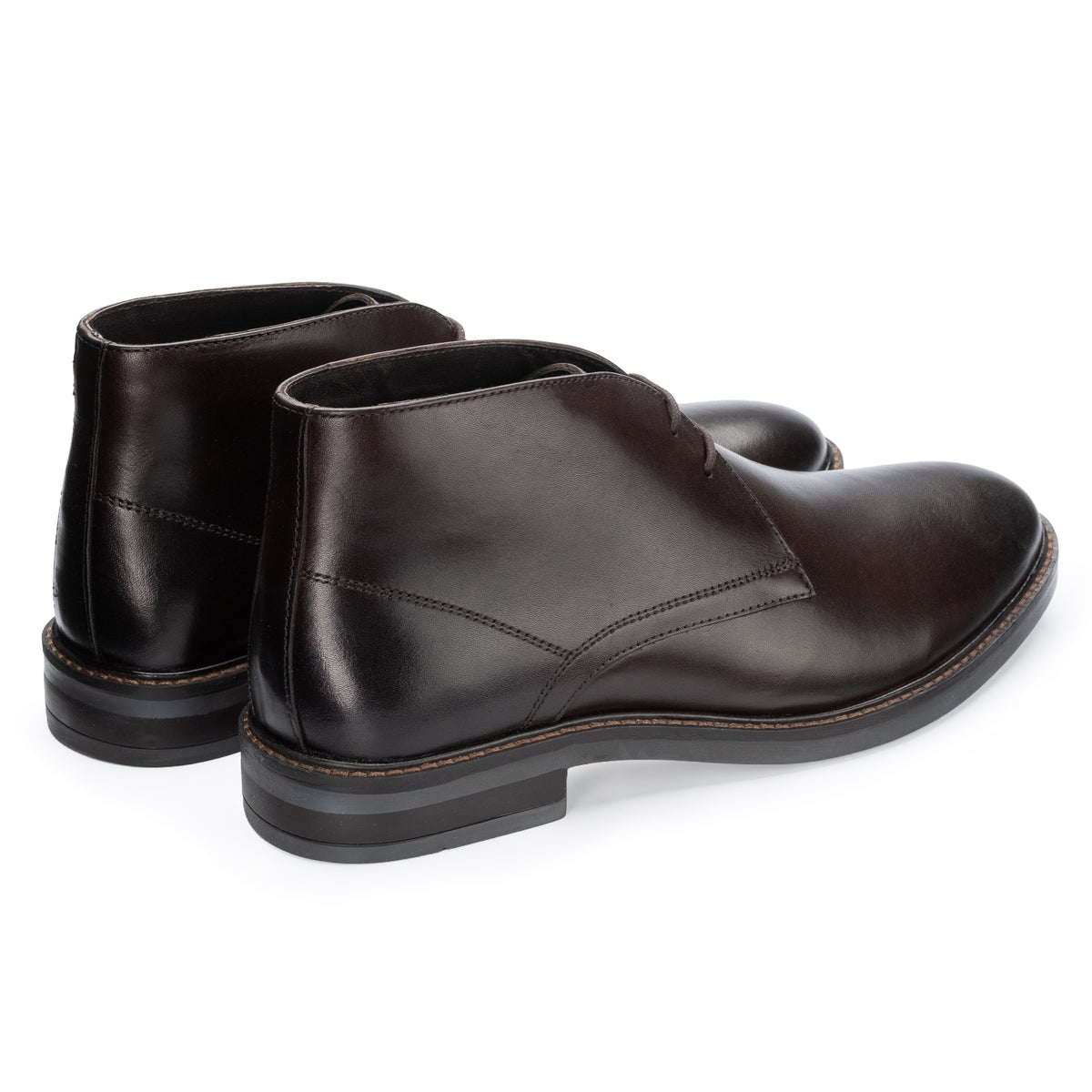
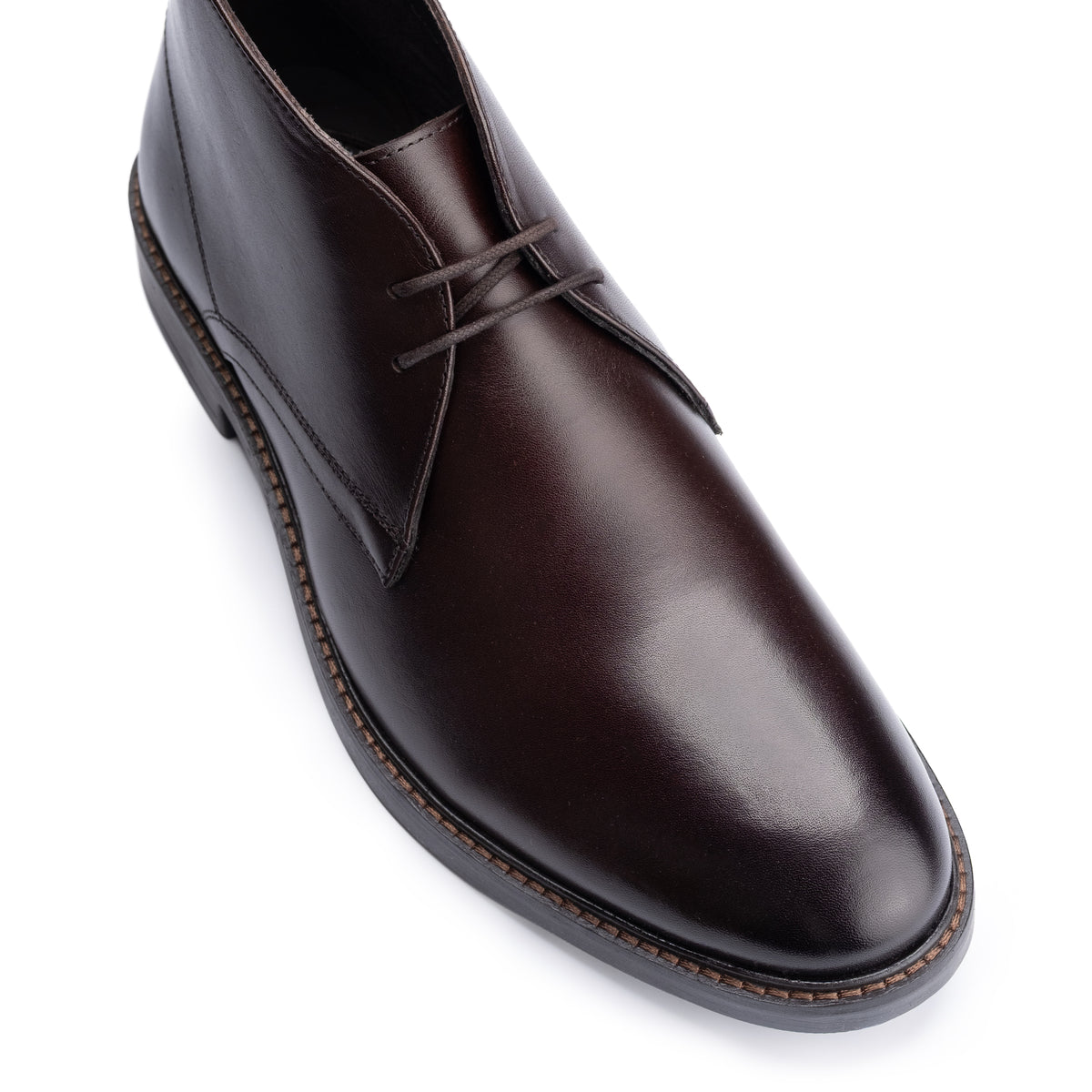
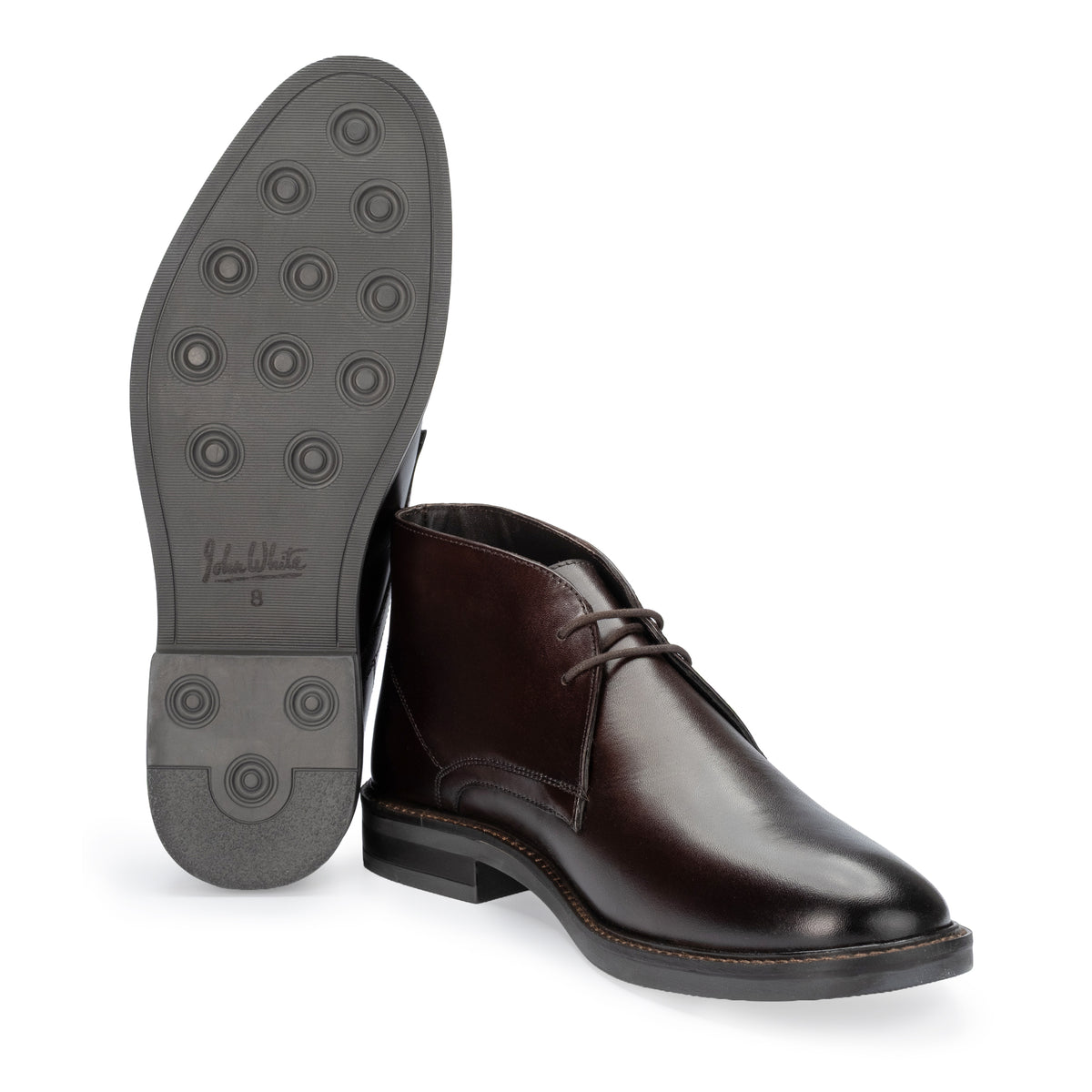
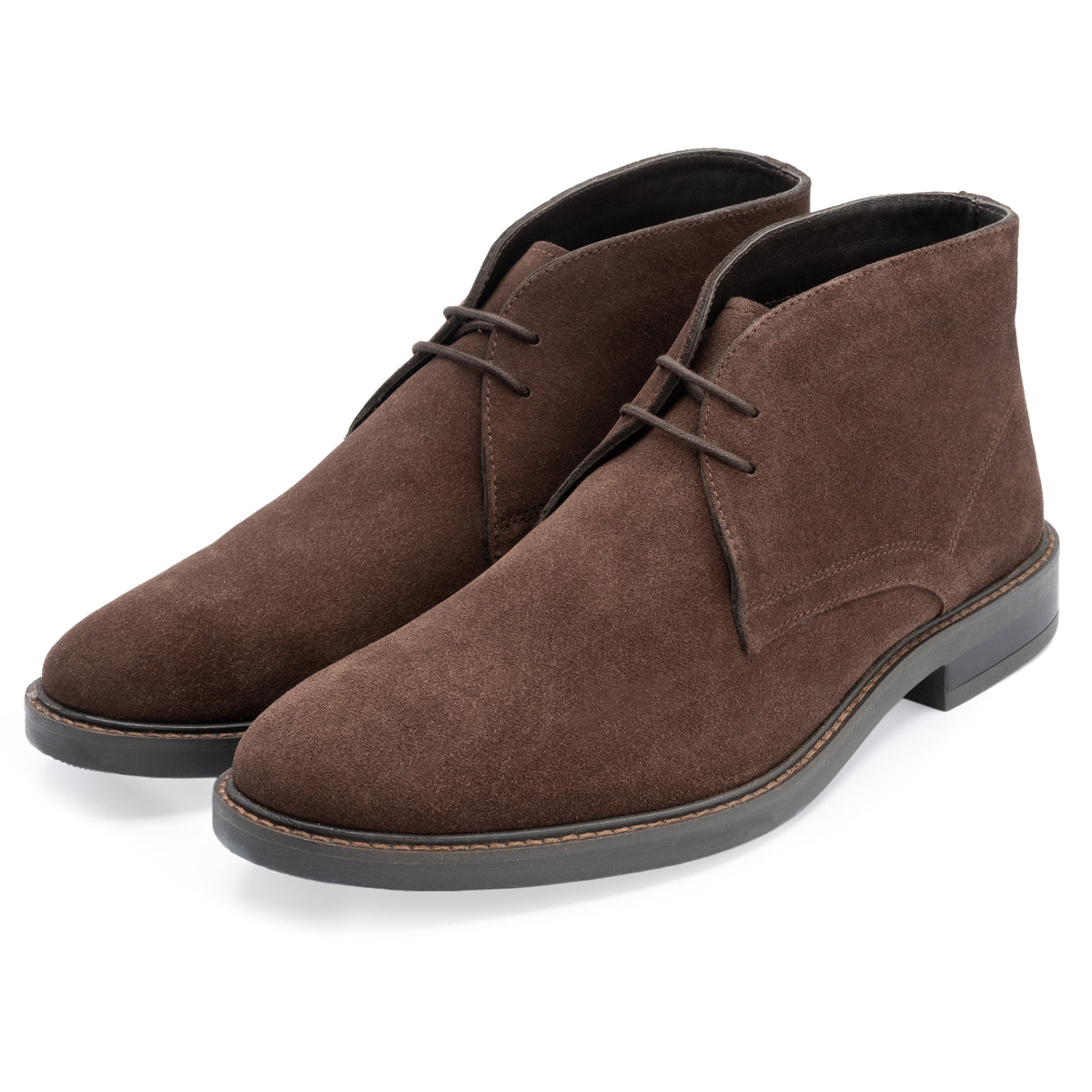
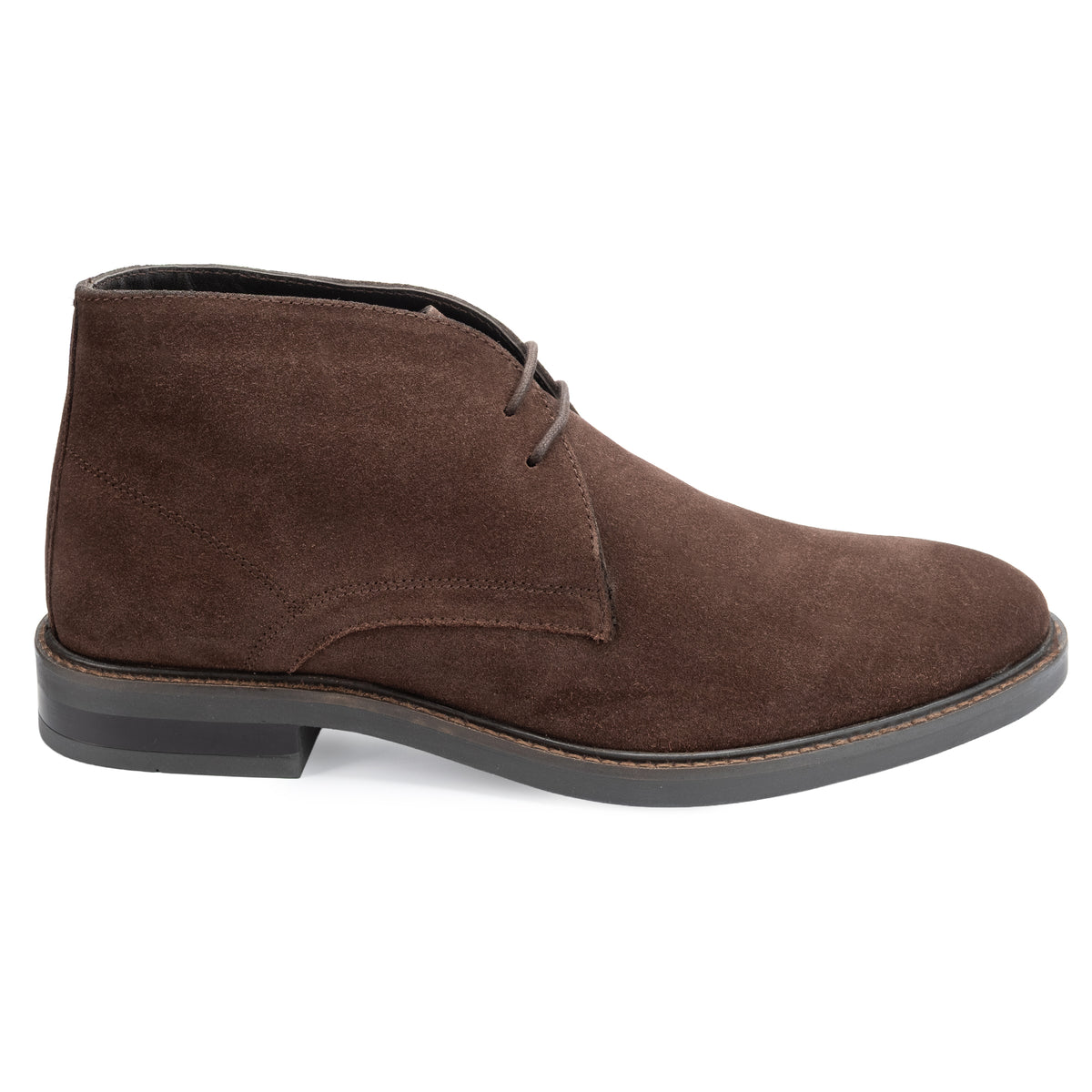
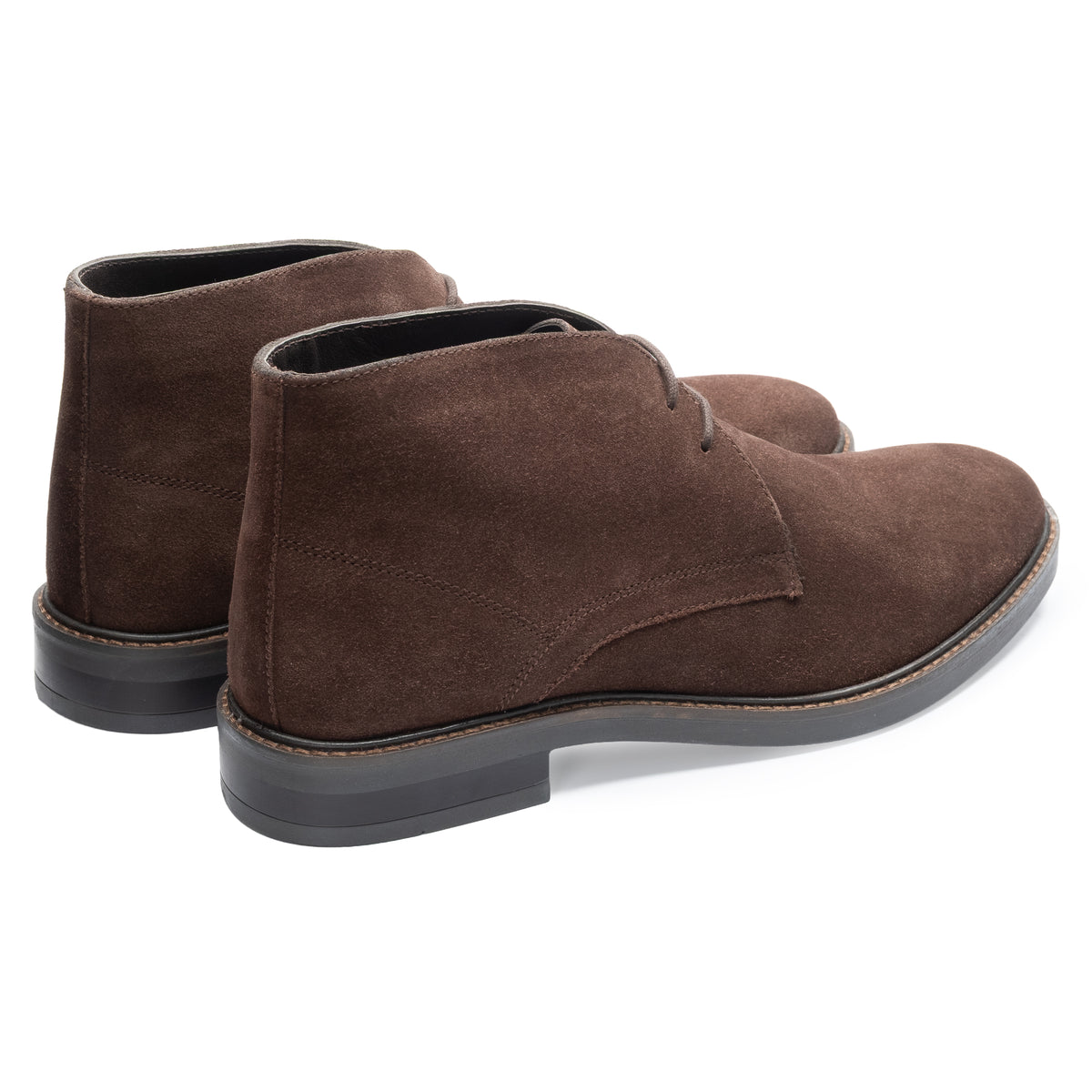
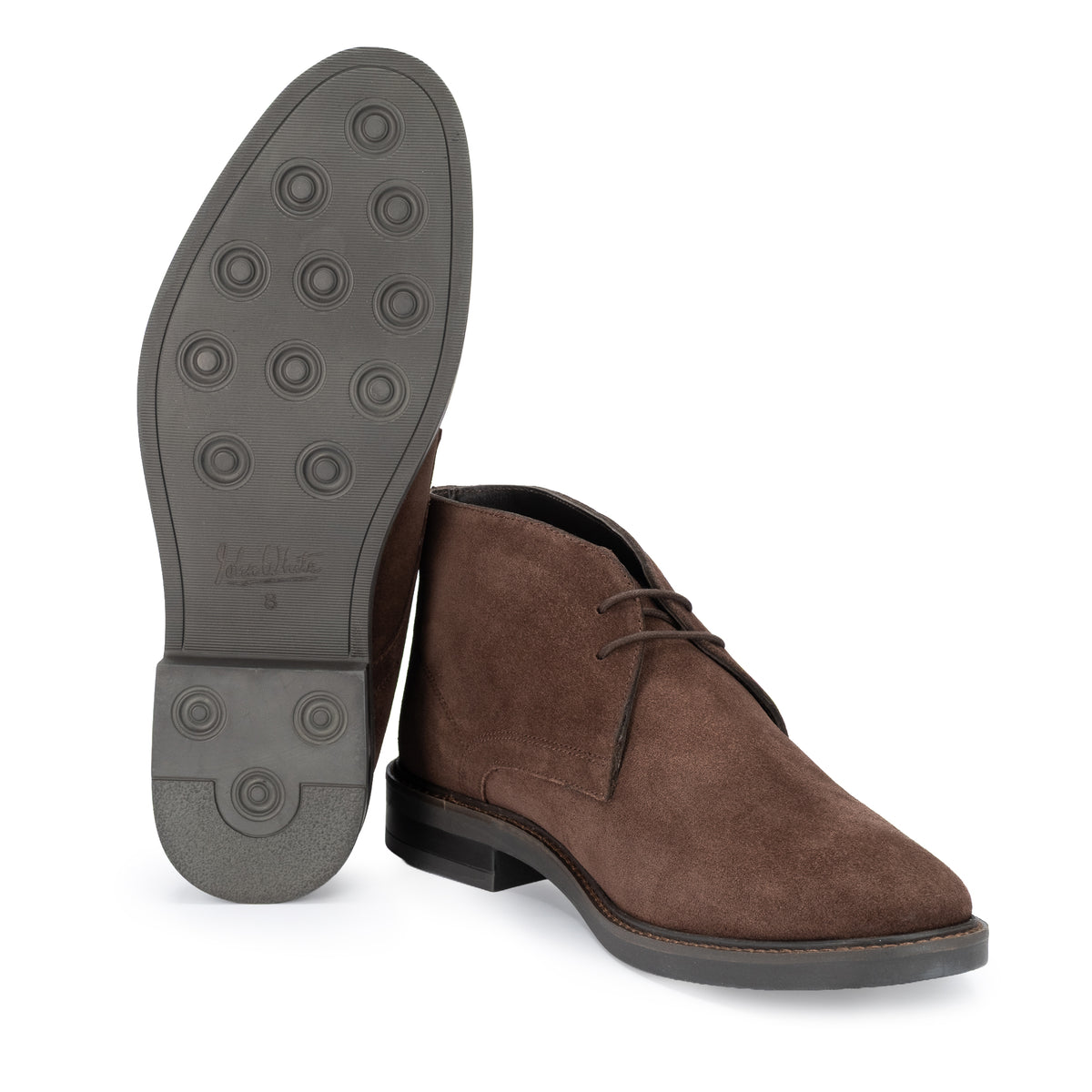
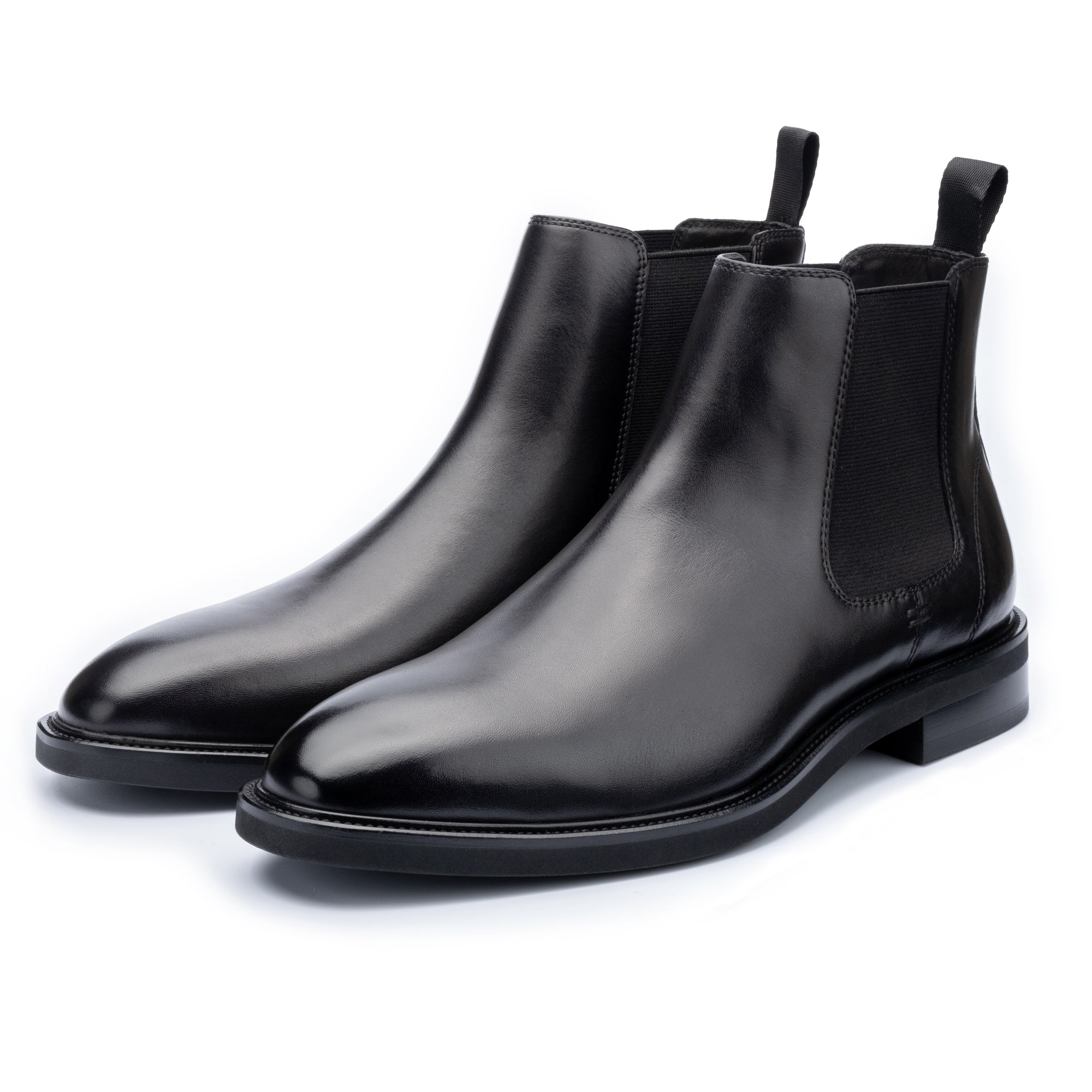
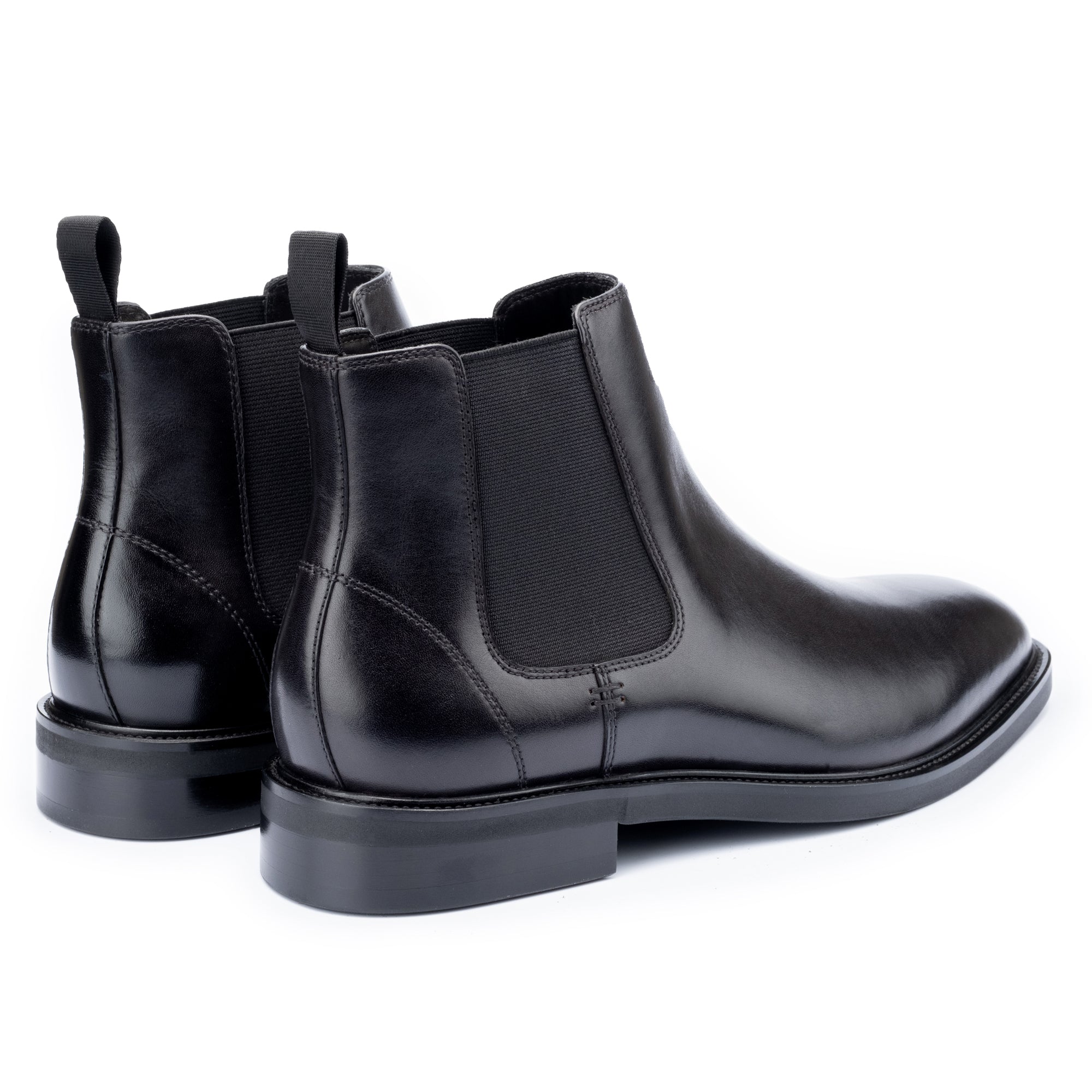
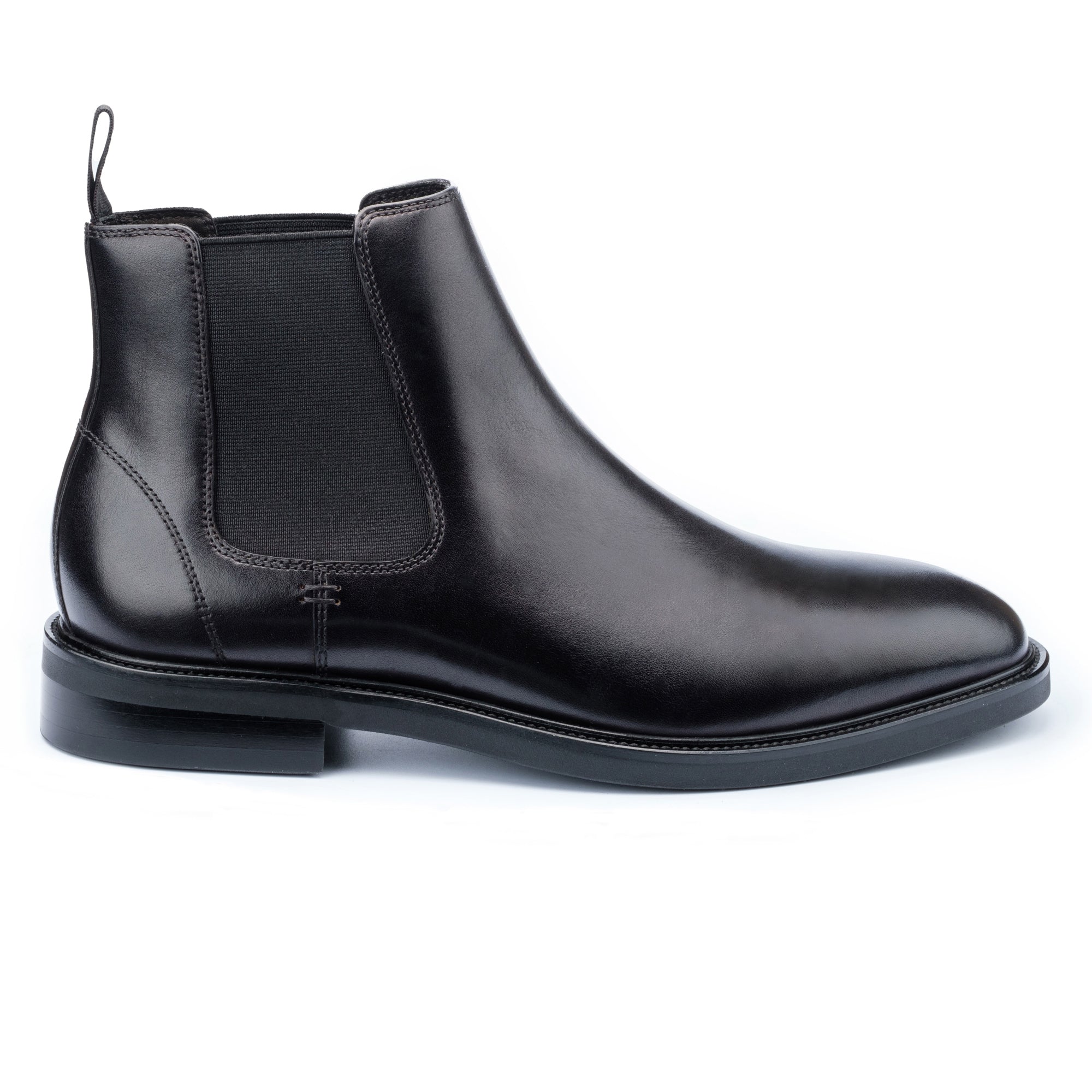
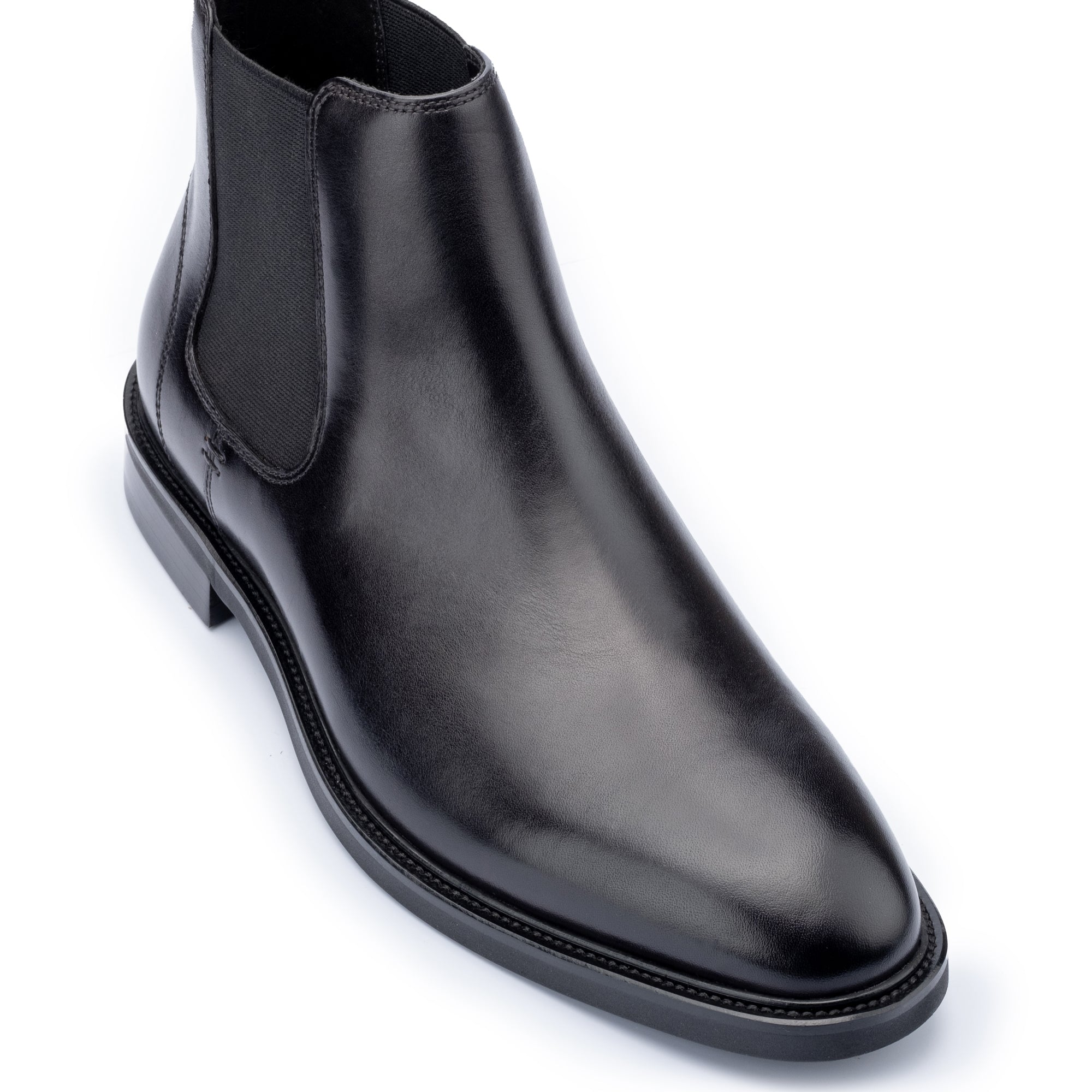
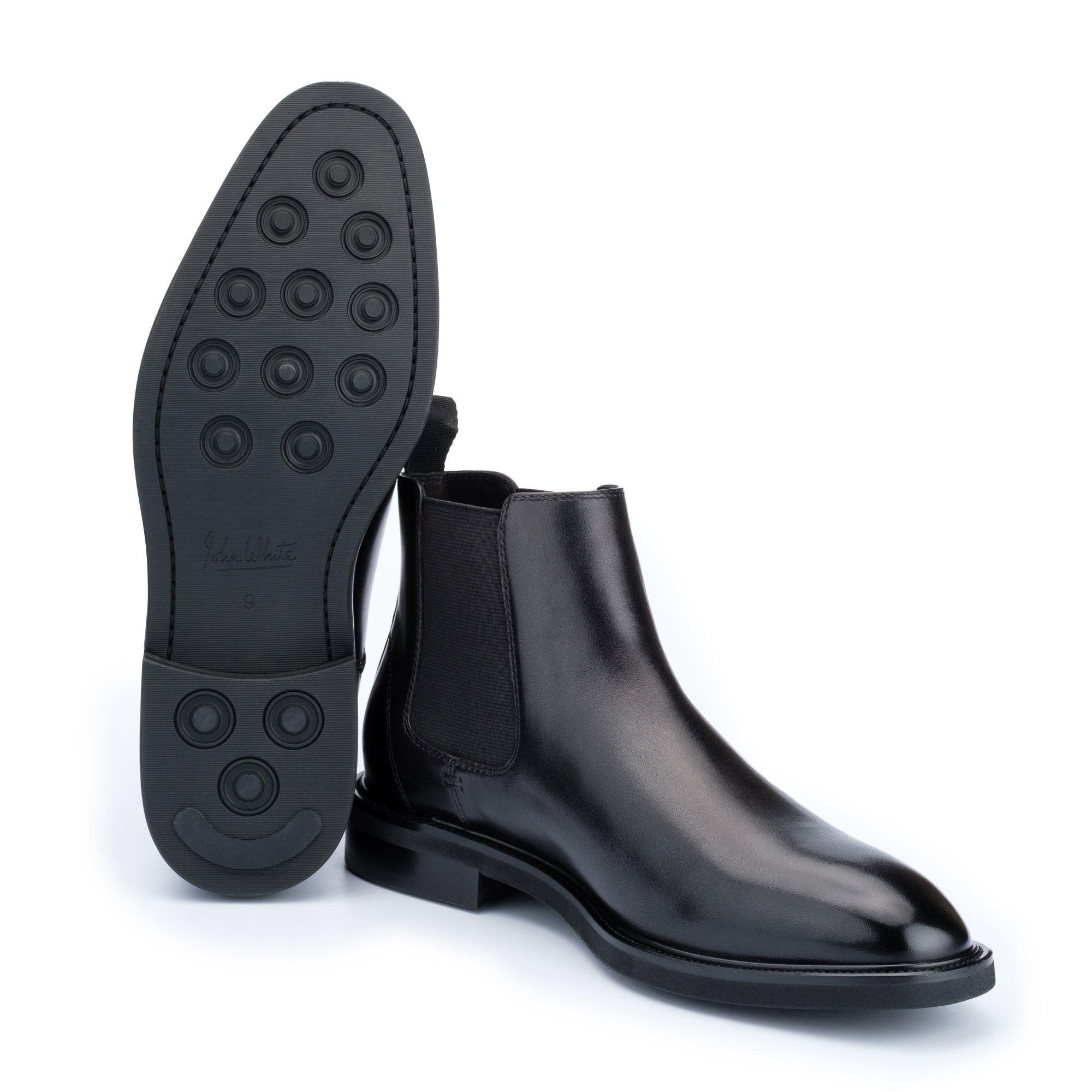
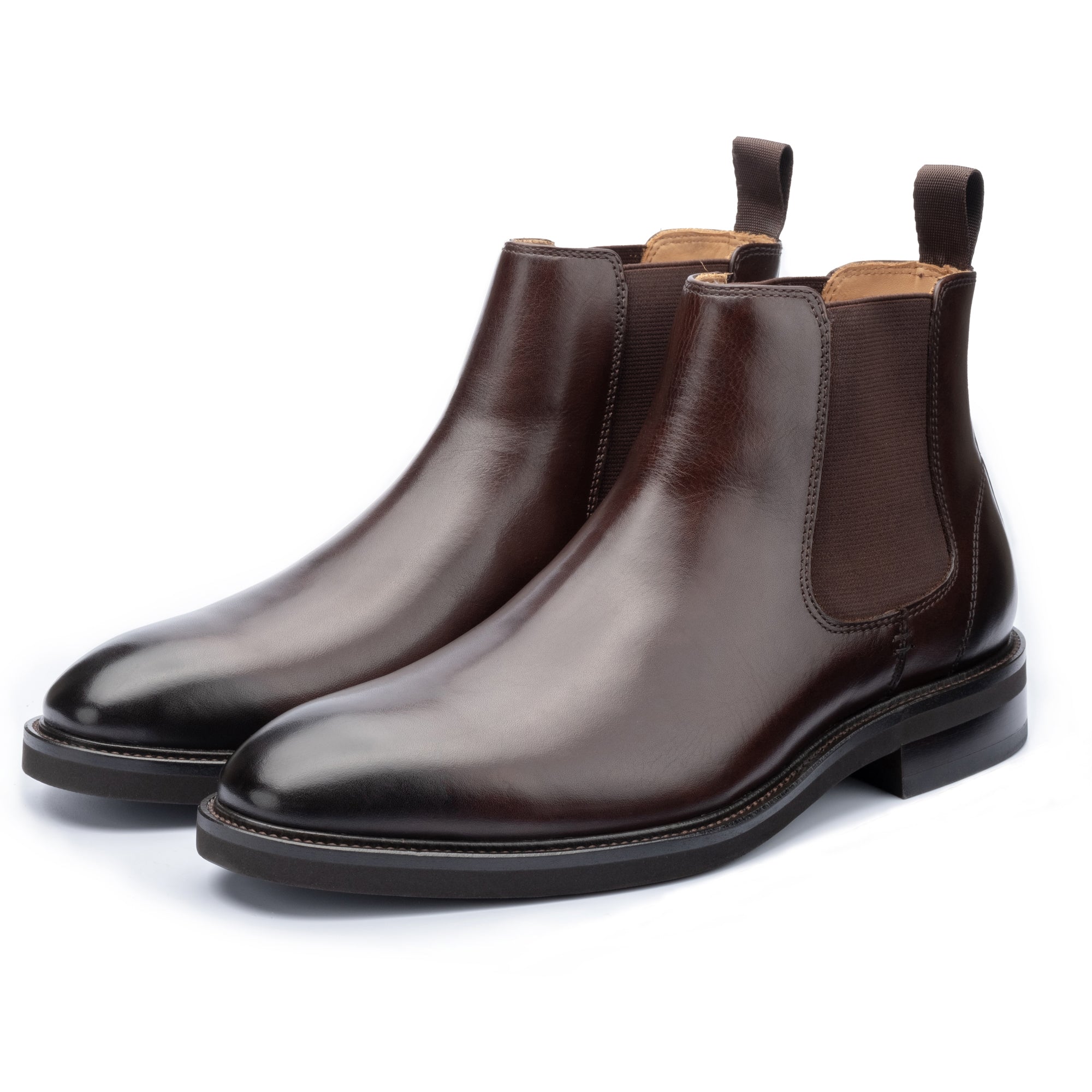
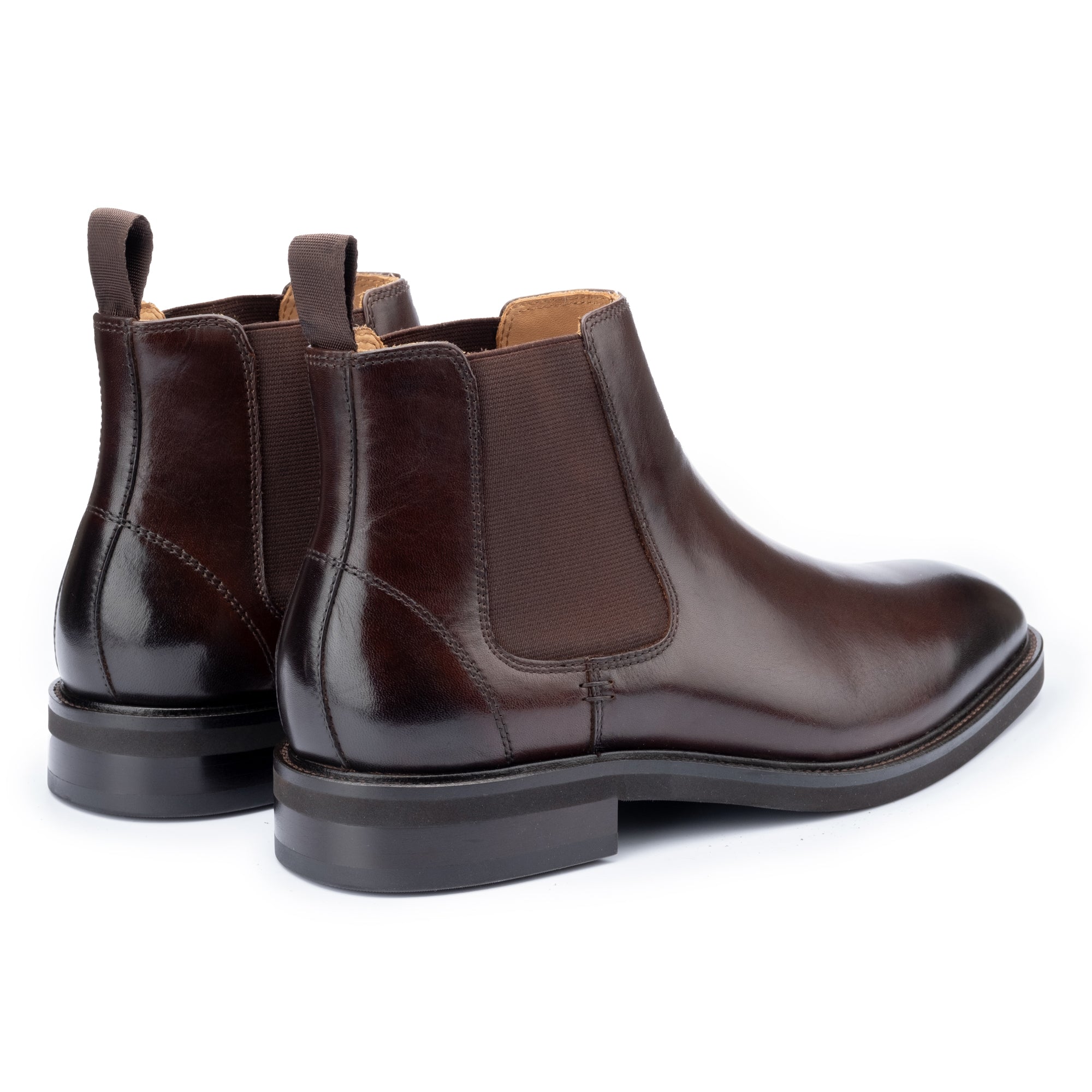
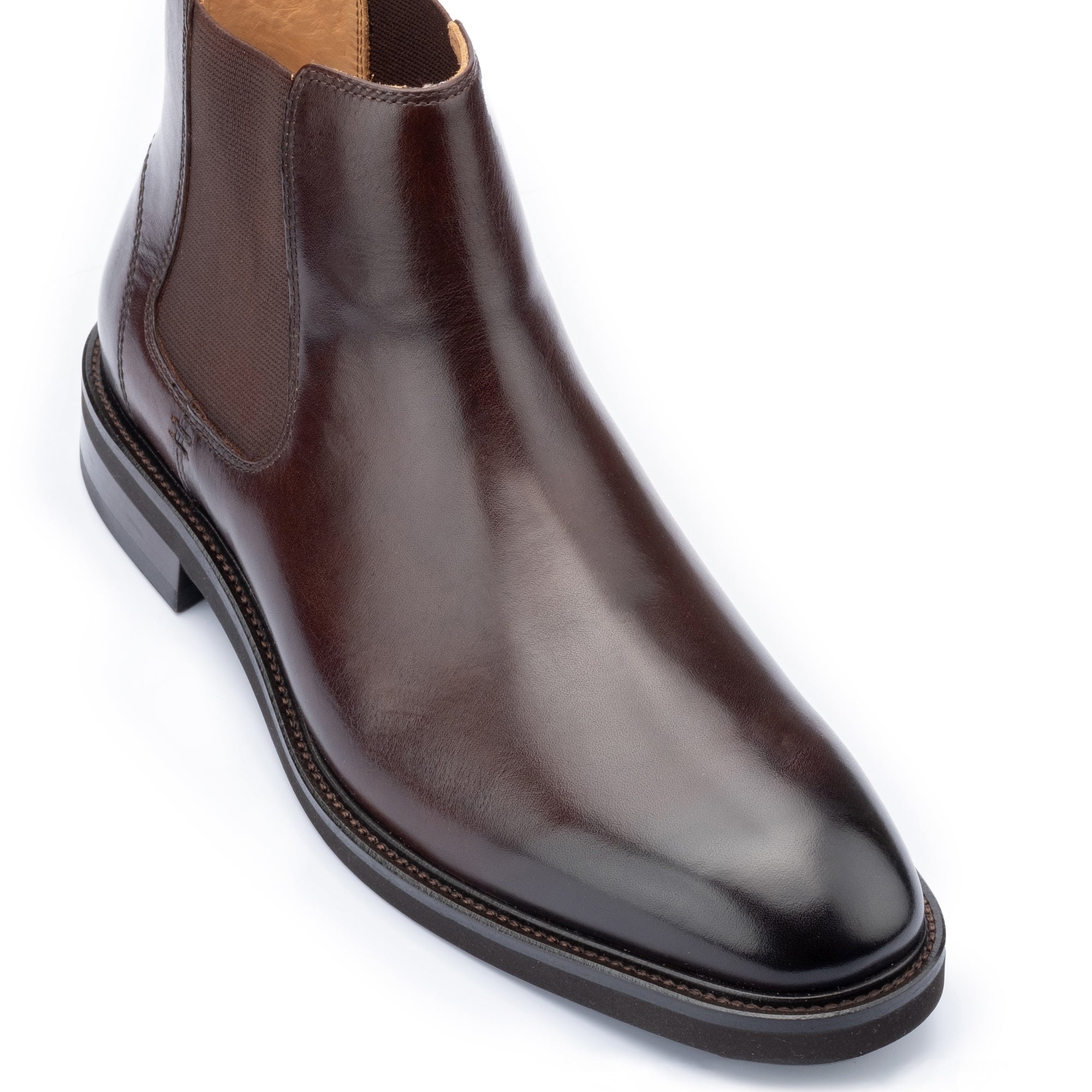
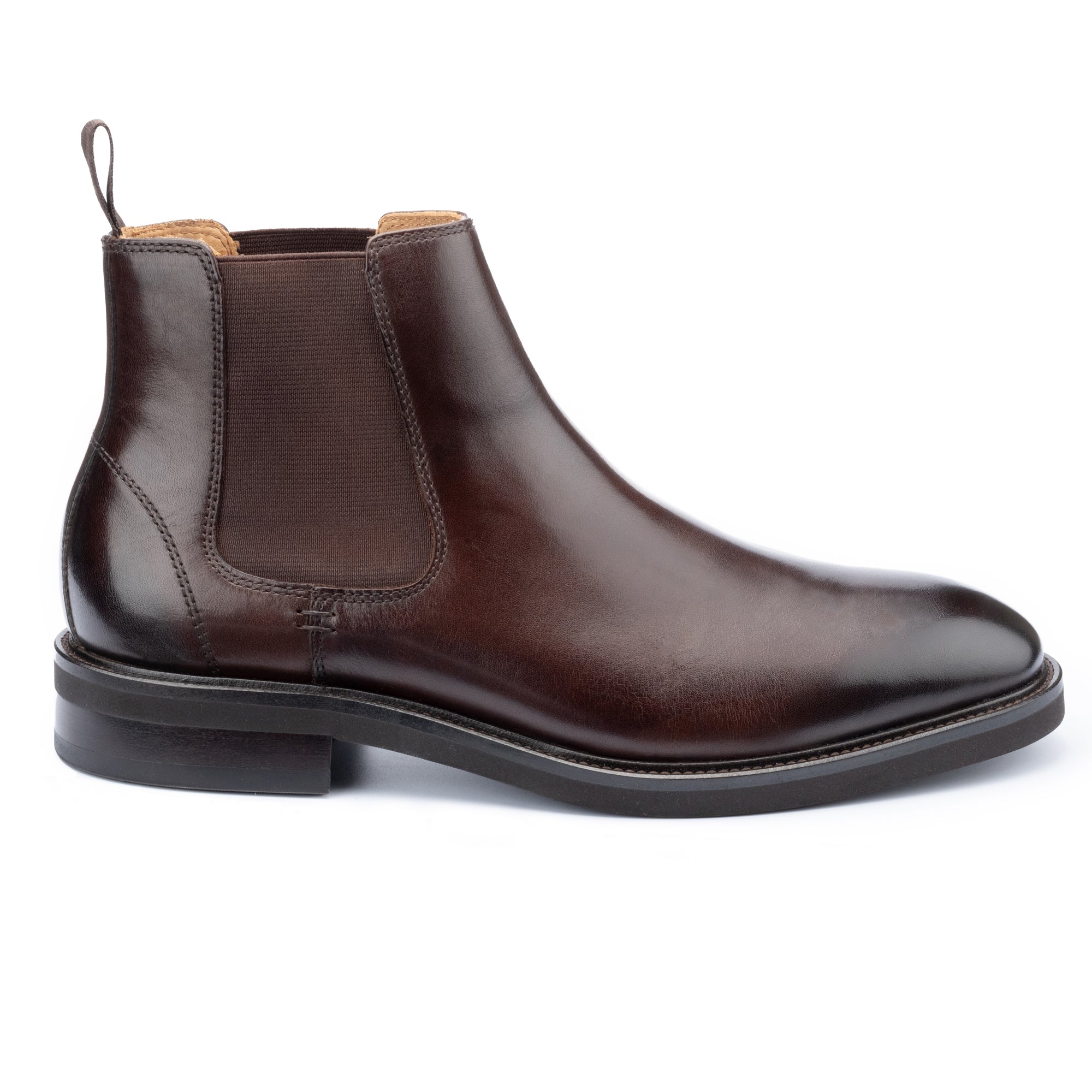
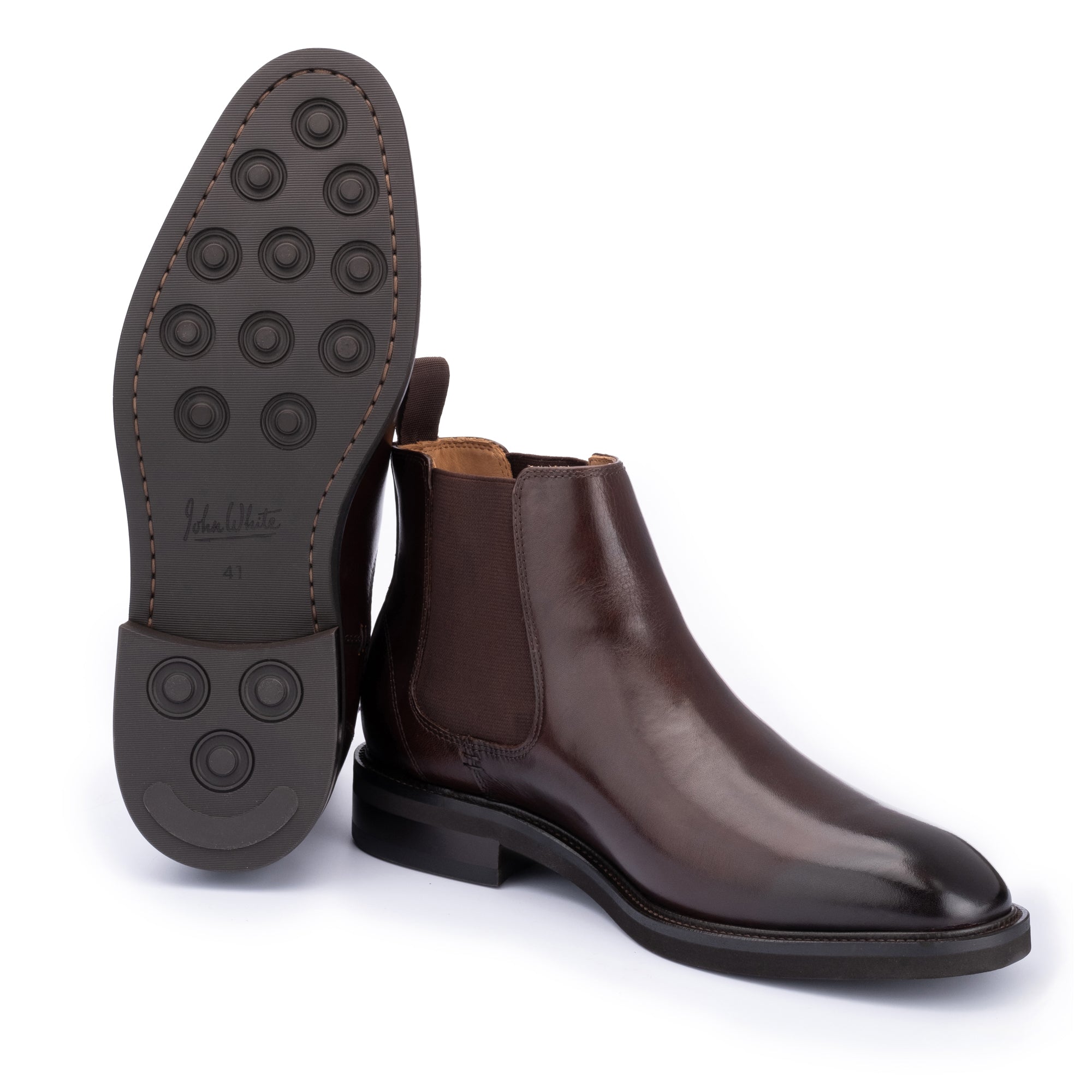
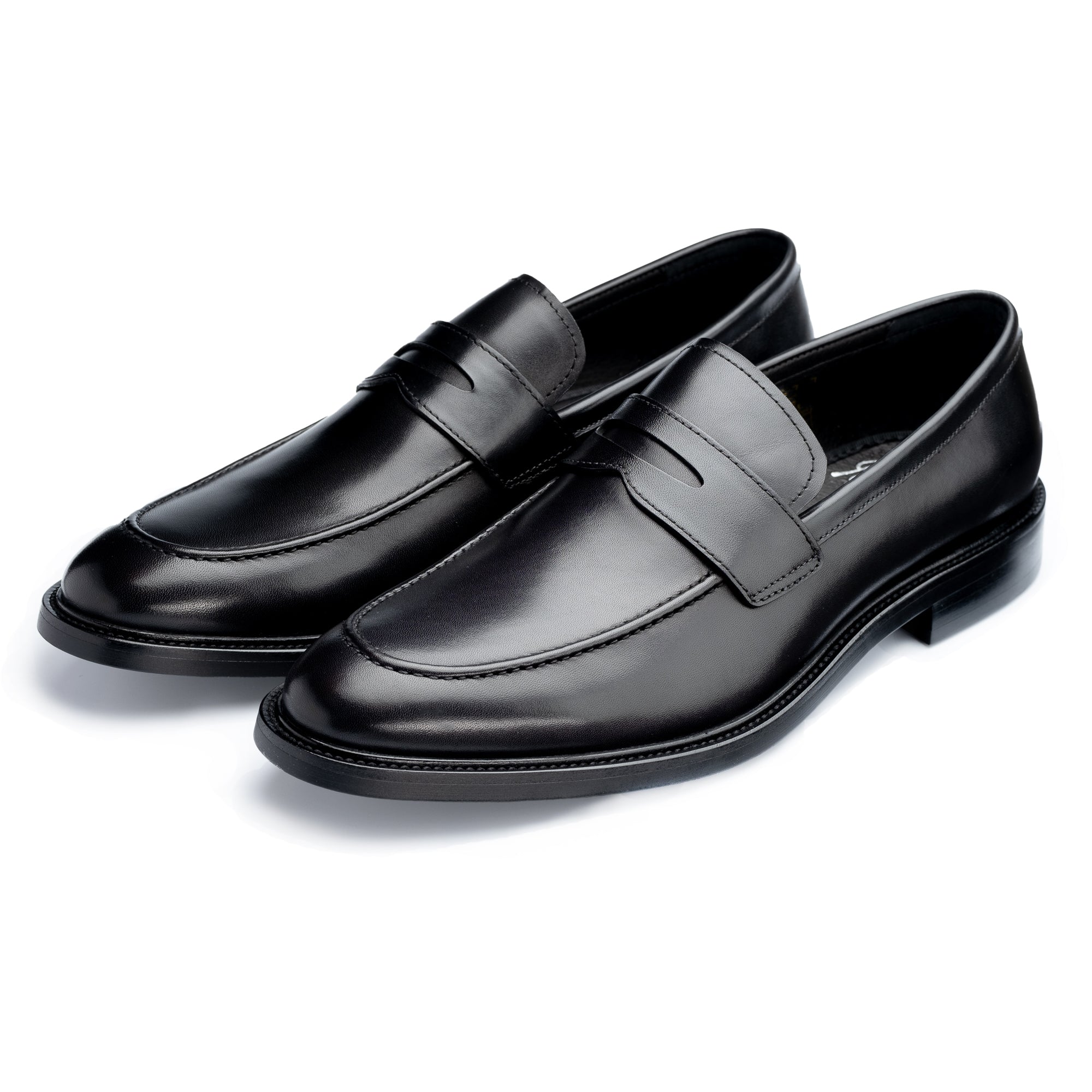
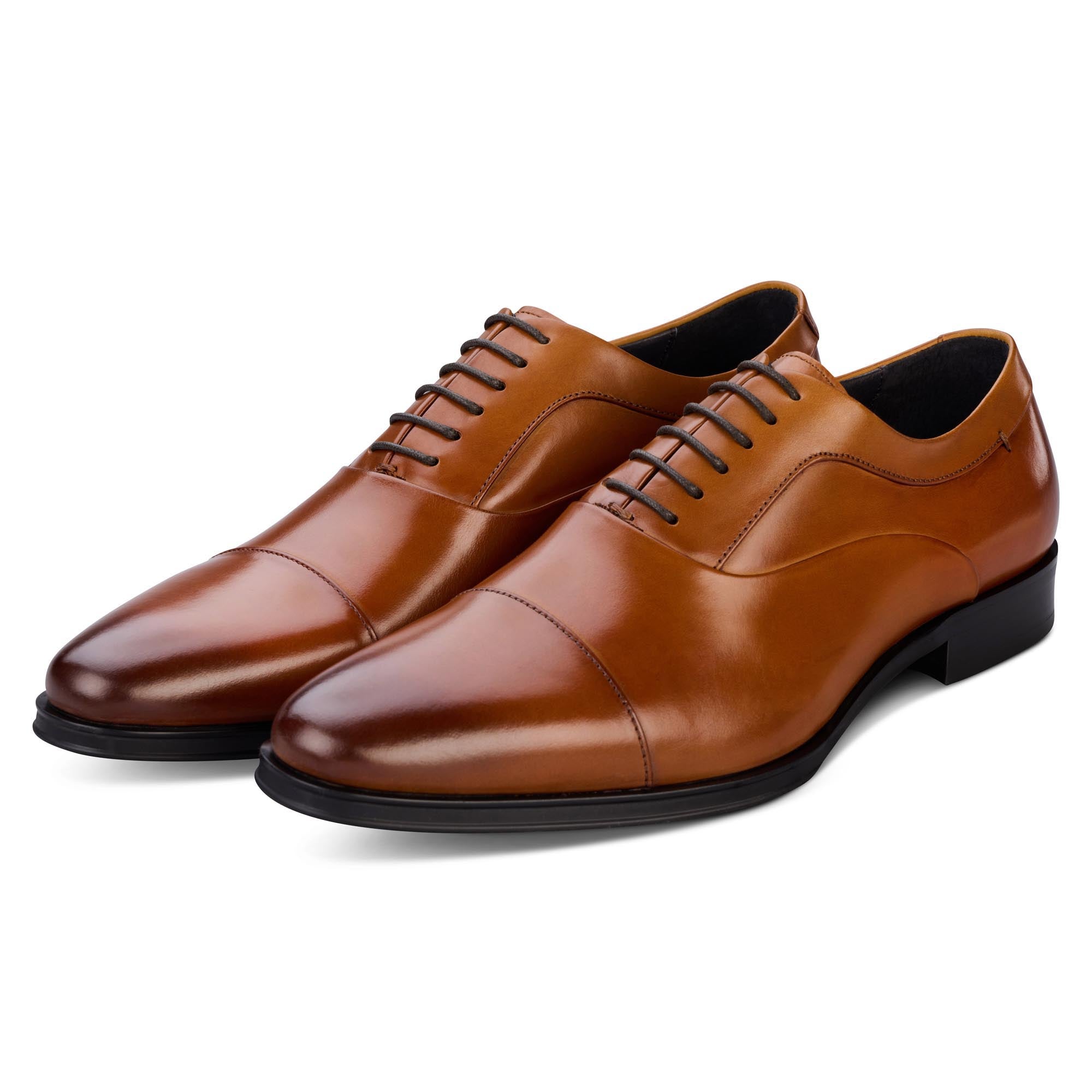
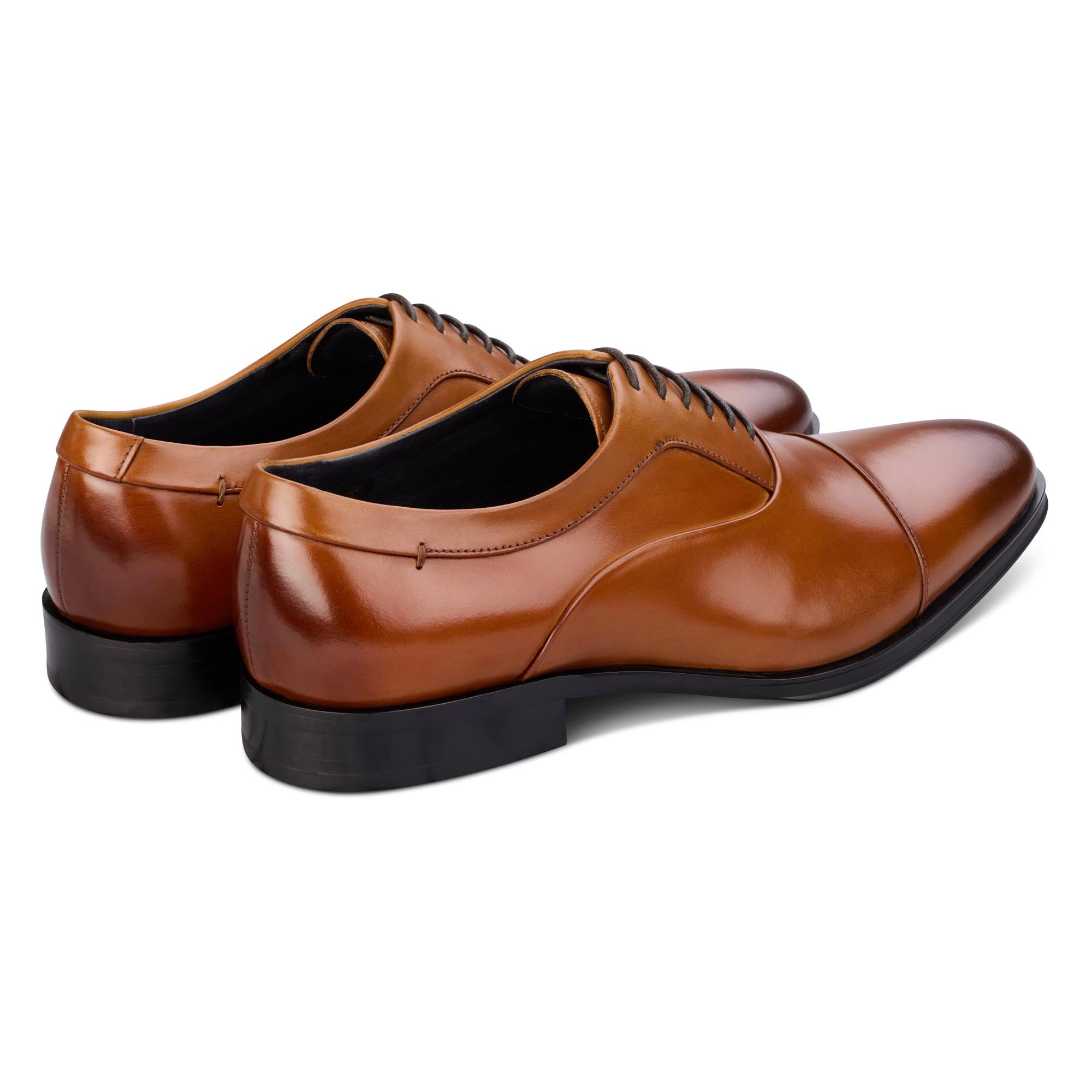
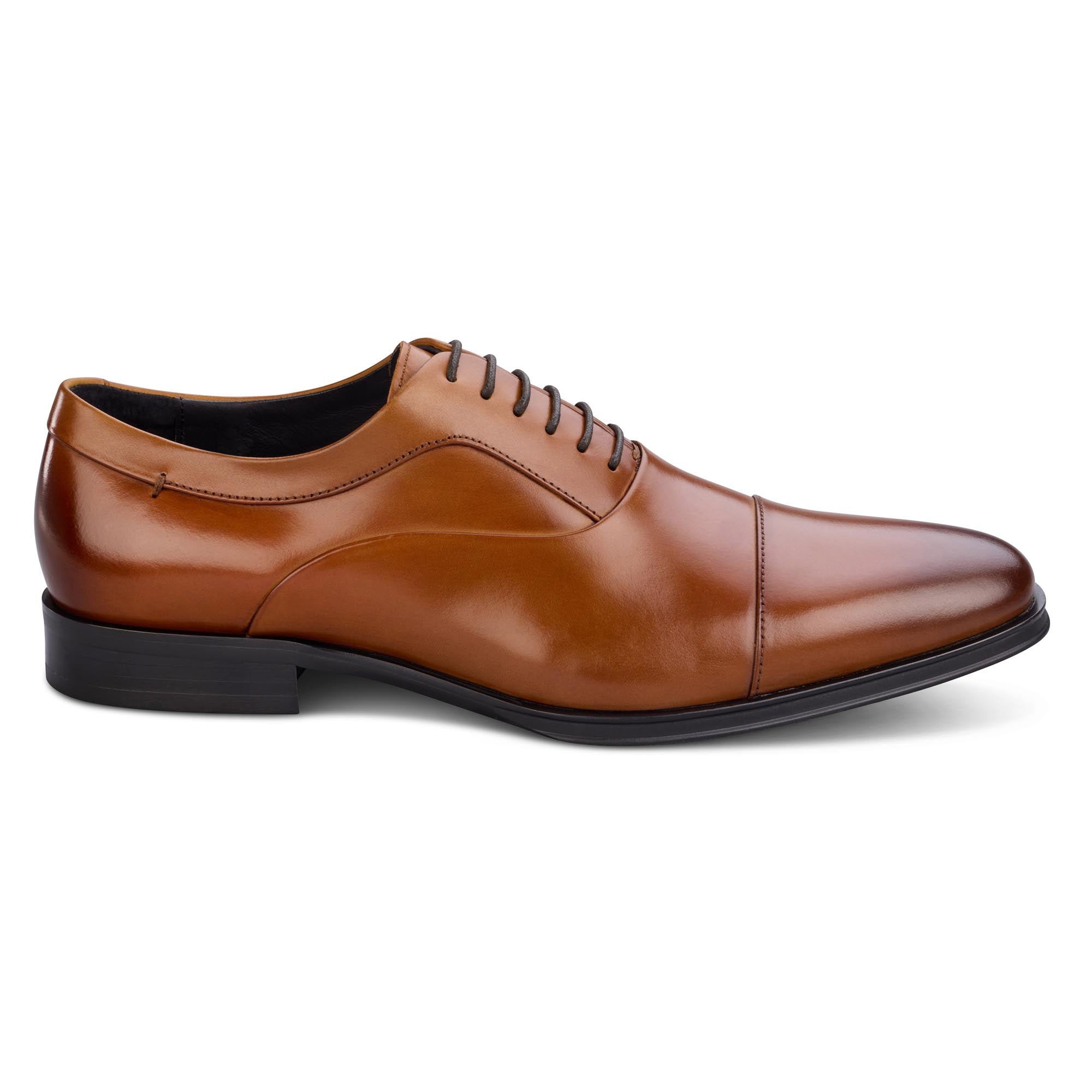
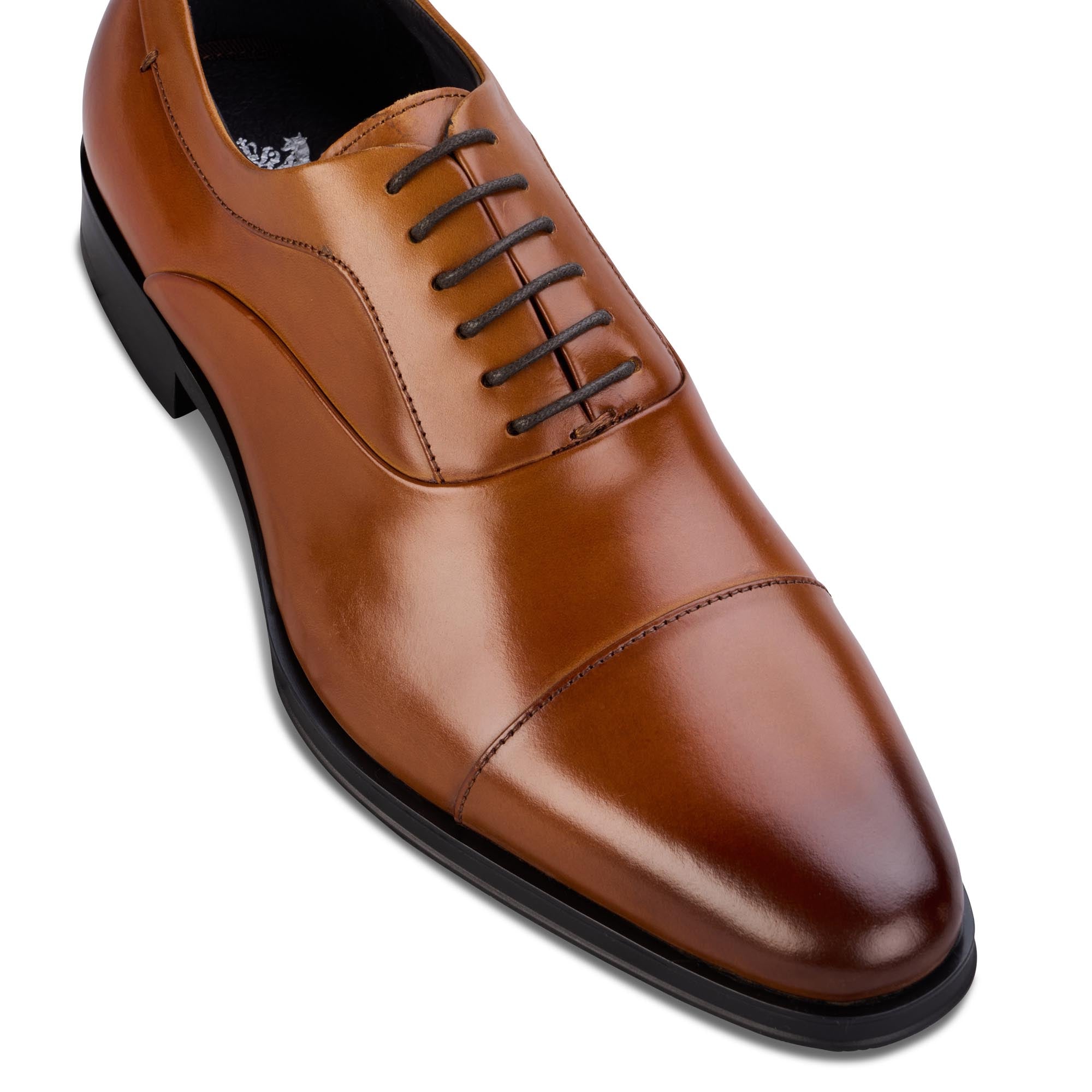
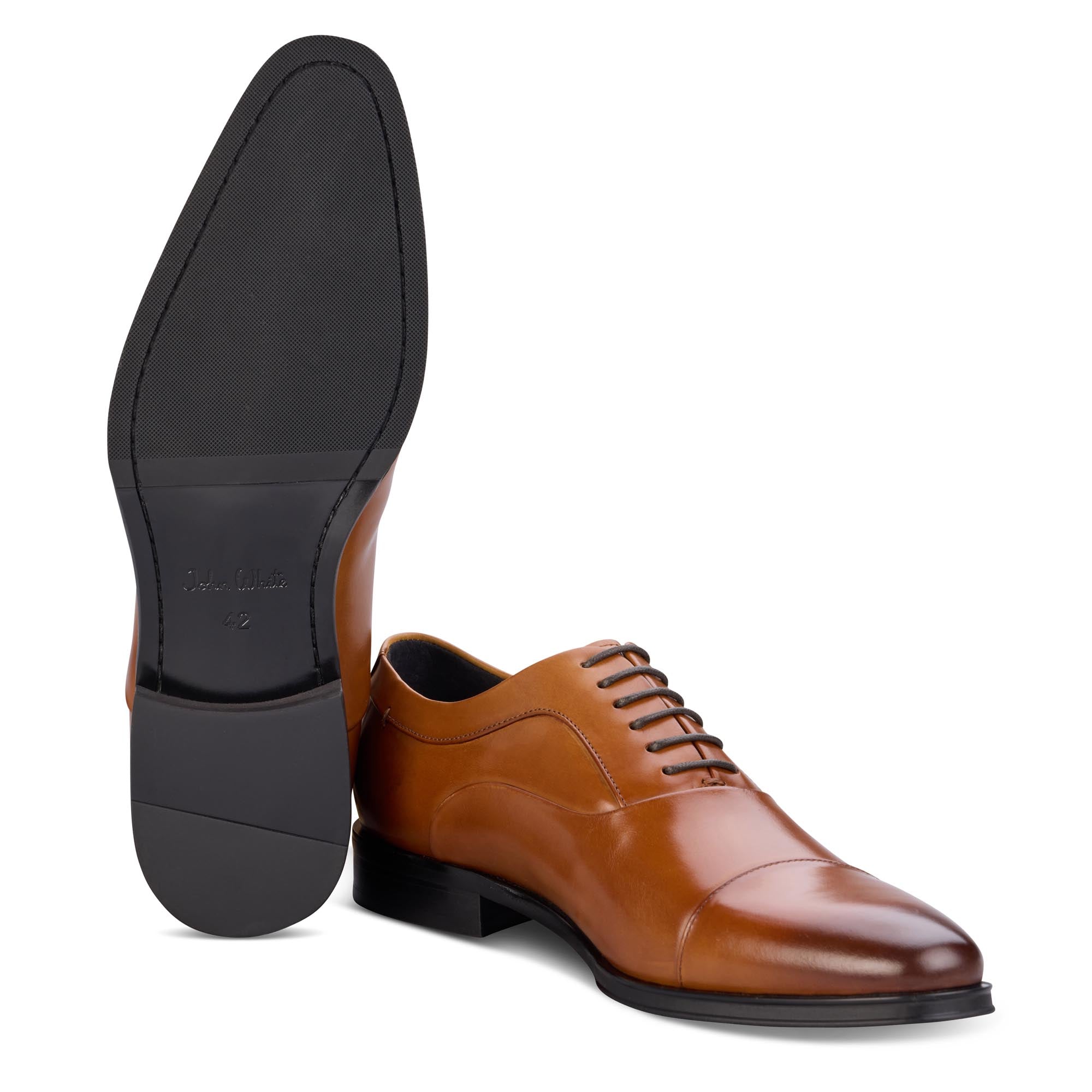
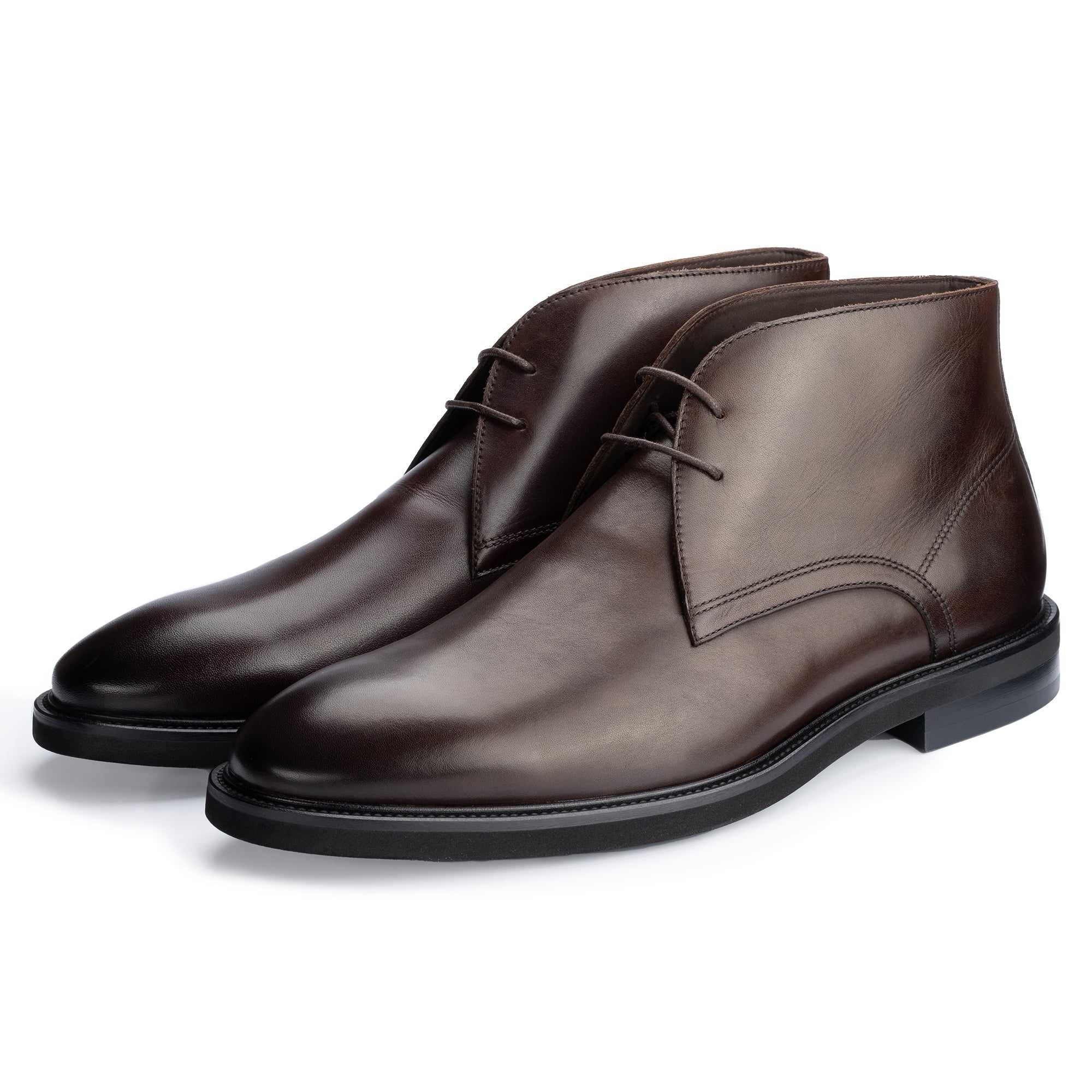
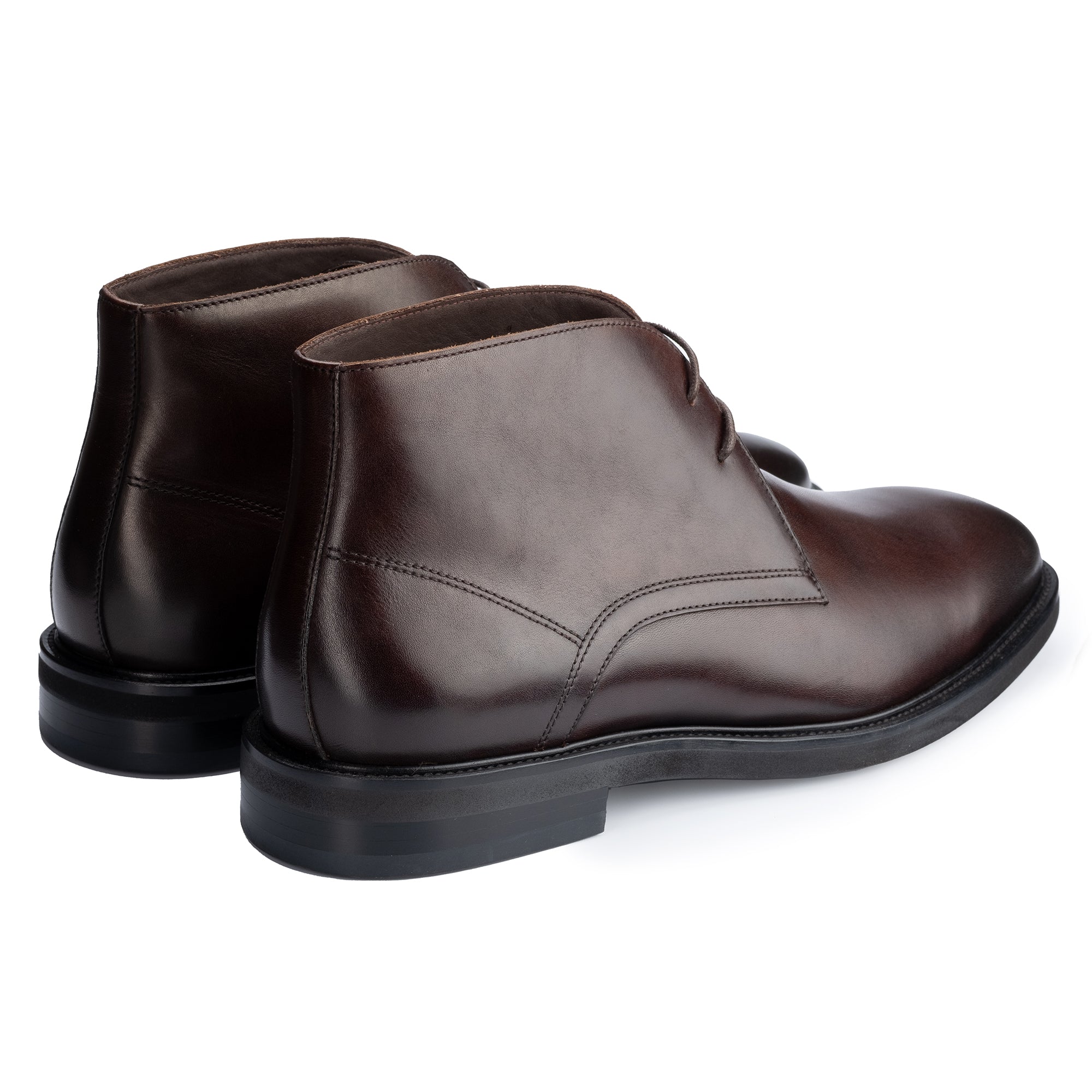
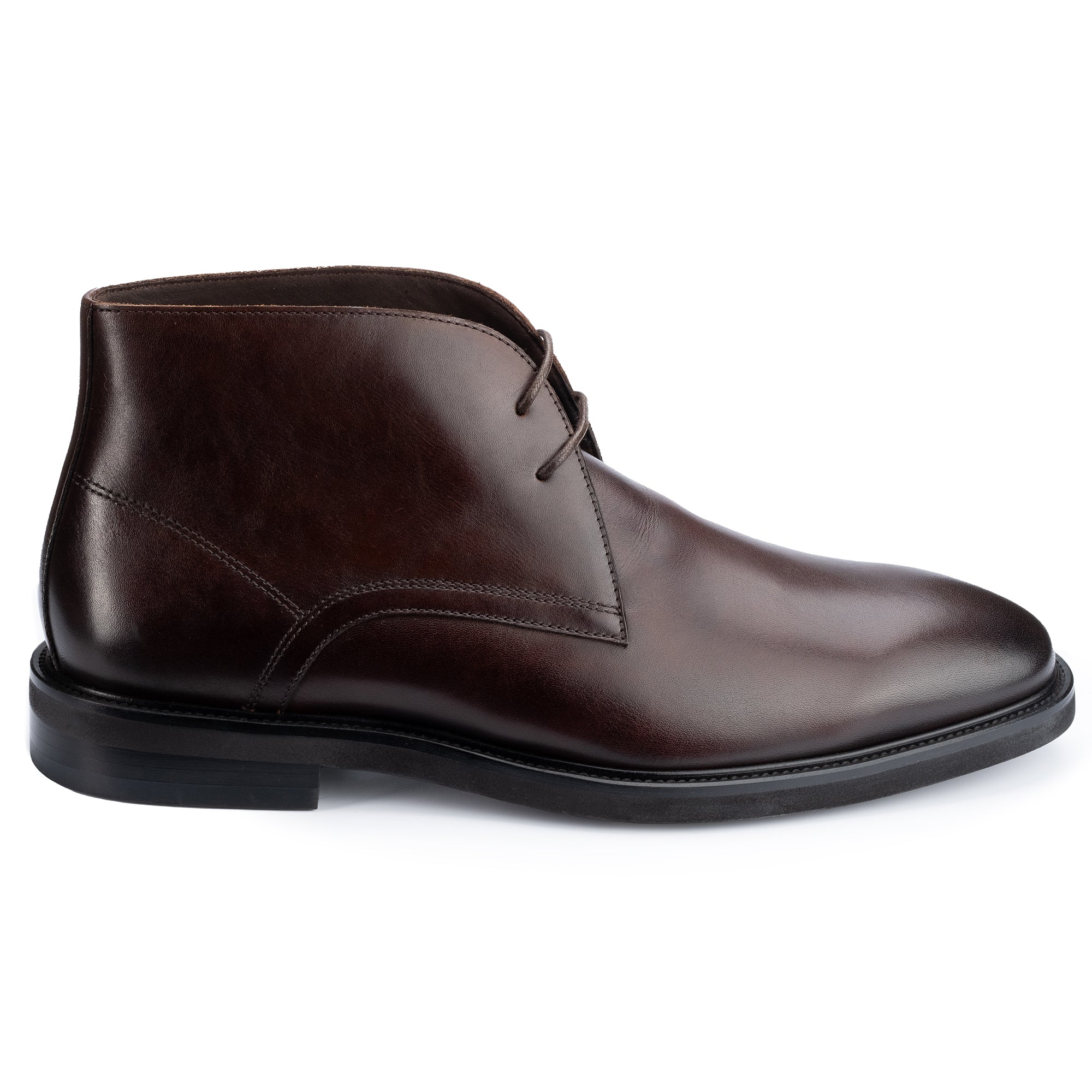
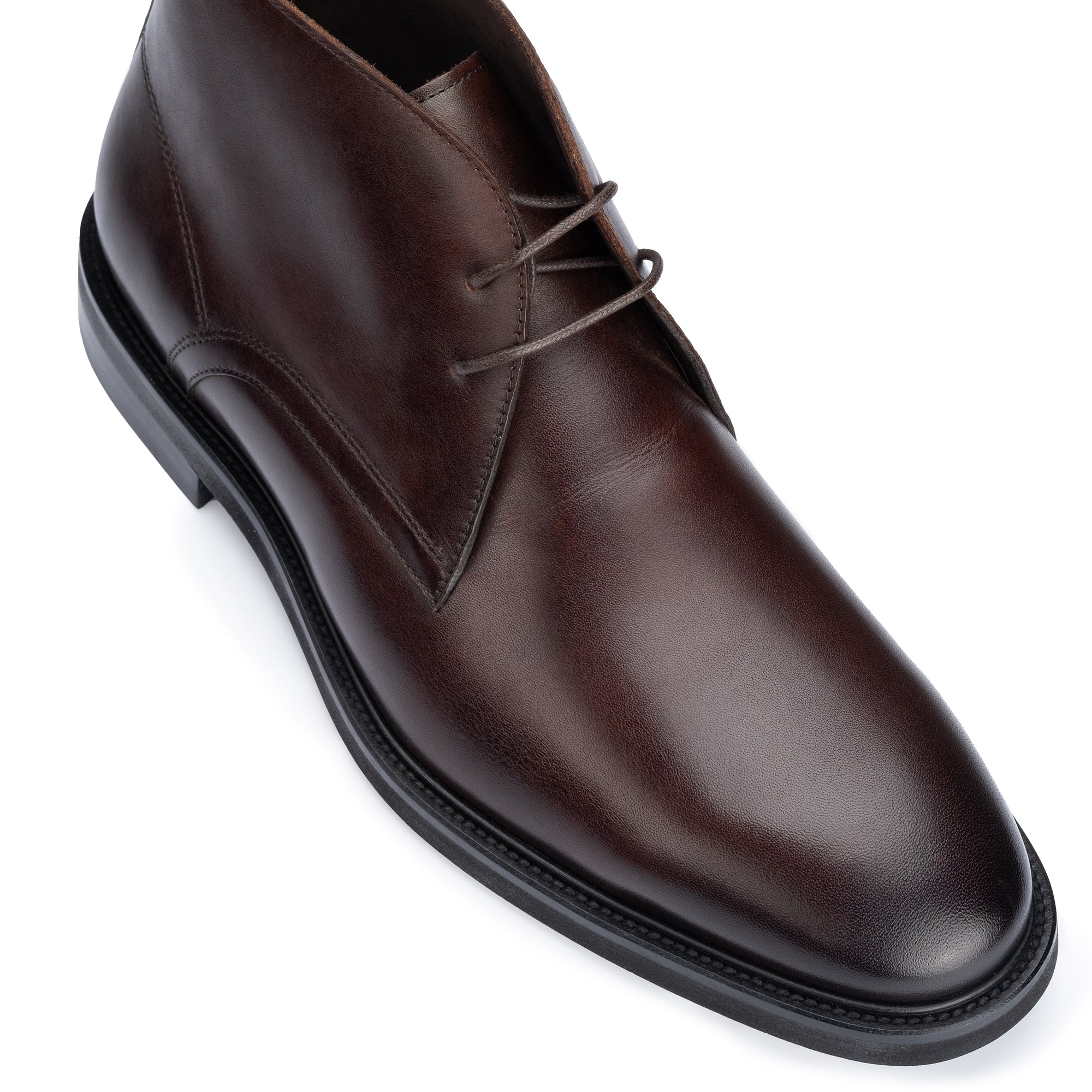
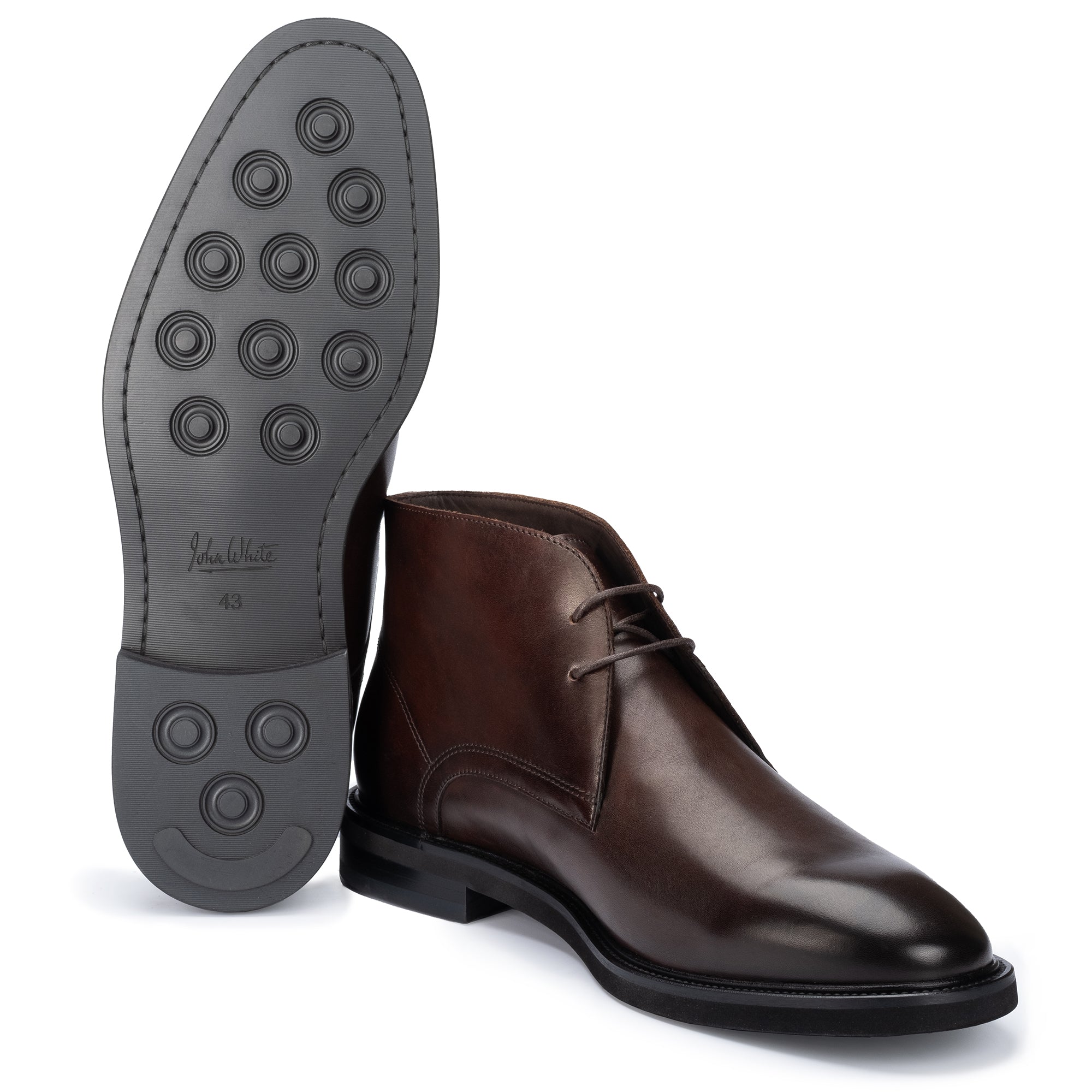
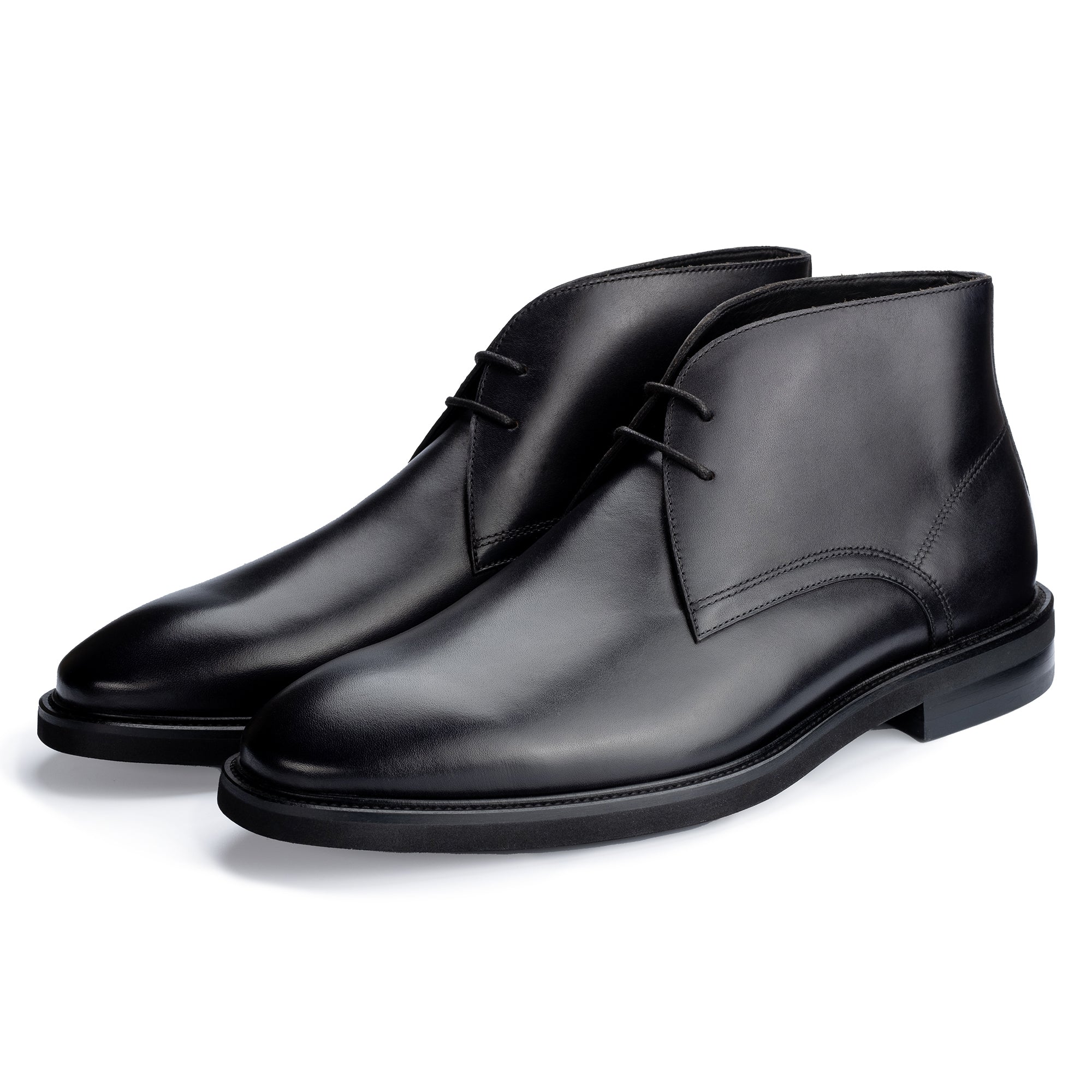
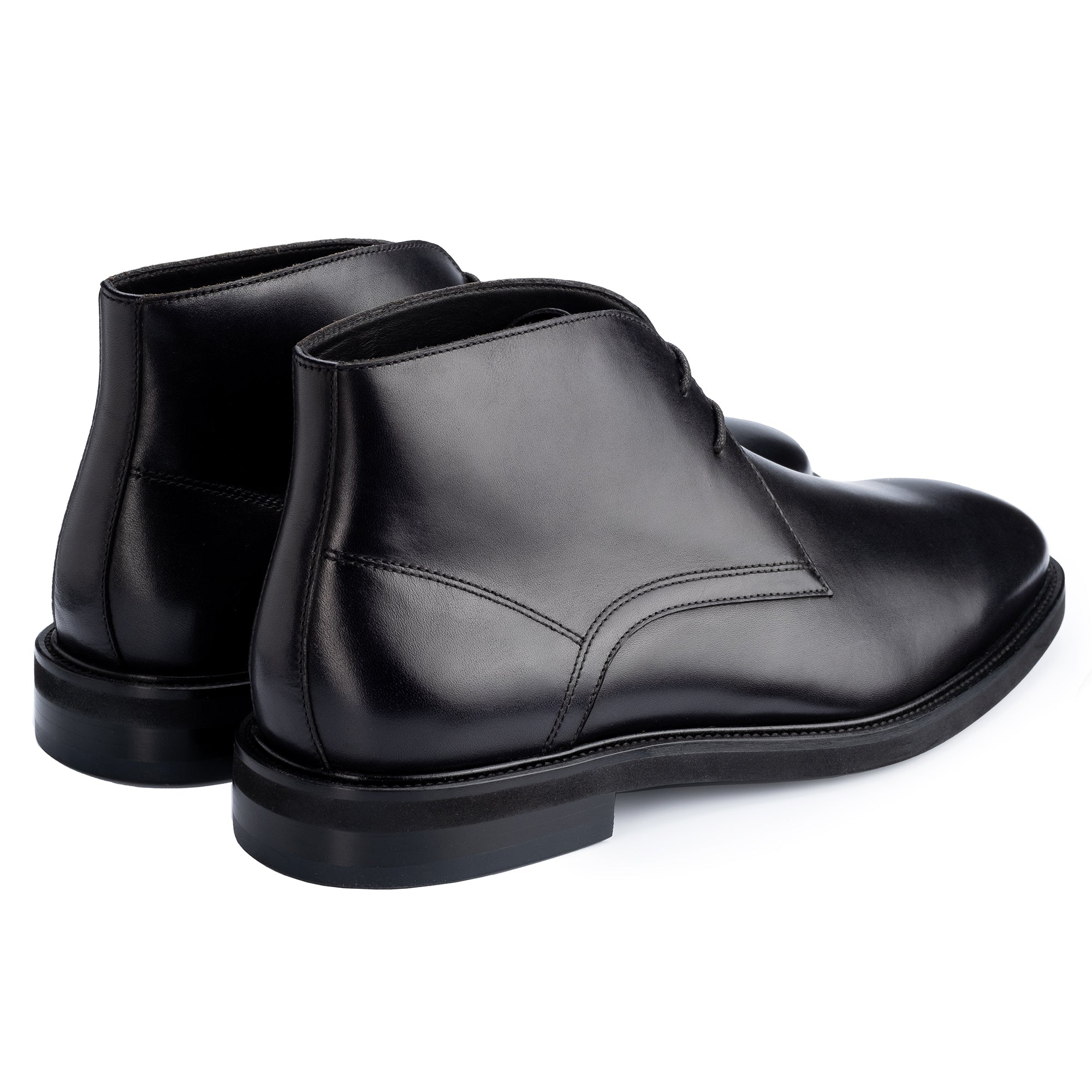
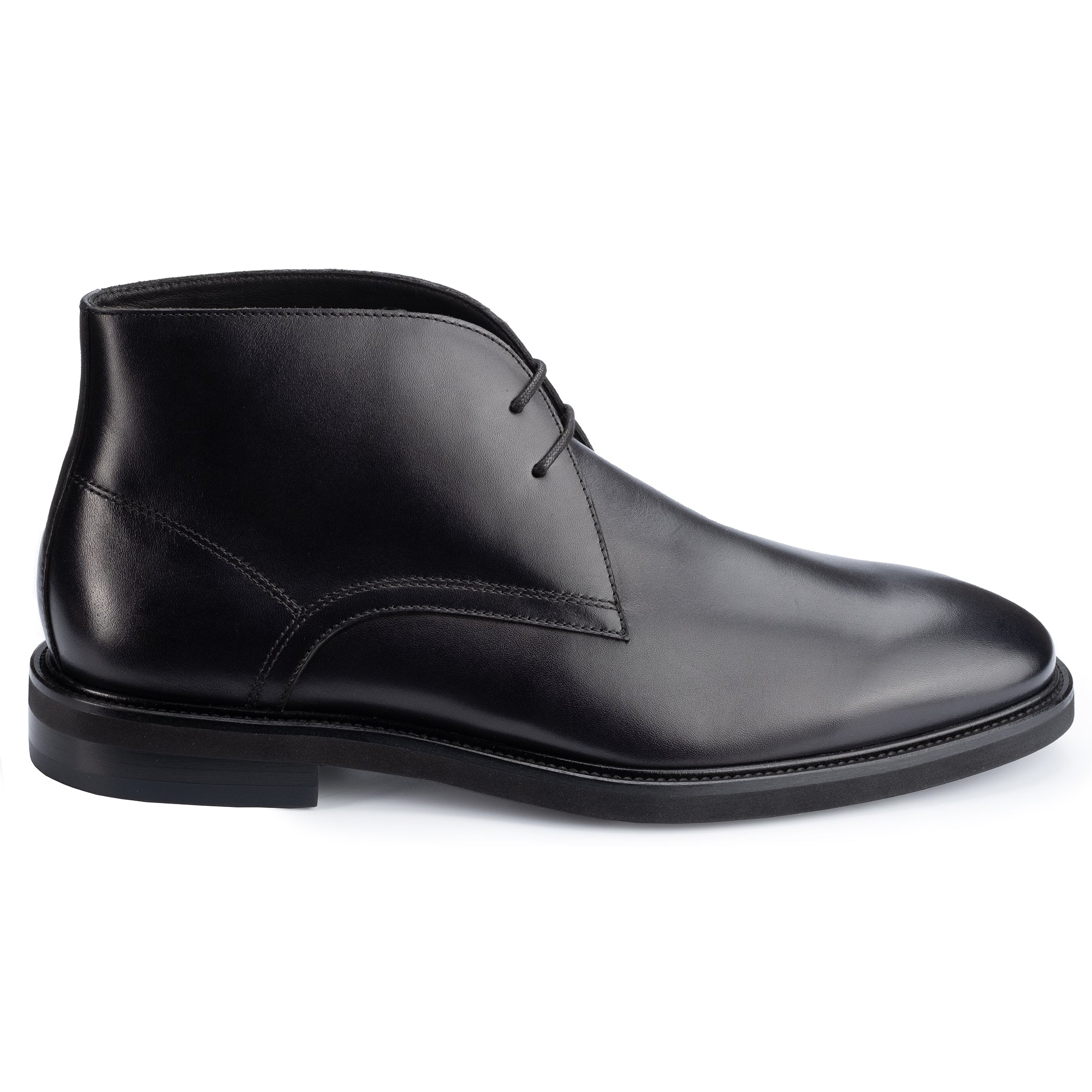
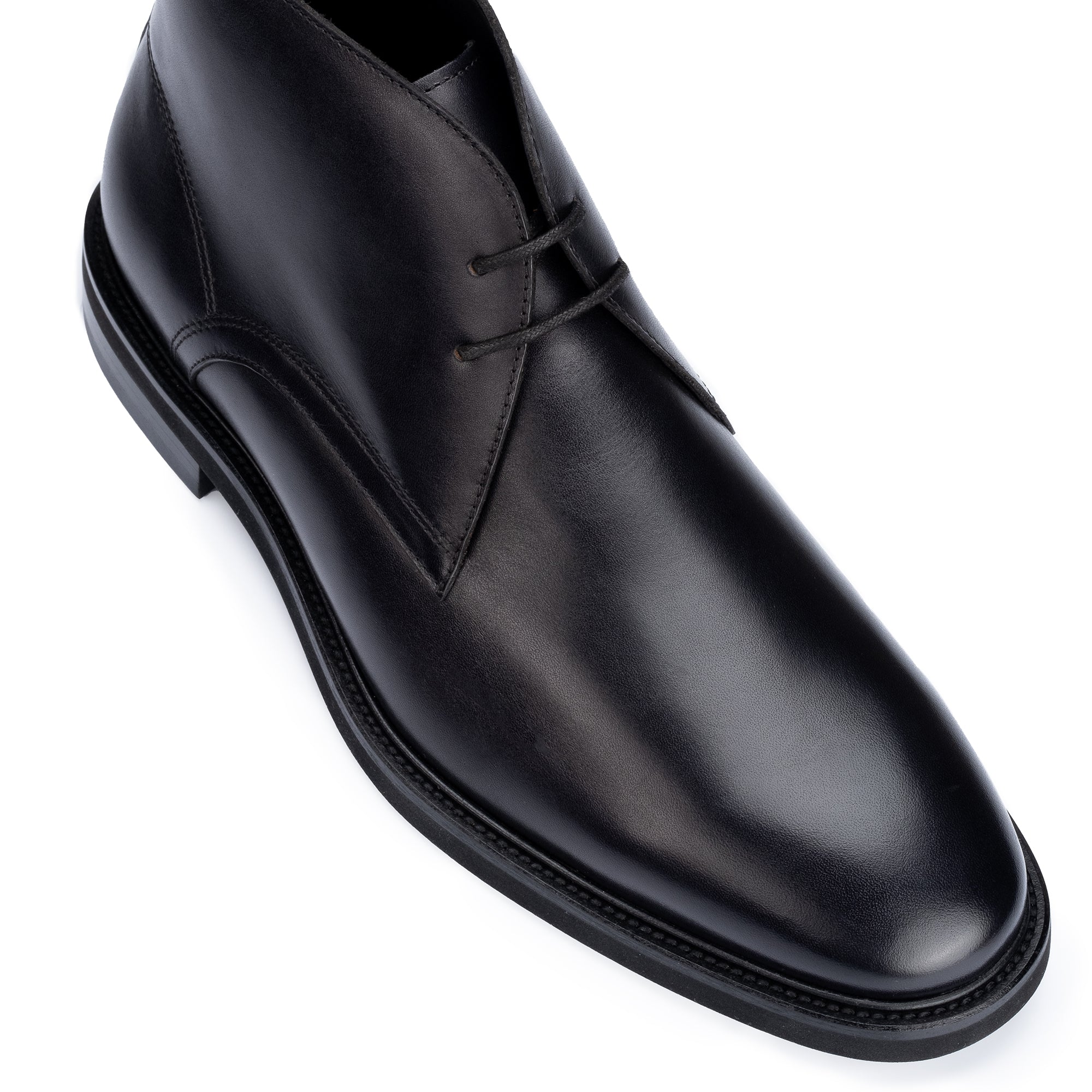
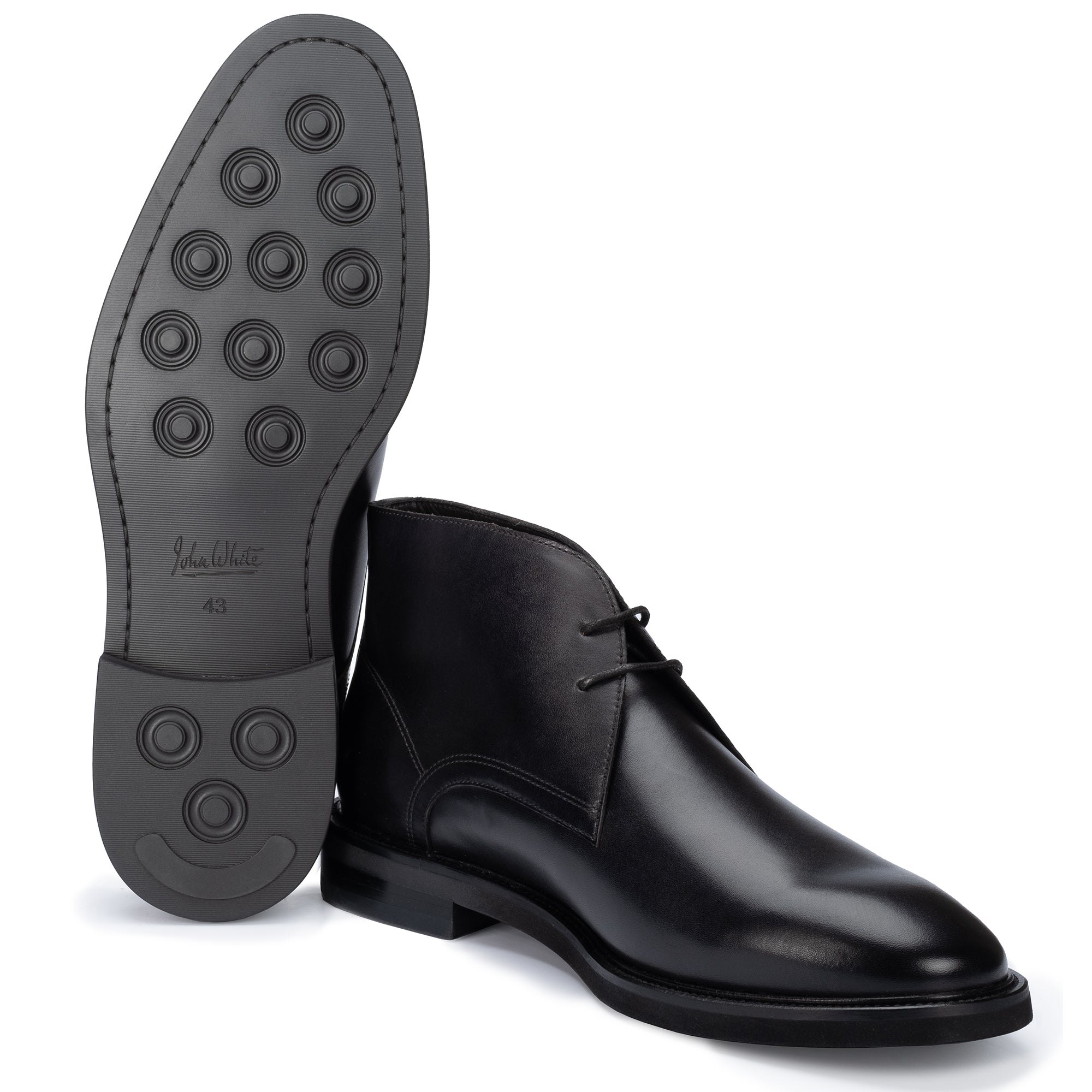
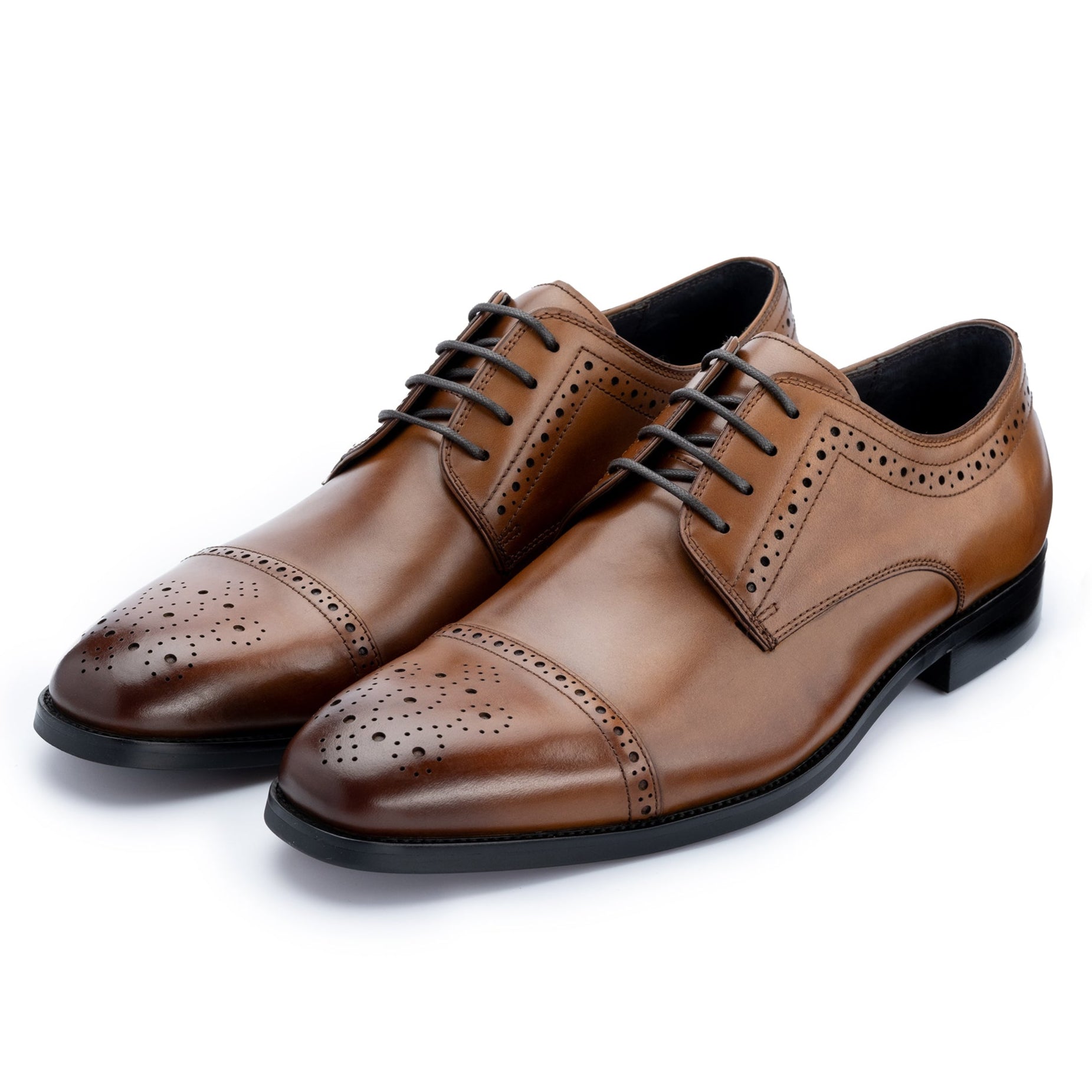
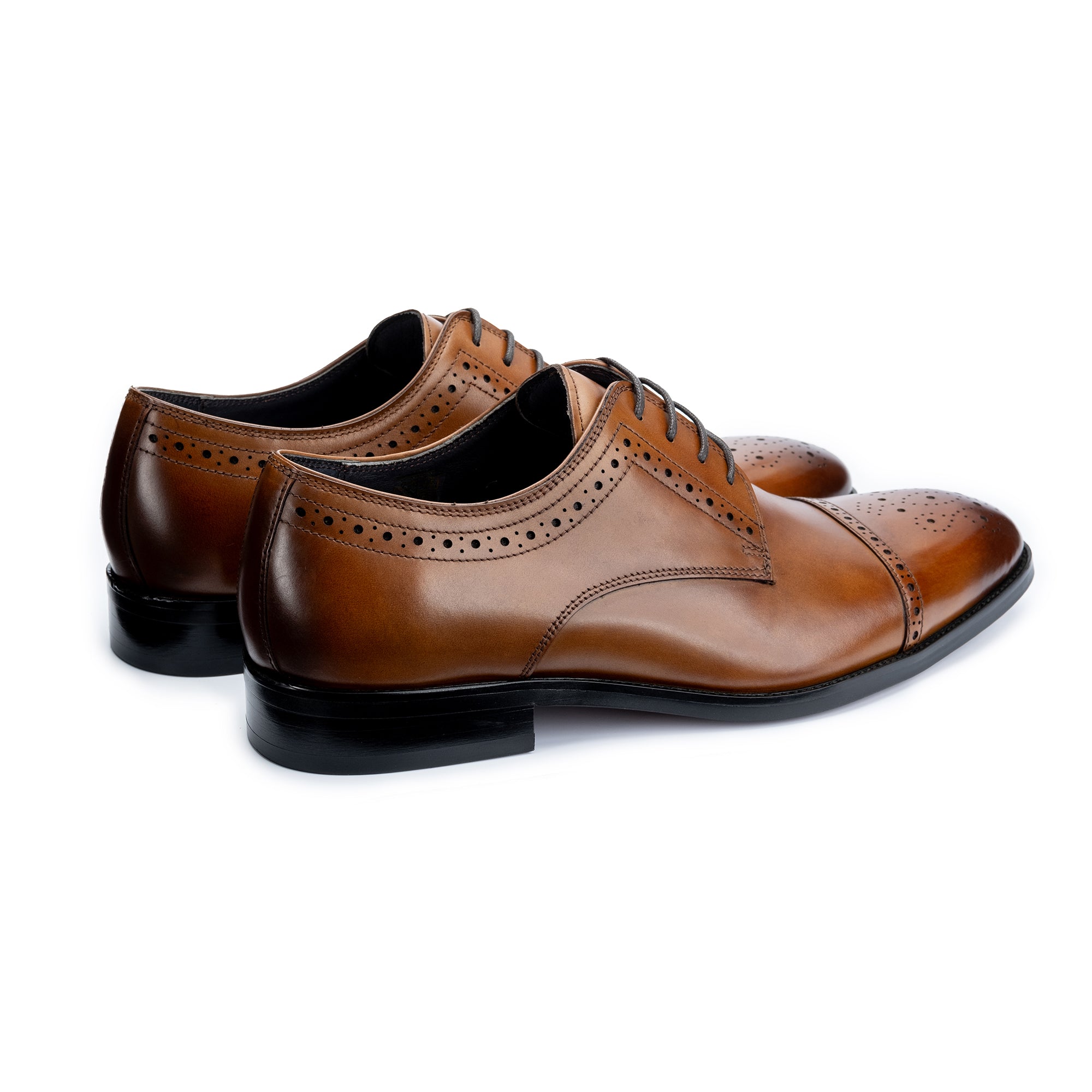
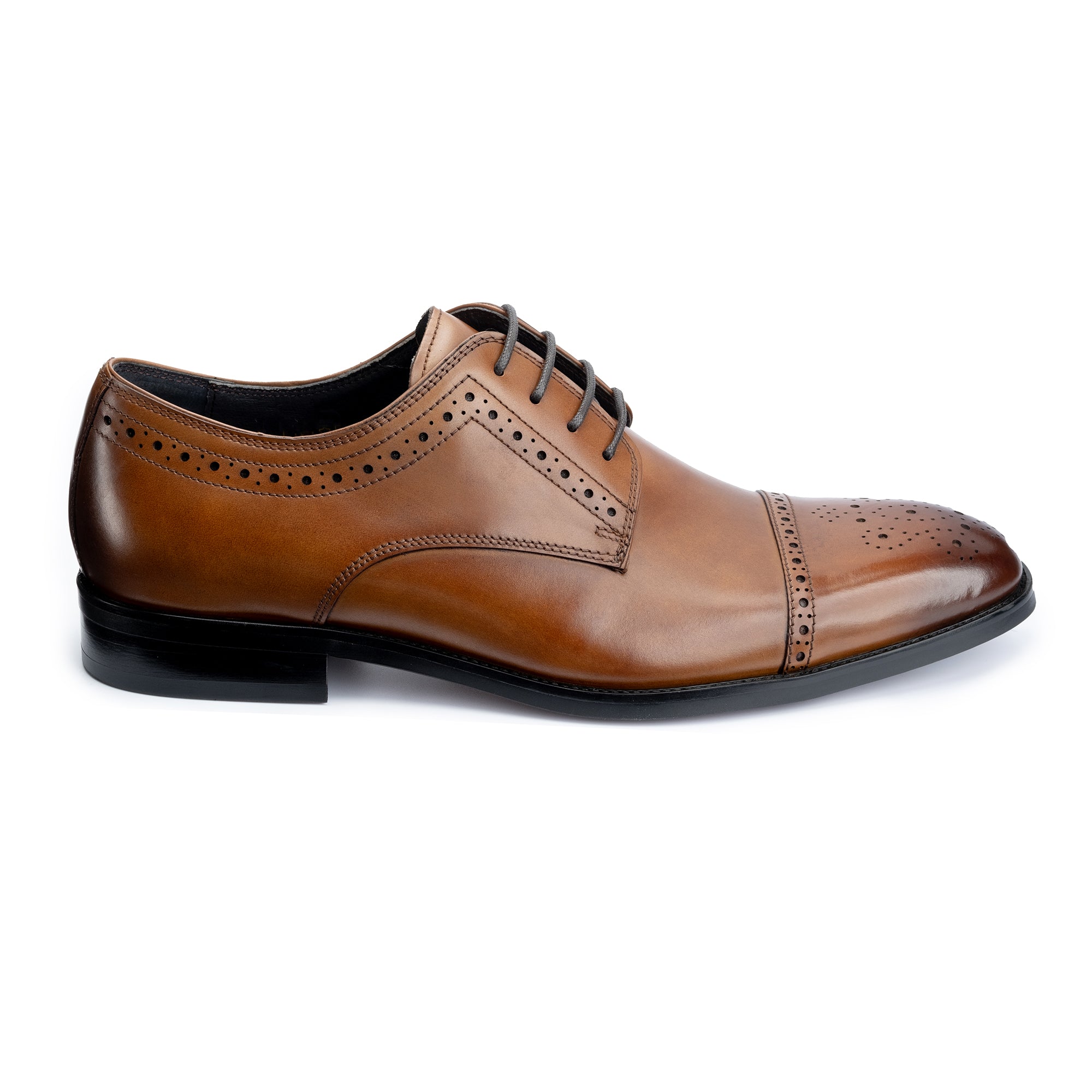
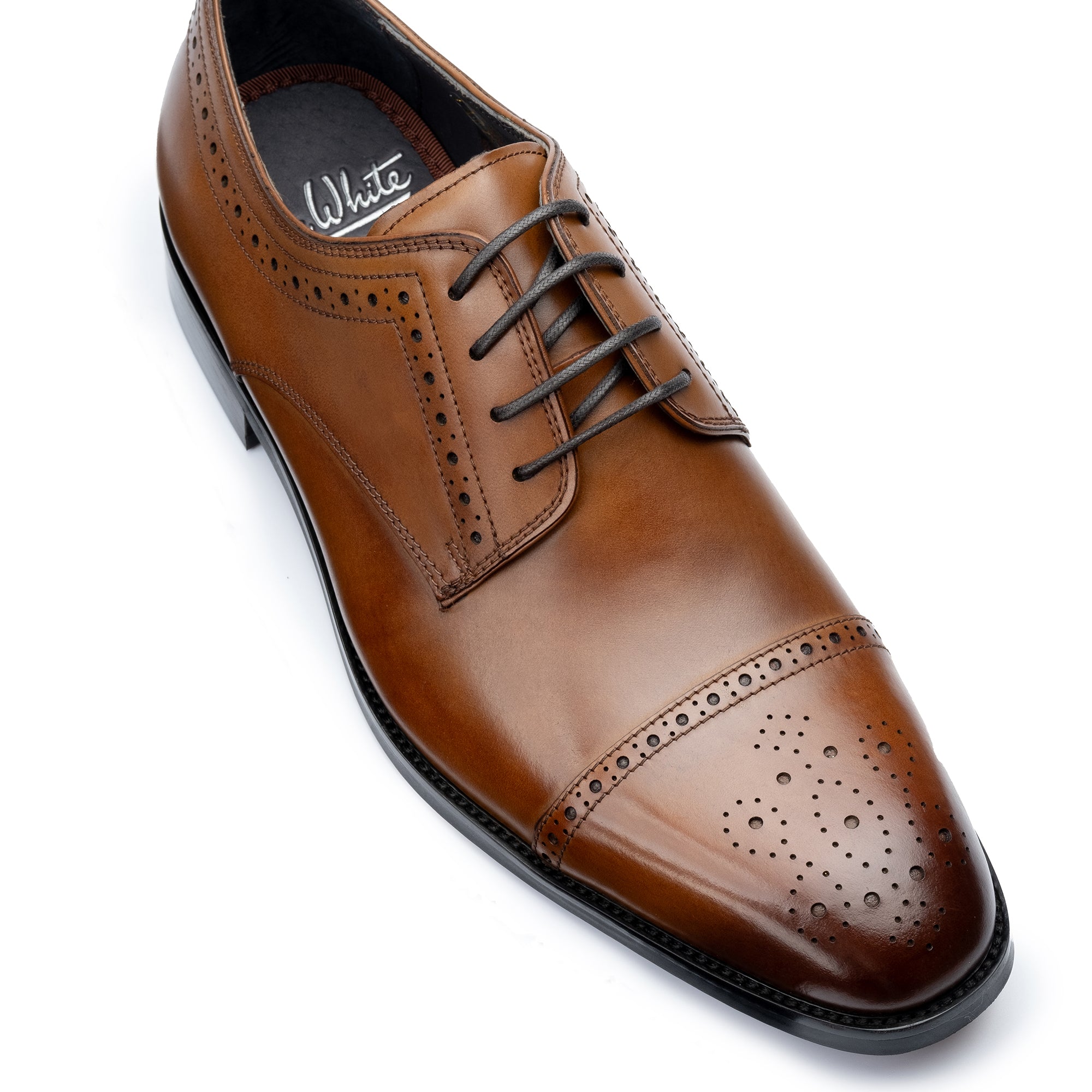
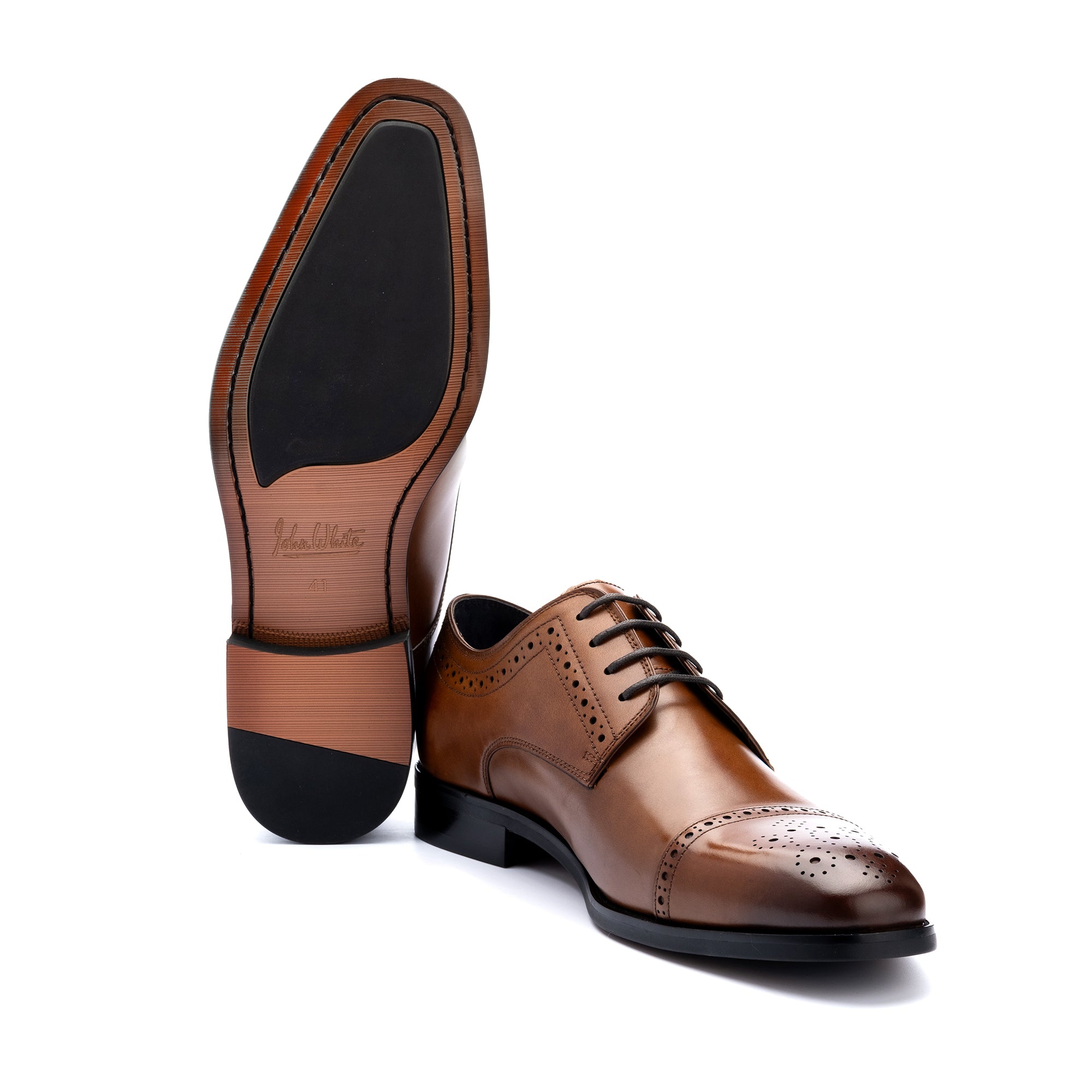
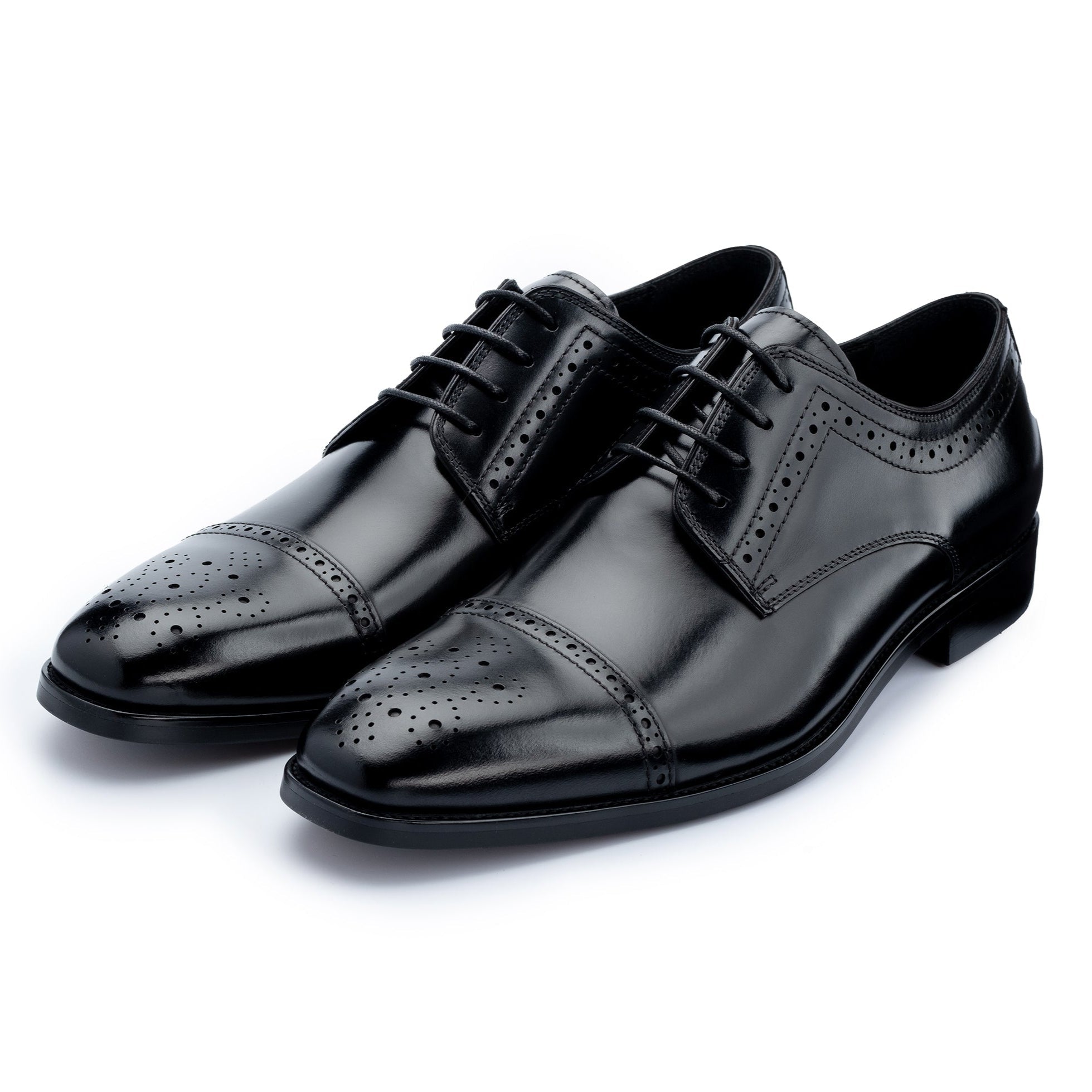
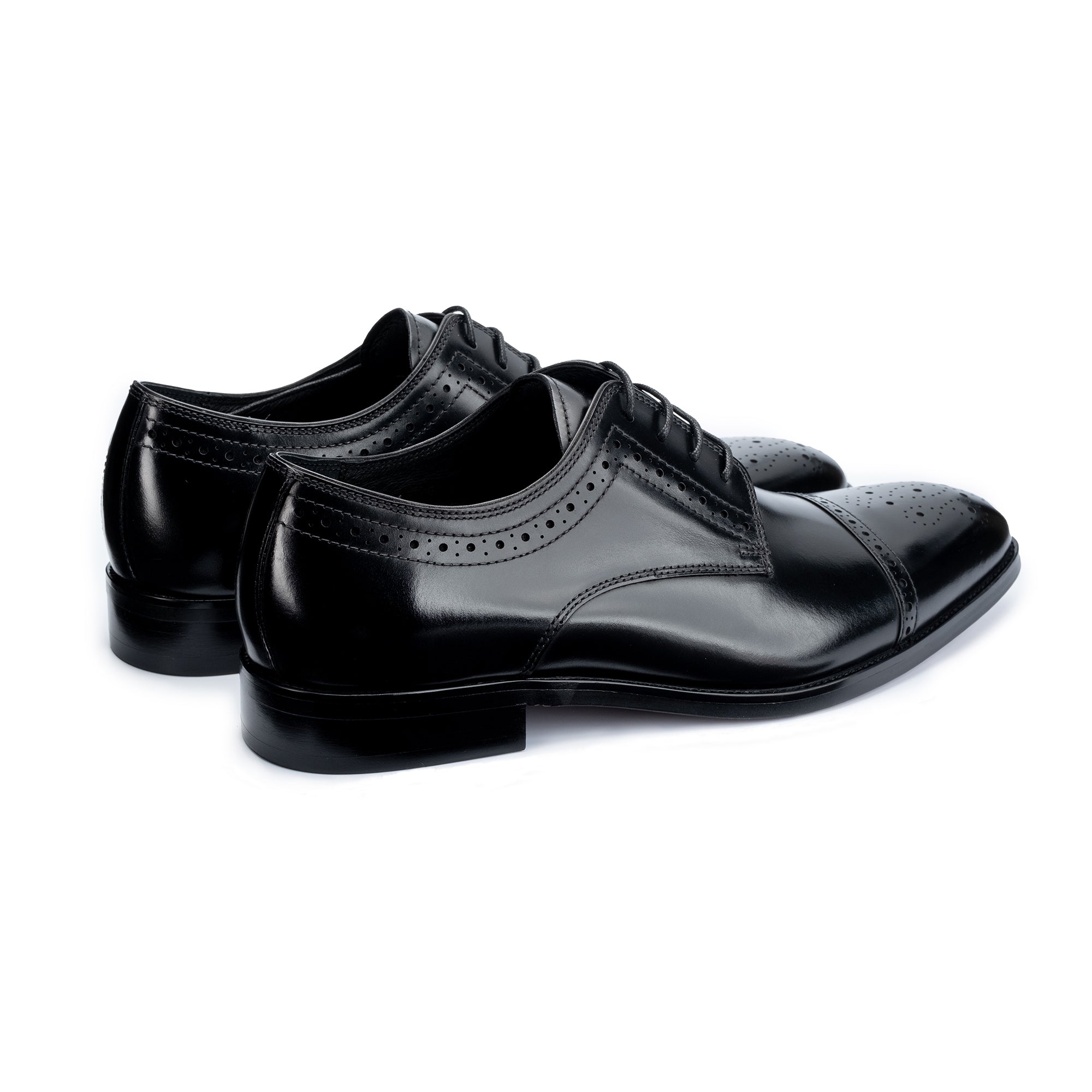
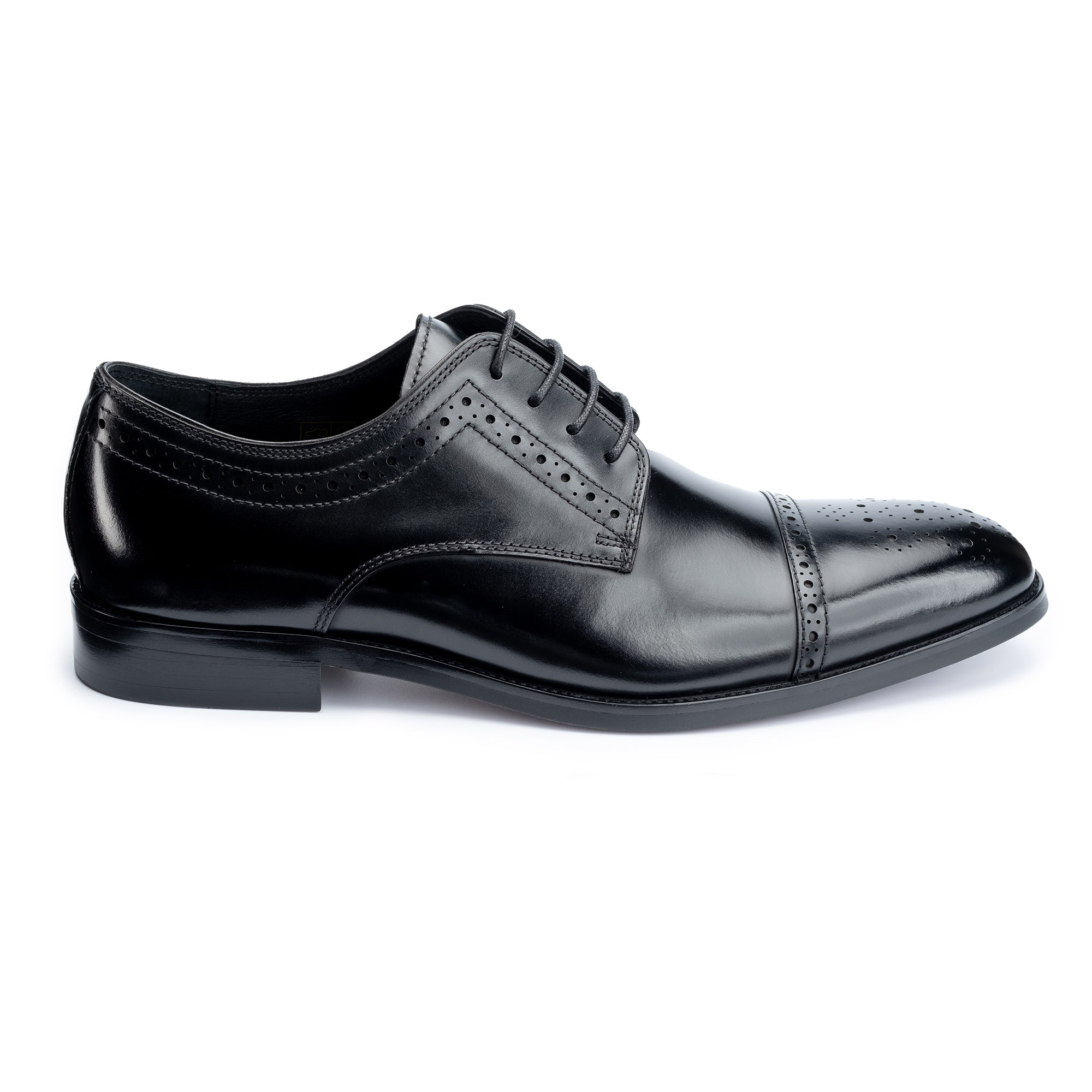
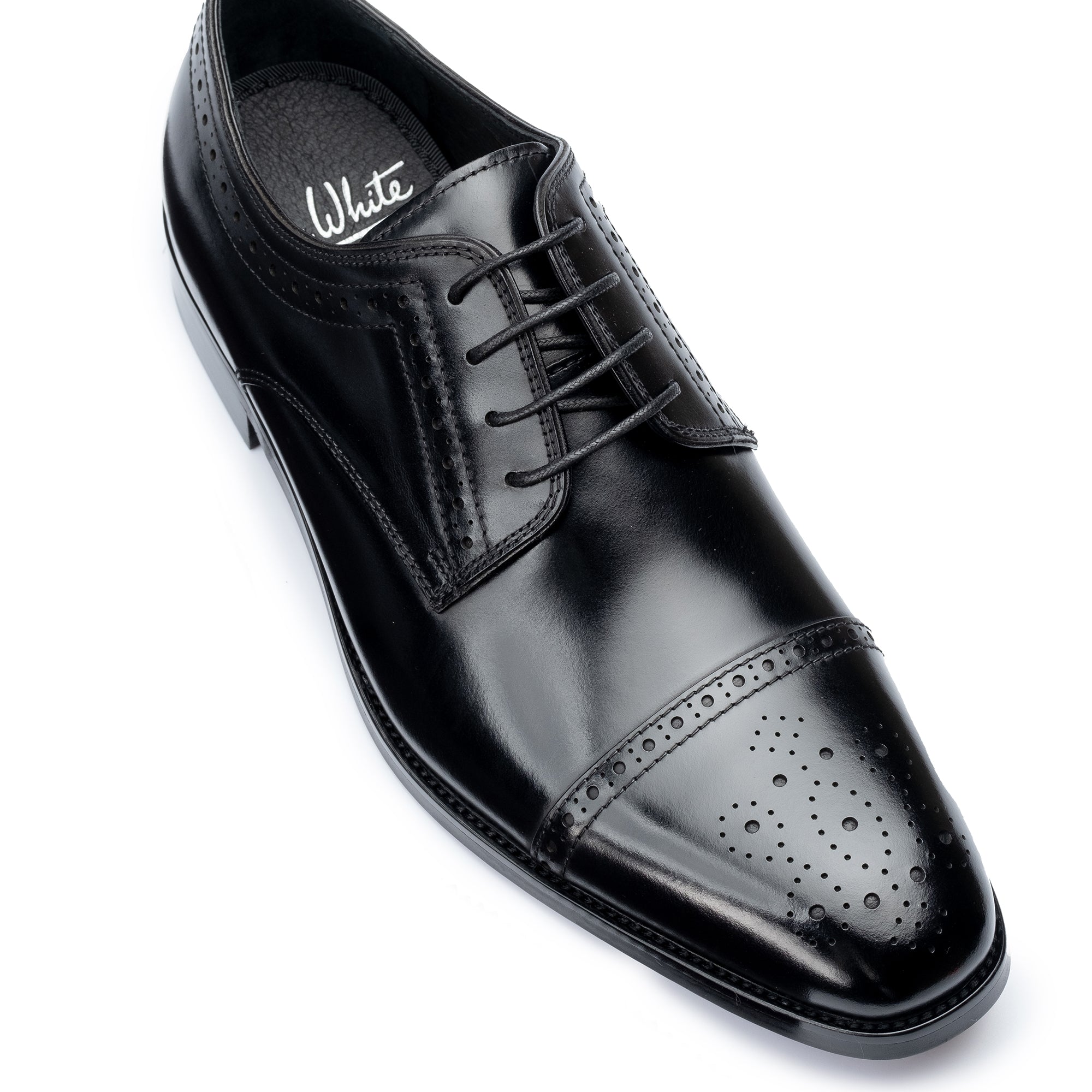
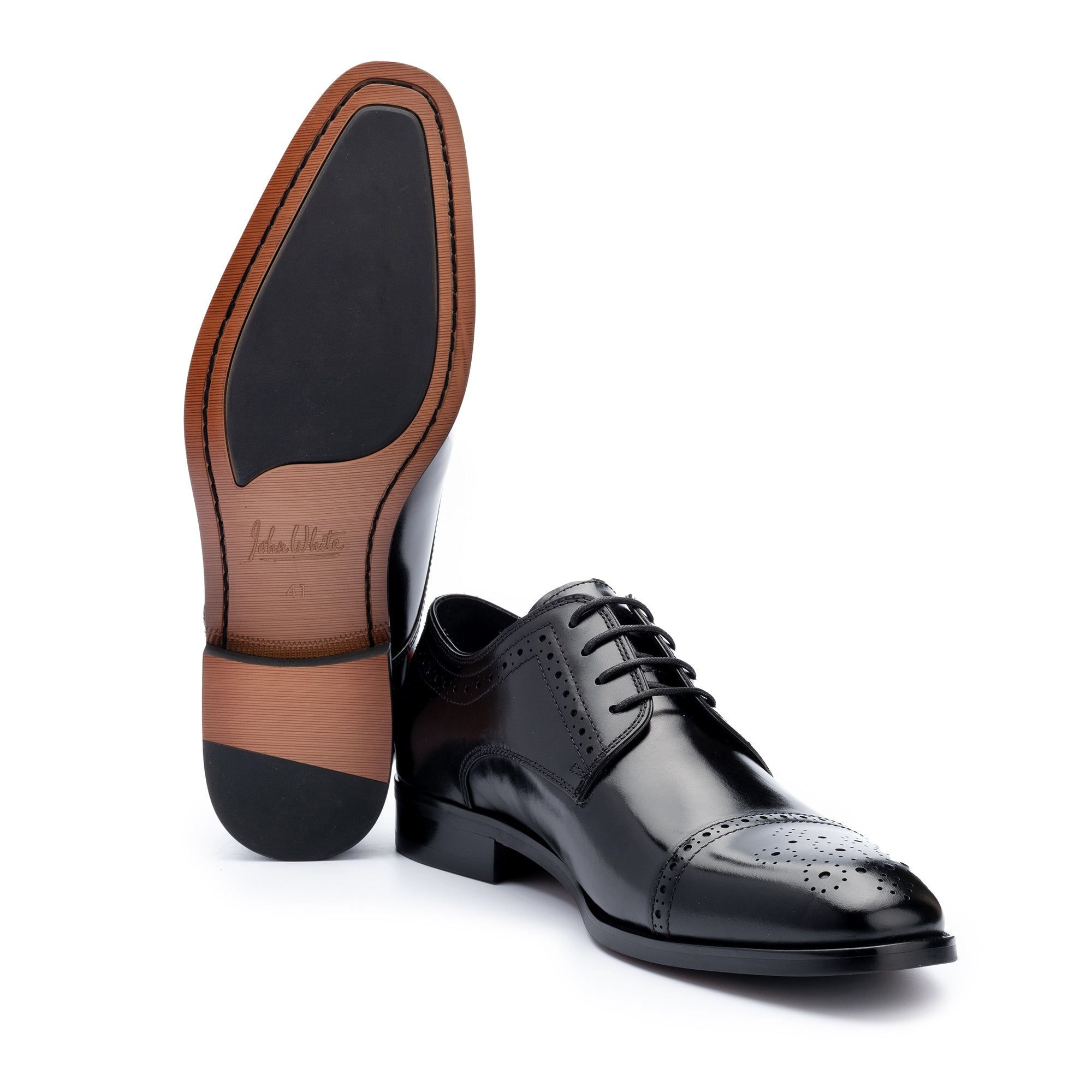
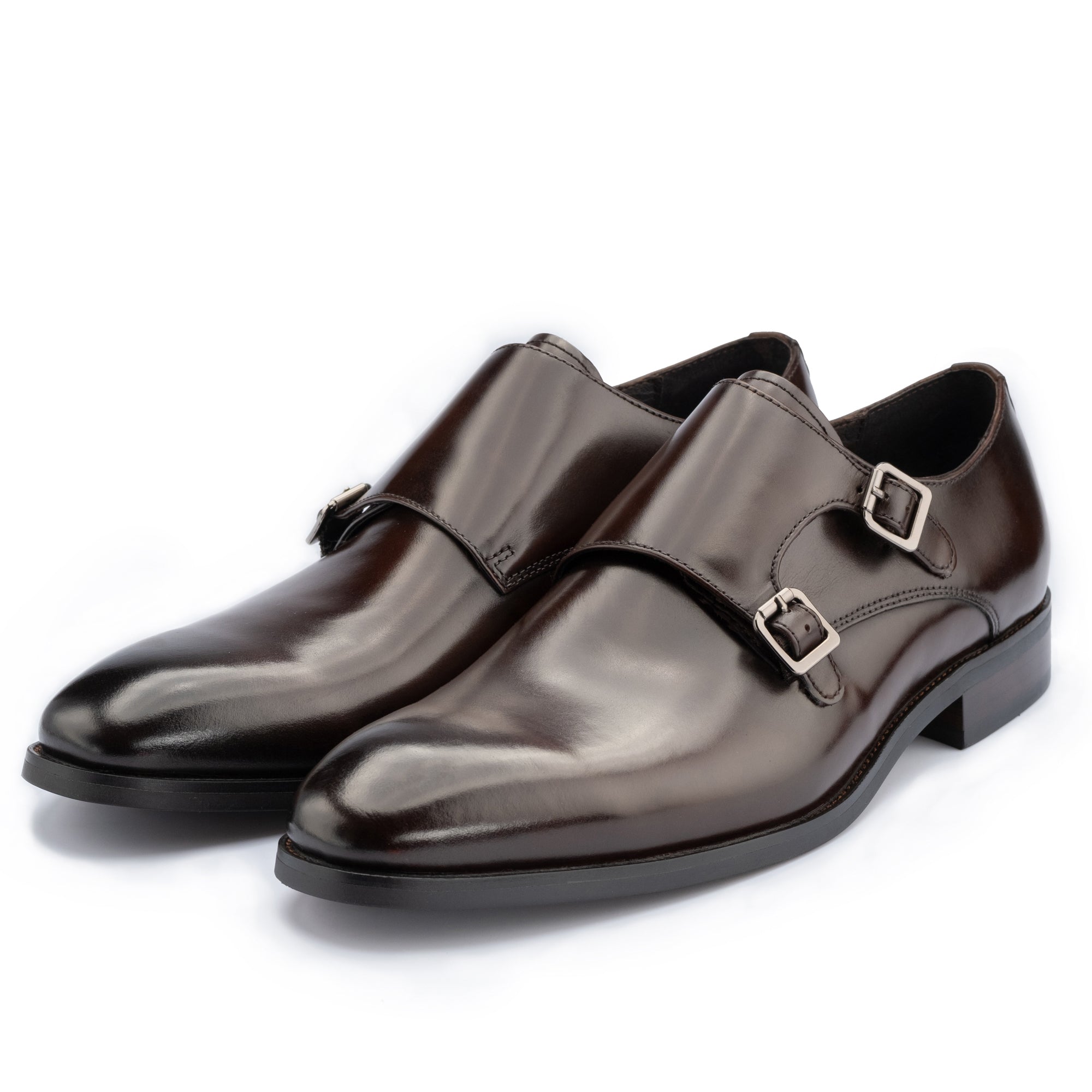
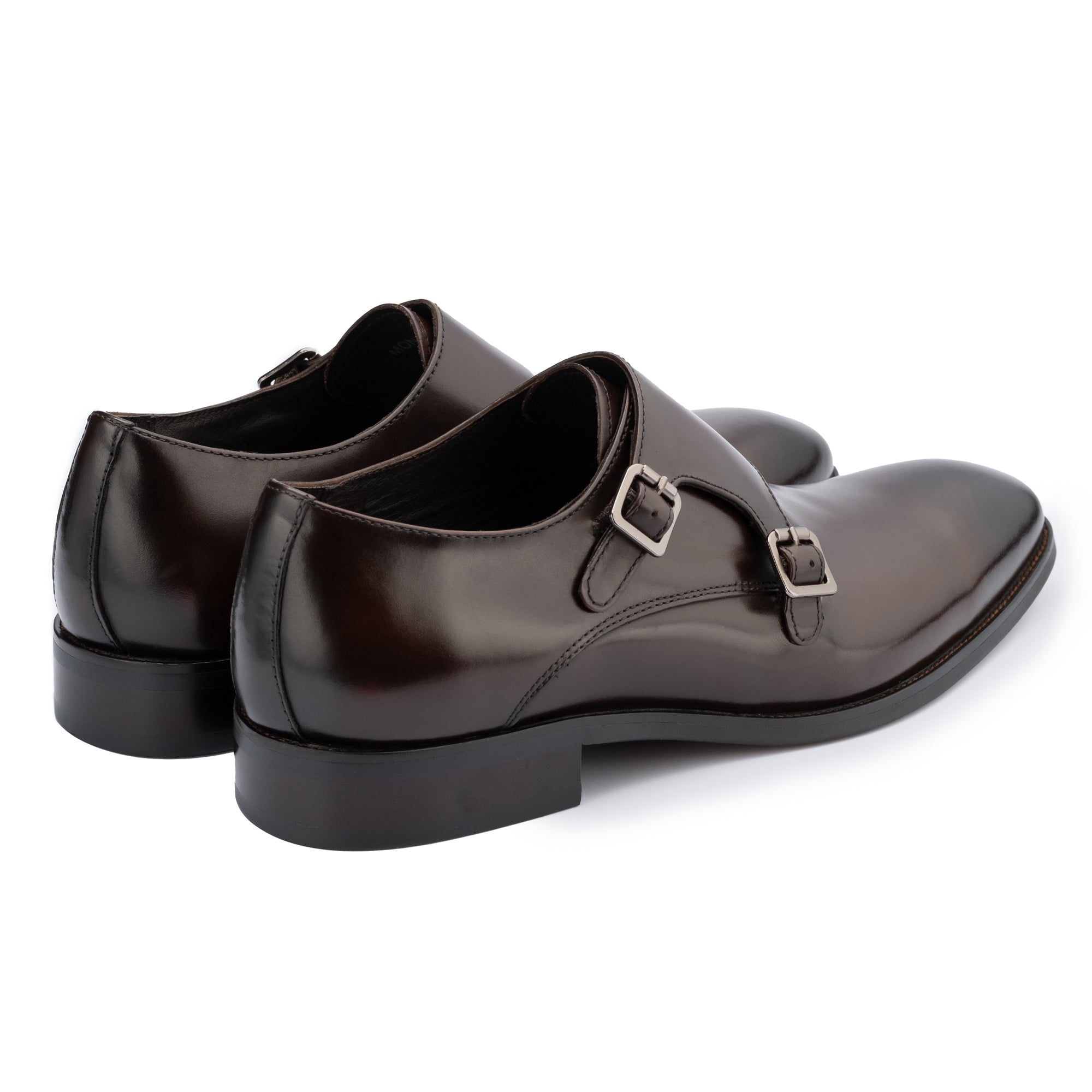
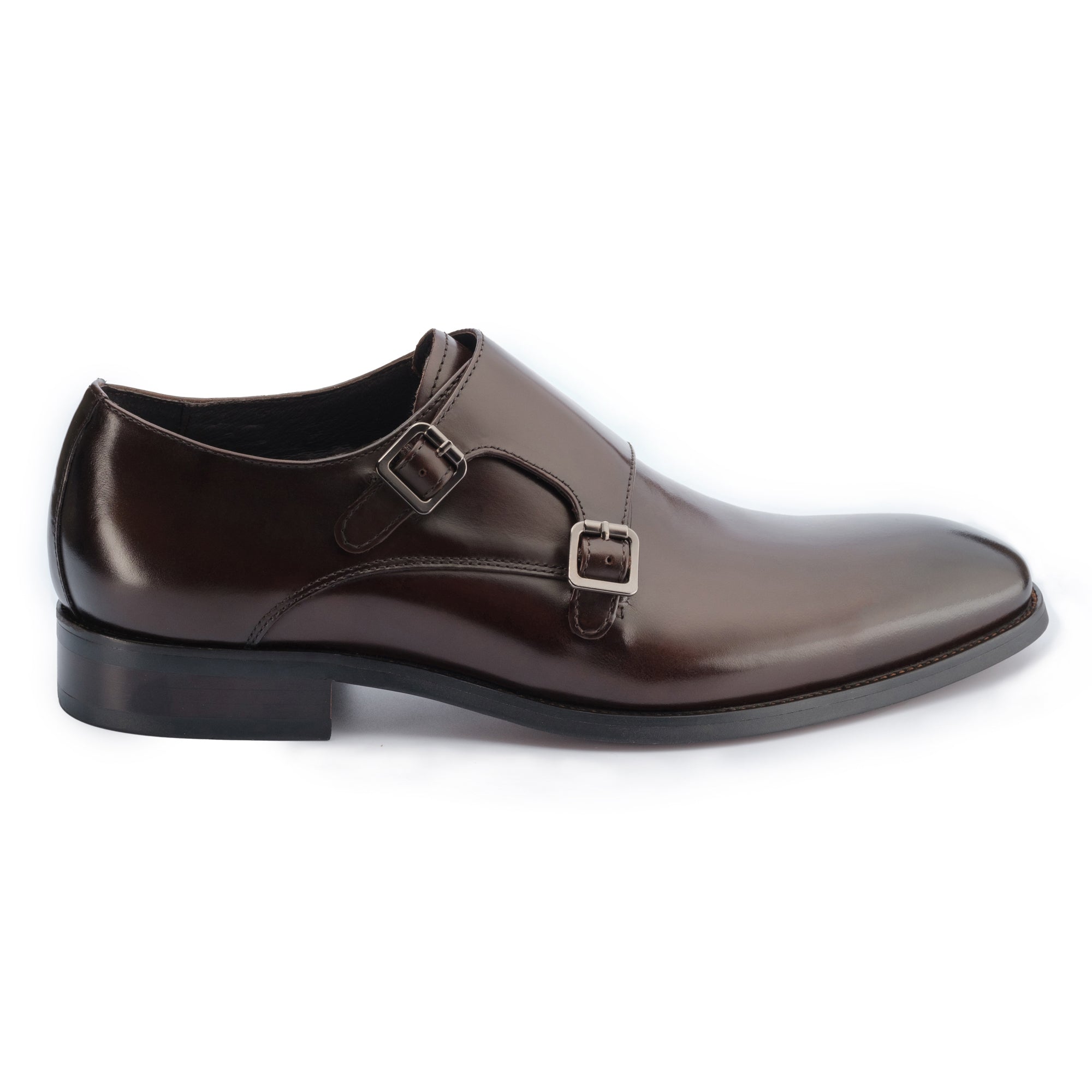
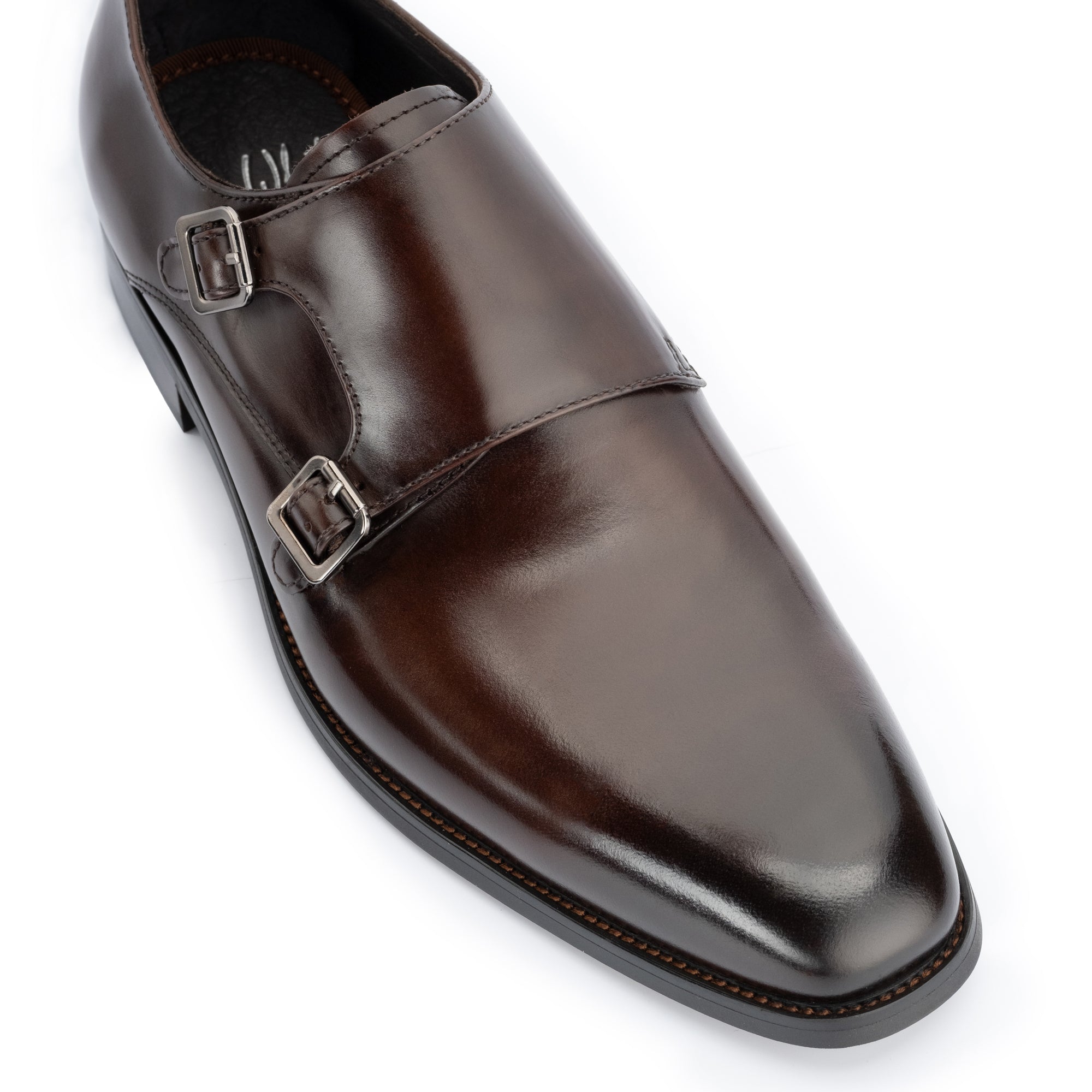
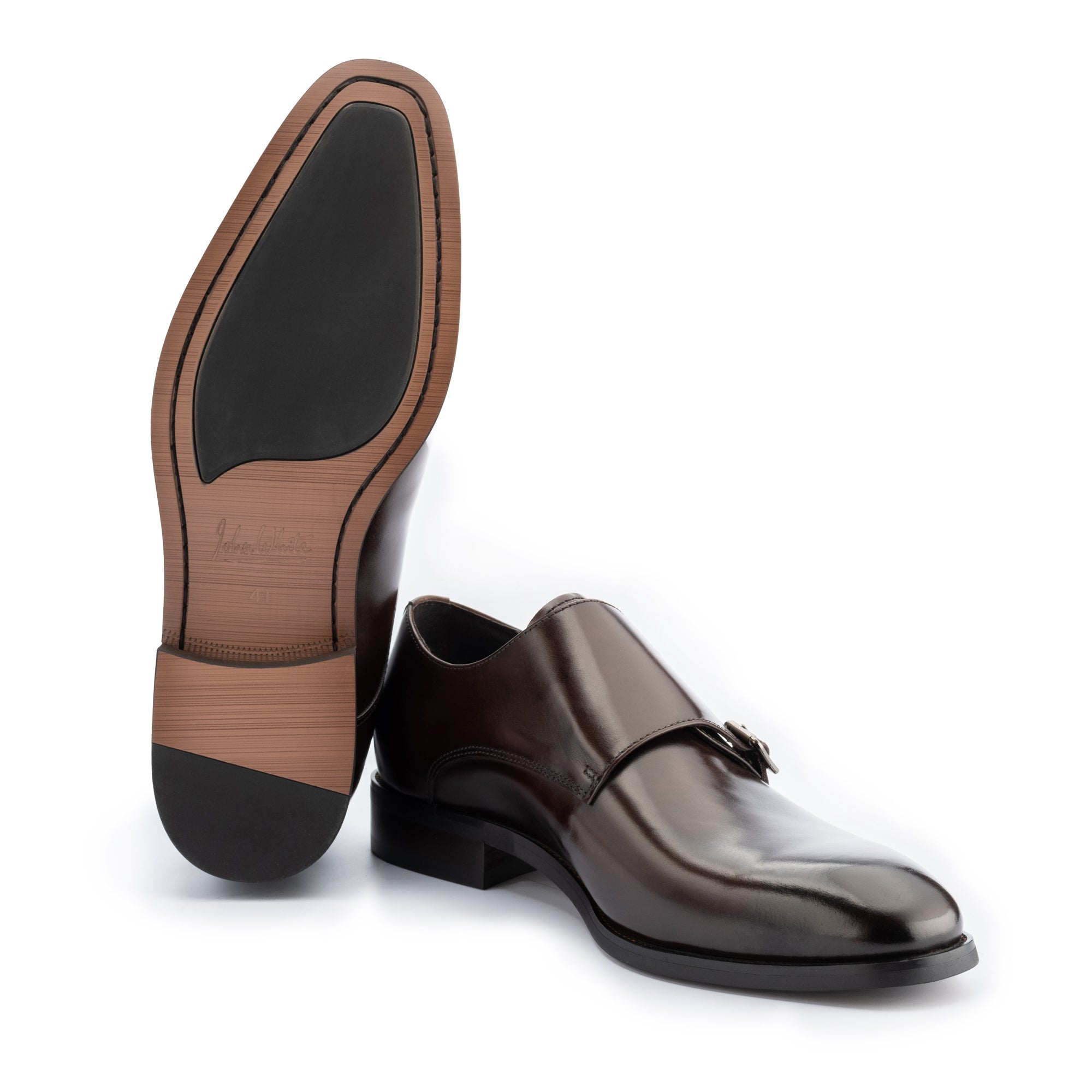
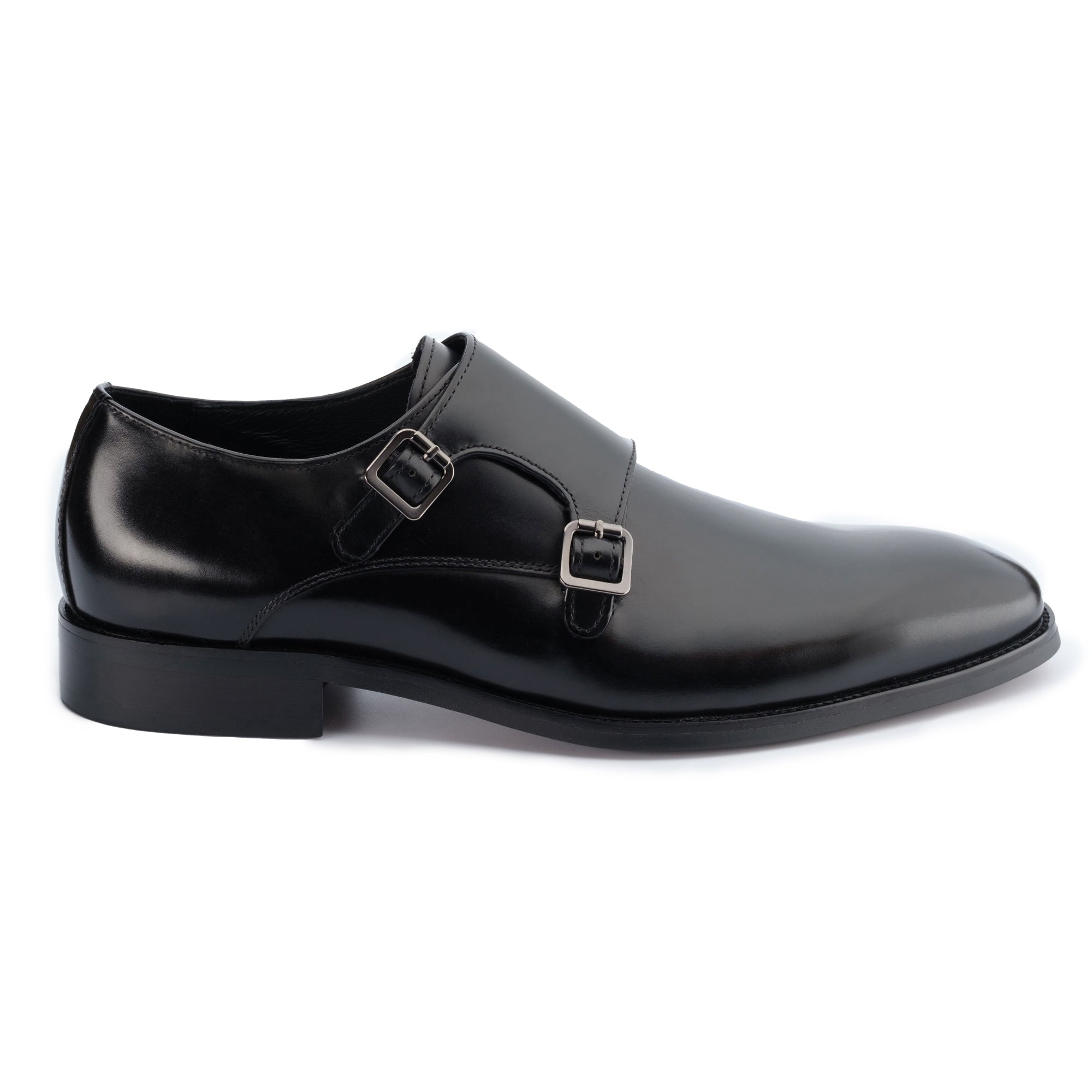
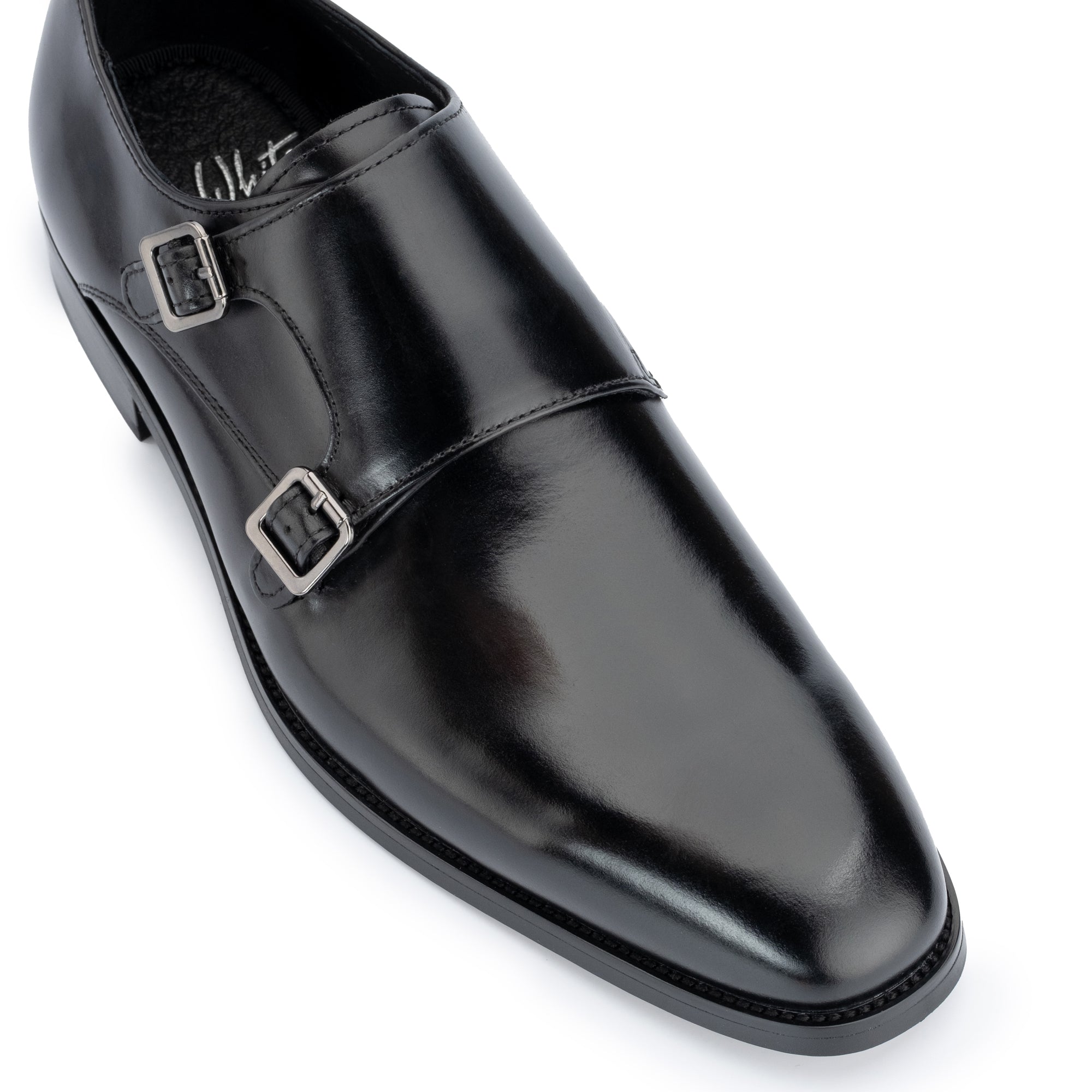
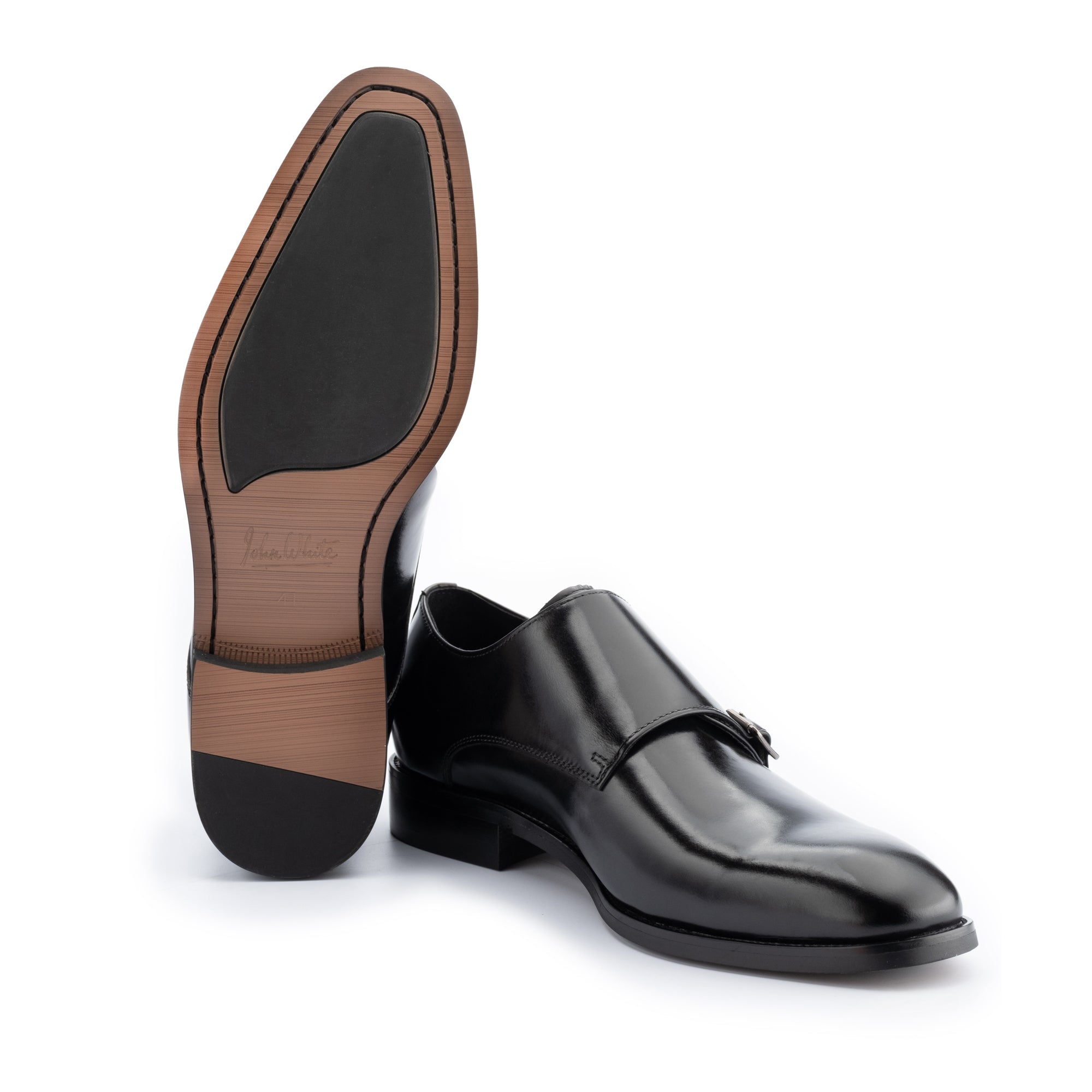
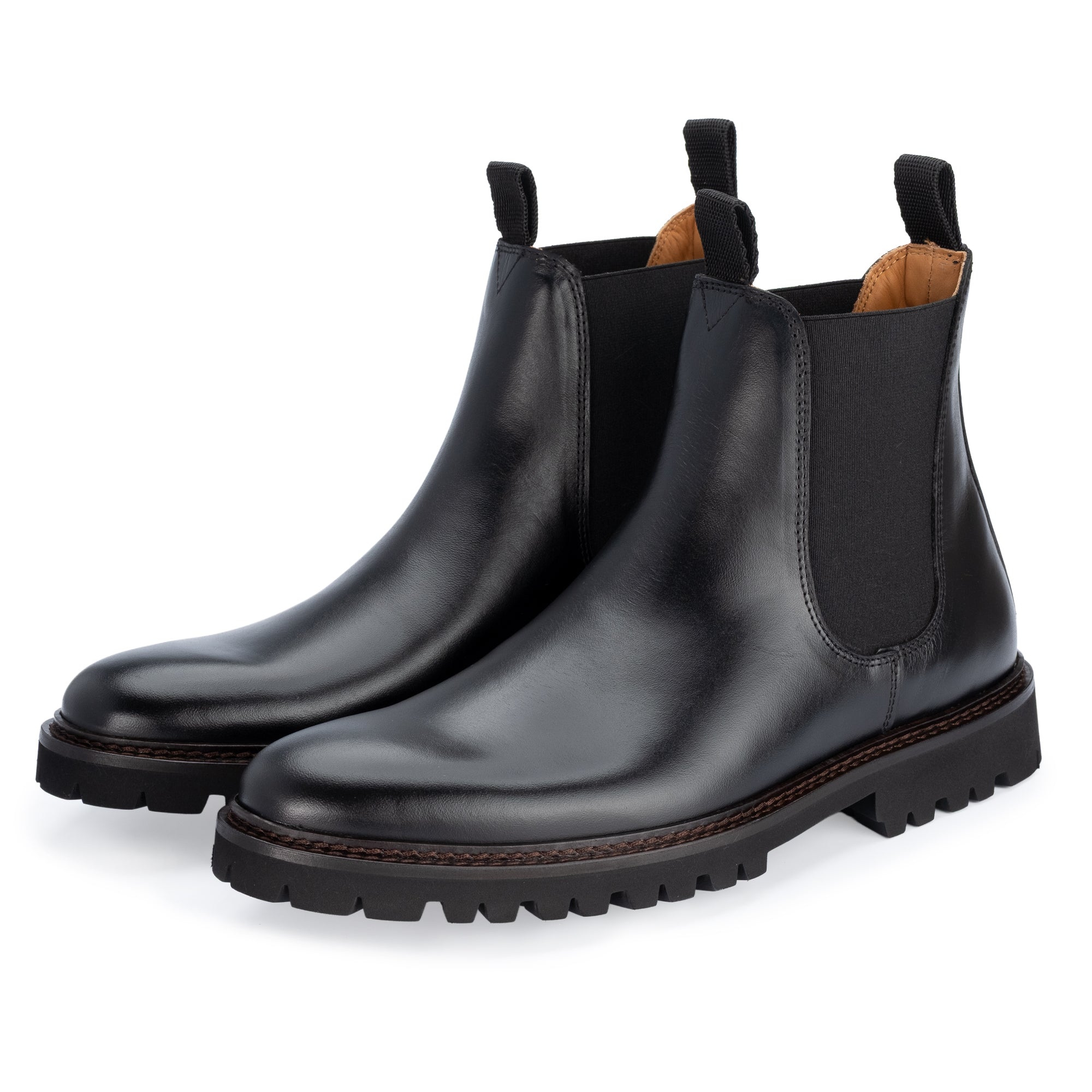
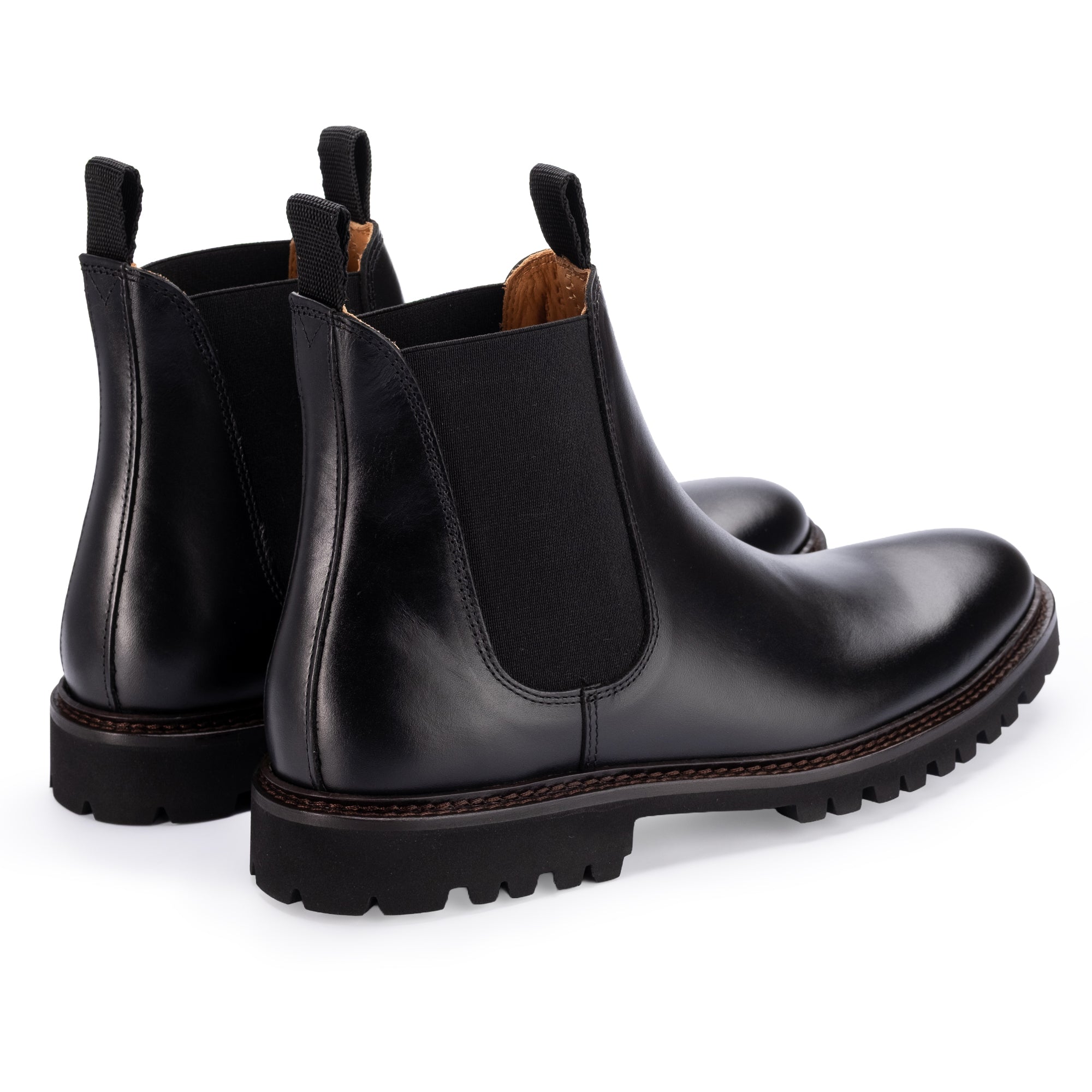
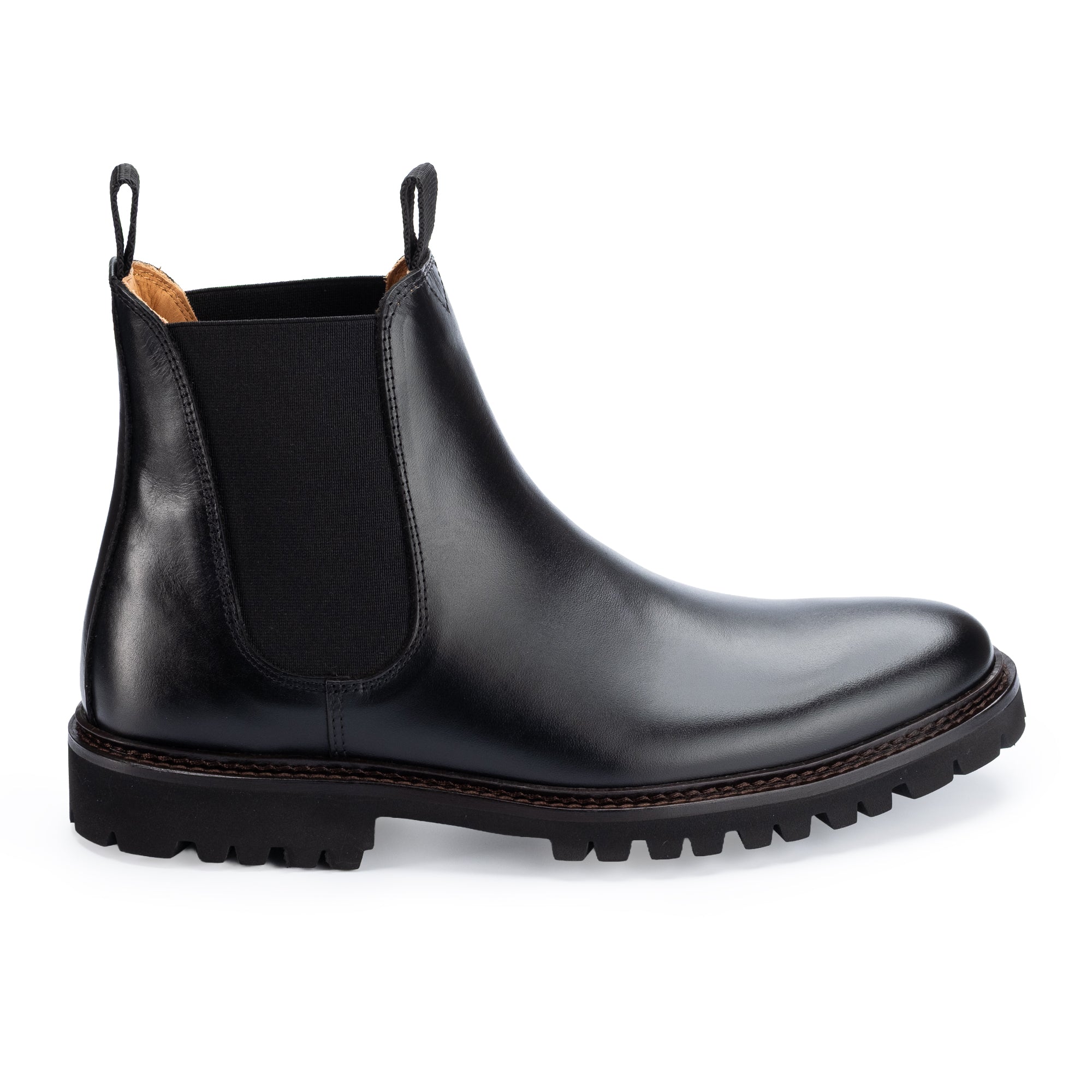
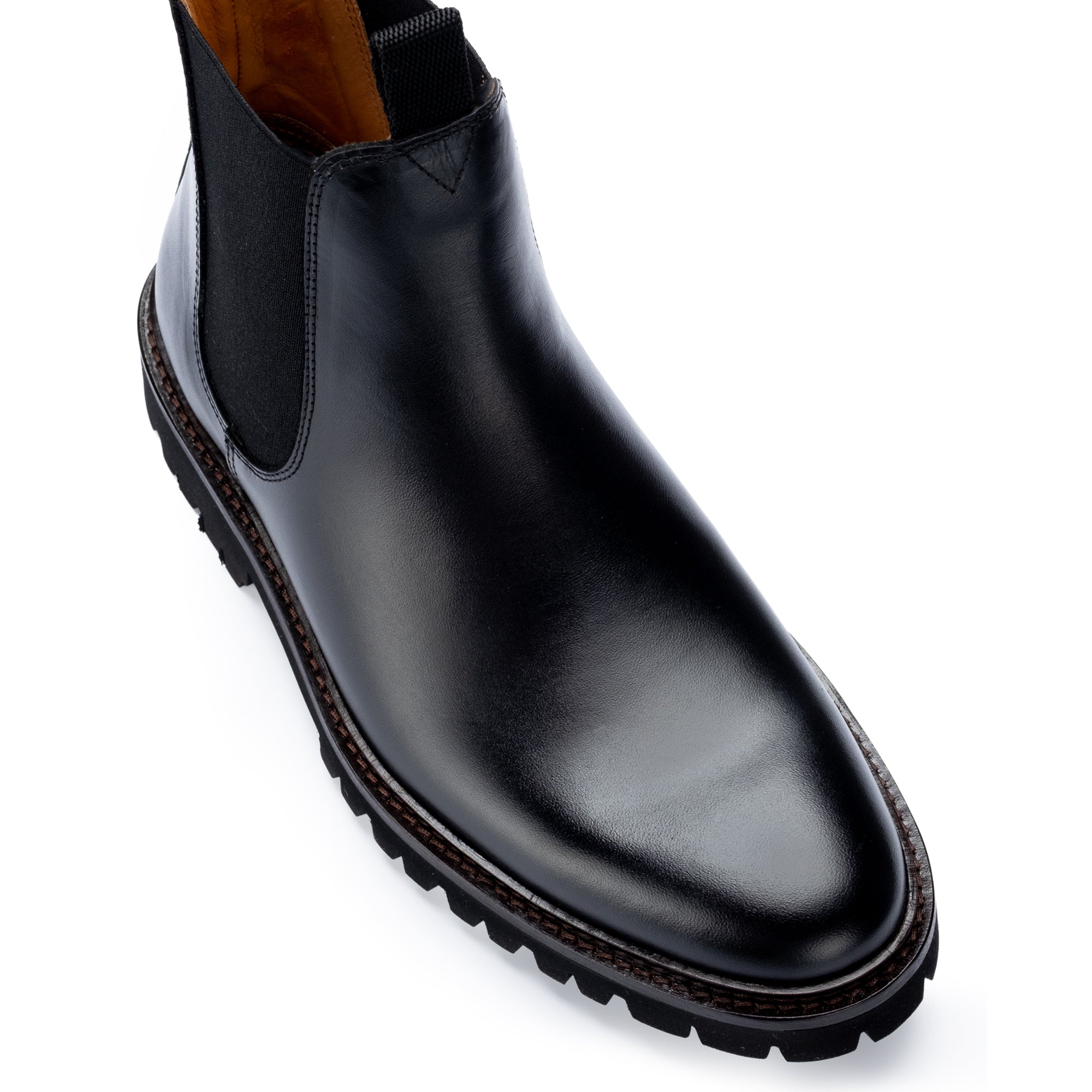
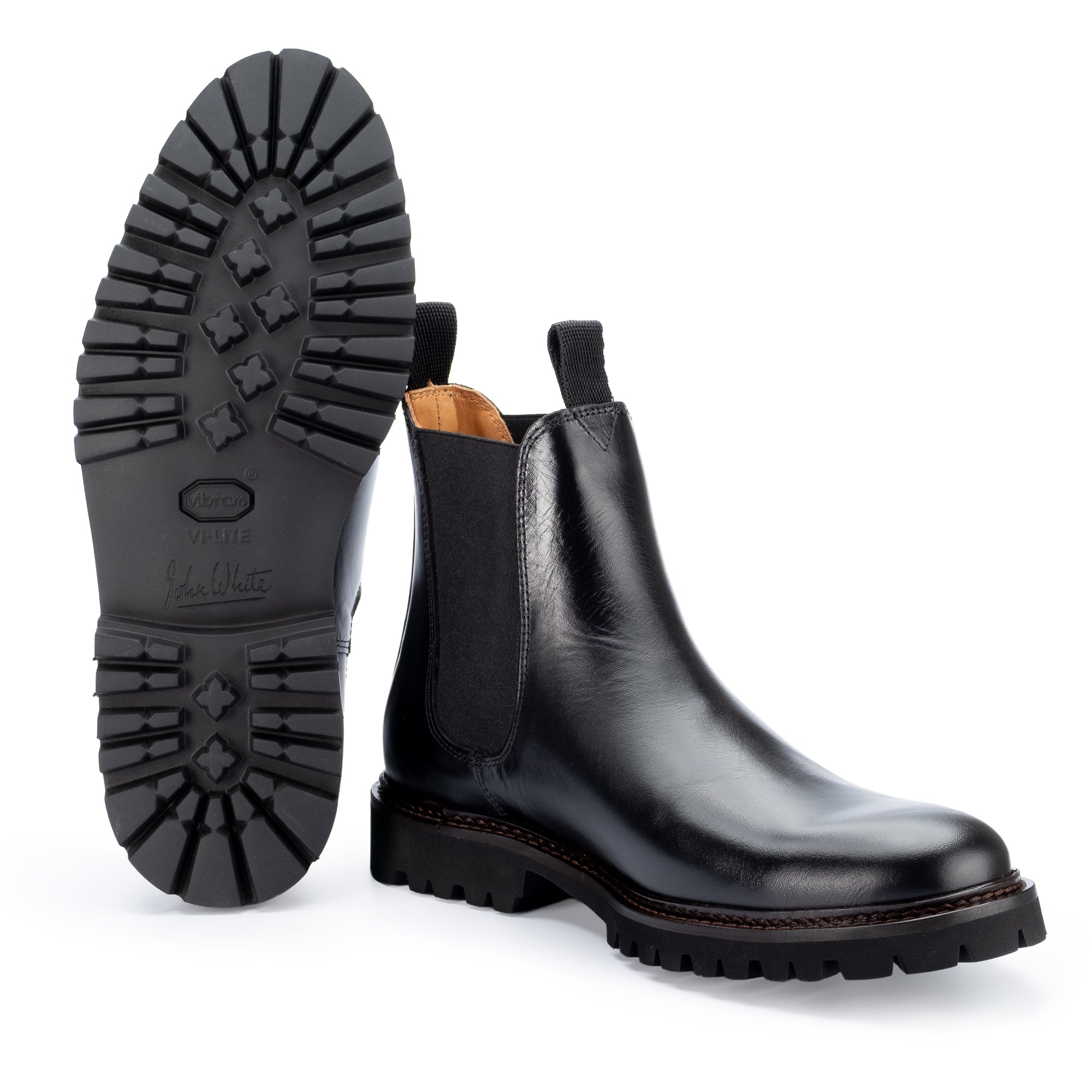
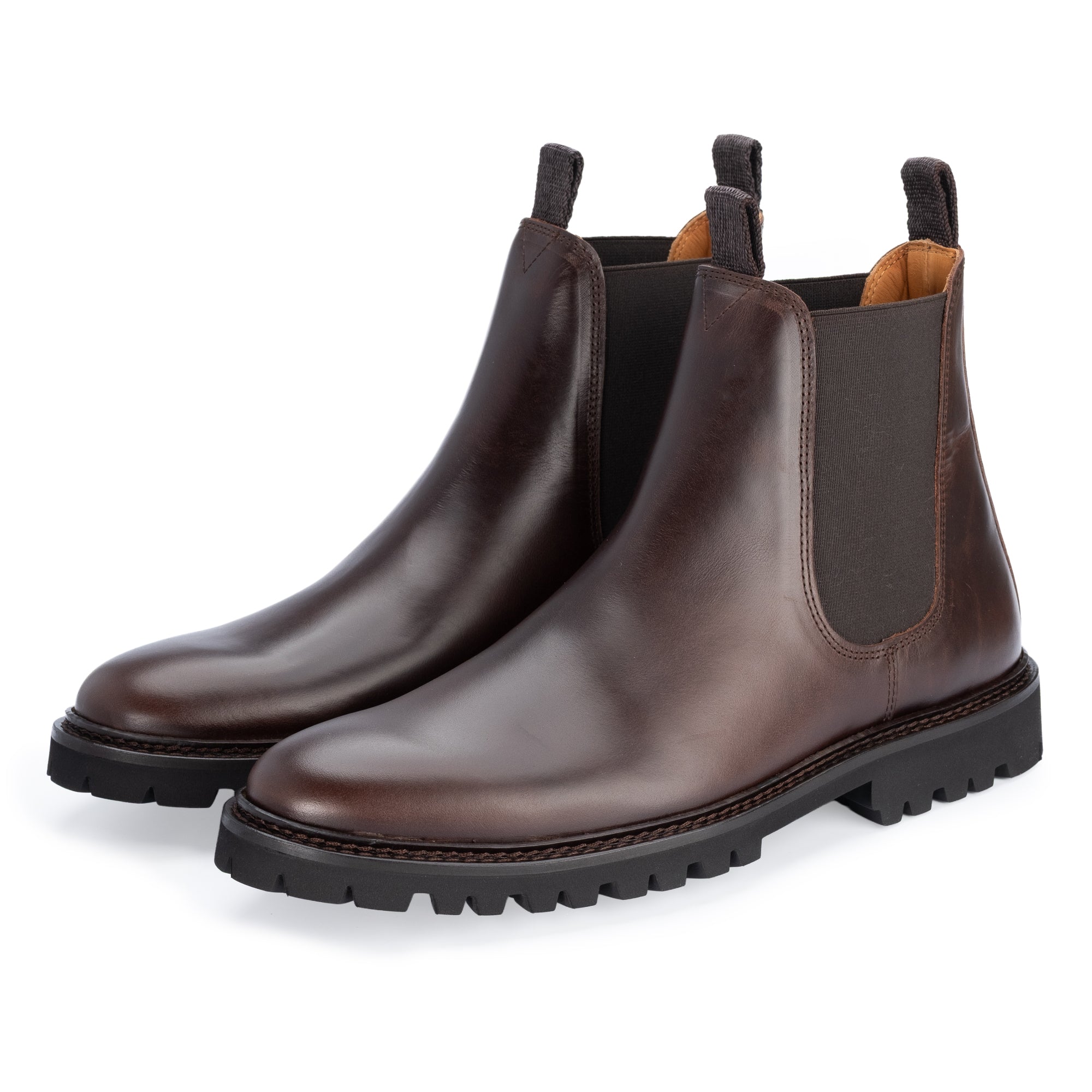
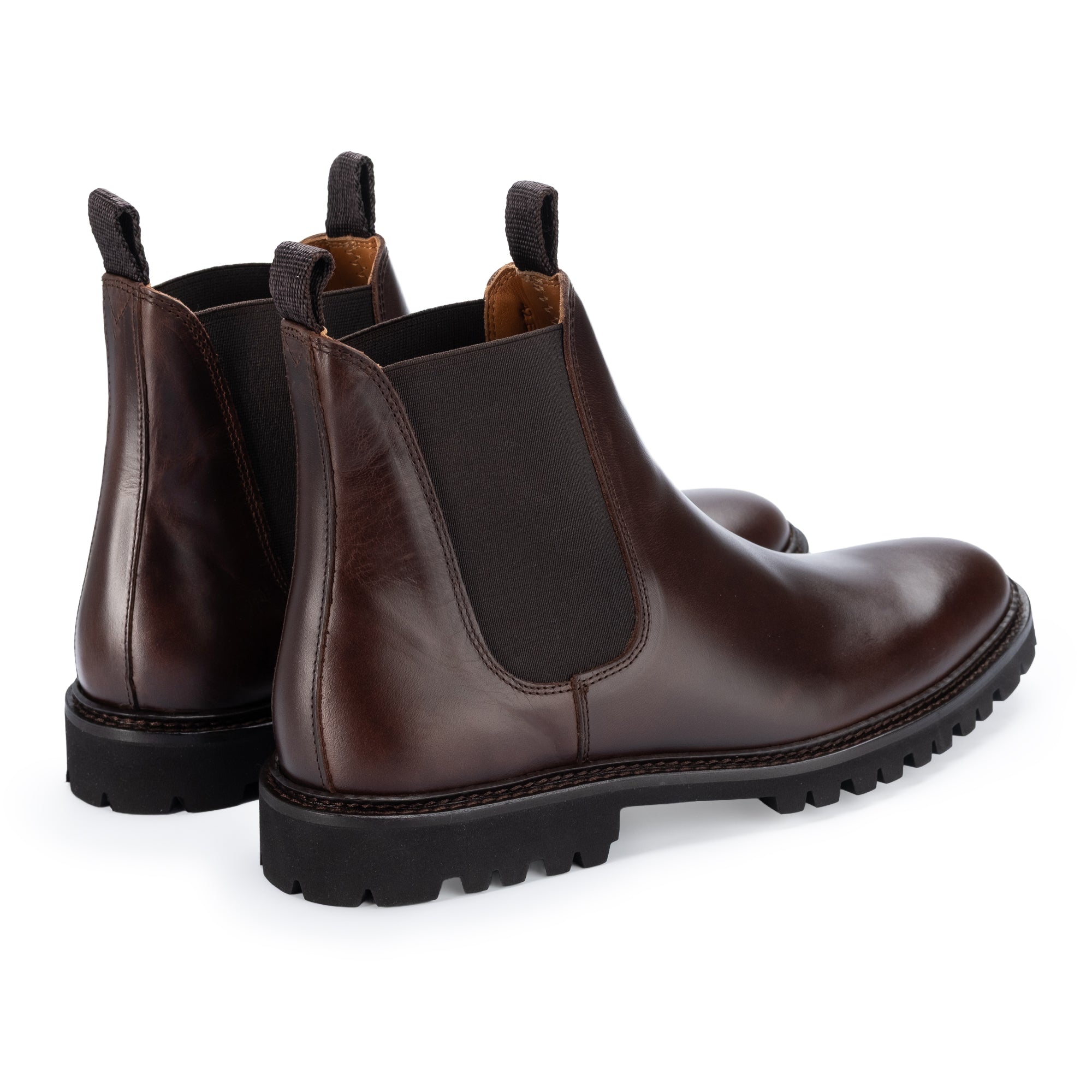
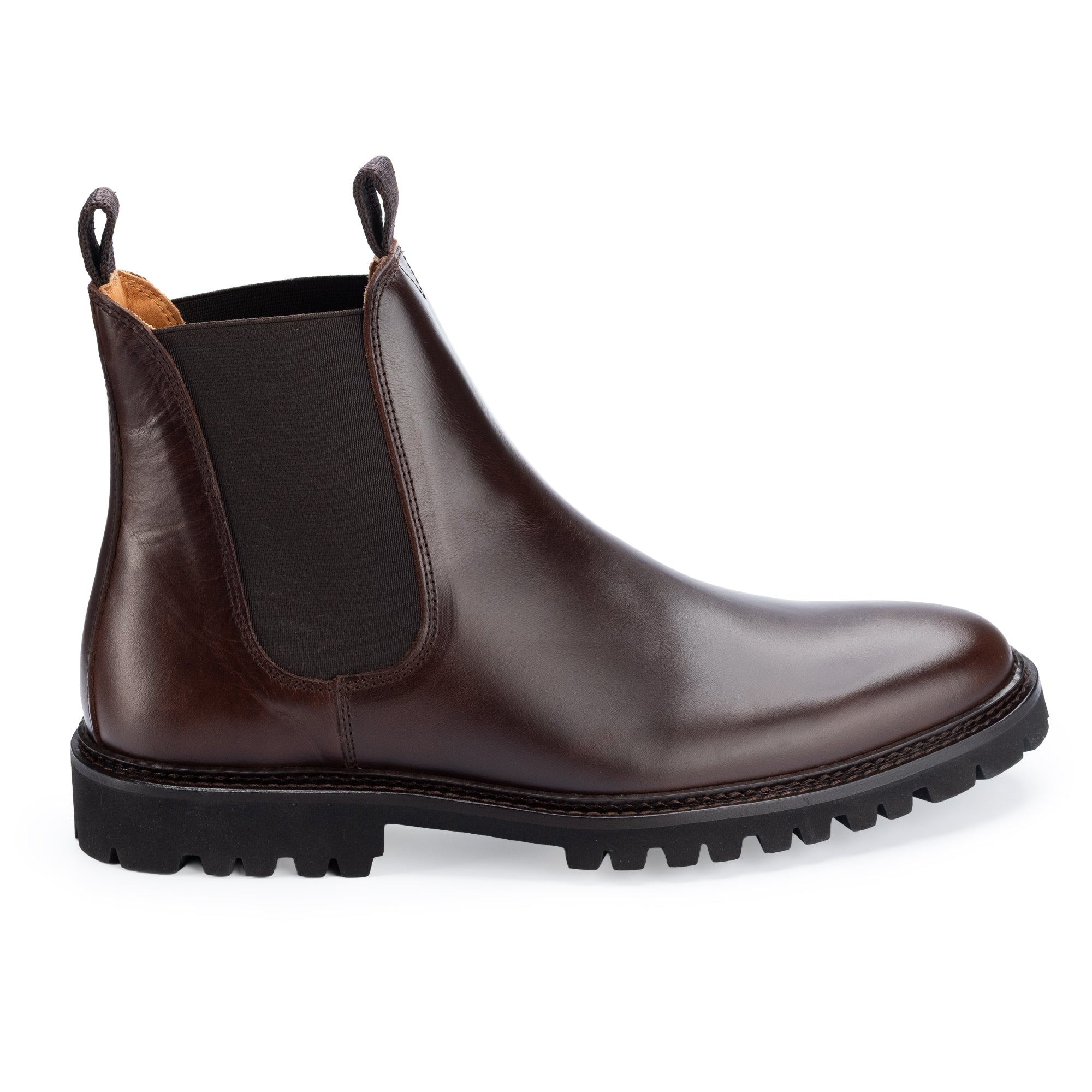
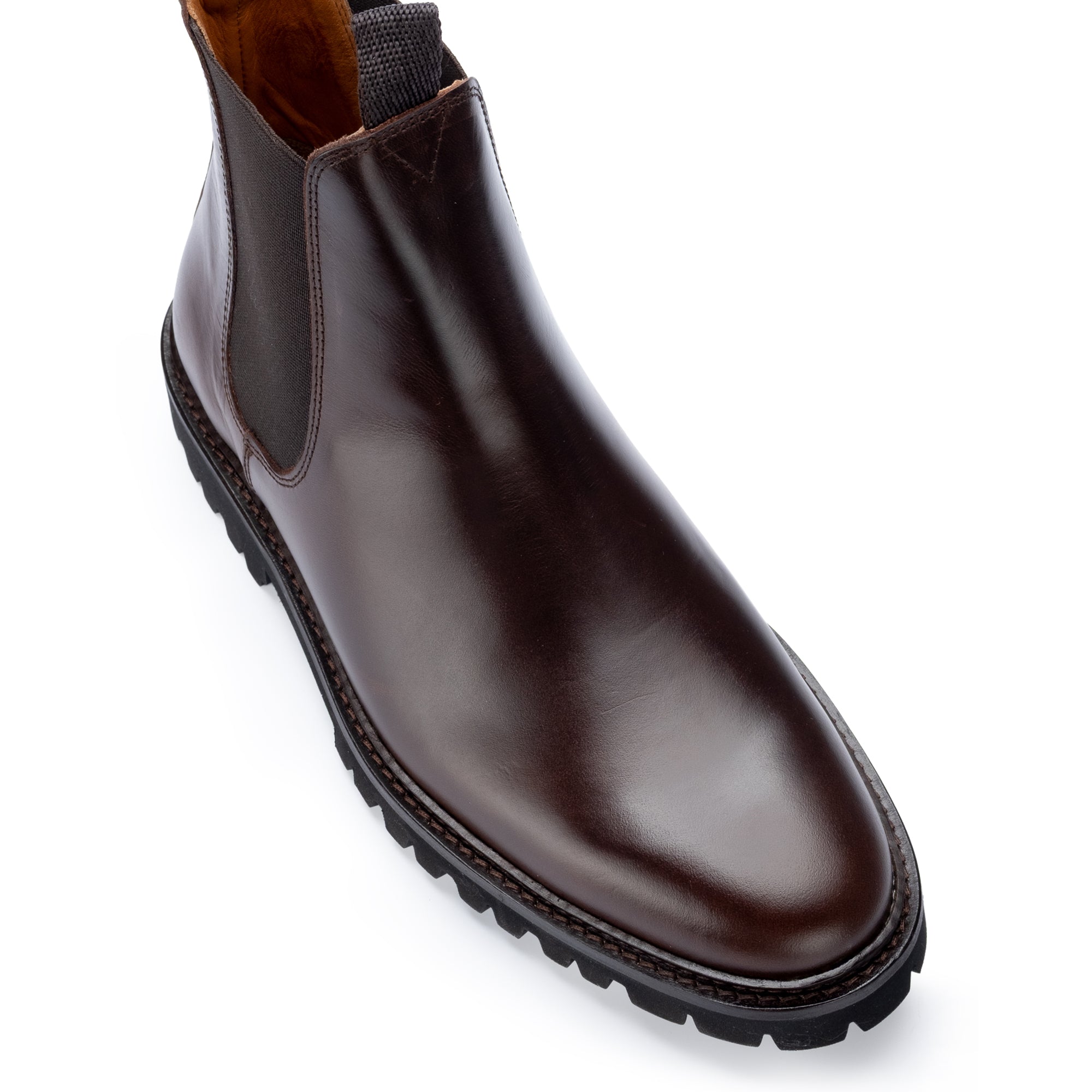
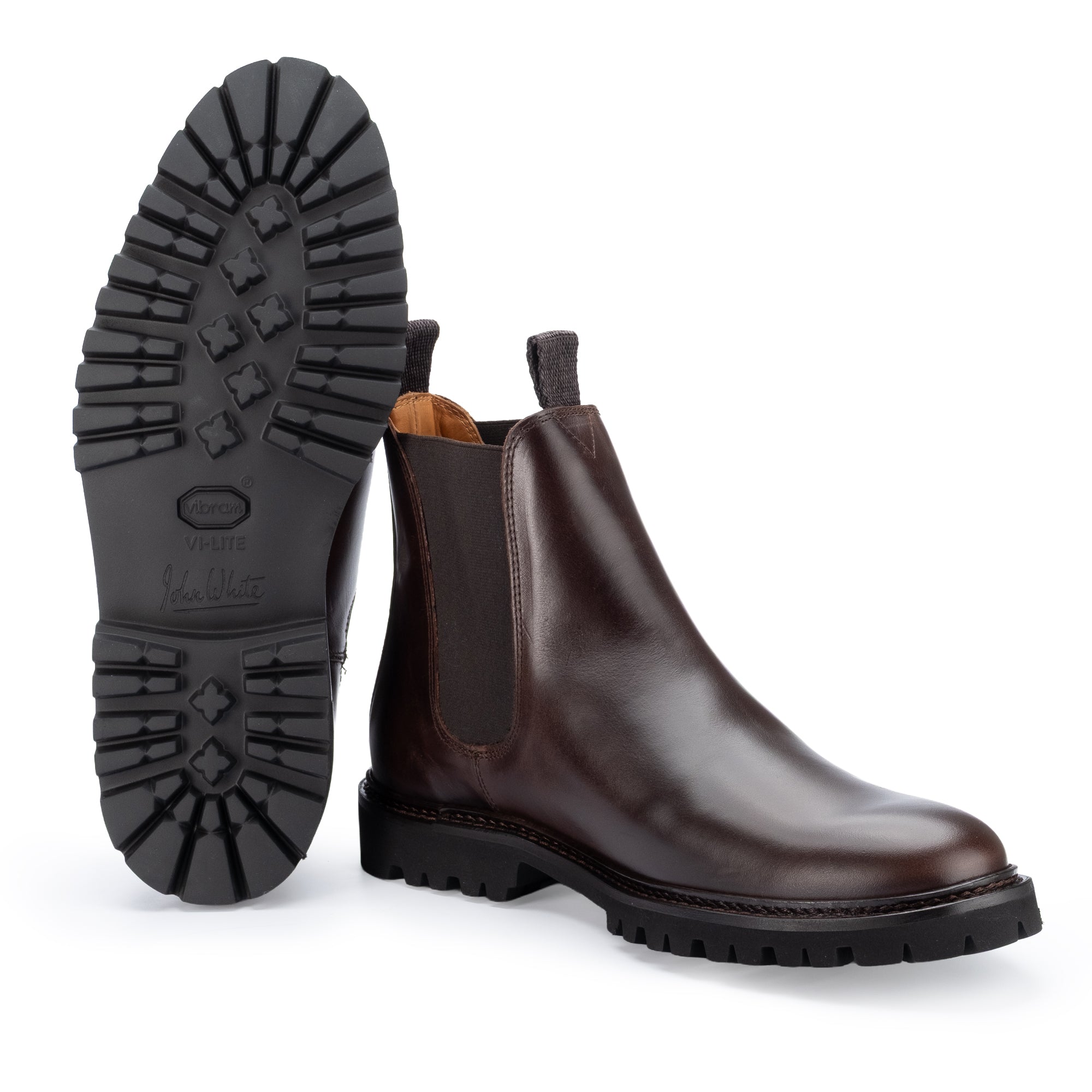
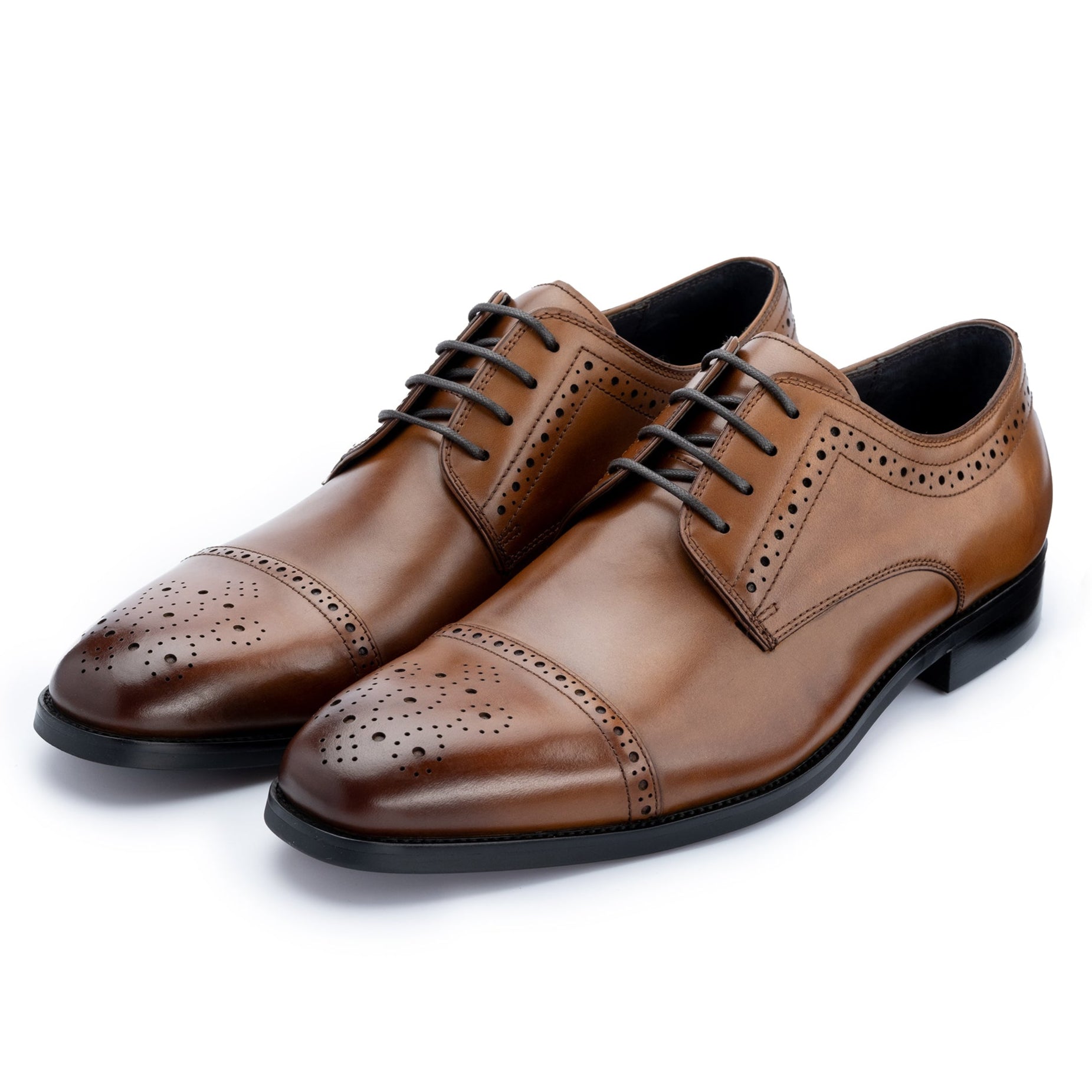
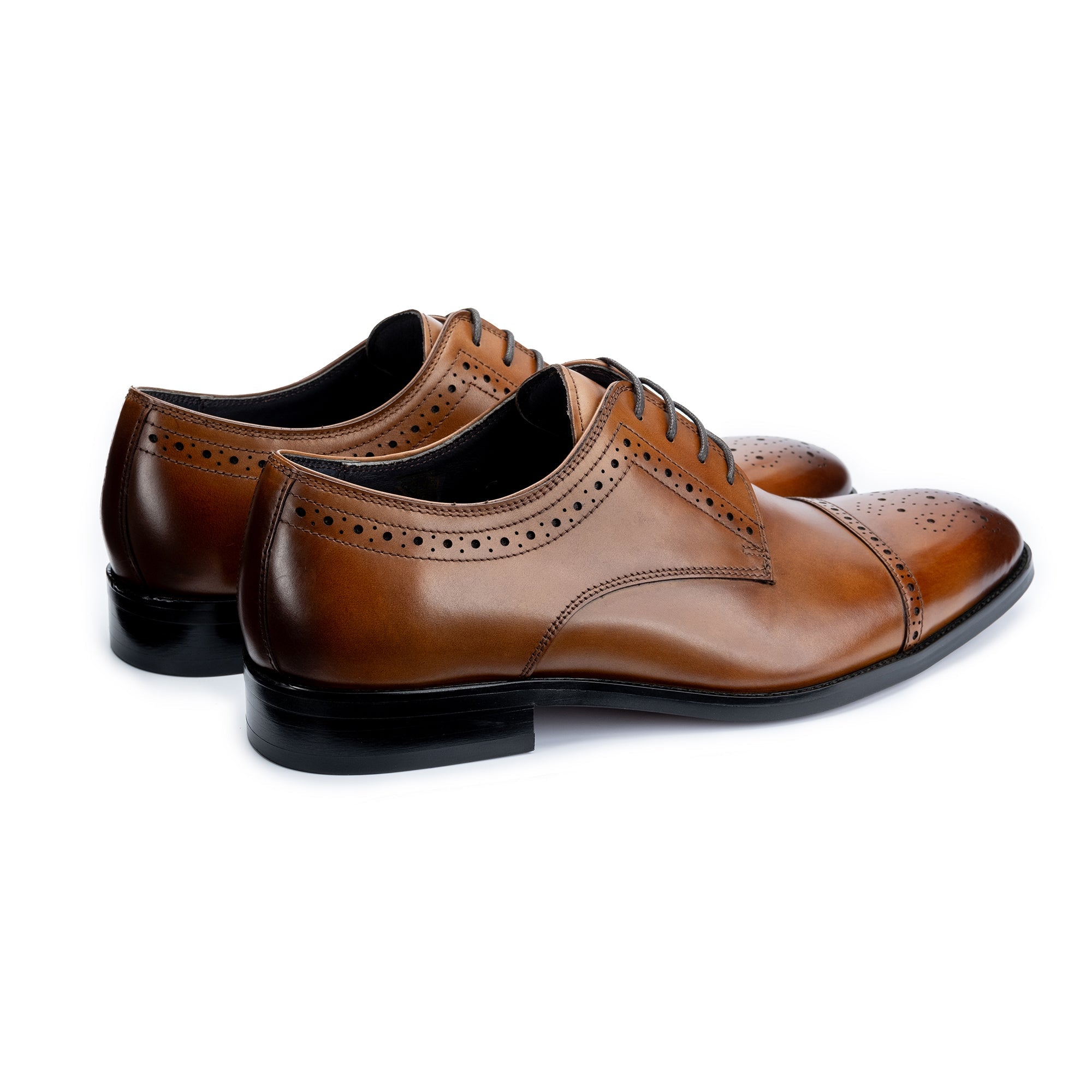
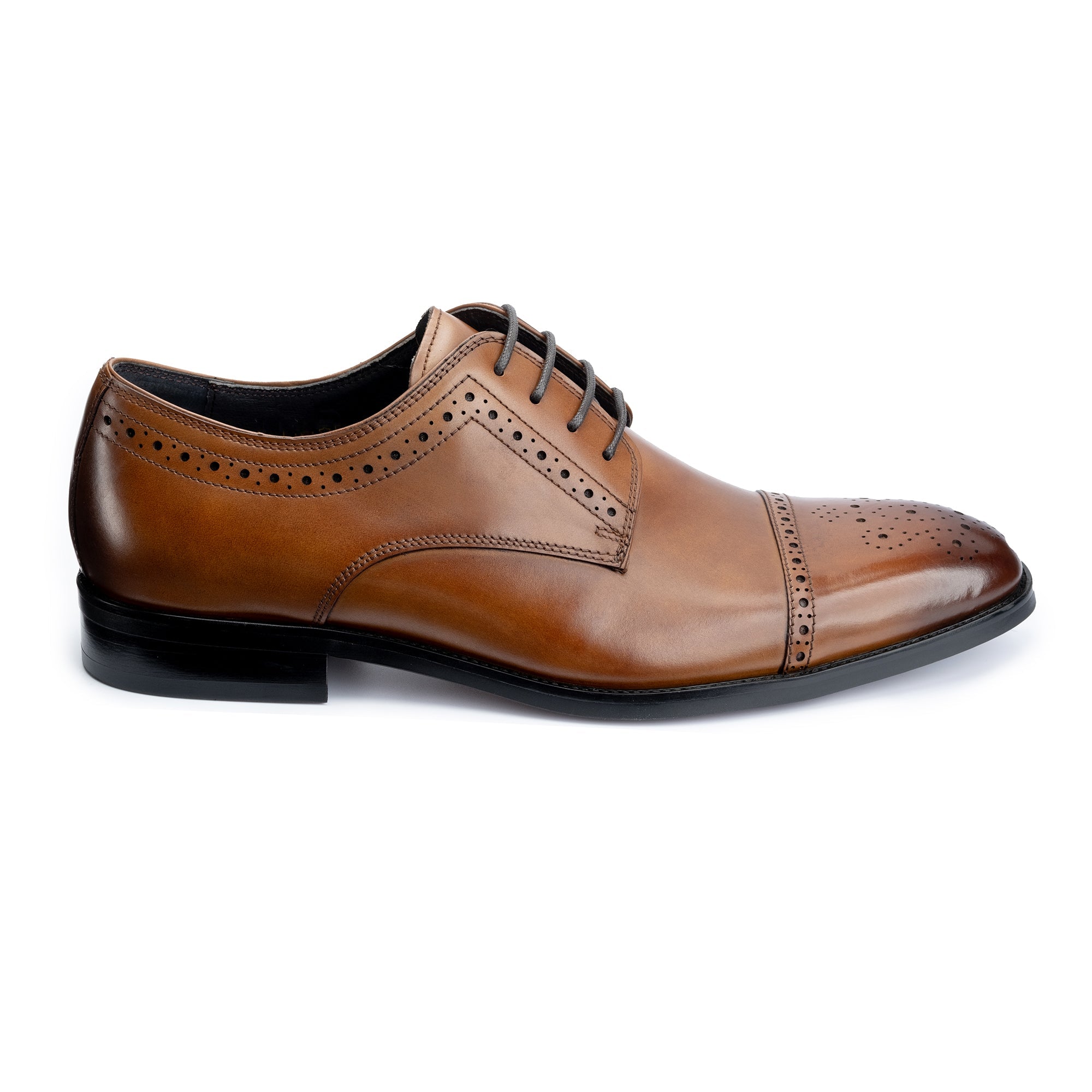
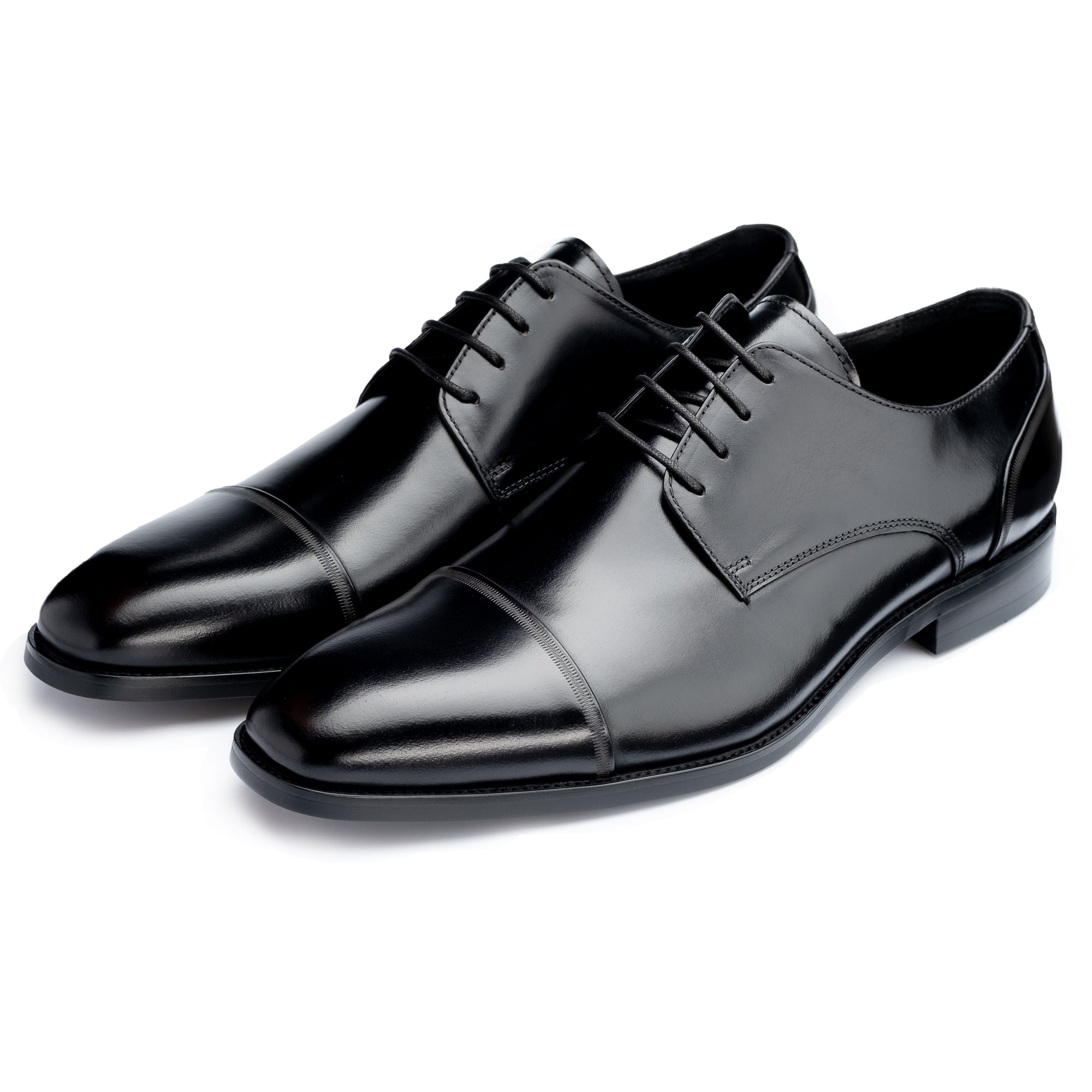
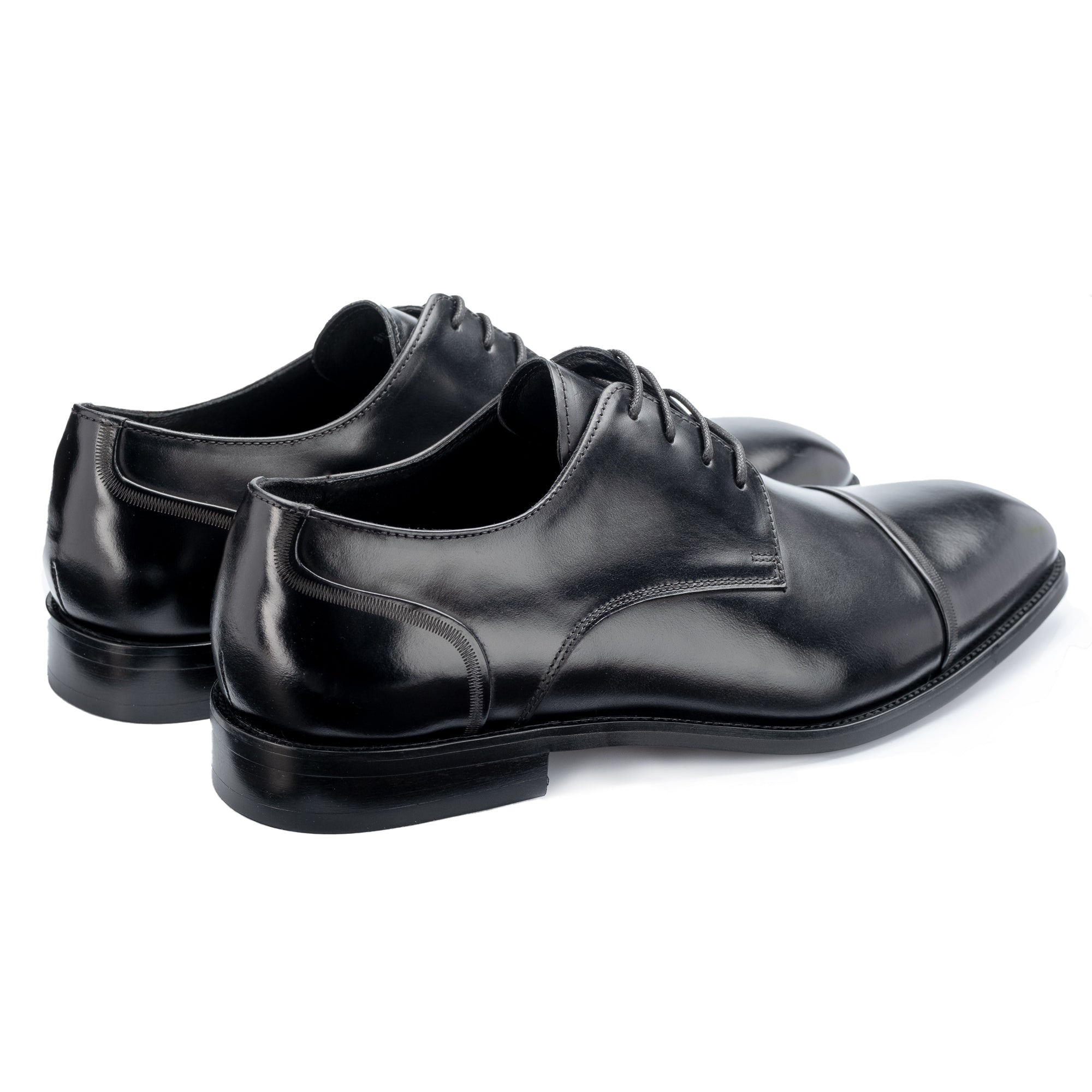
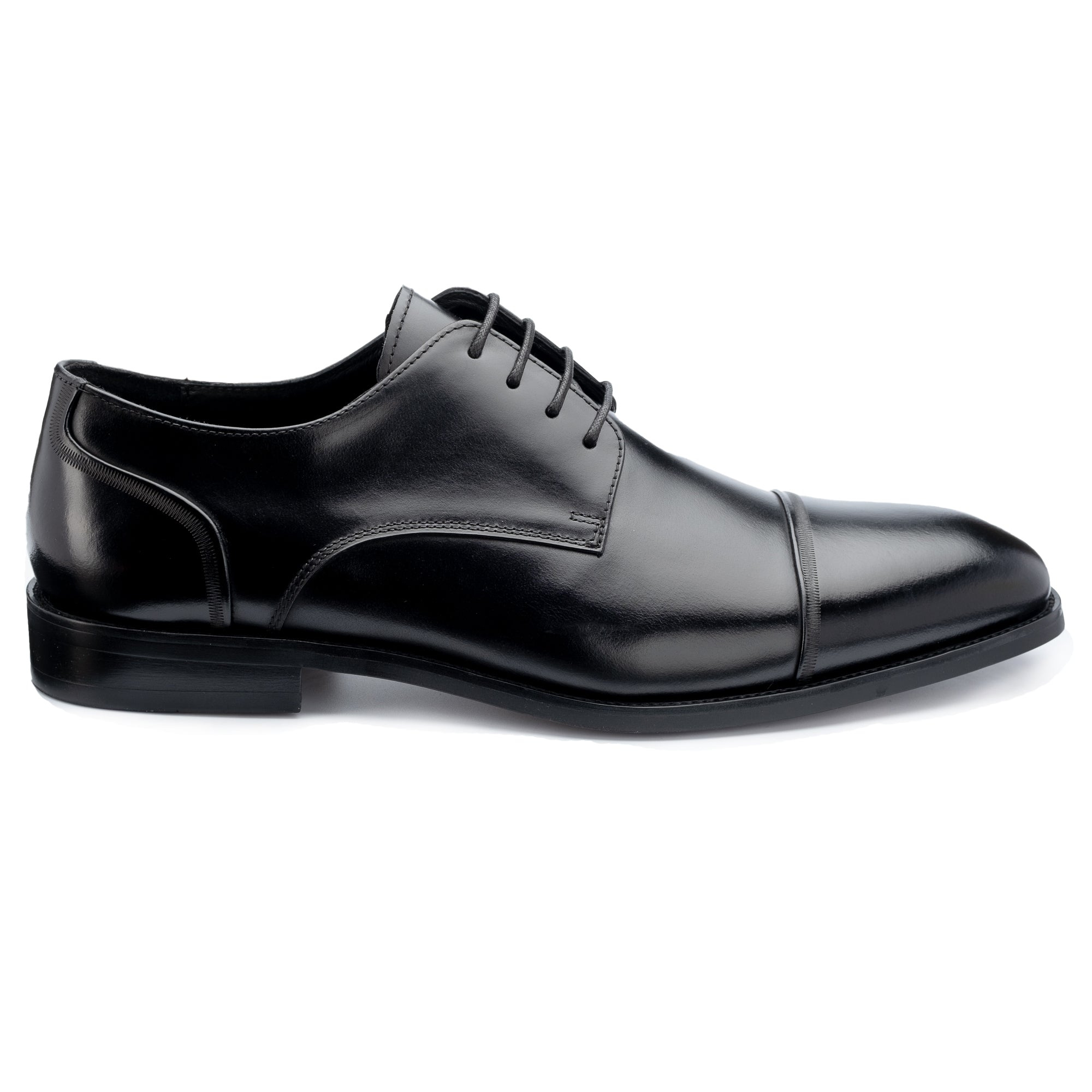
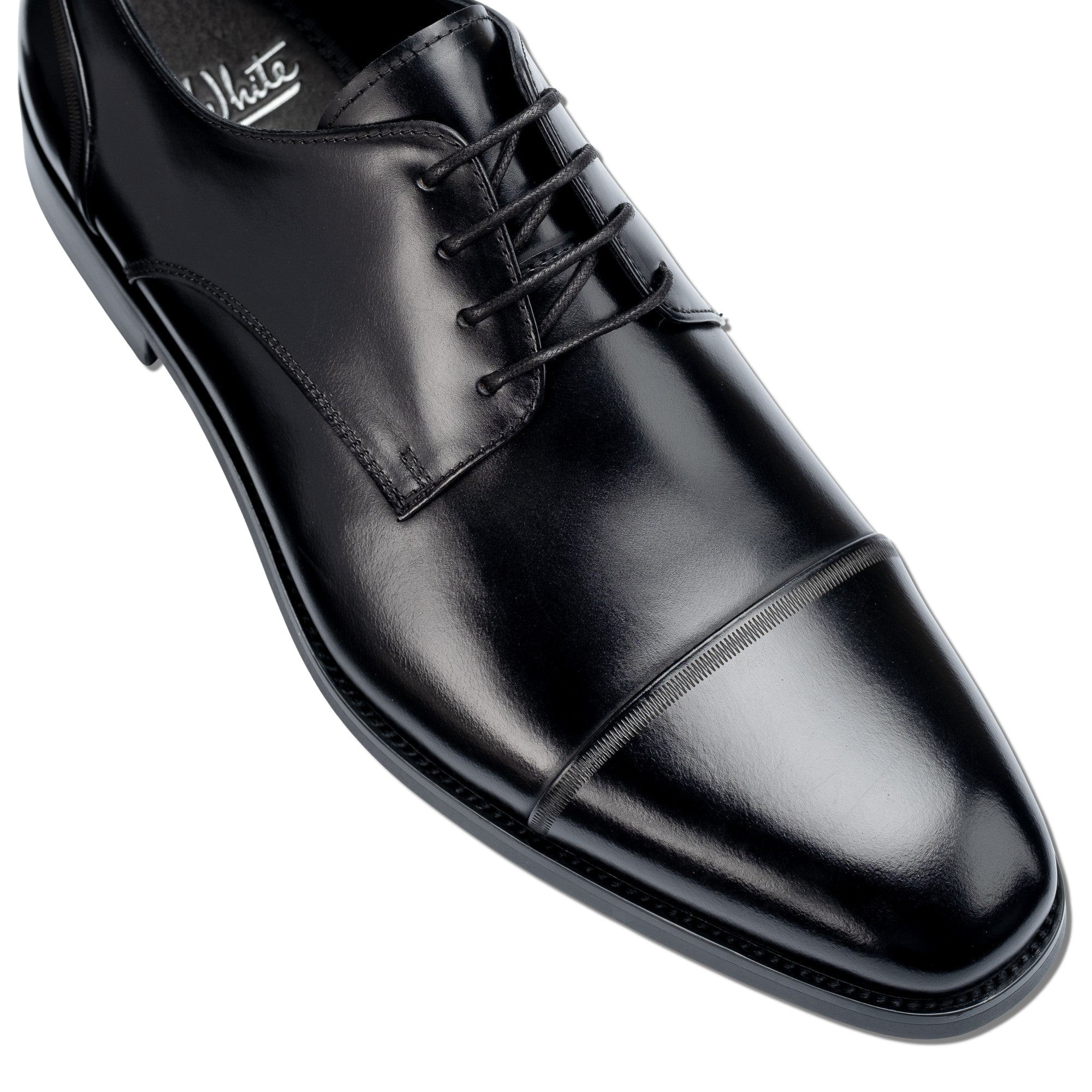
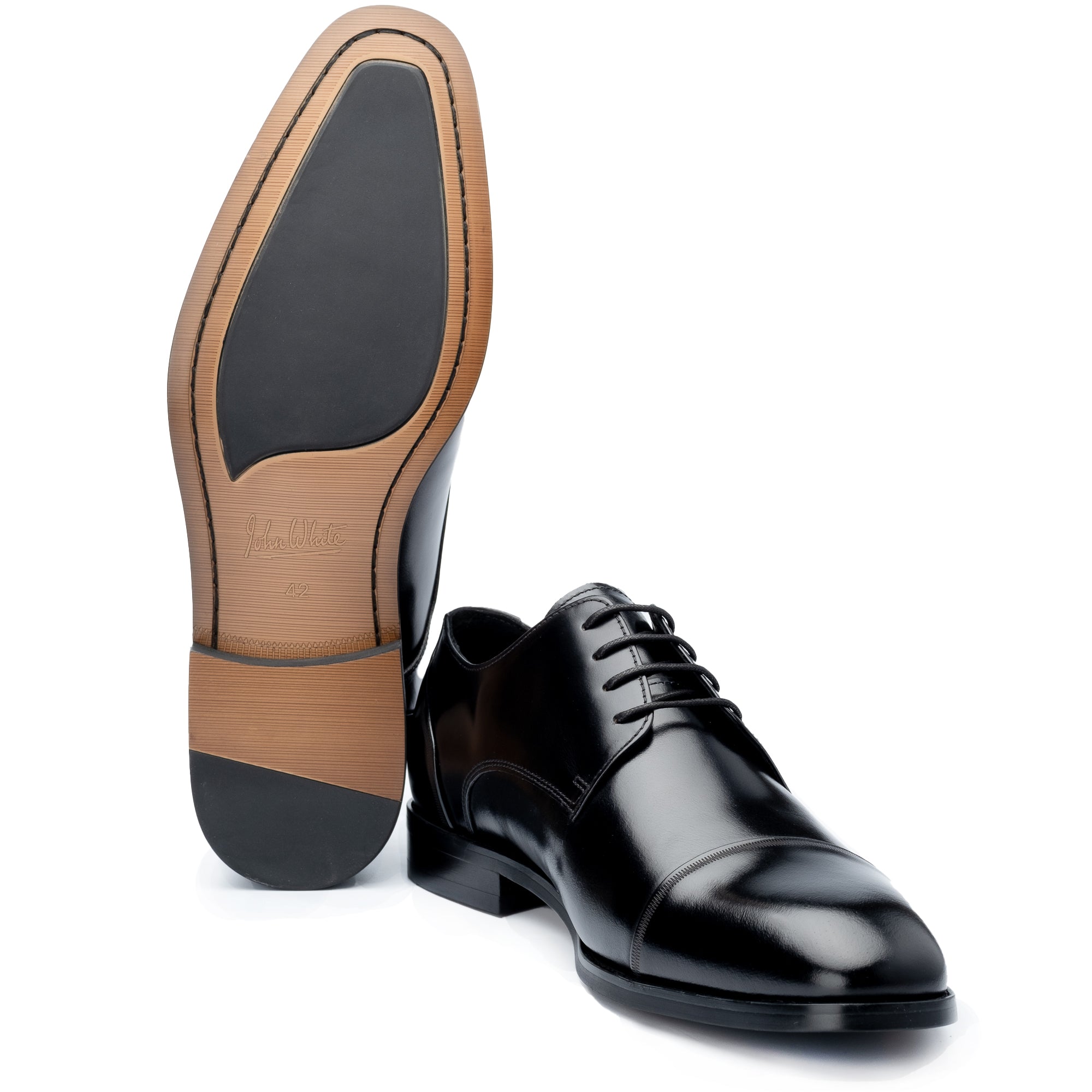
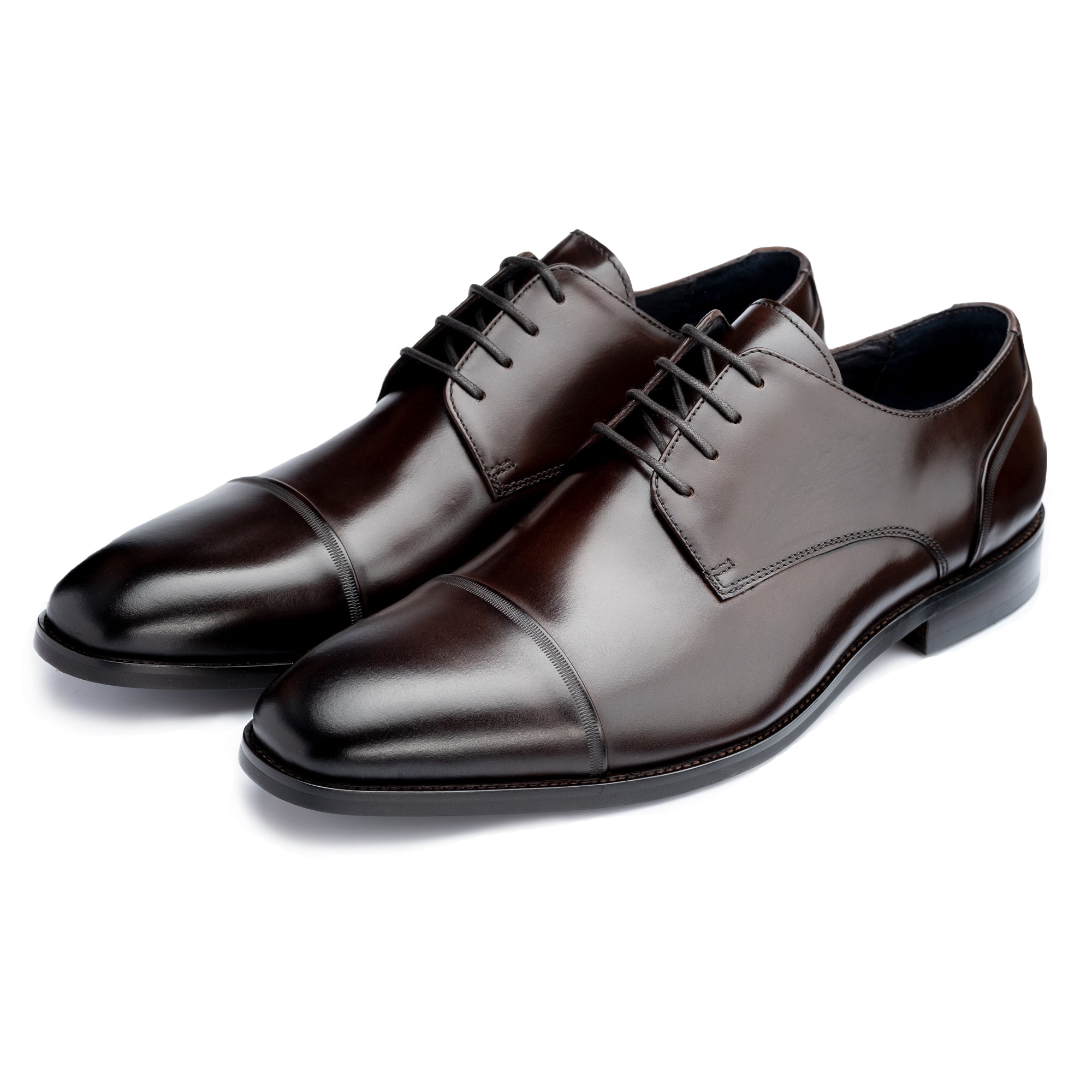
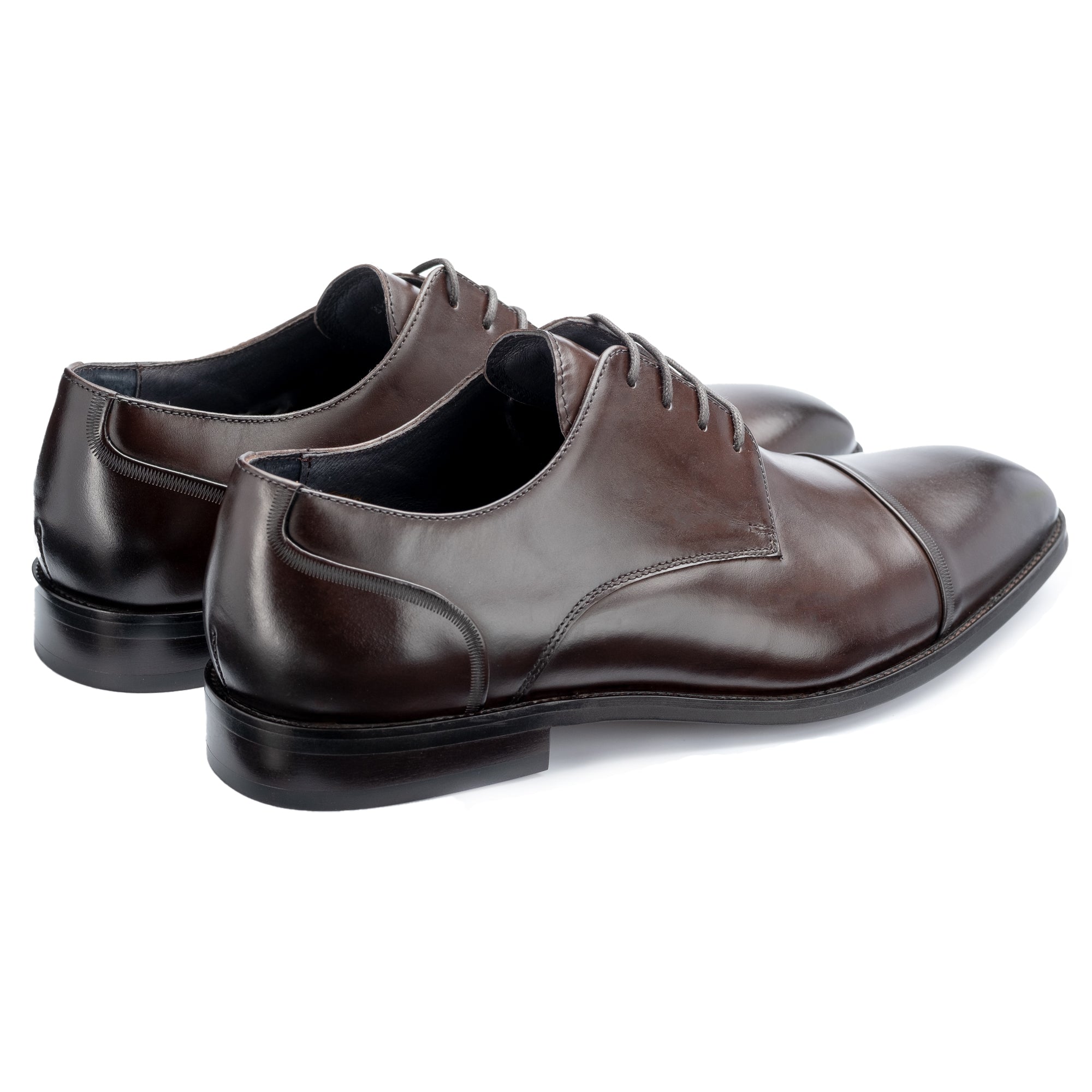
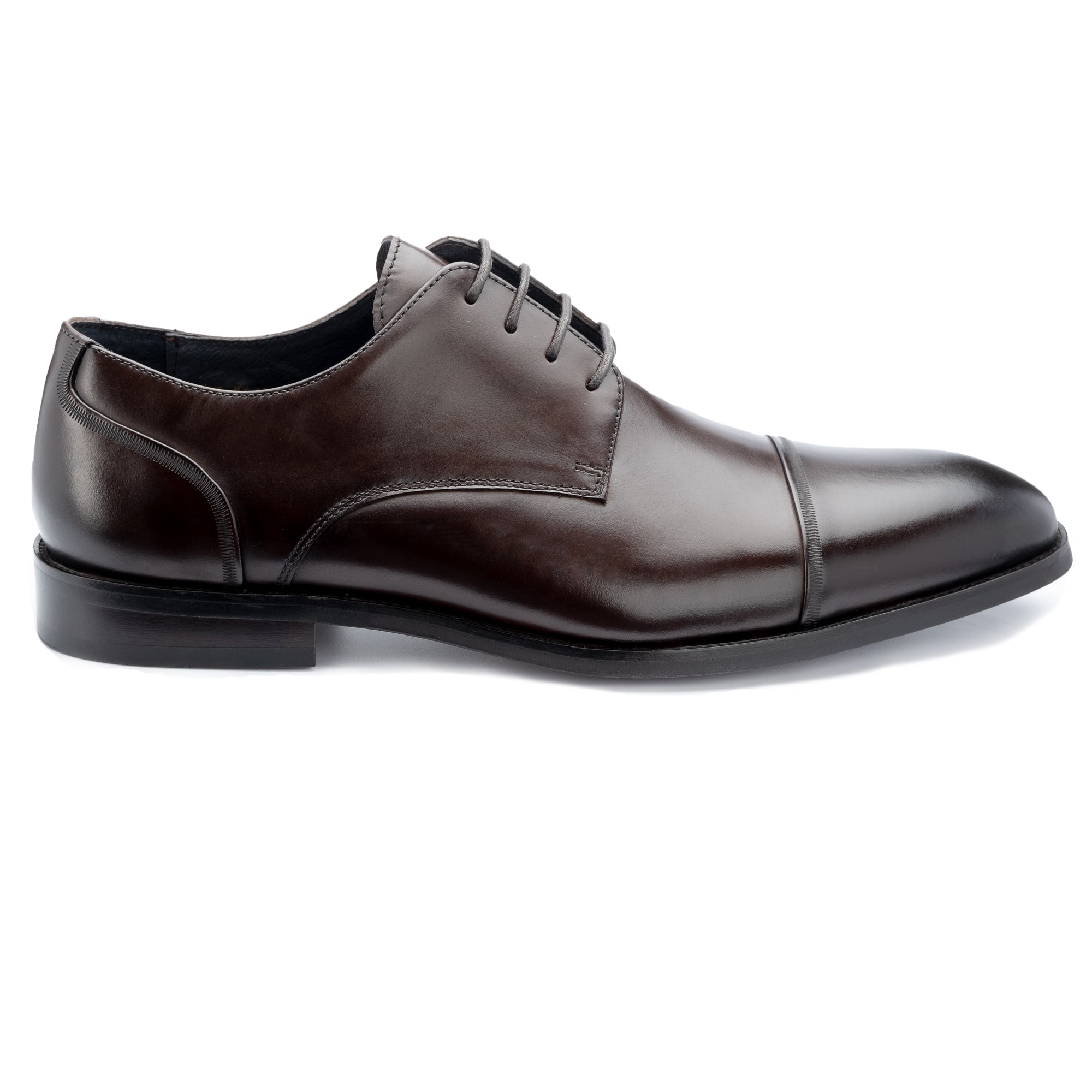
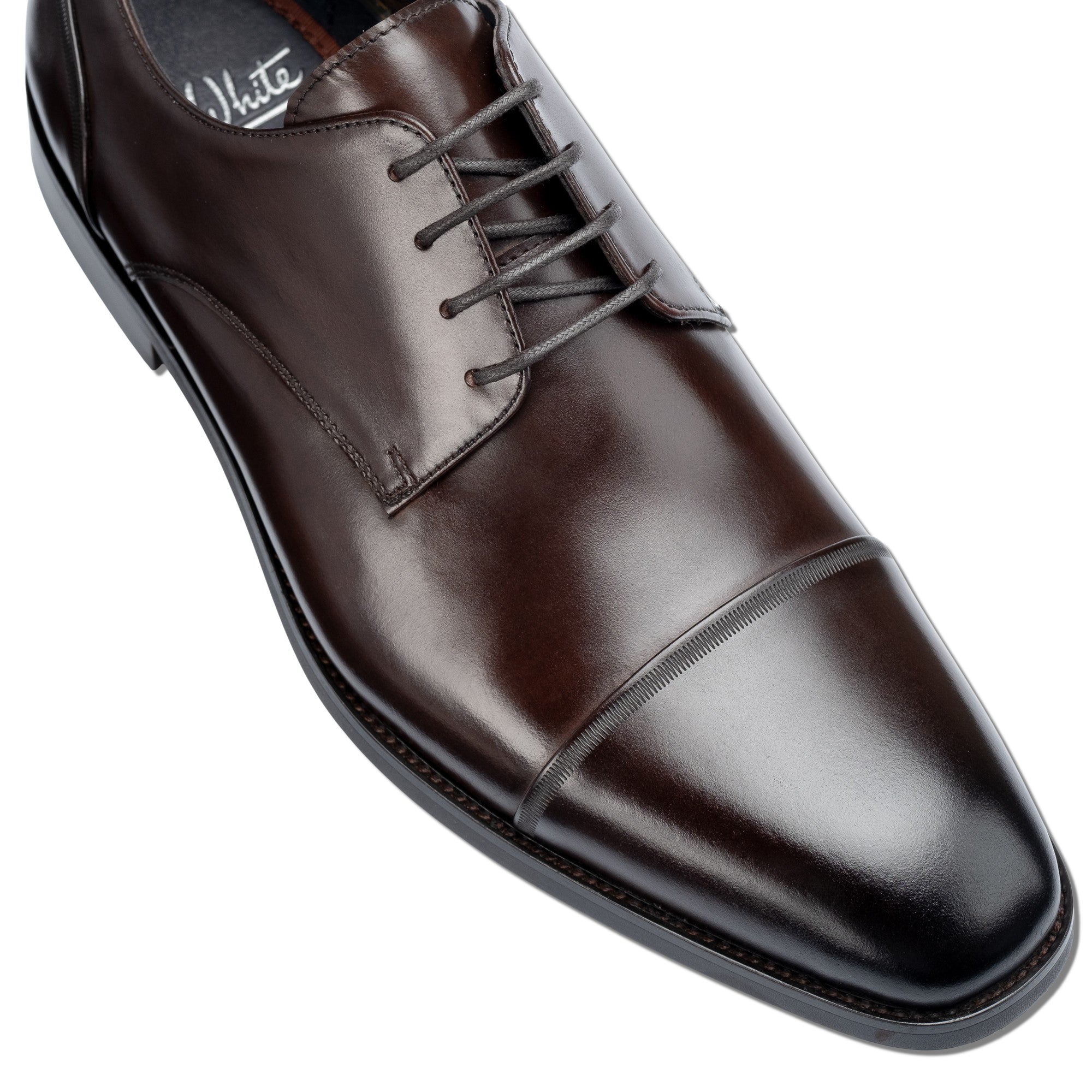
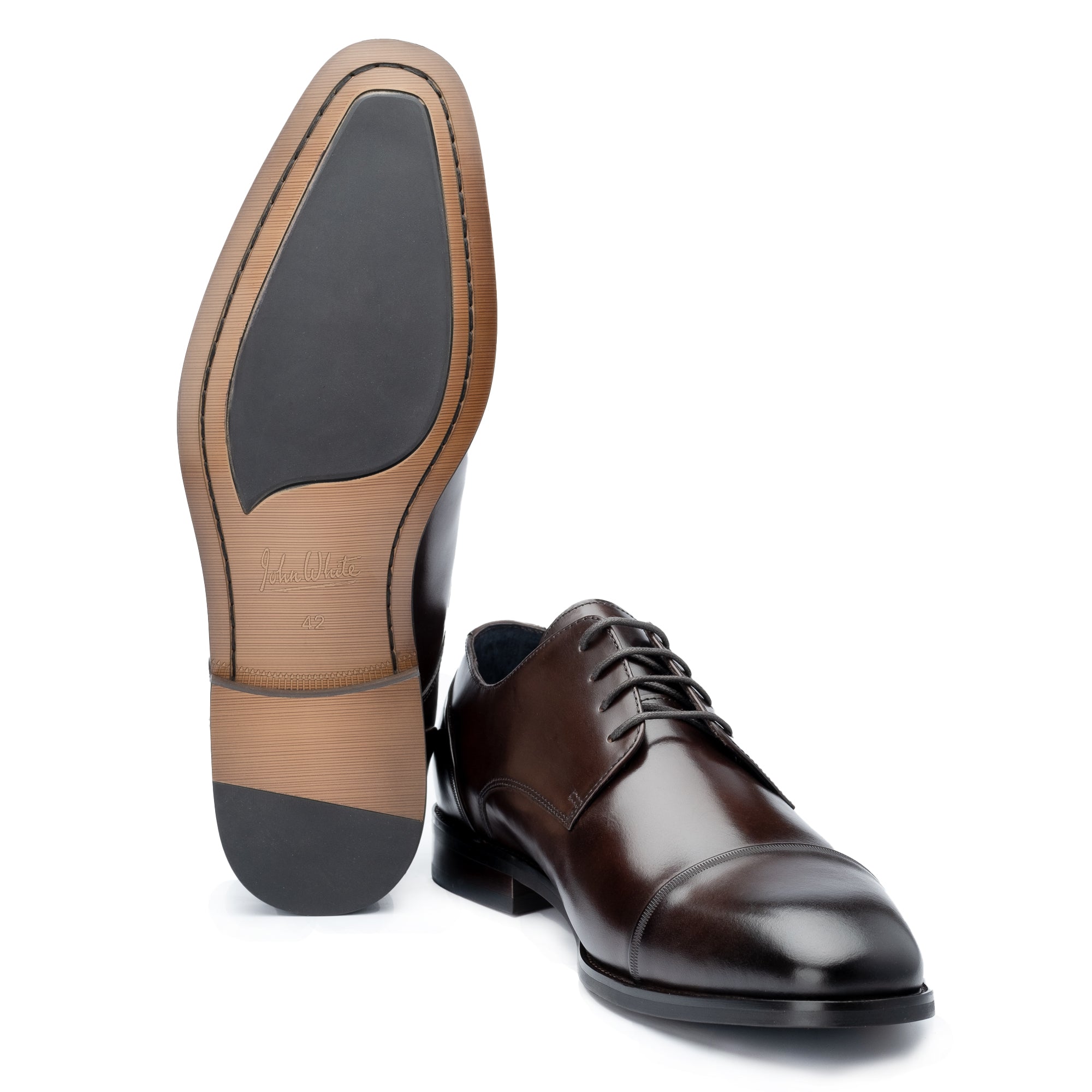
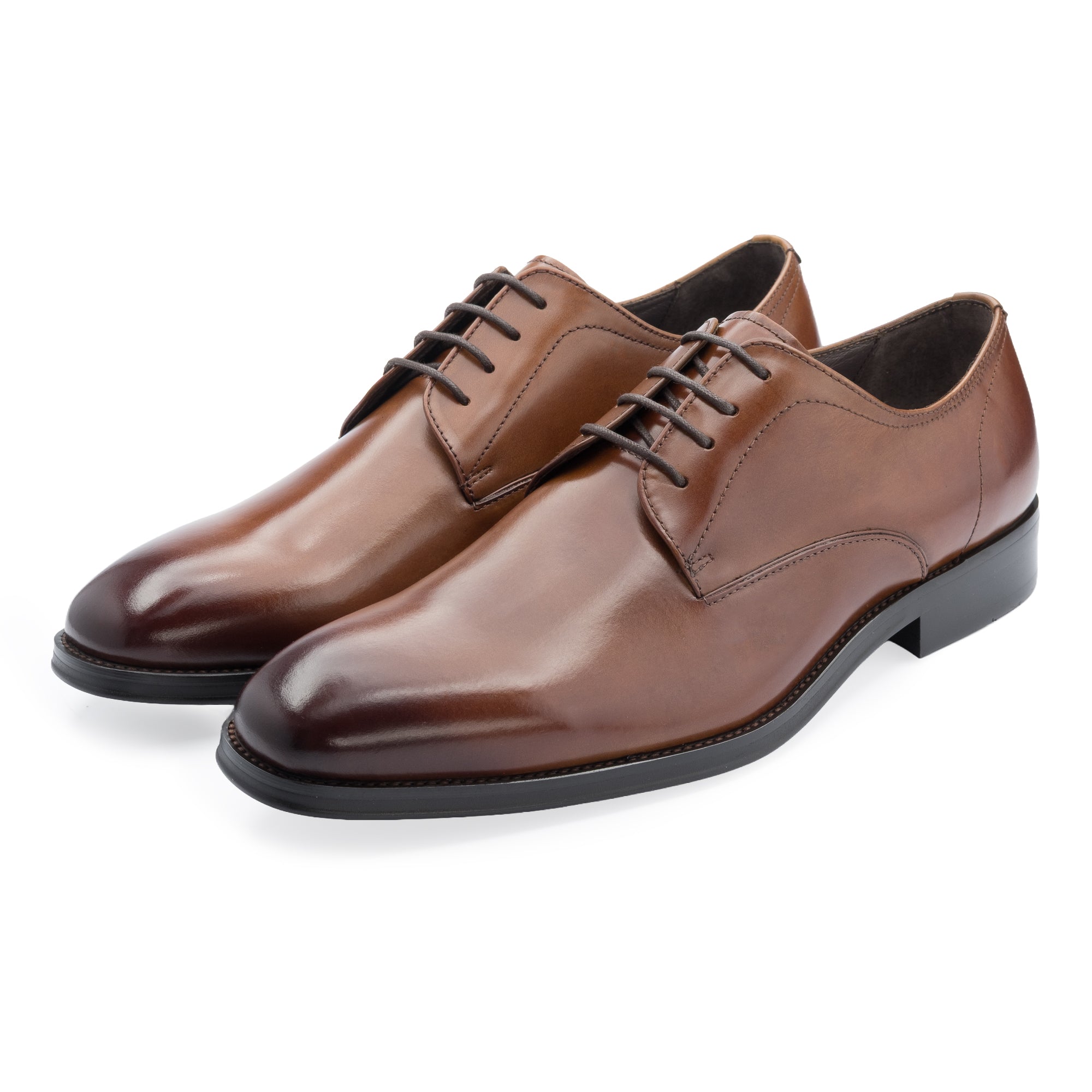
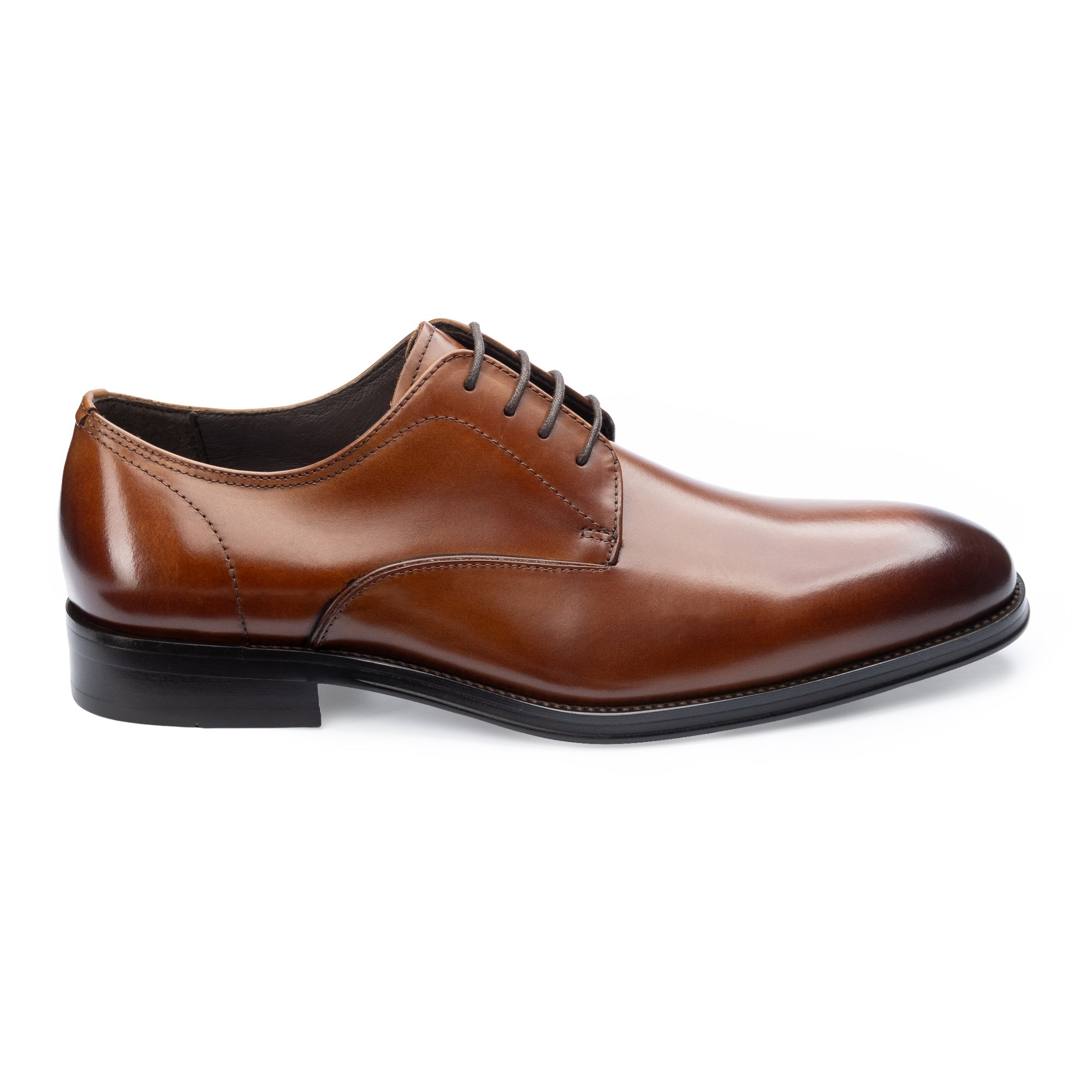
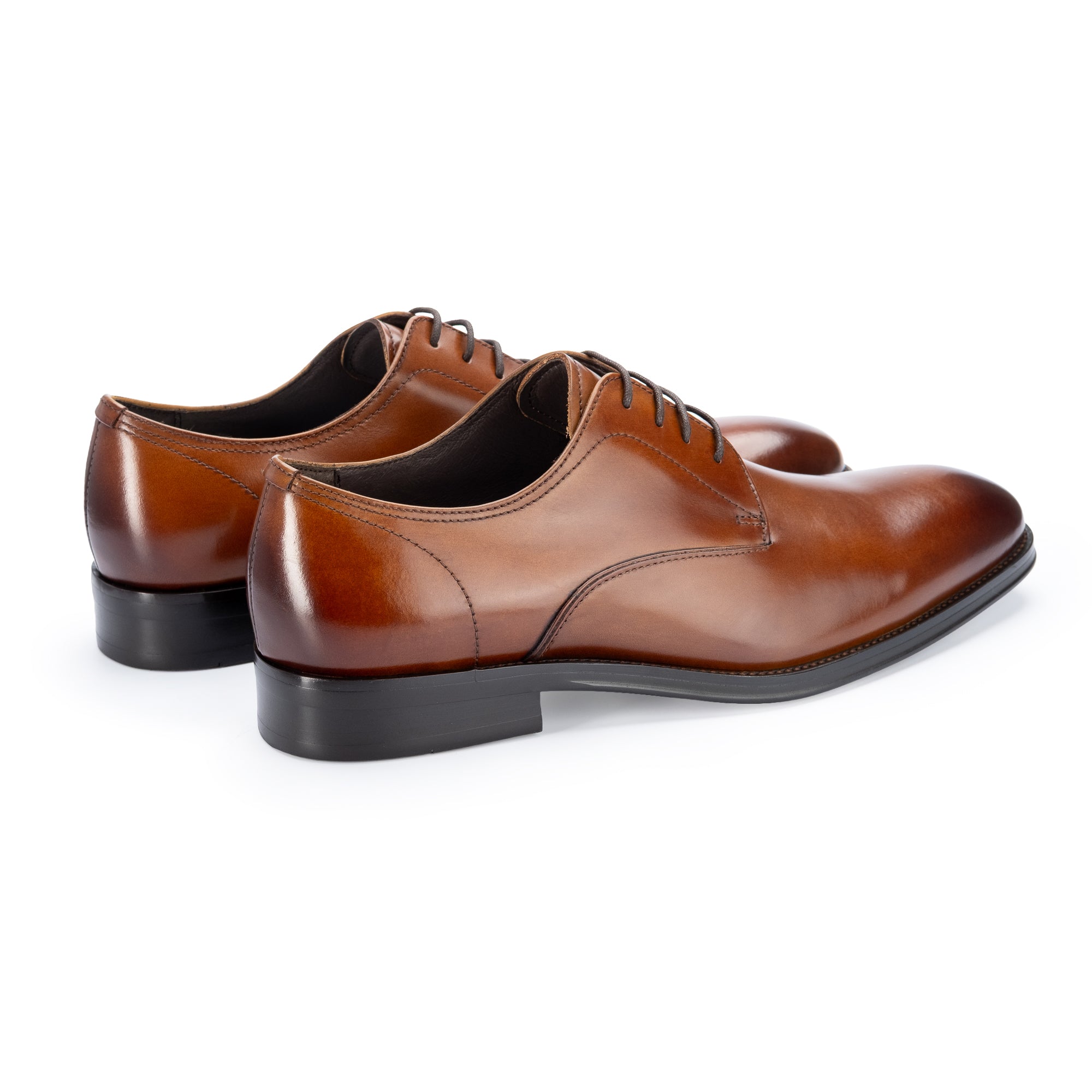
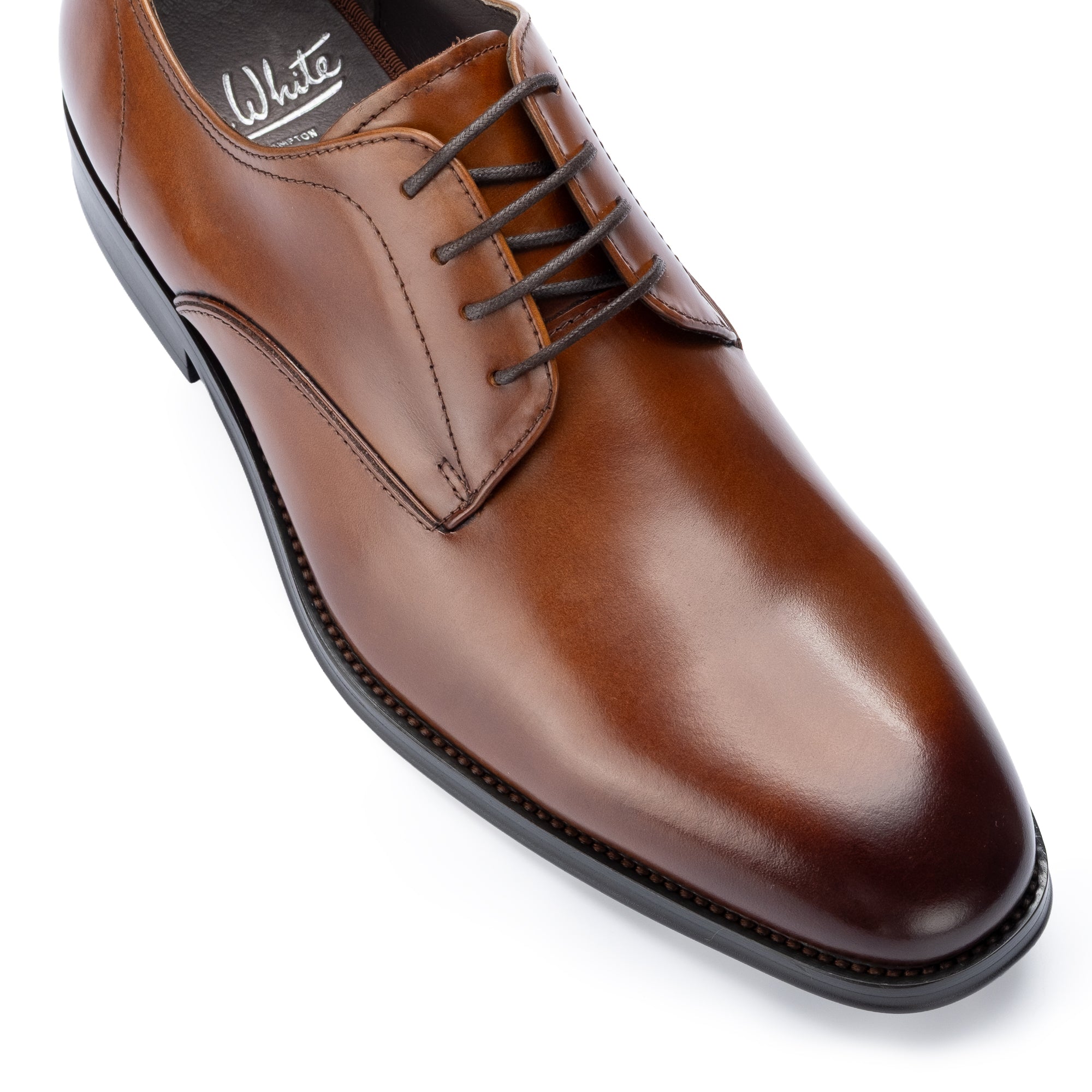
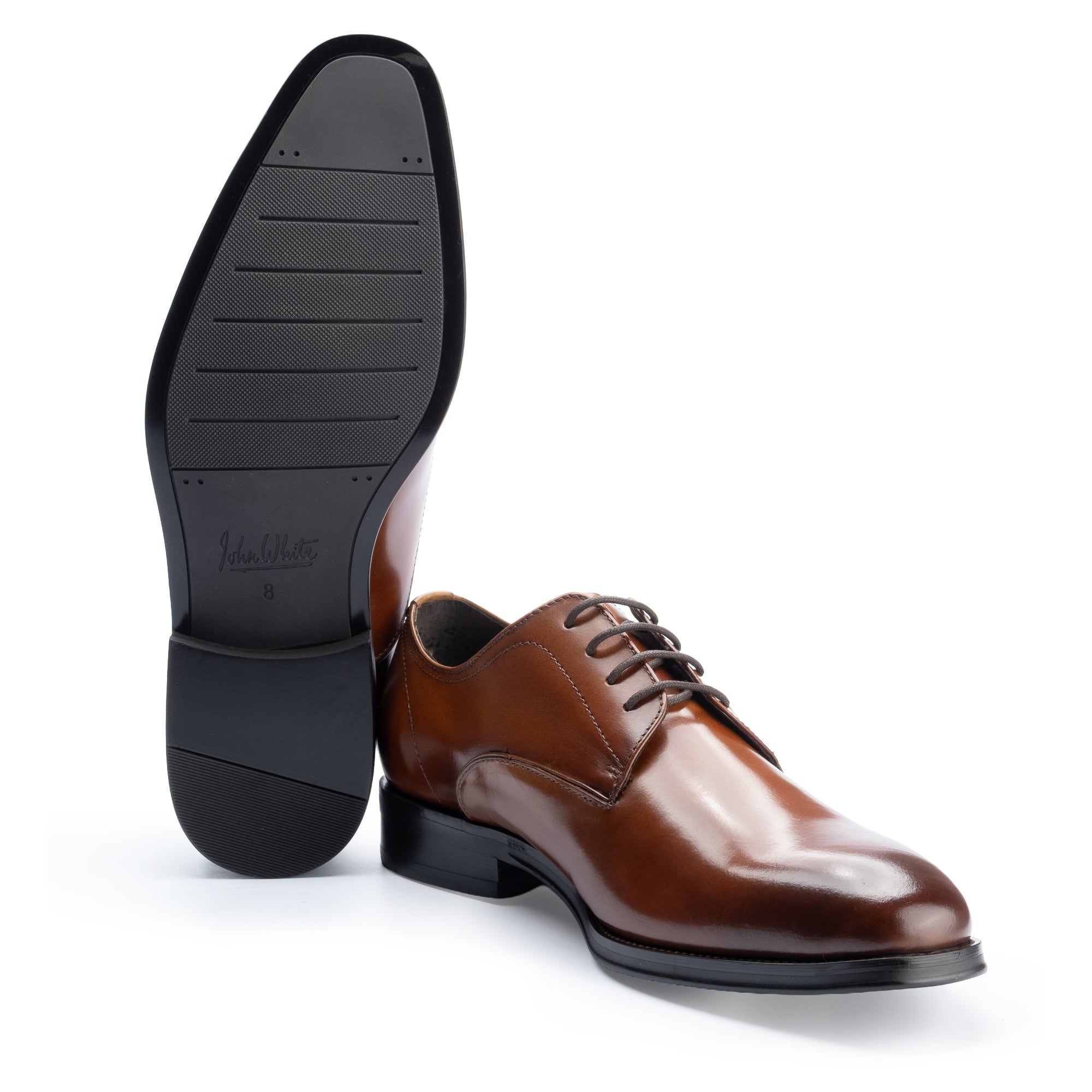
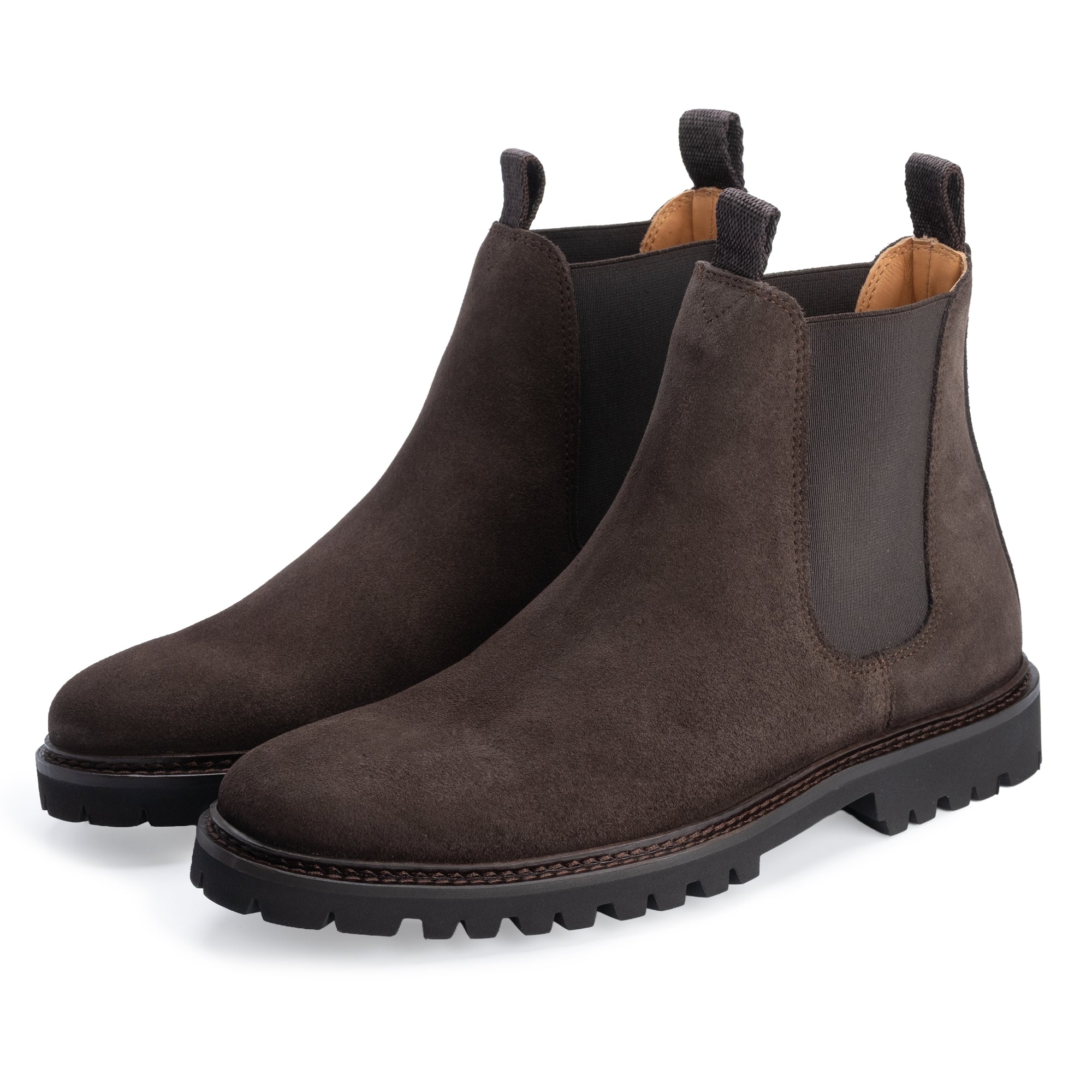
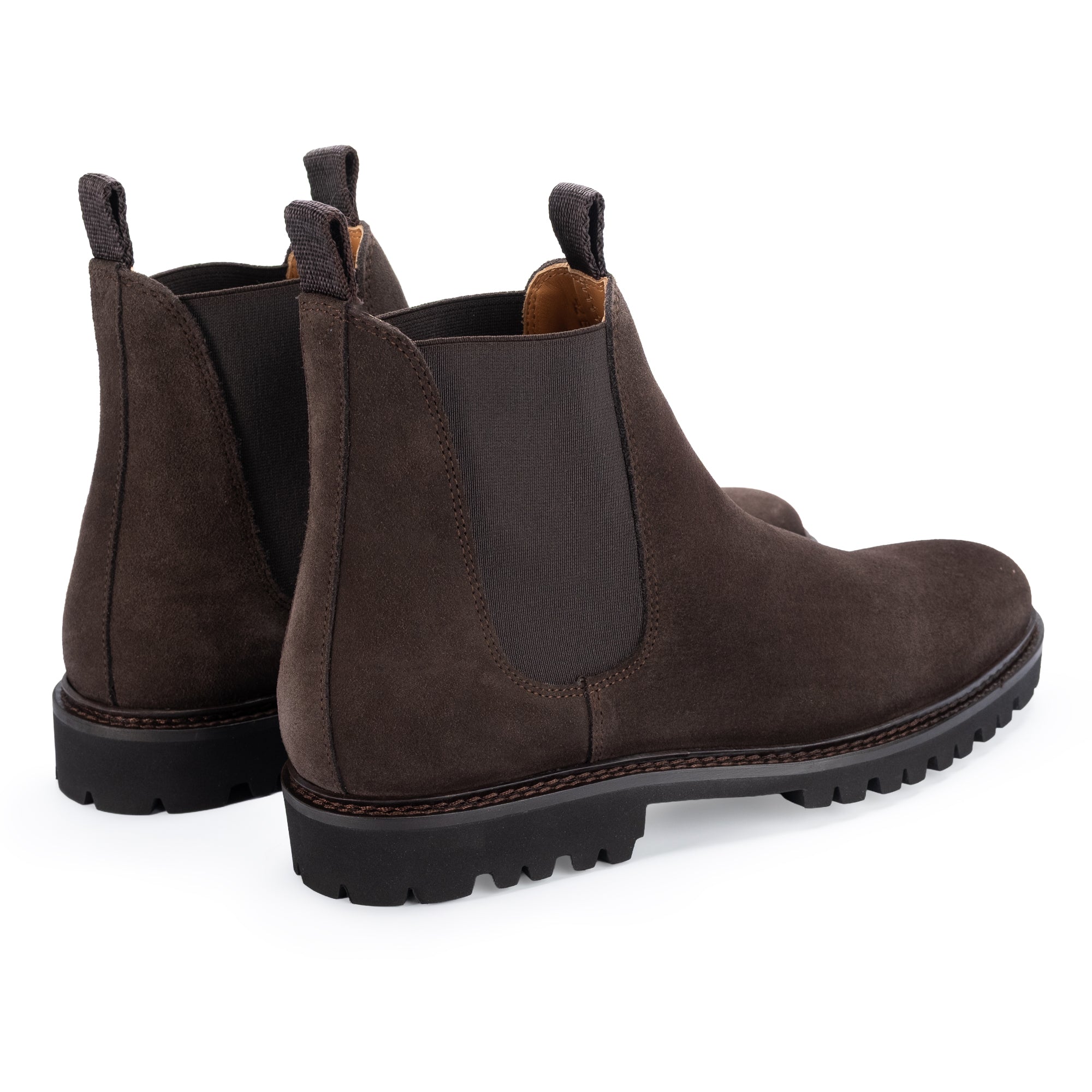
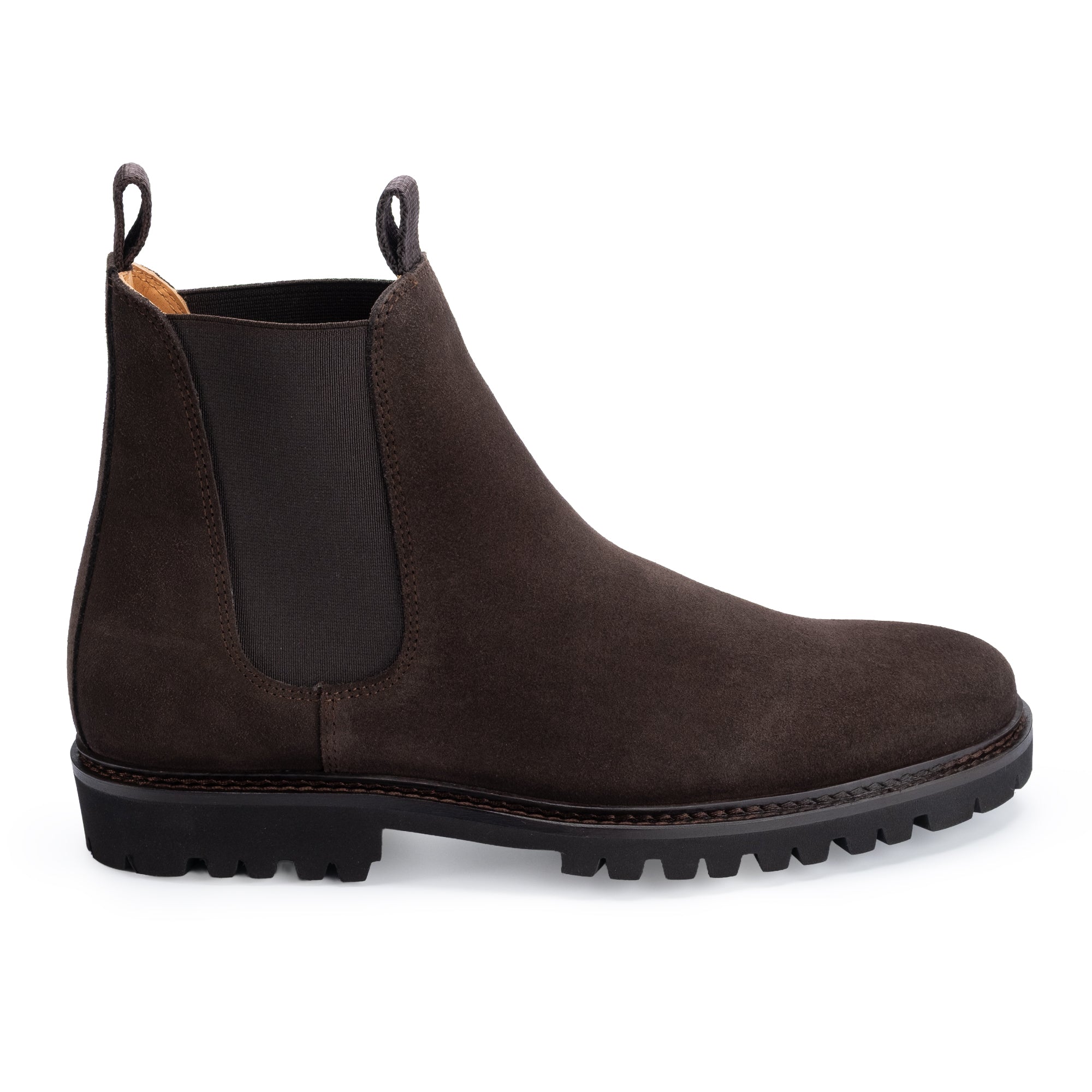
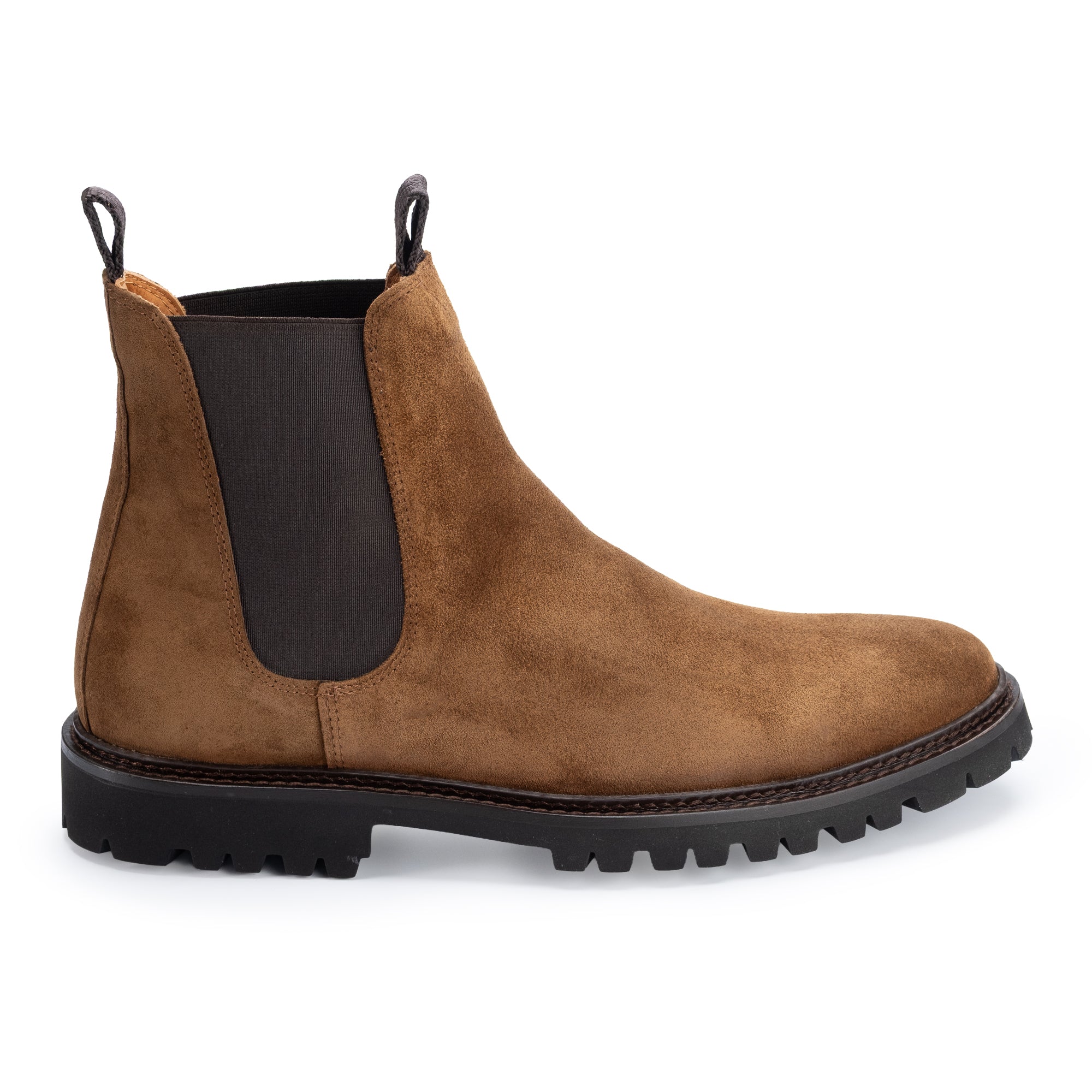
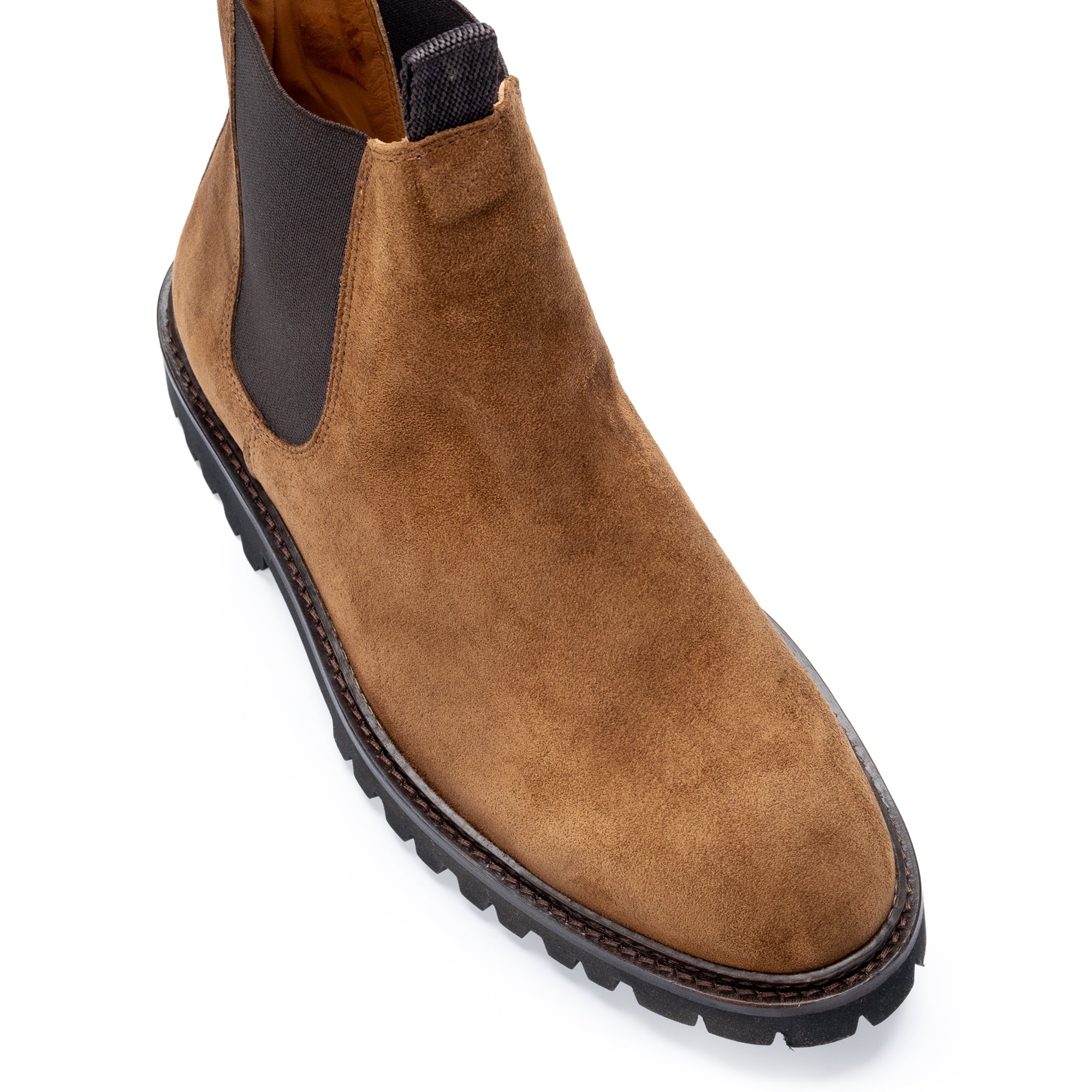
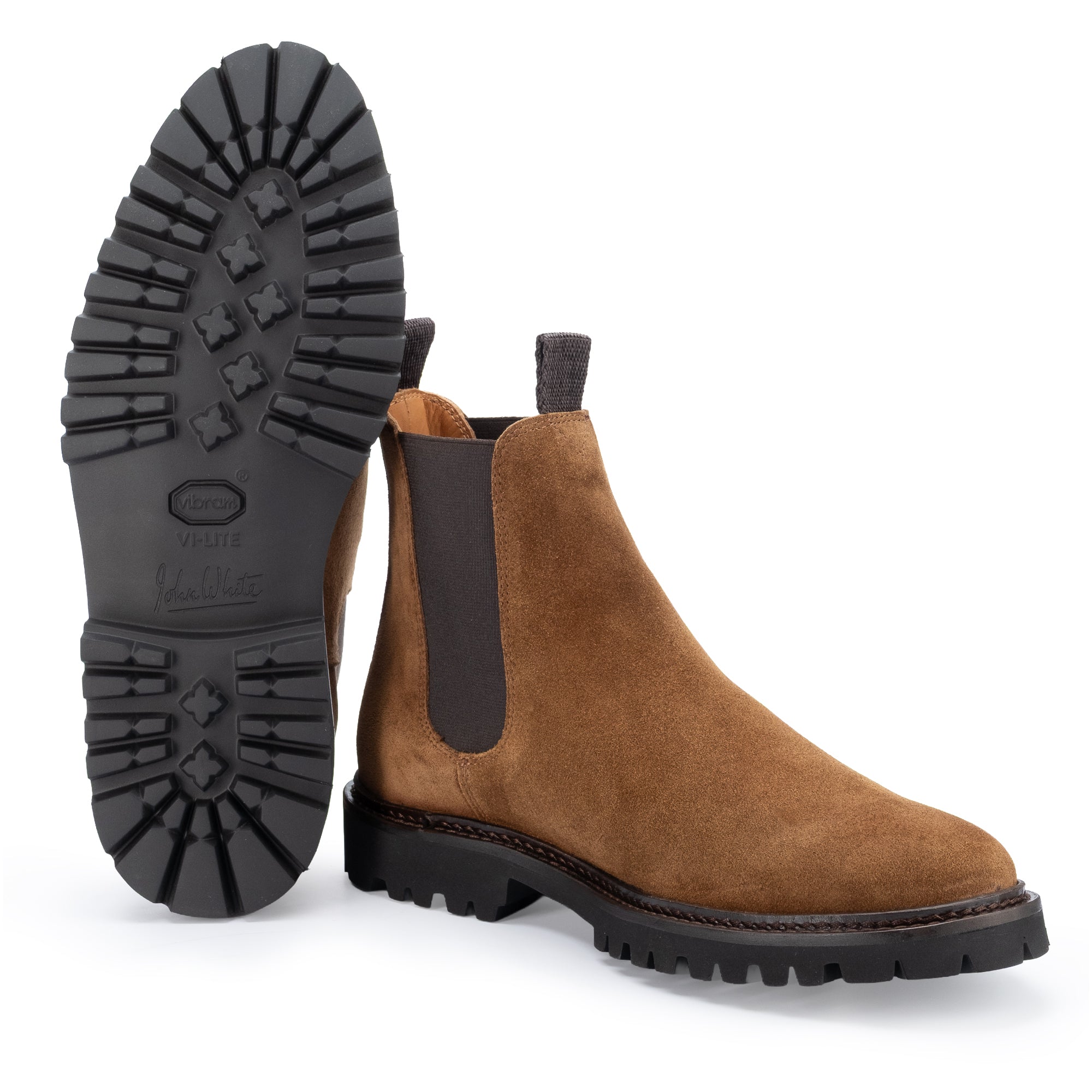
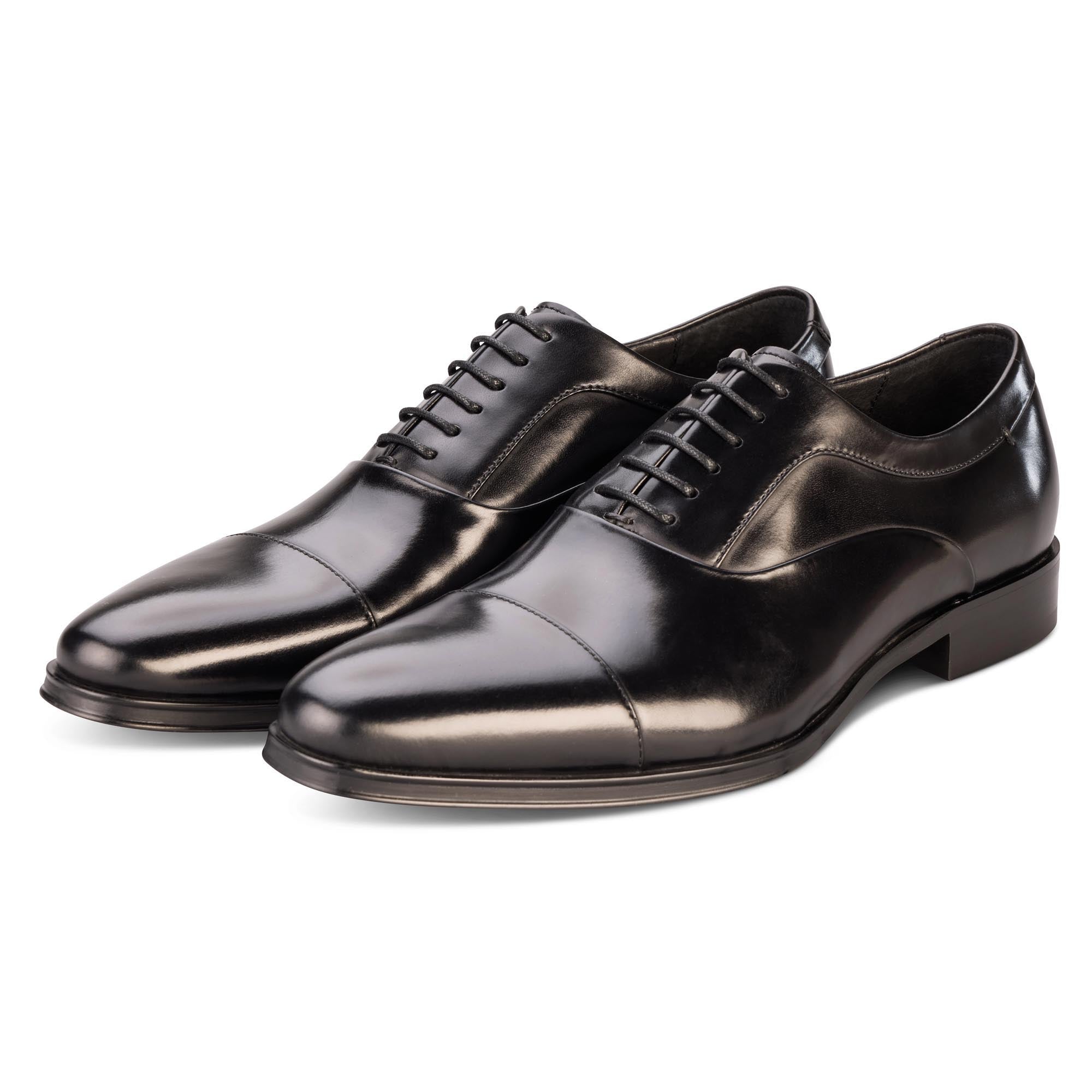
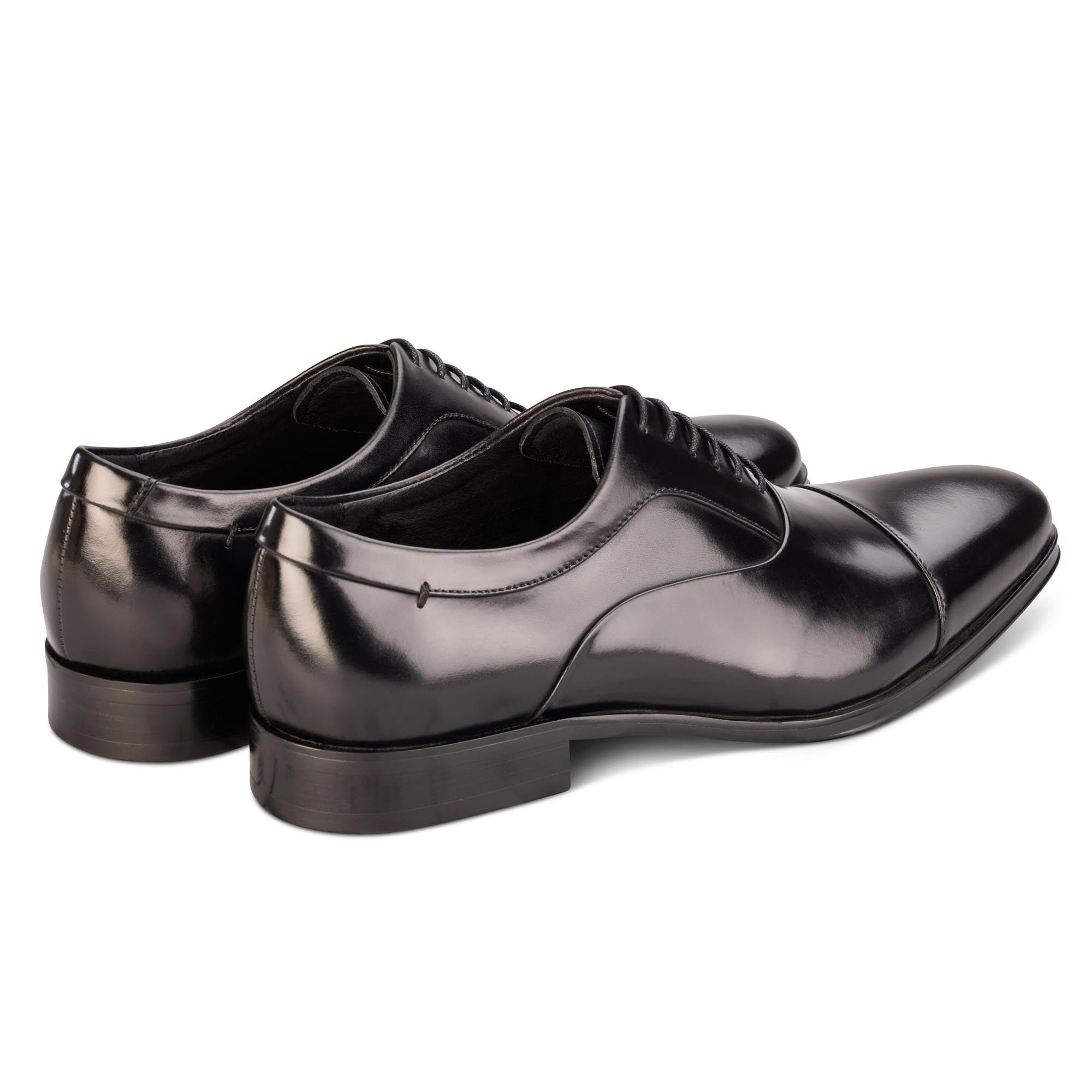
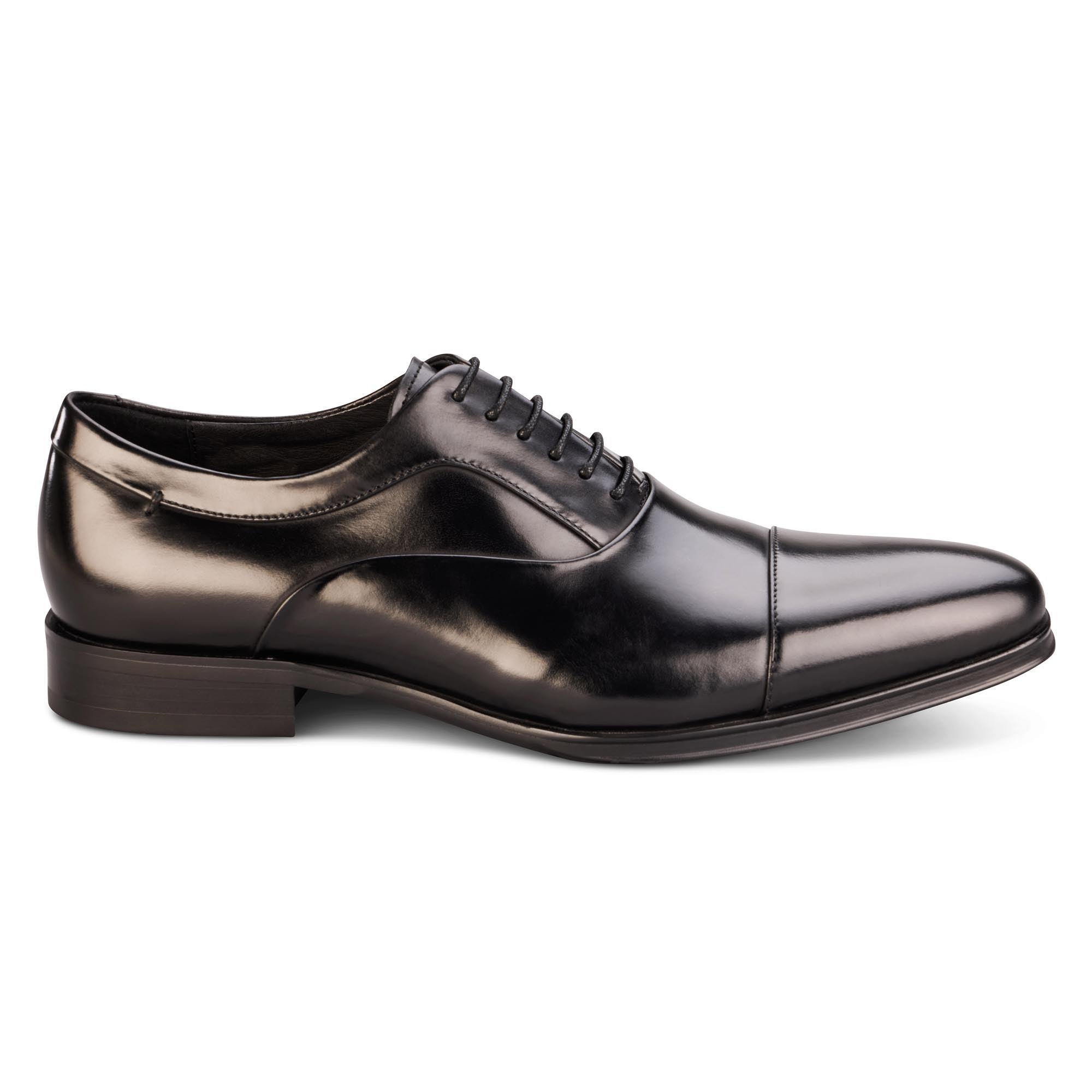
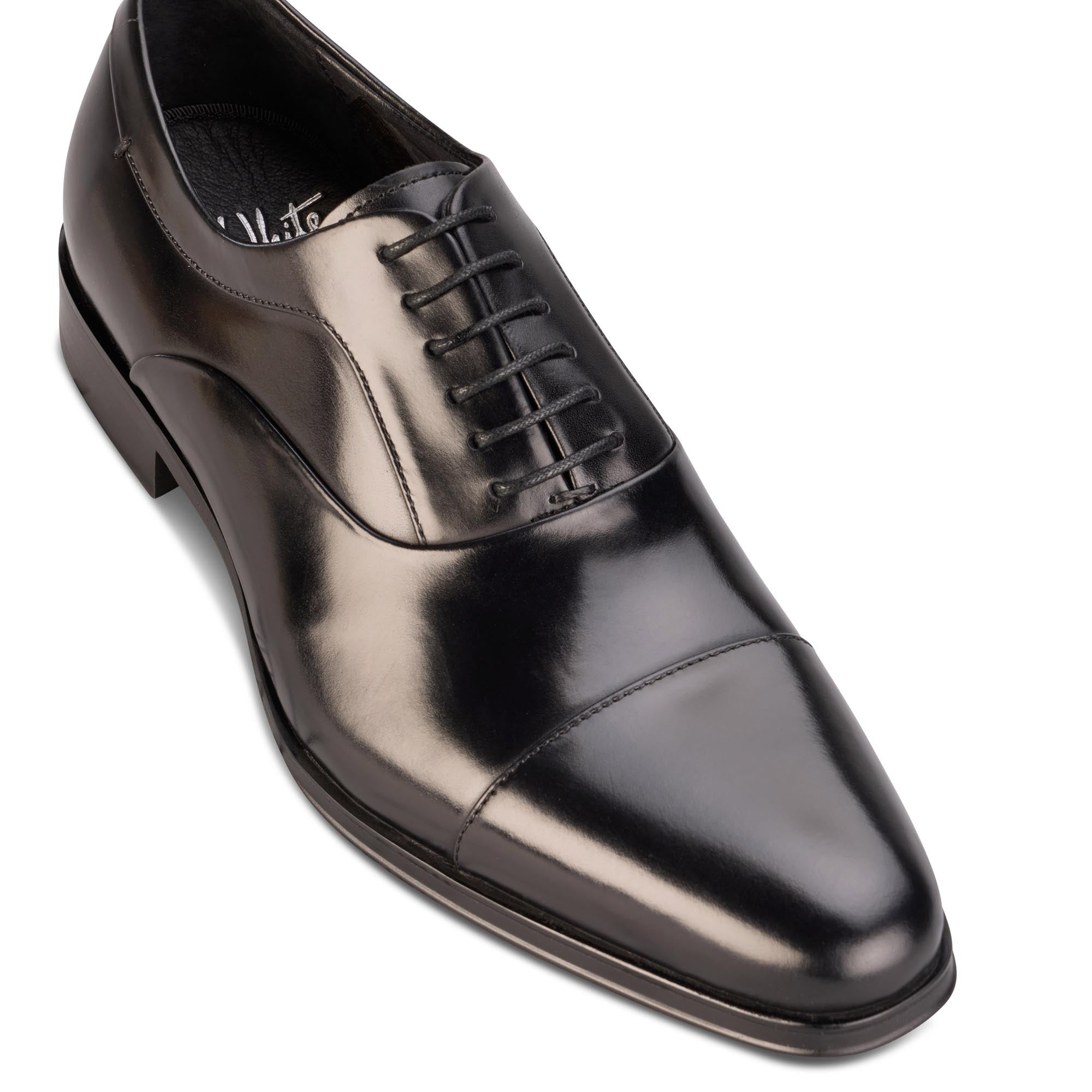
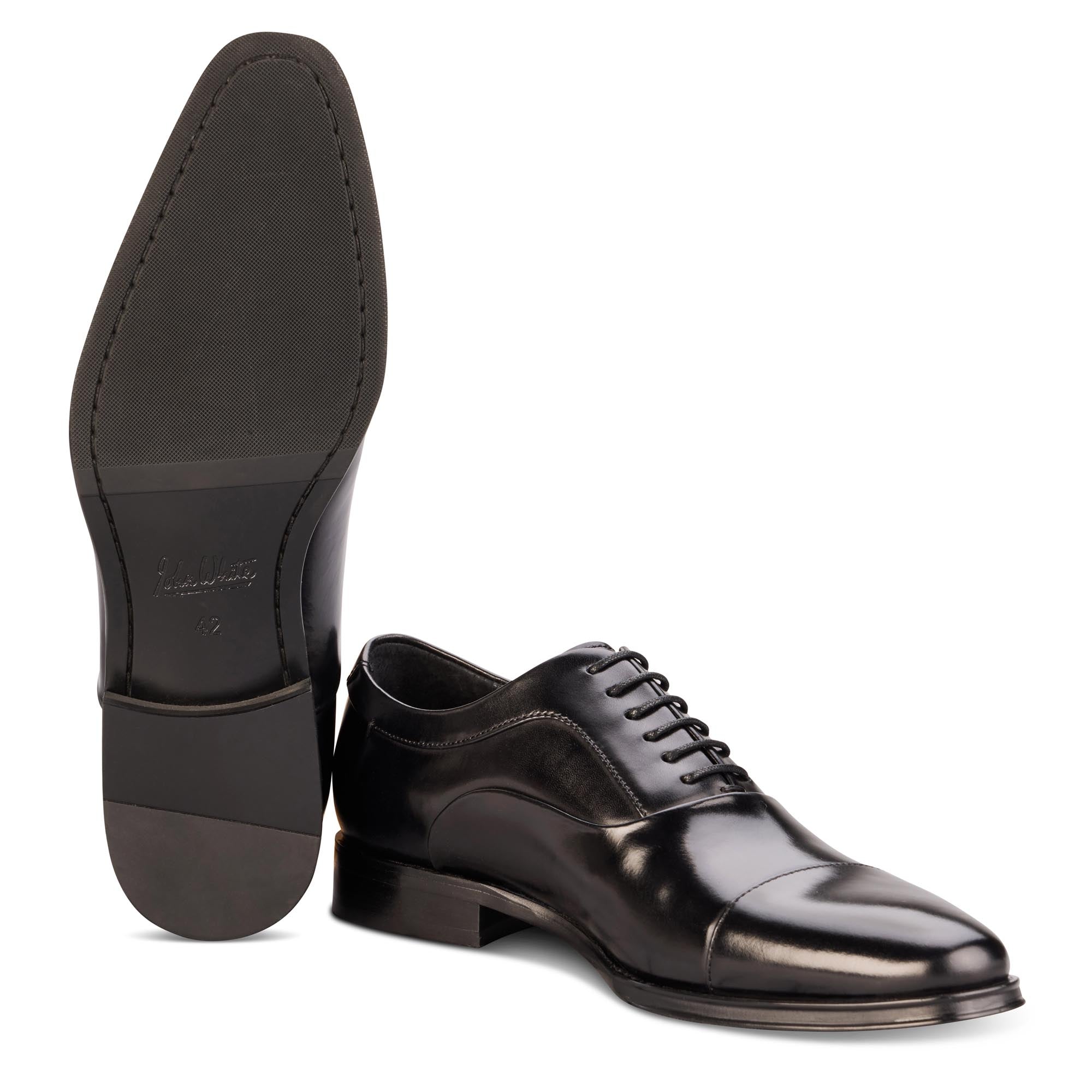
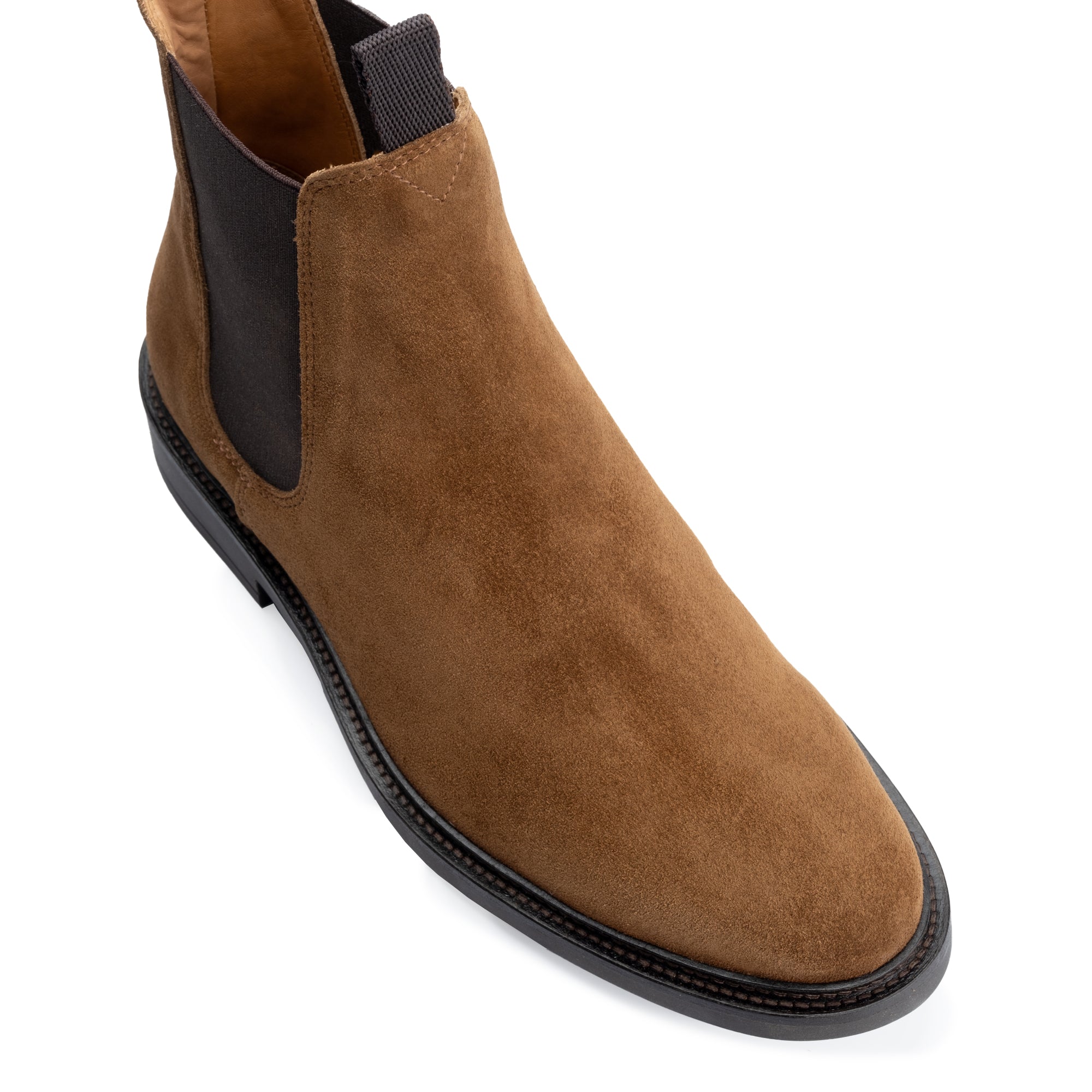
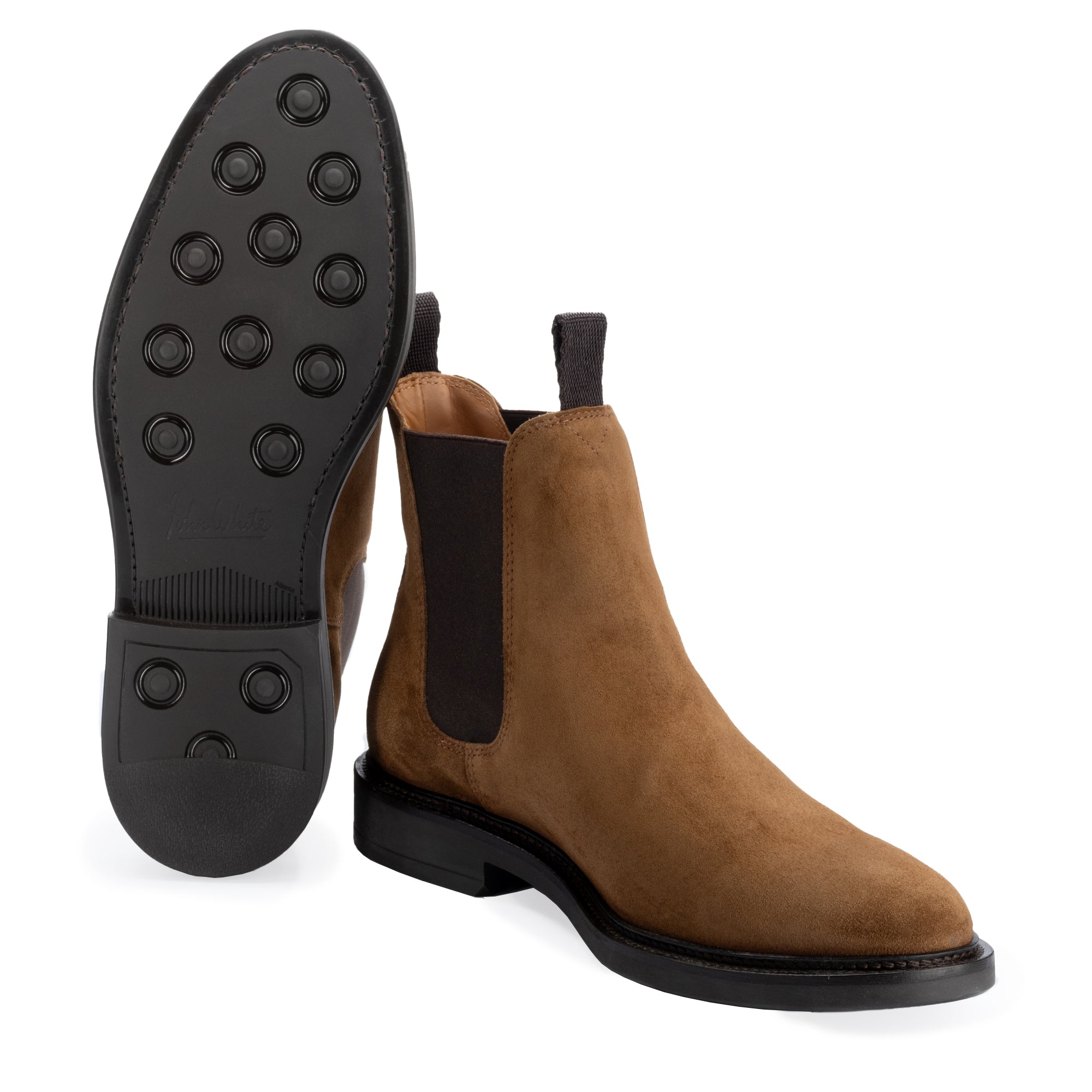
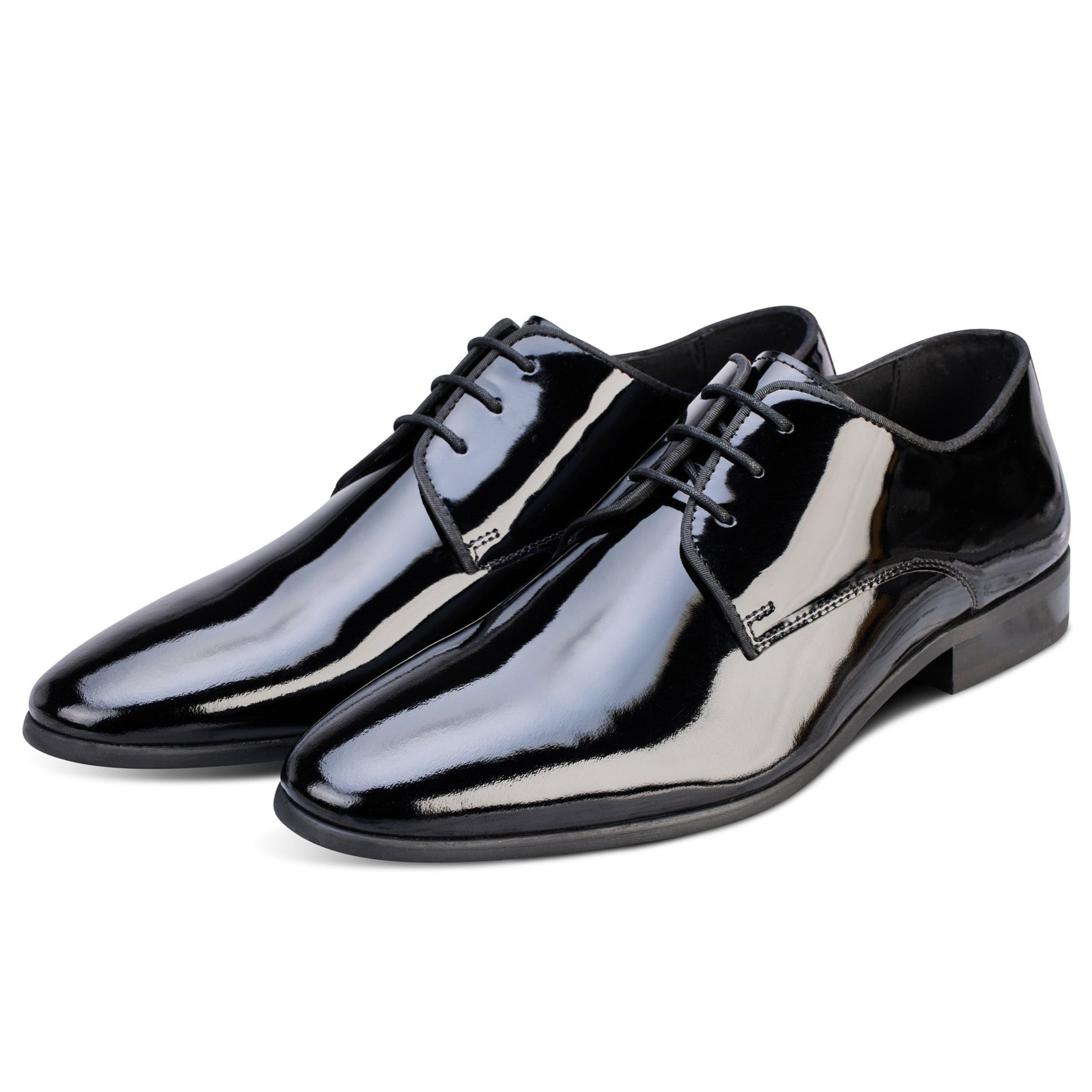
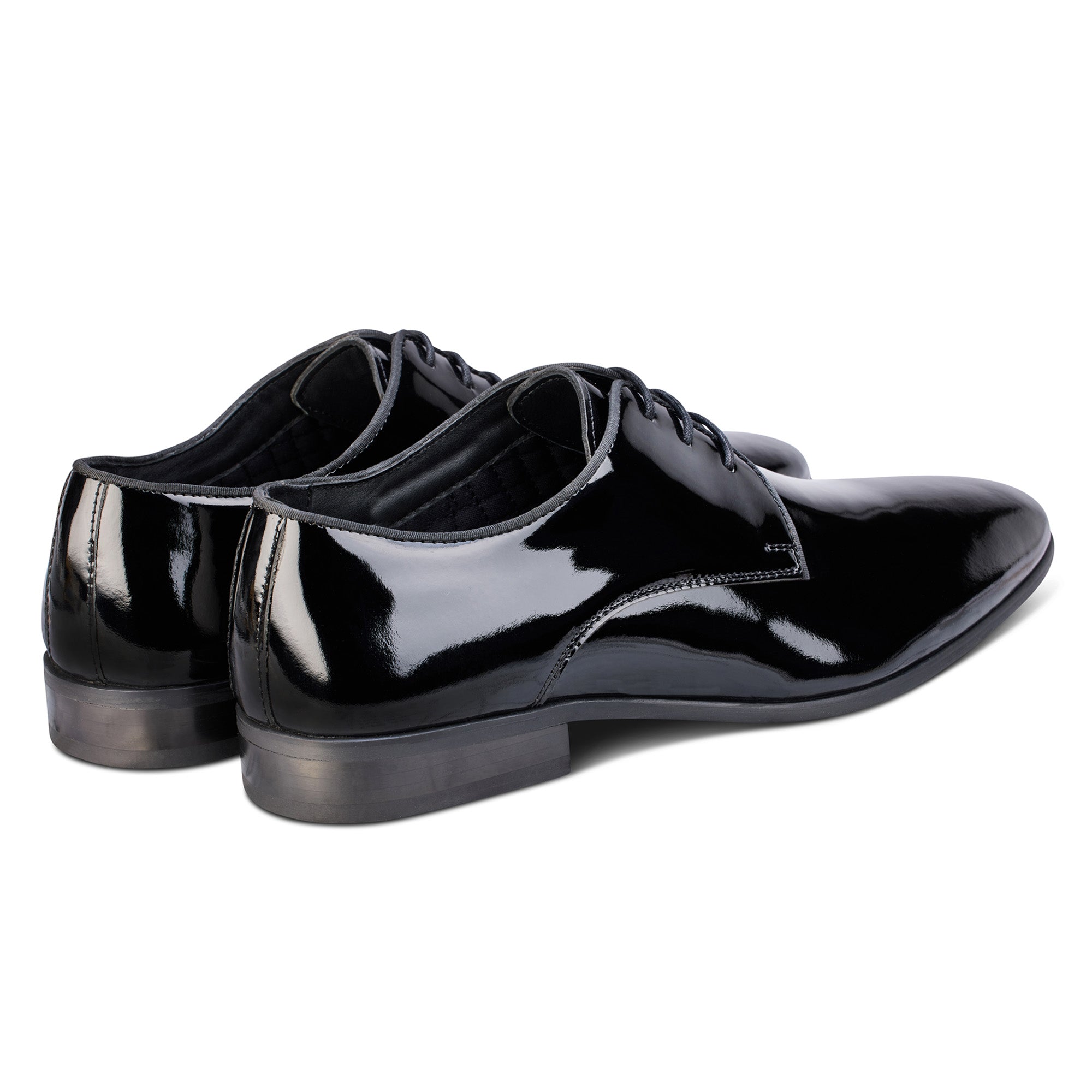
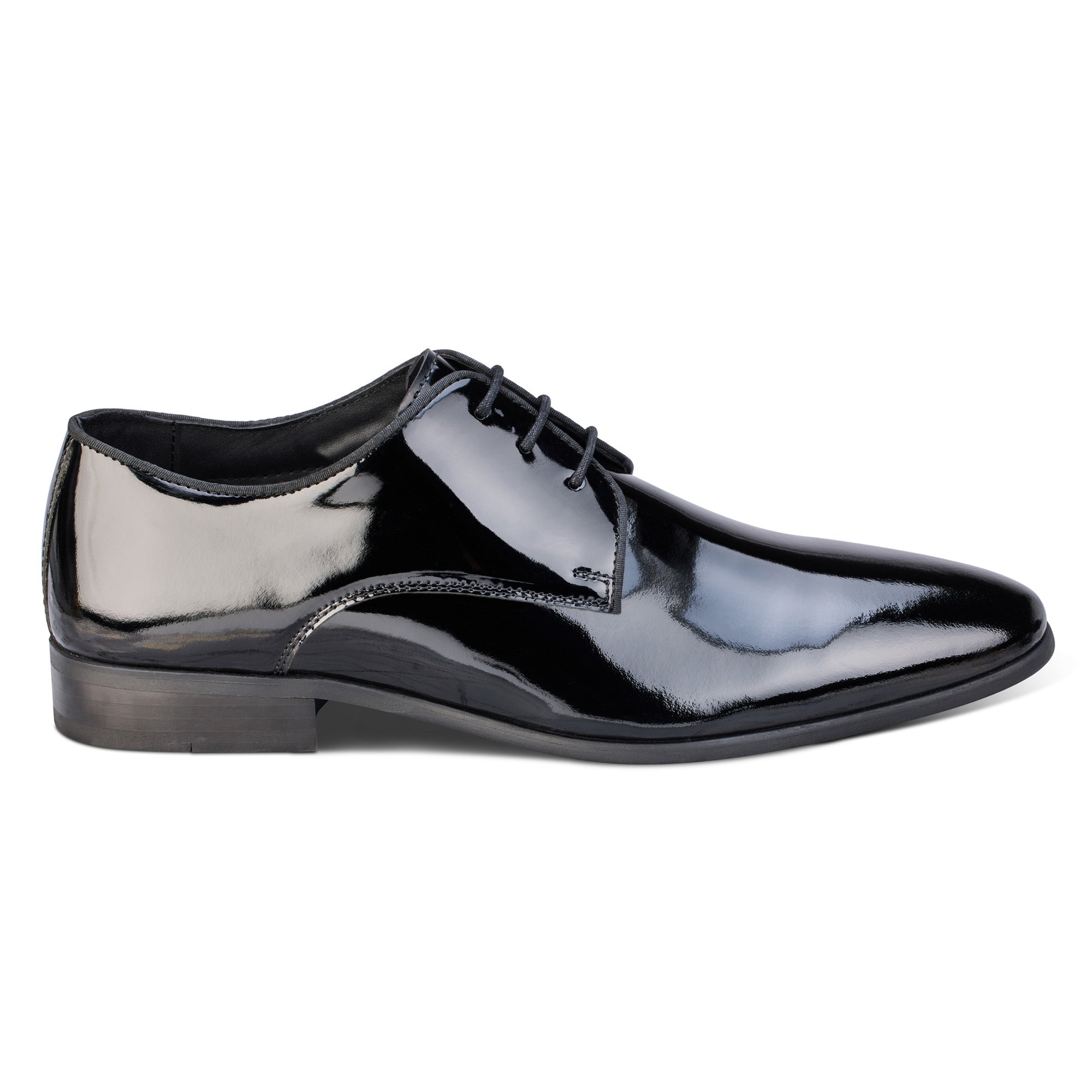
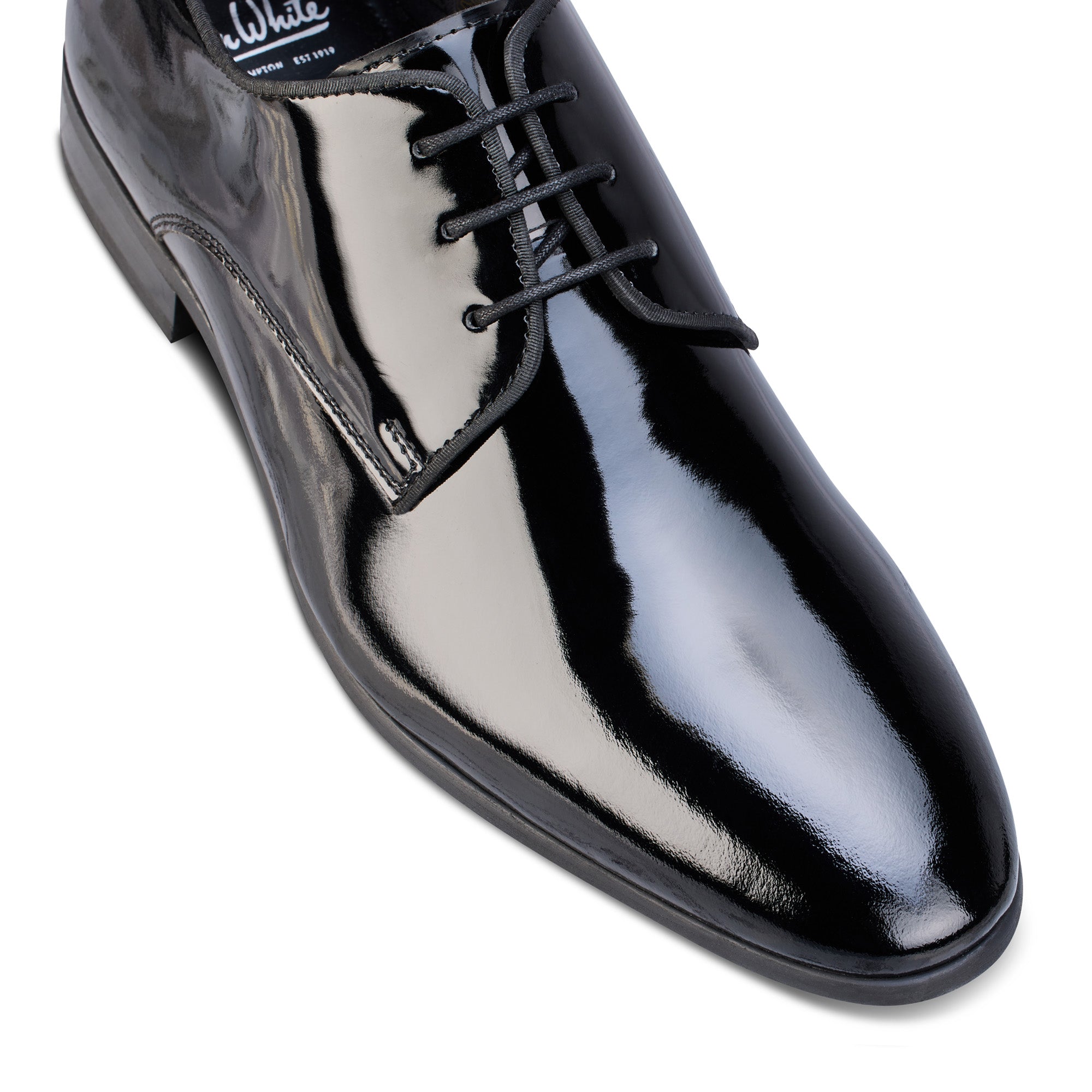
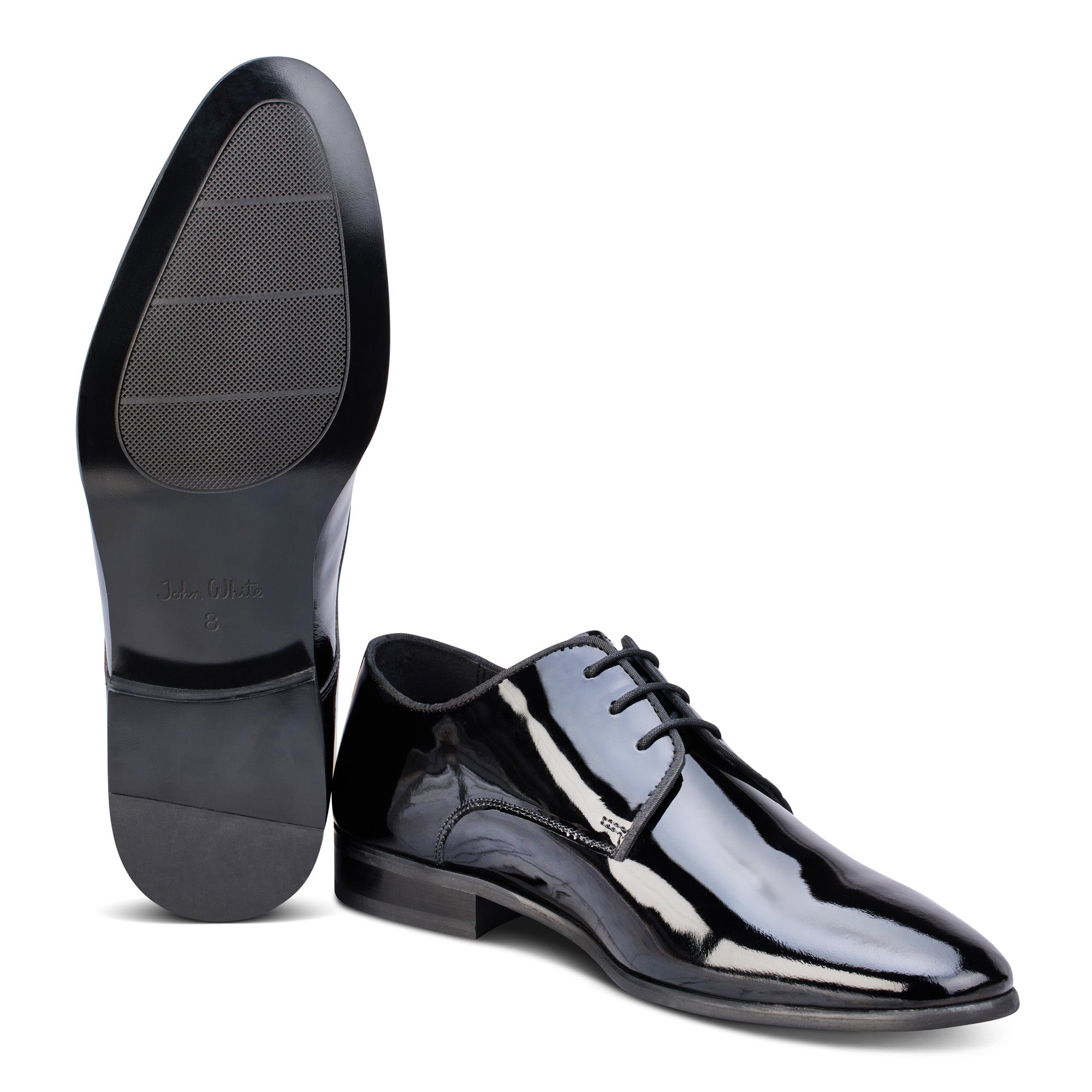
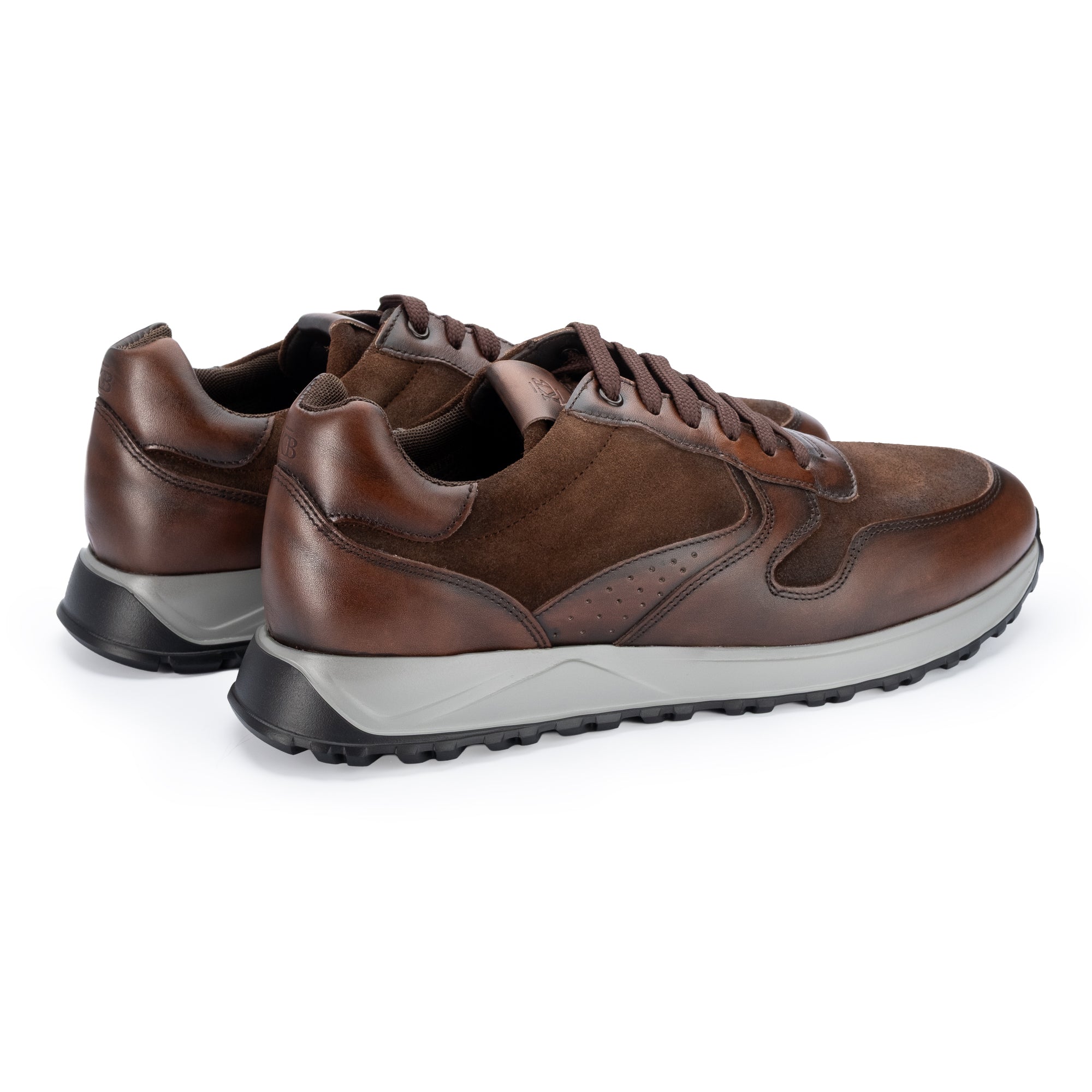
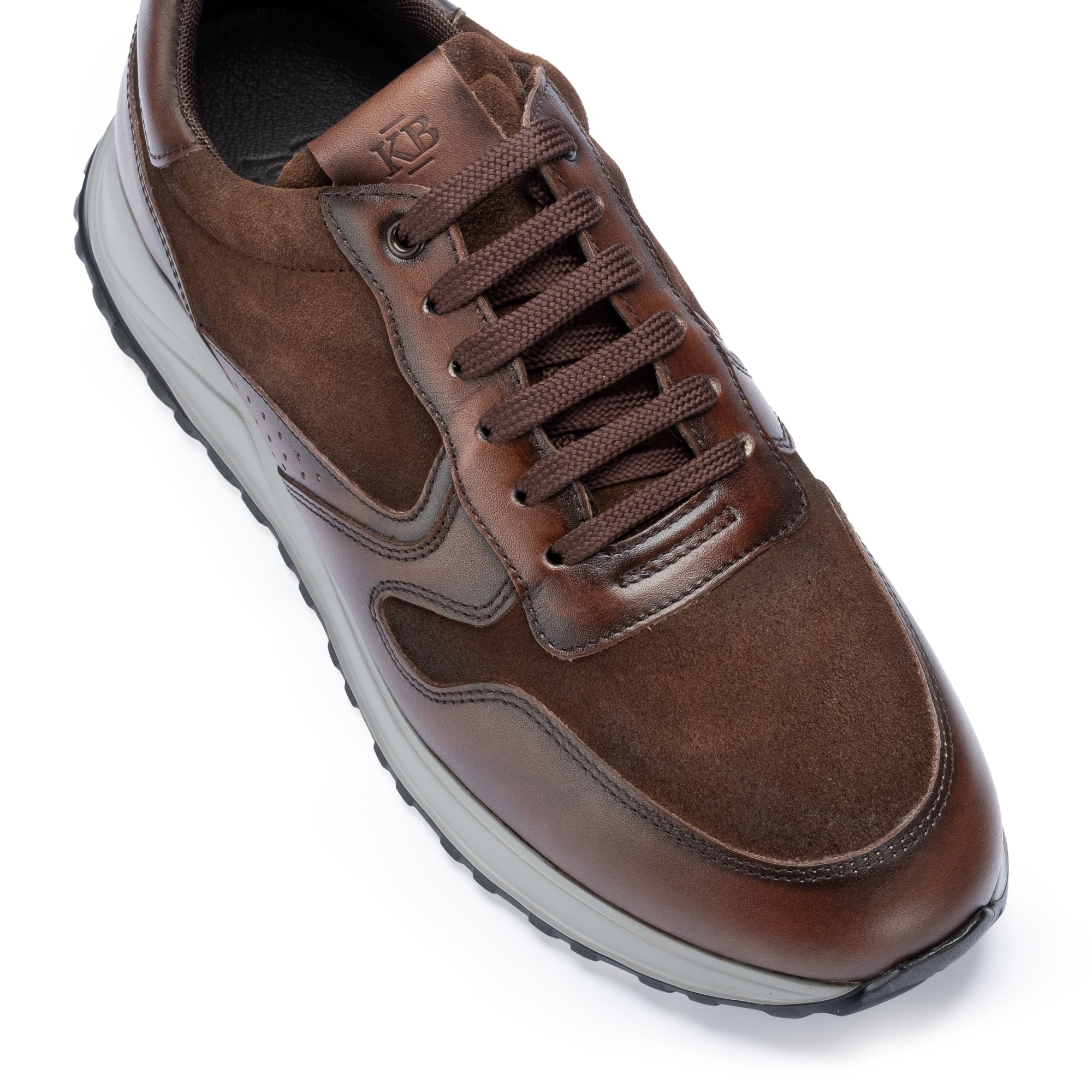
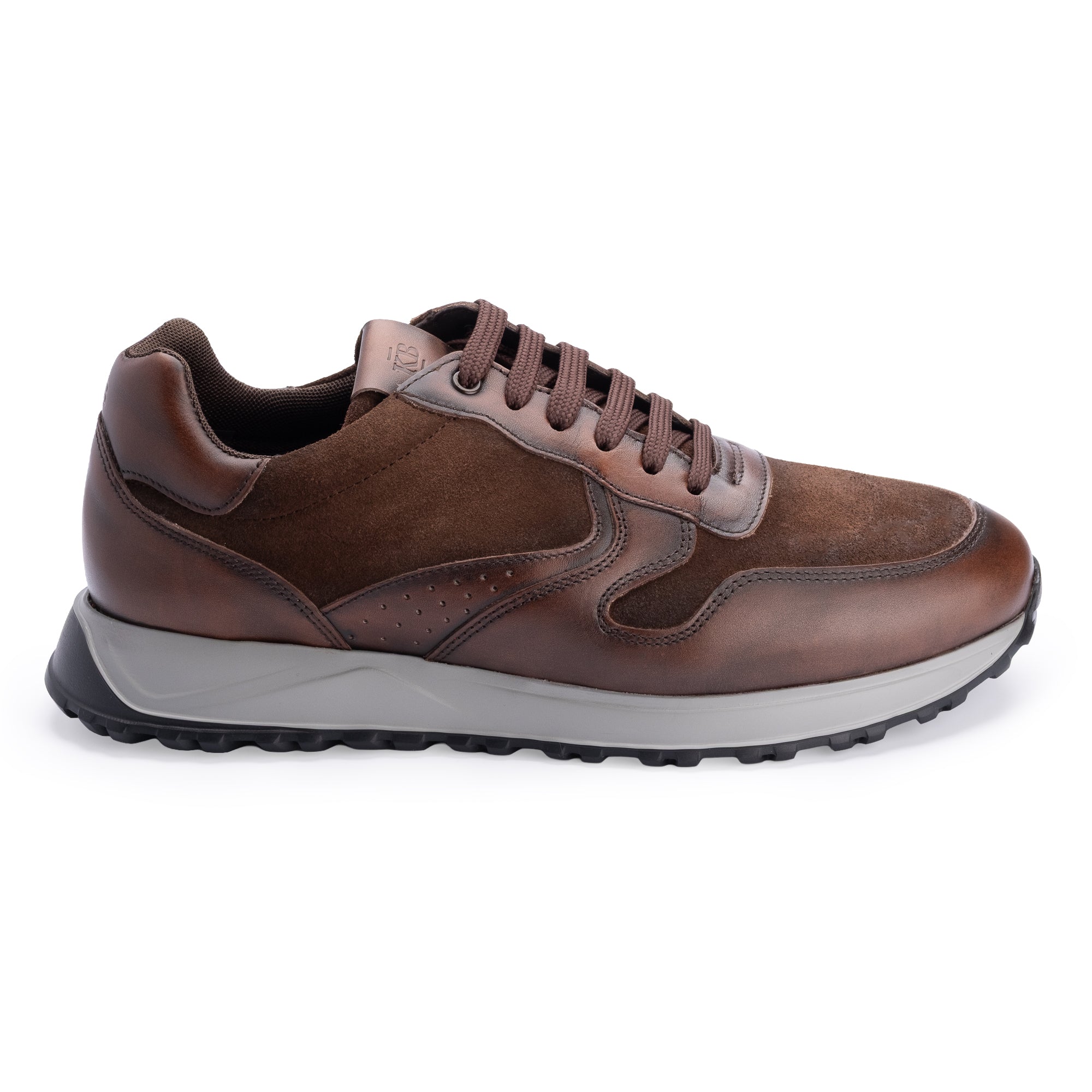
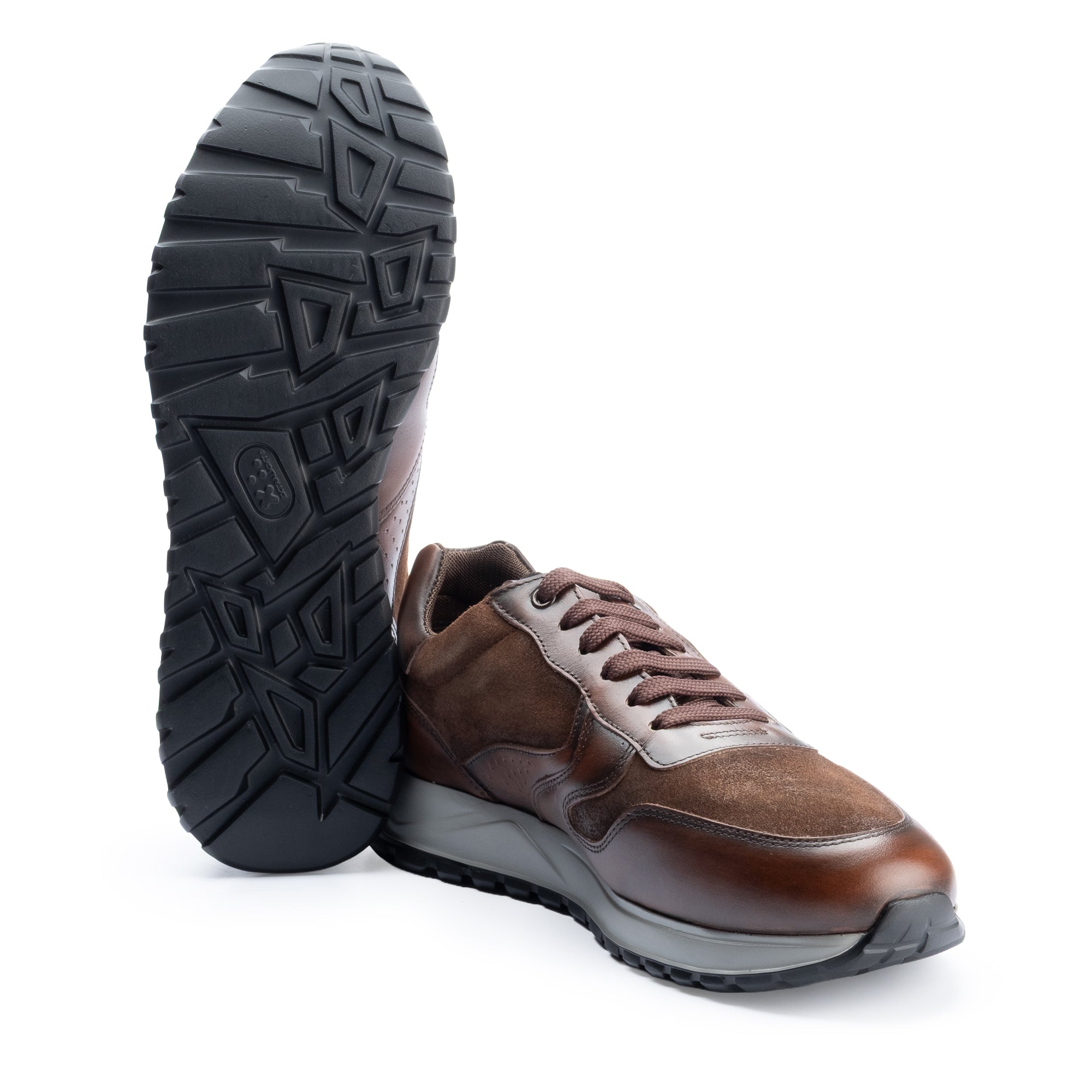
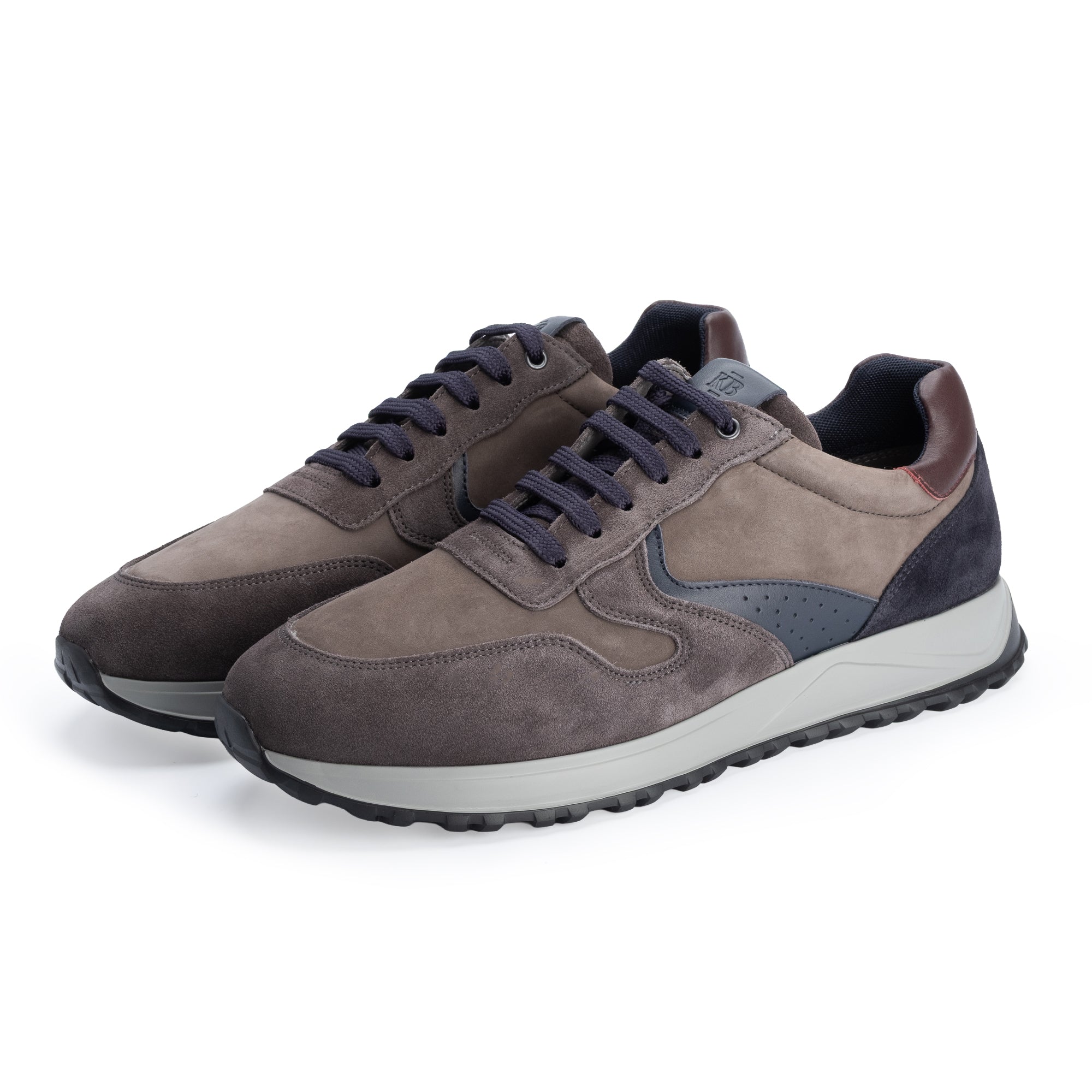
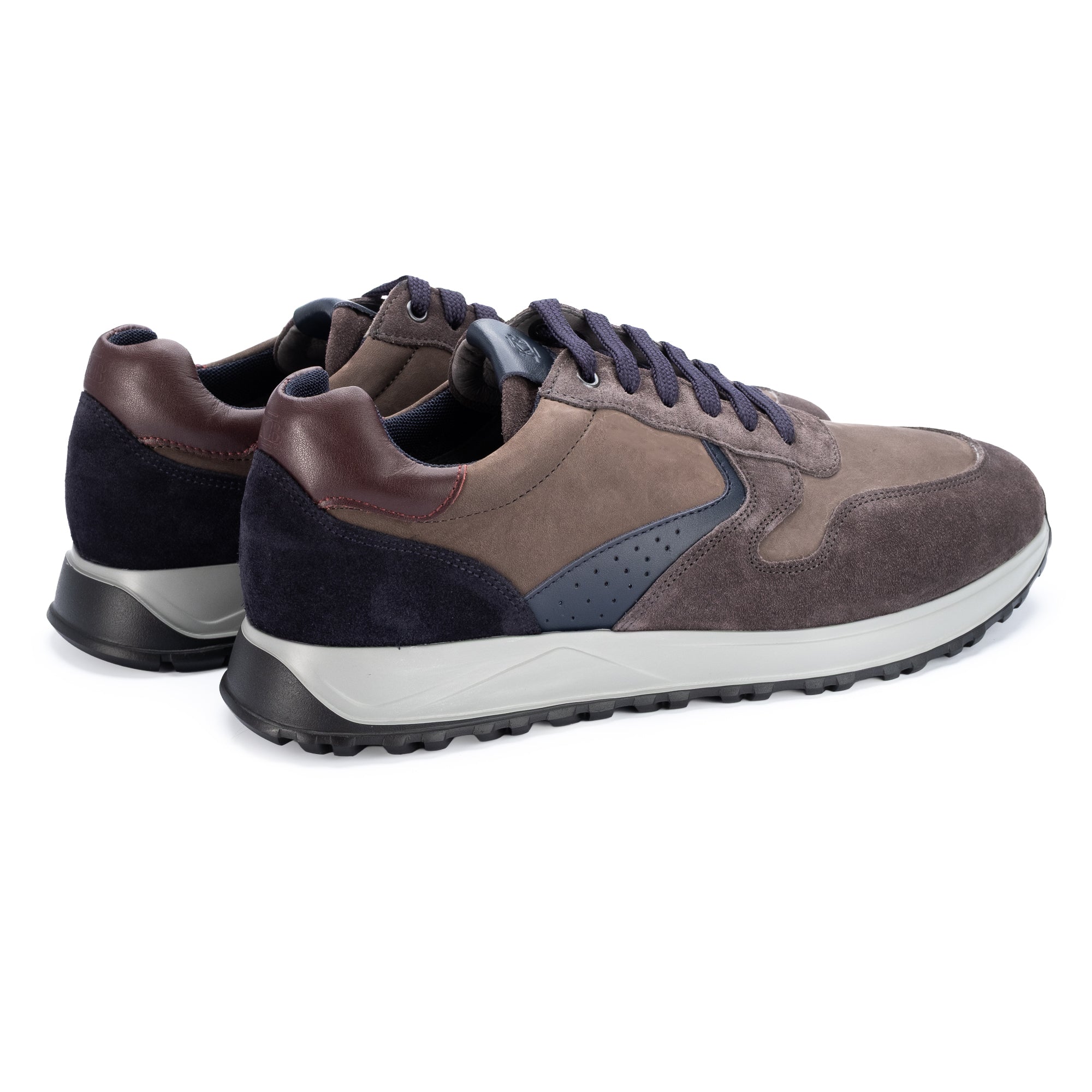
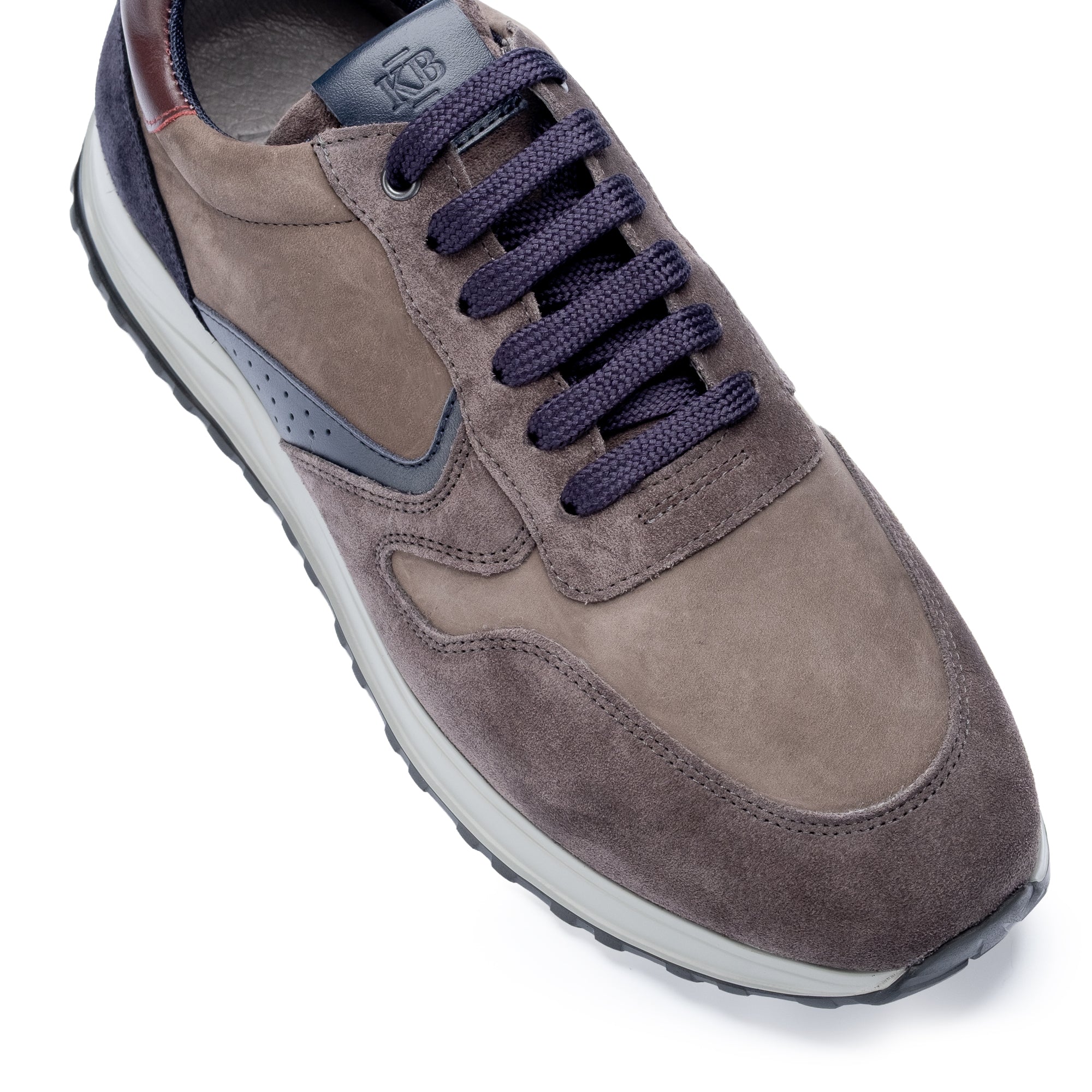
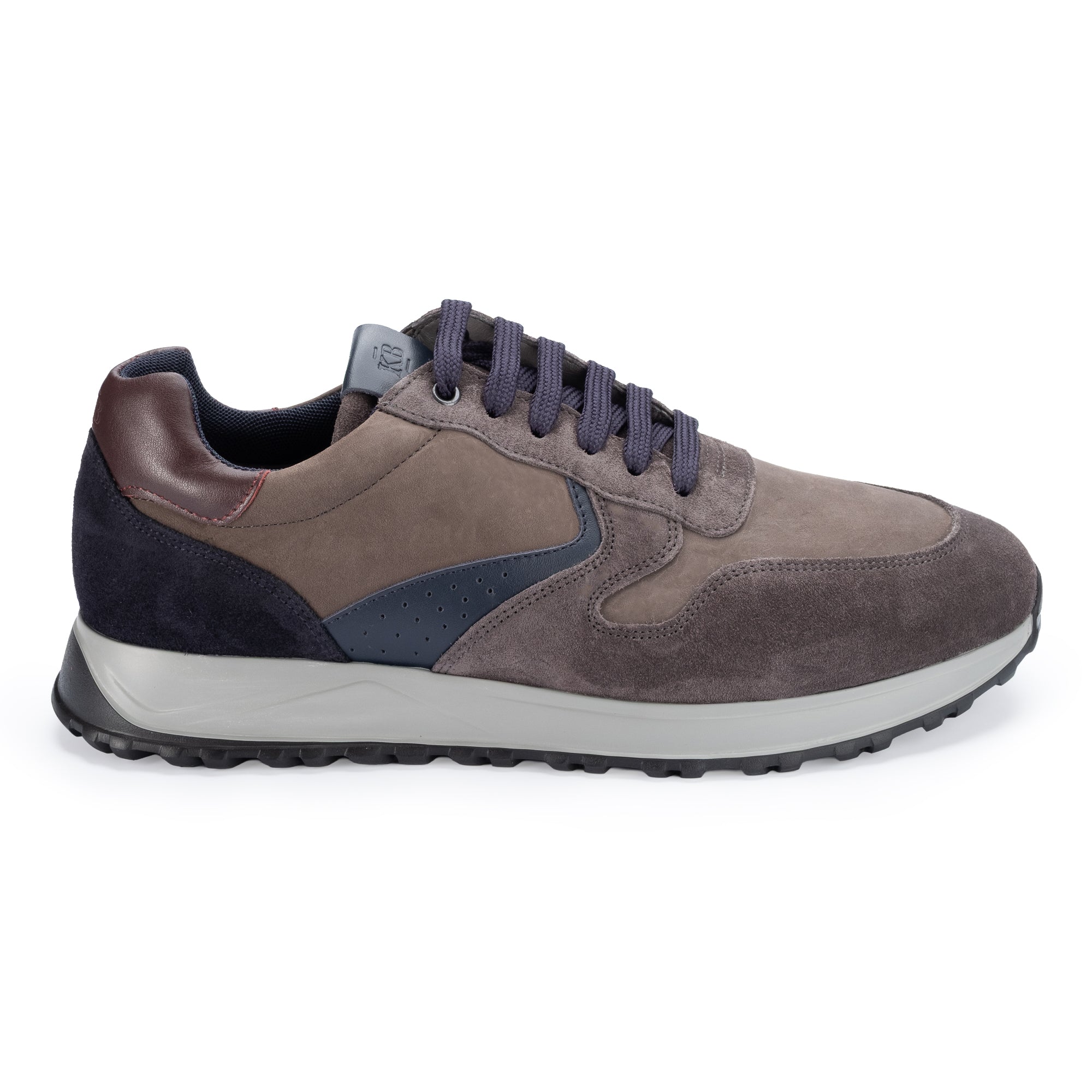
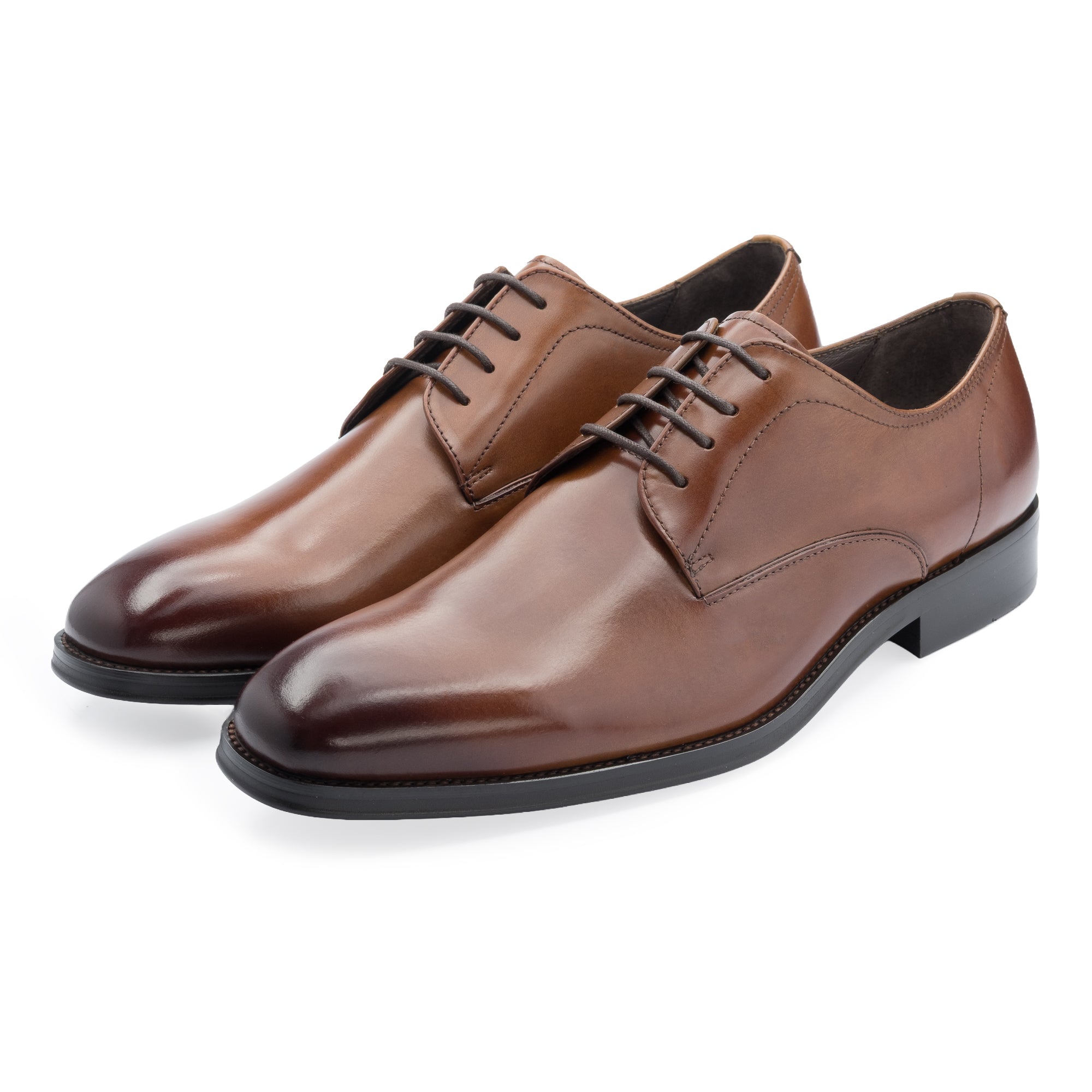
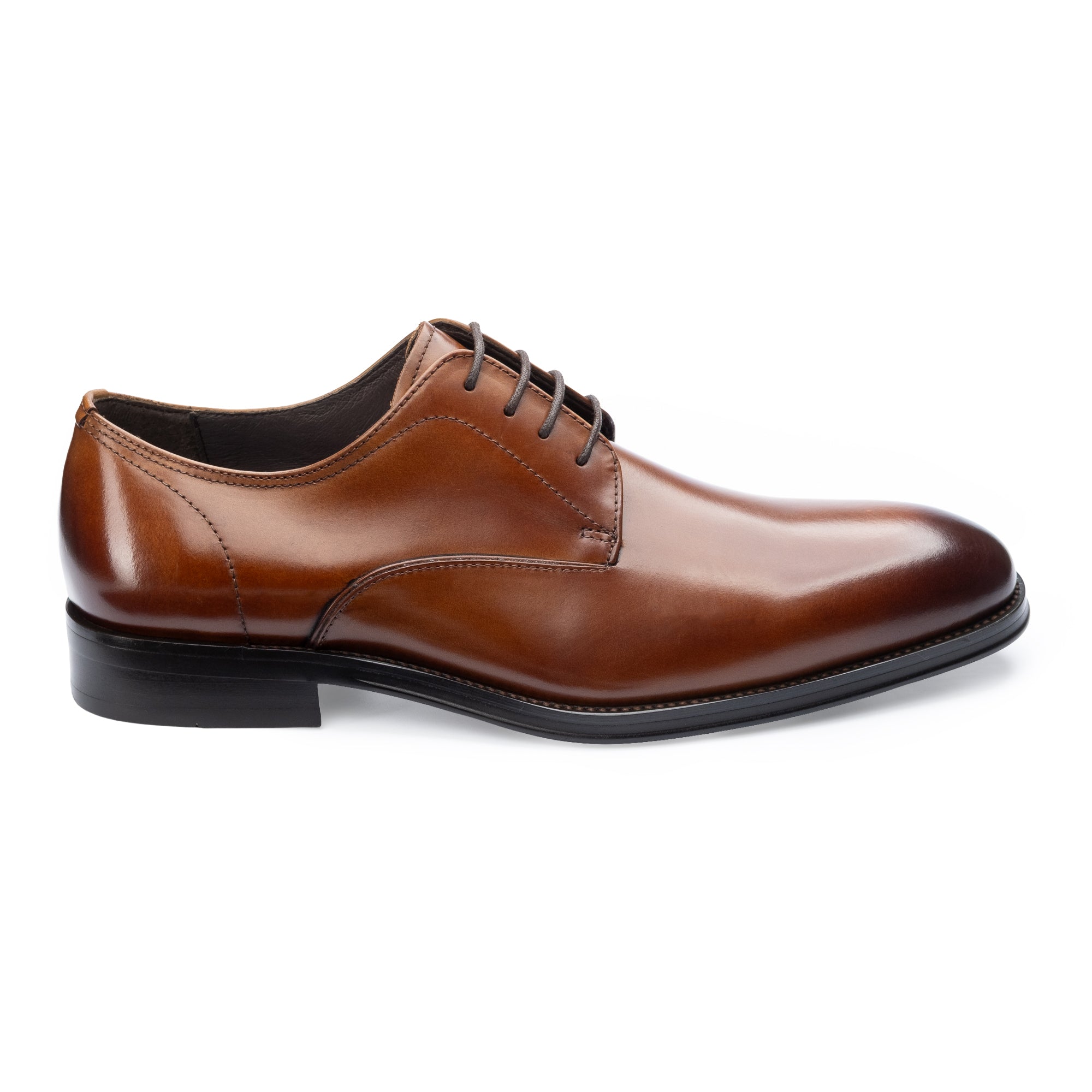
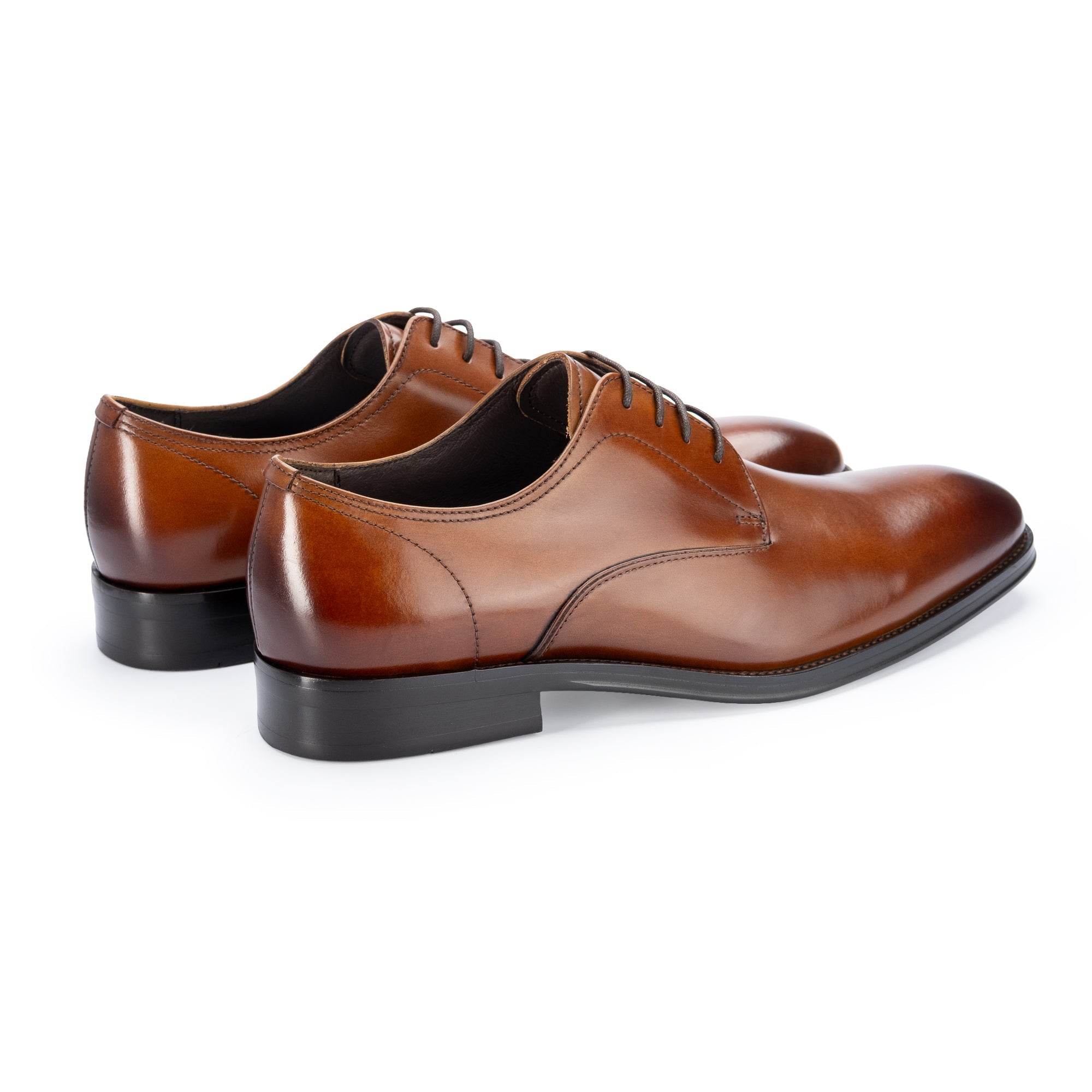
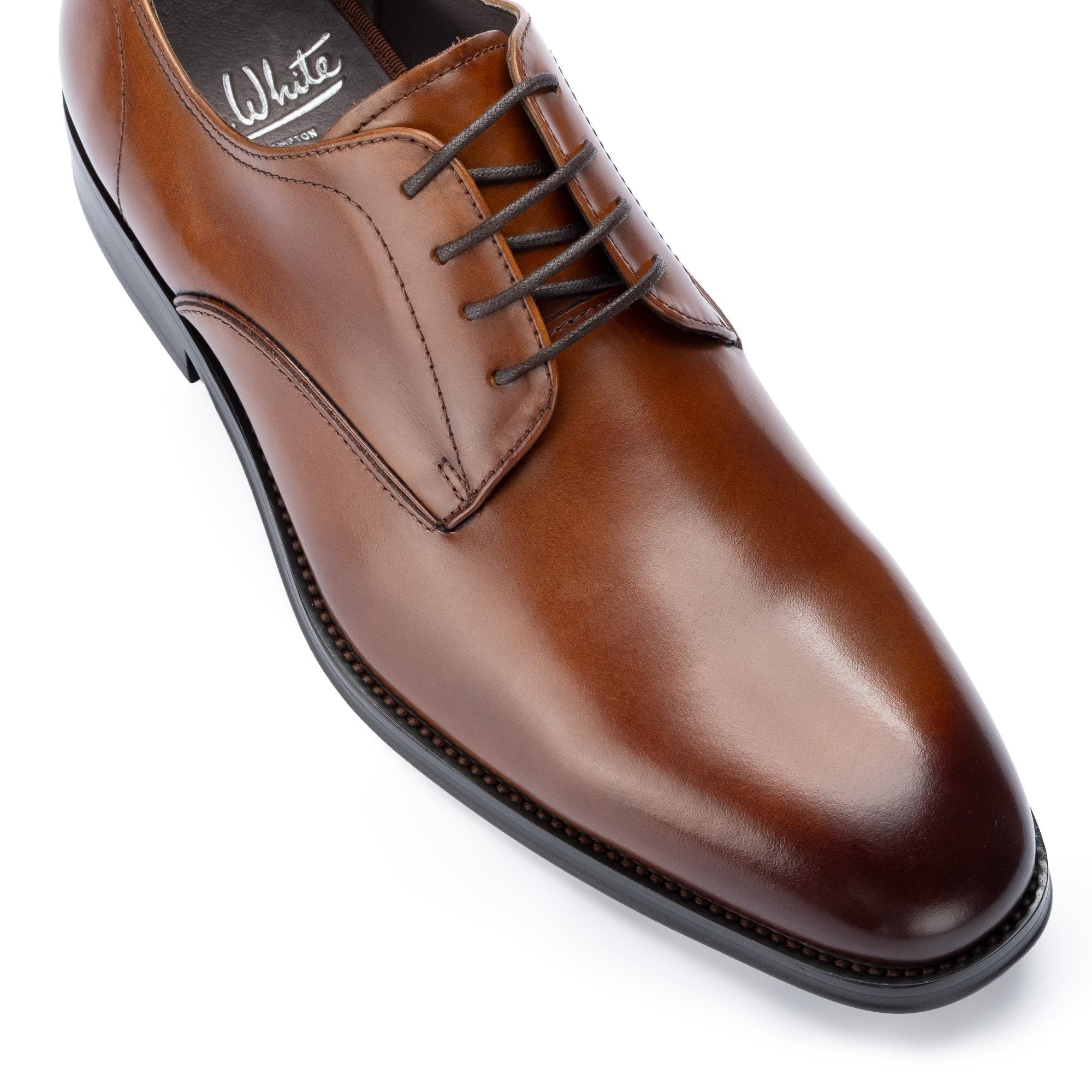
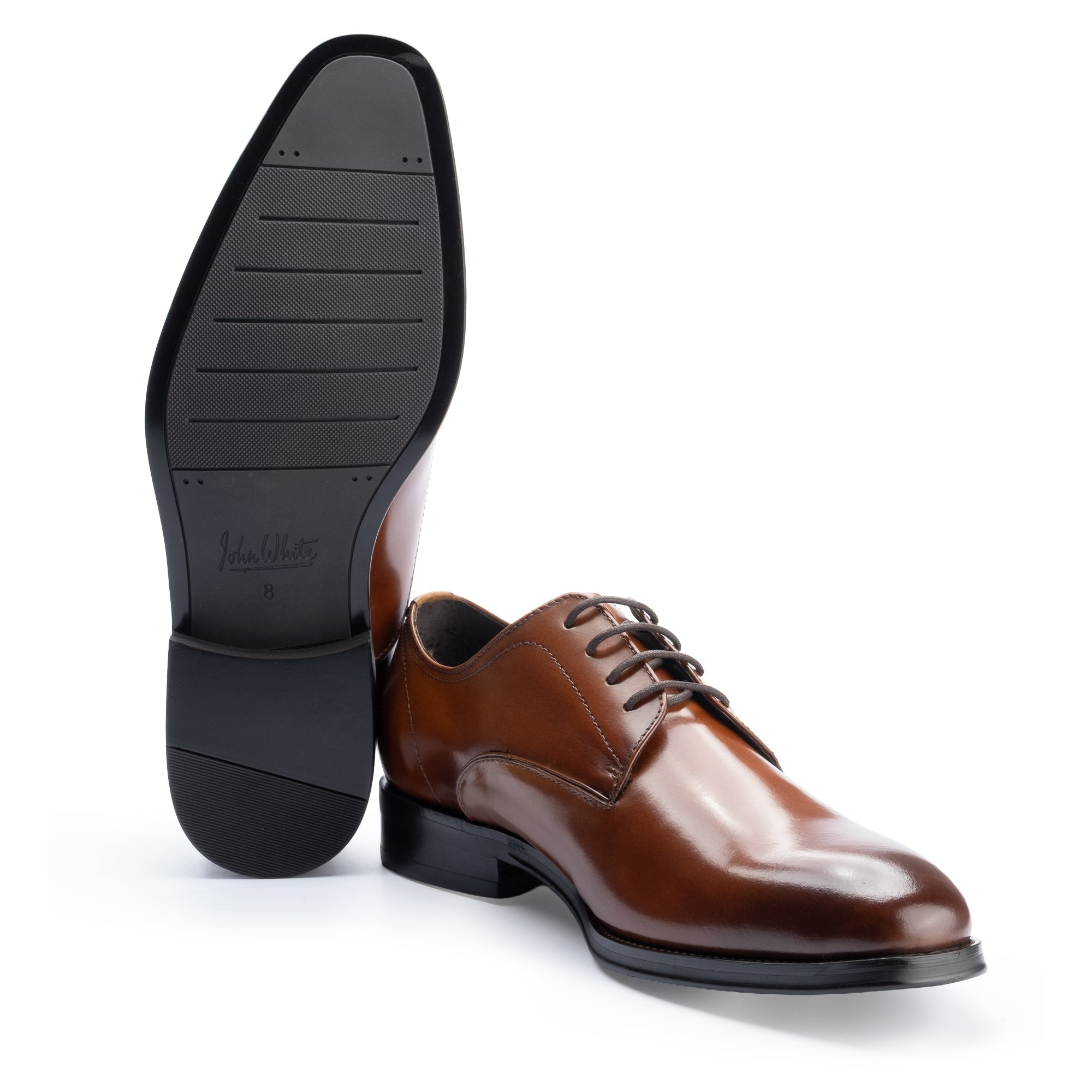
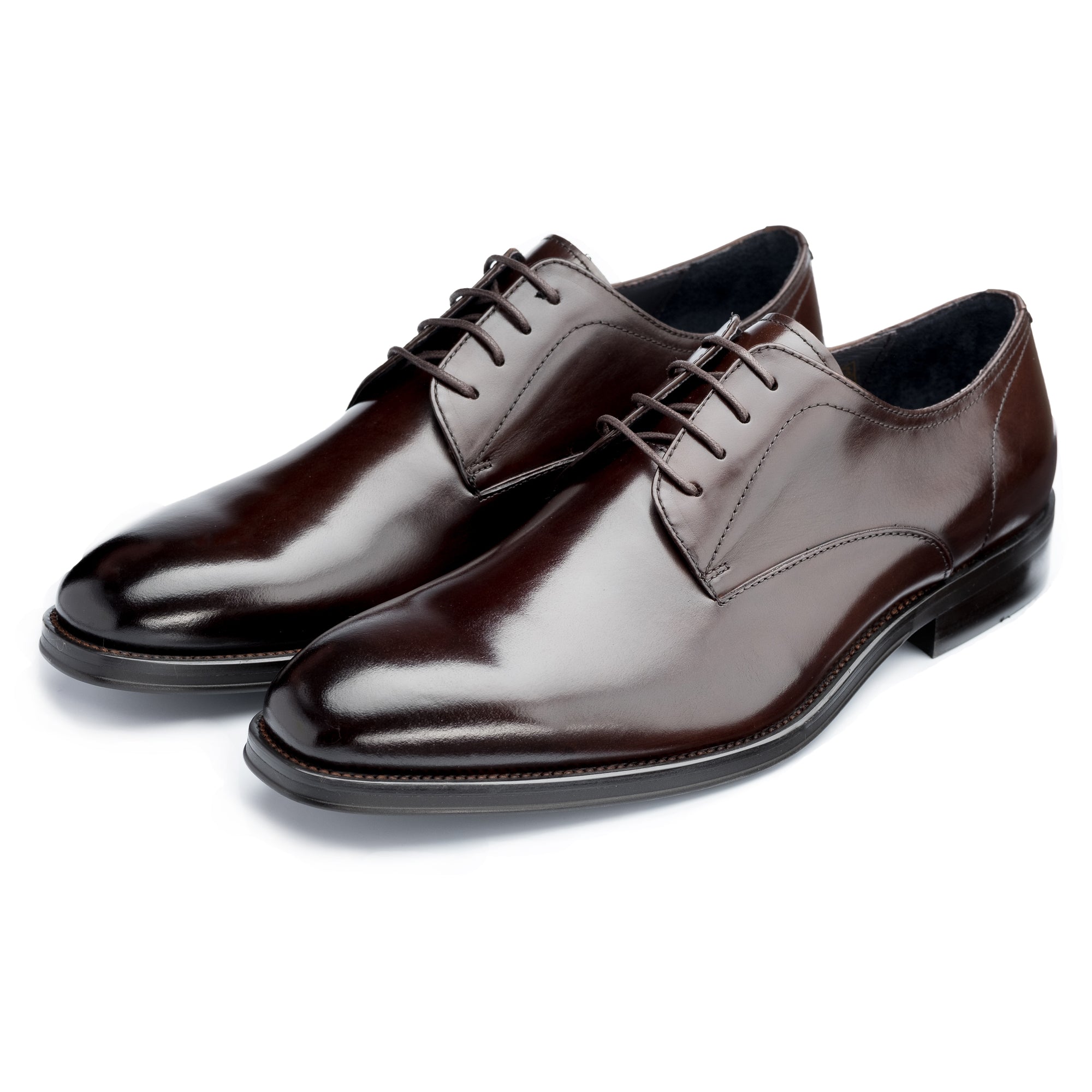
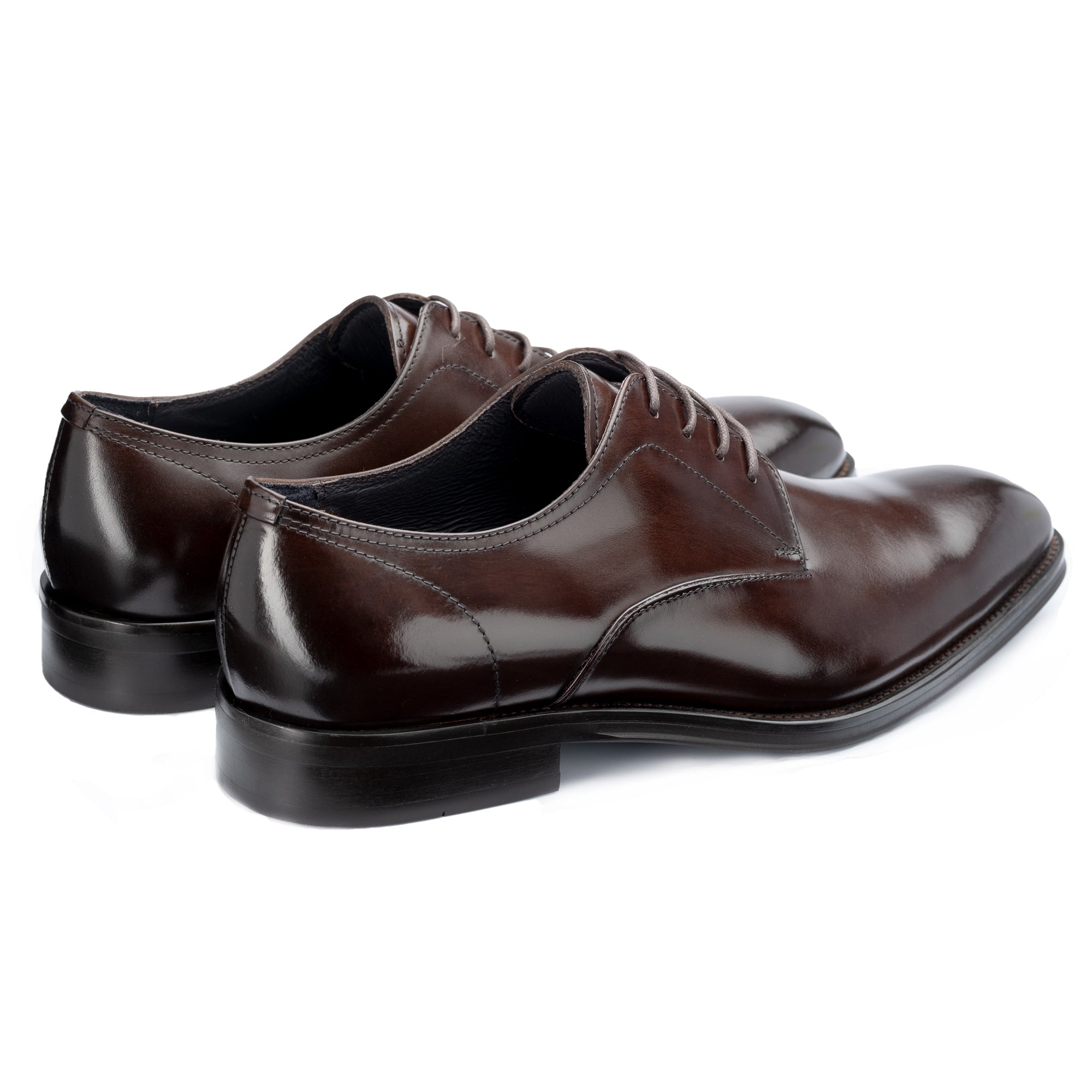
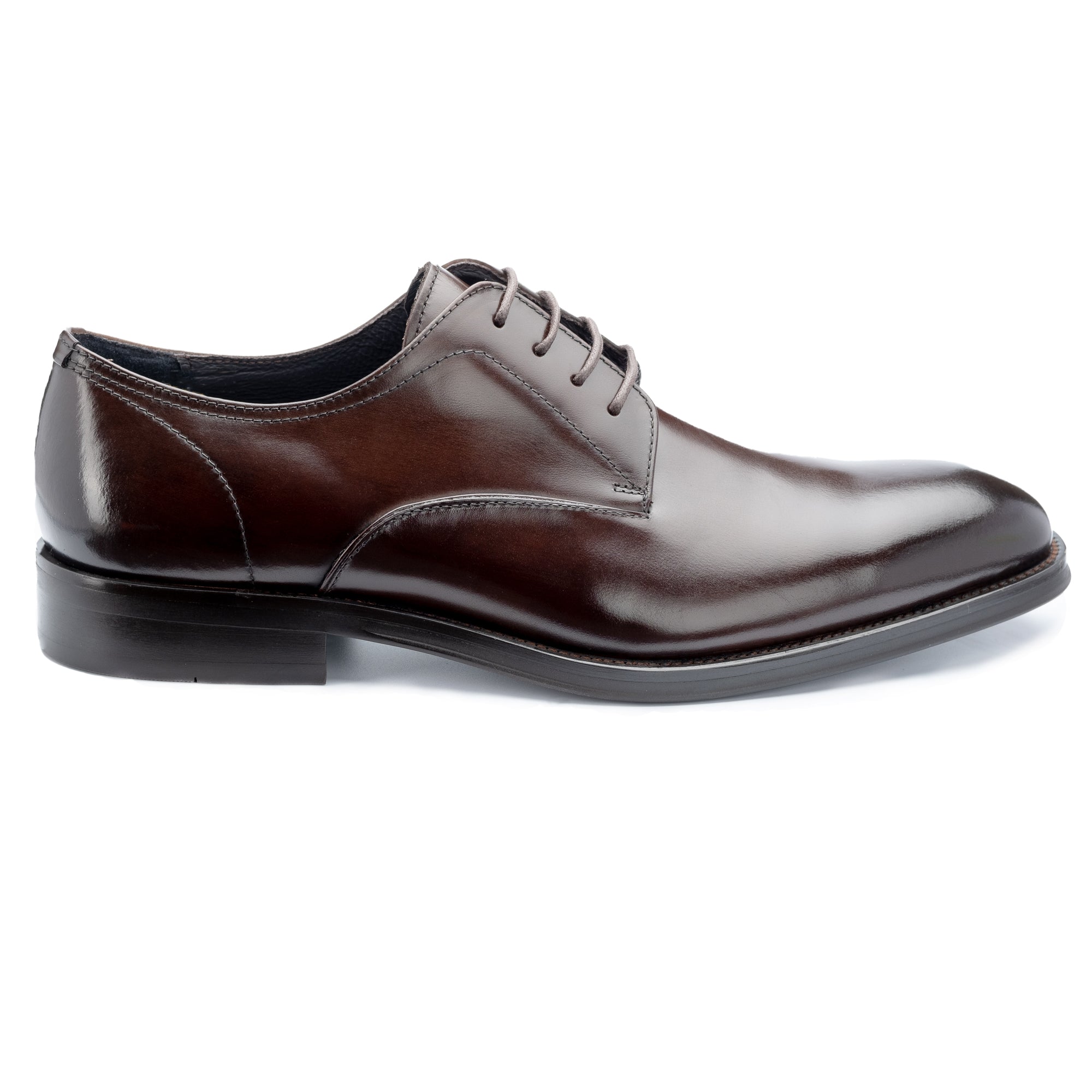
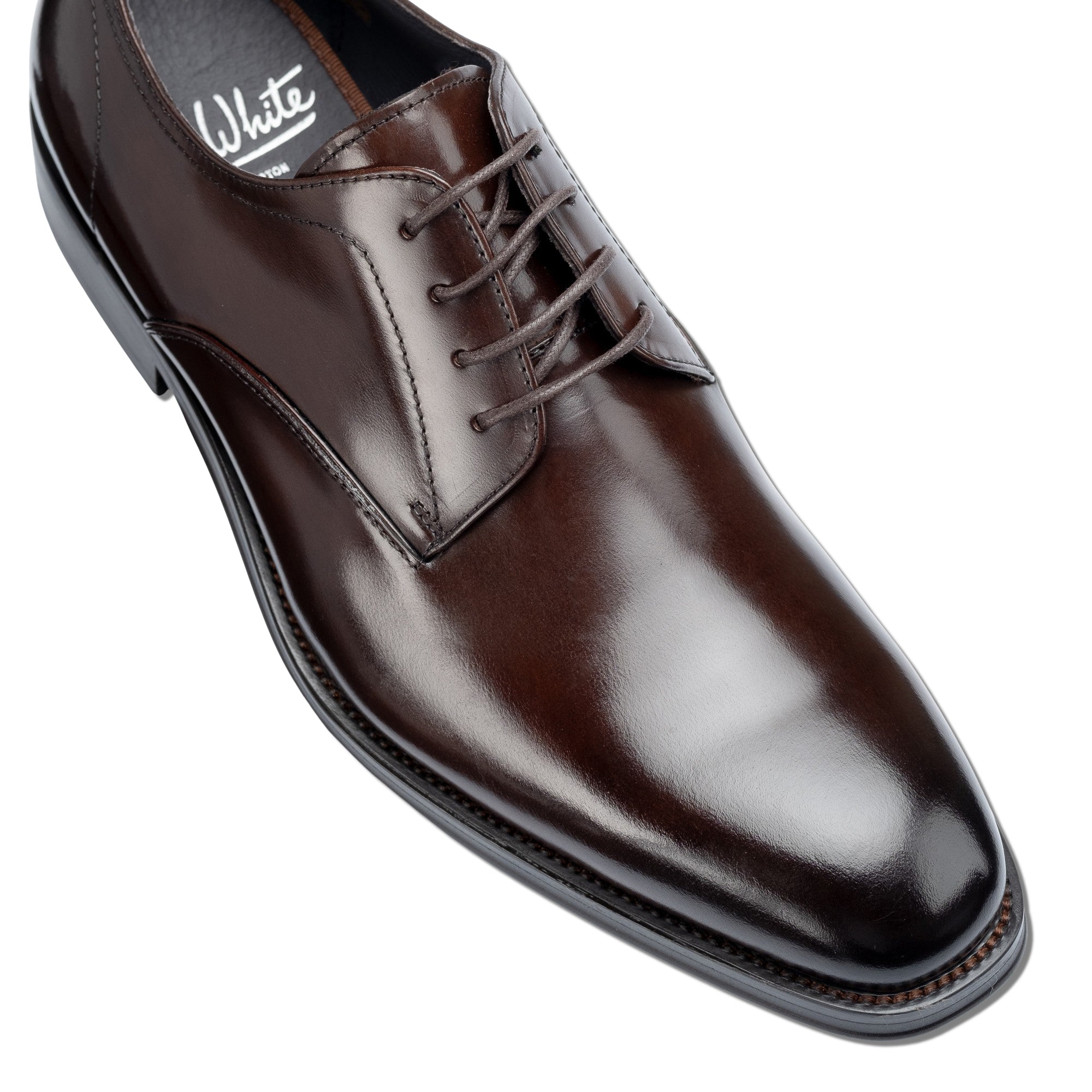
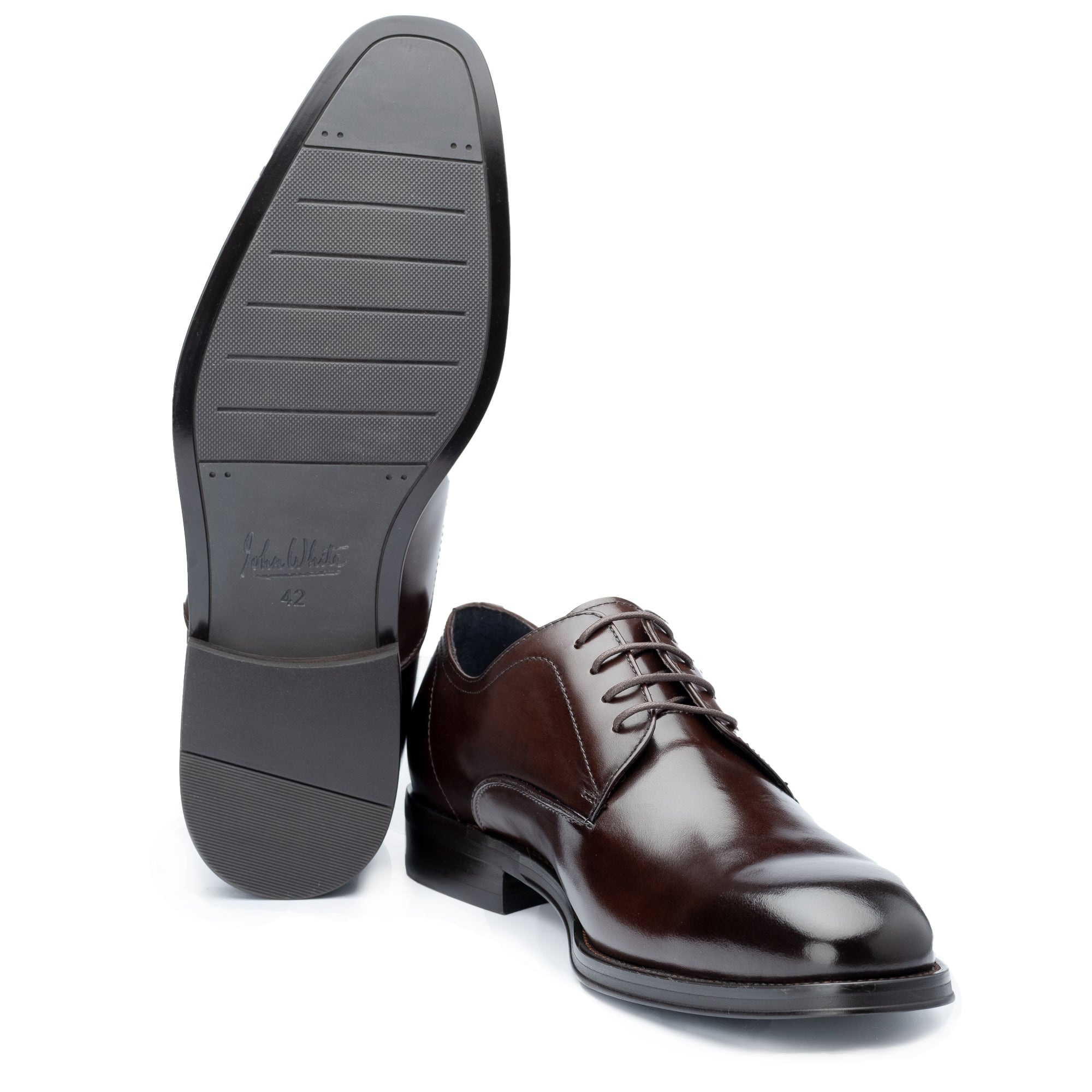
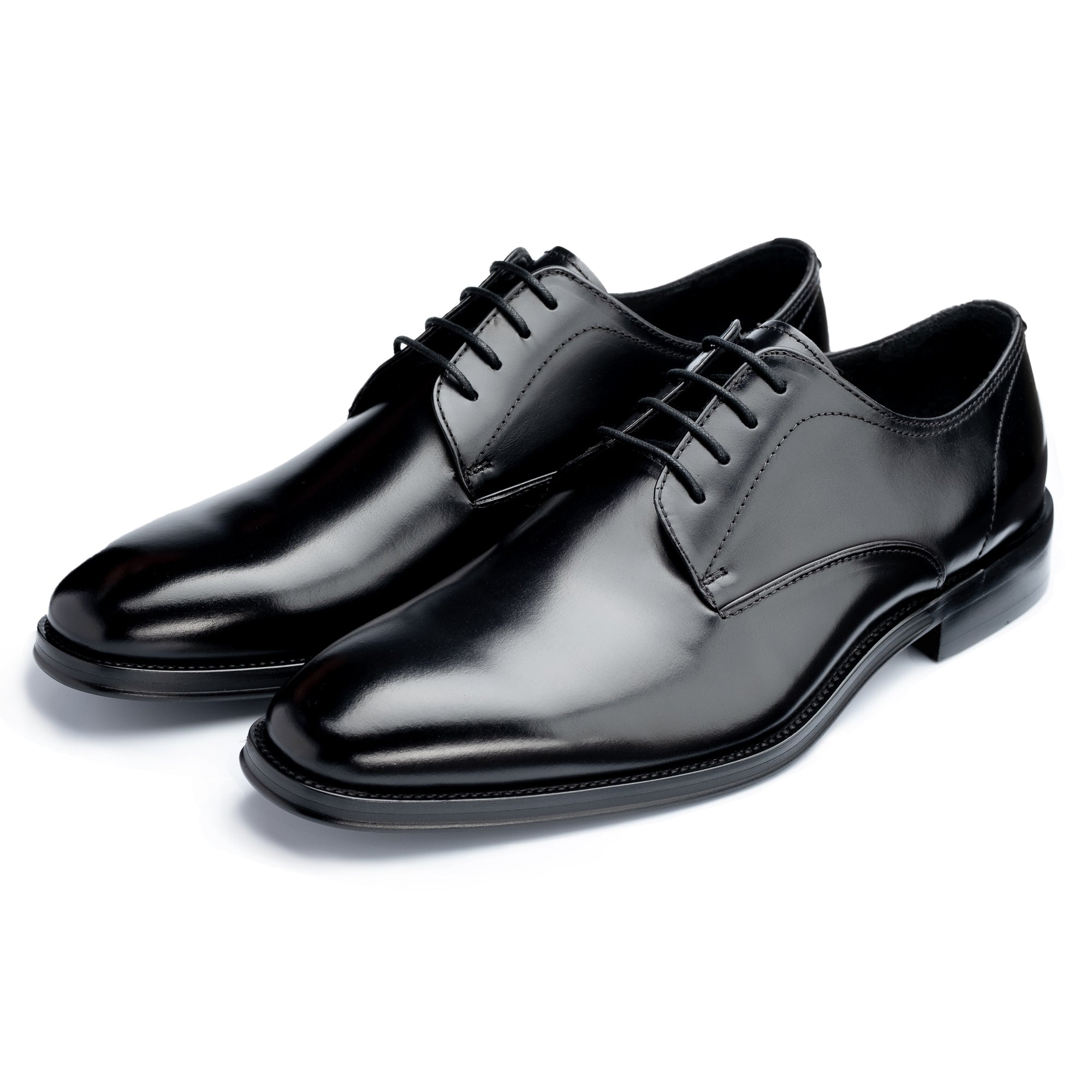
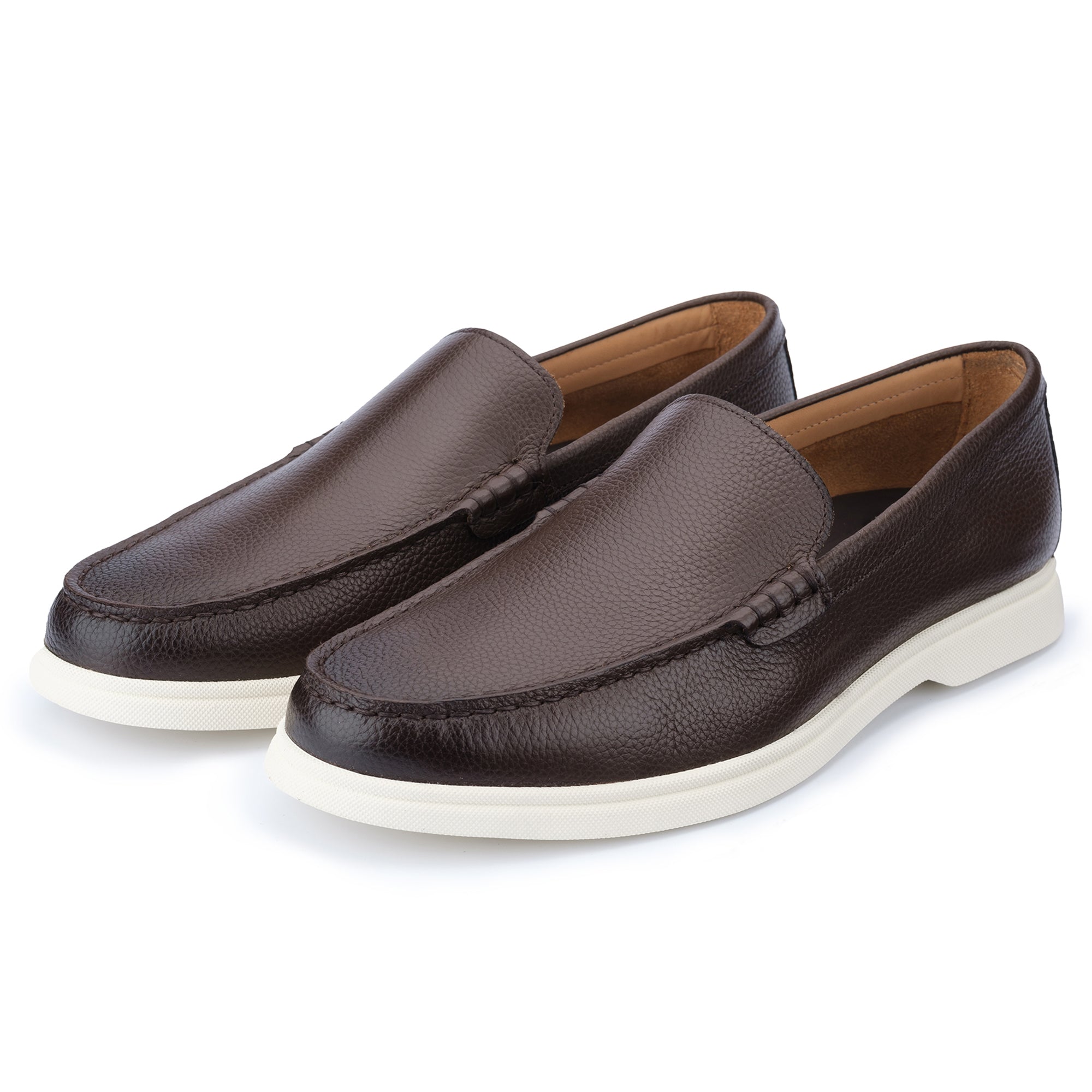
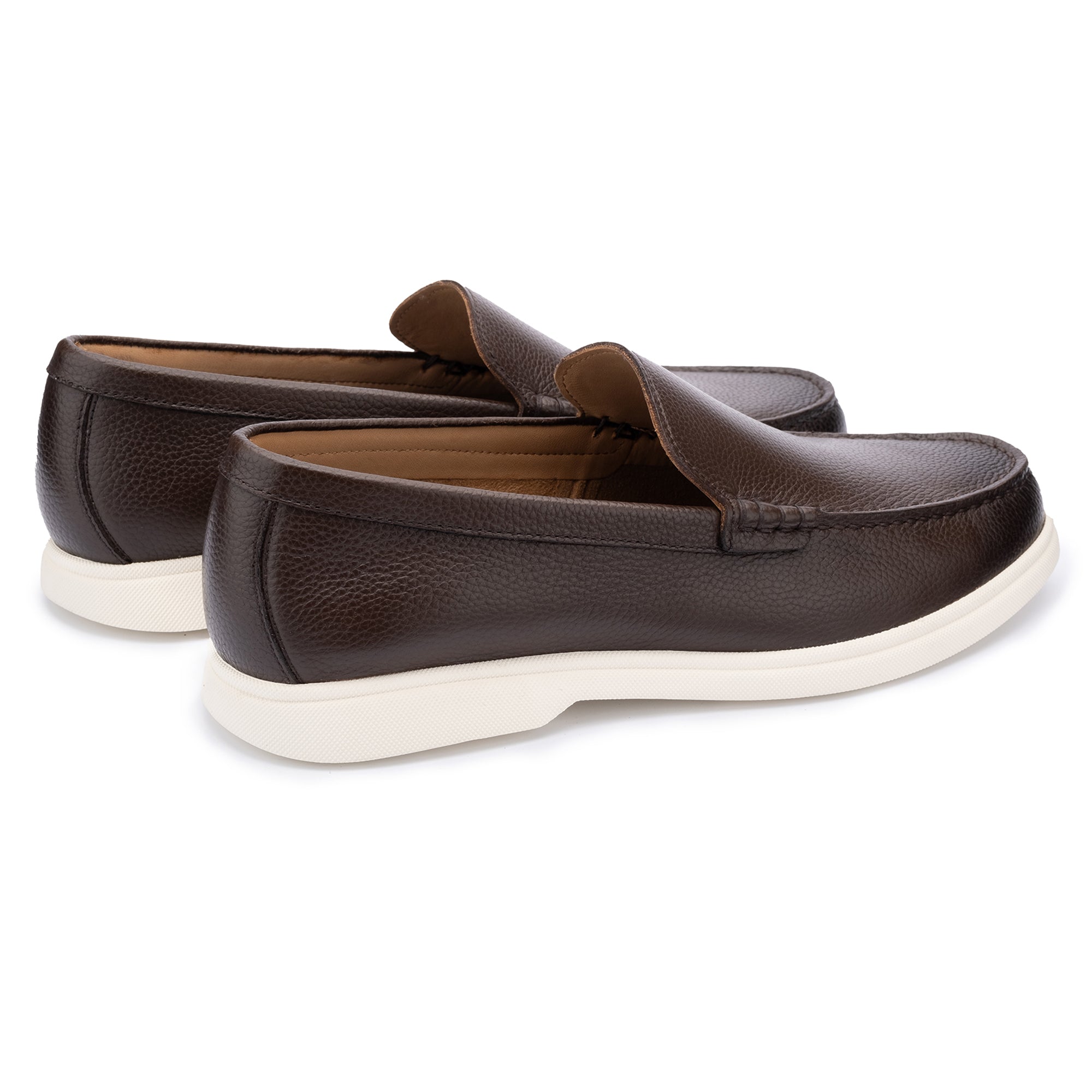
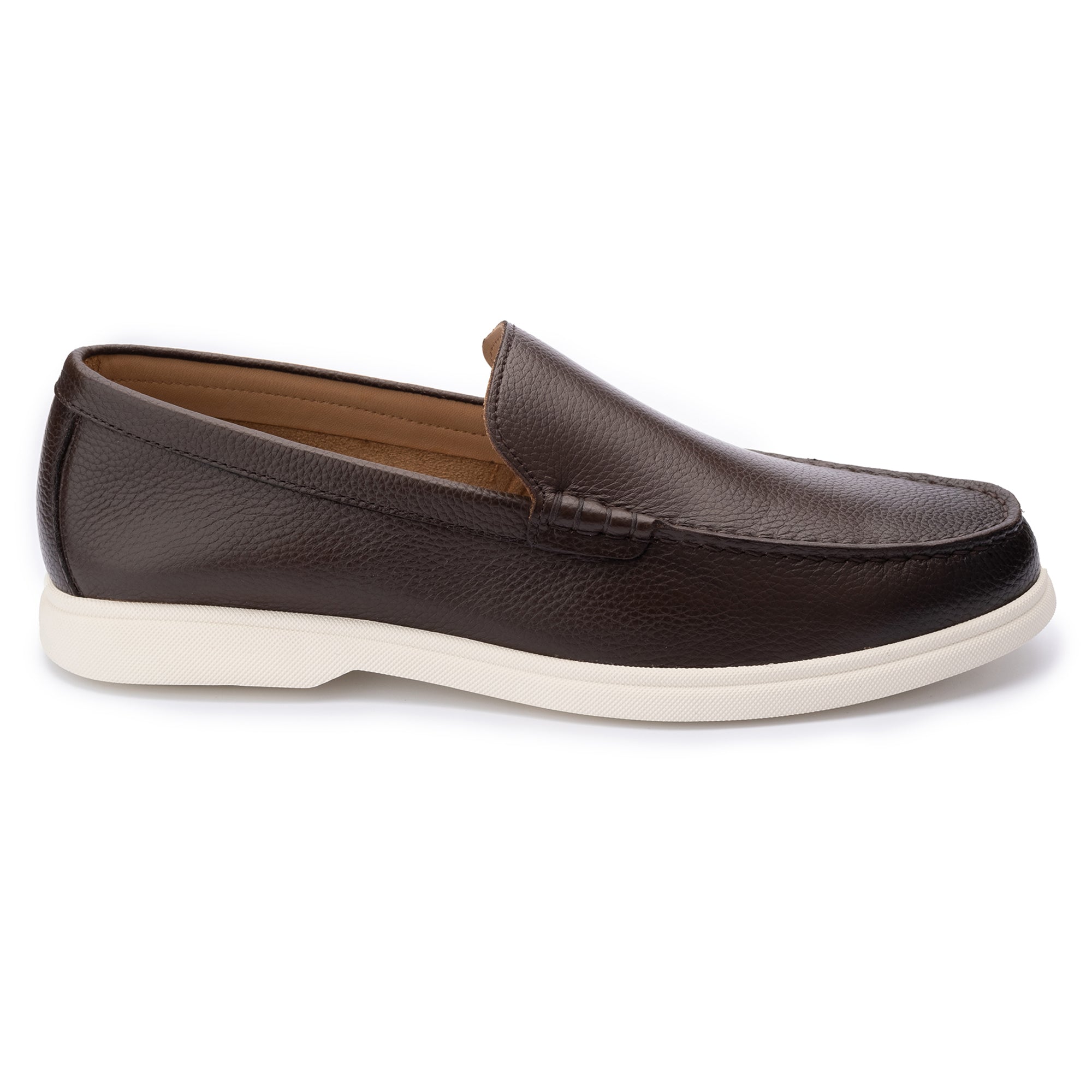
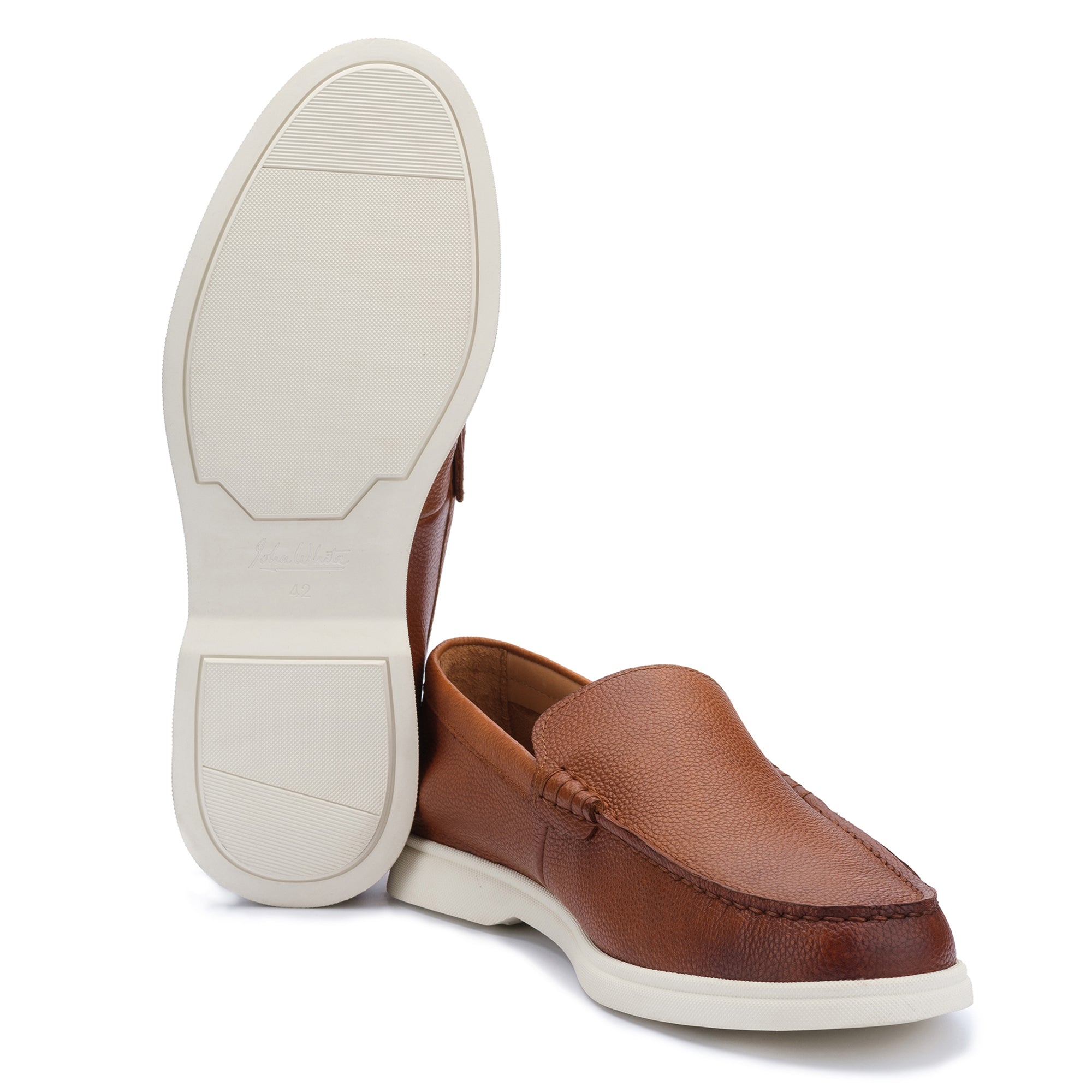
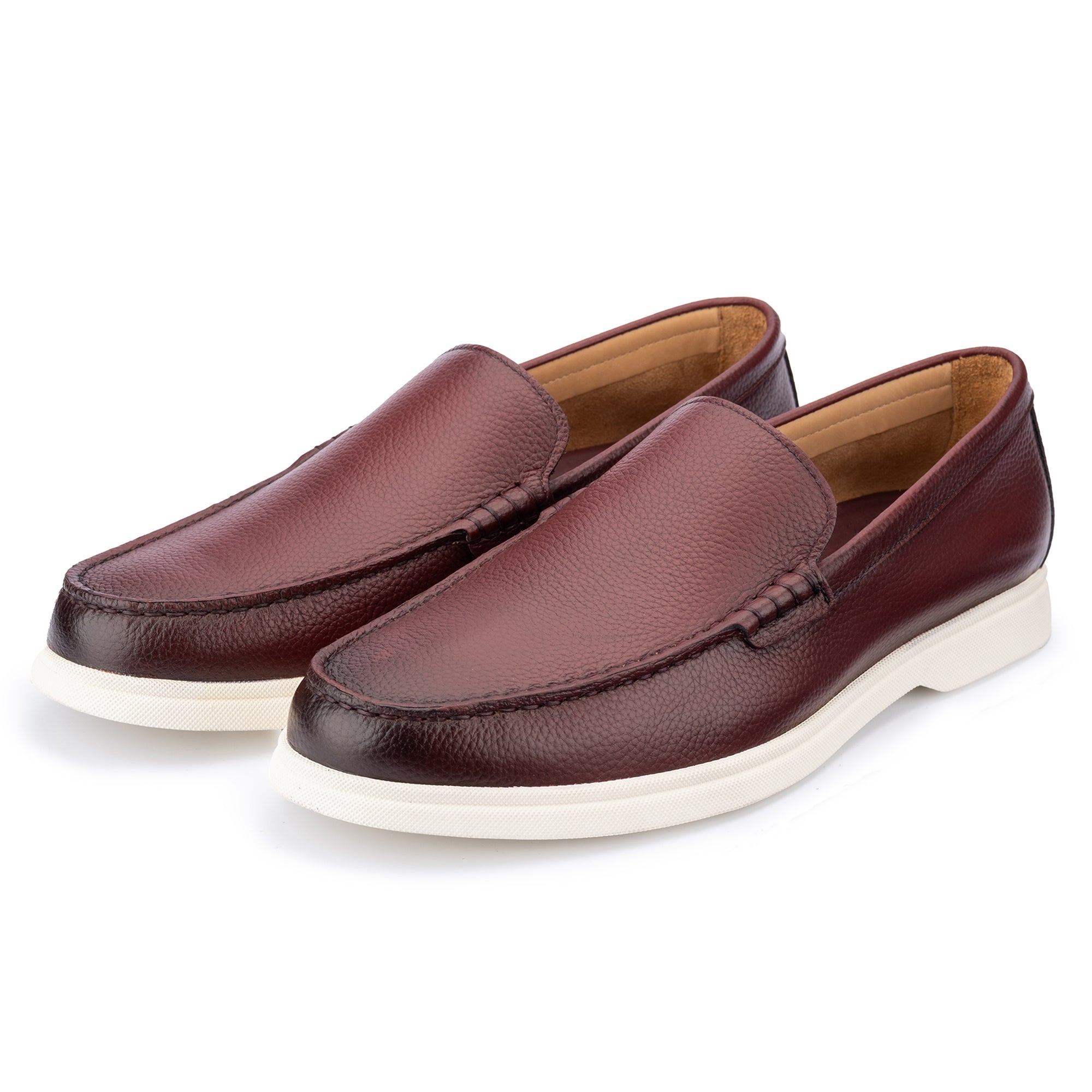
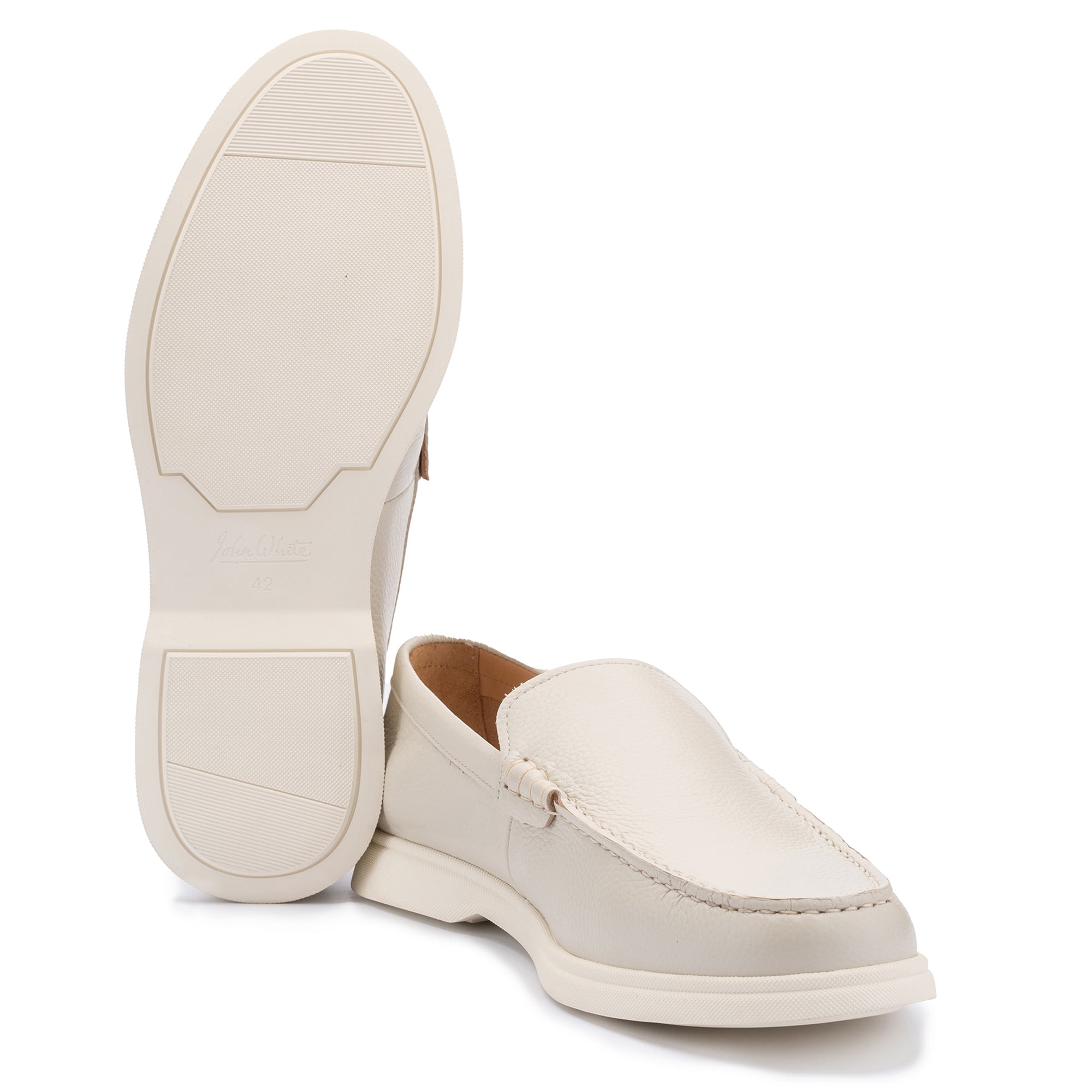
When selecting from our men's shoe collection or men's boot range, it's worth paying attention to the toe profile and heel cup depth as visible indicators of last quality. The Guildhall Capped Oxfords and Stokes Brogue Derby Shoes reflect proportions that have proved themselves across decades of wear — not silhouettes chasing a seasonal moment.
For a deeper look at why the last is so fundamental to footwear quality, our guide to why shoe shape matters more than you think covers the subject in full.
A well-designed last makes a shoe comfortable from the first day; a poorly designed one makes it unwearable no matter how well everything else is executed.
Related Guides
- The History of British Shoemaking — our comprehensive guide
- The Art of the Last: Why Shoe Shape Matters More Than You Think
- From Northampton to the World: The Story Behind British Shoemaking
- From Bench to Box: The Traditional Process of Finishing a Leather Shoe
TL;DR: A shoe last is the foot-shaped form around which every shoe is built, and its precise dimensions determine fit, shape, and long-term comfort above all other factors. British last-making, centred in Northamptonshire for centuries, produced a body of craft expertise that shaped the global shoemaking industry. While CNC technology now dominates production last-making, hand-finished lasts and deep last knowledge remain the foundation of quality footwear design — and the standard against which every pair should be measured.
Frequently Asked Questions
What is a shoe last made from?
Traditional shoe lasts were carved from dense hardwoods — most commonly beech or hornbeam — valued for their resistance to splitting under the tension of lasting. Modern production lasts are typically machined from nylon or high-density polyethylene, which is more dimensionally stable across varying humidity levels and can withstand high-volume lasting cycles without wearing out of tolerance.
How long does a shoe last typically last in production?
A well-maintained wooden last can be used for hundreds of pairs before needing replacement, provided it's protected from excessive moisture. Production nylon lasts are typically rated for 3,000–5,000 lasting operations before dimensional drift requires replacement. Bespoke lasts made for an individual client can last a lifetime — some British shoemakers still use lasts cut for clients decades ago.
Does the shape of a shoe's toe come from the last?
Entirely. The toe profile of any shoe — whether round, almond, chisel, or pointed — is determined by the corresponding profile of the last it was built on. There's no practical way to significantly alter a shoe's toe shape after it's been lasted and the form set. This is why last selection is a design decision first, not a production one.
Why does last design vary between shoe brands?
Each brand develops or commissions lasts that reflect their design philosophy and target customer's foot type. A brand whose customer skews towards wider feet and longer toes will engineer a different last than one appealing to a narrower, Continental-influenced fit. This variation is one reason why fit differs so markedly between brands even in nominally the same size — and why trying on matters more than trusting a number.
Explore our full range of men's leather shoes and men's boots, each selected with the proportions and last quality that reward long-term wear.