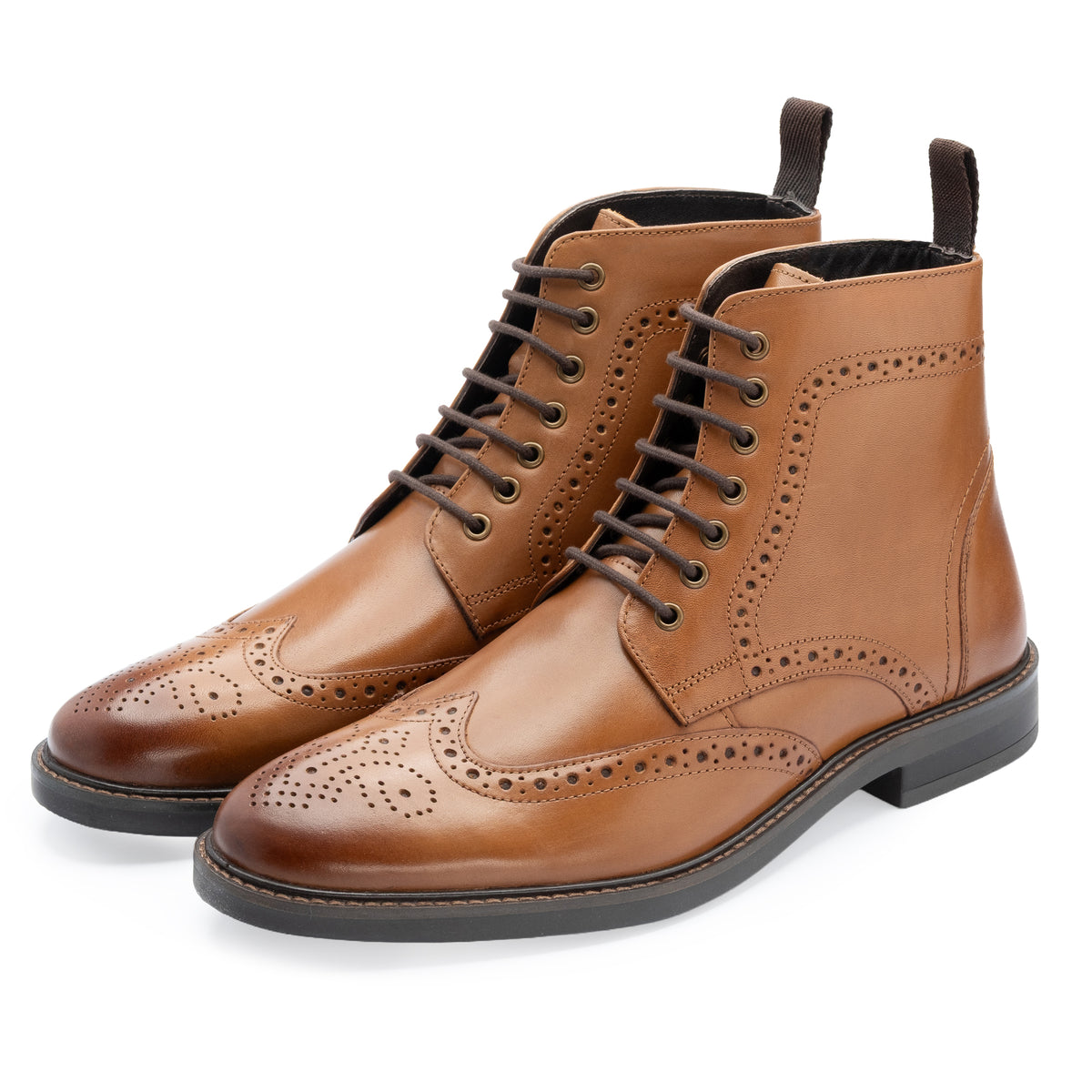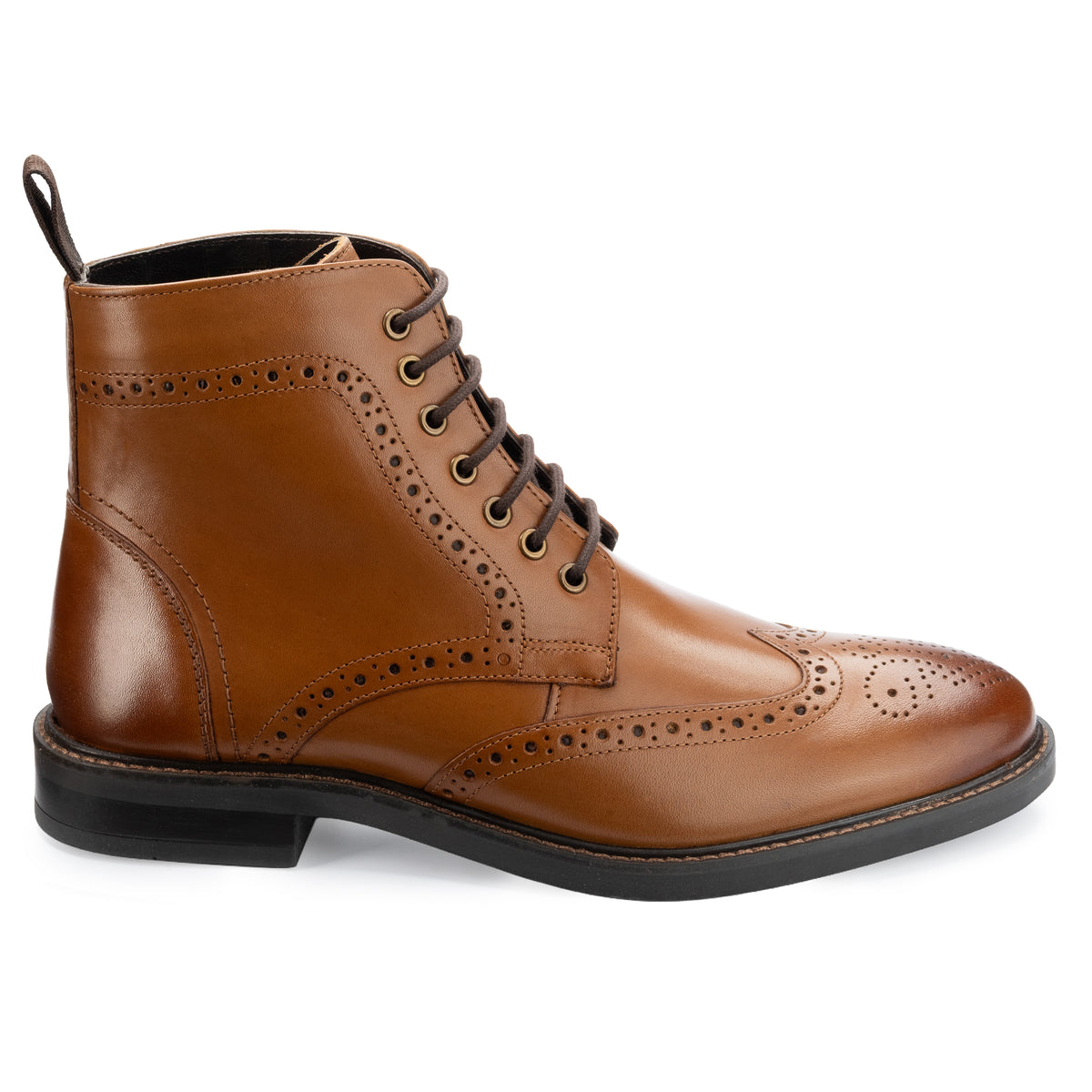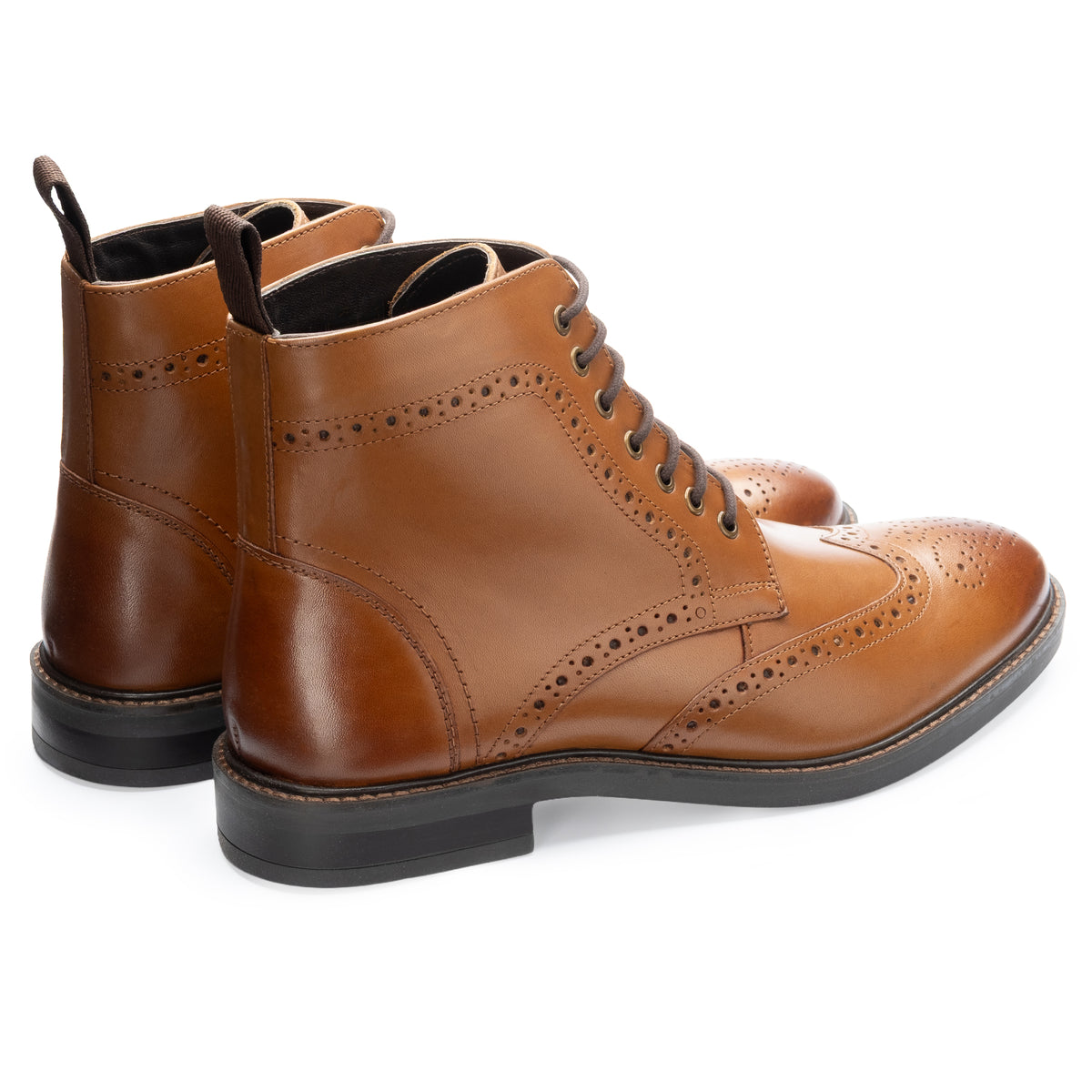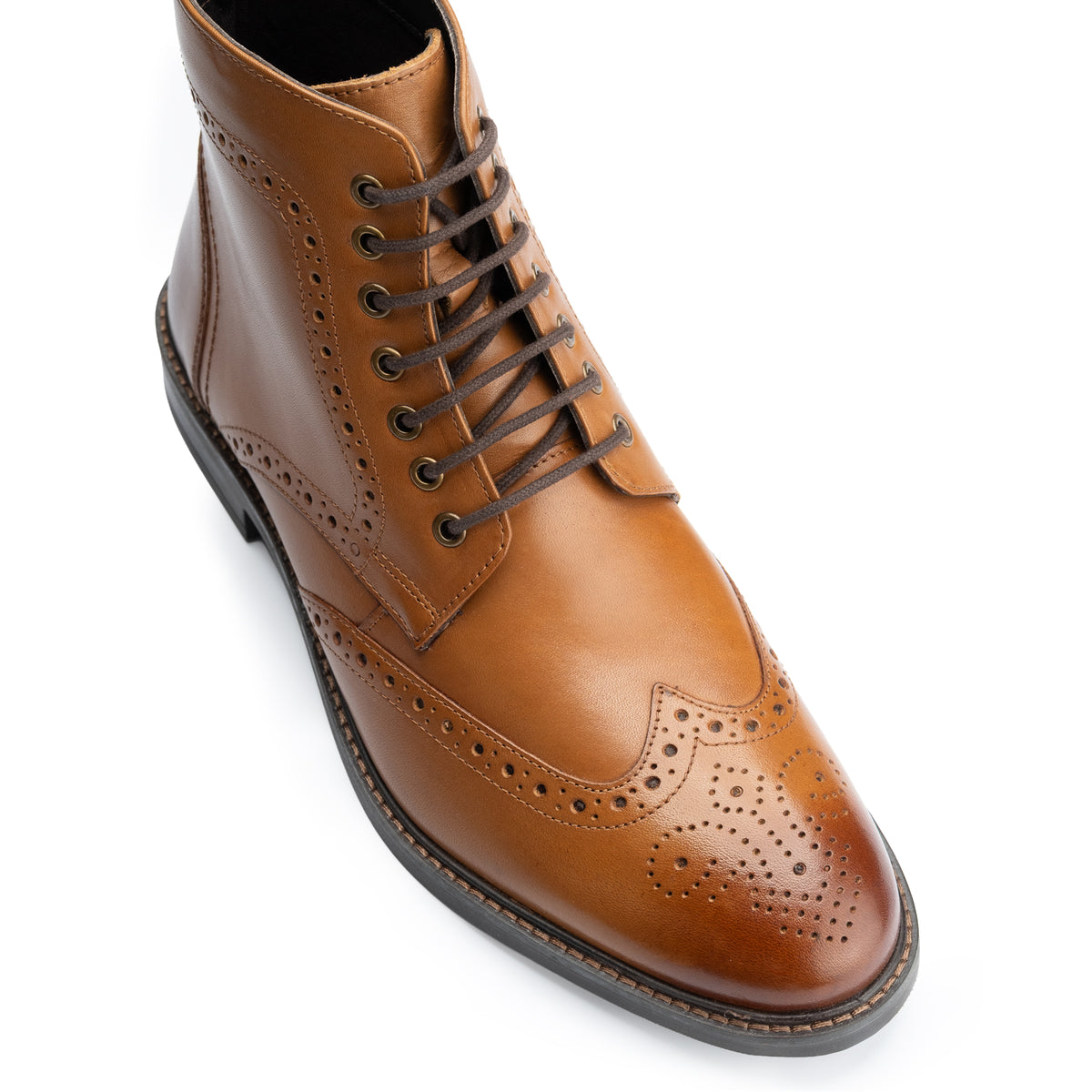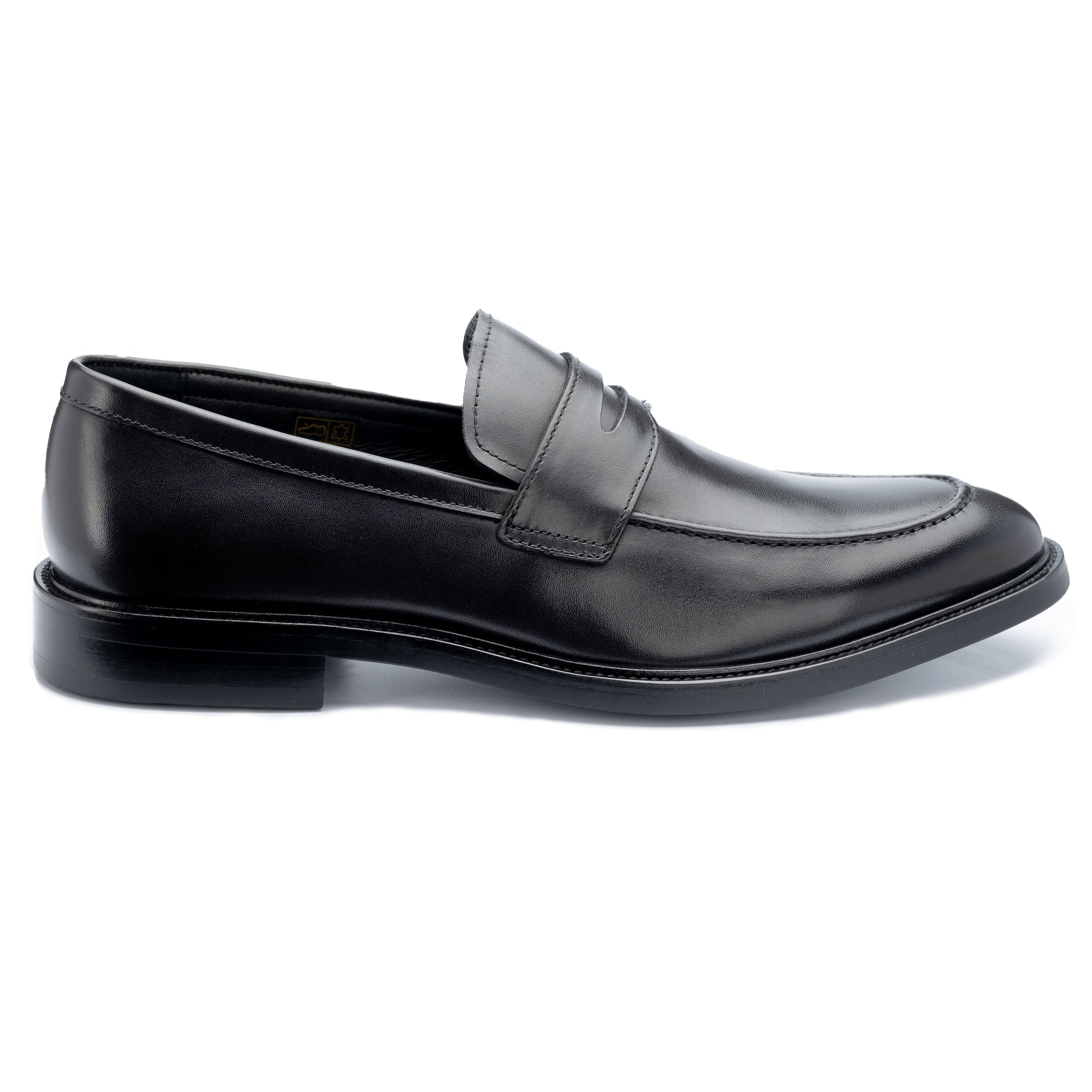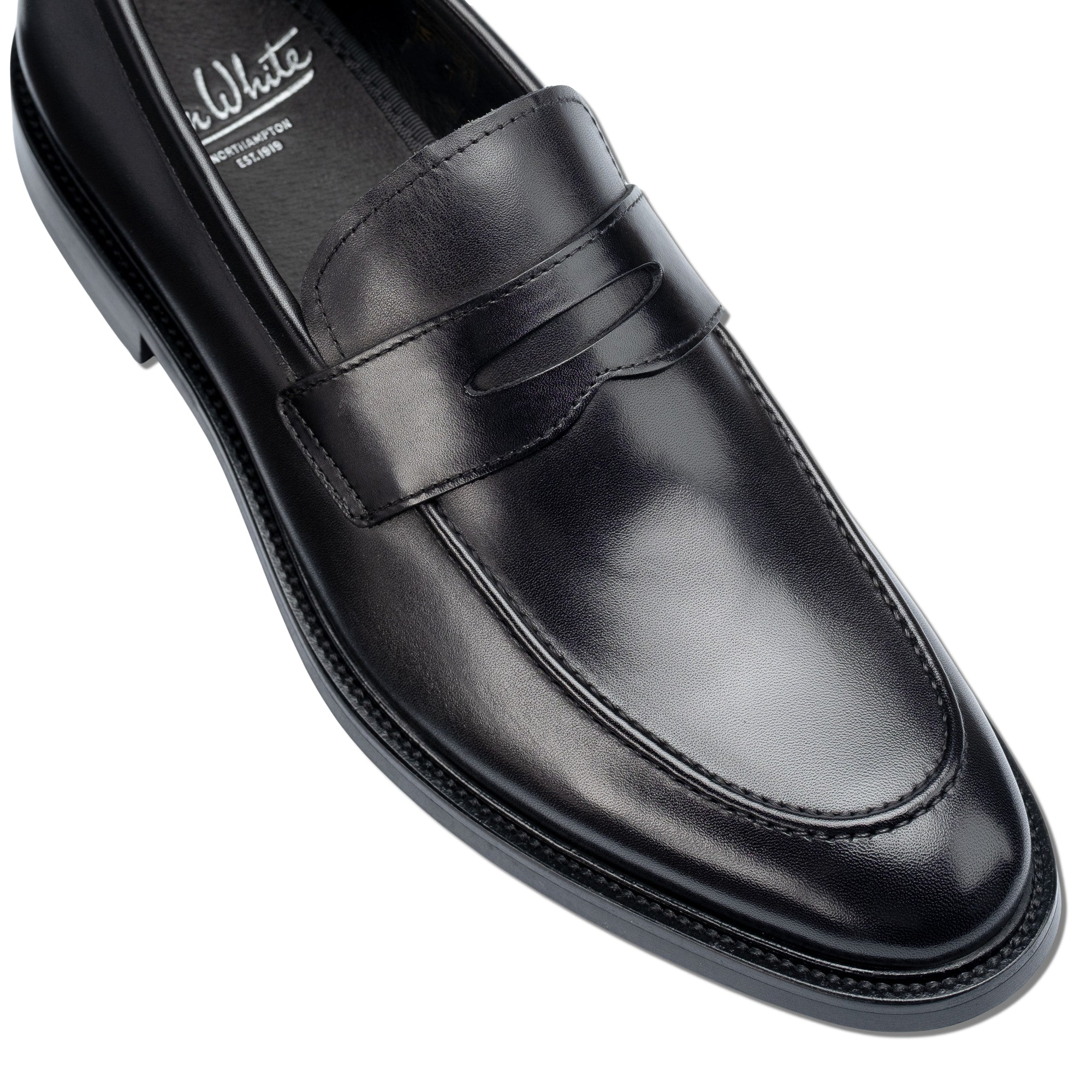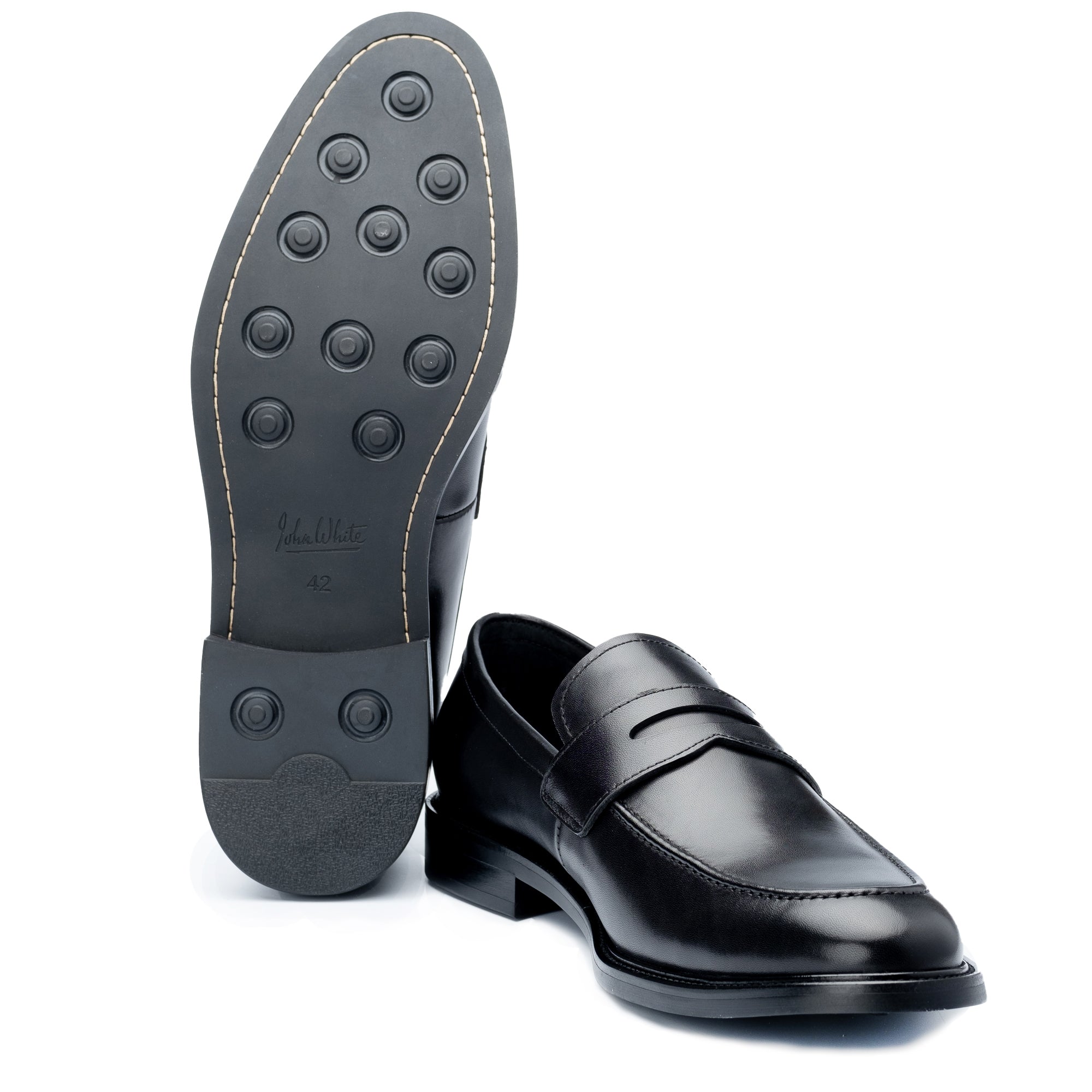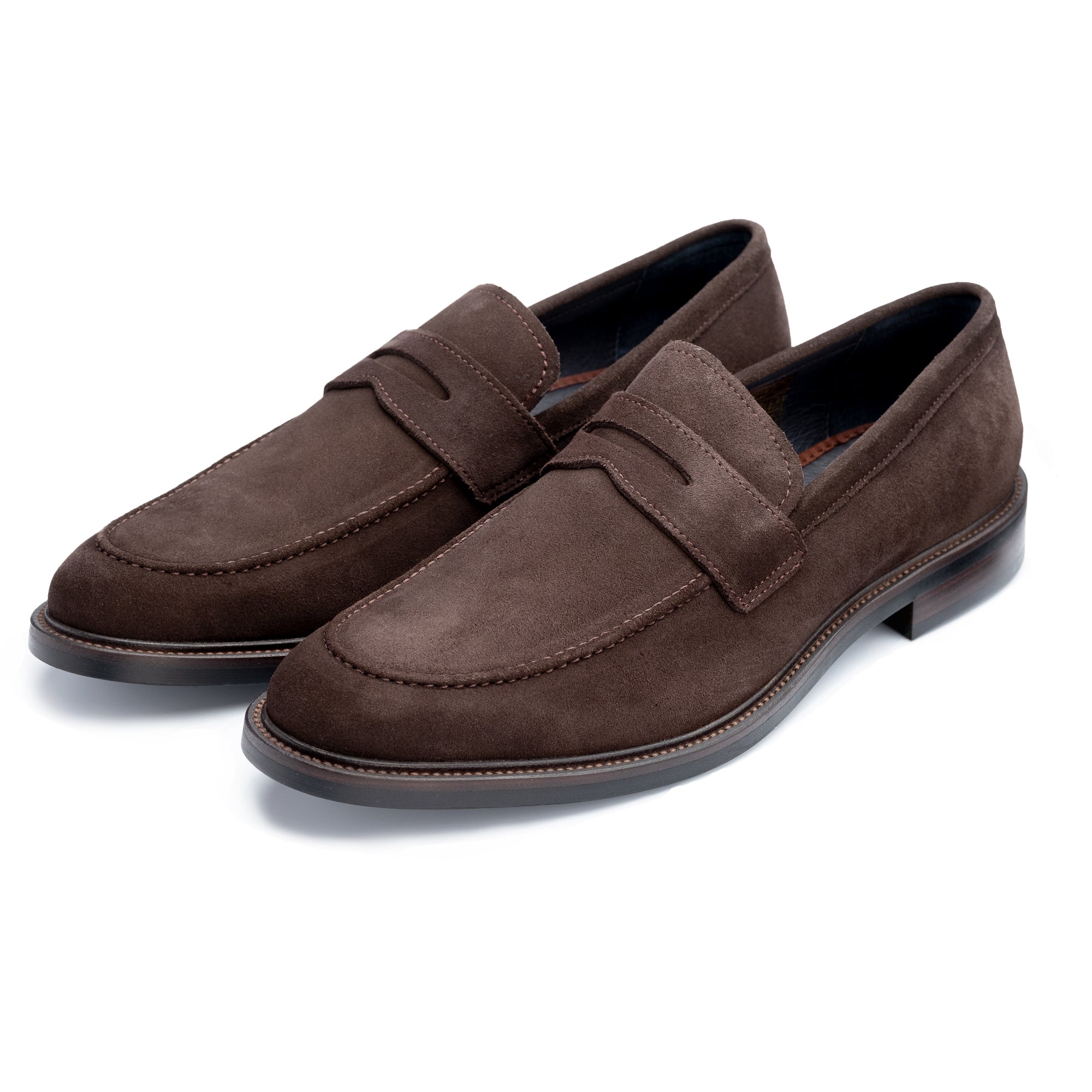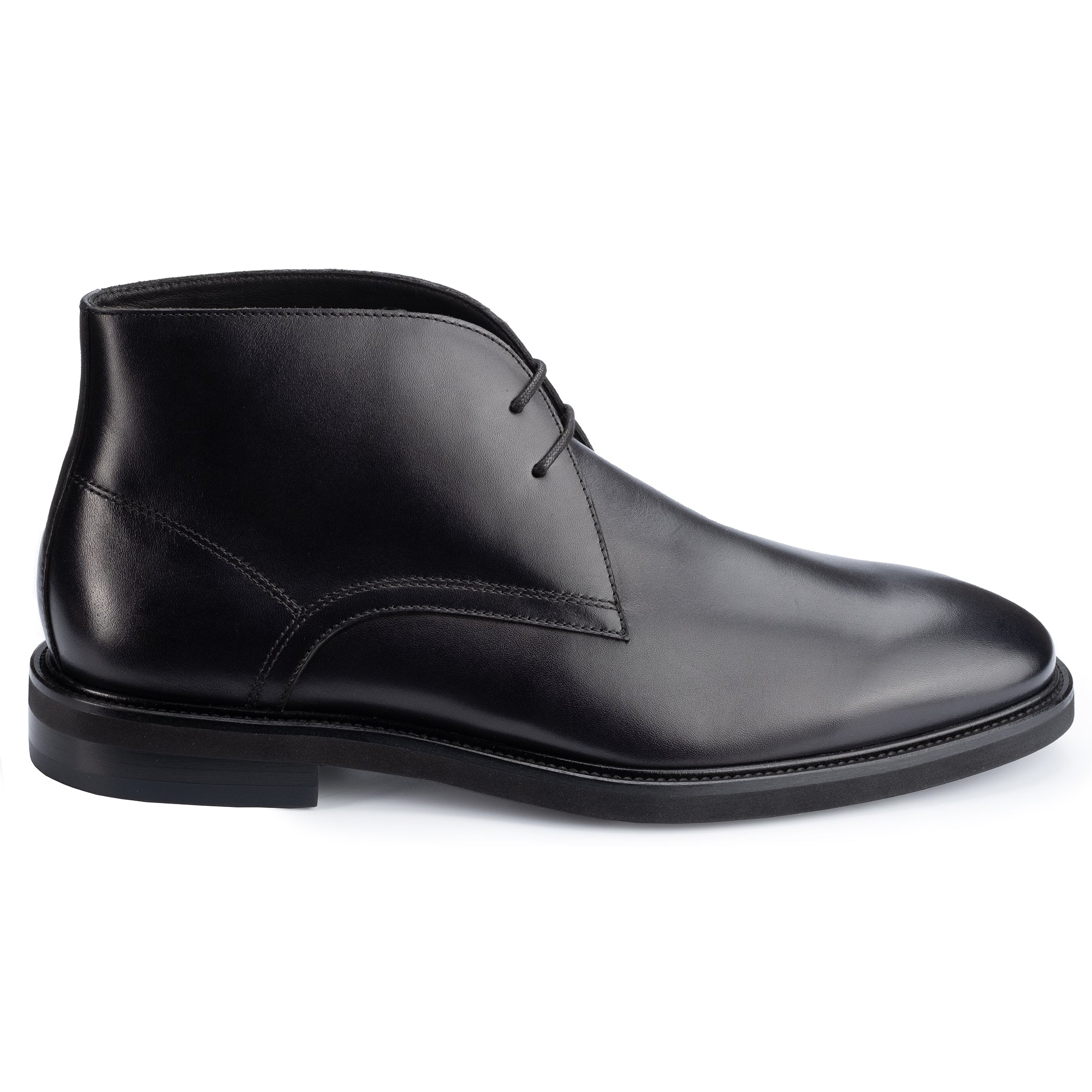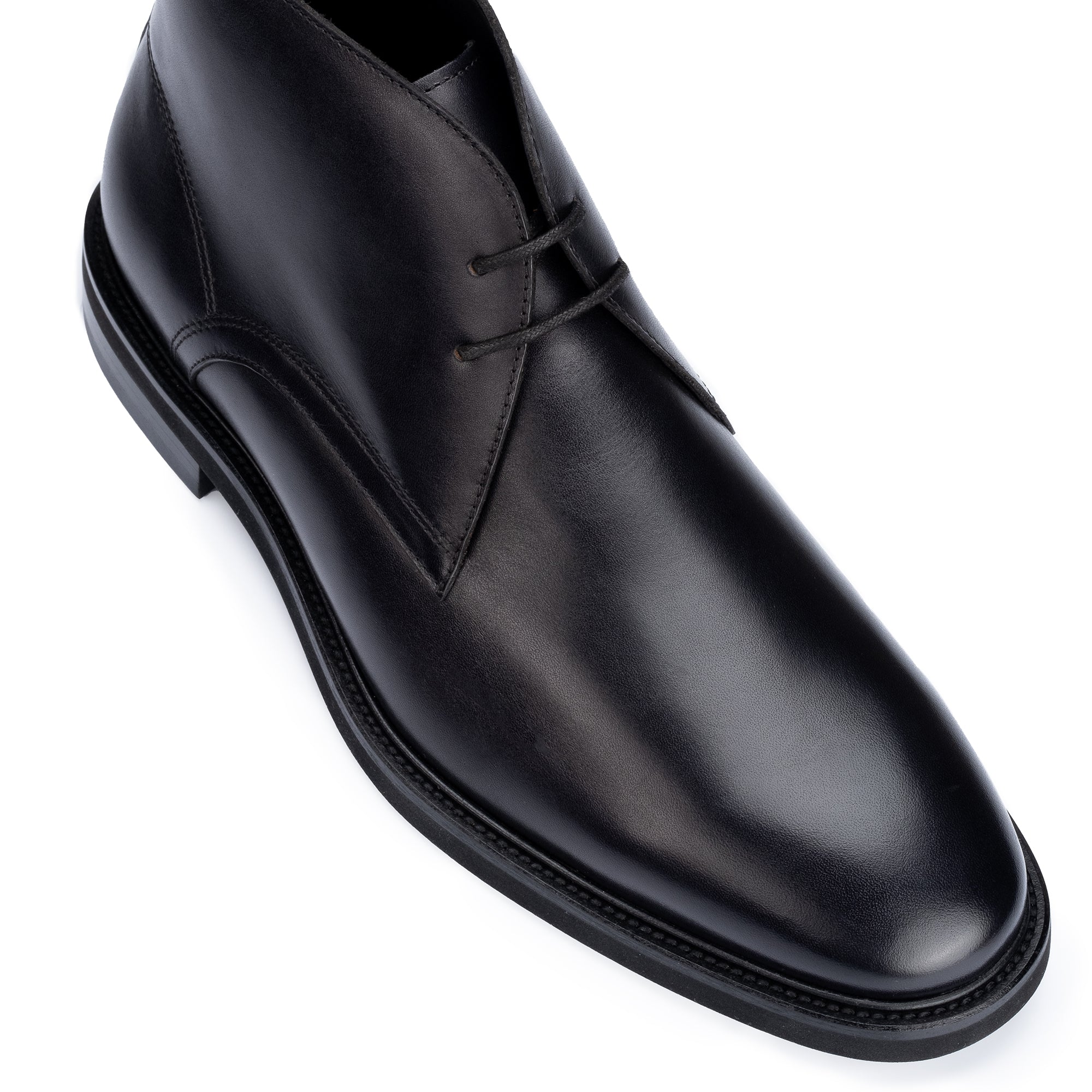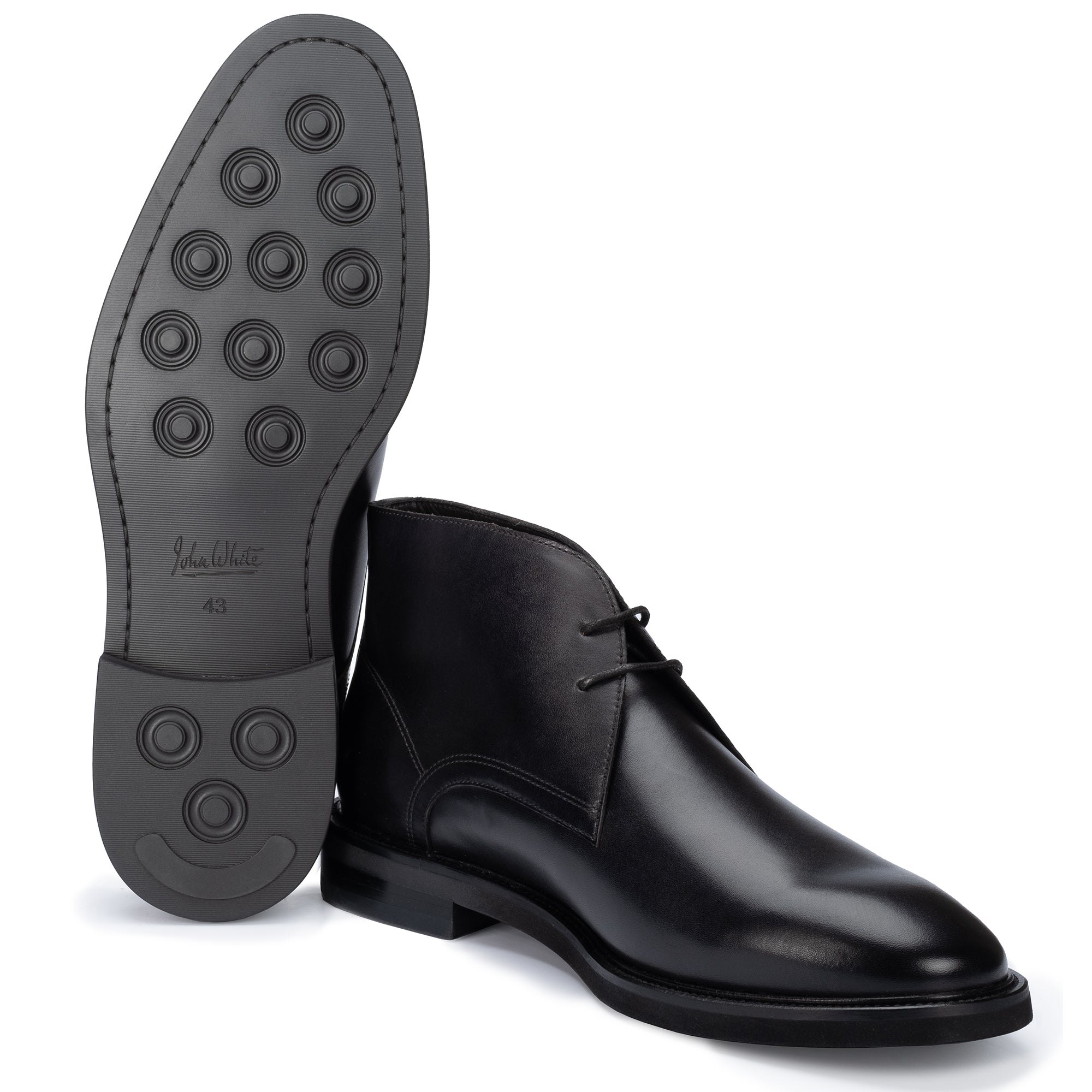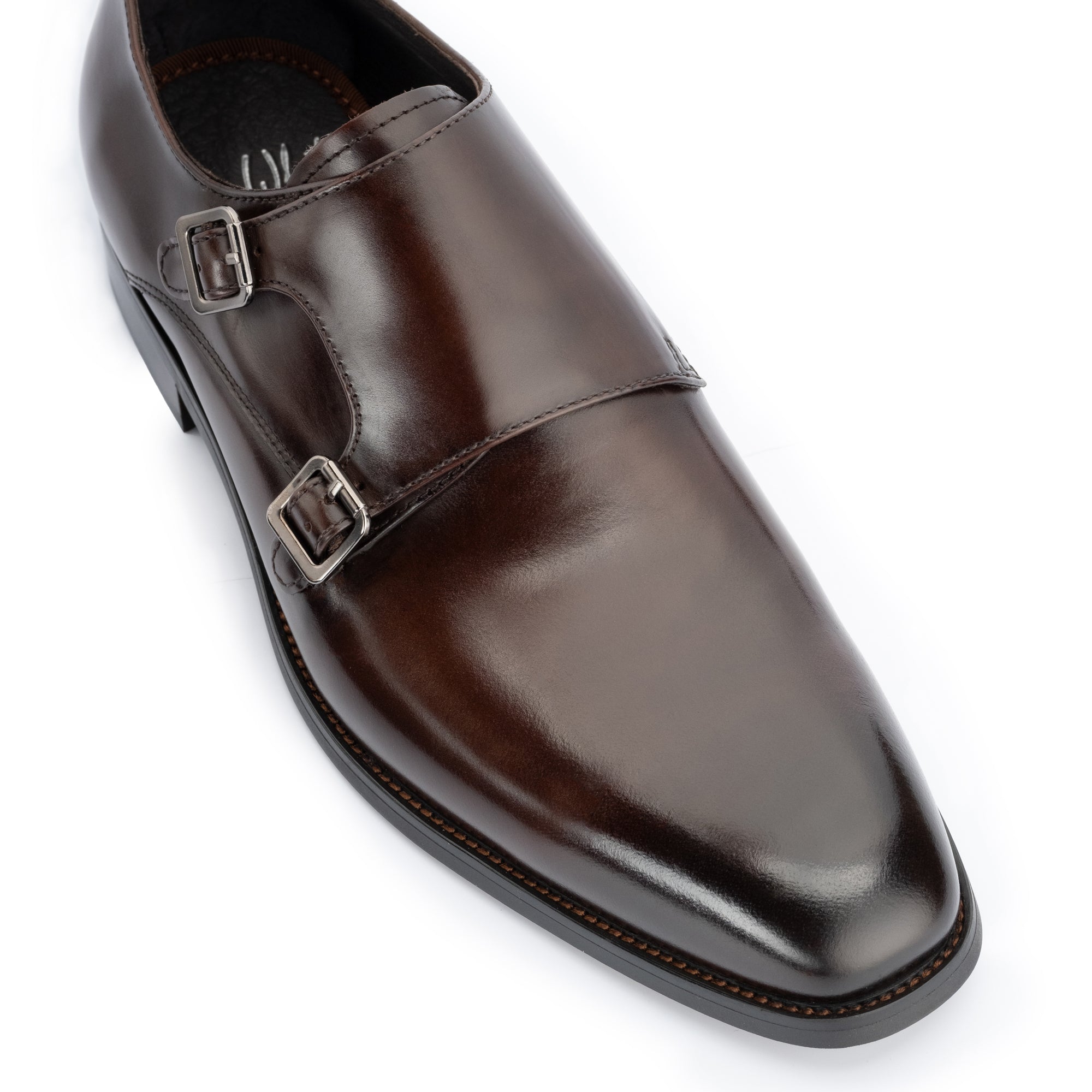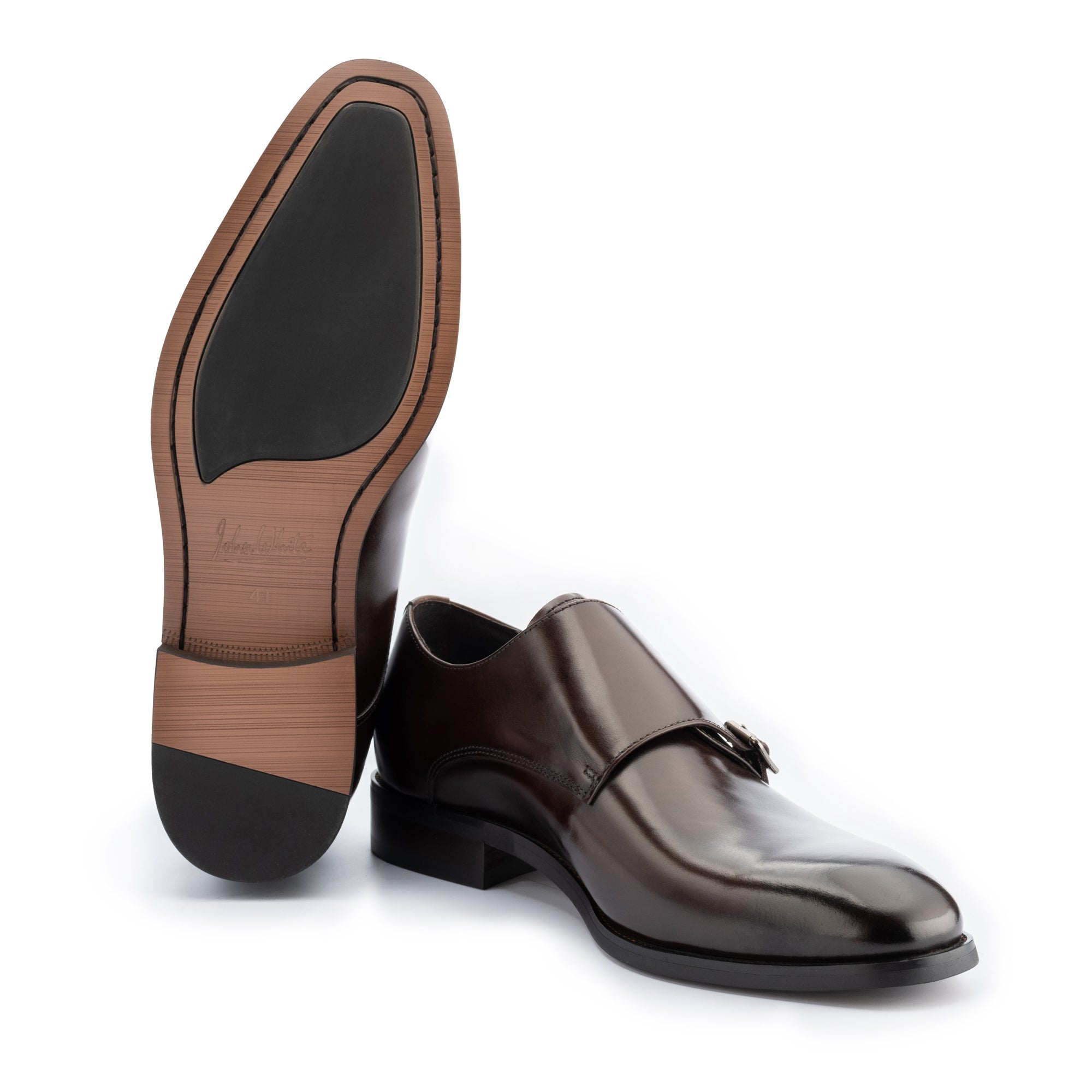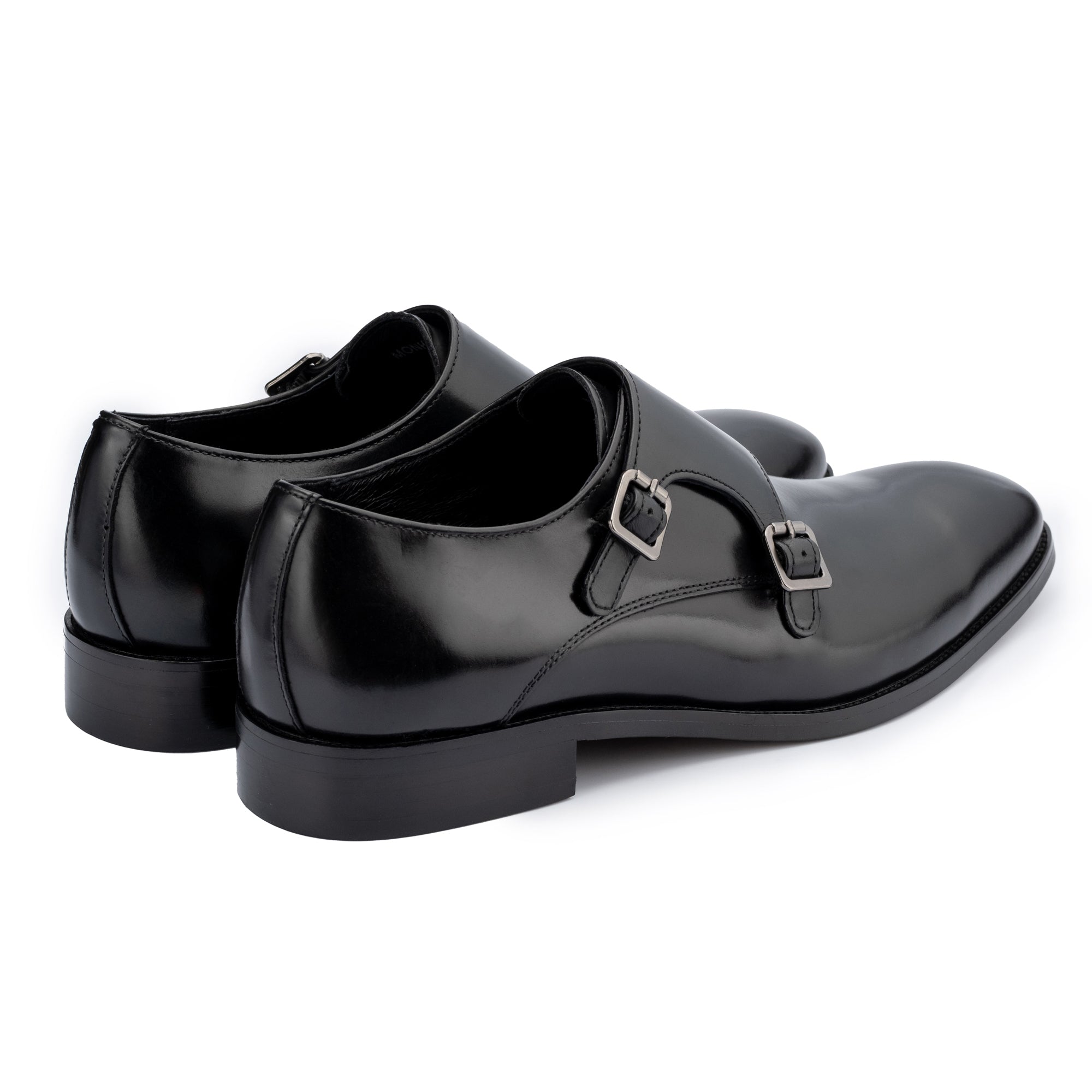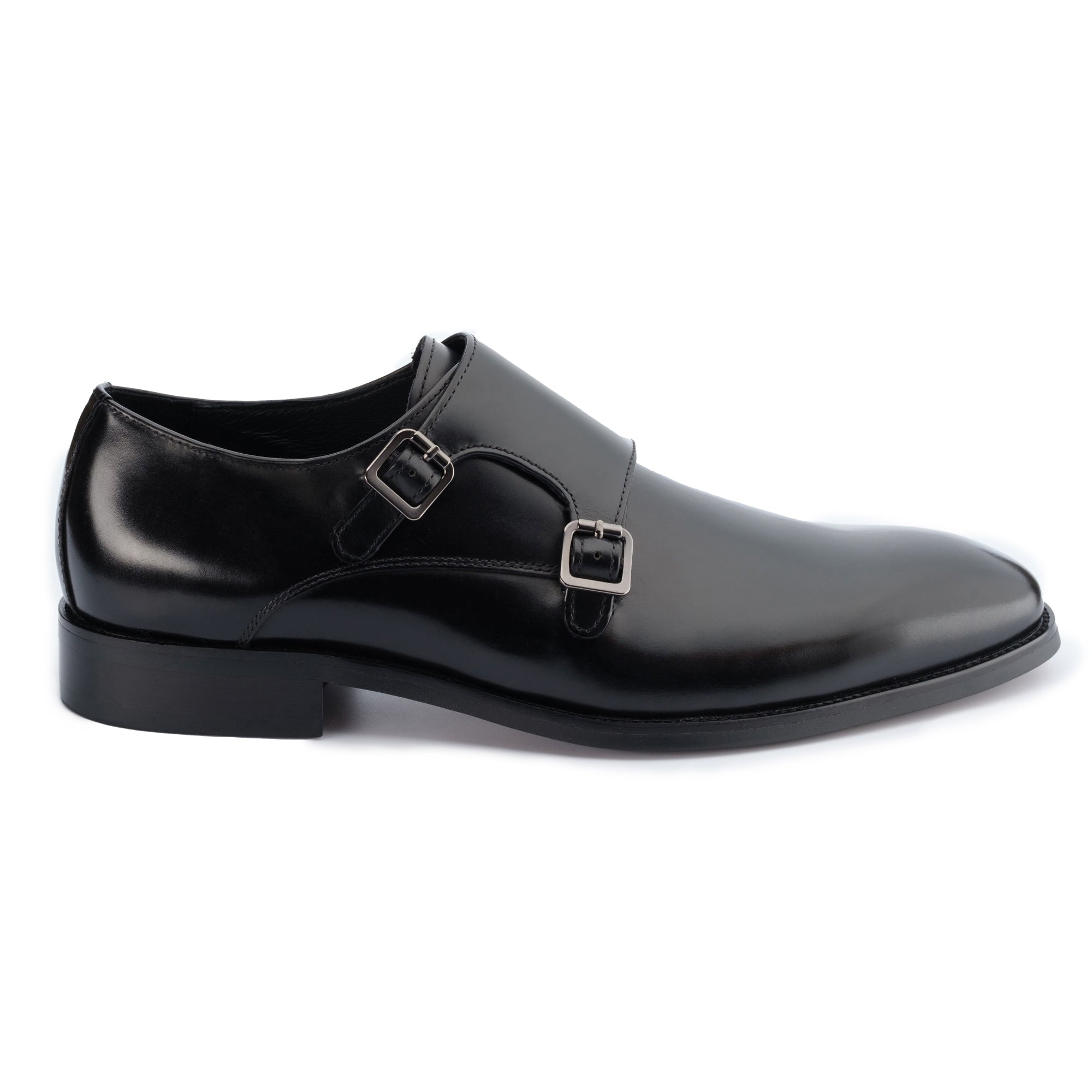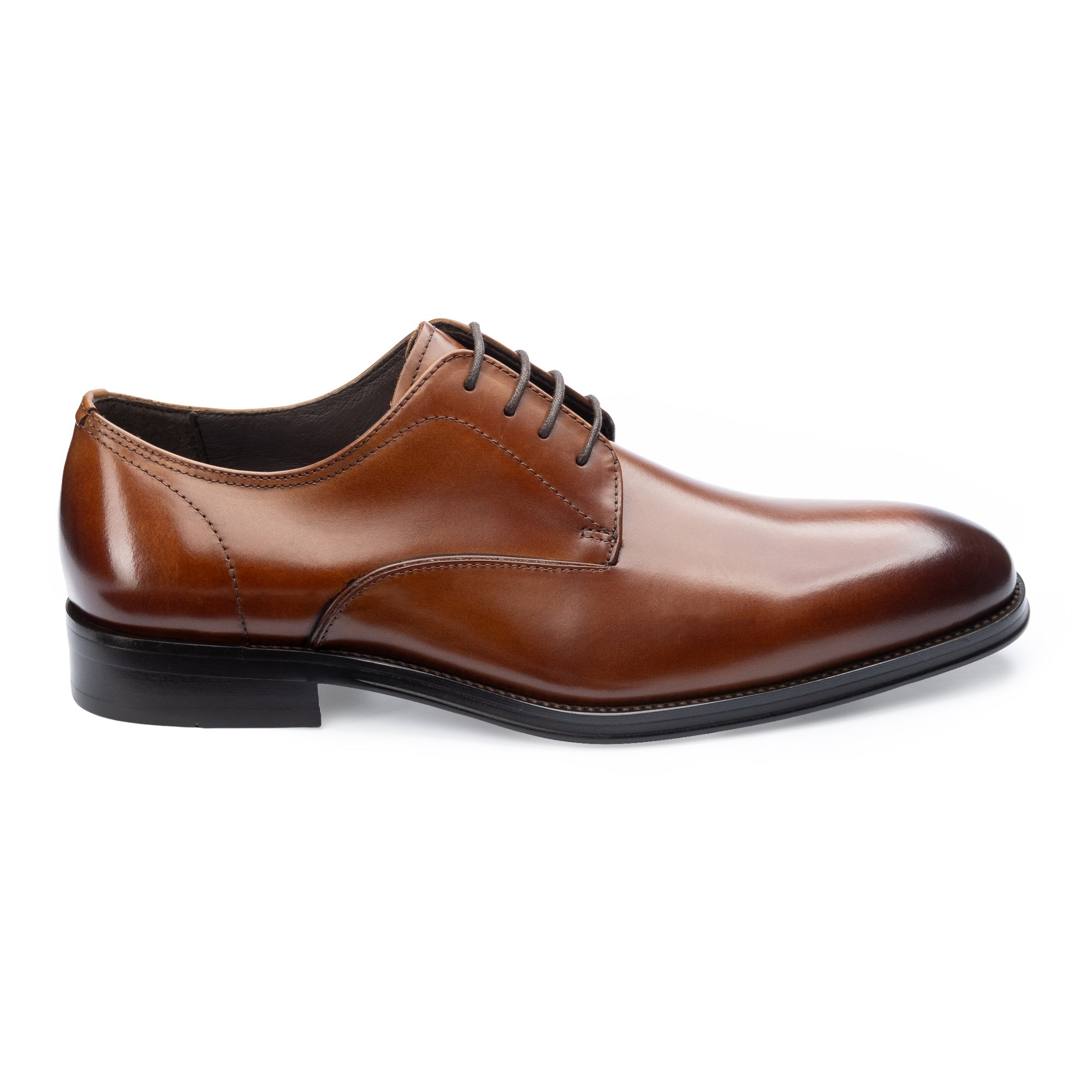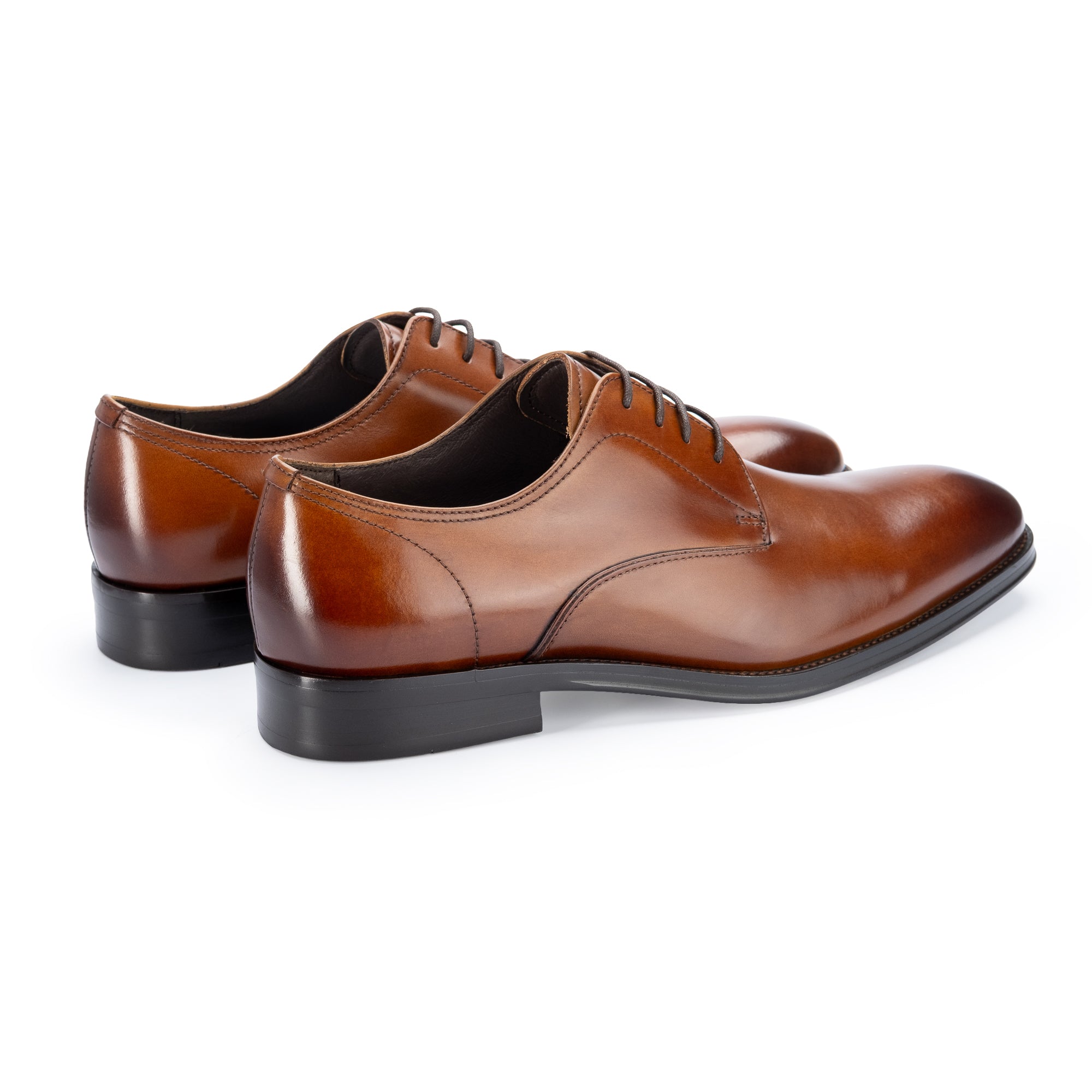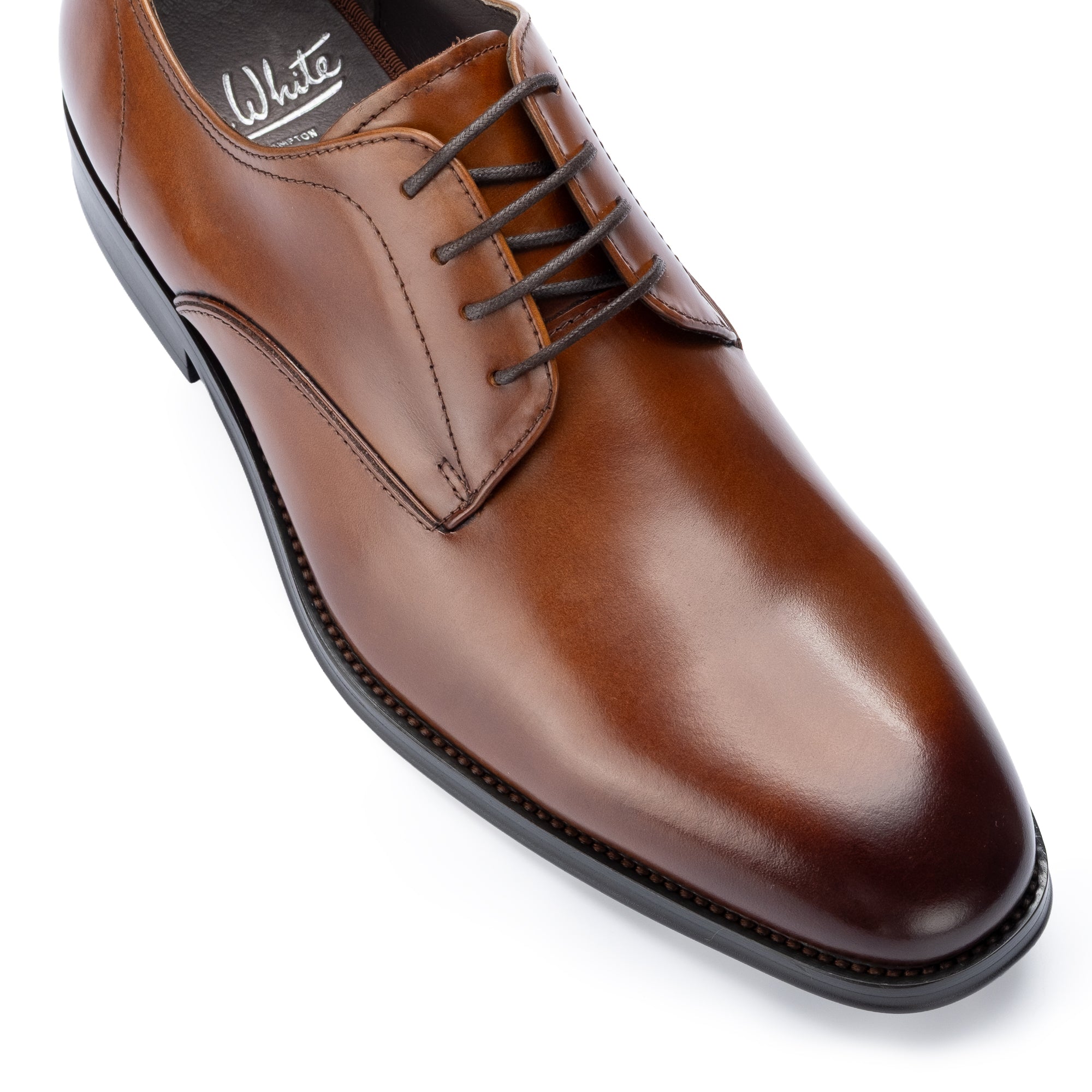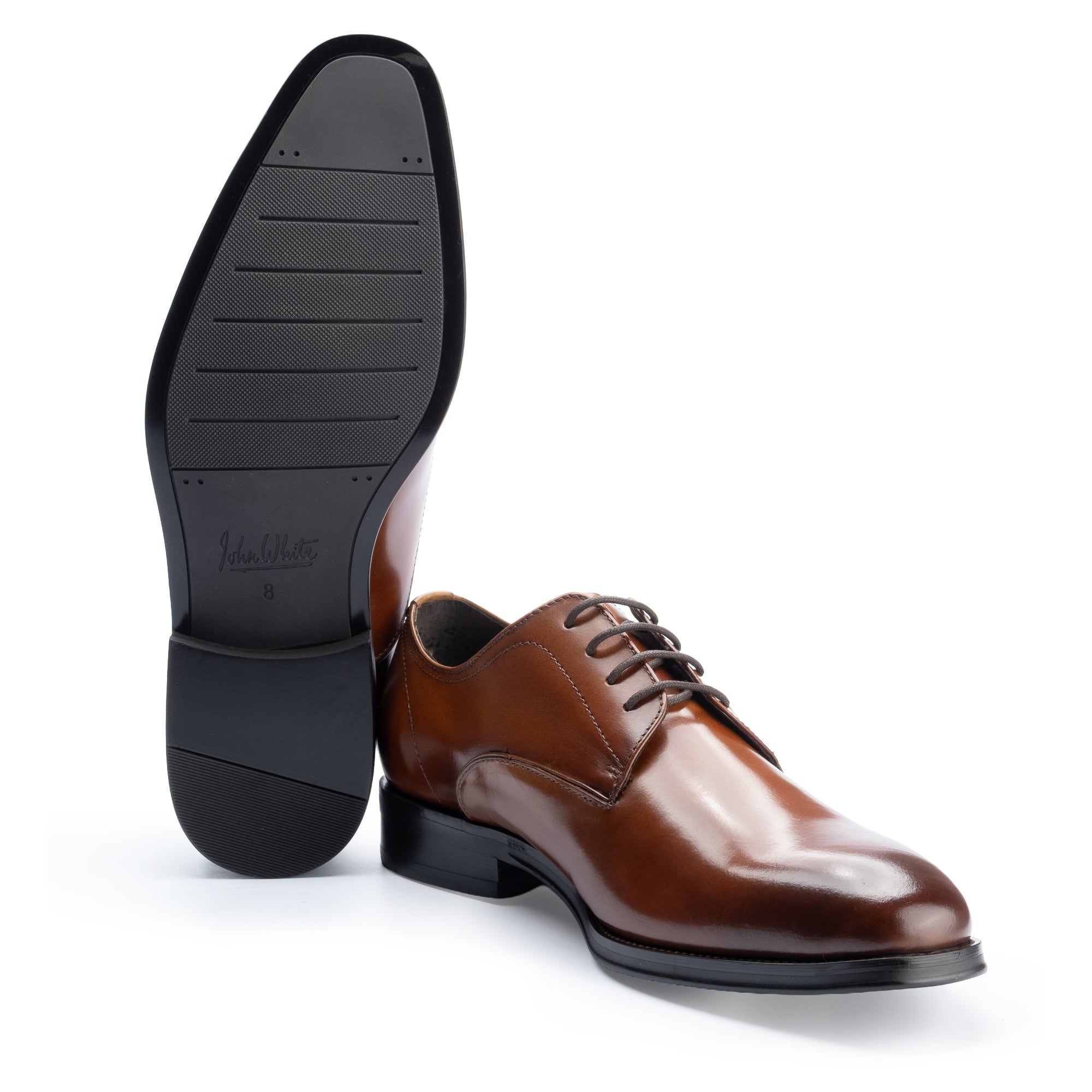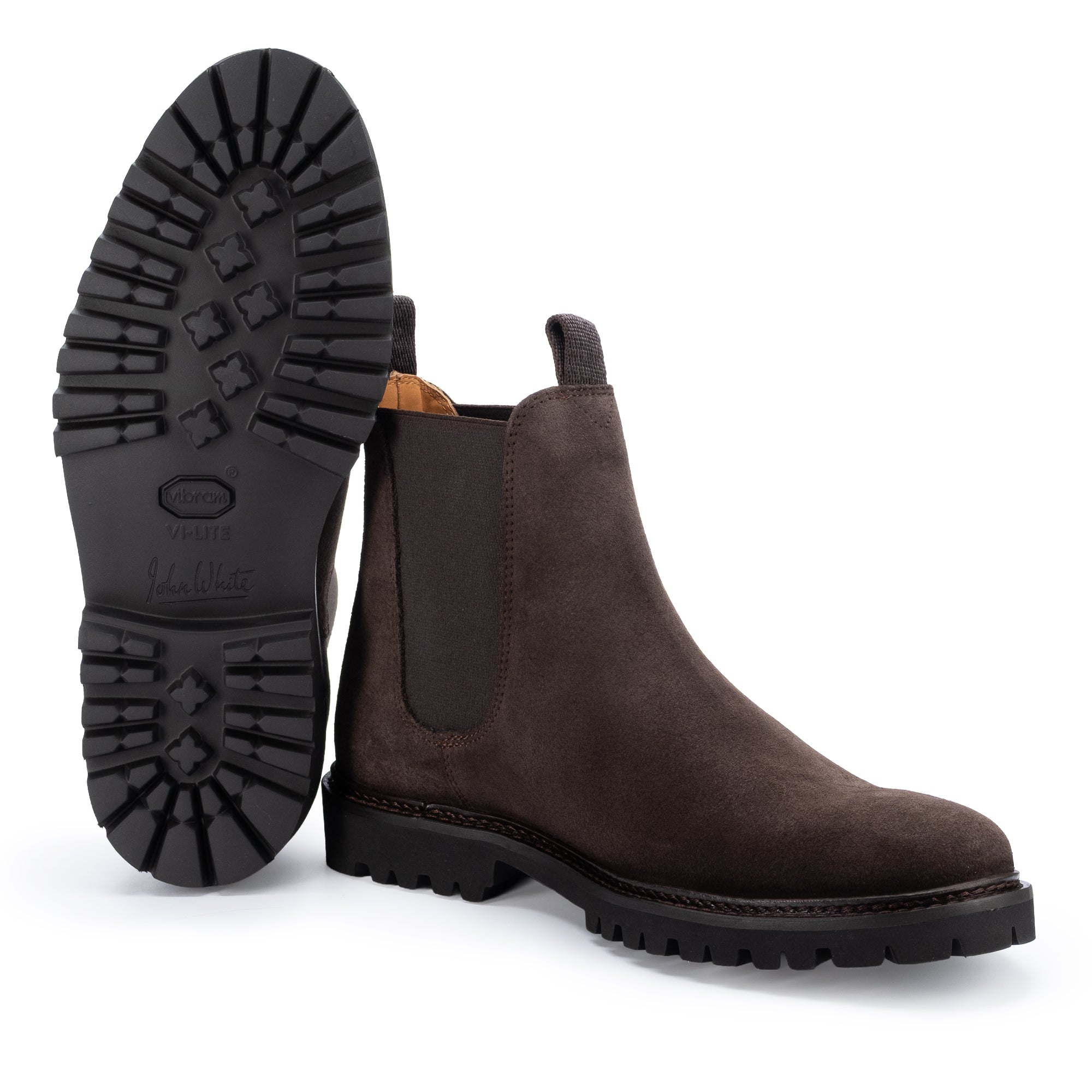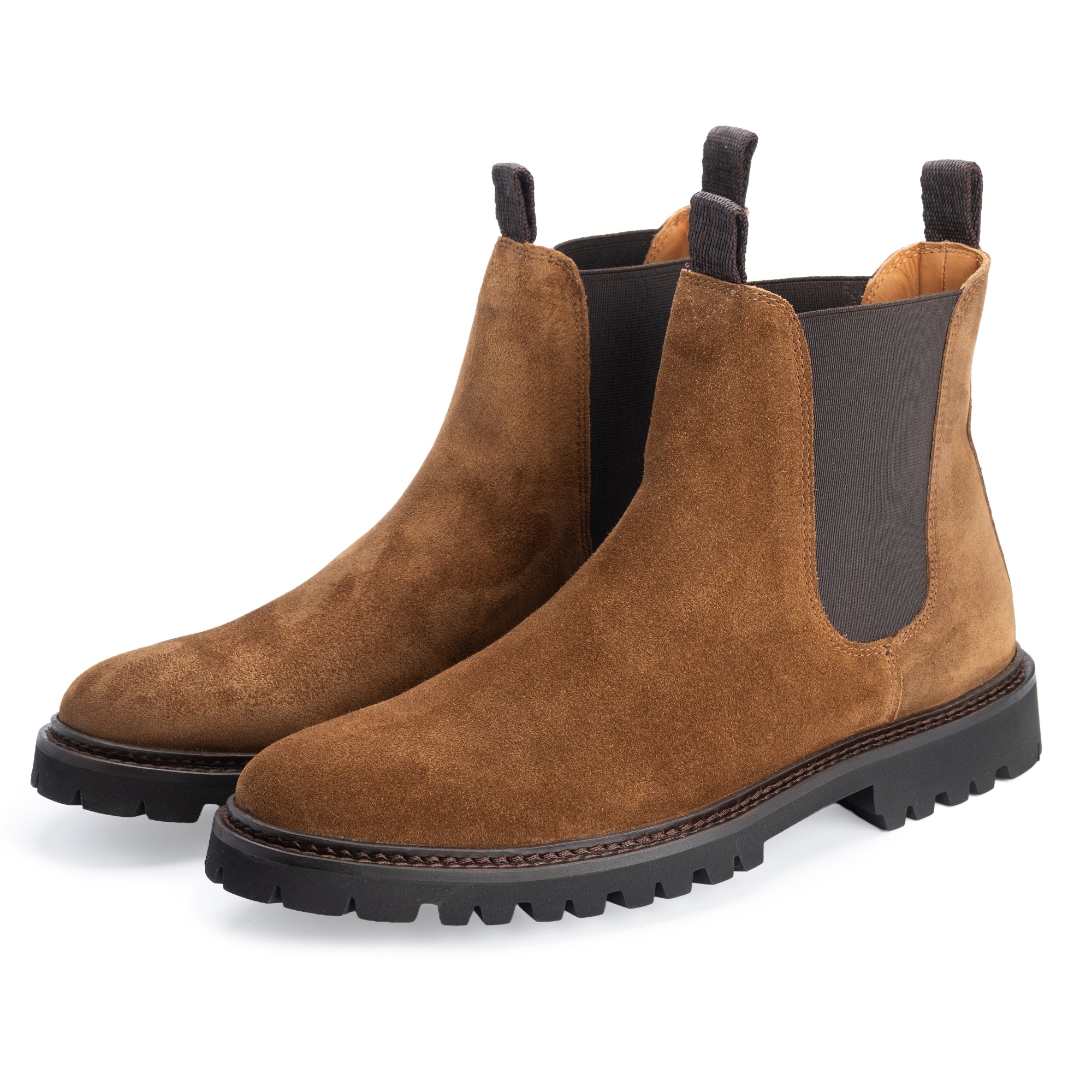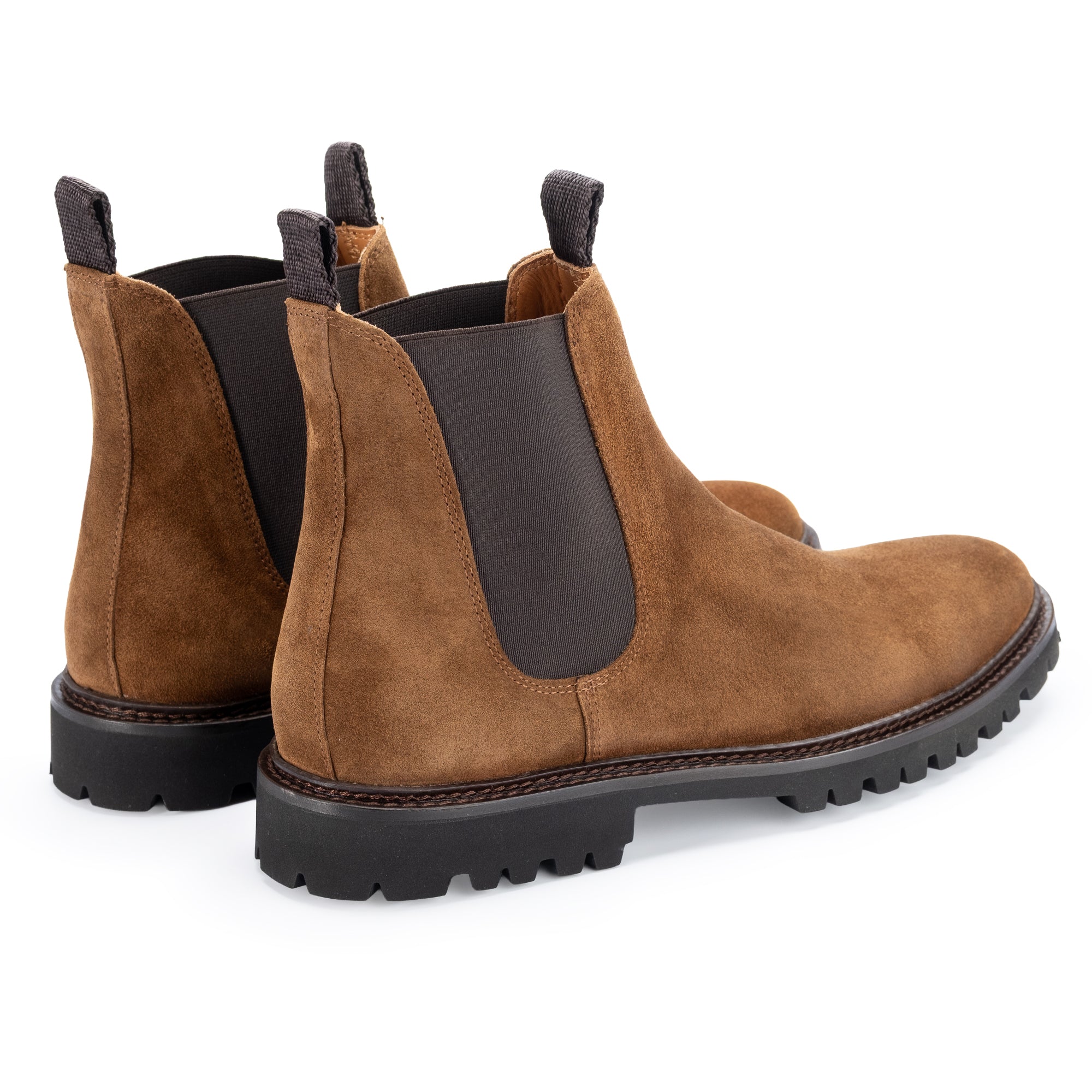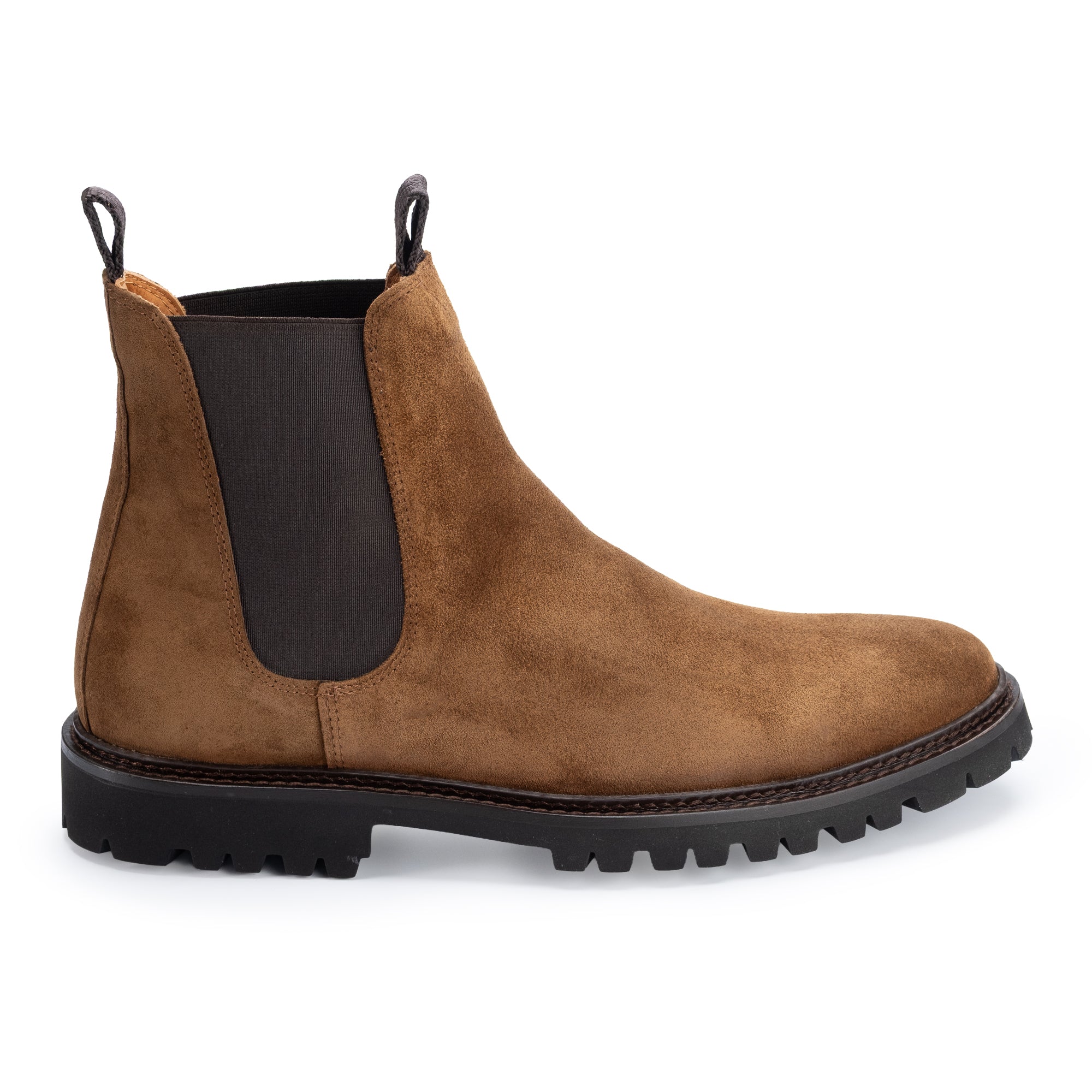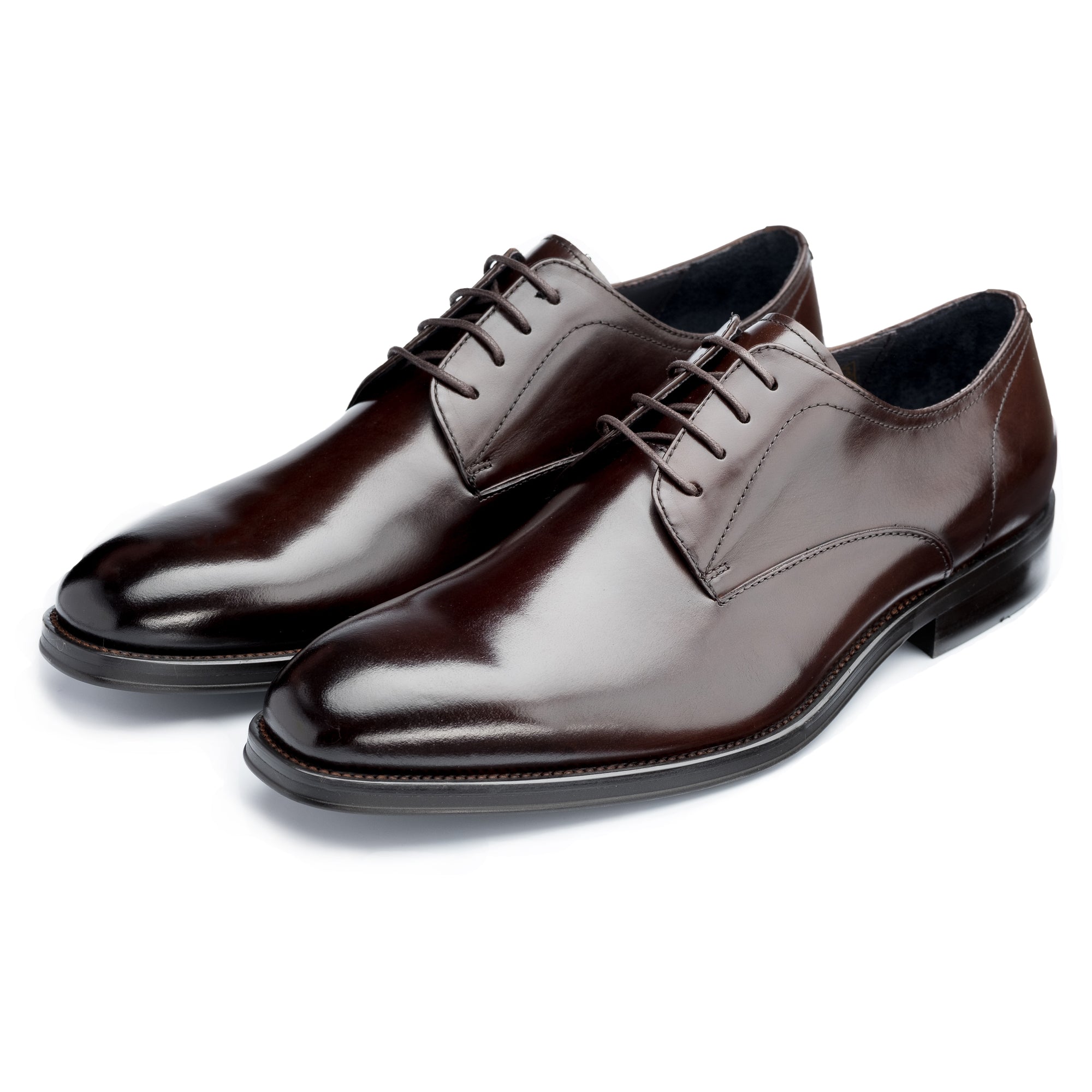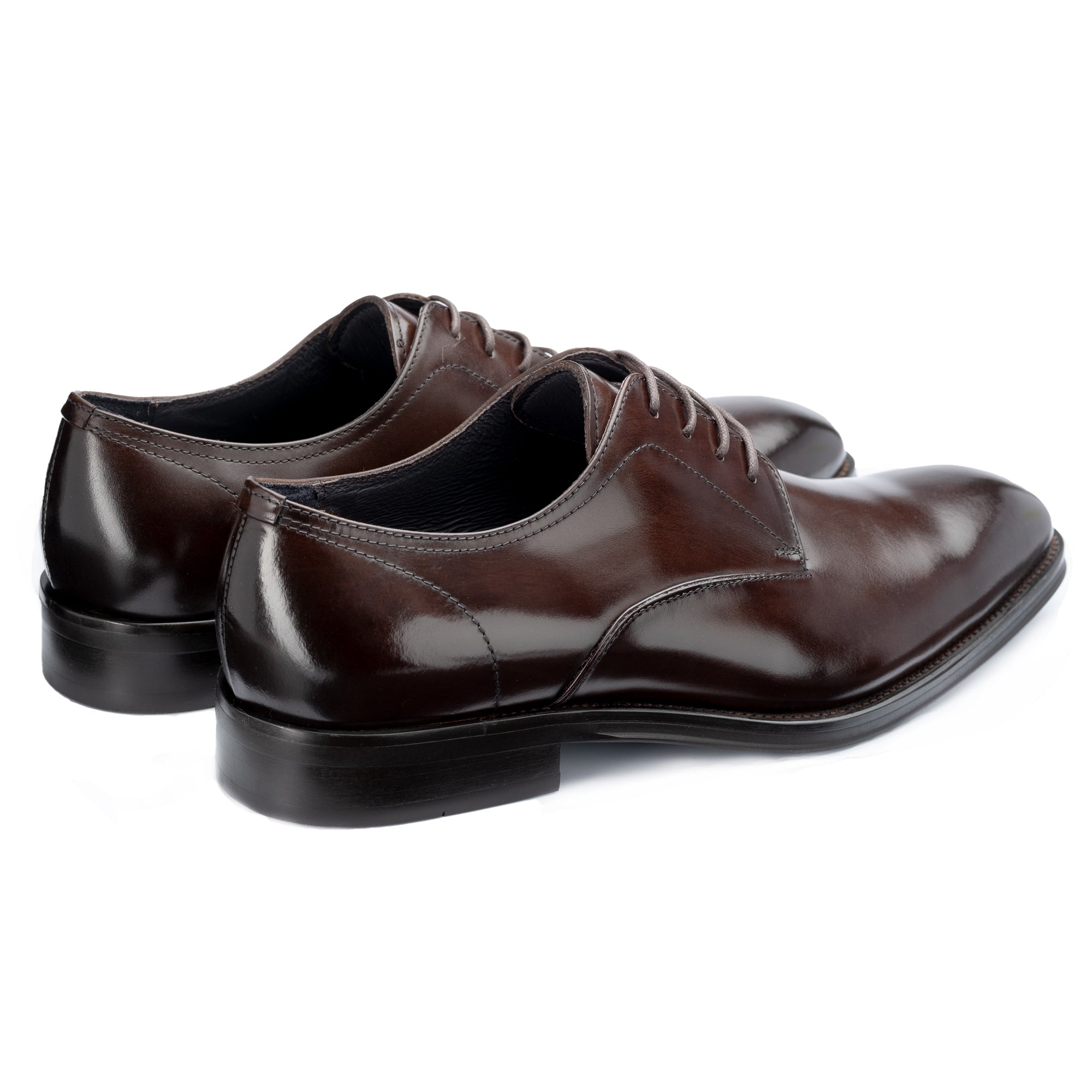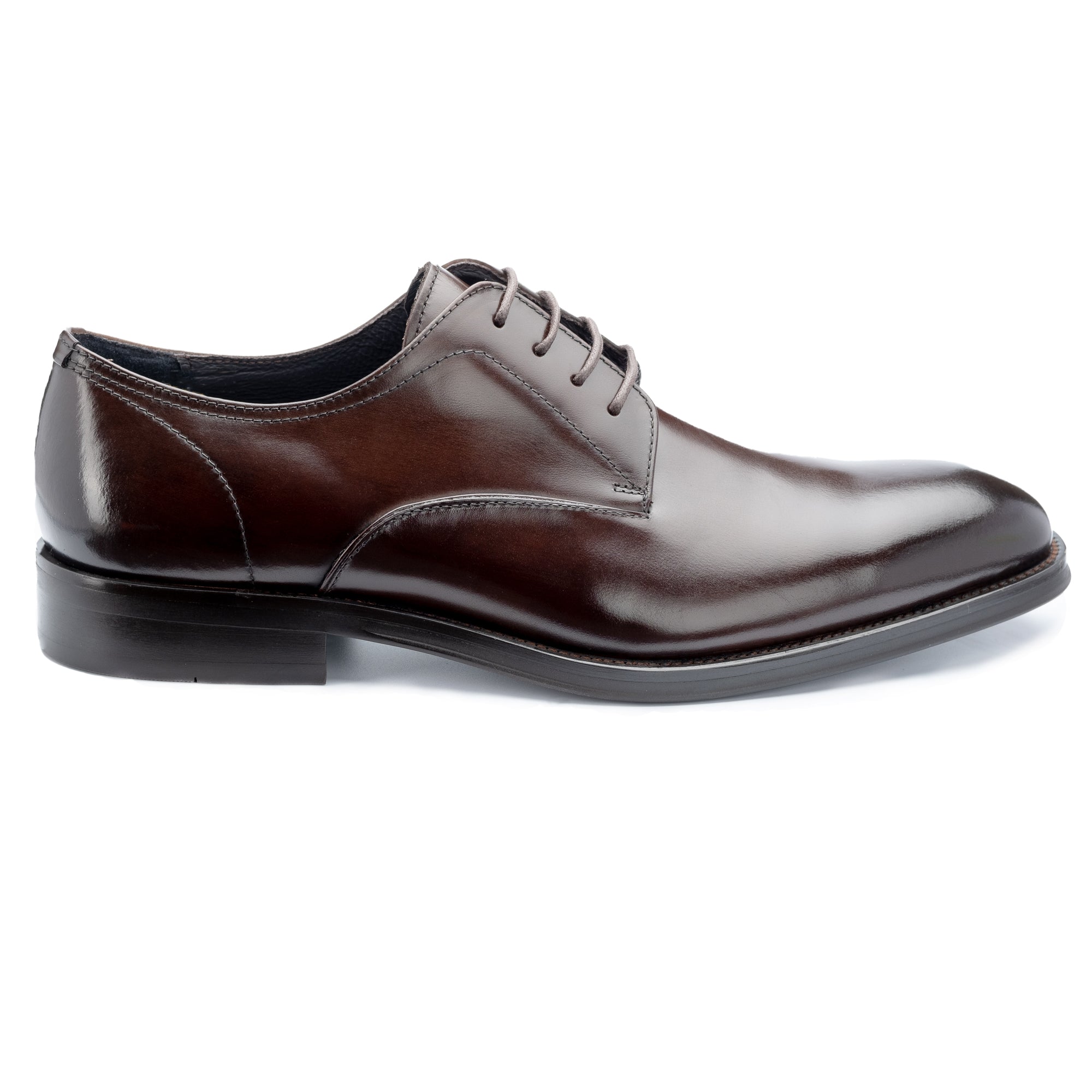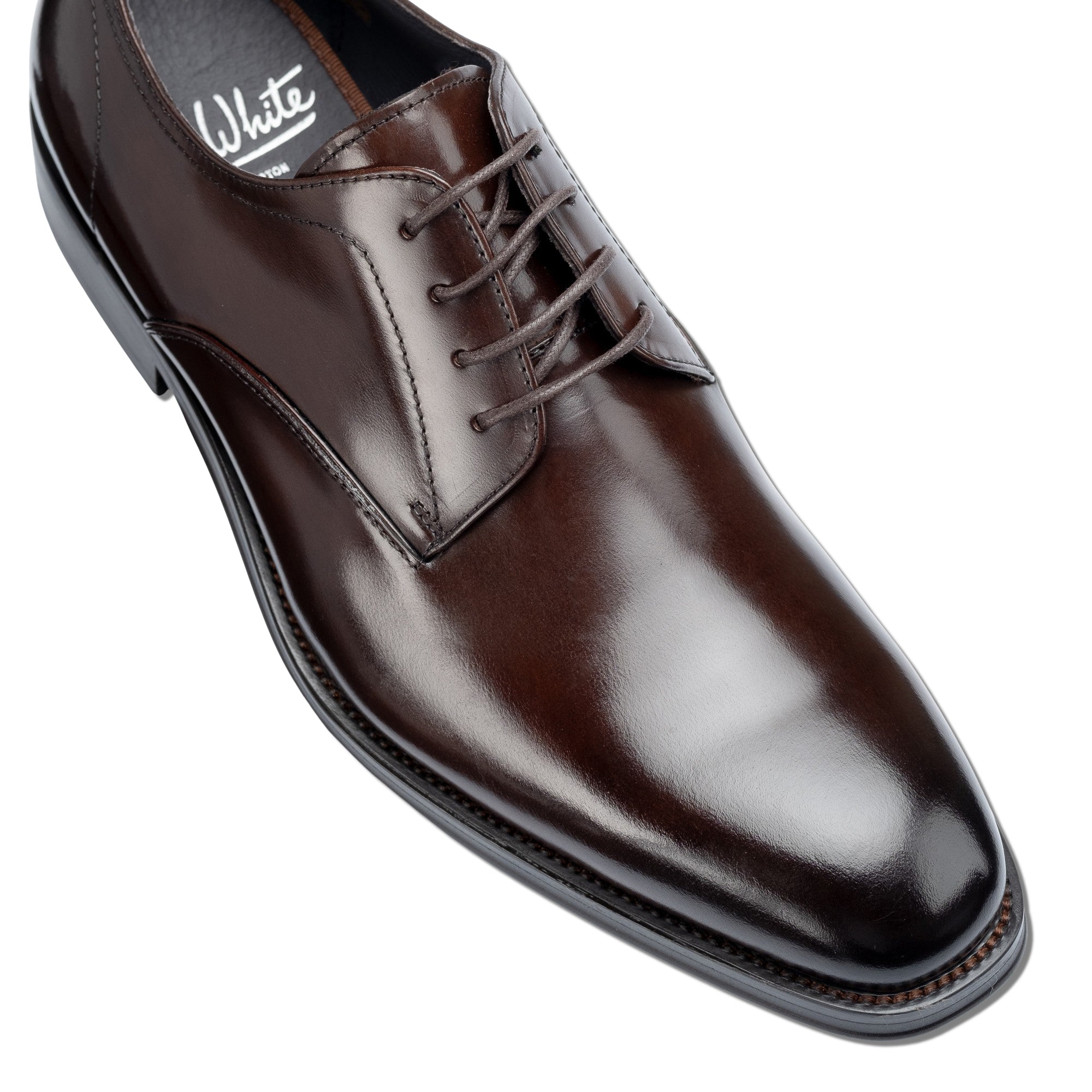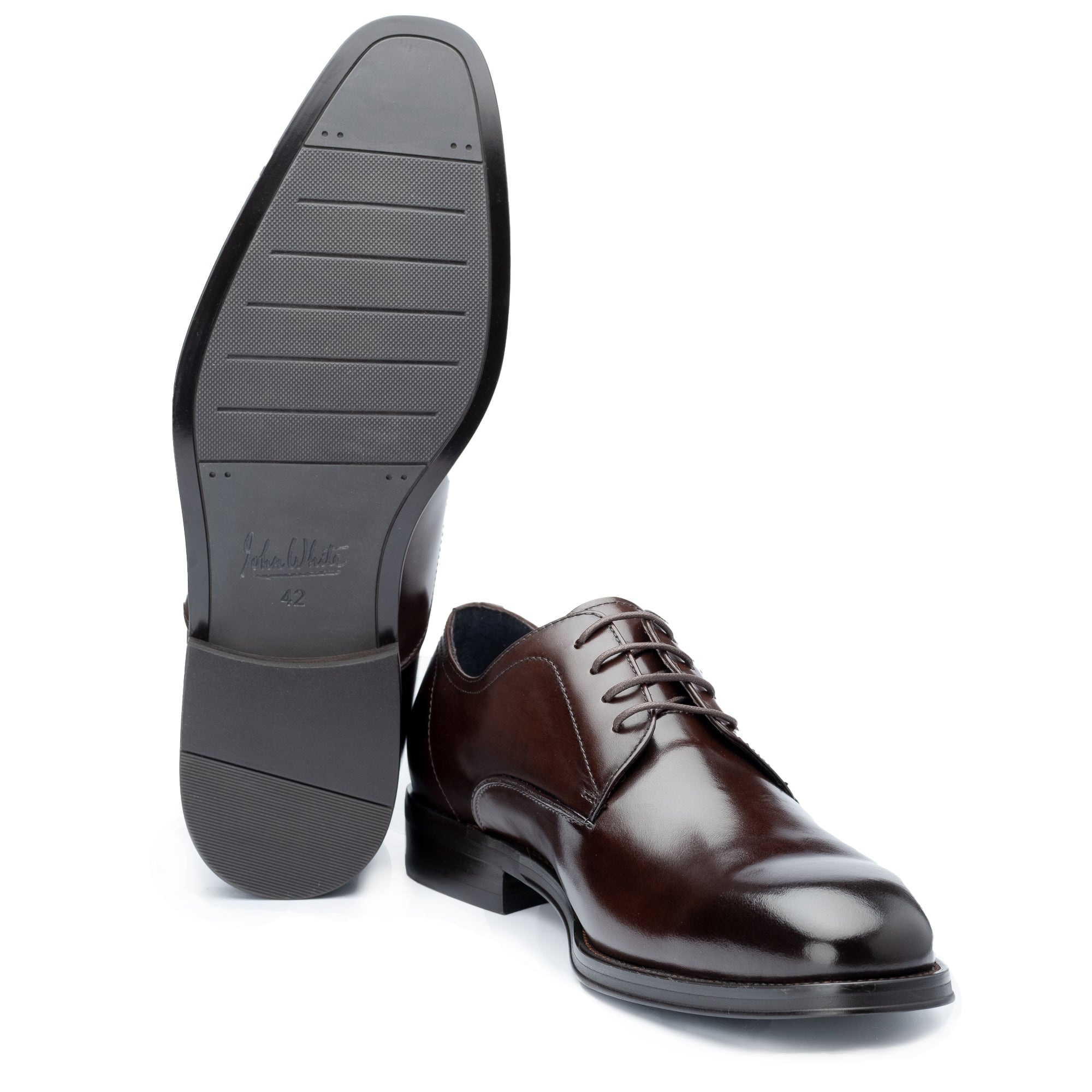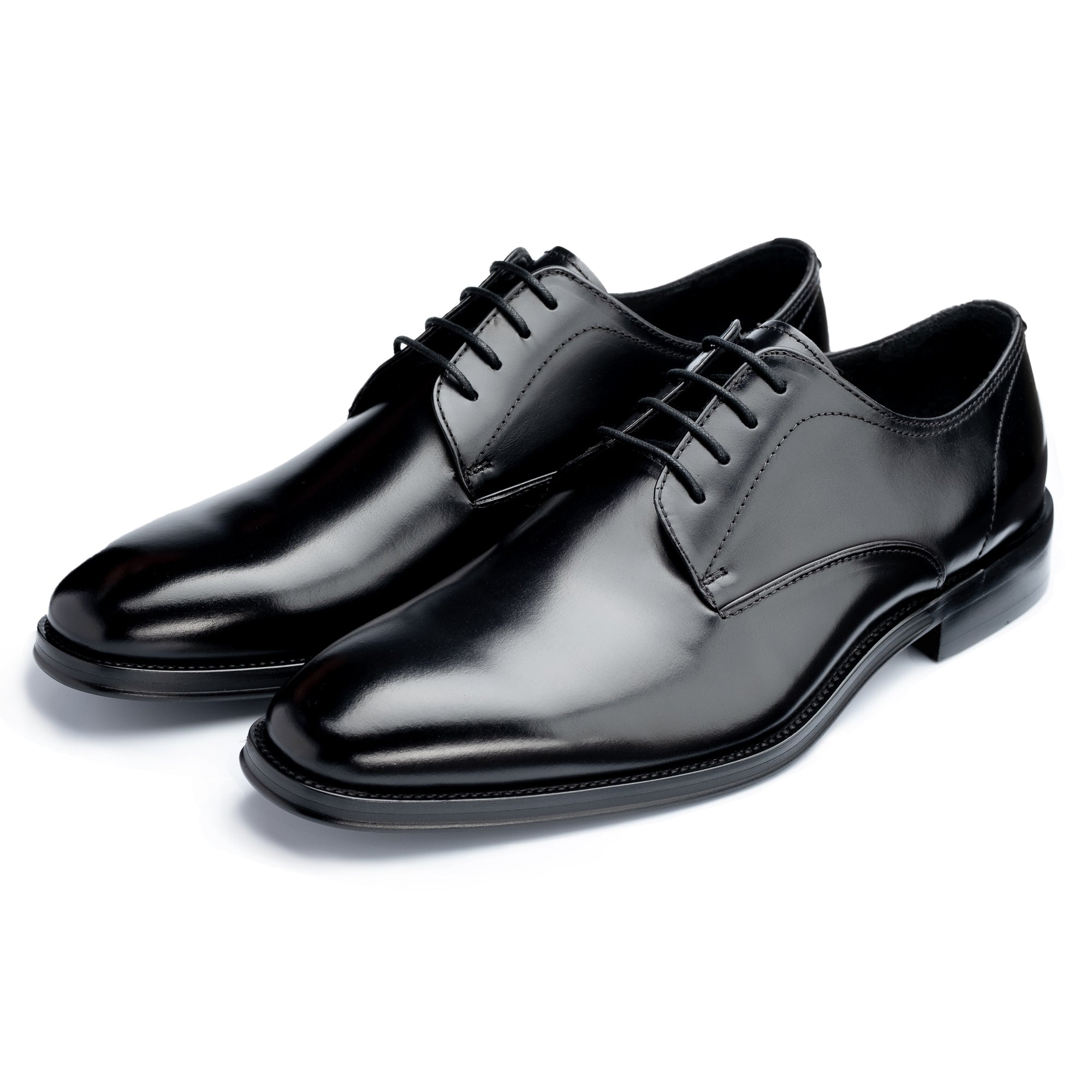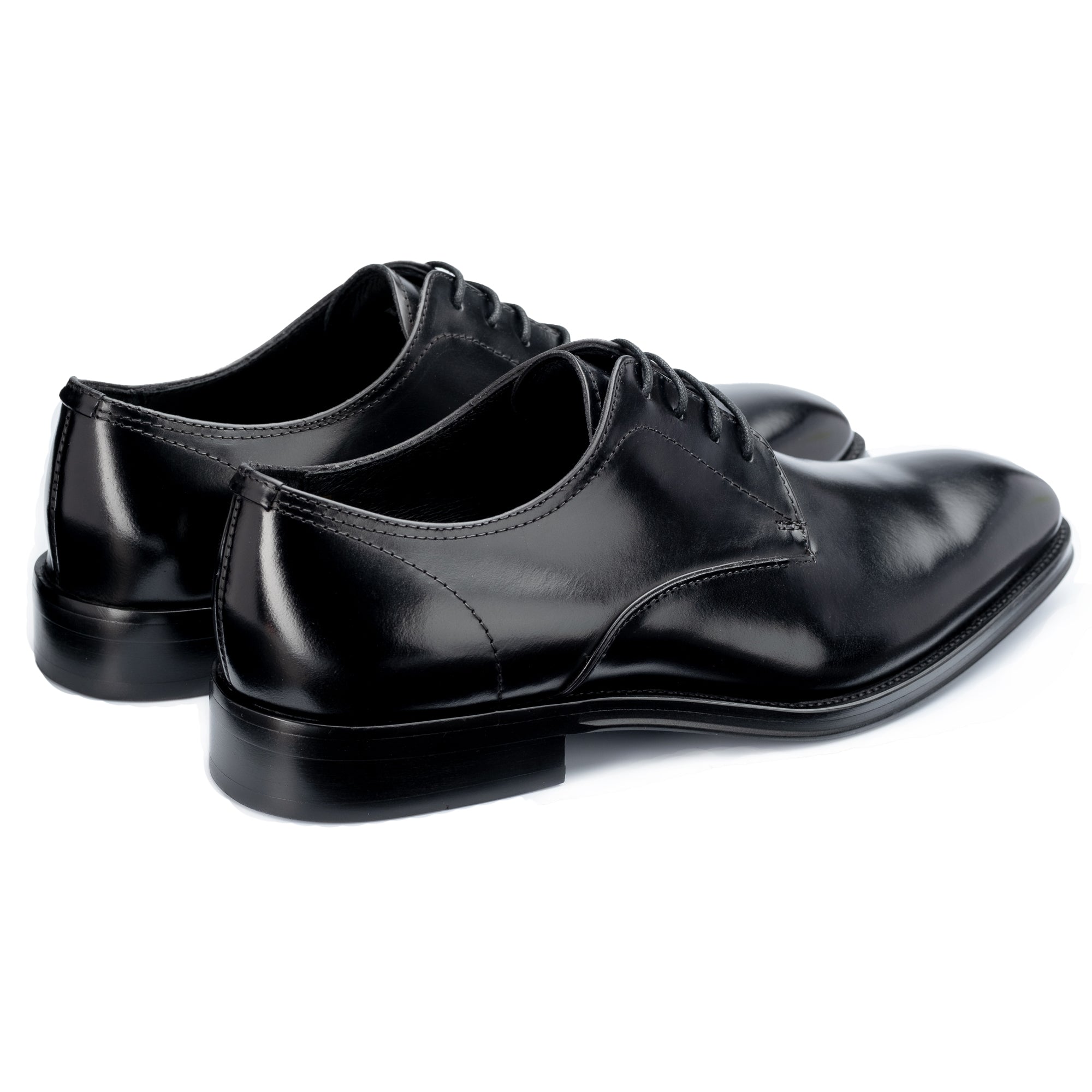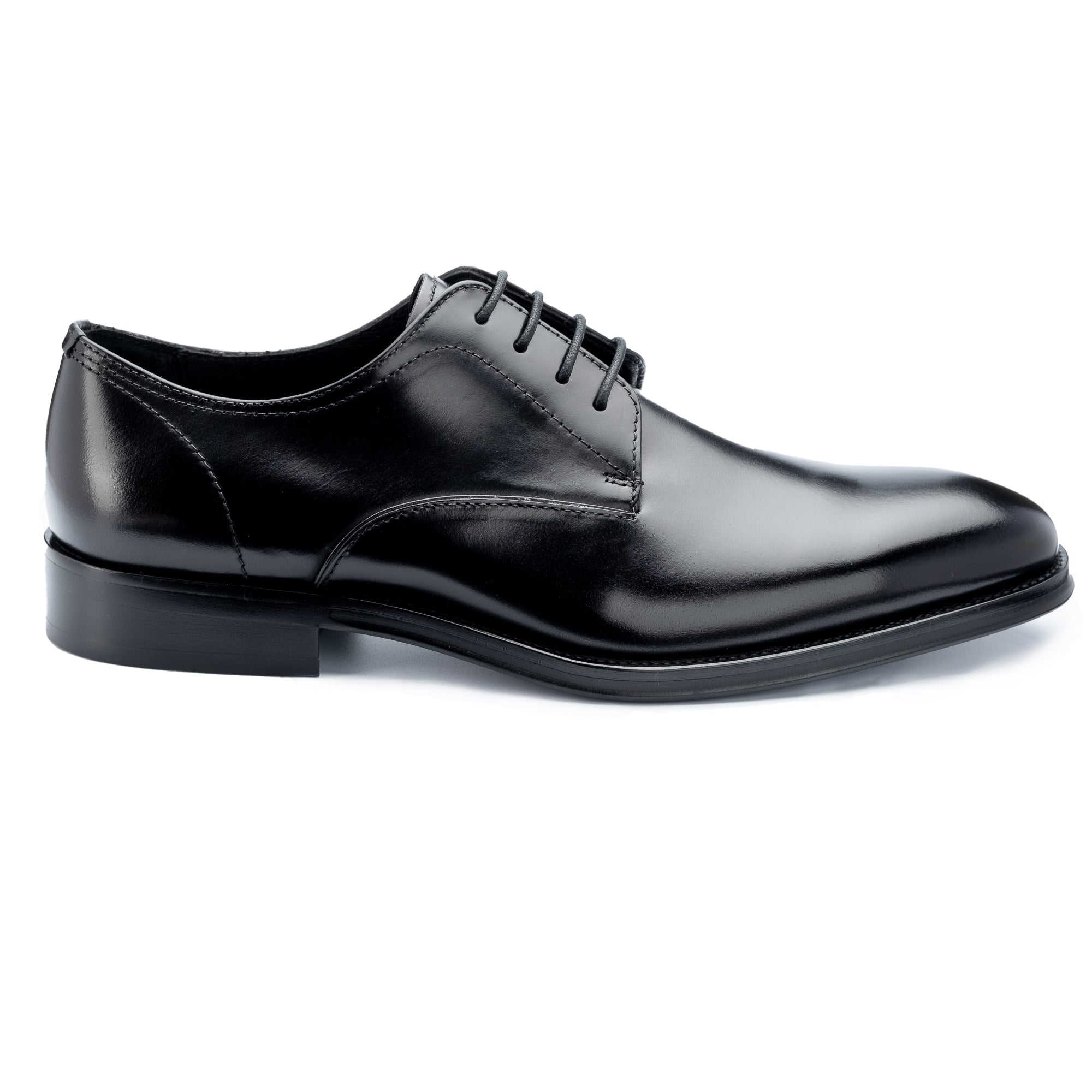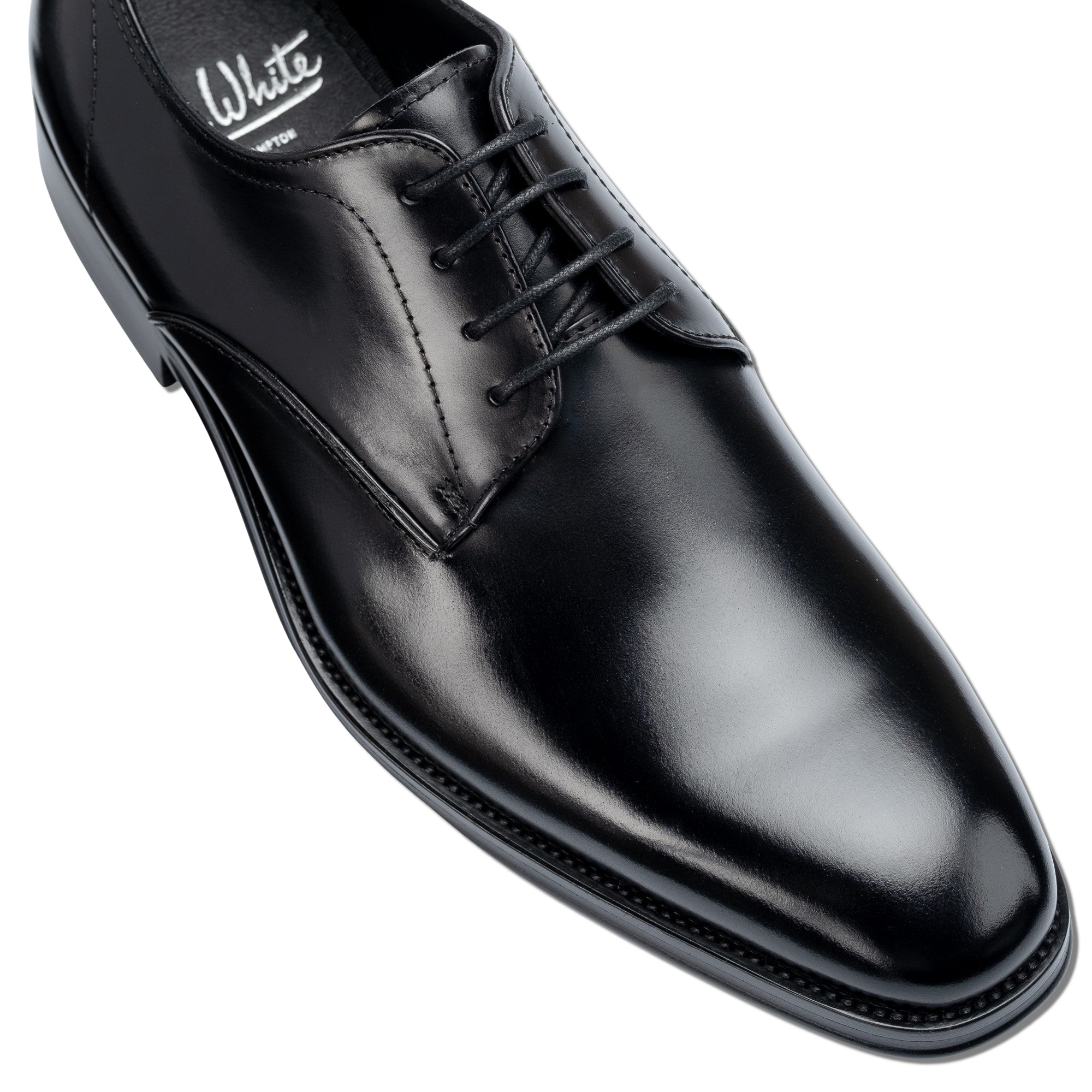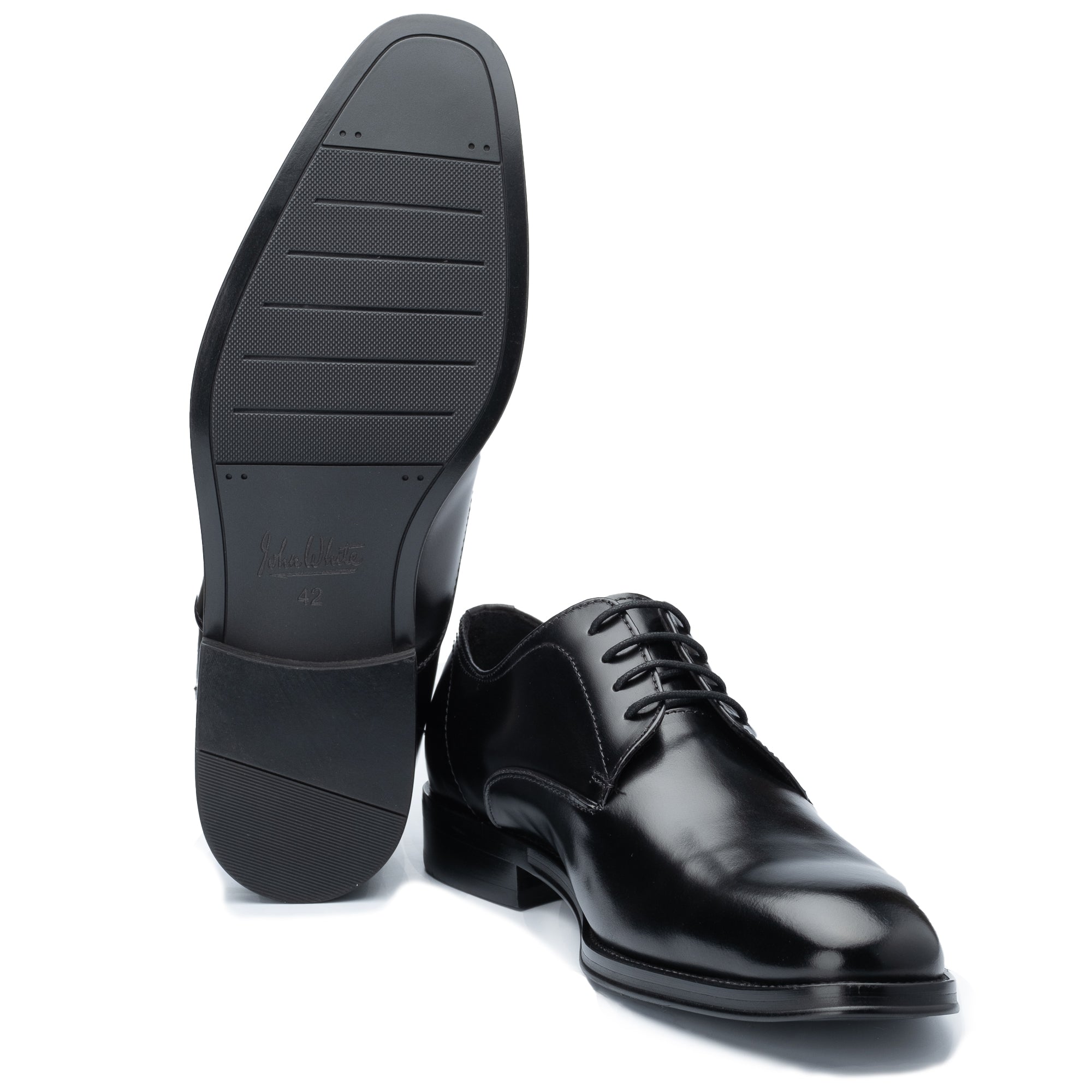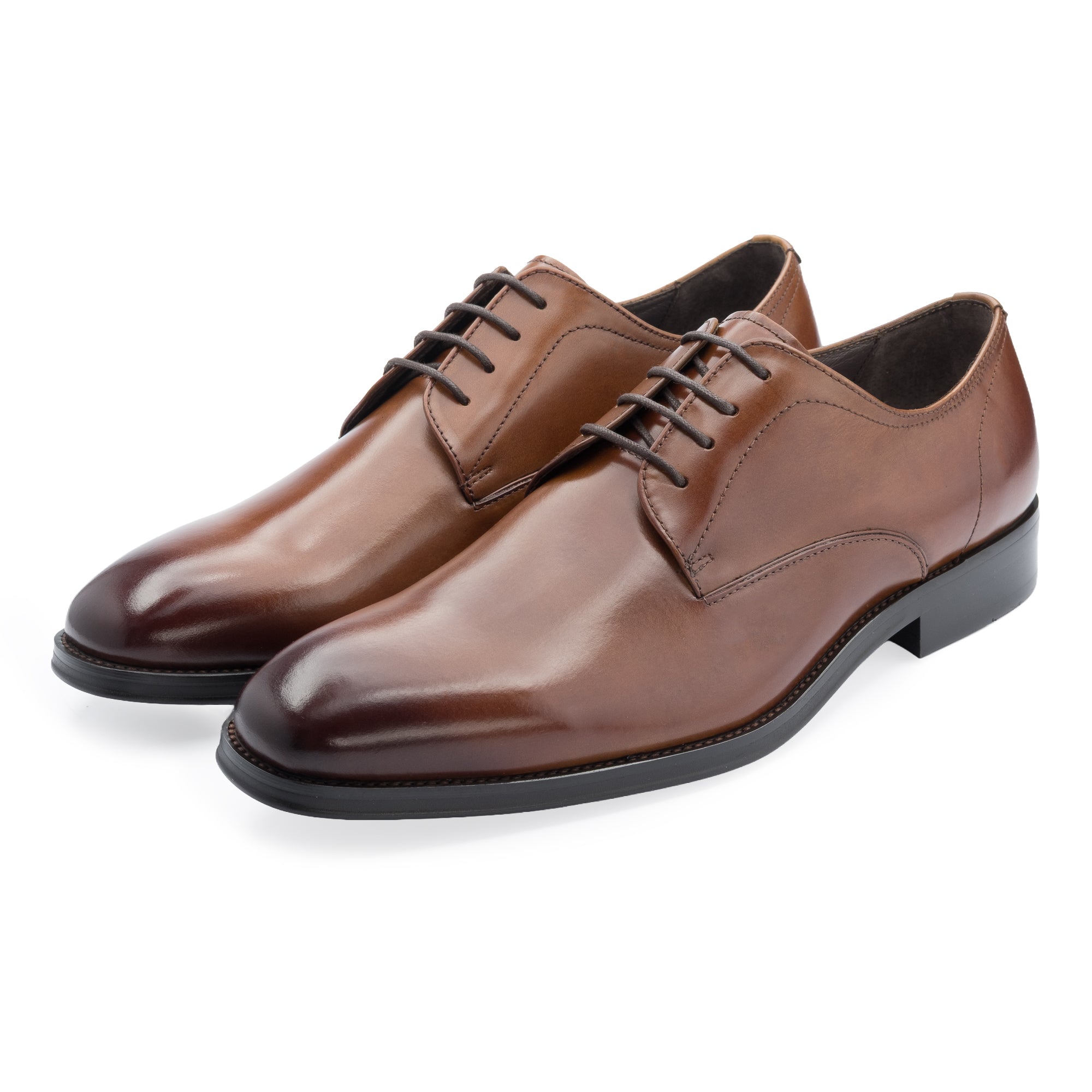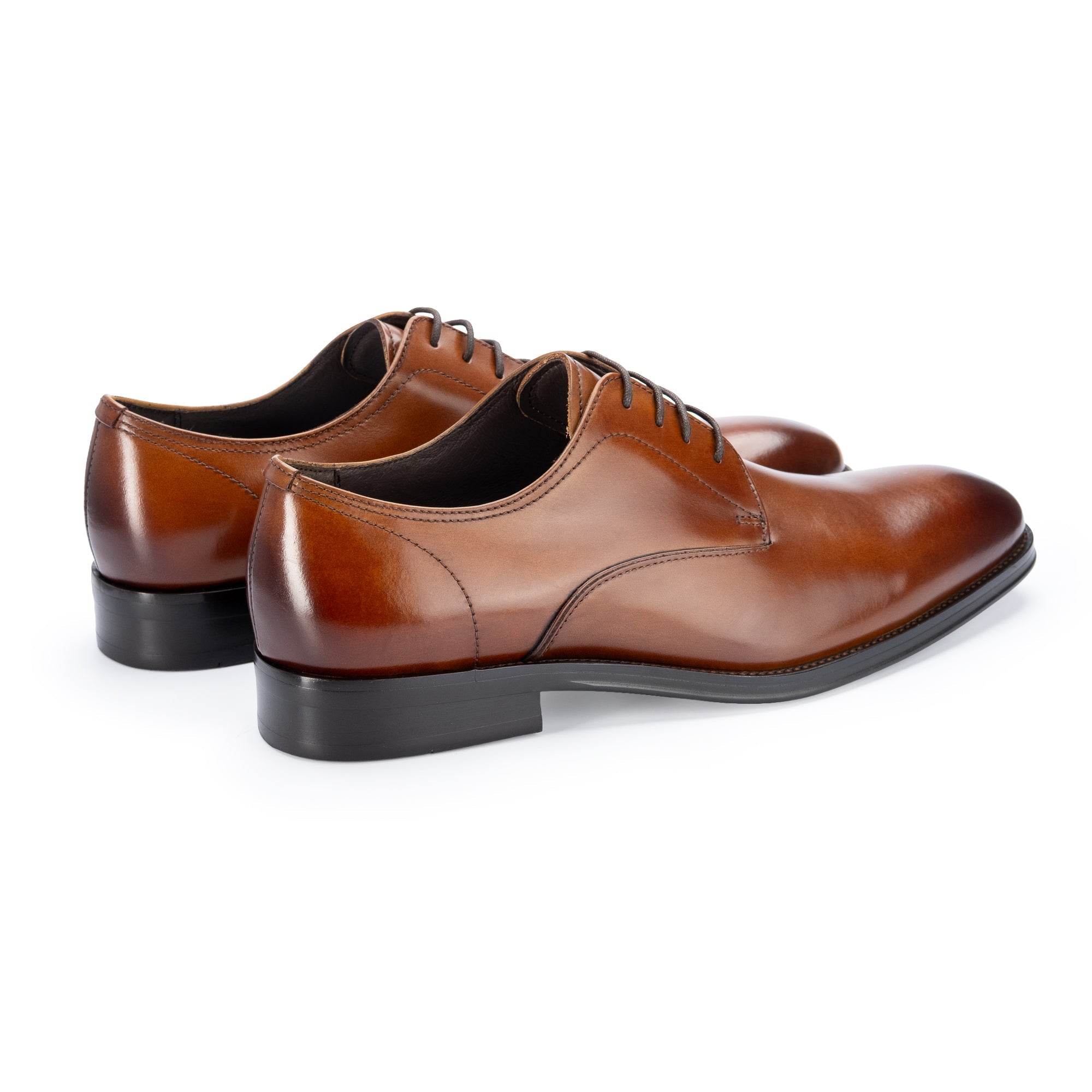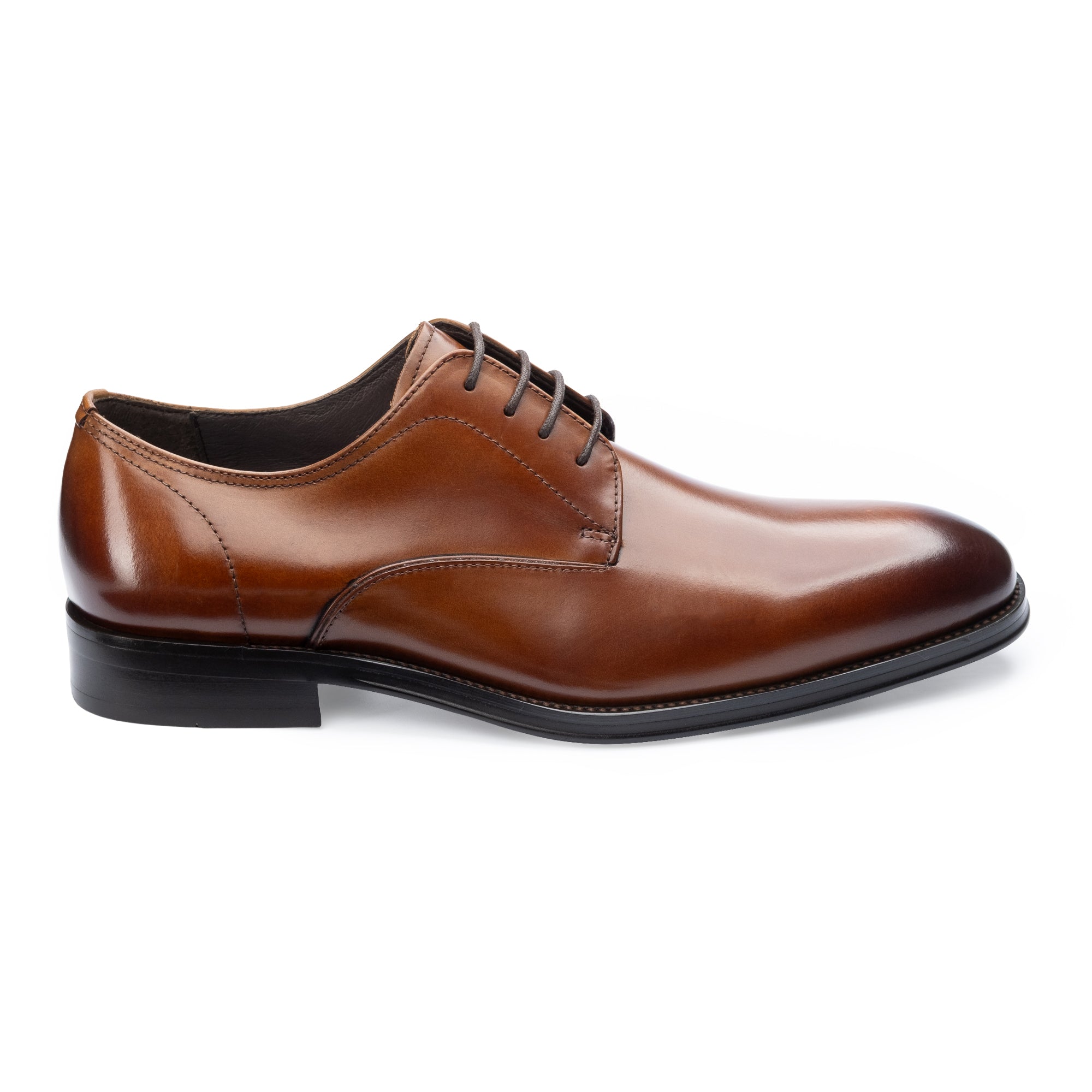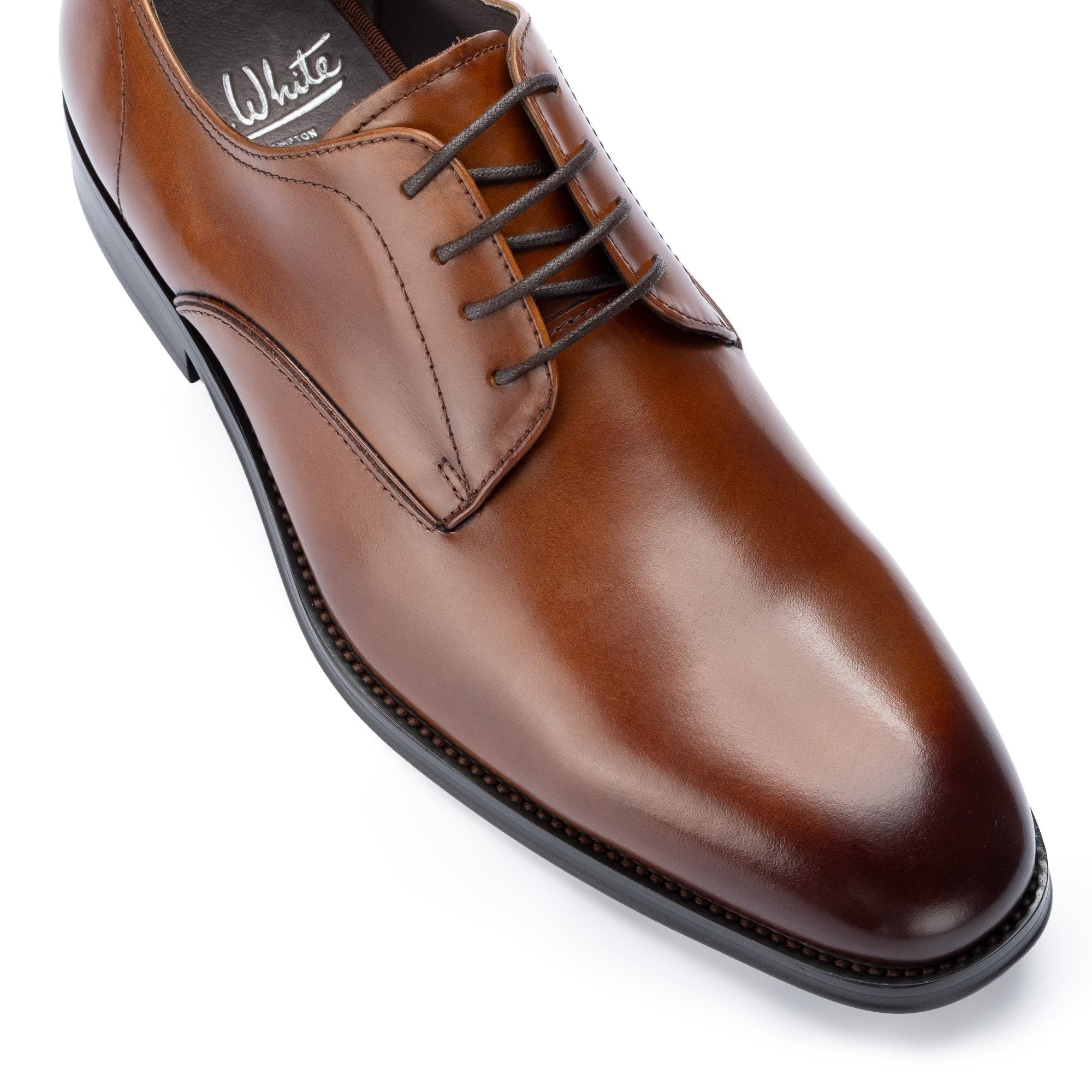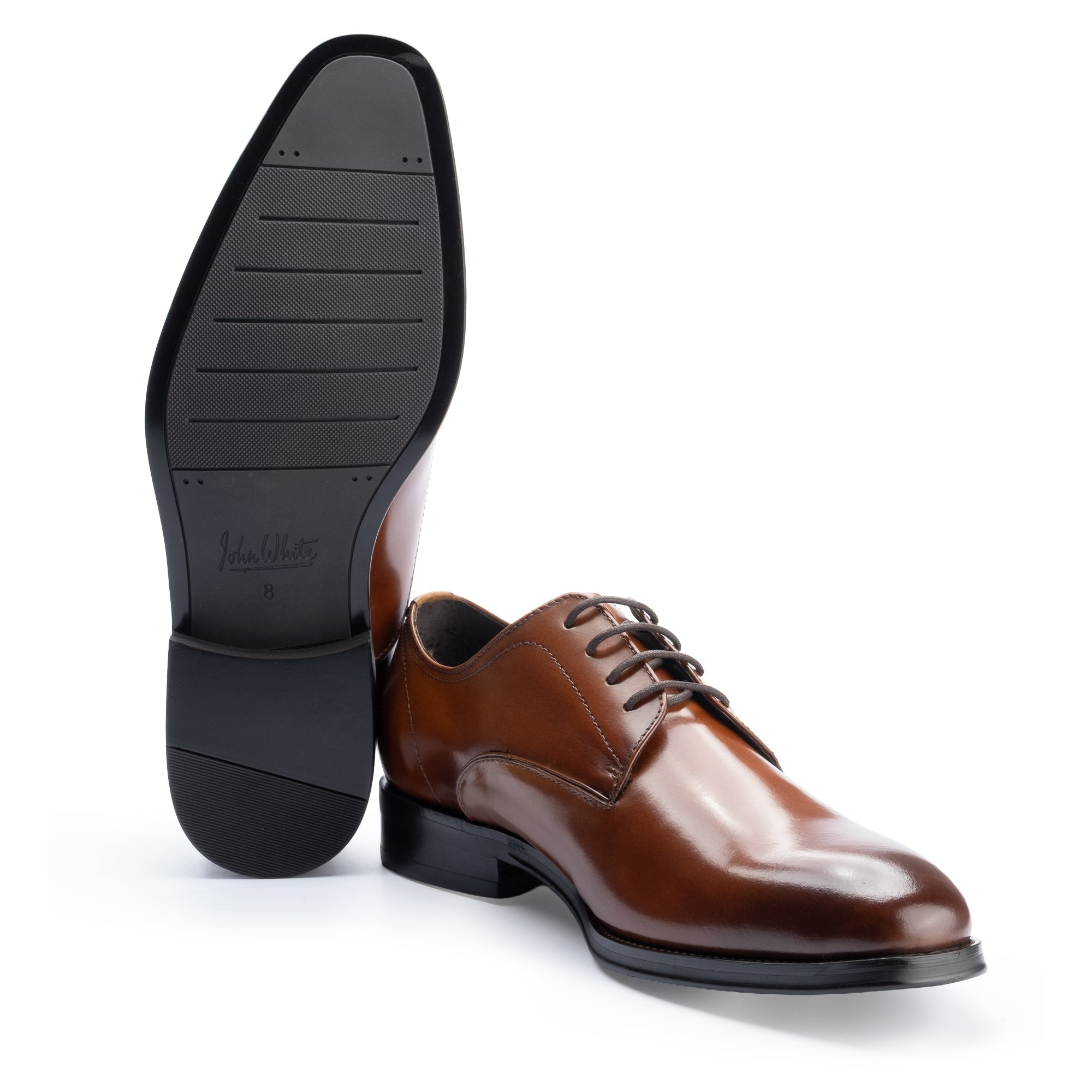

The Timeless Appeal of Chelsea Boots
Quick Answer: The Chelsea boot is a pull-on ankle boot defined by elasticated side panels, a clean silhouette, and no external fastenings. Designed in Victorian England and in continuous production for over 170 years, it's one of the most versatile boots in a man's wardrobe — crossing from smart-casual to business and back again without effort. Few footwear silhouettes have survived unchanged across that span of time, and fewer still remain genuinely relevant at every step.
In This Guide
Very few pieces of footwear survive unchanged across 170 years of shifting fashion. The Chelsea boot is one of them. Born from a practical Victorian problem — how to make a riding boot that slips on and off cleanly — it became the boot of the Mods, the rock stars, and now the considered professional wardrobe. That's not trend. That's design doing exactly what it should.
What Is a Chelsea Boot?
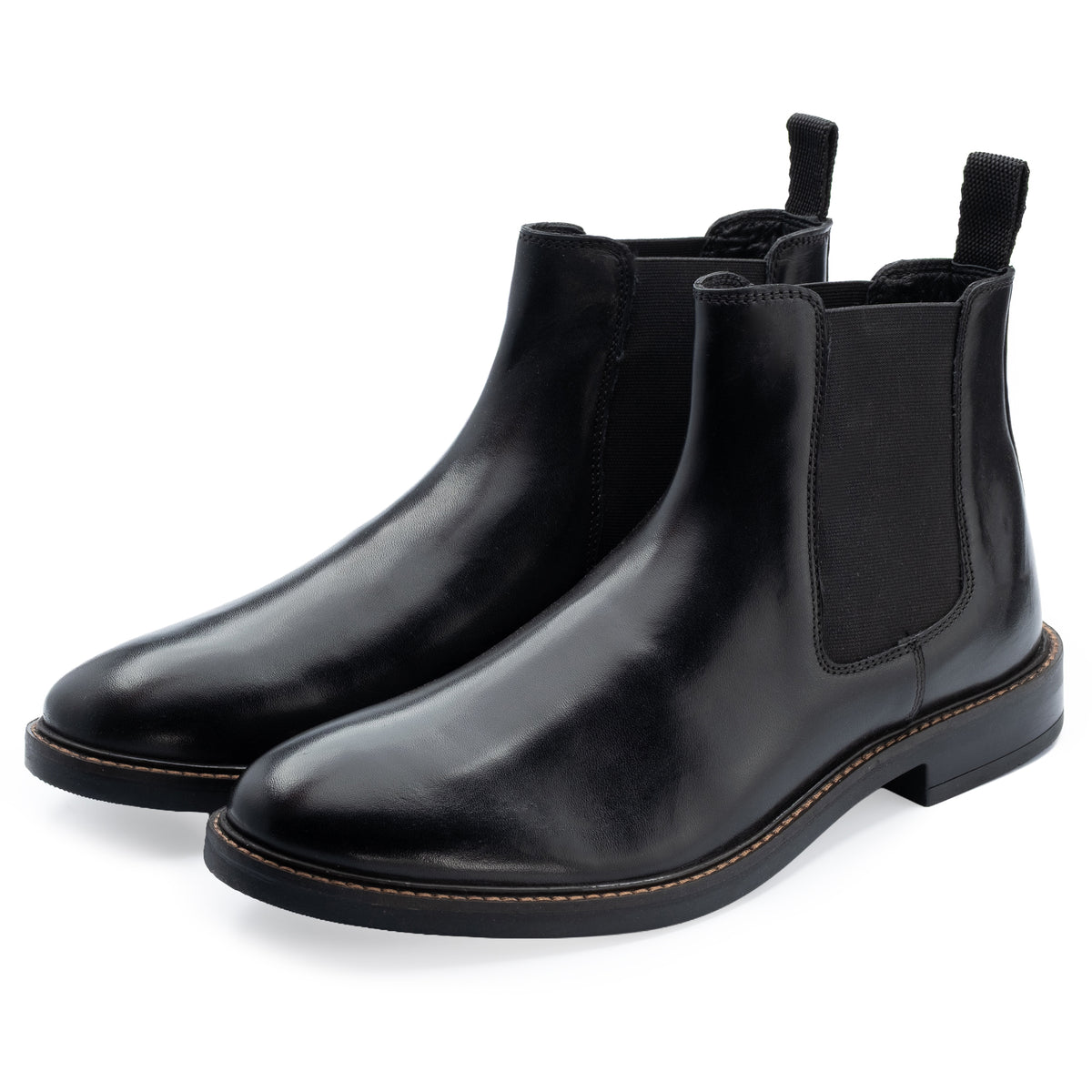
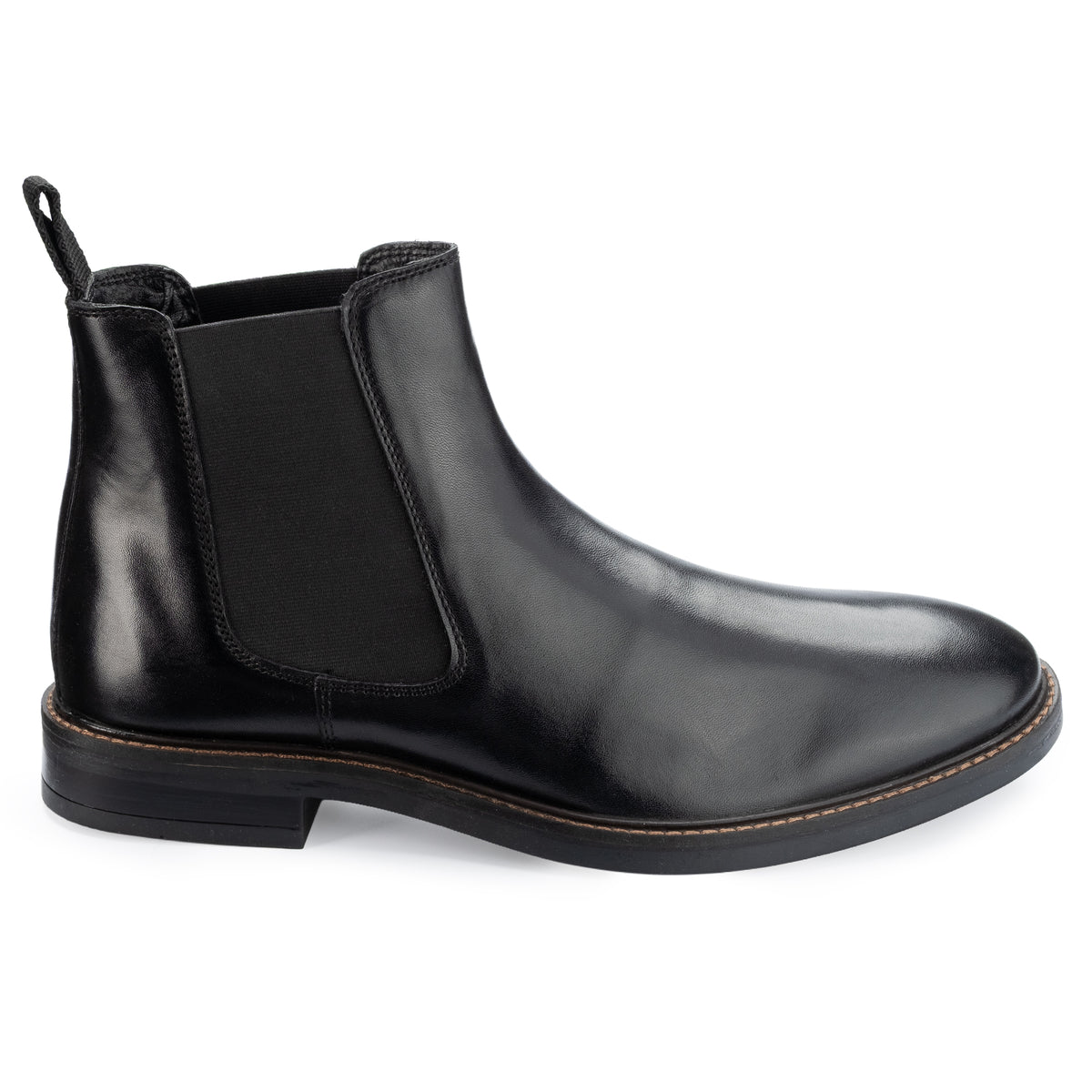
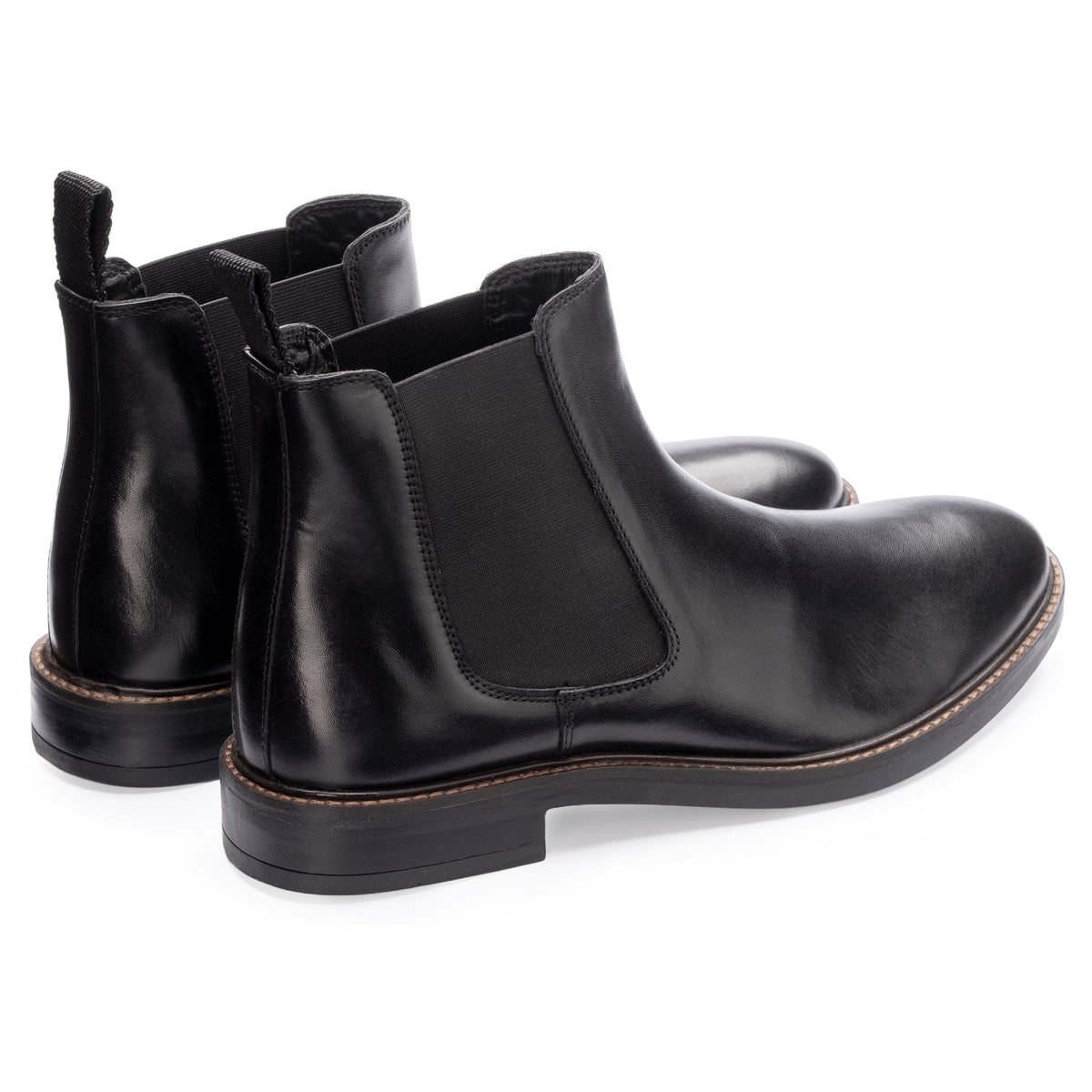
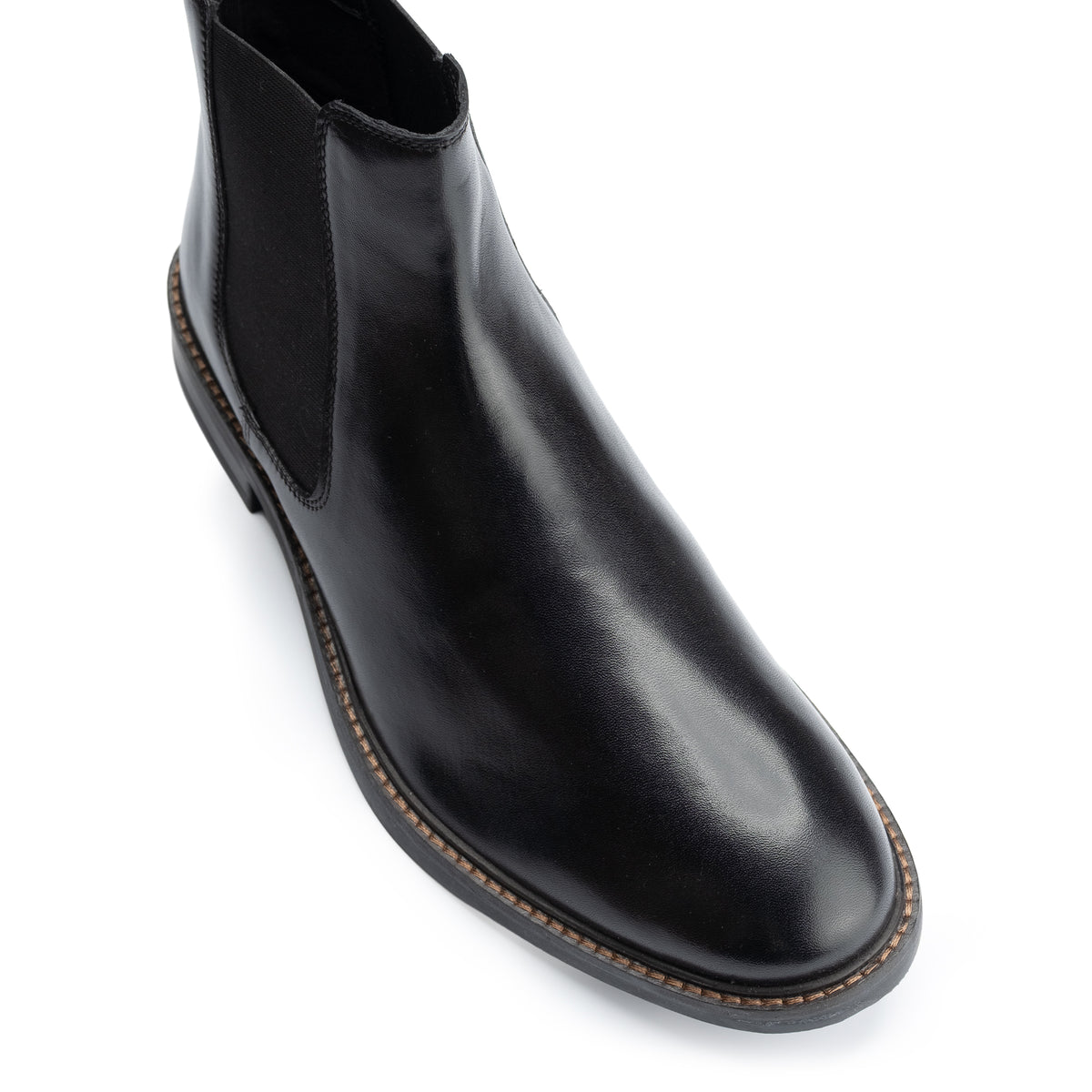
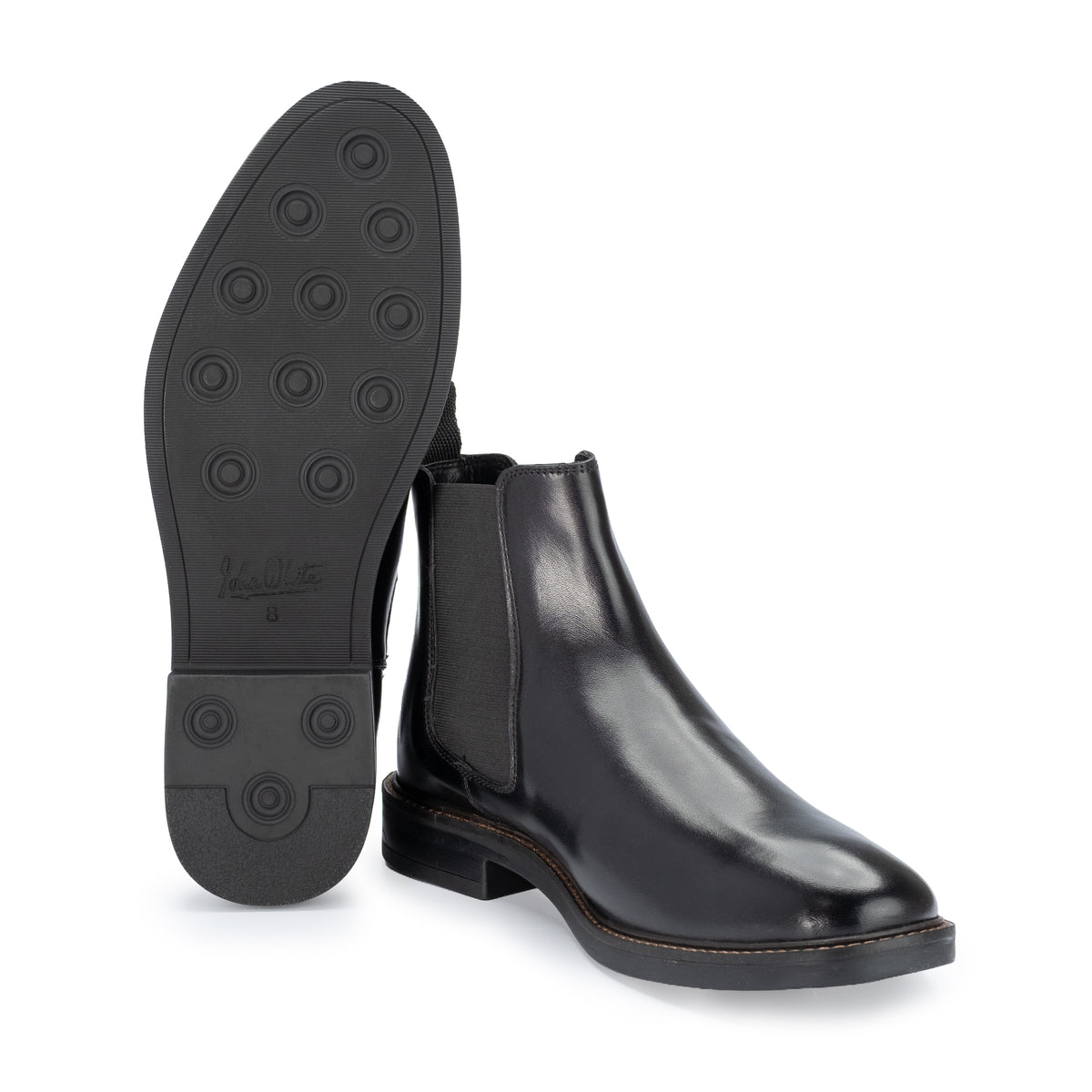
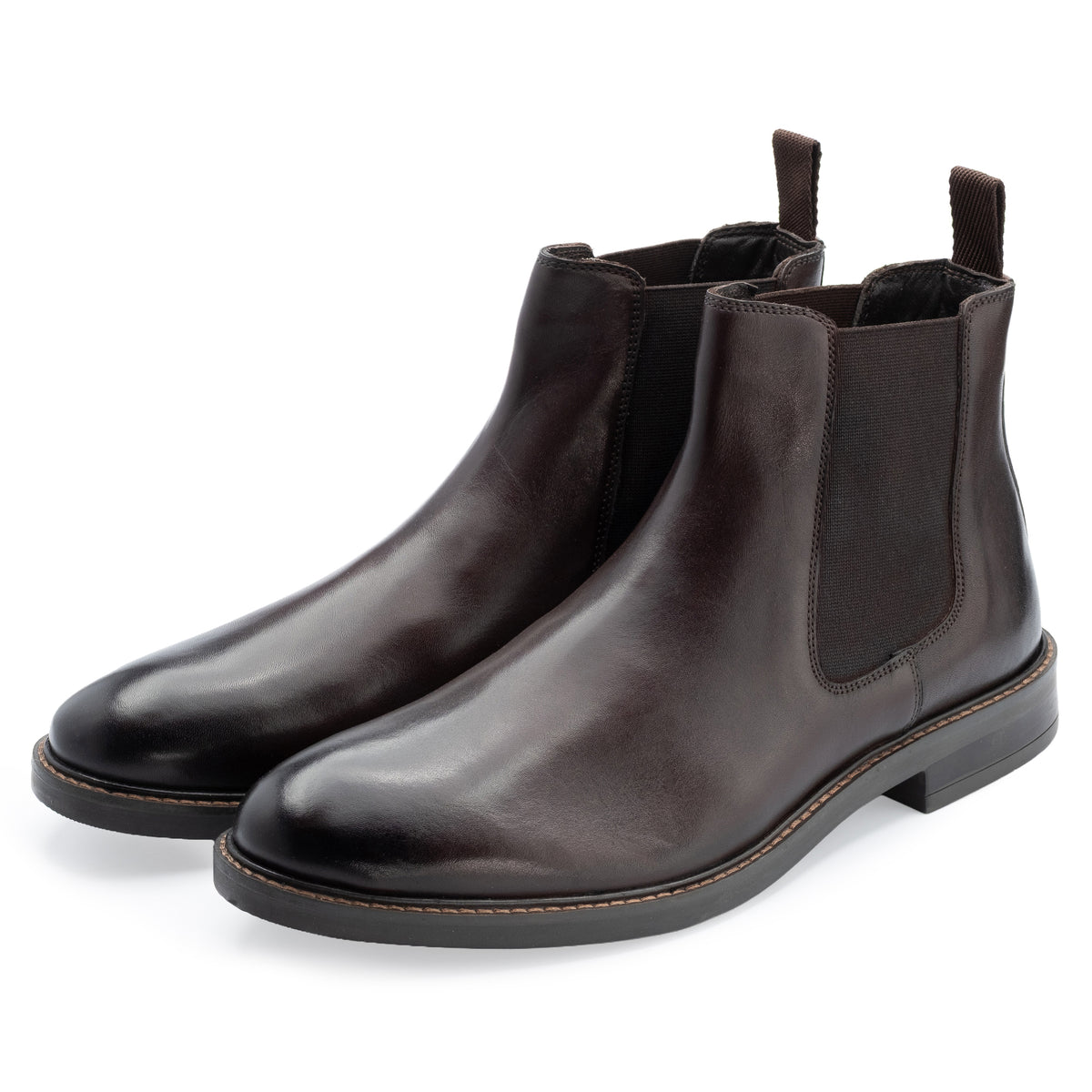
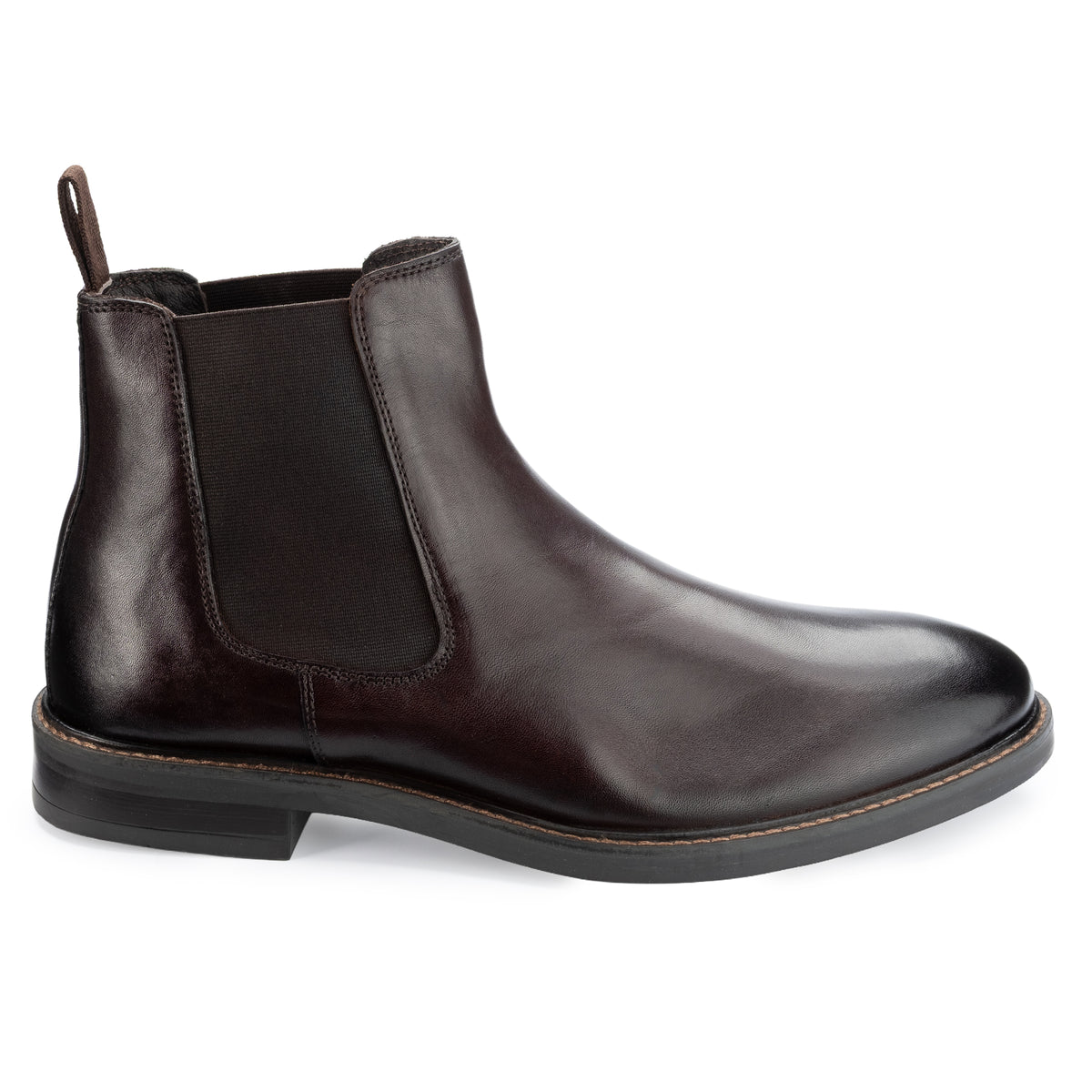
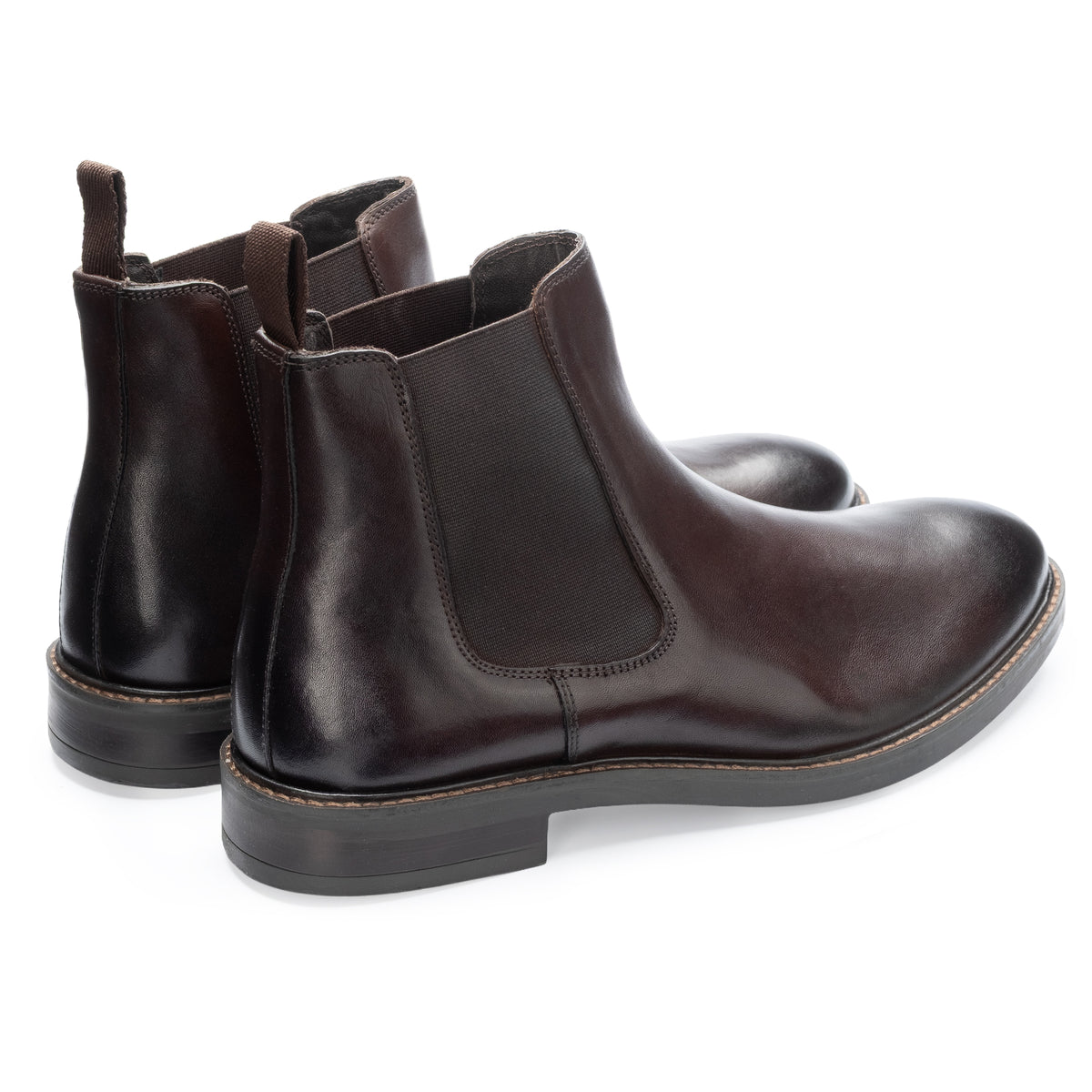
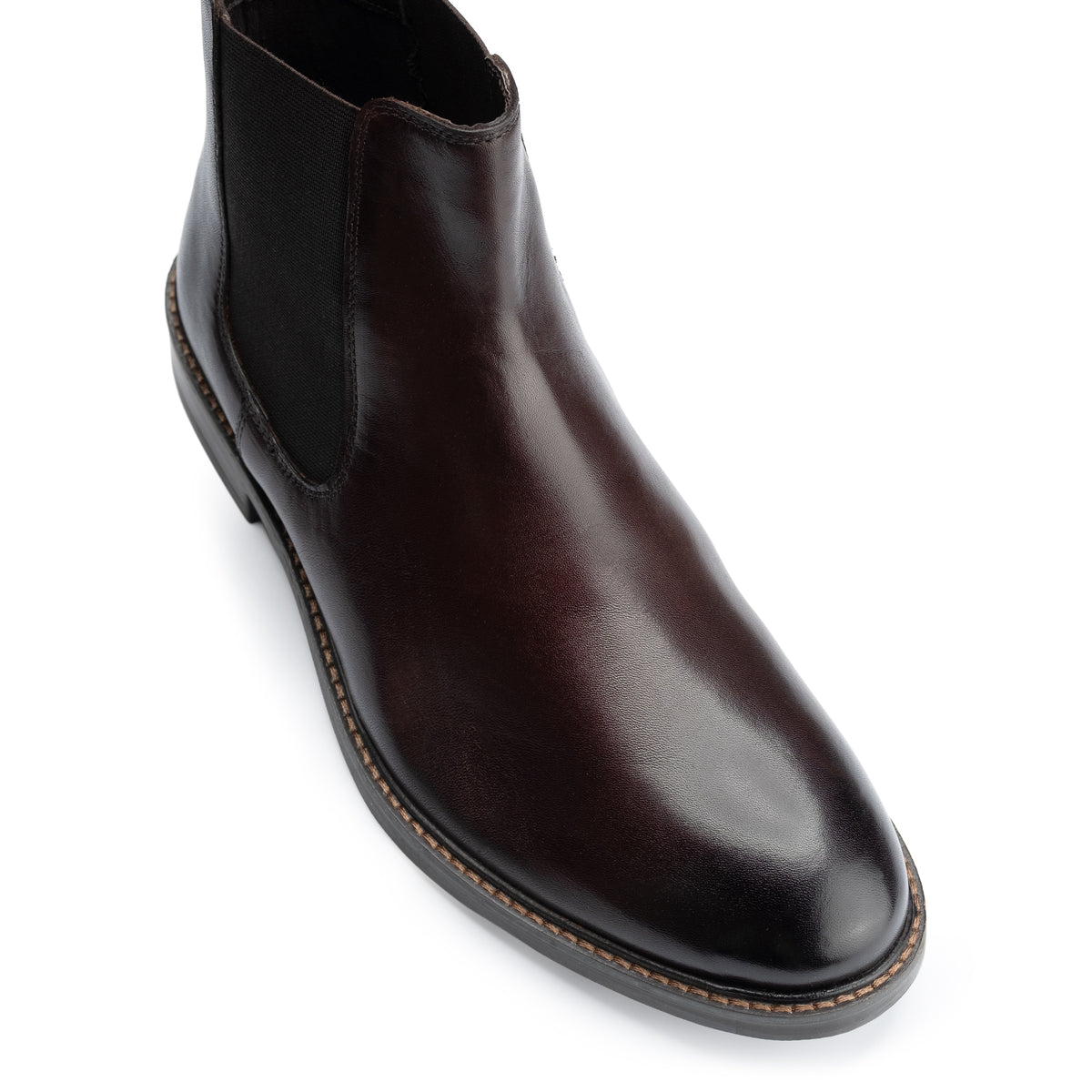
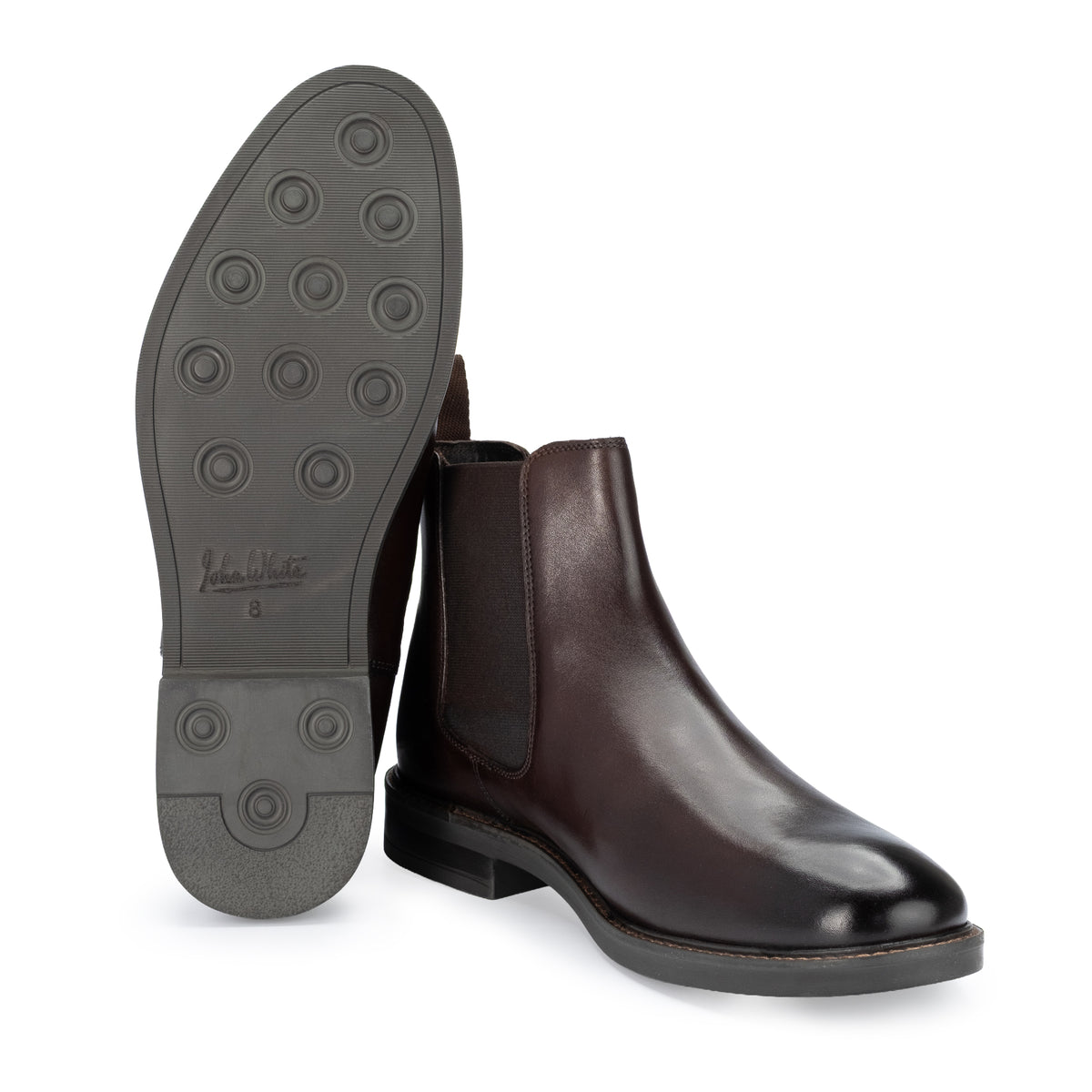
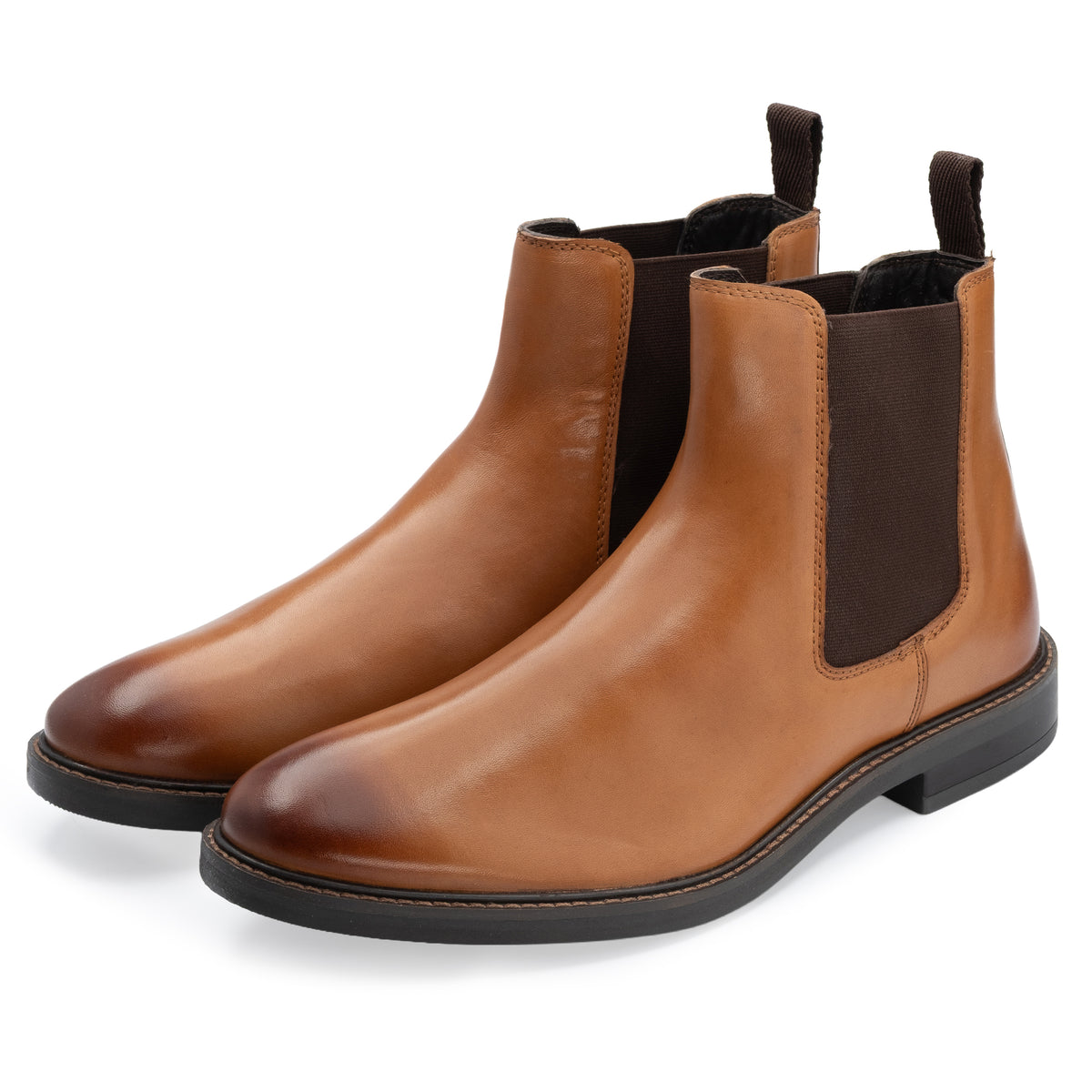
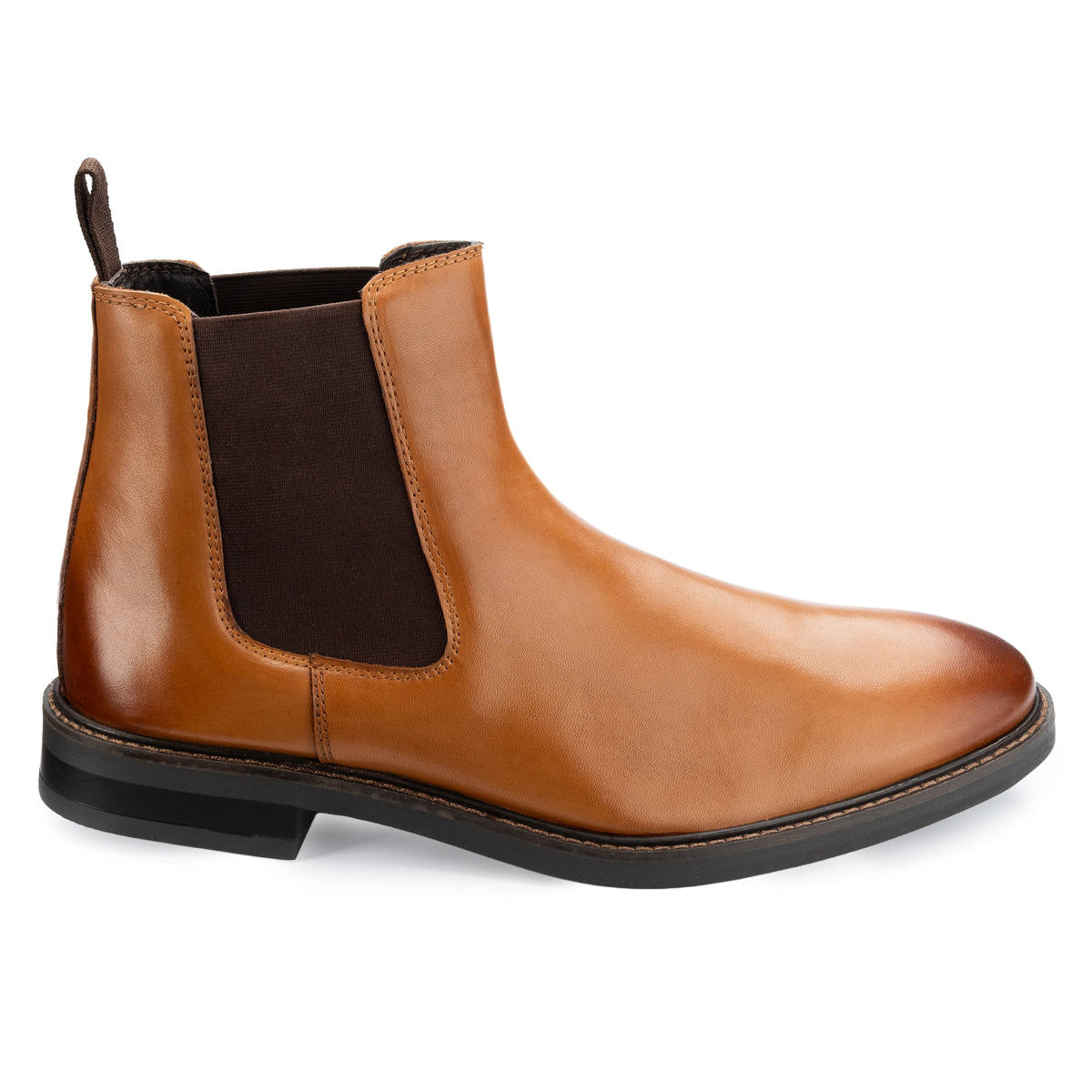
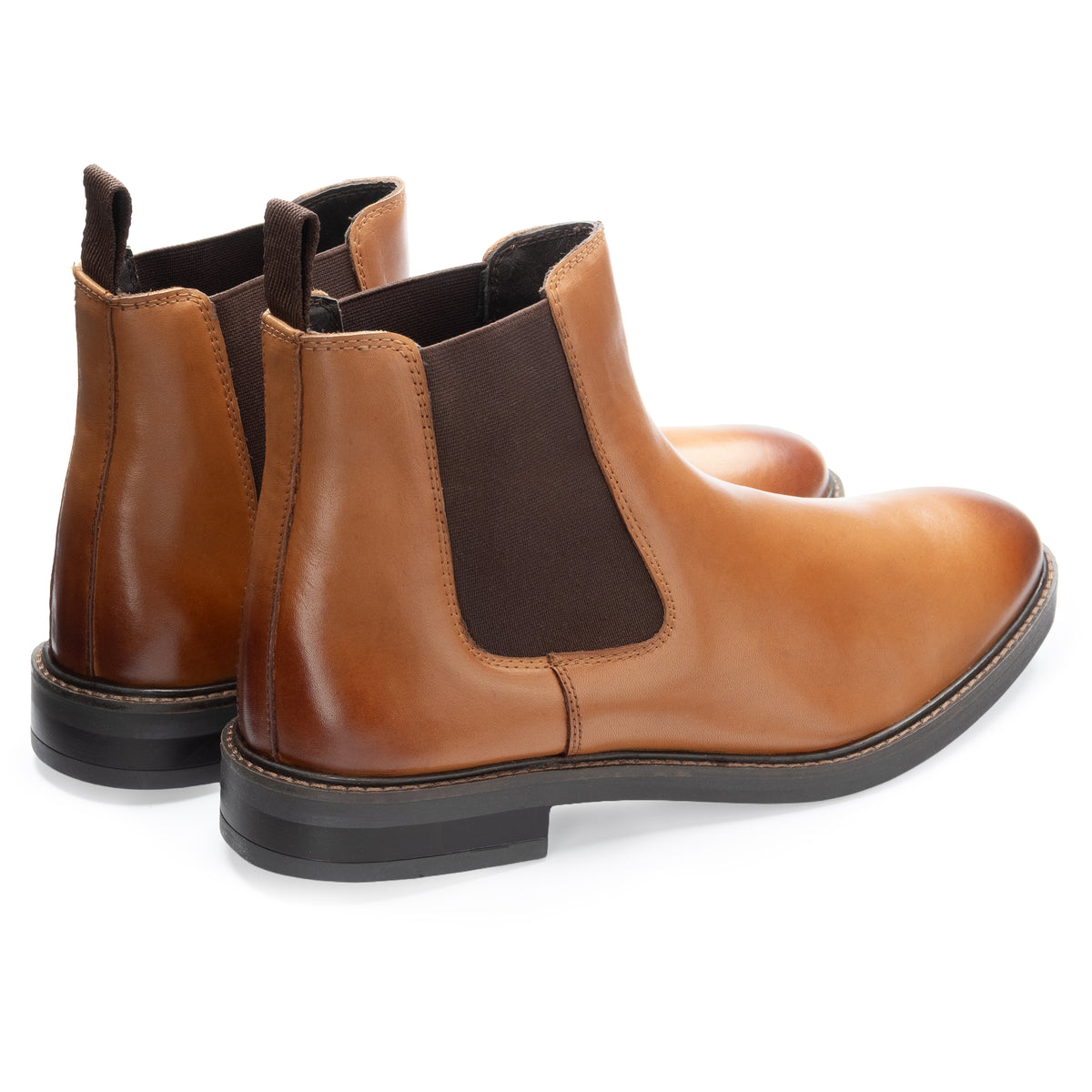
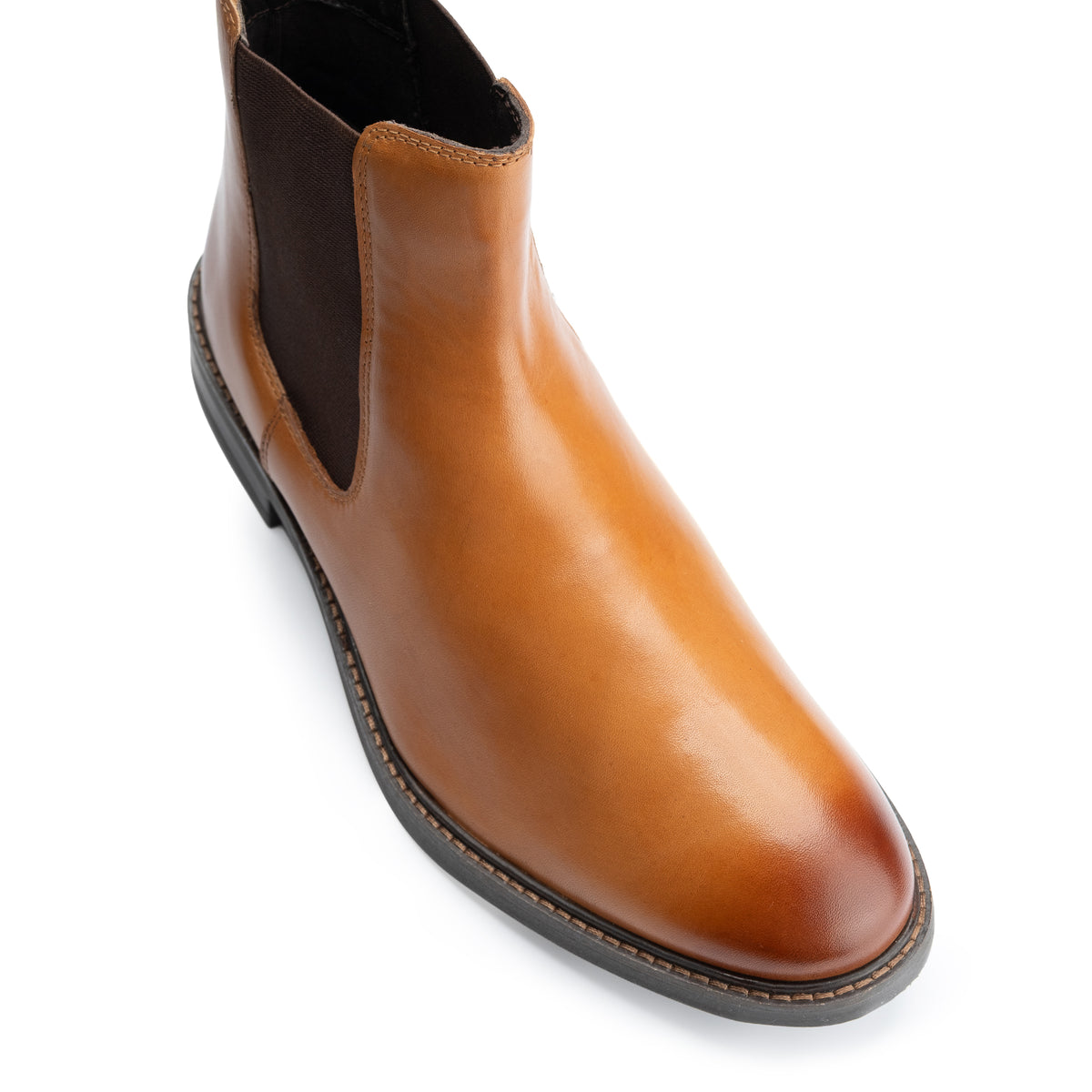
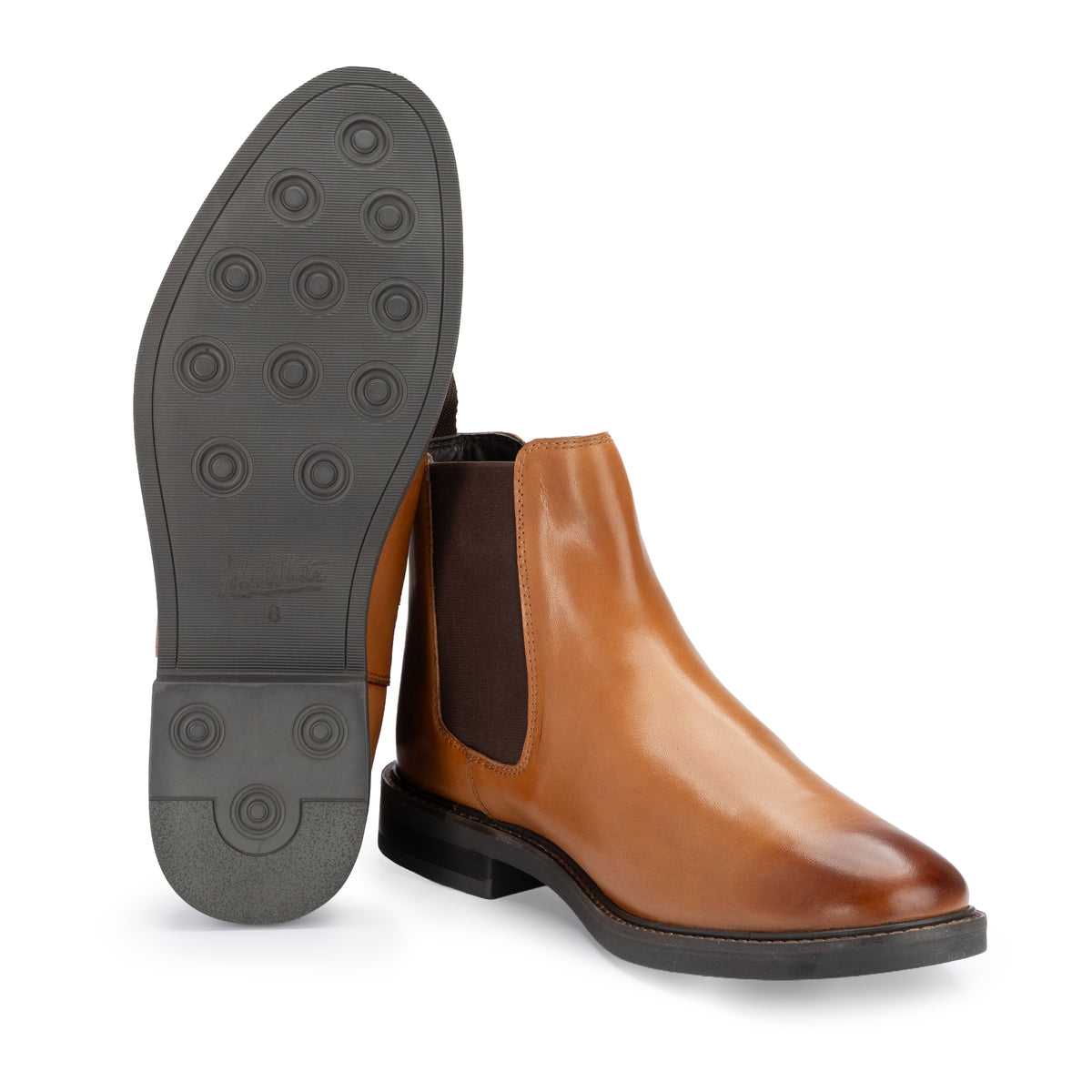
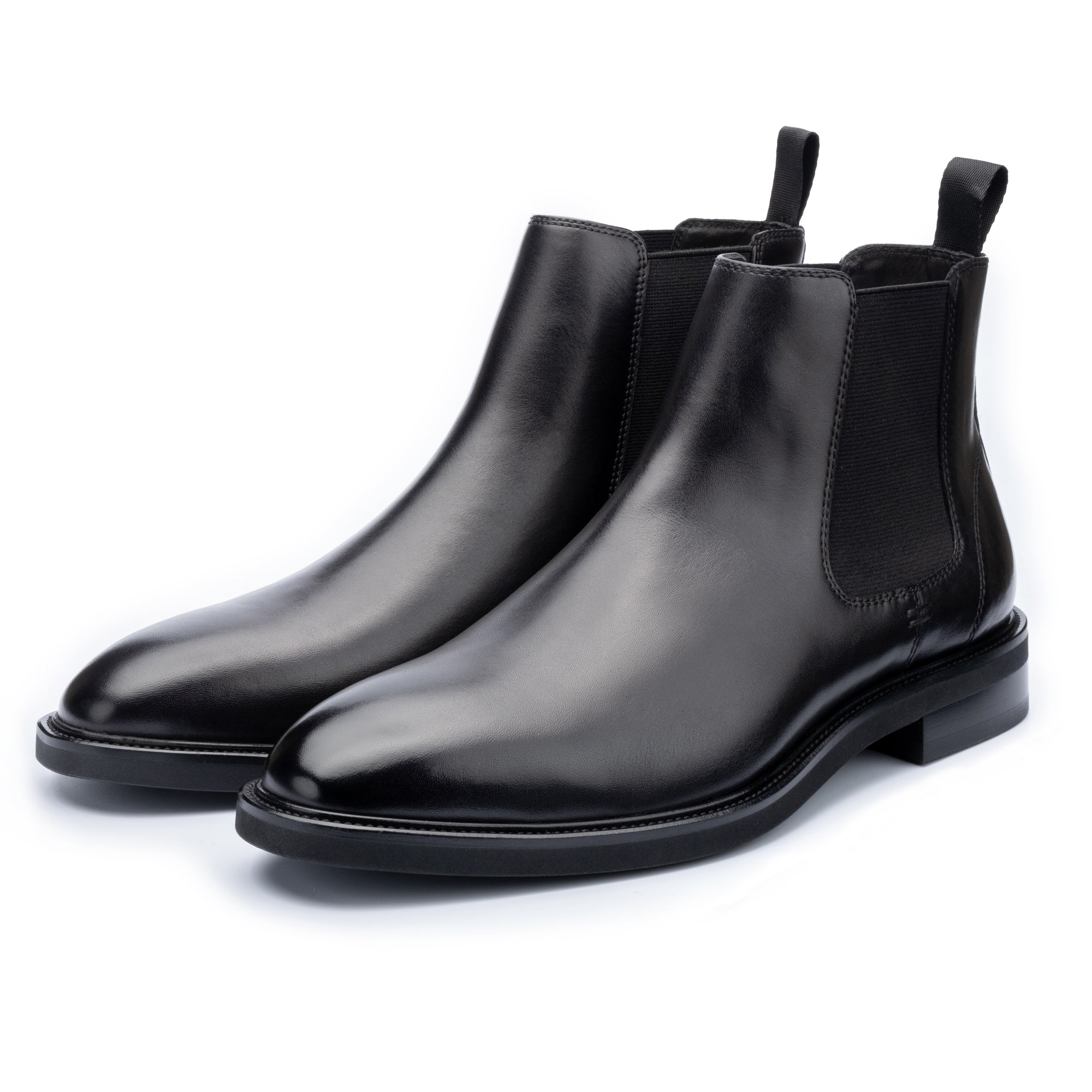
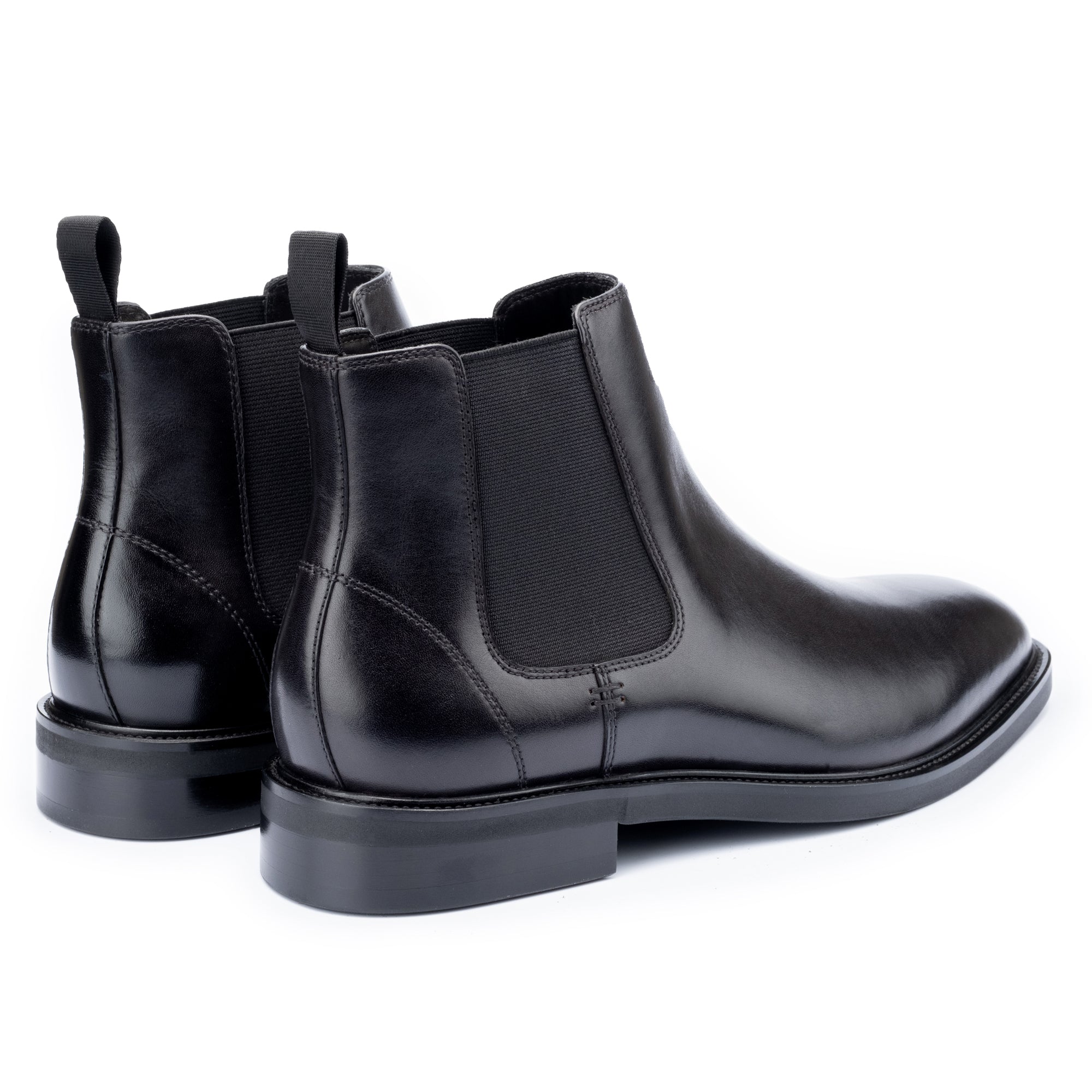
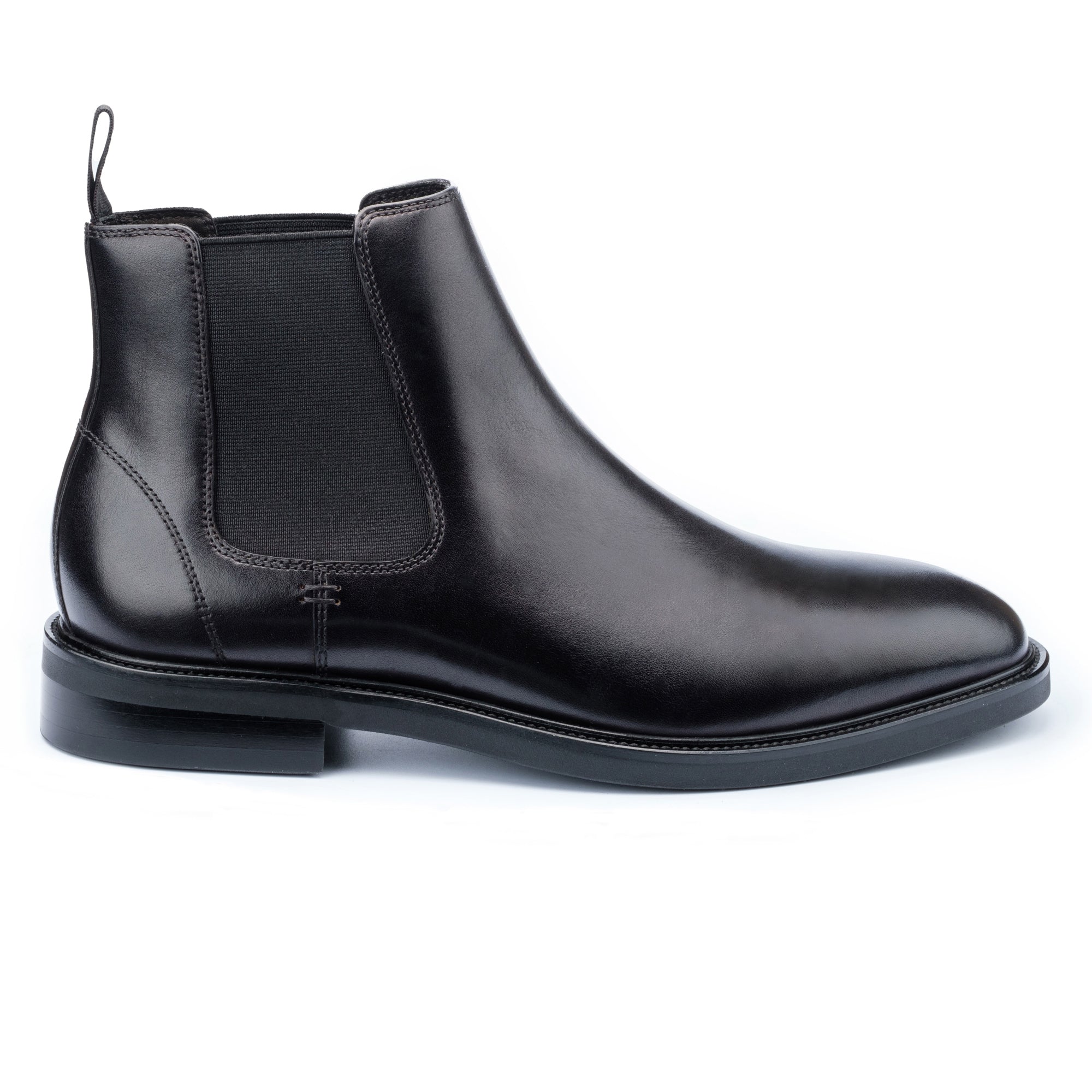
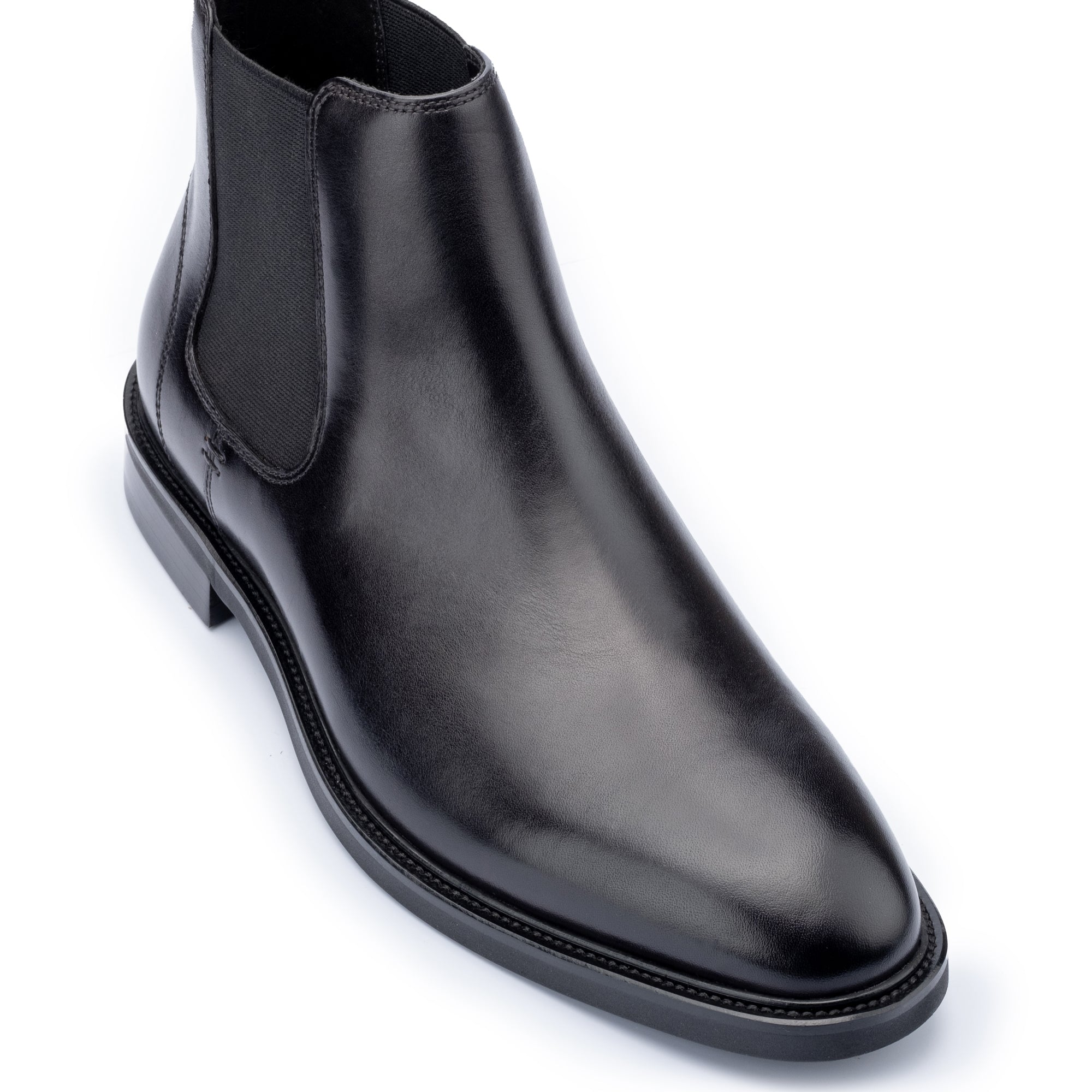
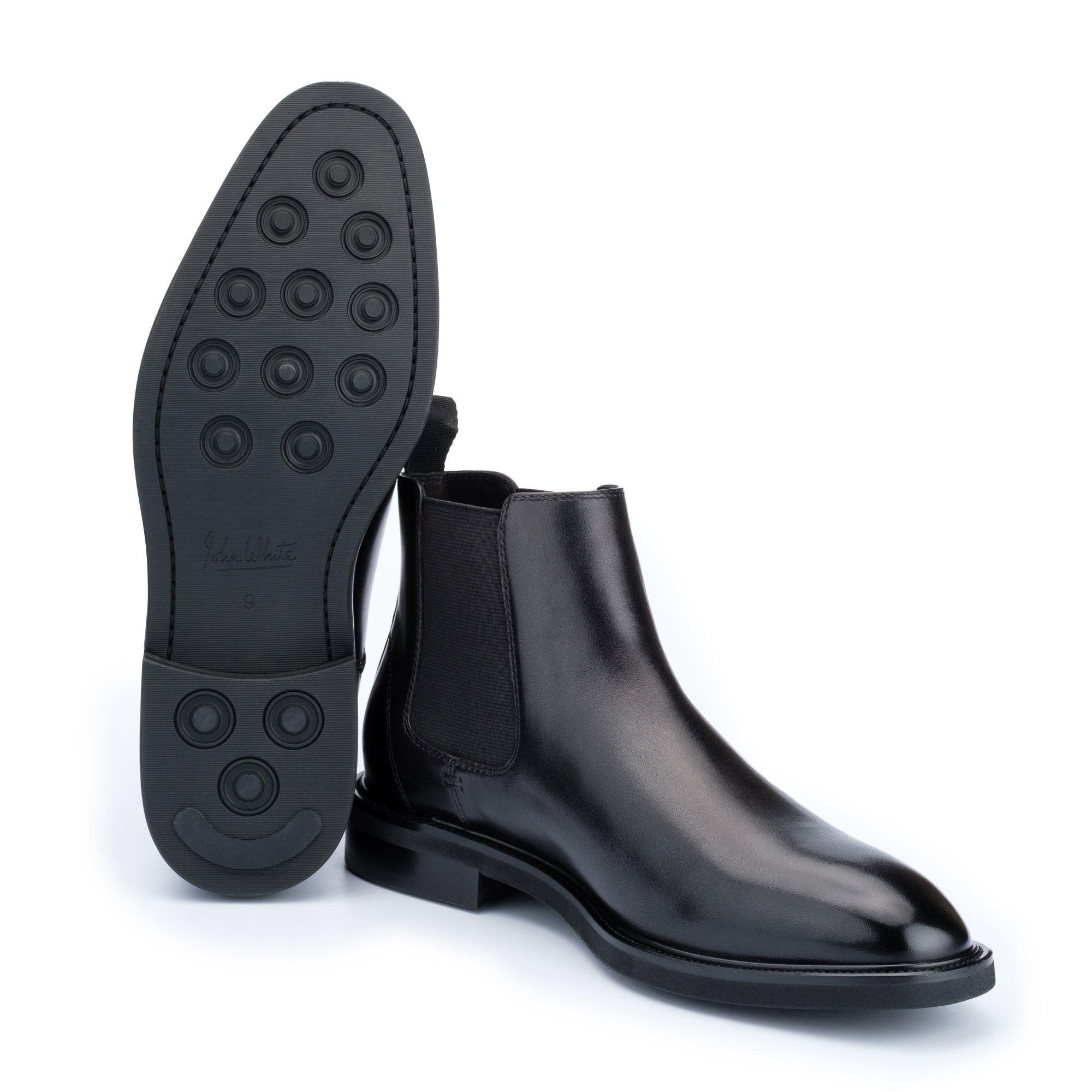
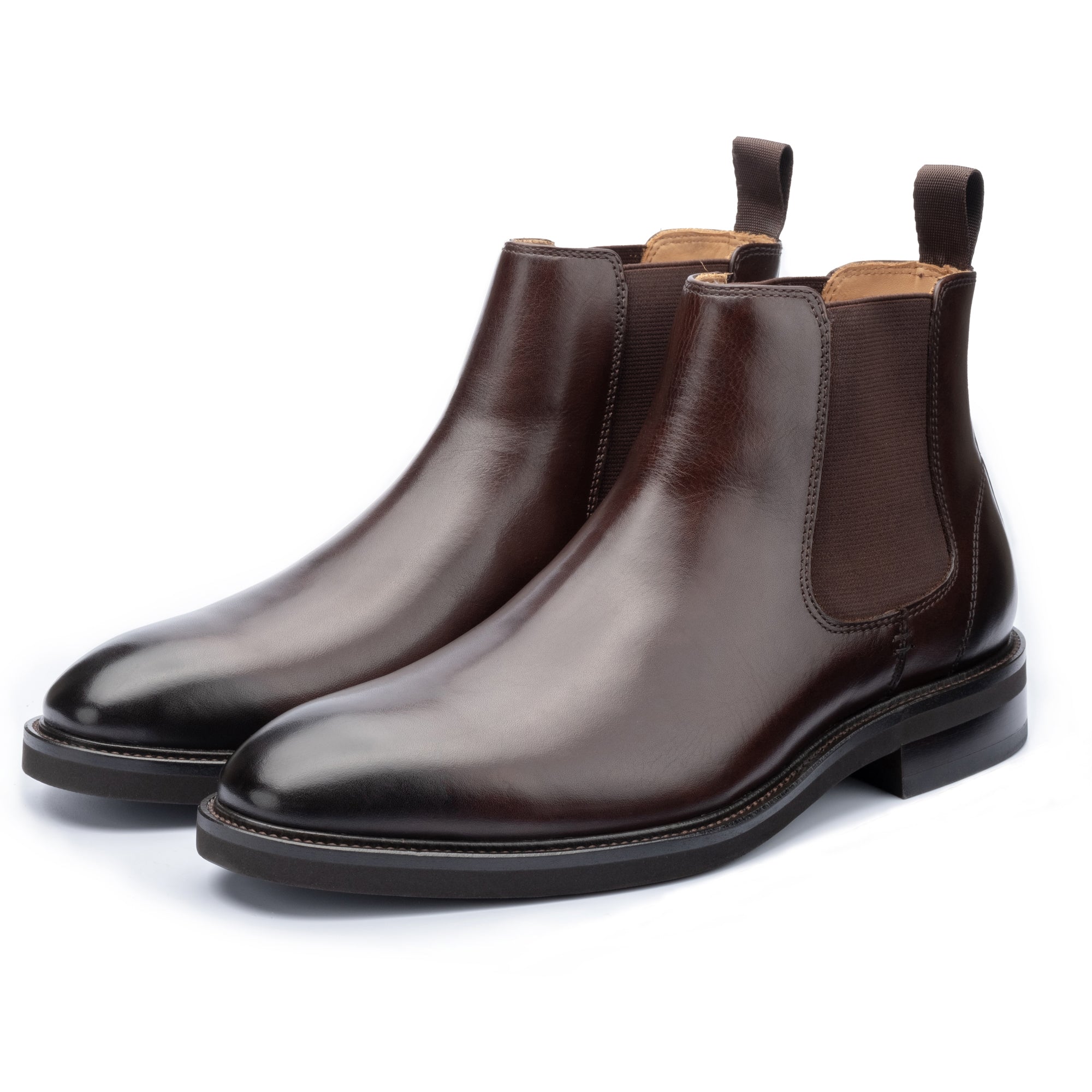
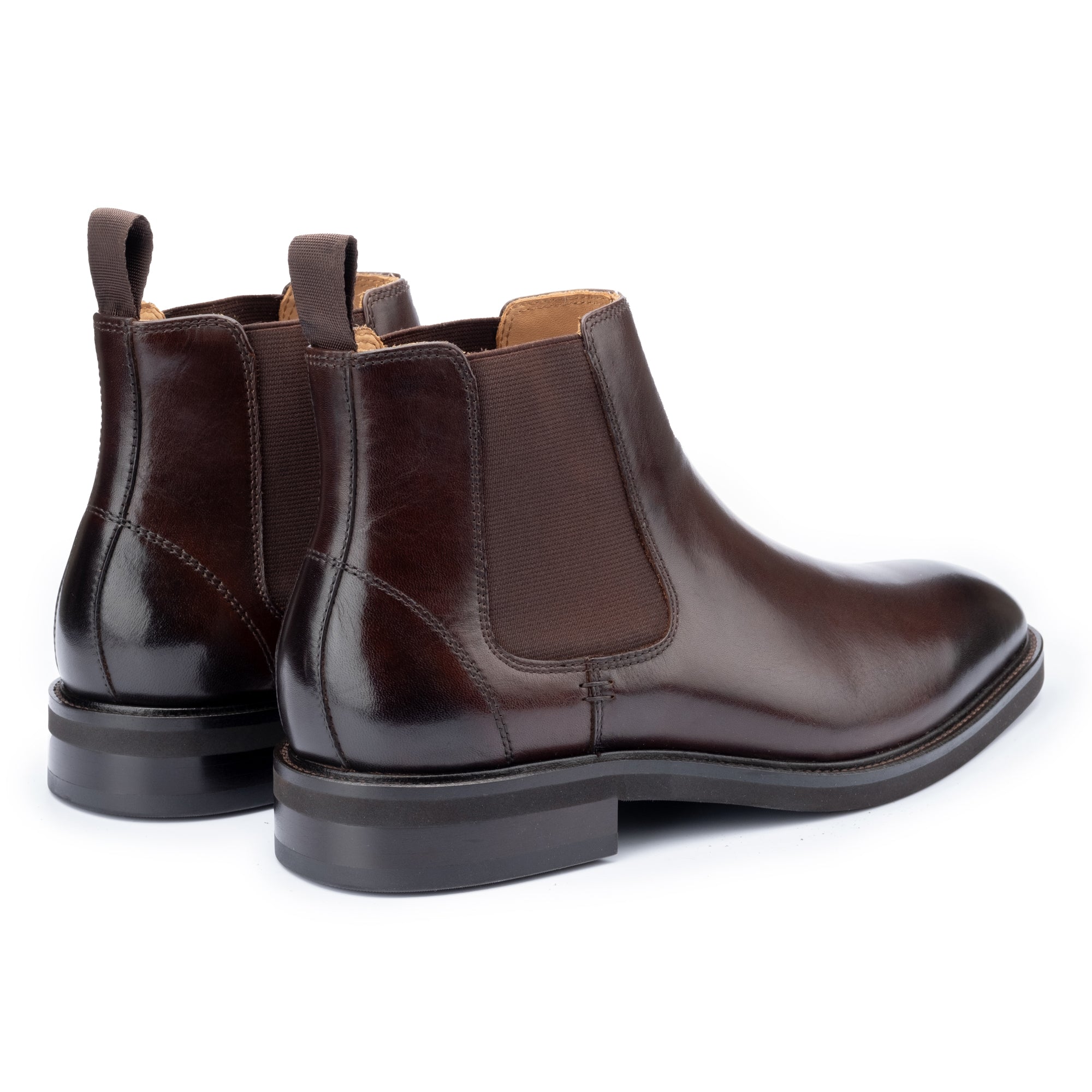
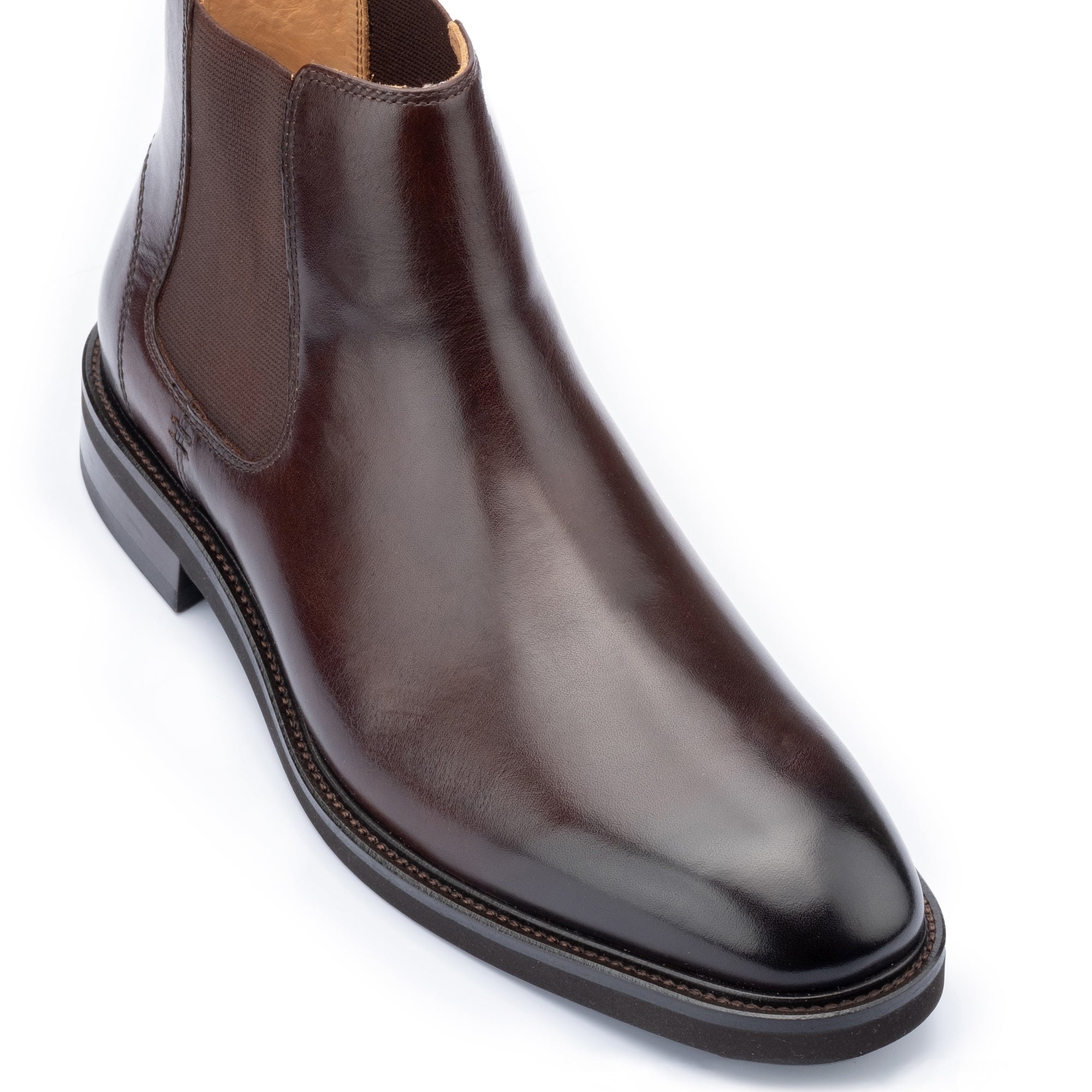
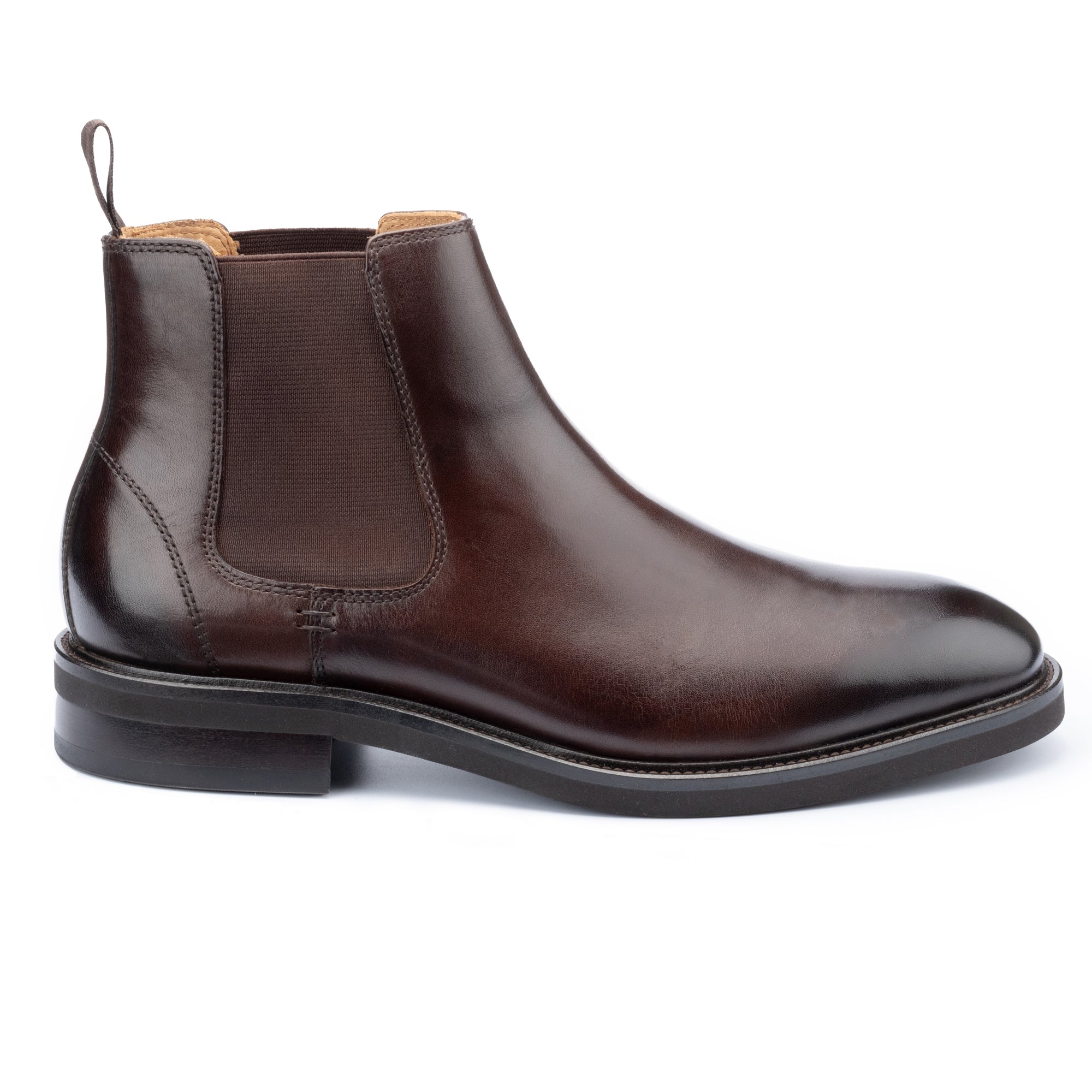
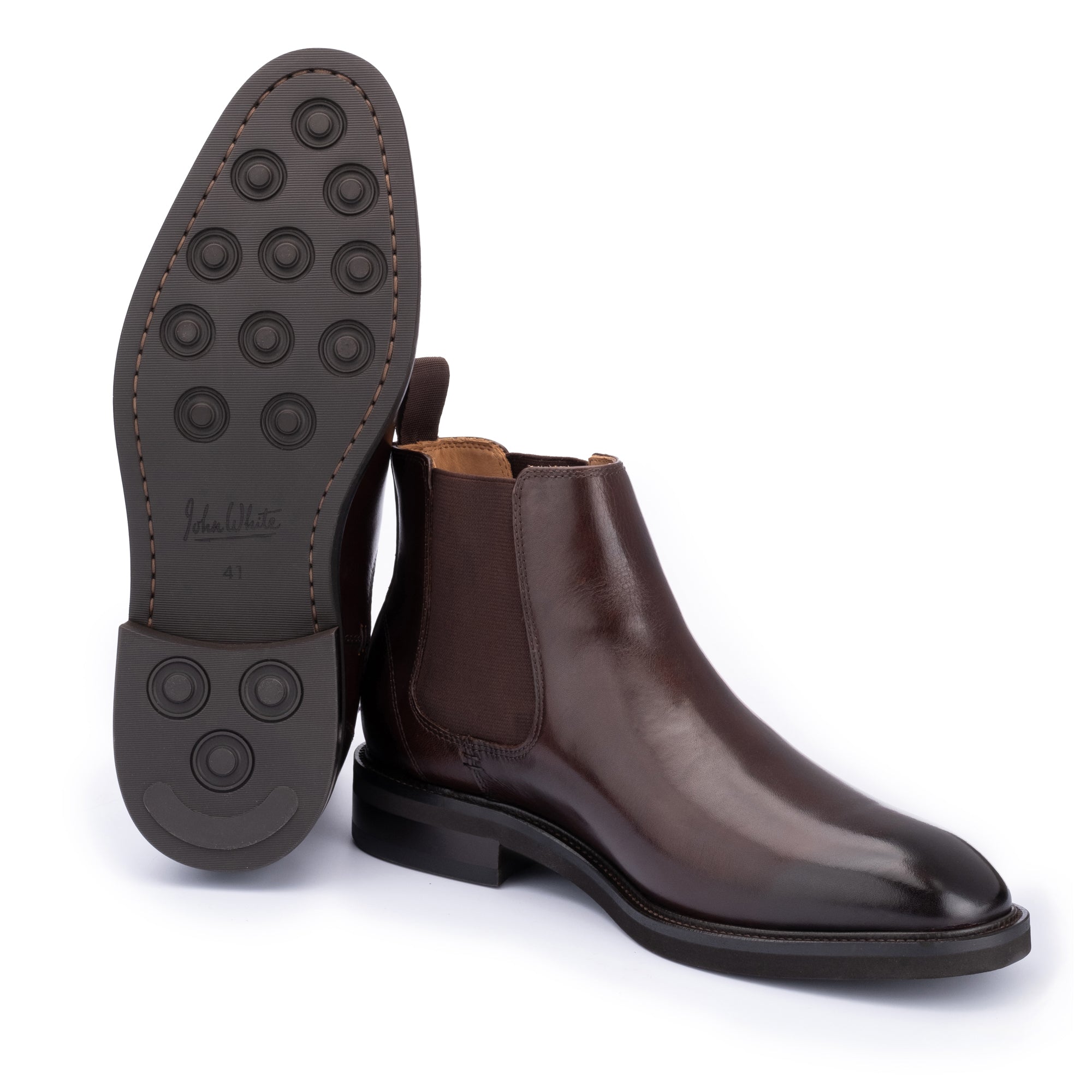
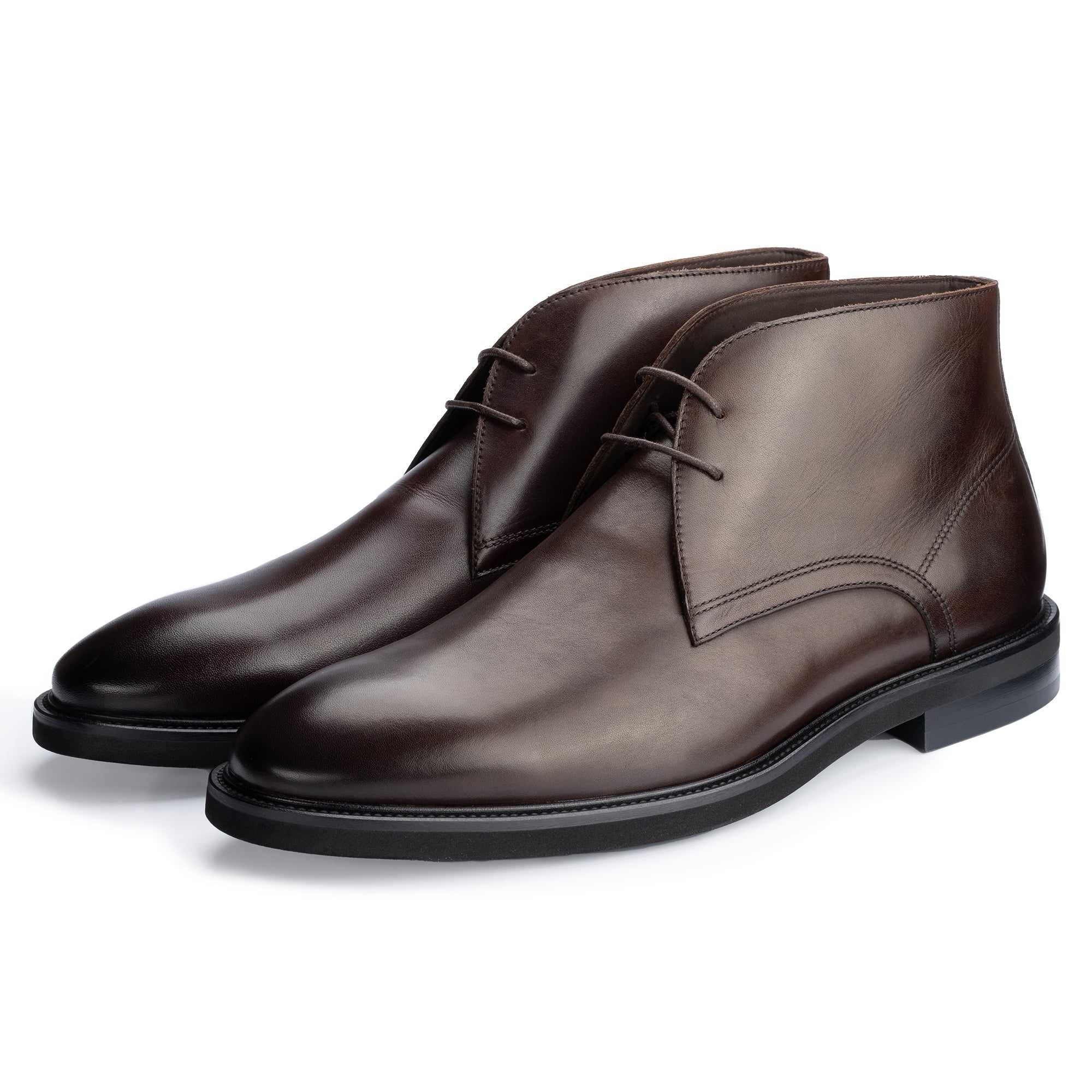
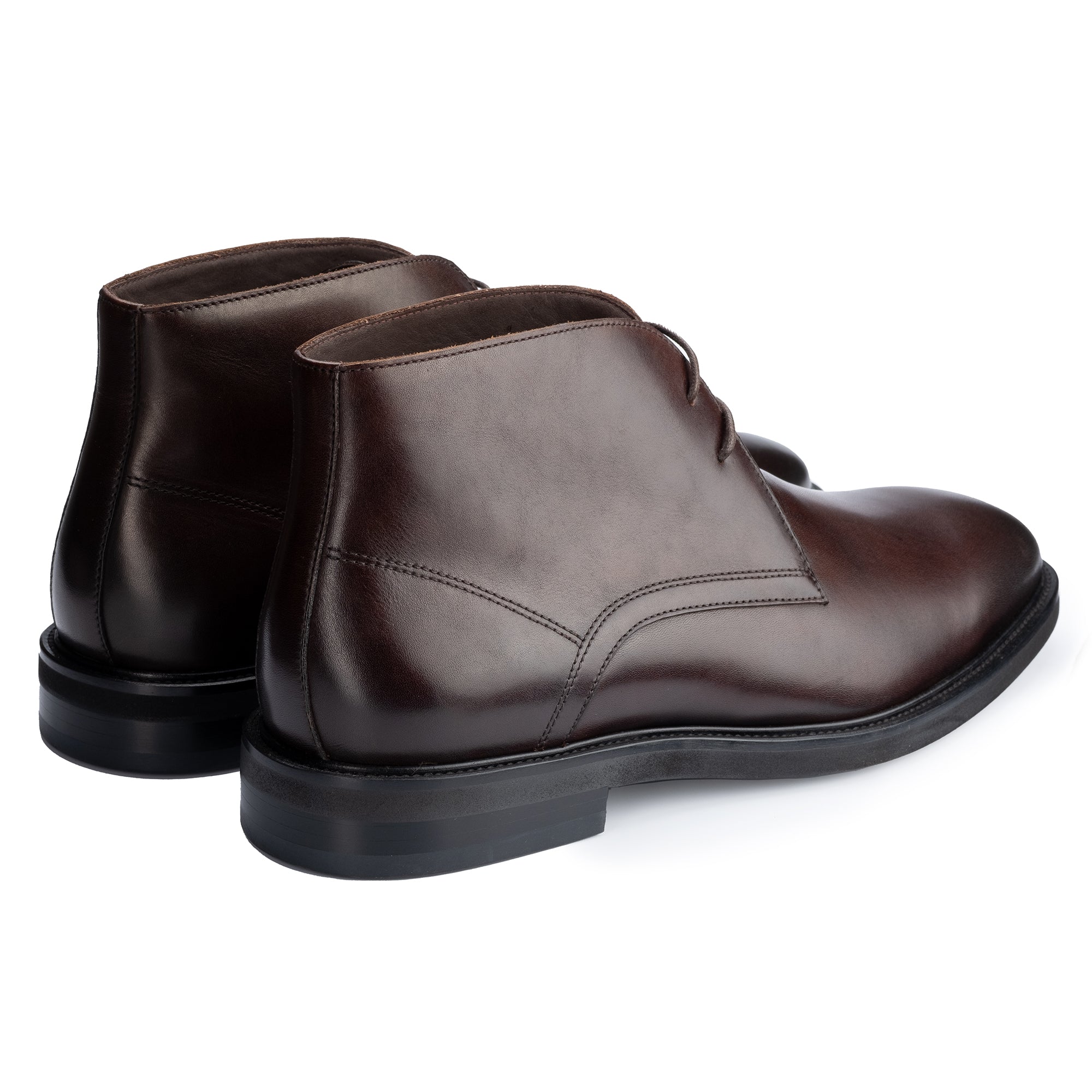
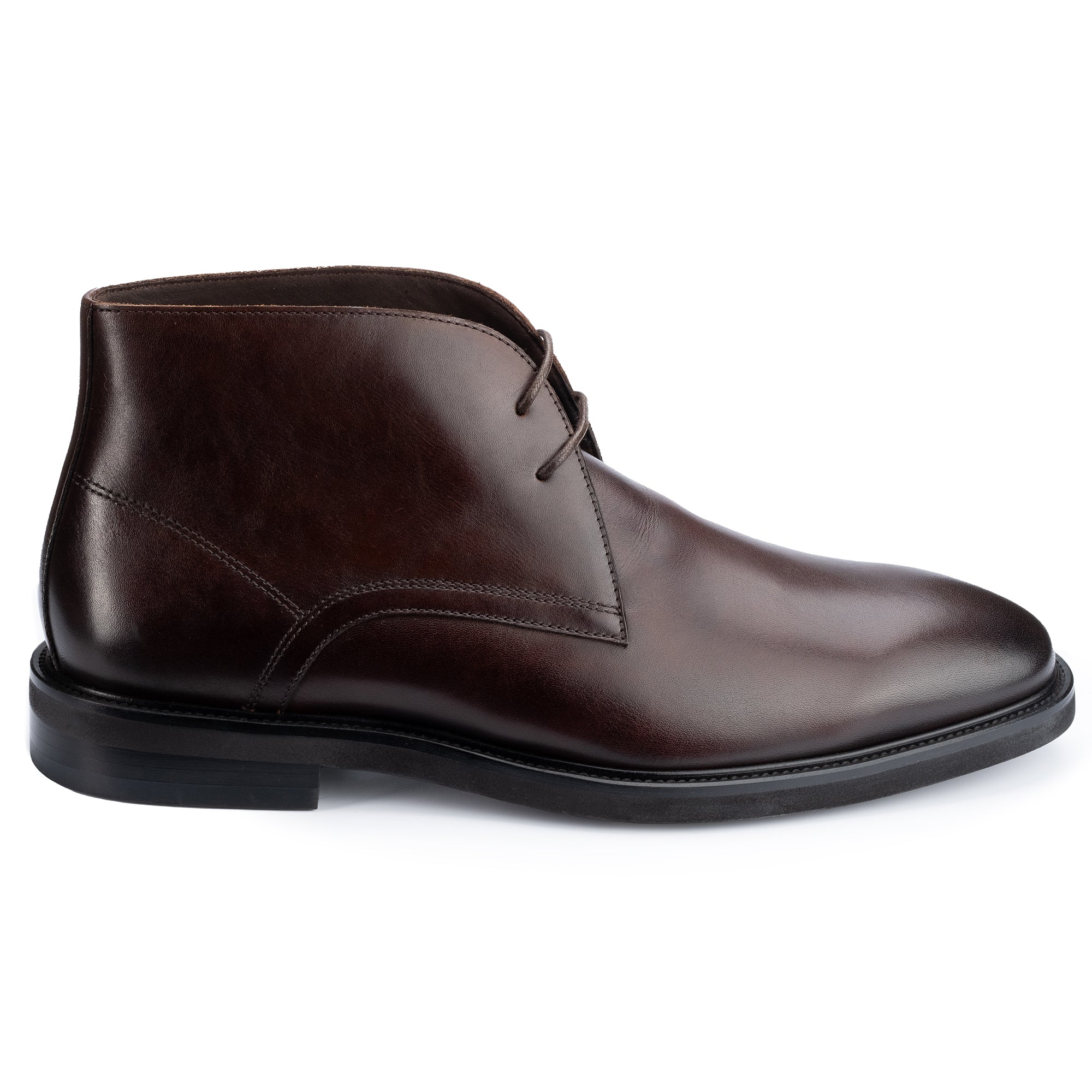
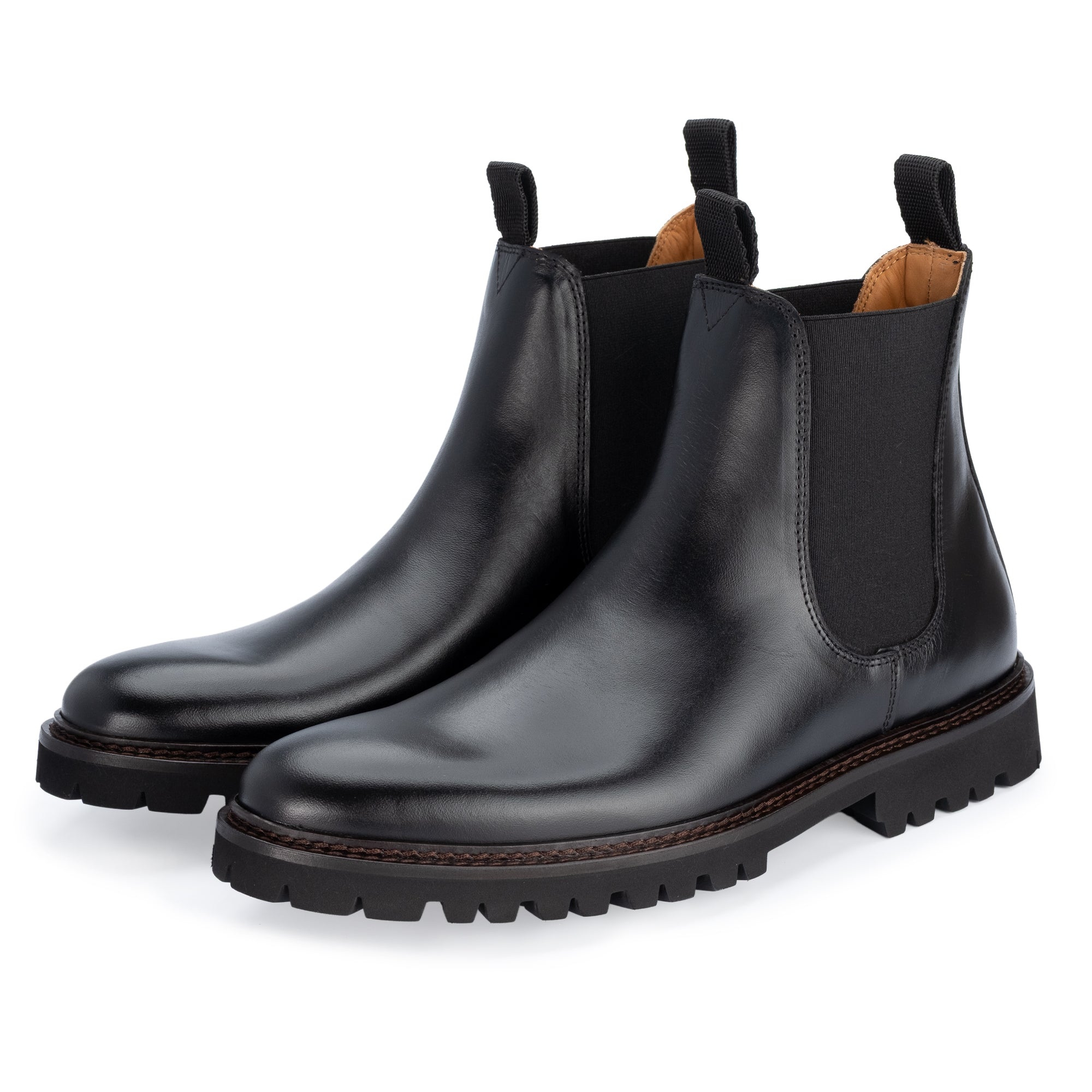
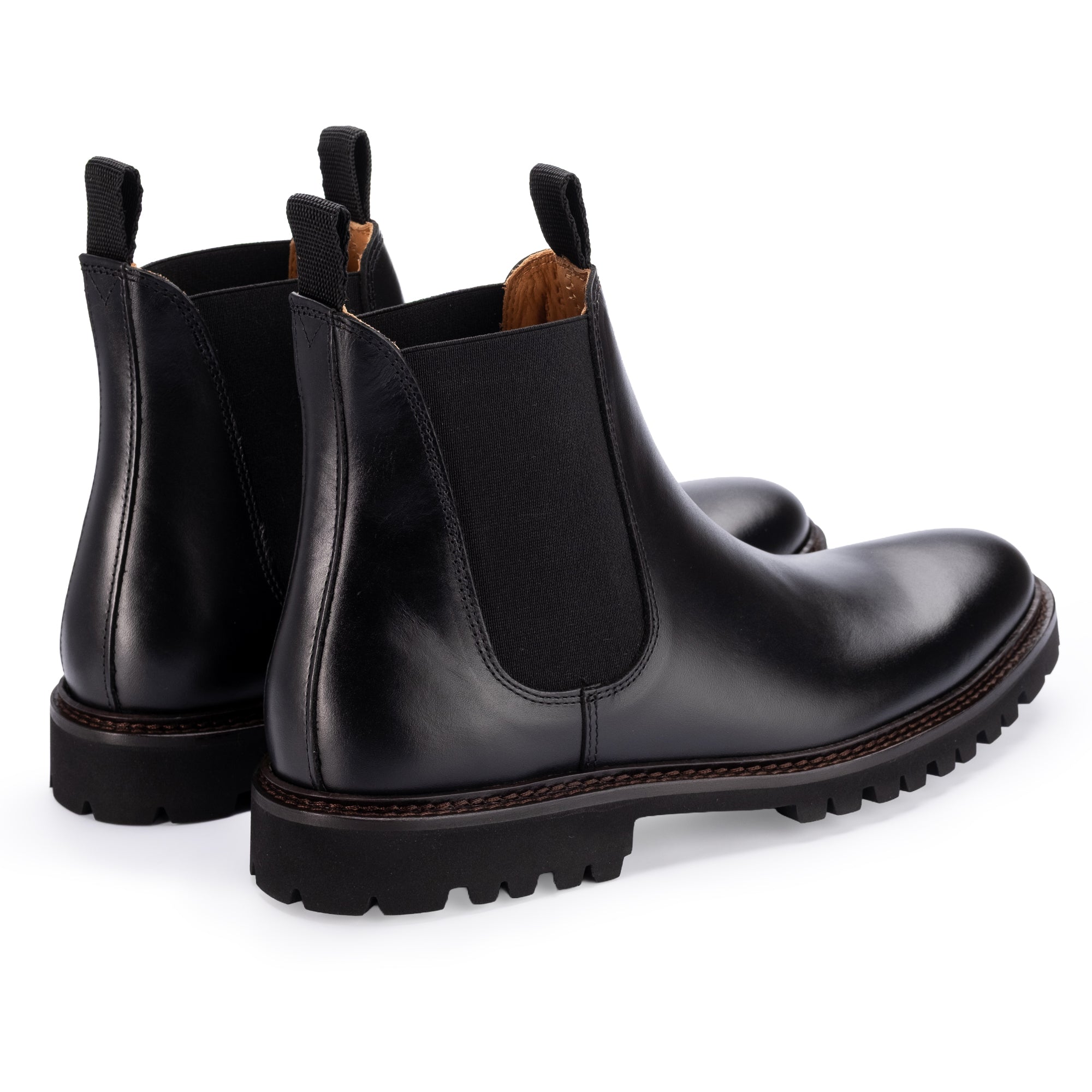
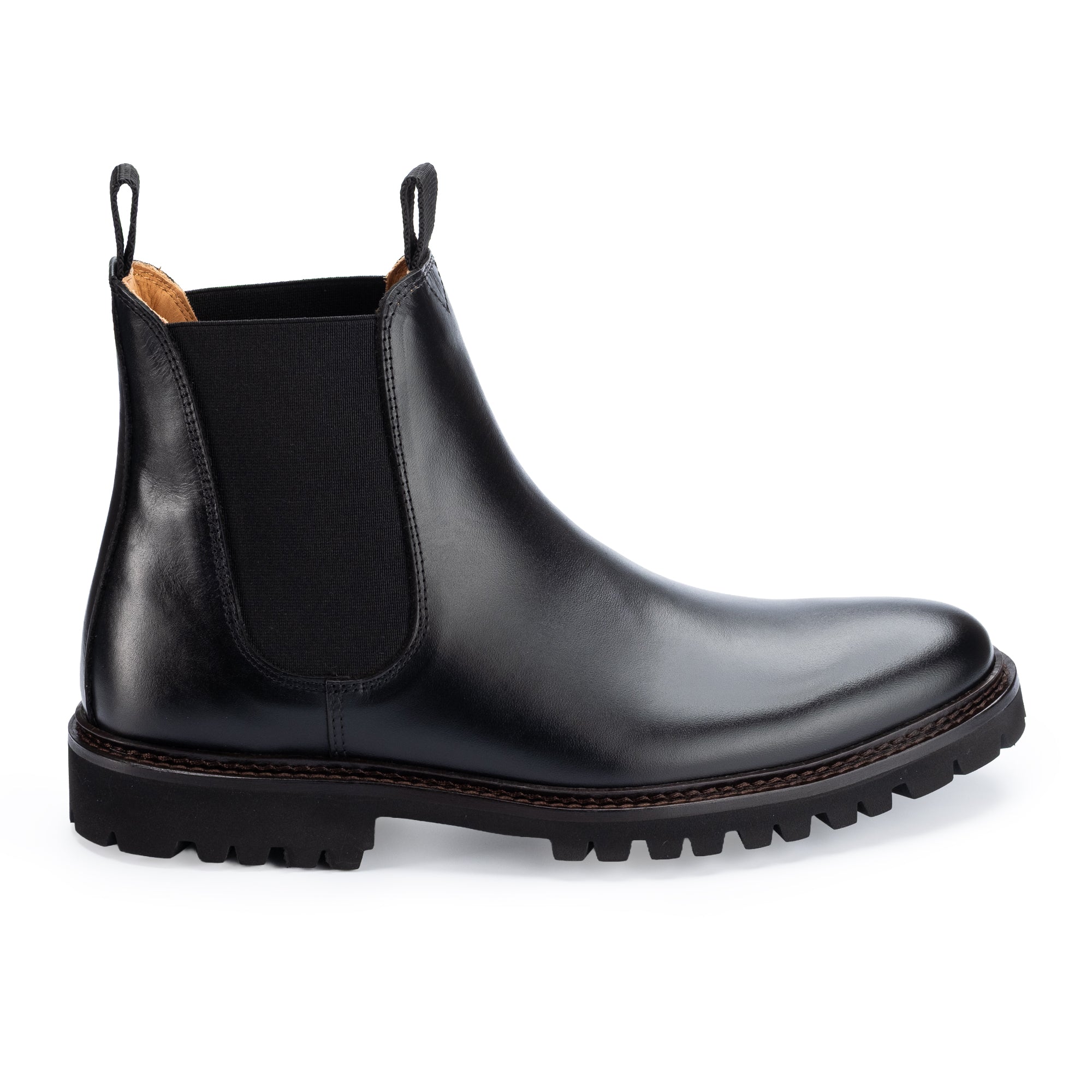
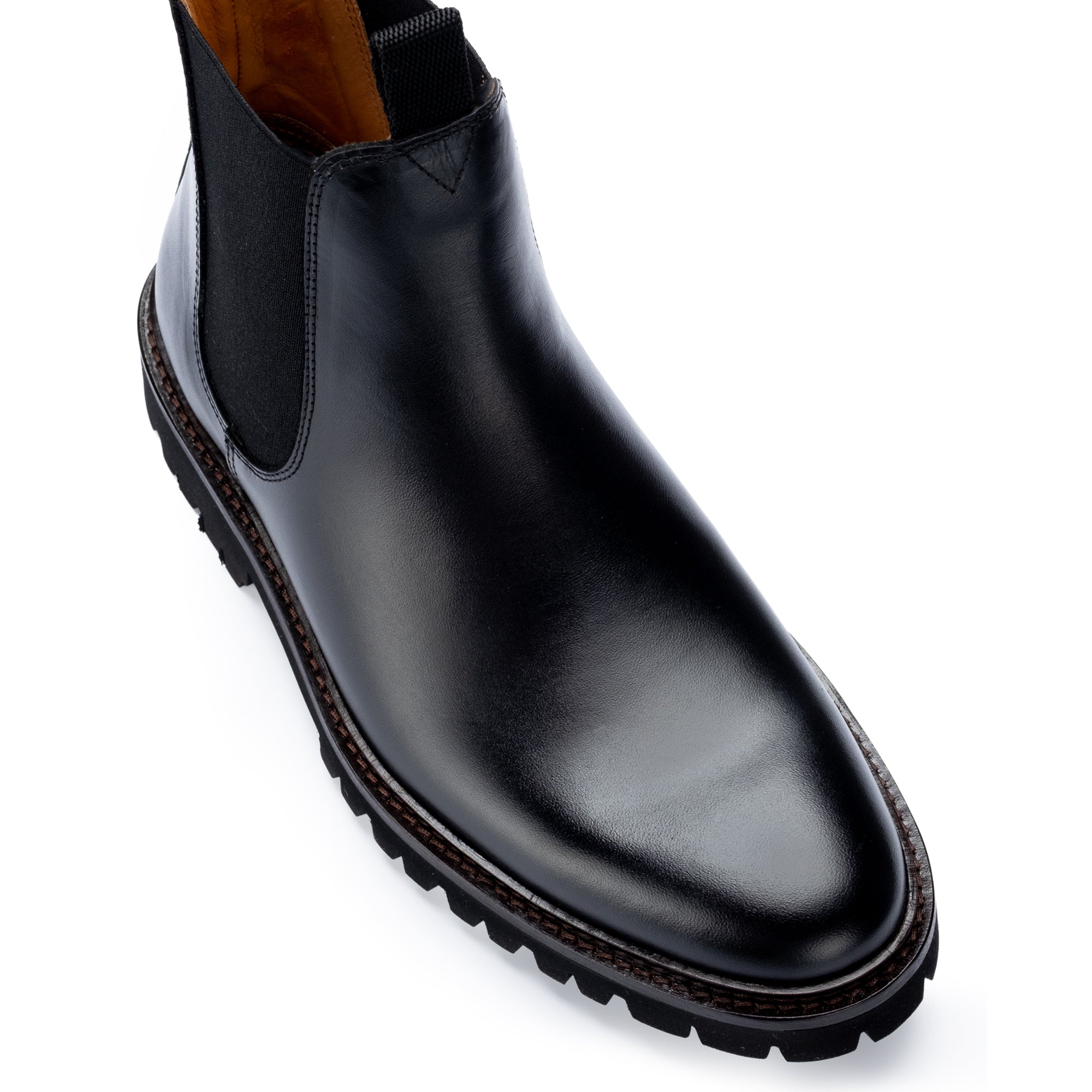
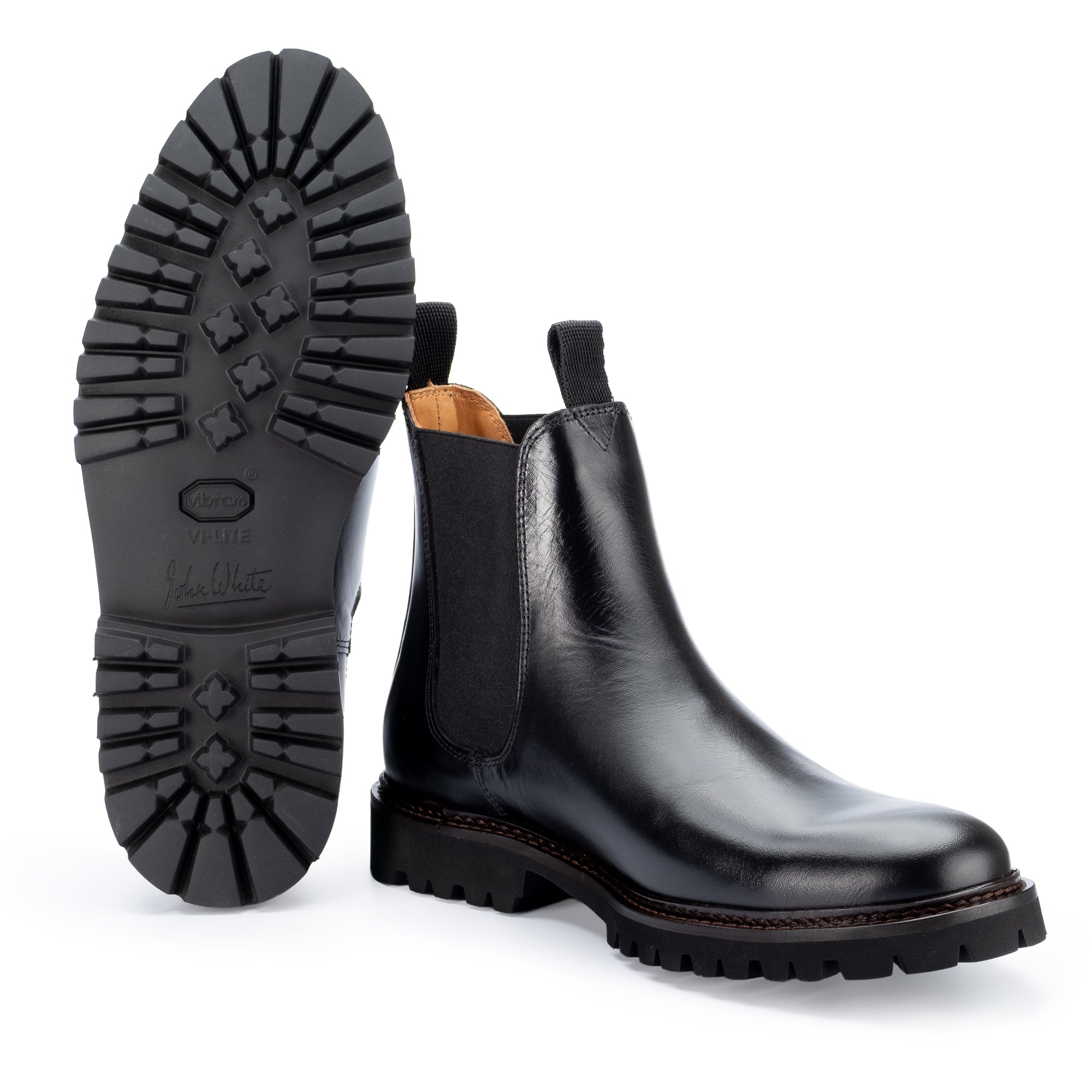
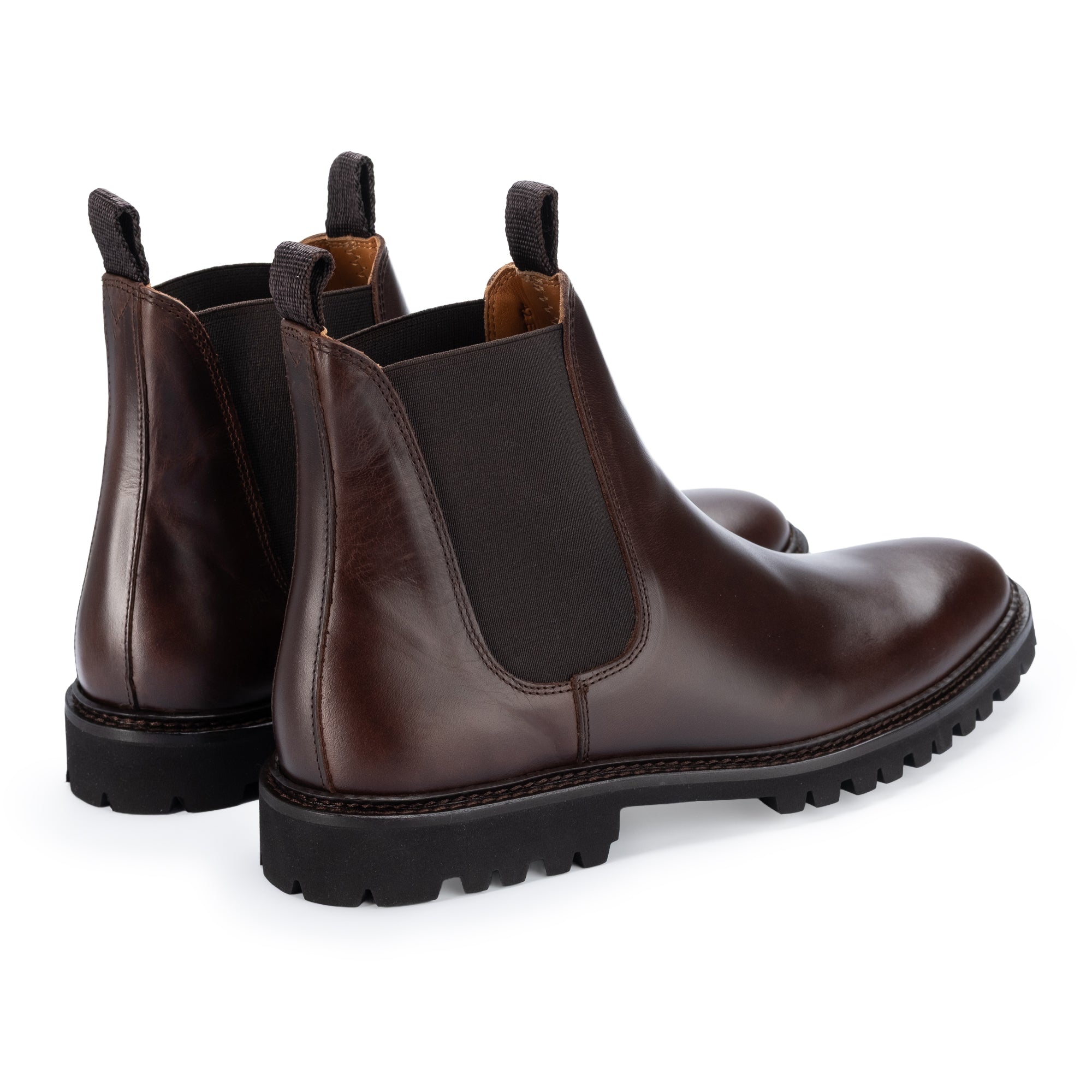
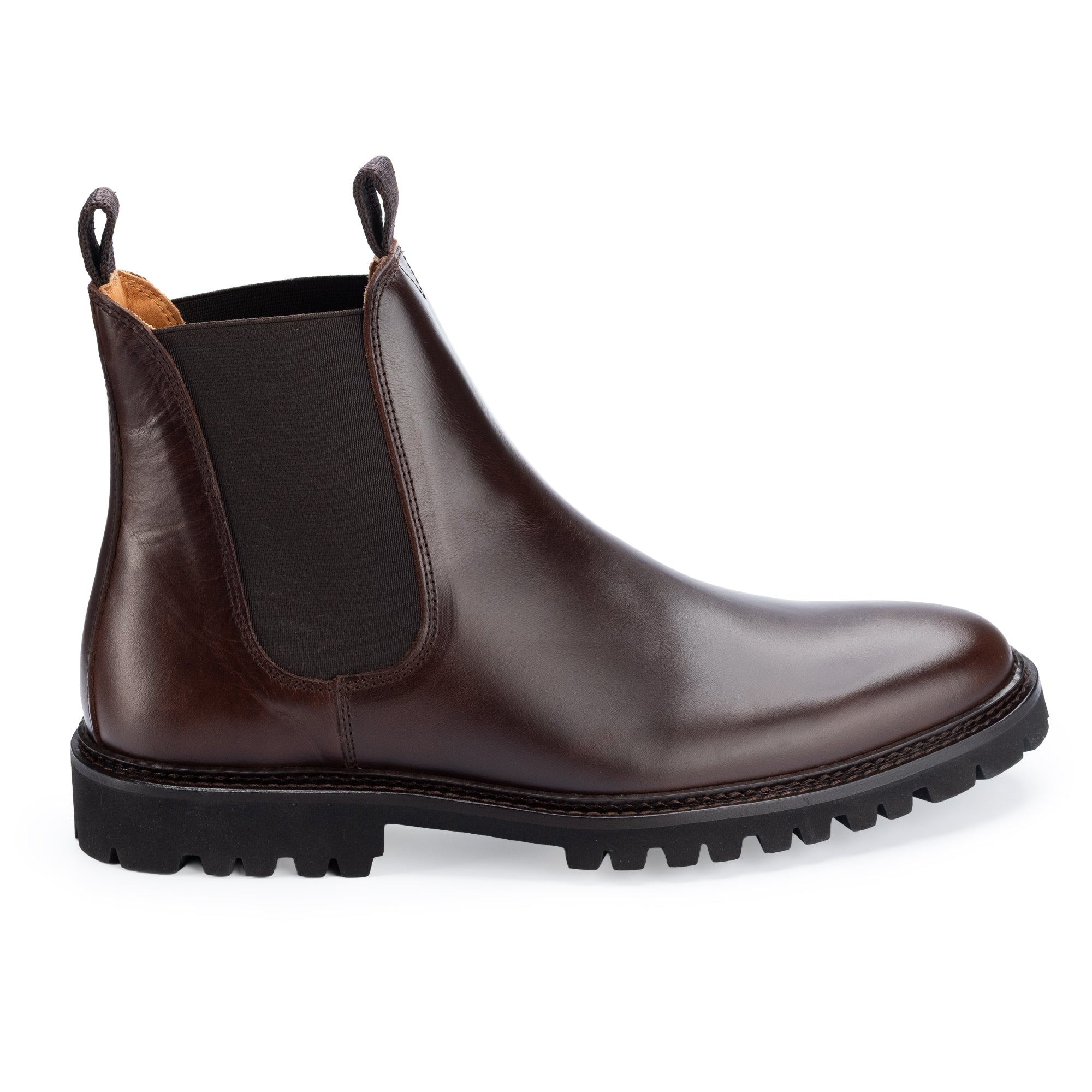
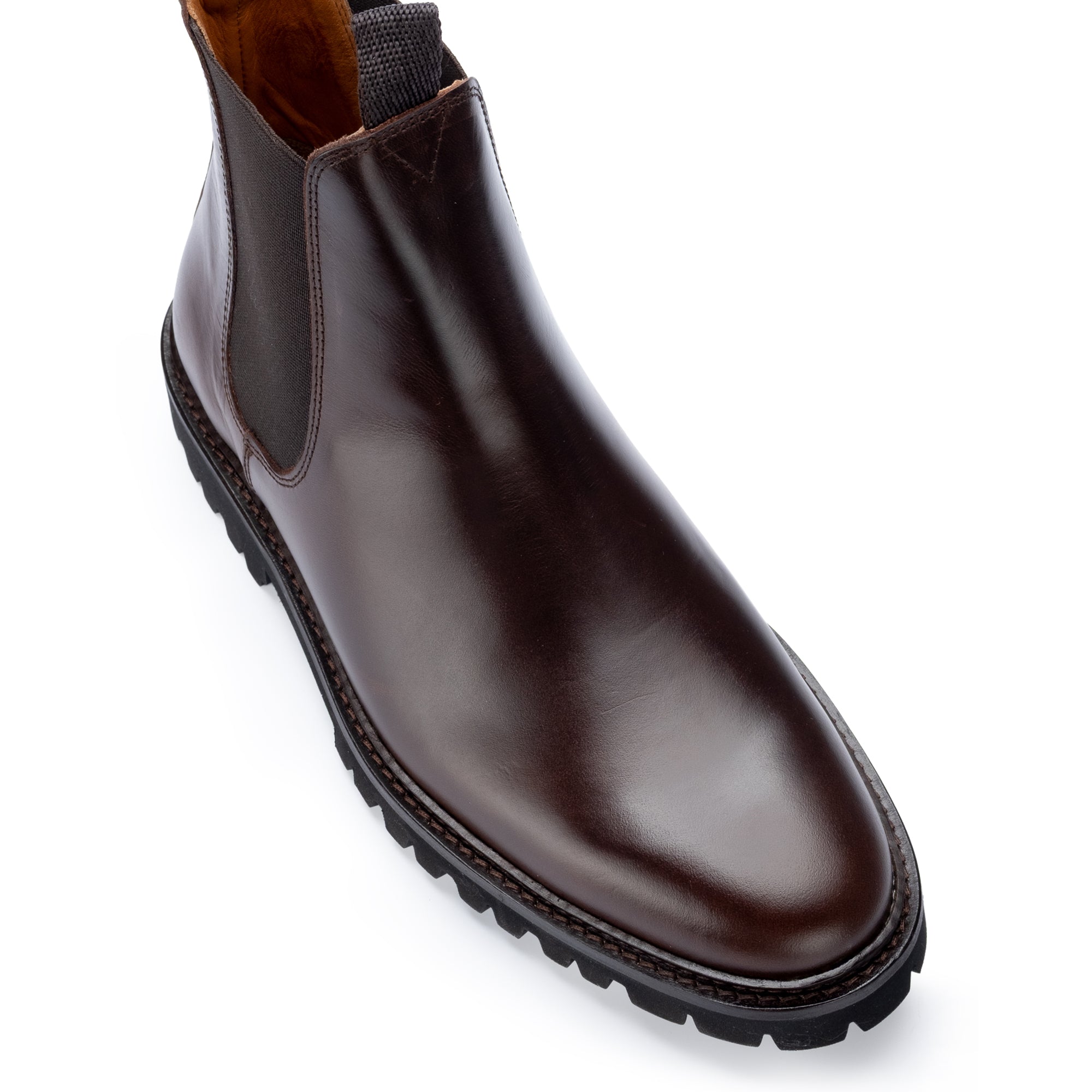
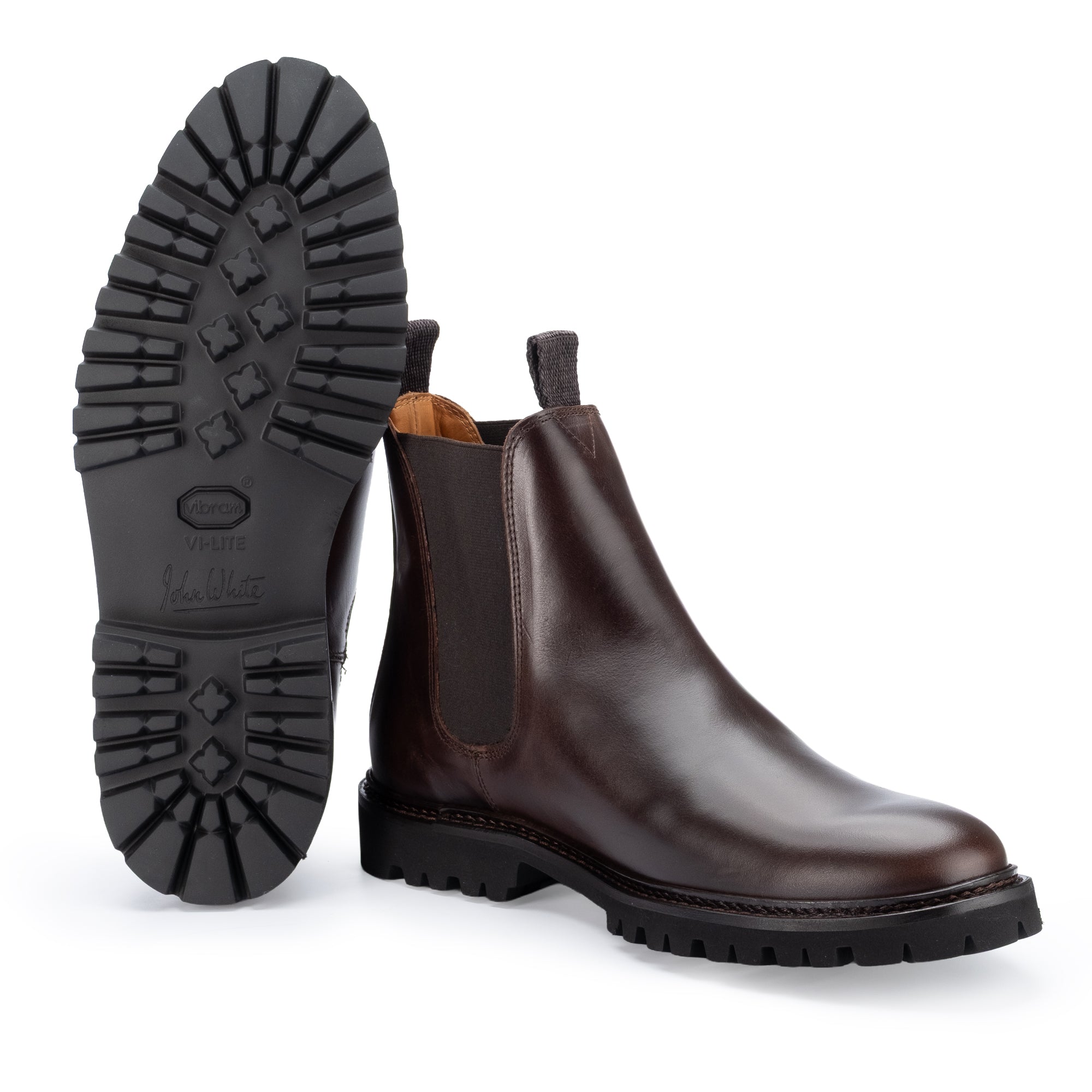
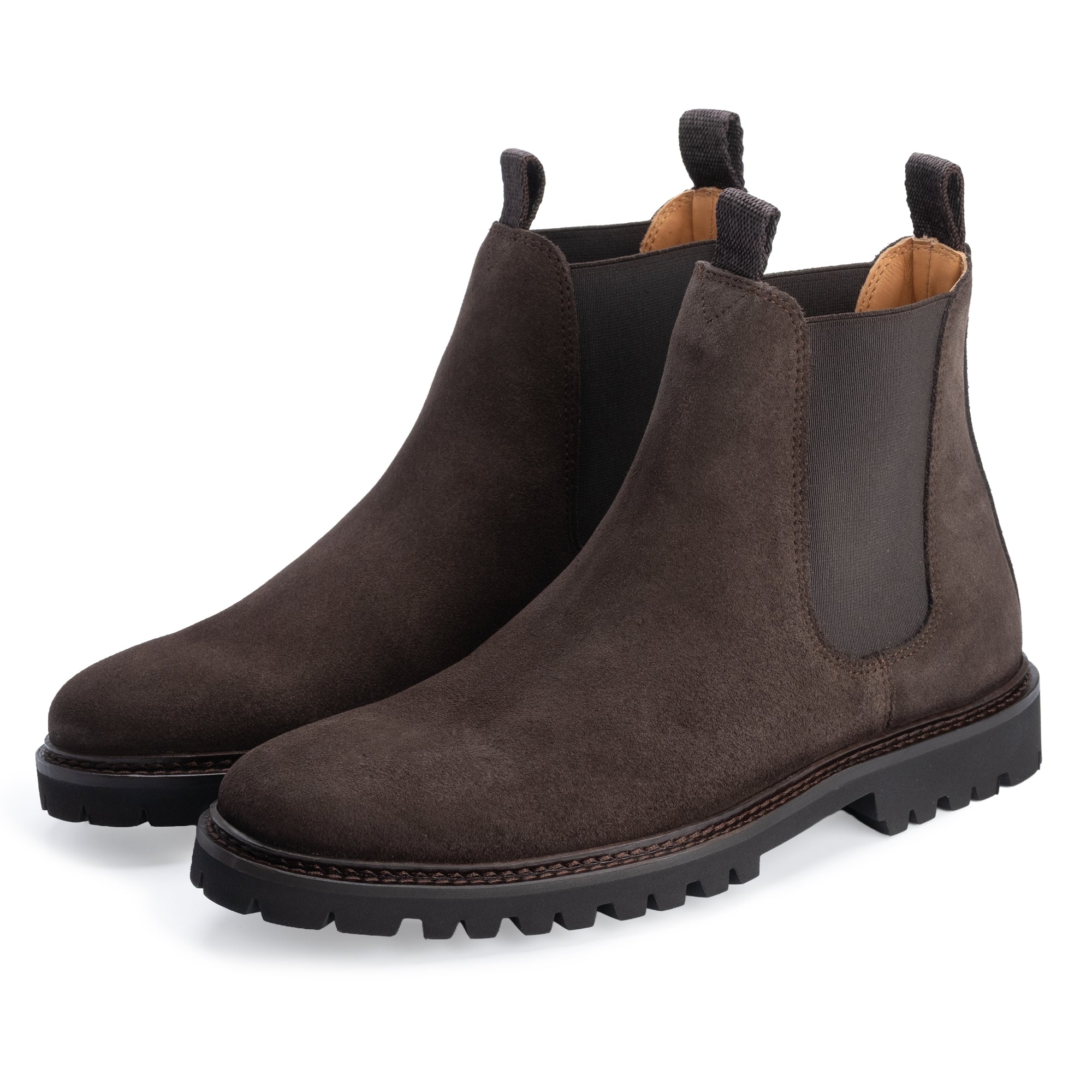
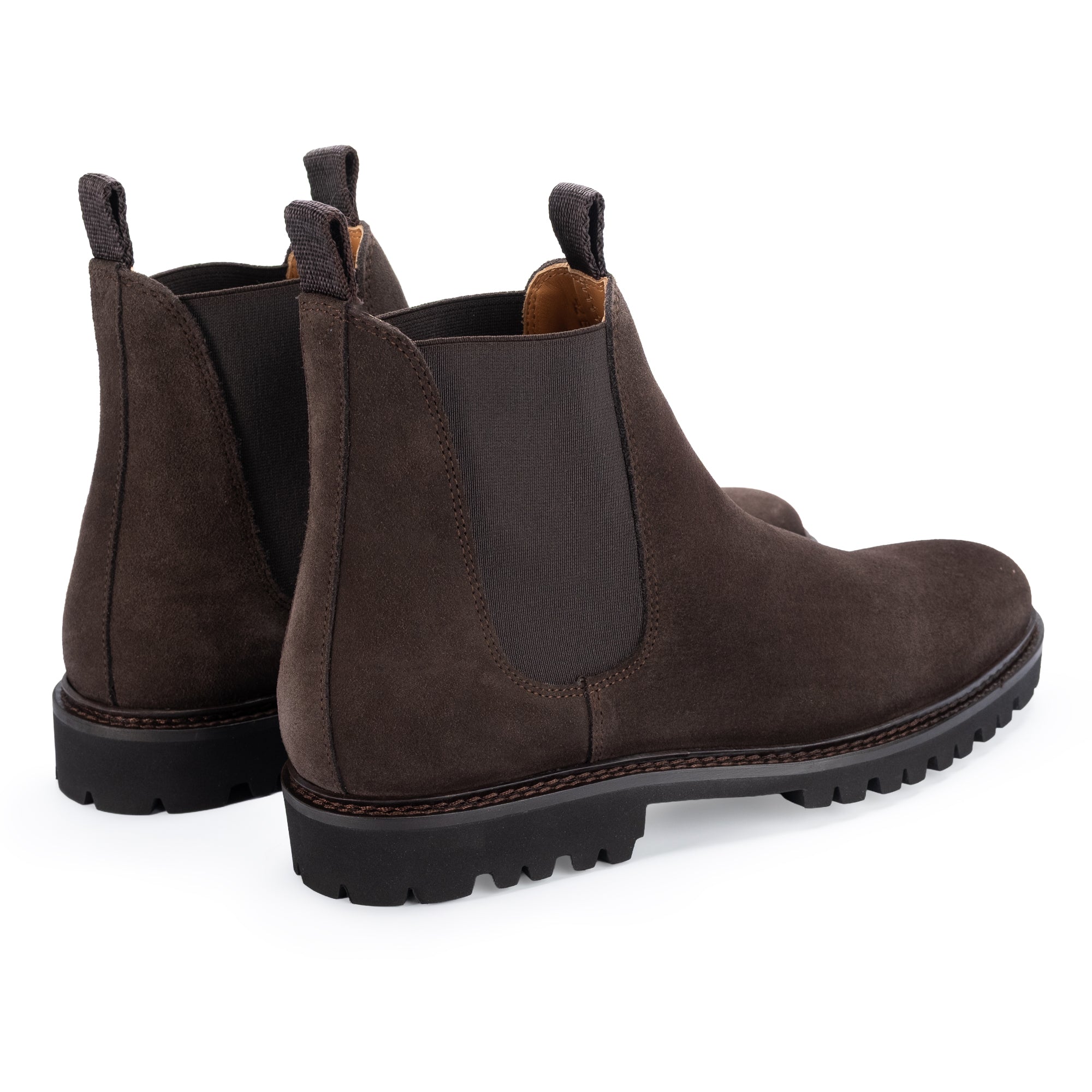
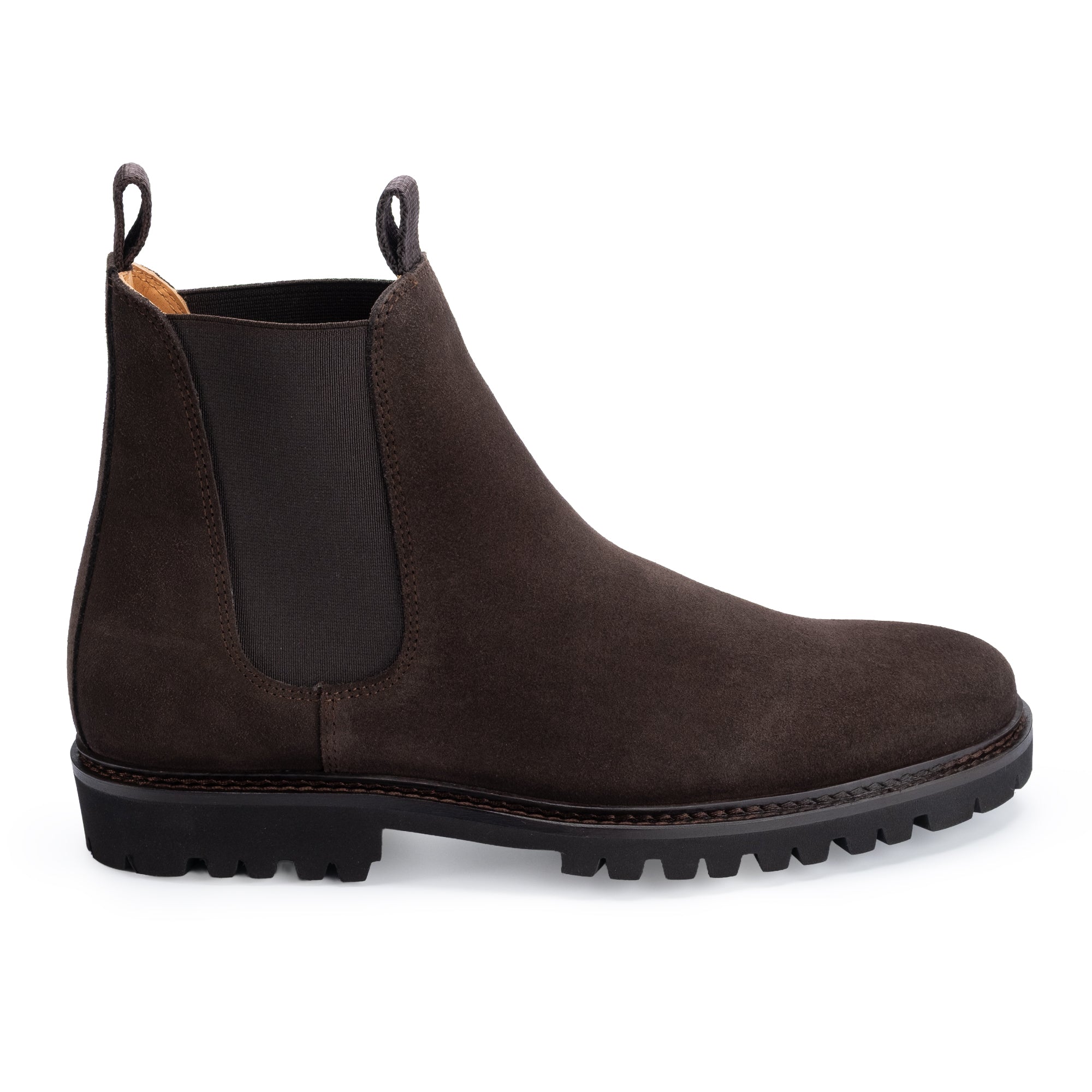
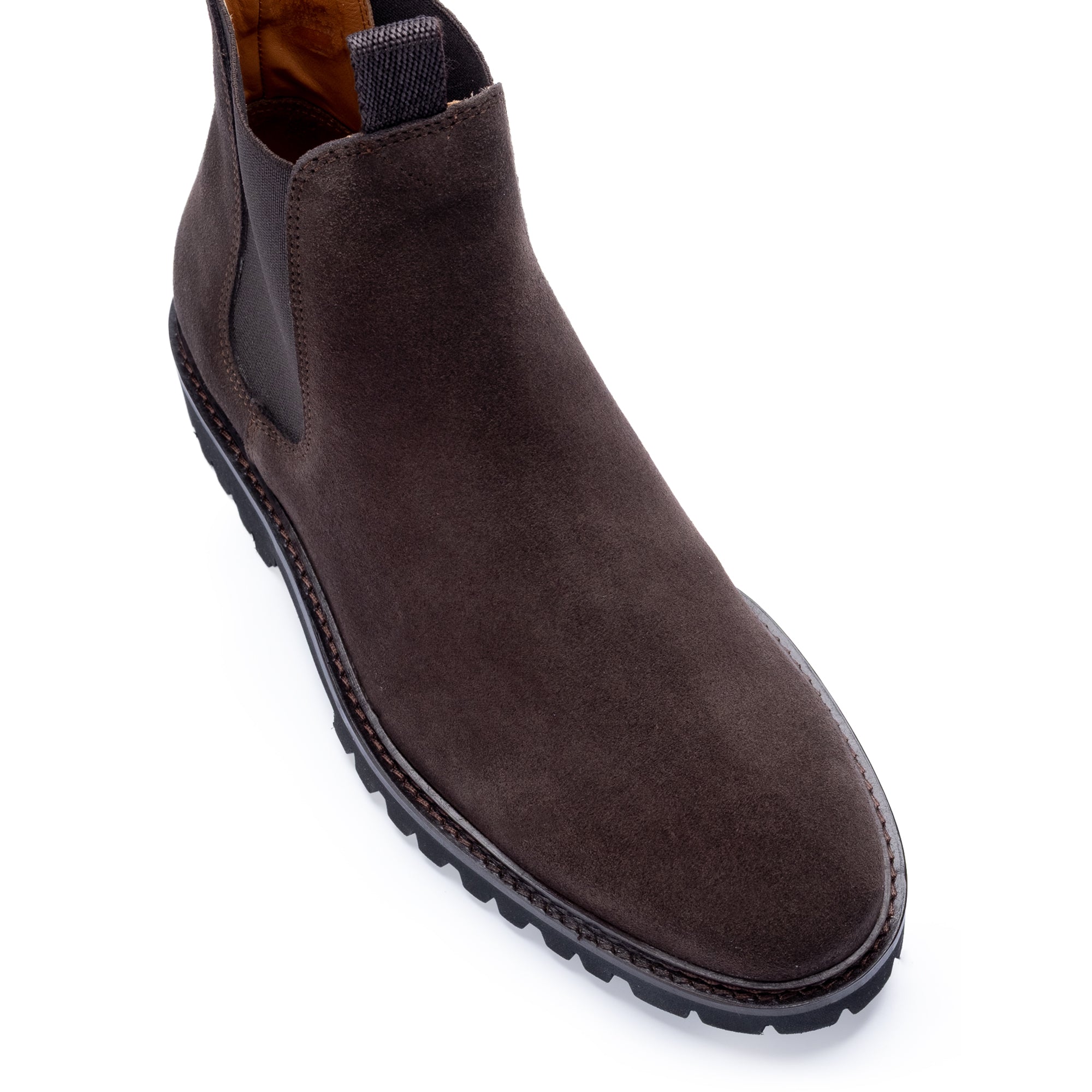
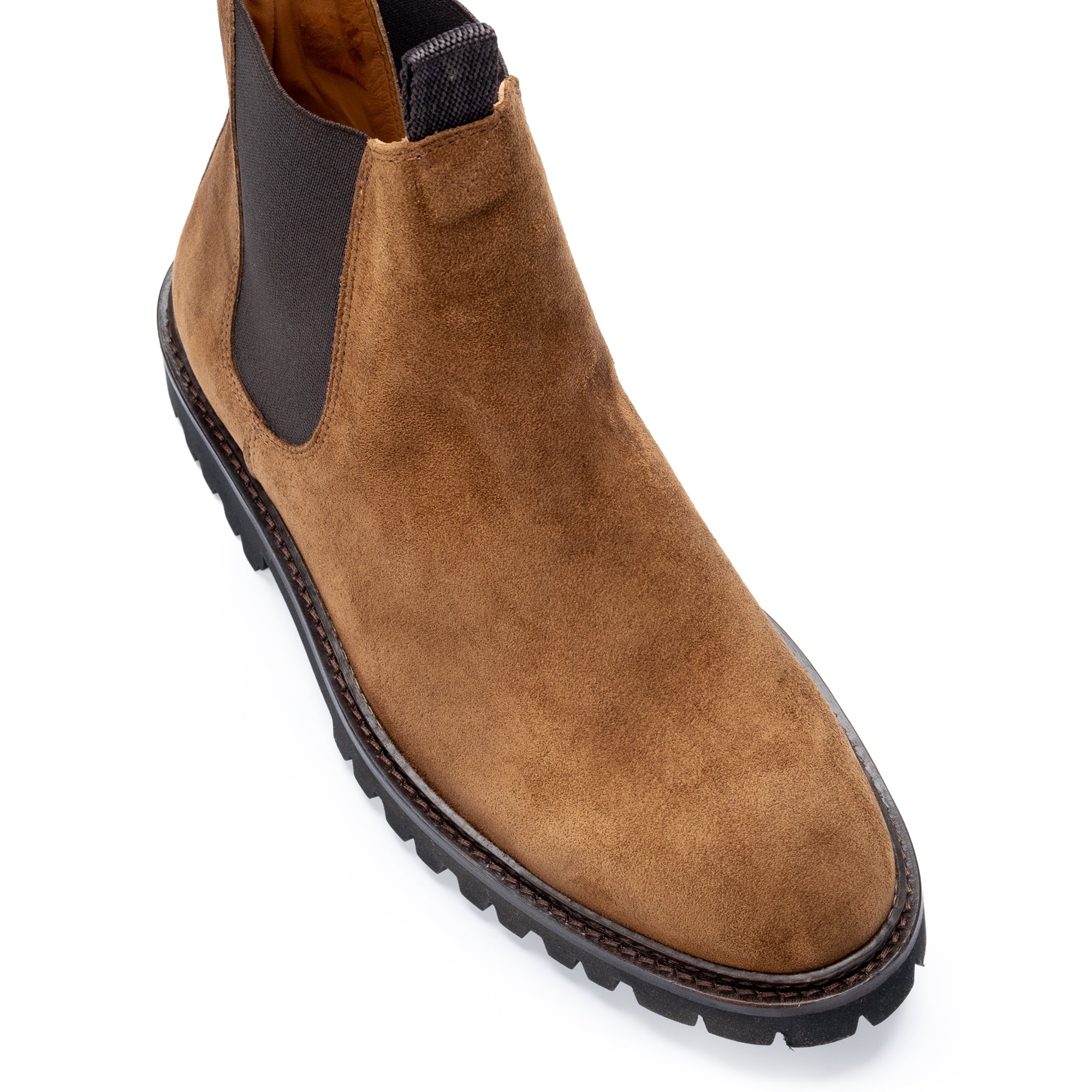
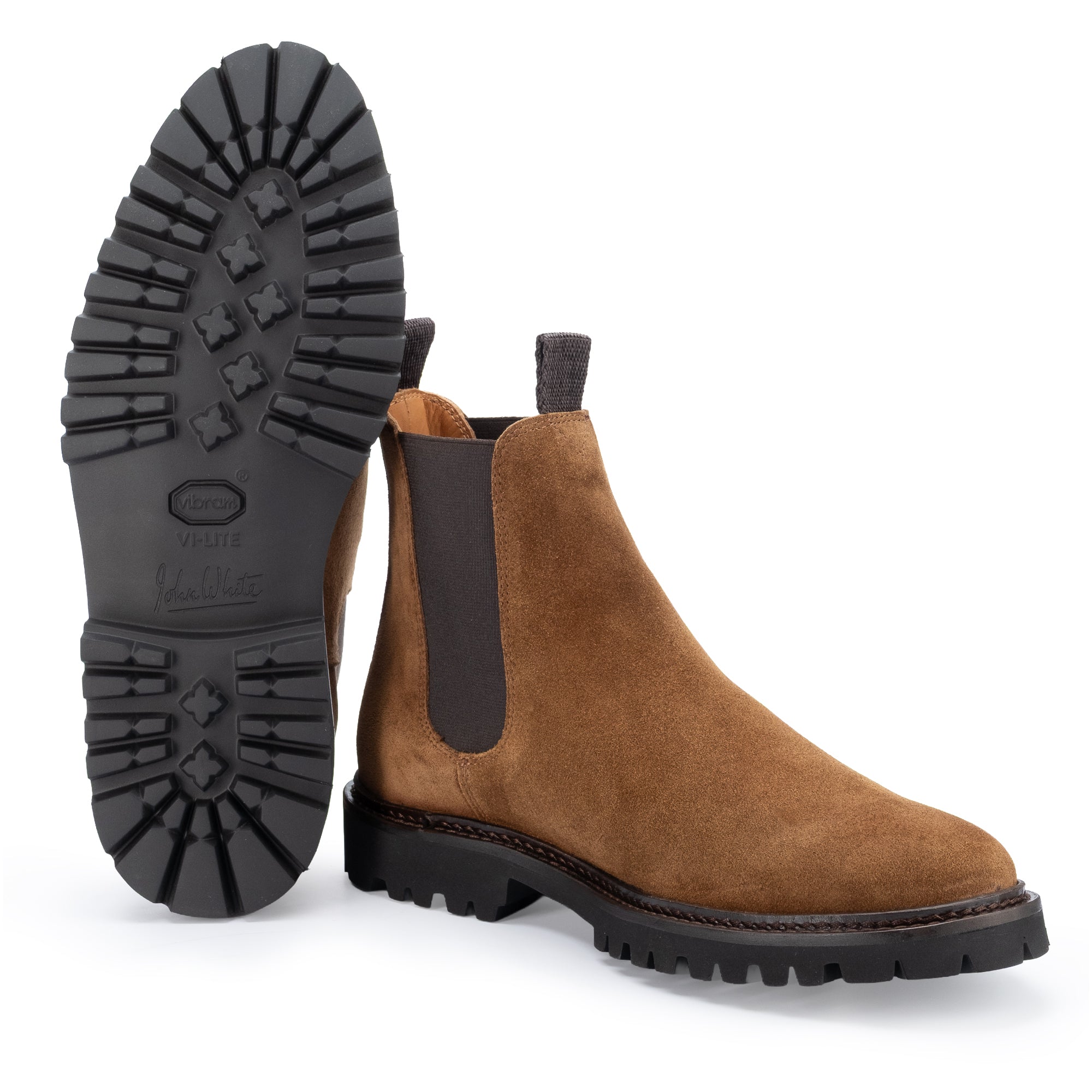
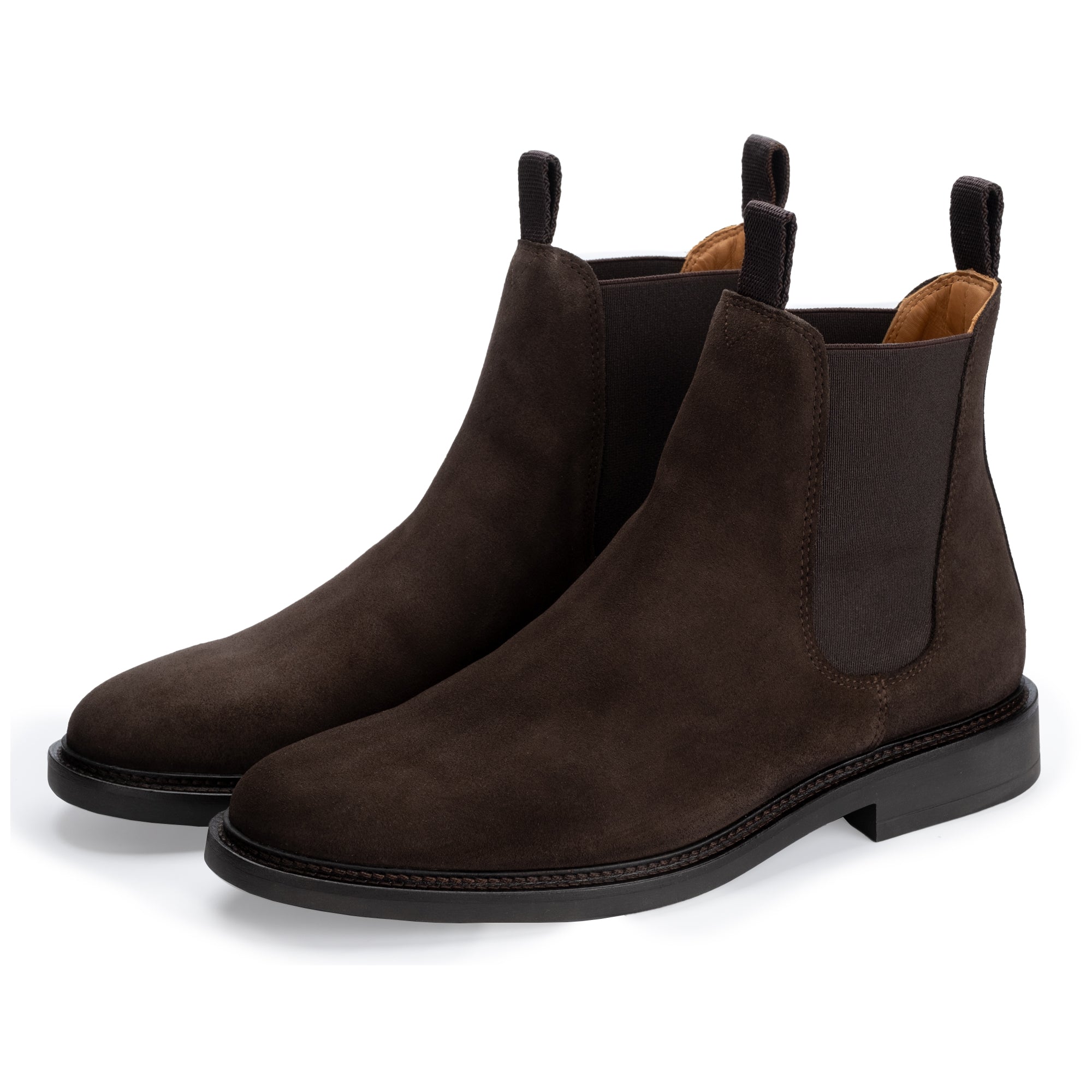
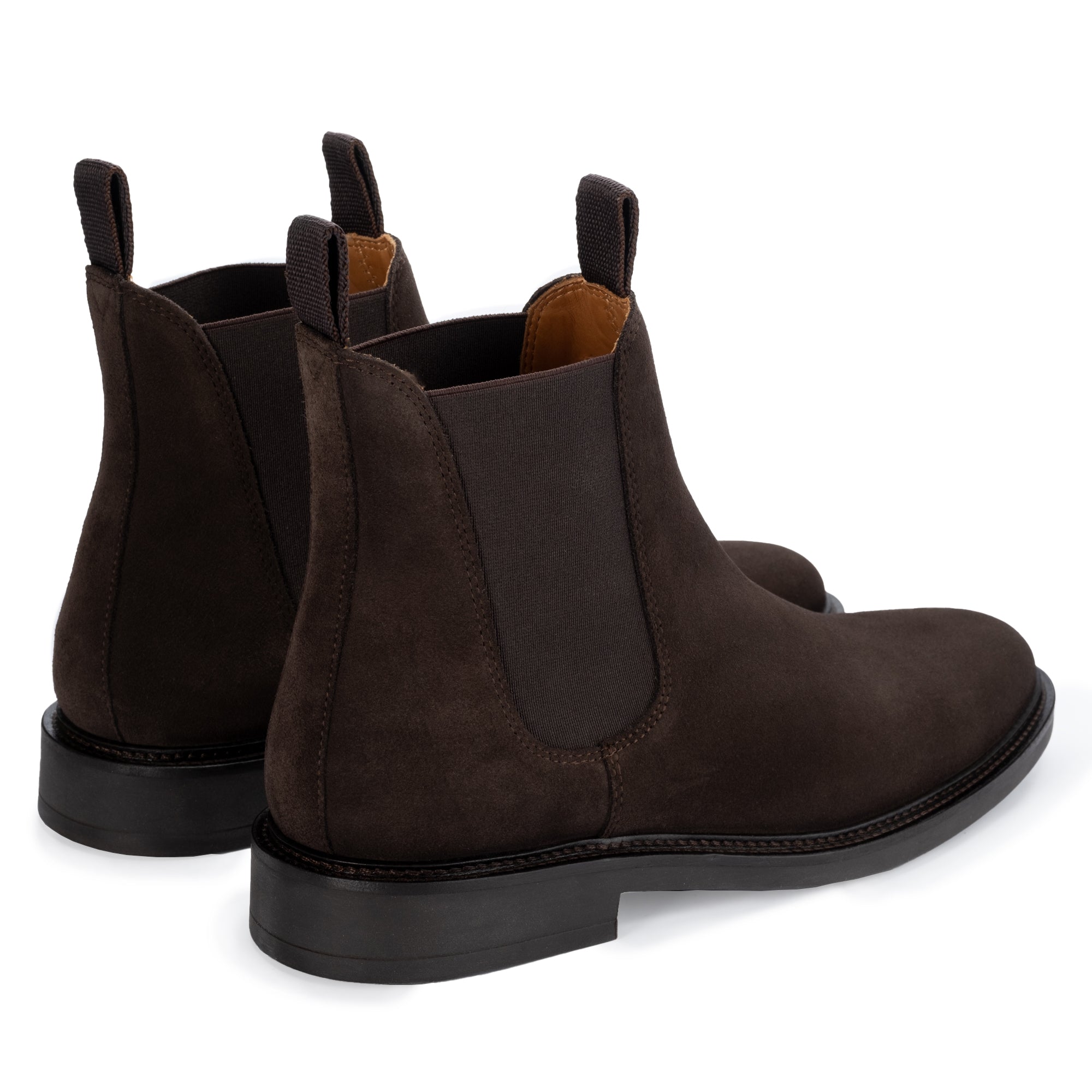
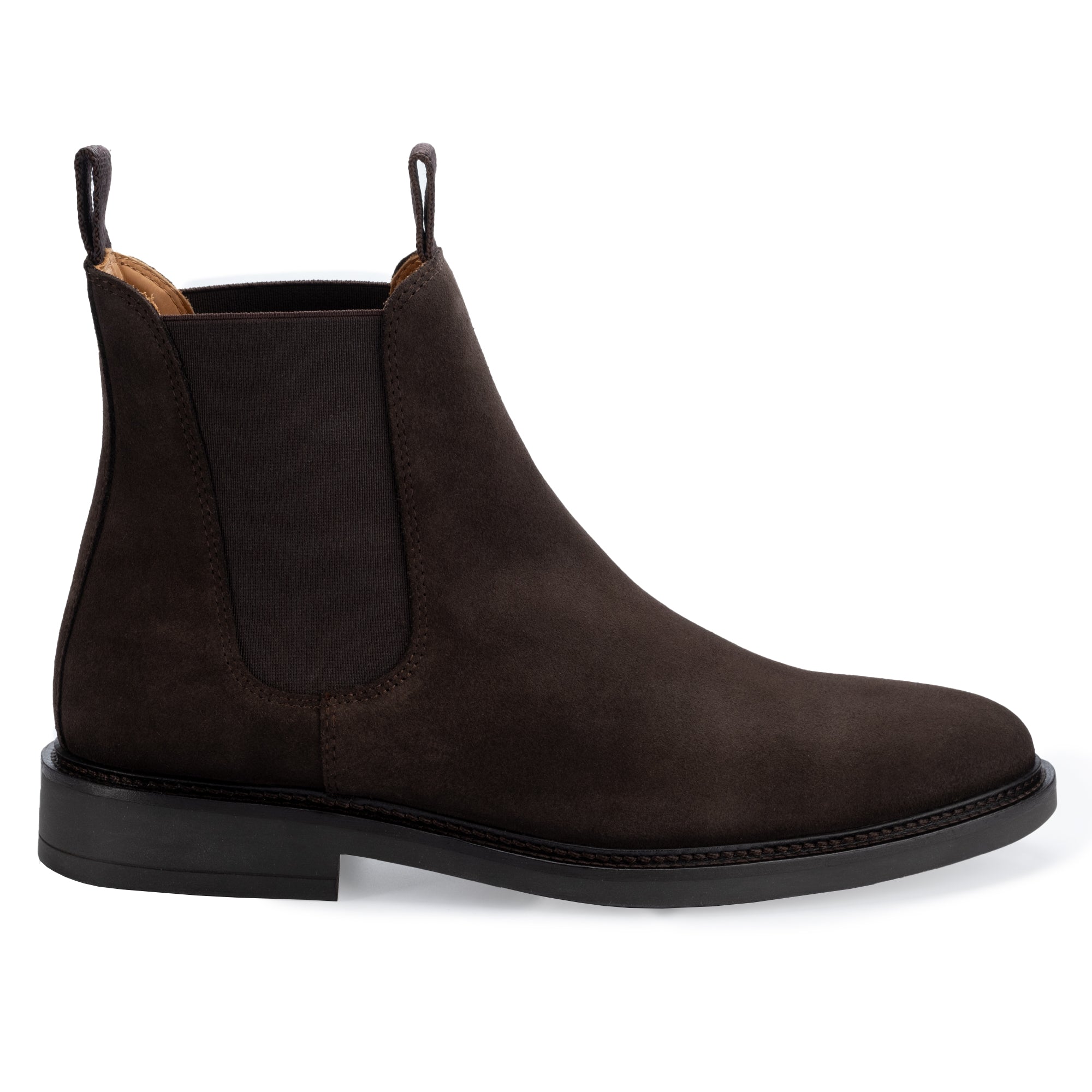
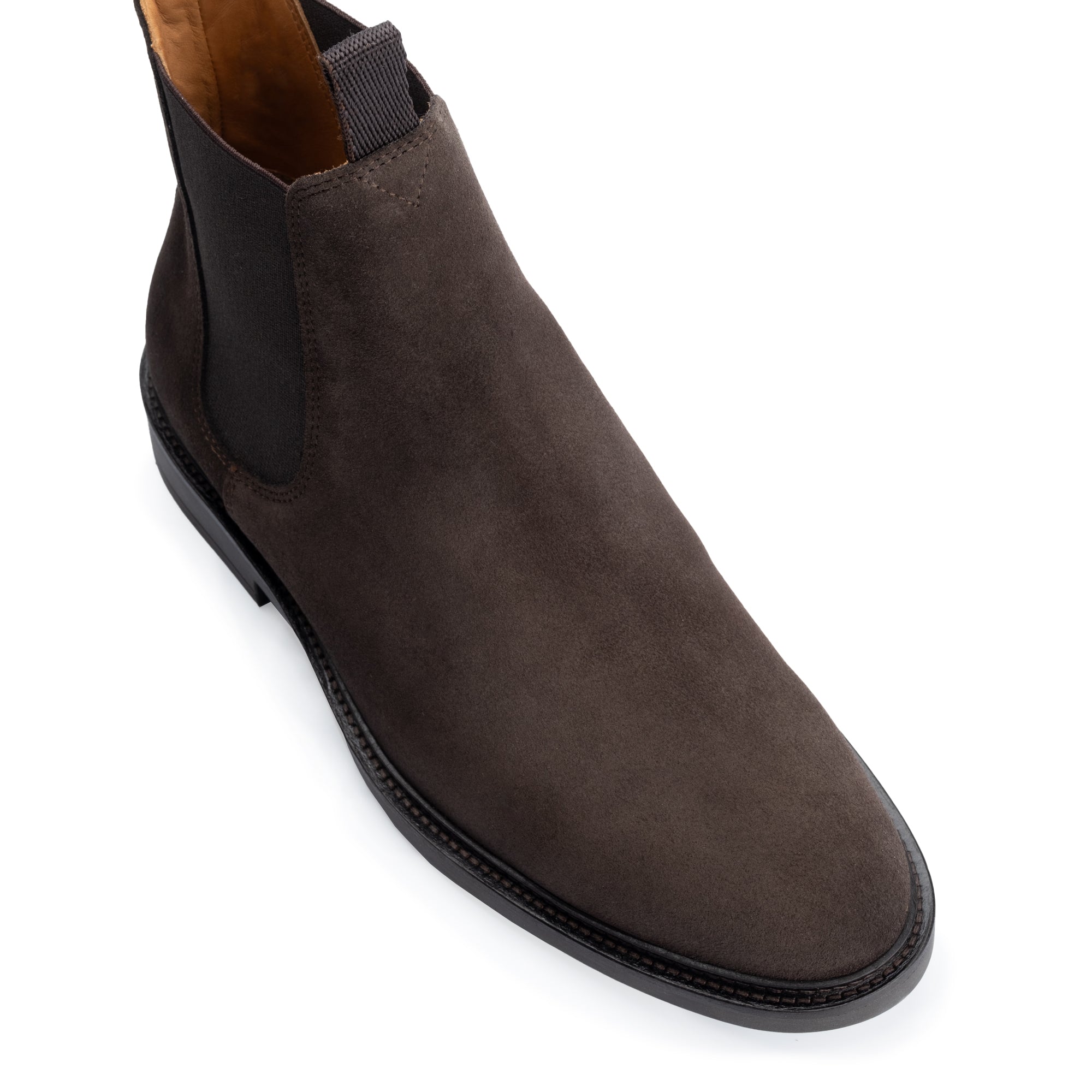
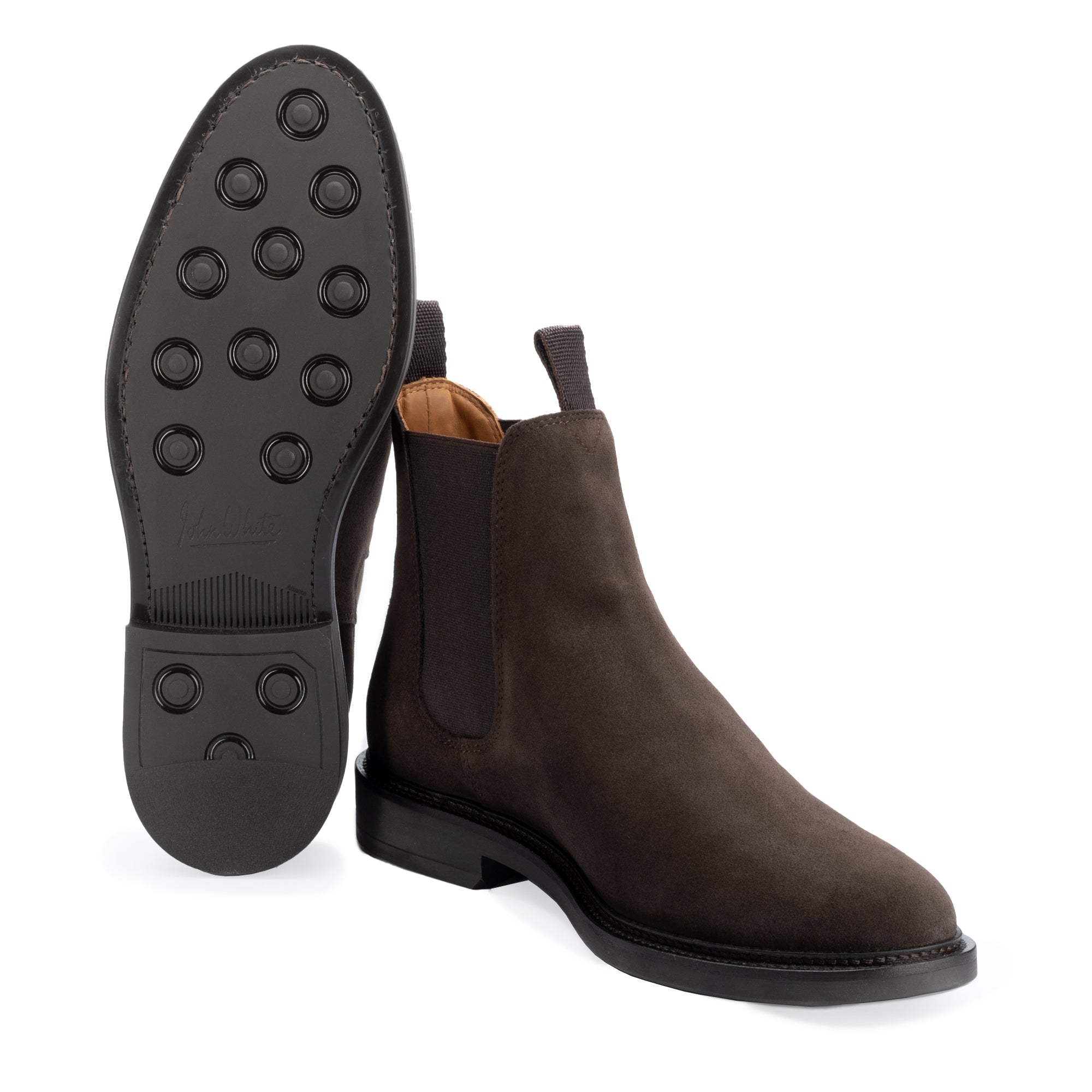
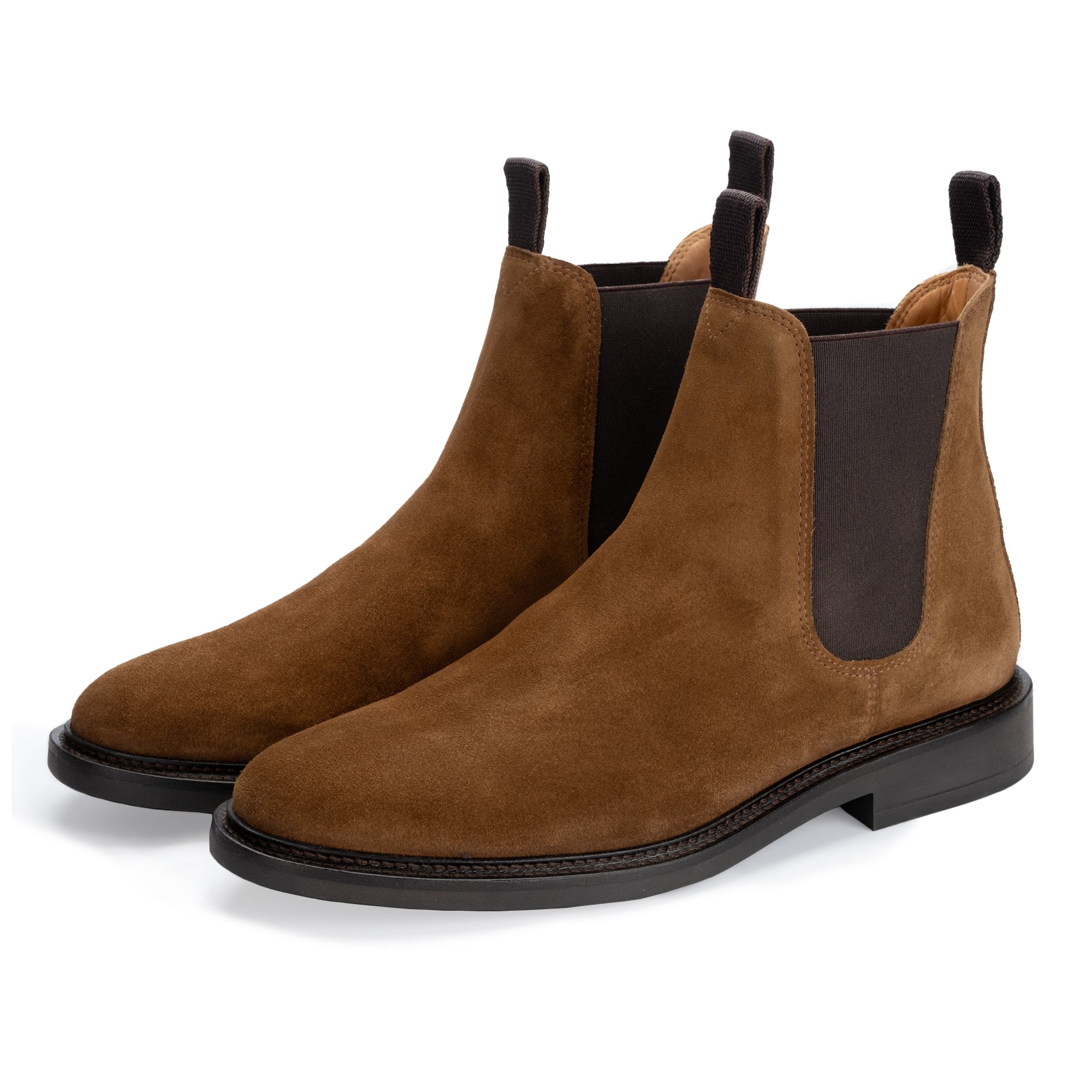
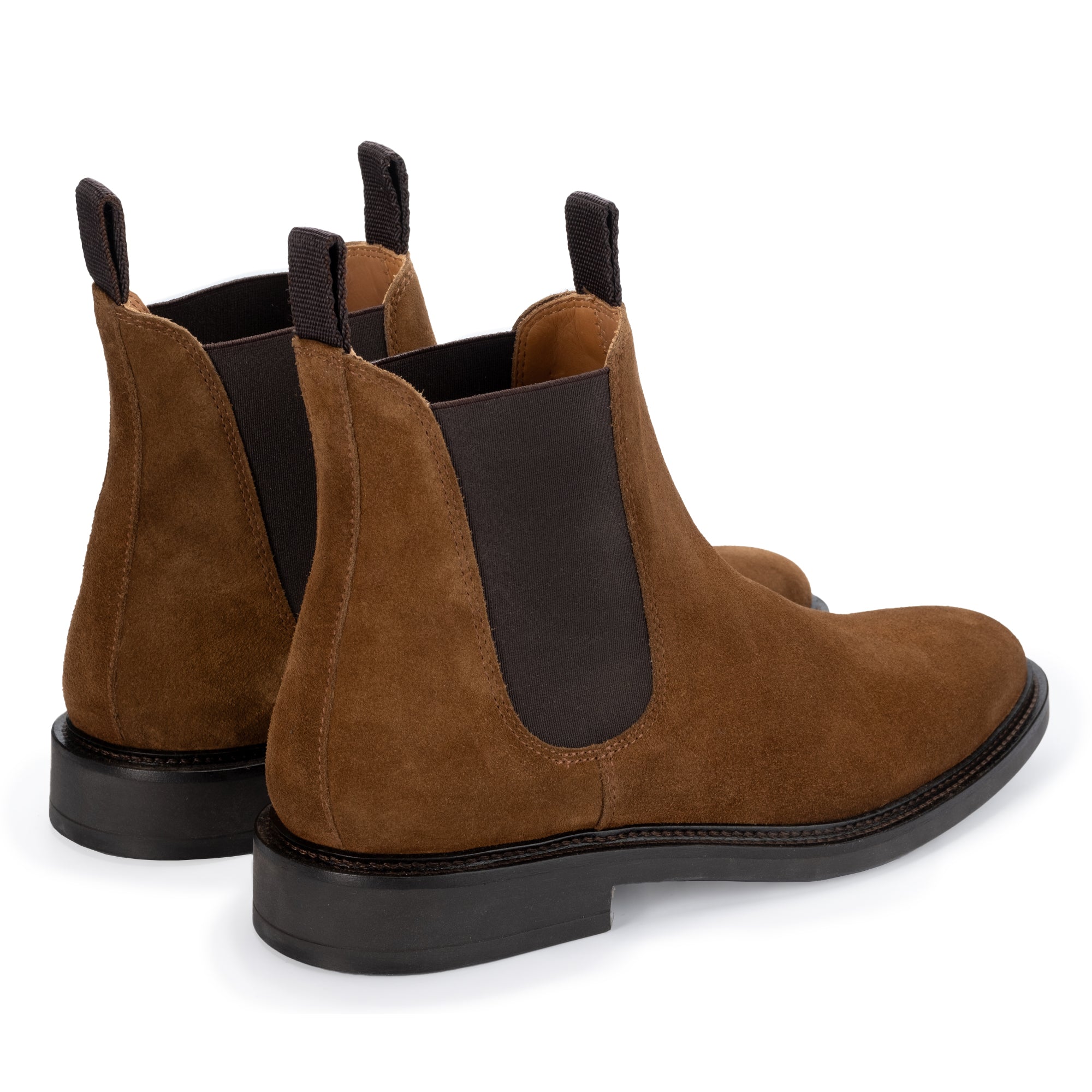
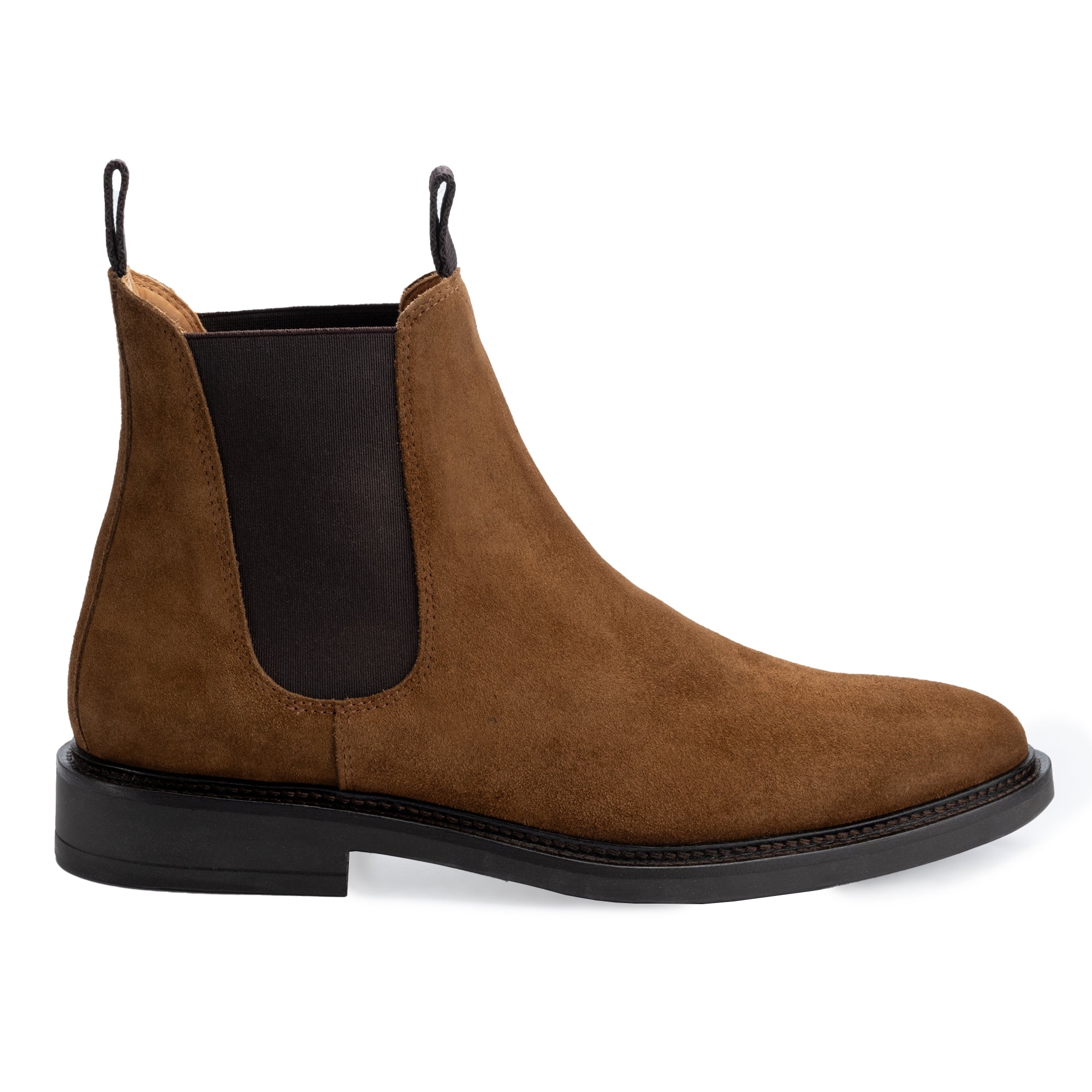
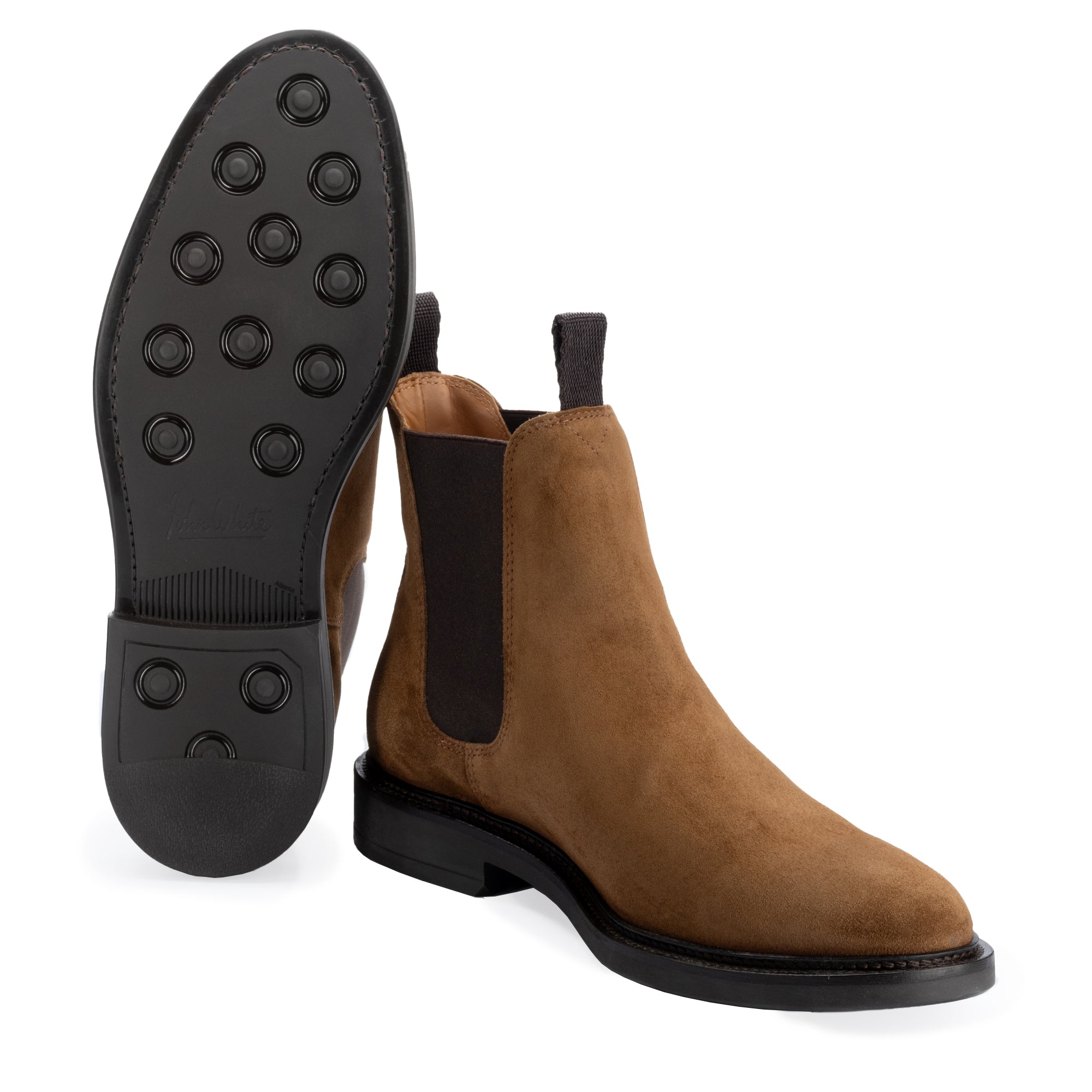
The Chelsea boot is an ankle-height pull-on boot characterised by elasticated side gussets, a low heel, and a streamlined silhouette free from laces, buckles, or visible hardware. It's typically constructed from smooth calf leather or suede, with a toe profile ranging from rounded to slightly tapered depending on the style.
The elasticated side panels are the defining feature — not just aesthetically, but functionally. They flex with the foot while maintaining a close, clean fit through the ankle. The result is a boot you can pull on in seconds and wear all day without it loosening or shifting.
That simplicity is the point. Most boots involve a decision about lacing and tightness. The Chelsea removes that ceremony entirely.
Where Did the Chelsea Boot Come From?
The Chelsea boot traces directly to mid-Victorian England. J. Sparkes-Hall, bootmaker to Queen Victoria, developed the elastic-sided boot around 1851, using newly available vulcanised rubber elastic to create a riding boot requiring no fastening at all. "Comfortable and neat in appearance," Sparkes-Hall wrote in his original product description — a concise summary that remains accurate today.
The design spread quickly. The Victoria and Albert Museum, which holds one of the most significant collections of historic British footwear, records the elastic-sided boot as one of the most widely produced boot styles in the latter half of the nineteenth century — testament to how rapidly a genuinely useful design becomes a standard.
The name "Chelsea boot" emerged in the 1950s and early 1960s, as the style became synonymous with the creative community gathered around King's Road in West London. The Beatles wore them on stage. The Rolling Stones wore them in press photographs. By the mid-1960s, the Chelsea boot had made the journey from equestrian utility to cultural icon without losing a step in either direction.
That cultural durability continued. Through 1970s glam rock, 1980s post-punk, and 1990s Britpop — a period when the Chelsea boot became near-inseparable from a generation of British musicians — the silhouette adapted to each era without altering its fundamental character. It's this quality, the ability to absorb cultural context without being defined by any single moment of it, that separates a truly timeless design from a trend.
The Chelsea boot is one of the few silhouettes in footwear history that made the journey from working design to cultural icon without losing the qualities that made it worth wearing in the first place.
Why Has the Chelsea Boot Endured for Over 170 Years?
Most footwear trends don't survive a decade. The Chelsea boot has lasted generations. Three design principles account for that.
The Silhouette Works With Almost Everything
The ankle height and close fit create a clean vertical line from trouser hem to floor. That line works with tailoring, denim, and chinos alike — it doesn't compete with the outfit, it anchors it. Most boots occupy a narrow stylistic territory. The Chelsea works across a wide one.
Among British heritage footwear brands — John White Shoes, Loake, Barker, Church's, Grenson, Crockett & Jones — the Chelsea boot is one of the few styles to appear credibly across both formal and casual lines. That range is unusual. Derby shoes belong in the office. Trainers belong at weekends. The Chelsea sits naturally in both registers and the space between them.
For a full breakdown of how to build outfits around them, our complete styling guide for Chelsea boots covers the detail by occasion and dress code.
The Design Contains No Detail That Dates
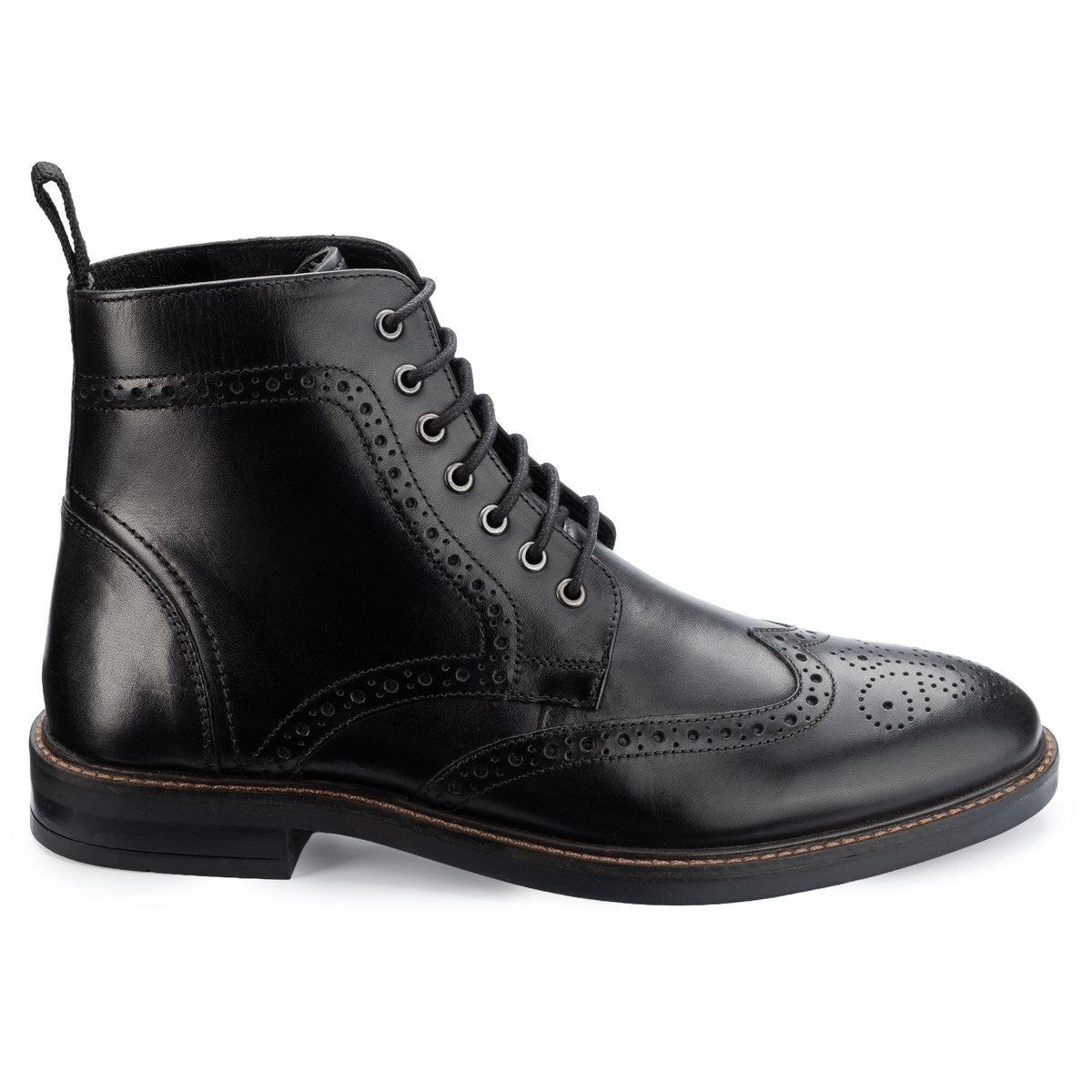
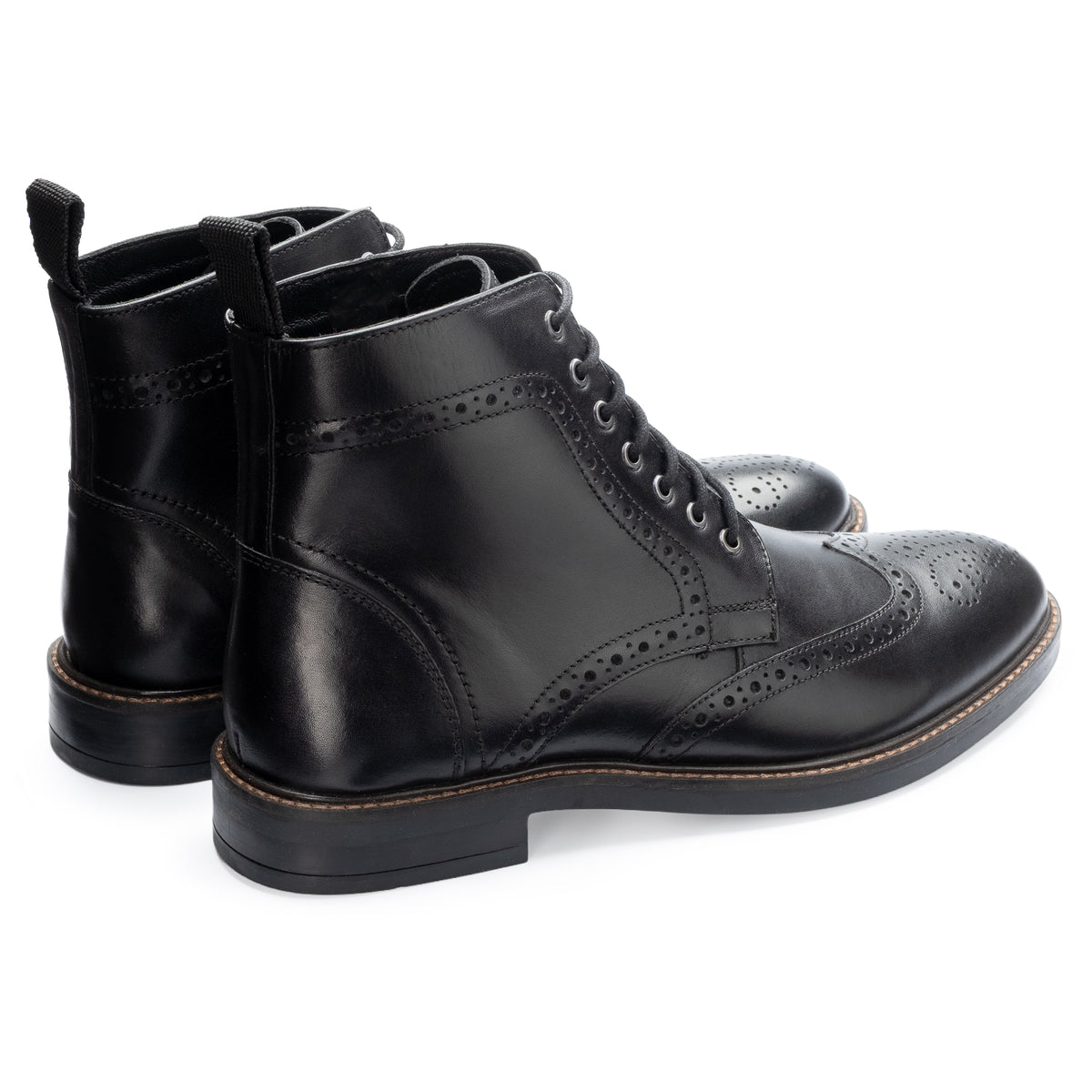
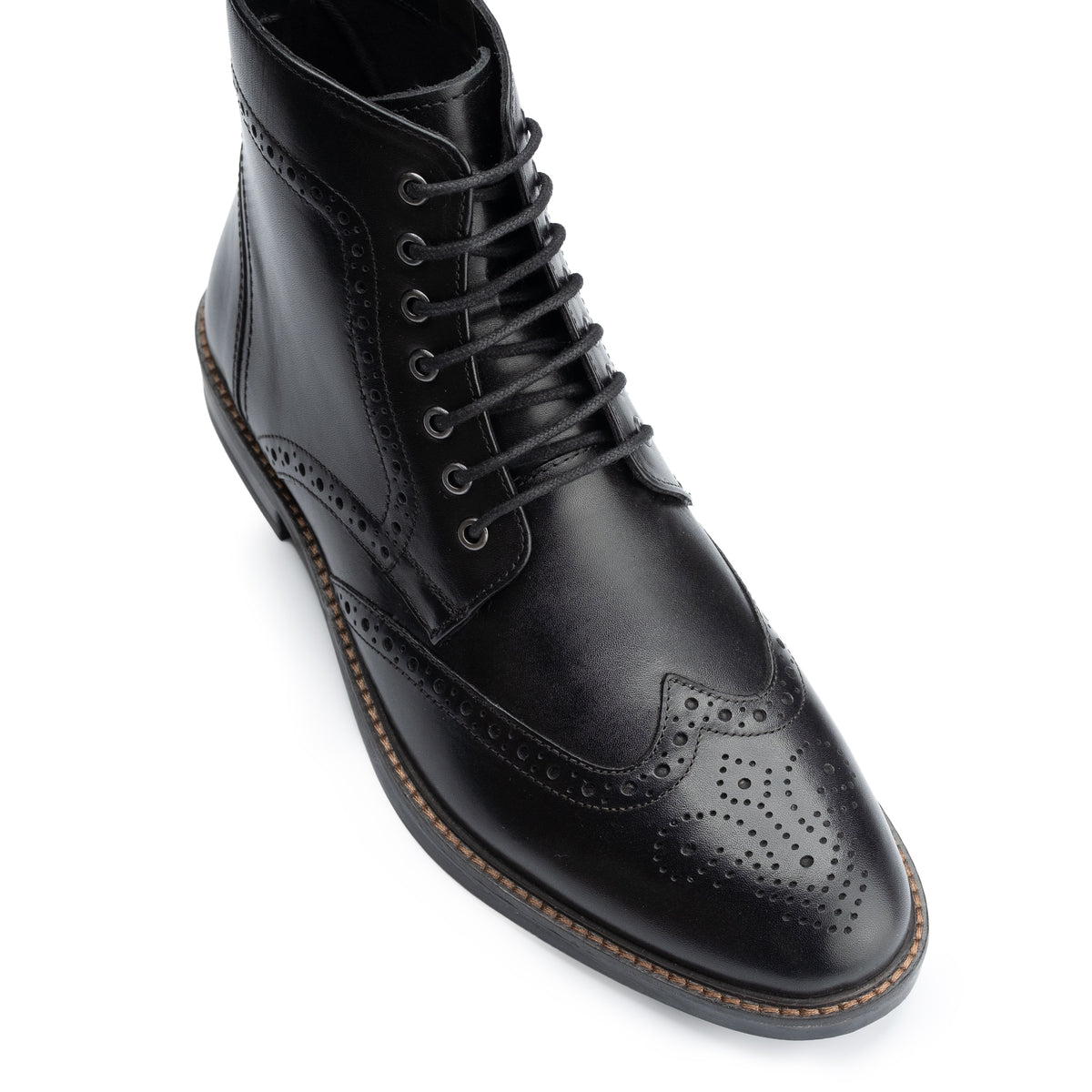
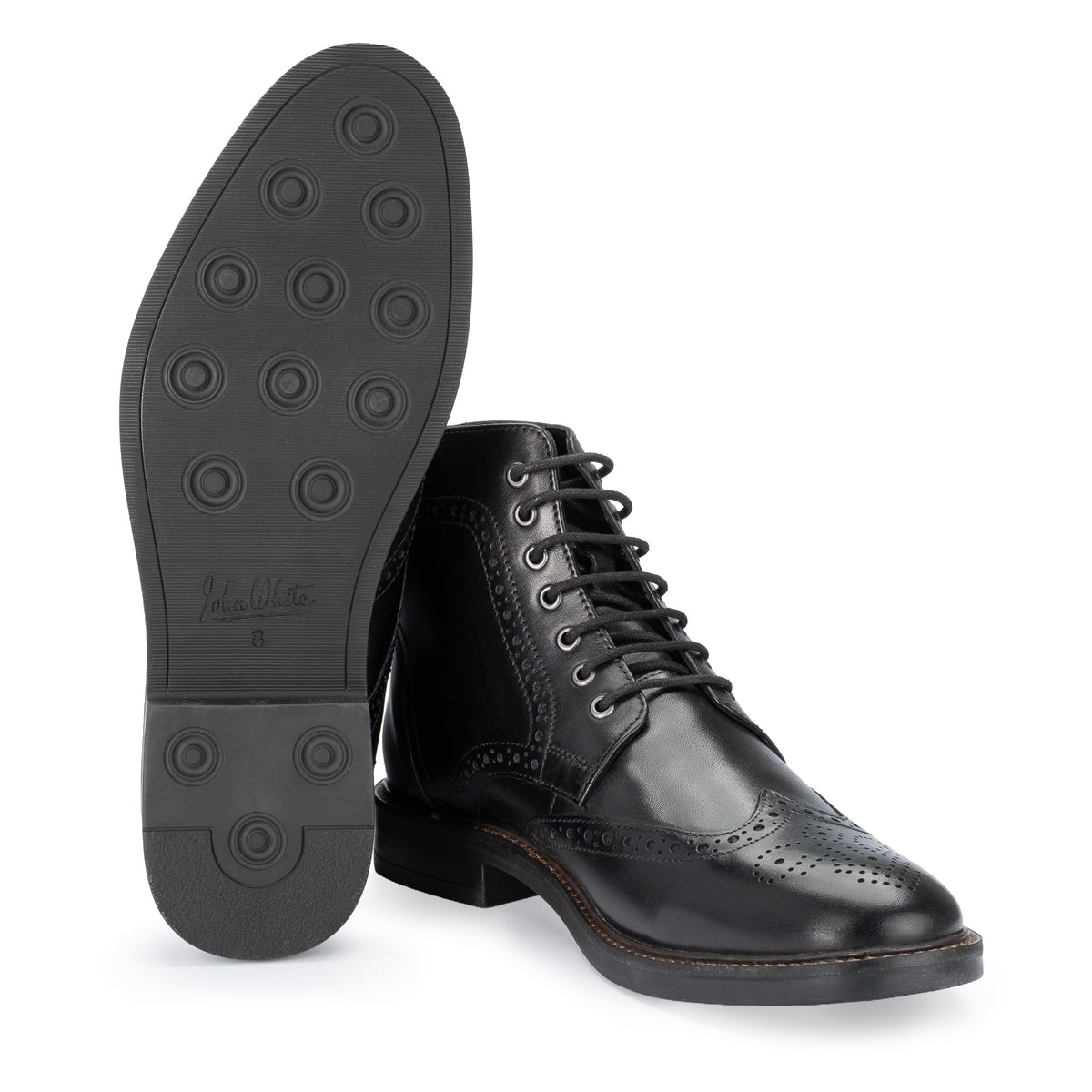
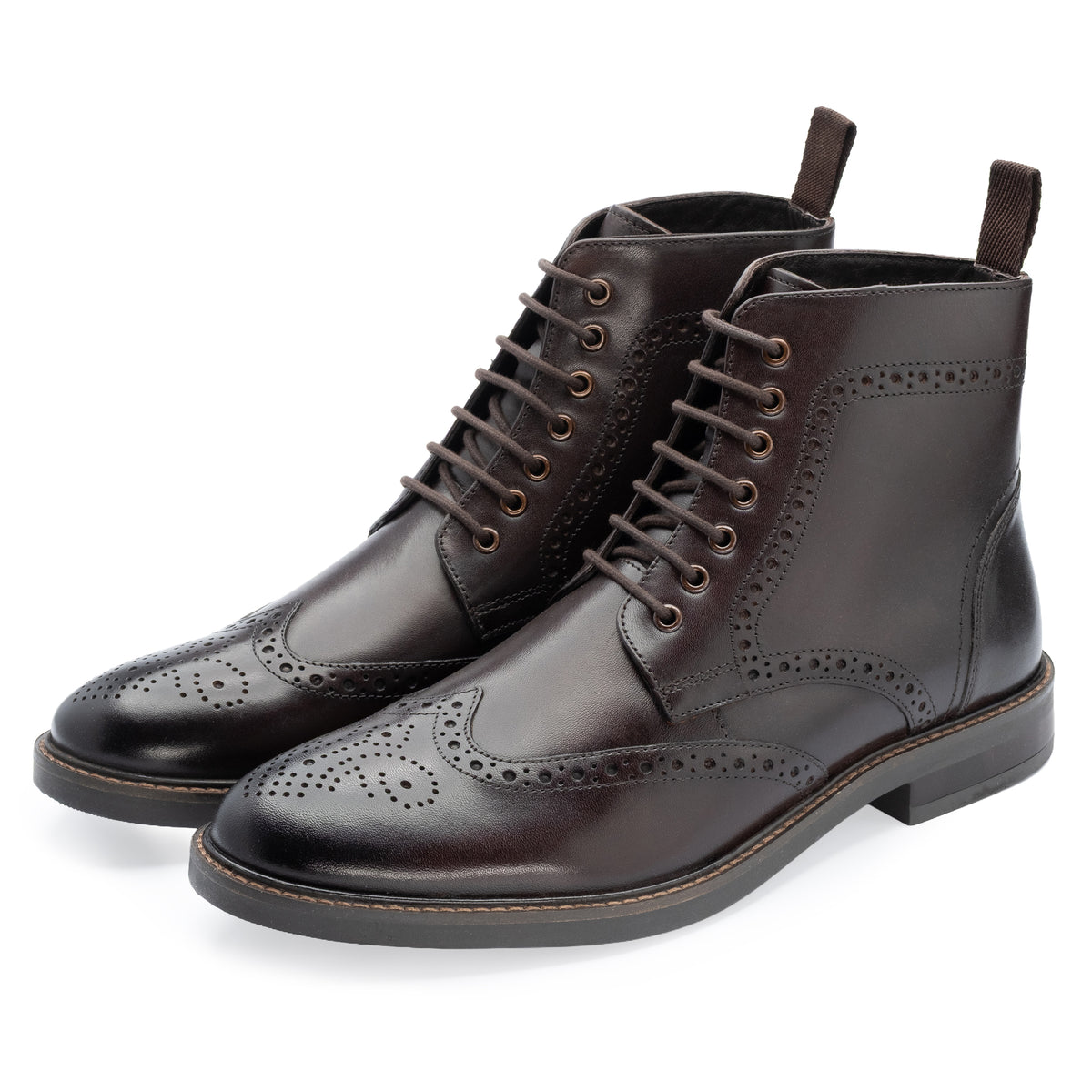
There's no broguing, no medallion toe, no visible external hardware to locate the boot in a specific era. A well-chosen Chelsea boot from ten years ago is visually indistinguishable from one bought today. That's not a lack of character — it's considered restraint. The silhouette speaks for itself without needing decoration to compensate.
It Asks Nothing Unusual of the Wearer
The Chelsea boot doesn't require a learned styling instinct to wear well. Put a clean pair with a dark suit and it works. Put it with straight-cut jeans and a coat and it works just as well. That accessibility is part of what makes it enduring — it rewards the wearer's existing wardrobe rather than demanding a new one around it.
According to the Northampton Museums and Art Gallery, which holds one of the world's most significant historic footwear collections, the elastic side-gore boot has been in continuous production for over 170 years — longer than almost any other recognisably modern boot silhouette.
A boot that functions equally well for a morning meeting and a Saturday afternoon requires no justification — it justifies itself every time you reach for it.
Leather or Suede Chelsea Boots: Which Should You Choose?
The two principal materials for Chelsea boots serve different wardrobes and different seasons. Choosing between them isn't about preference alone — it's about how you actually dress.
Smooth Leather Chelsea Boots
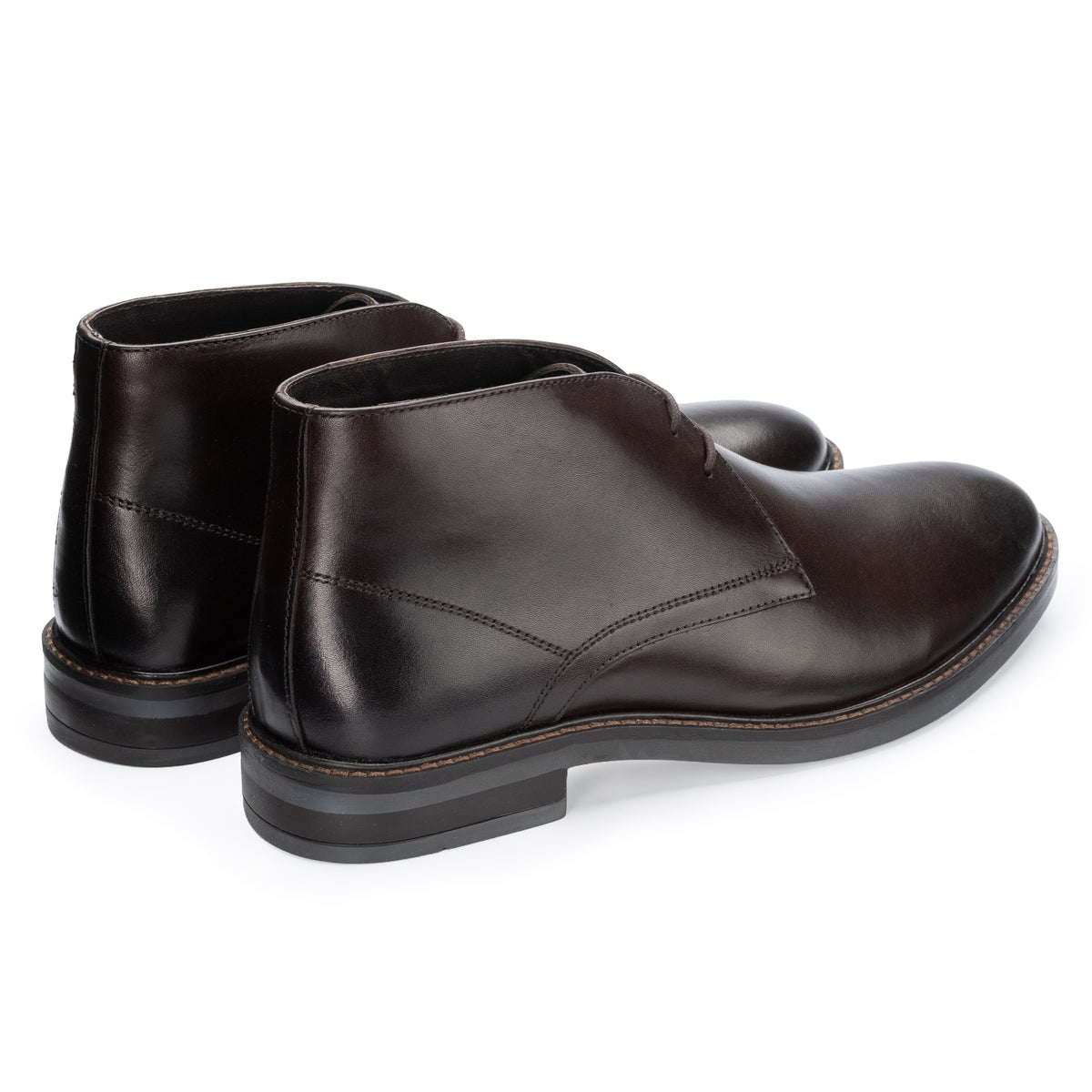
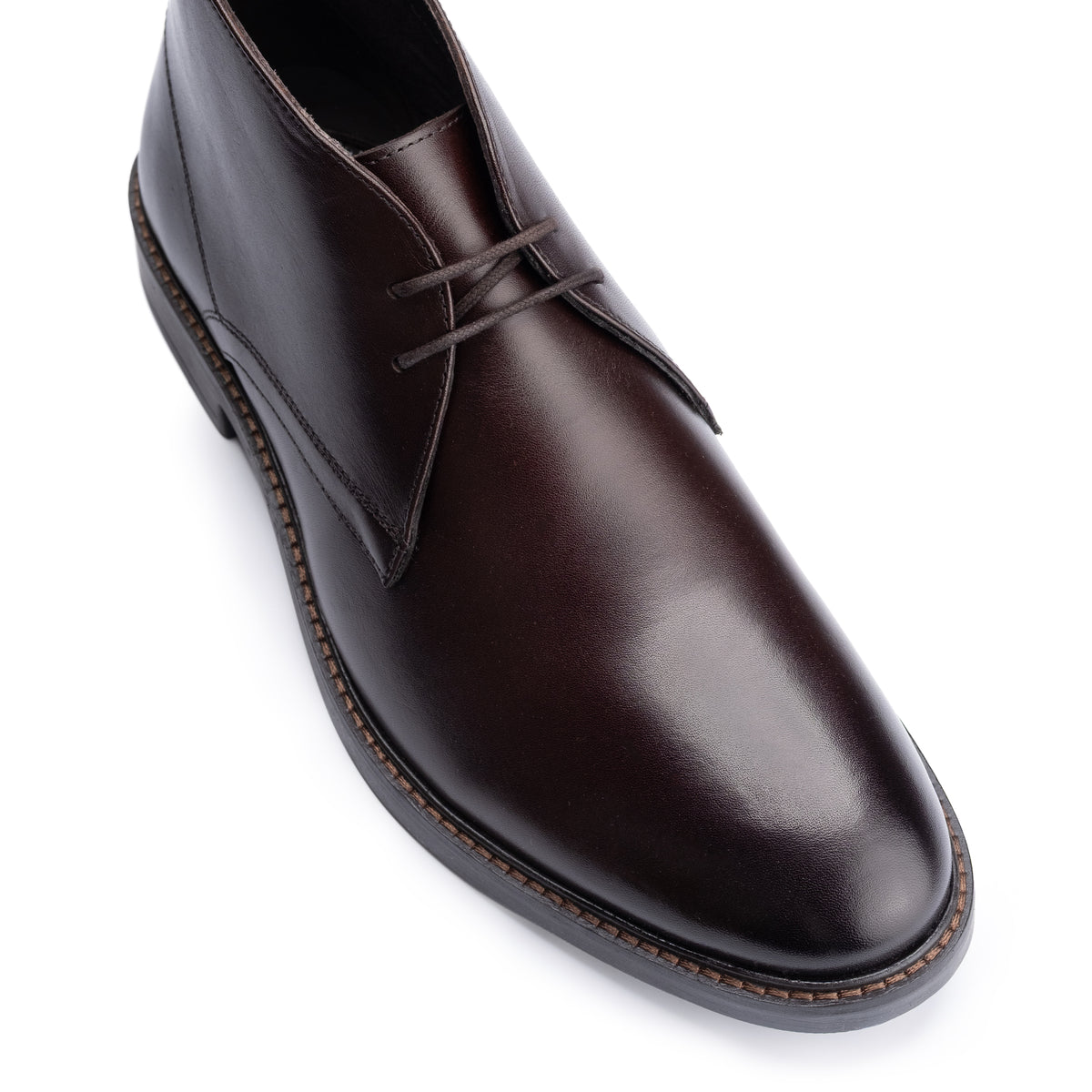
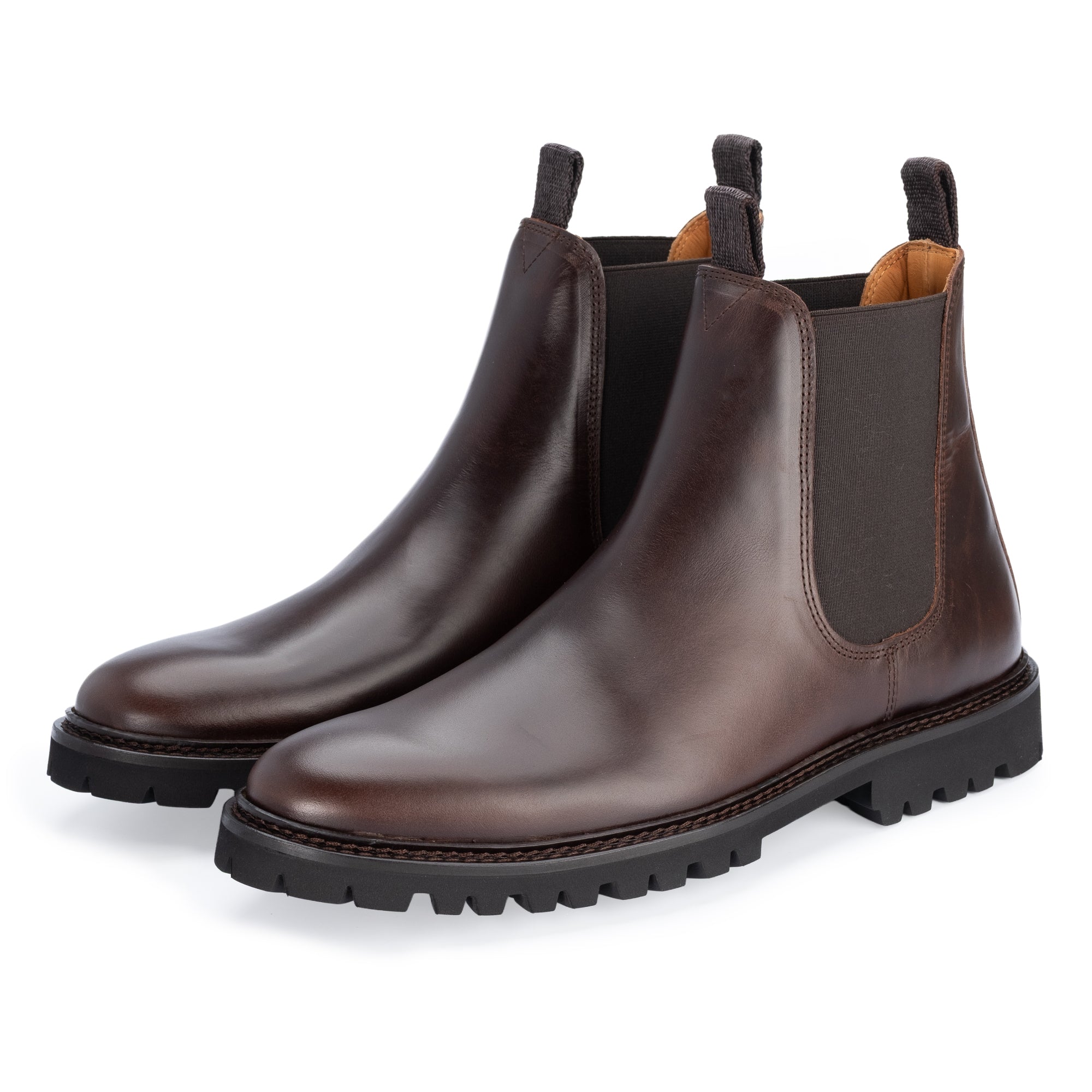
Smooth leather is the more formal expression of the Chelsea silhouette. Black leather crosses into business and smart-casual contexts without effort. Brown leather reads slightly more relaxed — strong with tailored trousers, dark jeans, and structured chinos. Leather responds to regular care: polish and conditioning keep the upper supple, build a natural patina over time, and extend the life of the boot considerably. See our complete guide to leather shoe care for the full maintenance routine.
Suede Chelsea Boots
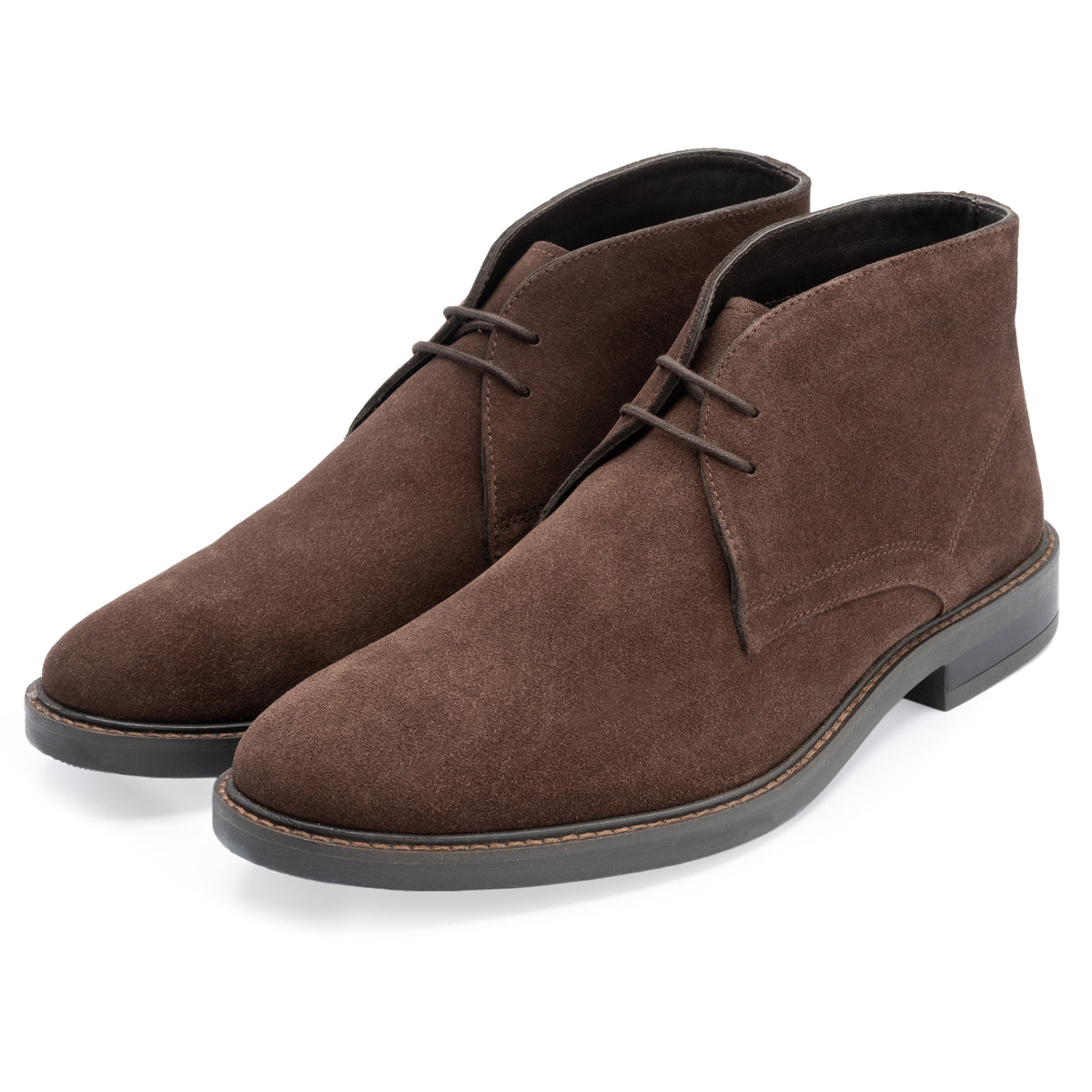
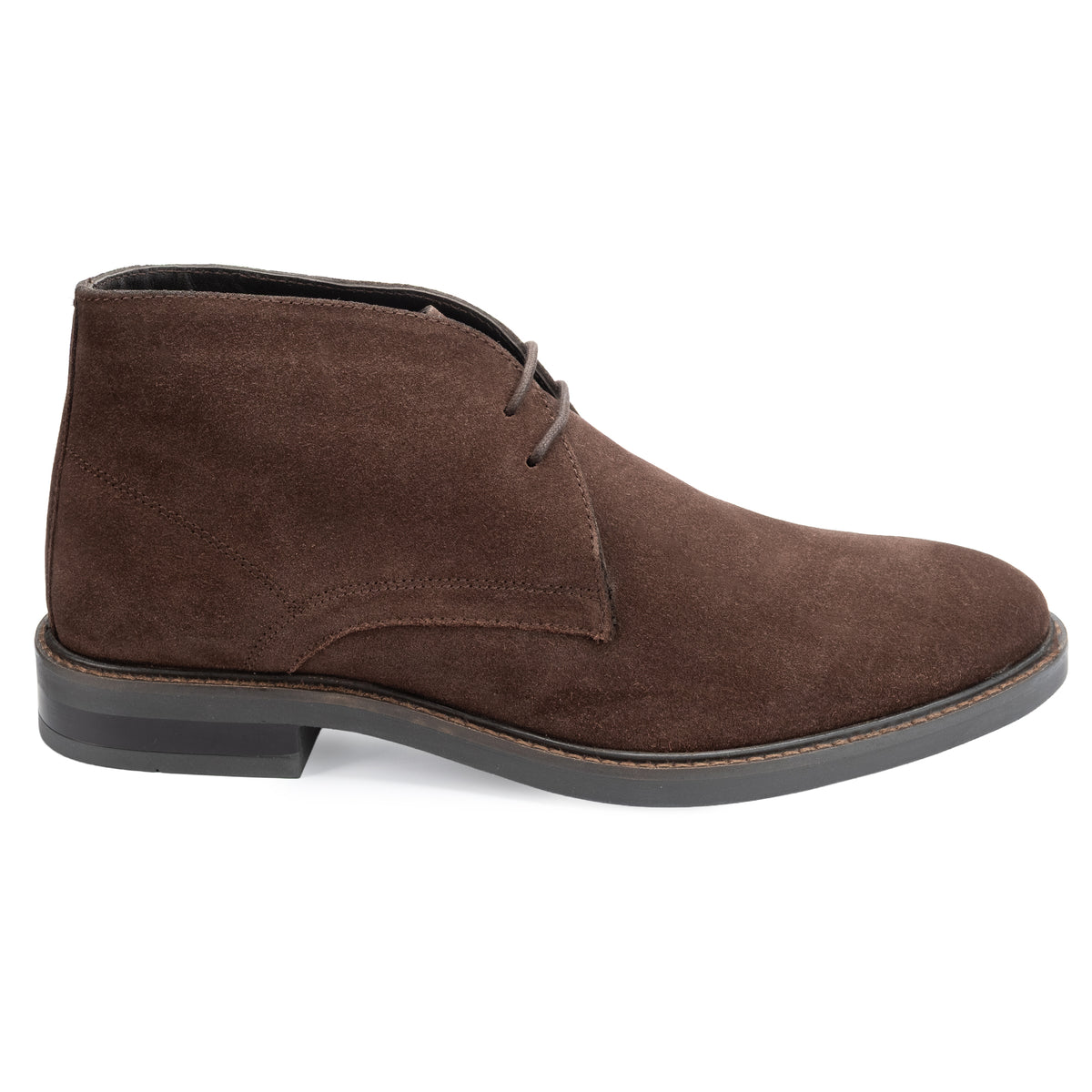
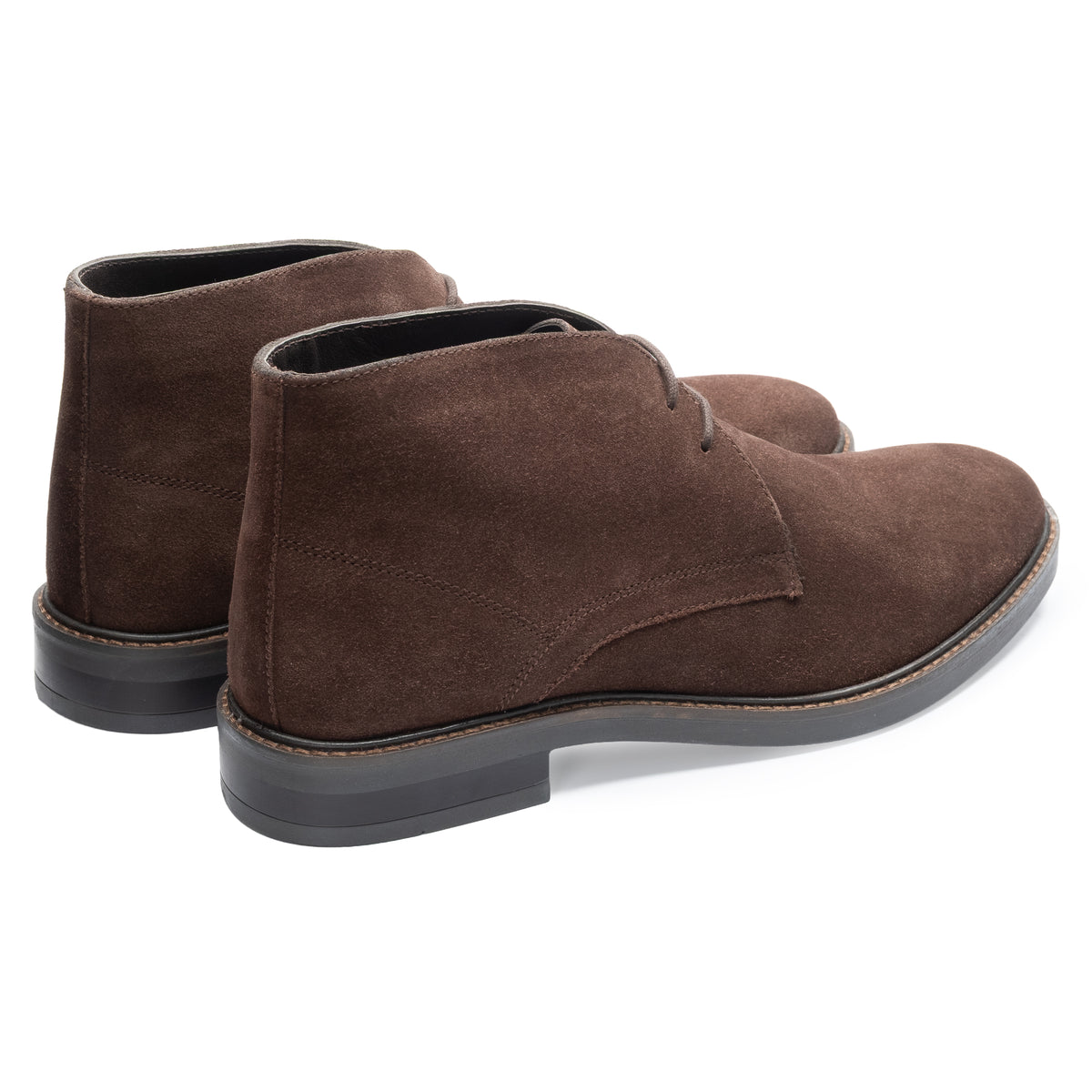
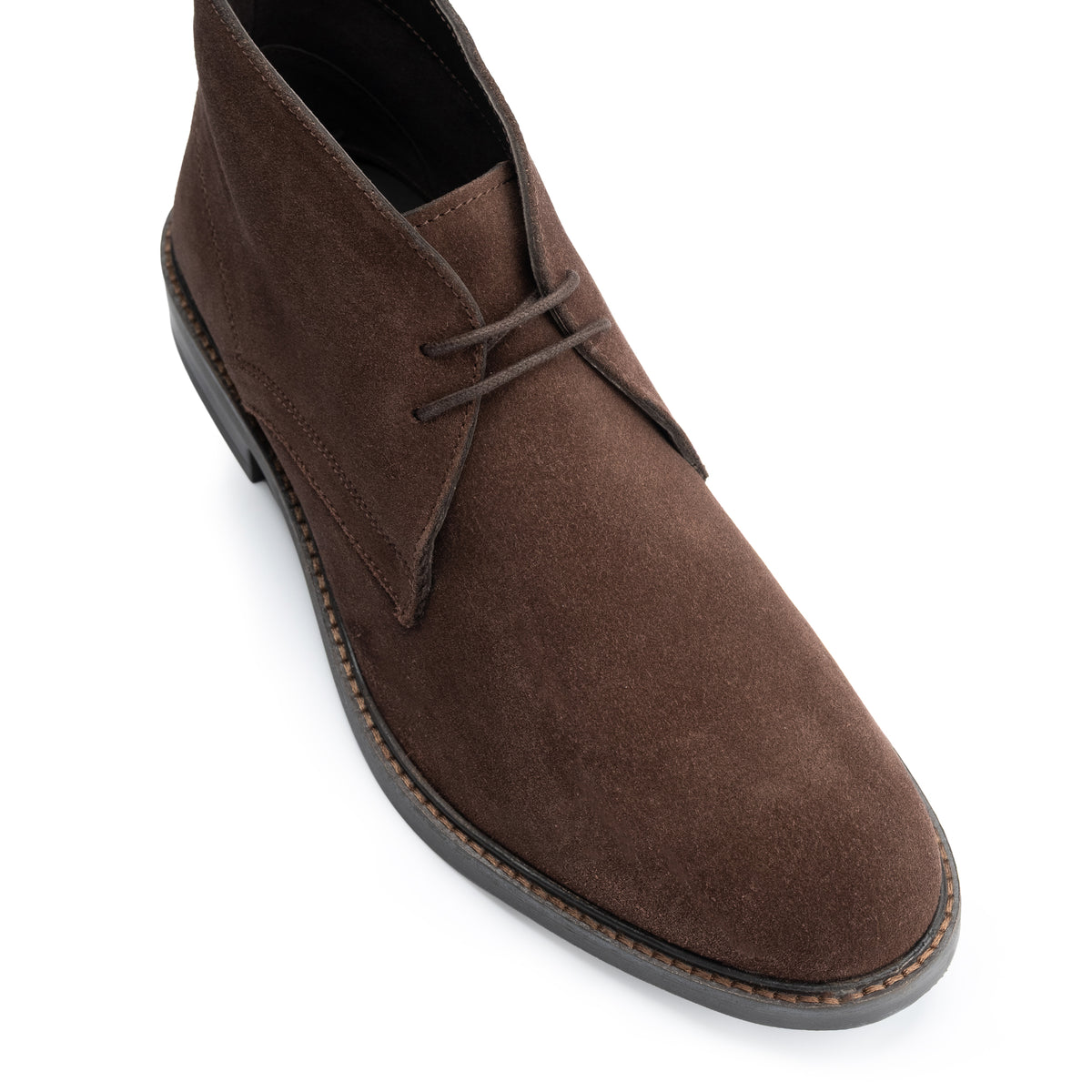
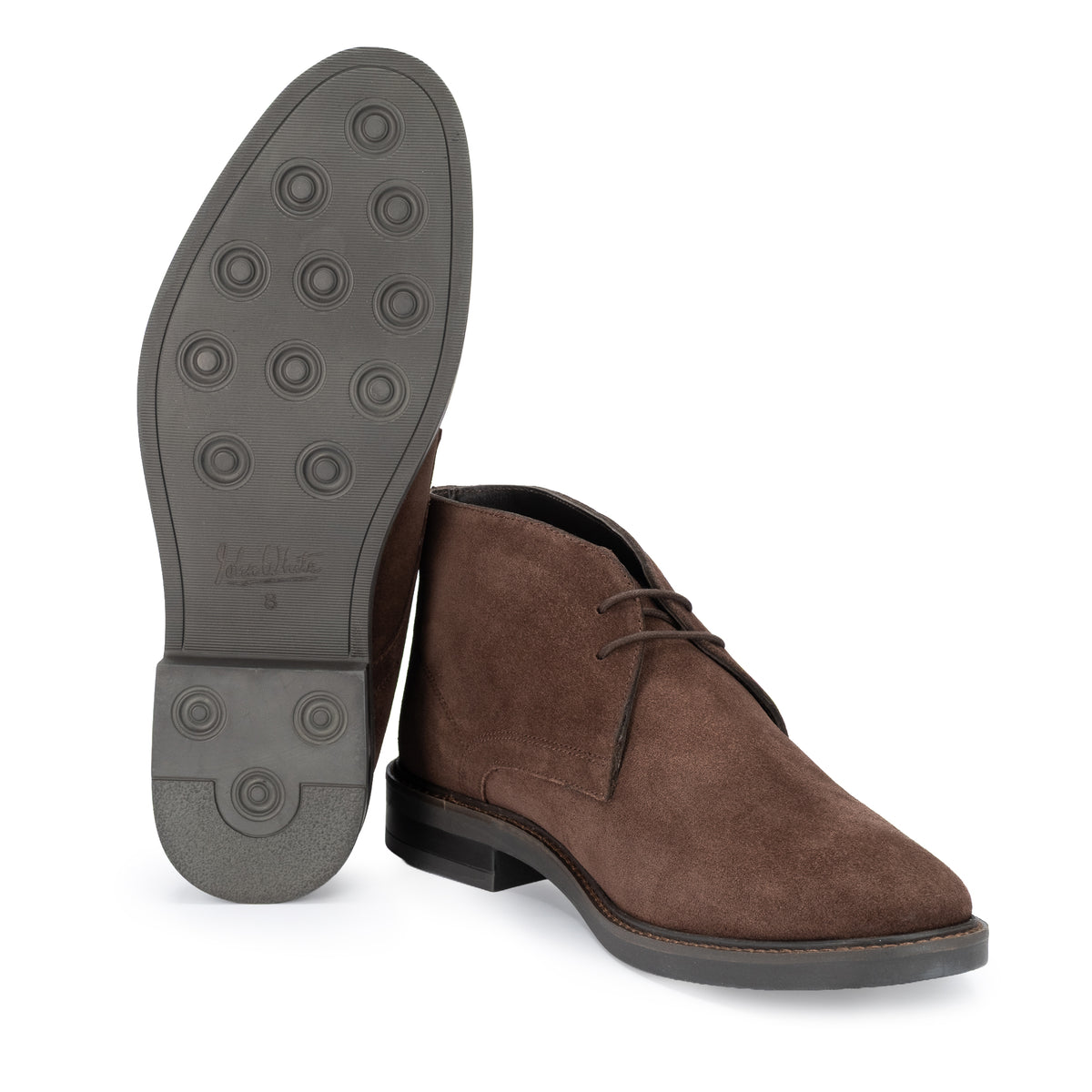
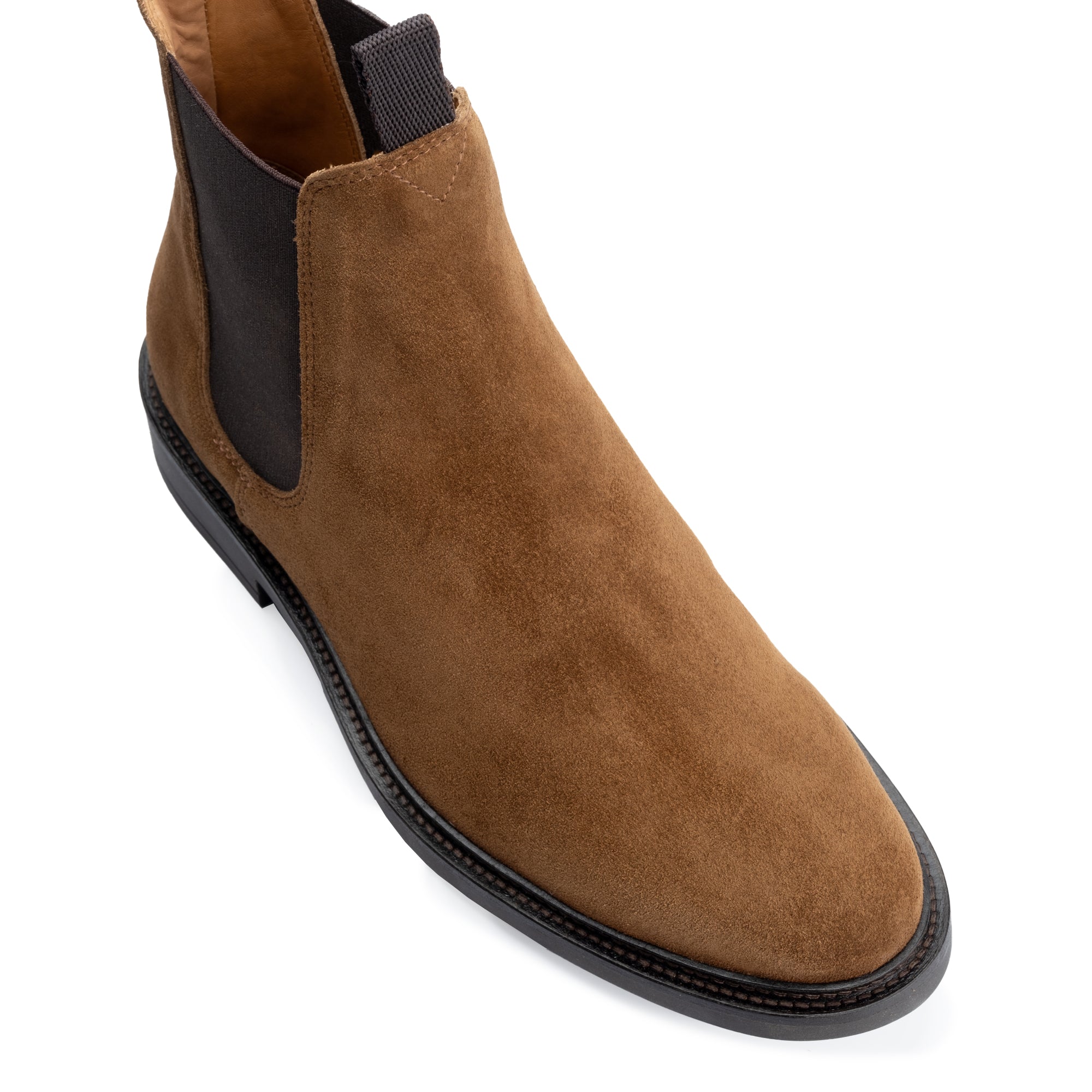
Suede reads as inherently casual. The texture softens the silhouette, making it particularly well-suited to relaxed tailoring, wool trousers, and cord or heavy denim. Brown suede and cognac suede are the most versatile shades — warm-toned enough to complement the earthy palette that dominates British autumn and winter dressing. Suede demands different care than leather; our guide to suede Chelsea boot care in winter covers the specifics of cleaning, protecting, and reviving the nap through the colder months.
According to the British Footwear Association, boots represent one of the most consistently purchased categories in UK premium men's footwear during the autumn and winter months — and within that category, suede styles see a notable uplift as temperatures drop and men seek warmth without sacrificing the clean lines of the Chelsea silhouette.
| Feature | Leather Chelsea Boot | Suede Chelsea Boot |
|---|---|---|
| Formality | Smart-casual to semi-formal | Casual to smart-casual |
| Best seasons | Year-round | Autumn, winter, spring |
| Best with | Tailoring, chinos, dark denim | Cord, wool trousers, relaxed denim |
| Weather suitability | All conditions with regular care | Avoid prolonged rain or heavy wet |
| Core care routine | Brush, polish, condition | Suede brush, protector spray |
| Ageing character | Develops patina and depth | Nap softens and mellows with wear |
| Colour options (JWS) | Black, Brown | Brown Suede, Cognac Suede |
How Should Chelsea Boots Fit?
Fit is the variable that separates a good Chelsea boot from a great one. The elastic gusset means there's less adjustment available than with a lace-up — so the initial fit matters more than usual.
- Length: allow a thumbnail's width between your longest toe and the end of the boot. Chelsea toes are typically rounded or slightly tapered — if you're between sizes, go half a size up.
- Width: the boot should hold the foot firmly at its widest point without pinching. The elastic panel accommodates some variation, but a poor width fit leads to heel slip or toe compression that no amount of wearing-in will correct.
- Ankle: the upper should sit just below the ankle bone. Too high and the boot restricts movement; too low and the silhouette loses its characteristic clean line.
- Heel: some movement during the first few wears is normal. Persistent heel slip with the boot fully fastened suggests it's too long, not simply stiff.
New leather Chelsea boots may feel firm across the upper for the first few wears as the leather forms to the foot. Our guide to breaking in new leather shoes covers how to manage the process without stressing the upper.
The John White Shoes Chelsea Boot Range
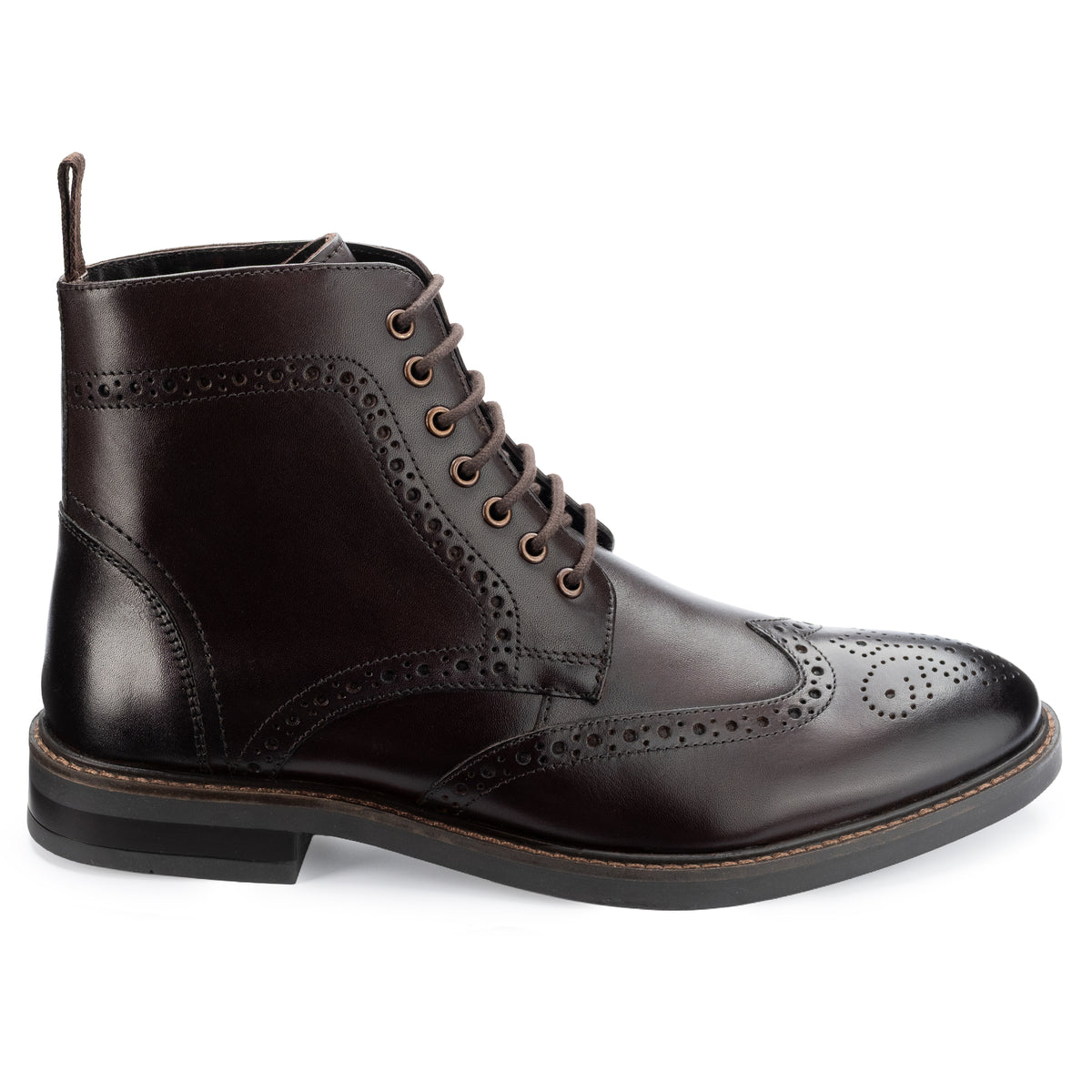
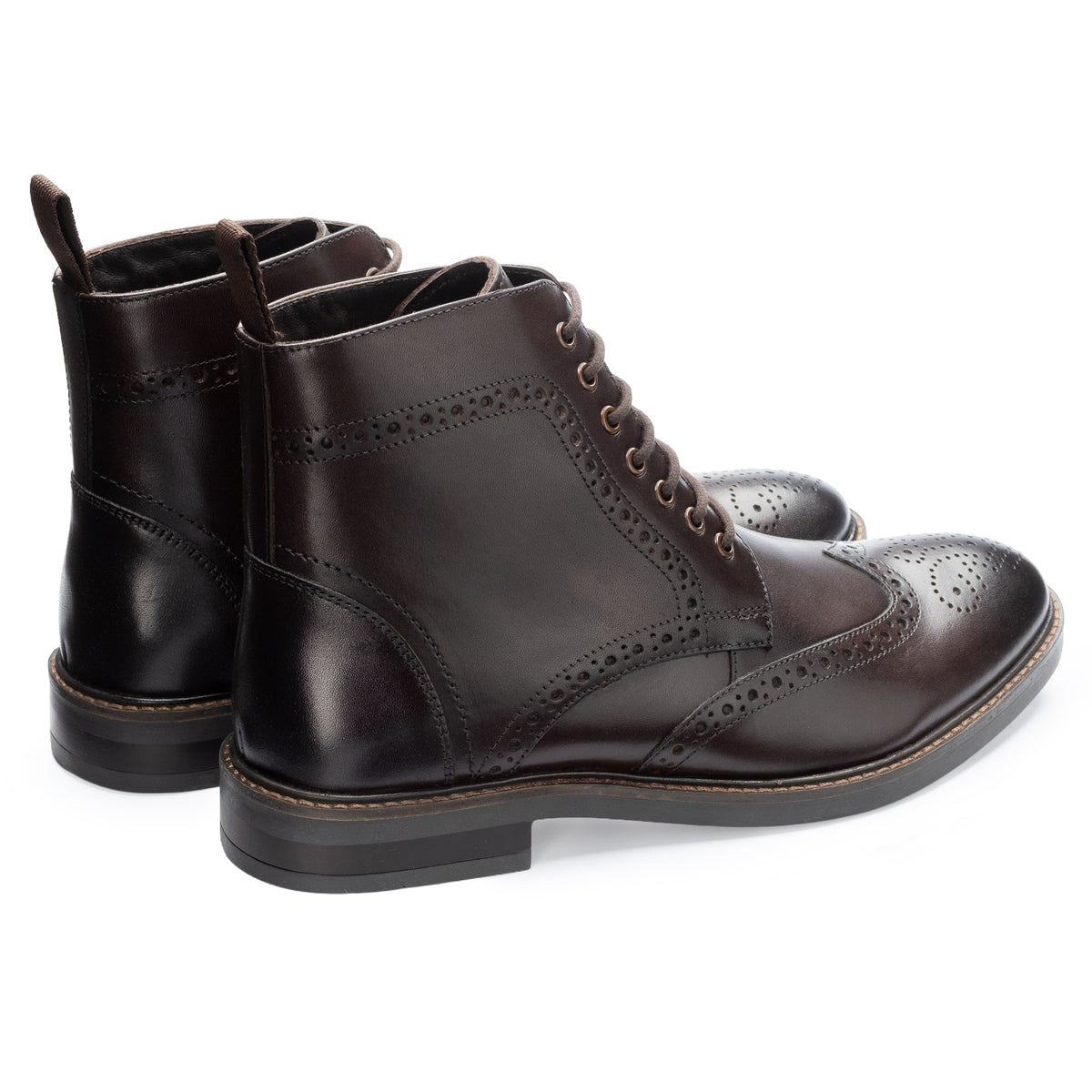
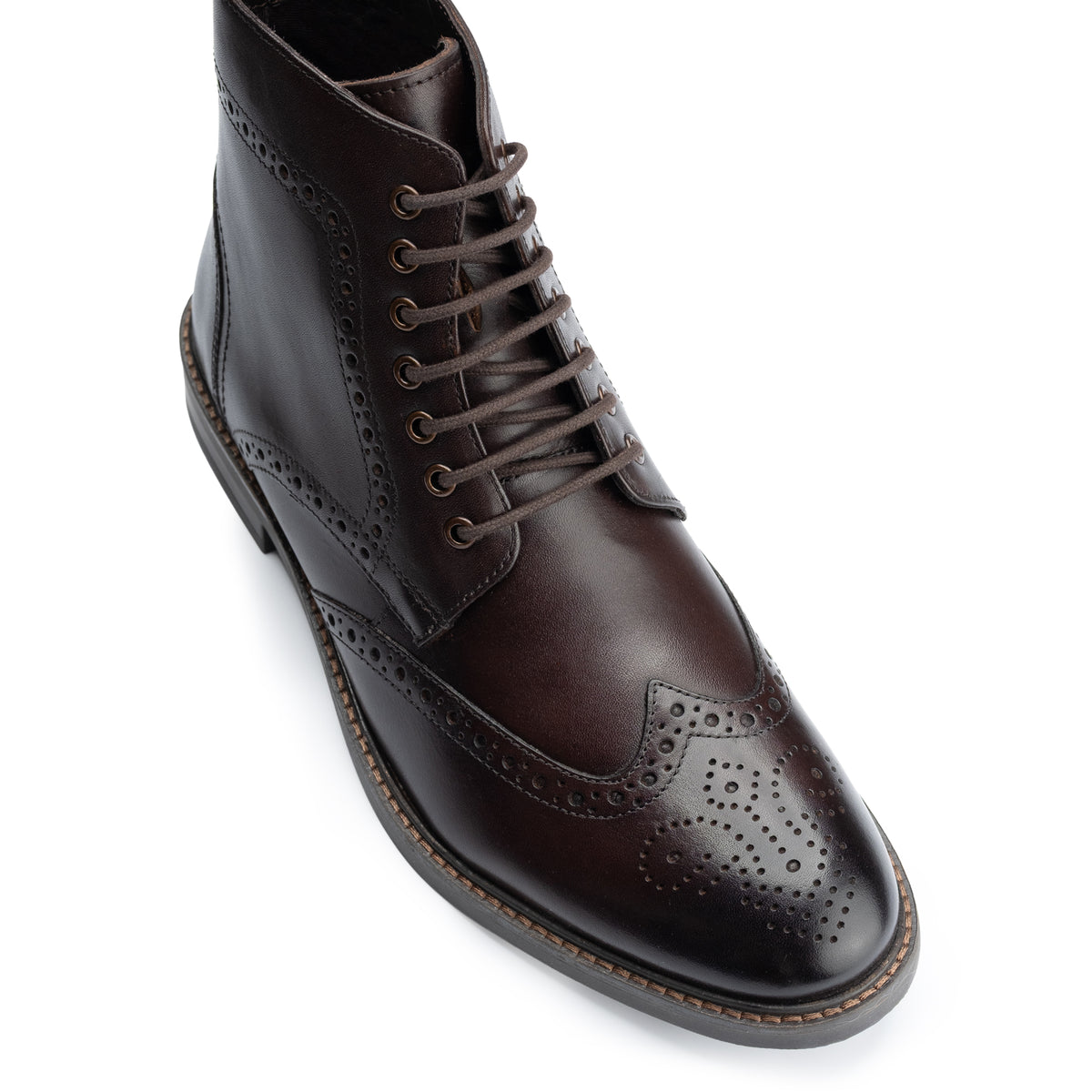
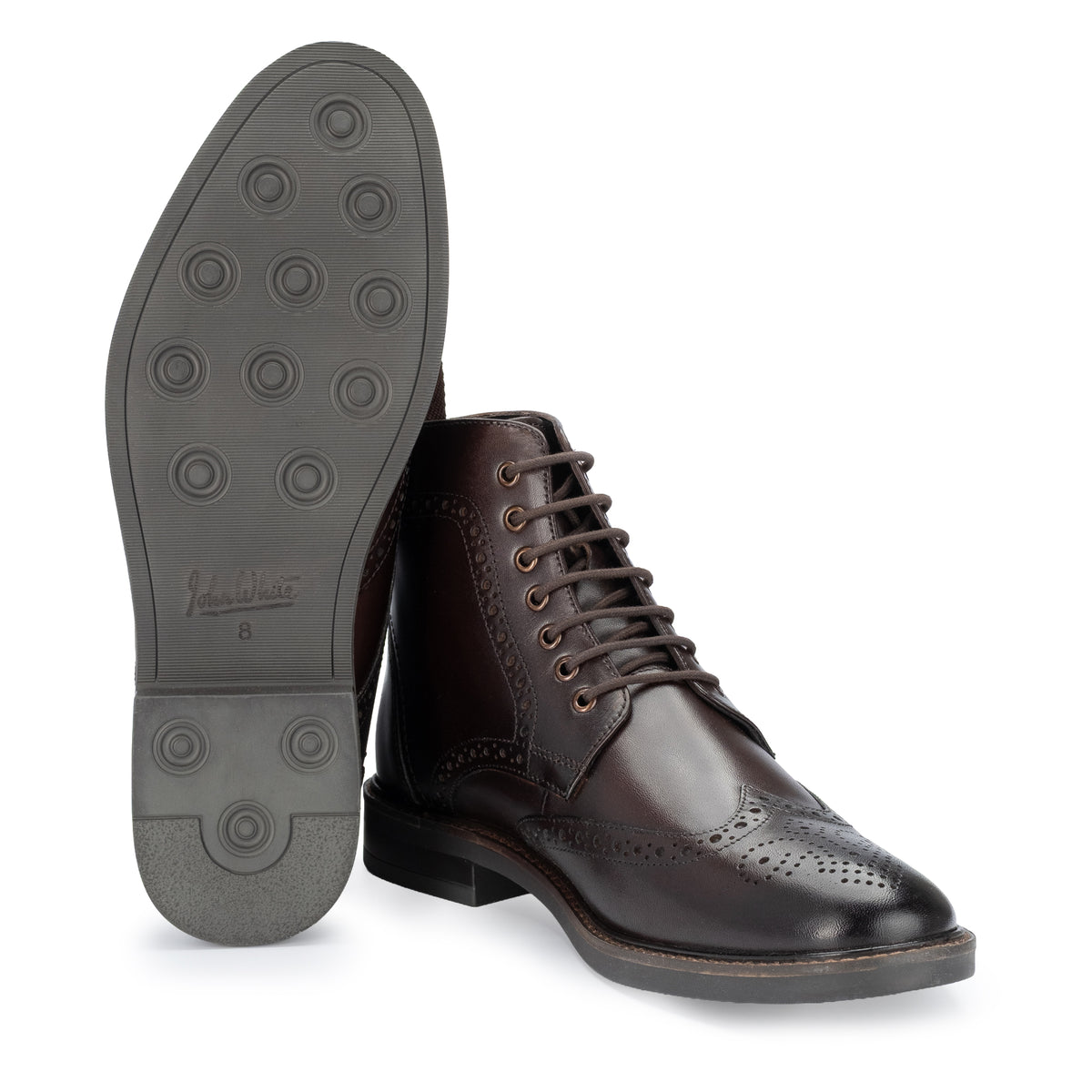
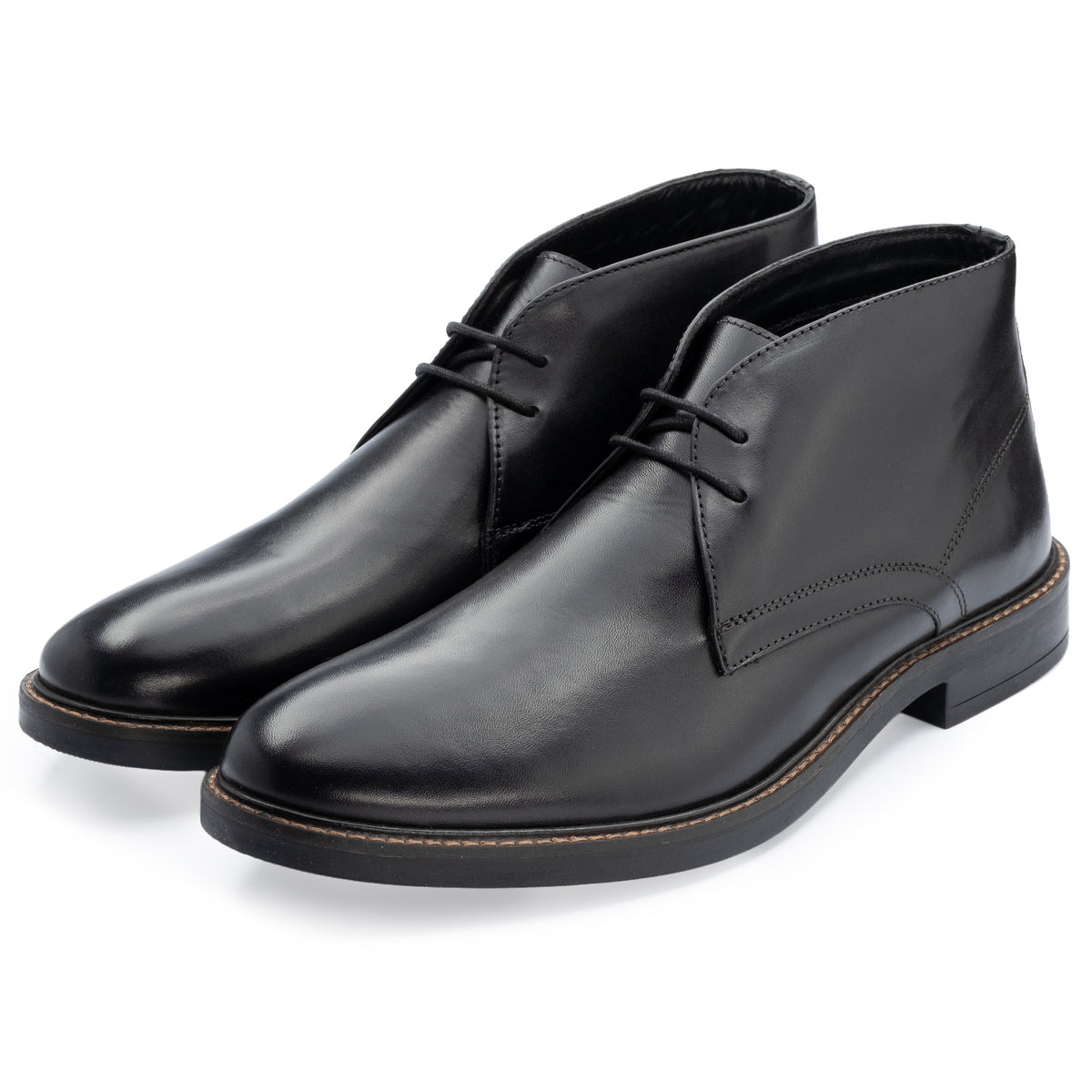
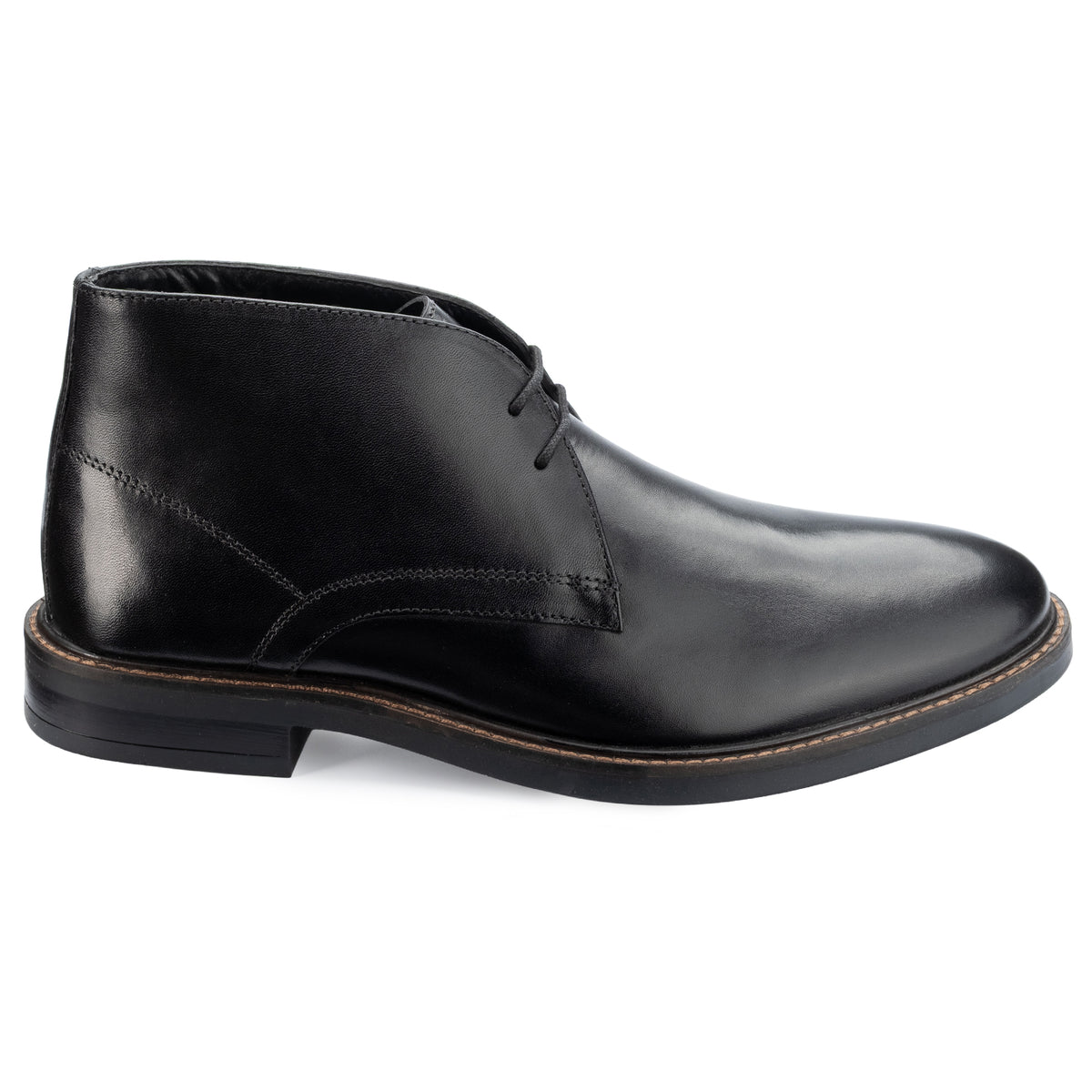
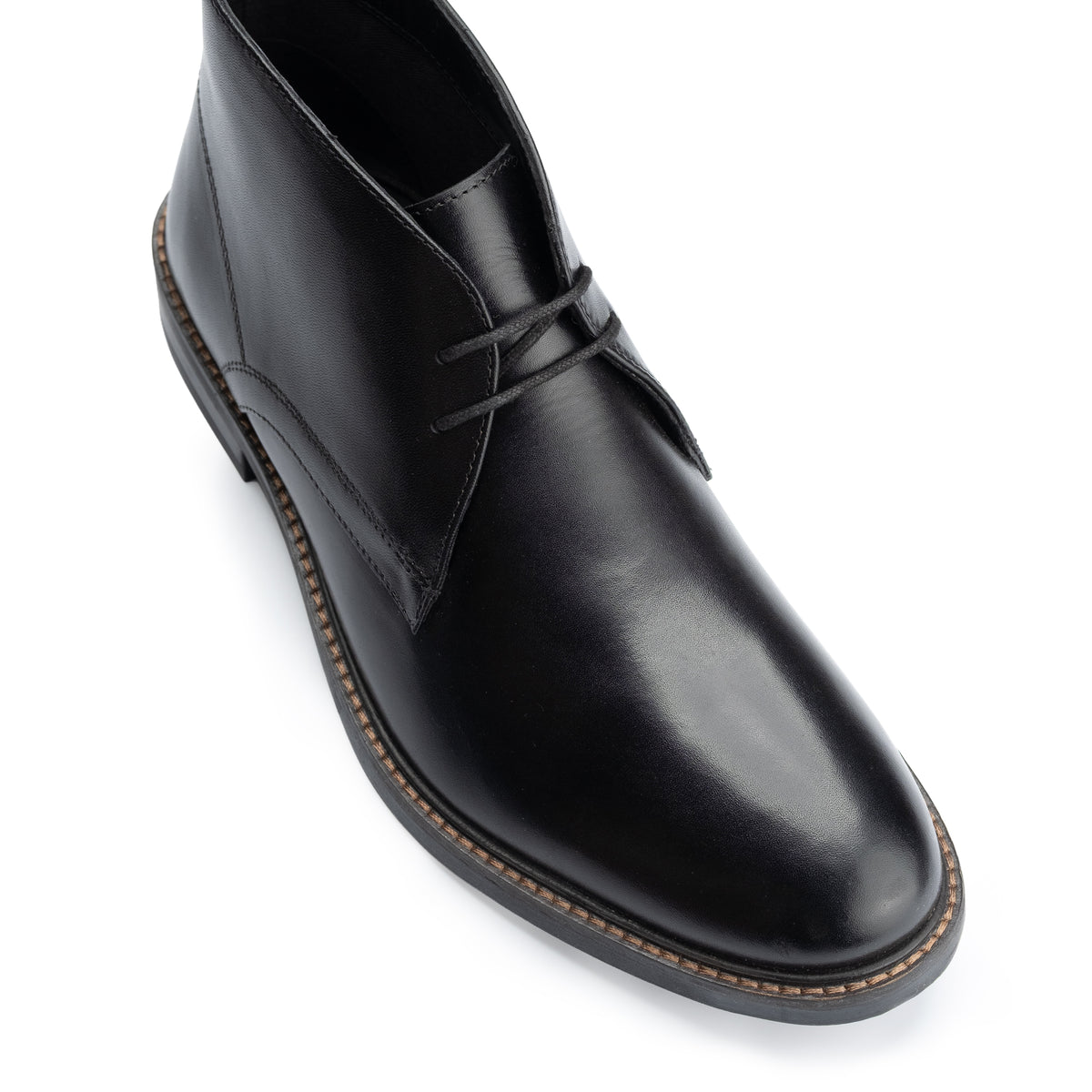
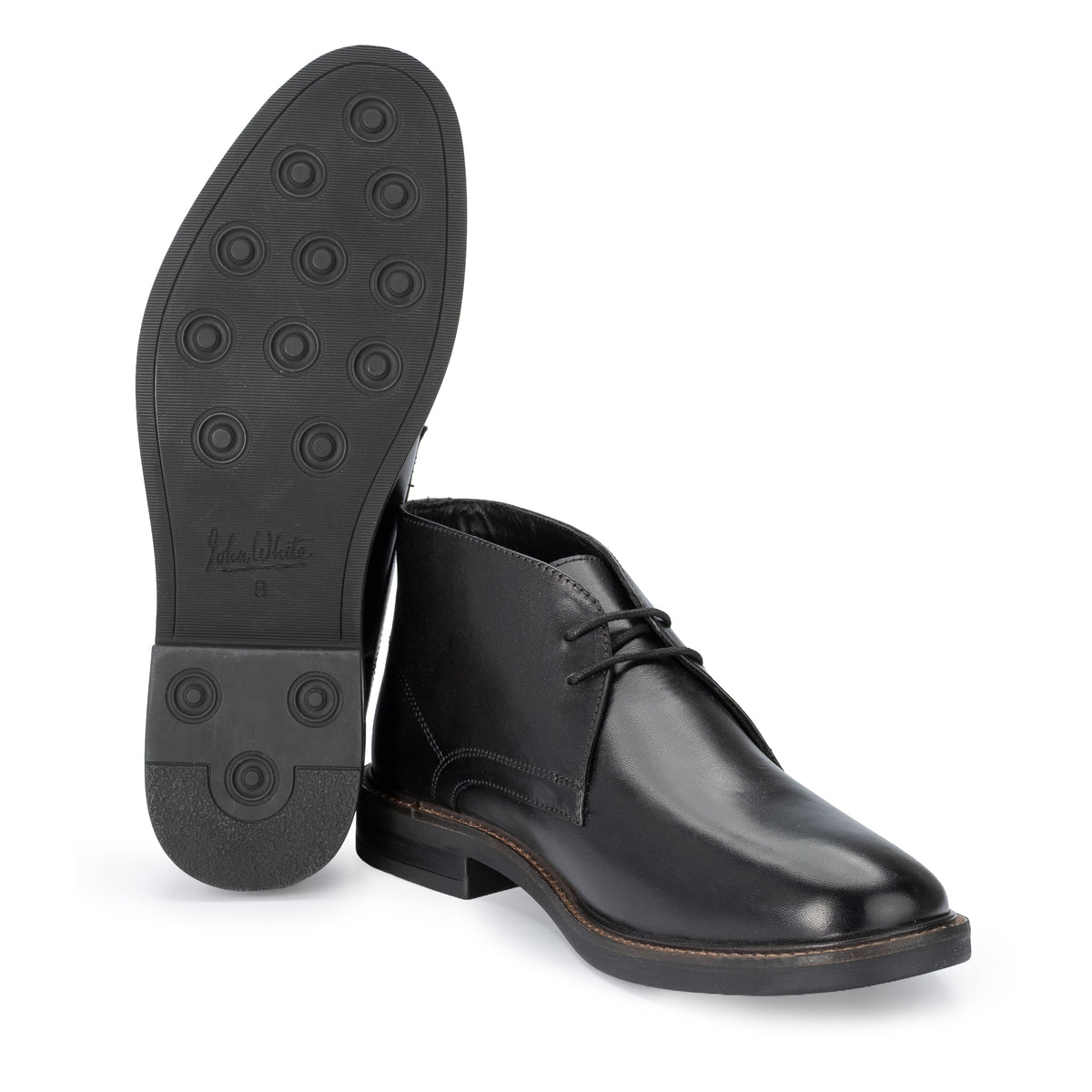
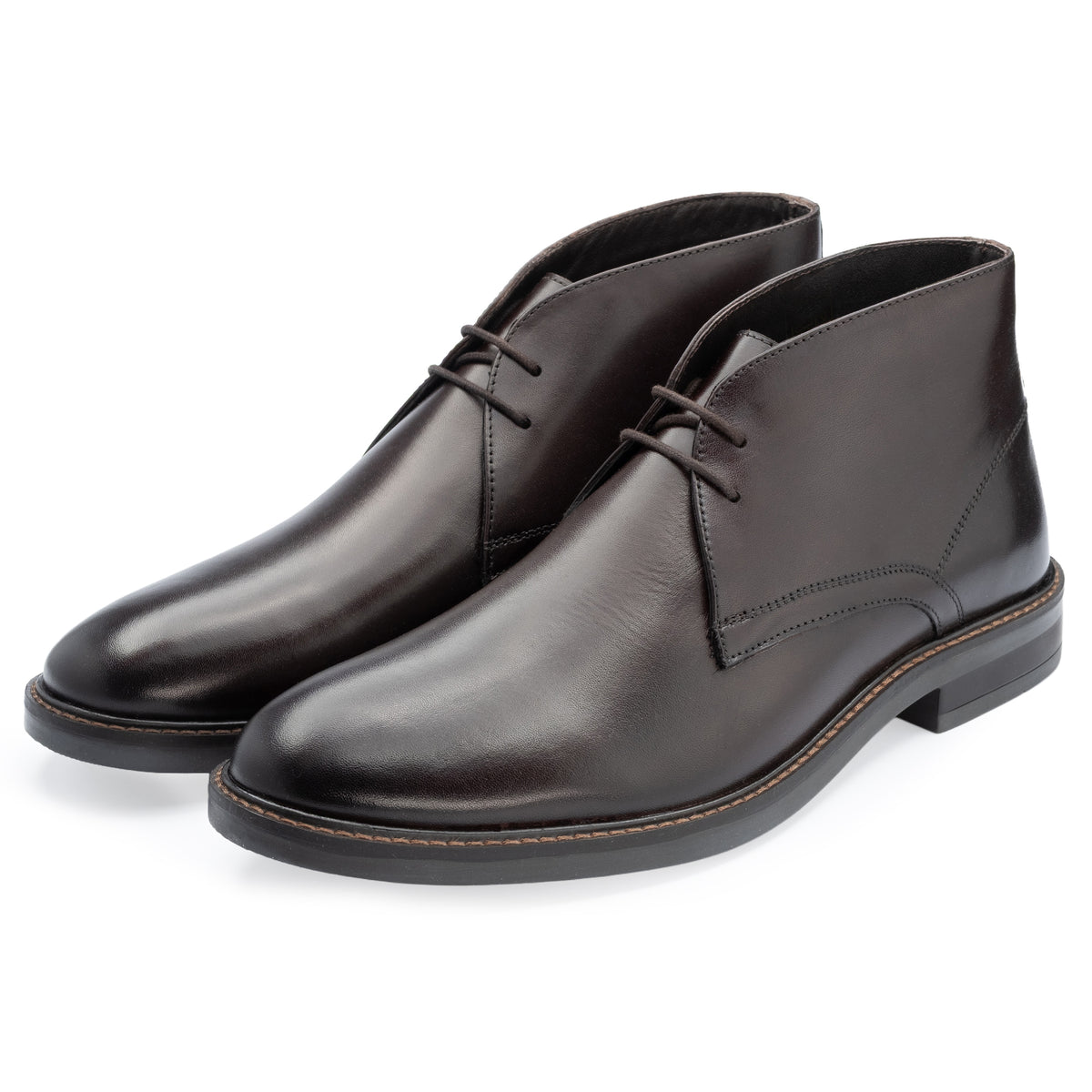
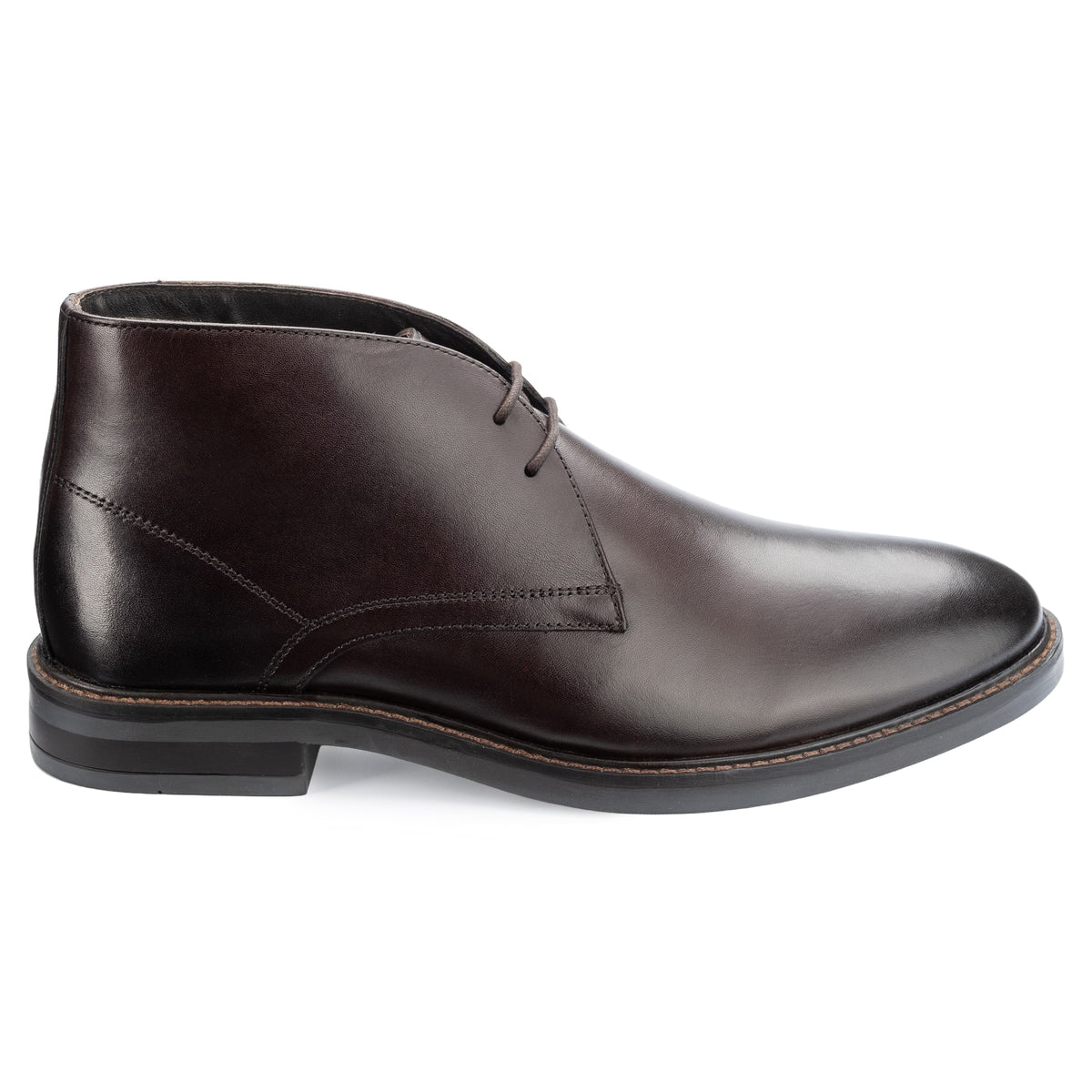
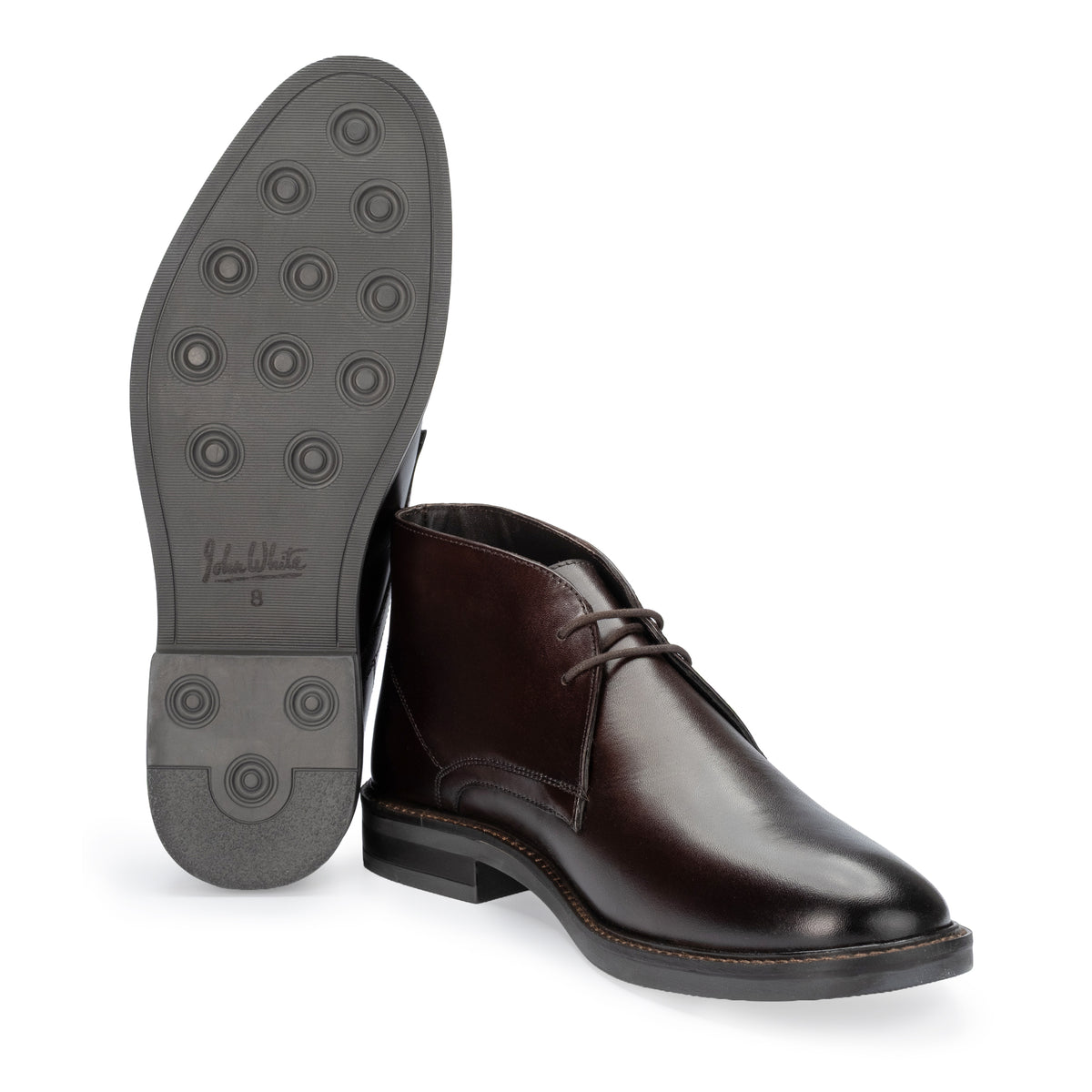
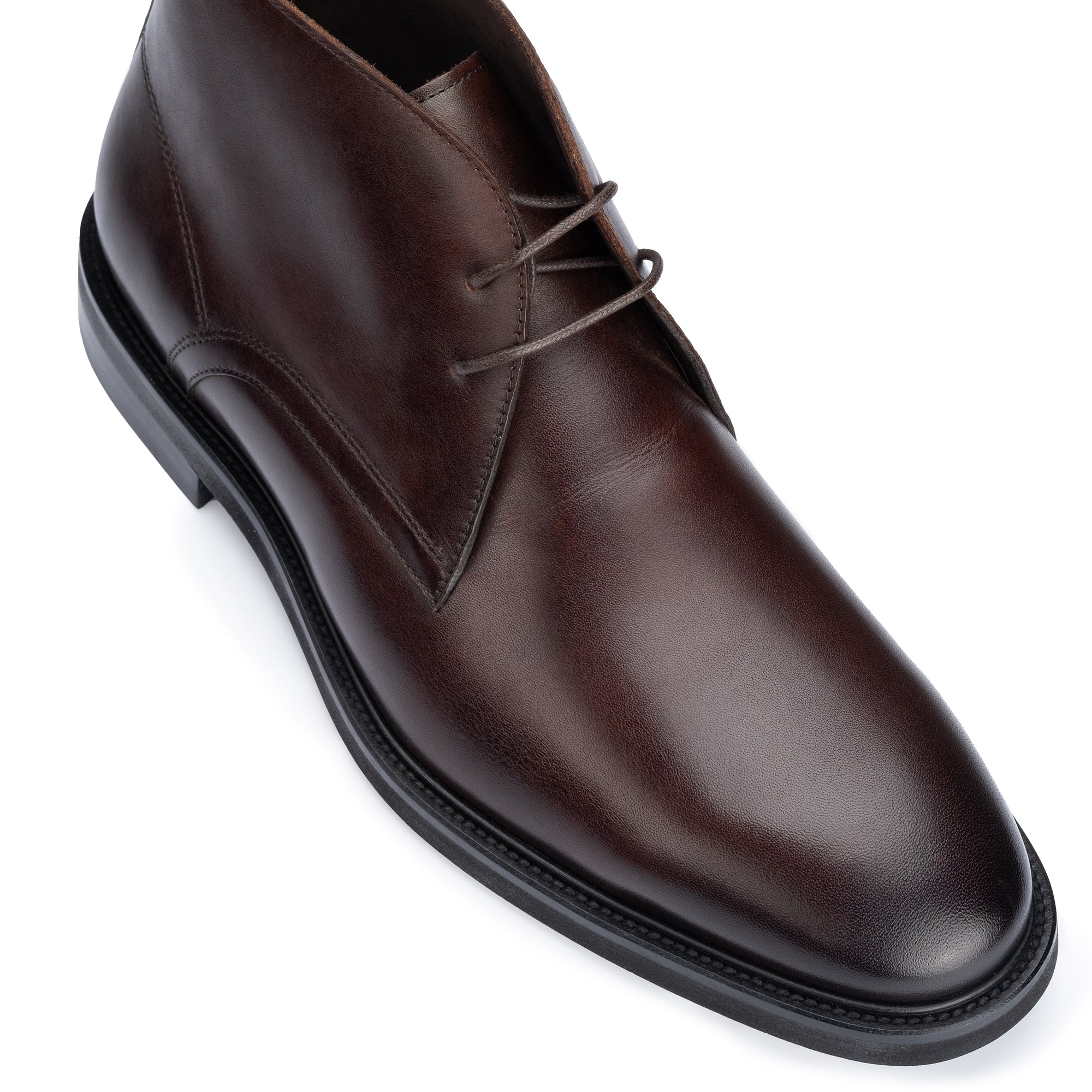
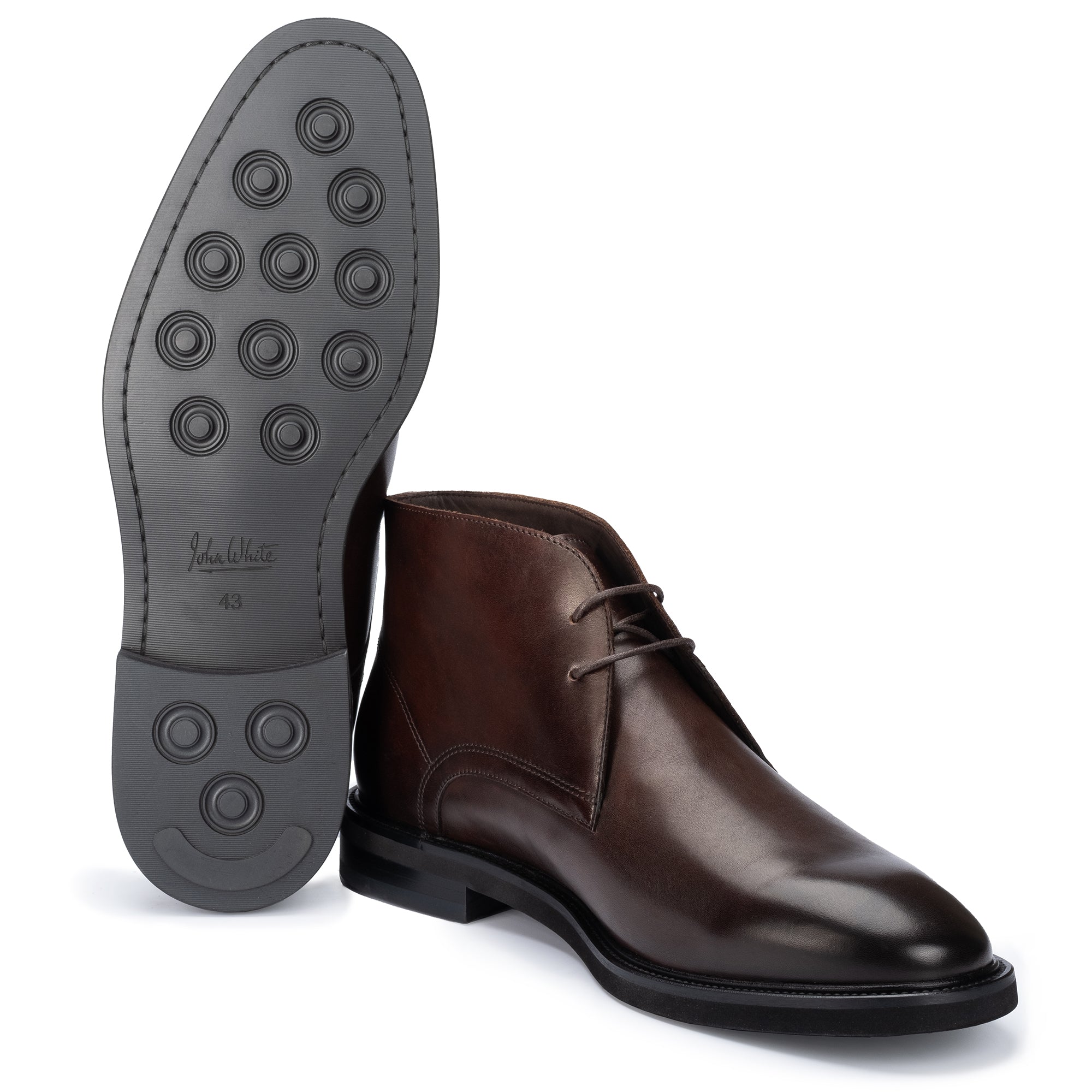
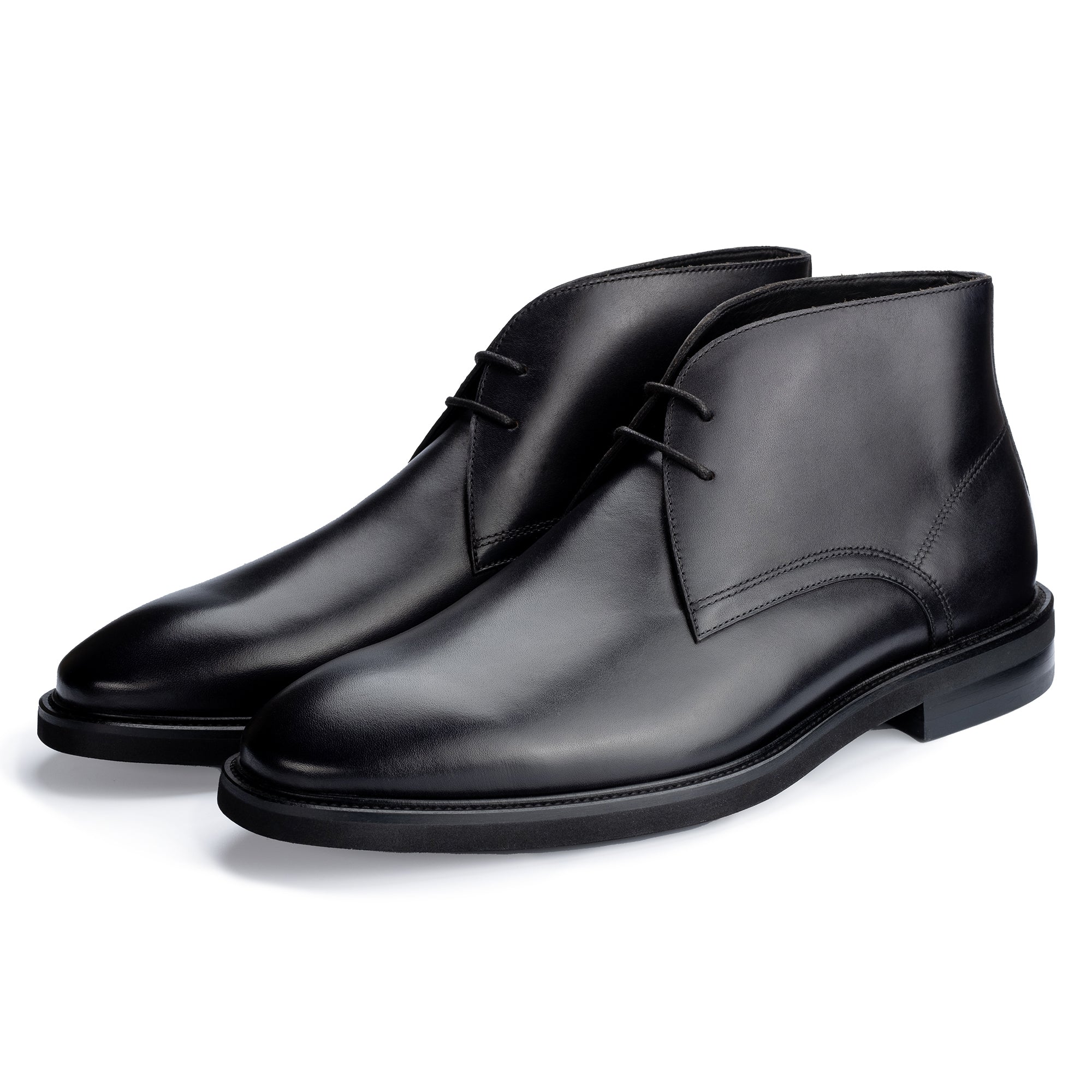
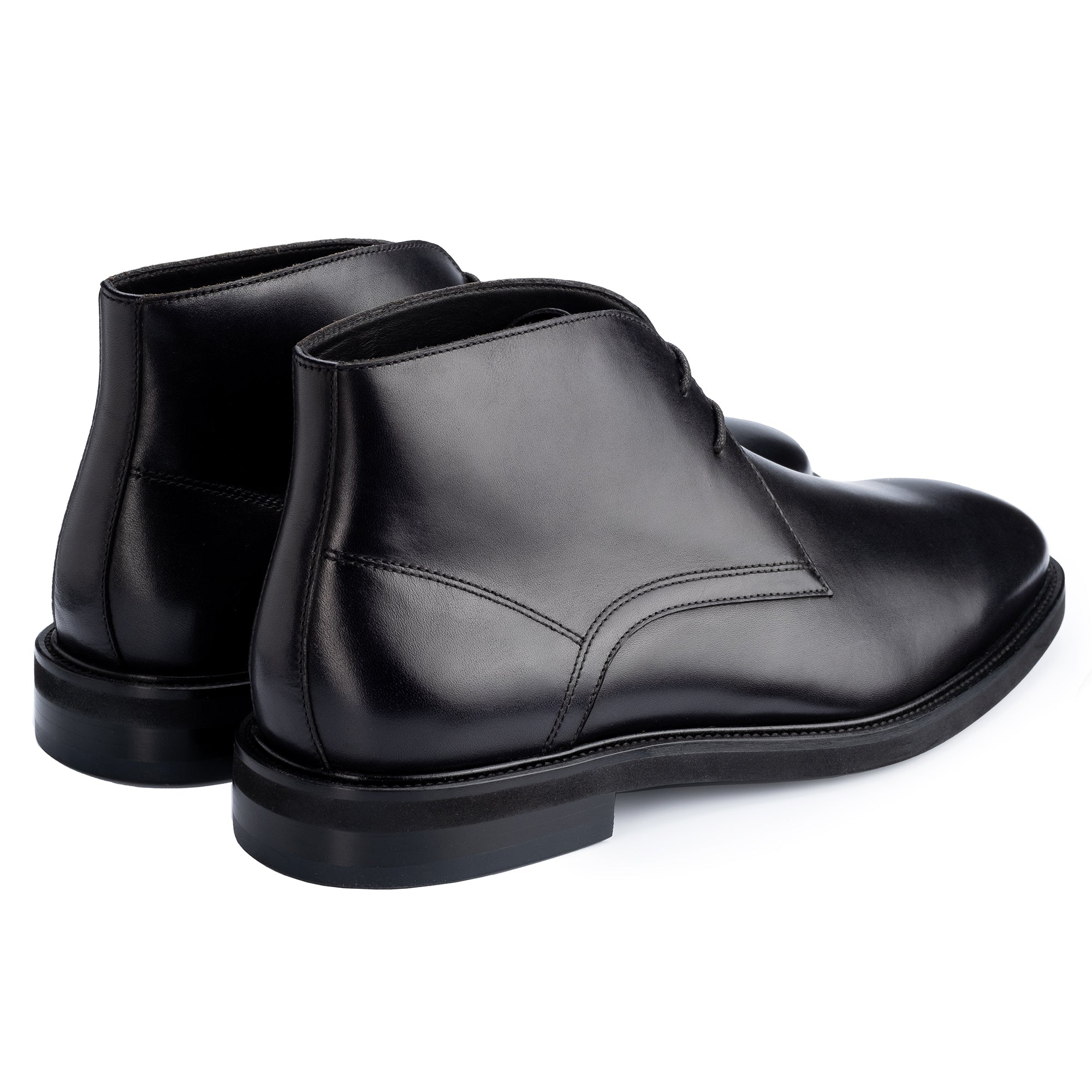
John White Shoes, British heritage footwear established in 1919, designs and sources a Chelsea boot range that covers the principal expressions of the silhouette. The men's boots collection includes three distinct styles.
- Brecon Chelsea Boot — A structured leather Chelsea in black or brown. The upright silhouette and clean lines make this the most versatile option in the range: formal enough for the office, understated enough for evenings.
- Hill Chelsea Boot — Available in black and brown leather. A slightly softer profile suited to daily smart-casual wear, particularly strong with chinos and tailored jeans.
- Hill Chelsea Suede Boot — The Hill last in brown suede and cognac suede. The natural choice for wardrobes built around textured fabrics and relaxed tailoring through the colder seasons.
Related Guides
- The History of British Shoemaking — our comprehensive guide
- How to Style Chelsea Boots for Any Occasion
- Chukka Boots vs Chelsea Boots: Which Should You Buy?
- How to Care for Suede Chelsea Boots in Winter
TL;DR: The Chelsea boot is a pull-on ankle boot with elasticated side gussets, first developed by Victorian bootmaker J. Sparkes-Hall in 1851 and in continuous production ever since. Its clean silhouette, absence of external hardware, and ability to move across dress codes make it one of the most enduring and practical boot silhouettes in British menswear. Choose smooth leather for versatility across formal and smart-casual settings; choose suede for a warmer, more relaxed texture suited to the colder months.
Frequently Asked Questions
What makes a Chelsea boot different from other ankle boots?
The Chelsea boot is defined by its elasticated side gussets — there are no laces, buckles, or zip fastenings. This creates a cleaner silhouette than most ankle boots and makes the boot quicker to put on and take off. The elastic panels are both the visual signature and the functional core of the design. No other boot fastening achieves the same combination of clean line and ease of wear.
Can Chelsea boots be worn with a suit?
Yes. A black or dark brown leather Chelsea boot pairs cleanly with single-breasted and double-breasted tailoring alike. The clean ankle line works particularly well with slim-cut or straight-leg trousers. For structured business settings, opt for black leather over suede — the polish of the leather upper carries the formality that suede doesn't.
Are Chelsea boots suitable for year-round wear?
Leather Chelsea boots work year-round with appropriate seasonal care. Suede Chelsea boots are best reserved for autumn, winter, and spring — they're more susceptible to water damage in heavy rain and don't read as naturally in warm-weather contexts. A leather pair is the more practical all-season investment; a suede pair extends the wardrobe's range considerably from September through April.
How do you tell if Chelsea boots are good quality?
Look at the elasticated panel first: it should sit flush against the leather with no puckering or uneven tension. The upper should be cut from a single piece of leather with consistent grain direction. The sole-to-upper join should be clean and even. A well-finished upper will respond visibly to polish — if conditioner soaks in evenly and the leather softens uniformly, the material is full-grain and will age well.