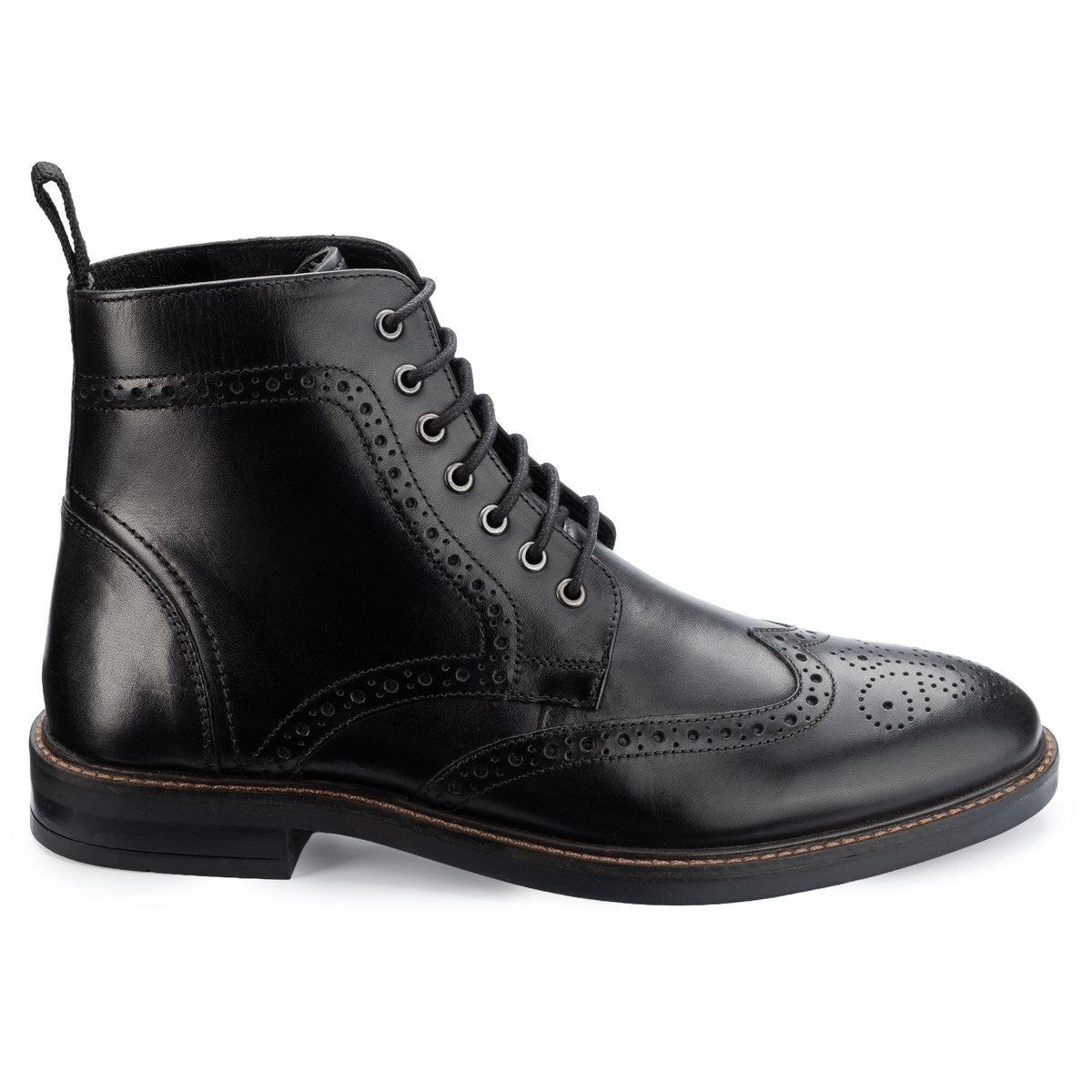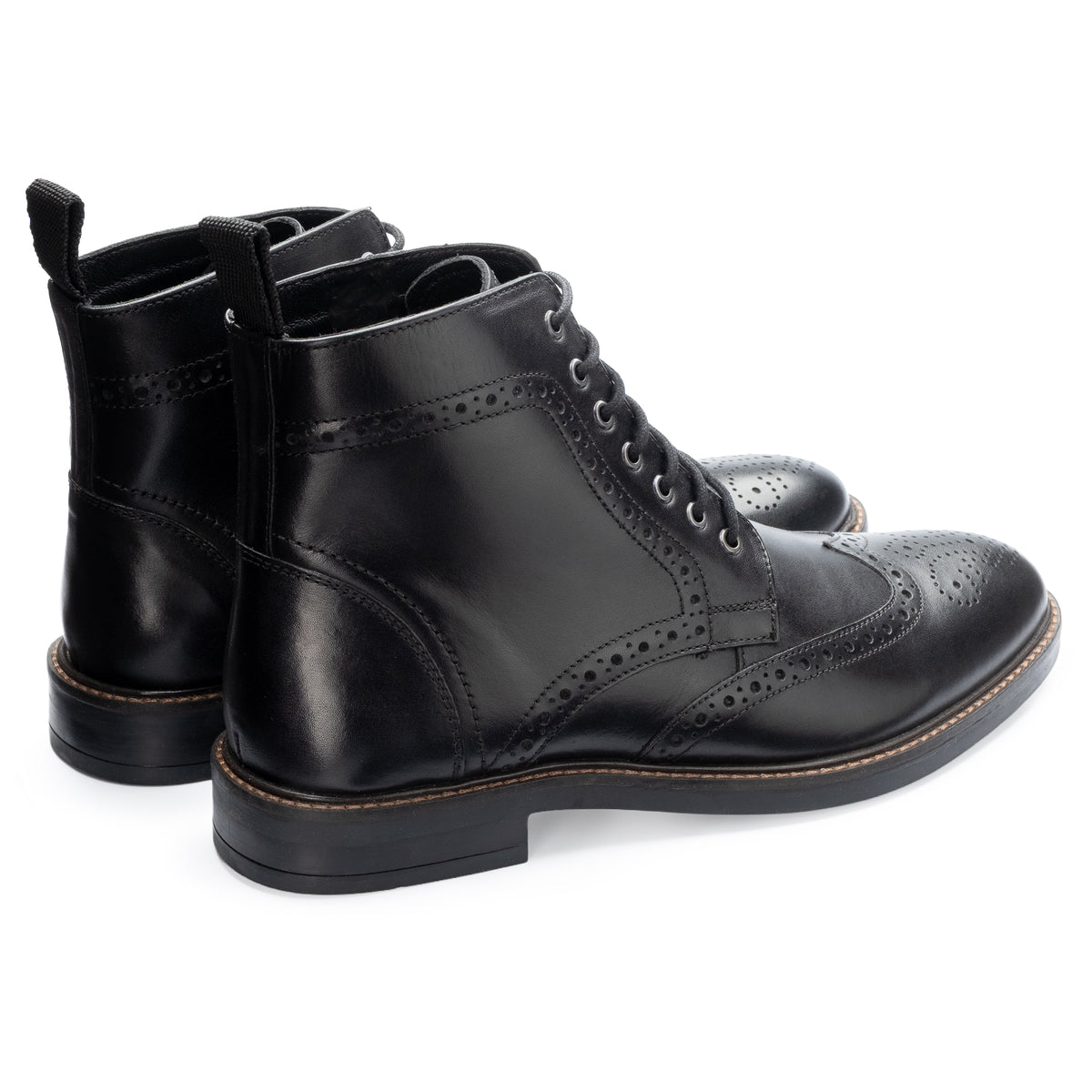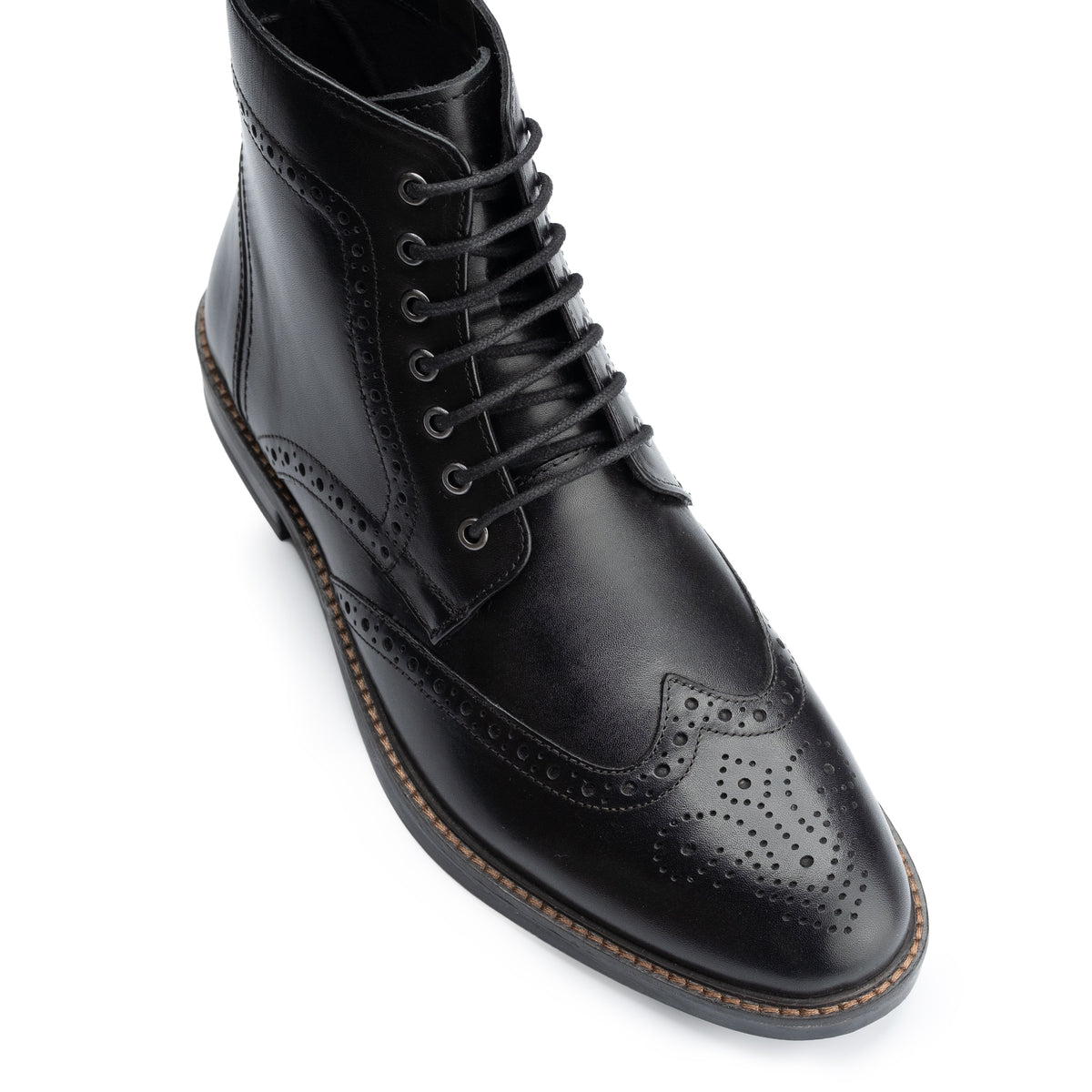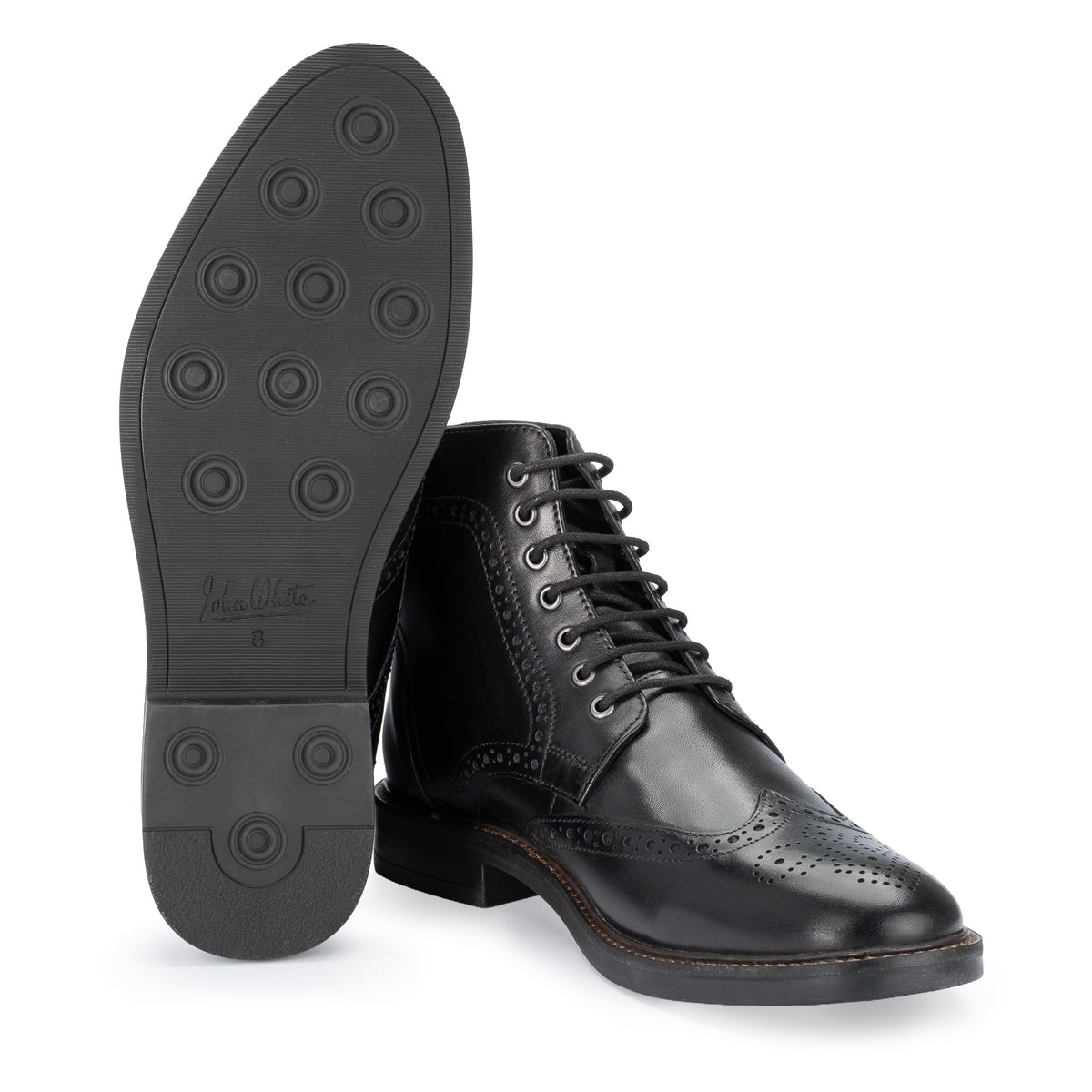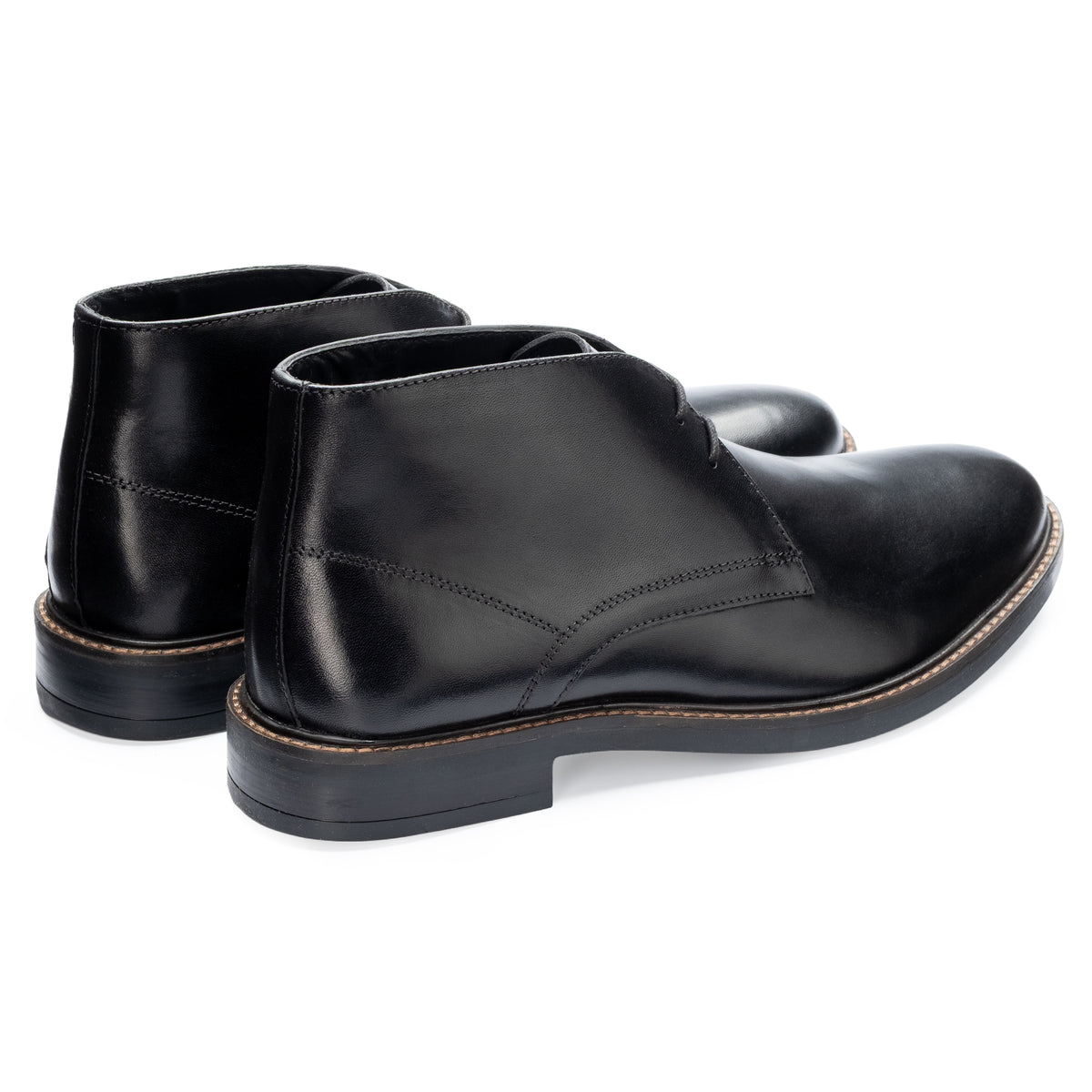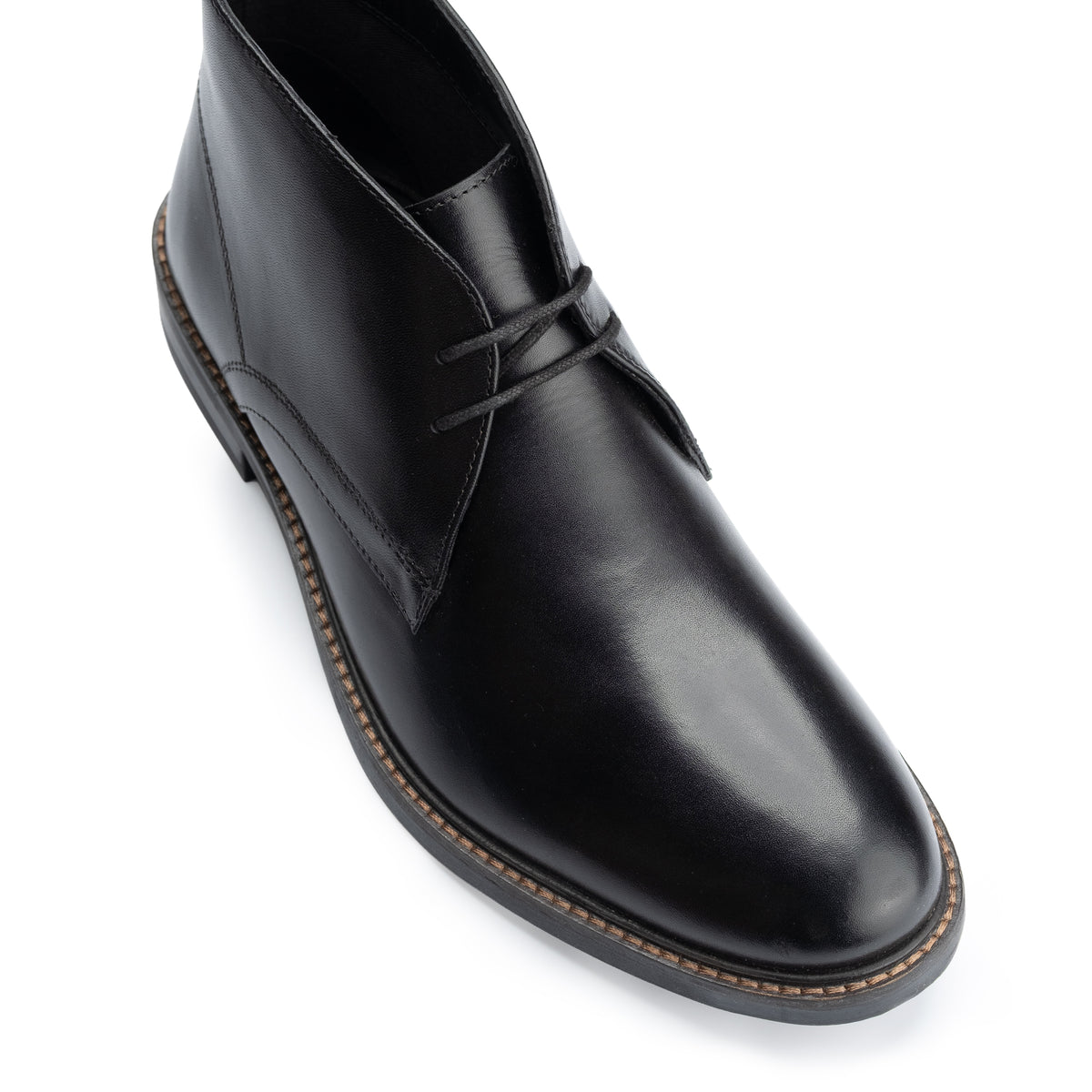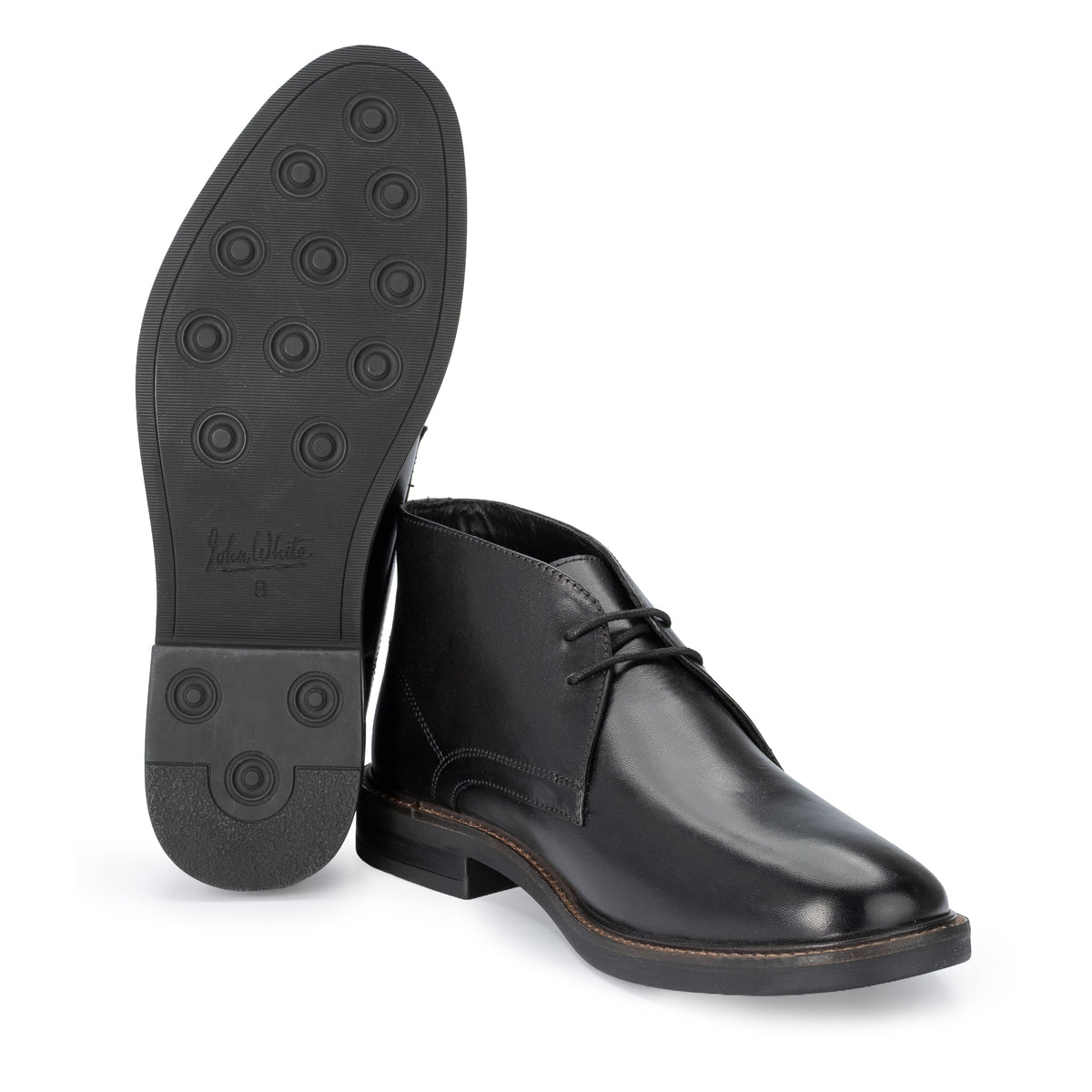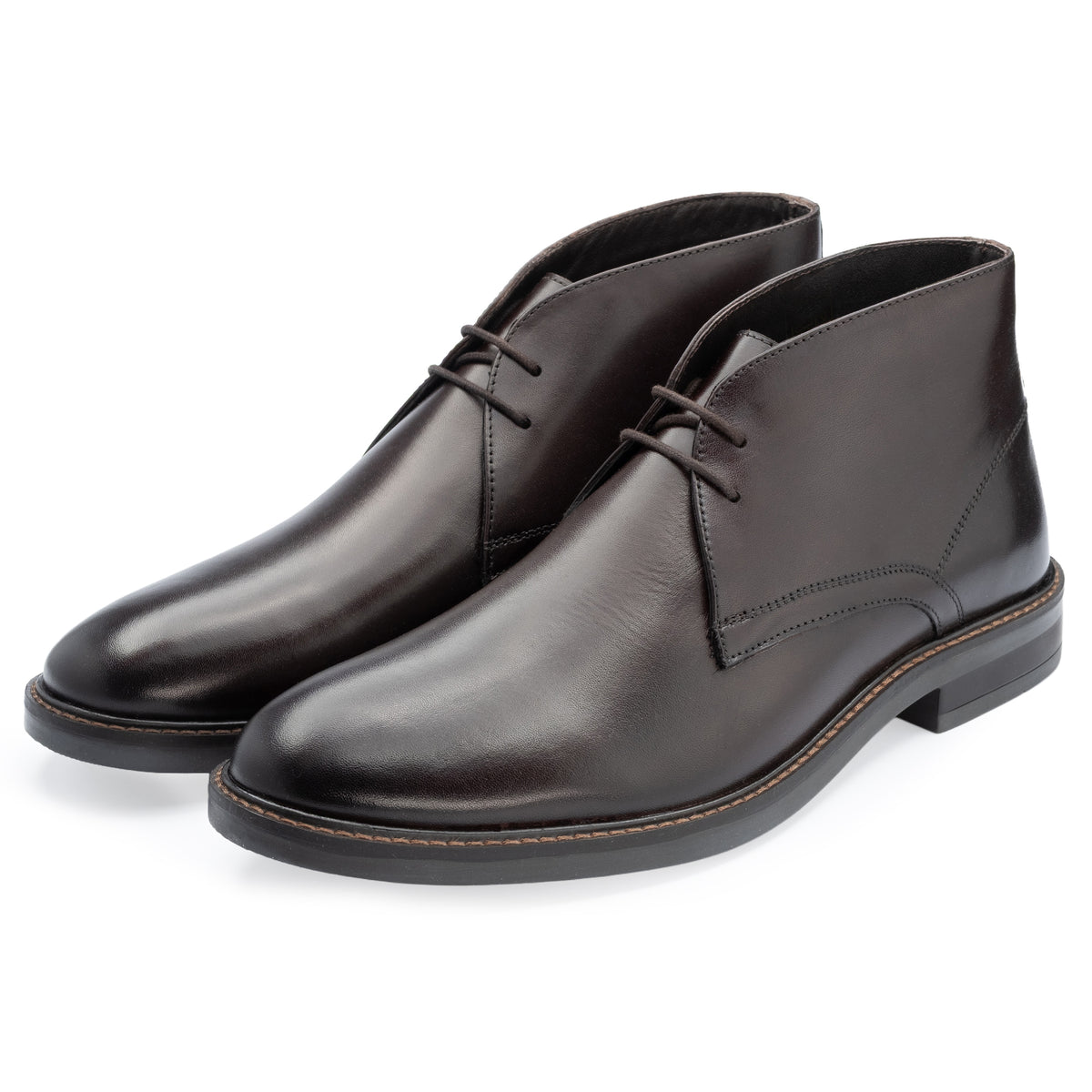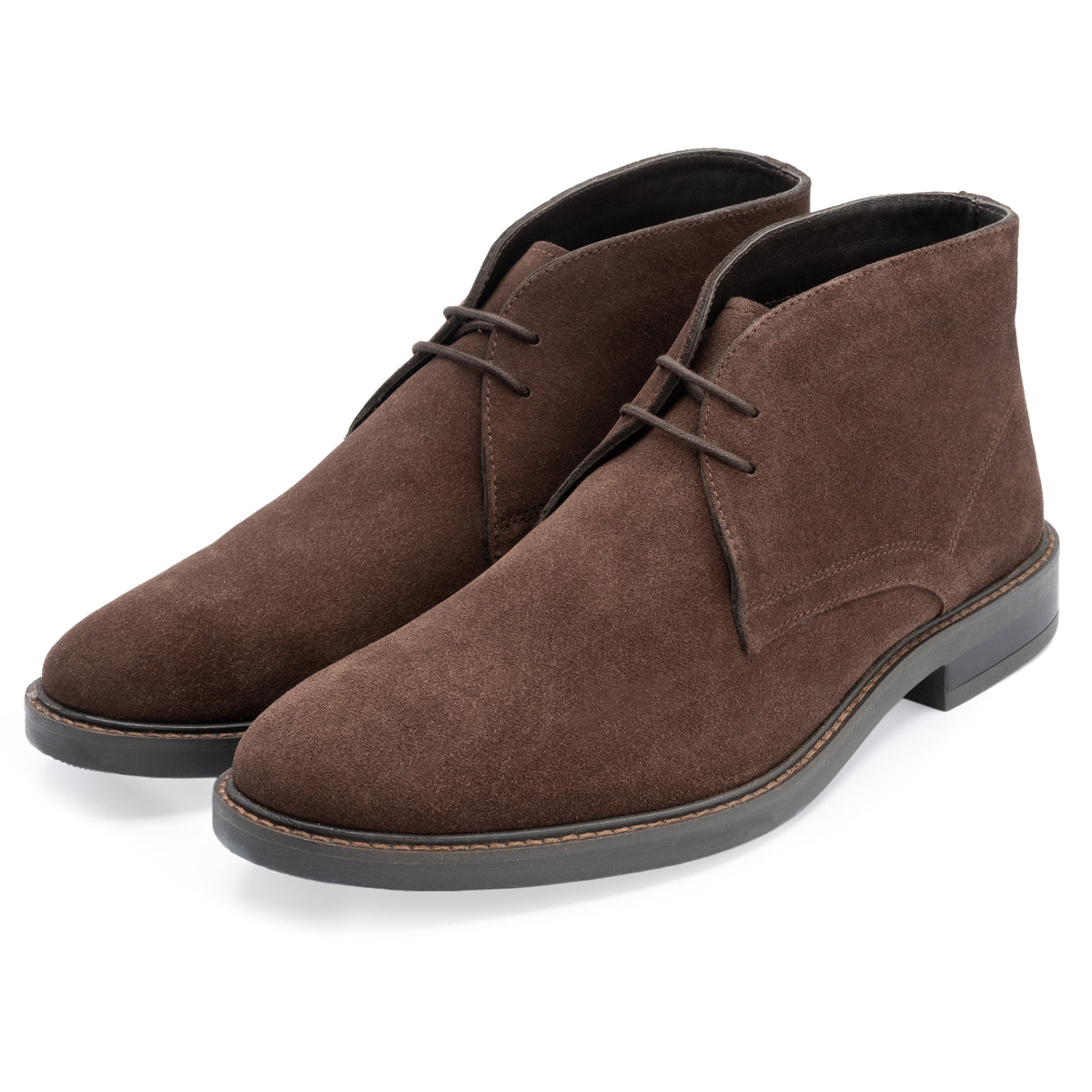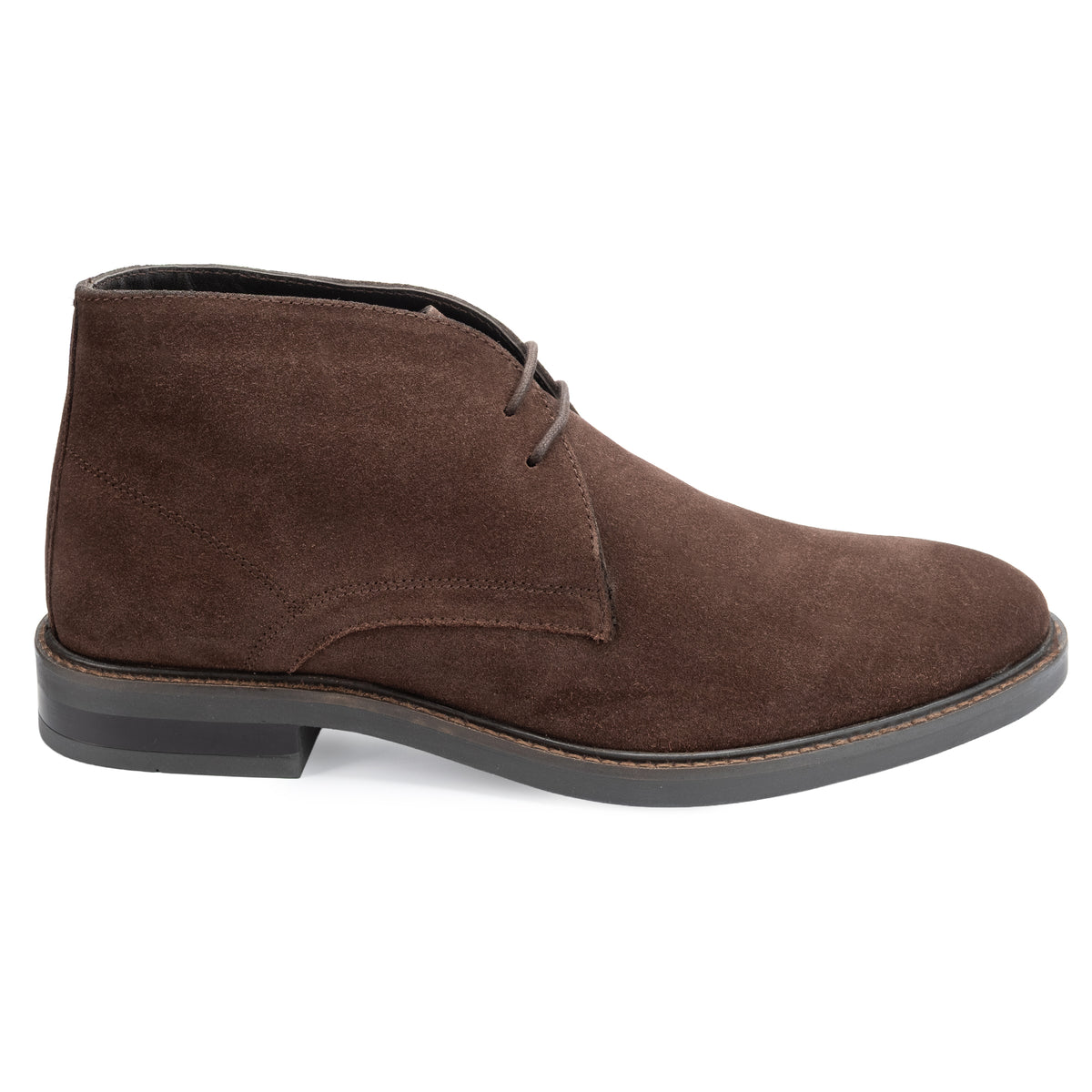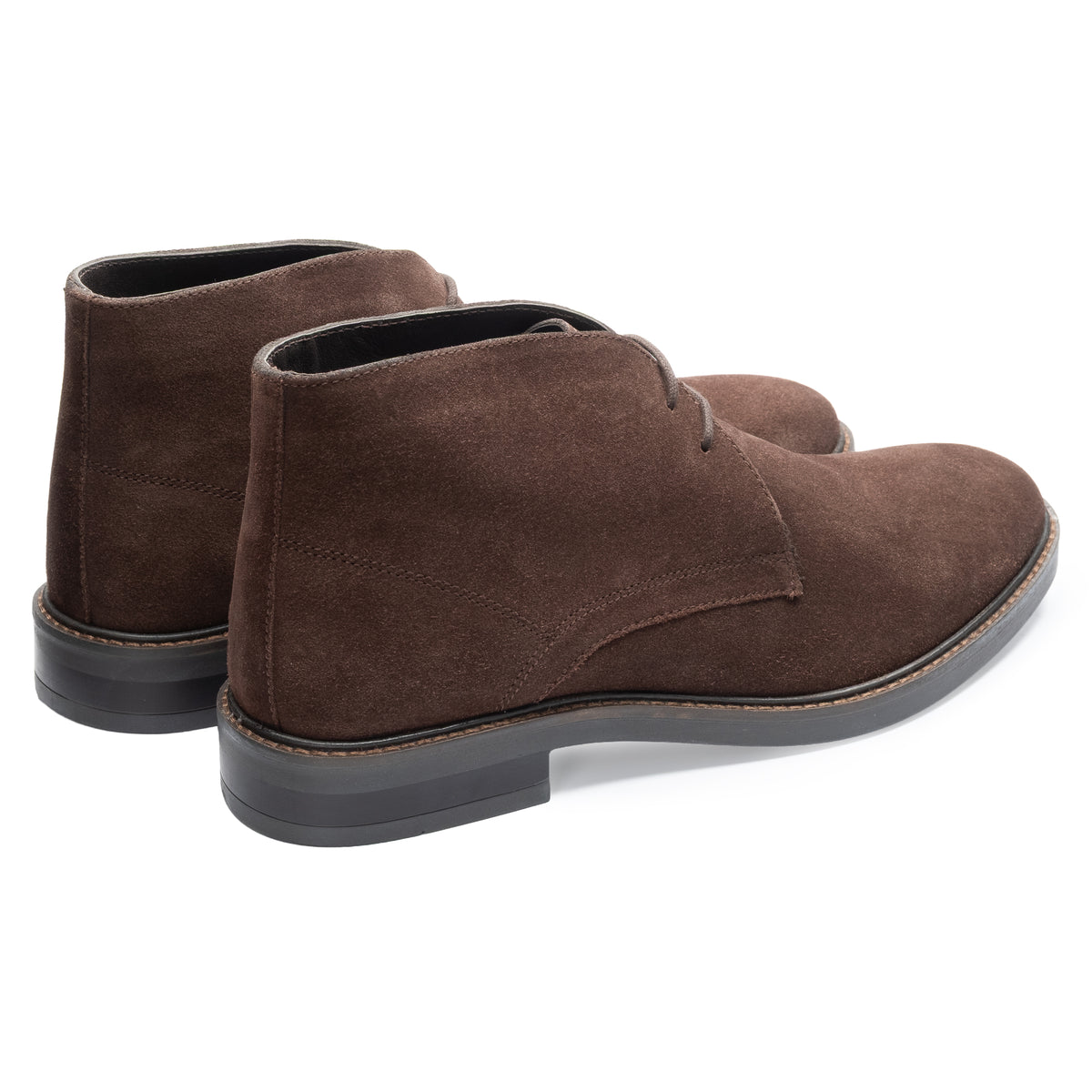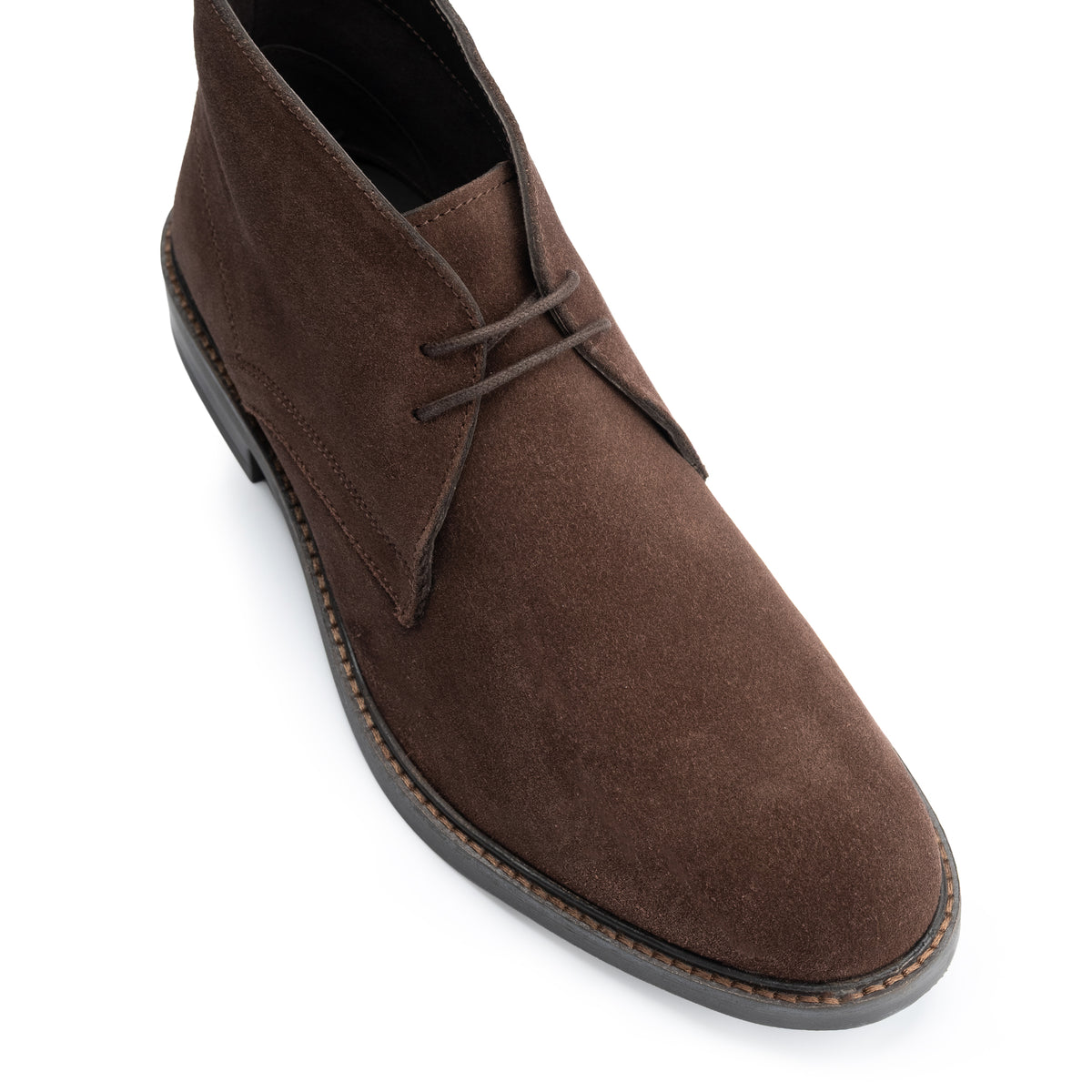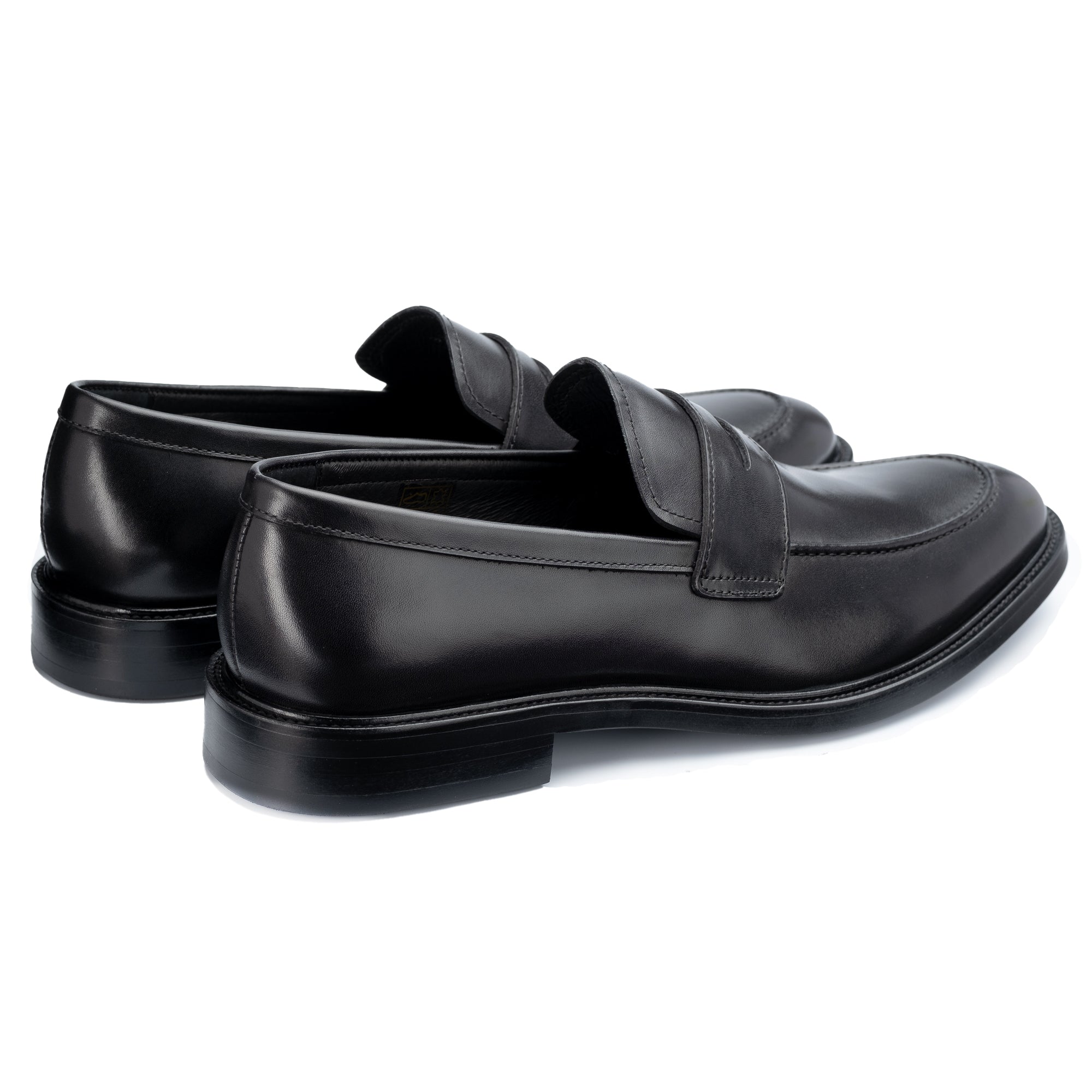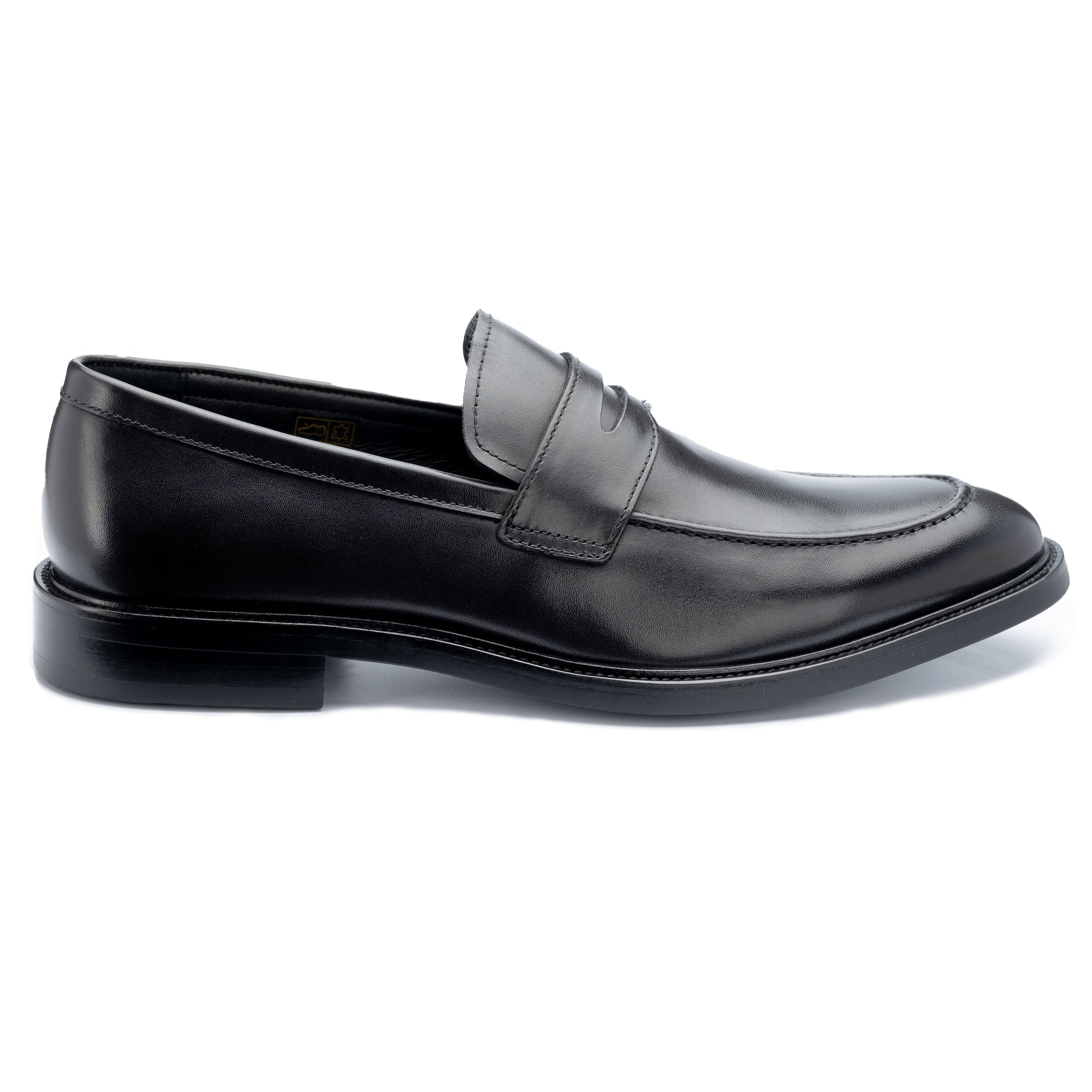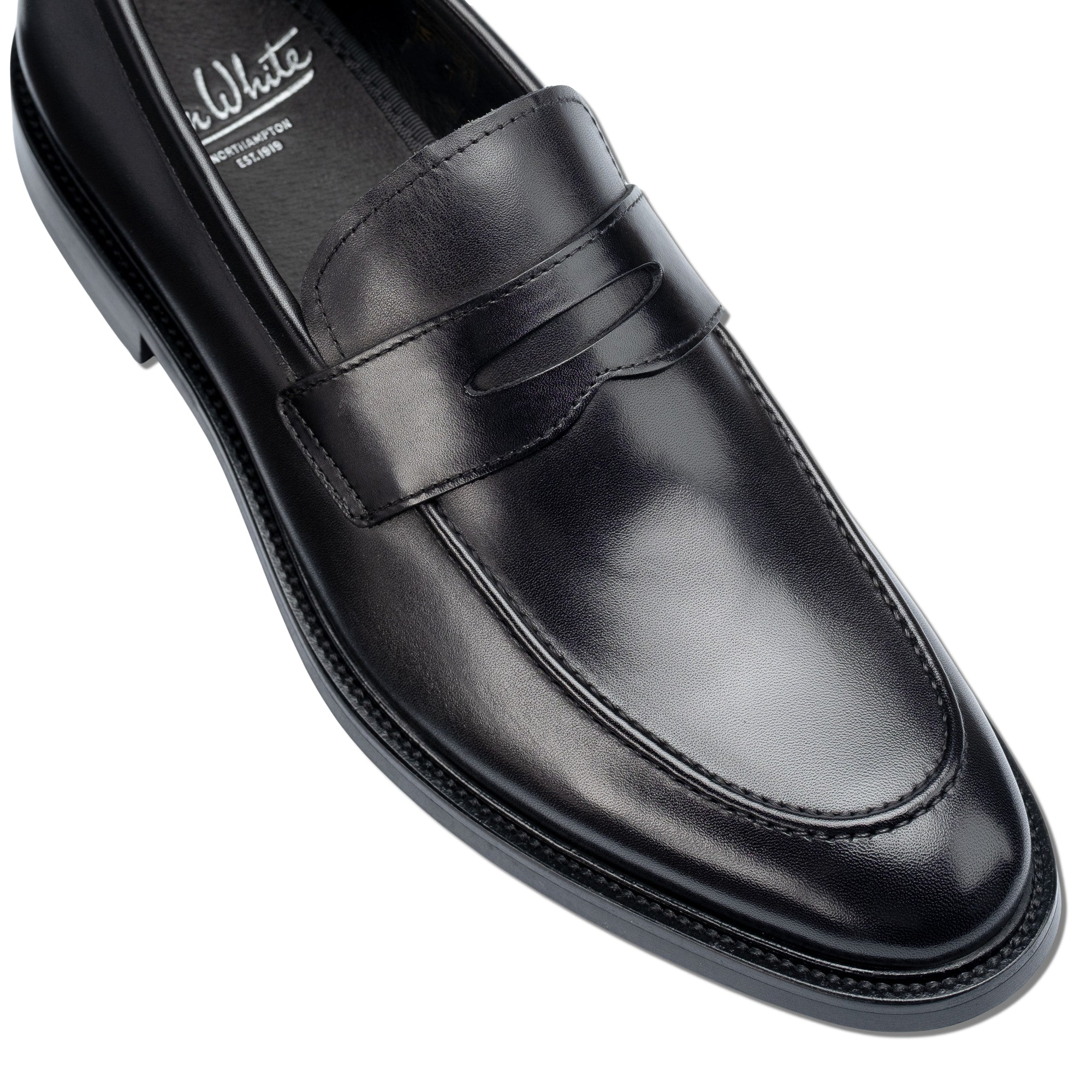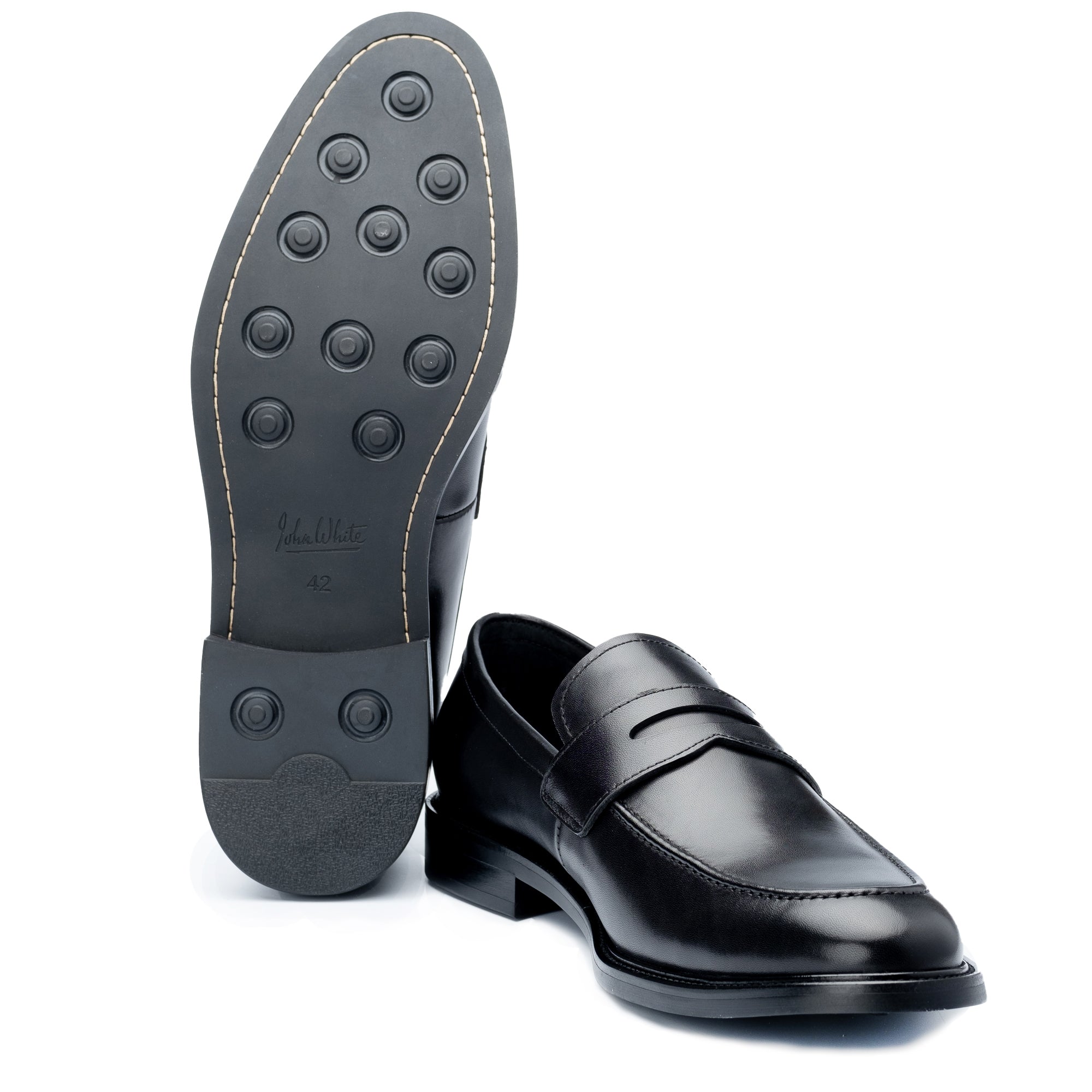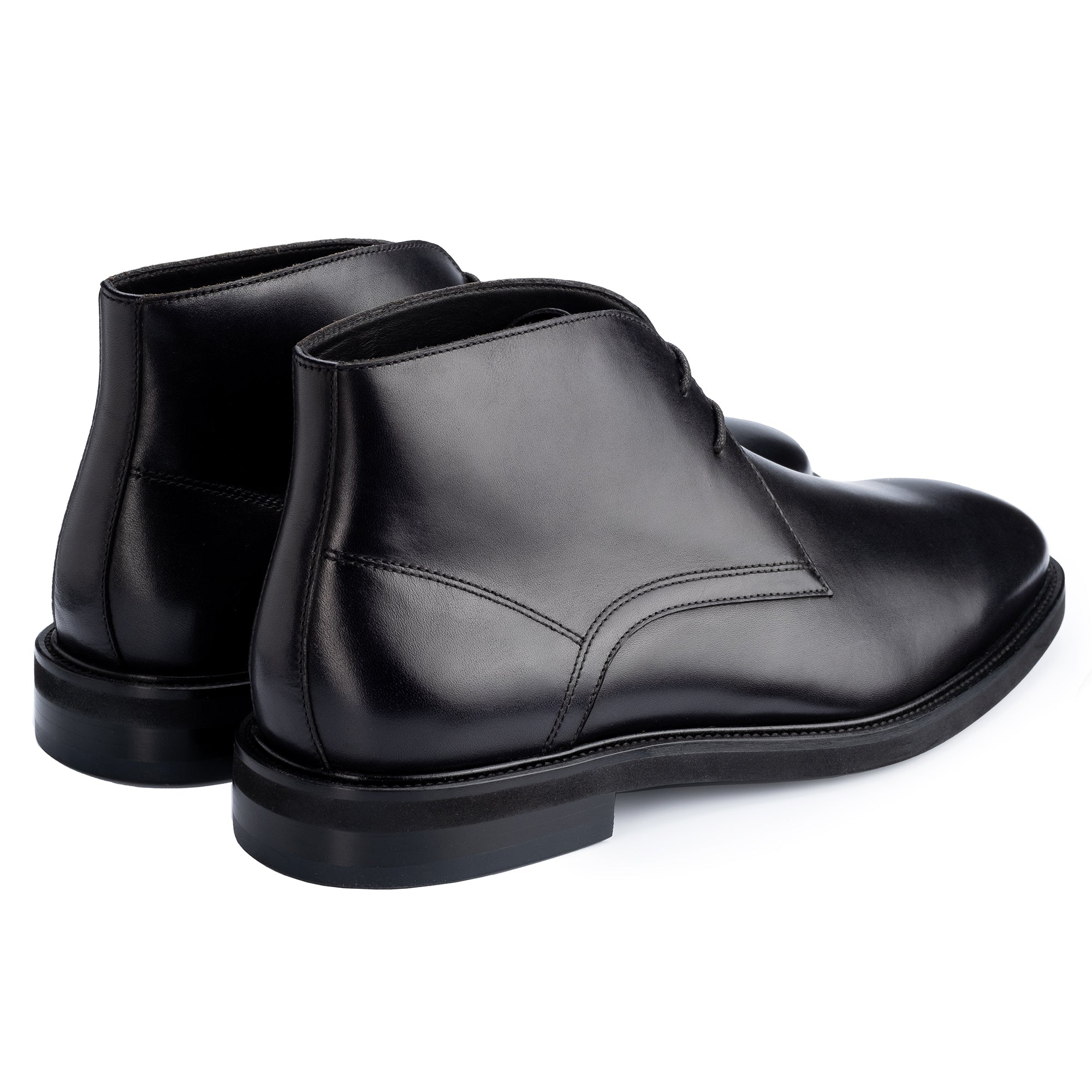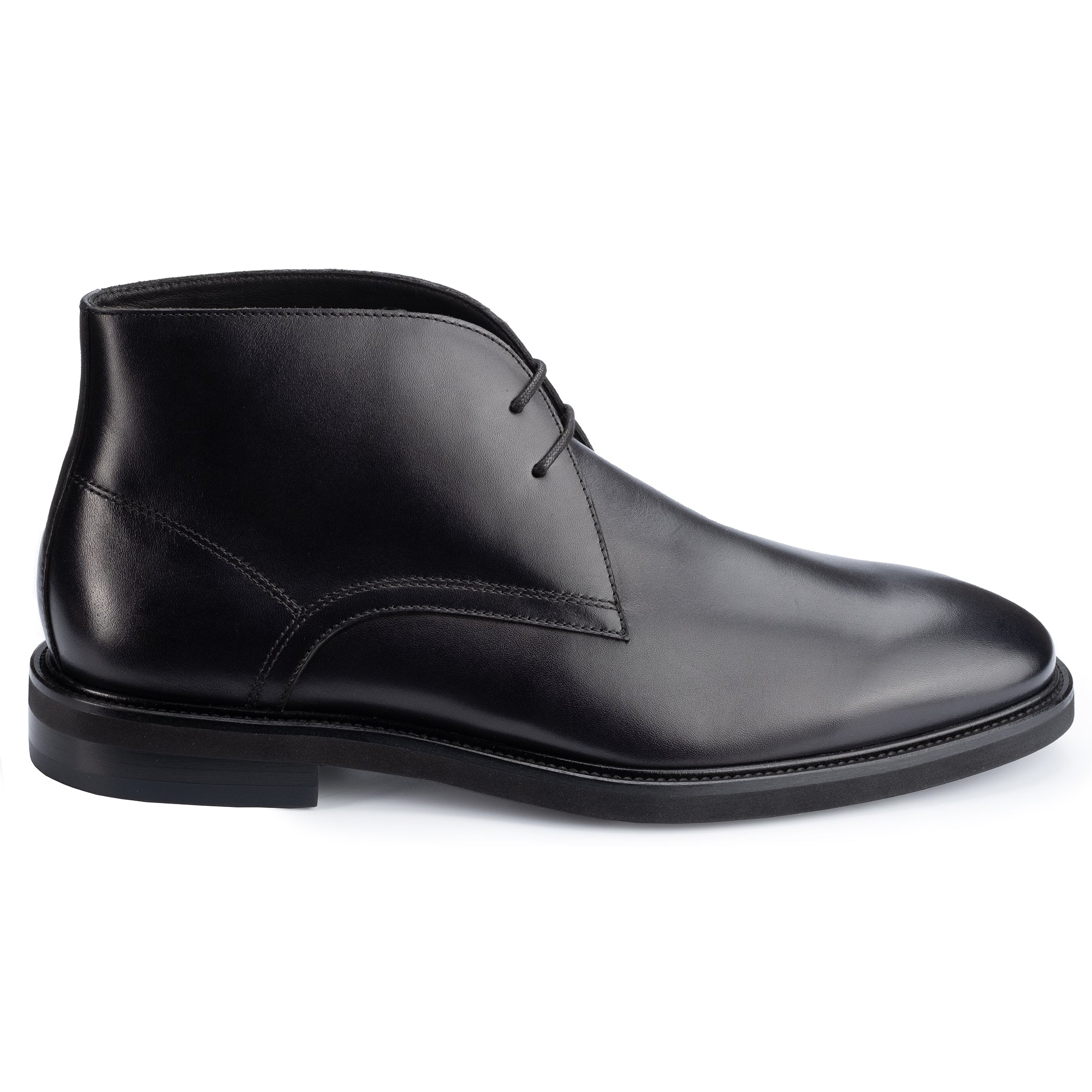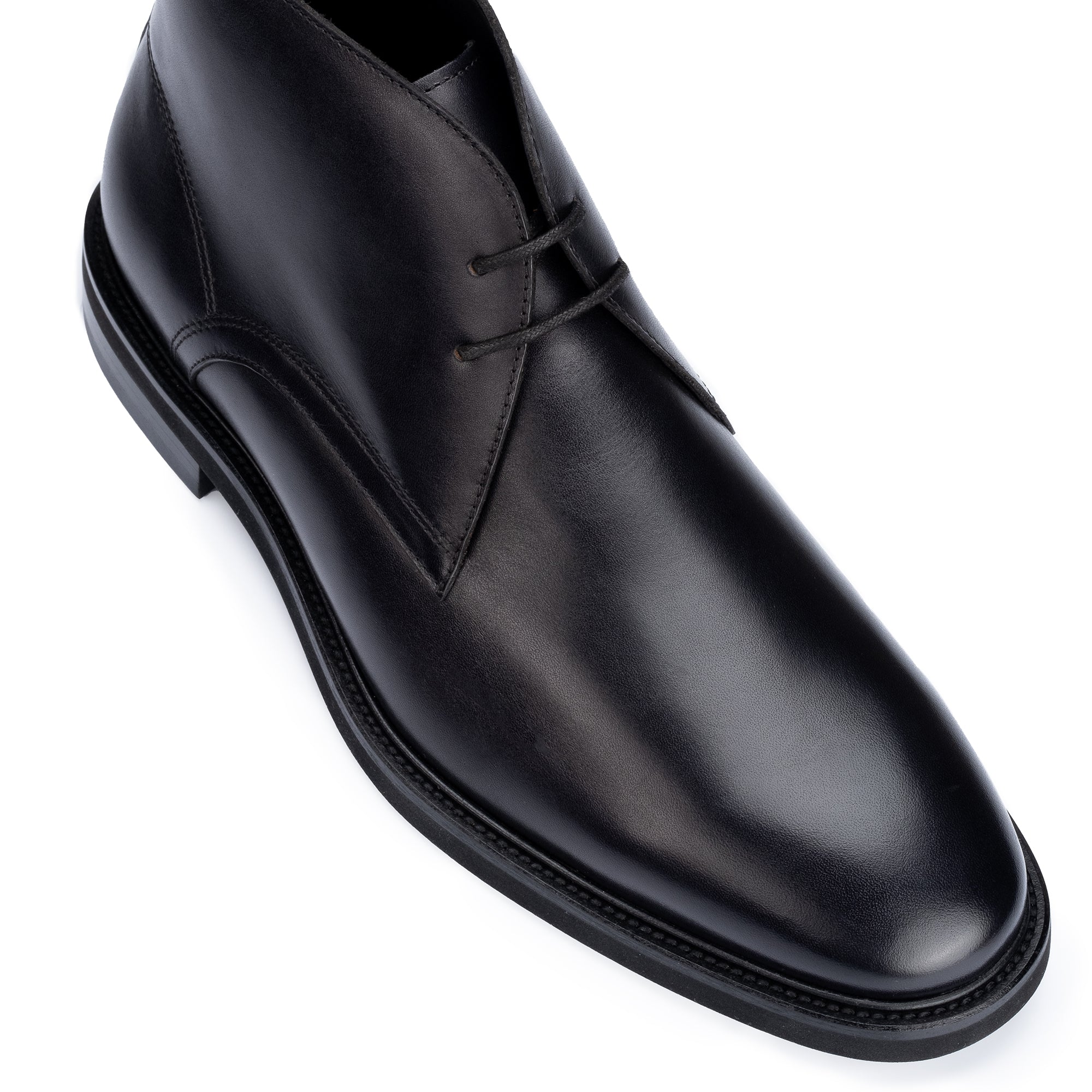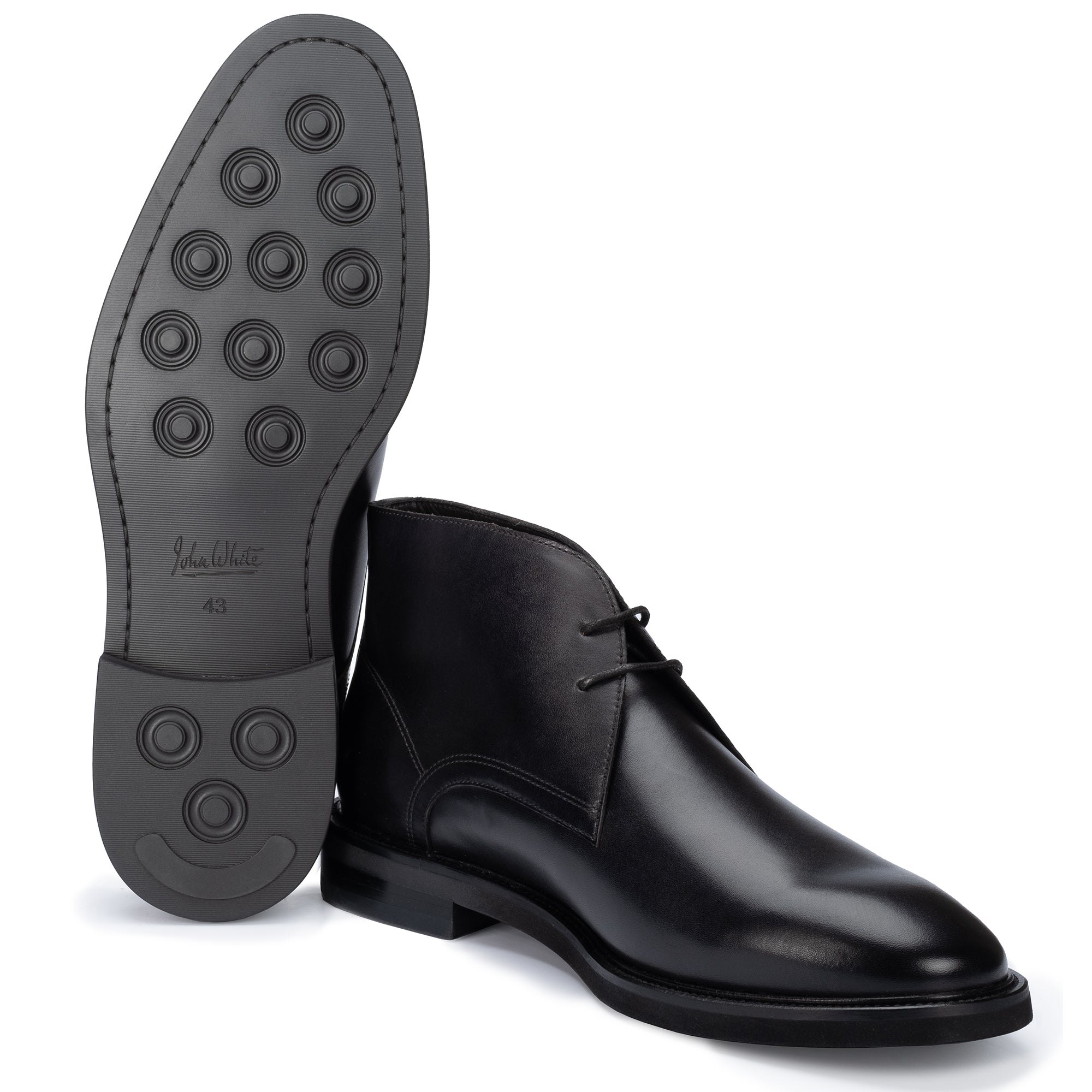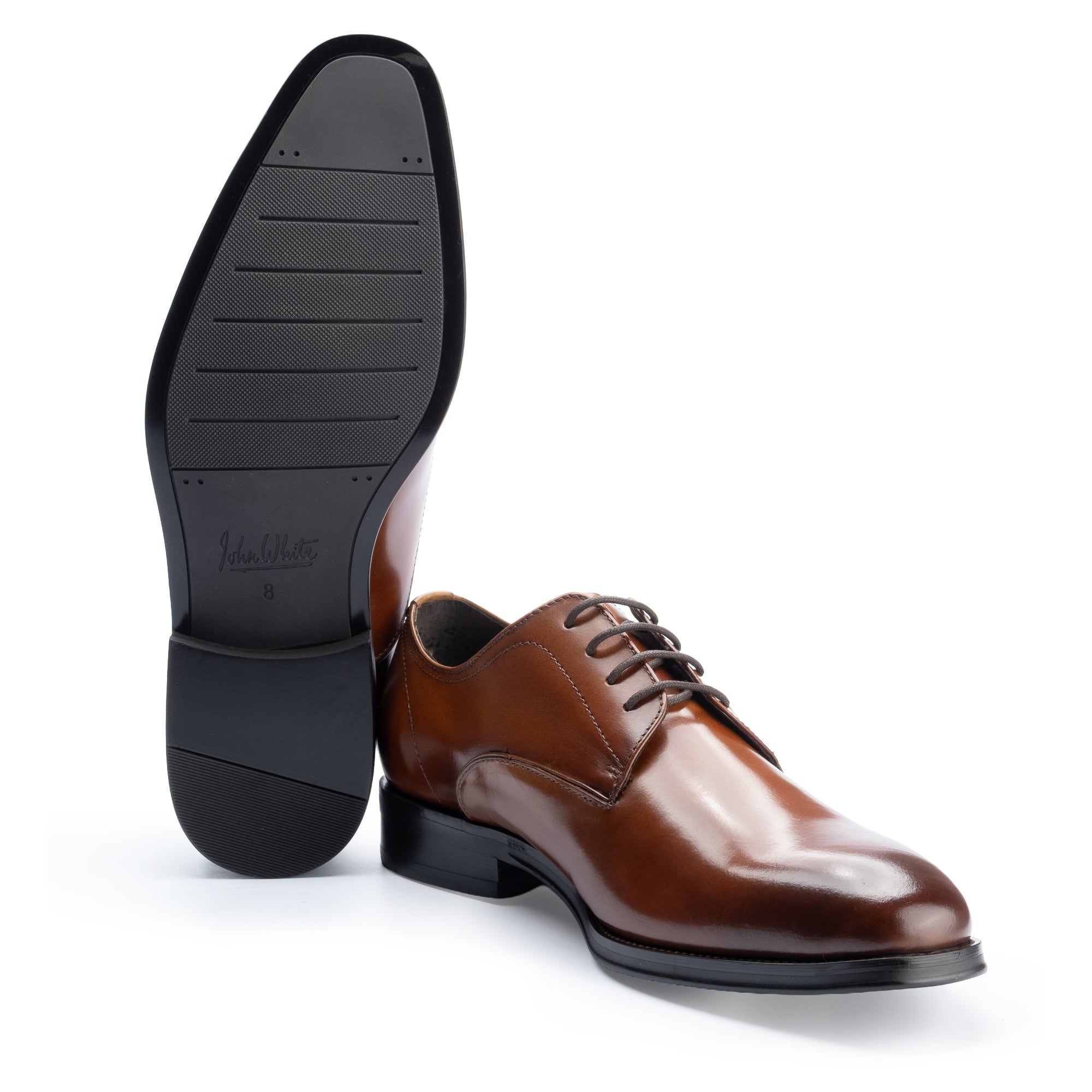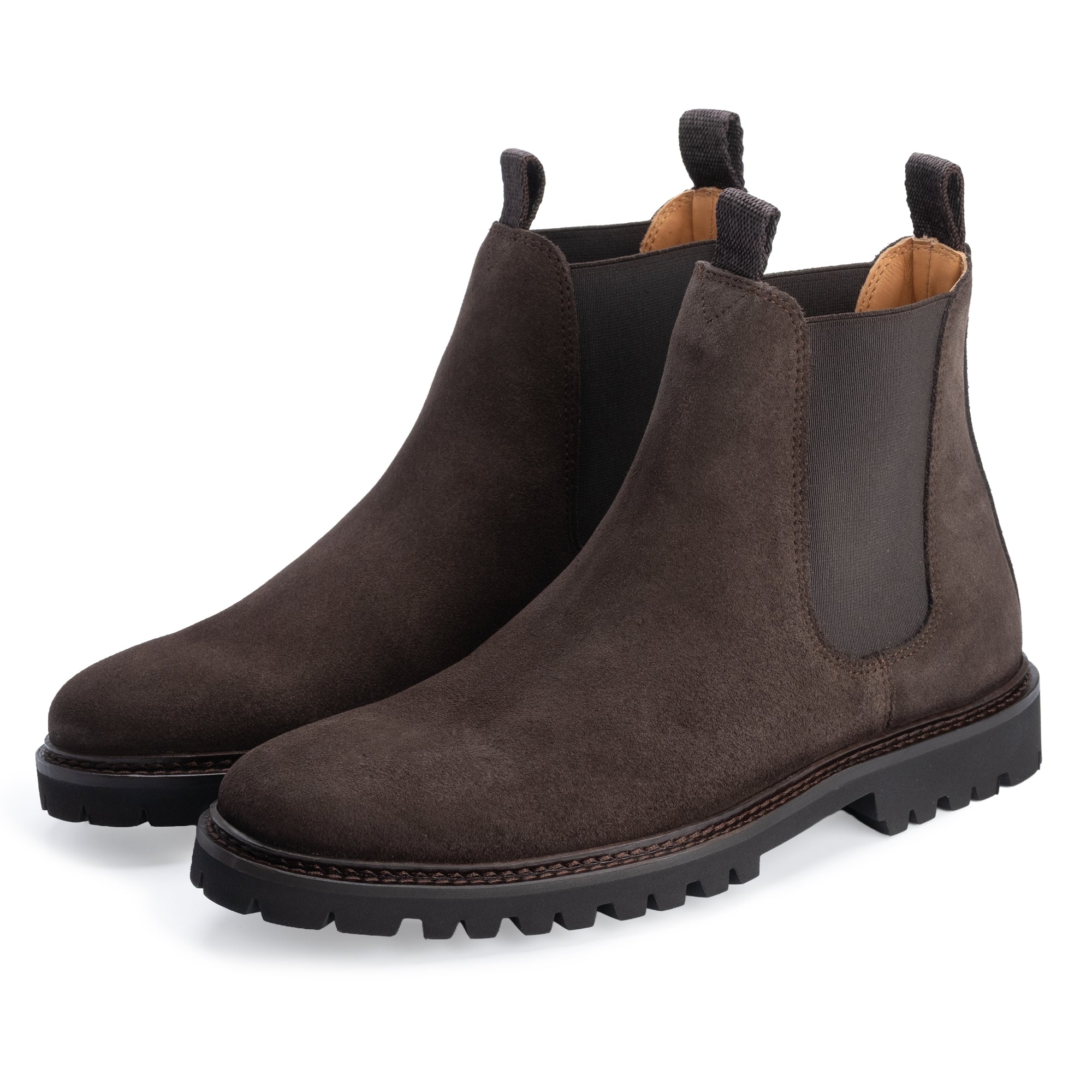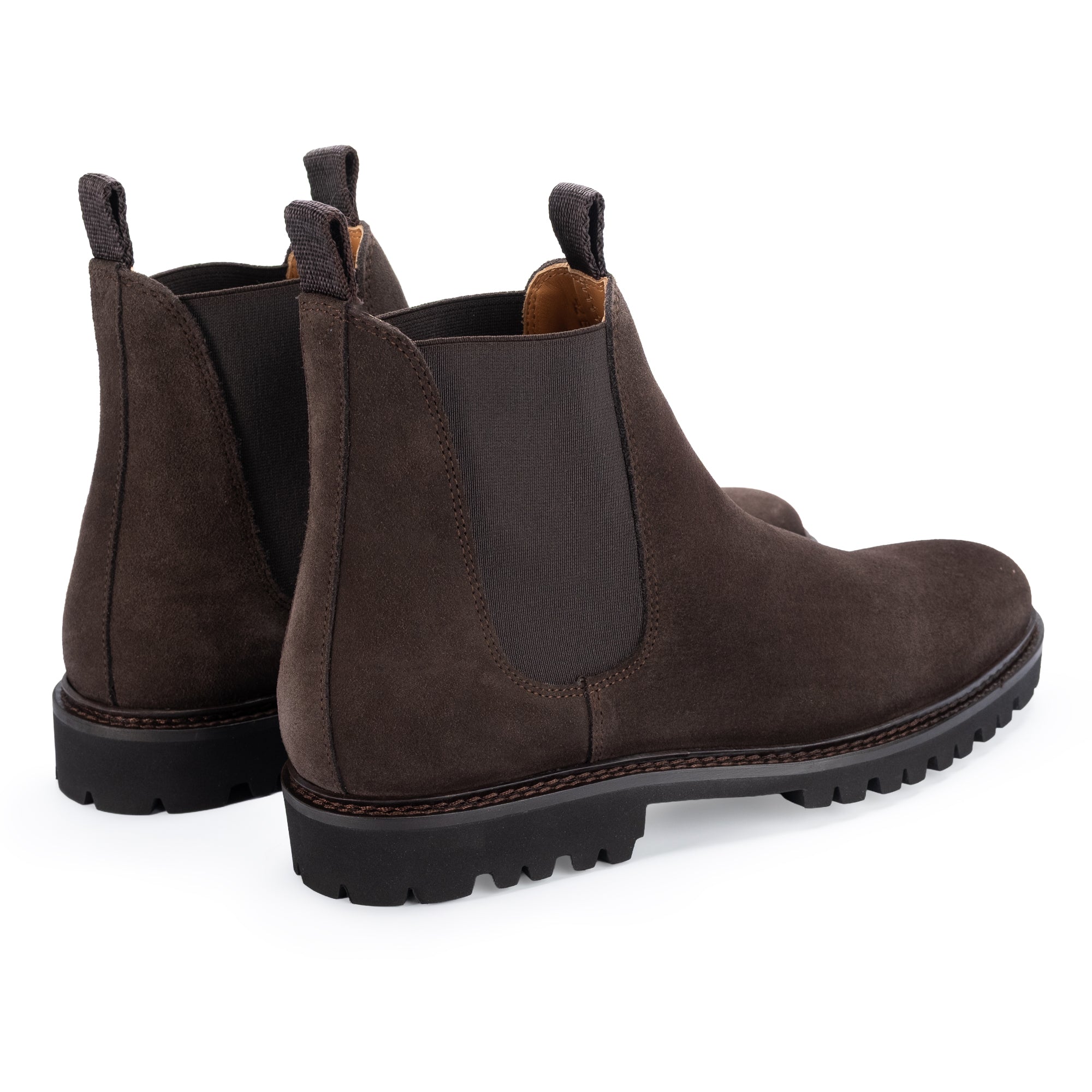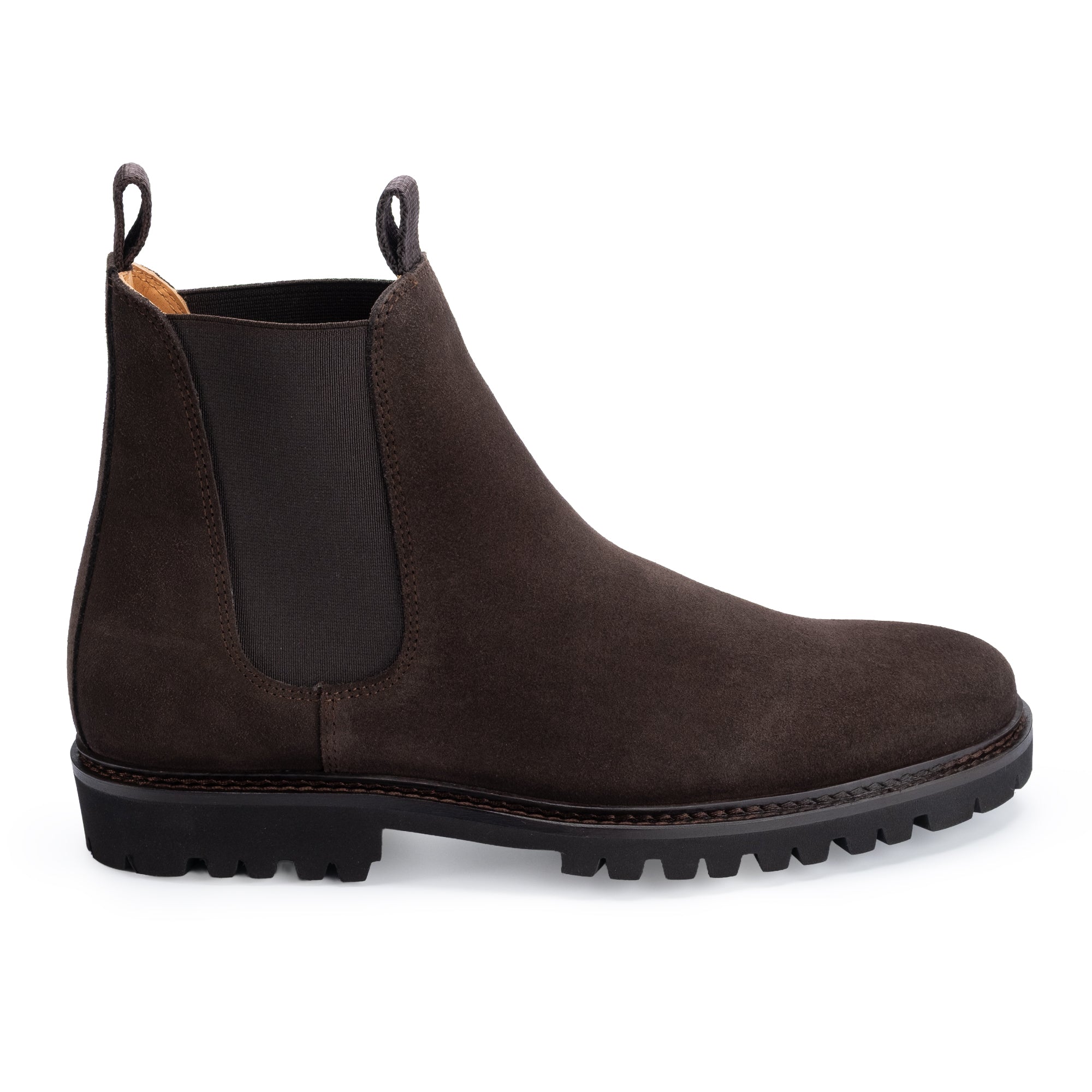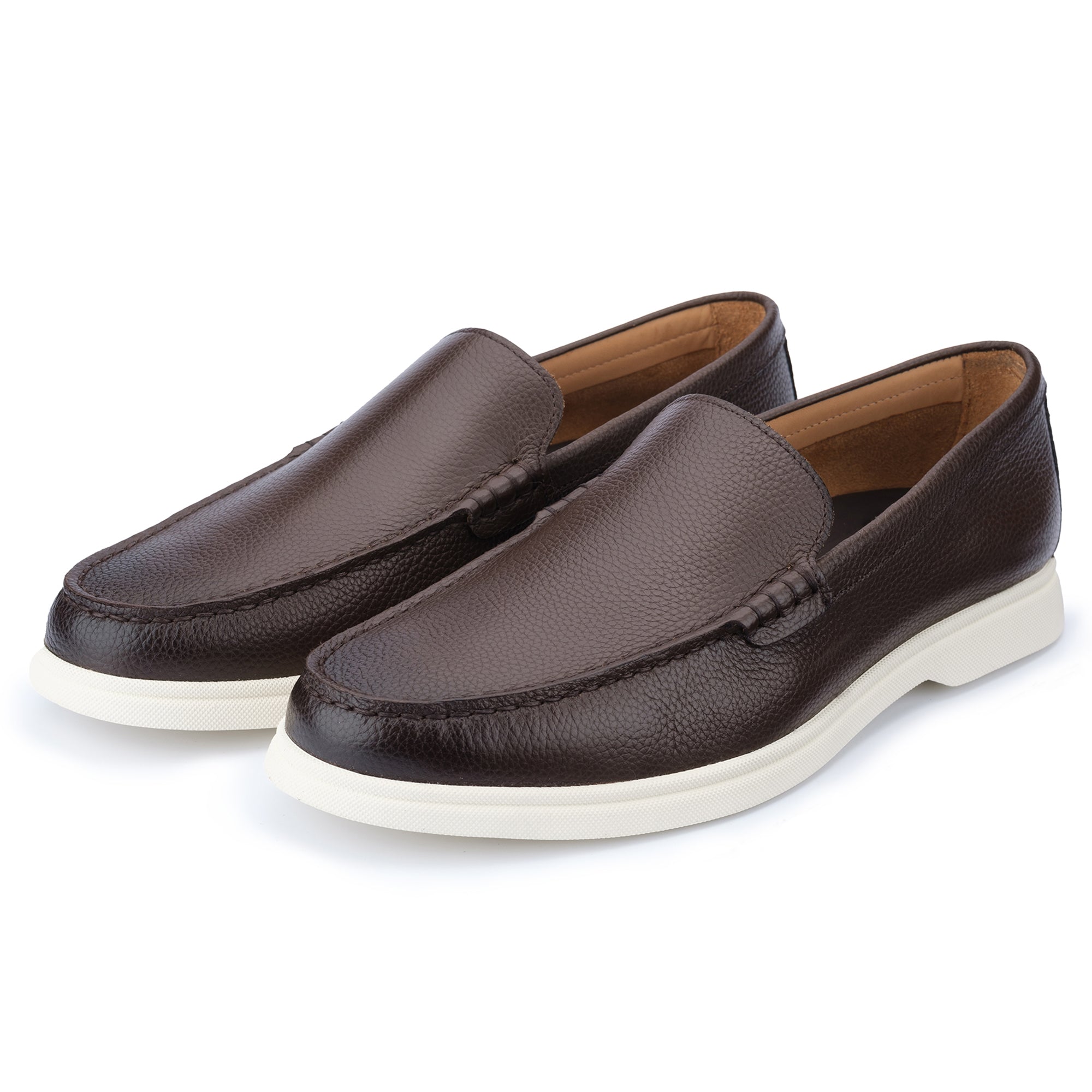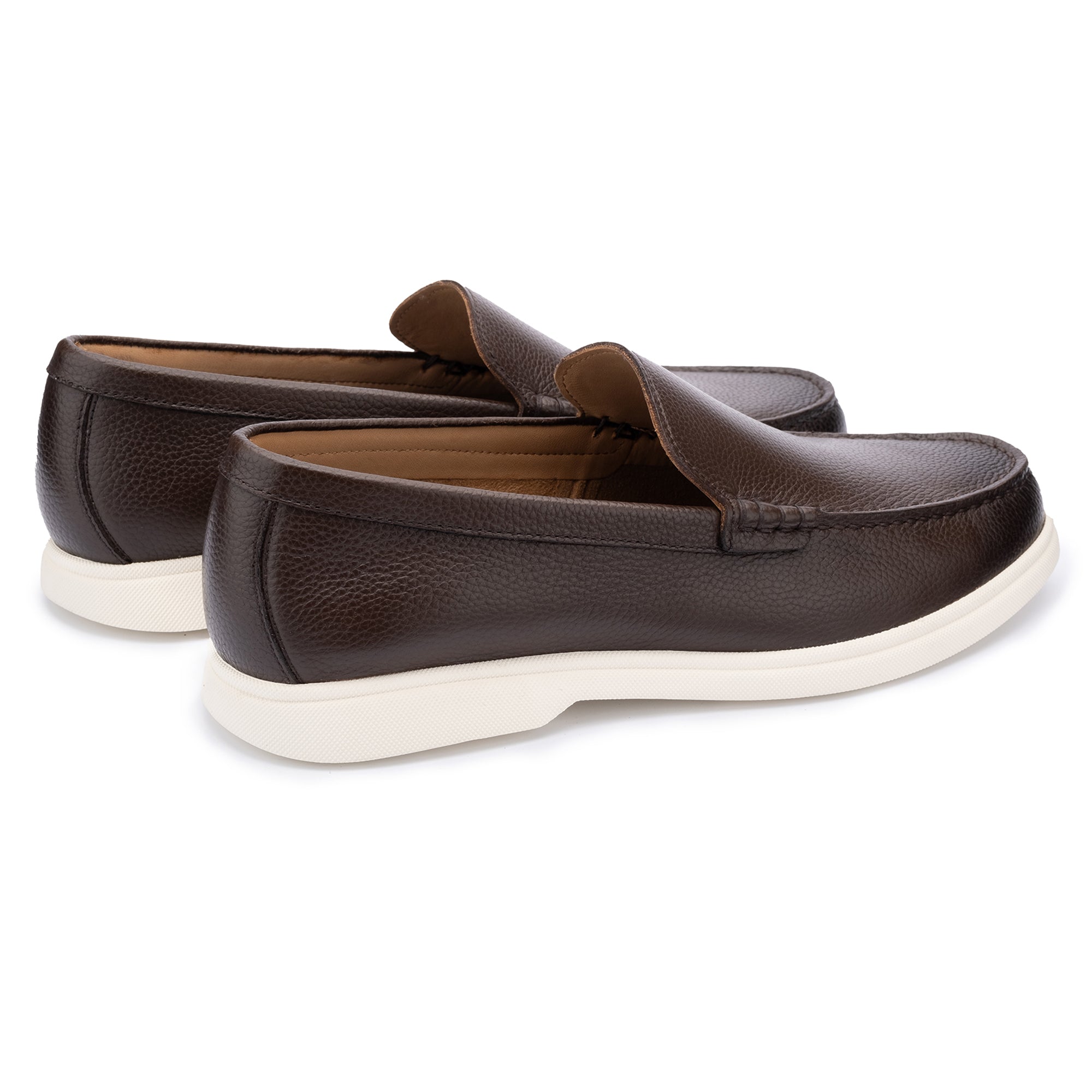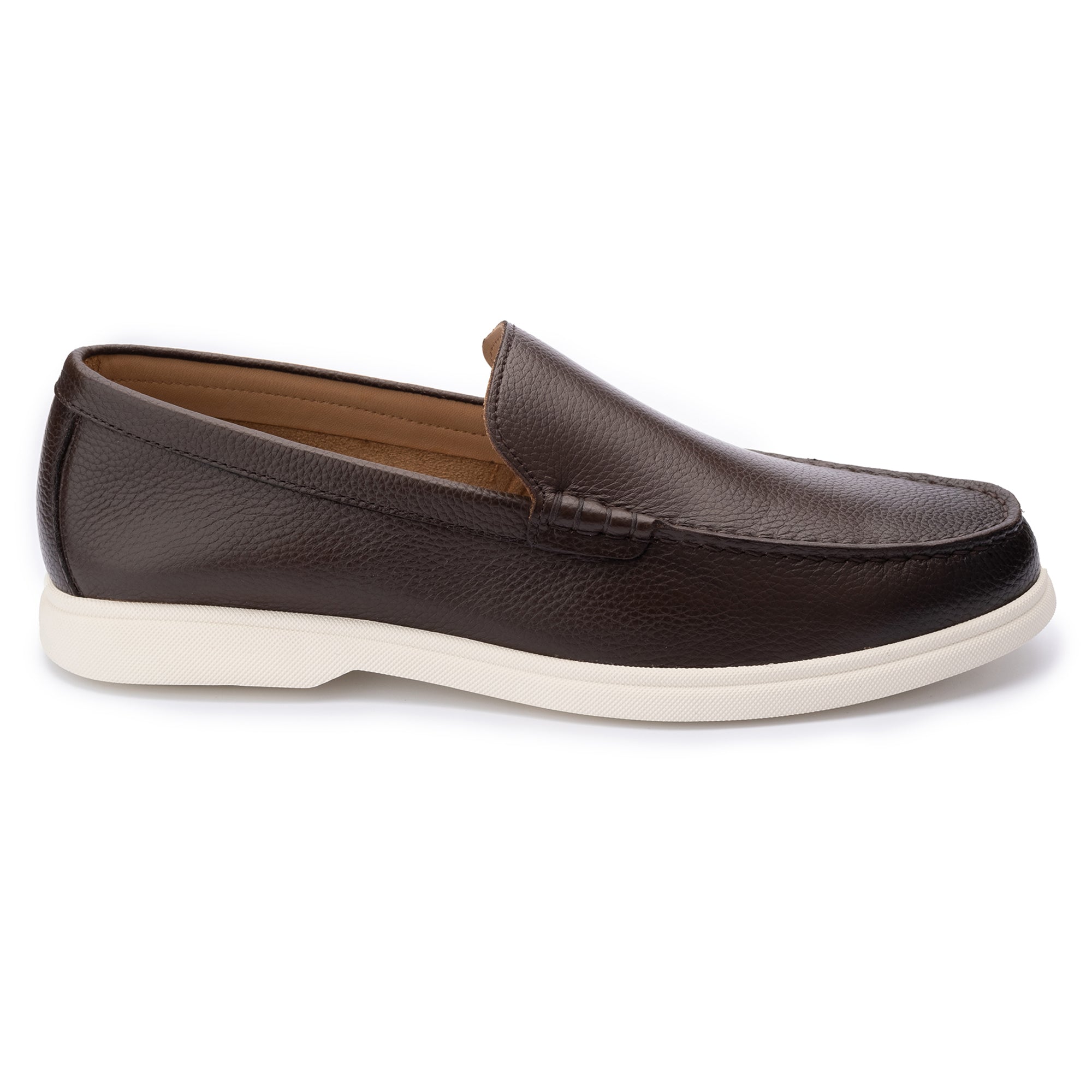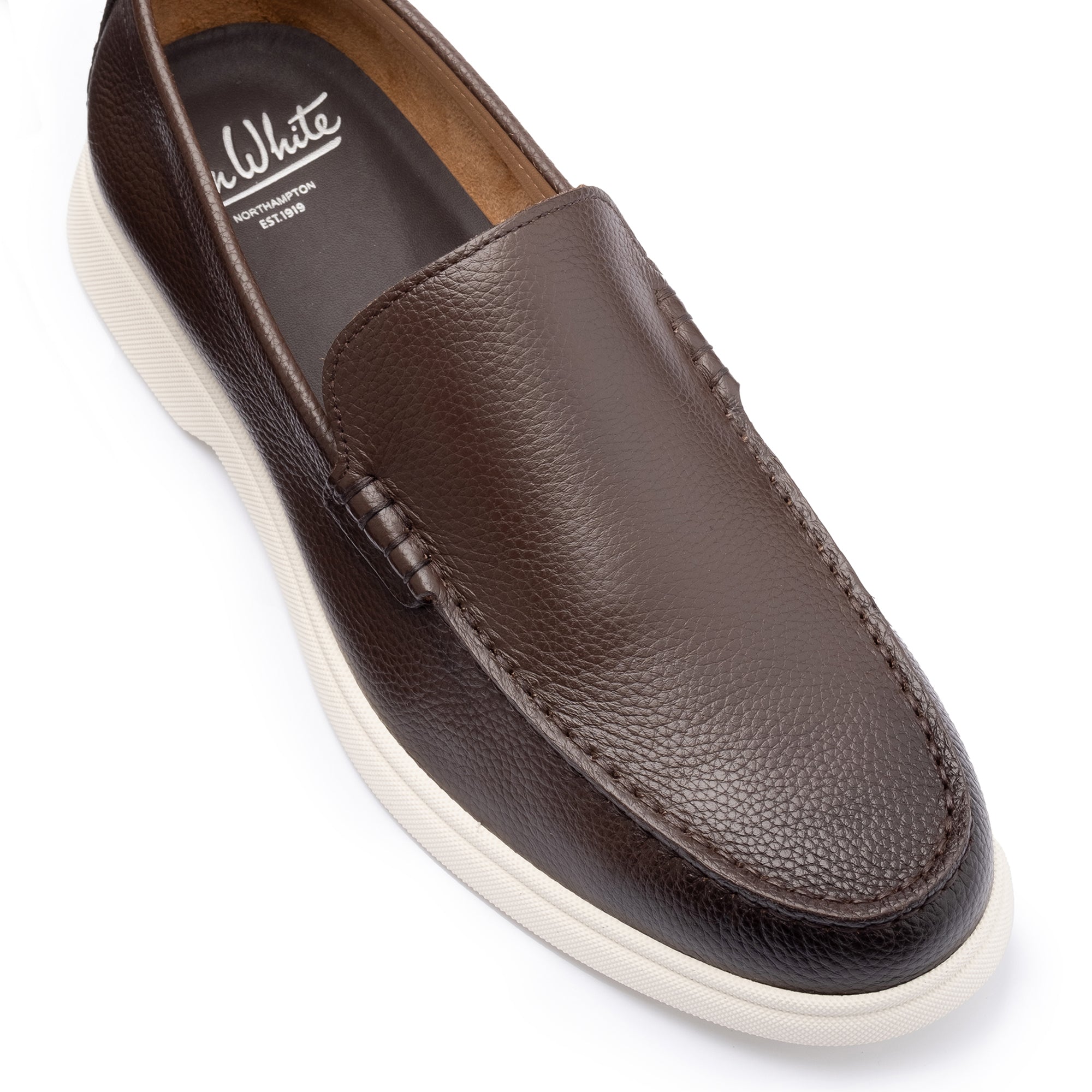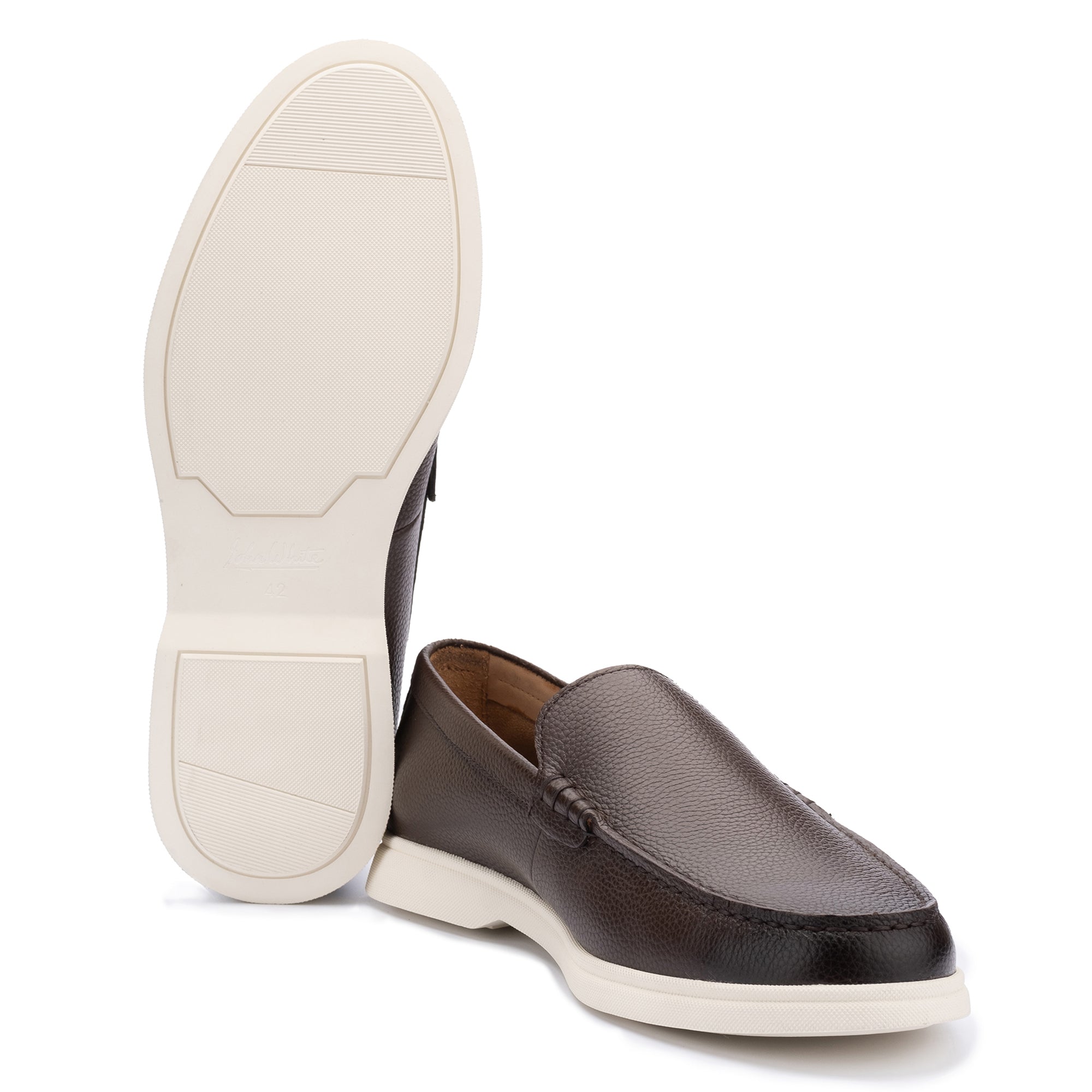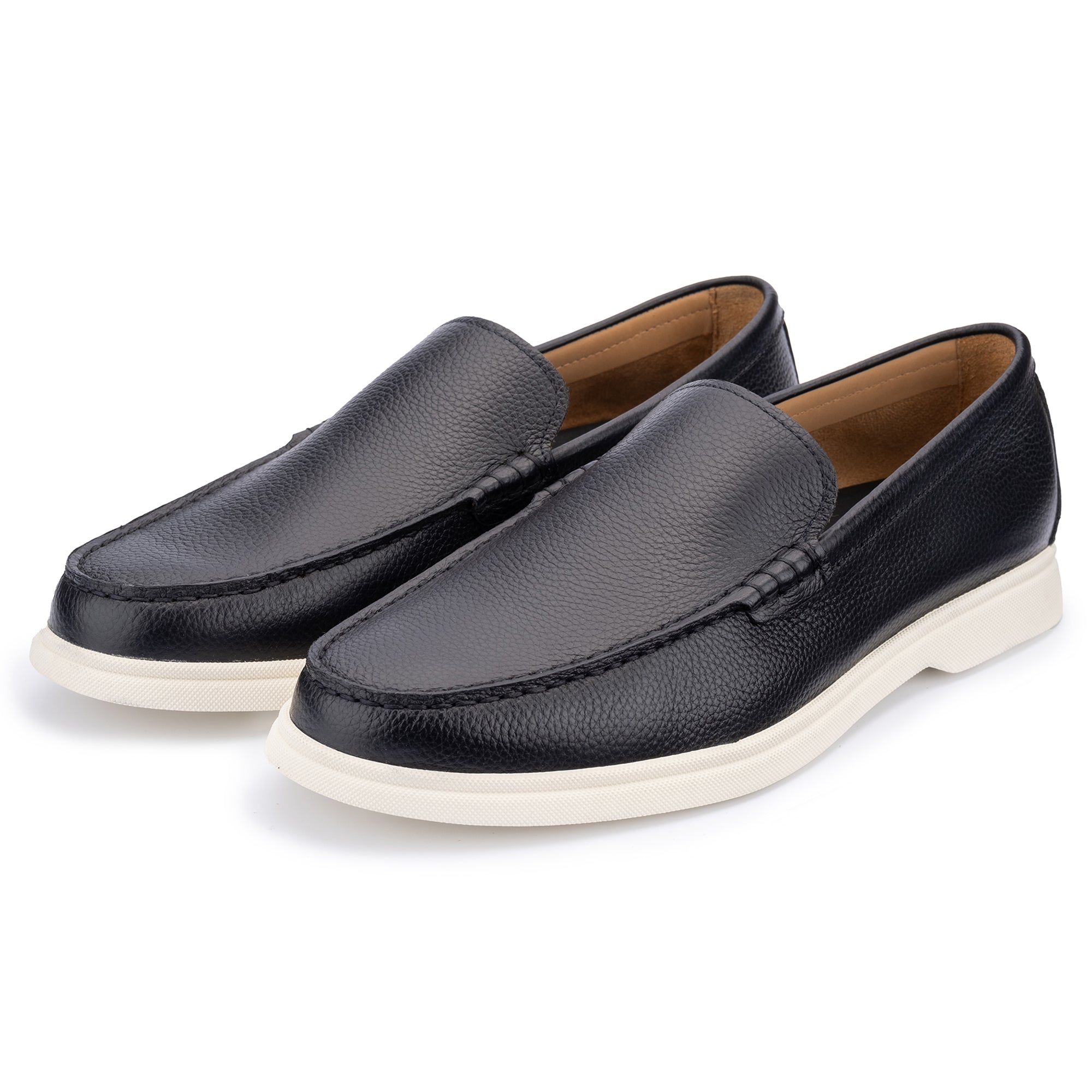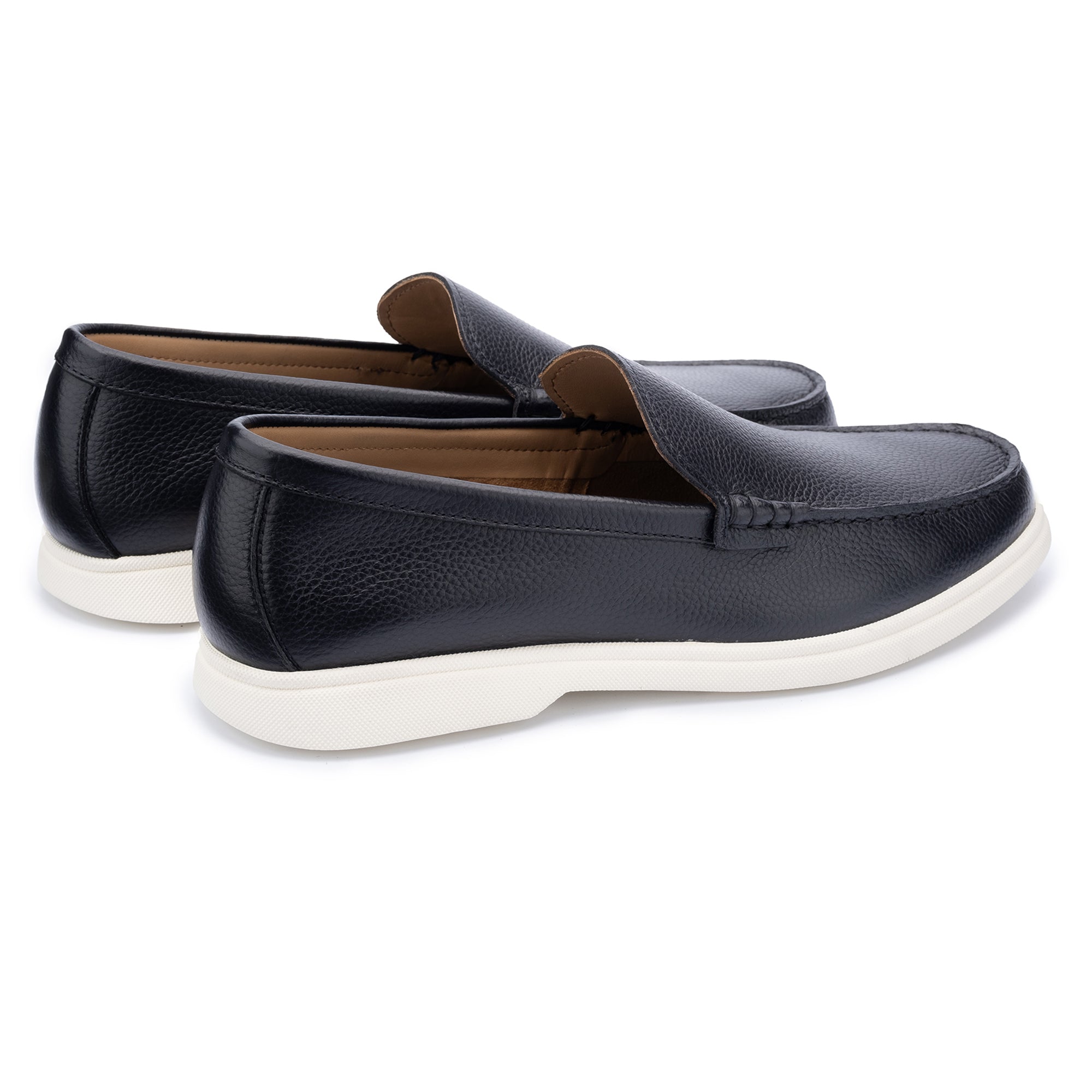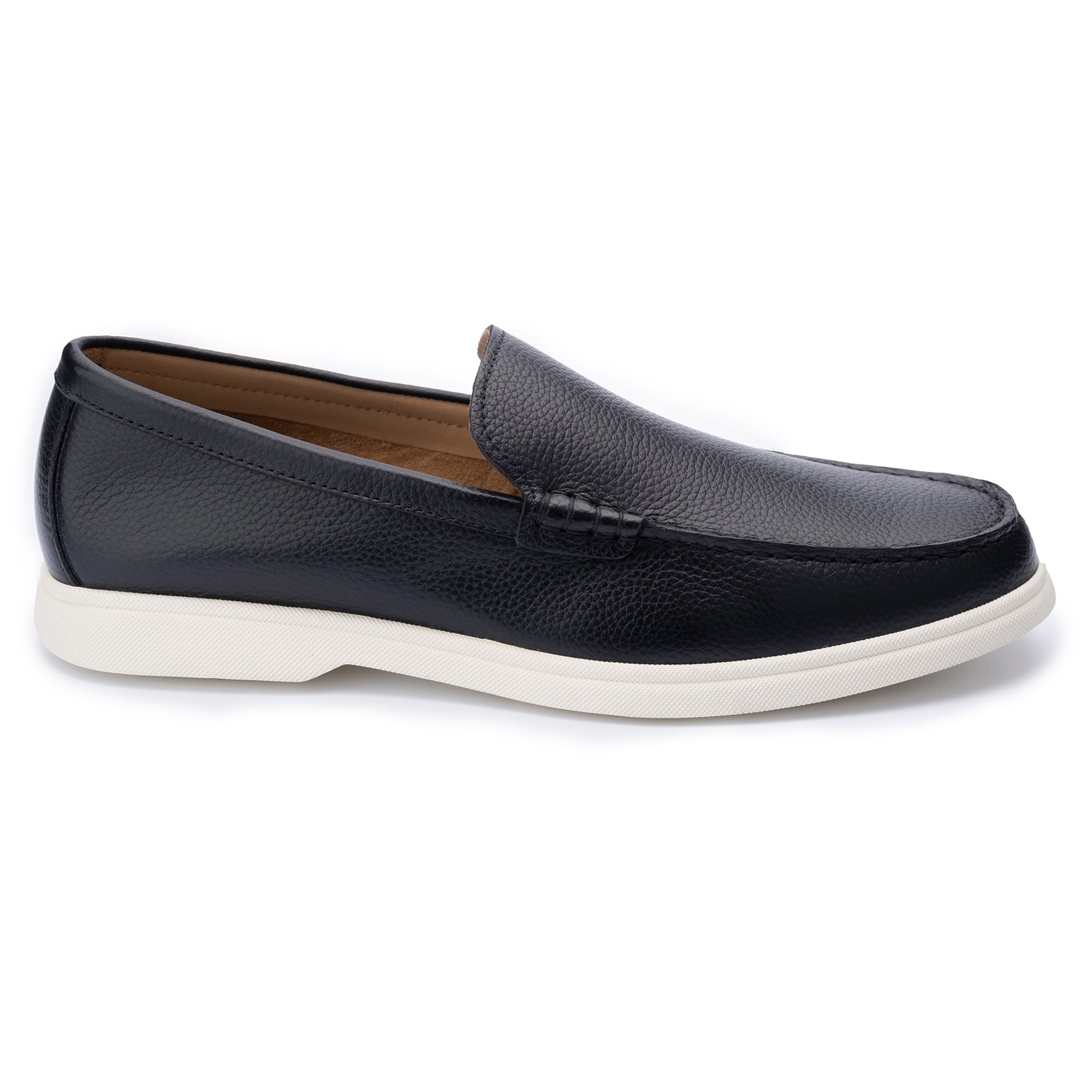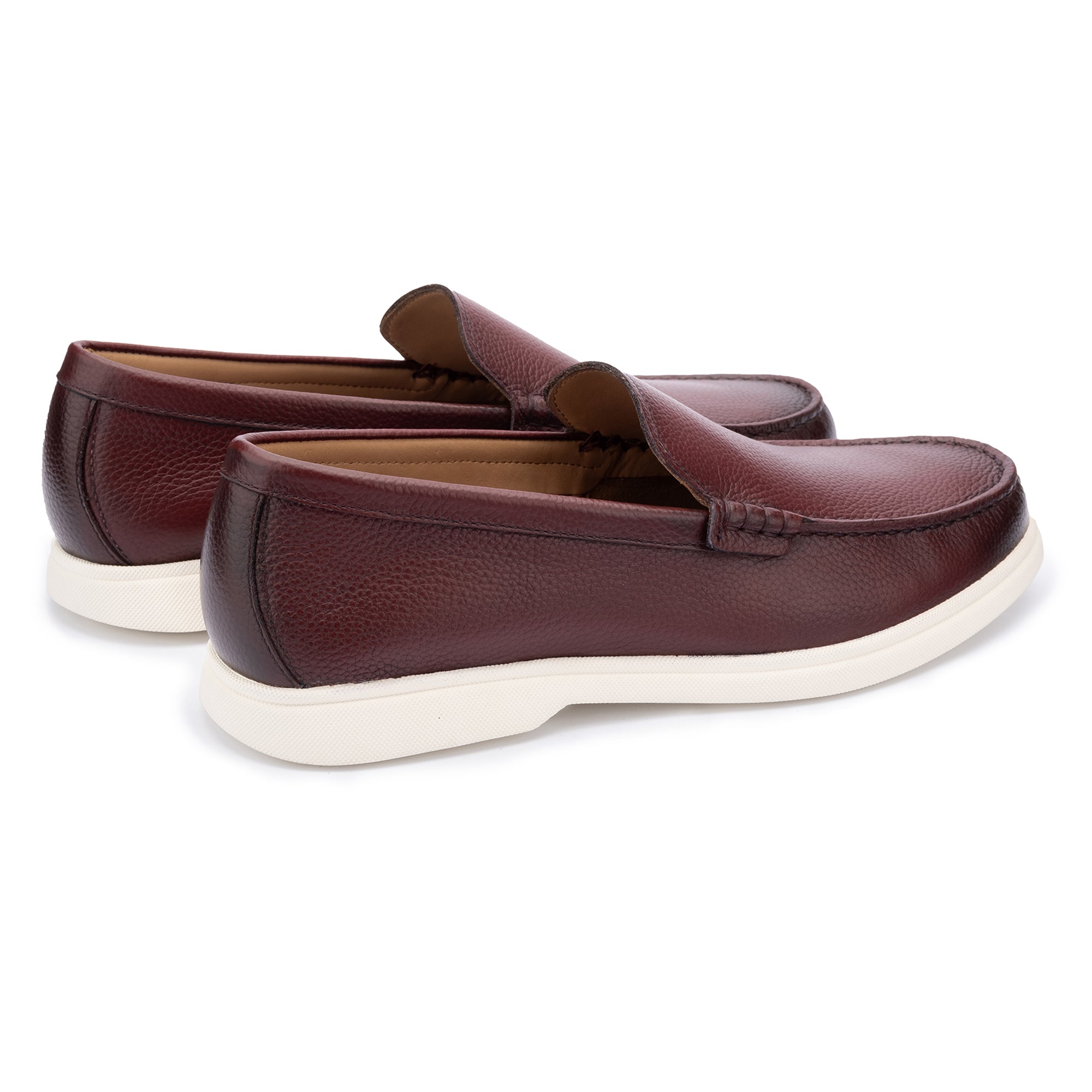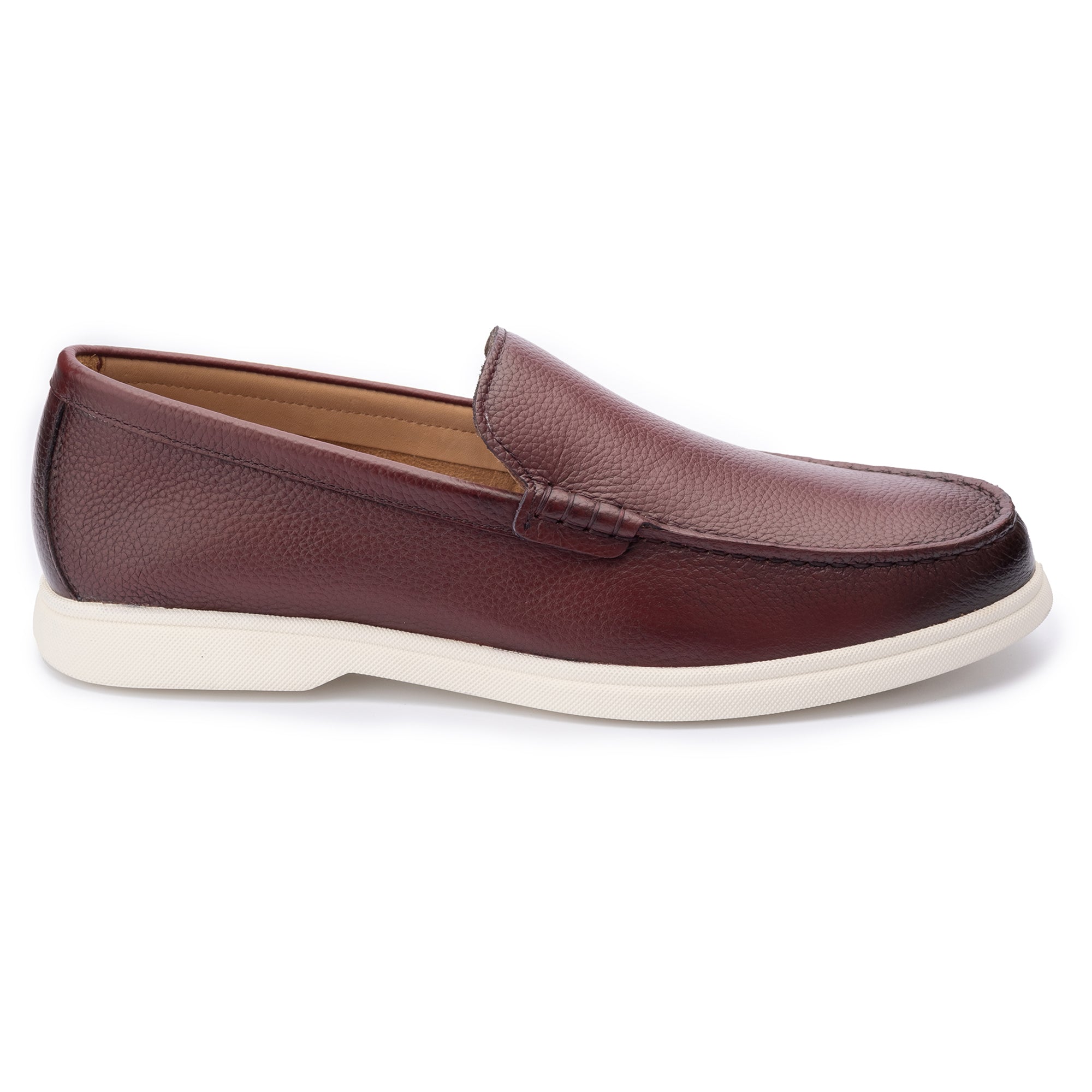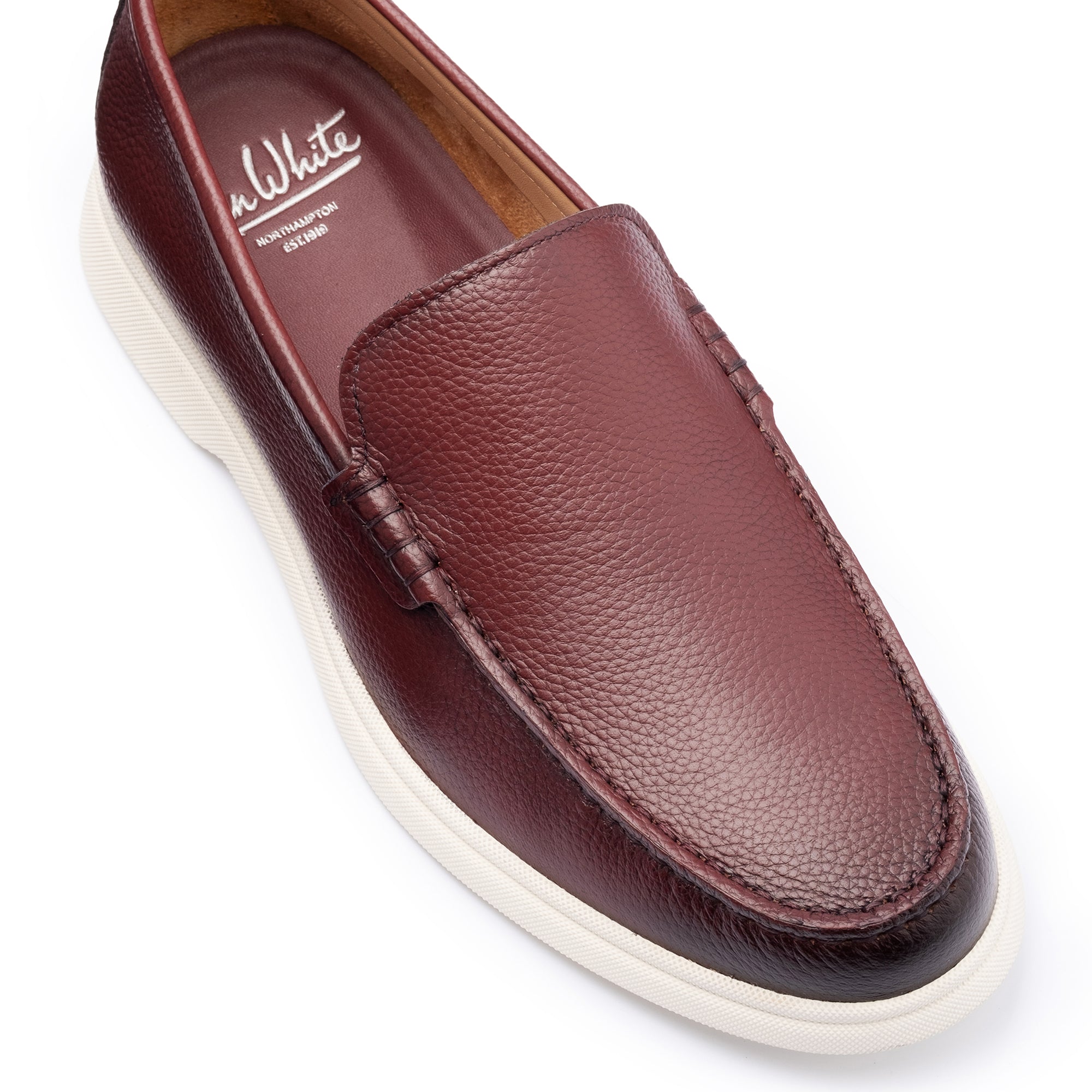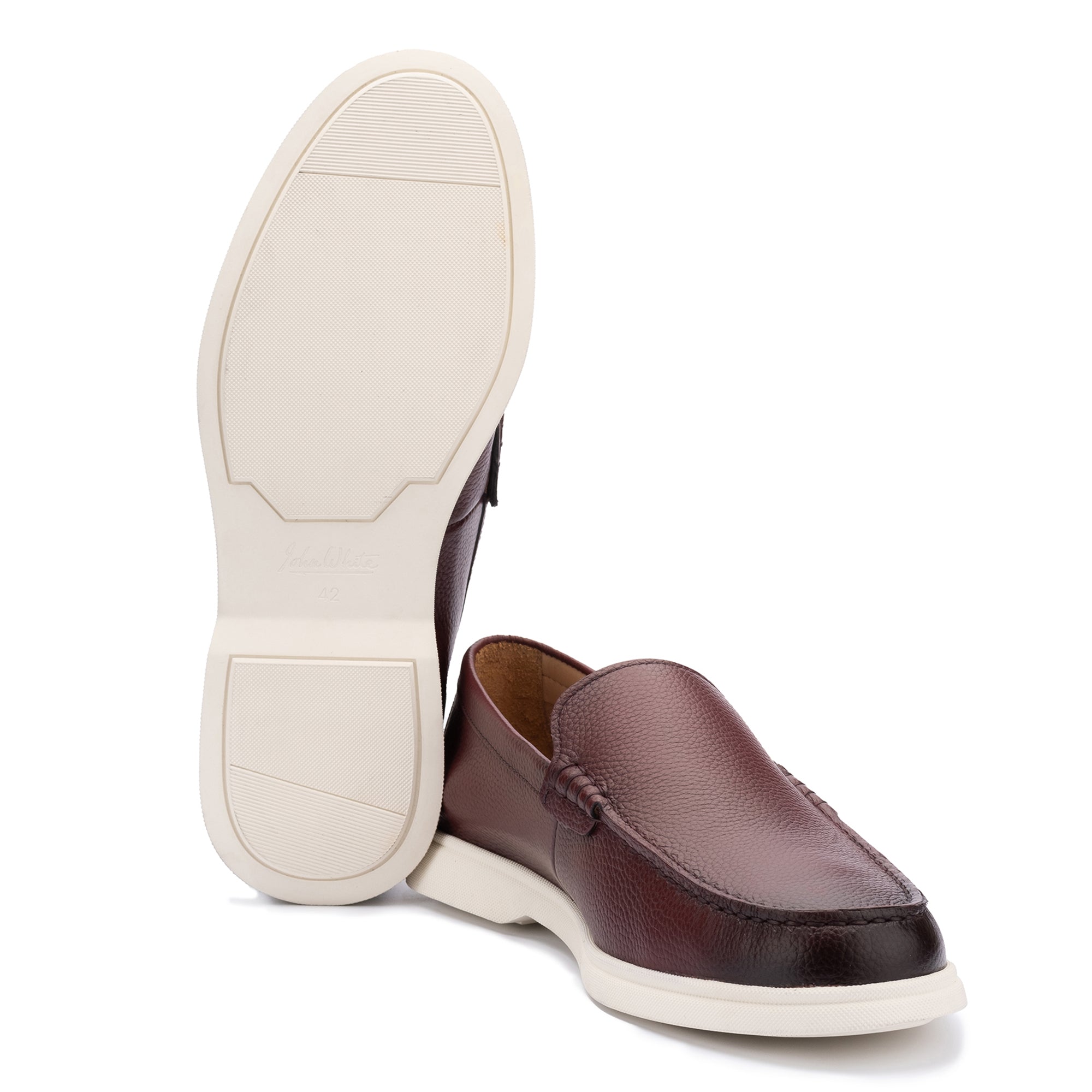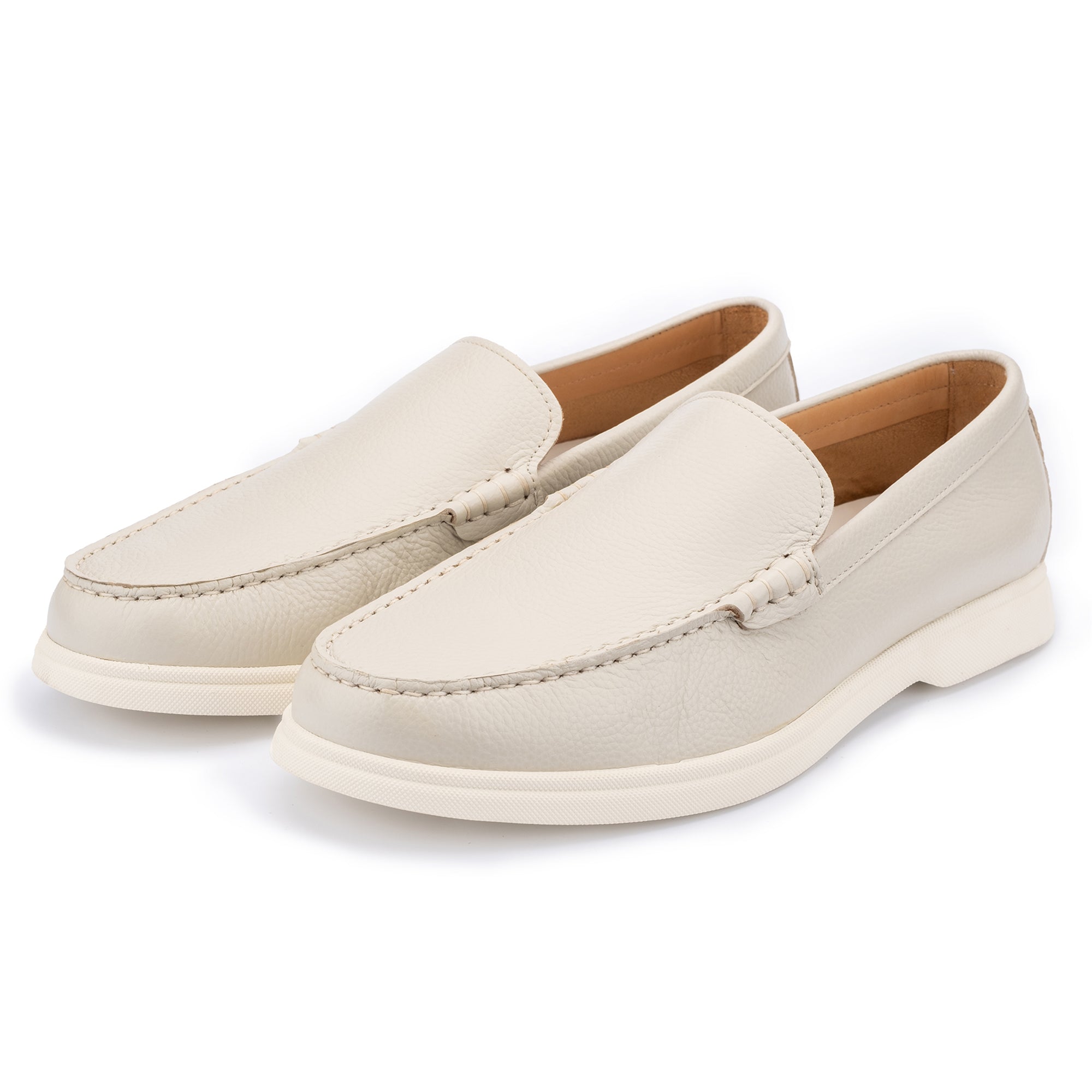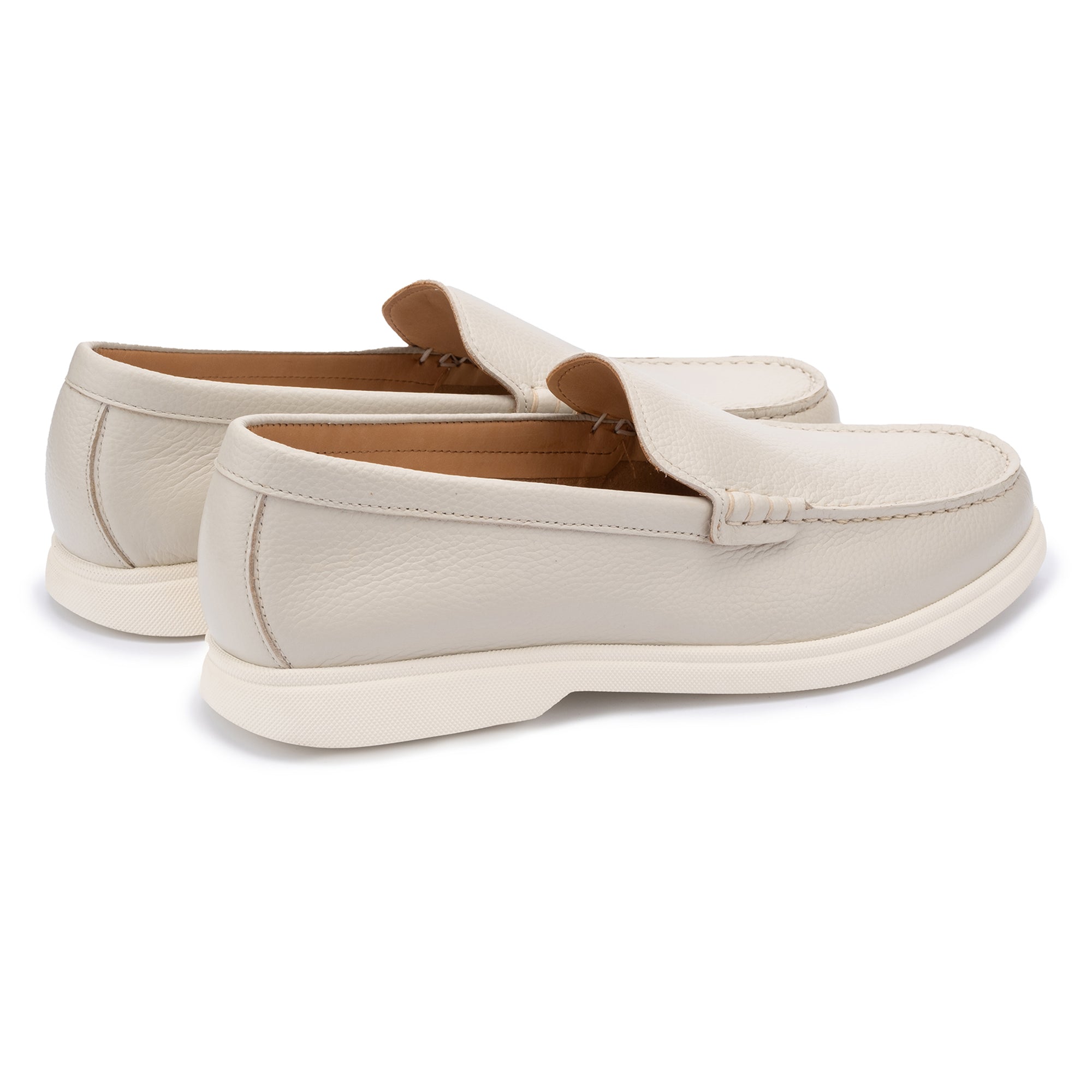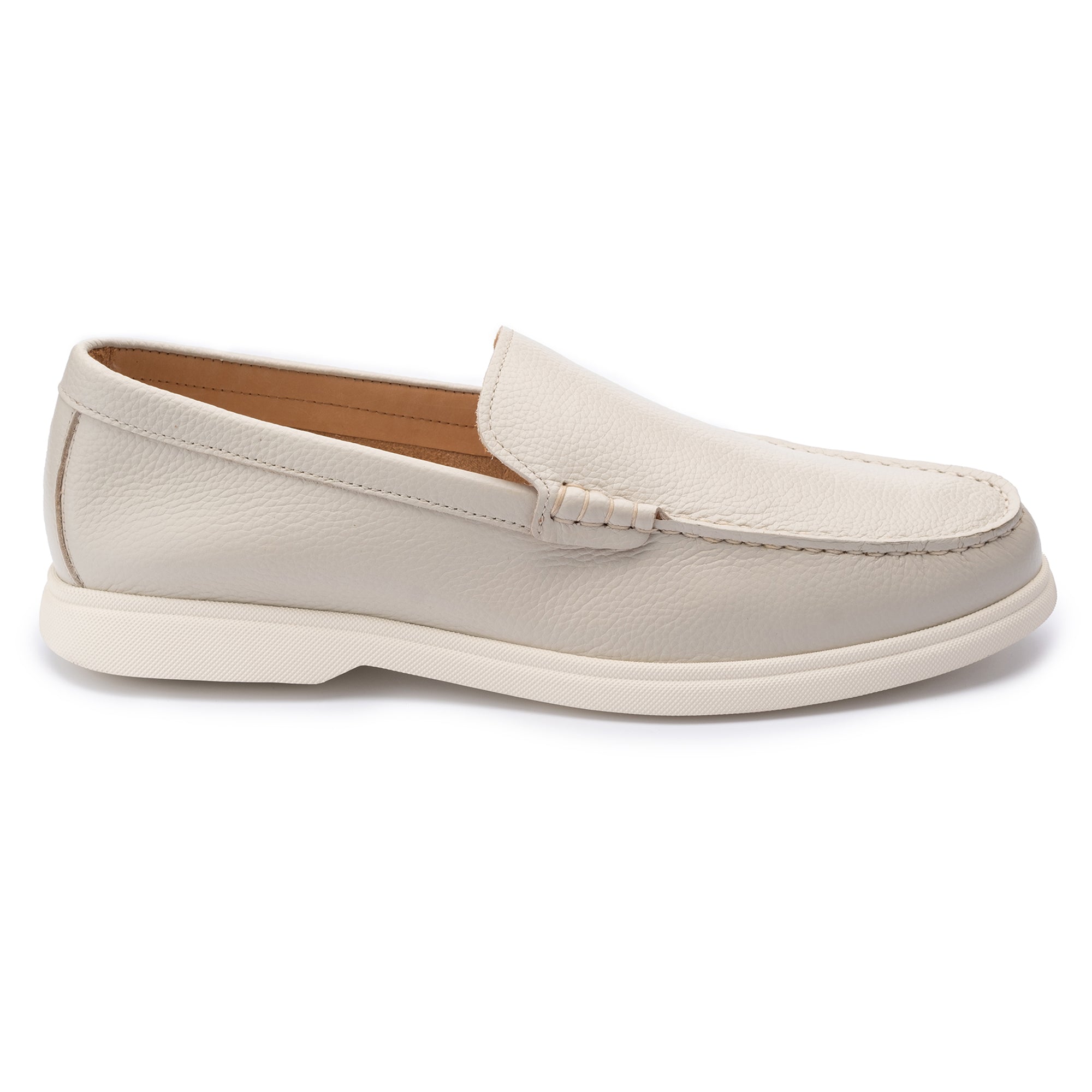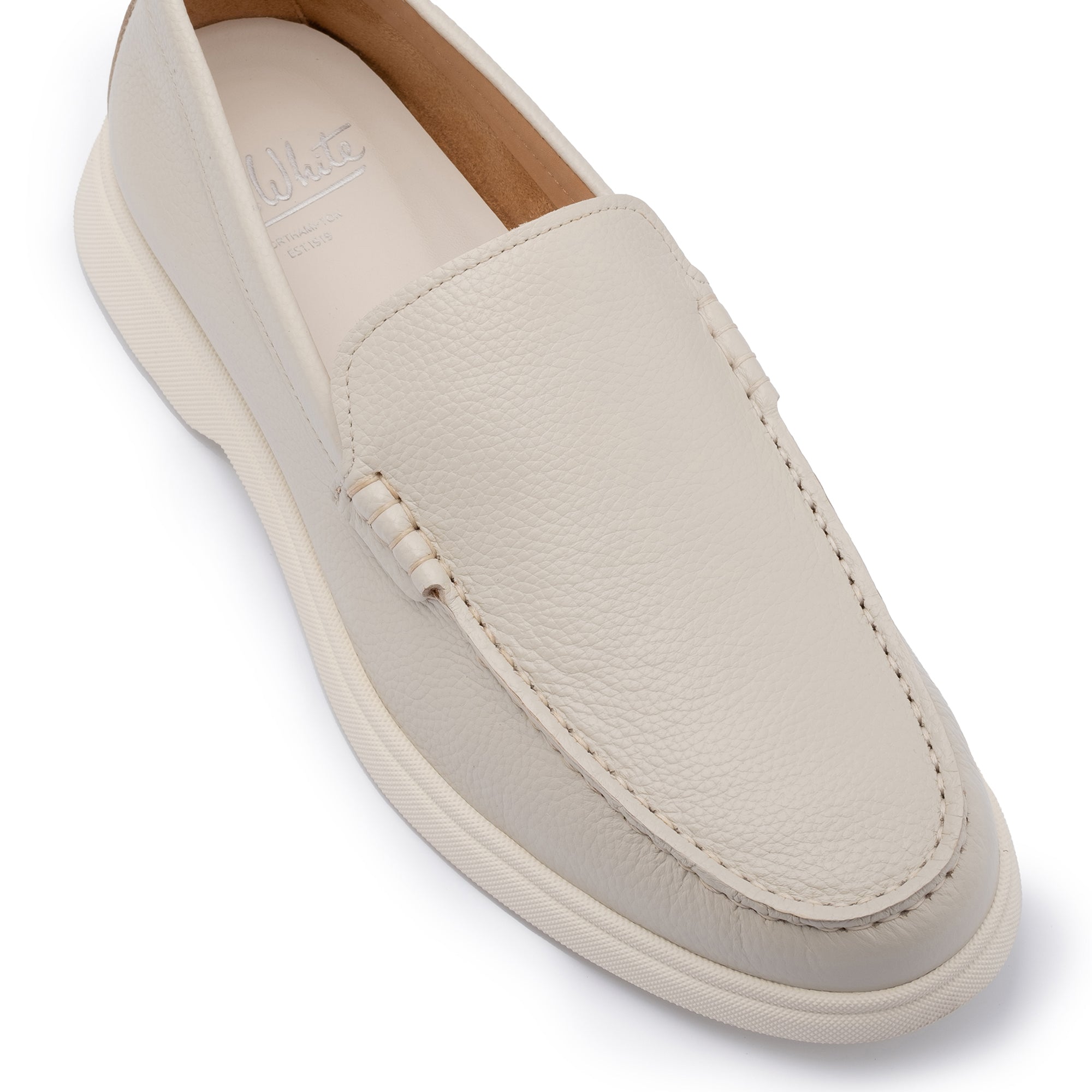

The Northampton Last: How a Single Block of Wood Still Defines the Shape of a Fine Shoe
Quick Answer: A shoe last is a three-dimensional wooden form around which every component of a shoe is assembled. The Northampton last — refined over centuries of specialist craft in the English Midlands — determines toe shape, heel pitch, waist profile, and overall silhouette before a single piece of leather is cut. Every fine pair of men's shoes begins here, not at the cutting bench.
In This Guide
- What Is a Shoe Last and Why Does the Northampton Version Matter?
- How Did Northampton Become the Centre of Fine Last-Making?
- What Does the Northampton Last Actually Determine About a Finished Shoe?
- How Are Northampton Lasts Still Made and Maintained Today?
- How Can You Identify a Shoe That Has Been Well Lasted?
- Why Does the Last Matter More Than Any Other Single Element?
- Related Guides
- Frequently Asked Questions
A shoe last is the invisible architect of every fine pair. Before a single piece of leather is cut, the last fixes the toe shape, heel pitch, waist profile, and fit of the finished shoe. Northampton's mastery of last-making, refined over more than five centuries, is the primary reason this small English county became the global benchmark for quality men's footwear — and why its distinctive proportions are still referenced by shoemakers from Milan to Tokyo.
What Is a Shoe Last and Why Does the Northampton Version Matter?
A shoe last is a solid three-dimensional form — traditionally carved from beech wood — that replicates the shape of a human foot while introducing the design intent of the shoemaker. It is the template around which the upper is stretched and lasted, the welt is stitched, and the sole is attached. Without it, a shoe has no fixed shape, no consistent fit, and no reliable silhouette.
What distinguishes the Northampton last is accumulated regional knowledge, not a single innovation. According to the Northampton Museum & Art Gallery, which holds one of the world's largest collections of historic footwear and shoe lasts, last-making had become a specialist trade in the county by the mid-nineteenth century — distinct from cordwaining, producing forms that balanced anatomical precision with the refined elongation demanded by formal British dress.
That balance — technical fit and visual elegance held in equal weight — is what gives a Northampton-lasted shoe its particular authority on the foot and in the room.
The Northampton last is not a single template but a lineage of forms, each refined through decades of use, adjustment, and observation across thousands of actual feet.
How Did Northampton Become the Centre of Fine Last-Making?
Northamptonshire's dominance in fine shoemaking is a product of industrial geography as much as individual craft. The county's combination of local cattle hides from established tanneries, strong river transport networks, and a concentrated population of skilled craftsmen created ideal conditions for an organised trade from at least the seventeenth century.
Last-making developed as a specialist sub-trade within this ecosystem. A last-maker was a distinct craftsman — not a cordwainer — who produced the forms that all other shoemakers depended upon. According to the British Footwear Association, Northamptonshire has been a centre of quality shoemaking for over 500 years, and the proportional conventions refined by its last-makers remain among the most referenced standards in the global industry.
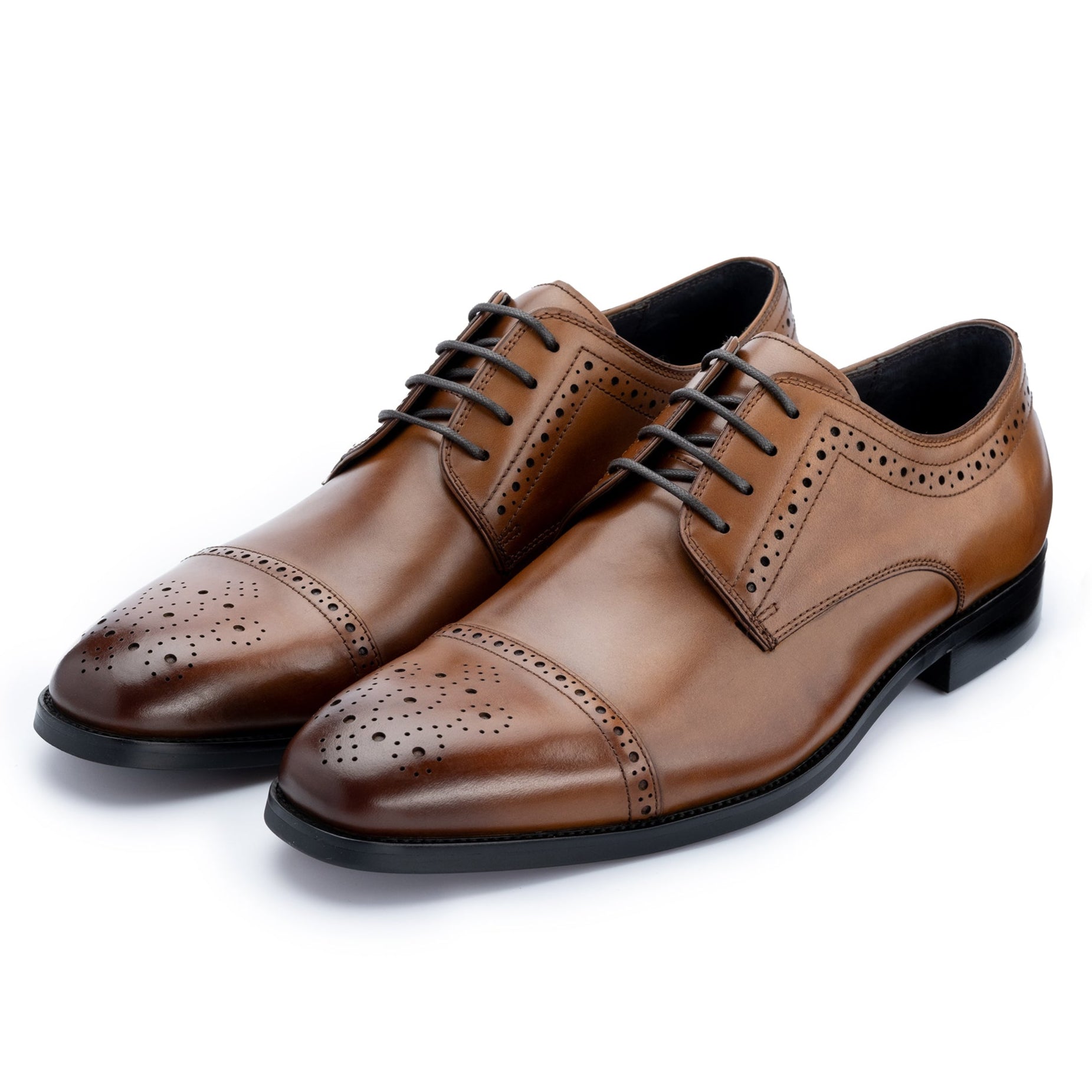
Established houses including Loake, Barker, Grenson, Church's, Crockett & Jones, and John White Shoes all built their reputations in part on access to this concentrated expertise — each developing proprietary lasts that reflected their own house character while drawing on the same regional tradition of precise, elegant proportion.
The Northampton shoemaking tradition produced not just shoes but a system of knowledge — one in which the last sits at the centre of every design decision.
What Does the Northampton Last Actually Determine About a Finished Shoe?
More than most buyers appreciate. The last governs every fundamental dimension of the shoe, fixing characteristics that cannot be corrected once construction is complete:
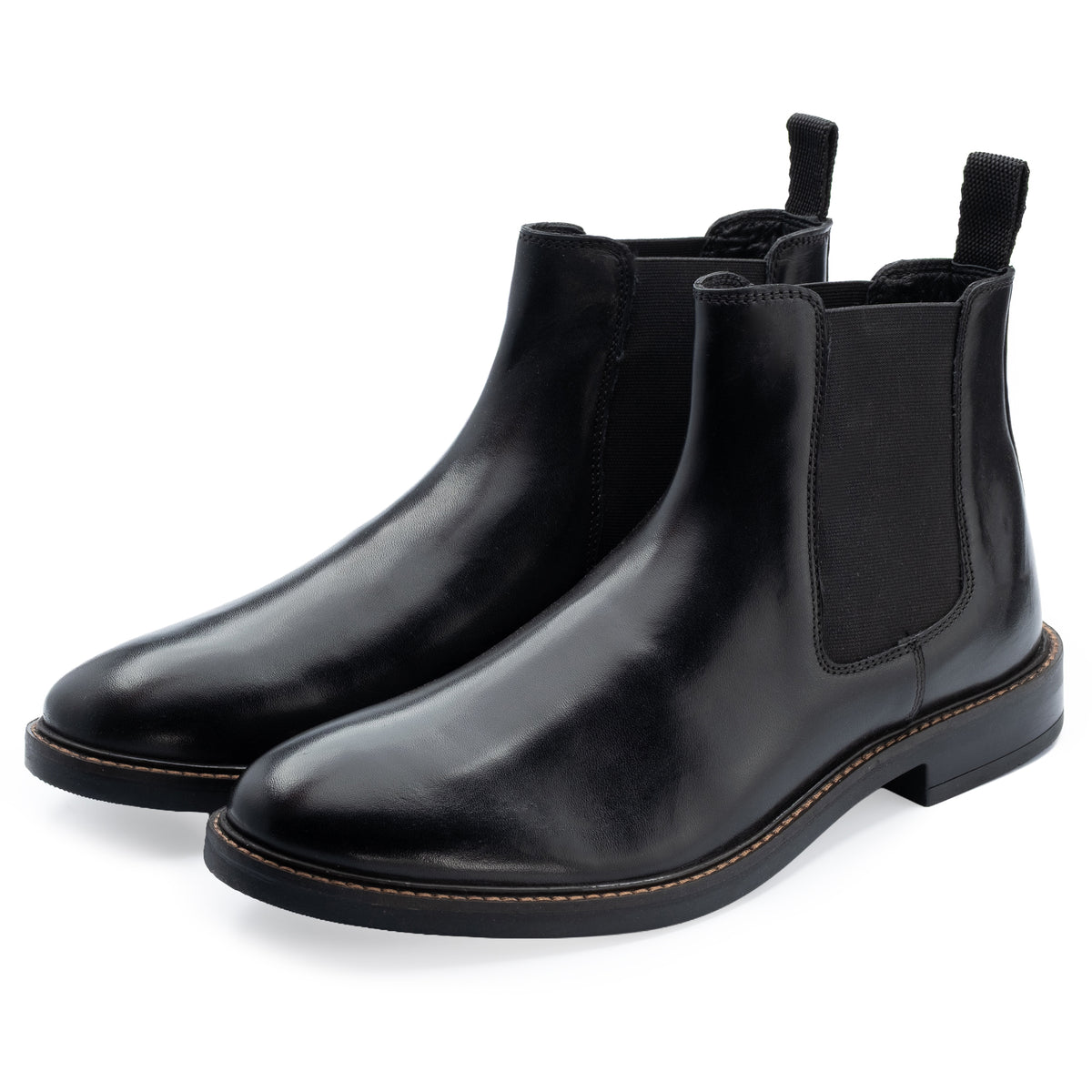
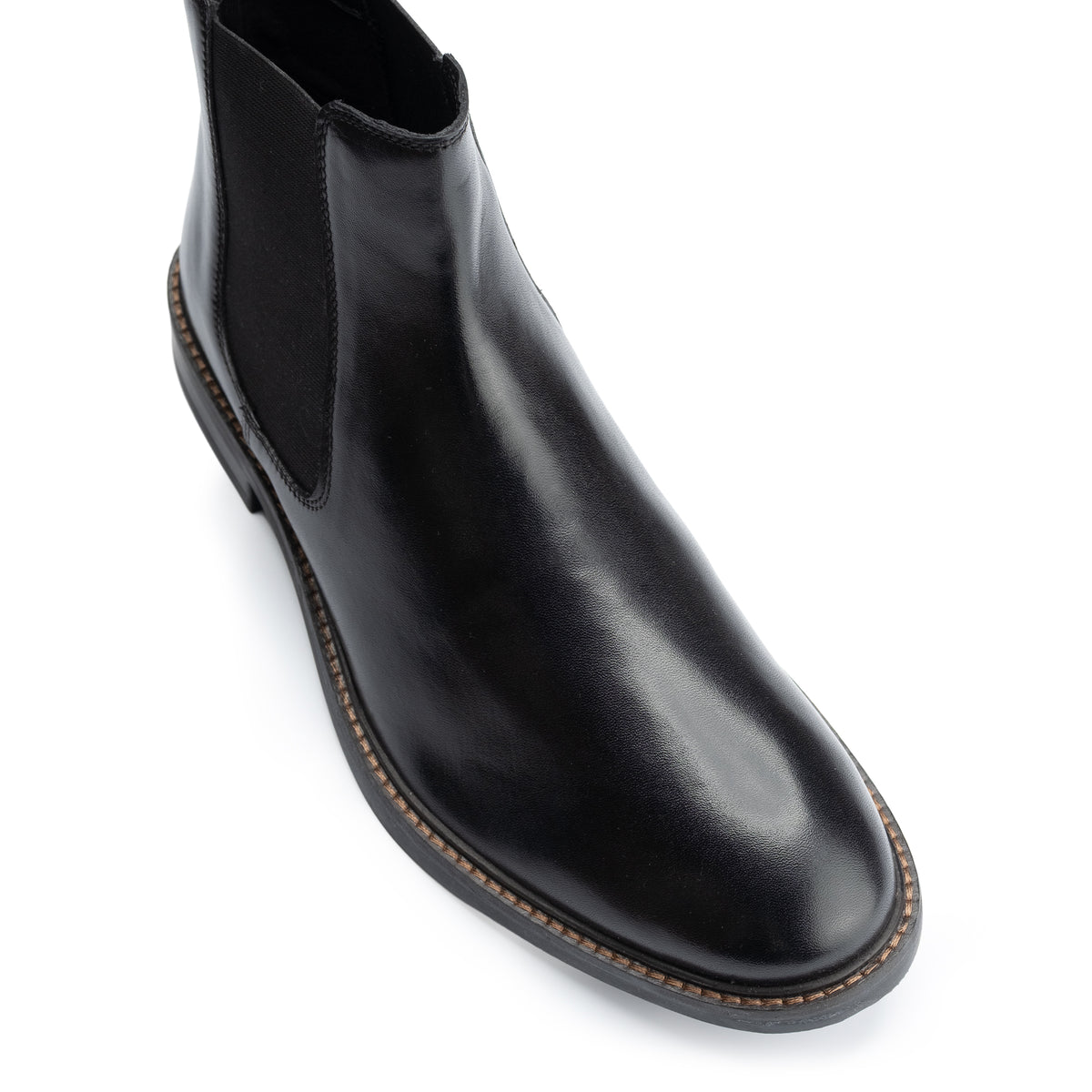
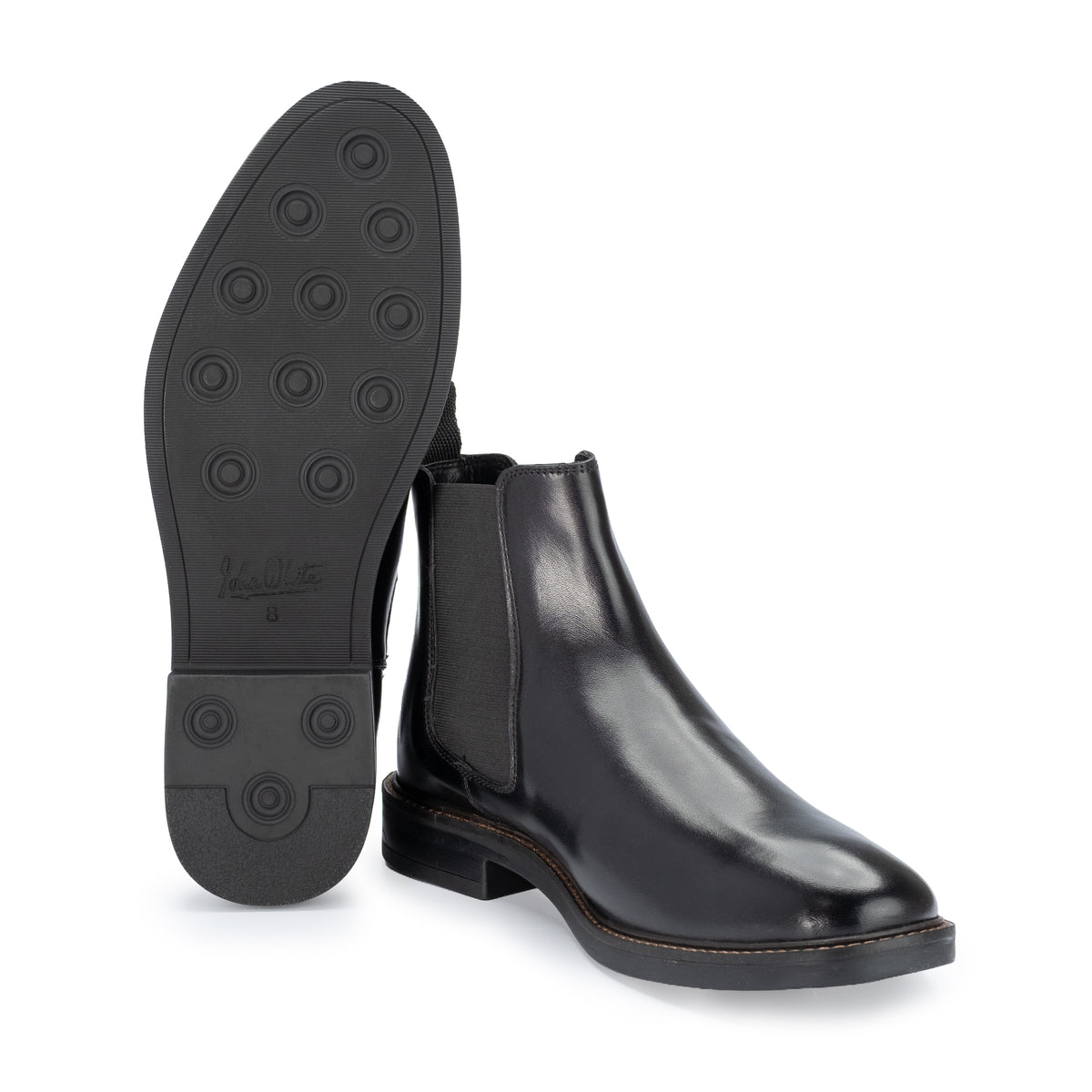
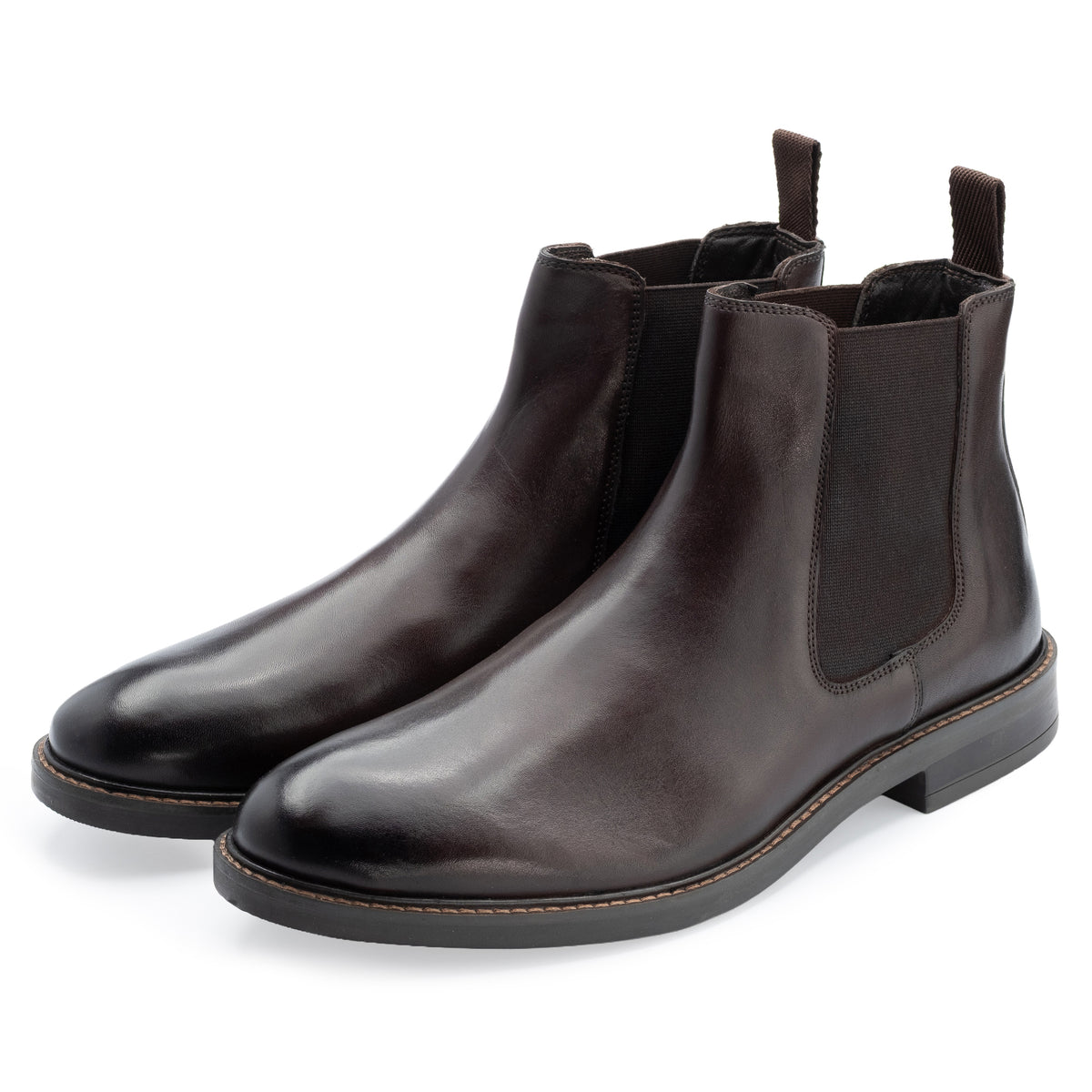
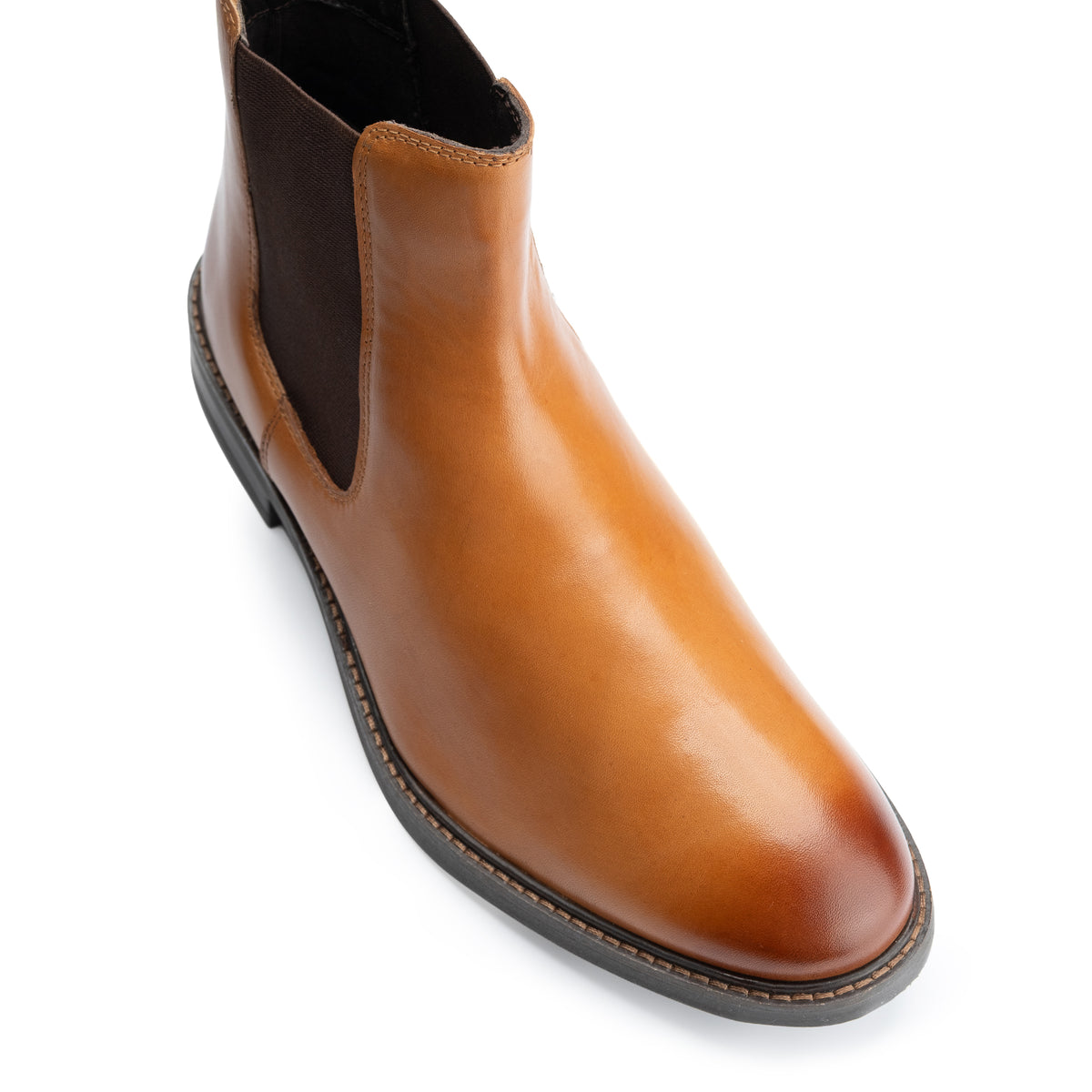
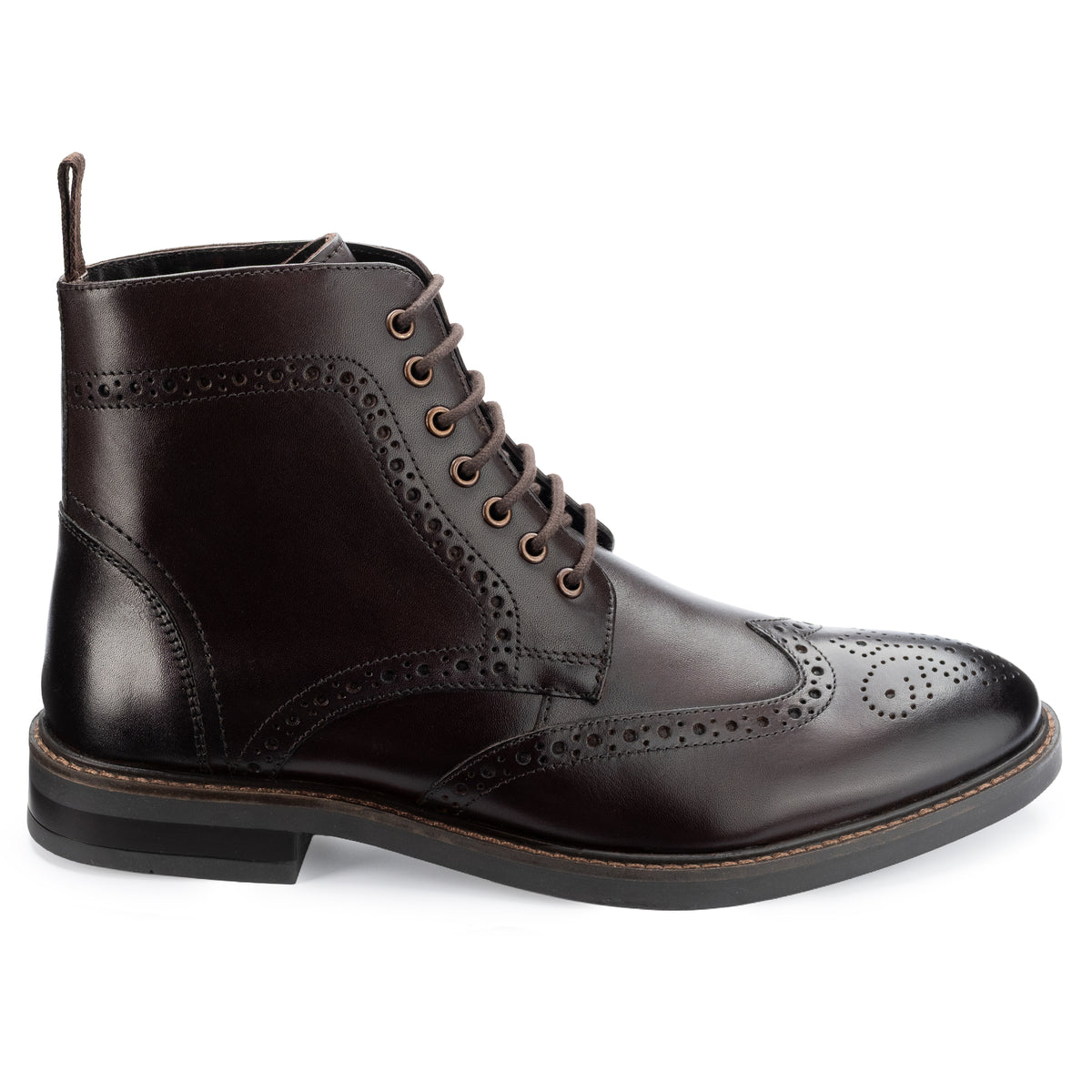
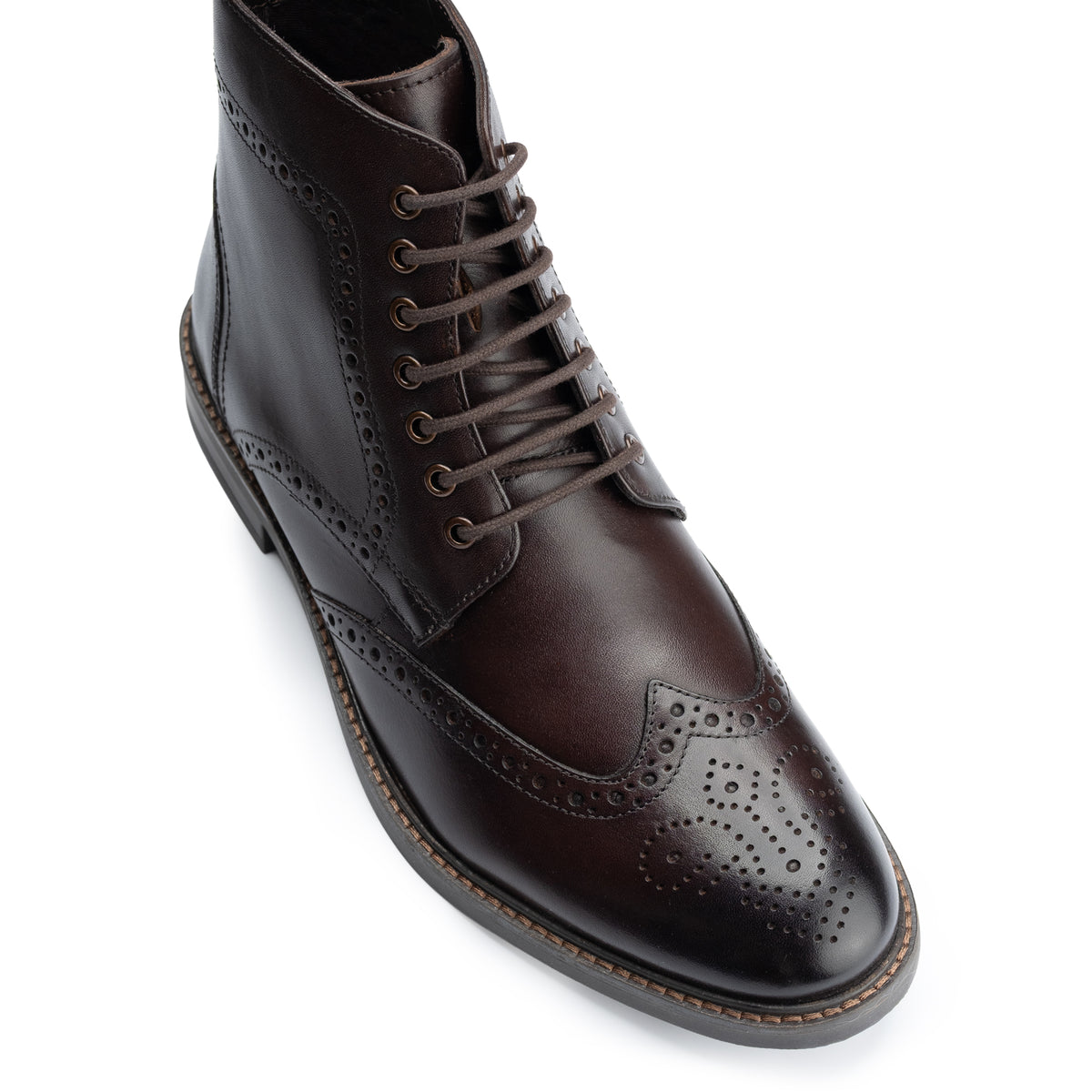
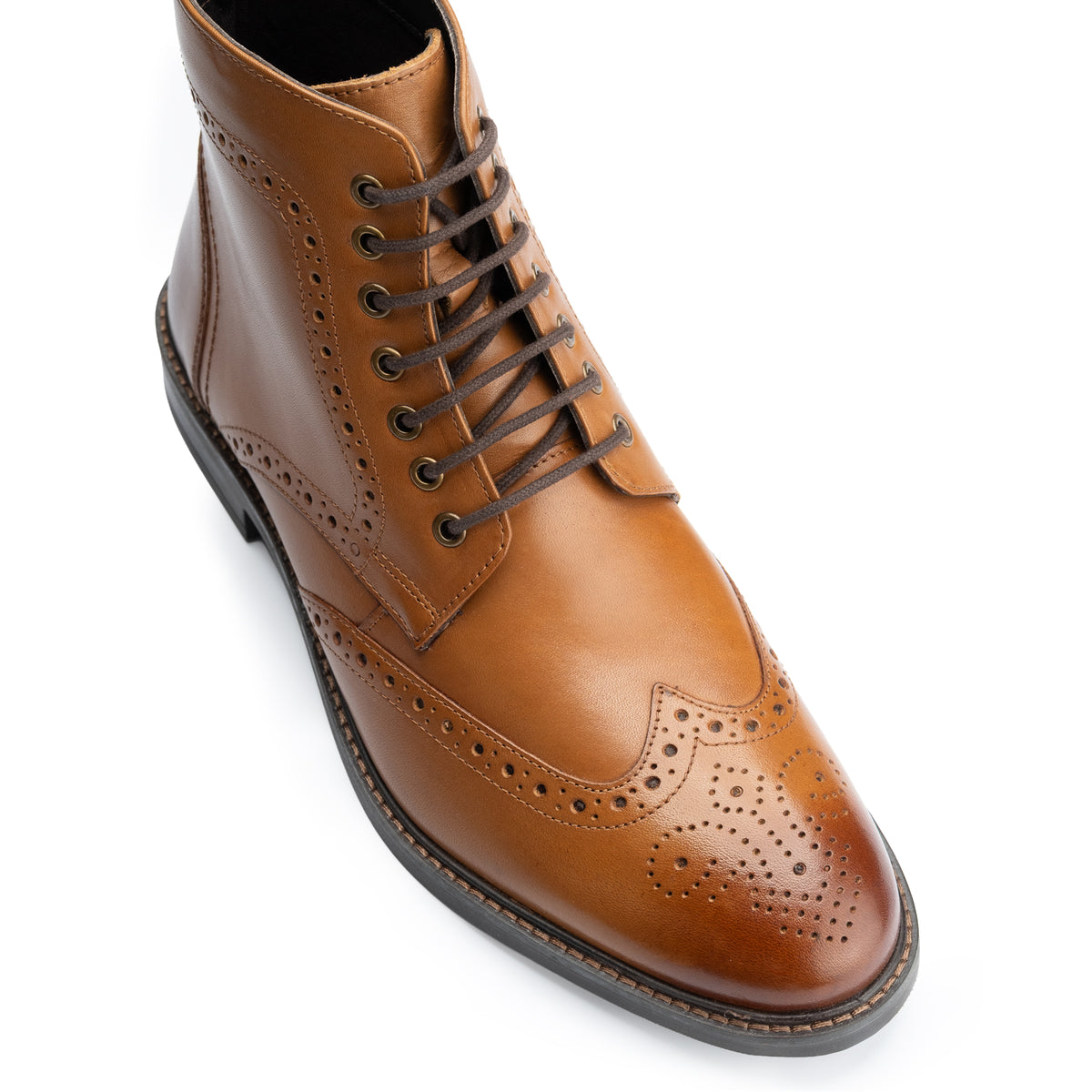
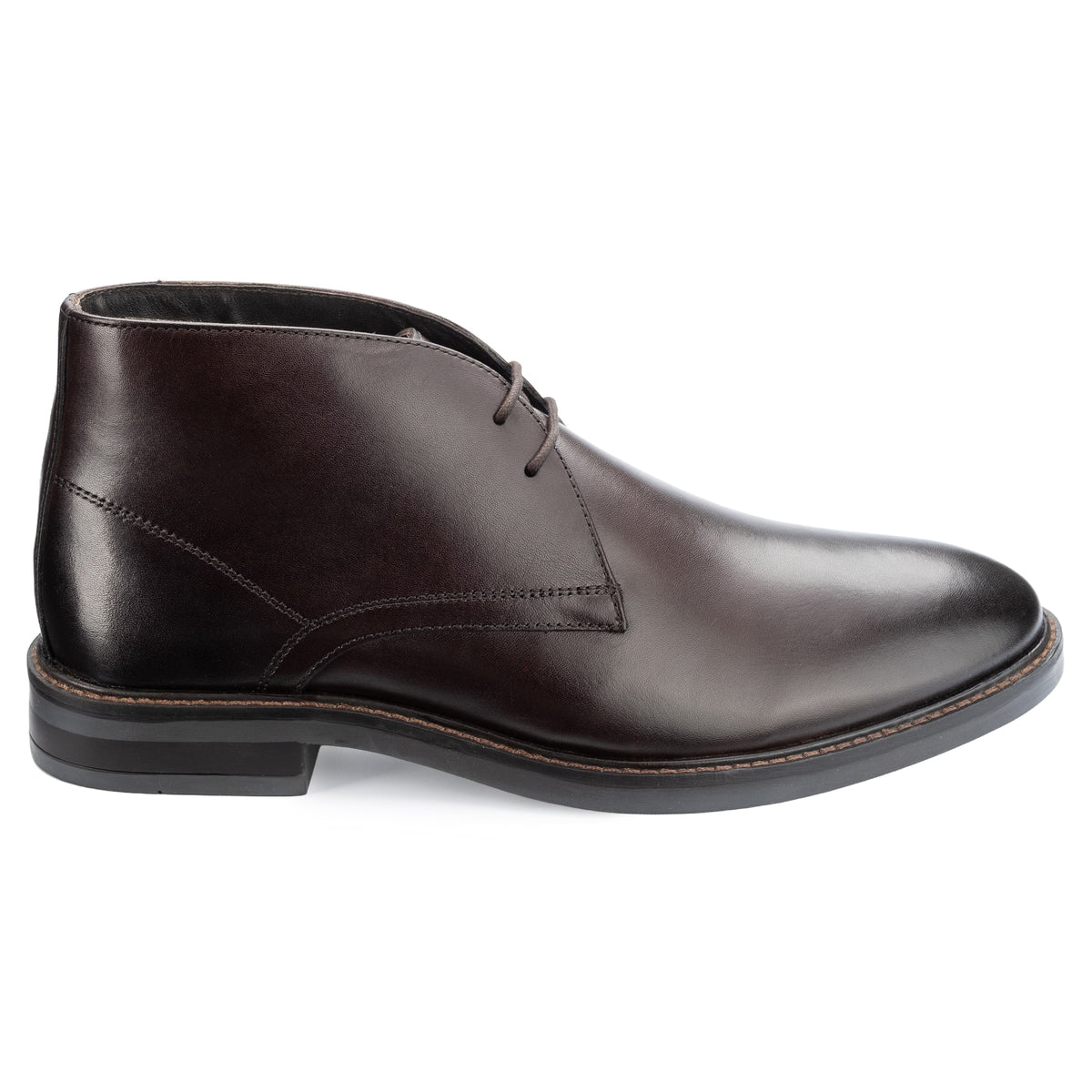
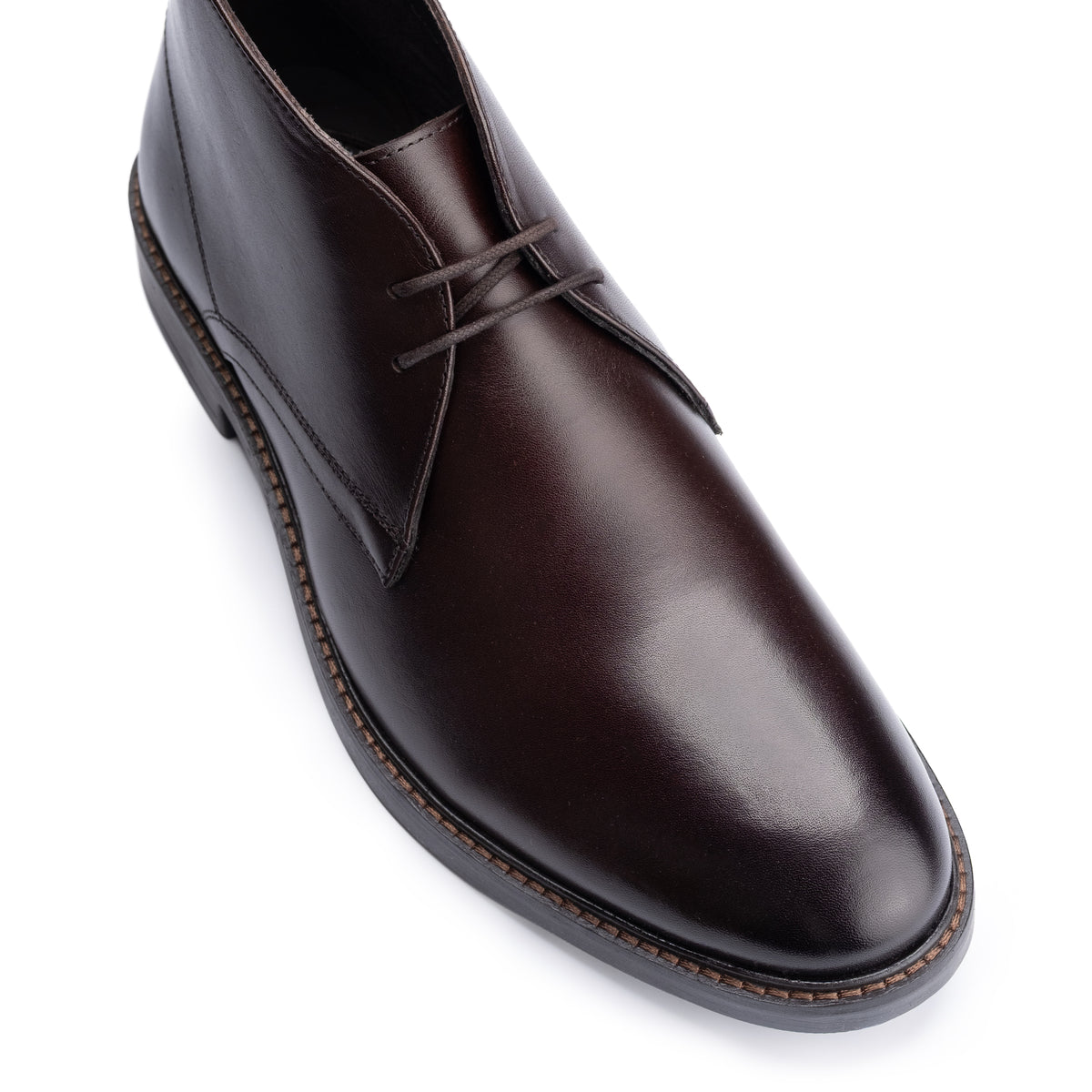
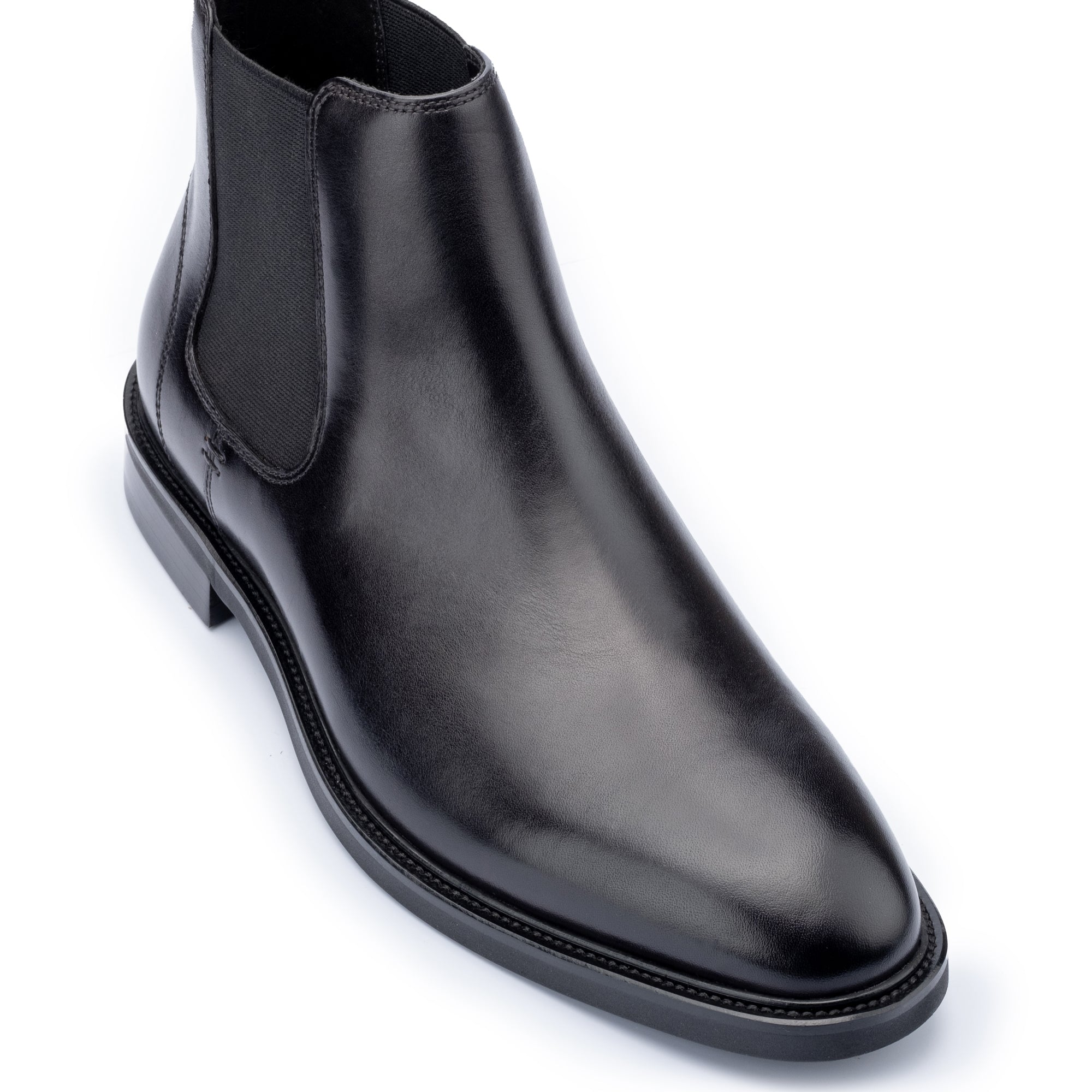
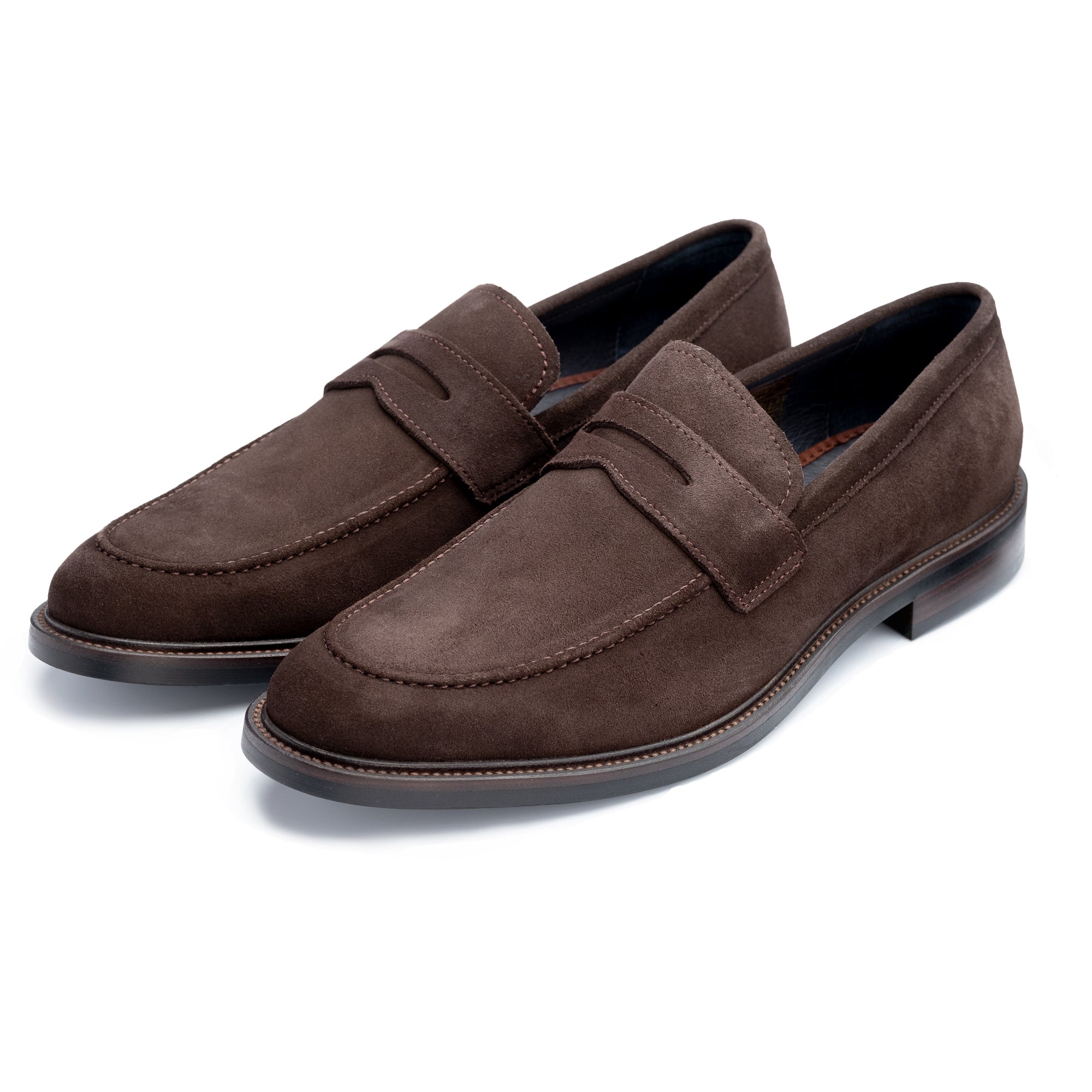
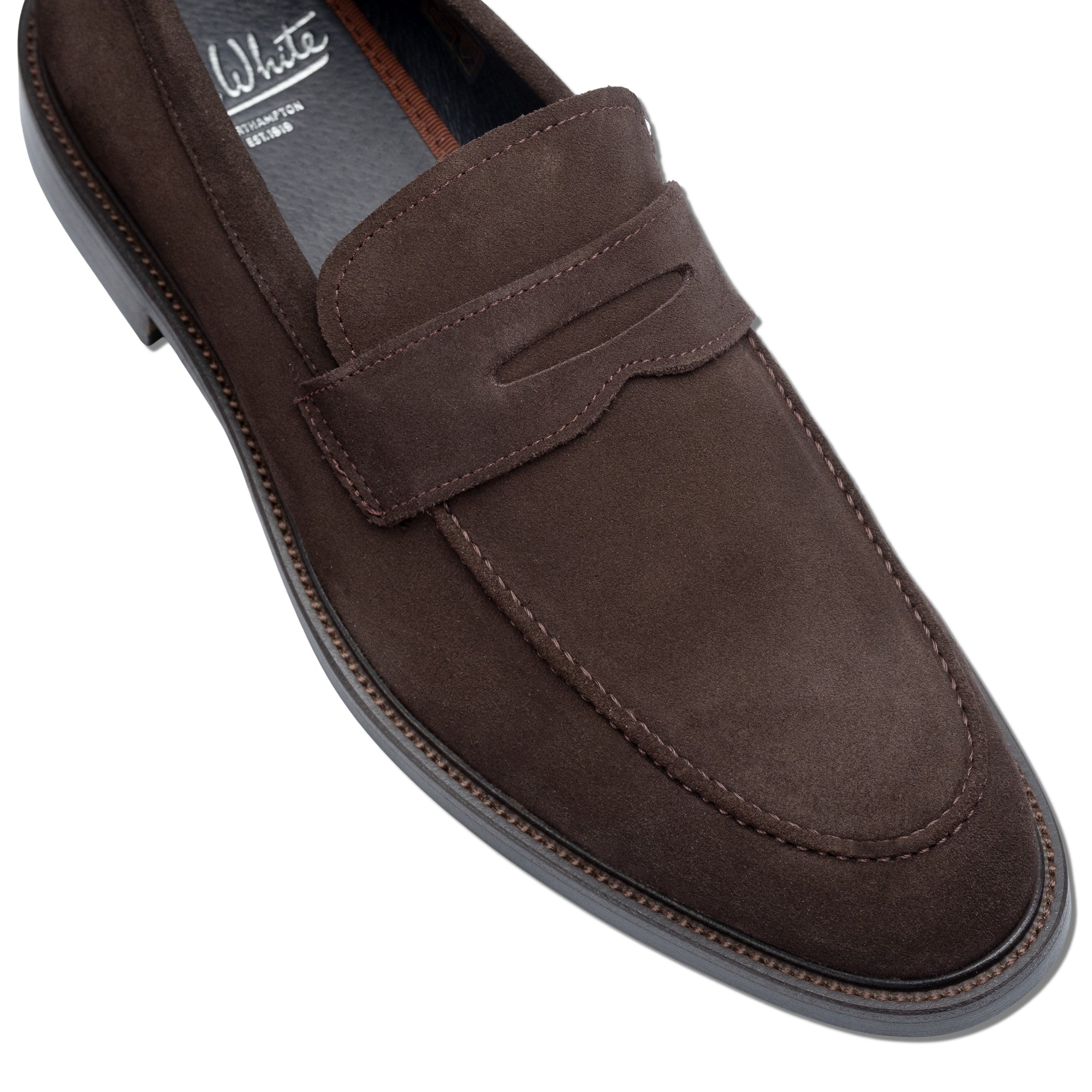
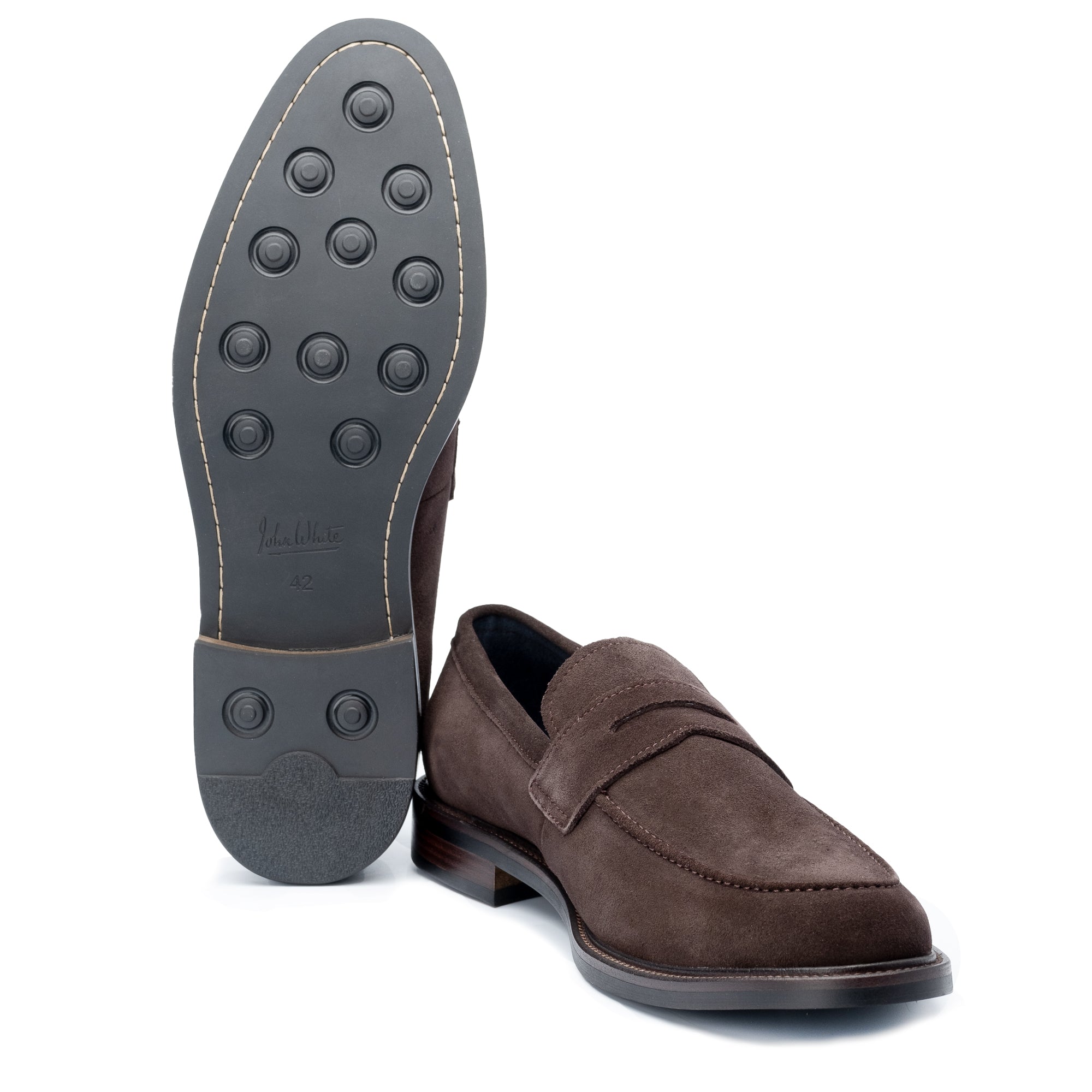
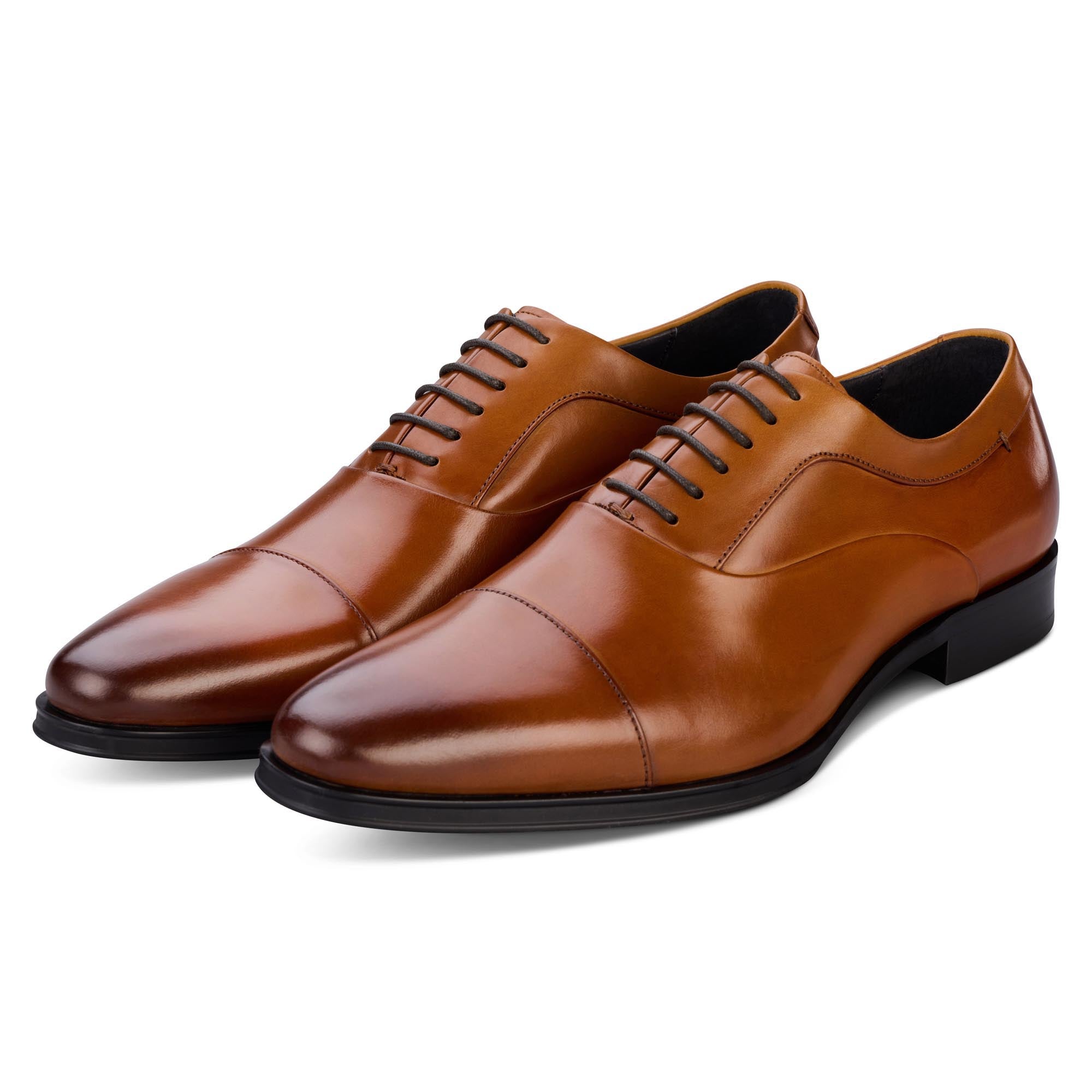
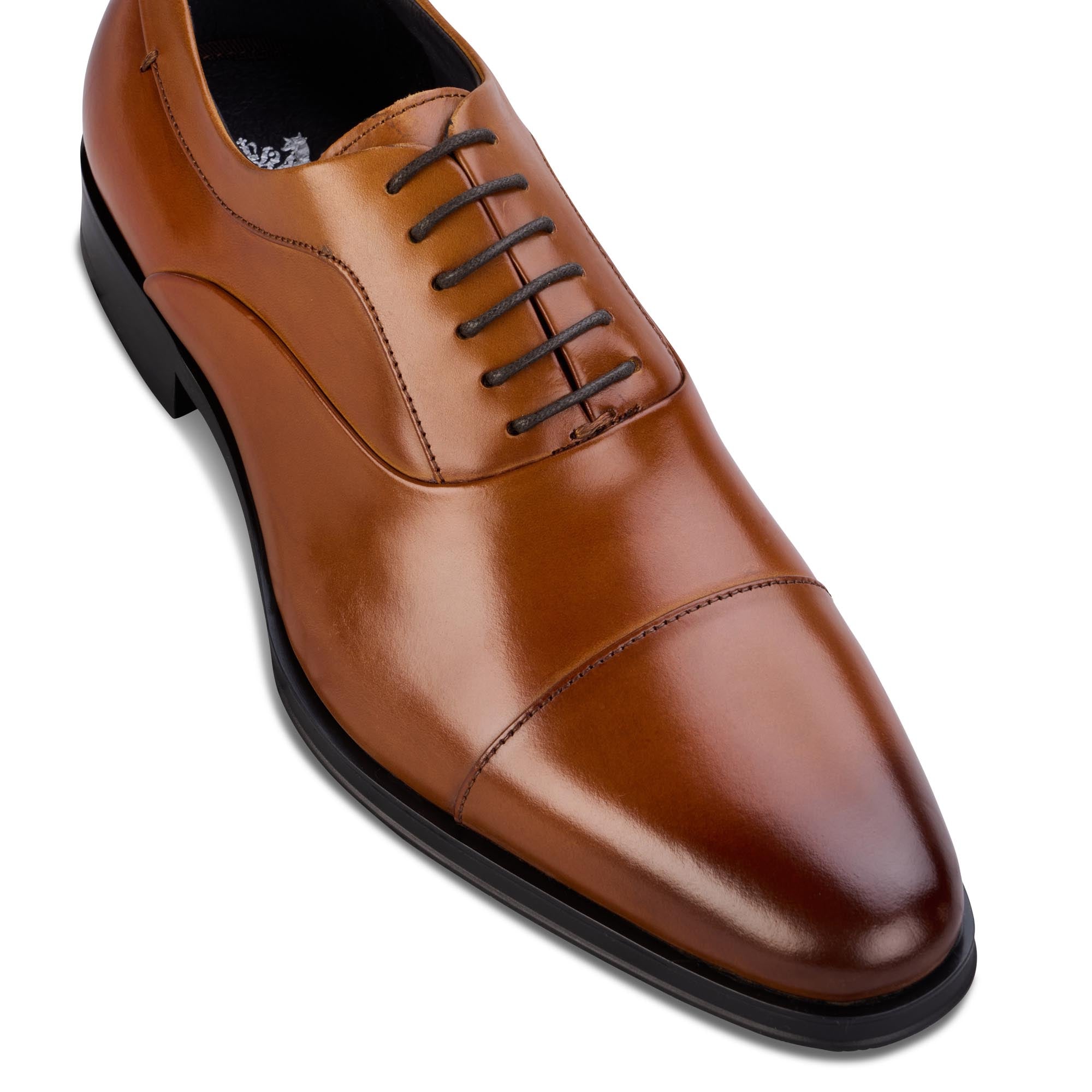
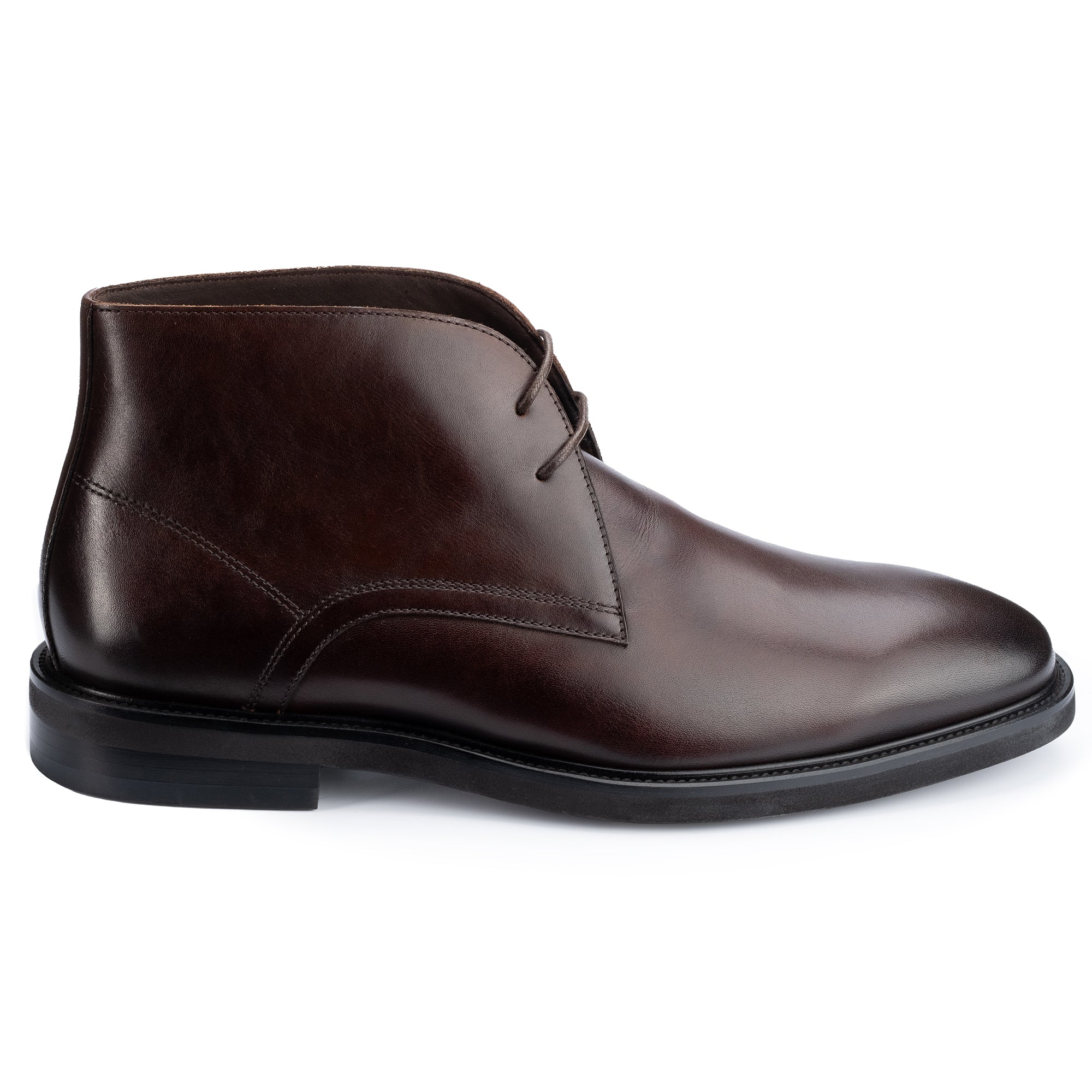
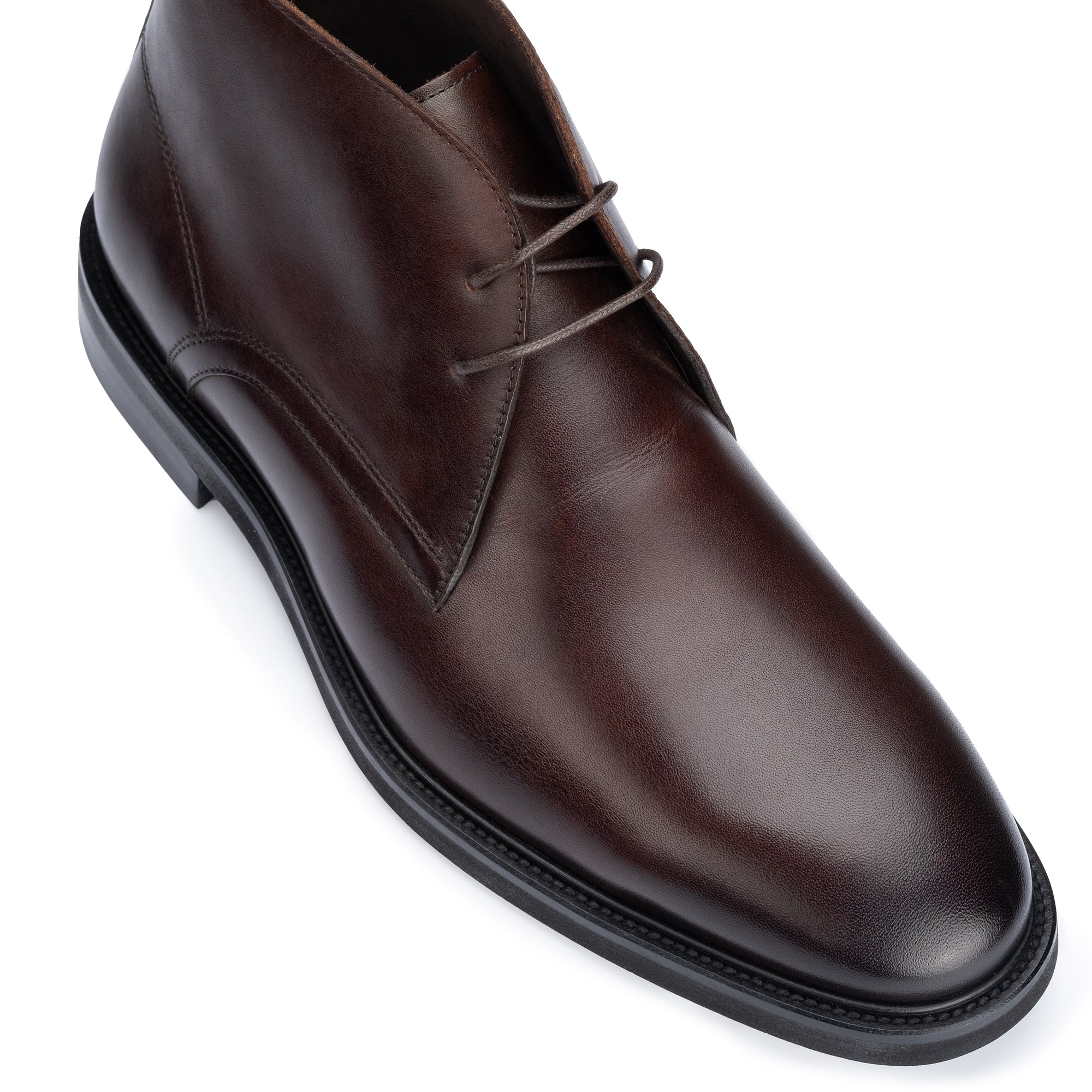
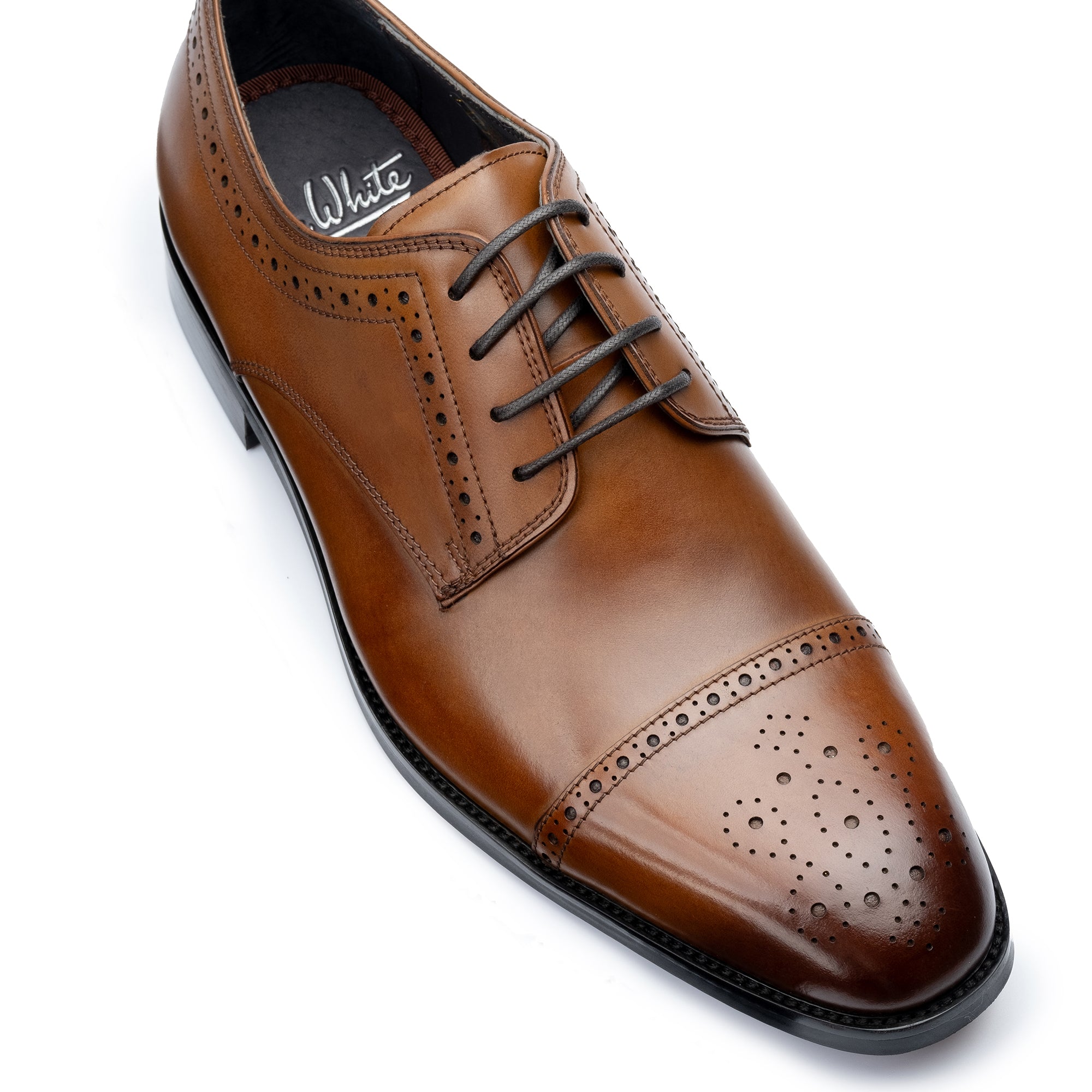
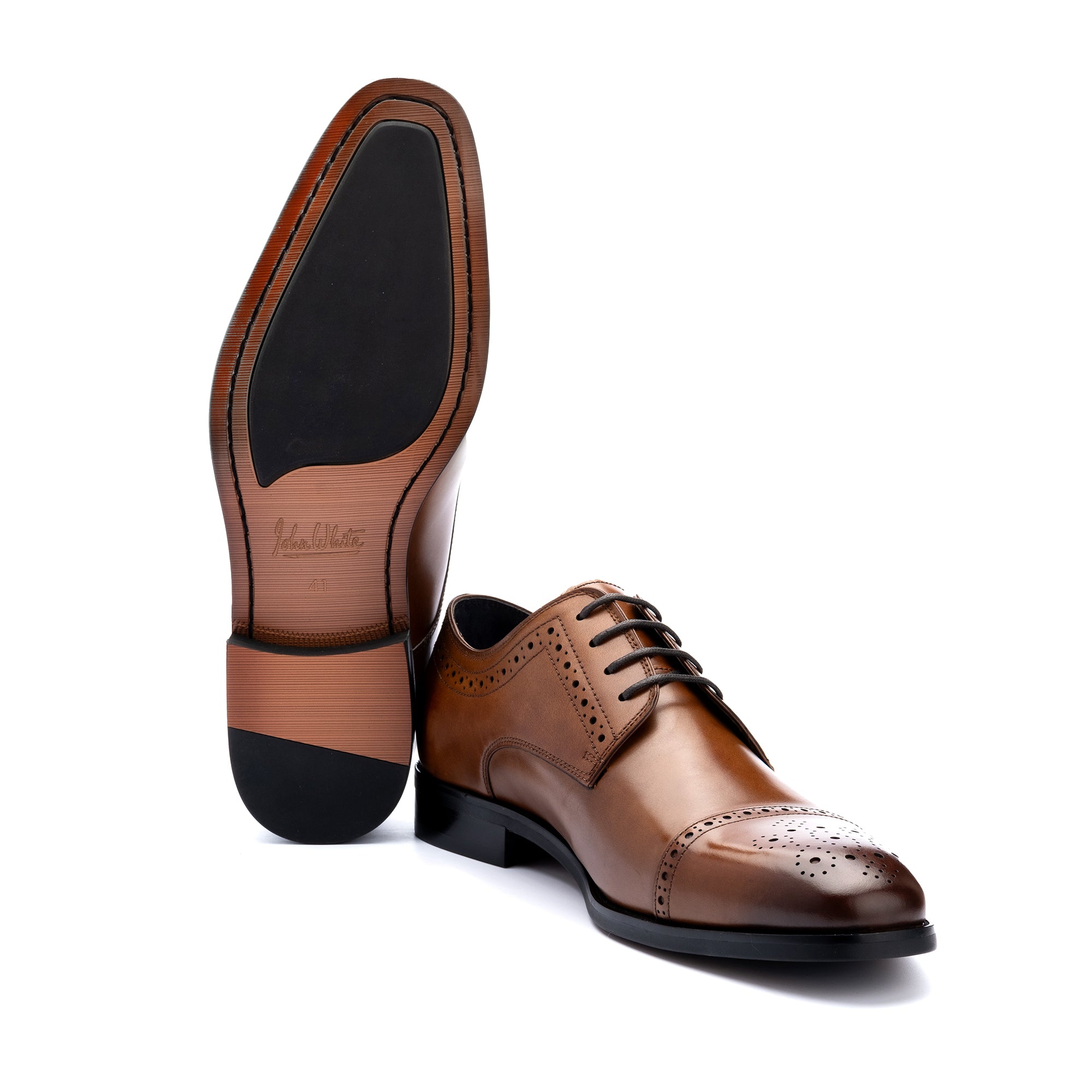
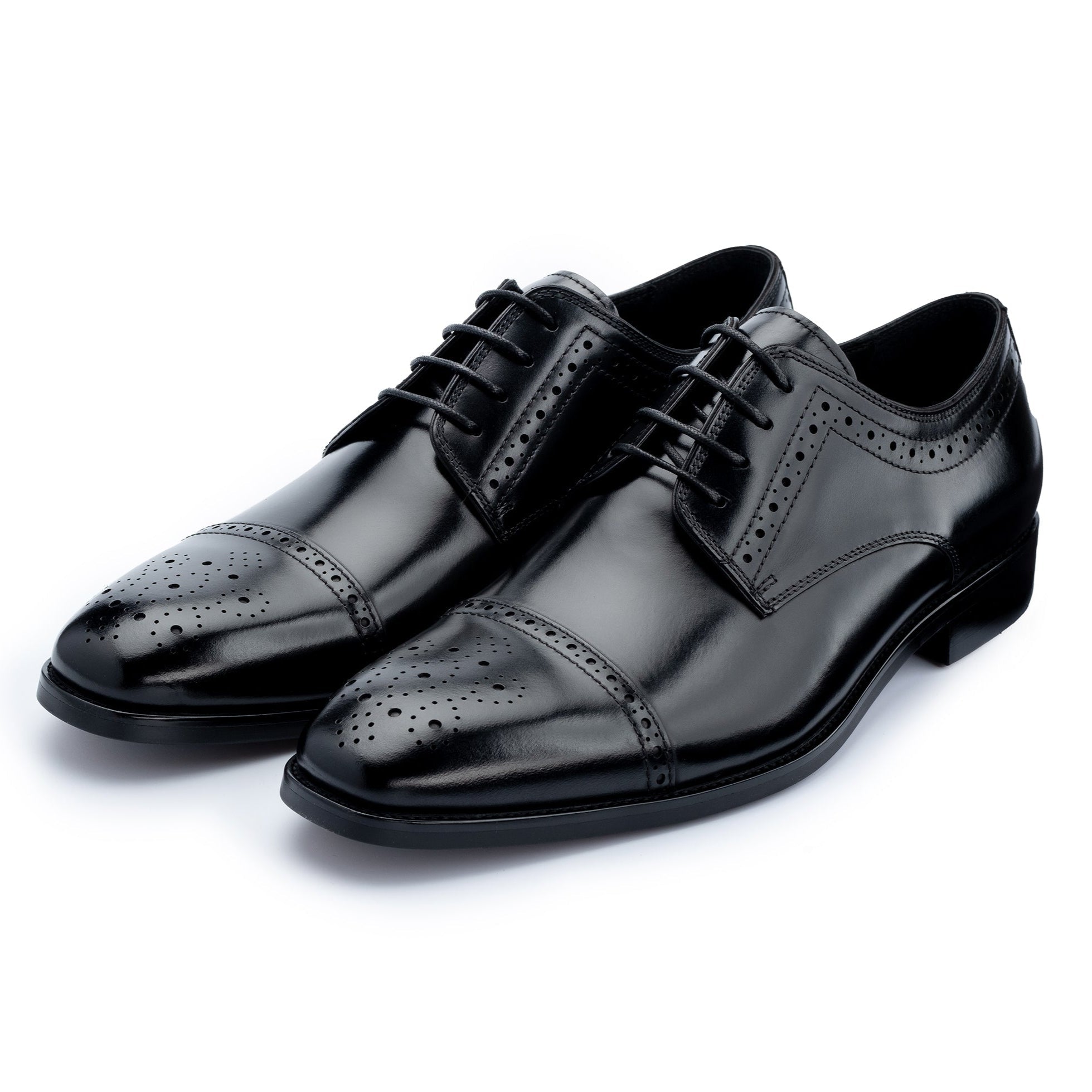
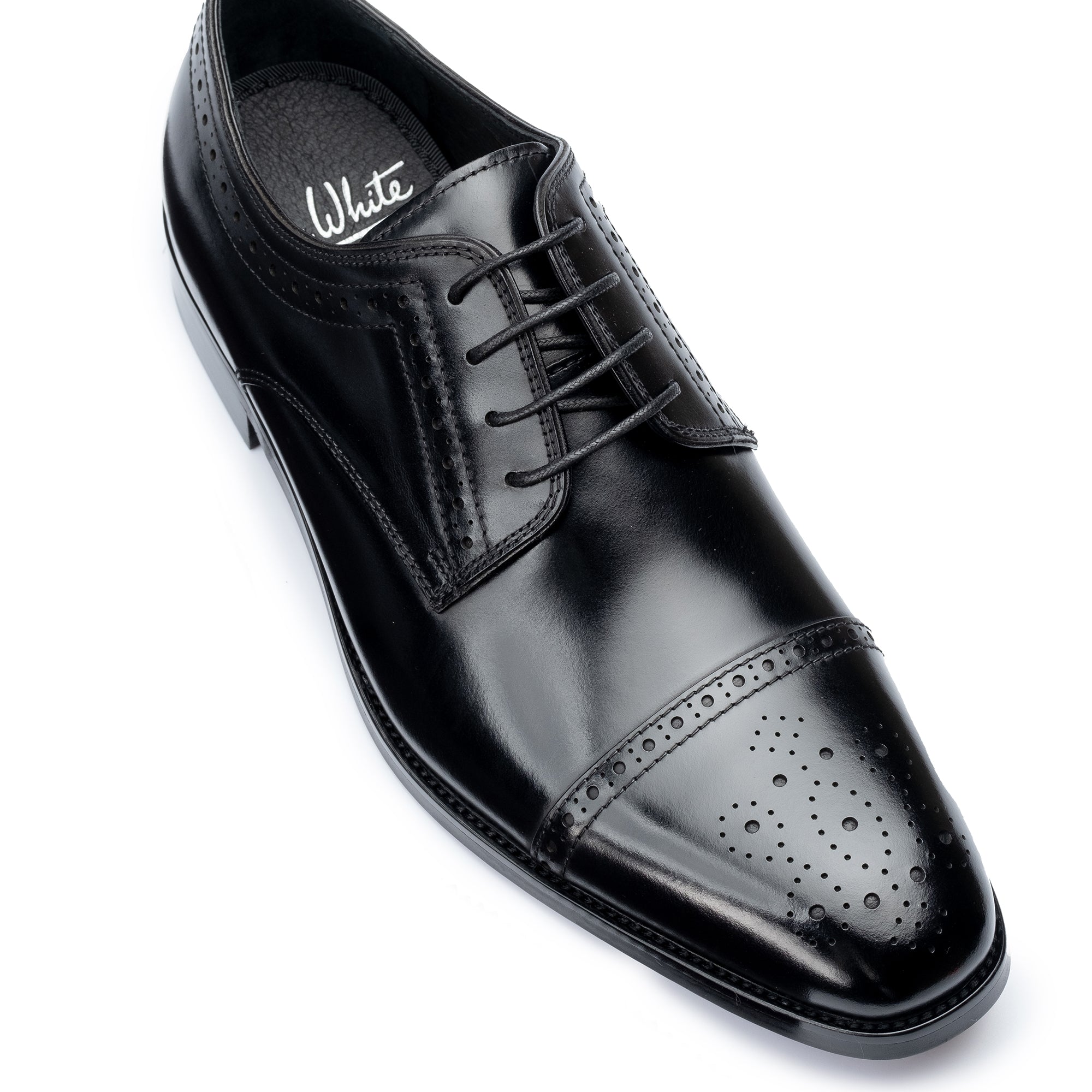
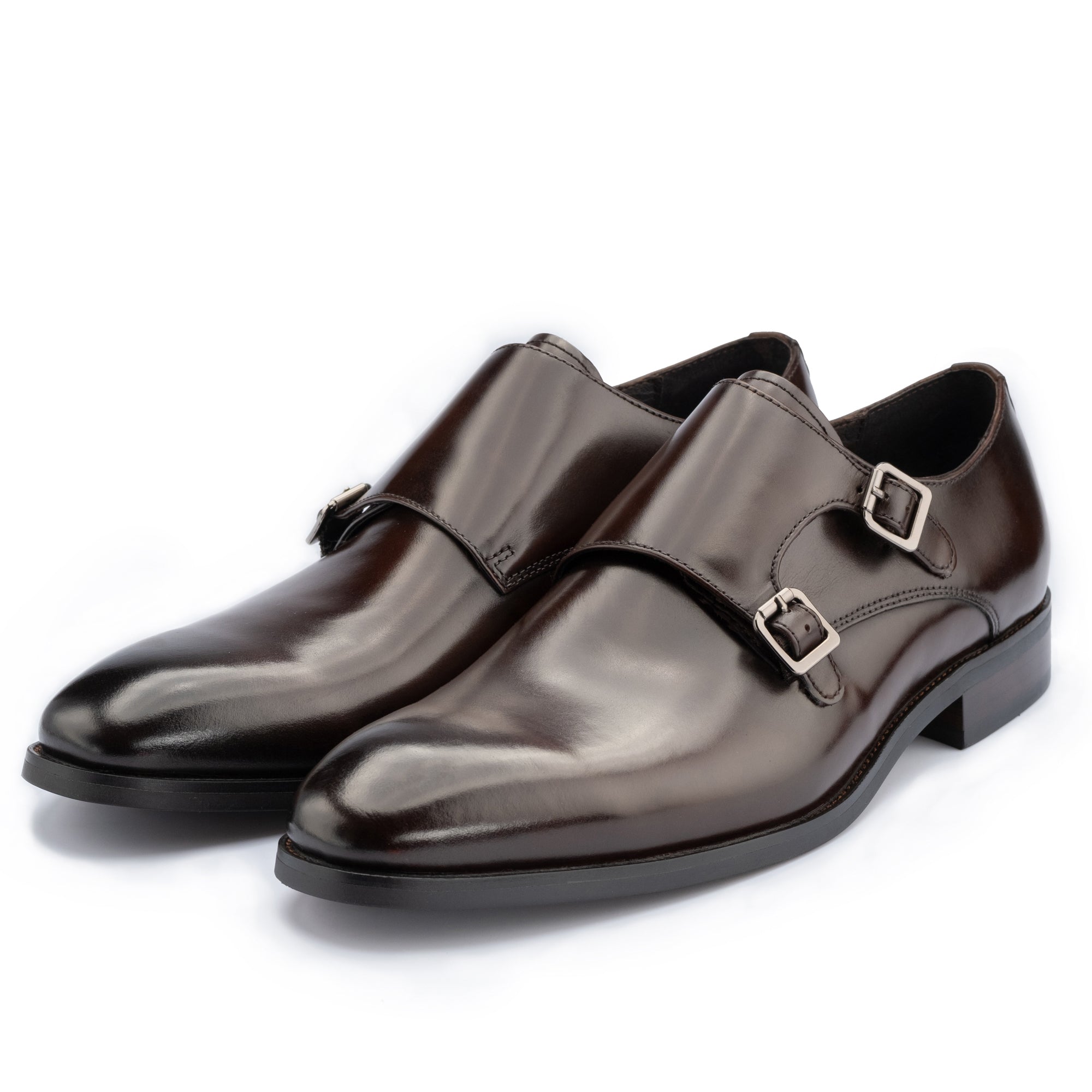
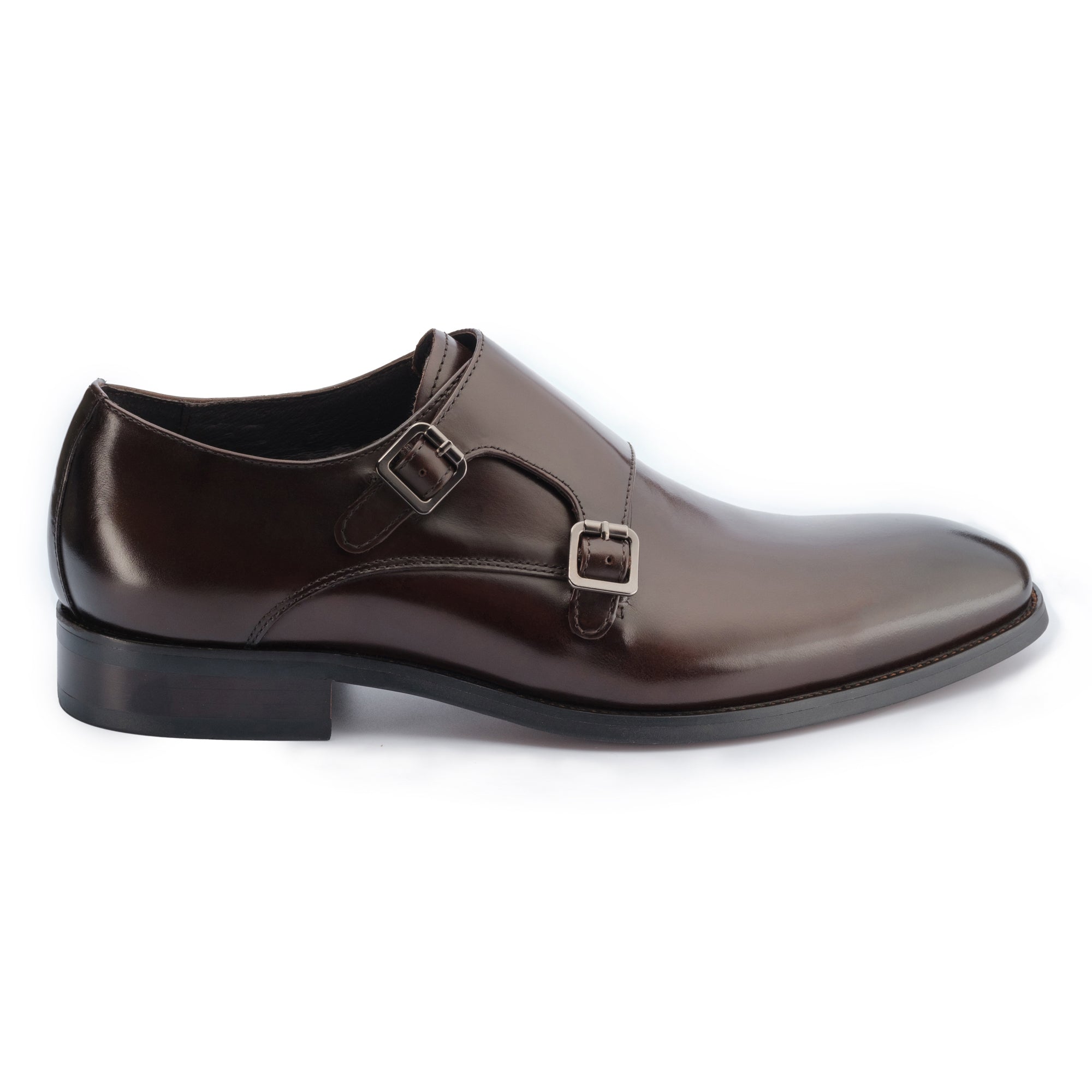
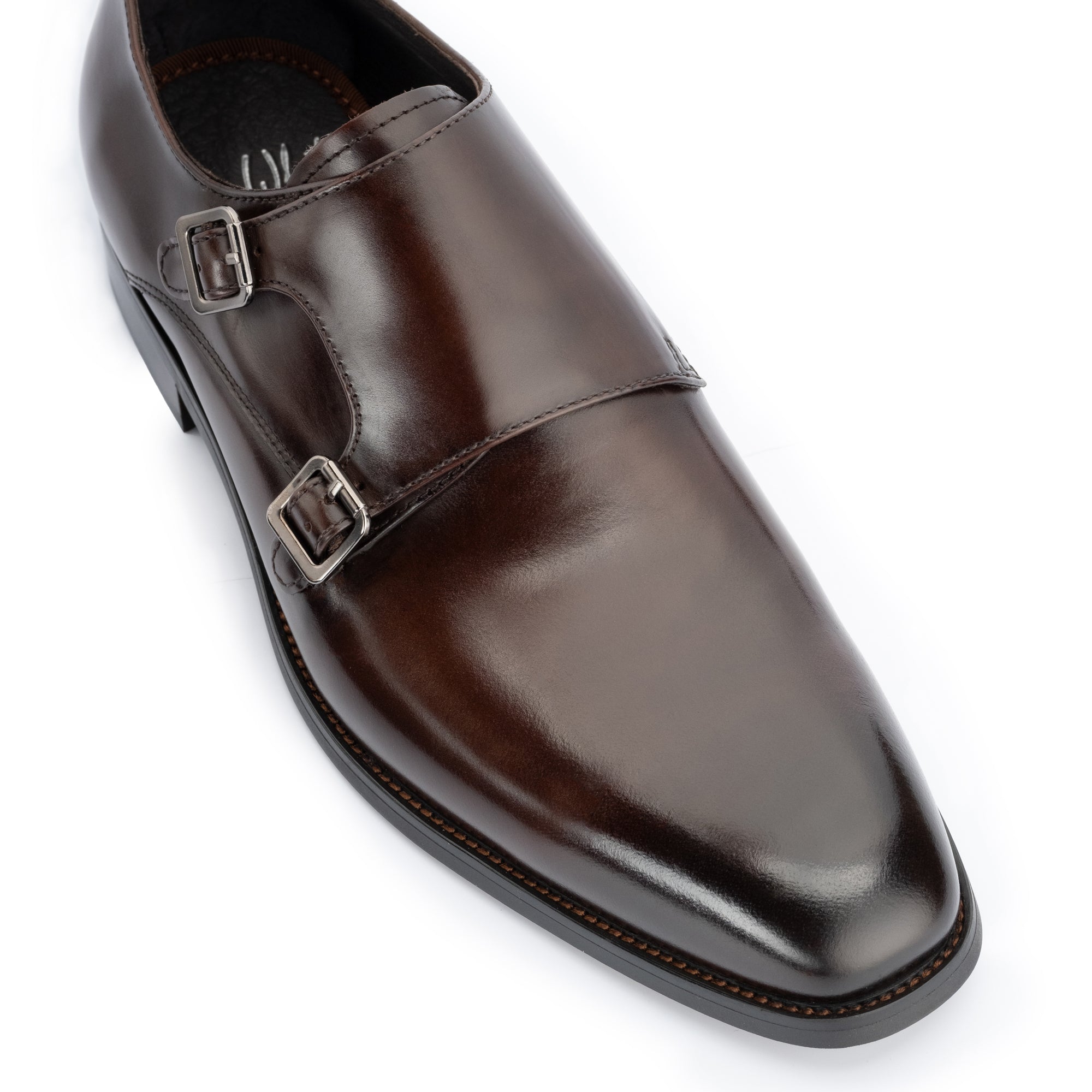
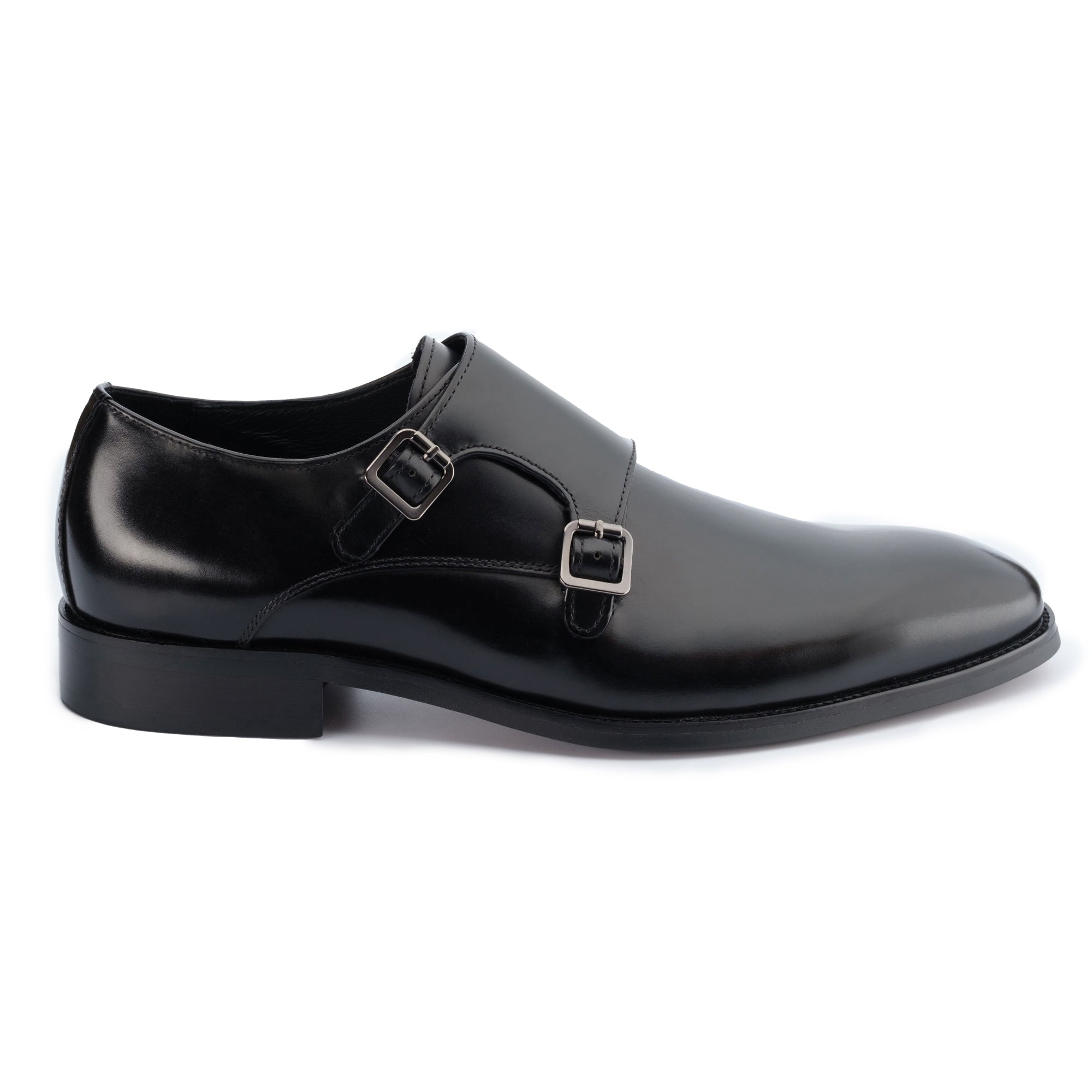
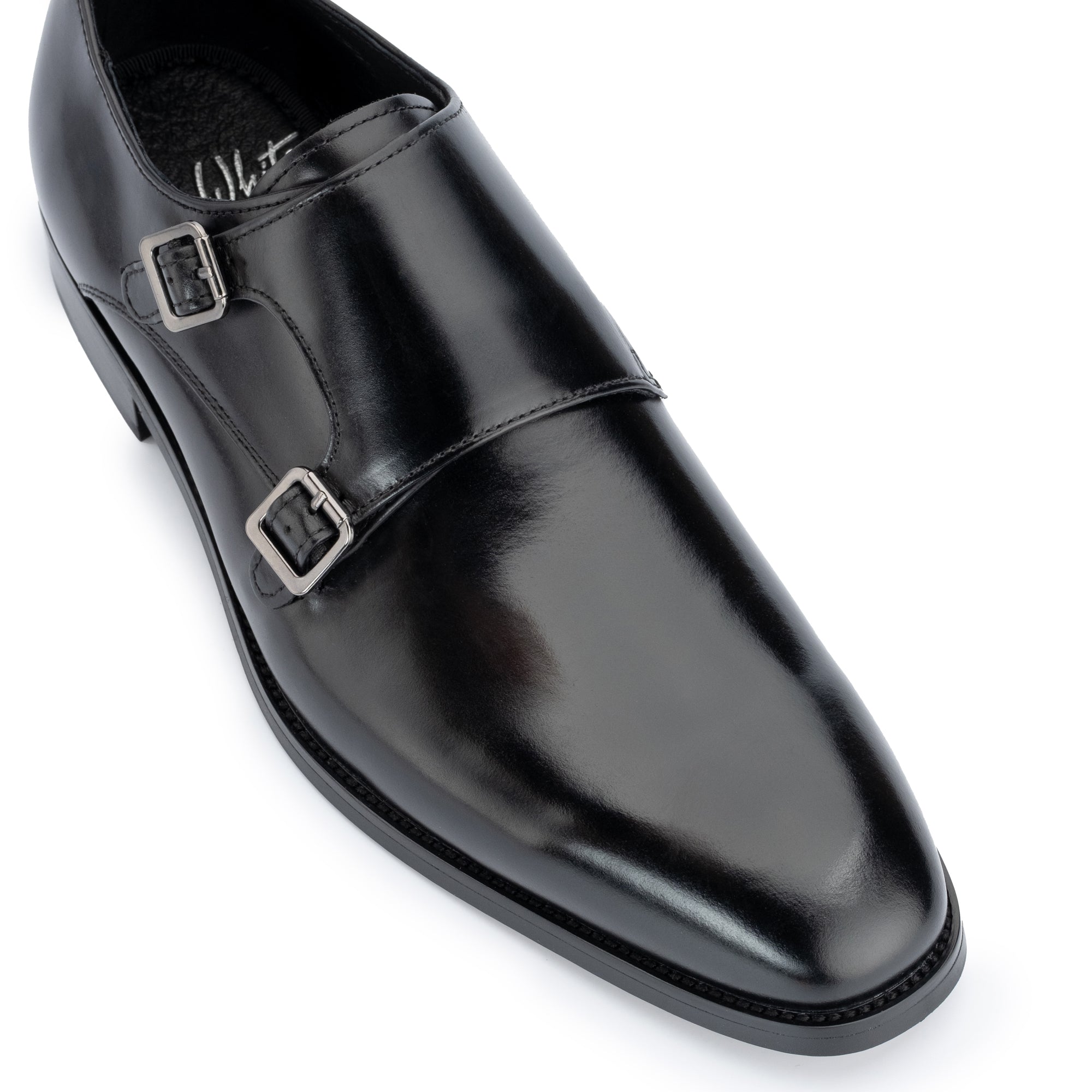
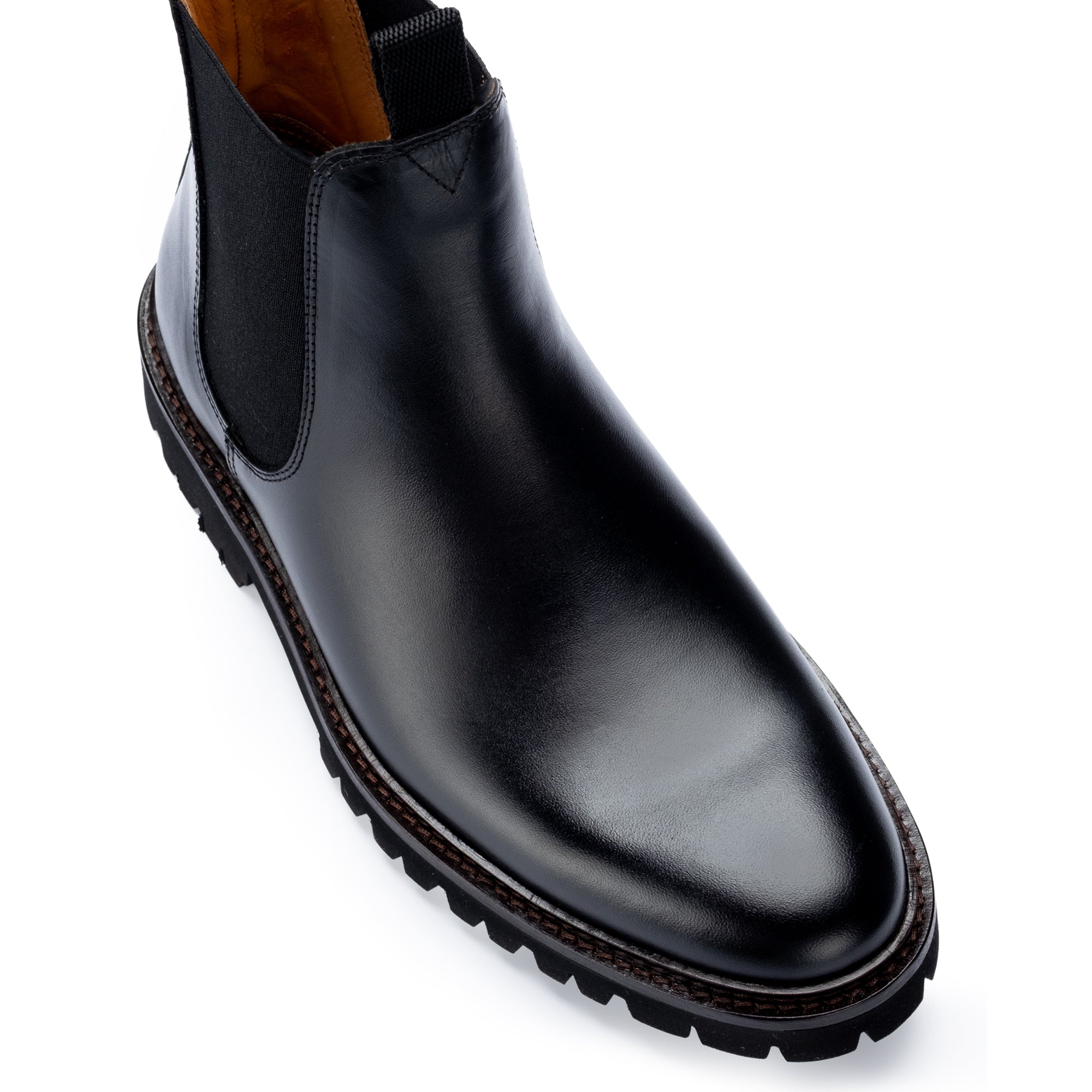
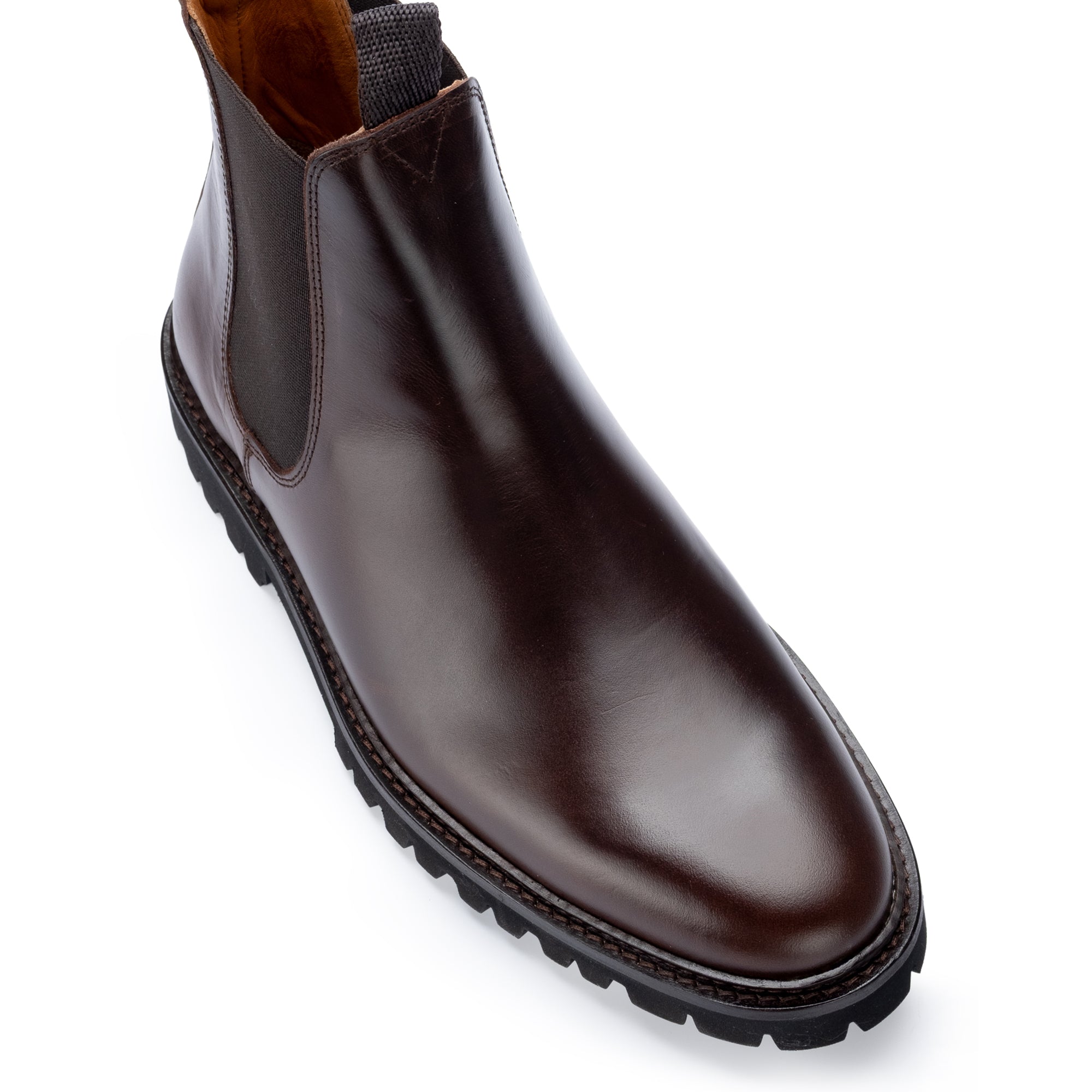
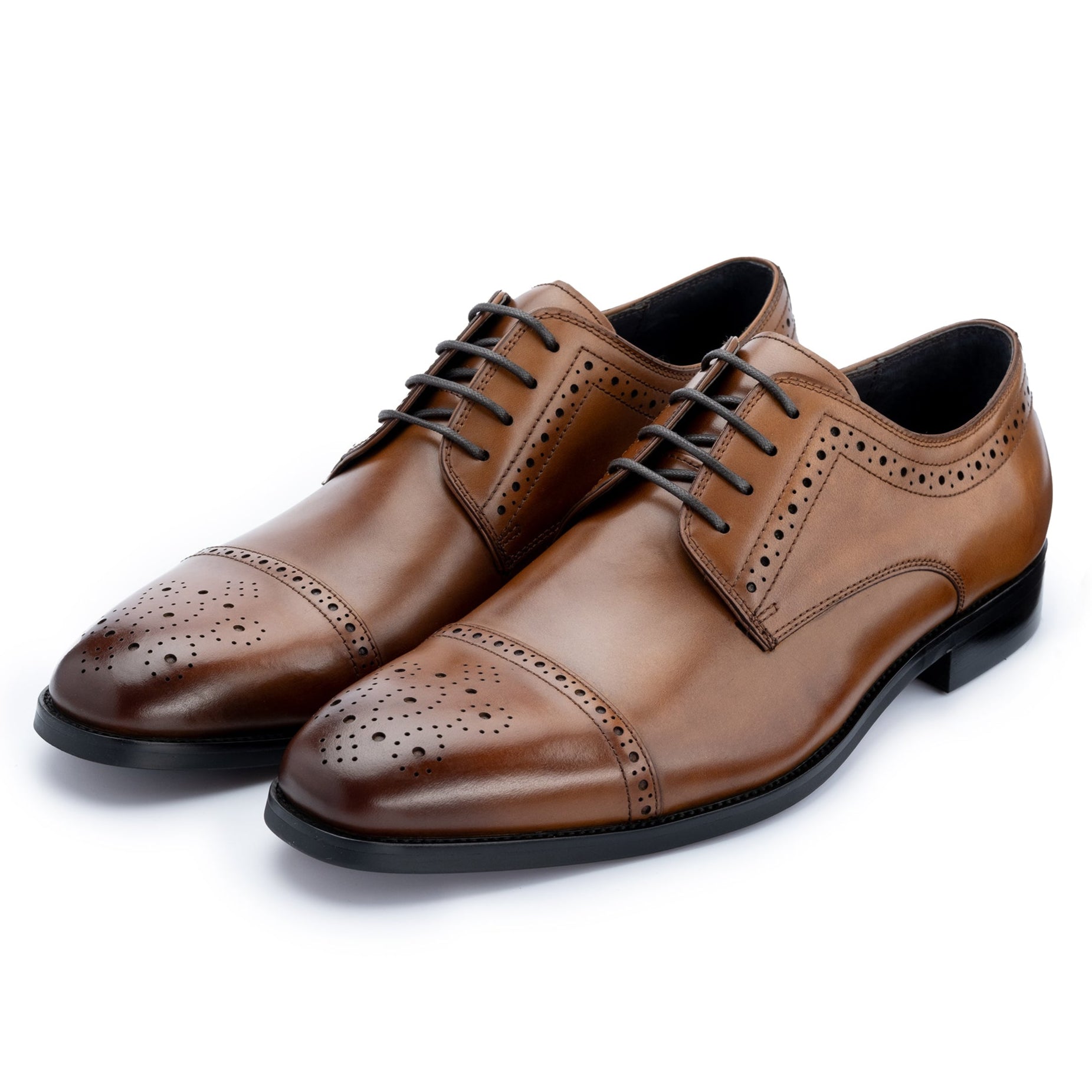
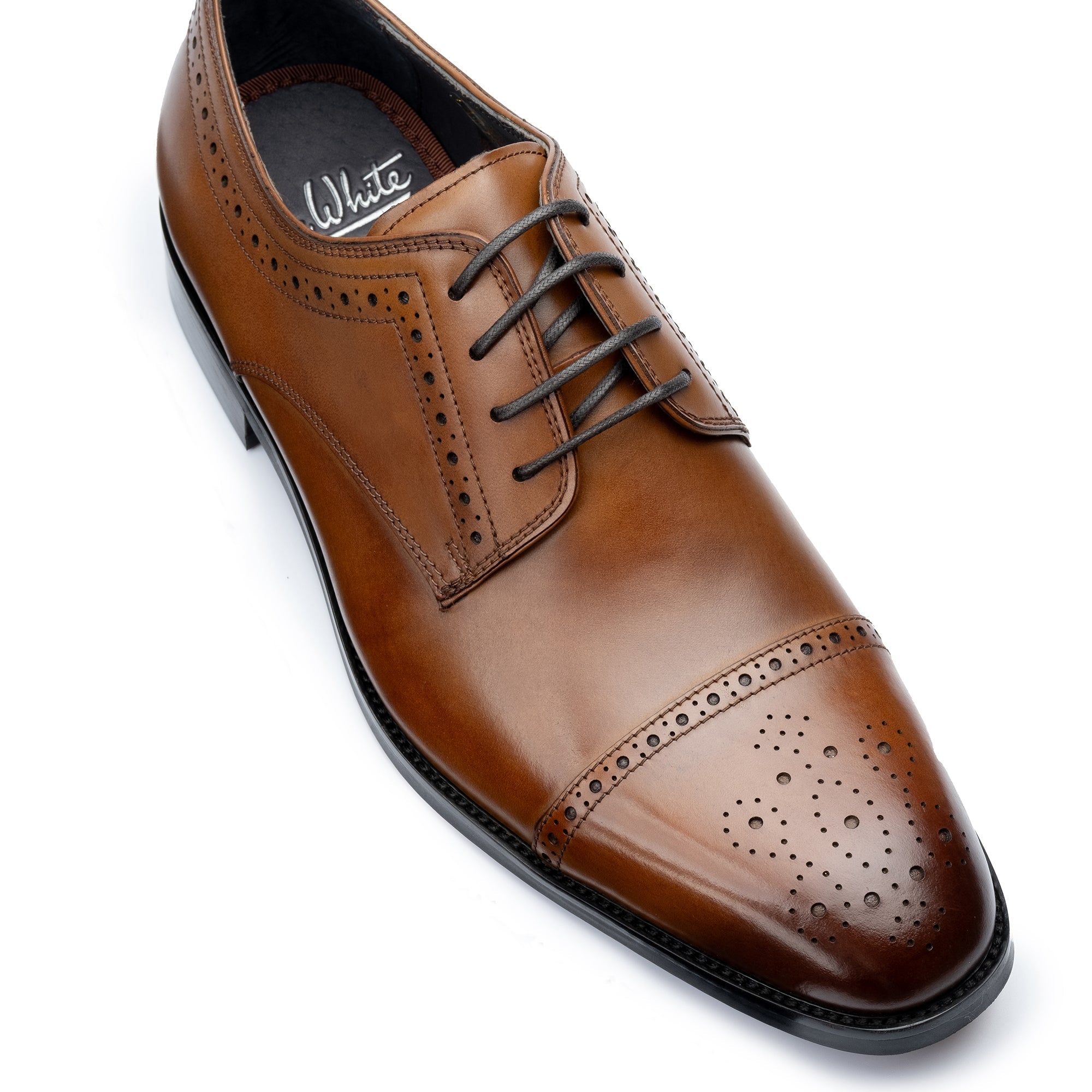
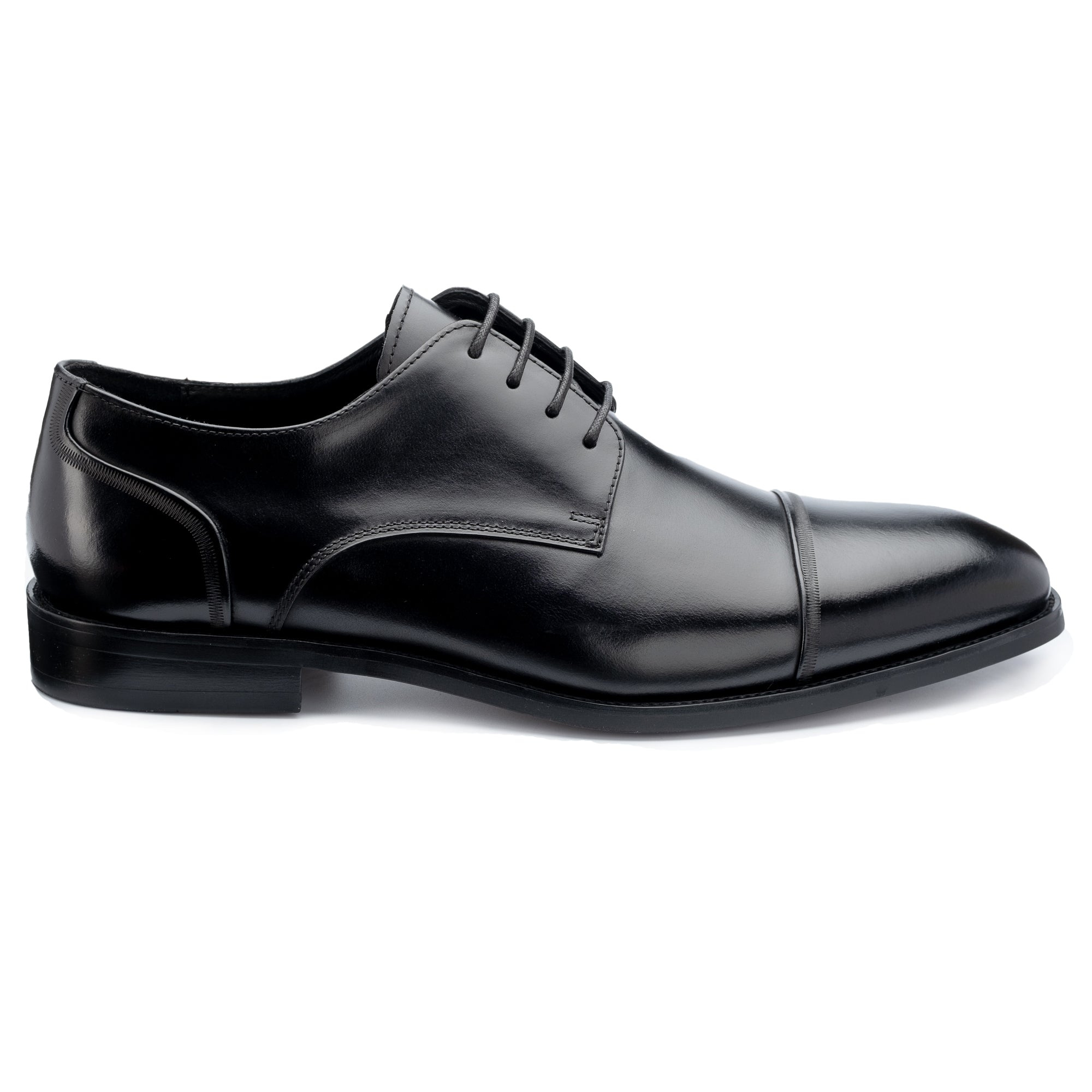
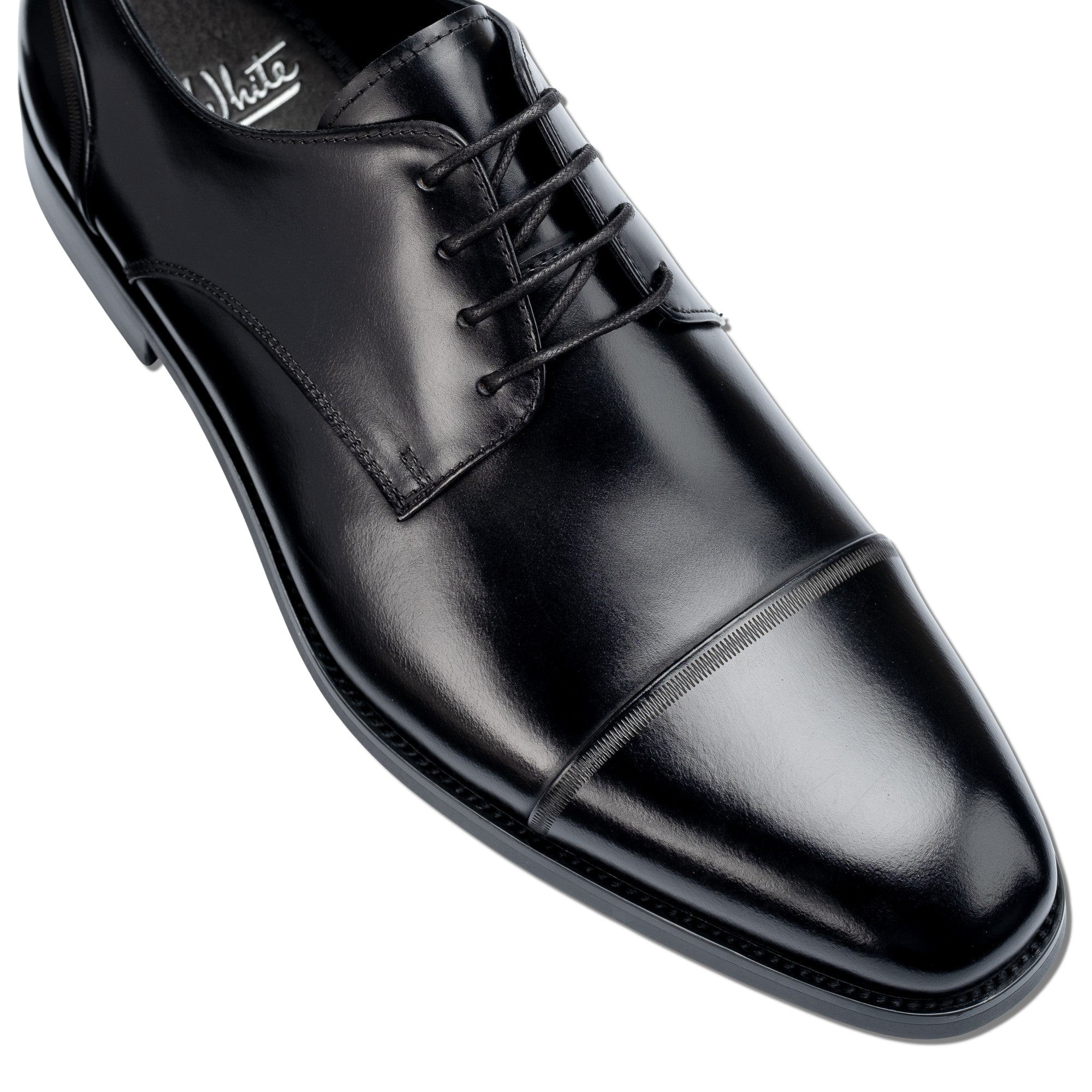
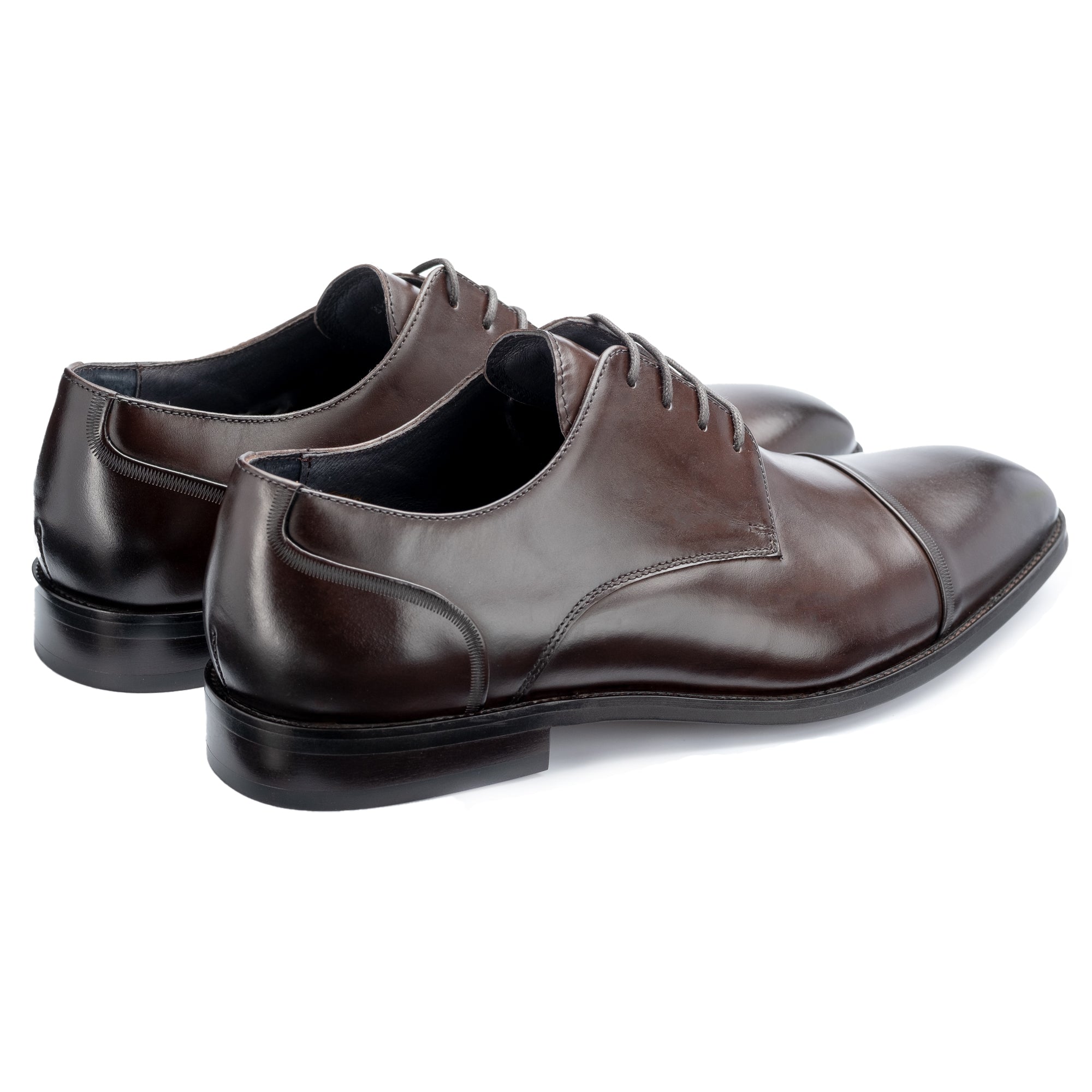
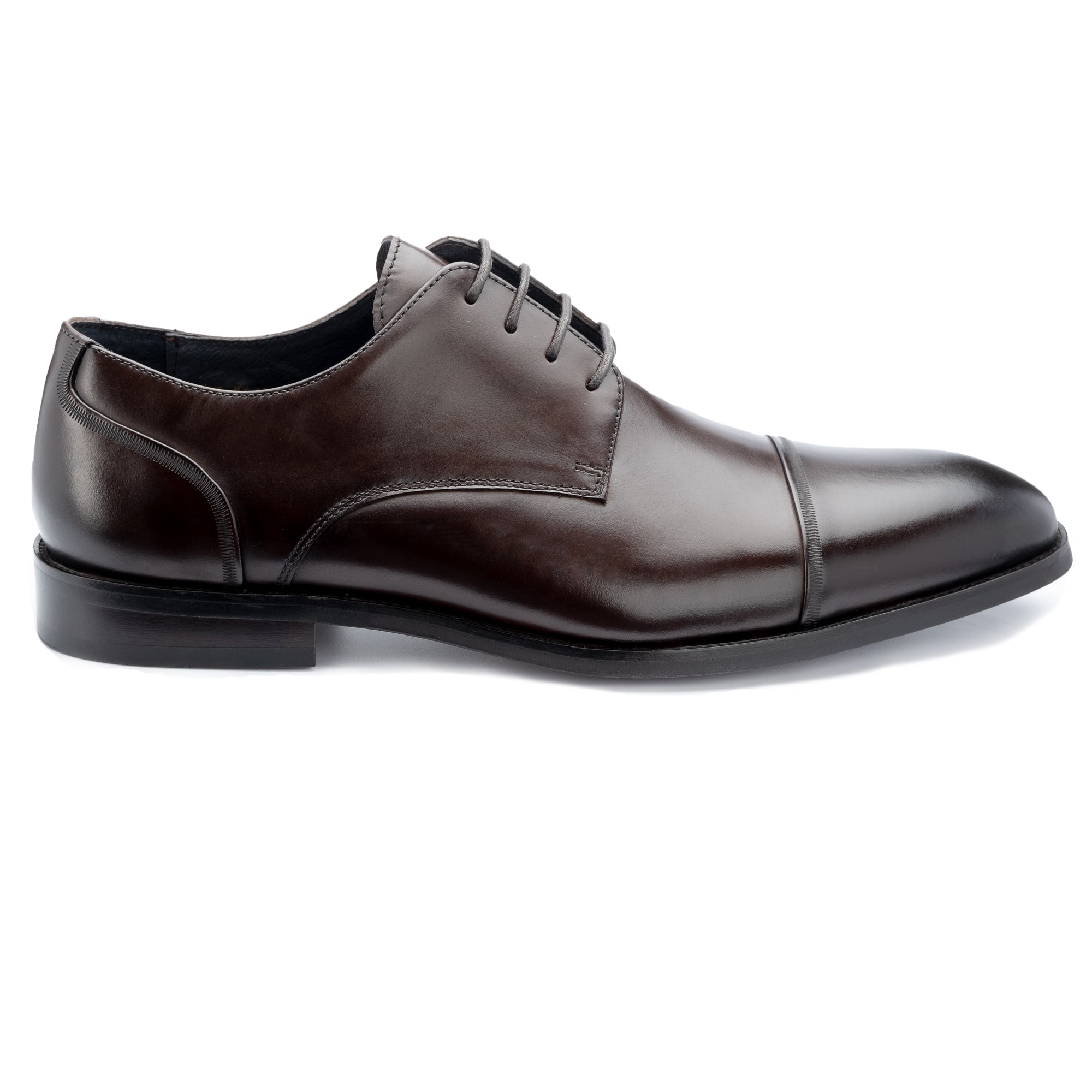
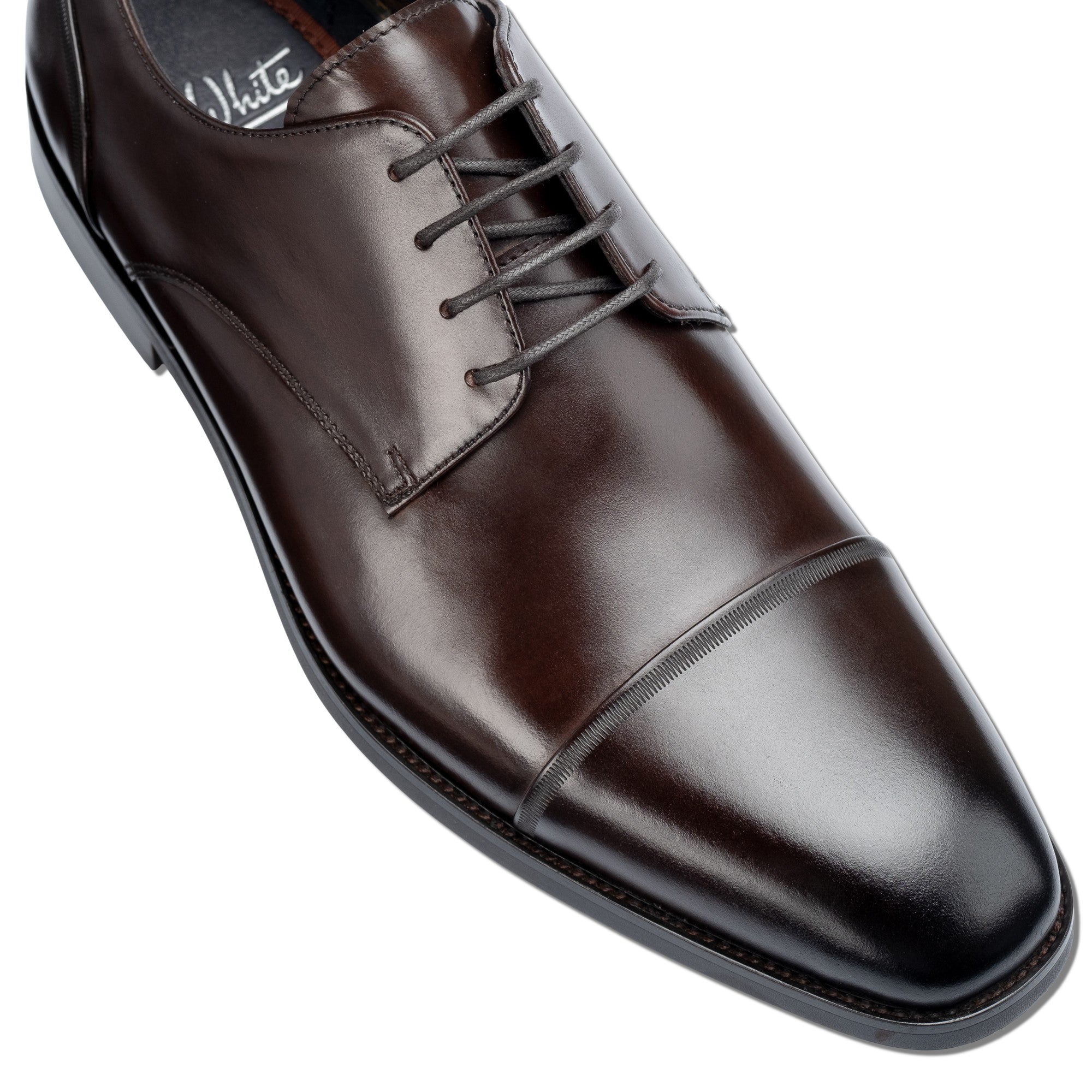
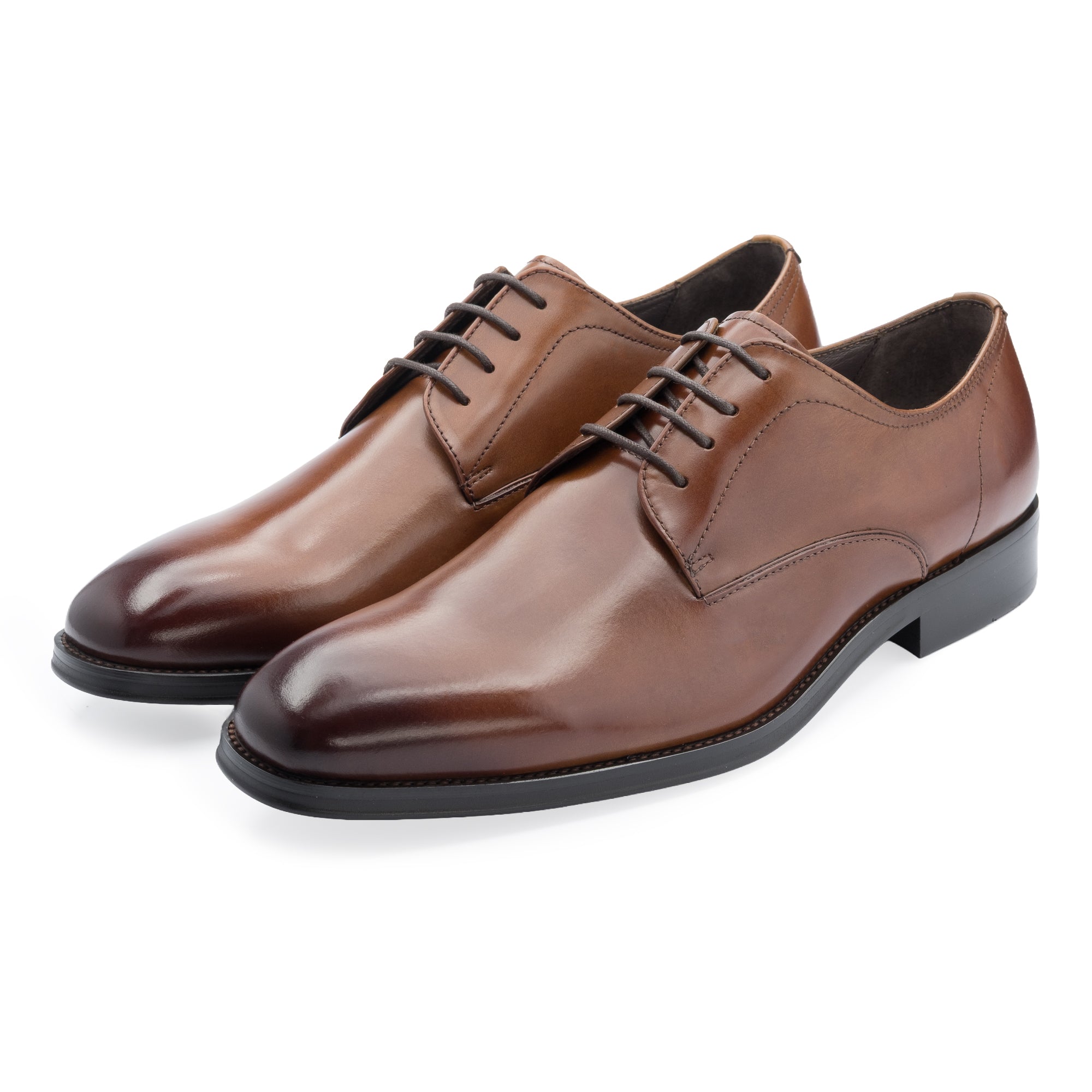
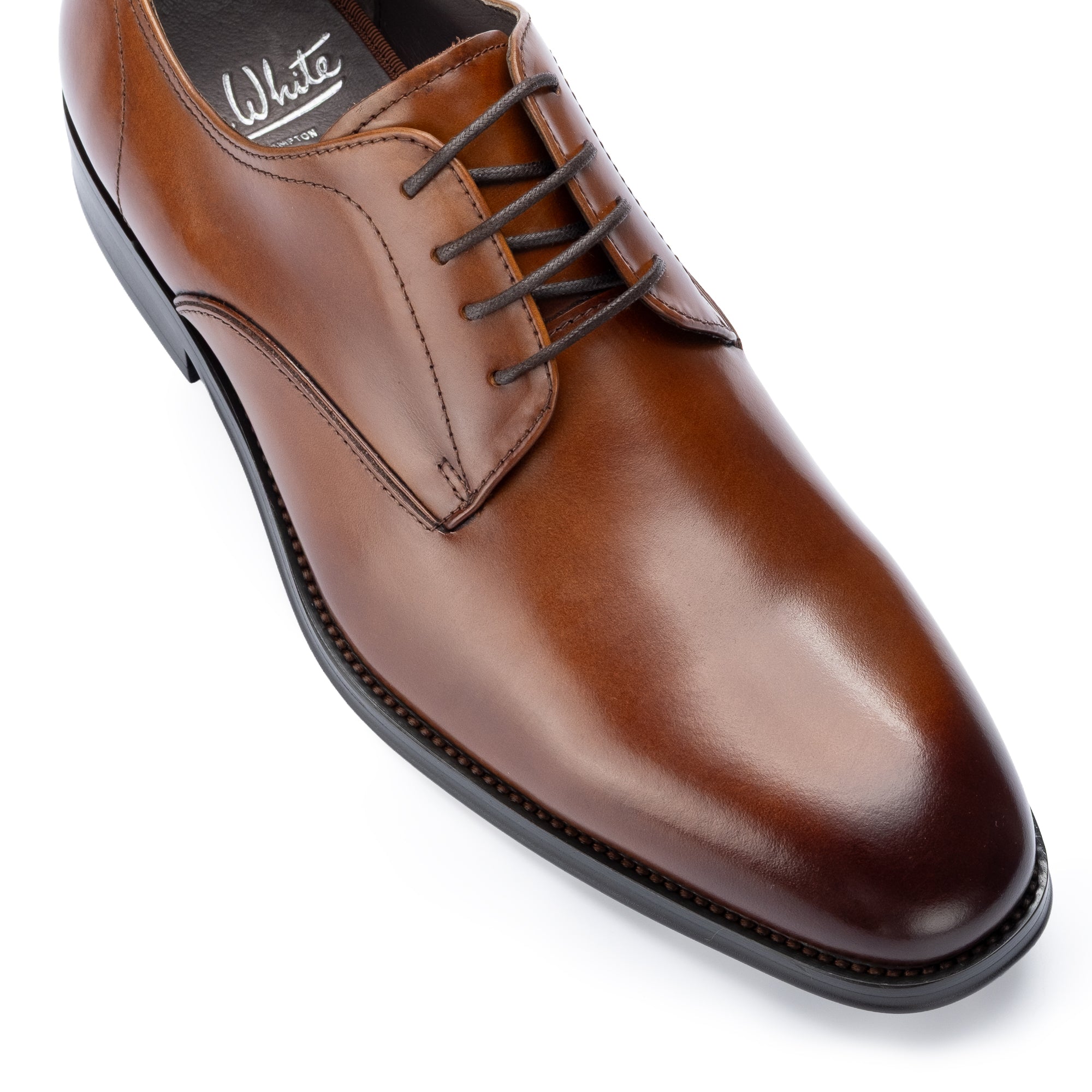
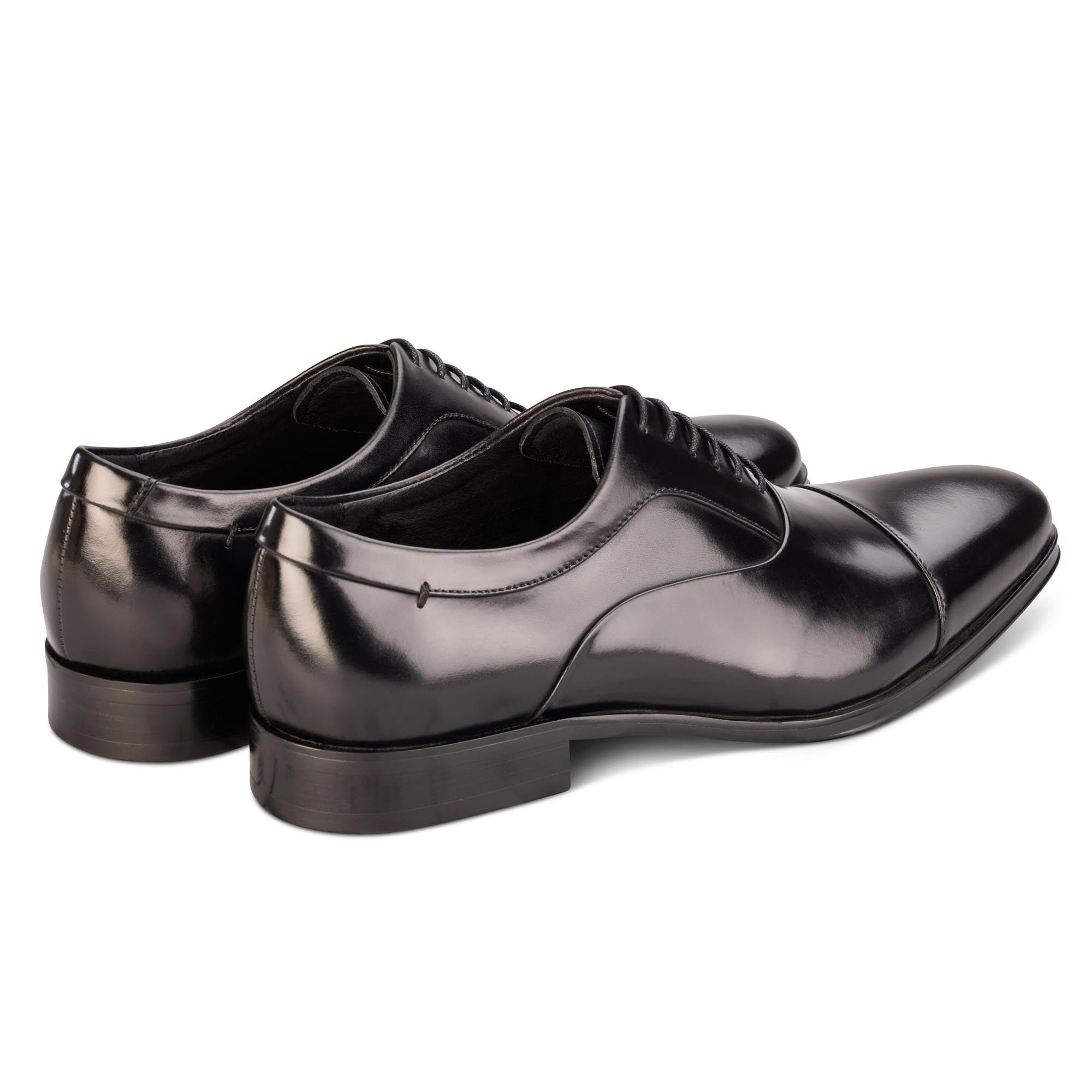
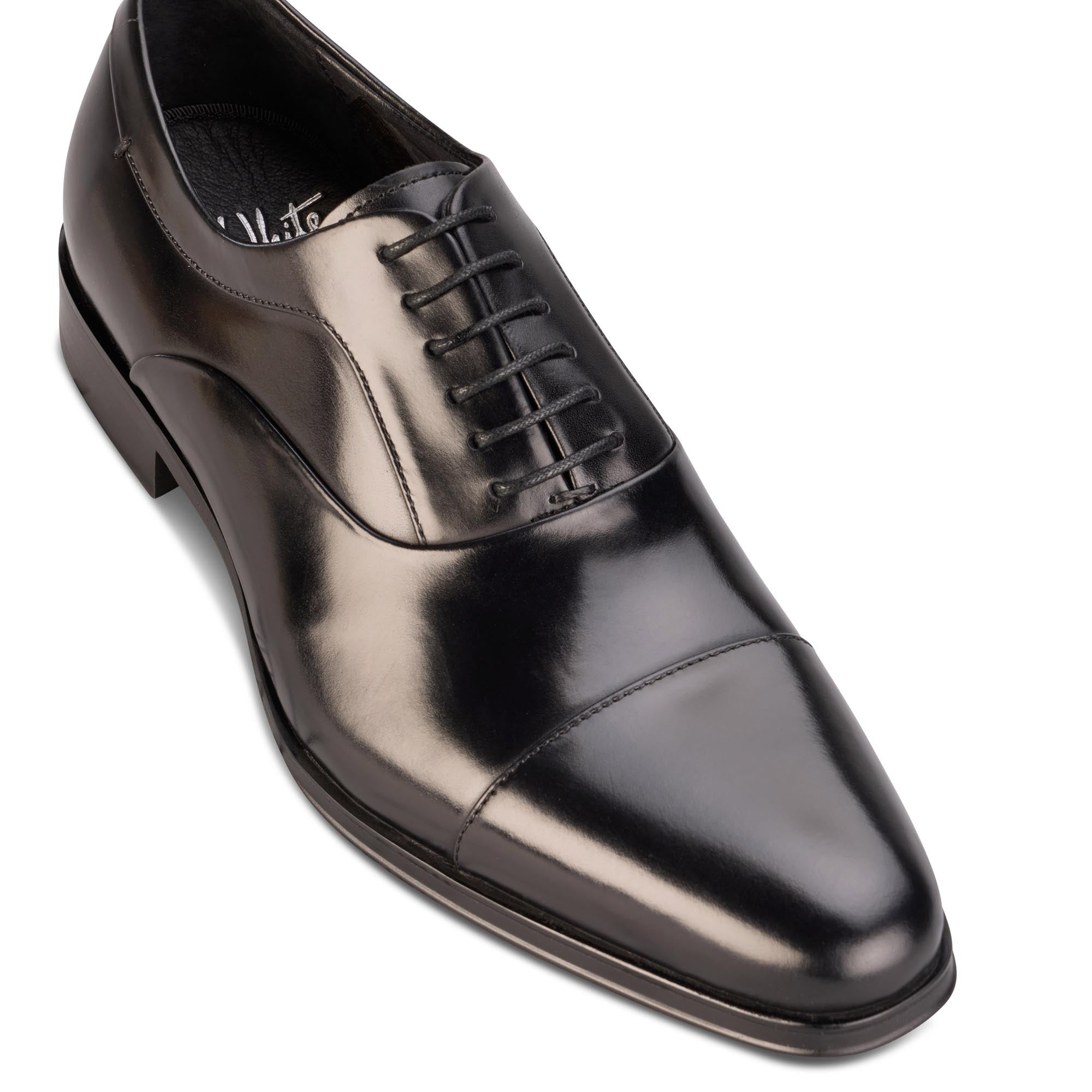
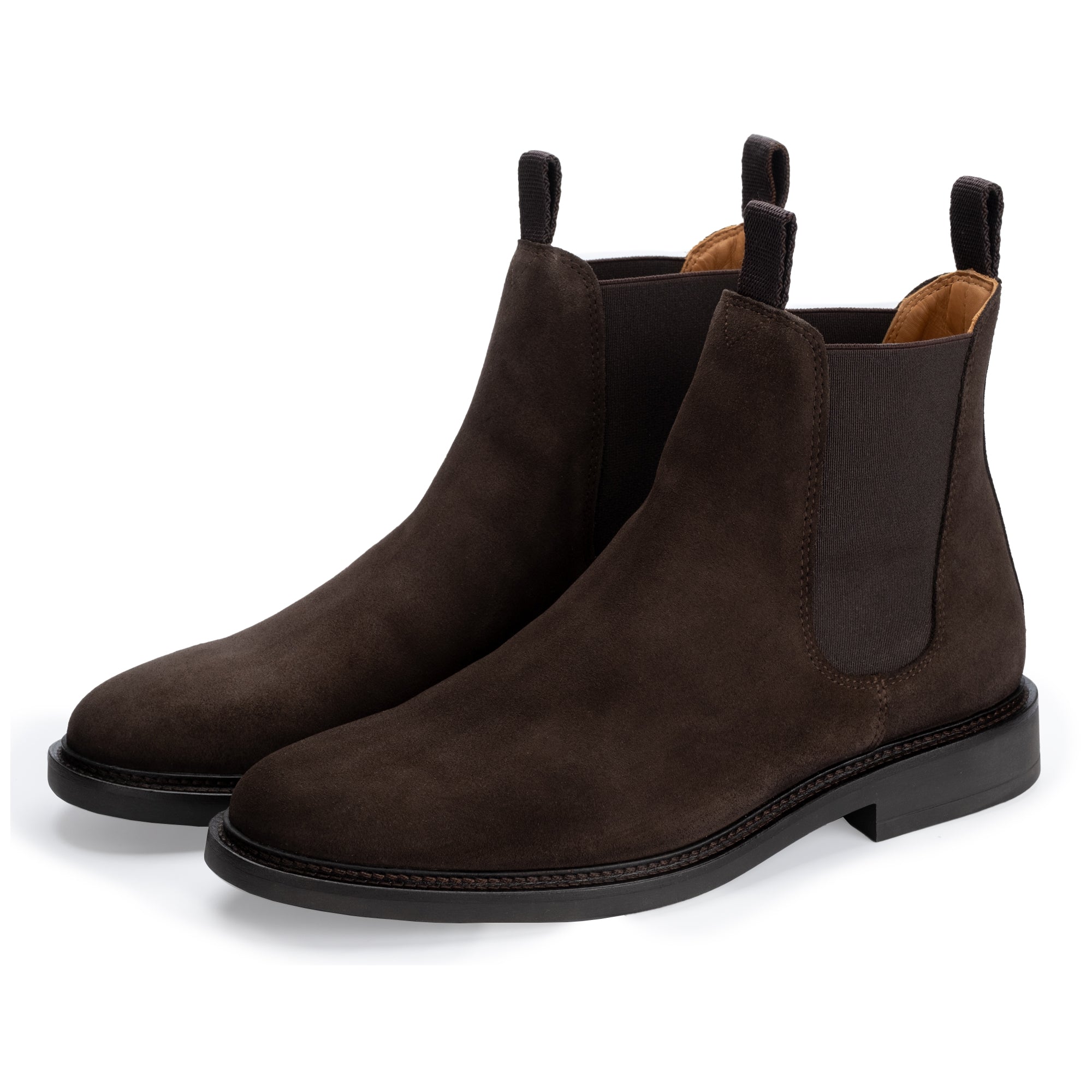
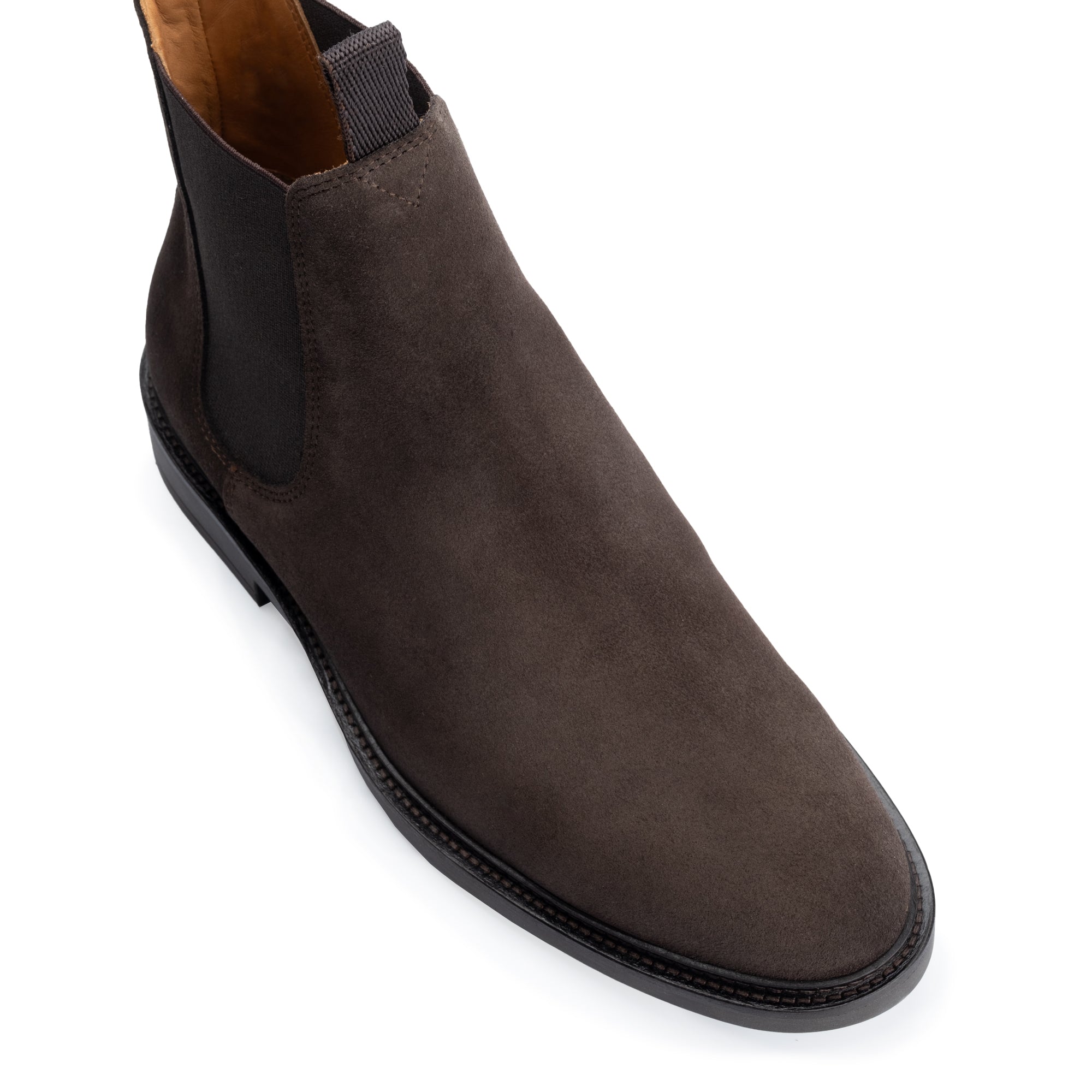
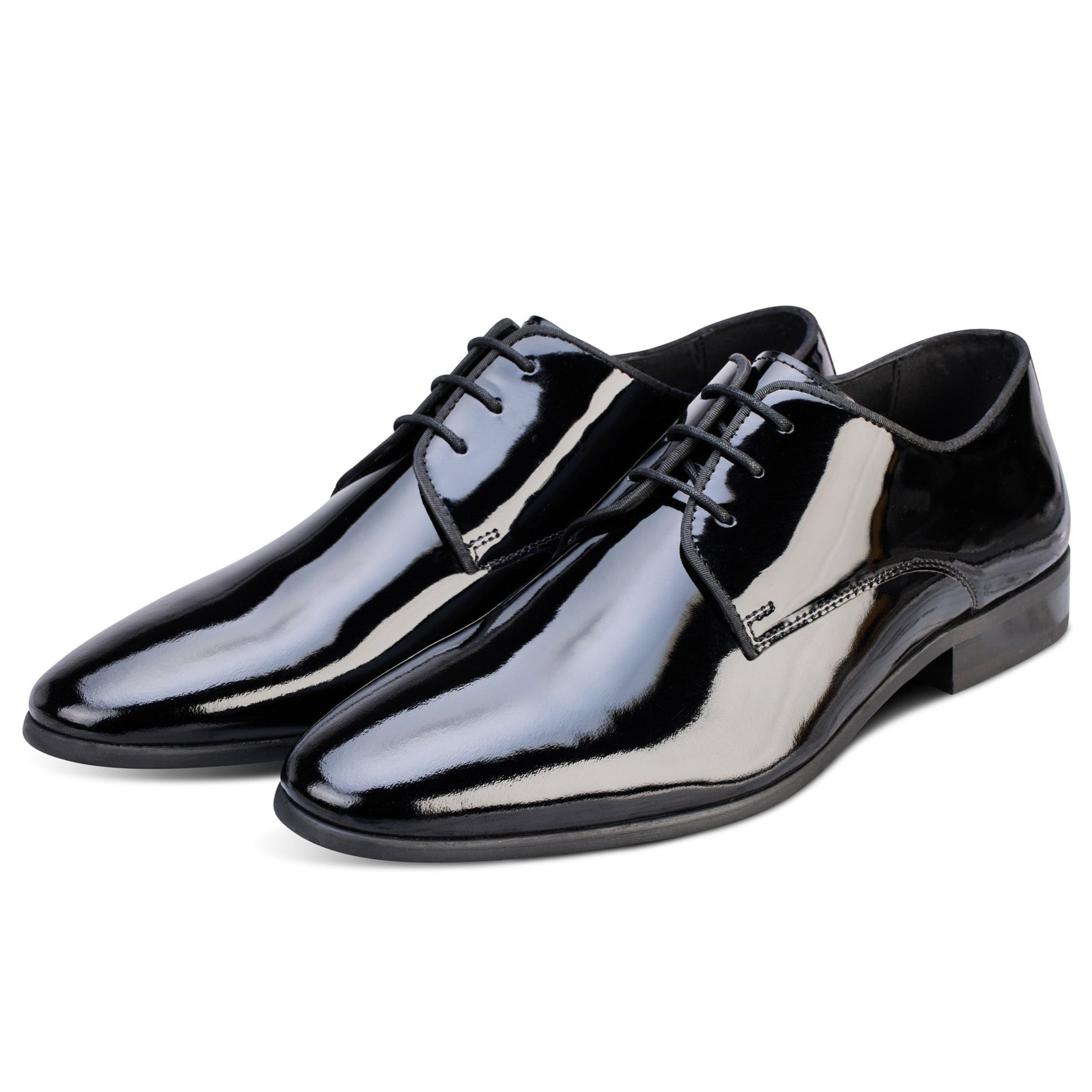
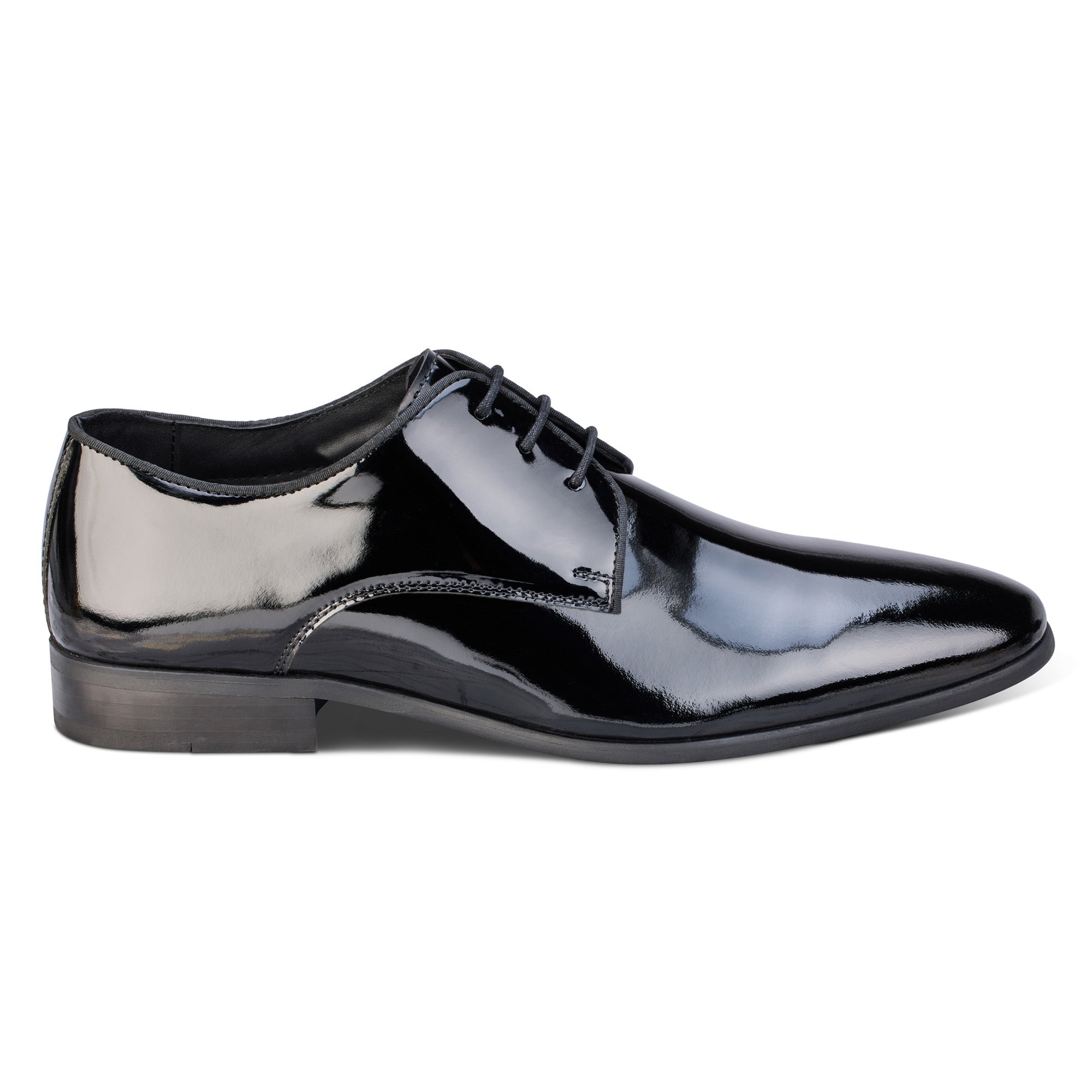
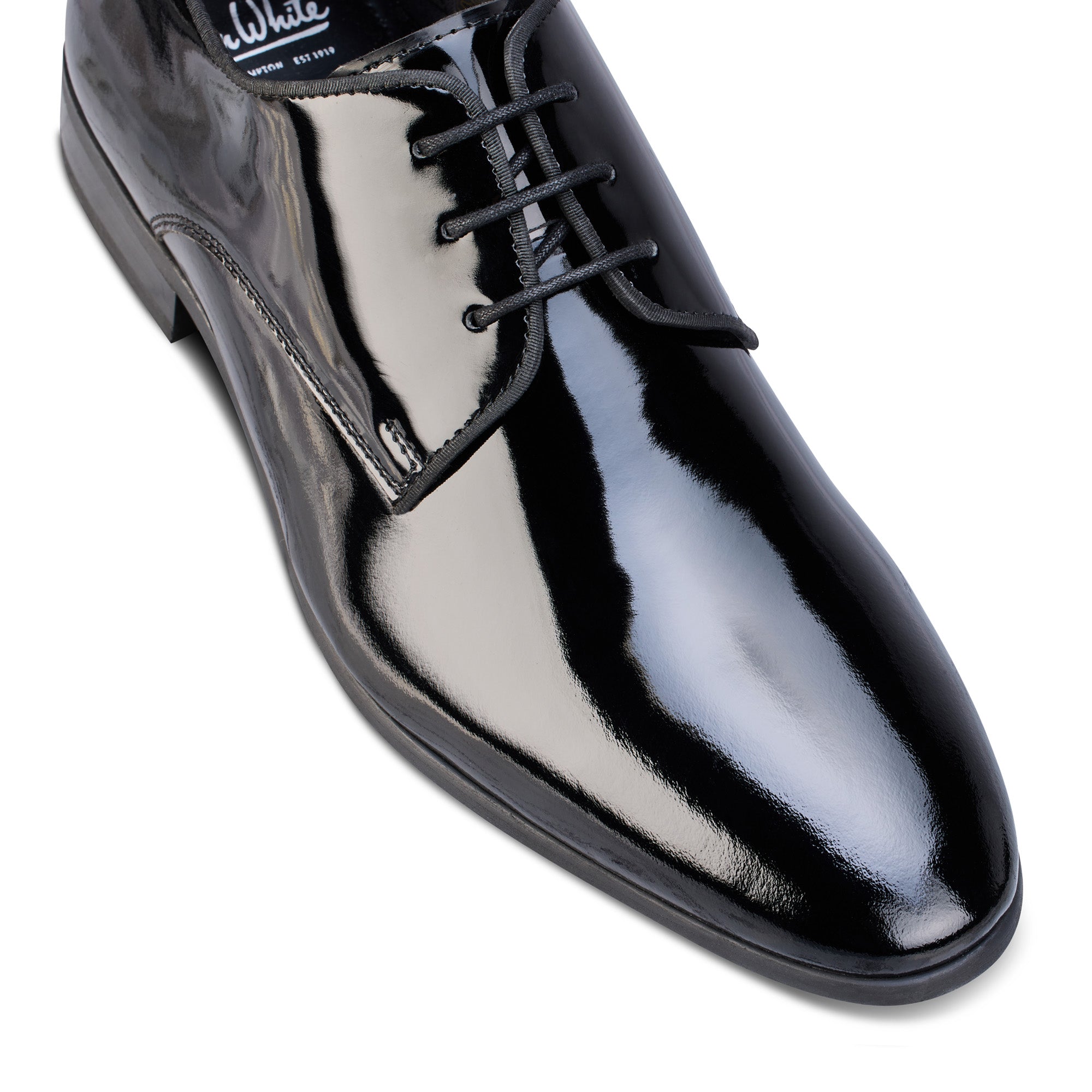
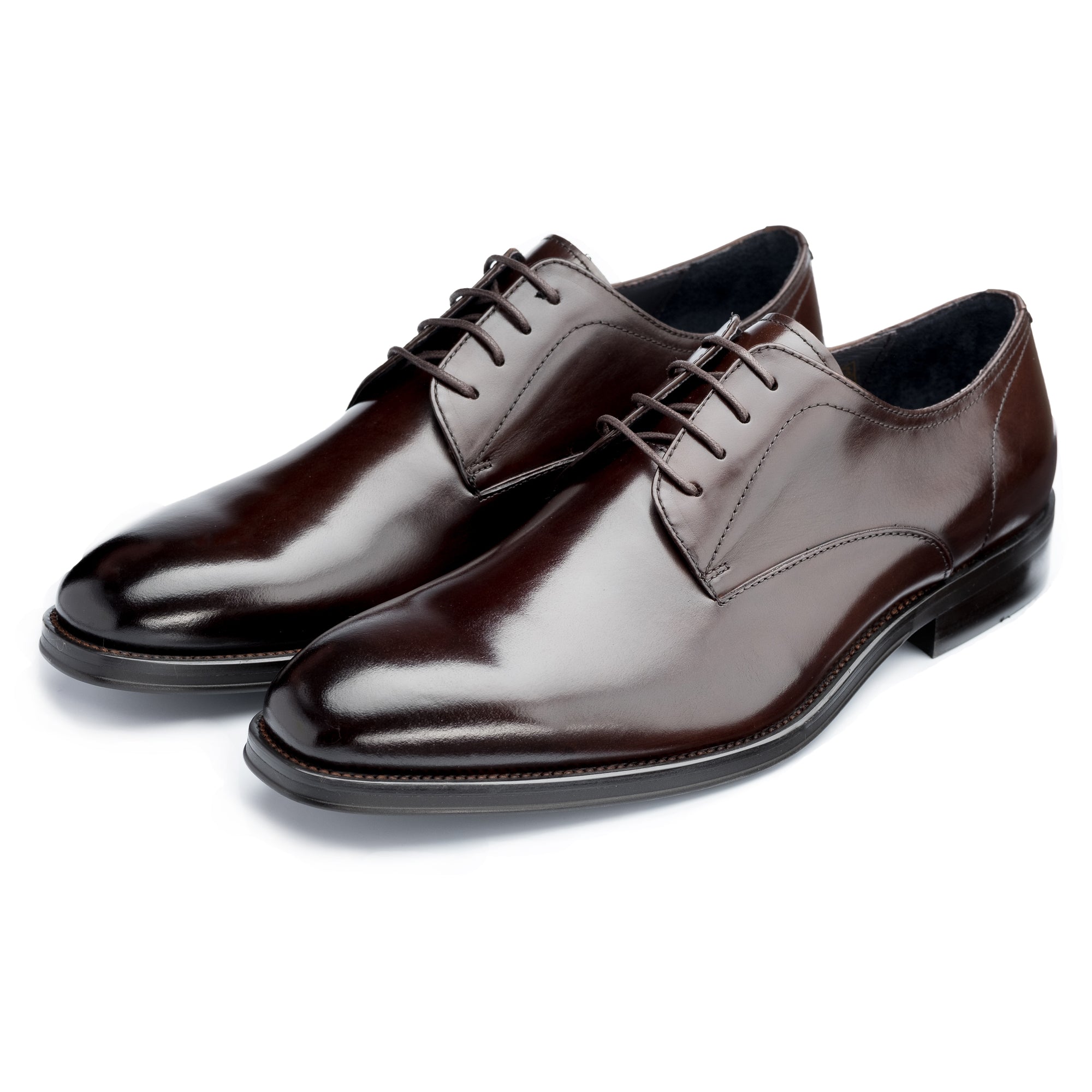
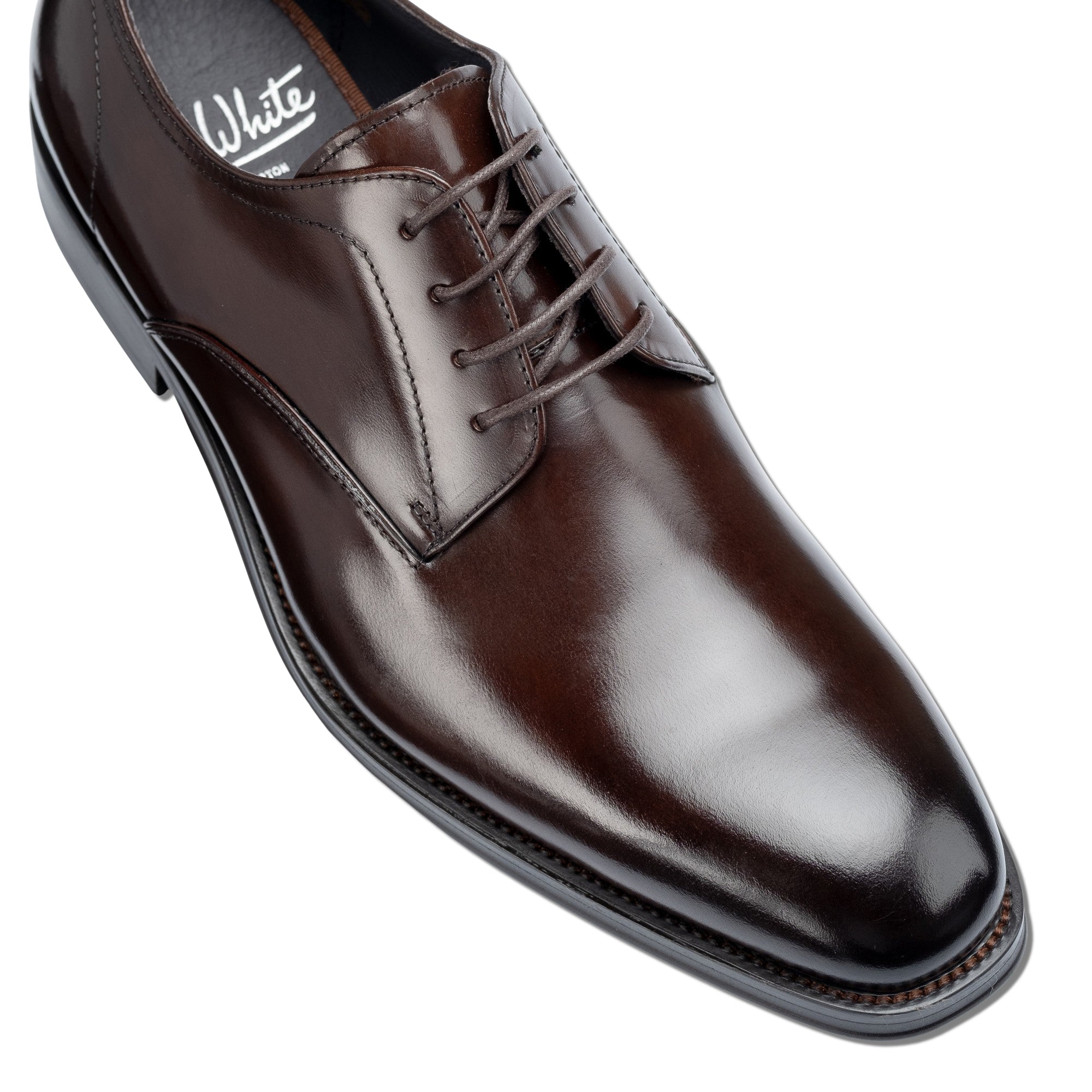
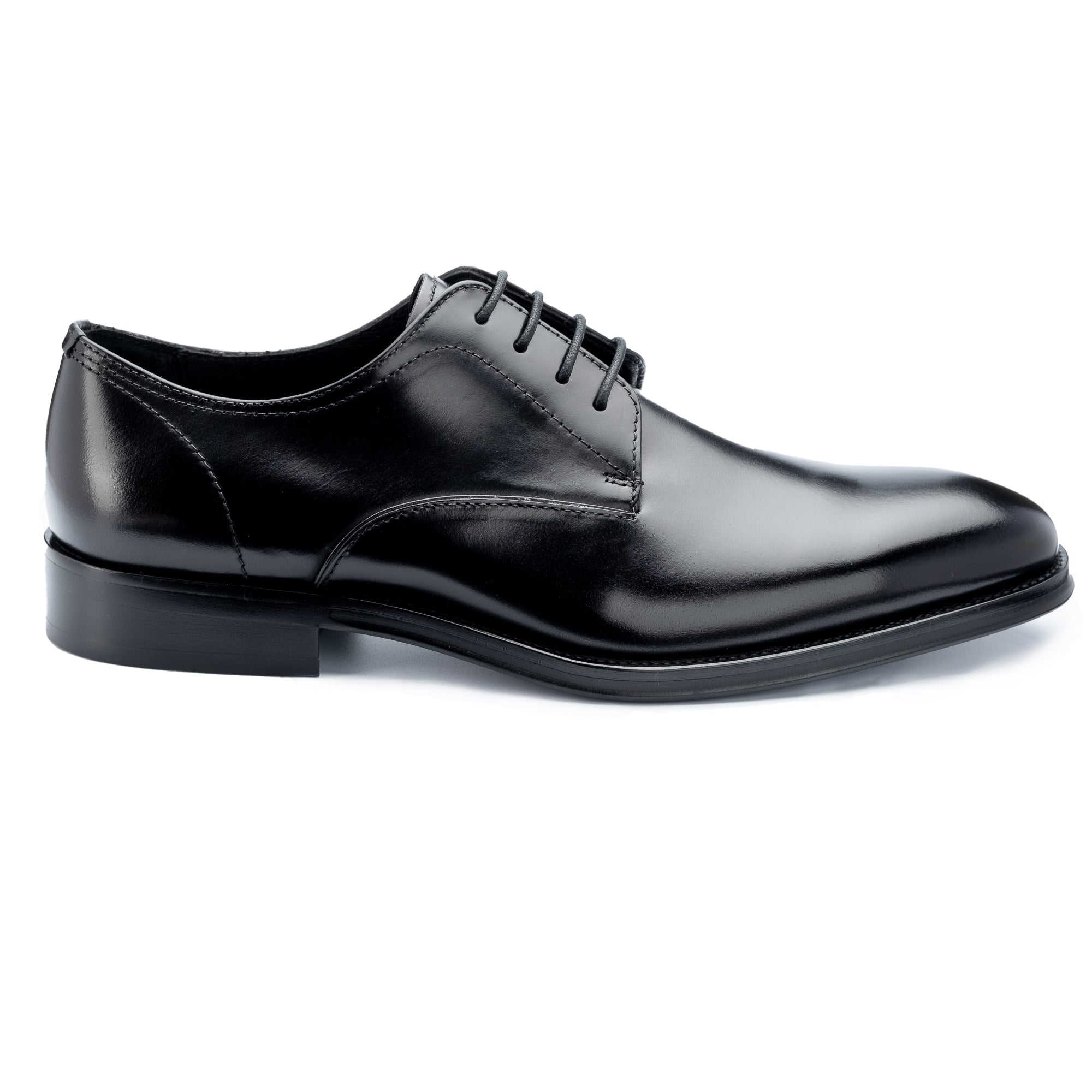
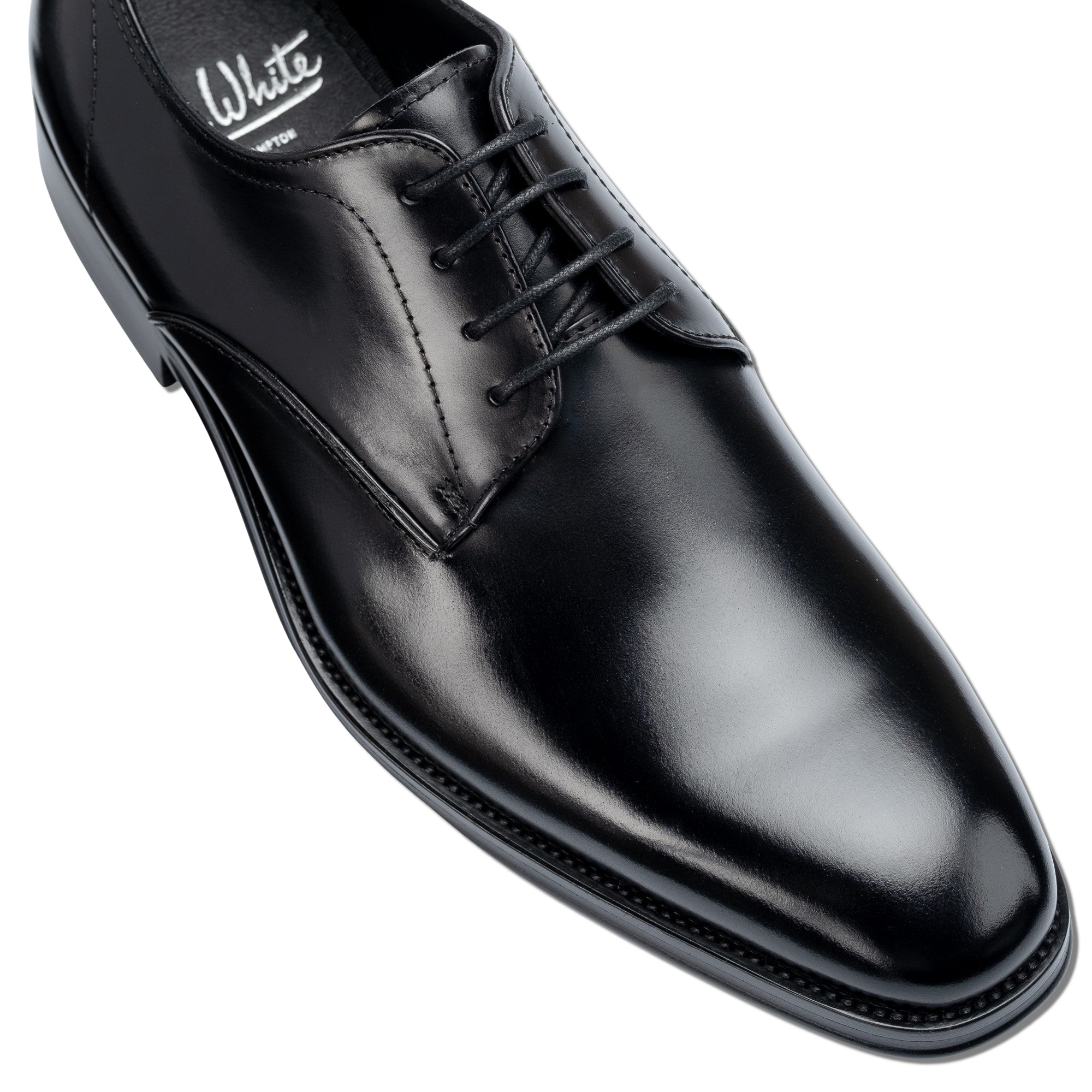
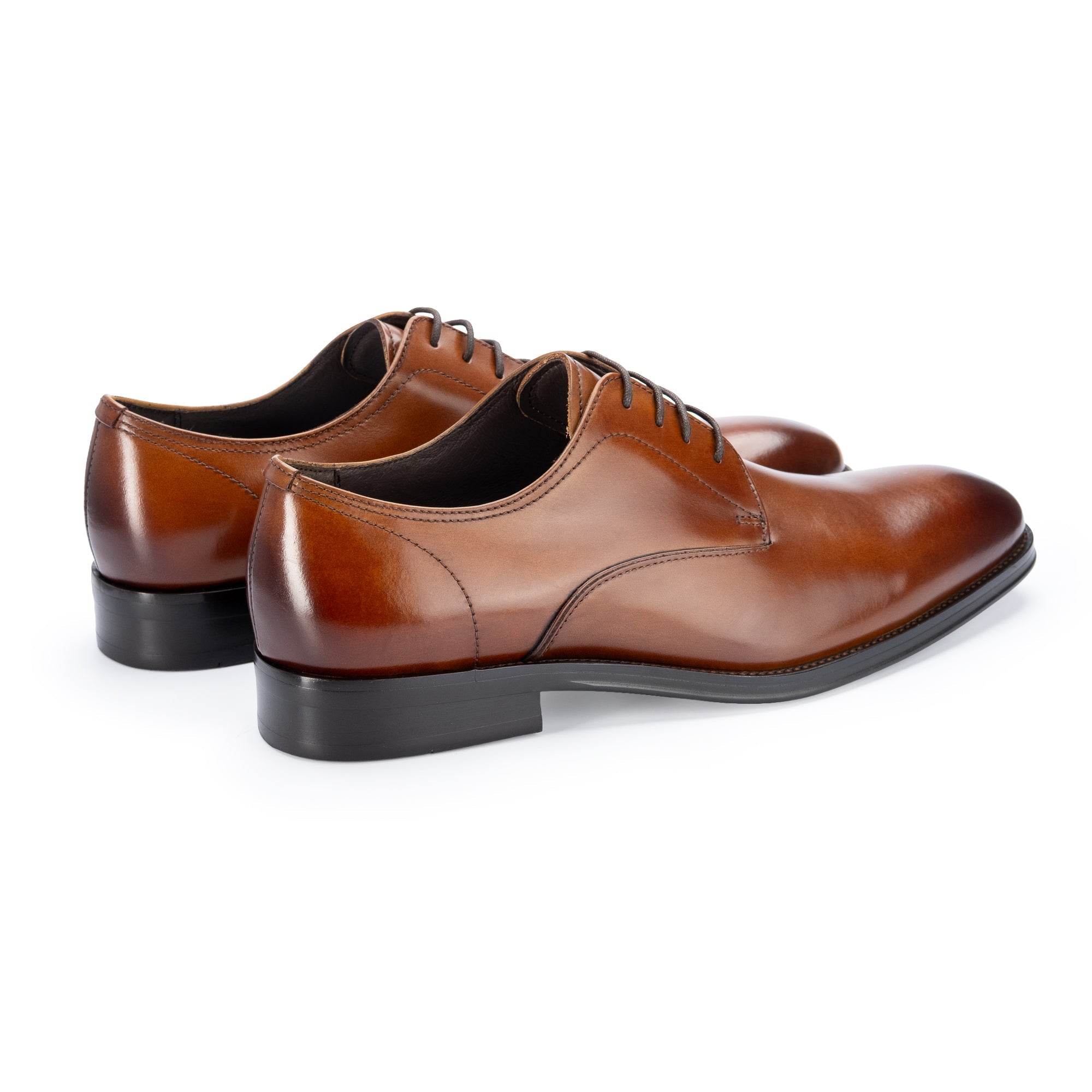
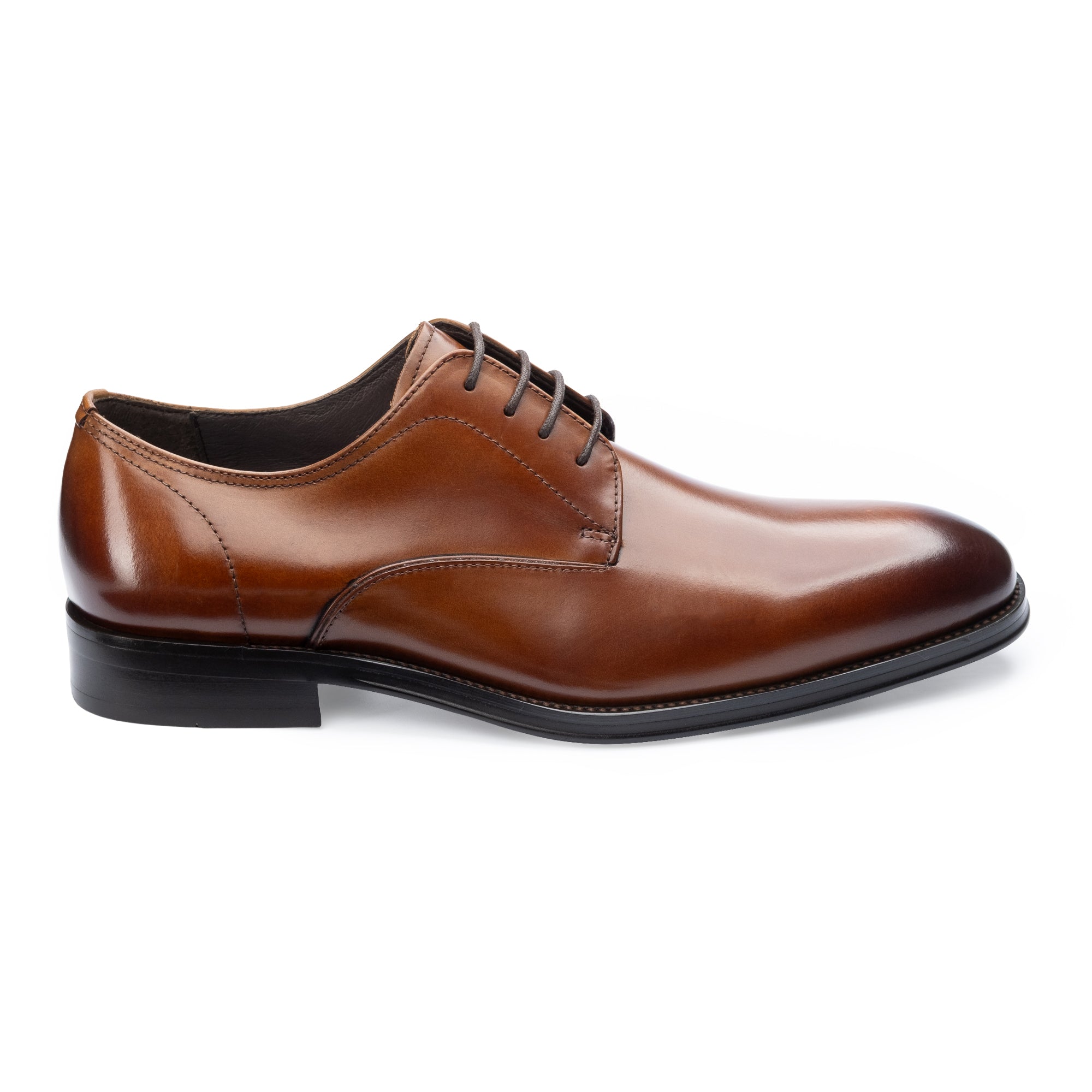
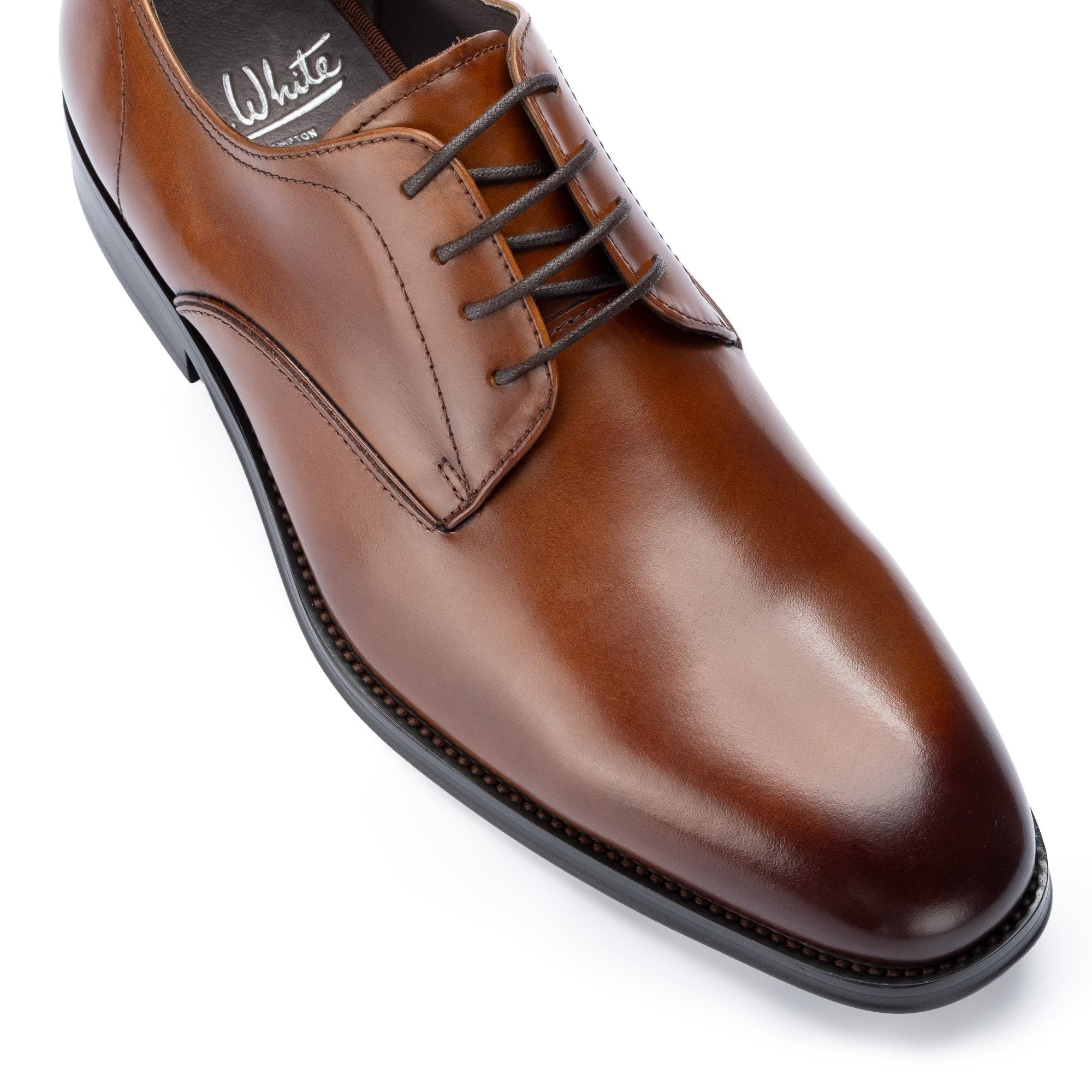
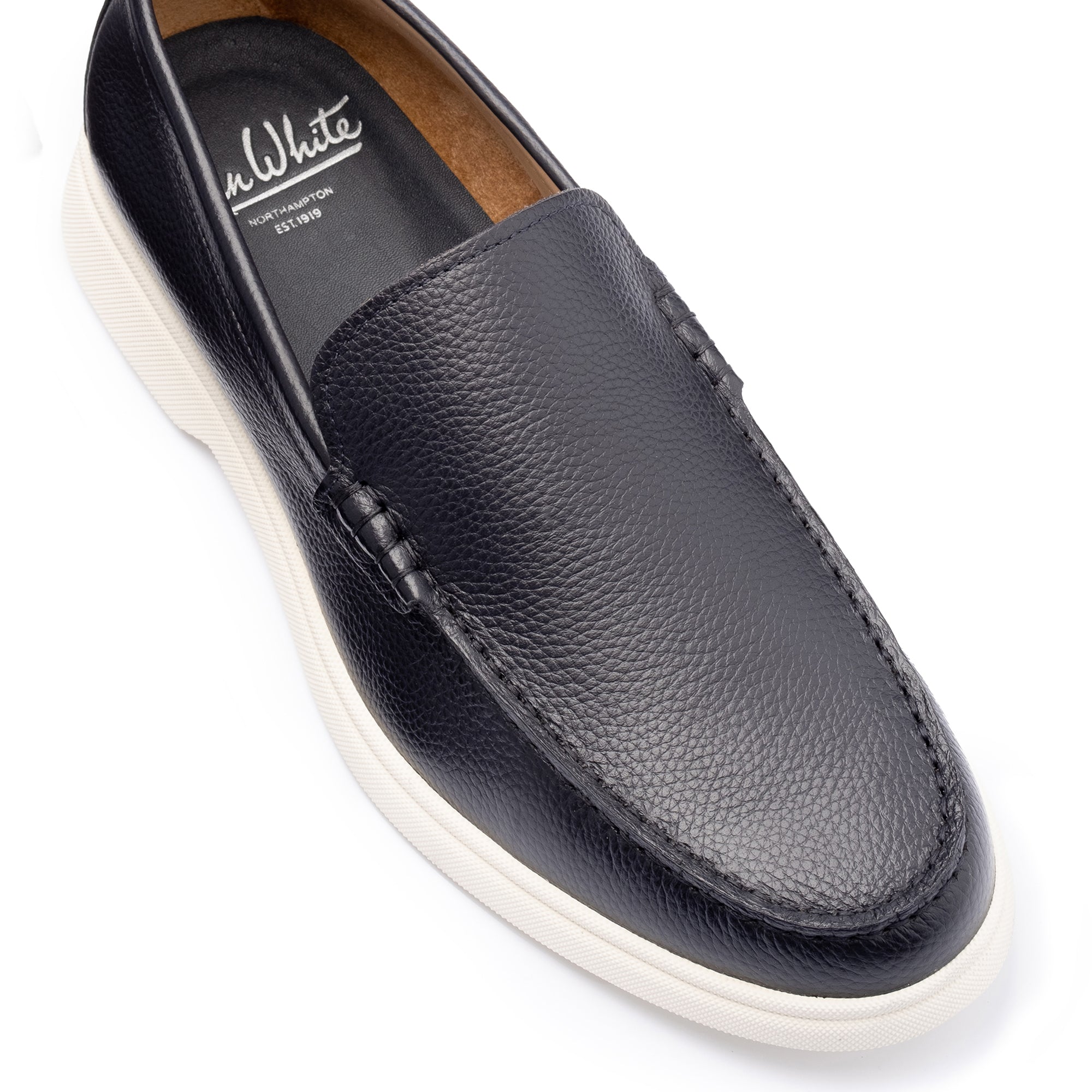
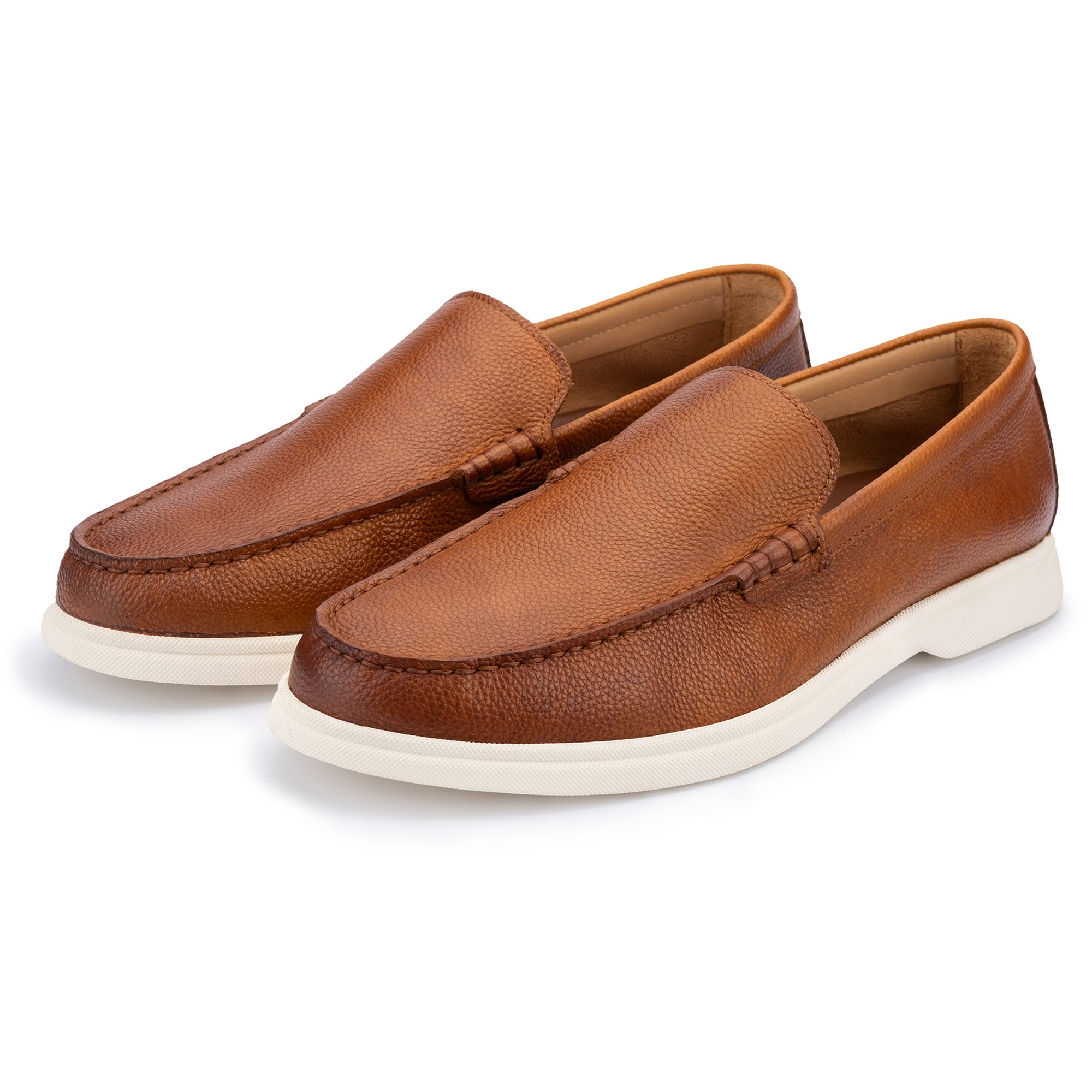
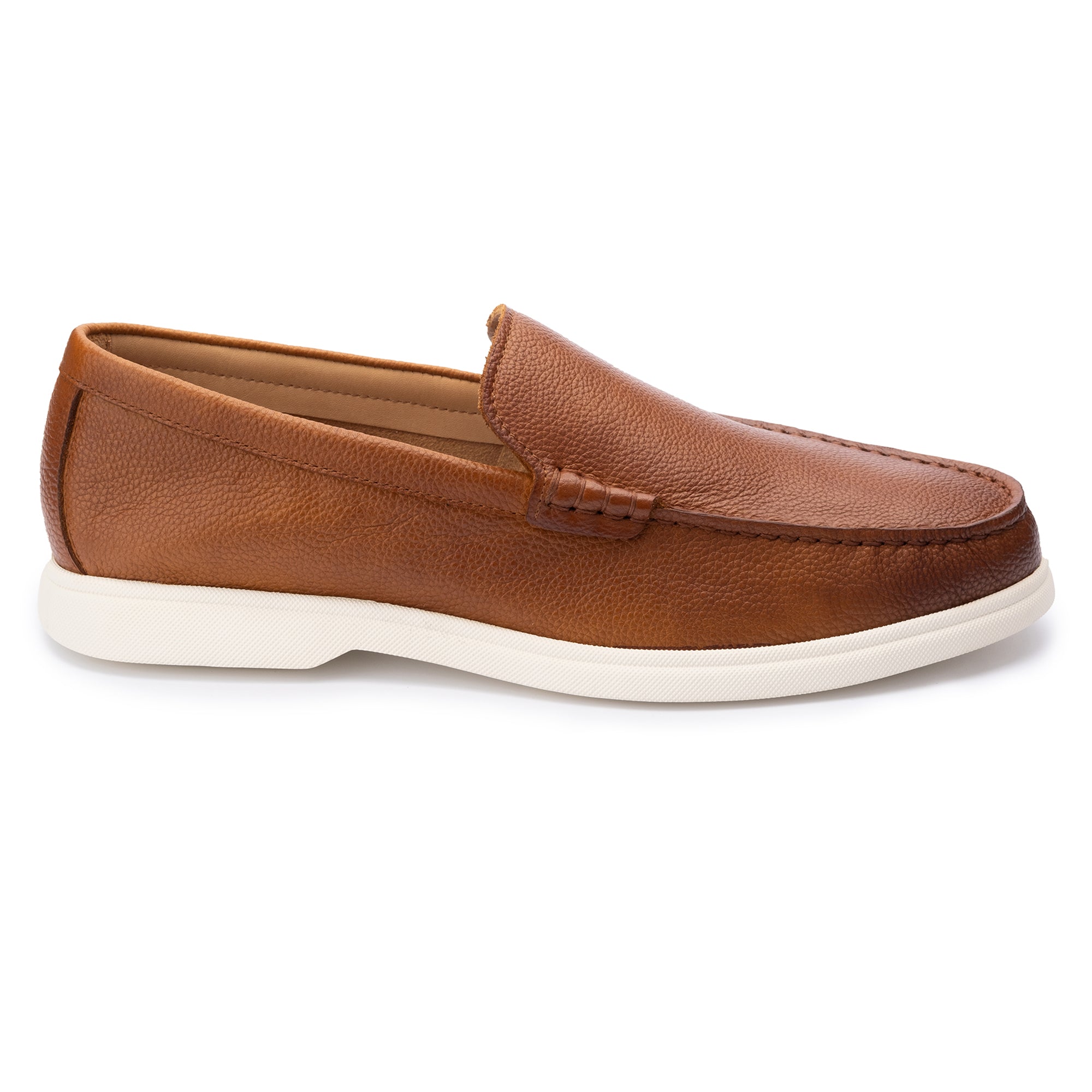
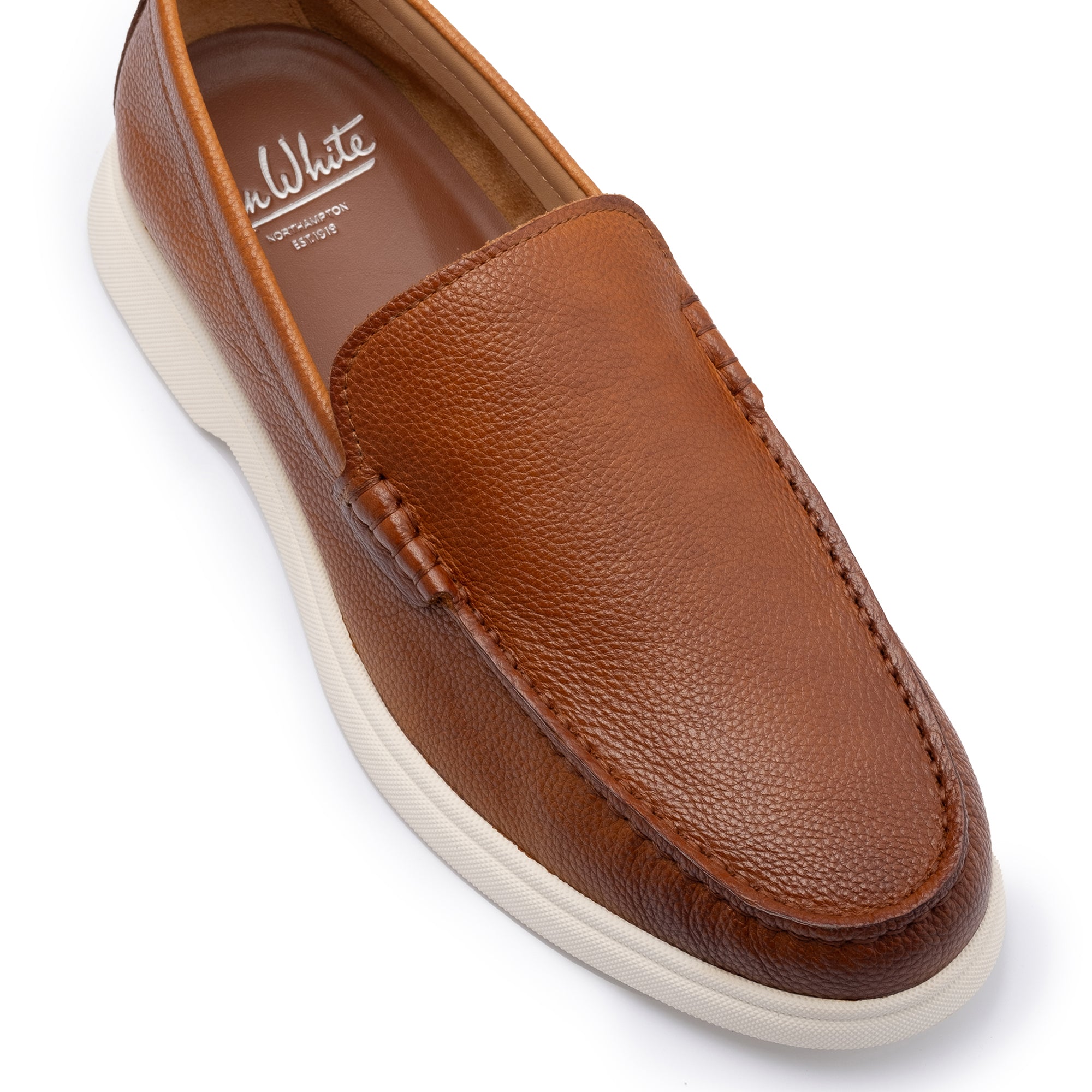
- Toe shape: The line from the vamp to the tip — whether round, almond, chisel, or square — is determined entirely by the last, not the pattern cutter or the finisher.
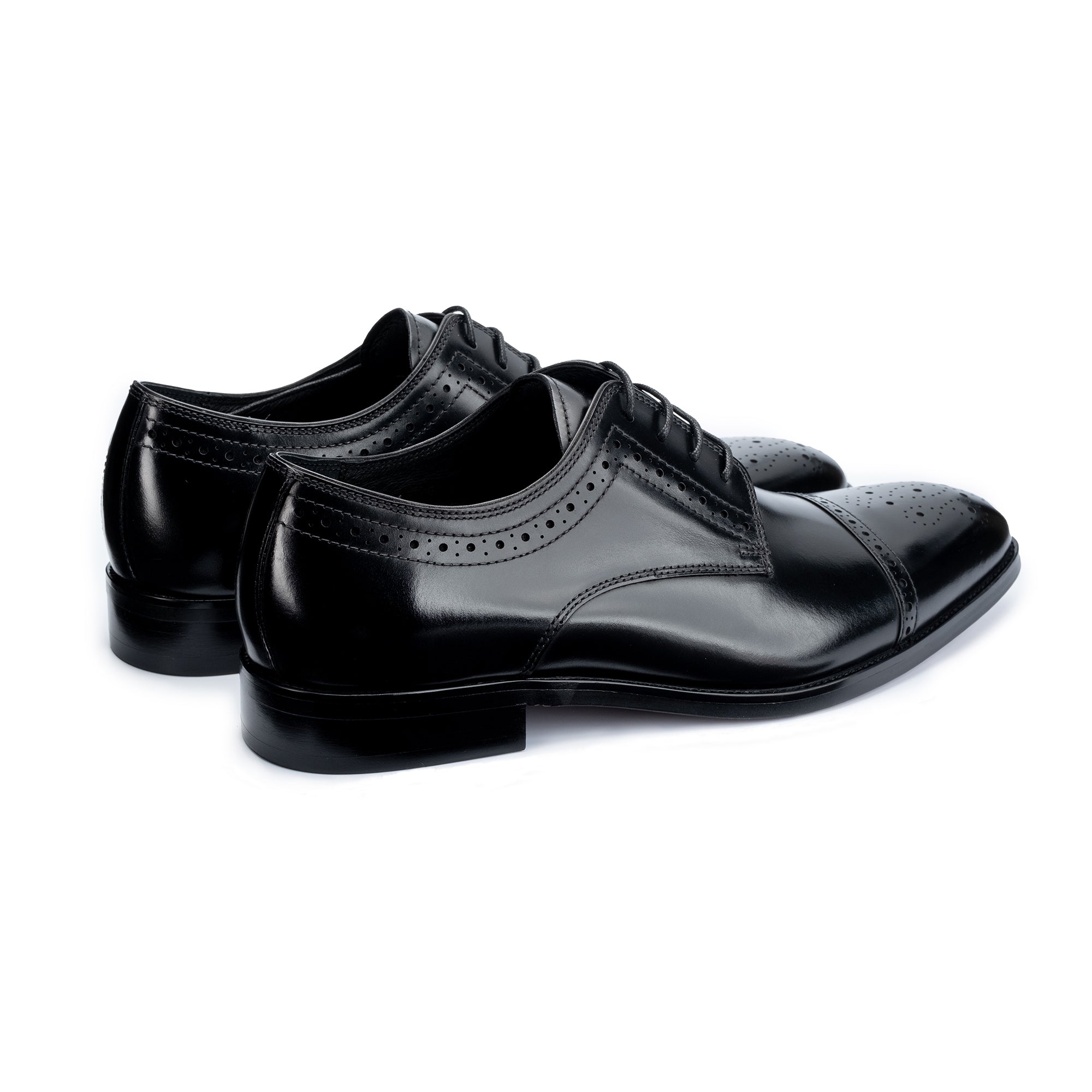
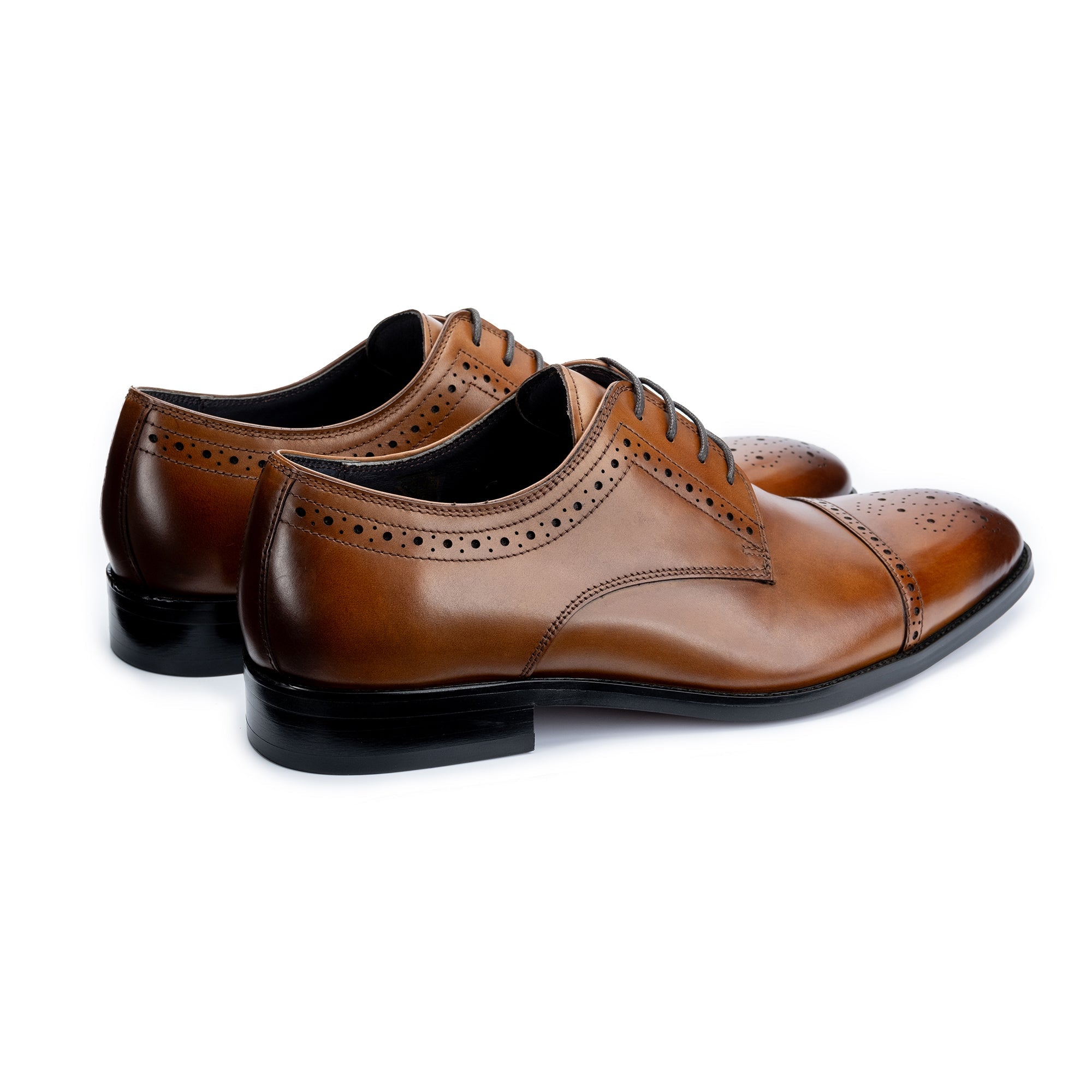
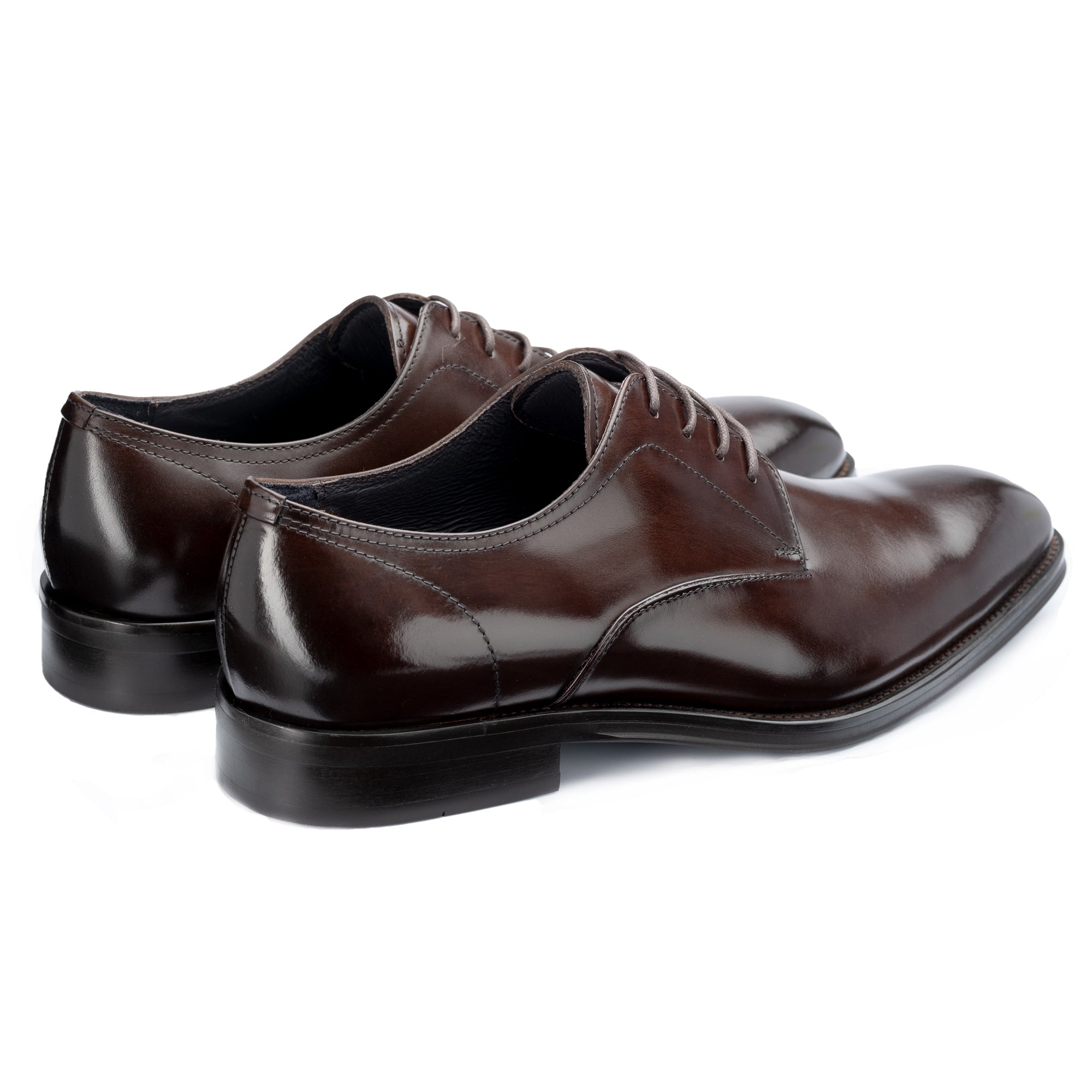
- Heel pitch: The angle at which the heel seat sits relative to the forefoot affects posture, gait, and long-term comfort. A well-calibrated heel pitch is invisible when correct and immediately apparent when wrong.
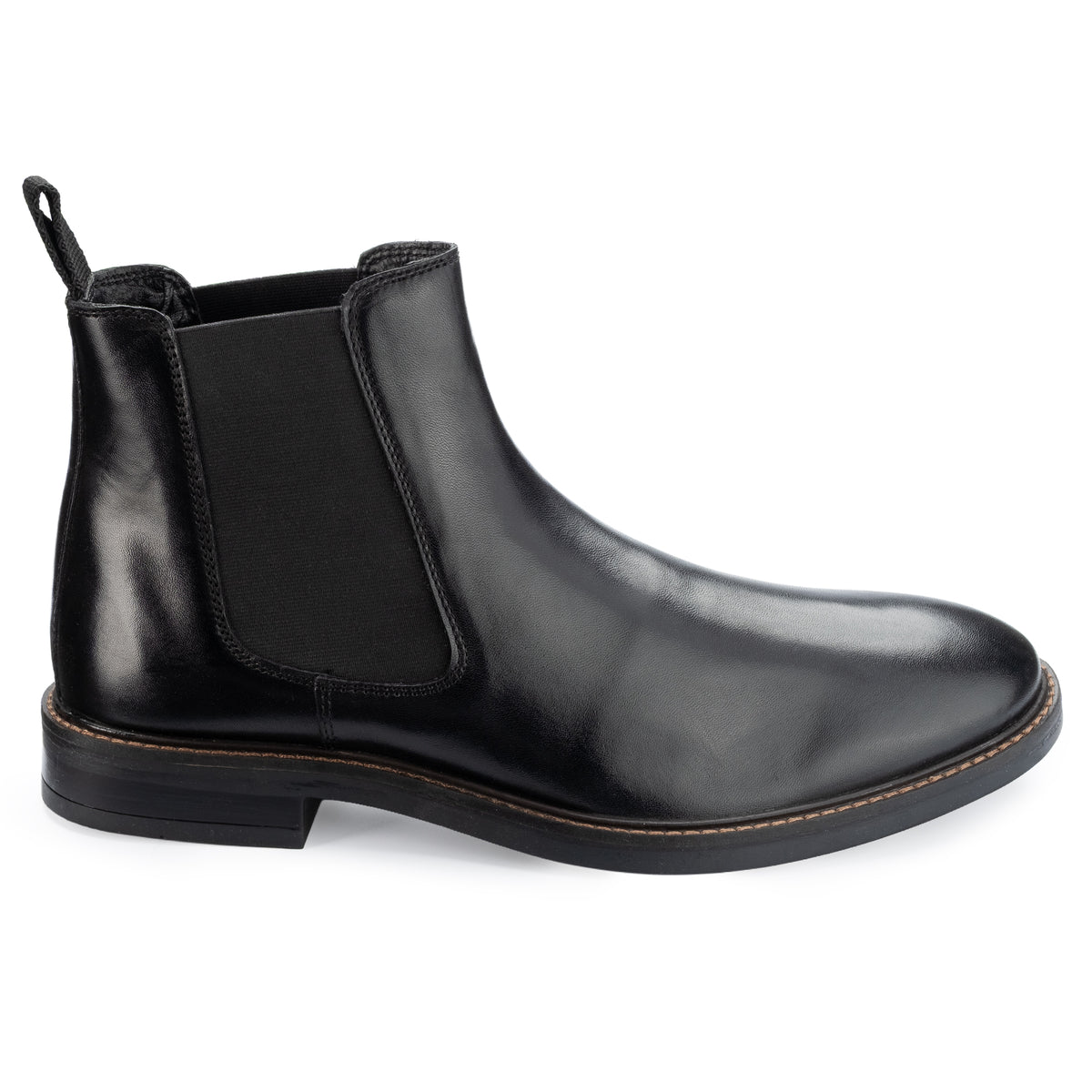
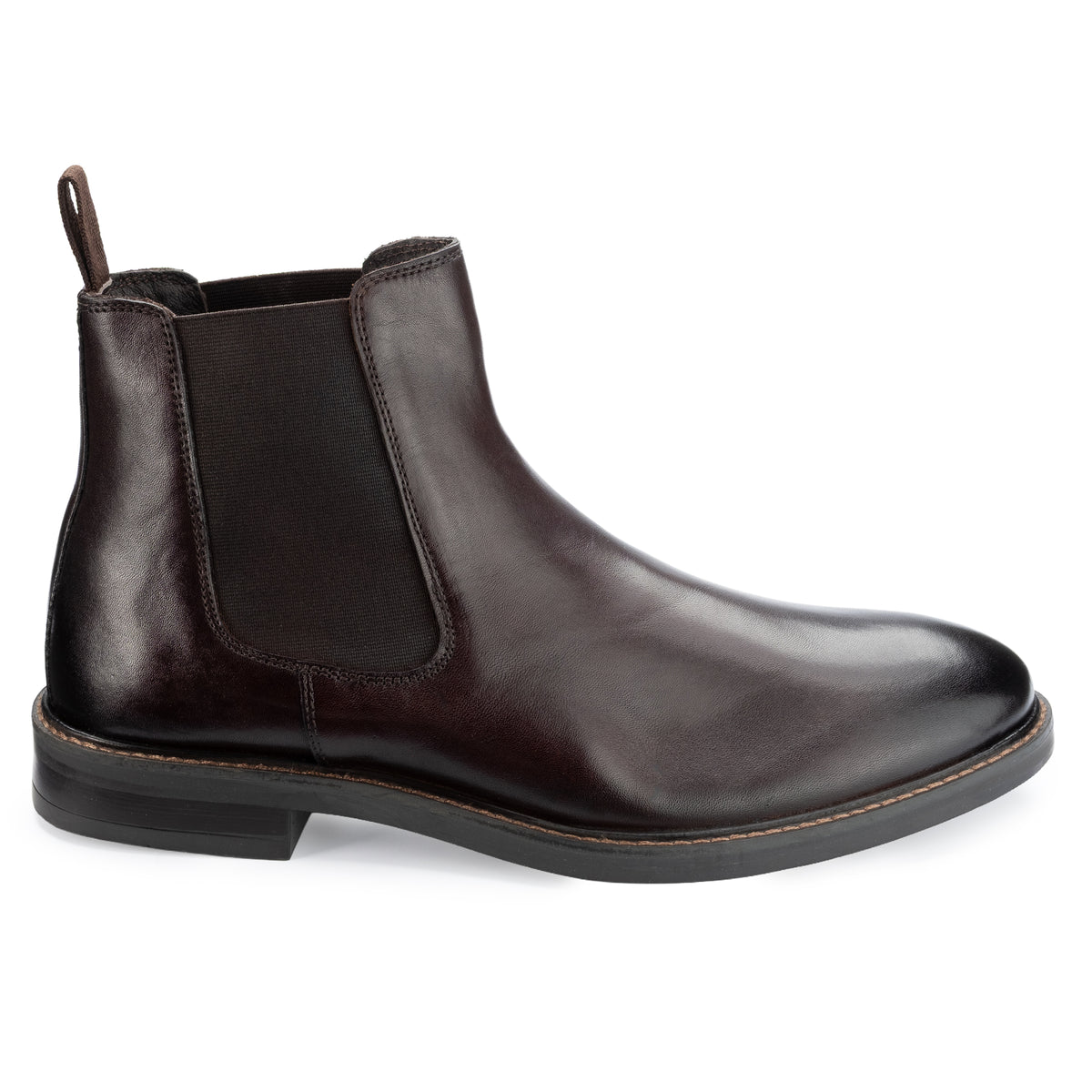
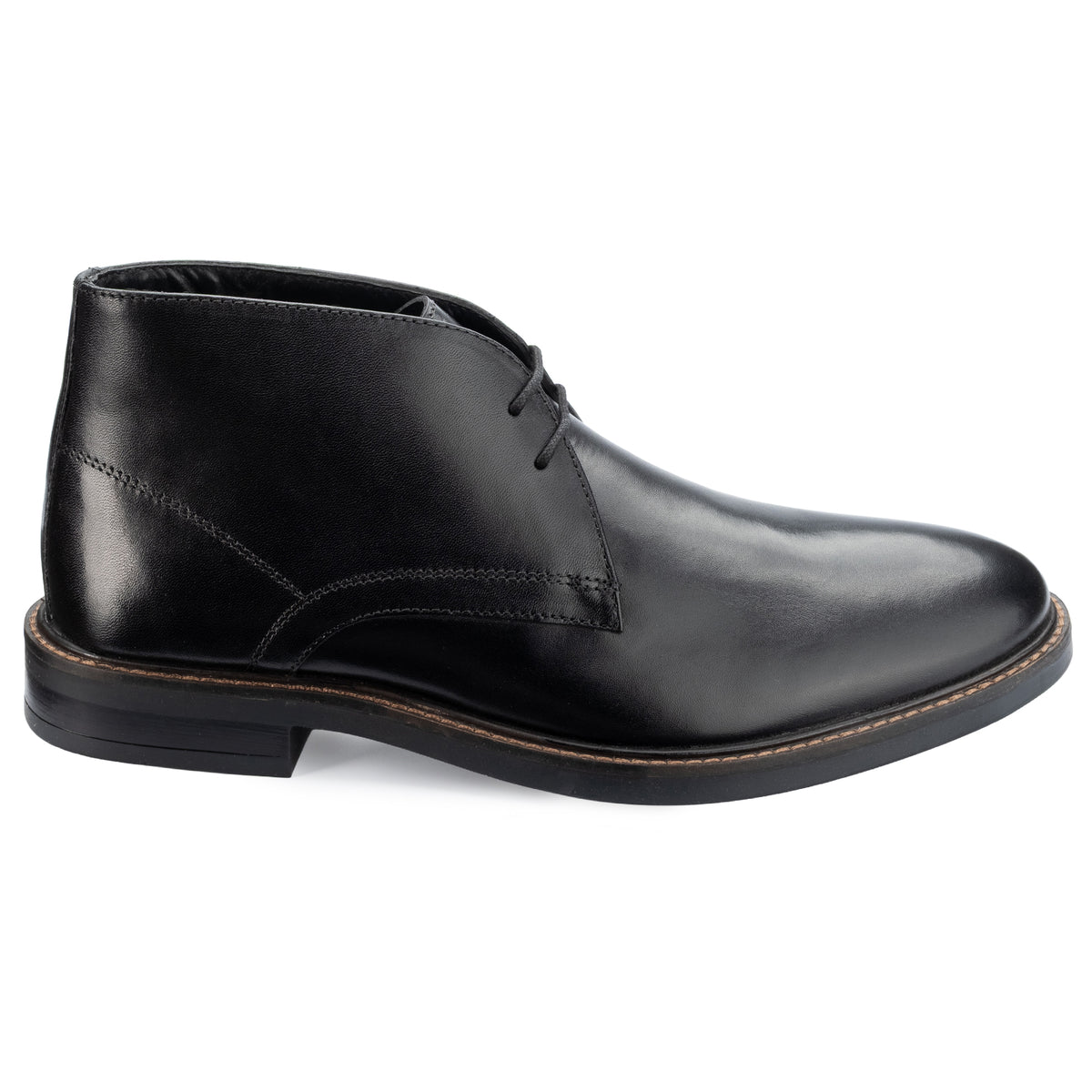
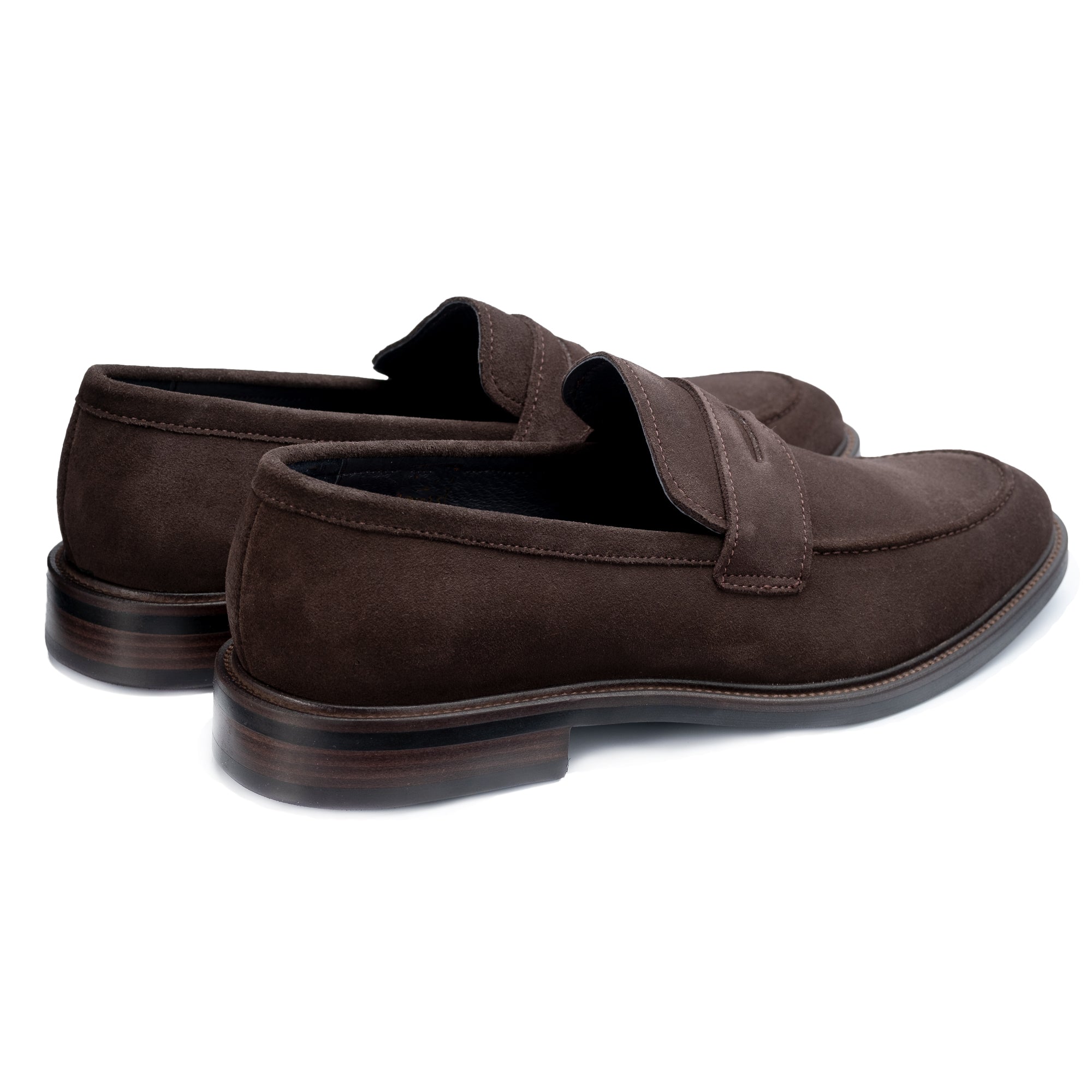
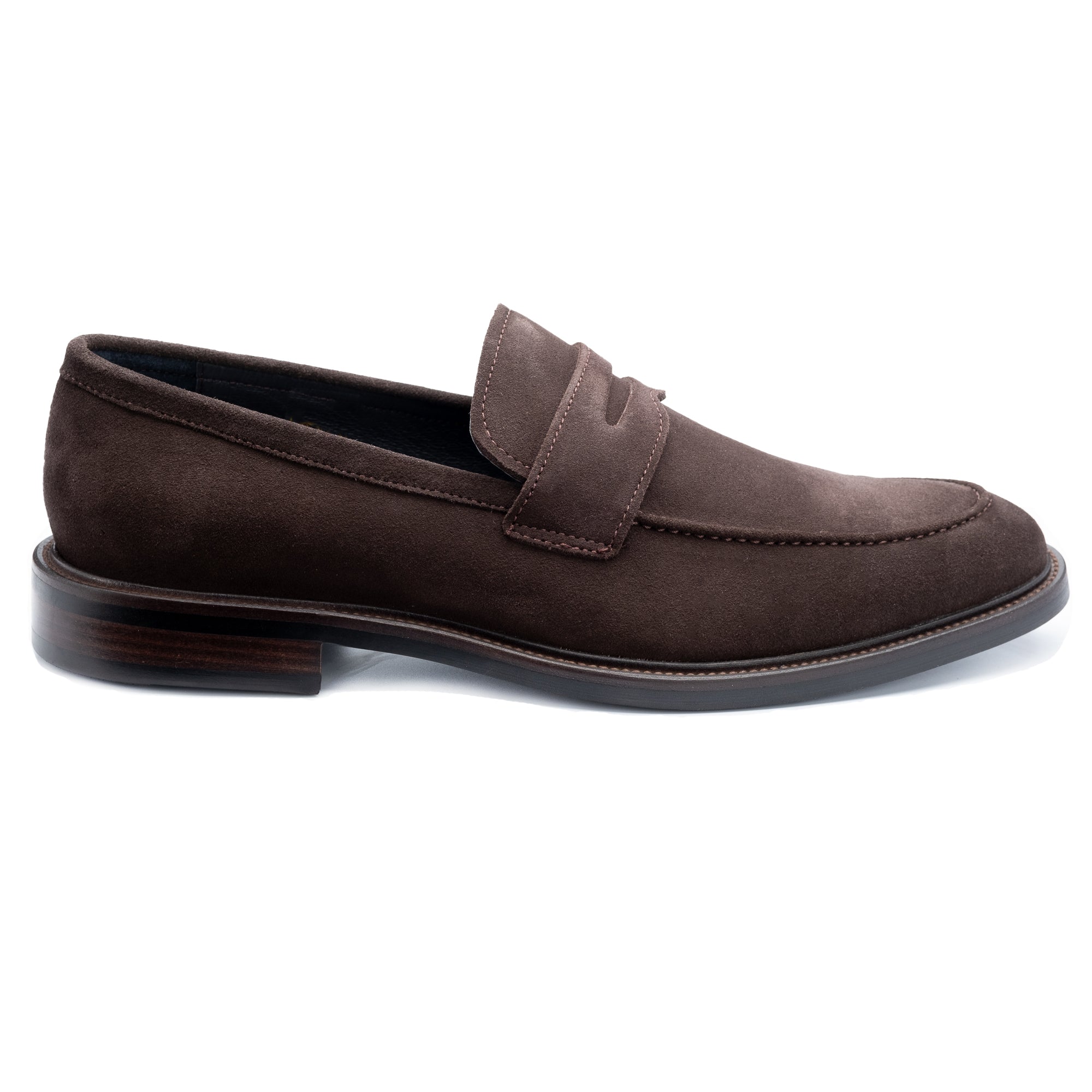
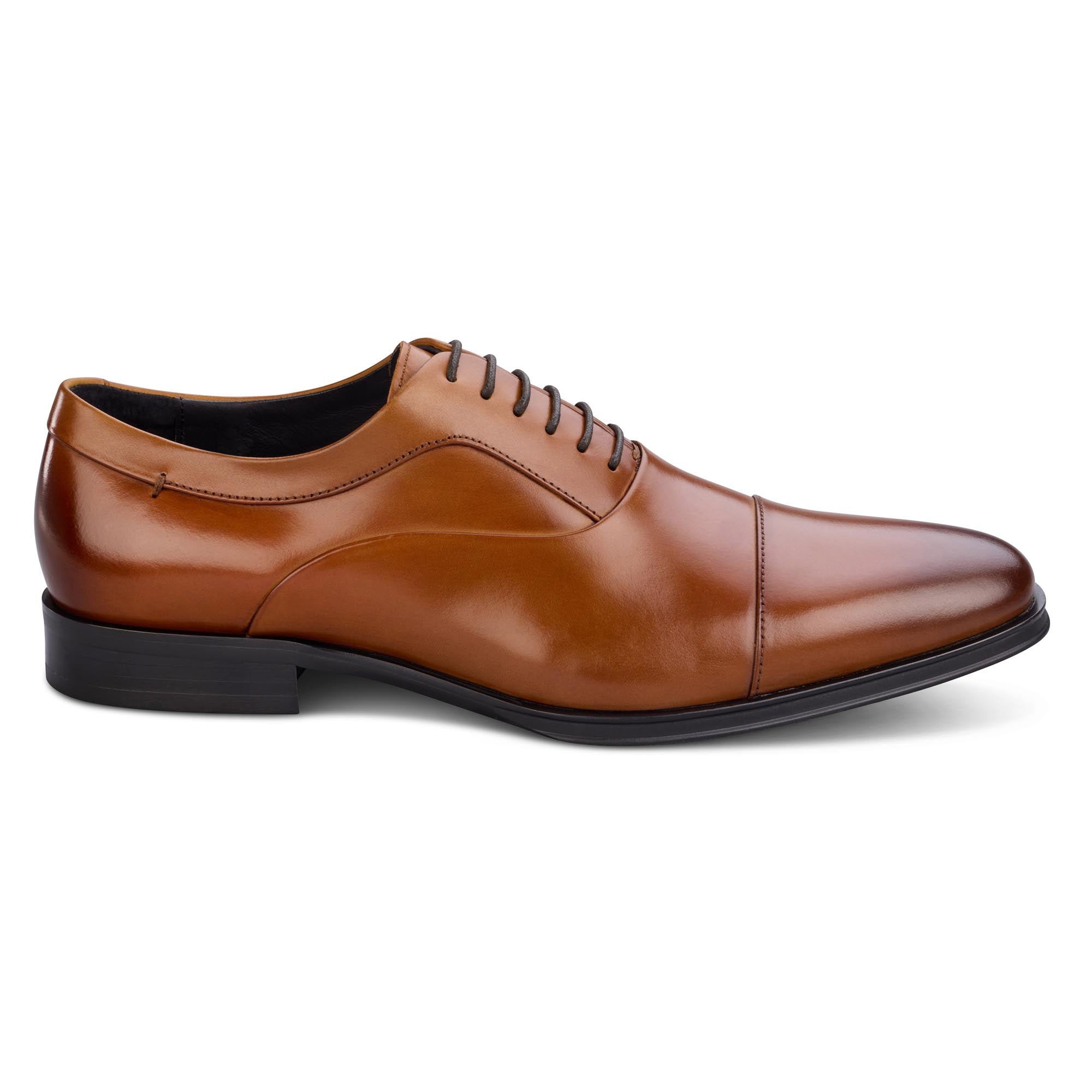
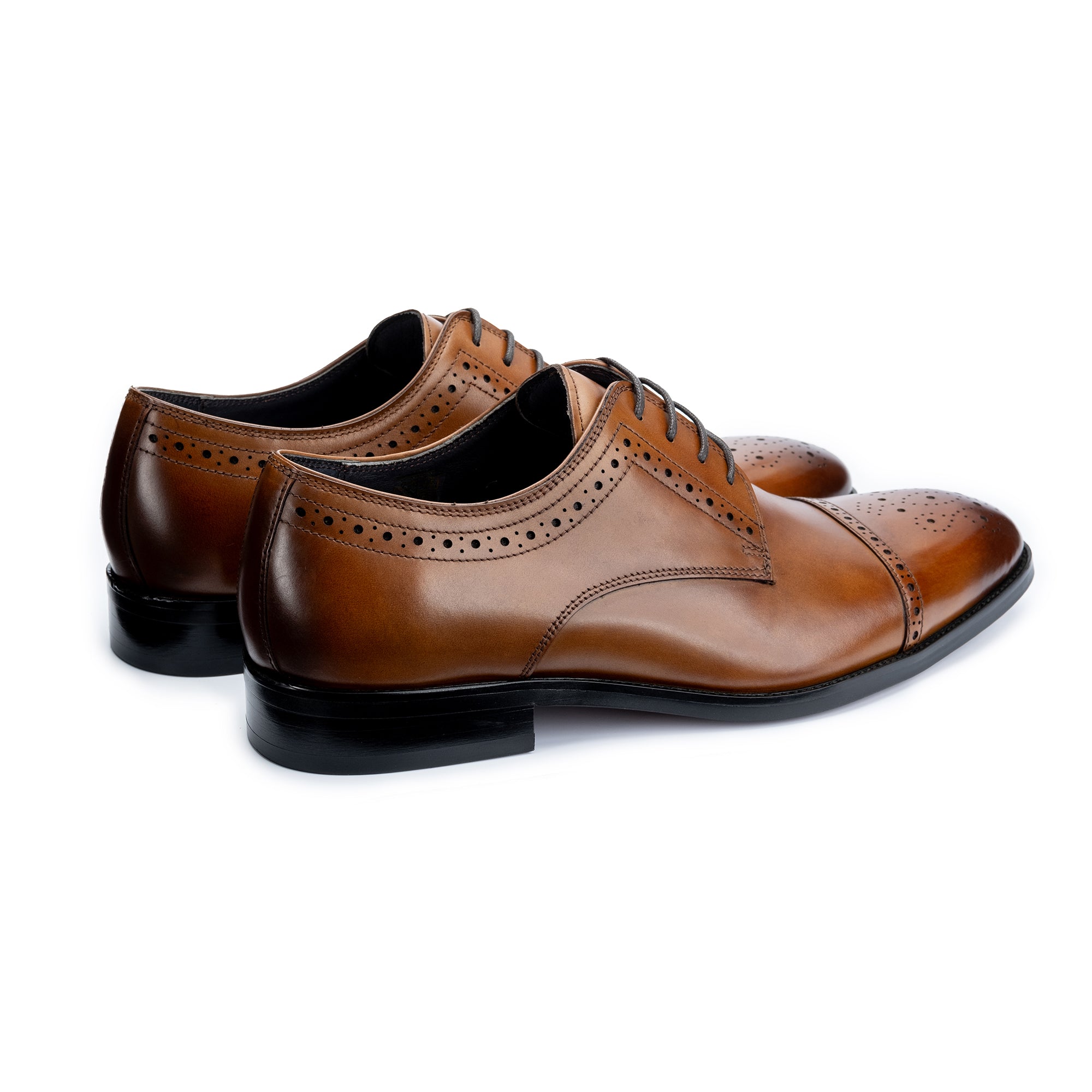
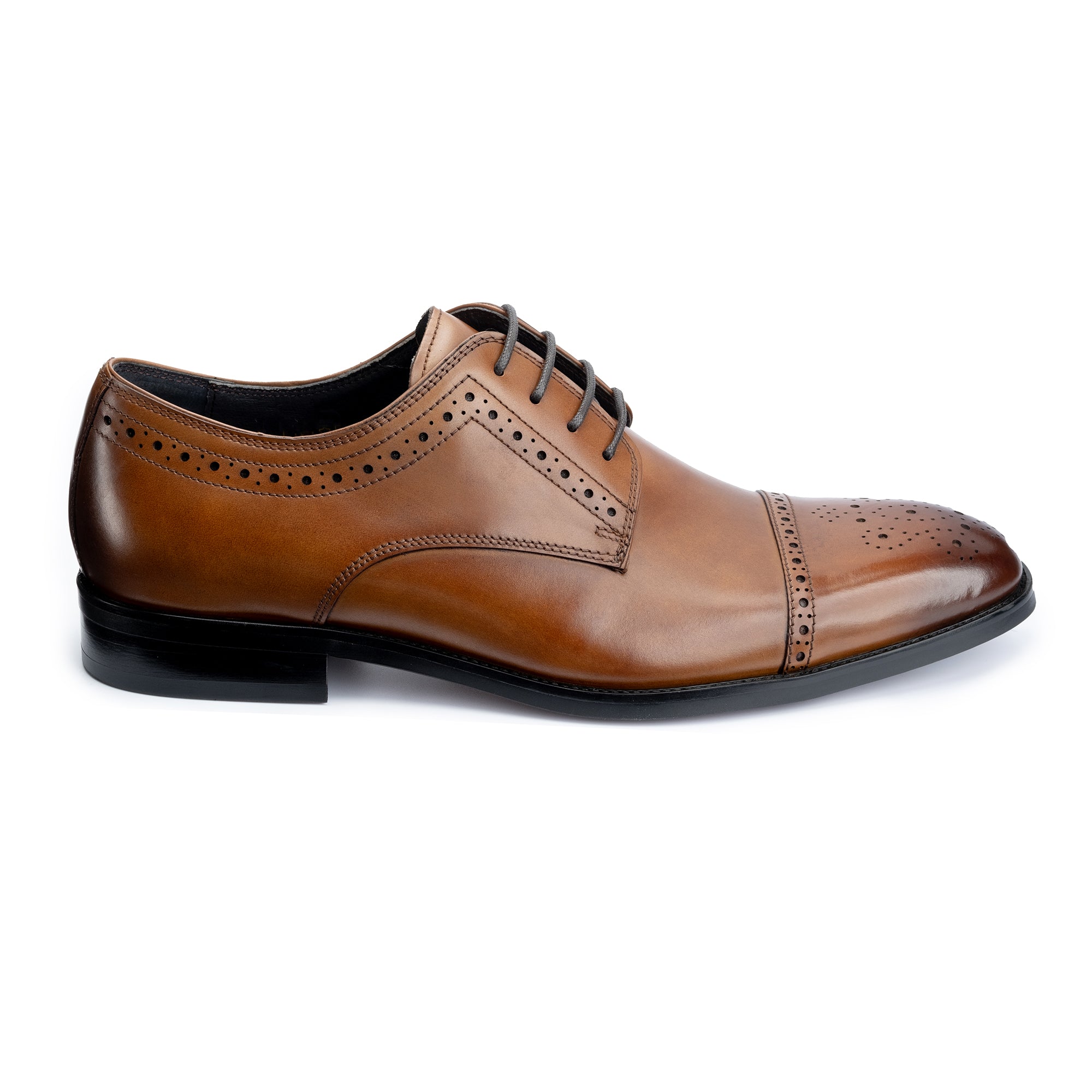
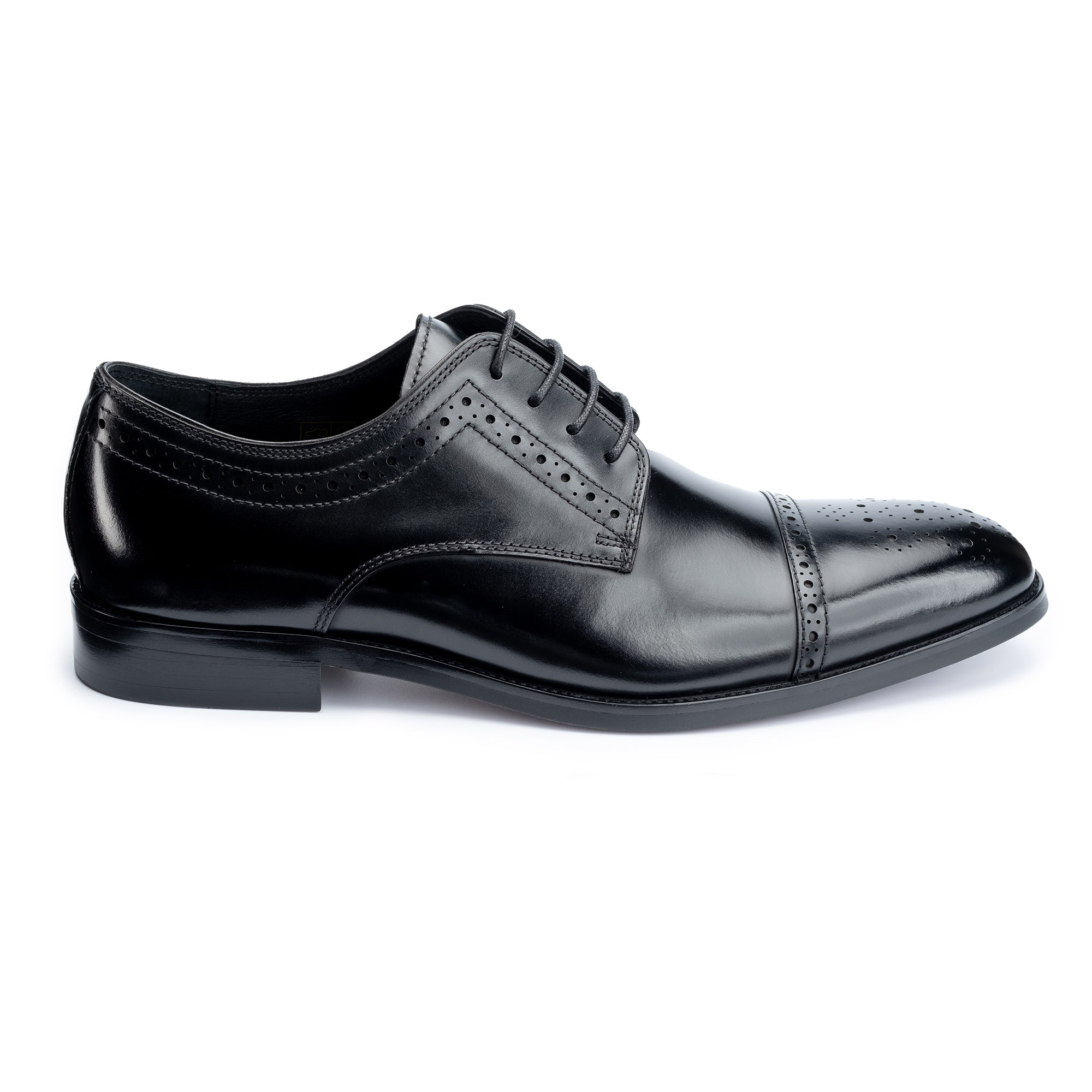
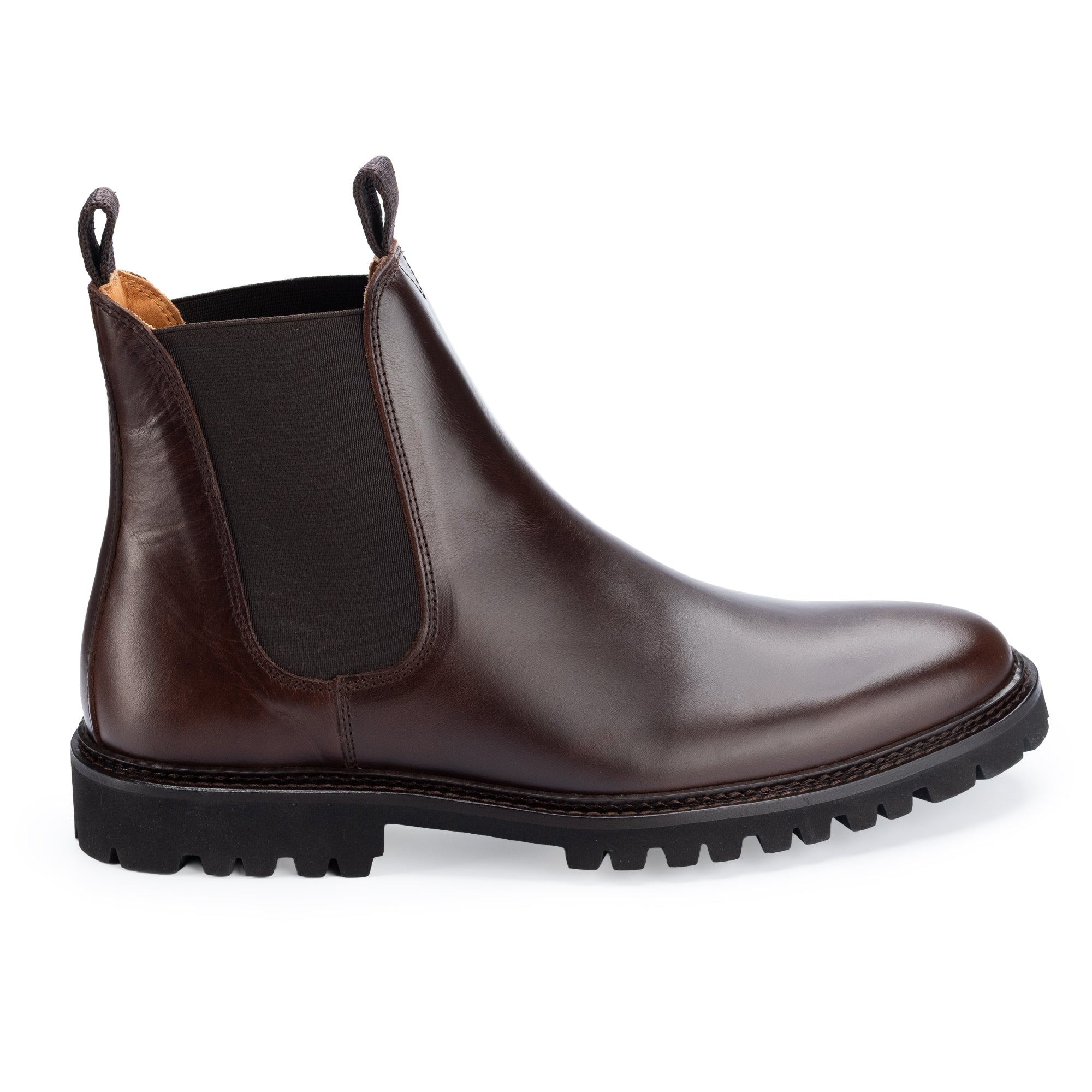
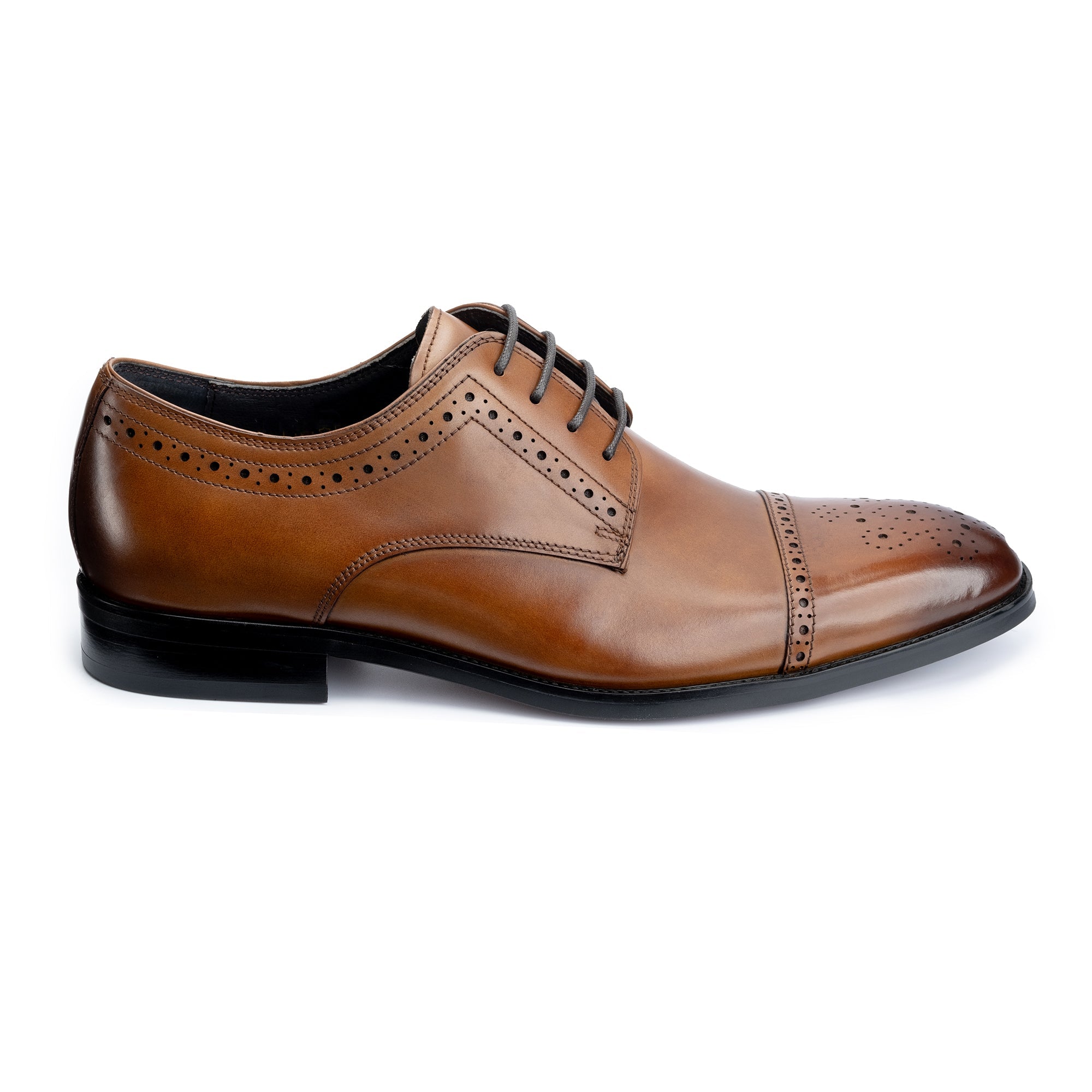
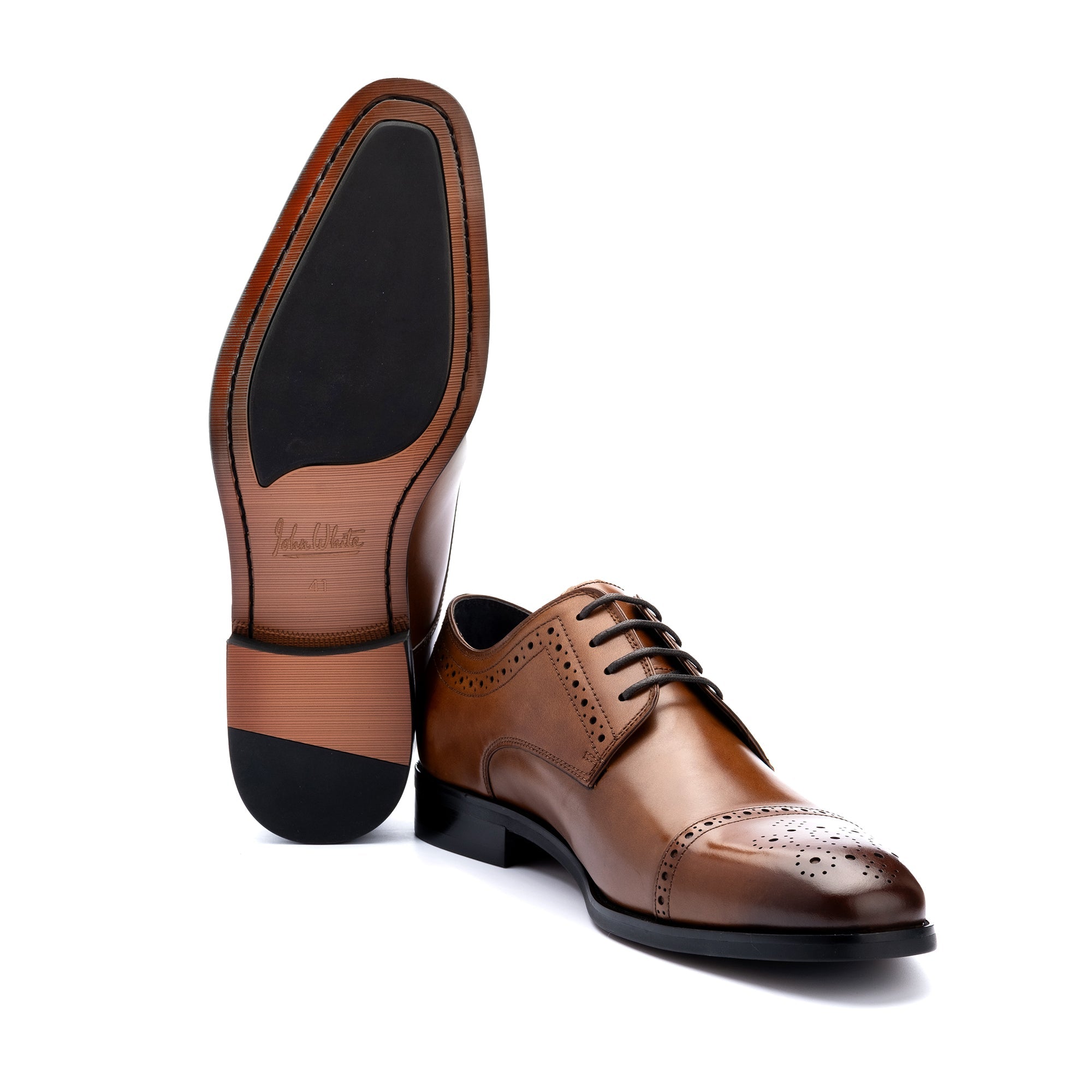
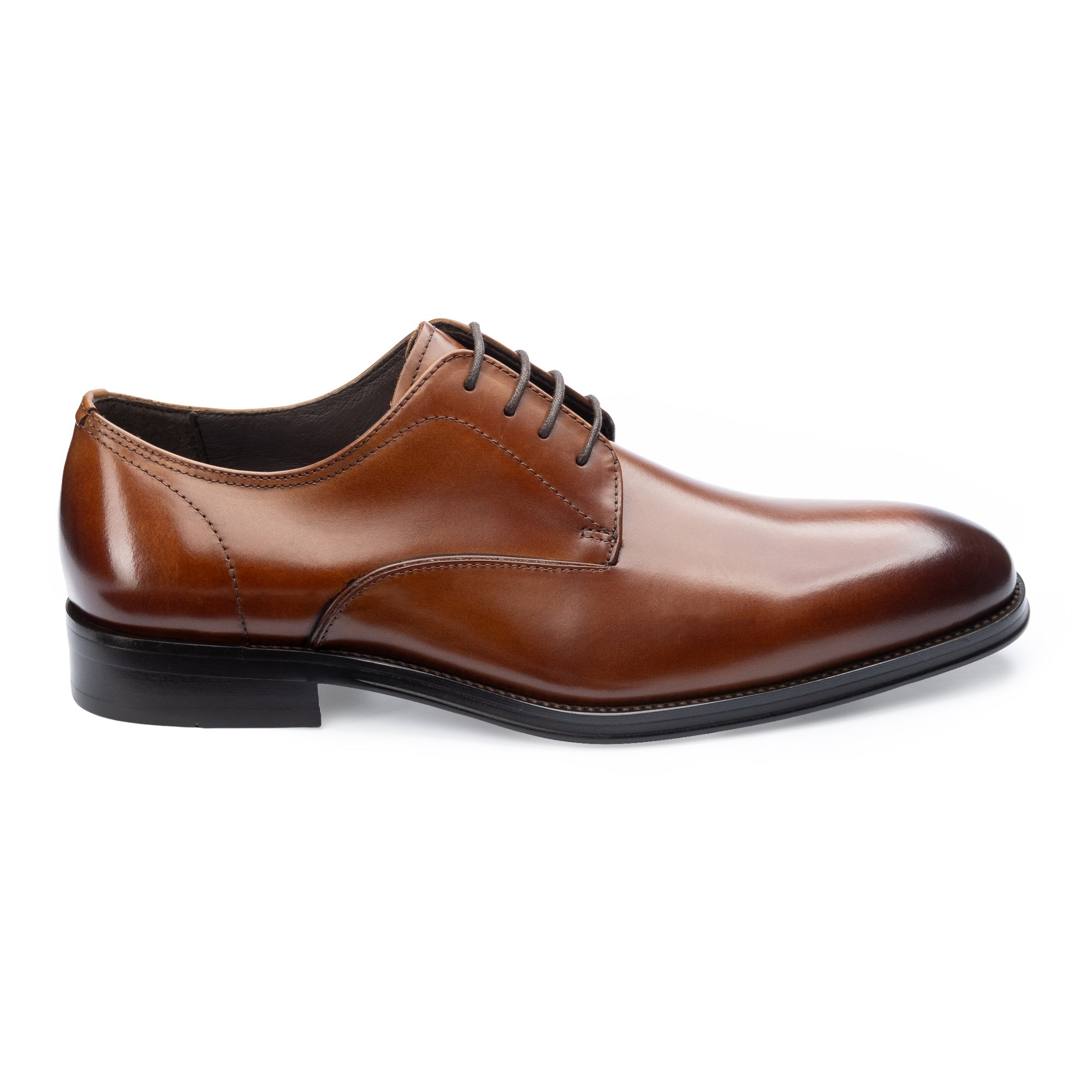
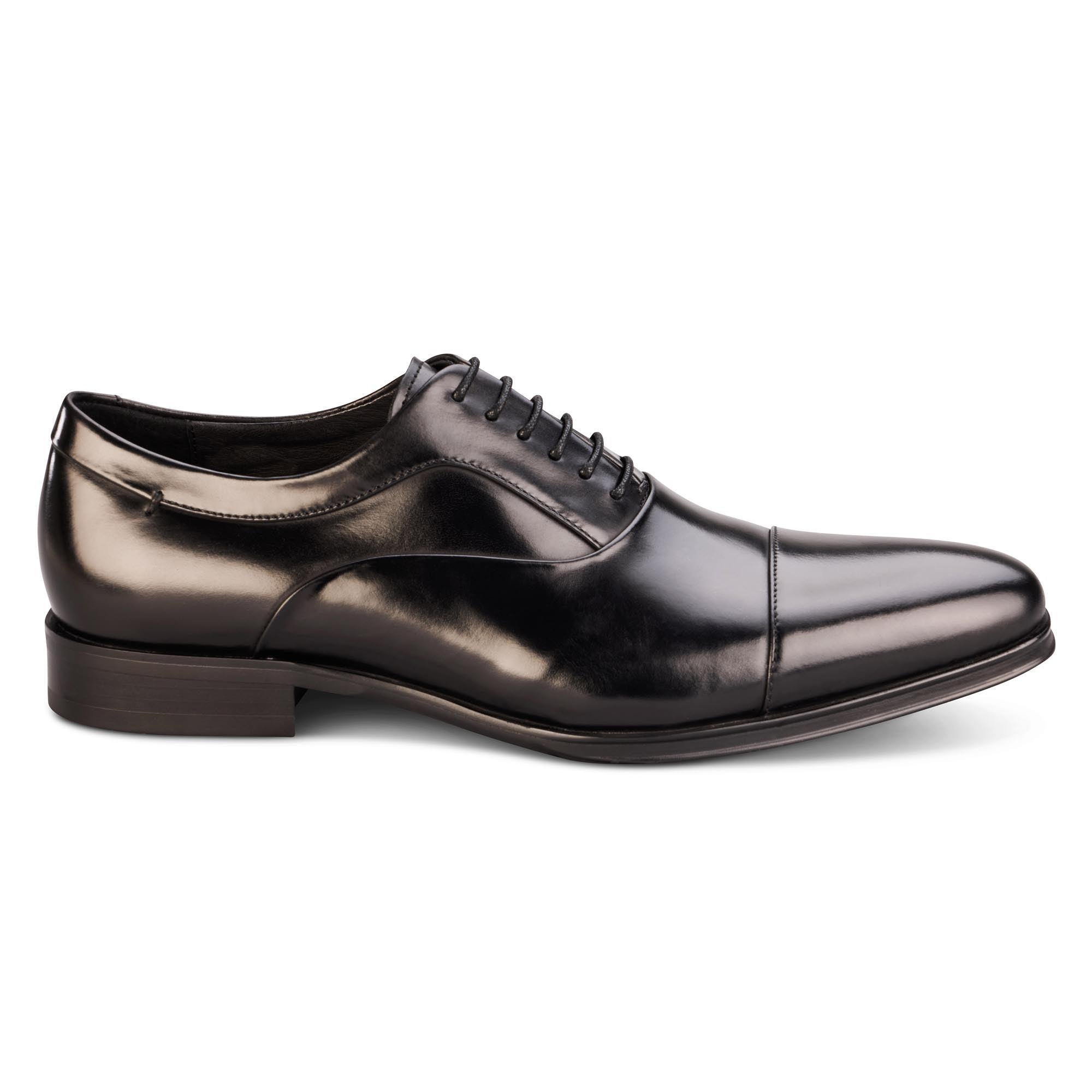
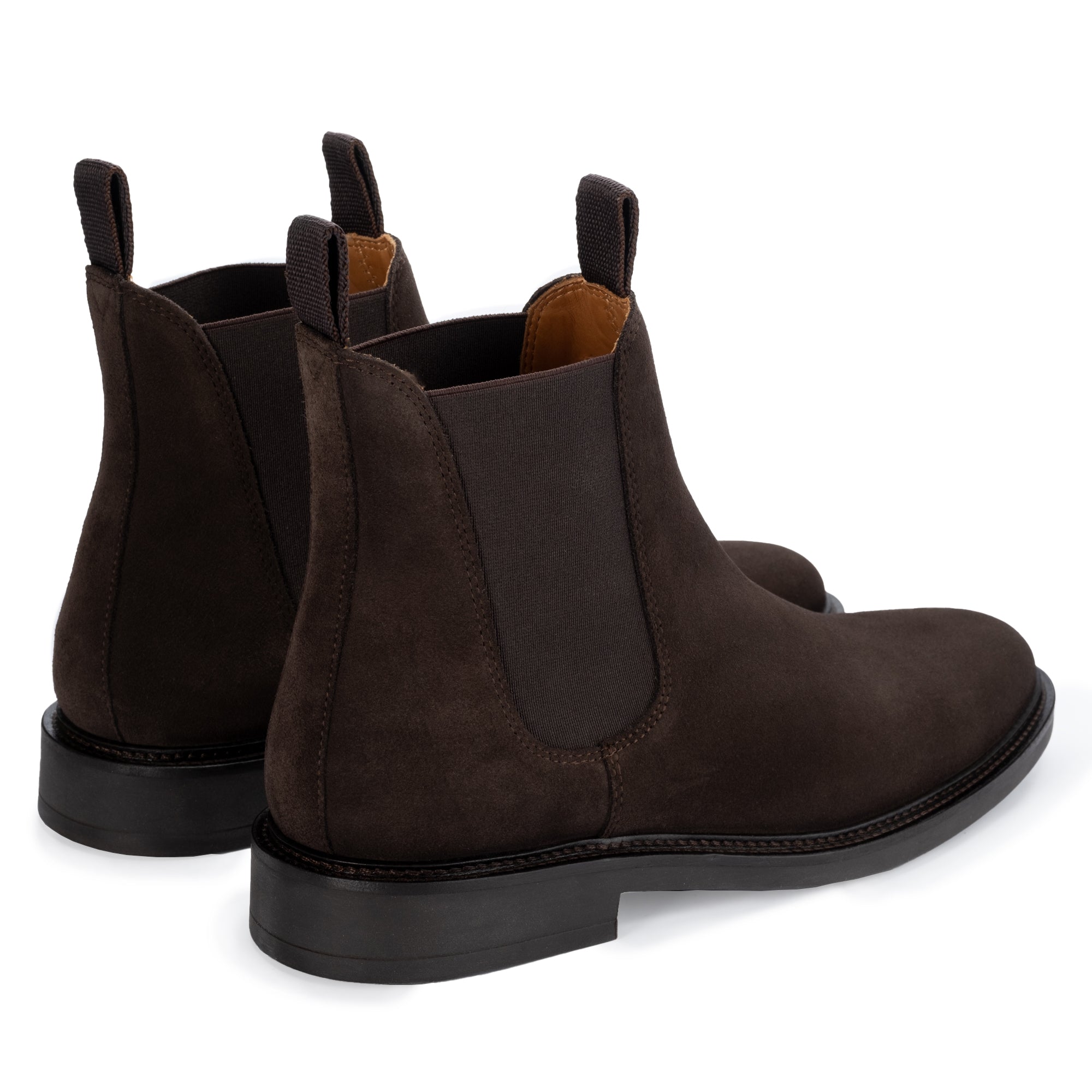
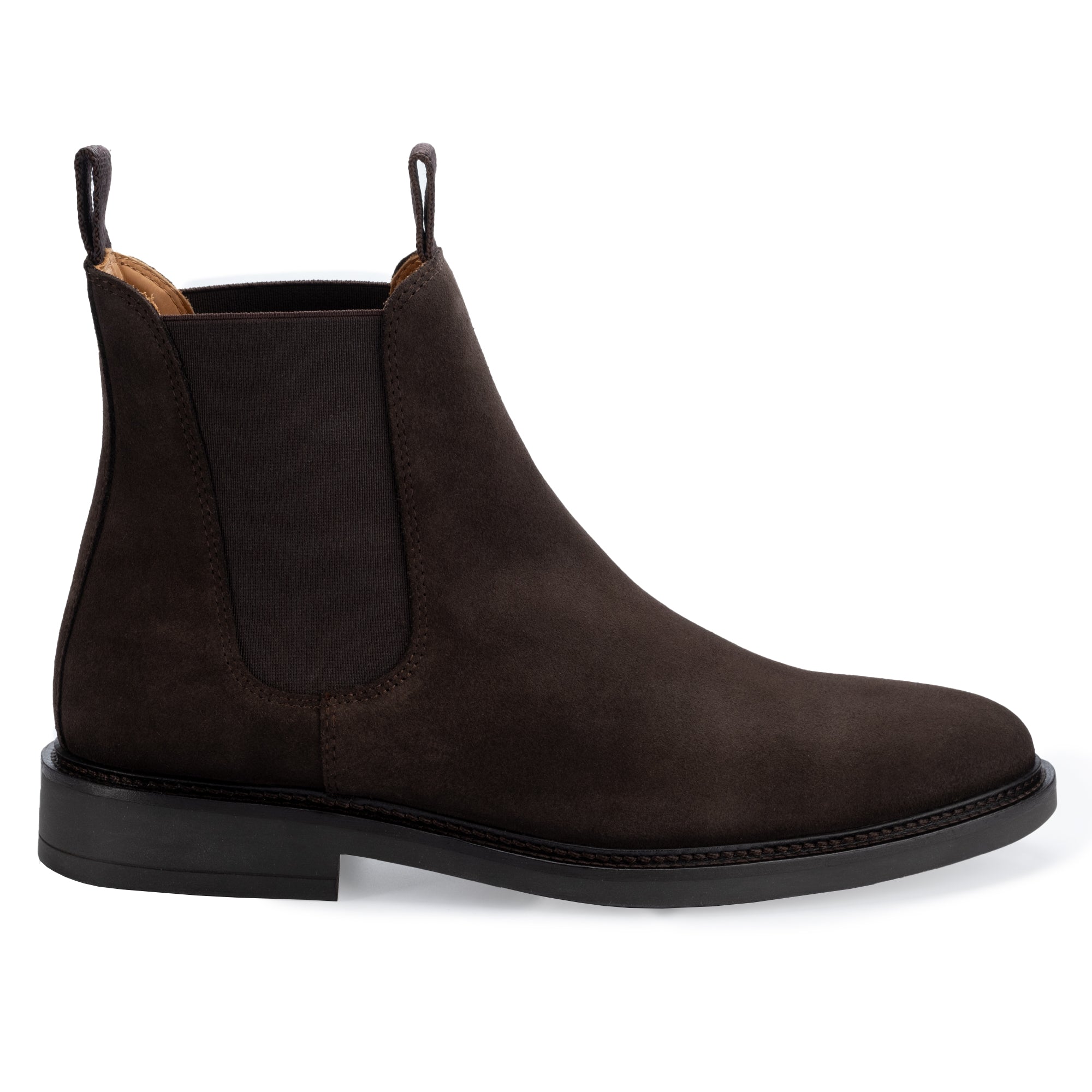
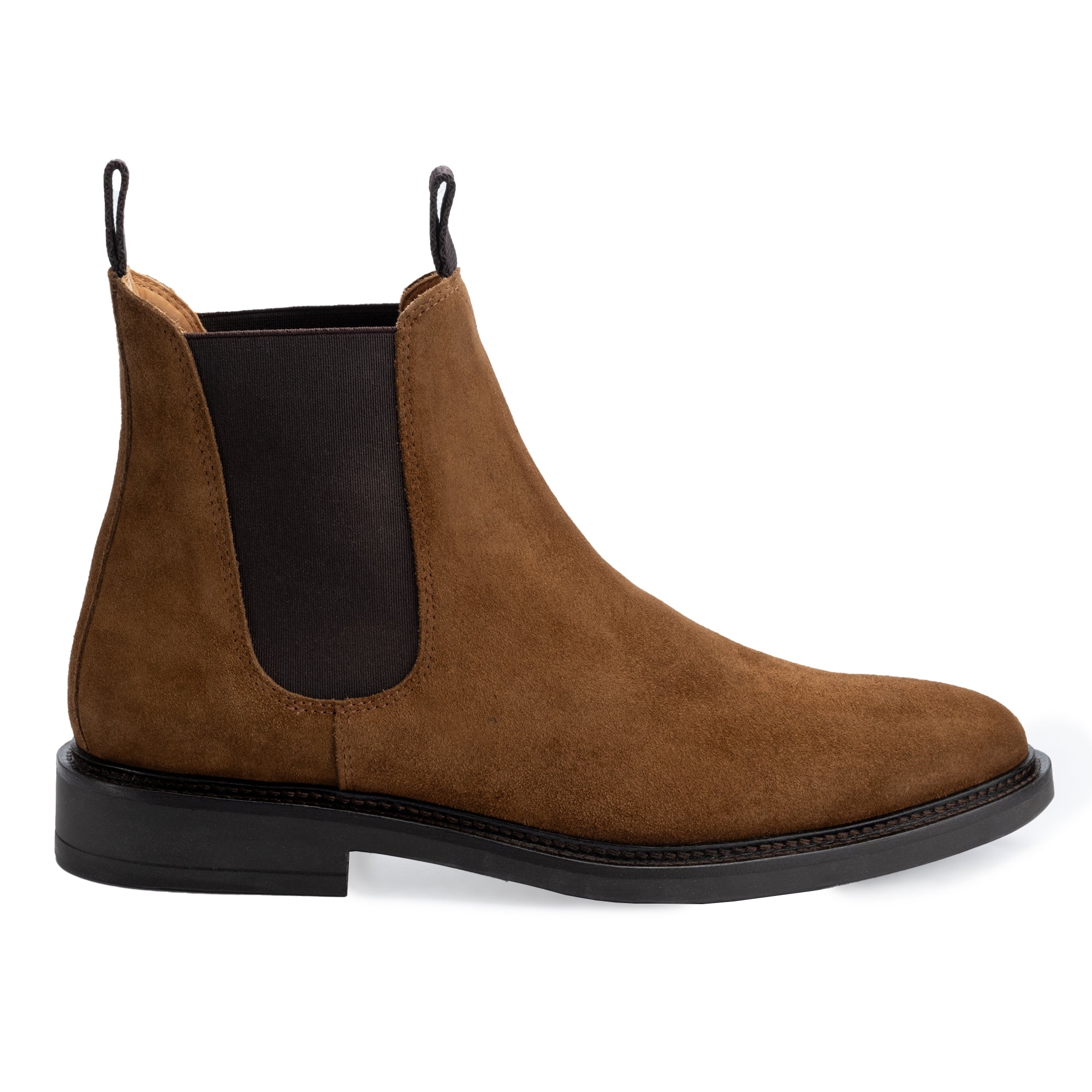
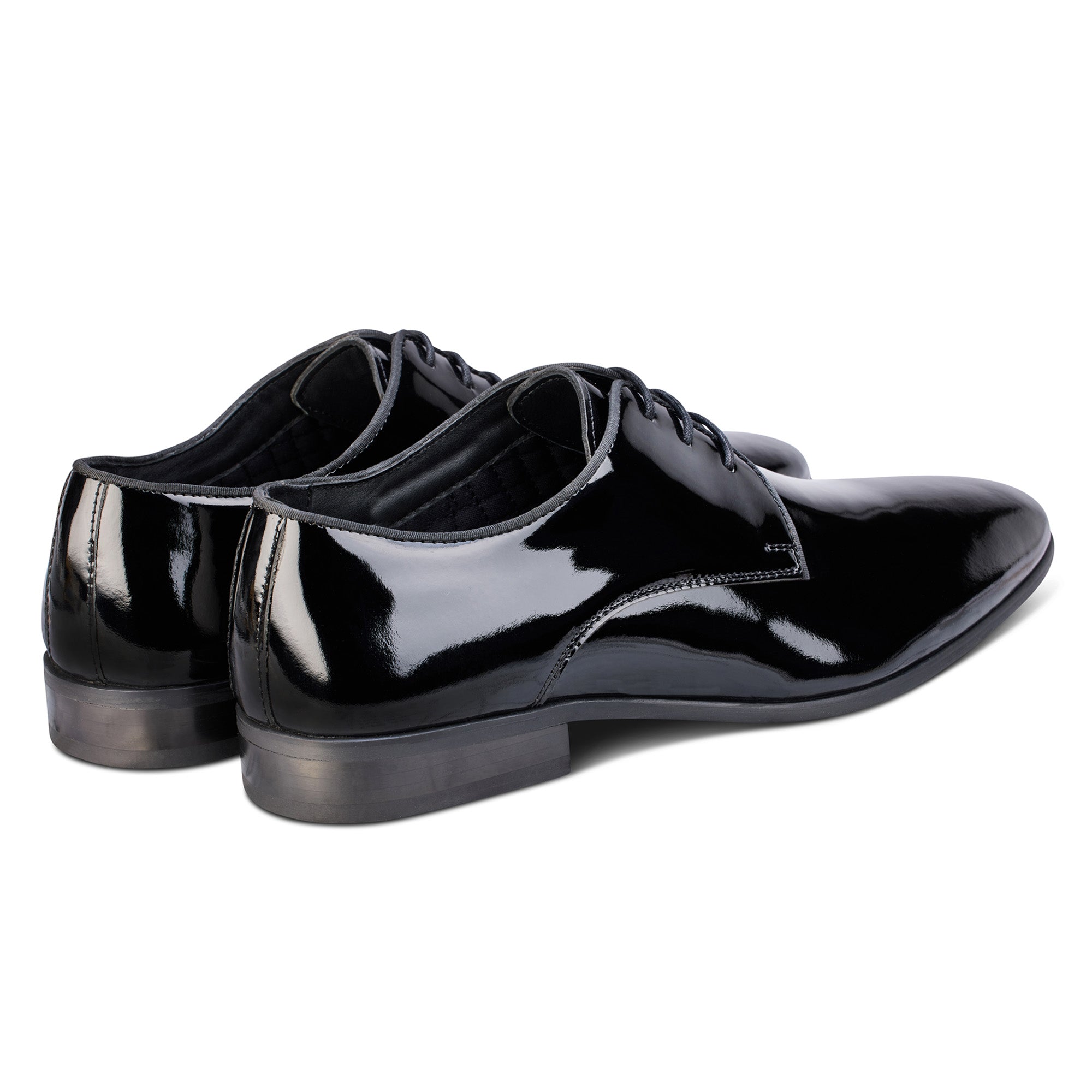
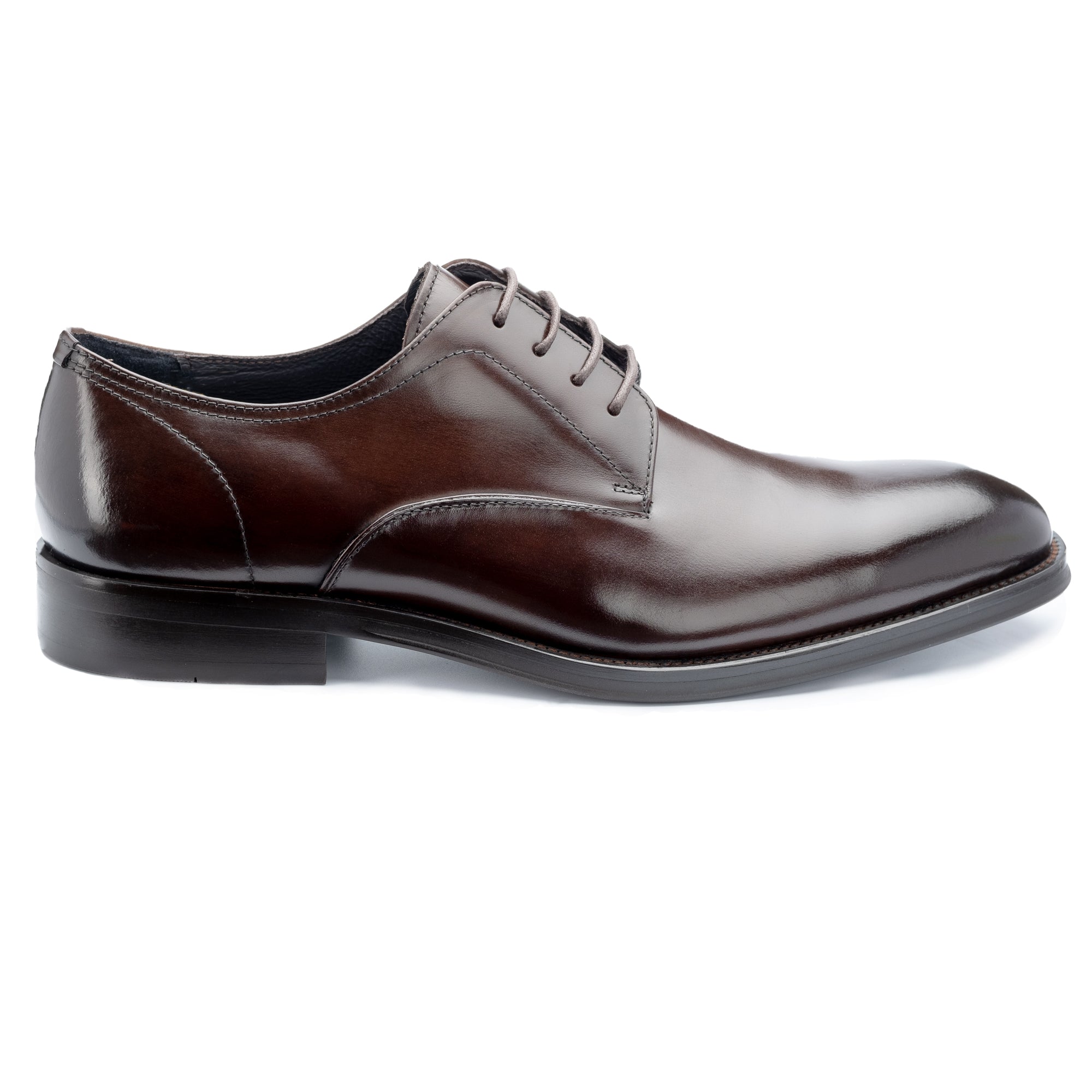
- Waist profile: The sculpted concavity of the shank area — what the trade calls the waist — gives a shoe its visual elegance in profile. A narrow, deep waist reads as formal; a broader waist reads as casual.
- Ball width and instep height: These determine fit across the widest point of the foot and the critical instep area. A last that matches your foot in these dimensions requires no meaningful break-in period.
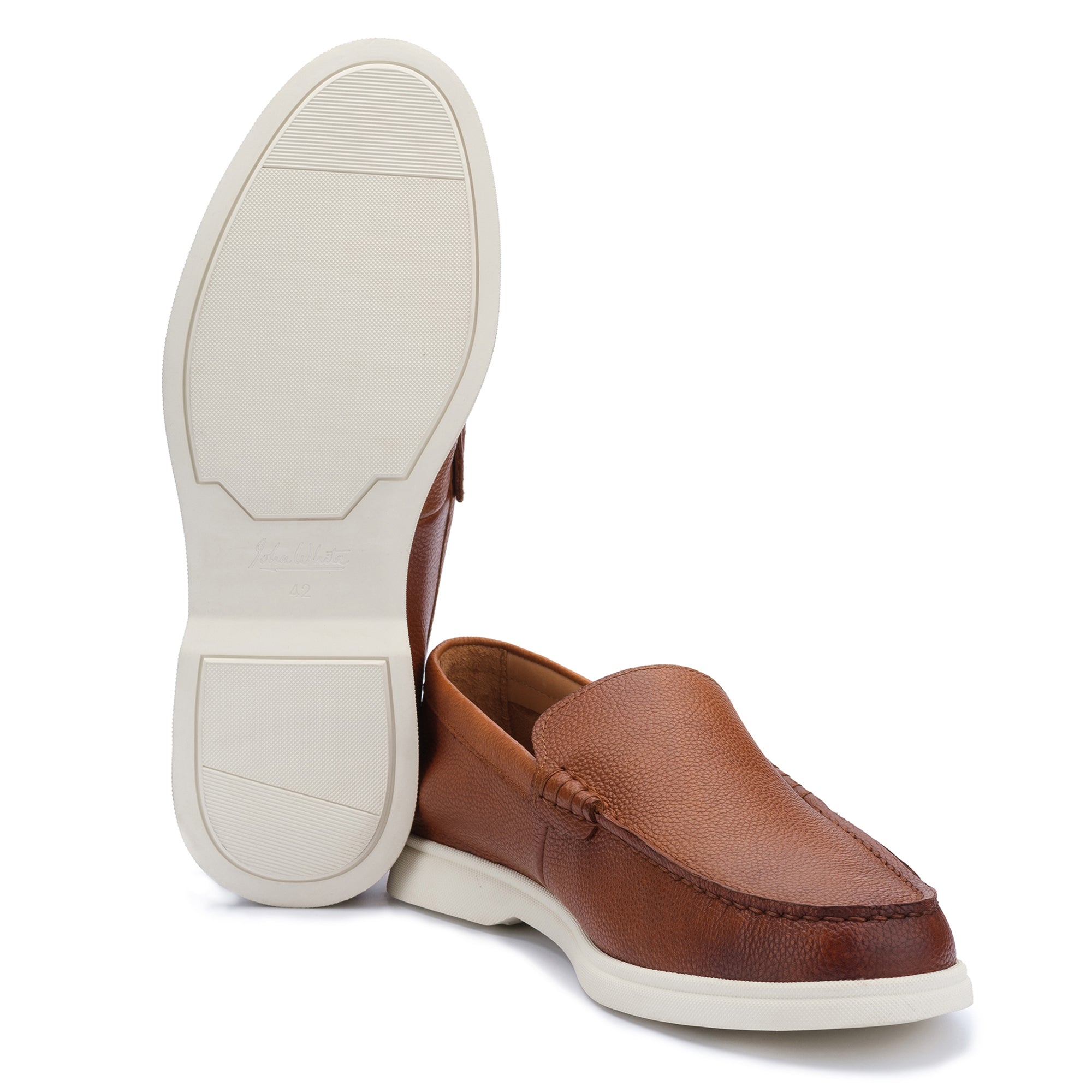
- Spring: The slight upward curve at the forefoot, called the spring, affects how the shoe sits at rest and how it moves during walking. Too little spring and the toe drags; too much and the silhouette appears ungainly.
As we explored in our definitive guide to round toe versus chisel toe silhouettes, the choice of last profile is one of the most consequential decisions in shoe design — and one that cannot be revised after the leather has been lasted.
| Last Profile | Toe Shape | Typical Application | Formality Level |
|---|---|---|---|
| Classic round | Softly rounded, generous toe box | Traditional dress Oxfords, Derbies | Formal to smart-casual |
| Almond | Tapered but not pointed, slight elongation | Contemporary dress and business shoes | Formal to smart-casual |
| Chisel | Flat, squared-off tip | Modern dress shoes and city suits | Formal, contemporary |
| Square | Broad, blunt, prominent | Heritage work boots, robust Derbies | Casual to smart-casual |
| Pointed | Sharp, exaggerated elongation | Continental dress shoes | Formal, fashion-led |
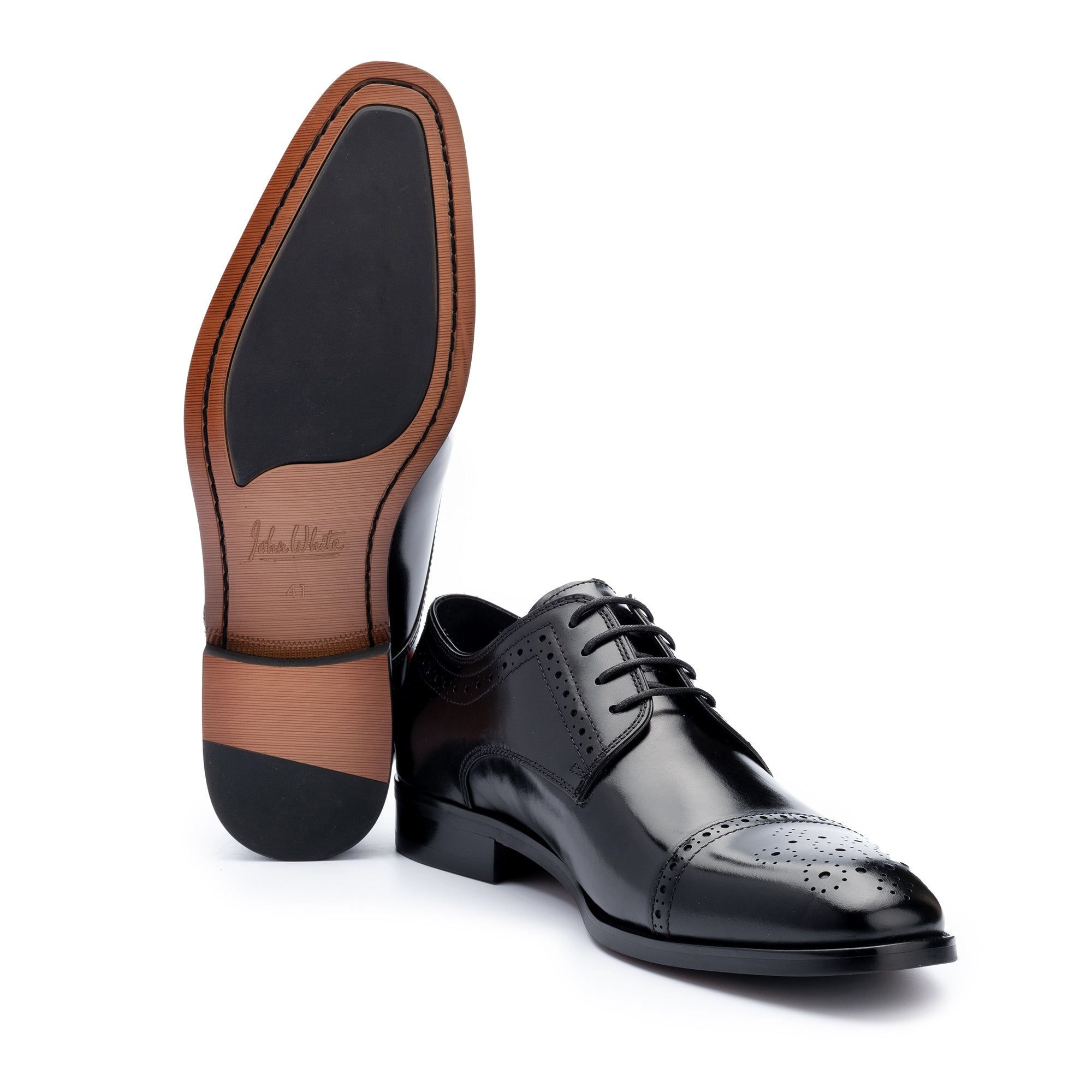
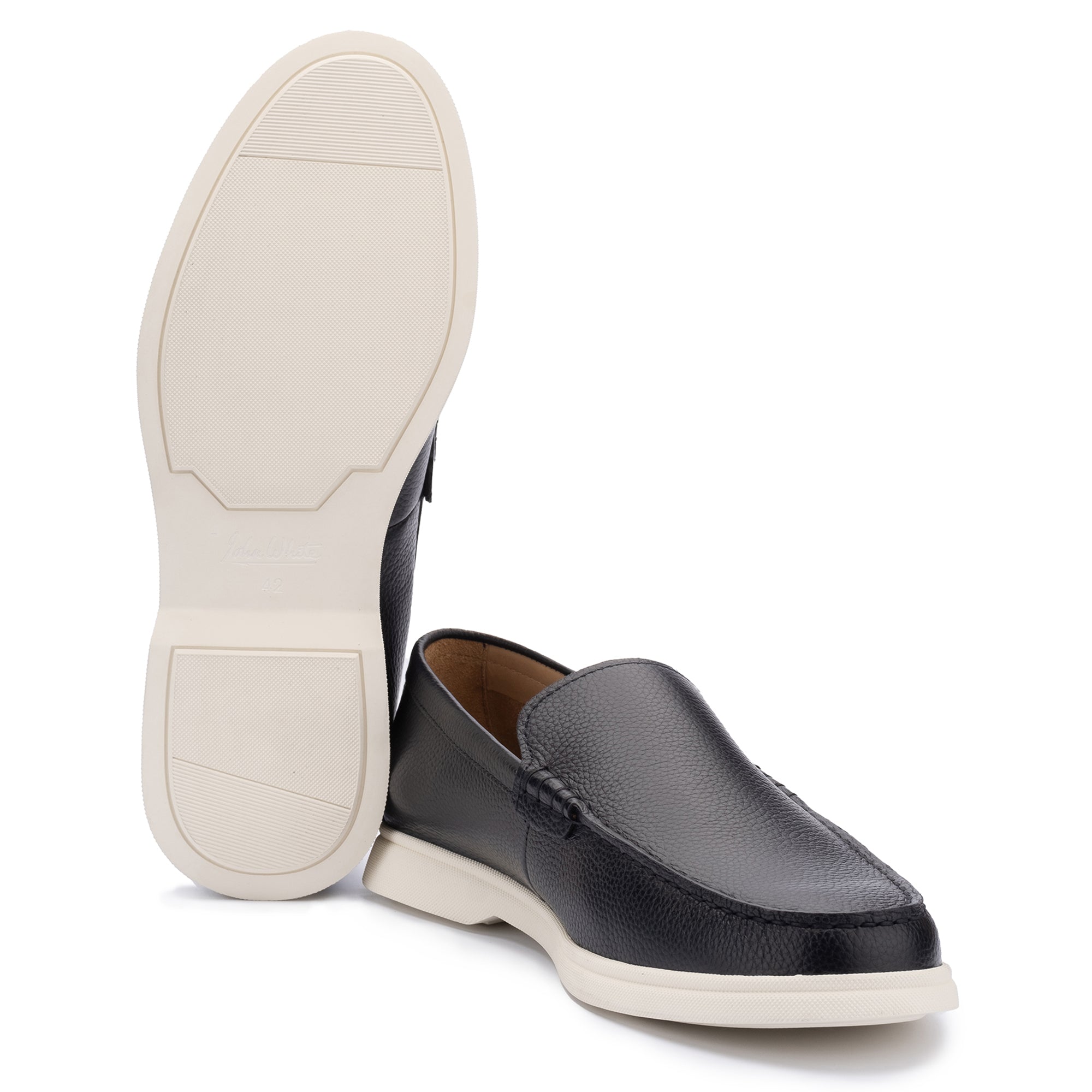
Every visual and functional property of a finished shoe is fixed before a single piece of leather is cut — by the shape of the last.
How Are Northampton Lasts Still Made and Maintained Today?
The Northampton last-making process is a combination of modern precision and irreducibly human judgement. CNC milling now produces the initial block form from digital specifications, establishing correct dimensions with consistent accuracy. But the finishing adjustments — hand-rasping the curves, filling high points, refining the instep sweep — remain a skilled manual operation that no automated process has replicated with consistent success.
The Cordwainers College in London, which has trained British shoemakers and last-makers for generations, identifies the final calibration of a last as a craft skill dependent on trained tactile judgement — the ability to feel, as well as measure, whether a form will translate into a shoe that fits a real foot over extended wear.
For established houses, proven lasts are never casually retired. A last that has produced well-fitting shoes across thousands of pairs represents decades of incremental refinement — adjustments measured in fractions of a millimetre, each one responding to fit feedback from real customers. Some proprietary lasts in continuous production represent fifty or more years of accumulated knowledge encoded in a single block of wood.
For a full account of how the last sits within the complete construction sequence, our guide to the traditional process of finishing a leather shoe traces every stage from lasting through final polish.
In a quality shoemaking house, a proven last is among the most valuable assets in the workshop — representing knowledge that cannot be recreated from a drawing or a specification sheet.
How Can You Identify a Shoe That Has Been Well Lasted?
A well-lasted shoe reveals its quality to a trained eye before it is ever worn. There are five observable indicators worth checking before purchase:
- Even tension across the vamp: The leather should sit smooth and taut over the toe, with no puckering, bunching, or creasing near the lasting margin.
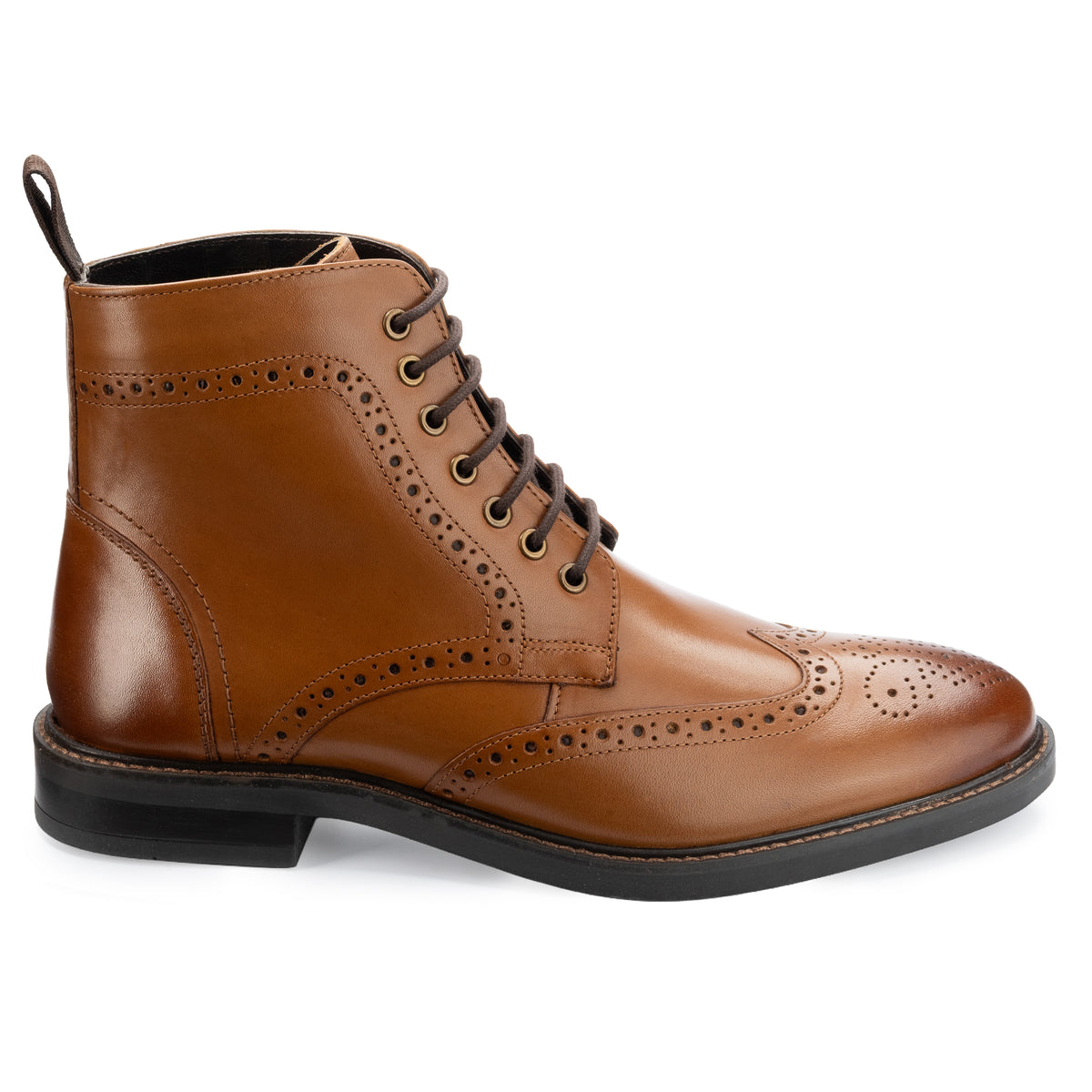
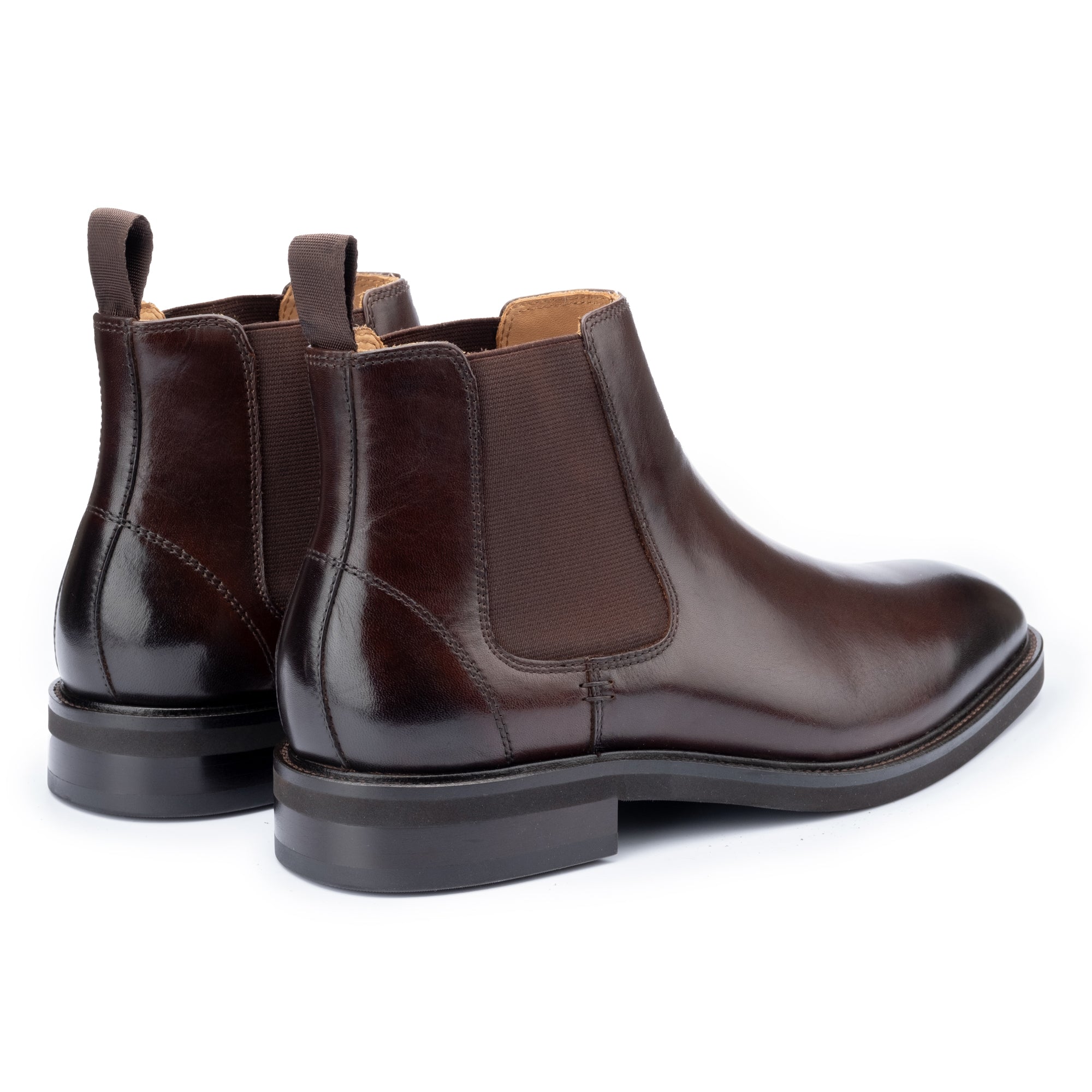
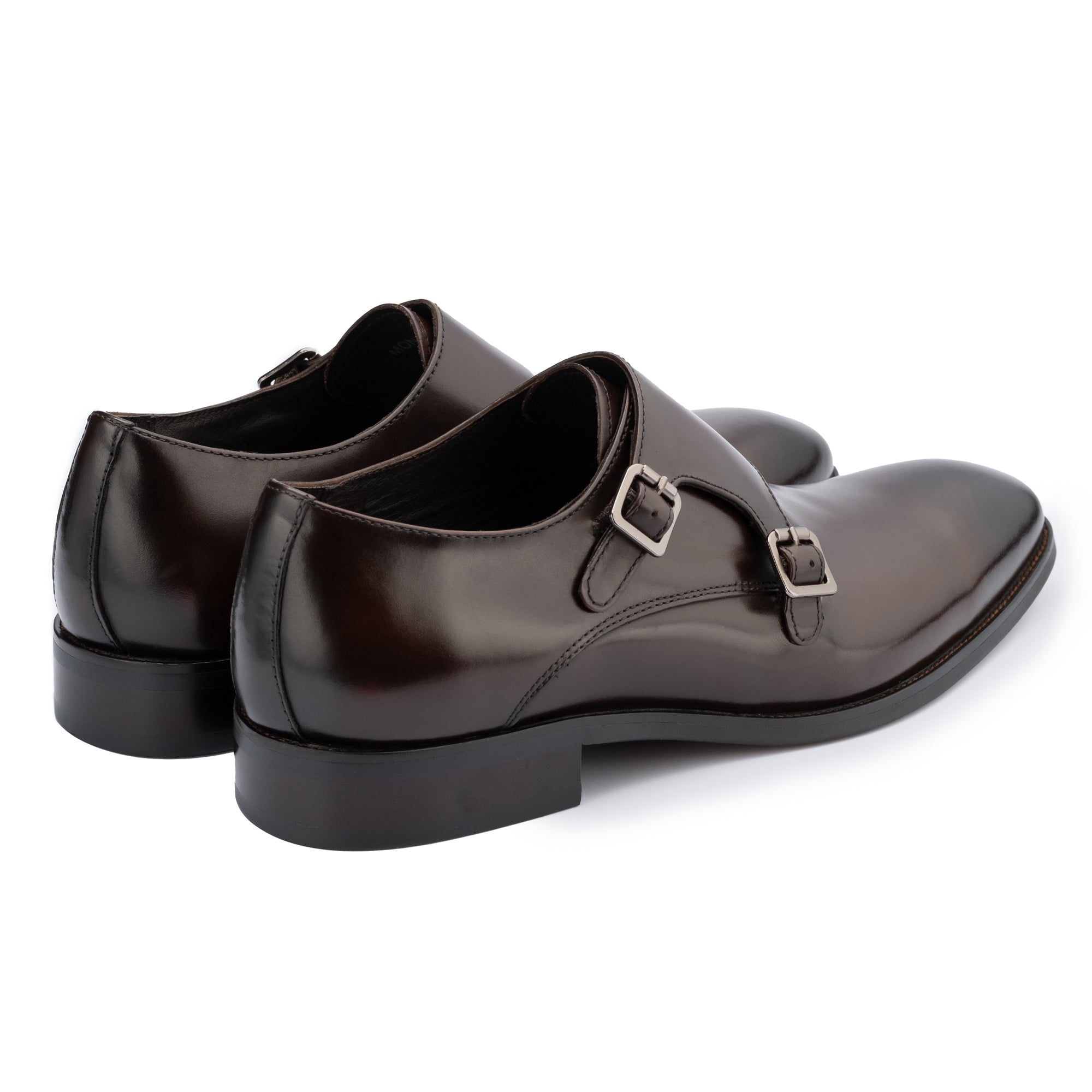
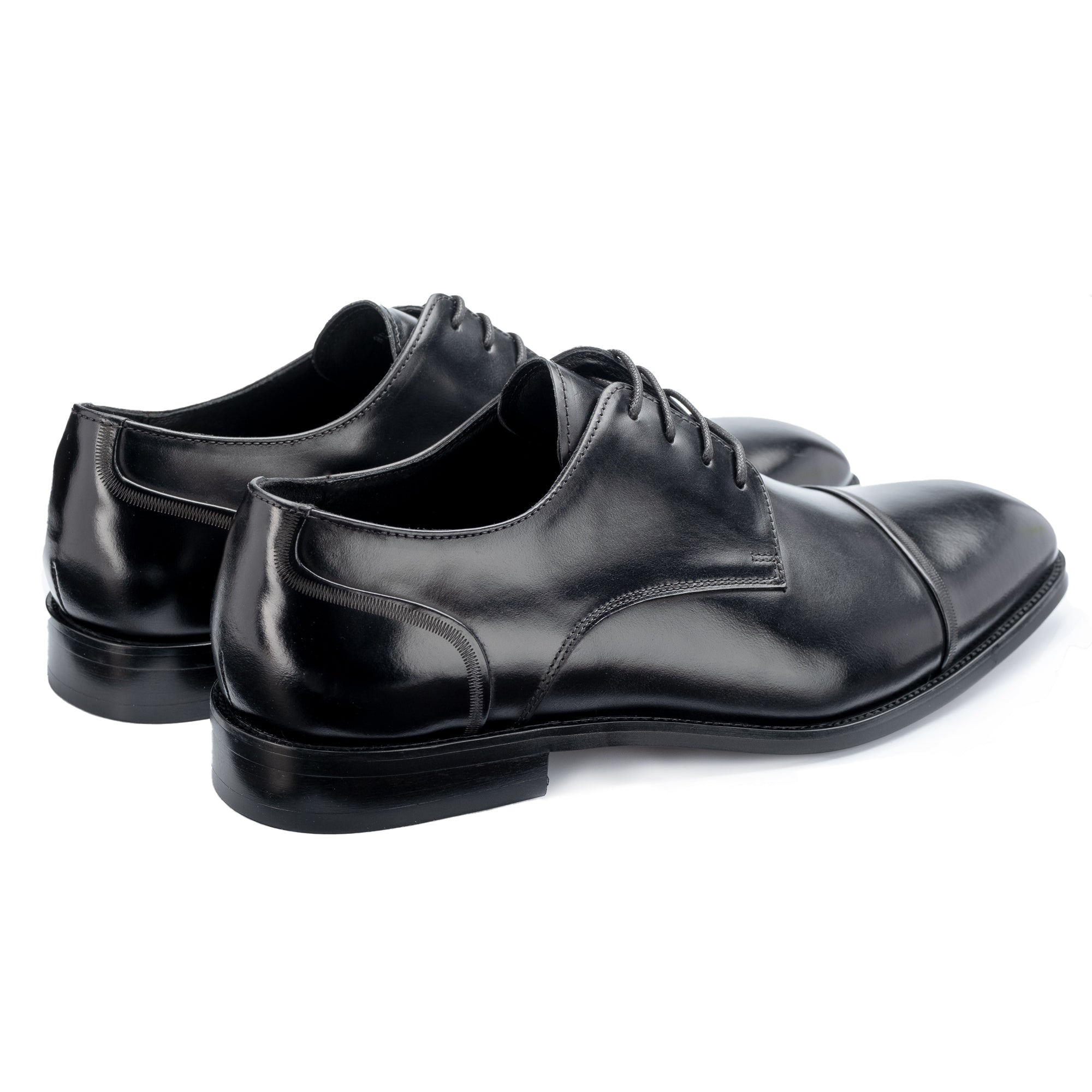
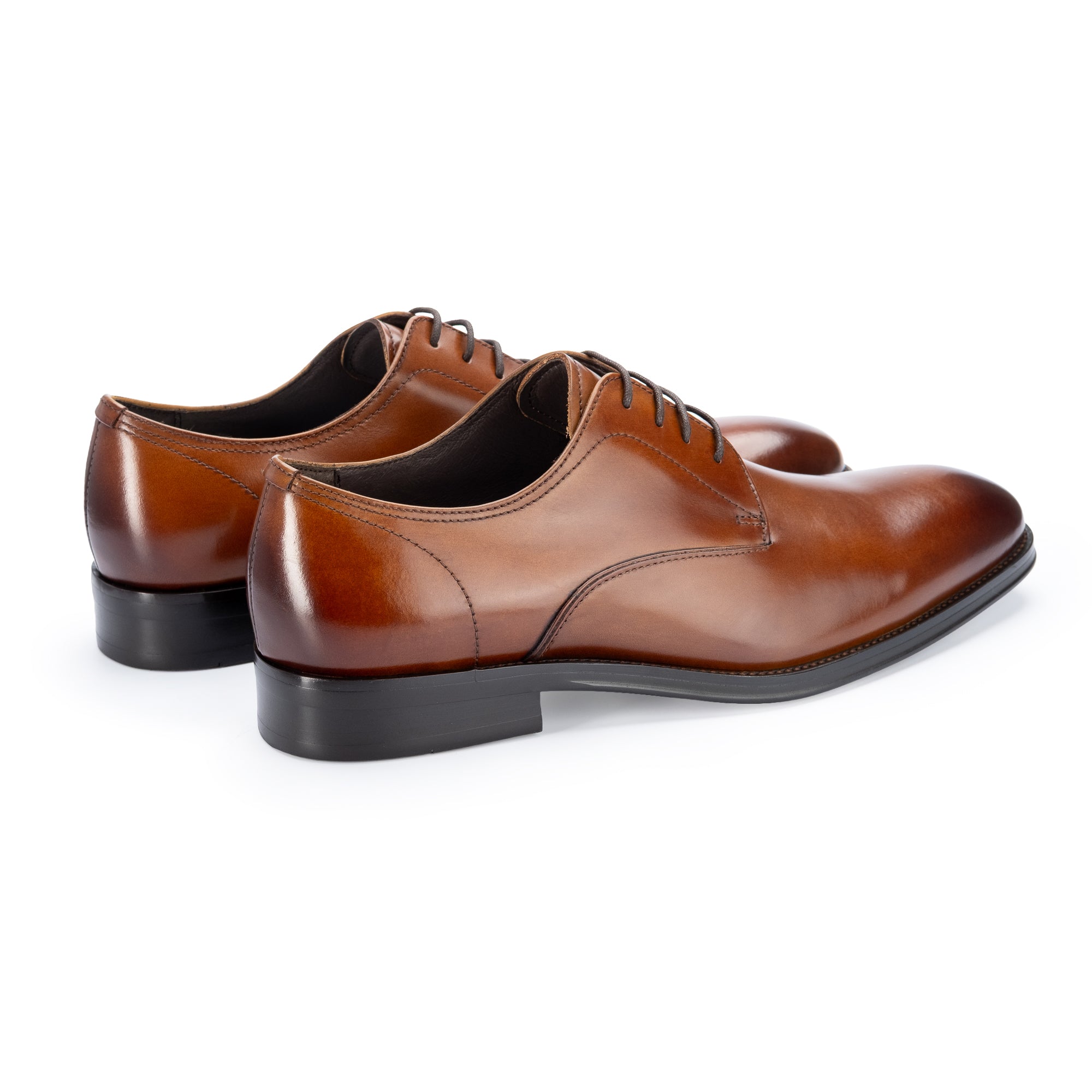
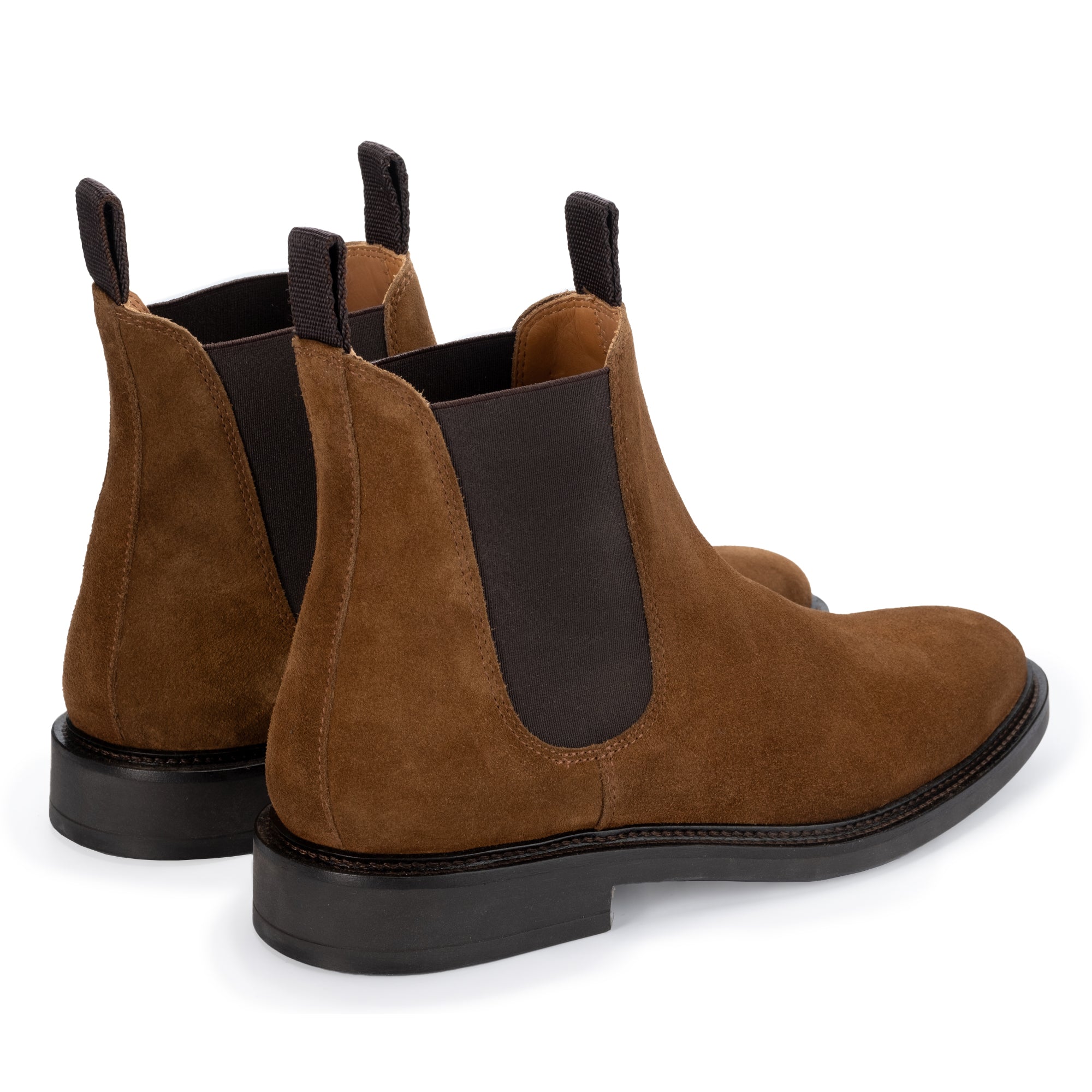
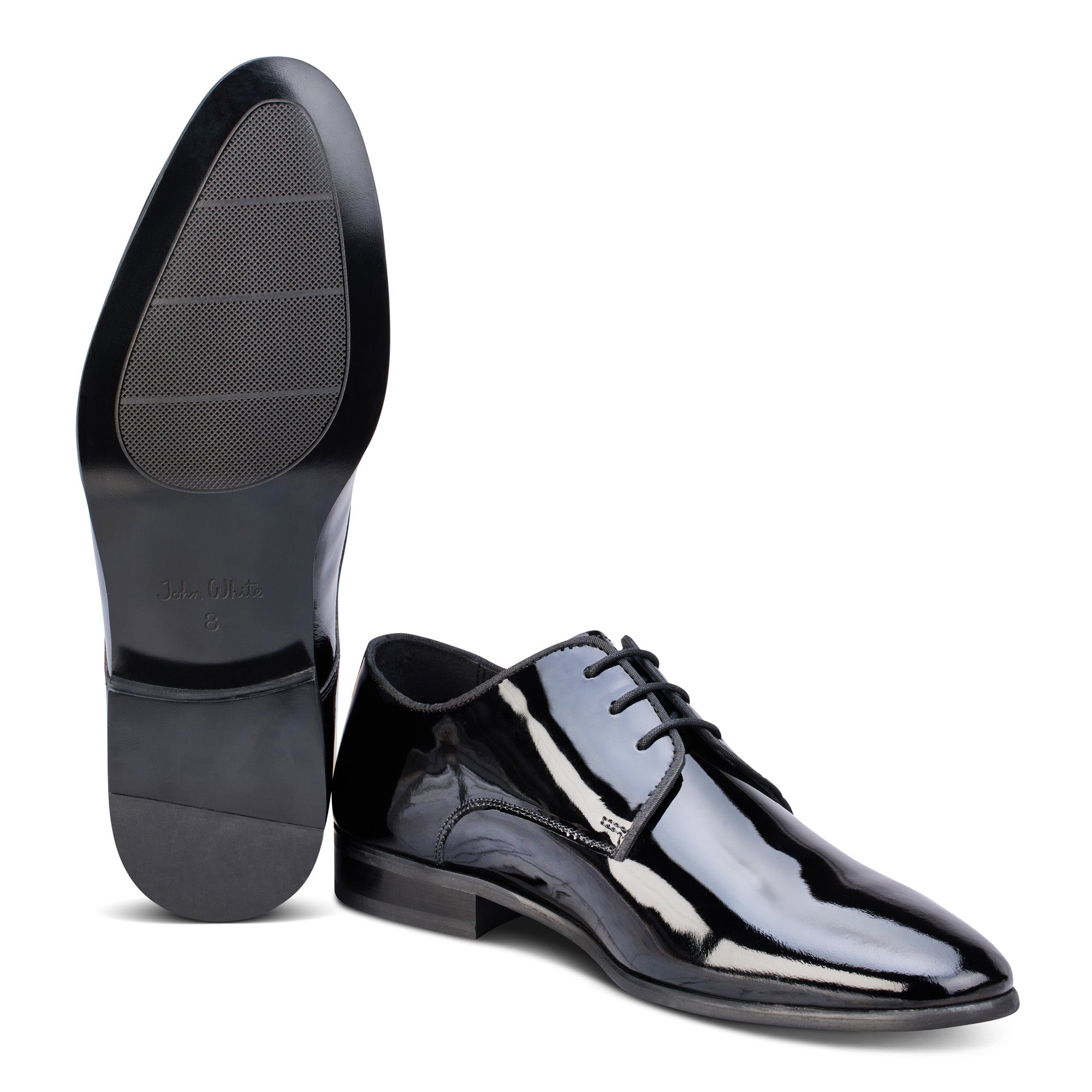
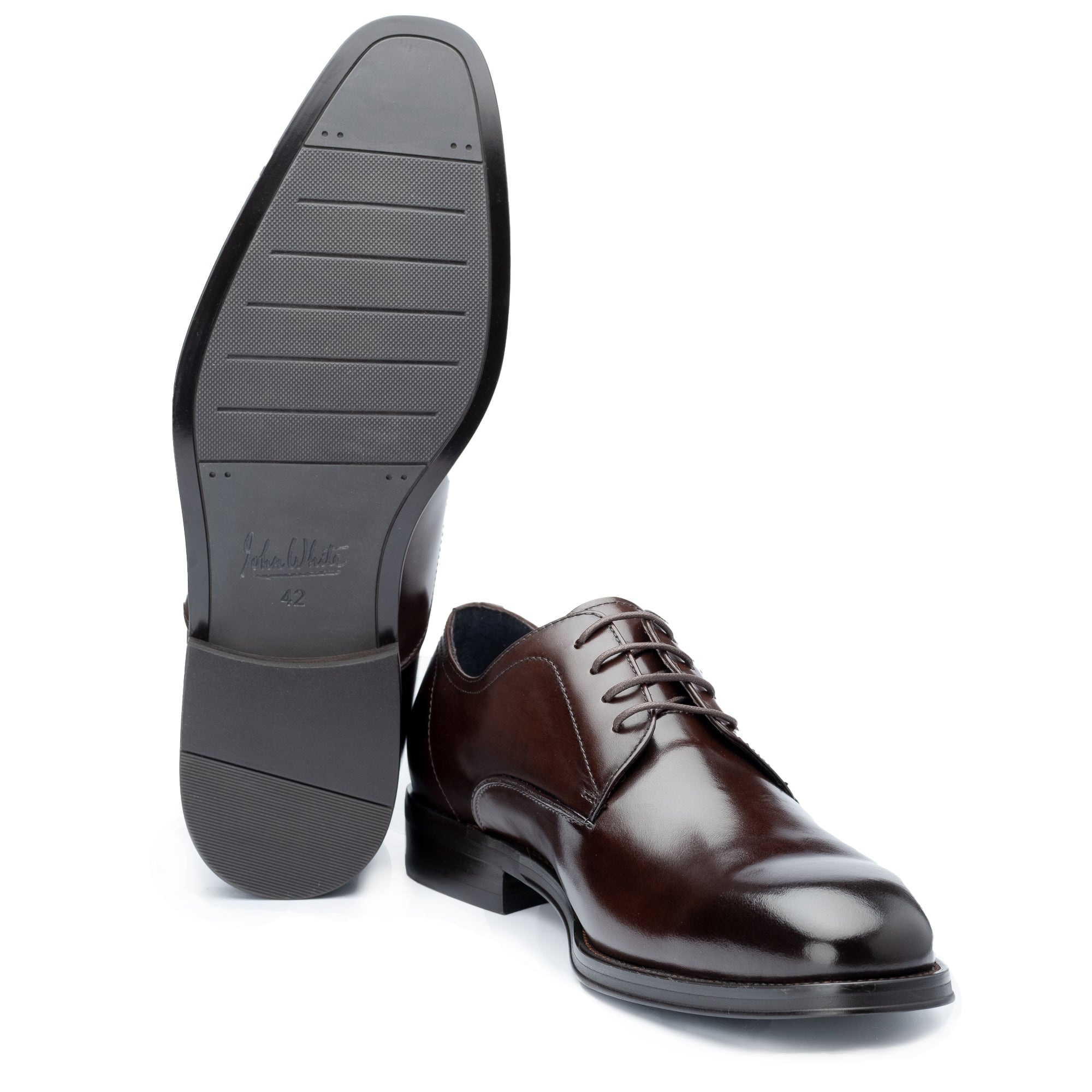
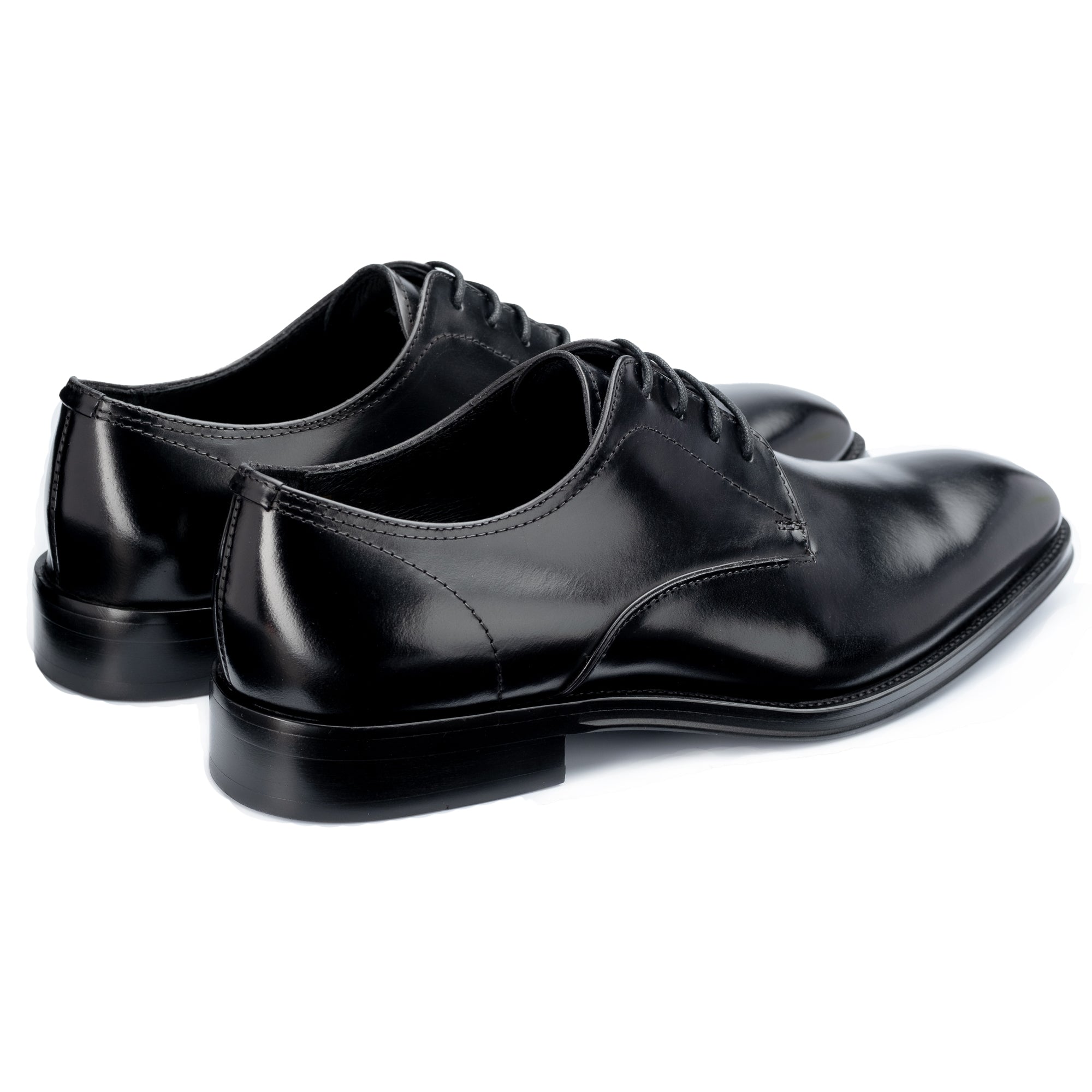
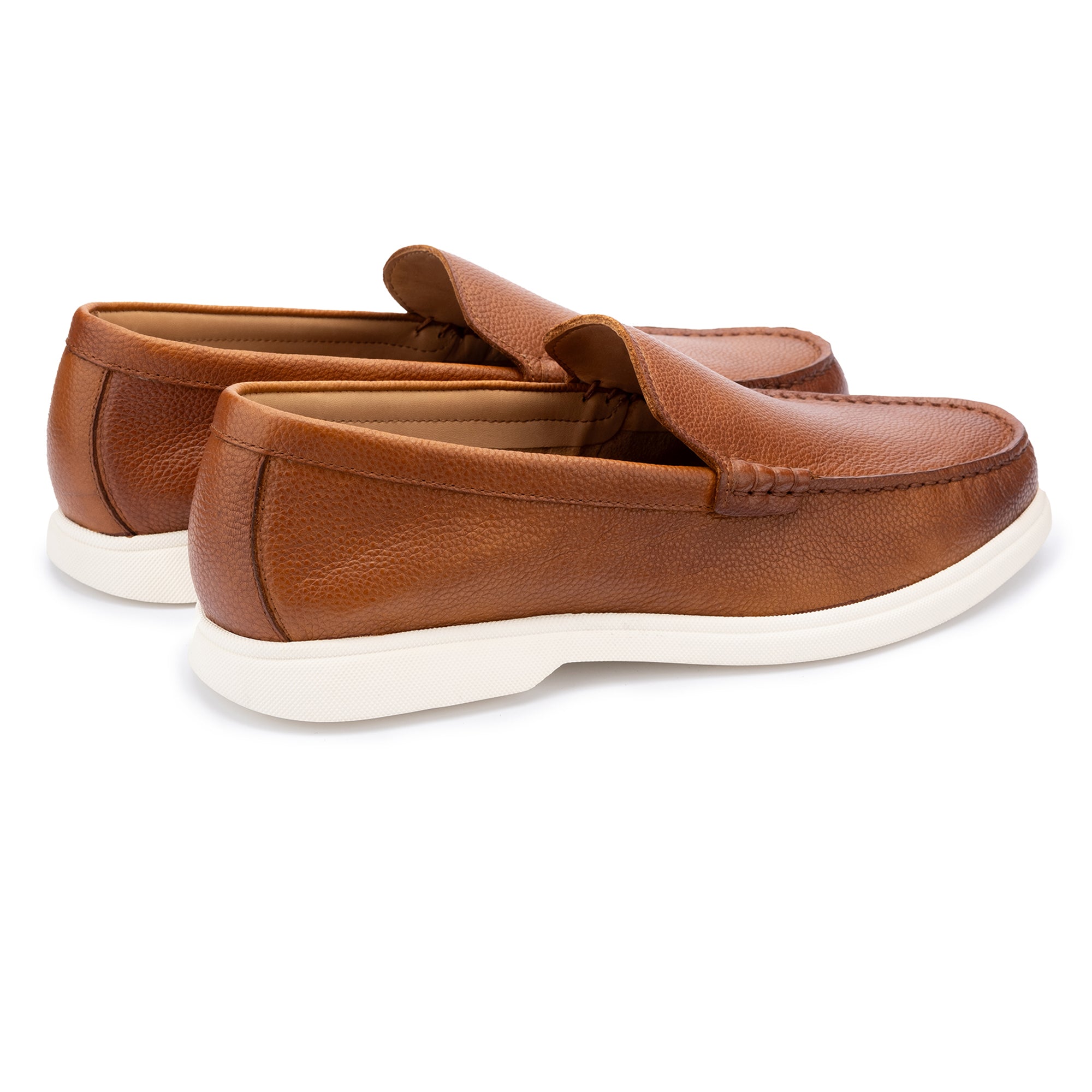
- Clean waist line: Viewed from the side, the shank area should show a consistent, symmetrical curve. Asymmetry here indicates either a poorly shaped last or rushed lasting under the insole.
- Consistent toe spring: Both shoes in the pair should show identical lift at the toe. Any discrepancy signals inconsistent tension during lasting — and inconsistent wear thereafter.
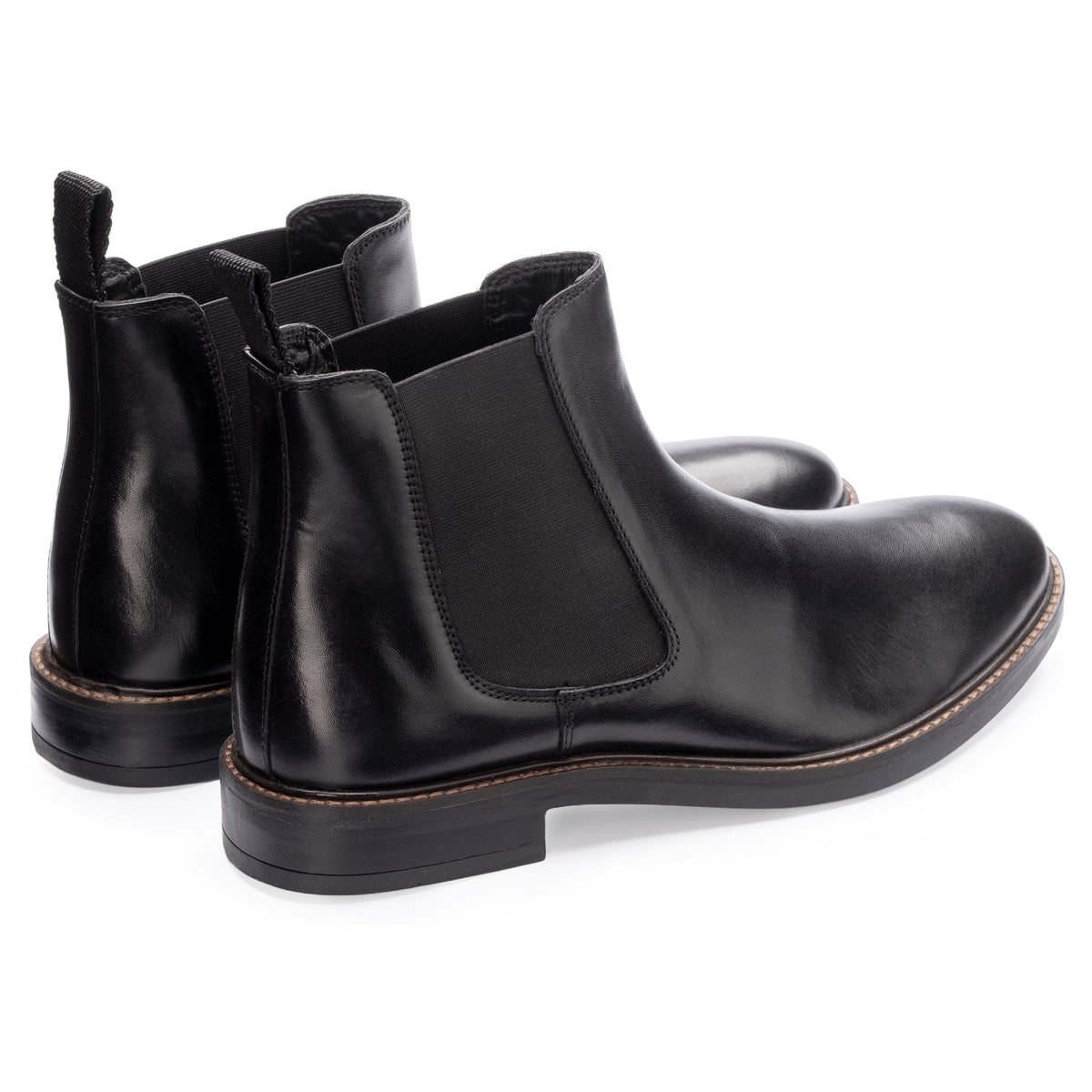
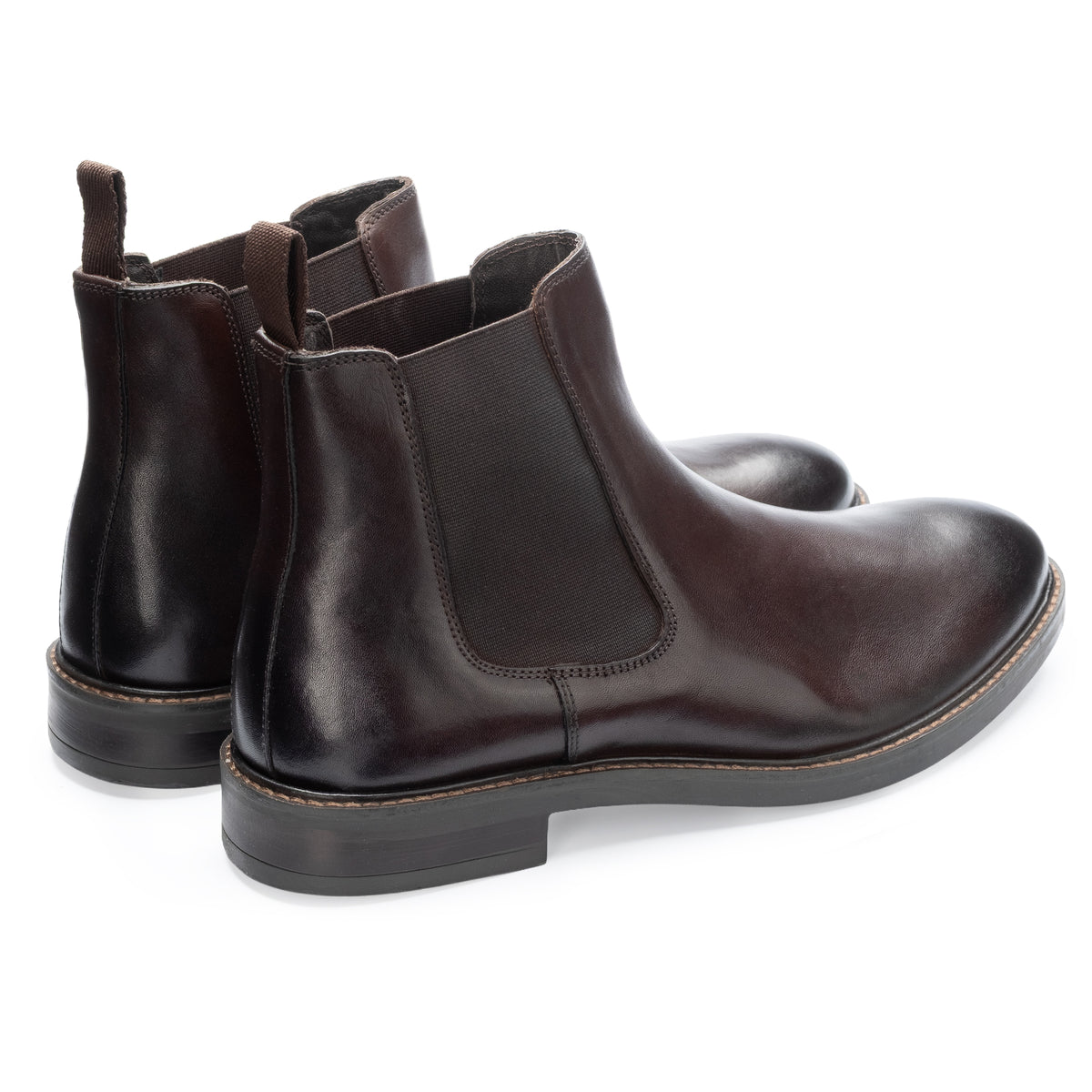
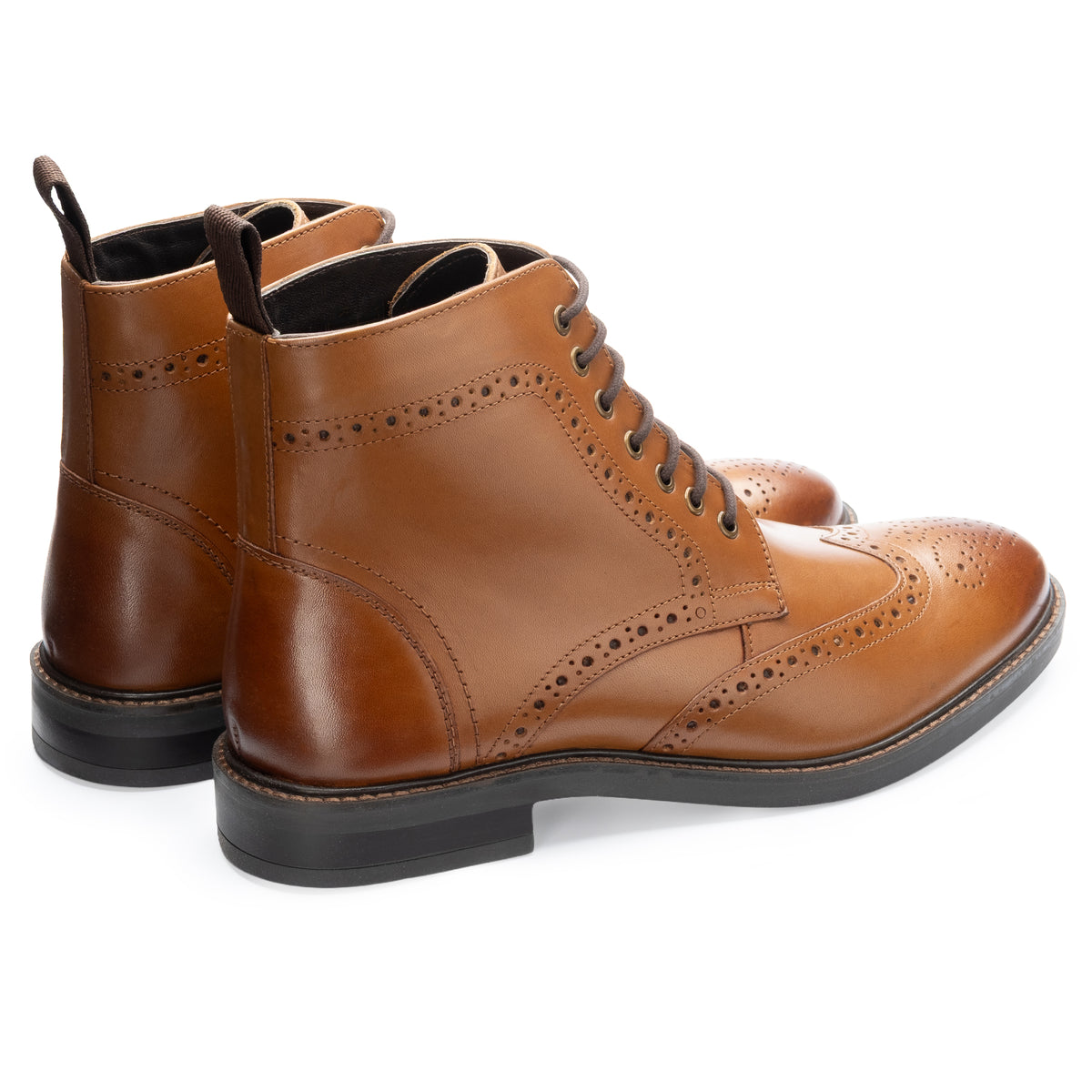
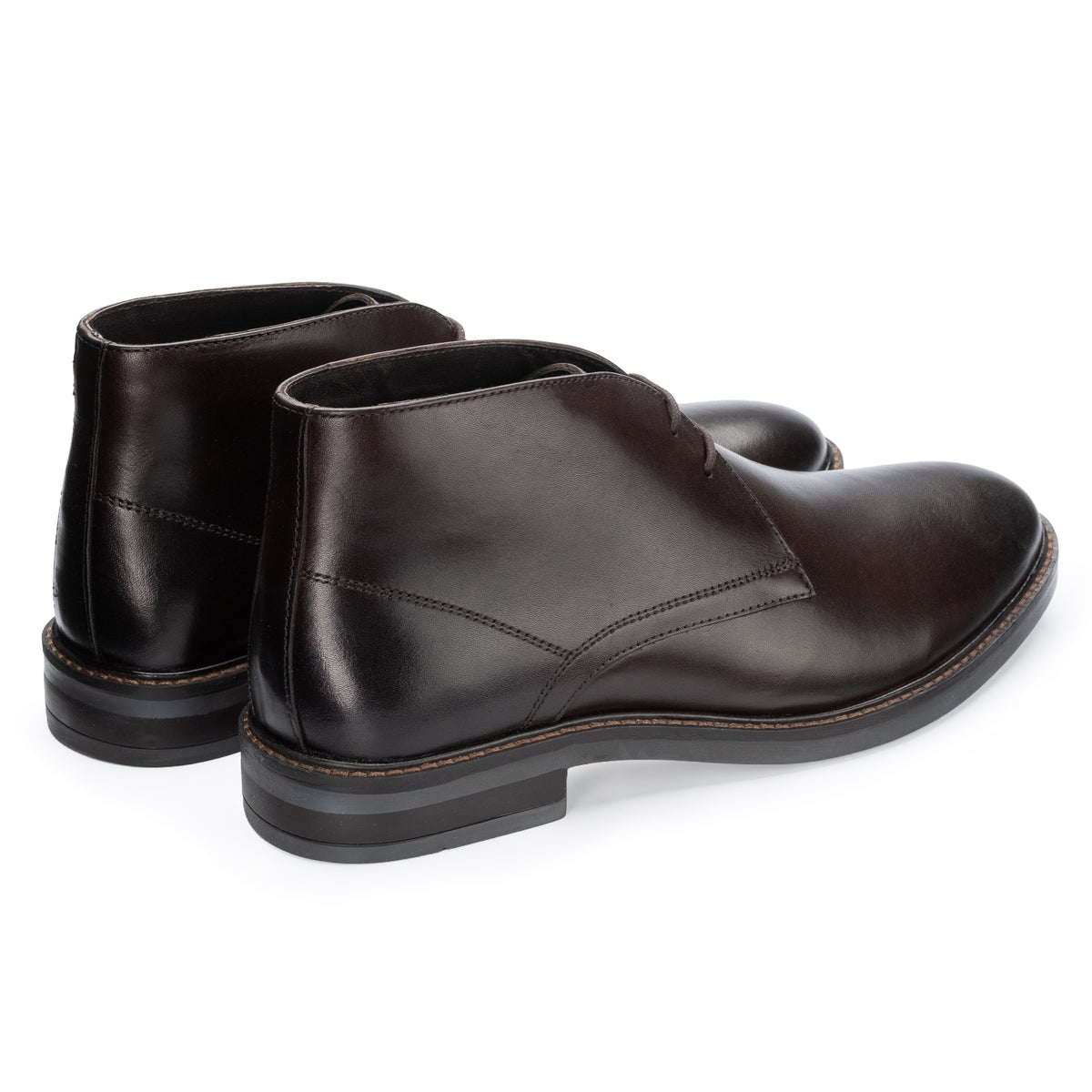
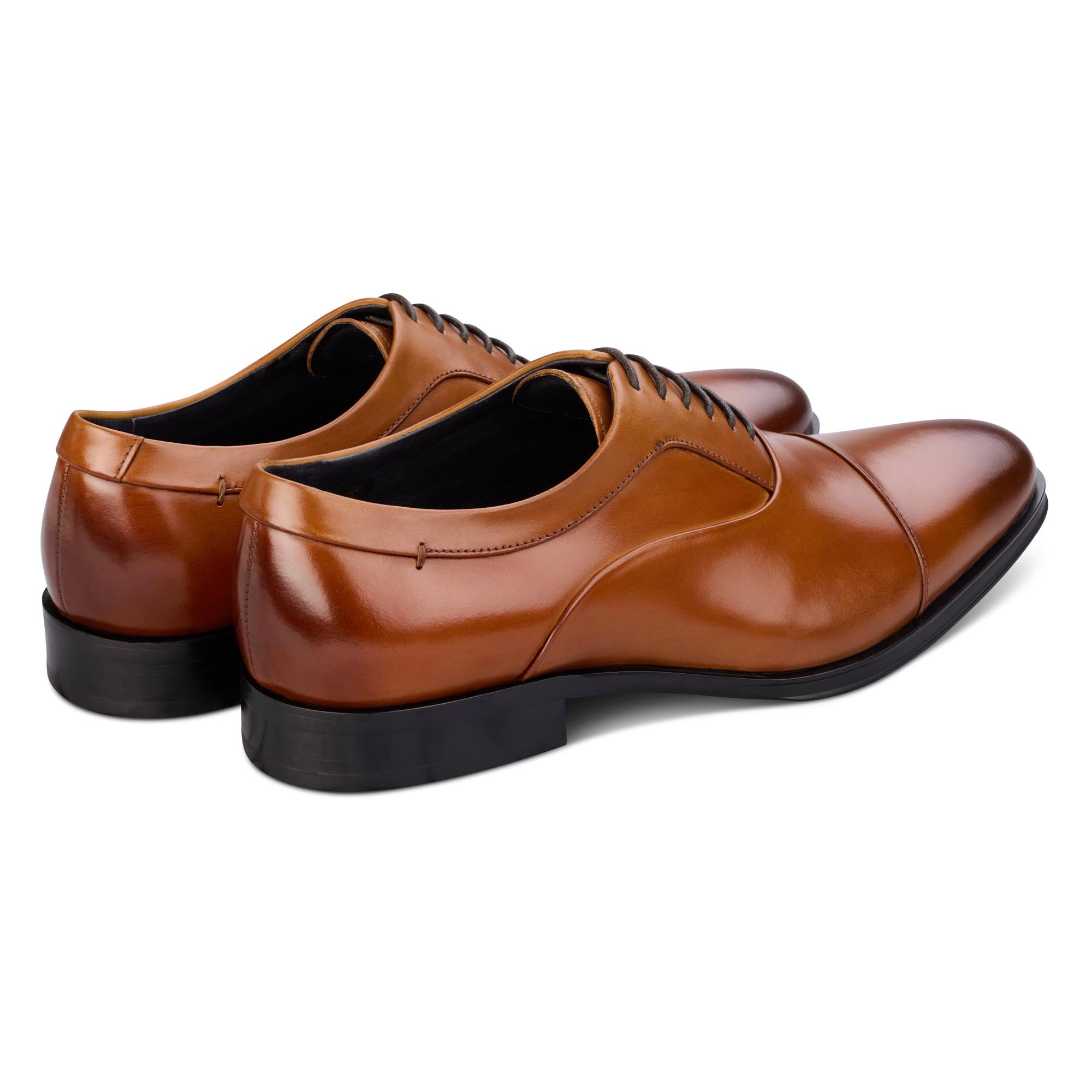
- Heel seat formation: The heel of the upper should wrap cleanly and fully around the last's heel seat, with no gapping or pulling at the back seam.
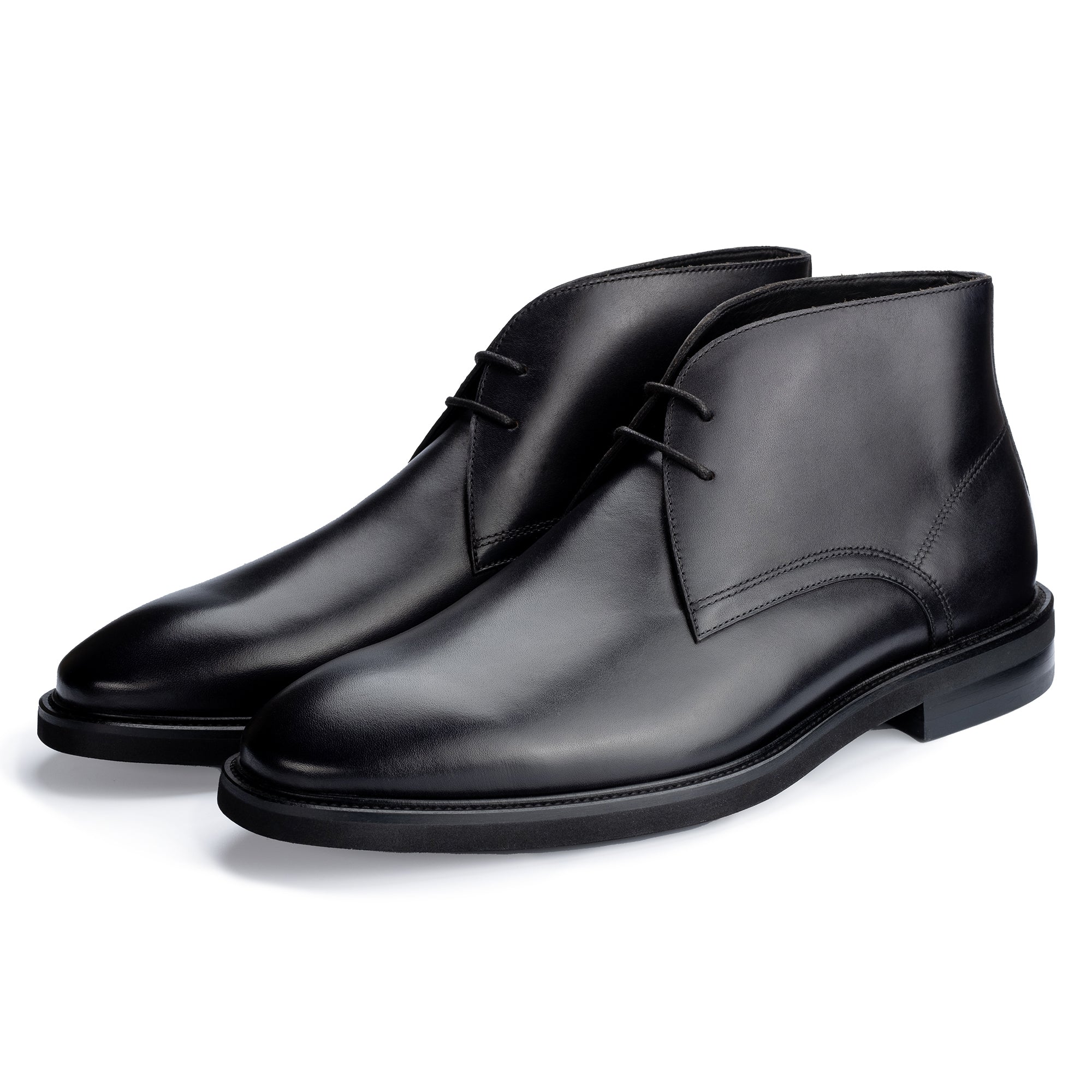
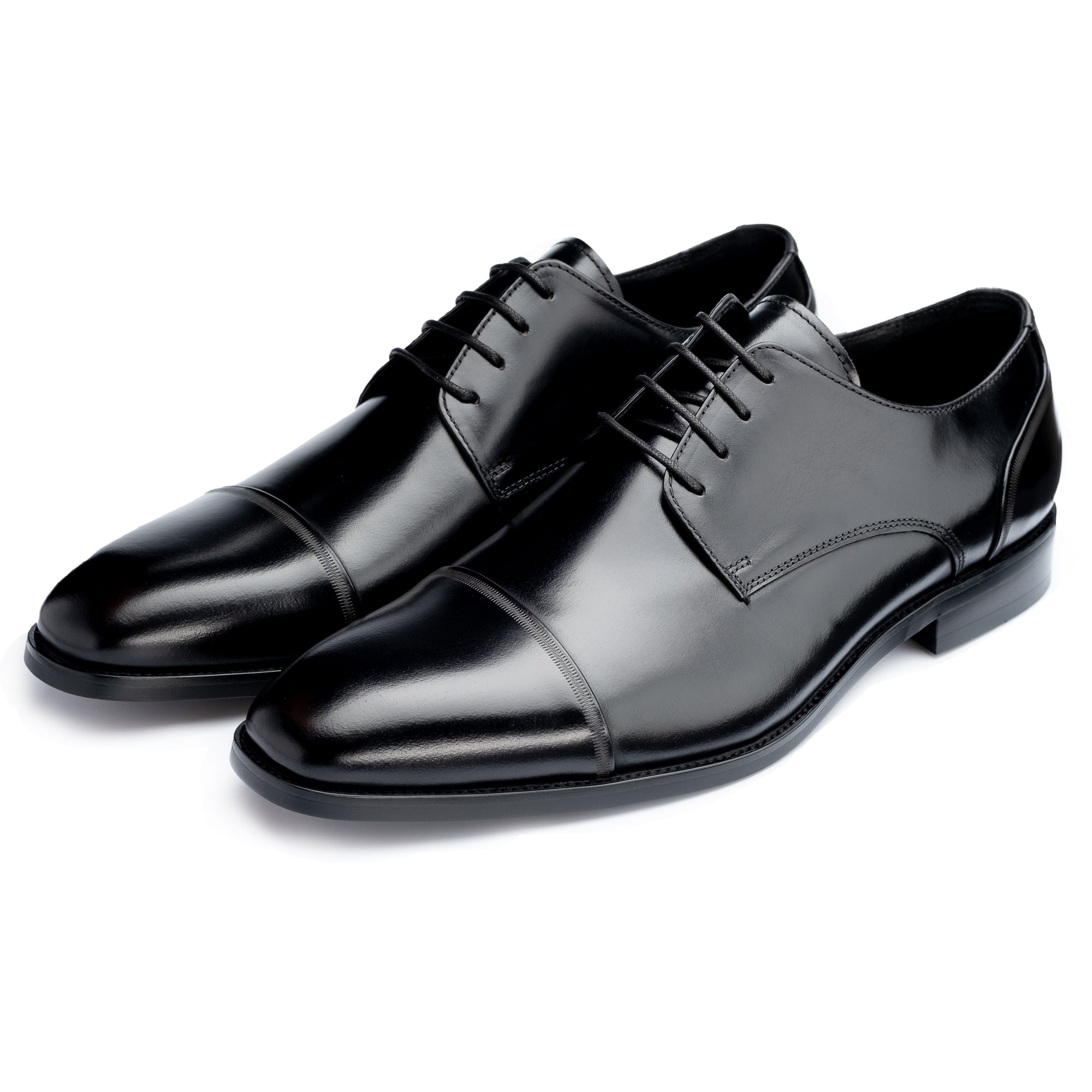
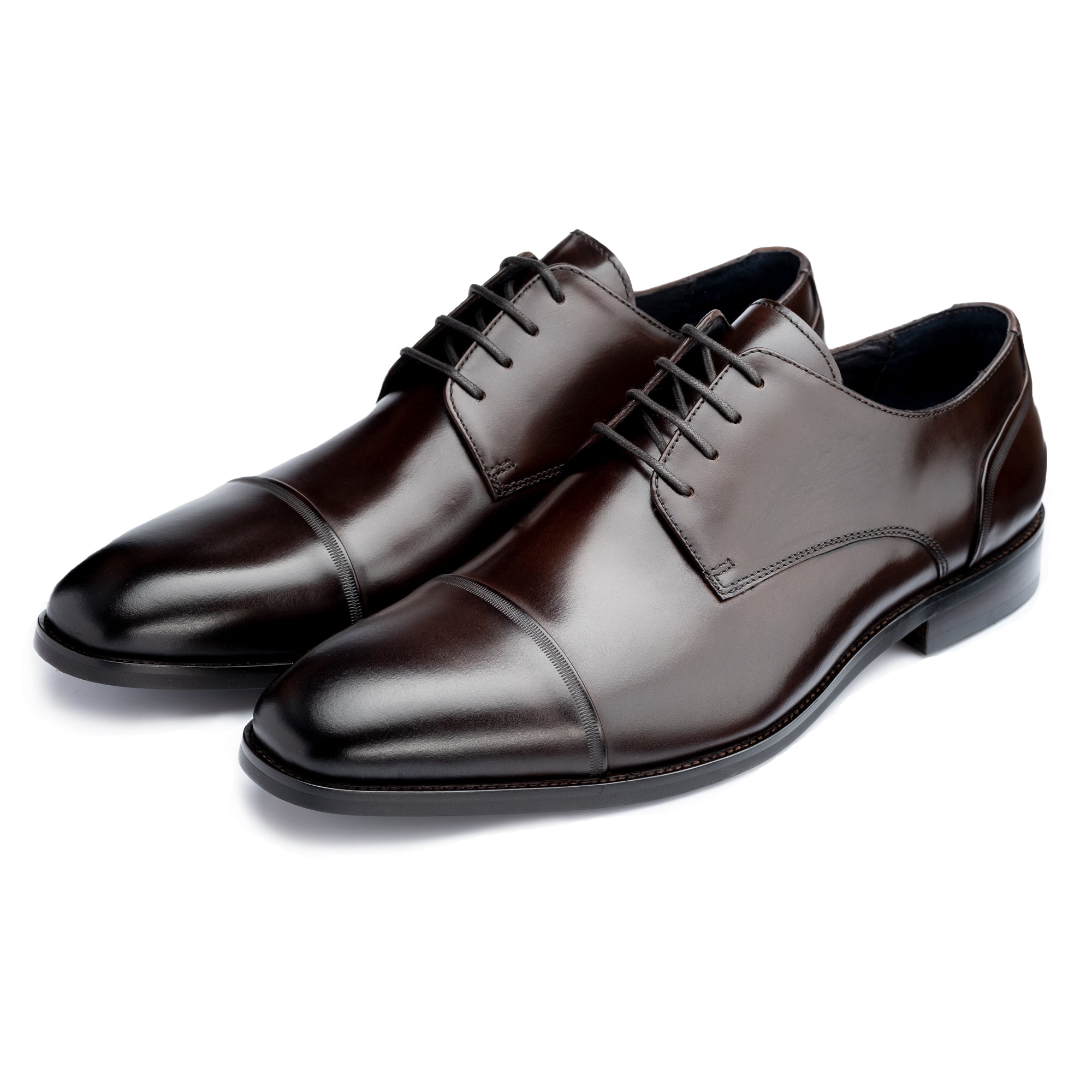
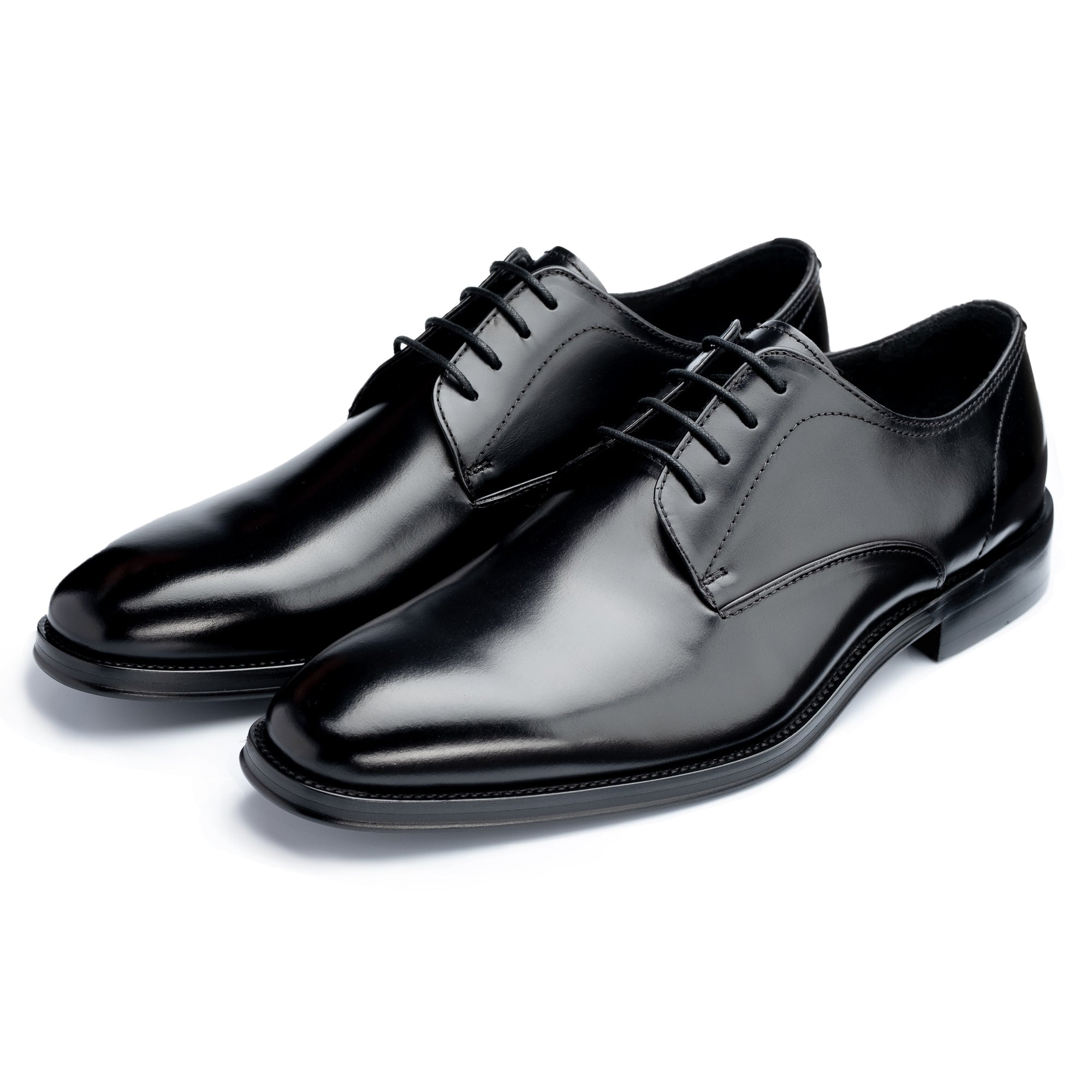
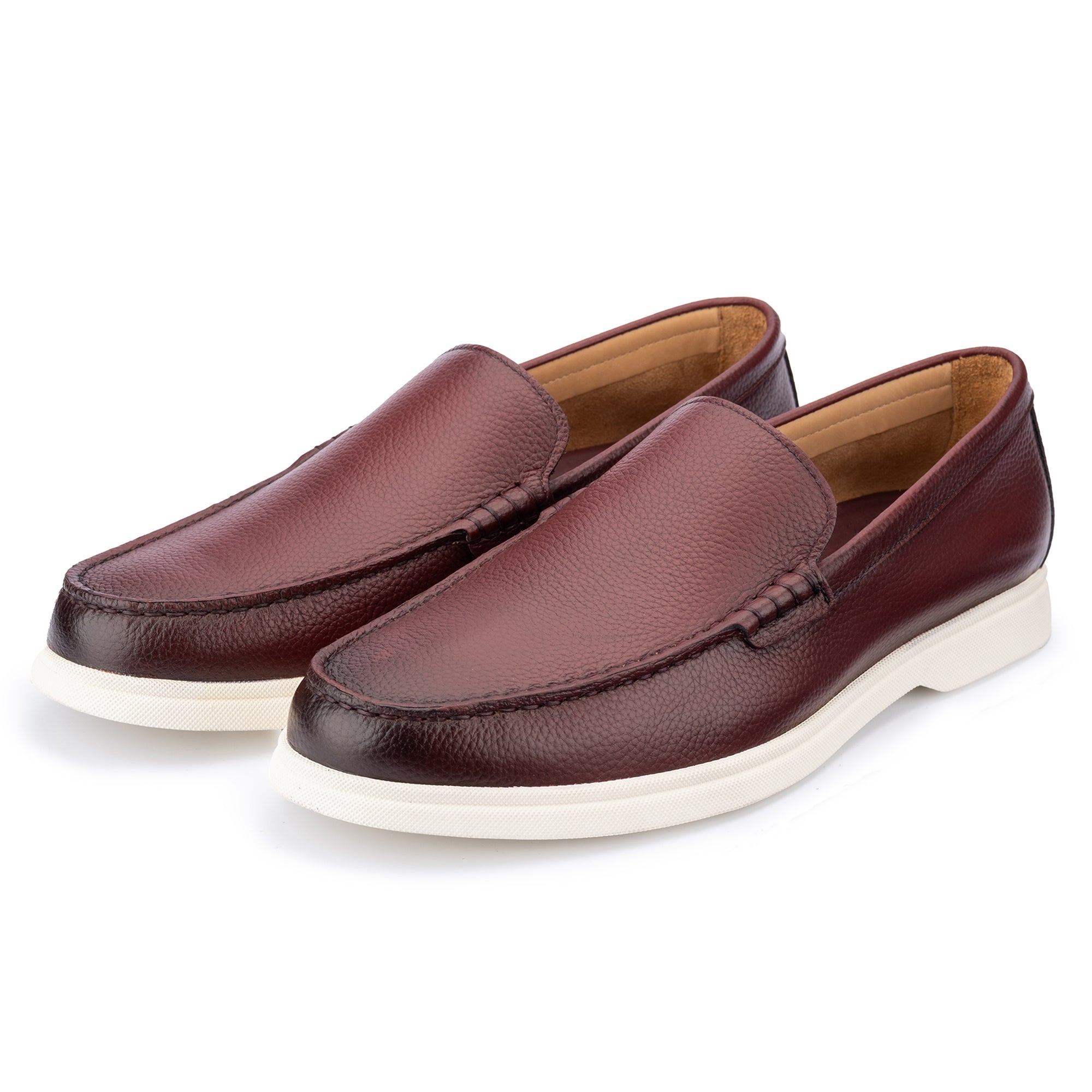
- Symmetry across the pair: Hold both shoes at arm's length and compare profiles. In a properly lasted pair, the silhouettes should be precise mirror images of one another.
As we covered in our guide to the anatomy of a quality shoe, the lasting stage is where the quality of every upstream component — the leather, the insole, the toe and heel stiffeners — is either realised or undermined. A shoe lasted without care will confirm its weaknesses within the first months of wear.
A well-lasted shoe holds its shape through years of wear; a poorly lasted shoe begins losing it before it leaves the box.
Why Does the Last Matter More Than Any Other Single Element?
There is a persistent misconception that premium footwear earns its status through materials alone. The leather matters. The construction method matters. But a fine piece of calfskin stretched over a mediocre last will produce a mediocre shoe — one that looks acceptable in the box and wears badly within weeks.
The Northampton last tradition matters precisely because it represents a tested standard of proportion refined across generations of feedback from real feet. A house that invests in properly developed, continuously refined lasts is one that takes fit seriously as the foundational act of shoemaking — not a secondary concern addressed by cushioned insoles.
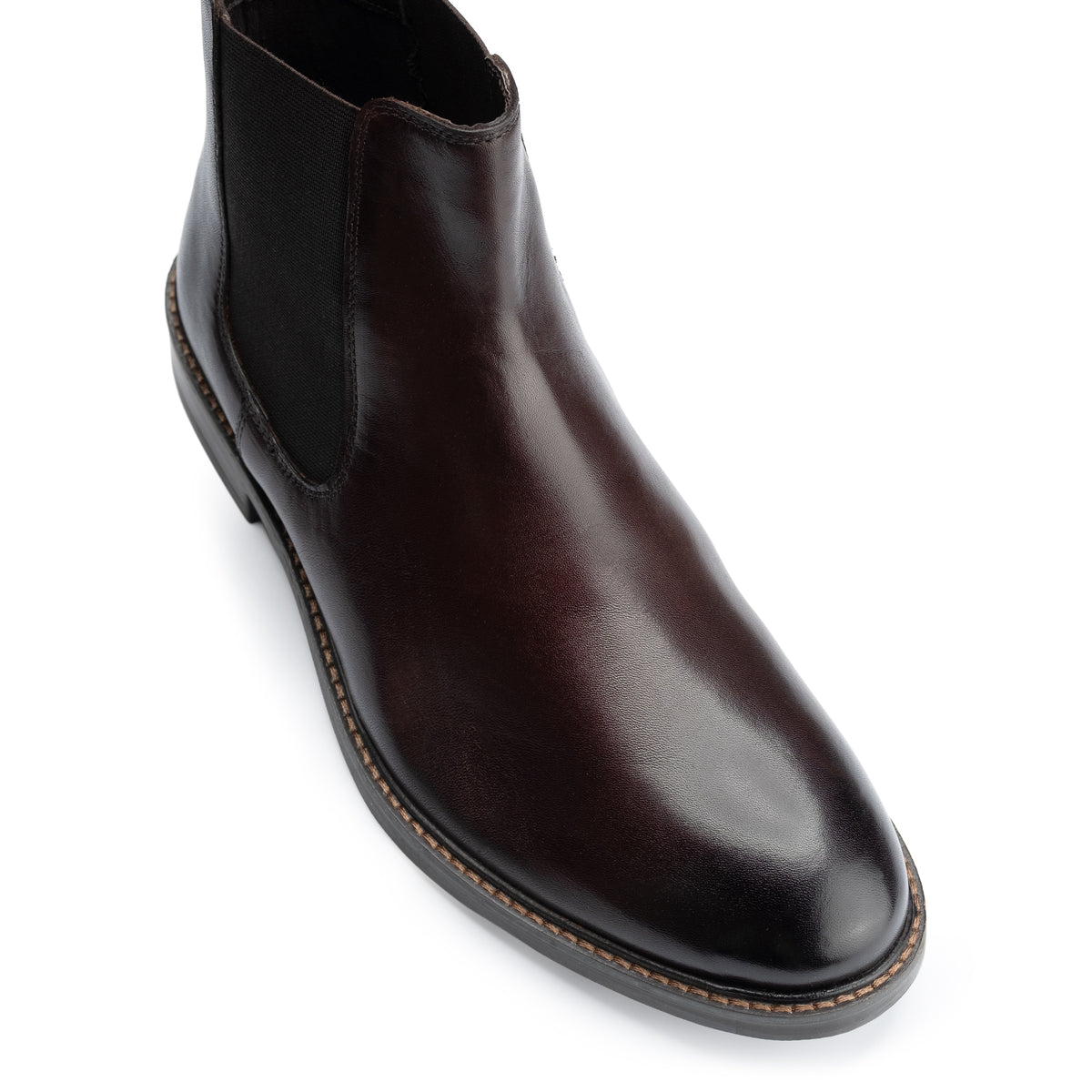
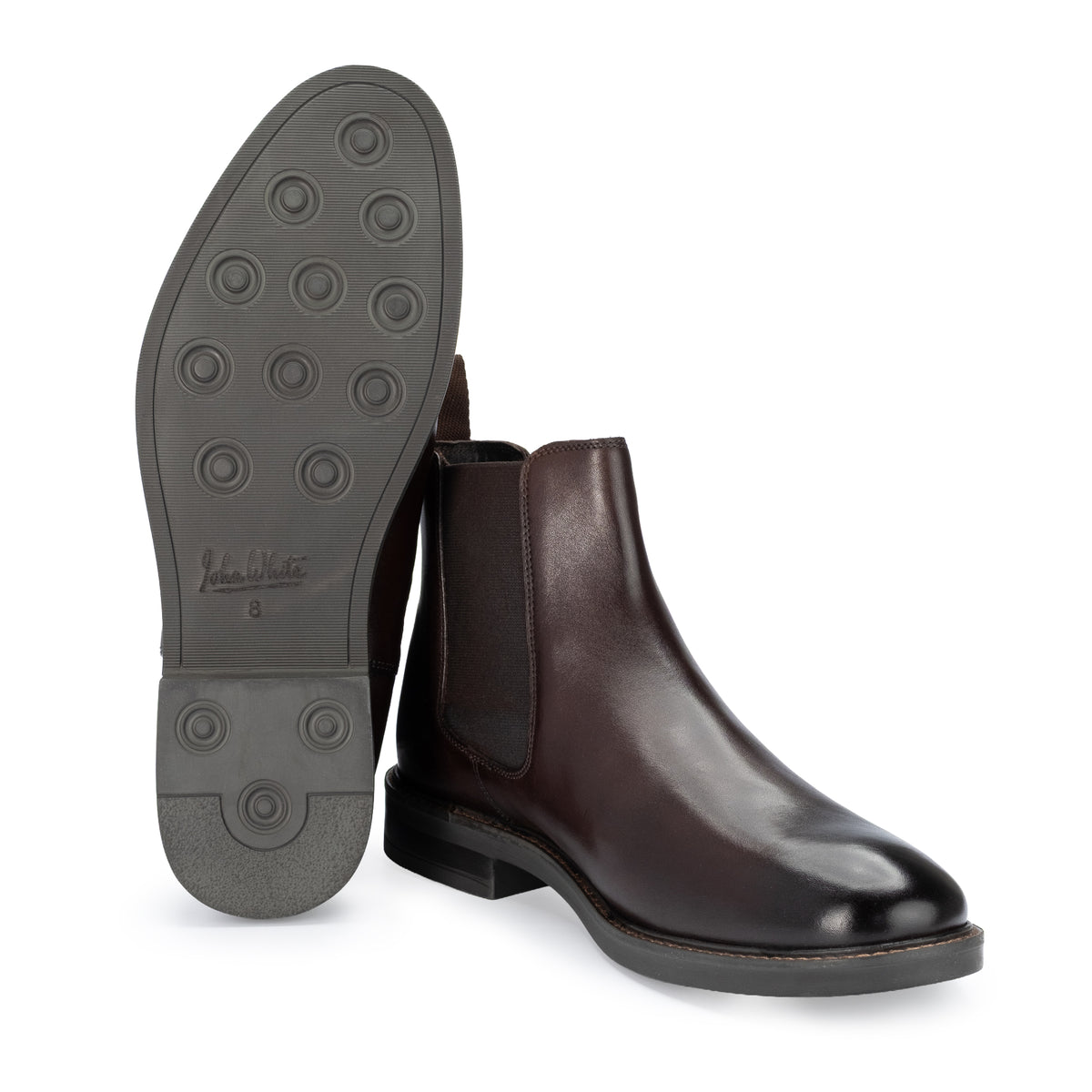
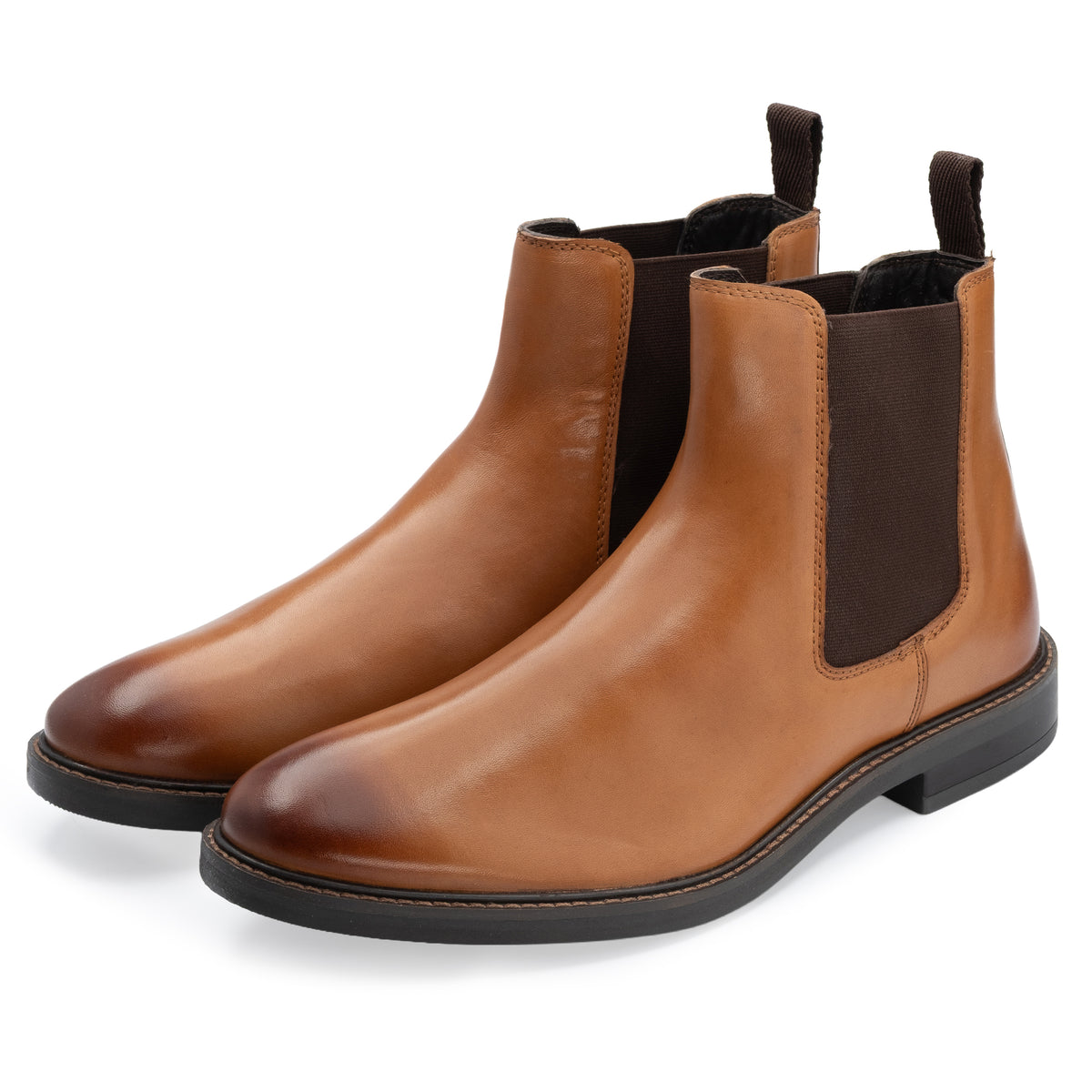
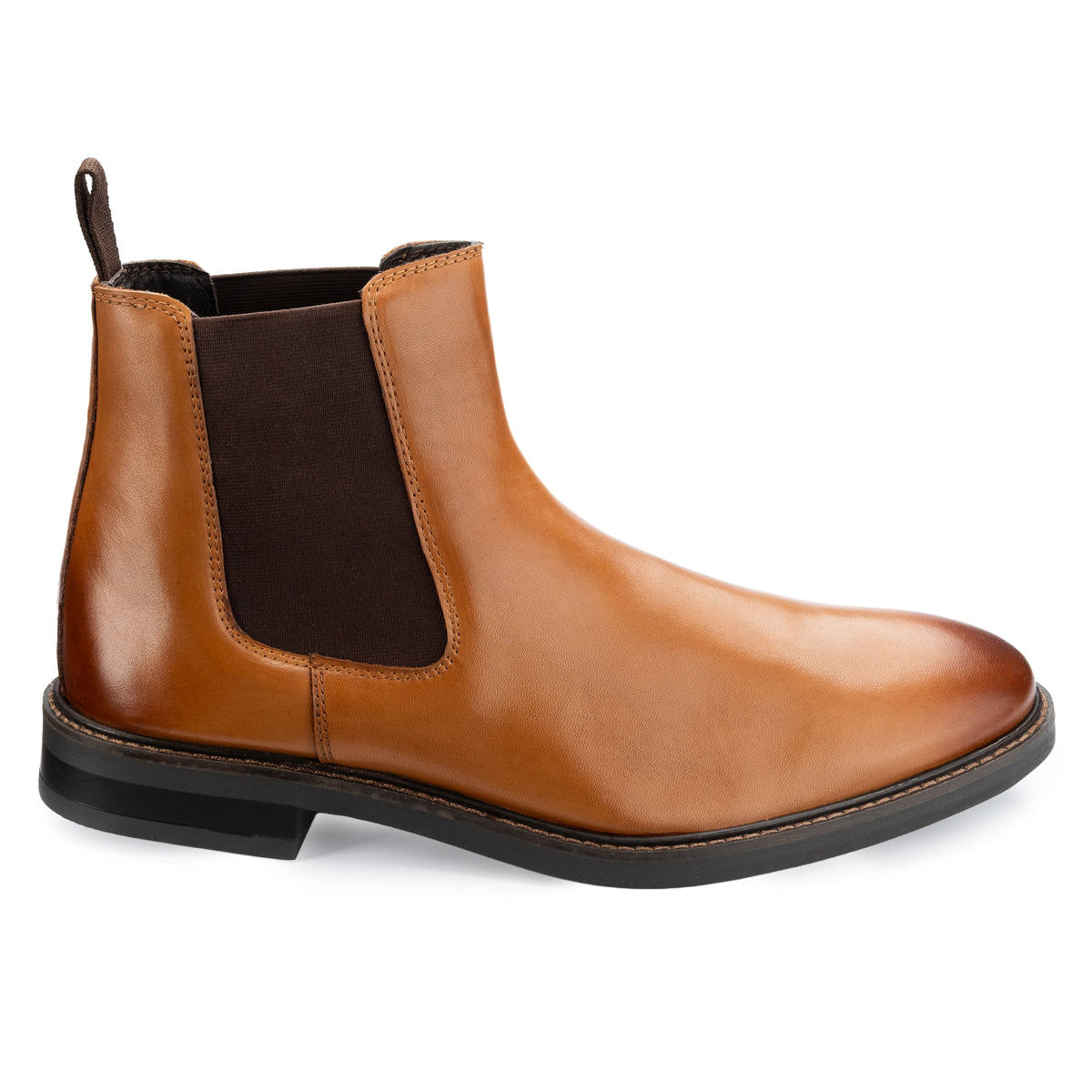
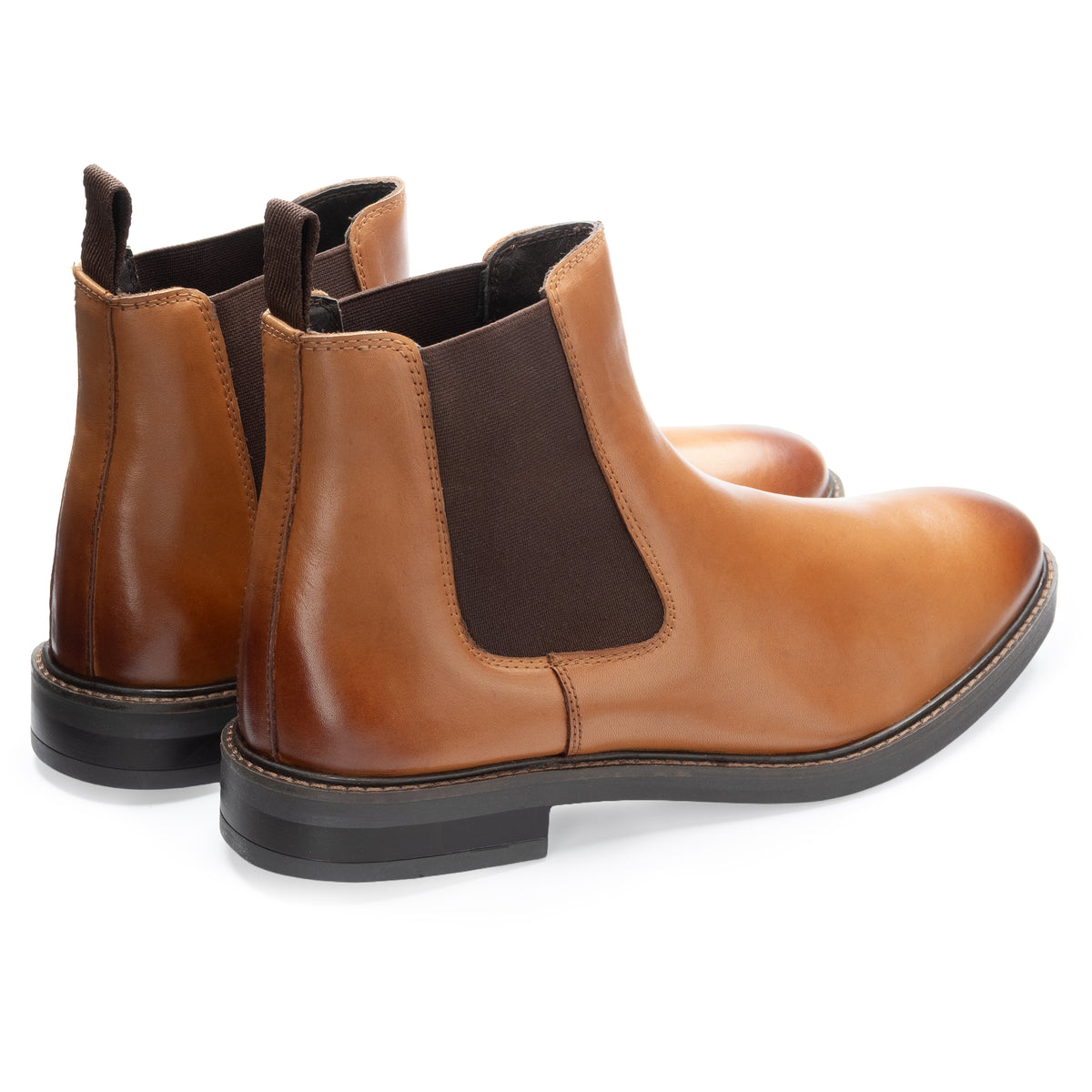
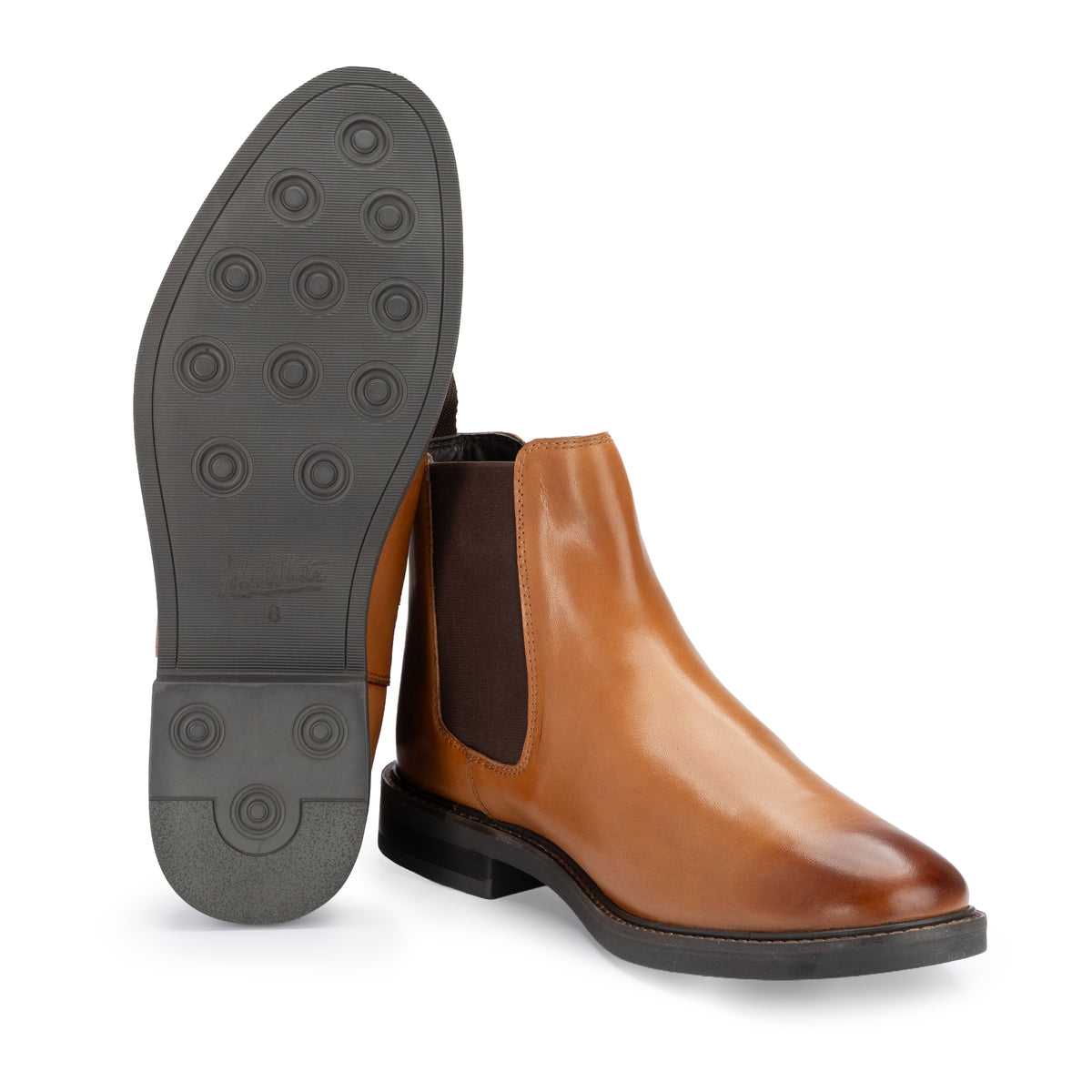
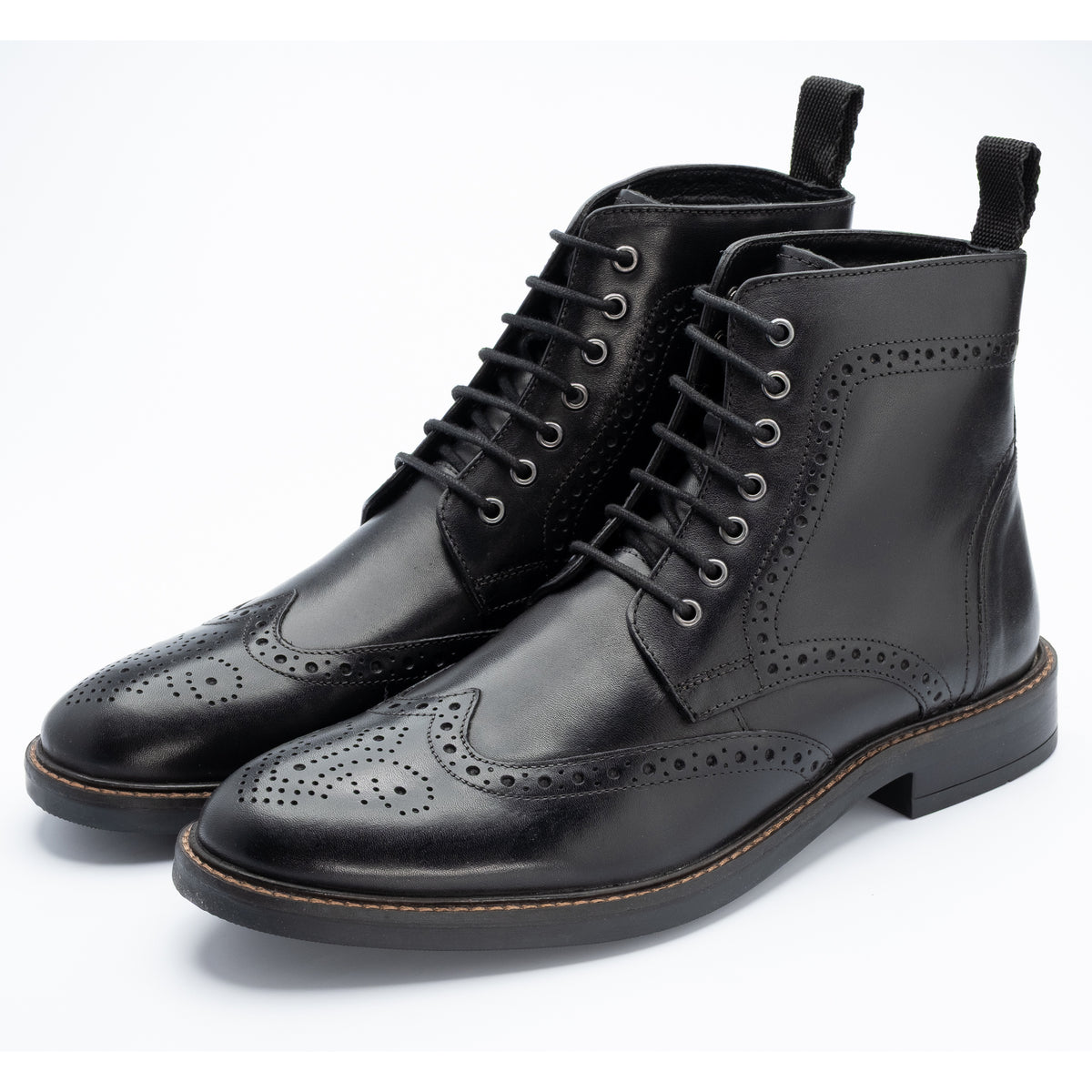
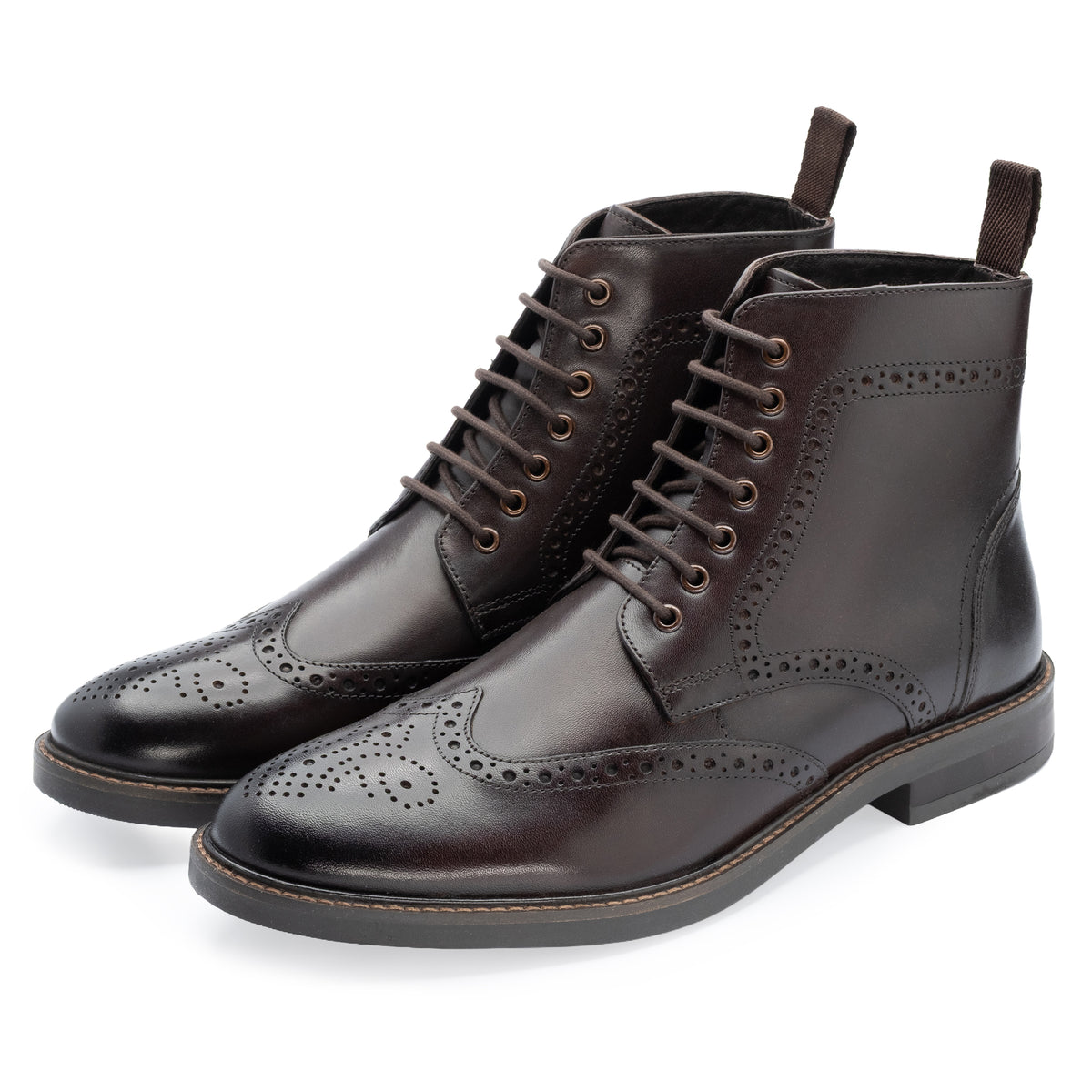
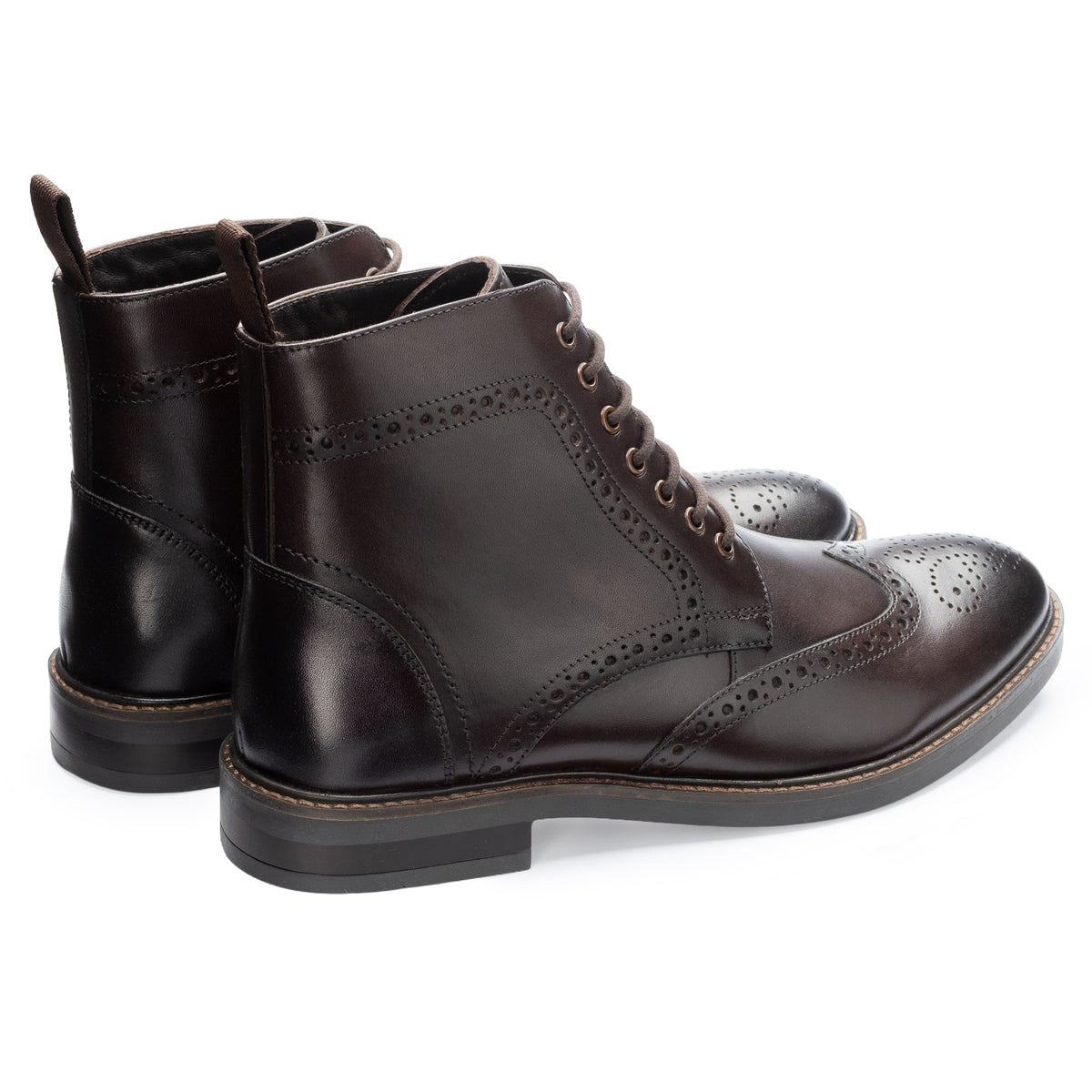
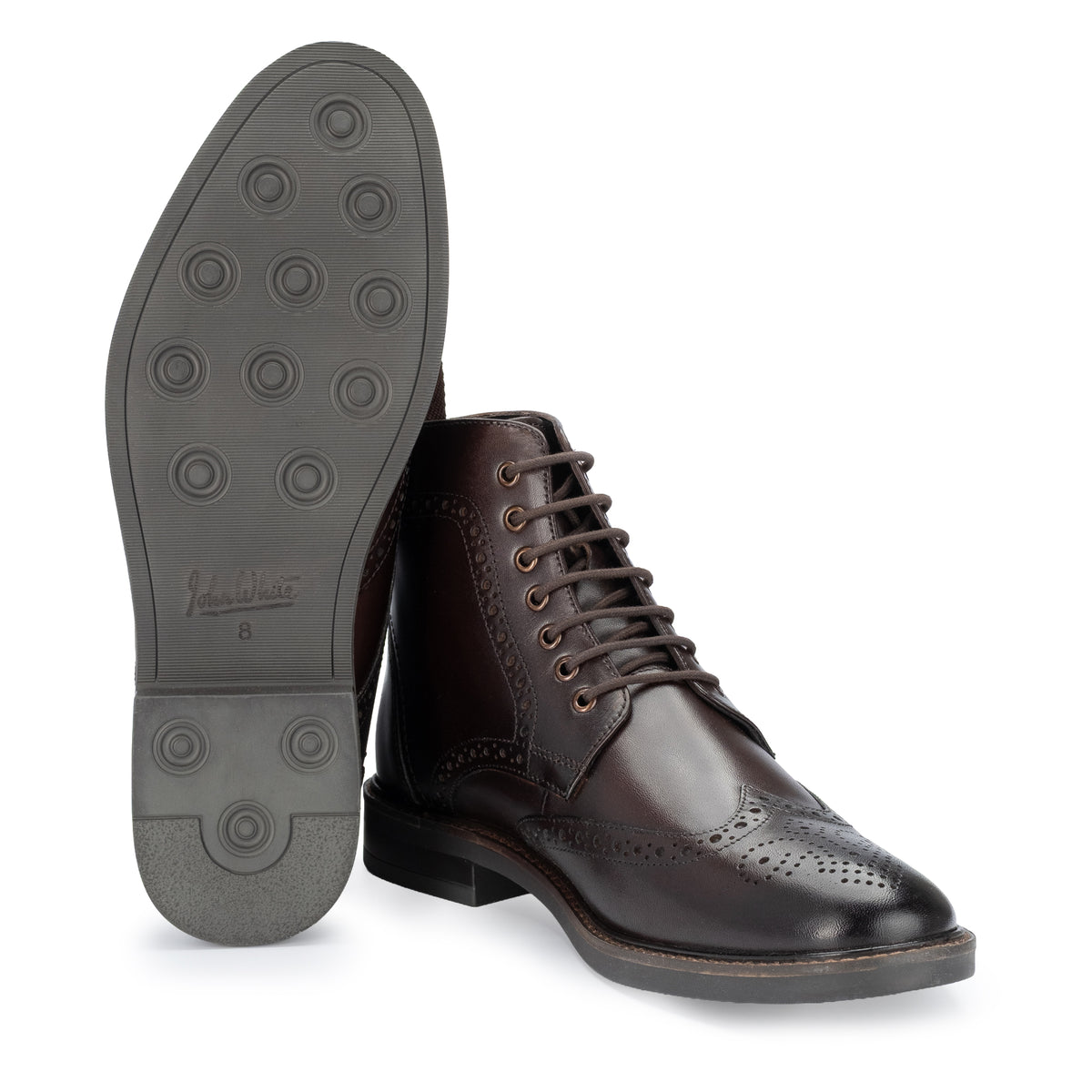
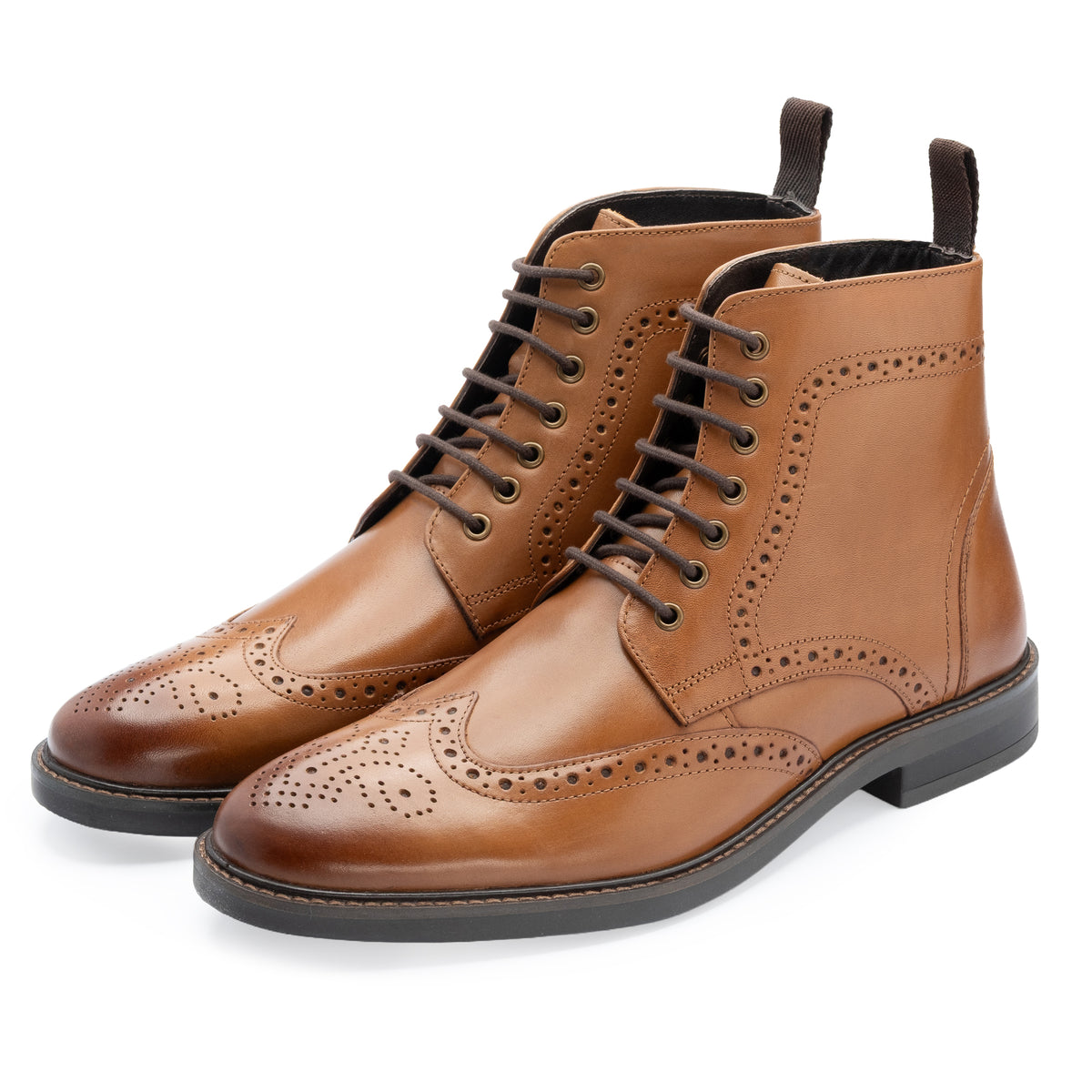
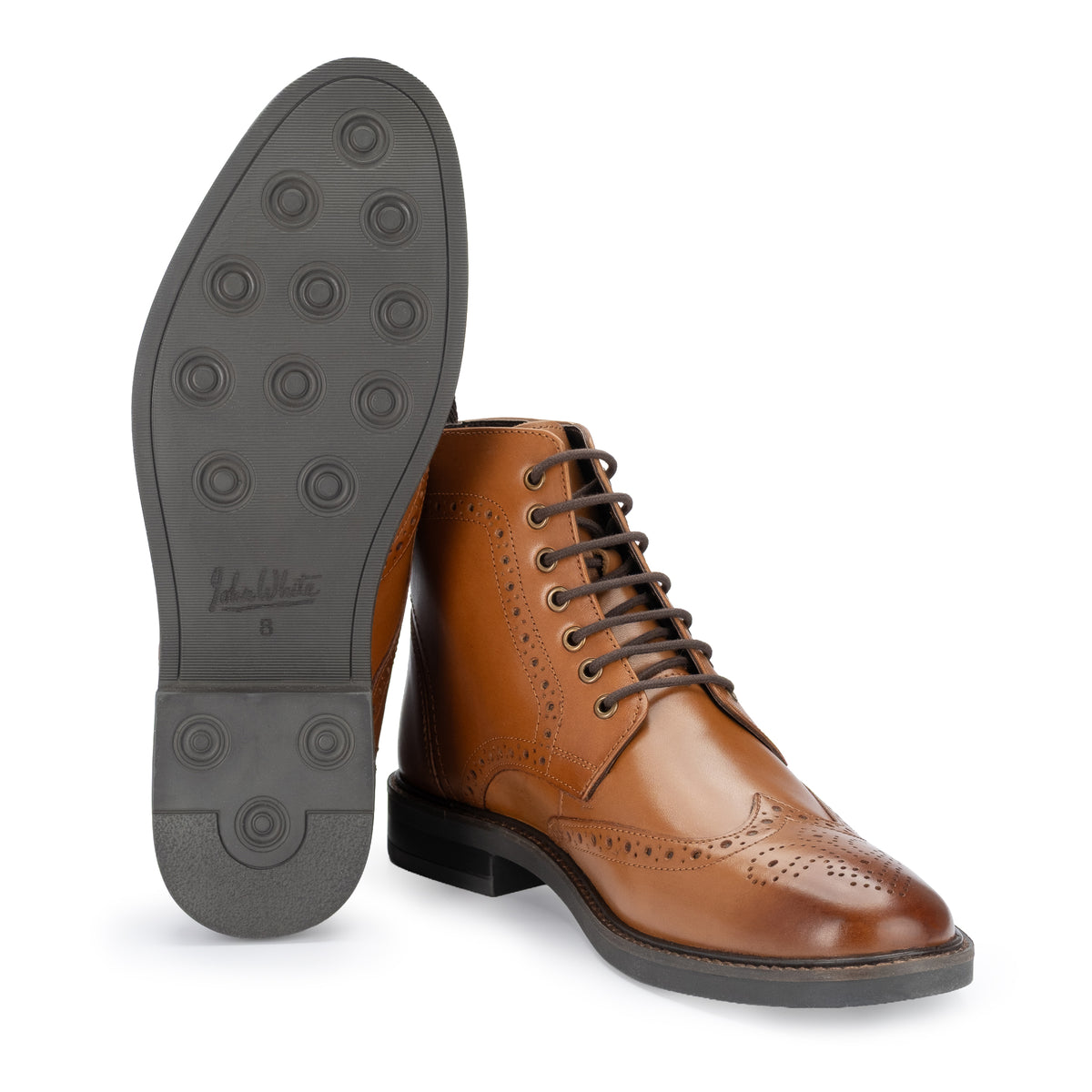
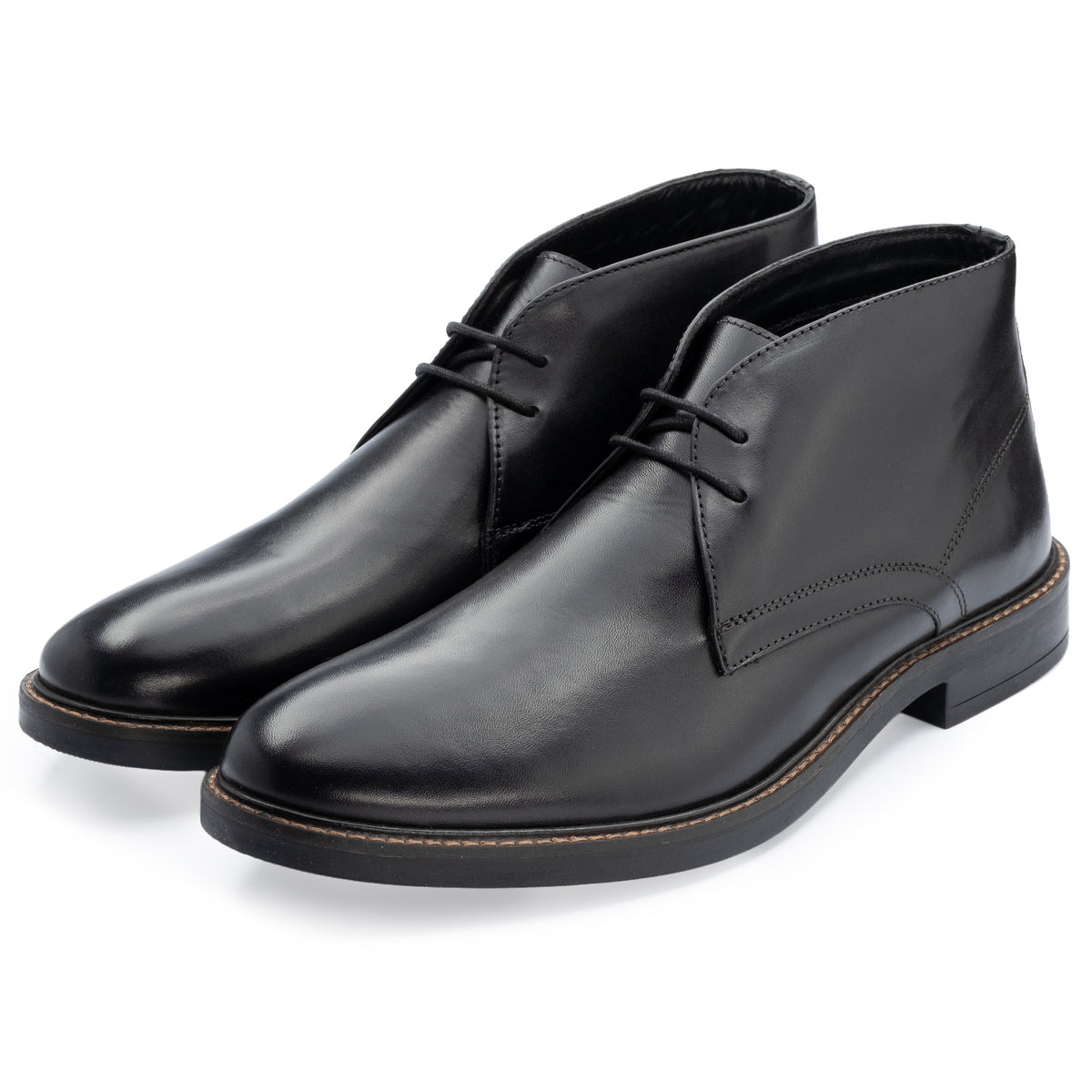
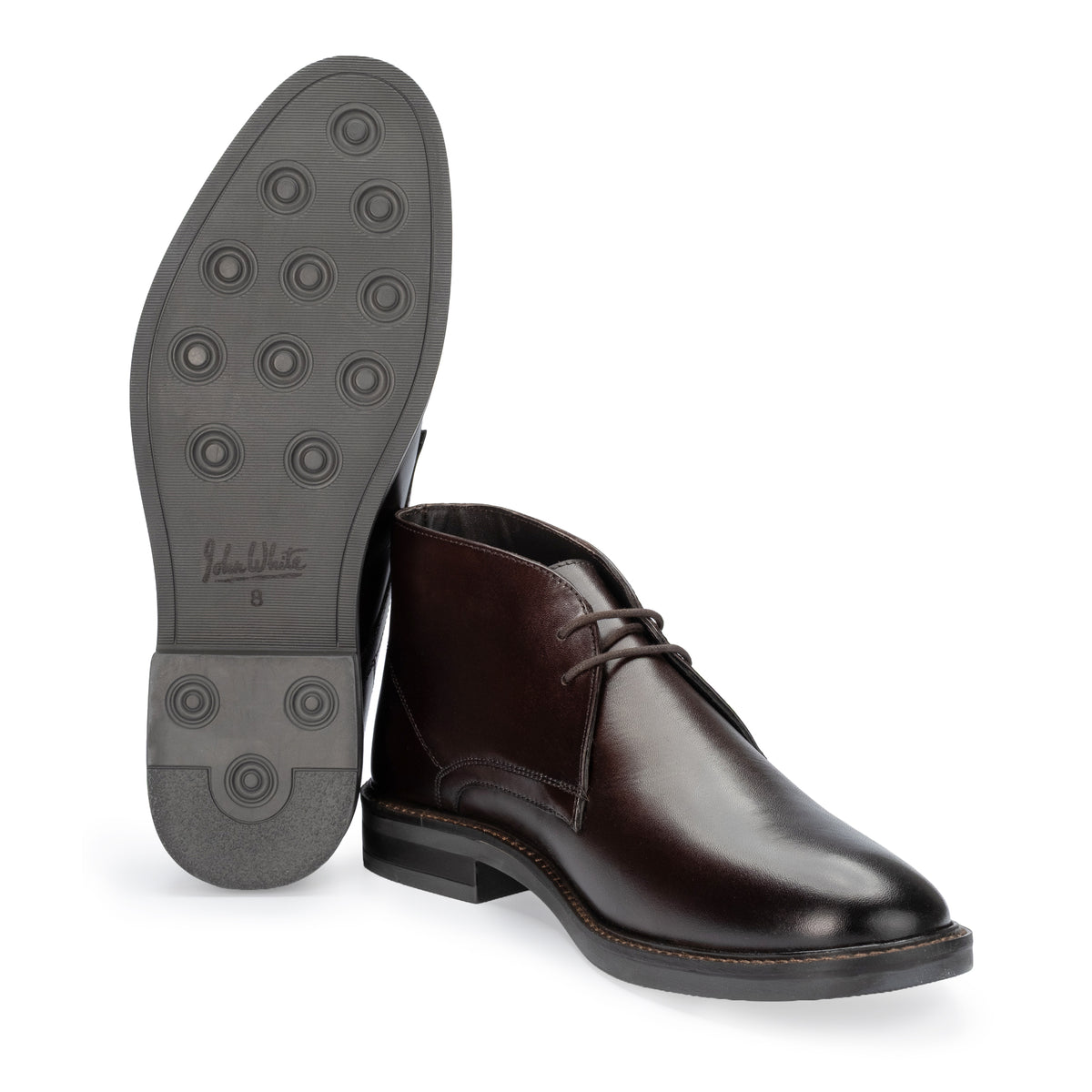
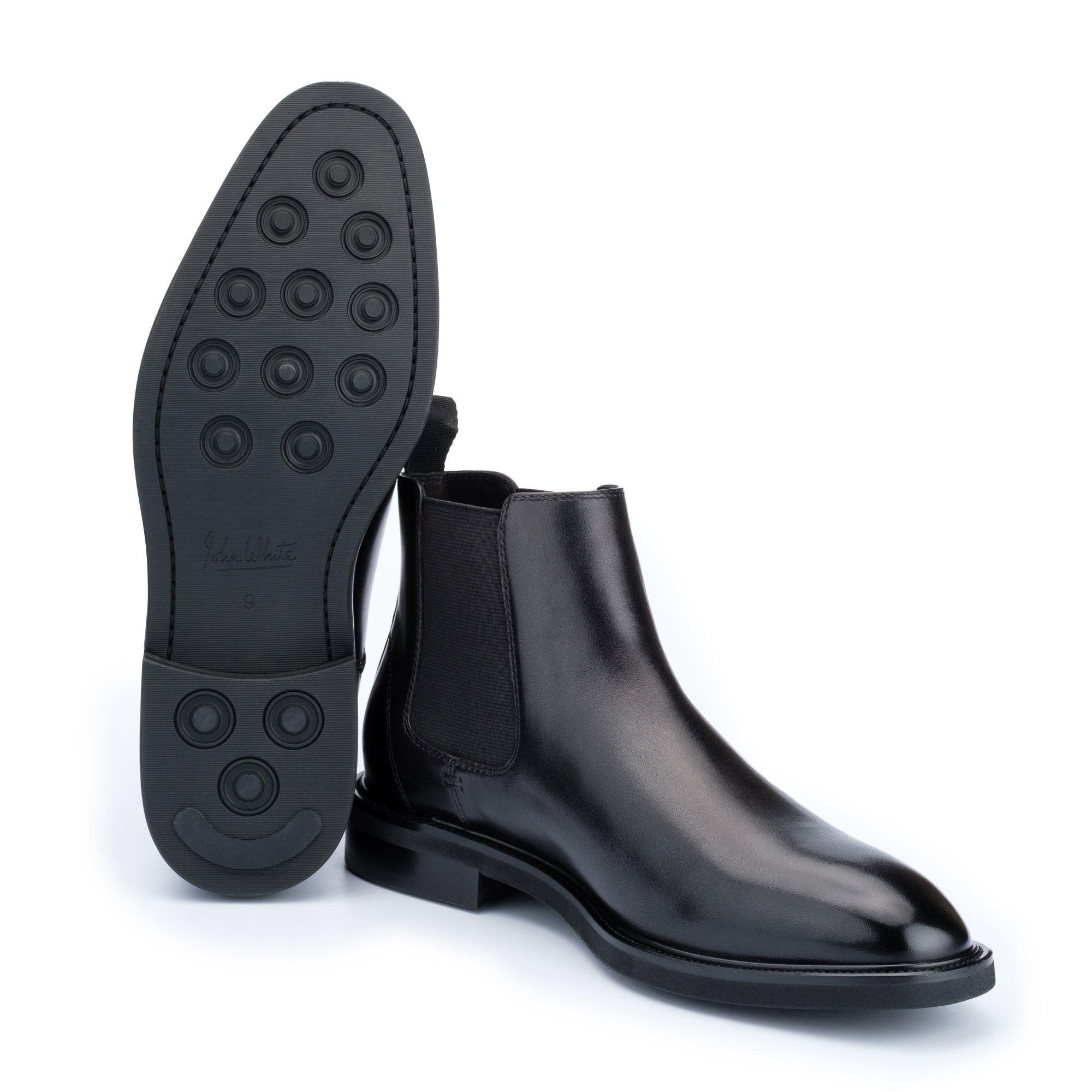
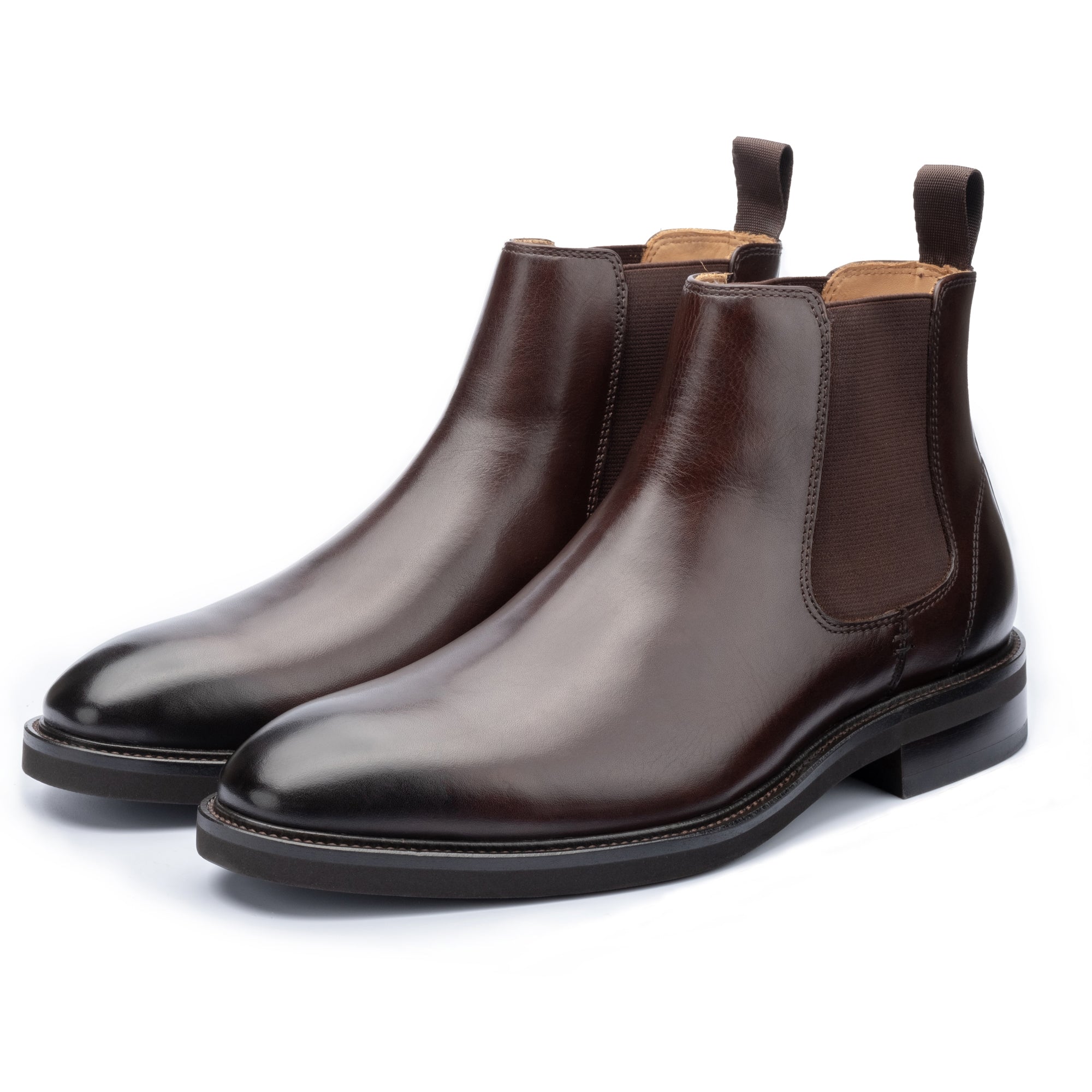
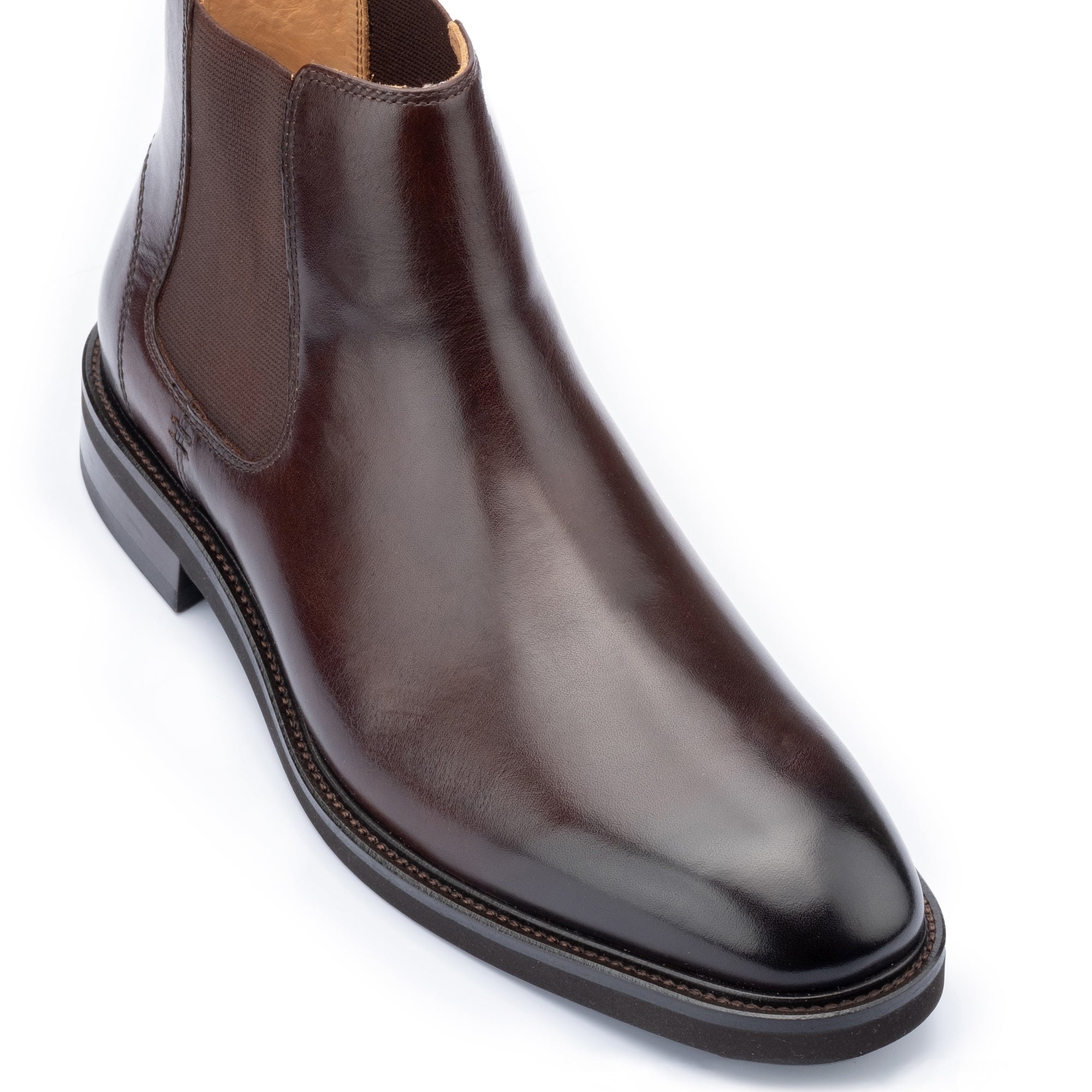
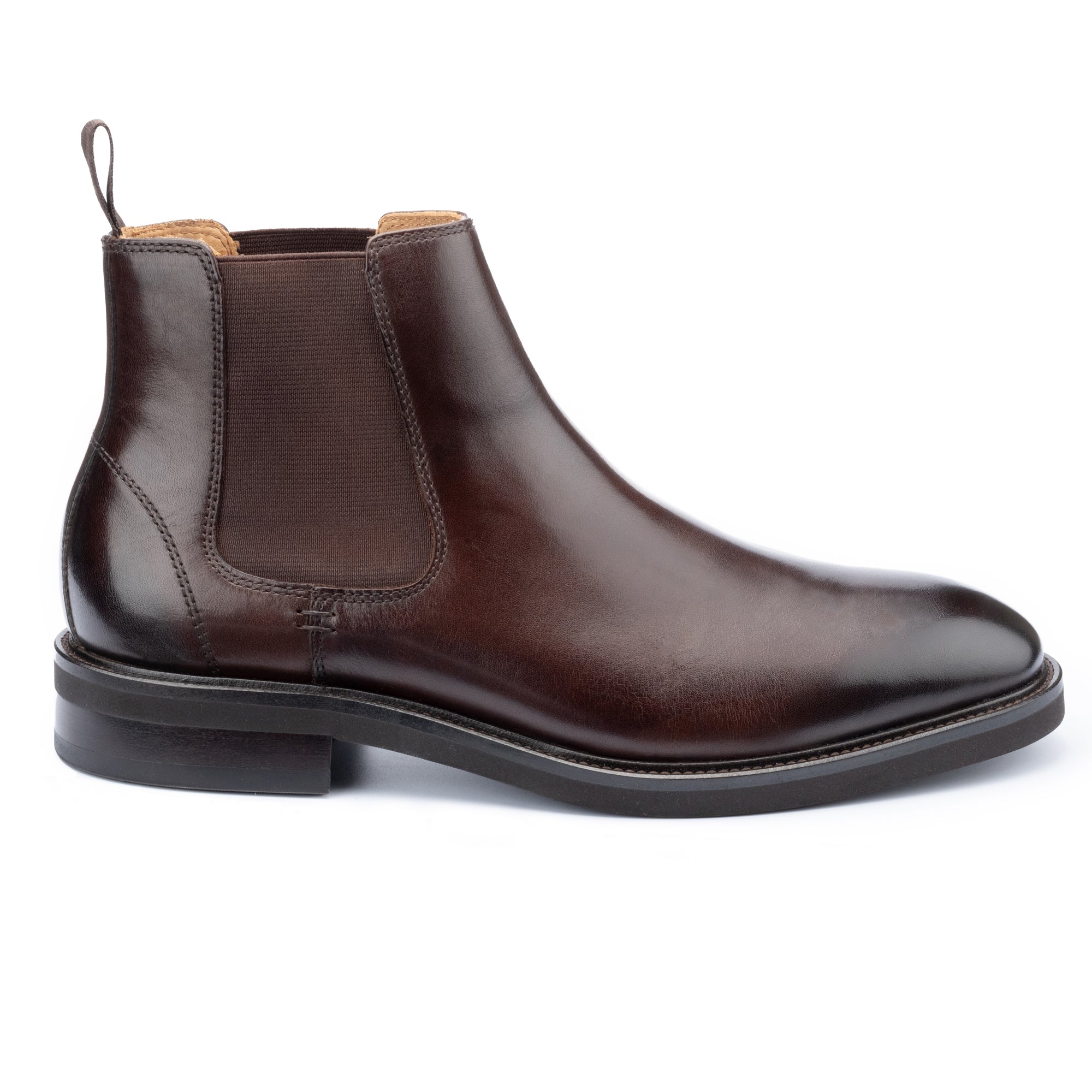
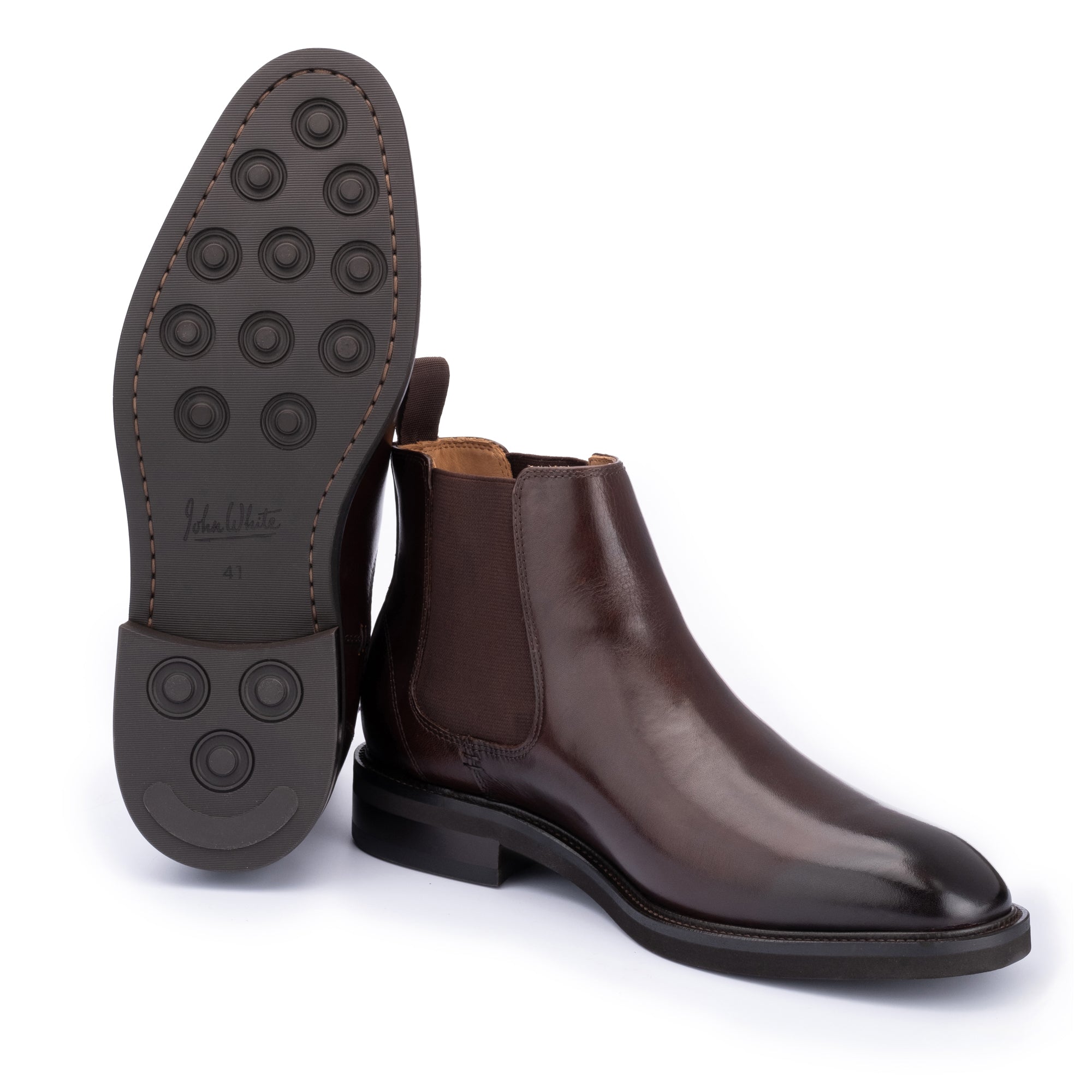
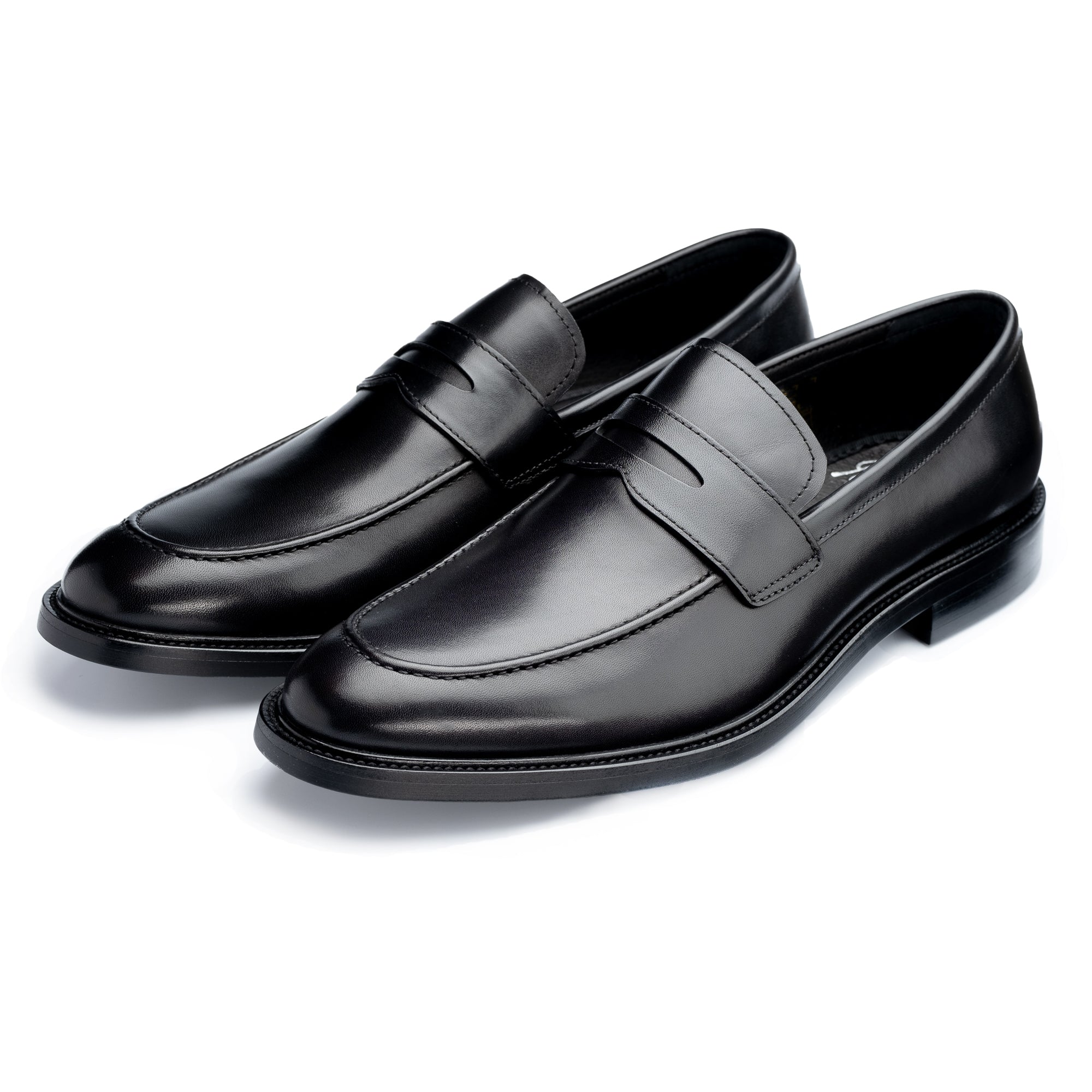
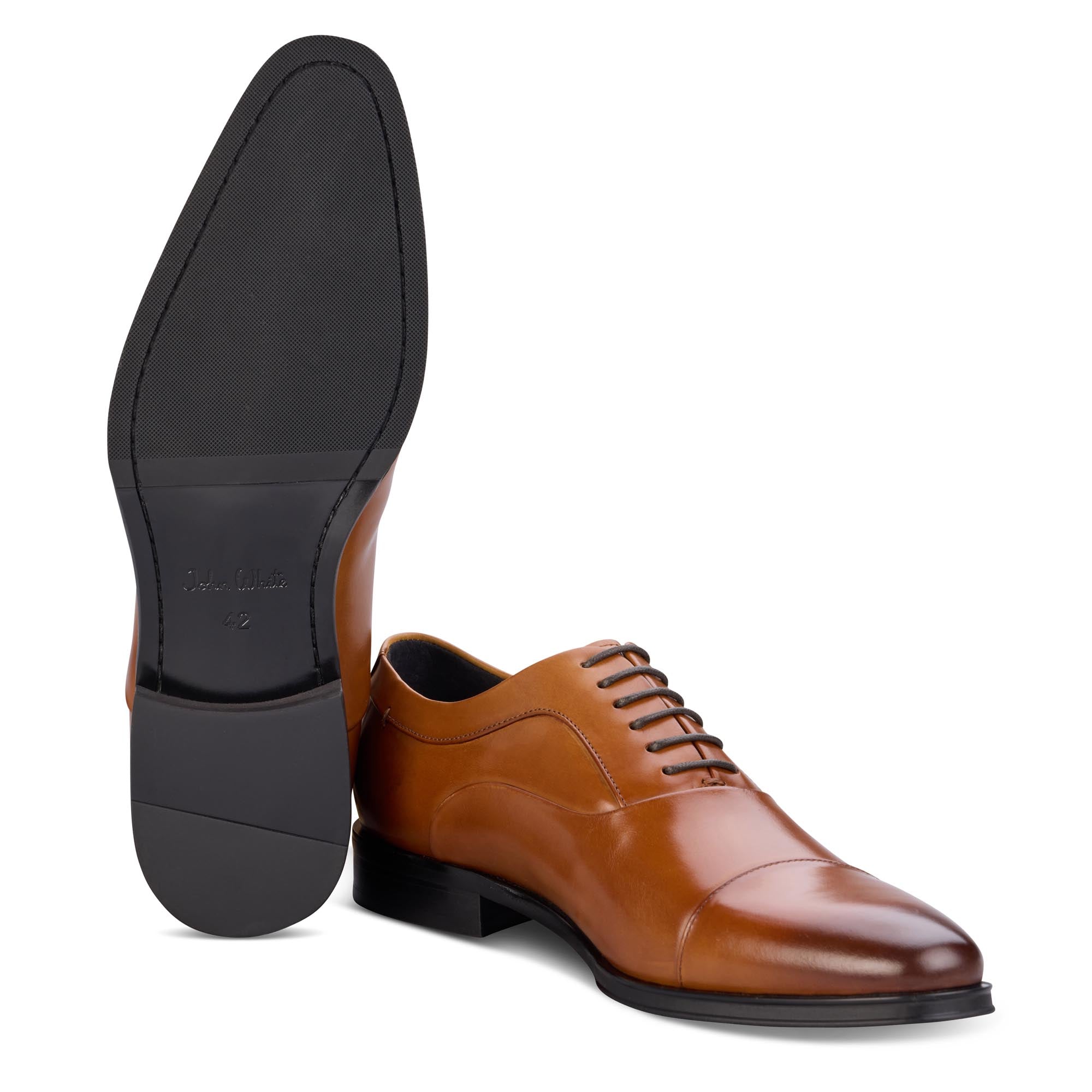
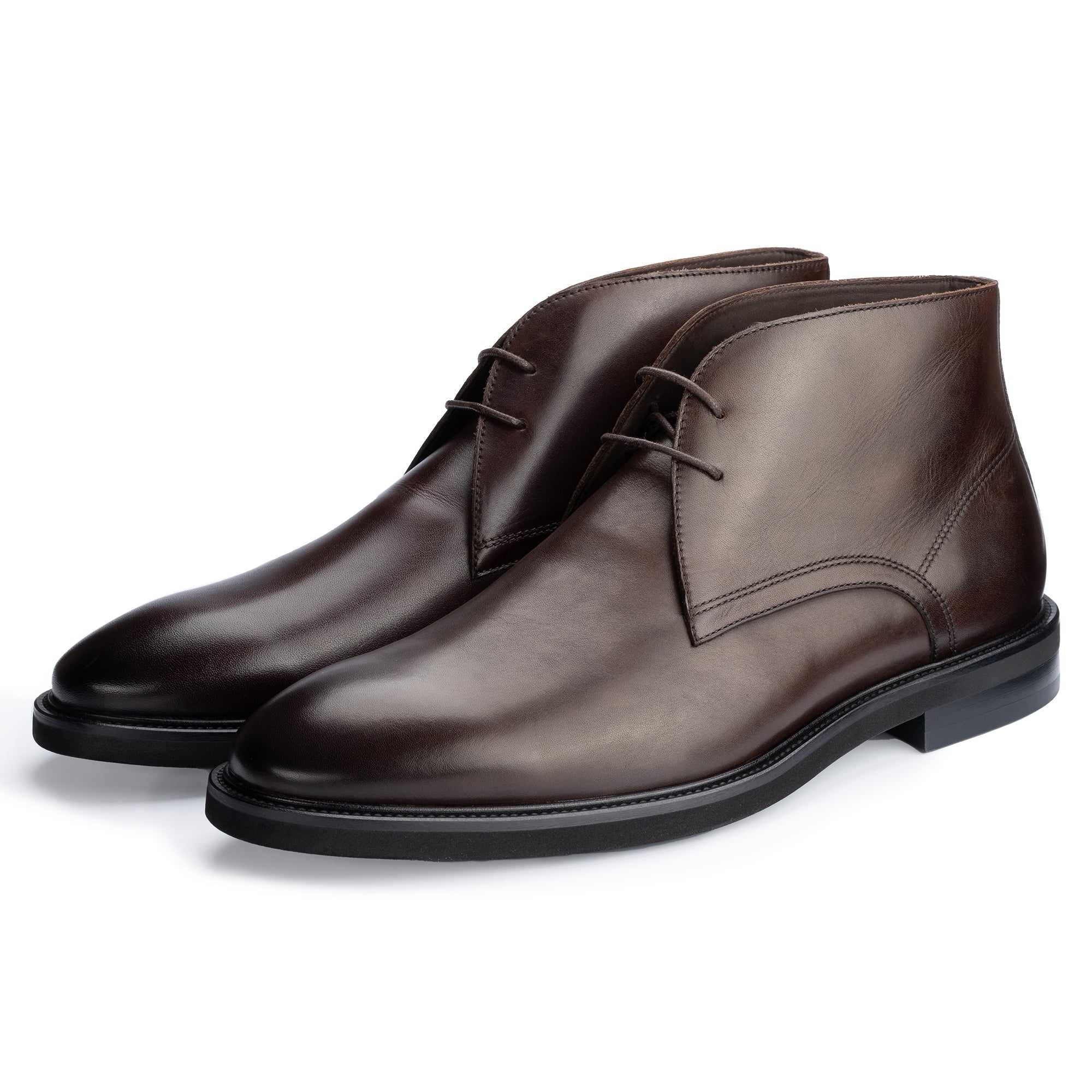
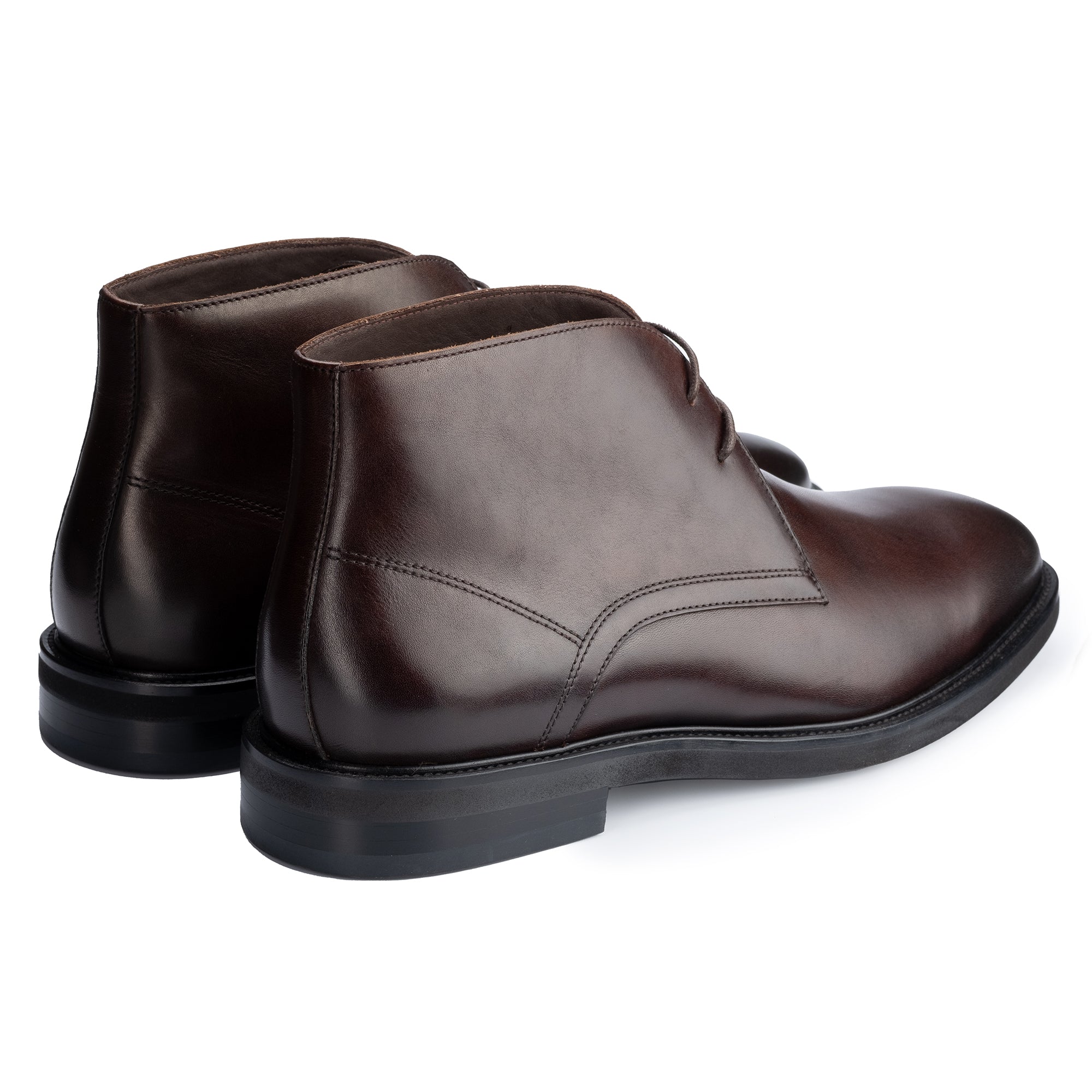
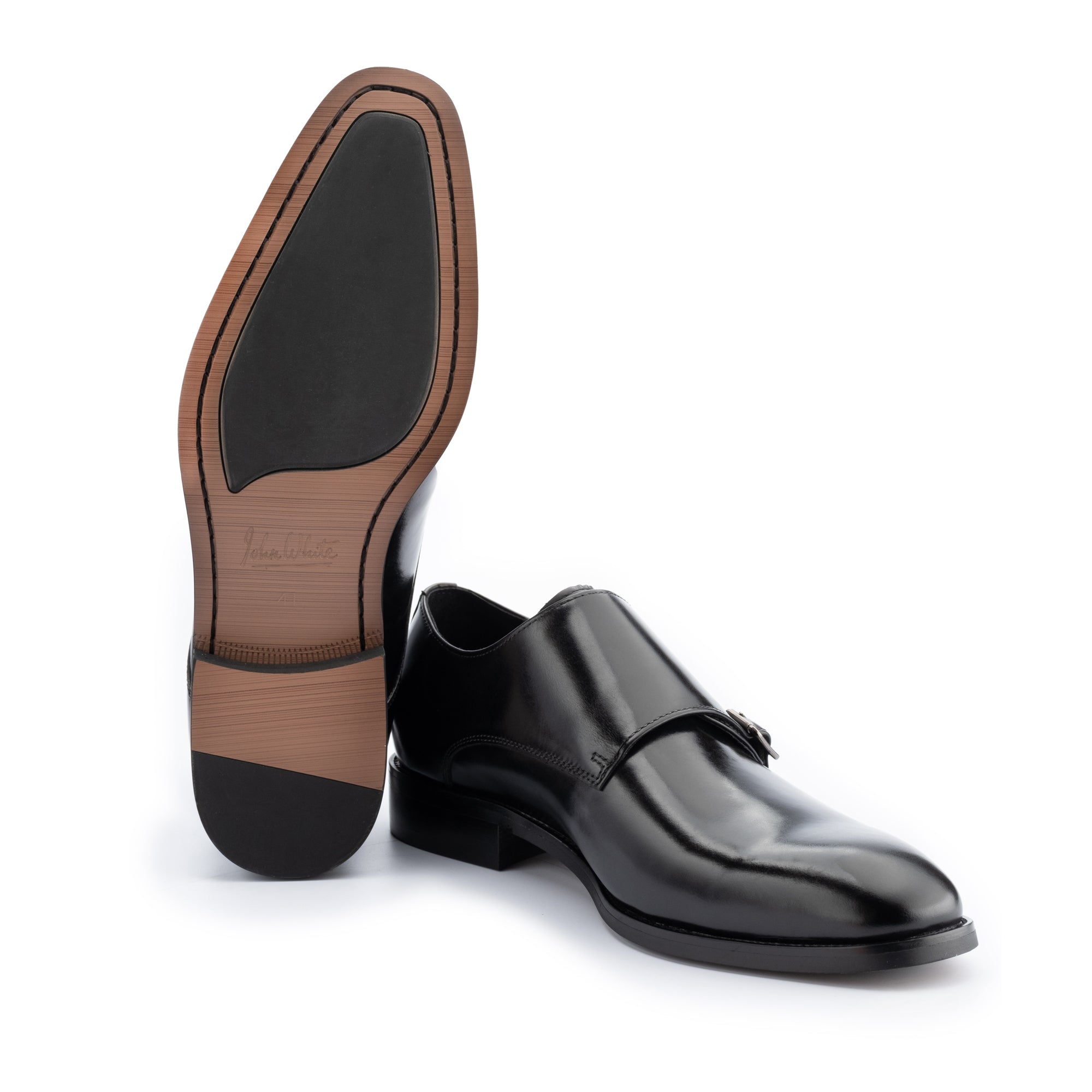
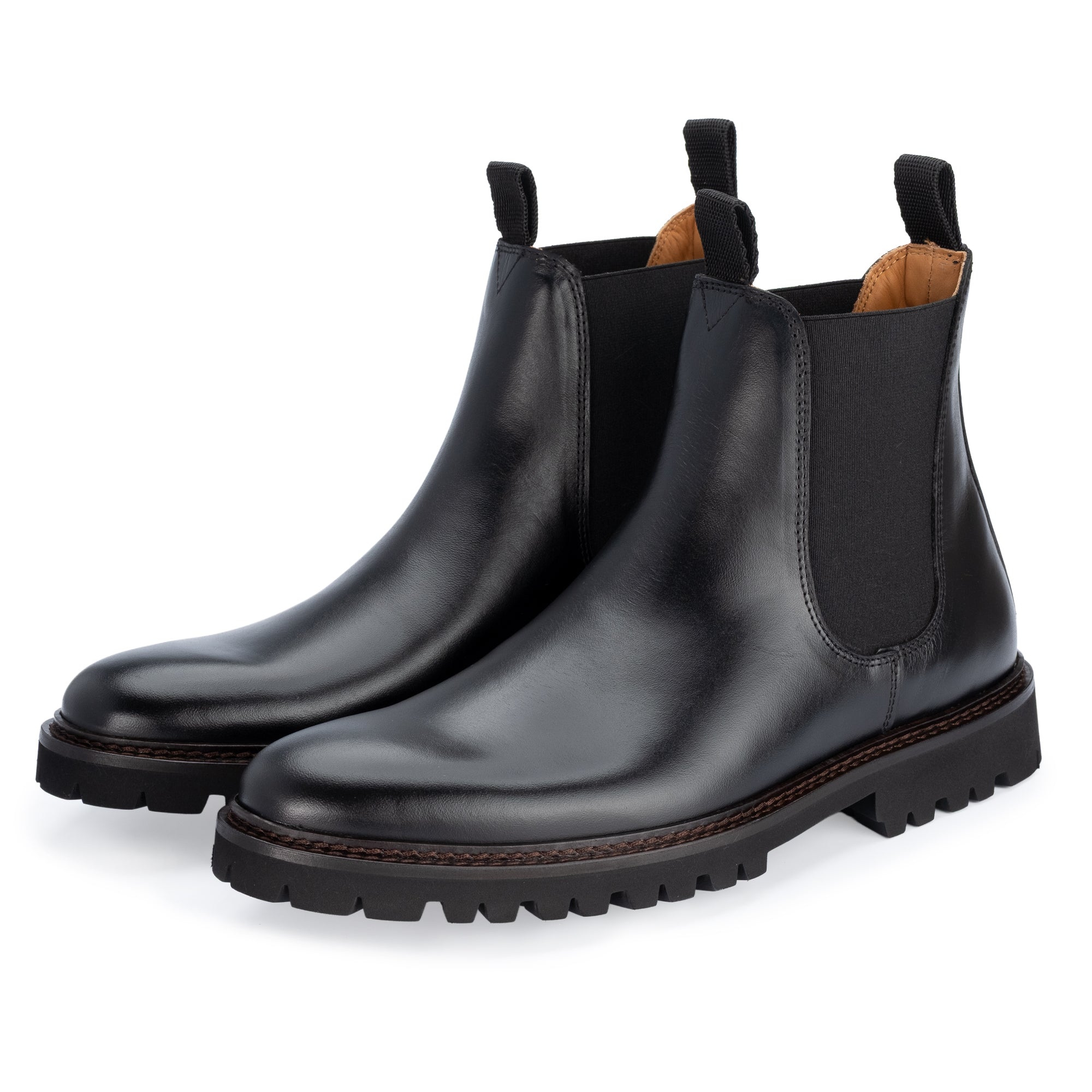
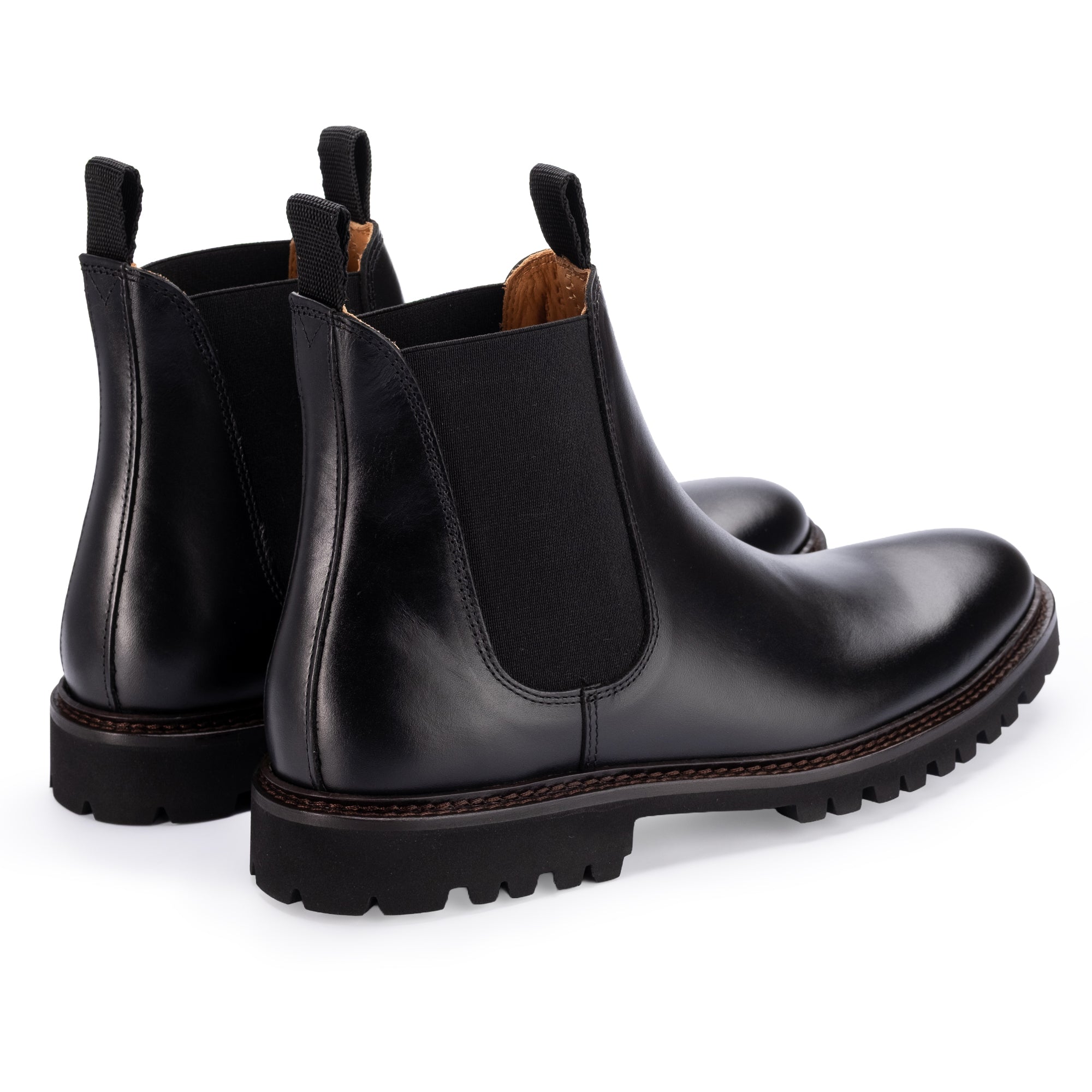
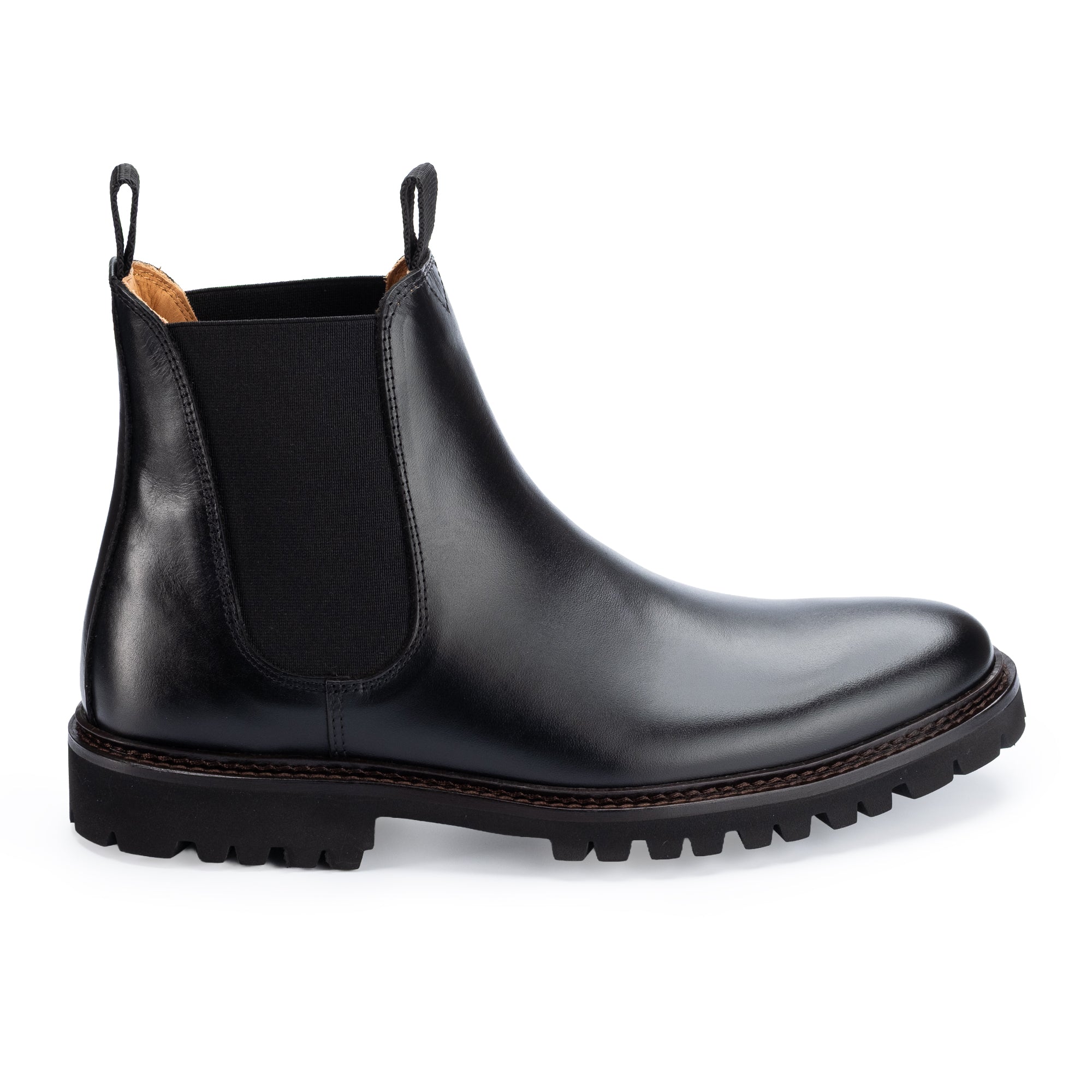
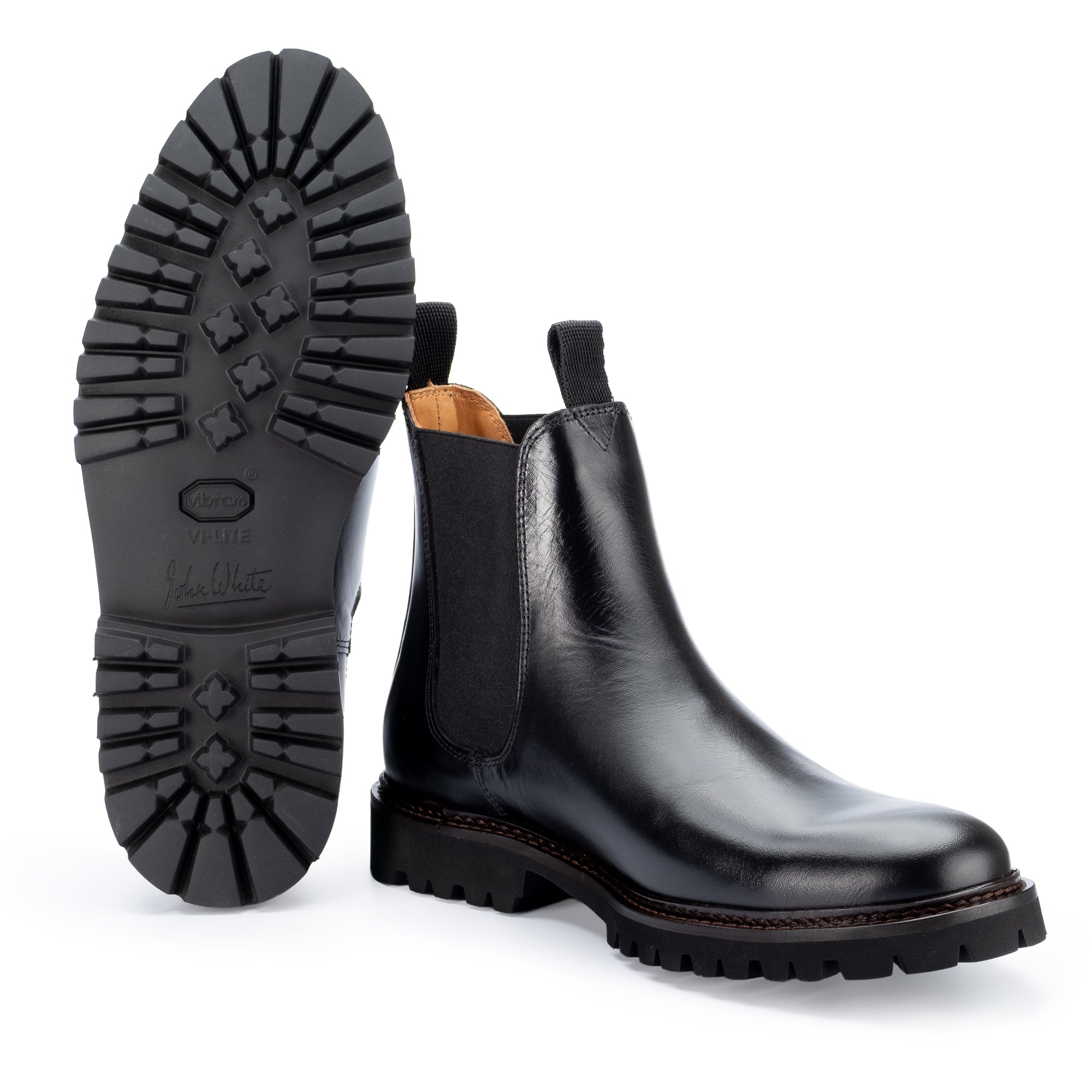
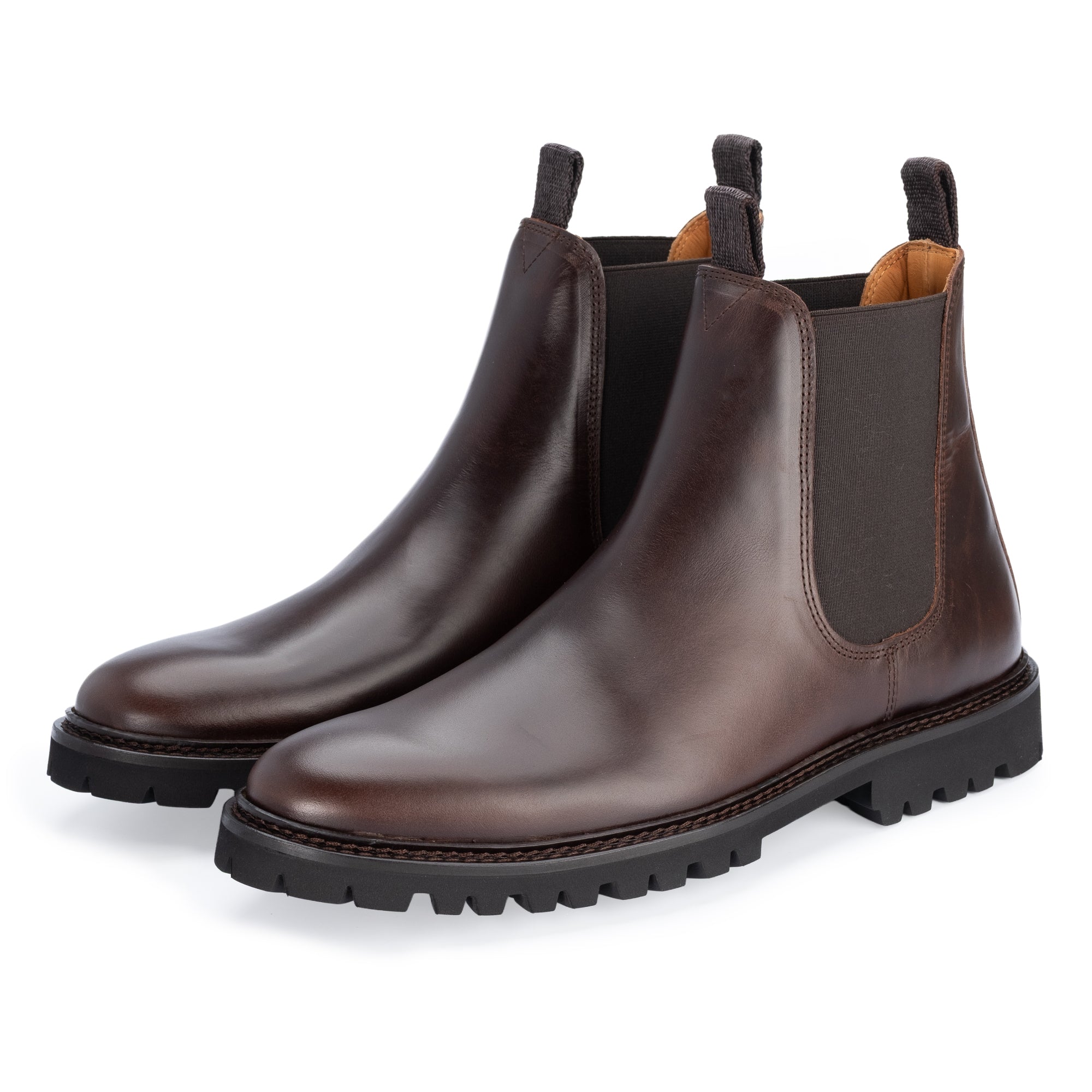
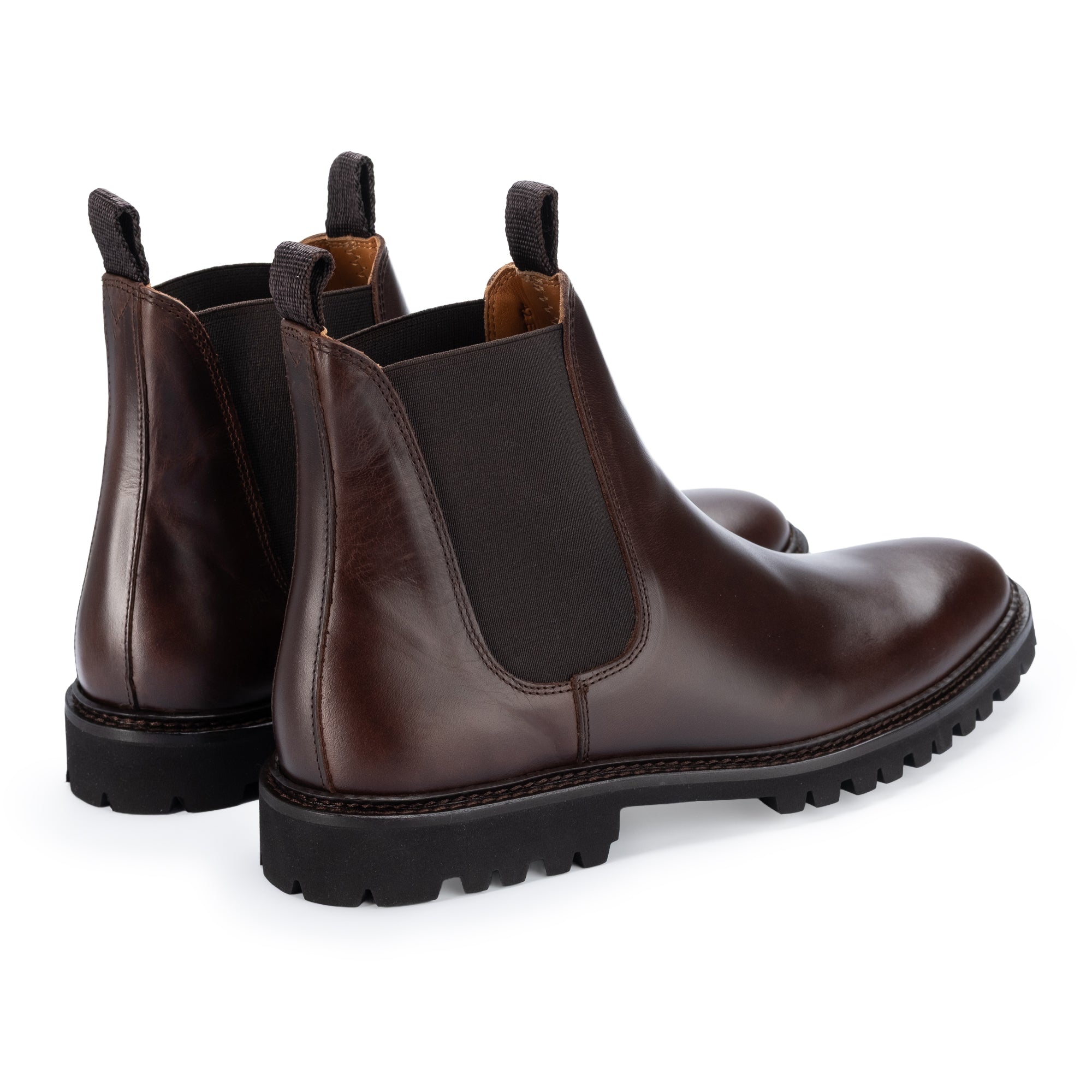
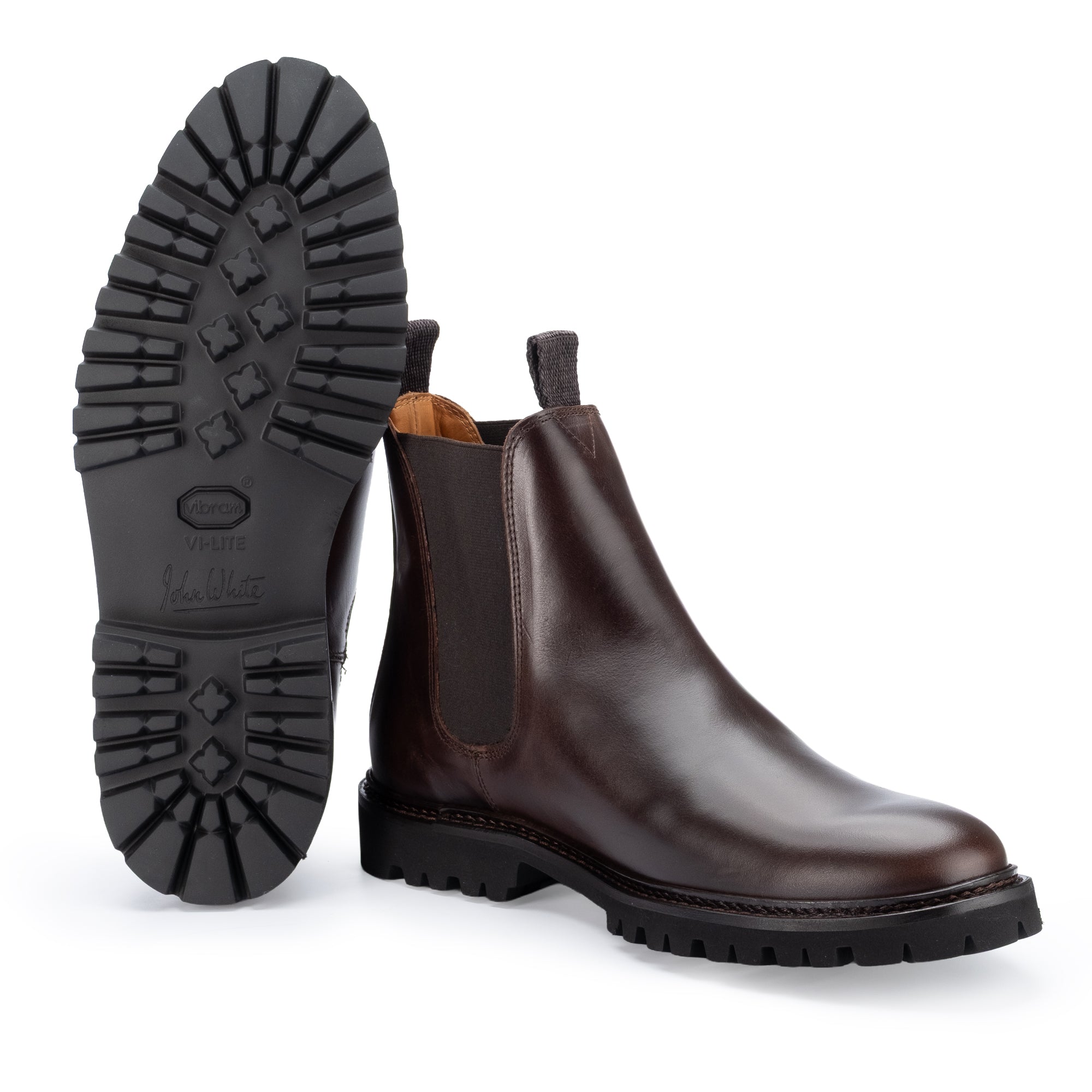
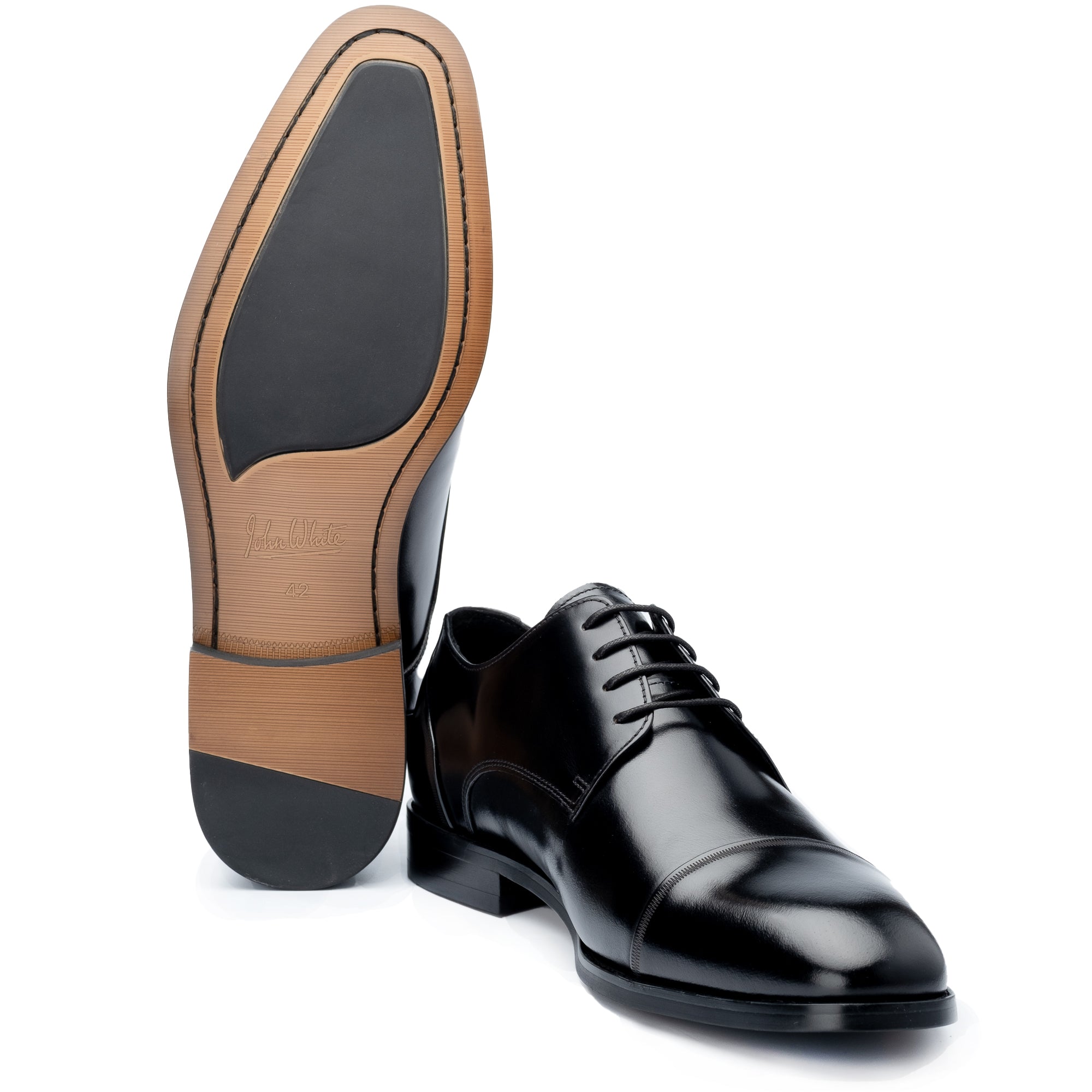
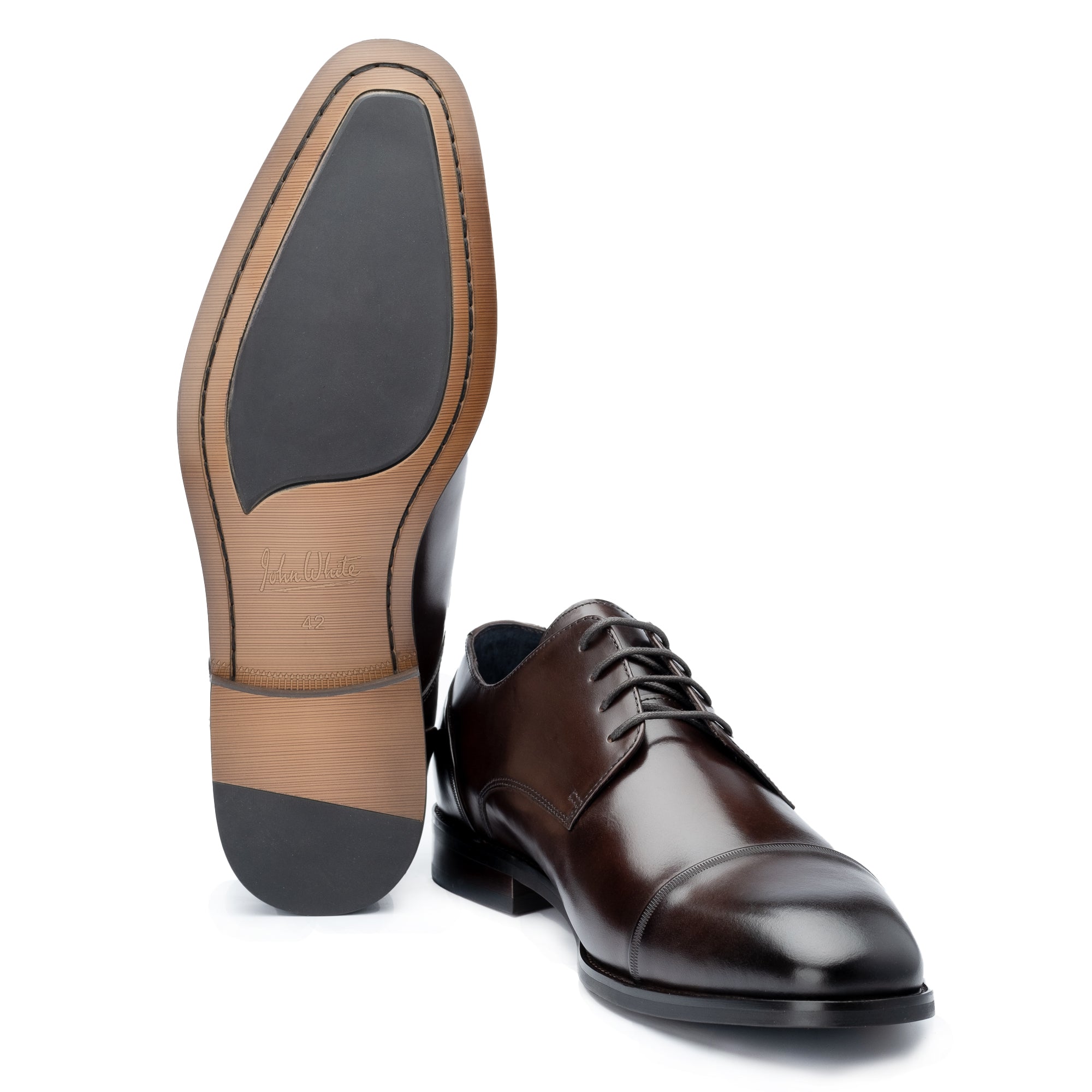
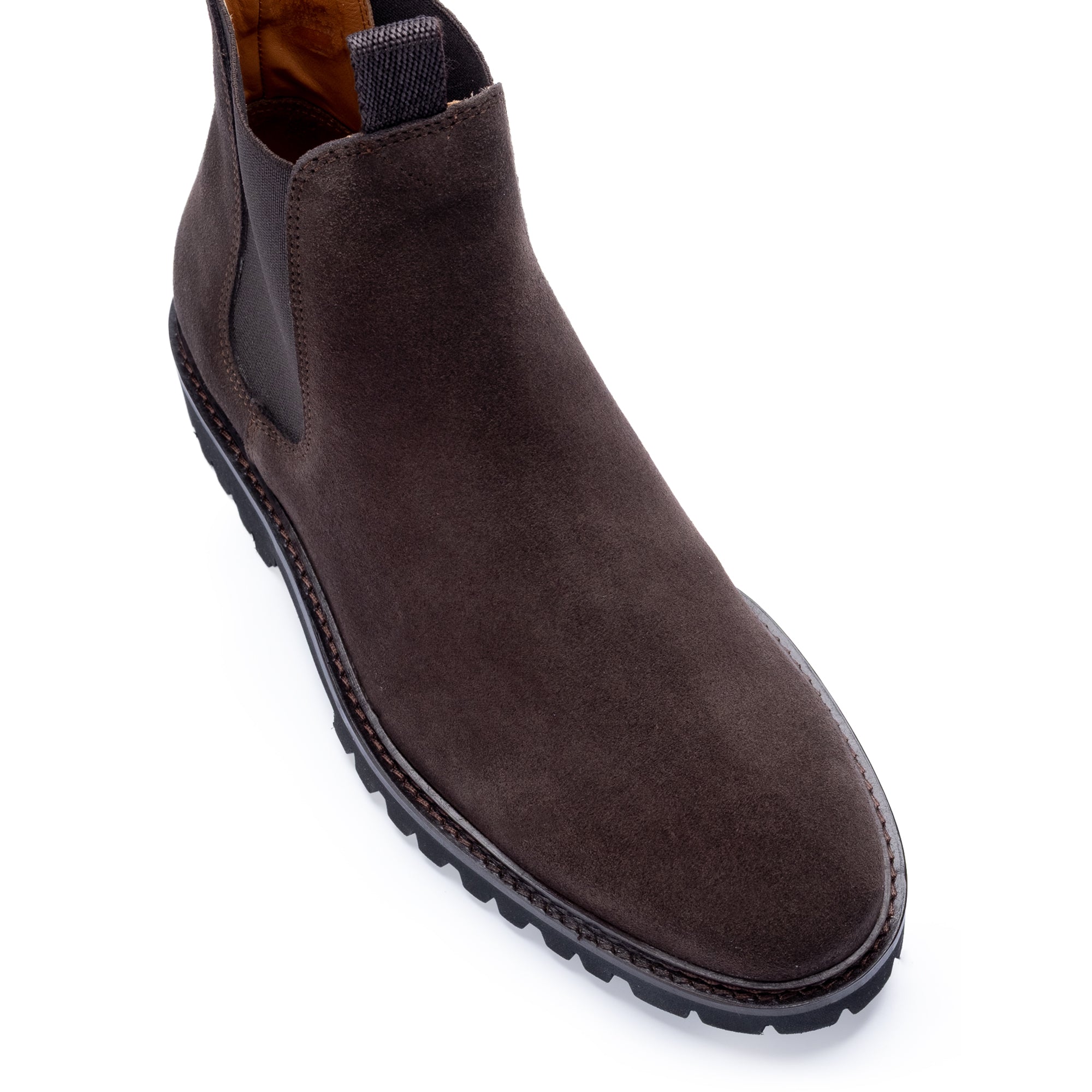
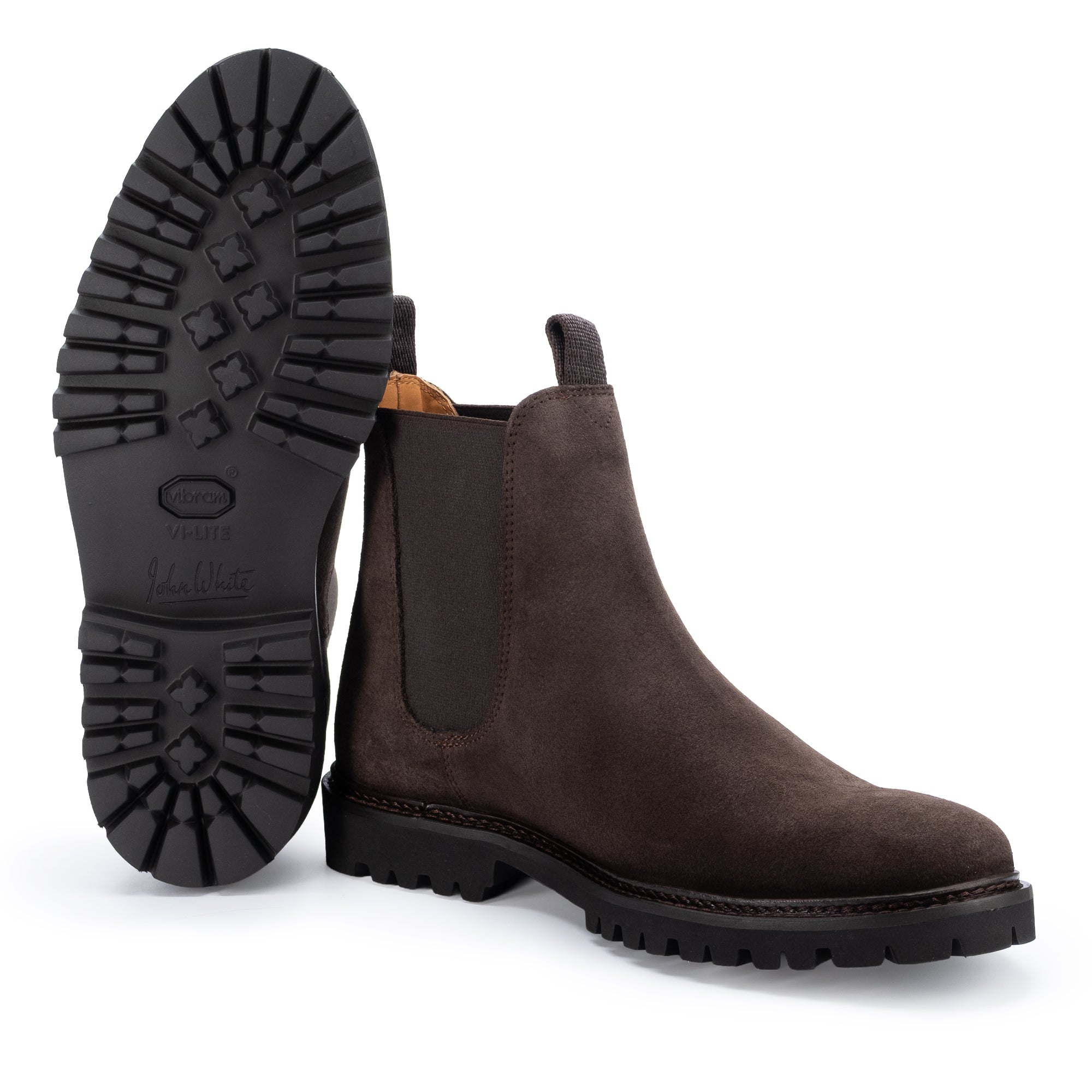
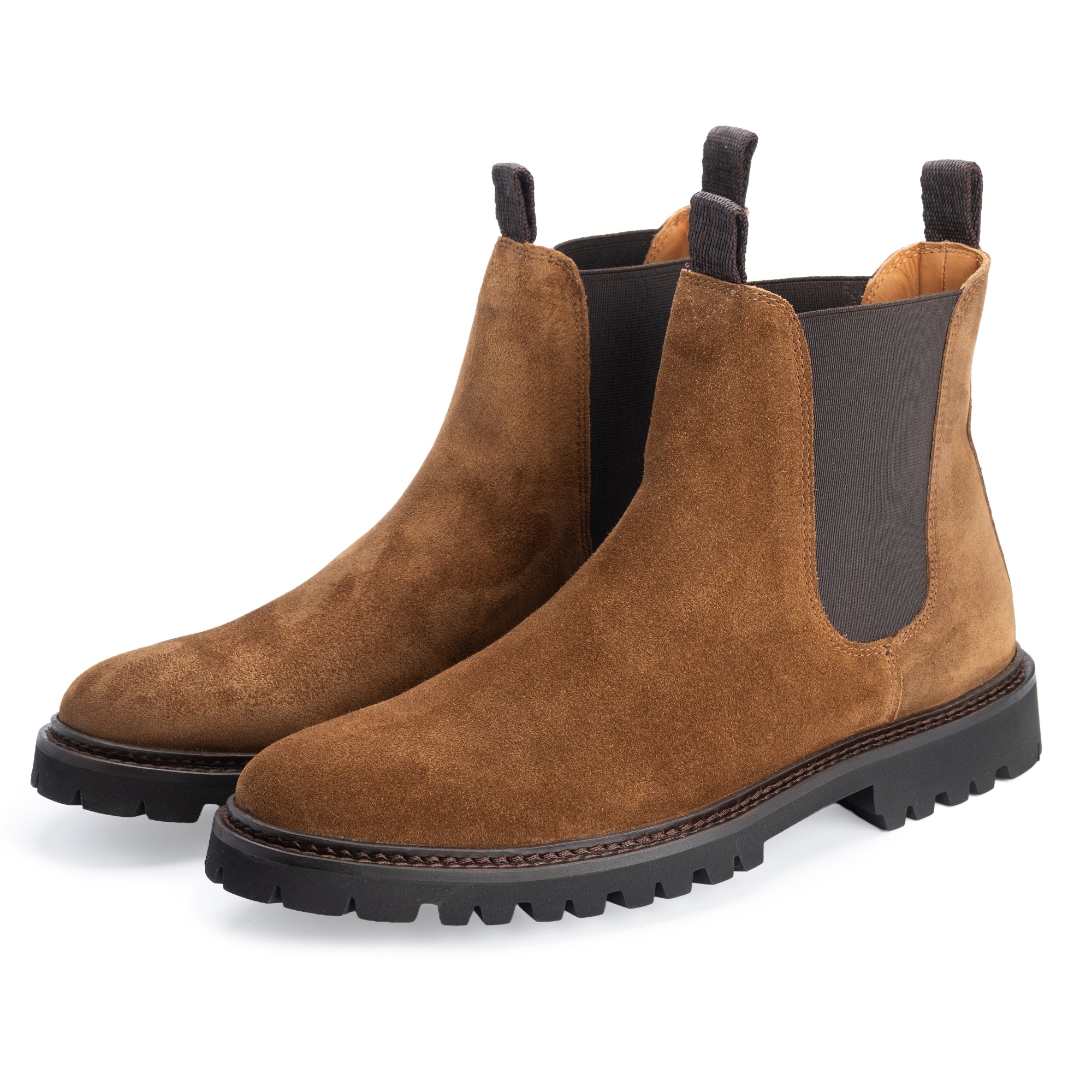
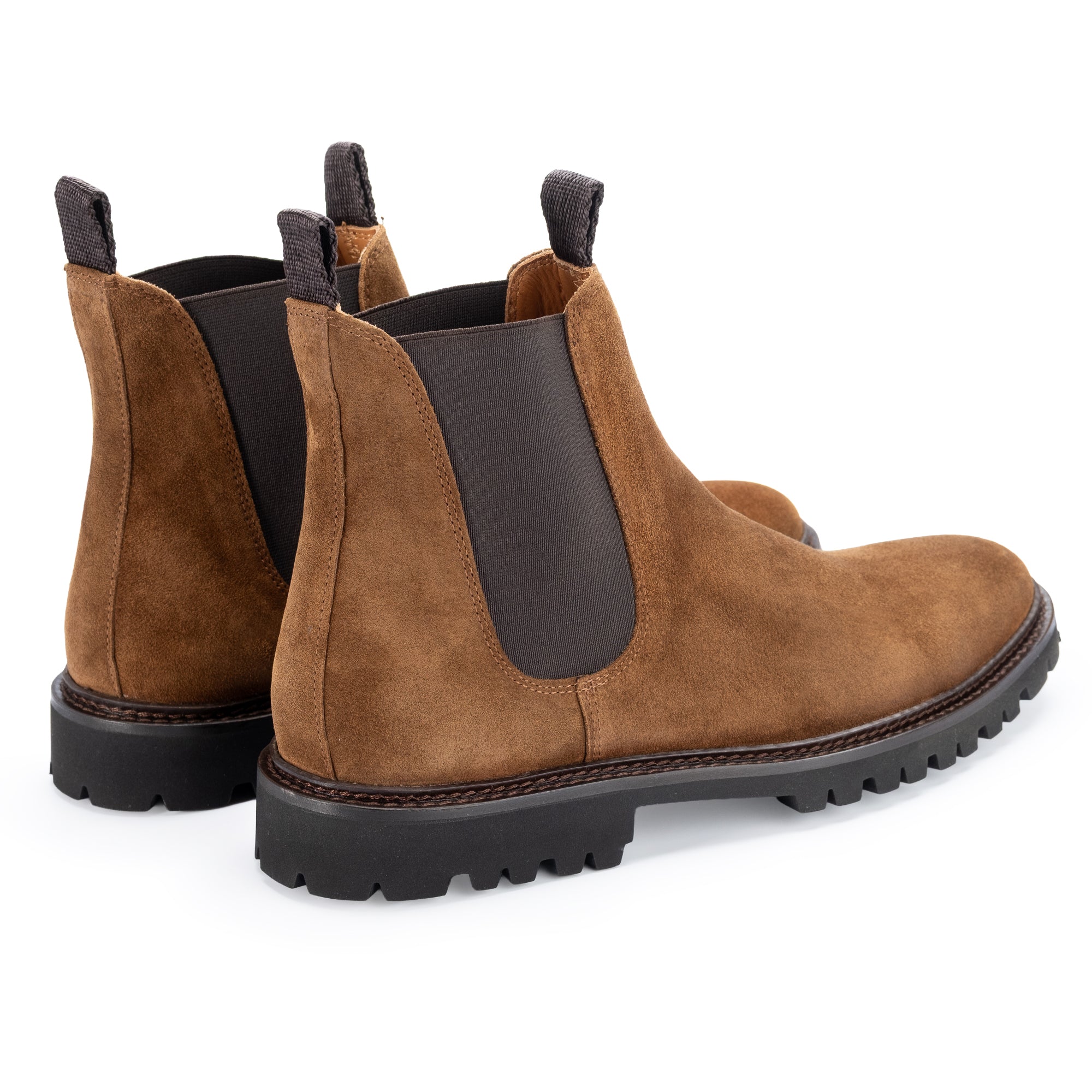
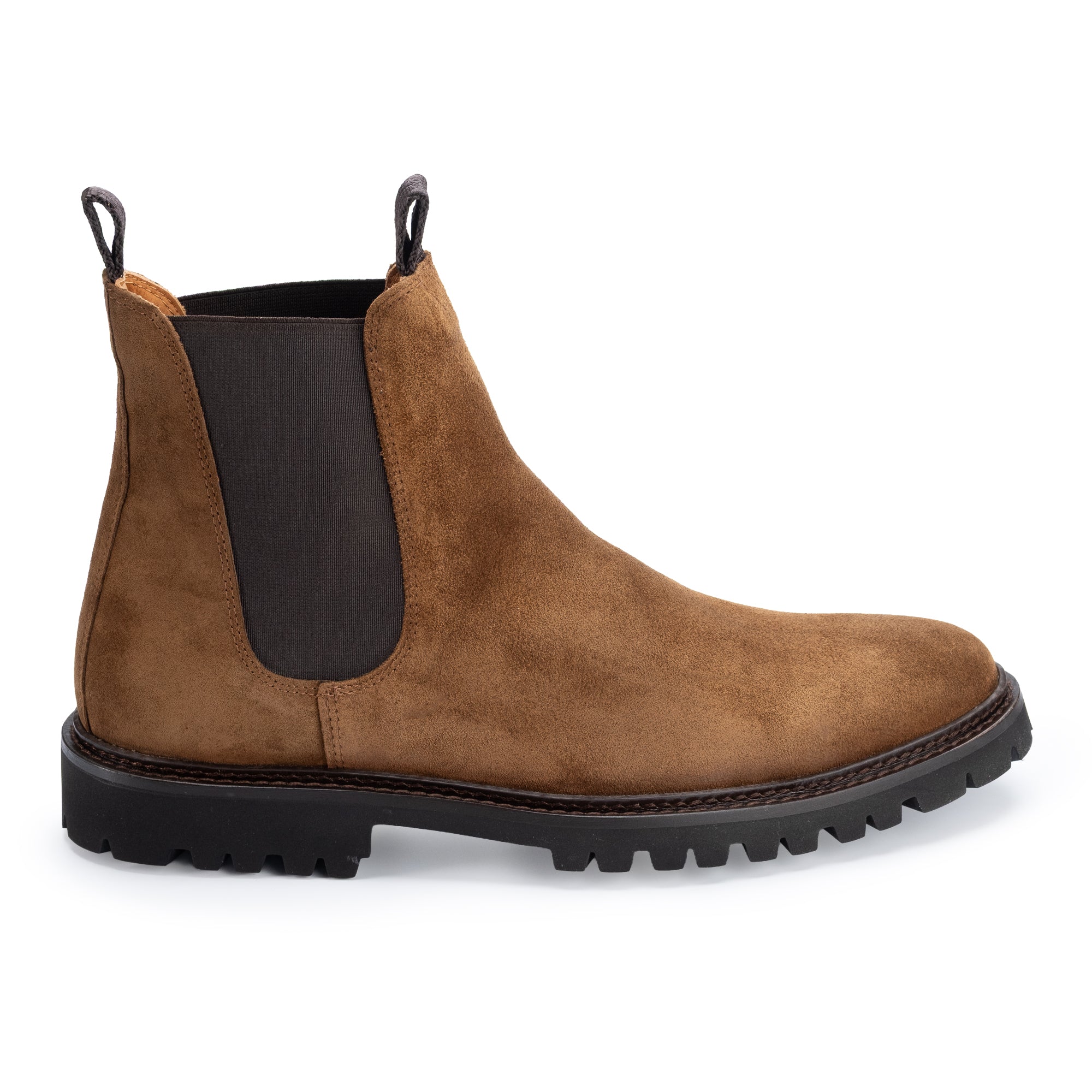
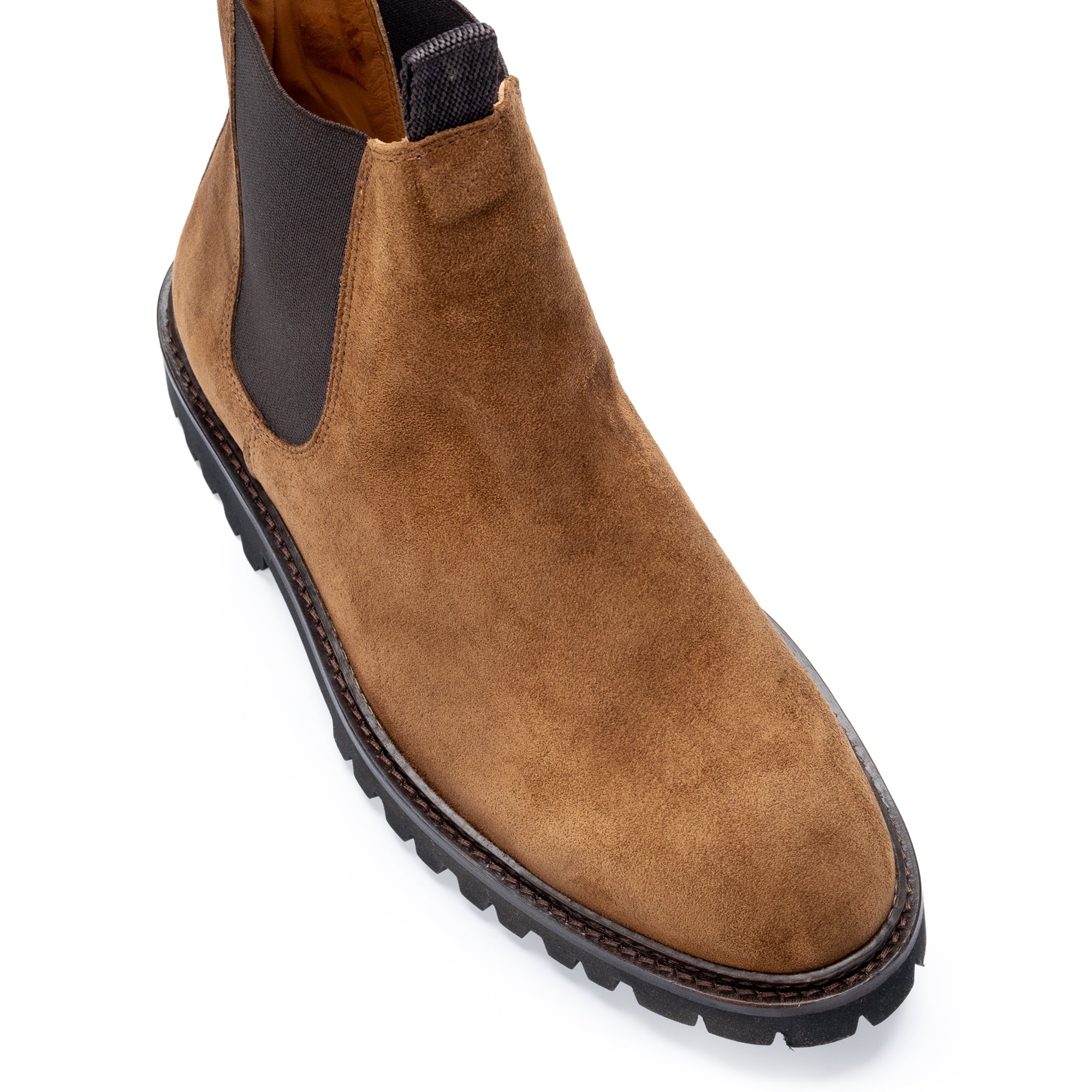
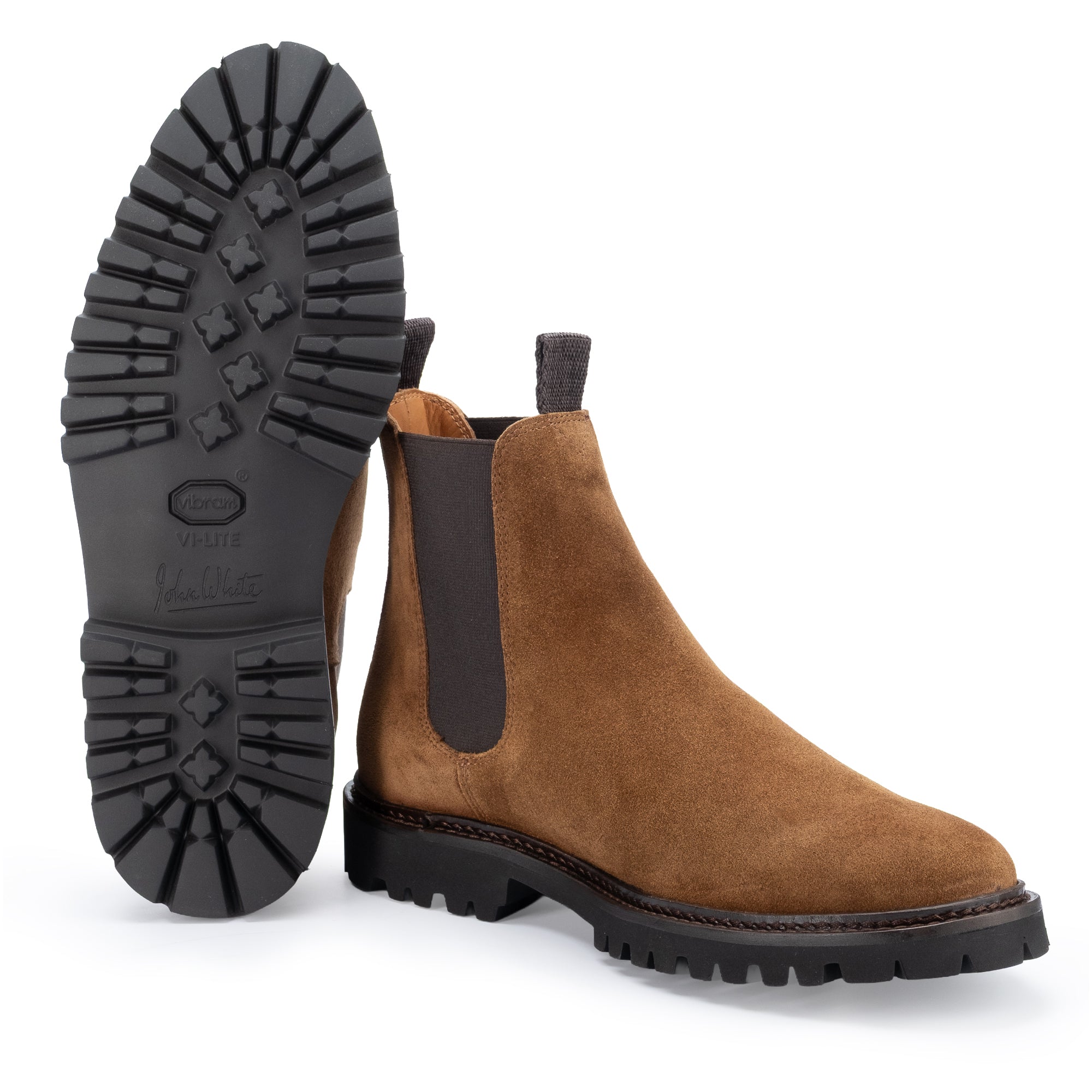
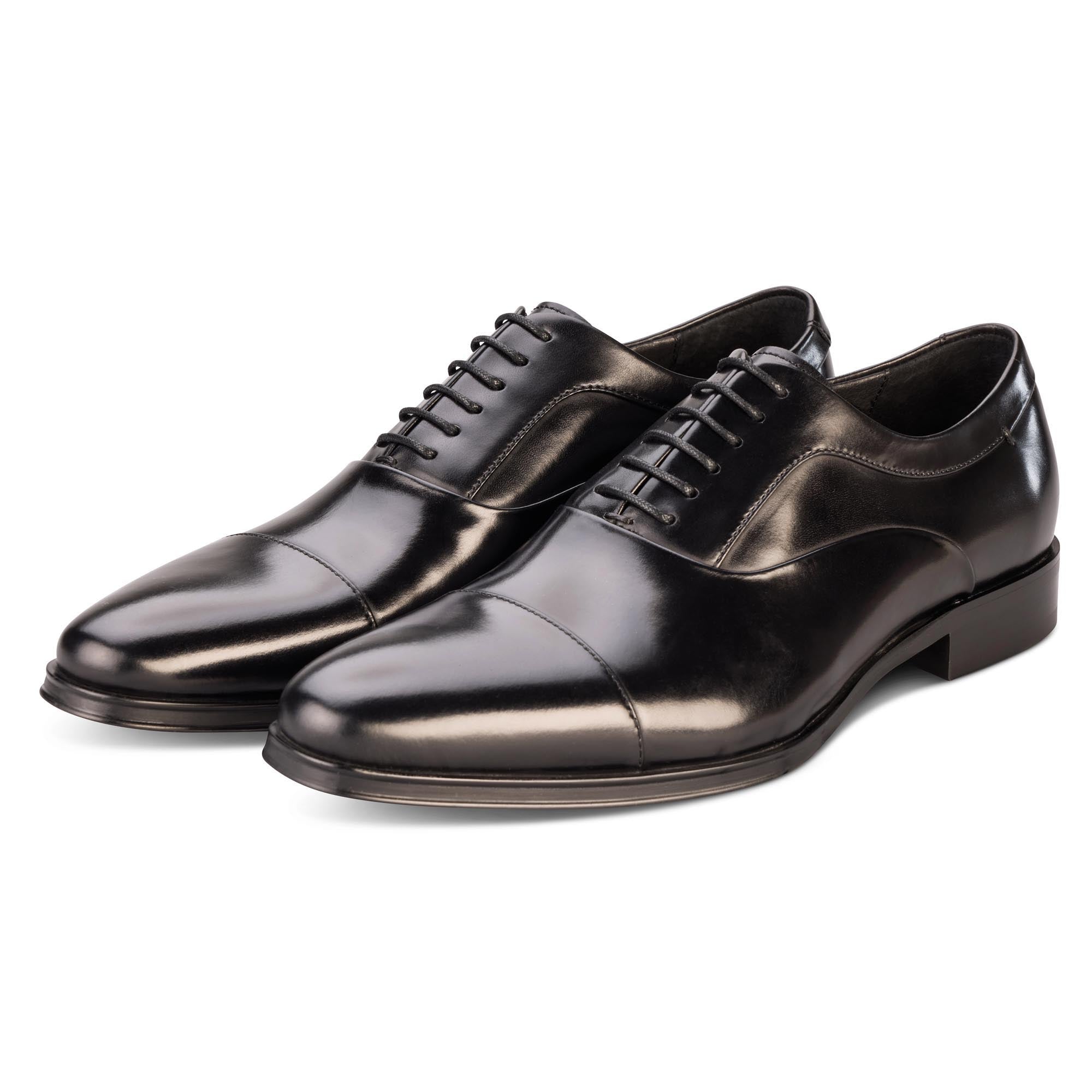
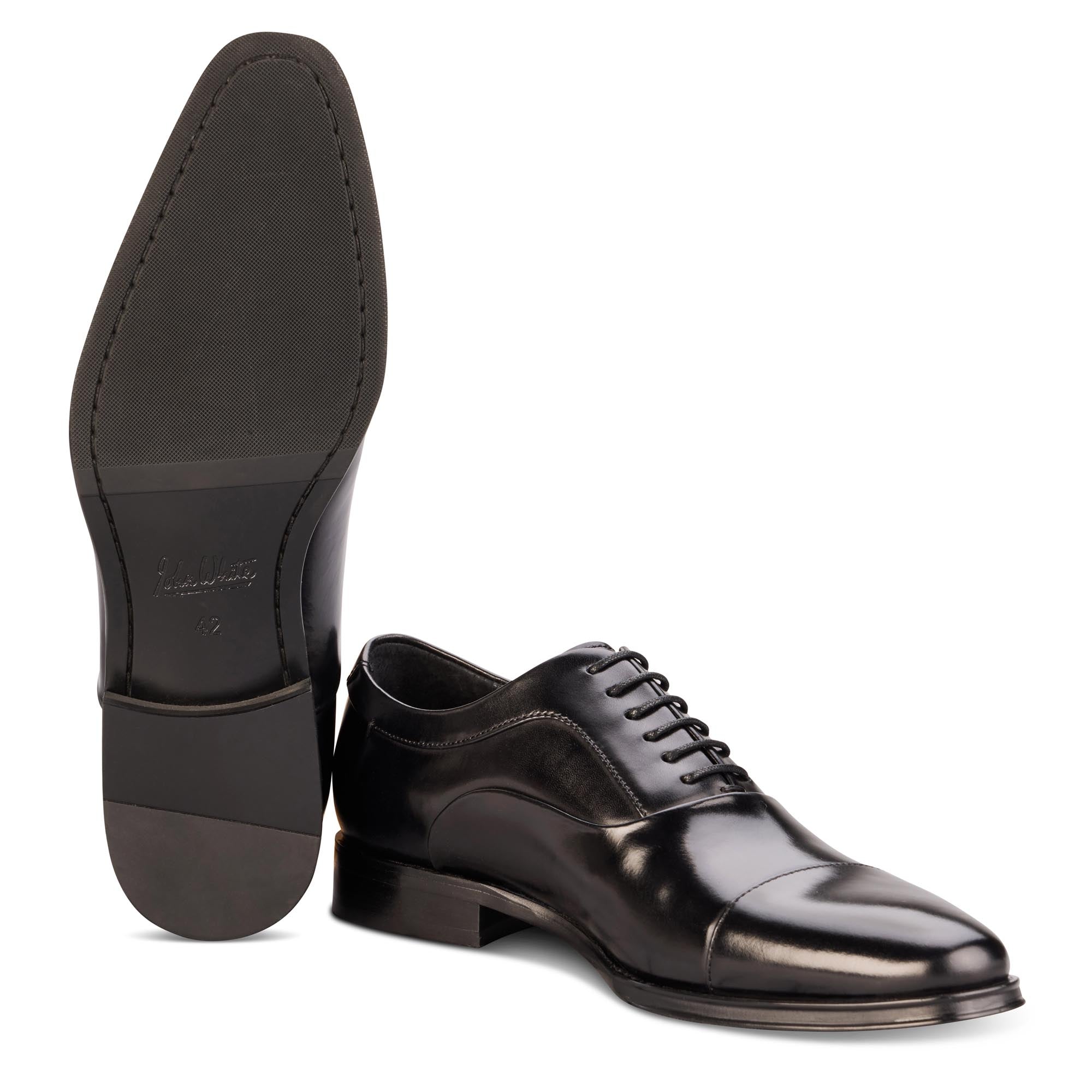
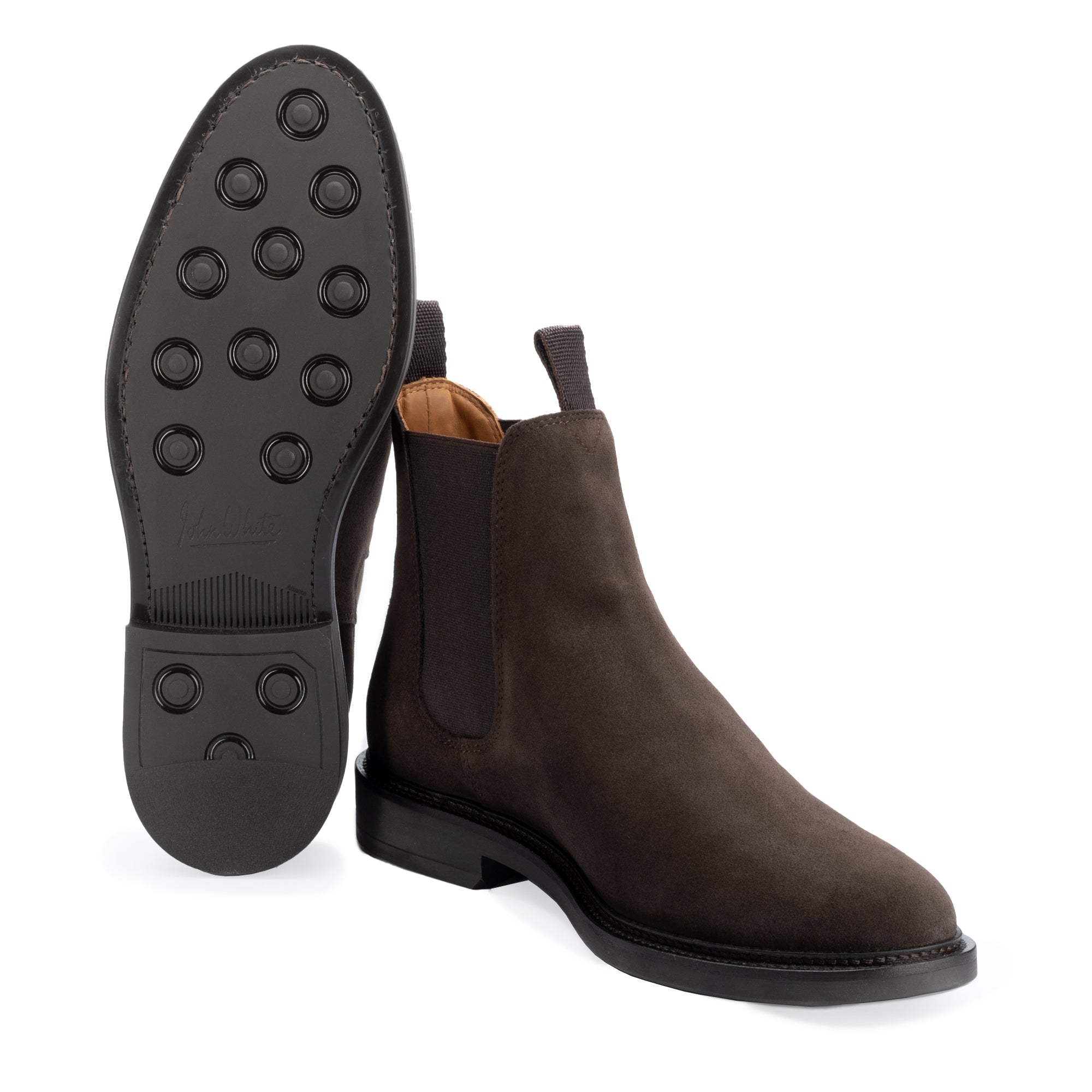
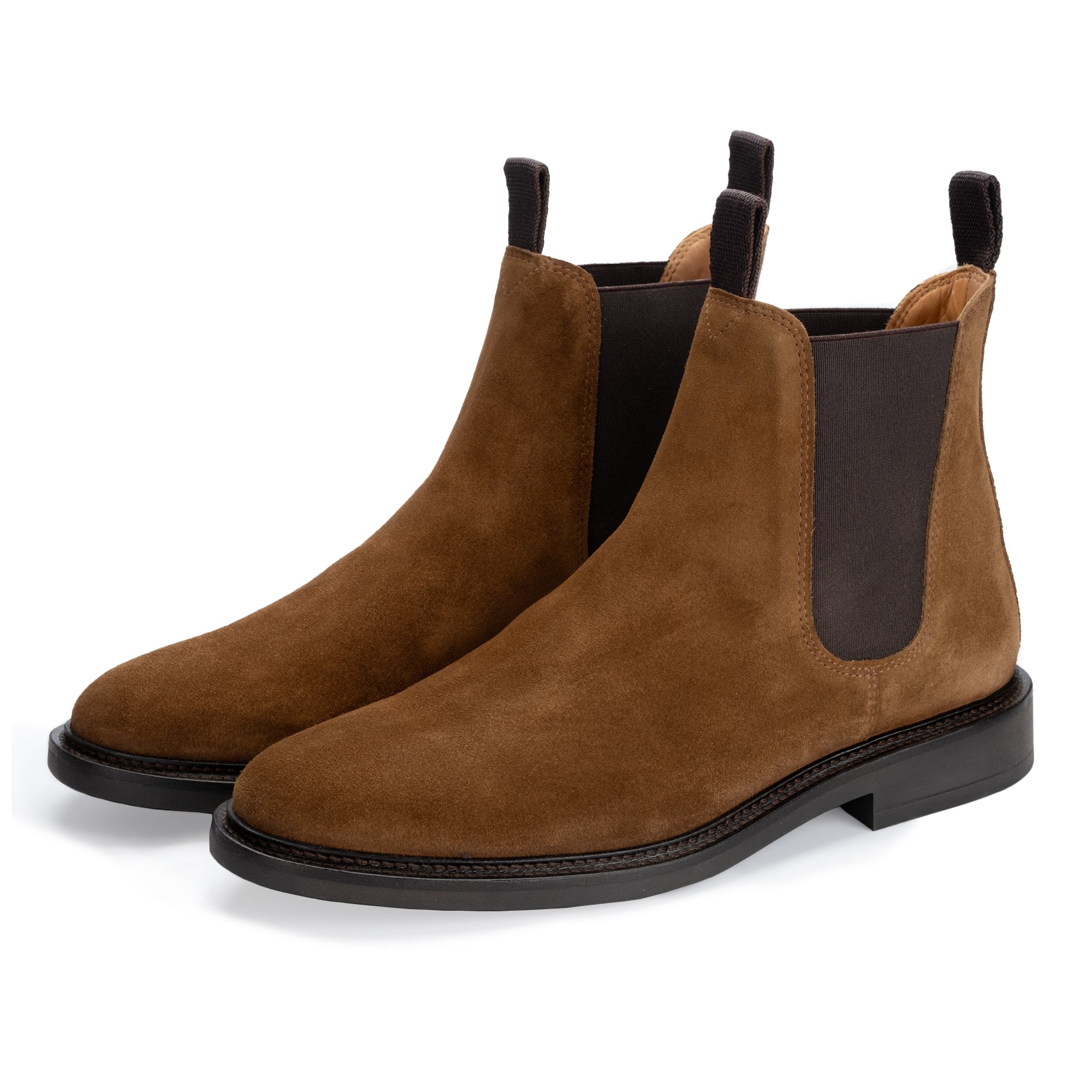
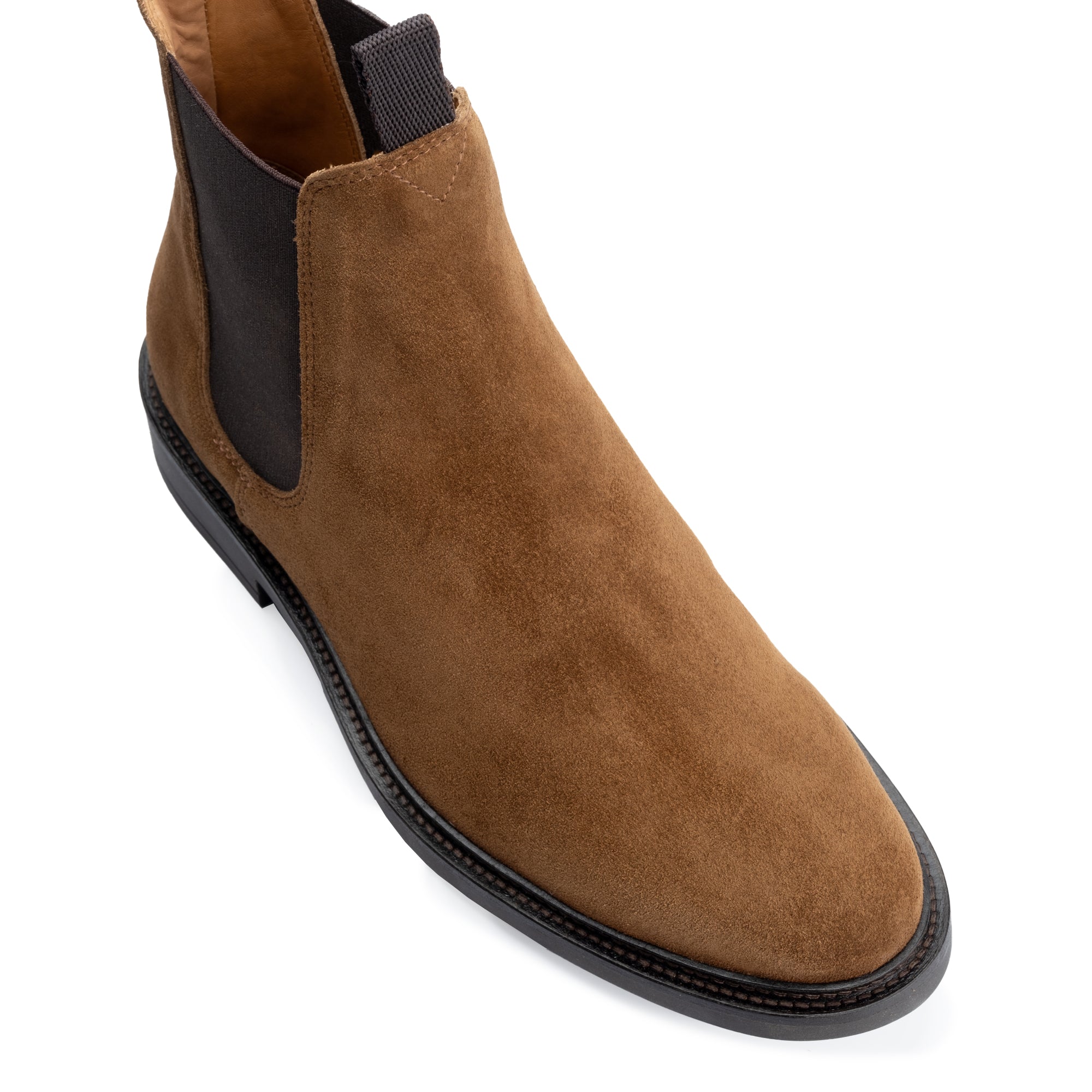
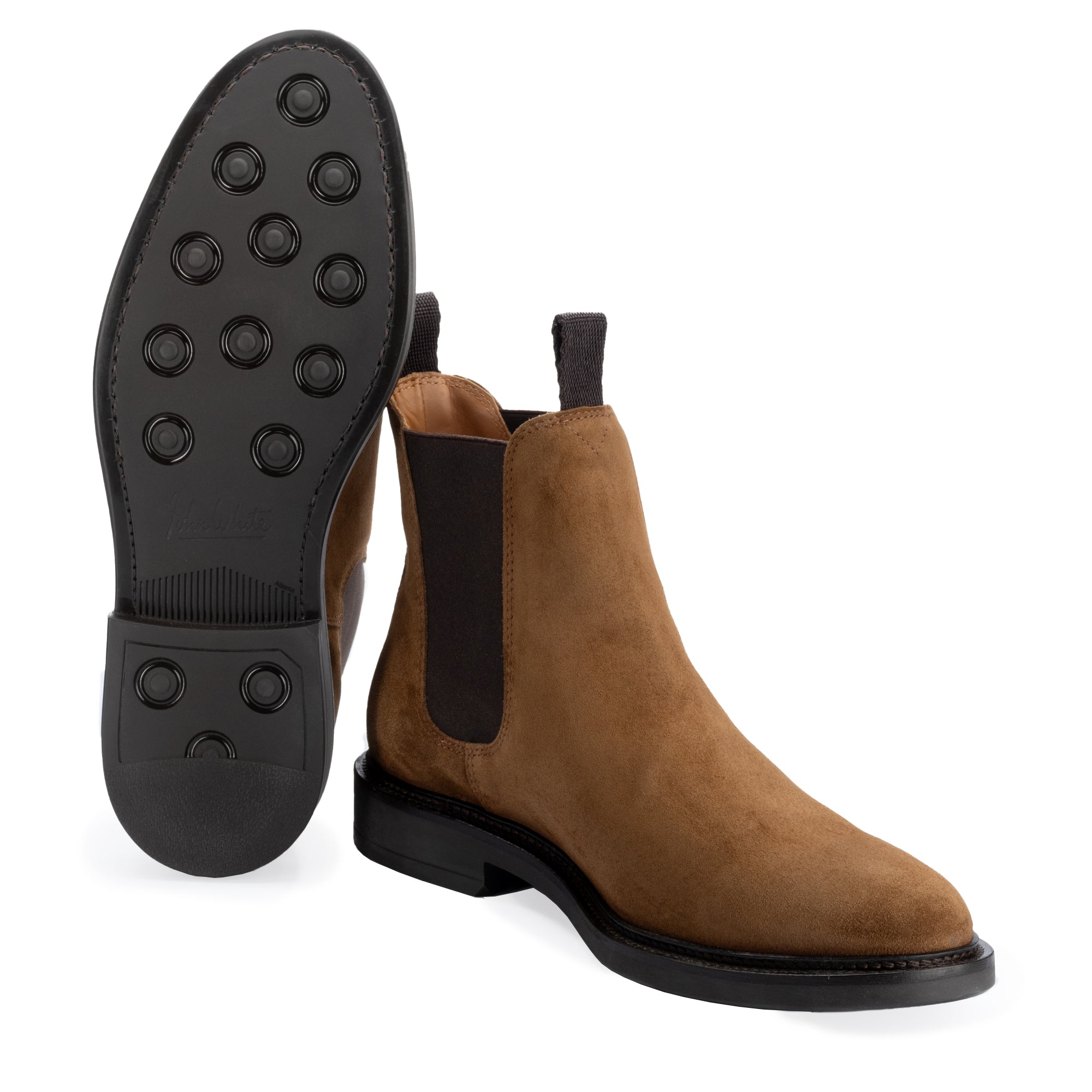
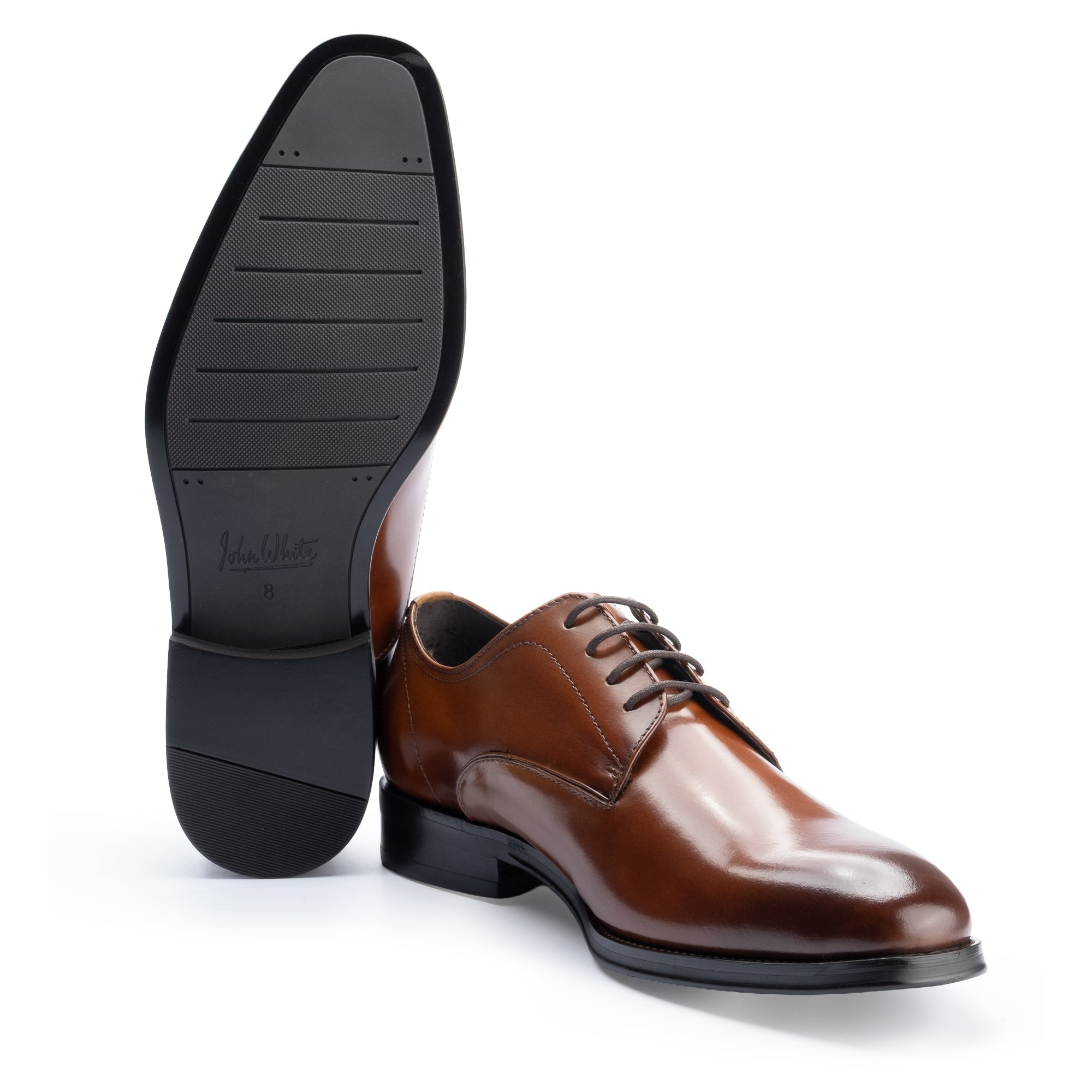
When you invest in fine men's shoes from John White Shoes — or explore our range of premium men's boots — the quality begins long before any leather is selected. It begins with the last.
Related Guides
- From Northampton to the World: The Story Behind British Shoemaking — our comprehensive guide
- The History of British Shoemaking — our comprehensive guide
- The Art of the Last: Why Shoe Shape Matters More Than You Think
- The Cobbler's Legacy: How British Shoe Lasts Are Still Made by Hand
- From Bench to Box: The Traditional Process of Finishing a Leather Shoe
TL;DR: A shoe last is the wooden form that determines every dimension of a finished shoe — toe shape, heel pitch, waist profile, ball width, and spring. The Northampton last tradition, concentrated over five centuries in the English Midlands, produced the proportional conventions that still define fine men's dress footwear globally. British houses including Loake, Barker, Church's, Grenson, Crockett & Jones, and John White Shoes all draw on this regional heritage of precise, elegant proportion. A poorly lasted shoe will fail regardless of the quality of its leather or construction; a well-lasted shoe holds its shape and its fit for decades.
Frequently Asked Questions
What is a shoe last and what does it determine?
A shoe last is a solid three-dimensional form — traditionally carved from beech wood — around which all components of a shoe are assembled. It determines the toe shape, heel pitch, waist profile, ball width, instep height, and overall silhouette of the finished shoe. Every pair of fine men's shoes begins on a last, and no aspect of its shape can be altered after lasting is complete.
Why are Northampton lasts regarded as the benchmark for fine men's shoes?
Northampton's reputation is the product of over 500 years of concentrated shoemaking expertise and a specialist last-making trade that developed independently within the county's broader shoe industry. The proportional conventions refined there — balancing anatomical fit with the elongated elegance required by formal British dress — became the international standard for quality men's footwear. They remain widely referenced and copied today.
Does the shoe last affect how a shoe fits?
Decisively. A last that matches the proportions of your foot across the ball, instep, and heel will fit immediately and require no meaningful break-in period. A last that does not match those proportions will cause pressure and discomfort regardless of how well the leather or construction performs. The last is the primary variable in fit — not size alone.
How long can a shoe last remain in use?
A well-maintained wooden last can remain in productive use for decades. Quality houses commonly retain proprietary lasts for fifty years or more, refinishing the surface as needed while preserving the core dimensions that have proven successful across thousands of pairs. For established British houses, a proven last is a working archive of design knowledge — not a piece of tooling to be replaced when convenient.
Explore the John White Shoes men's collection — each pair shaped on lasts refined through generations of British shoemaking heritage, Est. 1919.