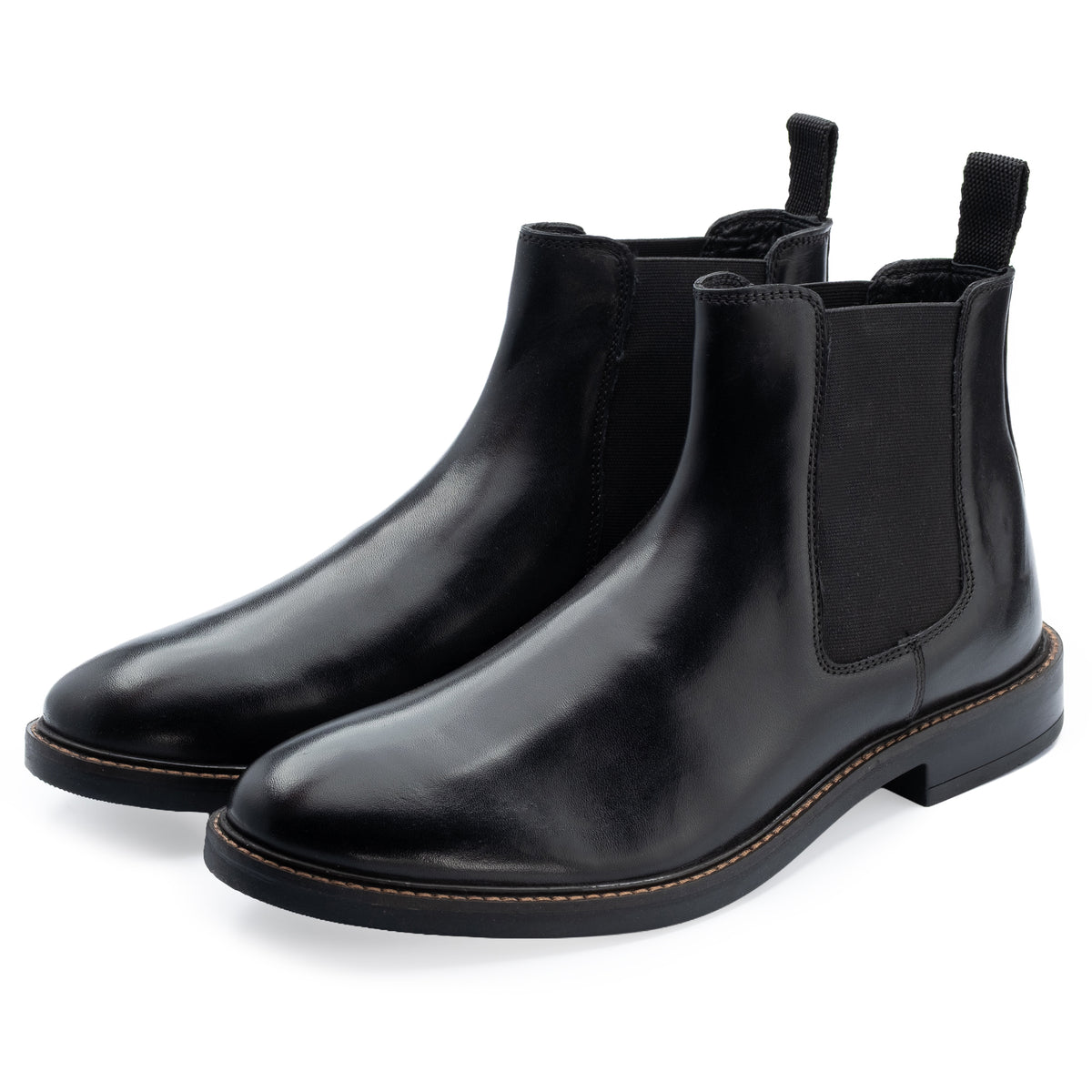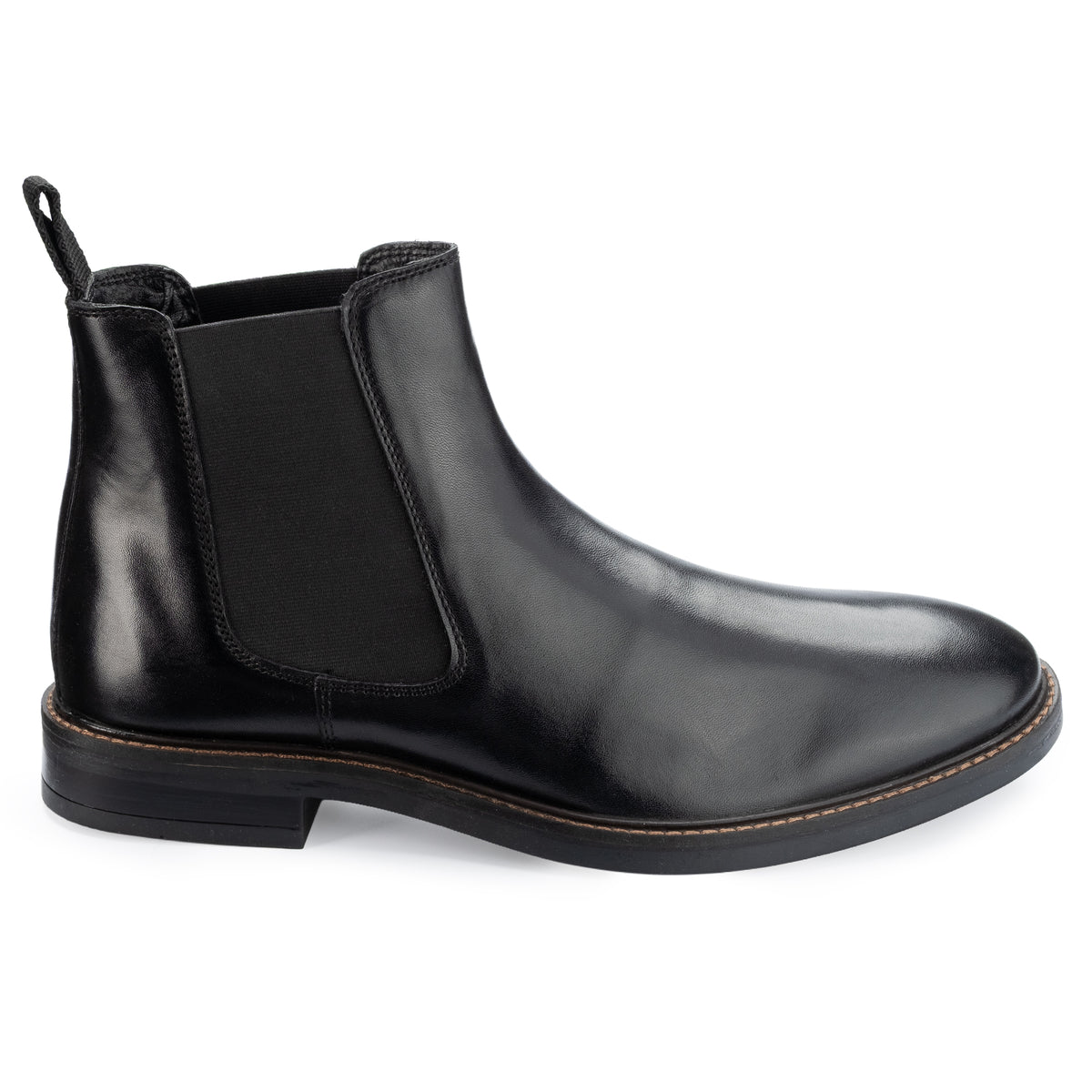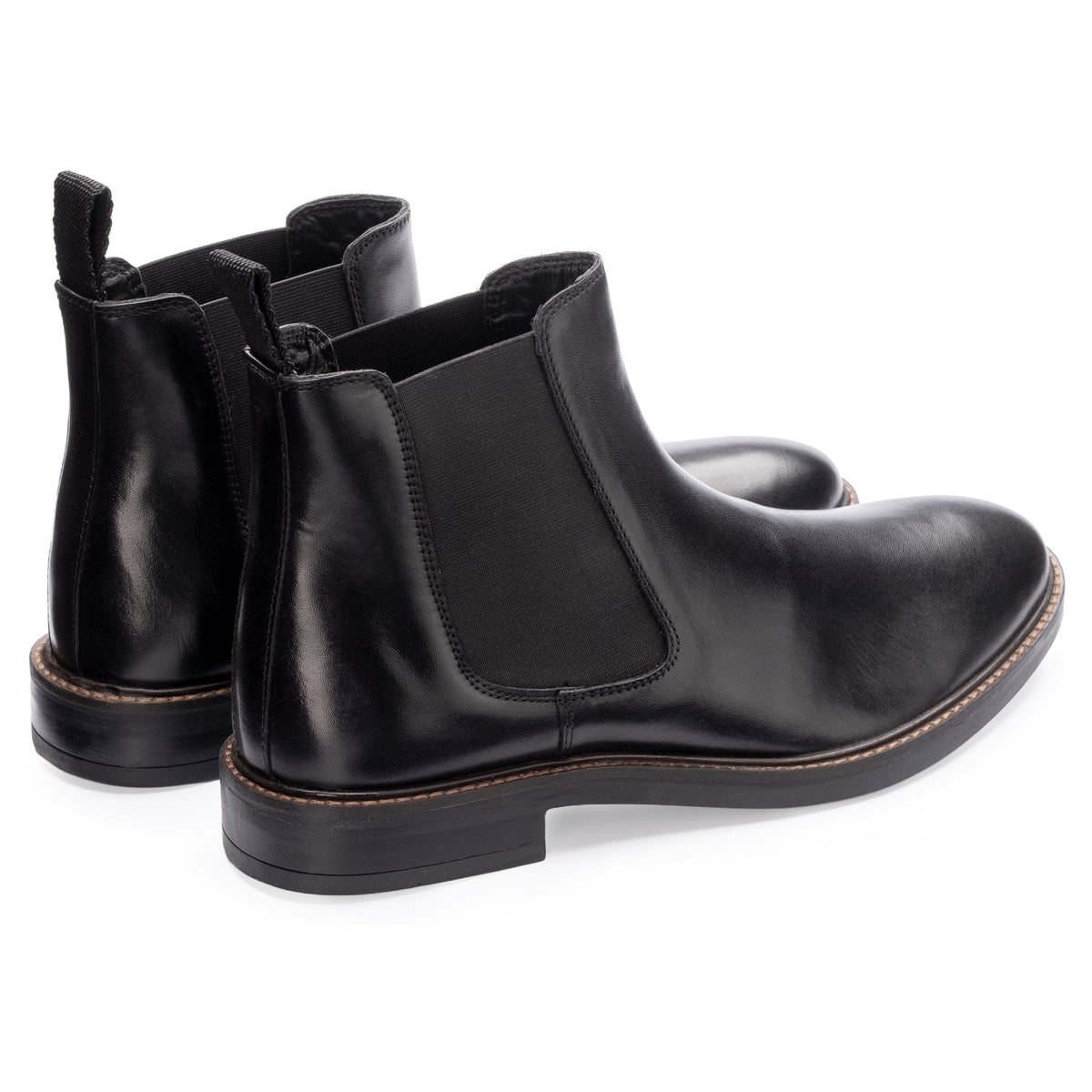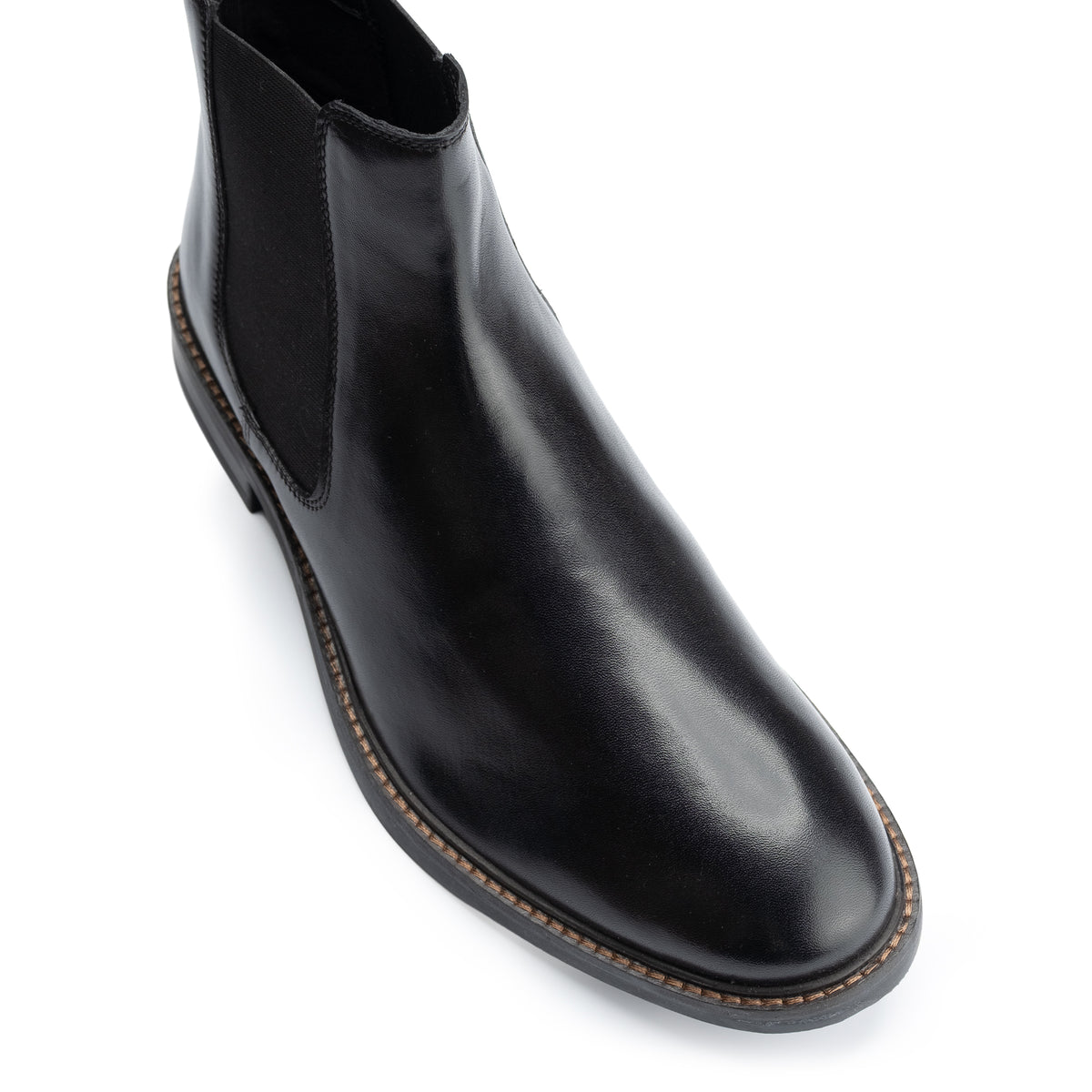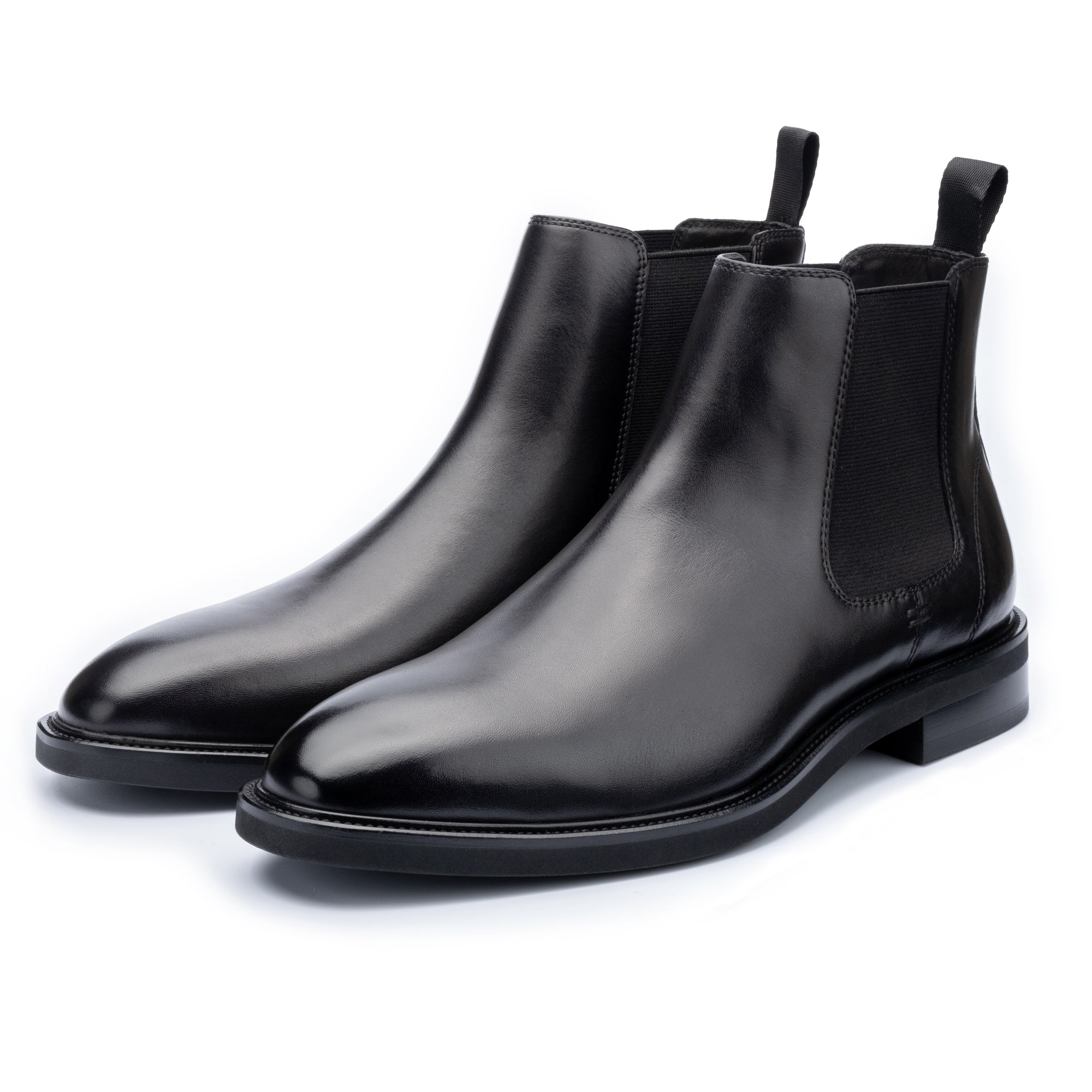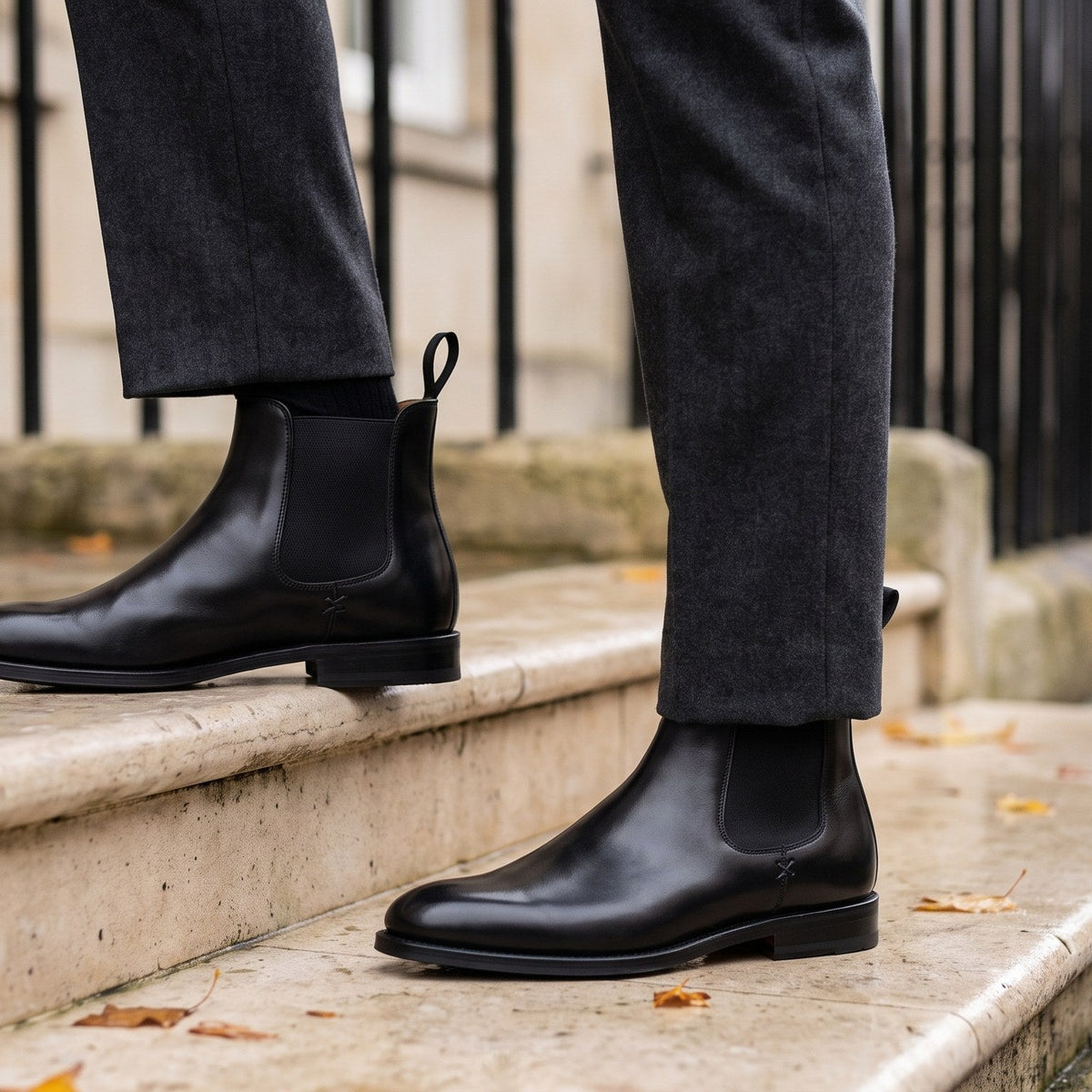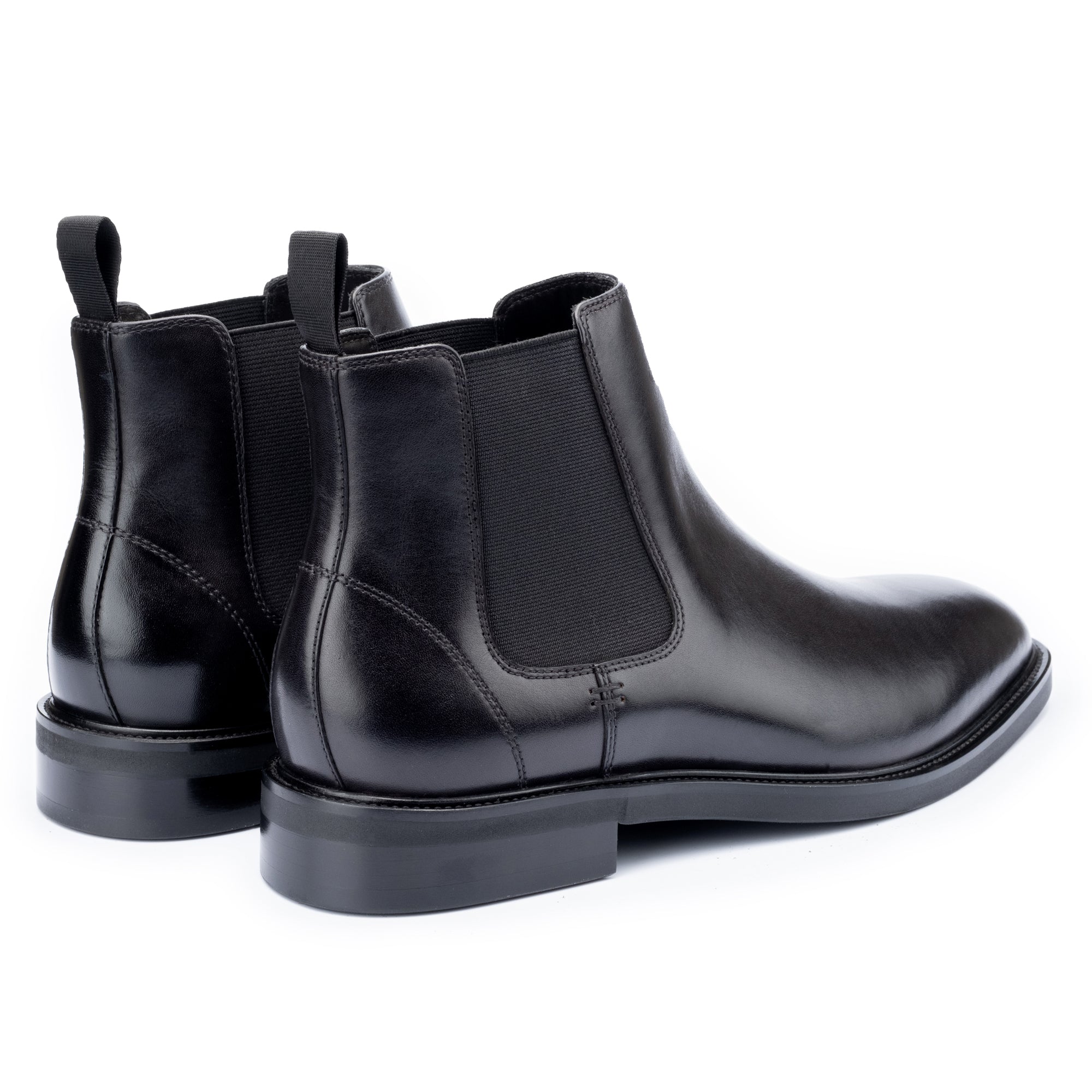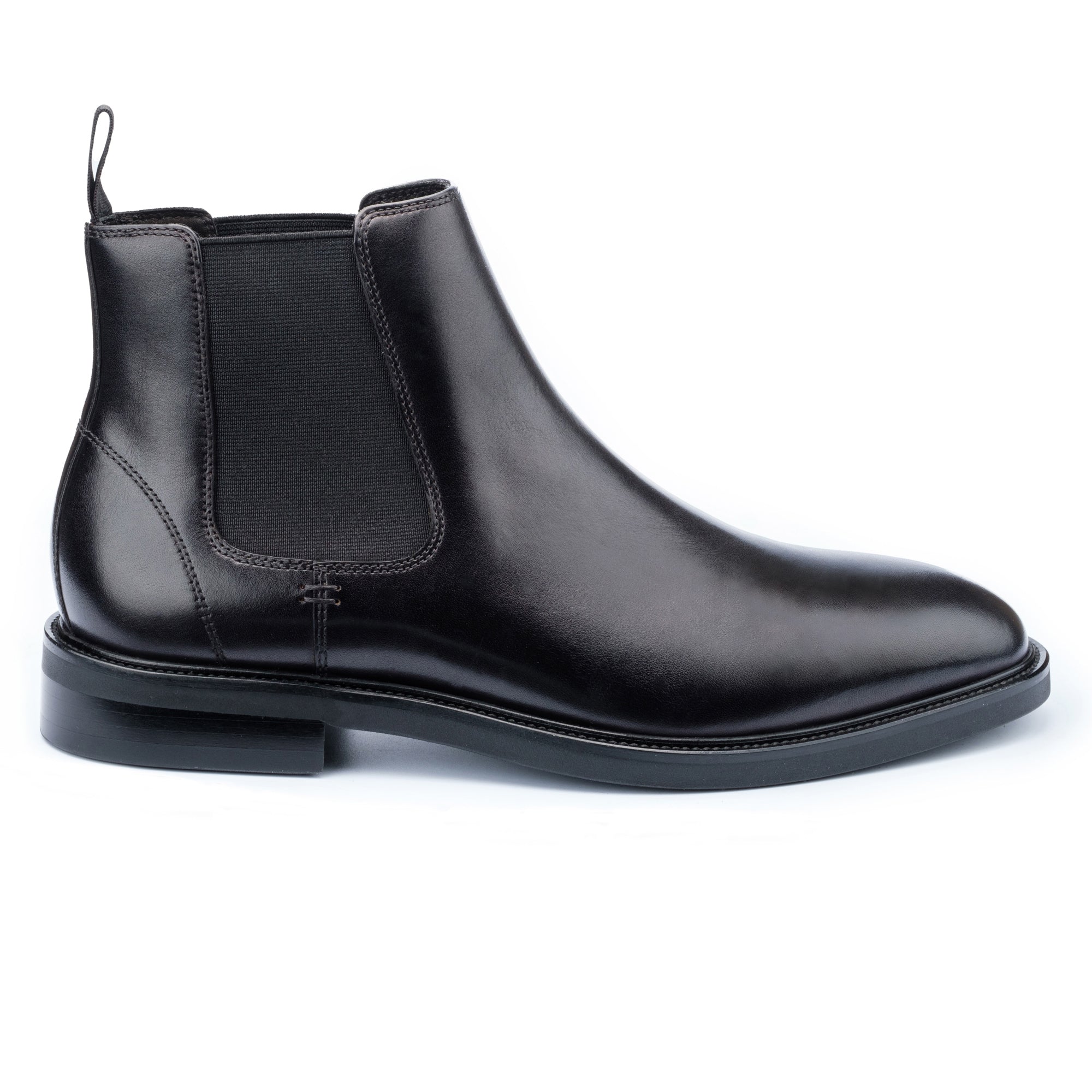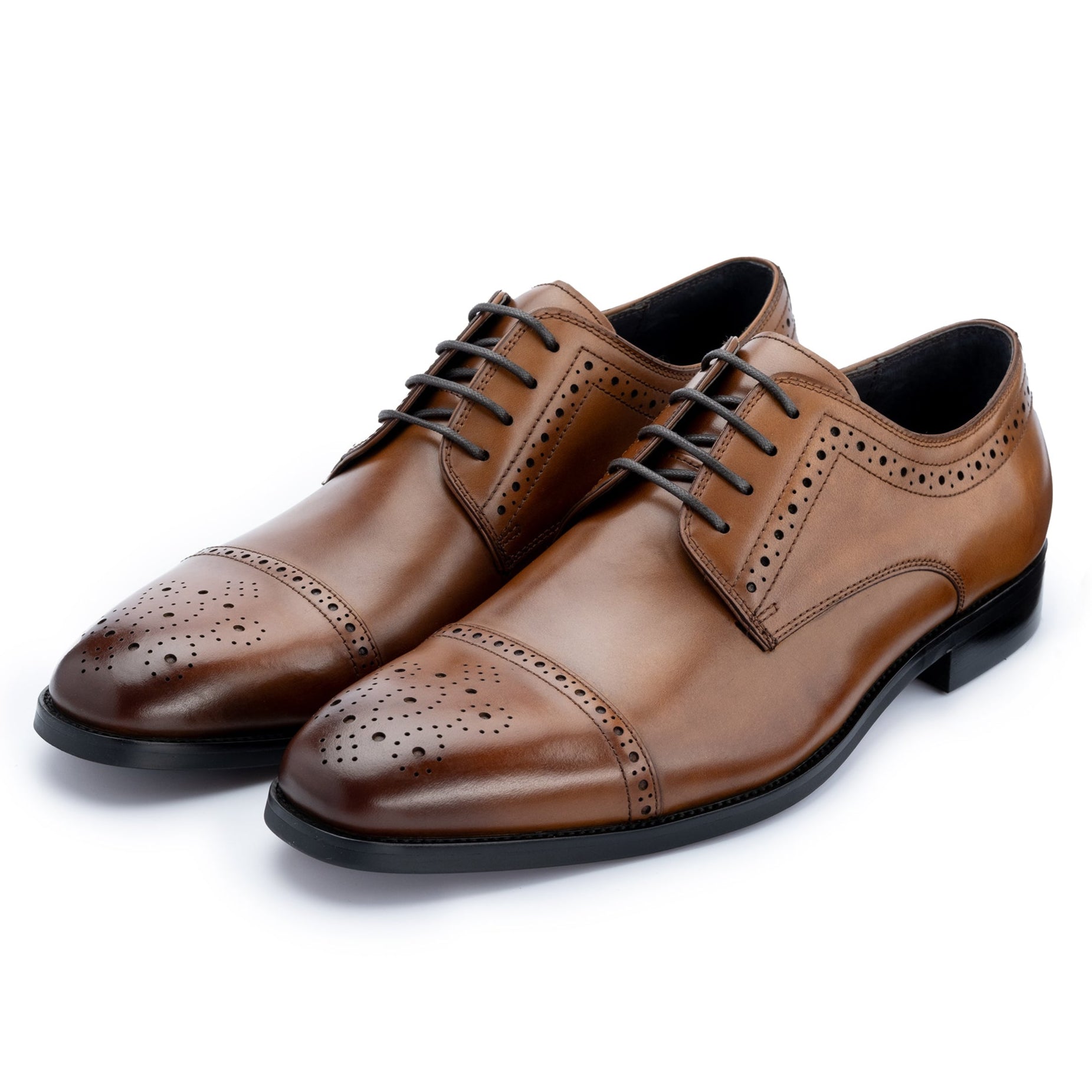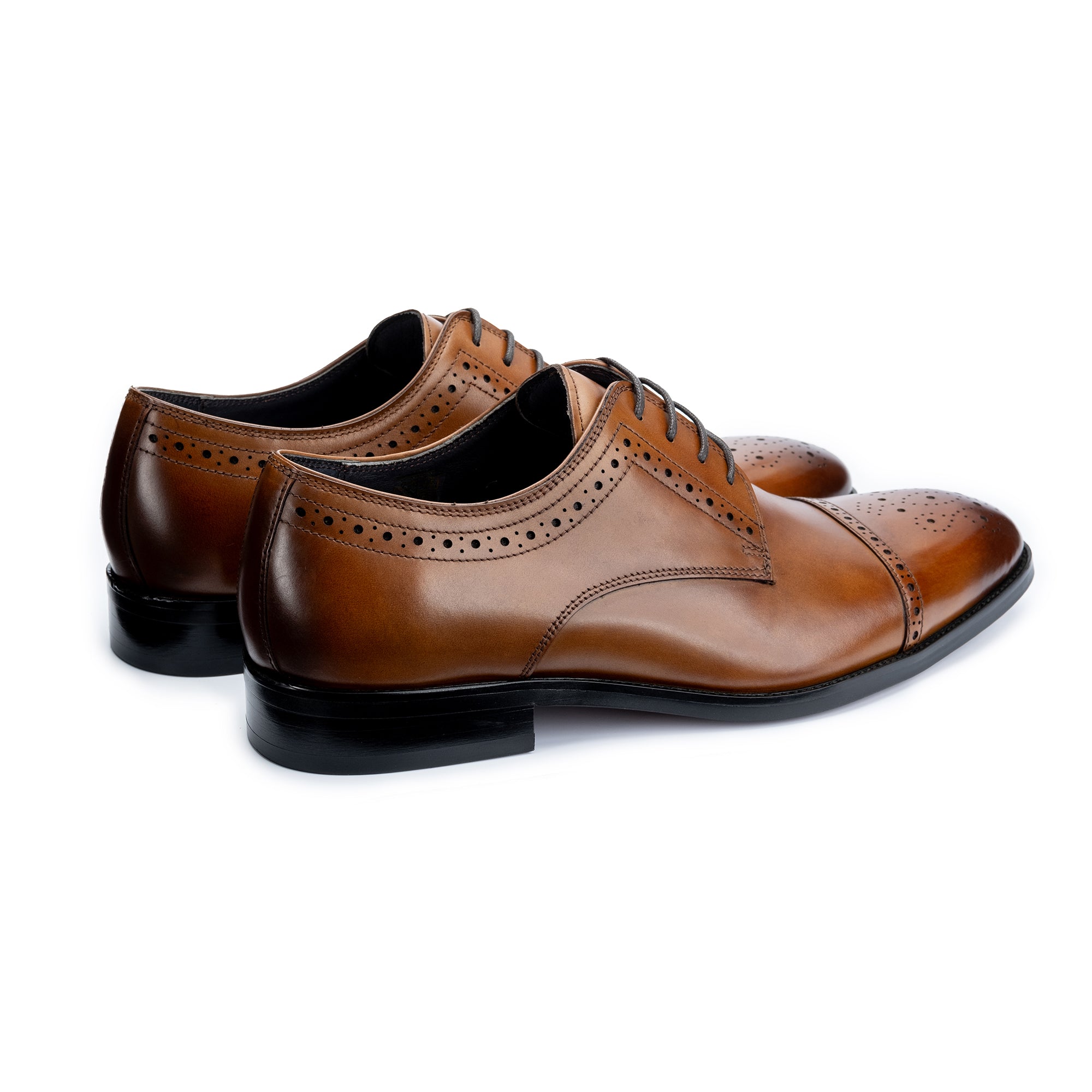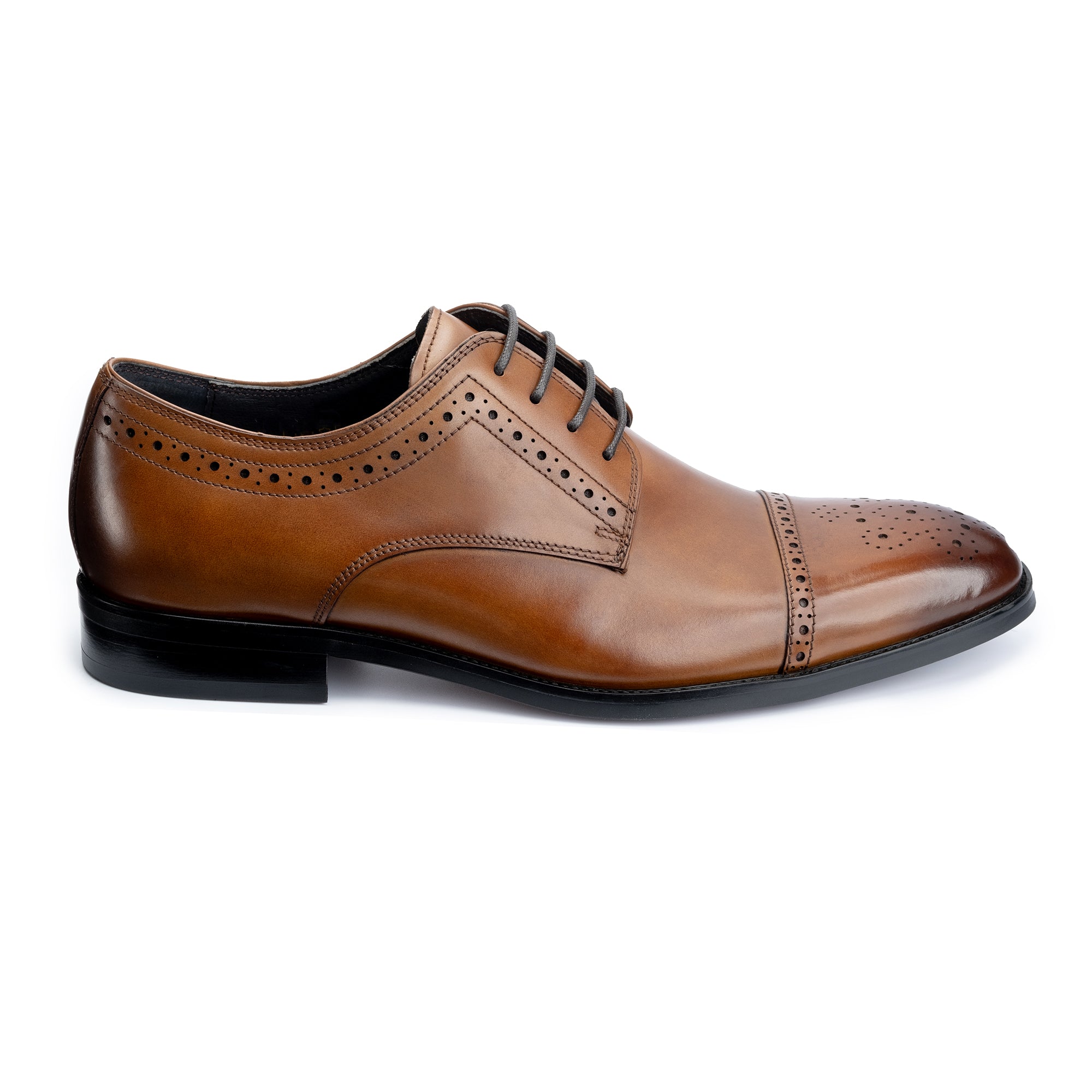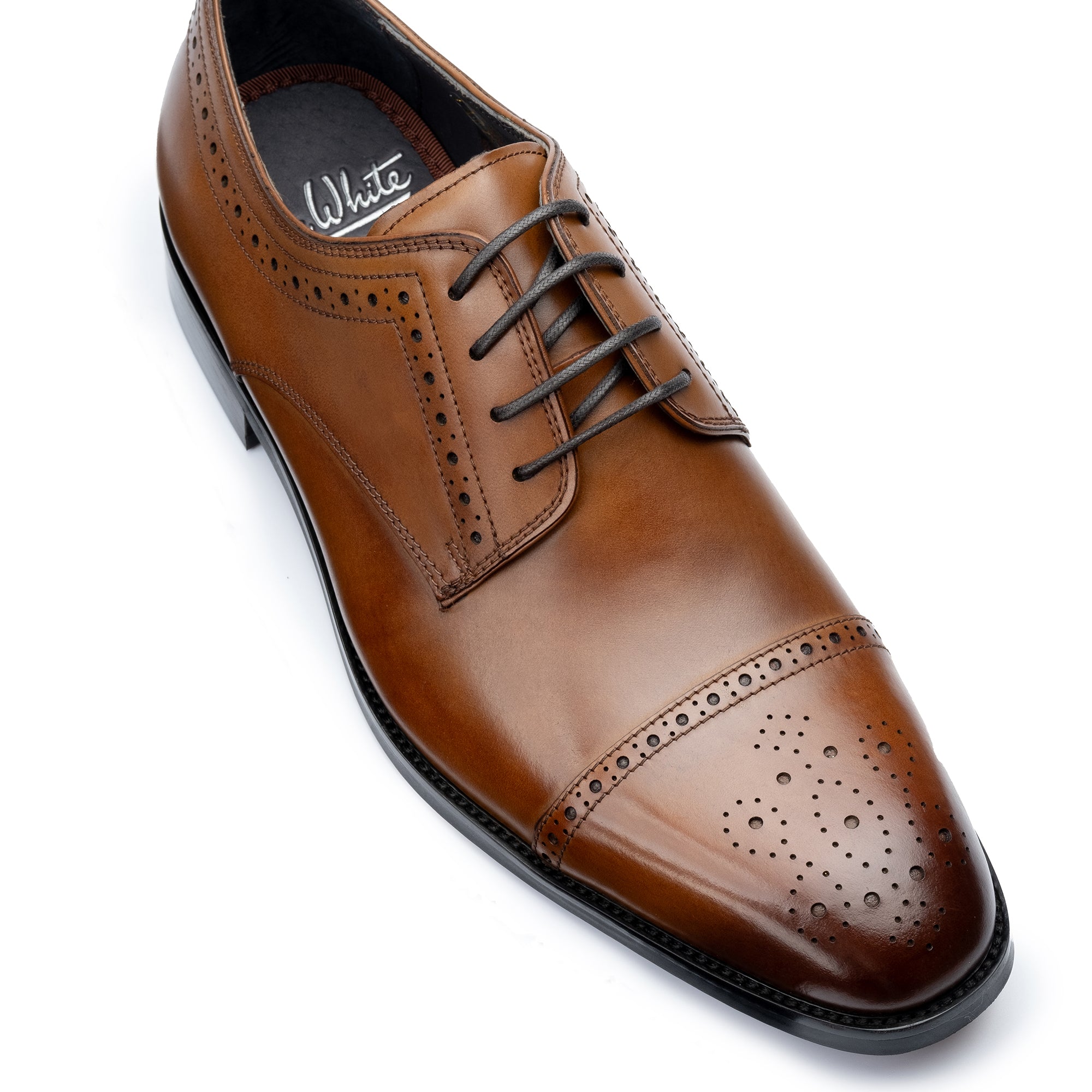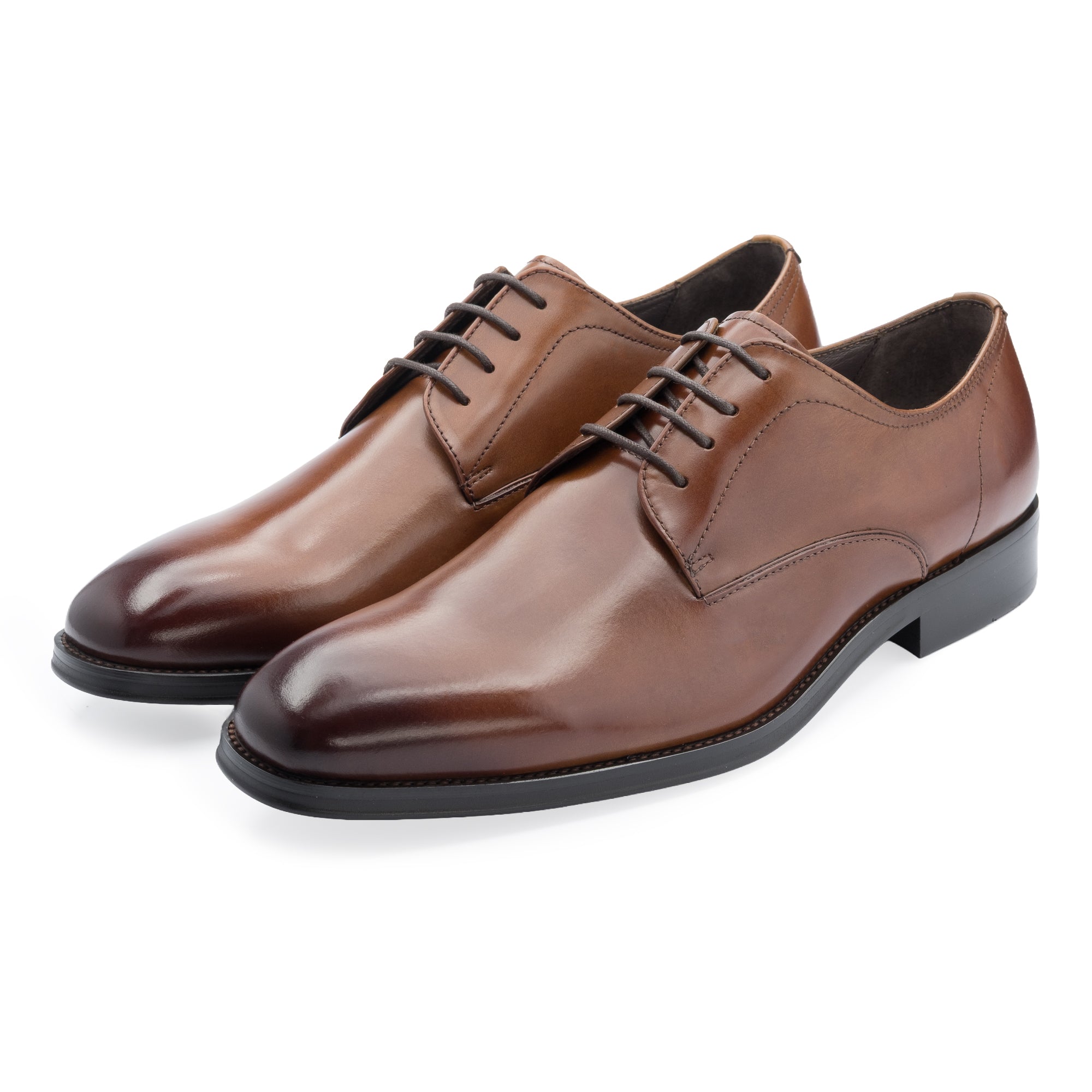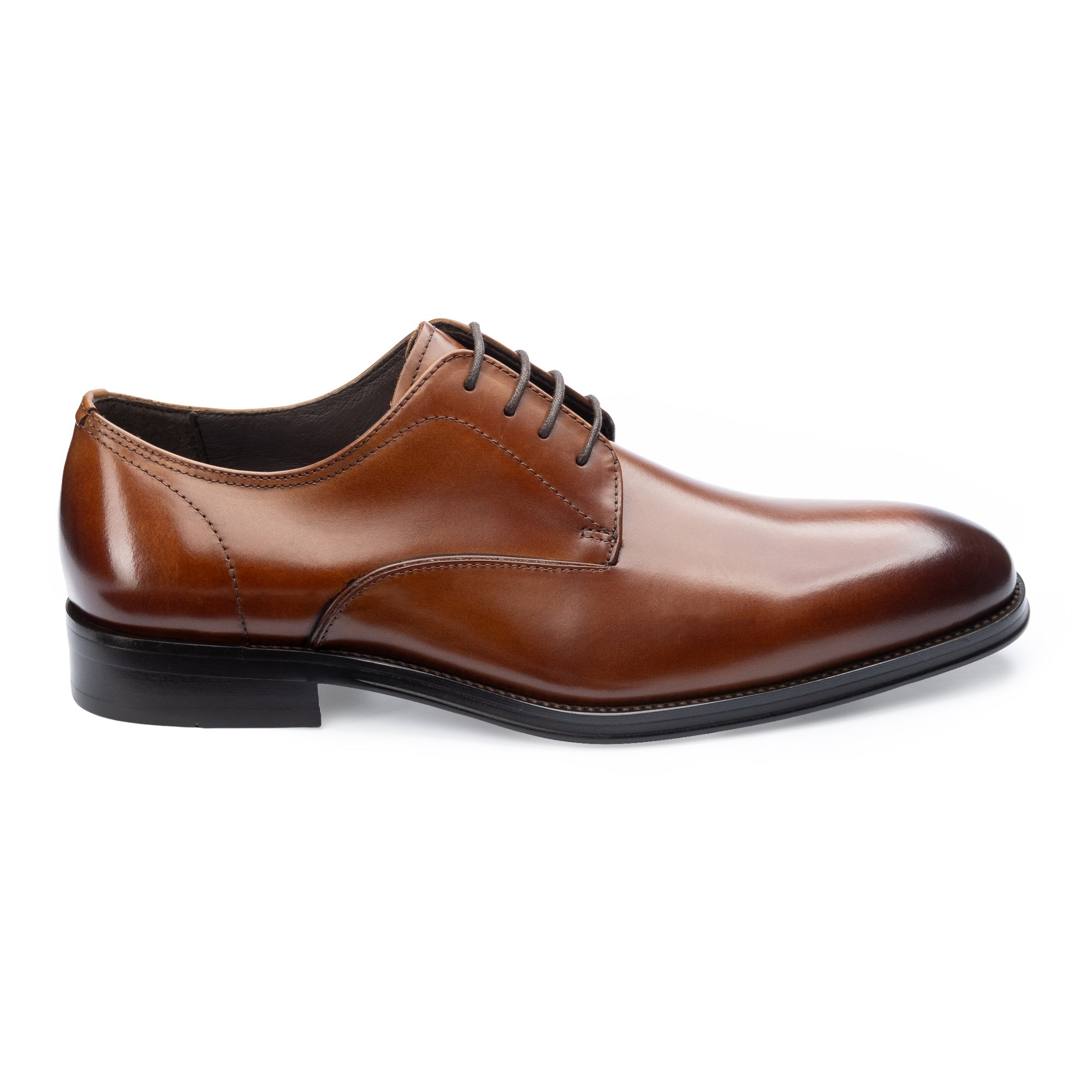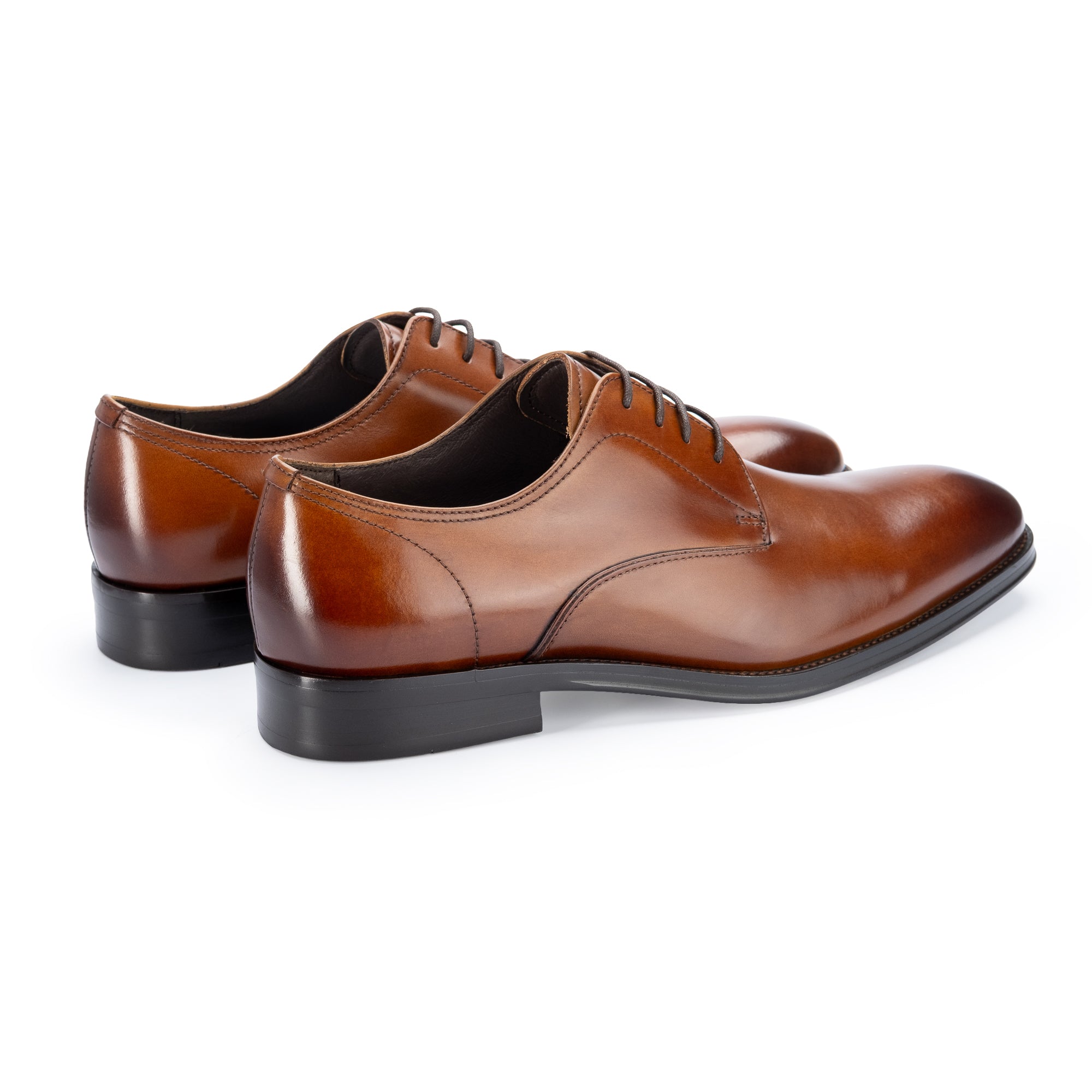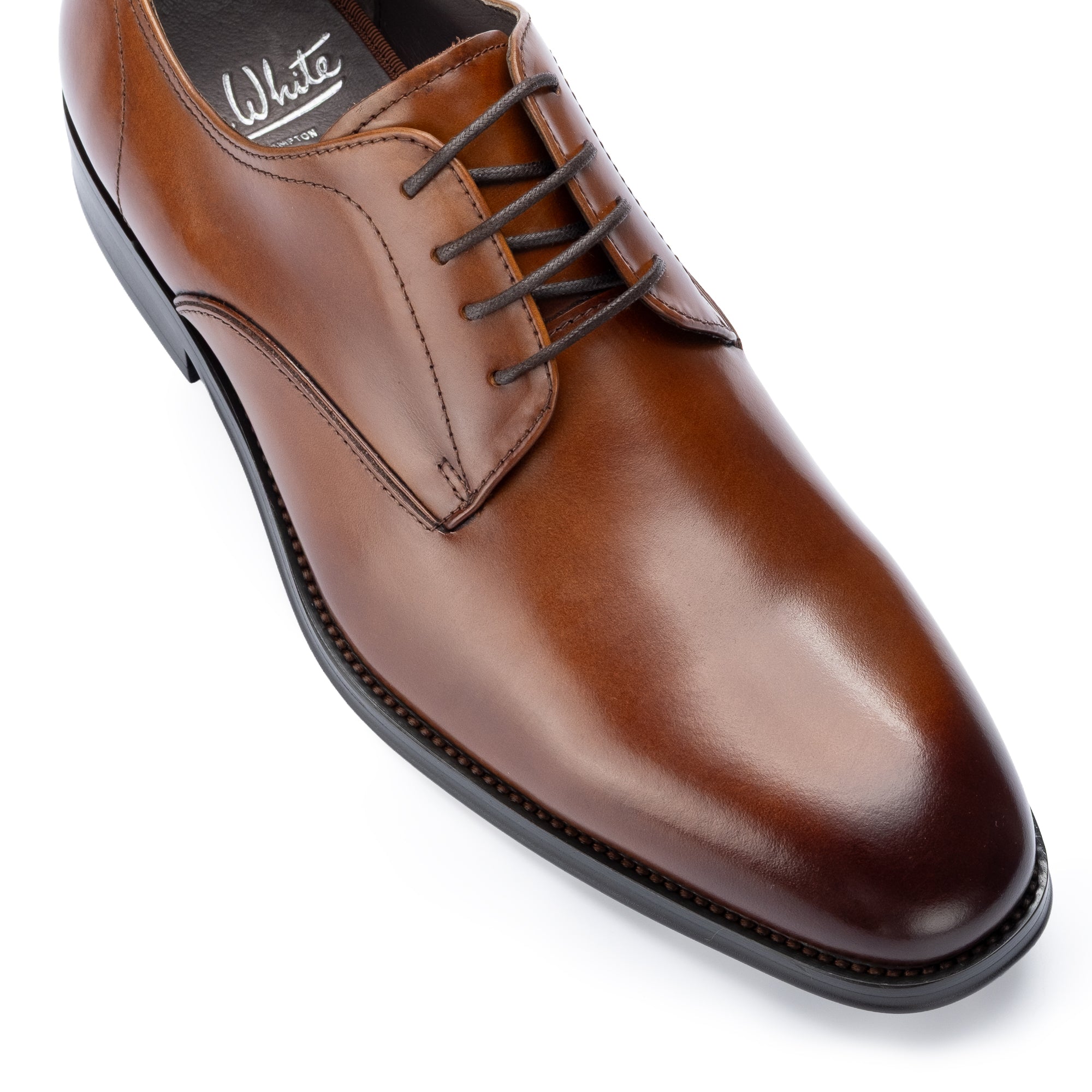

The Anatomy of a Quality Shoe: What Goes Into Every Pair
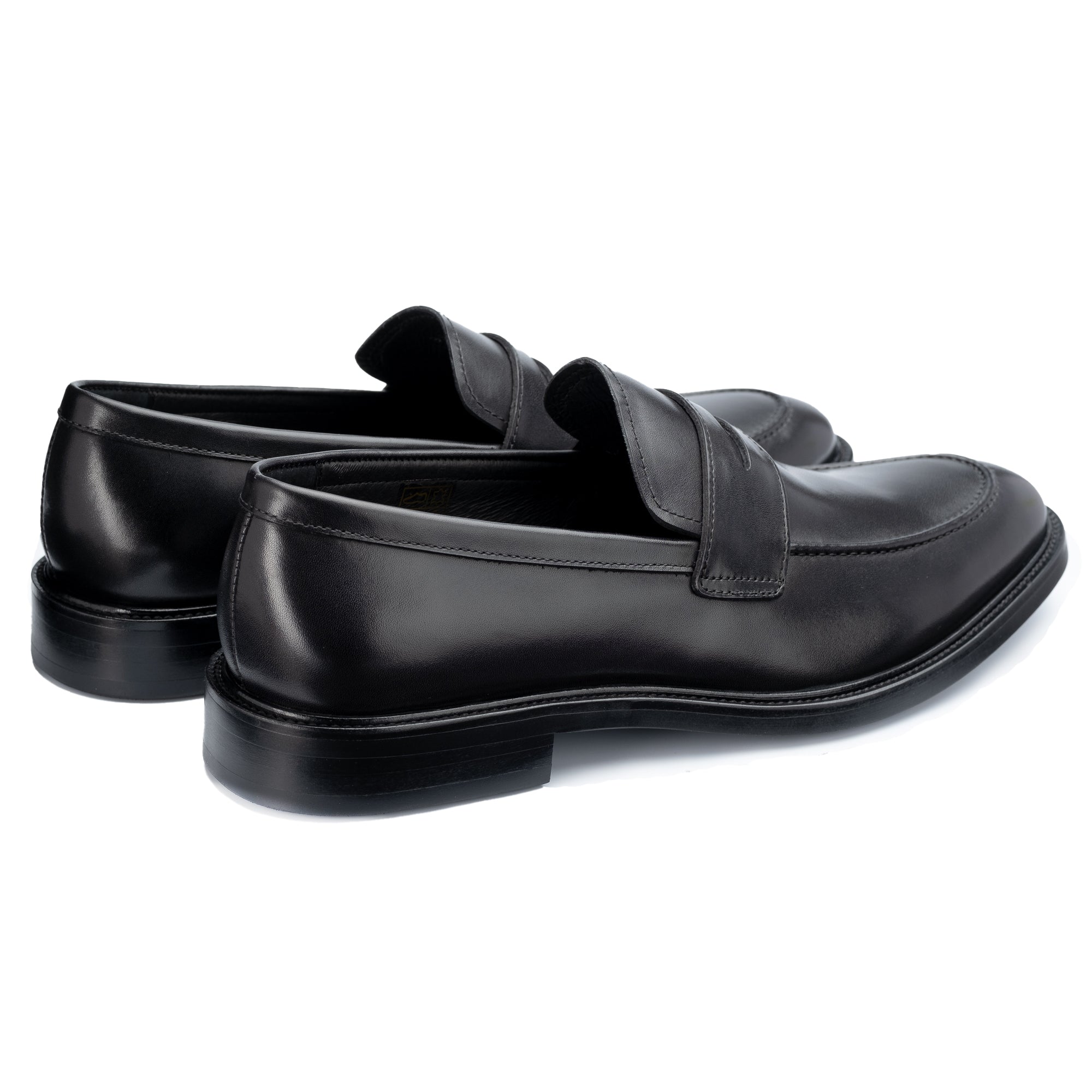
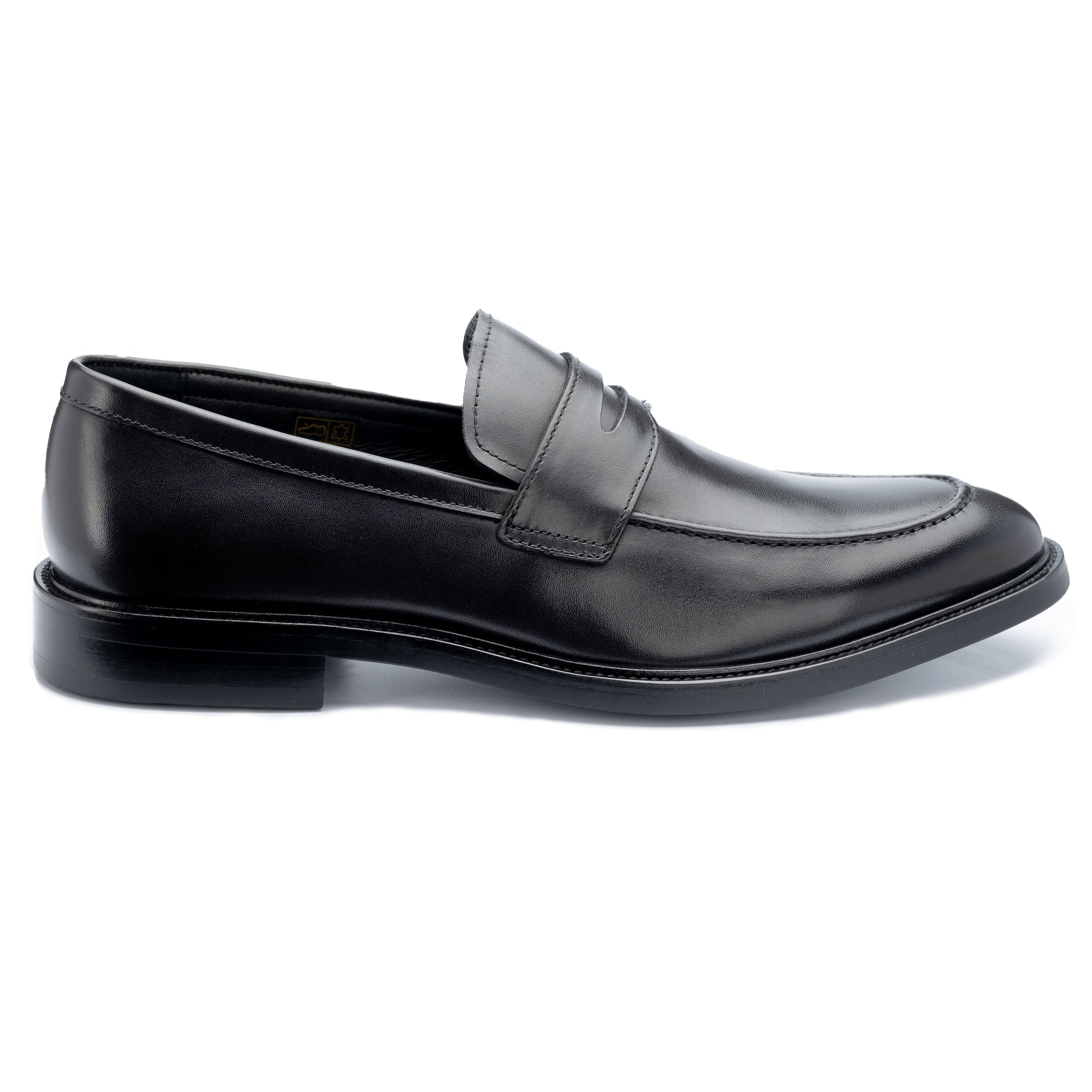
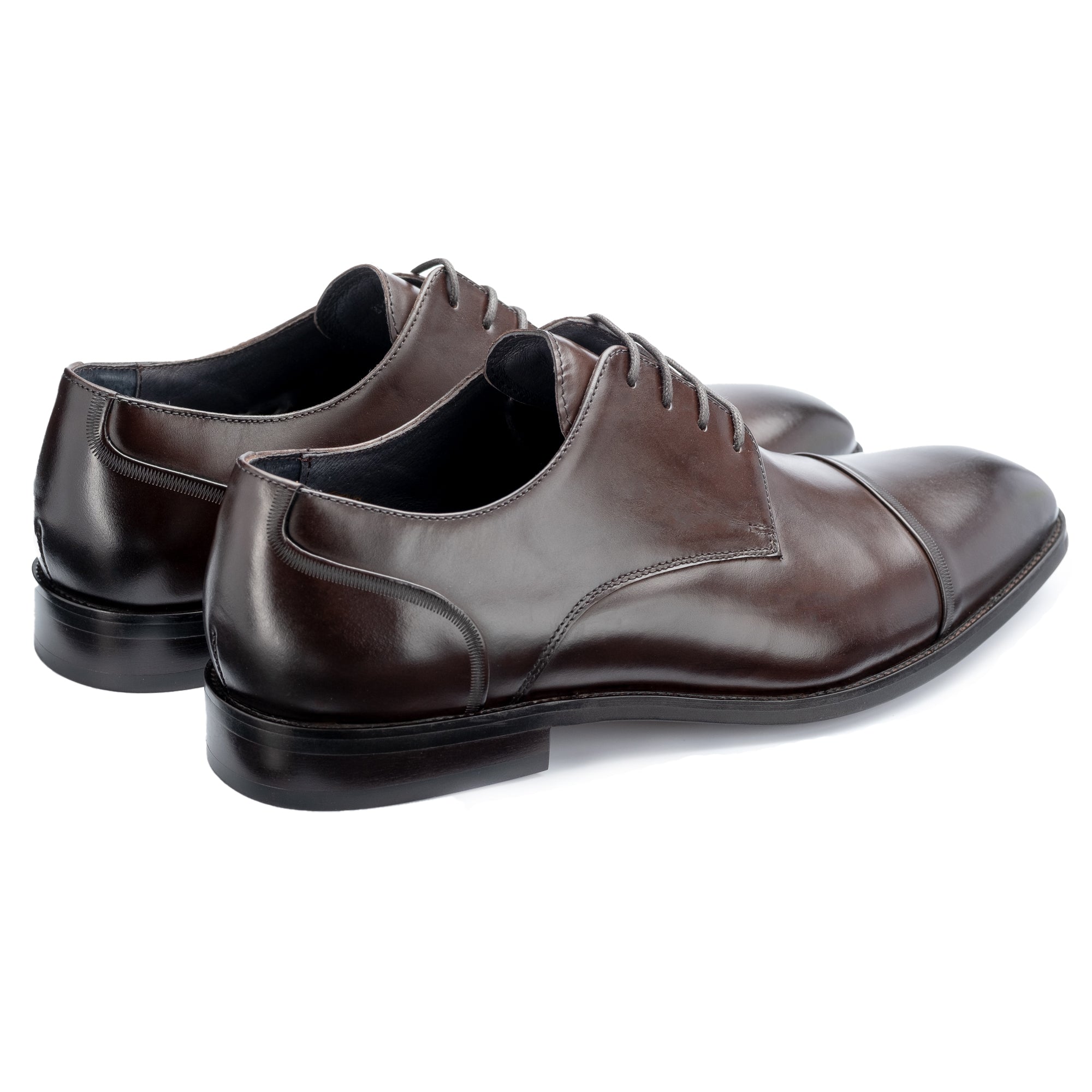
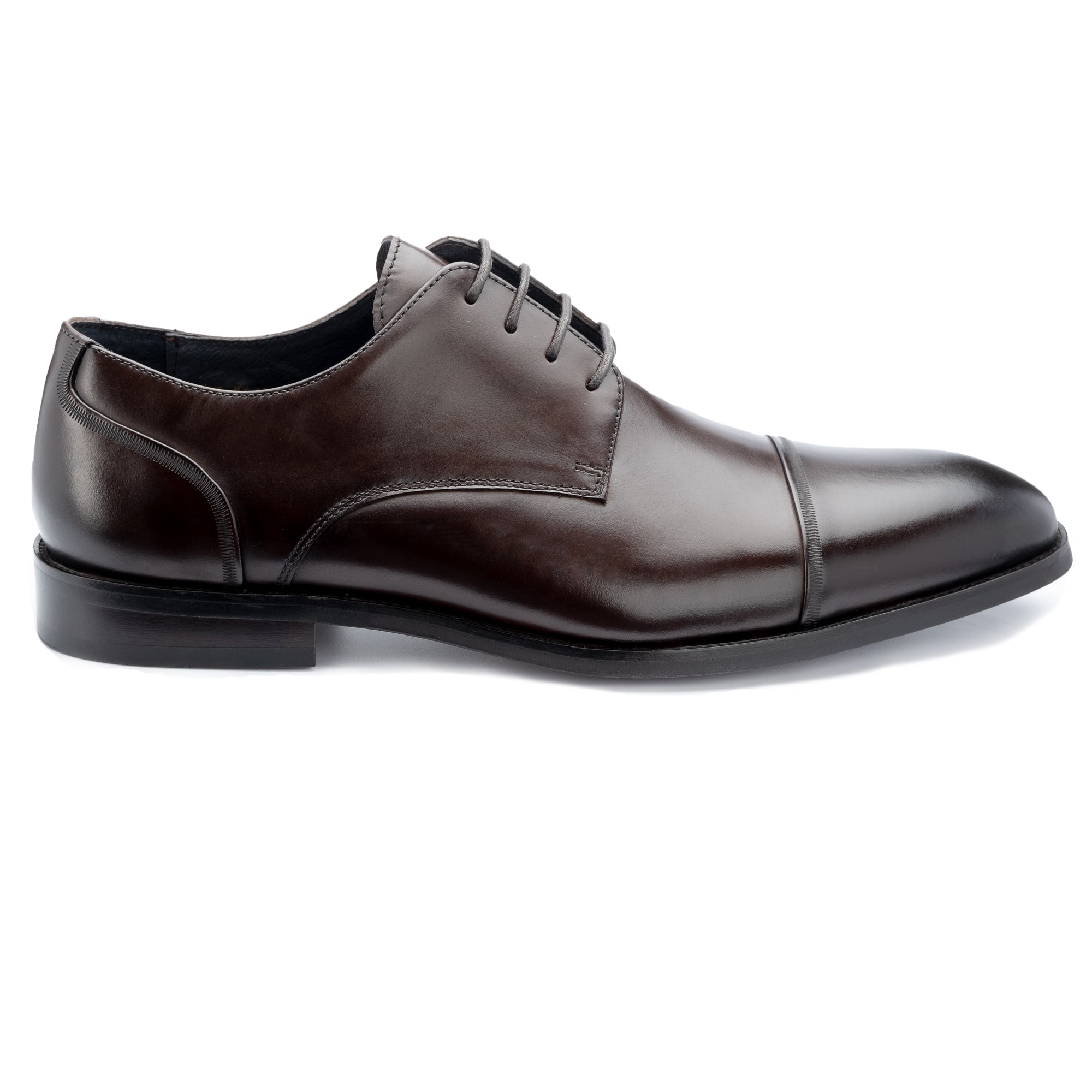
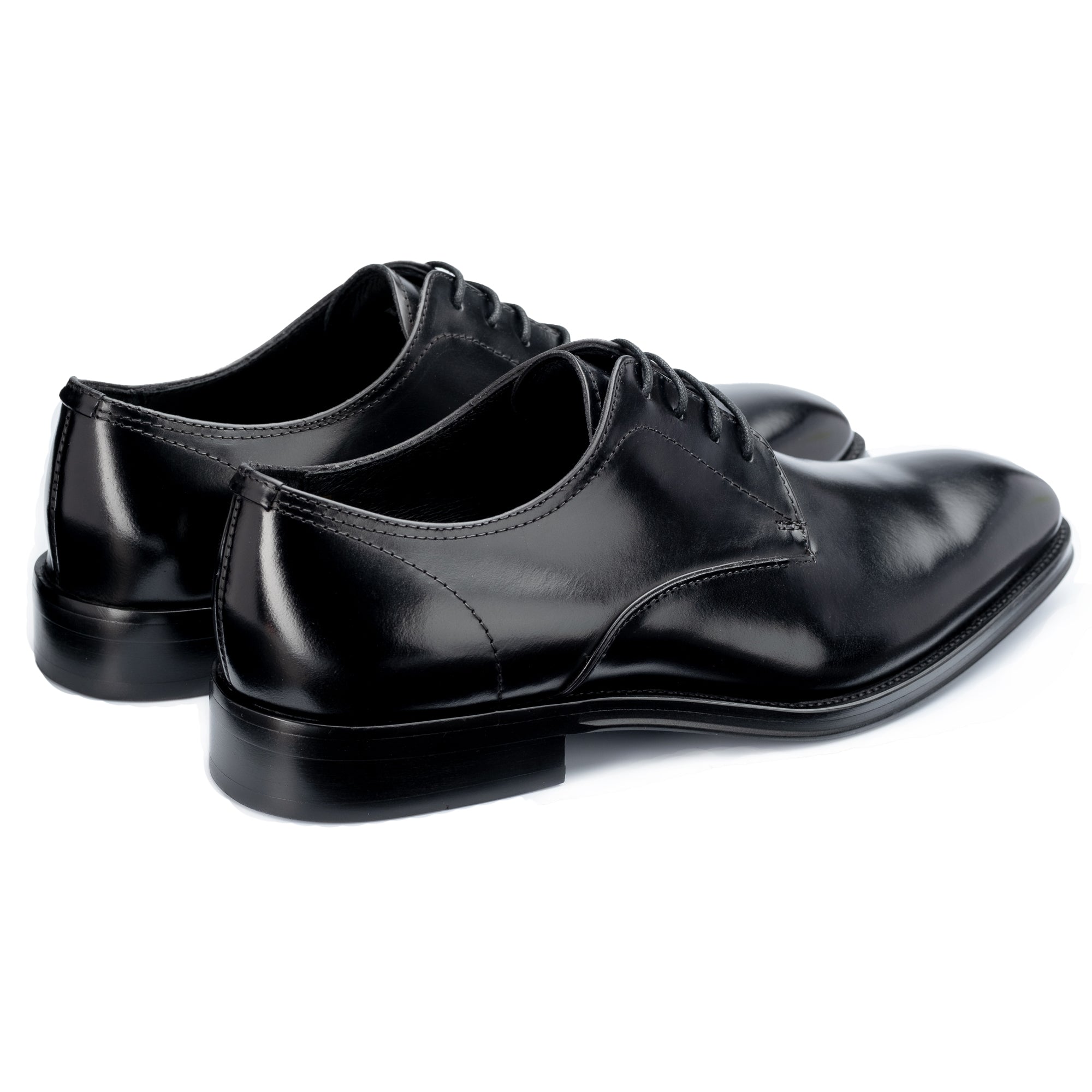
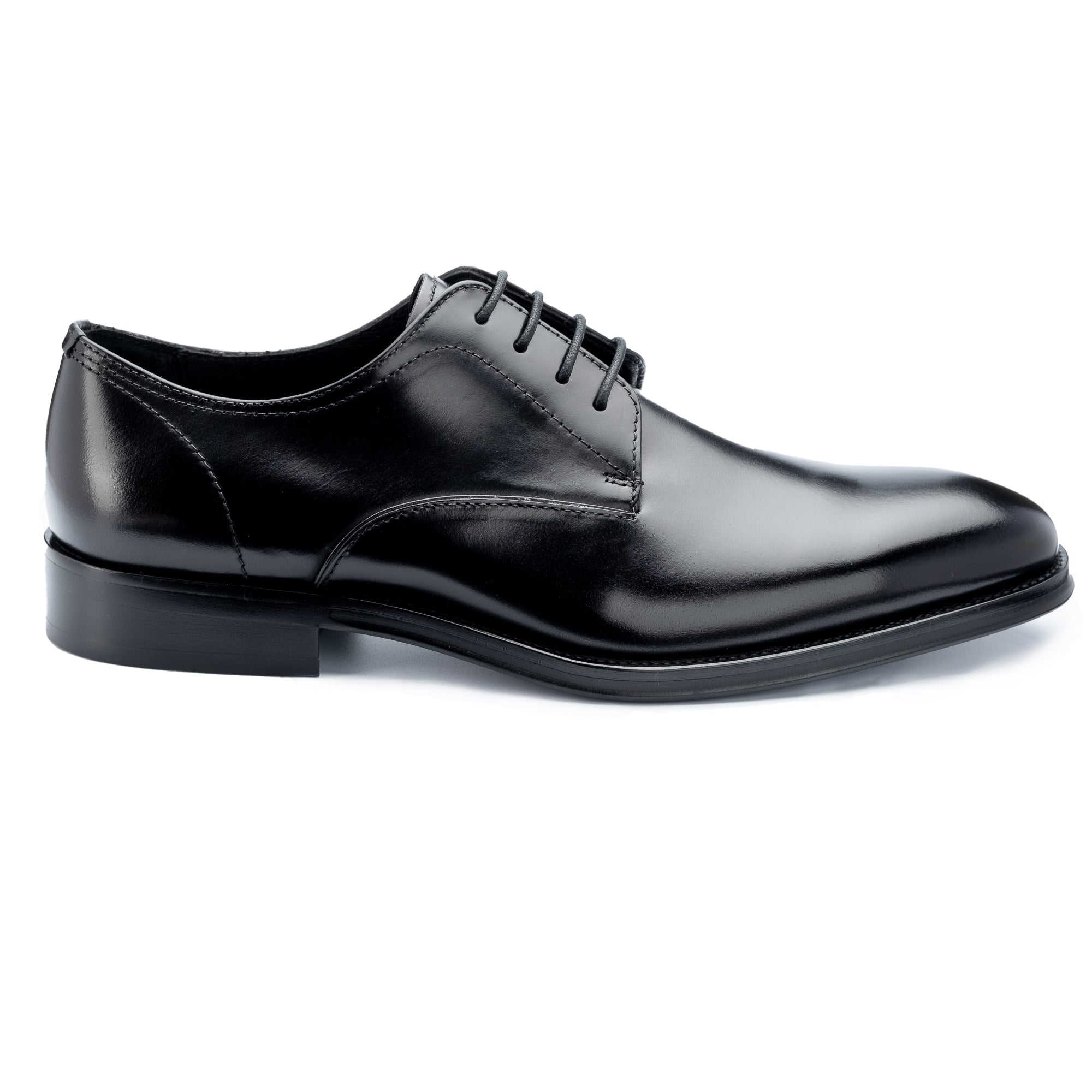
A quality dress shoe is built from six core components: the upper, lining, insole, outsole, heel, and toe box. The grade of leather selected, the precision of the lasting process, and the construction method used to bond upper to sole all determine whether a shoe holds its shape for two years or twenty. Understanding these components is the fastest way to invest wisely and avoid being misled by surface finish alone.
In This Guide
- What Are the Six Core Components of a Quality Dress Shoe?
- What Is a Shoe Last and Why Does It Shape Everything?
- What Is the Difference Between Cemented and Goodyear-Welted Construction?
- What Leather Grade Should You Look For in a Quality Upper?
- How Long Should a Quality Dress Shoe Last?
- Which John White Styles Demonstrate These Principles?
- Related Guides
- Frequently Asked Questions
Most men judge a shoe by its upper. That's the wrong place to start. The surface leather accounts for perhaps 40% of what determines a shoe's quality. The insole, the lasting, the construction method — these are the decisions made beneath the leather that separate a shoe worth investing in from one that won't last the season.
Britain's shoemaking tradition, which John White Shoes has been part of since 1919, was built on understanding every component in the construction chain. This guide breaks each one down.
What Are the Six Core Components of a Quality Dress Shoe?
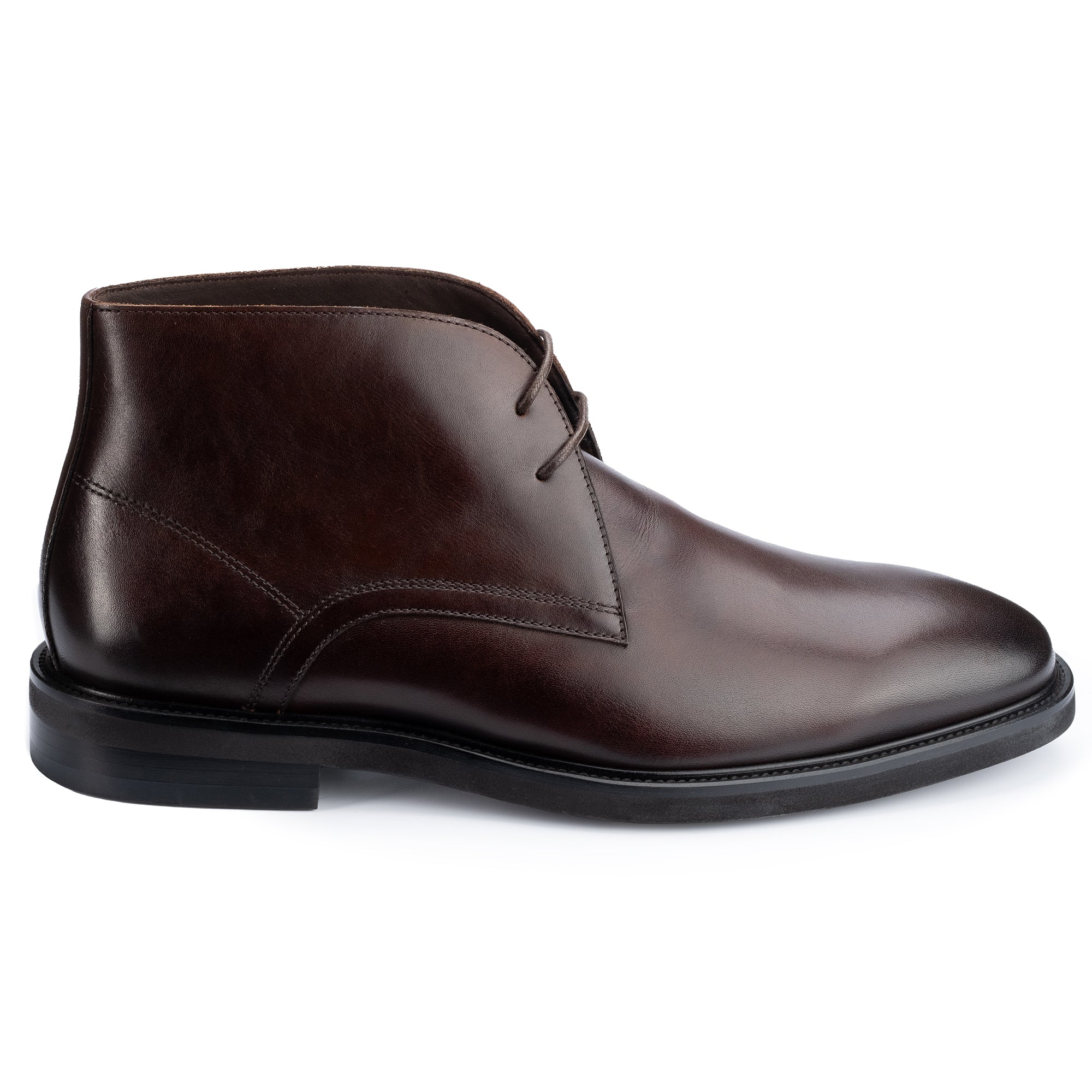
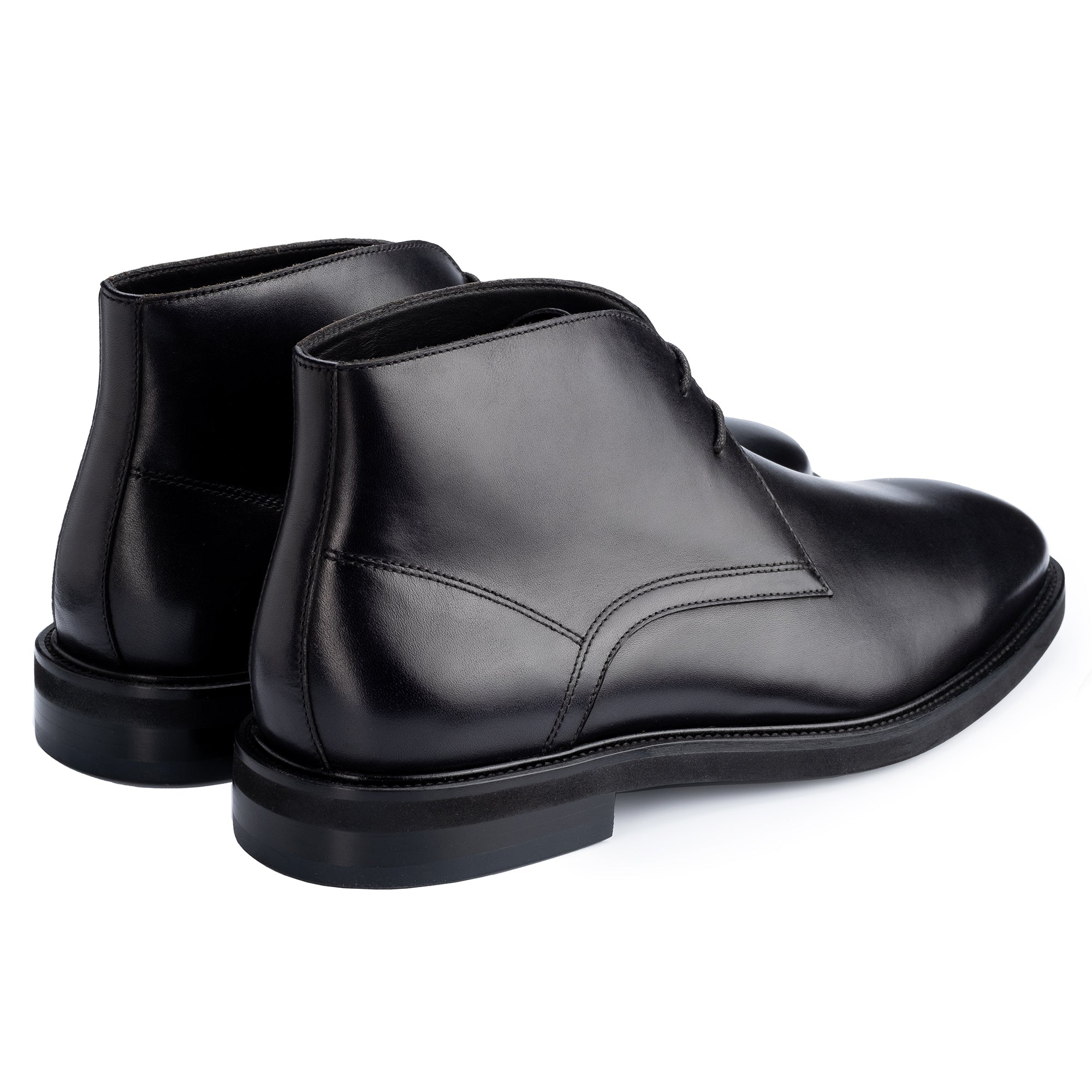
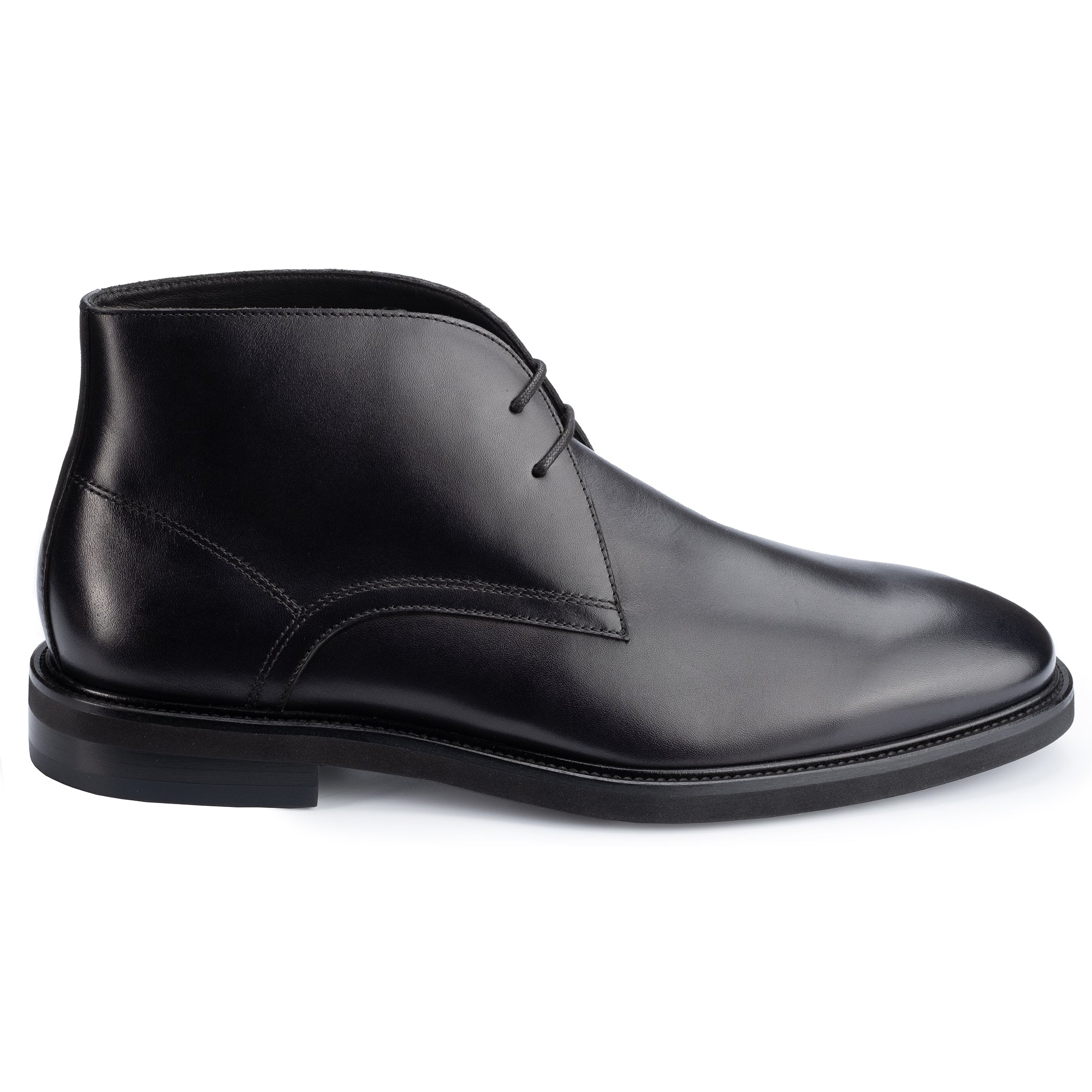
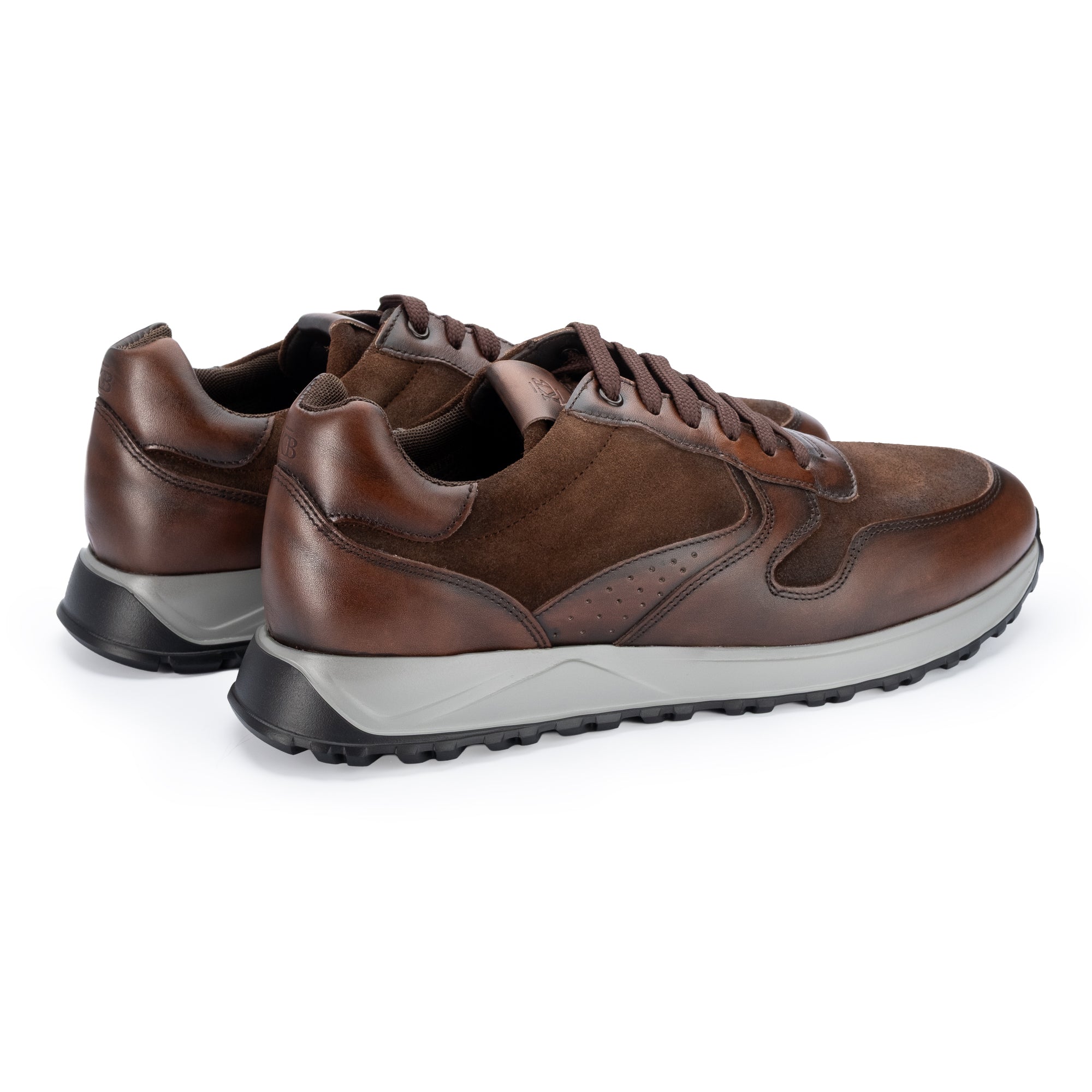
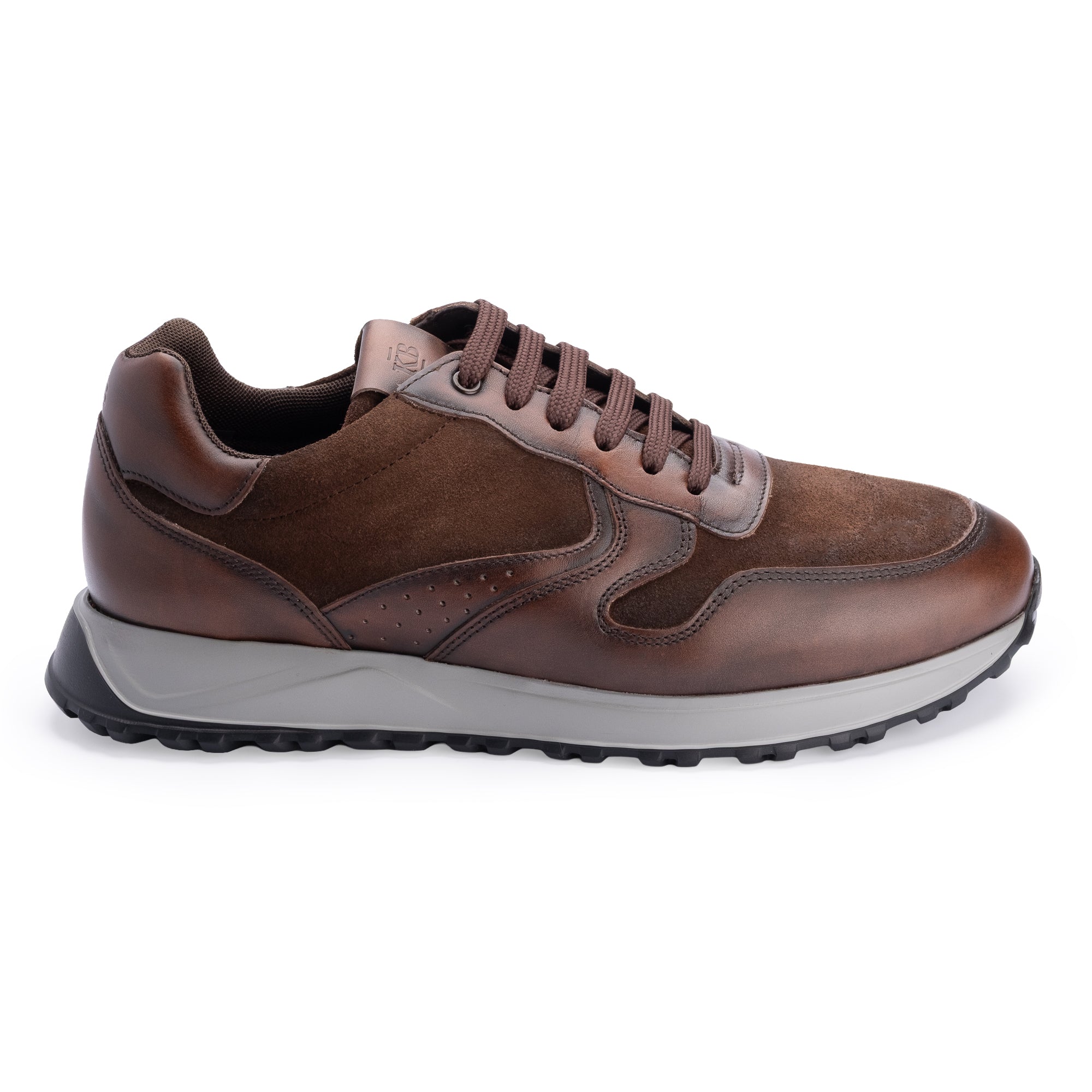
A dress shoe is a precisely assembled structure. Each of its six components serves a distinct function — compromise one, and you compromise the whole.
The Upper
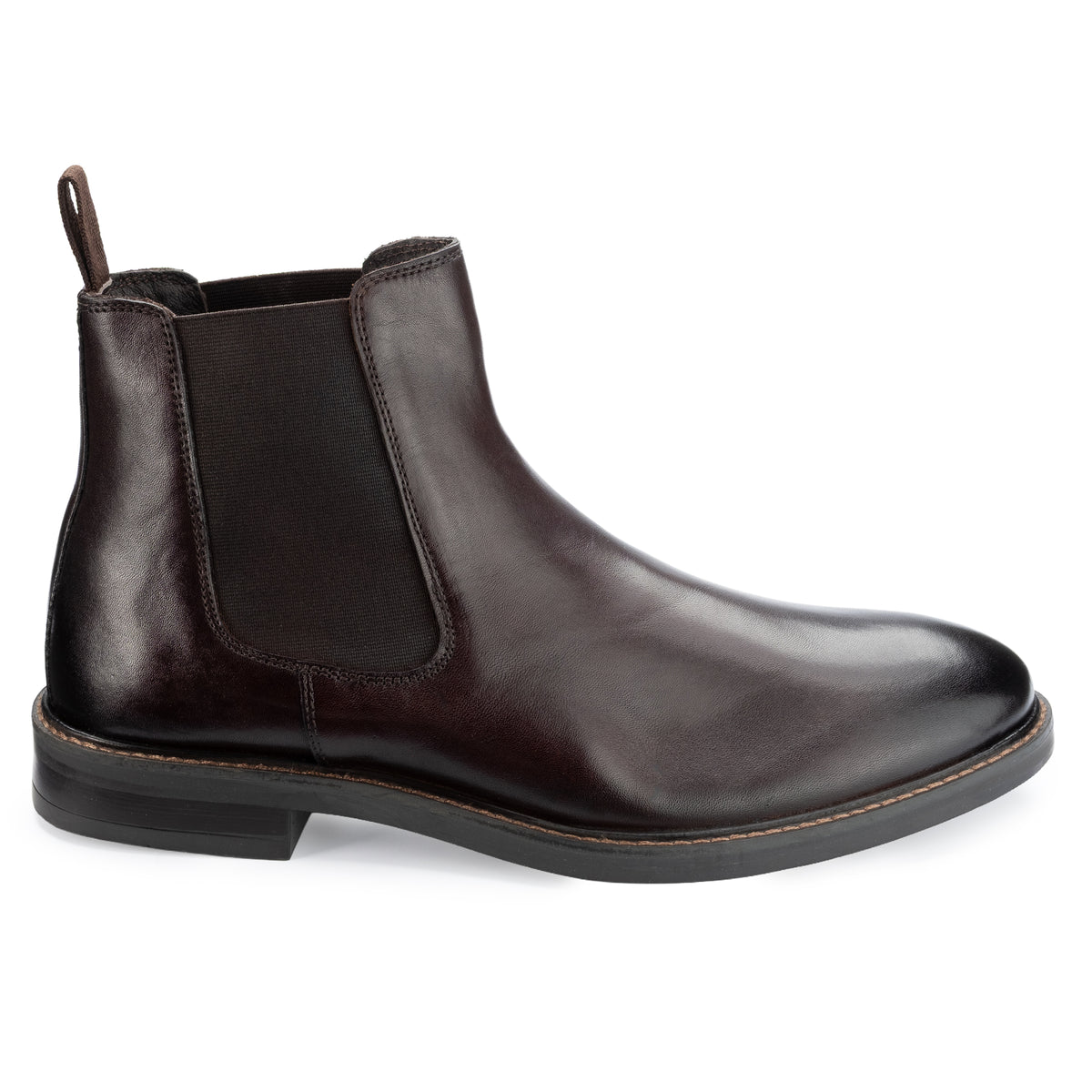
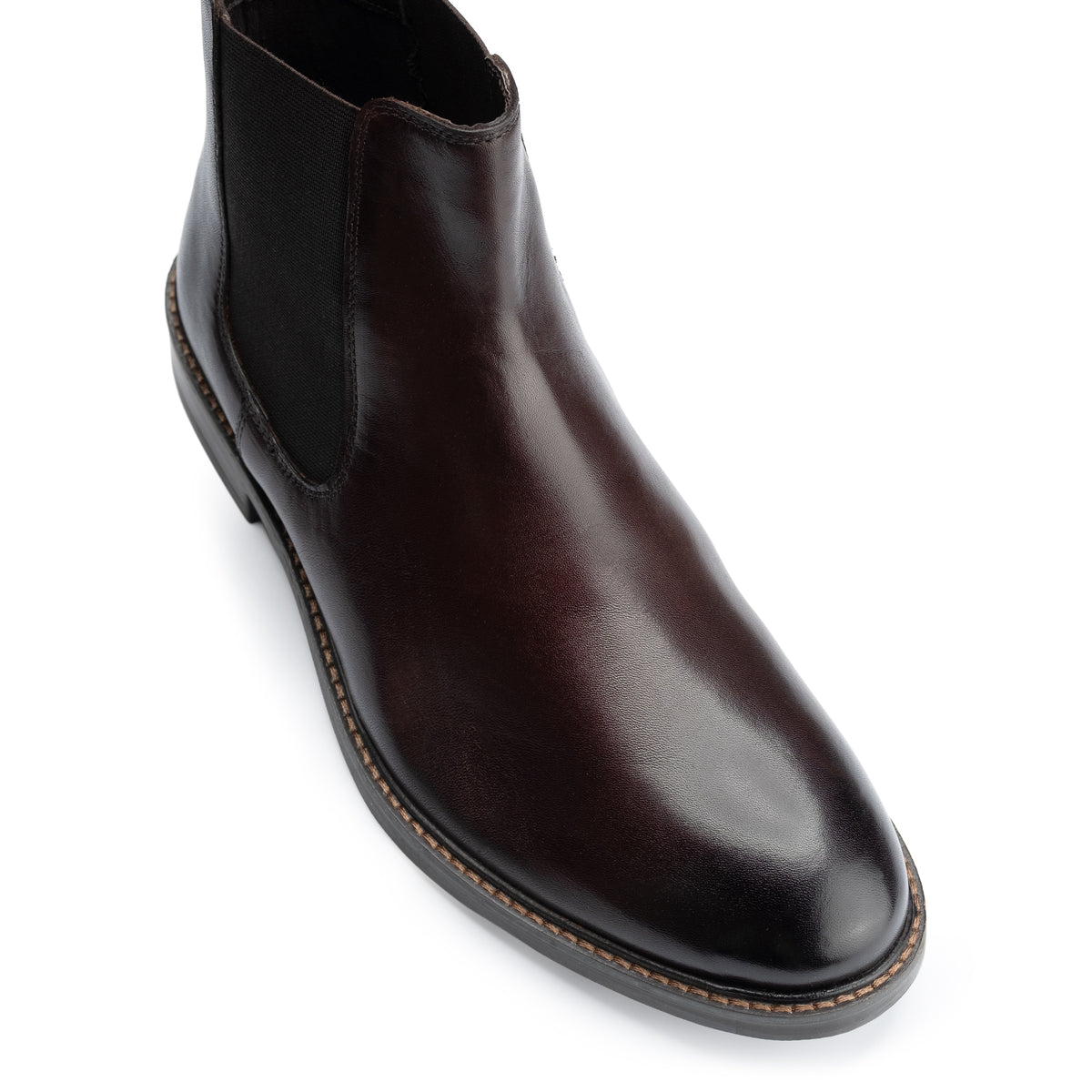
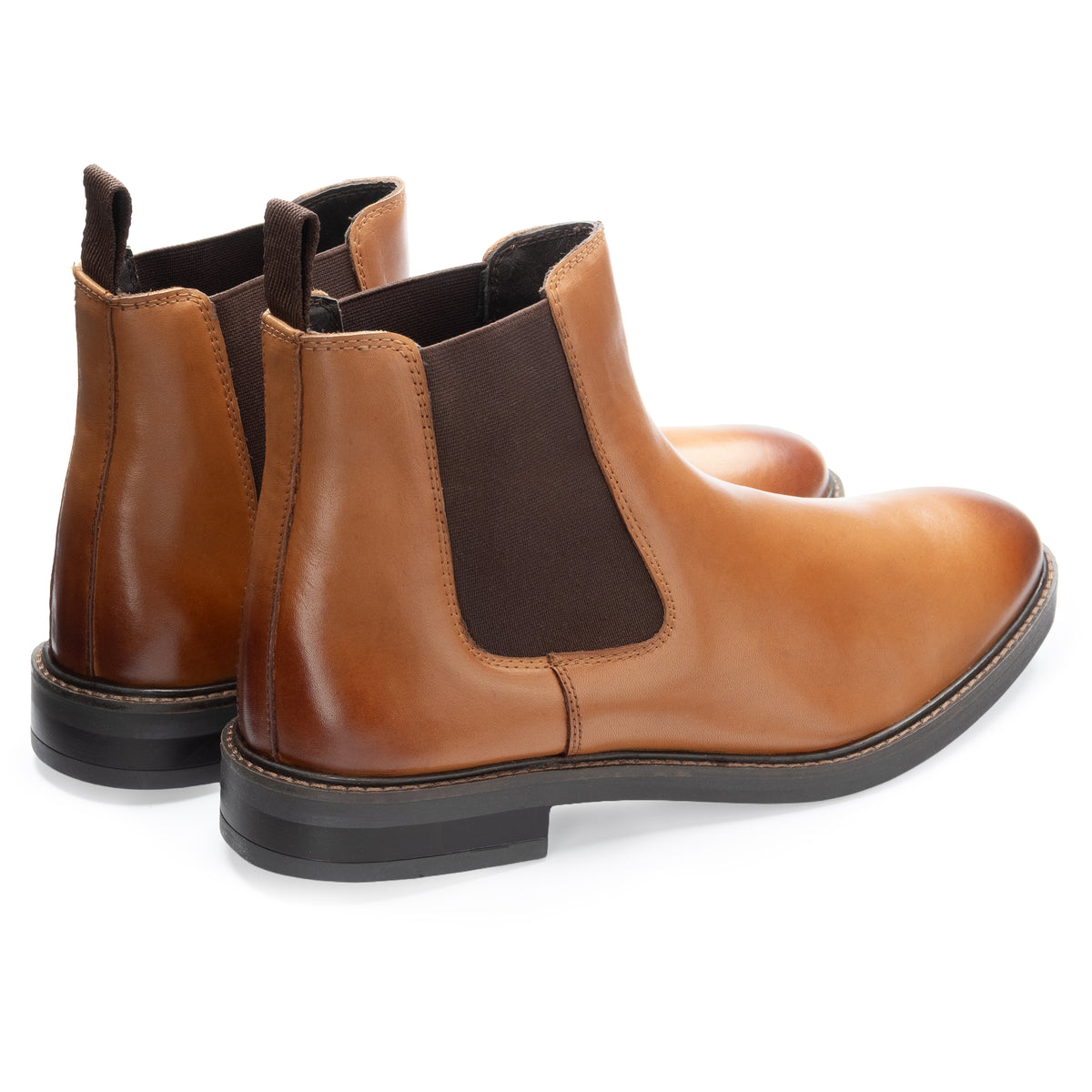
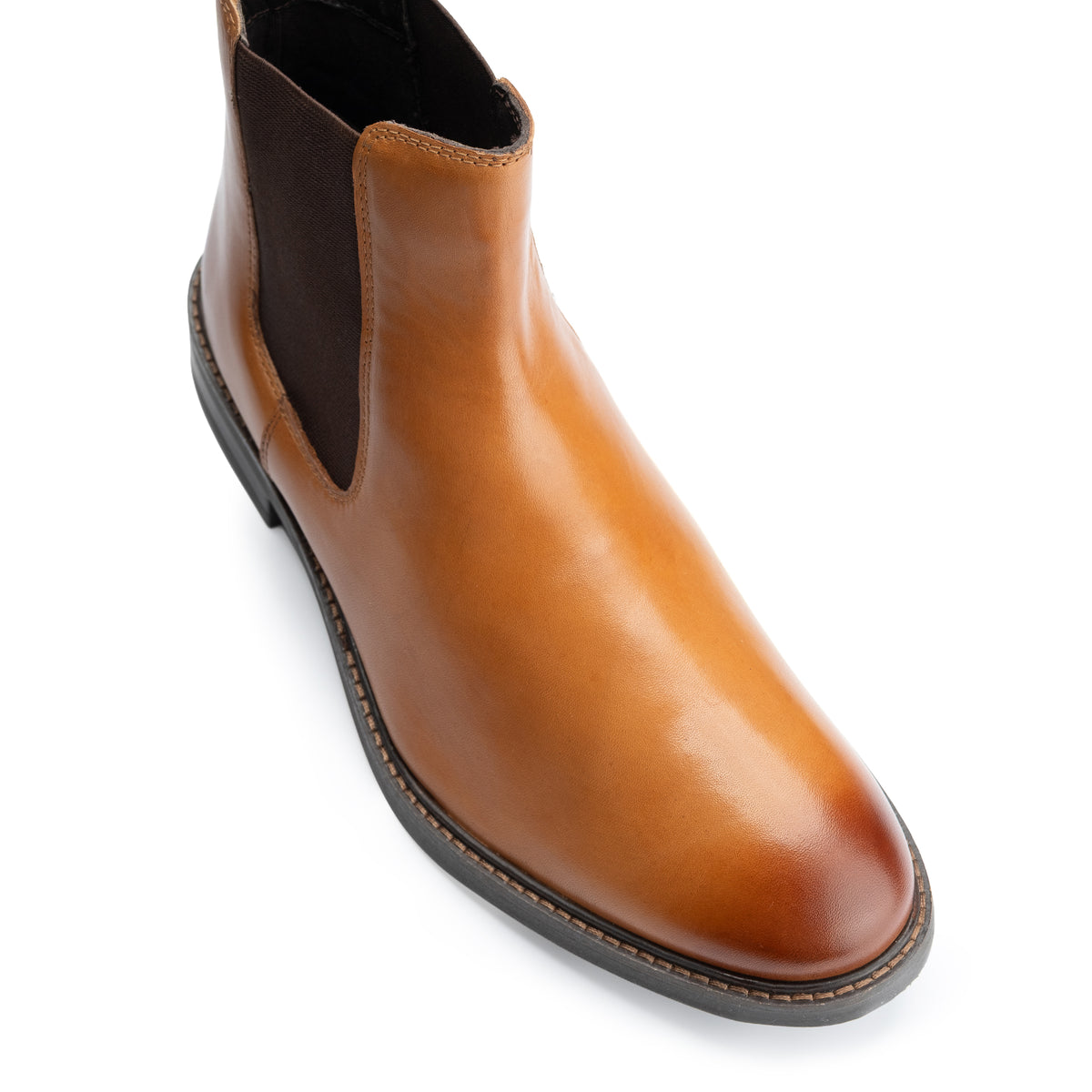
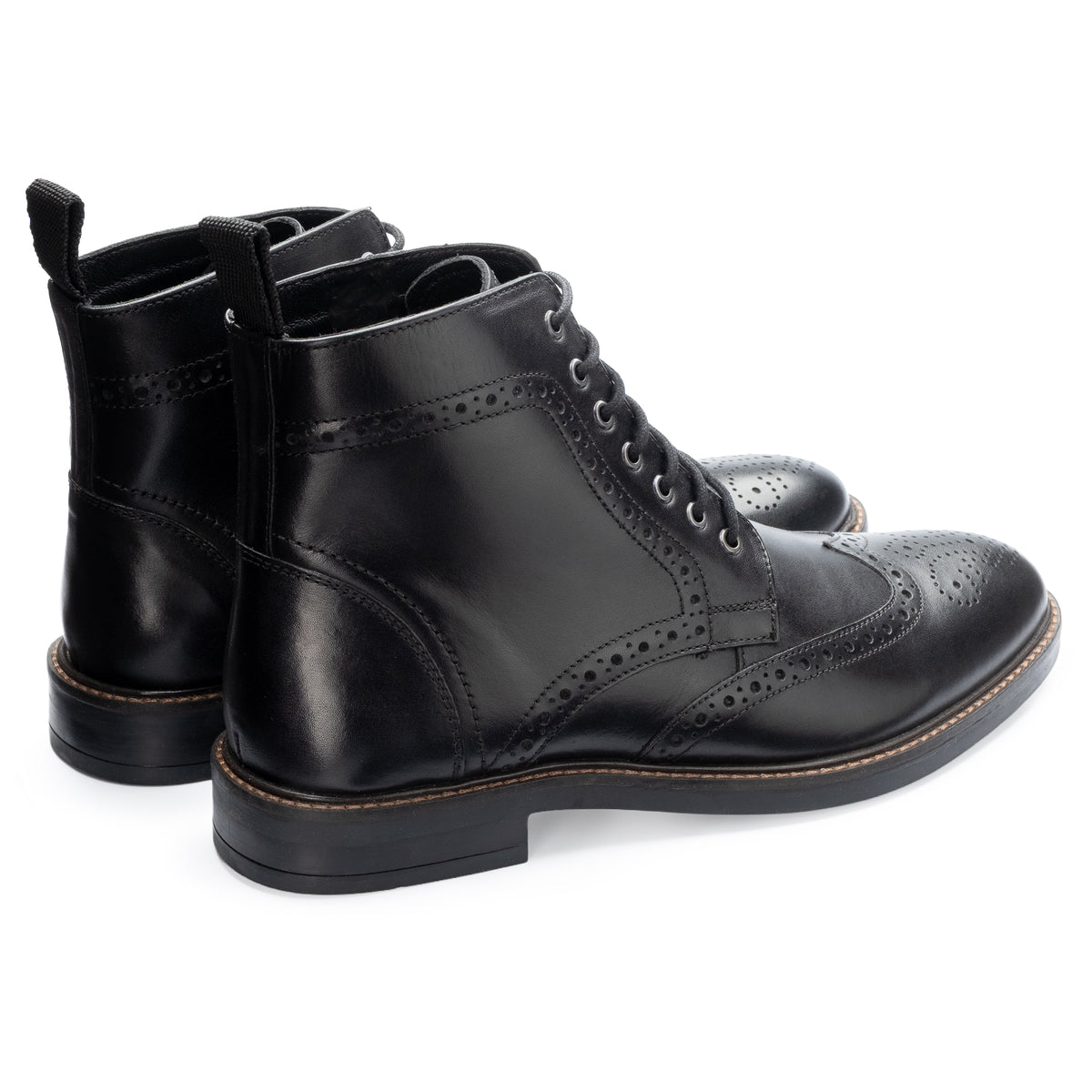
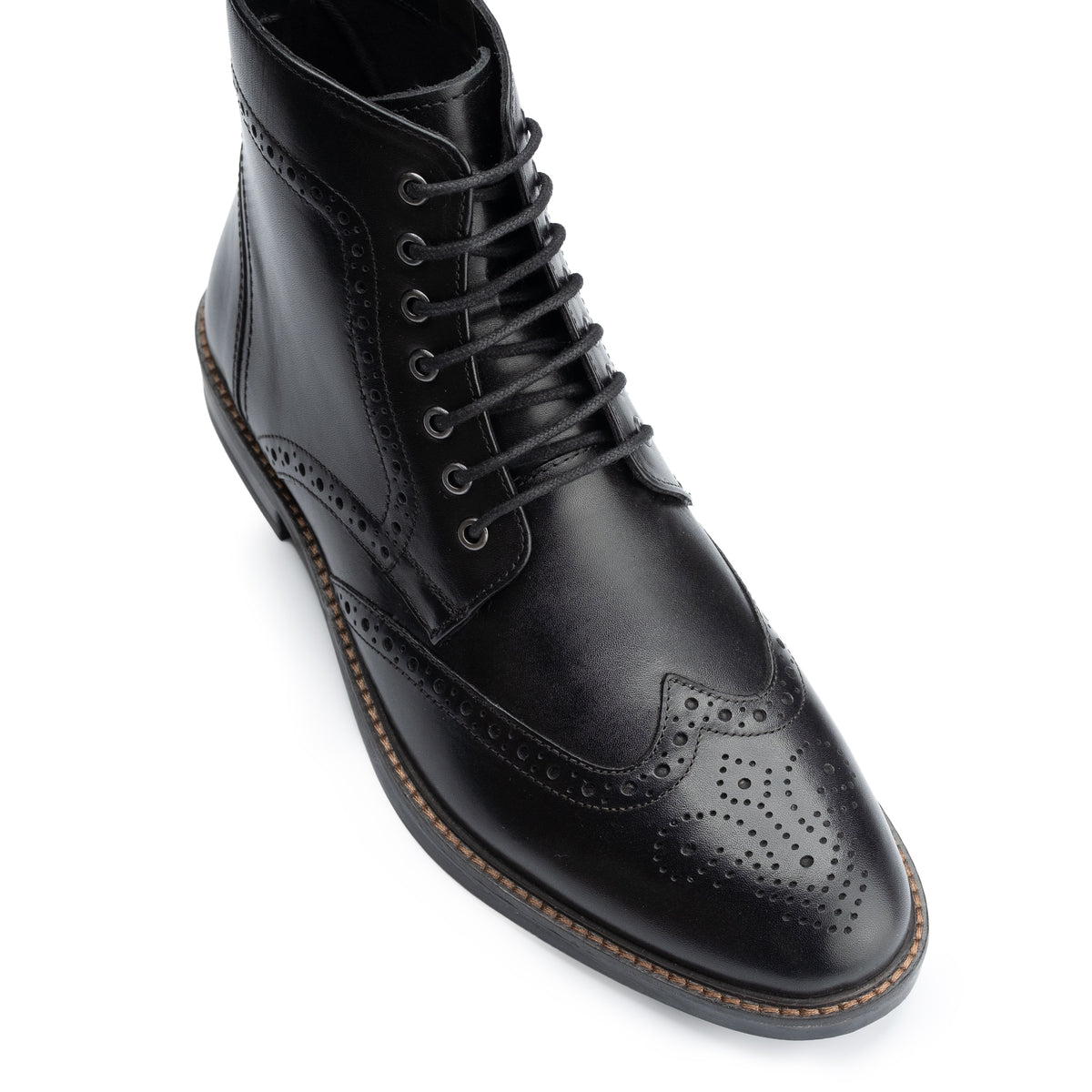
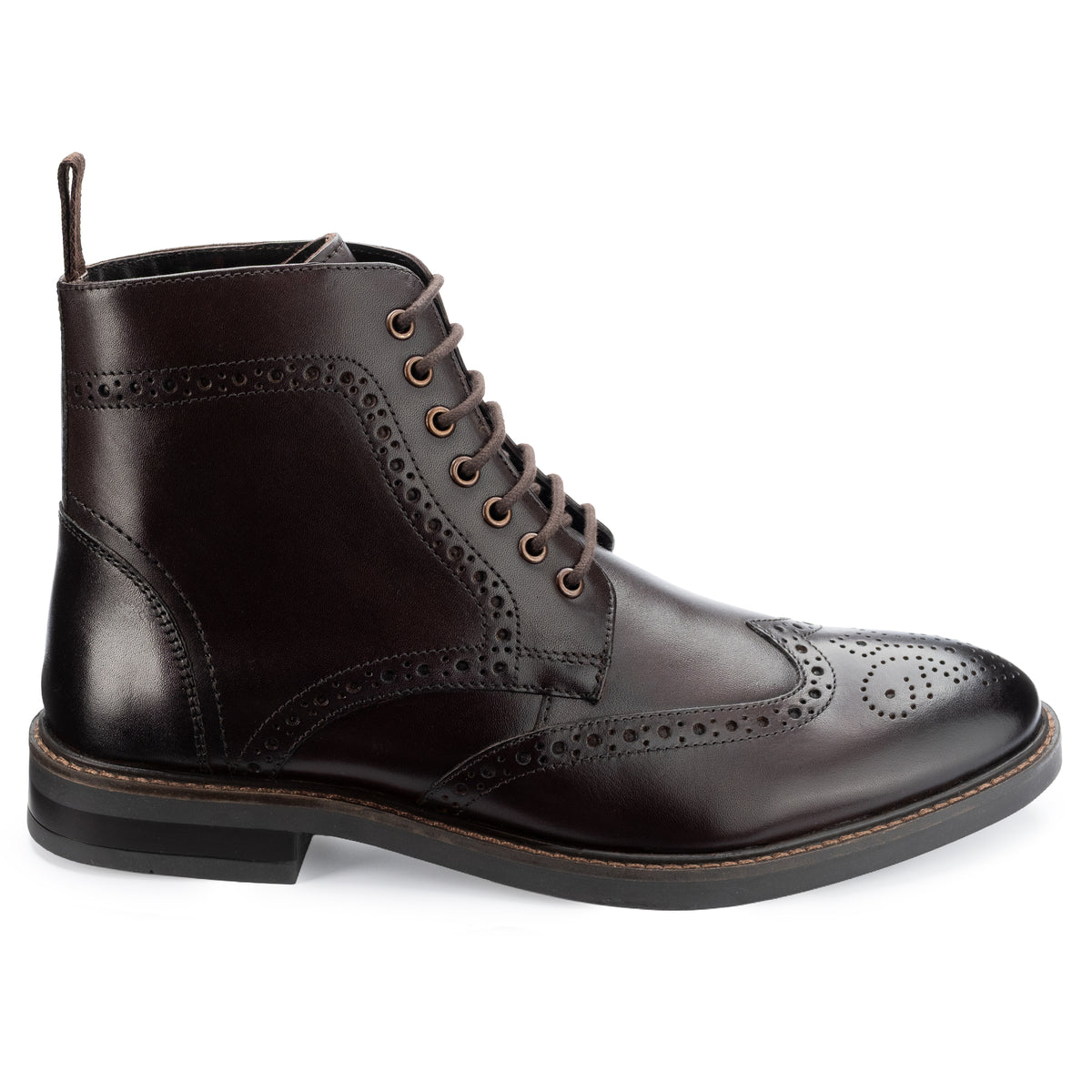
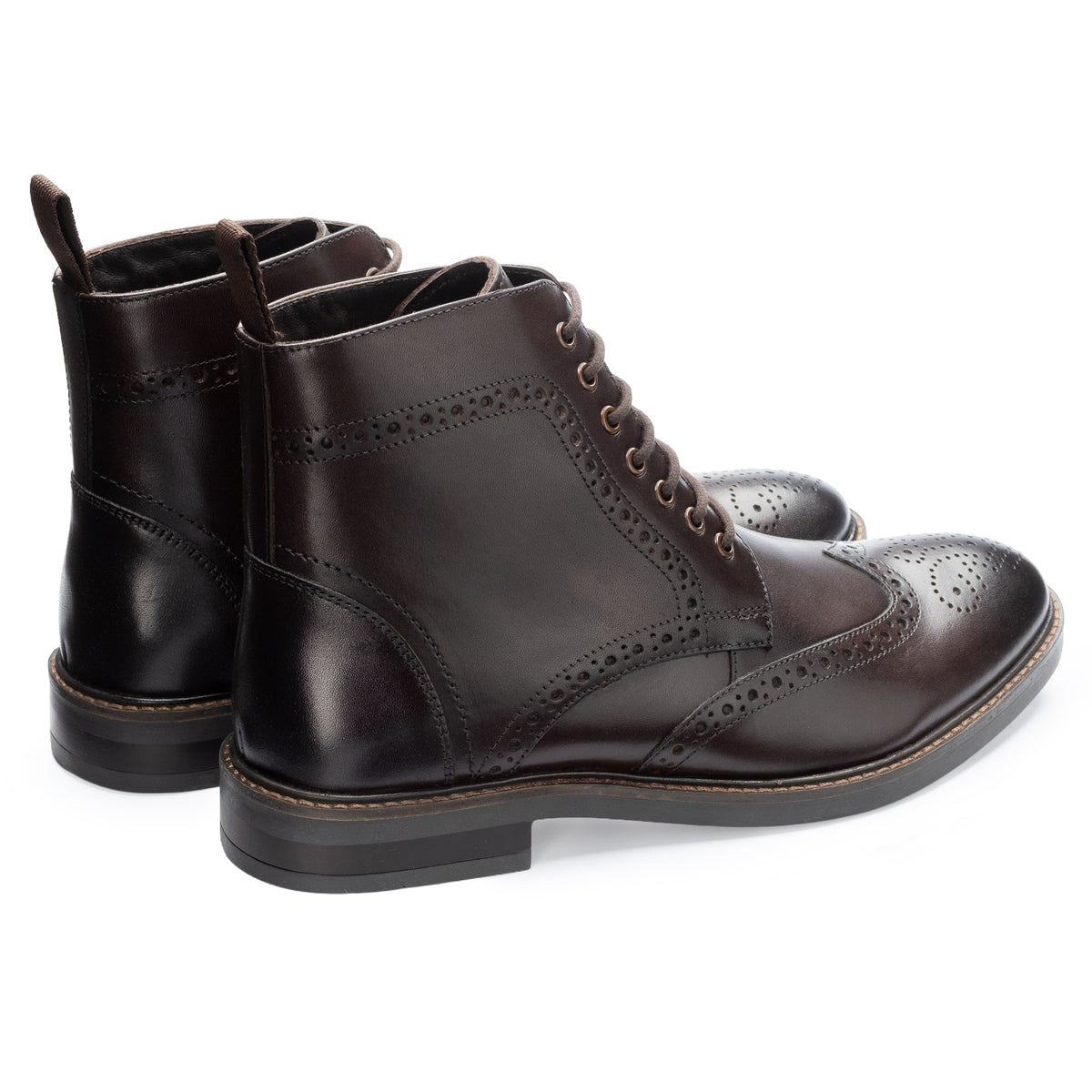
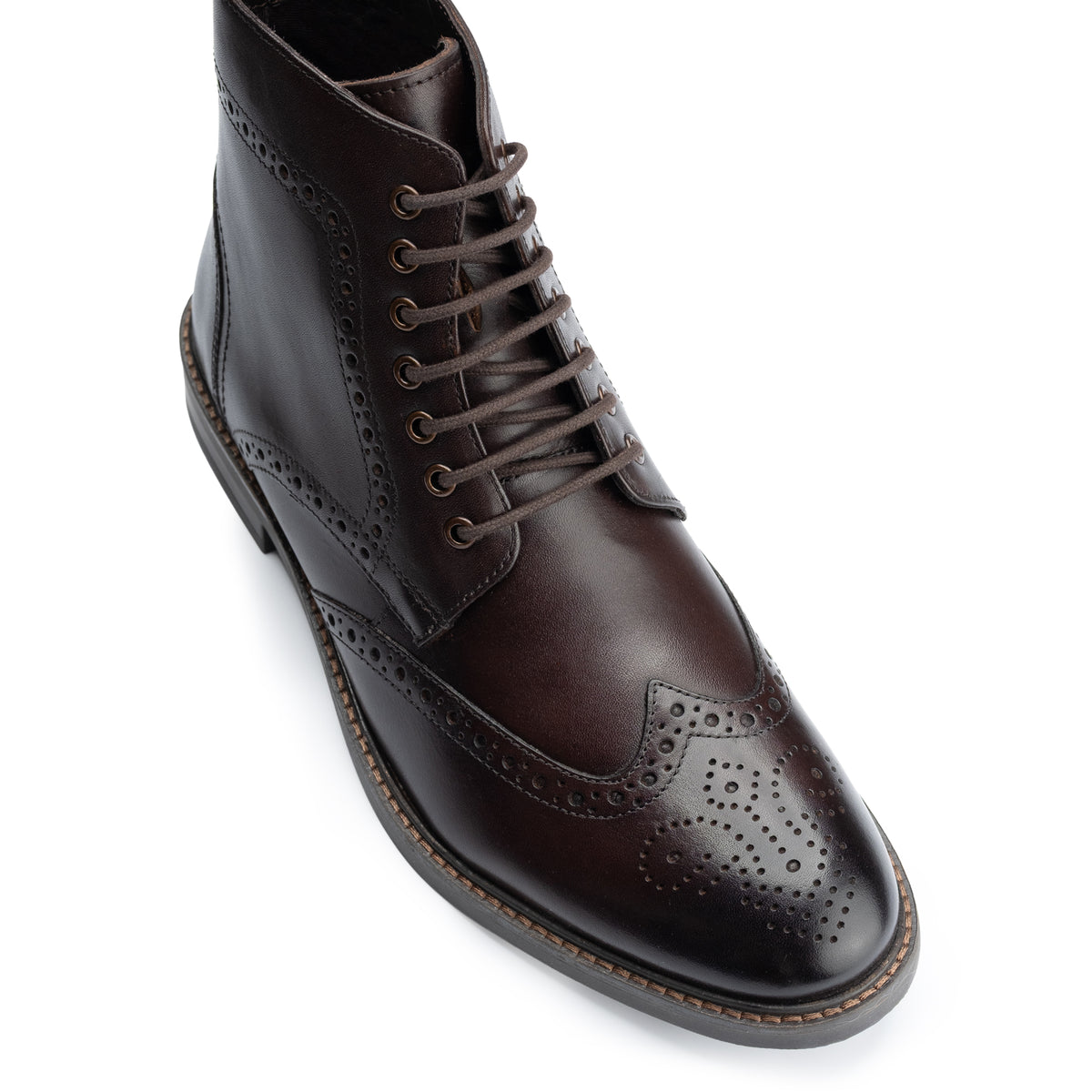
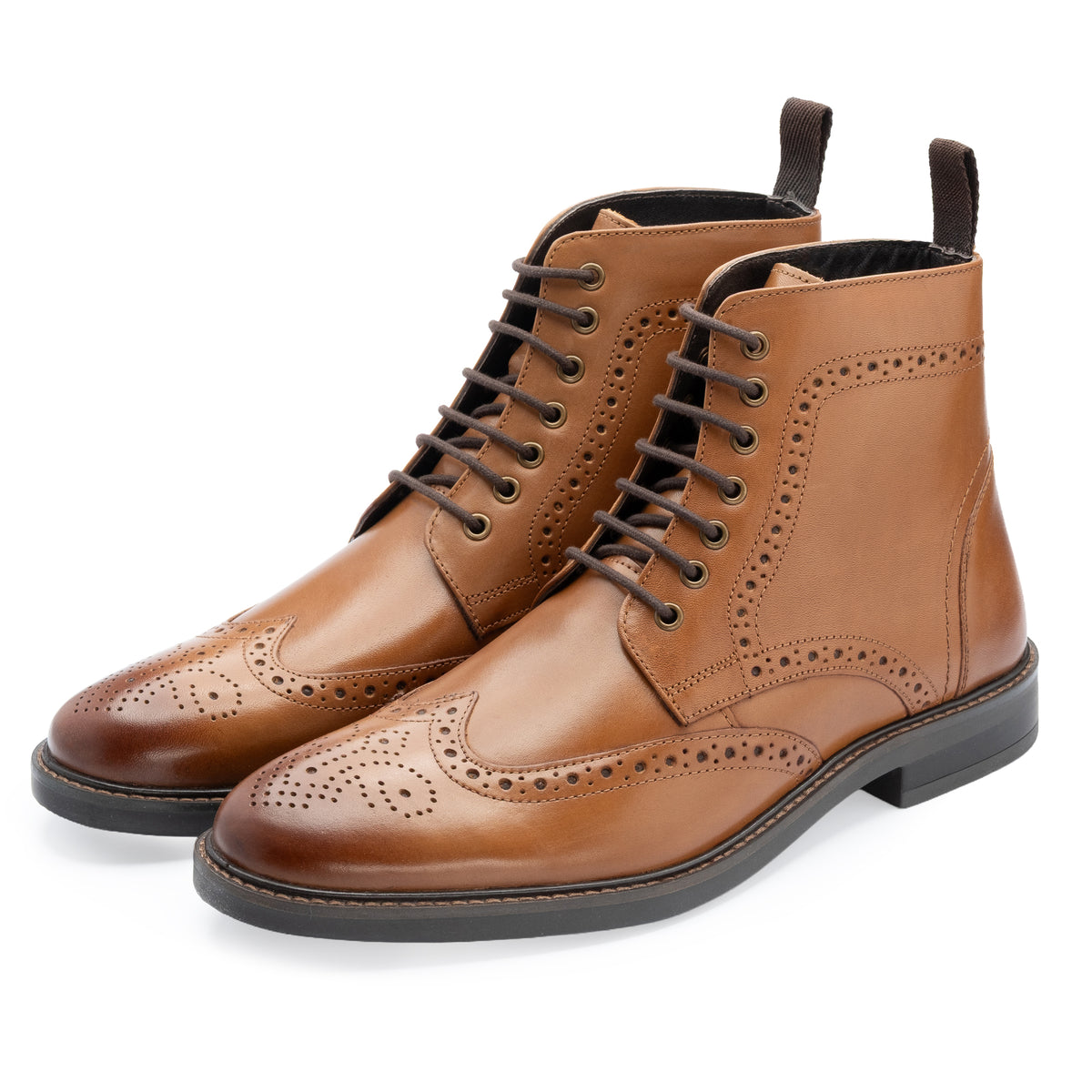
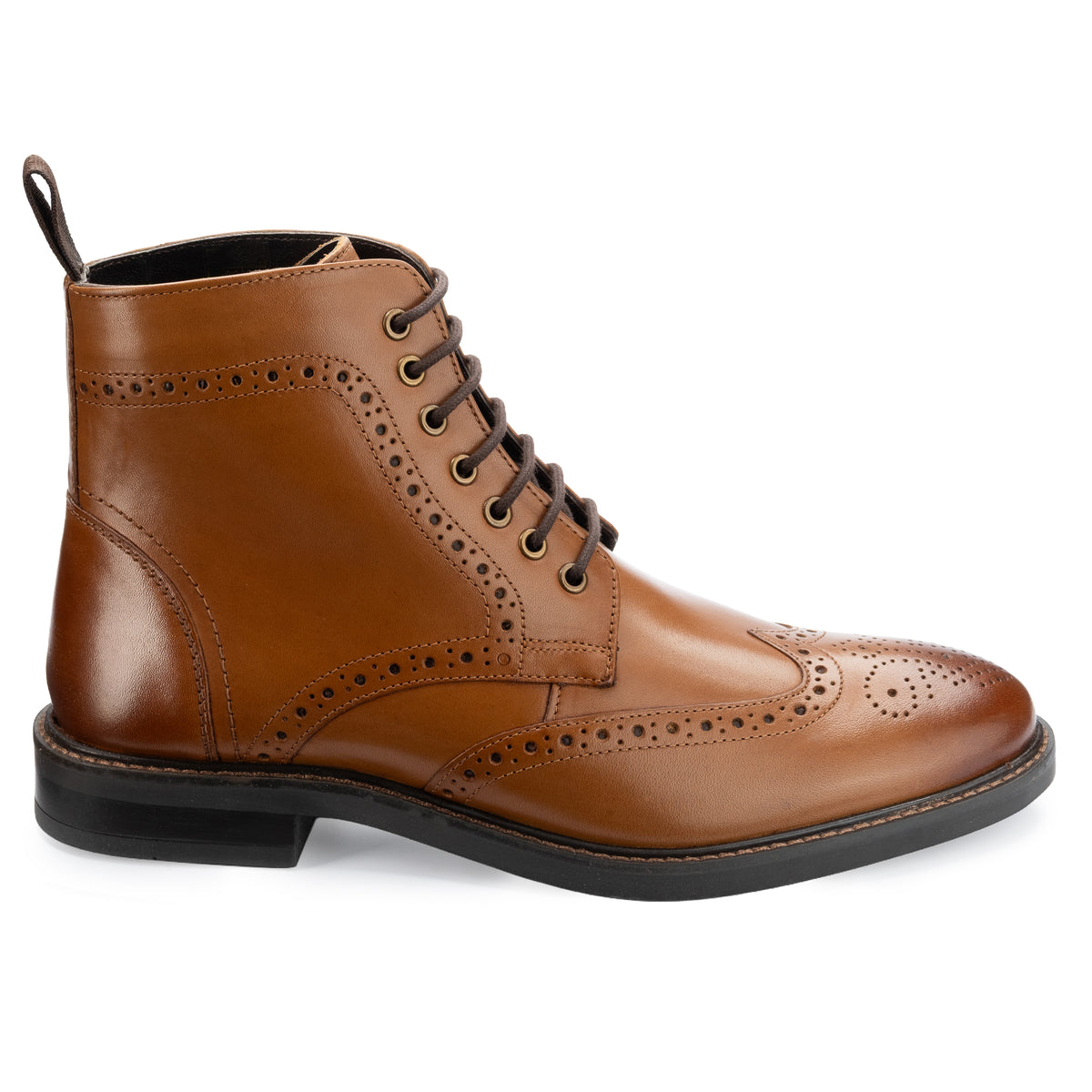
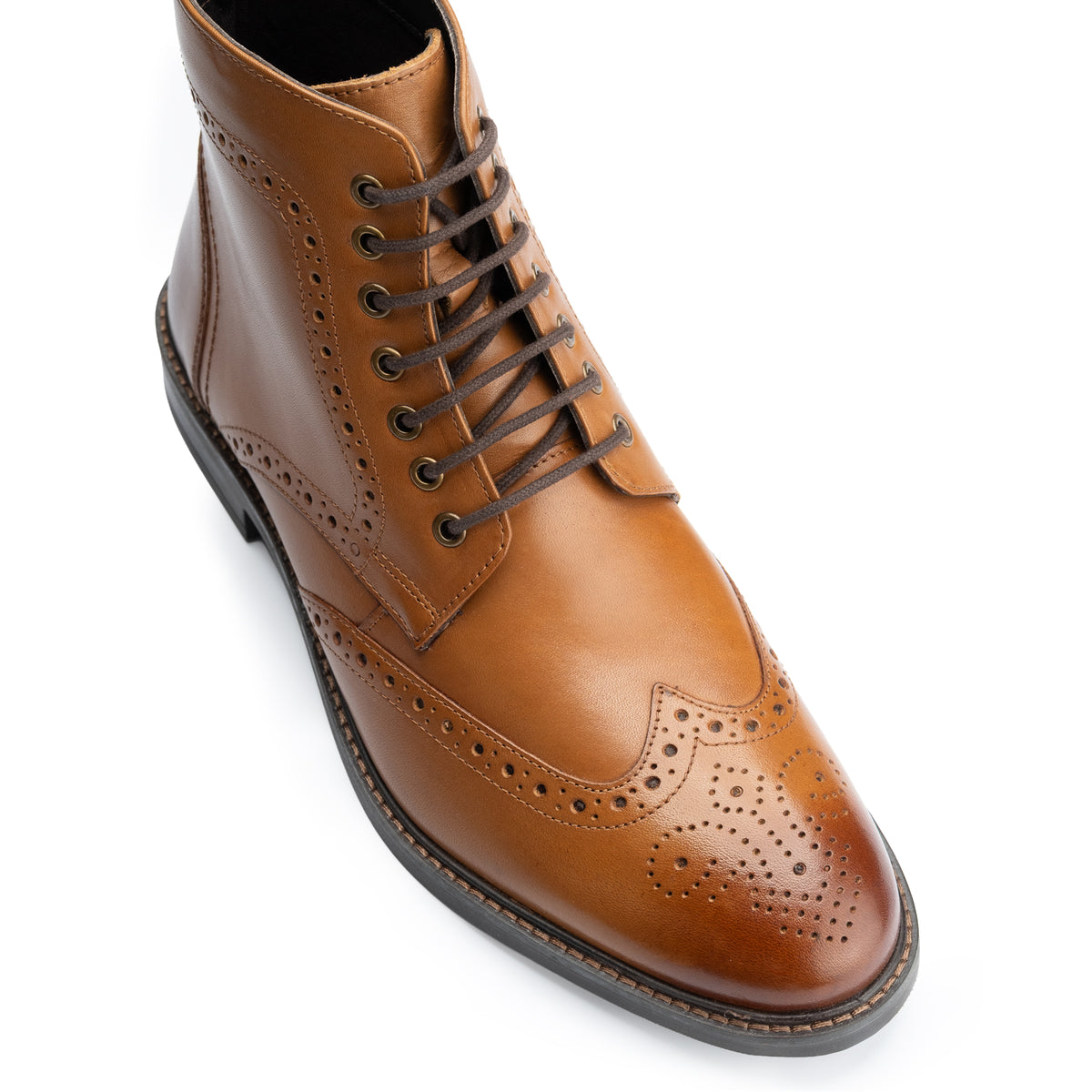
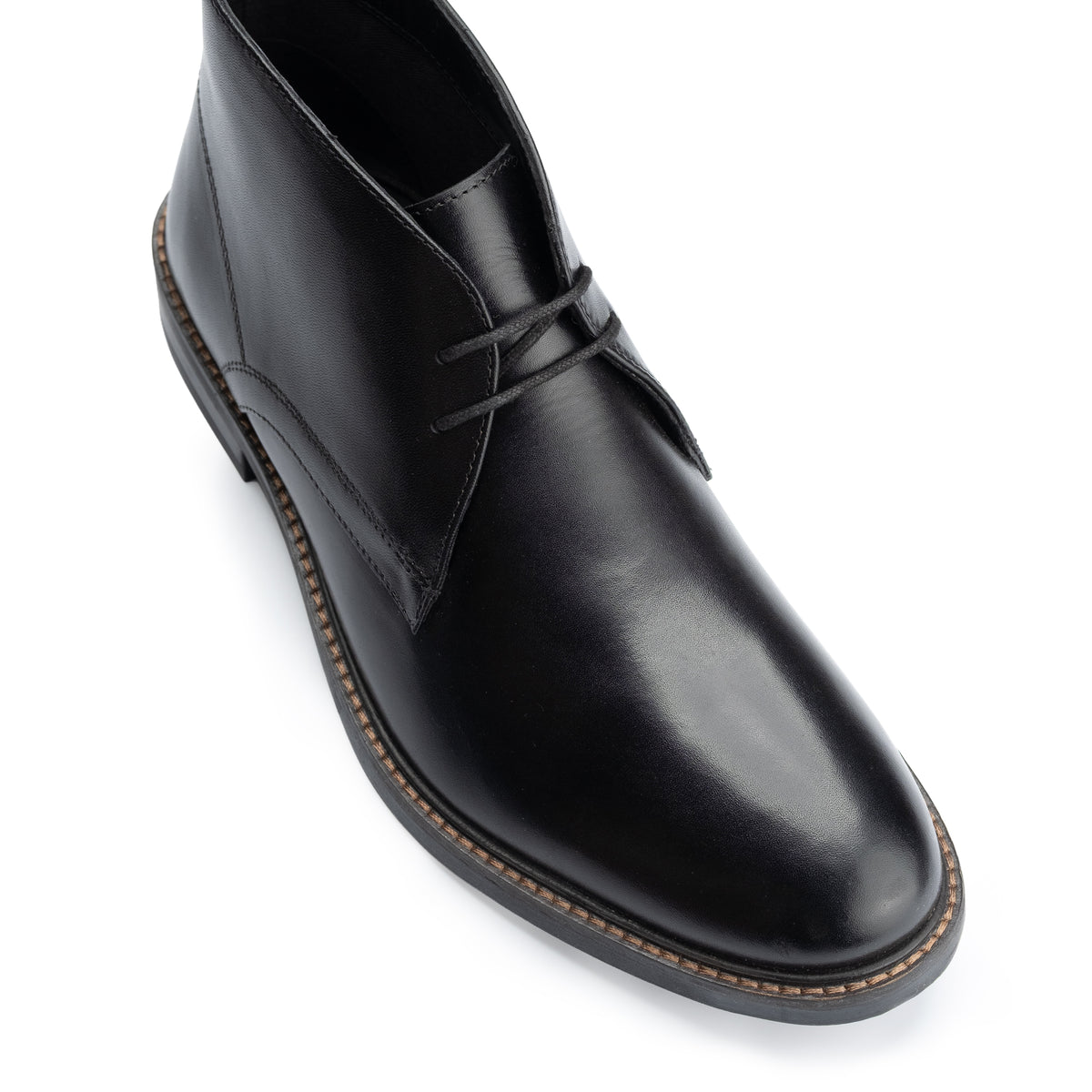
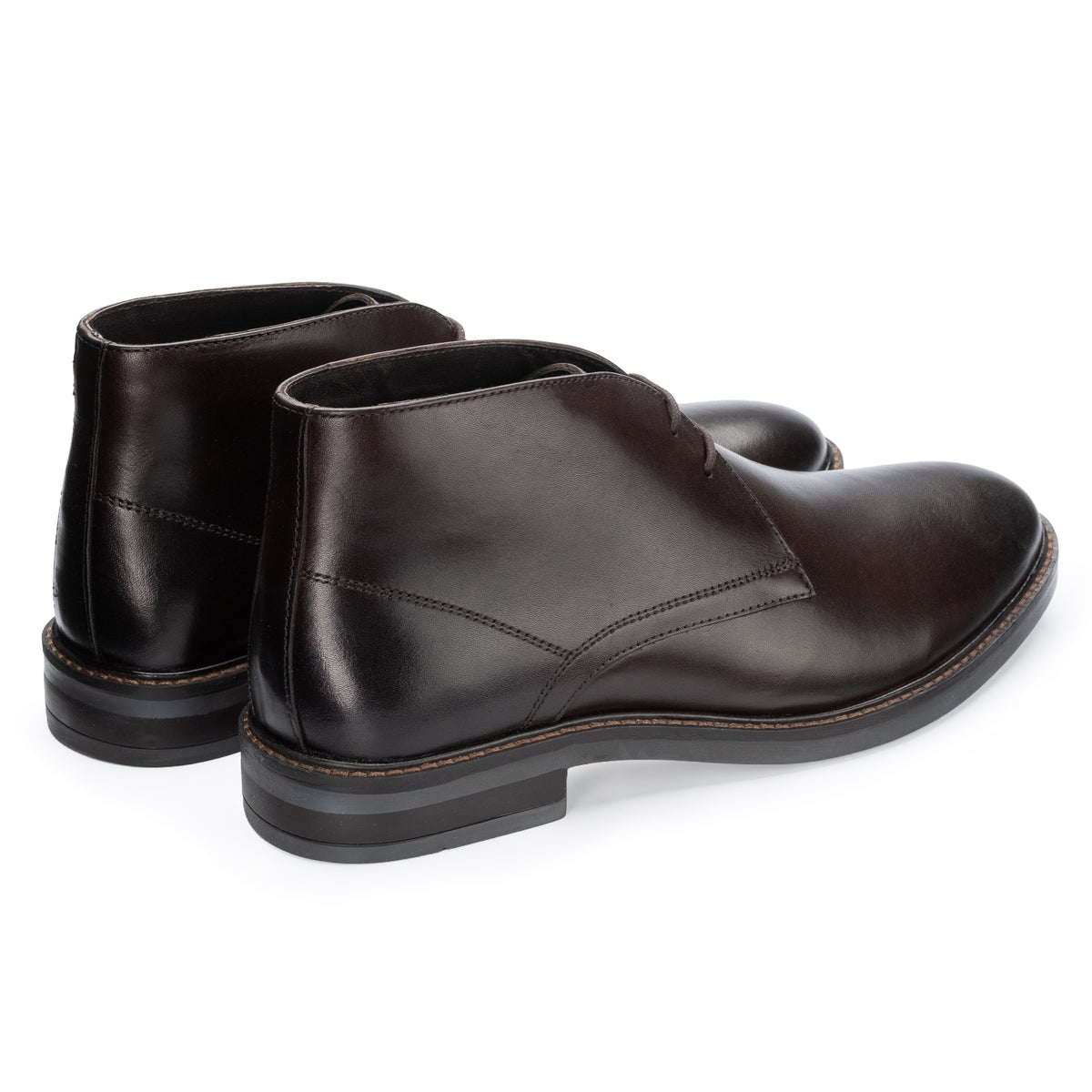
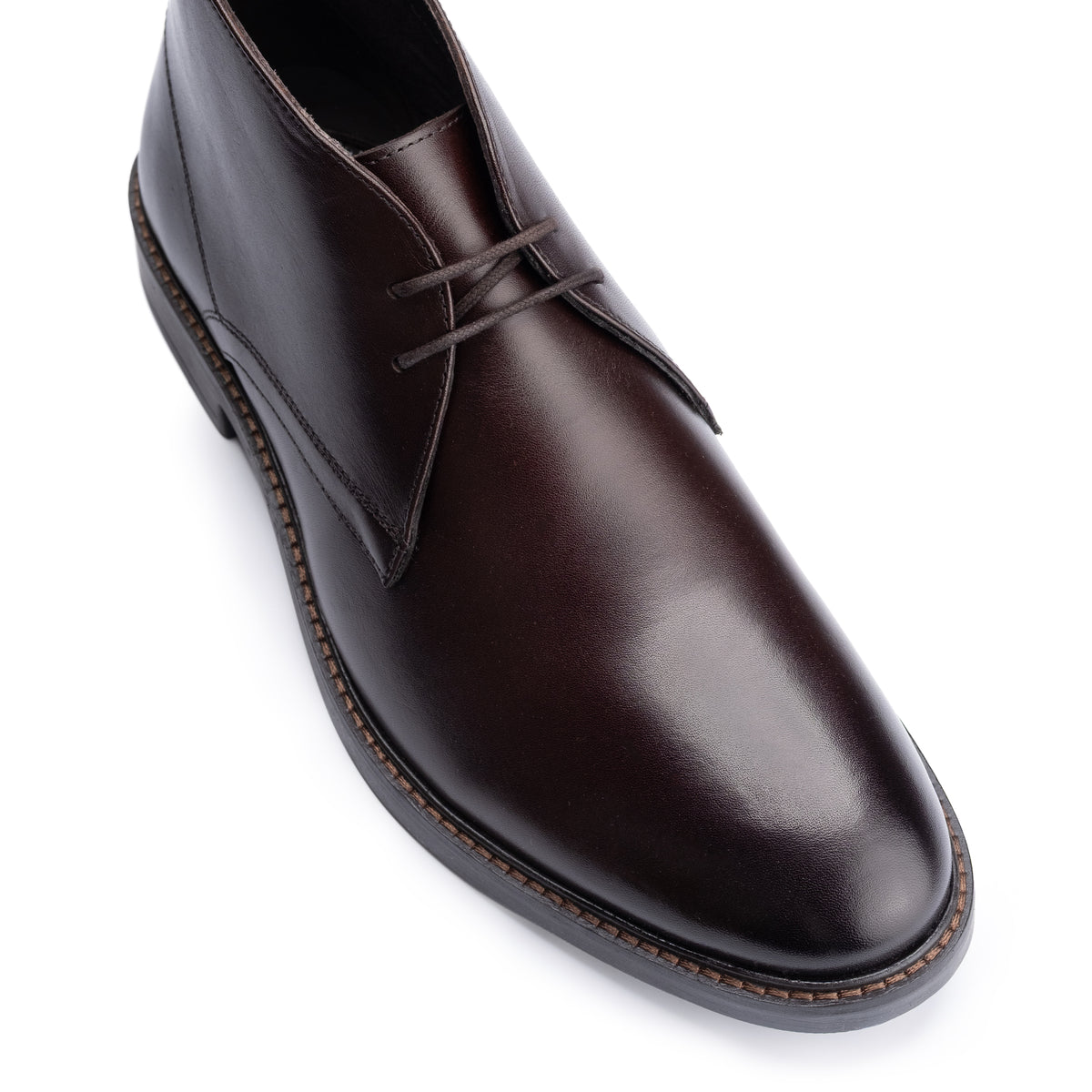
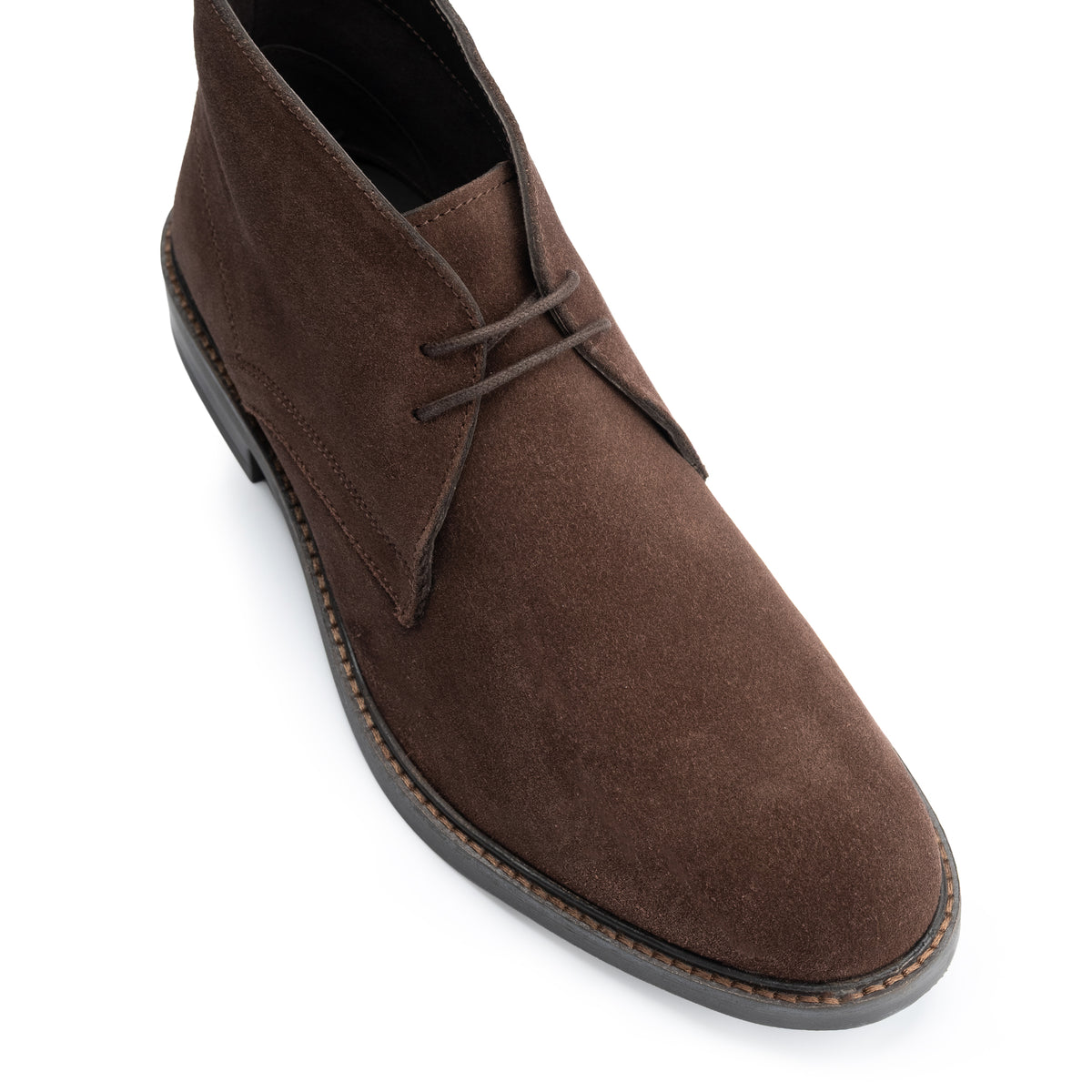
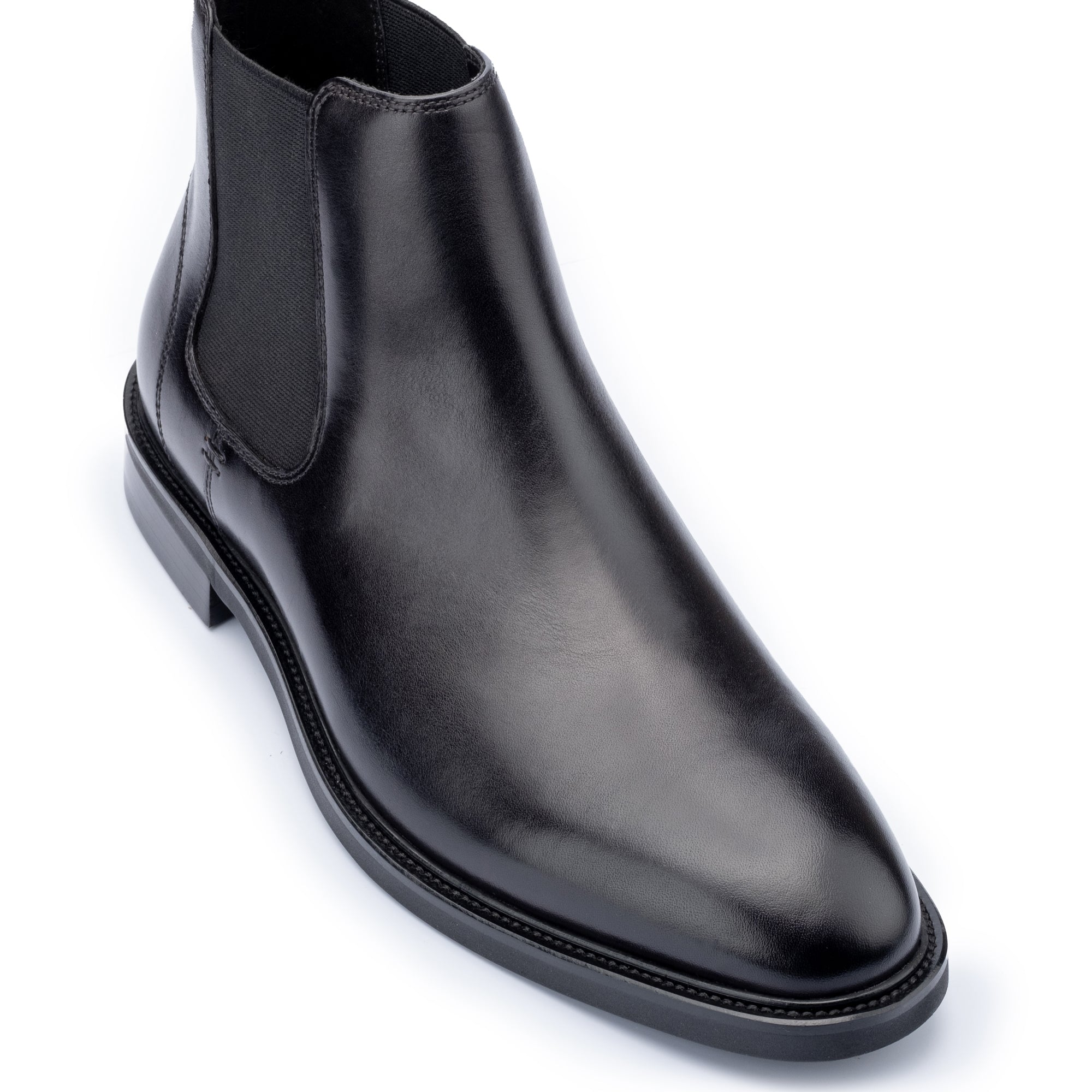
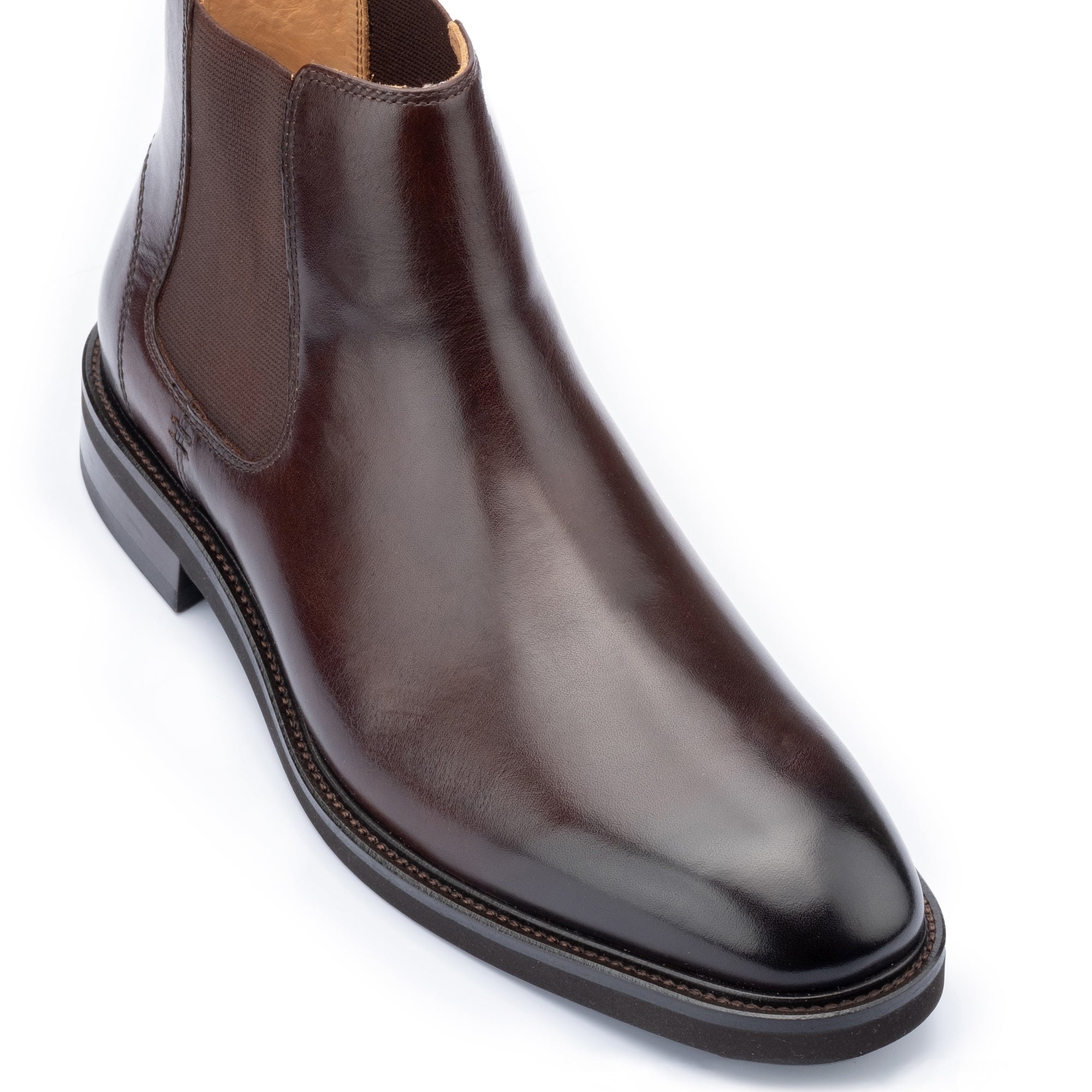
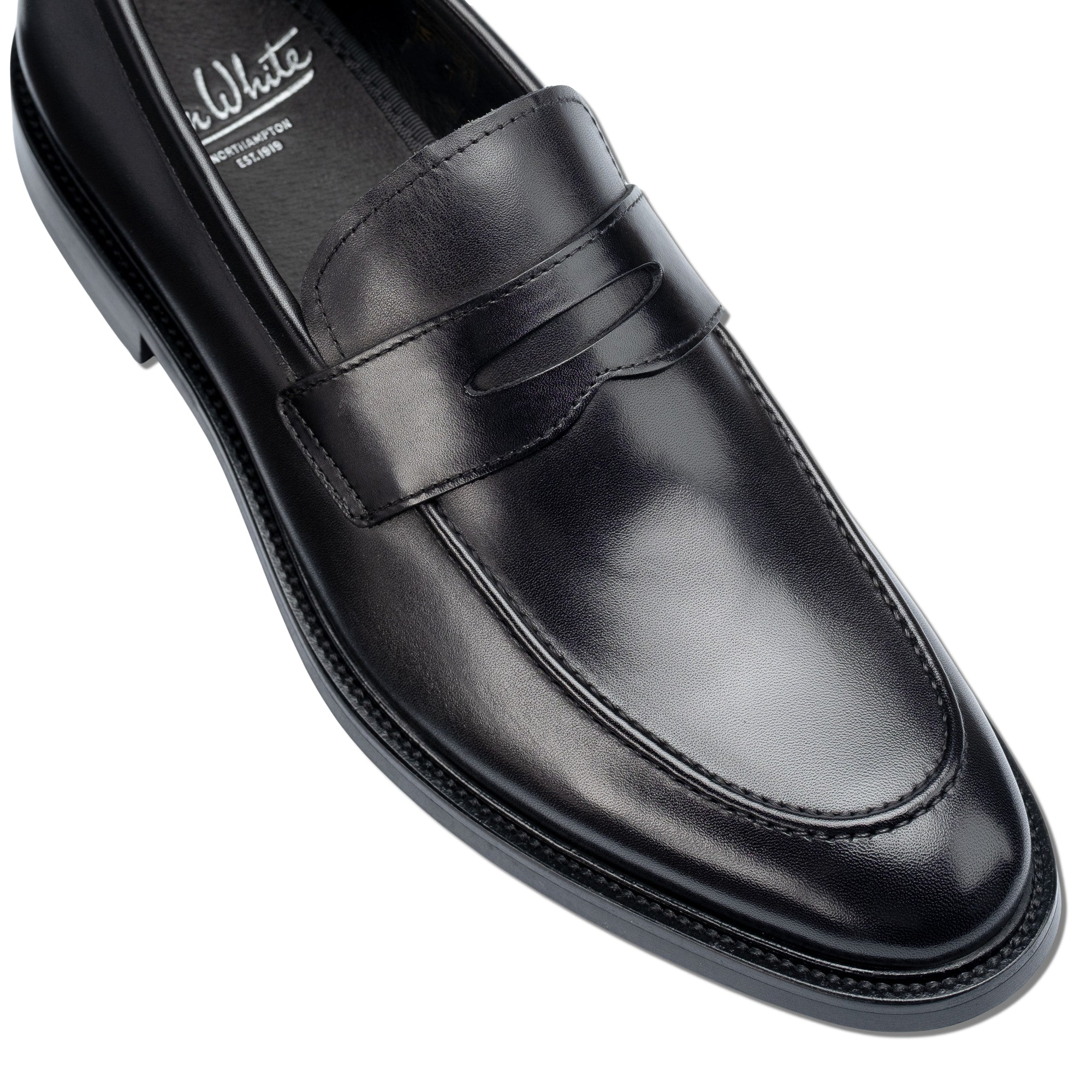
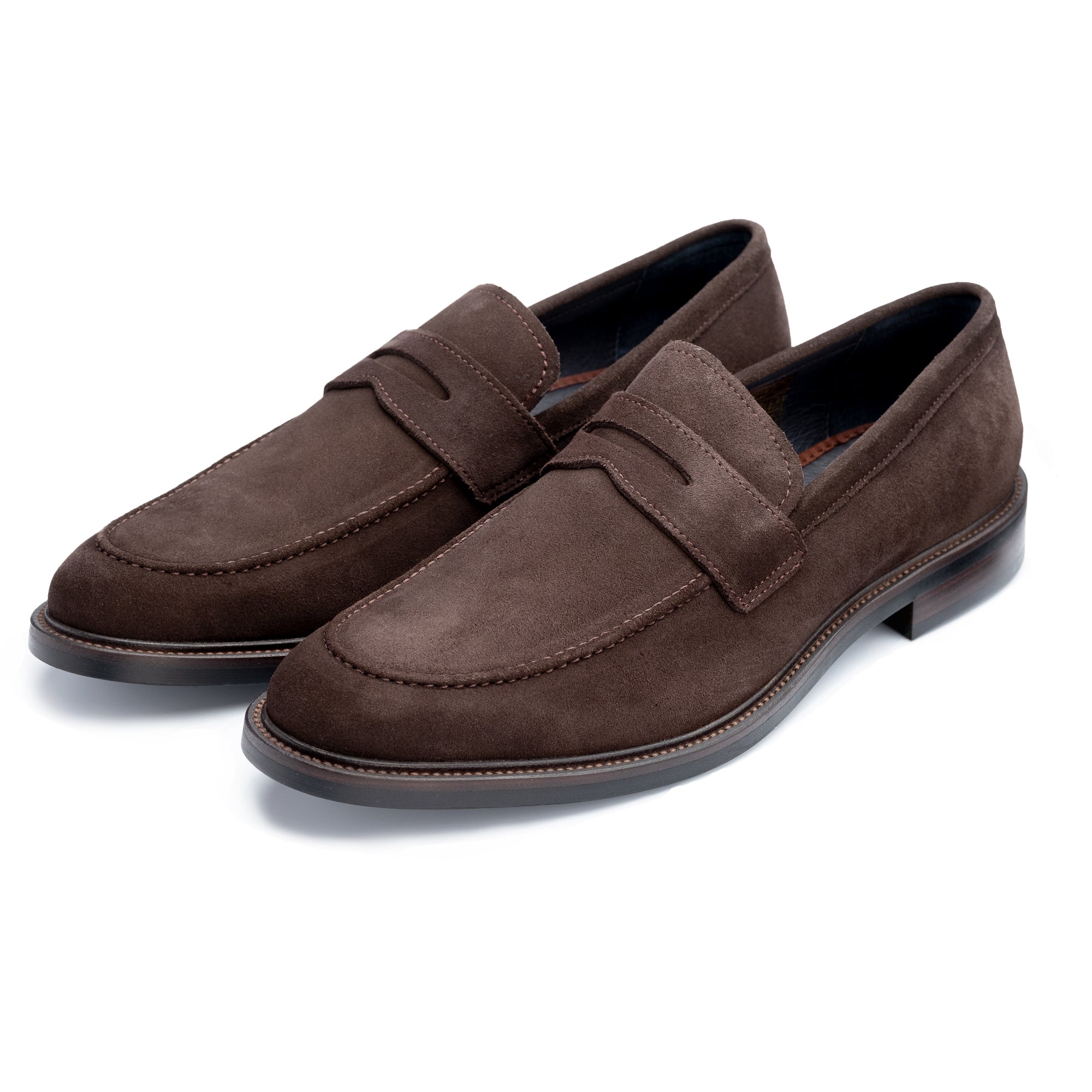
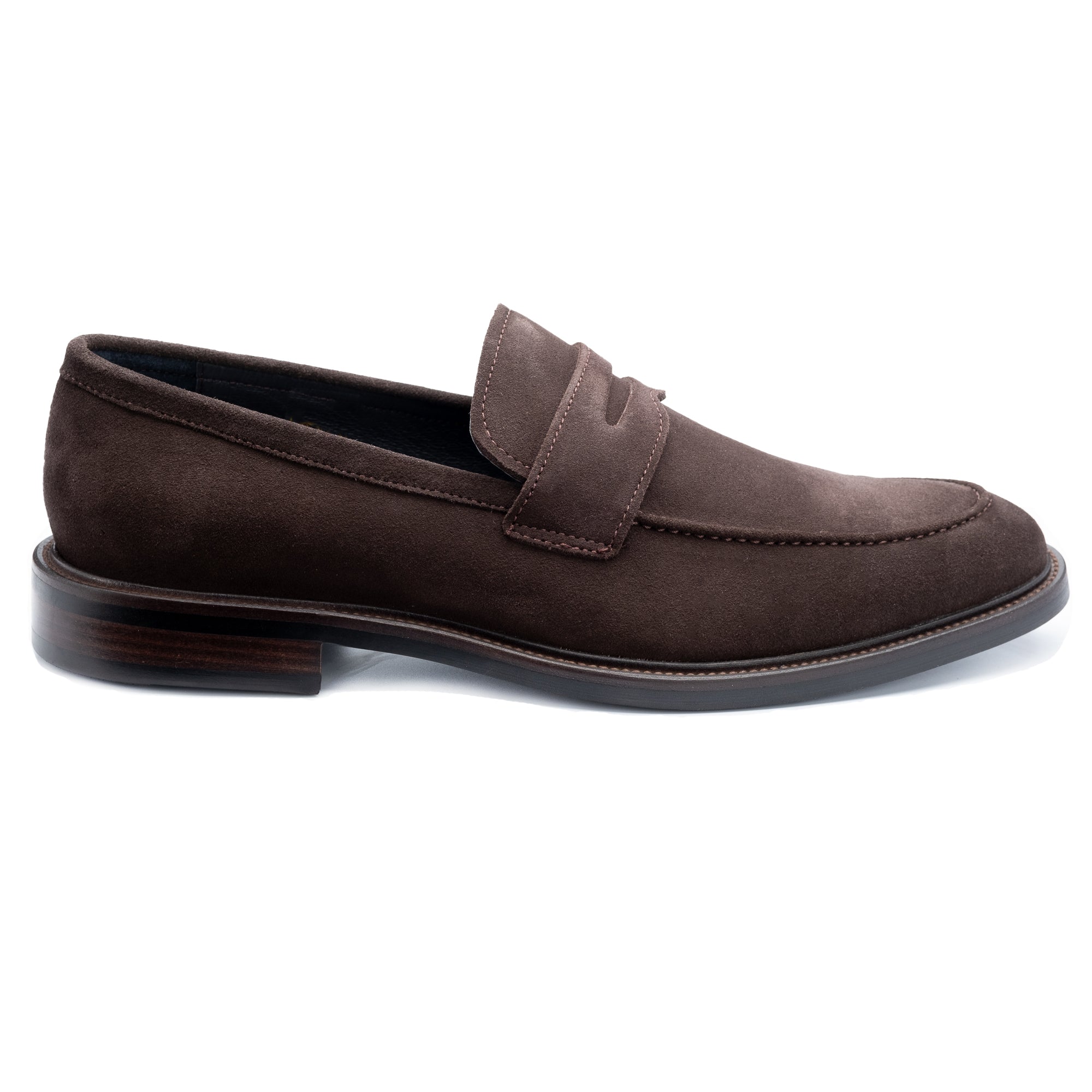
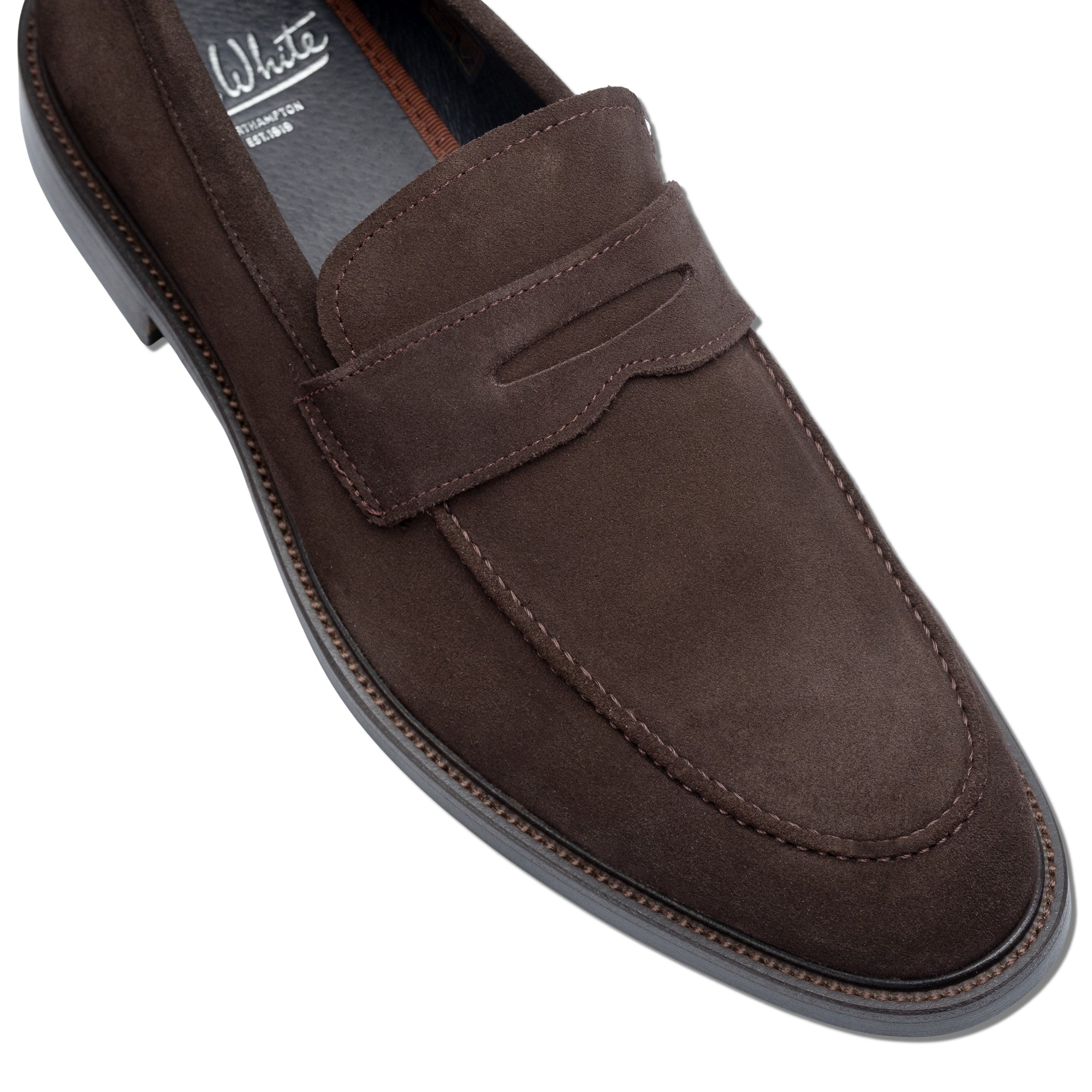
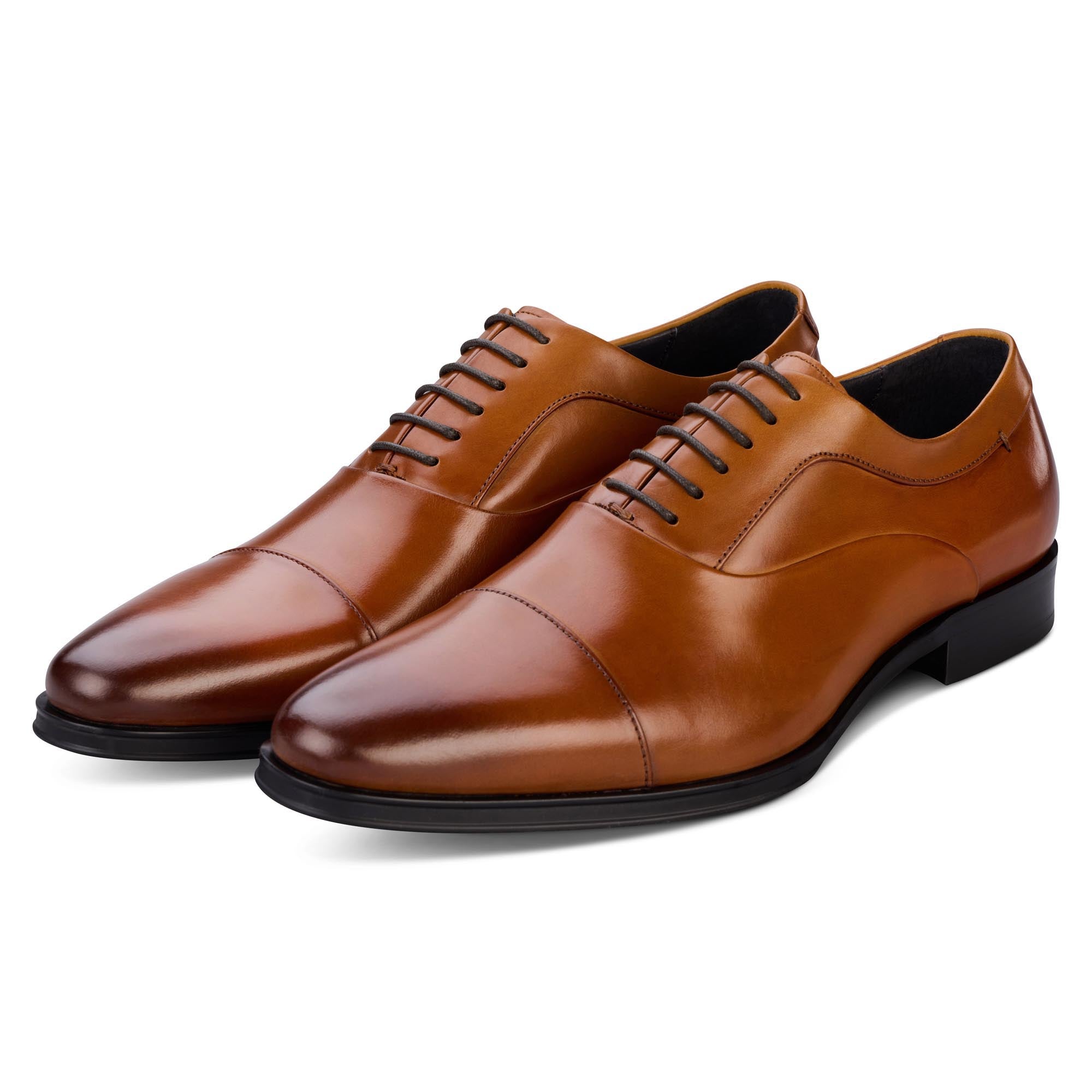
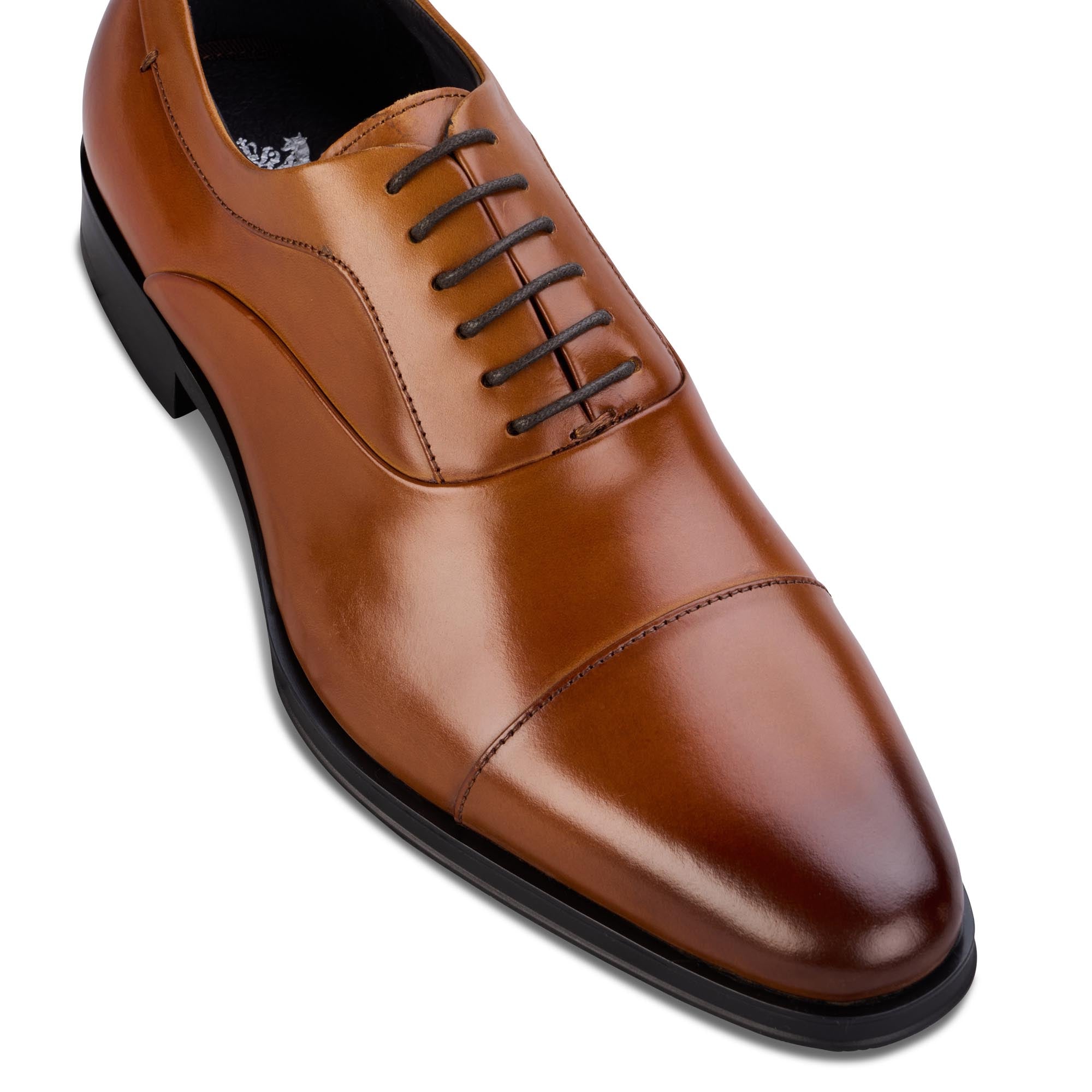
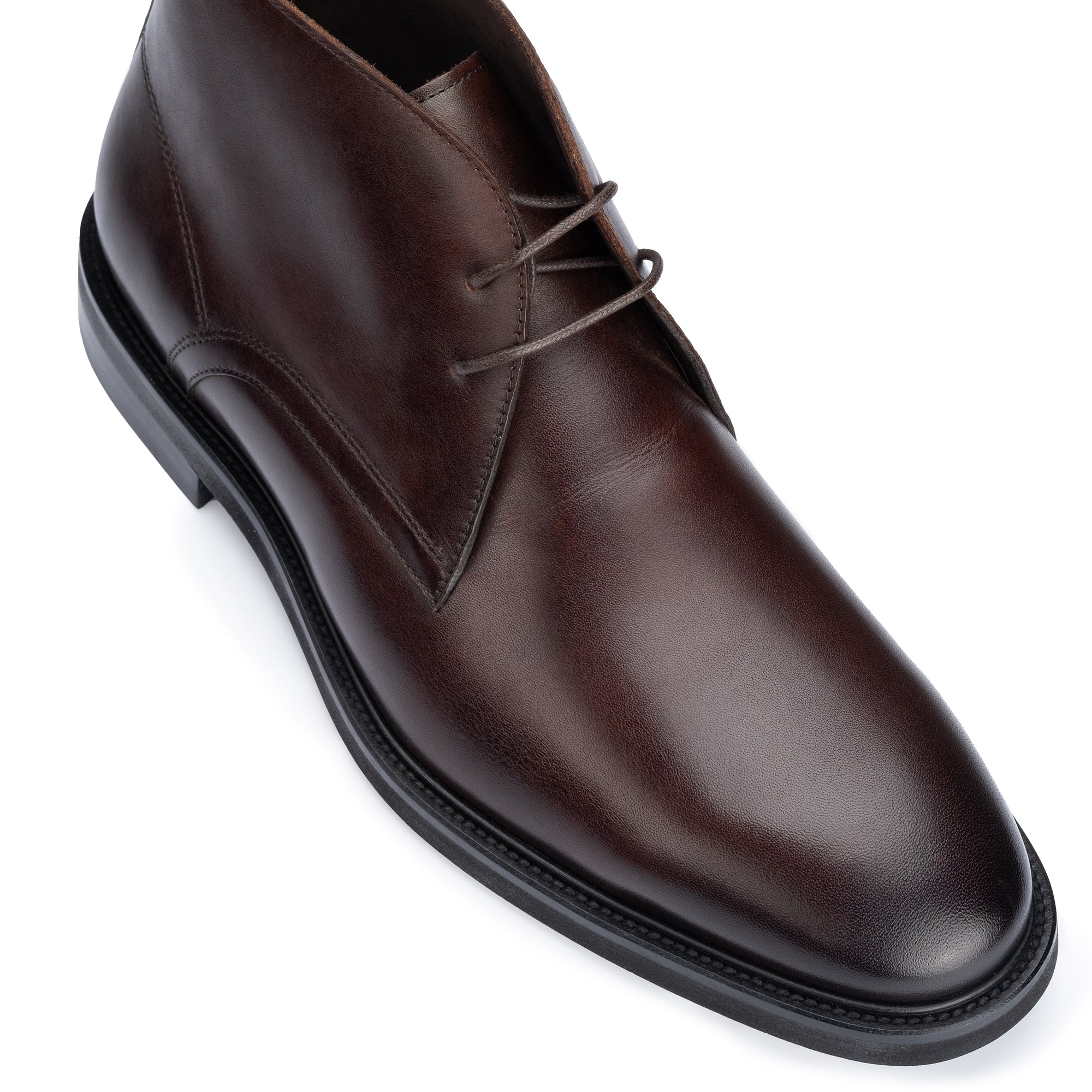
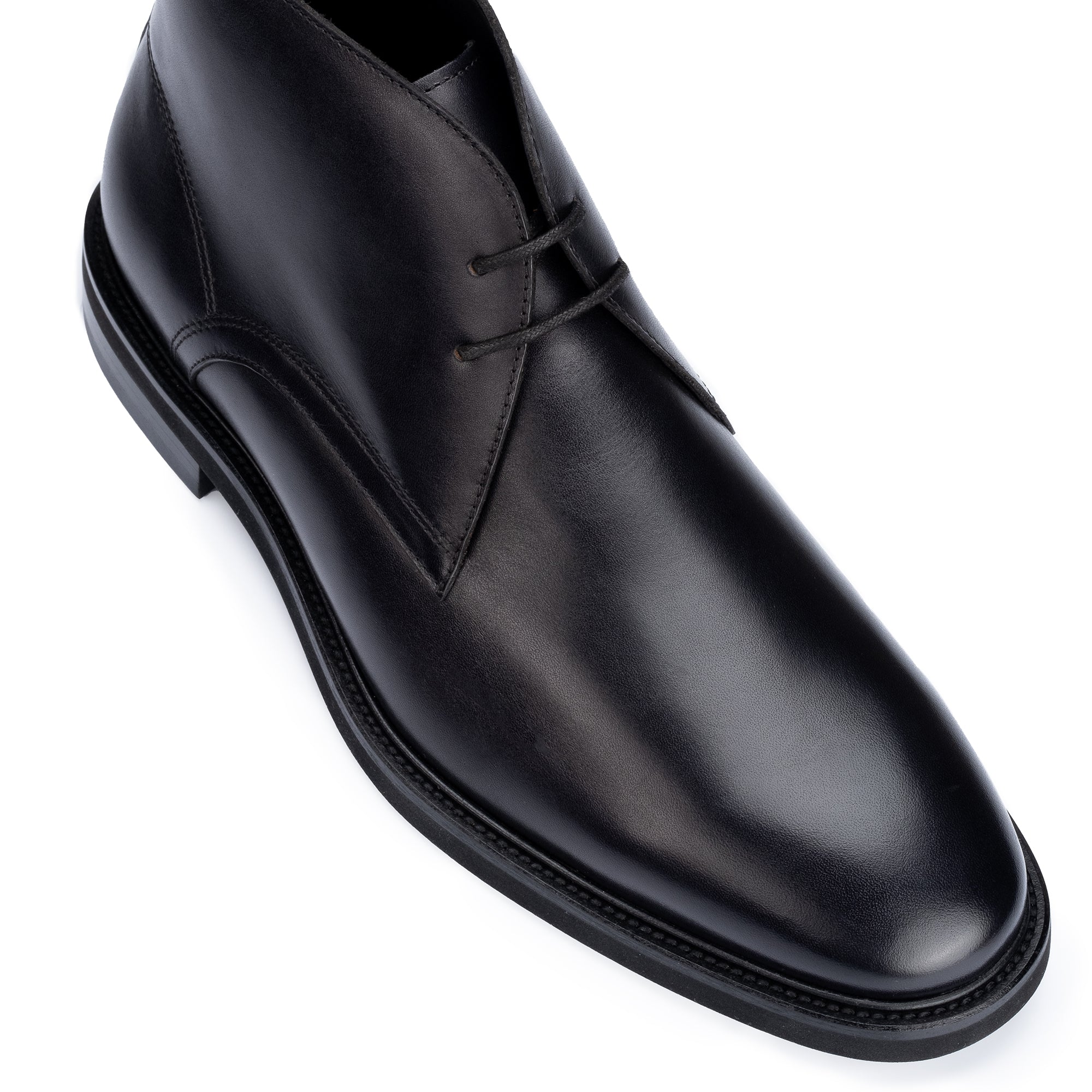
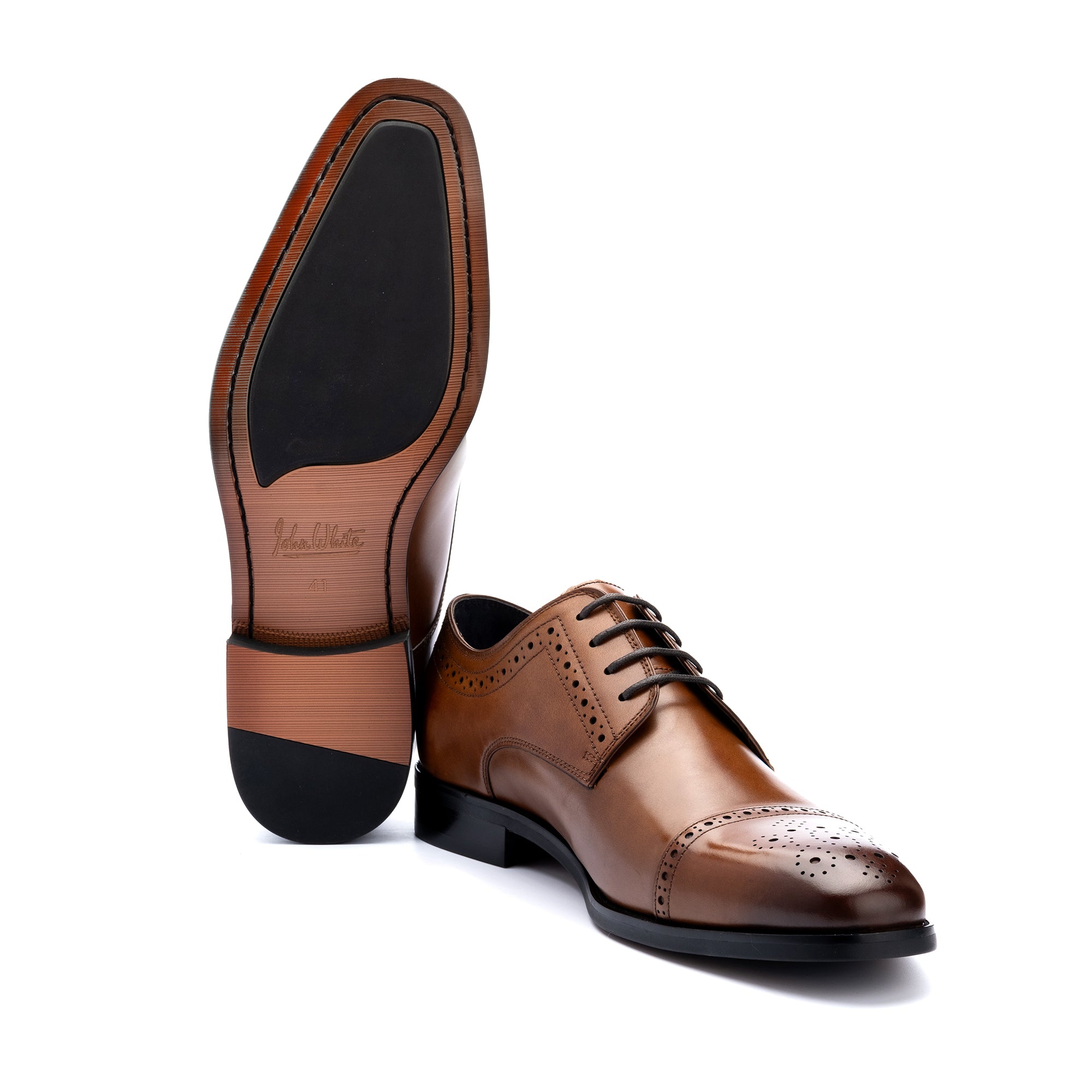
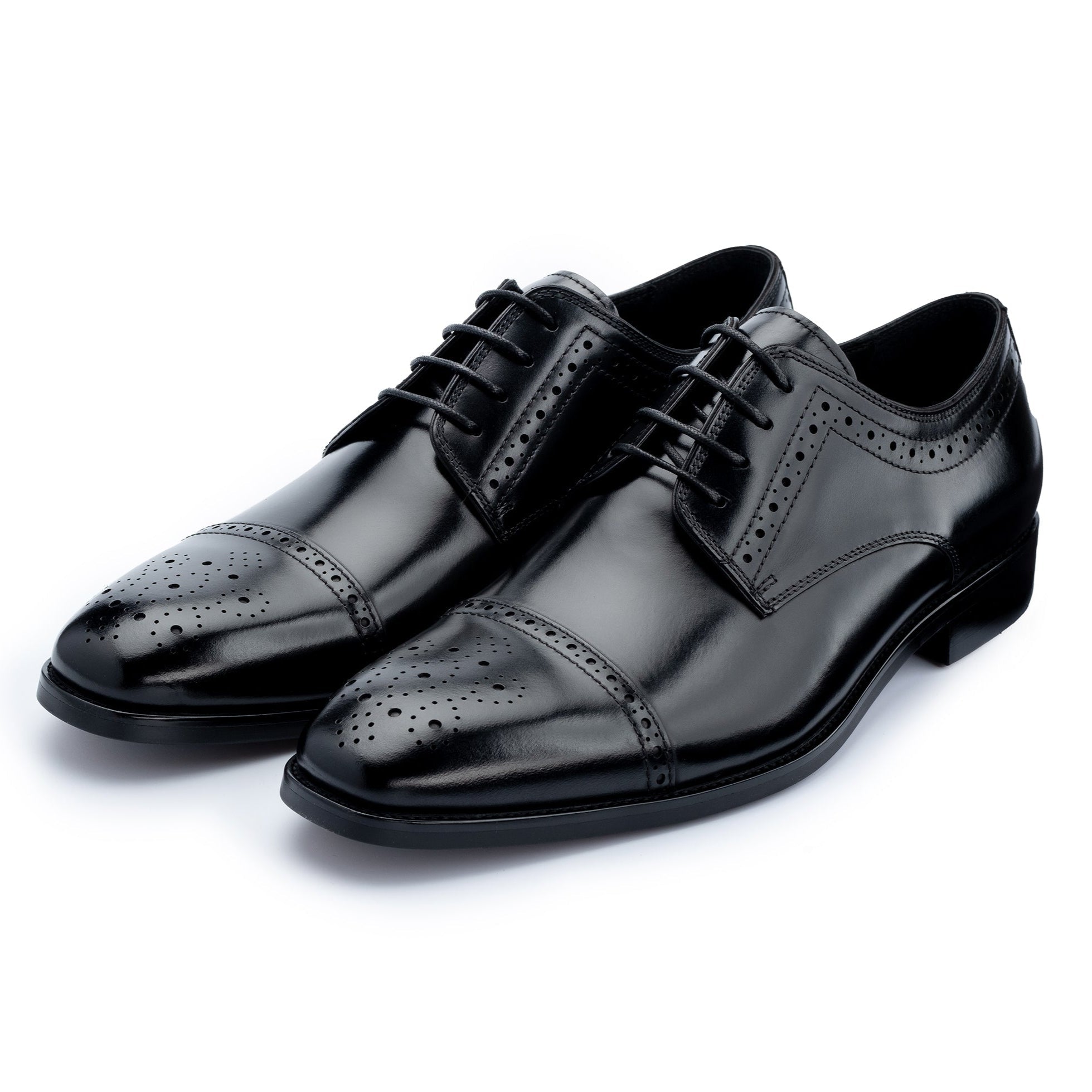
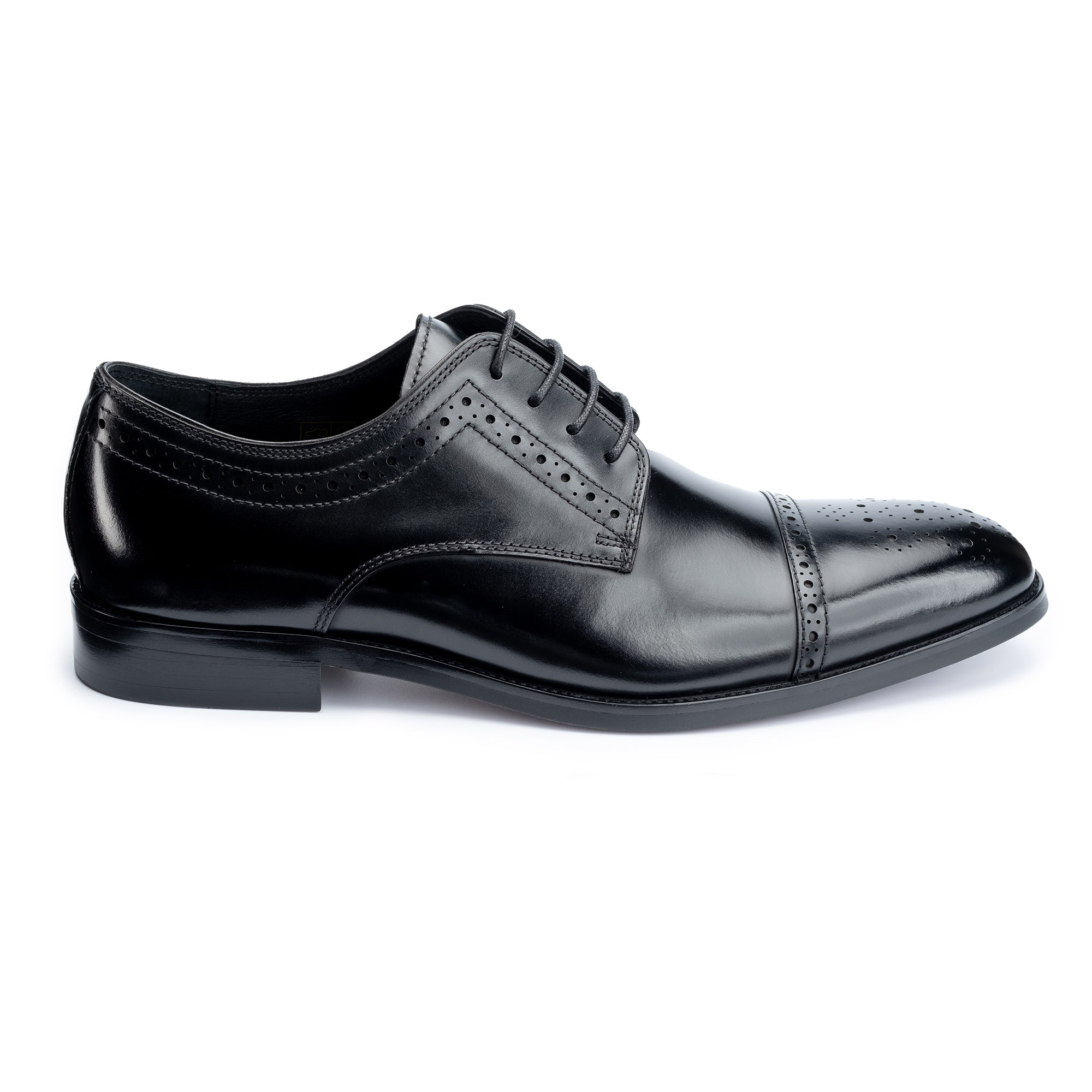
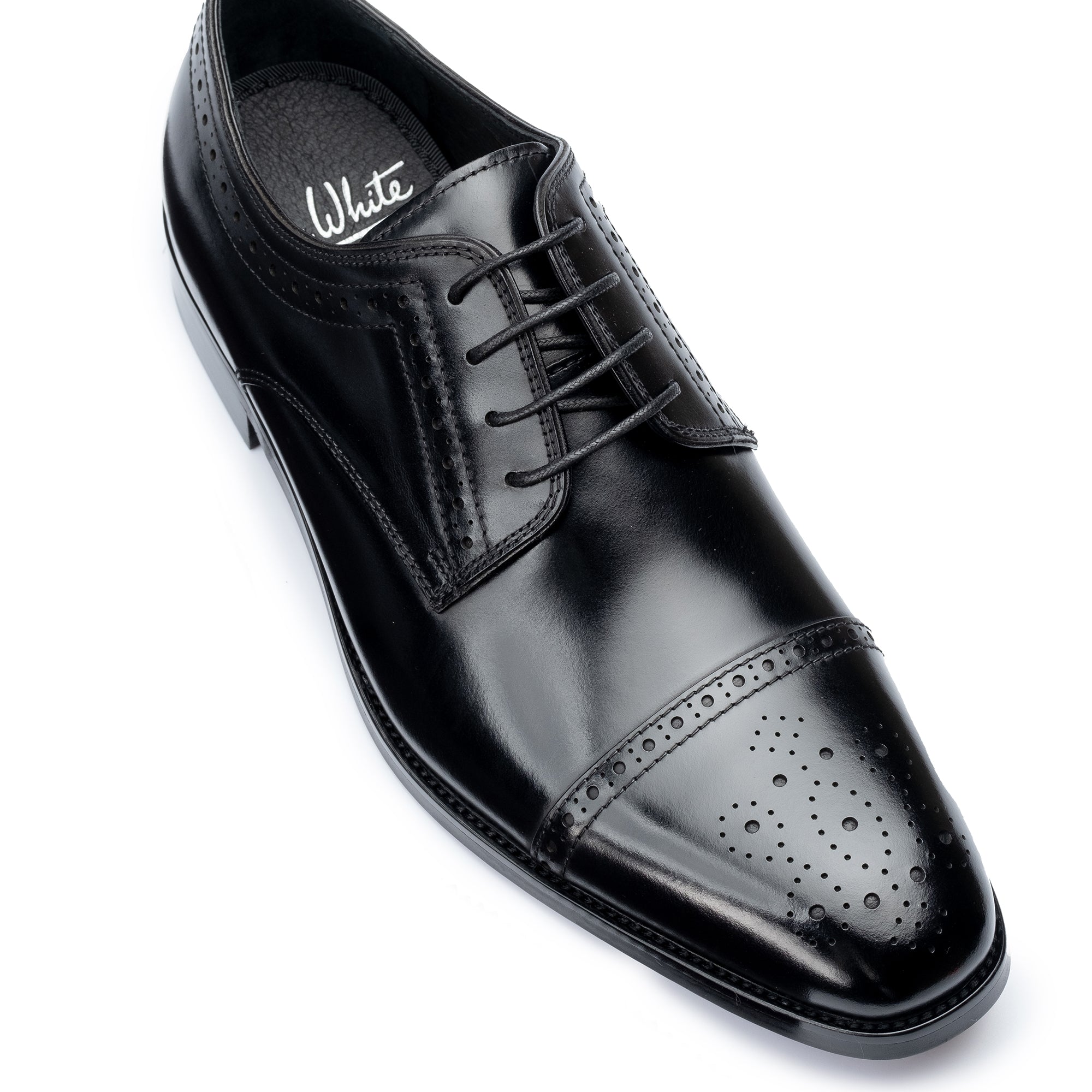
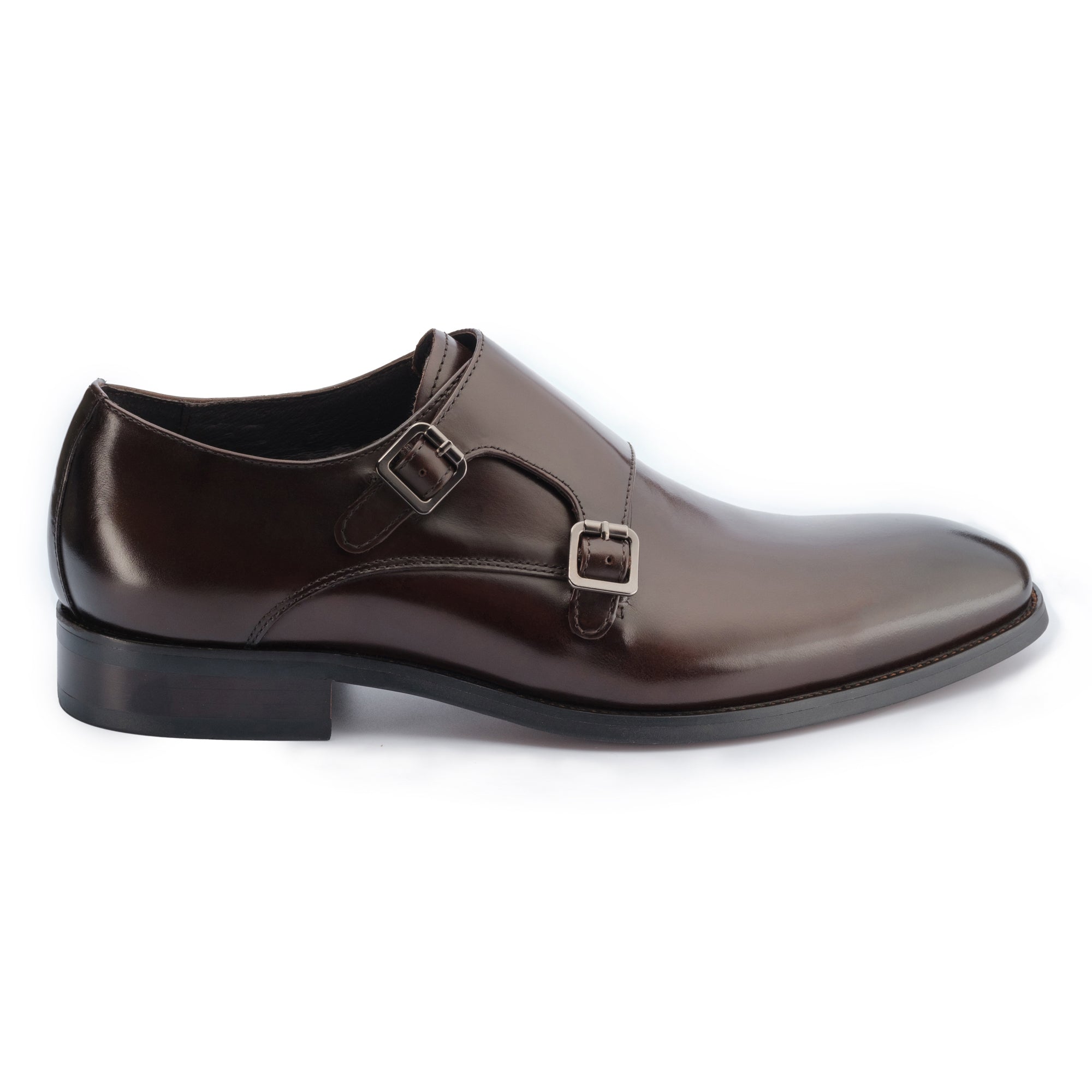
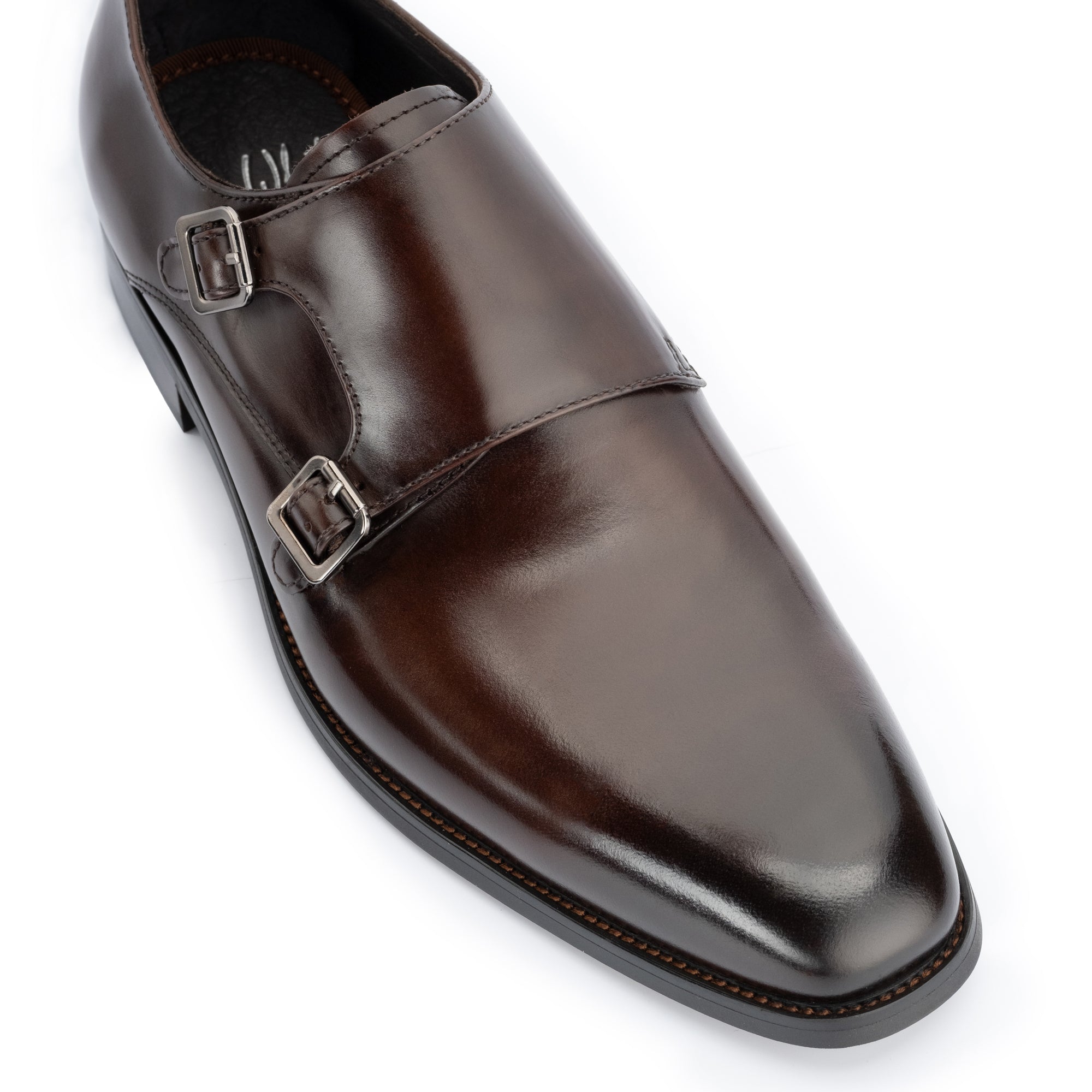
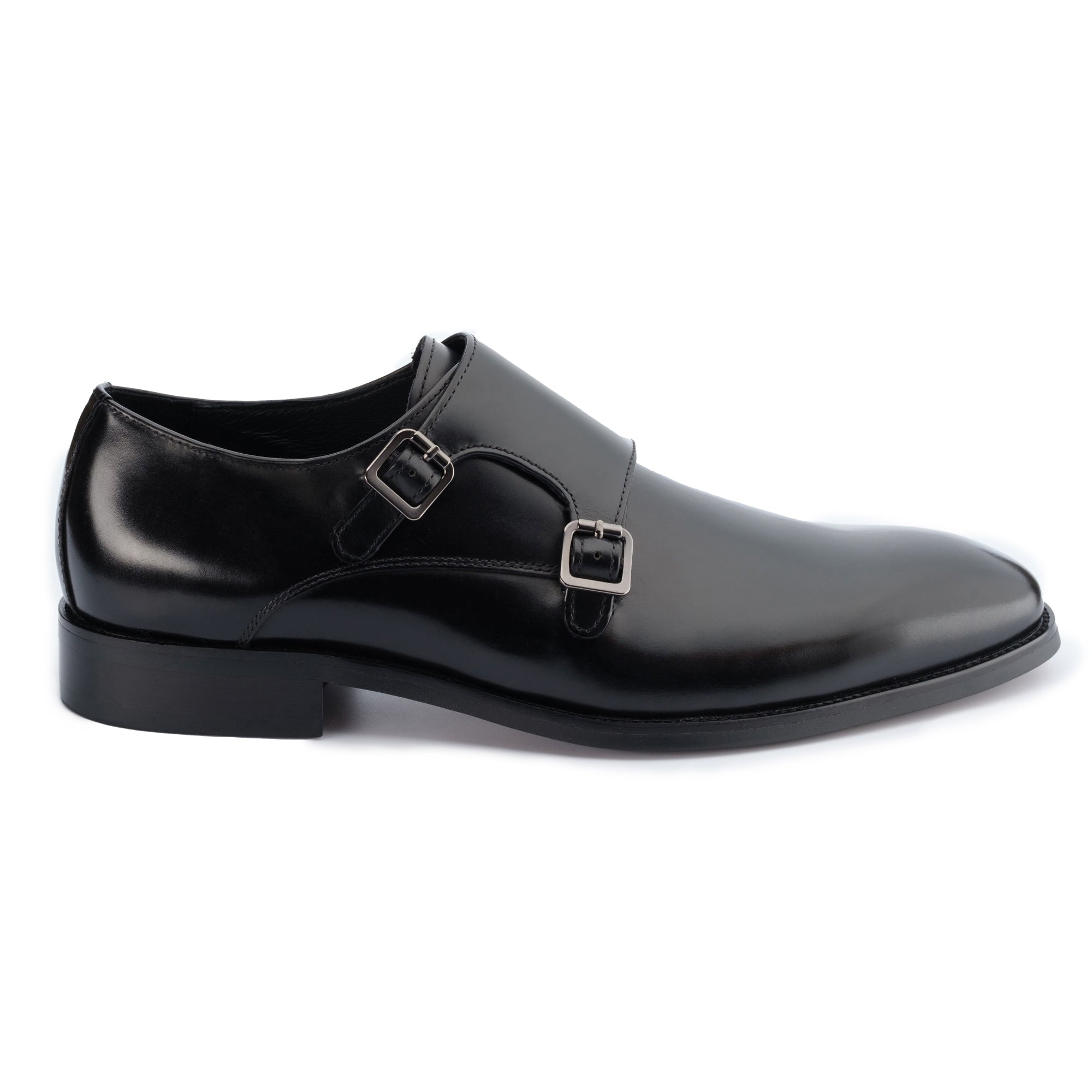
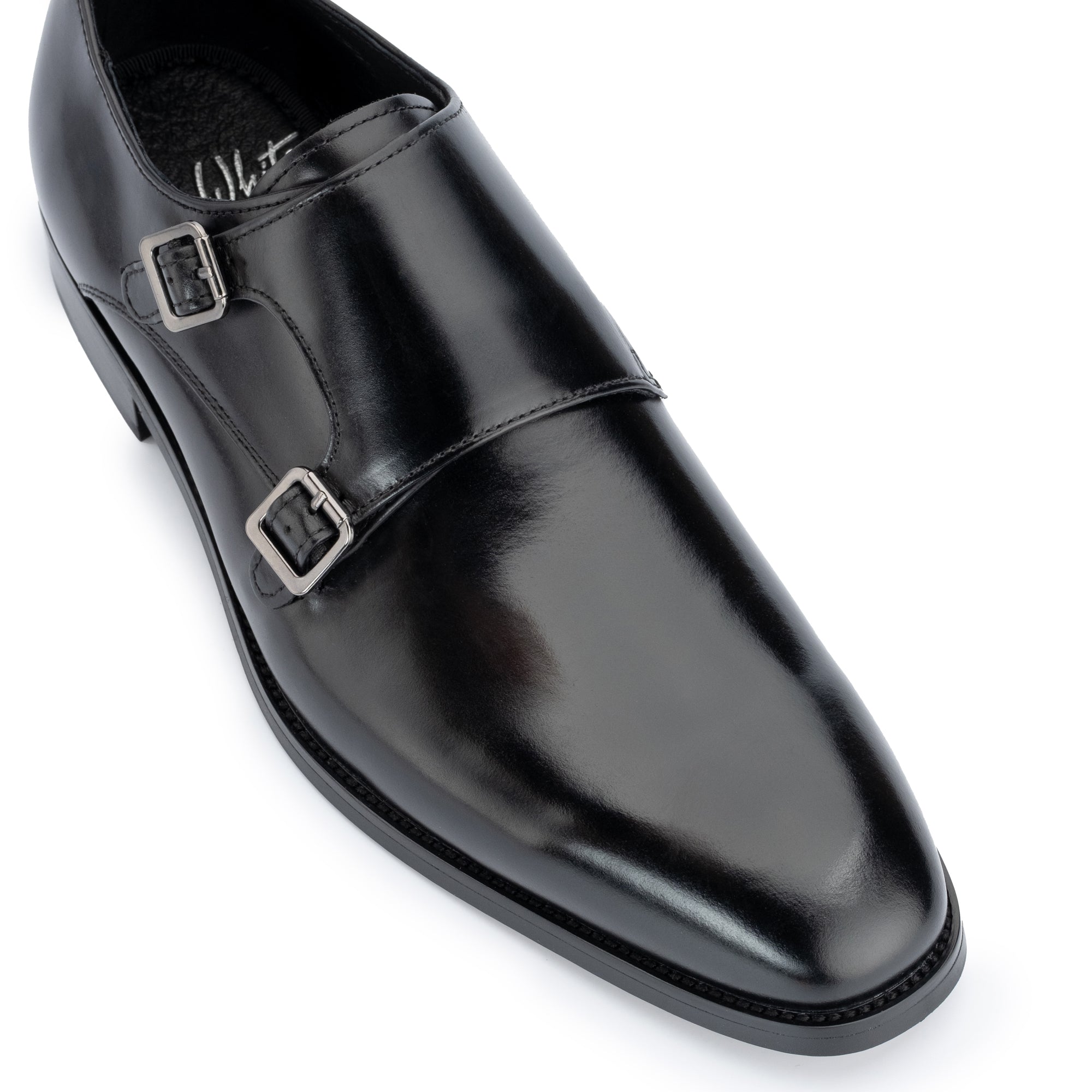
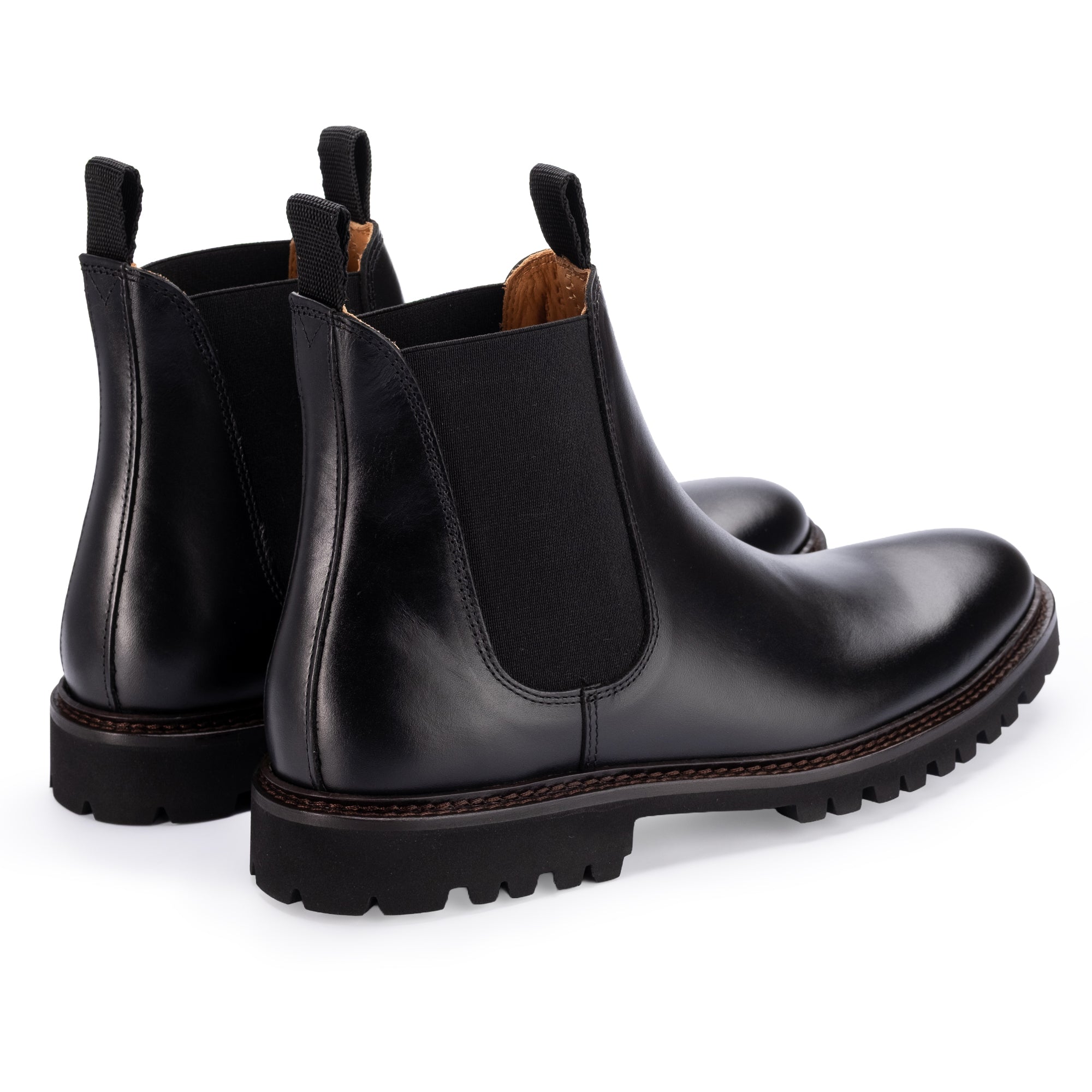
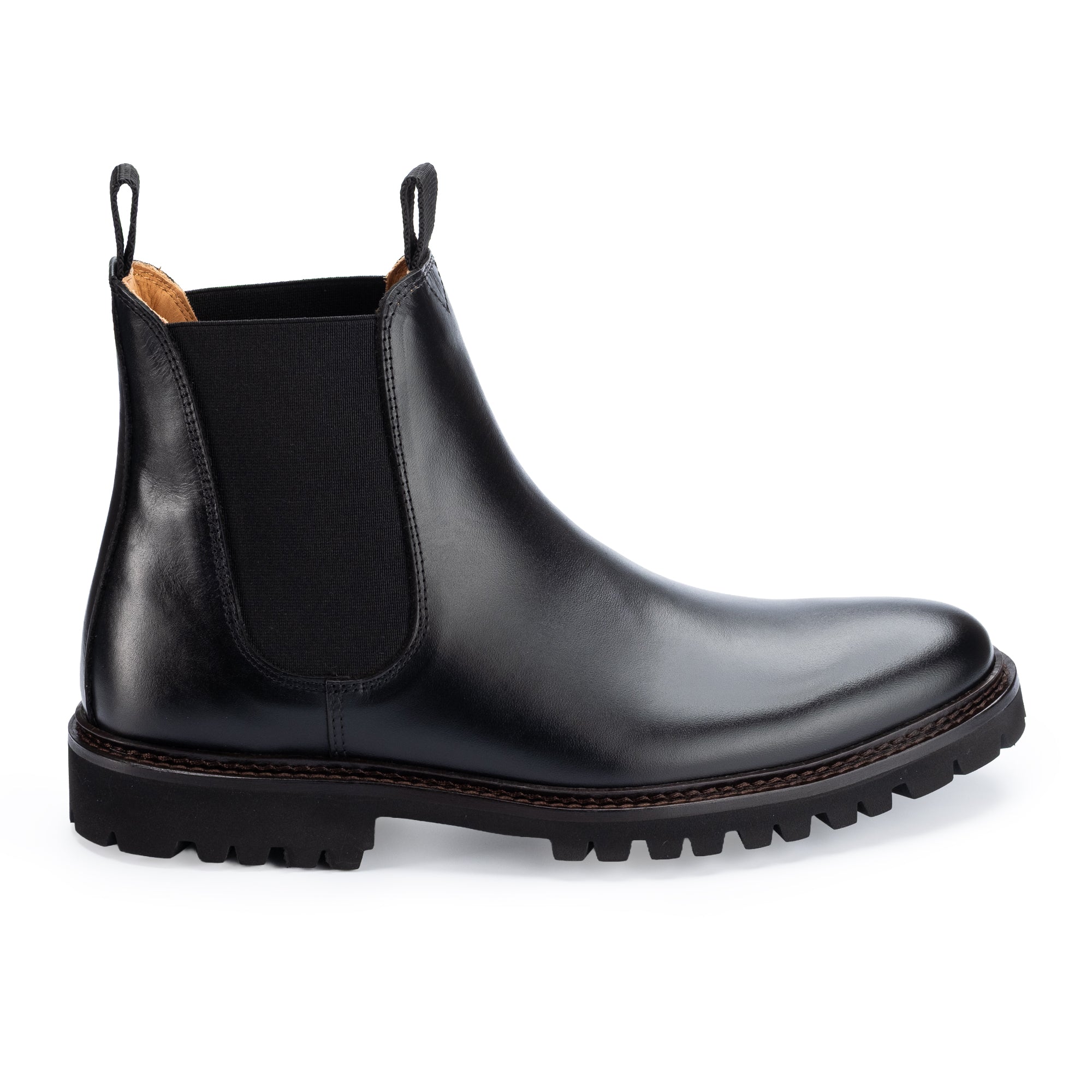
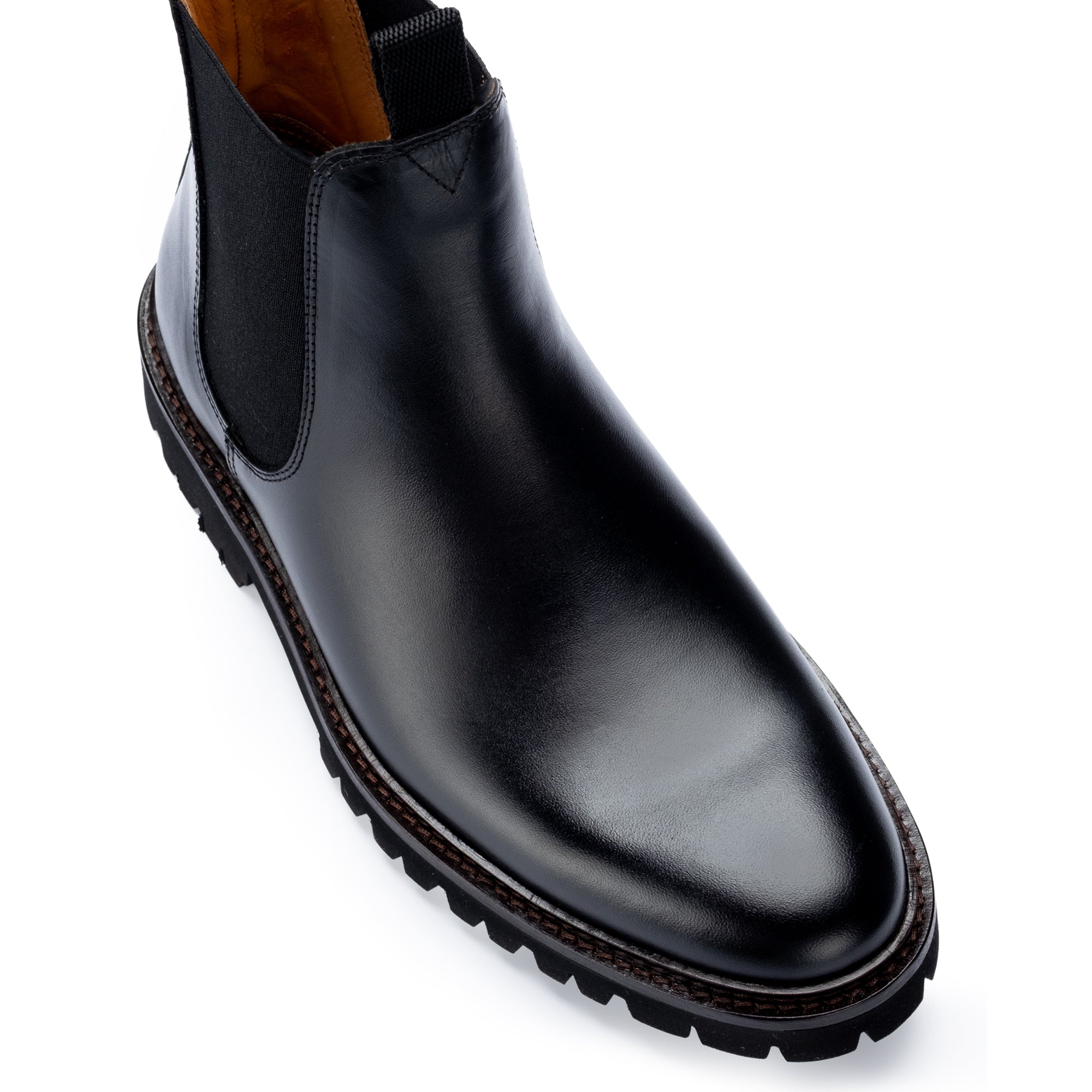
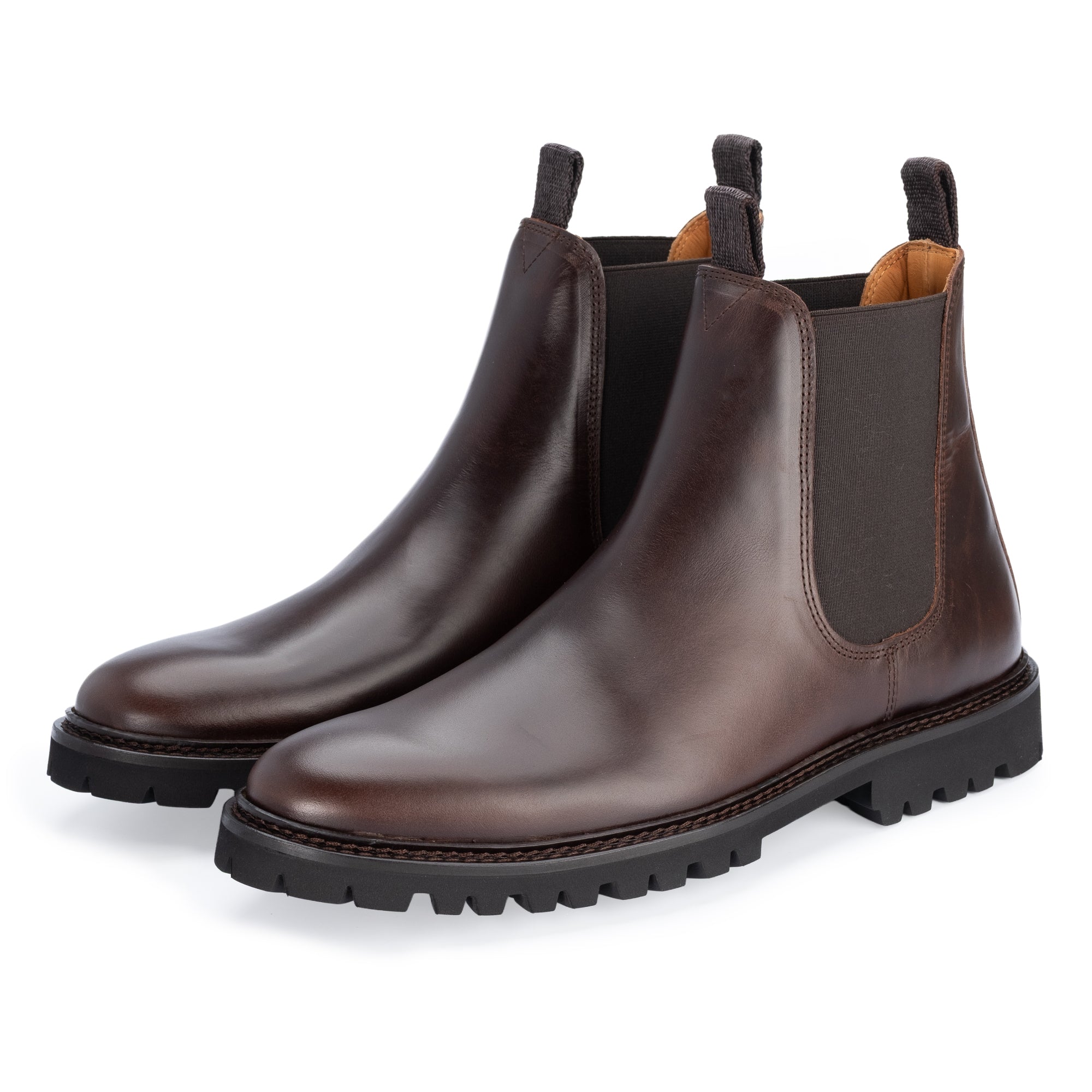
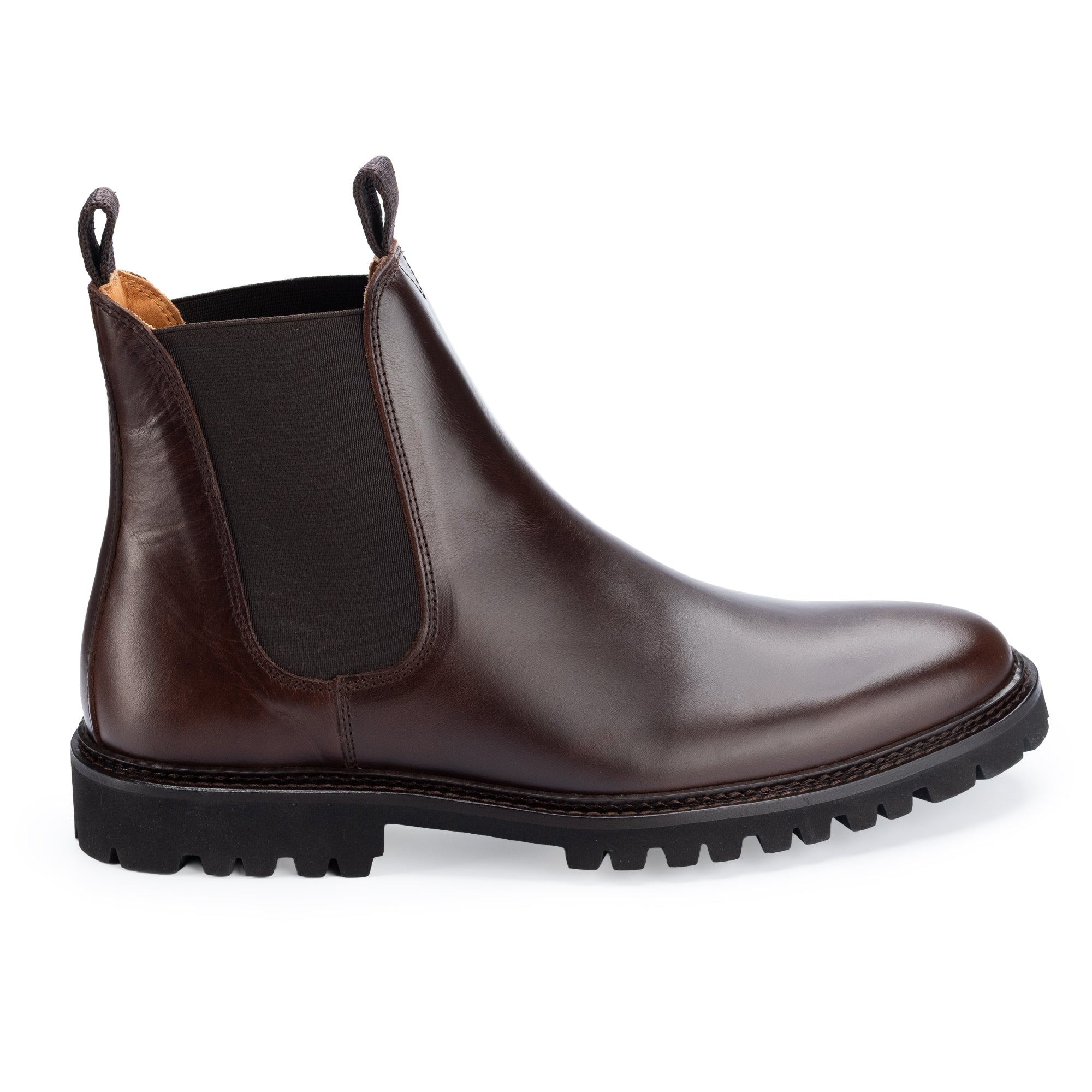
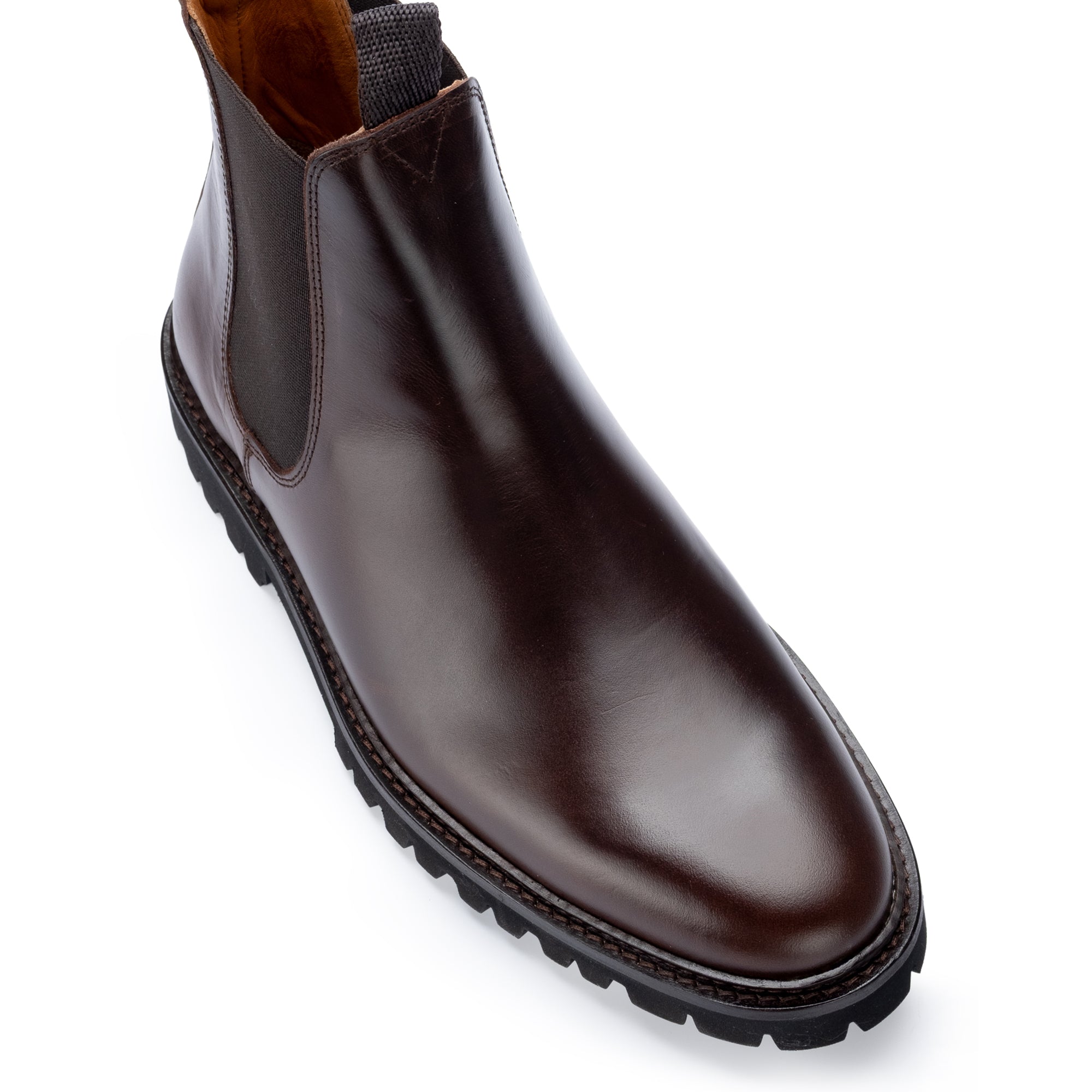
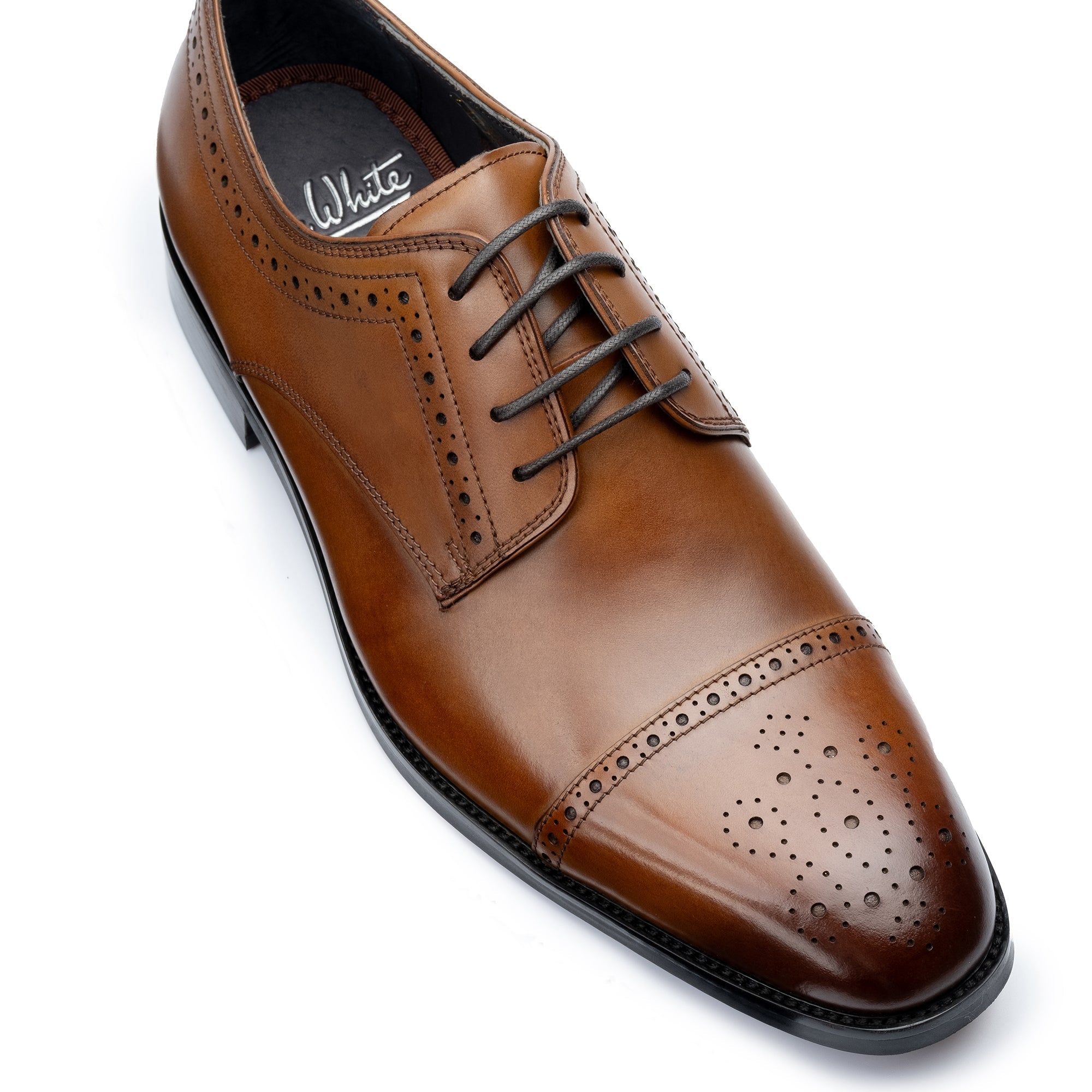
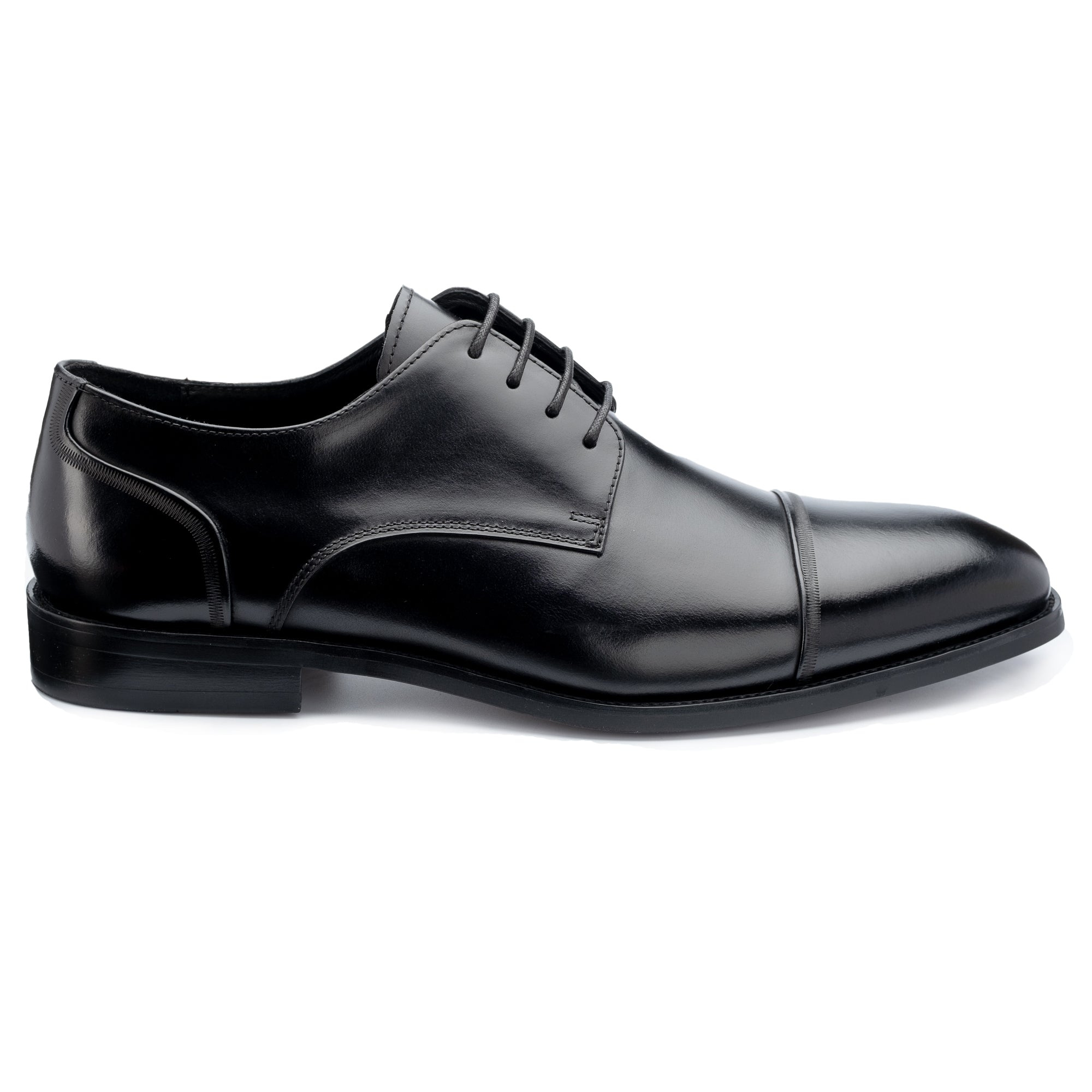
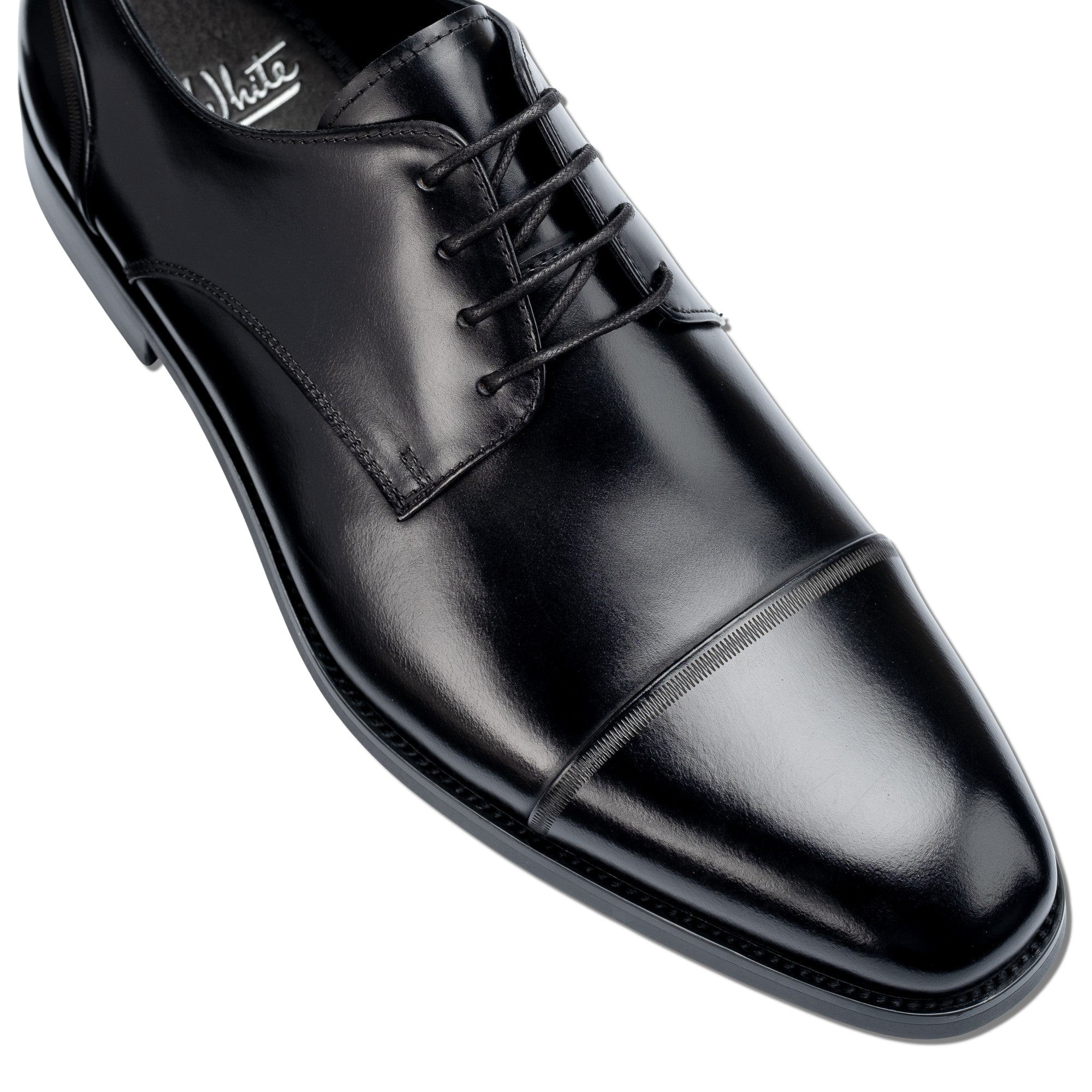
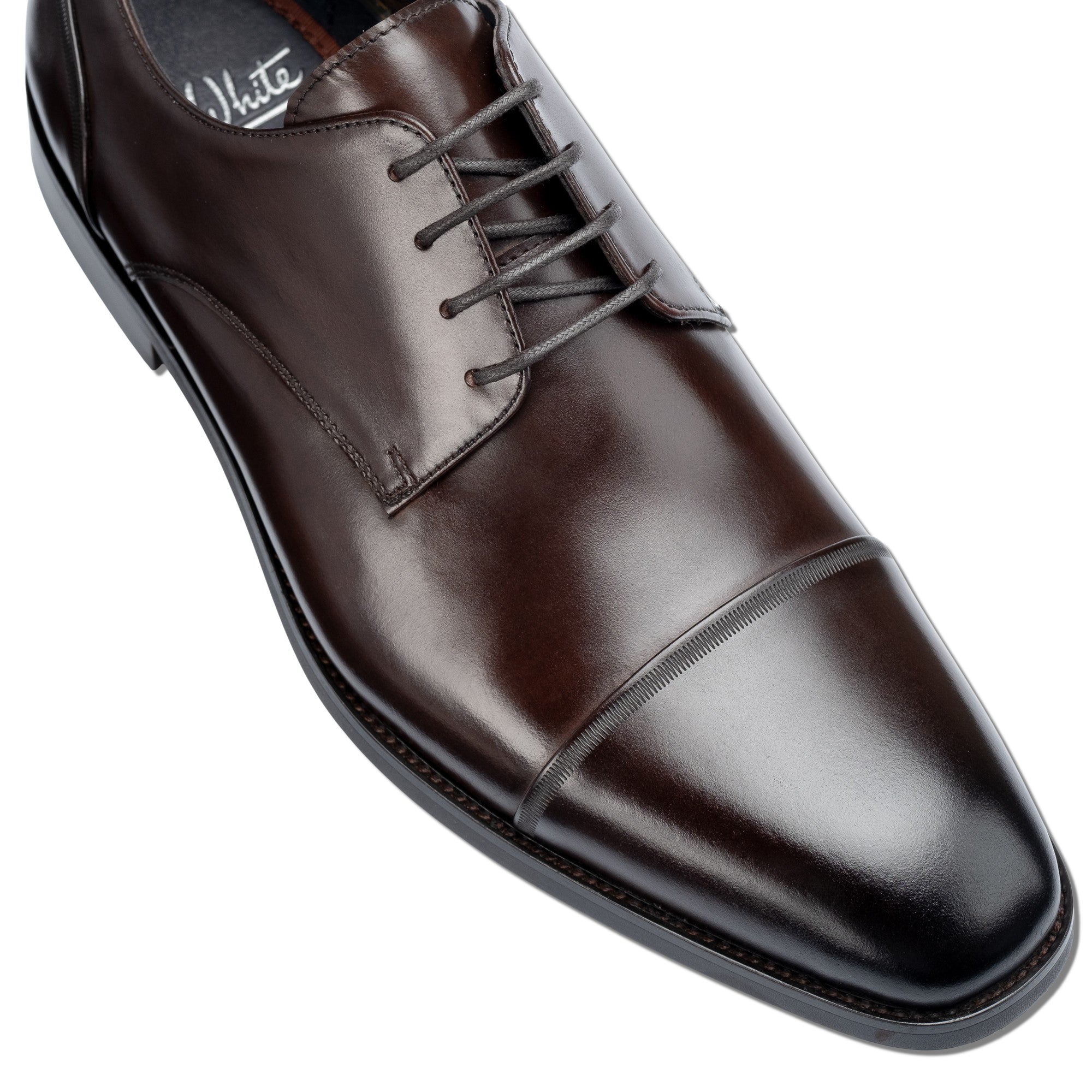
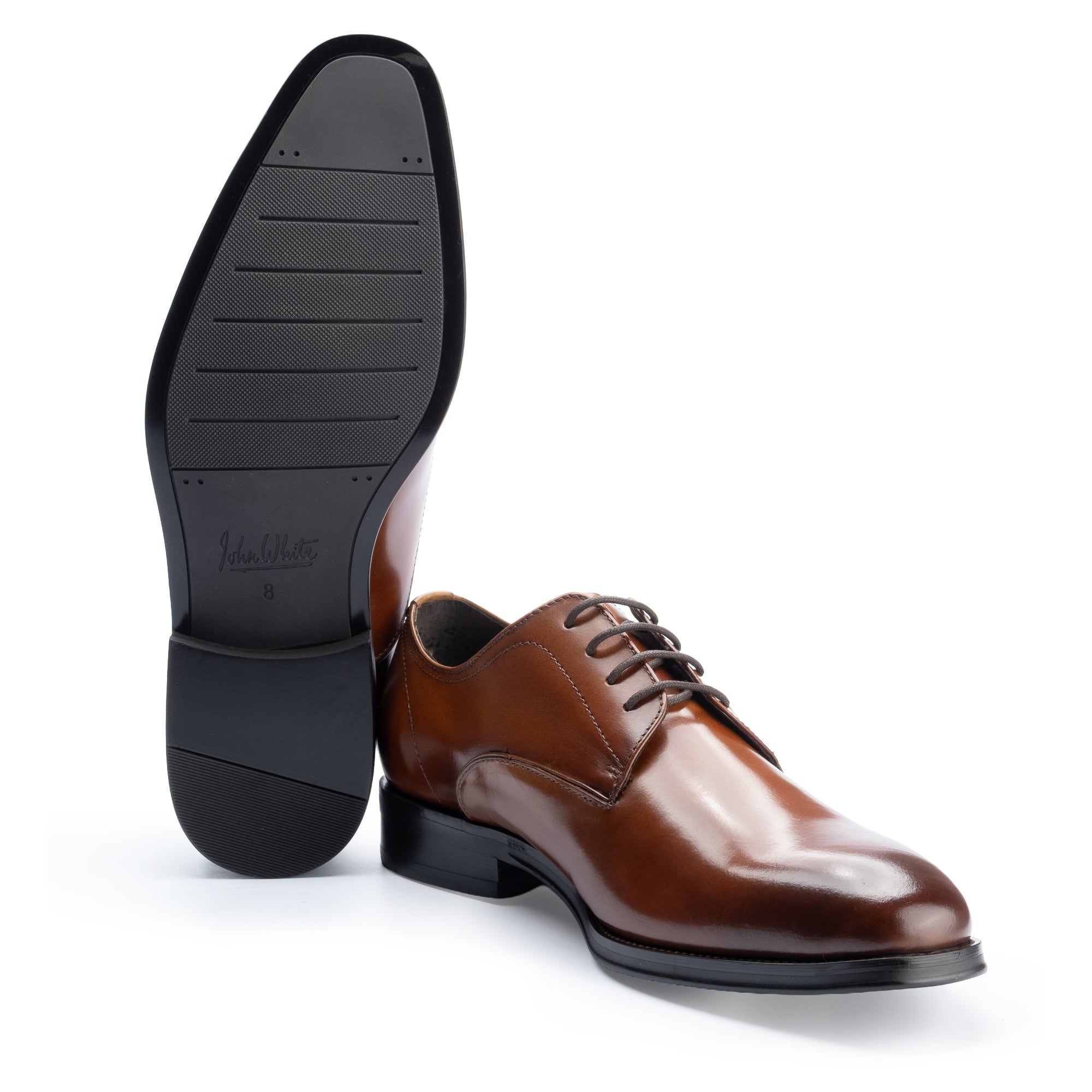
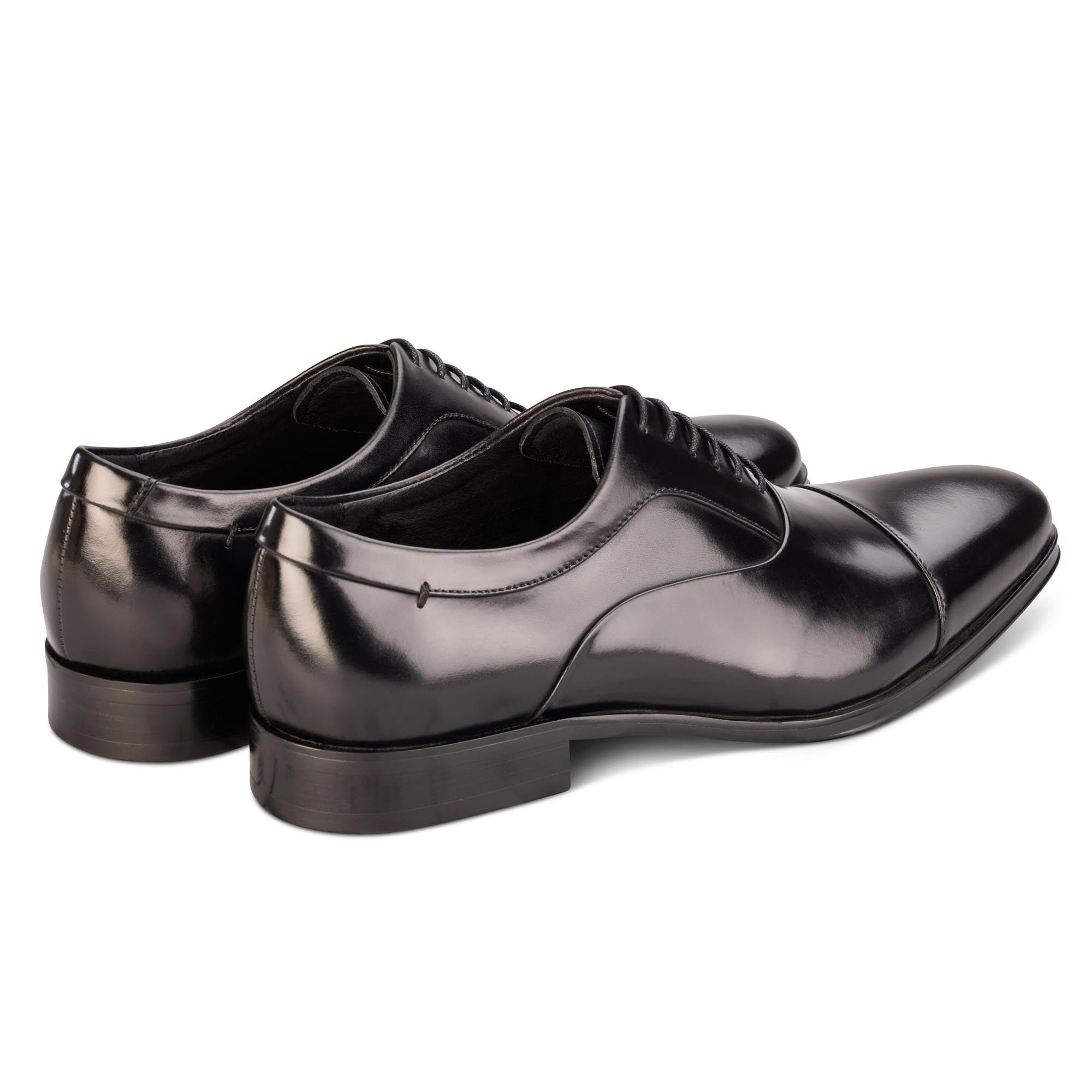
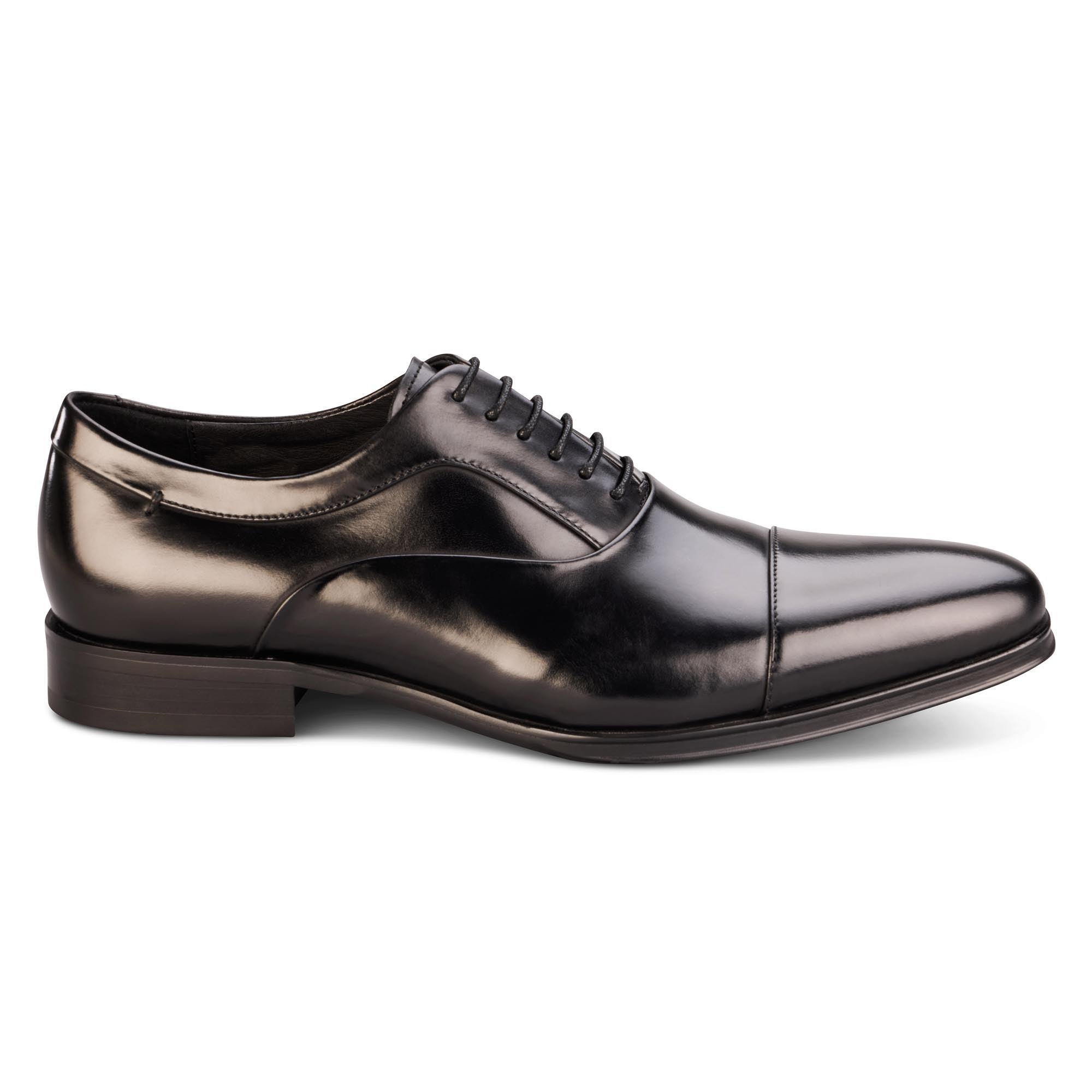
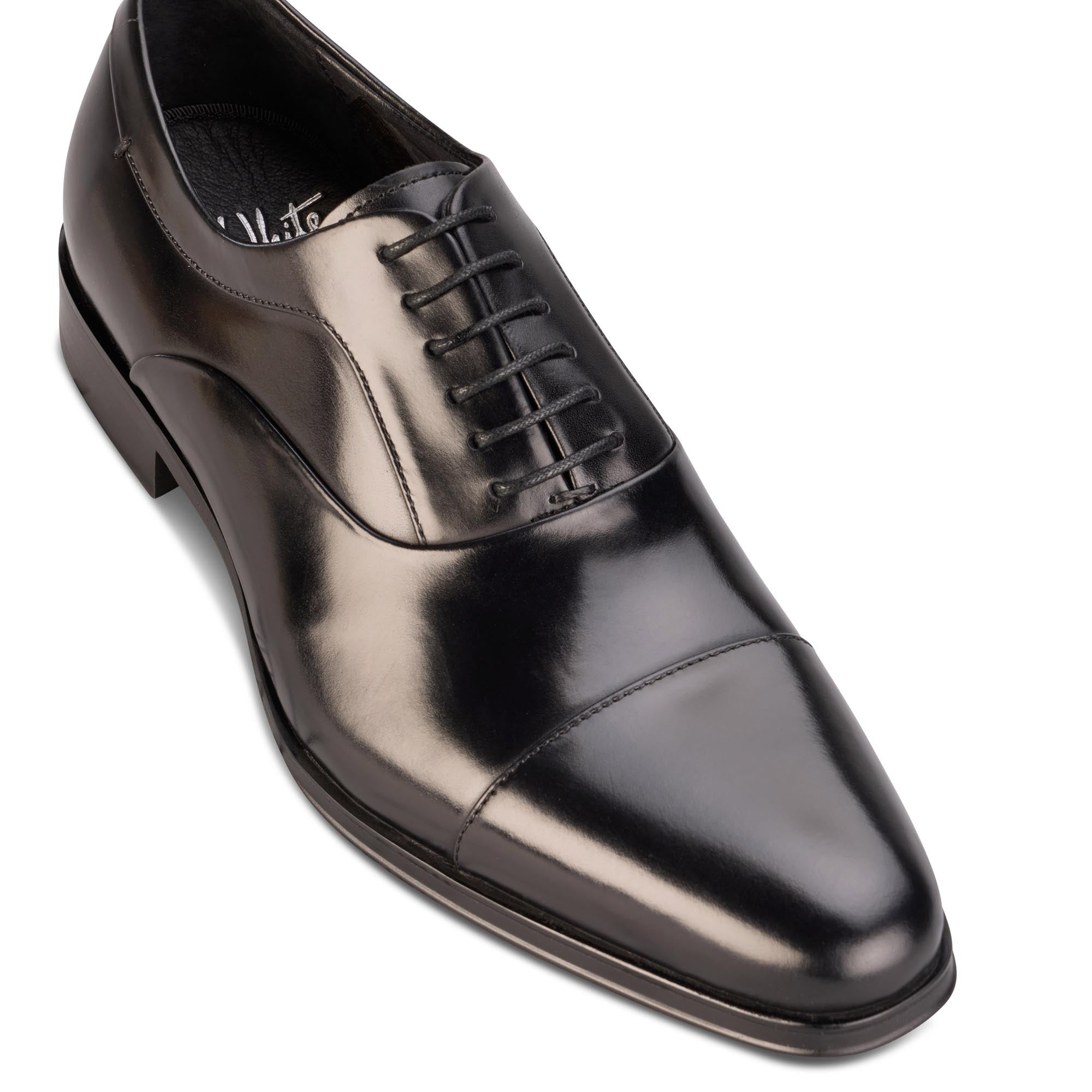
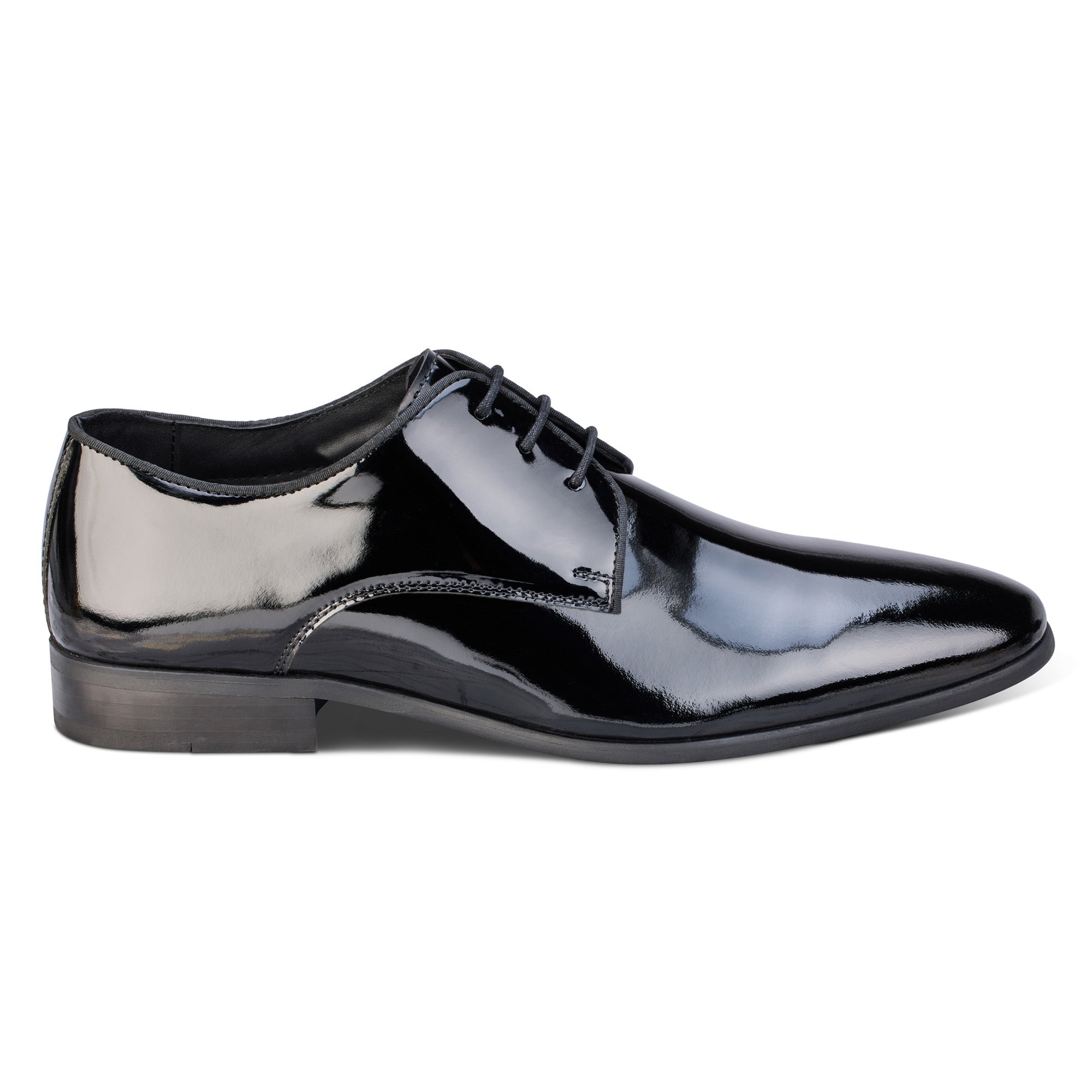
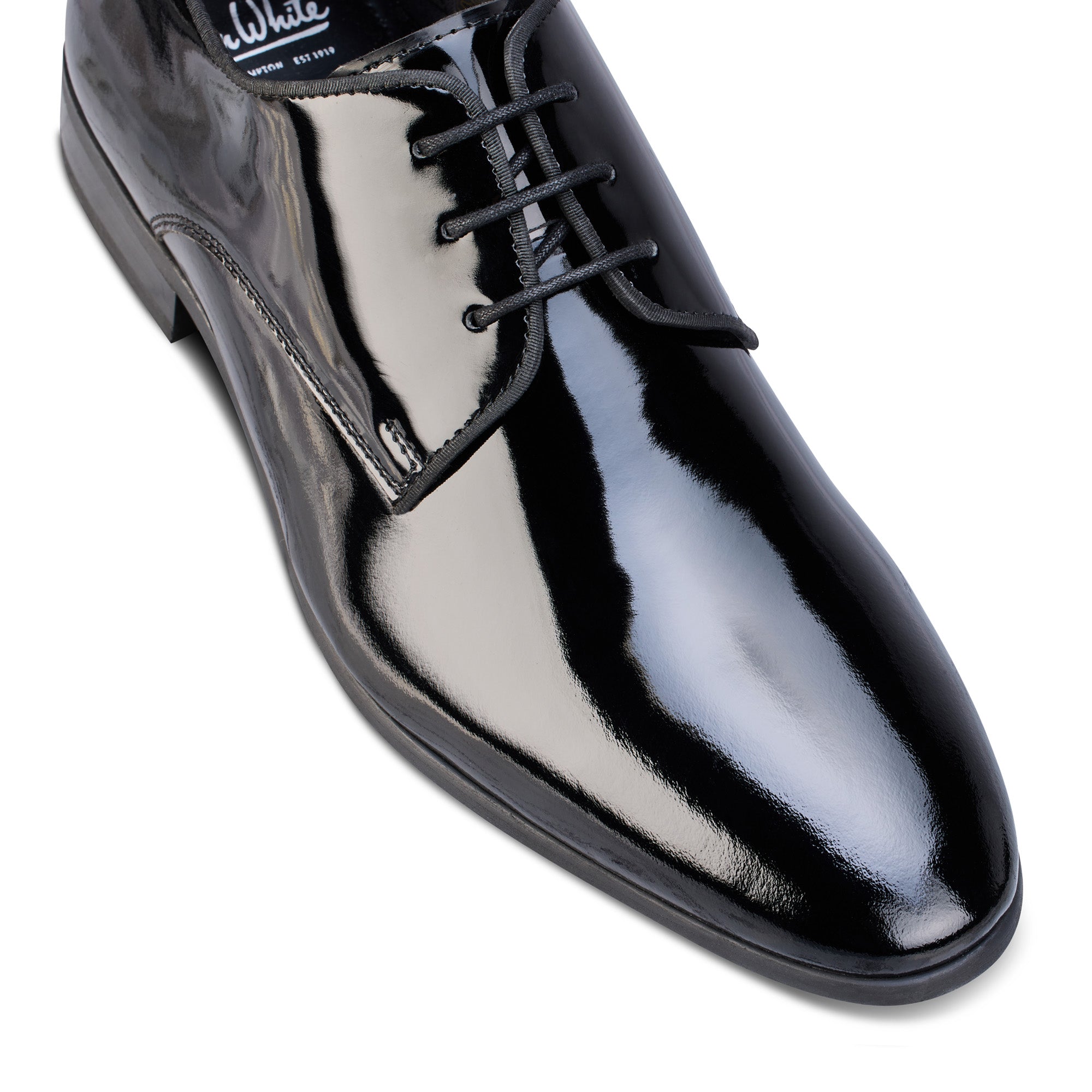
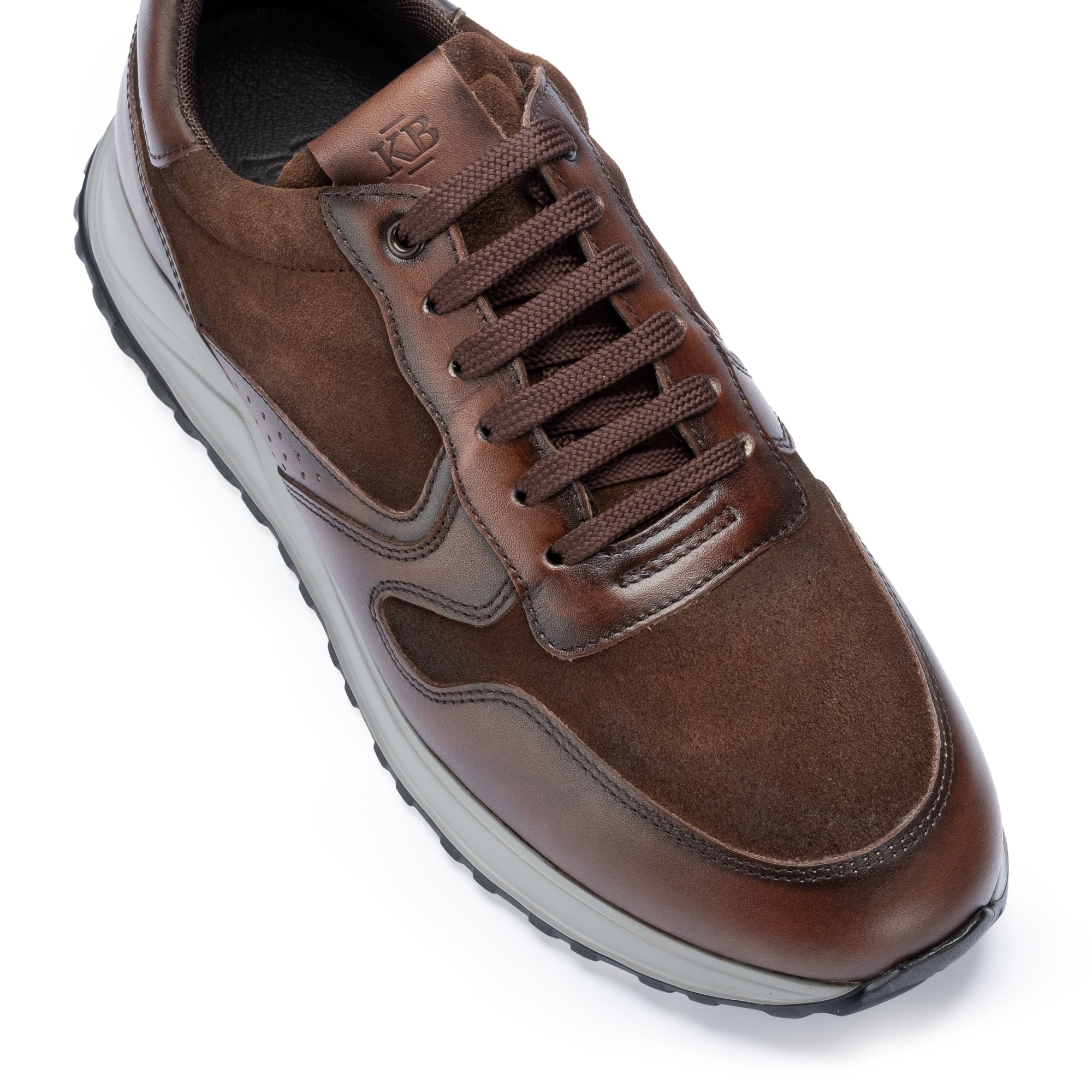
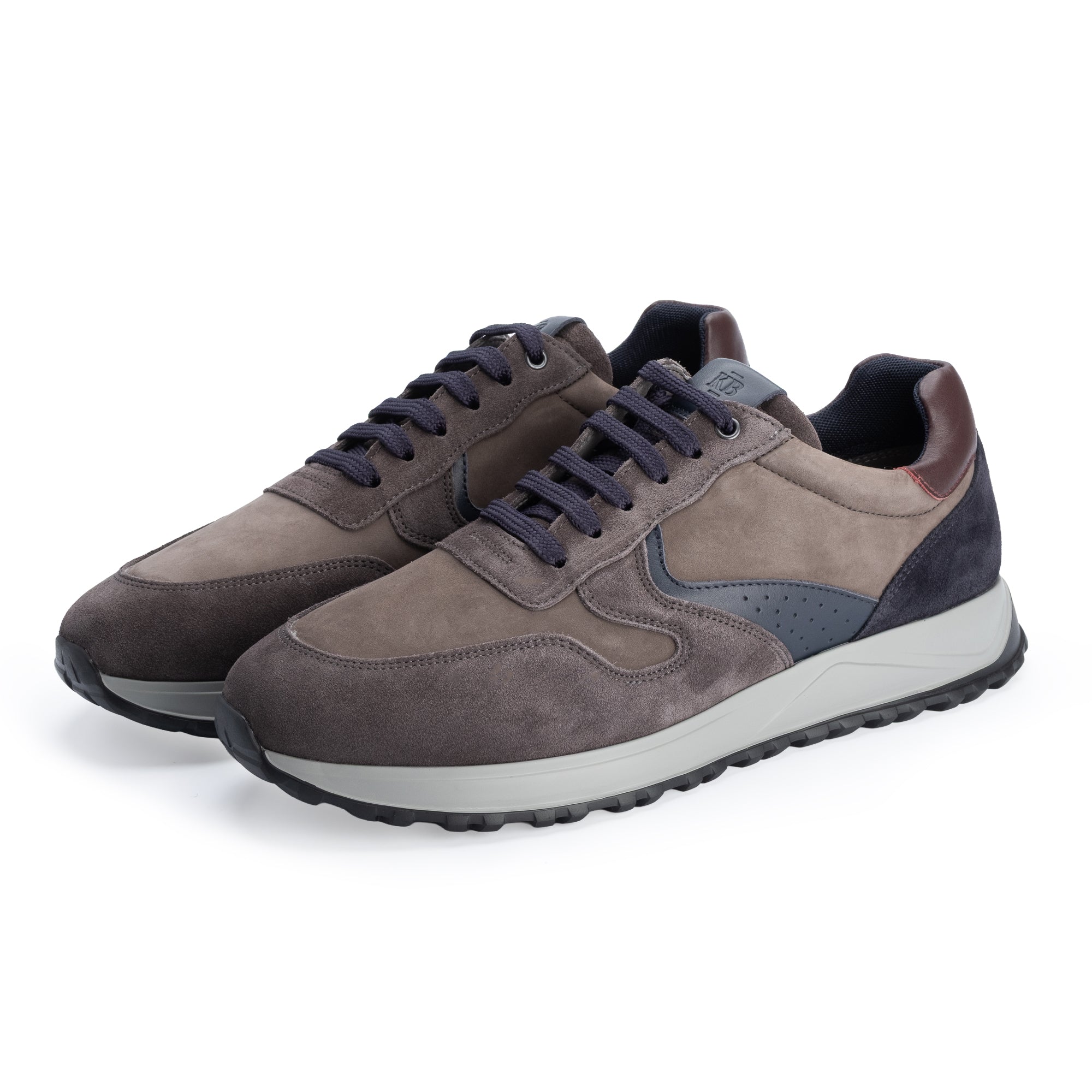
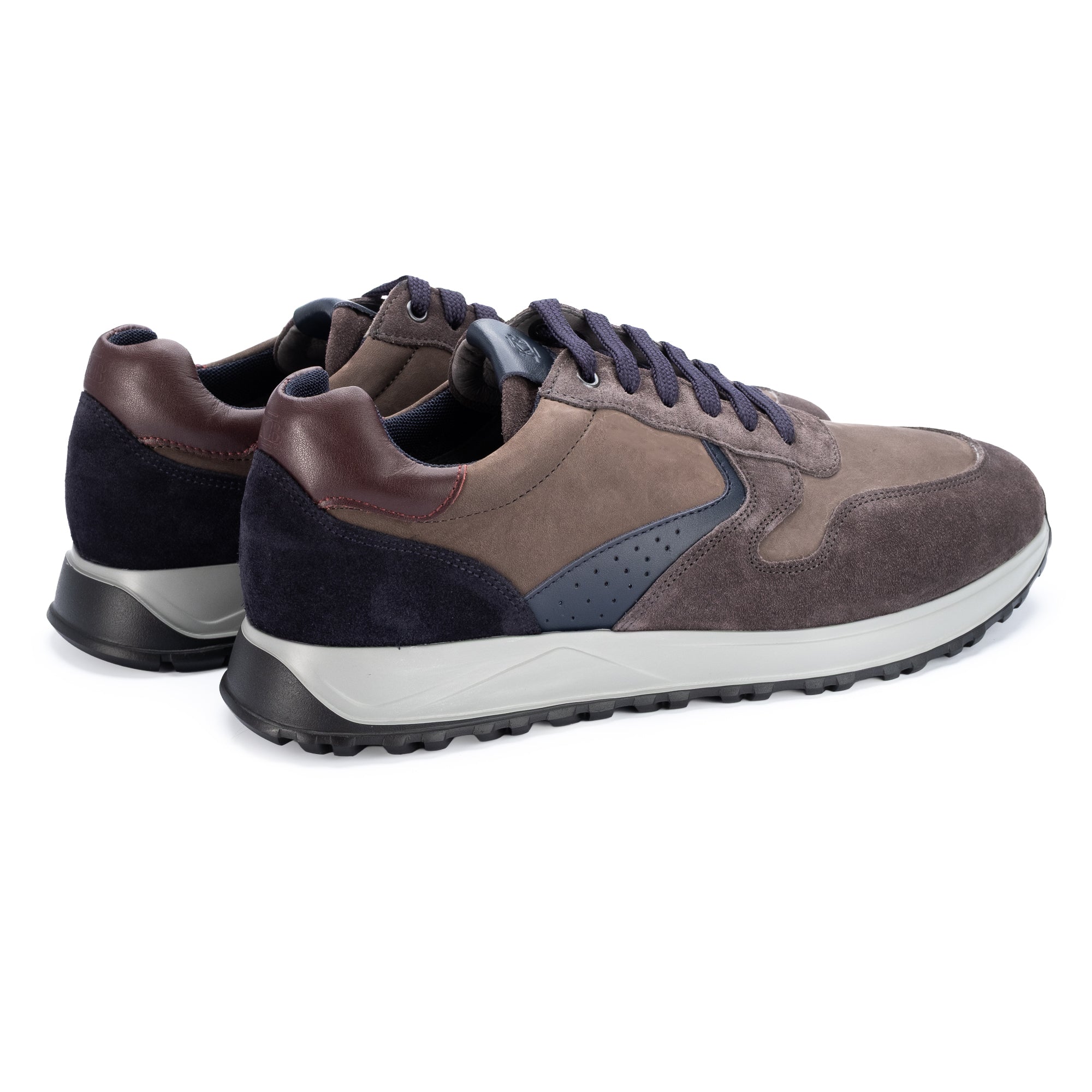
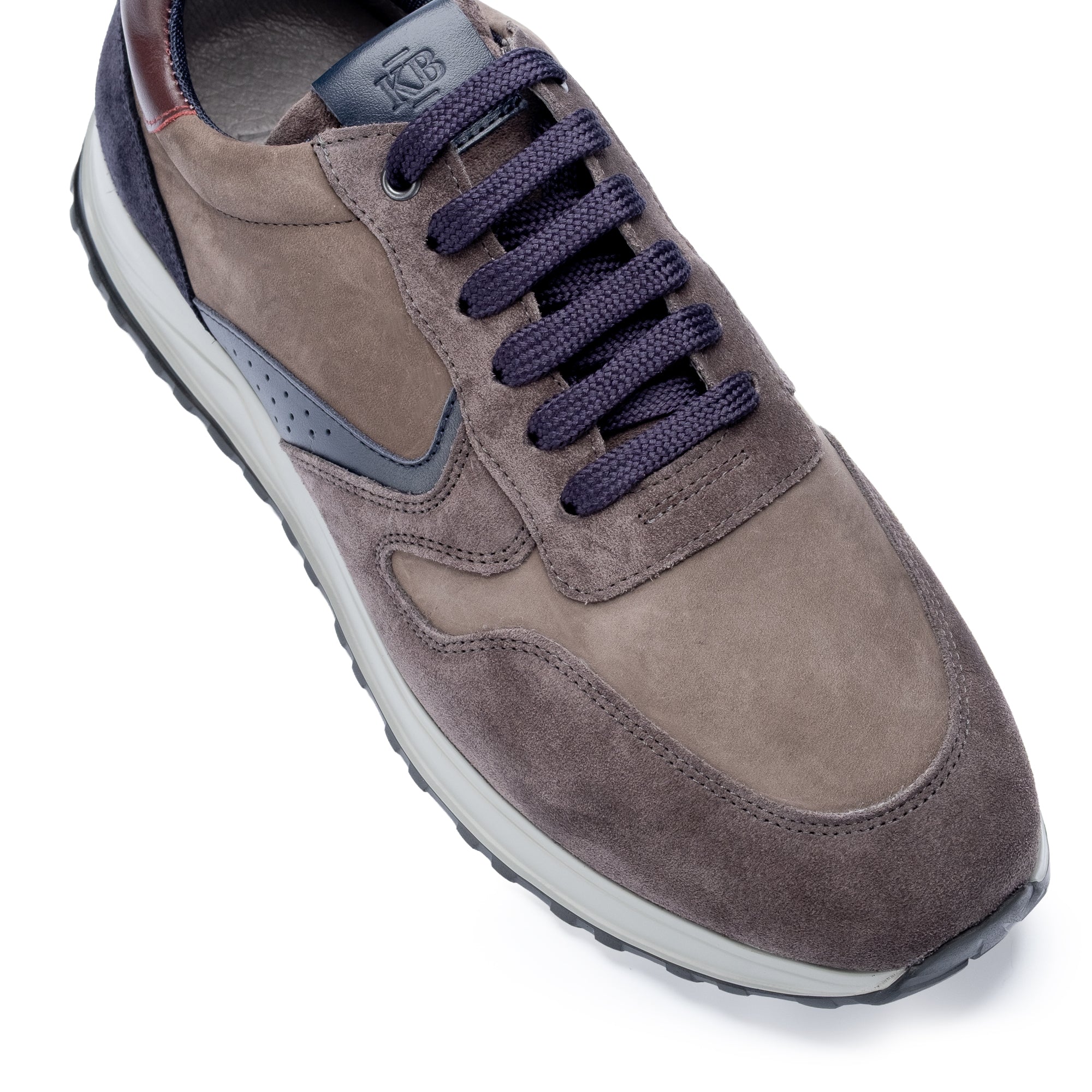
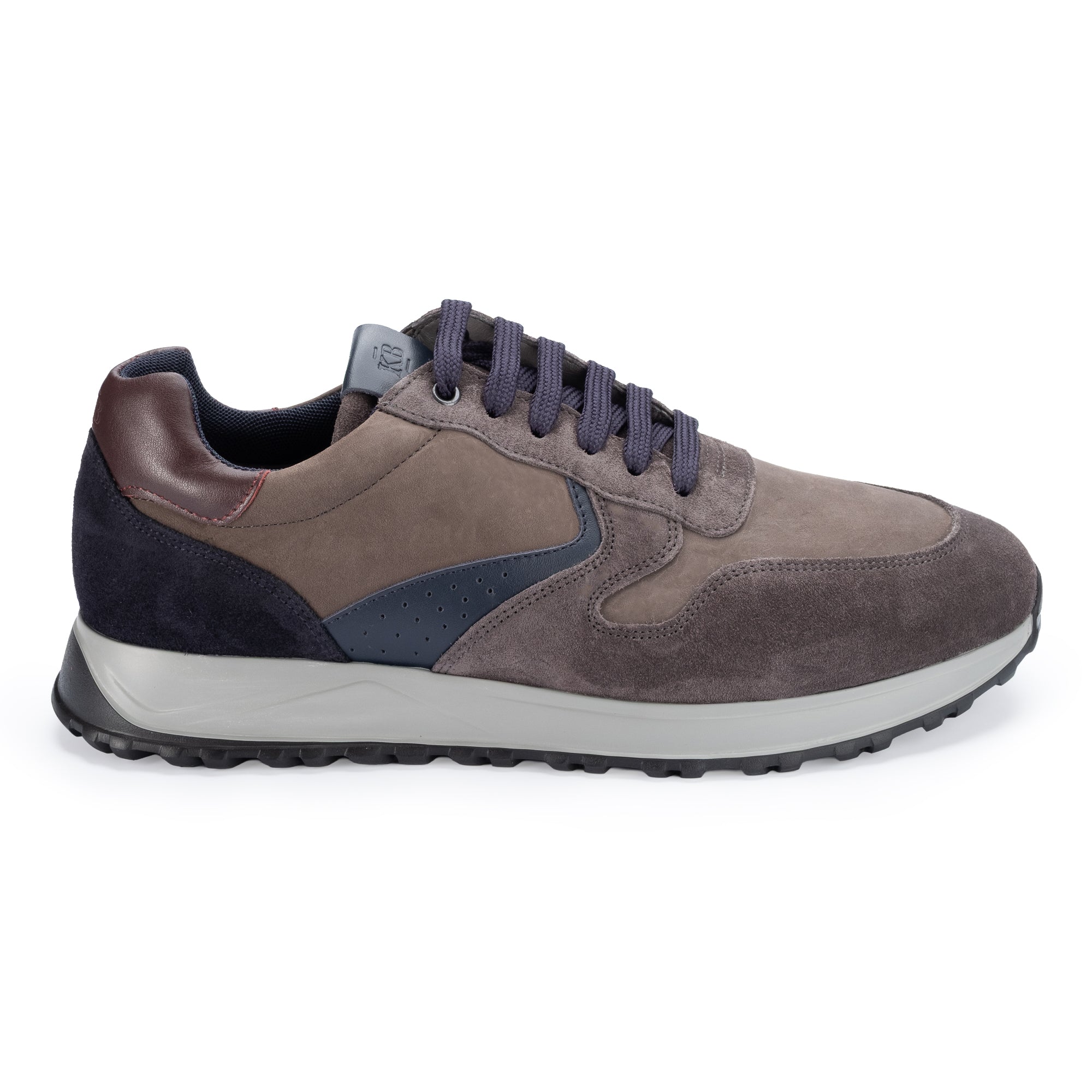
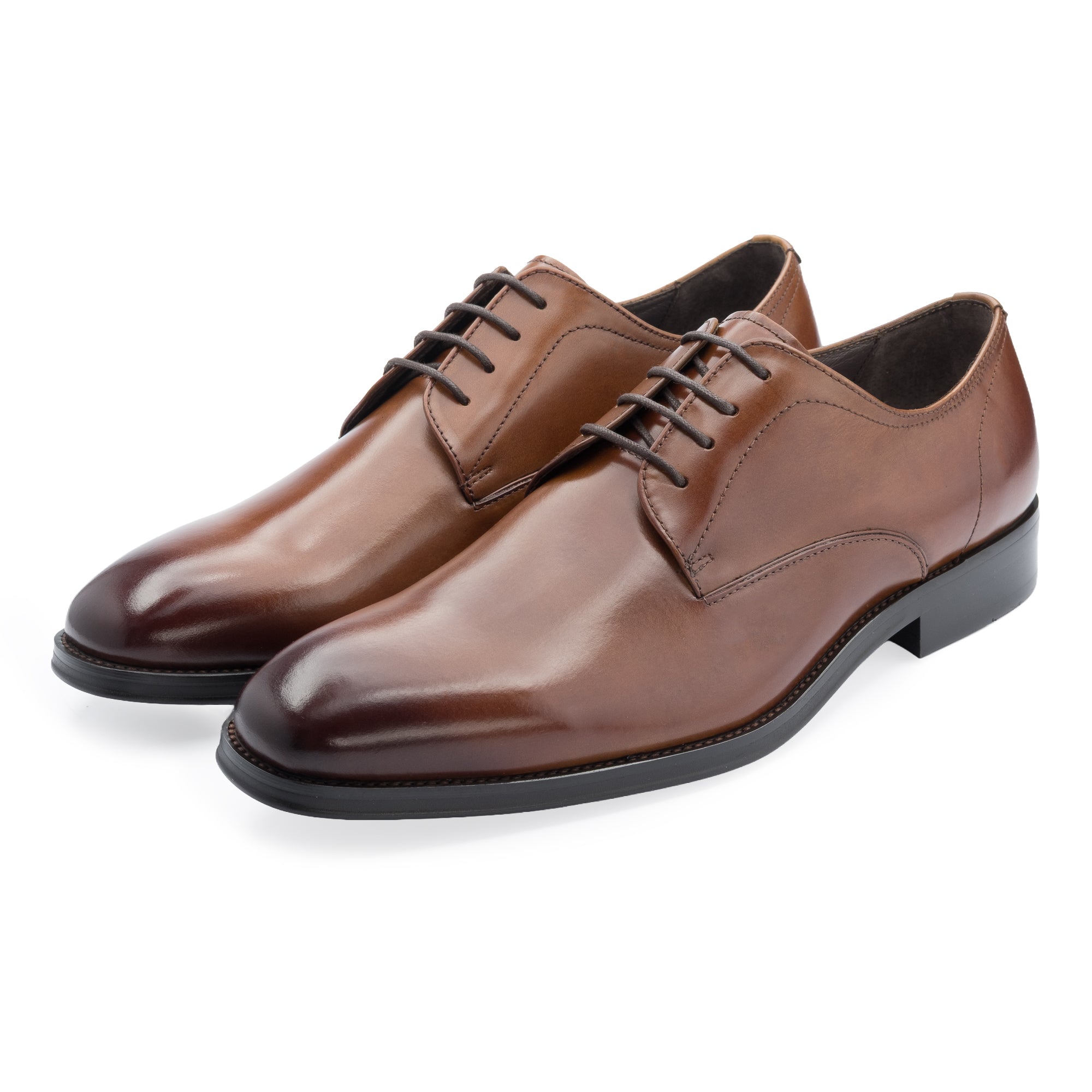
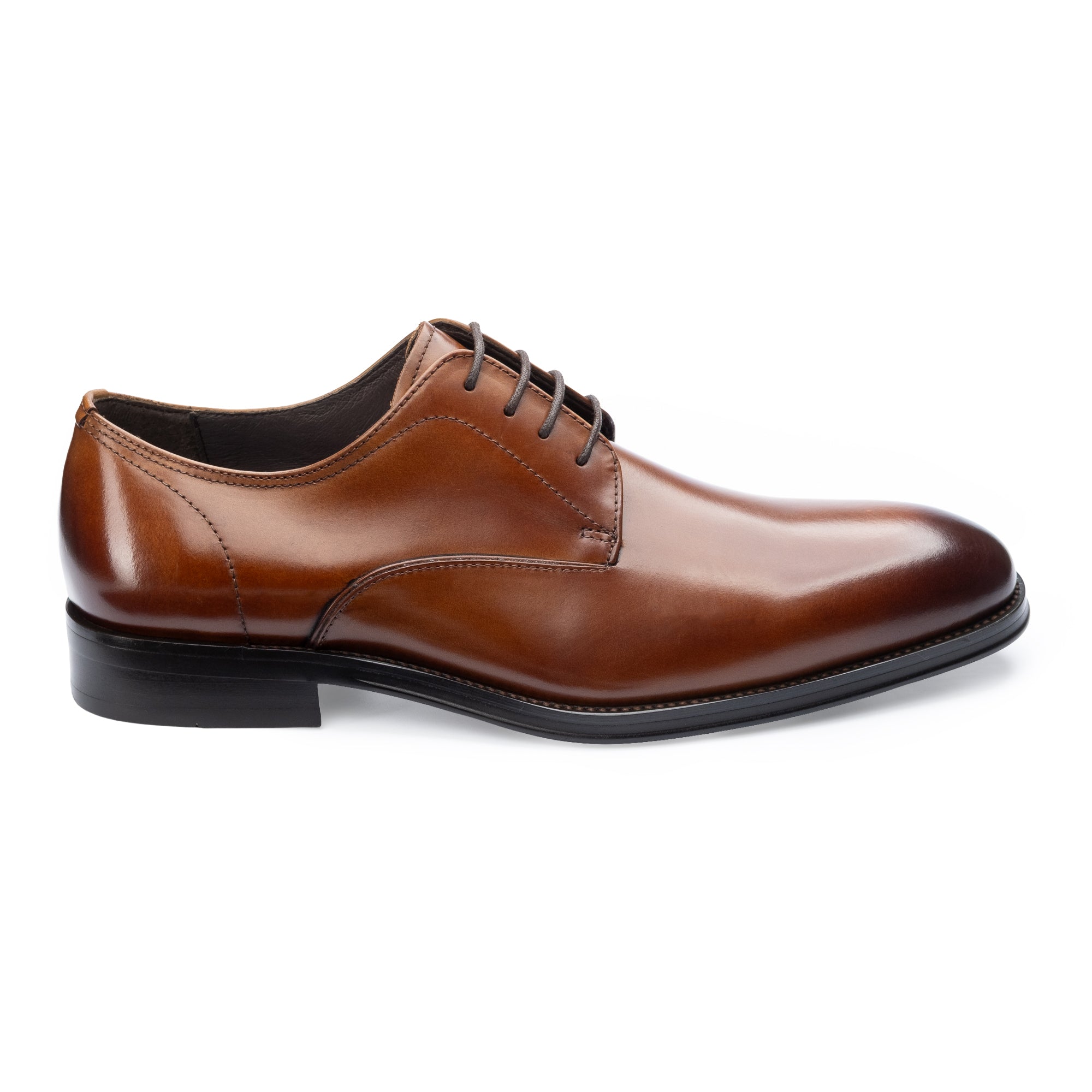
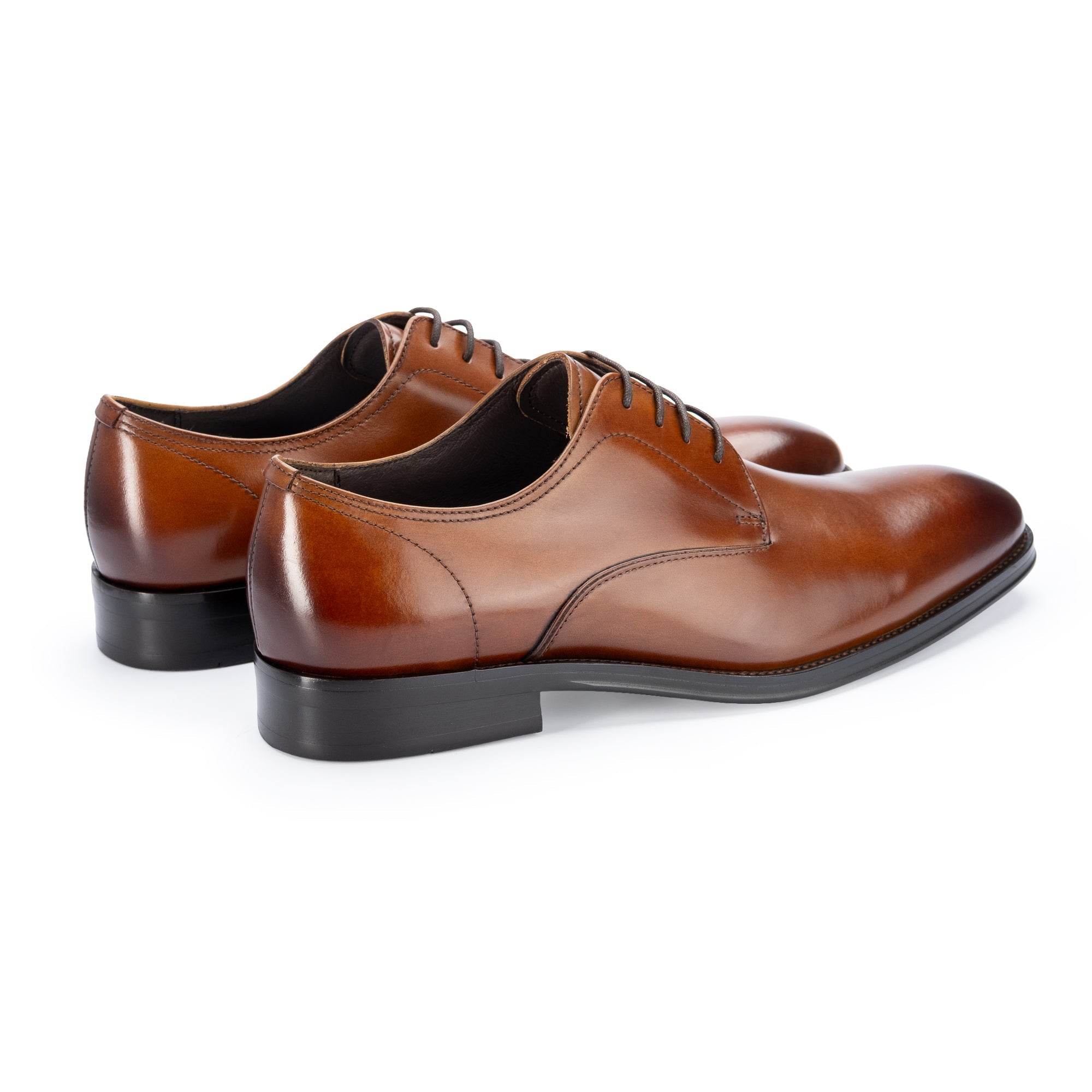
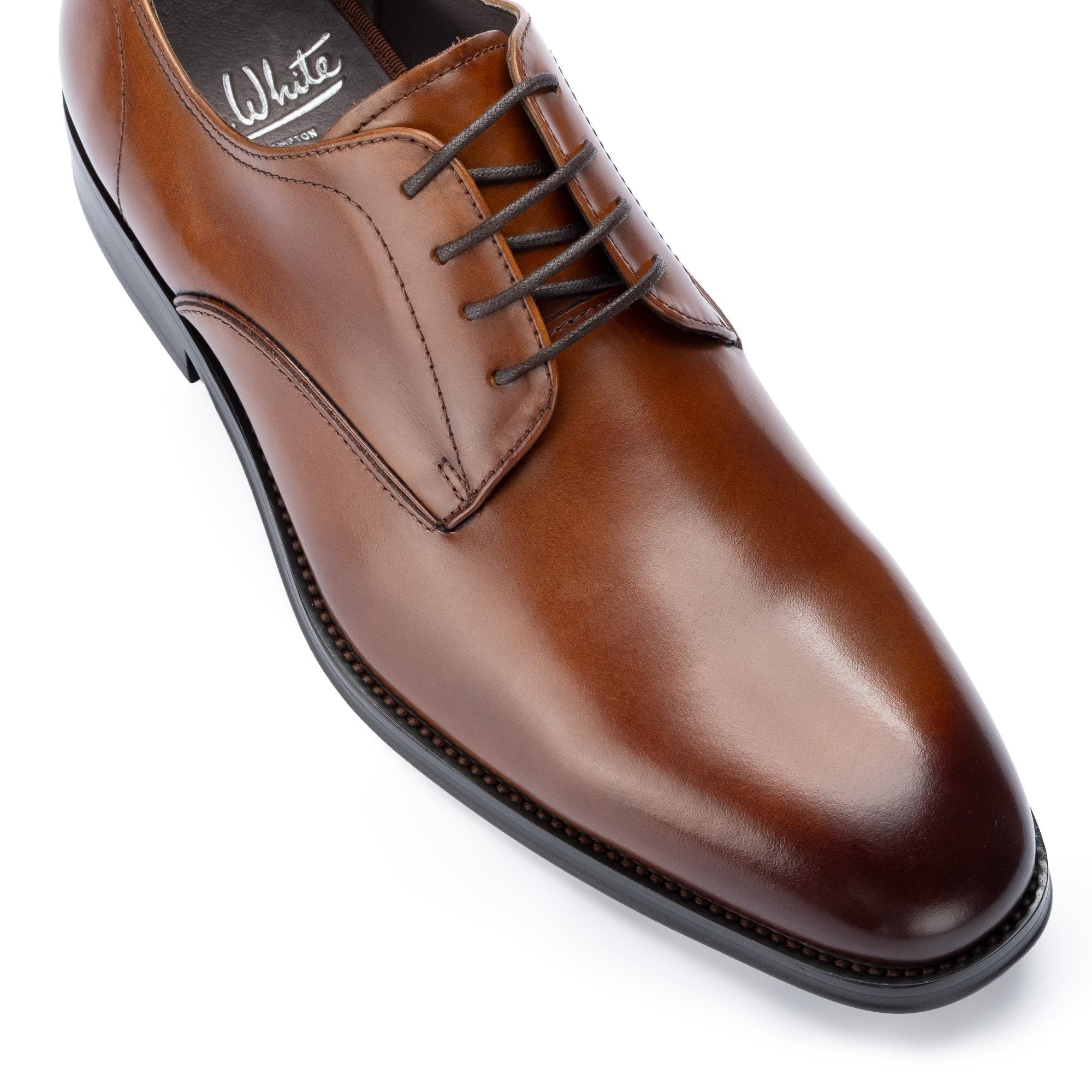
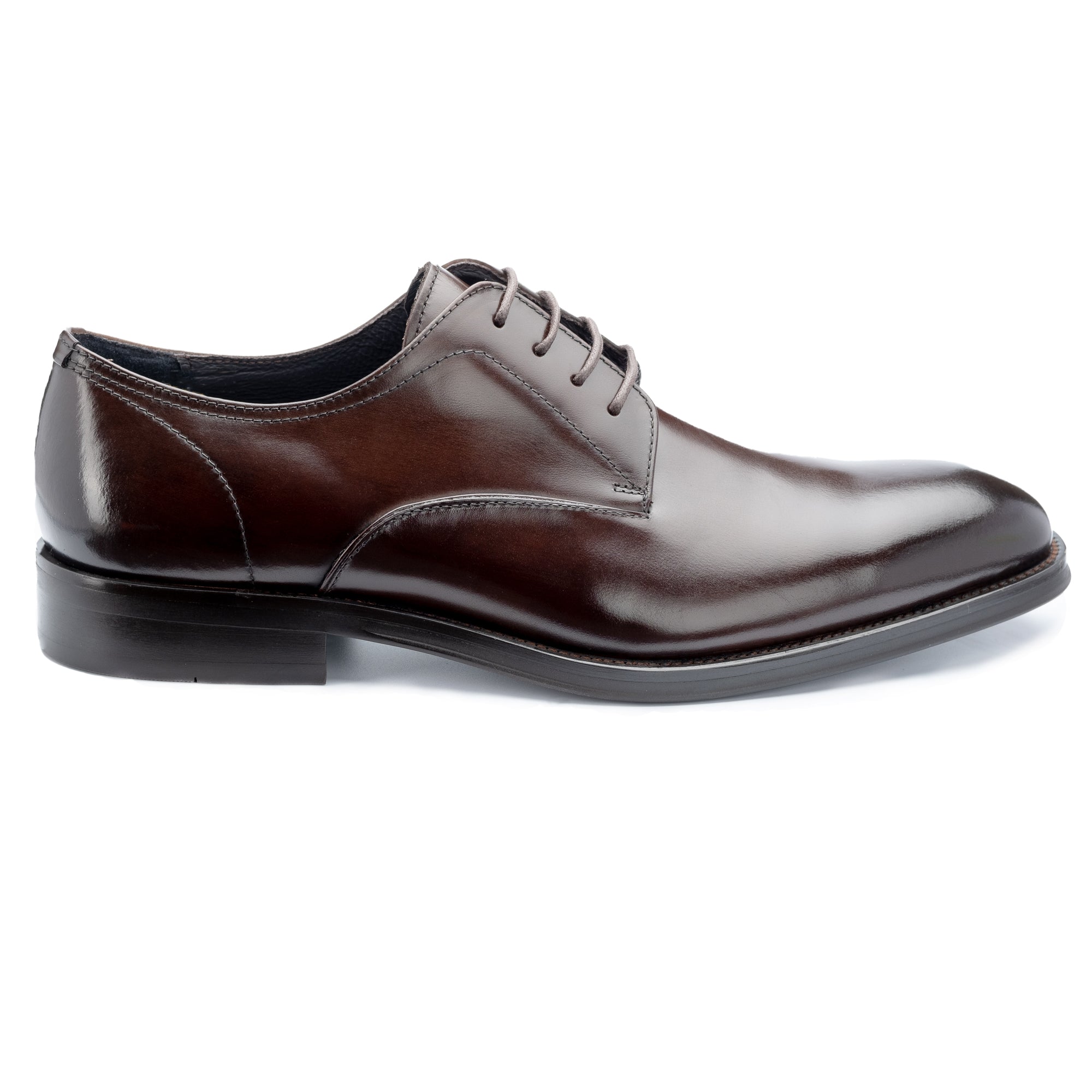
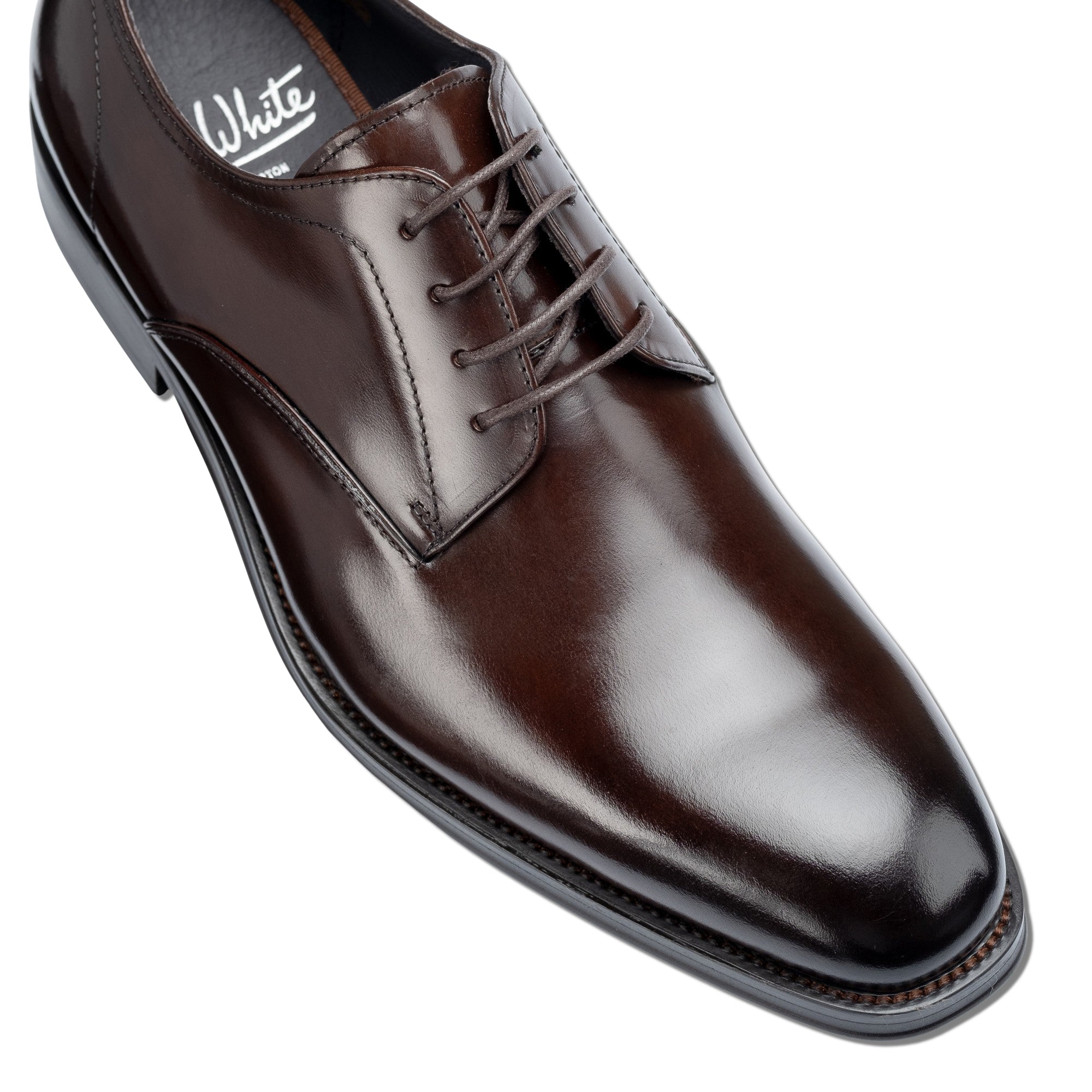
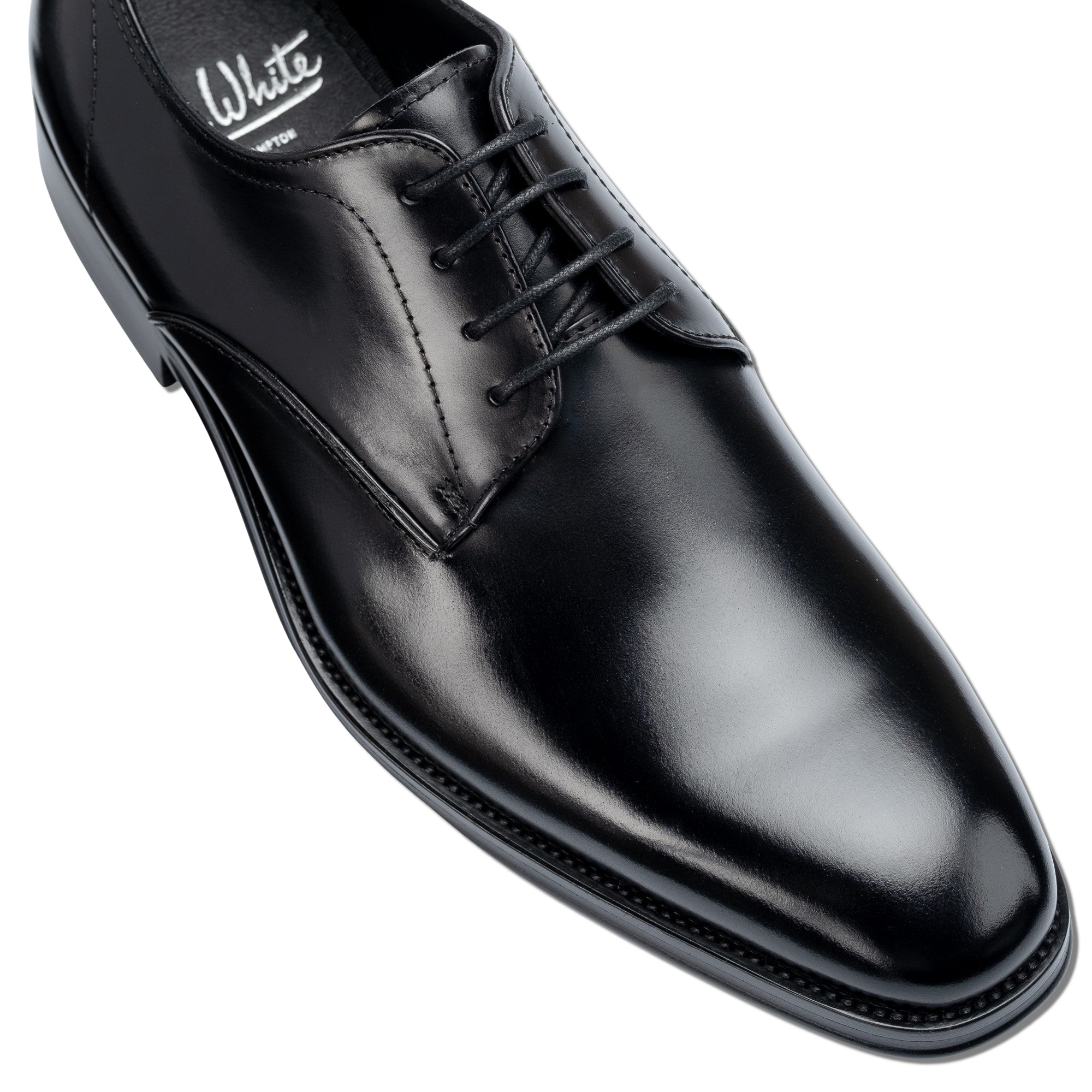
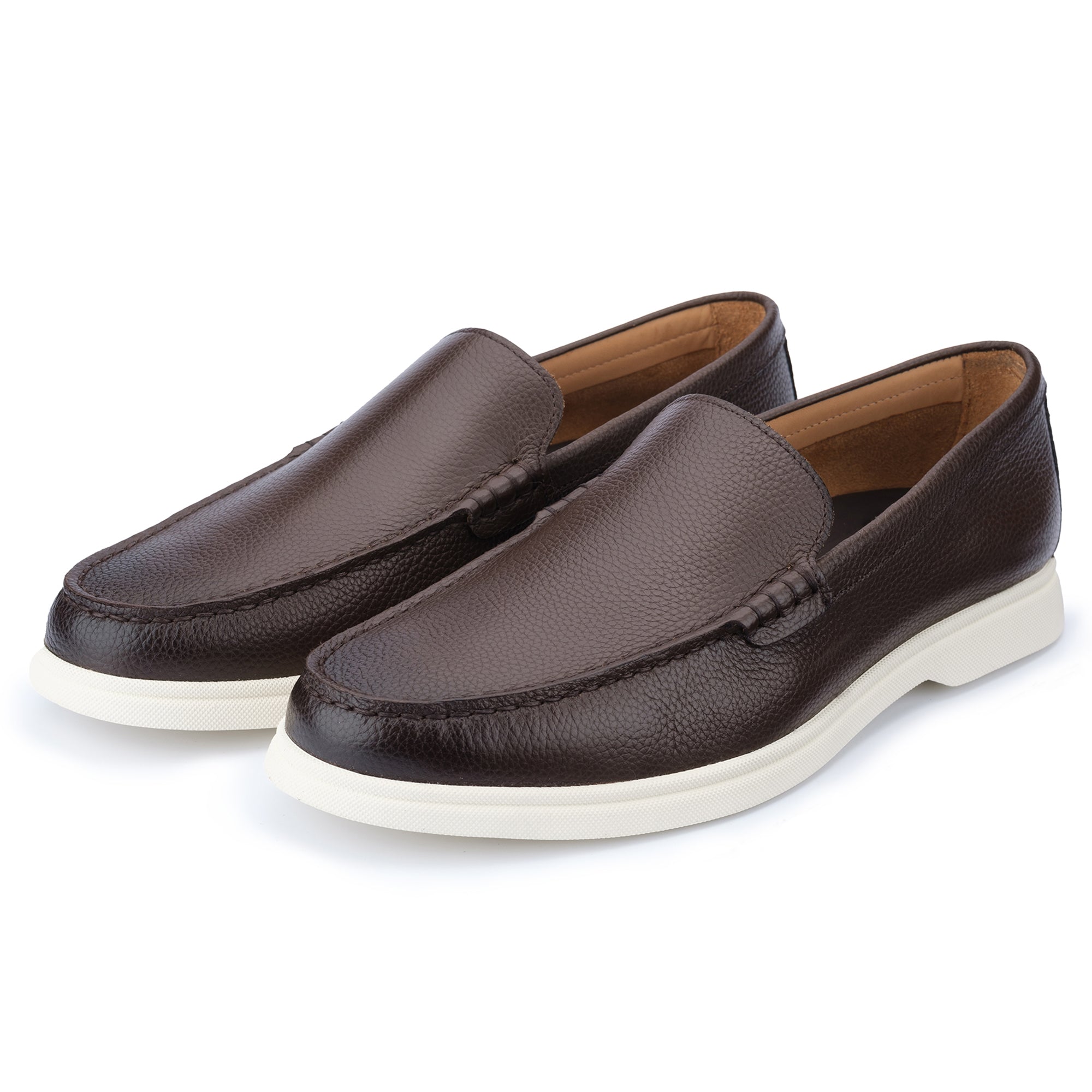
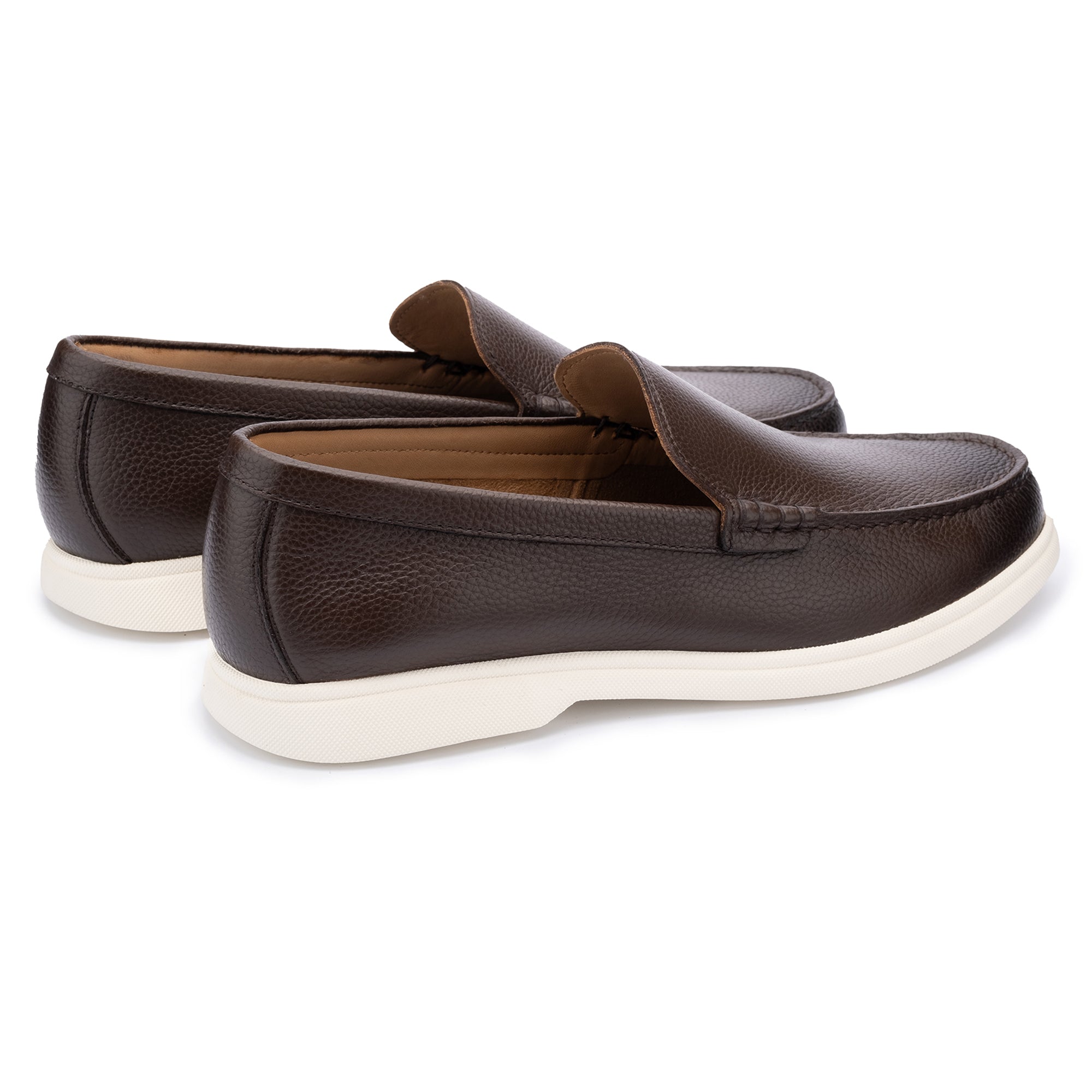
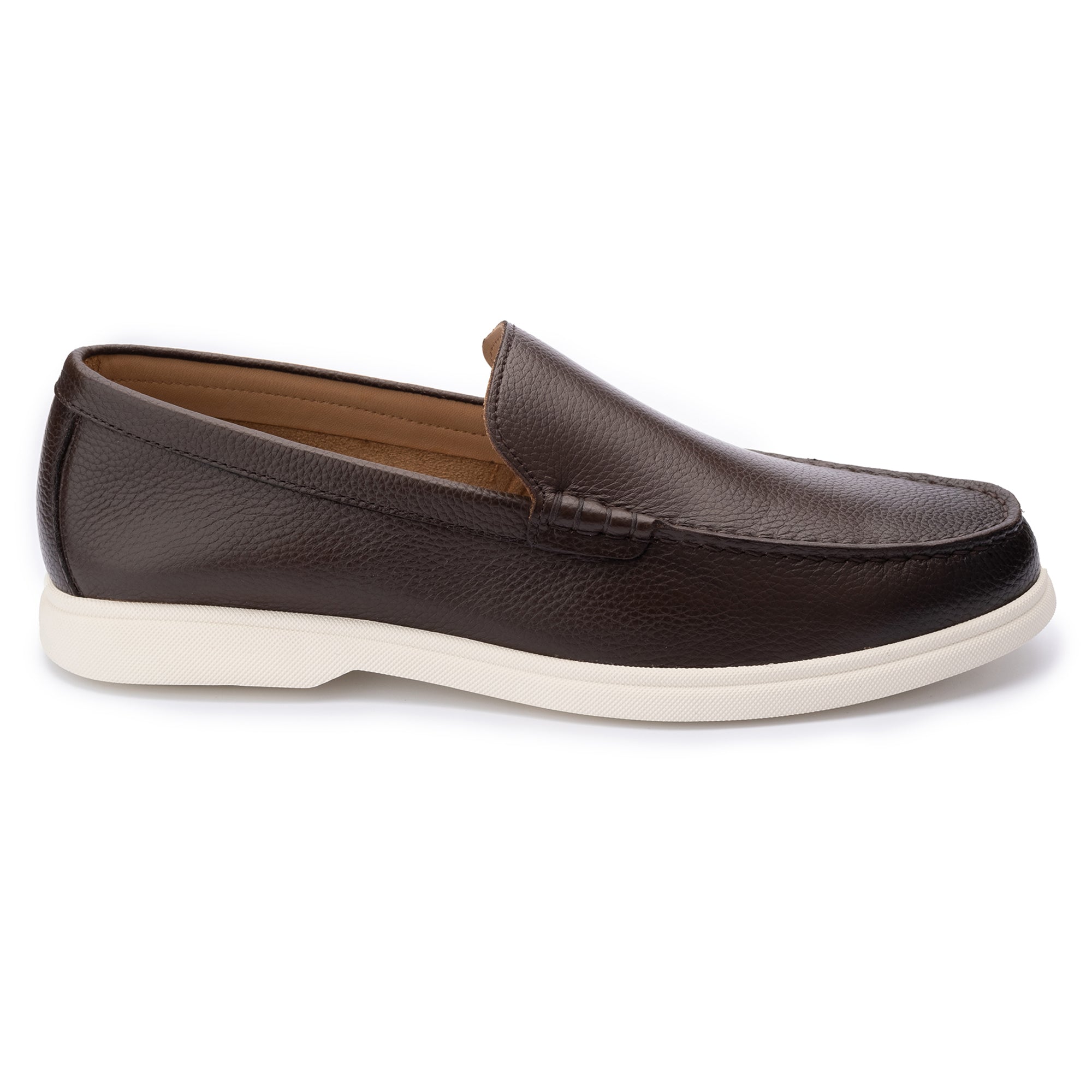
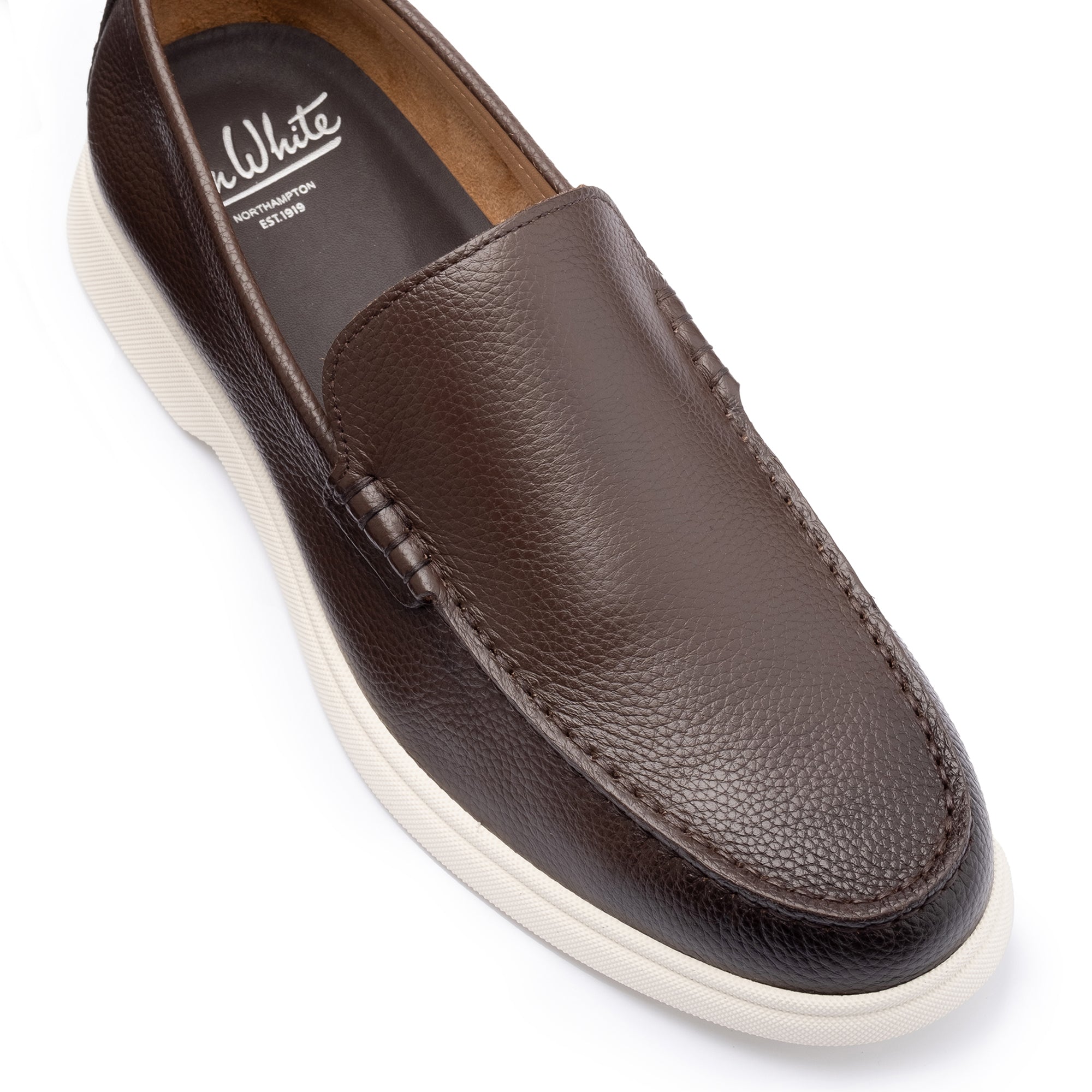
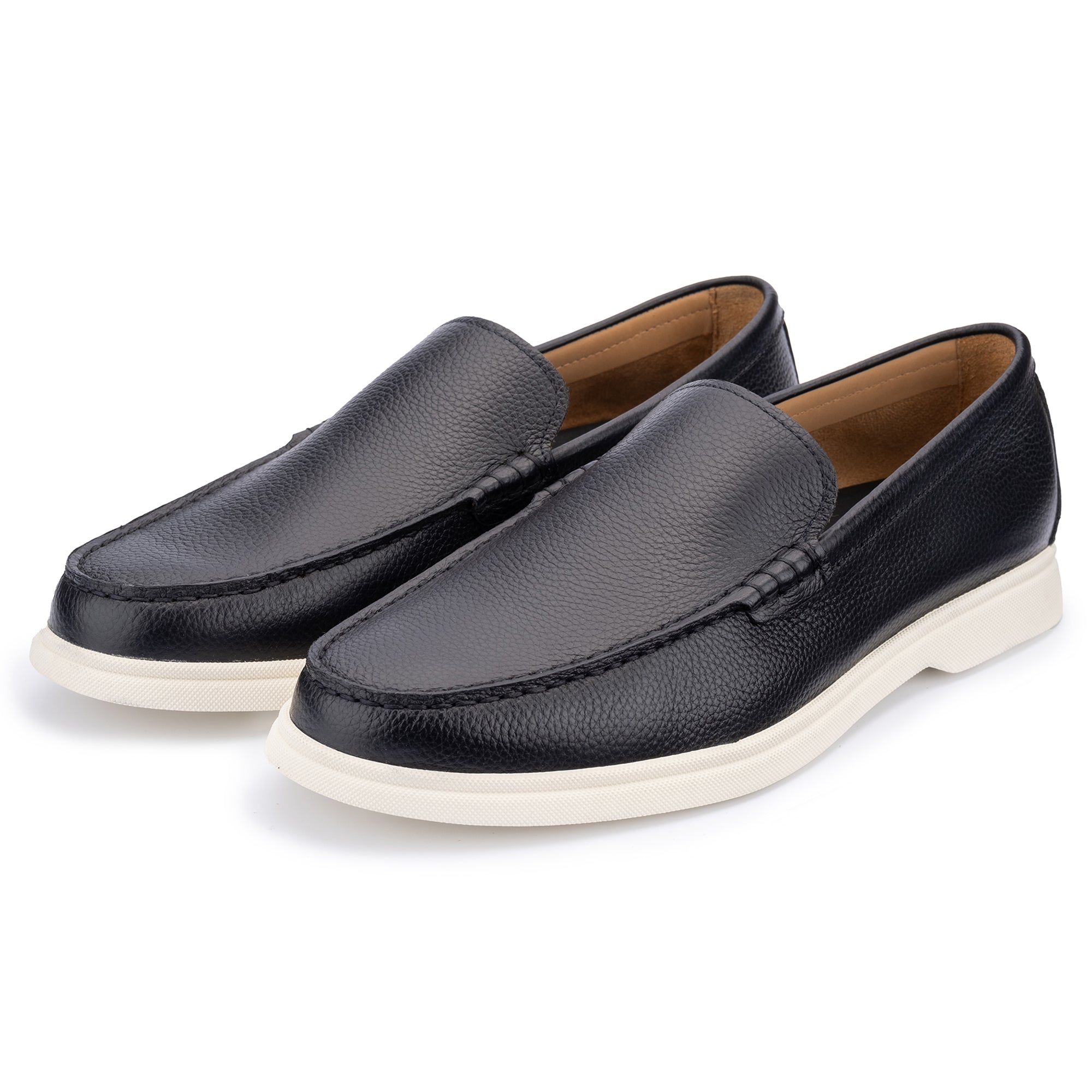
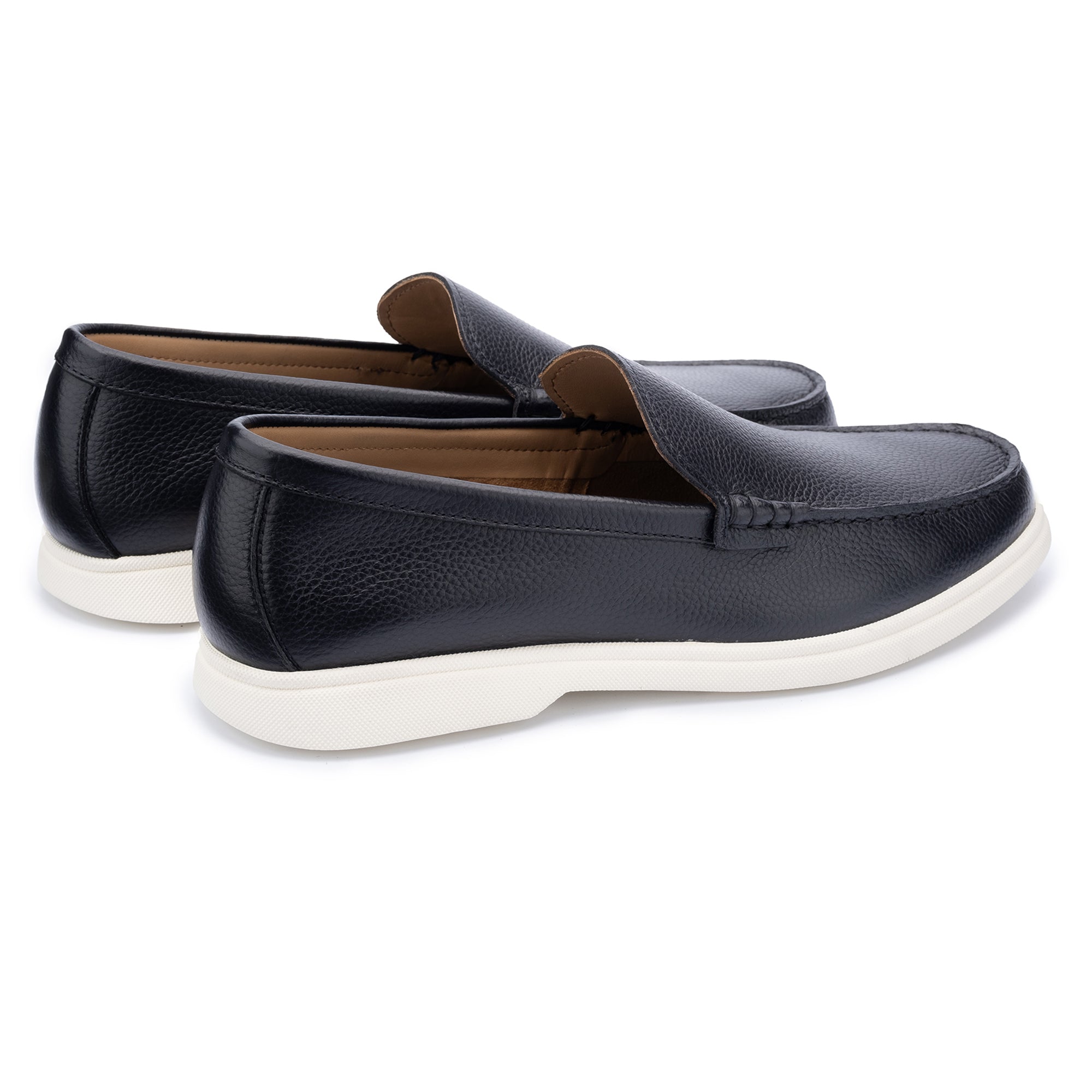
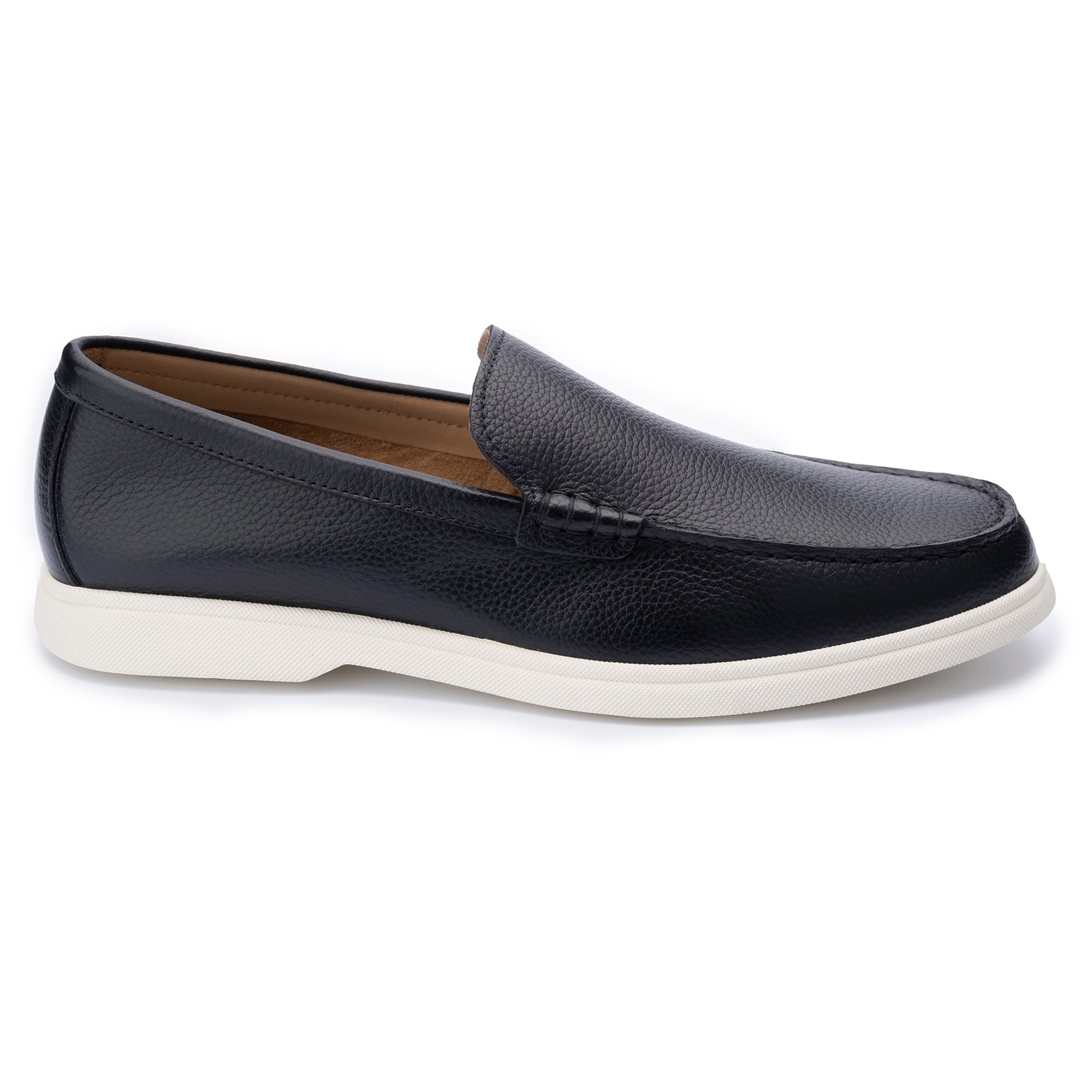
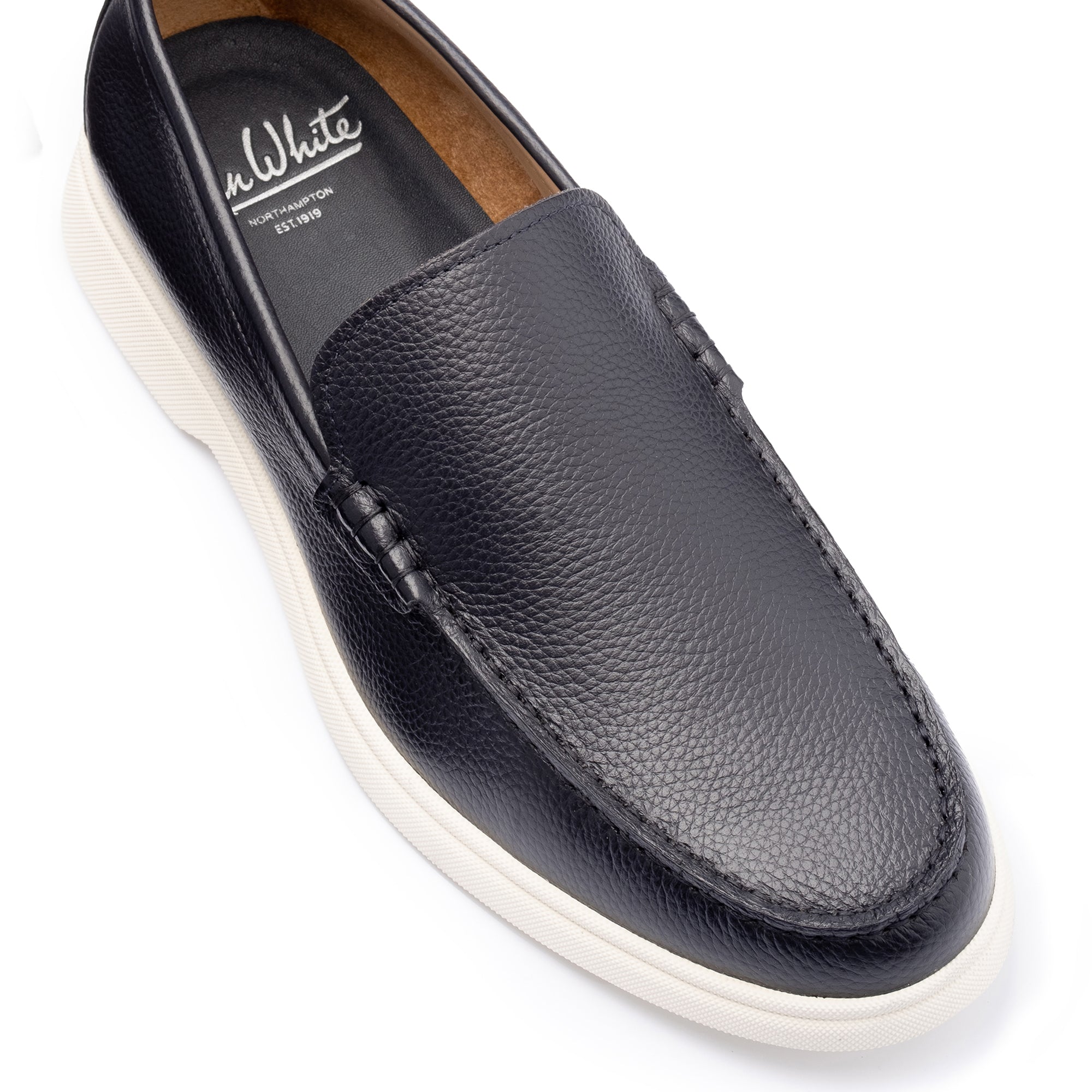
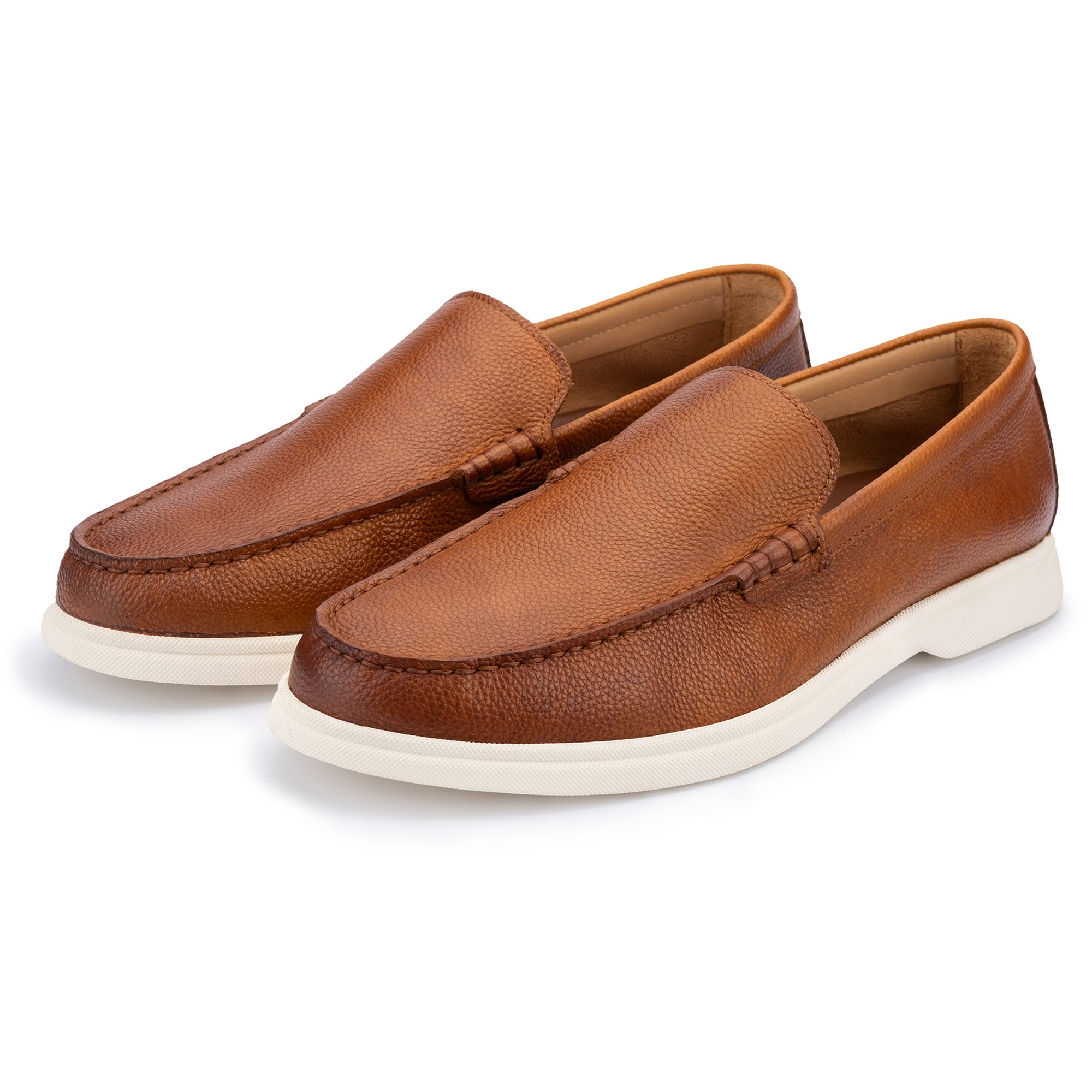
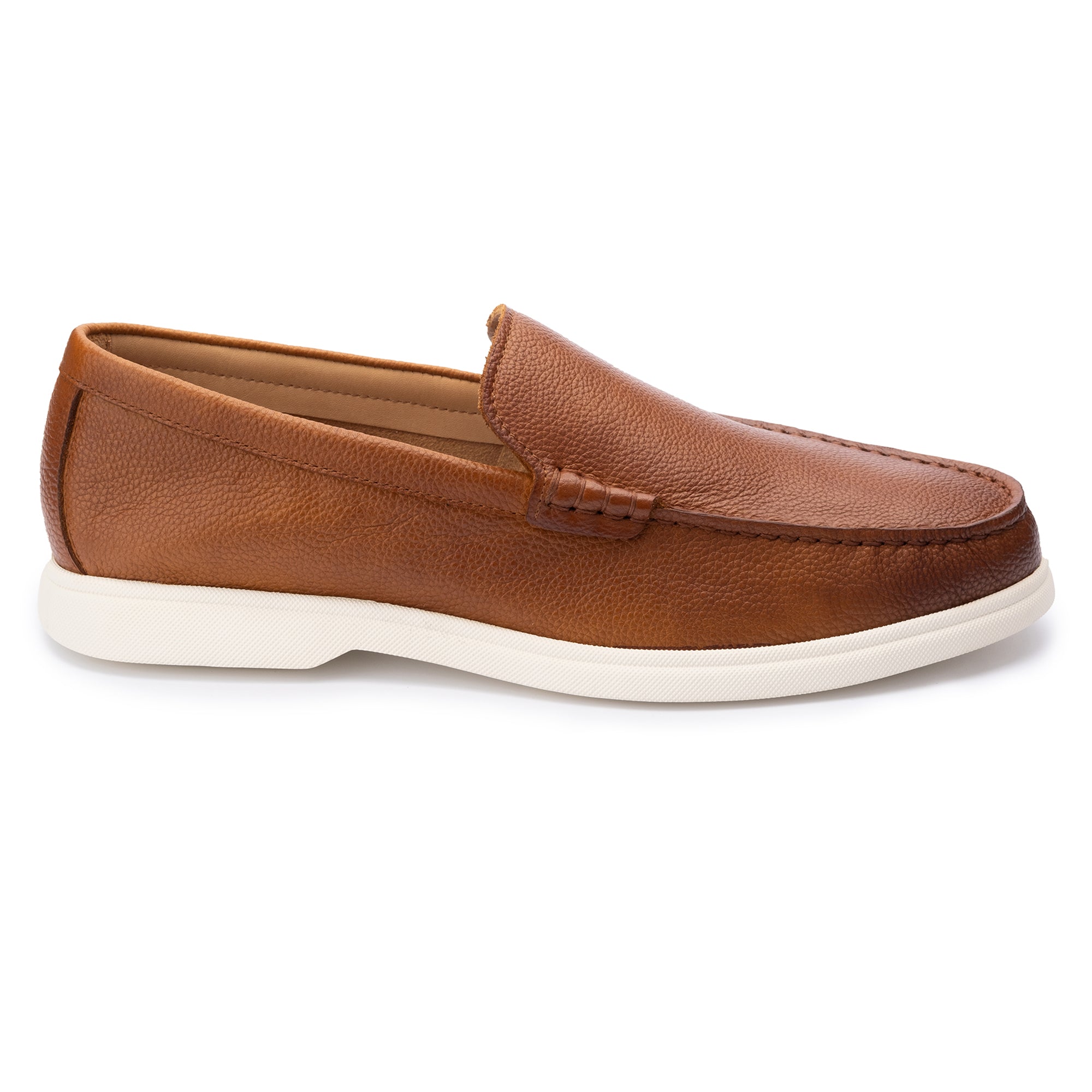
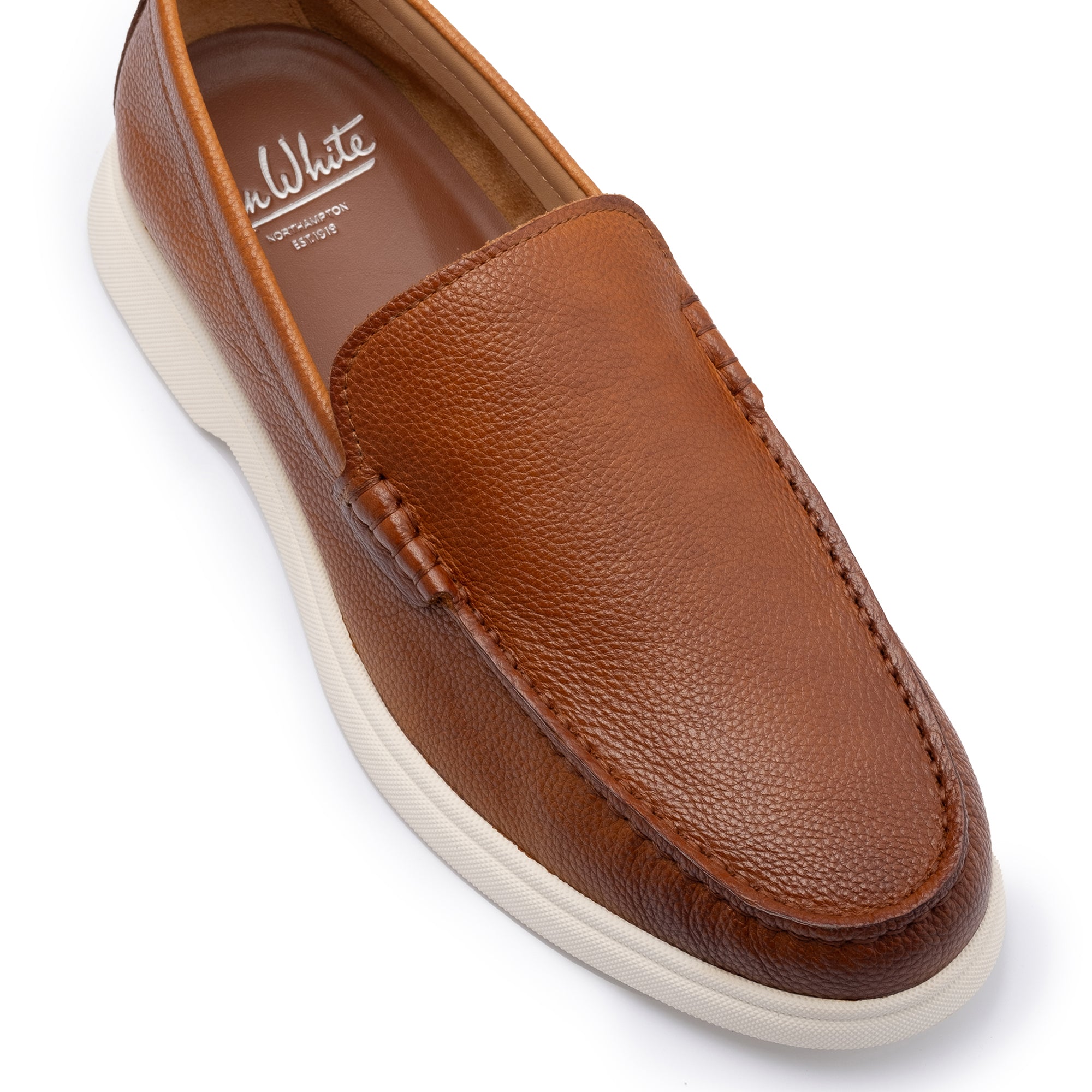
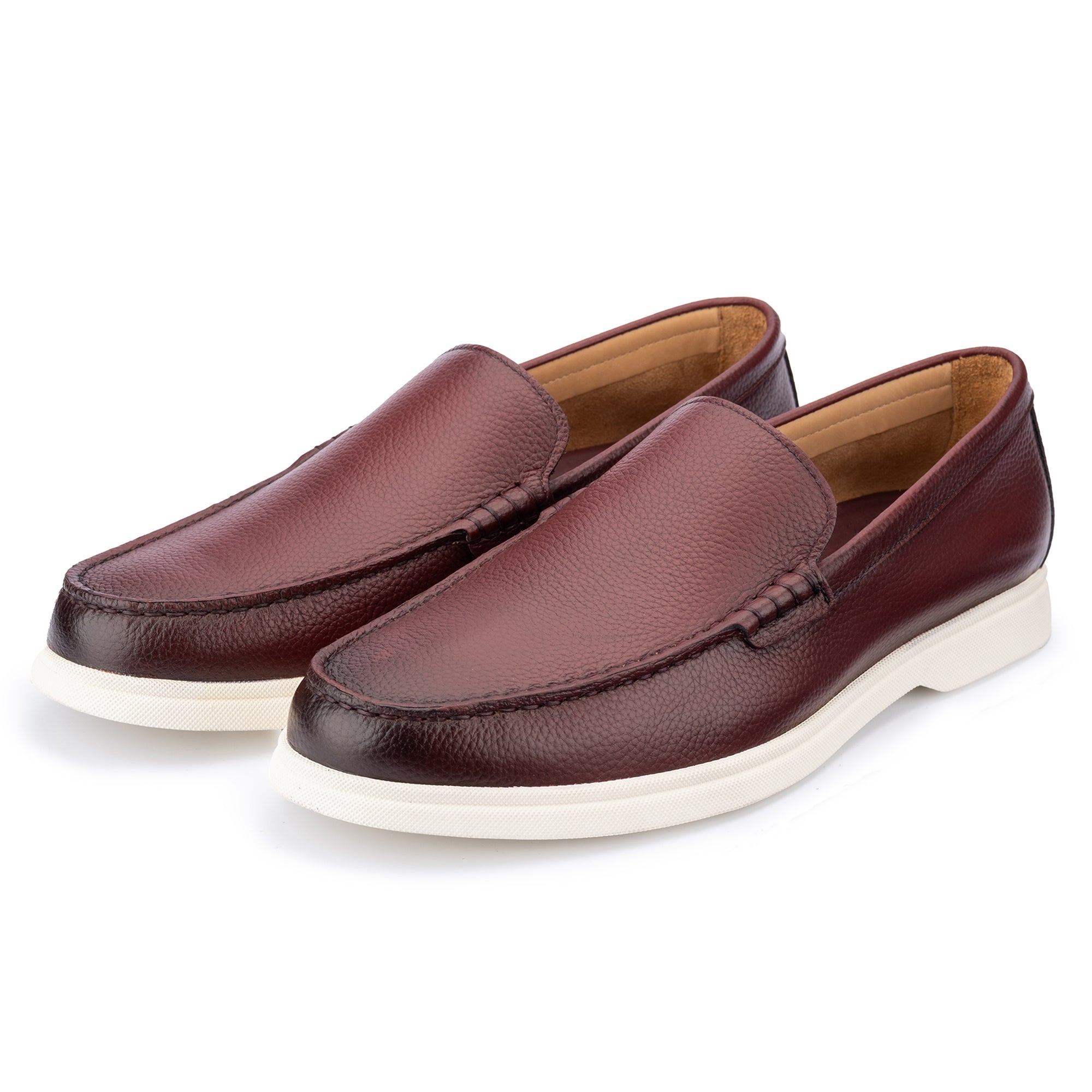
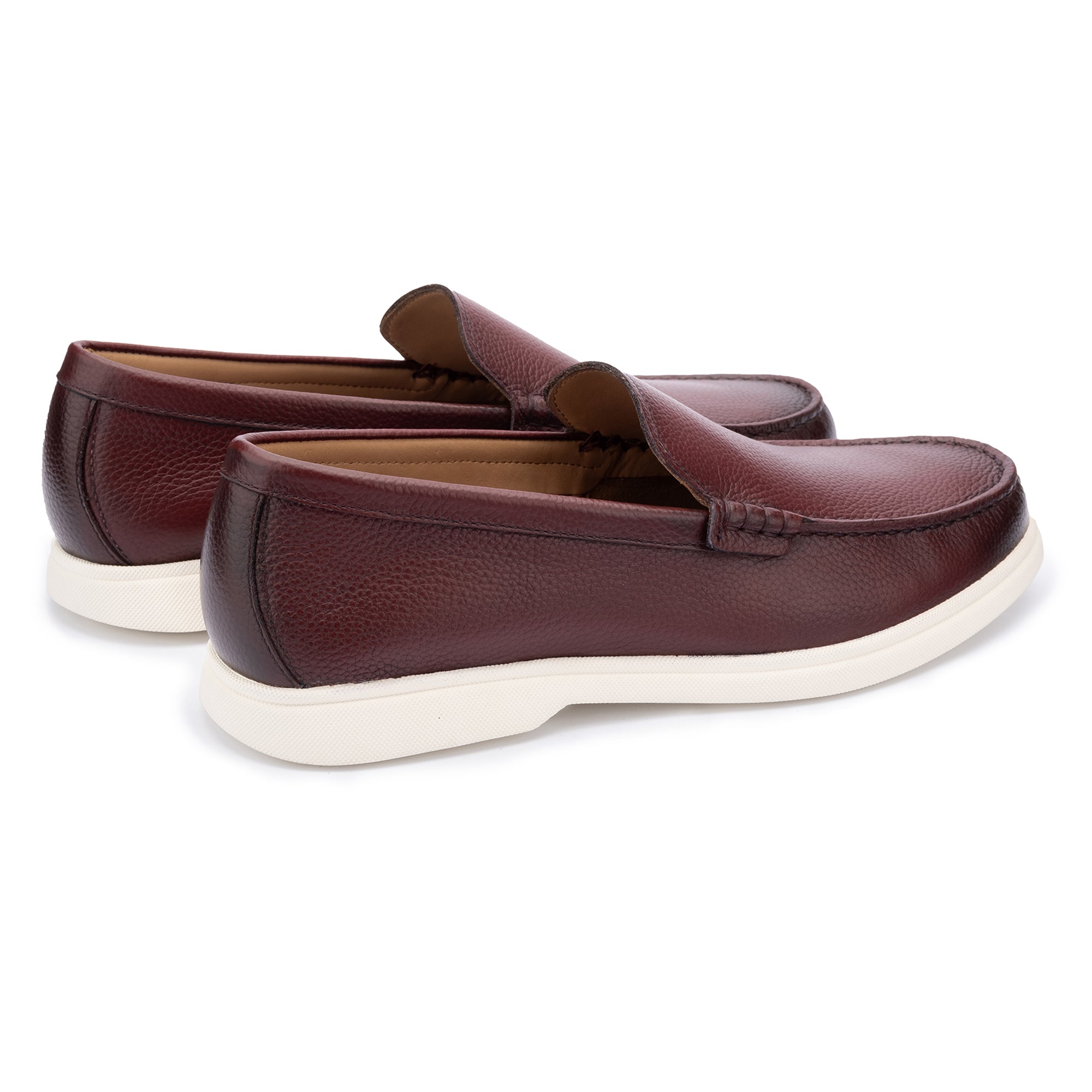
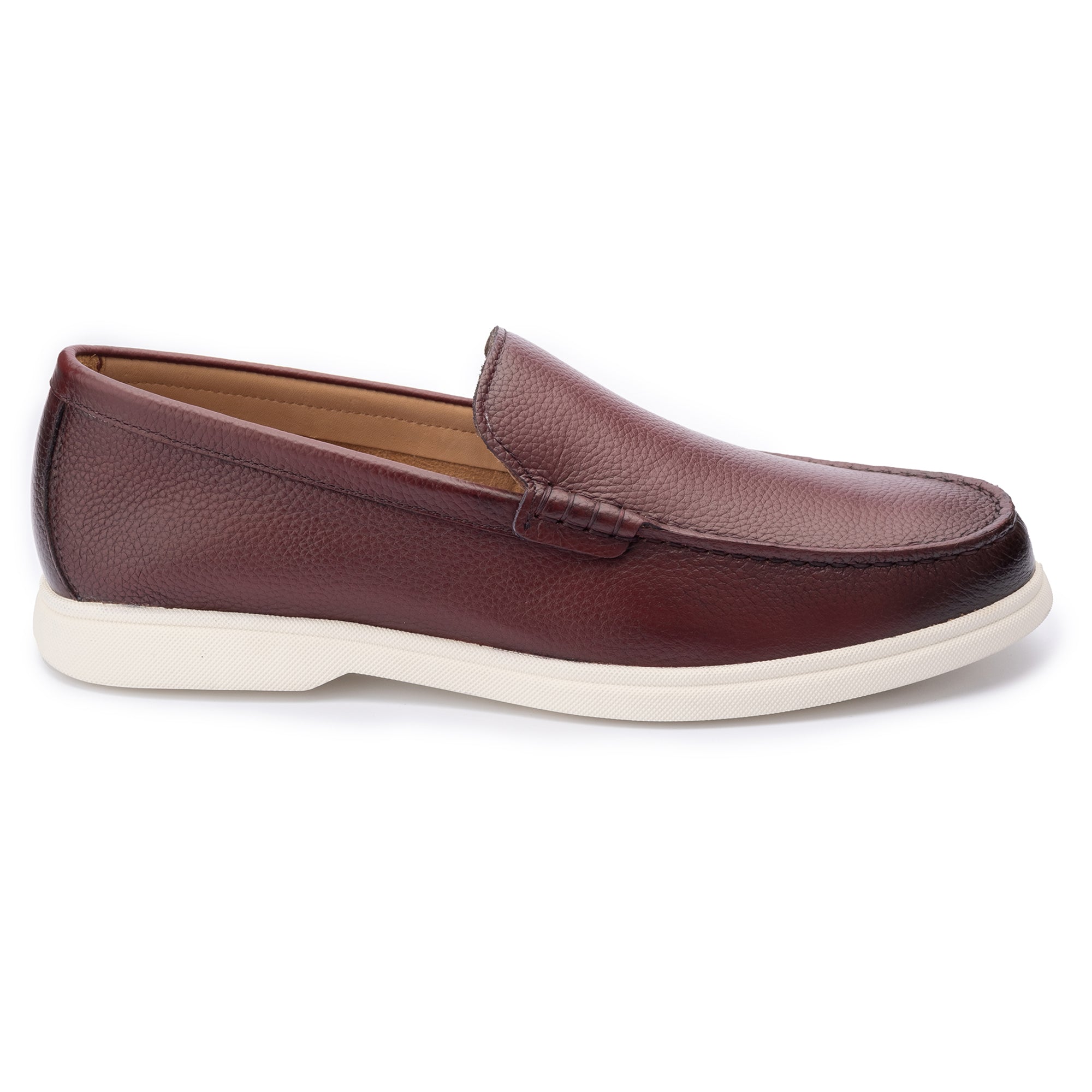
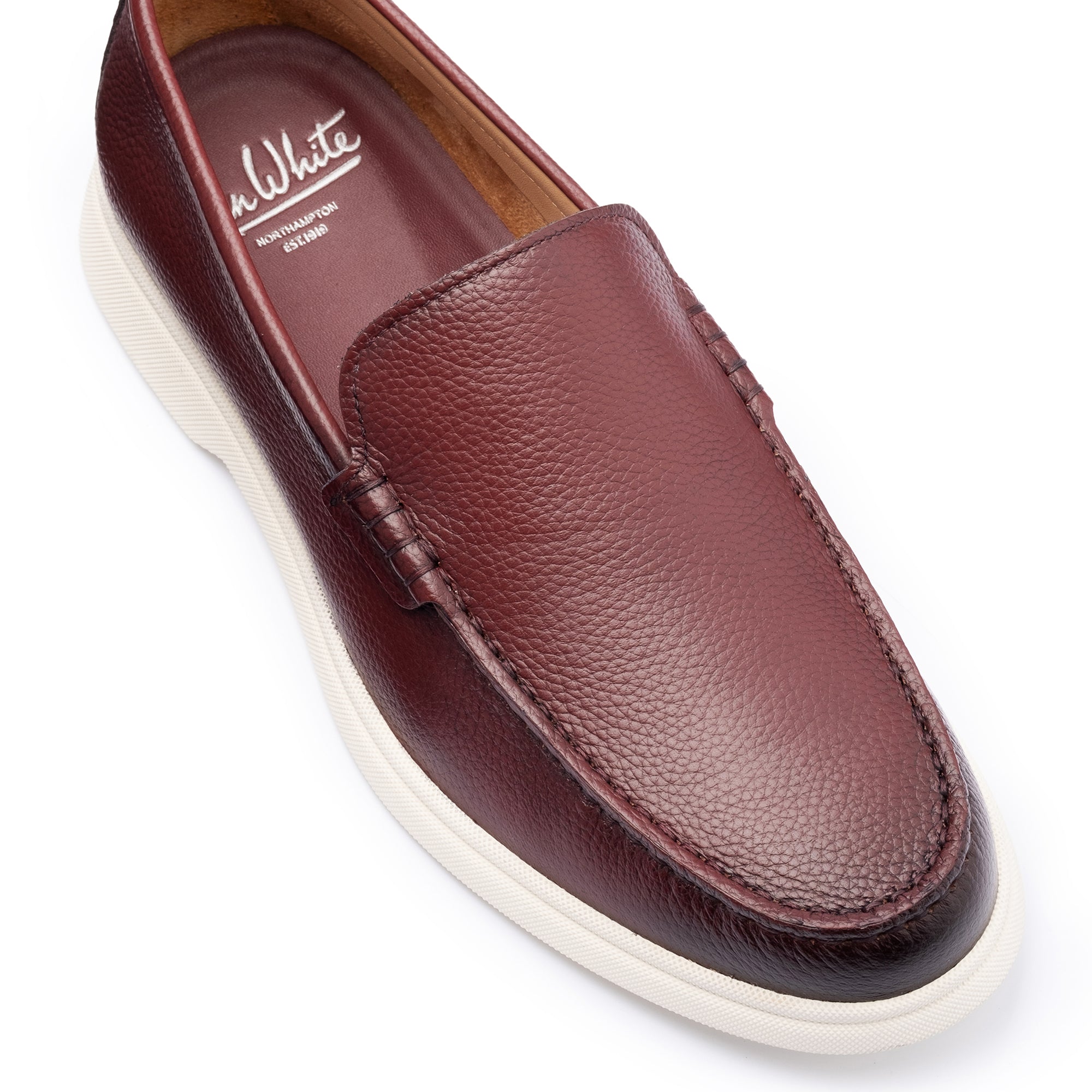
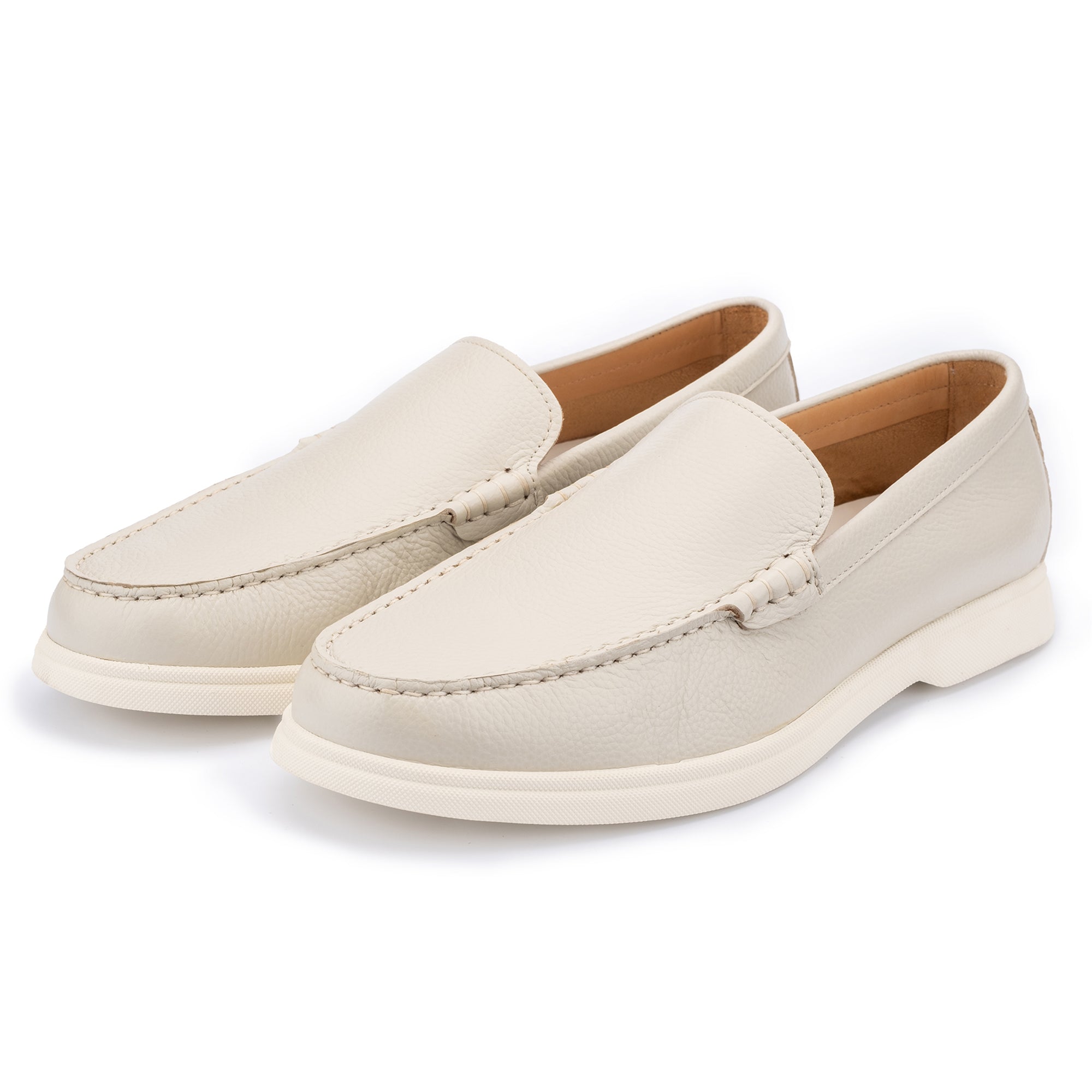
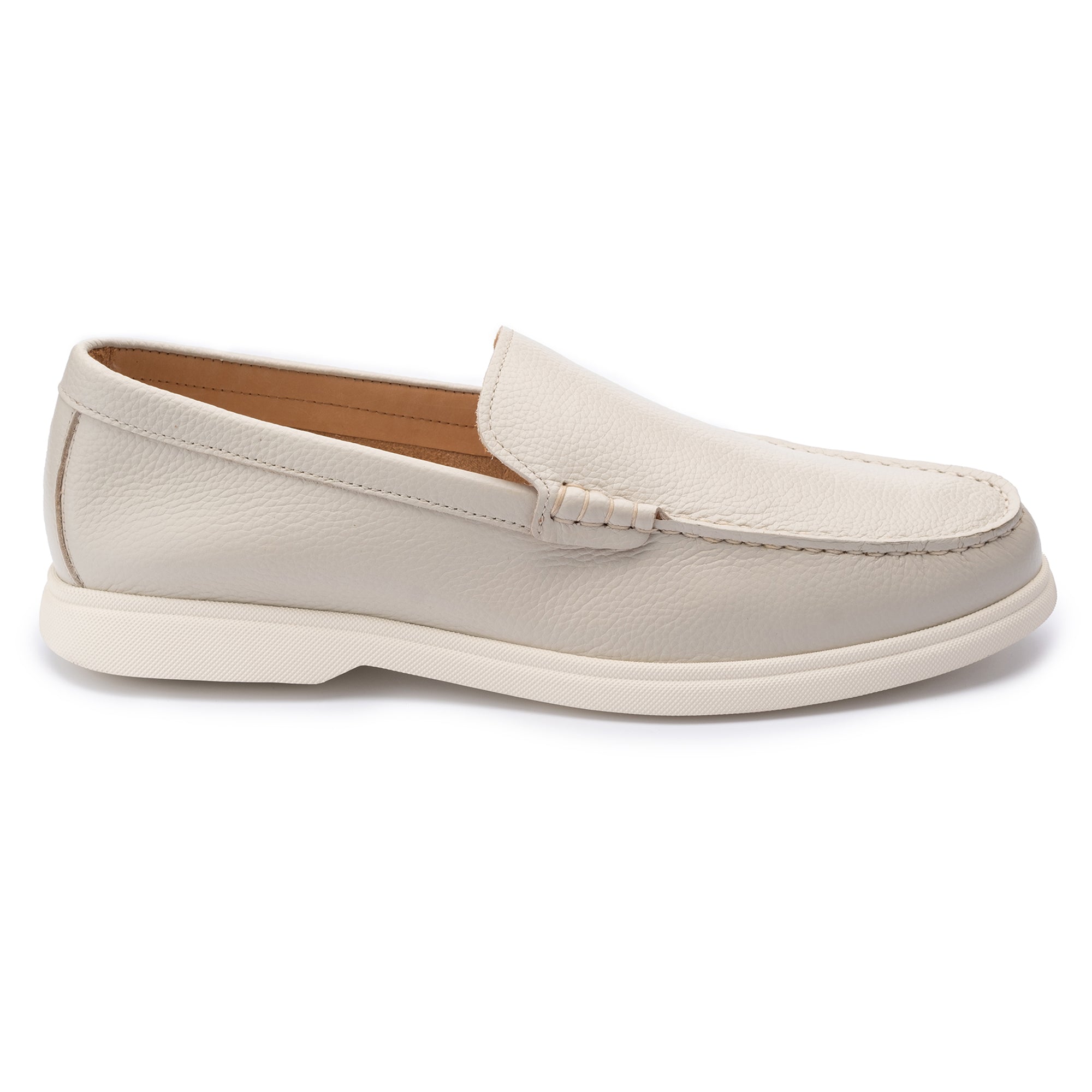
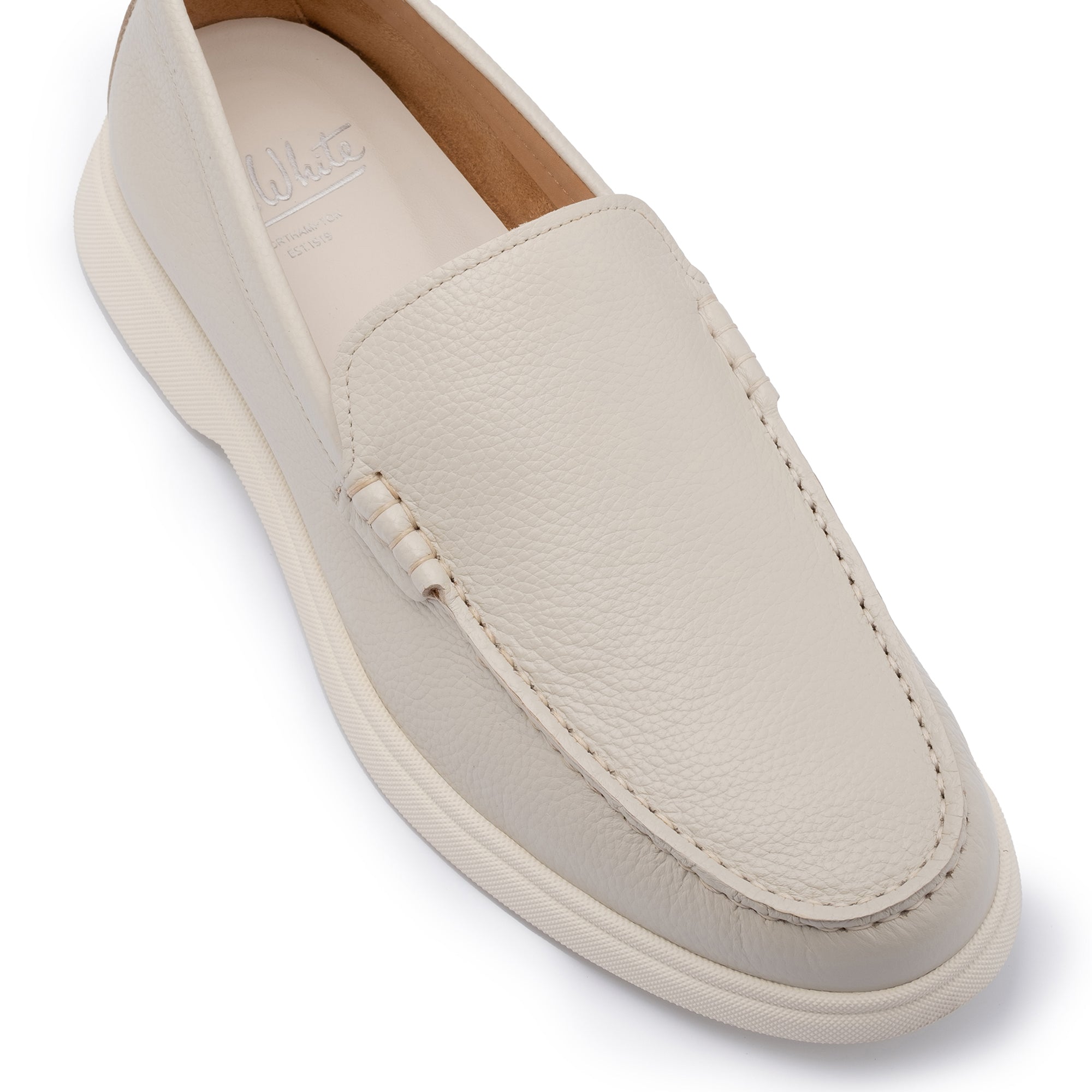
The upper is the outer leather skin — everything visible above the sole. Quality uppers are cut from full-grain leather, which retains the natural surface of the hide, including its distinctive grain markings. Full-grain leather breathes, flexes, and develops a rich patina with age. Corrected-grain leather has been buffed and embossed to remove surface imperfections; it's more uniform but less responsive to polish and care.
The Lining
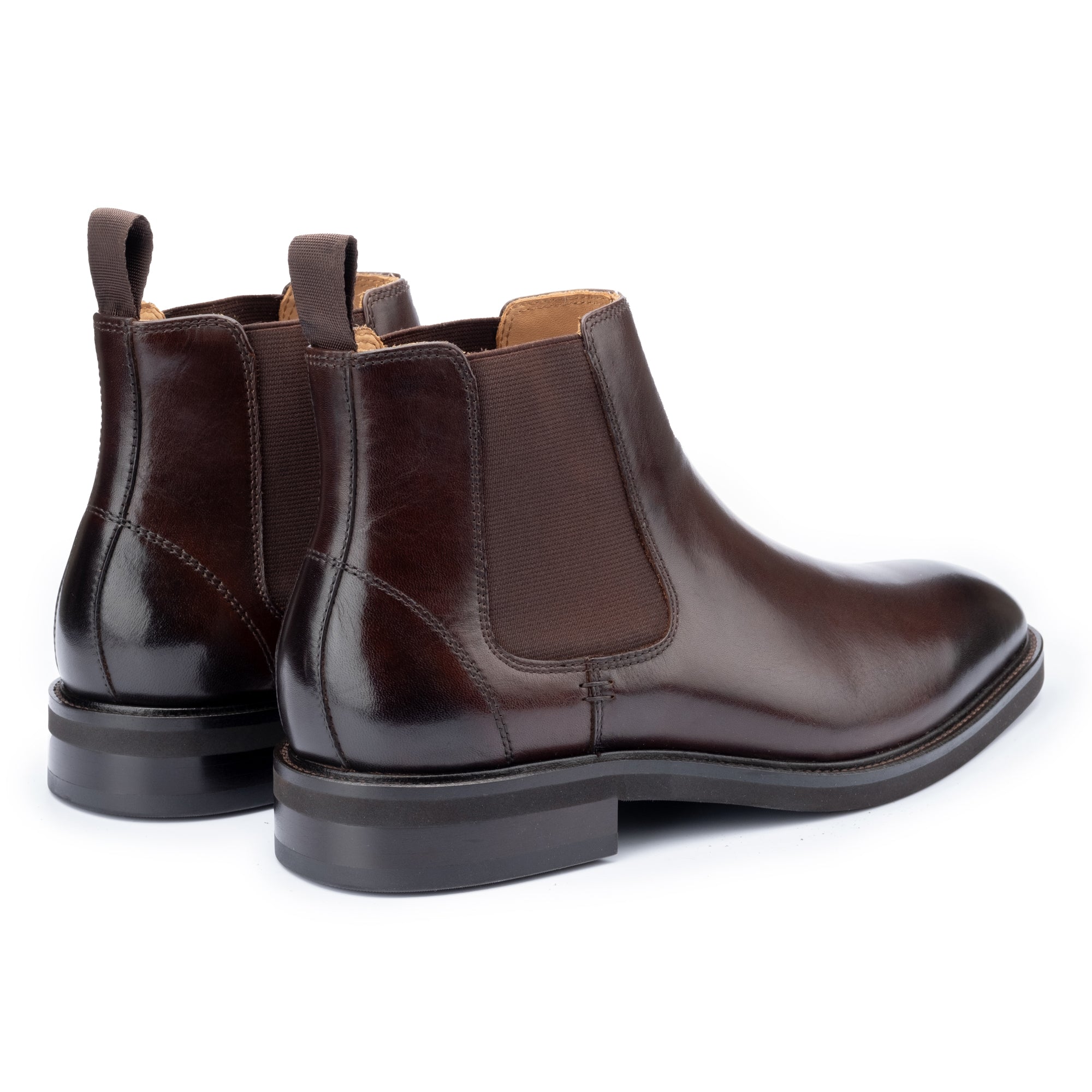
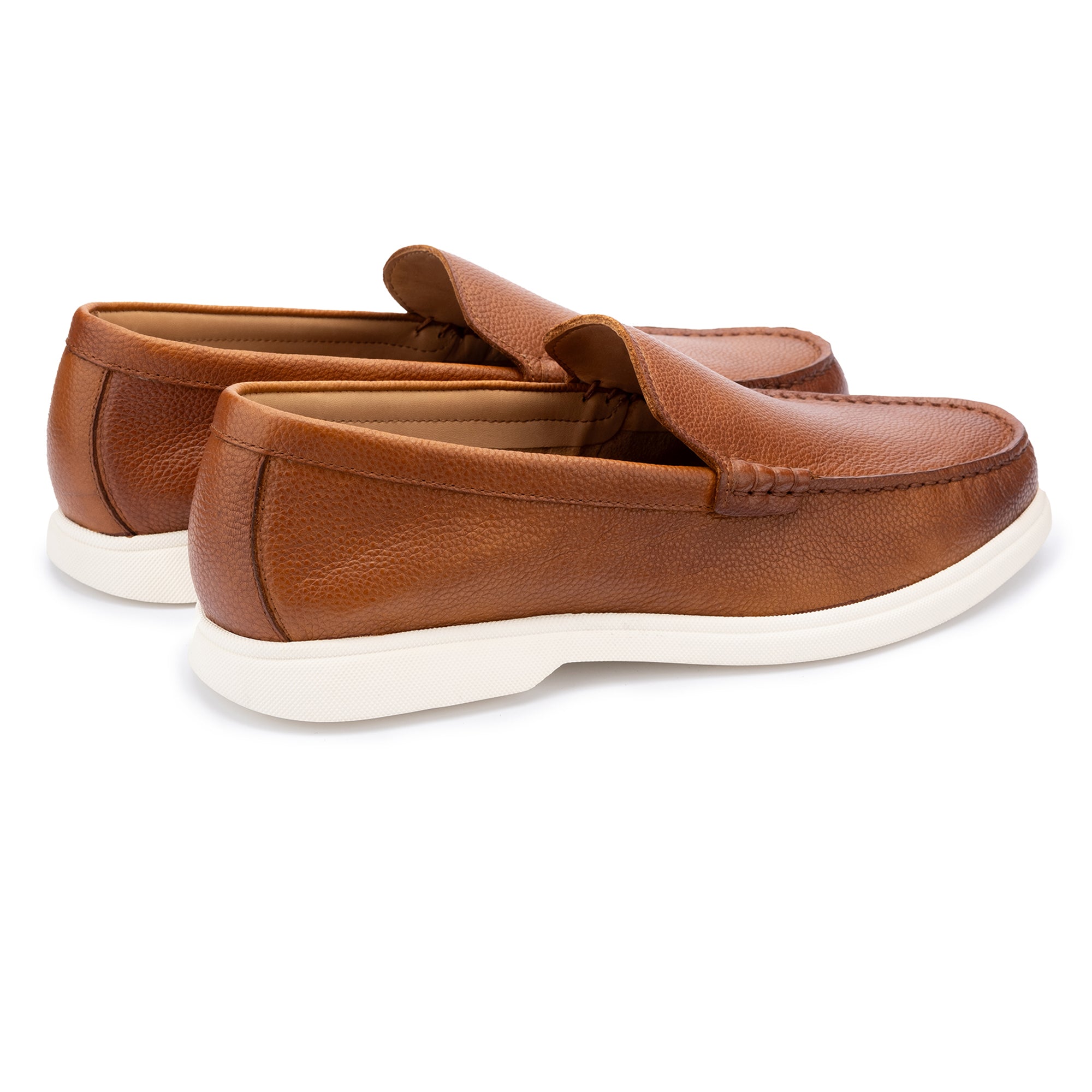
A quality lining is leather or a leather-faced material. It regulates moisture, prevents odour, and shapes gradually to the foot over time. Synthetic linings reduce manufacturing cost but trap heat and accelerate wear. Slide your hand inside a quality dress shoe and feel buttery leather — that's one of the simplest quality indicators you'll find.
The Insole
The insole is the interior platform your foot rests on. In a quality shoe it's a structural component, not a thin cushioning pad. A well-constructed insole distributes pressure, supports the arch, and contributes to the shoe's overall rigidity and shape retention over years of wear.
The Outsole
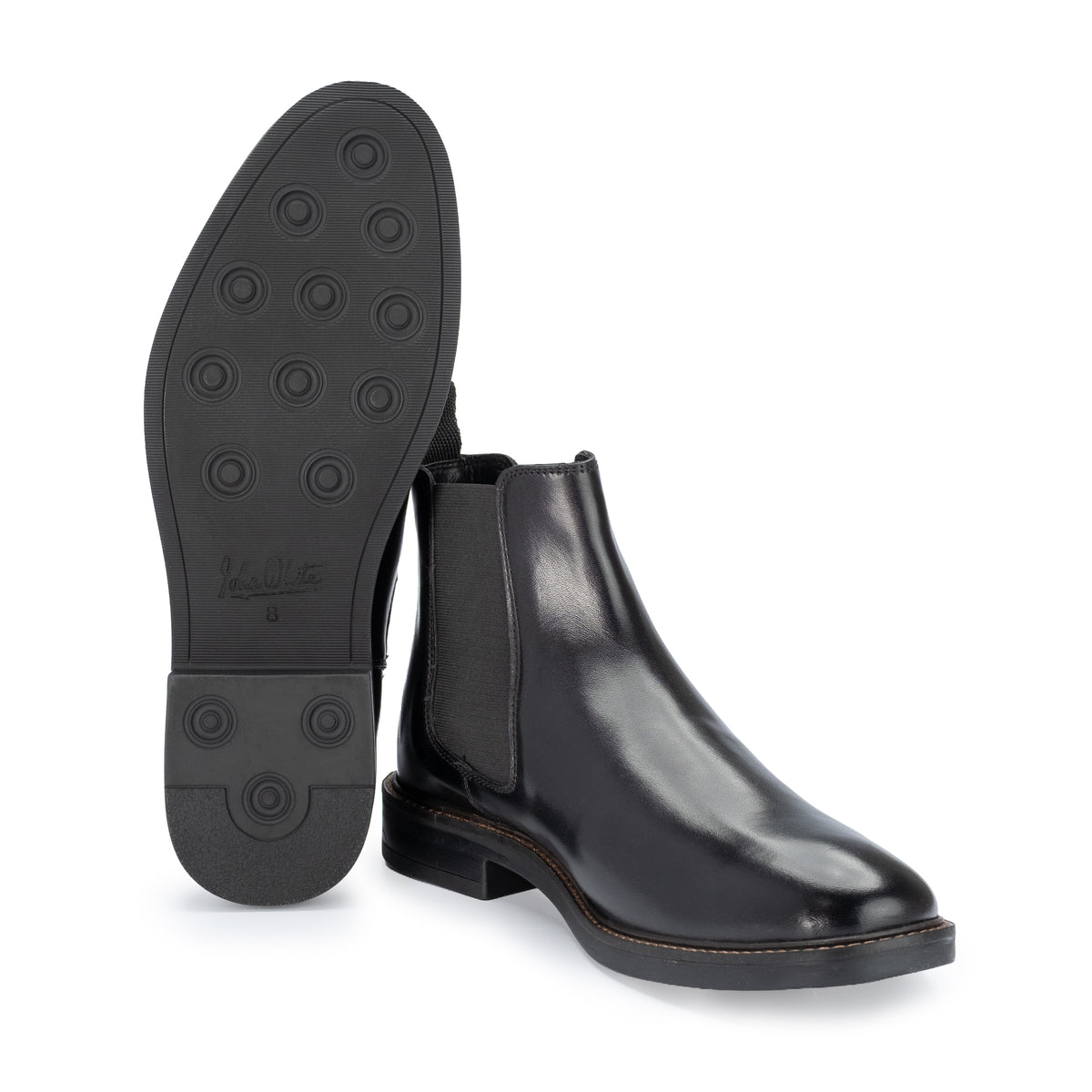
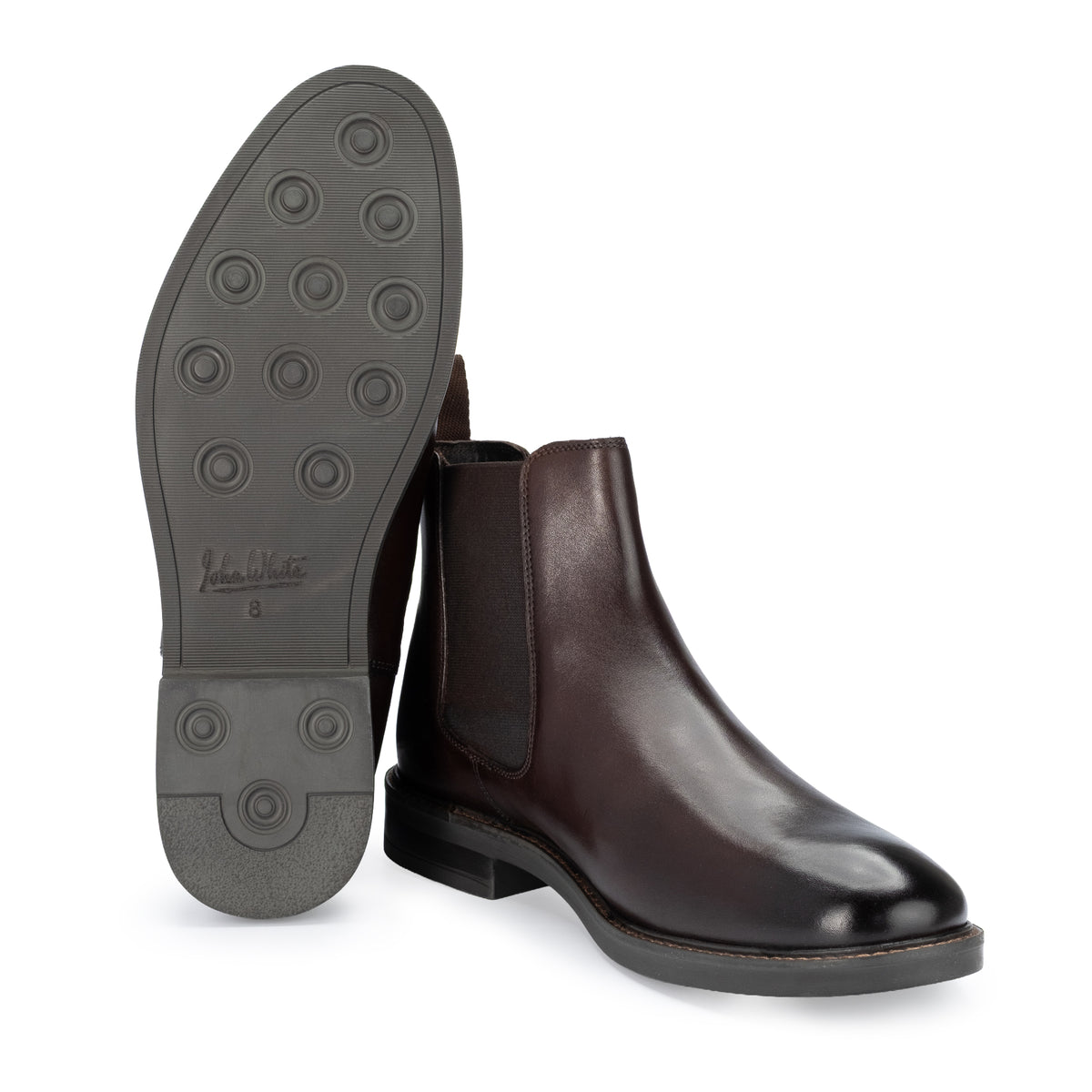
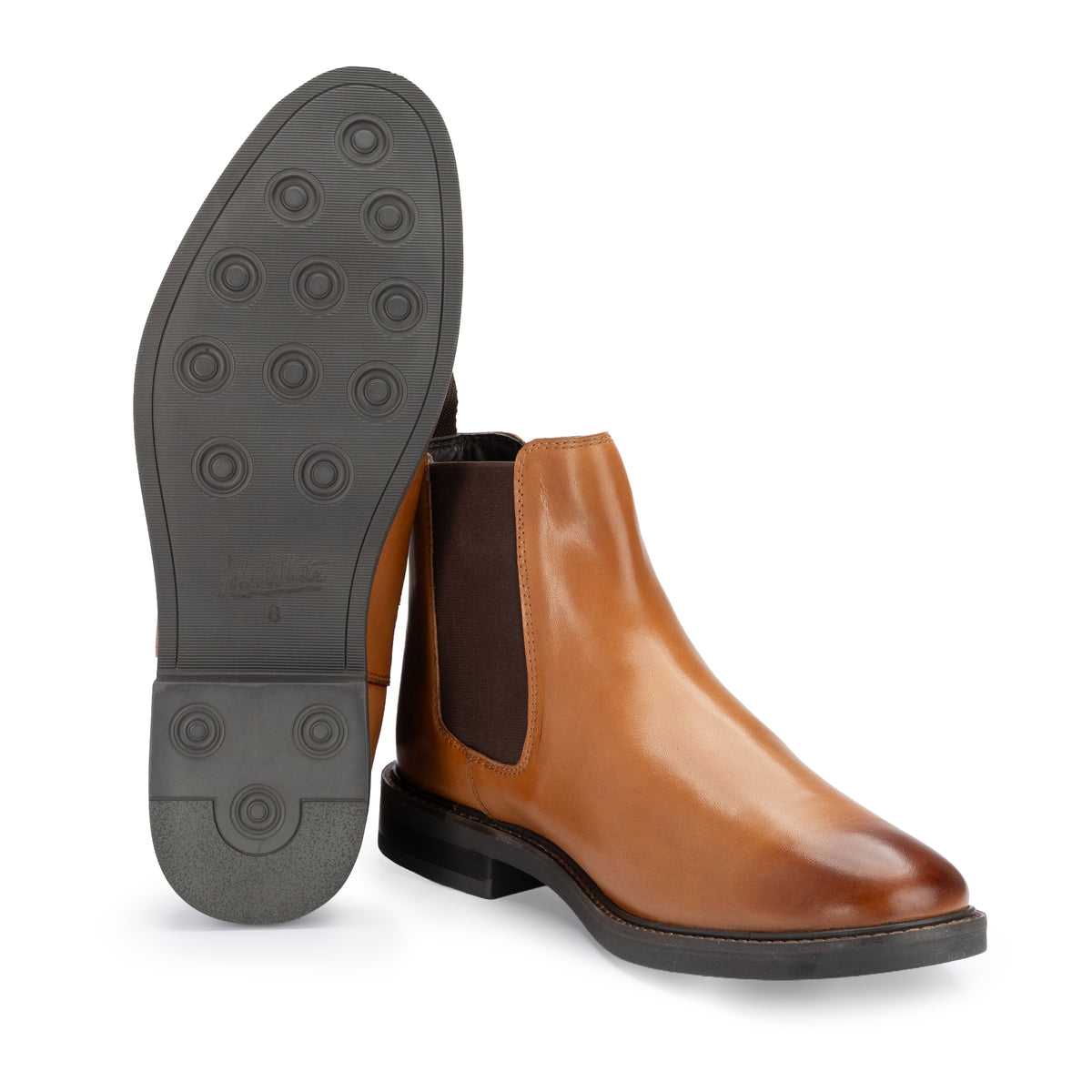
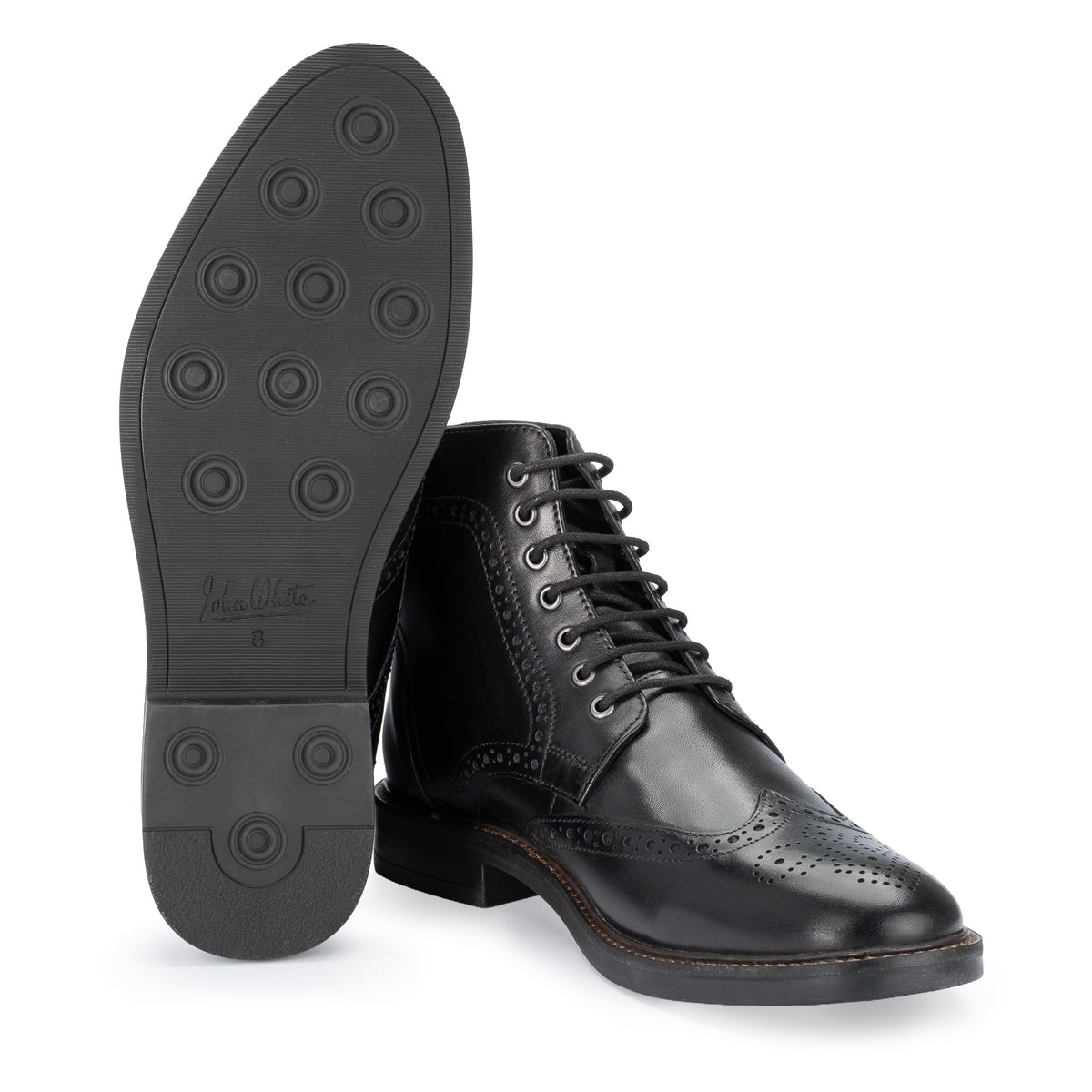
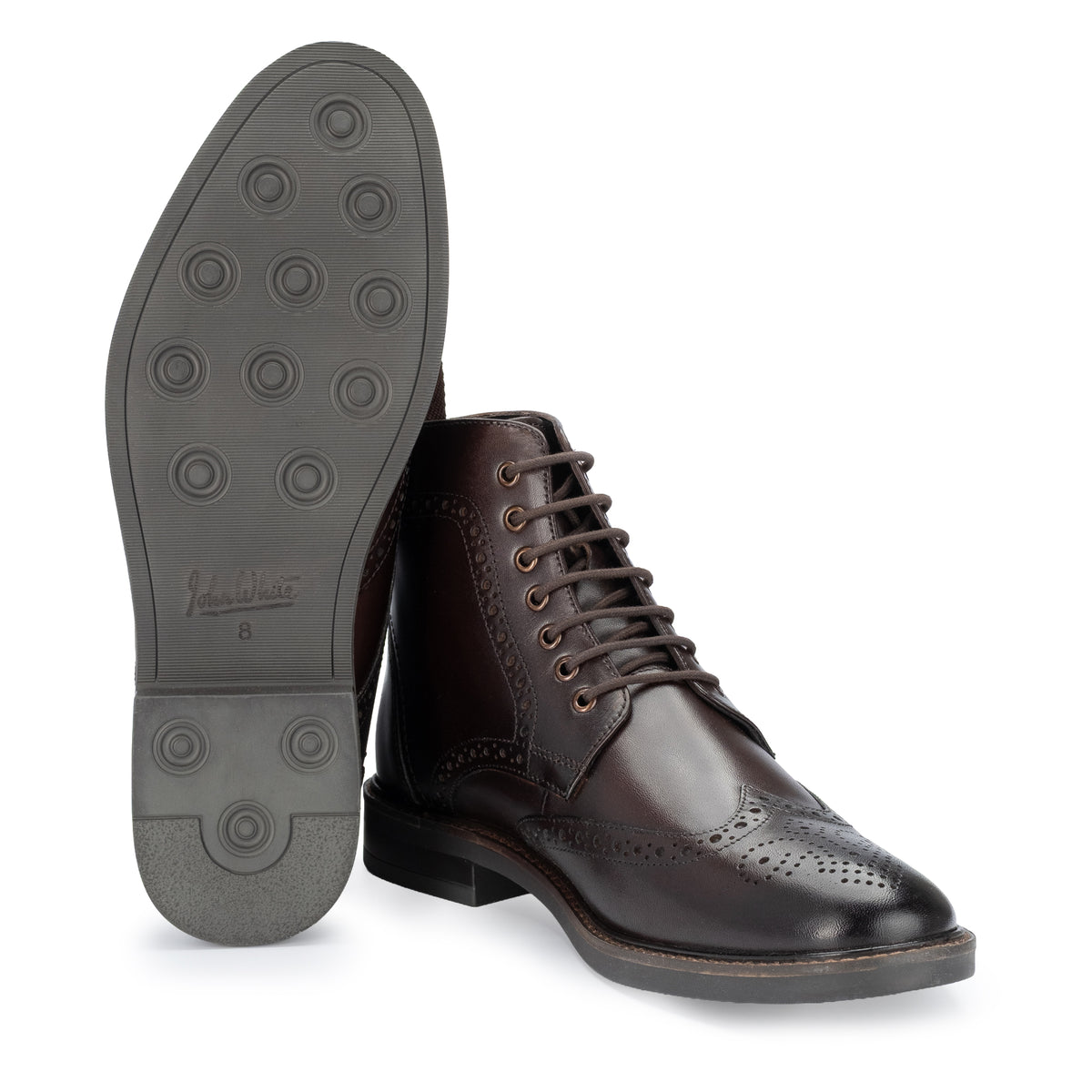
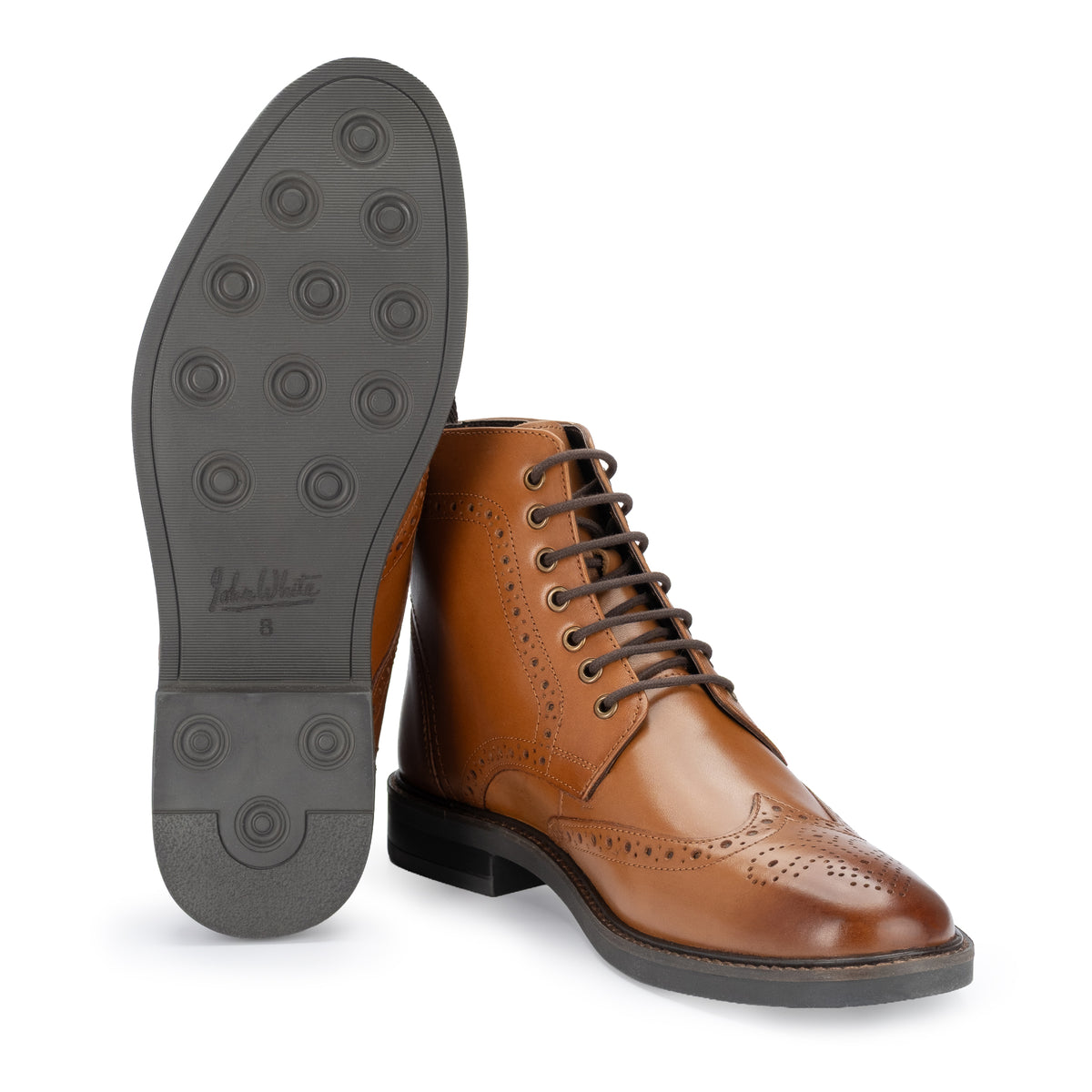
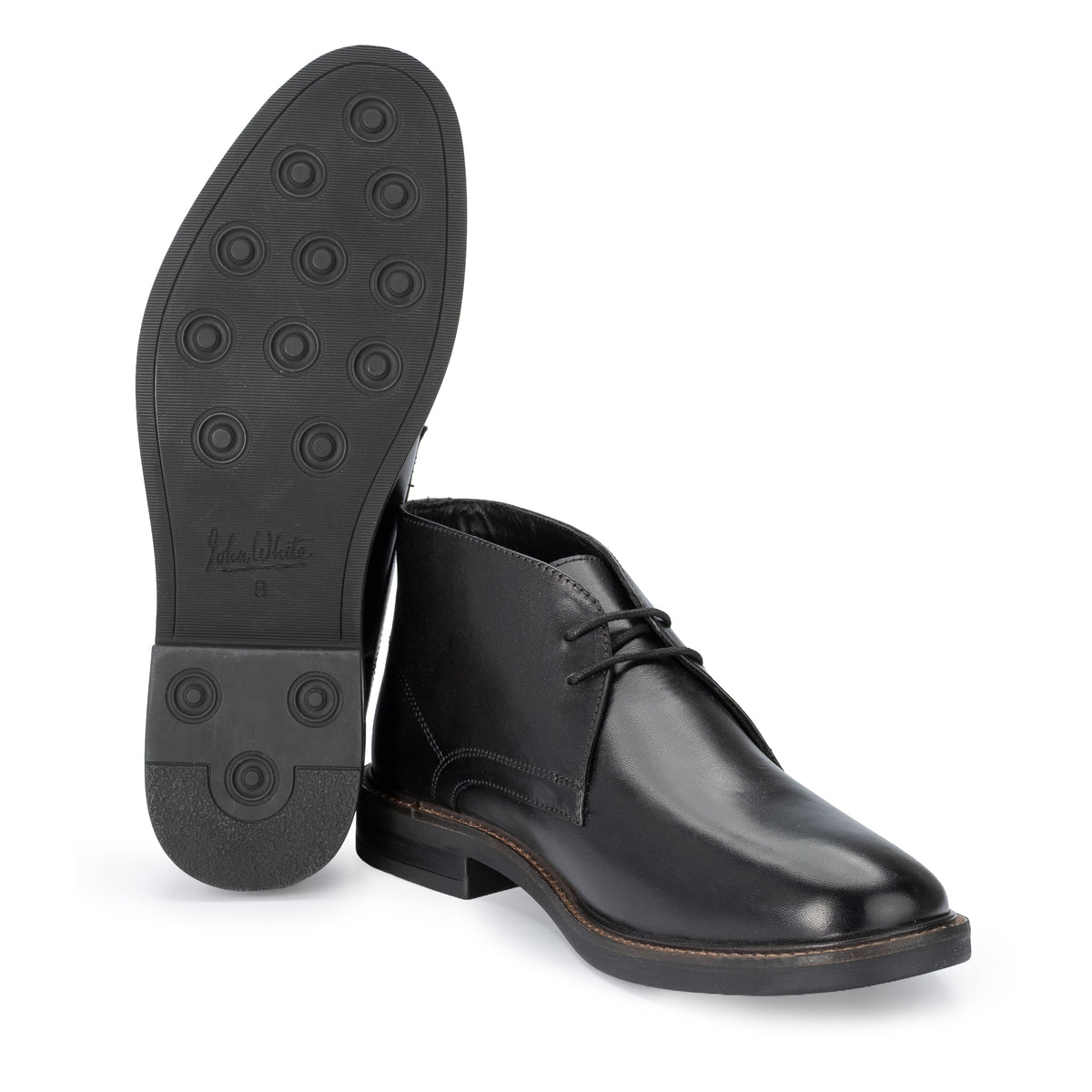
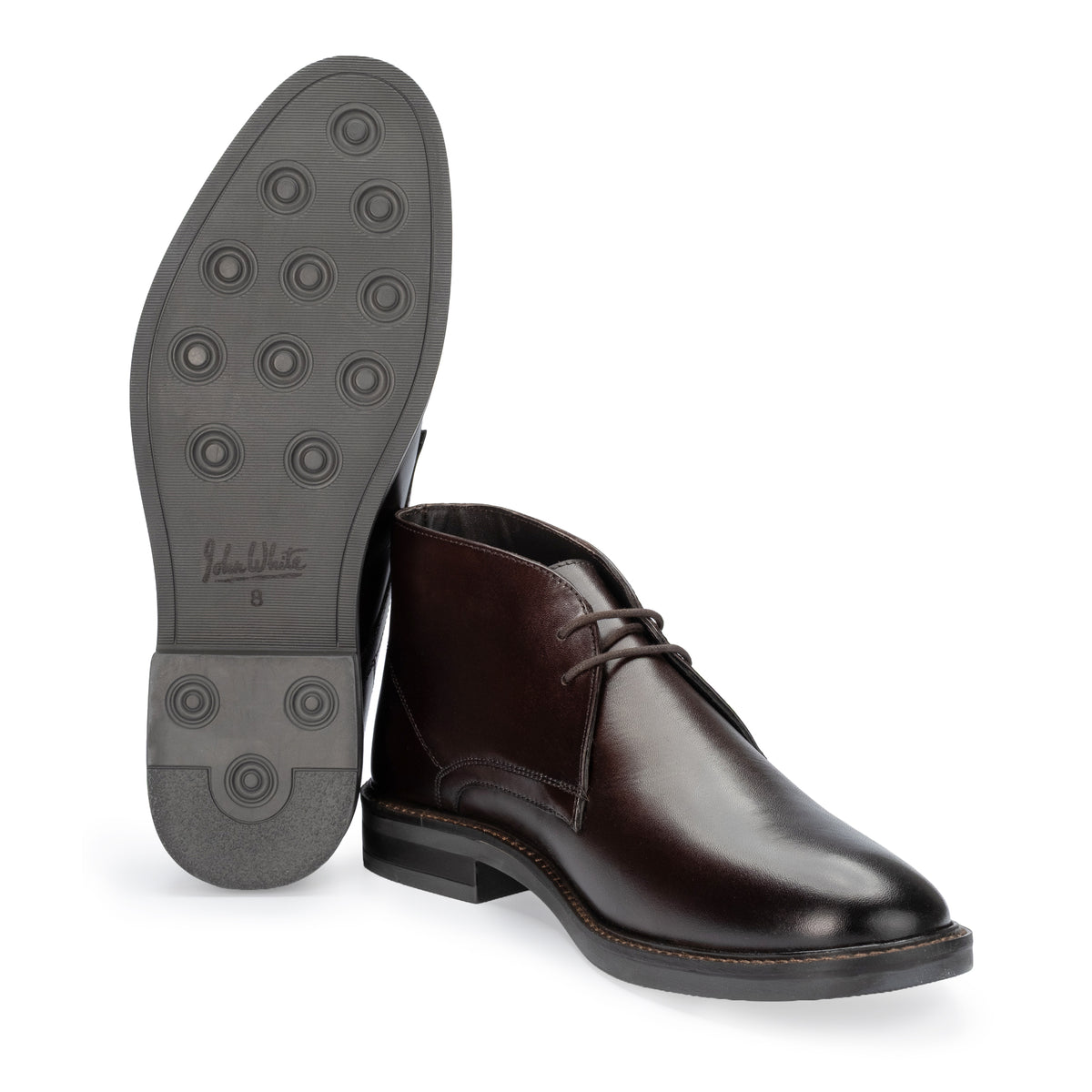
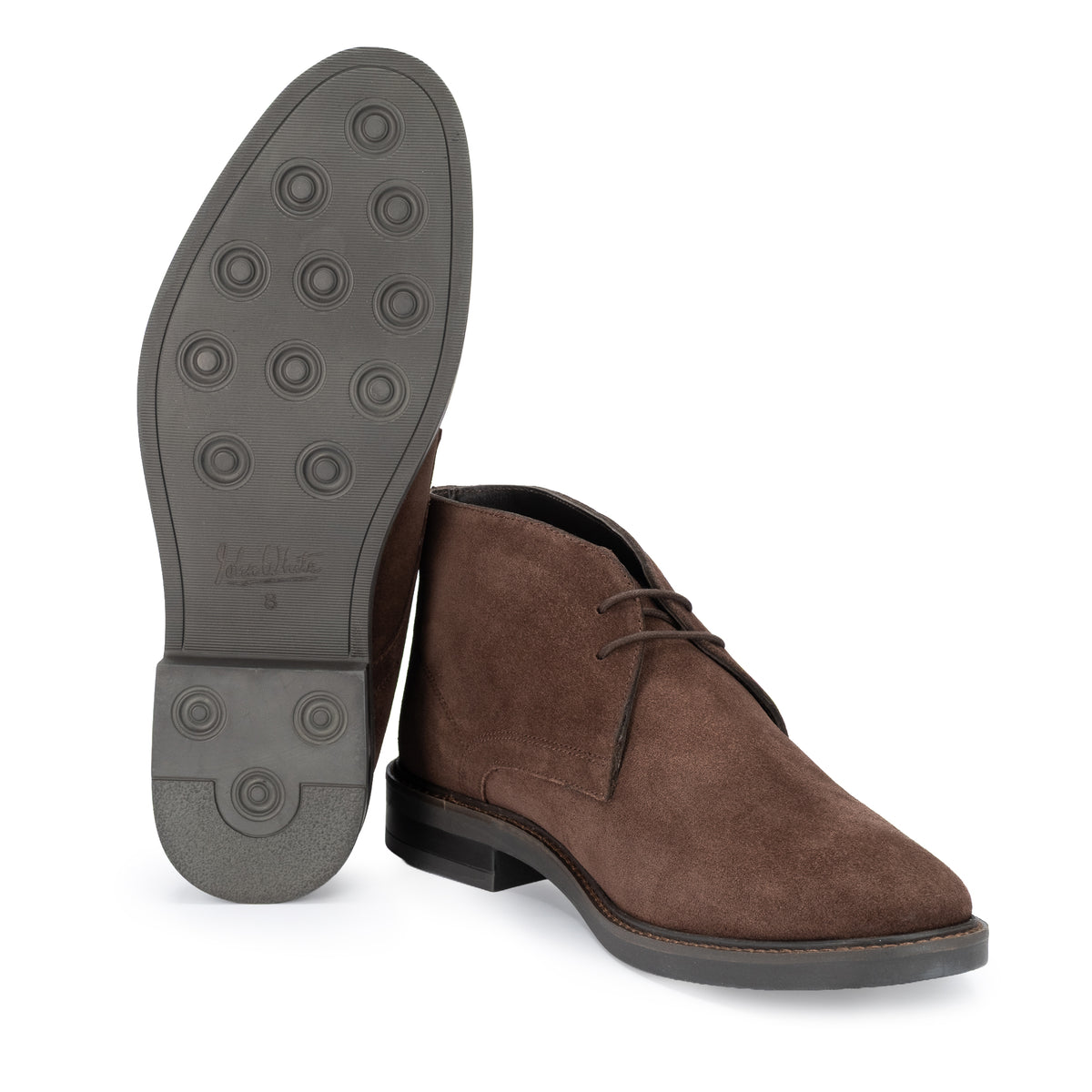
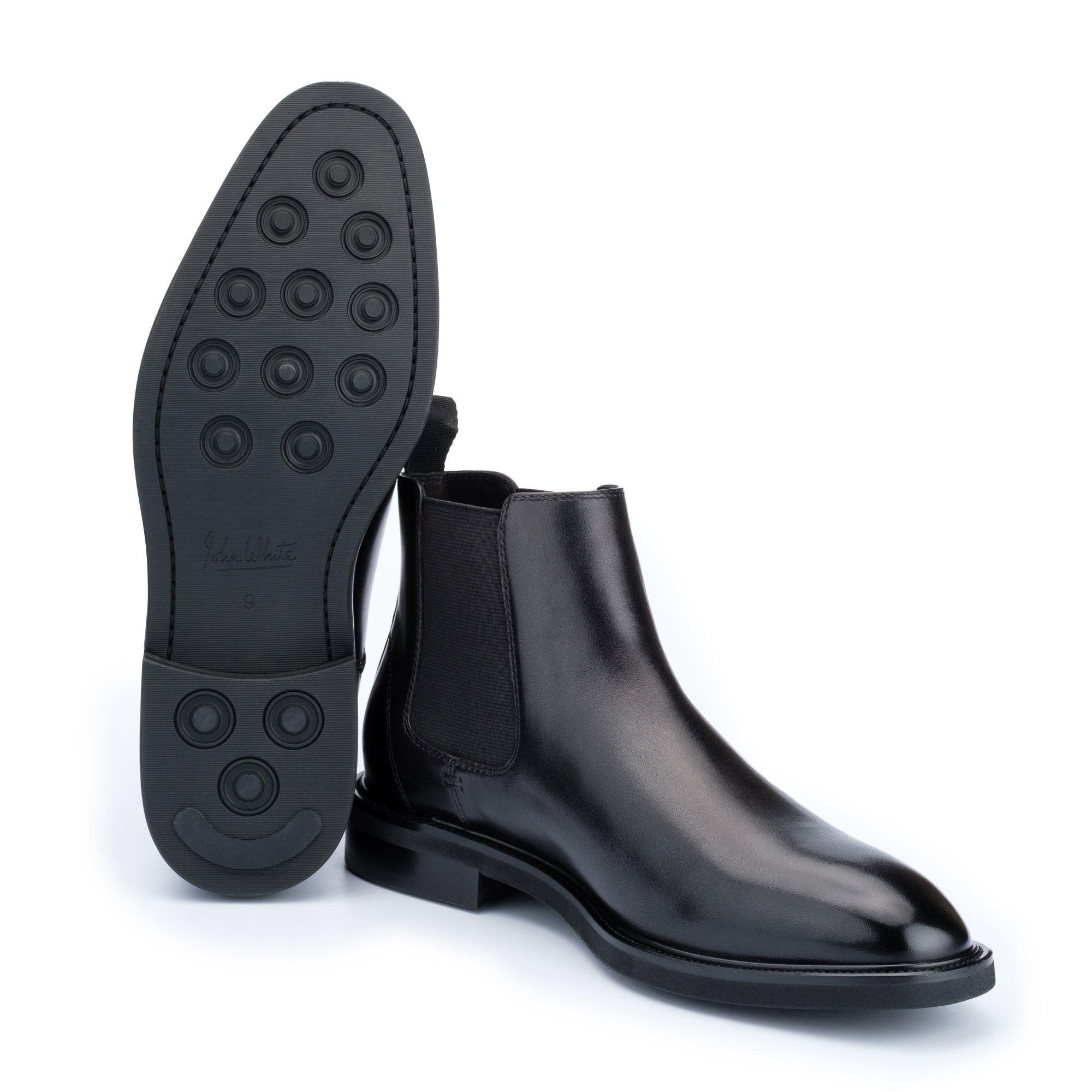
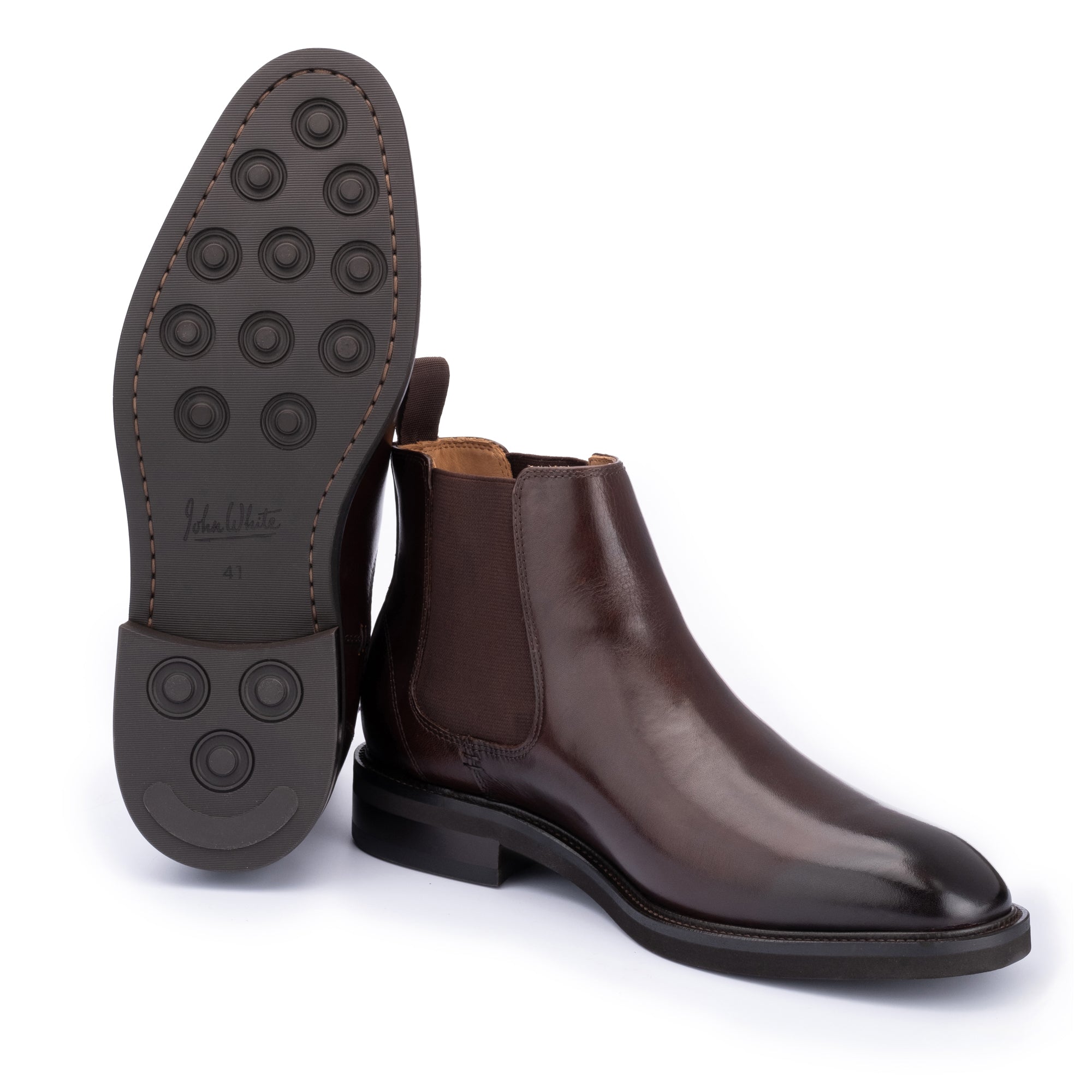
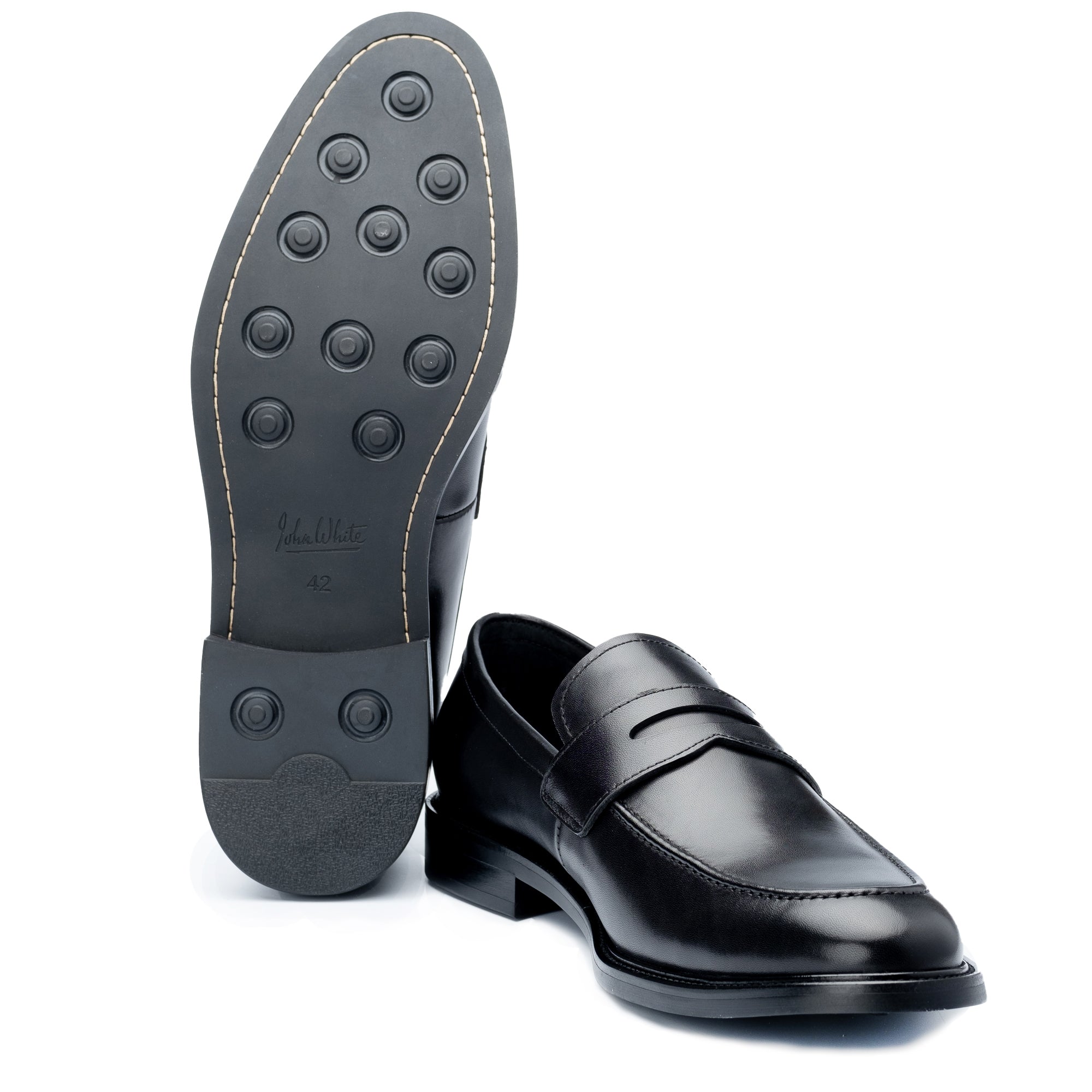
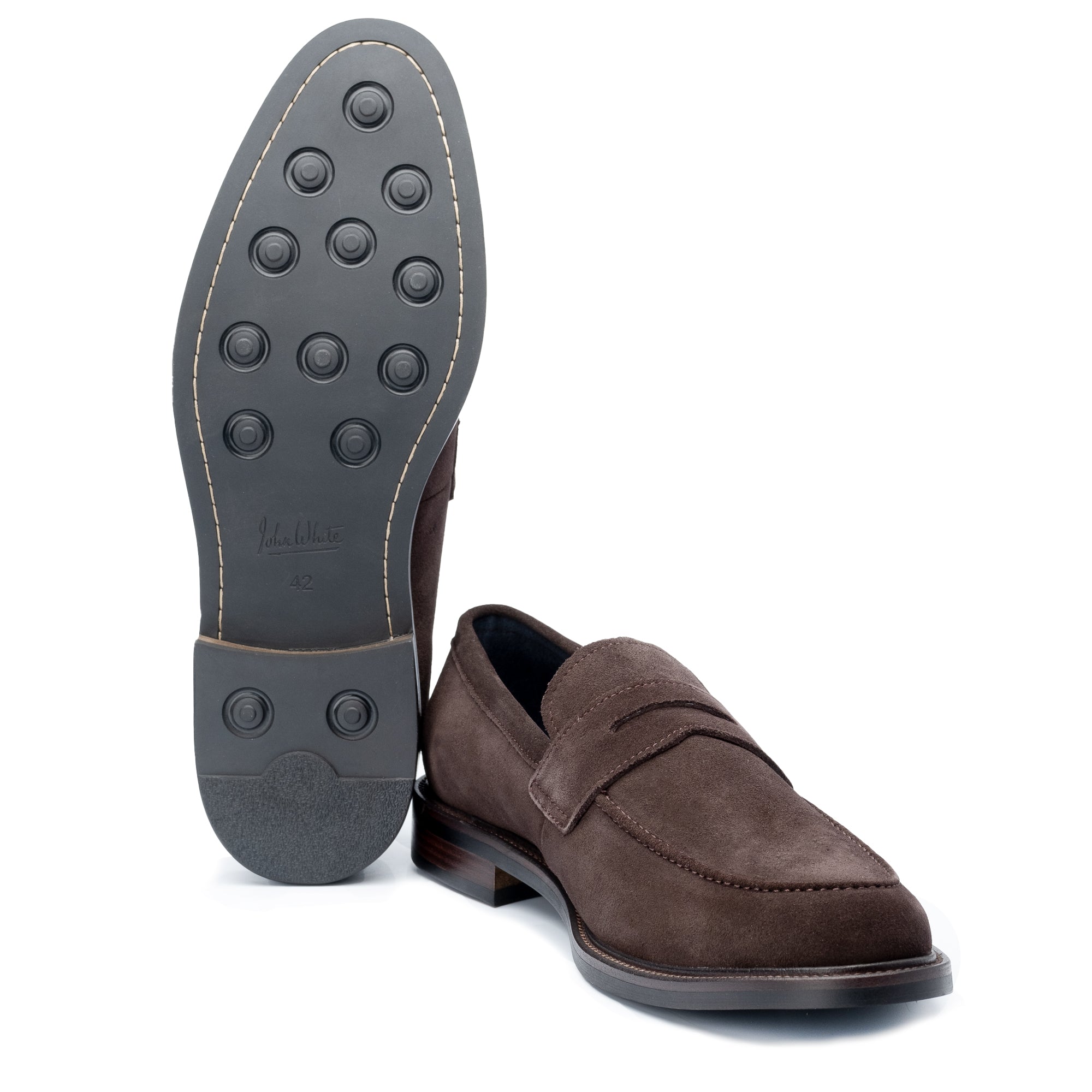
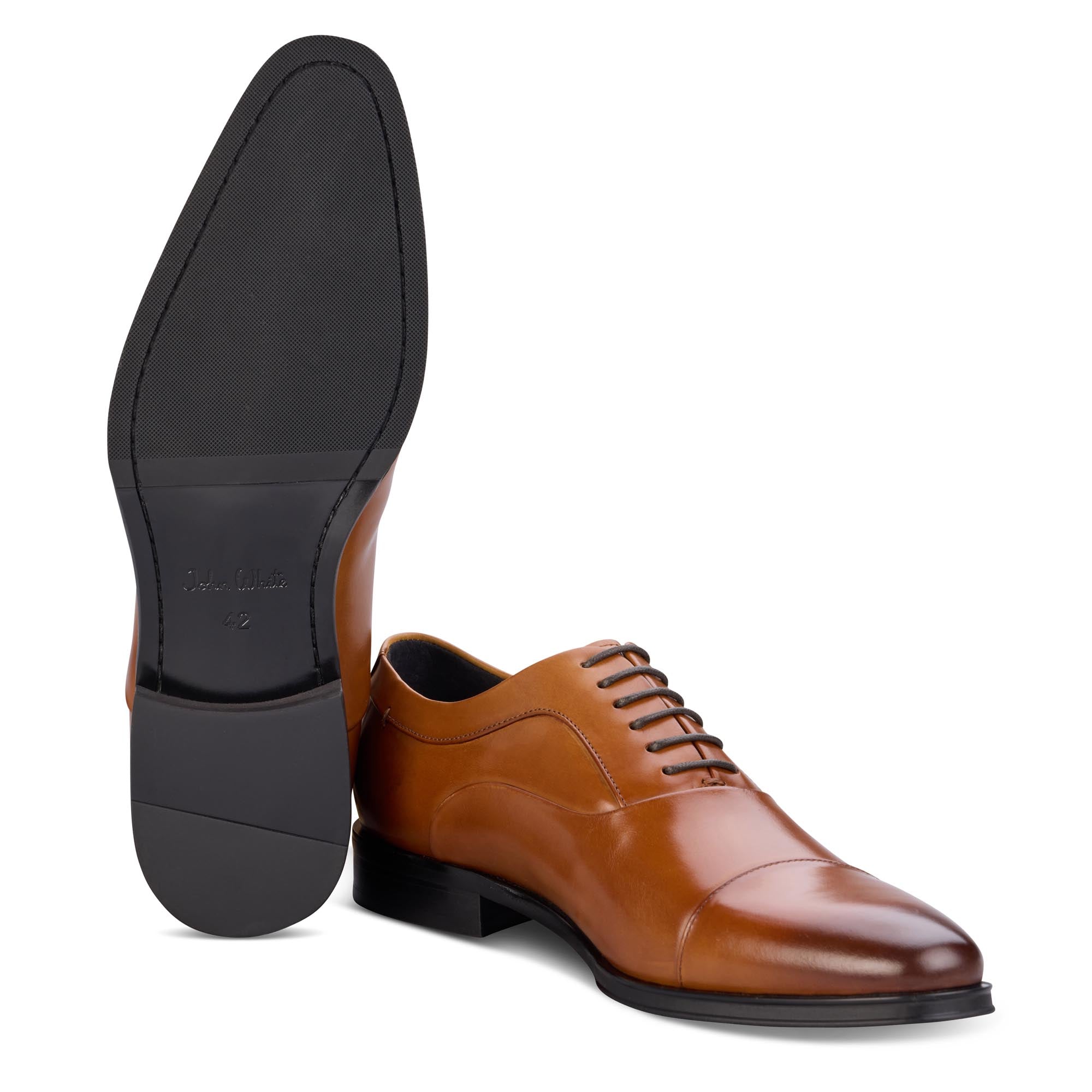
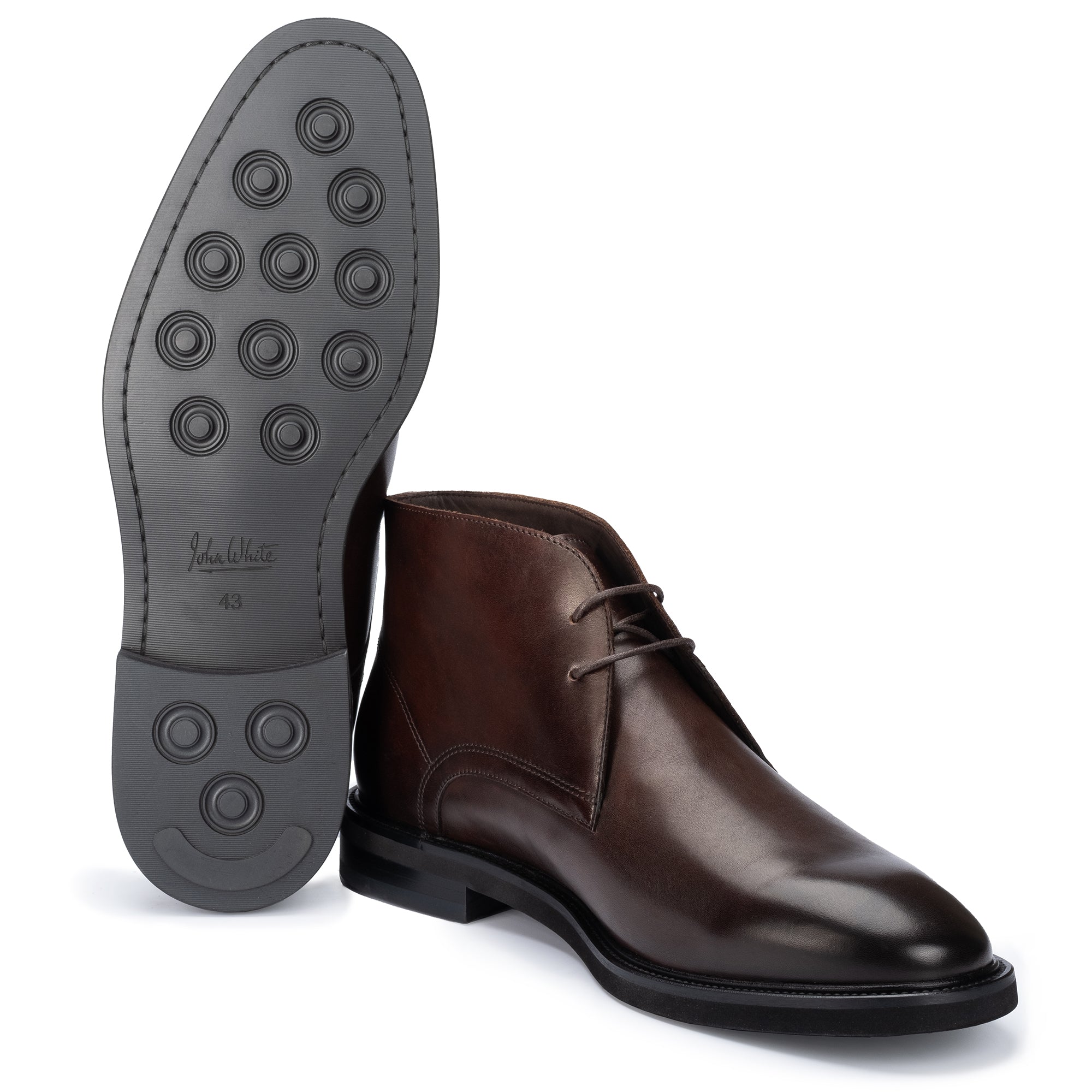
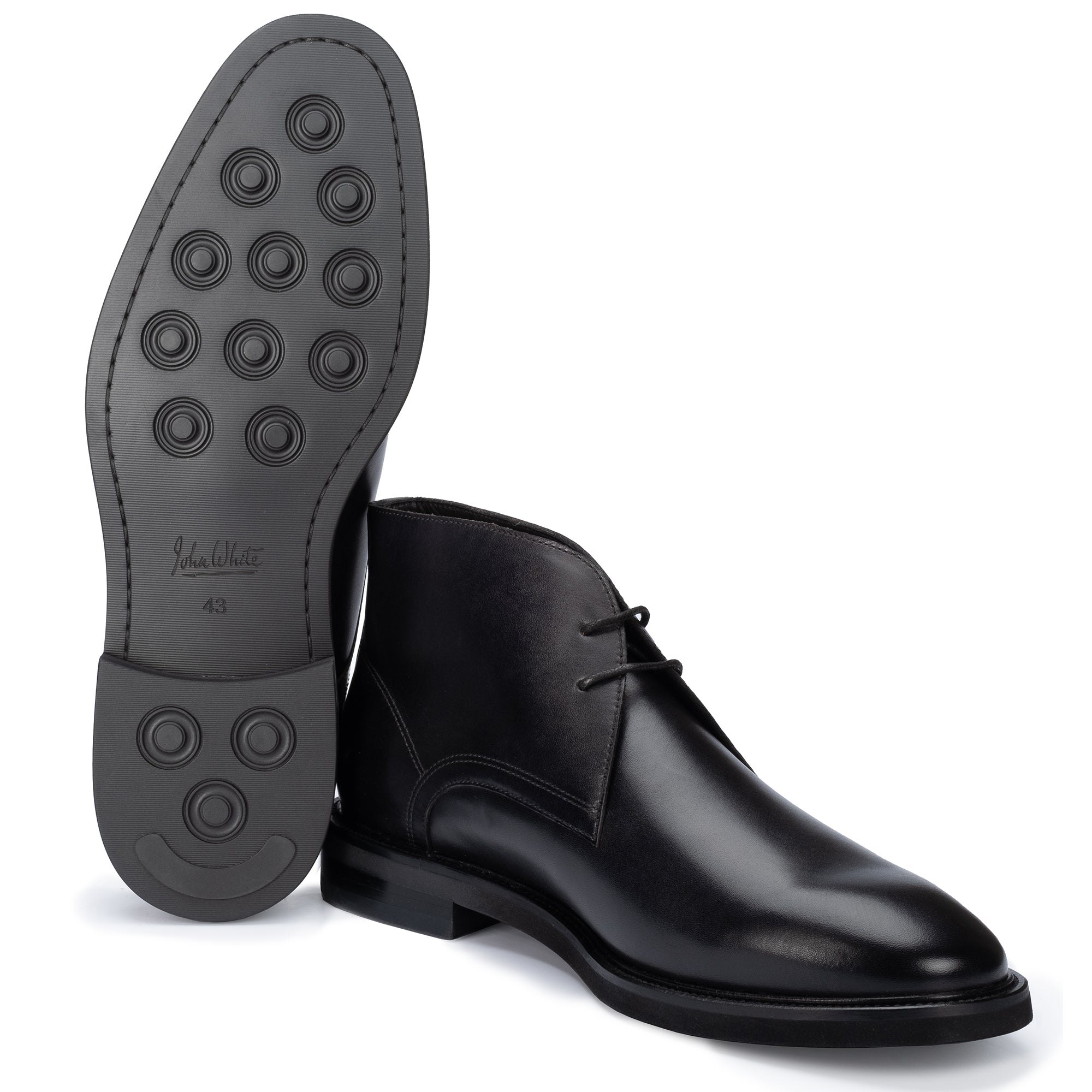
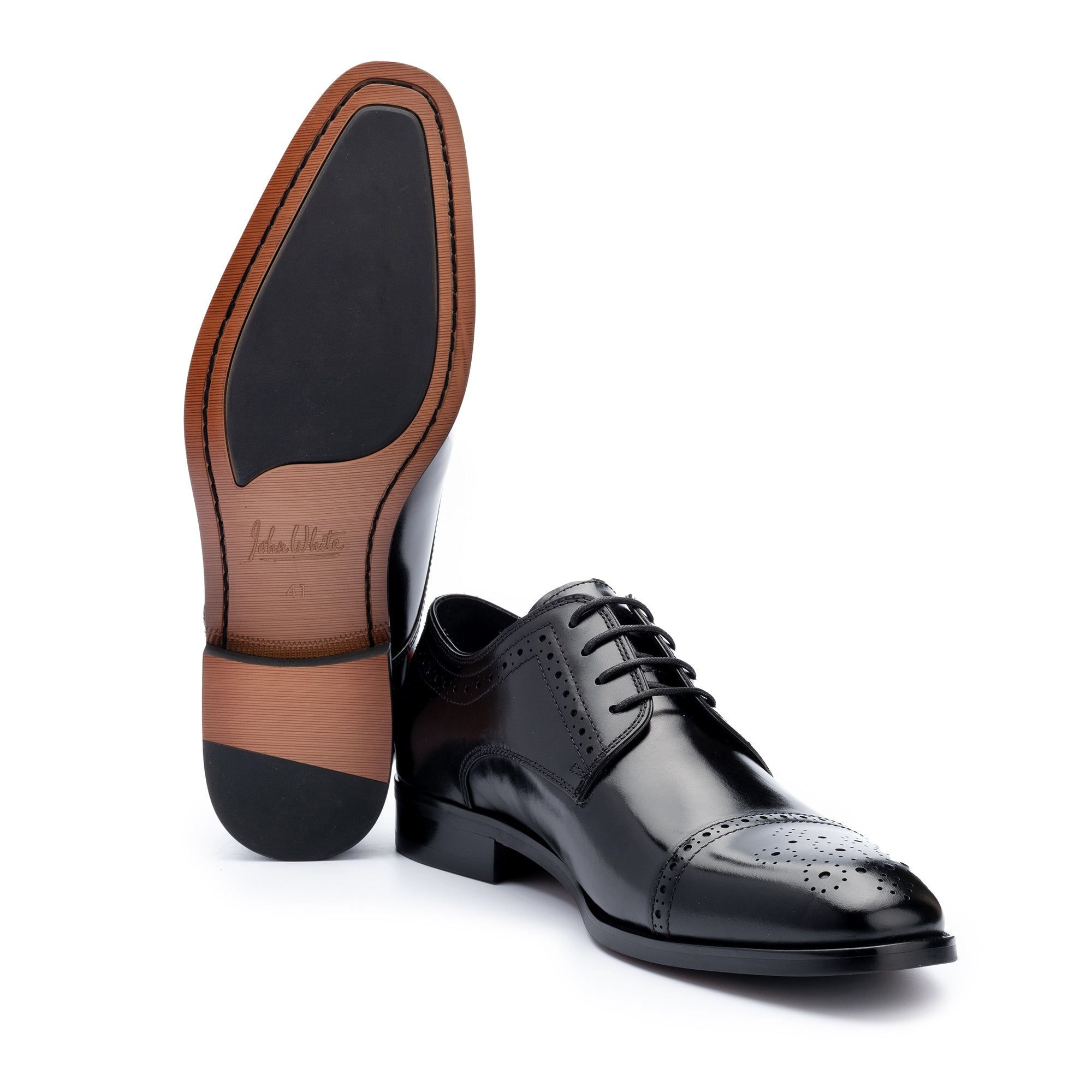
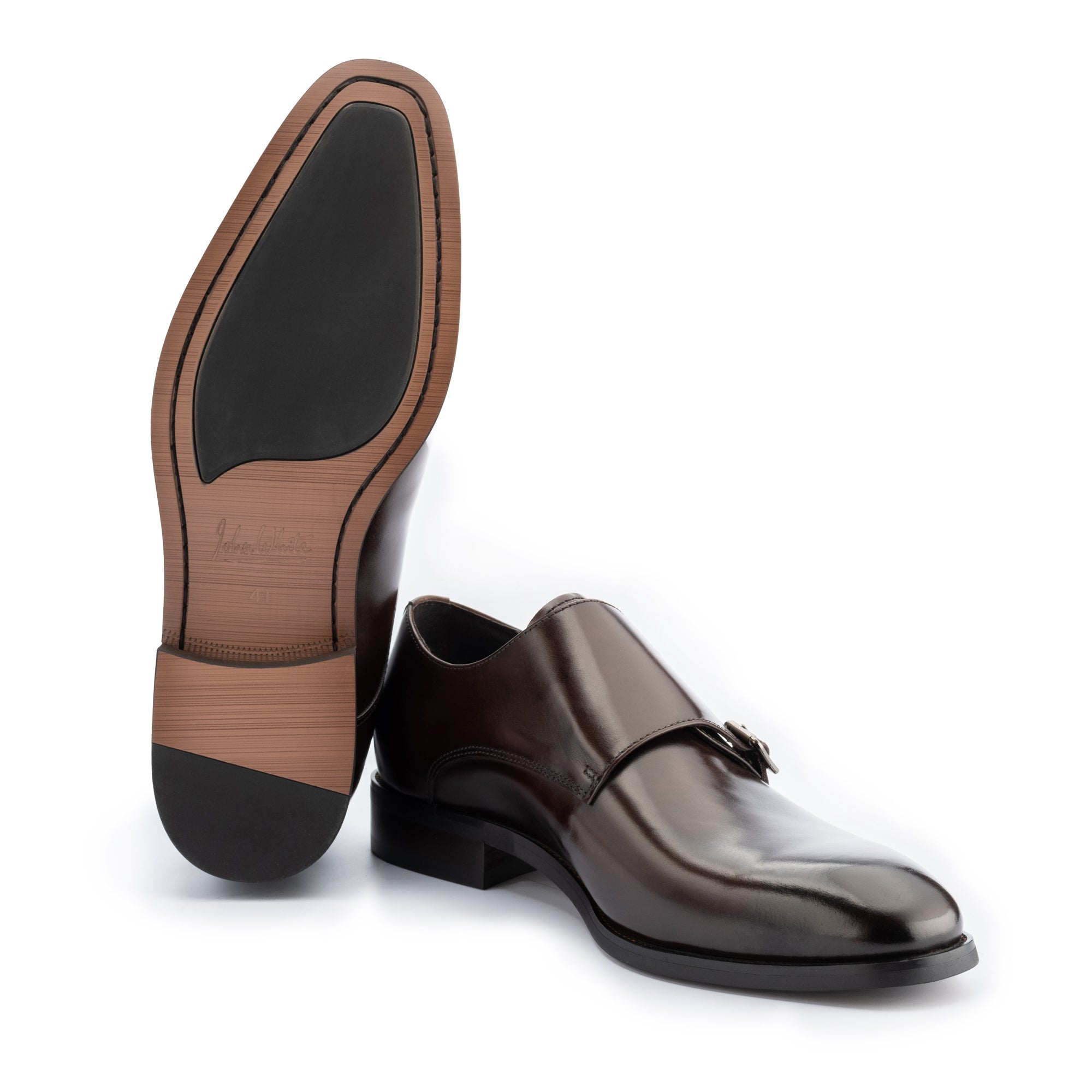
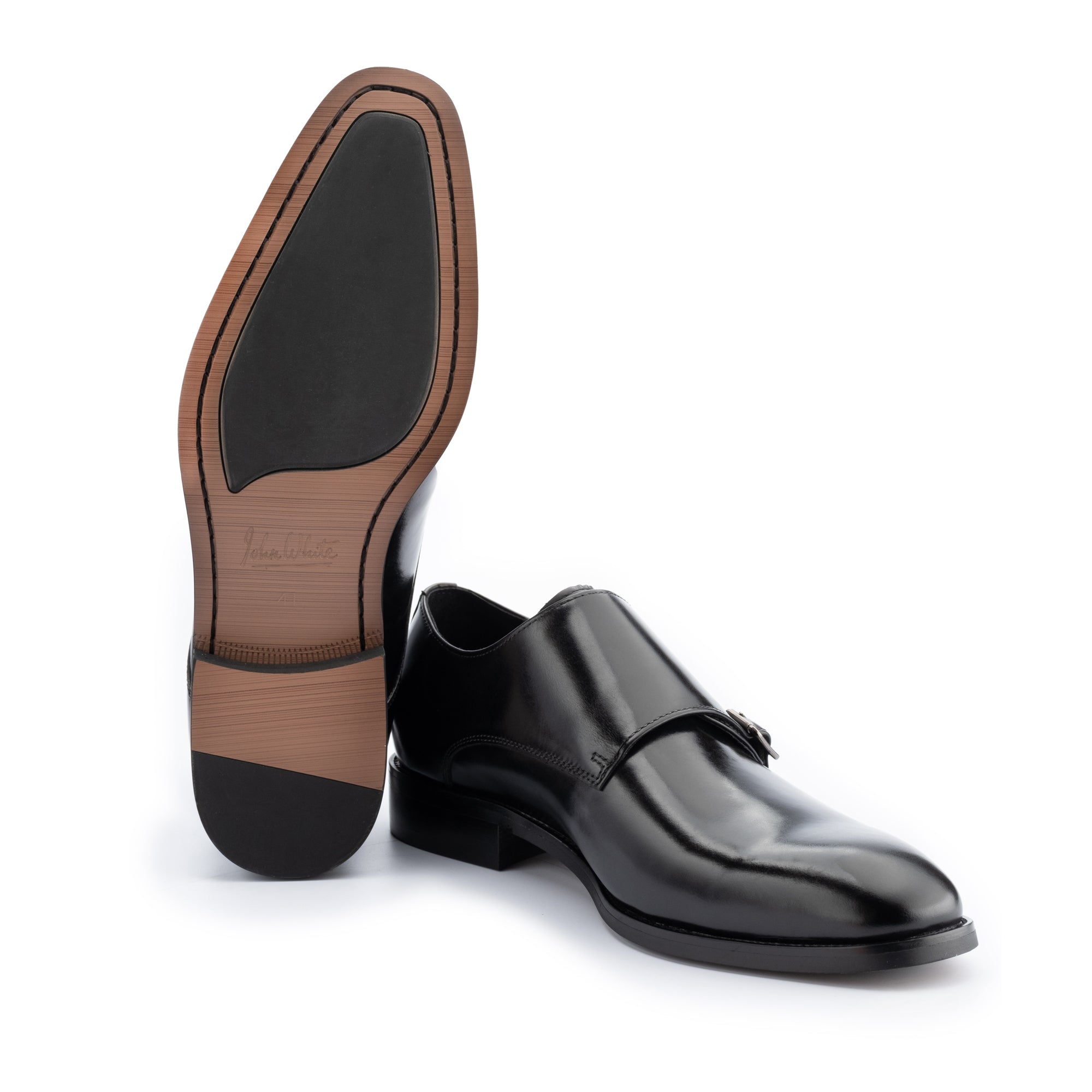
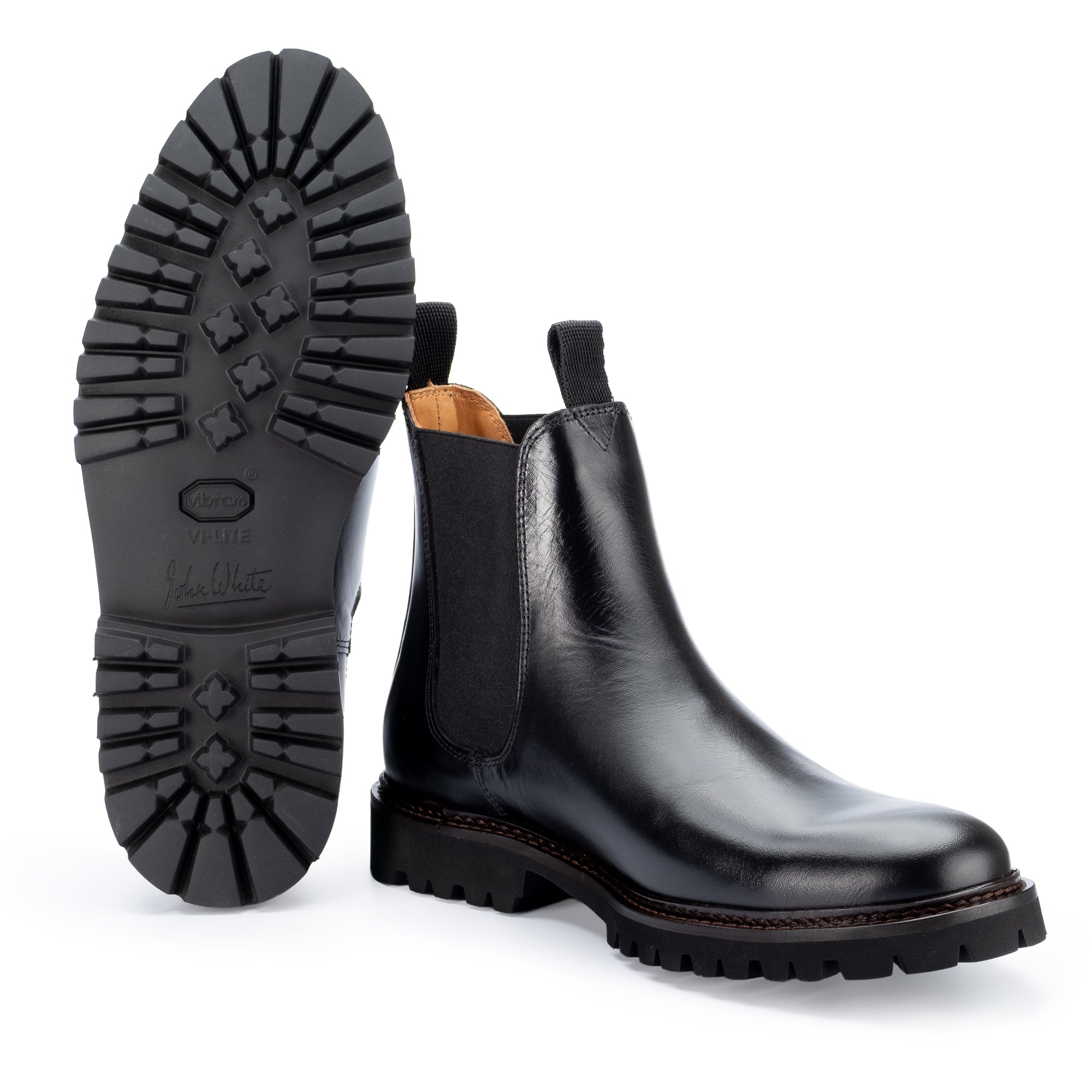
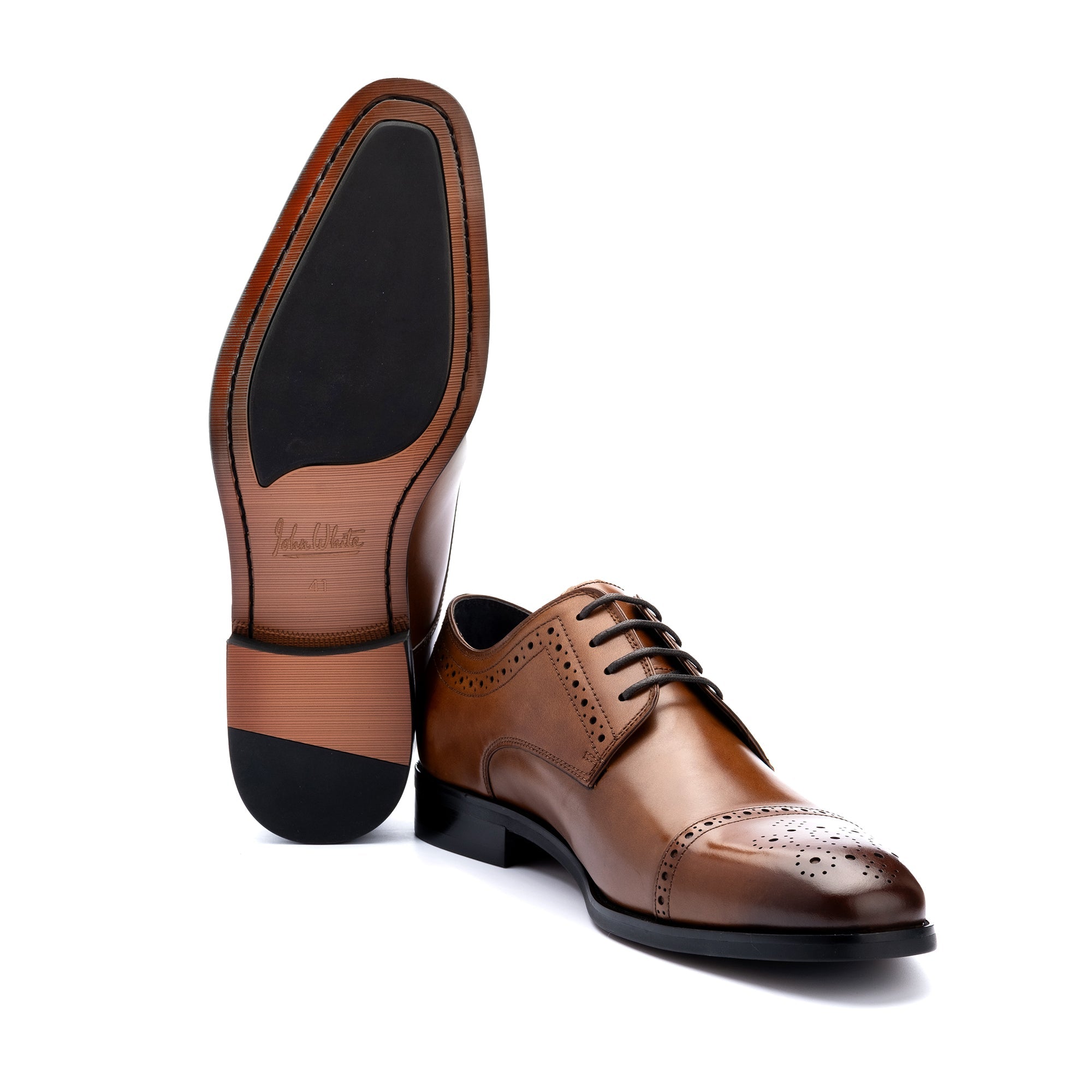
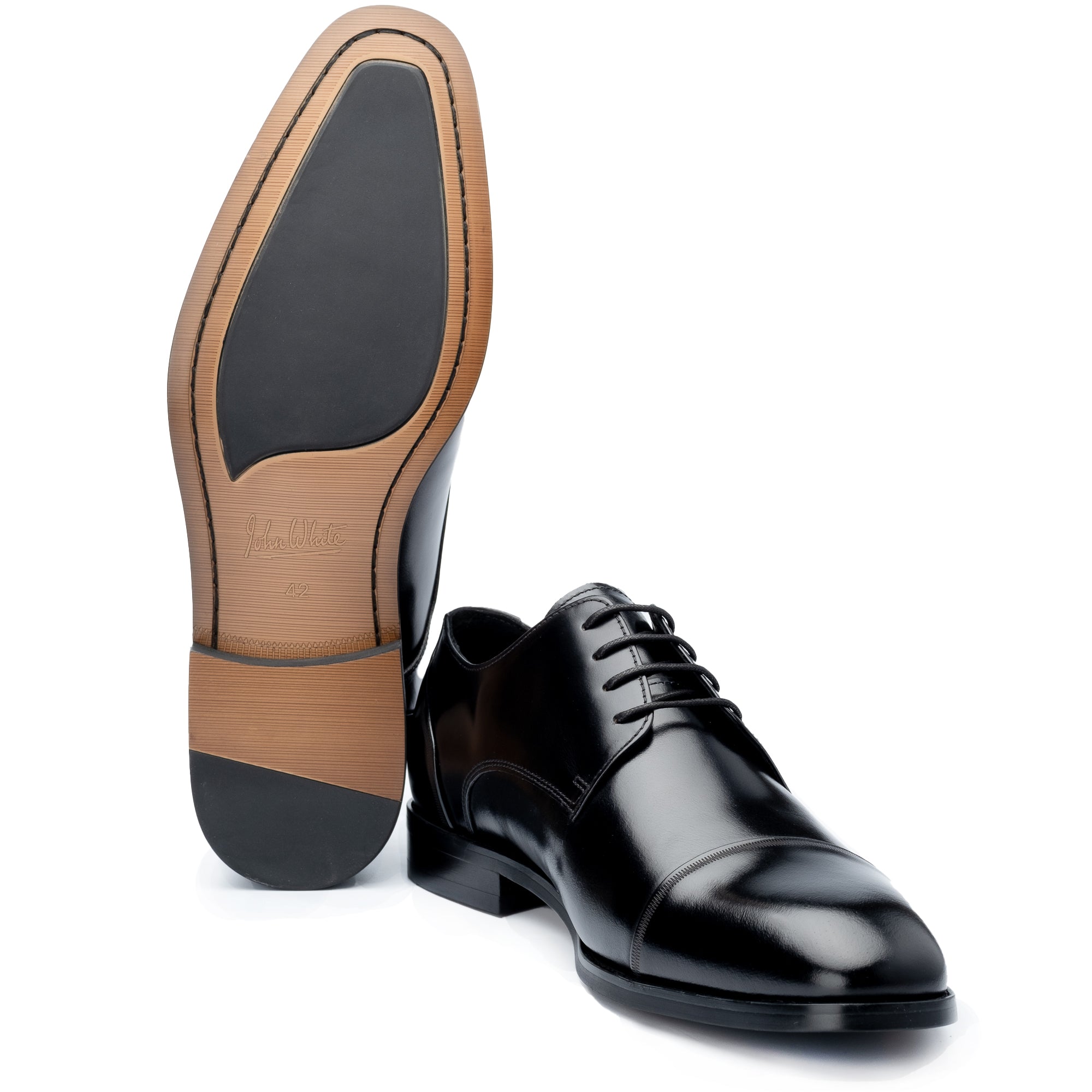
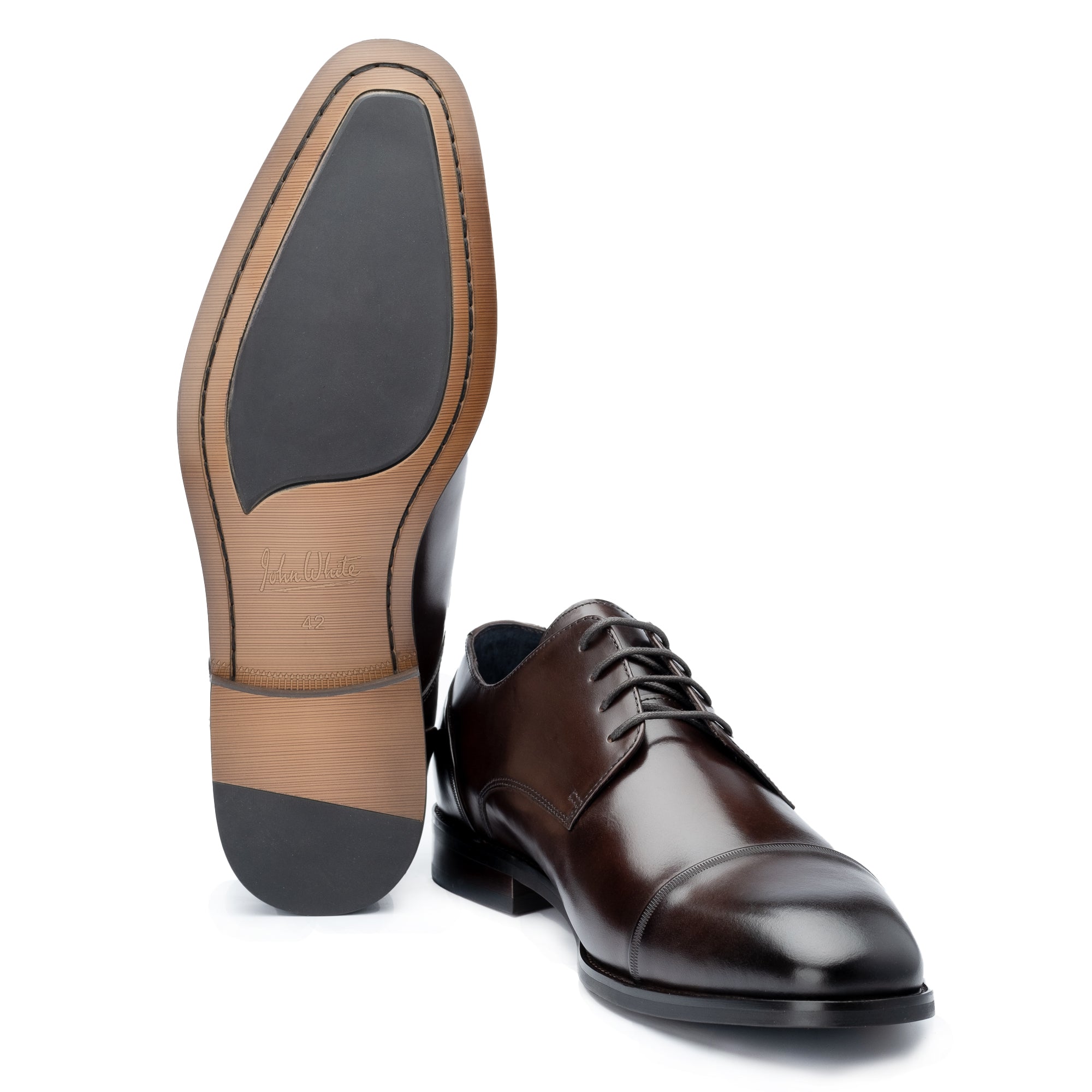
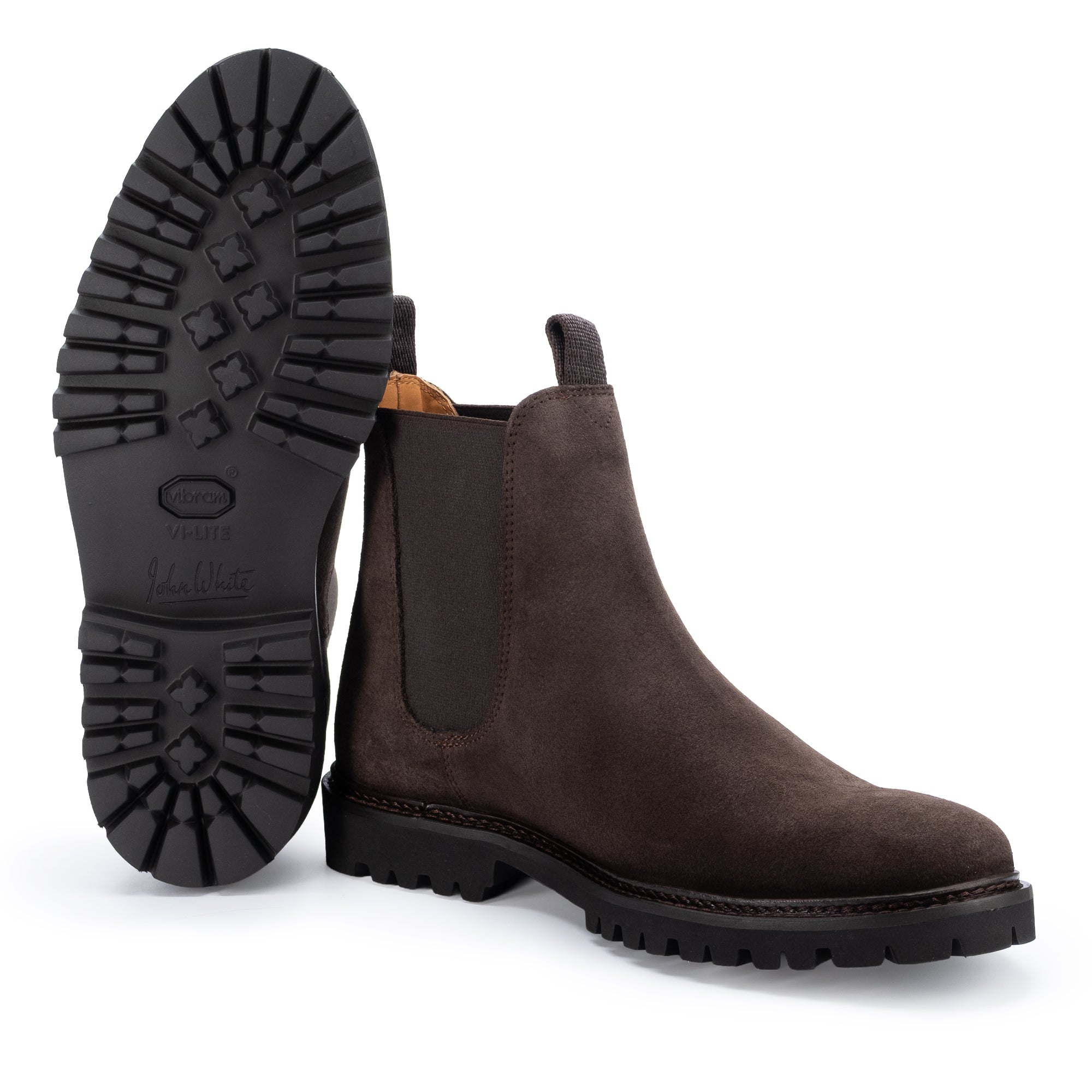
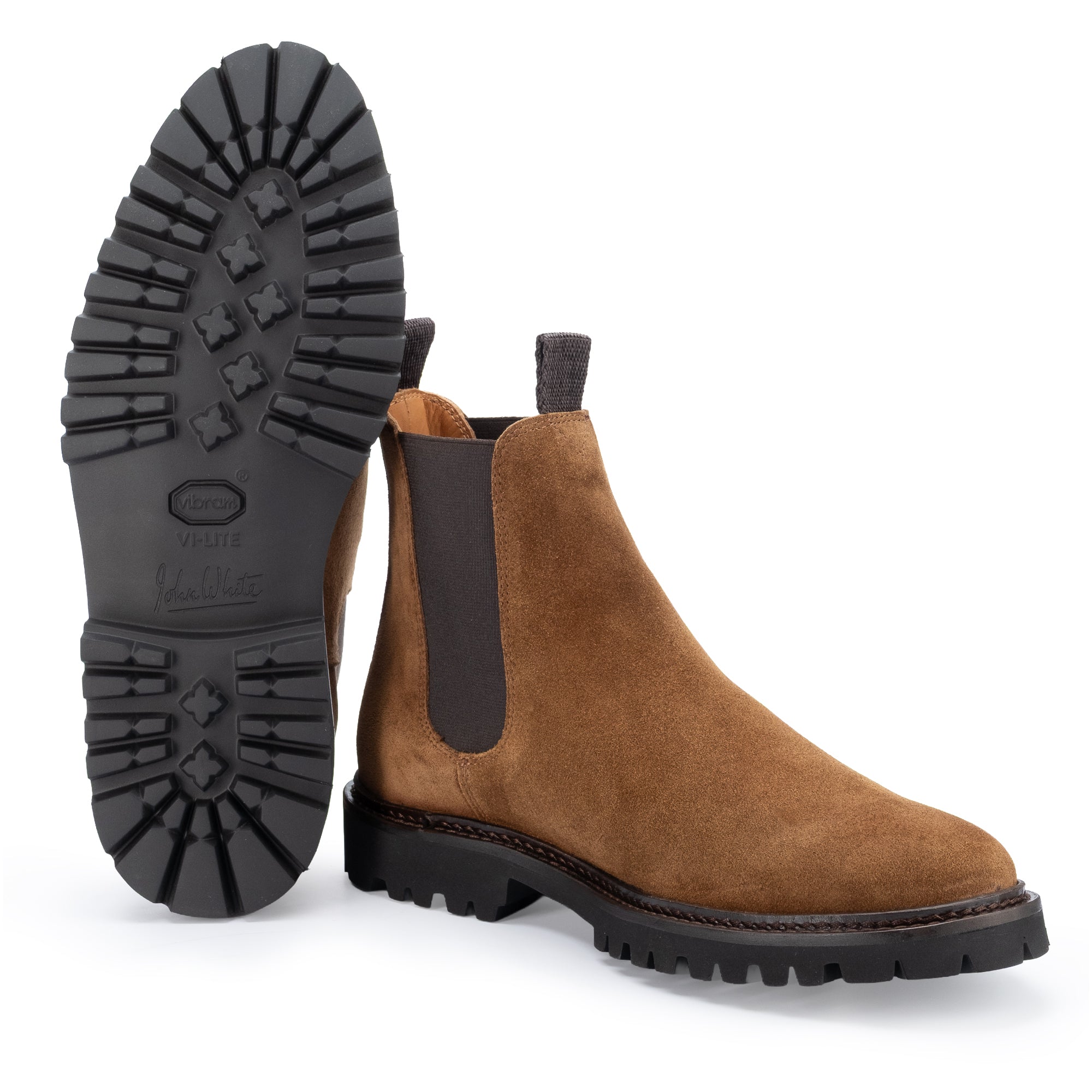
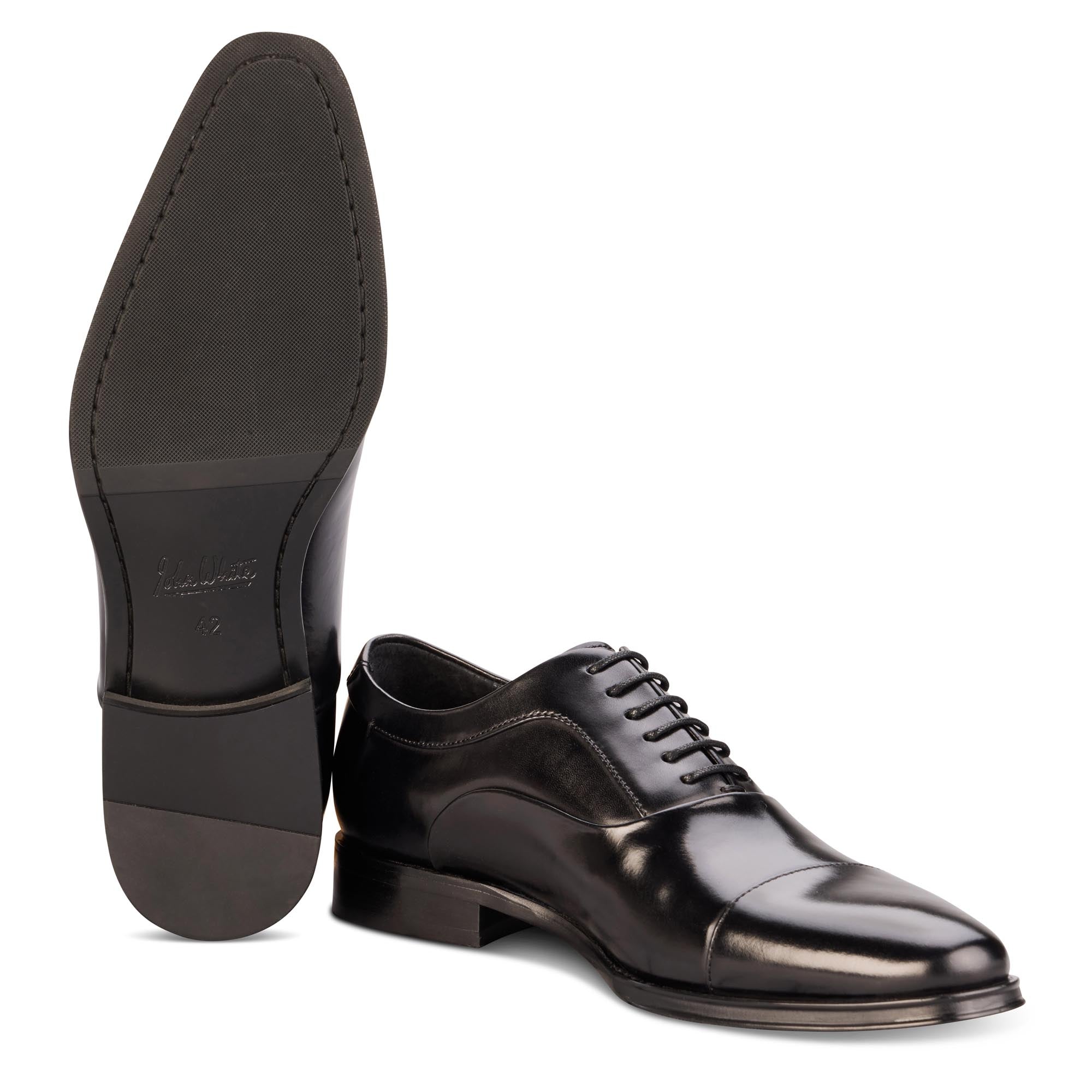
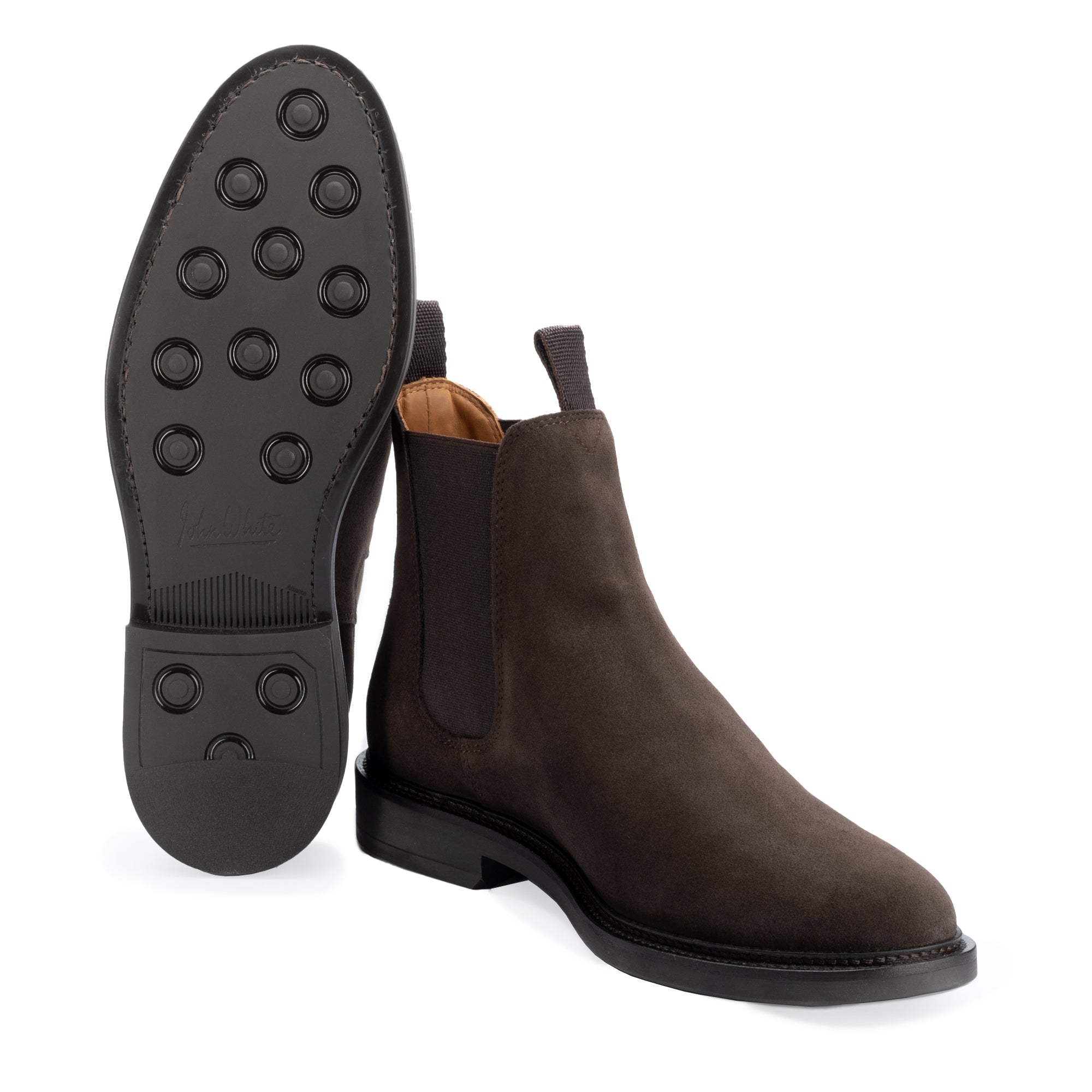
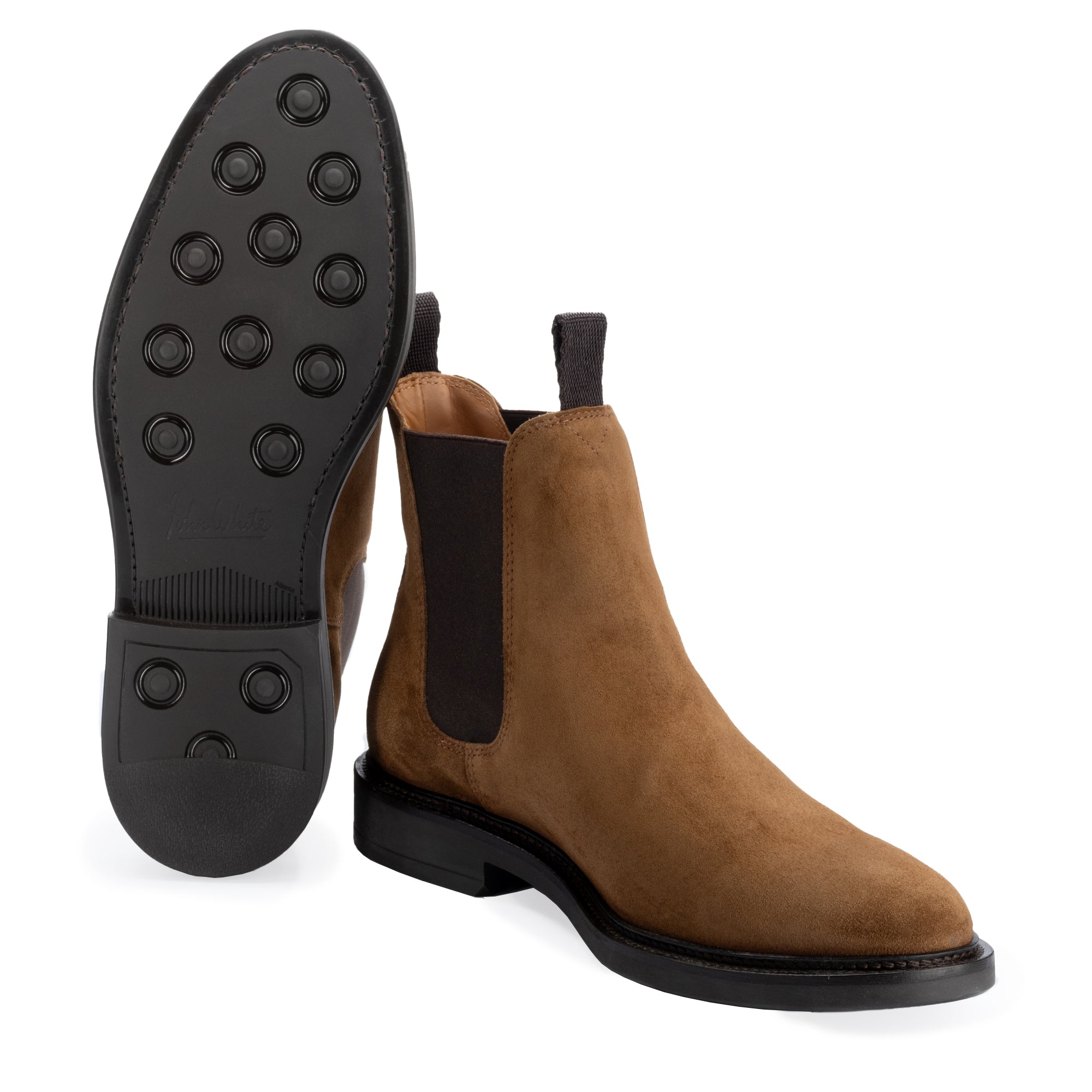
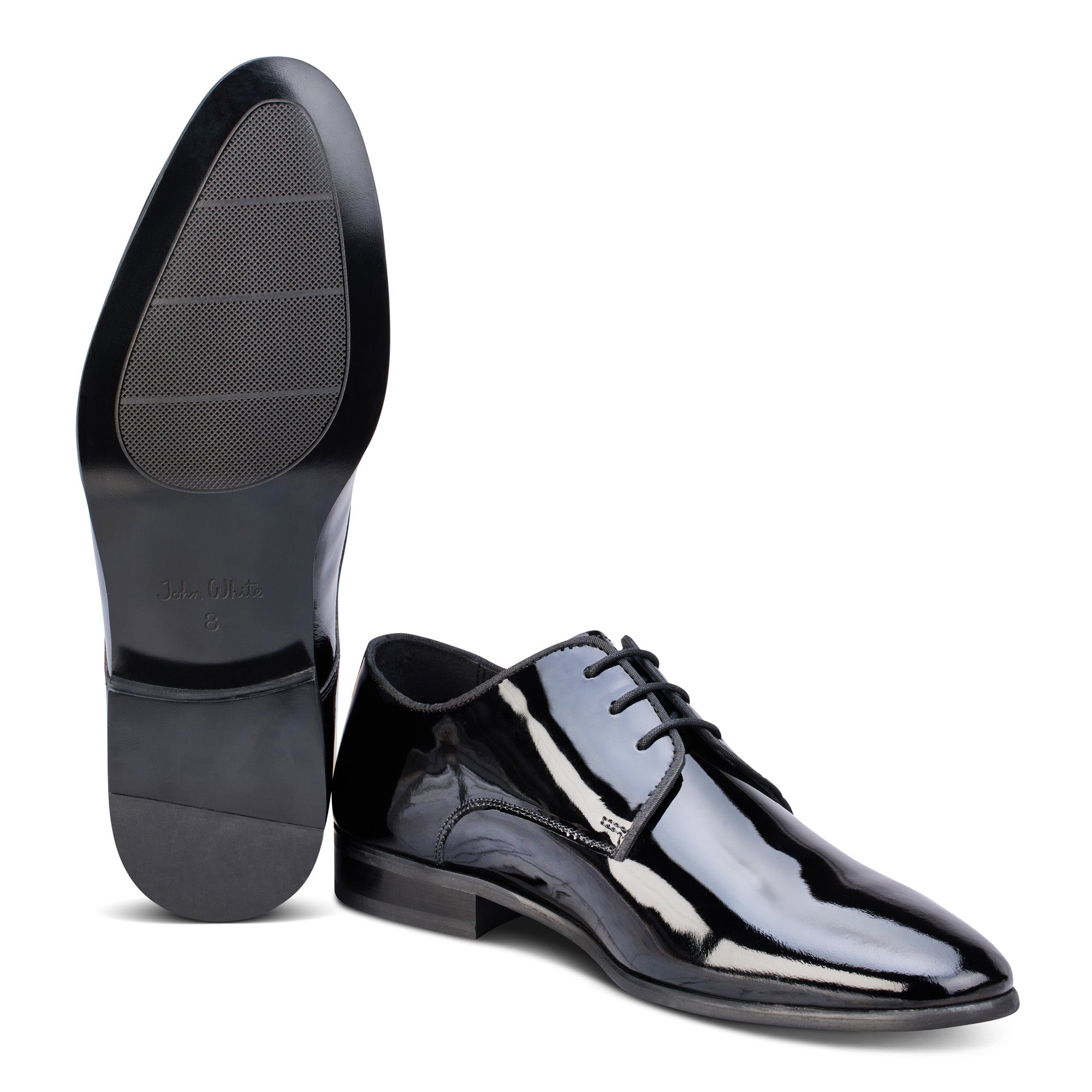
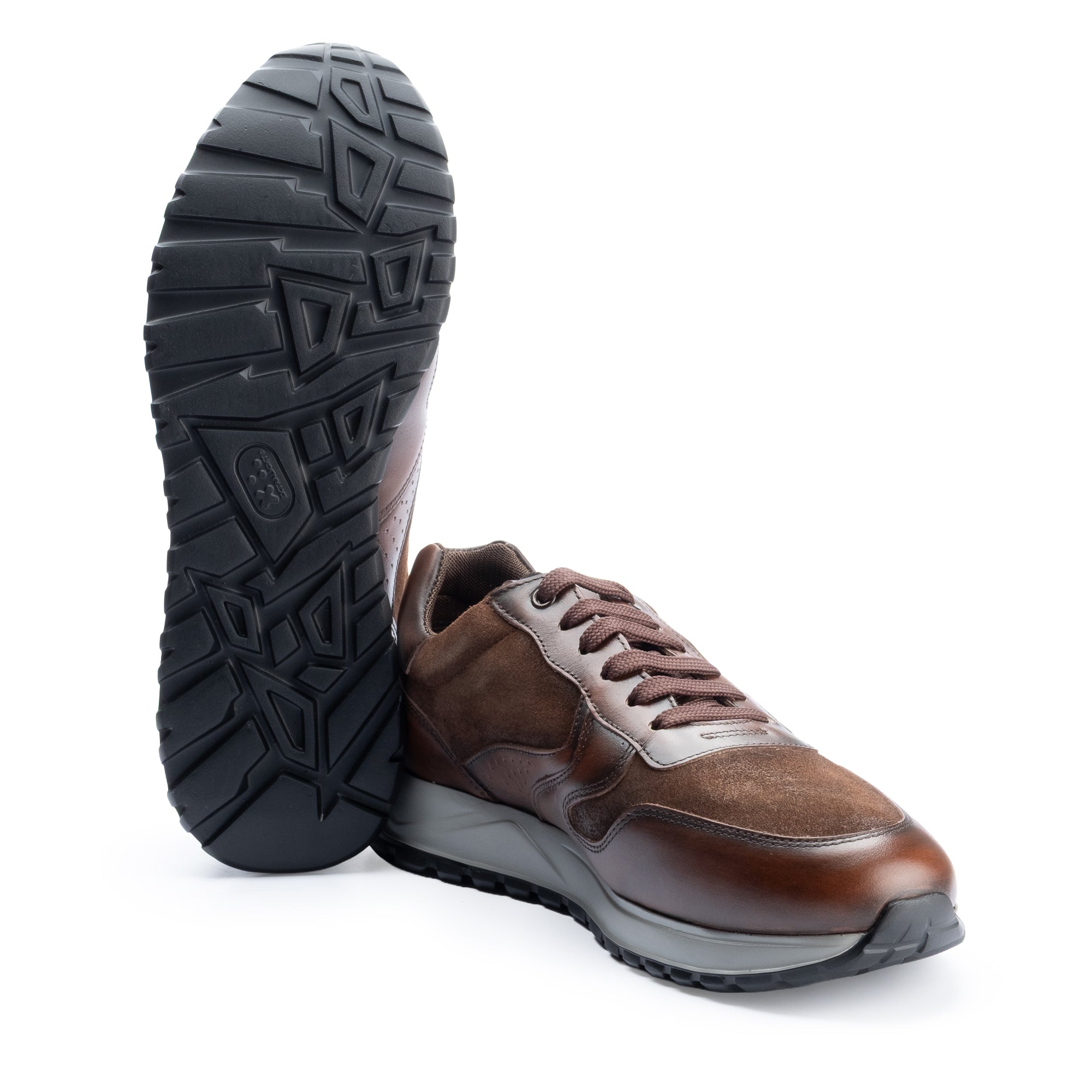
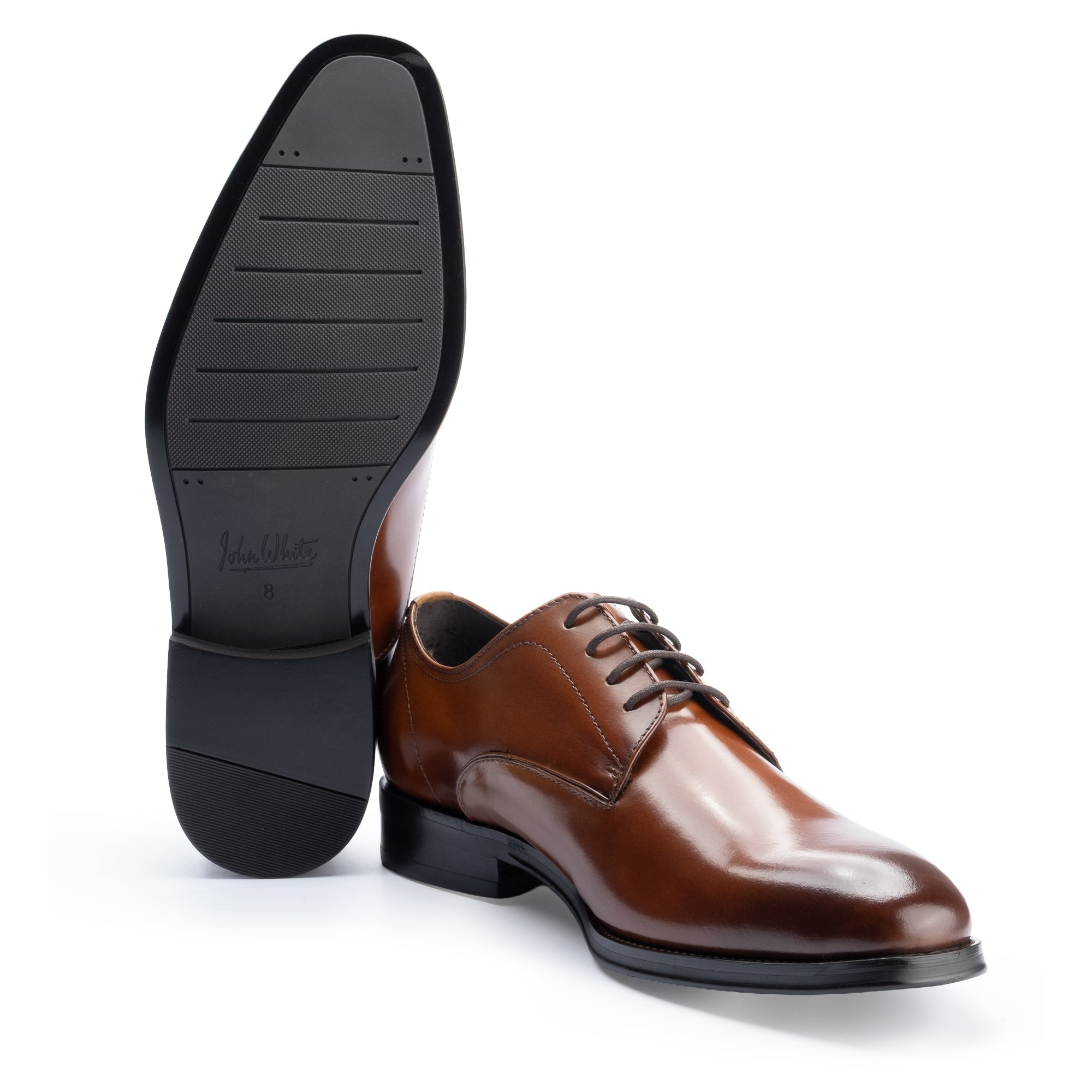
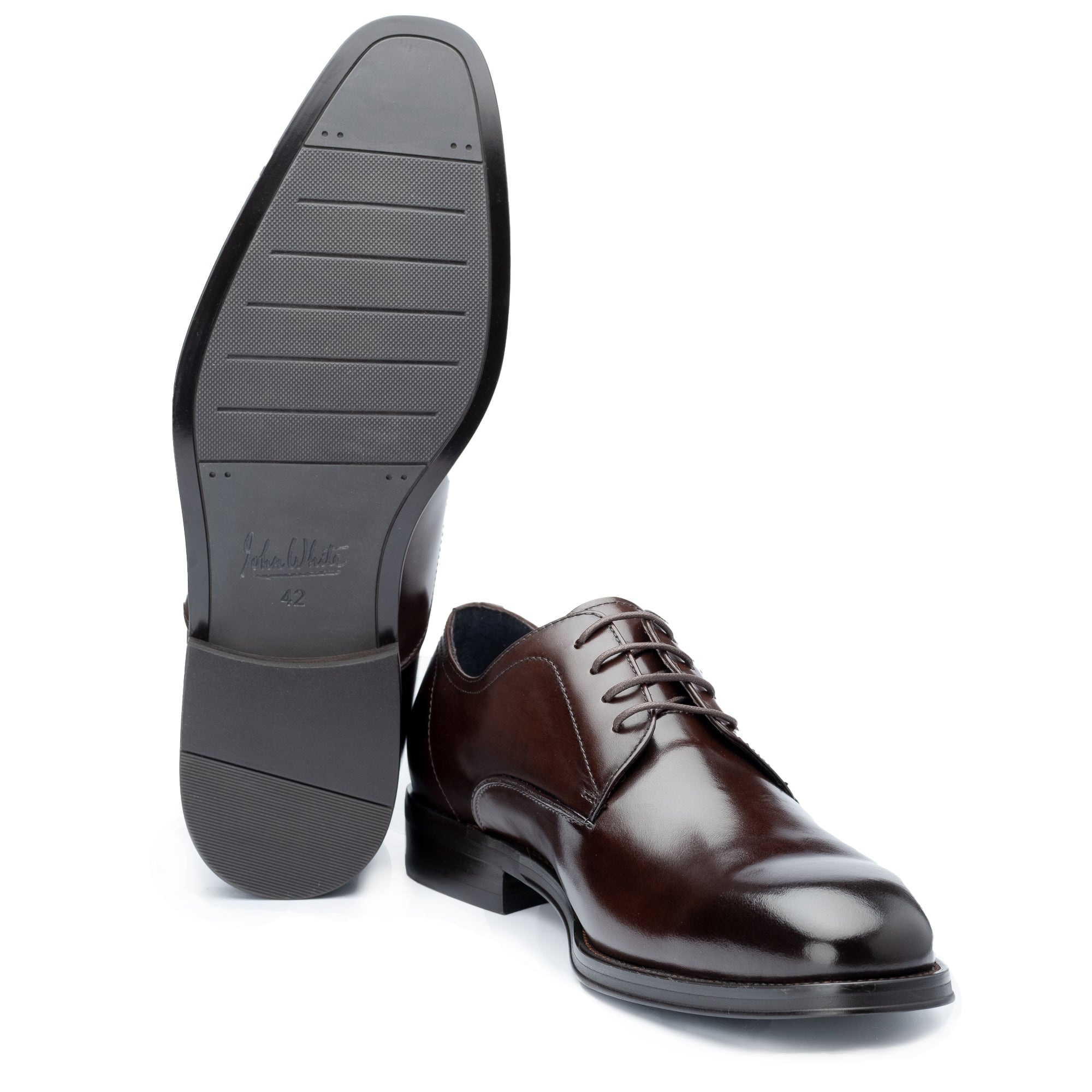
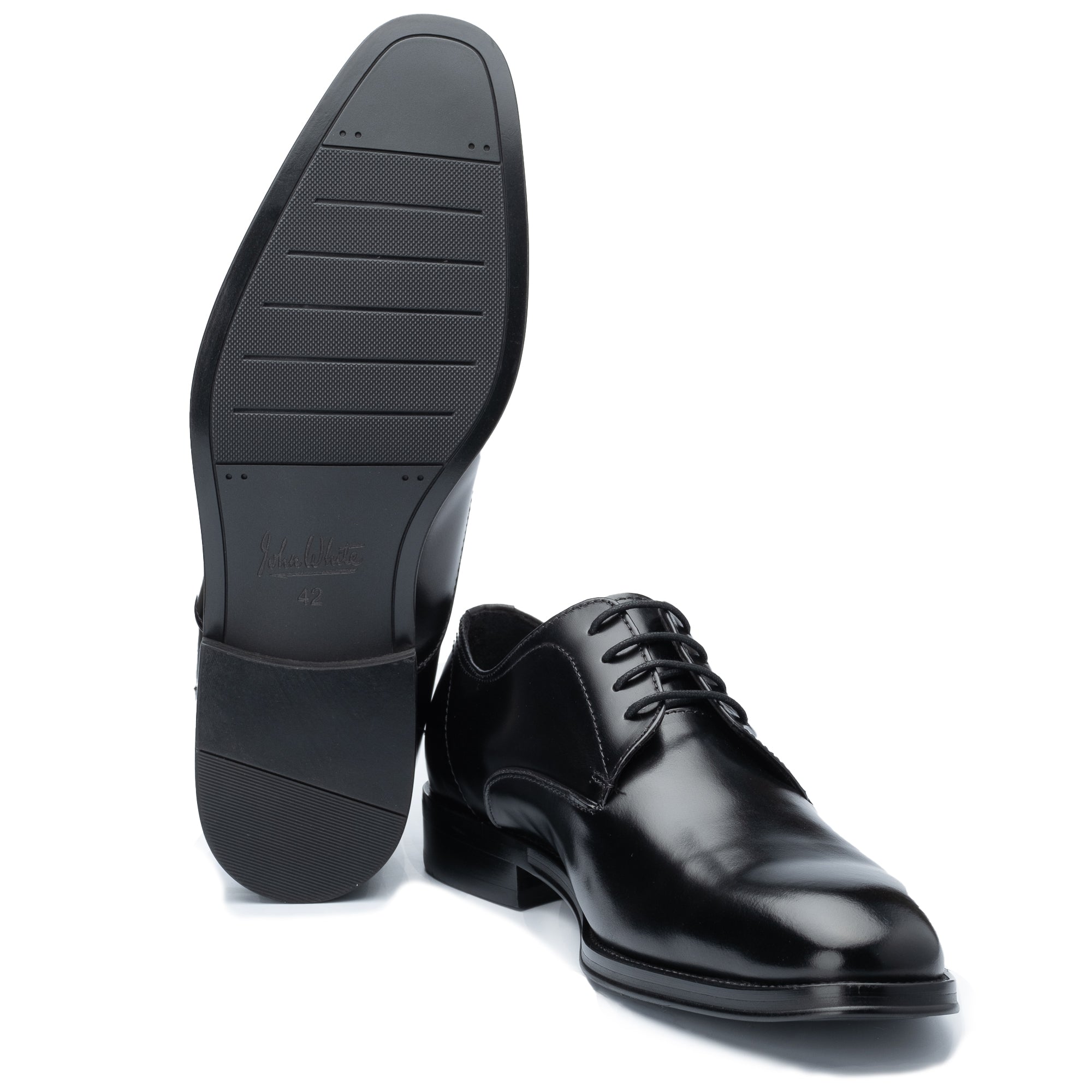
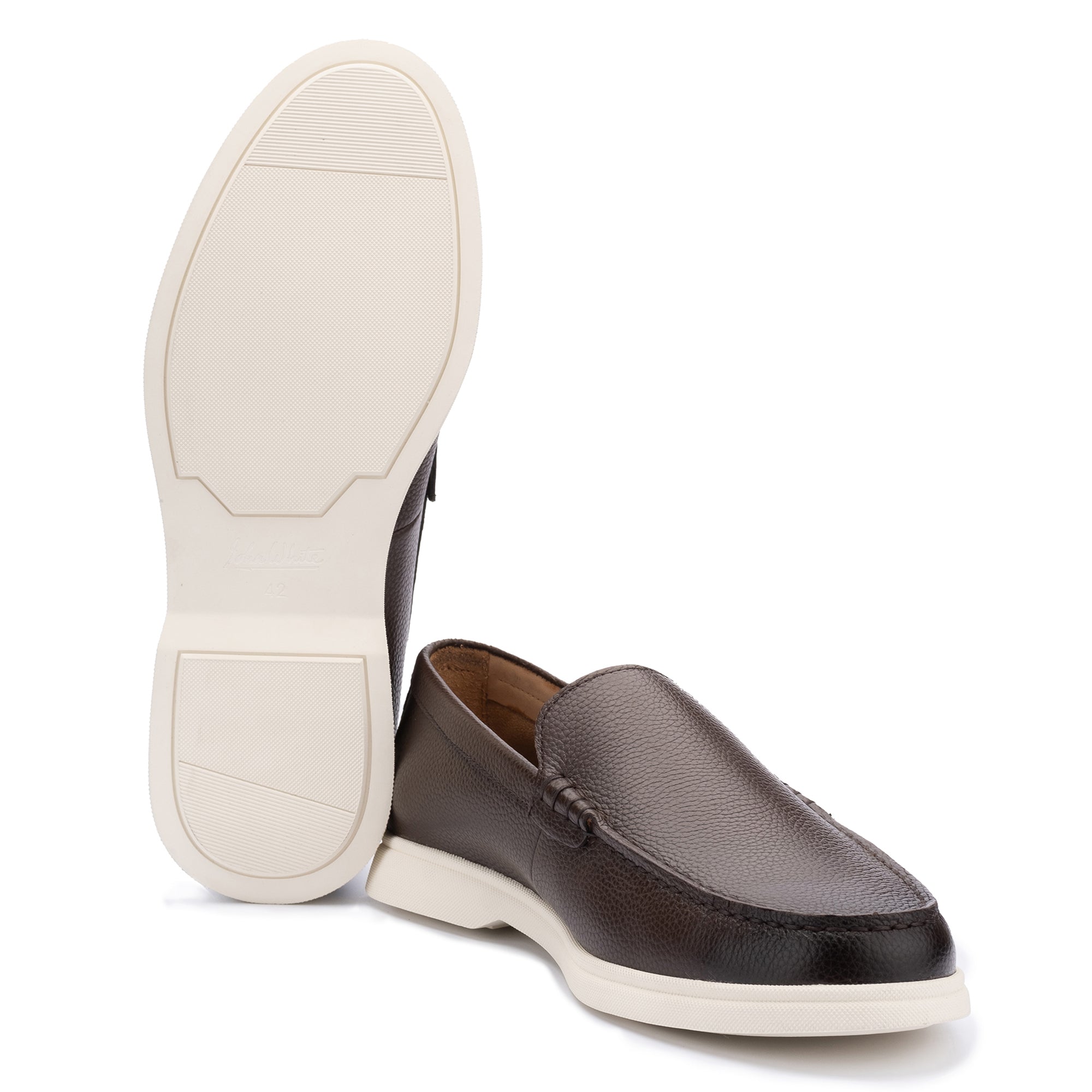
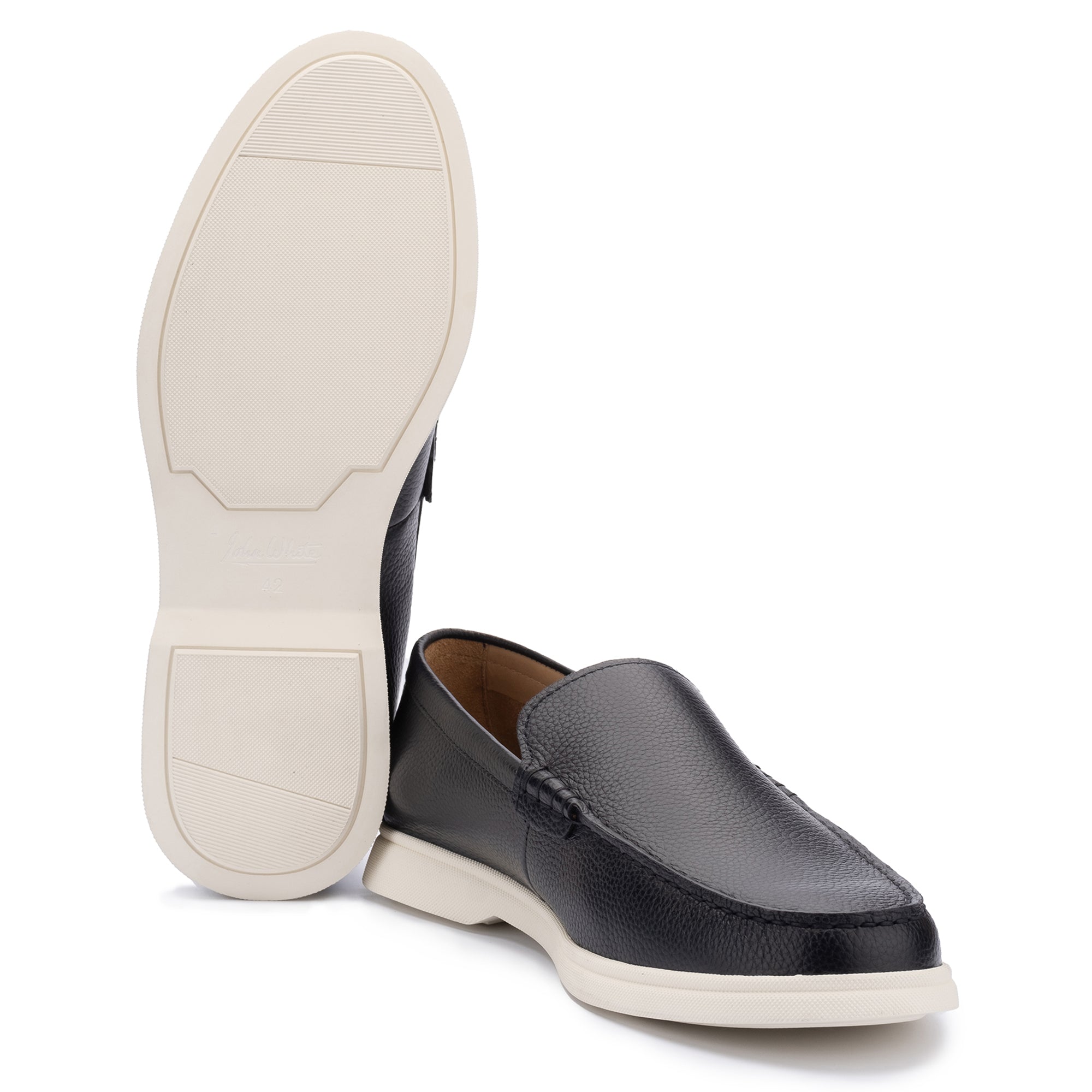
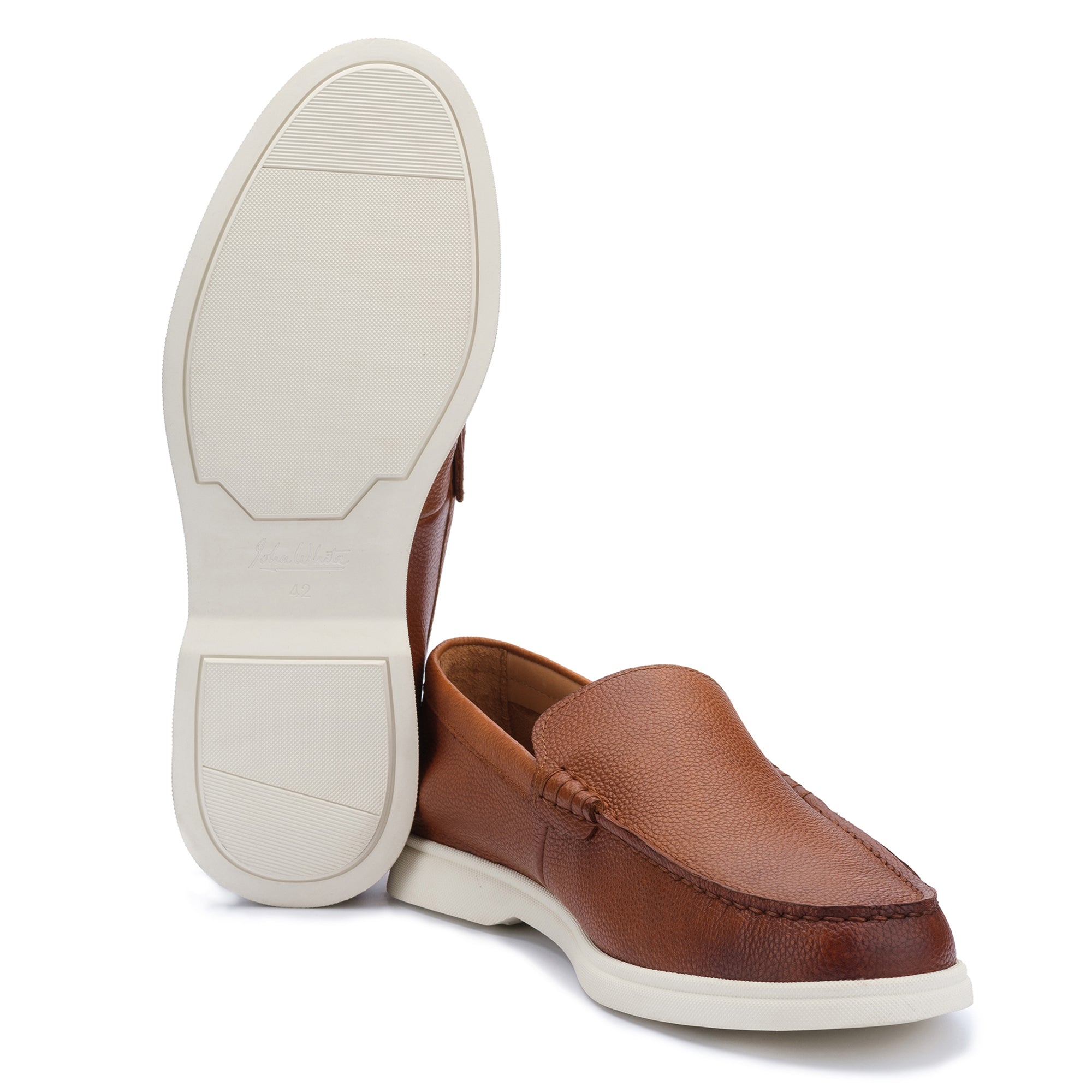
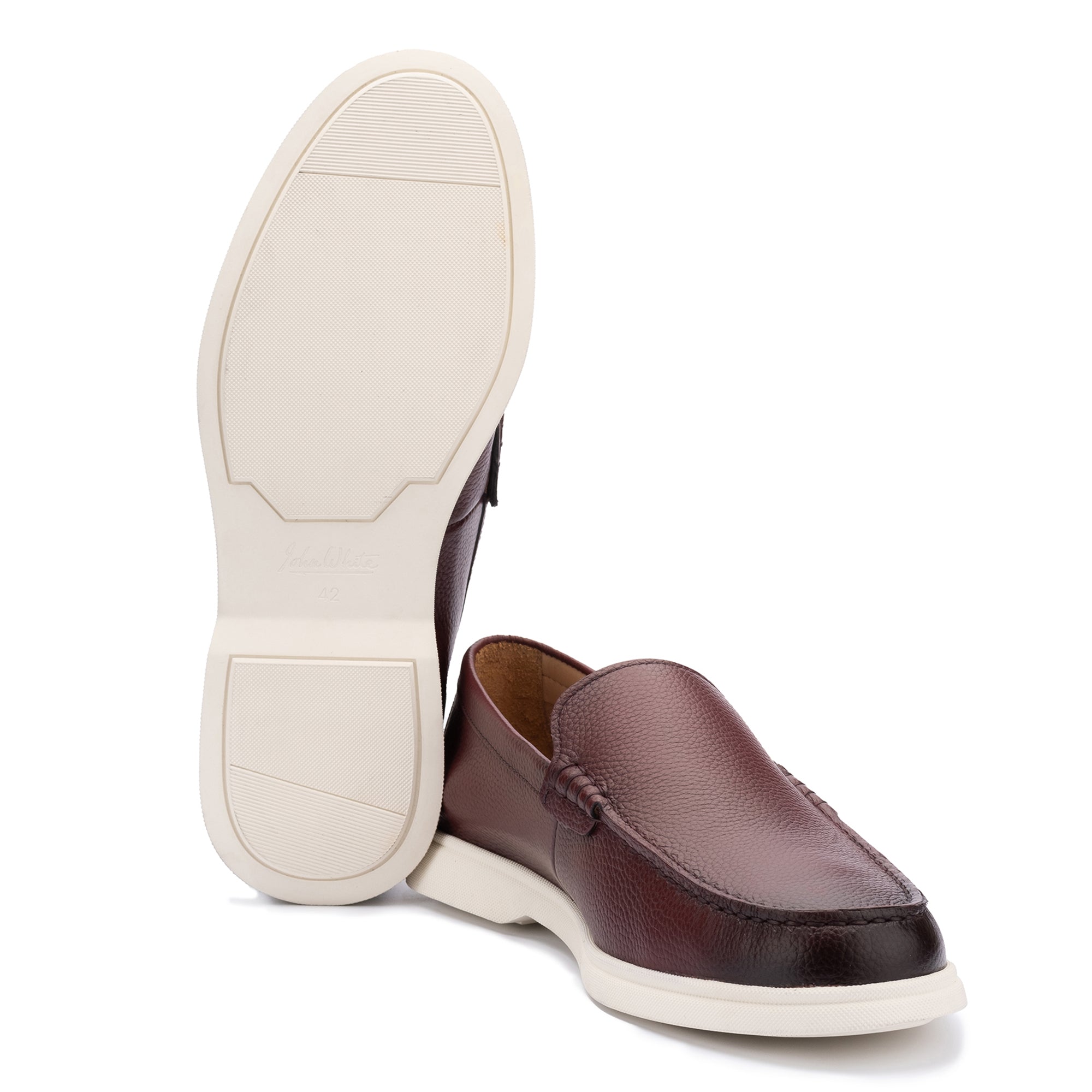
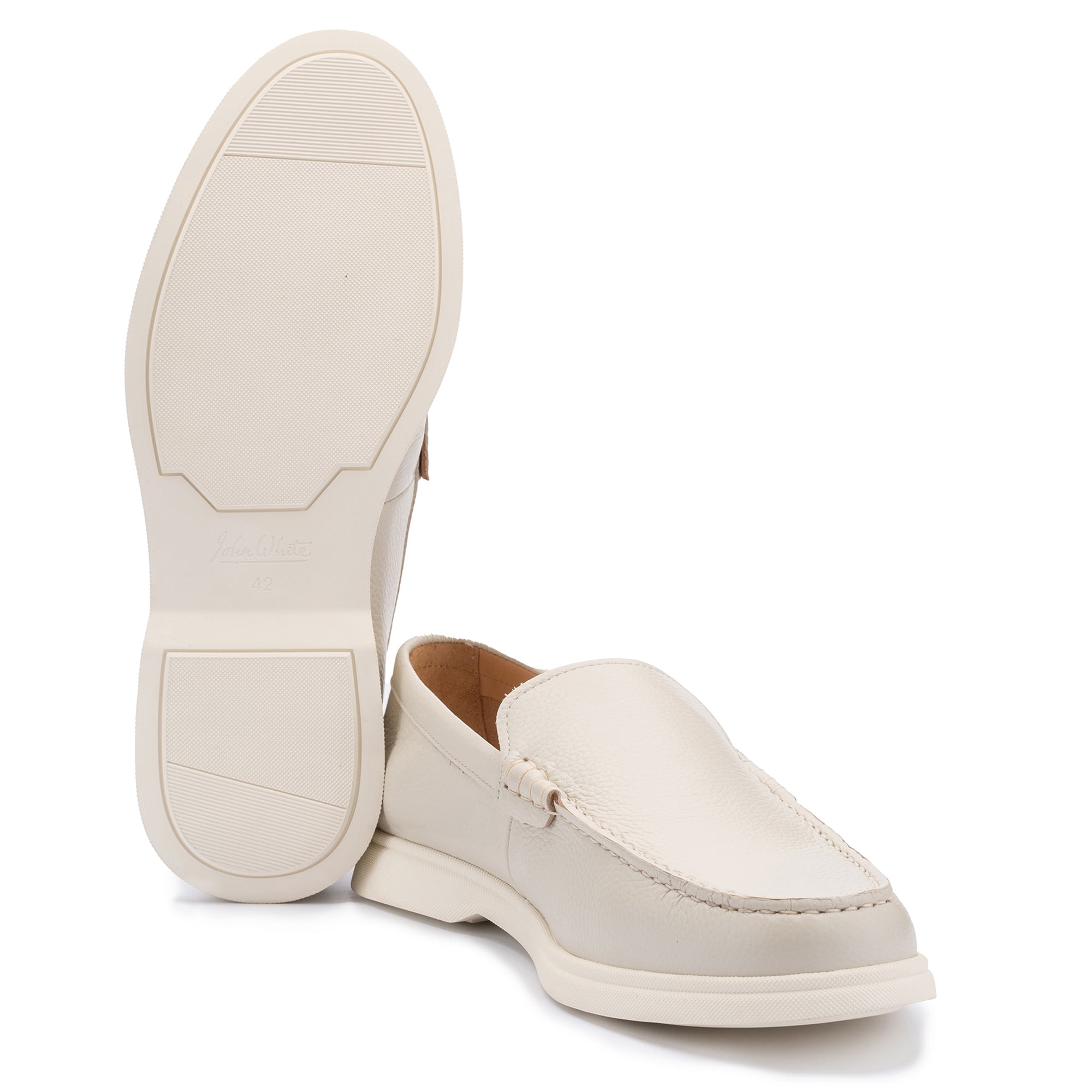
The outsole is what meets the pavement. Leather outsoles breathe and flex naturally; rubber outsoles offer superior traction and weather resistance. Many quality dress shoes use a leather outsole with a rubber heel tap — balancing the elegance of leather with the practicality of rubber where wear is heaviest.
The Heel
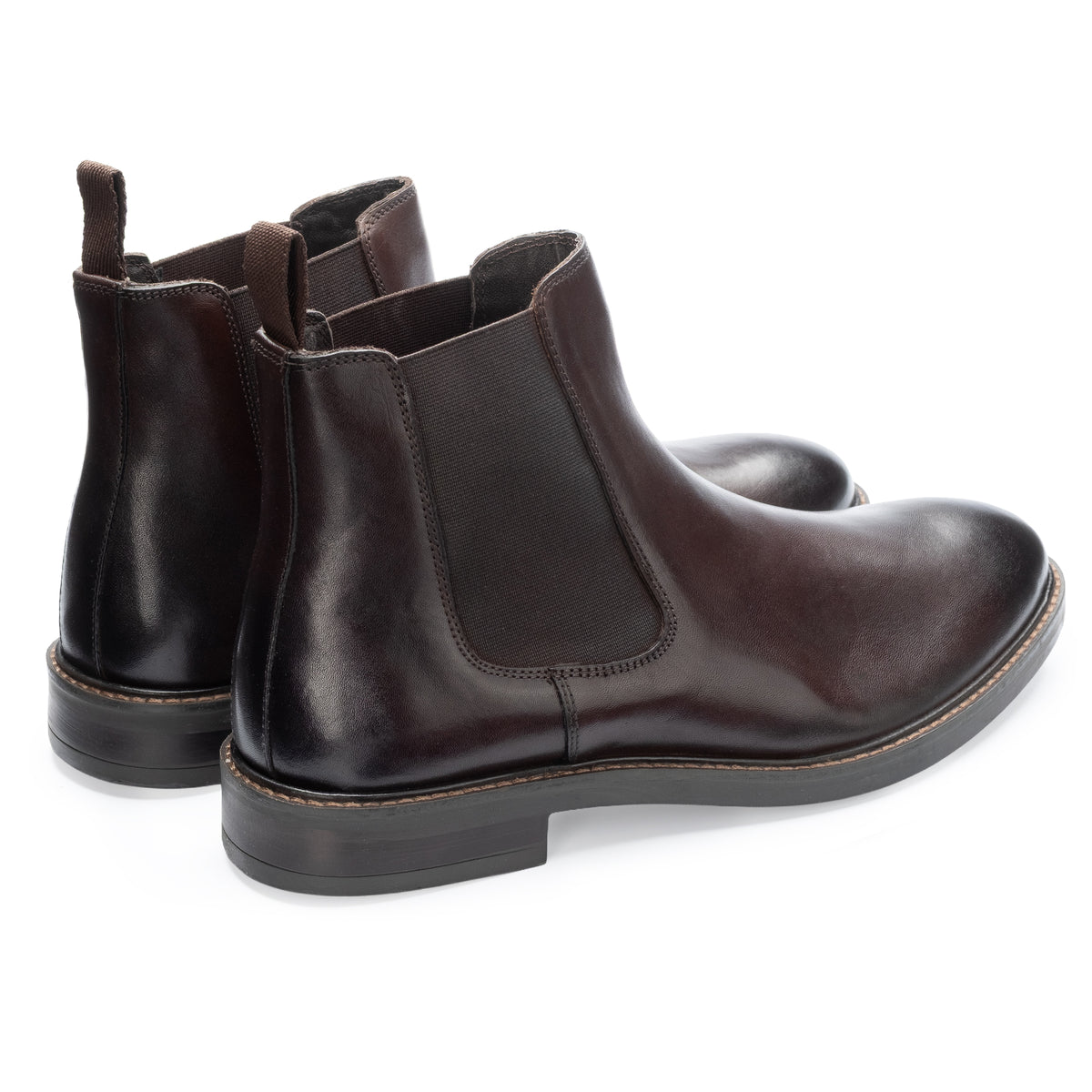
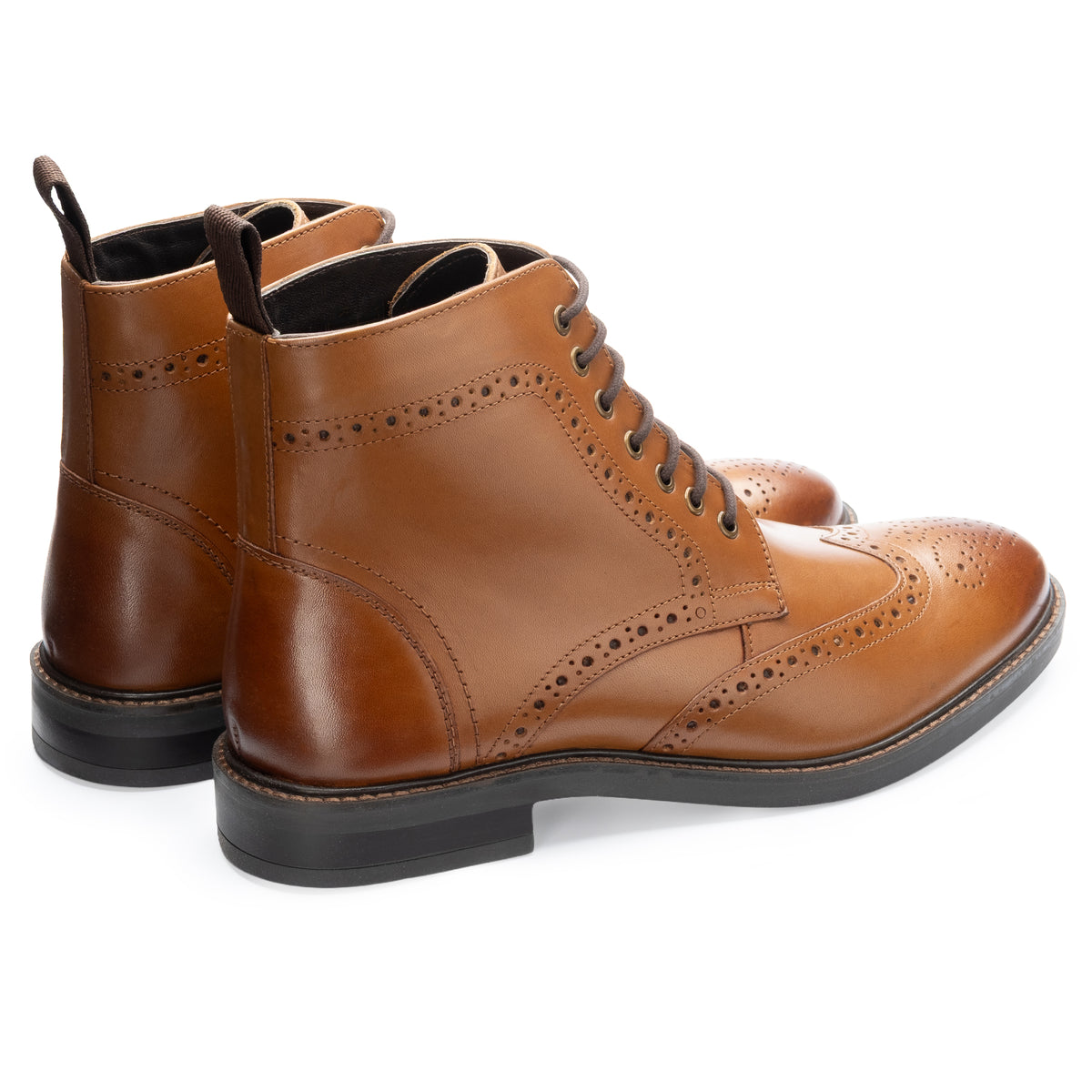
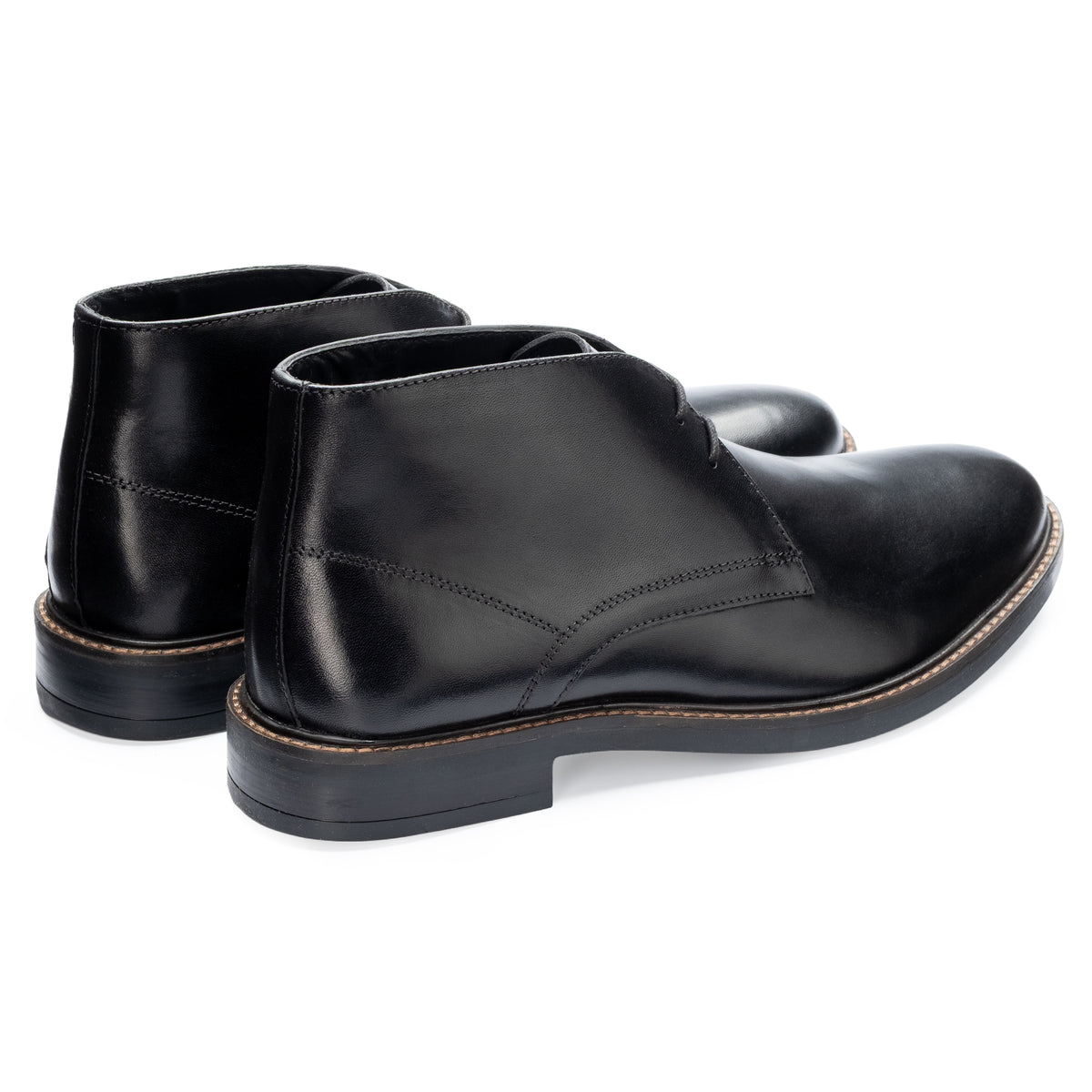
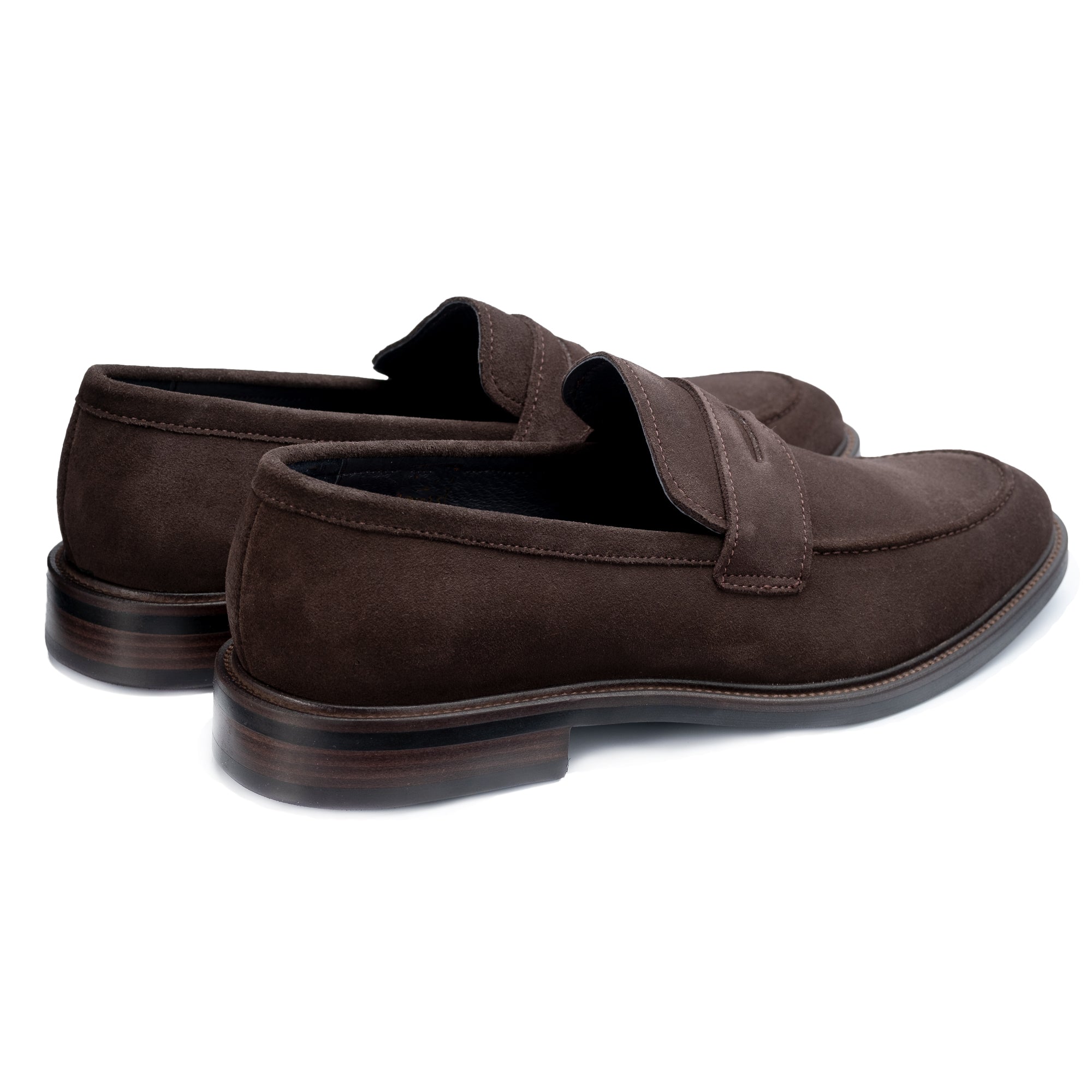
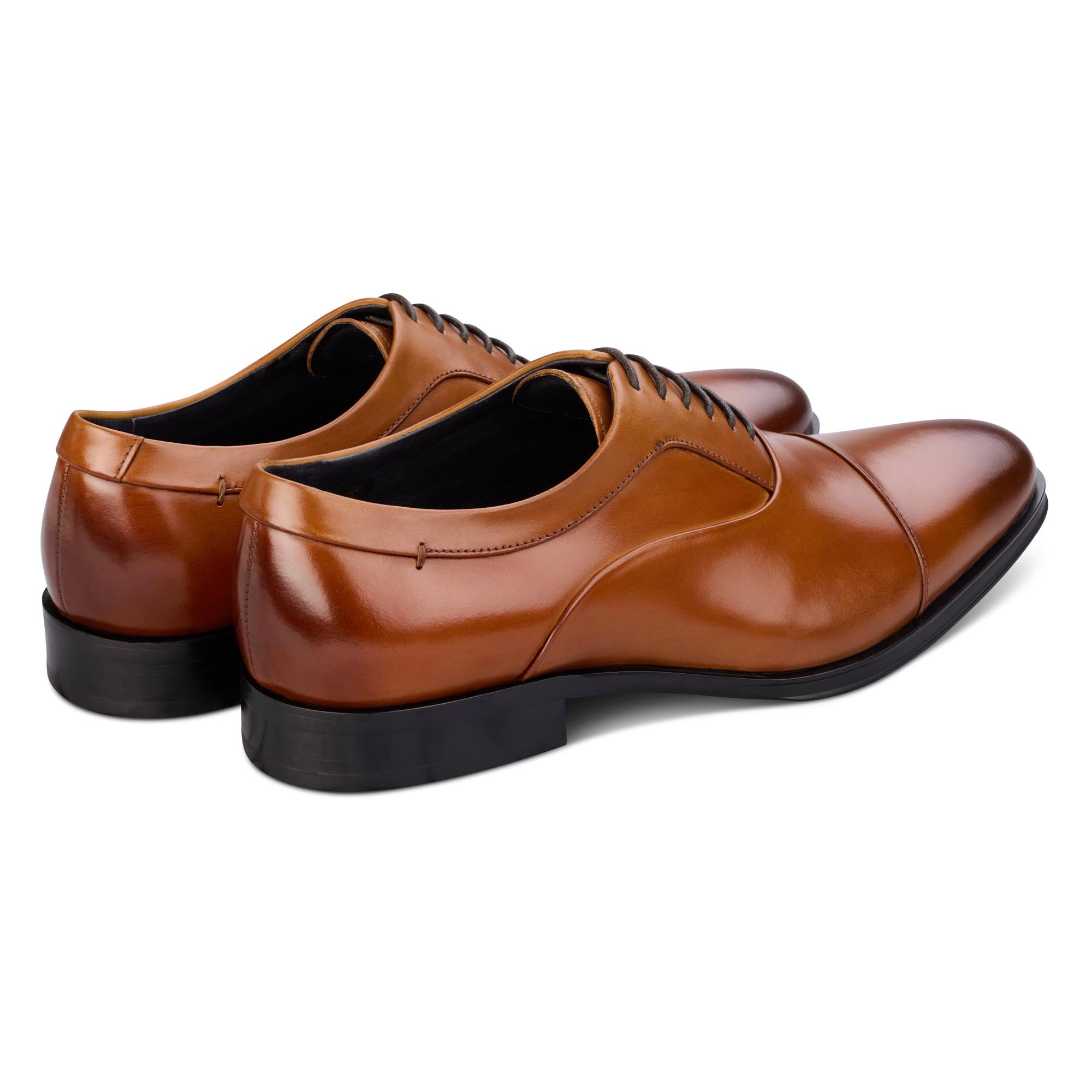
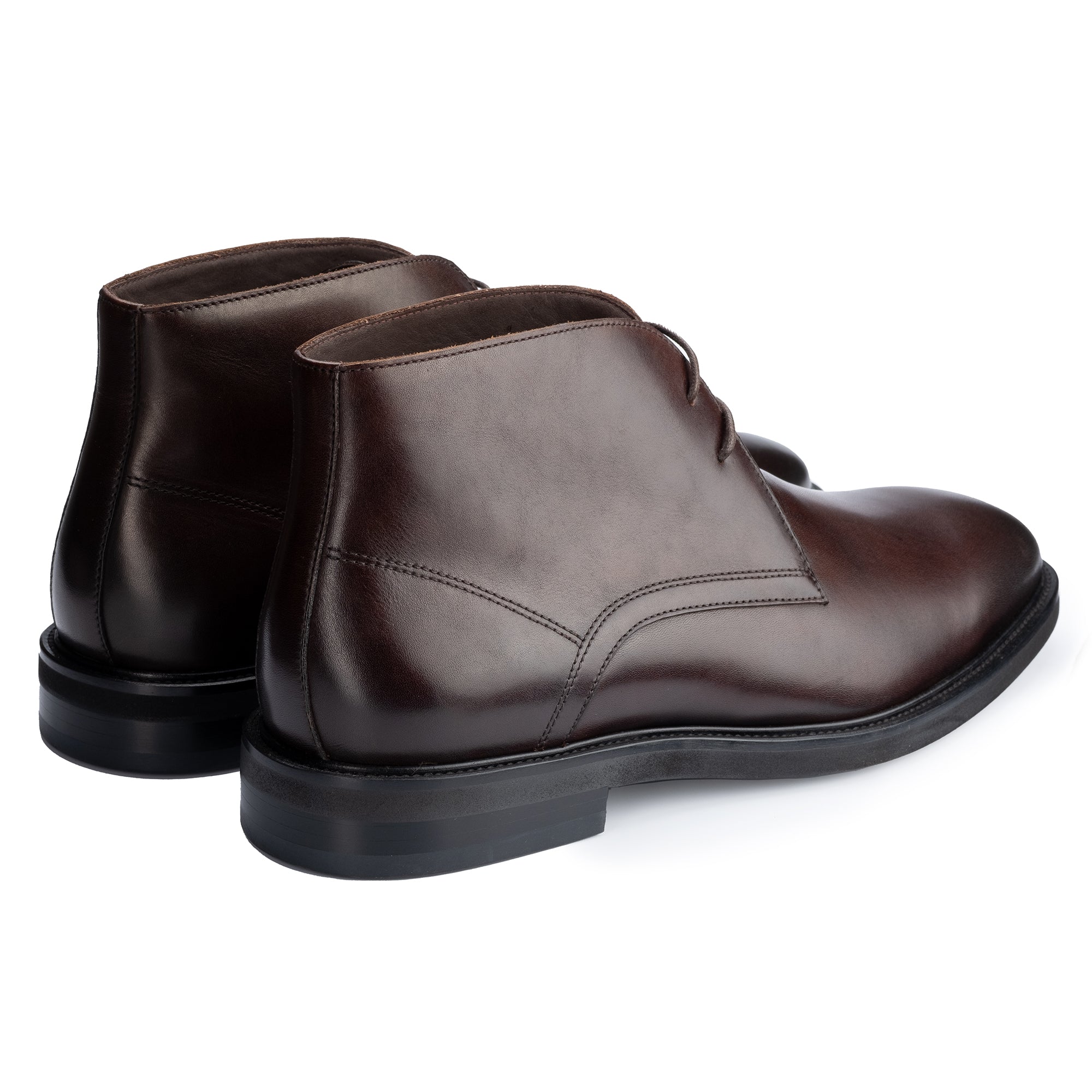
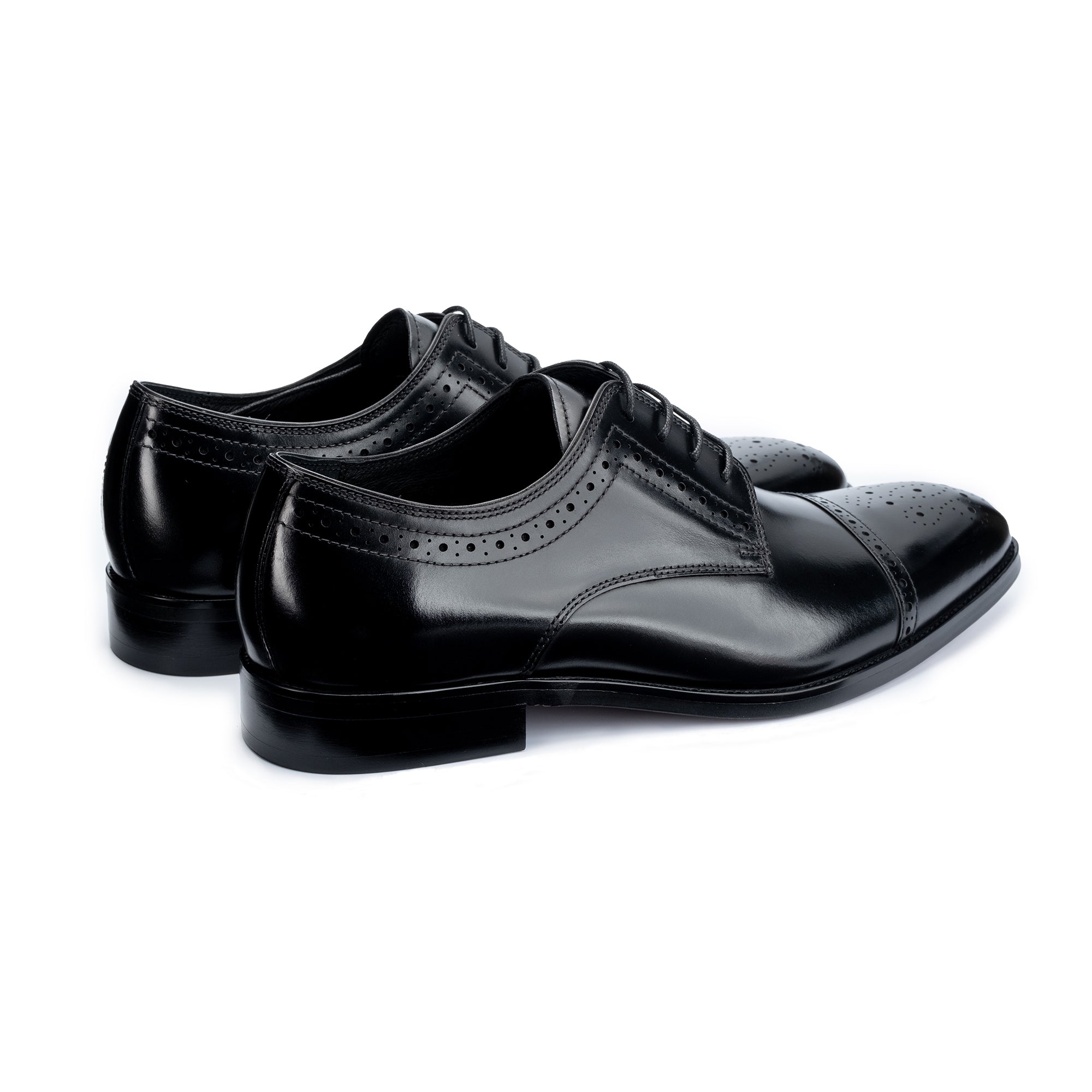
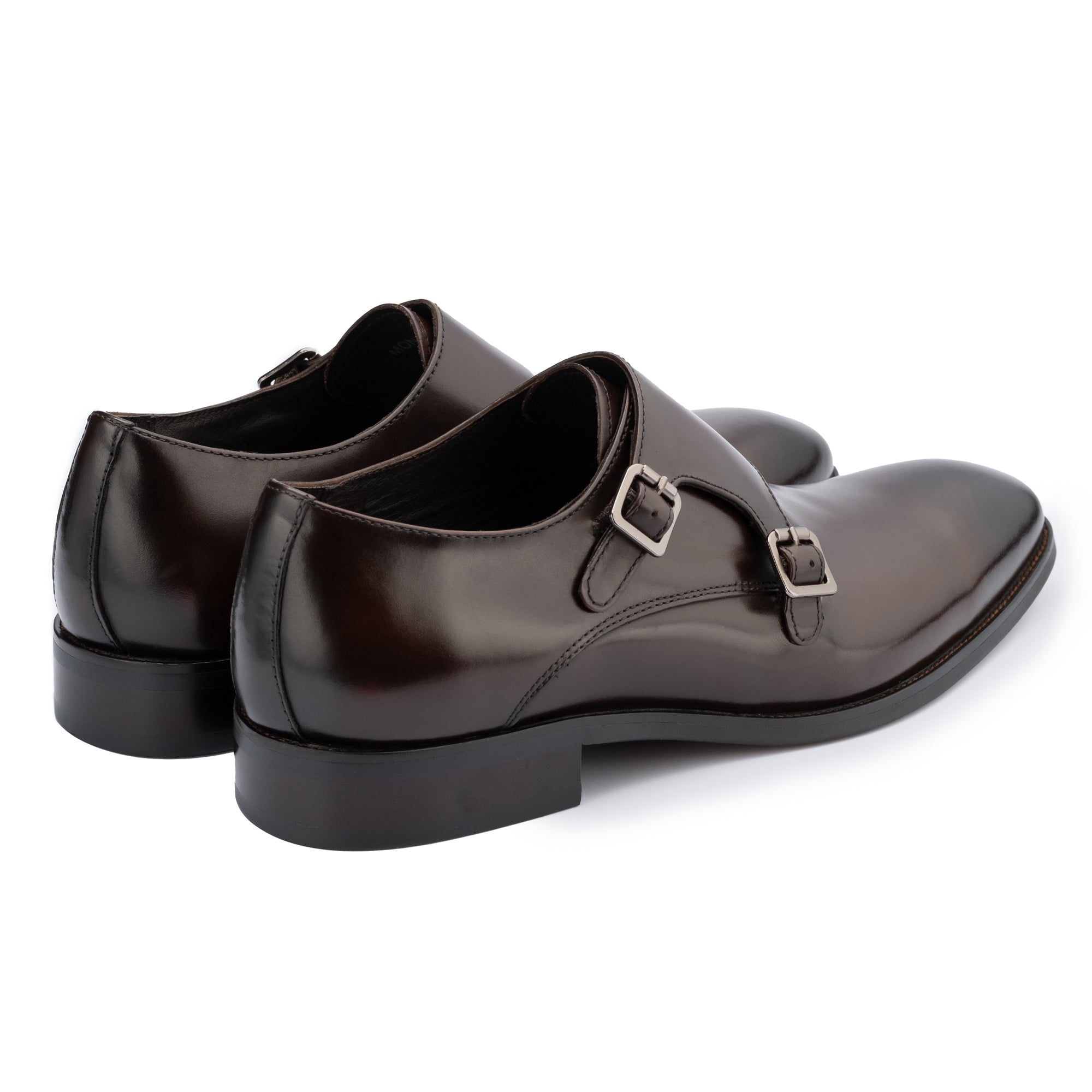
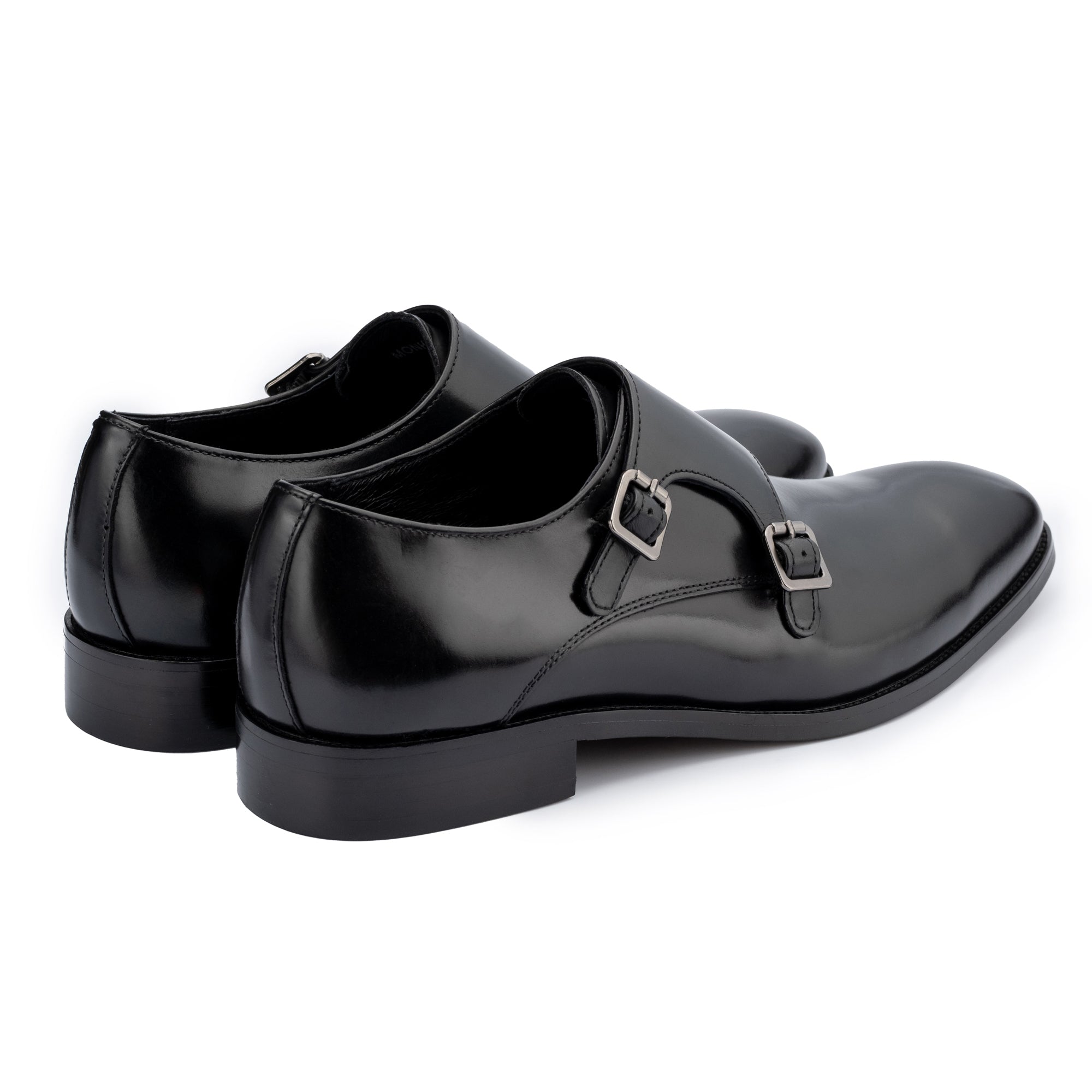
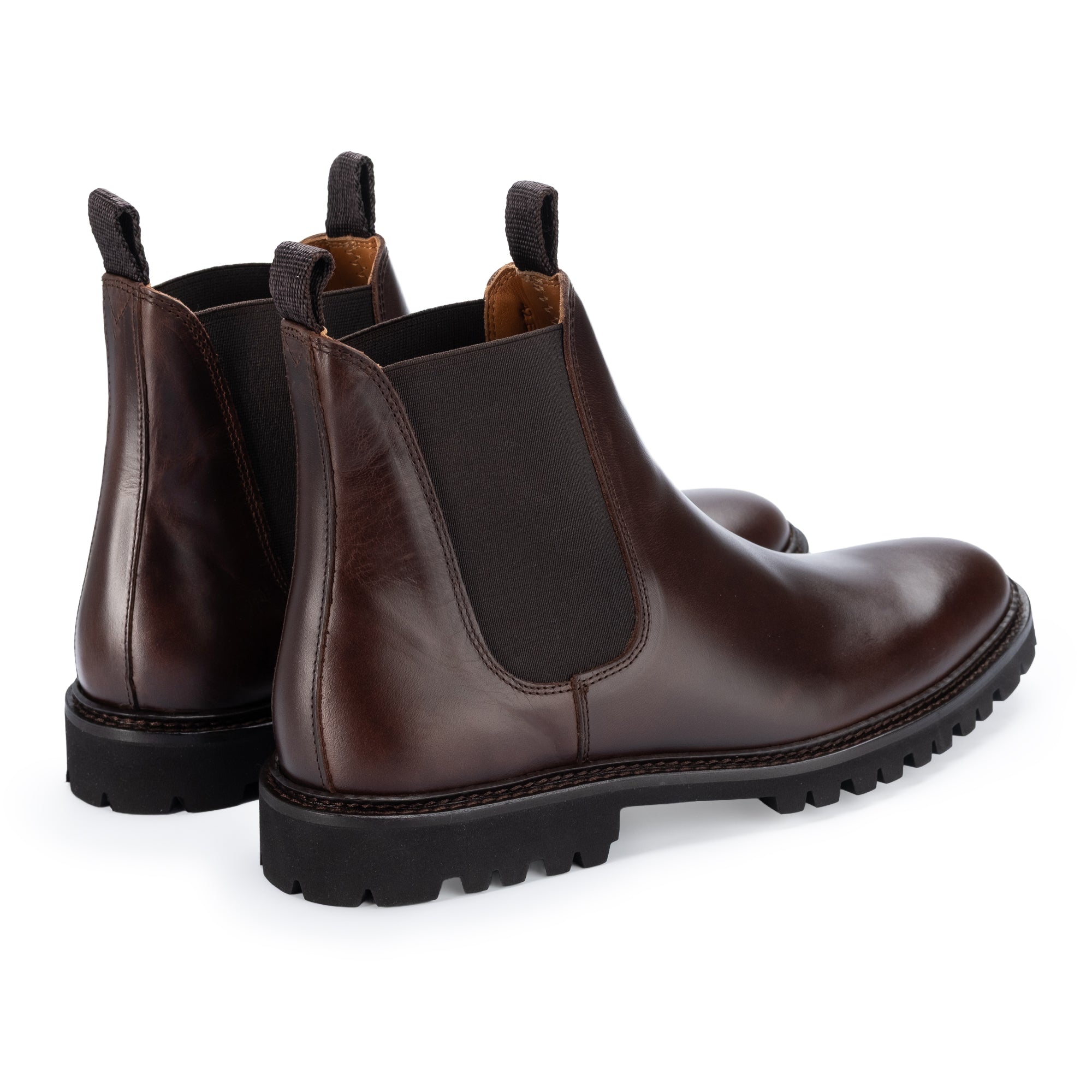
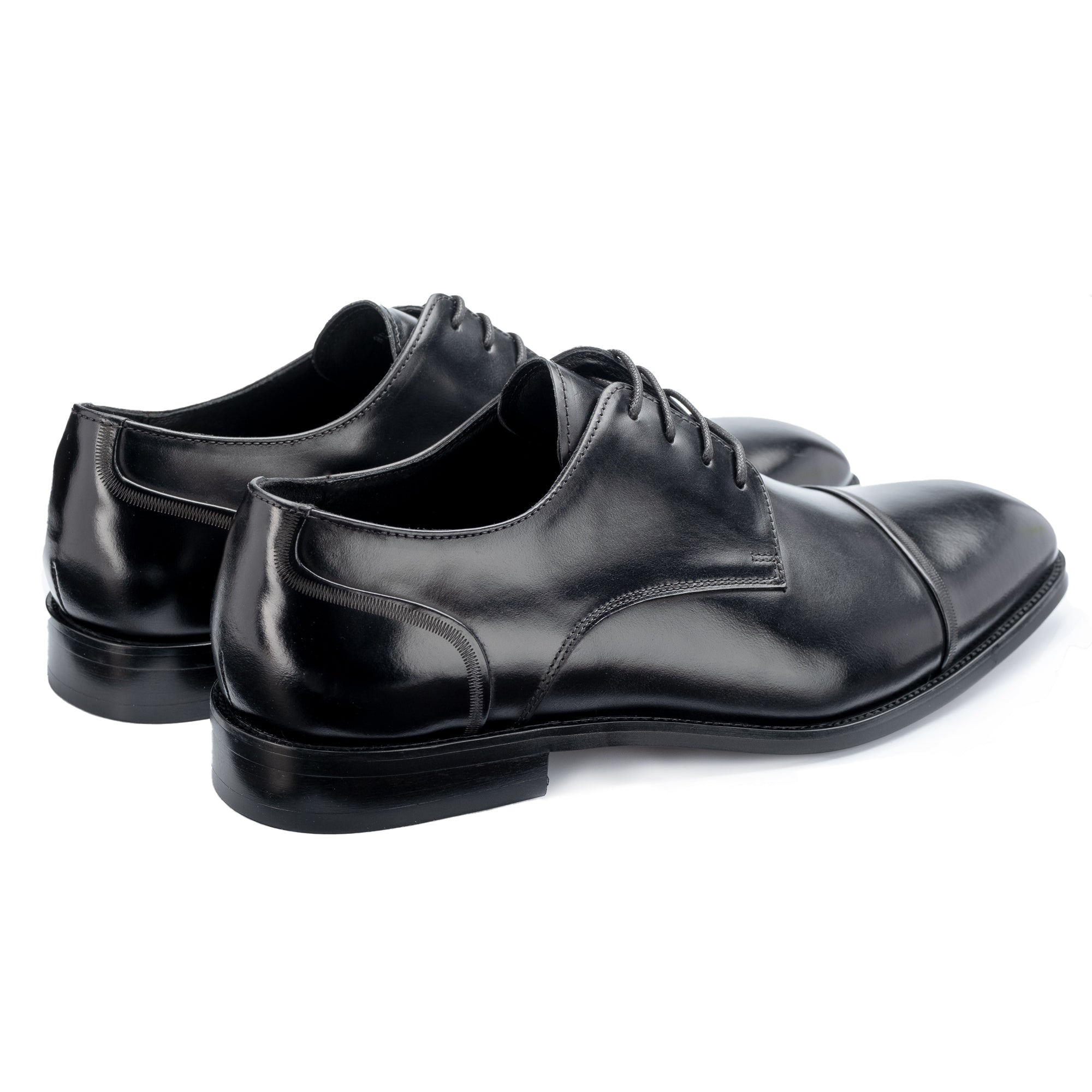
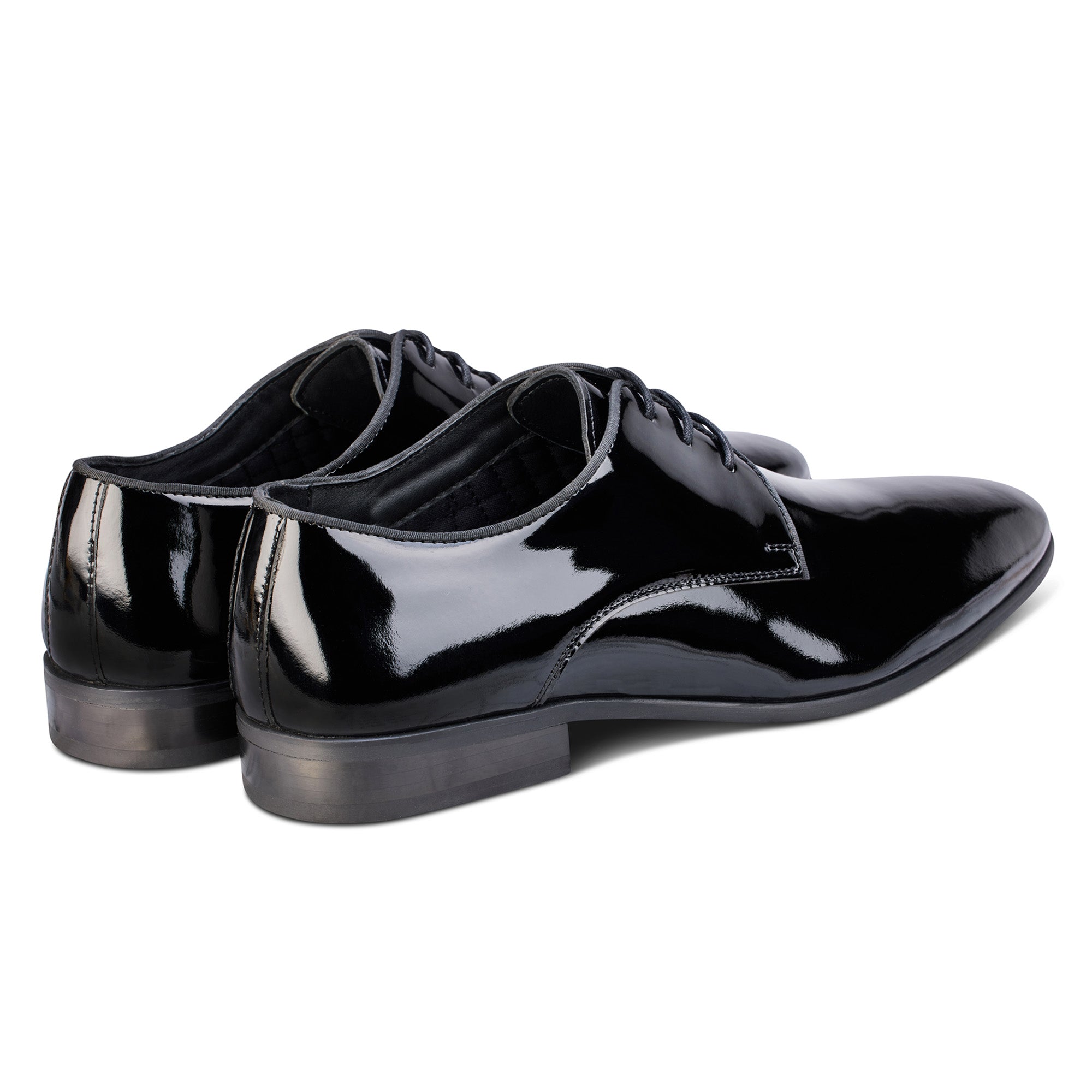
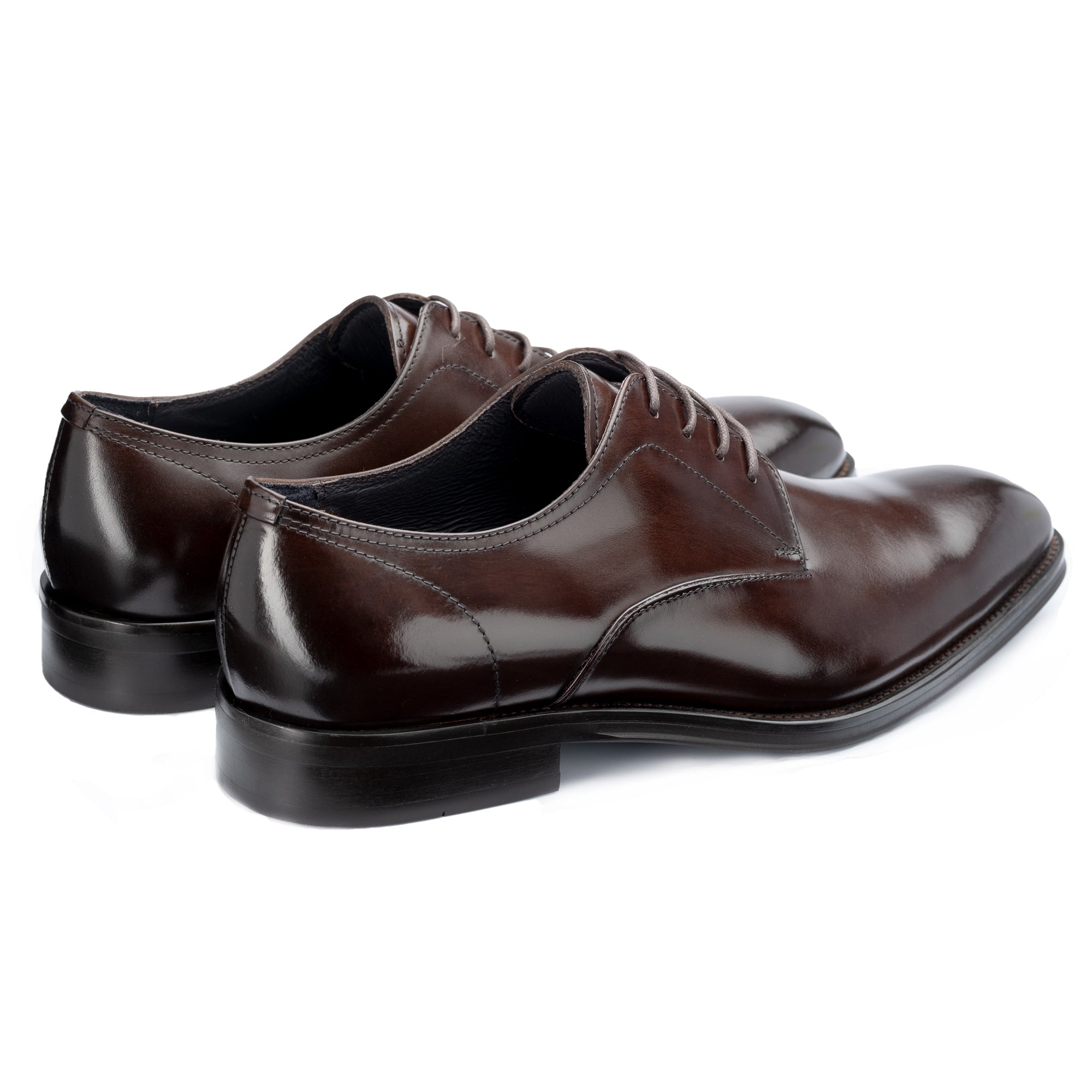
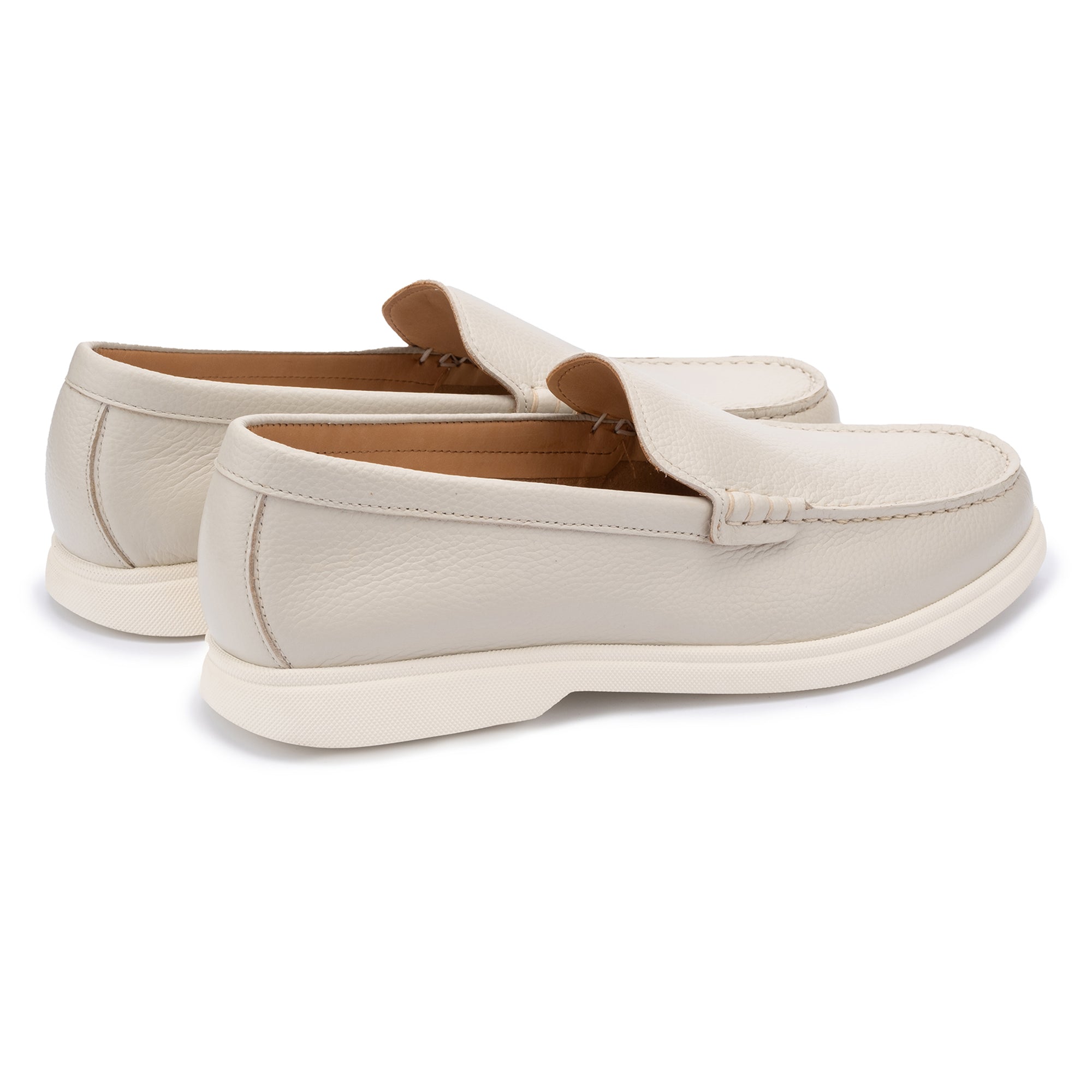
The heel provides lift, posture support, and visual proportion. Structurally, it's a layered stack of material, and its height and angle affect how the whole shoe sits on the foot. A heel even a few millimetres out of alignment throws the shoe's balance — visible in the way a worn heel leans inward or outward over time.
The Toe Box
The toe box defines the silhouette of the shoe. A structured toe box — reinforced with an internal stiffener — holds its shape through years of wear and polish. An unstructured one collapses within months. This is why two shoes that look identical new can look completely different after two years of wear.
A shoe's quality is the sum of all six components — not the leather alone, and not the price tag.What Is a Shoe Last and Why Does It Shape Everything?
A last is a three-dimensional, foot-shaped form around which the upper is stretched, moulded, and set. Every design decision — toe shape, width fitting, heel pitch, instep height — originates with the last. Different lasts produce fundamentally different shoes: a narrow, elongated last yields the sleek profile of a formal Oxford; a rounder, fuller last produces the more forgiving silhouette of a Derby or loafer.
The last is why two pairs of leather dress shoes in the same size can feel entirely different on the foot. It's the invisible author of every shoe's fit and character. Brands that take fit seriously specify their lasts with considerable precision — it's one of the design decisions that most directly affects the wearer.
John White Shoes, established in Northamptonshire in 1919 and continuing to curate and source premium footwear today, specifies lasts that balance contemporary fit expectations with the proportions of traditional British dress shoe design. Browse the men's shoes collection to see how different last shapes express across Oxford, Derby, and brogue silhouettes.
The last is the single design variable that most determines how a shoe fits — more than size, more than width, more than leather grade.What Is the Difference Between Cemented and Goodyear-Welted Construction?
Shoe construction refers to the method used to attach the upper to the sole. It's the area where marketing language is often loosest and buyer confusion is highest. The two dominant methods for men's dress shoes are cemented construction and Goodyear-welted construction — and neither is categorically superior.
| Feature | Cemented Construction | Goodyear-Welted Construction |
|---|---|---|
| Method | Upper bonded to sole with industrial adhesive | Upper stitched to a welt strip; welt then stitched to outsole |
| Repairability | Sole can be replaced; bond degrades over extended time | Outsole fully resoleable multiple times |
| Weight | Lighter | Heavier |
| Flexibility | Flexible from first wear | Requires a break-in period |
| Waterproofing | Less weather-resistant at the join | Welt provides a weather barrier |
| Who uses it | The majority of global dress shoe production | Specialist manufacturers — Barker, Church's, Loake, Grenson, Crockett & Jones |
Cemented construction dominates modern dress shoe production globally. It produces a lighter, more flexible shoe that's comfortable from the first wear. The assumption that cemented means inferior is a myth — a well-constructed cemented shoe built from full-grain leather on a precise last will outlast a welted shoe built from poor components every time.
According to the Society of Master Shoe Repairers, sole replacement is one of the most common repair services performed on leather dress shoes across both construction types. Quality cemented shoes can be successfully resoled, significantly extending their useful life.
The Northamptonshire shoemaking tradition — the industry John White was born into in 1919 — gave the world some of its finest Goodyear-welted work. That tradition informs how John White Shoes curates its range: an understanding of construction quality, applied to selecting shoes built to last.
Construction method matters less than component quality — a cemented shoe built from full-grain leather on a well-designed last will outlast a welted shoe built from inferior materials.What Leather Grade Should You Look For in a Quality Upper?
The global leather industry produces several distinct grades, and the grade used in a shoe's upper determines almost everything about its long-term appearance and performance.
- Full-grain leather — the natural hide surface intact, tightest fibres at the surface, most resistant to moisture and wear. Develops a patina — the characteristic deepening tone that comes with polish and age — that makes full-grain shoes actively improve over time.
- Top-grain leather — sanded and uniformly finished. More consistent in appearance but less breathable and patina-resistant than full-grain.
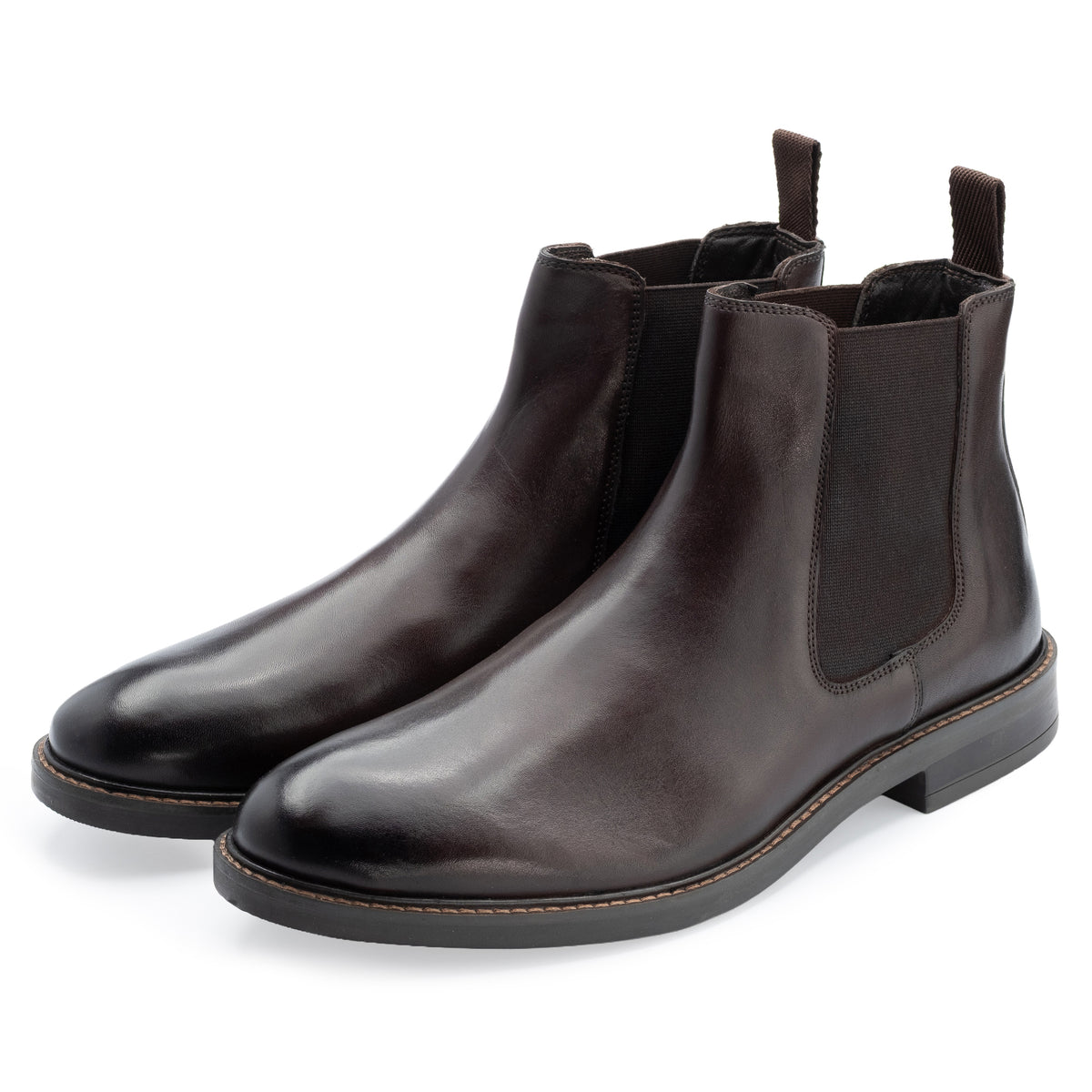
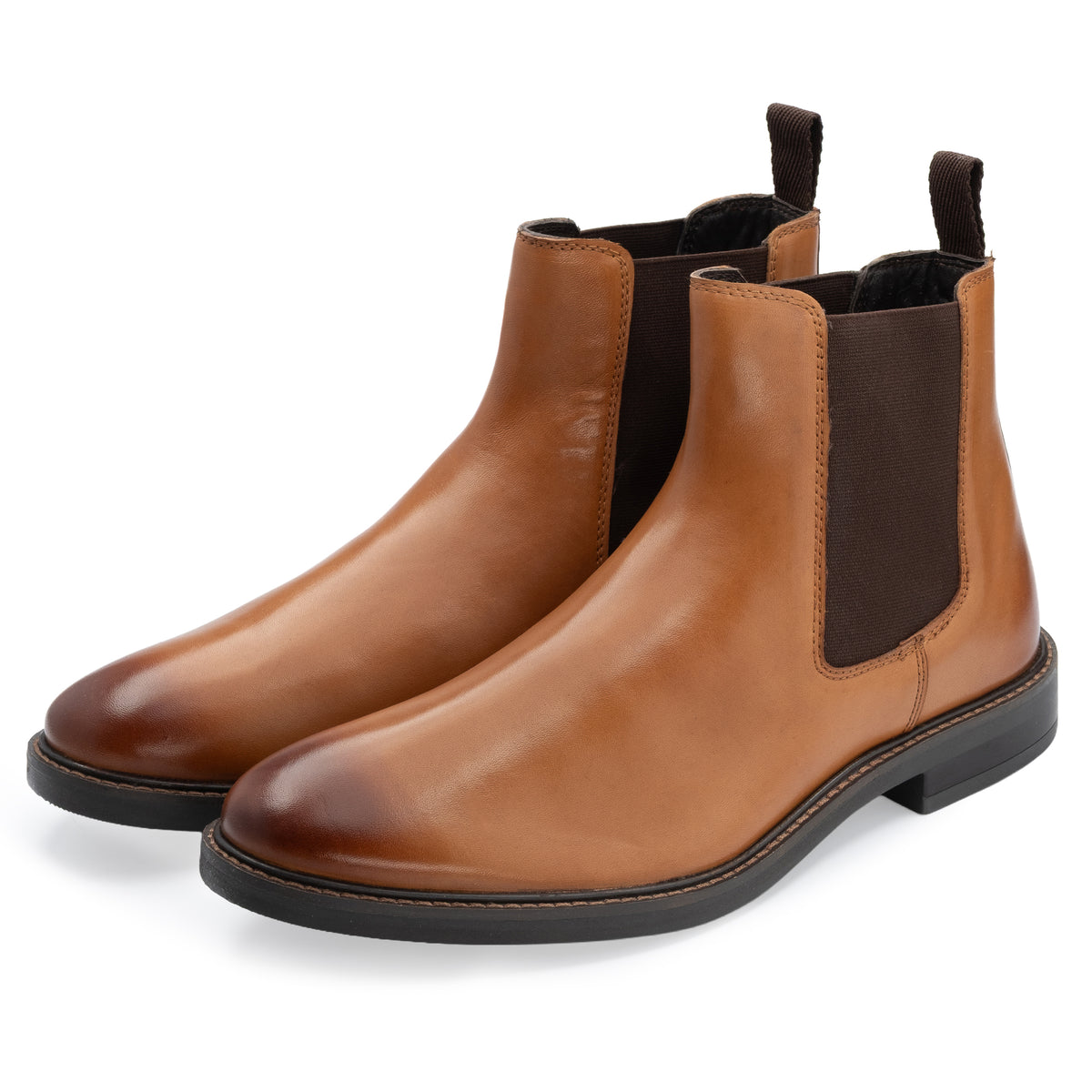
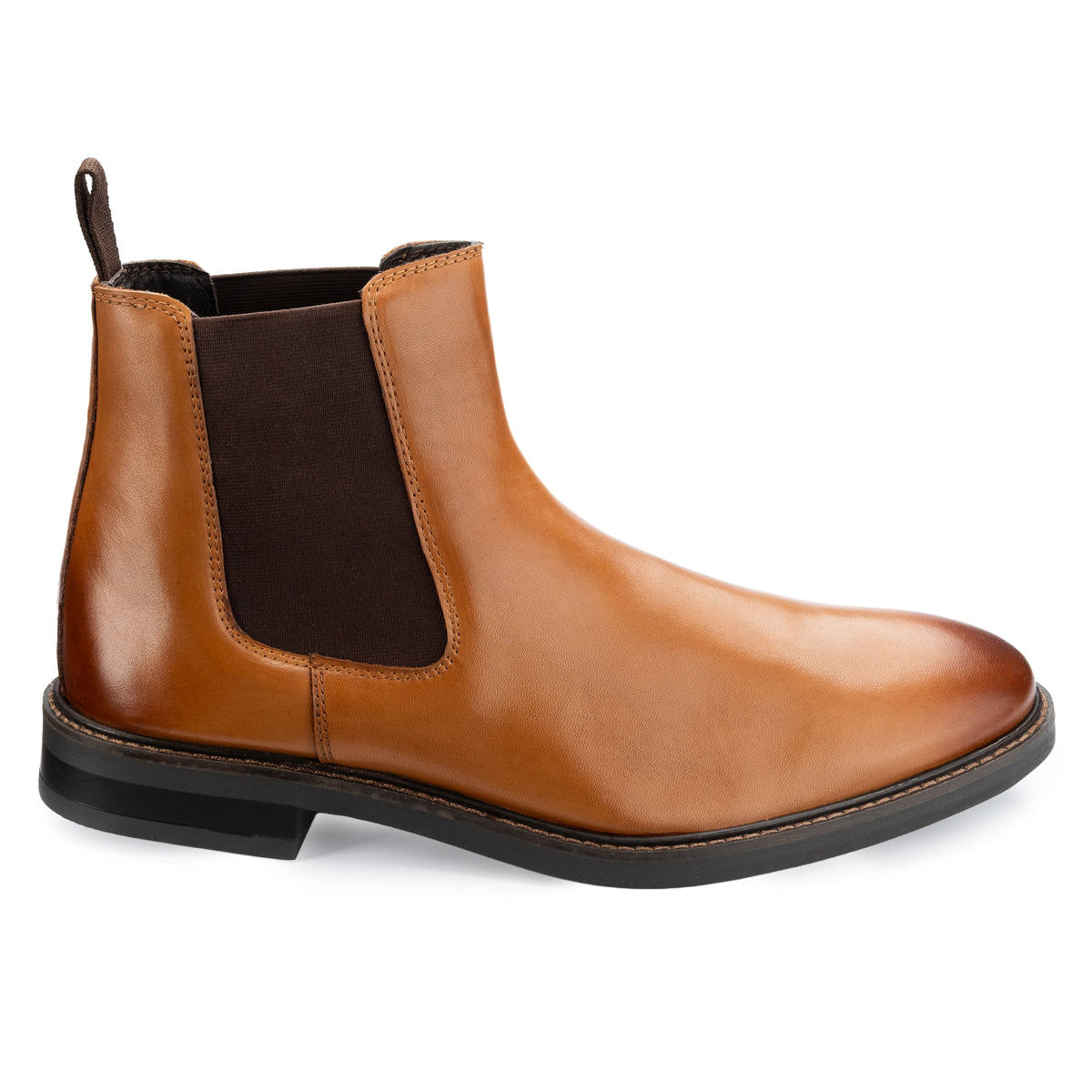
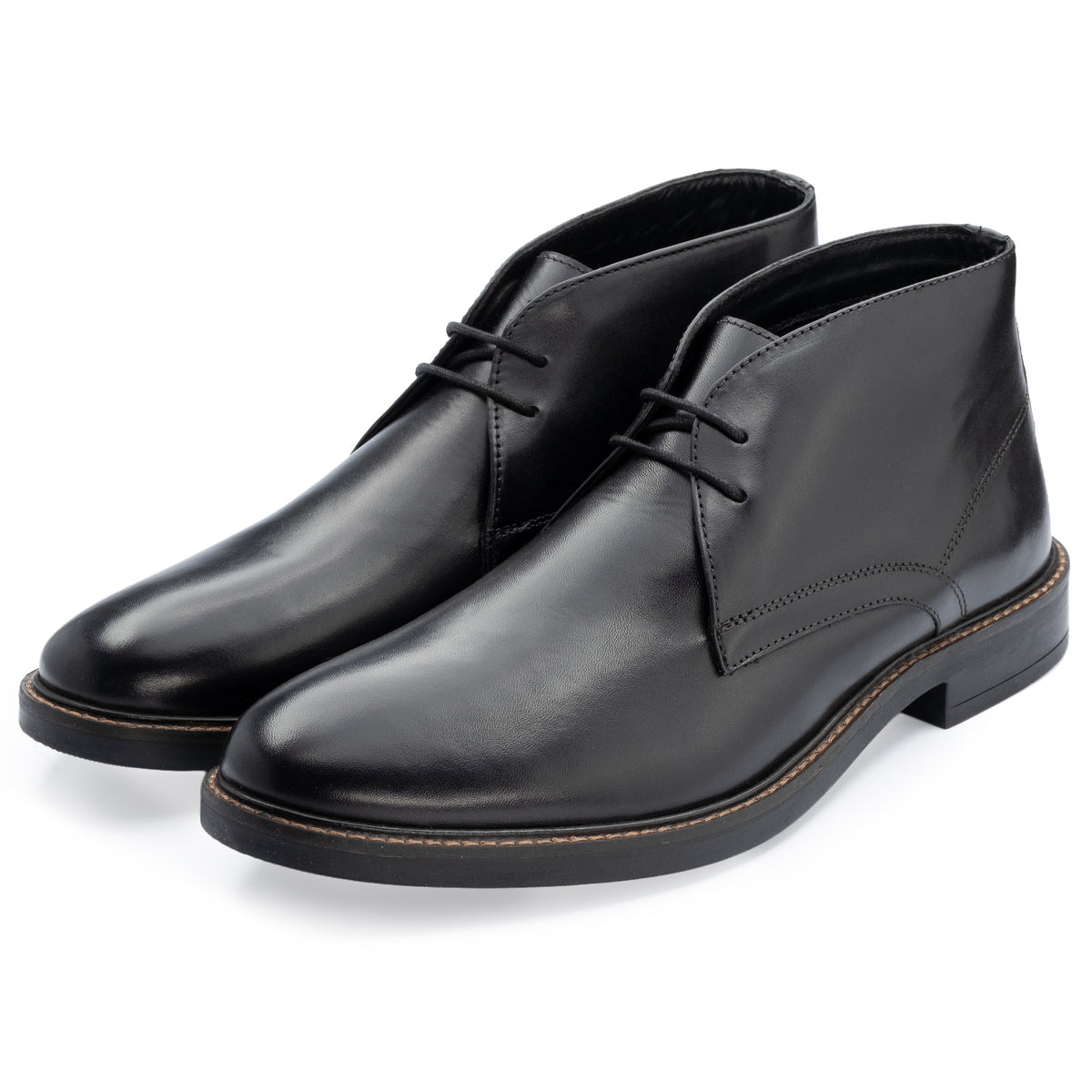
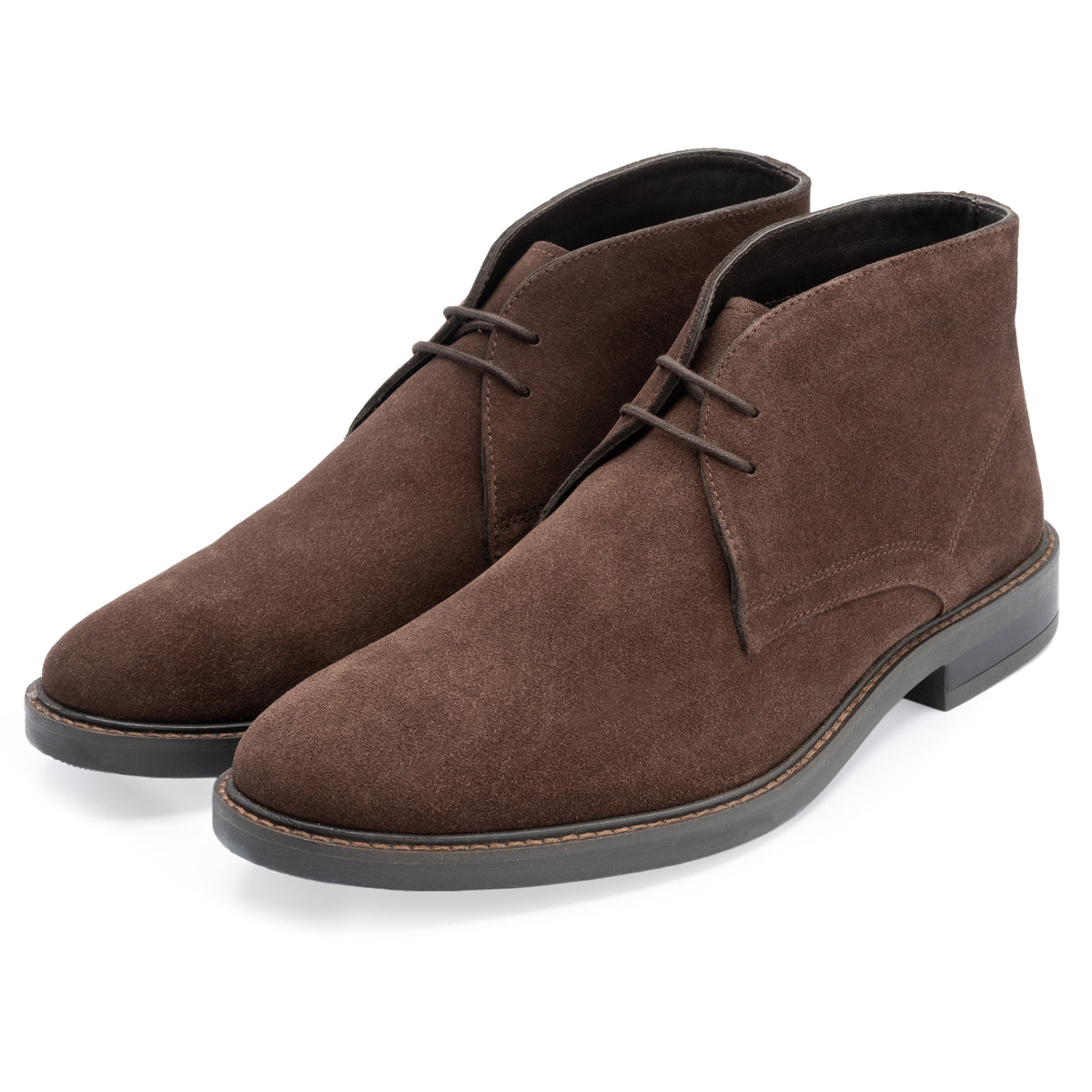
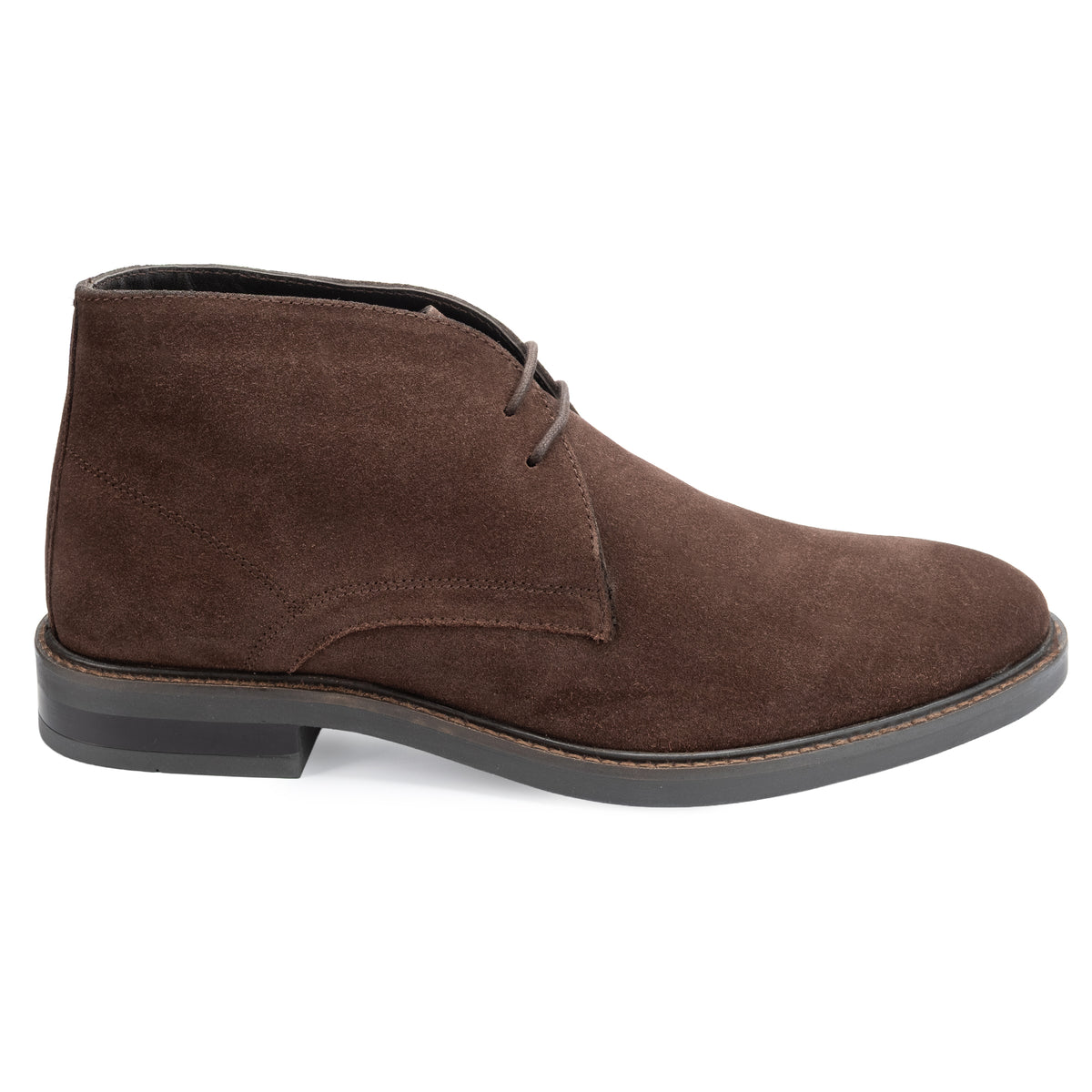
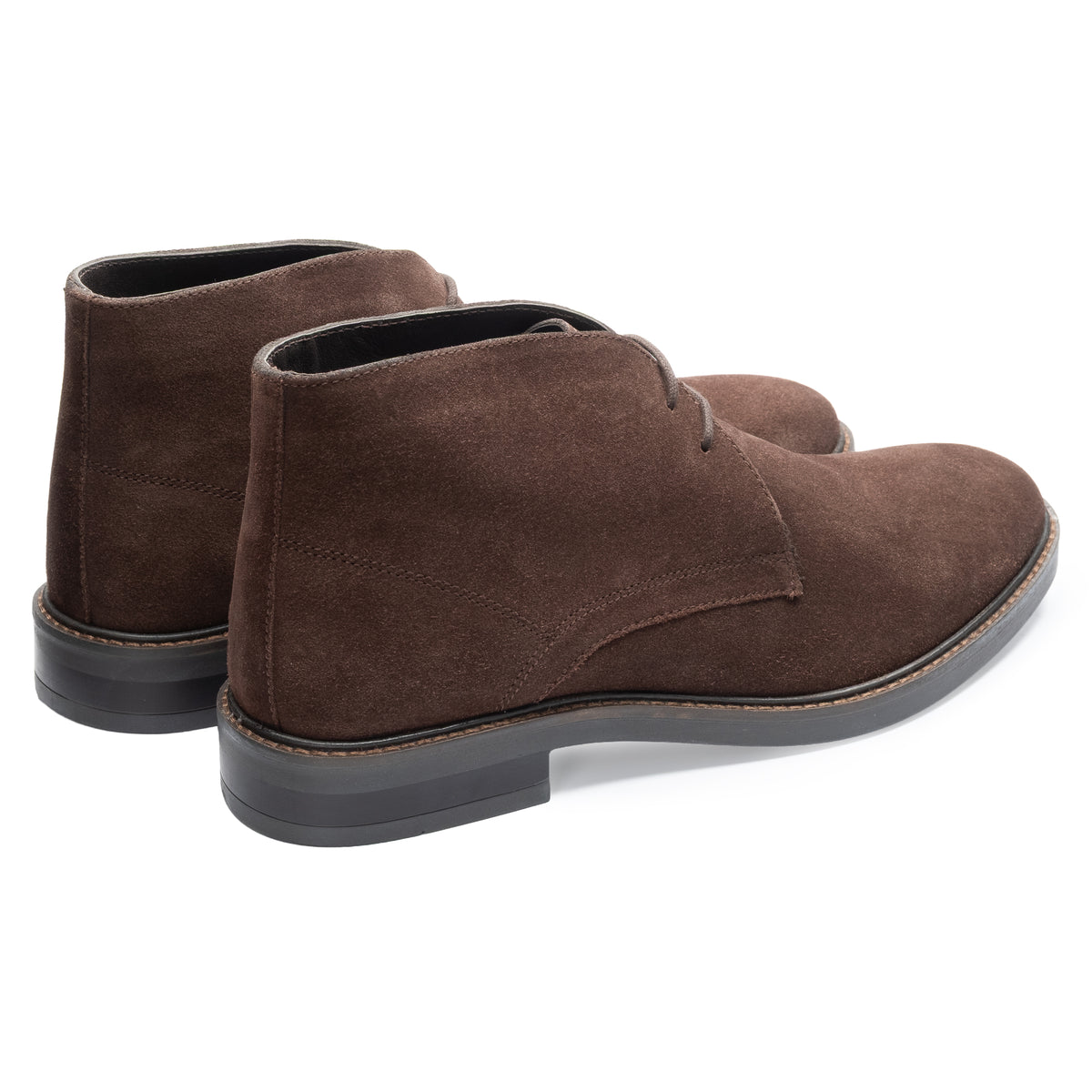
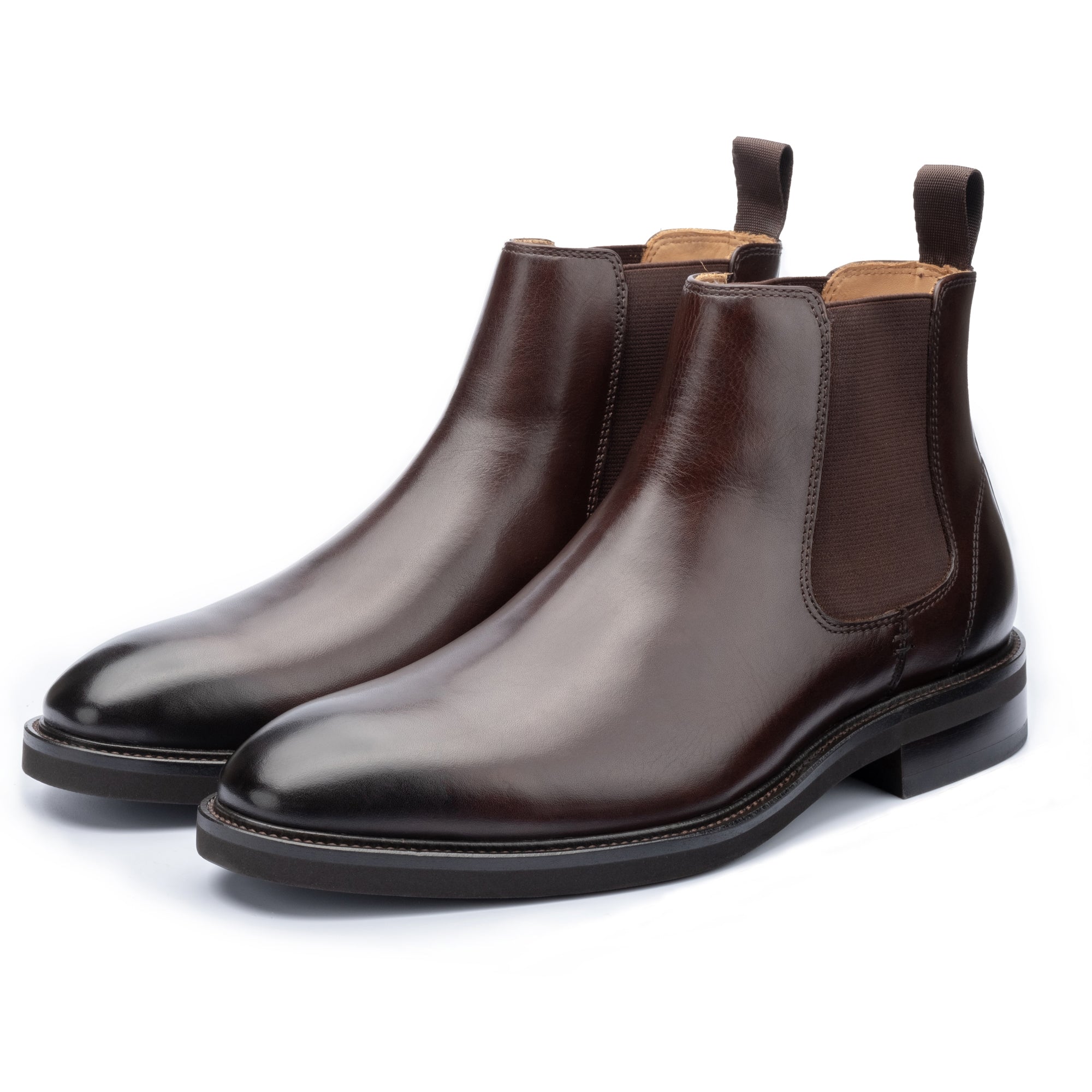
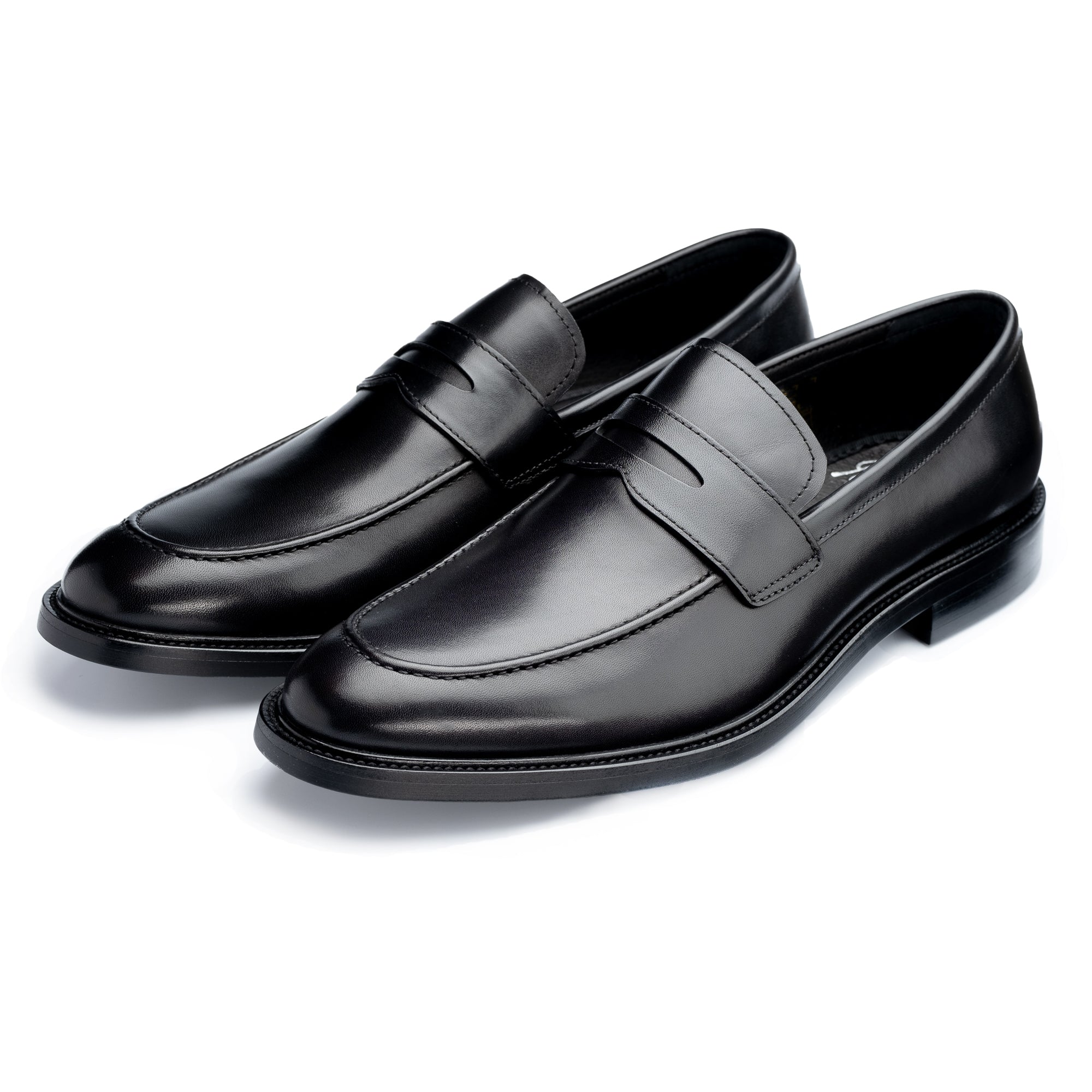
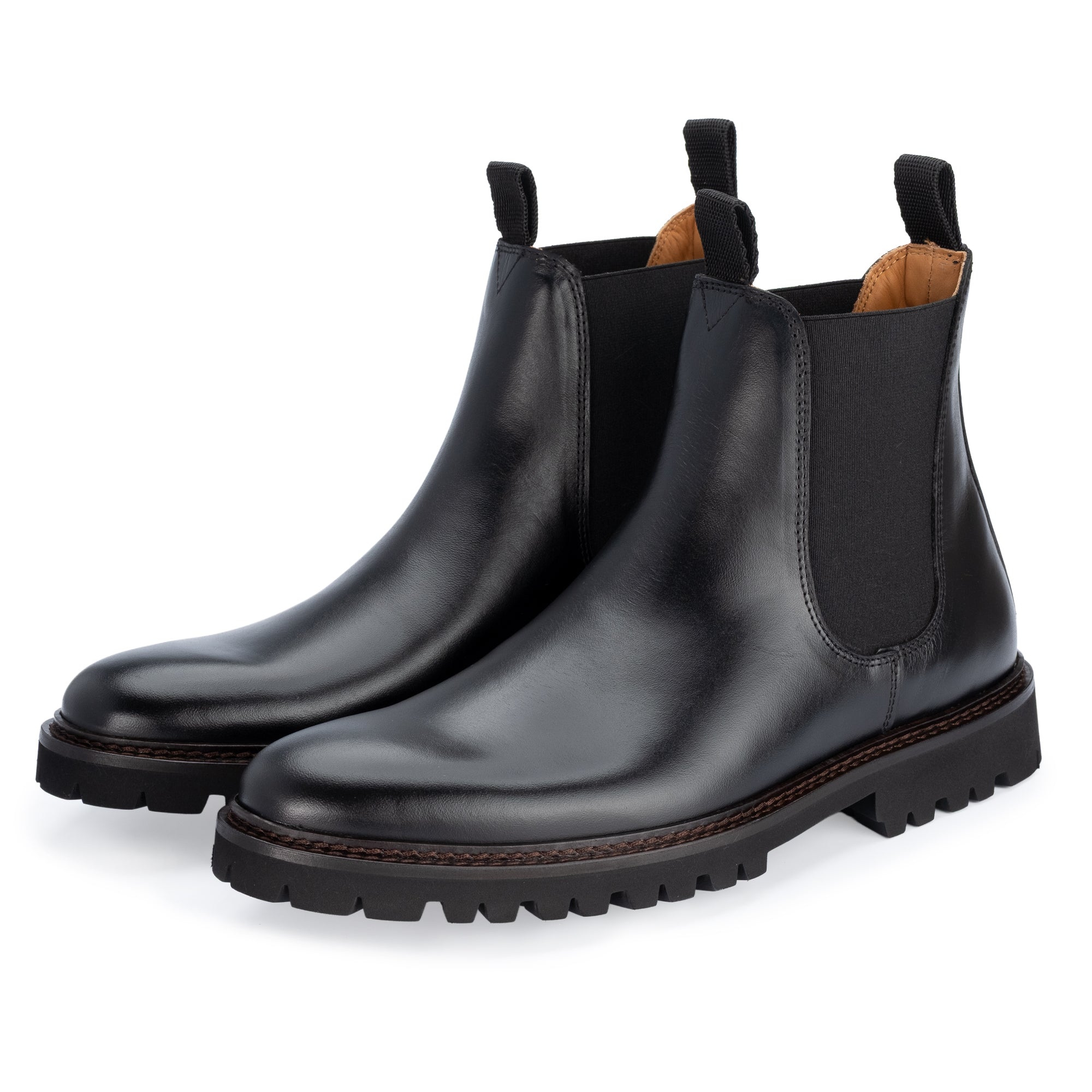
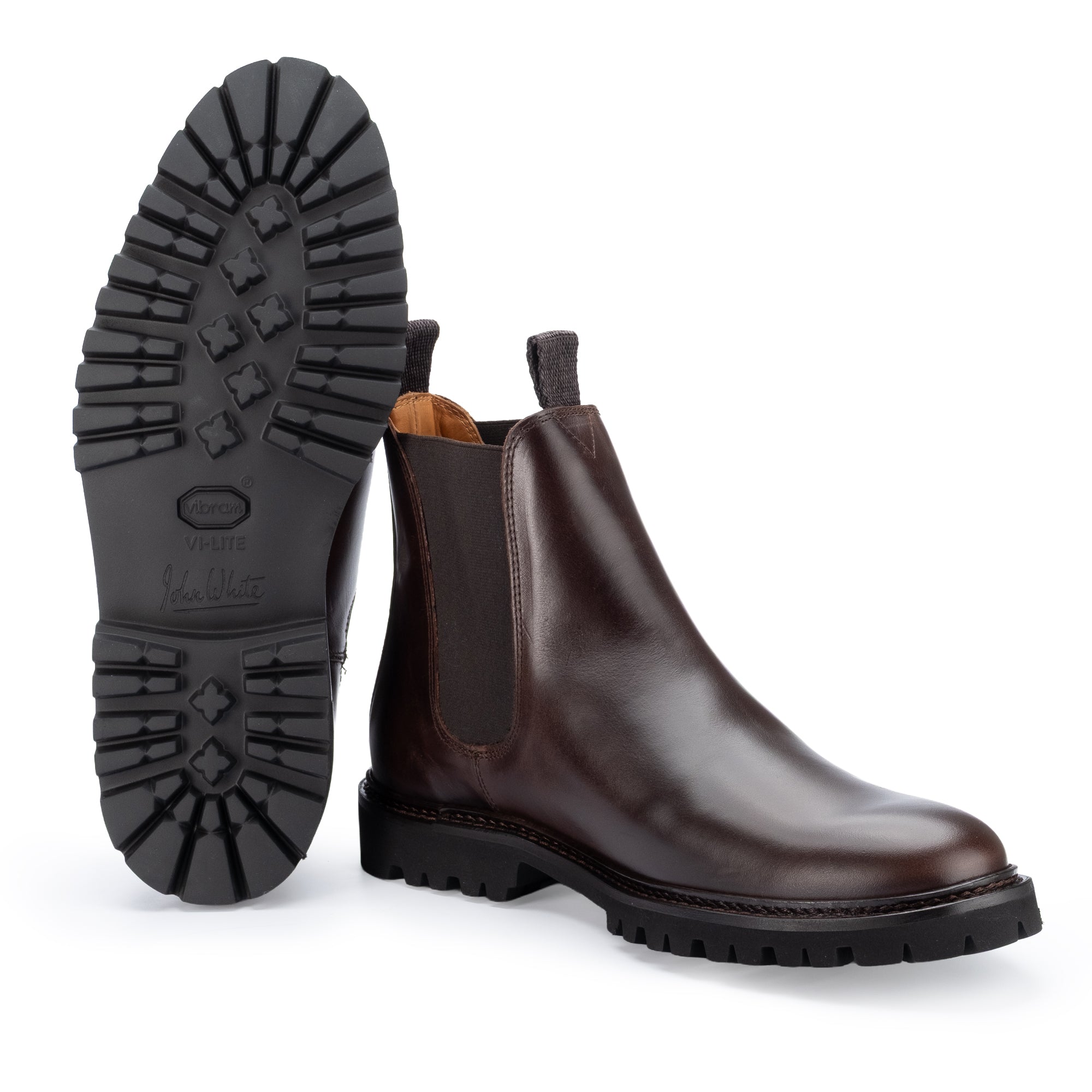
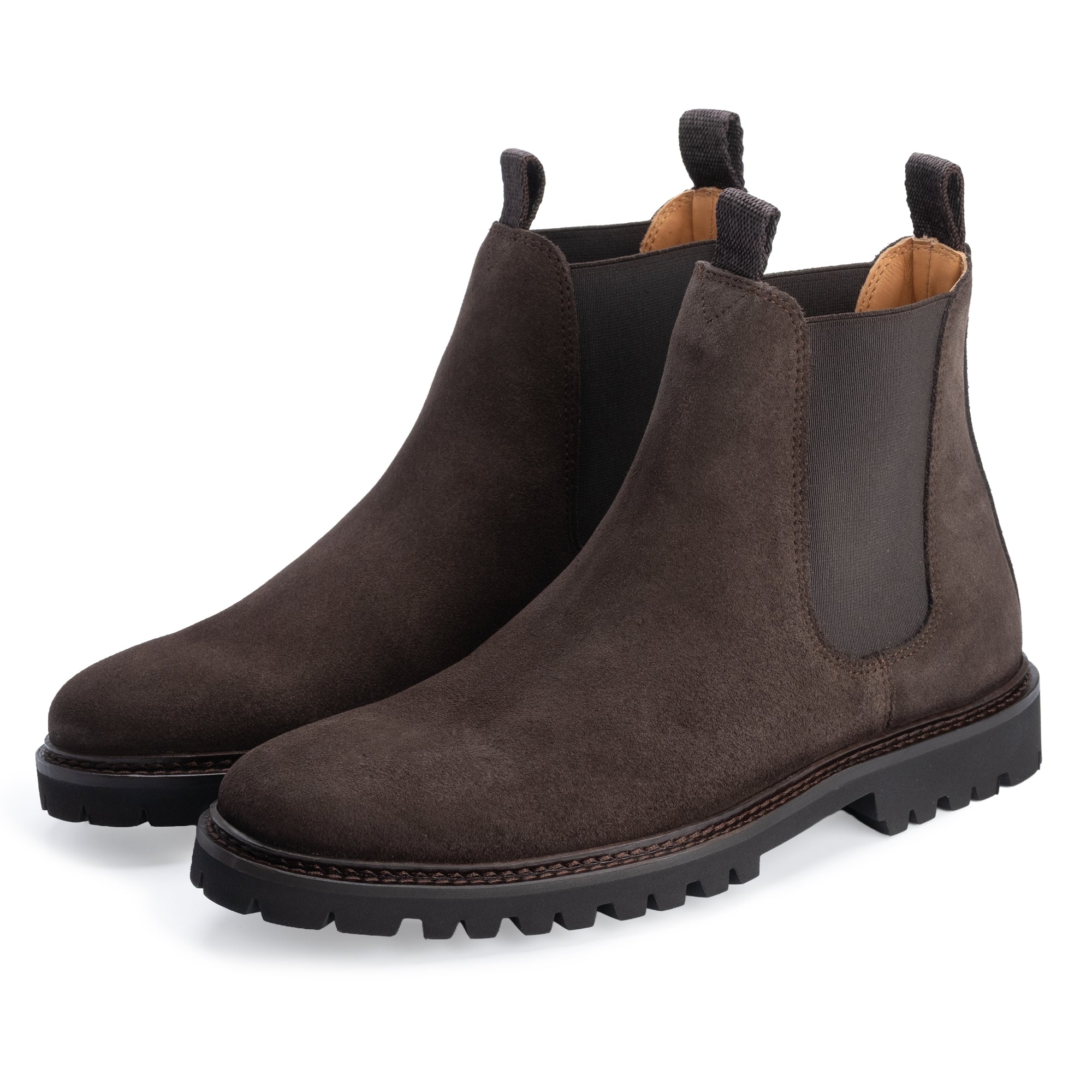
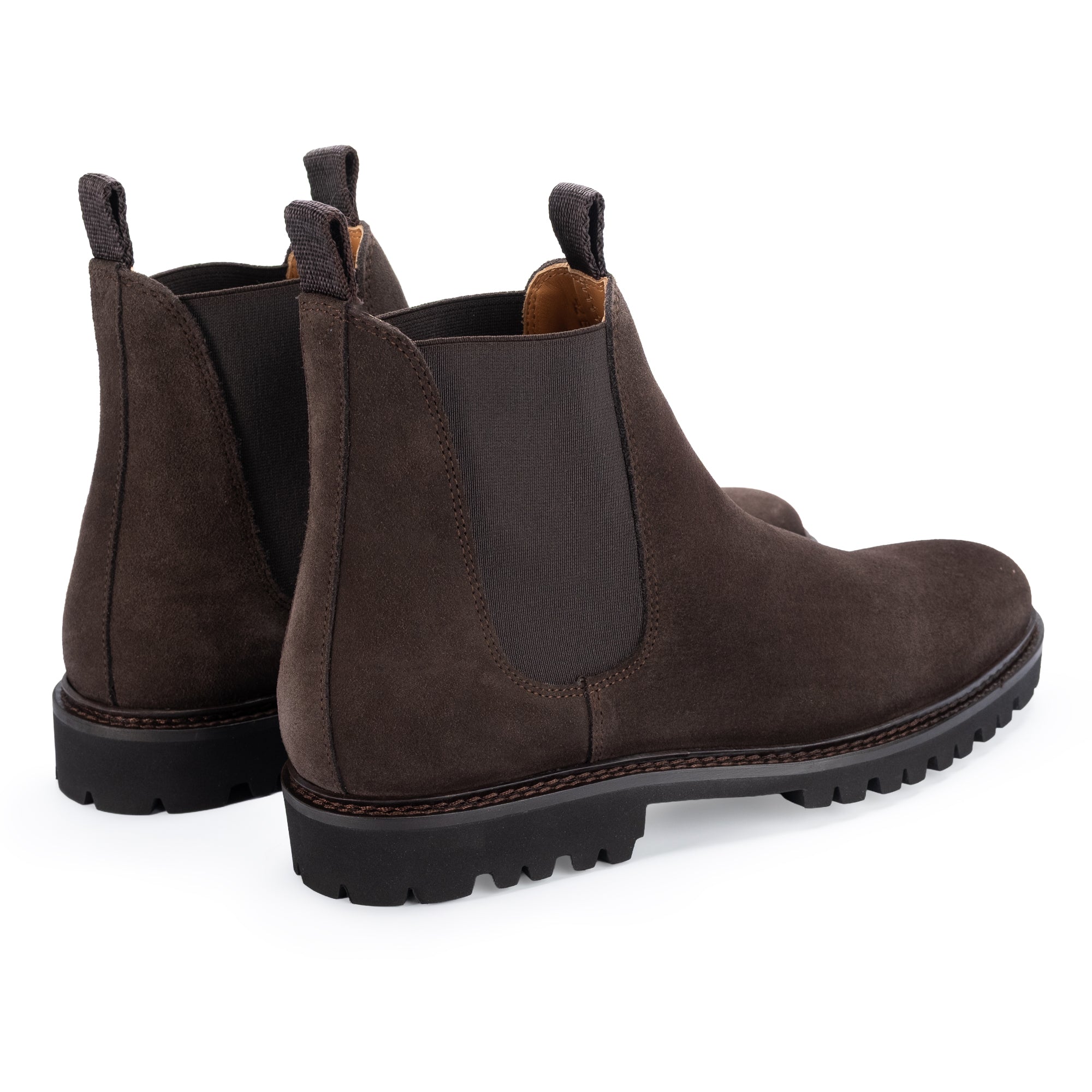
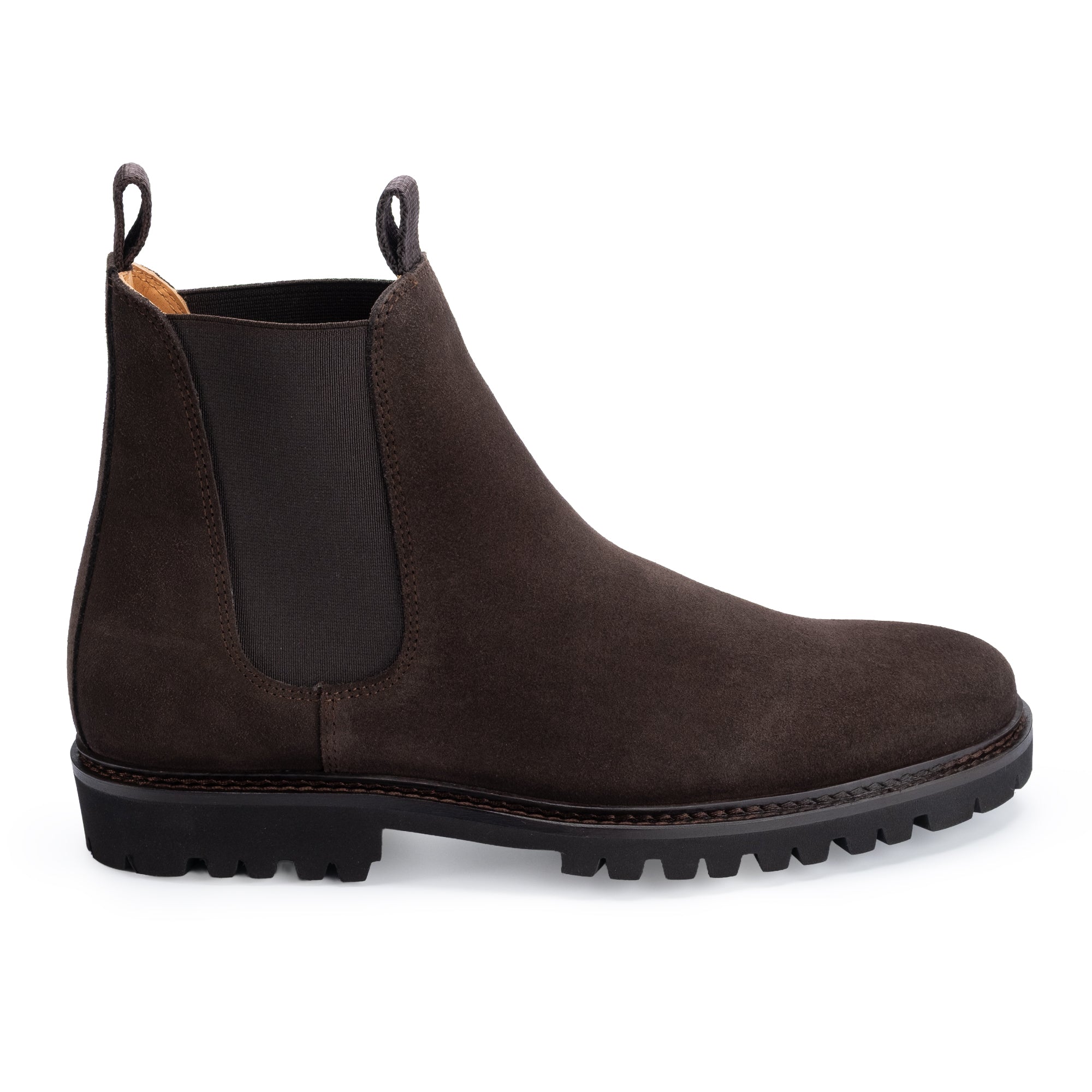
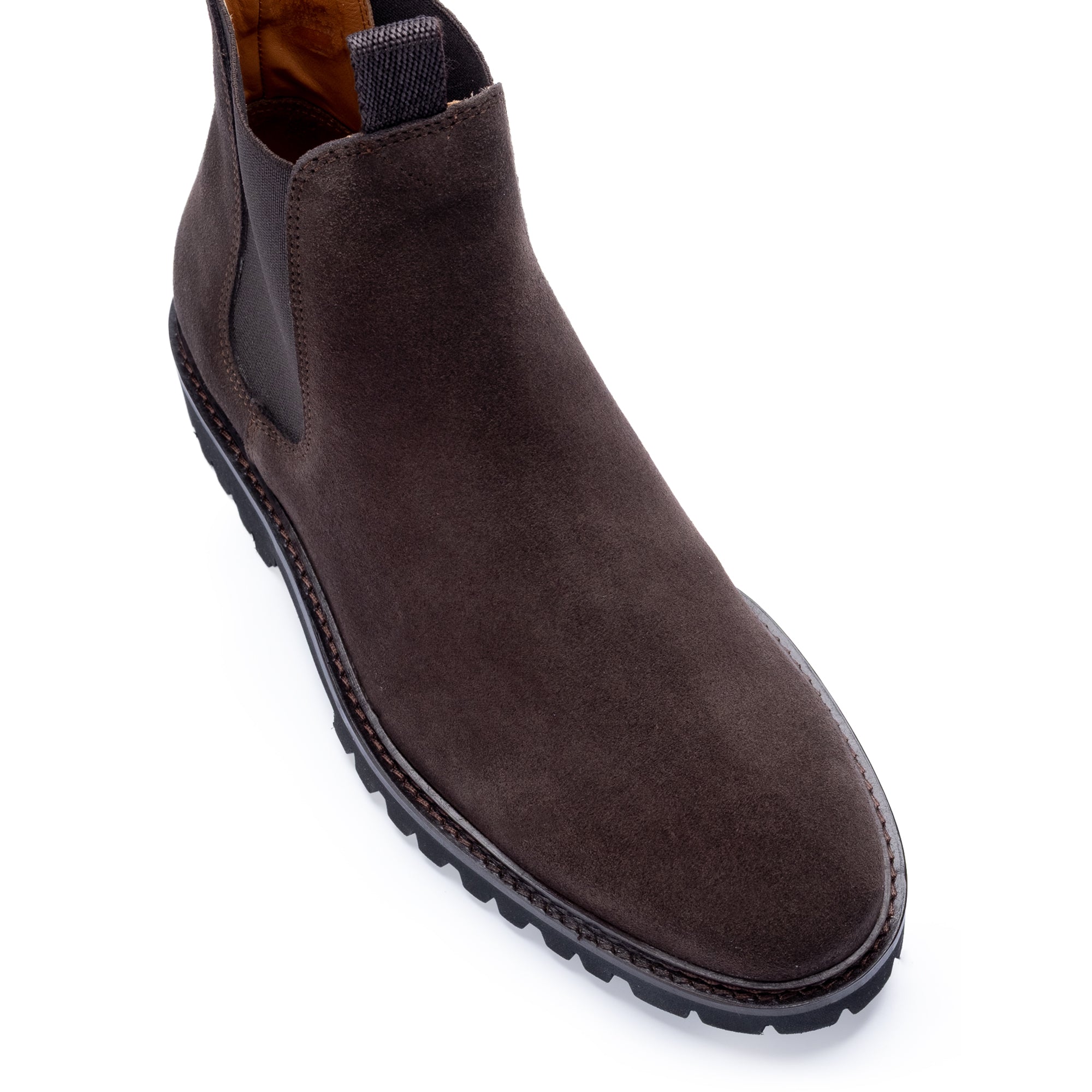
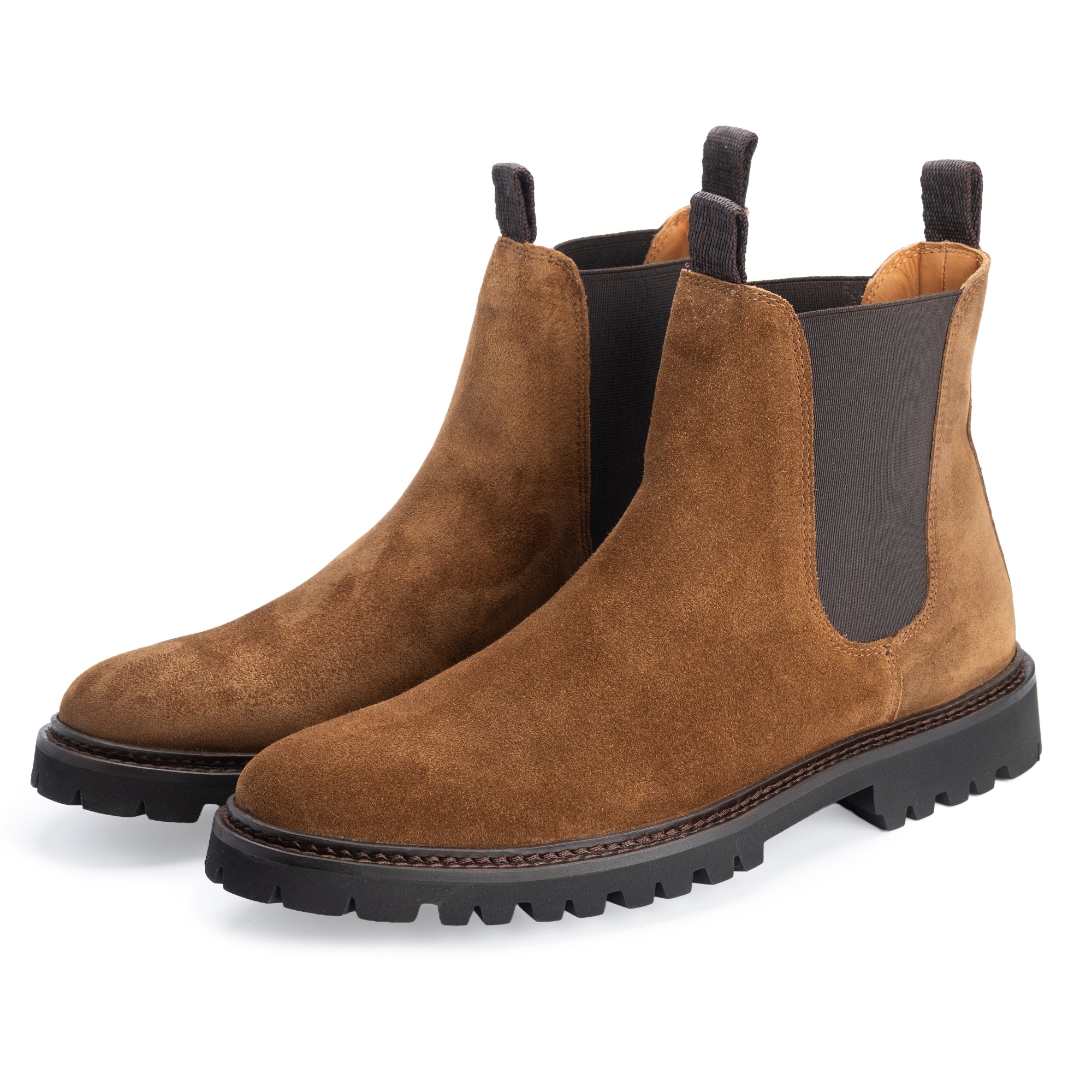
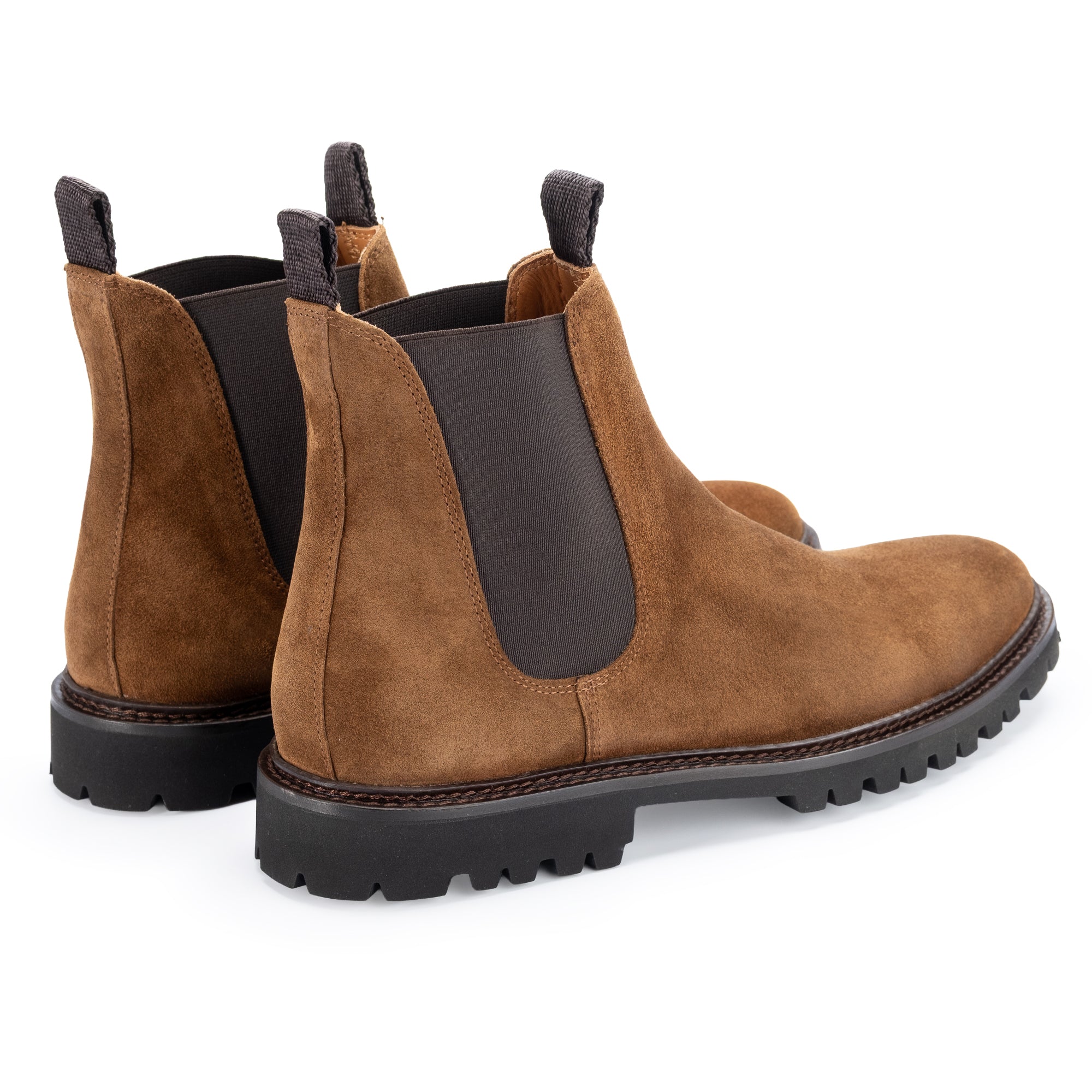
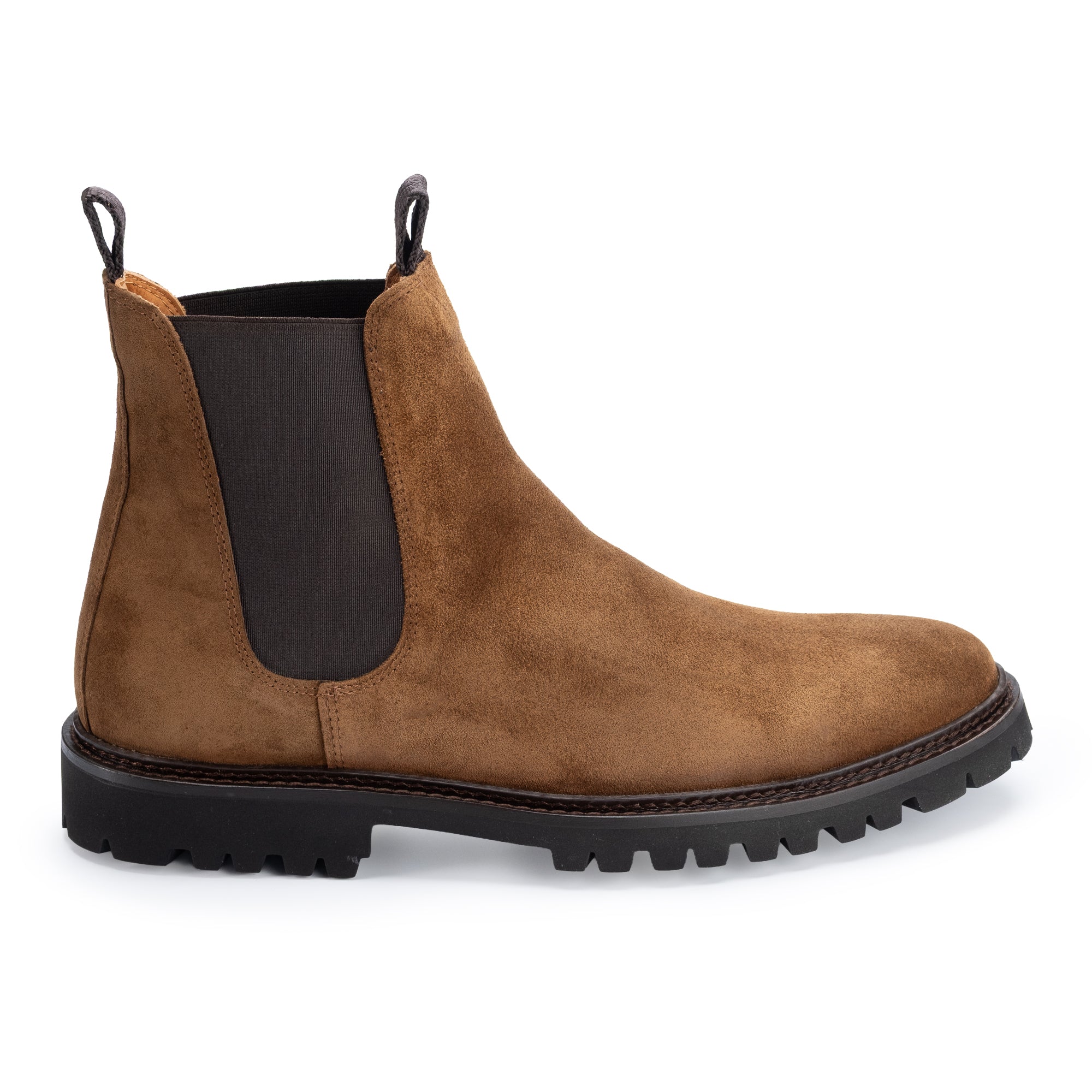
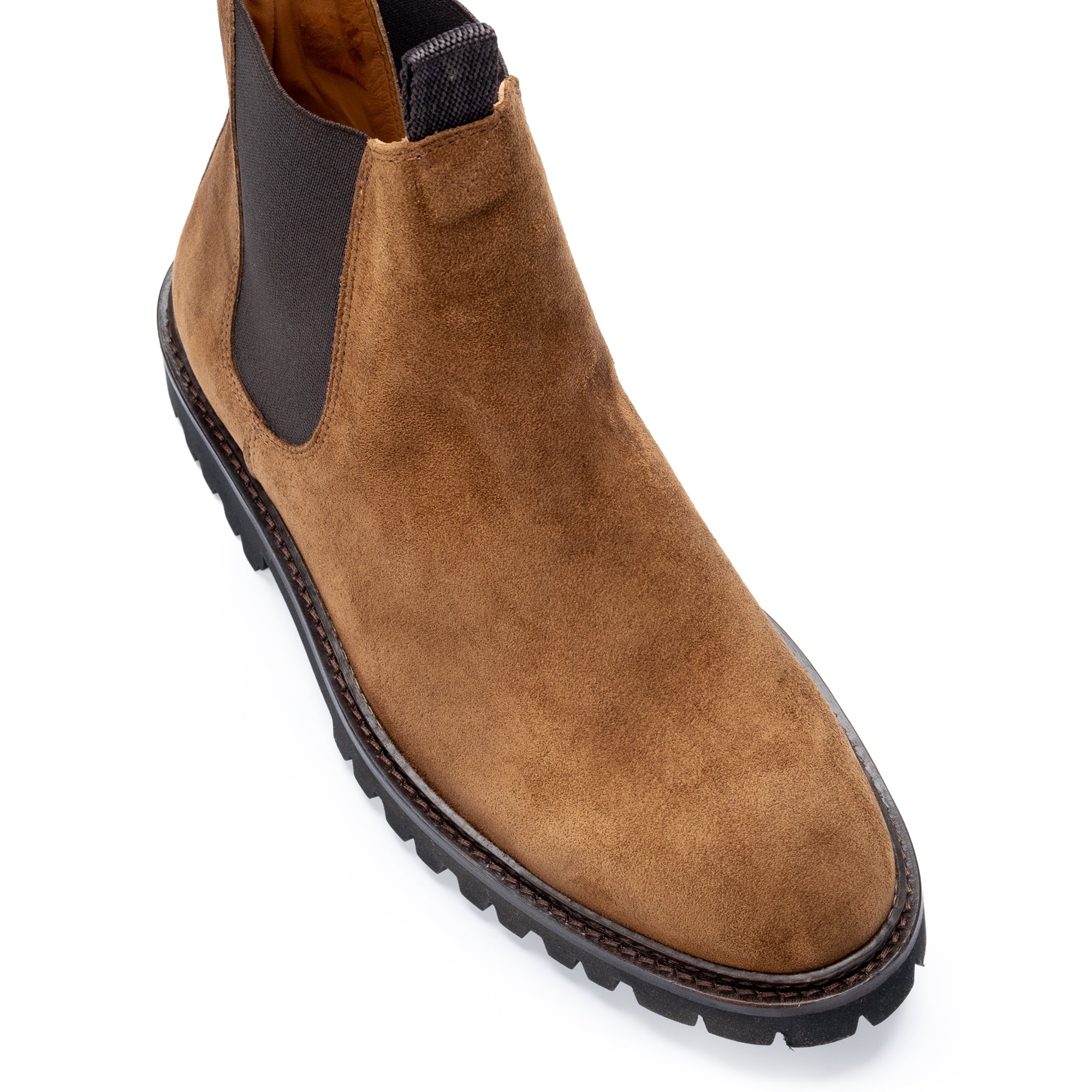
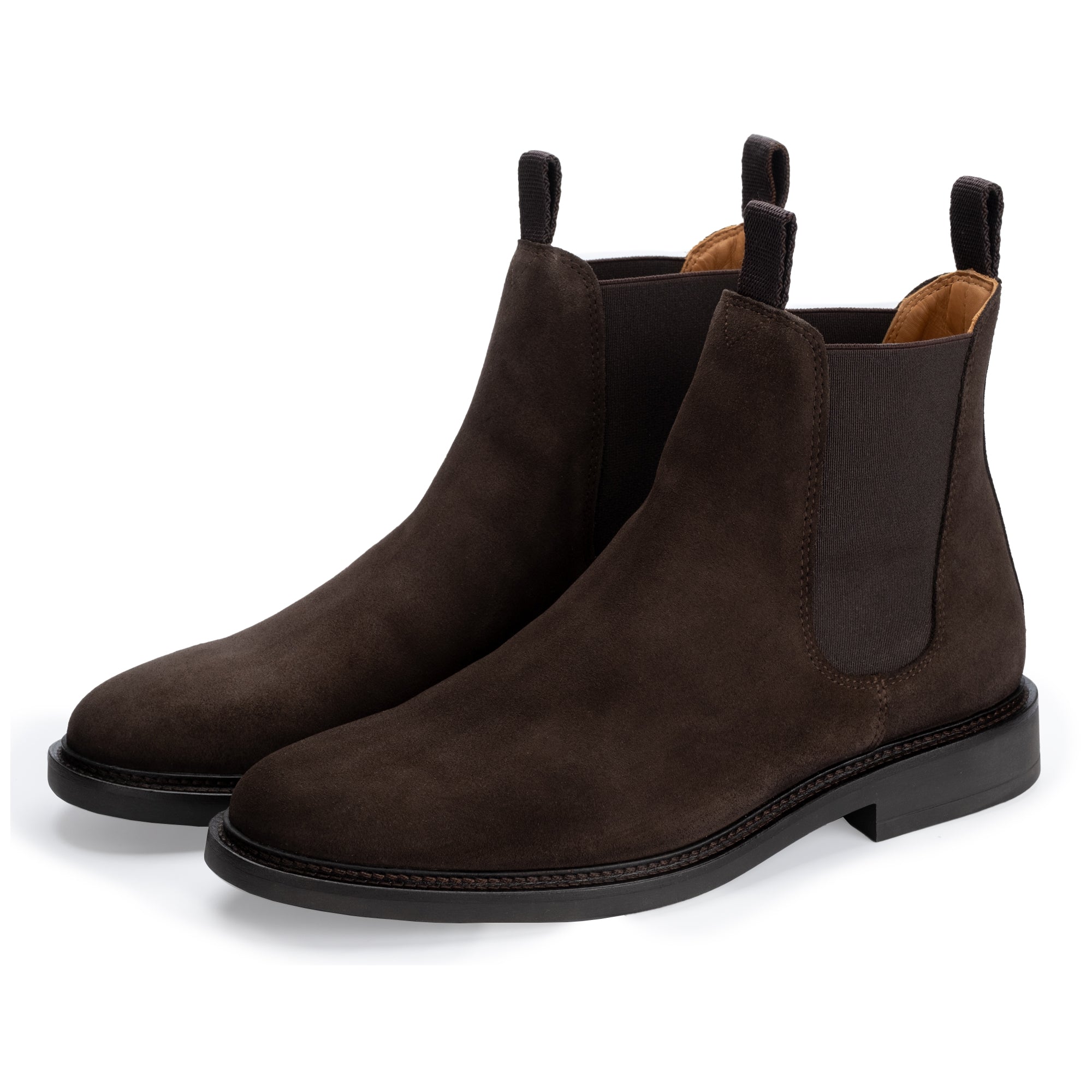
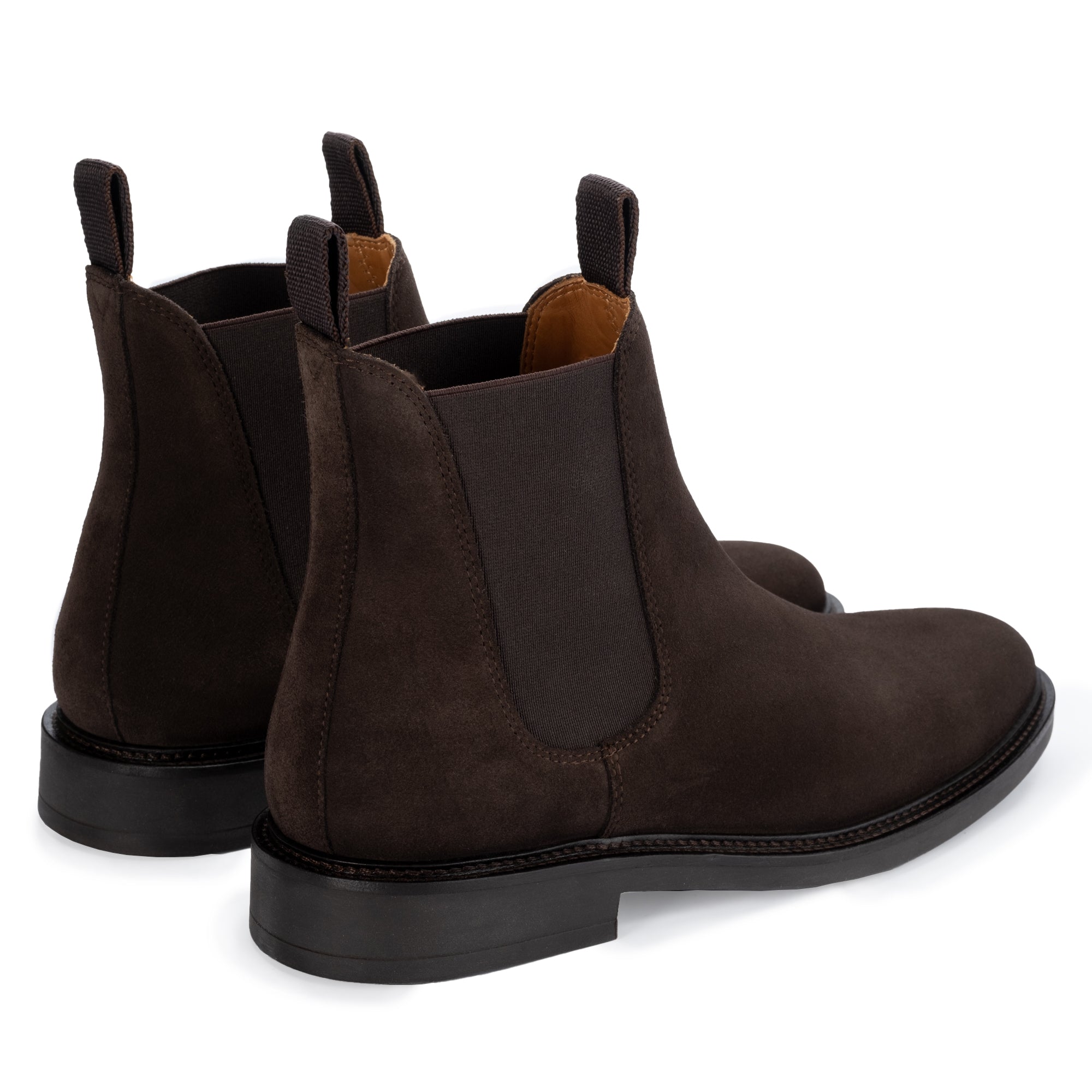
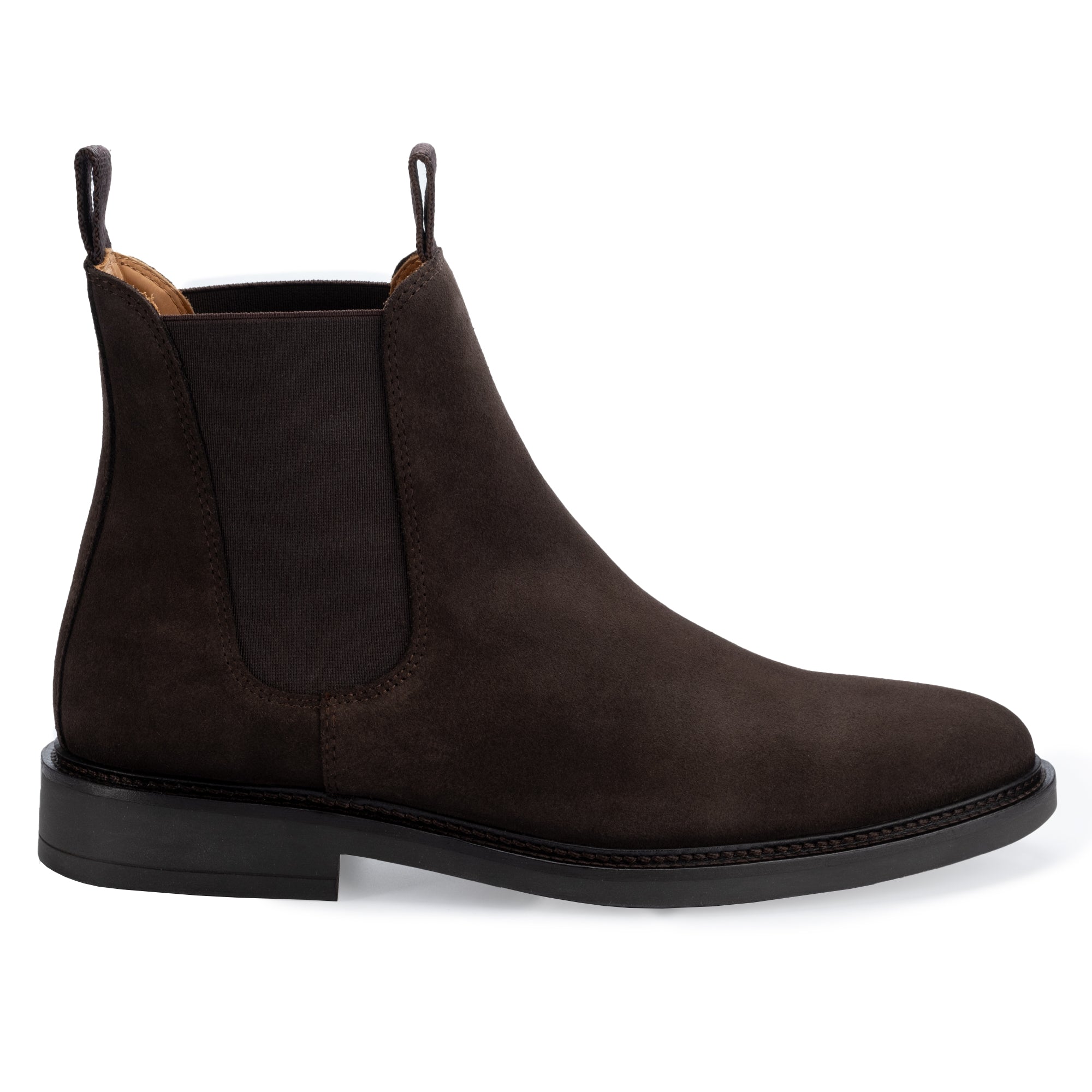
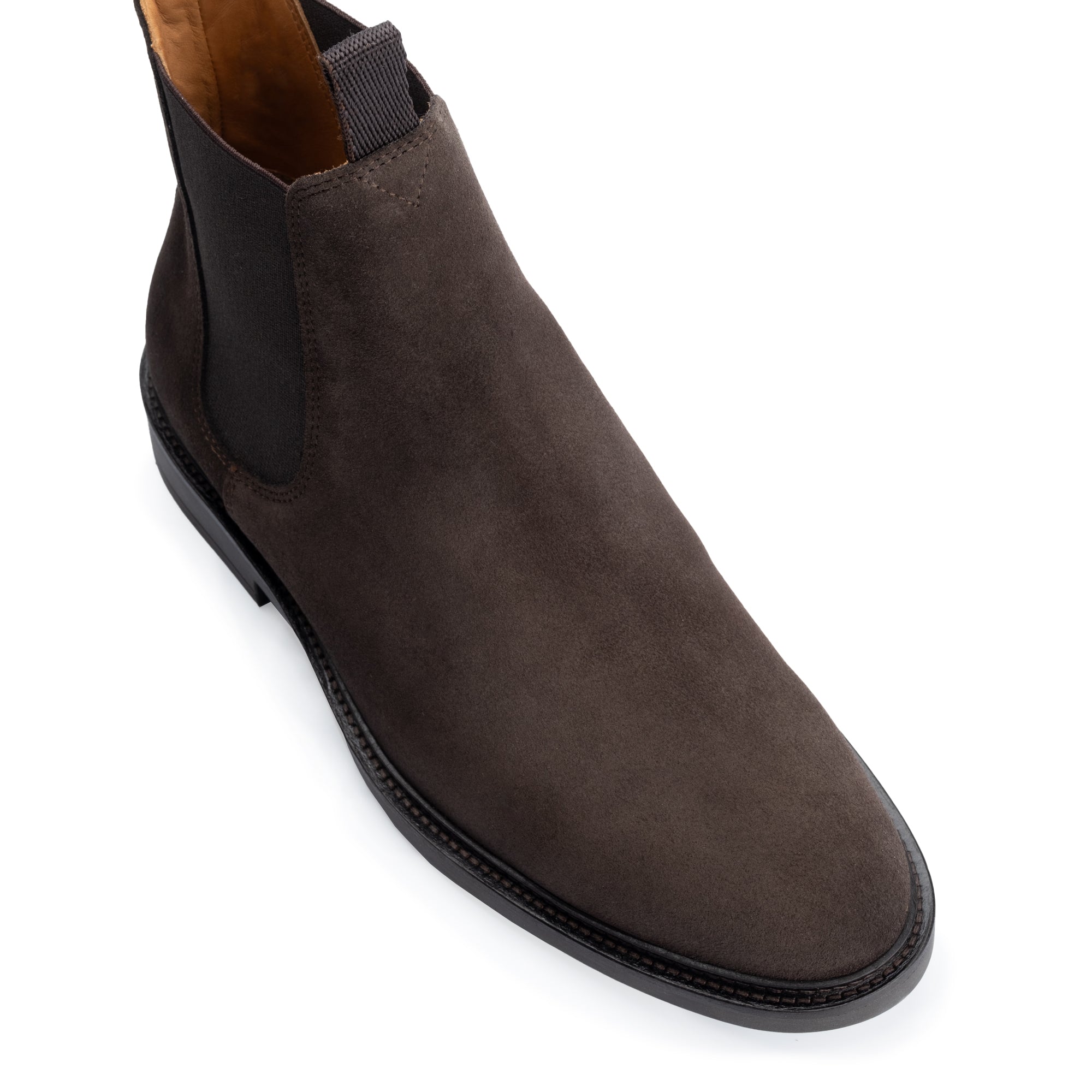
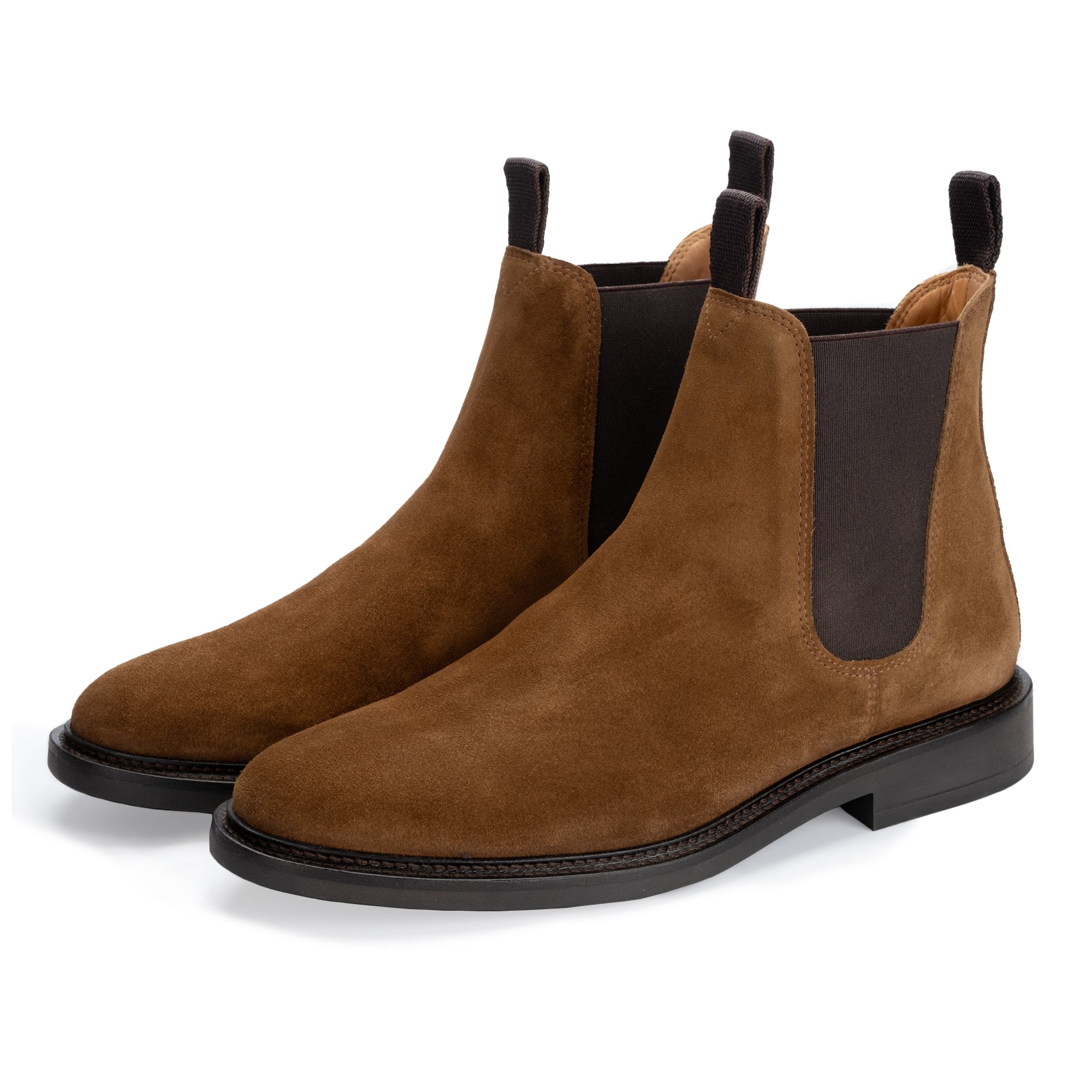
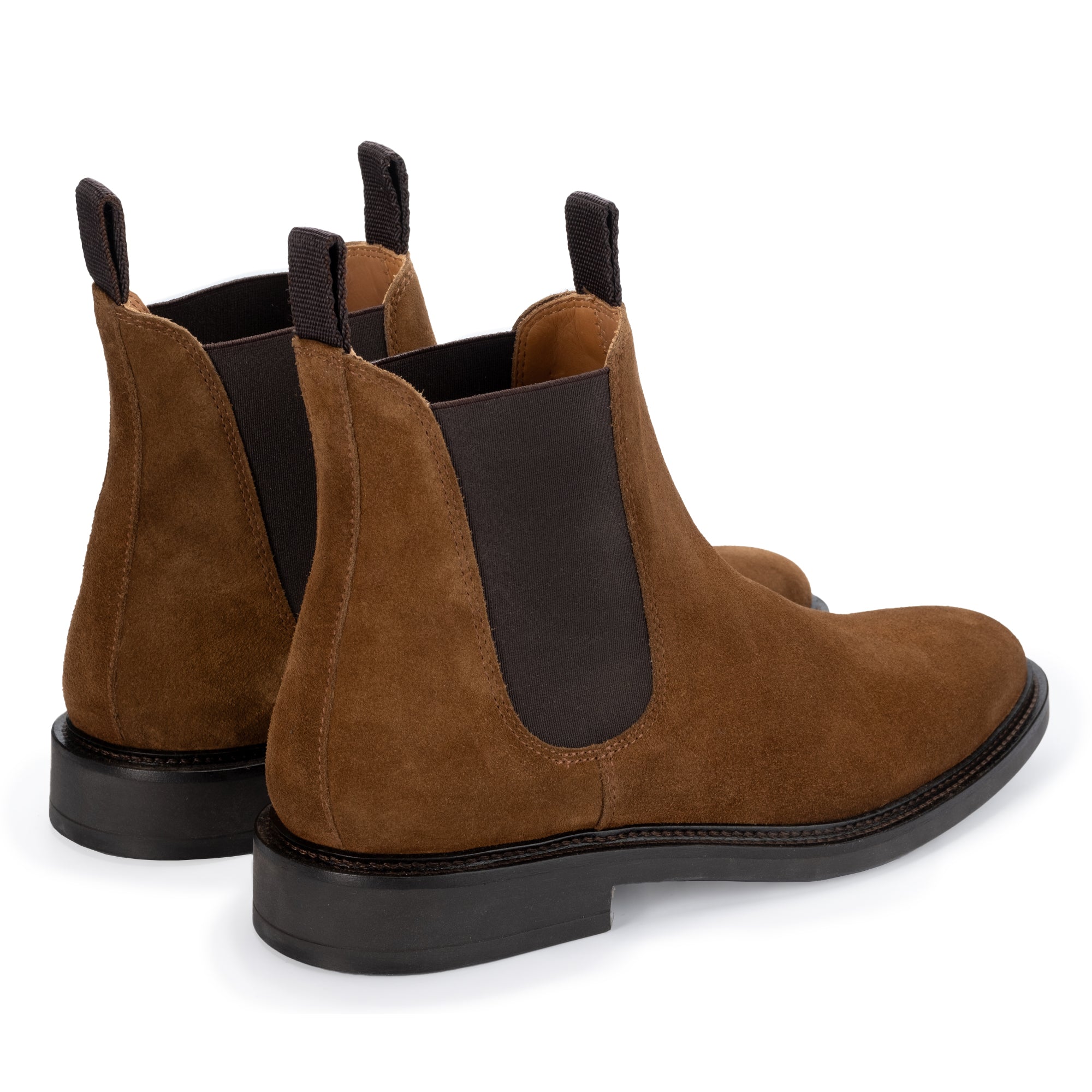
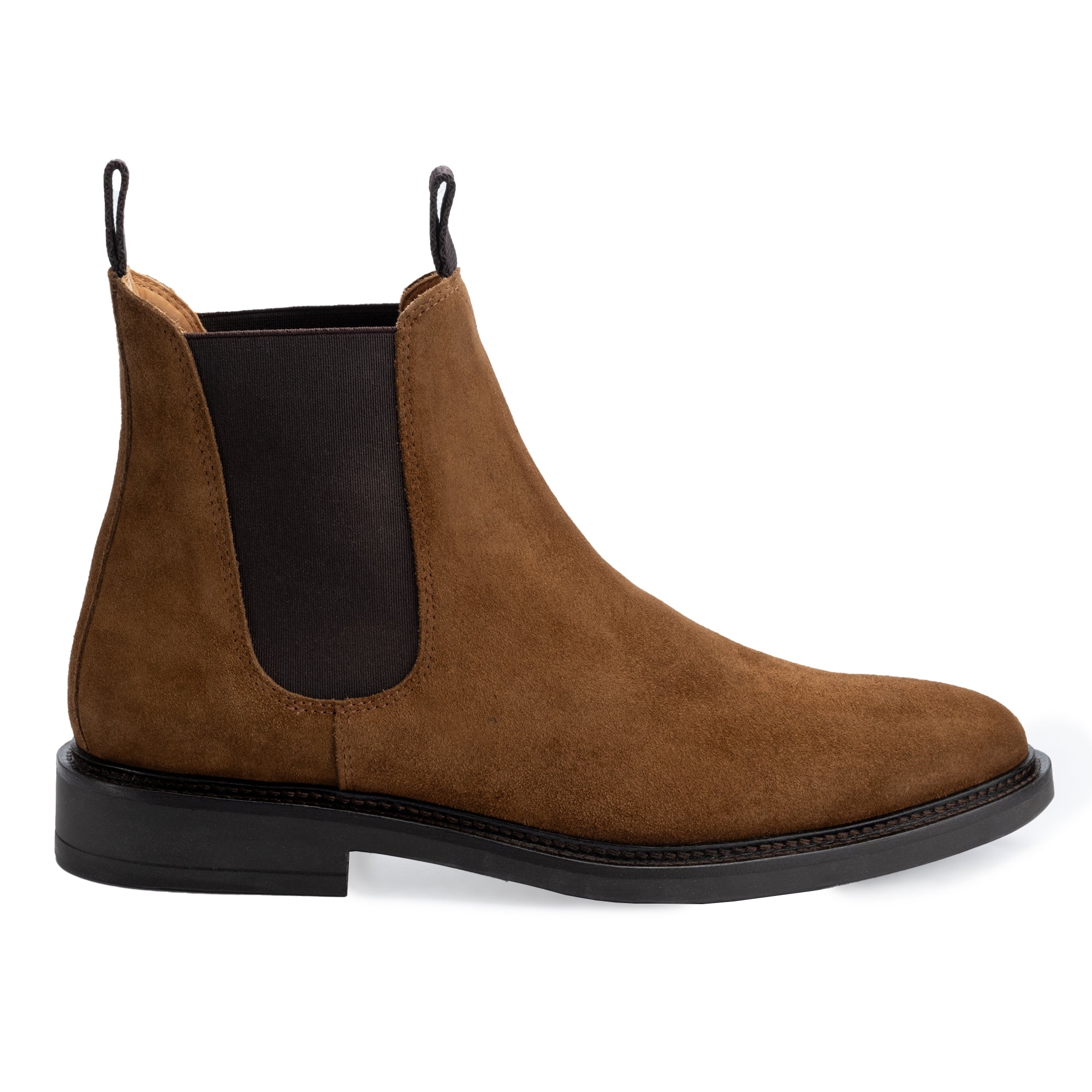
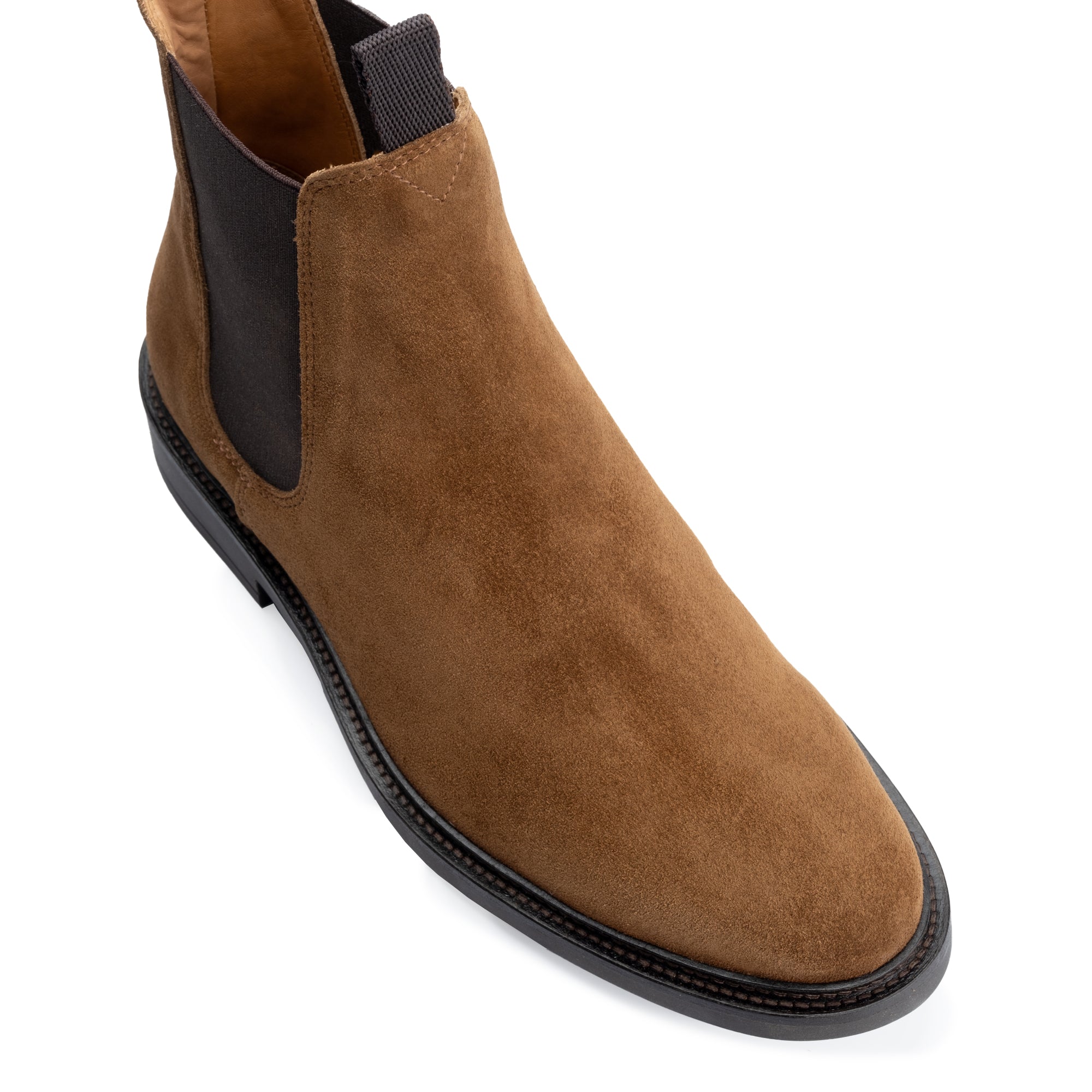
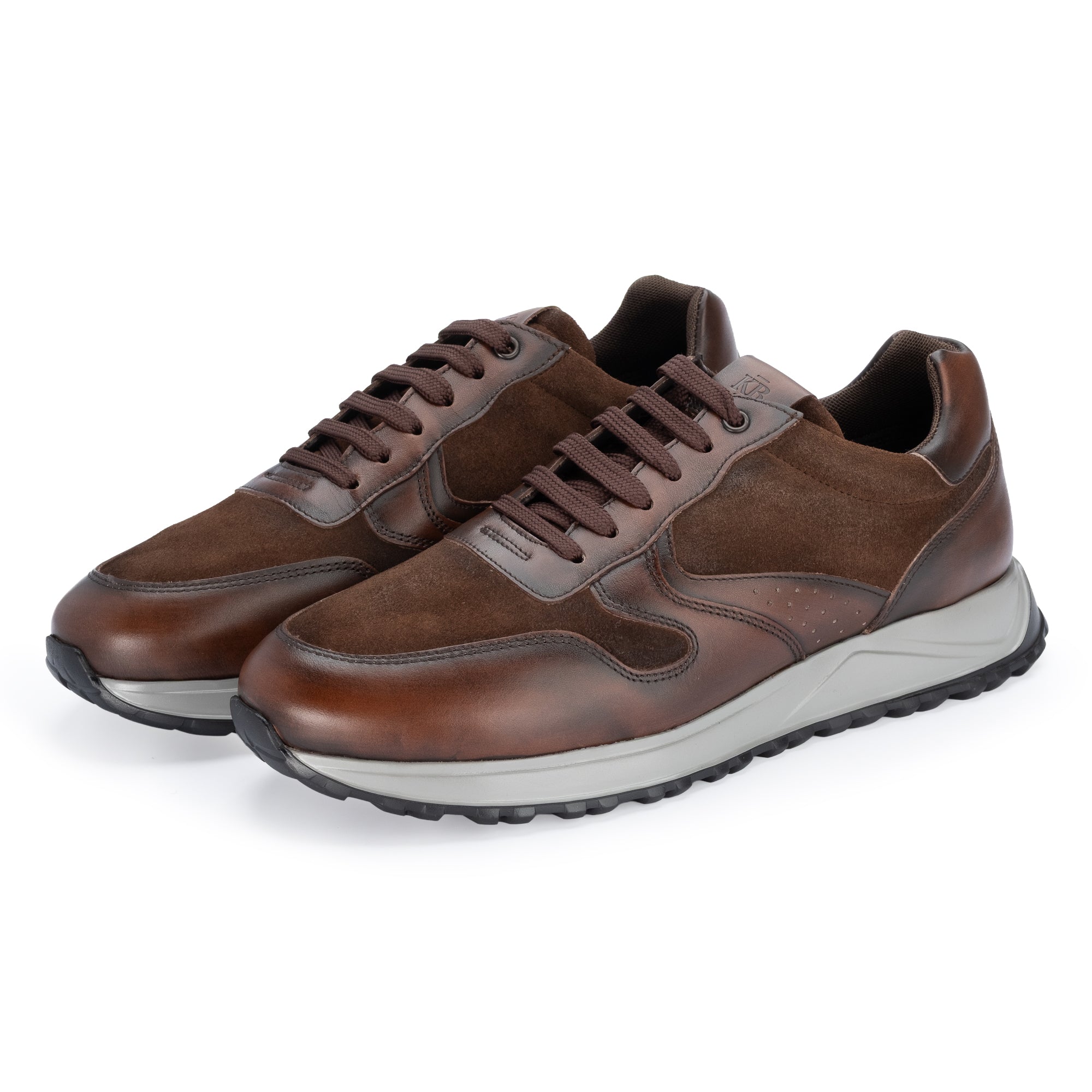
- Suede — produced from the underside of the hide. Softer and lighter; in British dress shoe culture it occupies a specific niche for smart-casual occasions. Suede Chelsea boots and loafers are a recognised alternative to polished leather when a slightly less formal register is appropriate.
- Corrected-grain leather — buffed and embossed to remove surface imperfections. More uniform but lower performance over time.
The Leather Conservation Centre in Northamptonshire — which advises on leather preservation across collections ranging from footwear to heritage artefacts — recommends conditioning leather shoes every six to eight weeks to prevent the fibres drying and cracking. Regular conditioning is the single most effective care habit for extending a shoe's life.
Full-grain leather is the benchmark for quality dress shoe uppers — it performs better, ages better, and holds polish better than any other grade.How Long Should a Quality Dress Shoe Last?
Lifespan depends on construction quality, leather grade, rotation, and care. According to the British Footwear Association, a well-maintained leather dress shoe — rotated with at least one other pair to allow the leather to breathe and recover between wears — can provide eight to ten years of regular service.
Rotation is critical. Wearing the same pair every day without rest degrades leather two to three times faster than a sensible rotation schedule. Leather needs 24 to 48 hours to dry fully and recover its structure between wears.
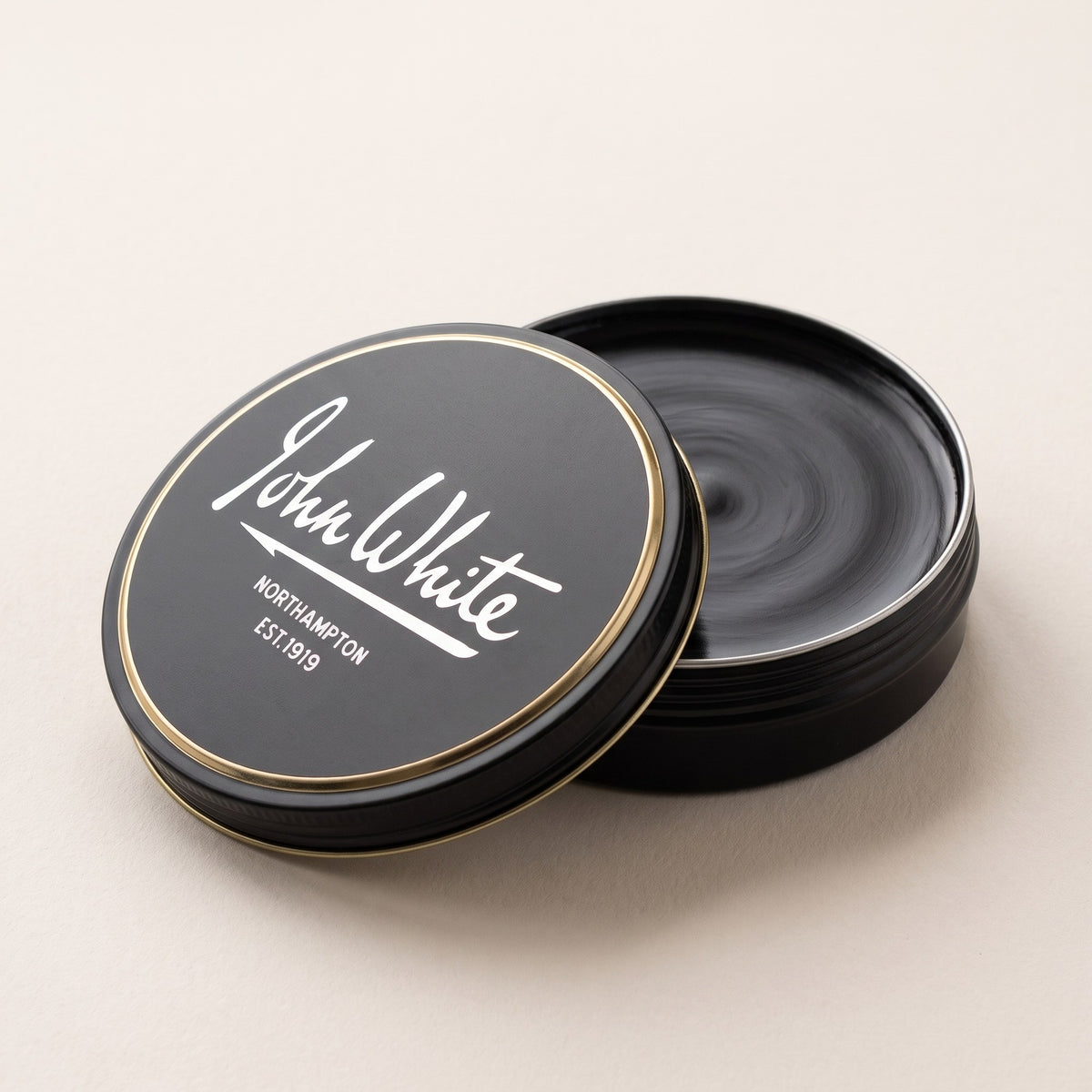
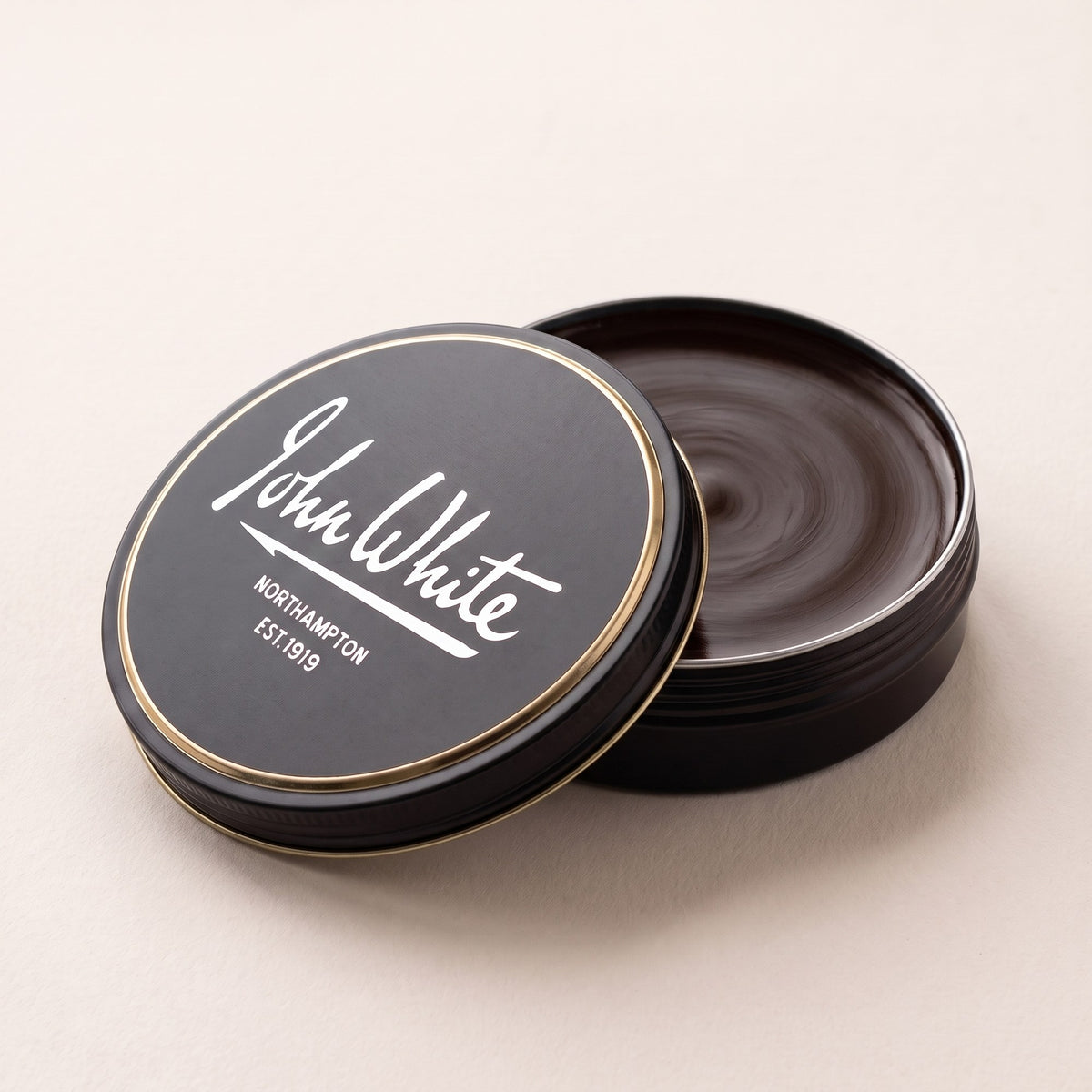
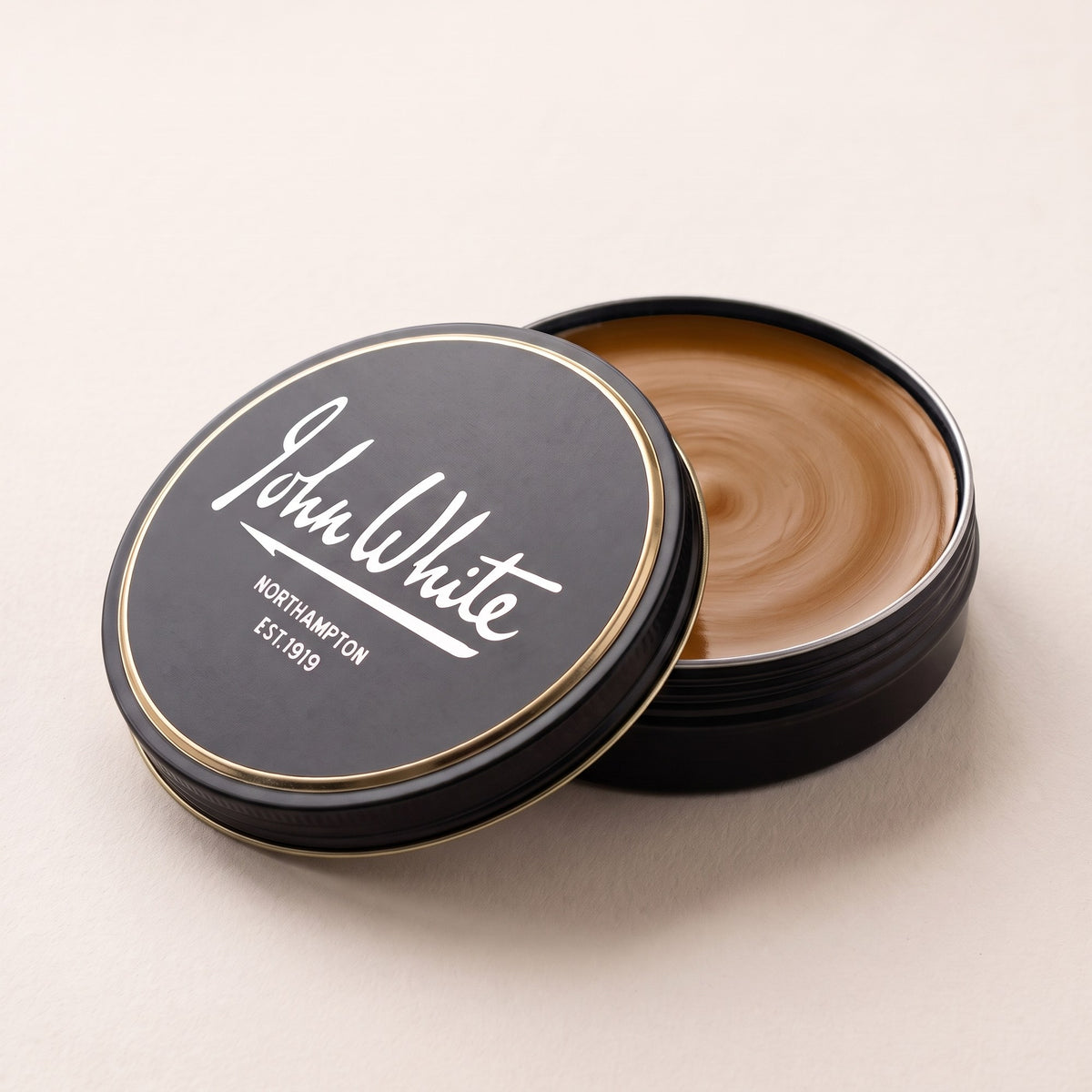
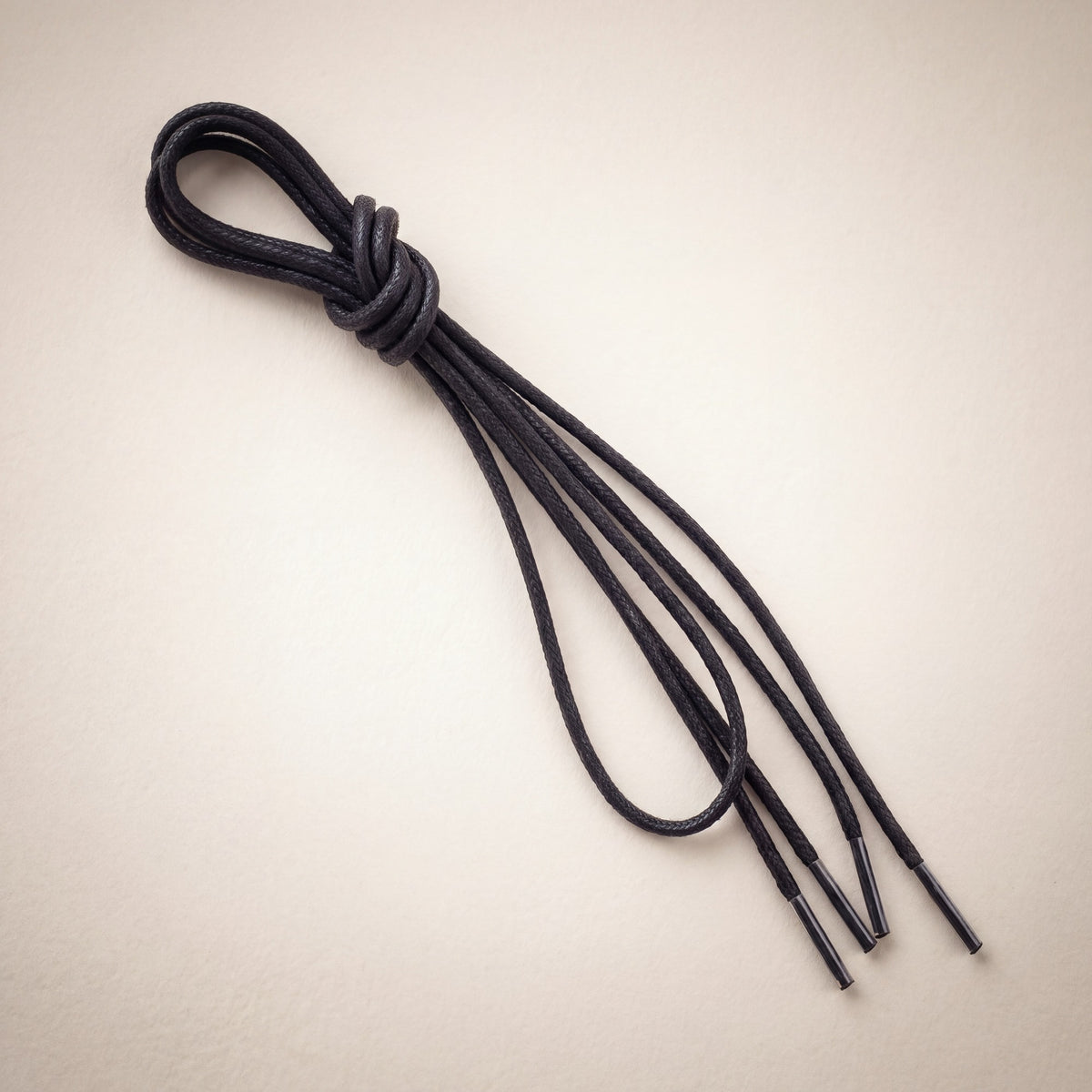
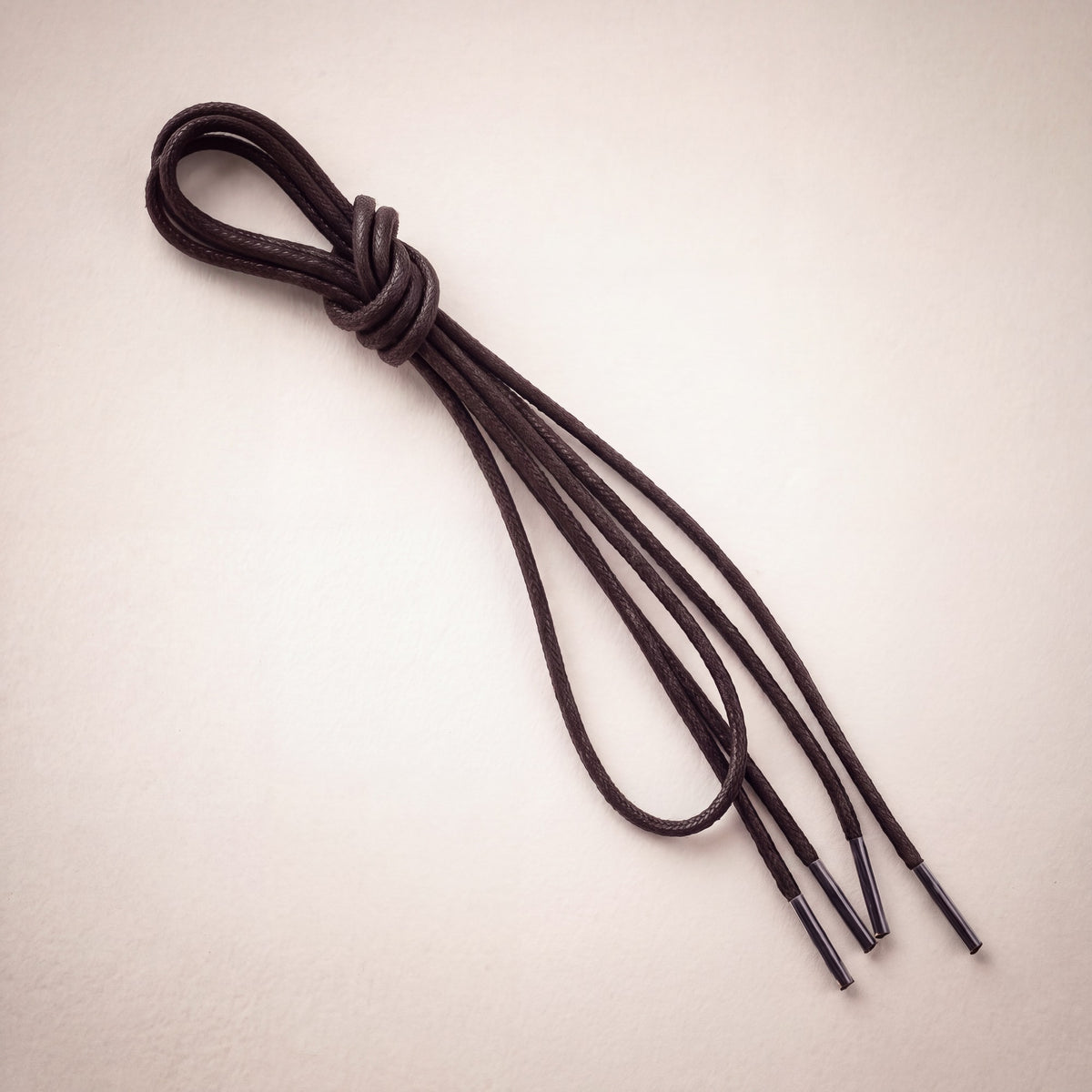
Polishing regularly with a quality wax polish replenishes the oils that daily wear strips from the leather. Our Premium Wax Polish is formulated for dress leather uppers and provides both nourishment and surface protection in a single application. For replacement laces, waxed formal shoe laces maintain a sharp, finished appearance that synthetic round laces can't match.
A quality leather dress shoe, properly rotated and conditioned, represents one of the strongest cost-per-wear investments in a professional man's wardrobe.Which John White Styles Demonstrate These Principles?
John White Shoes has been curating and sourcing premium dress footwear since the brand's revival in 2000 — continuing a heritage that John White himself established in Northamptonshire in 1919. Every shoe in the range is selected for leather quality, construction integrity, and durability of design rather than seasonal trend.
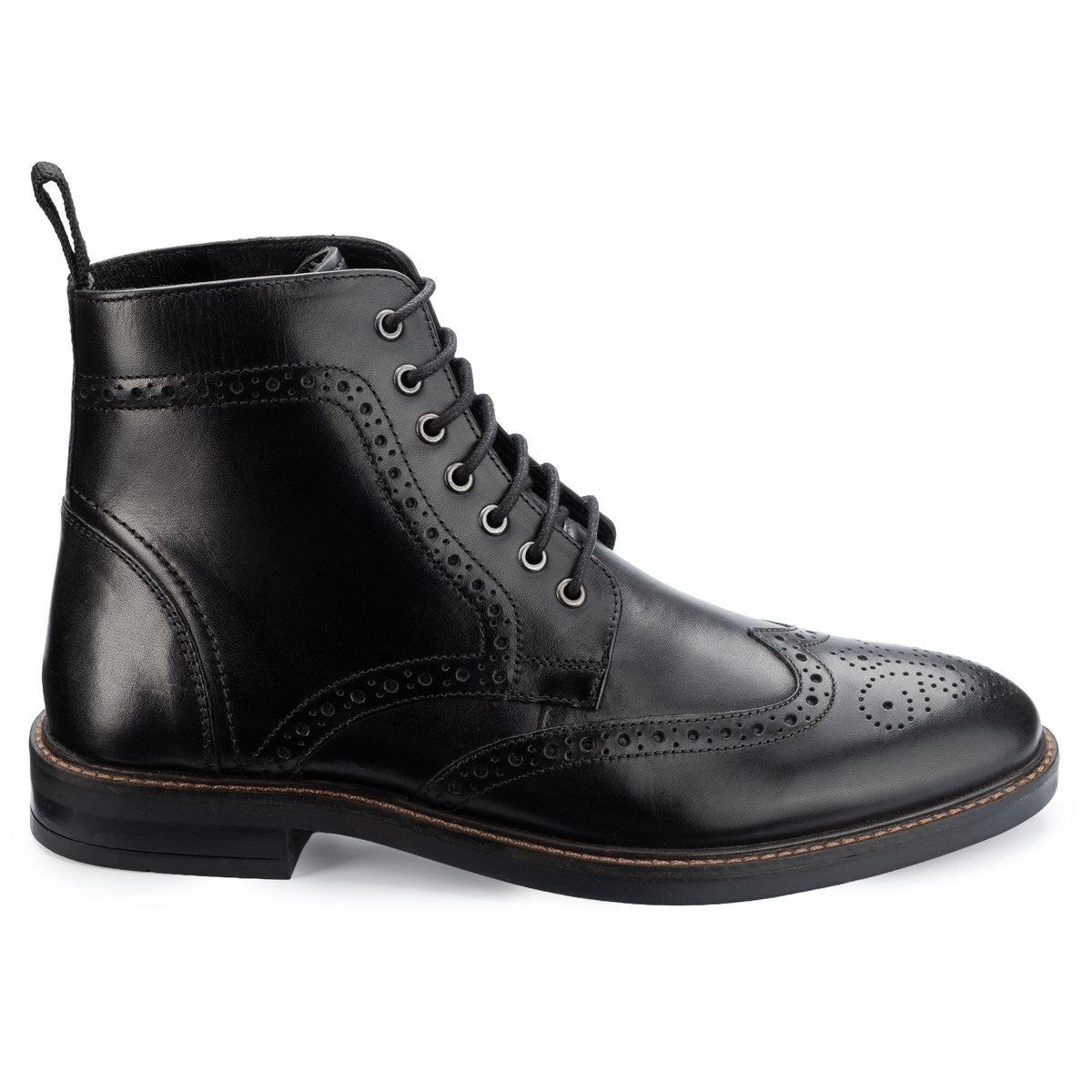
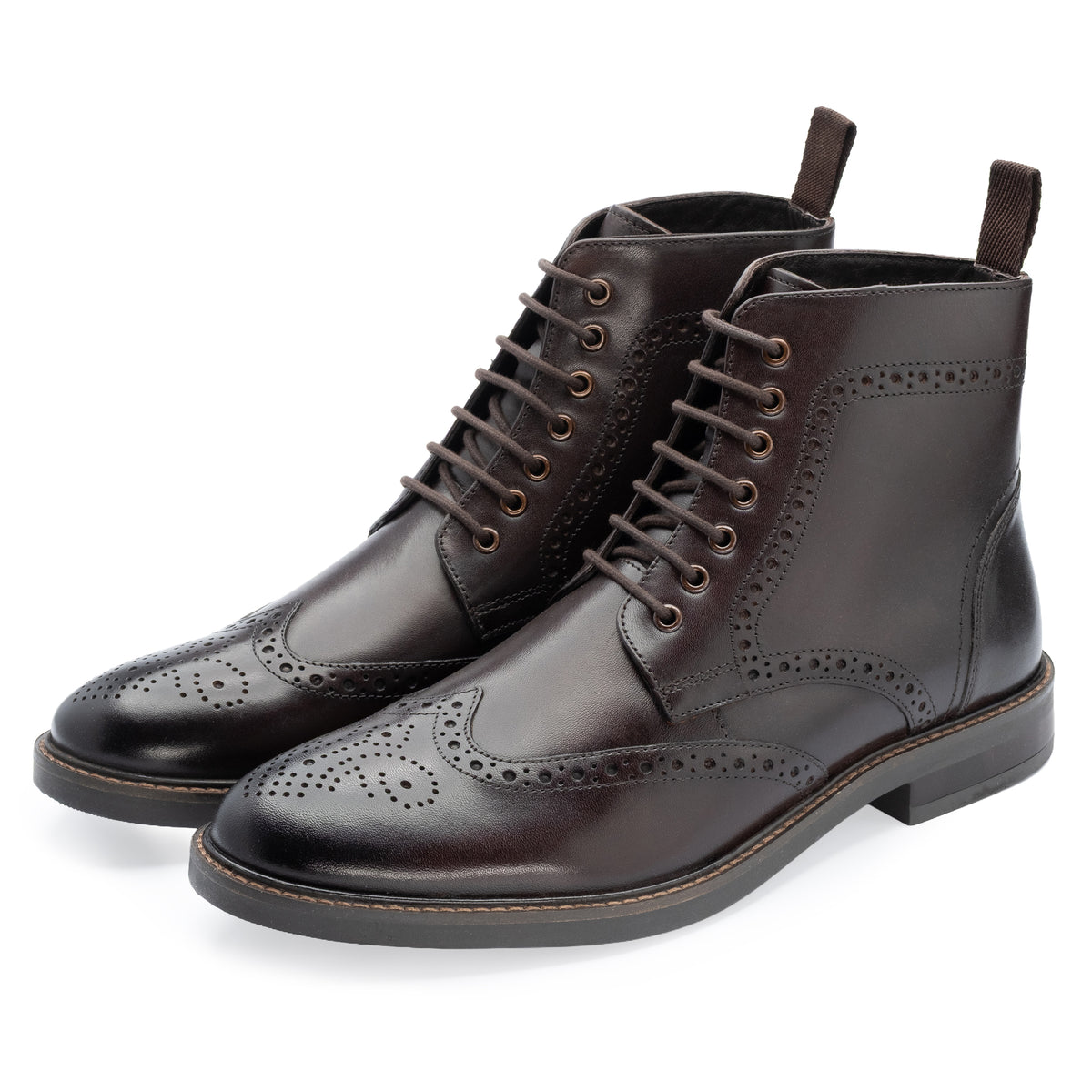
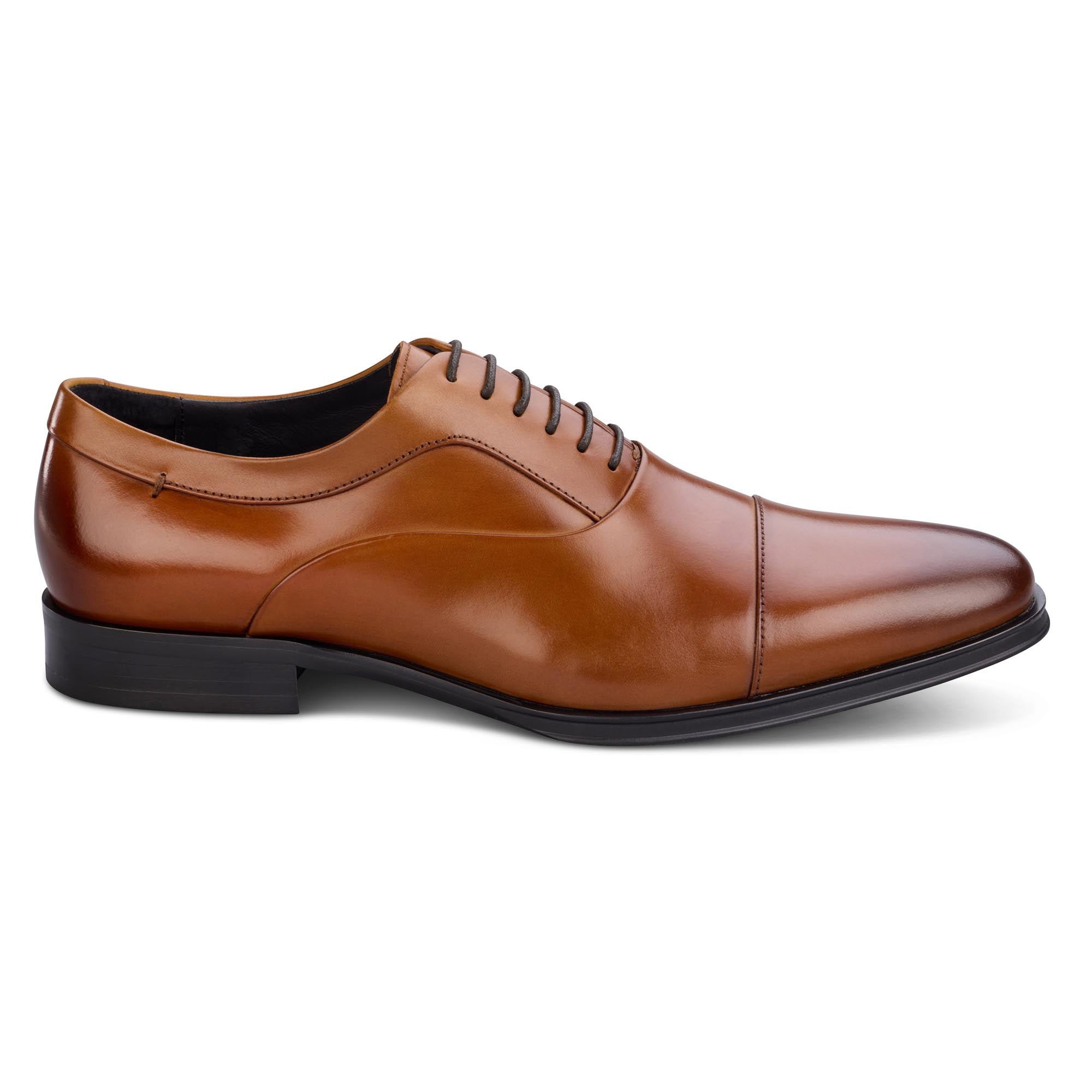
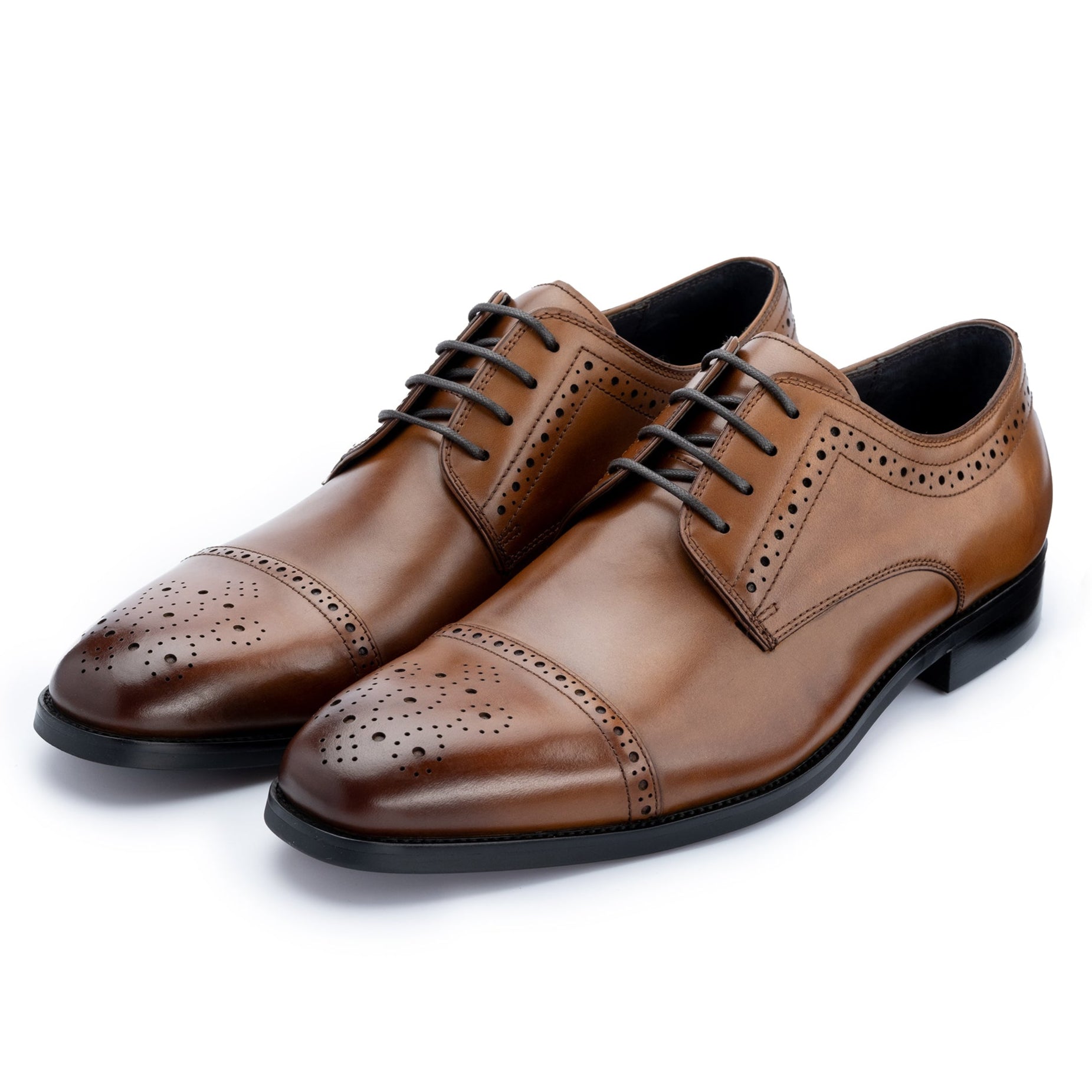
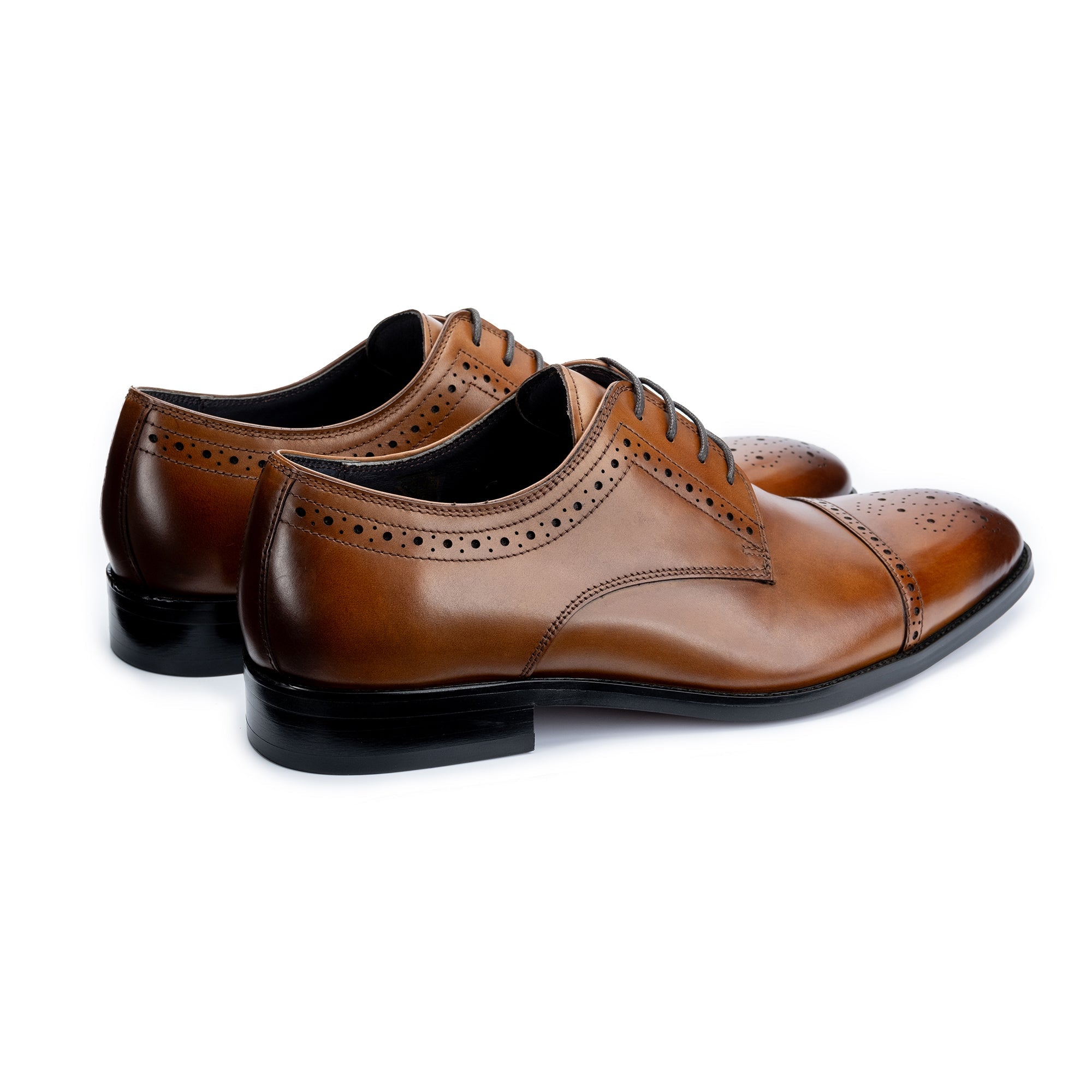
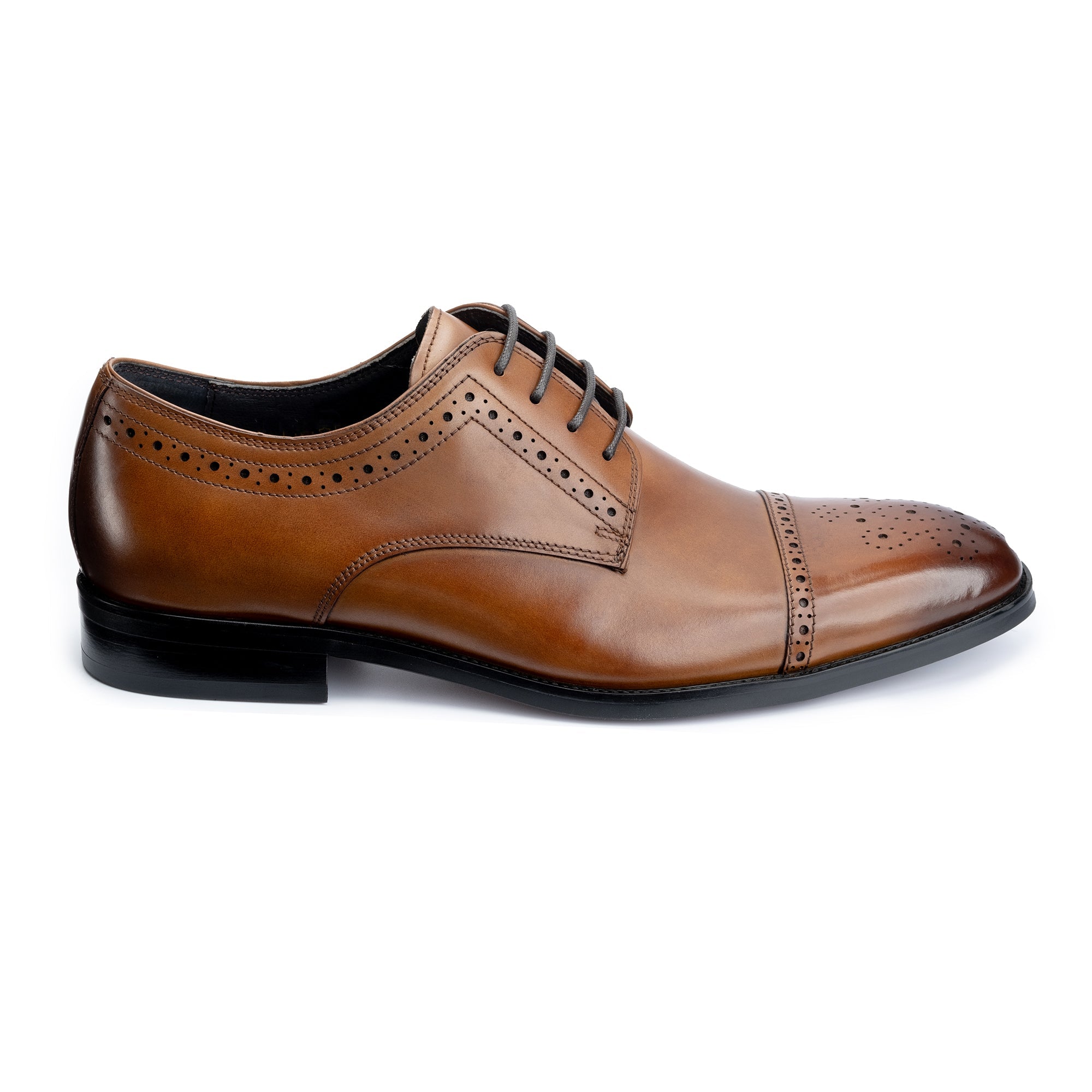
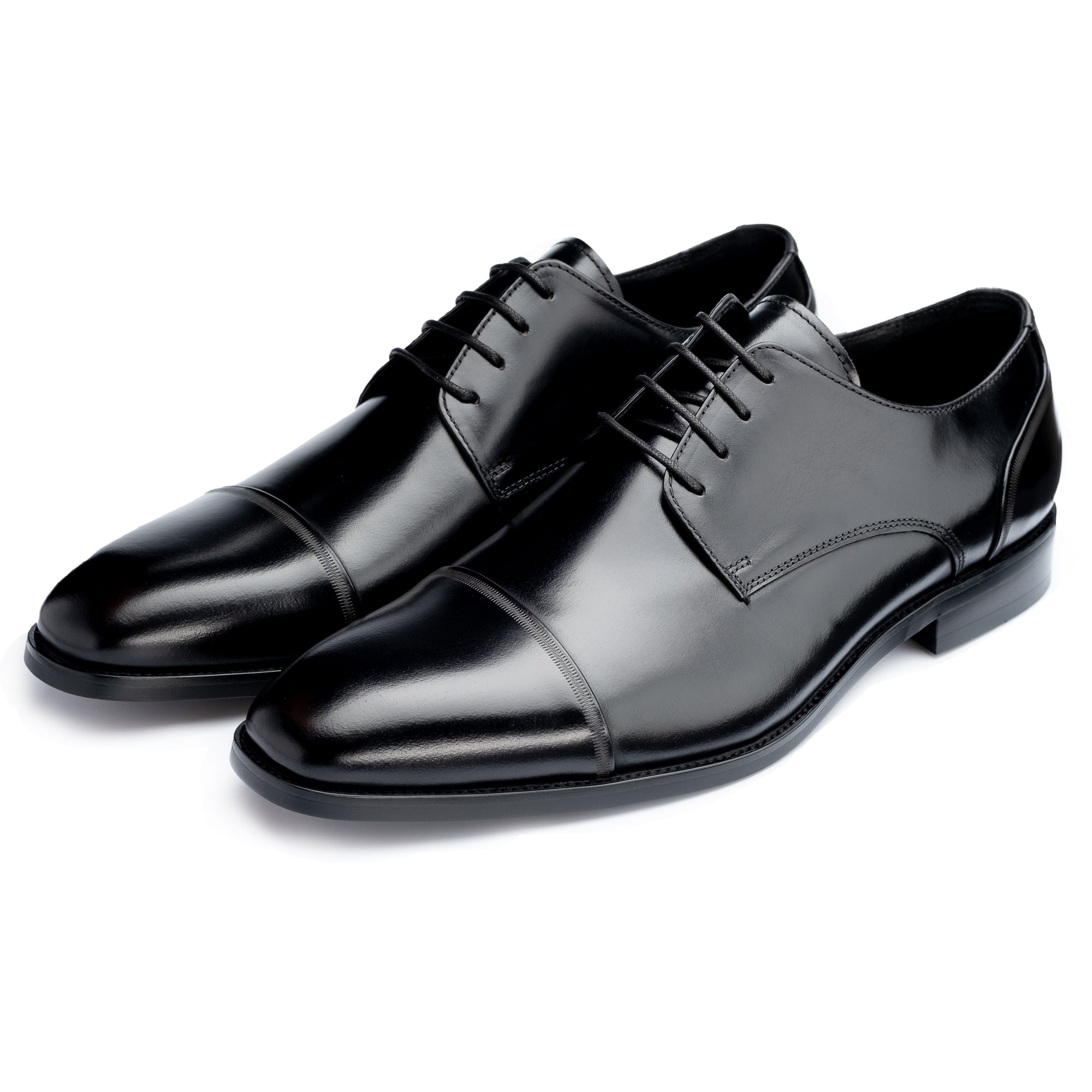
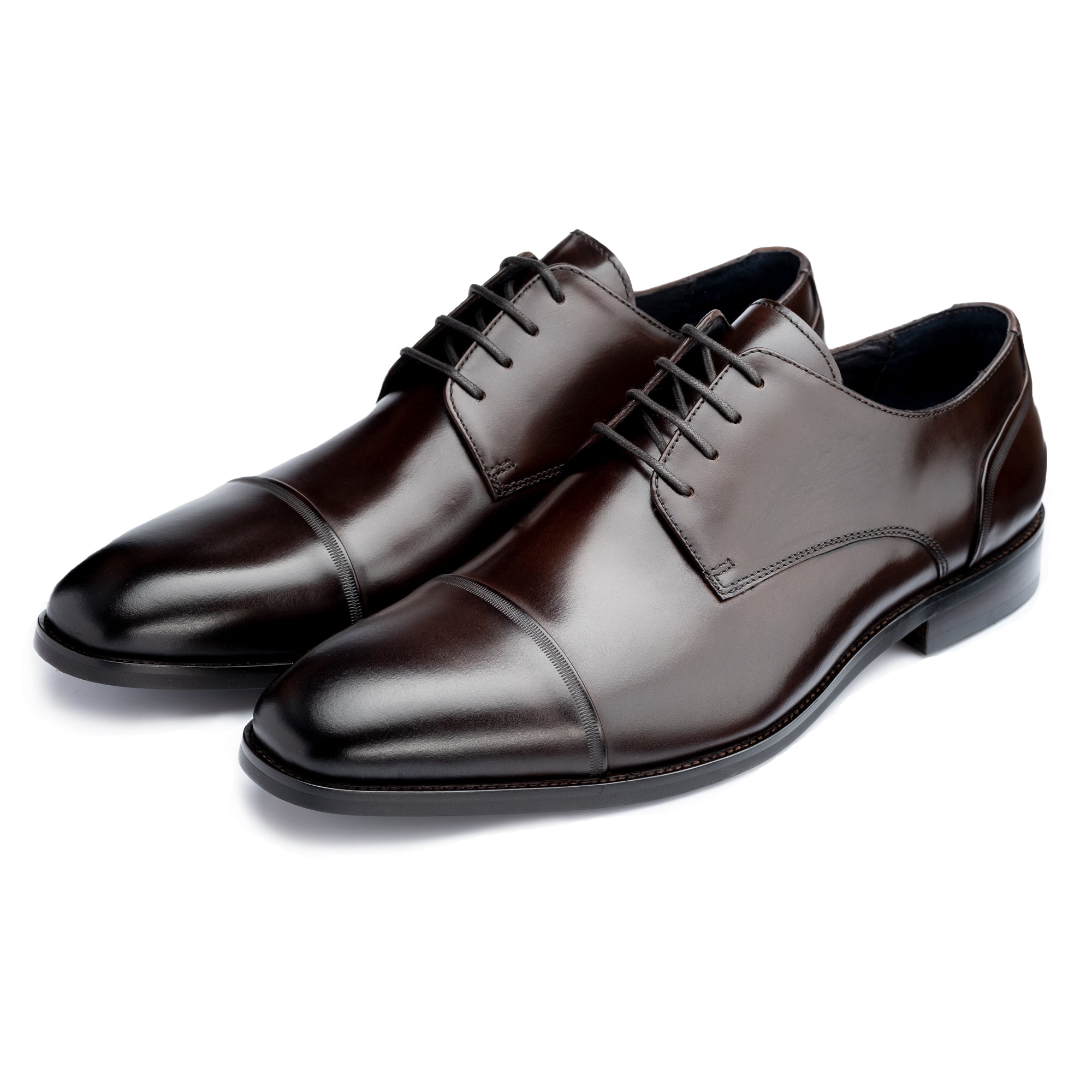
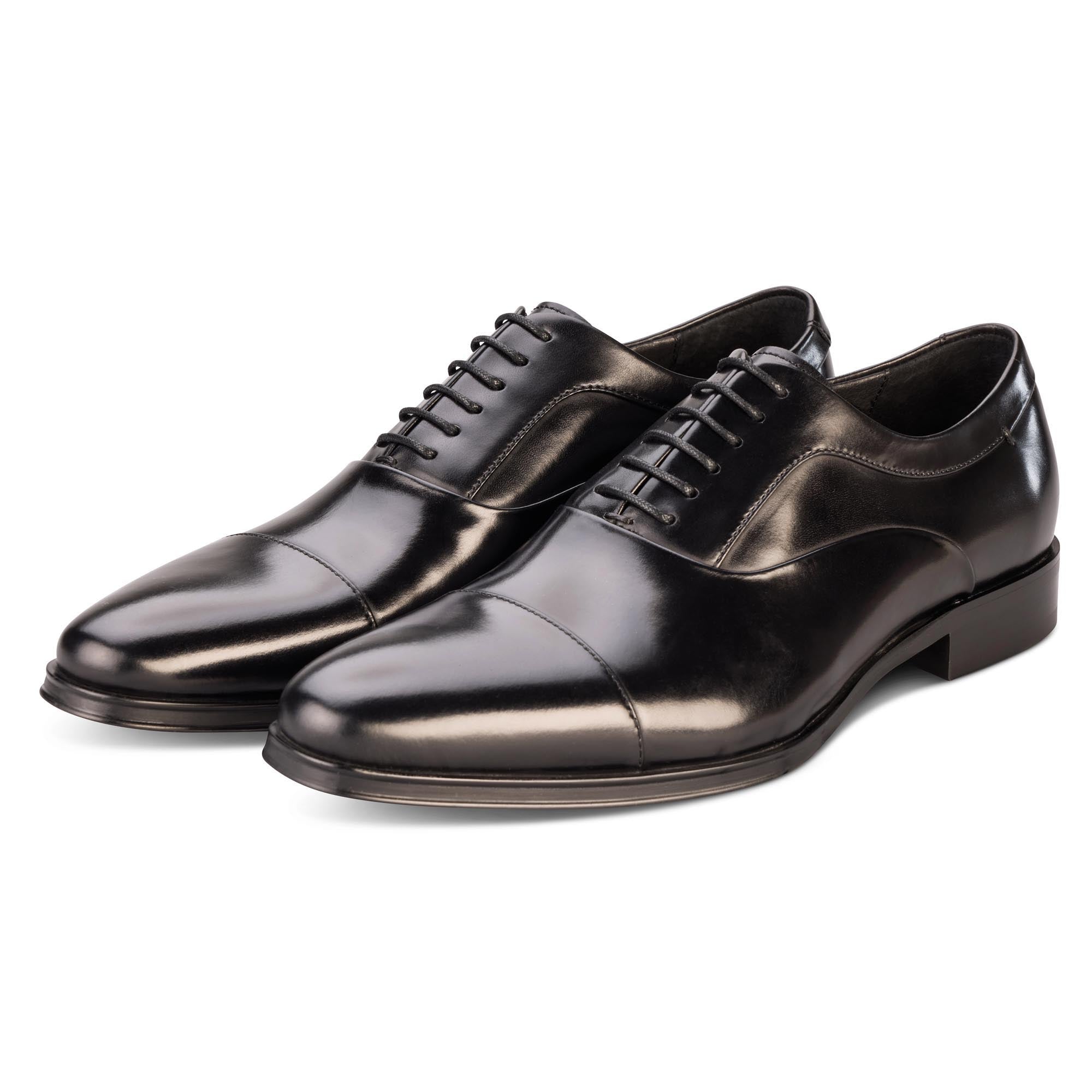
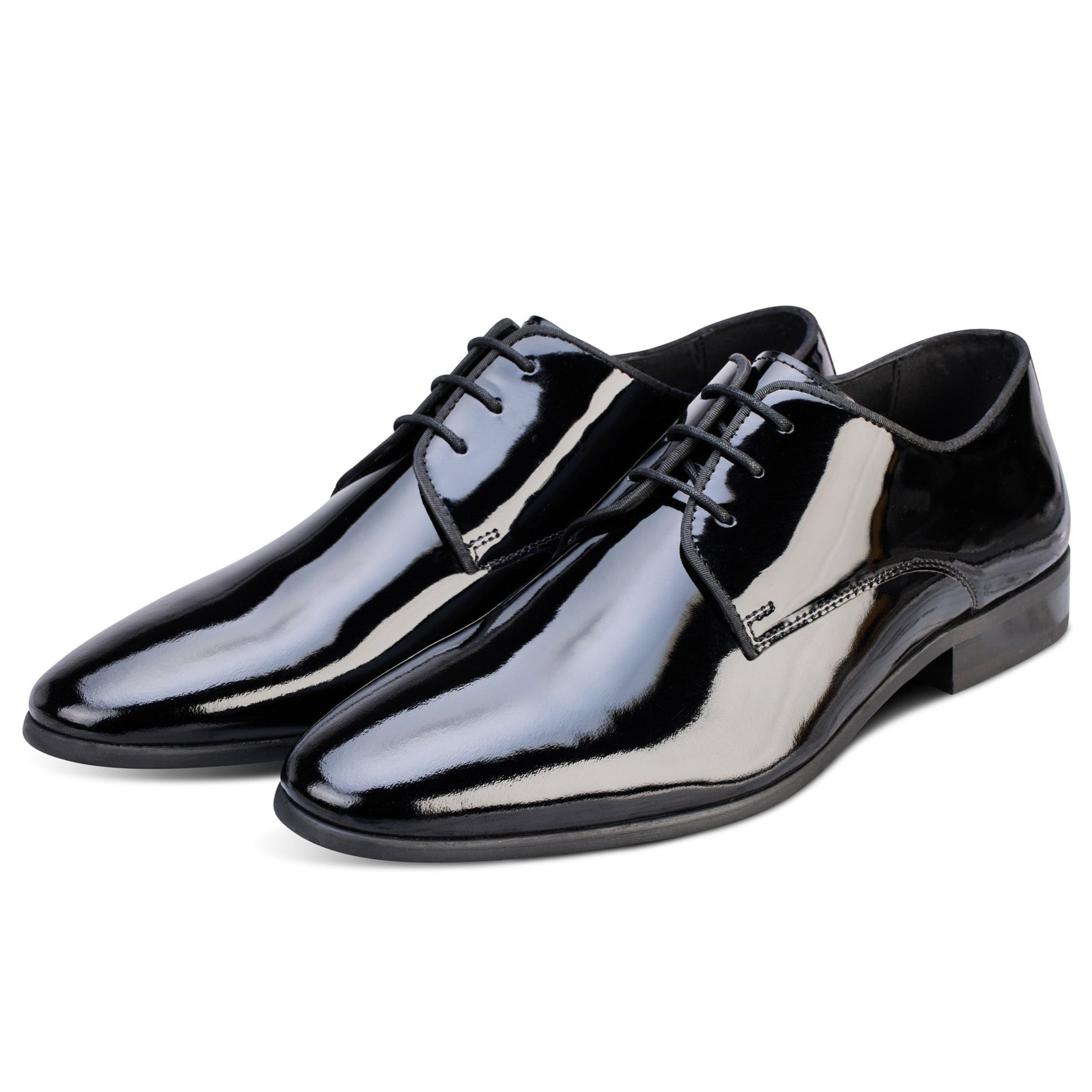
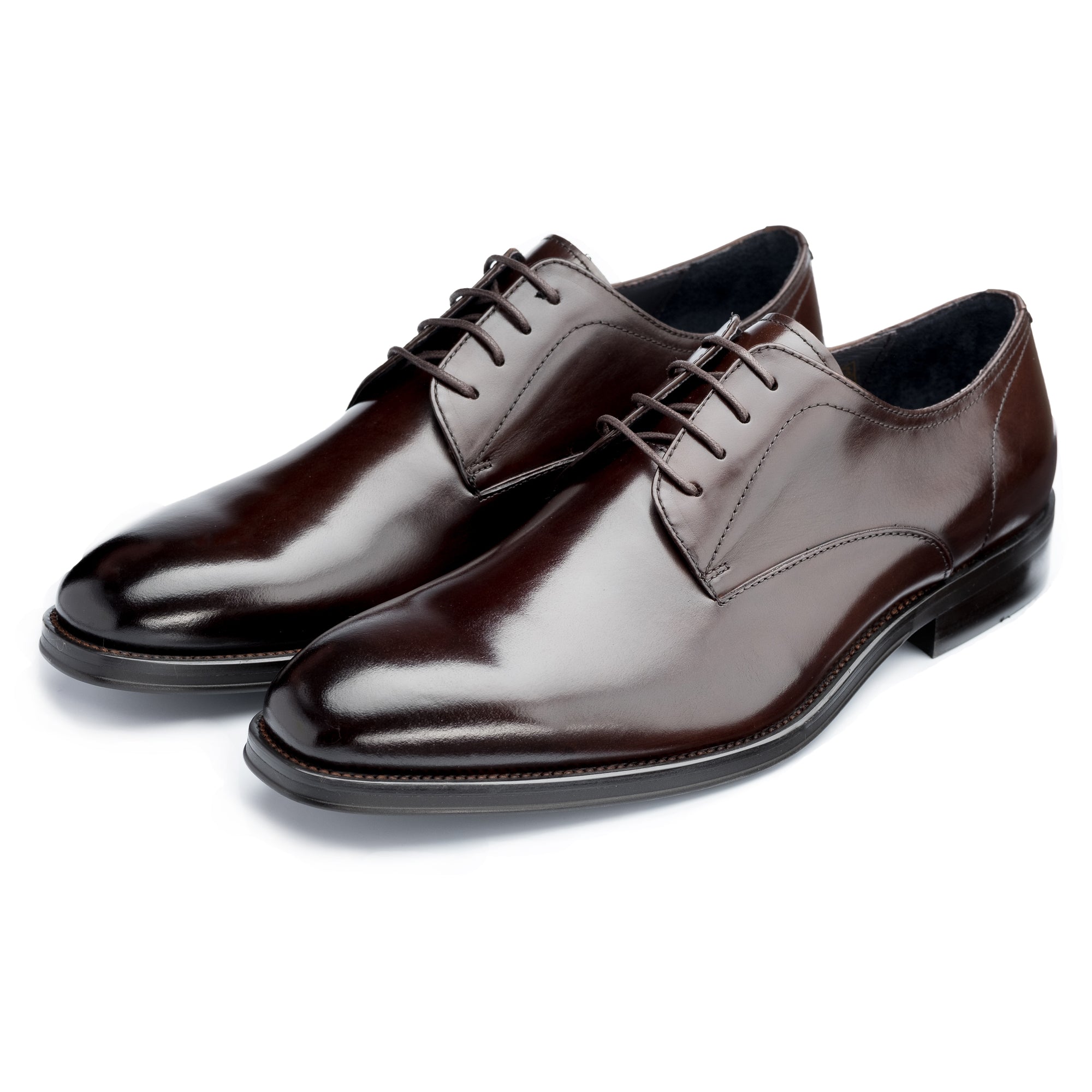
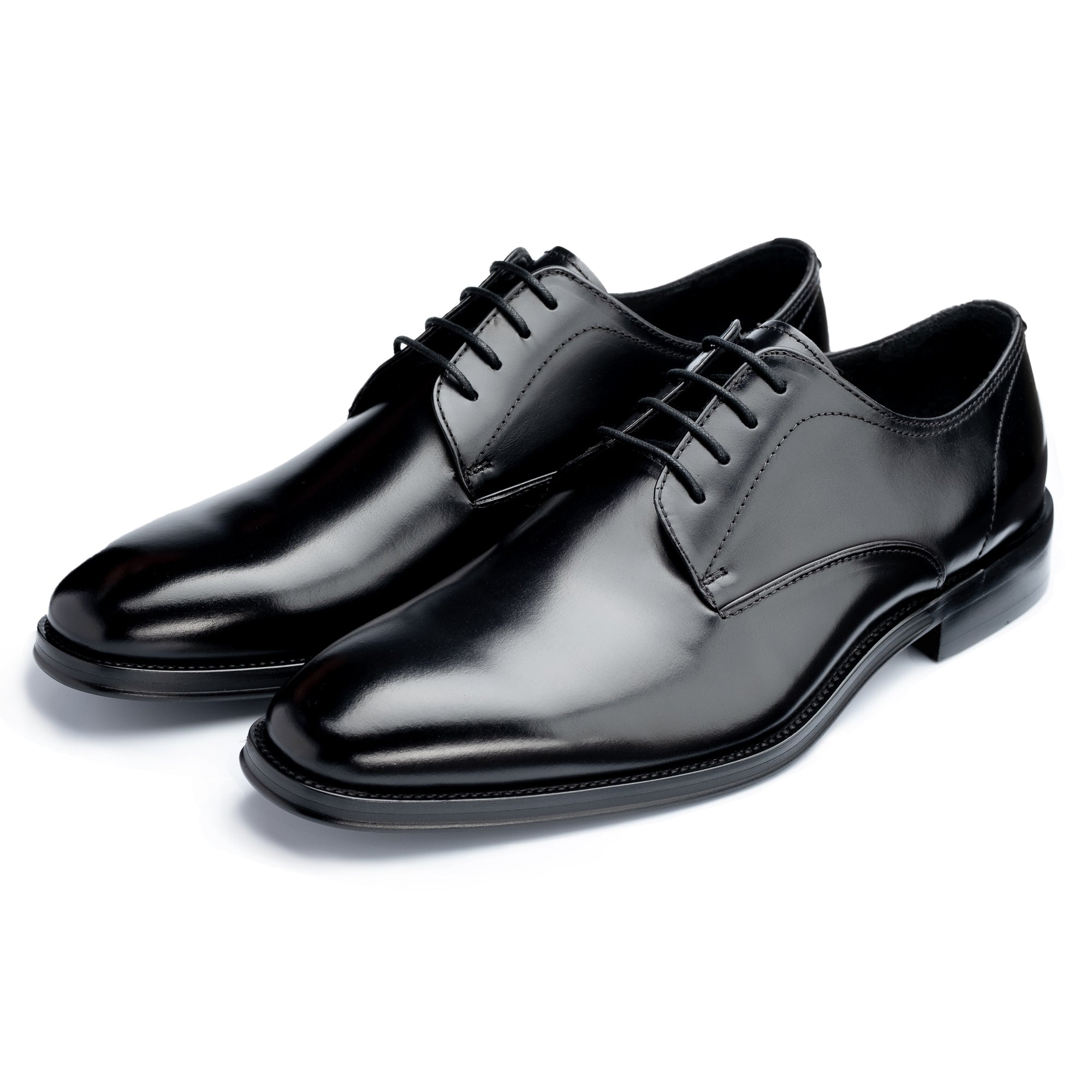
For formal occasions, the Guildhall Capped Oxfords — available in black and tan — offer the clean, capped-toe Oxford profile that's remained the correct choice for business formal since before John White founded the brand. For versatile business and smart-casual wear, the Stokes Brogue Derby Shoes in black, brown, or tan carry the classic brogue detailing that's defined British dress shoe culture for over a century.
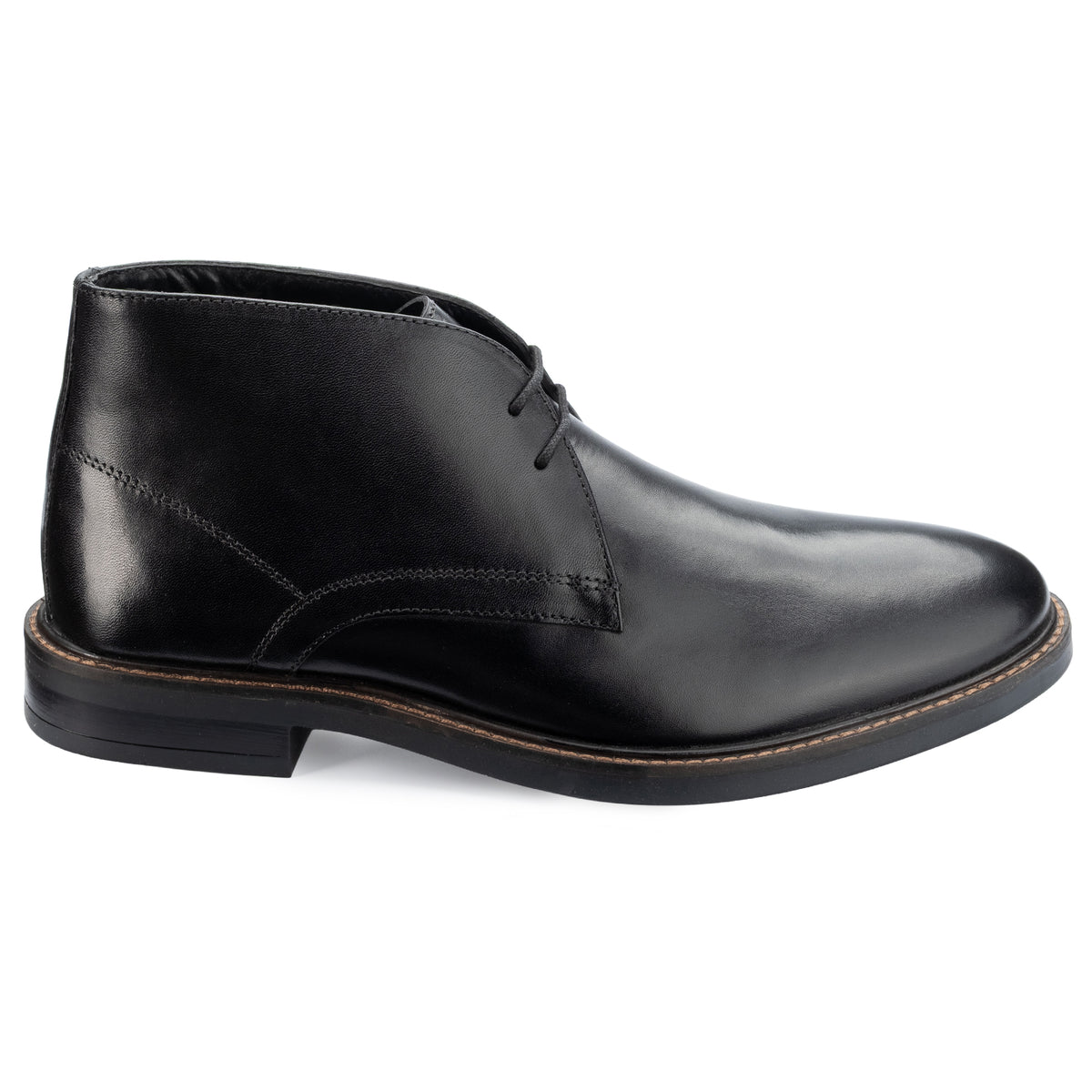
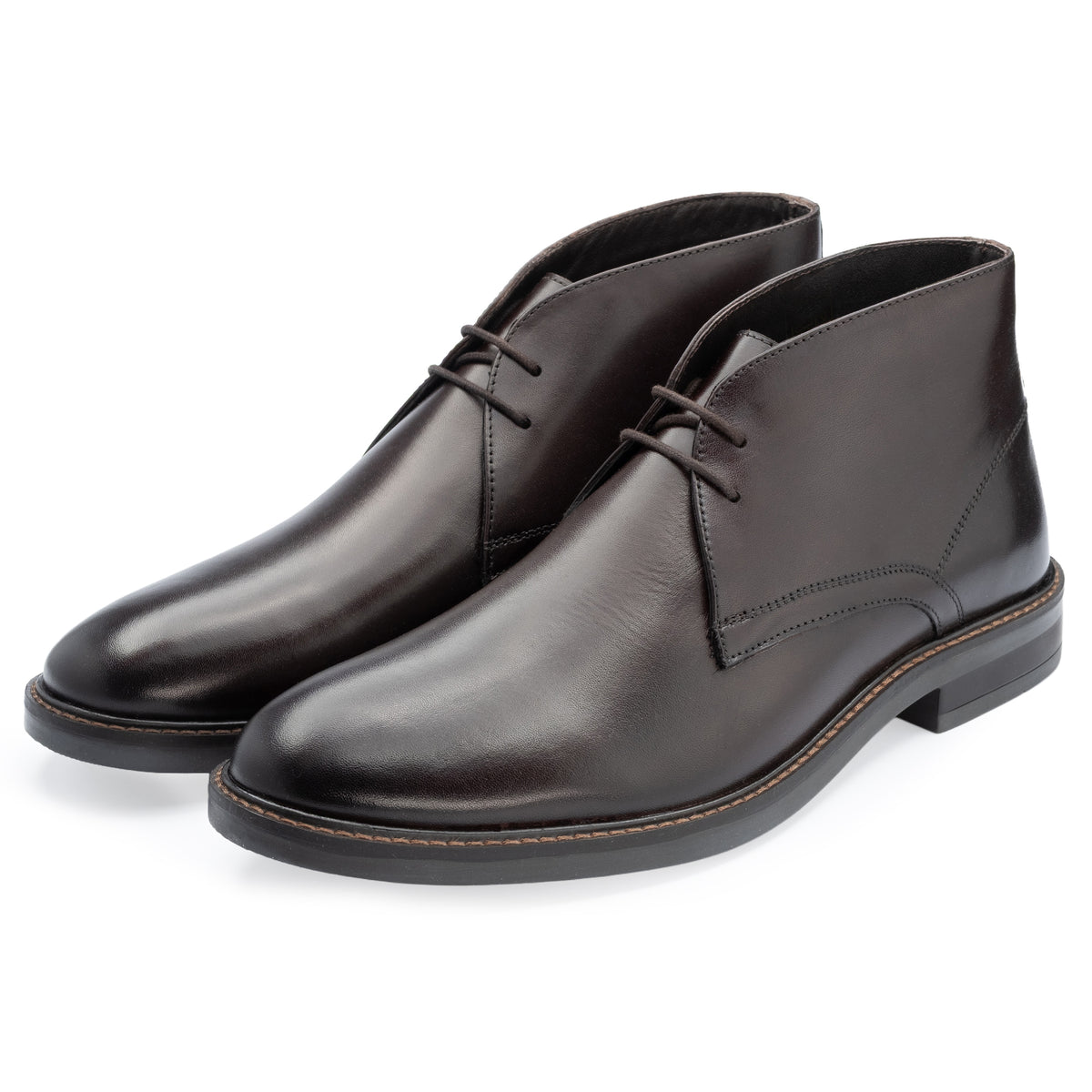
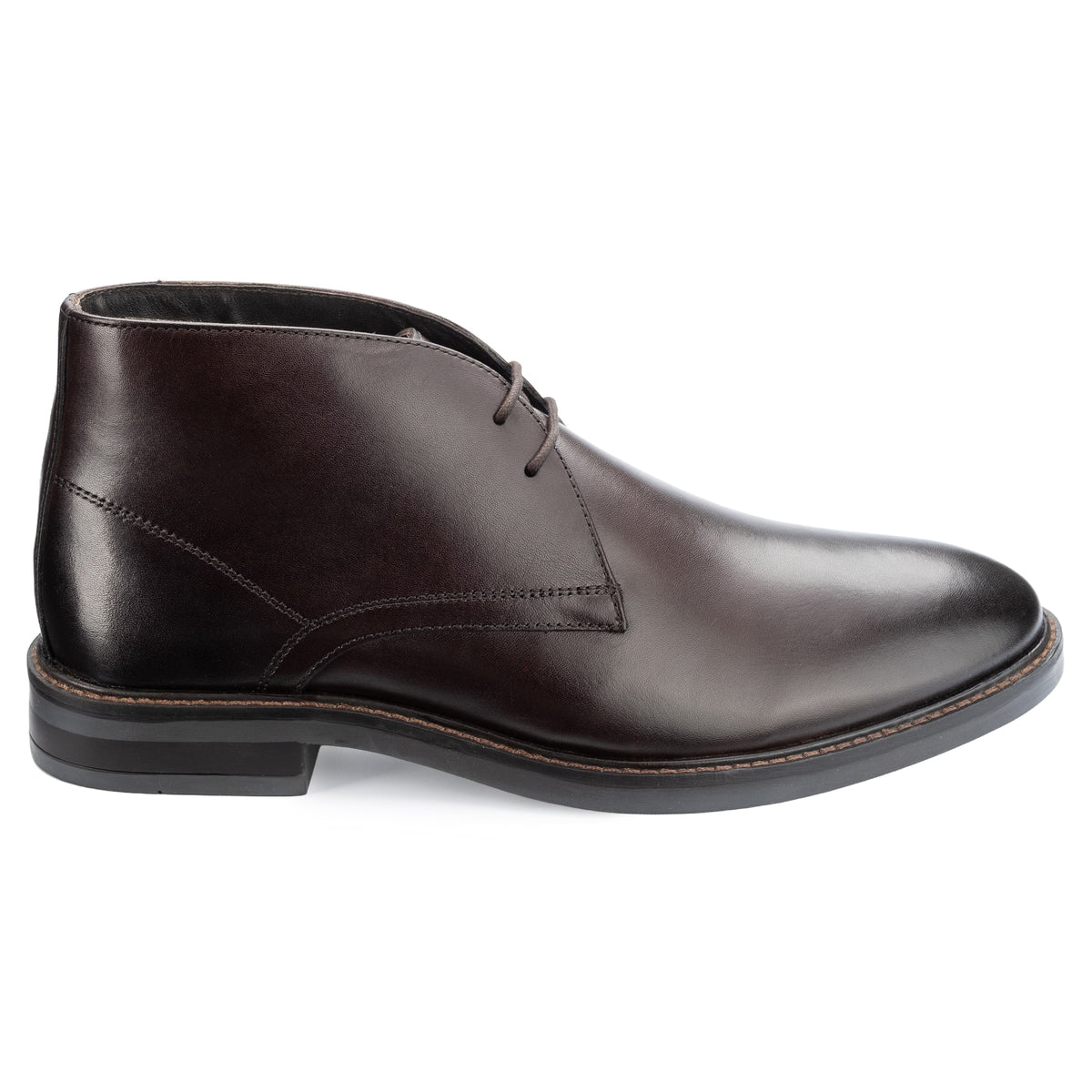
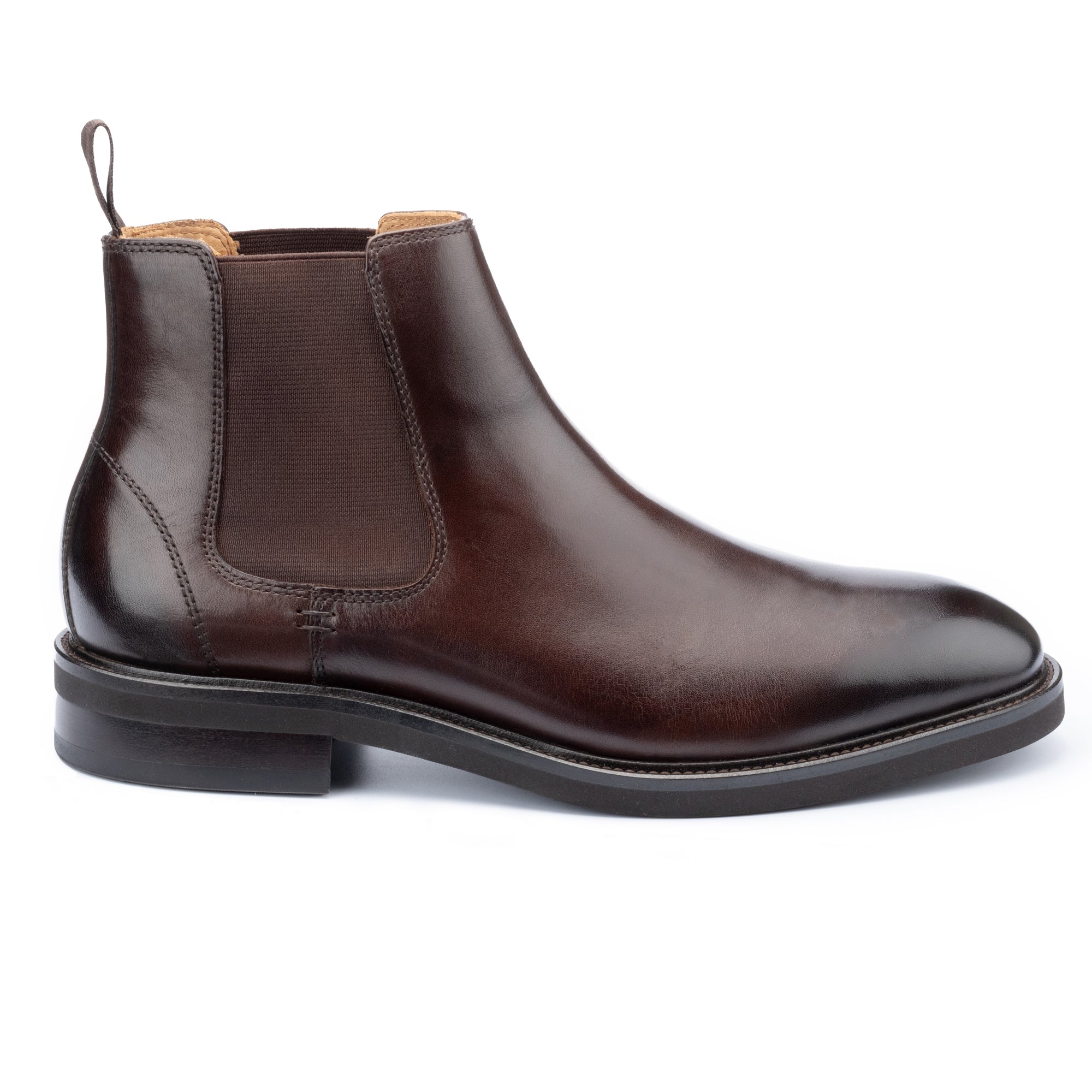
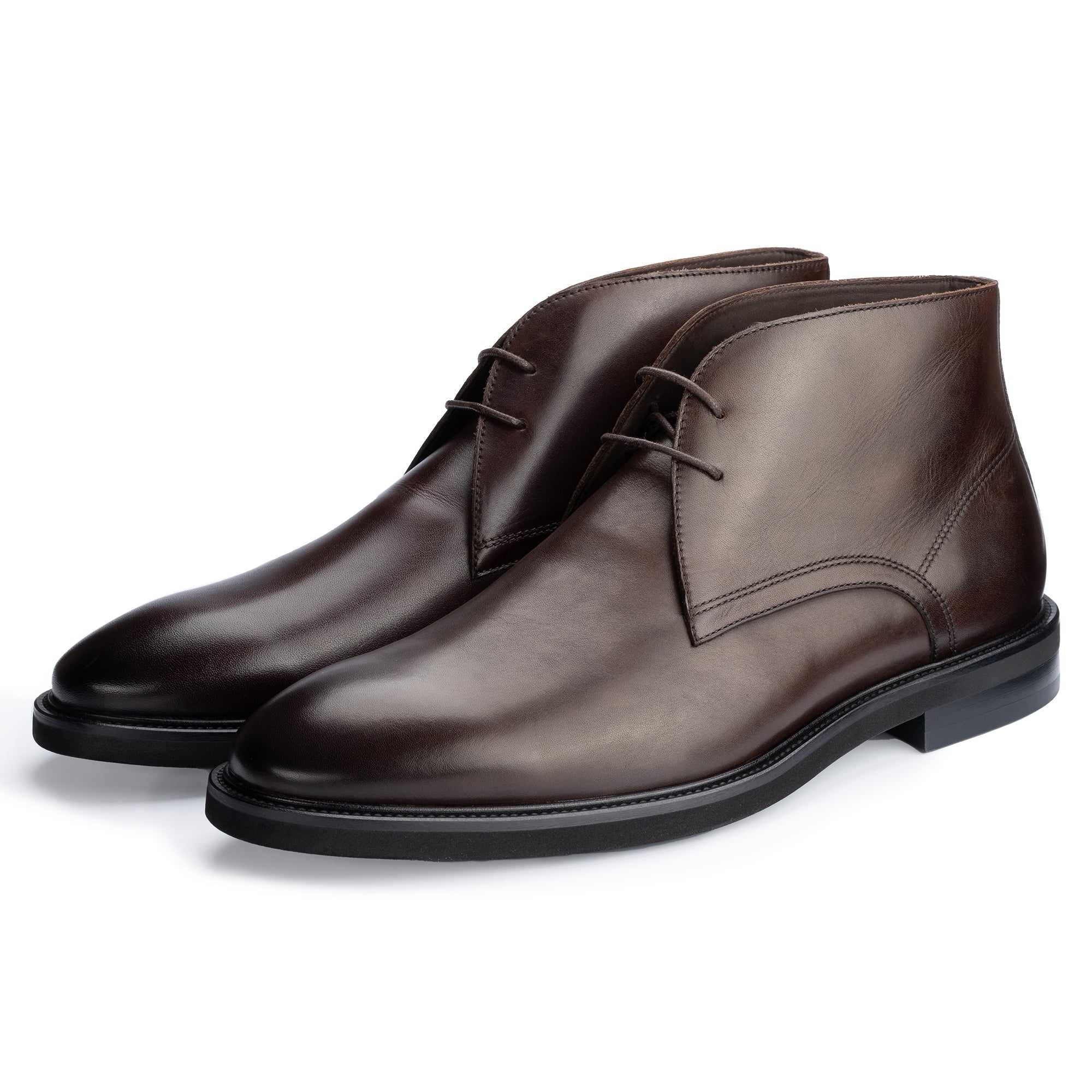
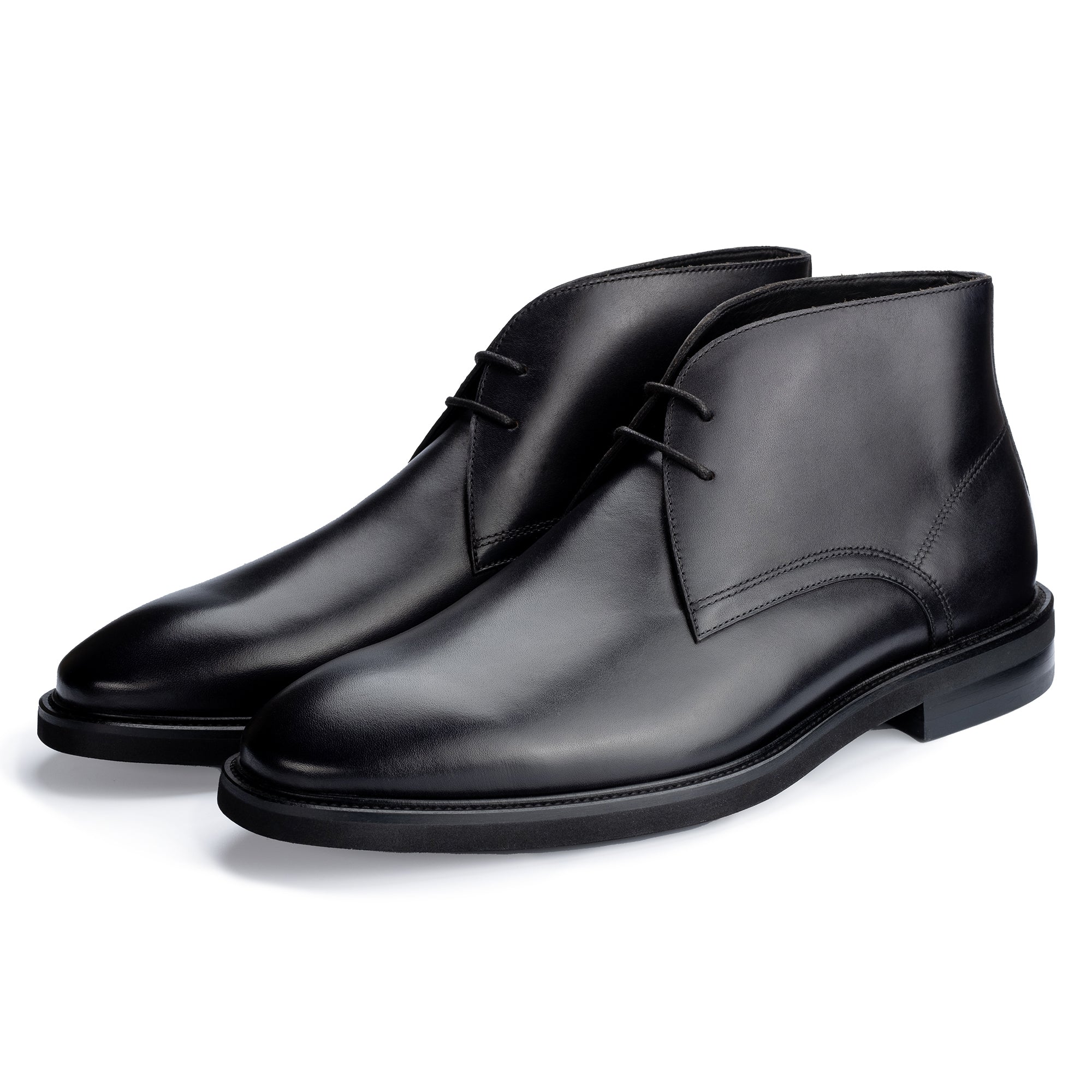
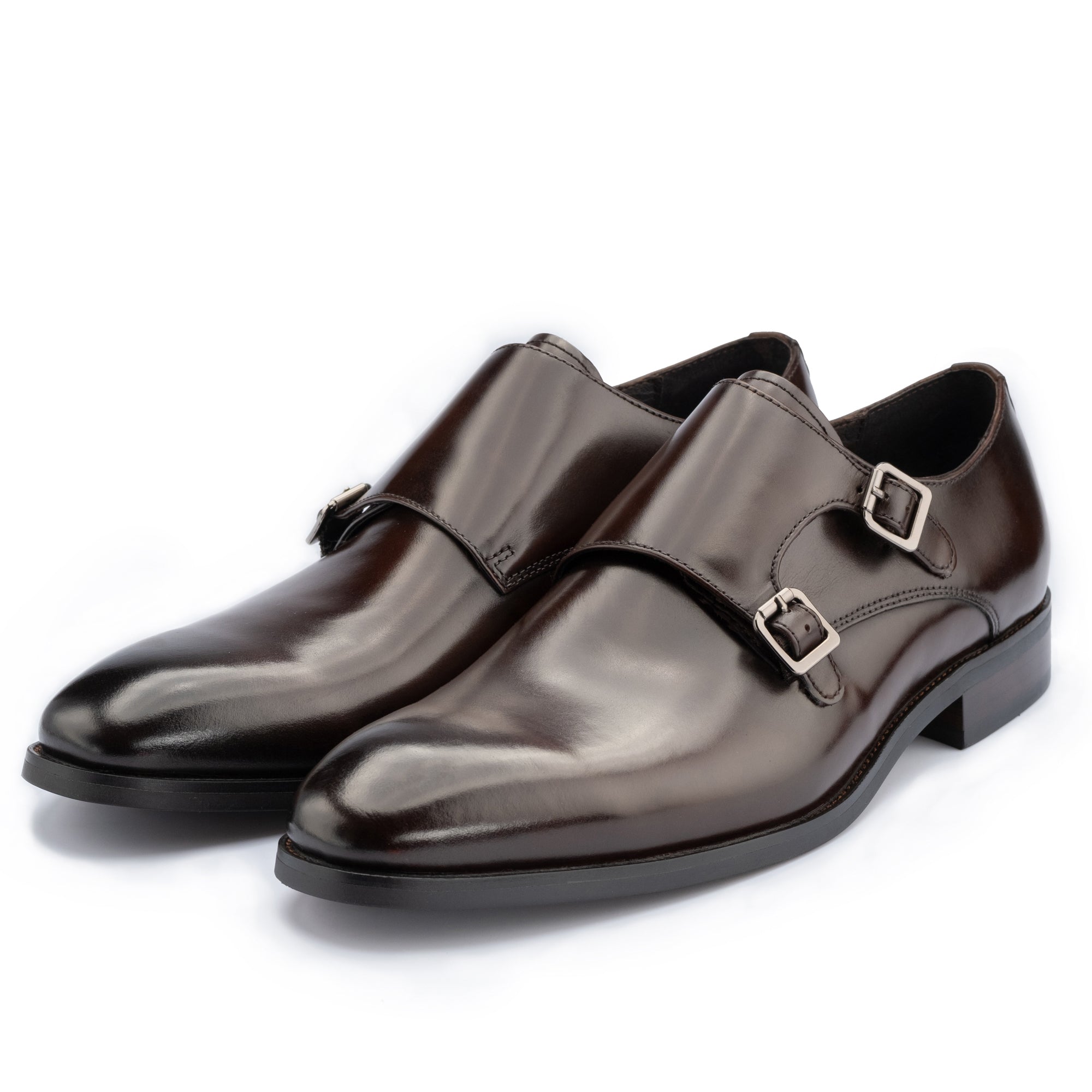
John White Shoes sits within the broader Northamptonshire heritage tradition — alongside names like Barker, Church's, Loake, Grenson, and Crockett & Jones — representing a school of British dress shoe design that prizes quality, restraint, and durability over trend. The range covers the spectrum from Oxford to Chelsea boot: explore men's dress shoes and men's boots to find the right construction for your wardrobe.
Related Guides
TL;DR: A quality dress shoe is built from six components — upper, lining, insole, outsole, heel, and toe box — each contributing to fit, comfort, and longevity. Construction method (cemented or Goodyear-welted) matters less than the grade of leather and precision of the lasting process. According to the British Footwear Association, a well-maintained leather dress shoe can serve eight to ten years of regular wear with proper rotation and conditioning.
Frequently Asked Questions
What is the most important part of a shoe's construction?
The lasting process — how the upper is stretched and set over the last — determines the shoe's final shape, fit, and long-term comfort. A well-lasted shoe holds its form for years; a poorly lasted one distorts within months regardless of leather quality.
Is cemented construction inferior to Goodyear-welted?
No. Cemented construction dominates global dress shoe production and produces a lighter, more flexible shoe that's comfortable from first wear. Component quality — leather grade, insole construction, lining — matters significantly more than the joining method.
How many pairs should you rotate between?
Two to three pairs minimum. Leather needs 24 to 48 hours to dry and recover between wears. A practical rotation of a formal Oxford, a Derby or brogue, and a Chelsea boot covers most professional dress code requirements while allowing proper recovery time for each pair.
Can cemented-sole shoes be resoled?
Yes. A skilled cobbler can replace a cemented sole, and the Society of Master Shoe Repairers confirms this is one of their most common services. On quality cemented shoes with a full-grain upper, resoling is both feasible and cost-effective — and extends the shoe's working life considerably.