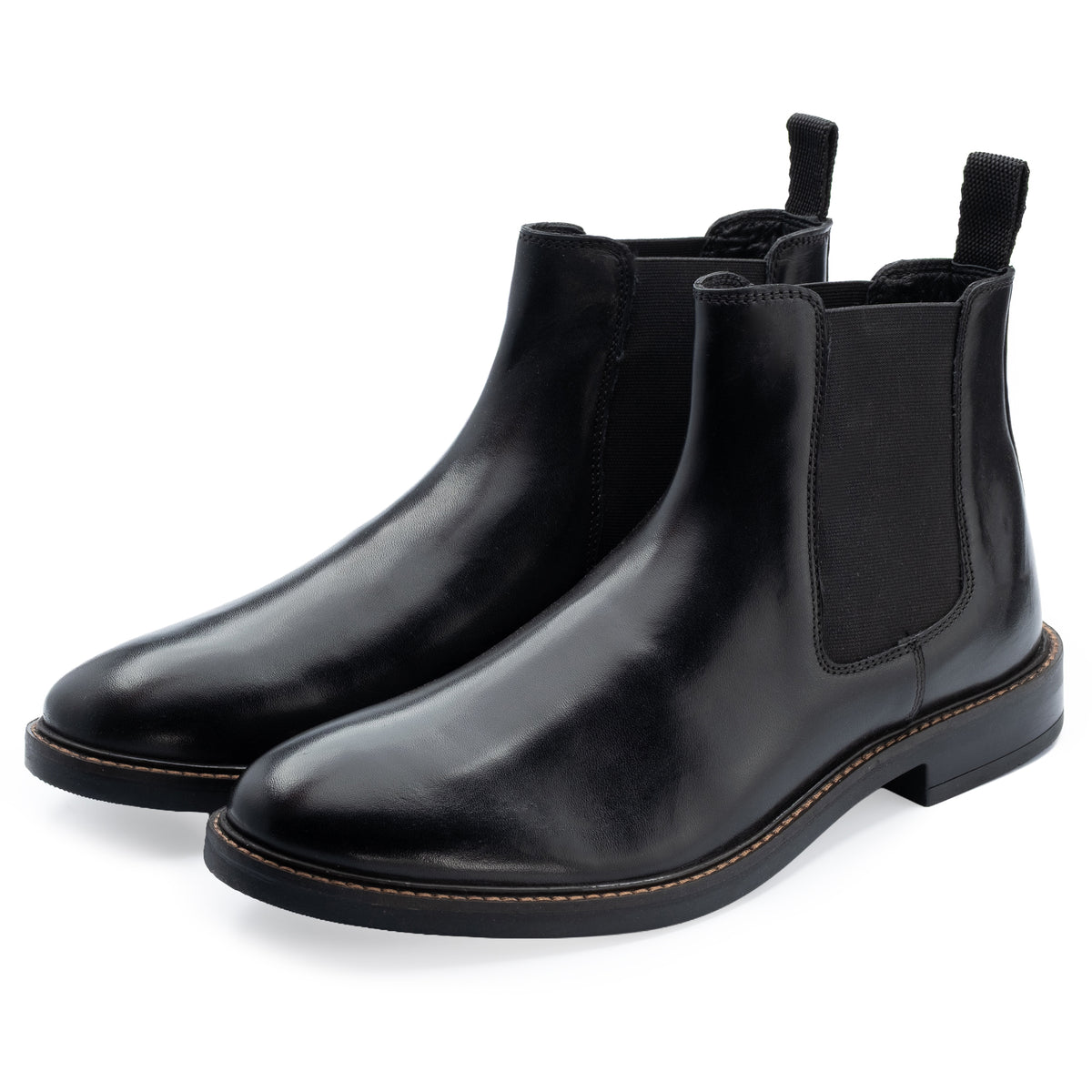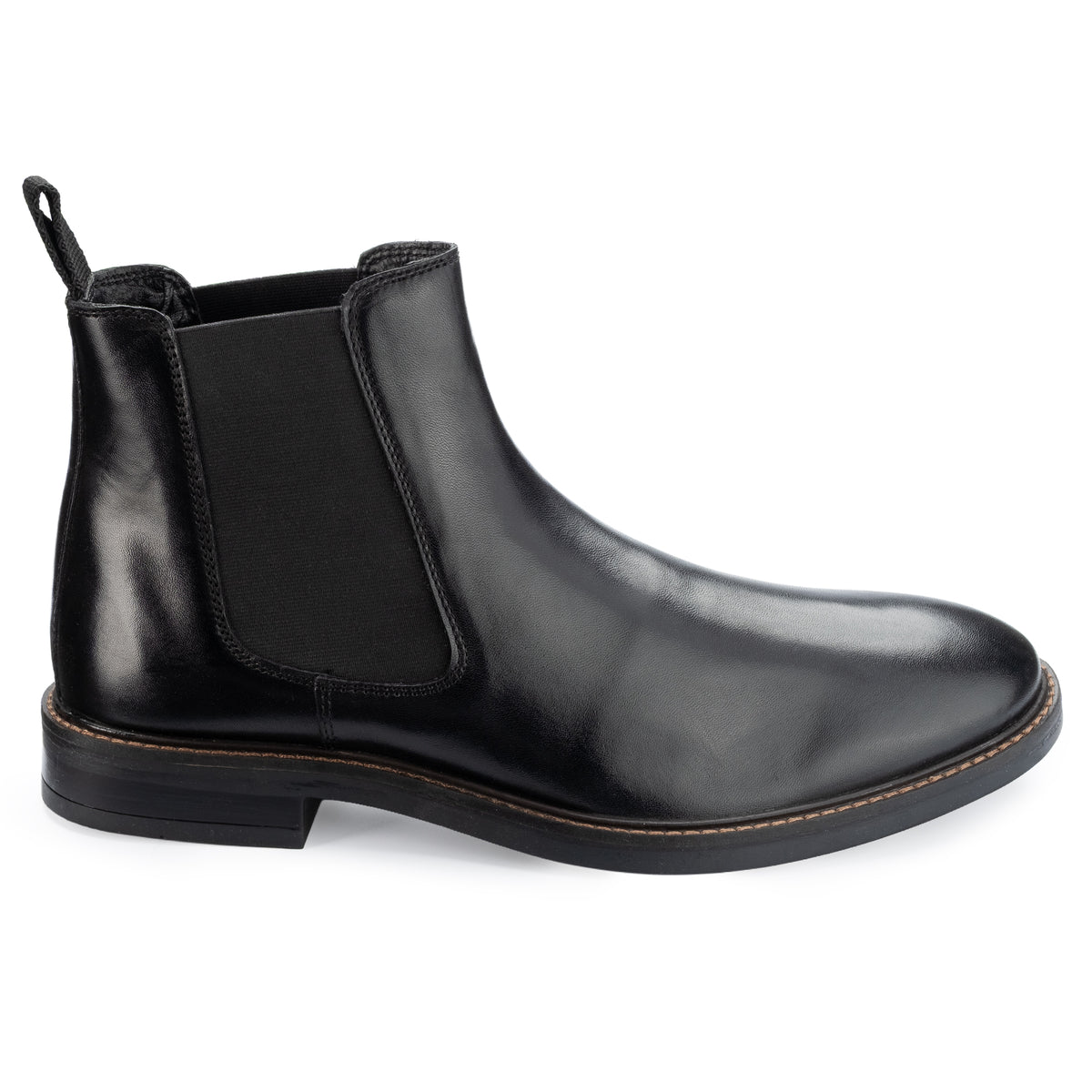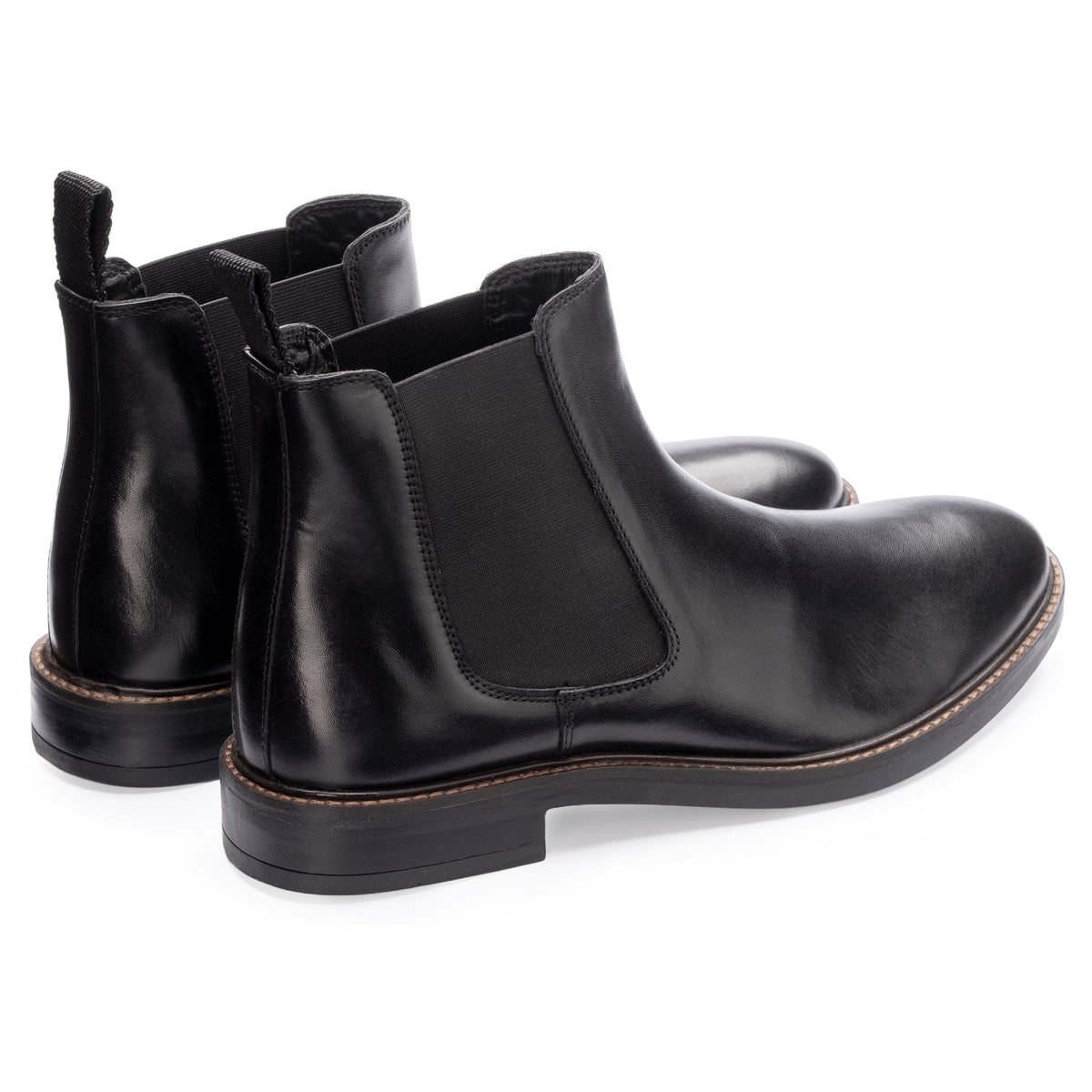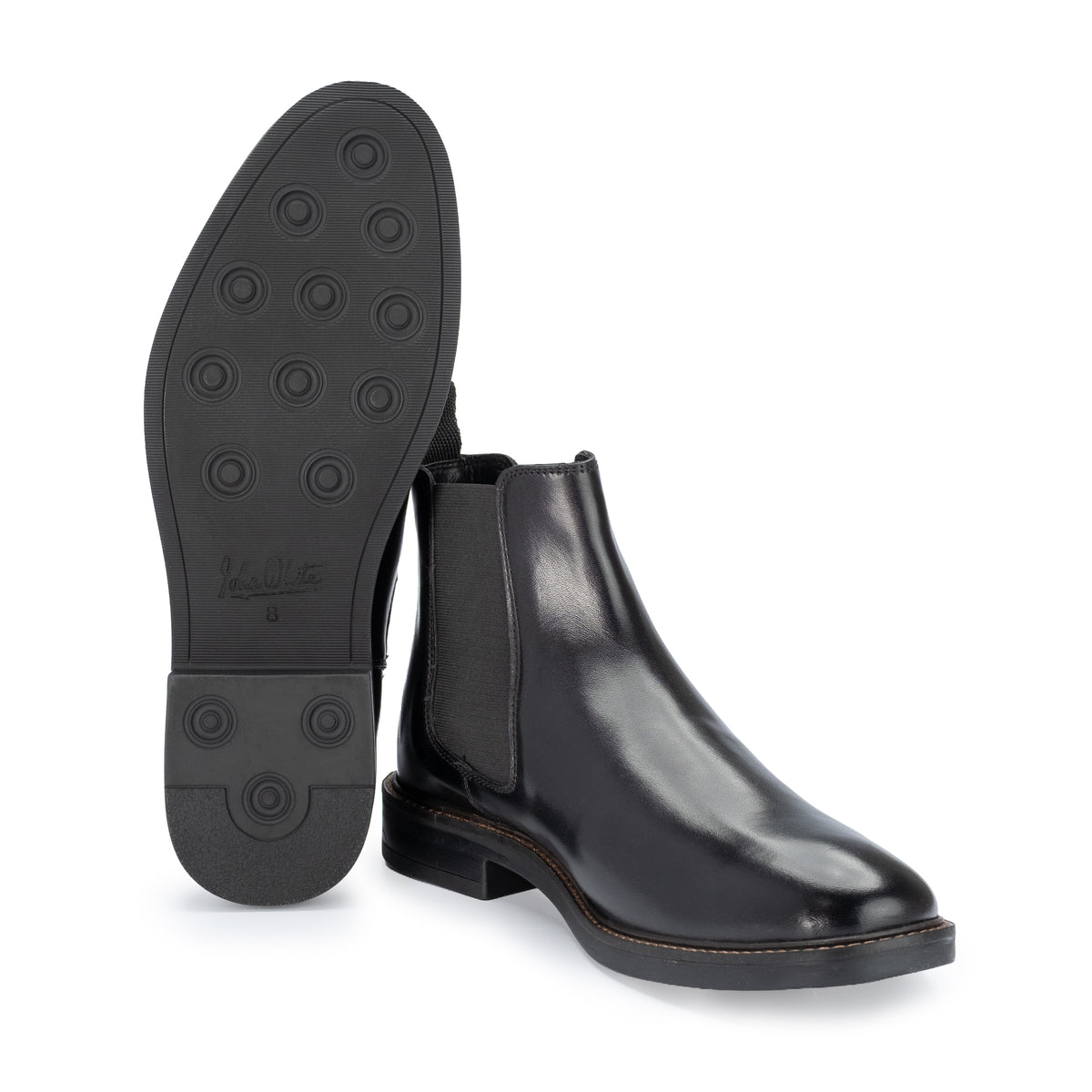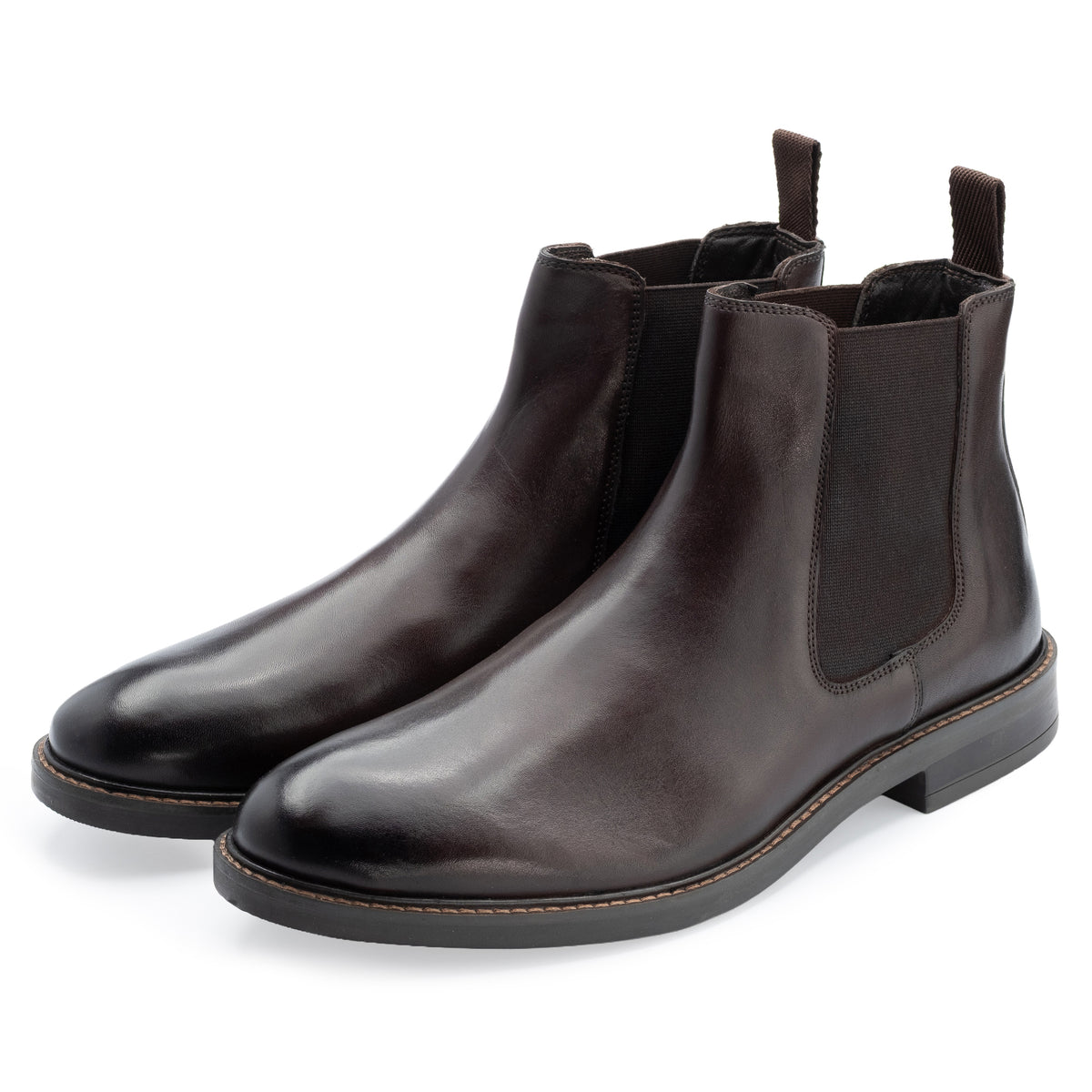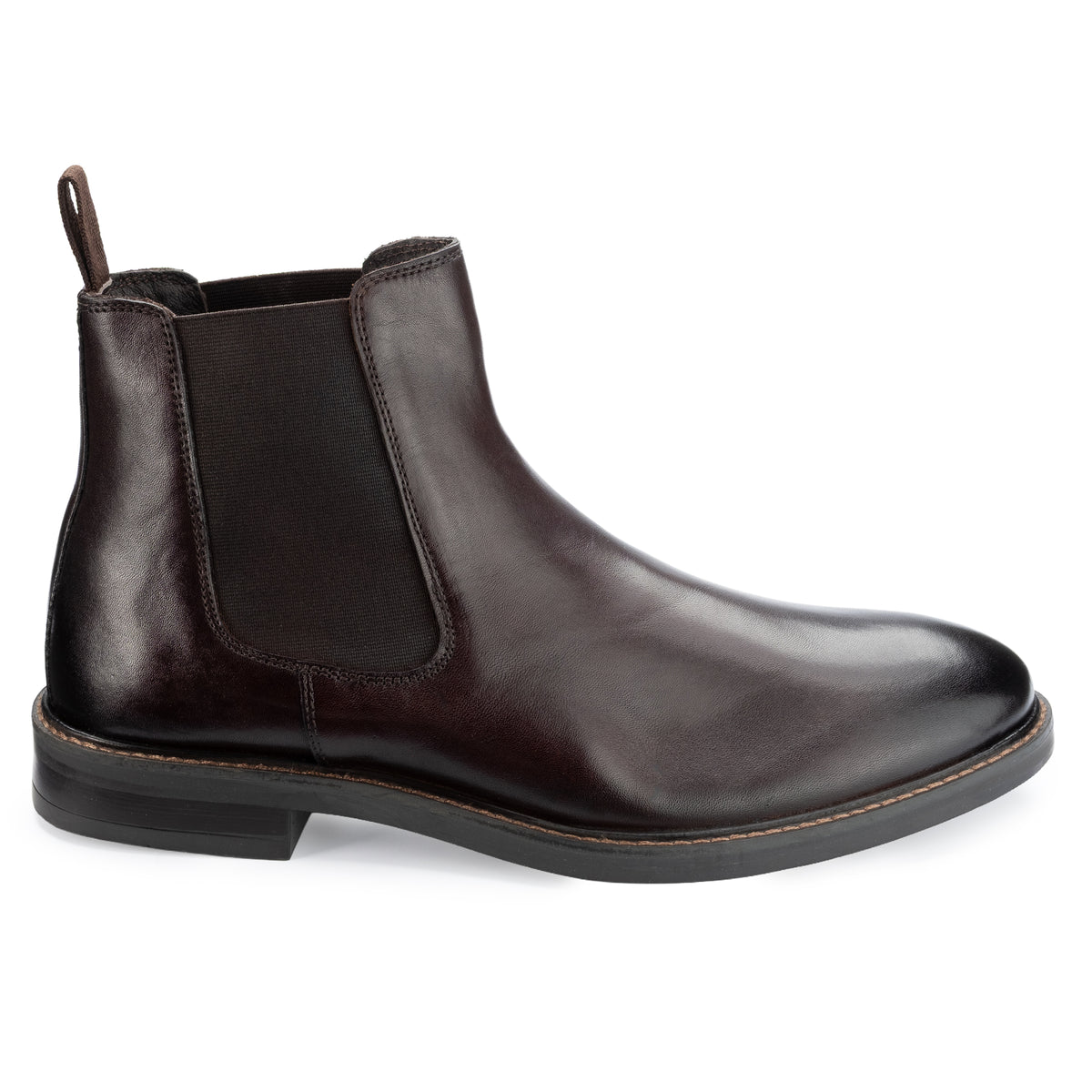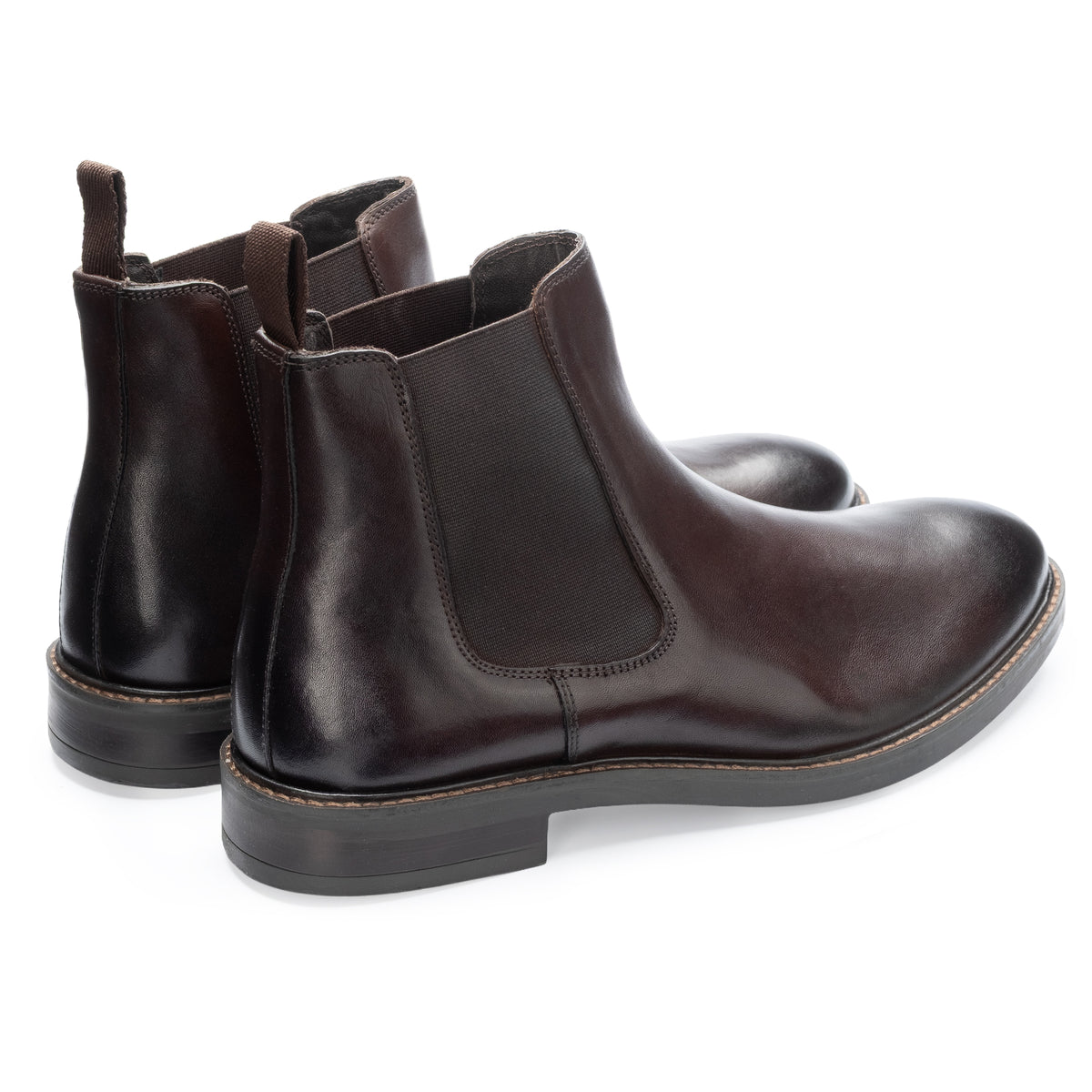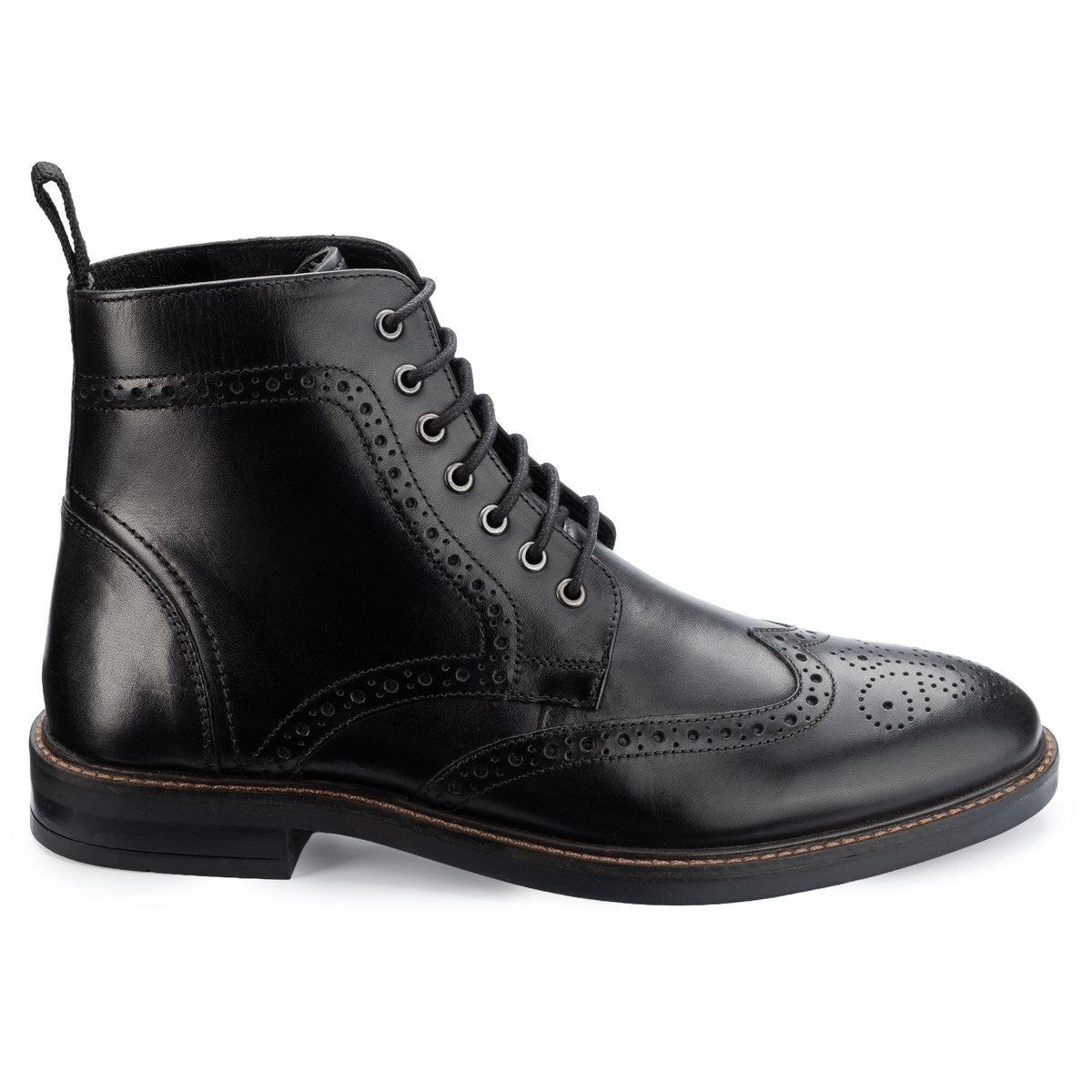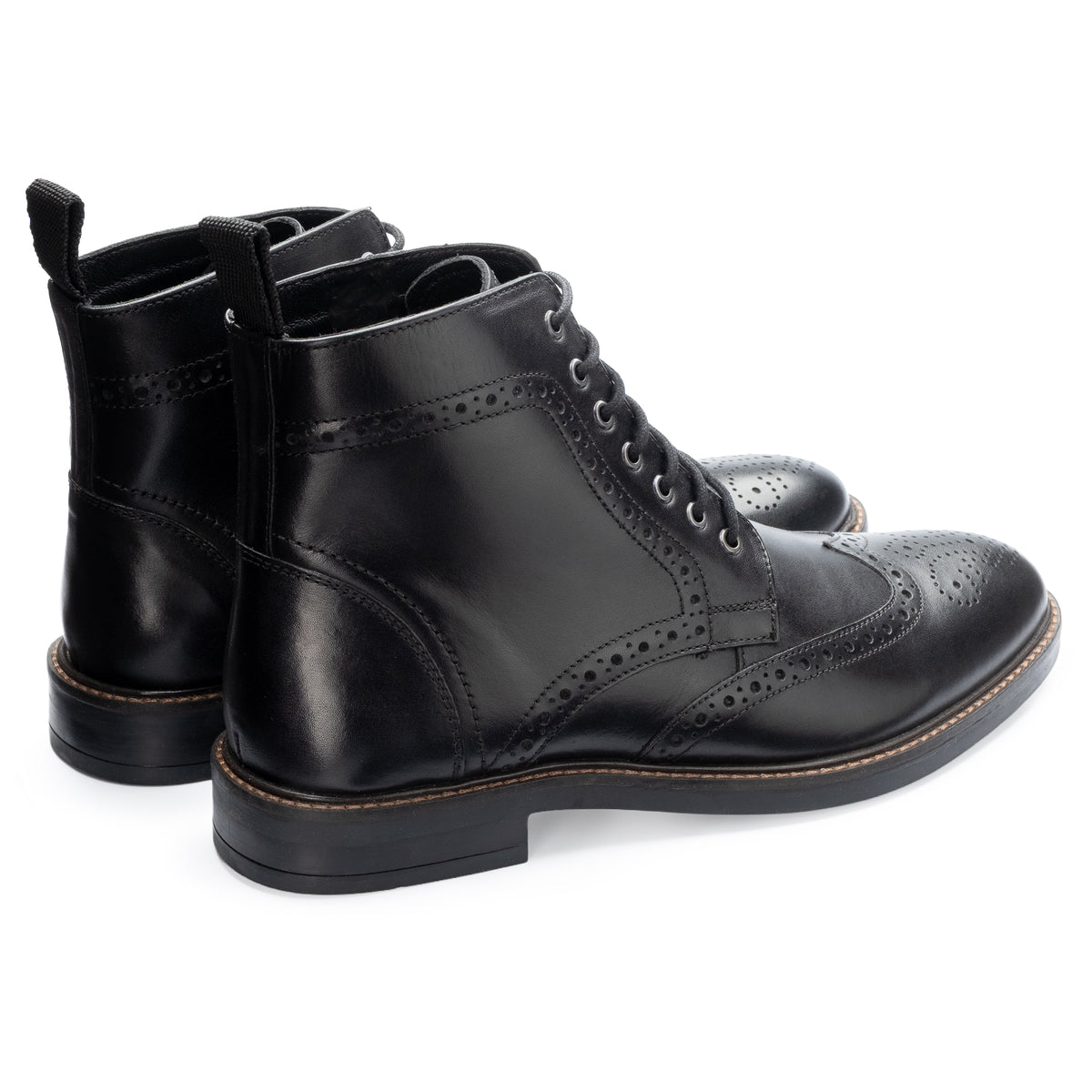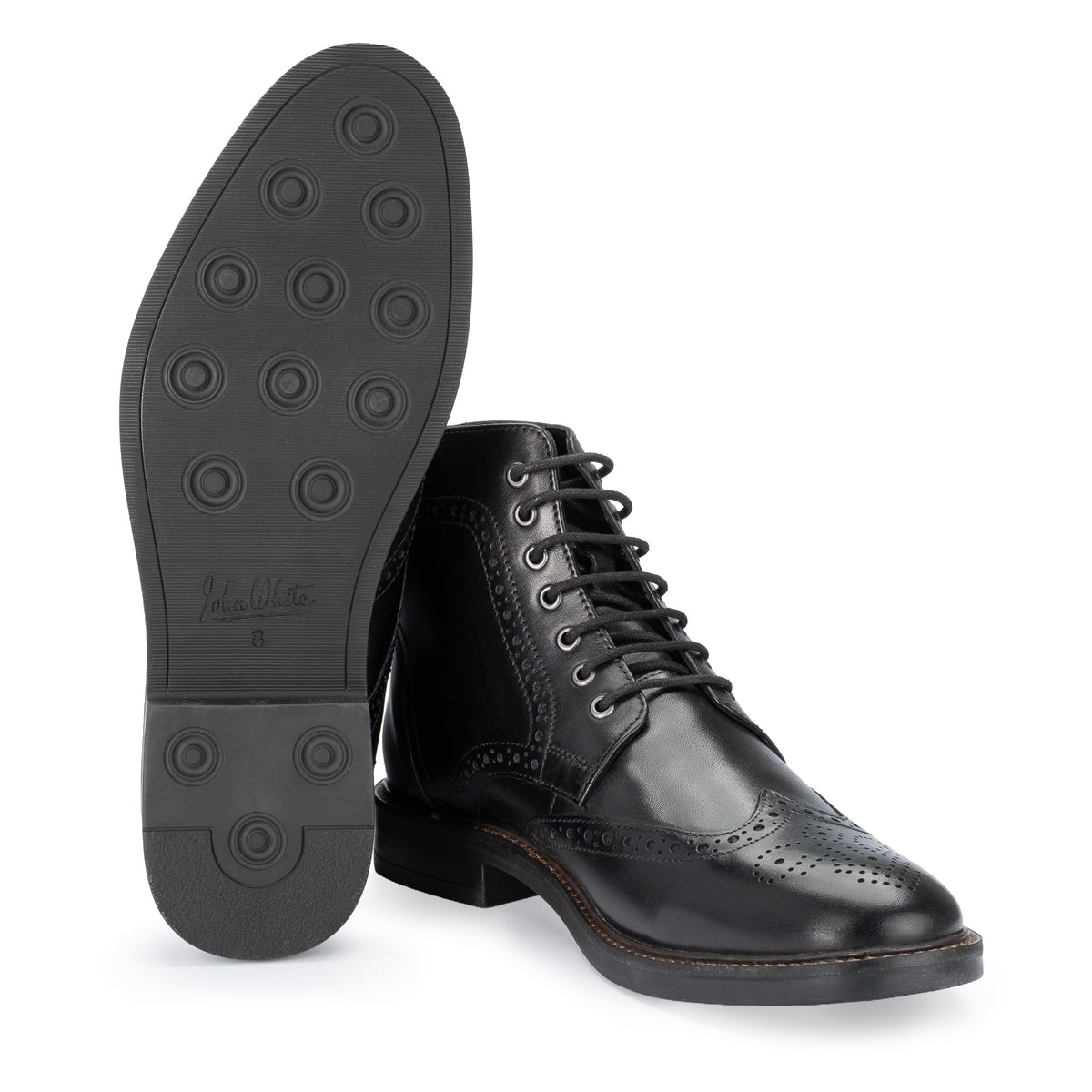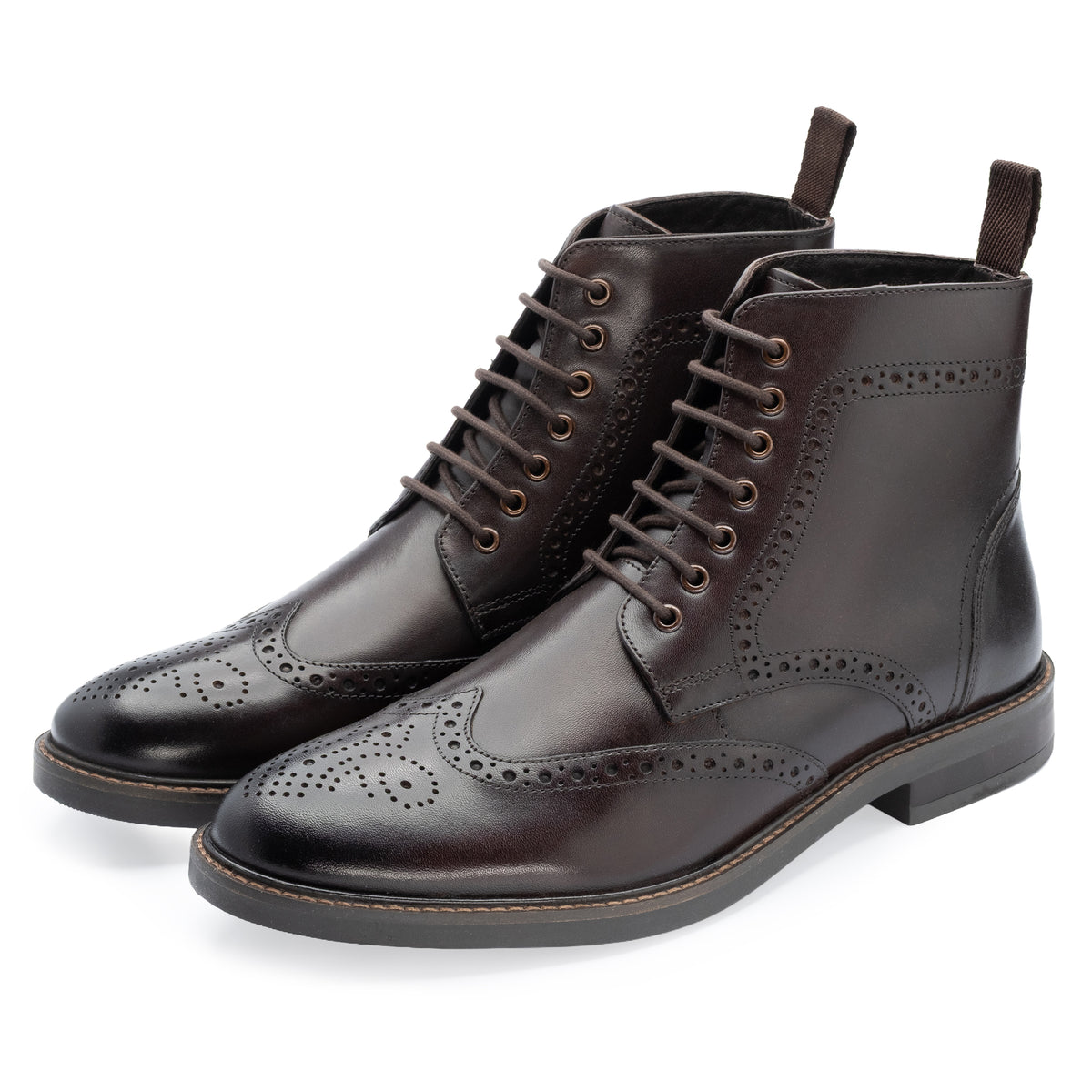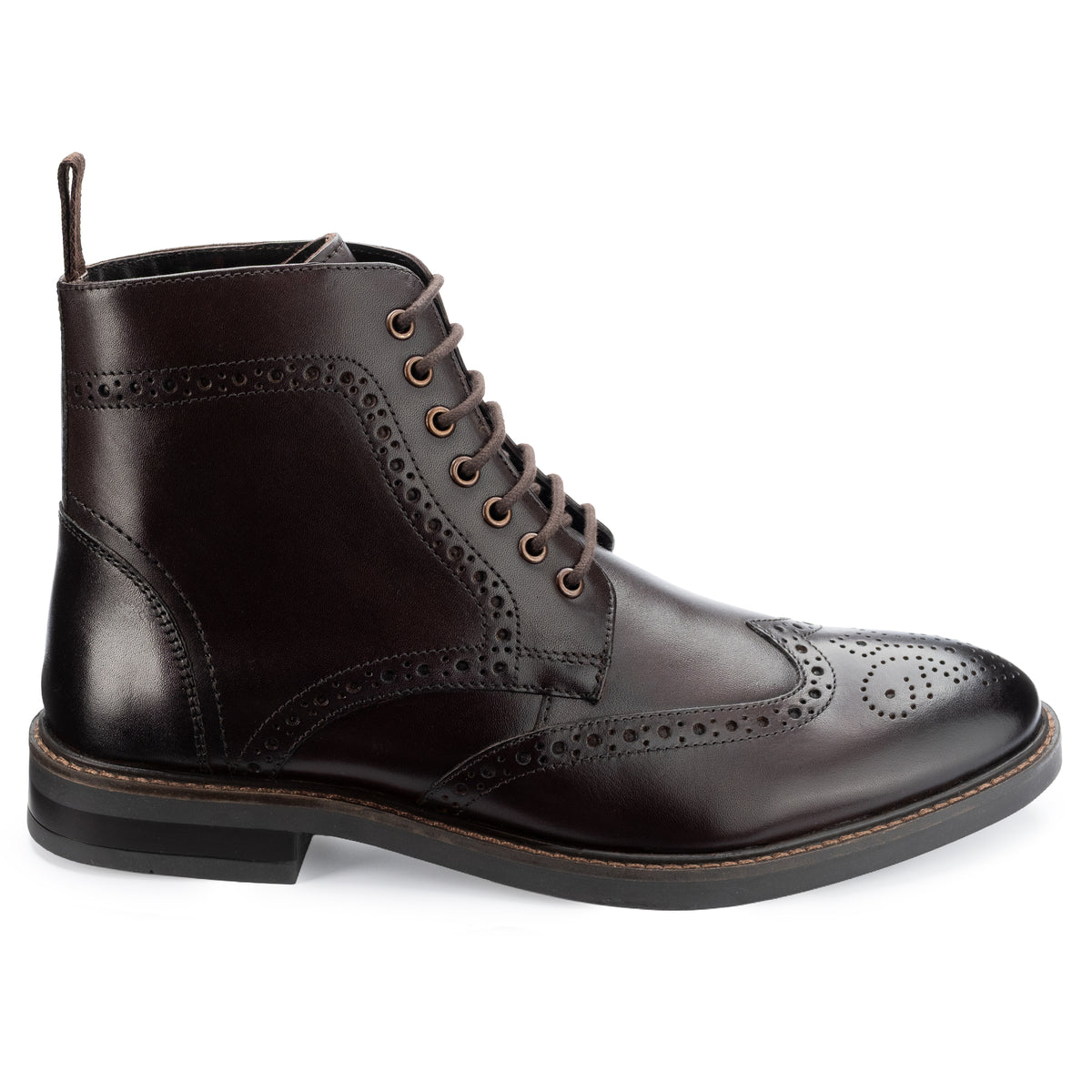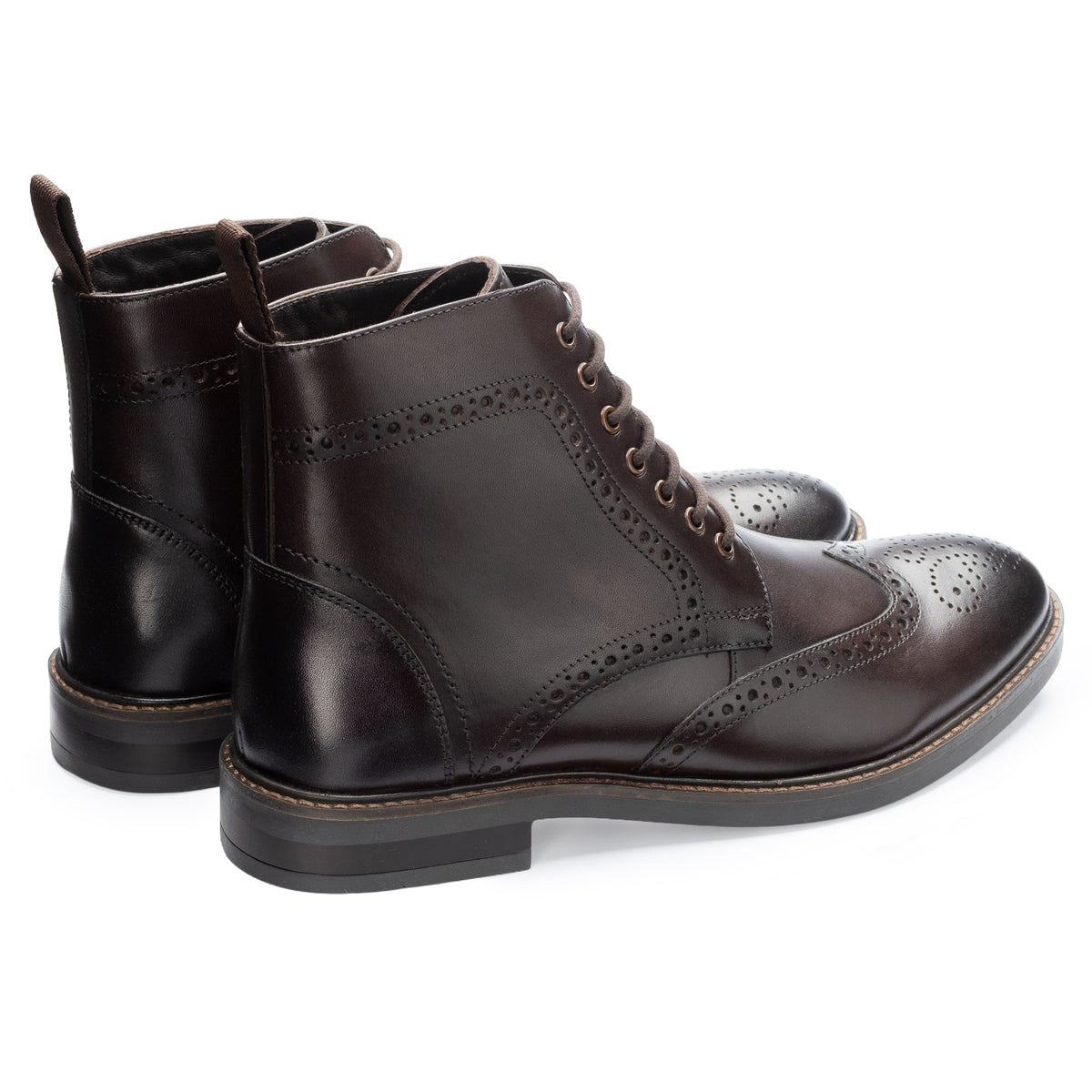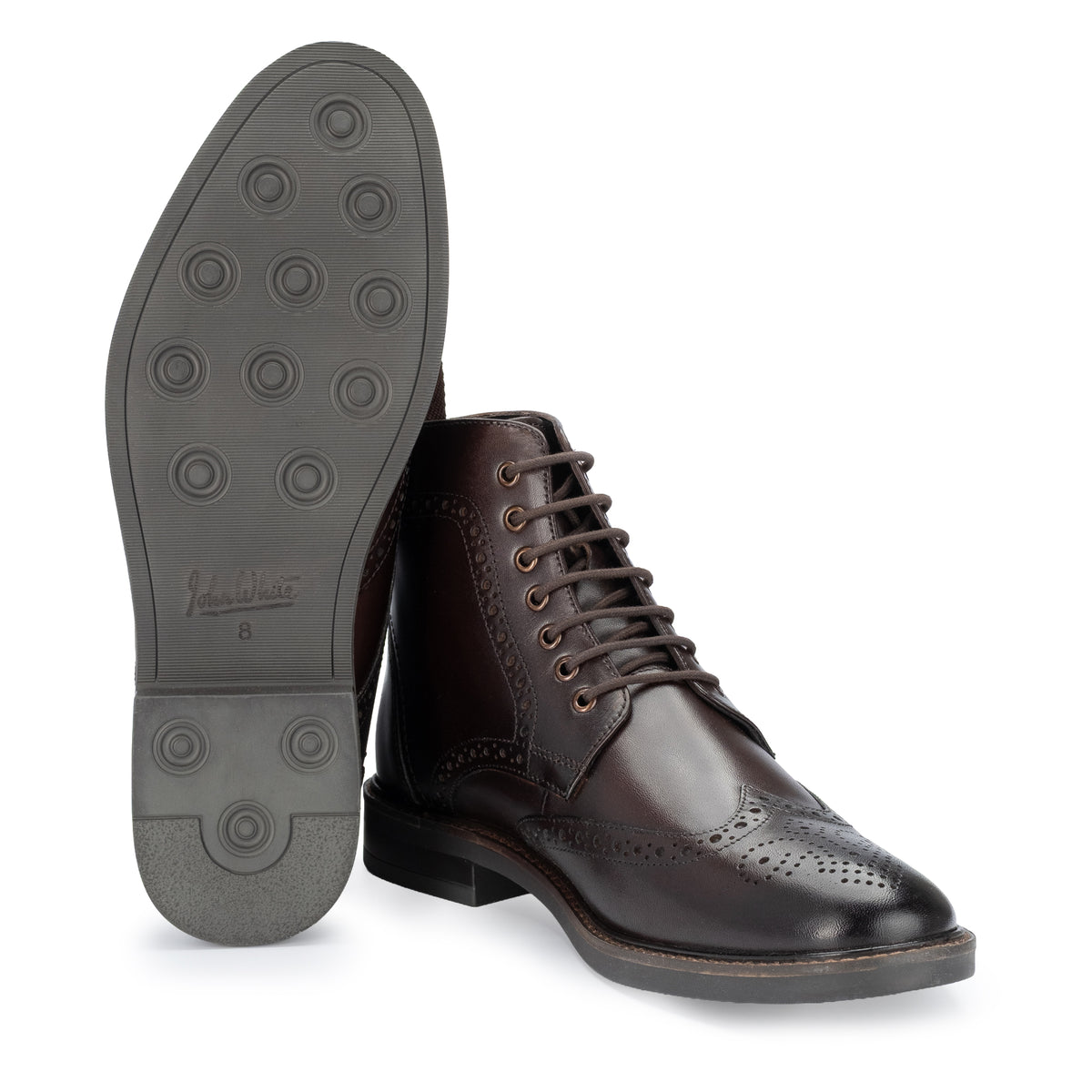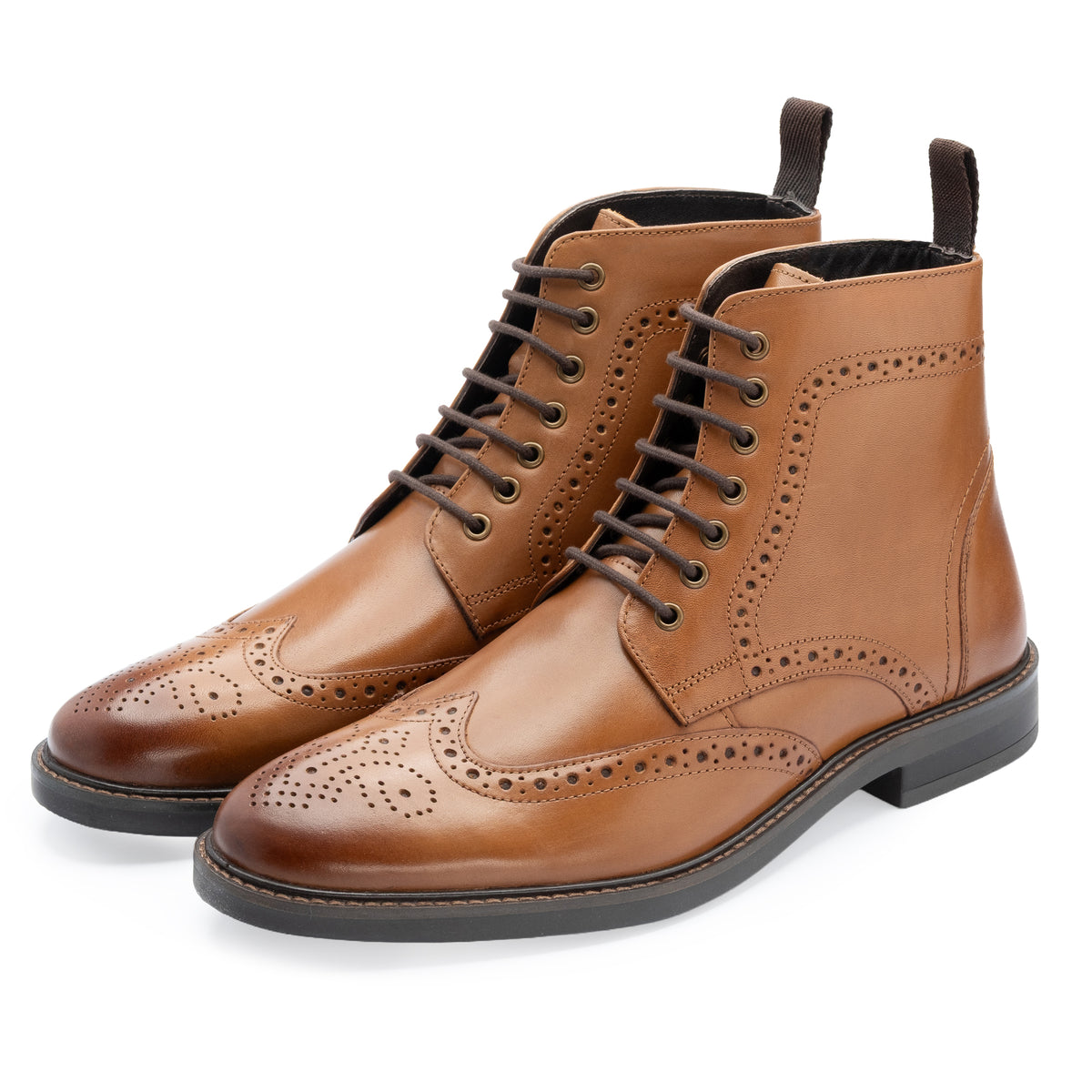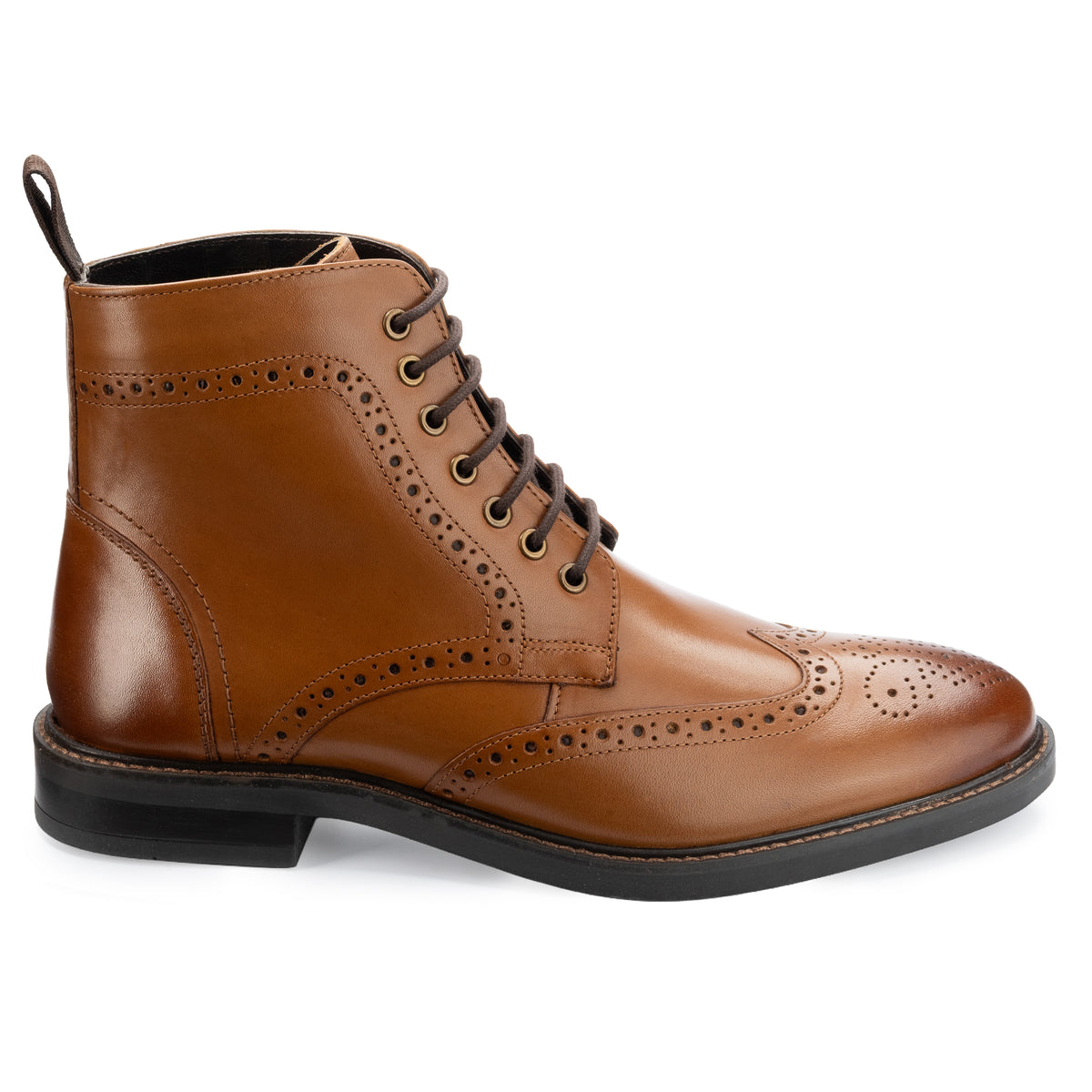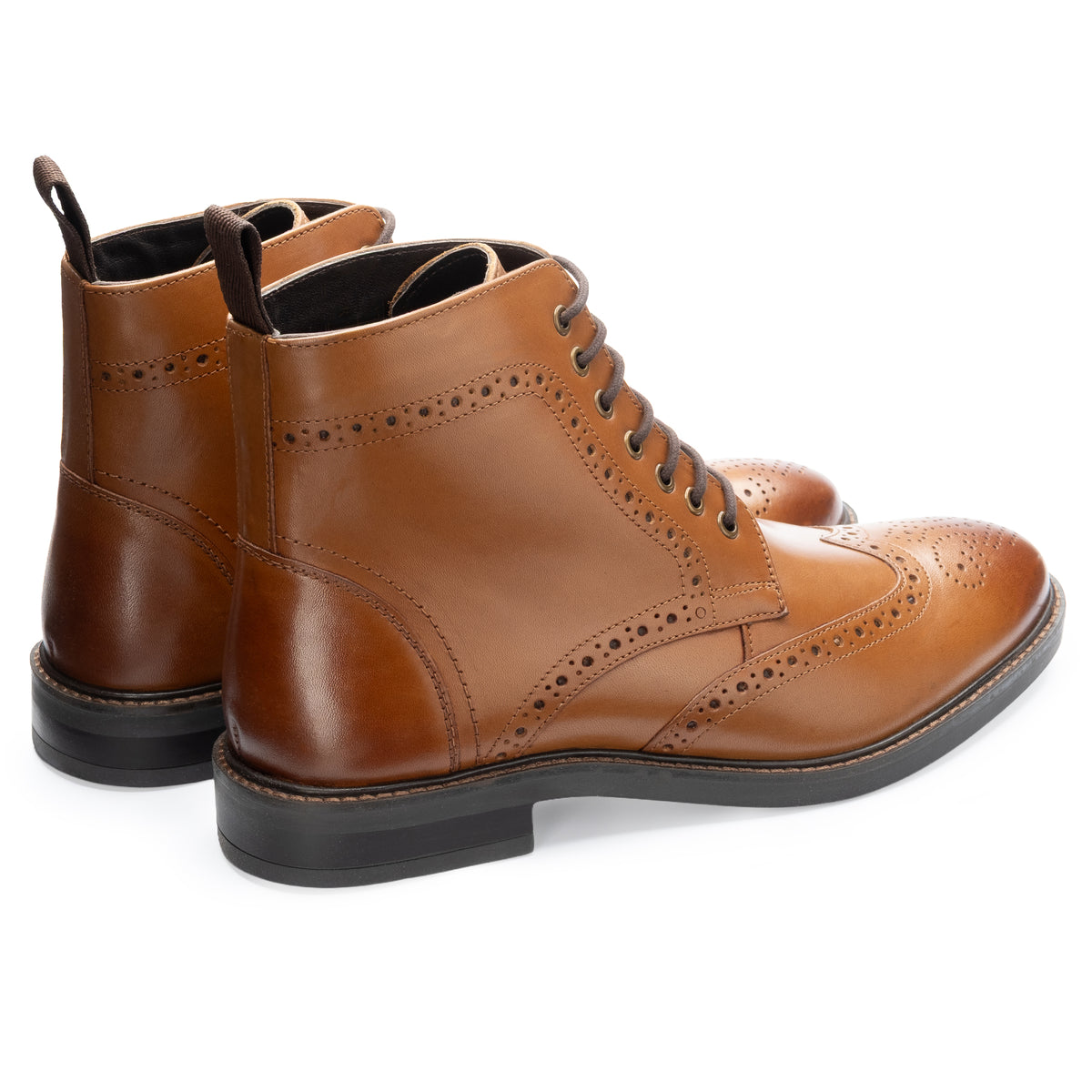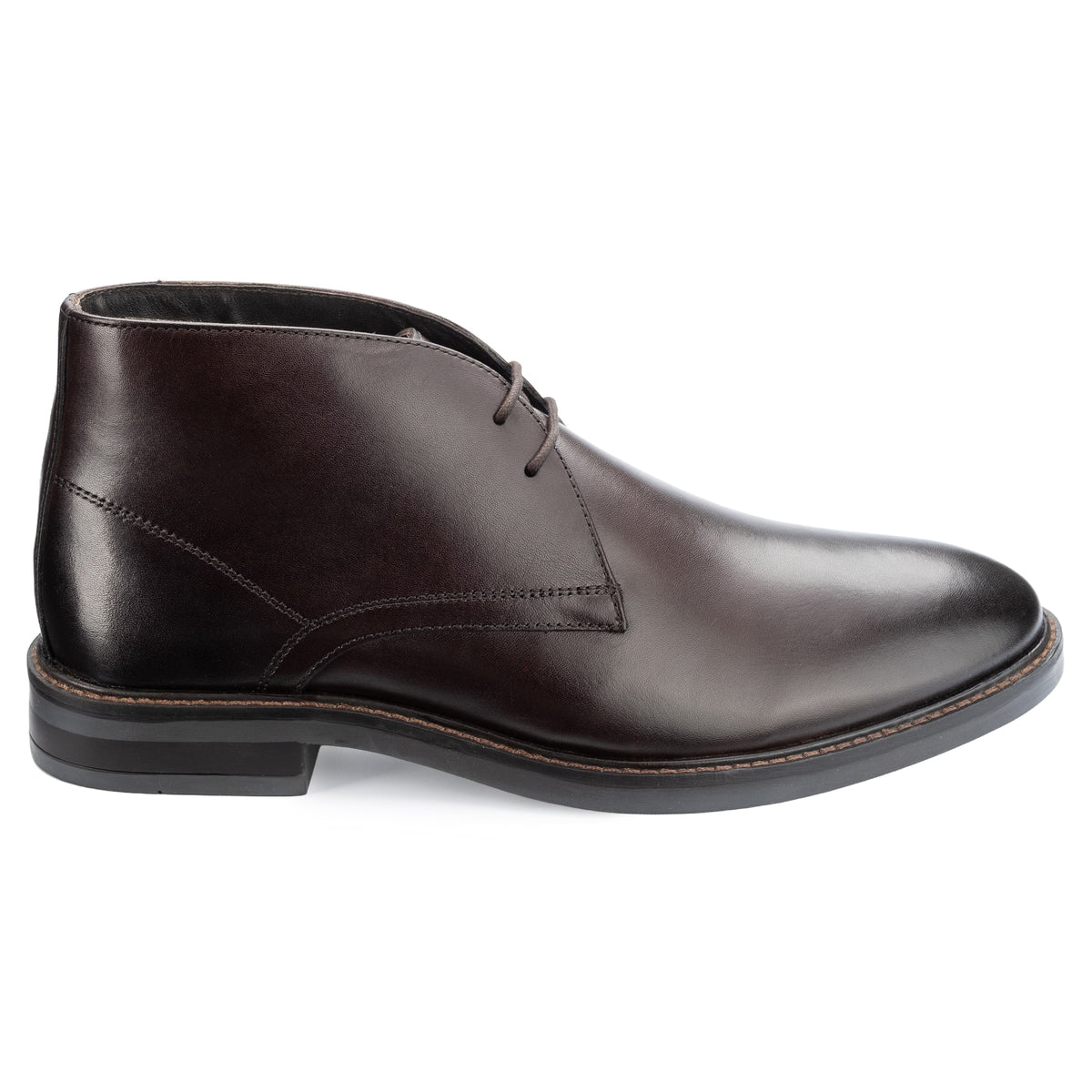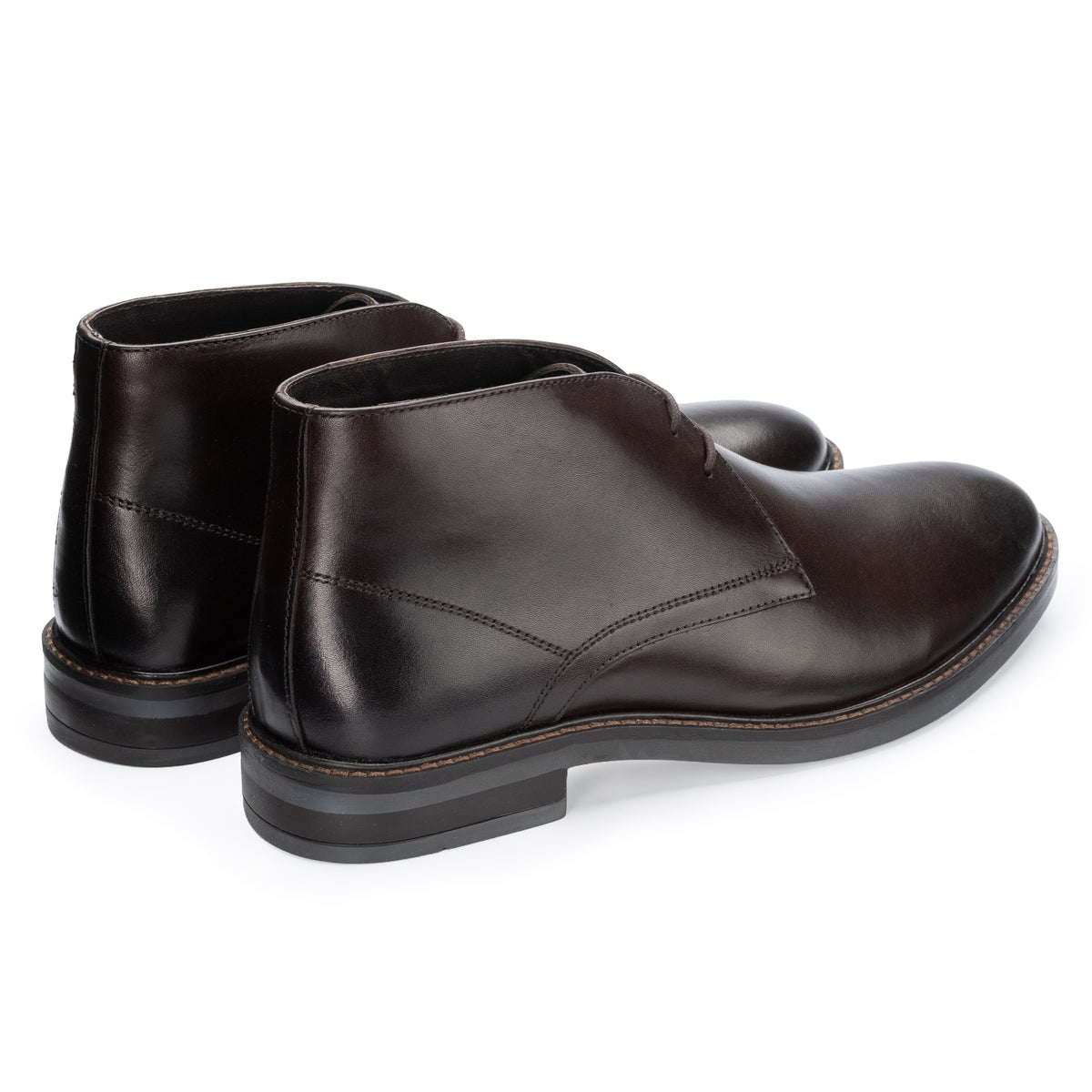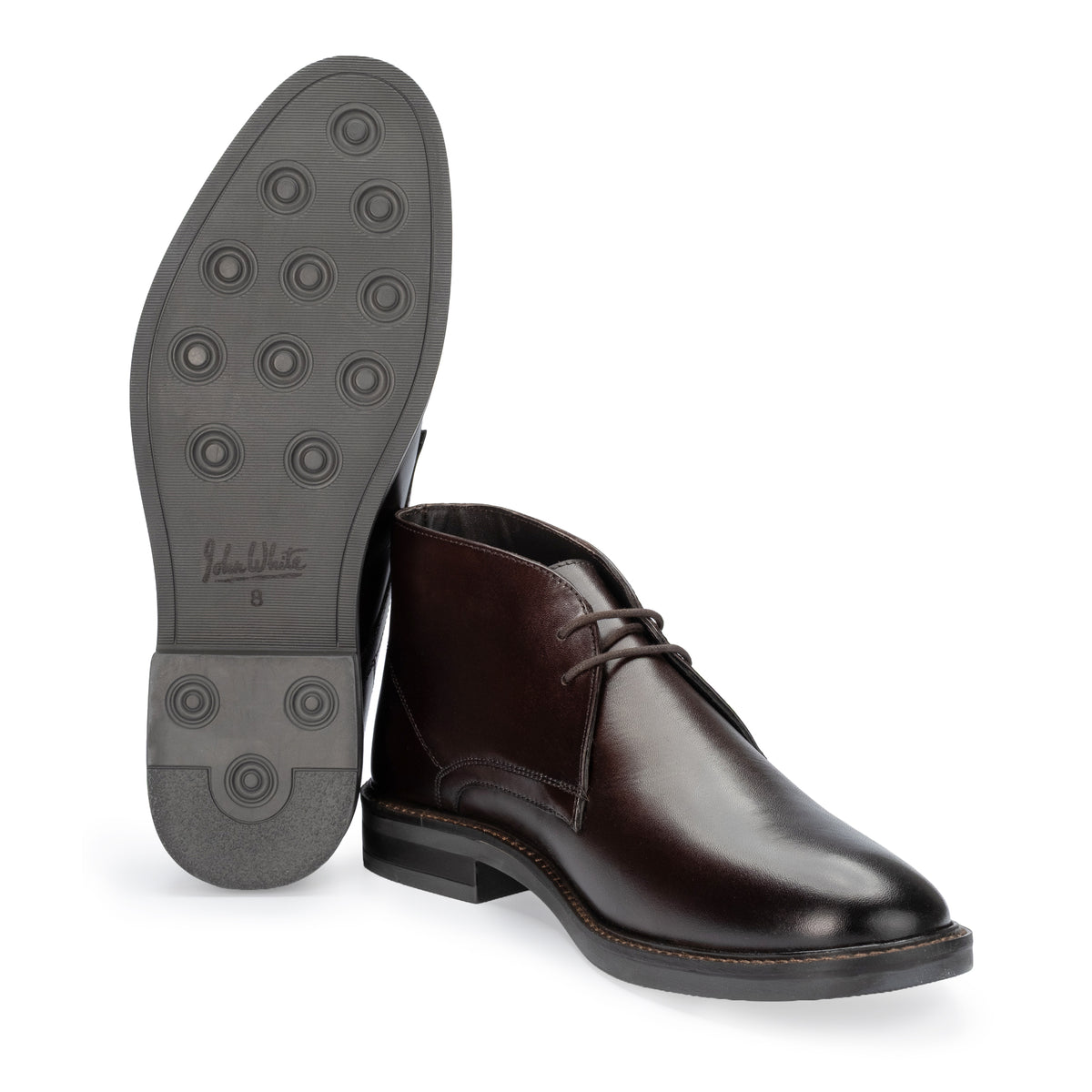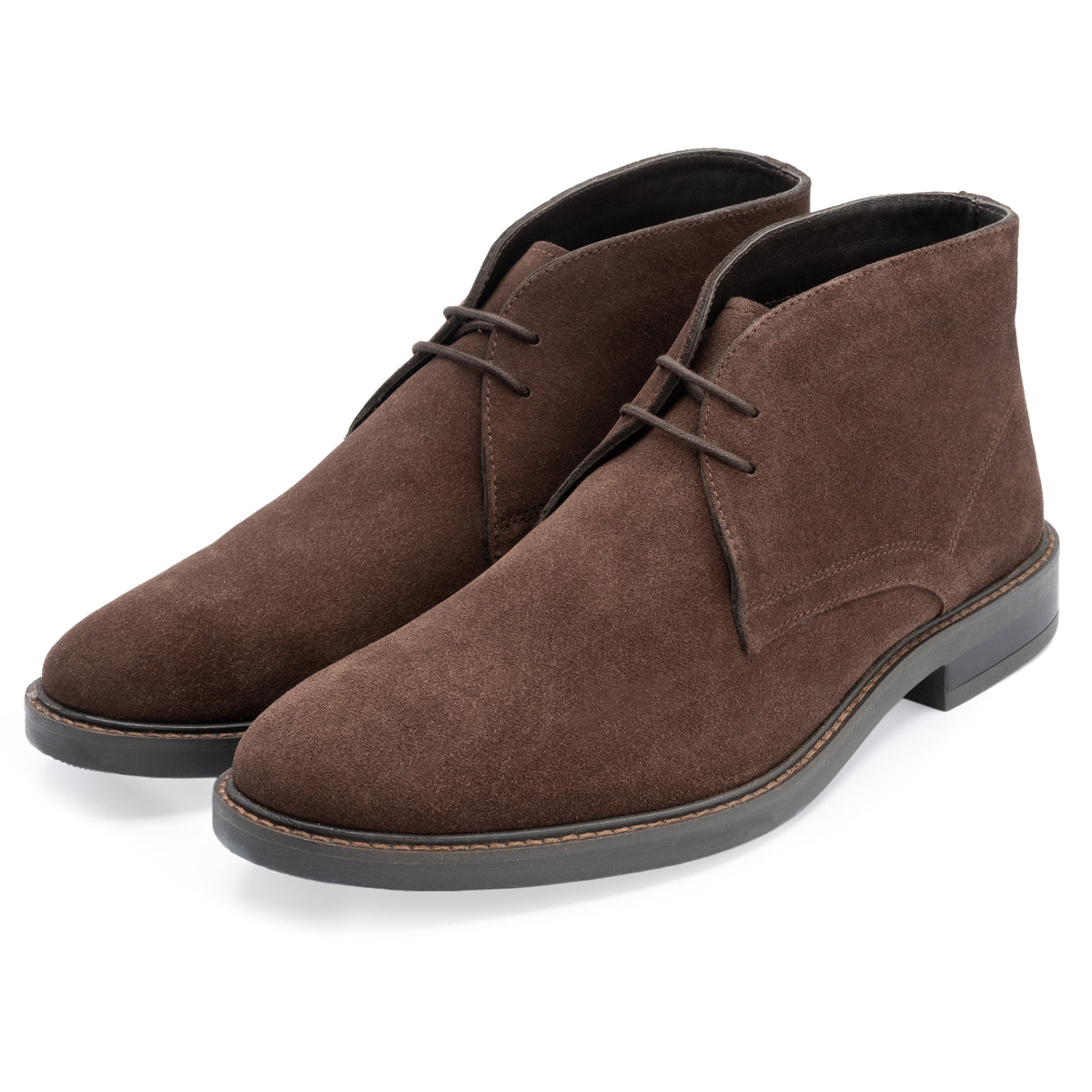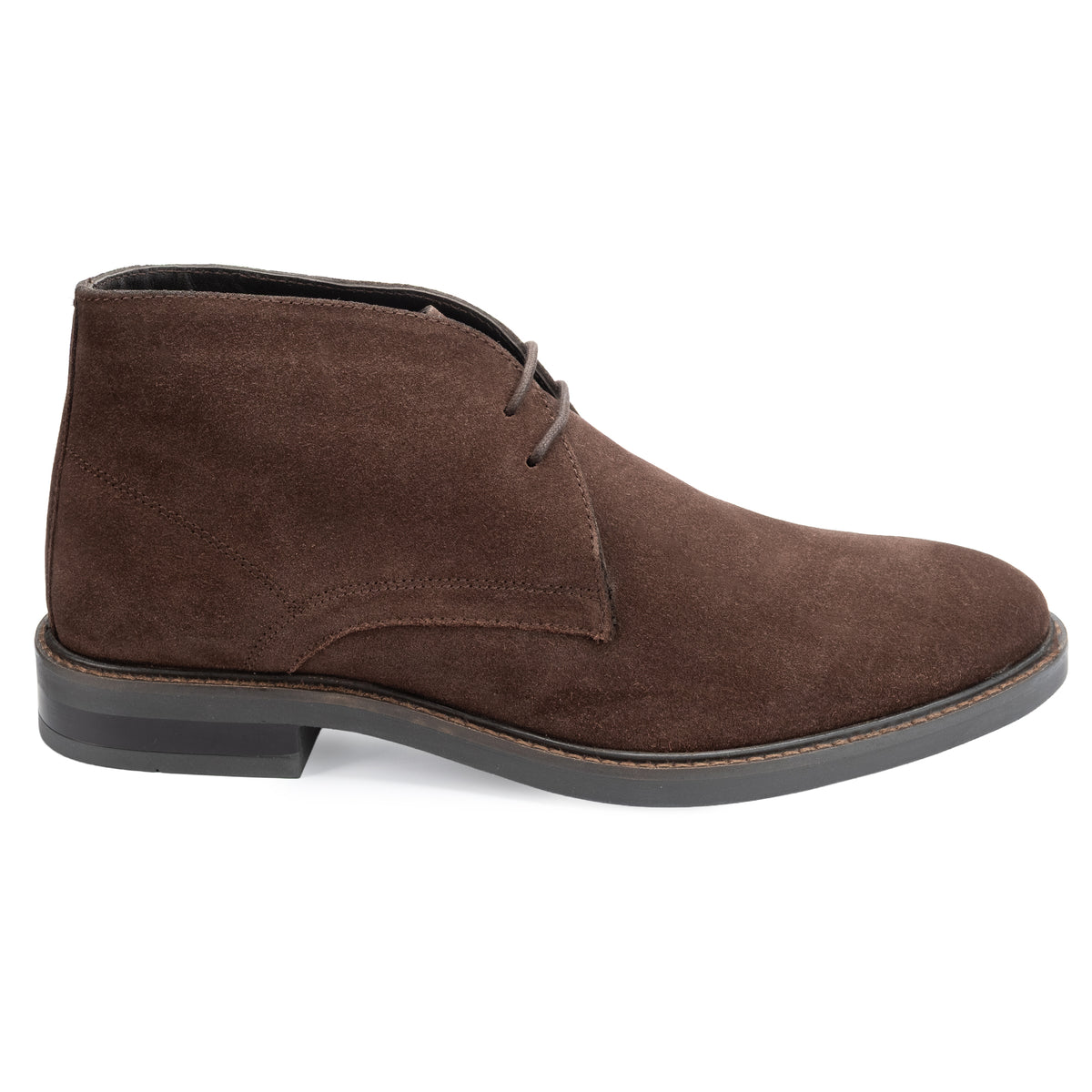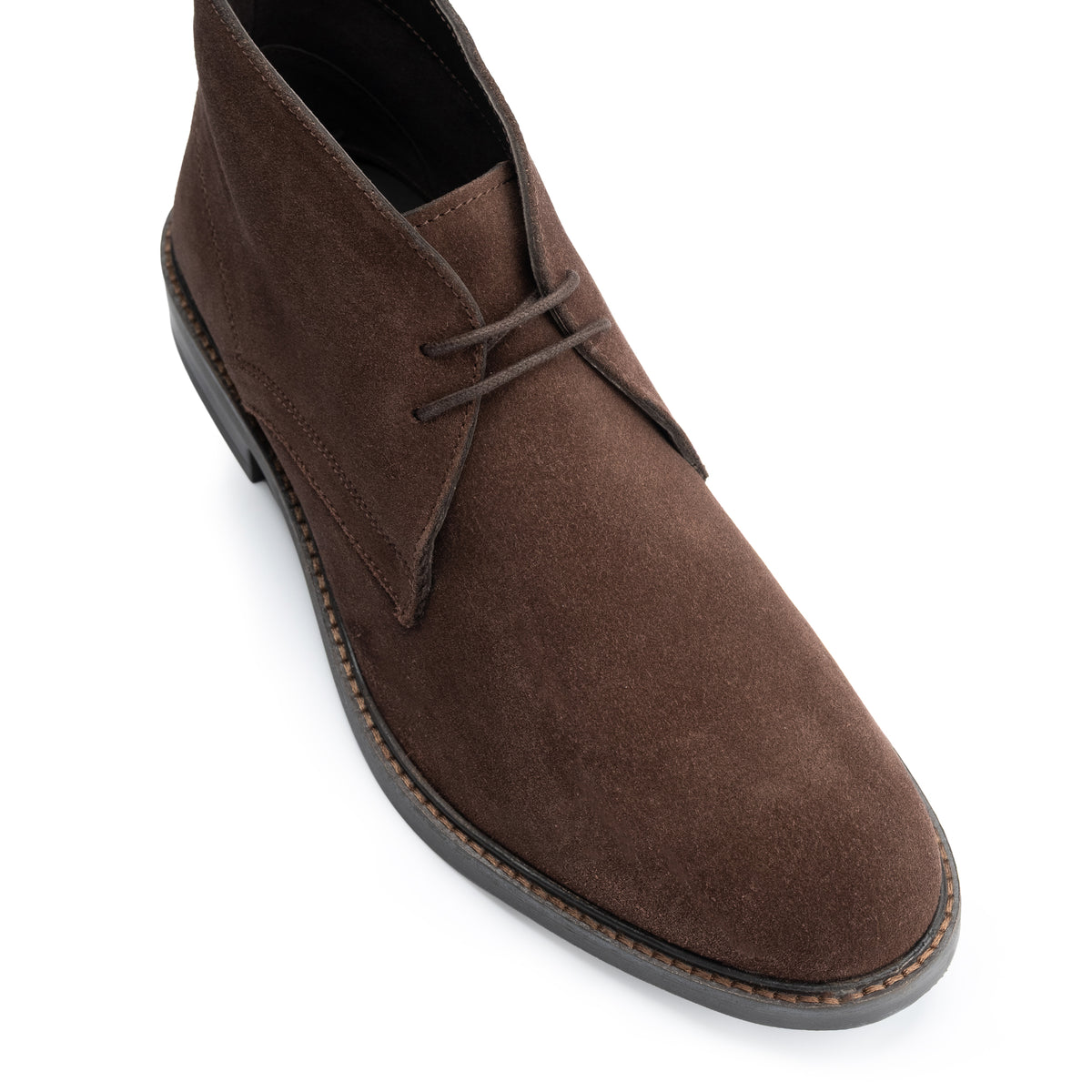

Leather Shoe Crease Prevention: The Definitive Care Guide for a Lasting, Polished Appearance
Leather shoe creasing occurs when the fibres across the toe box flex and compress with each stride, forming permanent fold lines over time. You cannot eliminate creasing entirely, but you can significantly reduce its depth by using cedar shoe trees after every wear, conditioning the leather at regular intervals, and ensuring a precise fit. Full-grain calfskin, properly maintained from the first wear, holds its line far longer than any lower-grade leather.
In This Guide
- Why Do Leather Shoes Crease?
- Does Leather Quality Affect How Much a Shoe Creases?
- How Does Fit Affect Leather Shoe Creasing?
- How Do Shoe Trees Prevent Leather Creasing?
- Does Conditioning Leather Reduce Creasing?
- What Role Does Rotation Play in Preventing Creases?
- How Should You Lace Your Shoes to Minimise Creasing?
- Can You Reduce Existing Creases in Leather Shoes?
- Leather Shoe Crease Prevention: Care Schedule
- Related Guides
- Frequently Asked Questions
Leather shoe crease prevention is a discipline, not an occasional afterthought. Every pair of leather shoes — whether from John White Shoes, Loake, Church's, or Crockett & Jones — will crease with regular wear. The question is not whether your shoes will mark; it is how deeply, how quickly, and whether those marks remain as the shallow, graceful lines of a well-maintained upper or deepen into fractures that no care routine can reverse. The interventions are straightforward. The discipline is in applying them consistently.
Why Do Leather Shoes Crease?
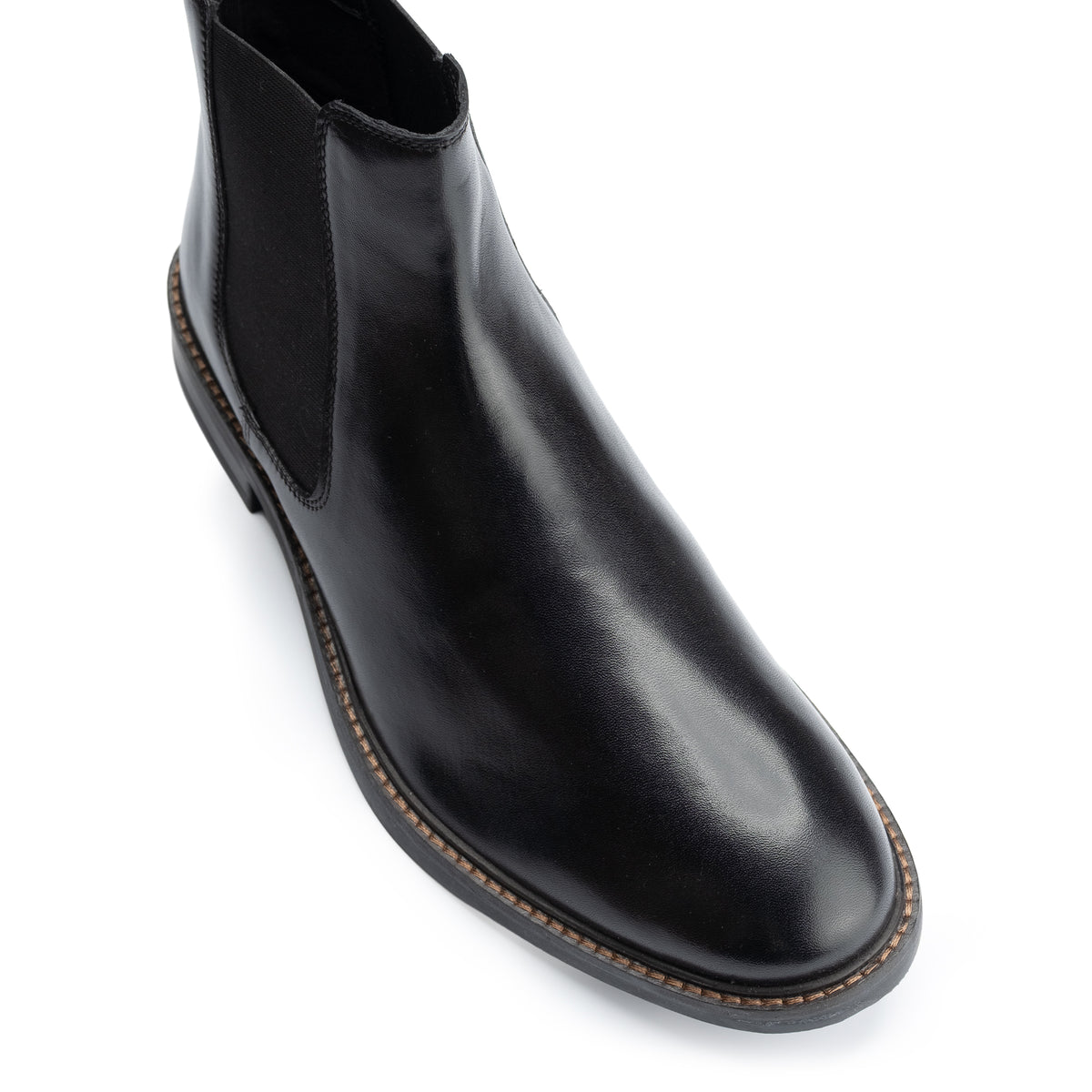
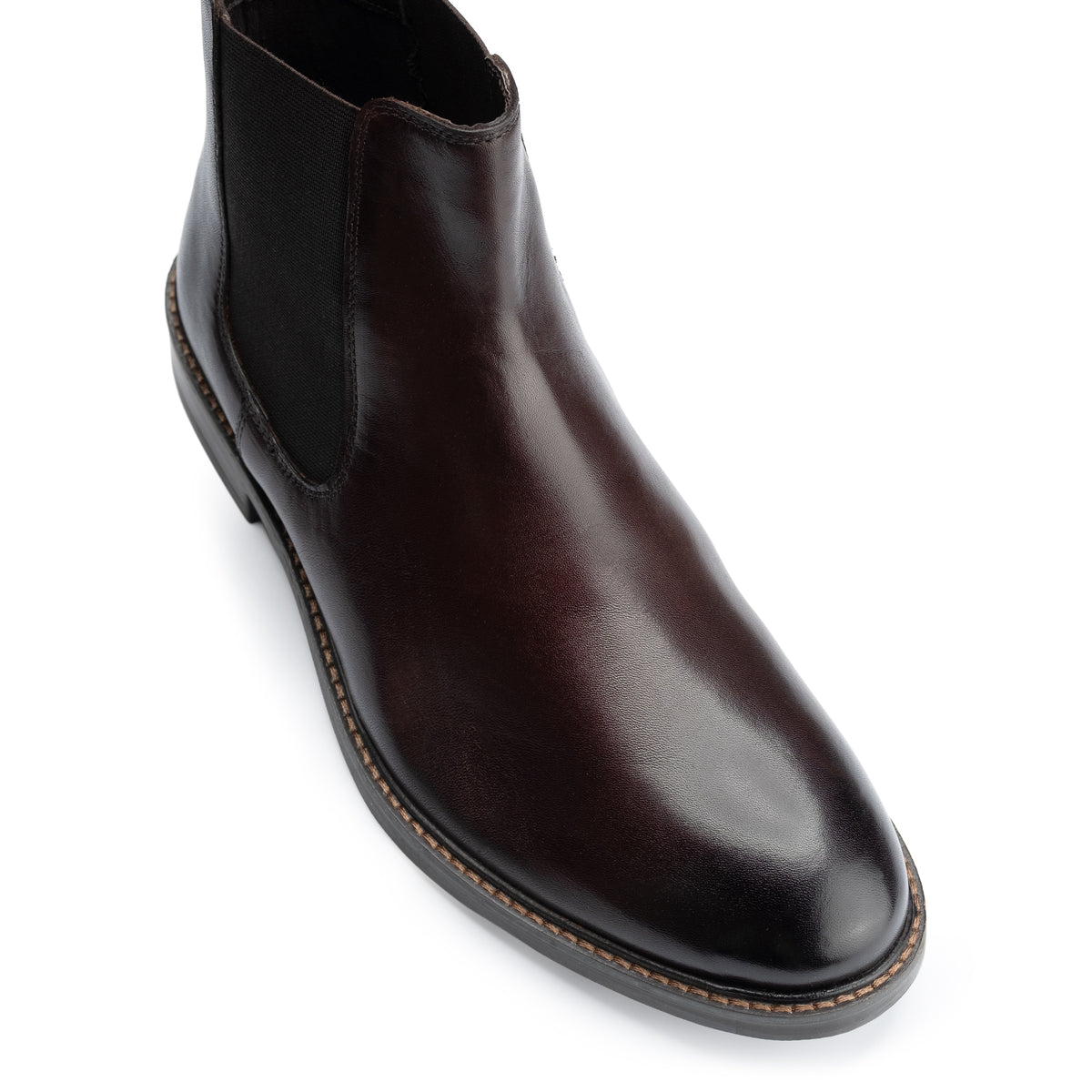
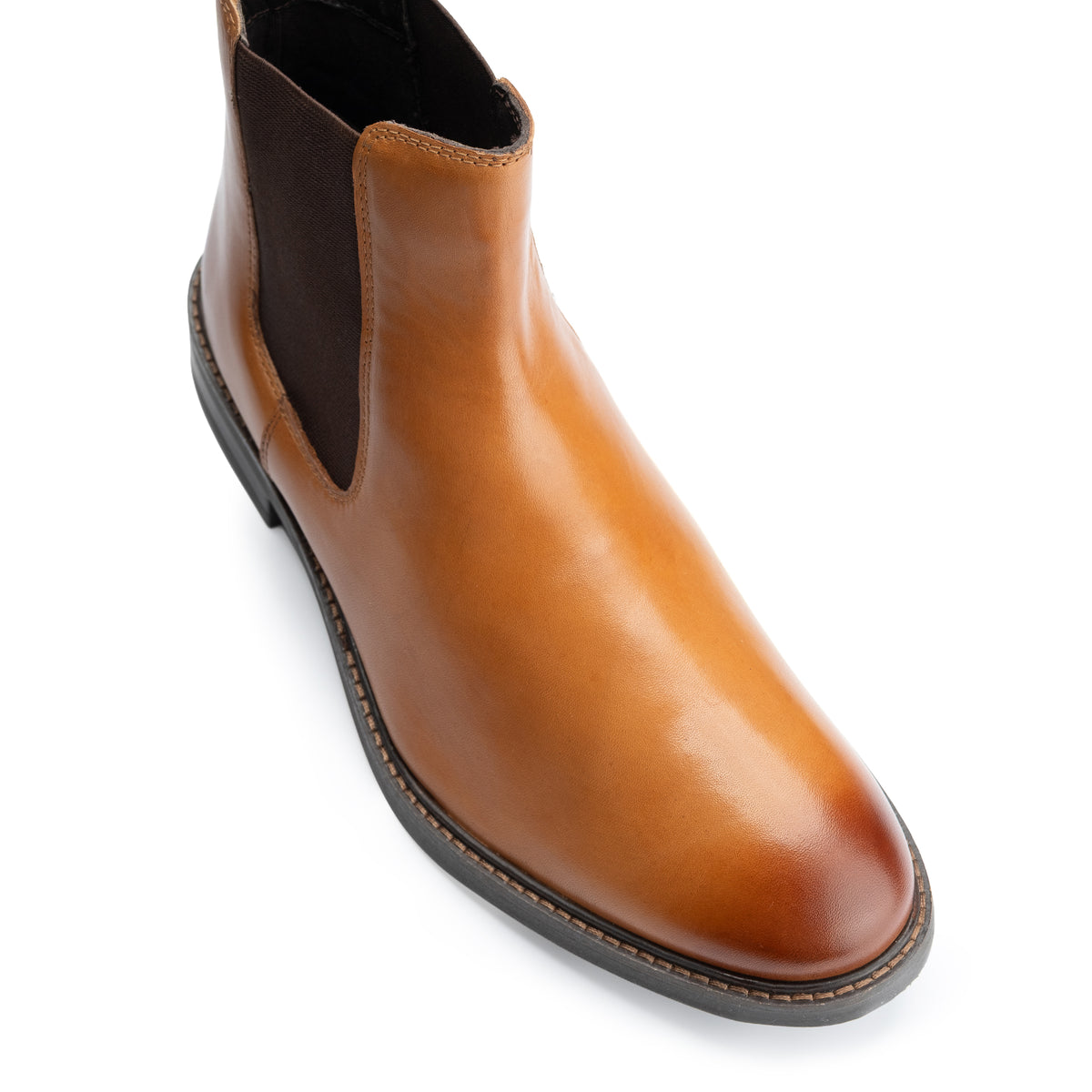
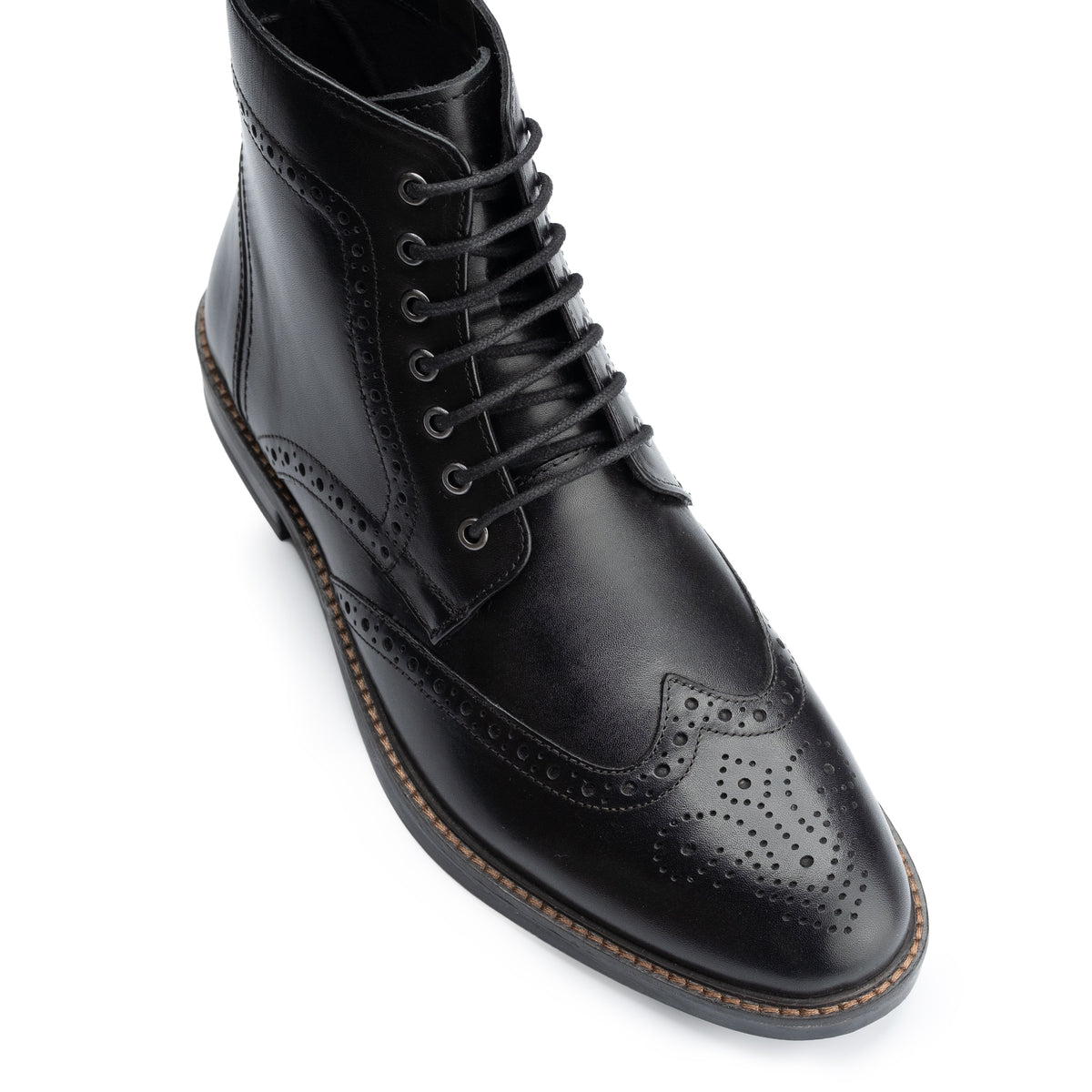
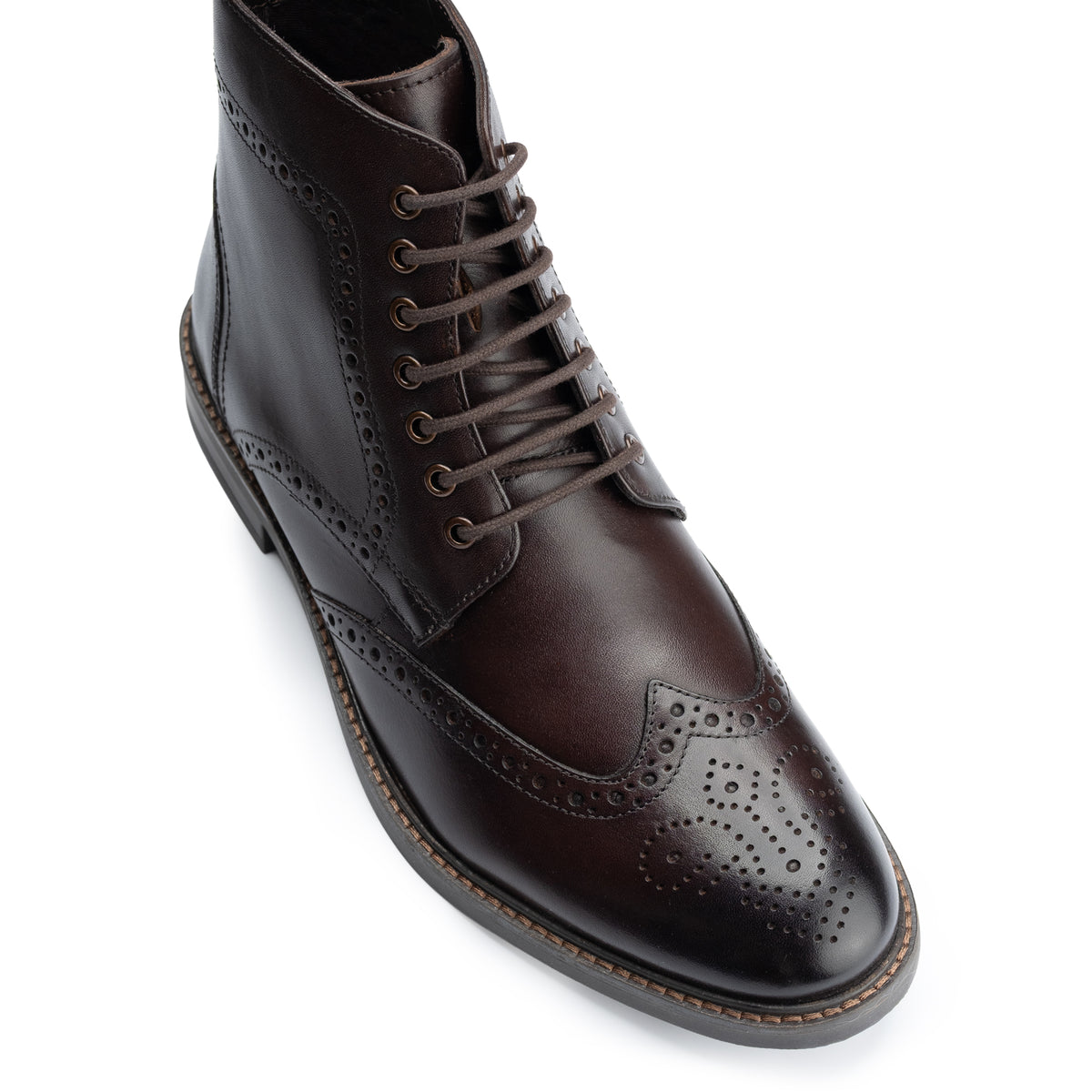
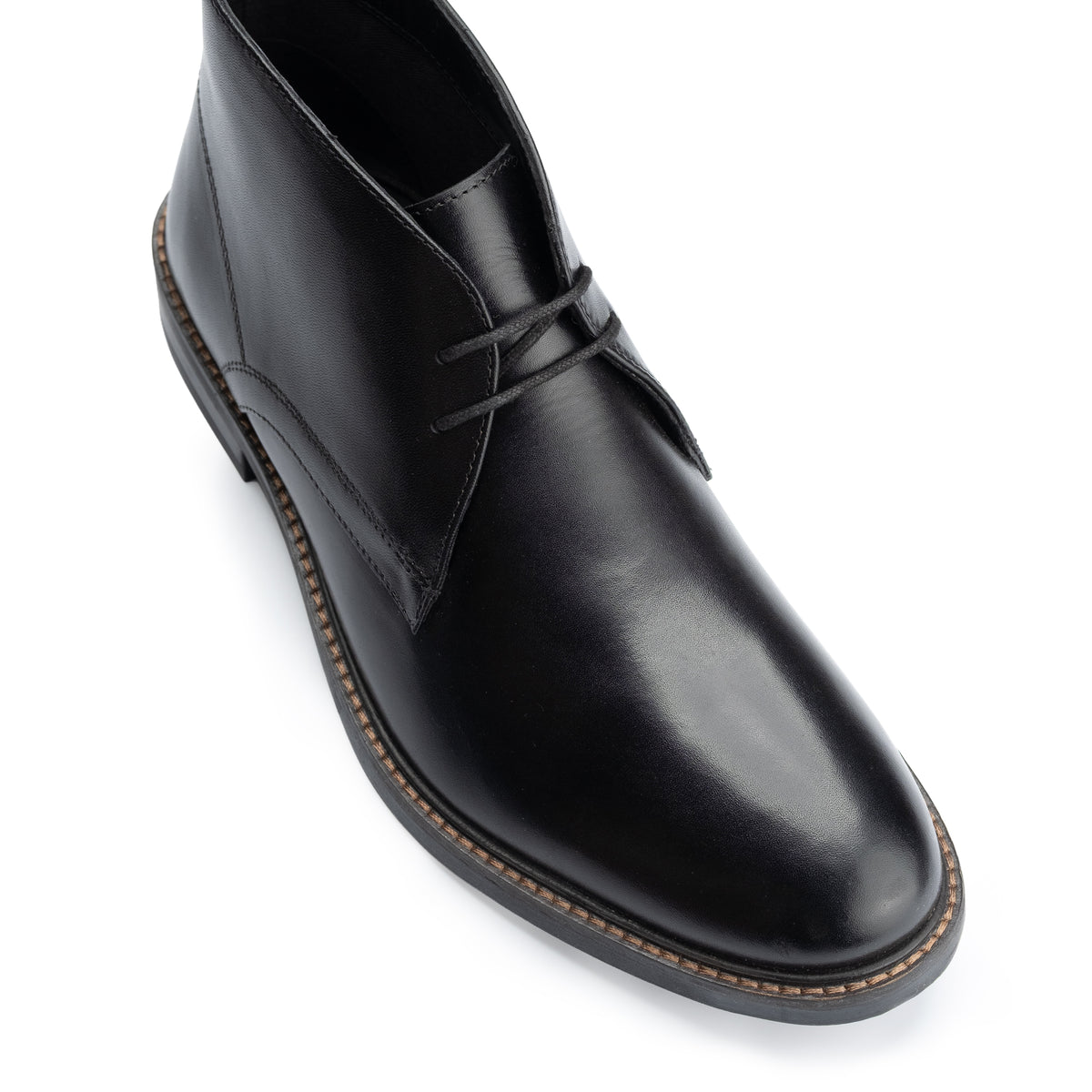
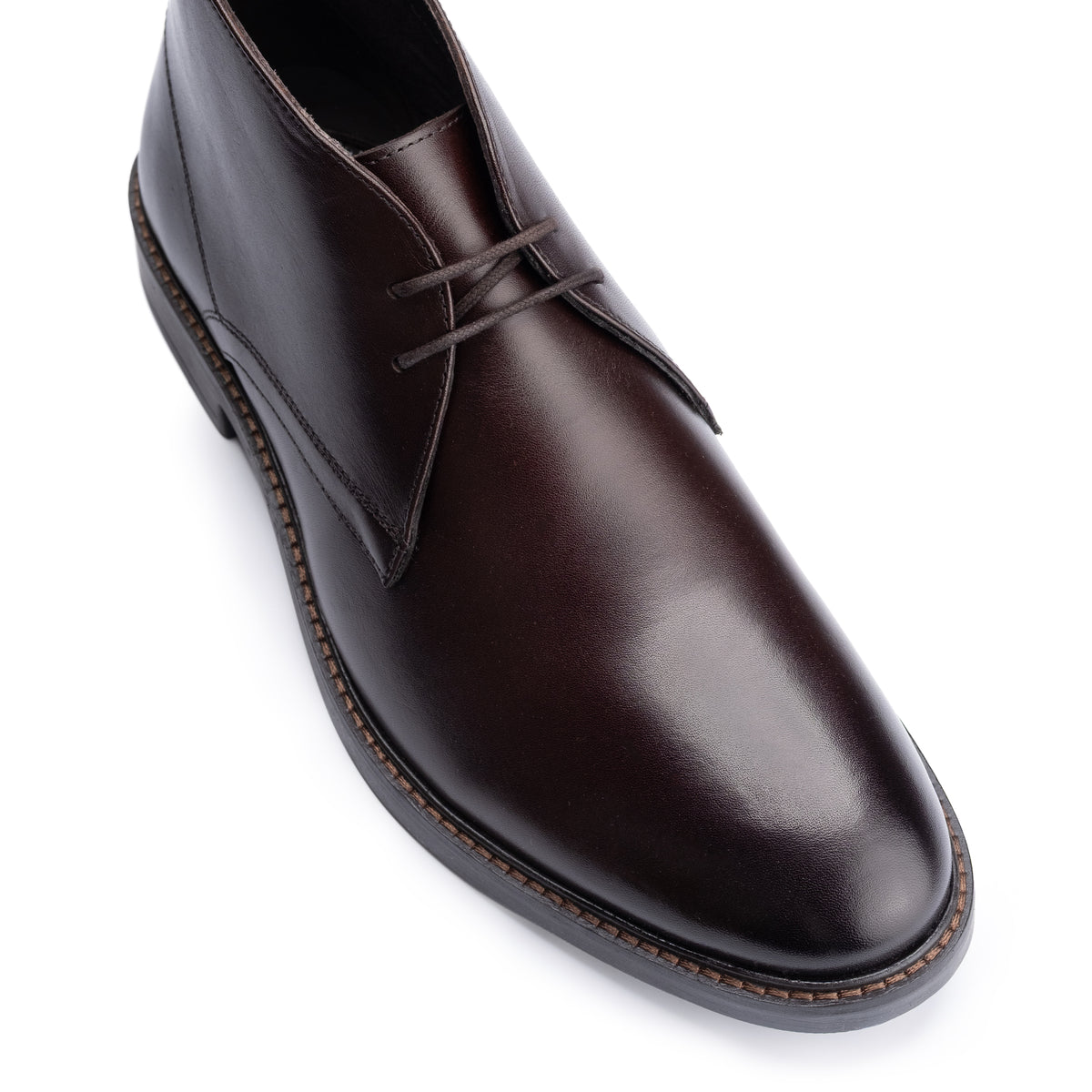
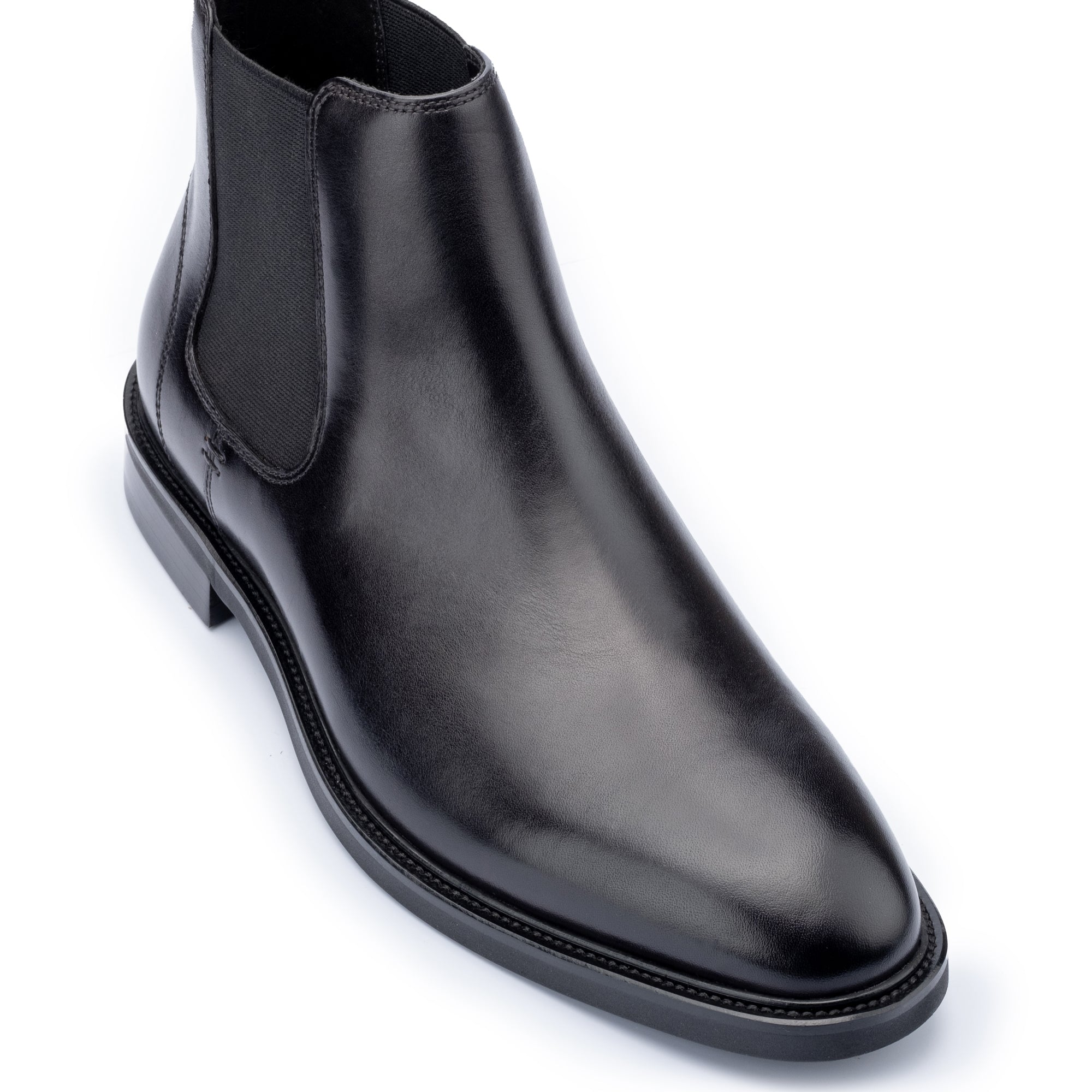
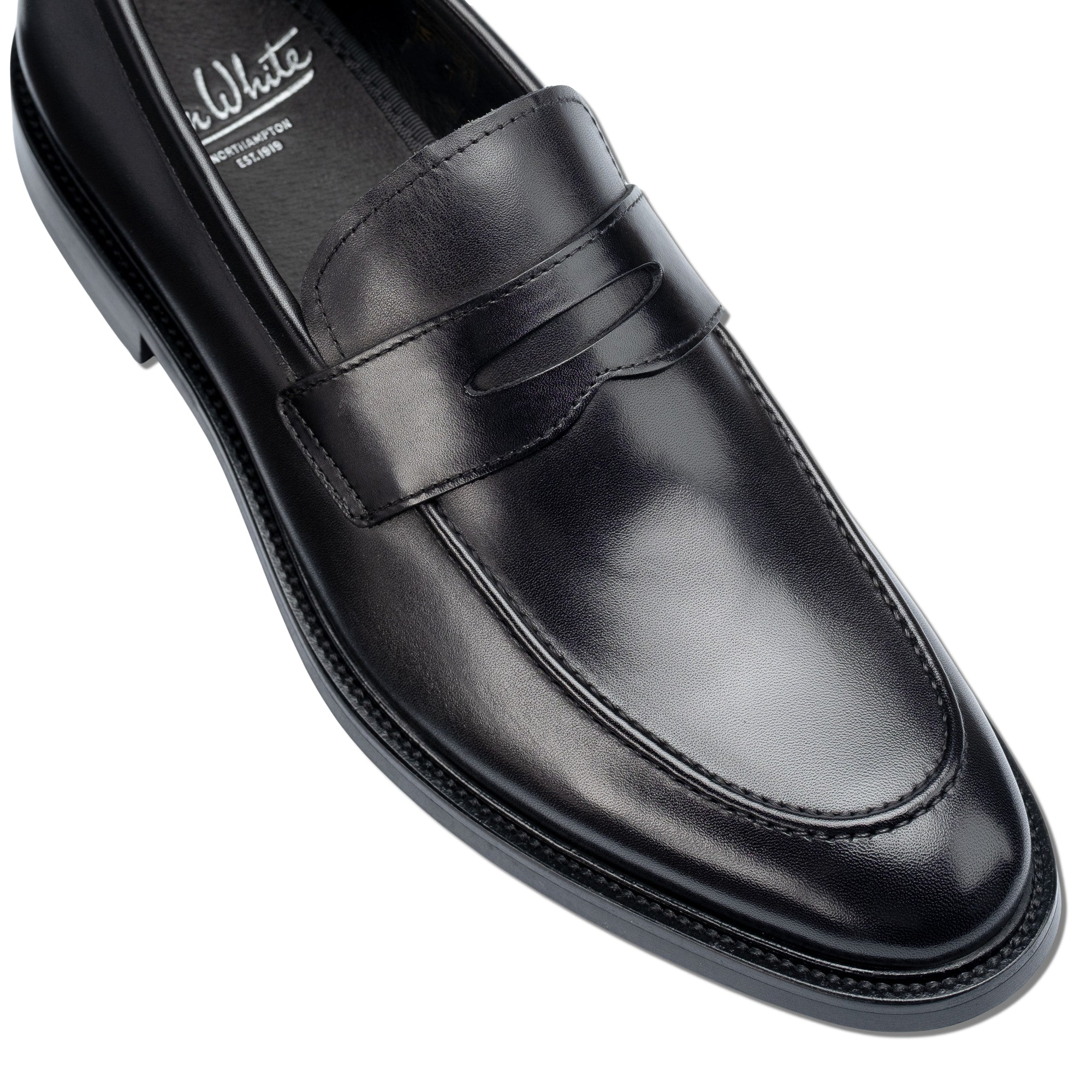
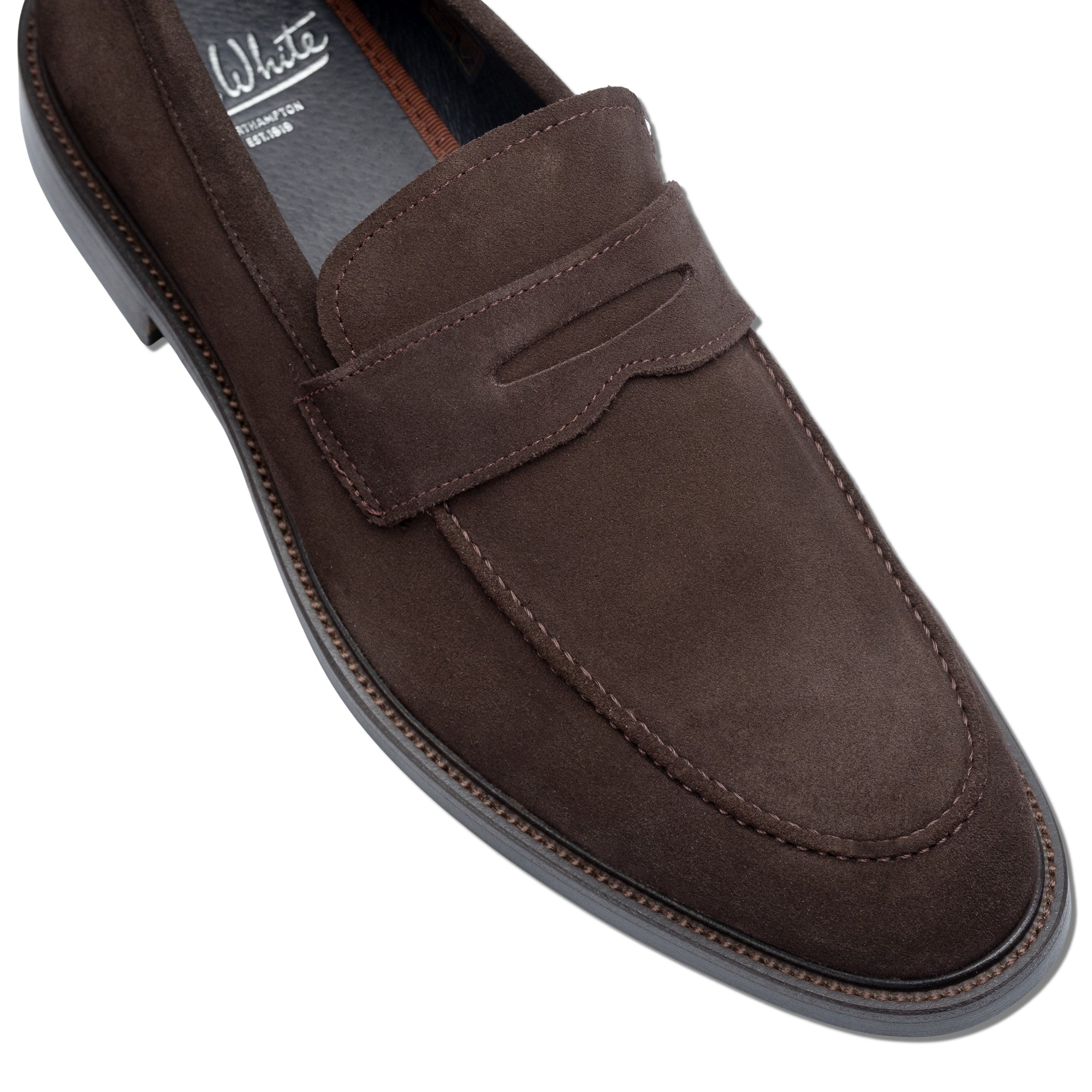
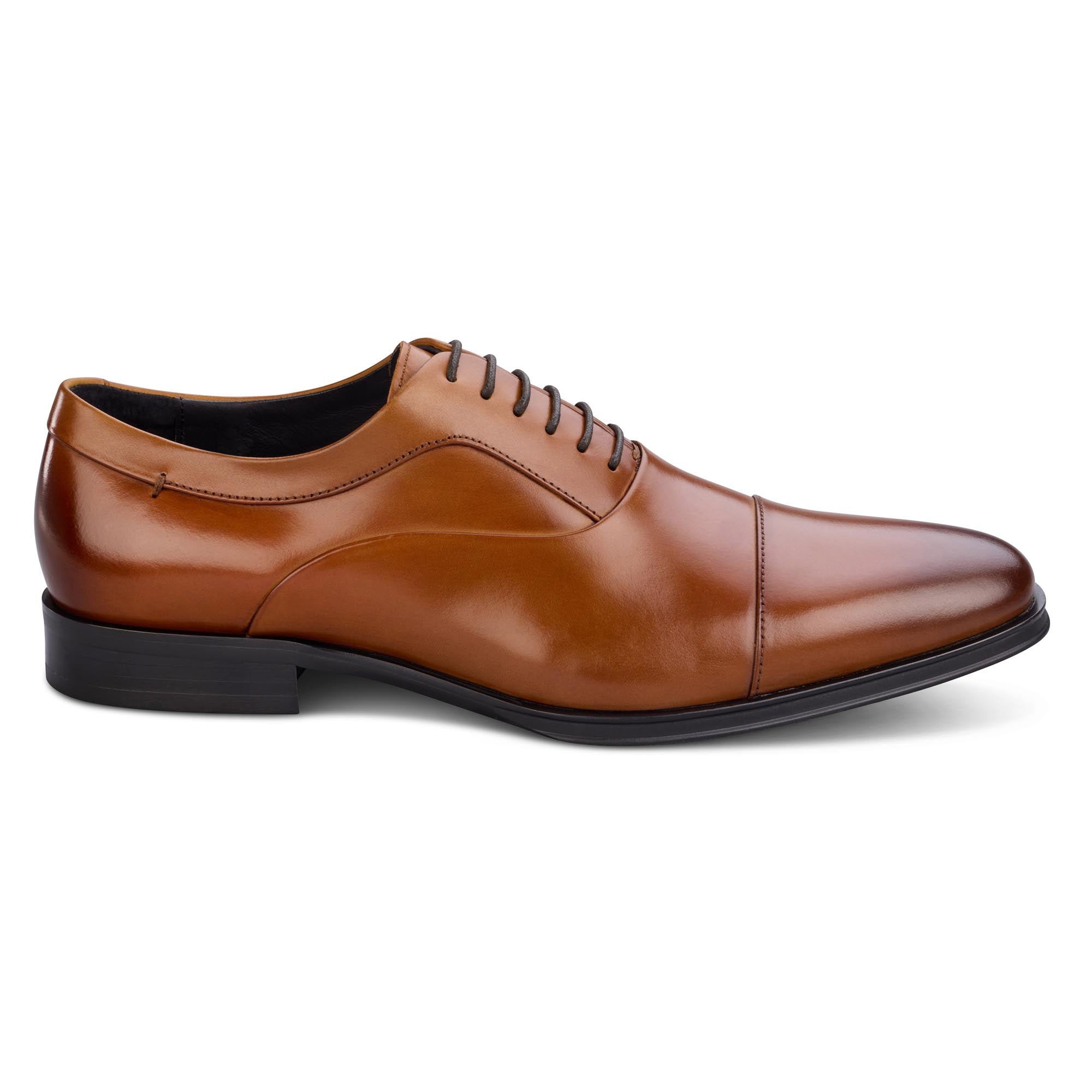
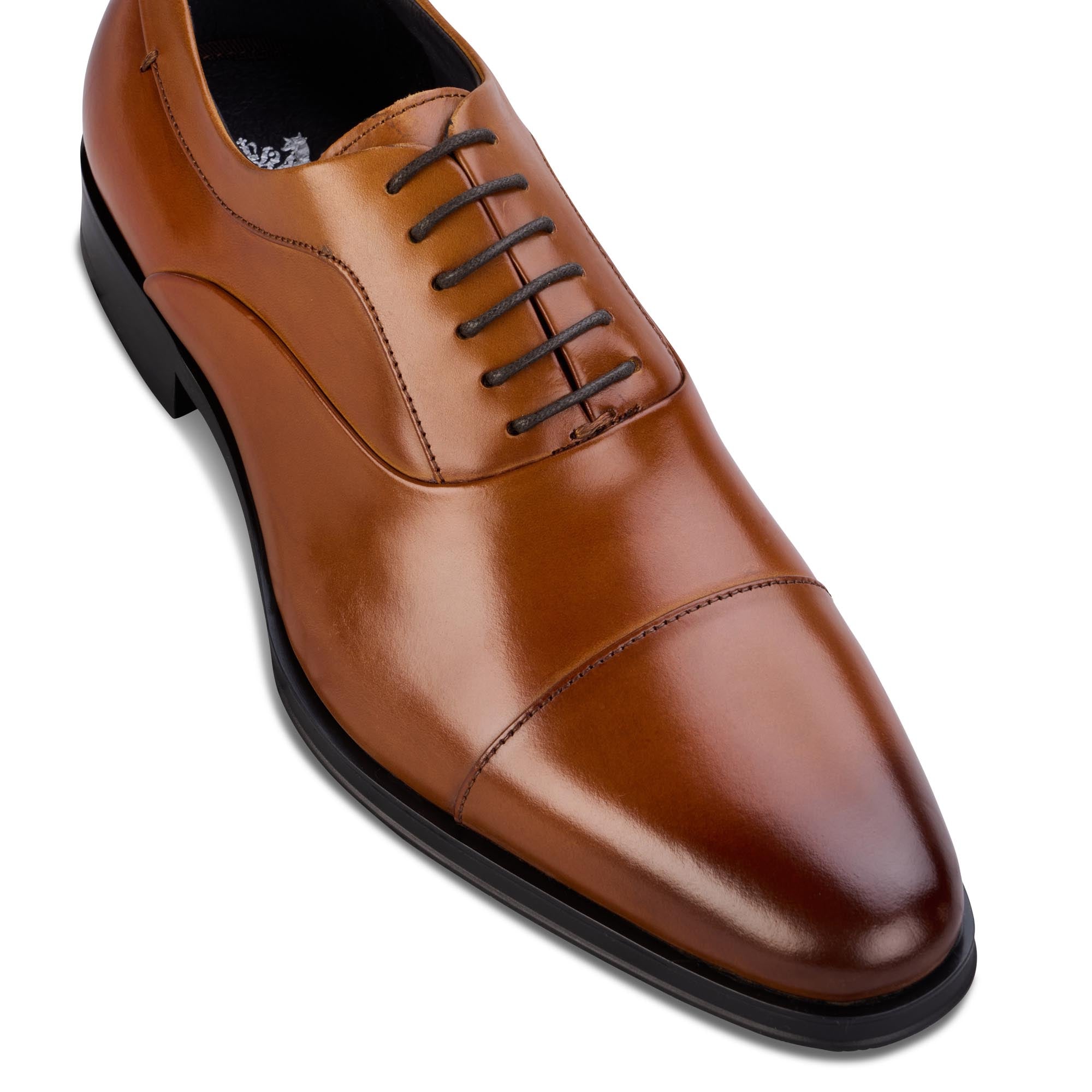
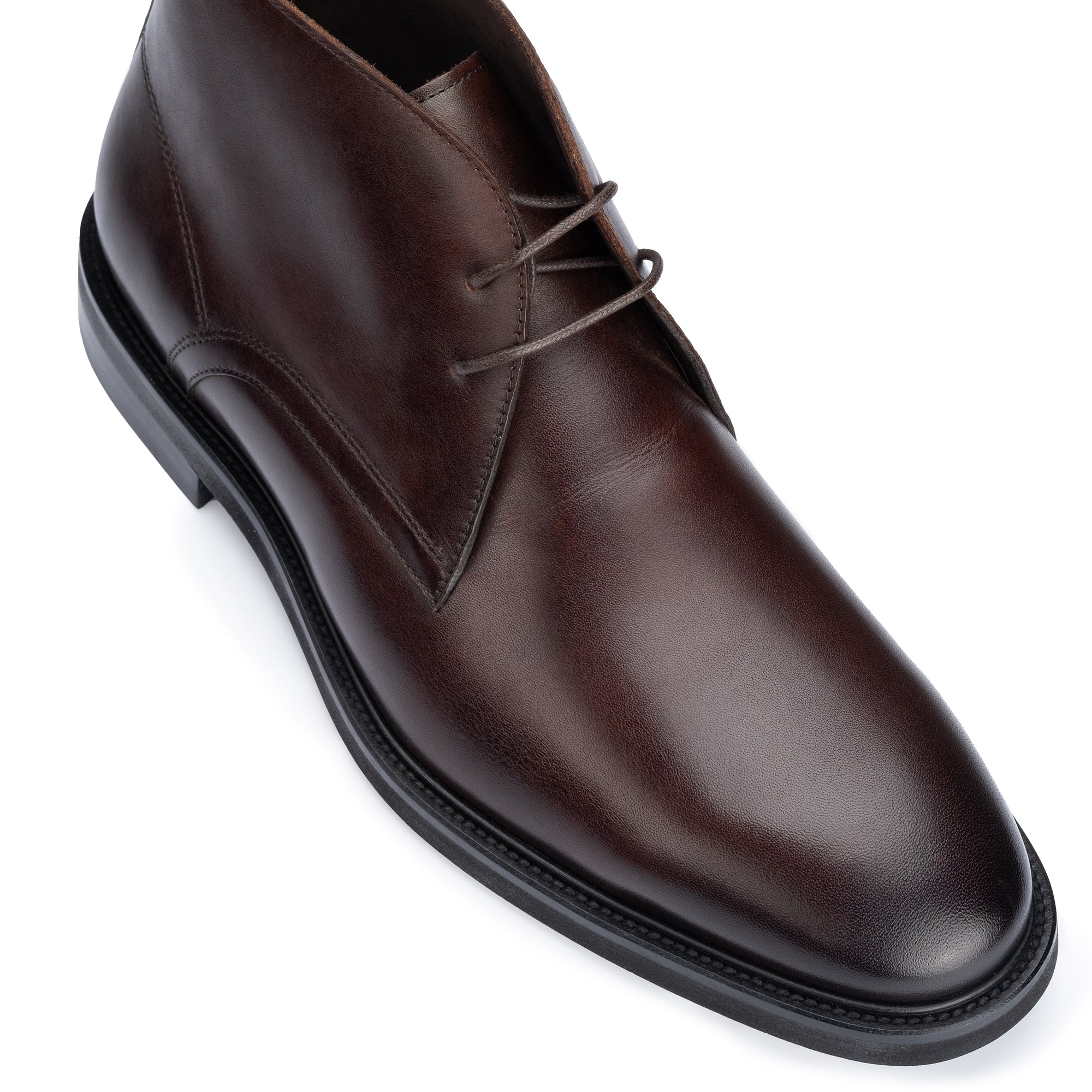
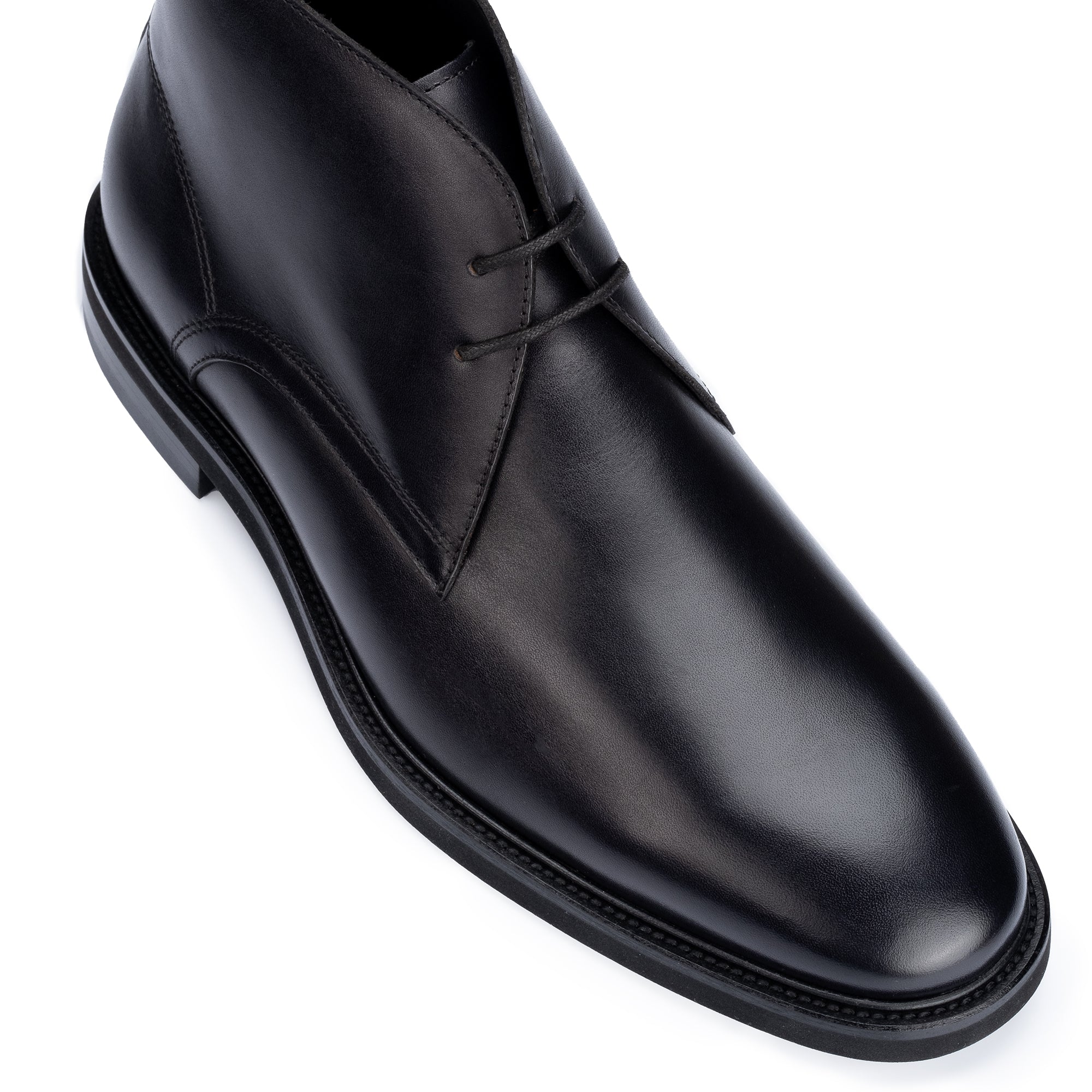
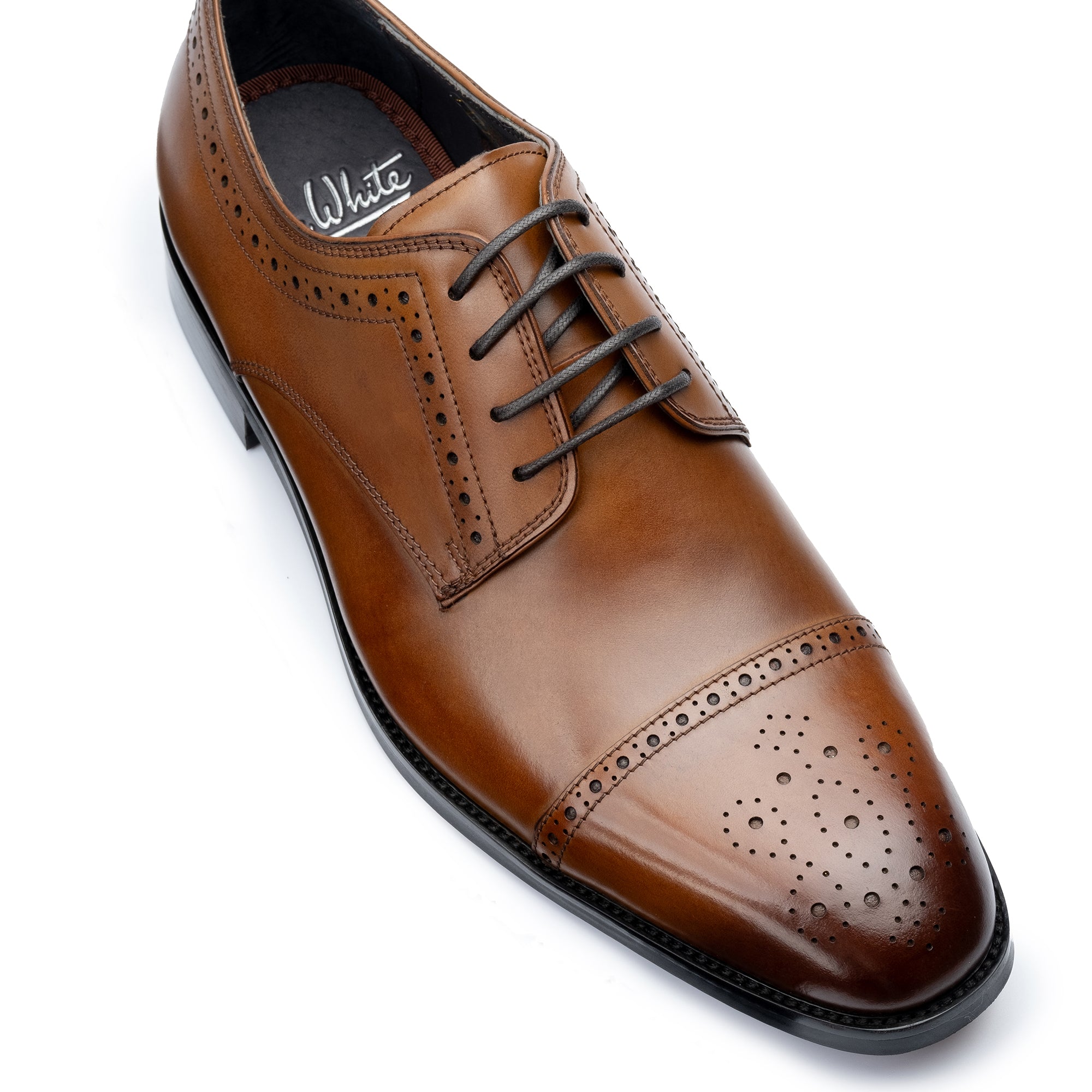
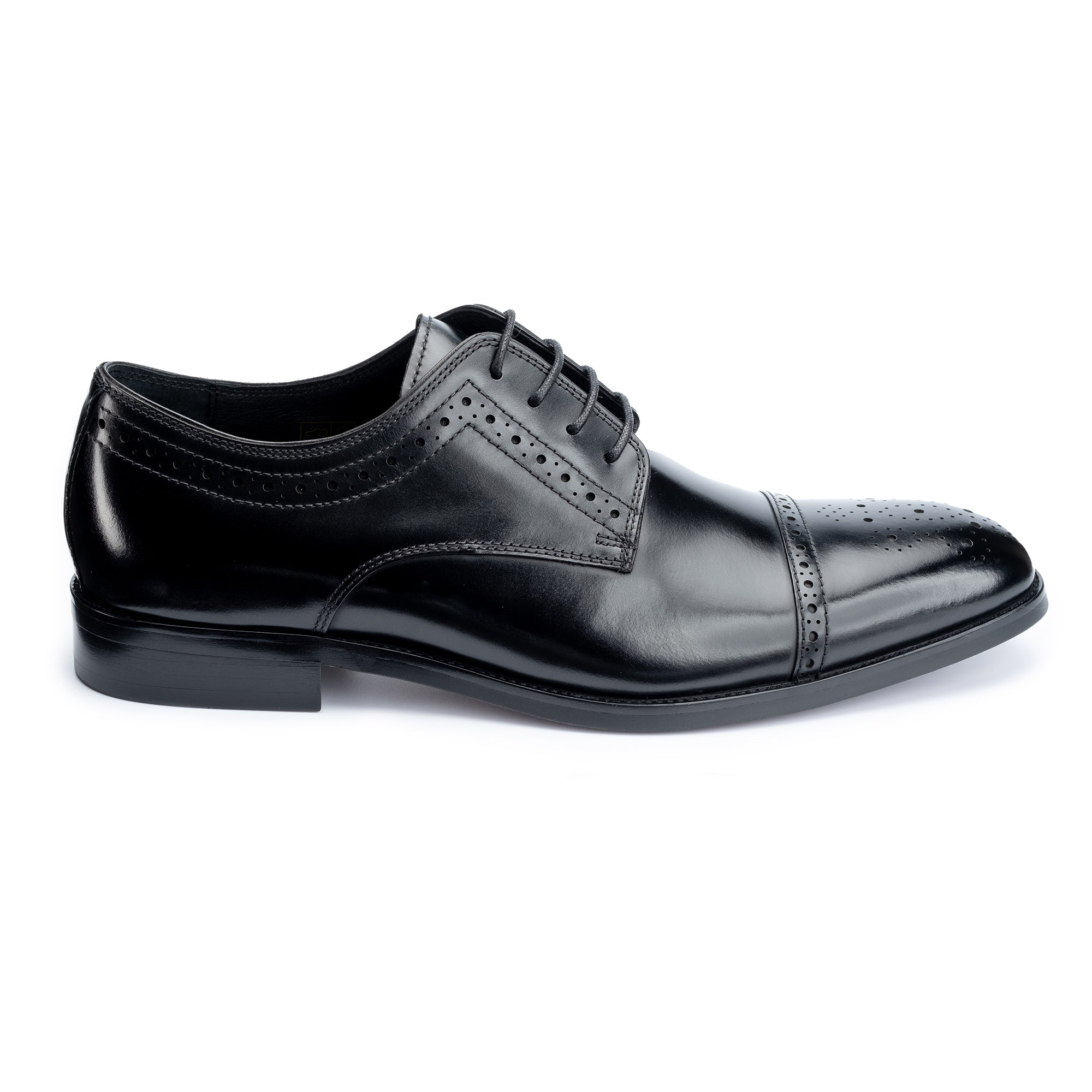
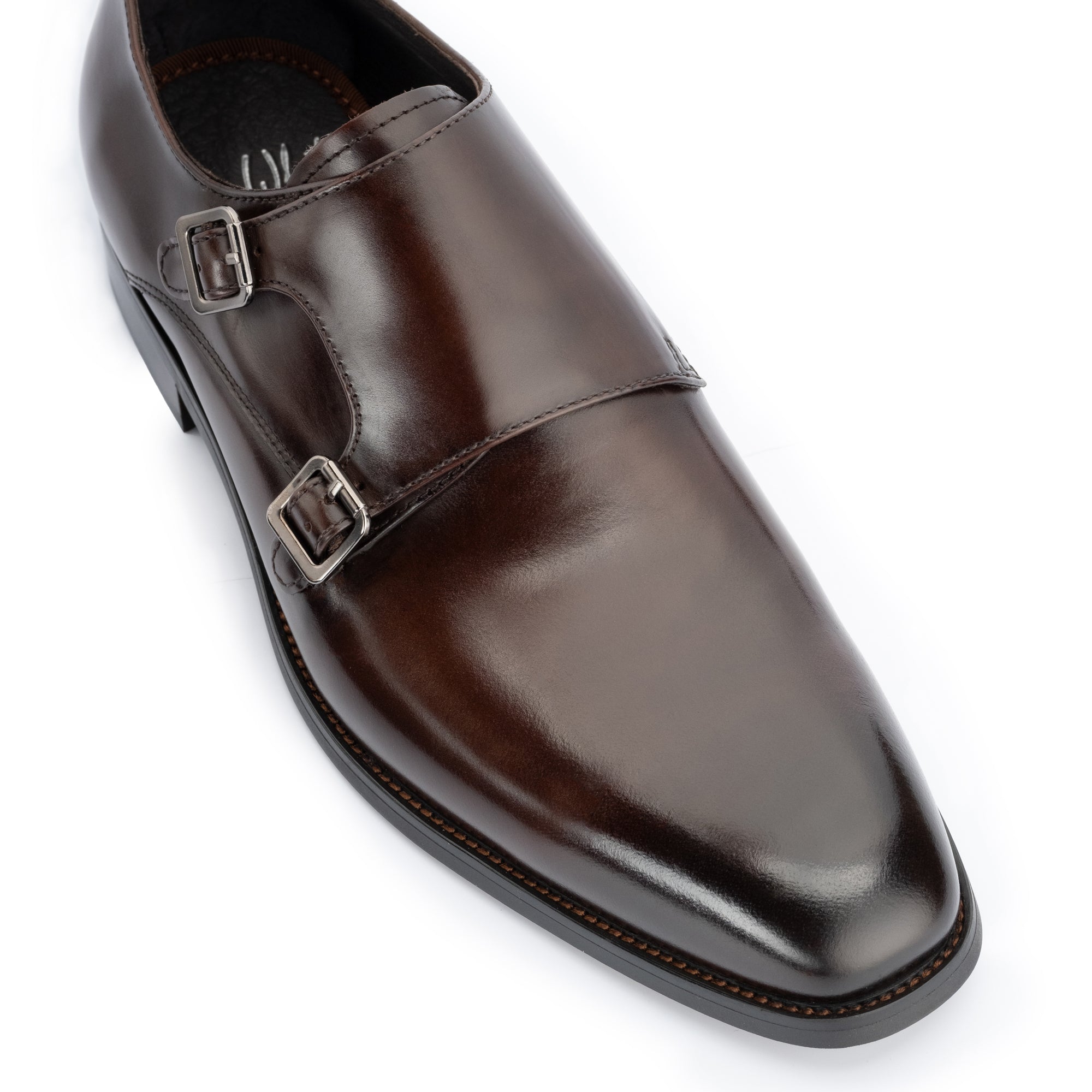
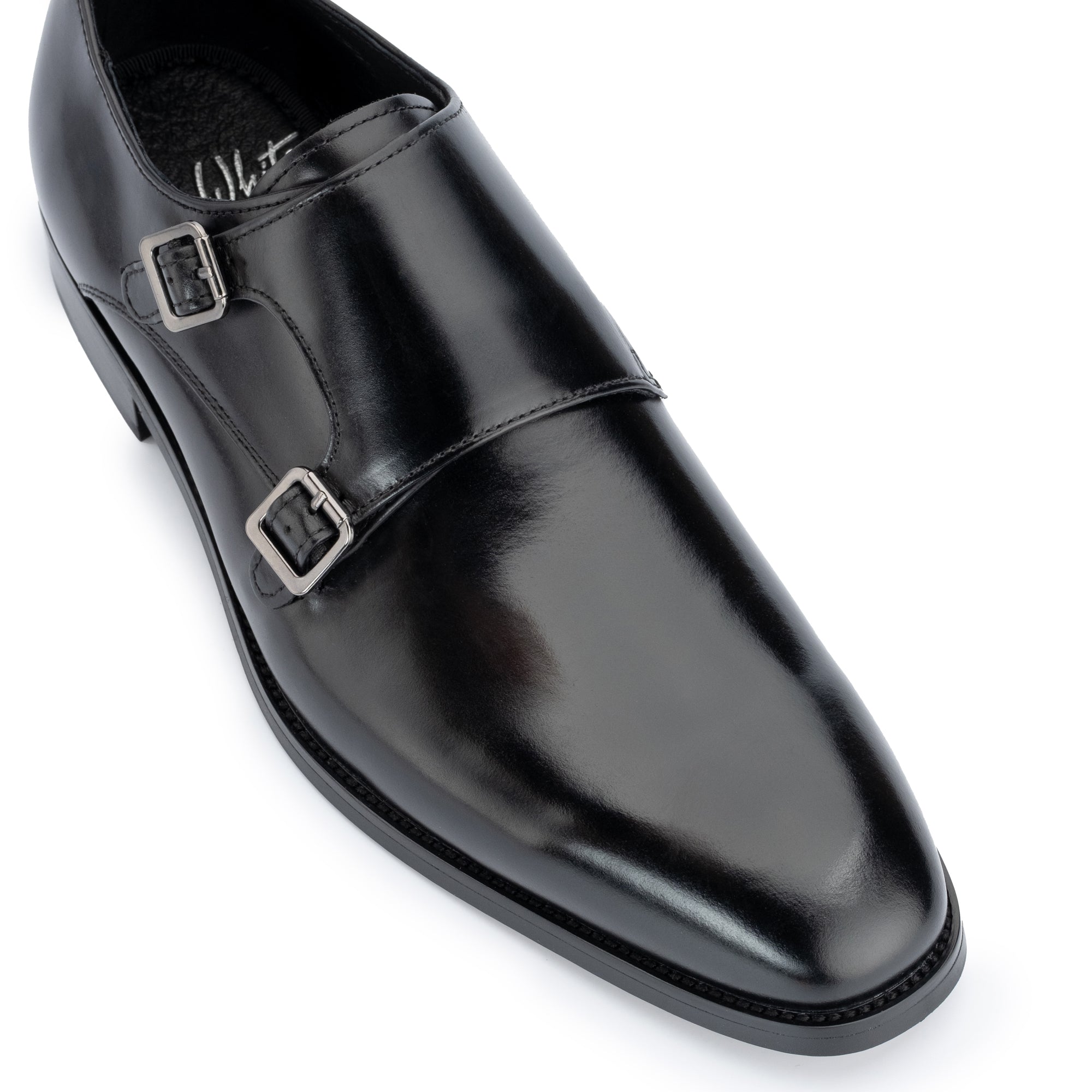
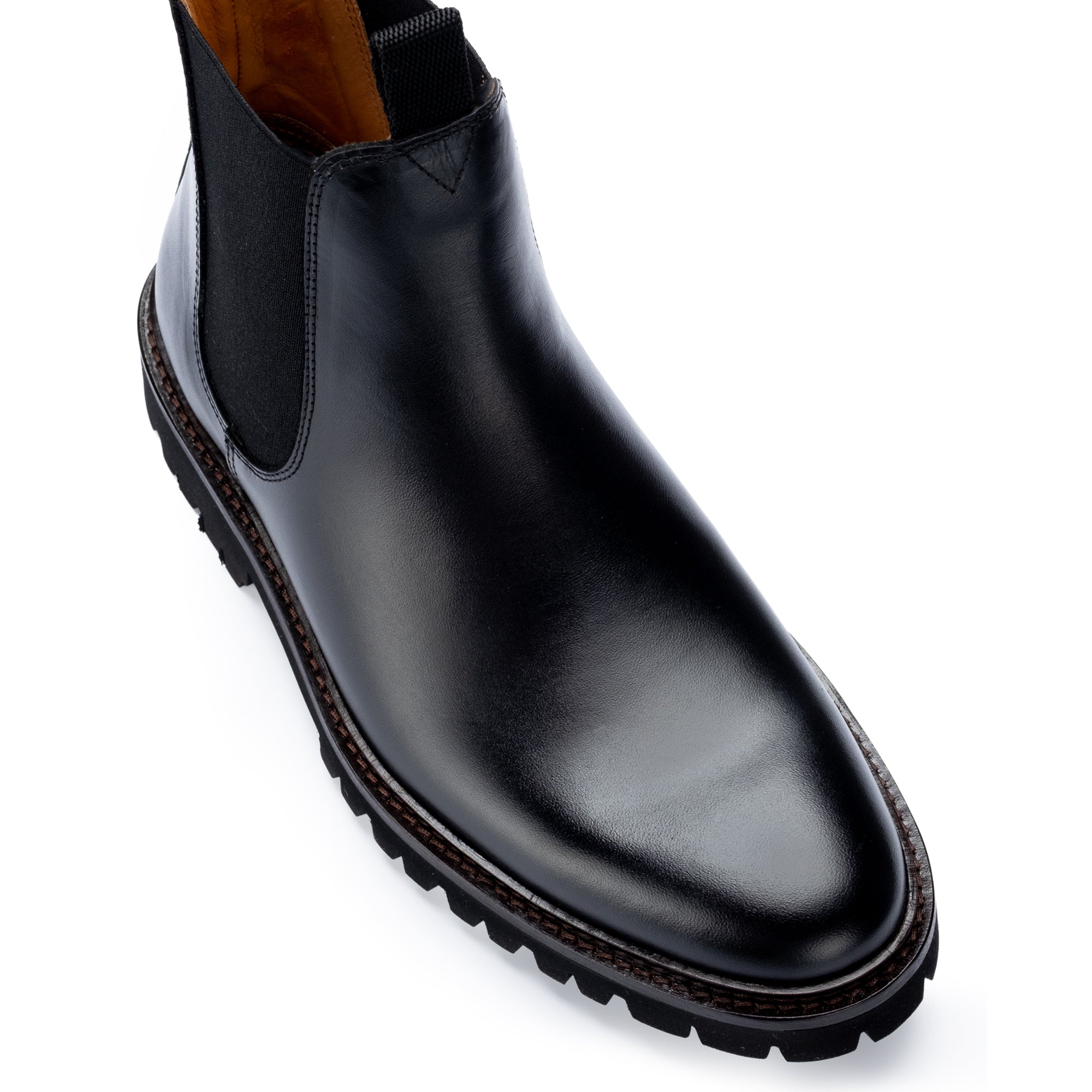
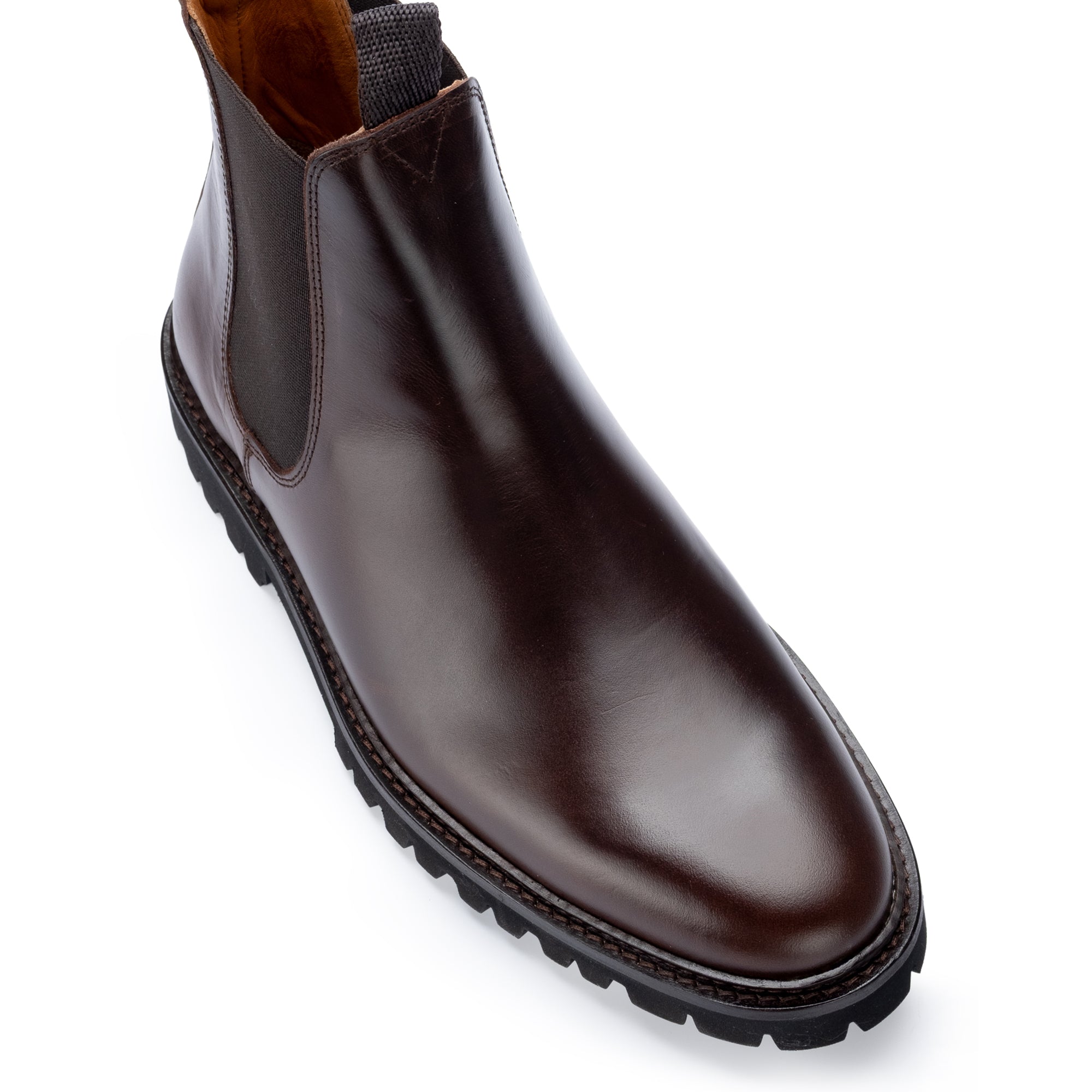
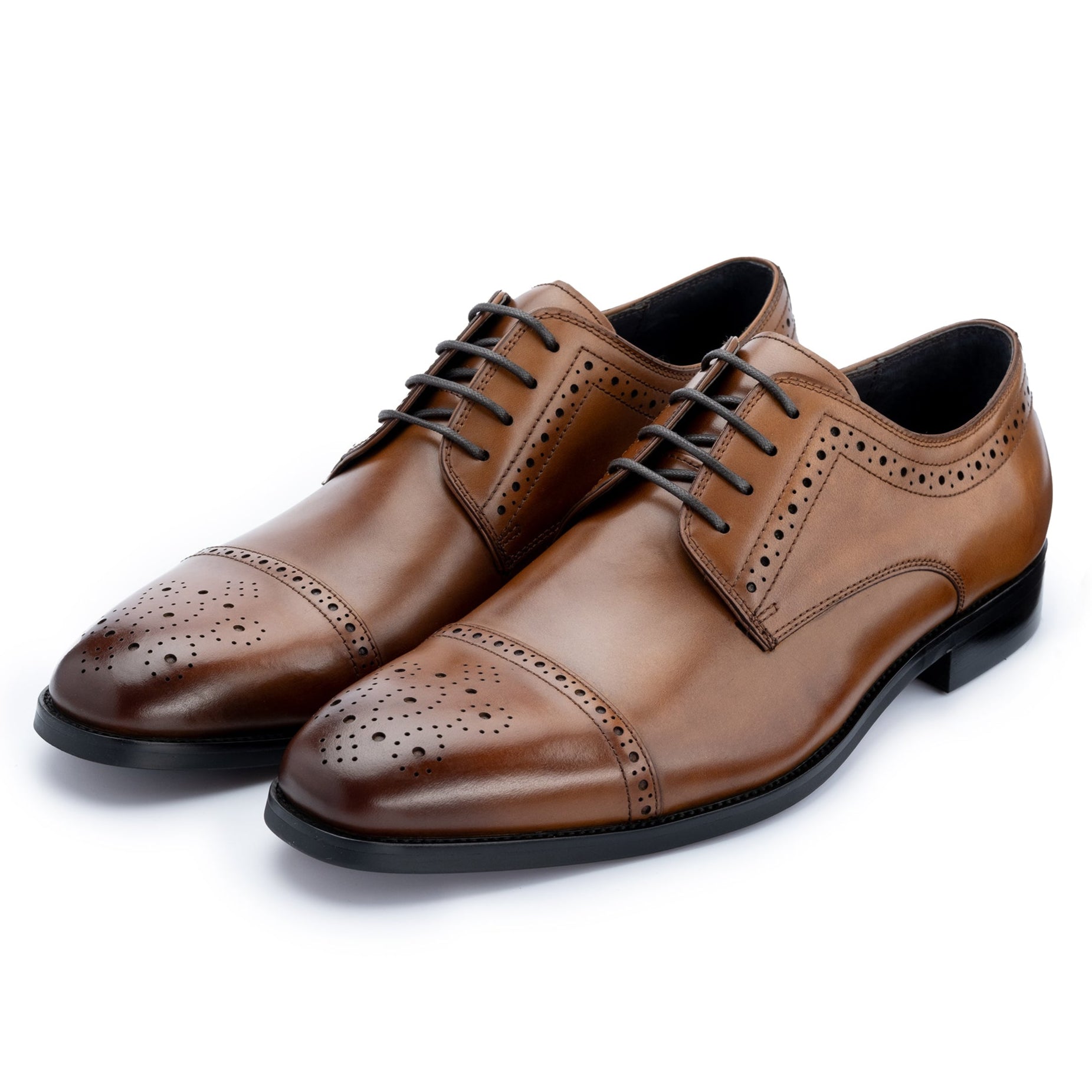
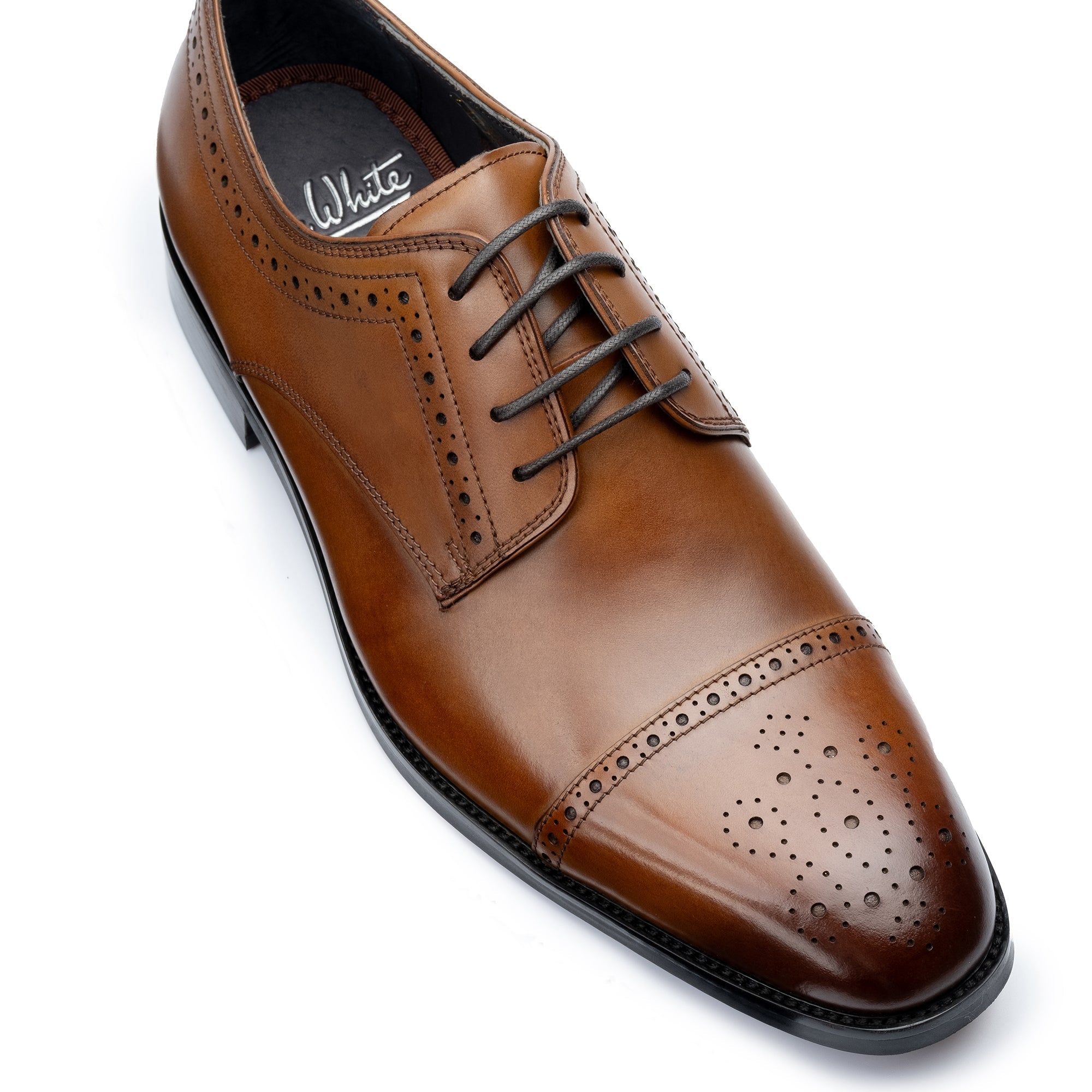
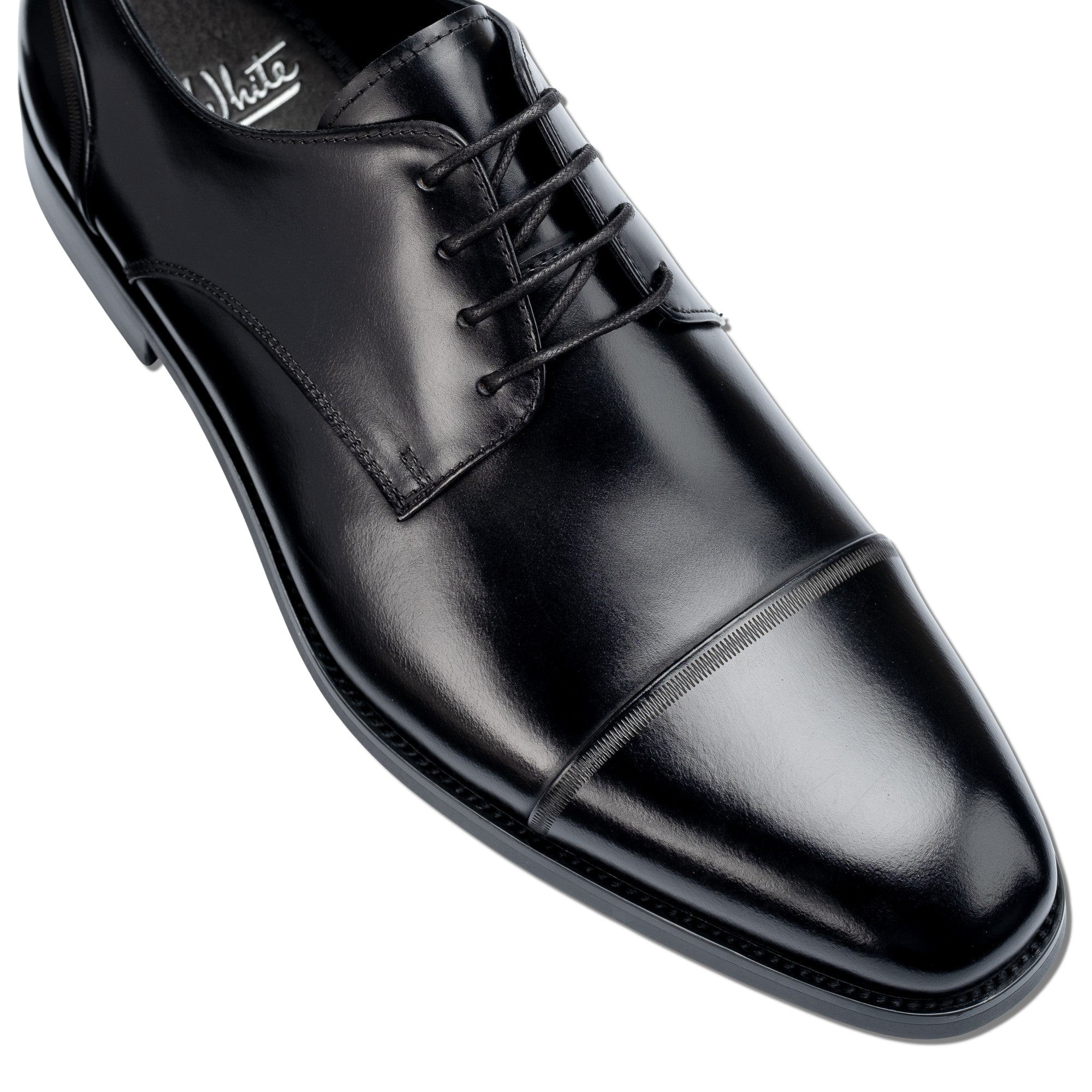
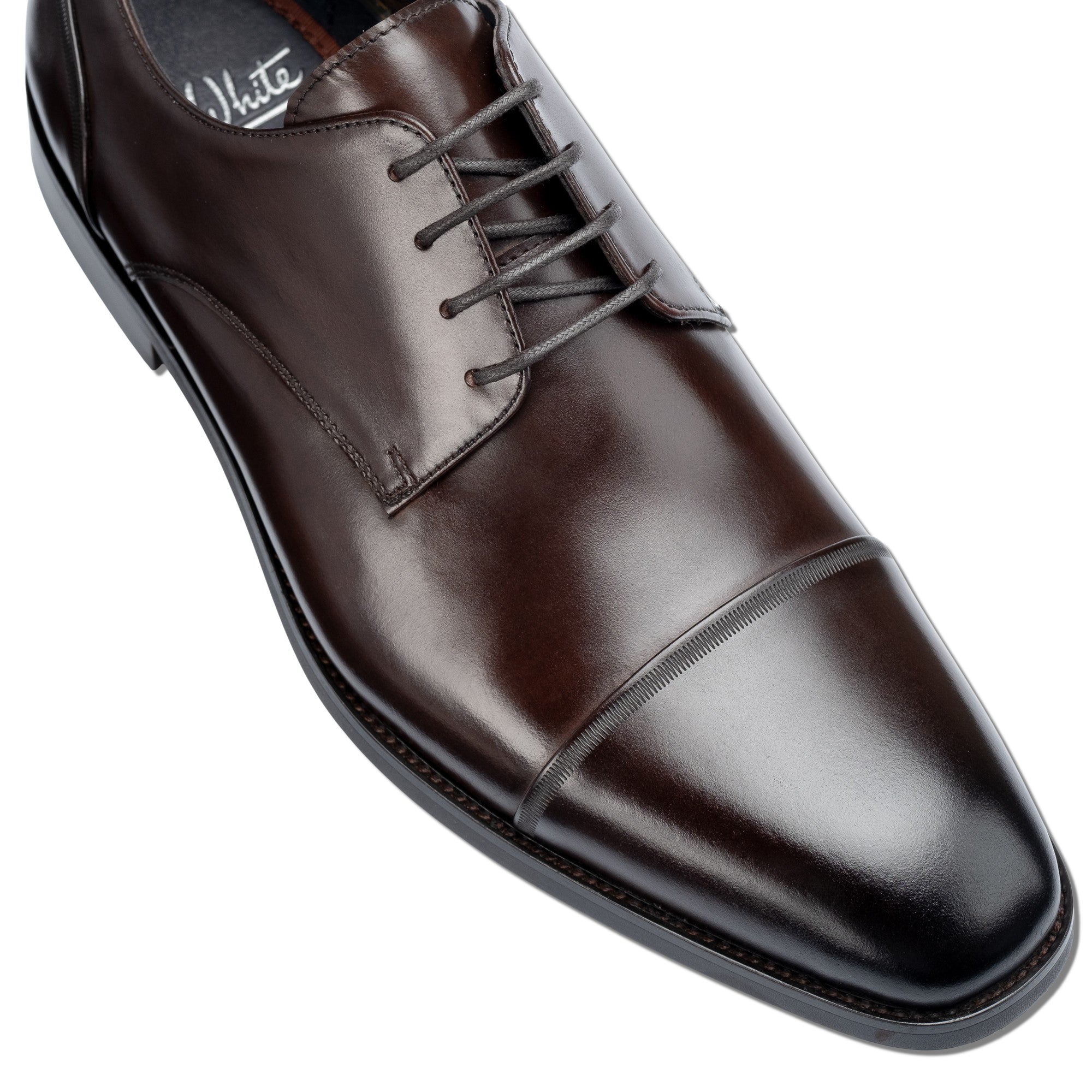
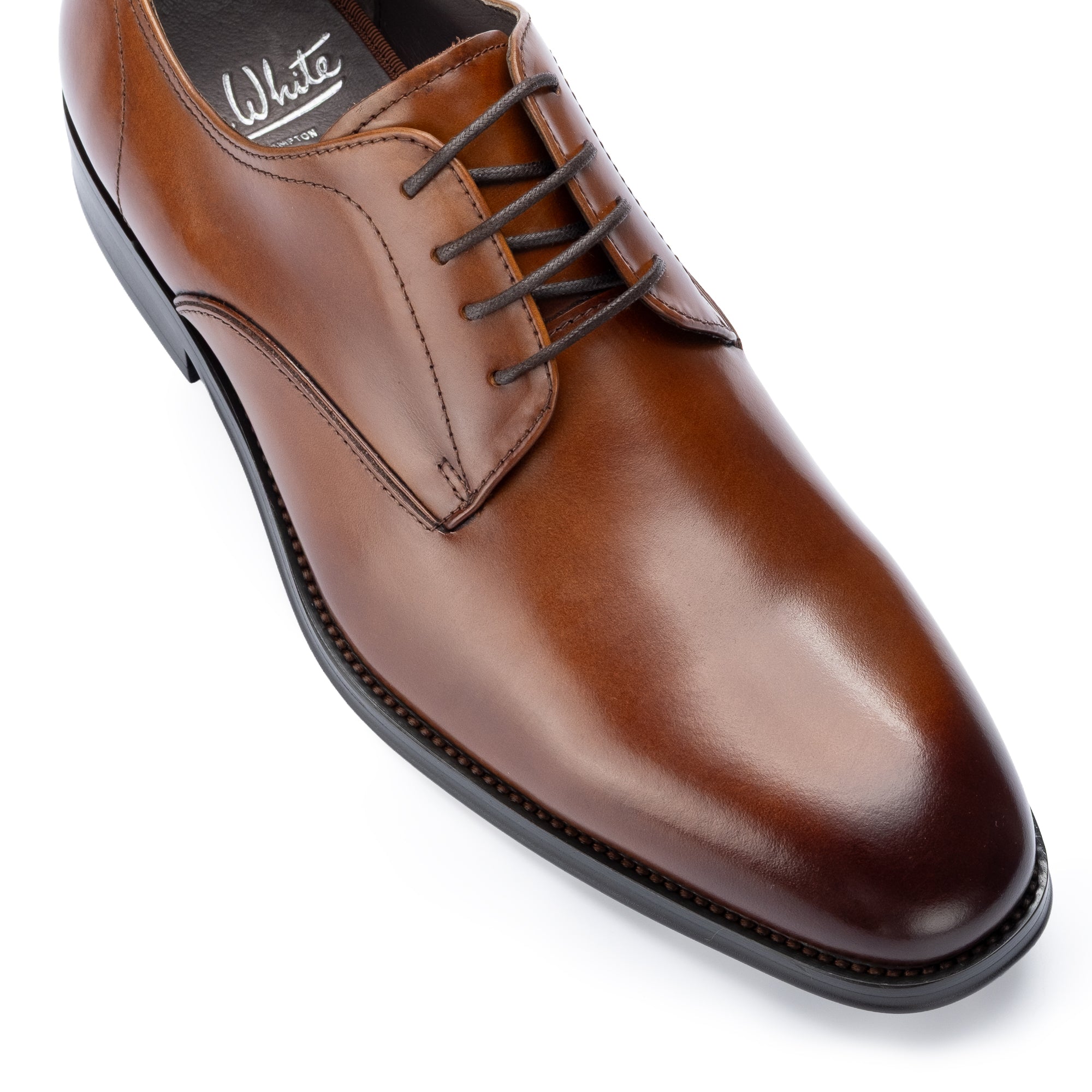
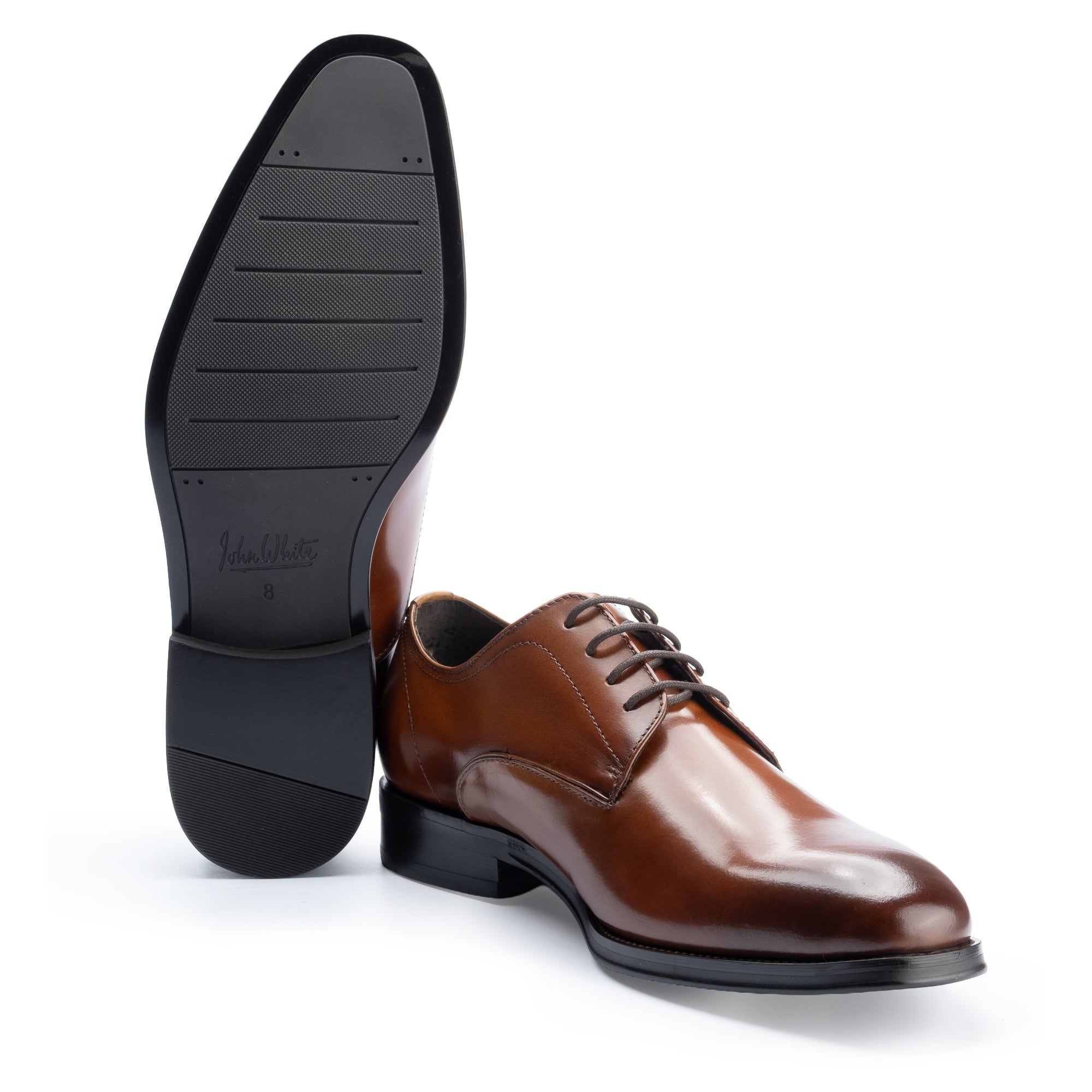
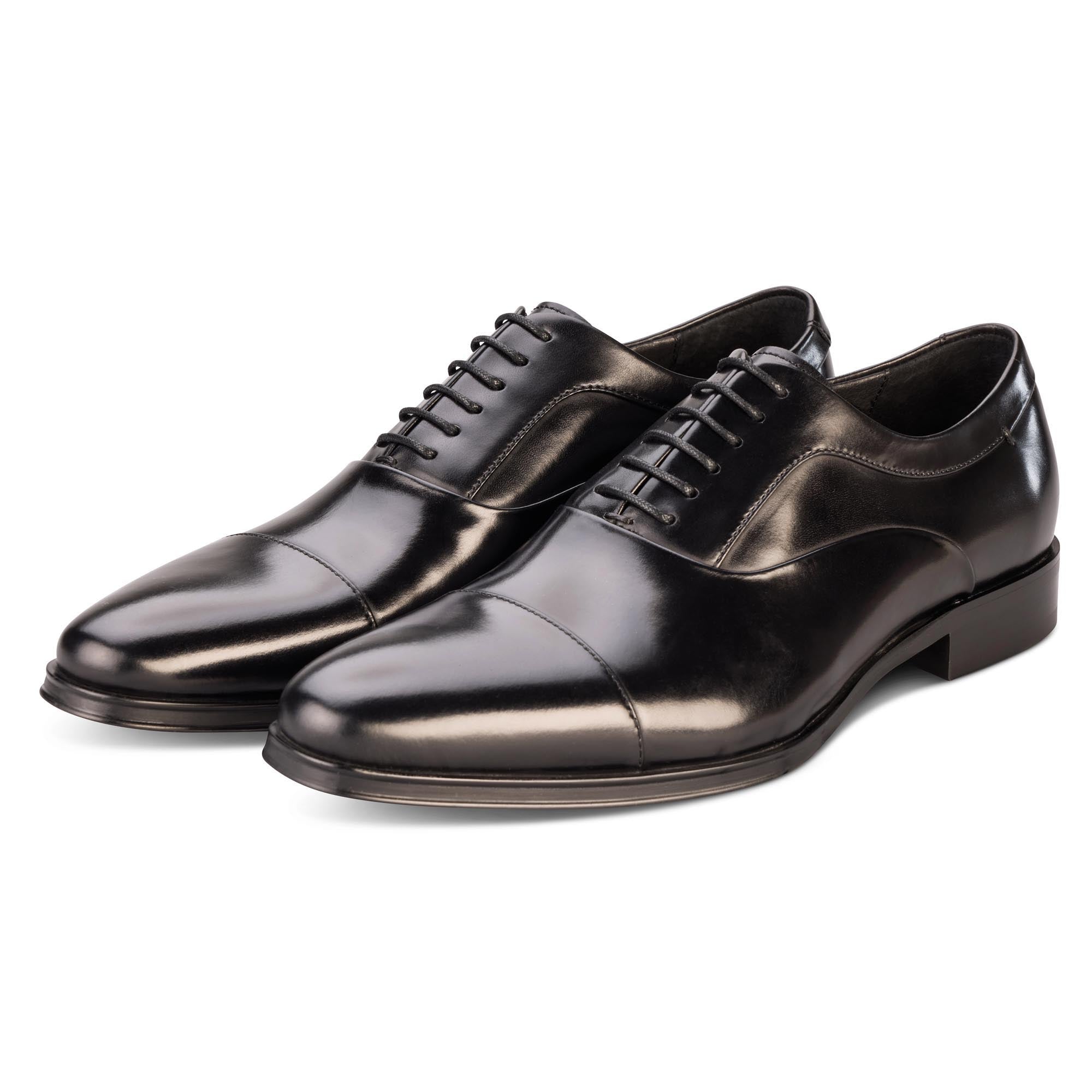
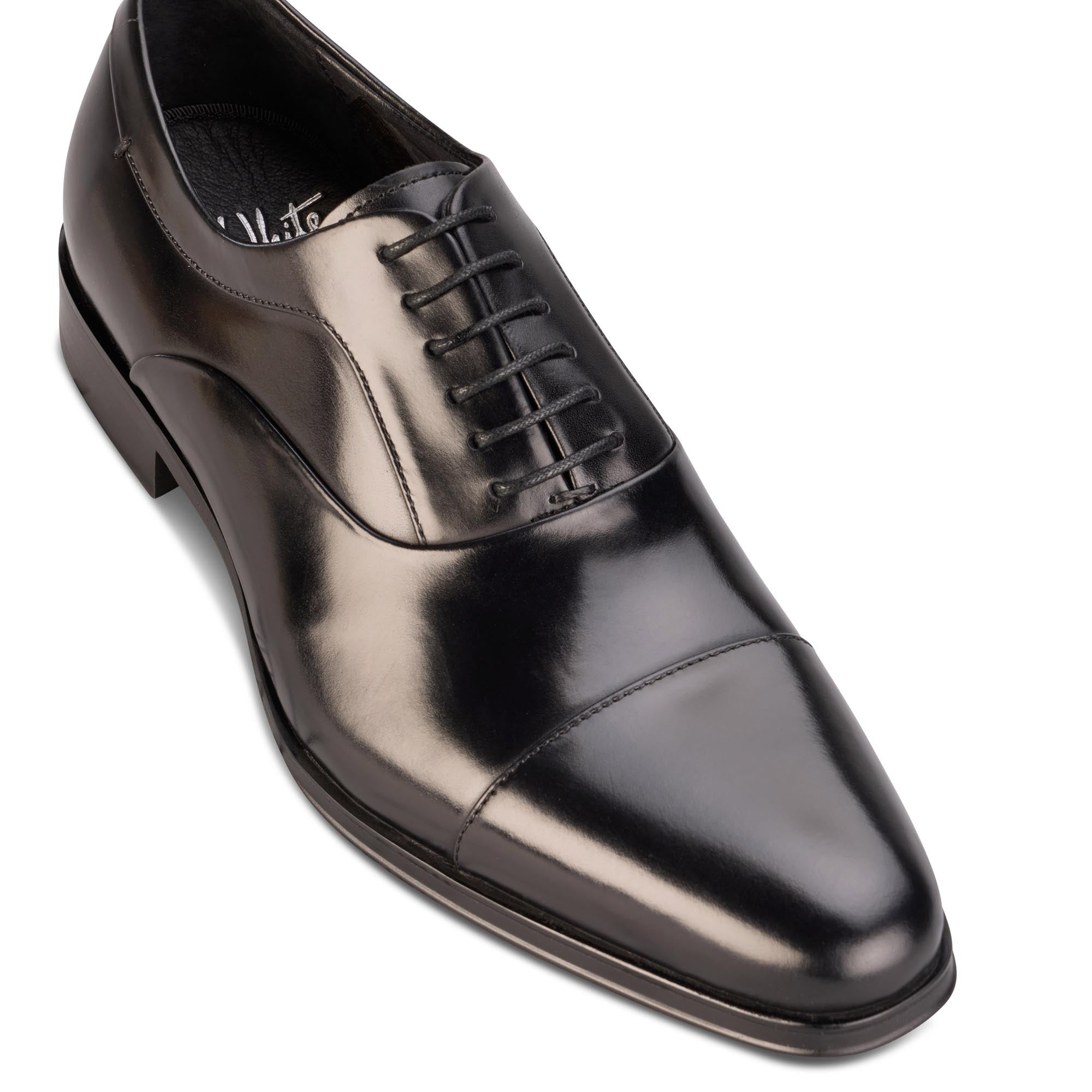
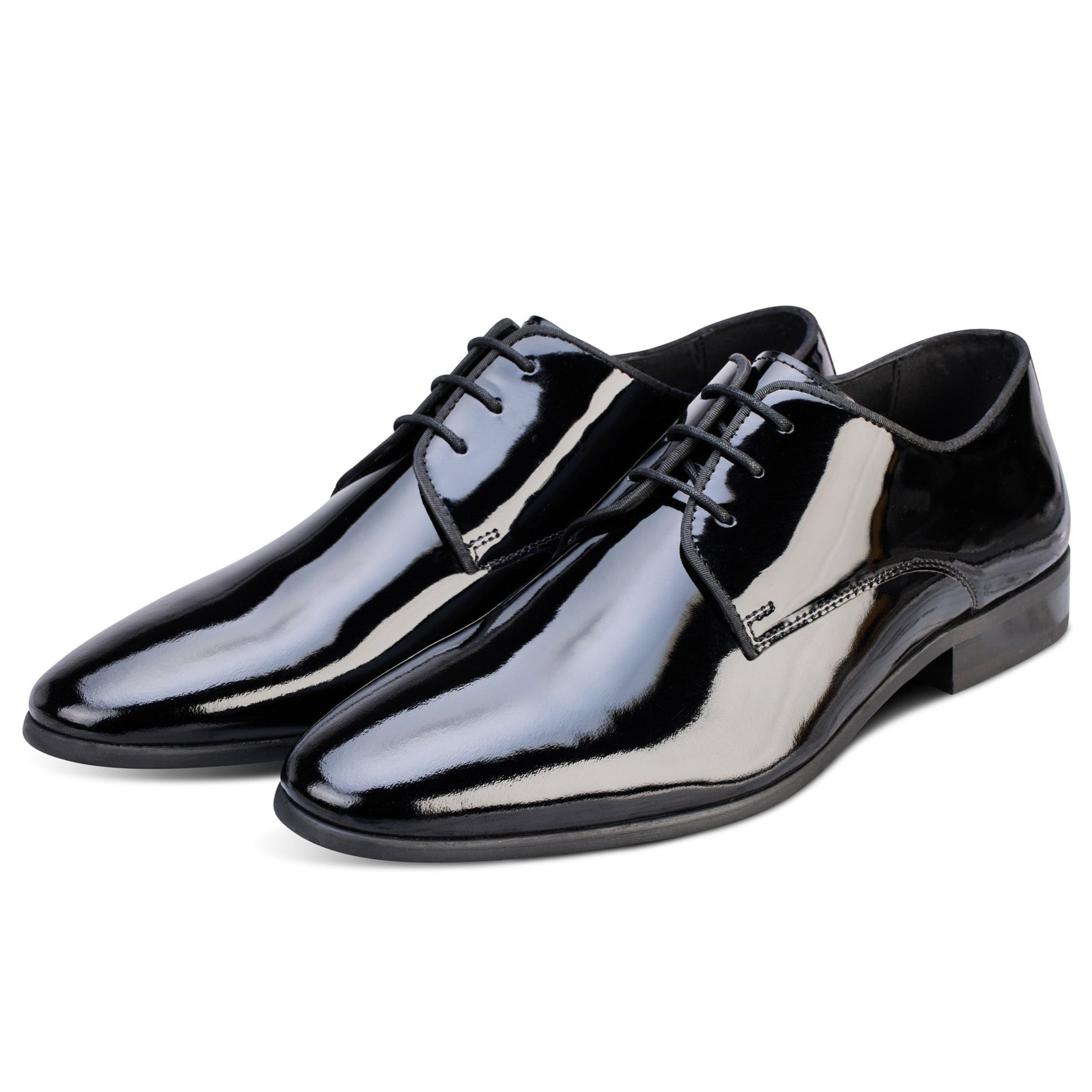
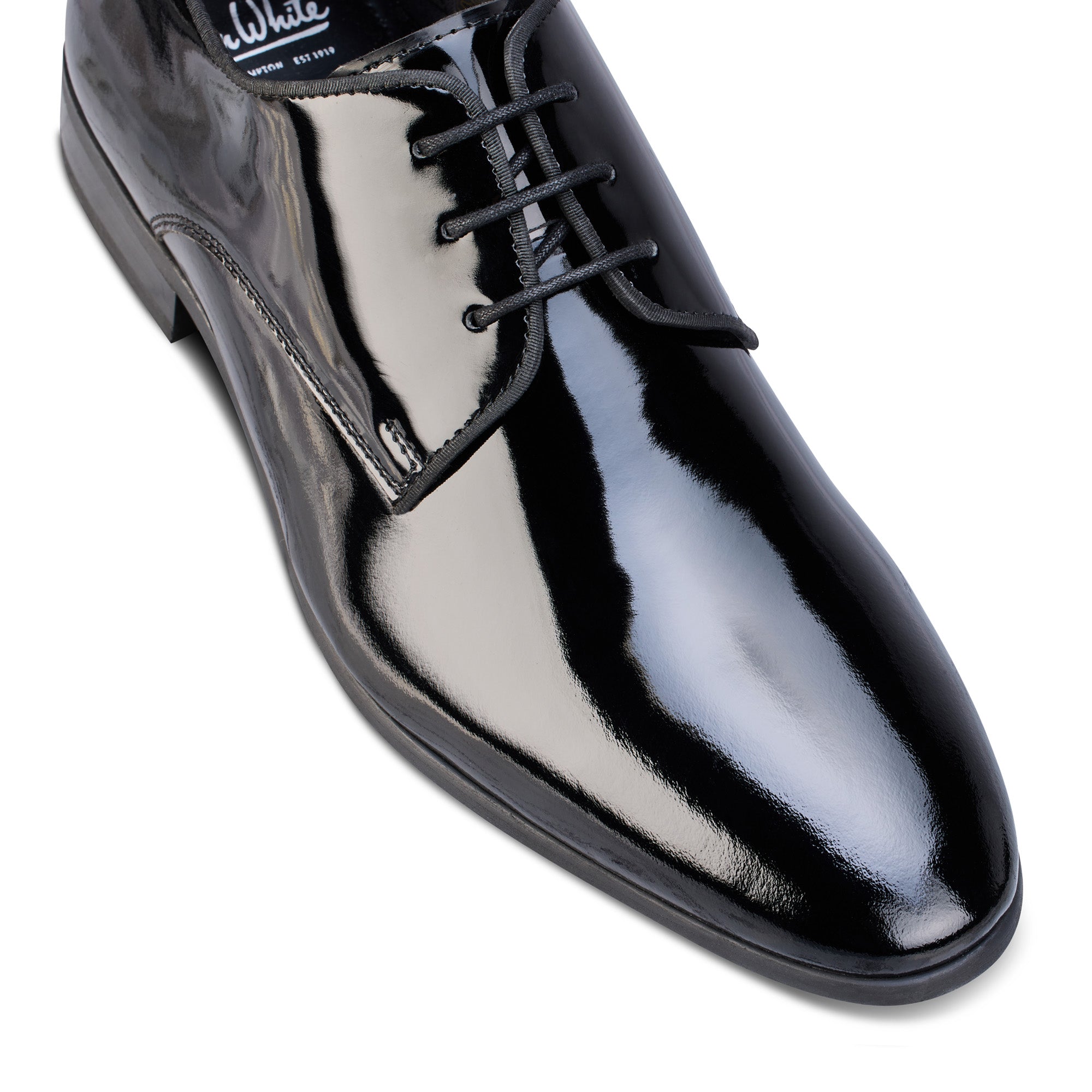
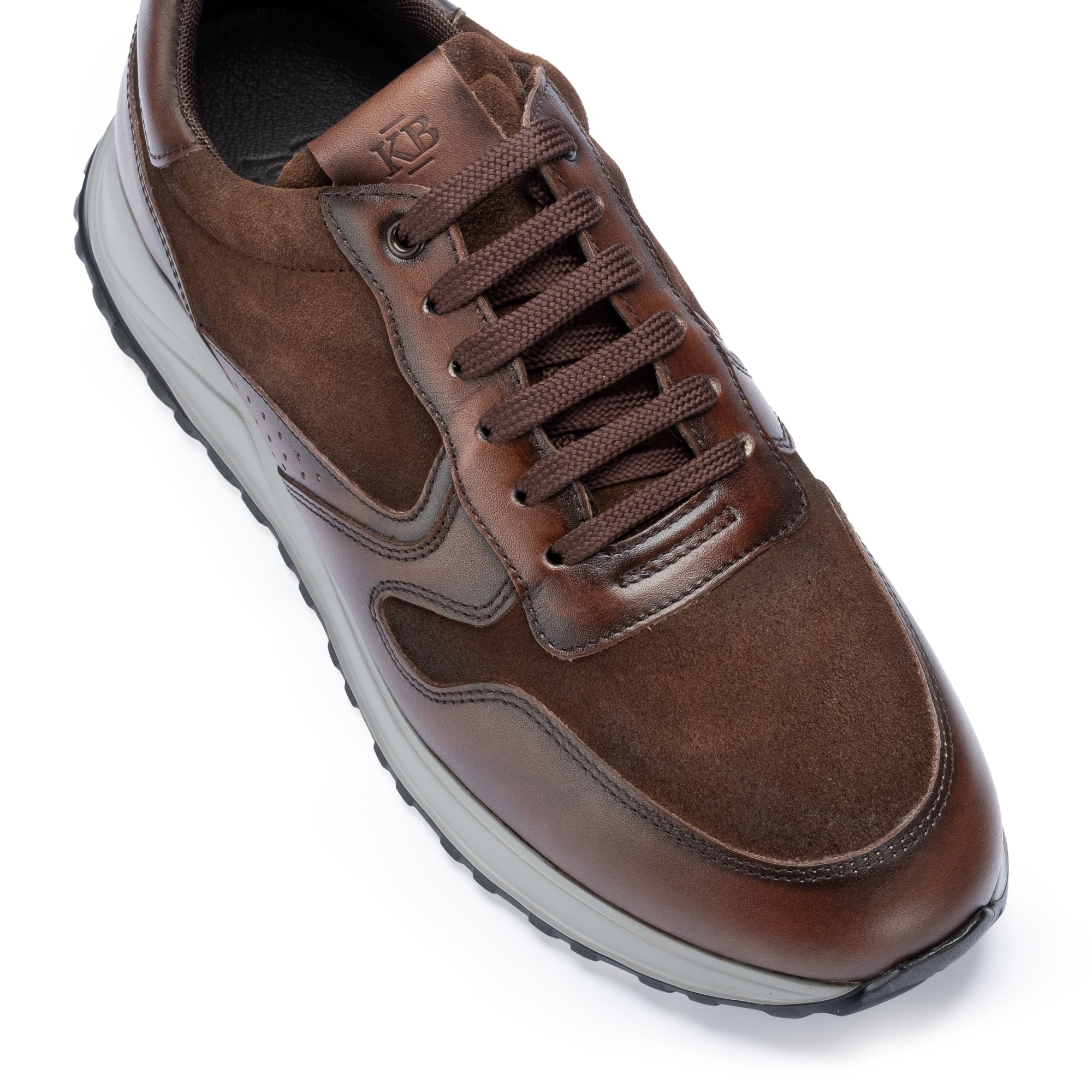
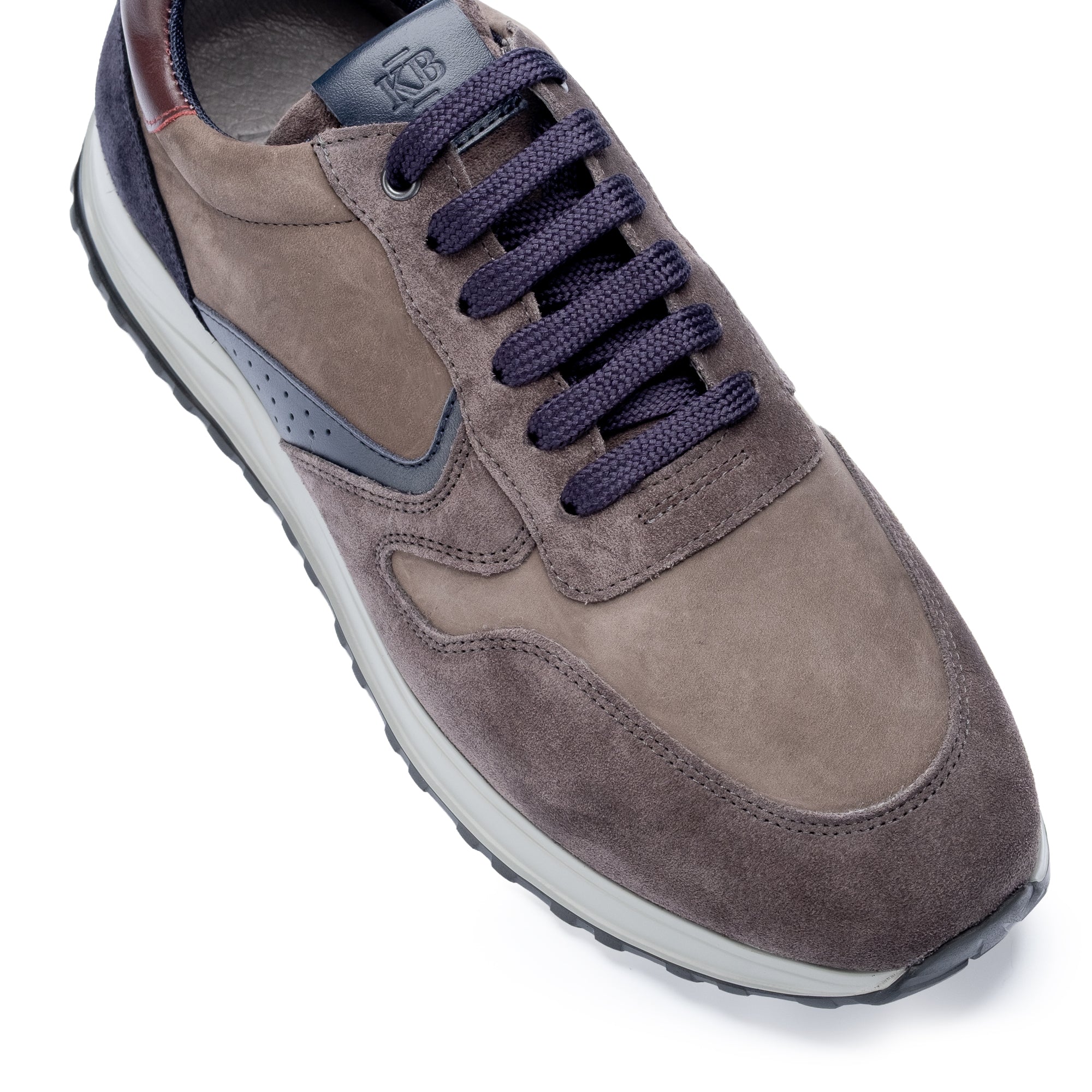
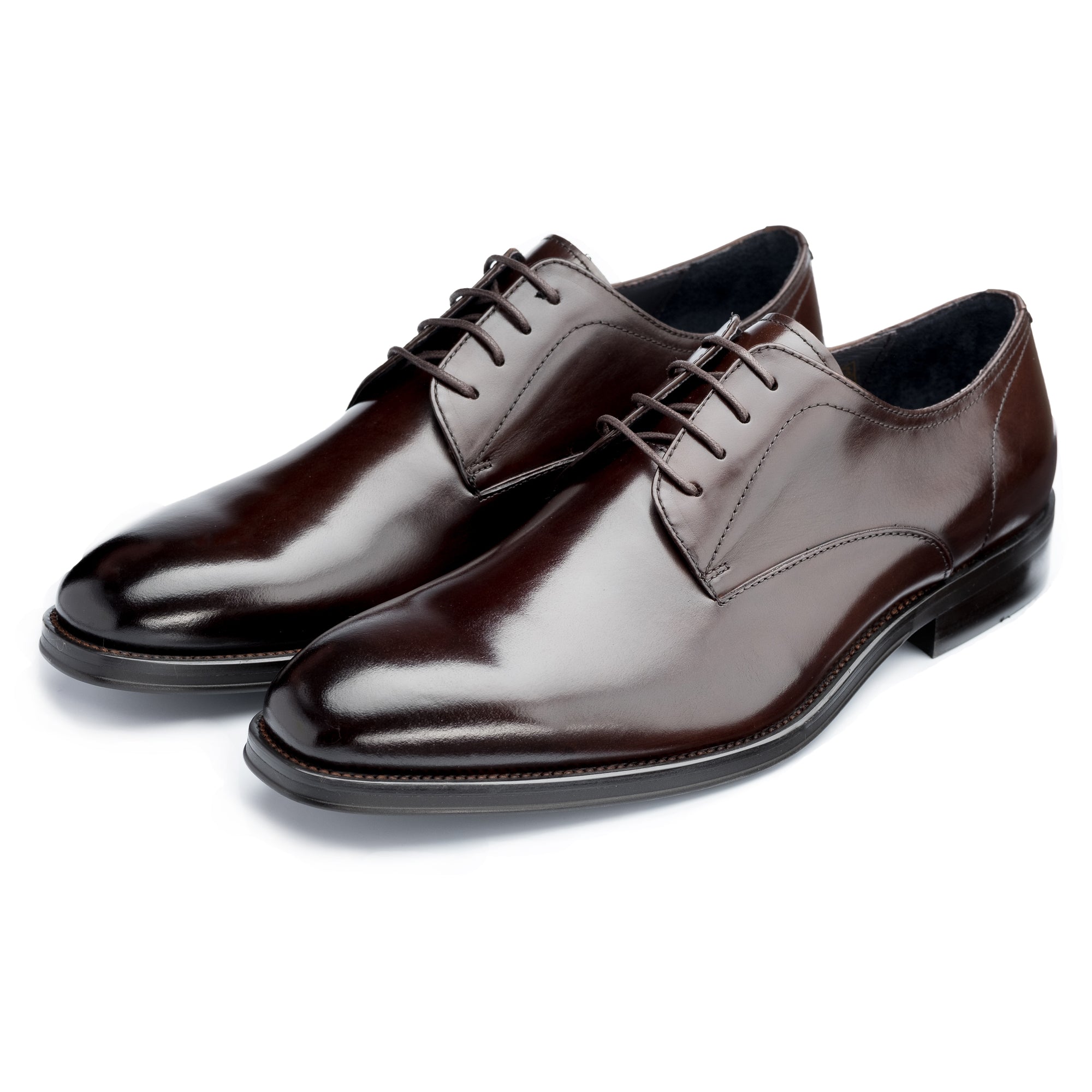
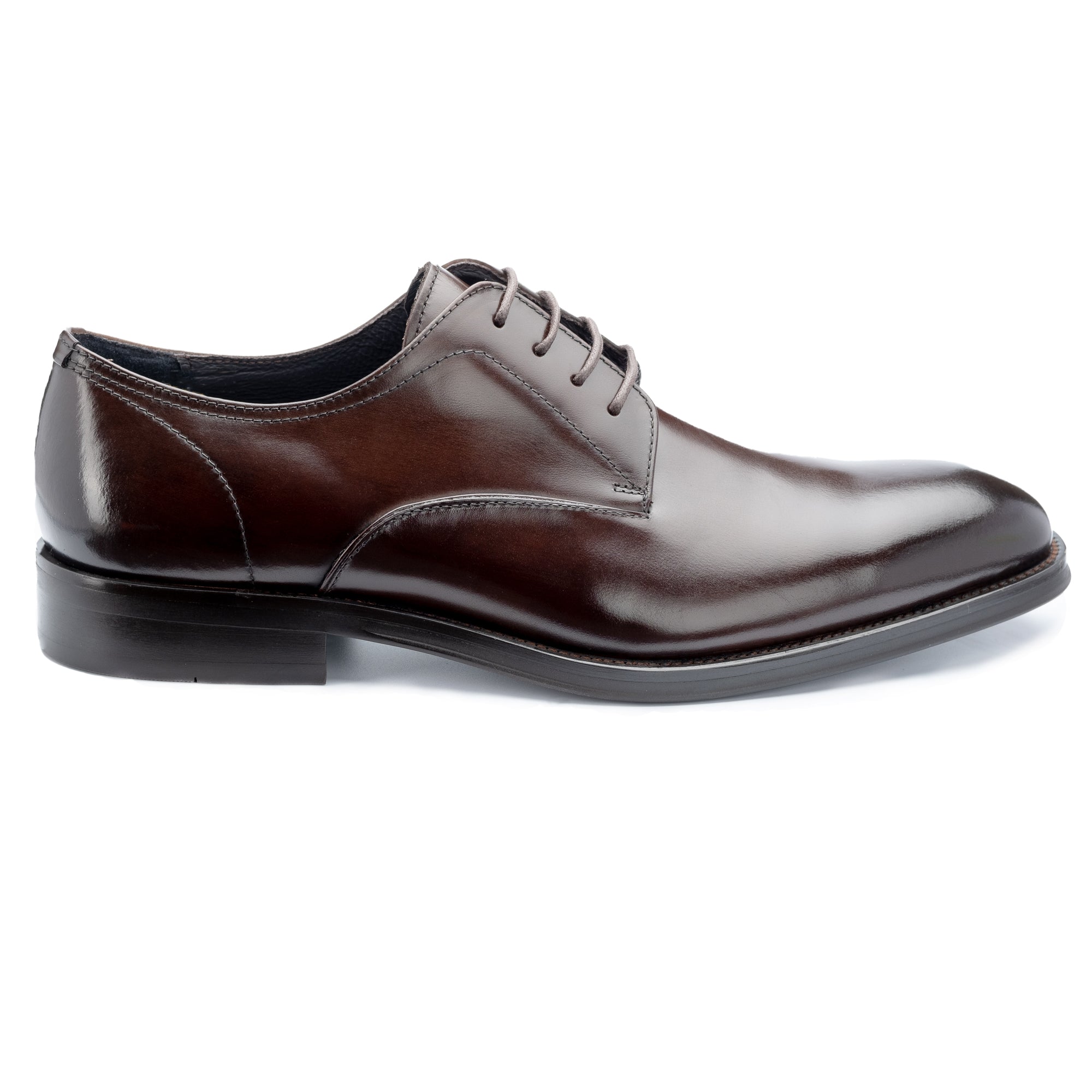
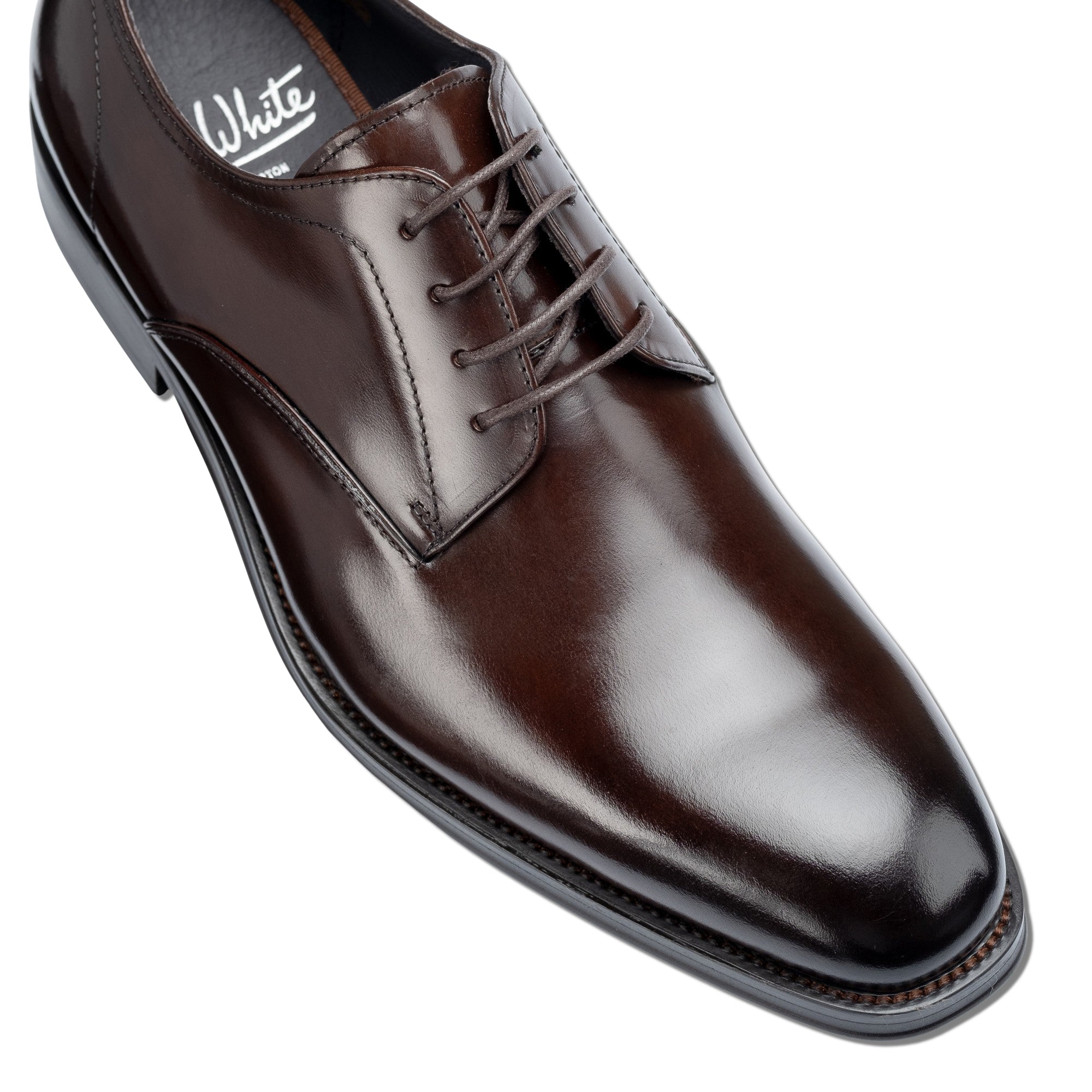
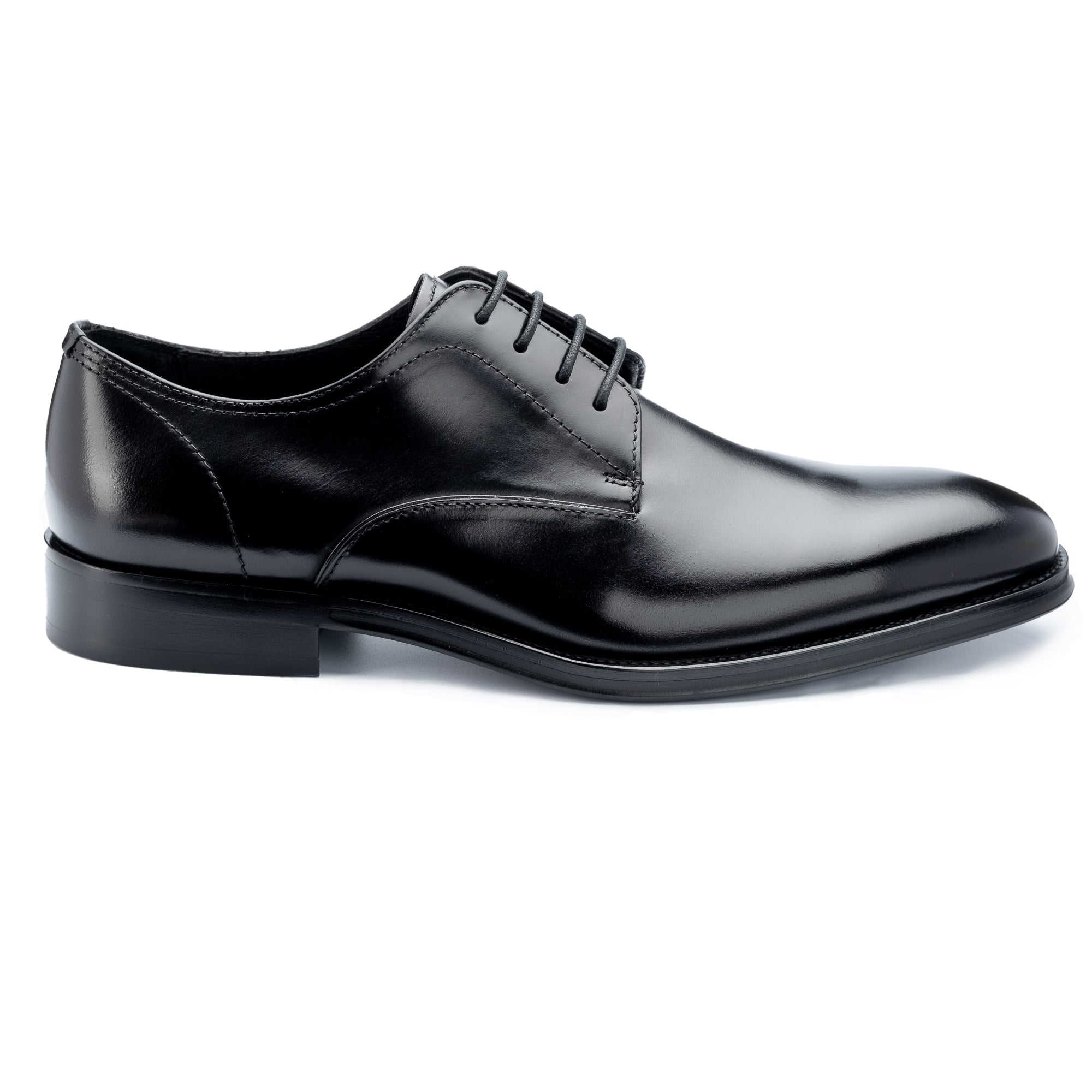
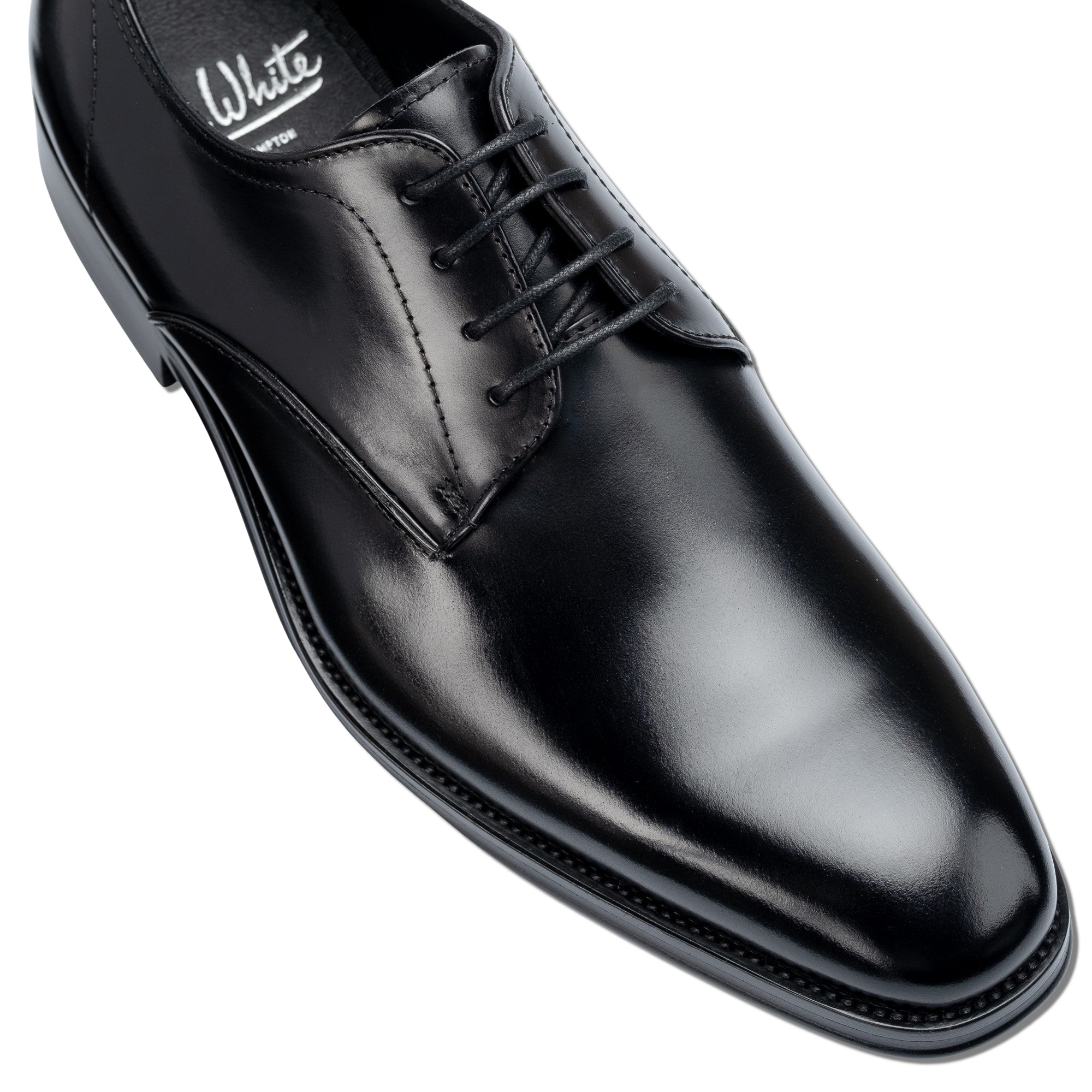
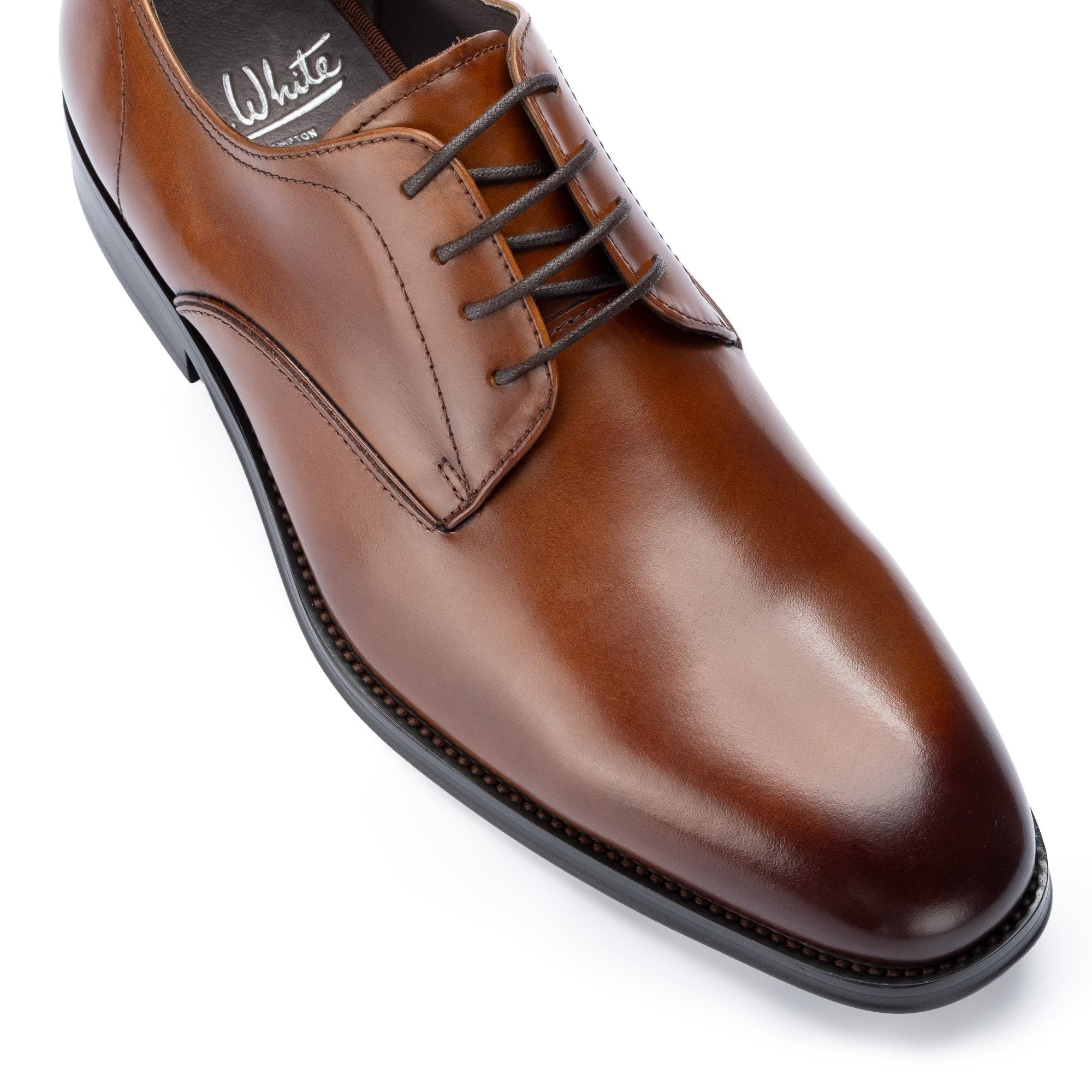
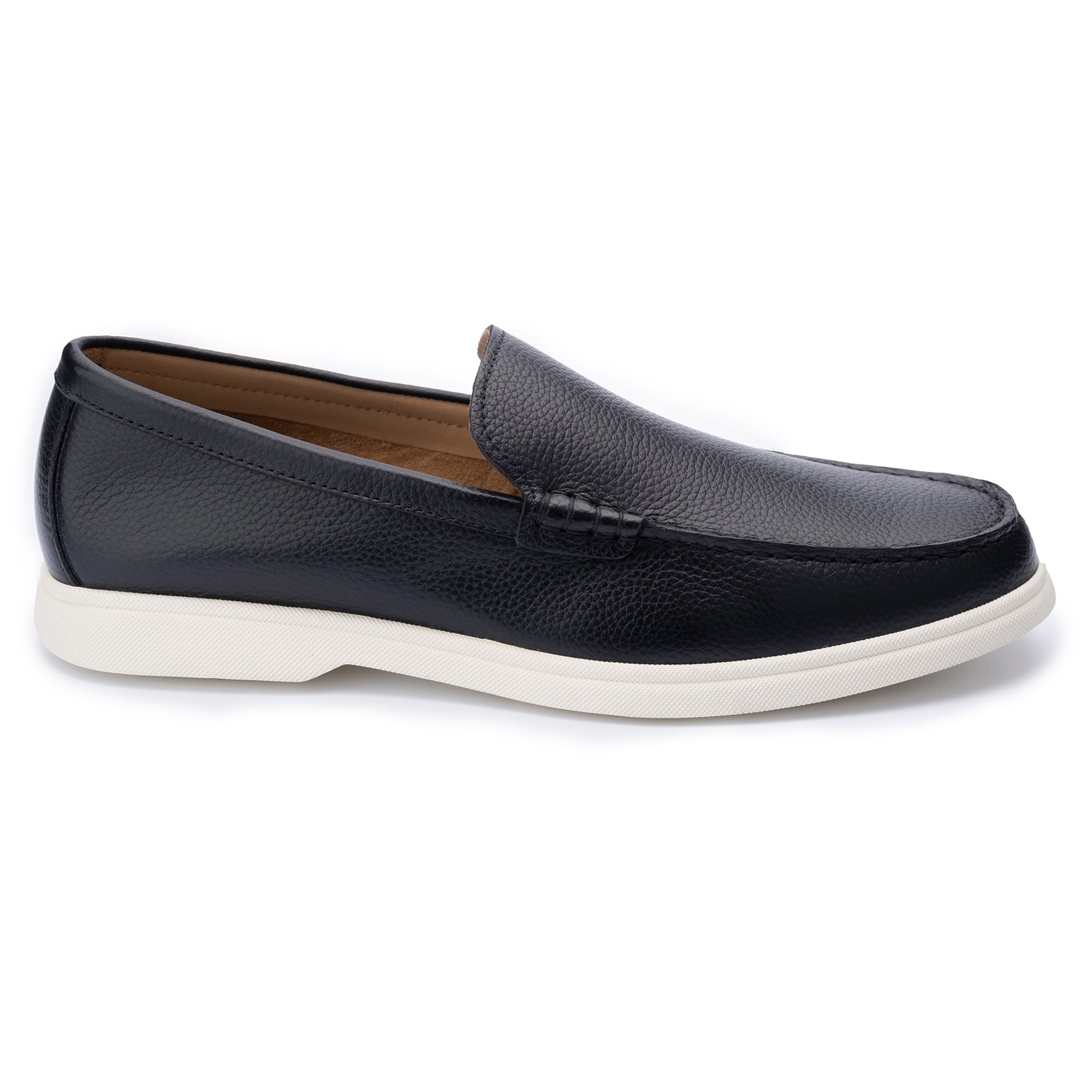
Leather shoe creasing is the compression and folding of leather fibres across the vamp — the area spanning the toe box to the forepart of the upper — caused by the natural flexion of the foot during walking. With each step, the leather bends across this zone as the ball of the foot pushes forward. Repeat this several thousand times a day and the fibres begin to set in their compressed positions.
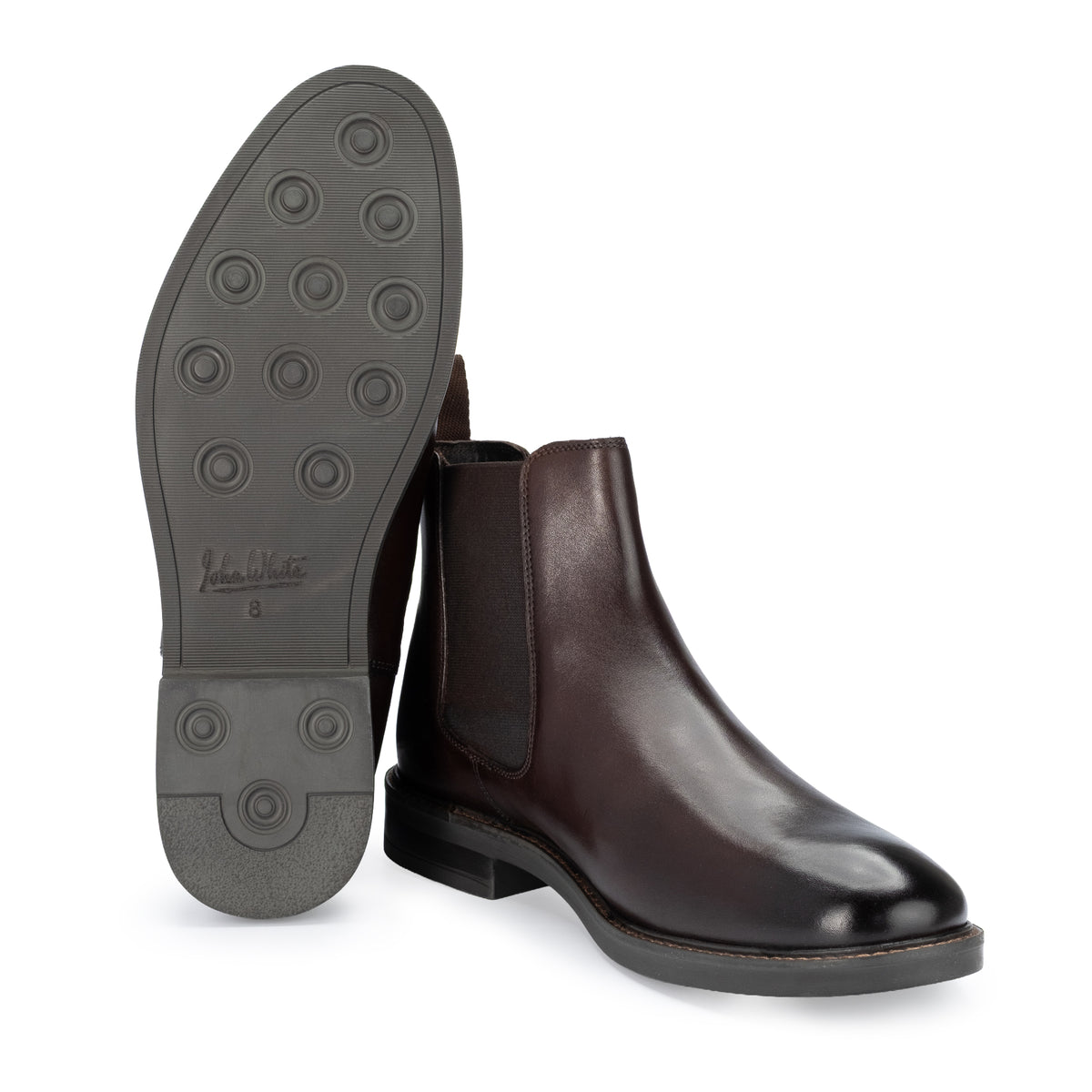
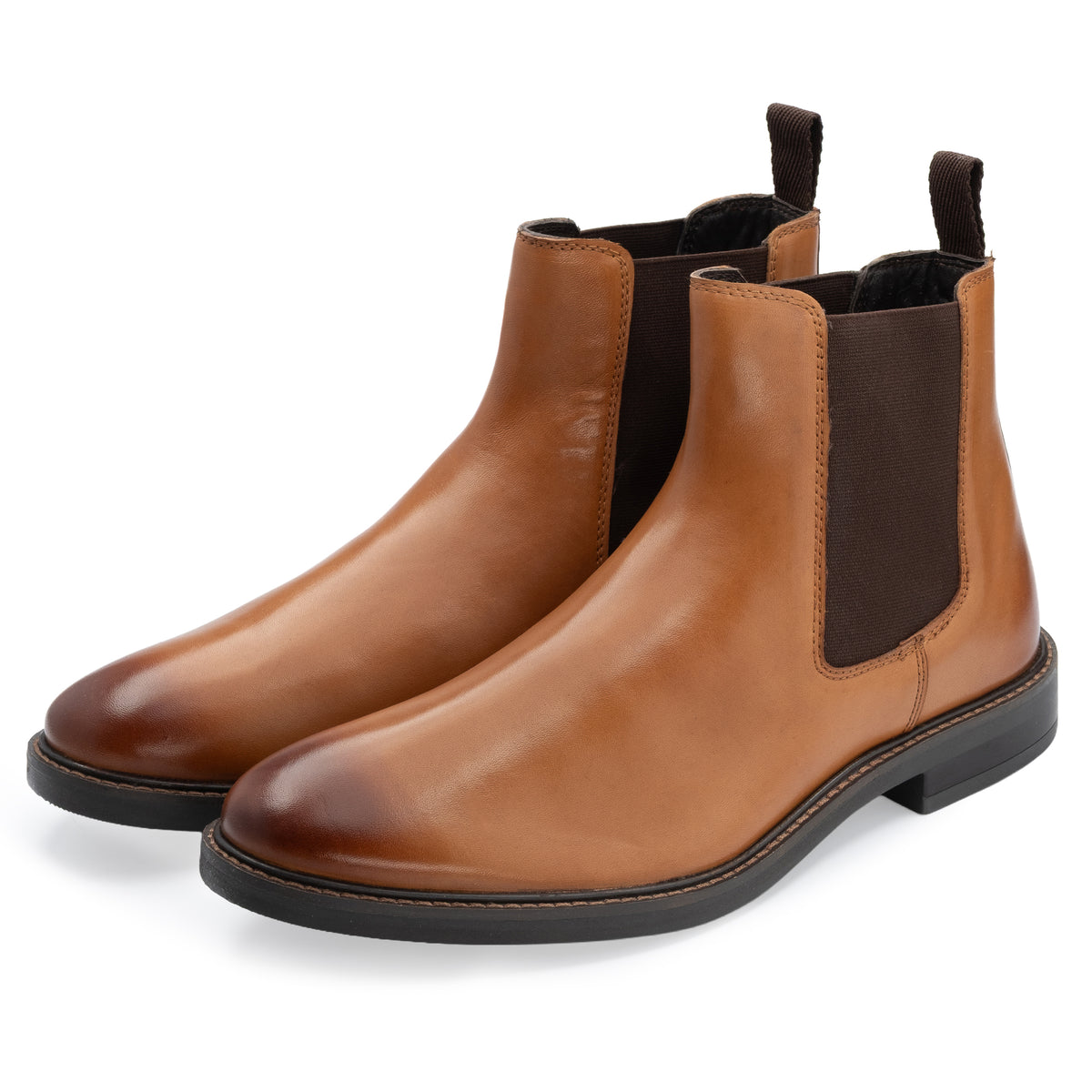
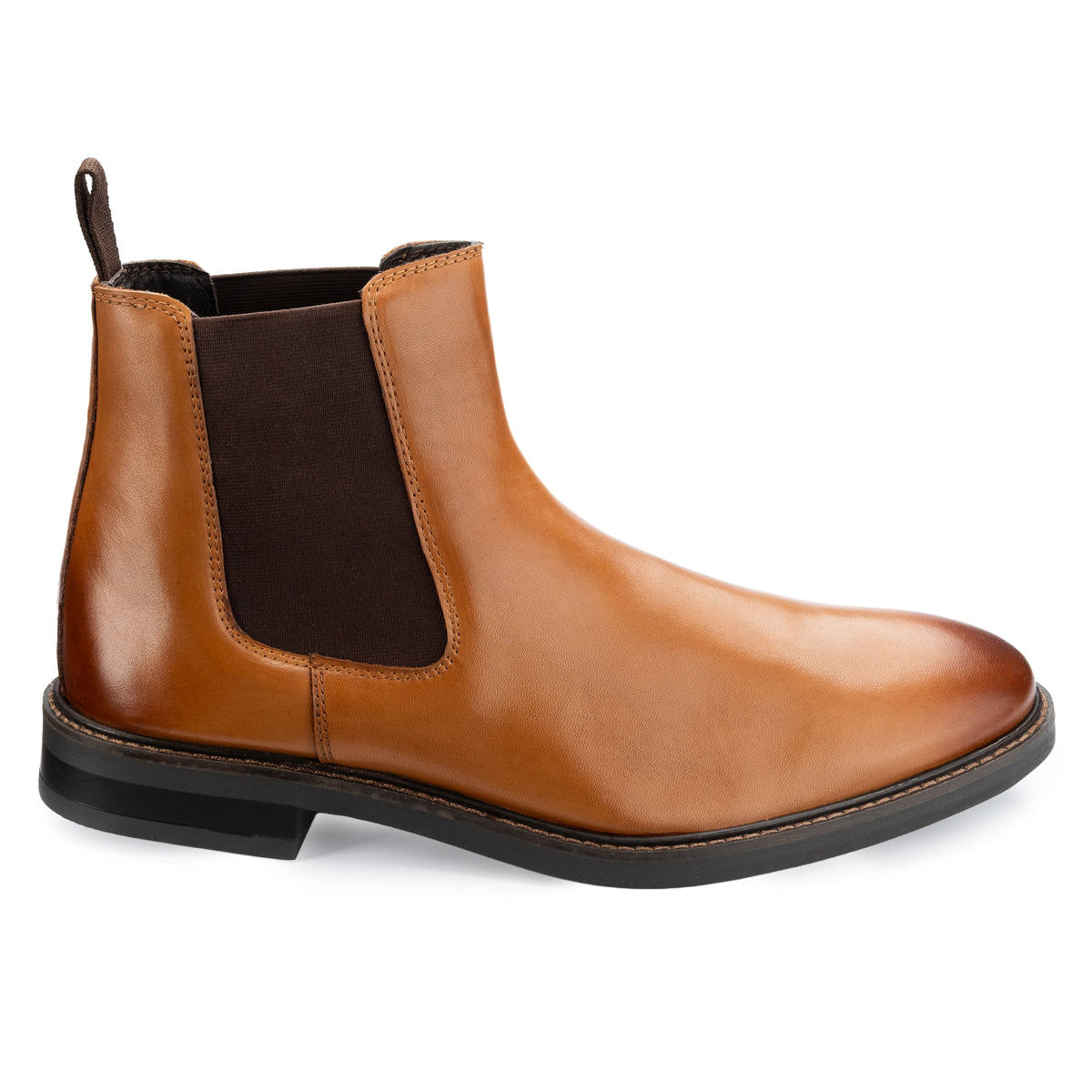
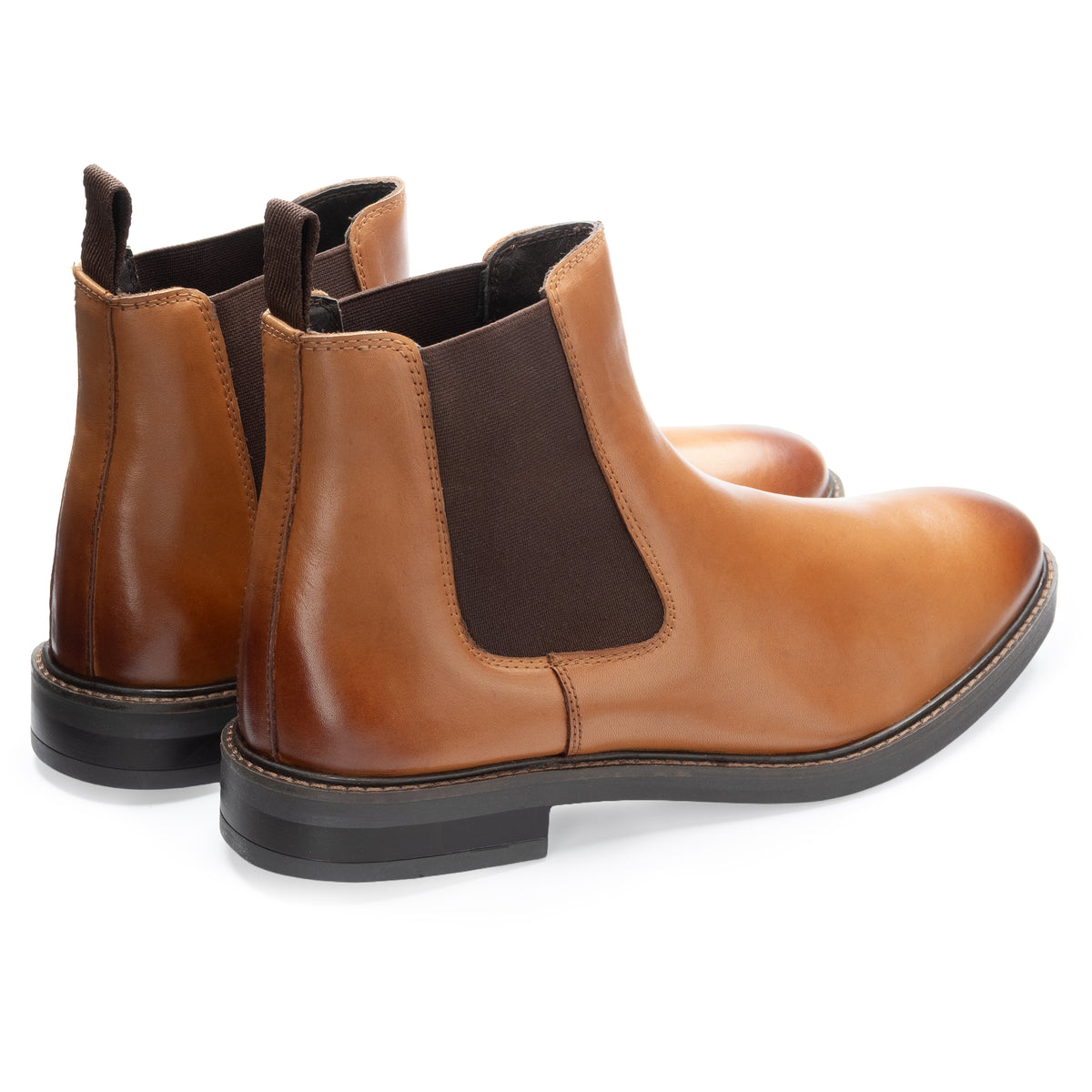
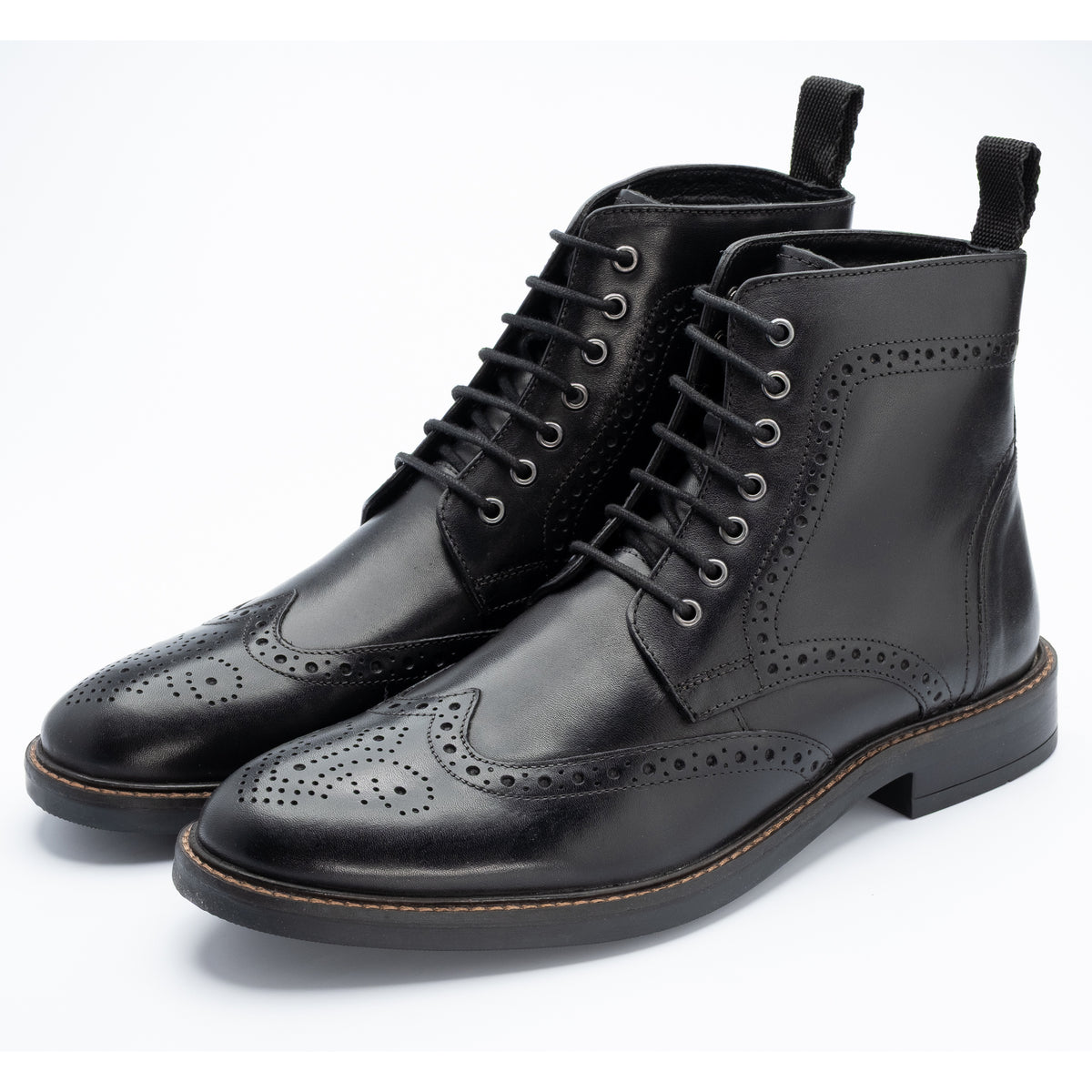
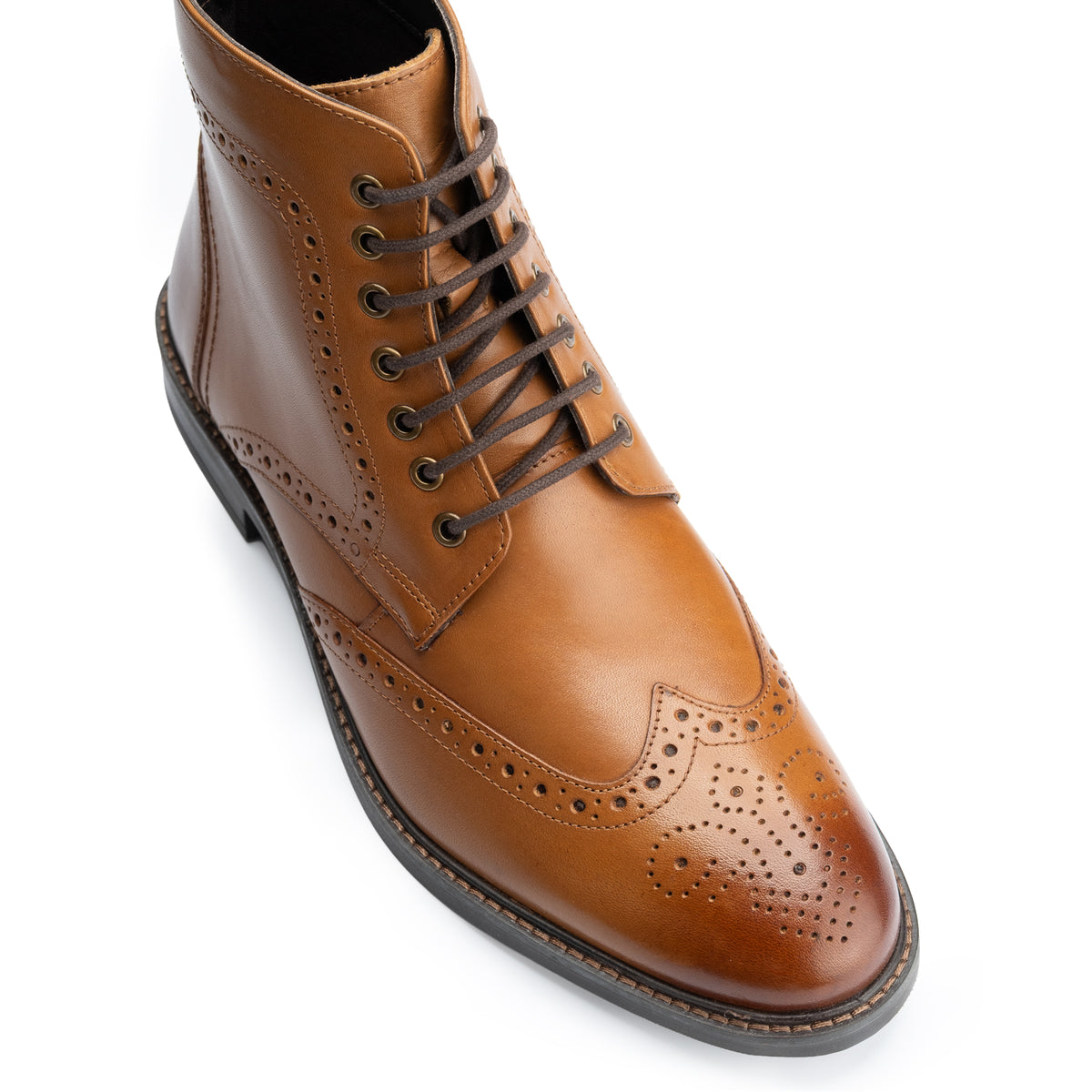
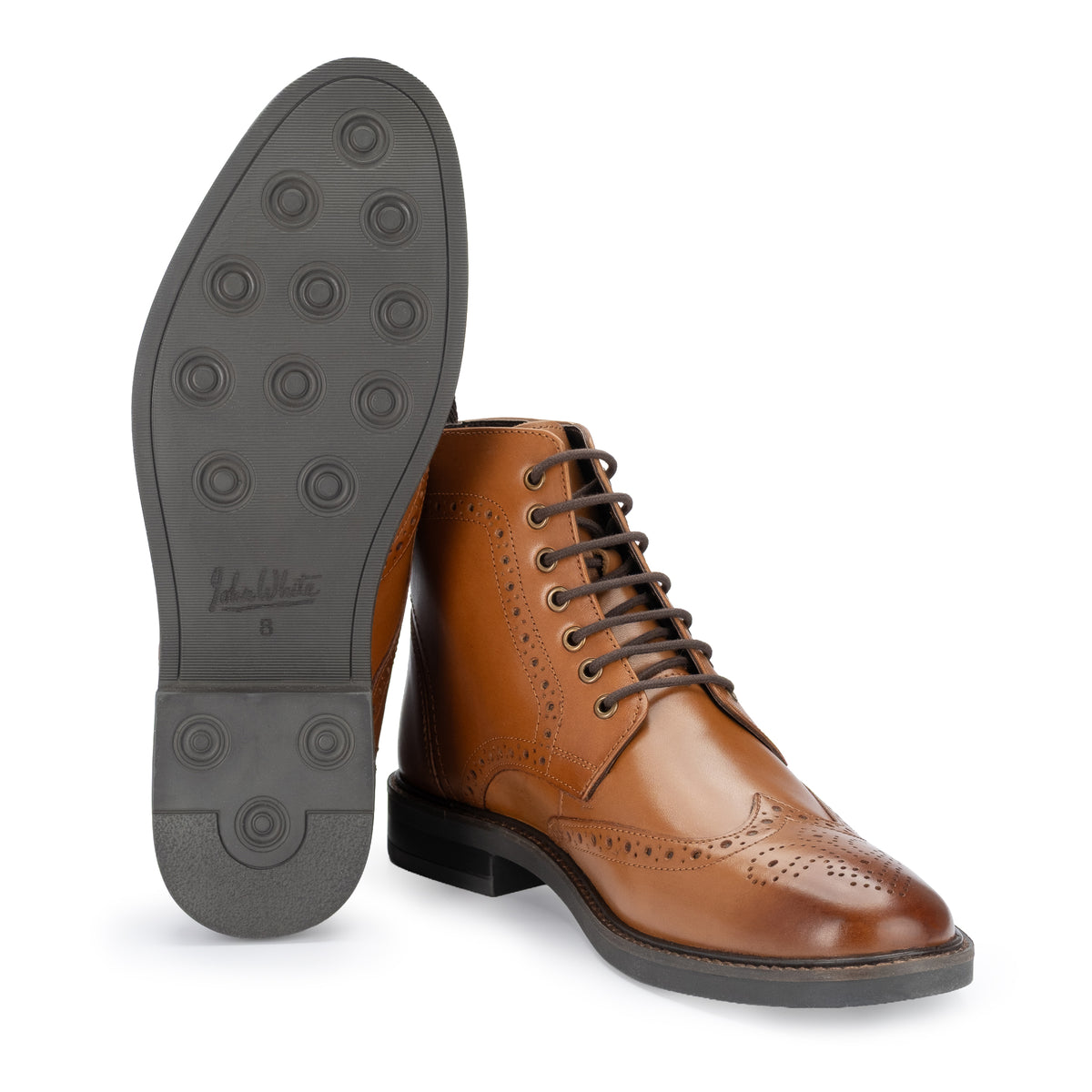
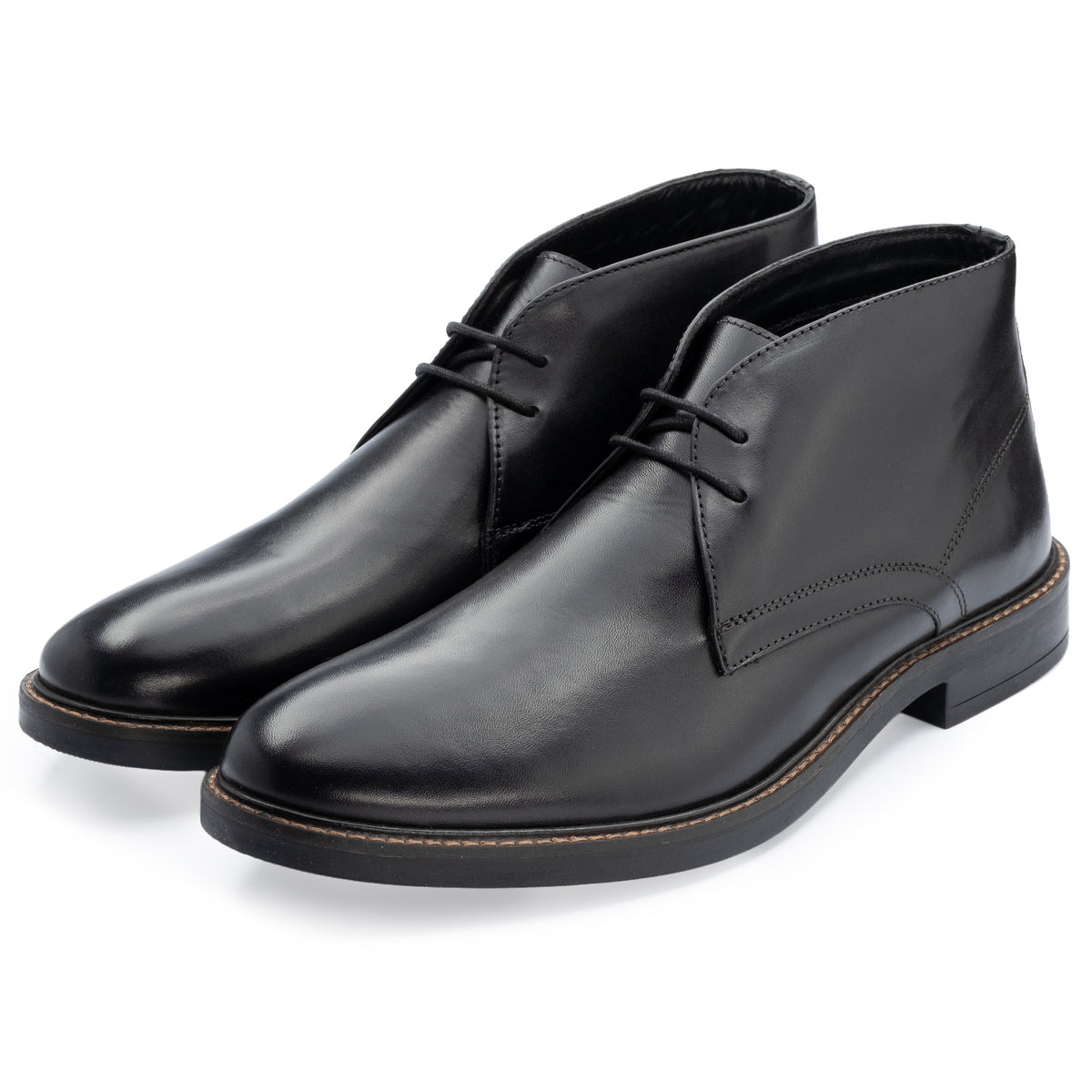
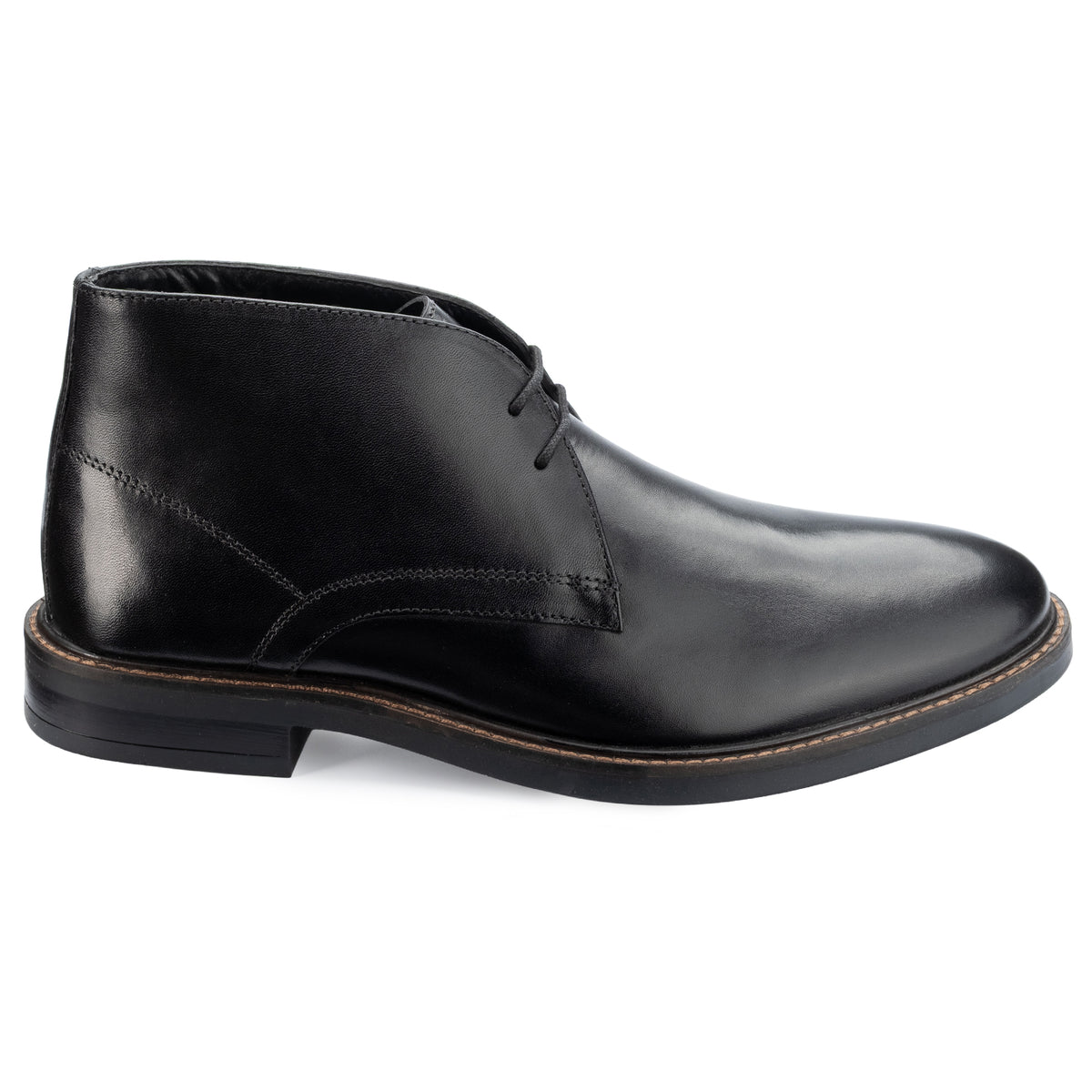
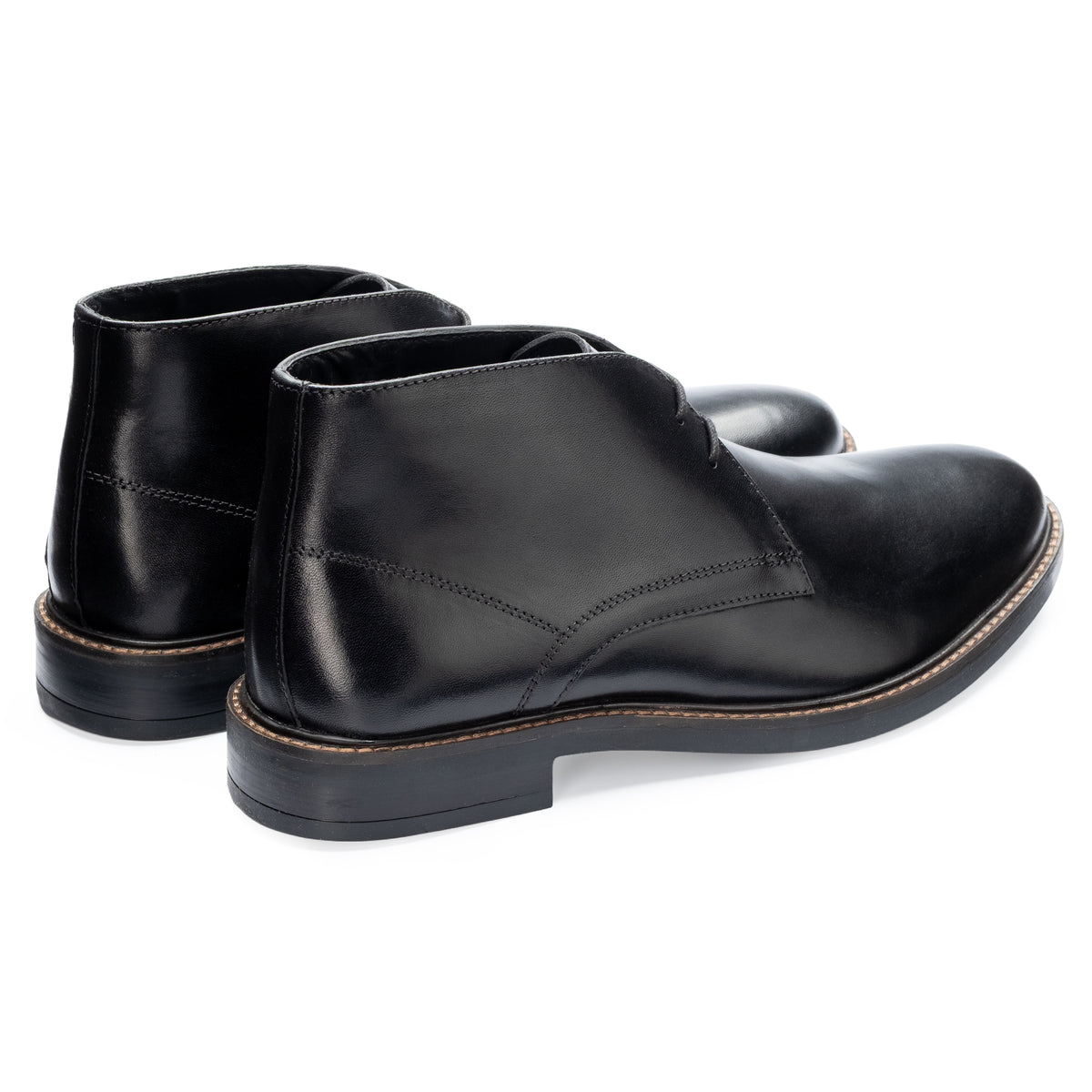
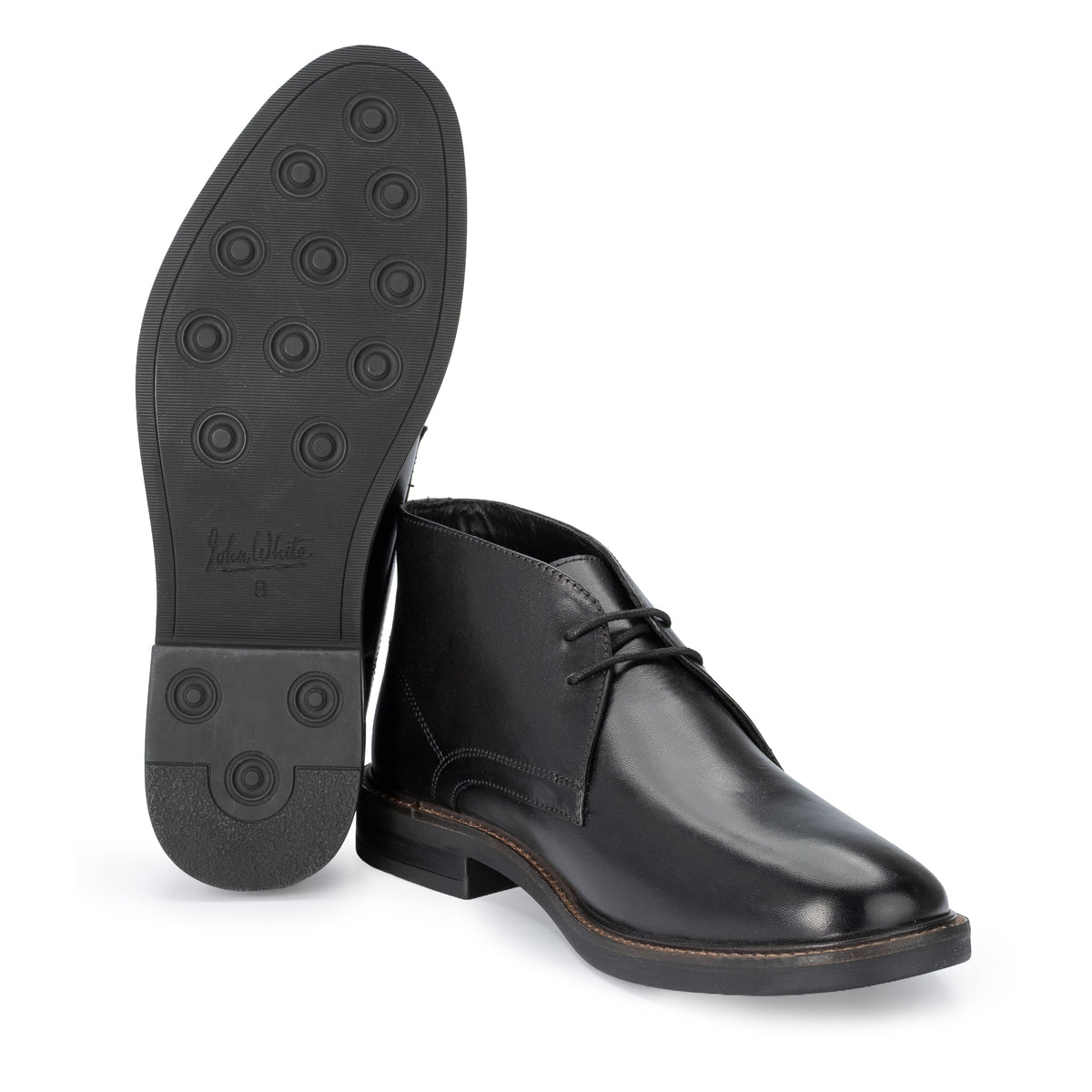
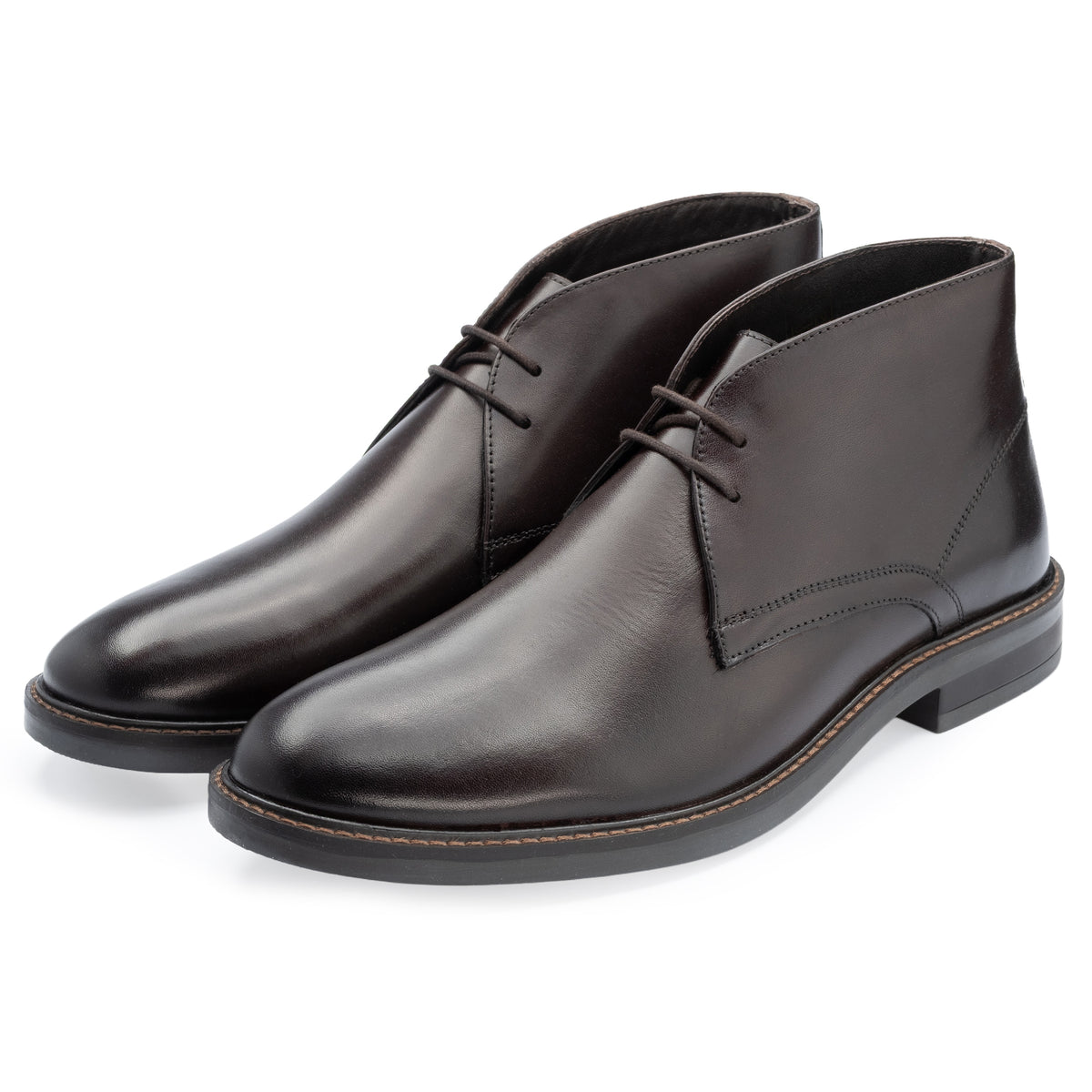
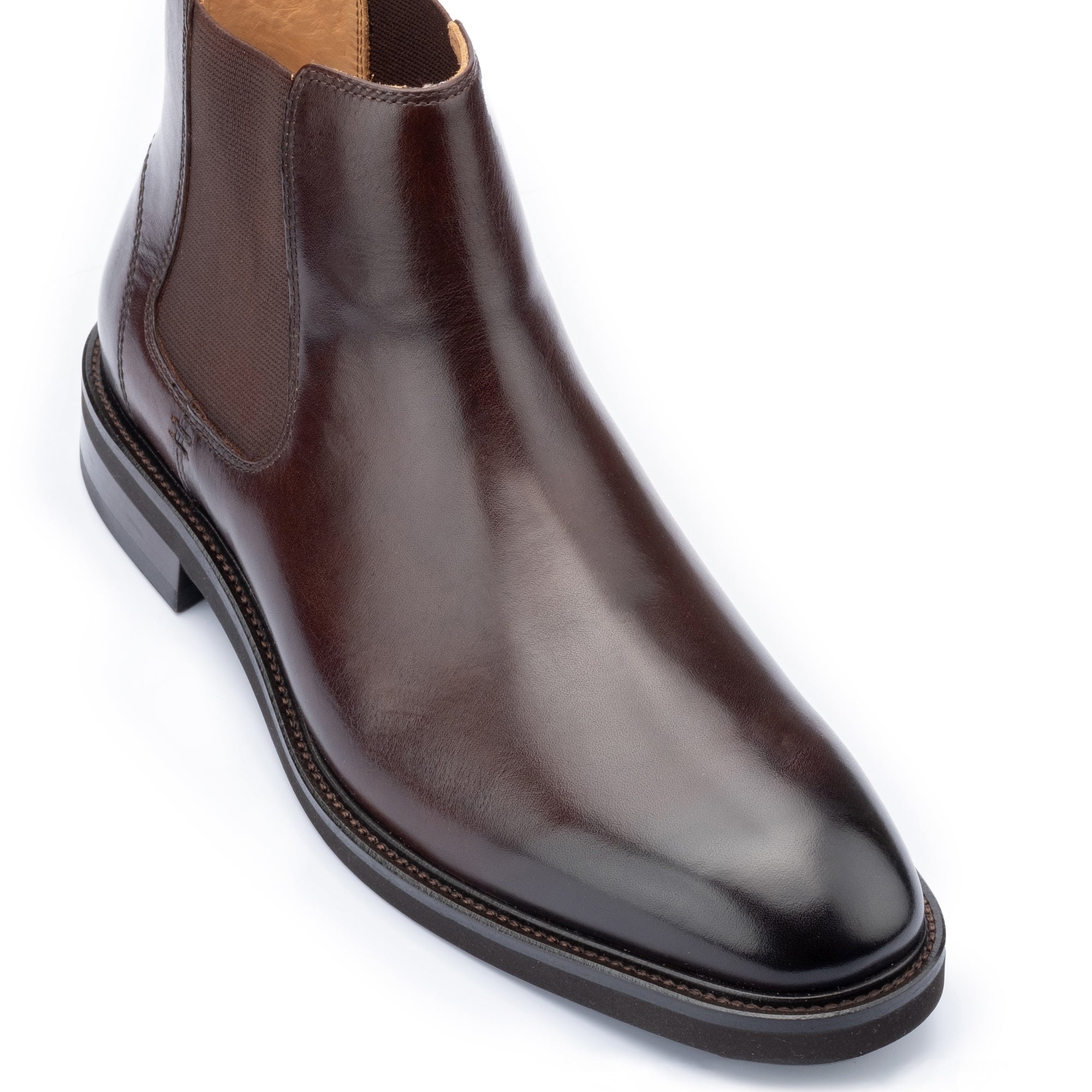
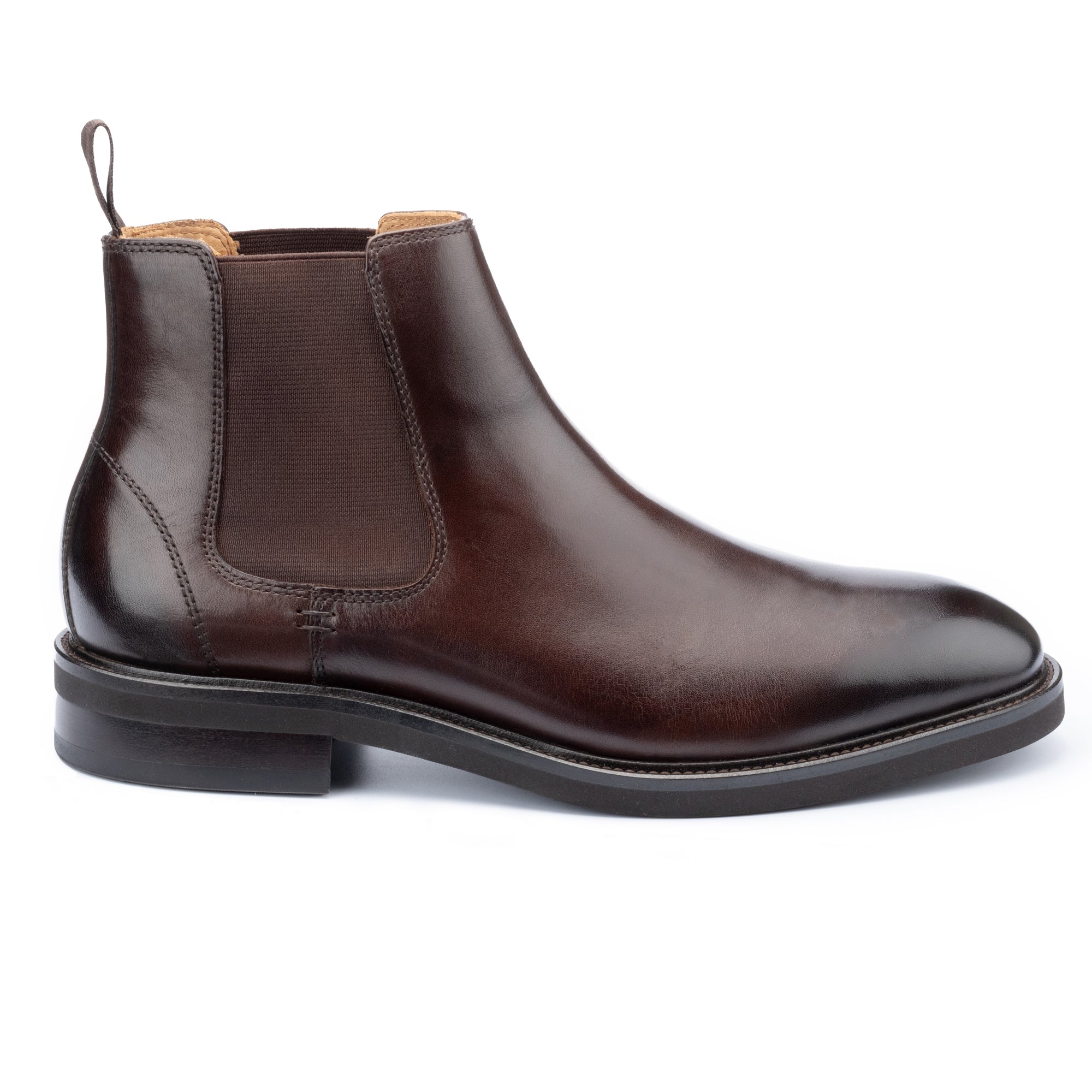
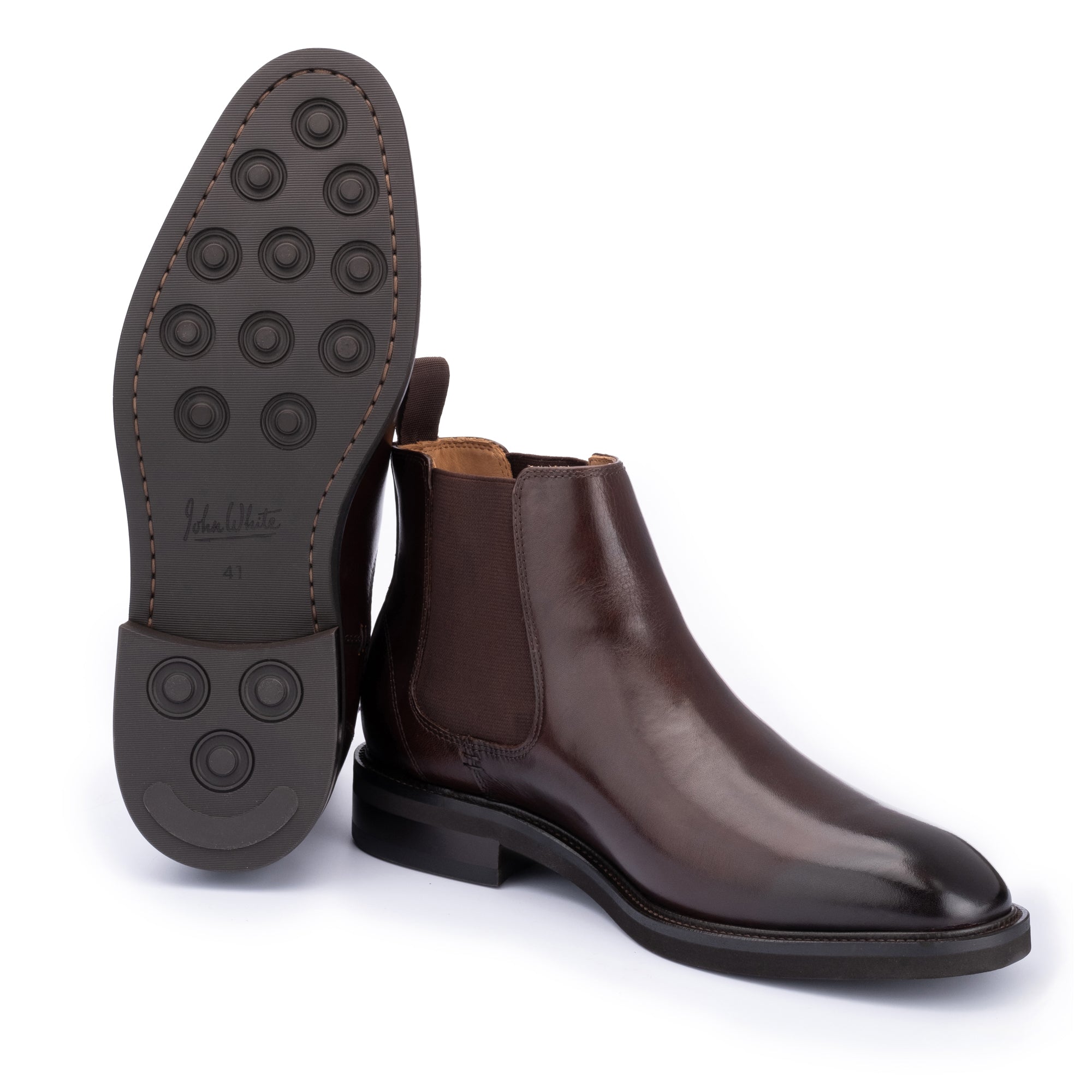
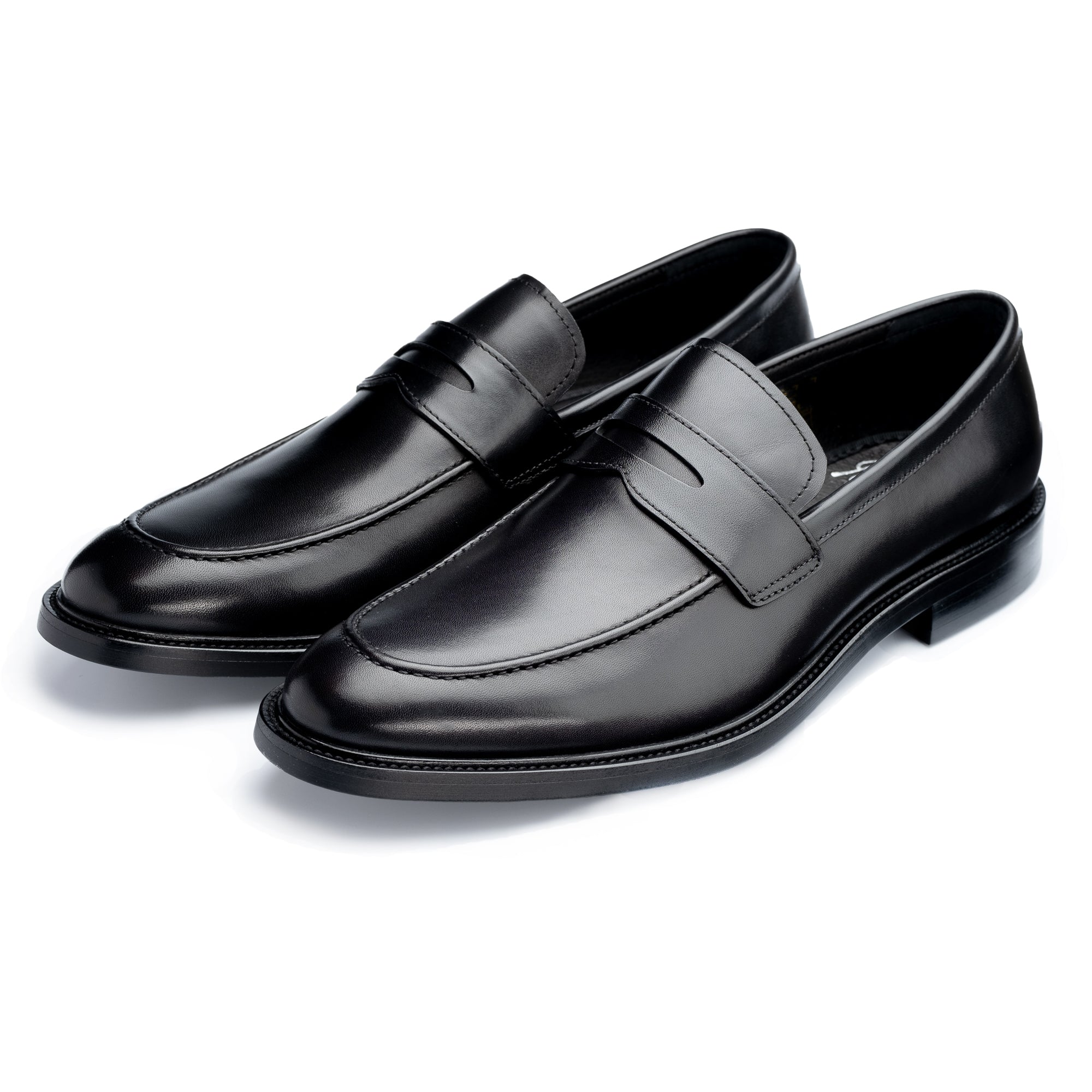
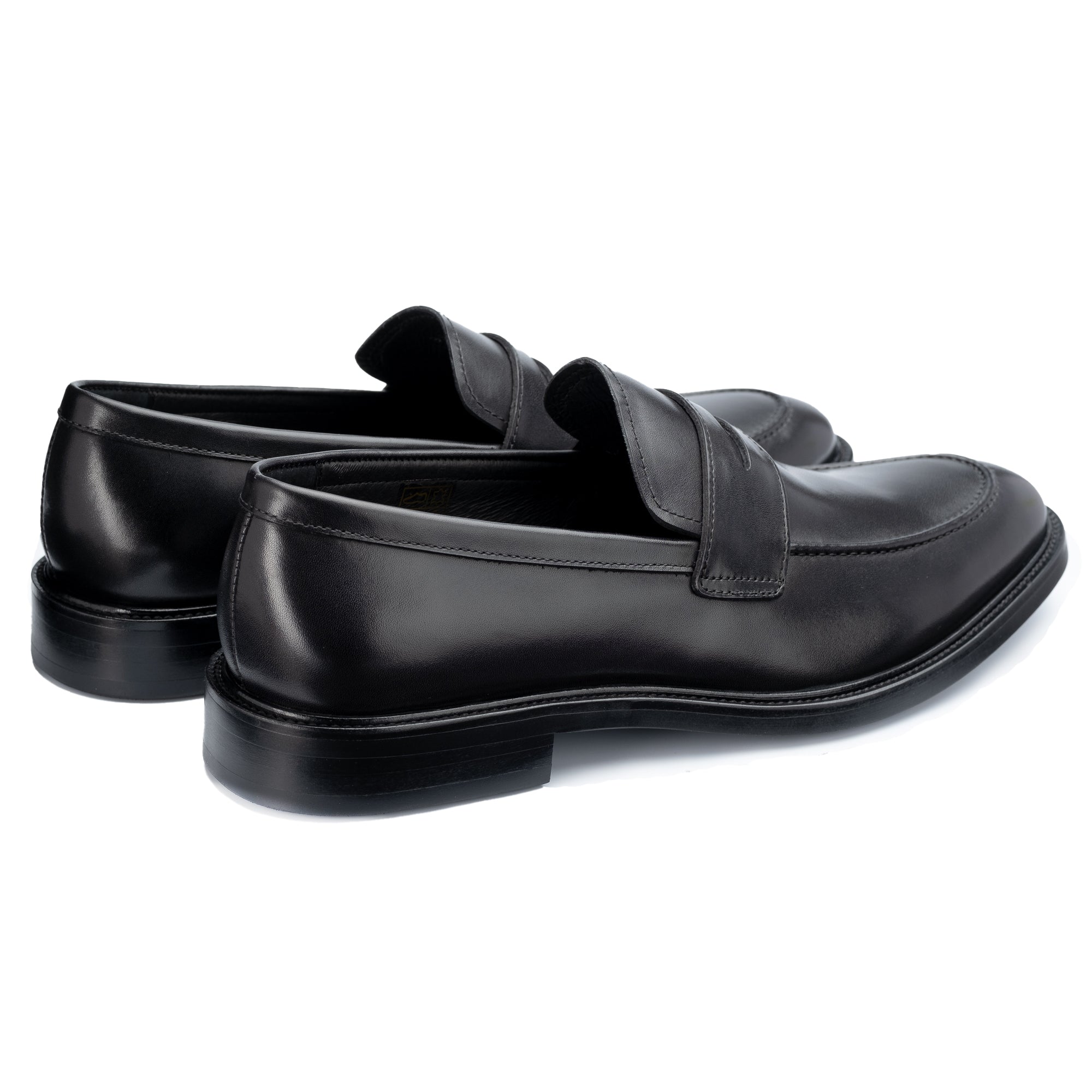
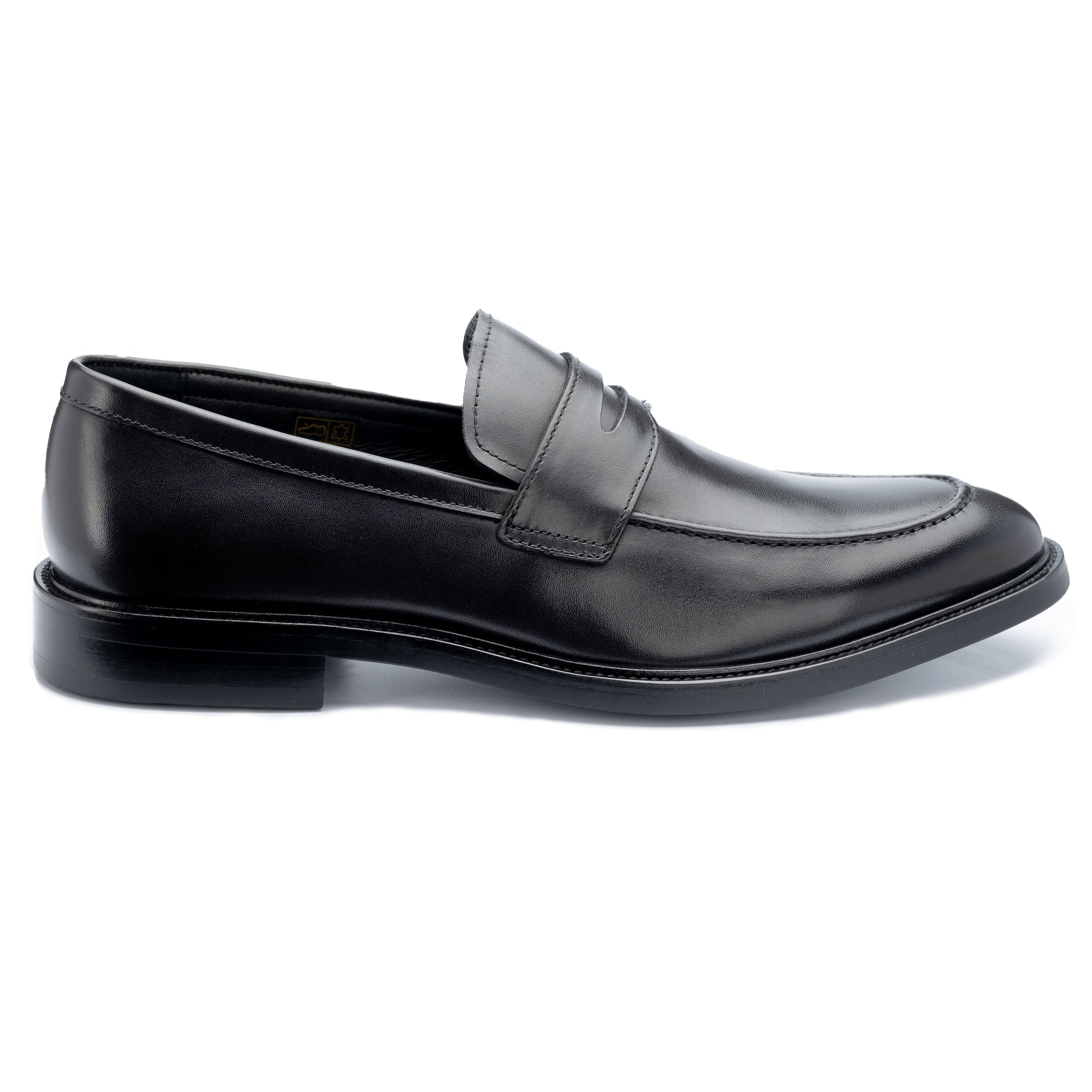
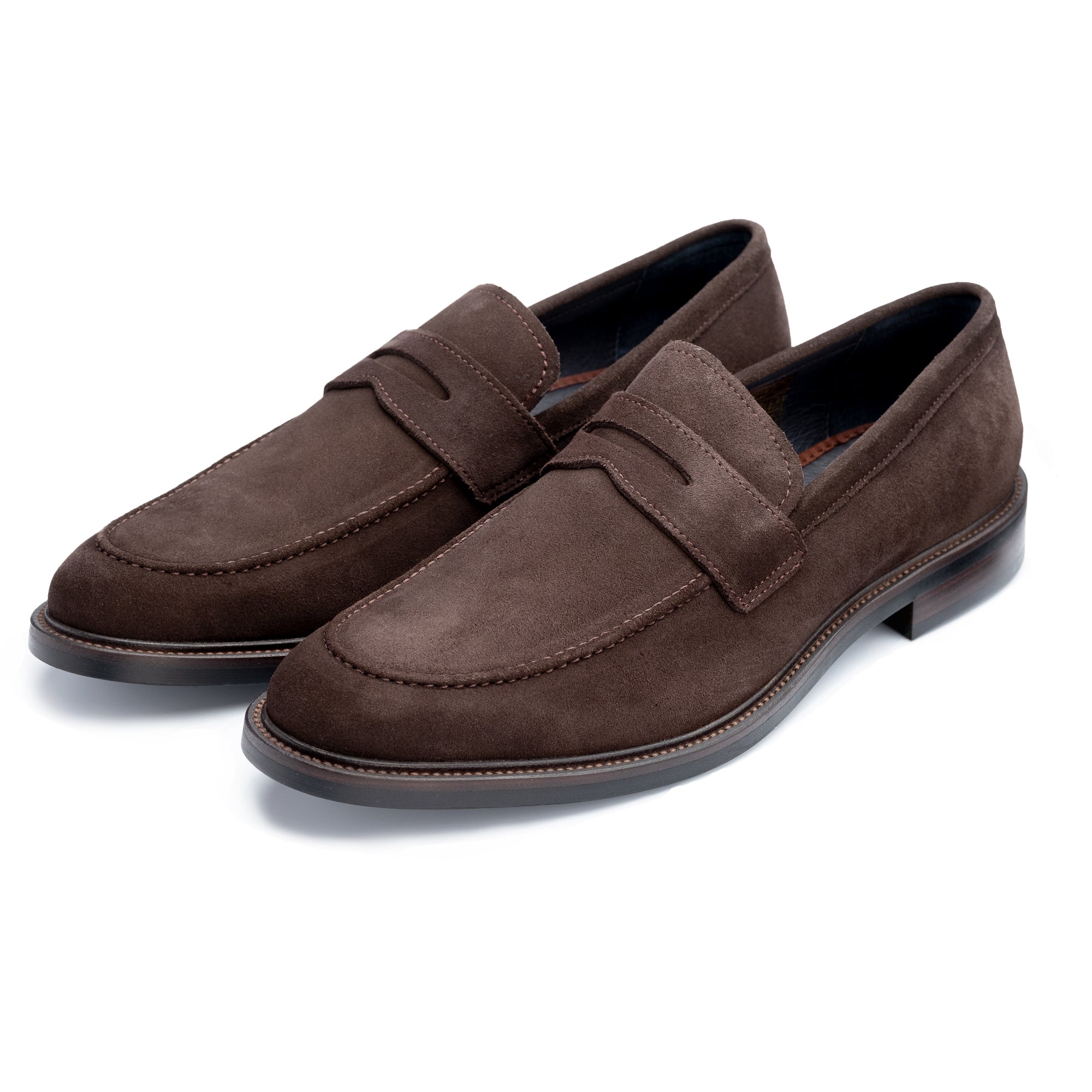
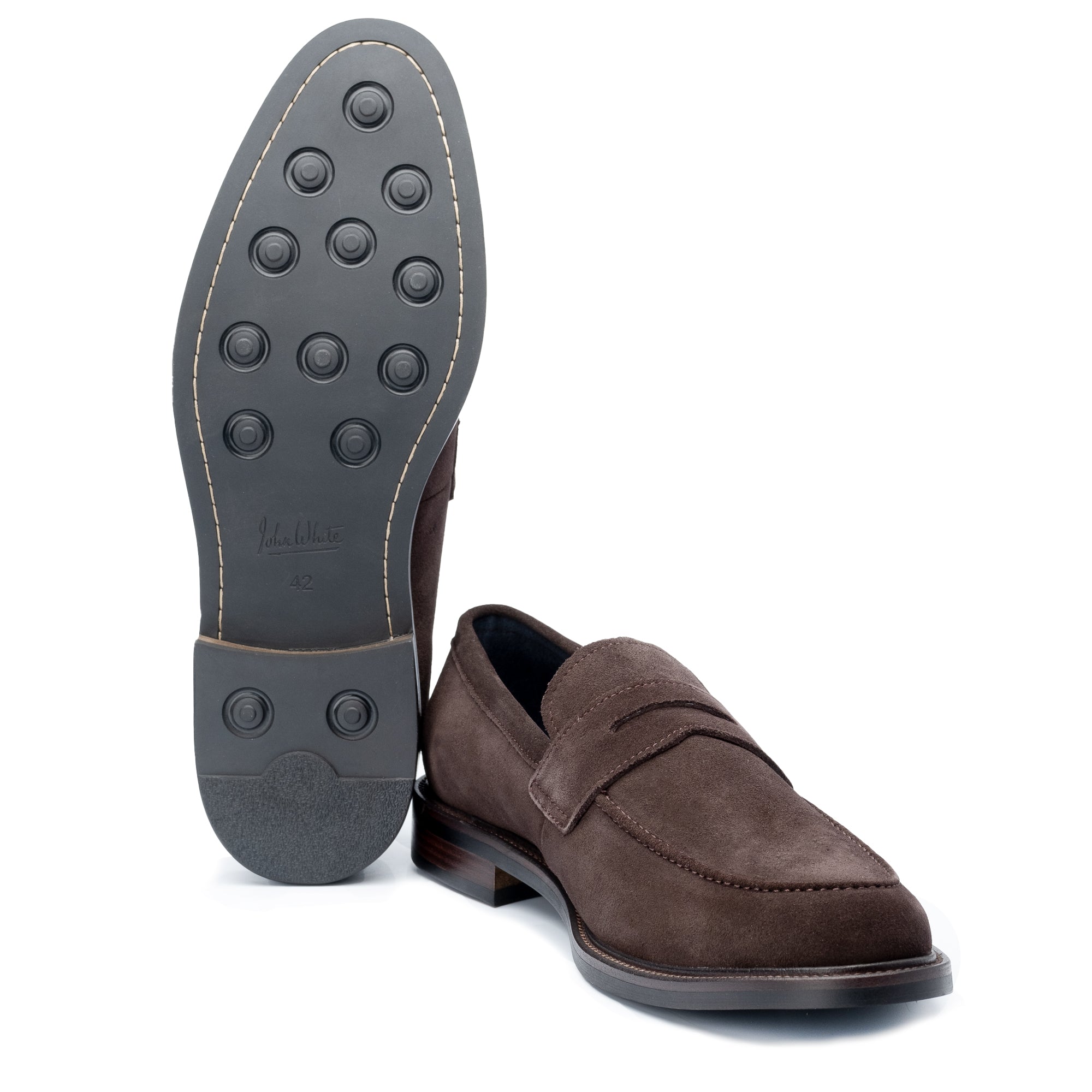
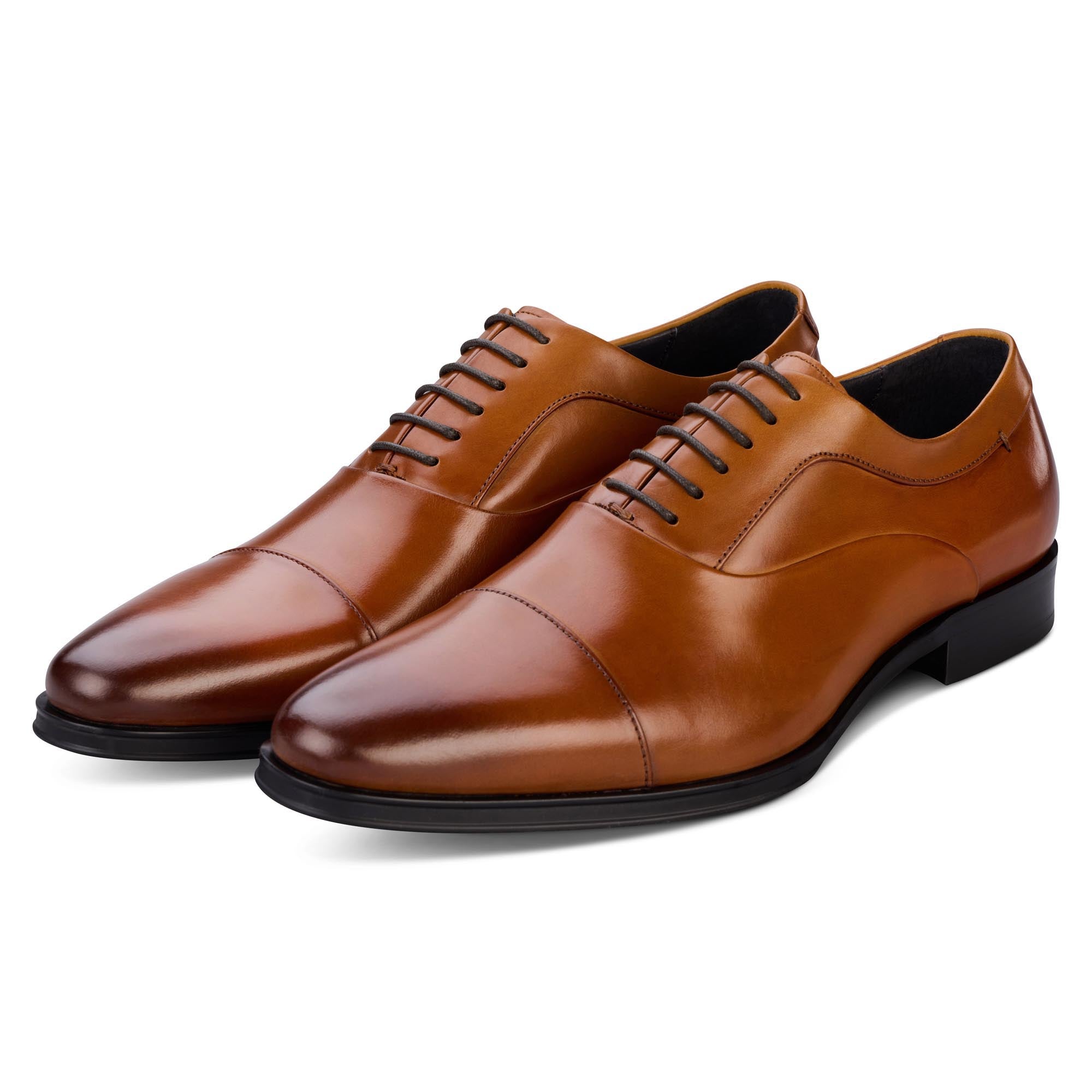
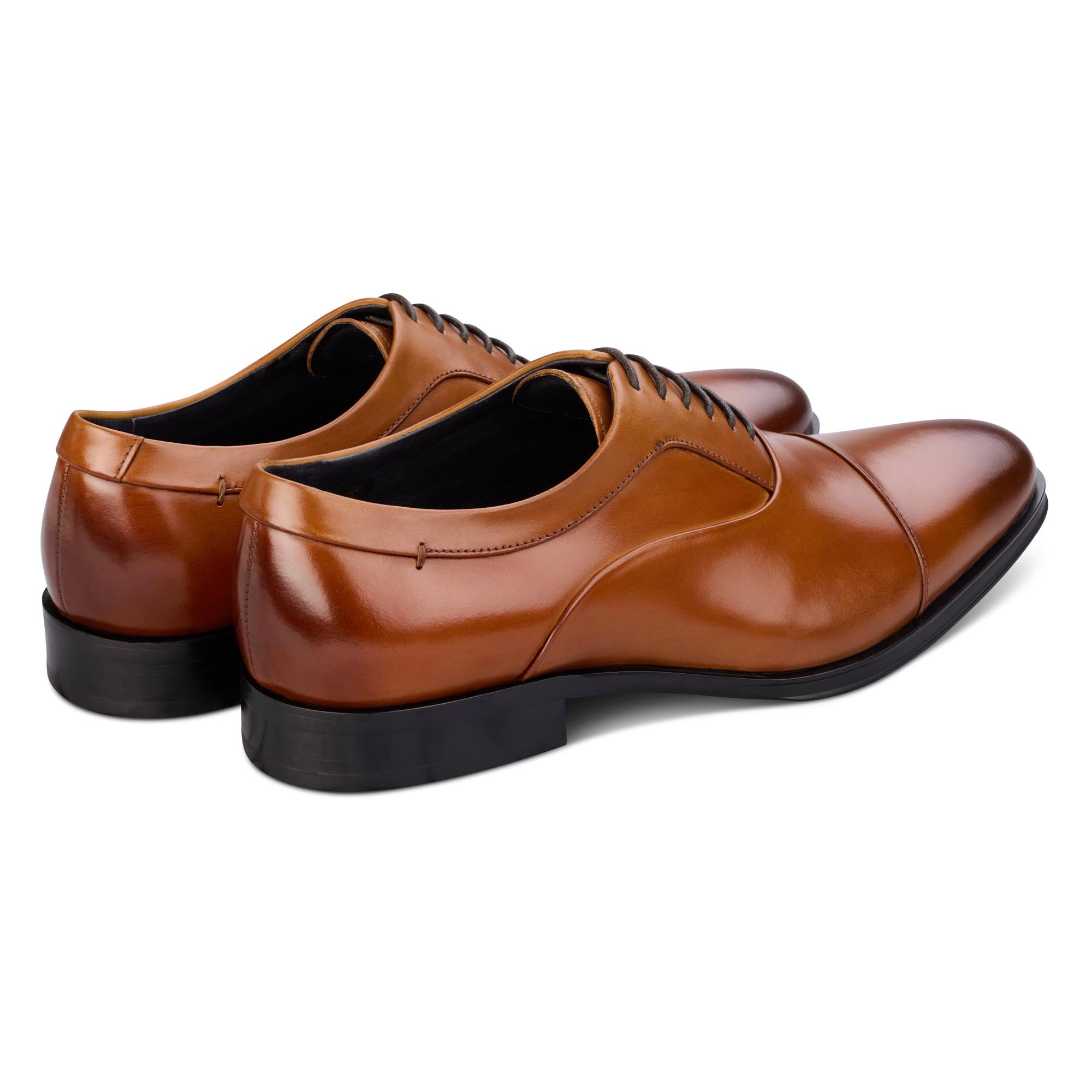
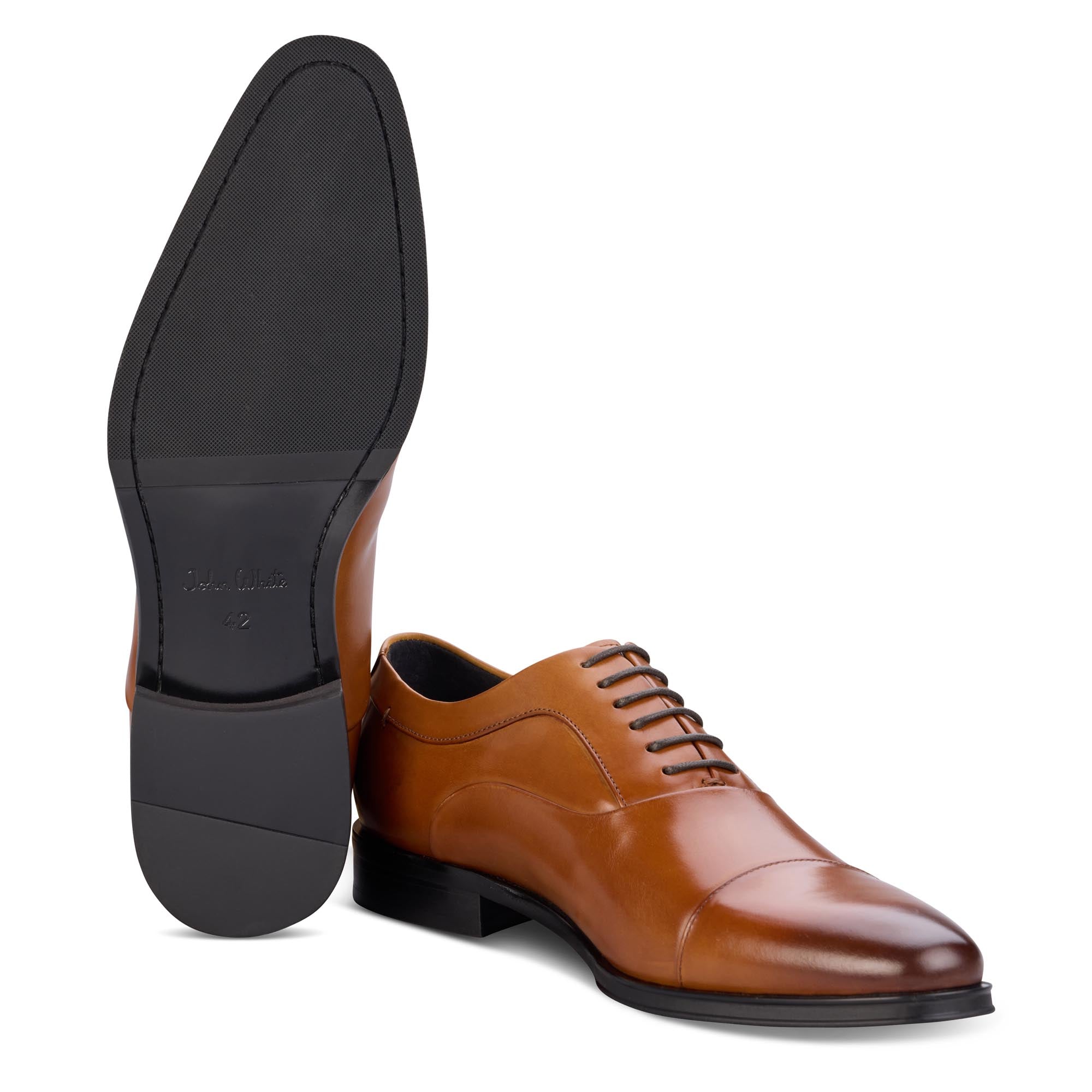
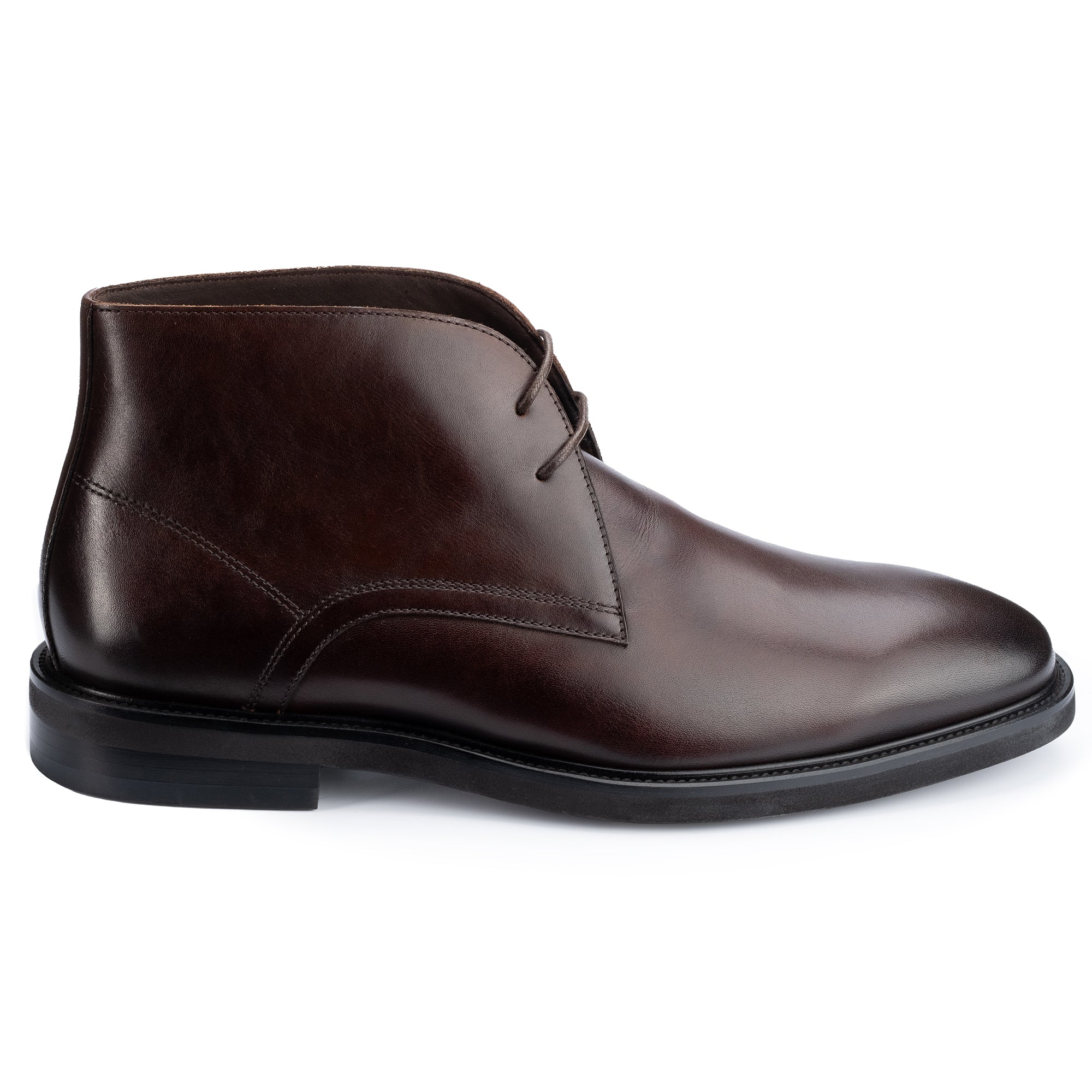
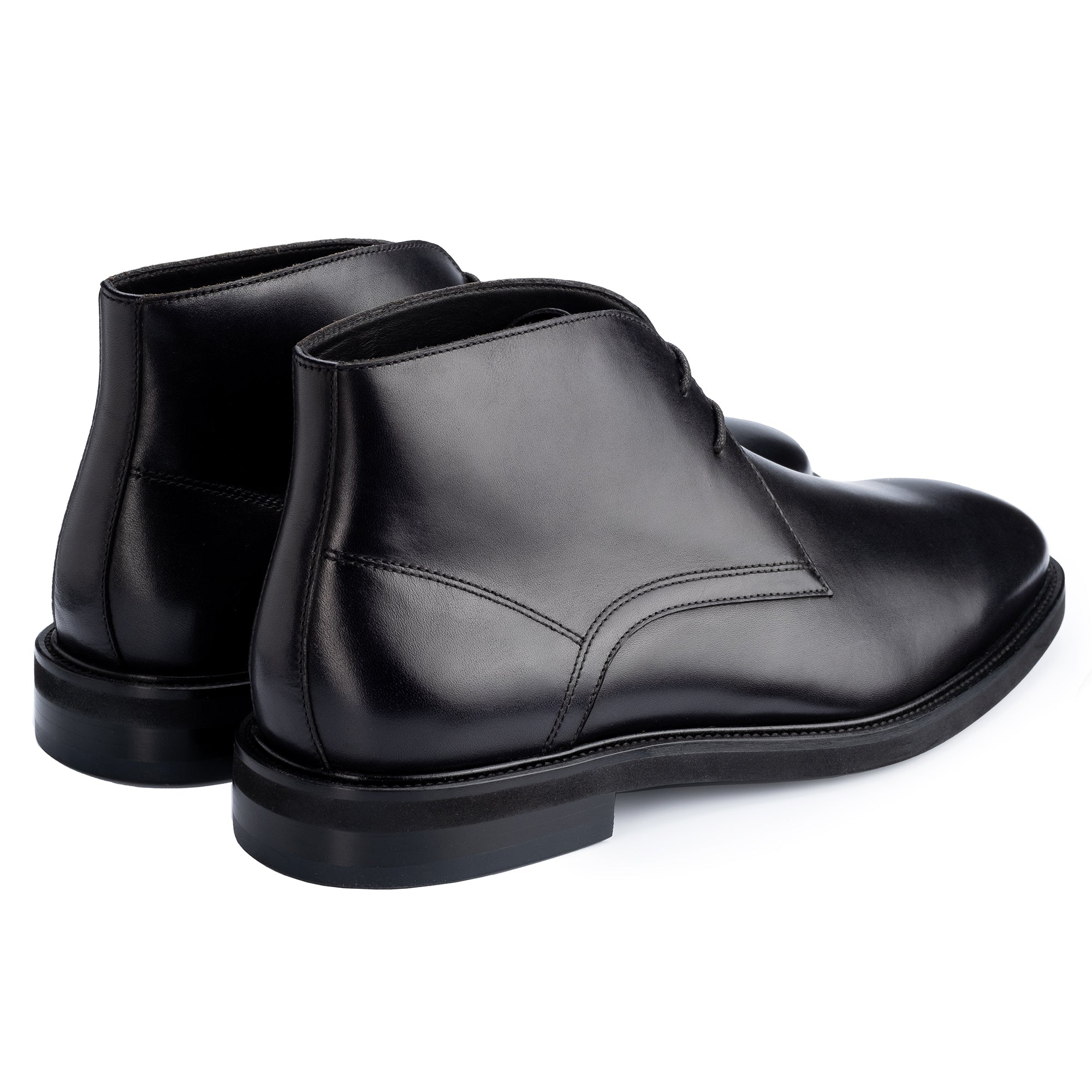
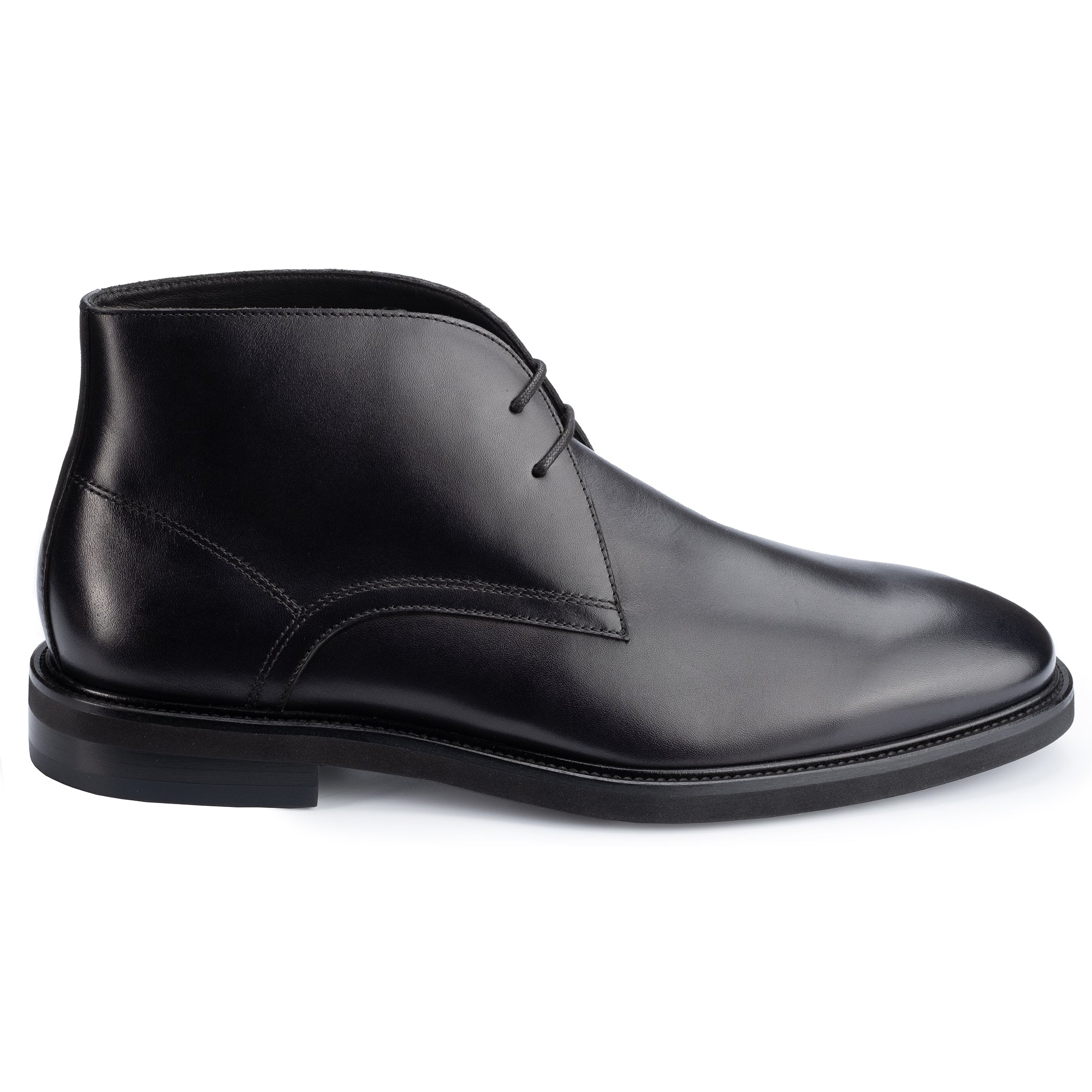
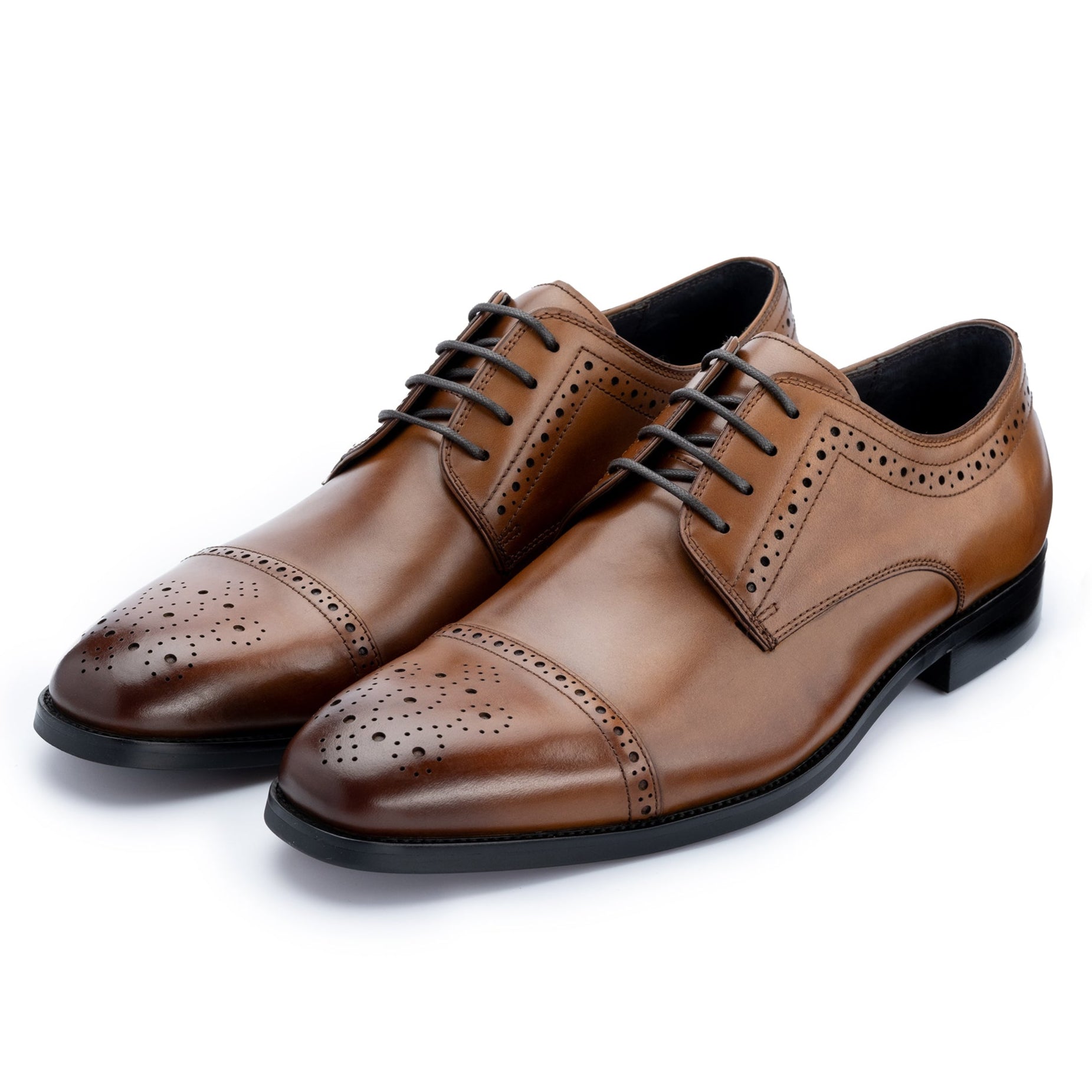
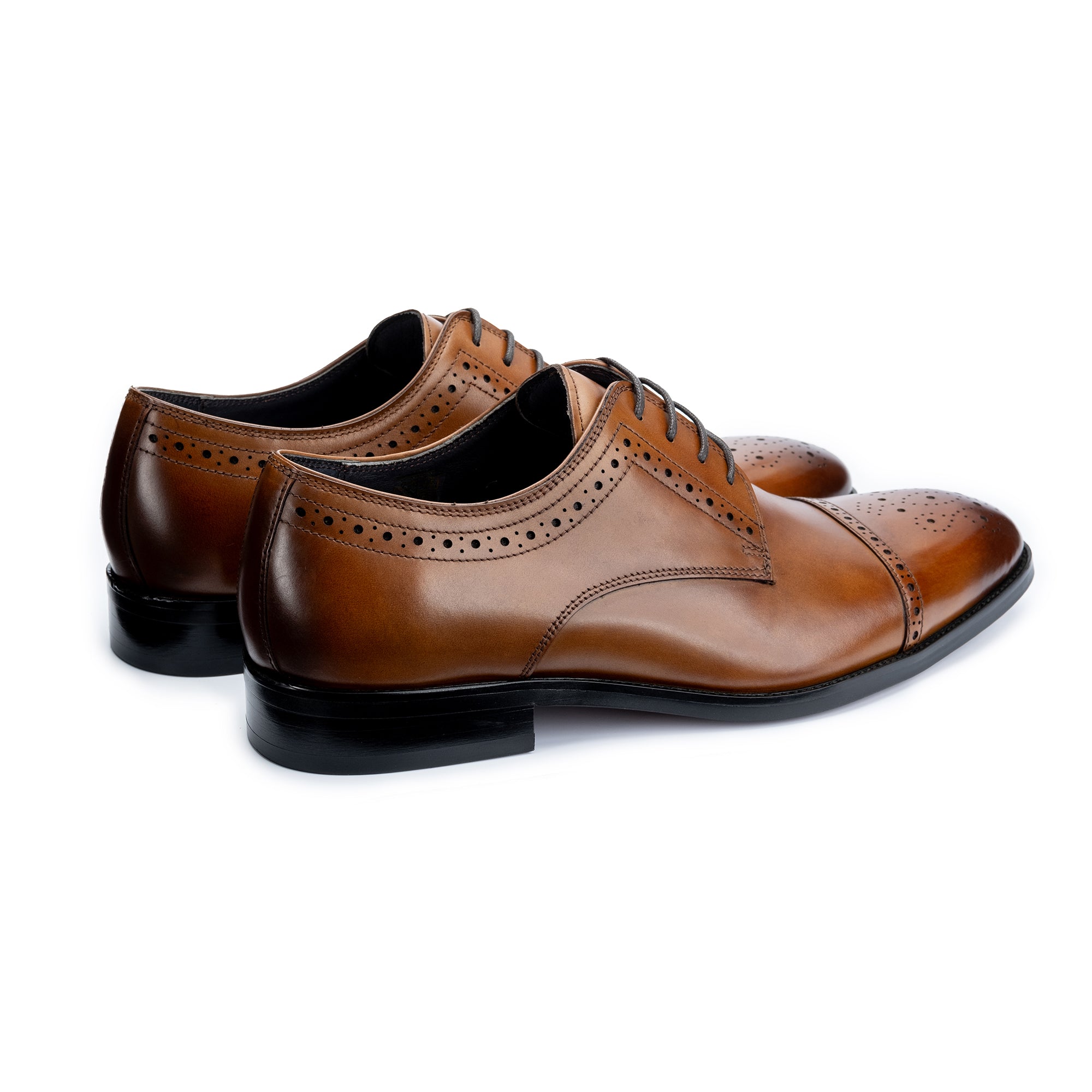
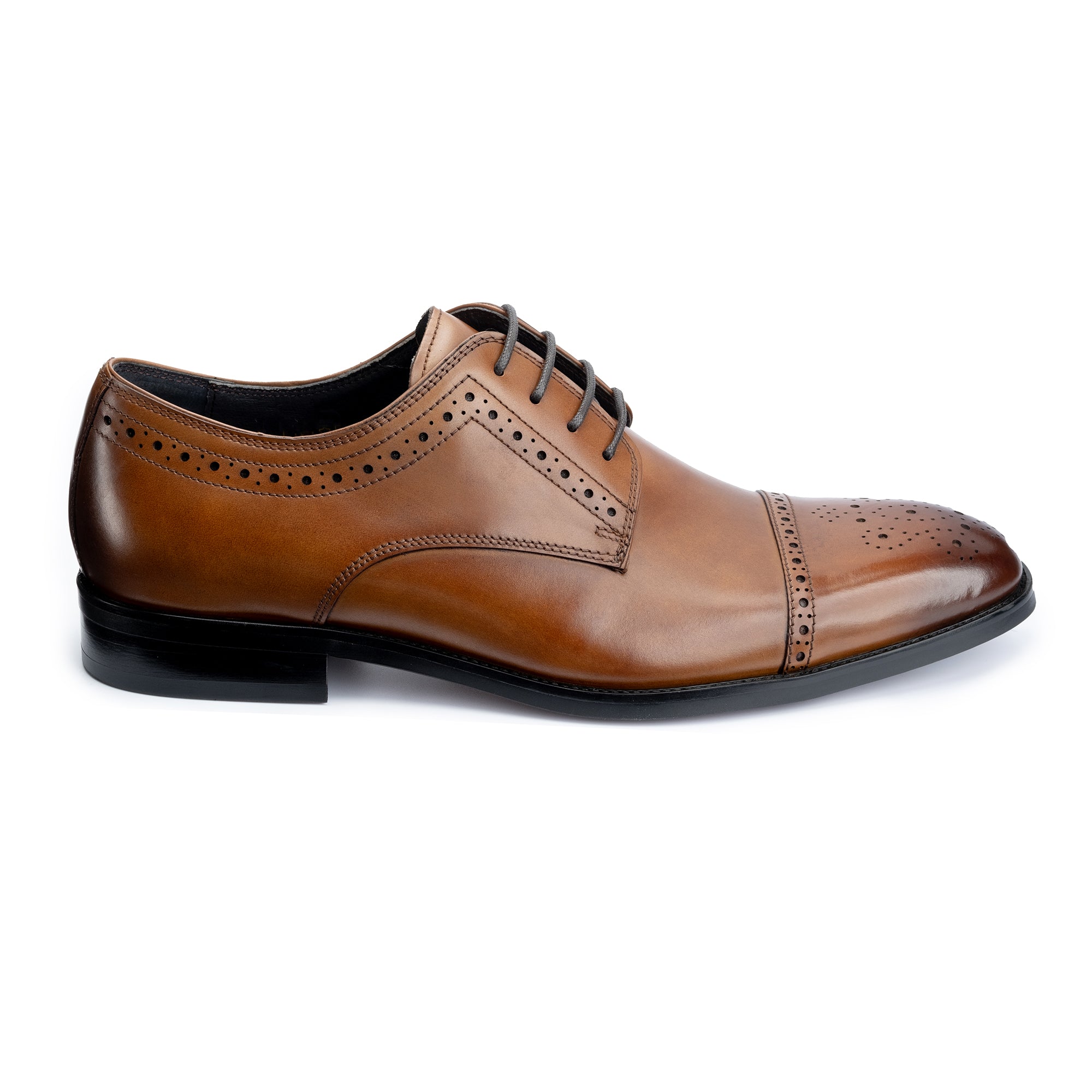
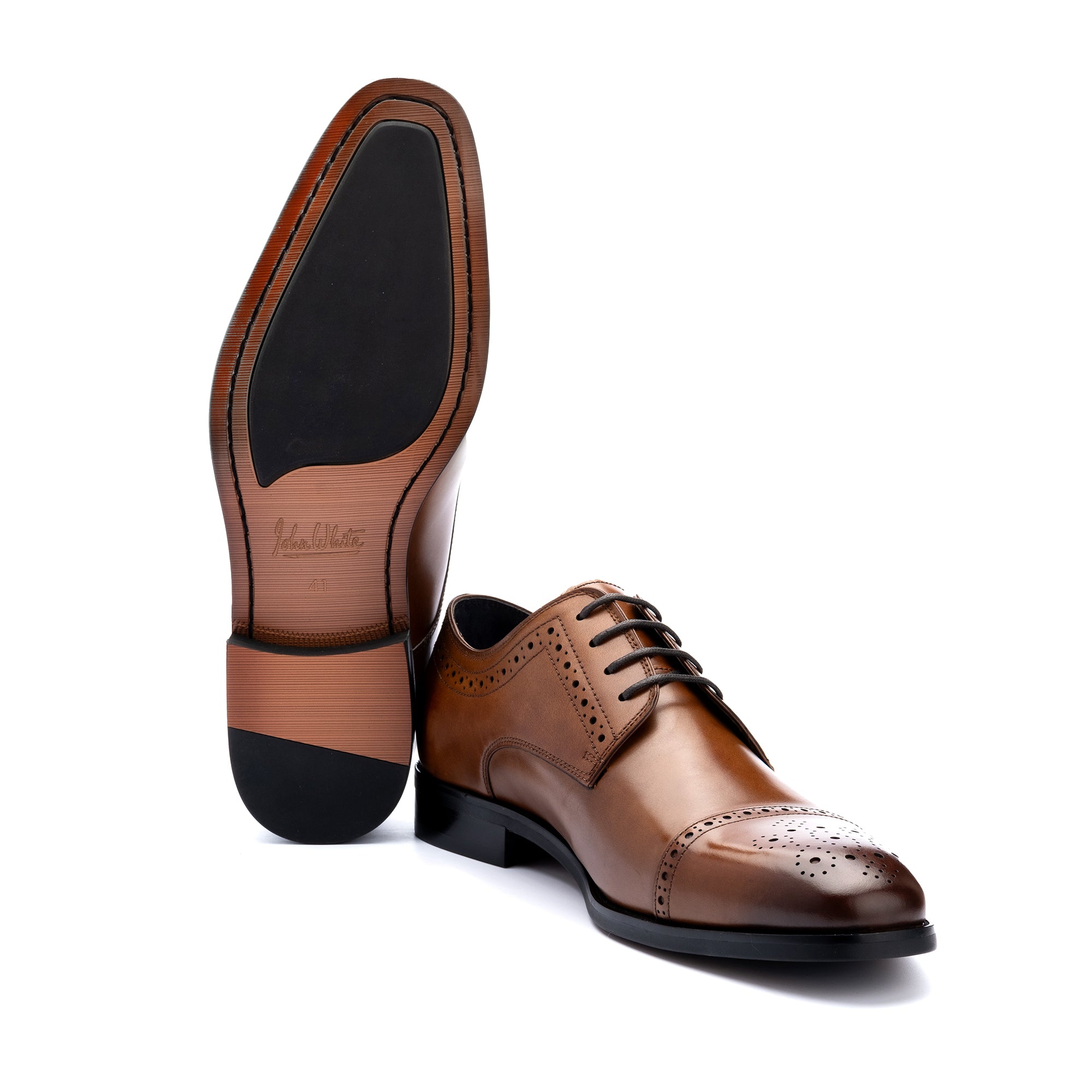
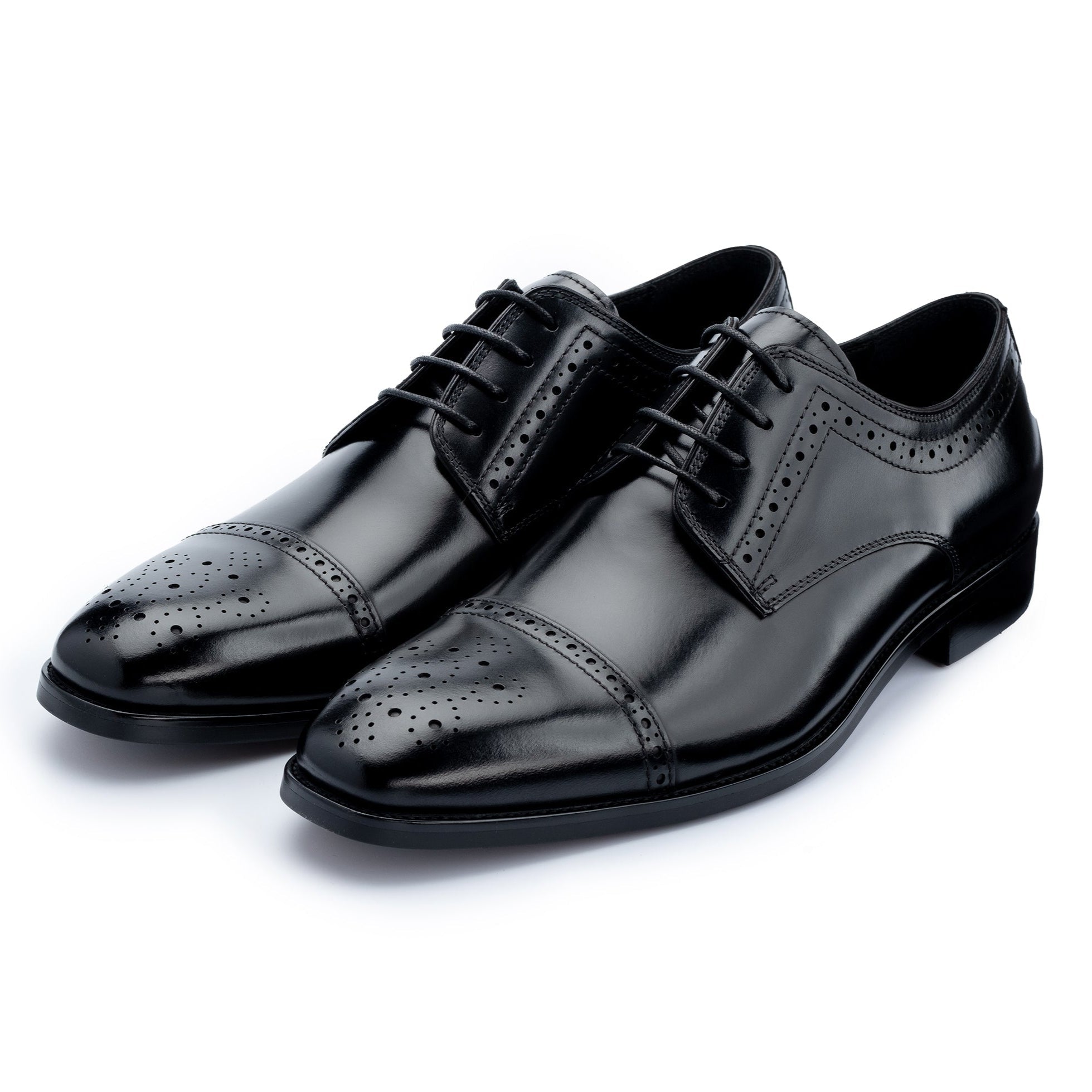
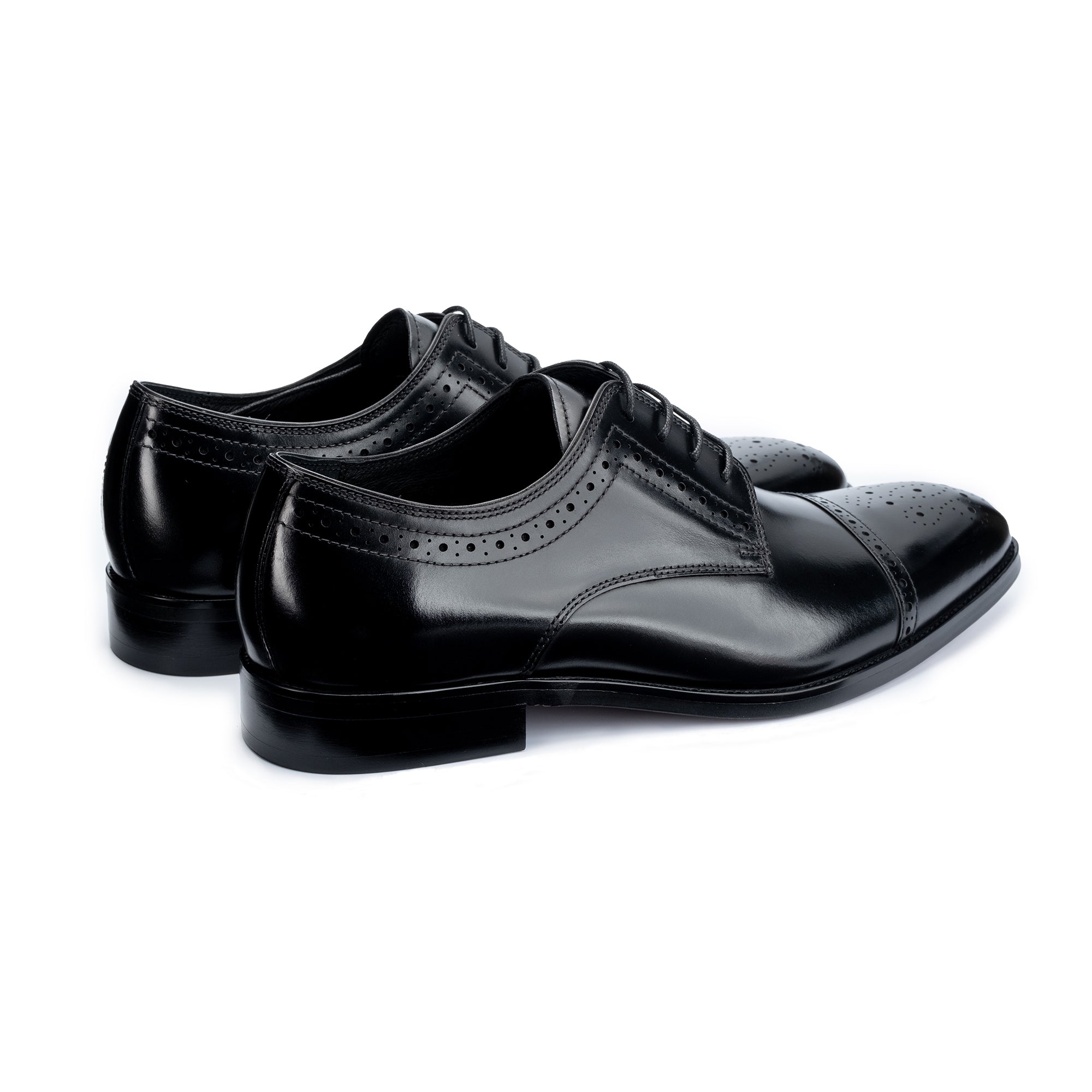
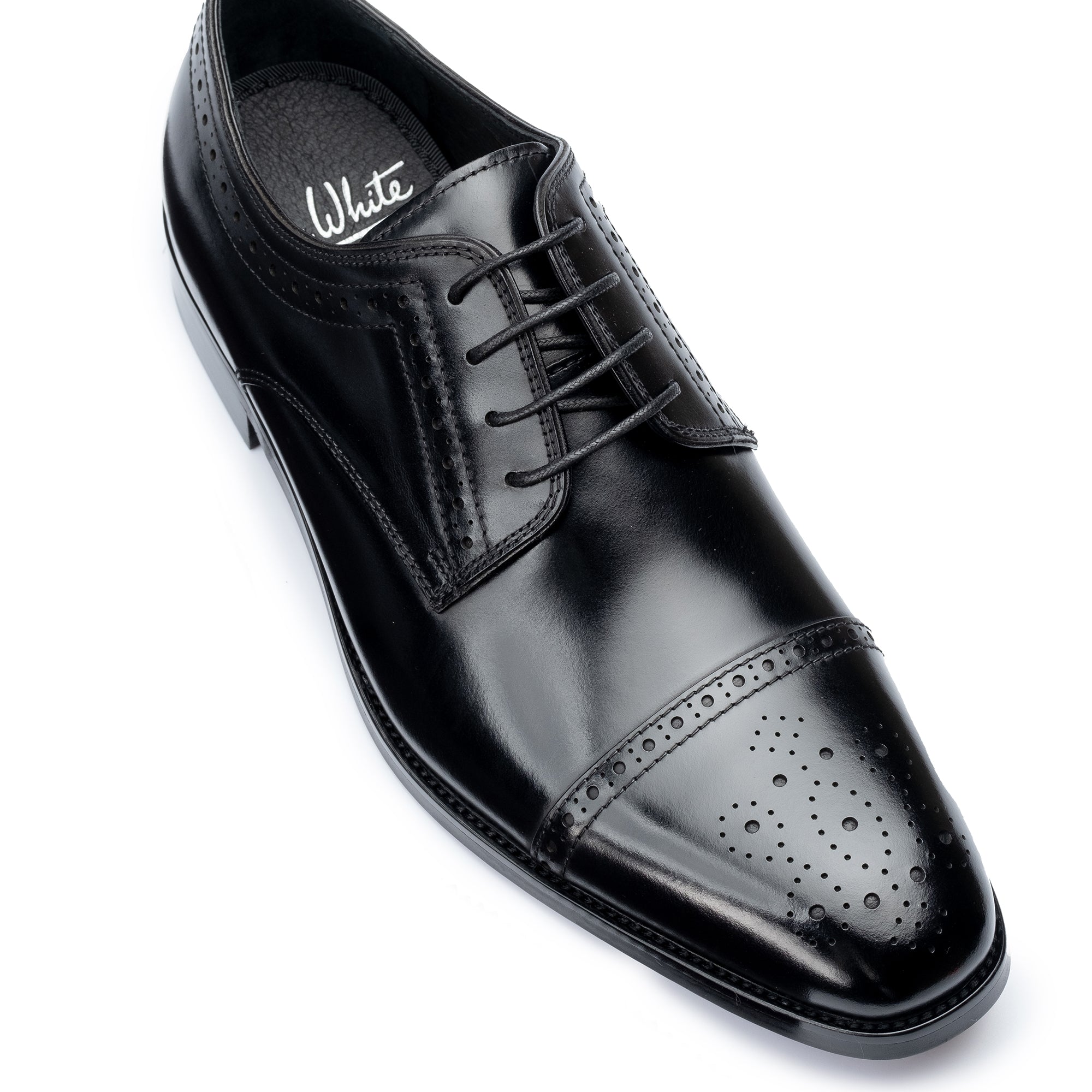
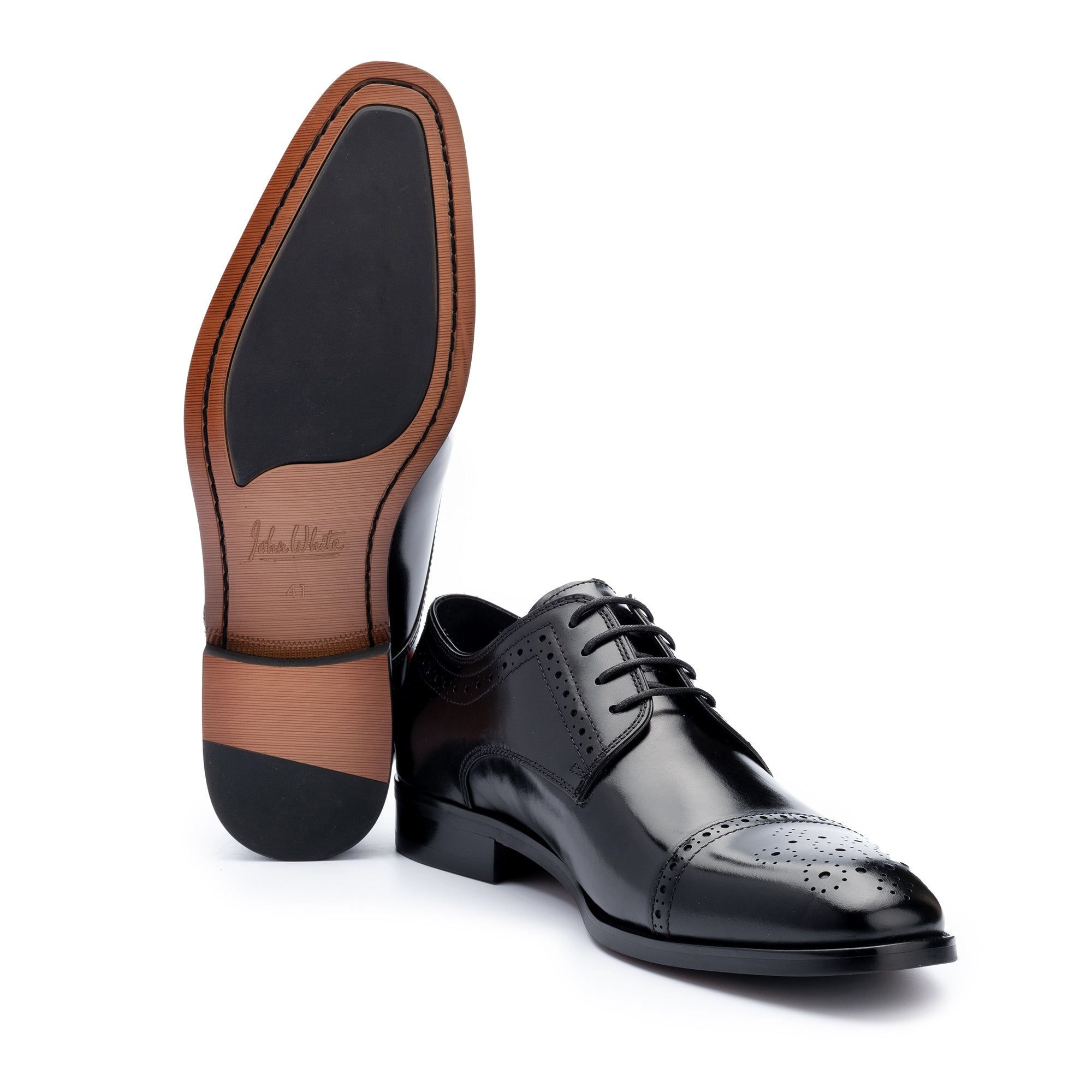
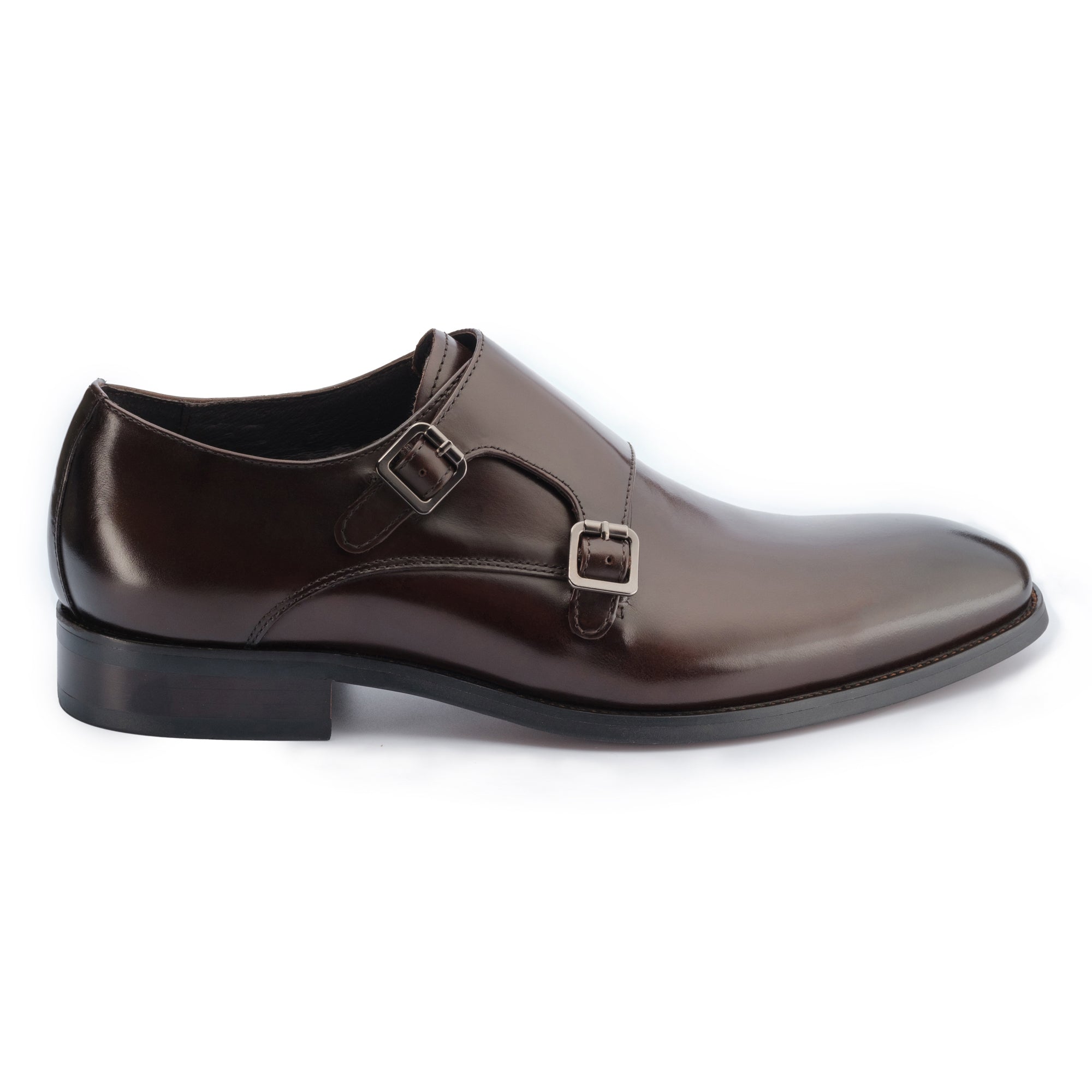
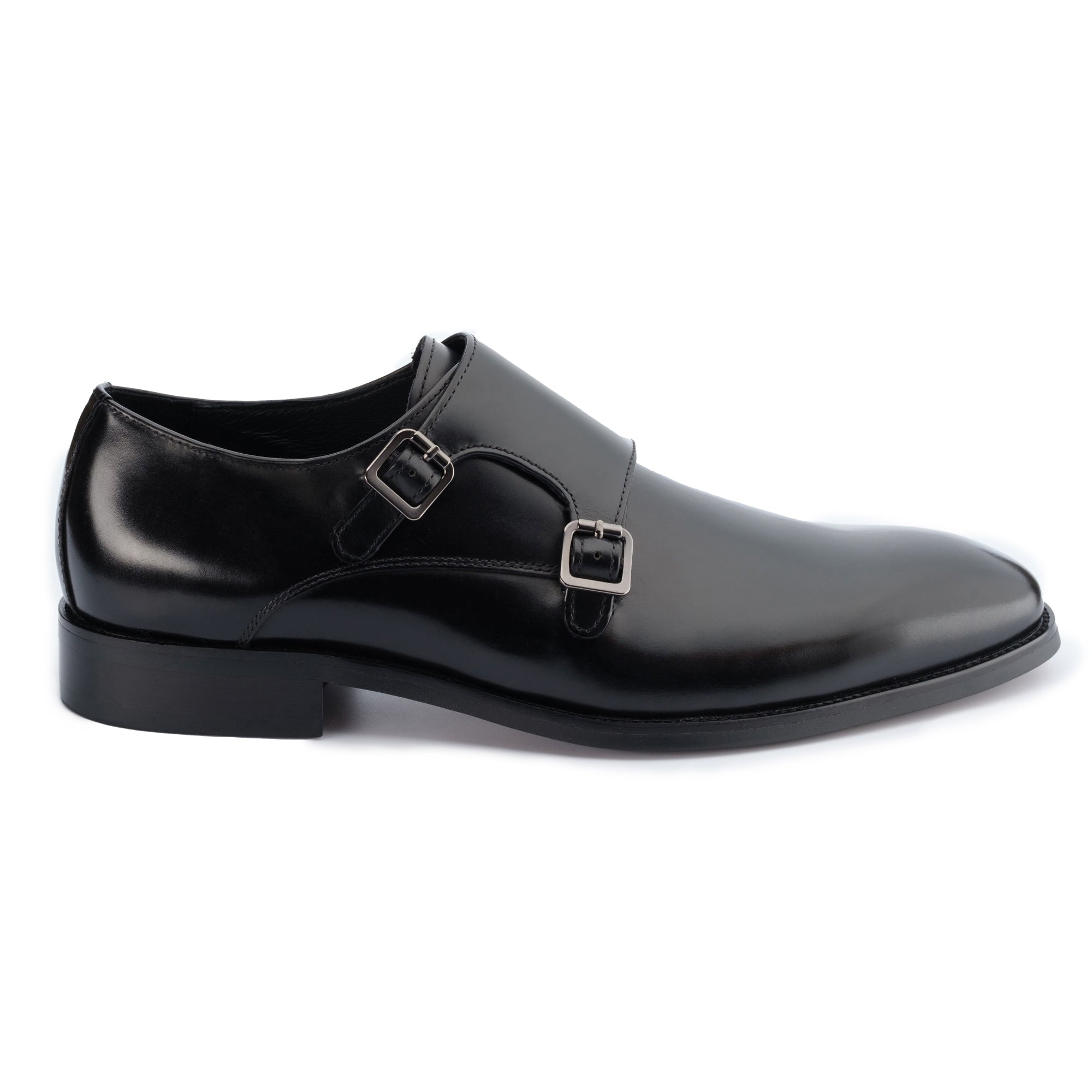
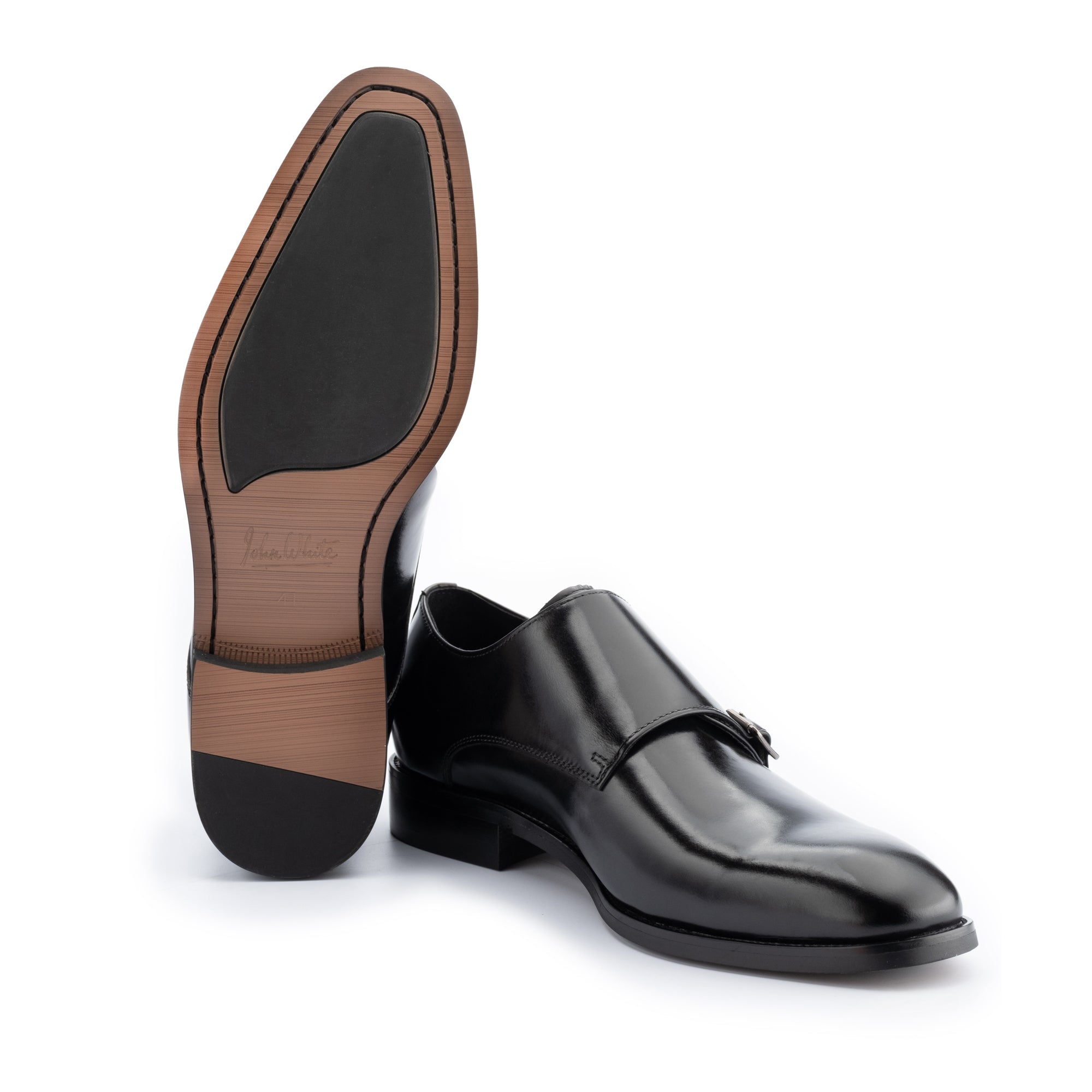
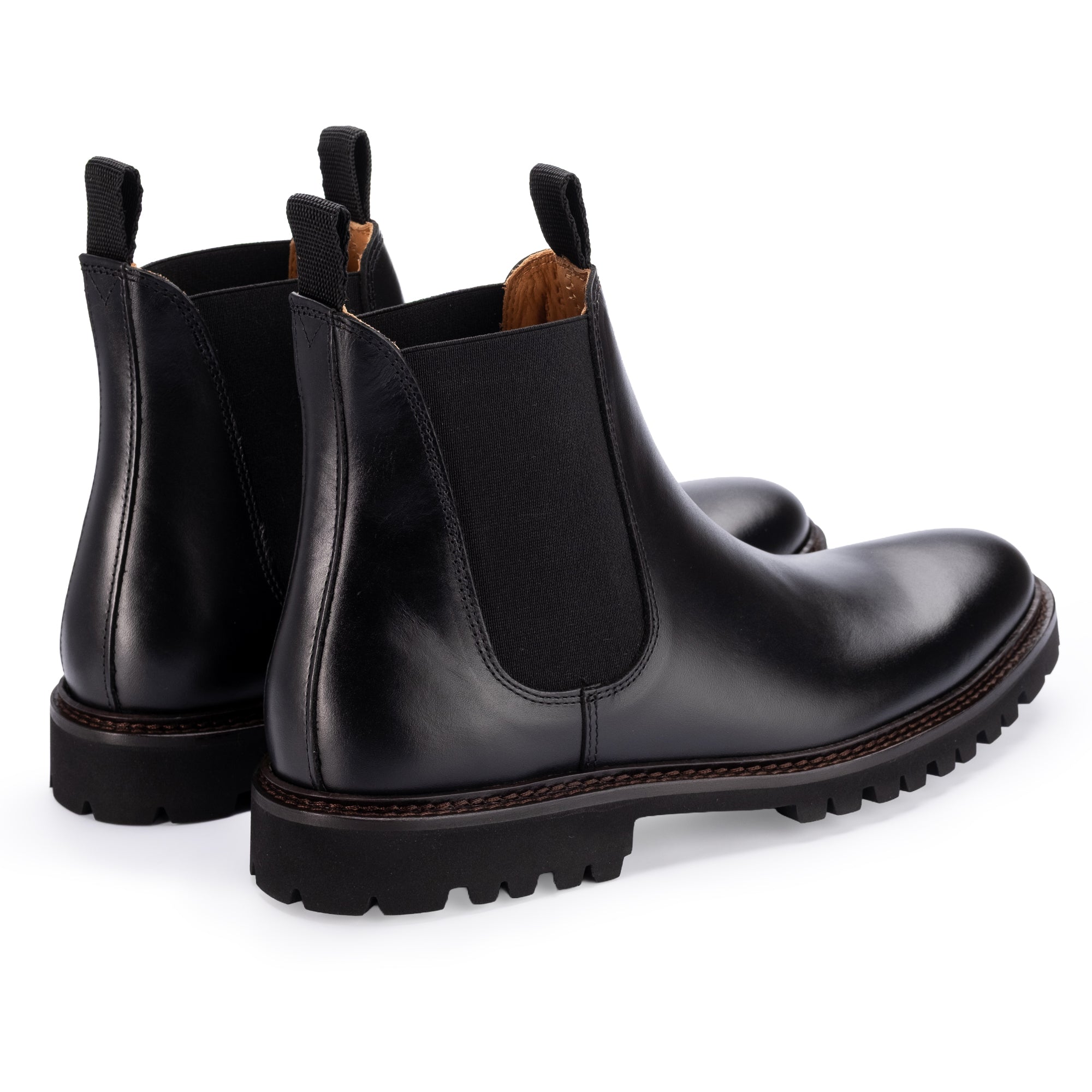
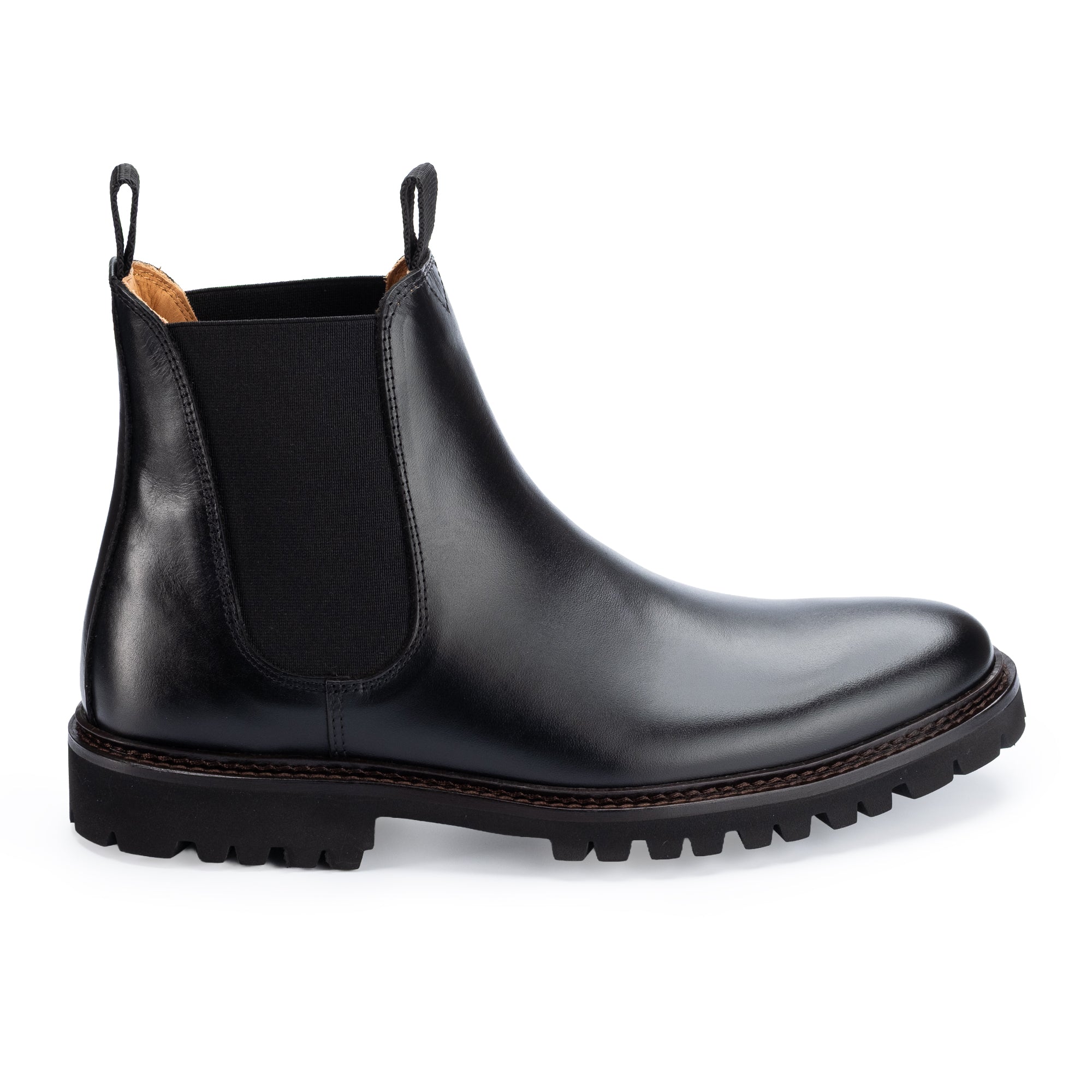
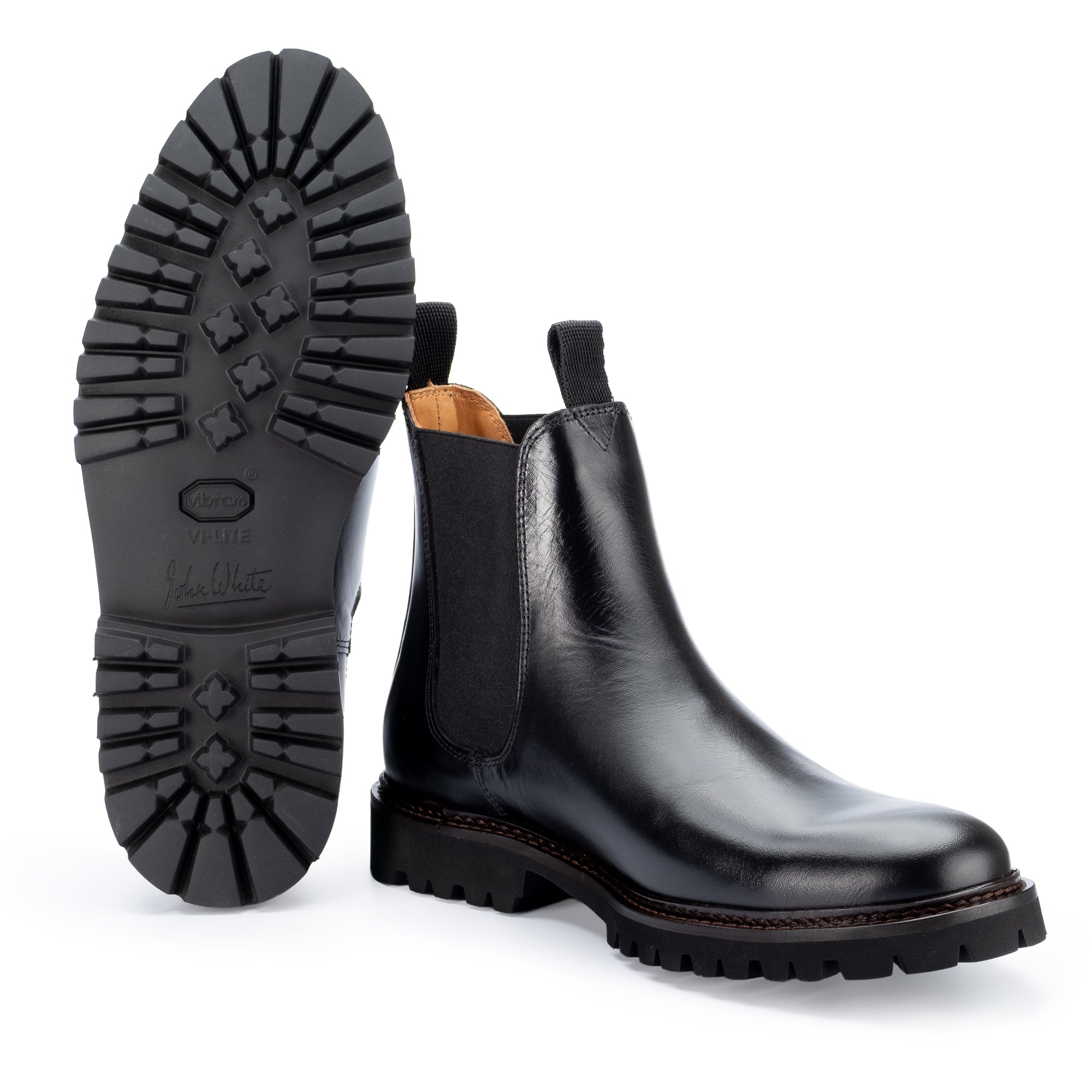
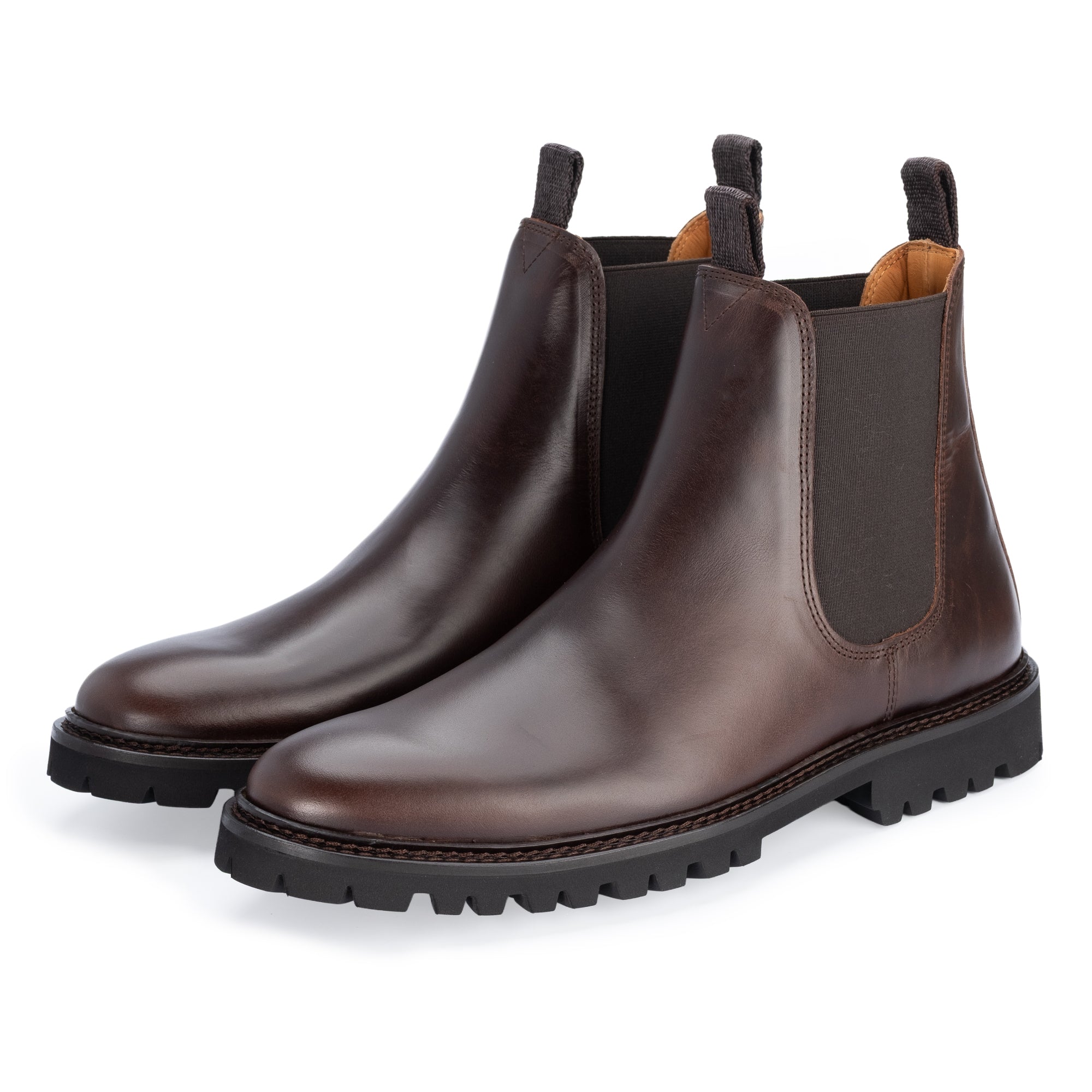
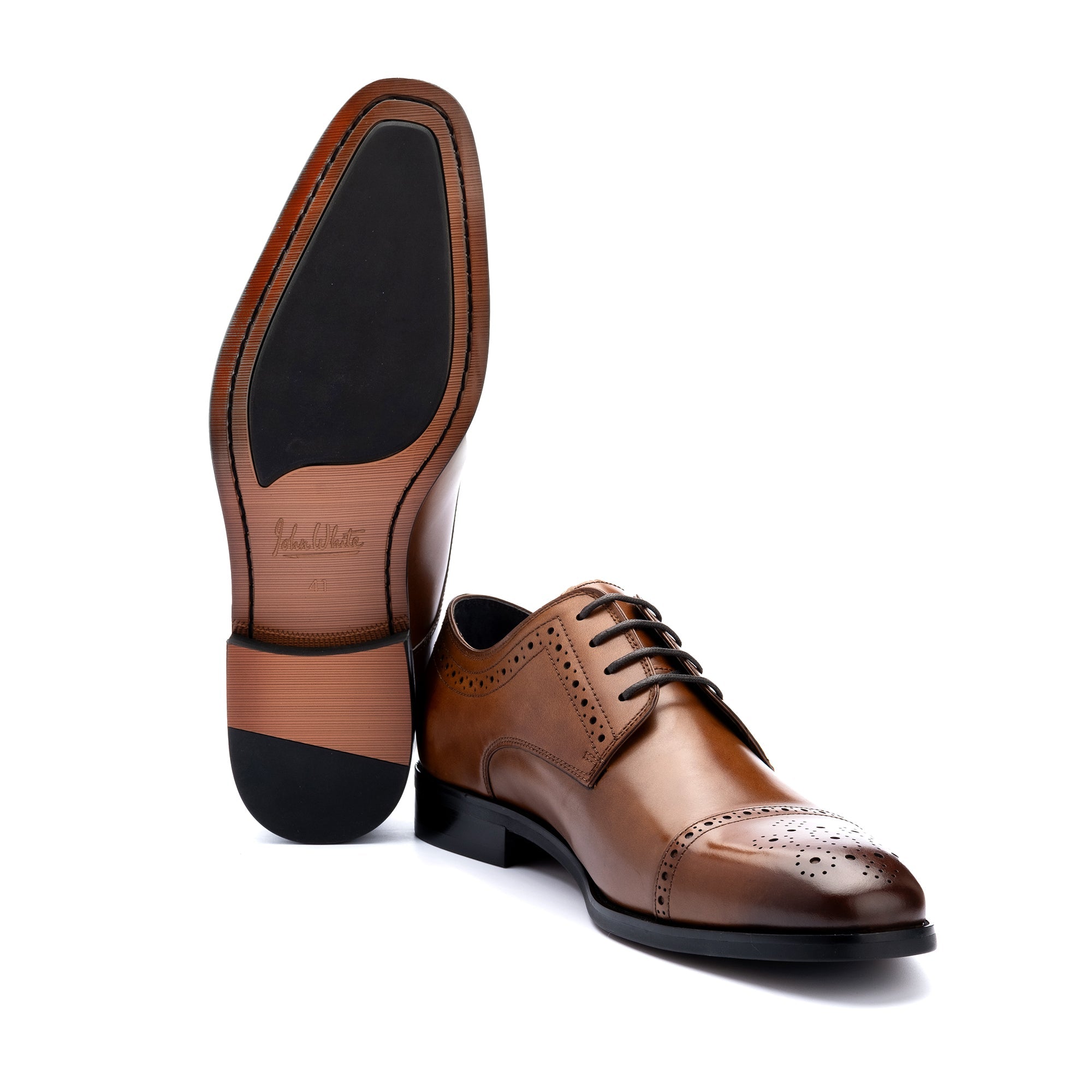
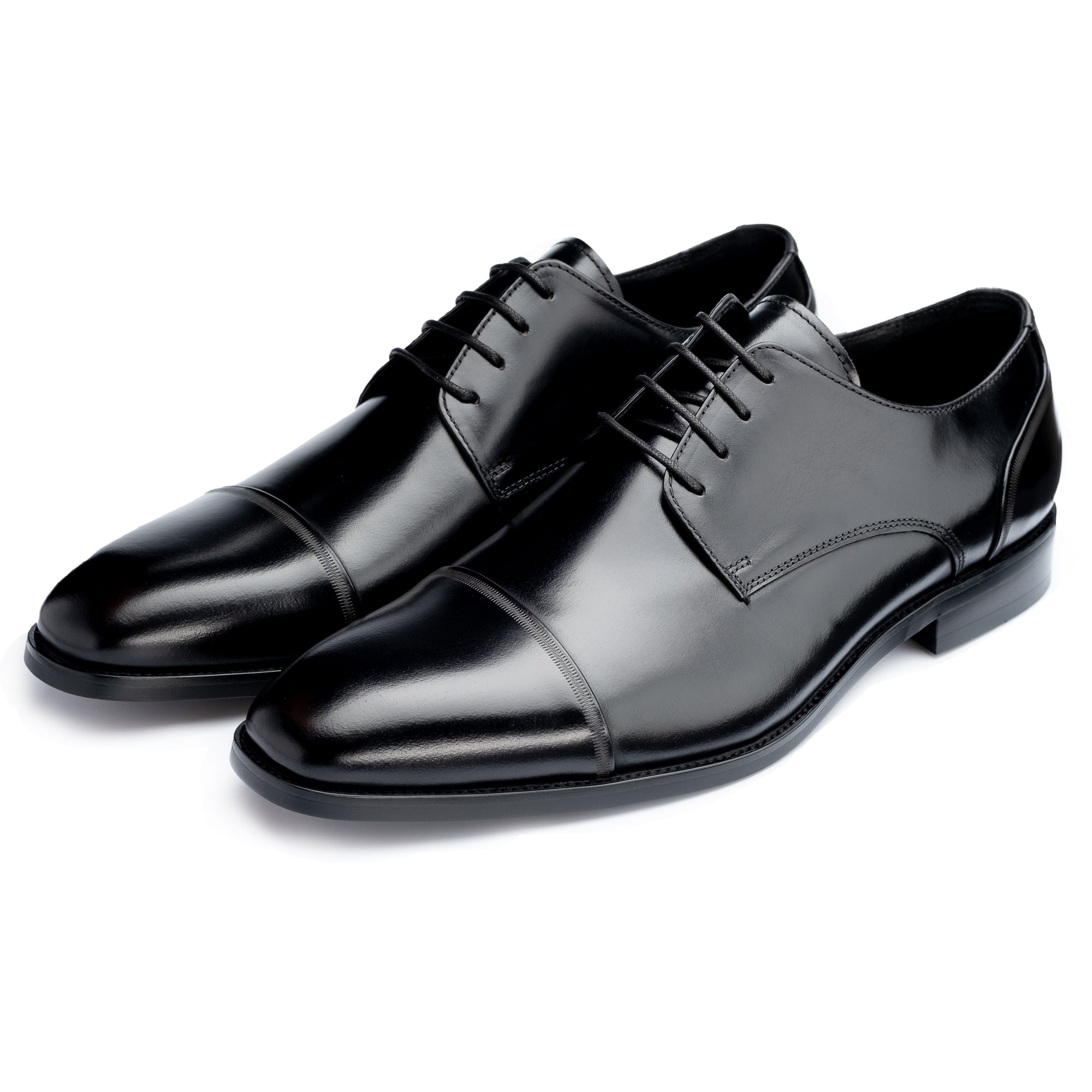
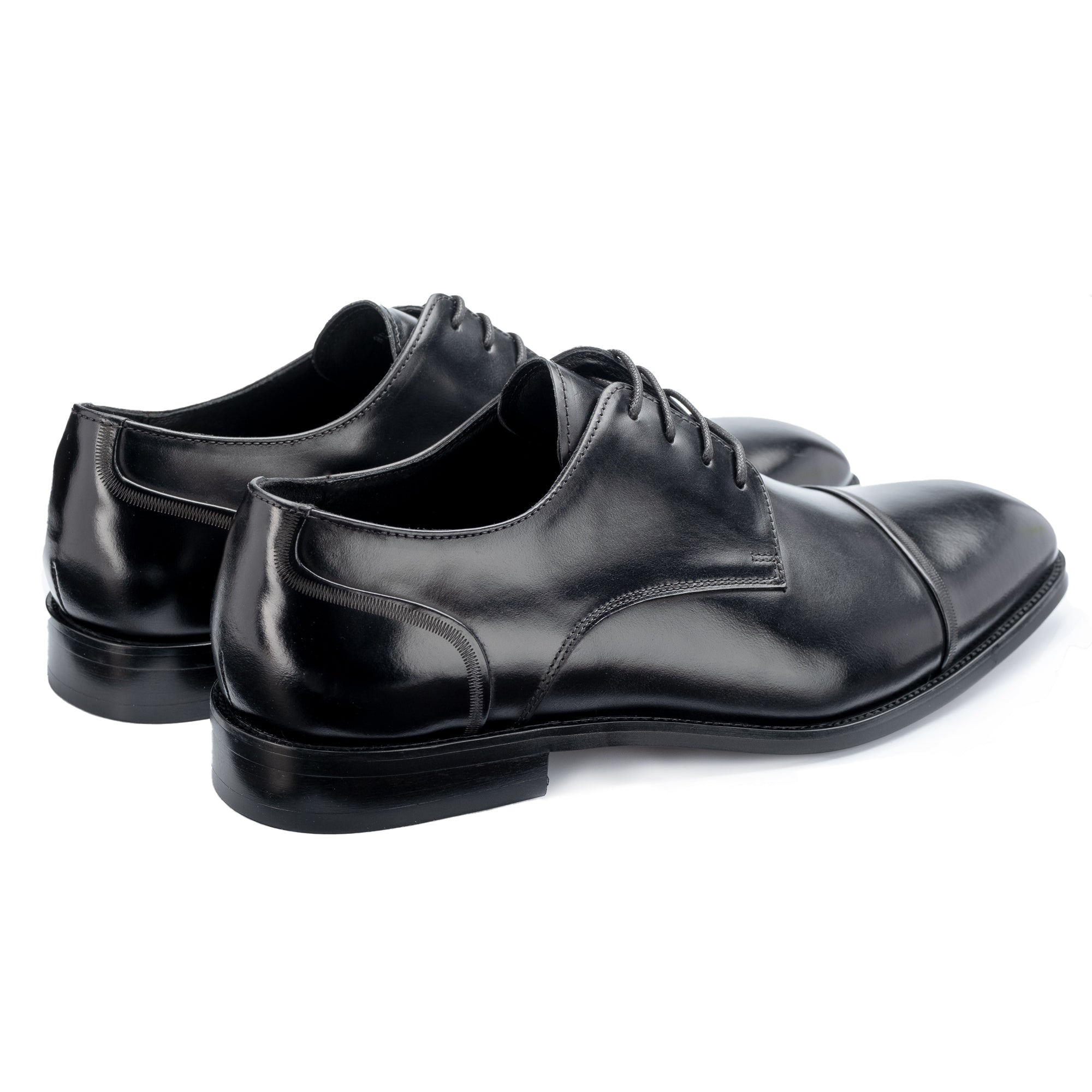
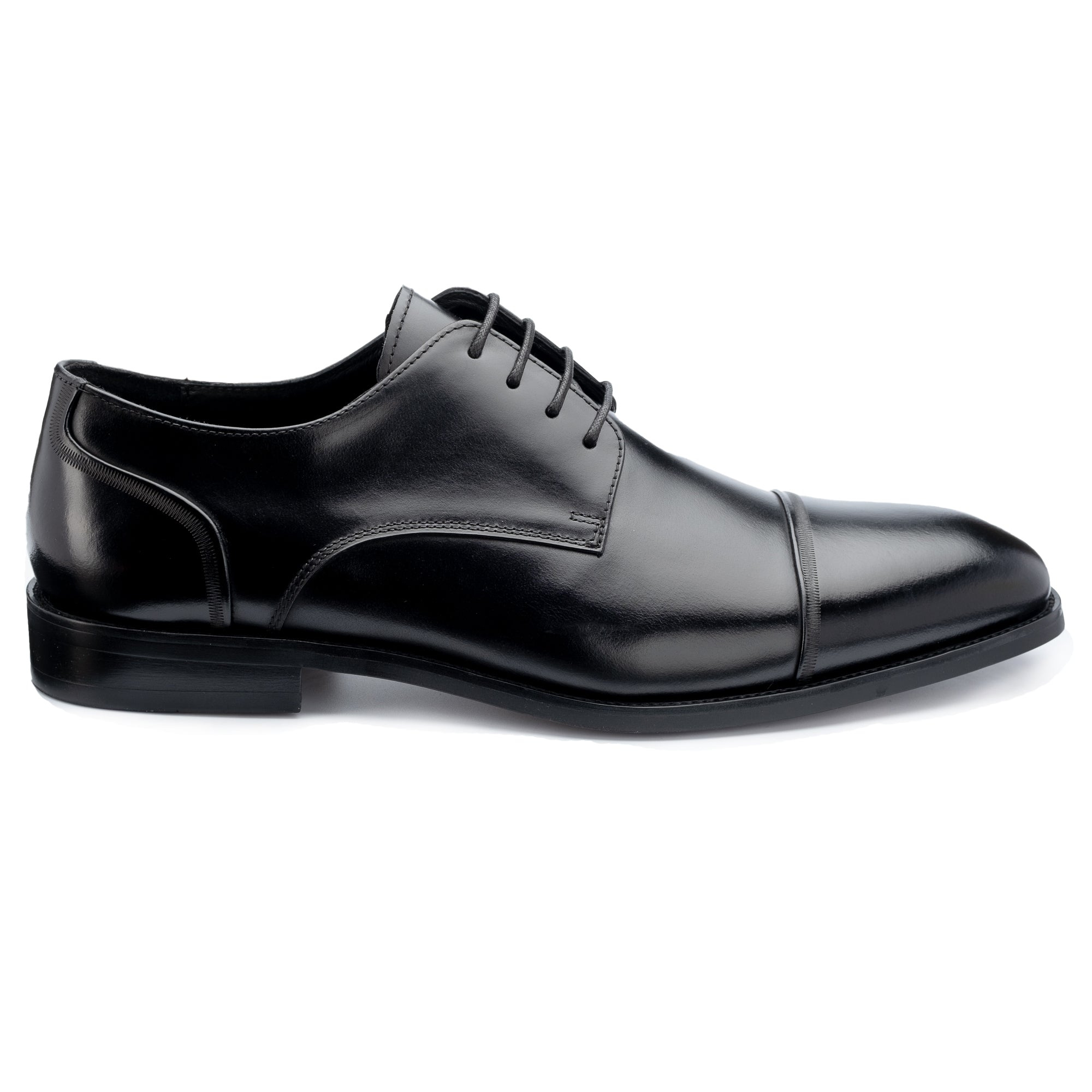
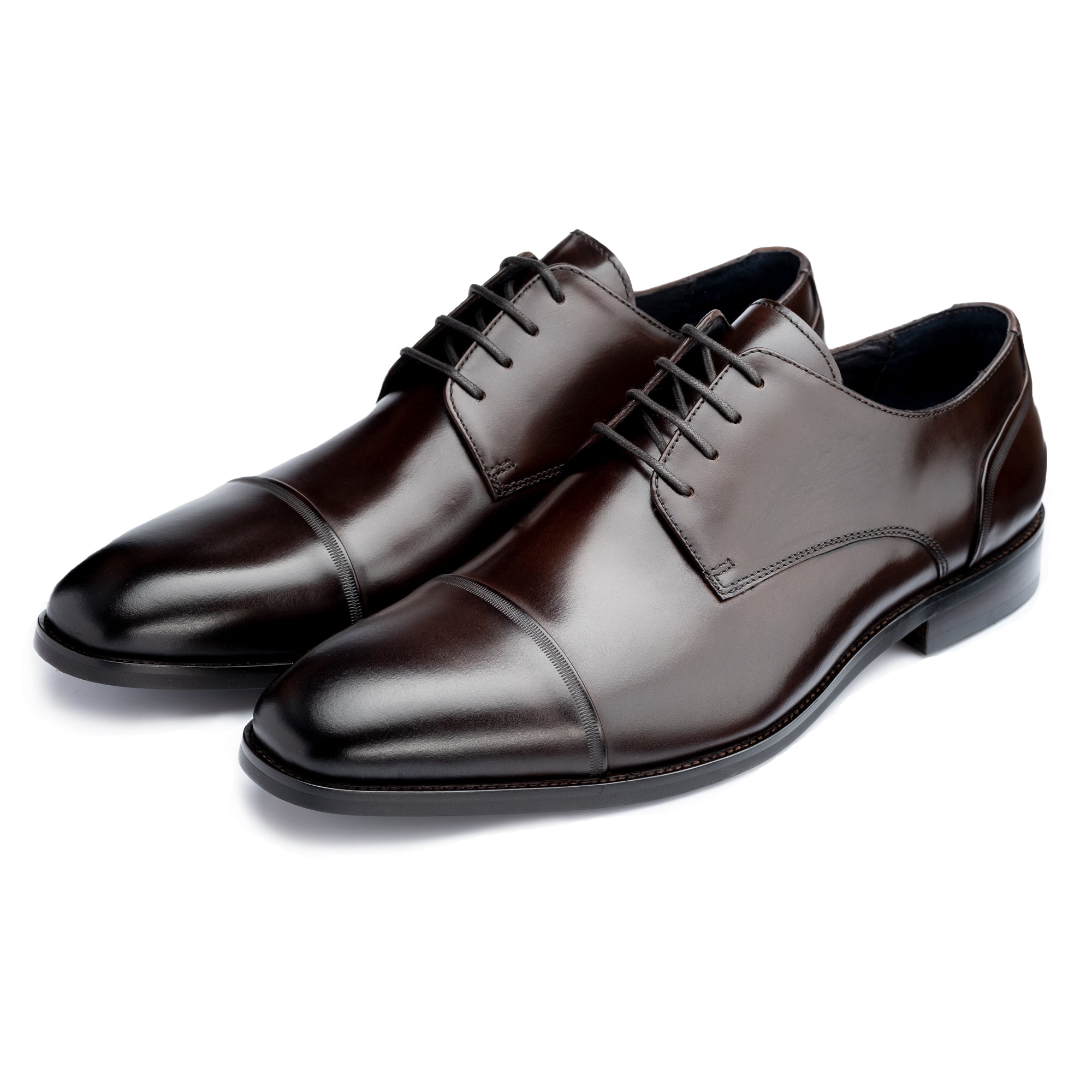
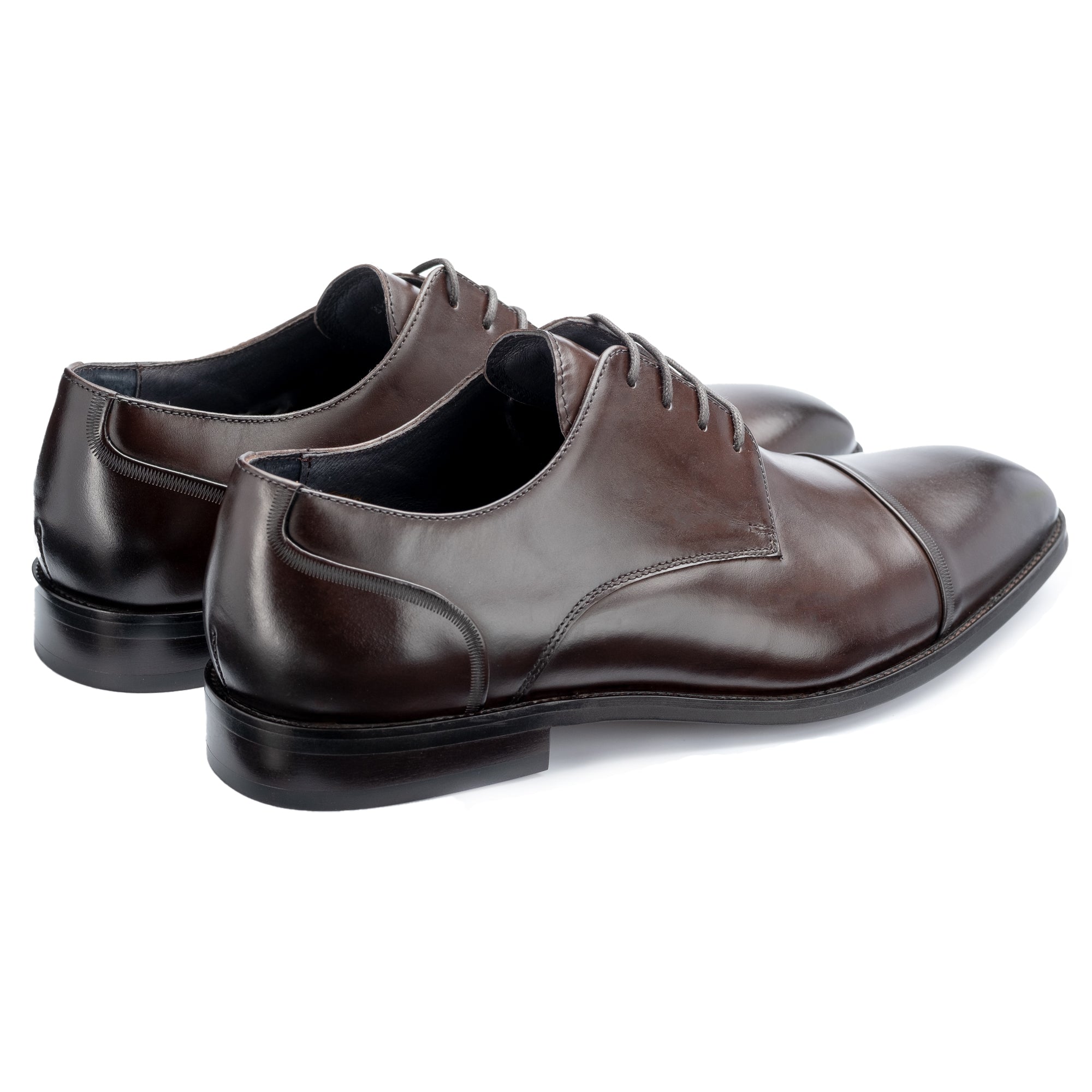
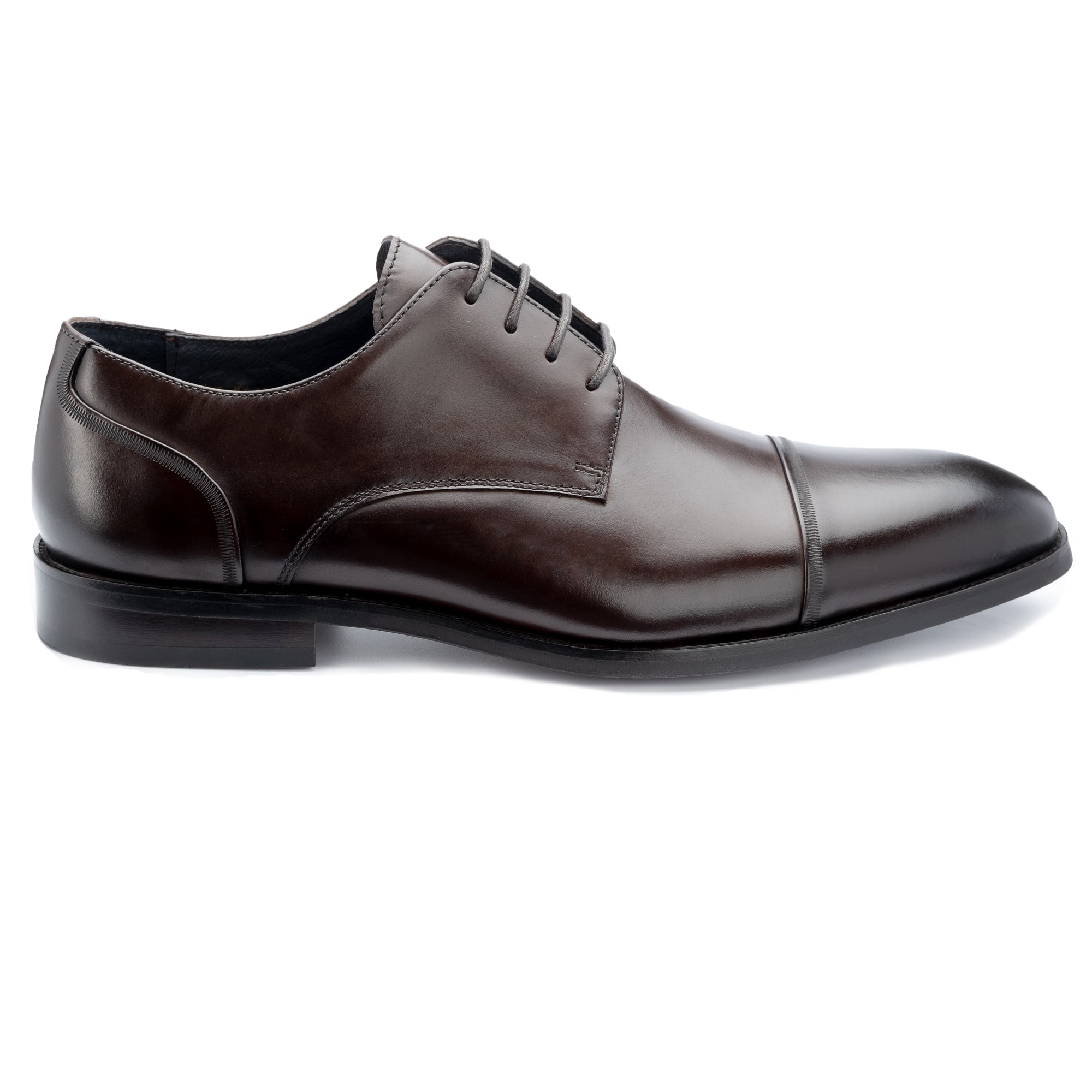
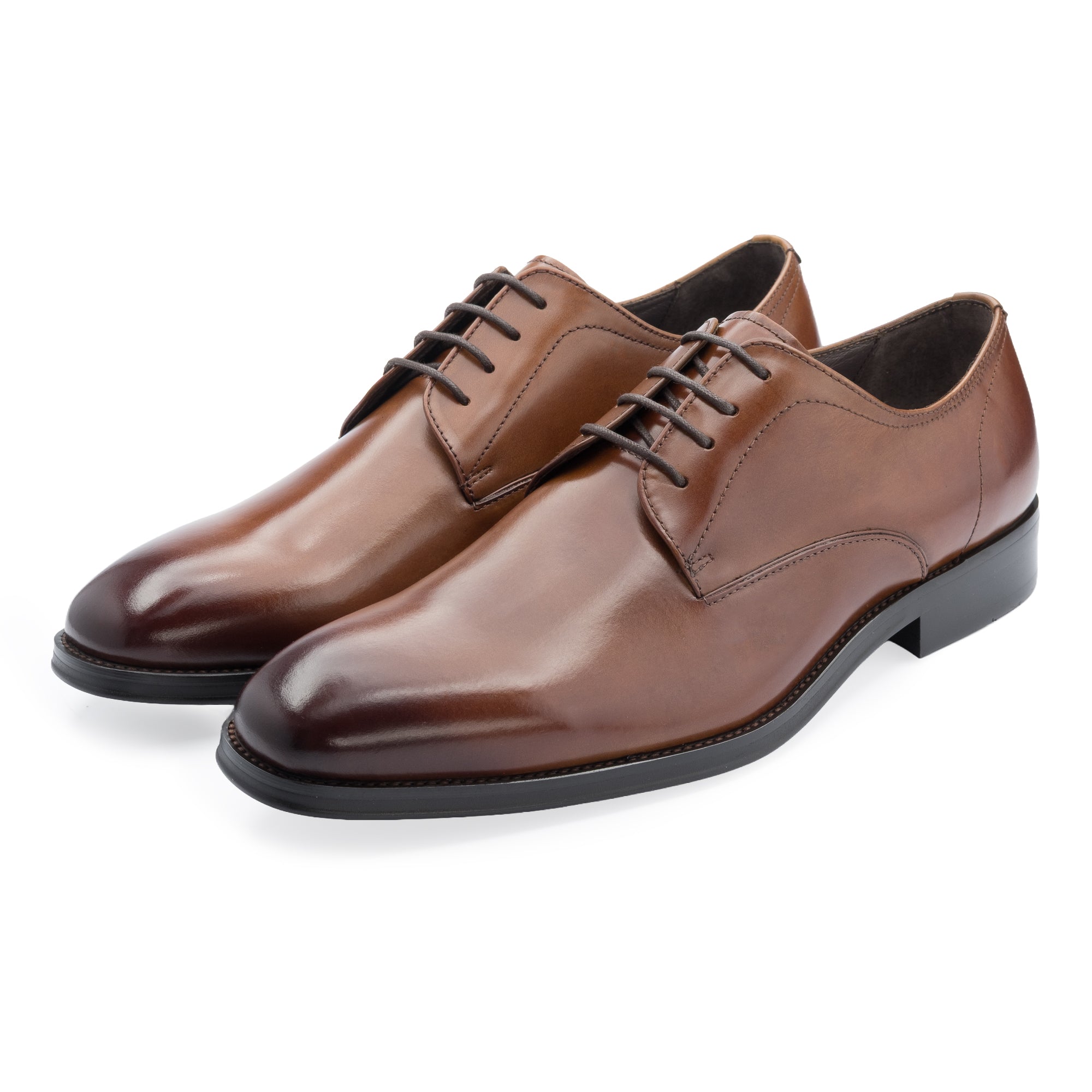
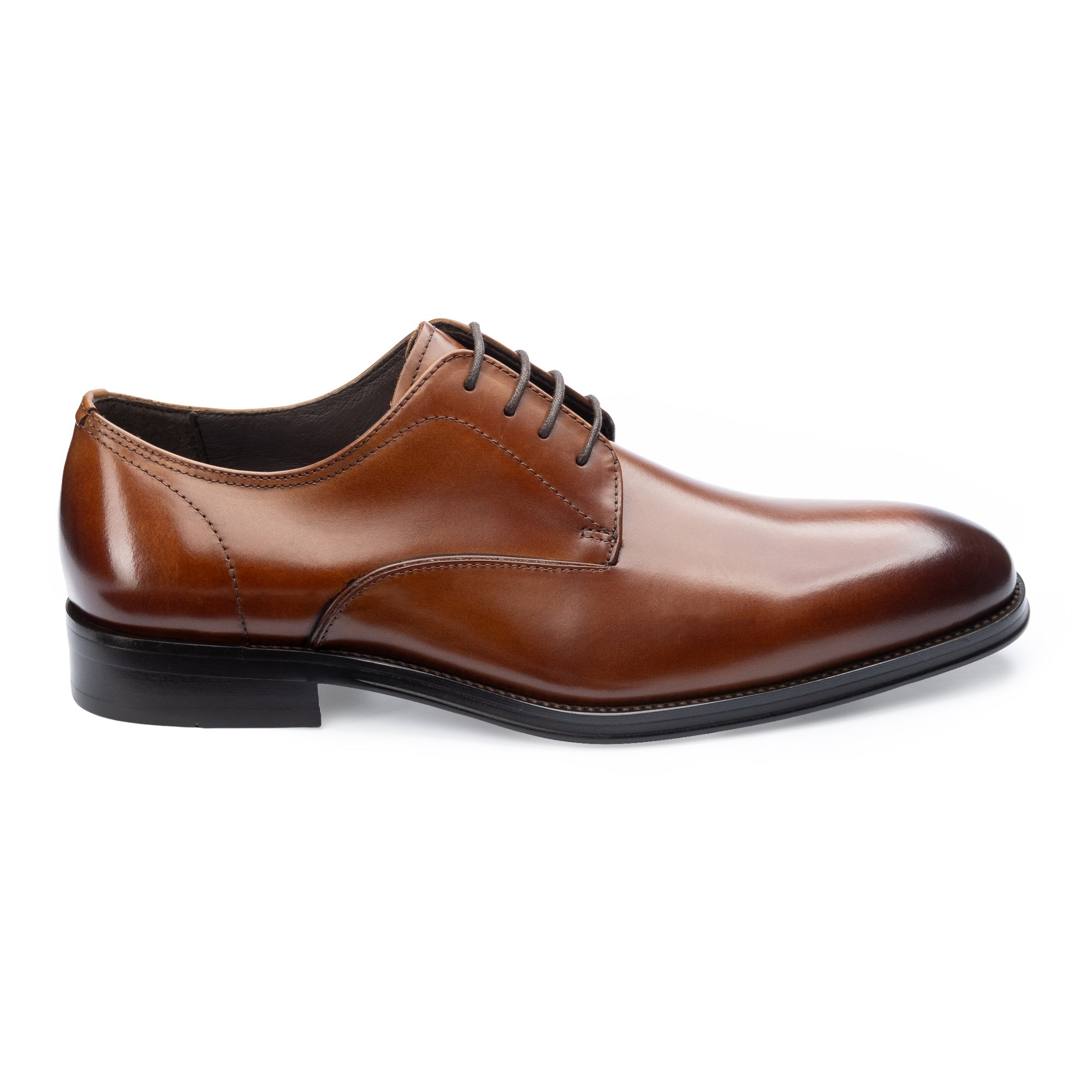
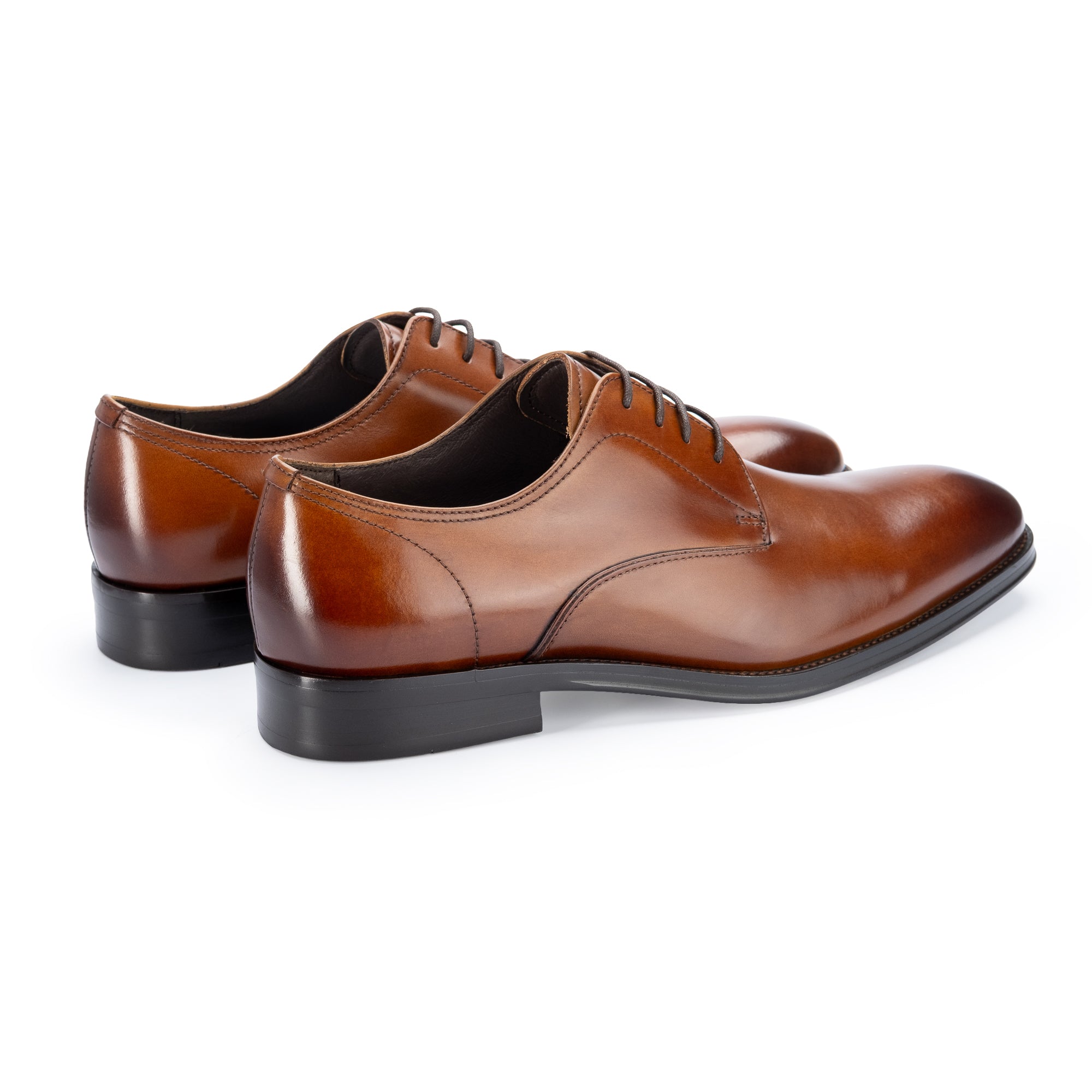
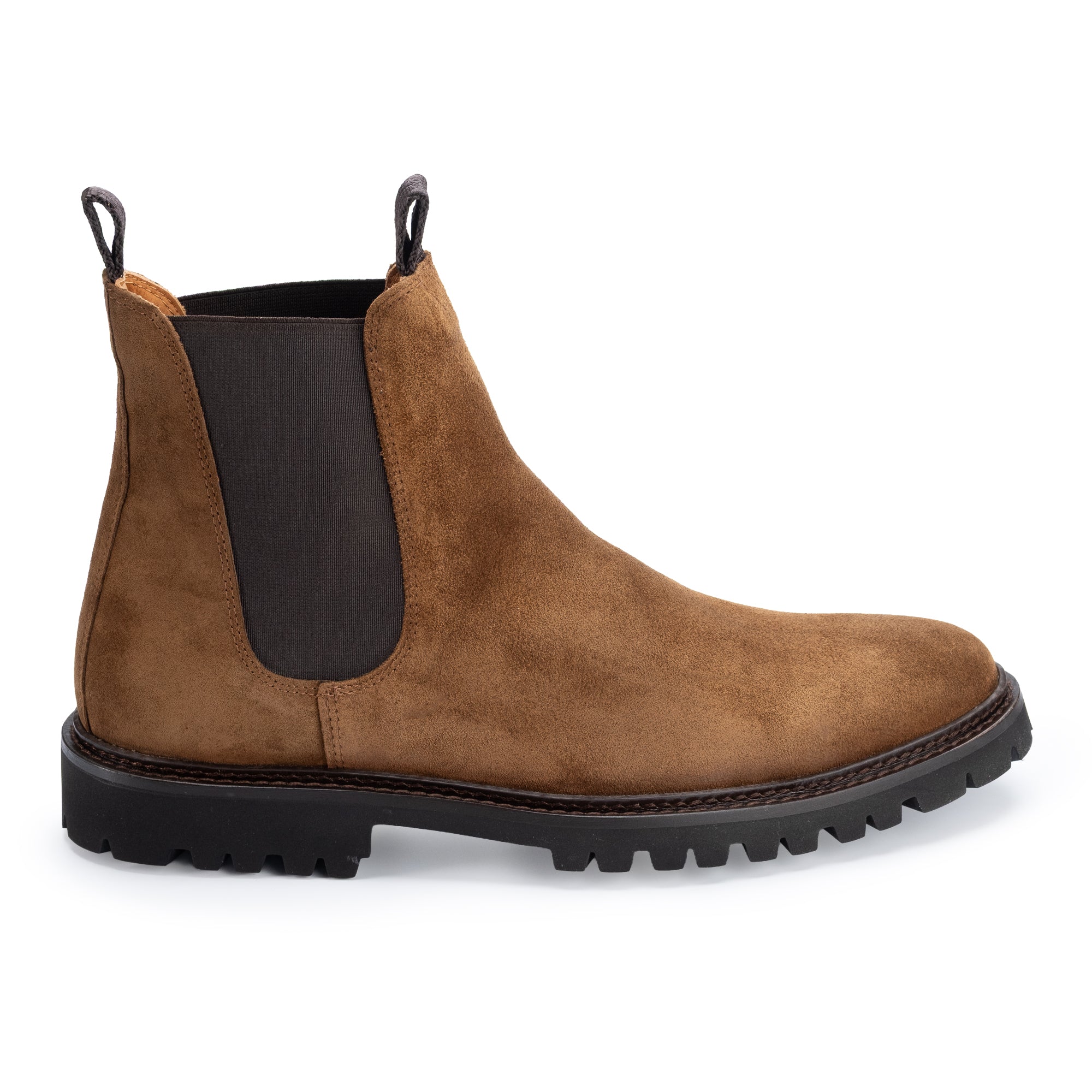
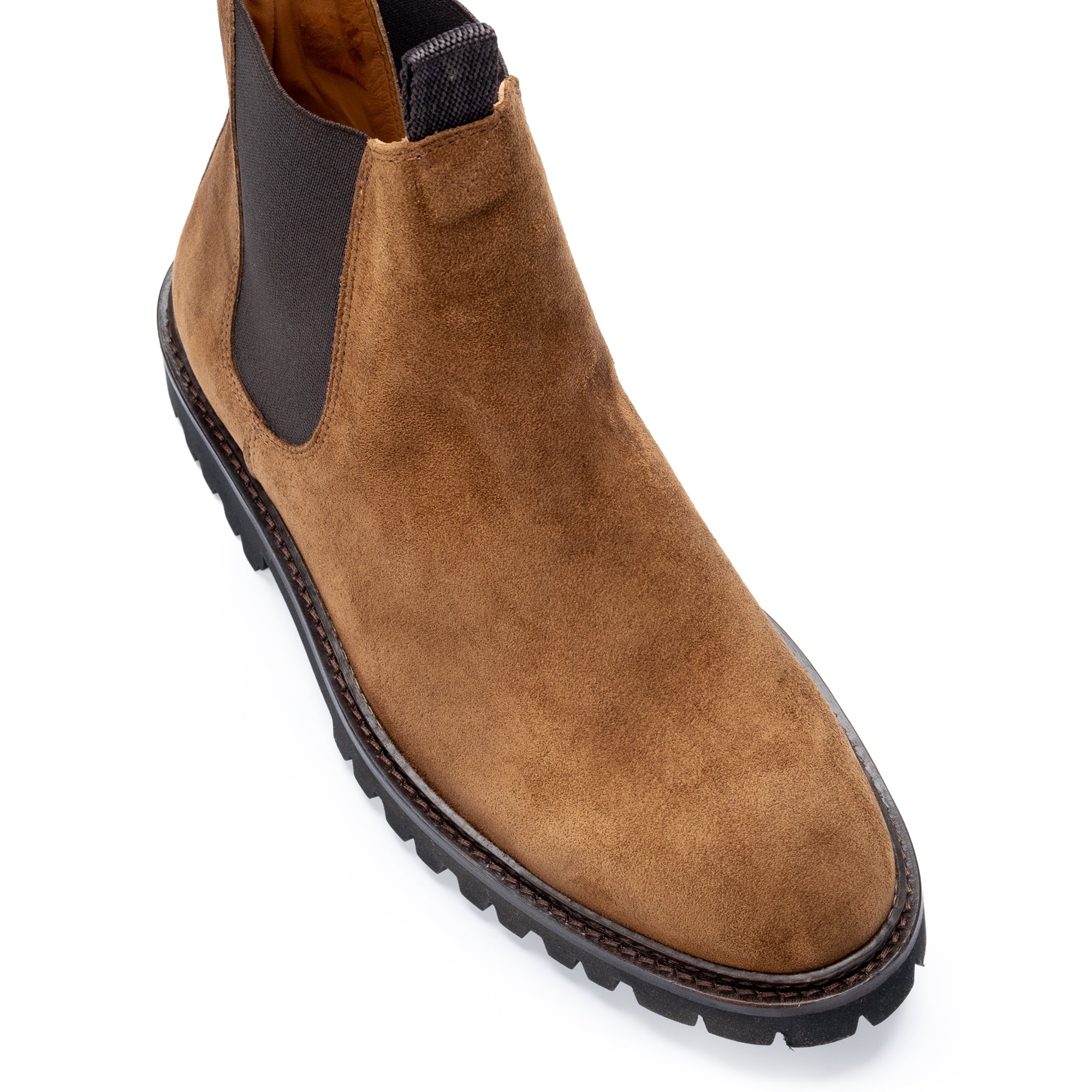
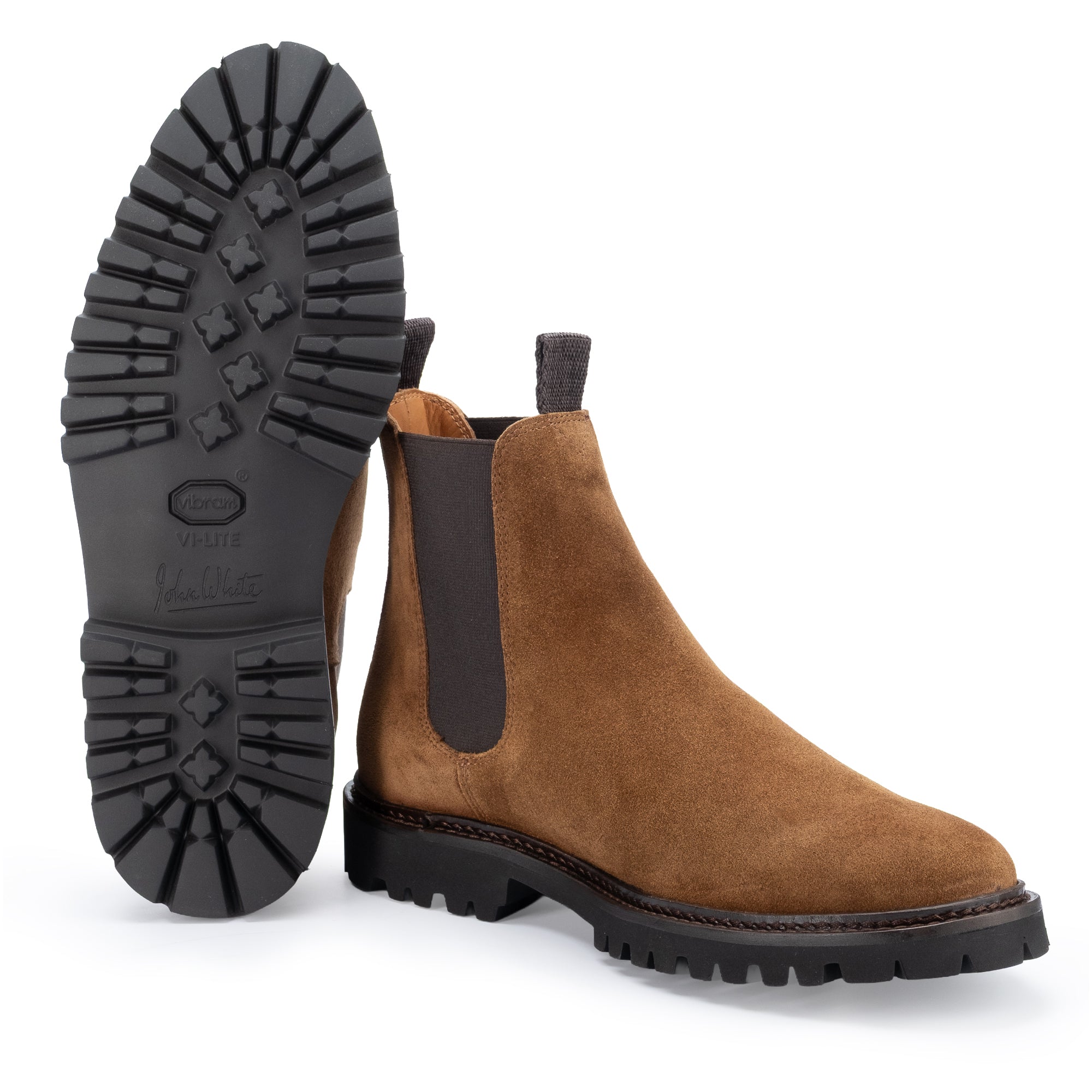
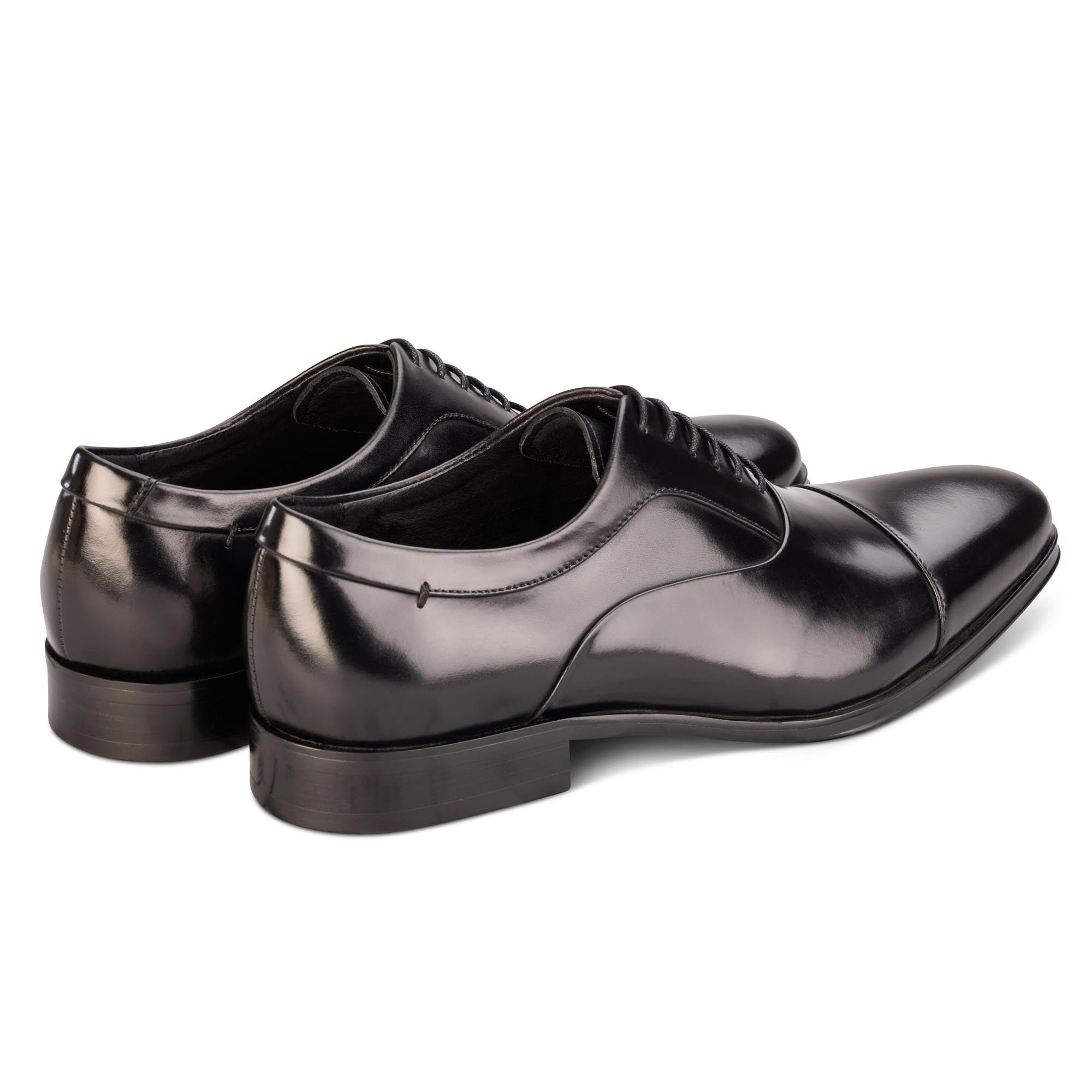
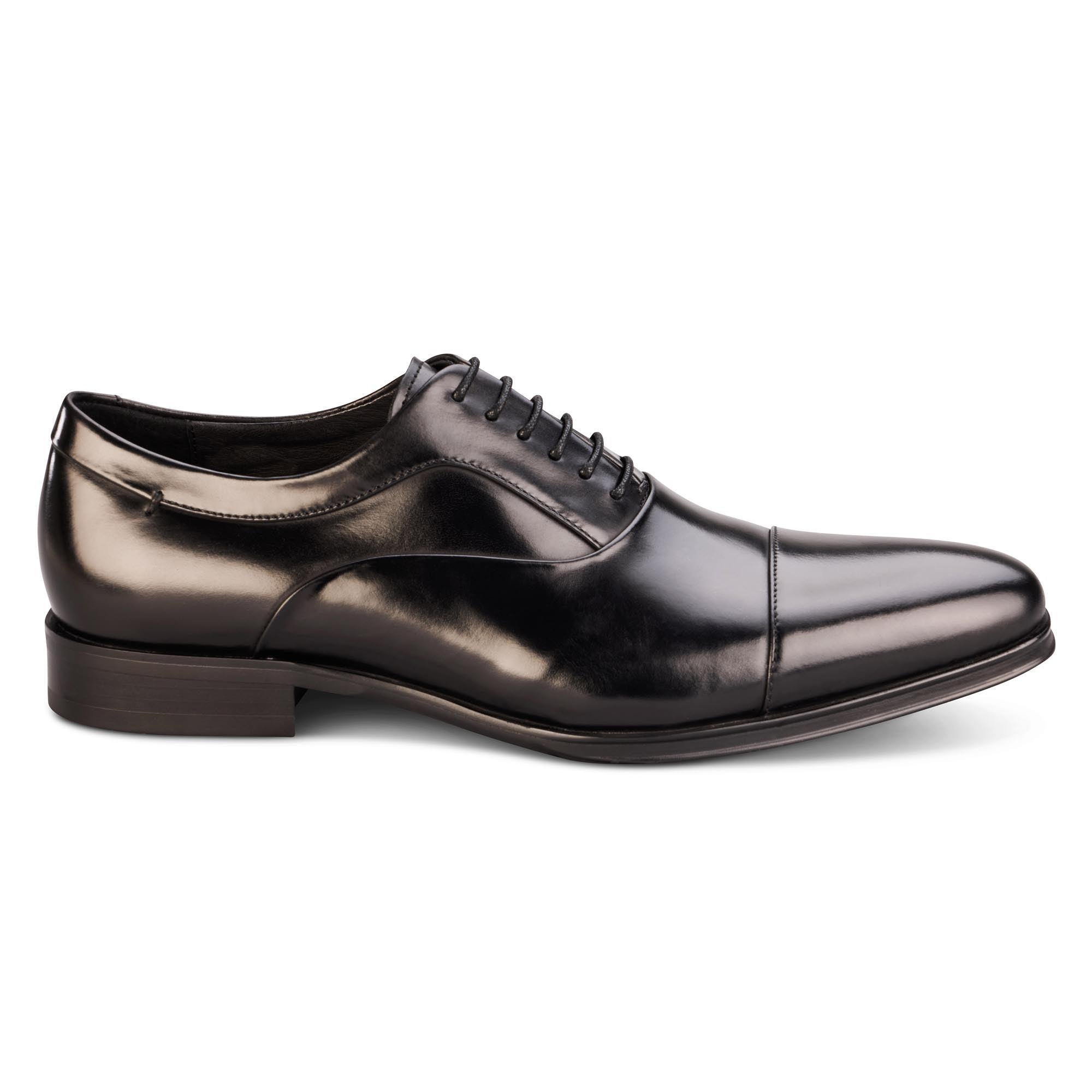
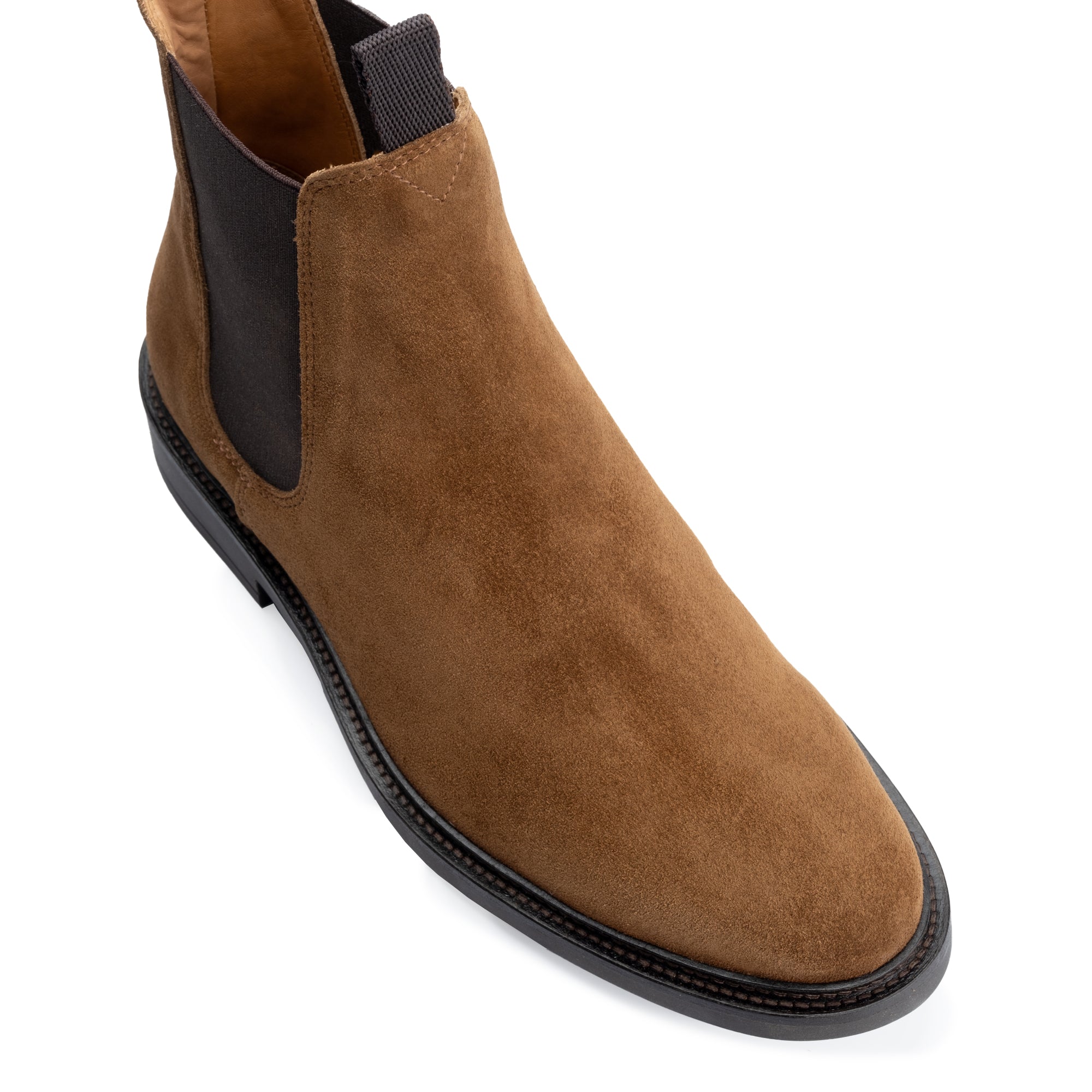
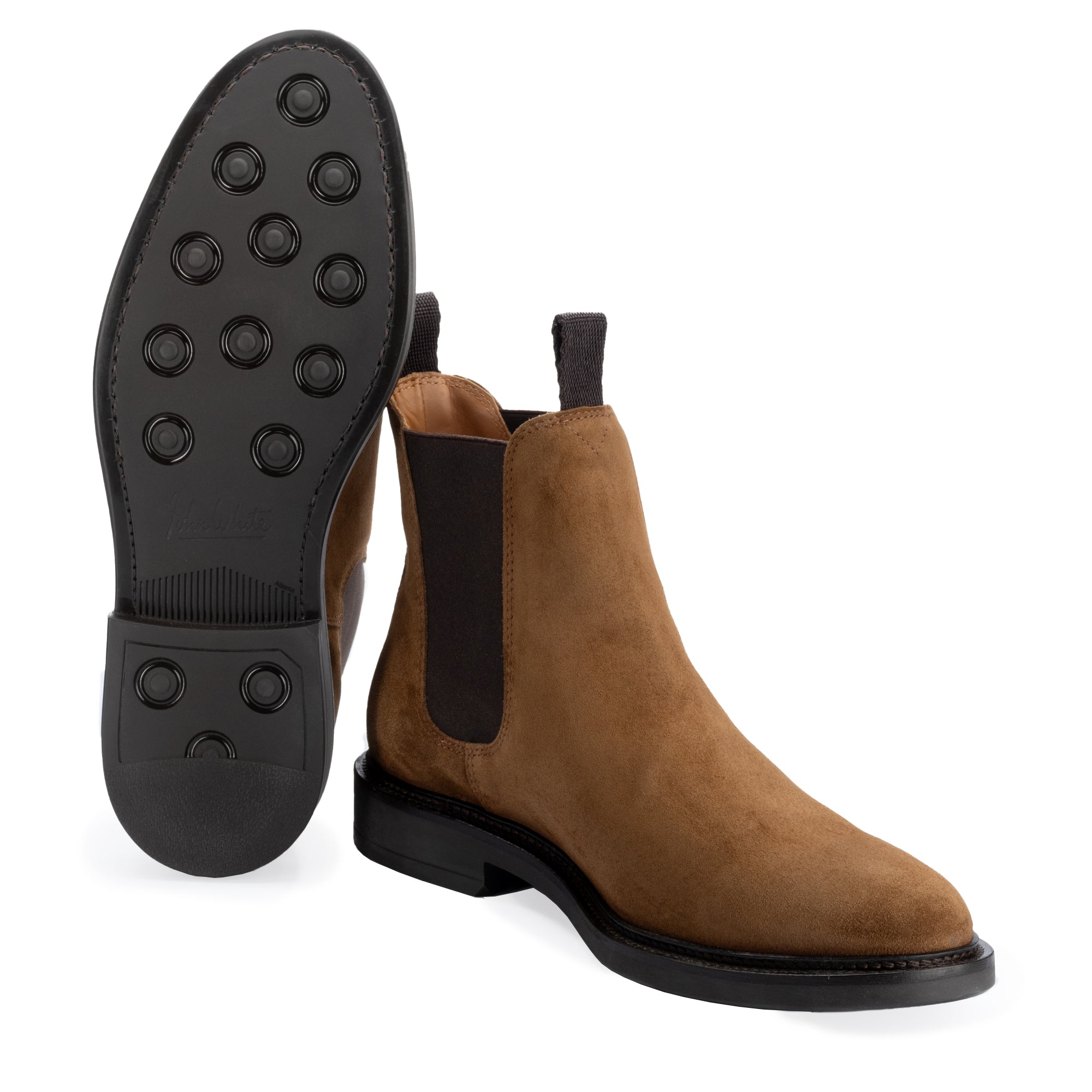
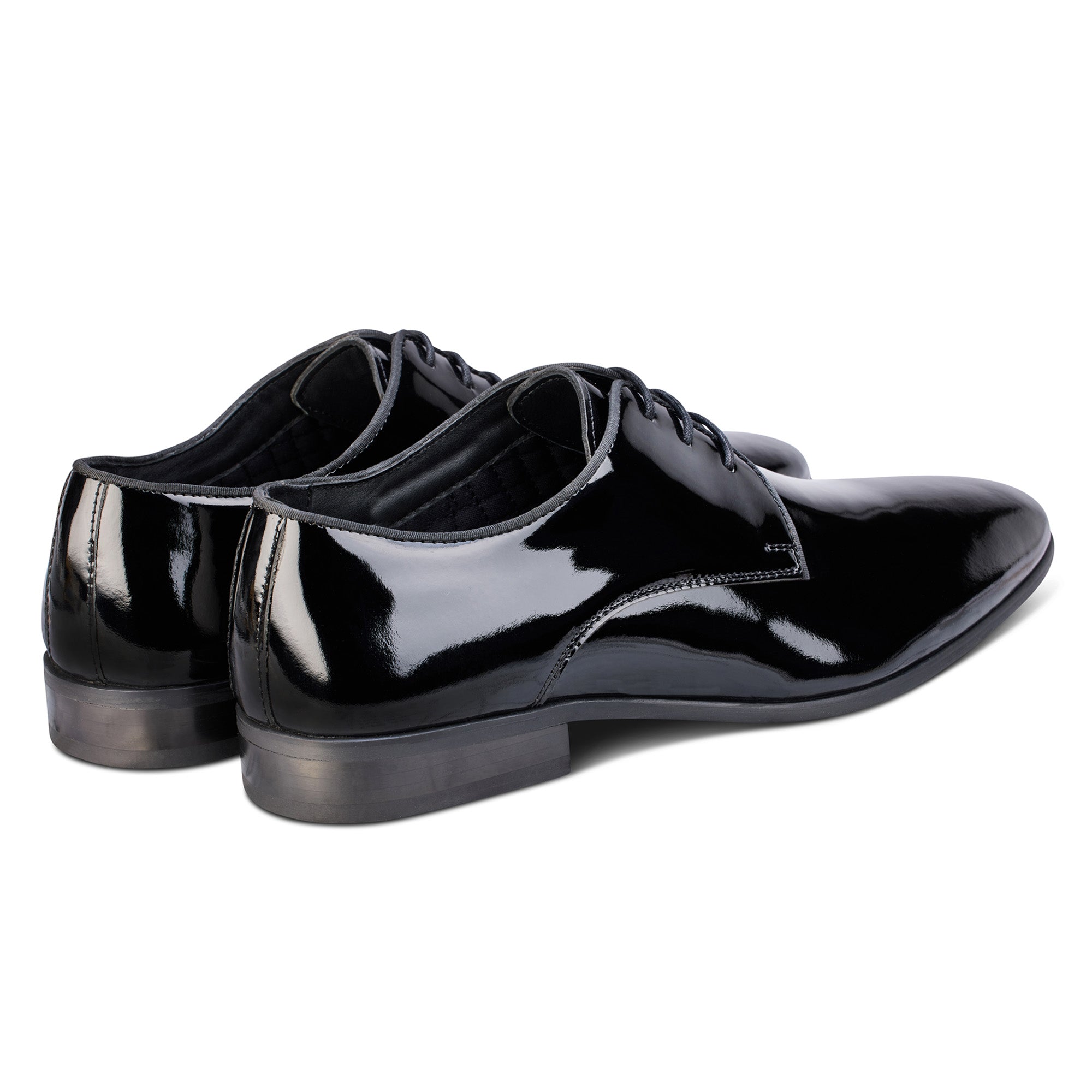
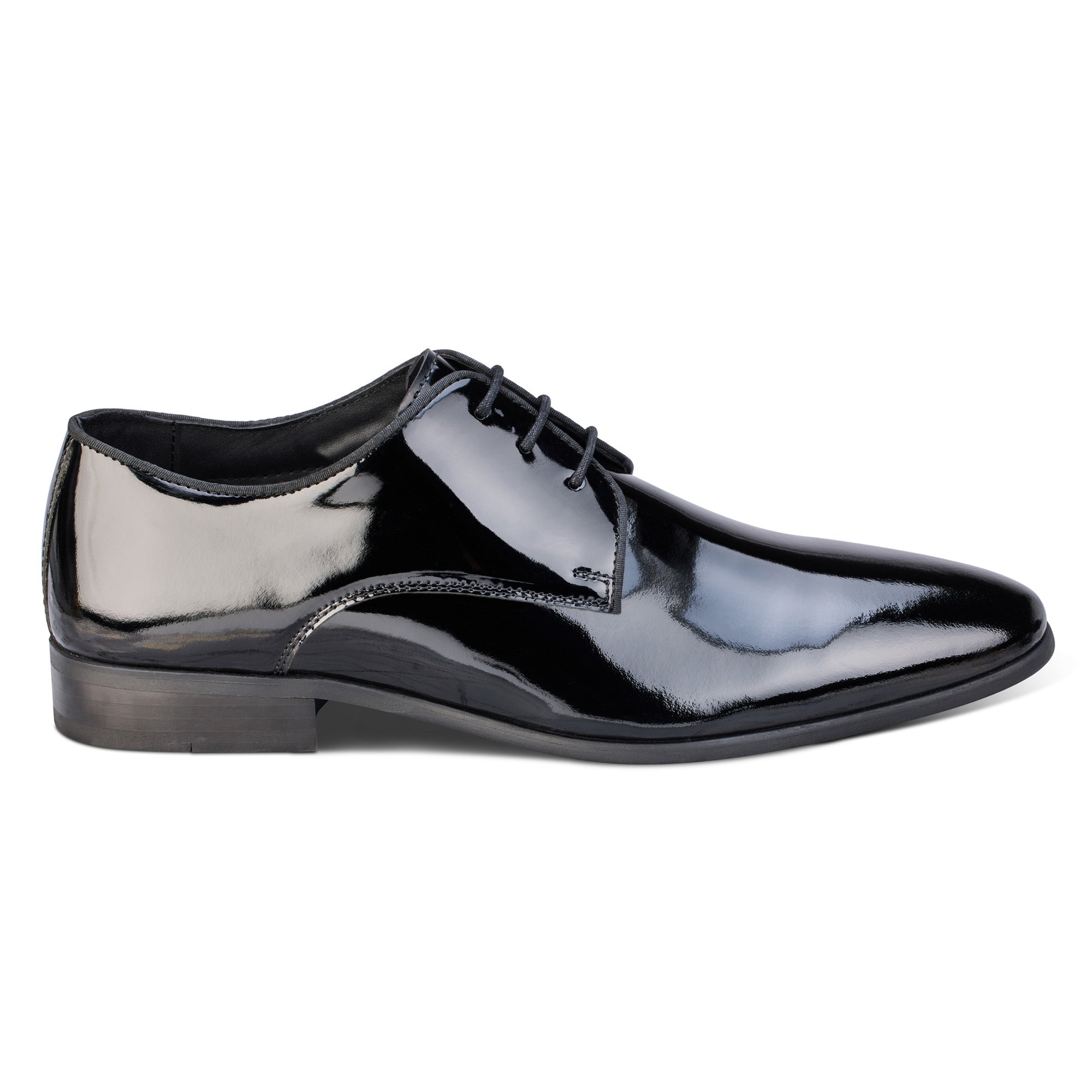
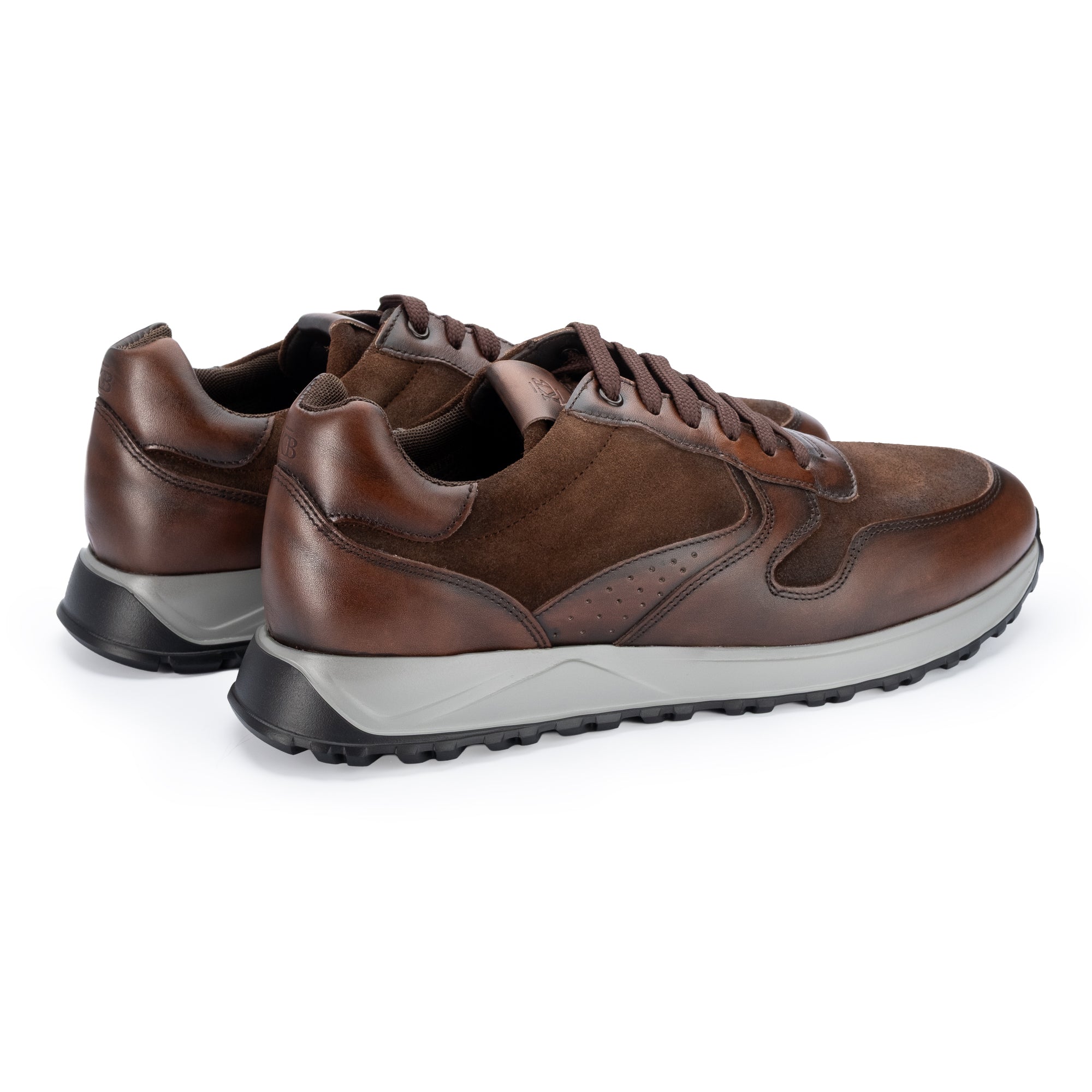
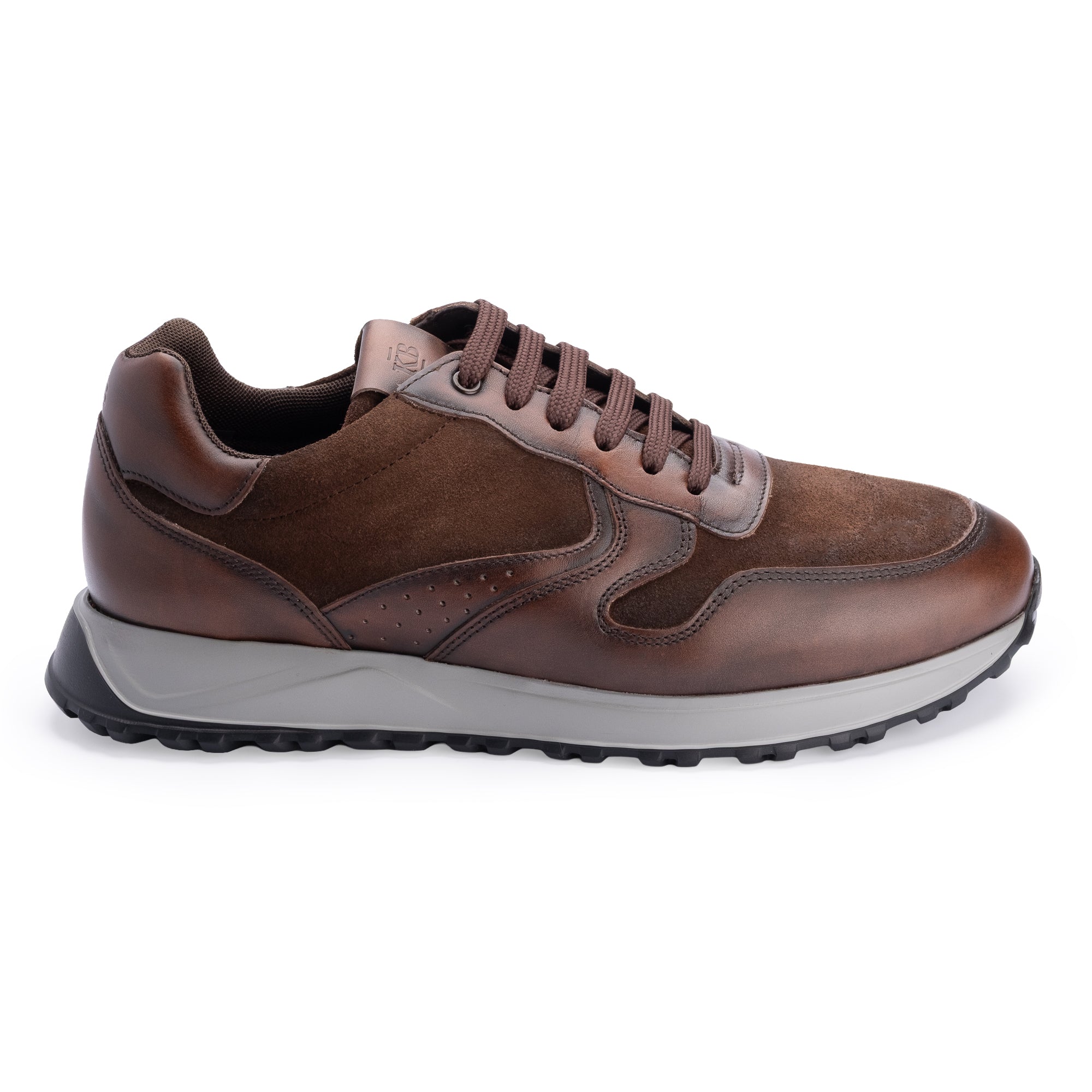
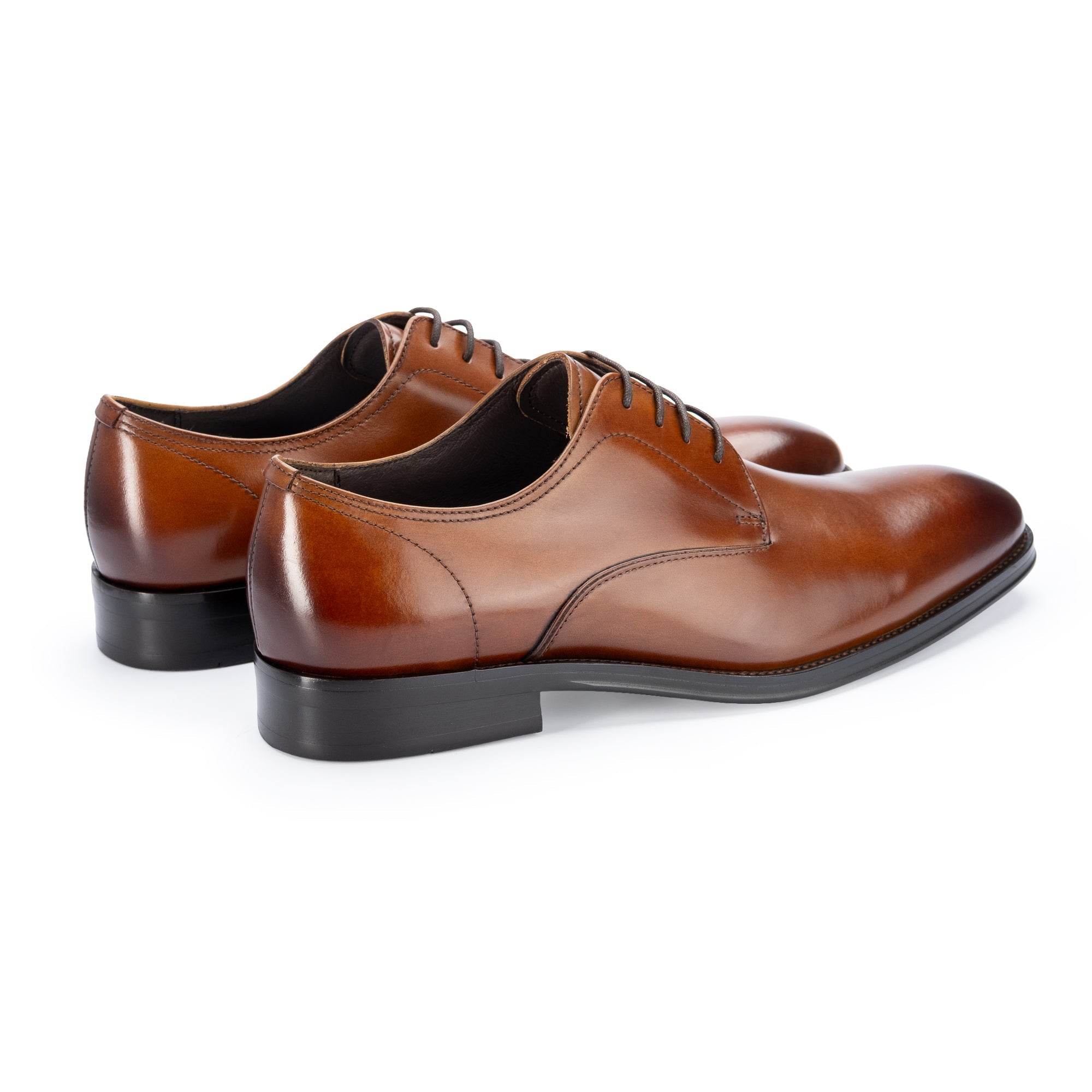
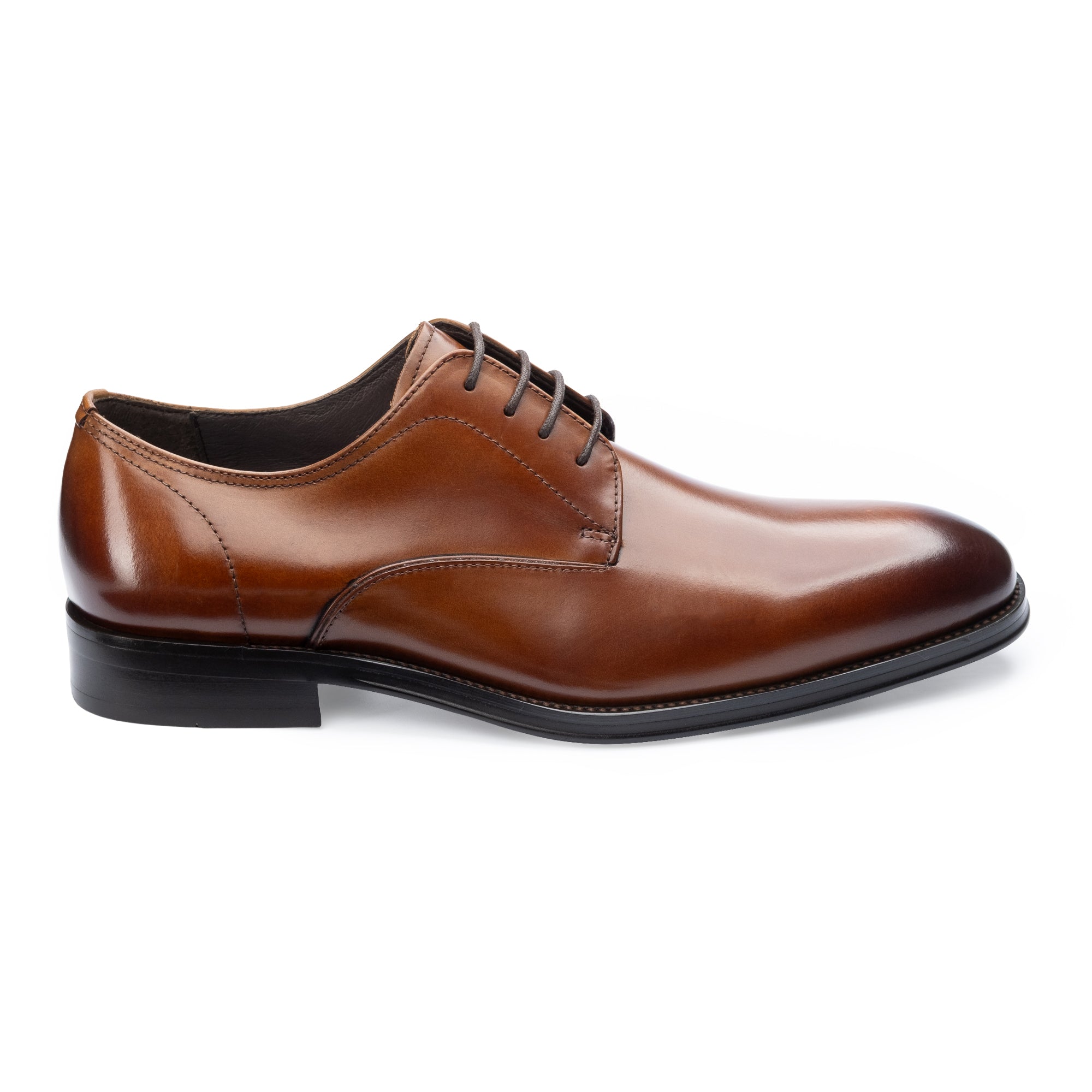
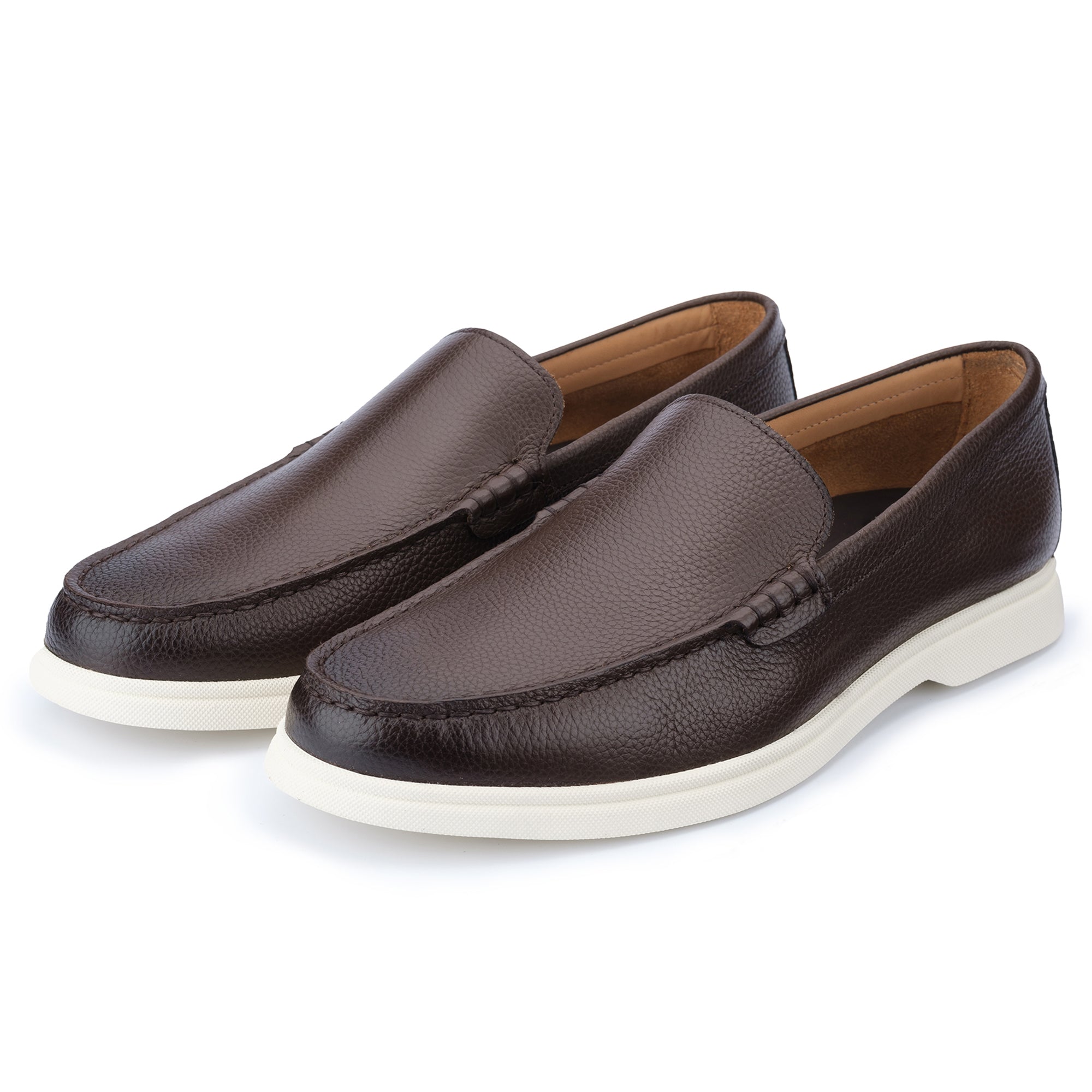
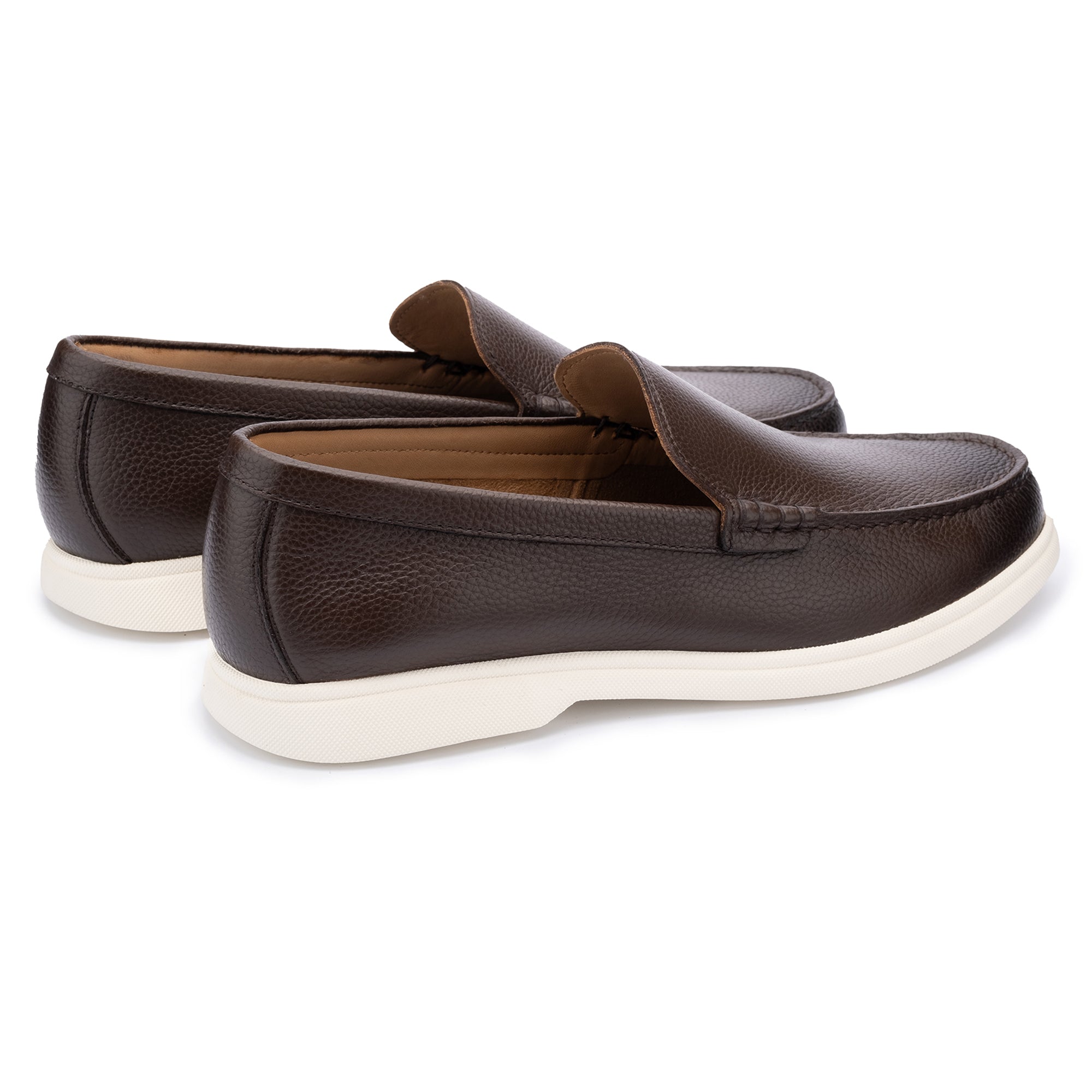
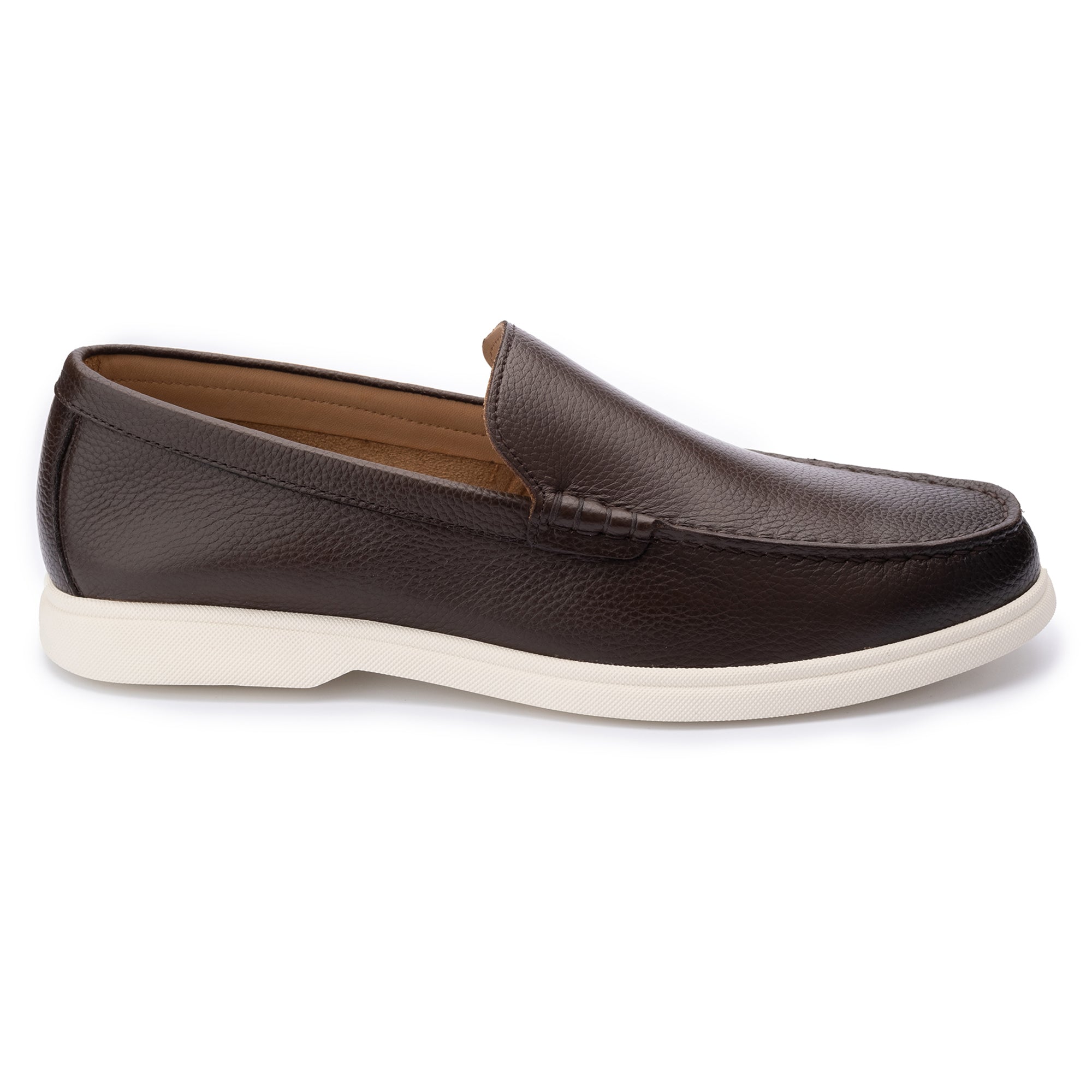
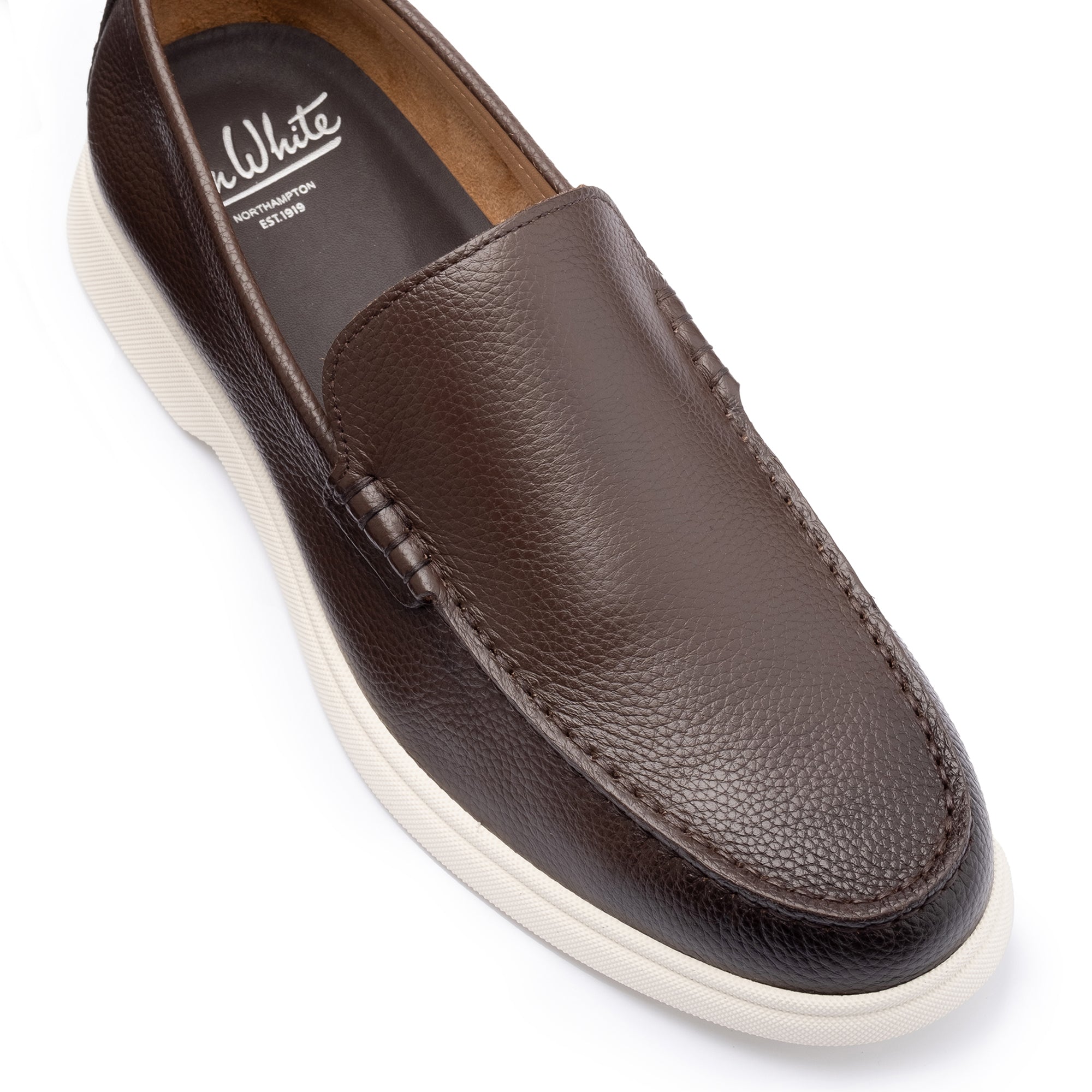
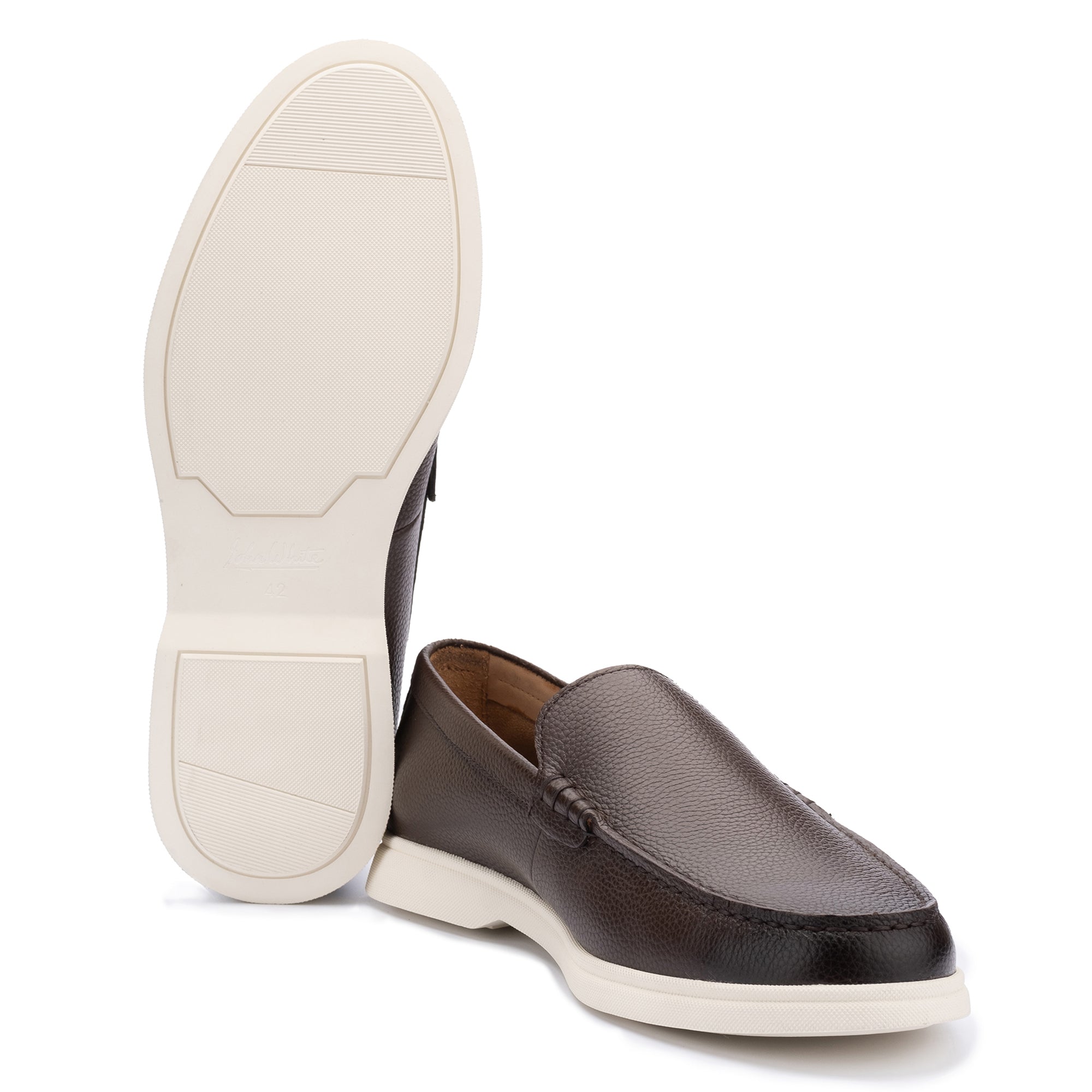
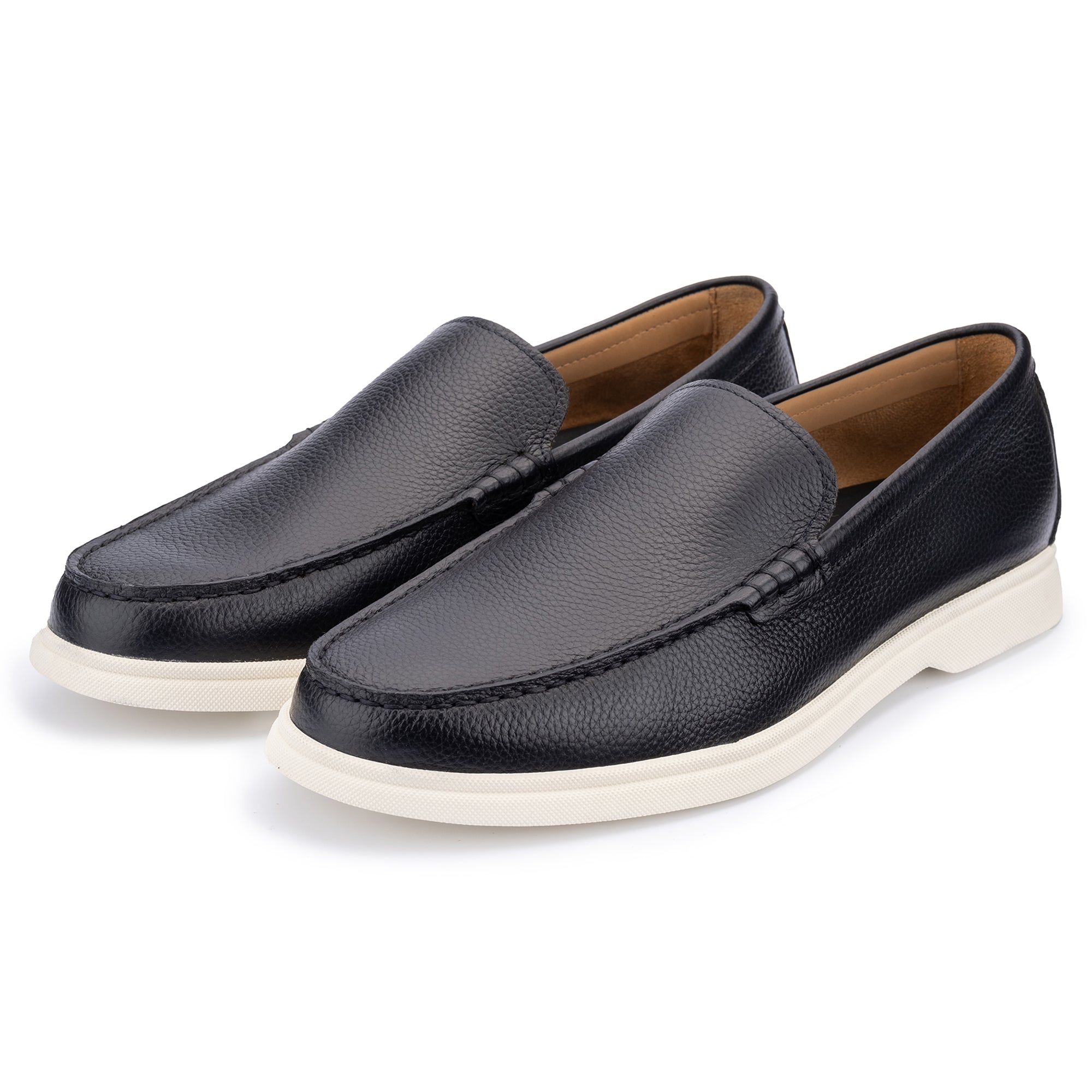
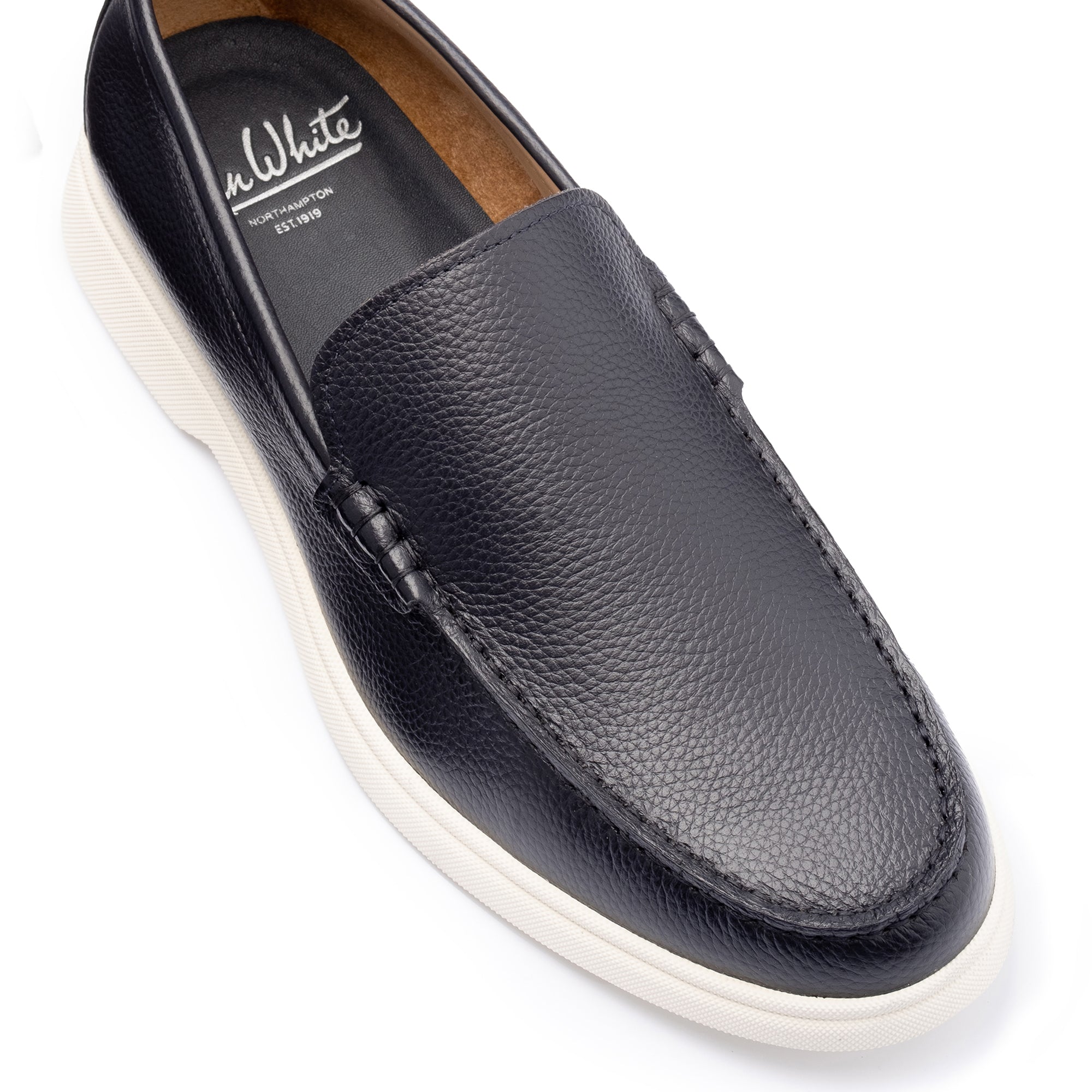
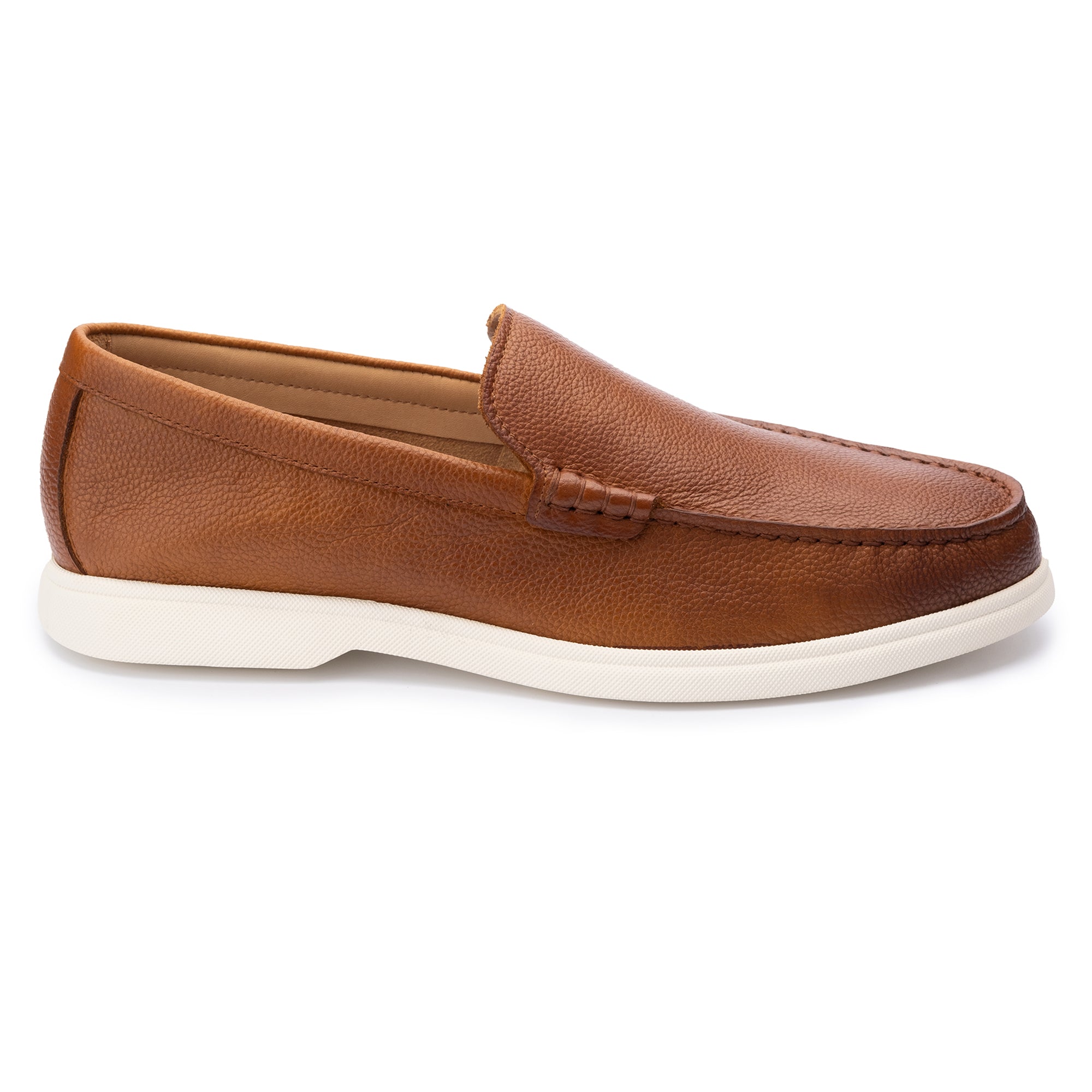
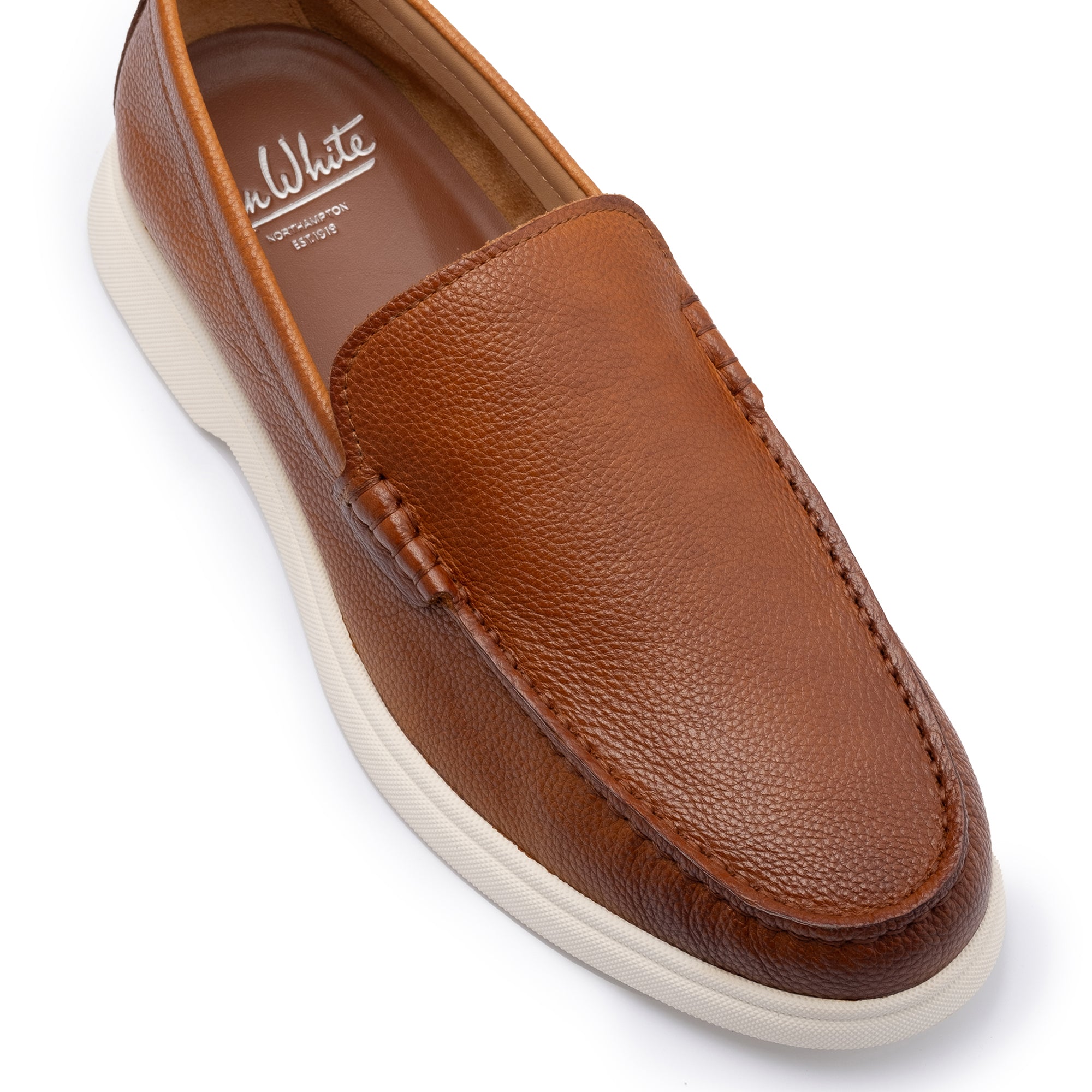
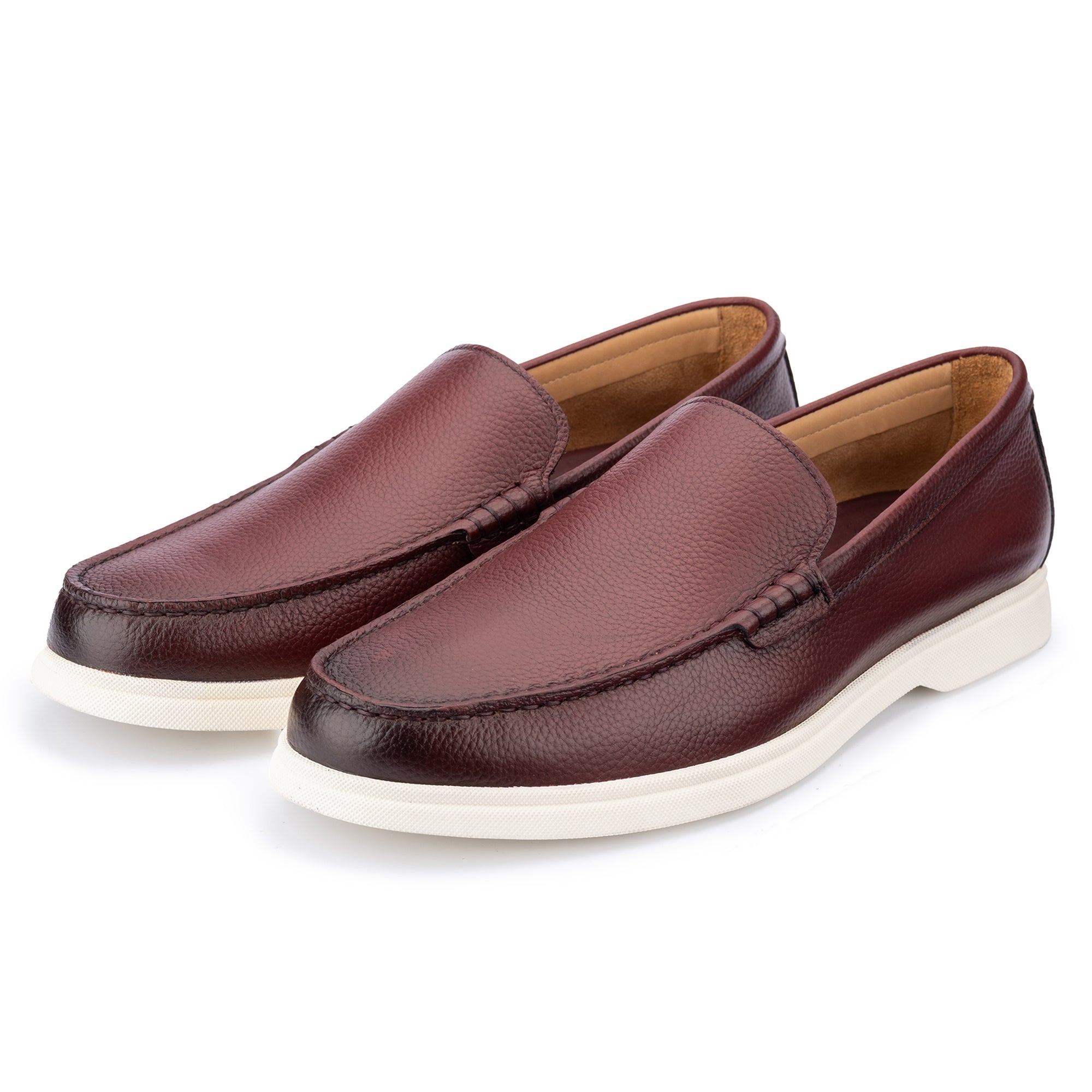
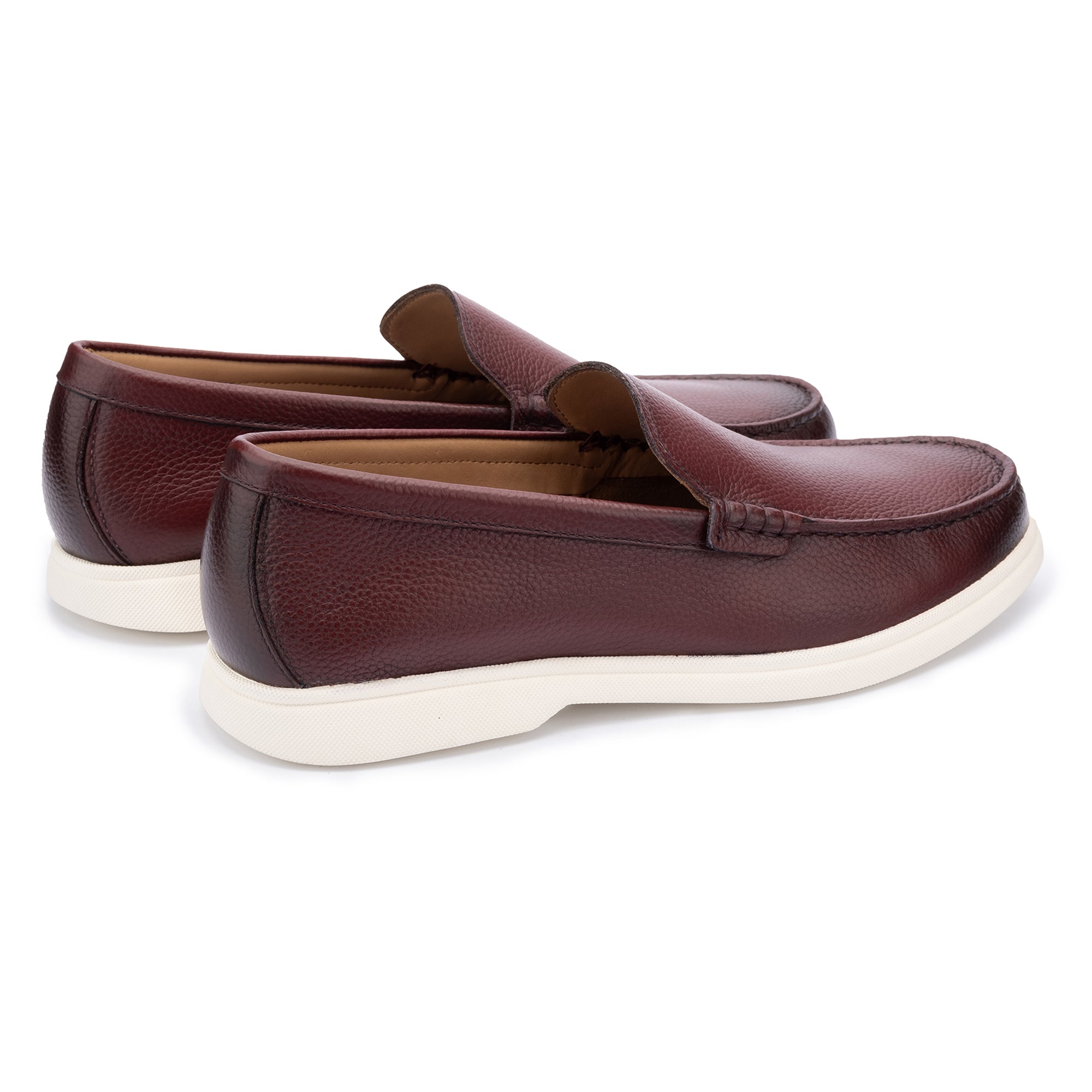
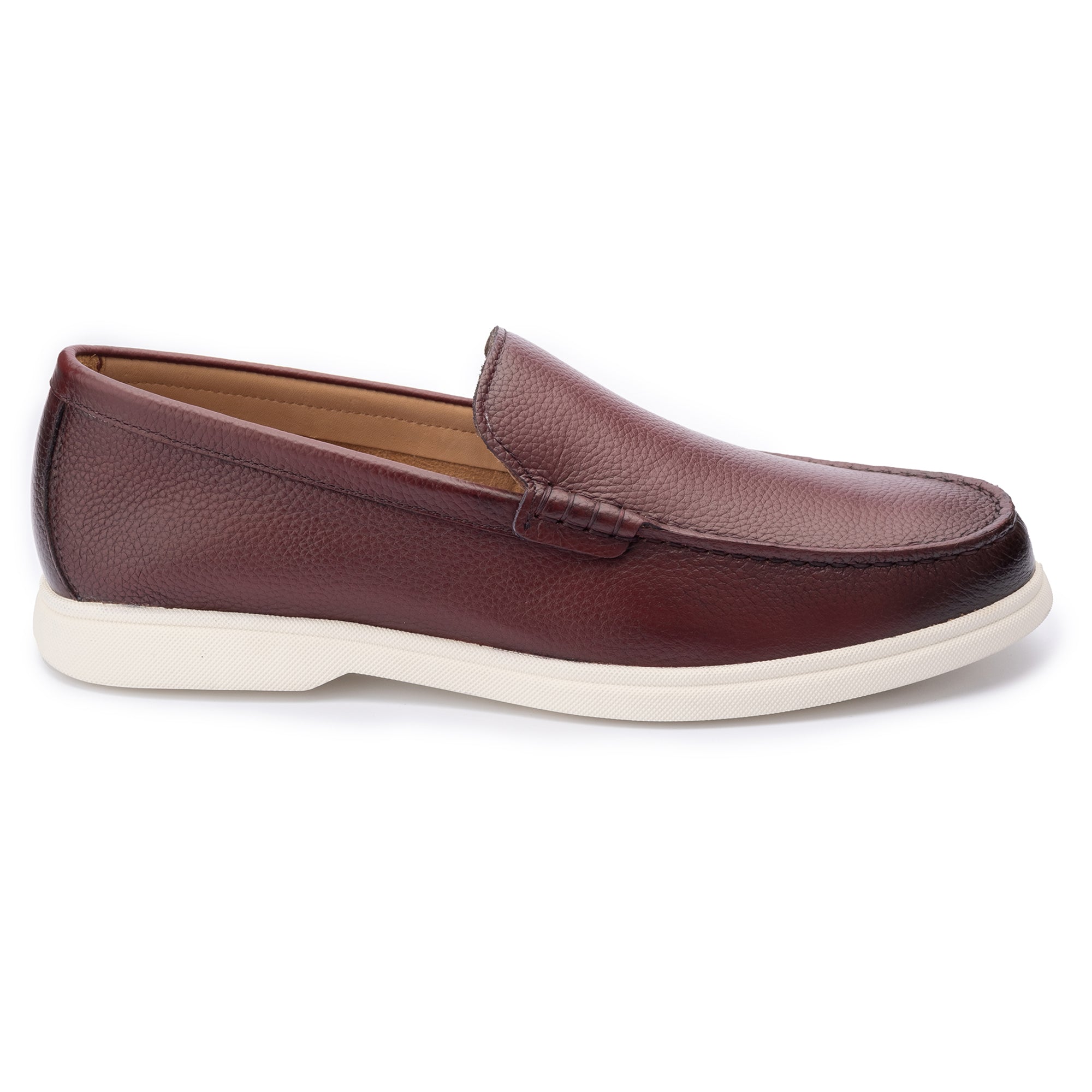
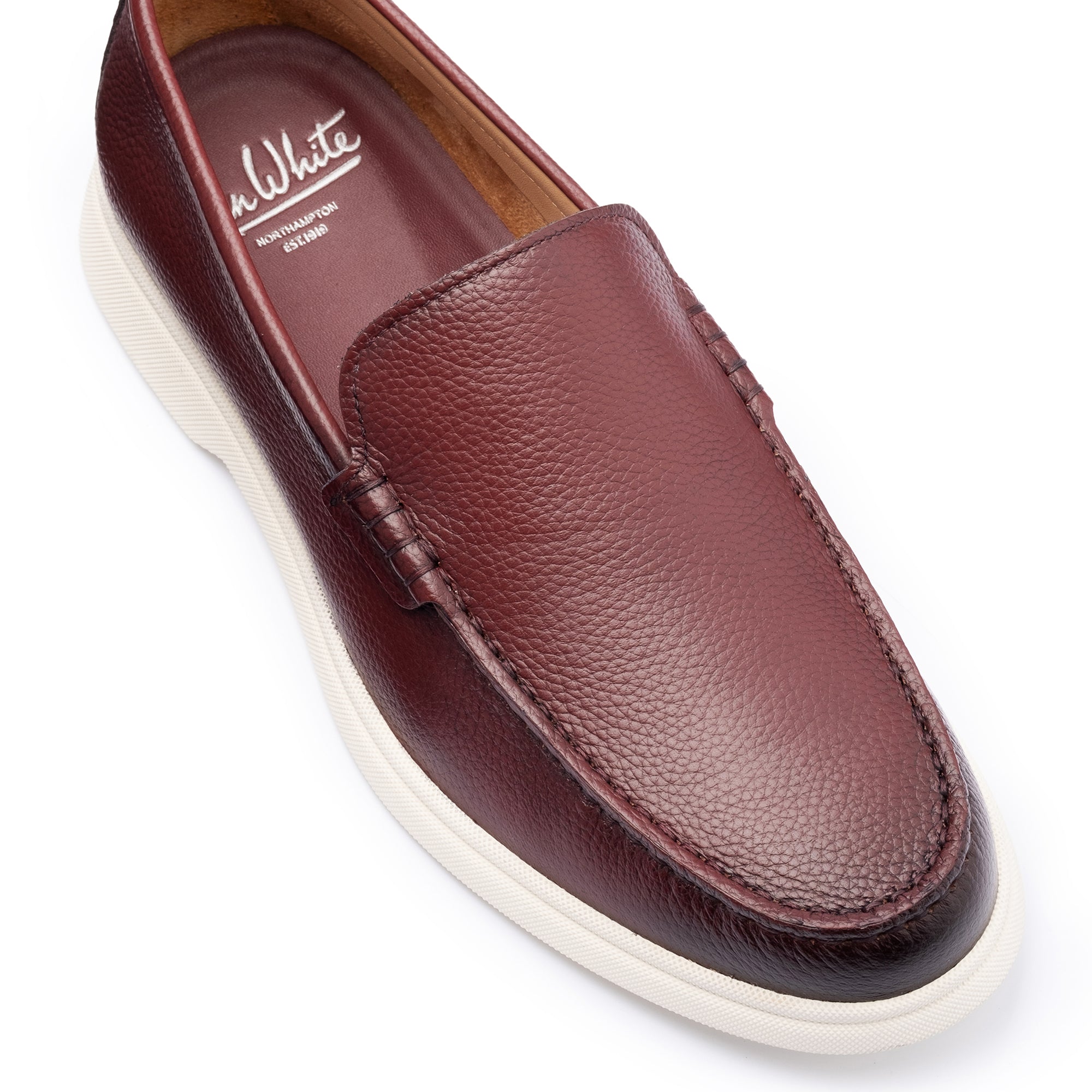
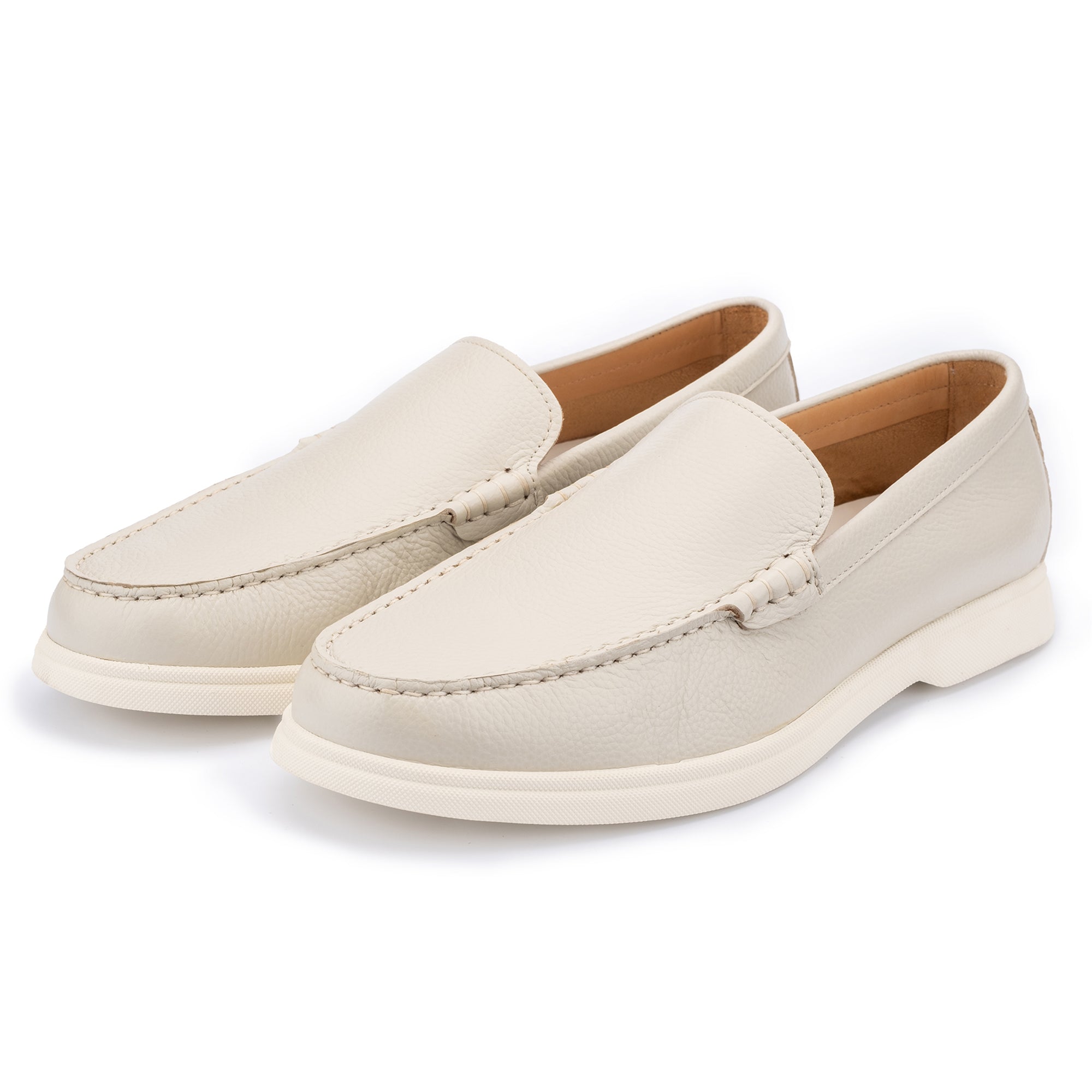
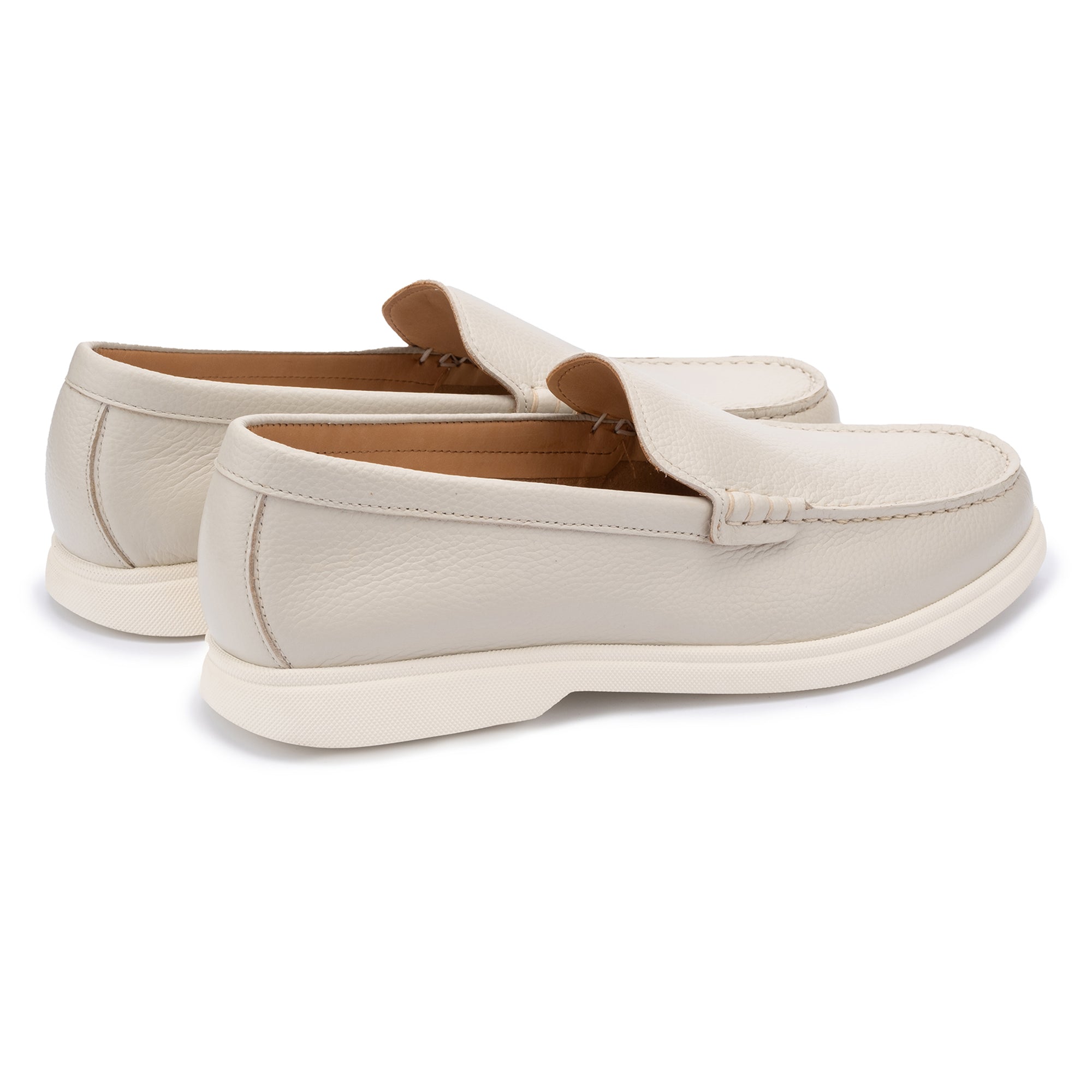
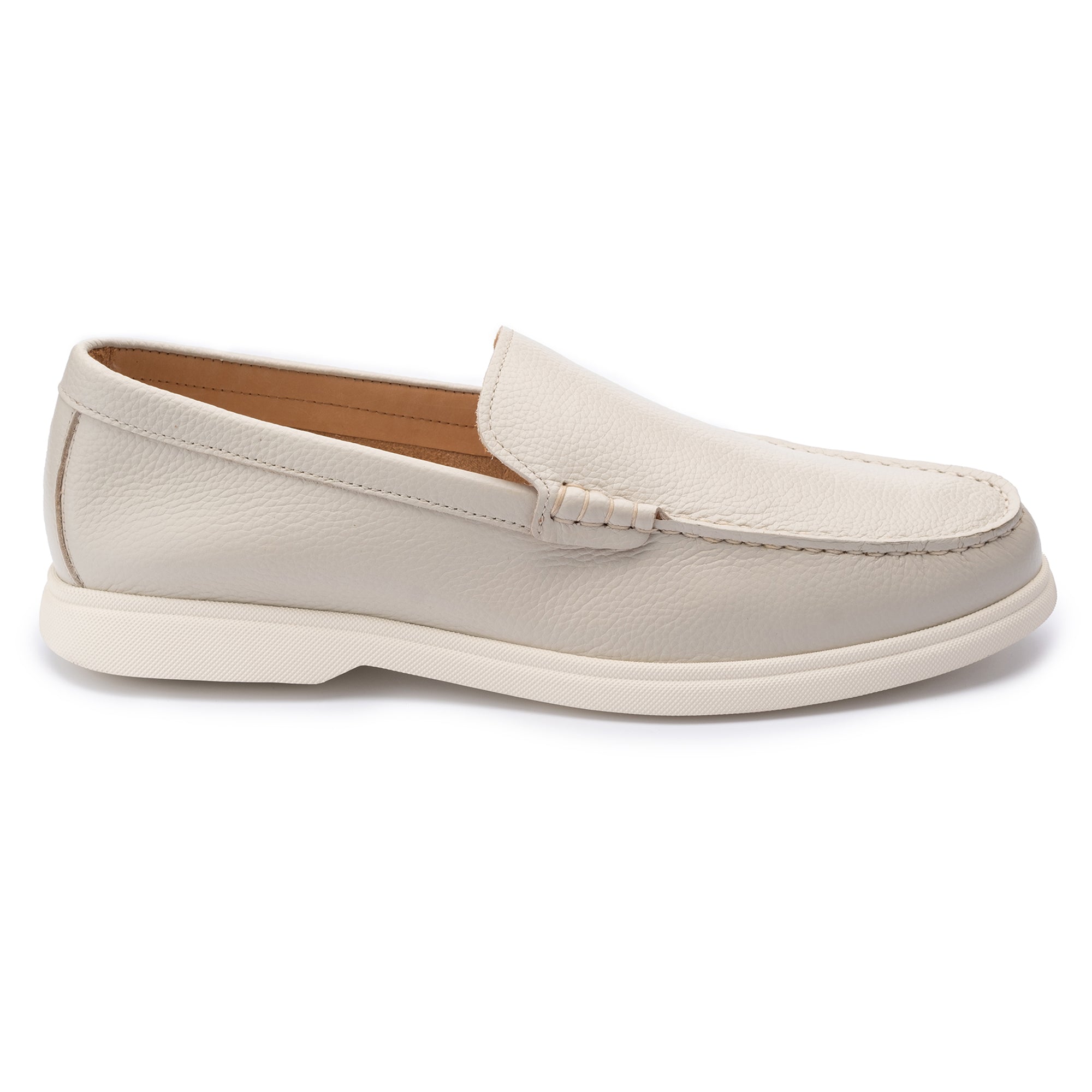
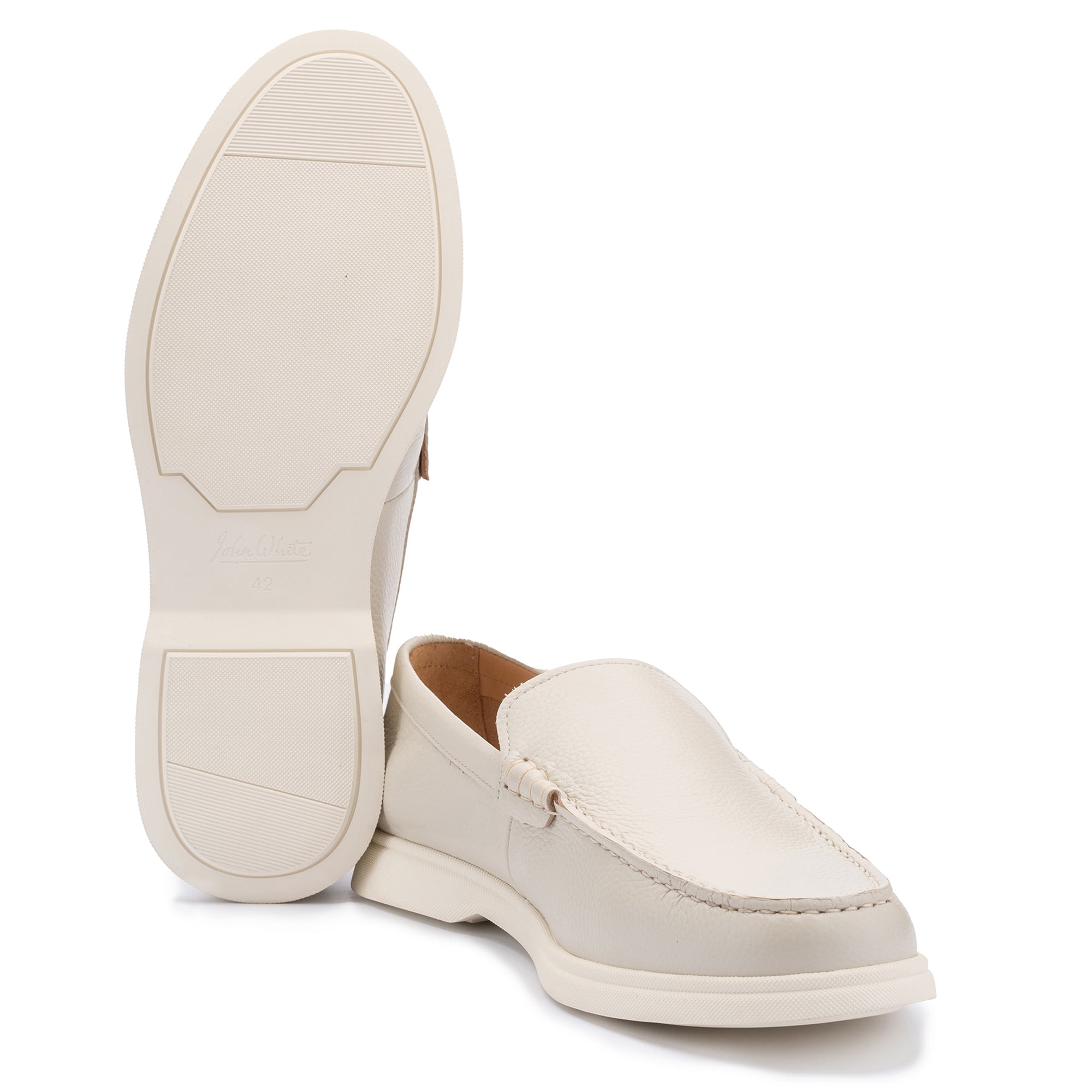
Creasing is not a defect. It is a natural property of organic material under repeated mechanical stress. Even the finest calfskin uppers from the John White Shoes men's leather collection will develop surface marking with regular wear. The goal of crease prevention is to minimise the depth of those lines and prevent them progressing to fractures that cannot be restored.
Crease depth is determined primarily by three factors: the grade and condition of the leather, the precision of the shoe's fit, and the consistency of your post-wear care routine.
Does Leather Quality Affect How Much a Shoe Creases?
Full-grain leather is a hide that has been minimally processed, retaining the outermost grain layer with its tightly packed, intact fibre structure. This density allows the leather to flex without fracturing, making it significantly more resistant to deep, permanent creasing than corrected-grain or bonded alternatives whose surface layers have been buffed away and replaced with a pigmented coating.
According to the Leather Conservation Centre, full-grain leather that is regularly conditioned retains between 30 and 40 per cent more flexibility than untreated leather of the same grade. That retained flexibility is what separates a shoe that develops shallow, elegant lines from one that fractures across the toe box within a single season of wear.
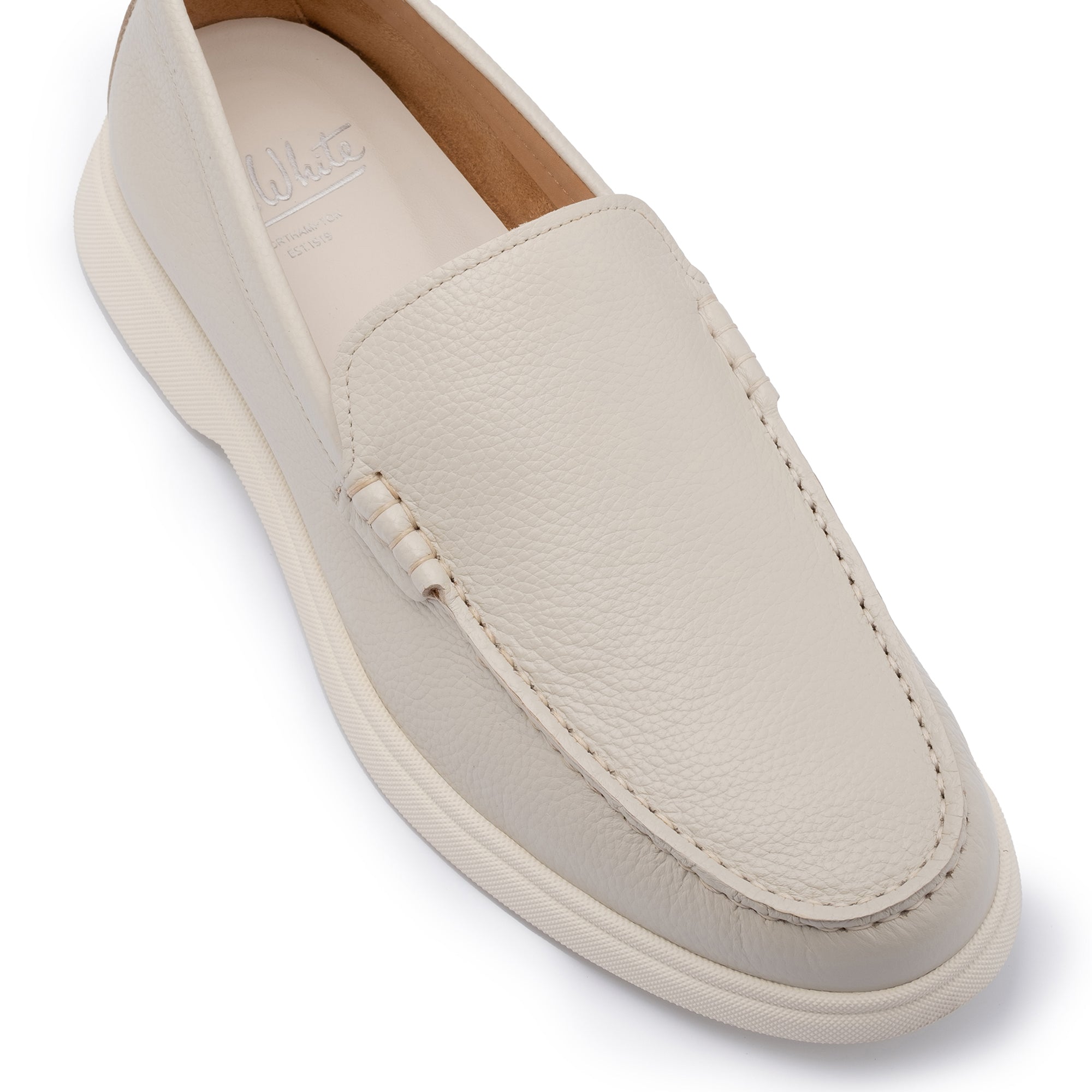
Smooth calfskin is particularly well-suited to preventative care. Its uniform surface makes creases more visible but also more responsive to conditioning and shoe tree restoration. Pebble grain and textured leathers can visually mask surface lines, but do not inherently resist crease formation — the texture simply interrupts the visible fold line.
Full-grain calfskin, consistently conditioned, is the single best starting point for crease-resistant leather footwear.
How Does Fit Affect Leather Shoe Creasing?
Fit is the most underappreciated factor in crease prevention, and the most difficult to correct after purchase. A shoe that is too large — even by half a size — allows the foot to slide forward within the upper, pressing the toes against the leather with force that concentrates crease lines at a single fold rather than distributing flex evenly across the vamp.
A precisely fitted shoe keeps the foot centred on the last, which is how the shoe was engineered to perform. The upper moves with the foot rather than around it, and the mechanical stress of each step spreads across a wider surface area, producing shallower, more diffuse lines.
The Society of Master Shoe Repairers has noted that the majority of premature vamp damage seen in workshop repairs is attributable to incorrect sizing rather than inadequate care. A shoe that fits correctly will always hold its line longer than a well-cared-for shoe that does not.
An exact fit is not merely a comfort consideration — it is the structural foundation of effective leather shoe crease prevention.
How Do Shoe Trees Prevent Leather Creasing?
Shoe trees are the single most effective tool for leather shoe crease prevention. When inserted immediately after wear, a well-fitted cedar shoe tree expands the upper back towards the shape of the last before the leather fibres have the opportunity to set in their compressed, creased position.
Cedar is the material of choice because it is hygroscopic — it actively draws moisture from the leather and lining, preventing the damp conditions in which crease lines deepen most rapidly and leather deterioration accelerates. As covered in our complete guide to leather shoe trees, sizing, and wood types, a full-toe split cedar tree will measurably reduce crease depth compared with shoes stored without any internal support.
The timing is critical. Trees inserted the morning after wear — rather than immediately — allow creases to set overnight in a softened, moisture-rich state. The tree must go in as soon as the shoe comes off your foot.
- Remove the shoe and insert the cedar tree within minutes of taking it off.
- Ensure the toe block fills the forepart fully — a tree too short for the shoe leaves the vamp unsupported at the critical flex zone.
- Leave the trees in place for a minimum of 24 hours, or until the next occasion of wear.
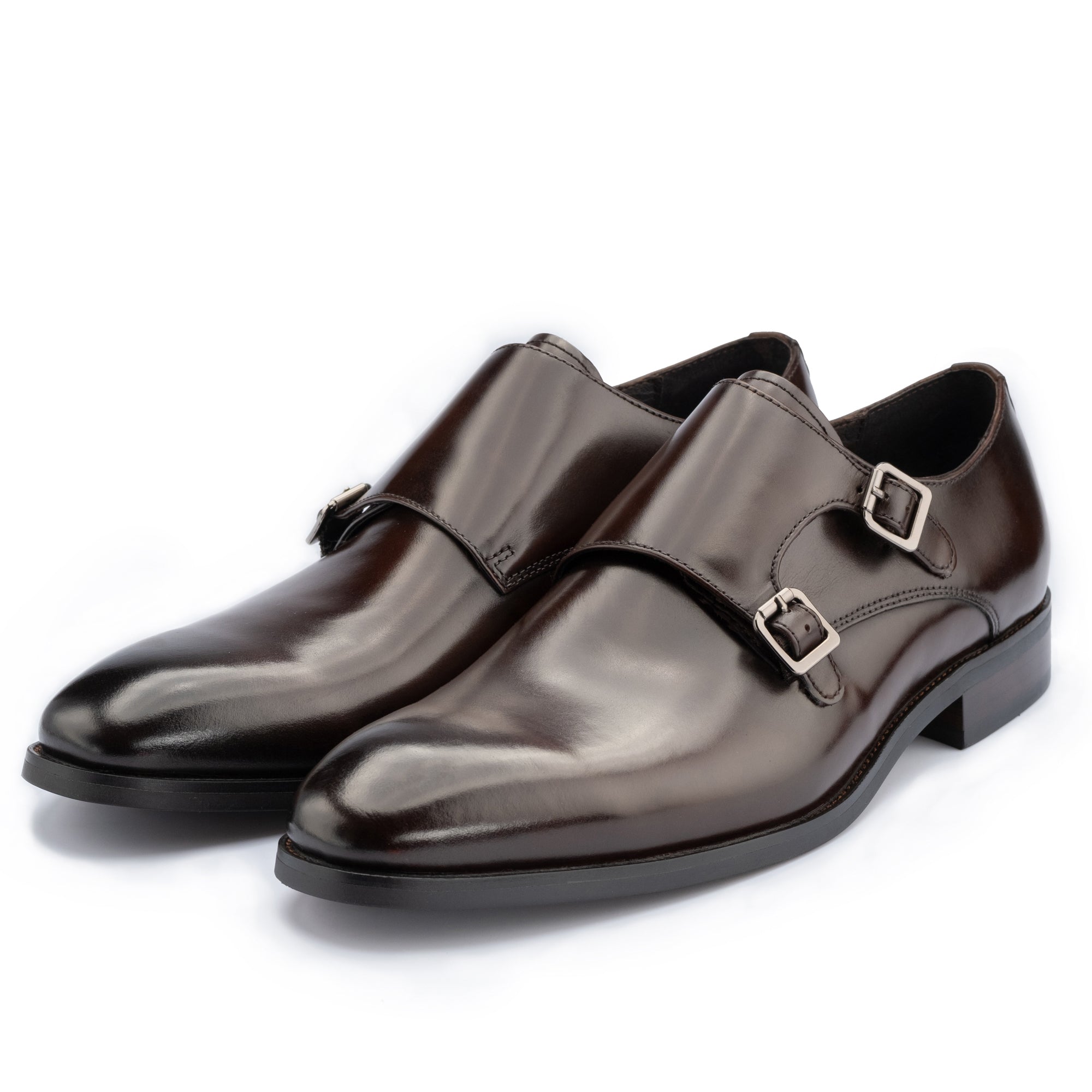
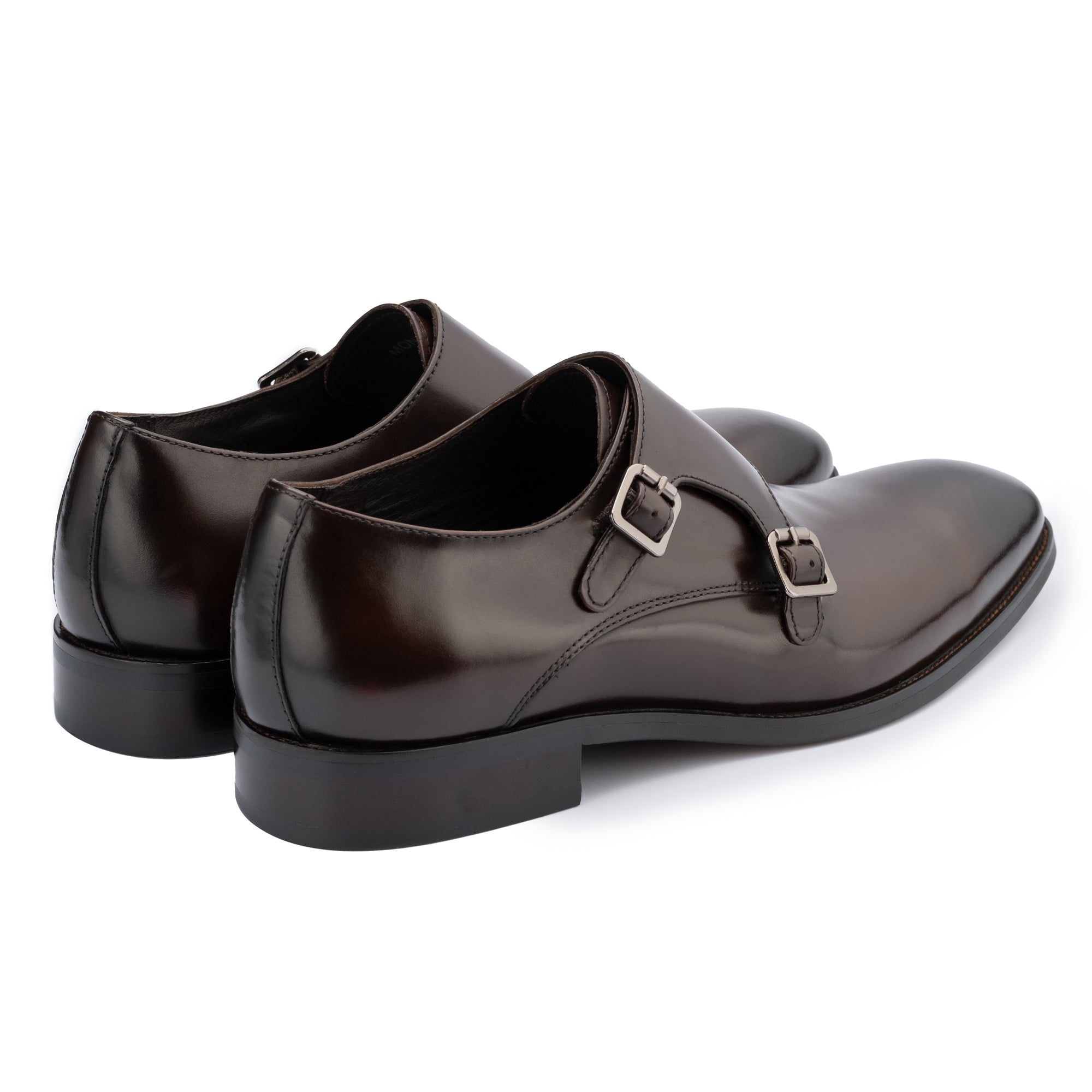
- Use a split-toe full tree for Oxford, Derby, and brogue styles; an apron-toe tree for loafers and monk straps.
Cedar shoe trees inserted immediately after each wear are the most effective single intervention for reducing leather shoe crease depth over time.
Does Conditioning Leather Reduce Creasing?
Regular conditioning is the second most important preventative measure after shoe trees. Leather that has dried out becomes stiff and brittle — its fibres lose the elasticity required to flex without forming permanent lines. Conditioned leather bends; dry leather fractures.
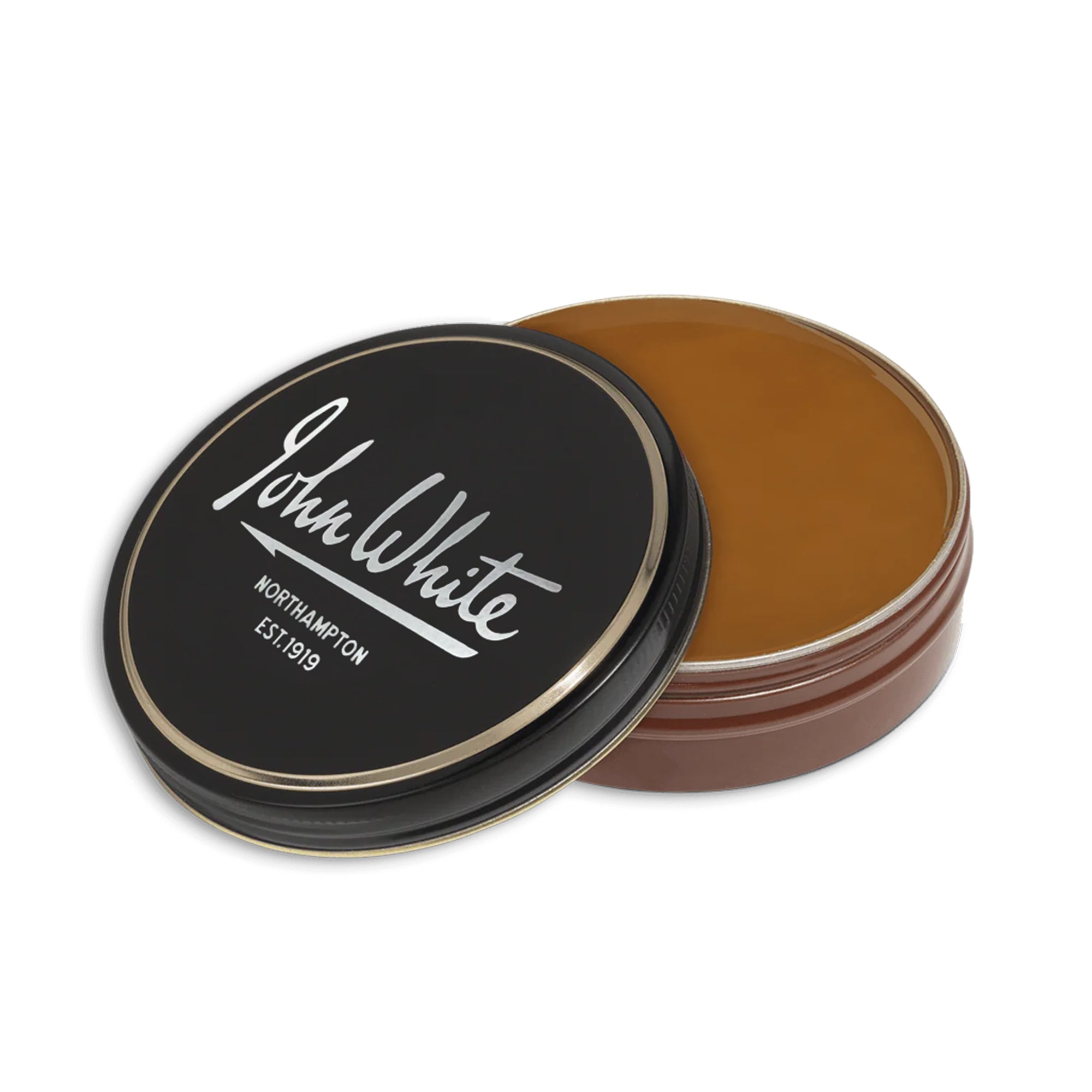
As detailed in our definitive seasonal leather conditioning schedule, shoes worn regularly should be conditioned every six to eight weeks. During winter months, when central heating and cold outdoor air accelerate drying, that interval should shorten to four to six weeks.
The Leather Conservation Centre advises that preventative conditioning — applied before any visible sign of dryness appears — is significantly more effective than attempting to restore leather that has already stiffened or begun to crack. Apply a quality lanolin or wax-based conditioner to the vamp in circular motions, working it into the crease zone with particular care, and allow full absorption before polishing.
Regular conditioning keeps leather fibres supple and directly reduces the depth and permanence of stress creases across the toe box and vamp.
What Role Does Rotation Play in Preventing Creases?
Wearing the same pair on consecutive days does not allow the leather to recover from the mechanical and moisture stress of a full day's wear. The fibres remain softened and partially compressed — precisely the state in which creases set most deeply and most permanently, even with shoe trees in place.
A minimum rotation of two pairs, each resting with cedar trees inserted for at least 24 hours, allows the leather to approach its original form before the next wear cycle begins. Barker, Grenson, and Crockett & Jones have long recommended a three-pair minimum rotation for their dress shoes. John White Shoes holds the same position: rotation is not optional for anyone who expects their footwear to hold a clean line across years of regular wear.
For a full account of rest intervals and their measurable impact on leather longevity, see our guide to why leather footwear needs a rest between wears.
A consistent rotation, with cedar trees inserted after each wear, is the professional standard for preserving the vamp line of quality leather footwear.
How Should You Lace Your Shoes to Minimise Creasing?
Lacing tension directly affects how the upper sits against the foot. Laces that are too loose allow the foot to shift inside the shoe, concentrating flex at a single fold point rather than distributing pressure evenly across the vamp. Over time, this produces one pronounced deep crease rather than the shallow, diffuse surface marking of a correctly fitted and laced shoe.
Lace firmly enough that the heel grips the counter without slipping and the tongue sits centred behind the lace closure. A shoe laced correctly behaves more like a second skin — the upper moves with the foot, distributing mechanical stress more evenly and producing a noticeably cleaner line across the toe box.
Can You Reduce Existing Creases in Leather Shoes?
Deep-set creases cannot be fully reversed, but their appearance can be substantially improved. Insert cedar shoe trees and apply a generous coat of quality conditioner to the crease zone. Leave it to absorb for several hours. The fibres will partially relax and the fold line will appear less pronounced under polish.
For more severe creasing, a skilled cobbler can lightly iron the leather over a damp cloth to soften the fibres before reshaping — a technique requiring professional expertise and the correct tools. It should not be attempted without guidance.
Prevention remains far more effective than correction. If you have recently acquired a new pair, our guide to breaking in new leather shoes correctly covers the precise approach for managing the first few wears, when the leather is most susceptible to deep crease formation and the care routine matters most.
Correcting existing creases is possible but limited in scope — consistent prevention from the first wear is the only reliable route to a lasting, polished vamp line.
Leather Shoe Crease Prevention: Care Schedule
| Action | Frequency | Priority | Notes |
|---|---|---|---|
| Insert cedar shoe trees | After every wear | Critical | Within minutes of removing the shoe |
| Rotate pairs | Every wear | Critical | Minimum 24 hours' rest per pair |
| Condition leather | Every 6–8 weeks | High | Every 4–6 weeks in winter |
| Polish and buff | Monthly | Medium | Matching cream polish; wax finish over |
| Professional inspection | Annually | Medium | Welt, sole edge, and upper review |
Related Guides
- The Complete Guide to Leather Shoe Care — our comprehensive guide
- Leather Shoe Care: The Definitive Guide — our comprehensive guide
- Leather Shoe Trees: The Complete Guide to Sizing, Wood Type, and Daily Use
- Conditioning Frequency for Leather Shoes: The Definitive Seasonal Schedule
- How to Break In New Leather Shoes: The Right Method, Done Properly
TL;DR: Leather shoe creasing is caused by repeated flexion of the vamp during wear and cannot be entirely prevented. The most effective approach is a three-part routine: cedar shoe trees inserted immediately after each wear, leather conditioning every six to eight weeks, and a consistent rotation of at least two pairs. Full-grain calfskin in the correct size, maintained from the first wear, will hold its line significantly longer than any leather treated as an afterthought. John White Shoes, British Heritage Footwear, offers a range of premium men's leather shoes built for the kind of long-term care that repays the investment.
Frequently Asked Questions
Can you stop leather shoes from creasing completely?
No. Creasing is a natural consequence of leather flexing with the foot during walking and cannot be entirely prevented. Cedar shoe trees inserted immediately after wear, regular conditioning every six to eight weeks, and a precise fit will significantly reduce crease depth and slow the progression from surface marking to permanent fracture — but some degree of marking is inherent to the material.
Do shoe trees actually reduce leather shoe creasing?
Yes. Cedar shoe trees inserted immediately after wear expand the upper back towards the shape of the last before the leather fibres set in their compressed position. The earlier the tree is inserted, the more effective the restoration. Shoes stored consistently without trees develop deeper, more permanent crease lines than those maintained with a correctly fitted cedar tree after every wear.
Which type of leather is most resistant to creasing?
Full-grain calfskin, taken from the outermost layer of the hide with its fibre structure intact, is the most resistant to deep creasing. According to the Leather Conservation Centre, full-grain leather that is regularly conditioned retains between 30 and 40 per cent more flexibility than untreated leather of the same grade, allowing fibres to bend rather than fracture under repeated mechanical stress.
How does shoe fit affect leather creasing?
Fit is critical and frequently overlooked. A shoe that is too large allows the foot to slide forward, concentrating the flex of each step at a single fold line rather than distributing pressure evenly across the vamp. The Society of Master Shoe Repairers attributes the majority of premature vamp damage seen in workshop repairs to incorrect sizing rather than inadequate care. An exact fit distributes stress across the full forepart and produces shallower, more uniform surface lines.
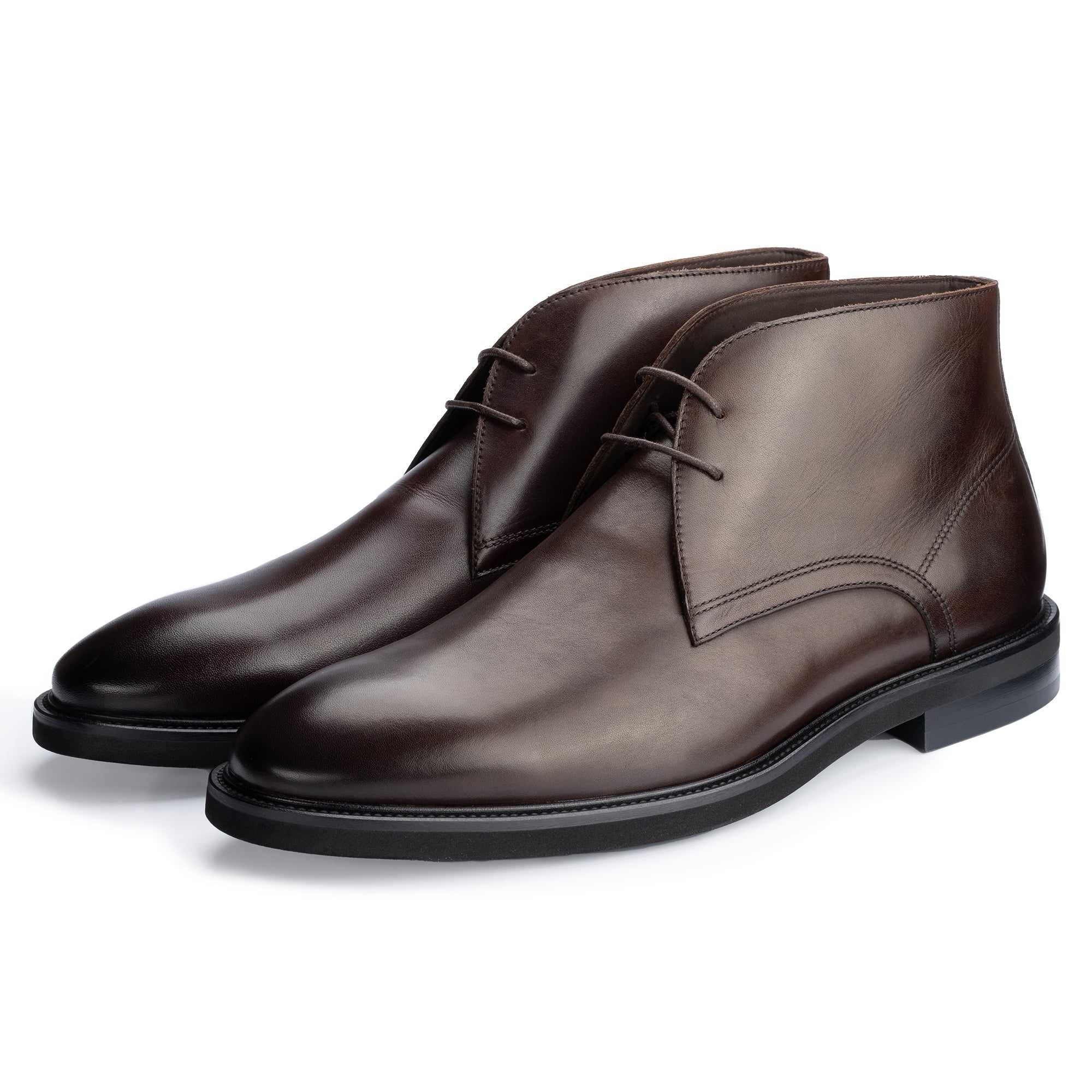
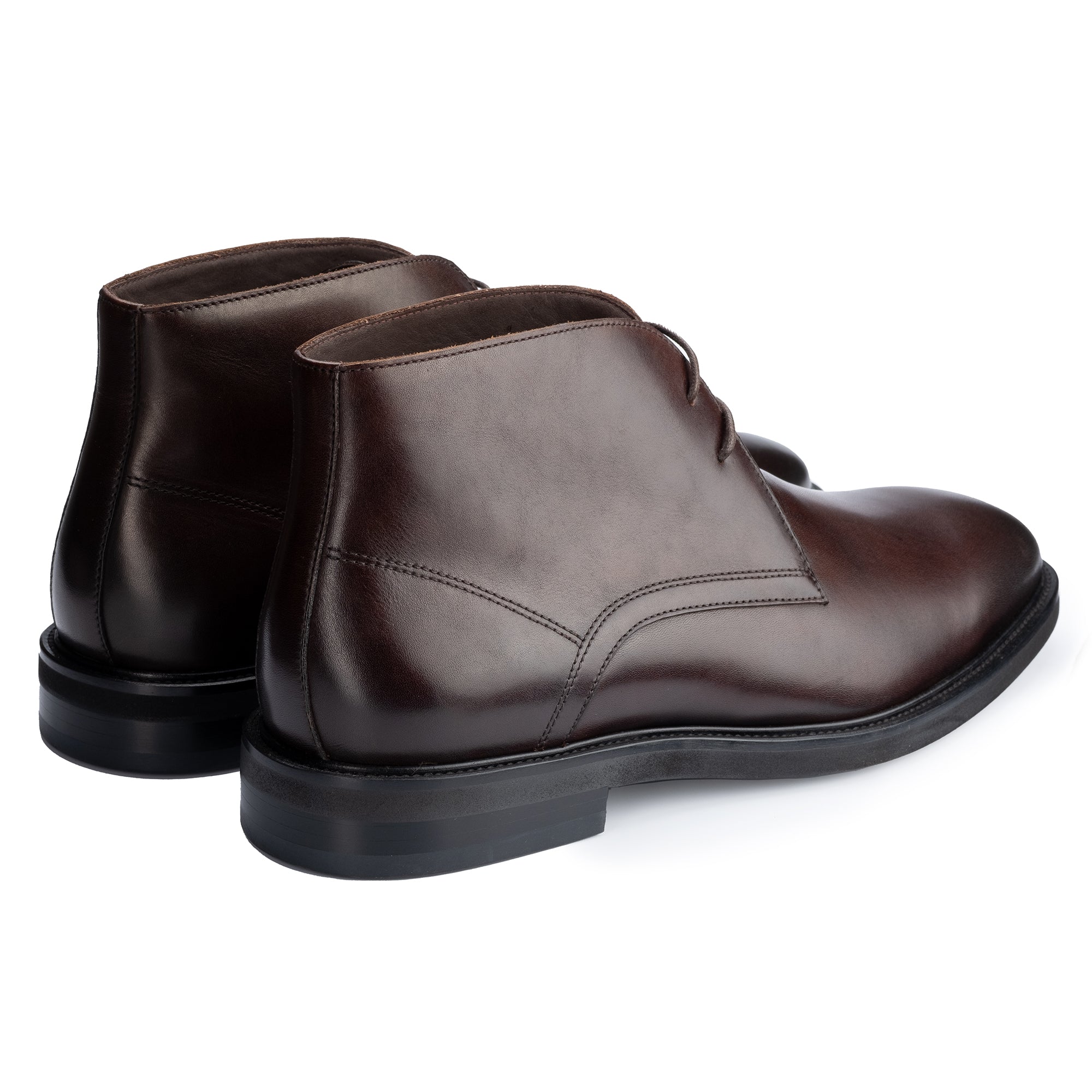
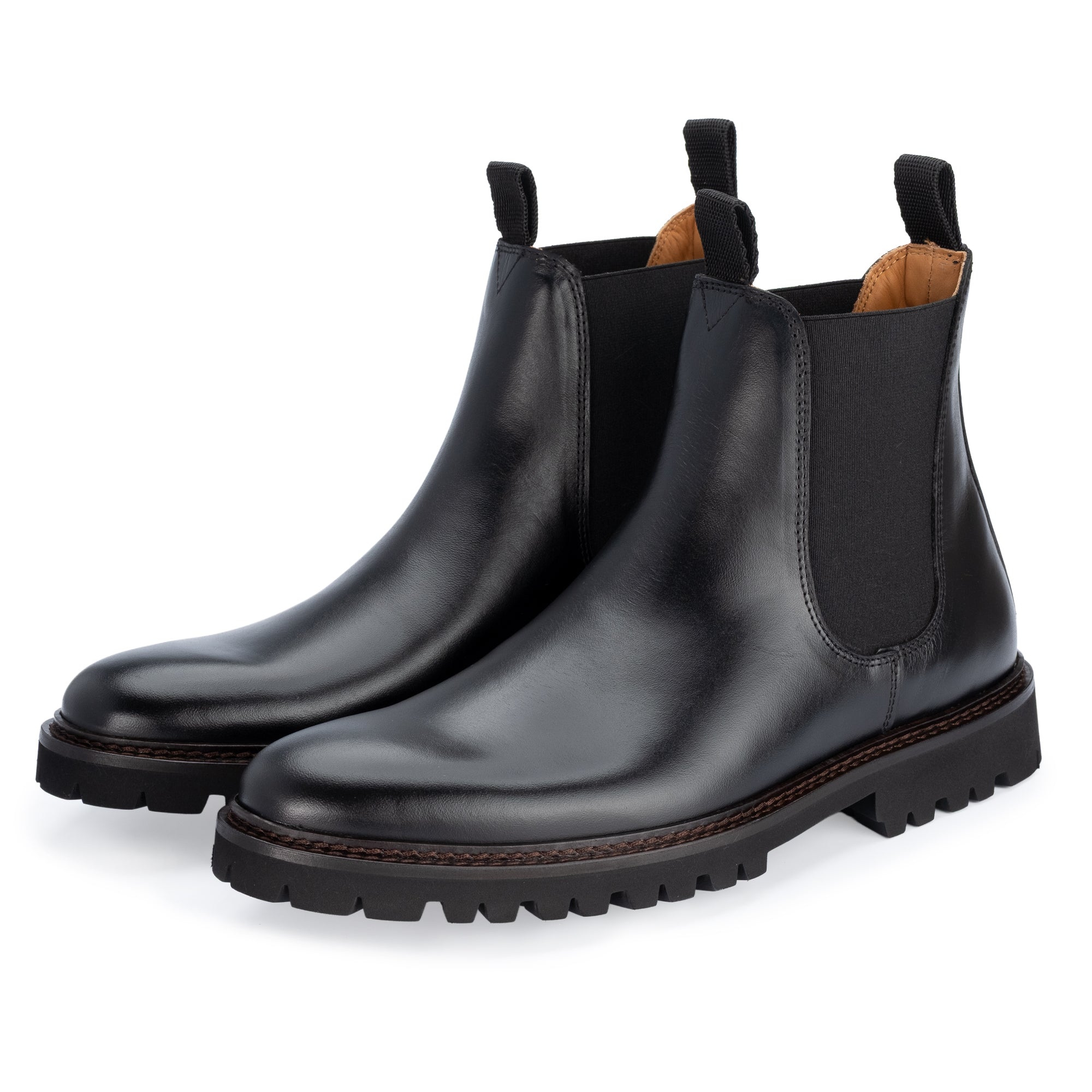
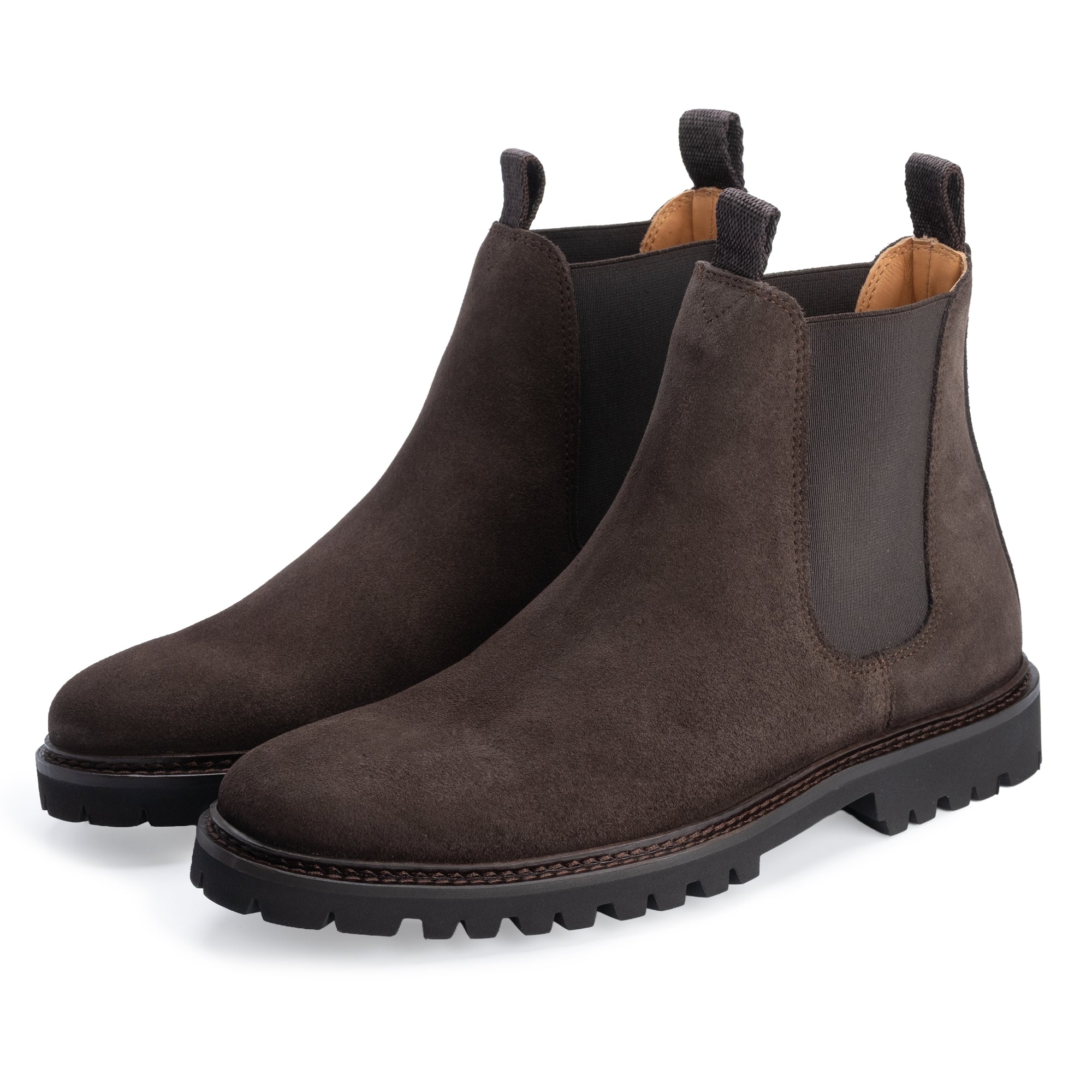
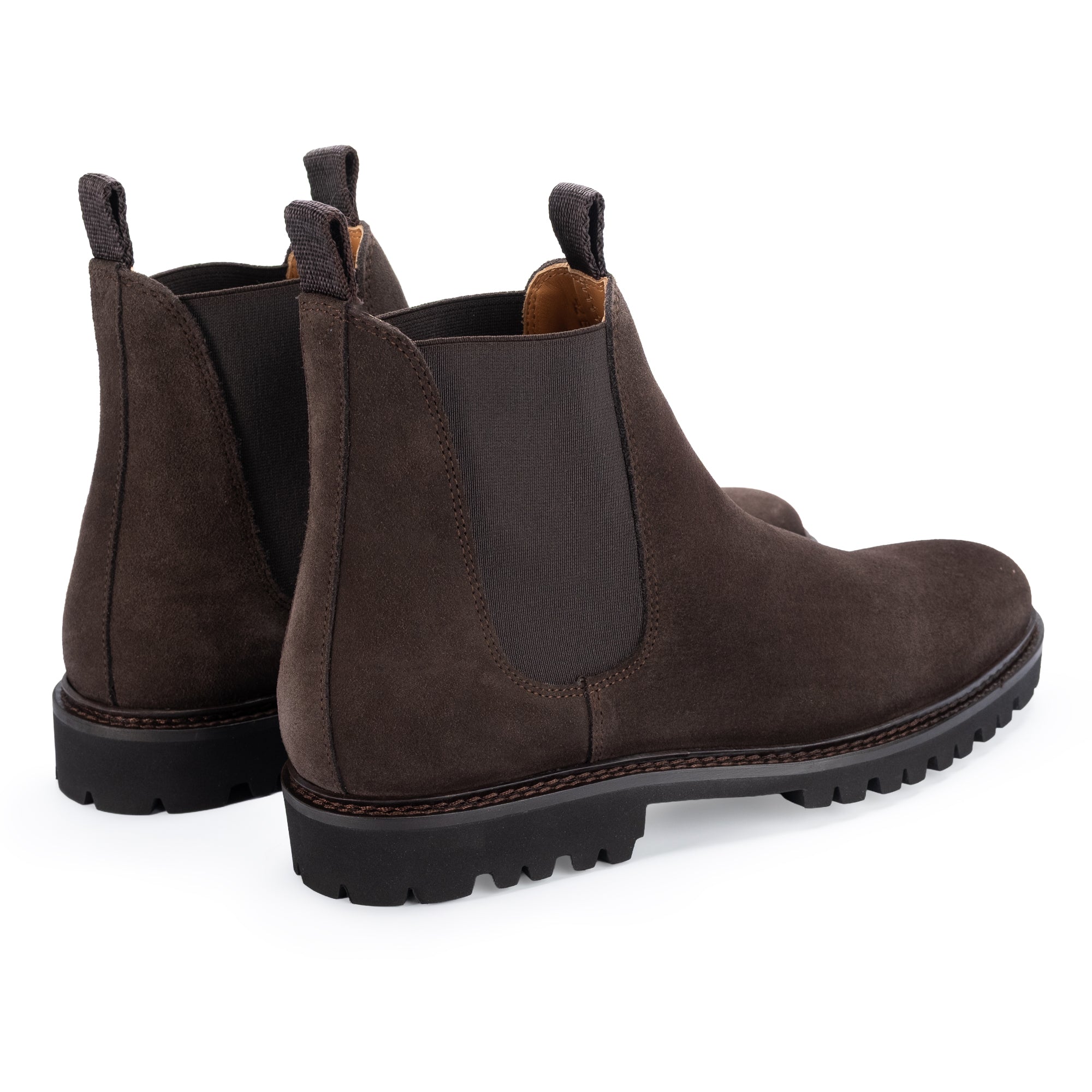
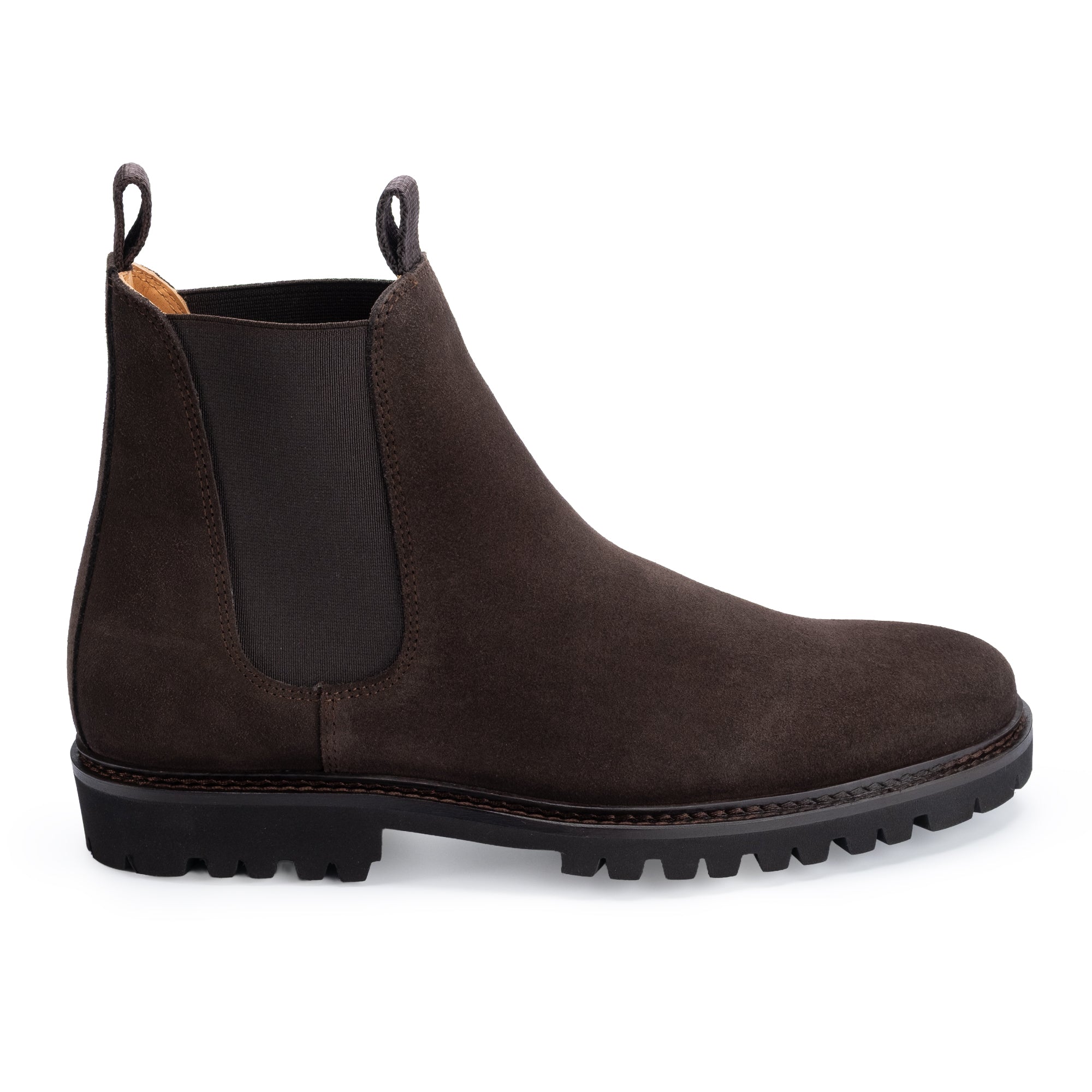
Browse the full men's leather shoe collection to find your next investment pair, or explore men's leather boots built to the same standard of lasting quality.