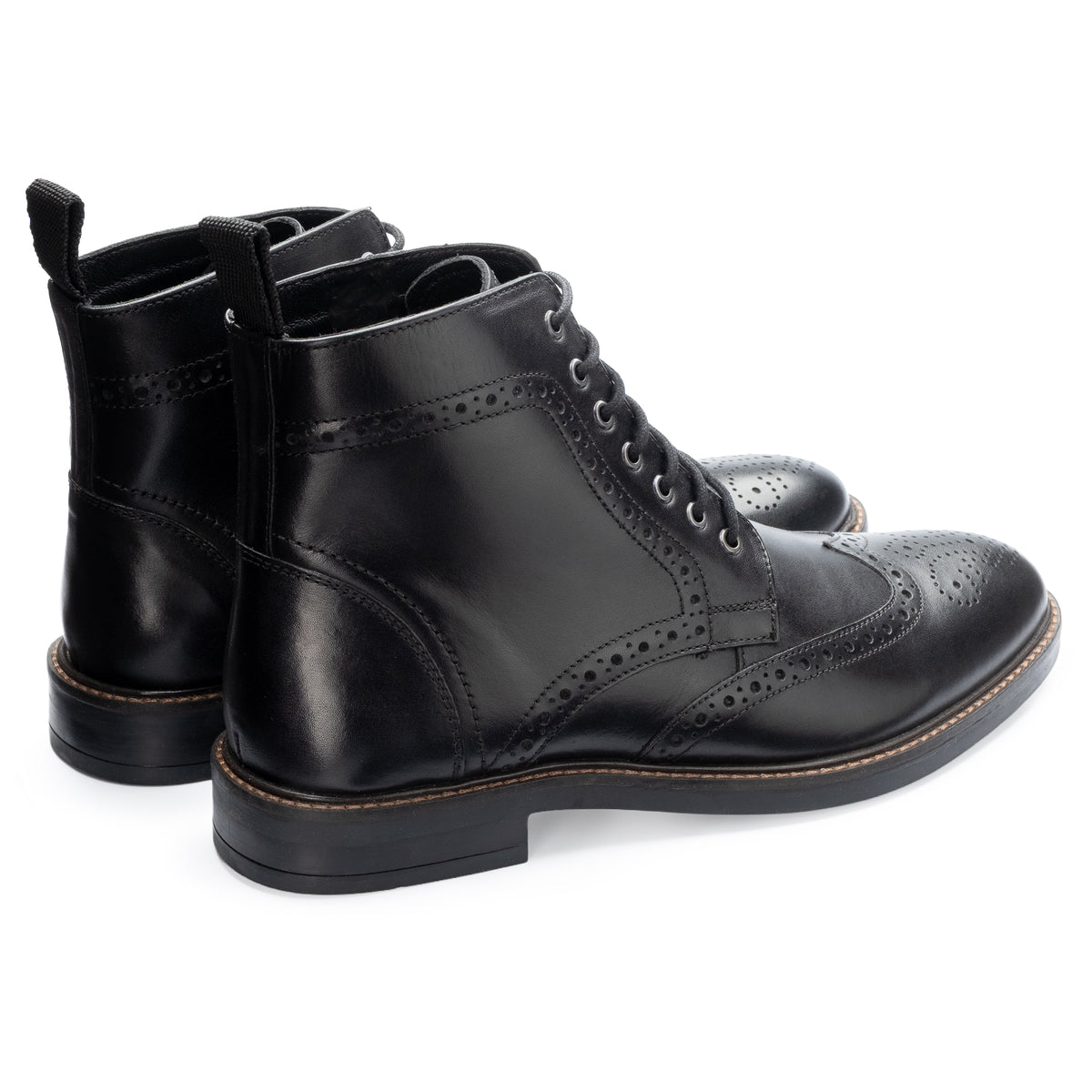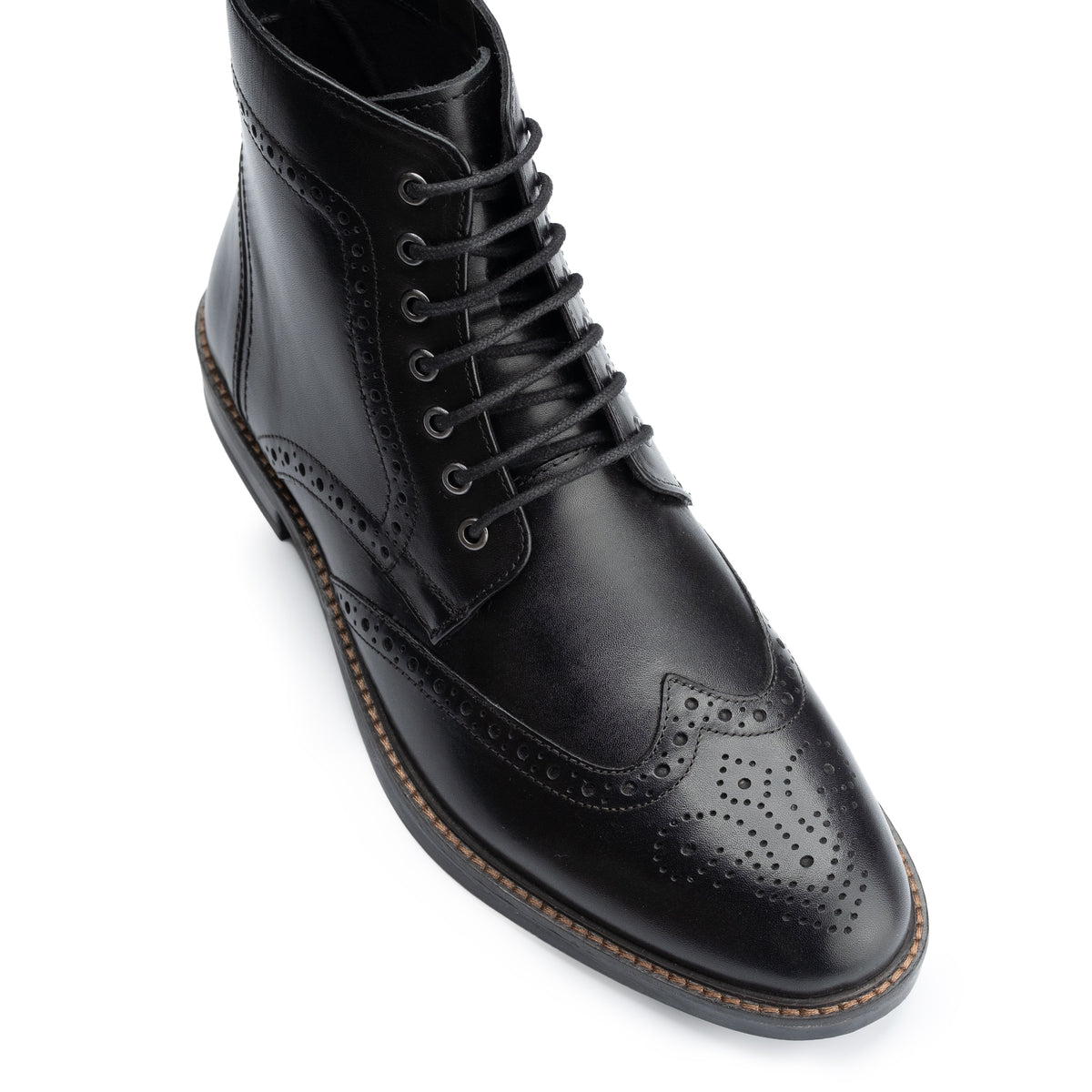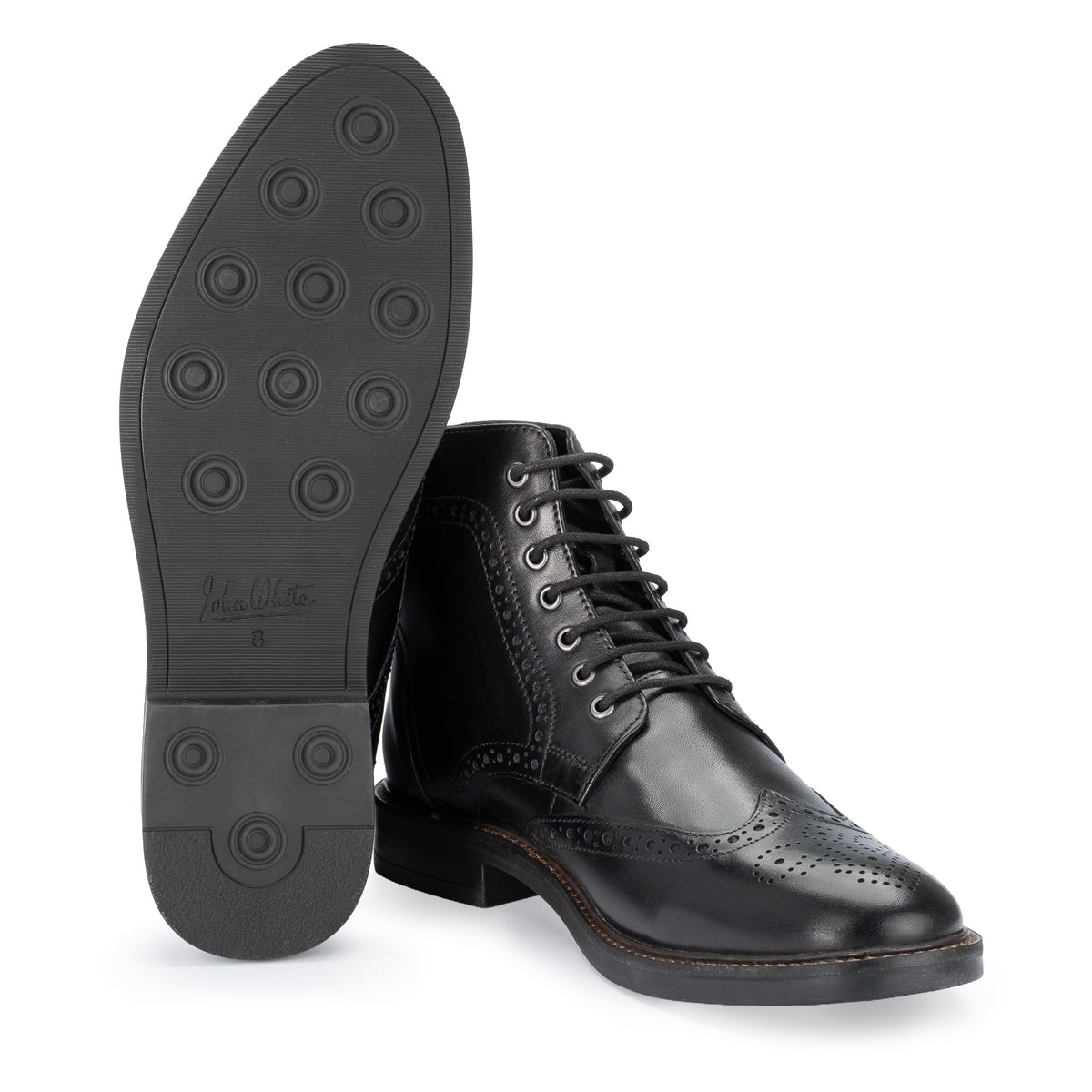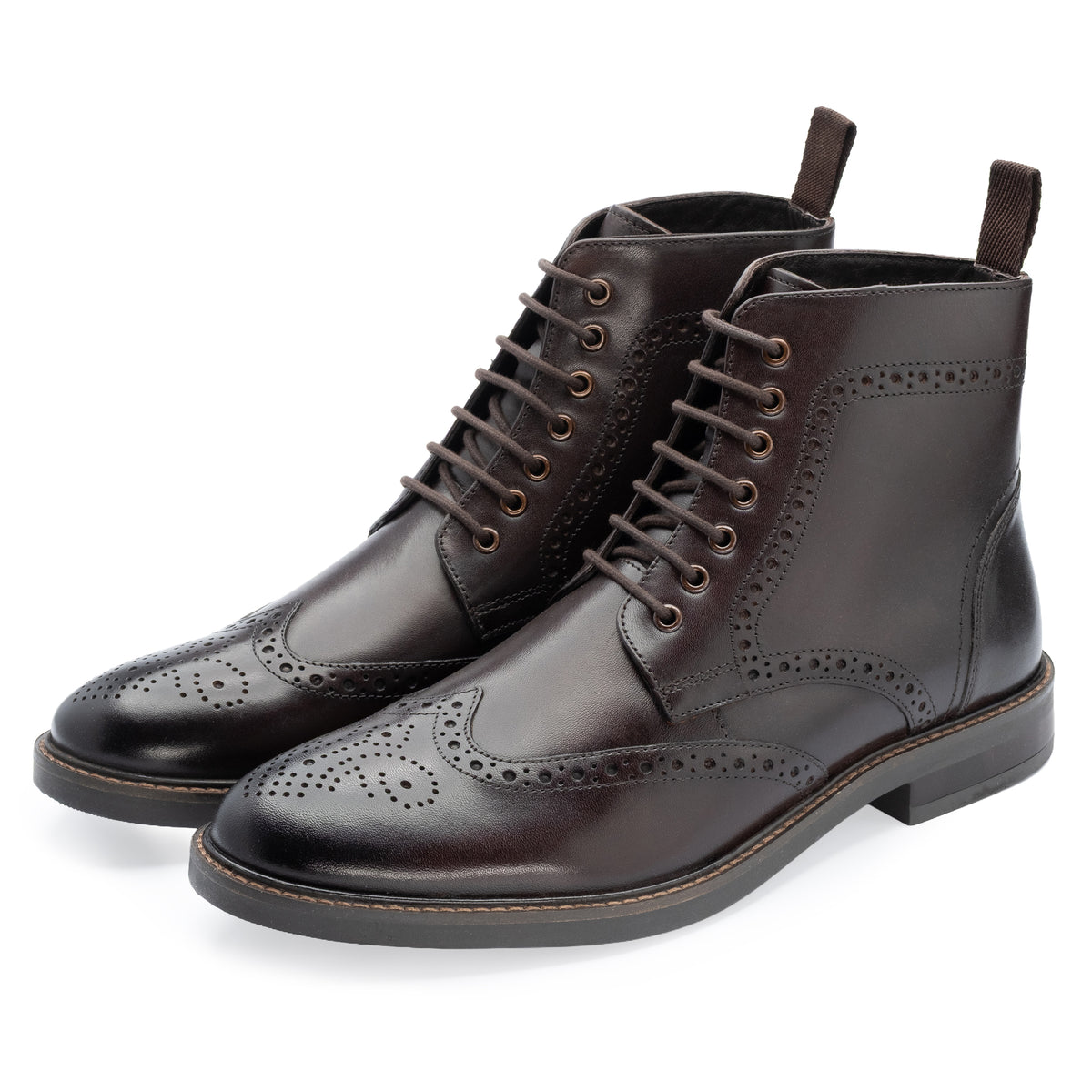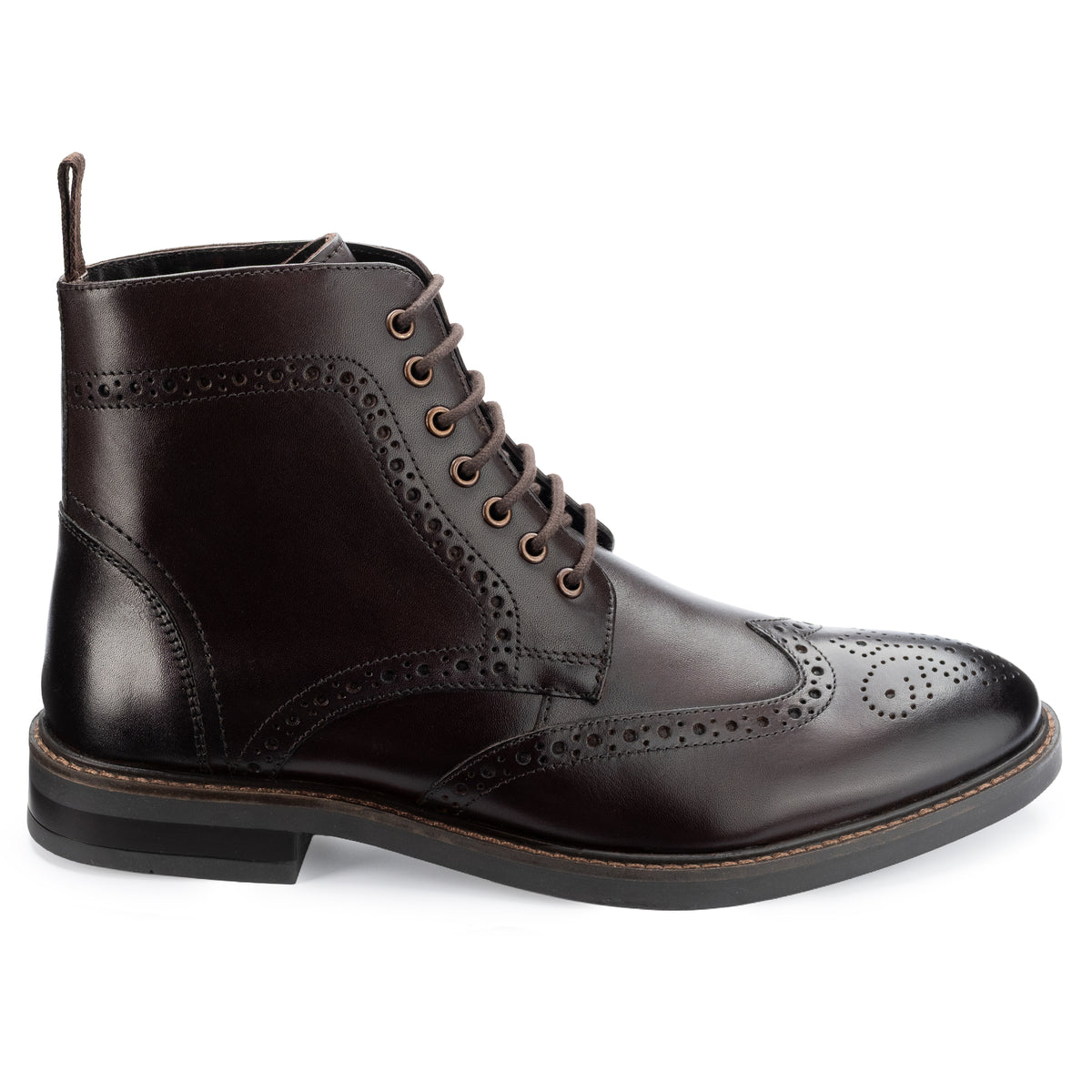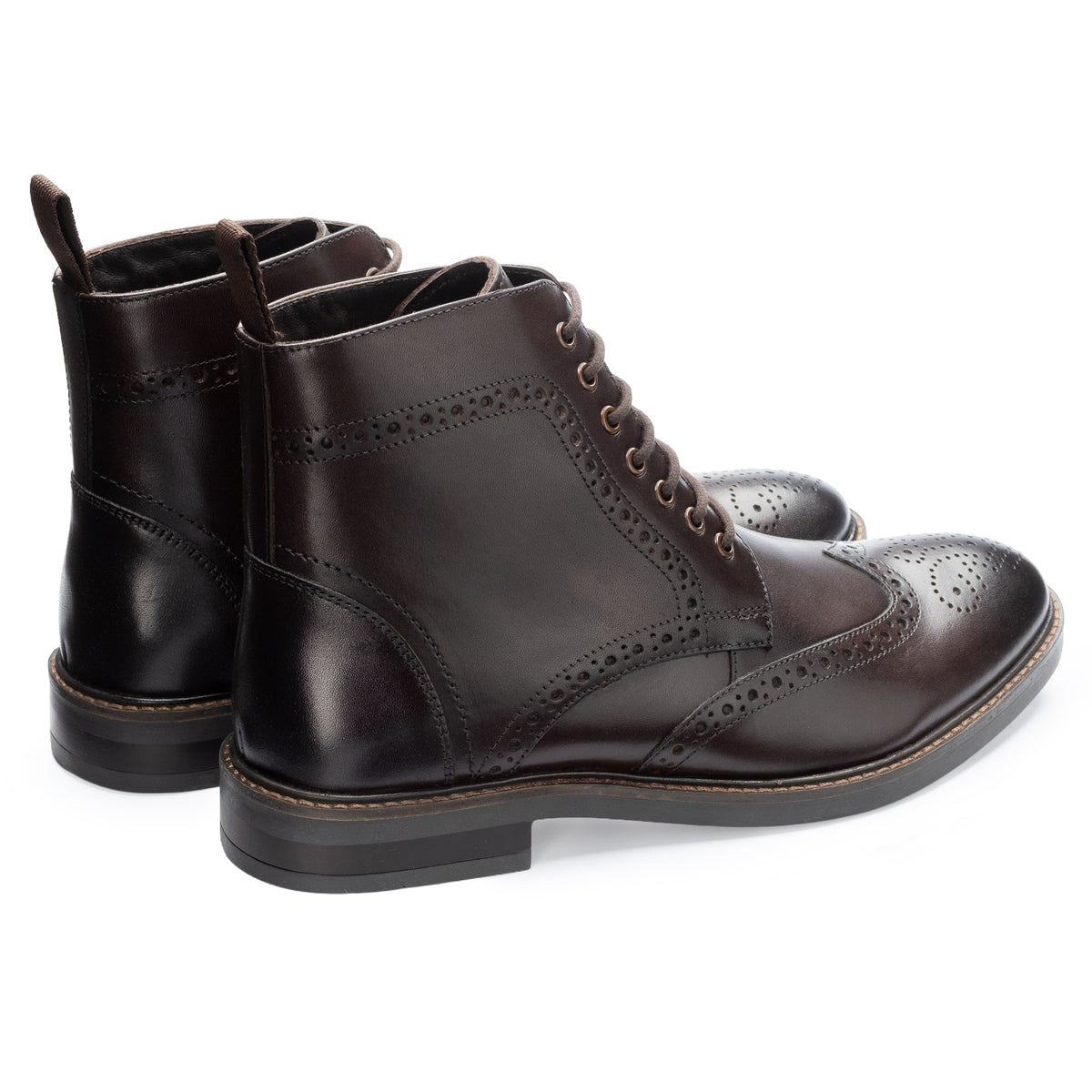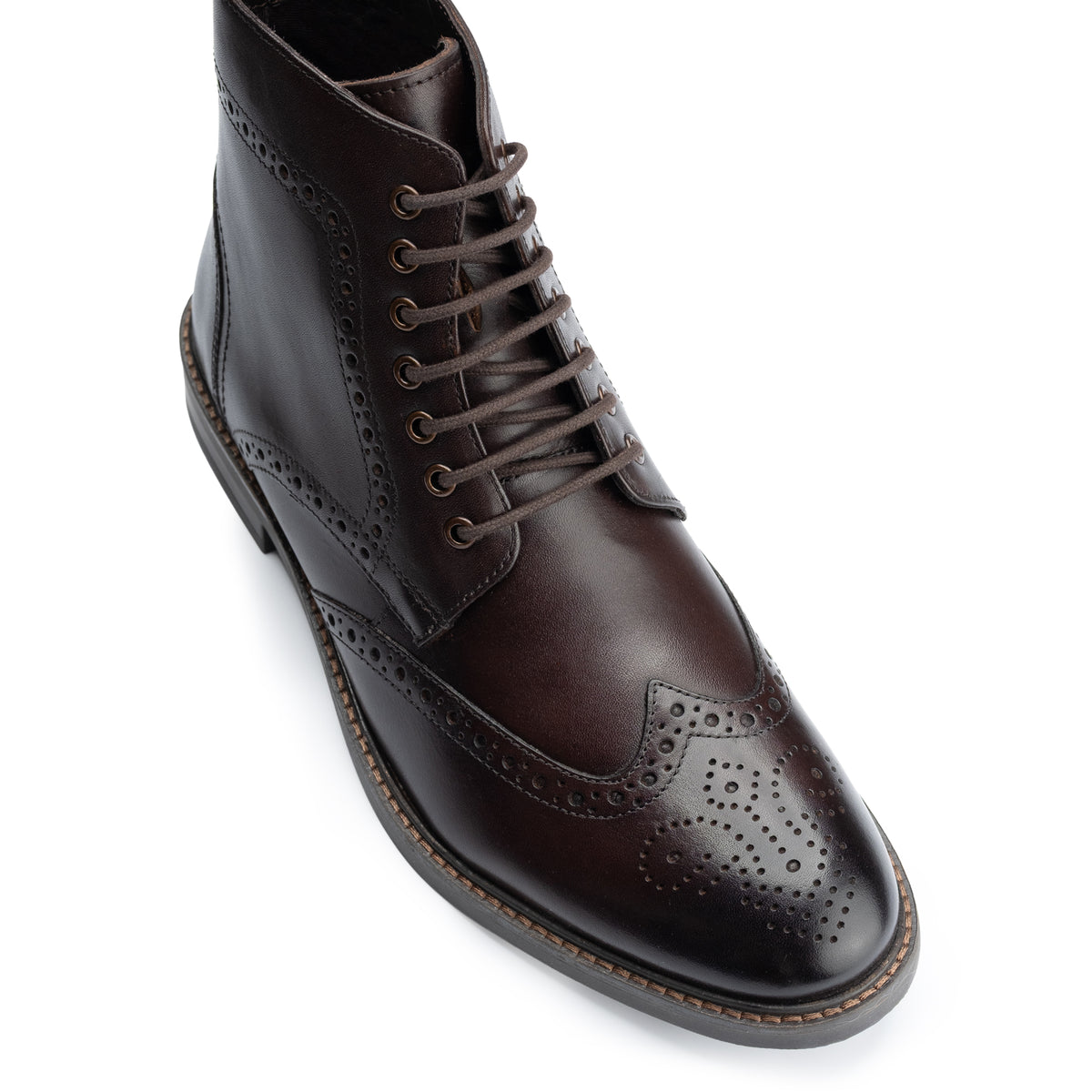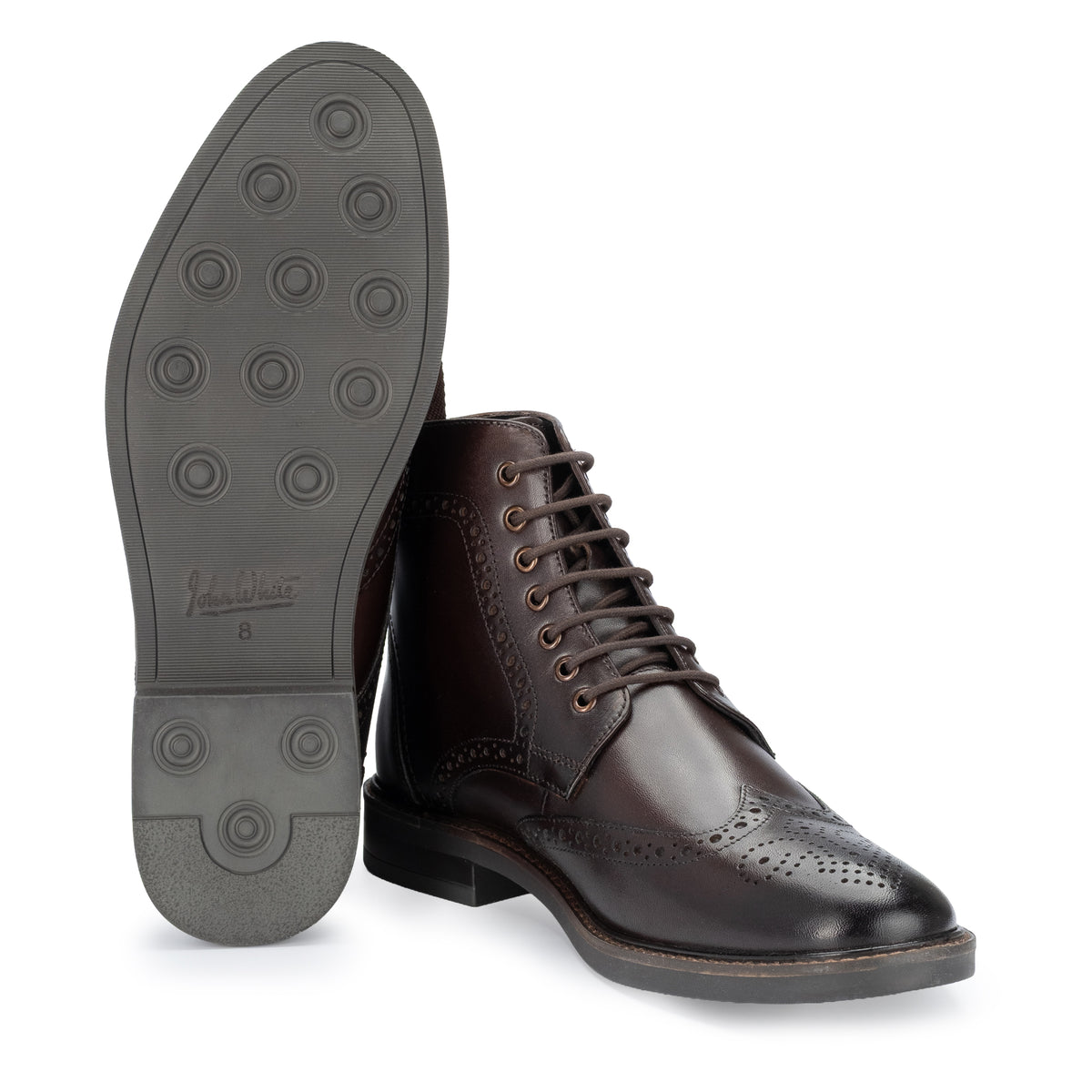

Round Toe vs. Chisel Toe: A Definitive Guide to Timeless Shoe Silhouettes
The choice between a round toe and a chisel toe defines a shoe's character. A round toe offers a traditional, versatile silhouette suitable for both smart and casual wear, while a chisel toe provides a sharper, more contemporary and formal profile ideal for business and occasion dressing. The decision rests on the occasion and your personal style.
In This Guide
Beyond leather quality and colour, nothing dictates the personality of a man's shoe more than the shape of its toe. This single design element, determined by the shoemaker's last, can shift a shoe from boardroom-ready to weekend-appropriate. It is the architectural foundation upon which the entire shoe’s character is built.
Yet many men overlook this crucial detail, choosing a silhouette by chance rather than by design. Understanding the distinction between the two pre-eminent shapes—the classic round toe and the sharp chisel toe—is essential for building a truly functional and refined footwear collection. It's about selecting the right tool for the job.
What Defines a Round Toe Shoe?
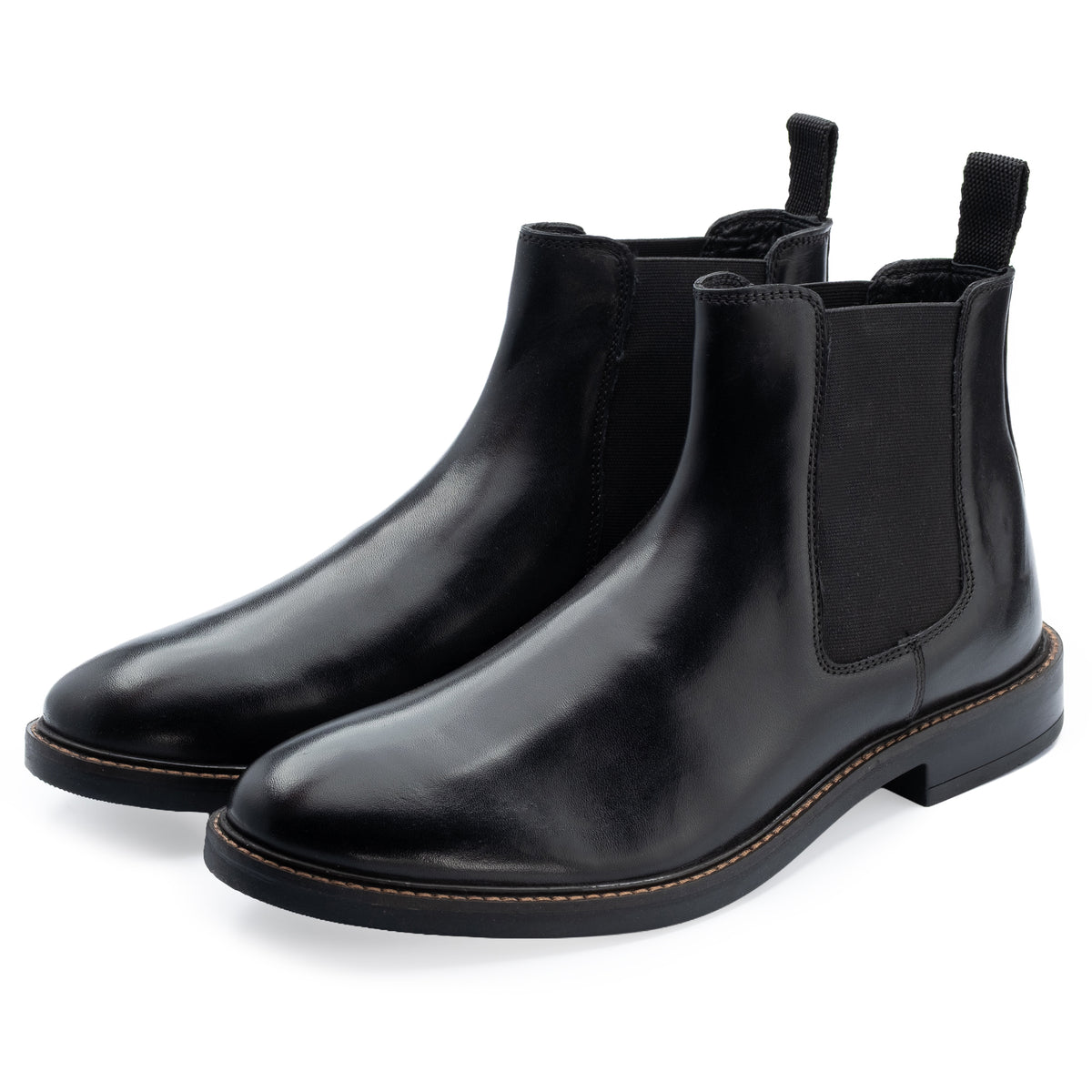
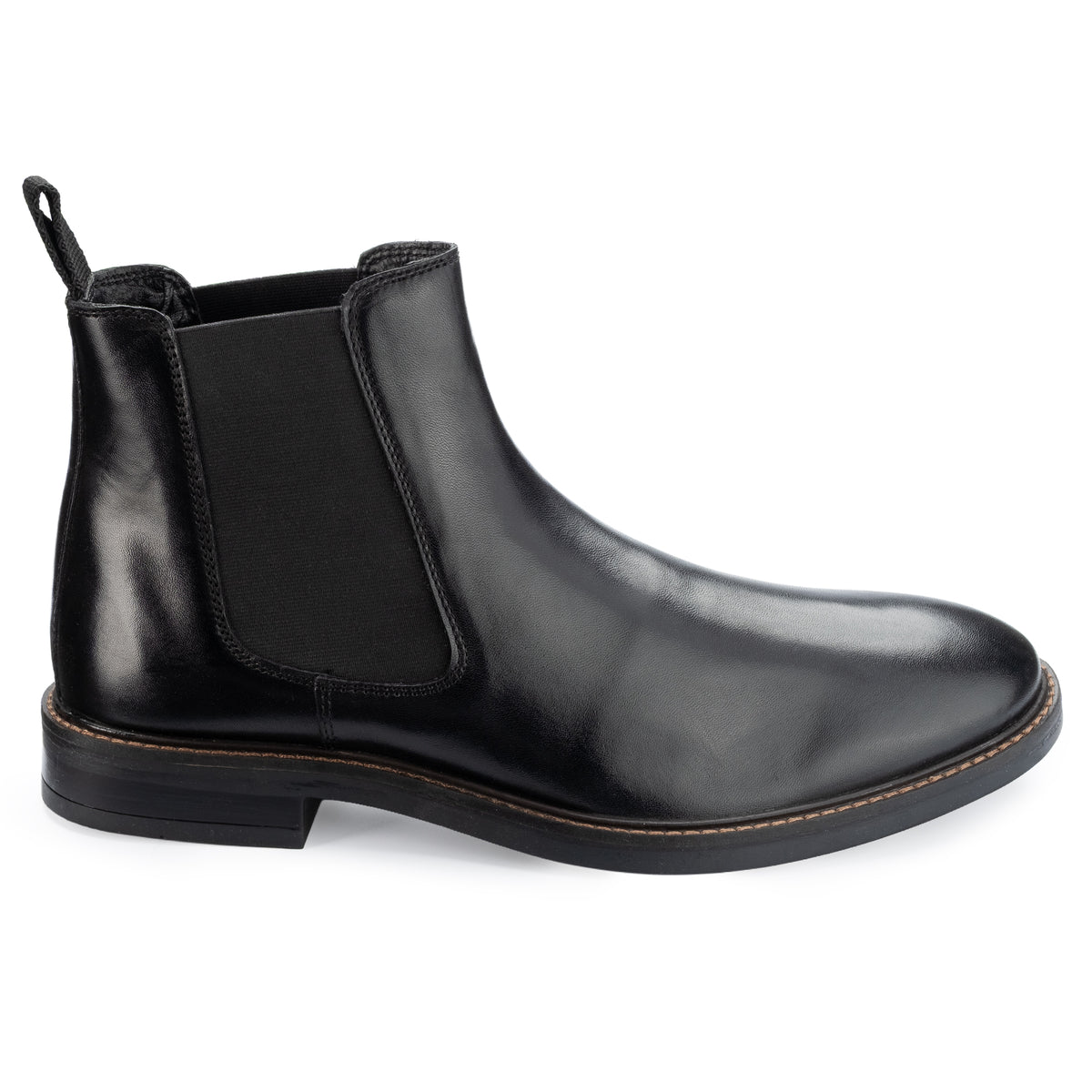
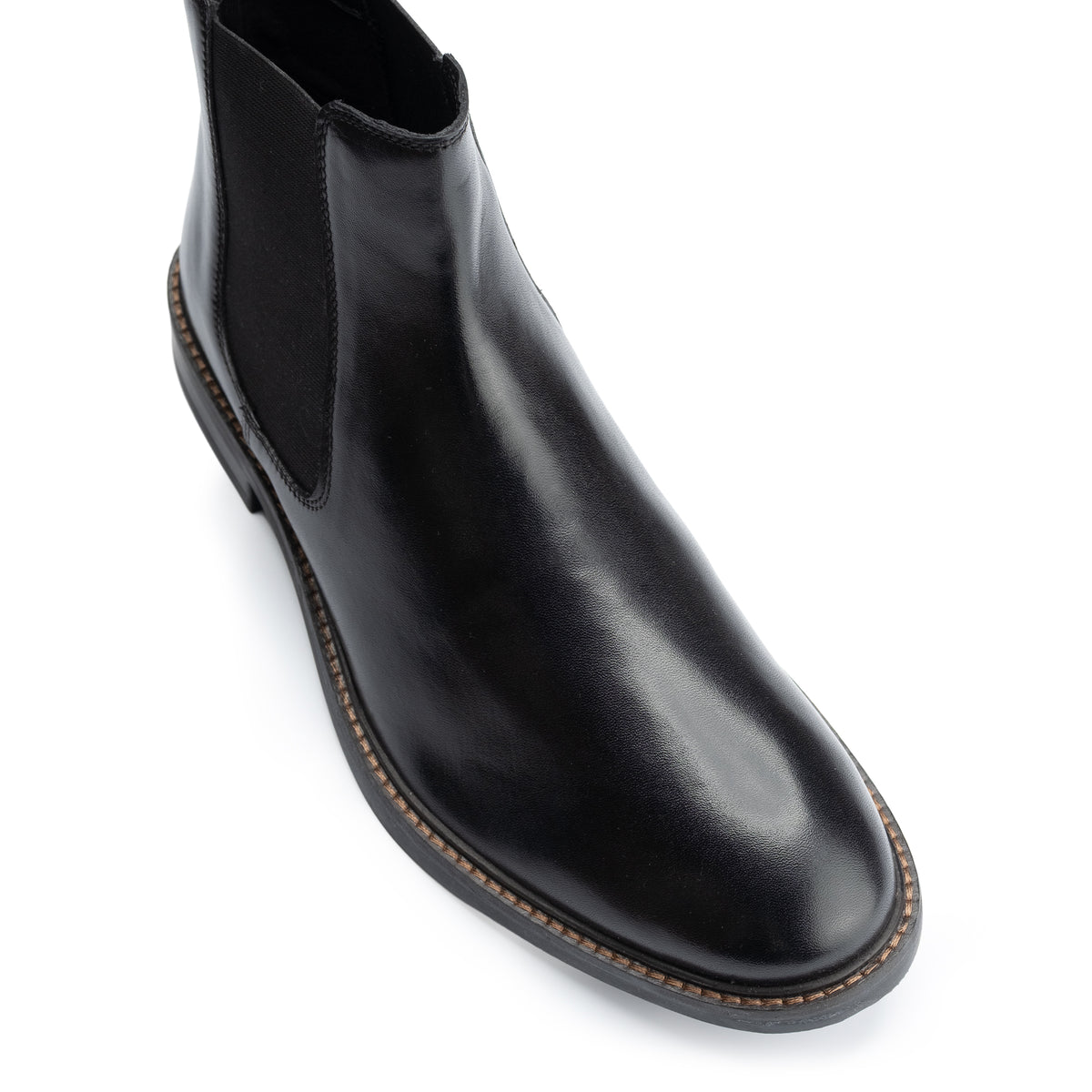
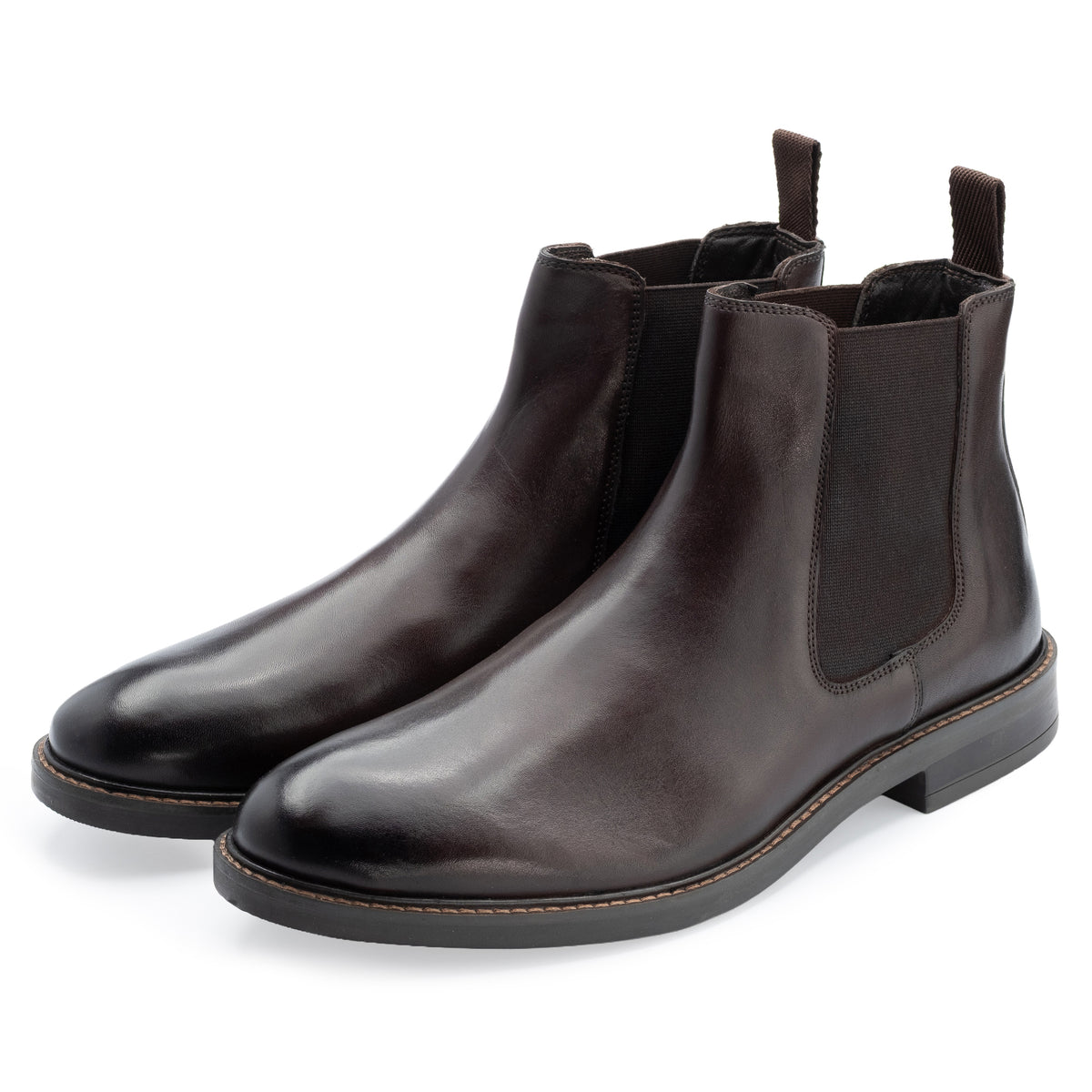
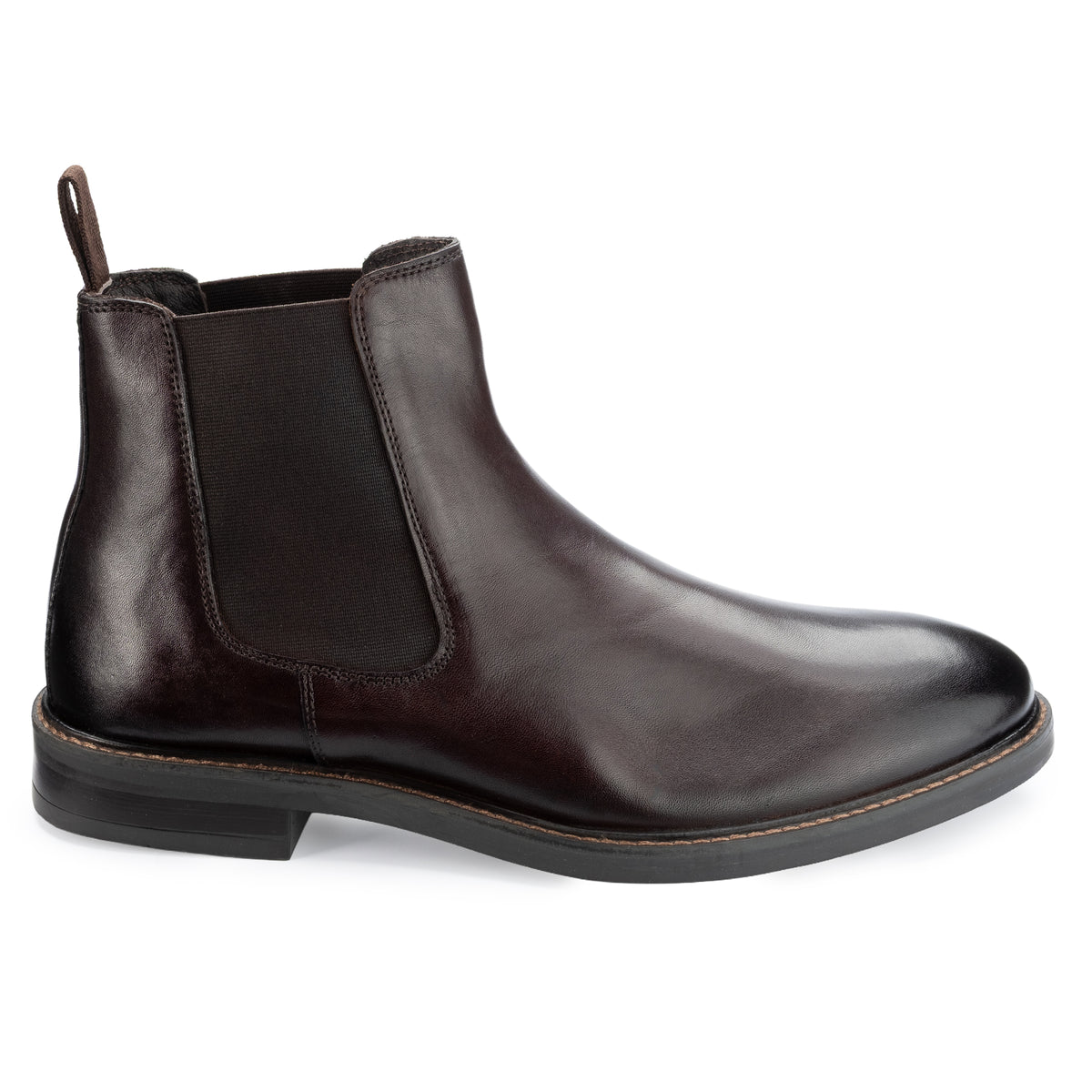
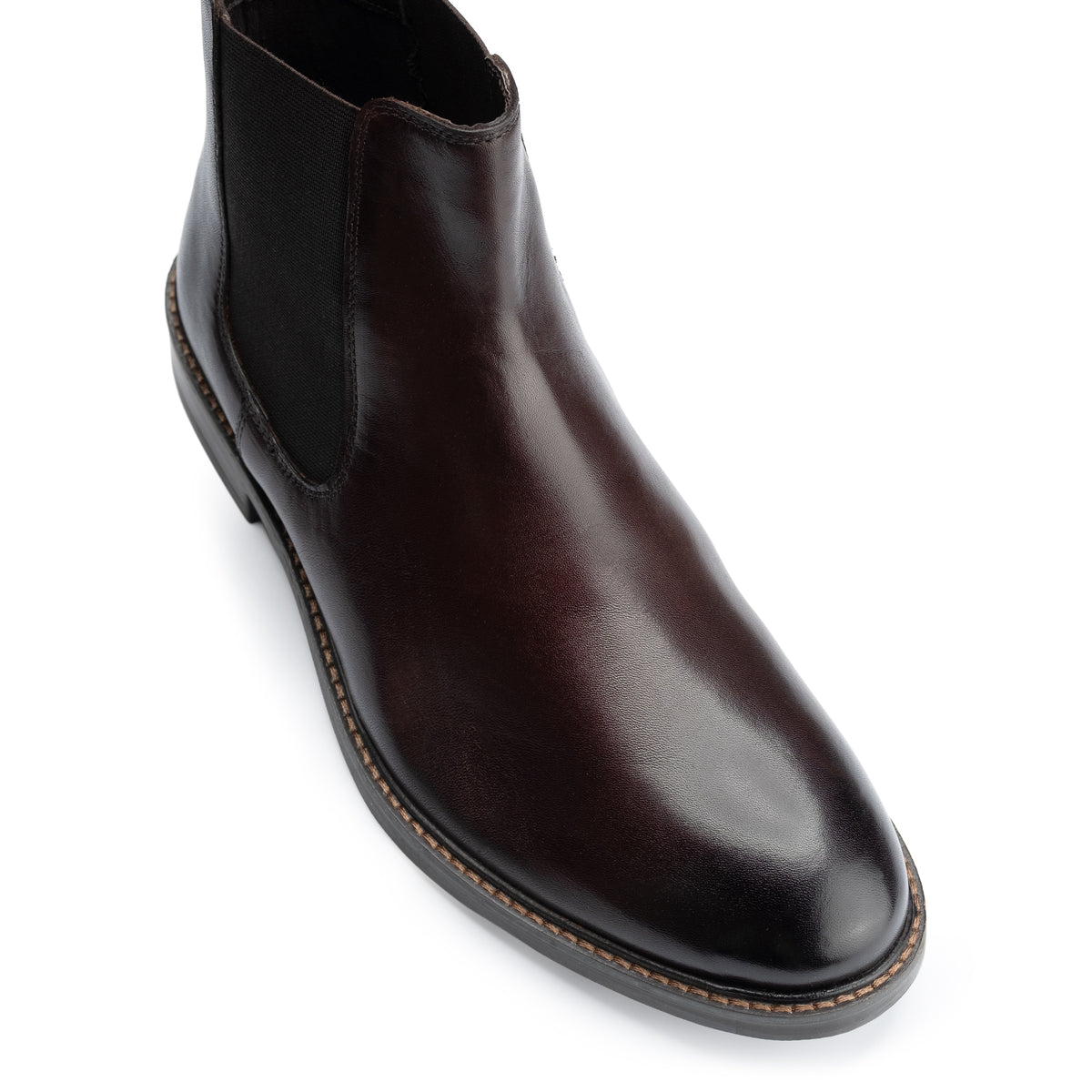
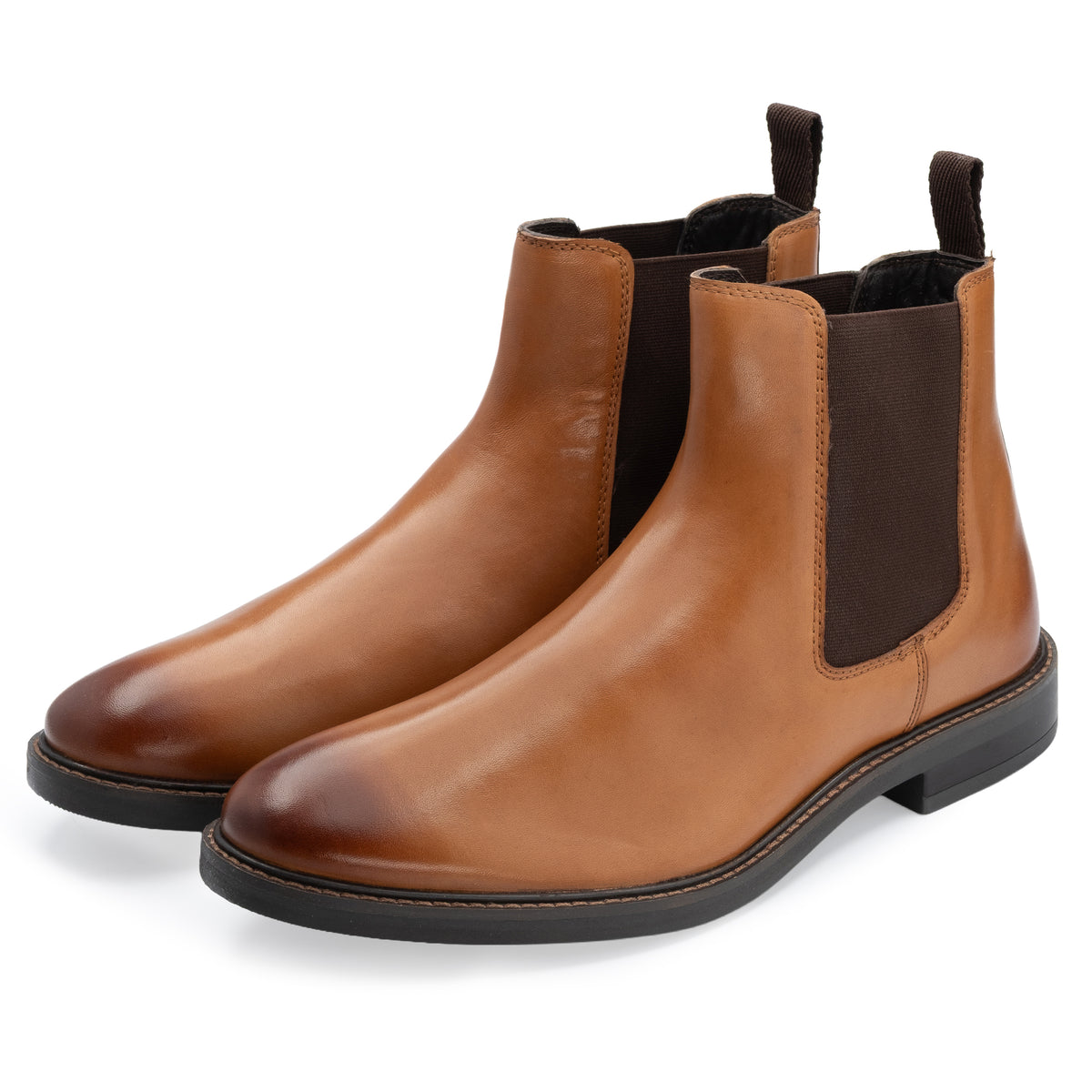
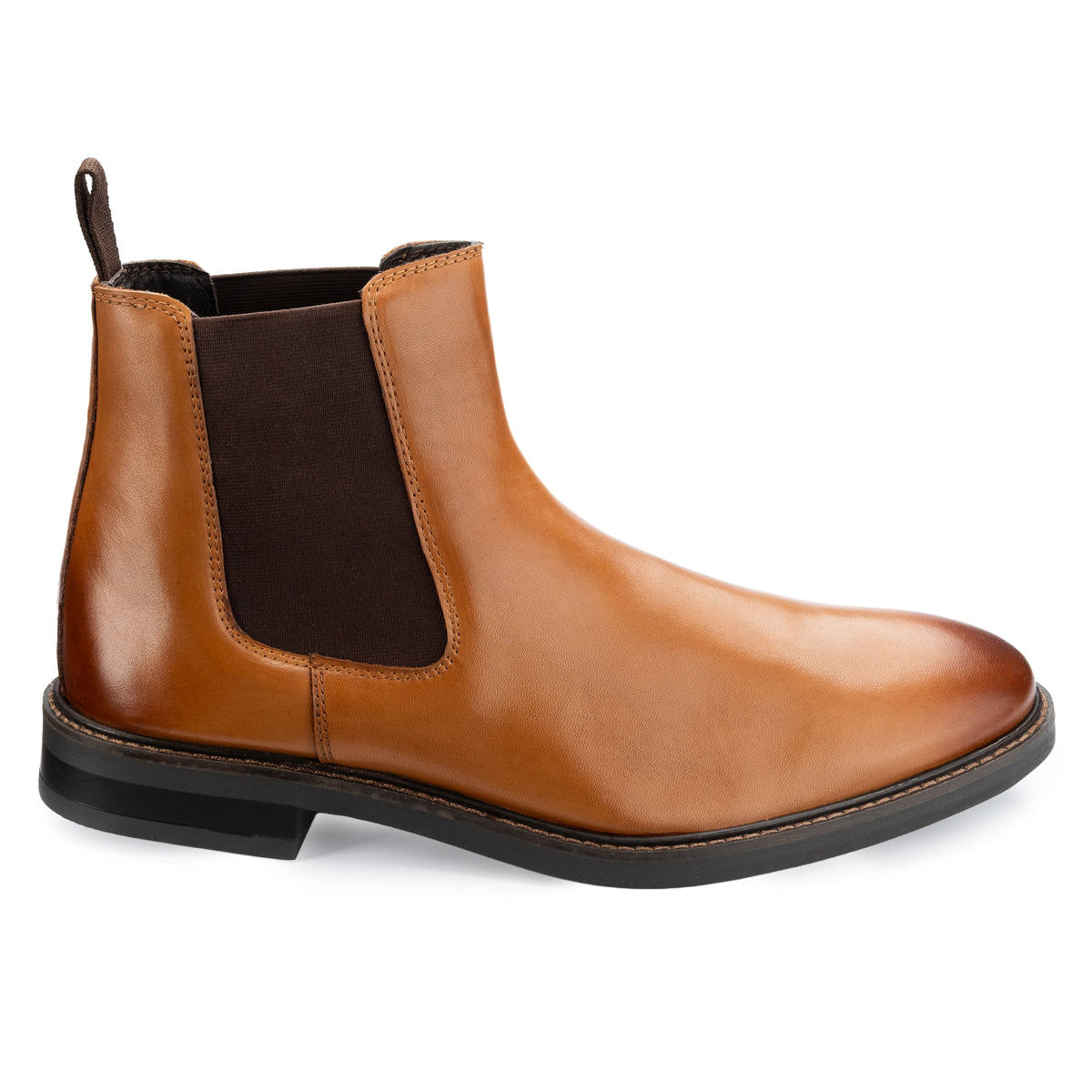
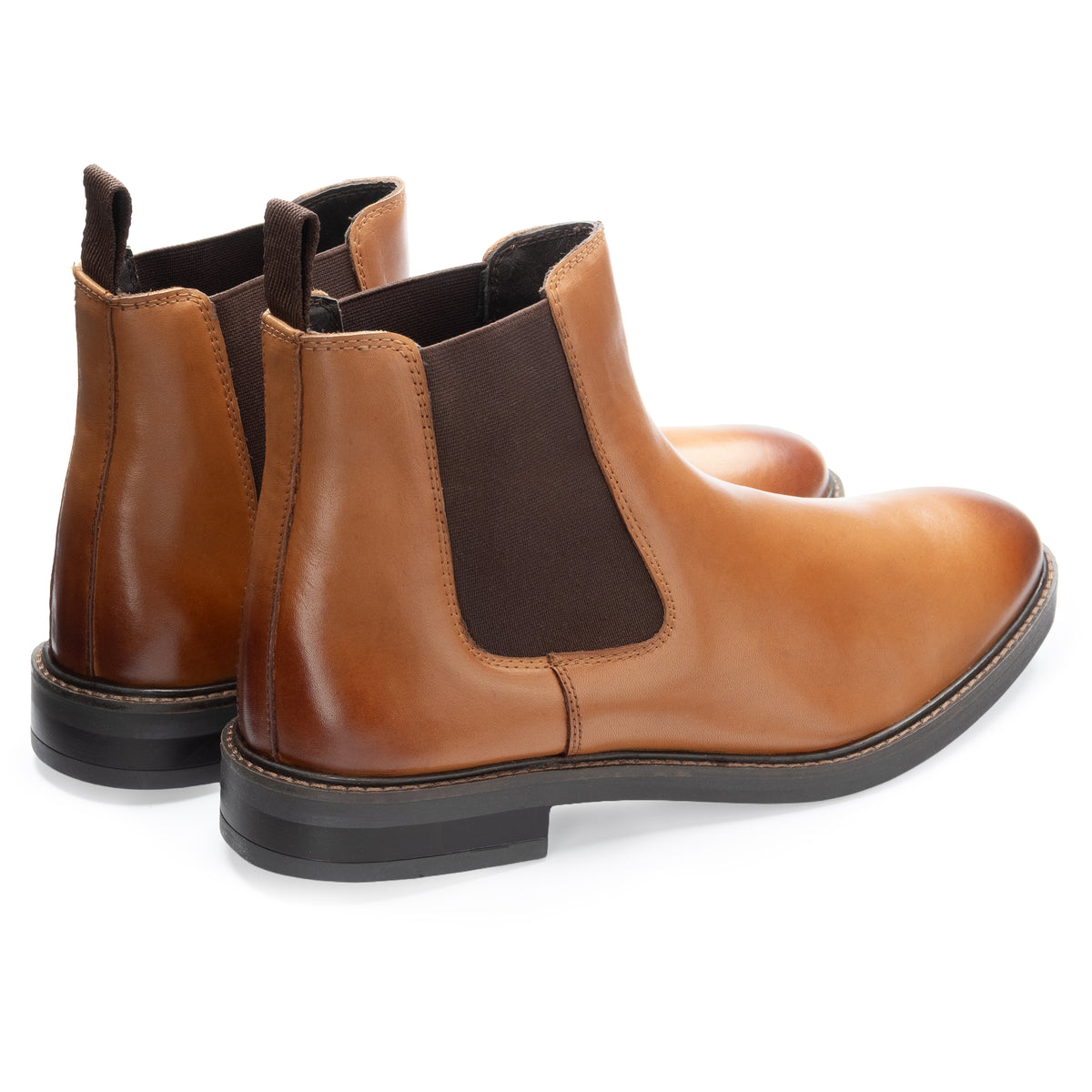
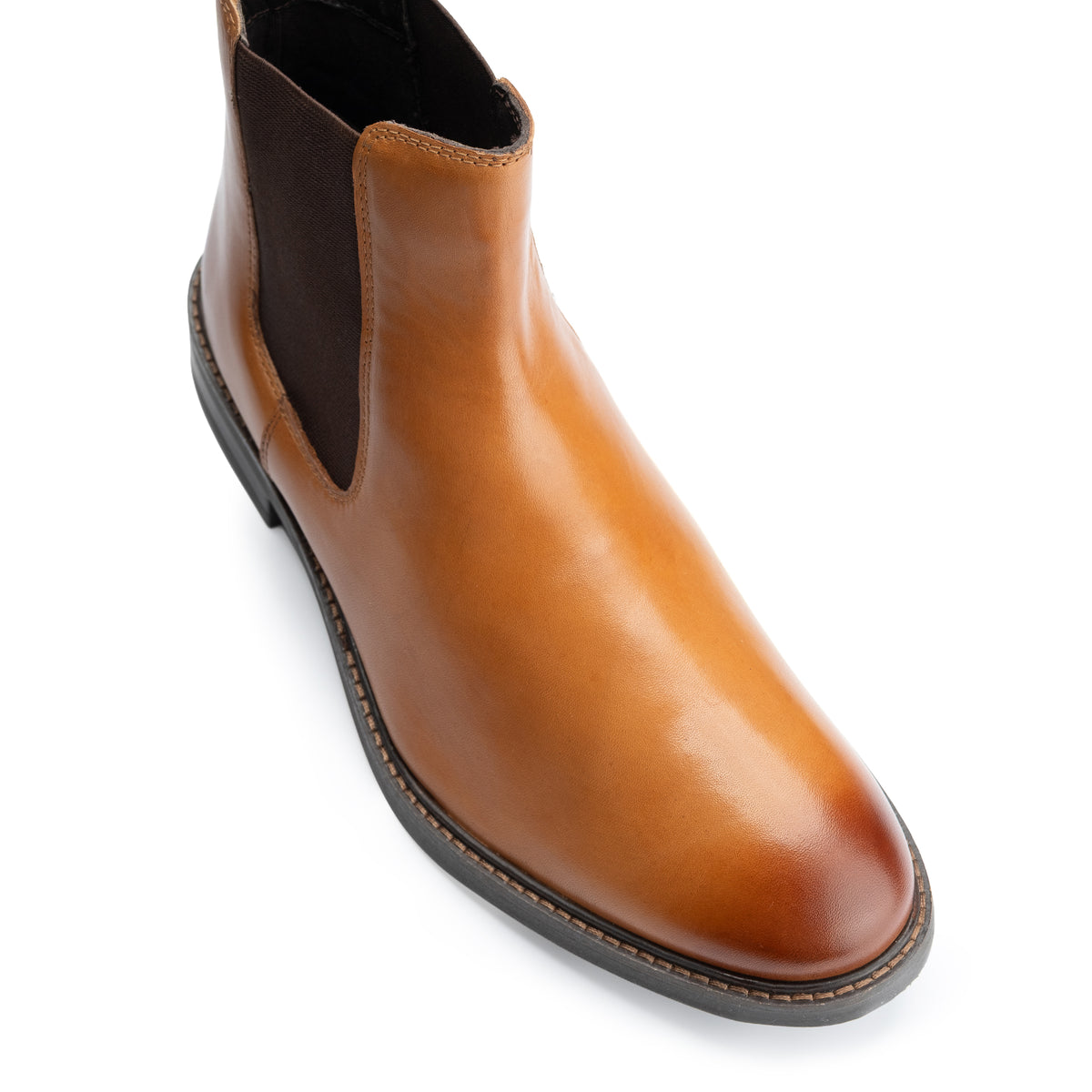
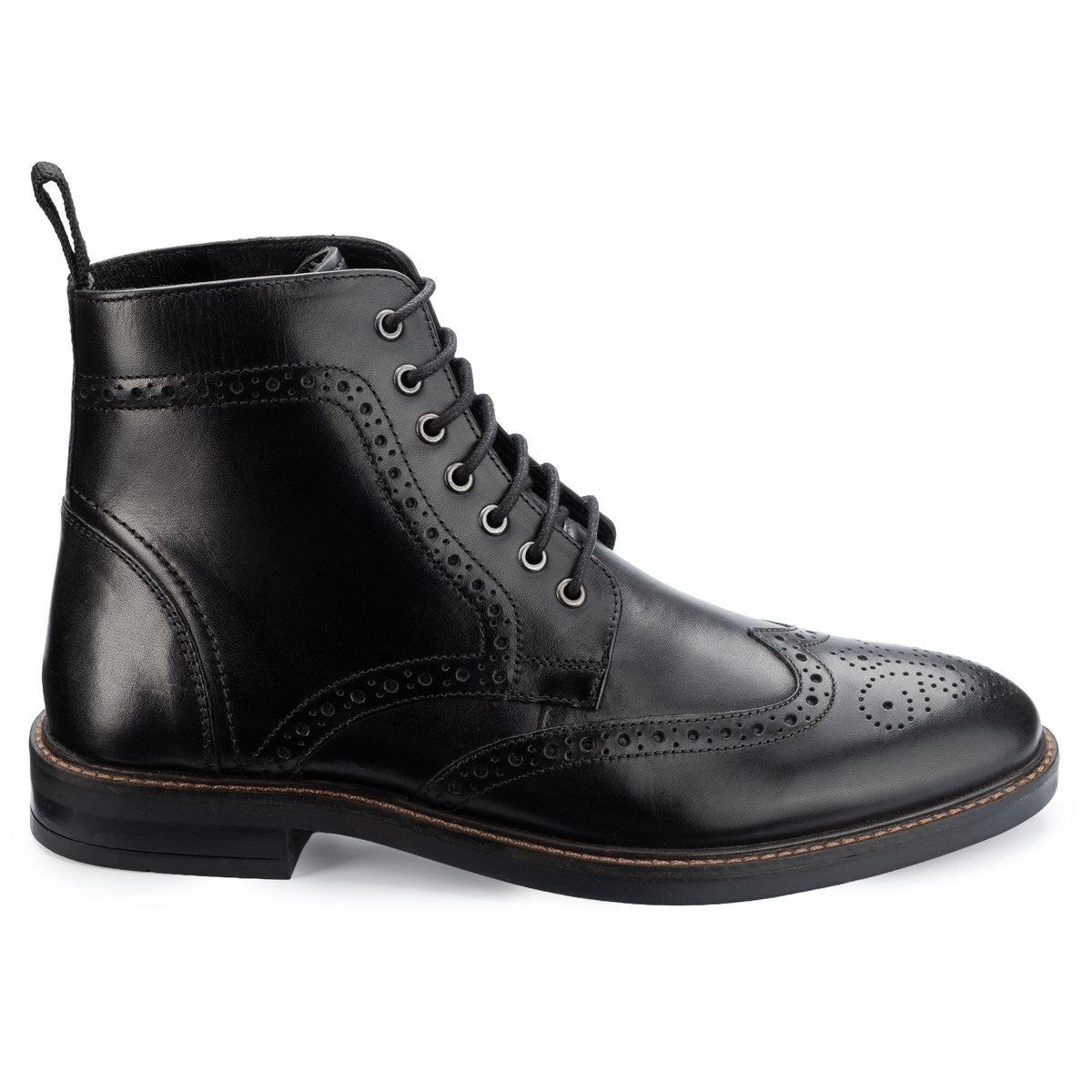
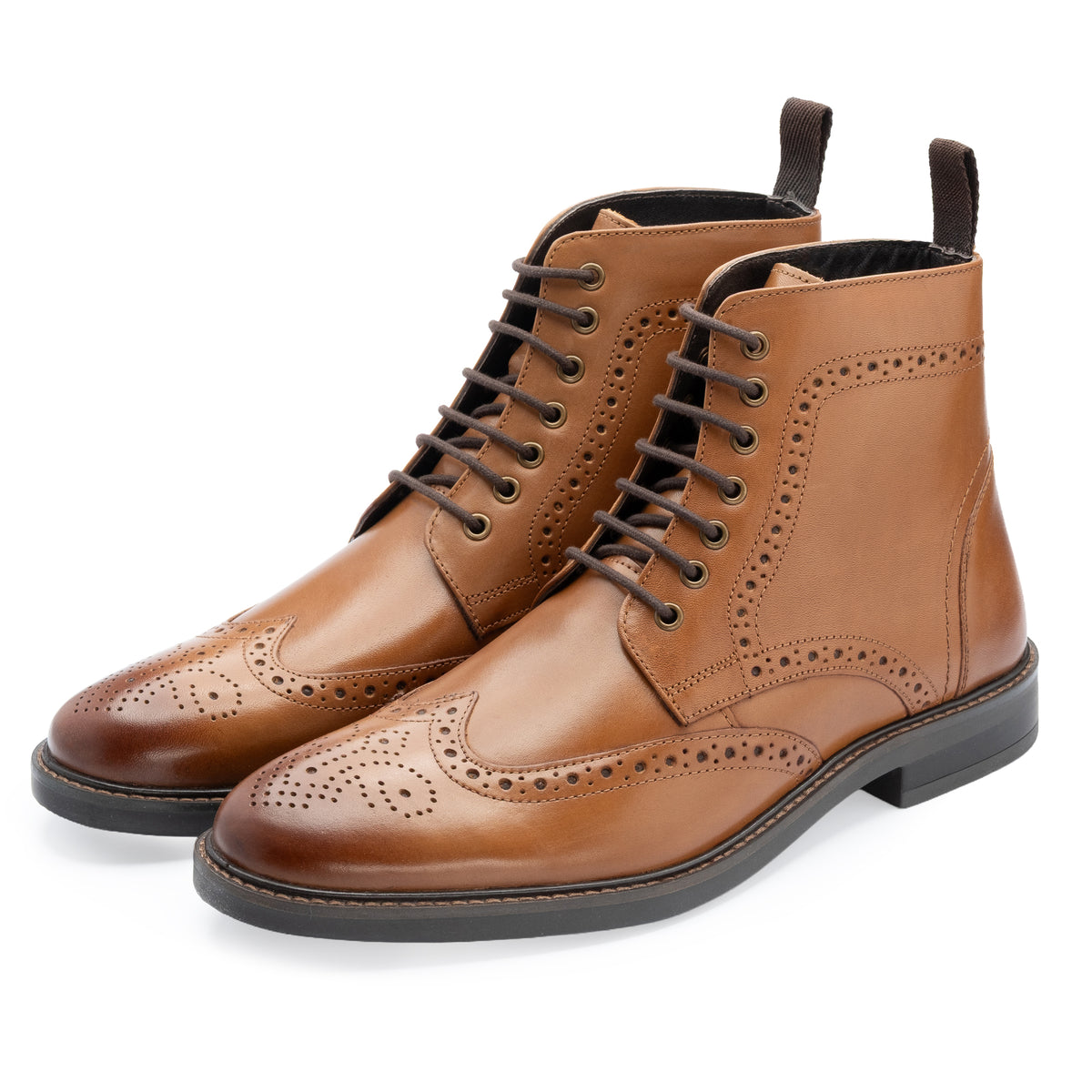
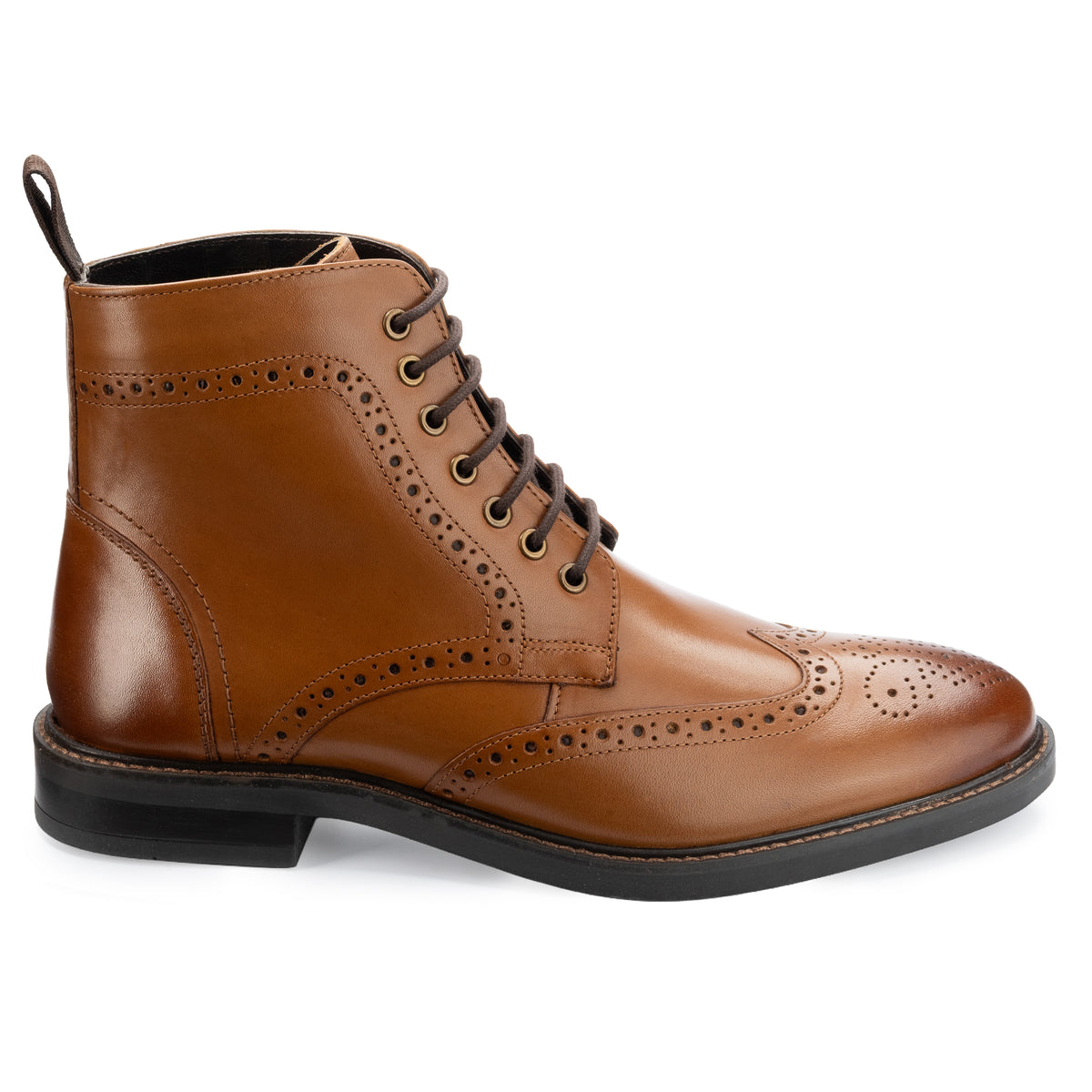
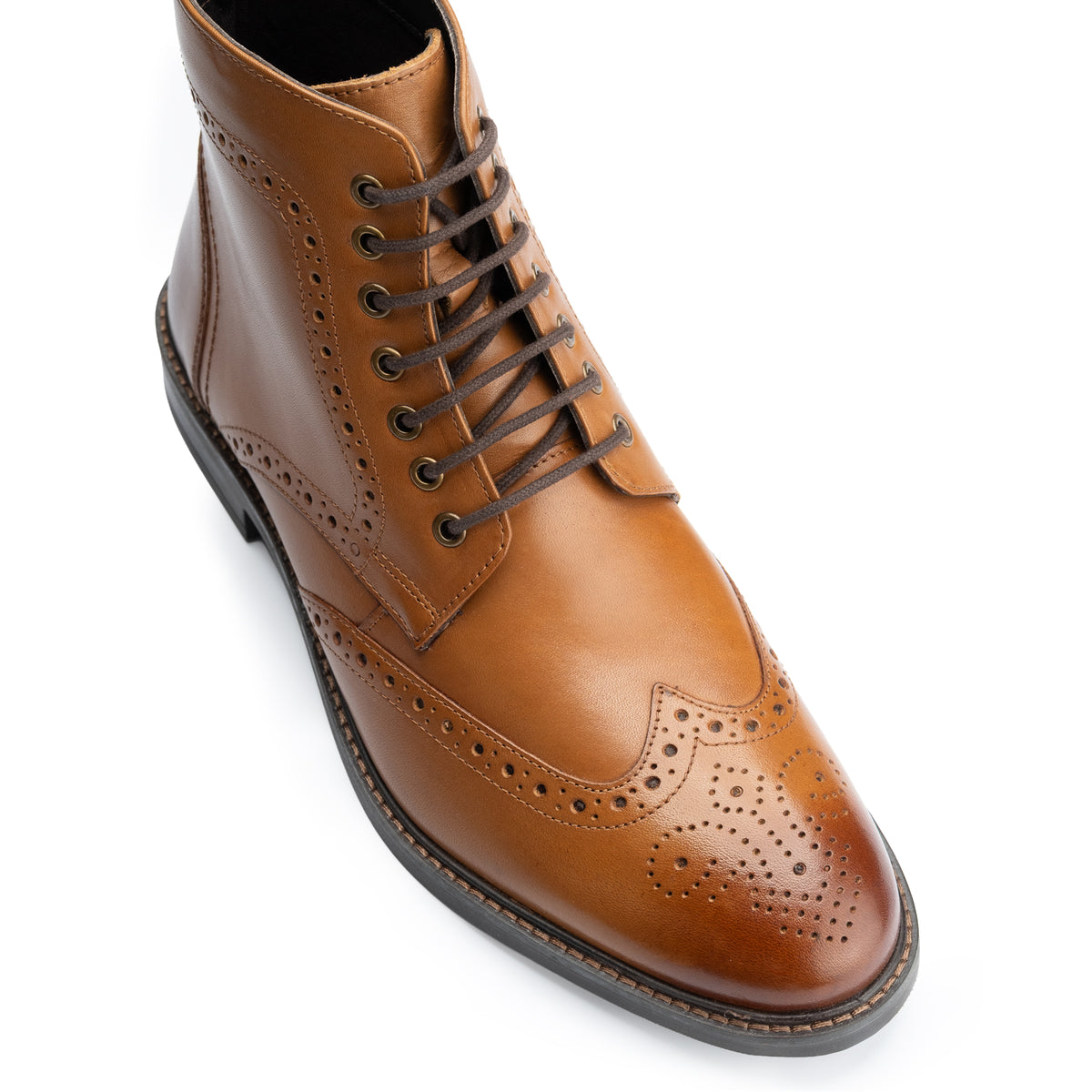
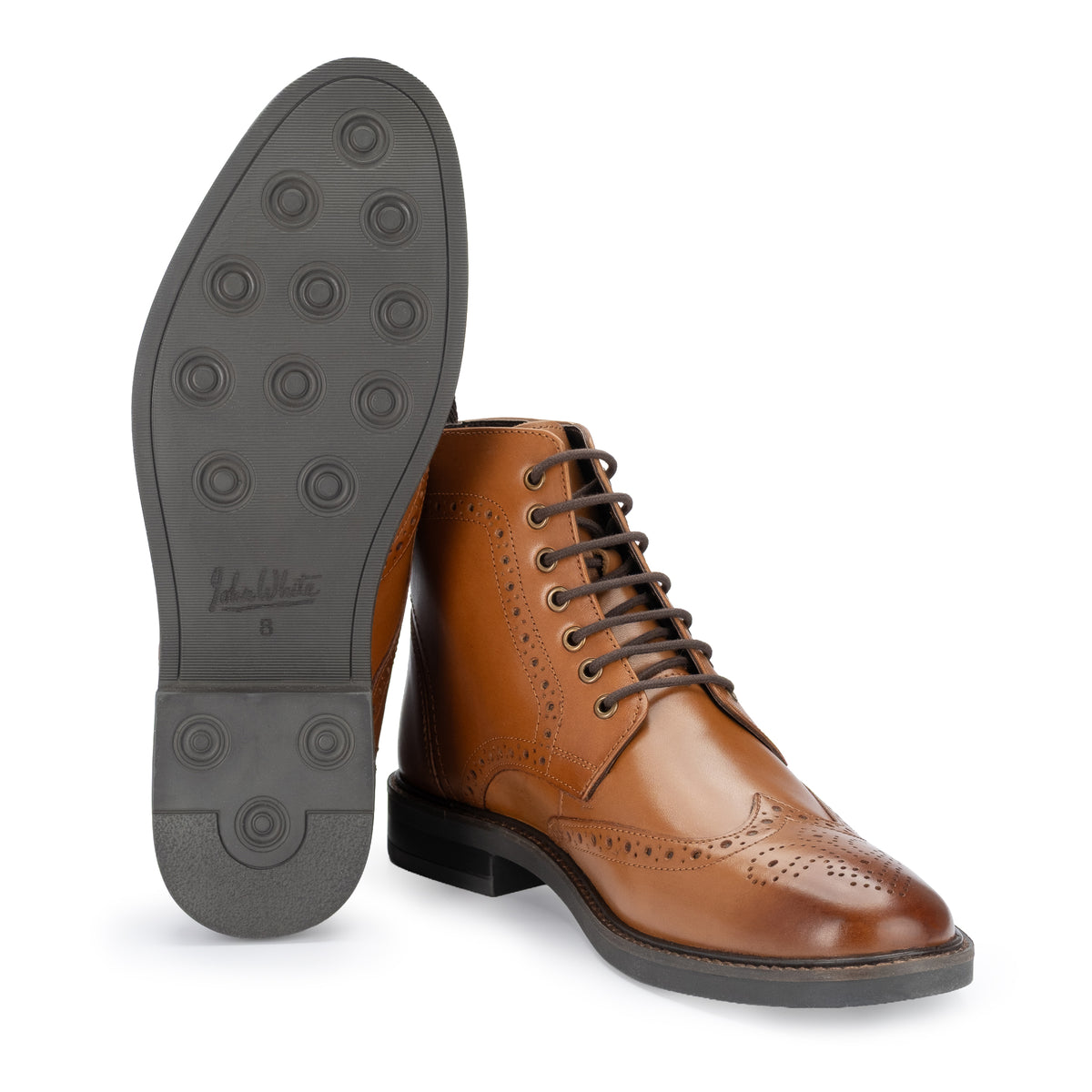
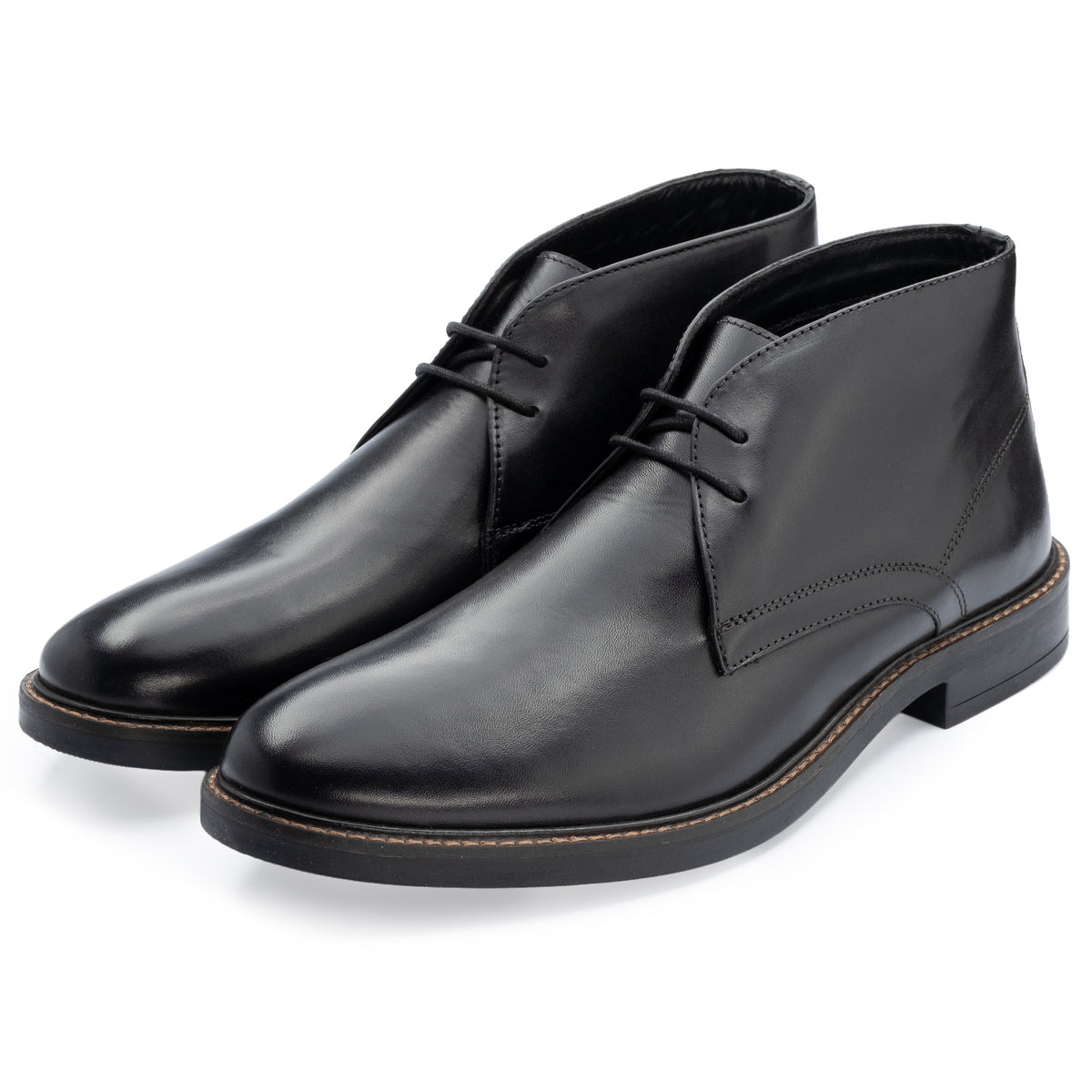
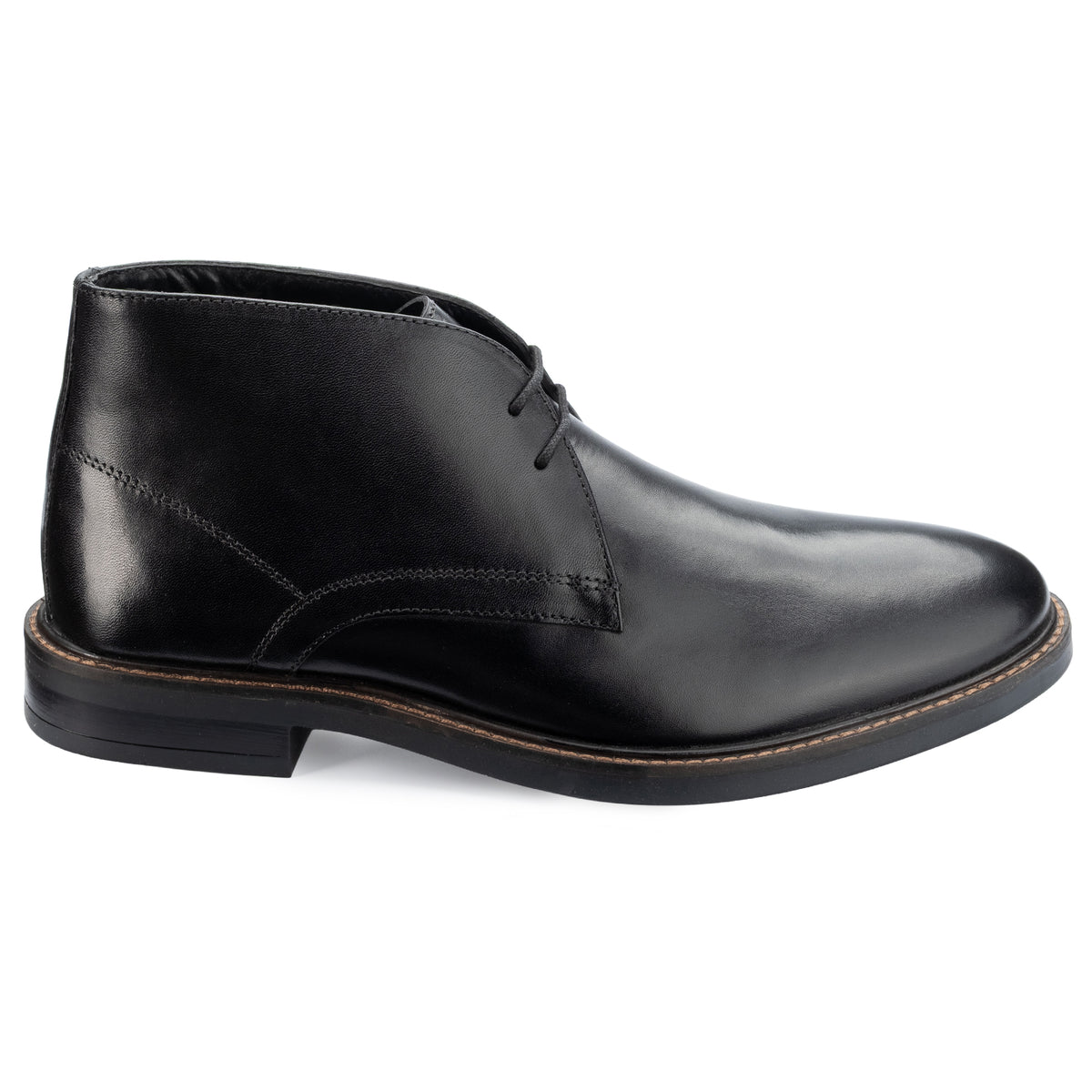
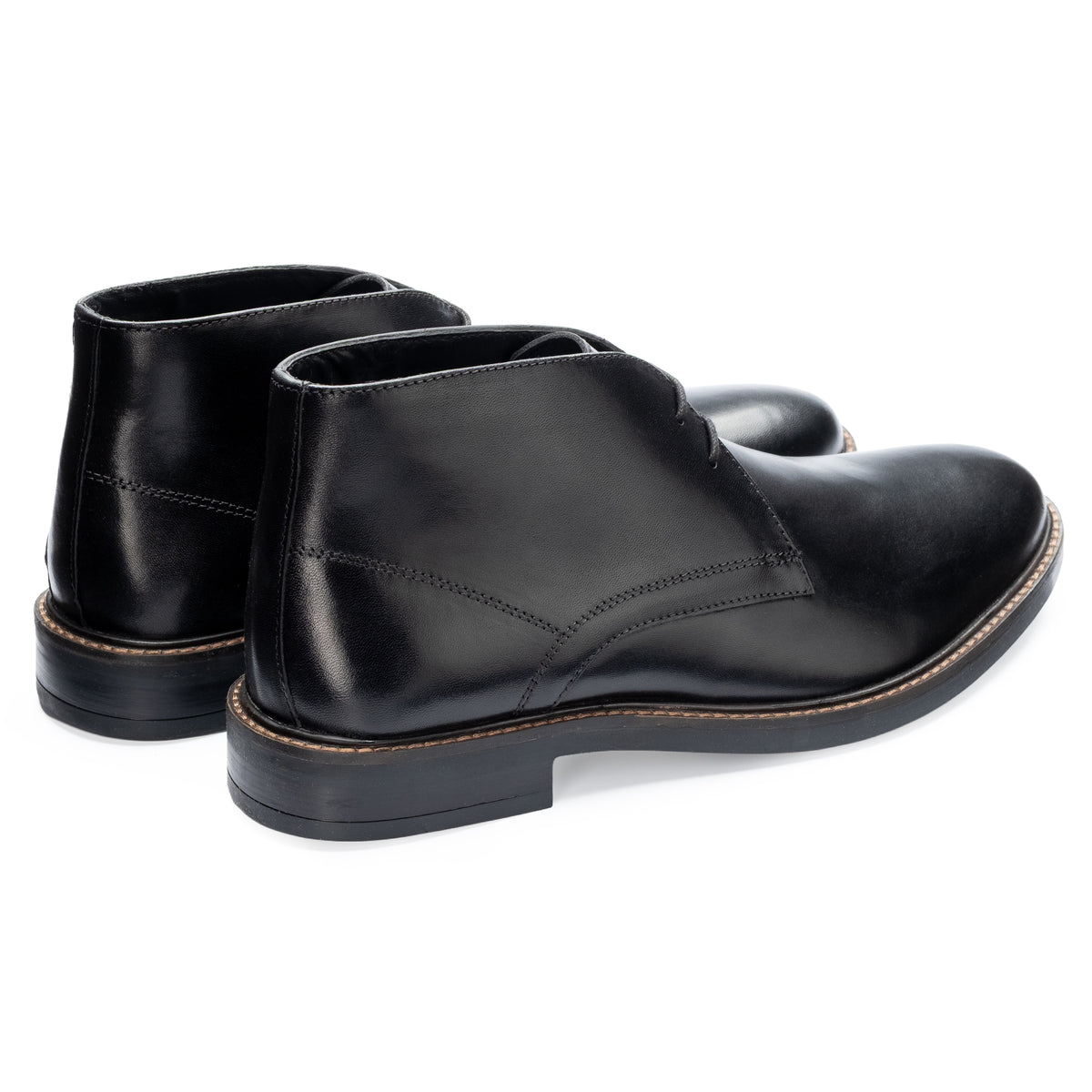
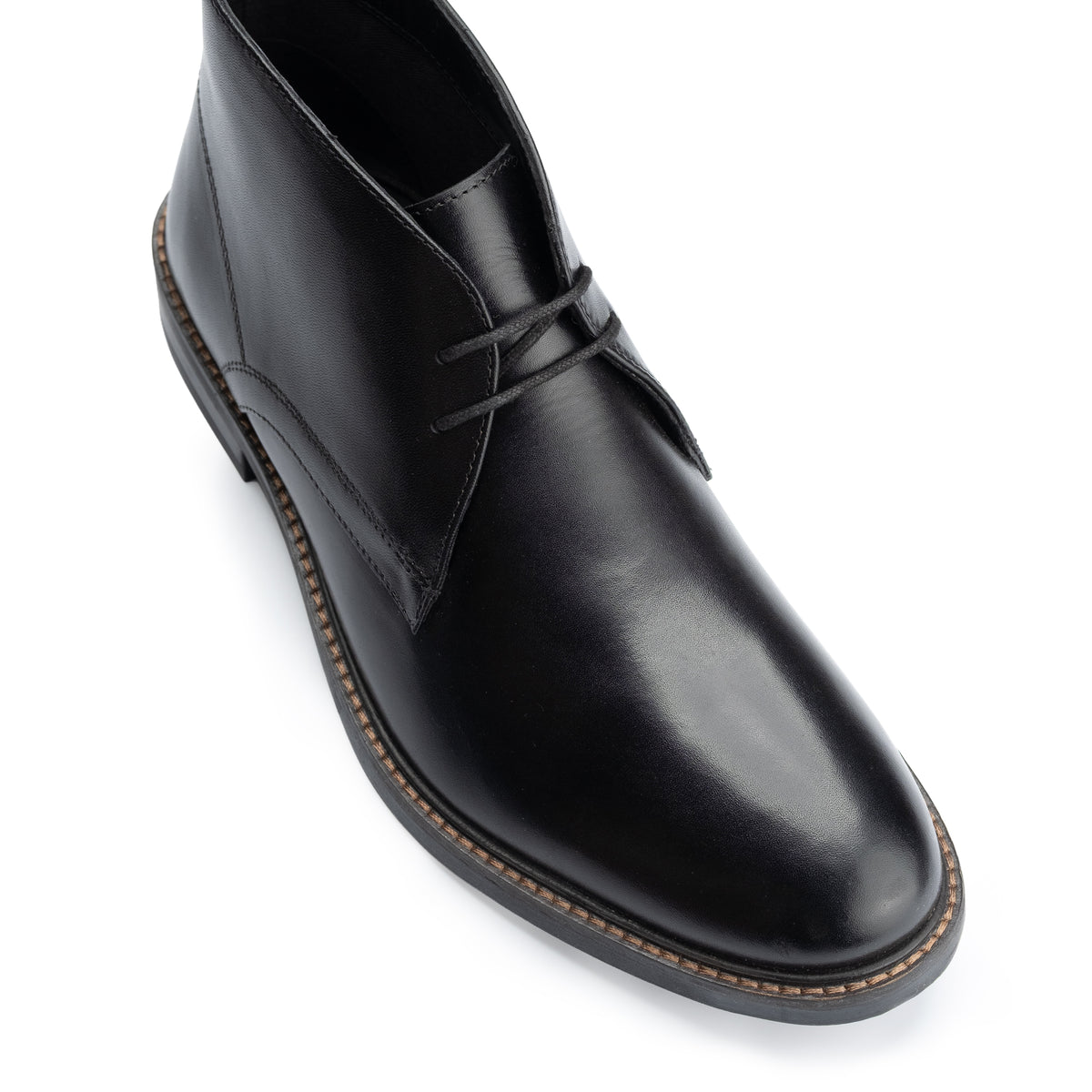
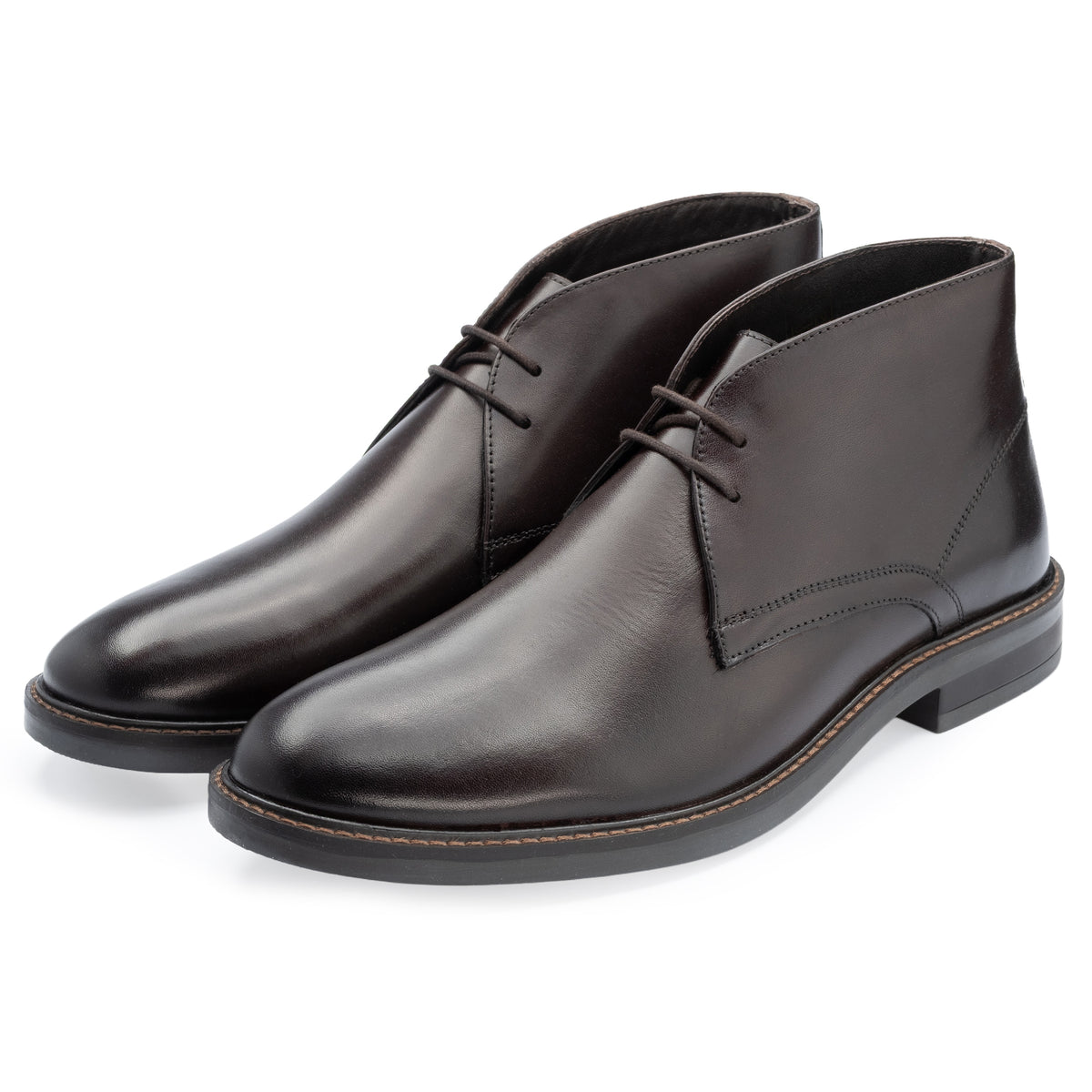
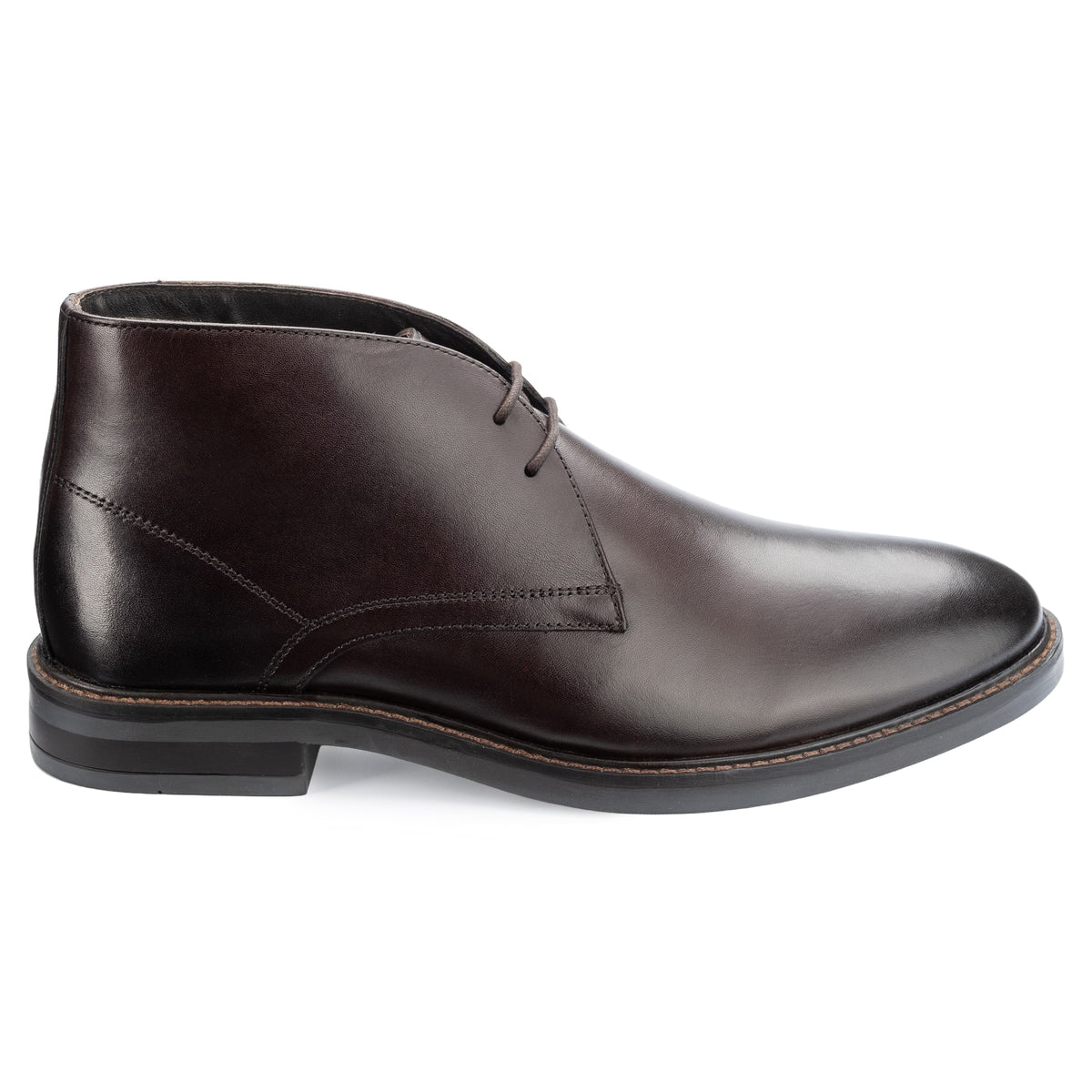
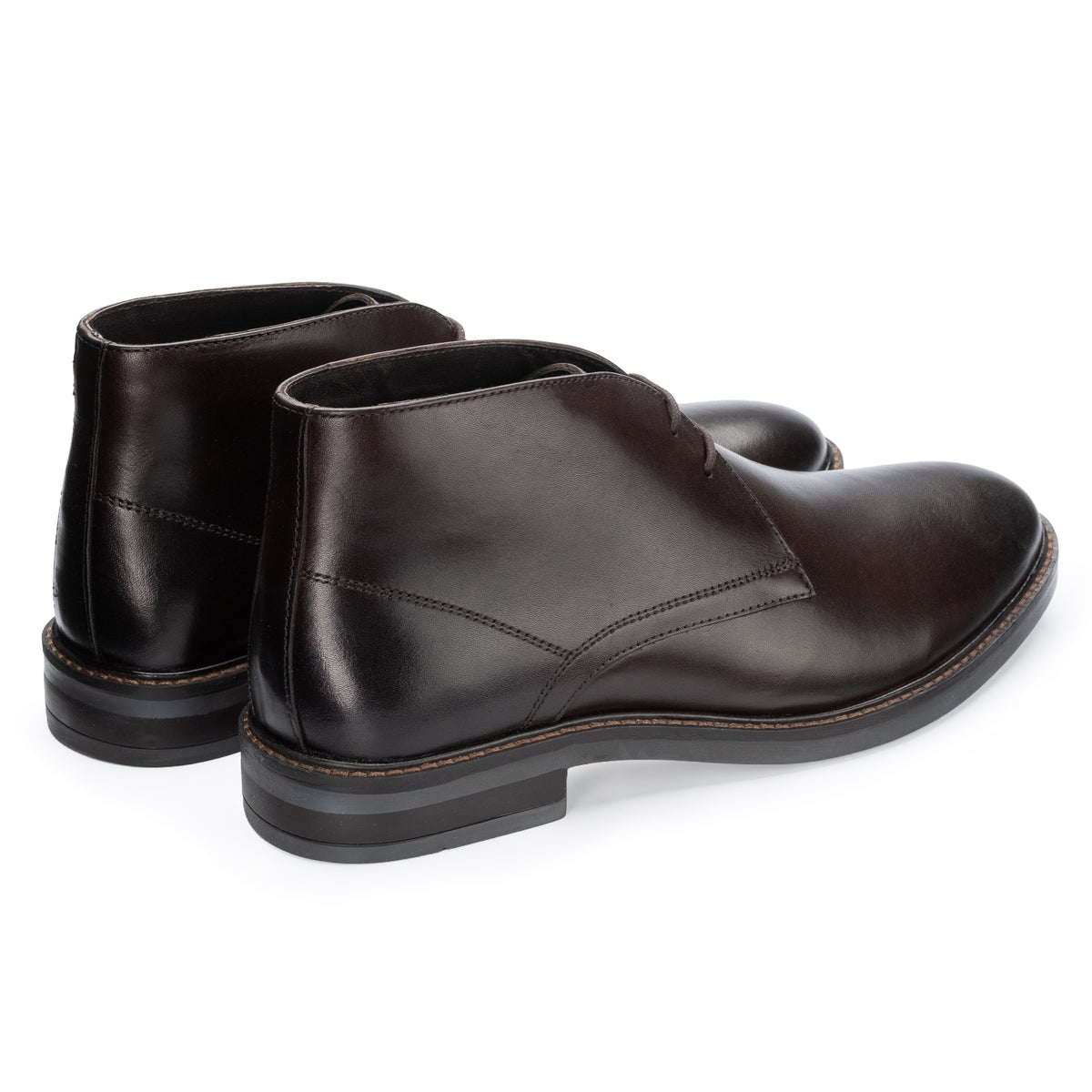
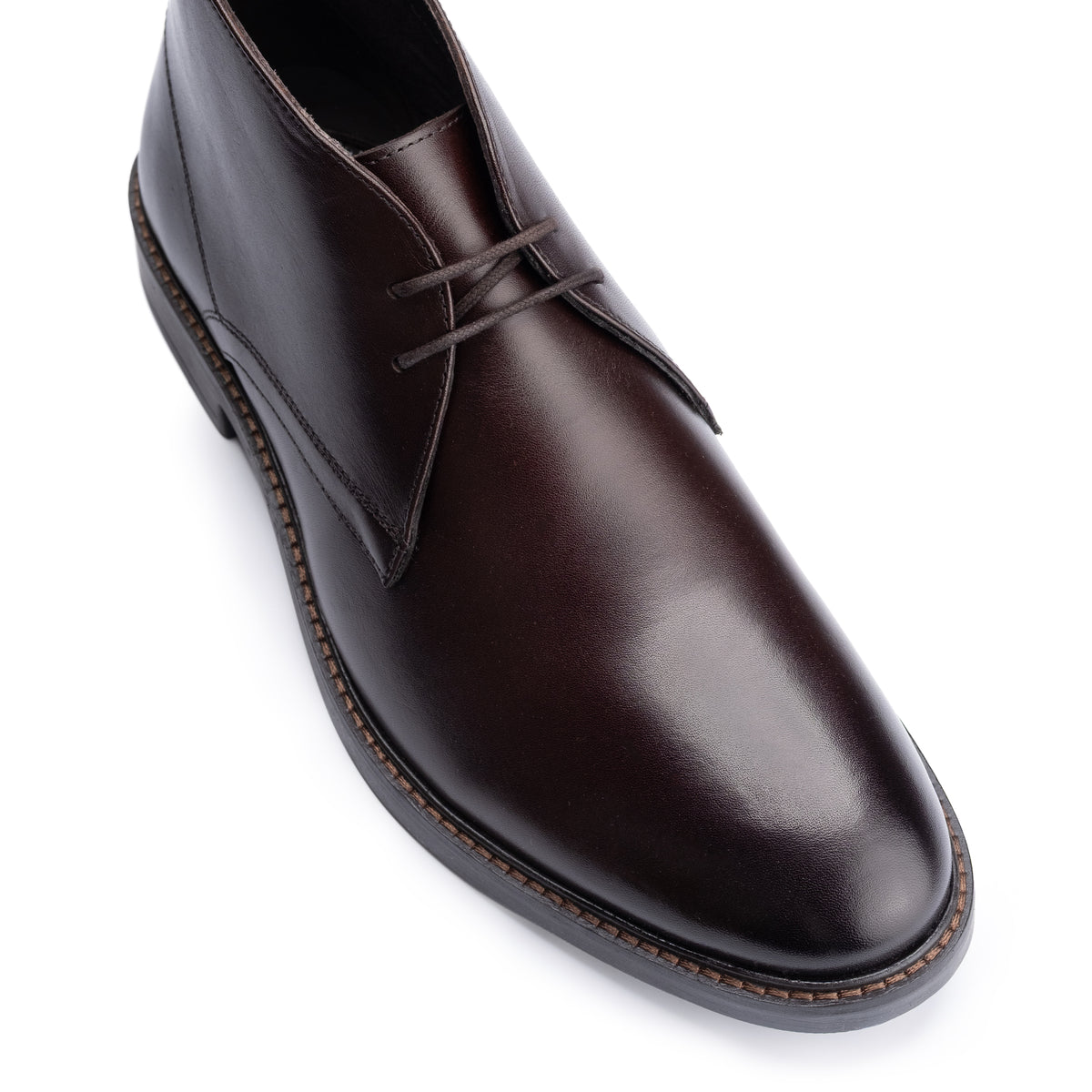
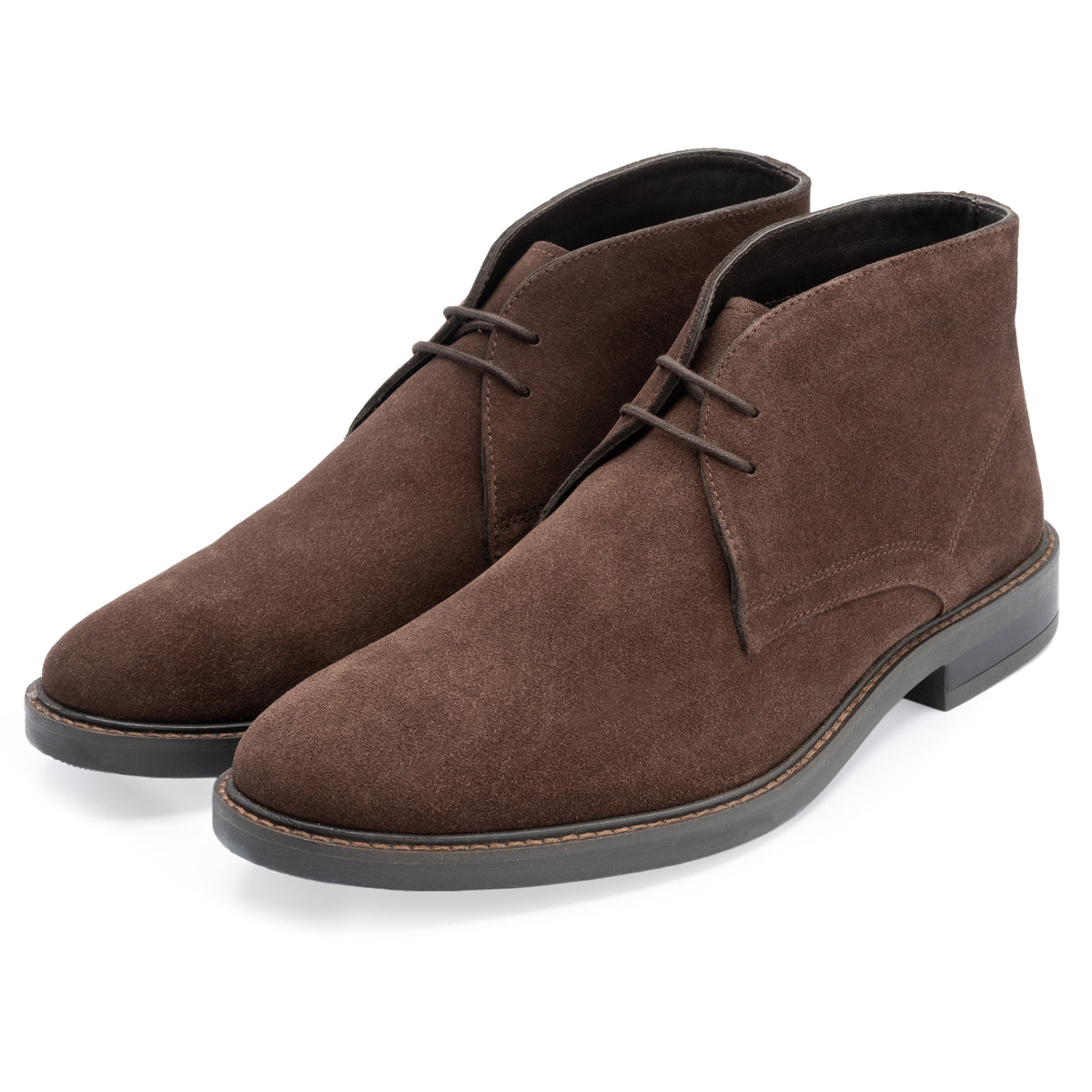
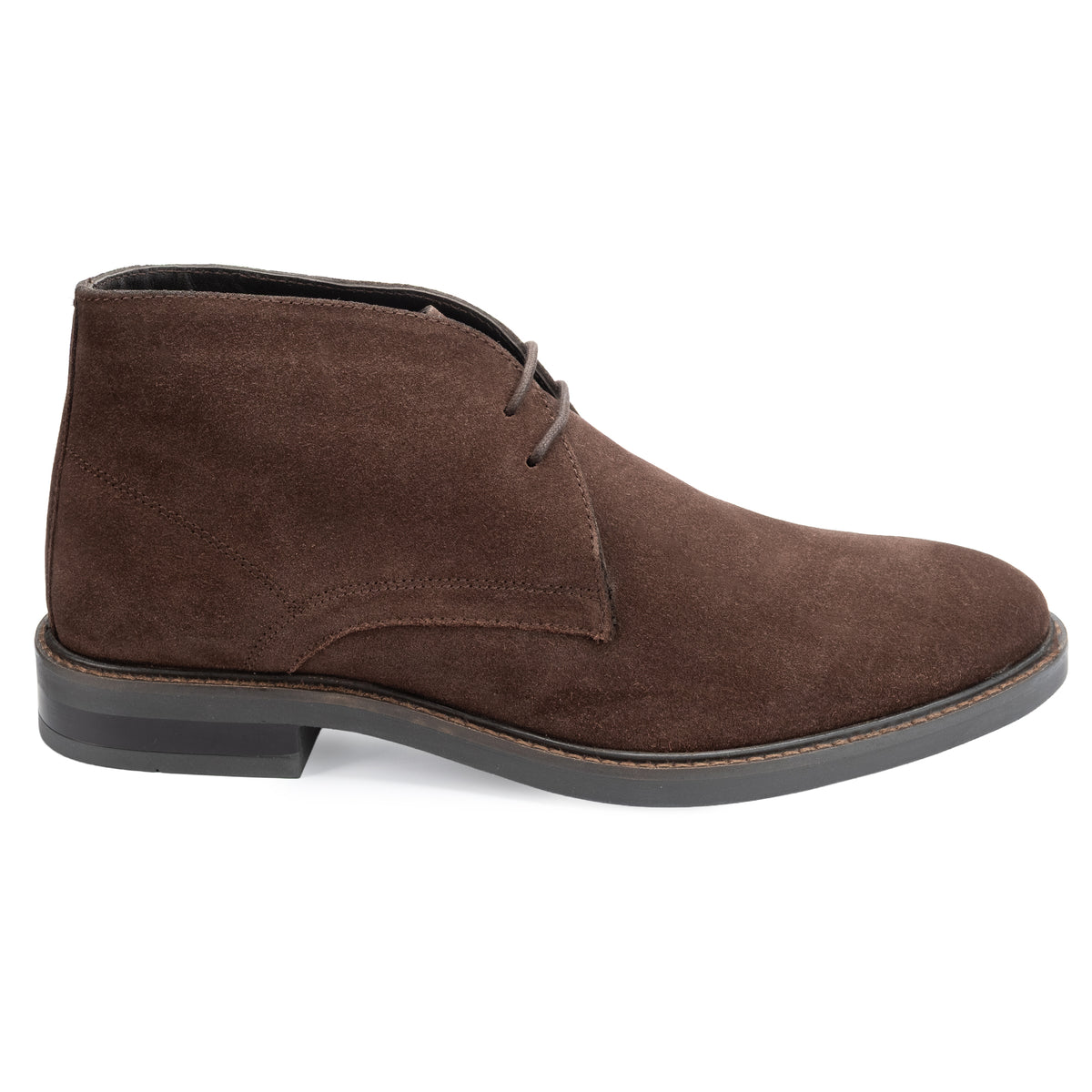
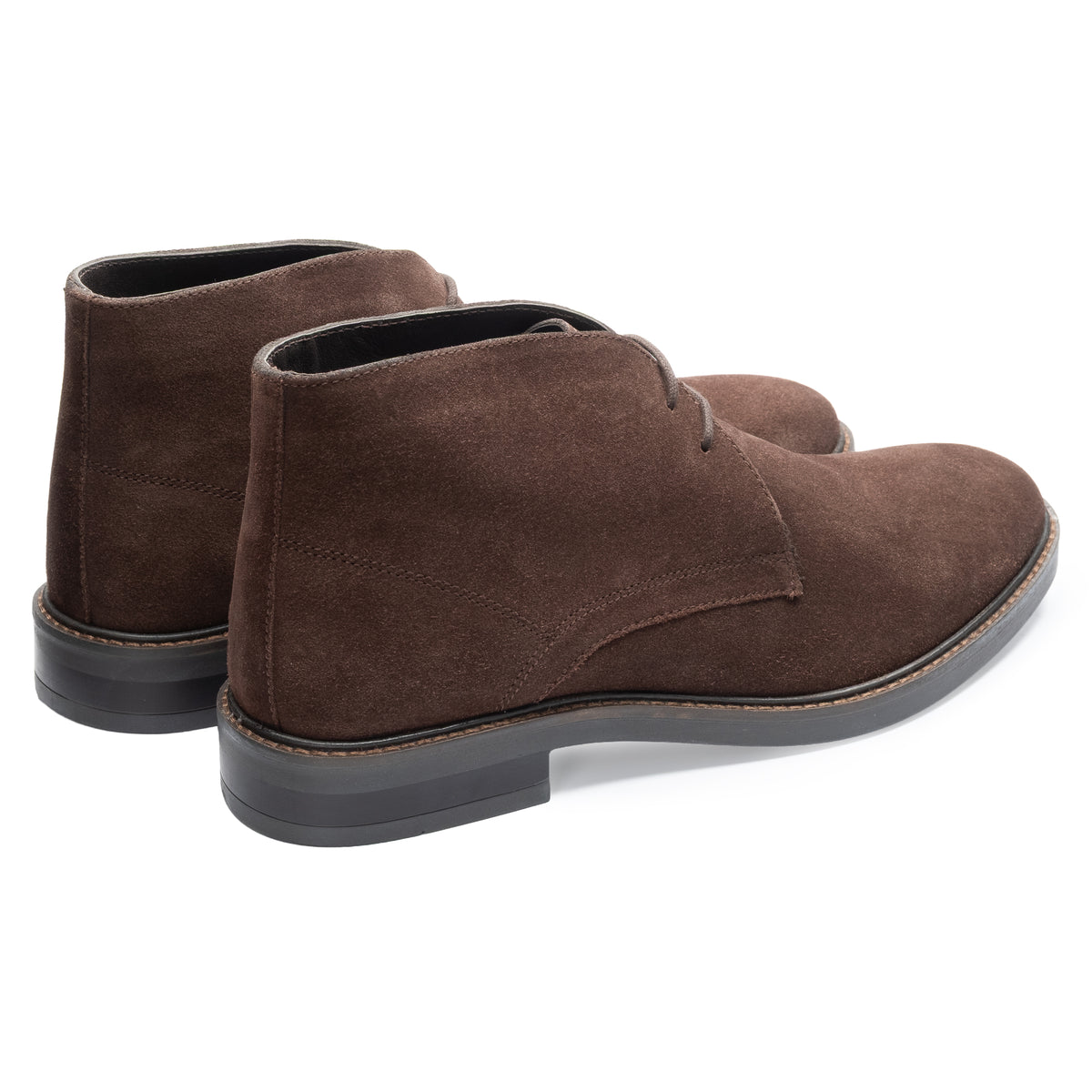
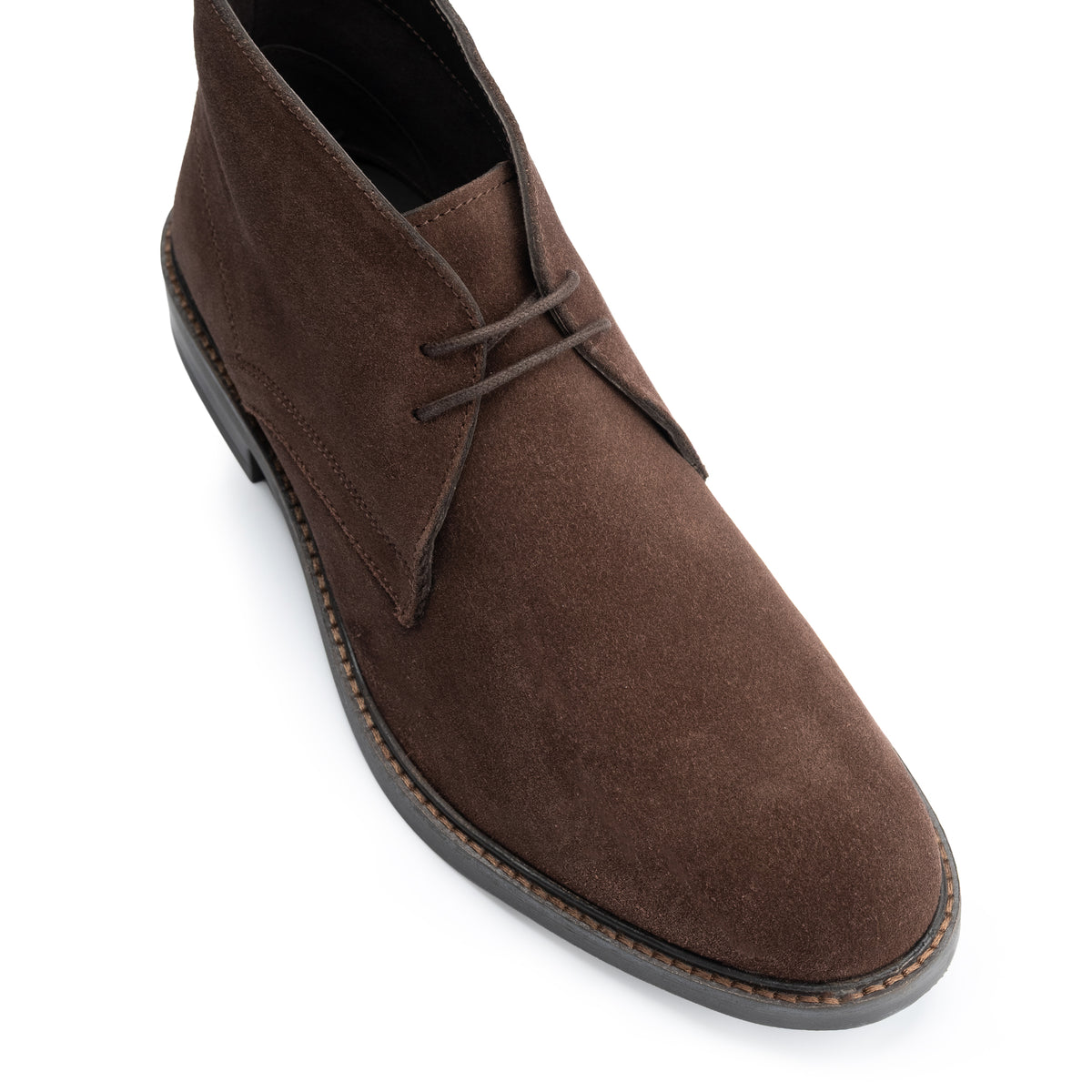
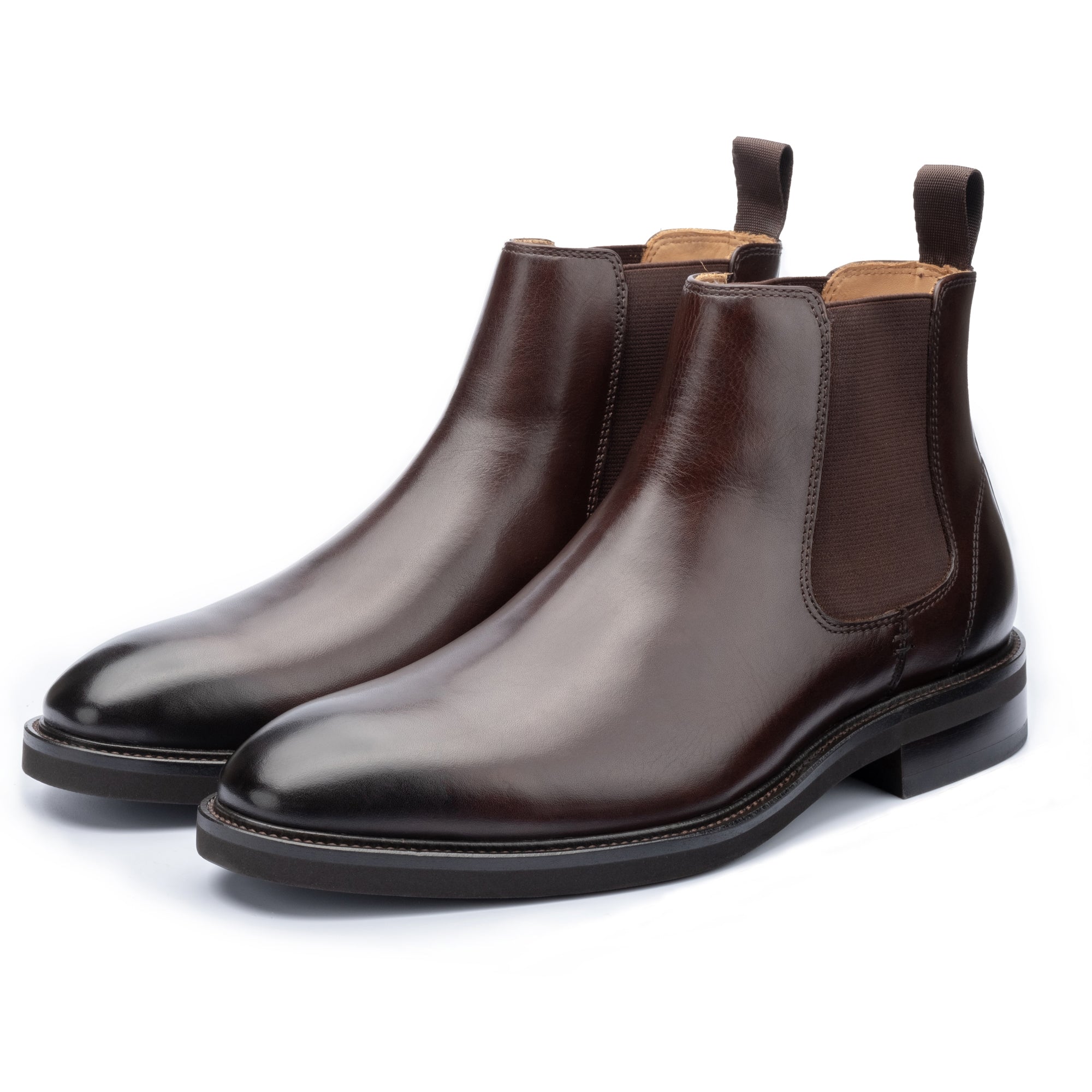
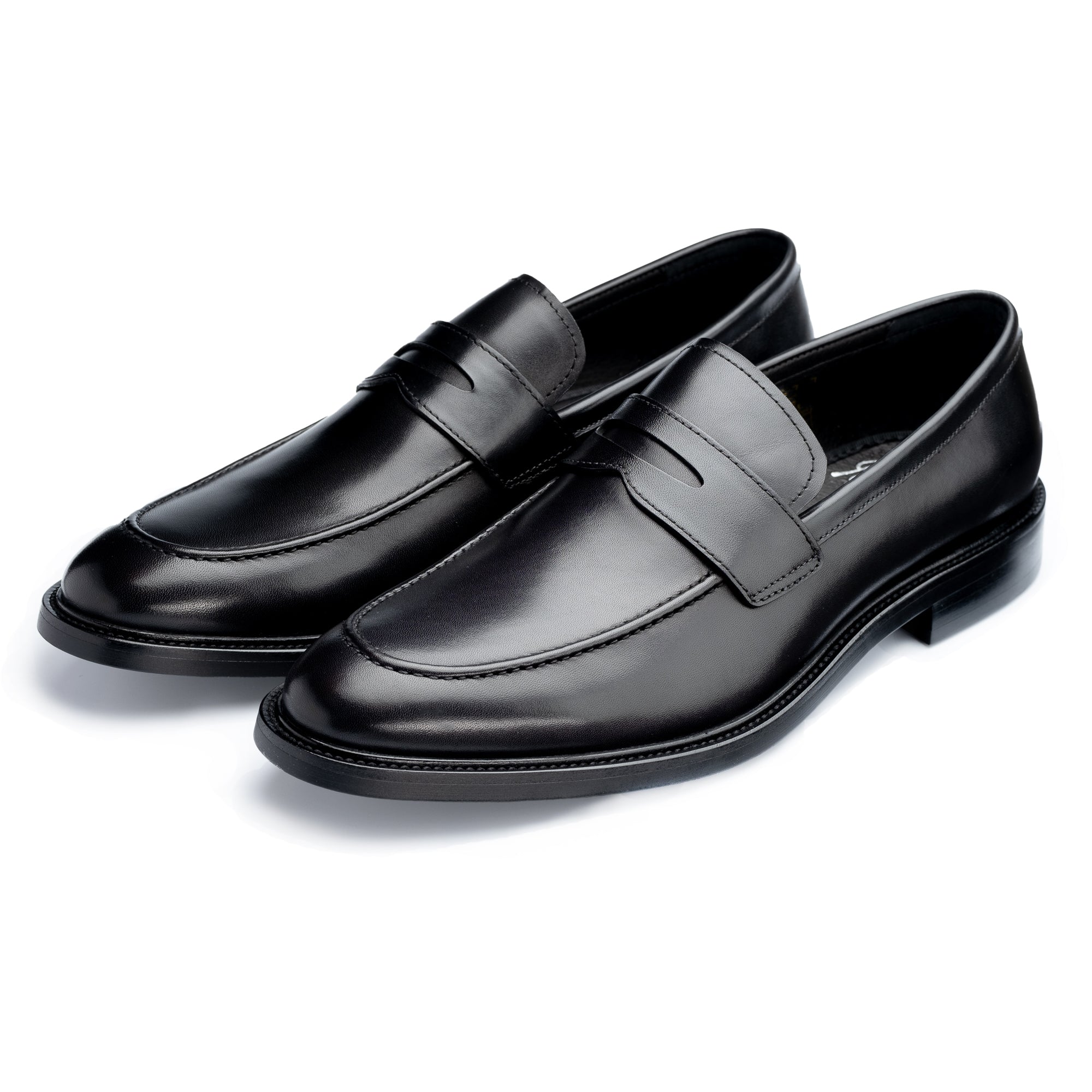
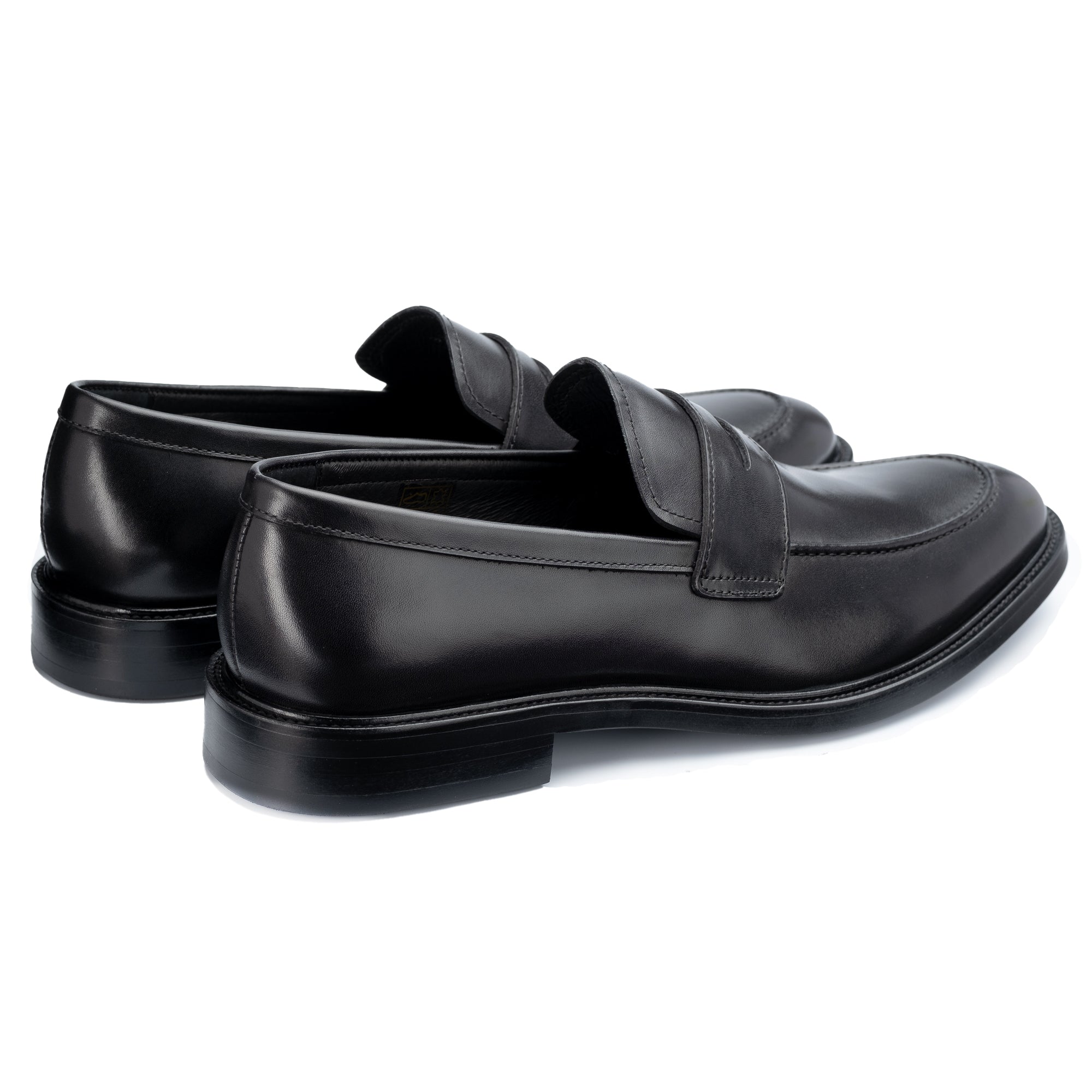
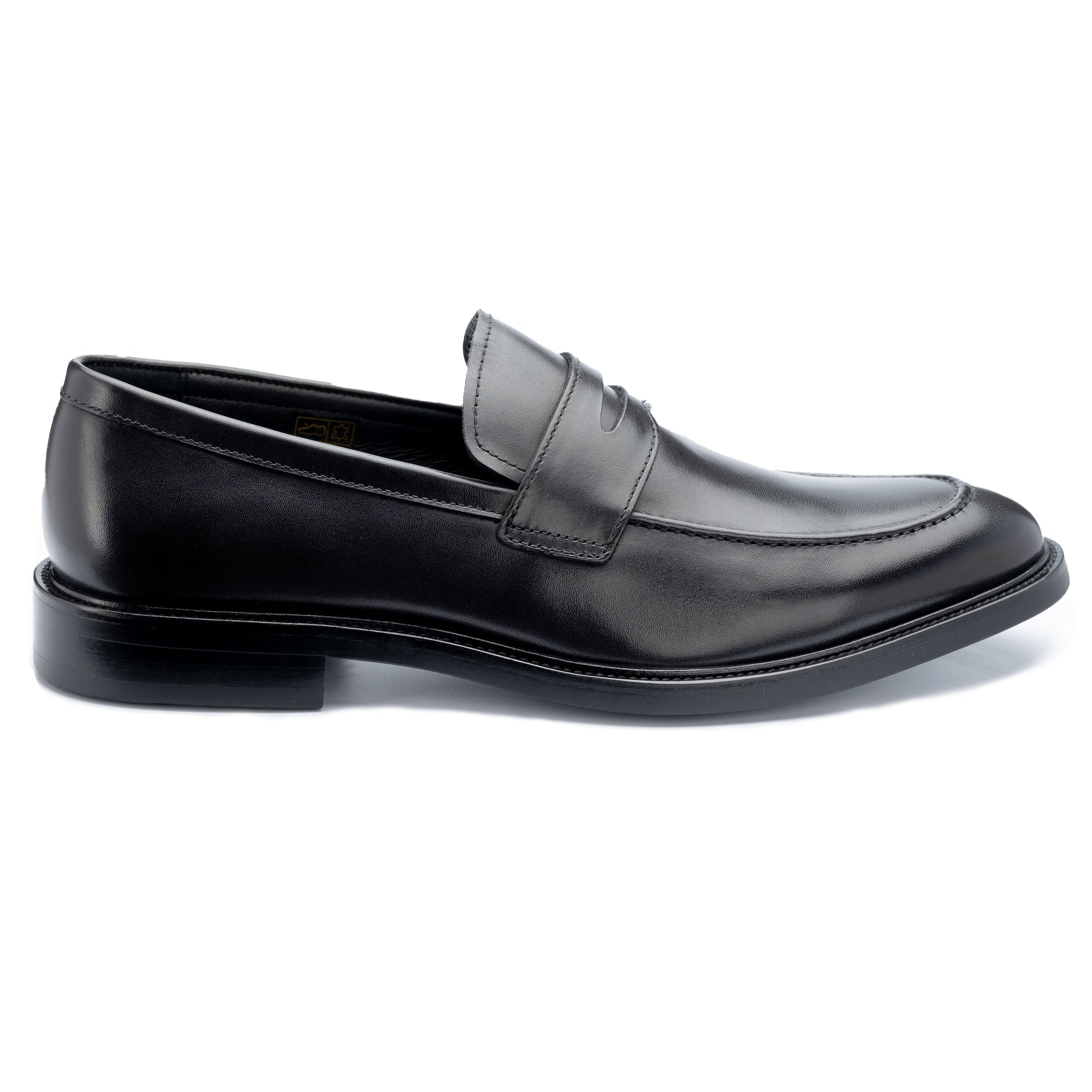
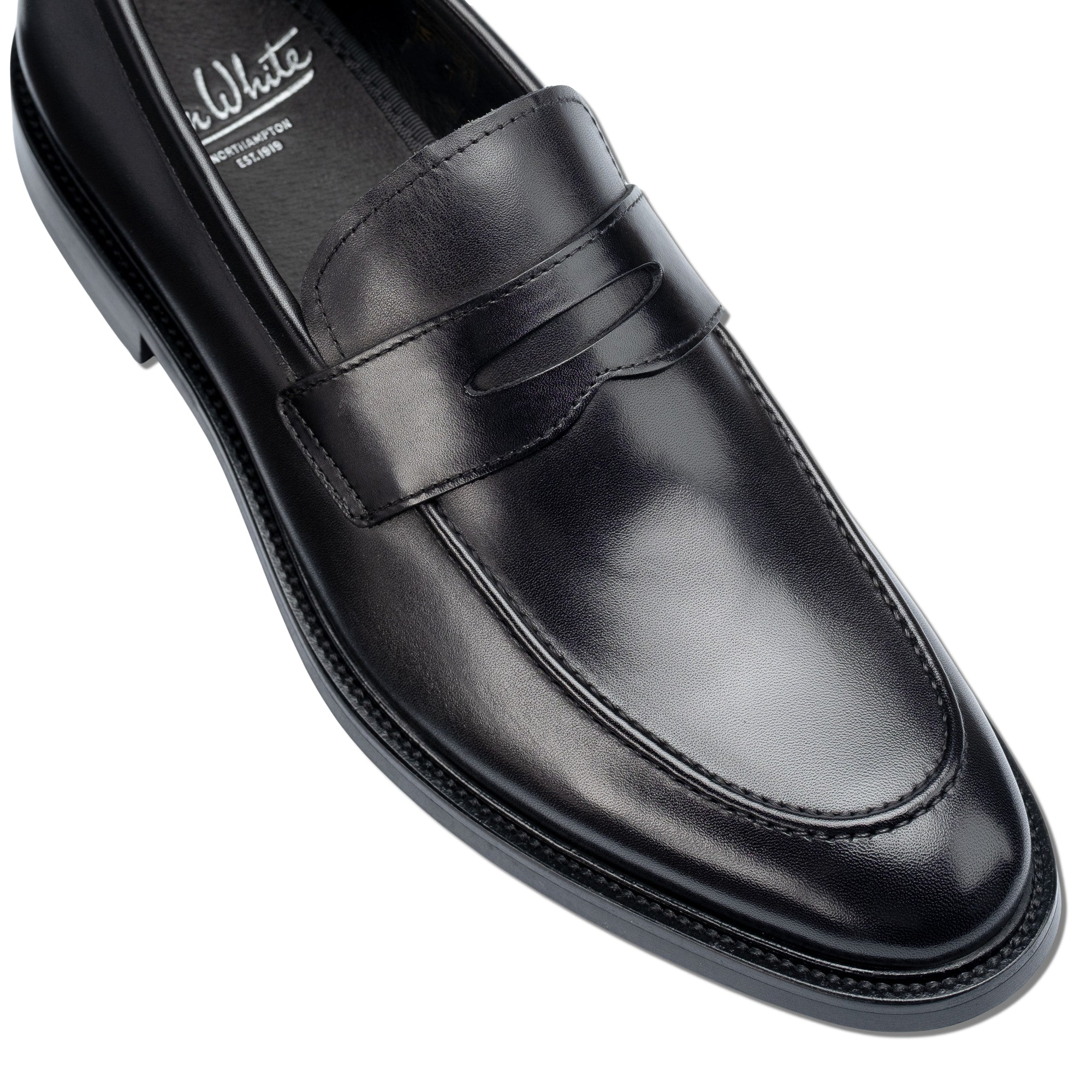
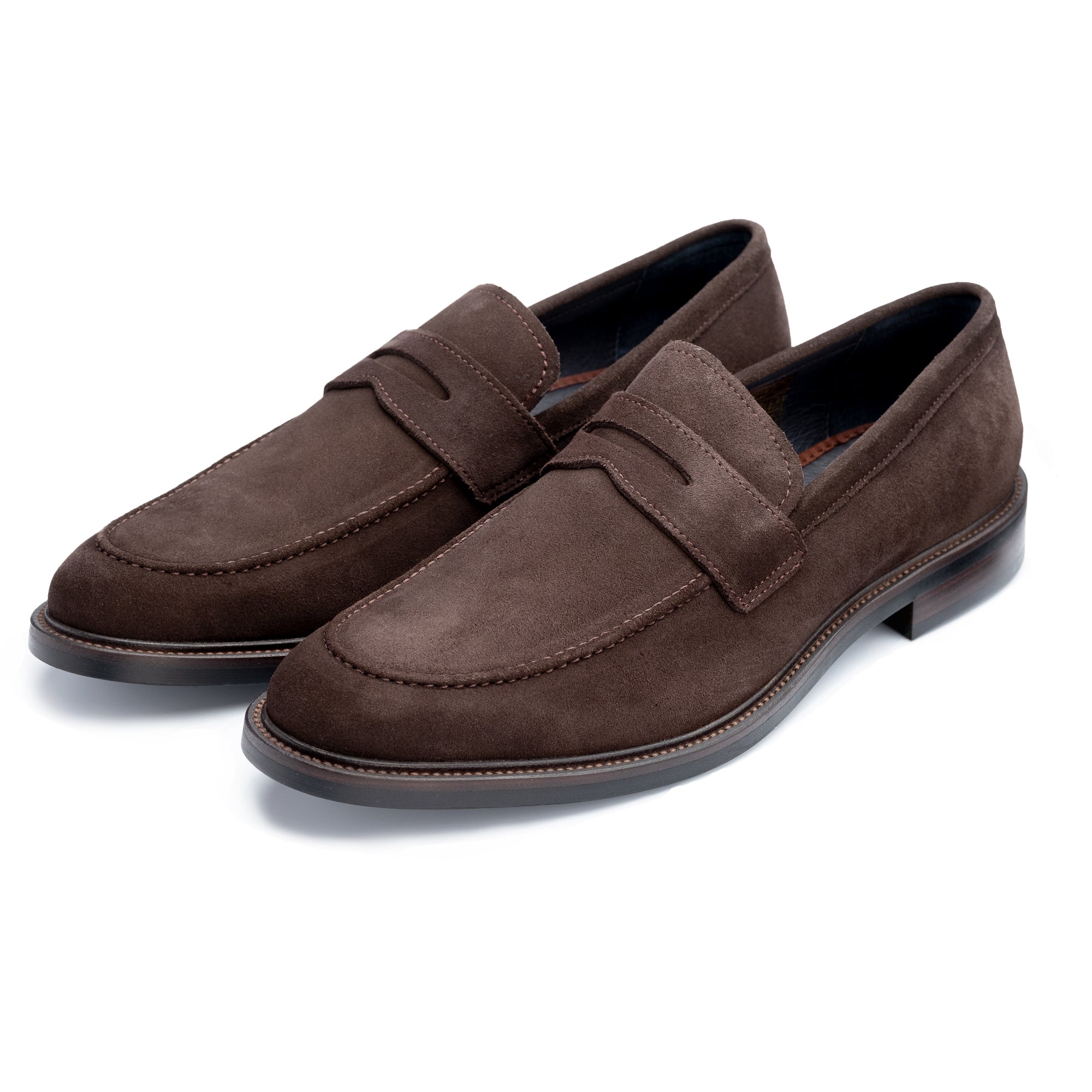
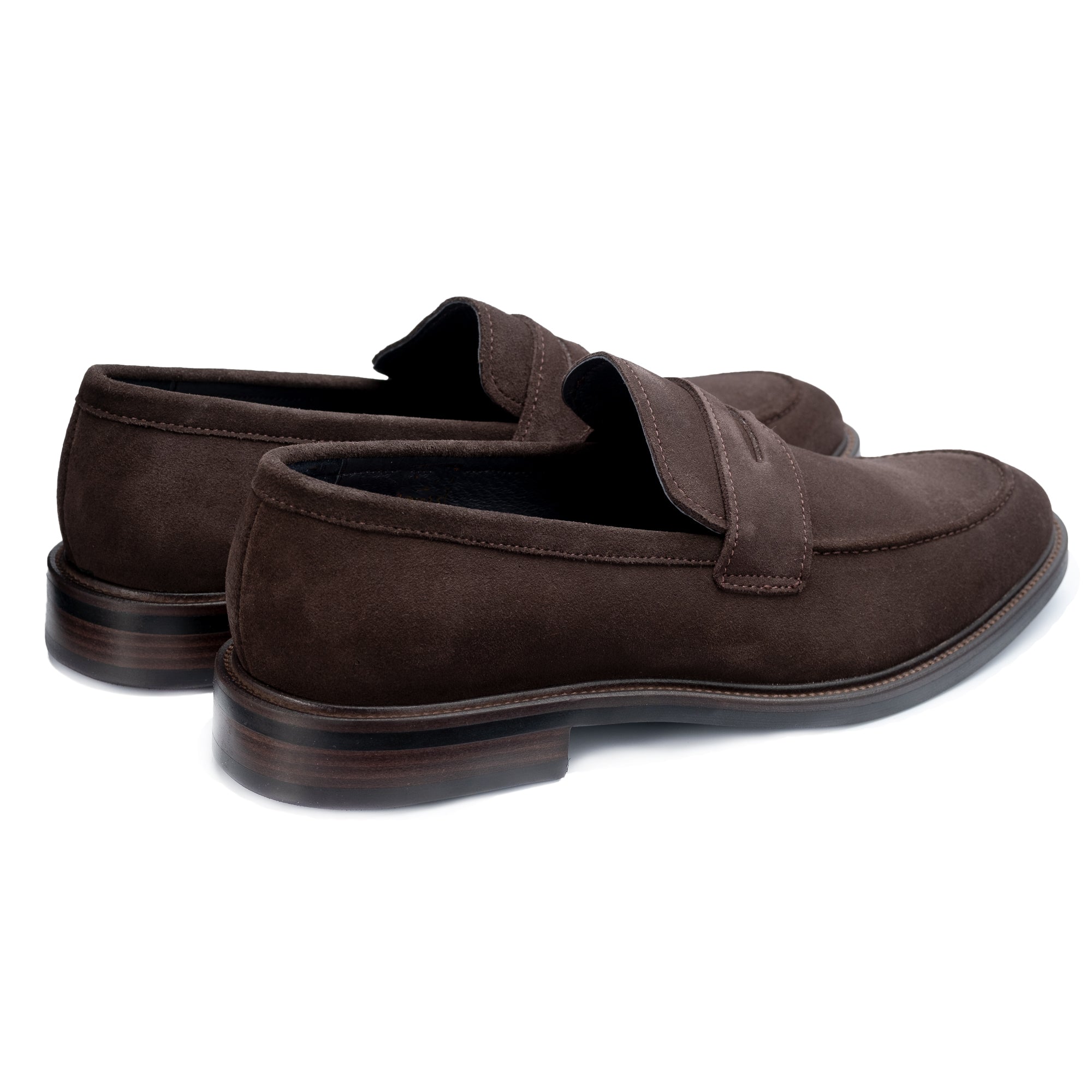
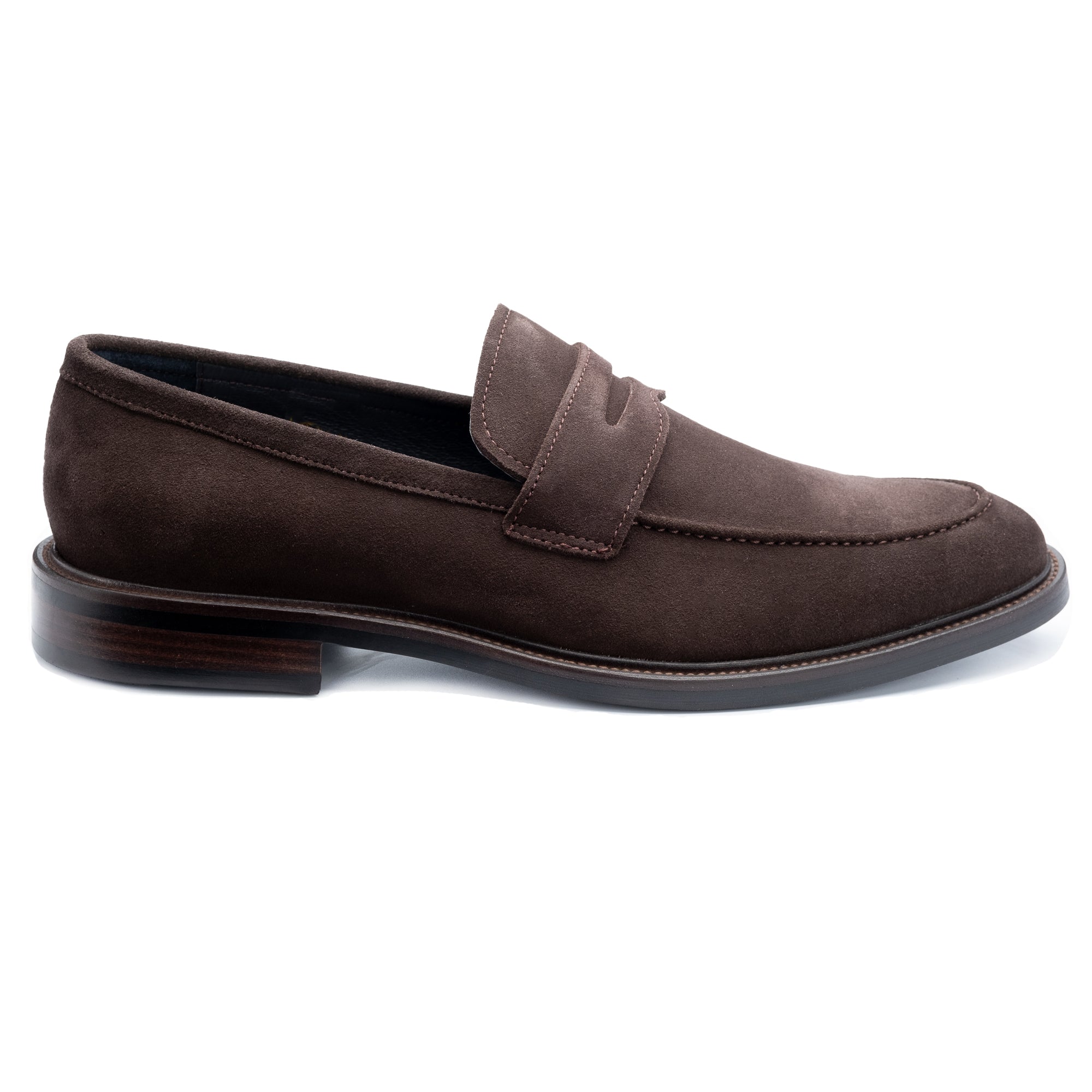
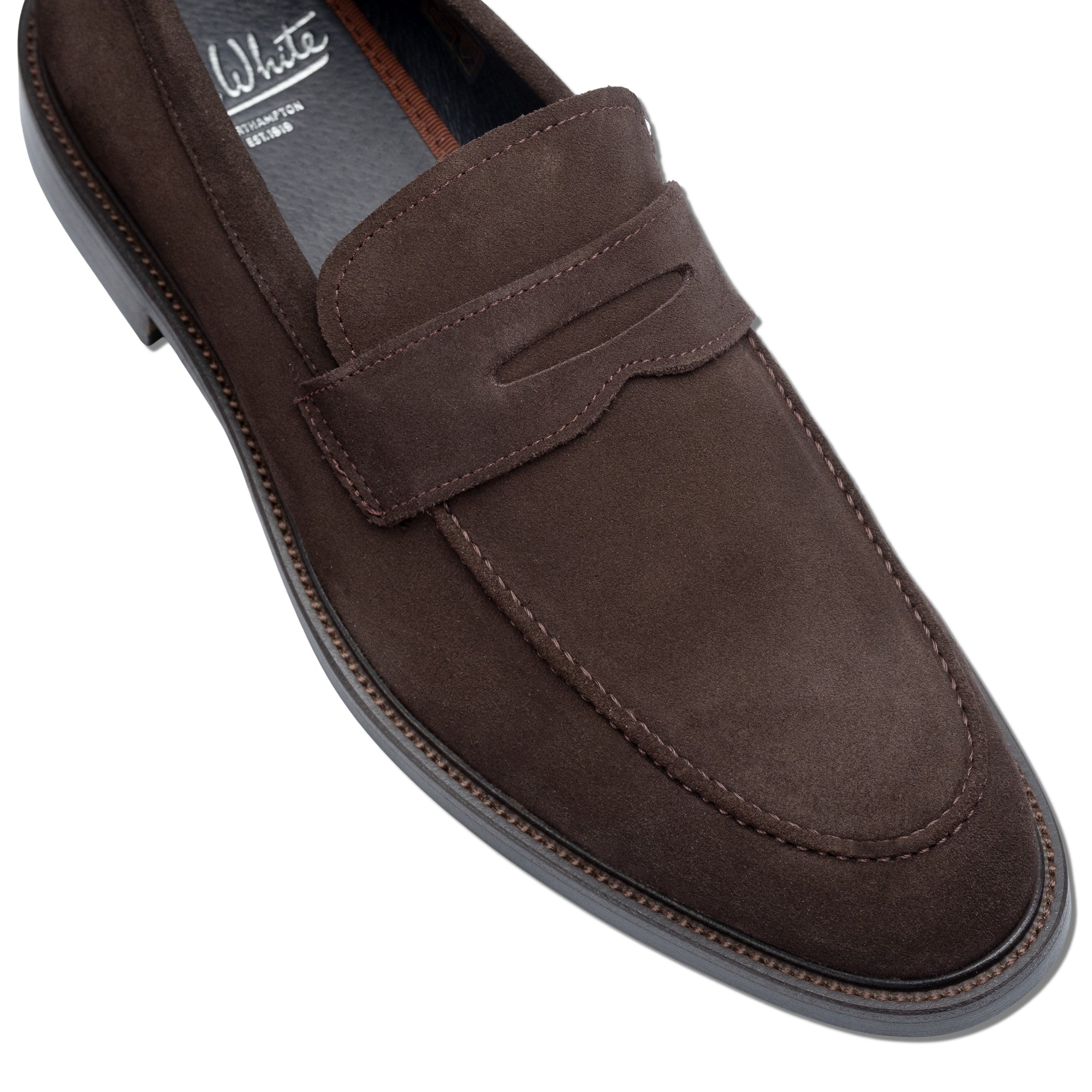
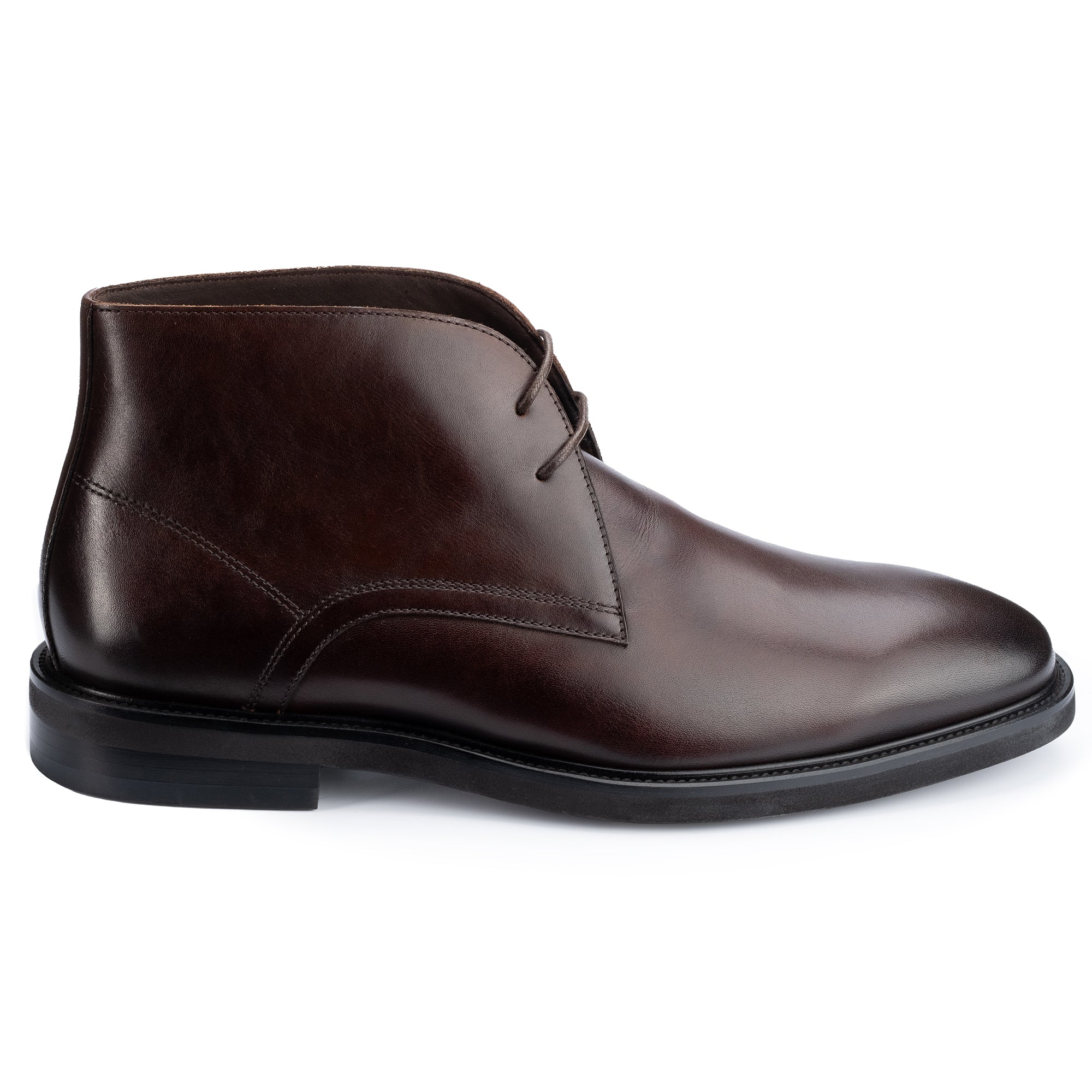
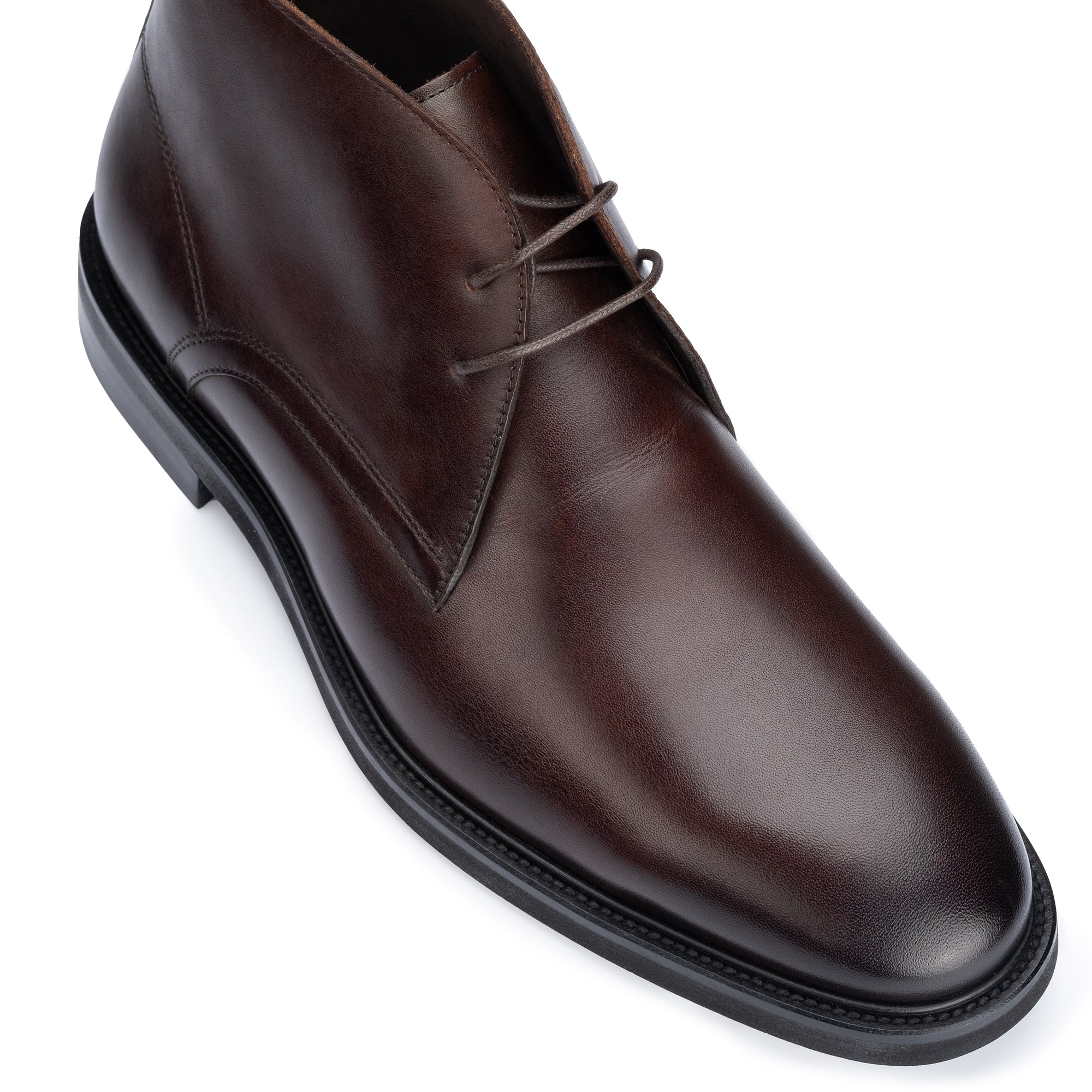
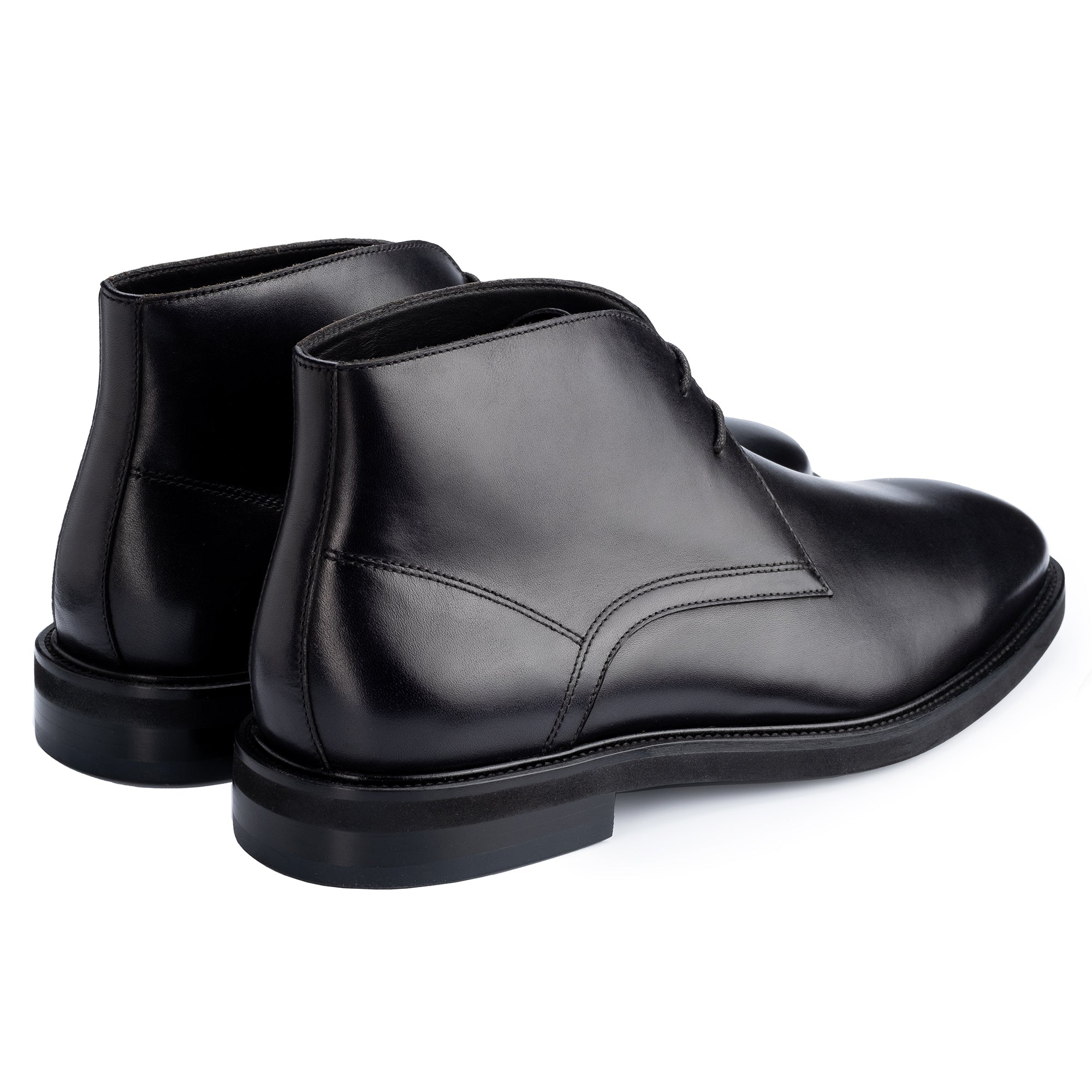
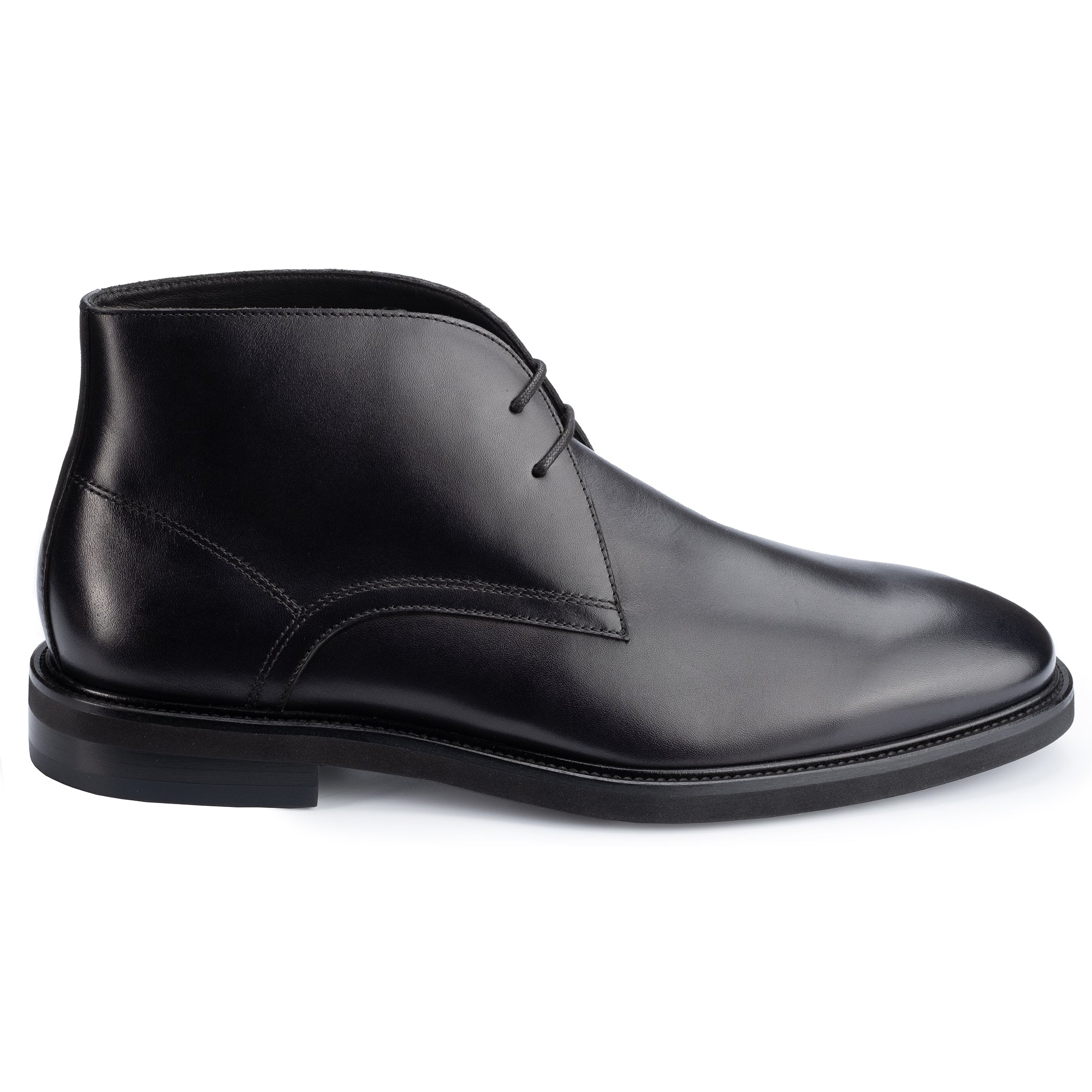
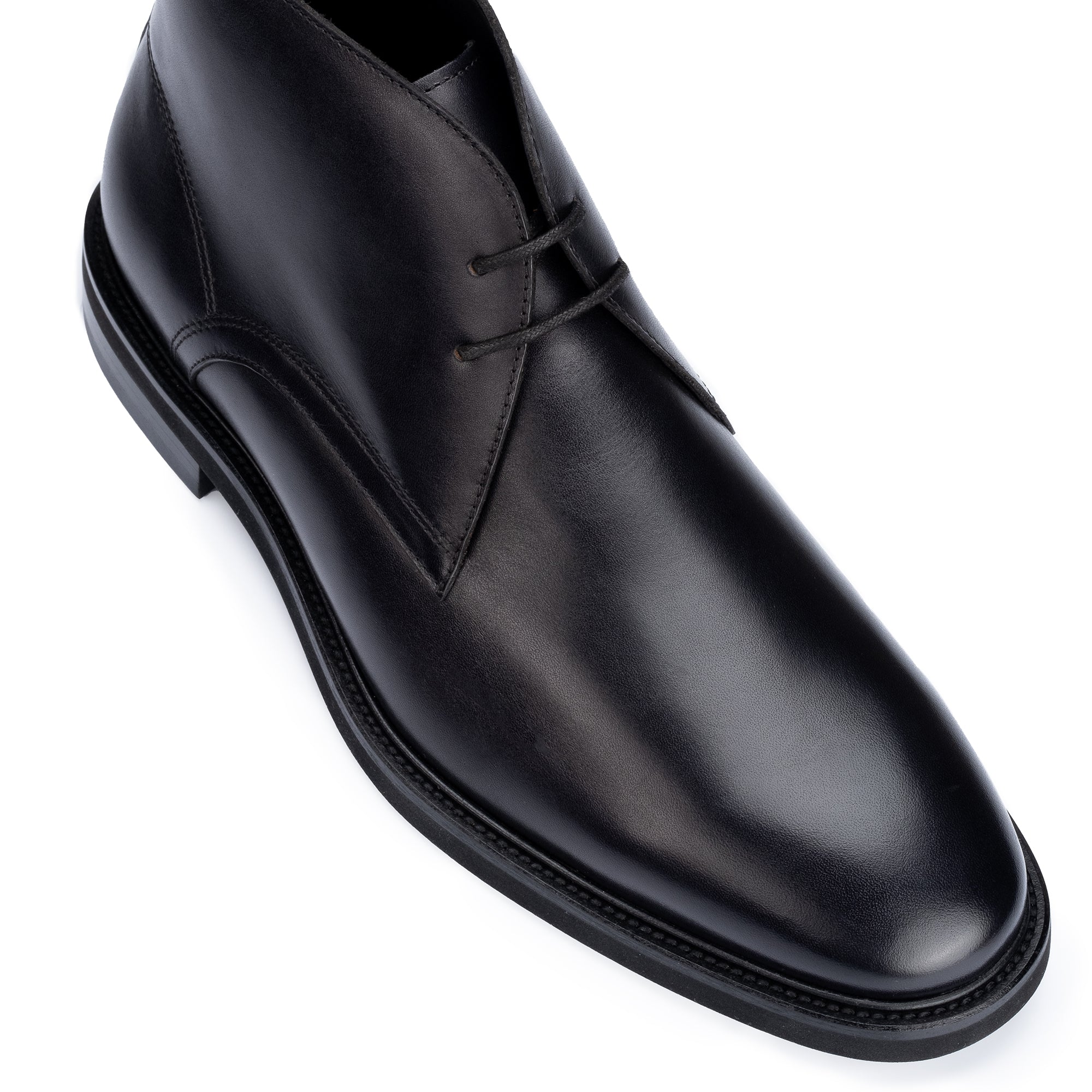
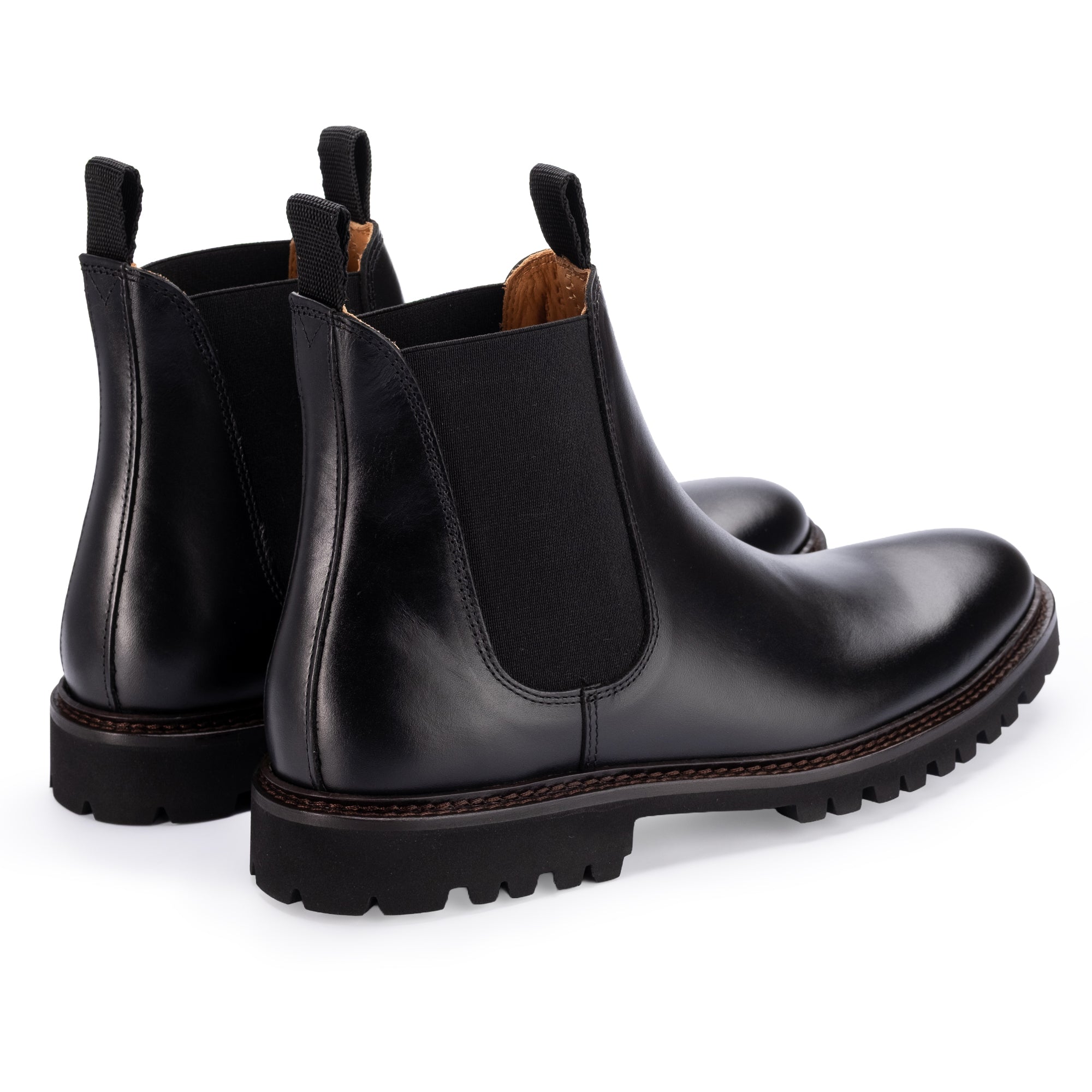
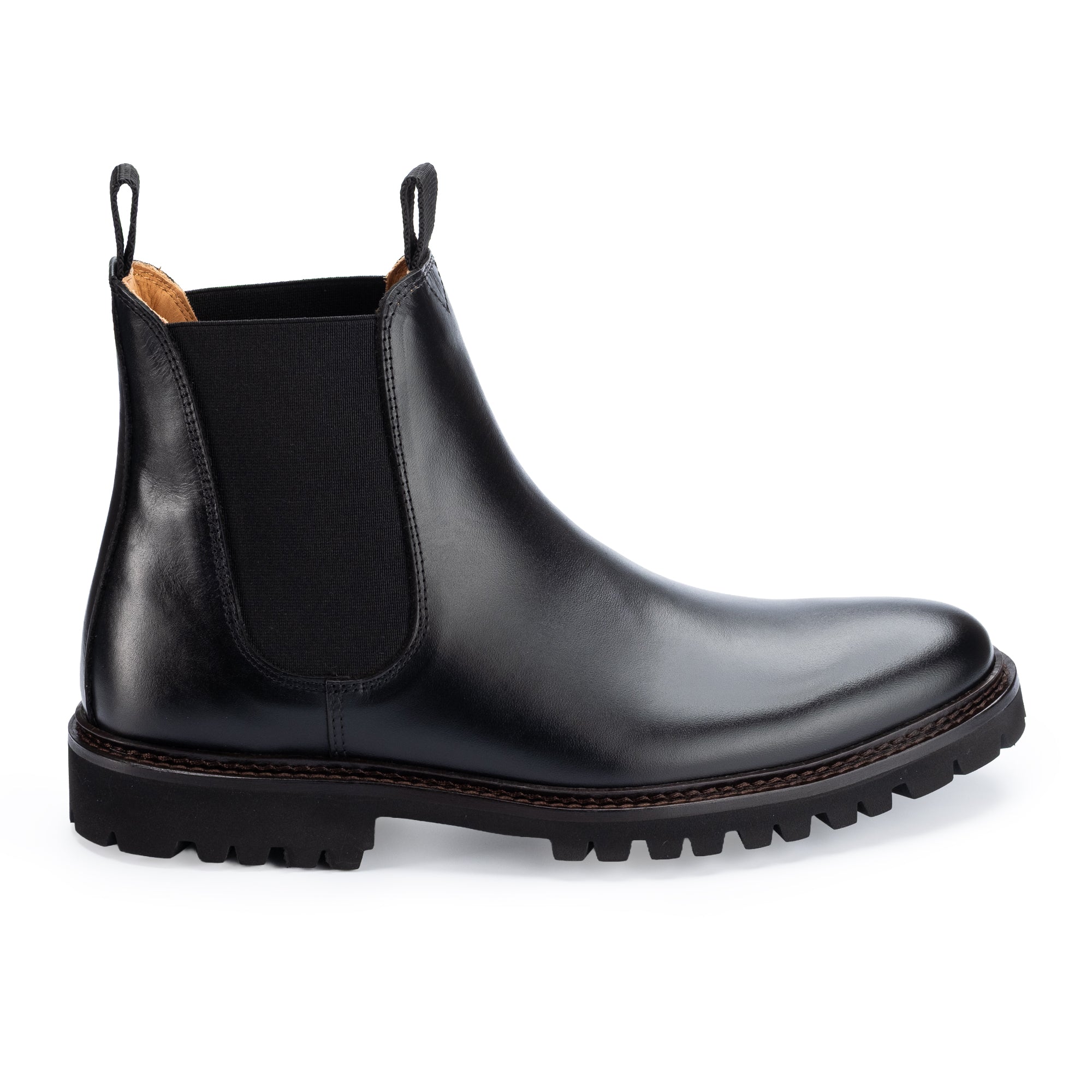
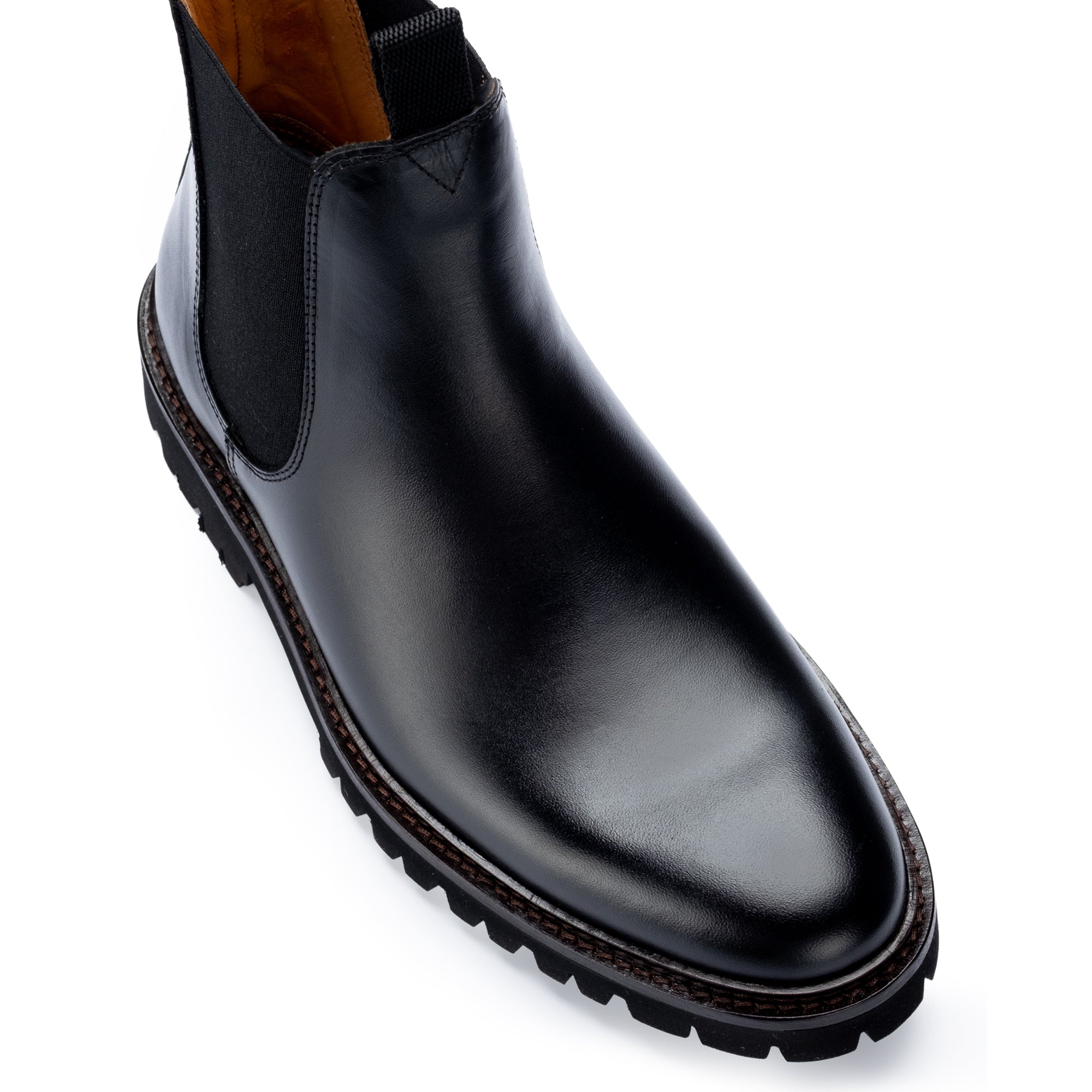
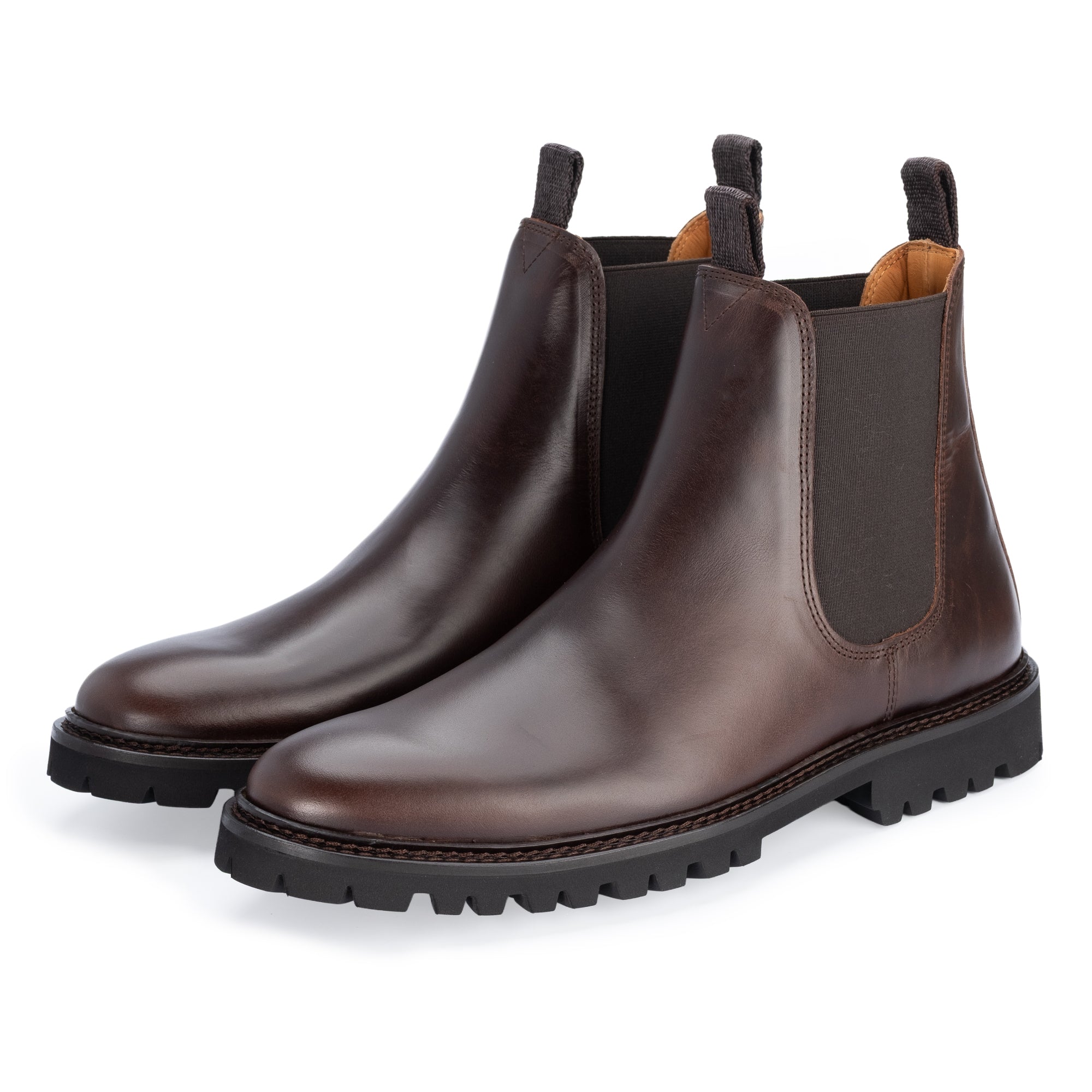
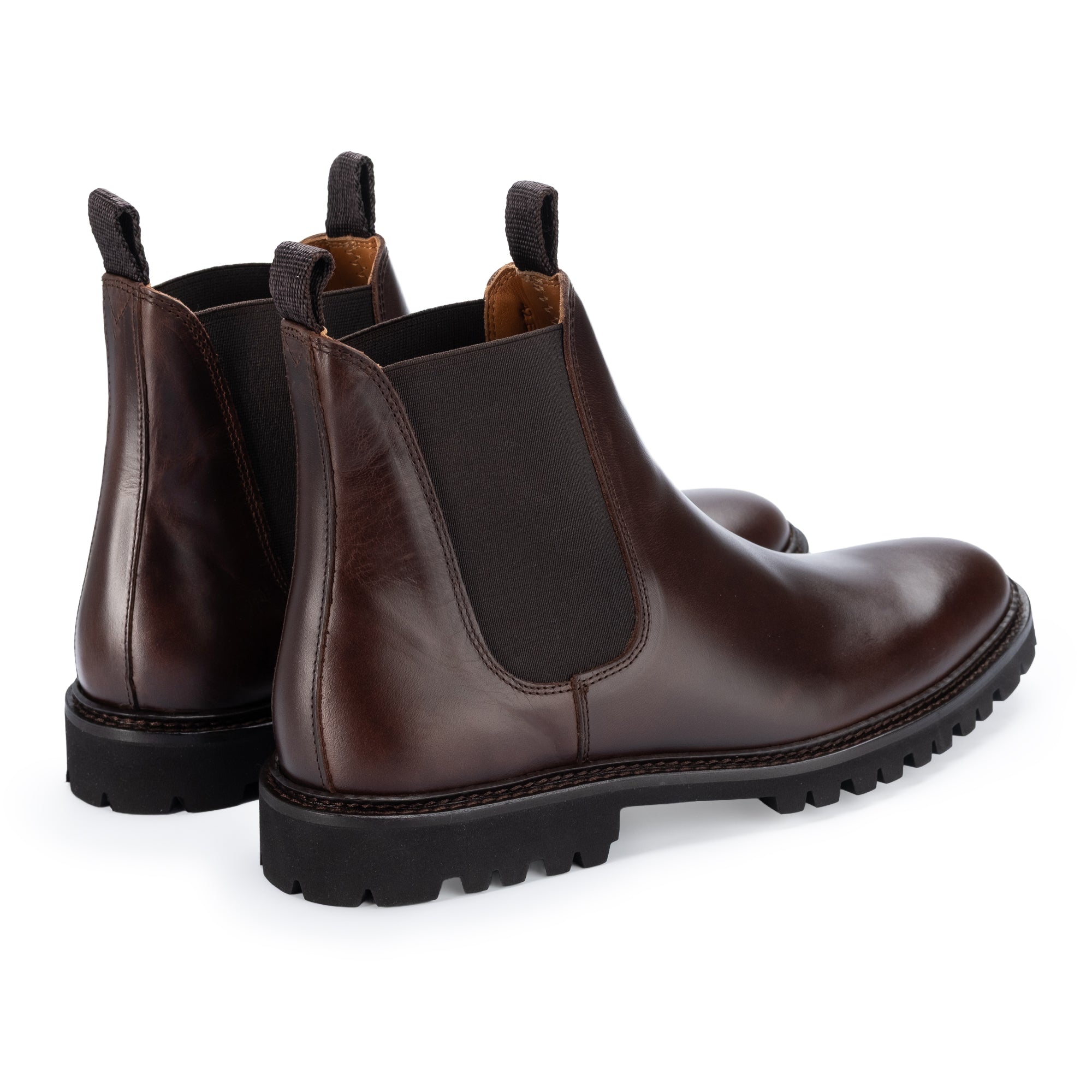
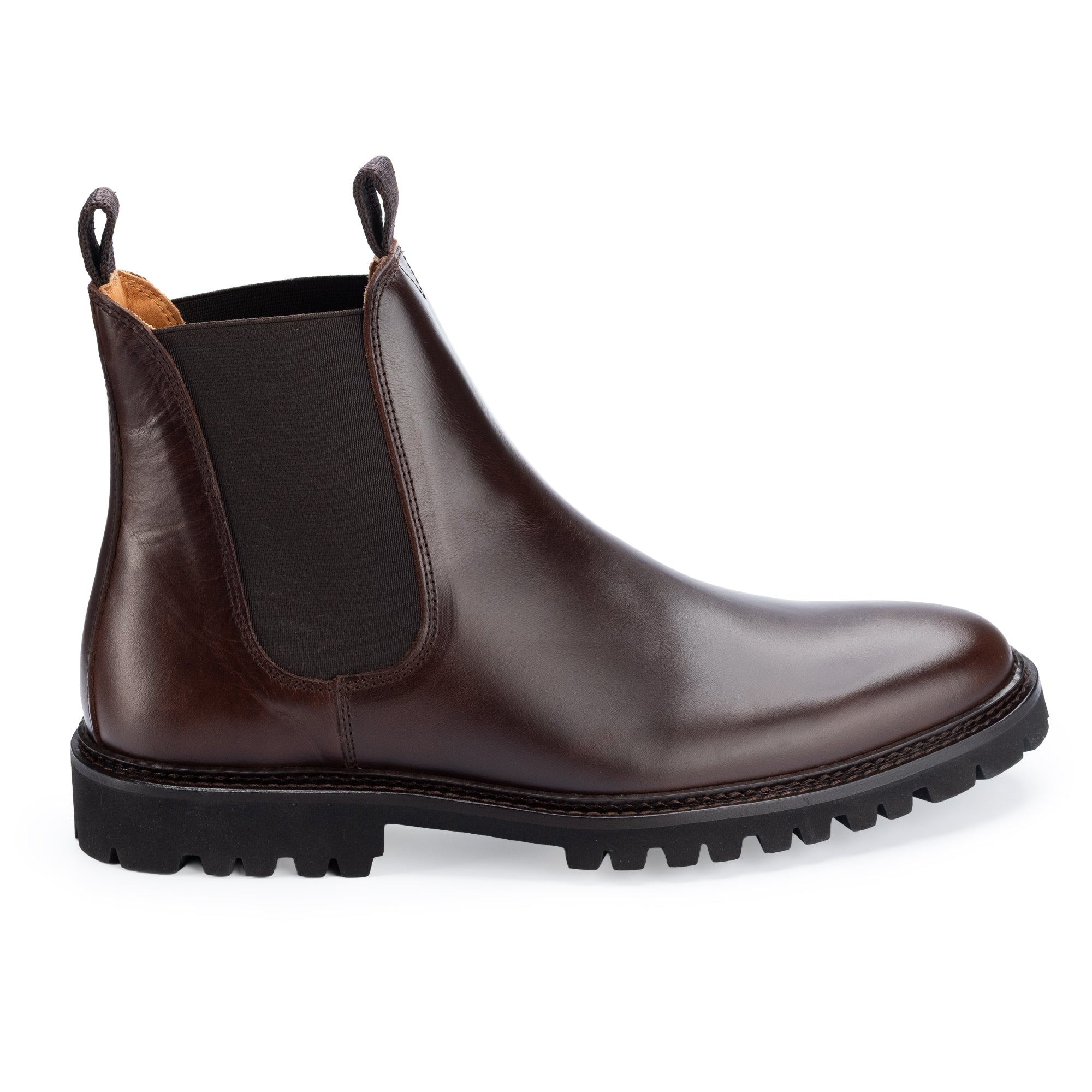
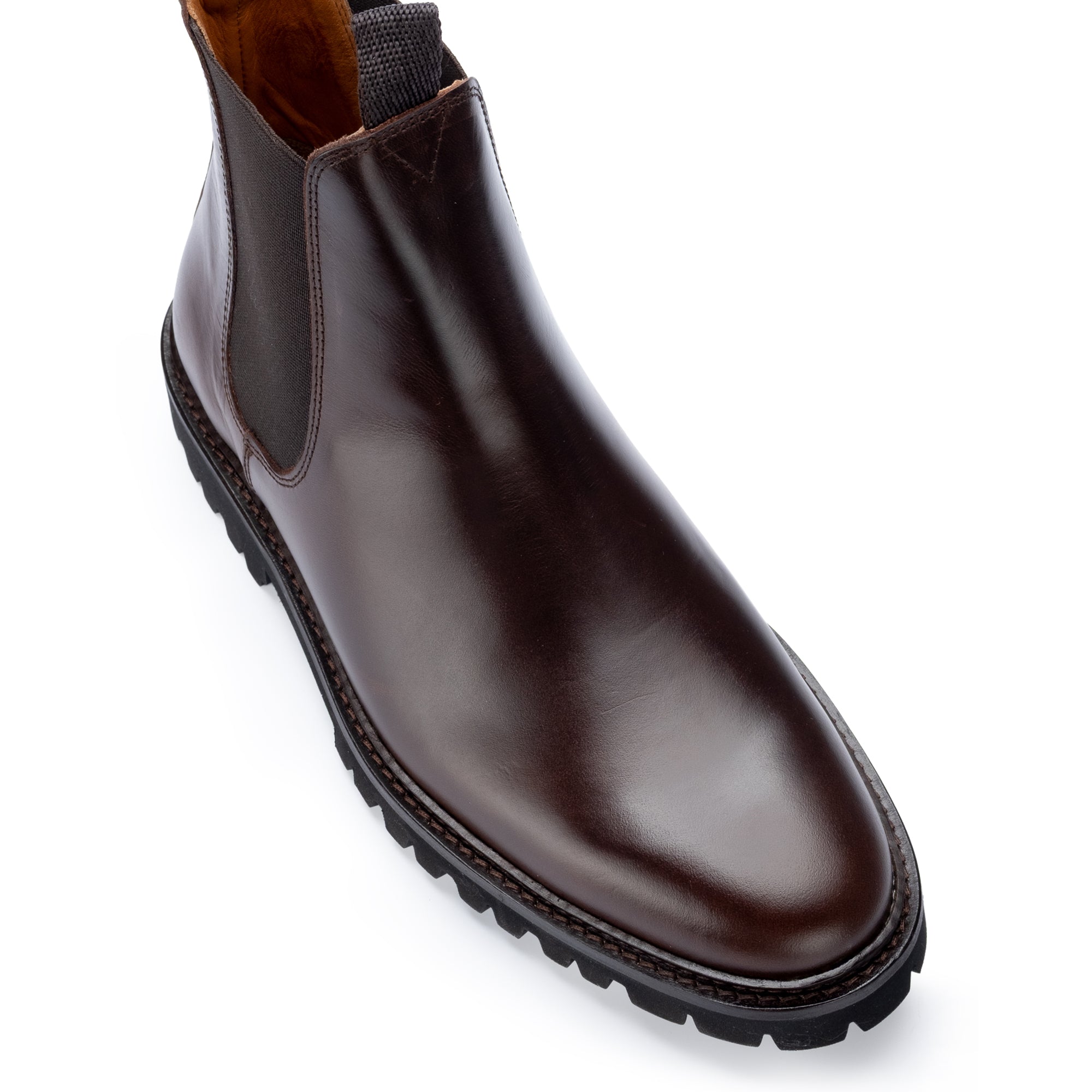
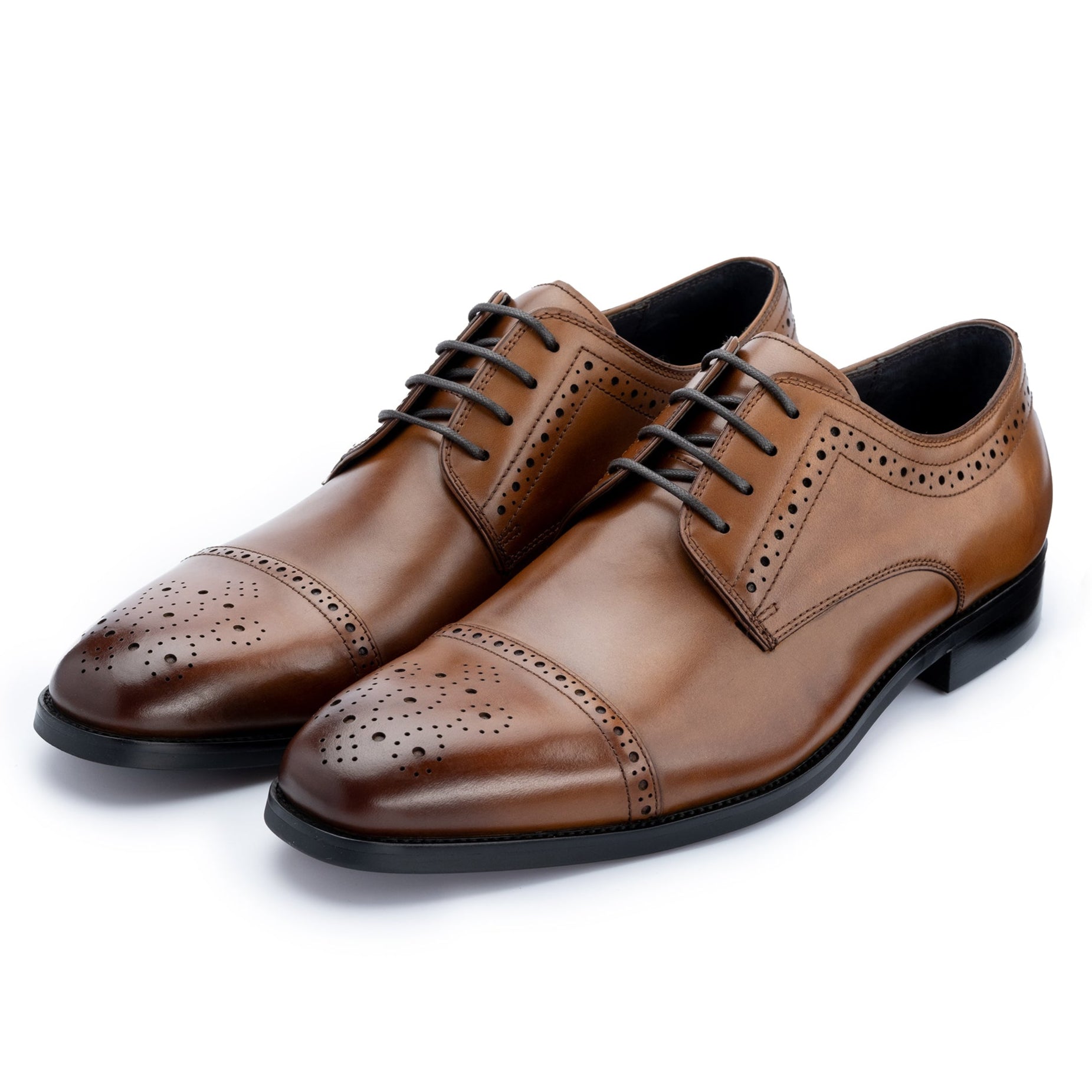
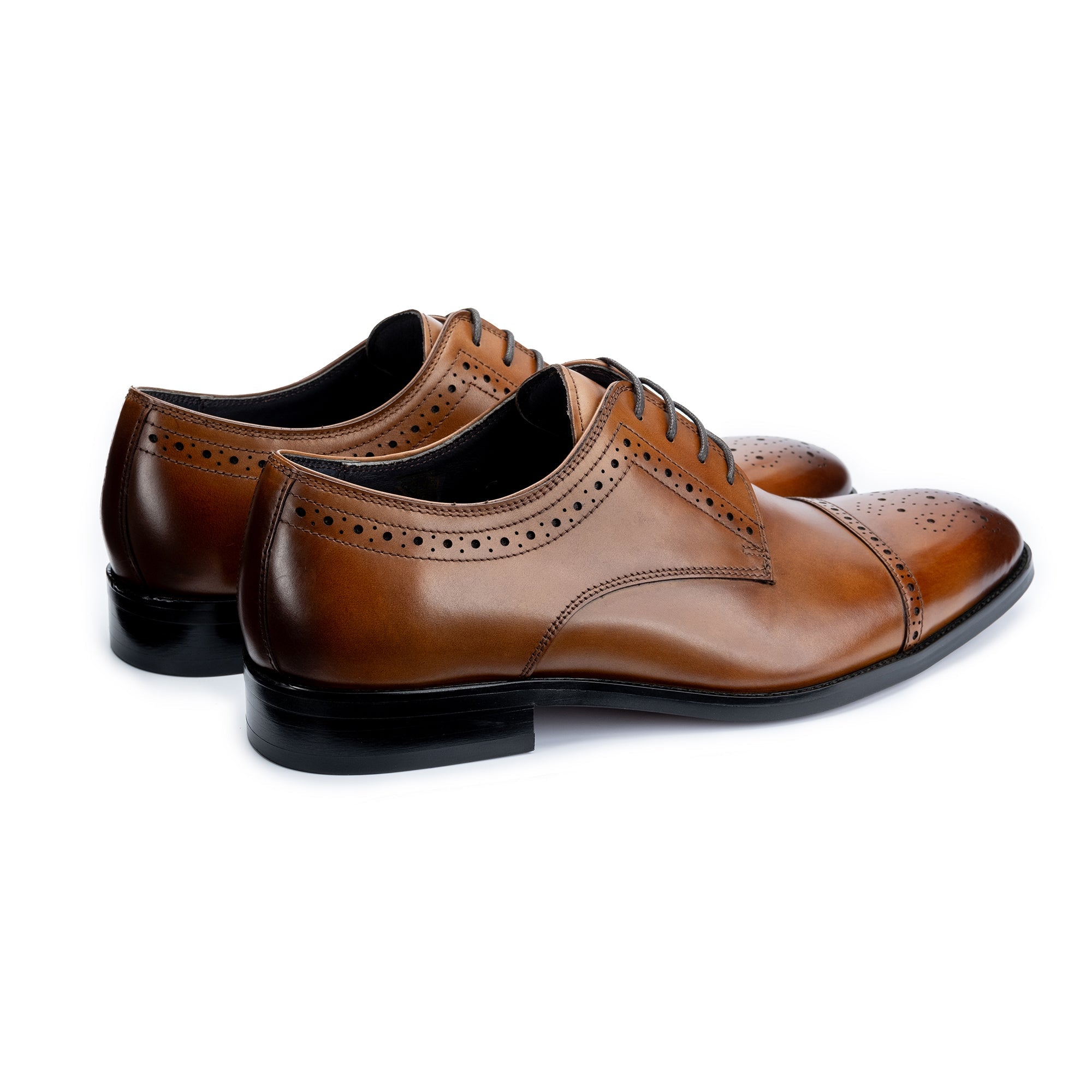
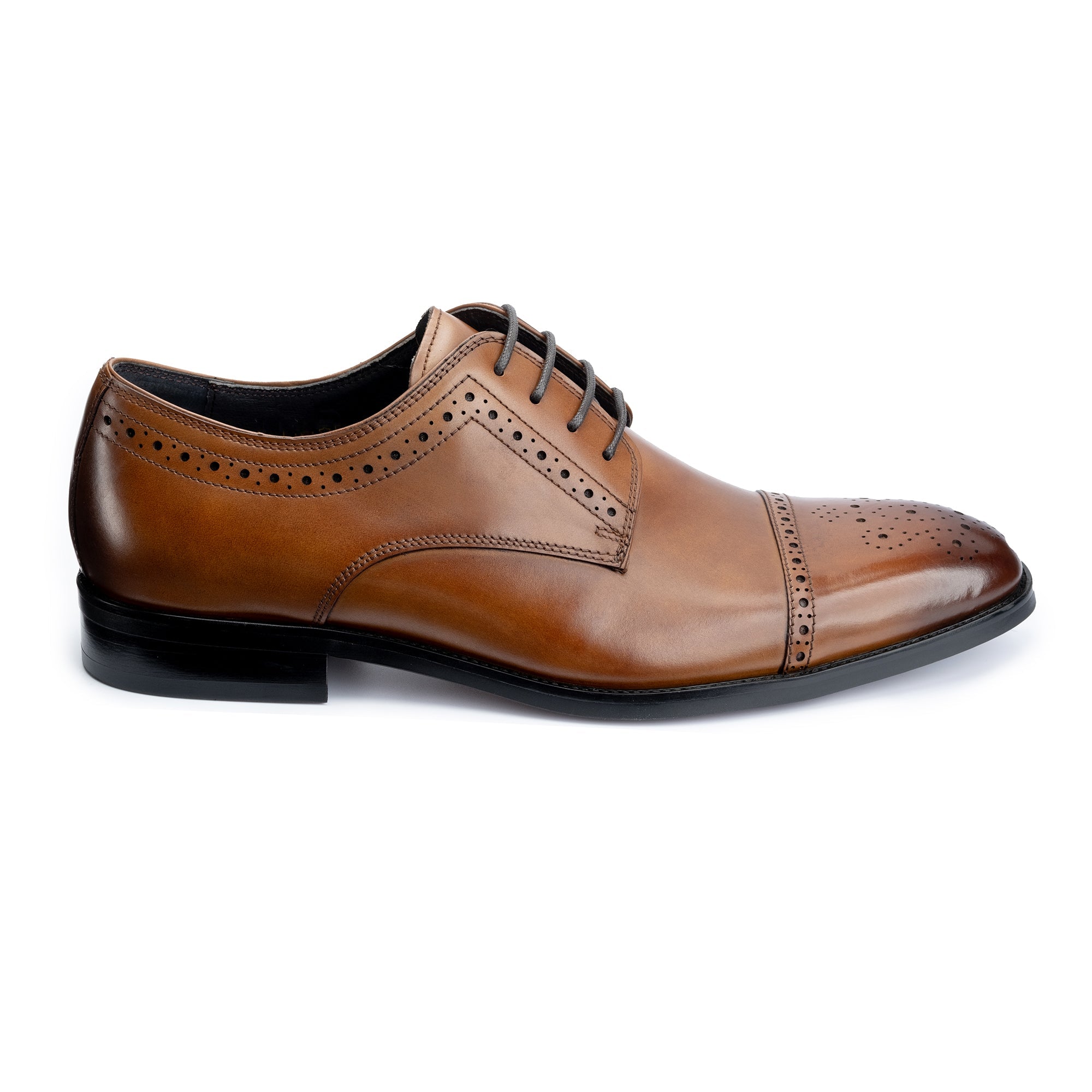
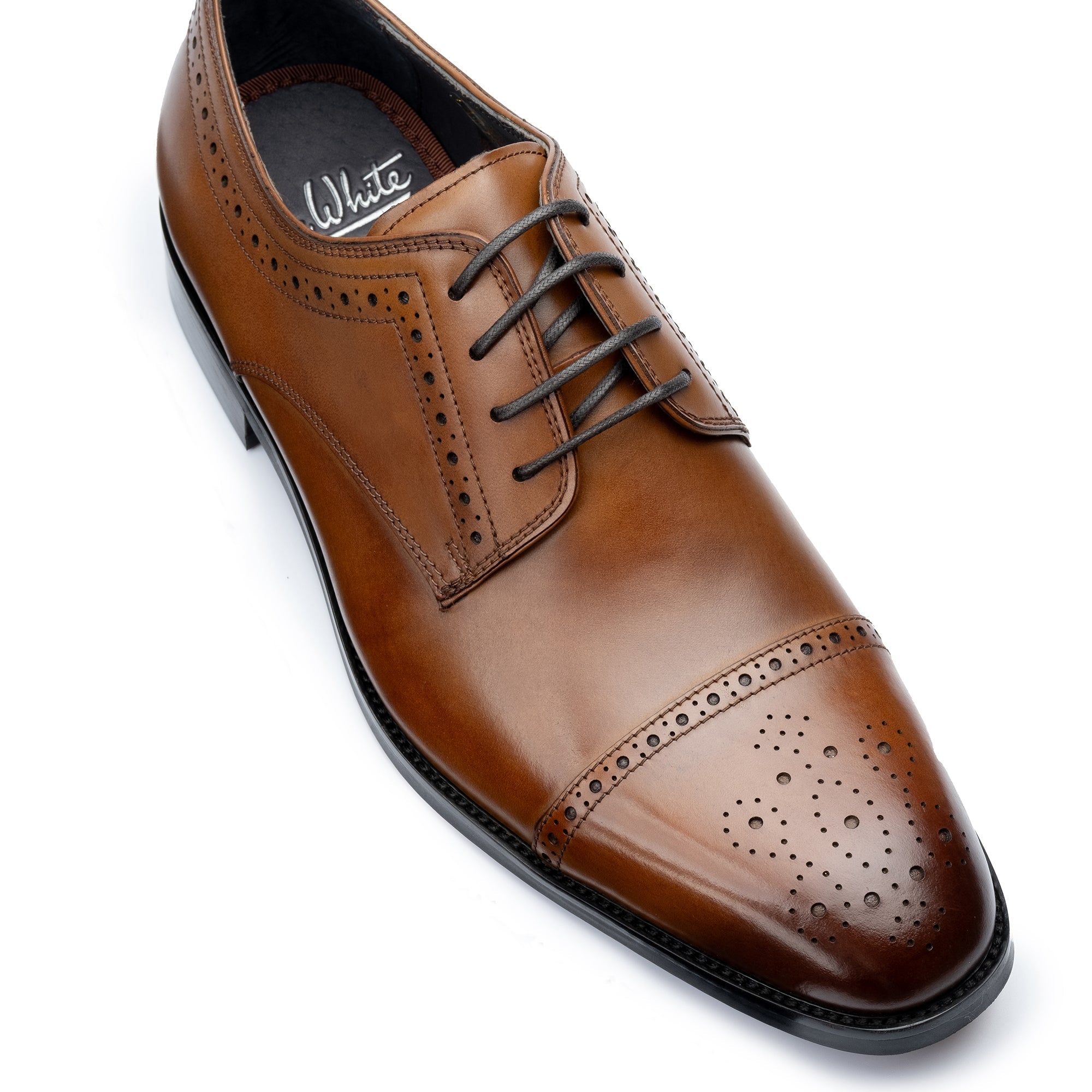
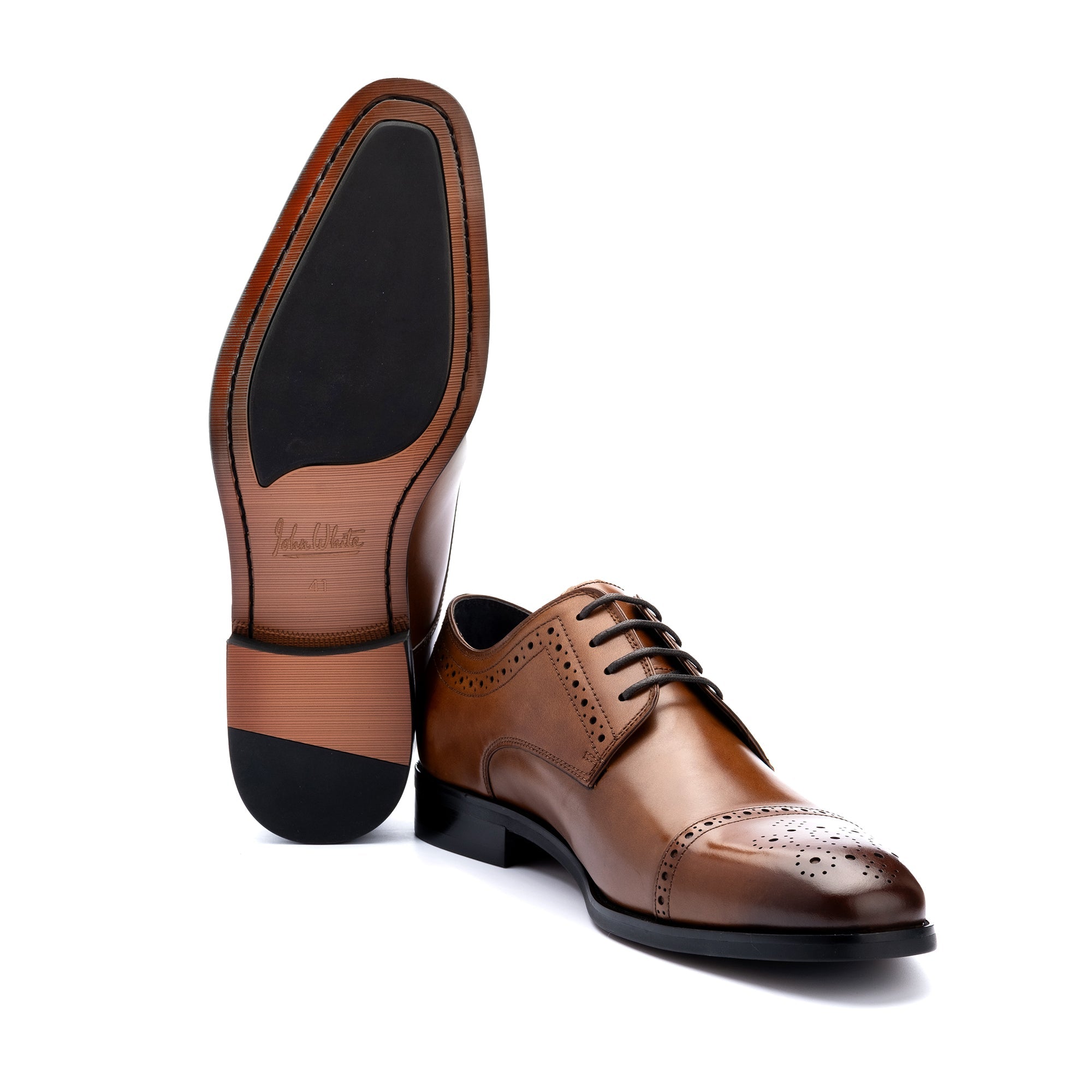
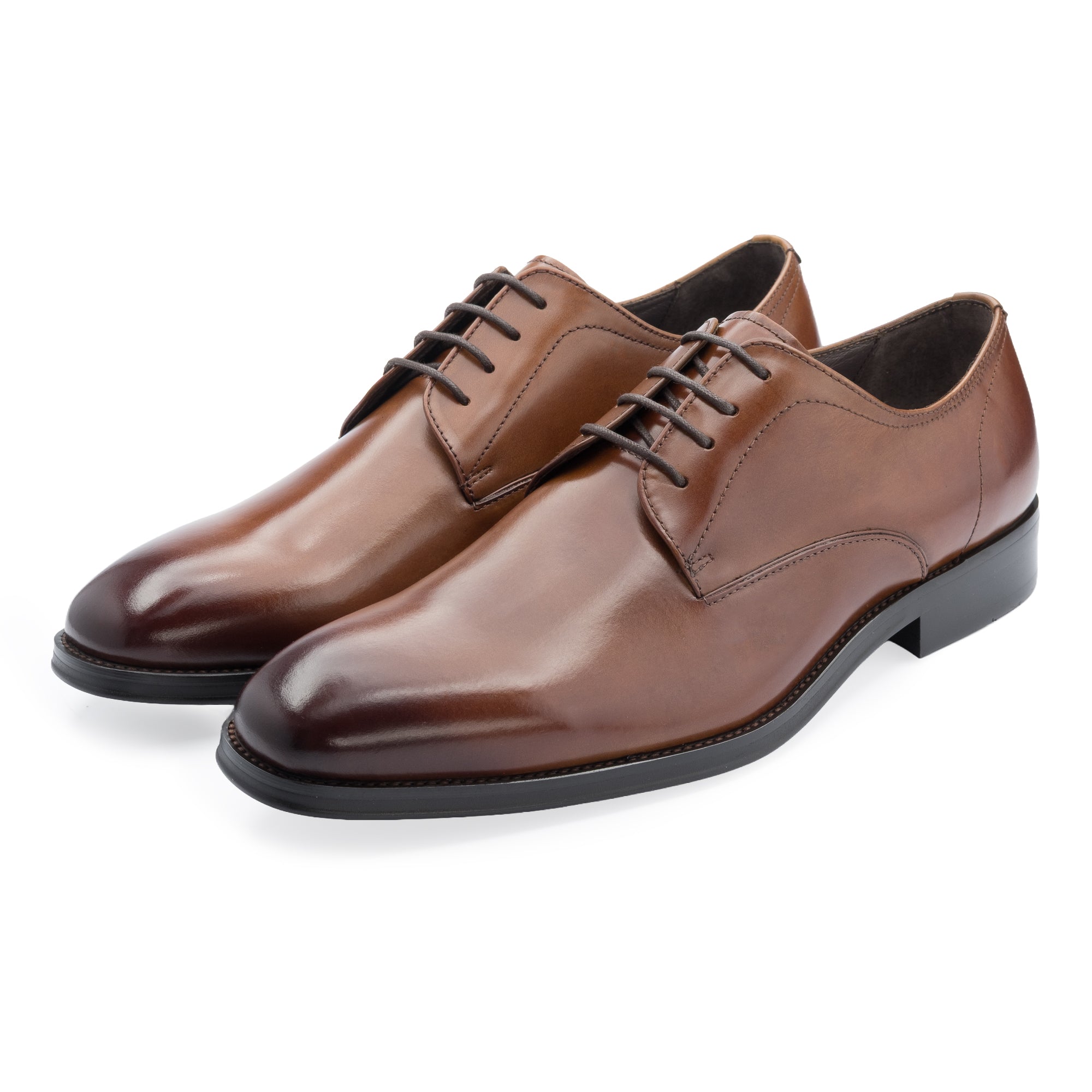
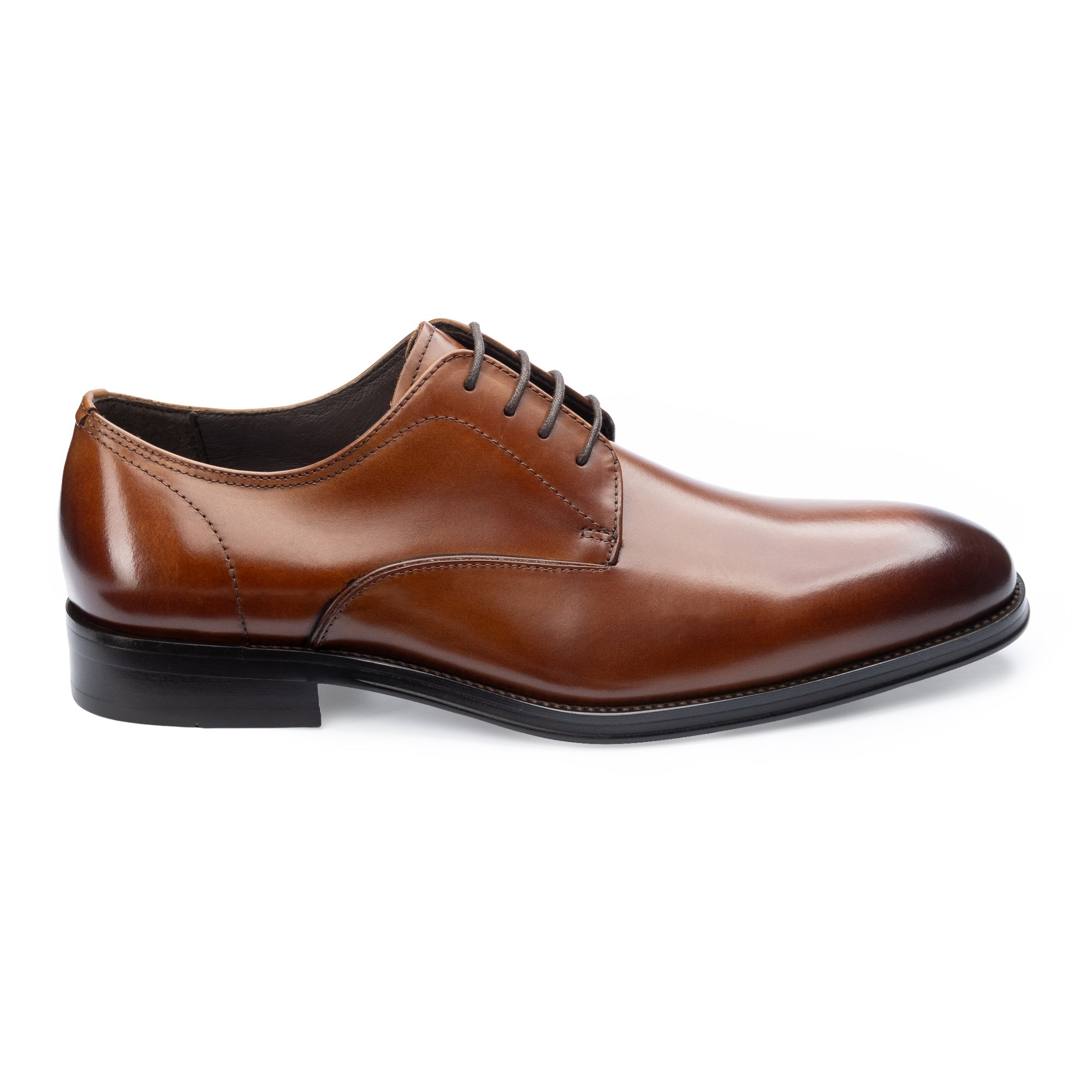
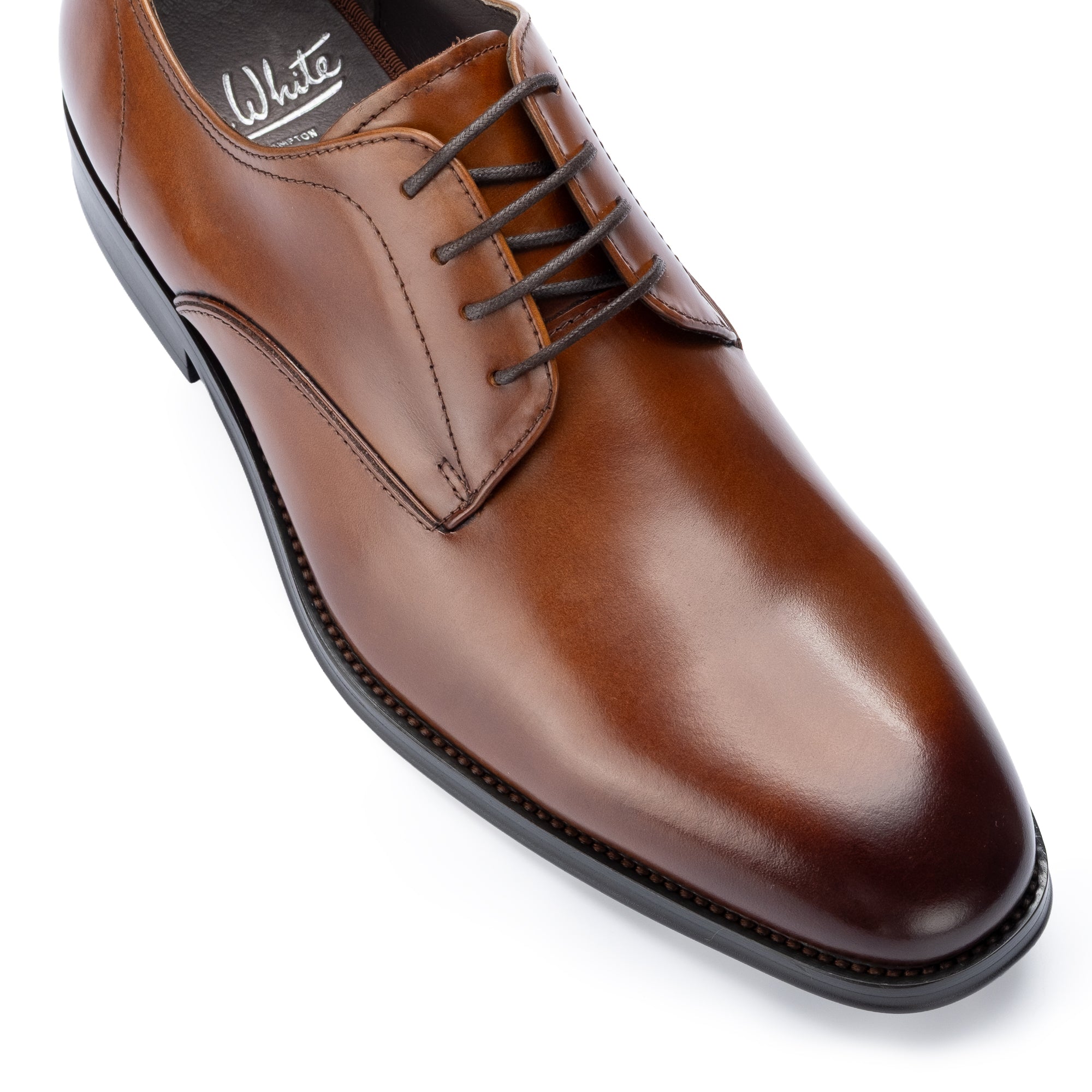
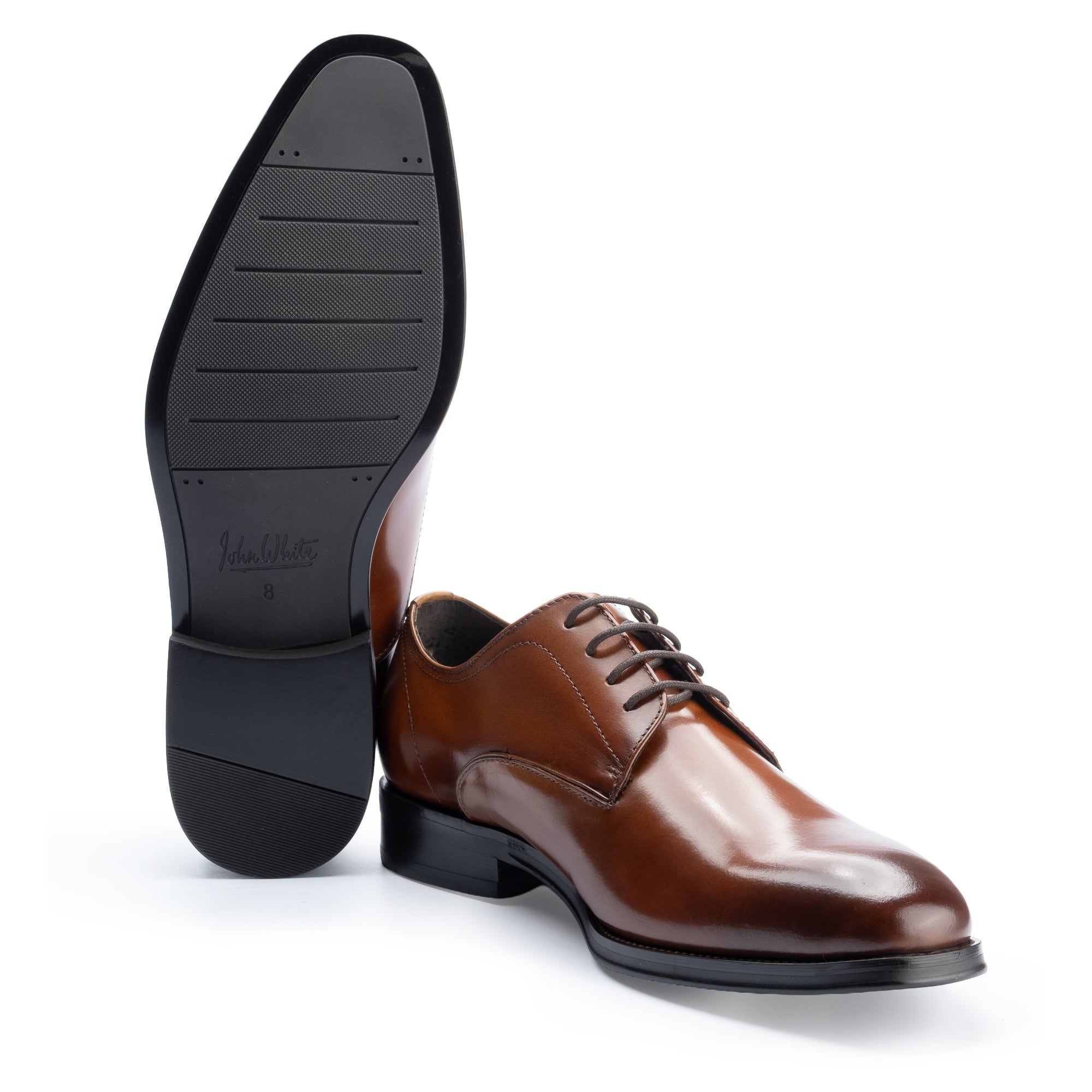
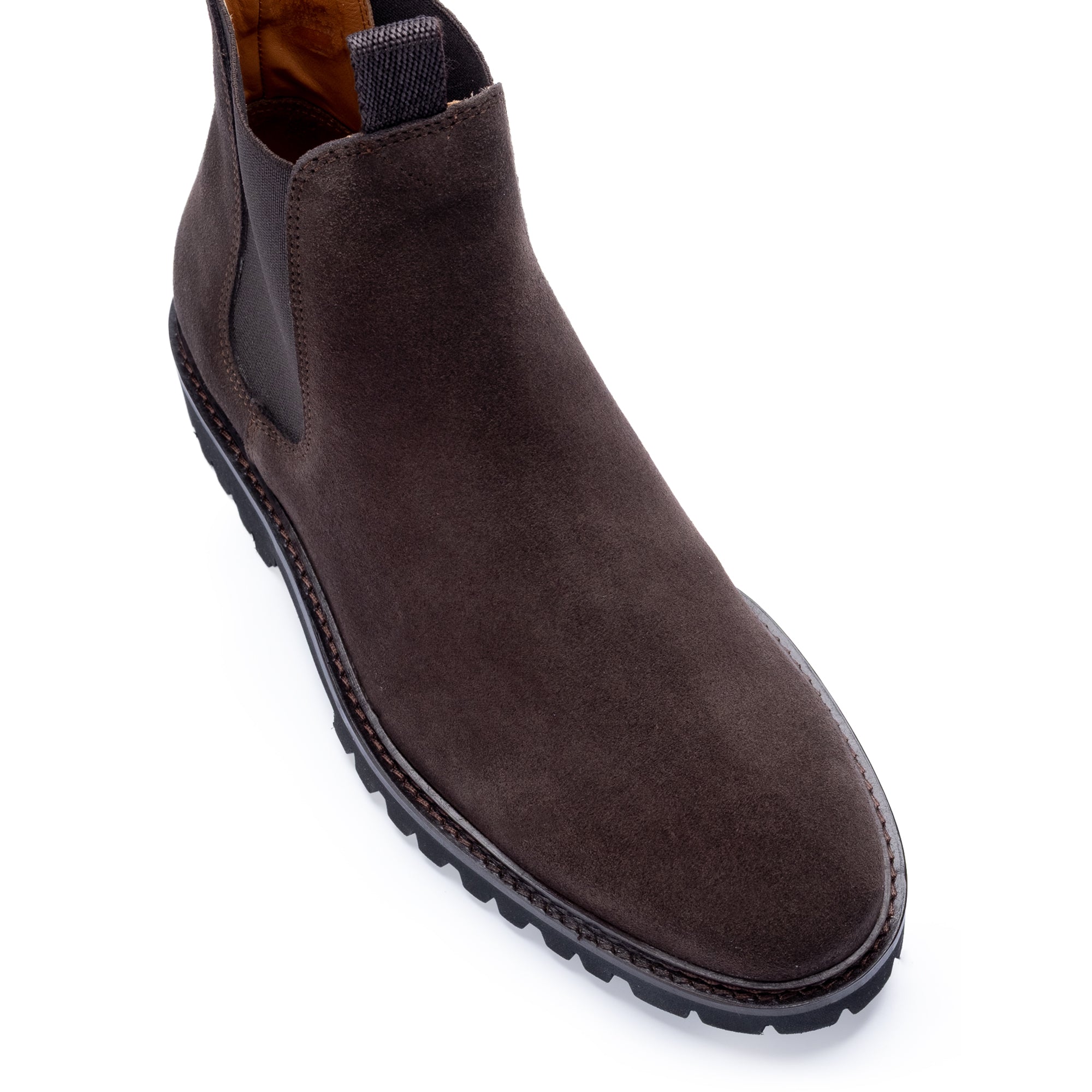
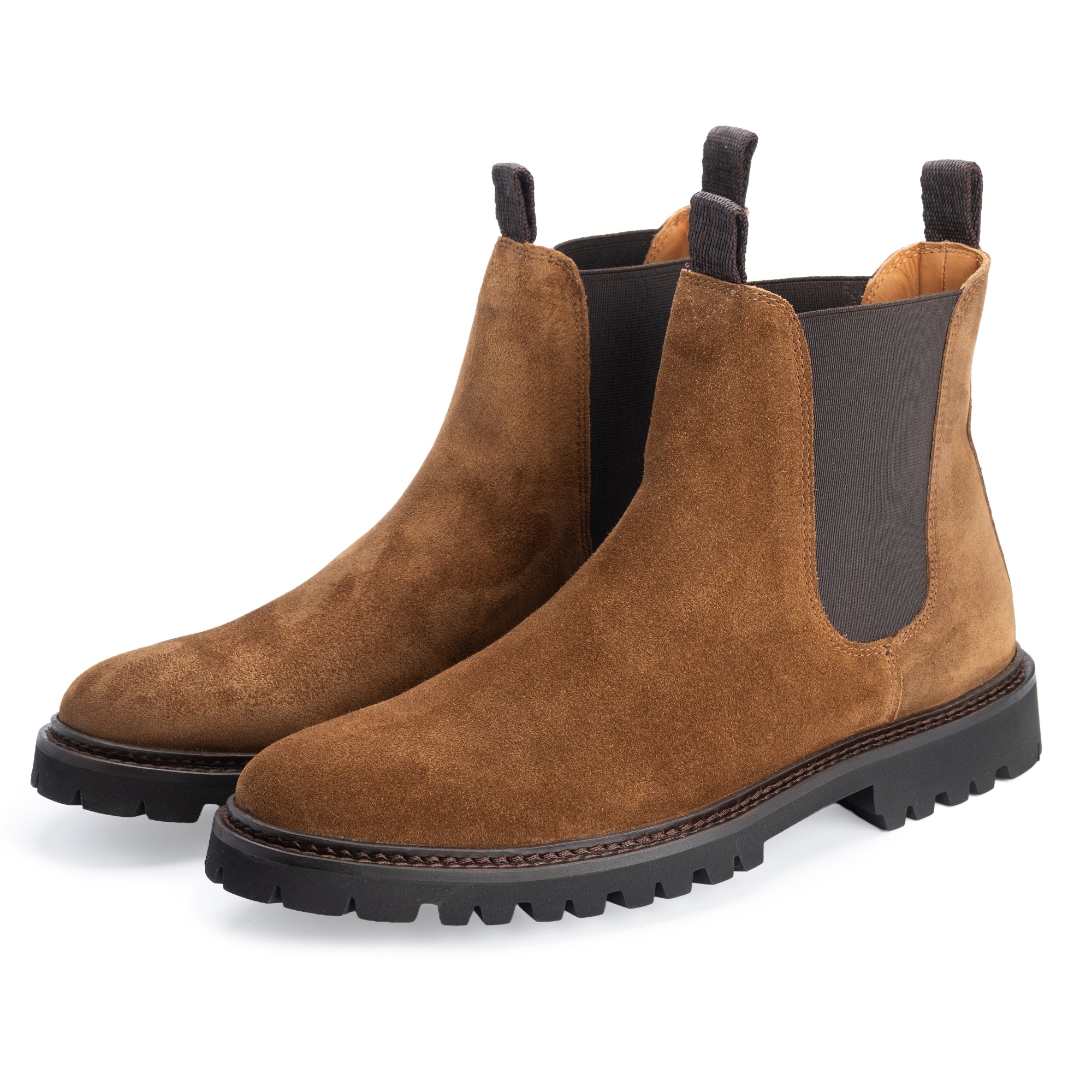
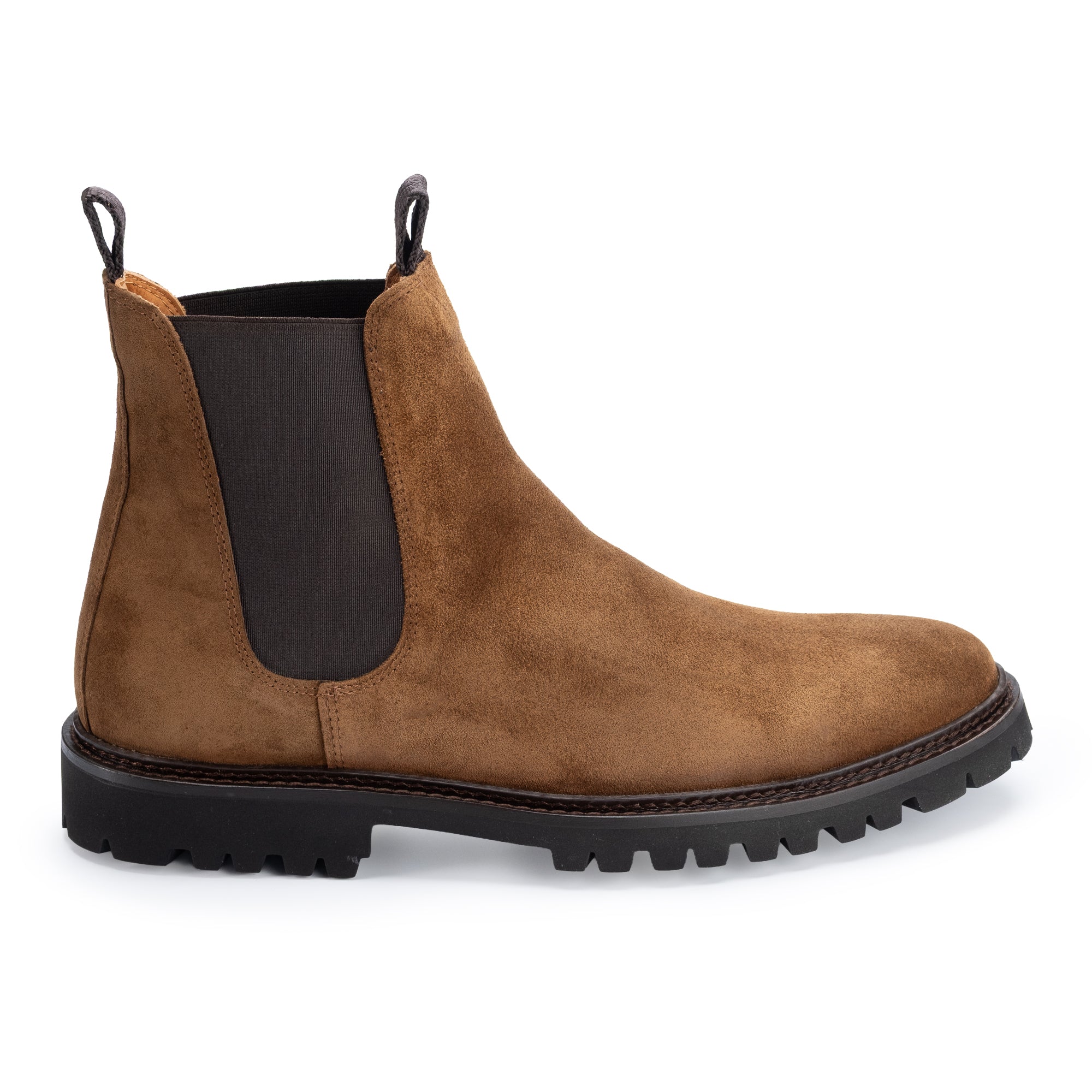
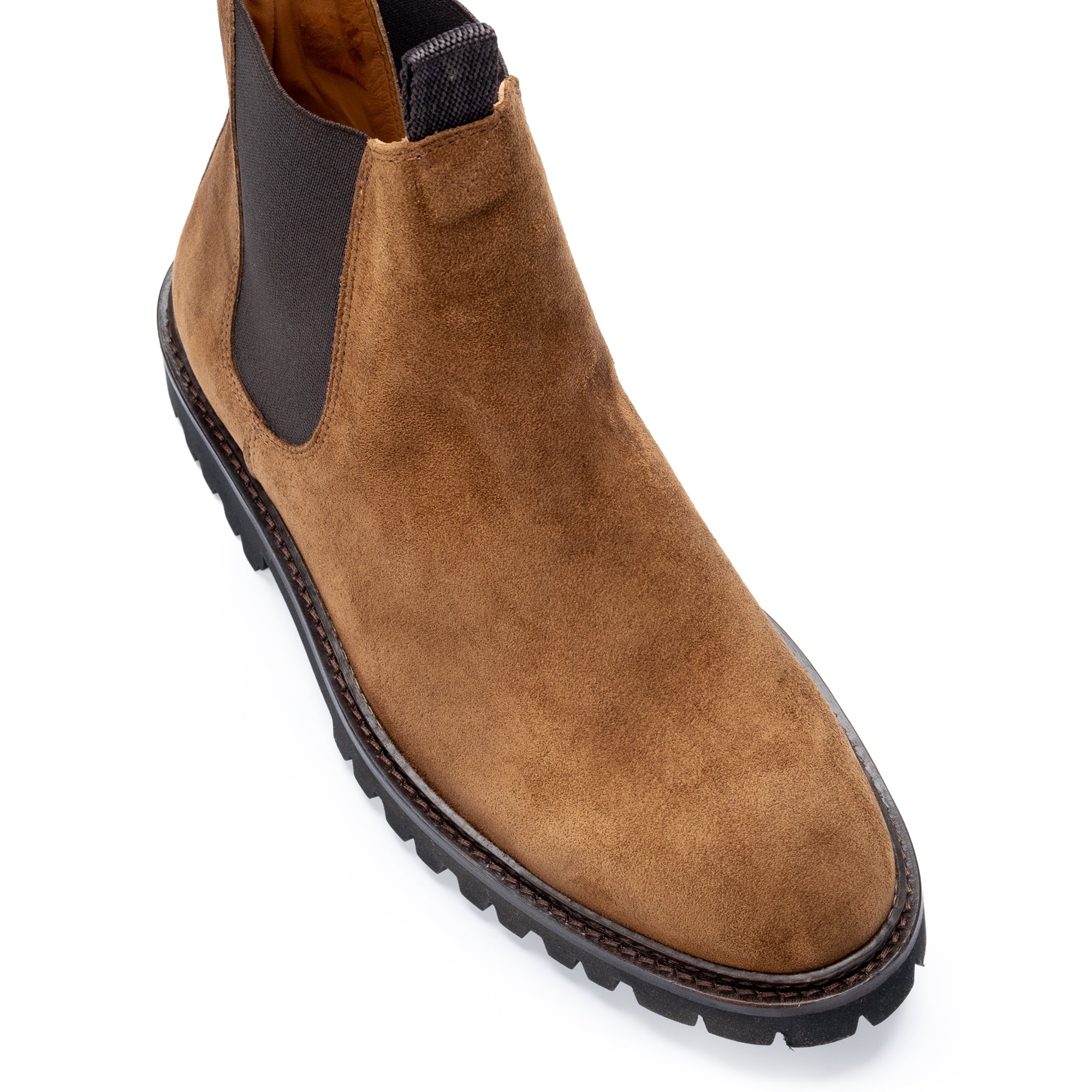
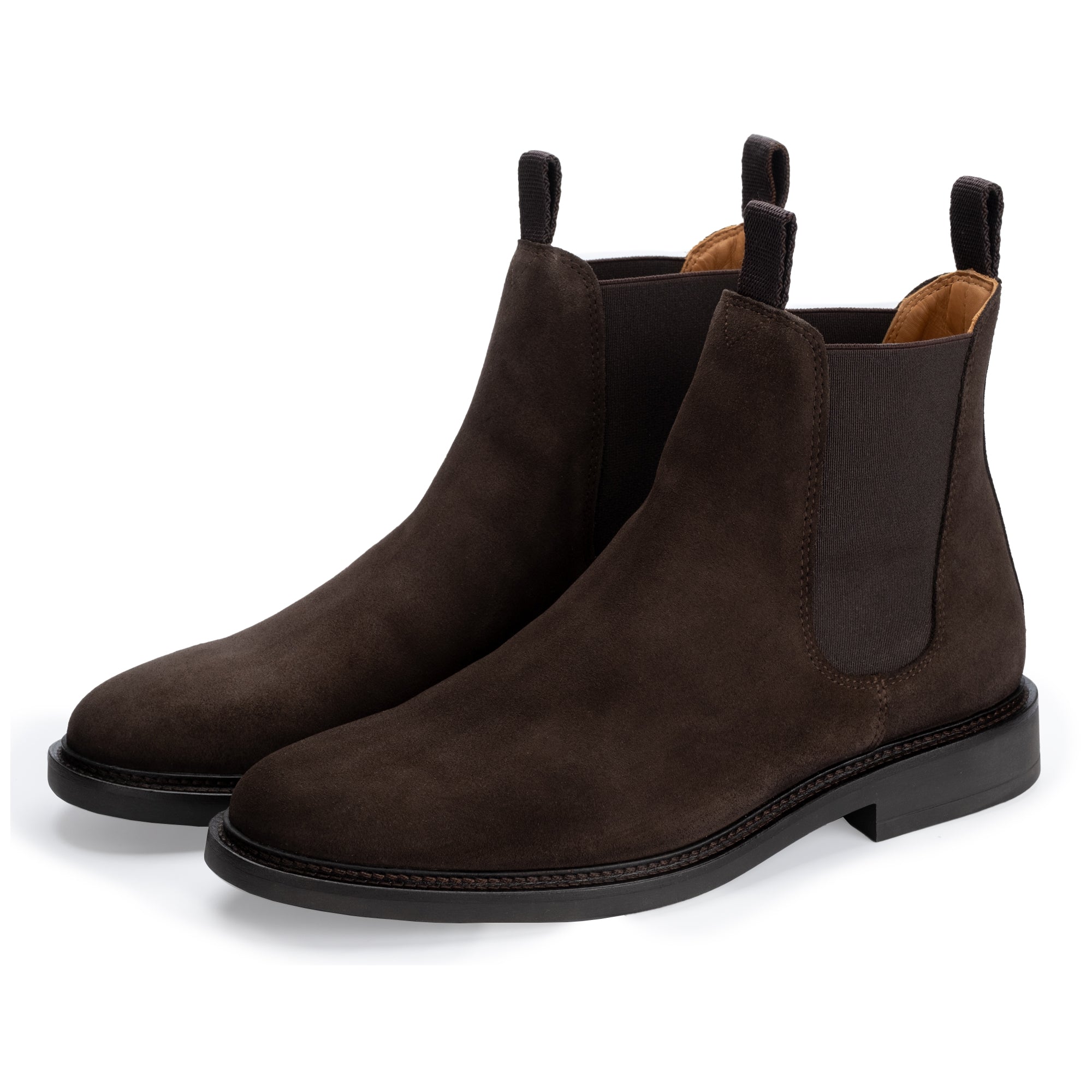
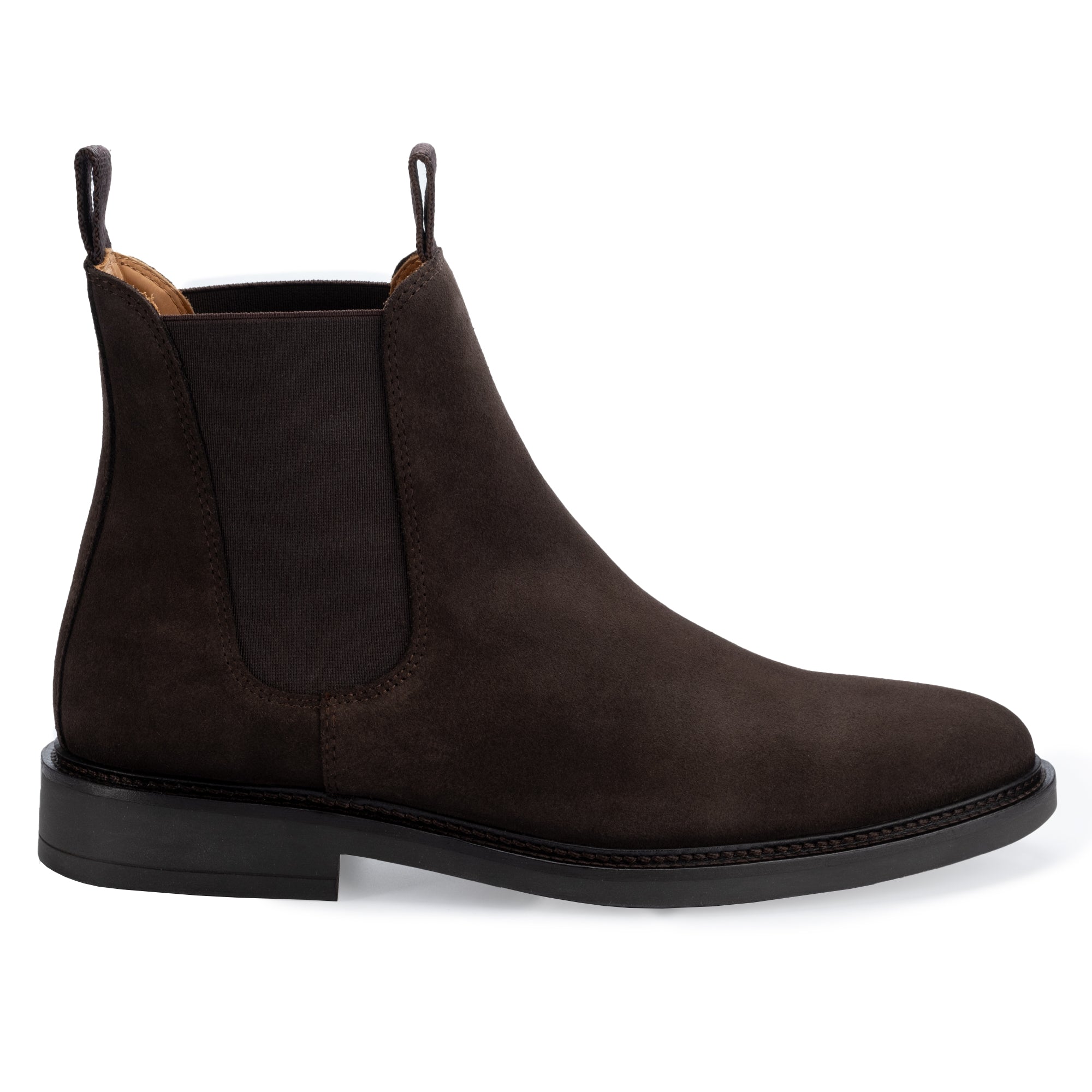
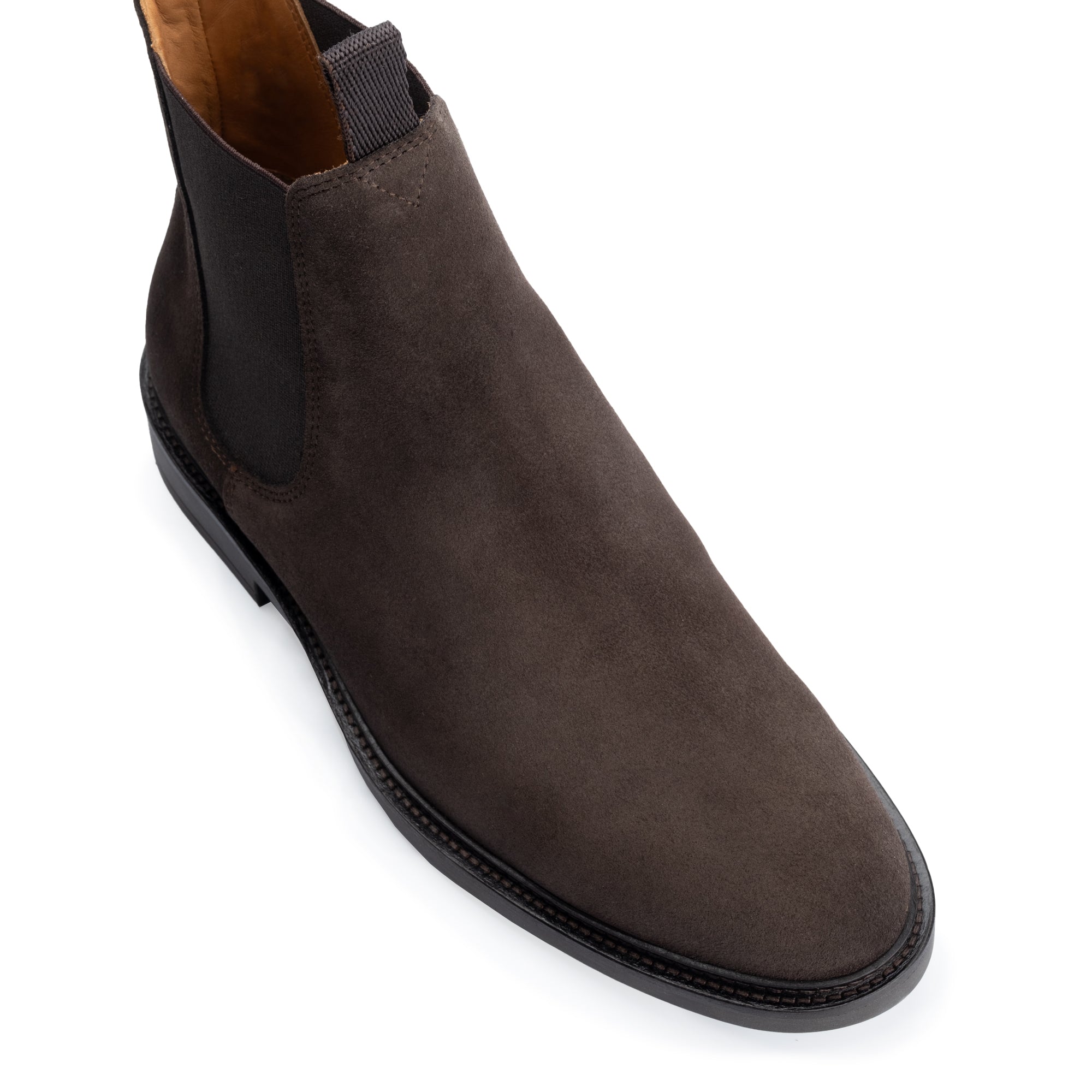
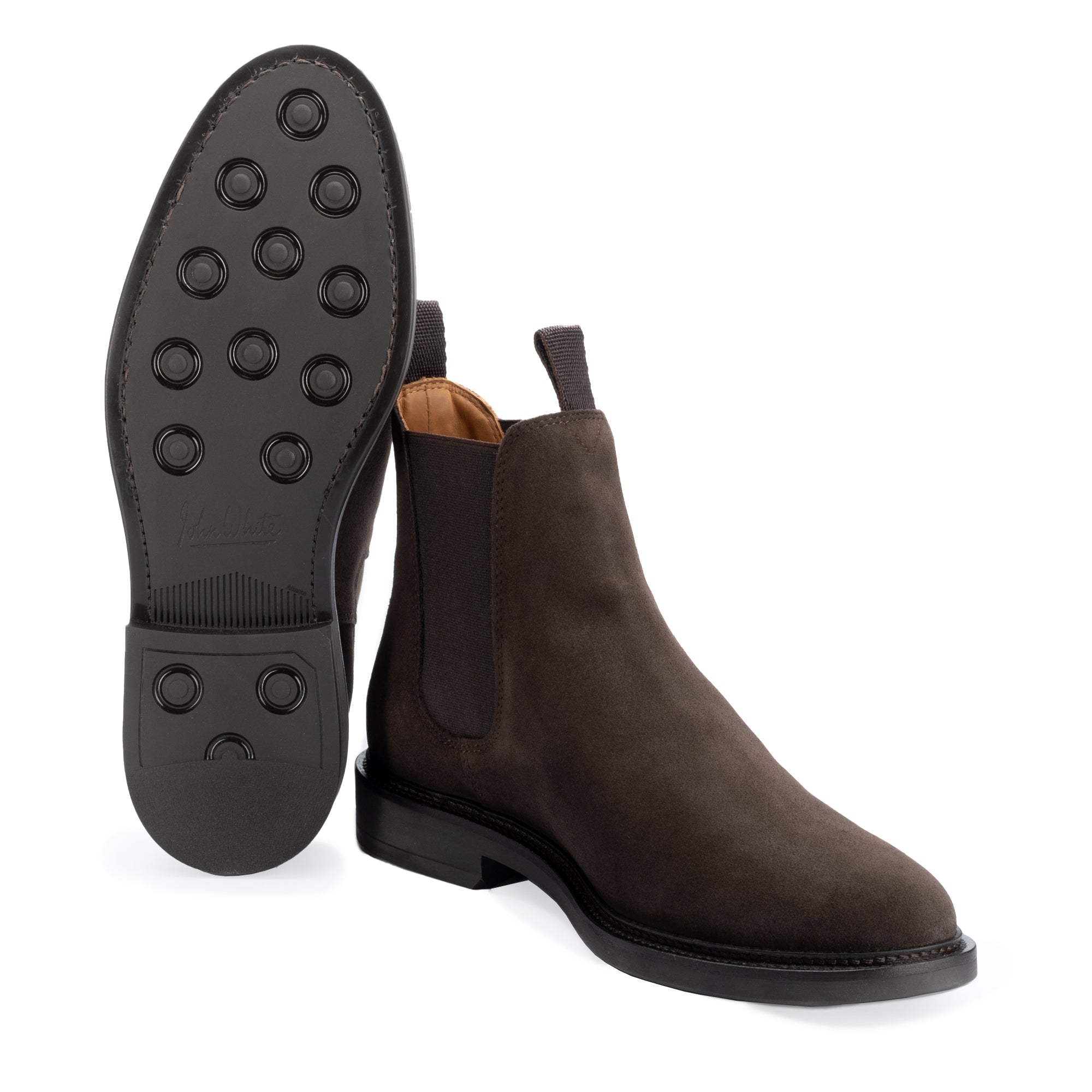
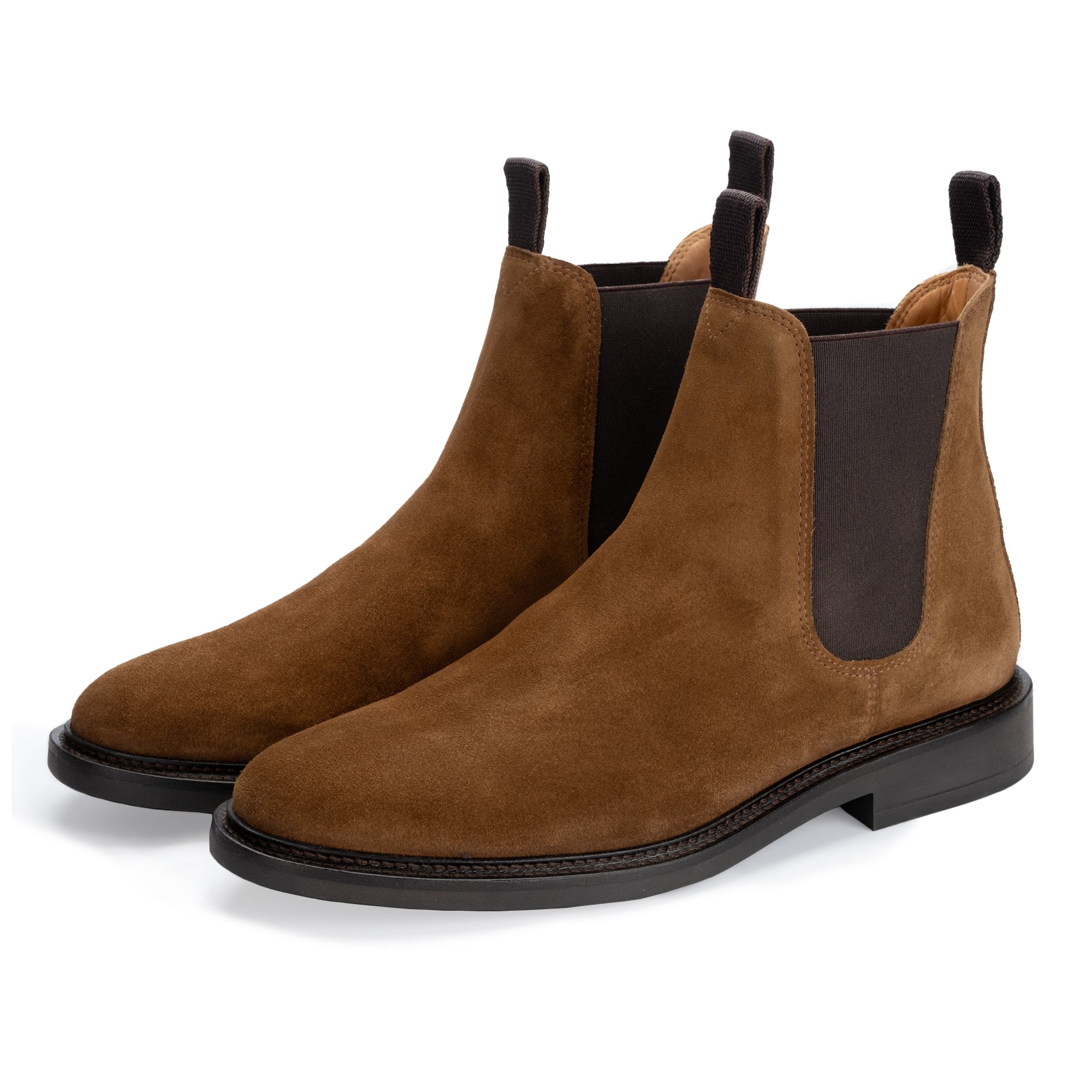
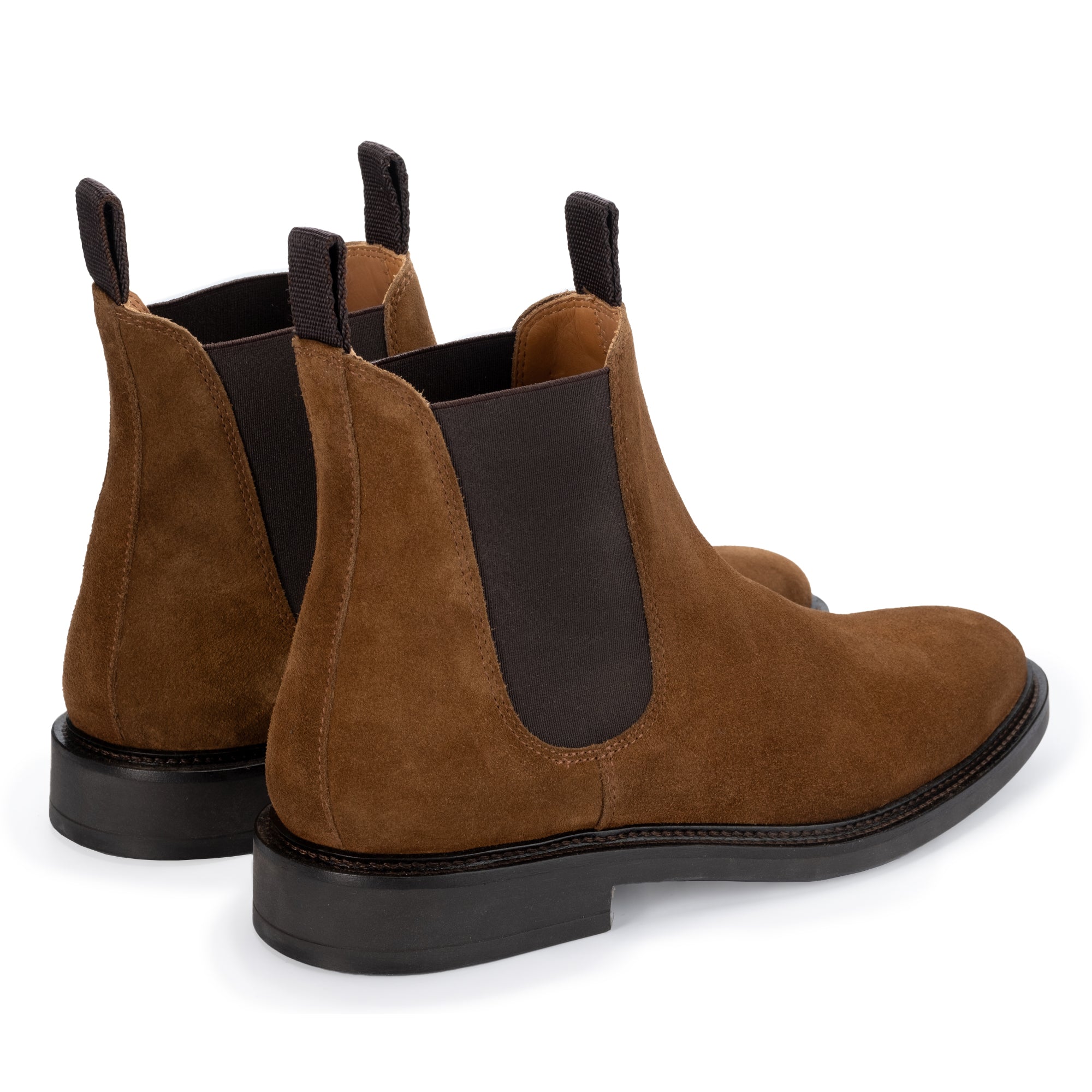
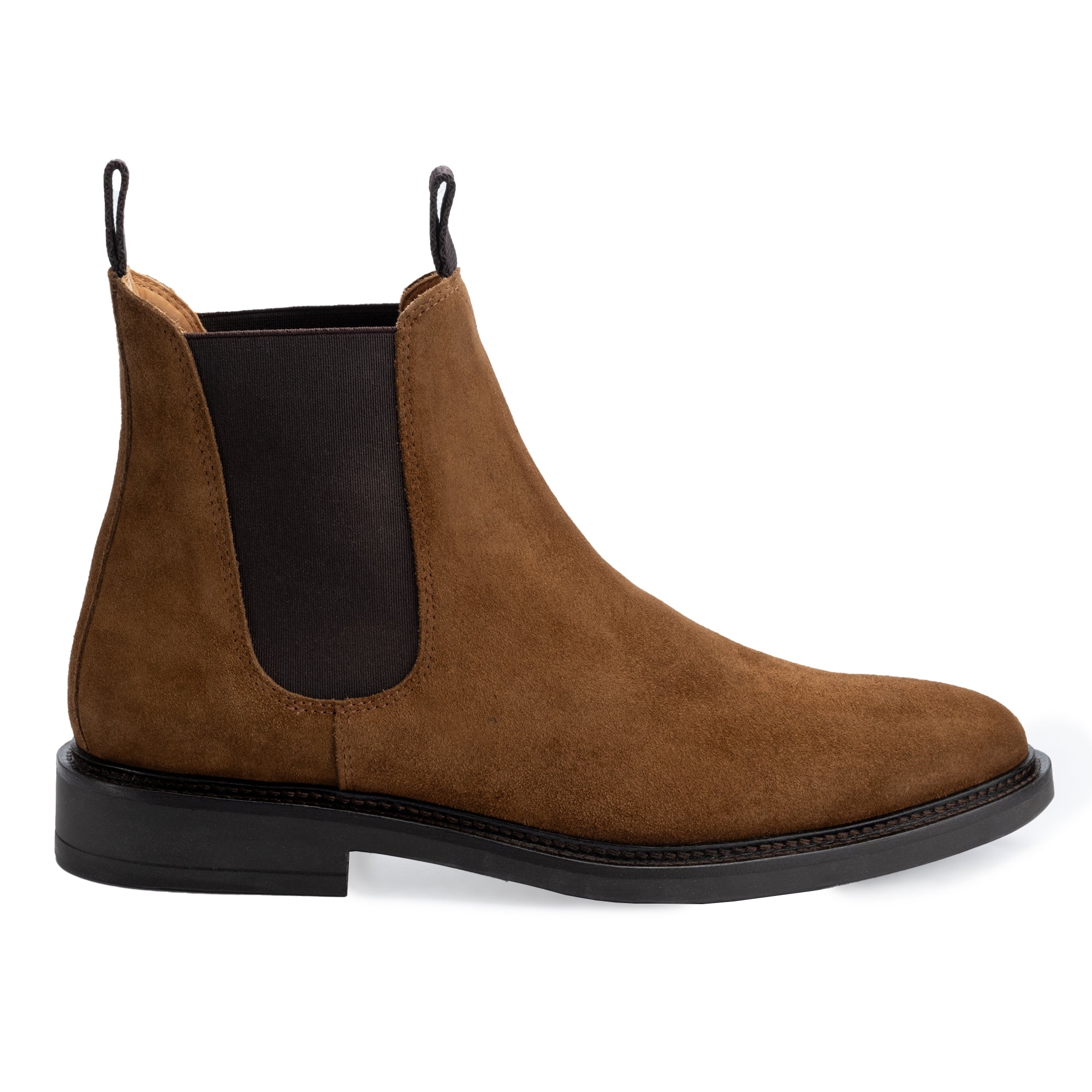
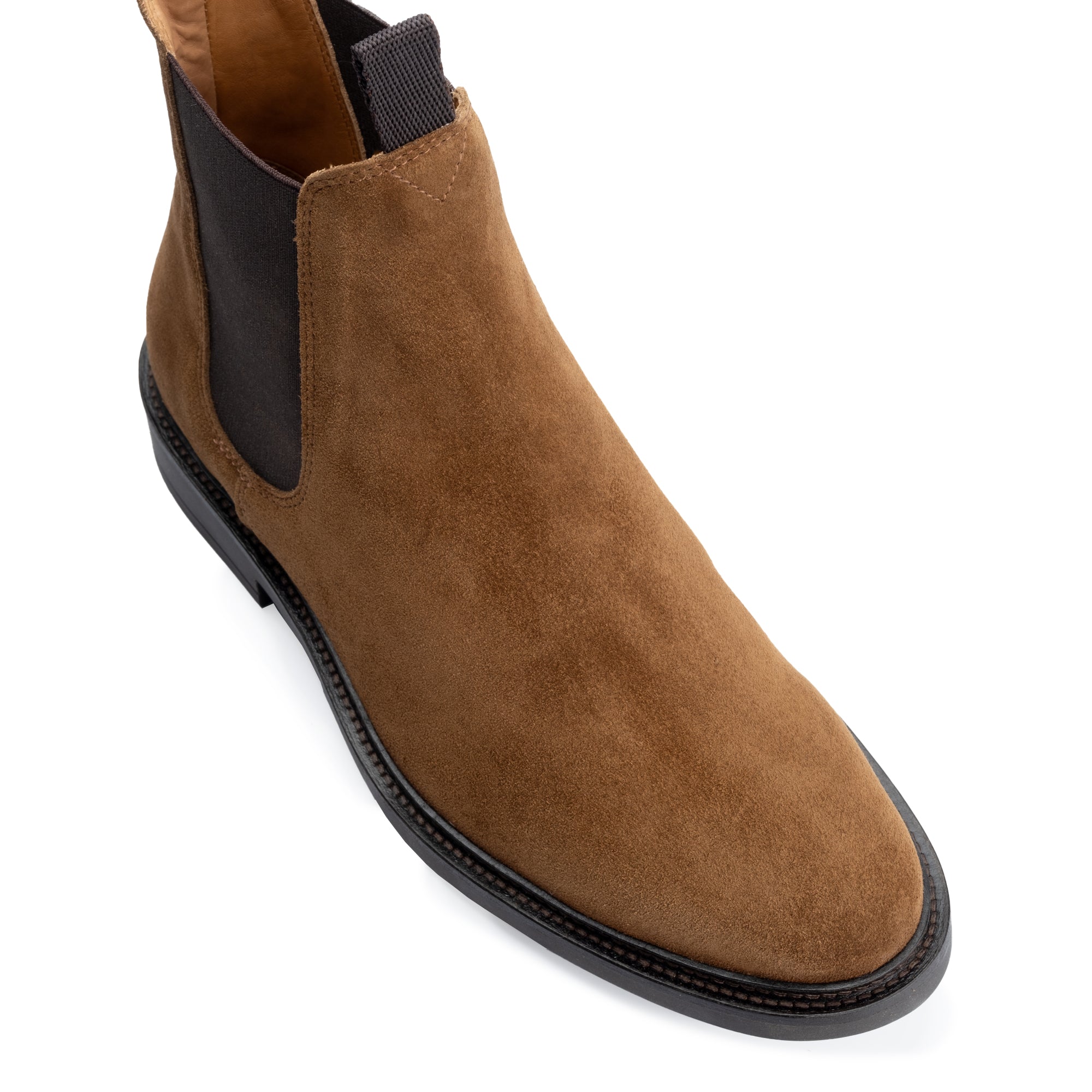
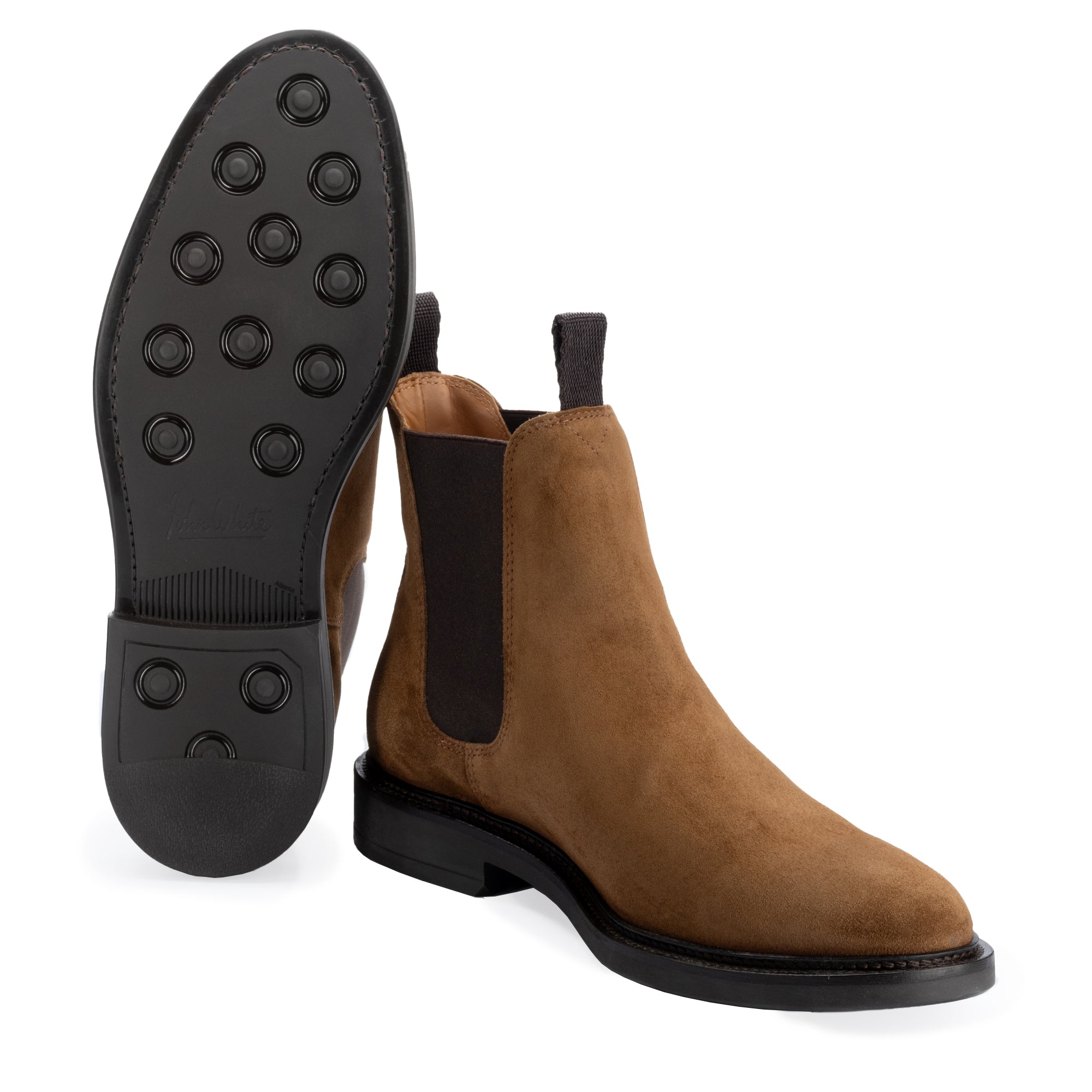
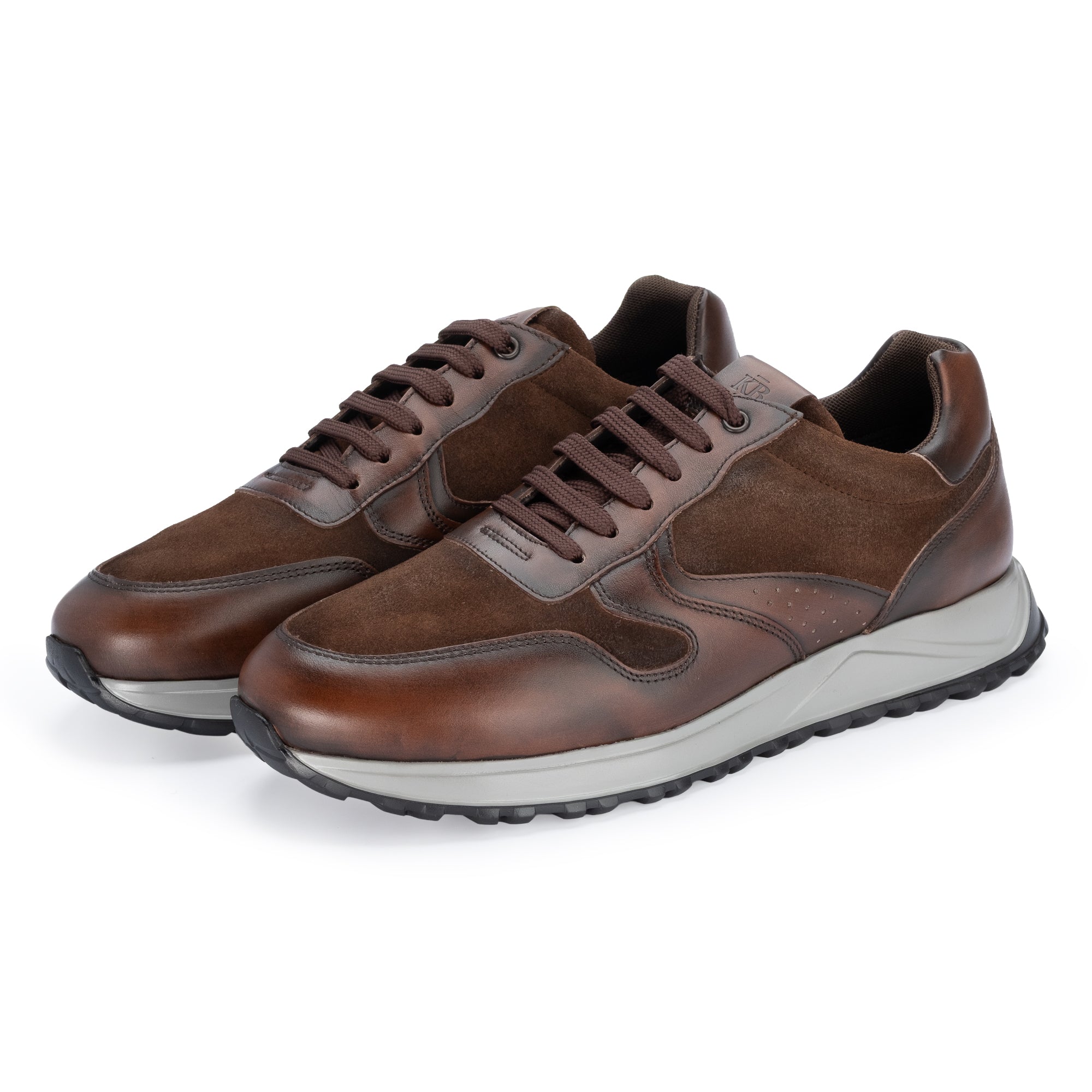
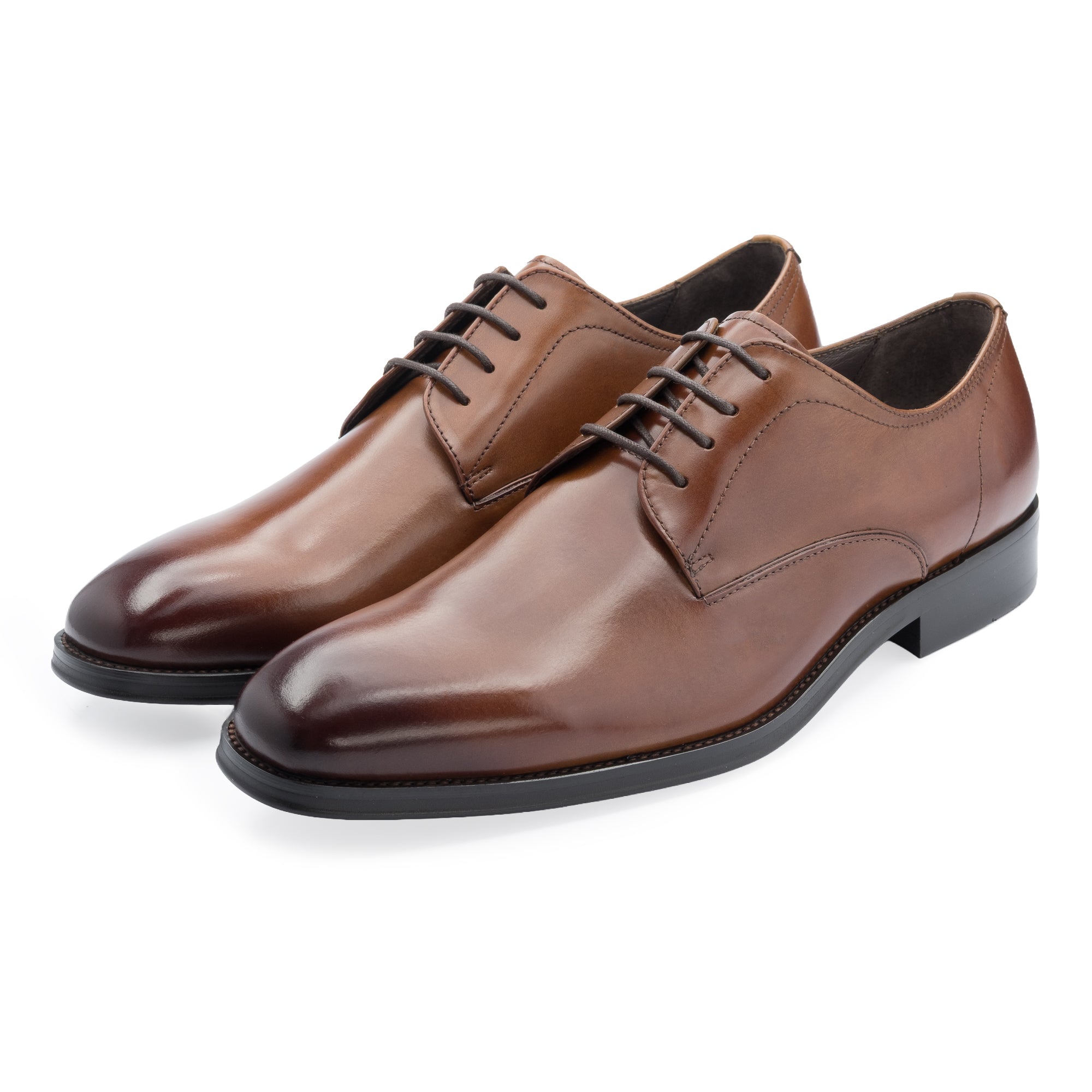
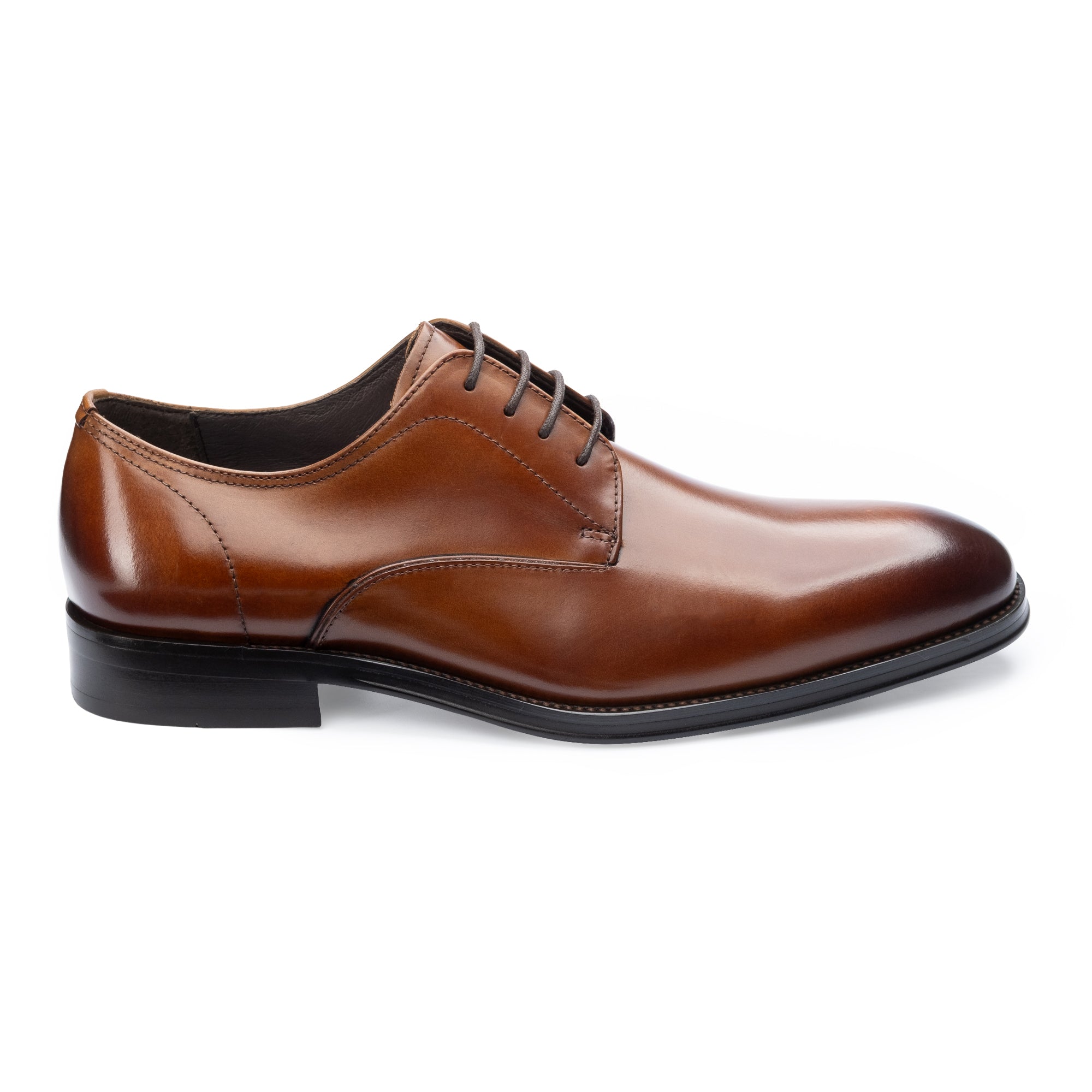
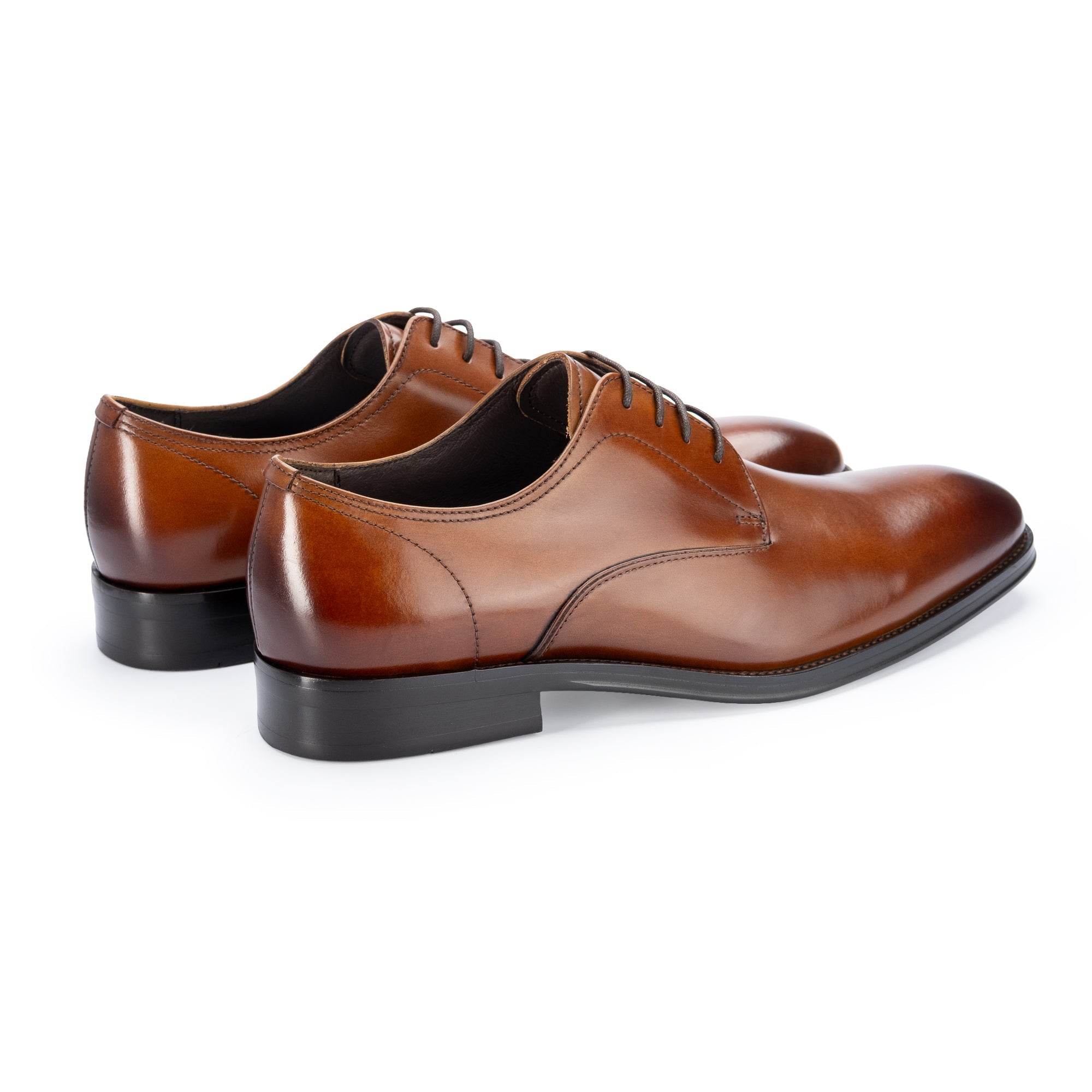
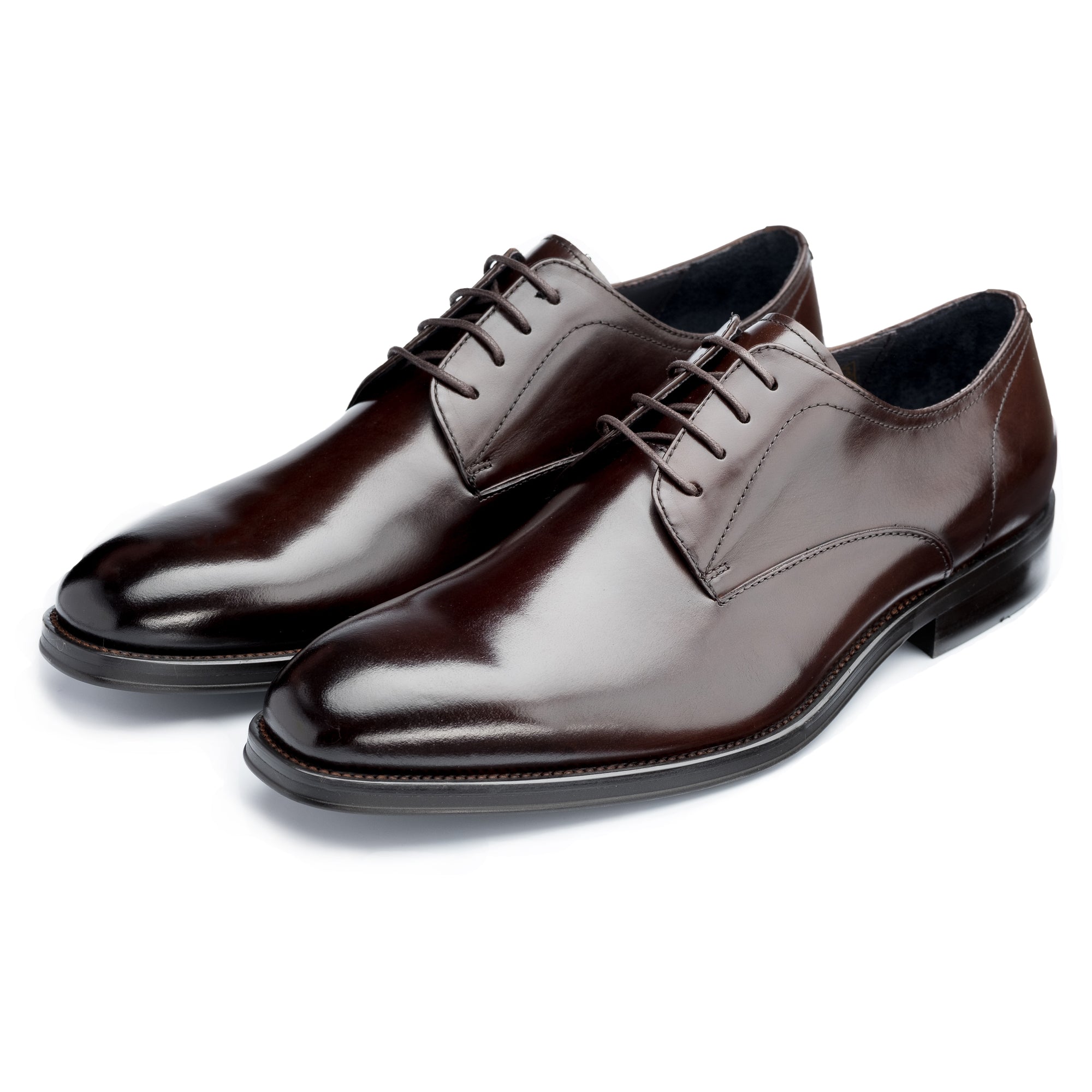
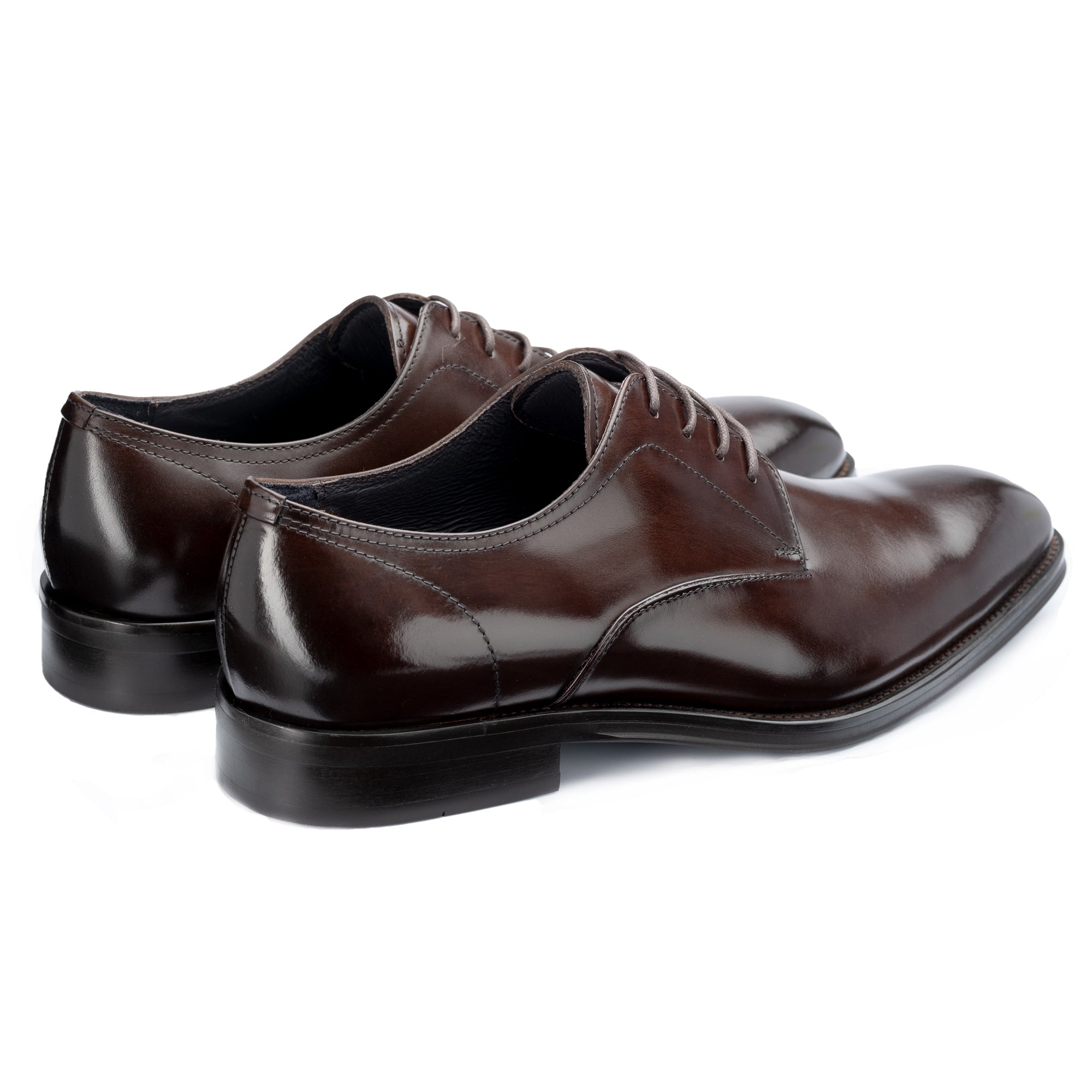
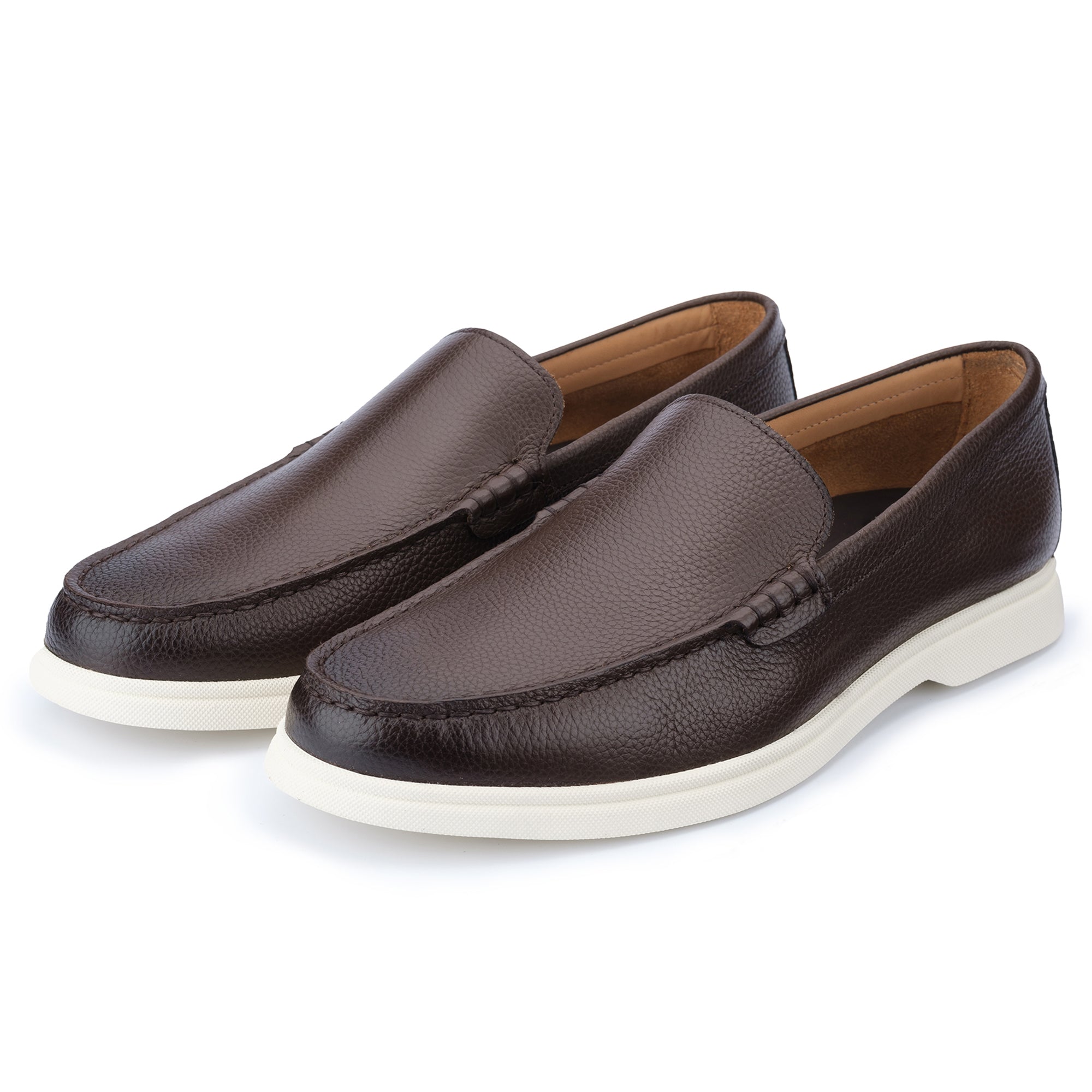
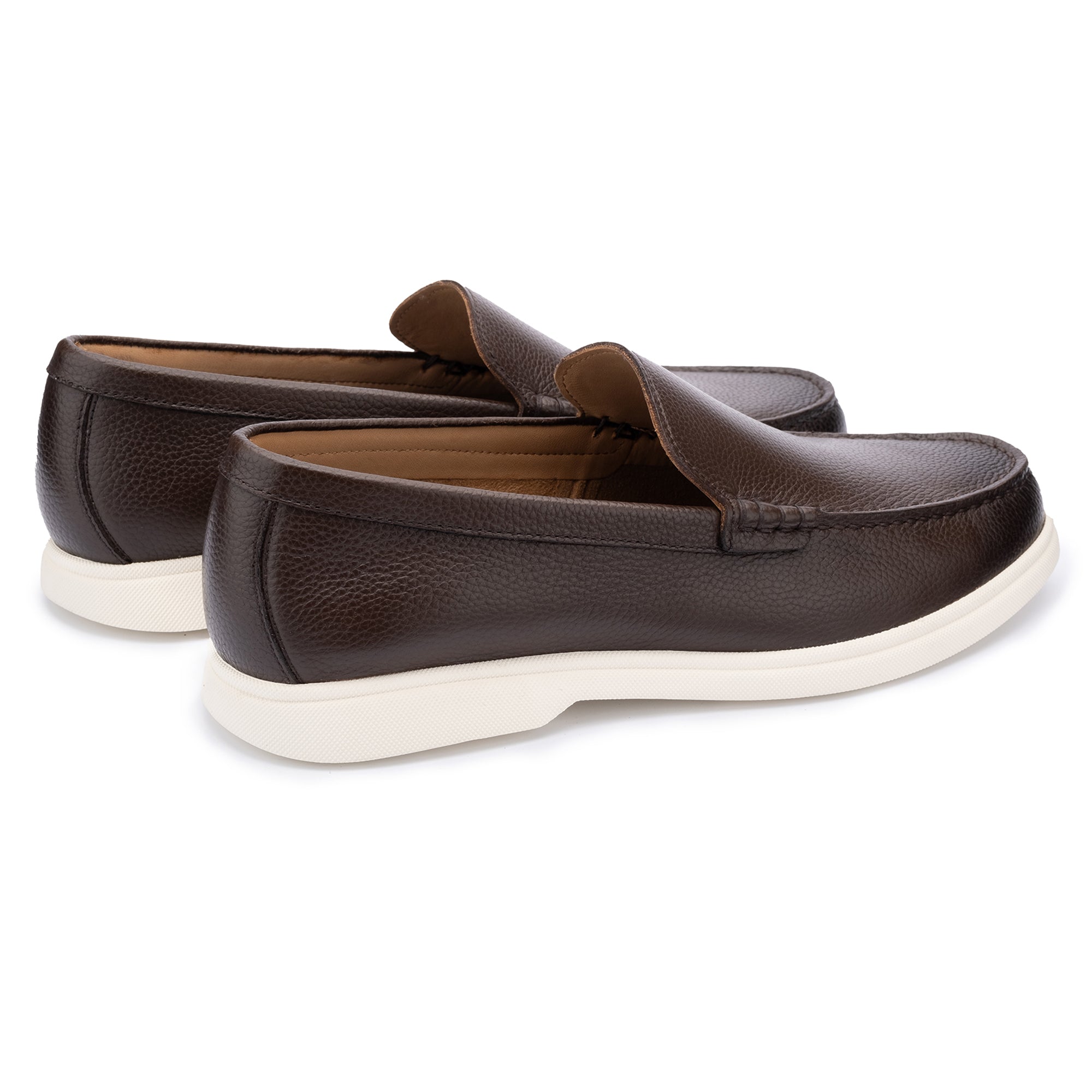
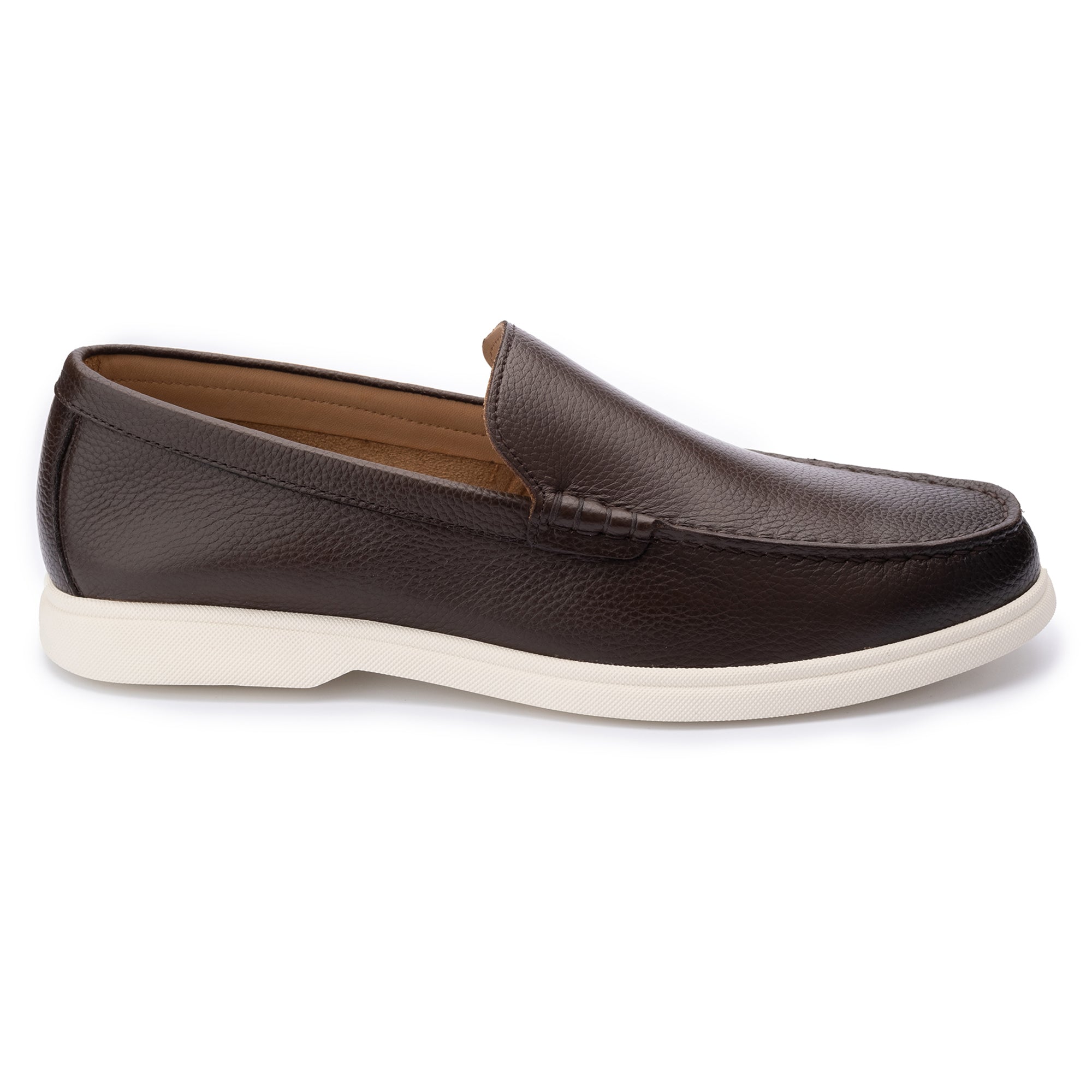
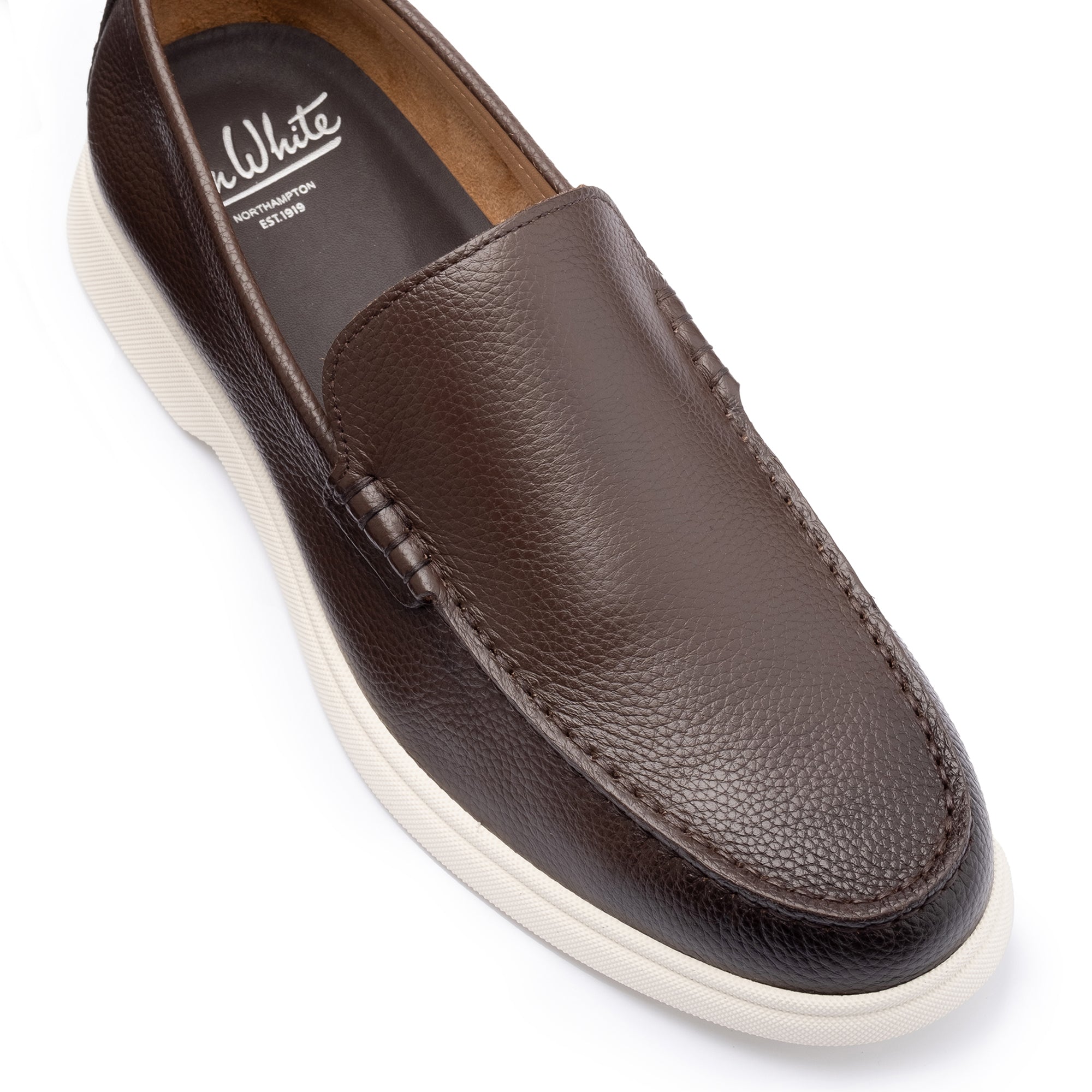
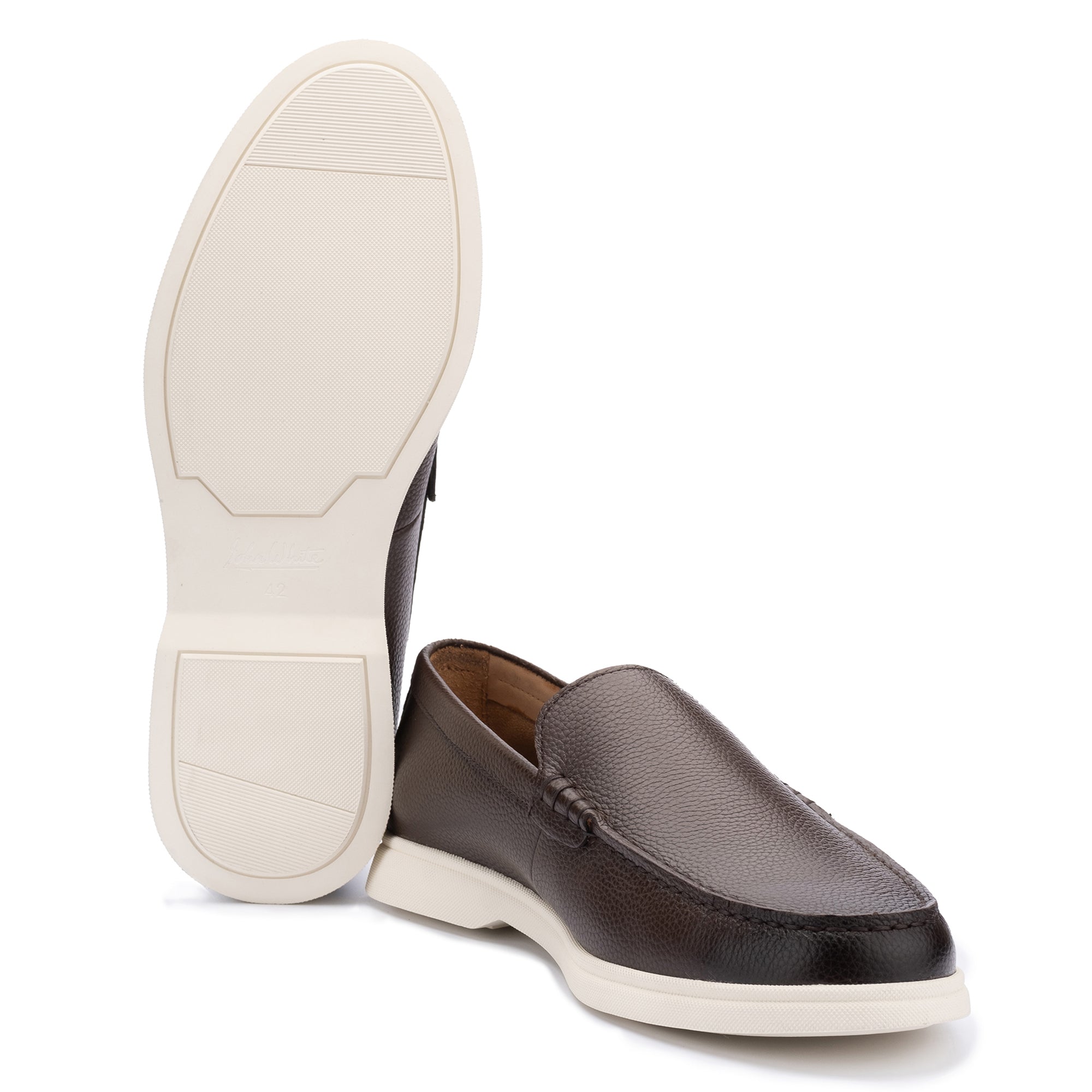
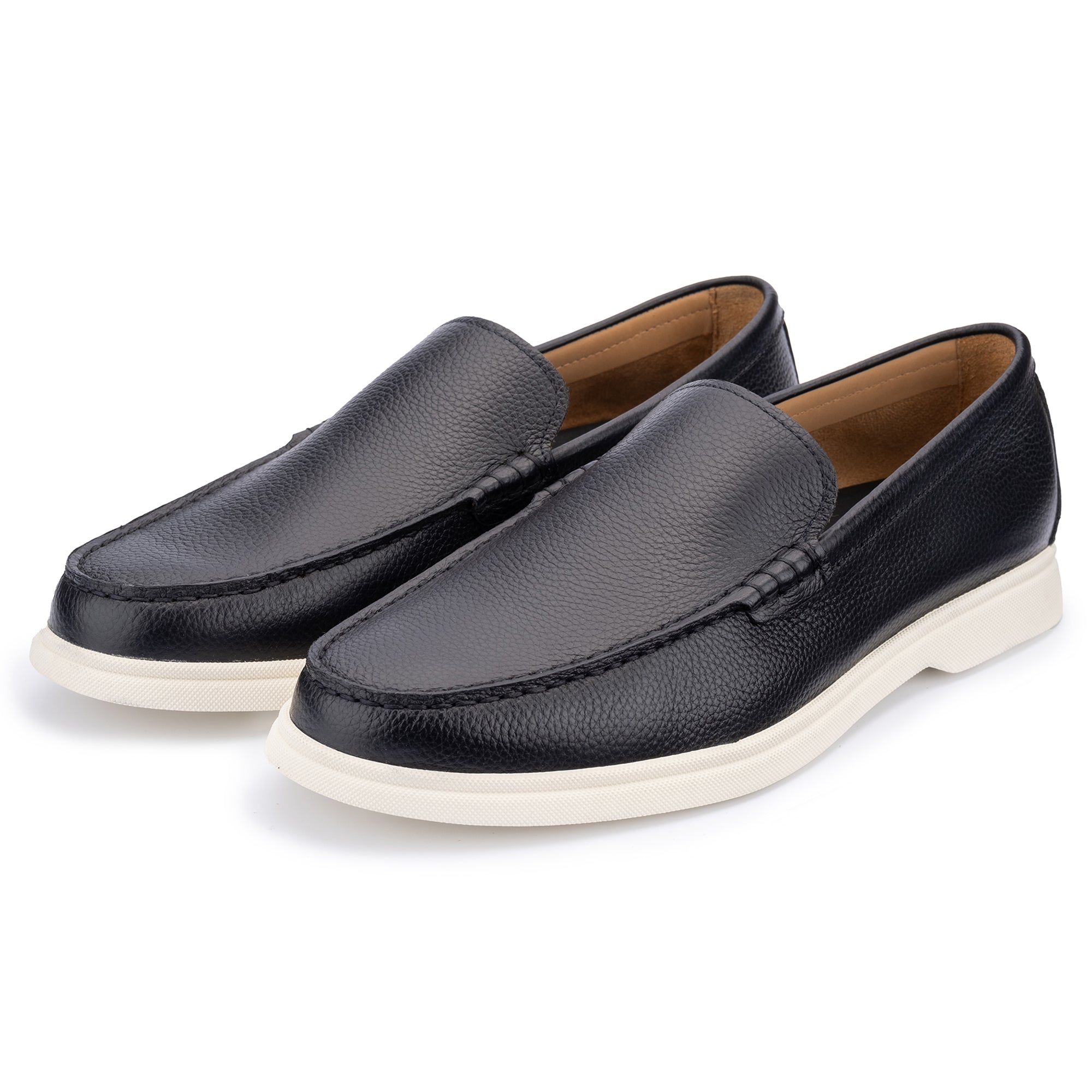
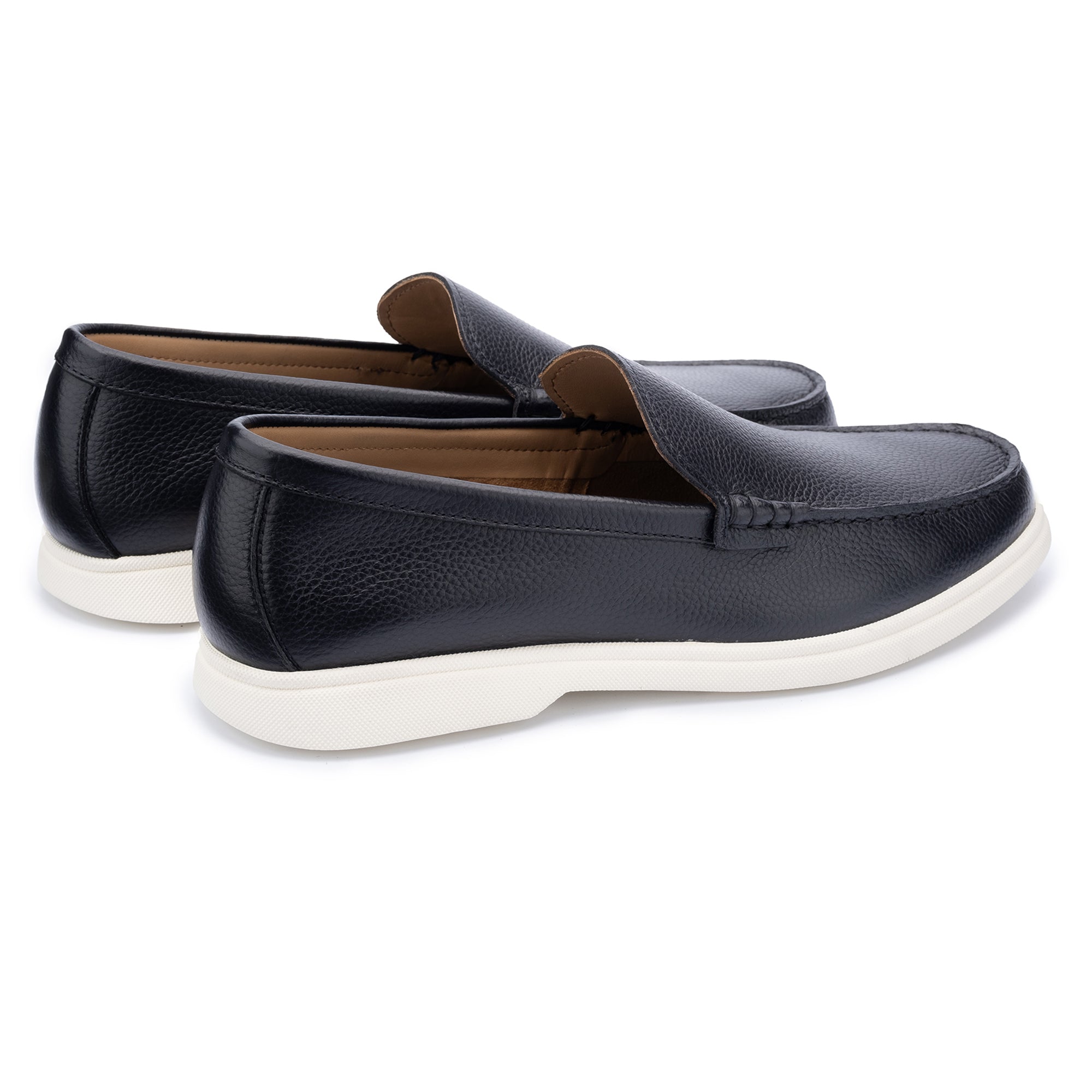
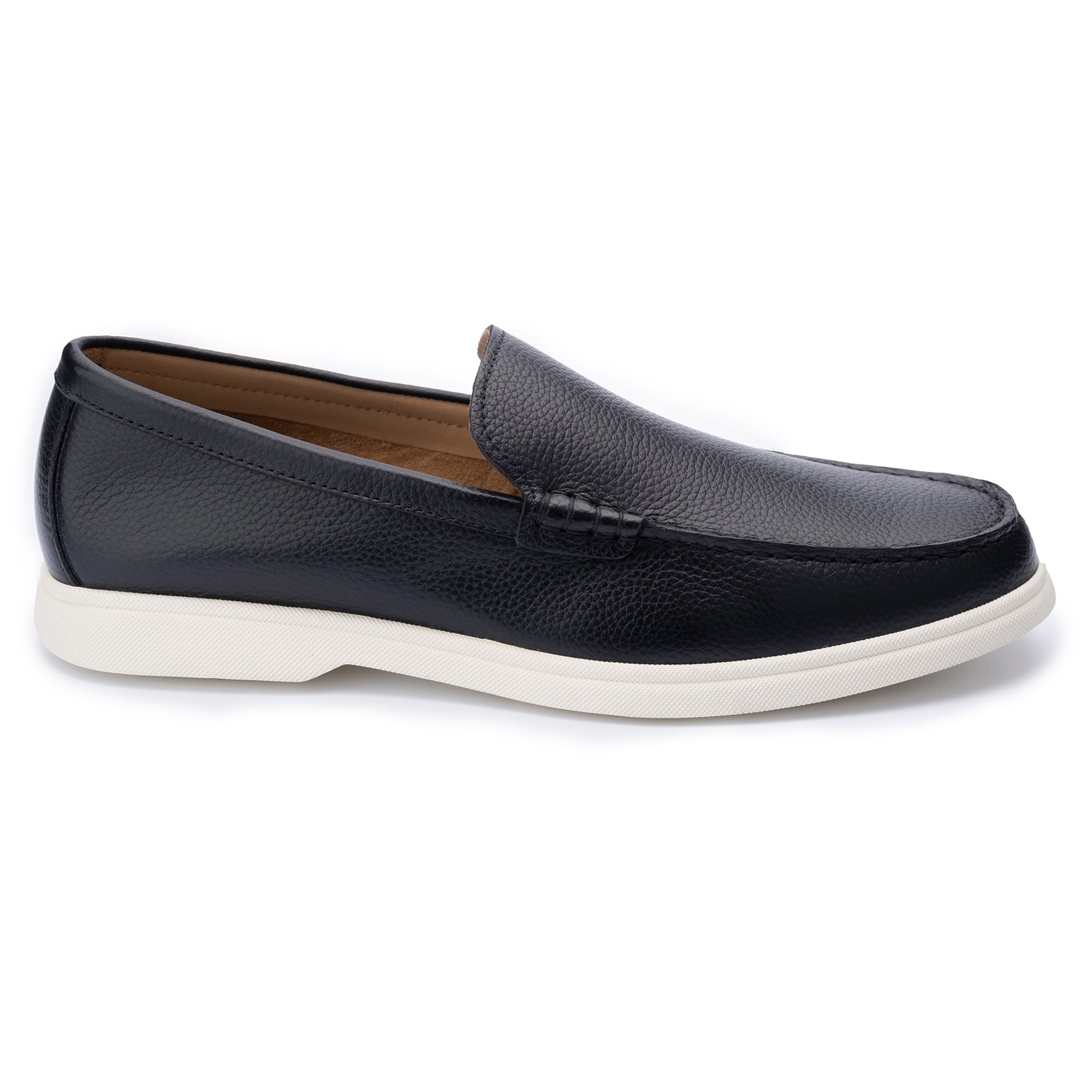
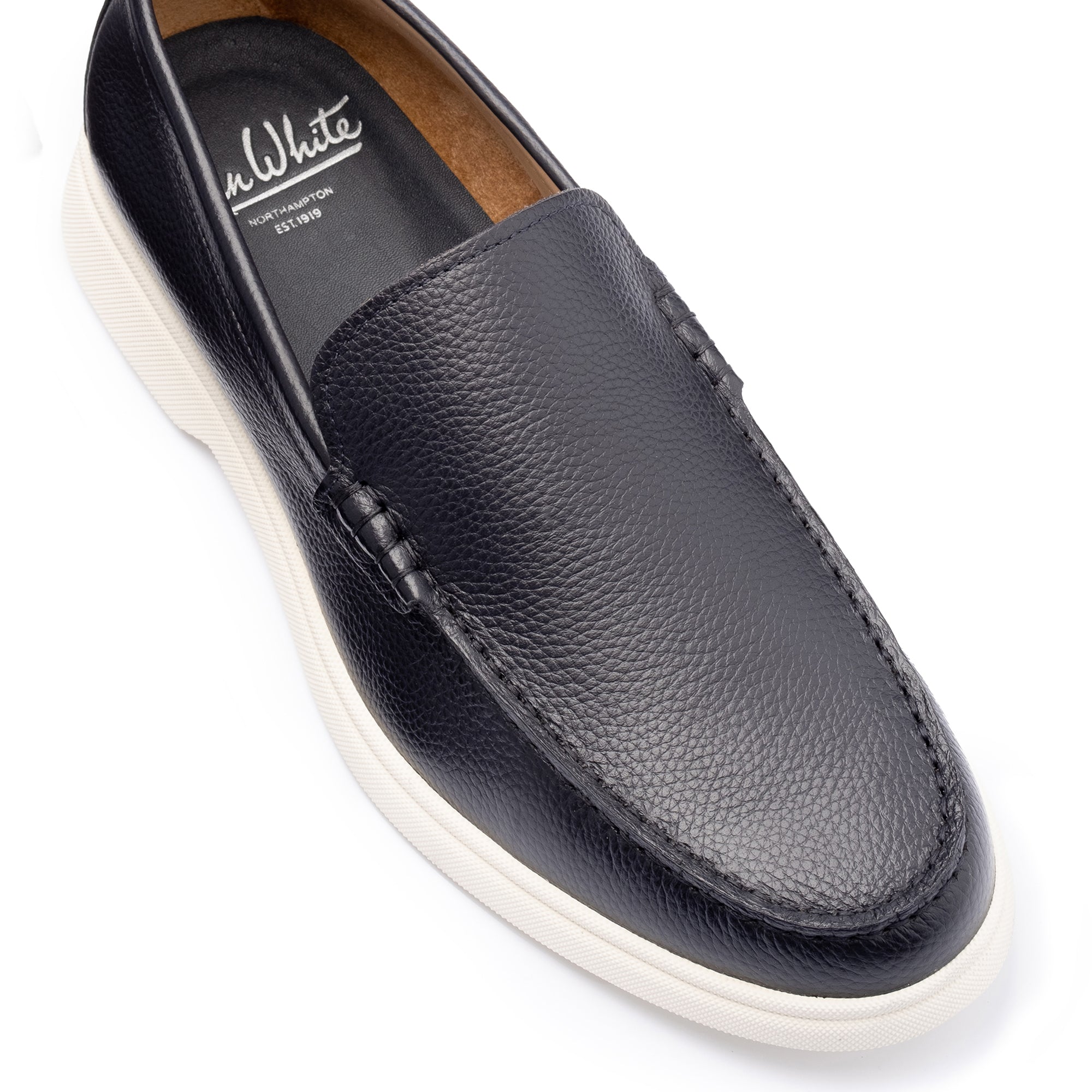
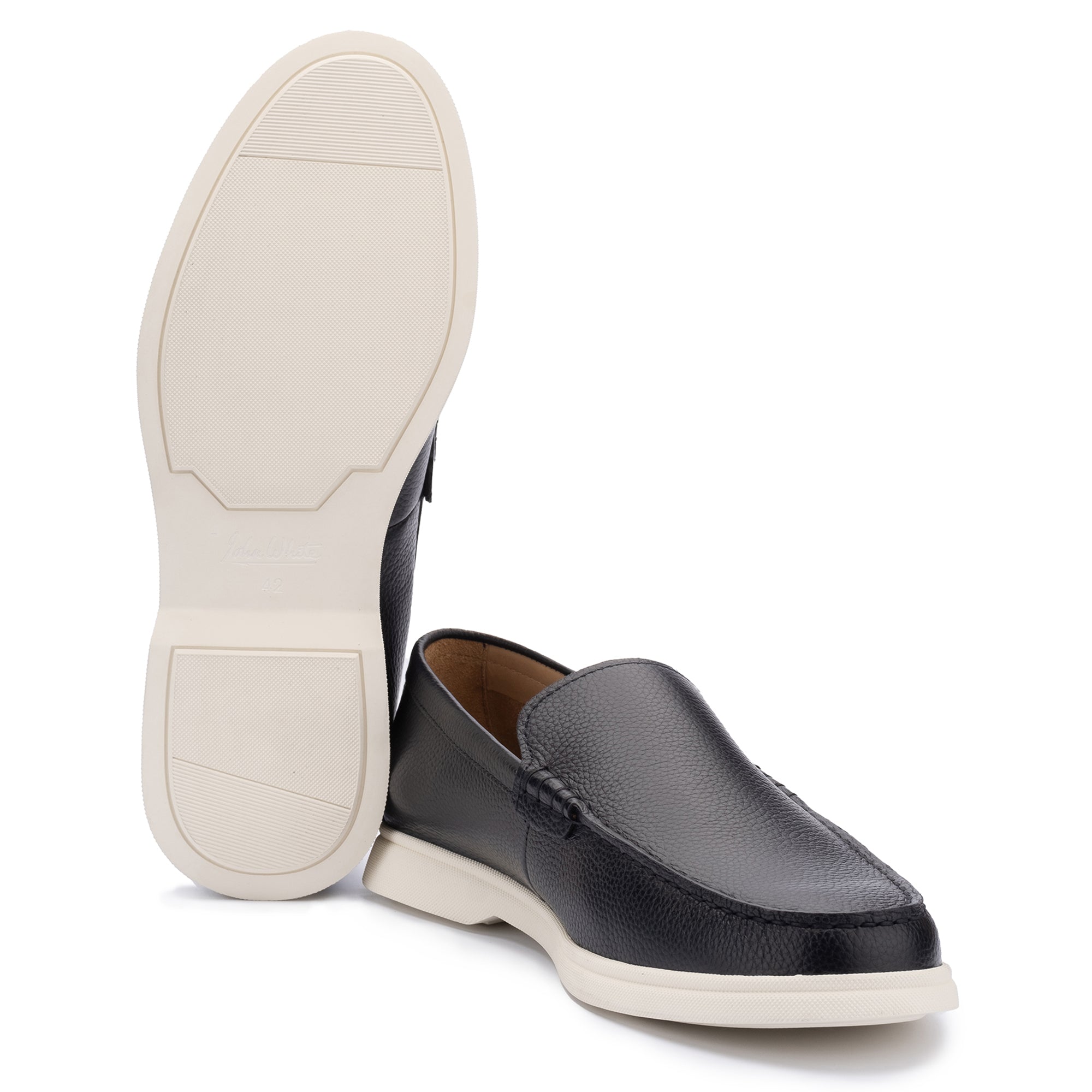
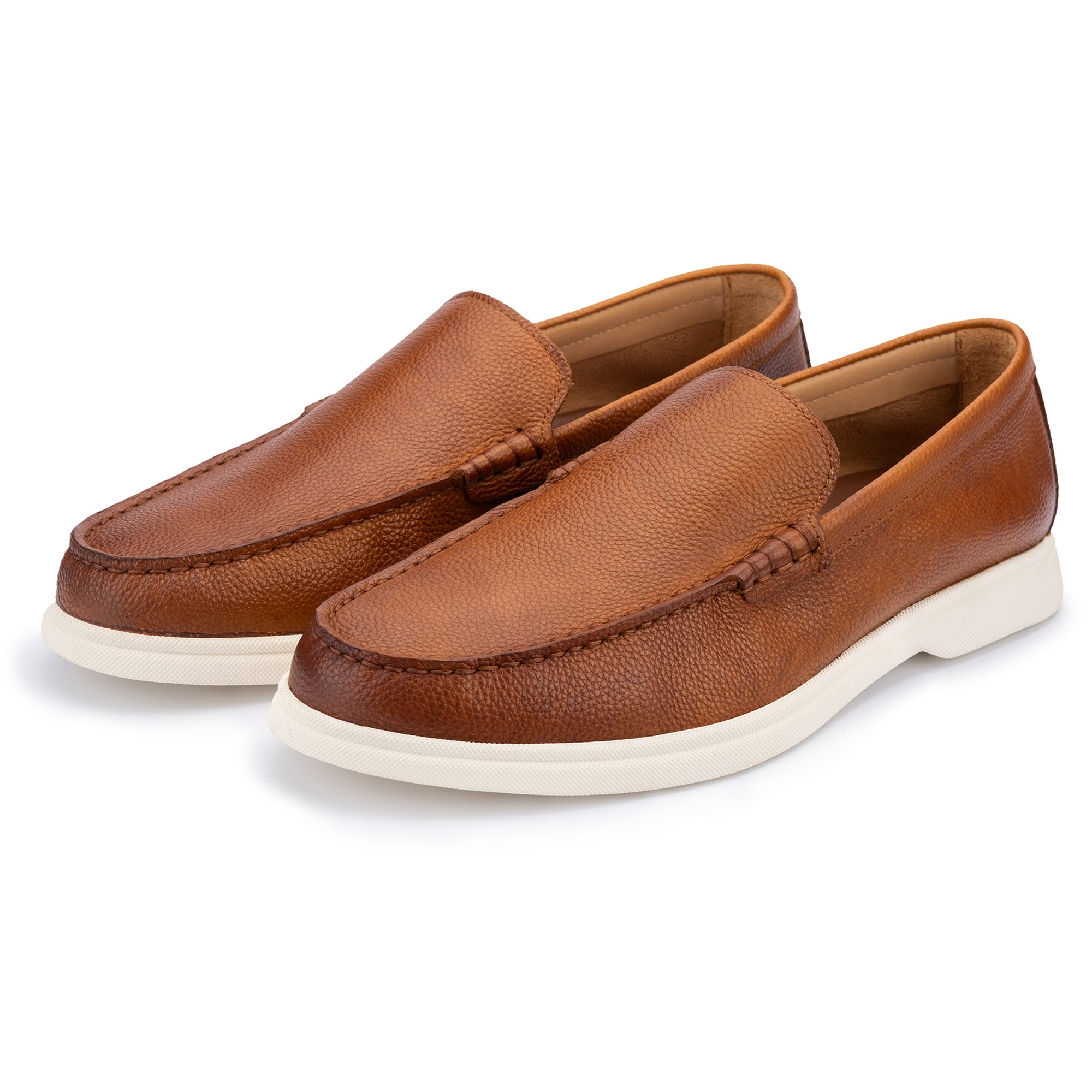
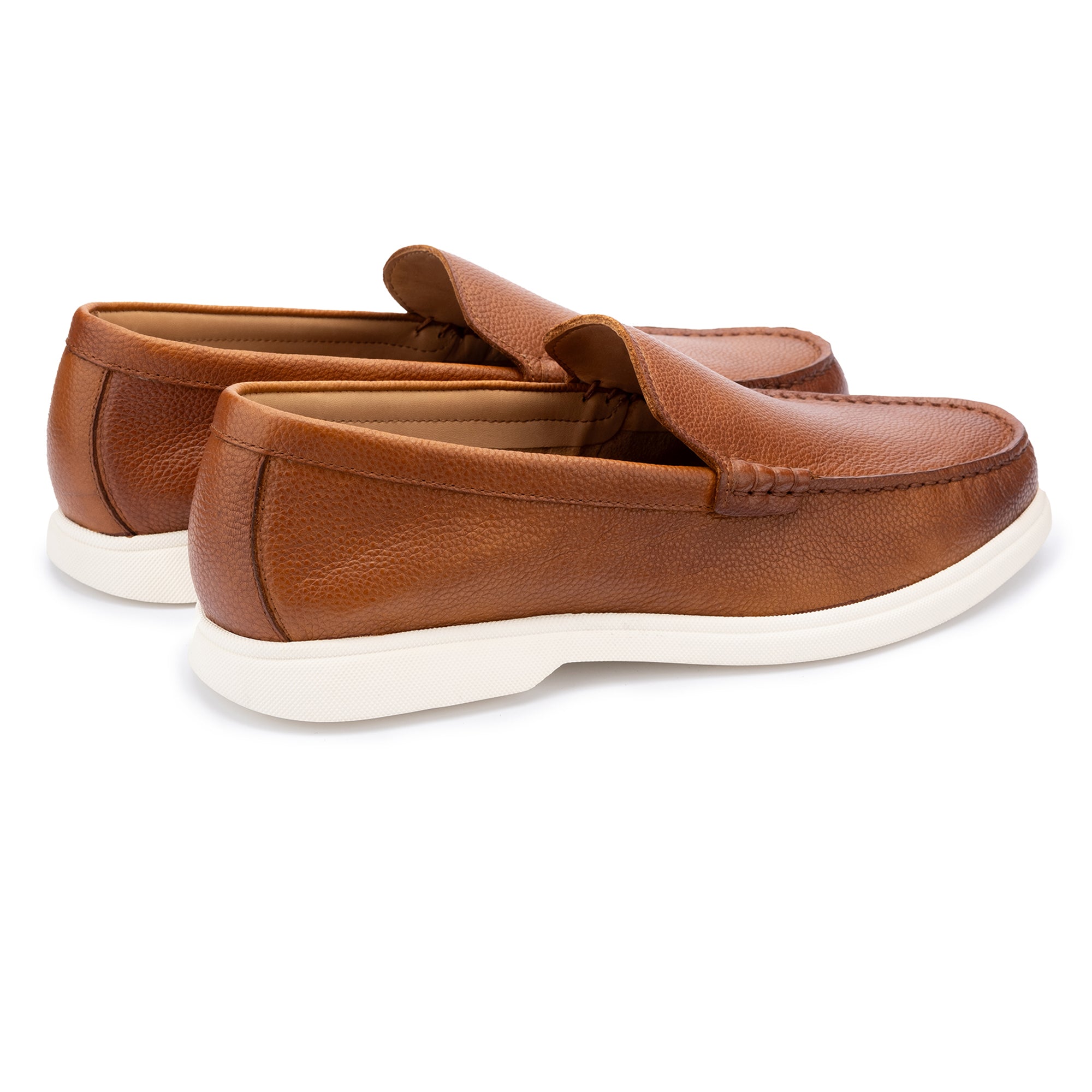
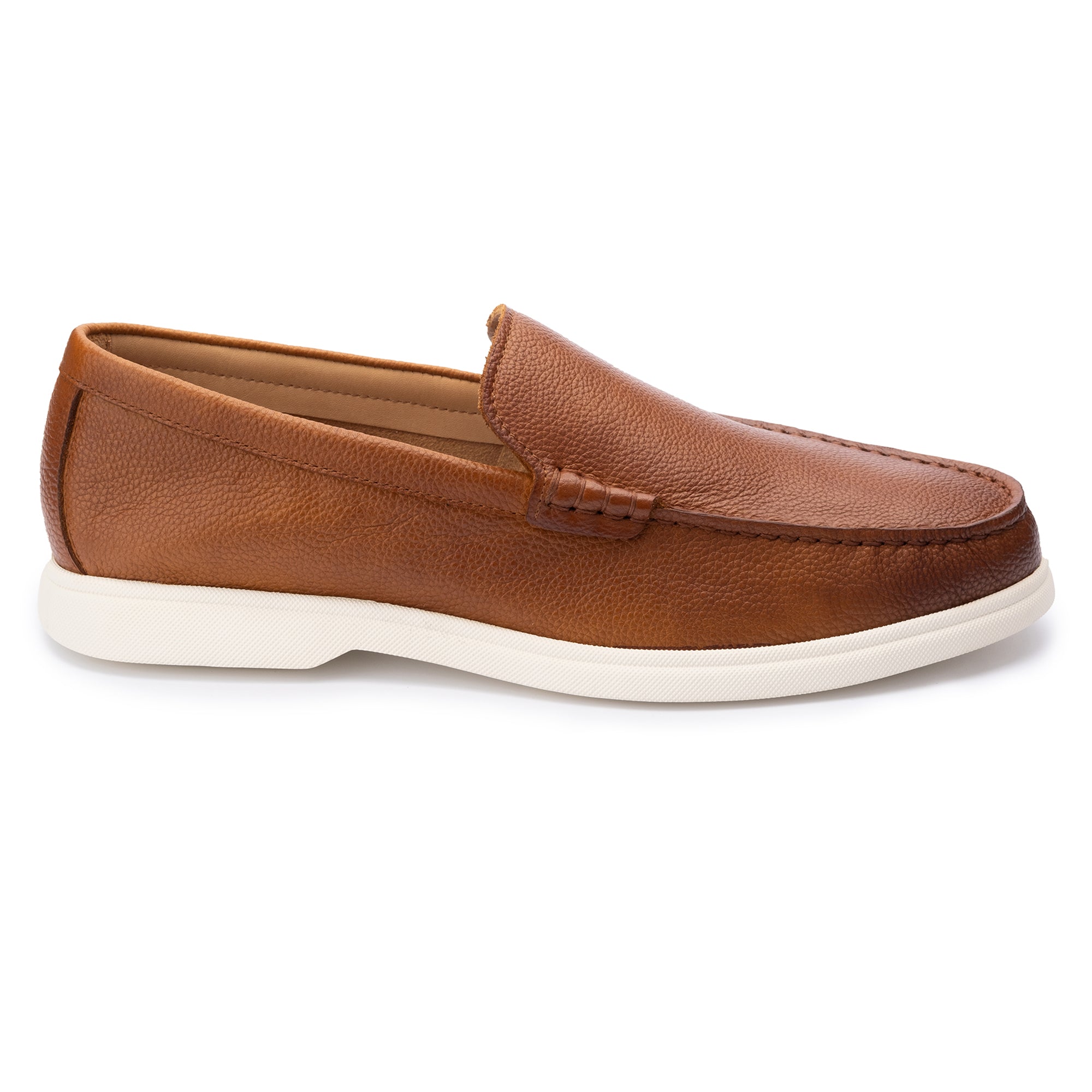
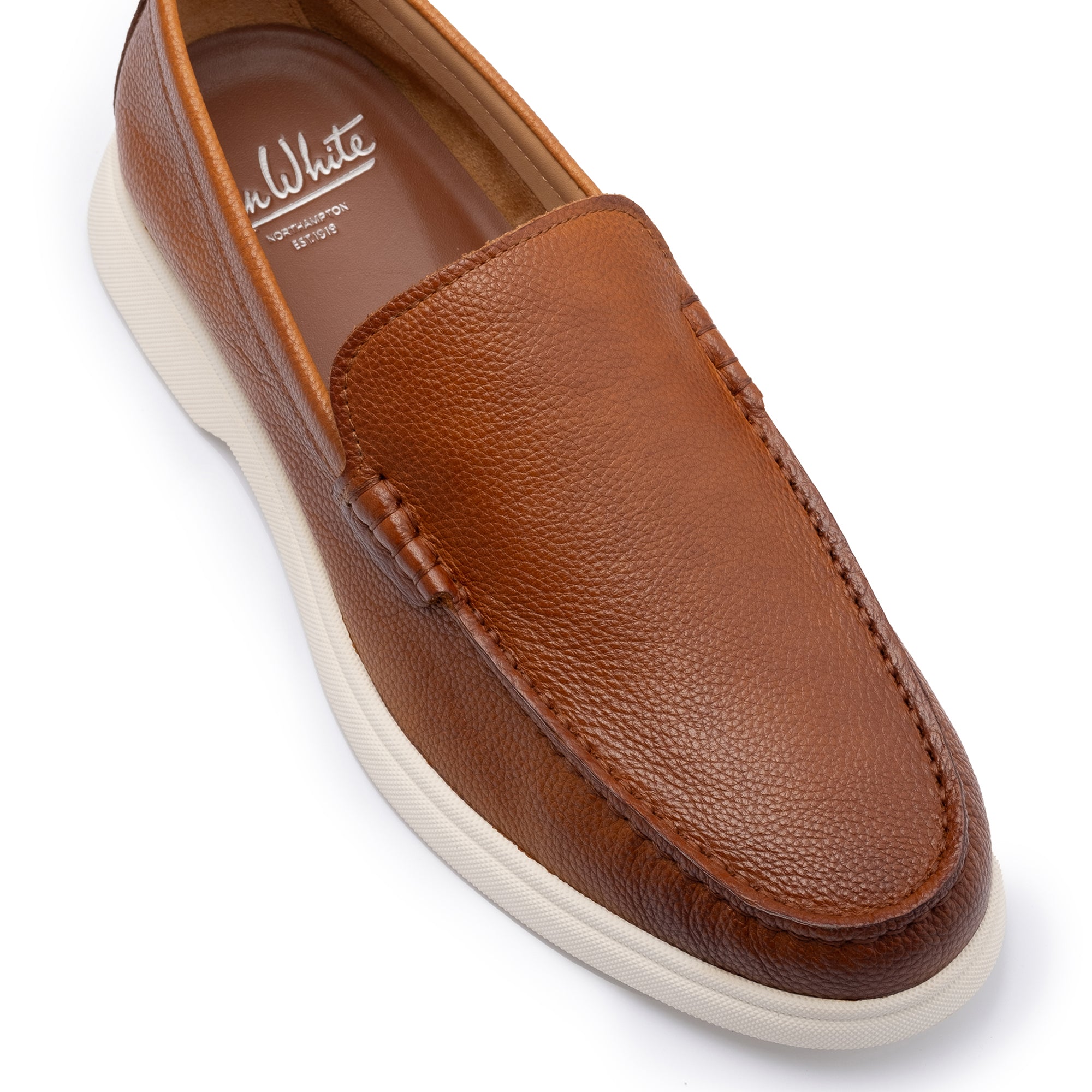
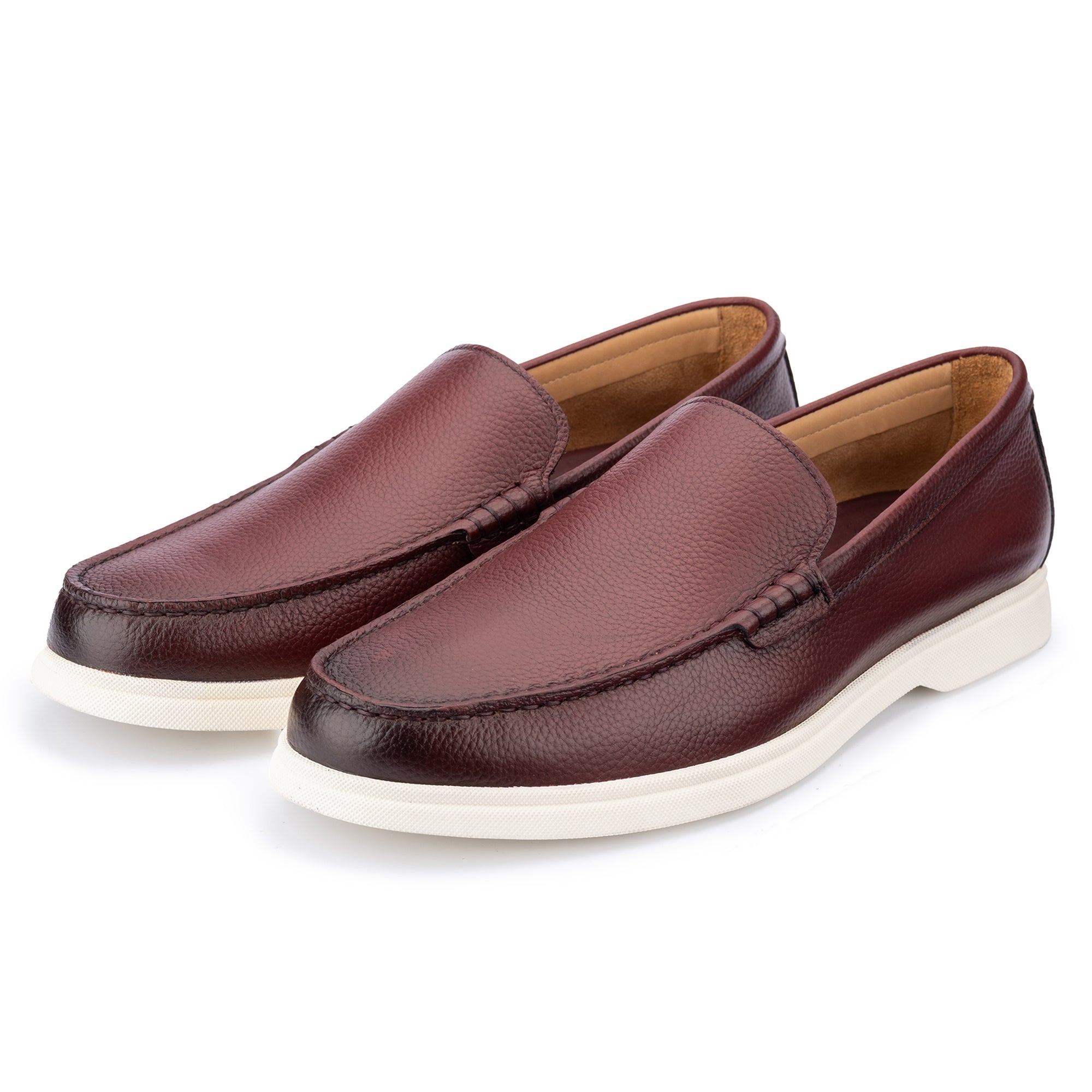
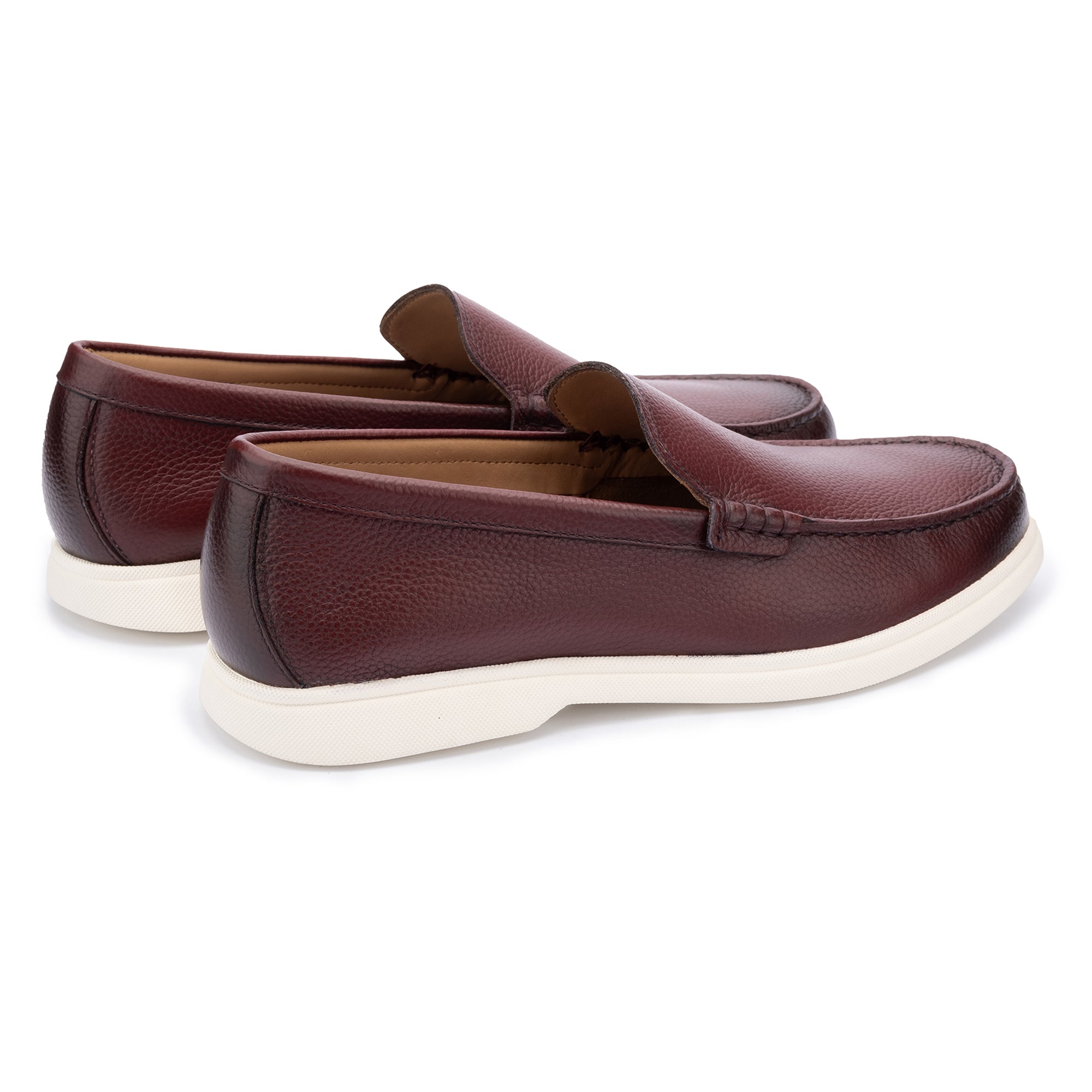
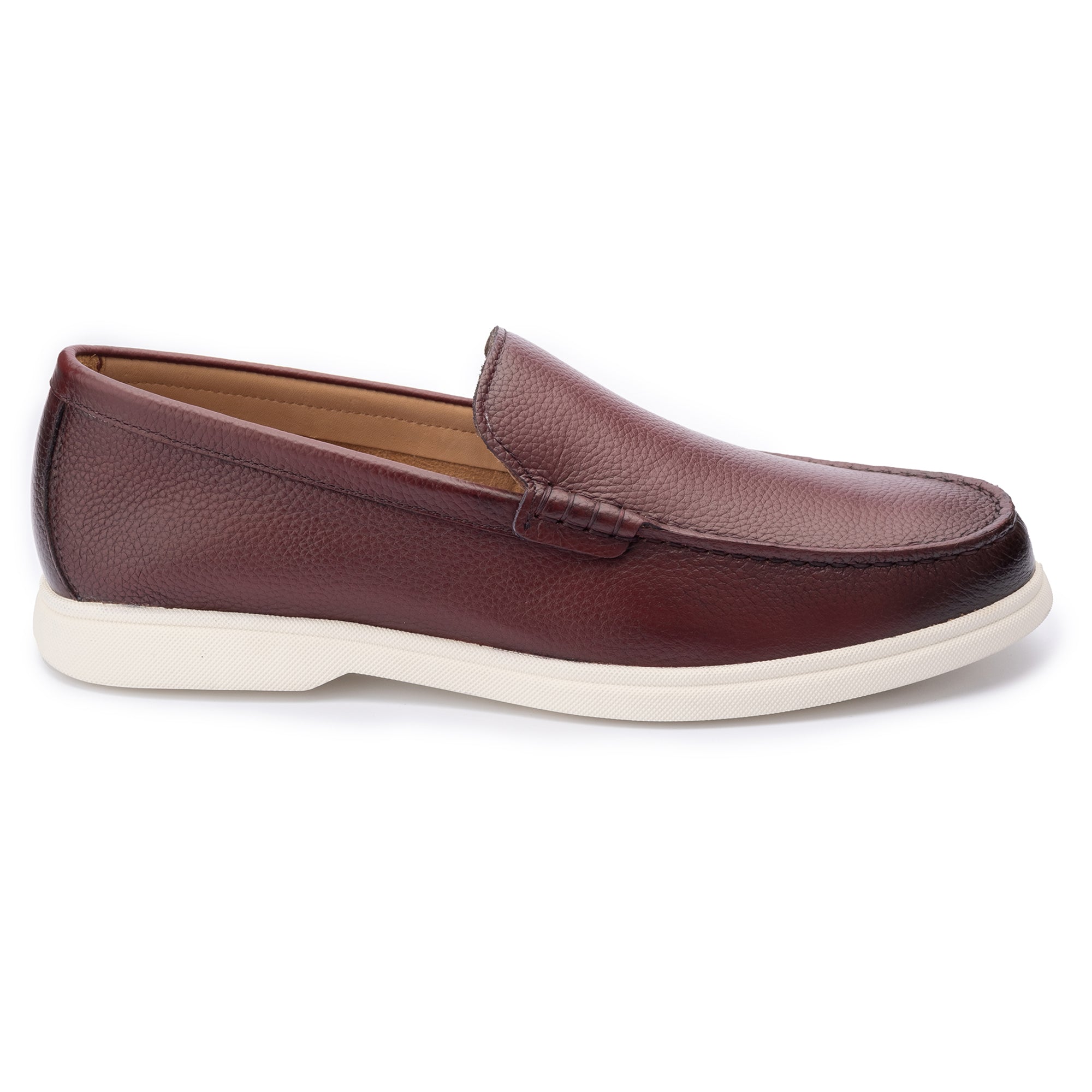
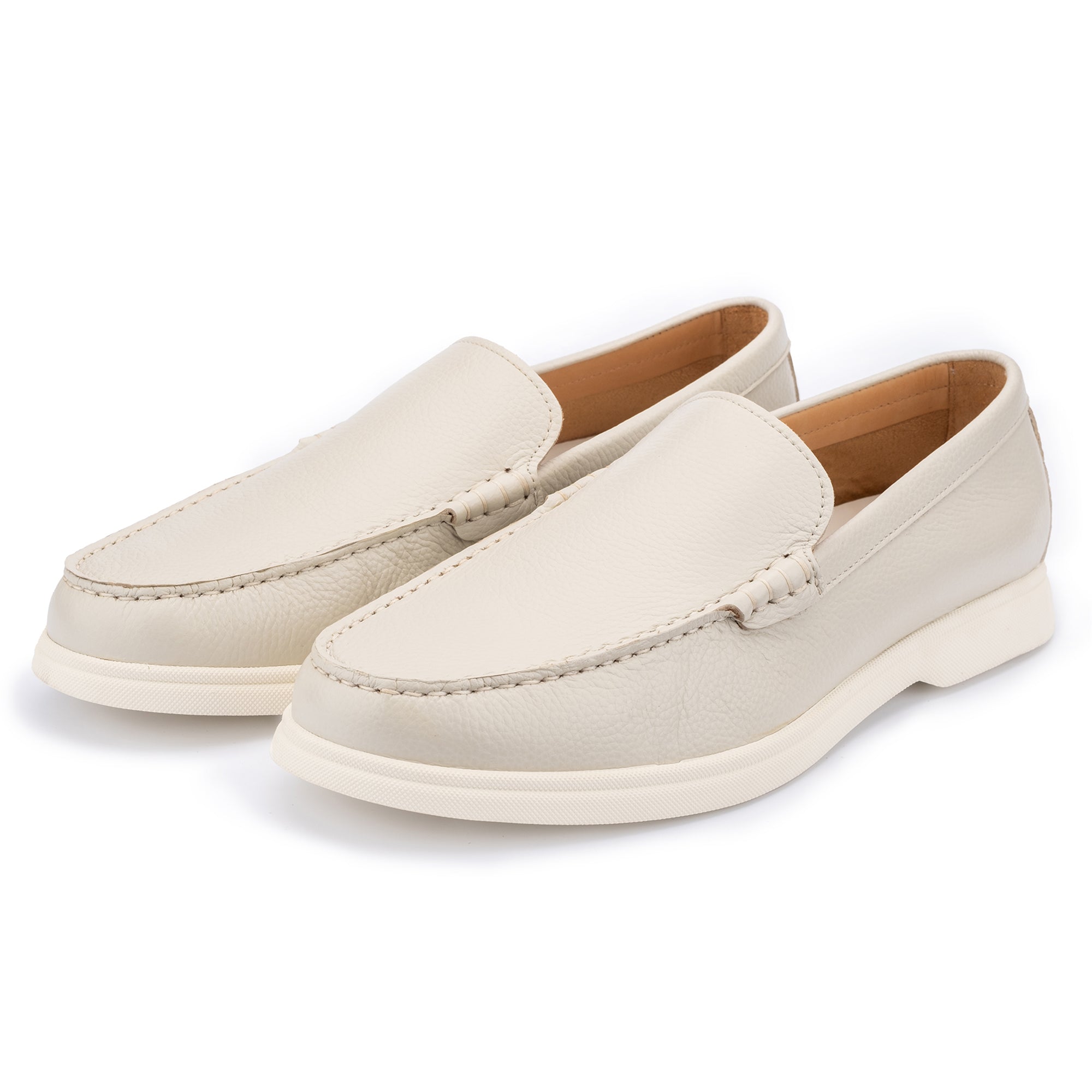
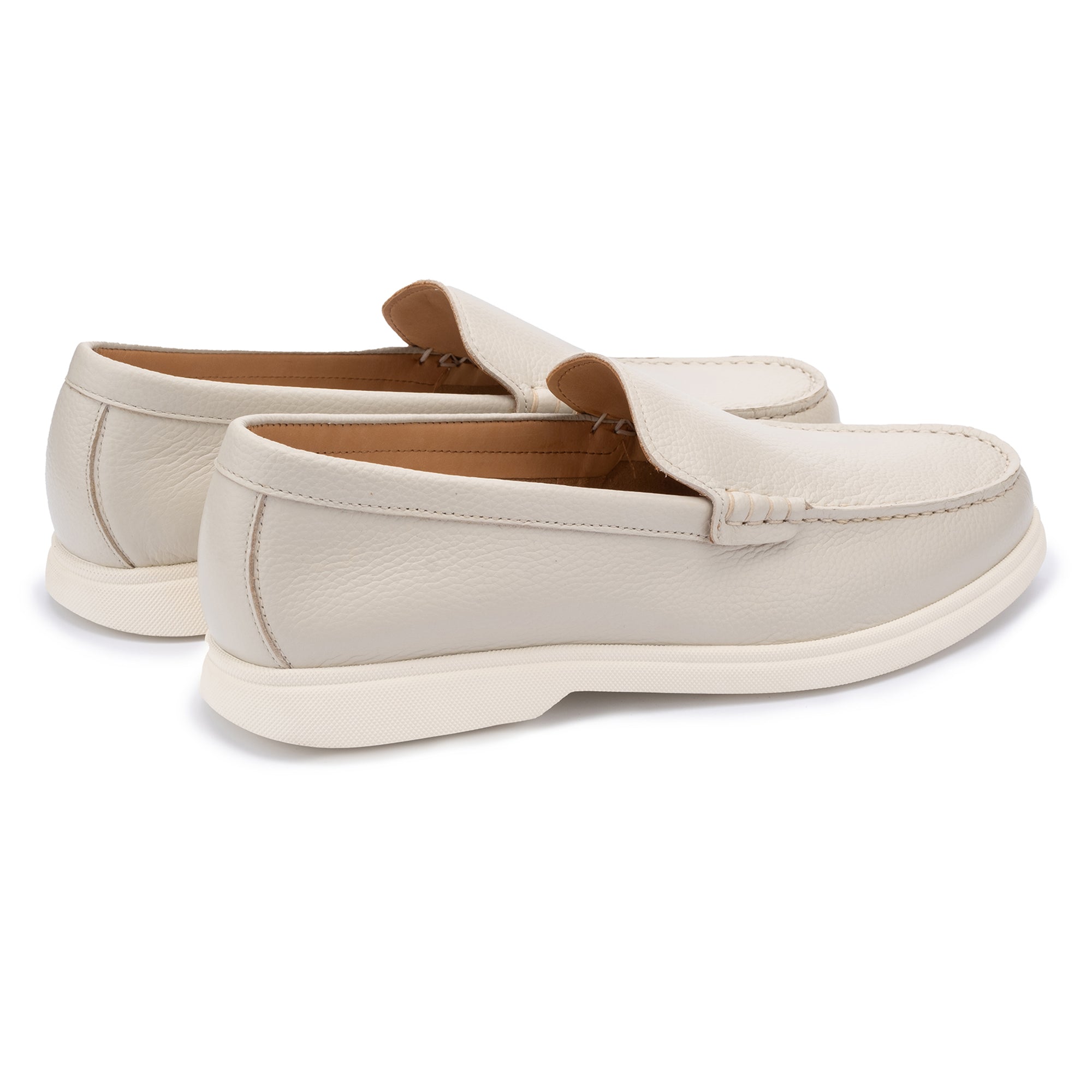
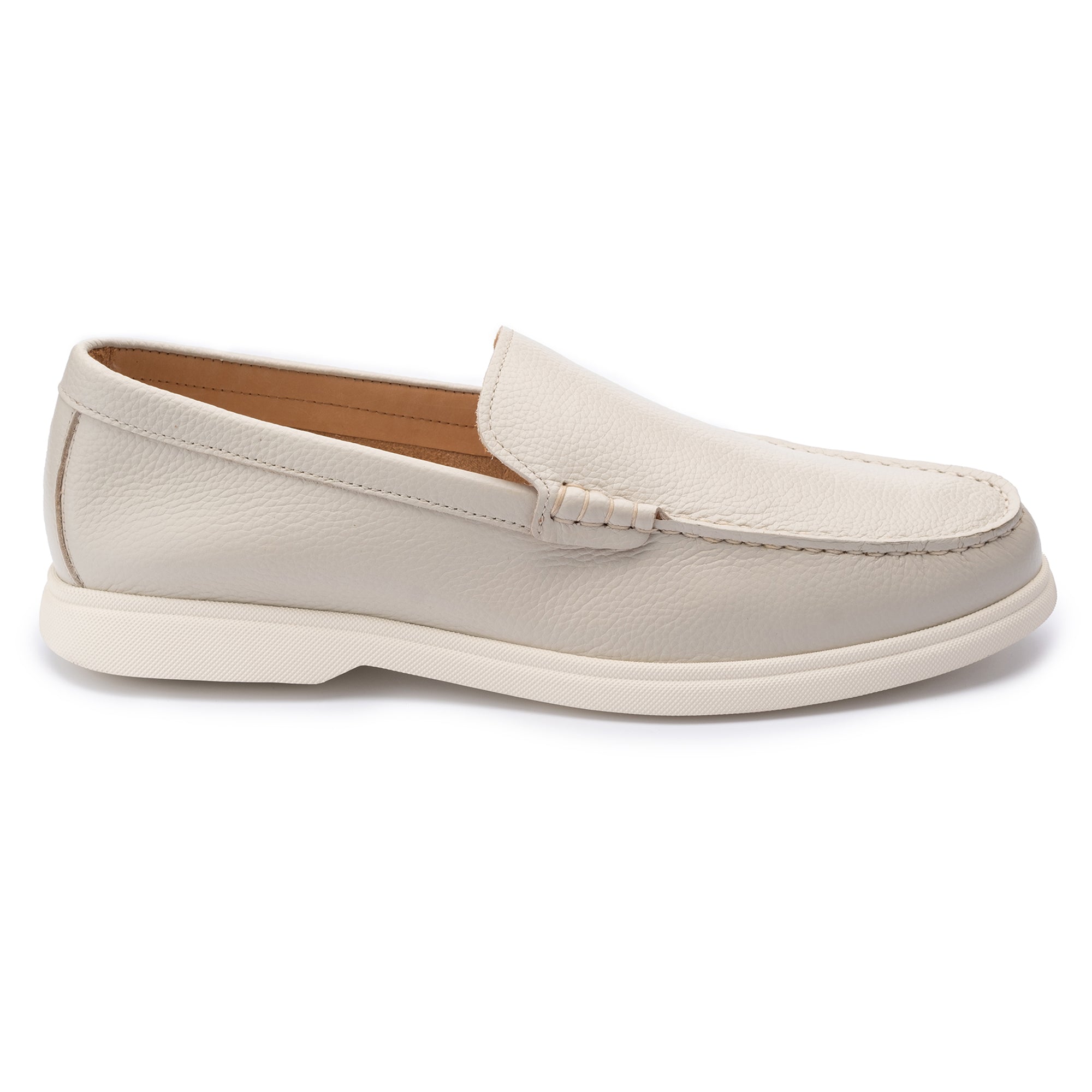
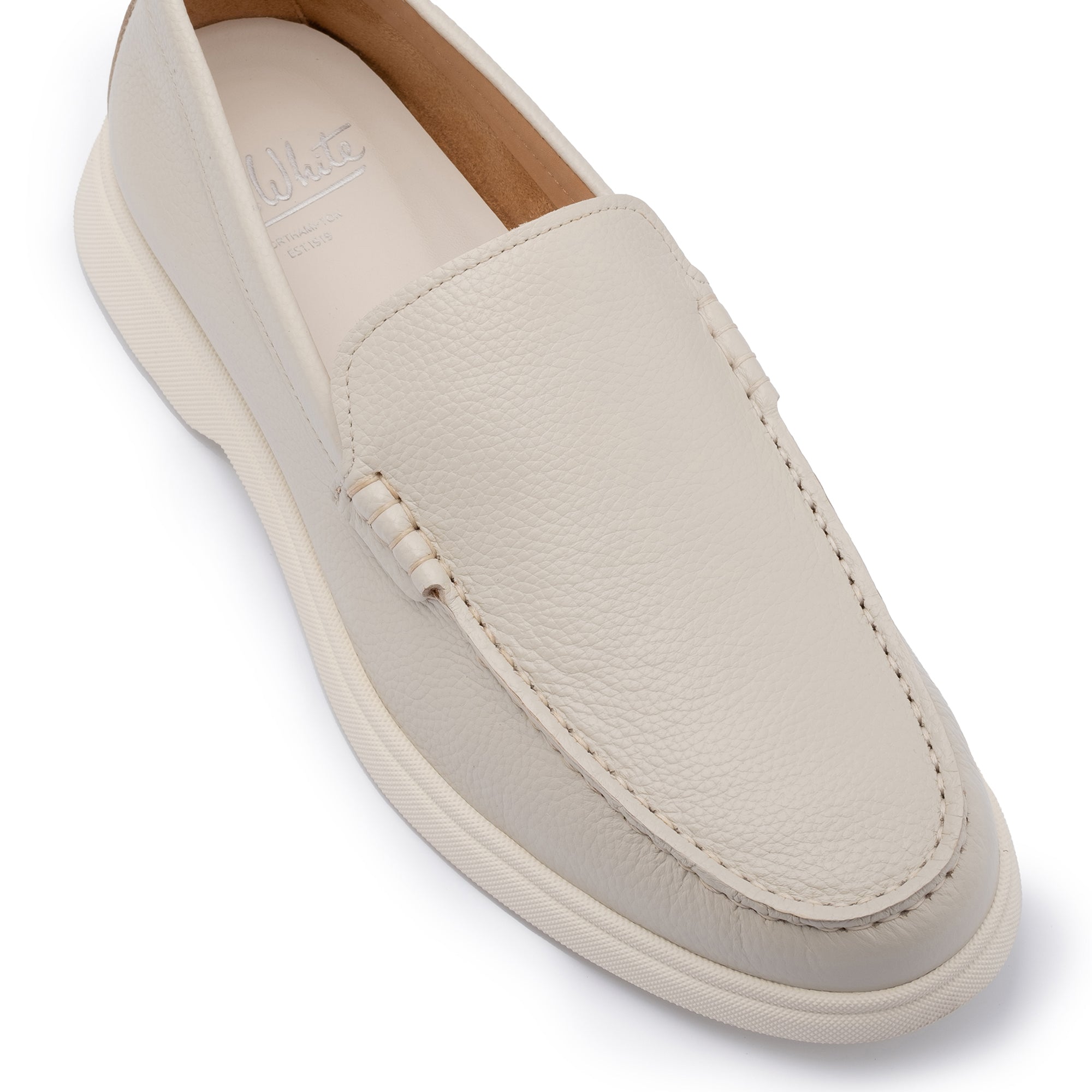
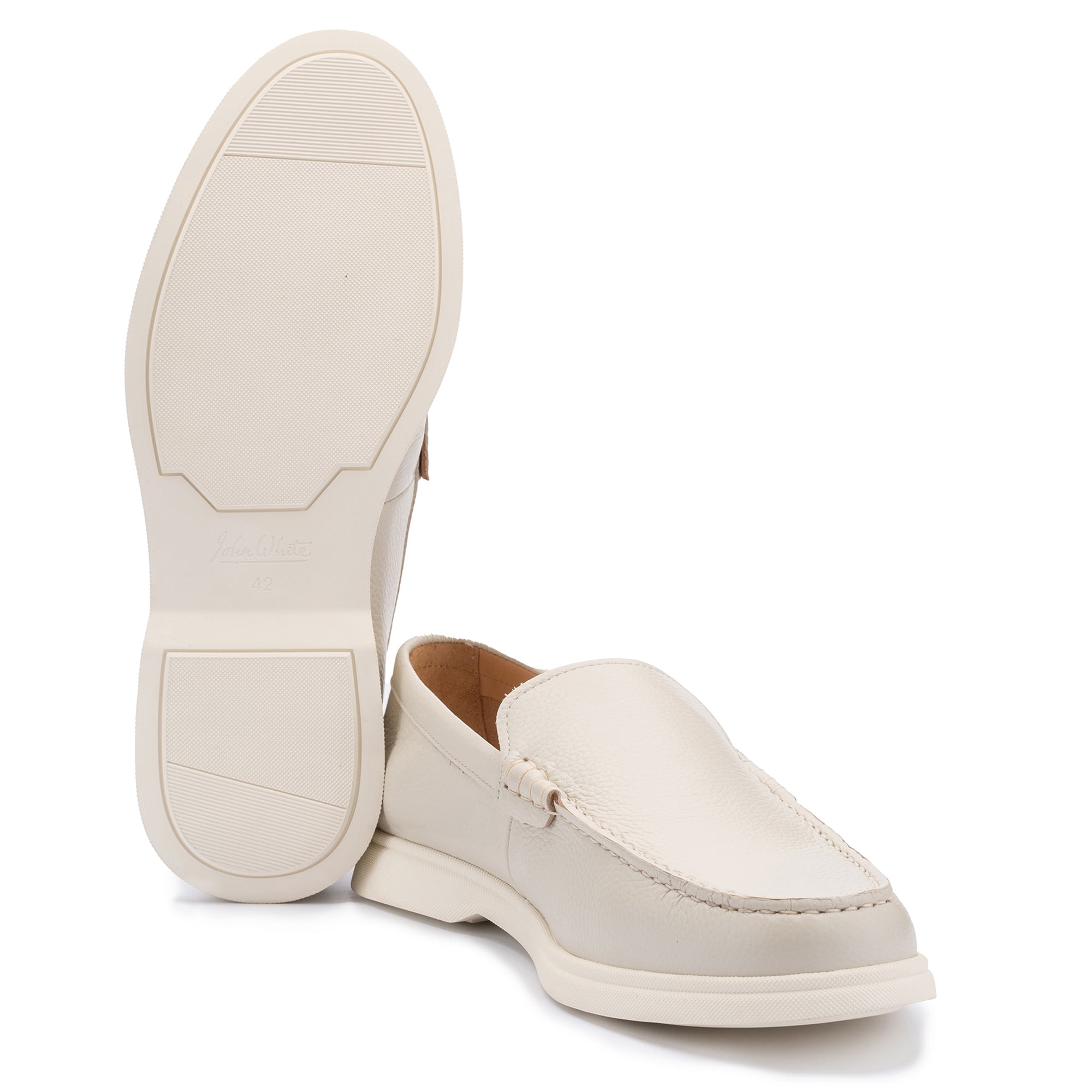
A round toe shoe is a silhouette defined by a soft, semi-circular curve at the front. It is the most traditional and common shape in men's footwear, mirroring the natural line of the foot without exaggeration. This understated profile makes it exceptionally versatile.
Think of the quintessential British Derby or a classic penny loafer. Their enduring appeal lies in this gentle, unassuming shape. It doesn’t shout for attention; it communicates quiet confidence and timeless style. According to the Northampton Museum and Art Gallery, which houses the world's largest collection of shoe-related artefacts, rounded lasts have been a cornerstone of functional footwear for centuries due to their inherent comfort.
The key characteristics include:
- Classic Profile: The shape is traditional and avoids fleeting trends.
- Comfort: It typically offers a more generous fit in the toe box, accommodating a wider range of foot shapes.
- Versatility: It pairs as easily with a business suit as it does with chinos or dark denim.
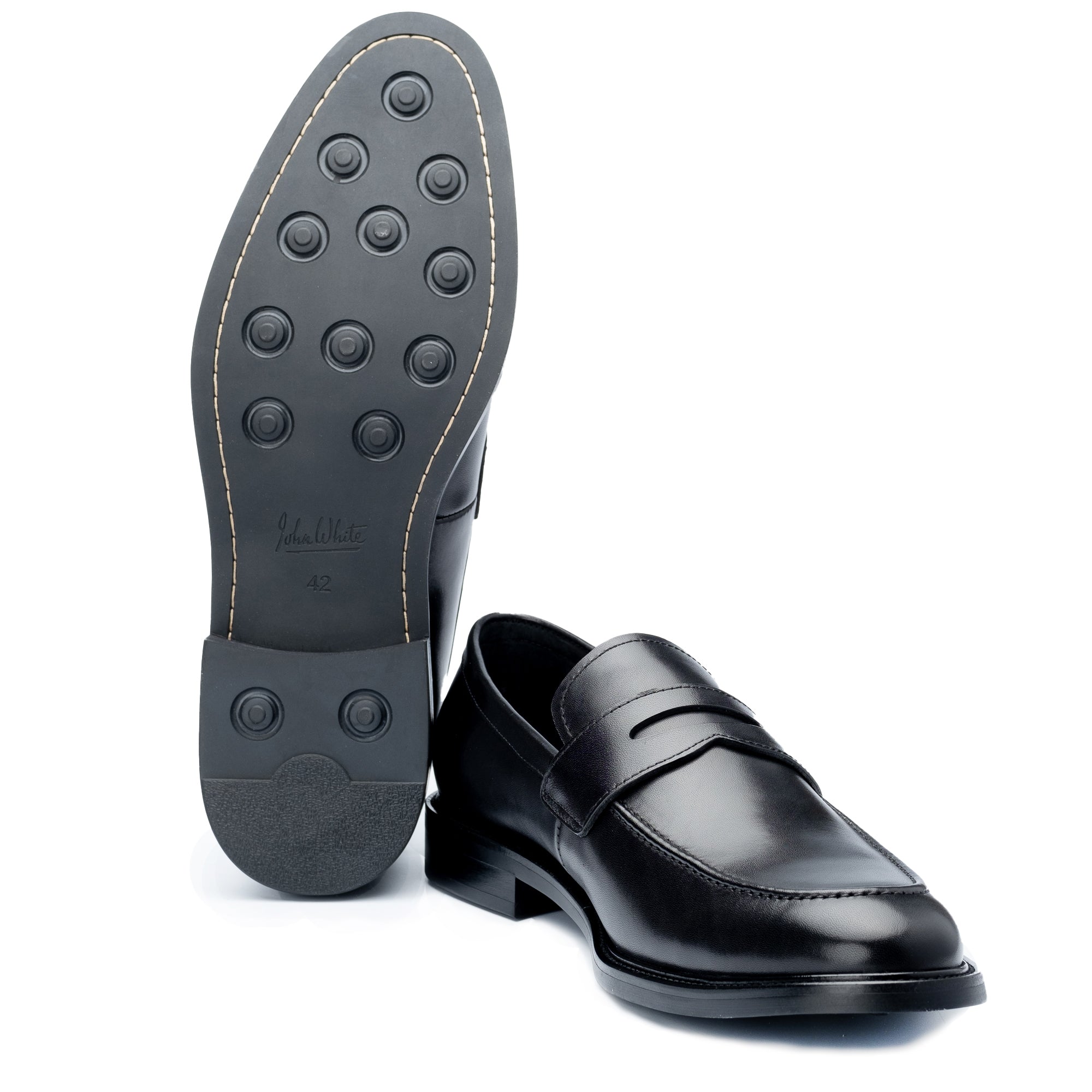
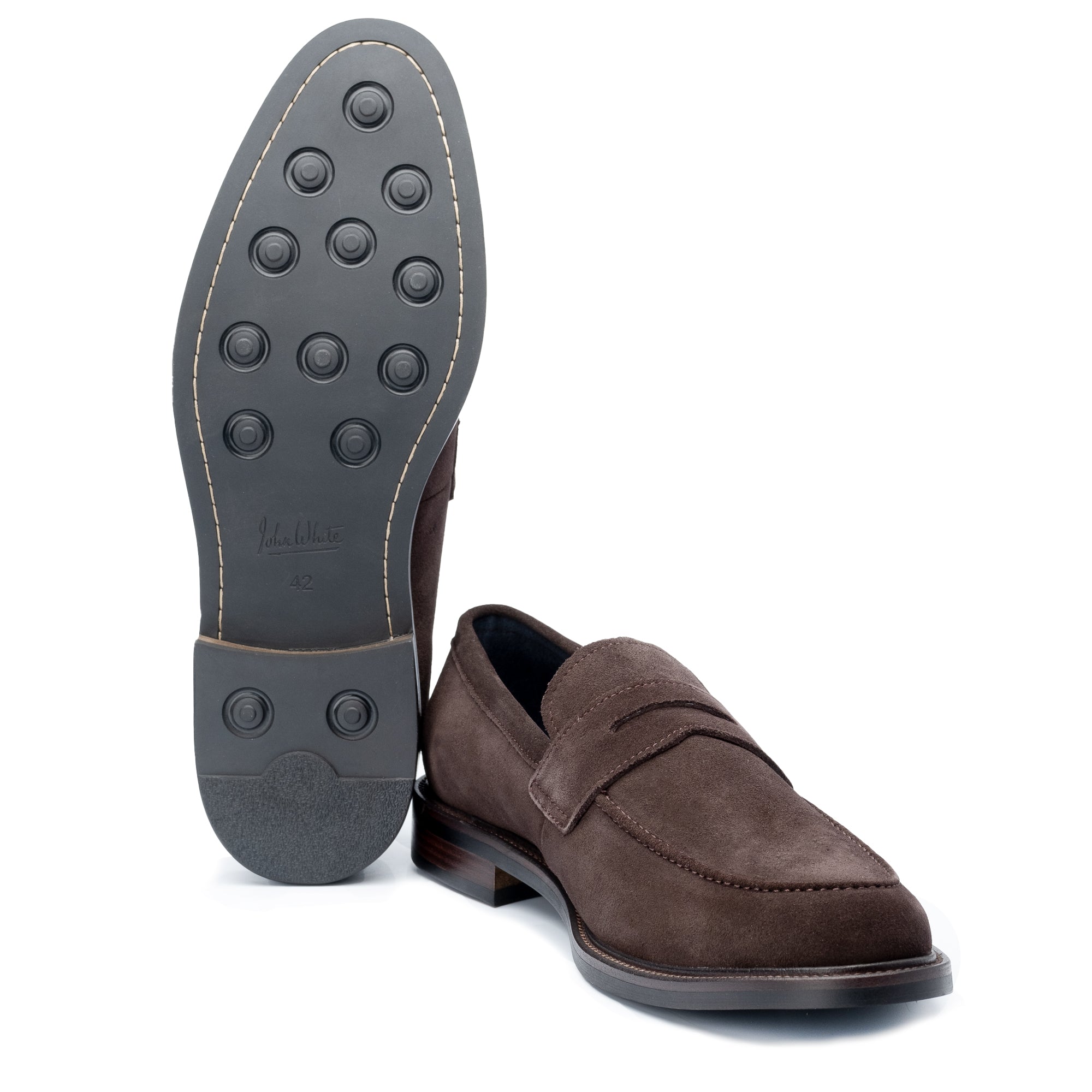
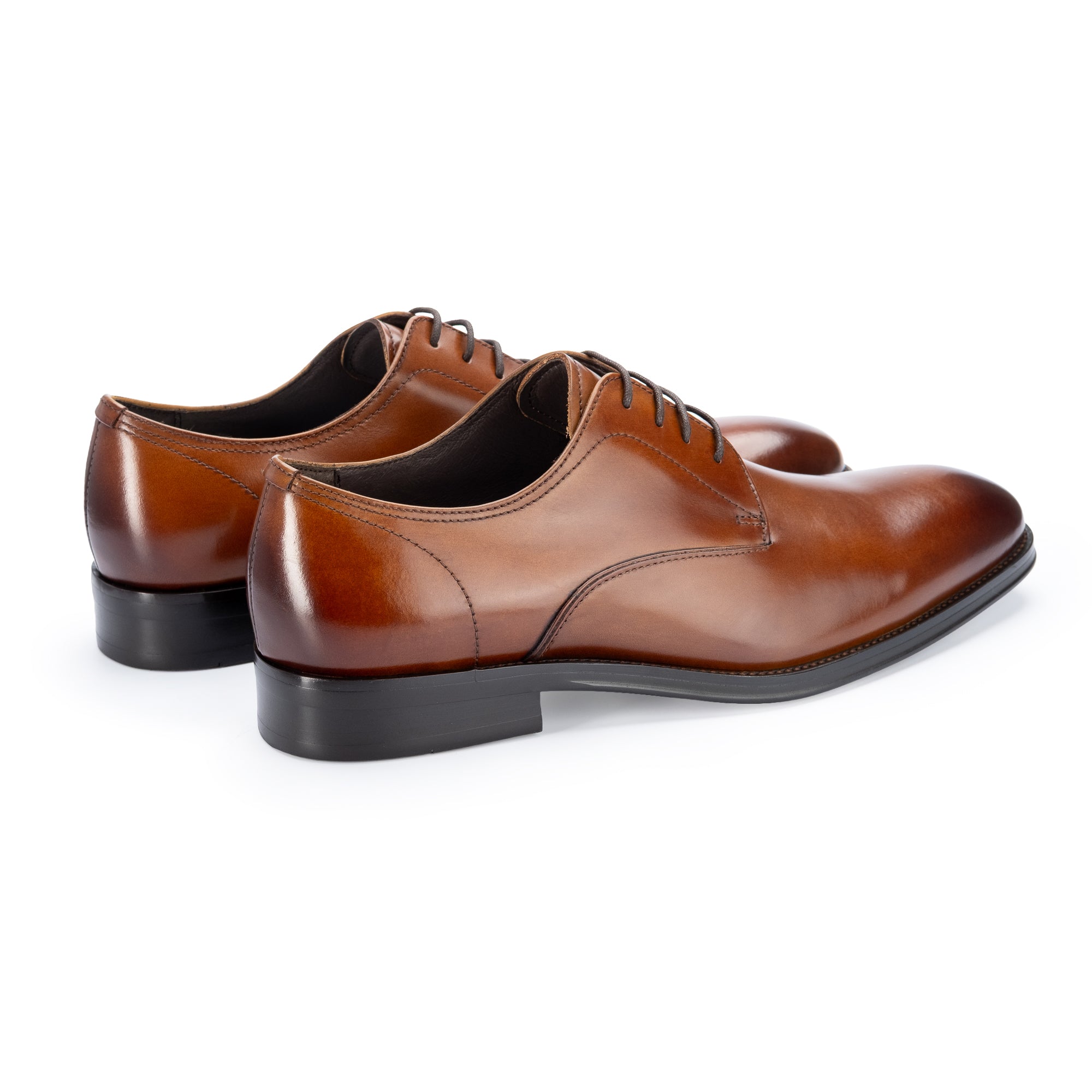
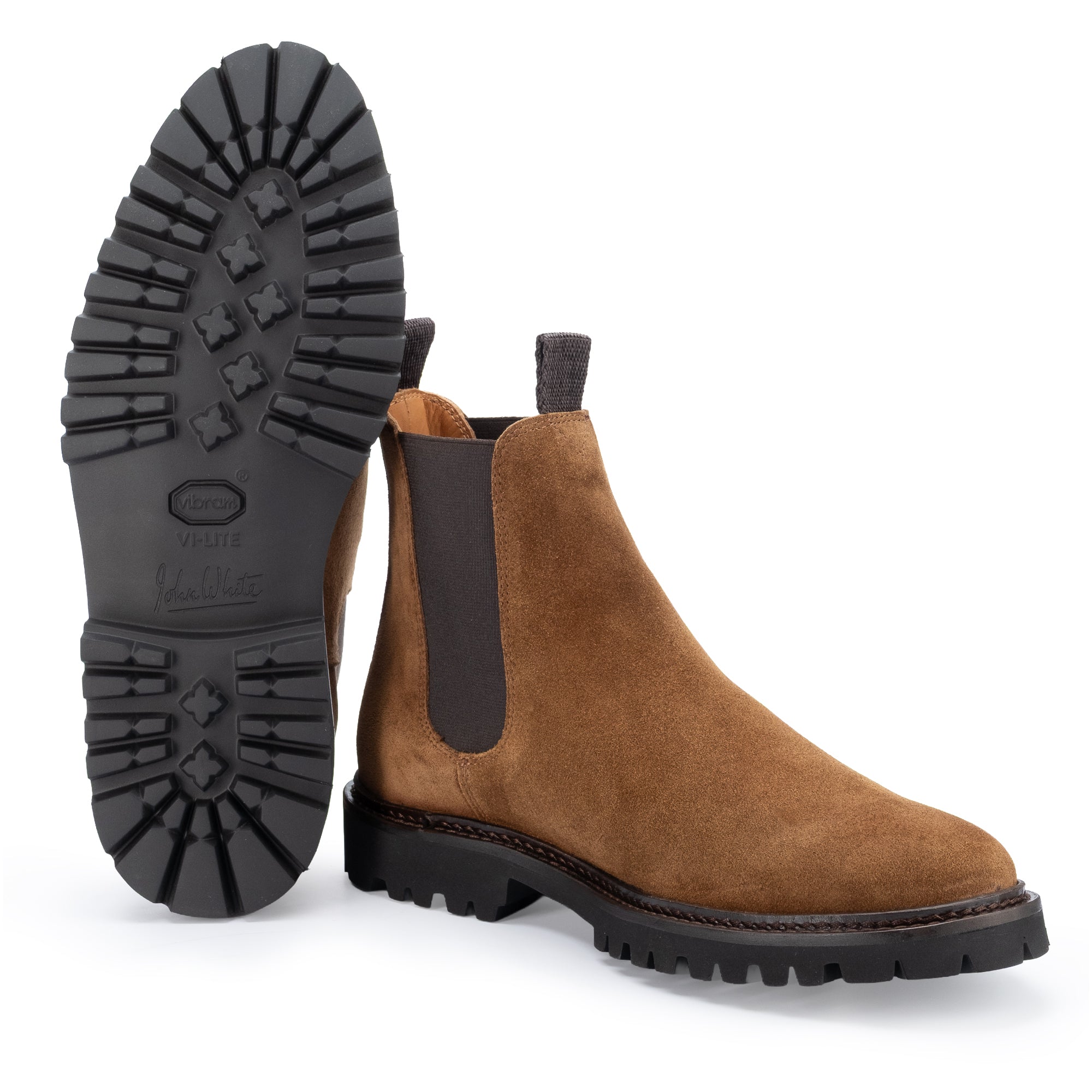
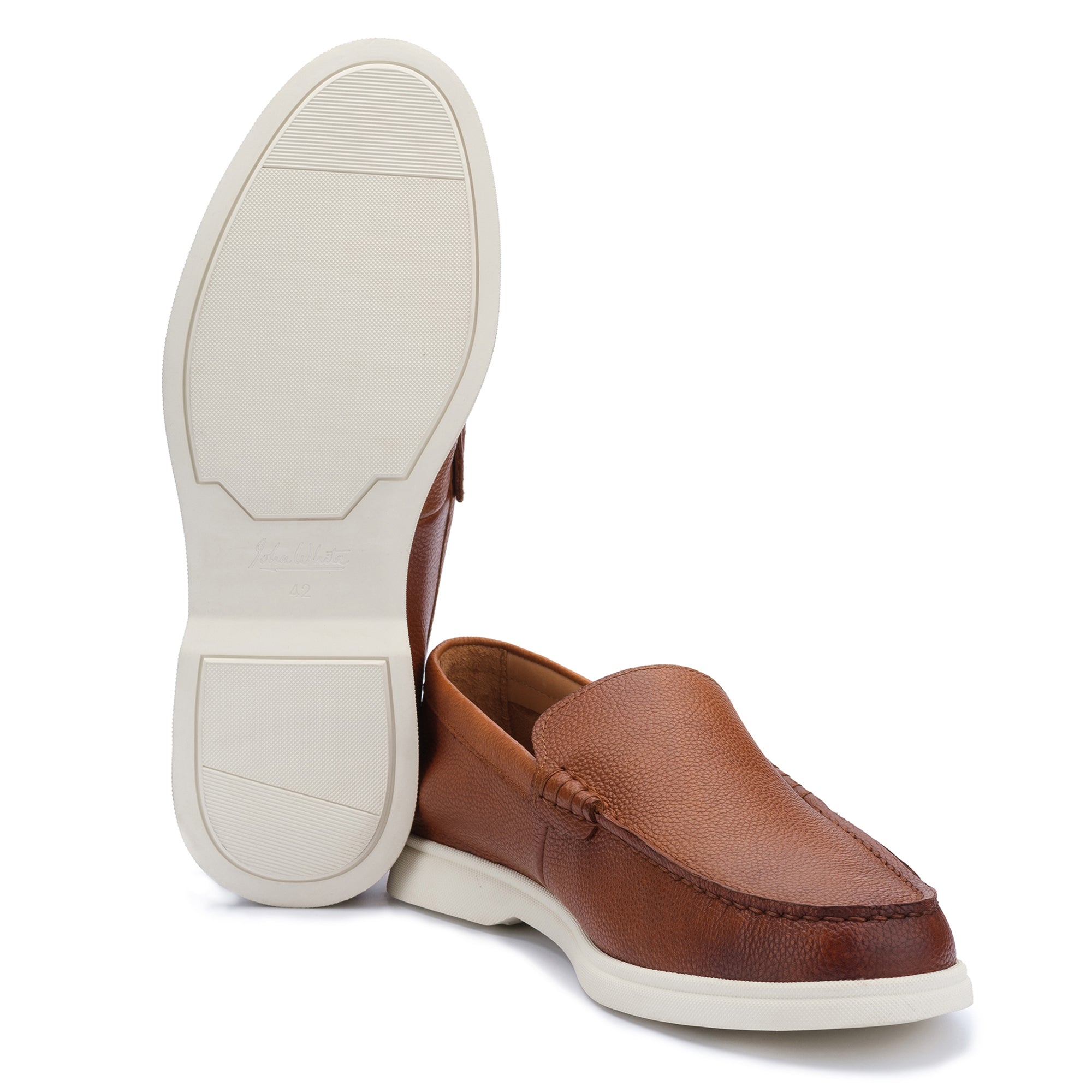
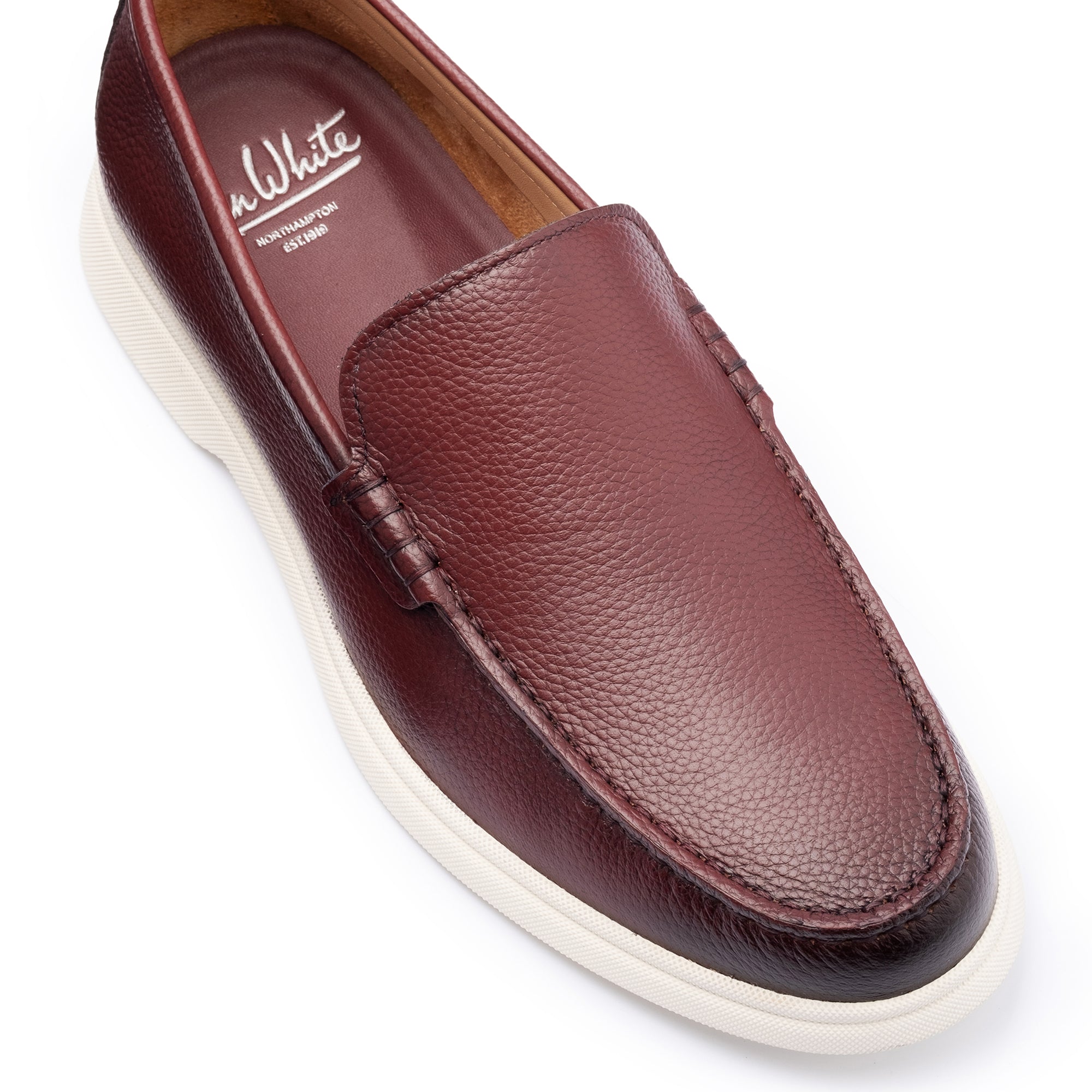
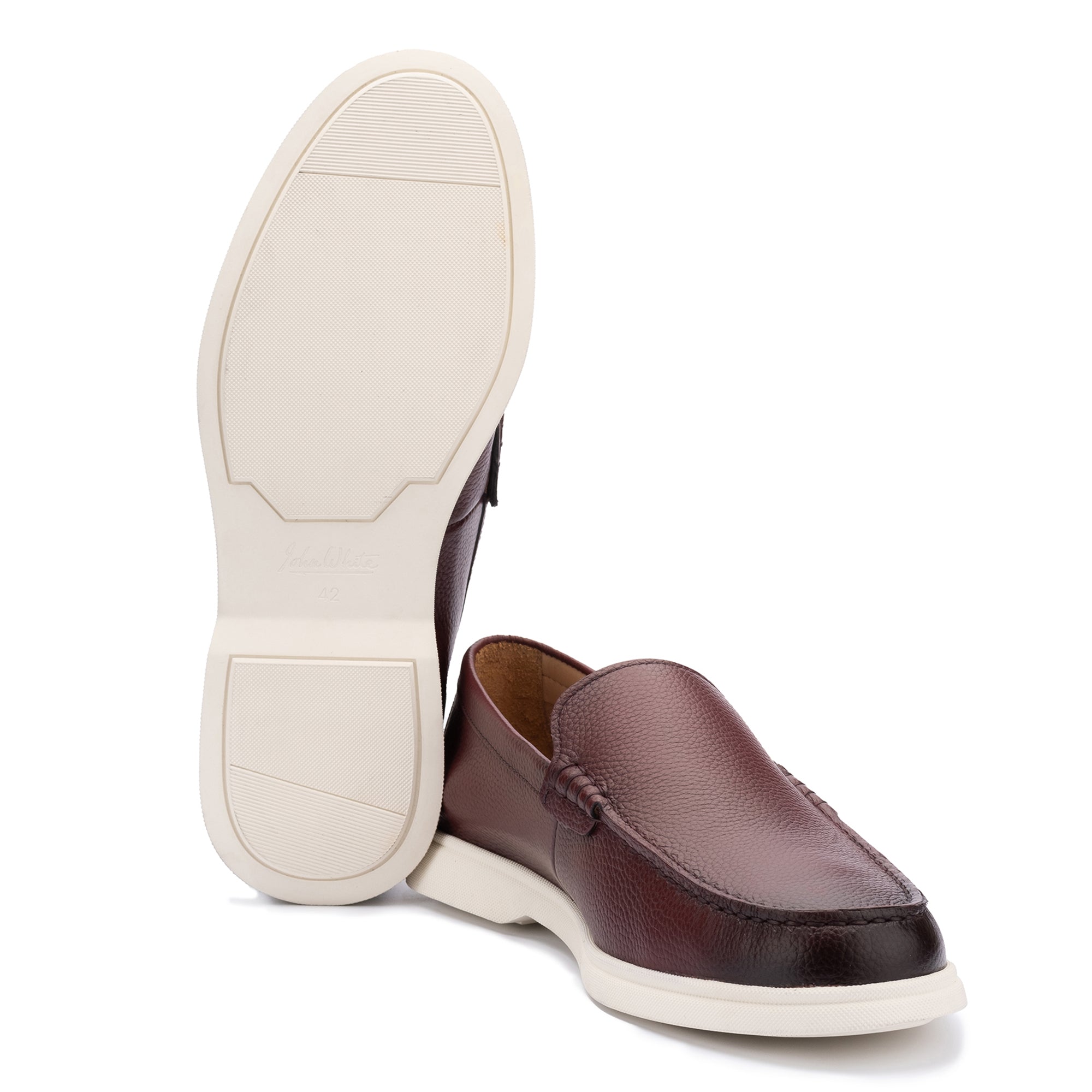
For a foundational piece, consider the Broad Derby Shoes. Their classic round toe makes them a perfect starting point for any collection. Similarly, the Banff Penny Loafer embodies the relaxed elegance that this silhouette provides for smart-casual wear.
The round toe is the versatile workhorse of a gentleman's wardrobe, prioritising timelessness over trend.
What Defines a Chisel Toe Shoe?
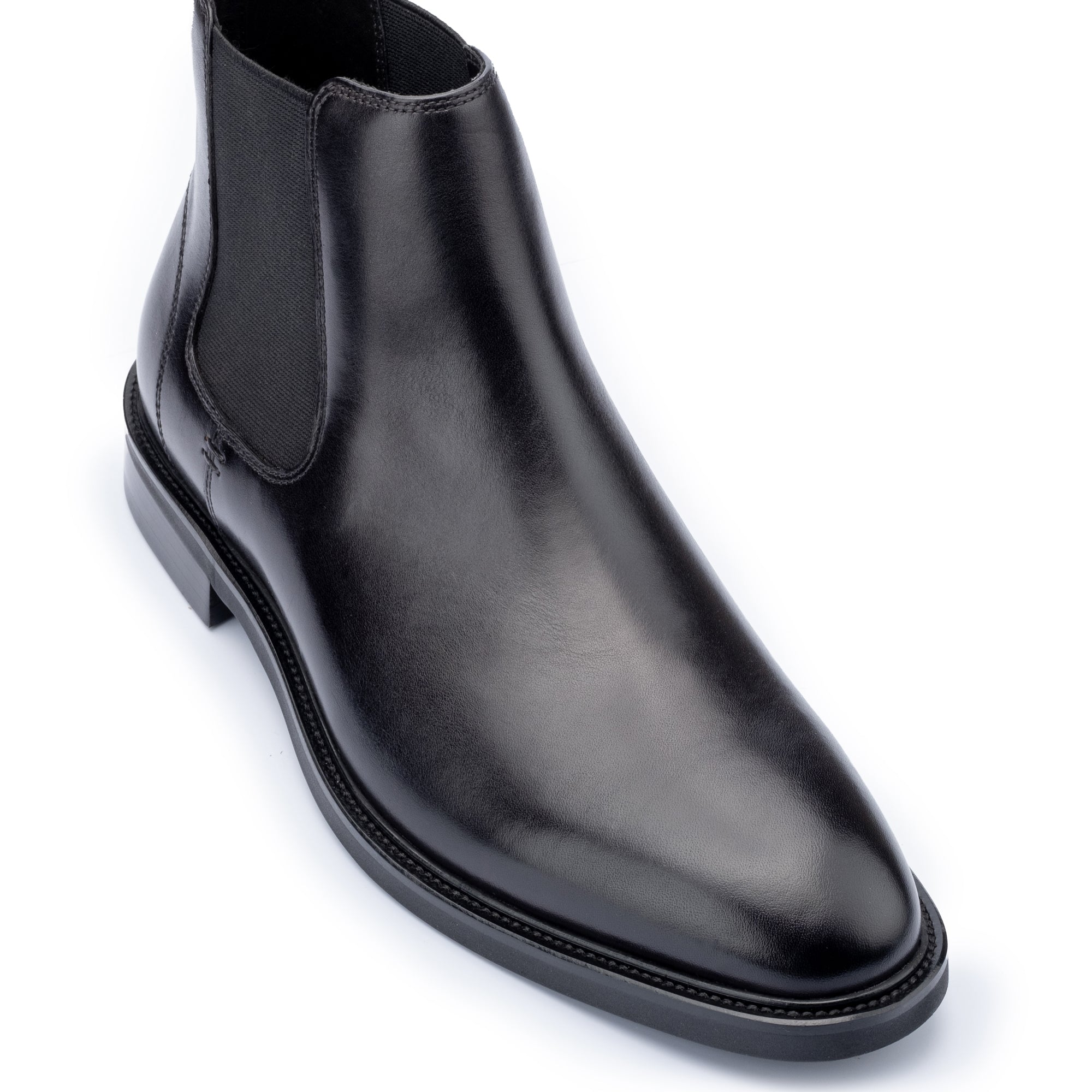
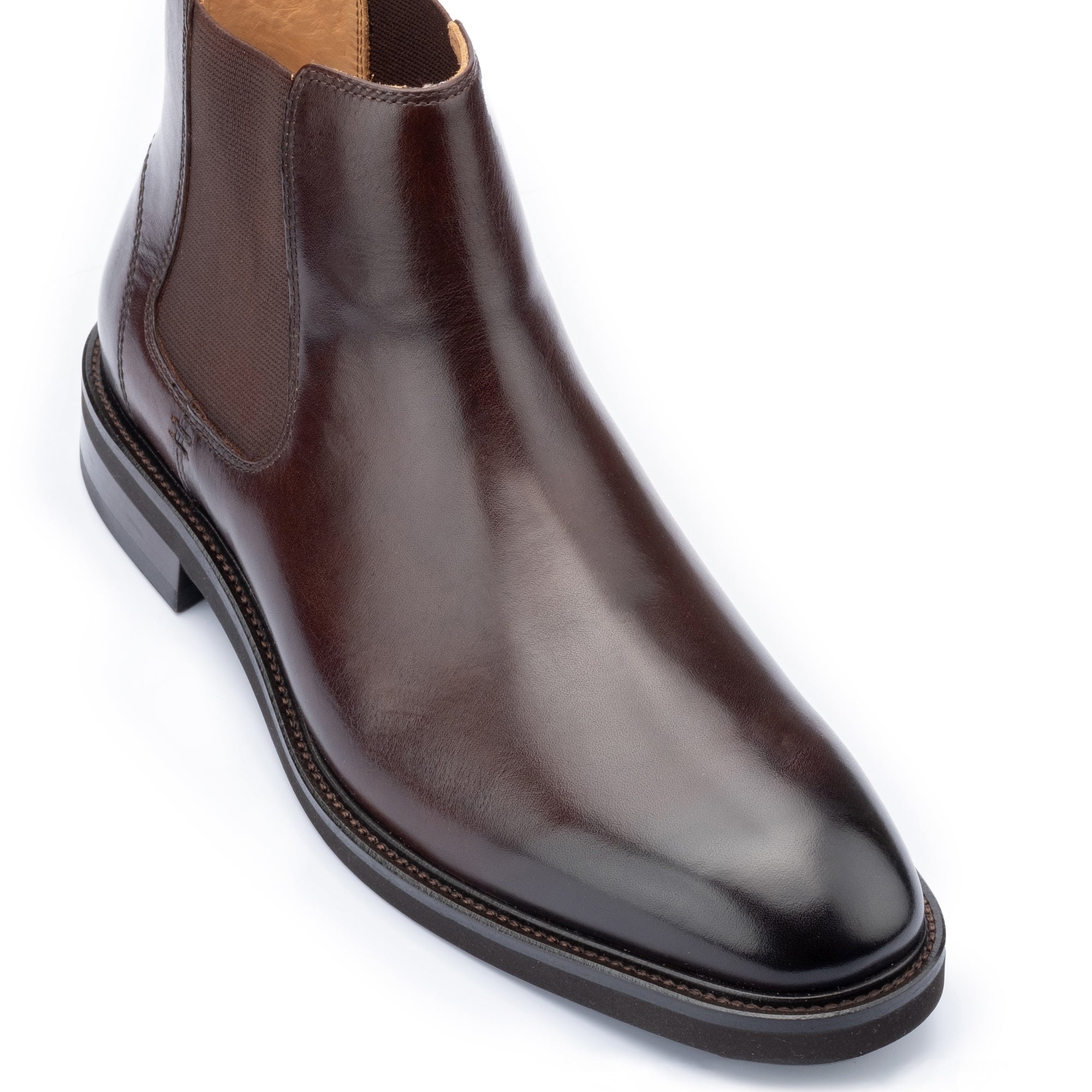
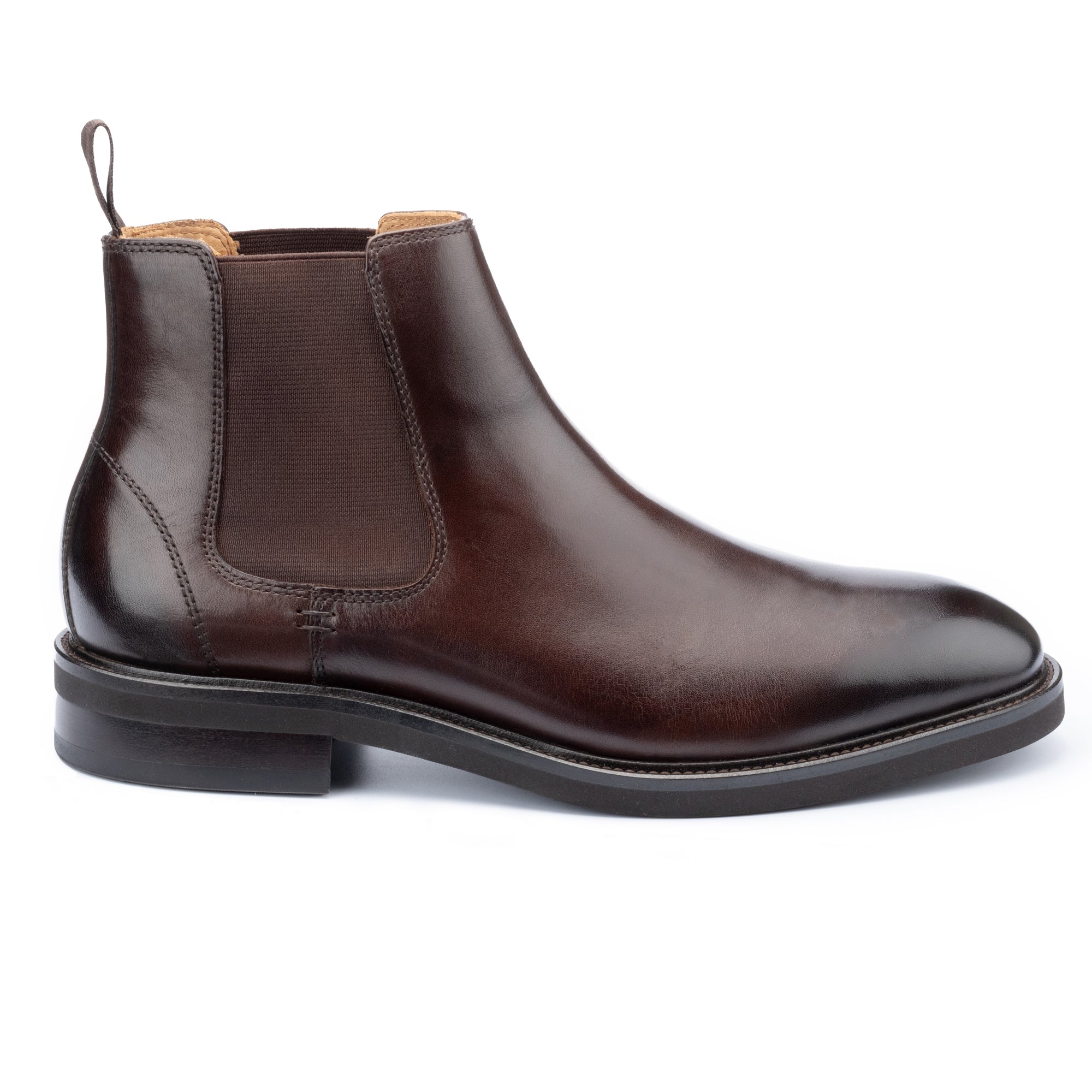
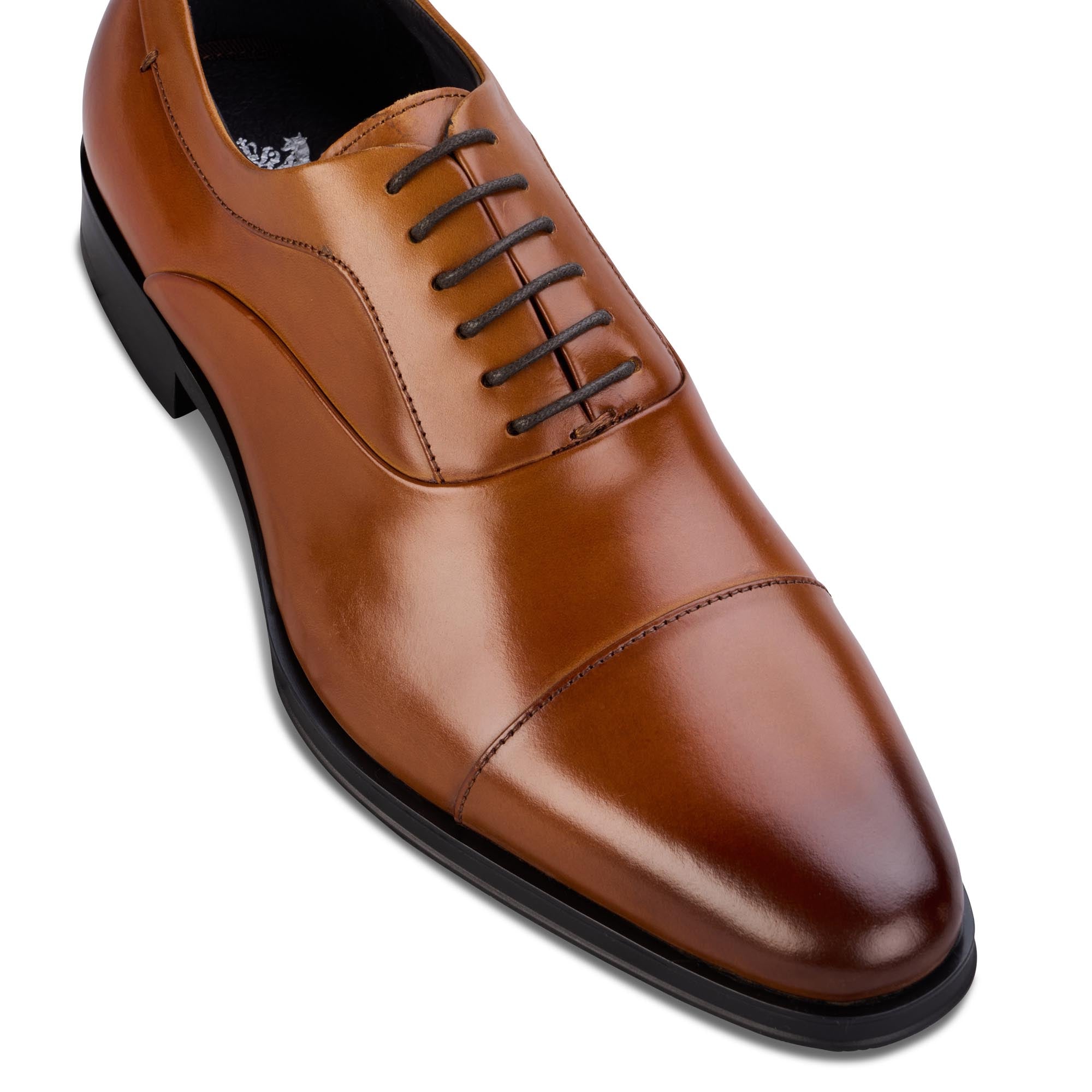
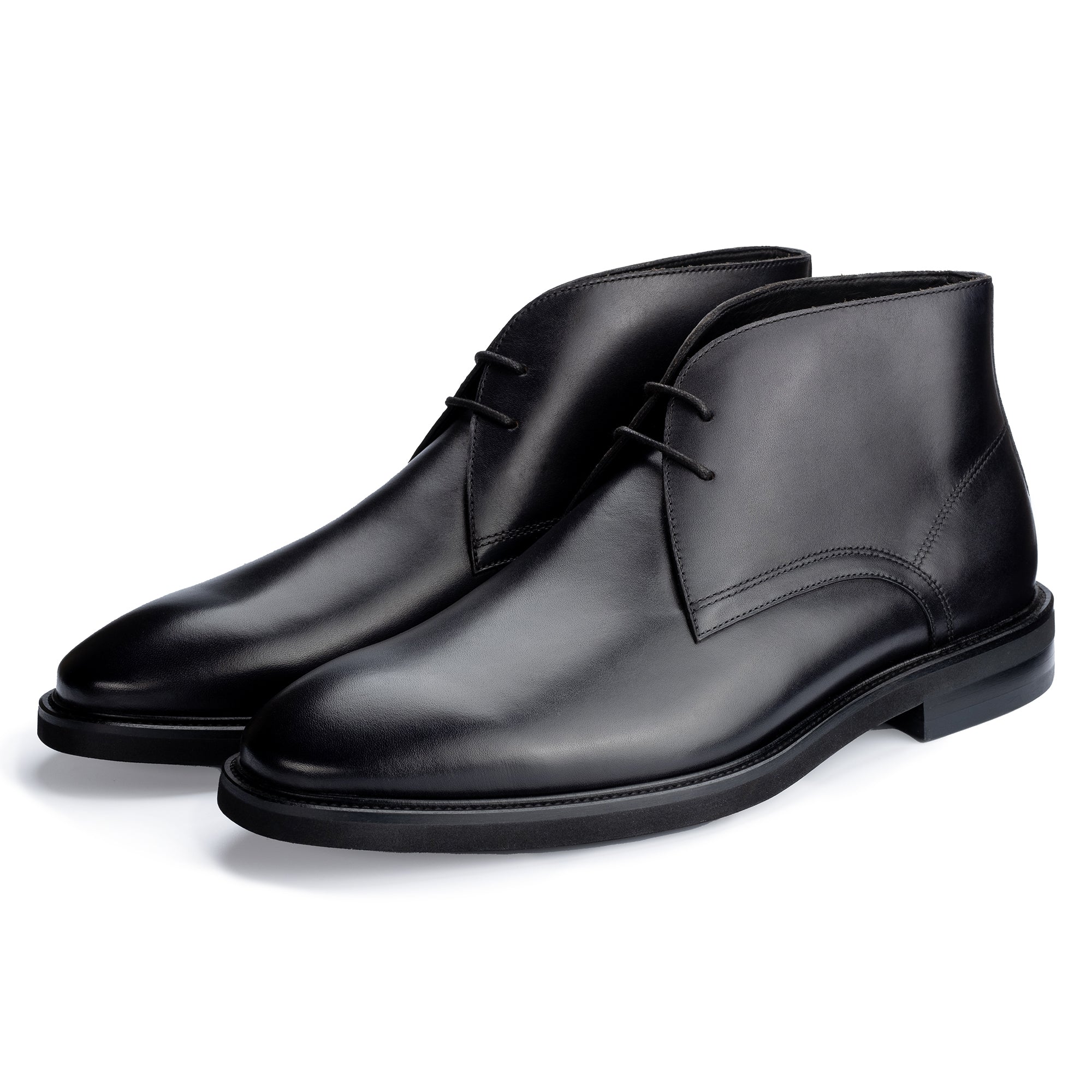
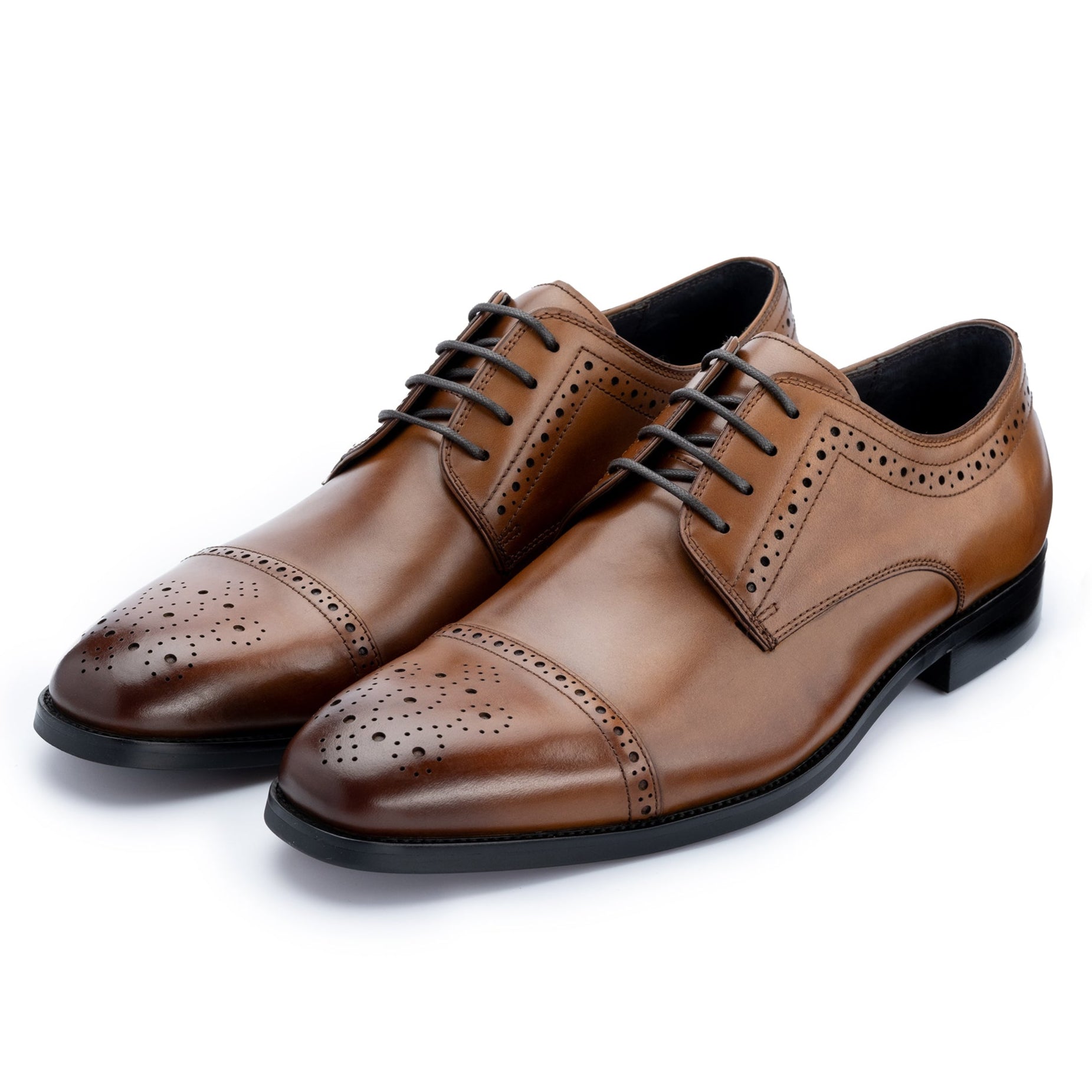
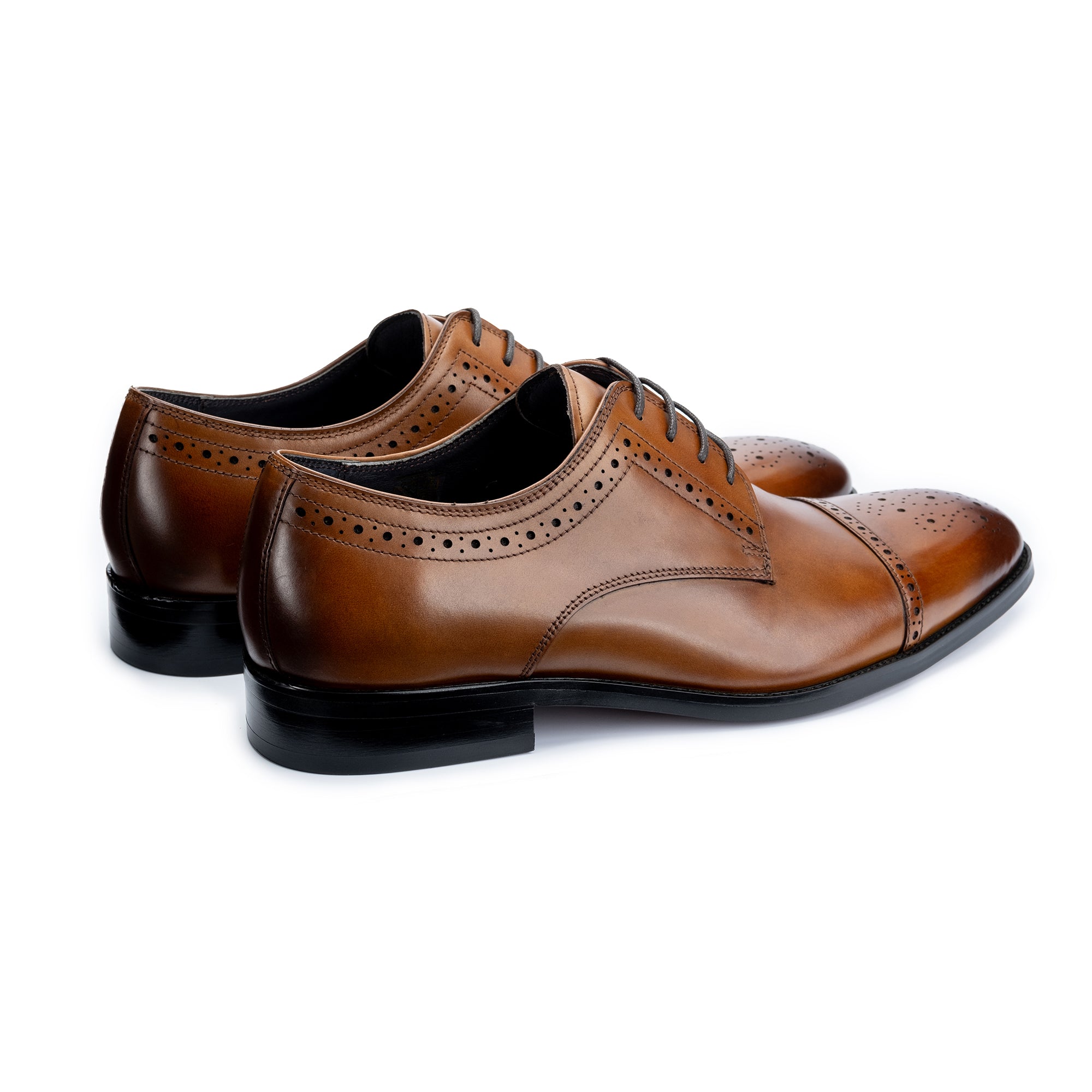
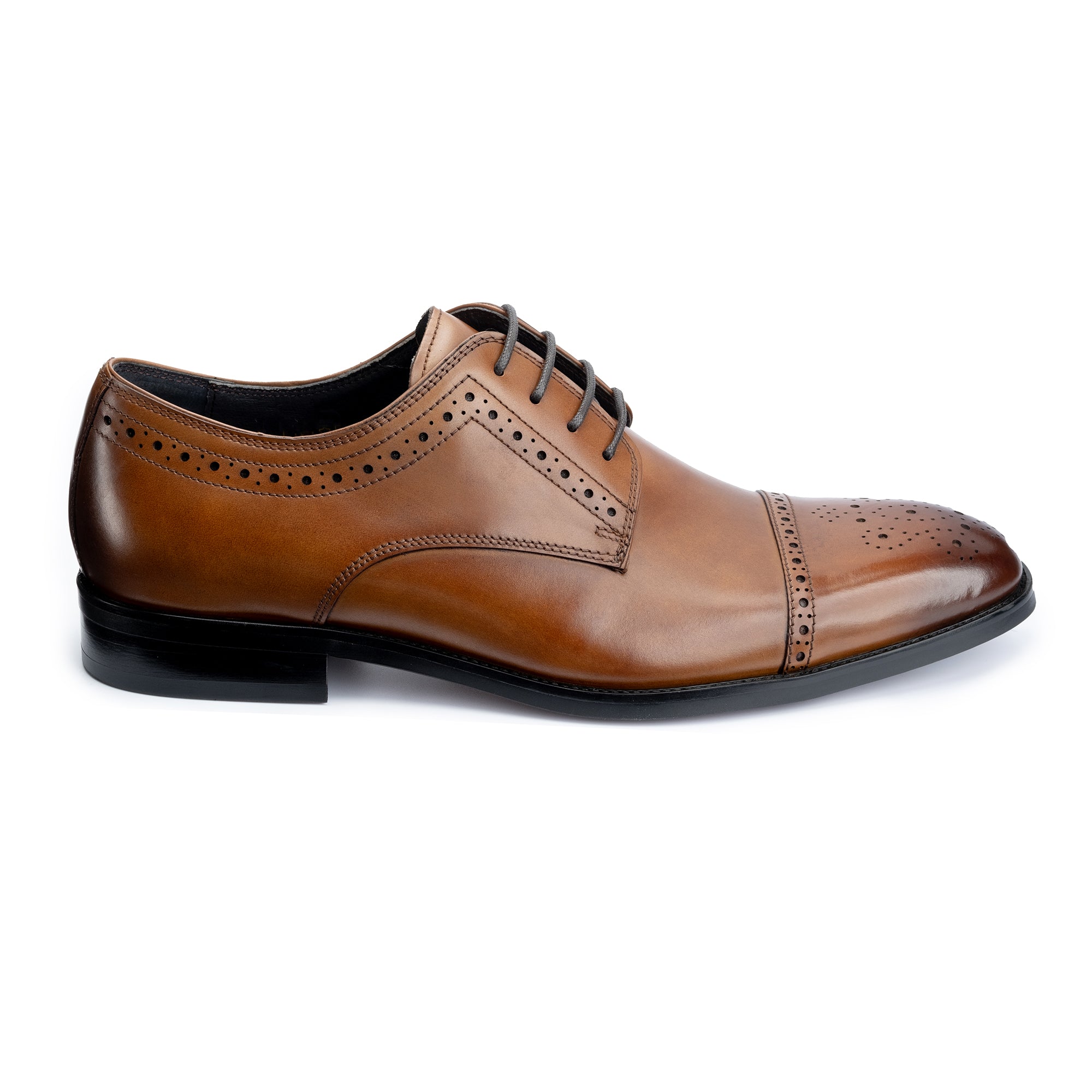
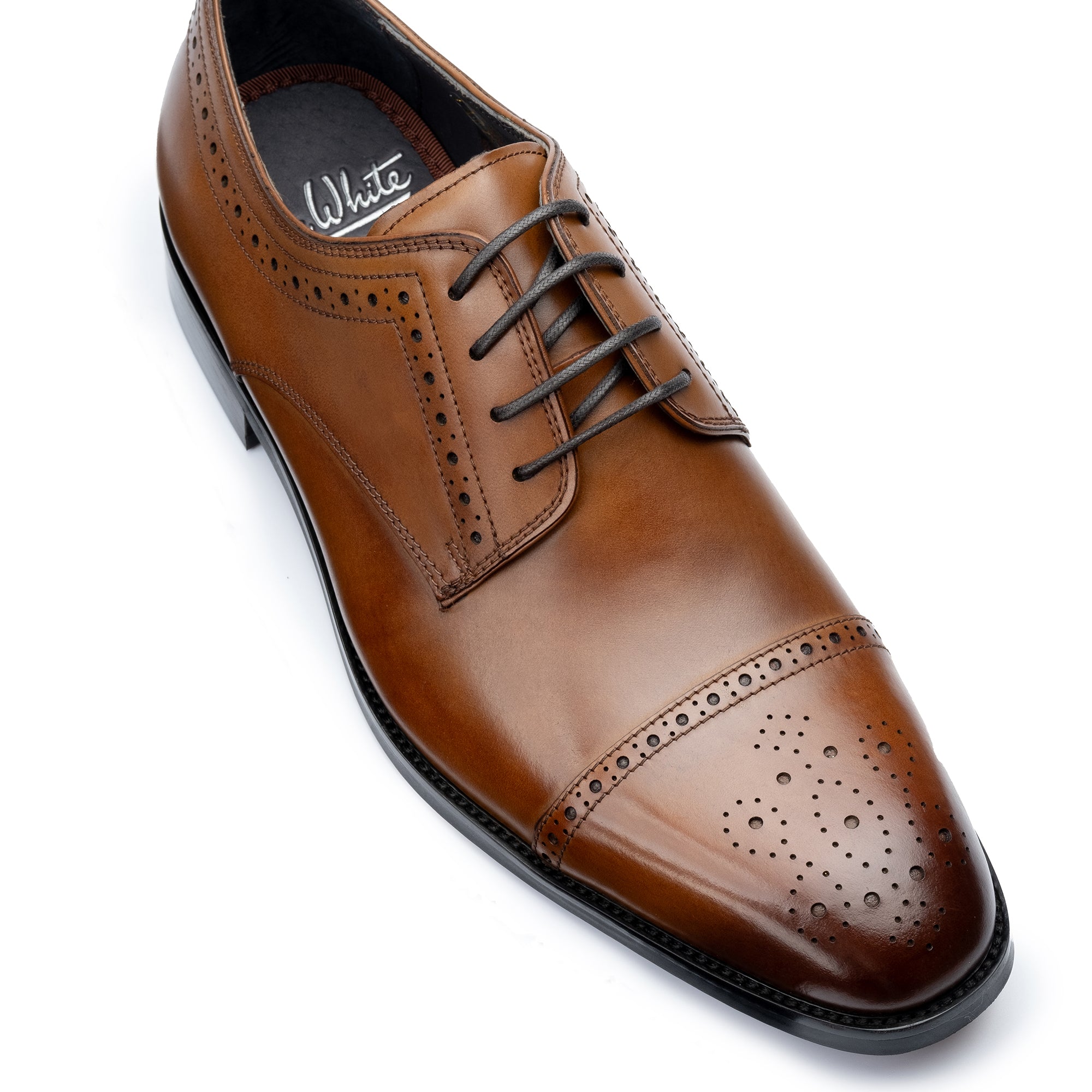
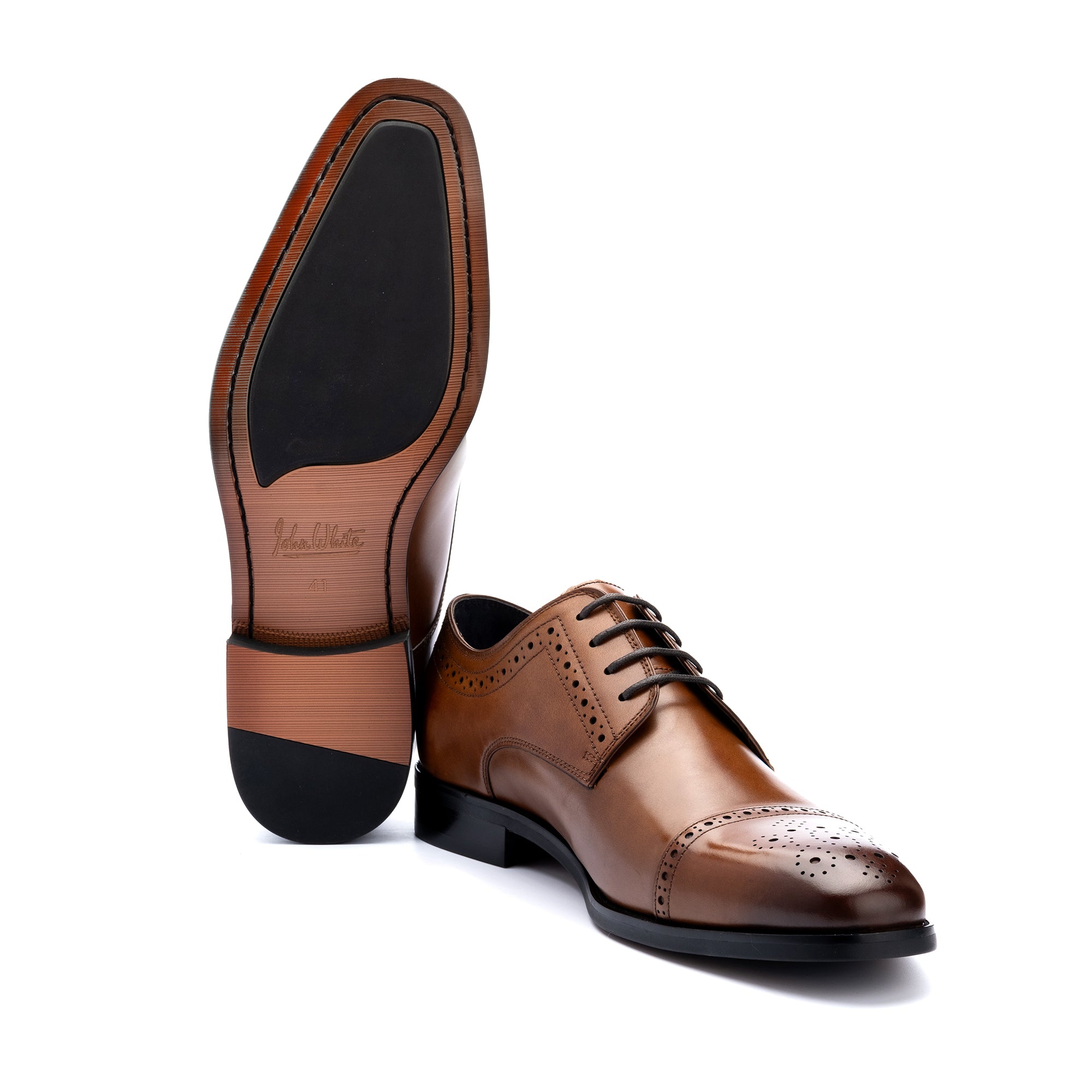
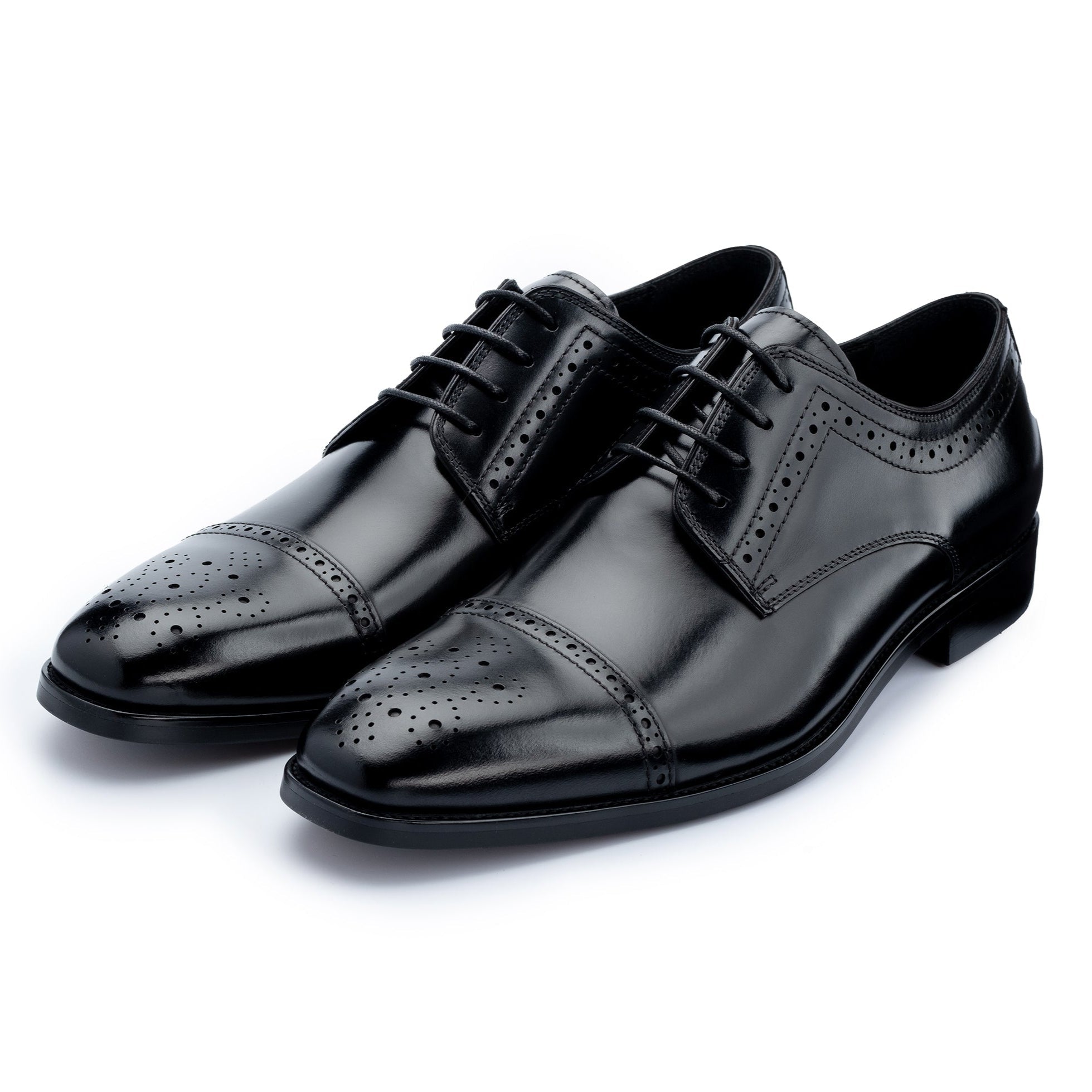
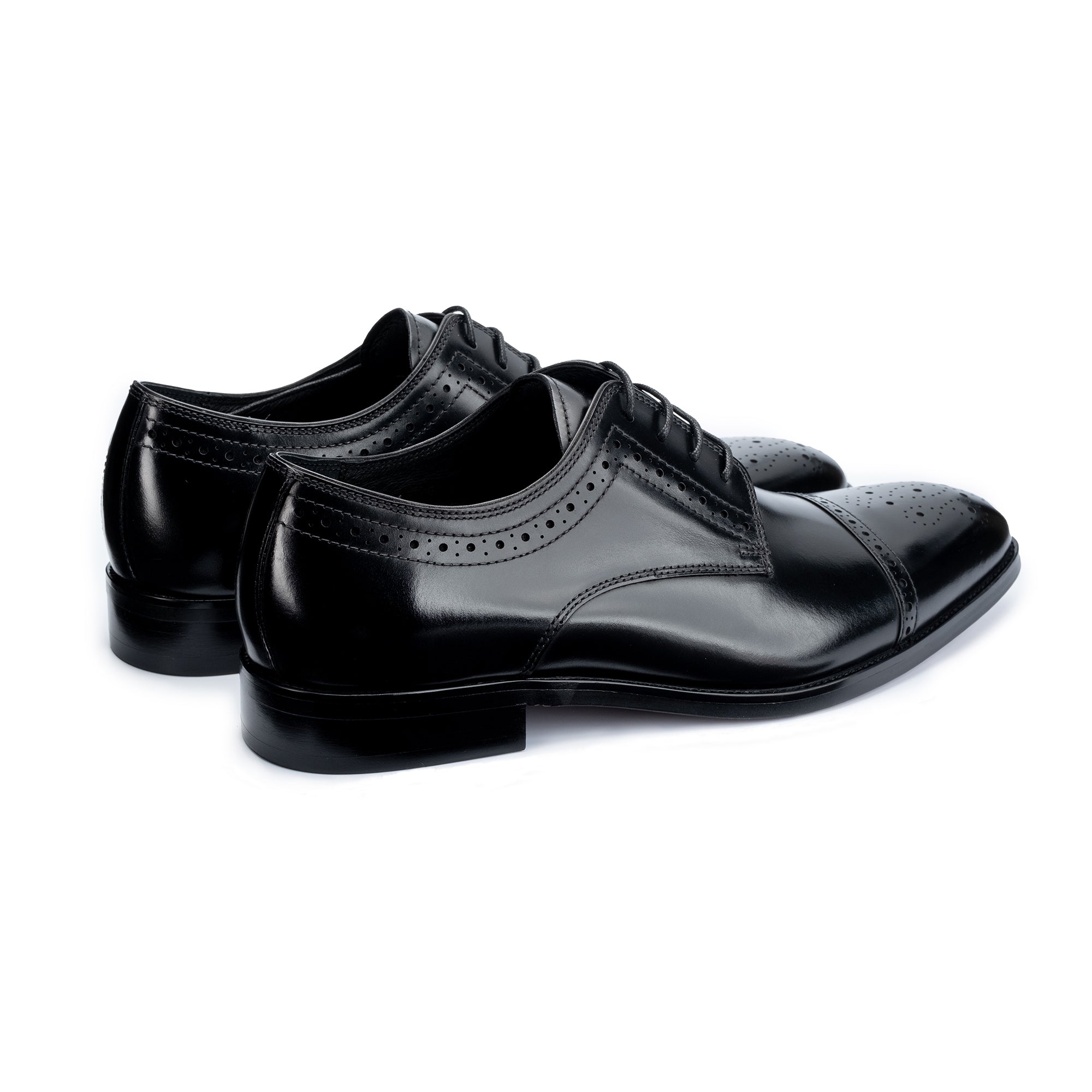
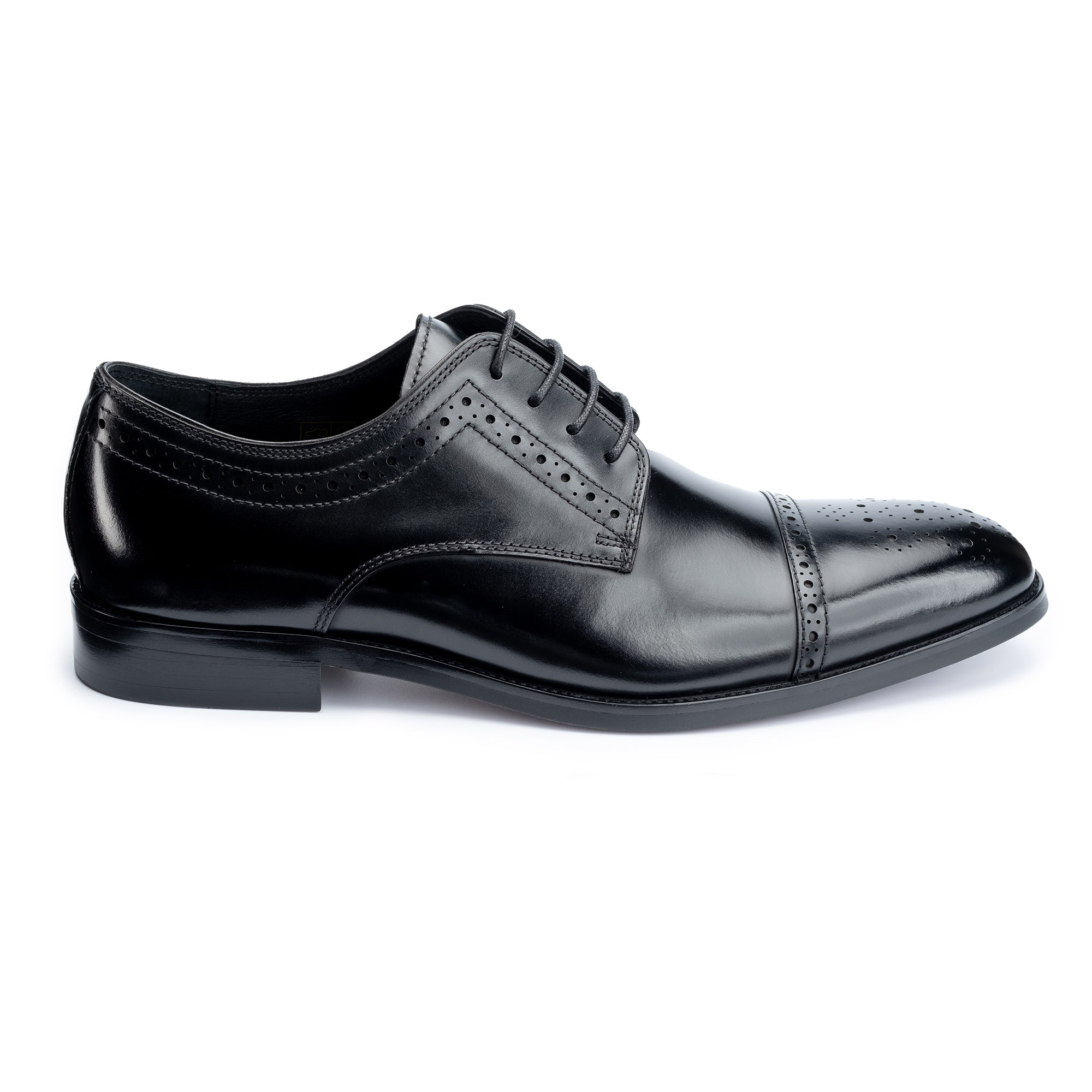
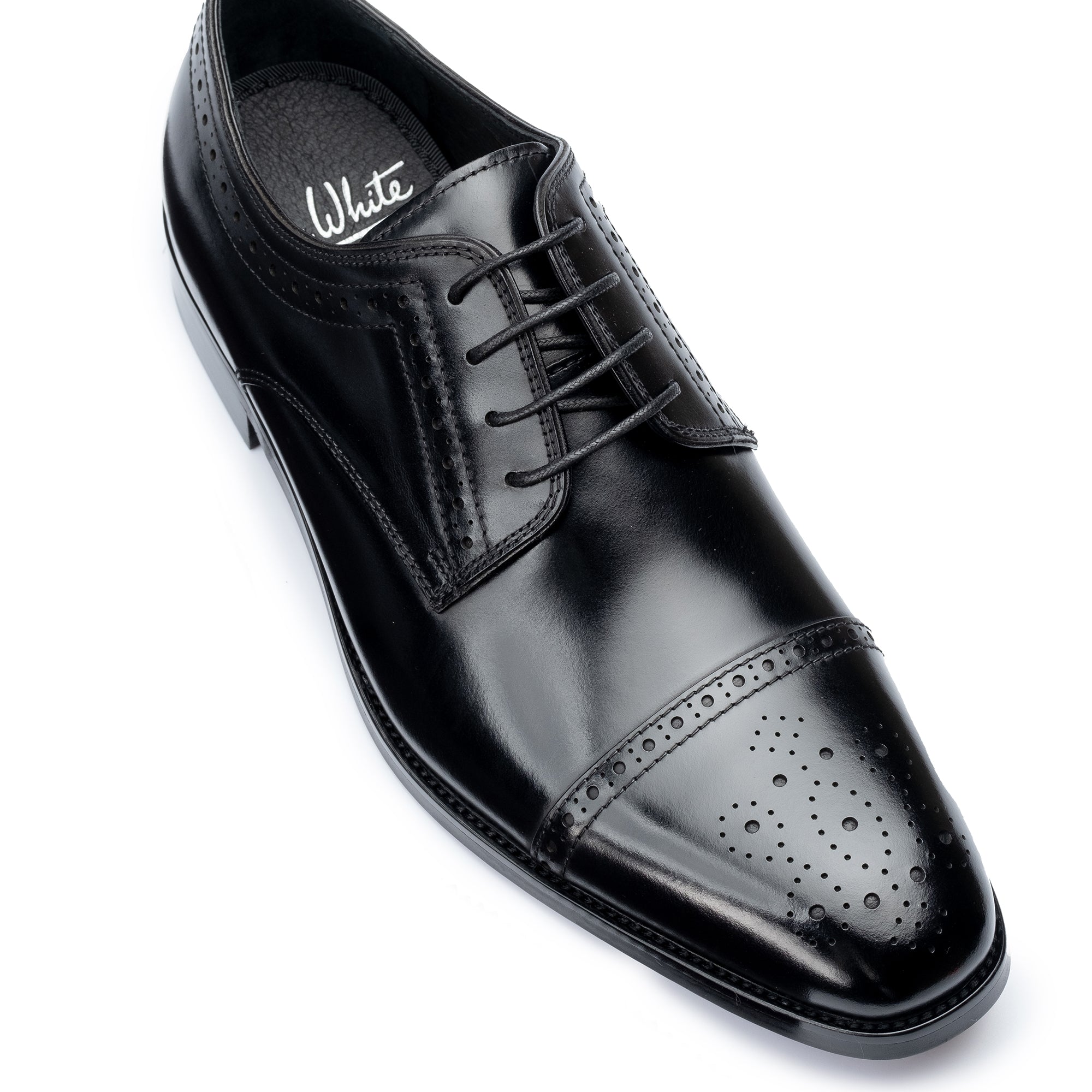
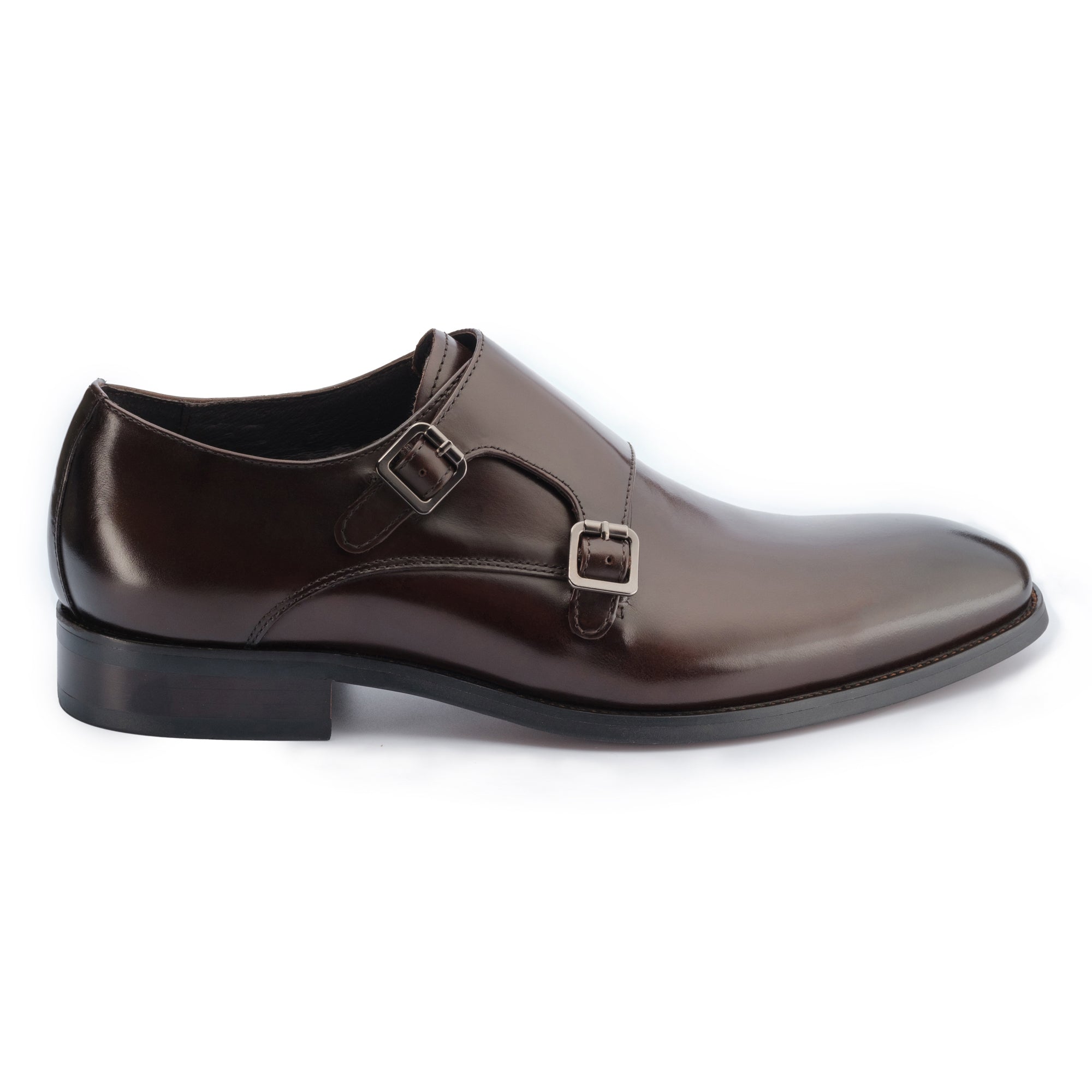
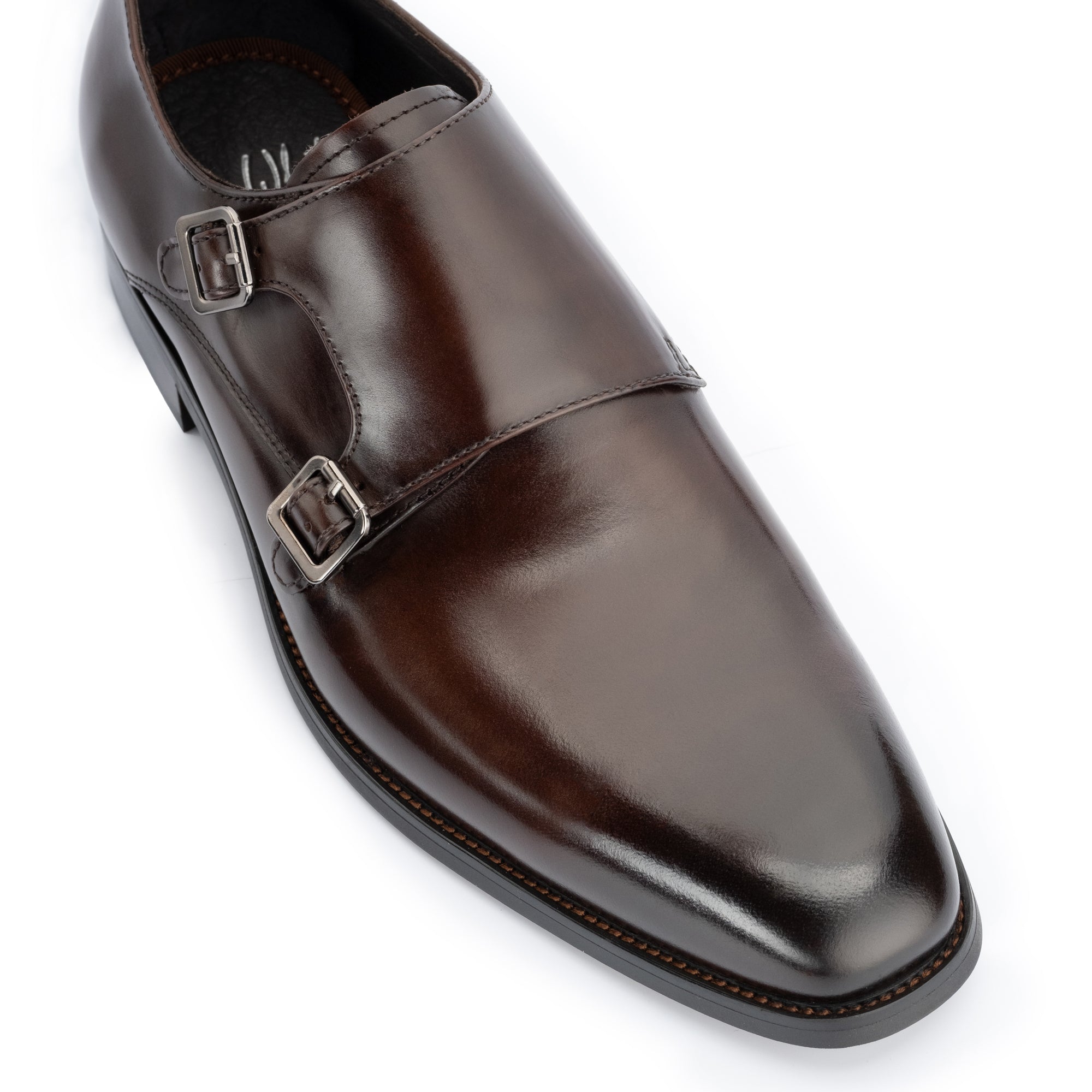
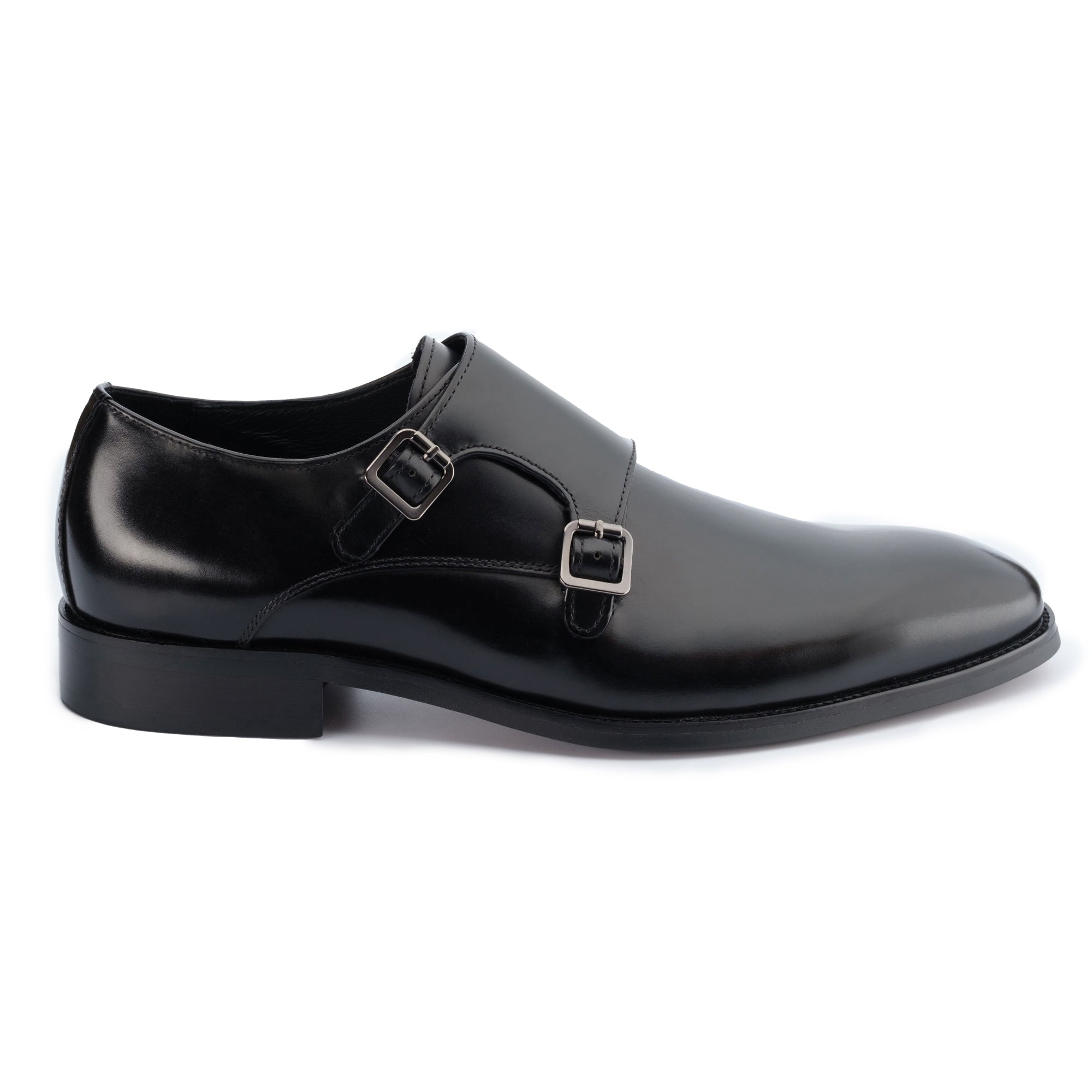
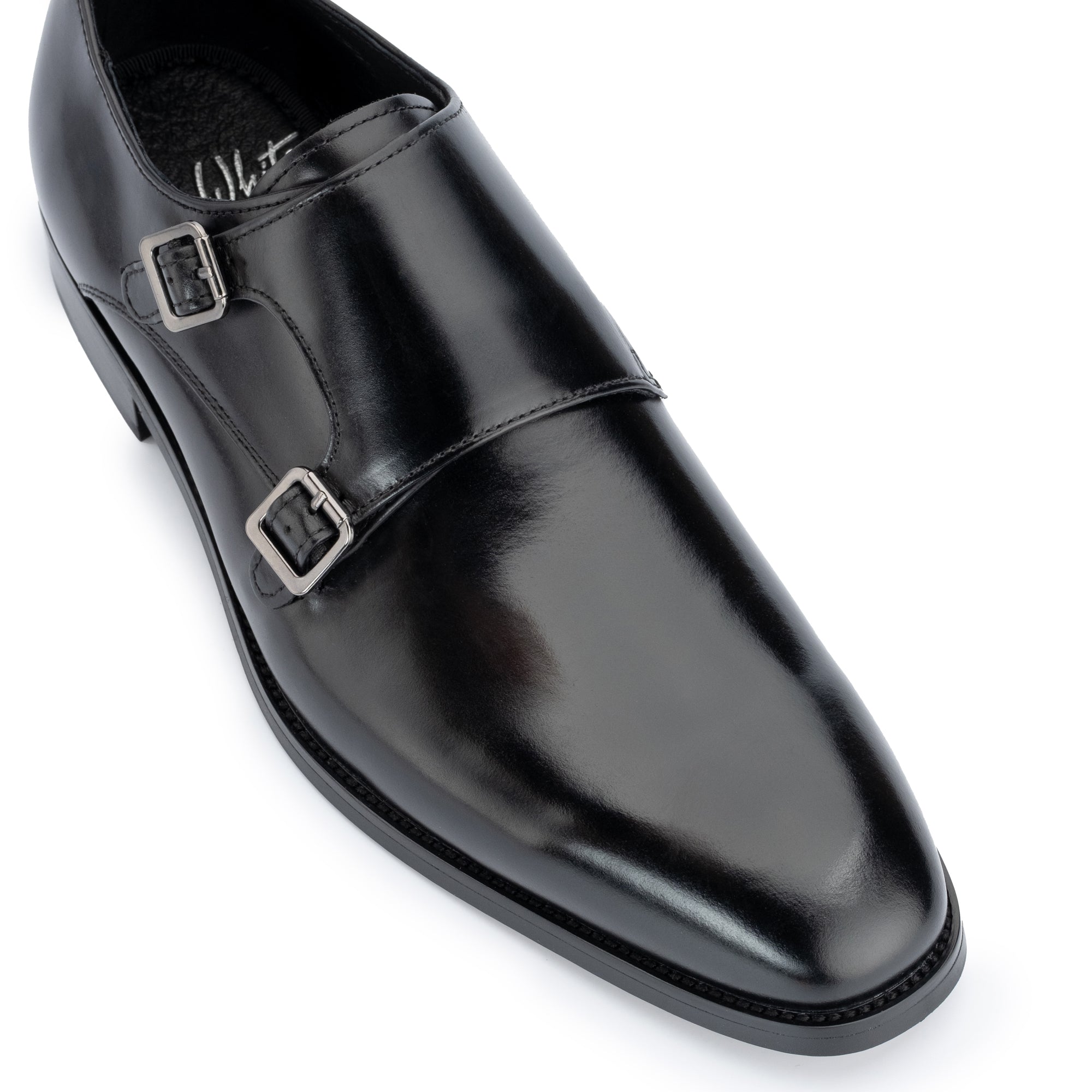
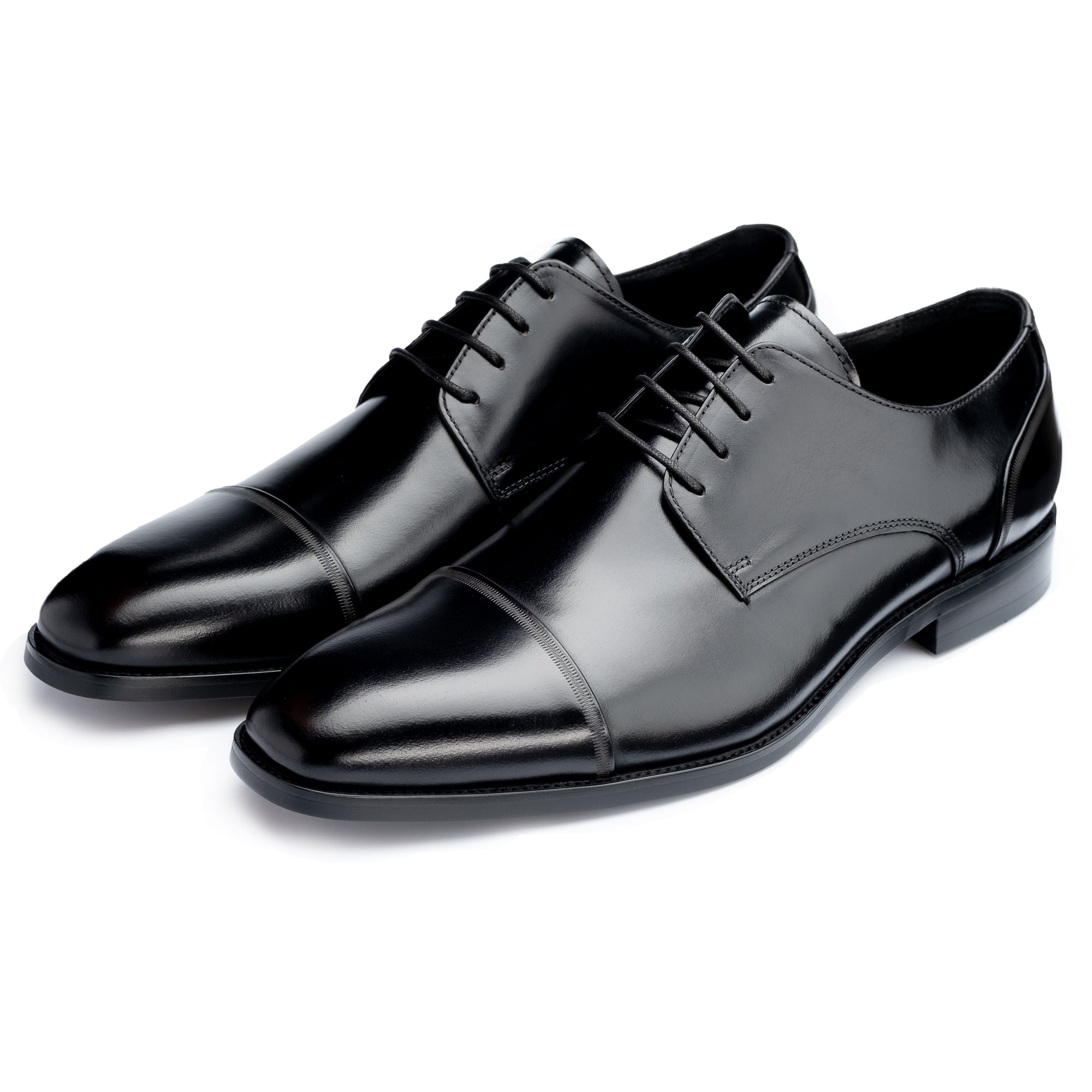
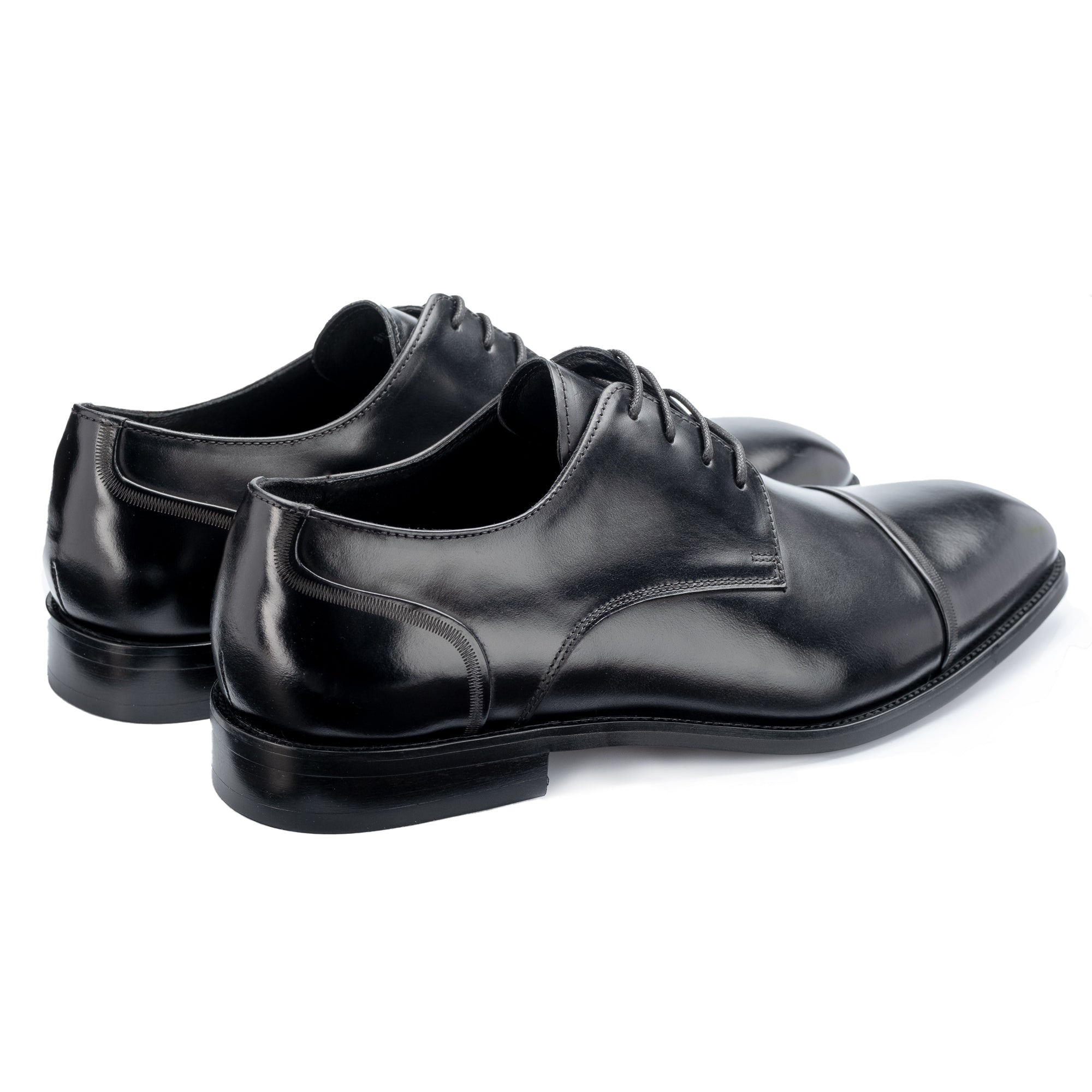
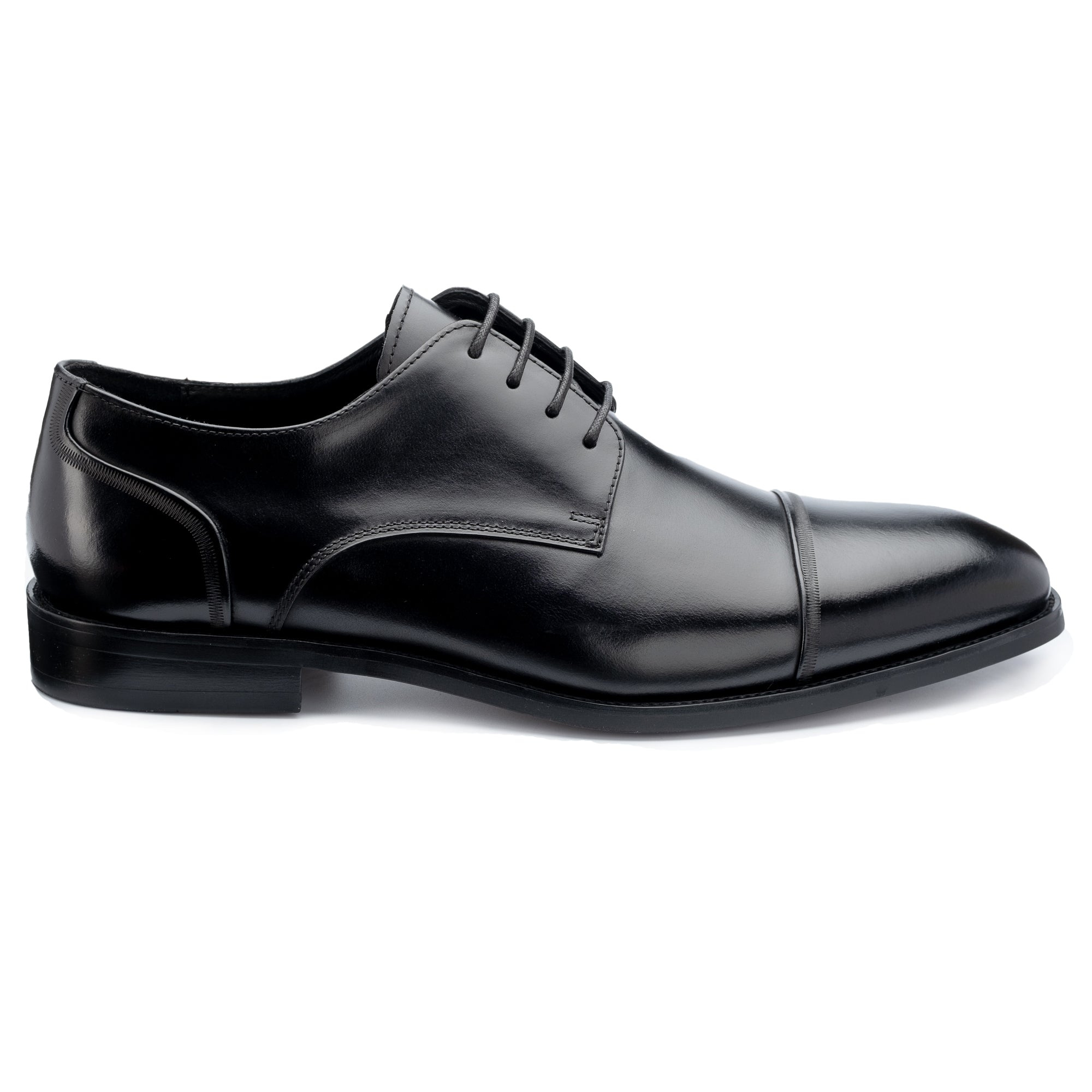
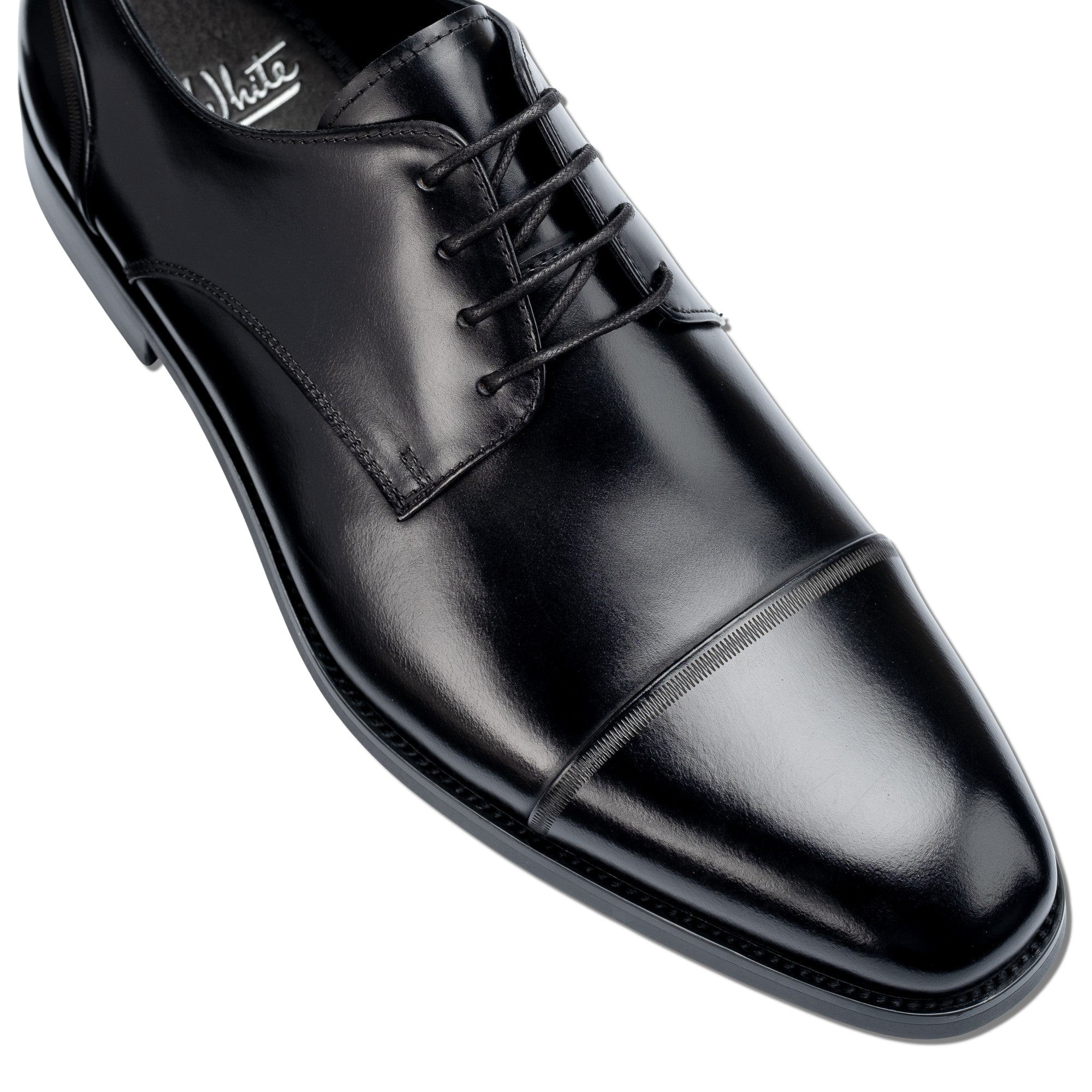
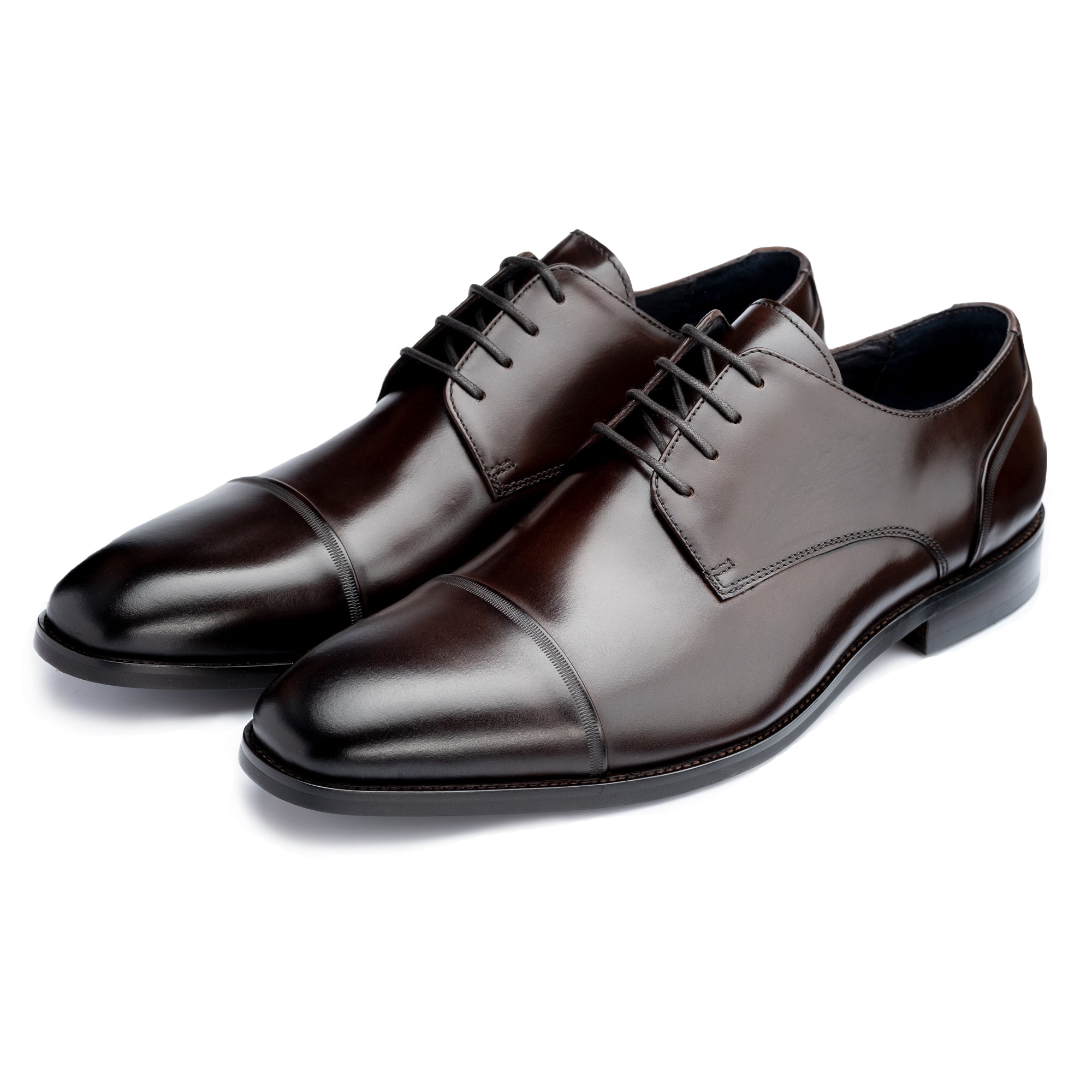
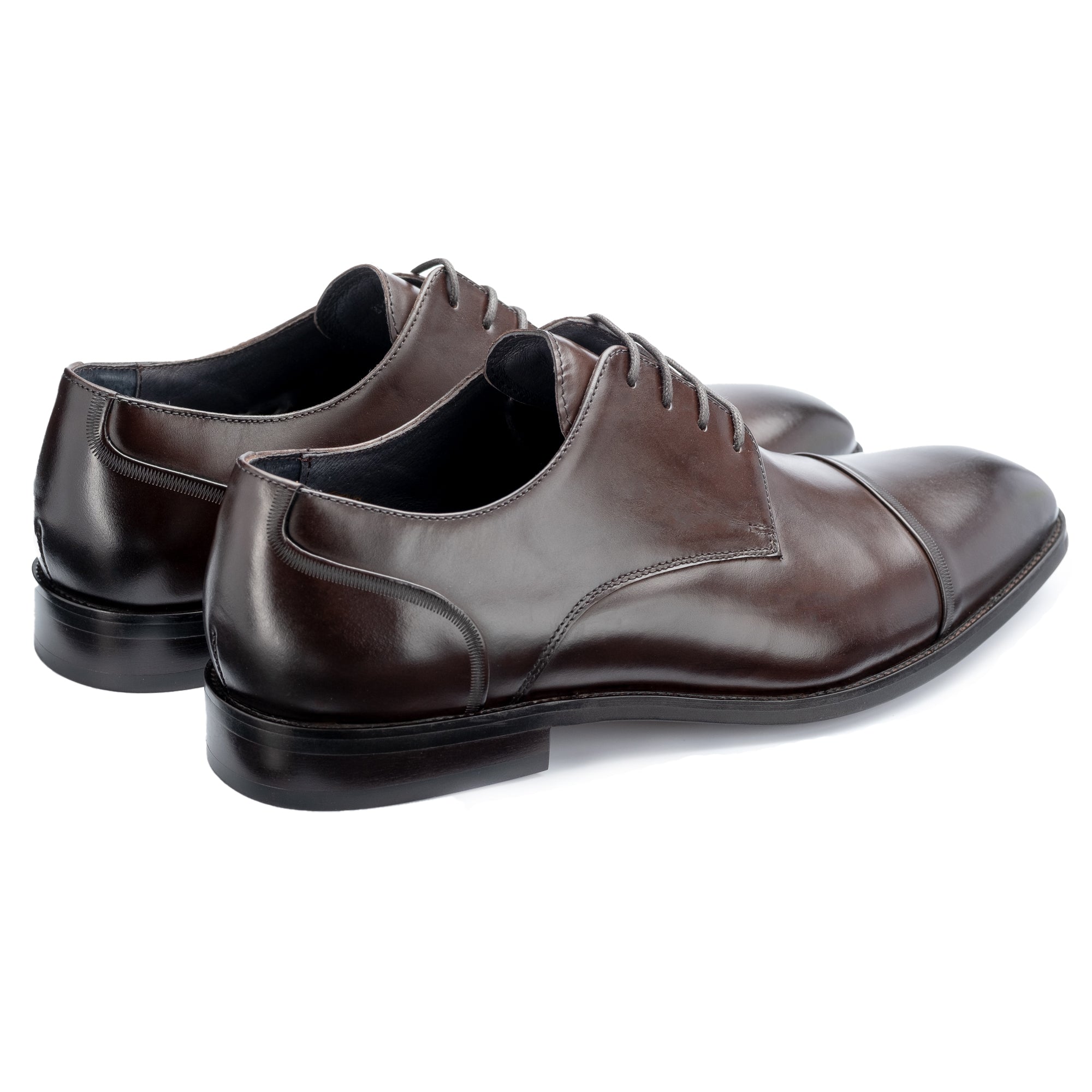
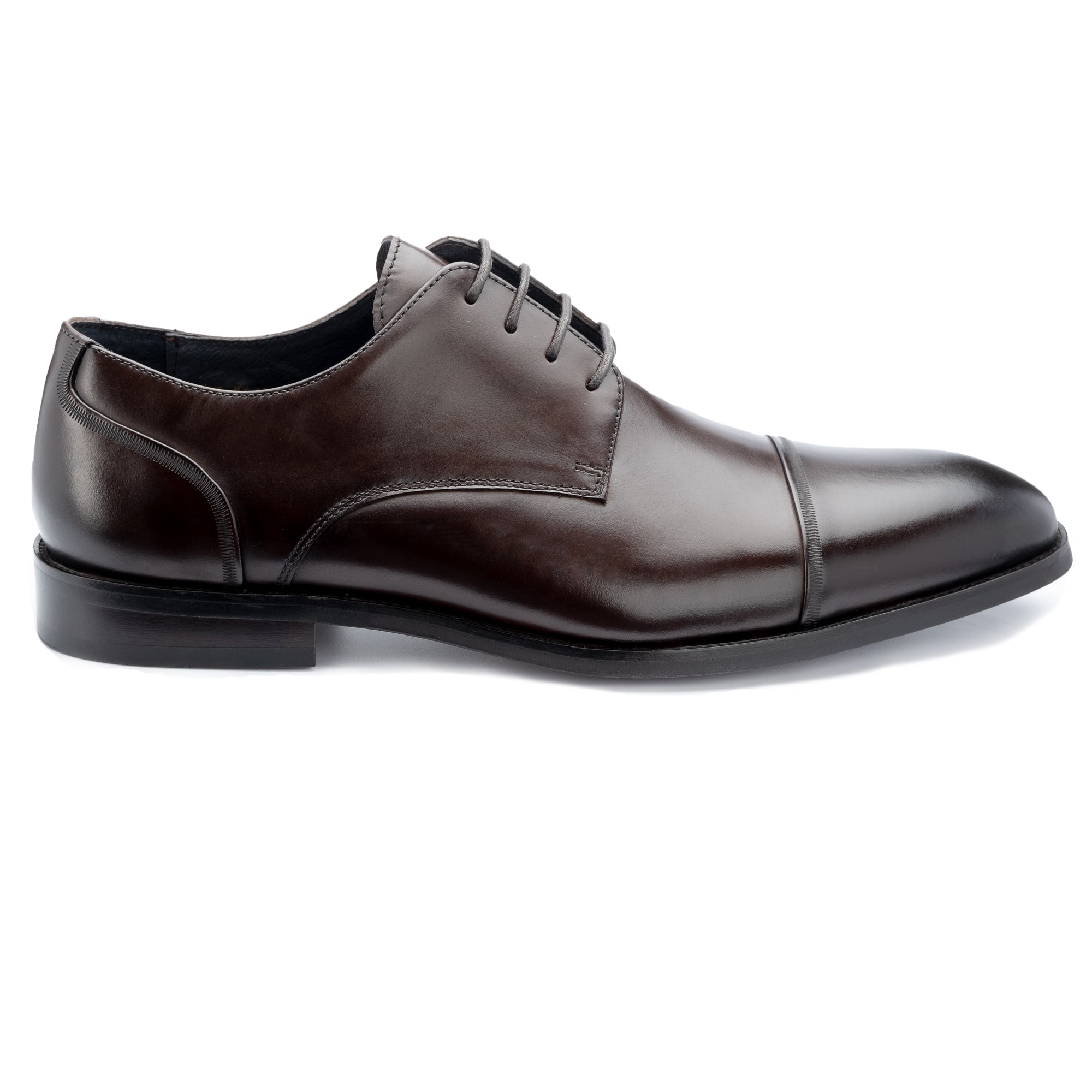
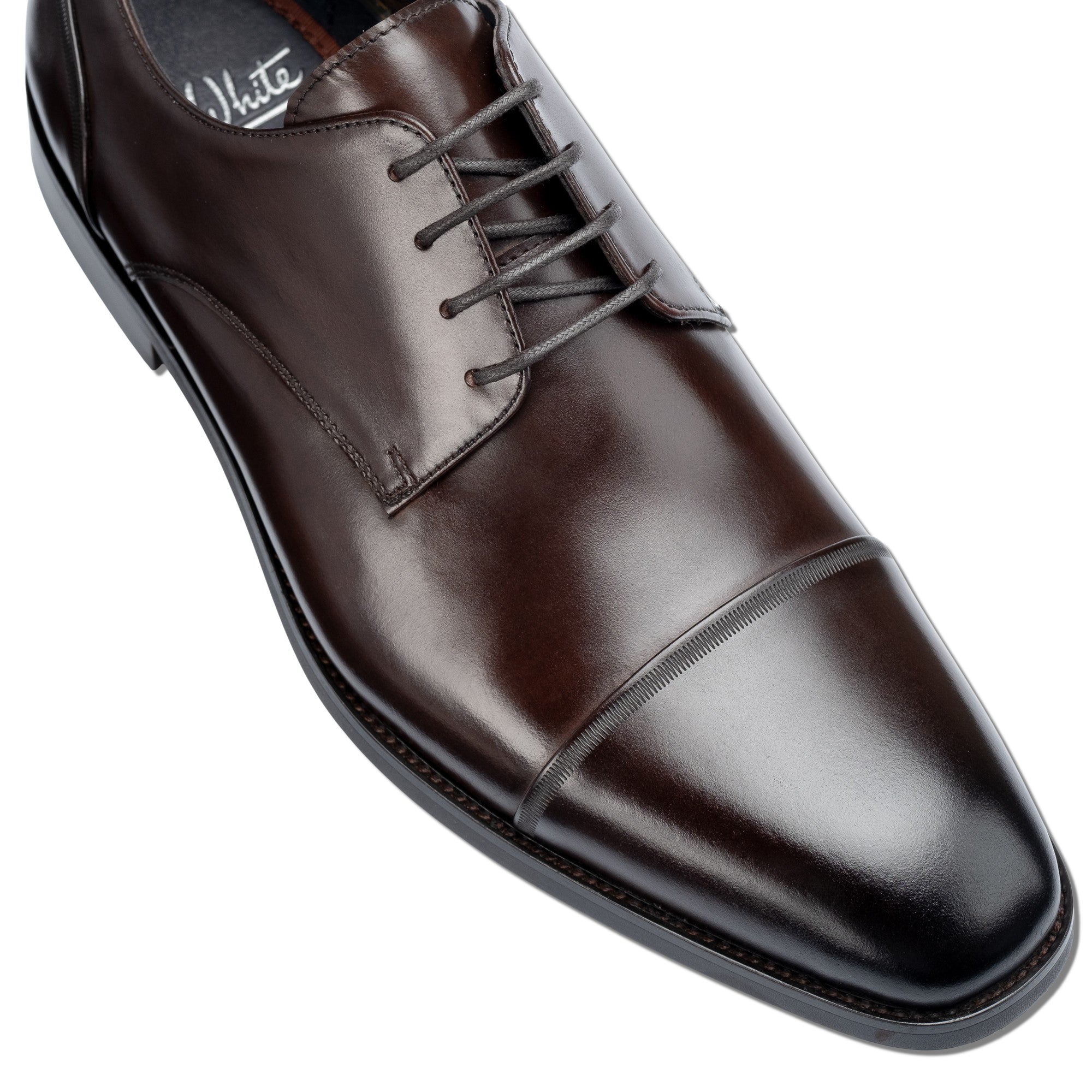
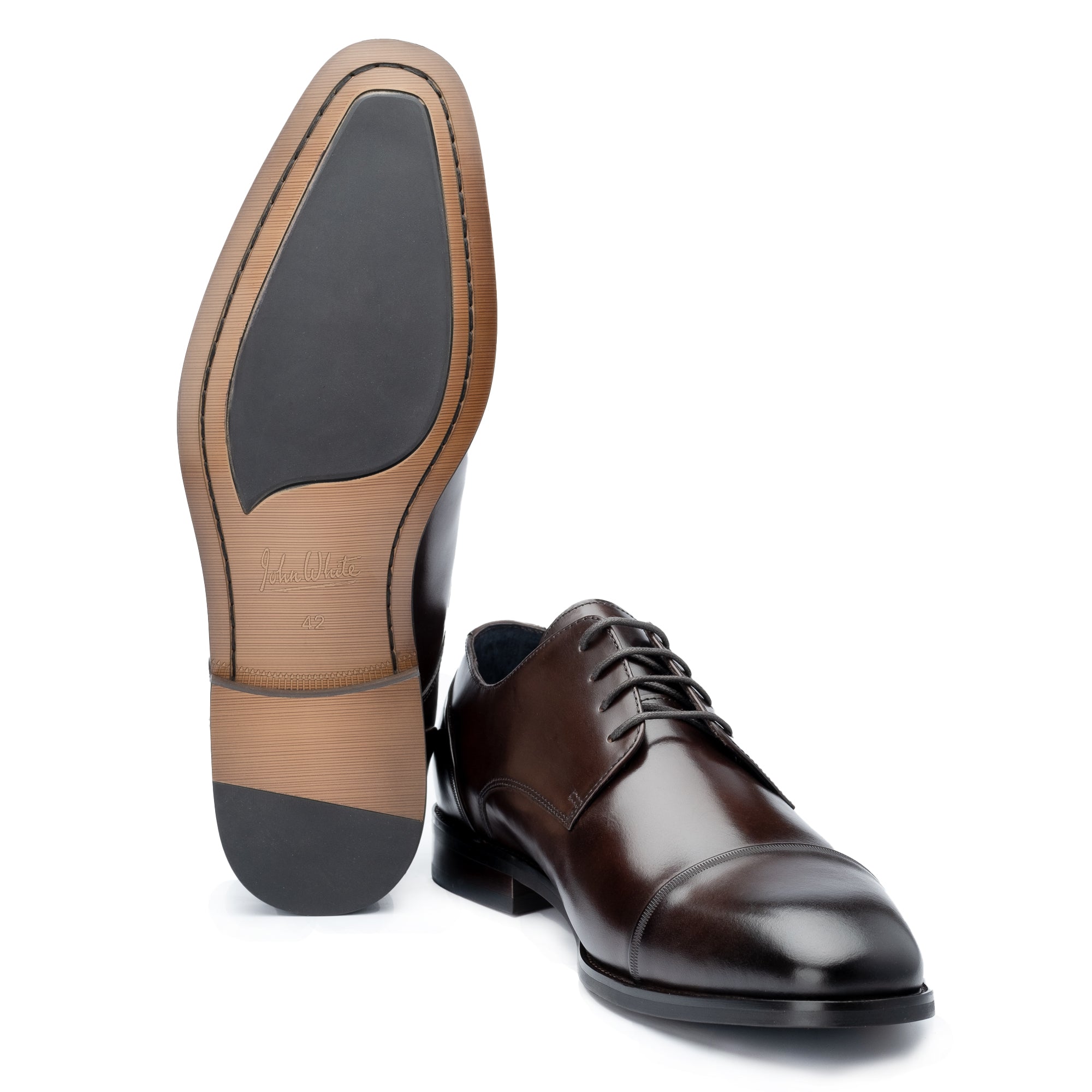
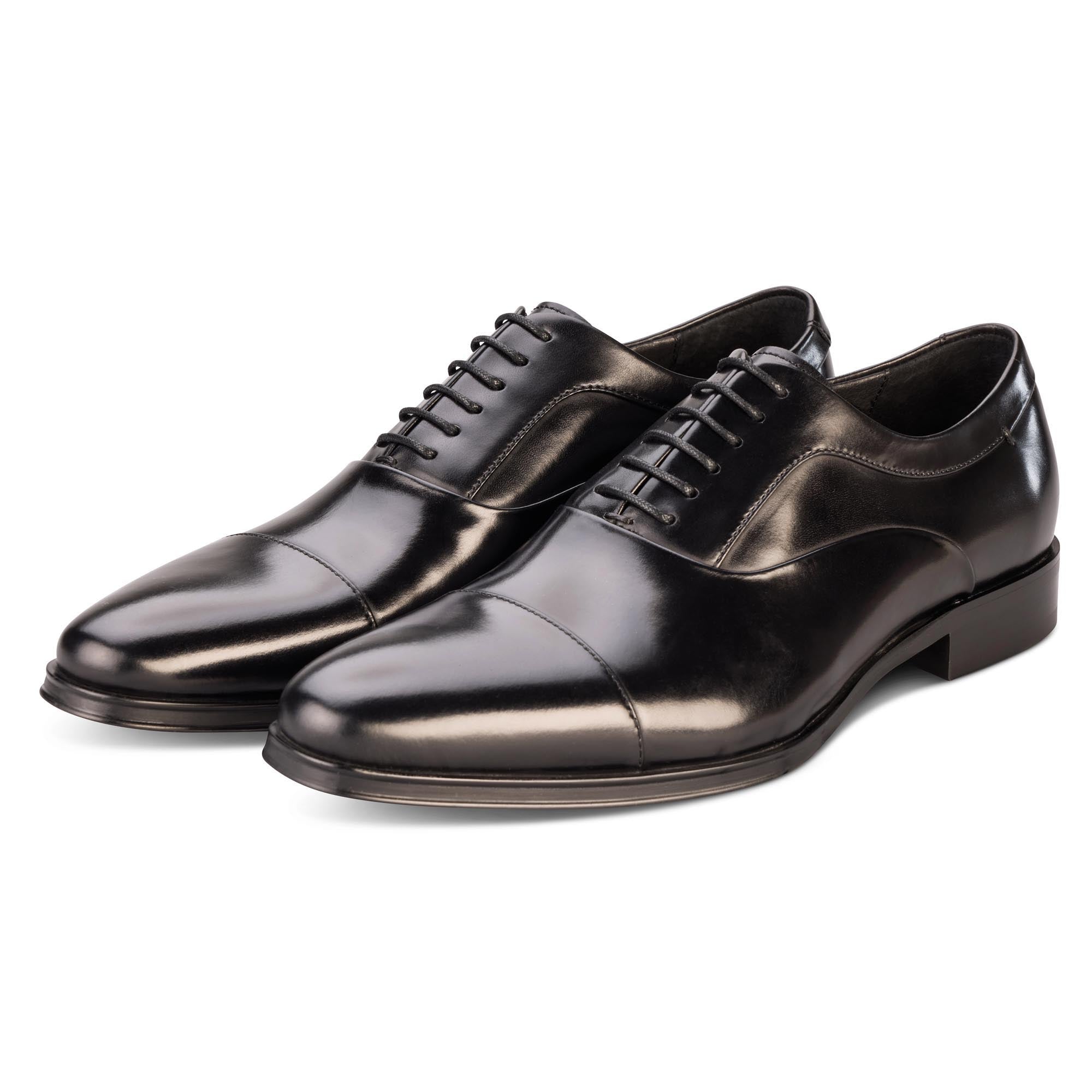
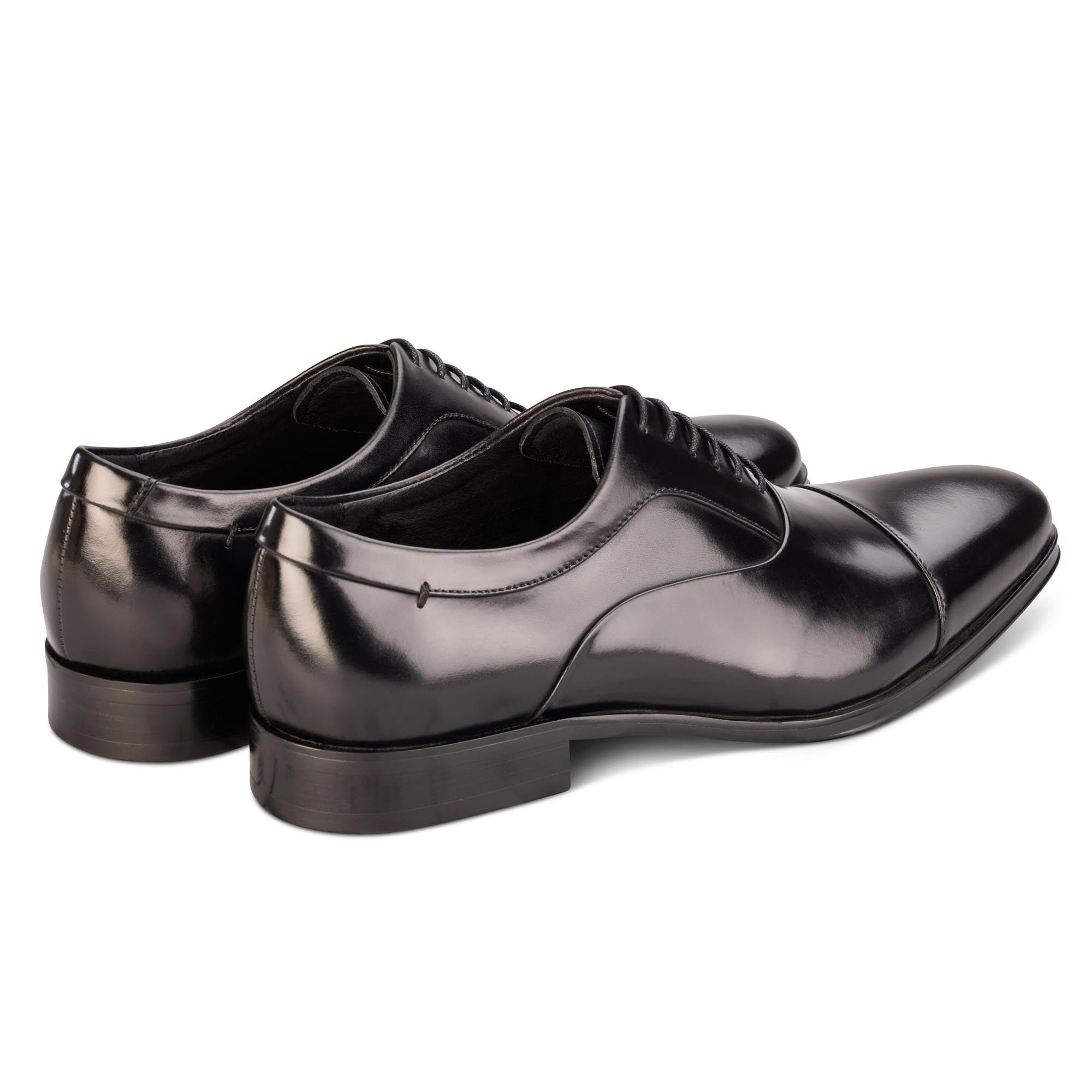
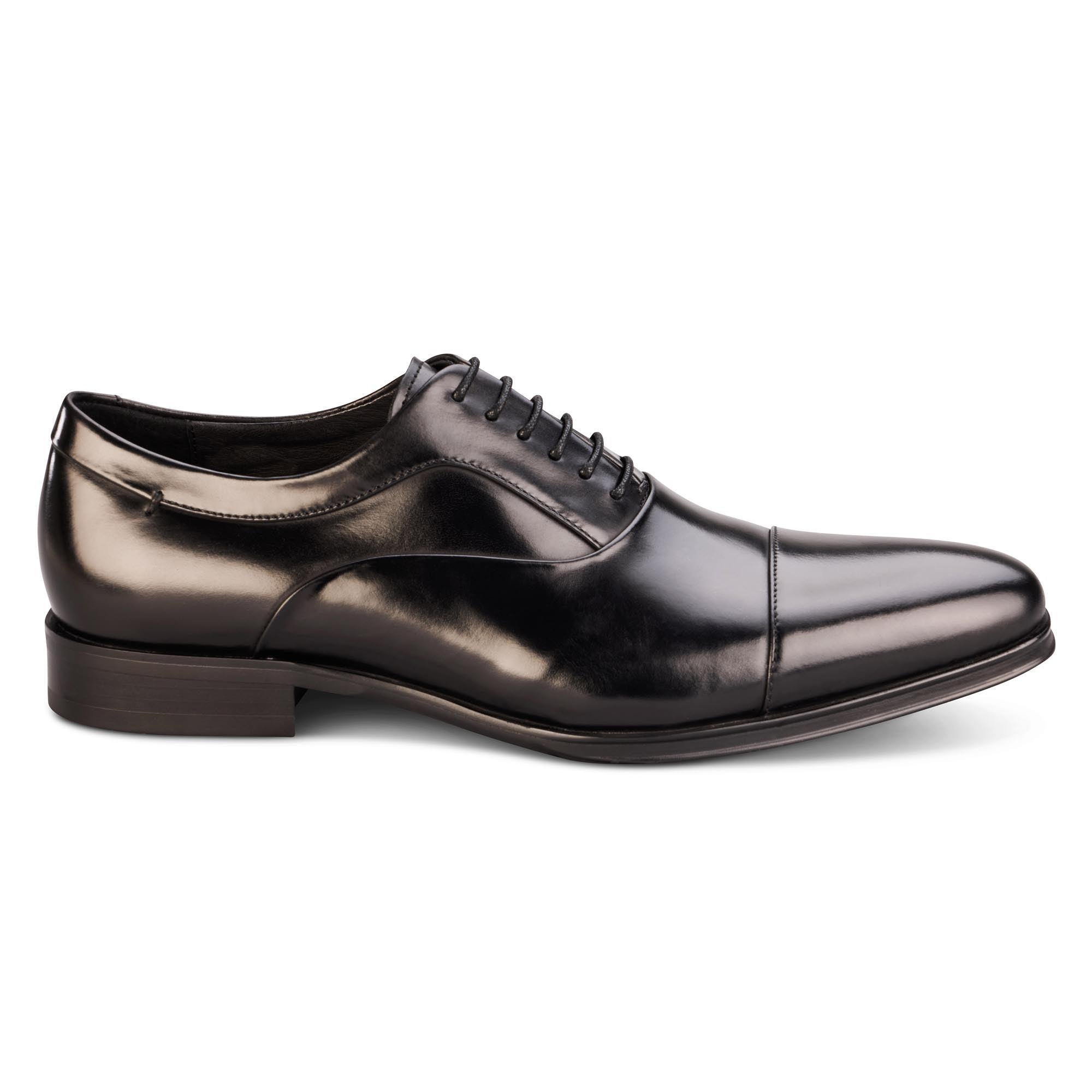
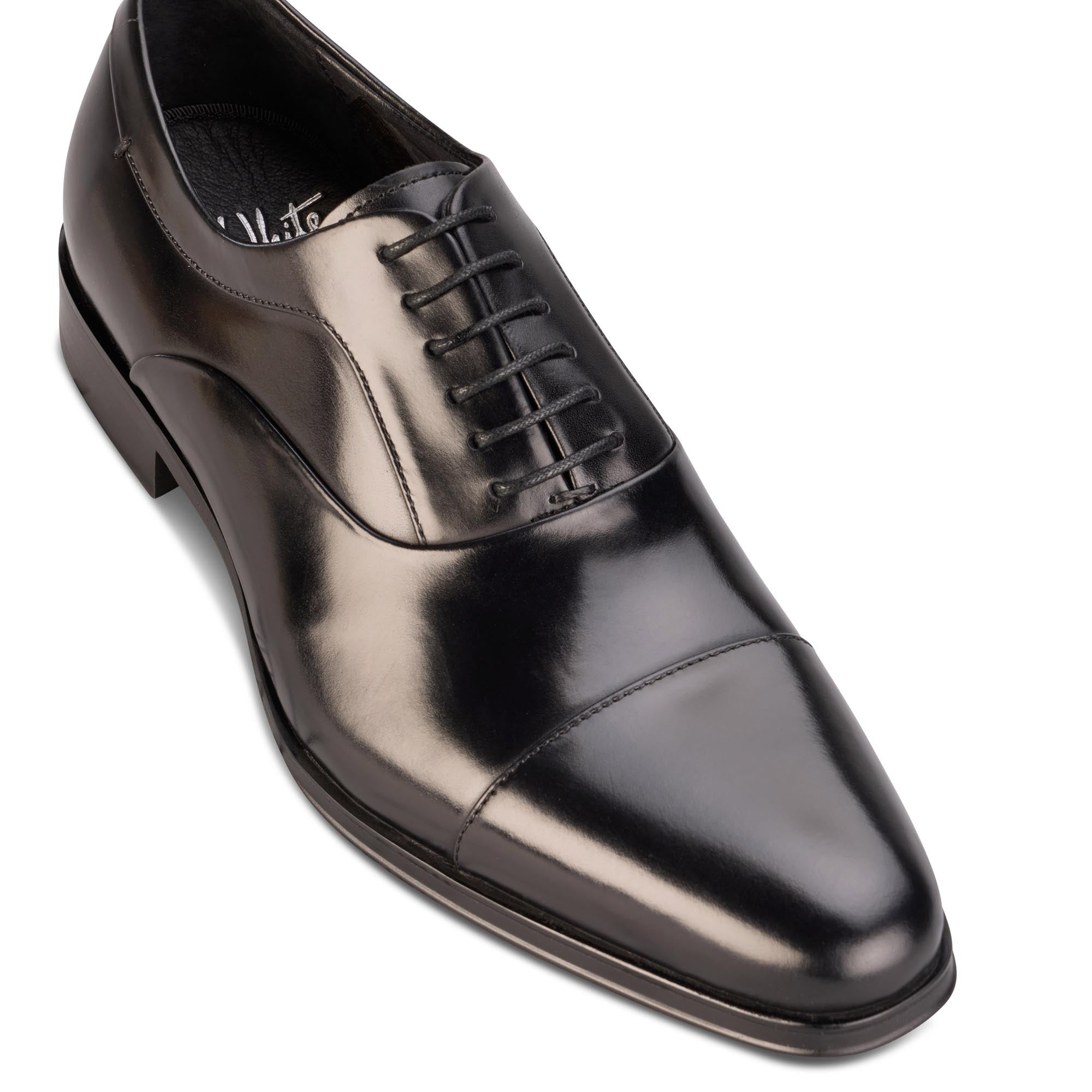
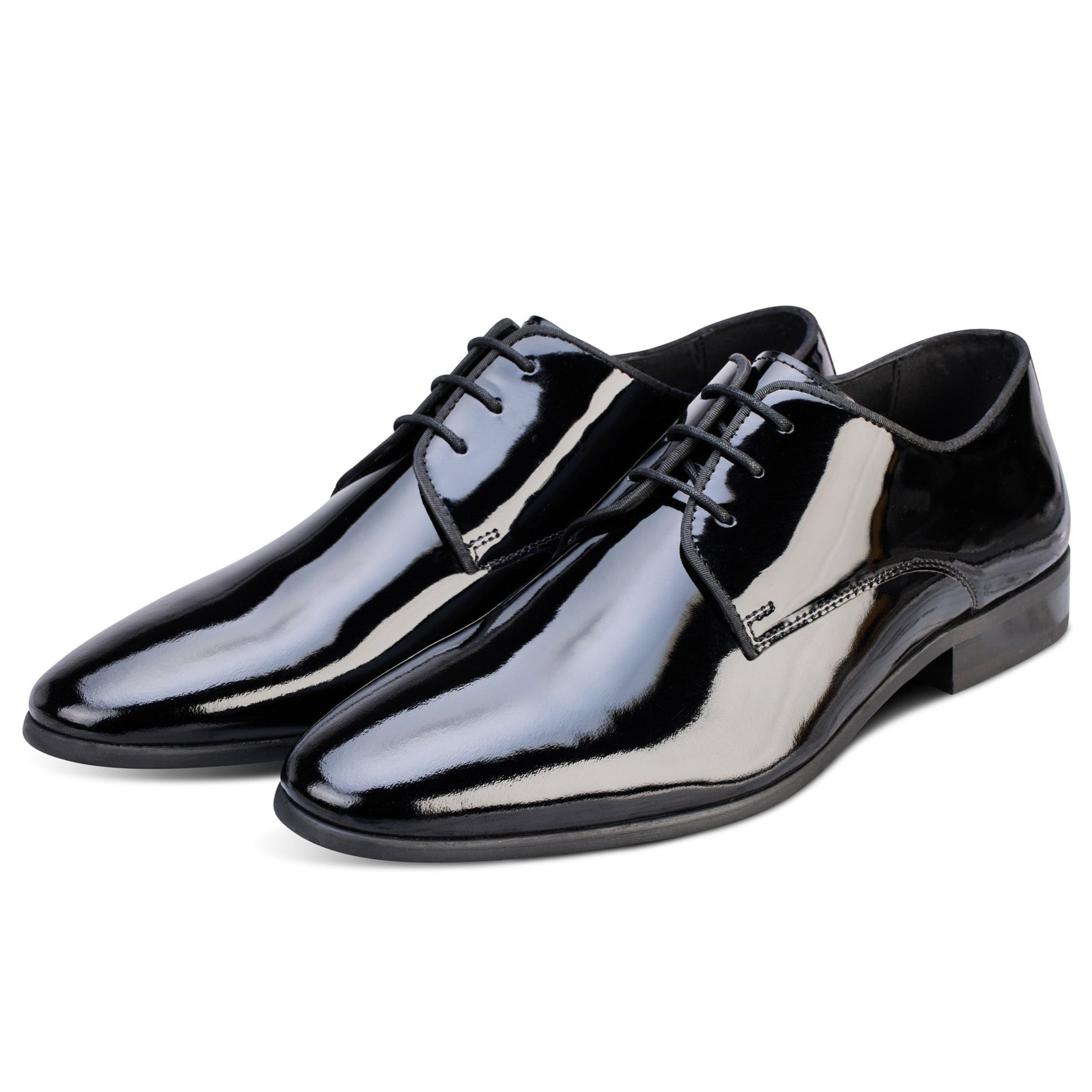
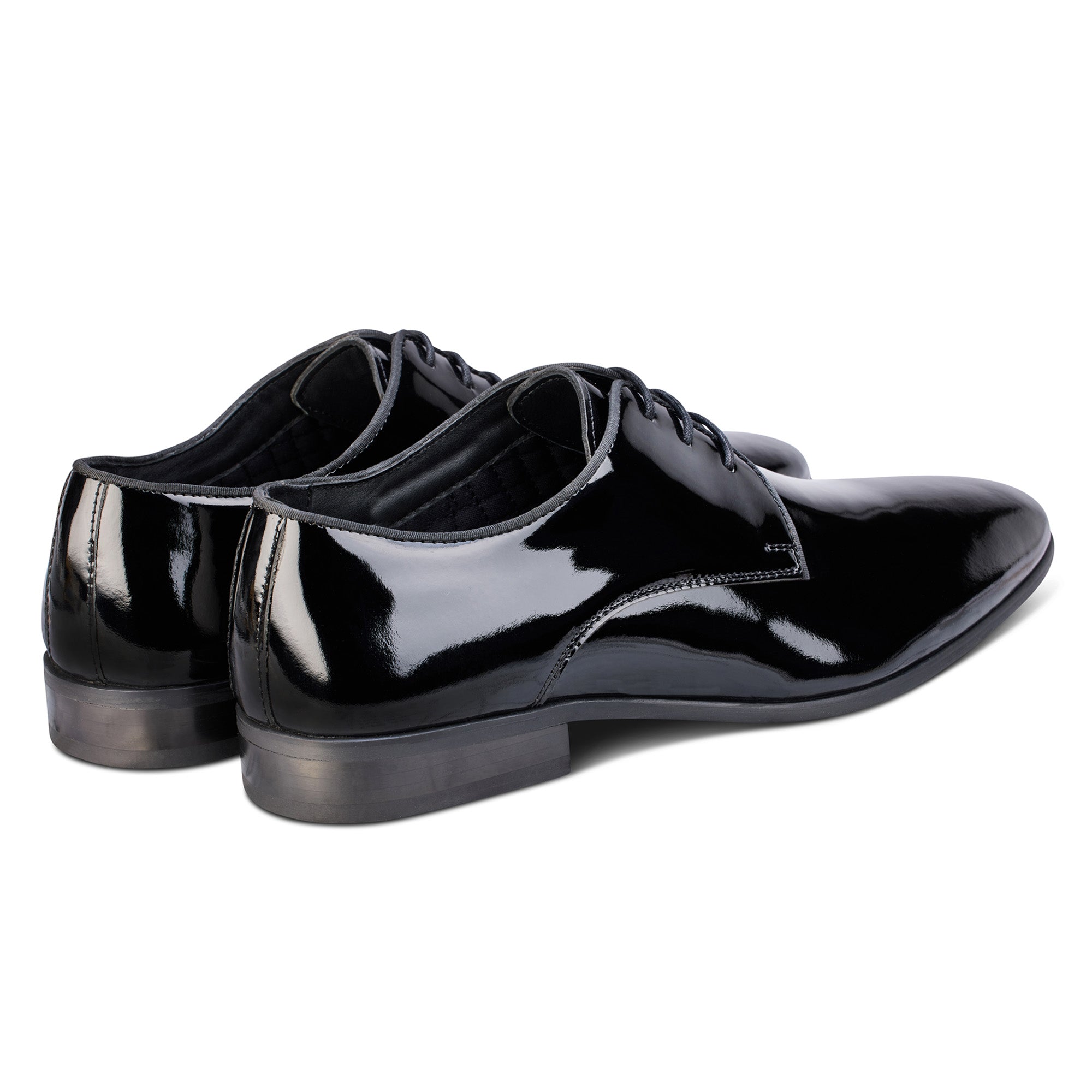
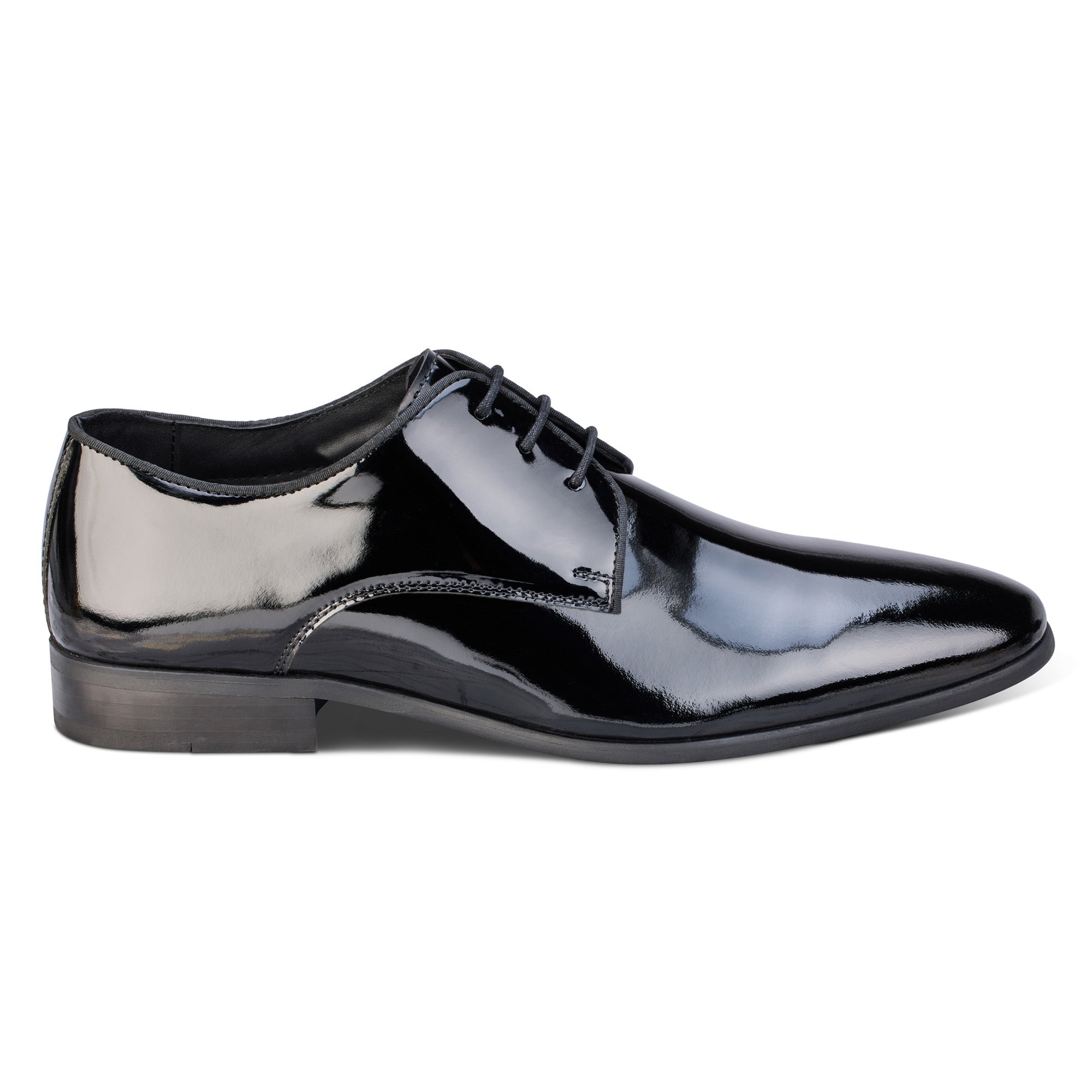
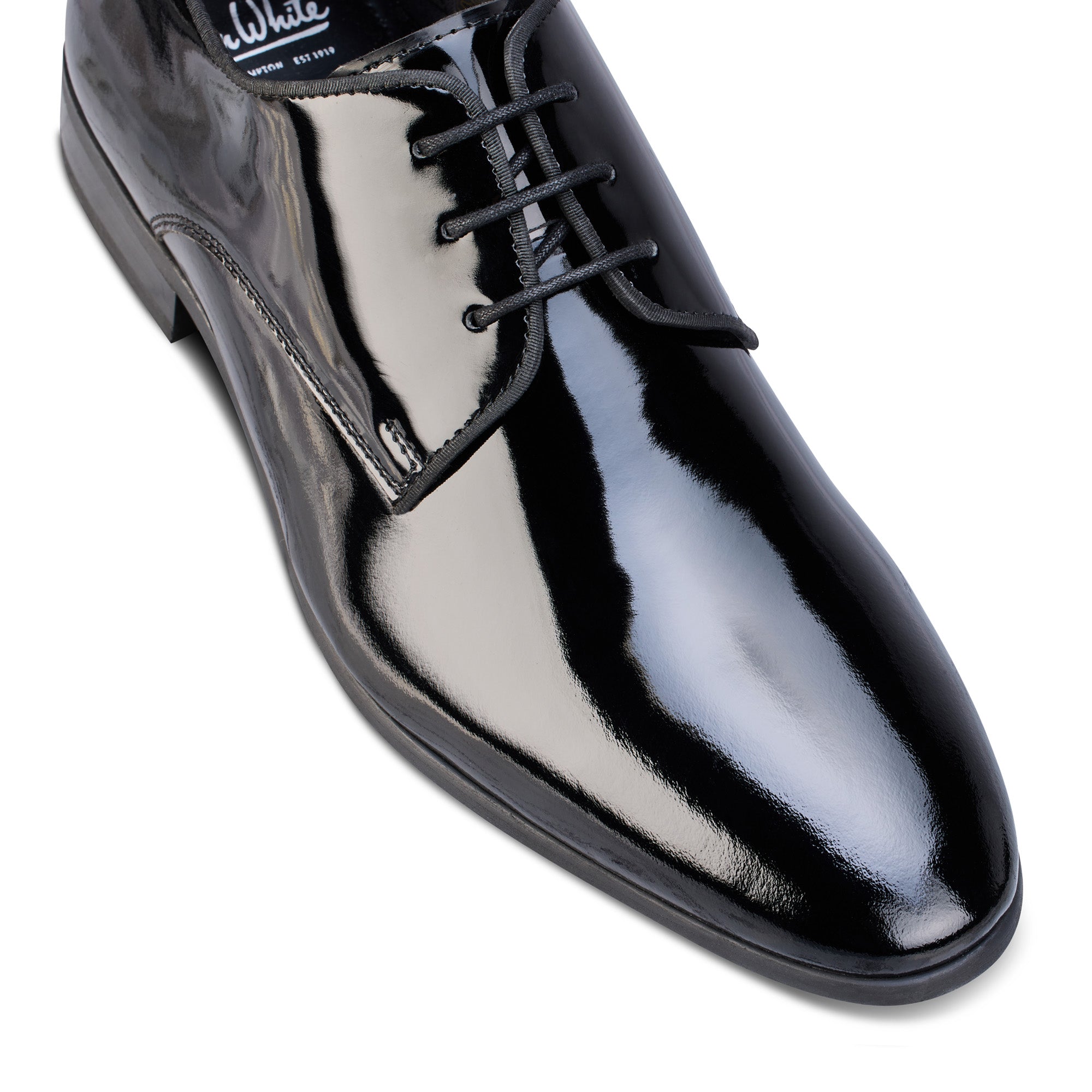
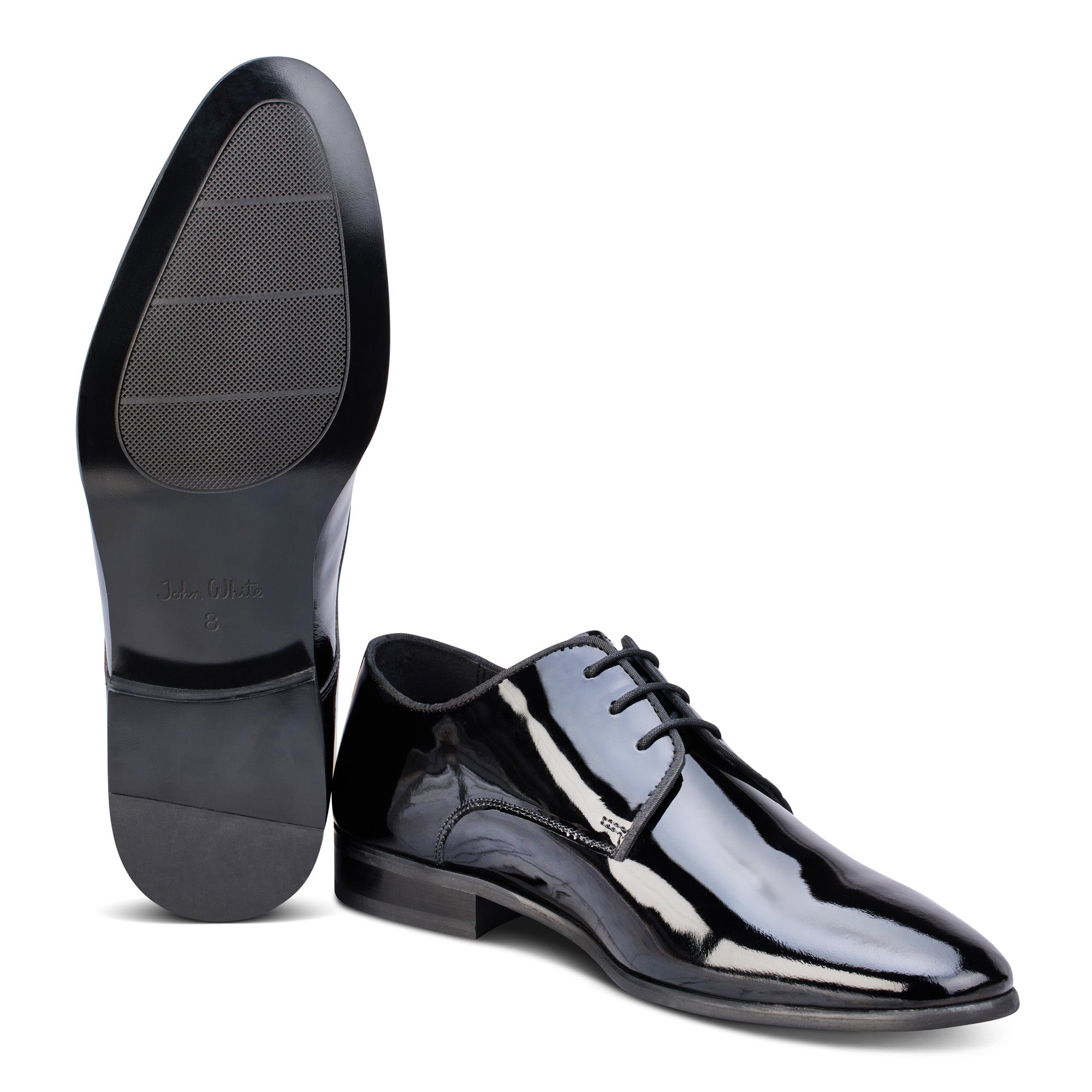
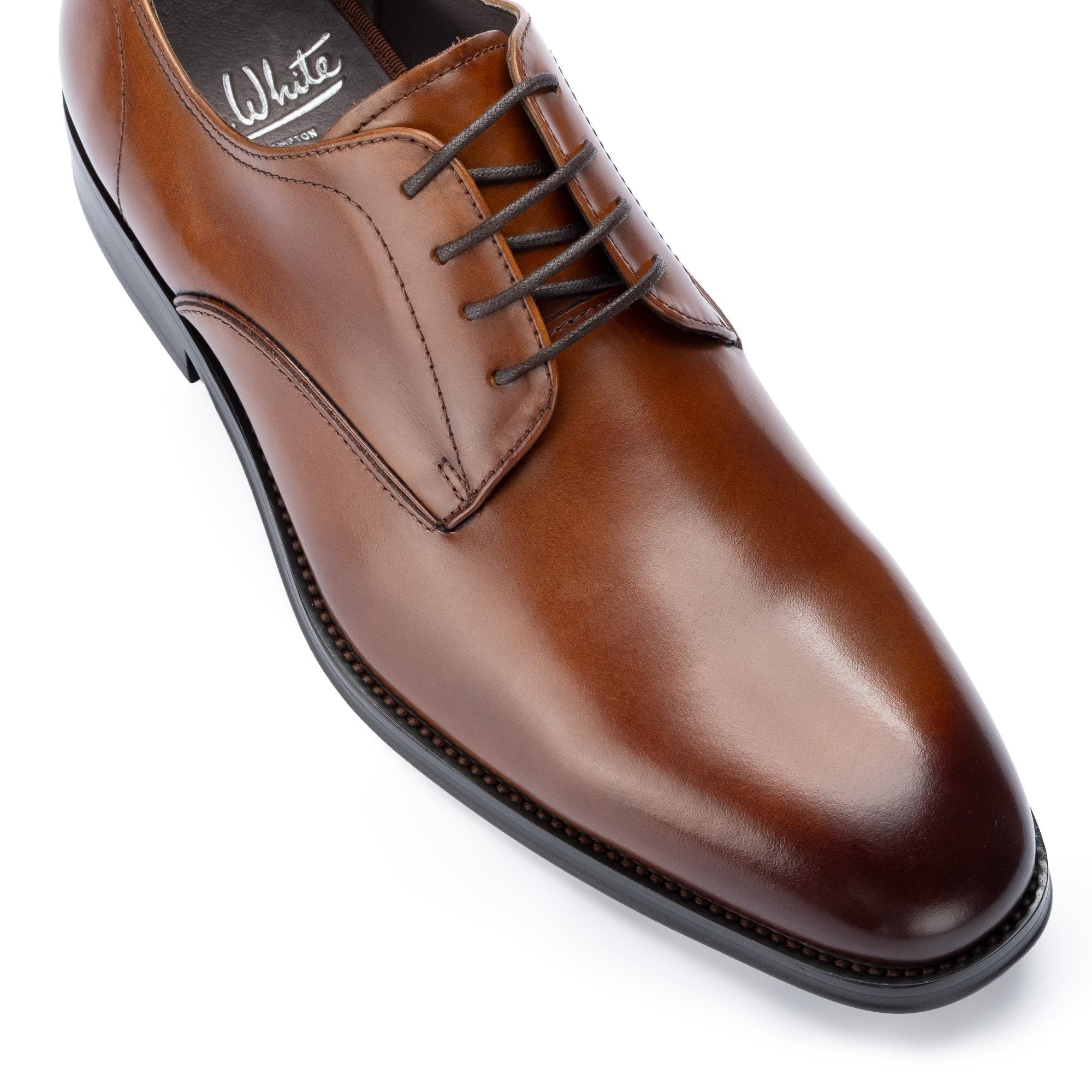
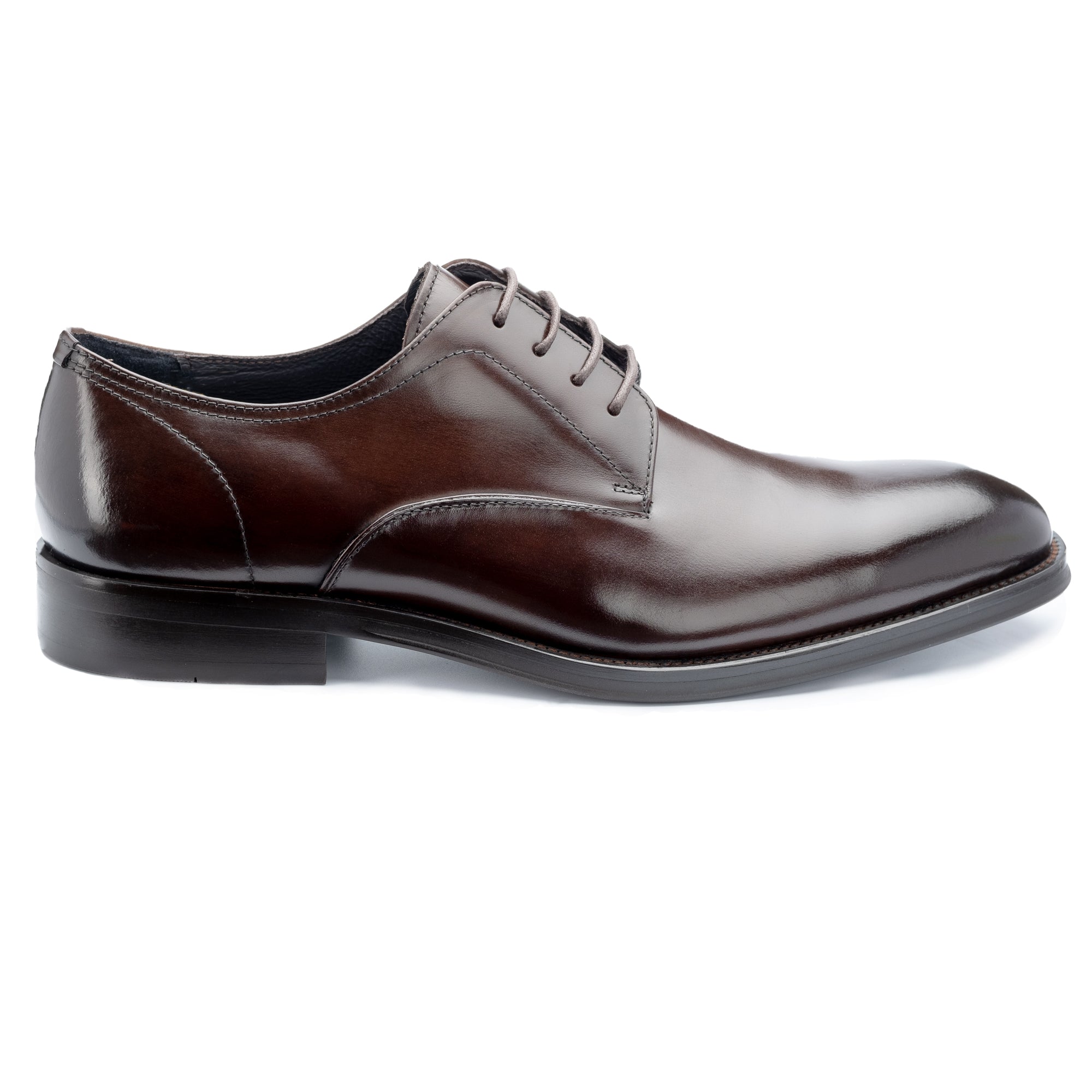
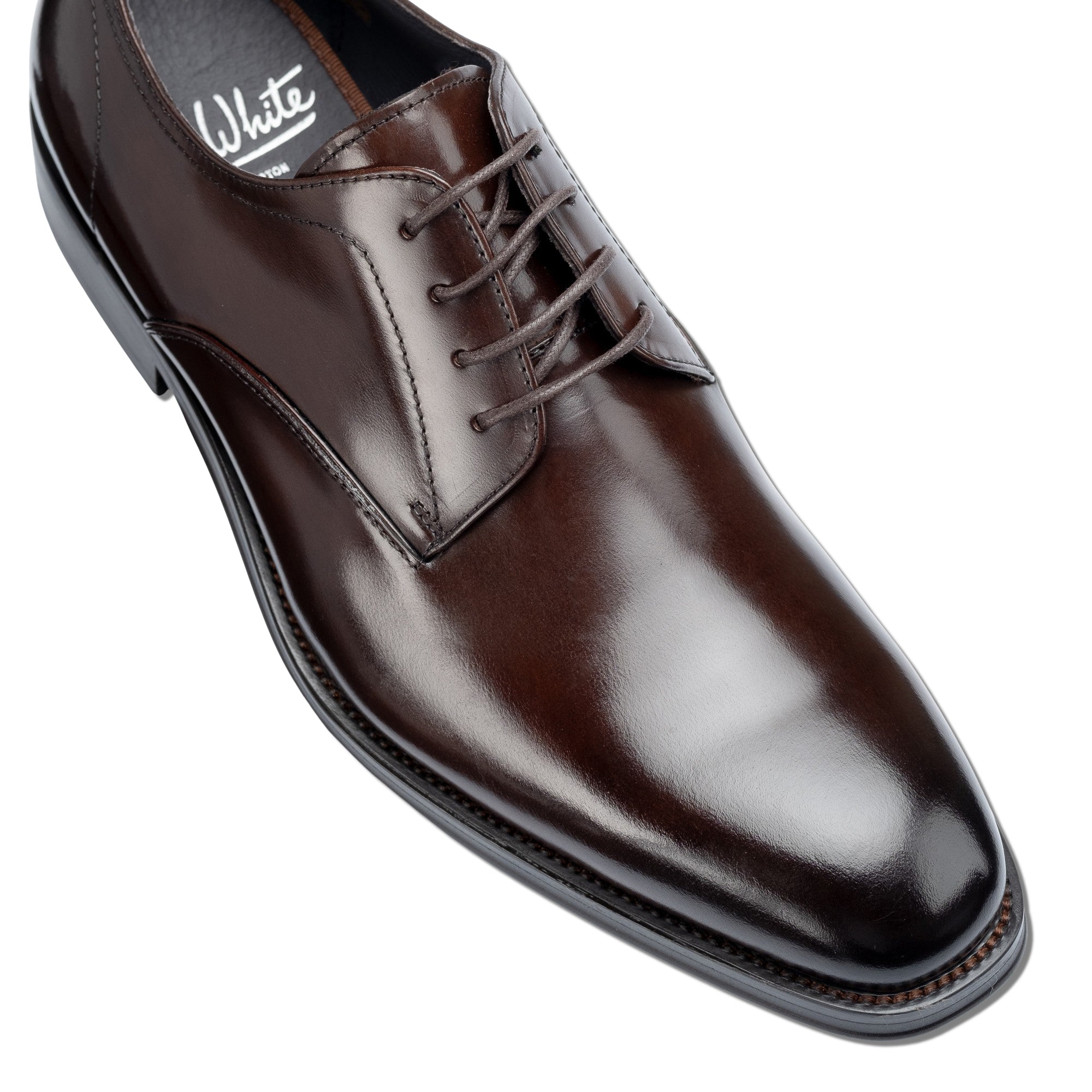
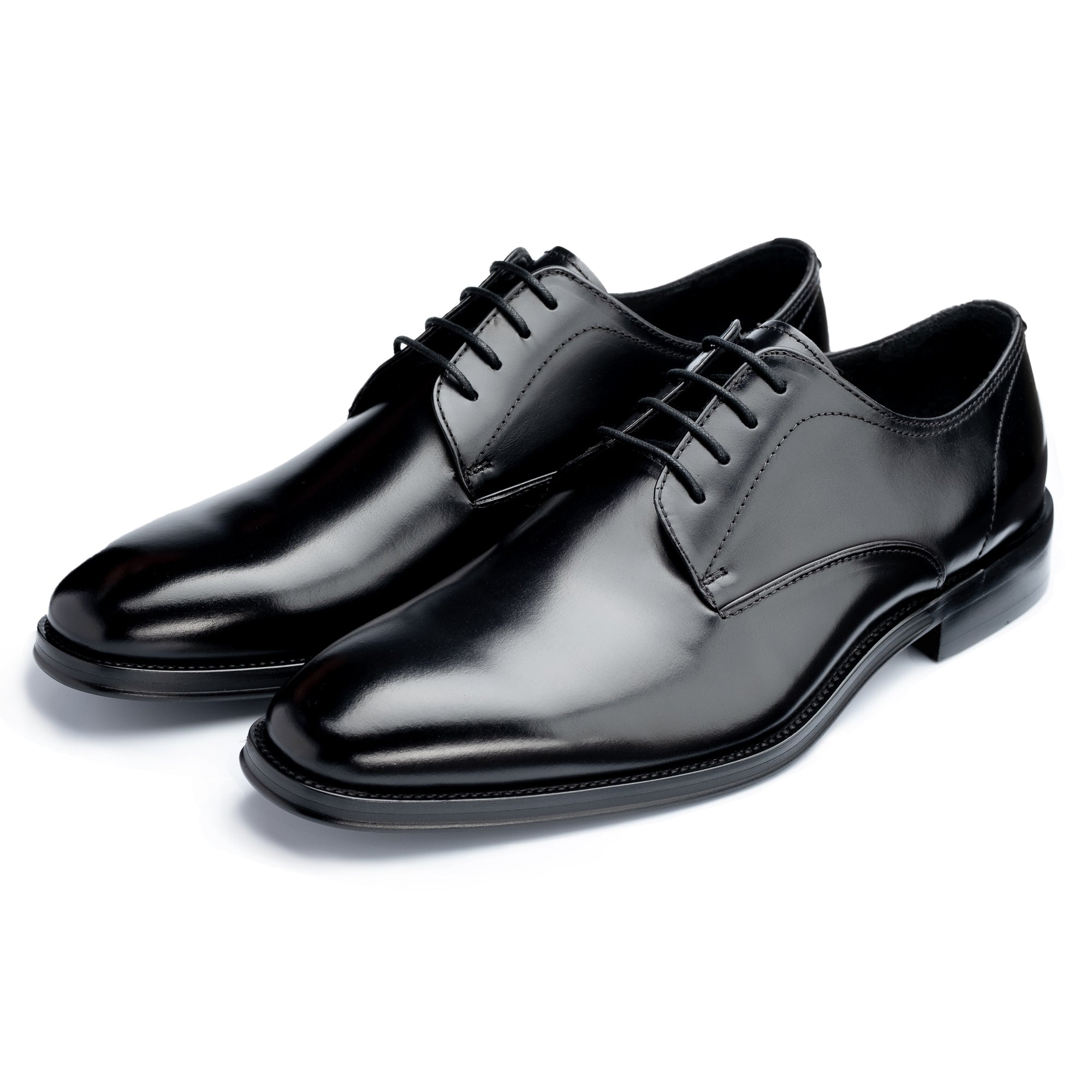
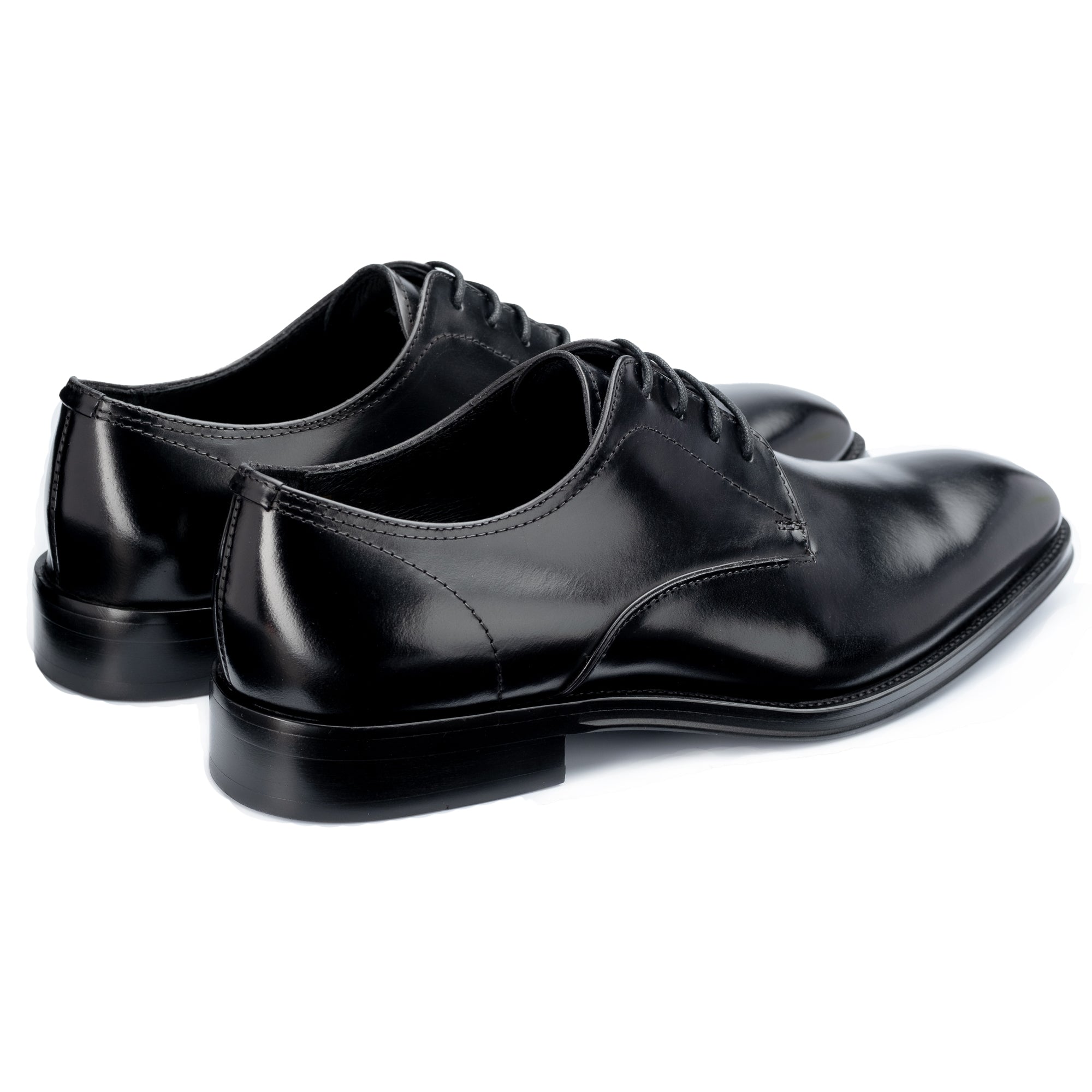
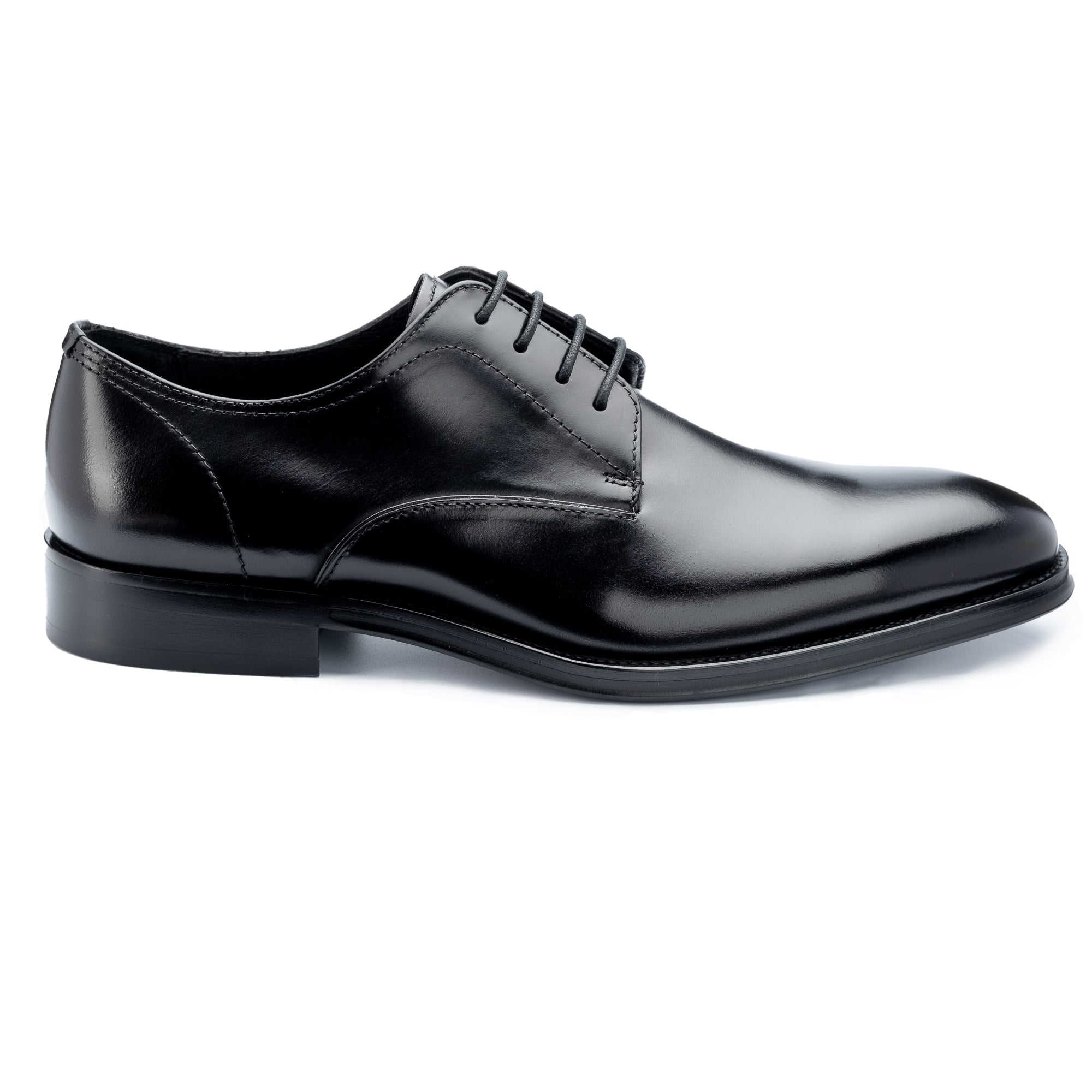
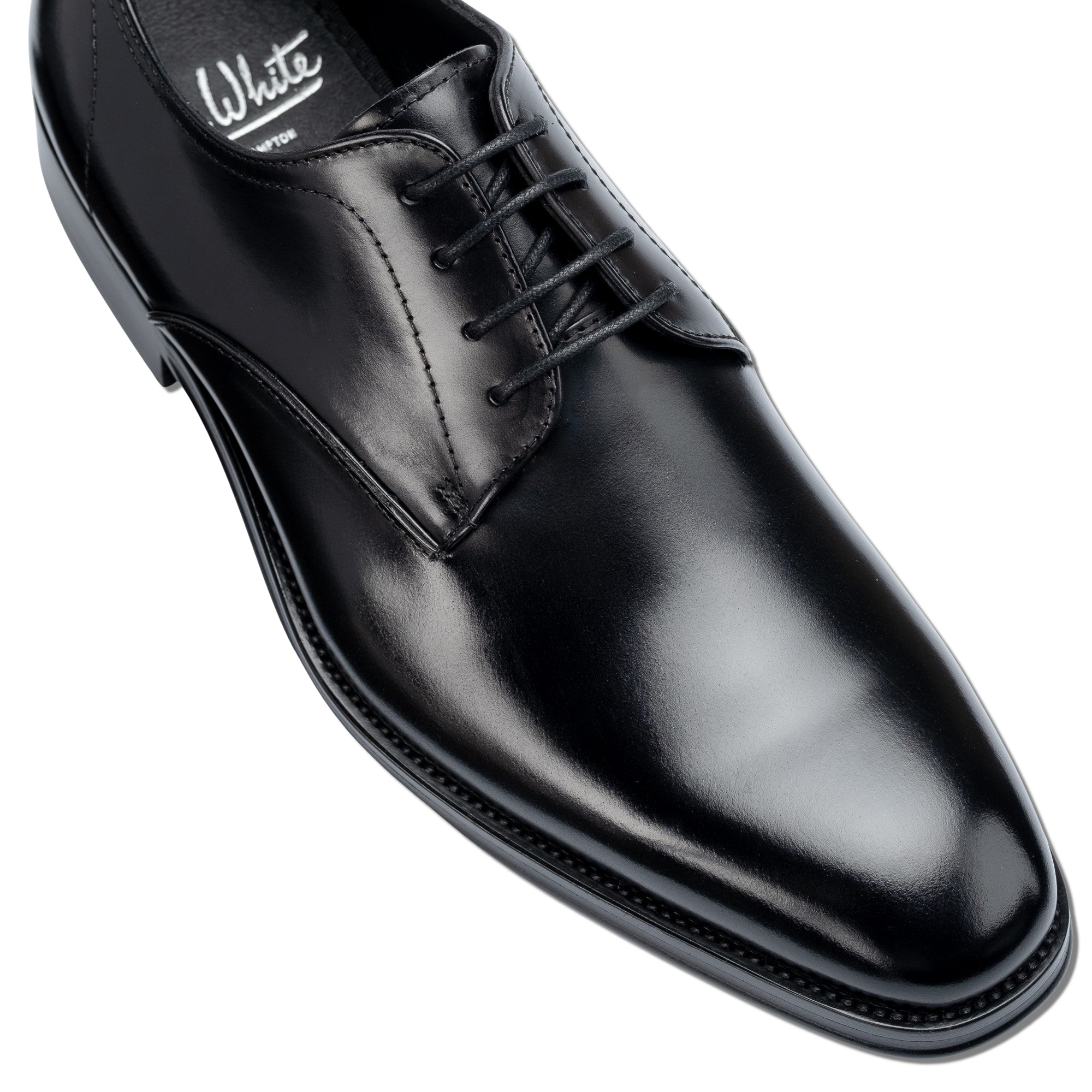
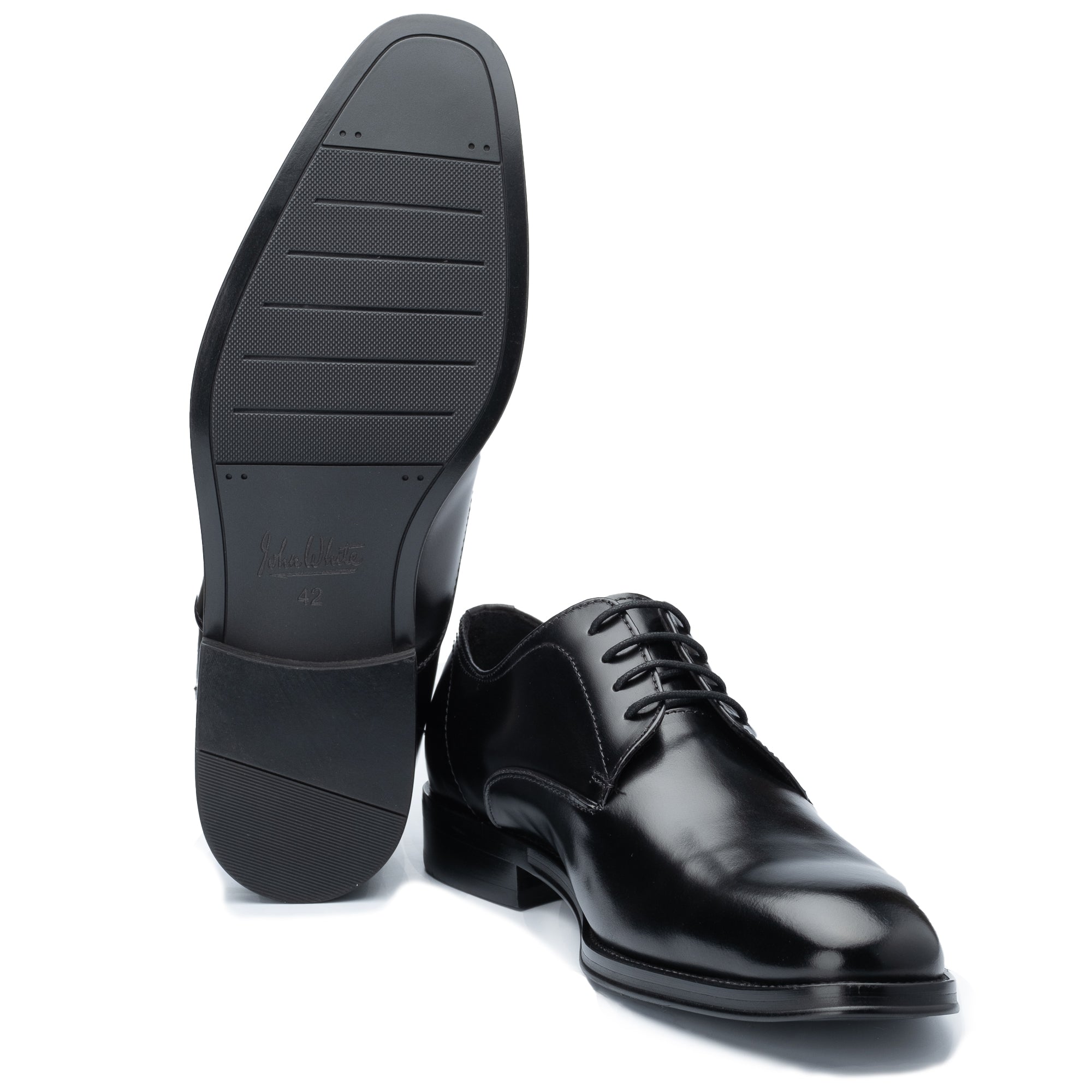
A chisel toe shoe is a more contemporary and formal silhouette, distinguished by its sharp, defined edges. It tapers towards the front before being squared off slightly, resembling the blade of a carpenter's chisel. It is crucial to distinguish this refined shape from the blunt, unflattering square toe of the early 2000s.
This shape is sleek, structured, and carries a distinctly modern European sensibility. It elongates the foot, creating a sharper and more dynamic line. This makes it a superb partner for well-tailored suits and formal attire. As menswear authority Bernhard Roetzel notes in his book, "Gentleman: A Timeless Guide to Fashion," a sharper toe "lends the wearer's entire appearance a slimmer, more elegant silhouette."
The defining features are:
- Sharp Edges: The toe box has defined corners and a flatter profile at the very front.
- Formal Character: It is inherently dressier and more assertive than a round toe.
- Modern Aesthetic: It projects a confident, contemporary and sartorial style.
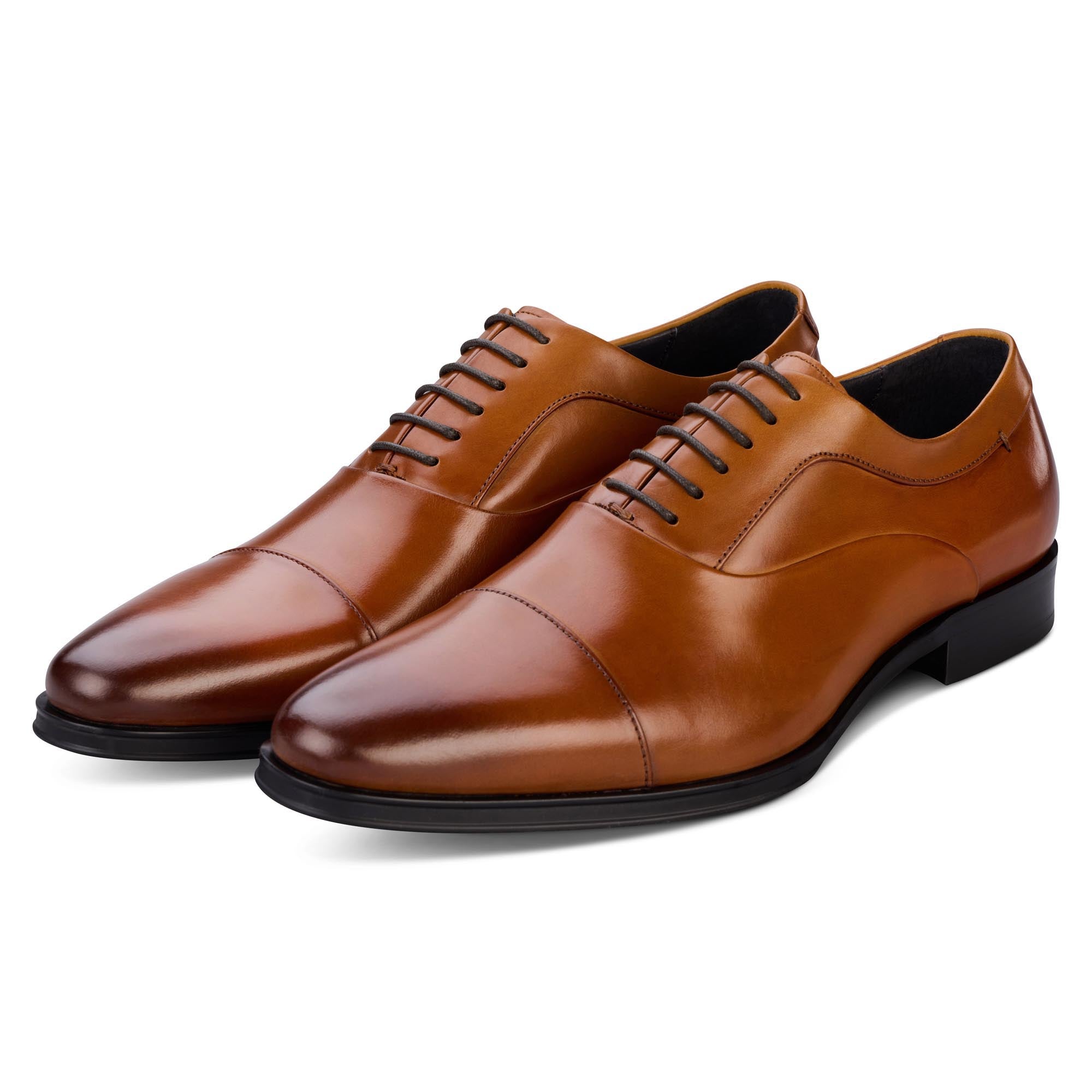
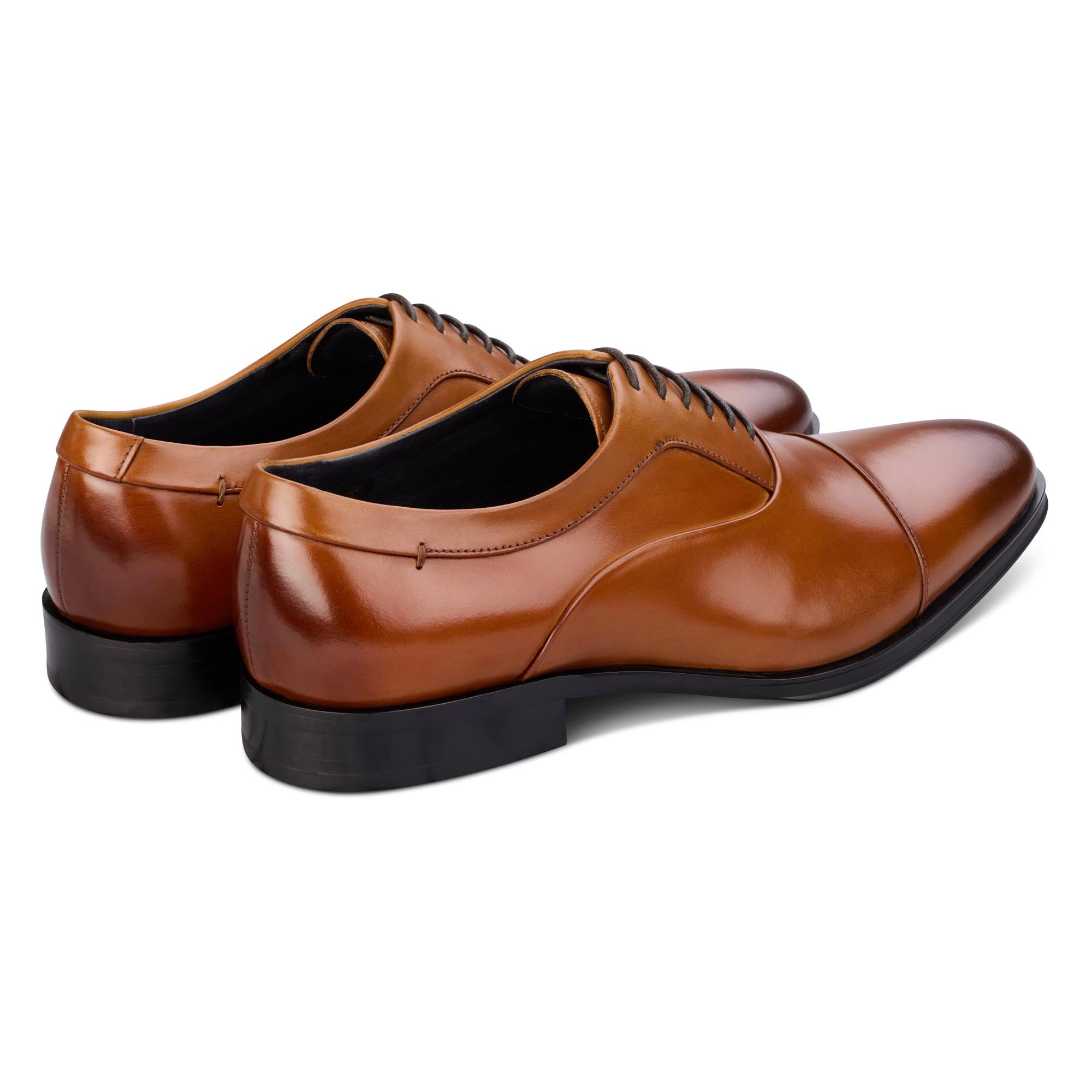
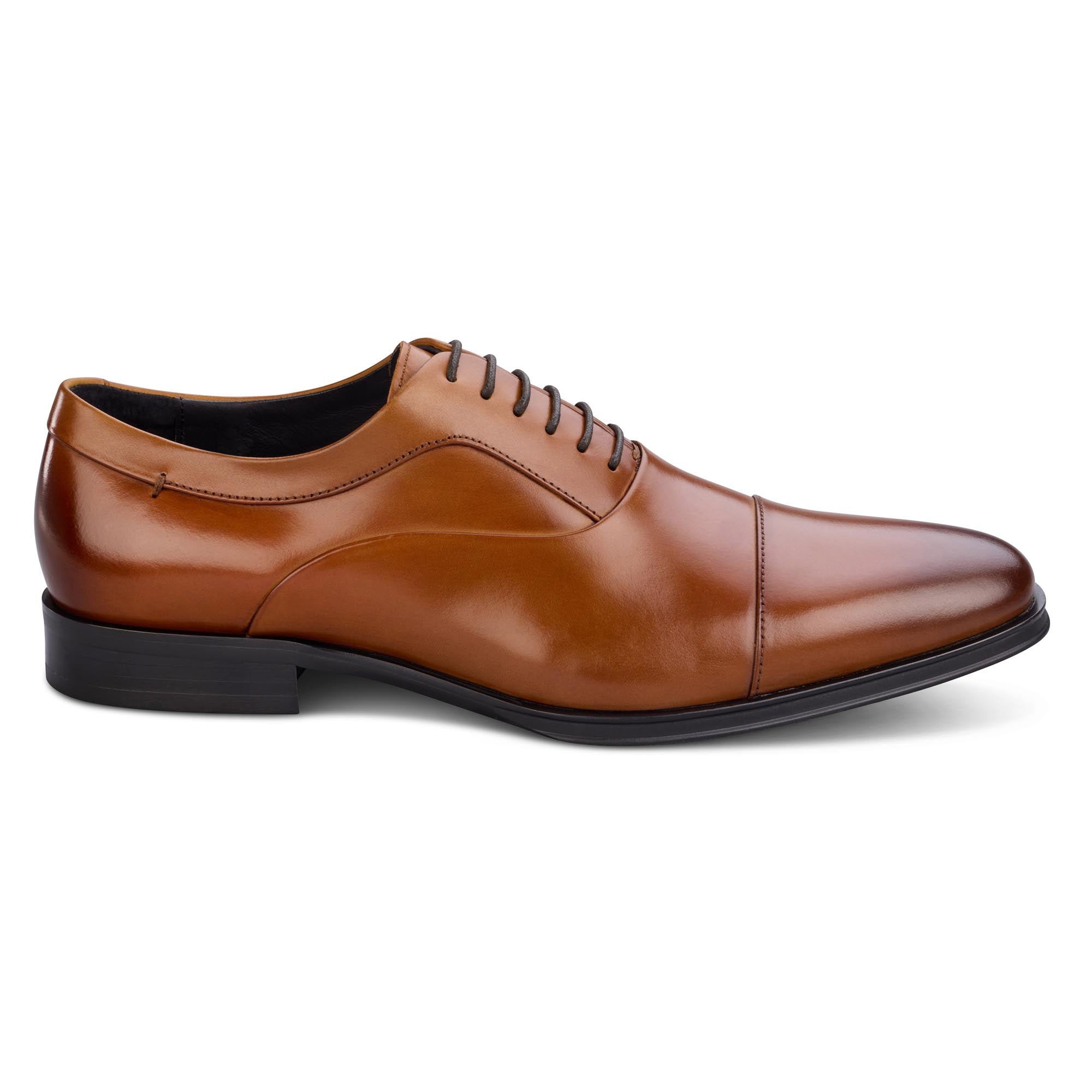
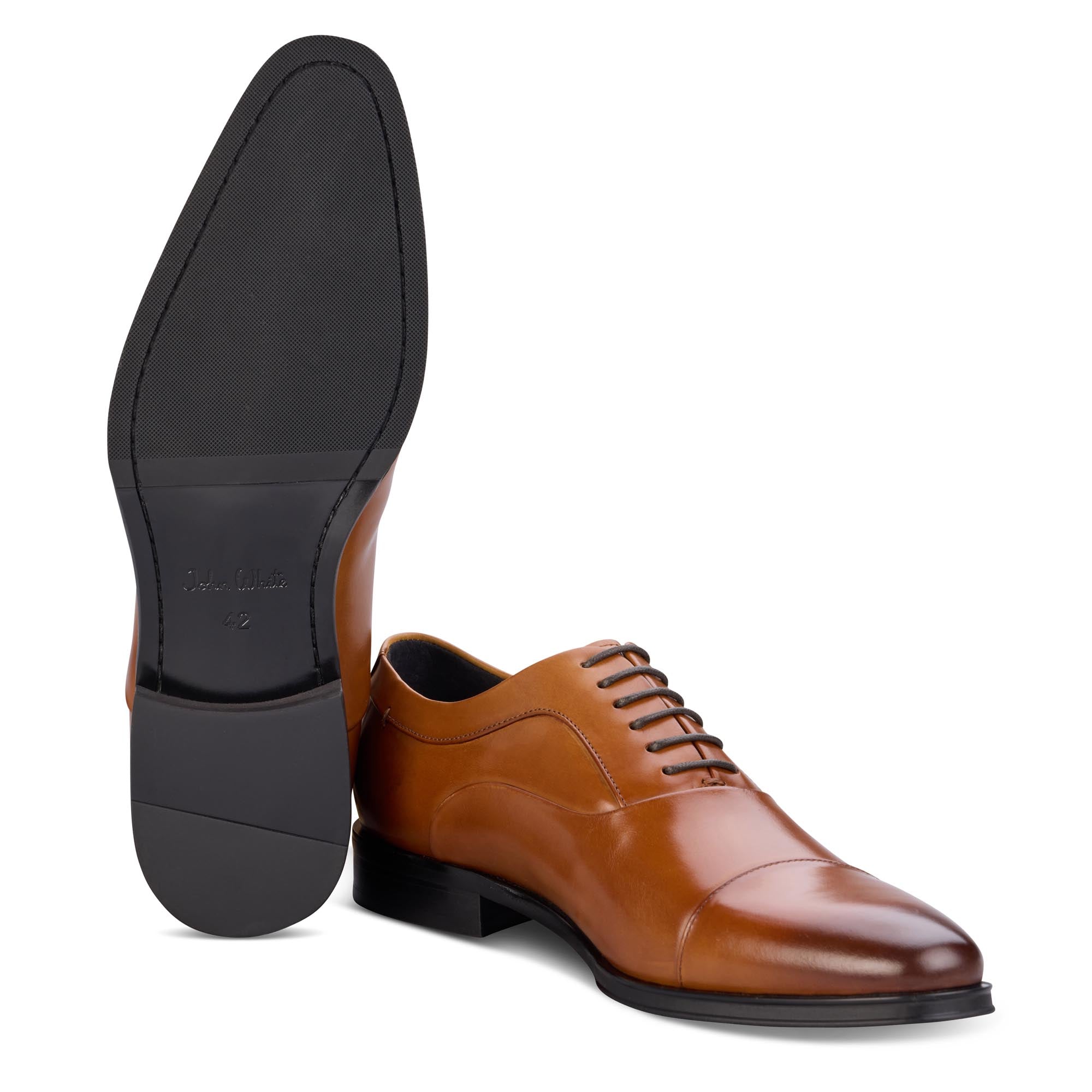
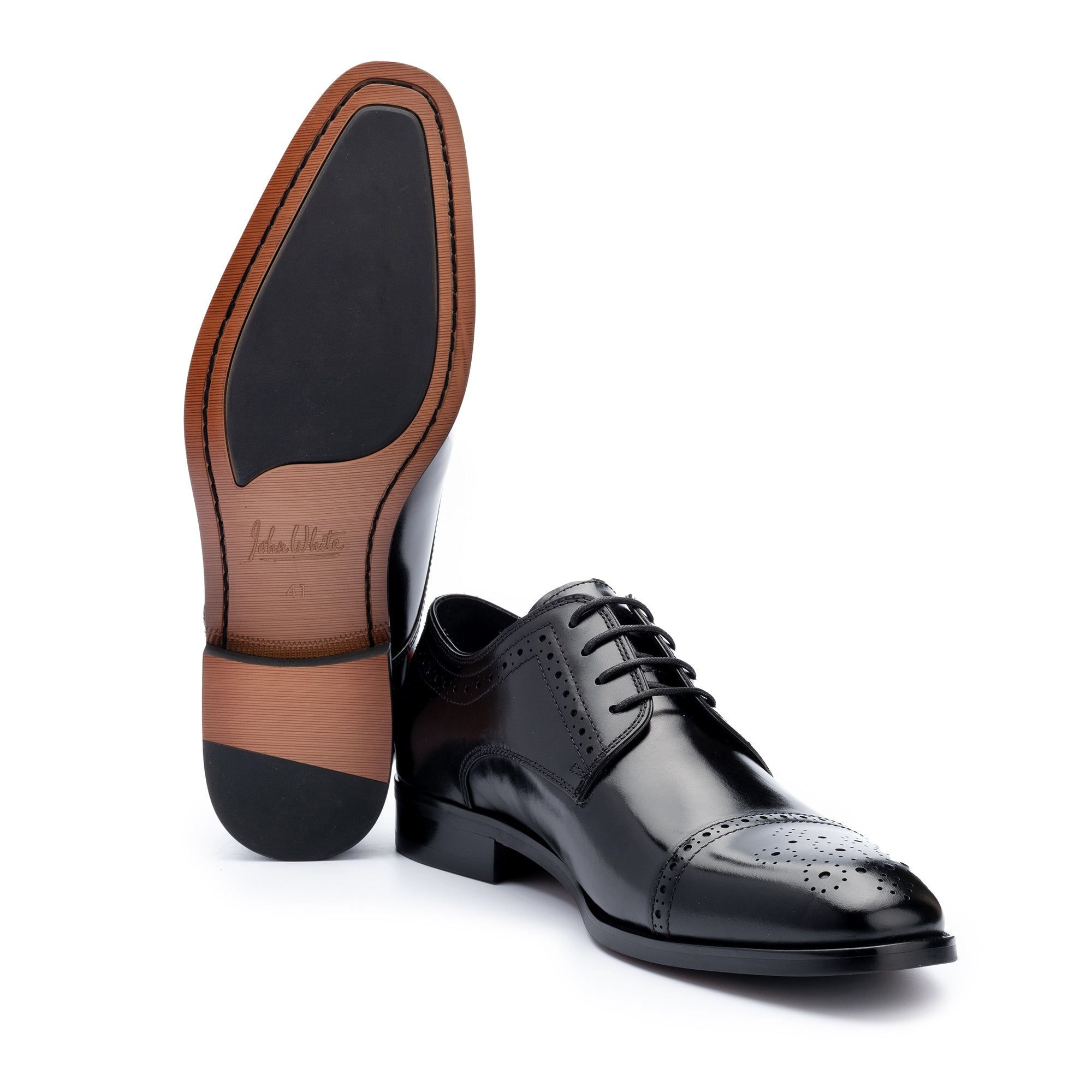
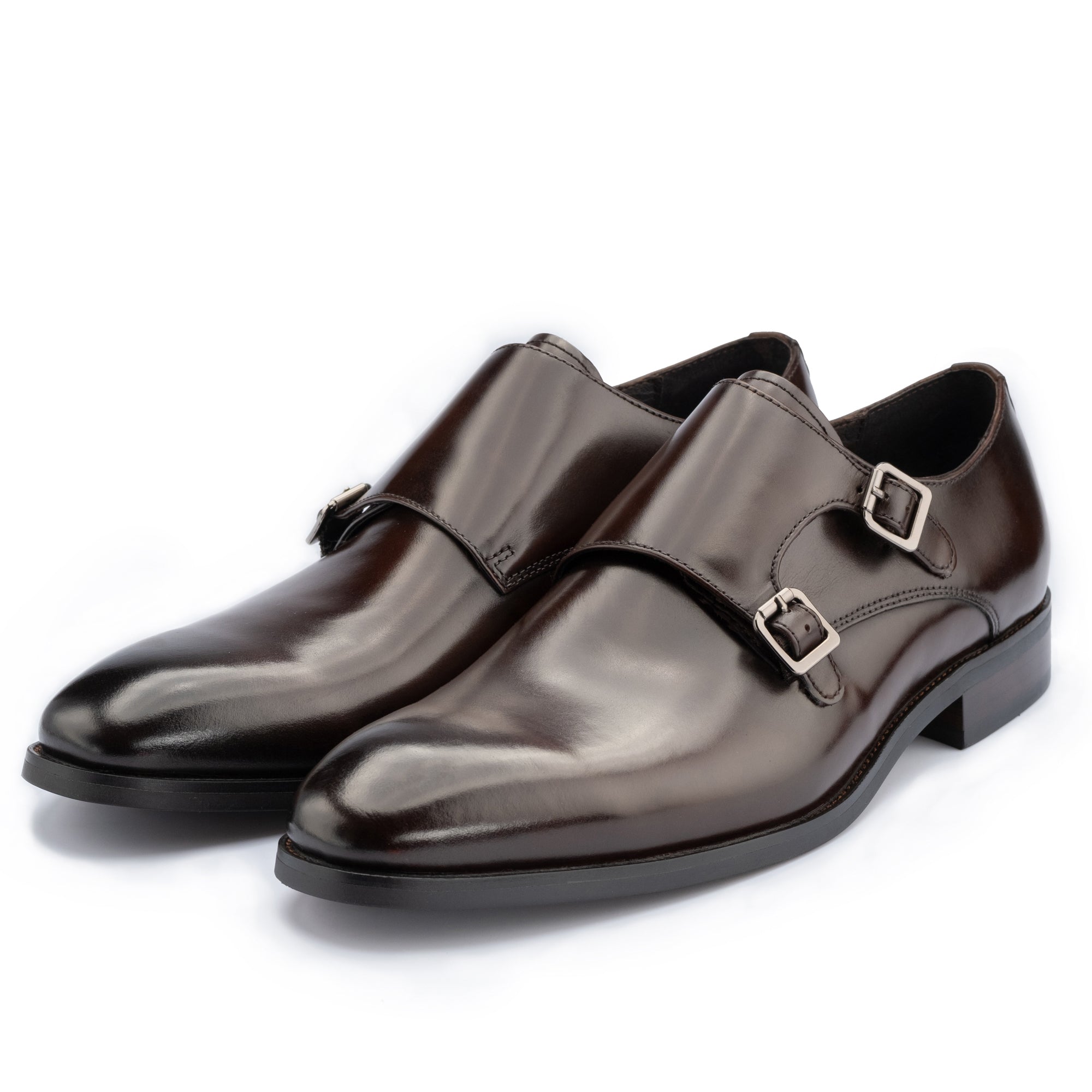
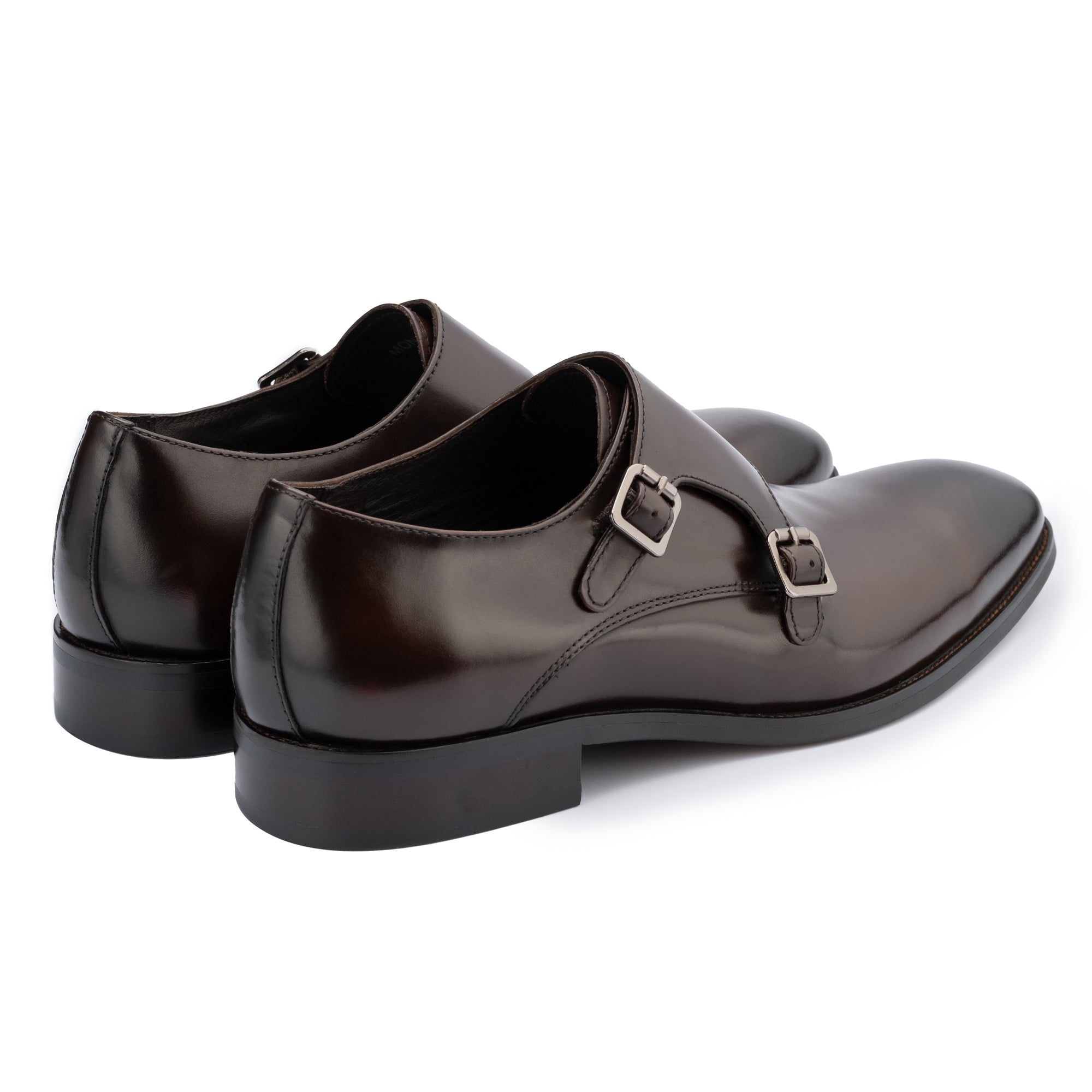
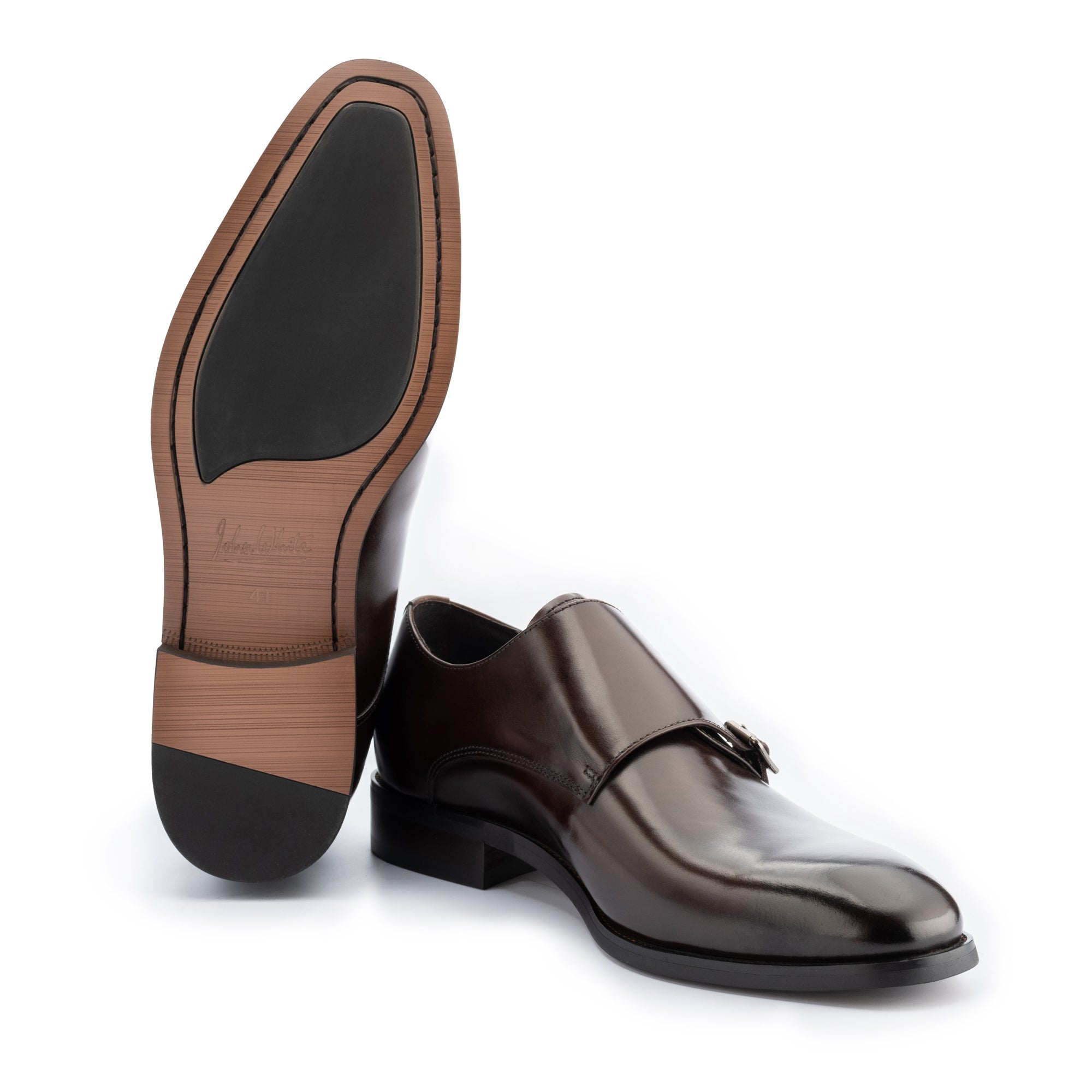
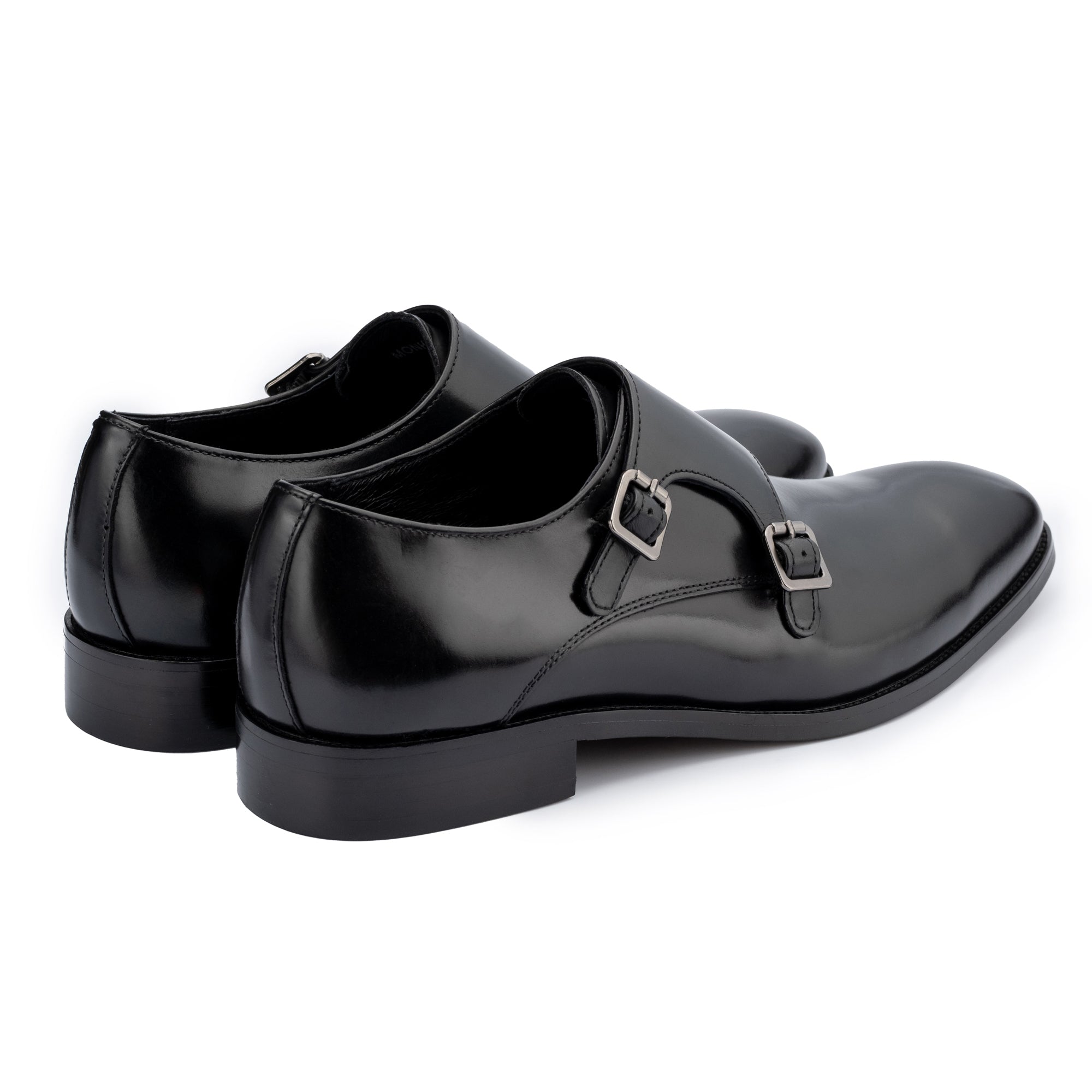
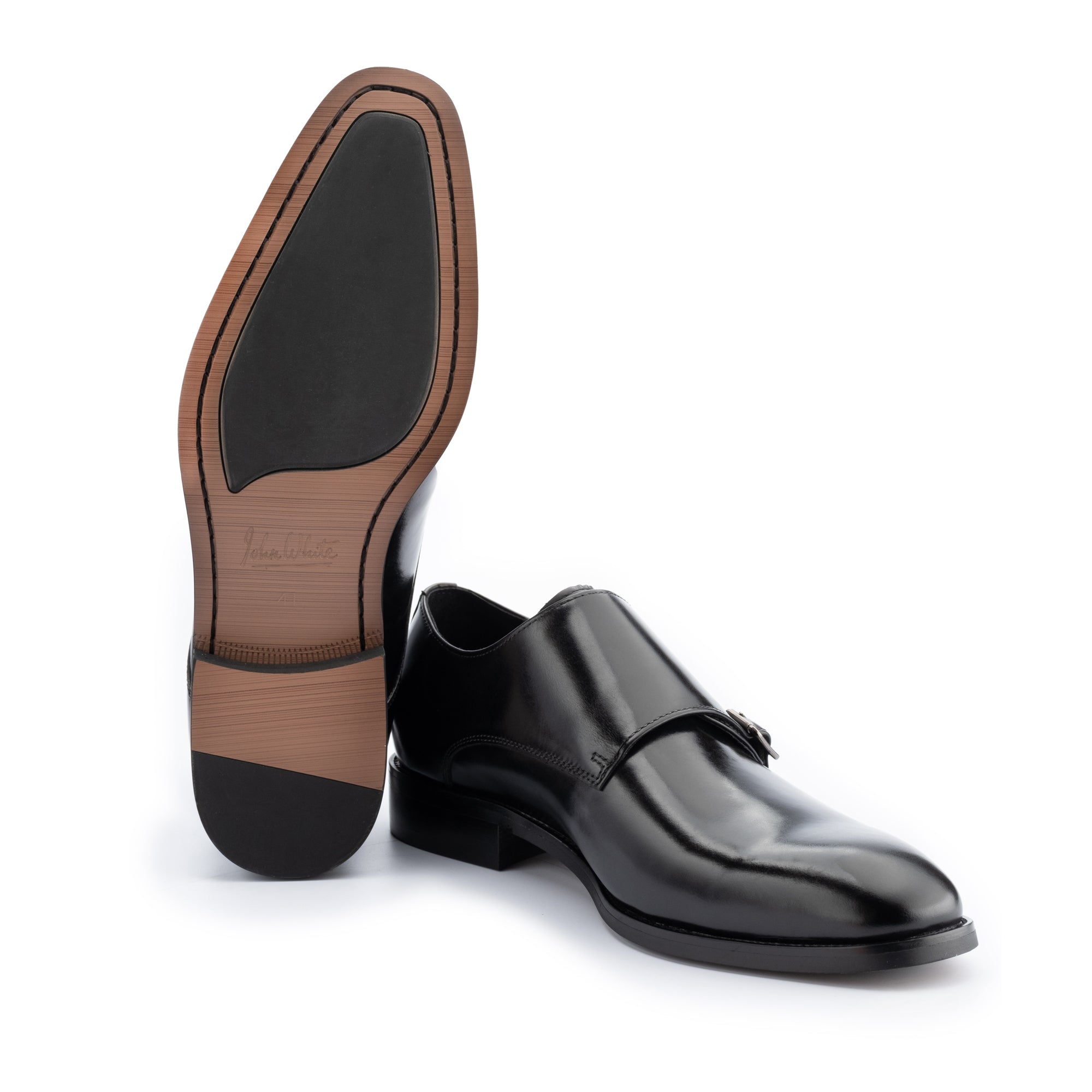
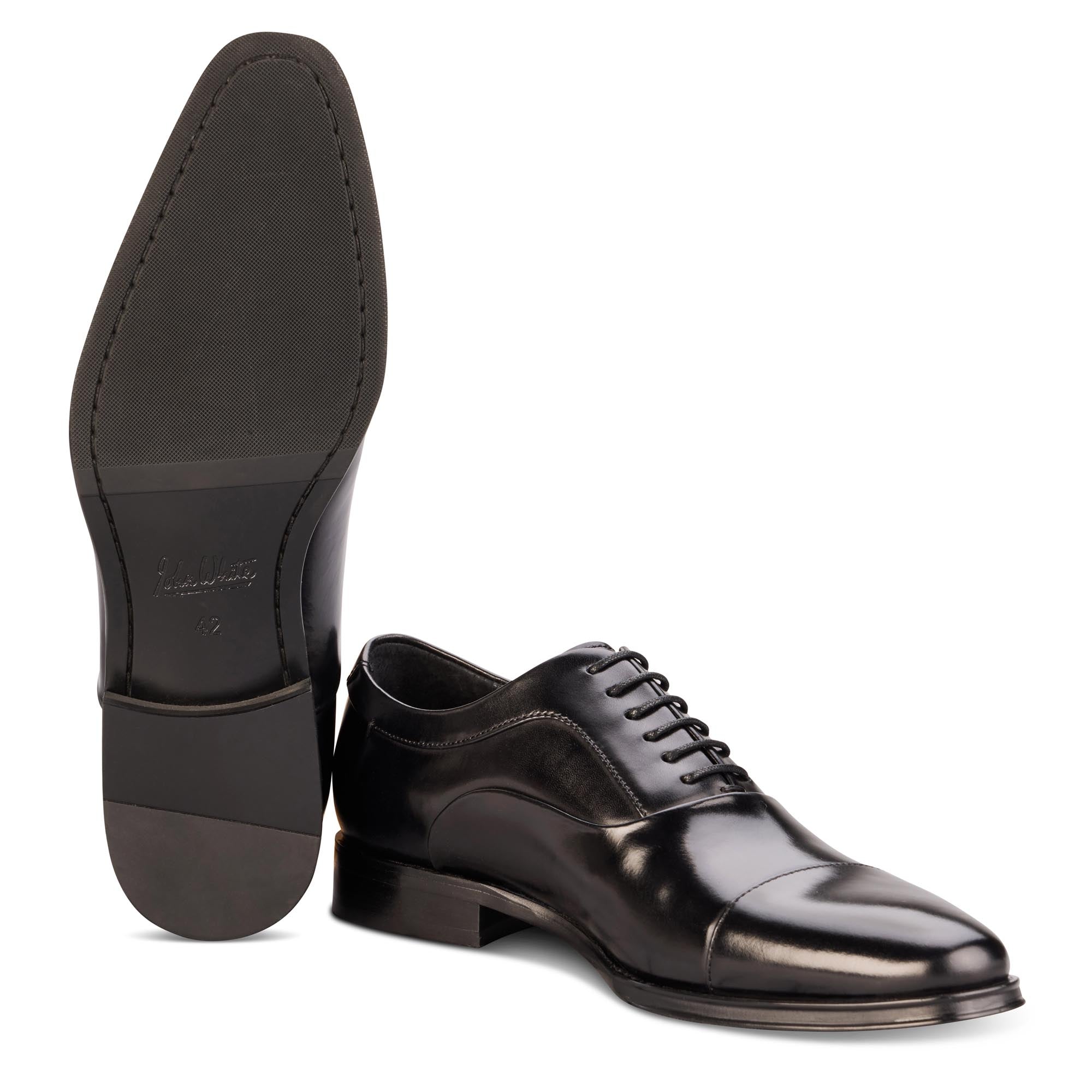
A fine example is the Guildhall Capped Oxford, where the chisel toe lends an authoritative edge perfect for the boardroom. For a modern take on another classic, the Monkton Double Monk Shoes use a soft chisel shape to create a powerful profile.
The chisel toe is the sharp, sartorial choice for formal occasions and contemporary business wear.
Comparison: Round Toe vs. Chisel Toe at a Glance
To simplify the choice, here is a direct comparison of the two silhouettes.
| Feature | Round Toe | Chisel Toe |
|---|---|---|
| Style Profile | Classic, traditional, understated | Modern, sharp, assertive |
| Formality | Versatile; from casual to formal | Primarily smart to formal |
| Best For | Everyday wear, business-casual, first dress shoe | Boardroom, weddings, formal events |
| Common Styles | Derby Shoes, Loafers, classic Brogues | Oxfords, Monk Straps, contemporary Brogues |
| Fit Consideration | Generally more accommodating for wider feet | Can feel narrower; requires a good fit |
How Does Toe Shape Influence Formality?
A shoe's silhouette is a primary indicator of its position on the formality scale. The rule is simple: the sleeker and more defined the shoe, the more formal it is. As we cover in our definitive ranking of men's dress shoes, clean lines equate to a higher level of dress.
The round toe's softer lines make it a versatile diplomat. It can be dressed up for most business settings but is equally at home in a smart-casual context. A chisel toe, with its sharp, architectural lines, is less ambiguous. It is unapologetically formal and signals intent.
A round toe offers flexibility across dress codes, while a chisel toe is purpose-built for smarter attire.
Which Toe Shape is Right for Your Foot?
Comfort and fit should never be sacrificed for style. The shape of a shoe's last must work with the shape of your foot. According to The College of Podiatry, a shoe's toe box should allow toes to move freely without being compressed, a factor that prevents long-term foot problems.
For men with wider feet, a round toe is often the more comfortable choice, providing more space and a natural fit. A chisel toe, by its nature, is more tapered. While a well-designed last will still provide adequate room, it’s a style that demands a precise fit to avoid discomfort. You can learn more about this in our guide to why shoe shape matters more than you think.
Choose a round toe for an accommodating fit or a chisel toe if you have a standard to narrow foot and prefer a structured feel.
A Note on the Last and British Shoemaking Heritage
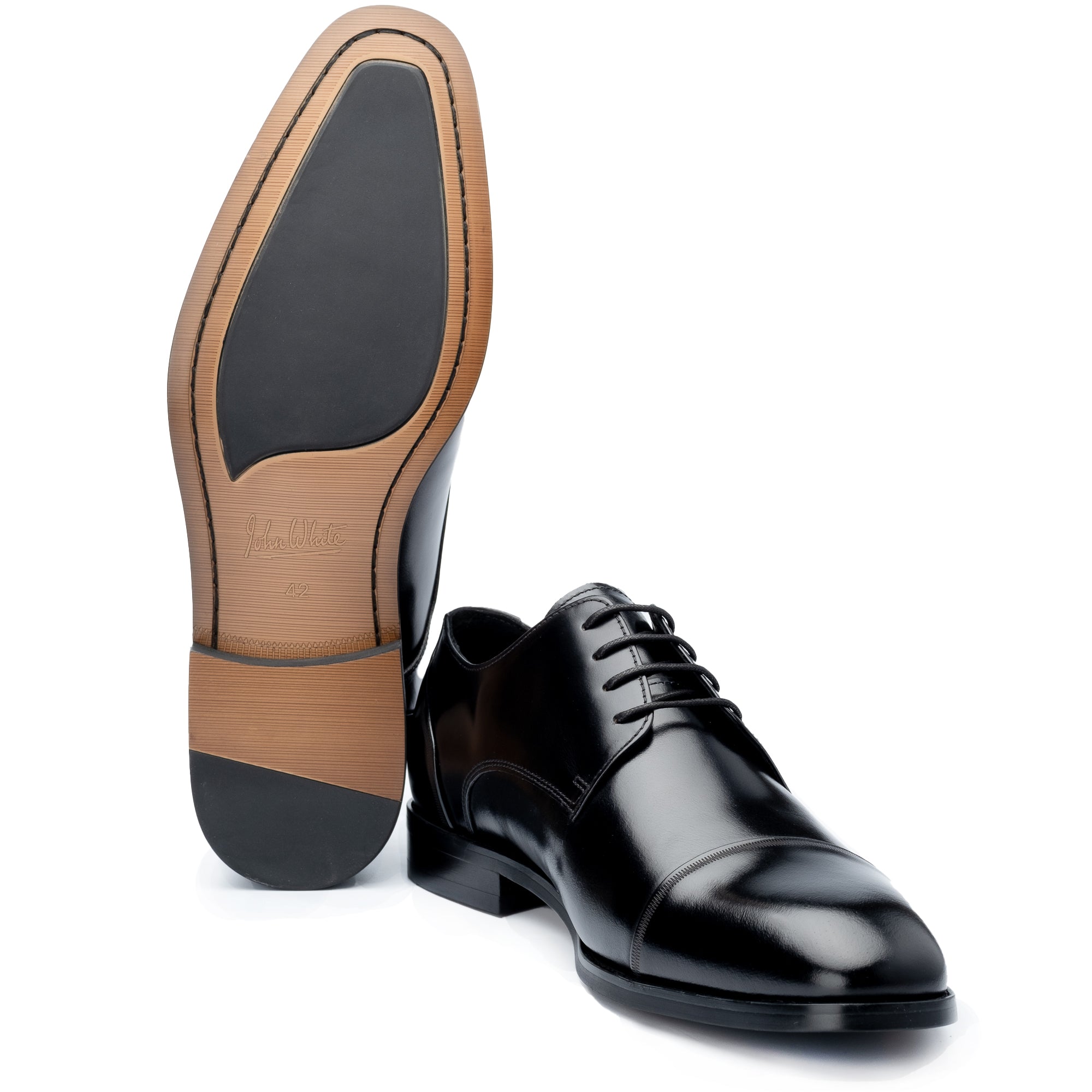
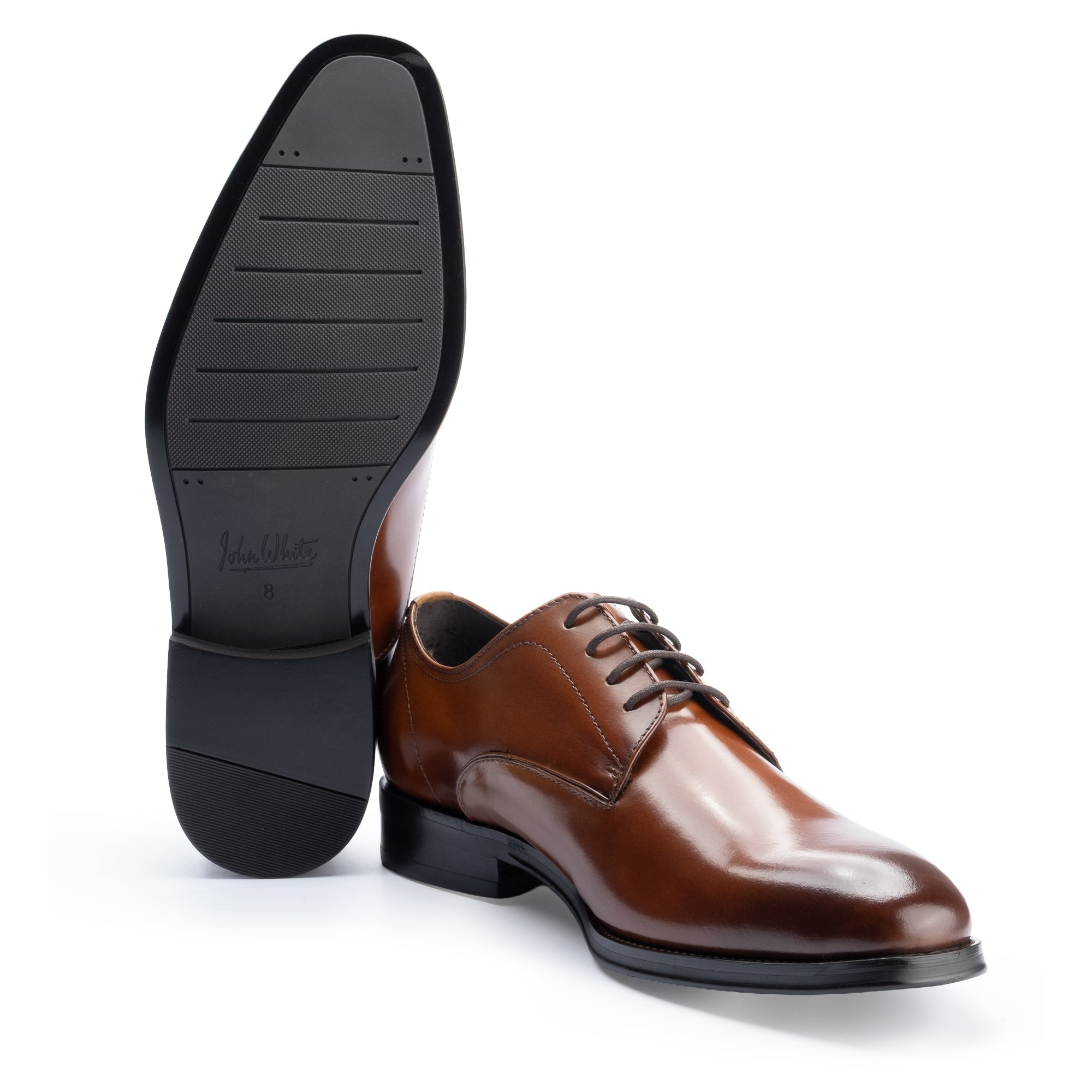
The character of any shoe begins with the last—the wooden form it's shaped around. The art of last-making is central to the British shoemaking tradition. A master last-maker carves a shape that is not only elegant but perfectly balanced for fit and function.
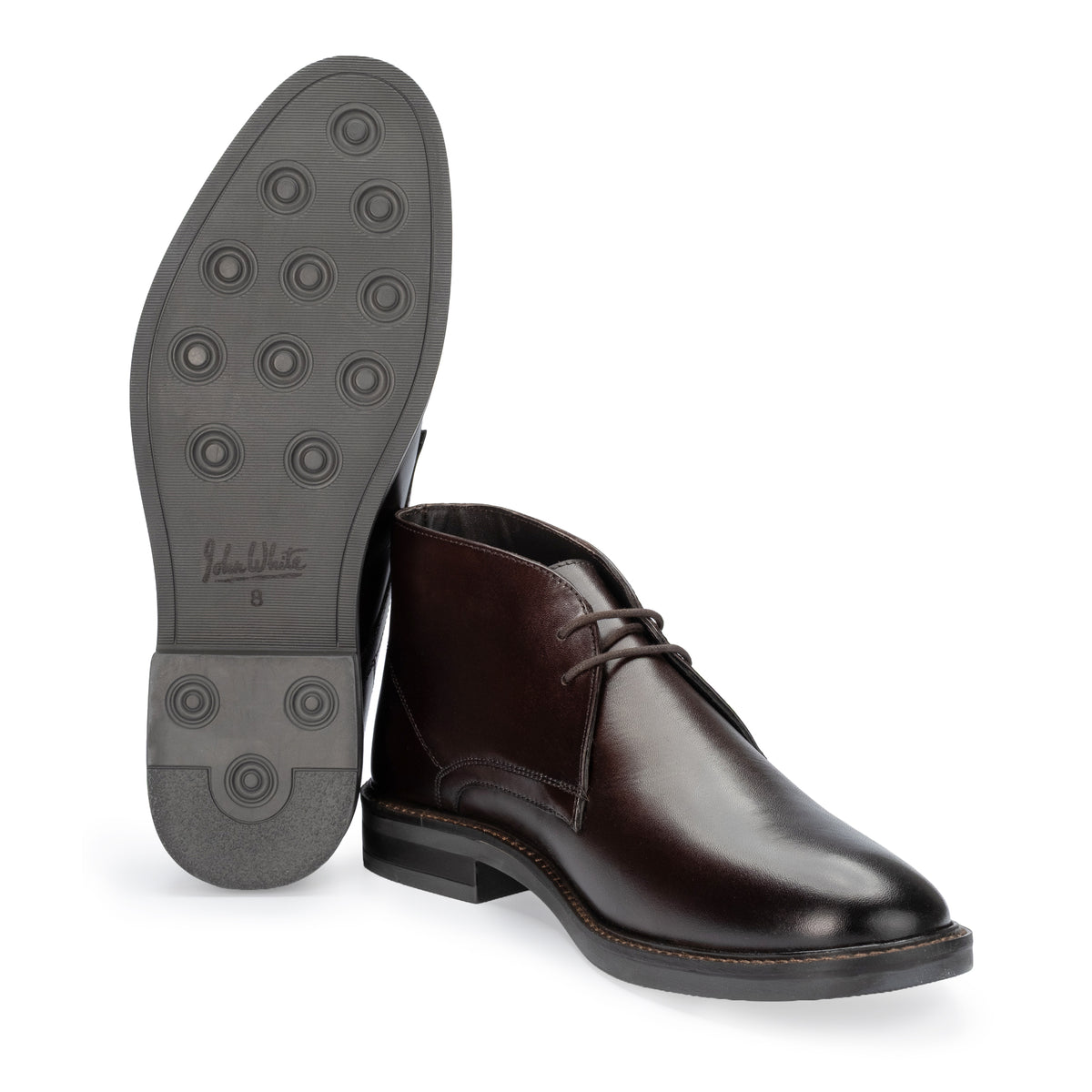
Instead of a single "house" style, it uses different lasts for different purposes, a practice that defines the character of Northamptonshire's famous shoemakers like Church's and Crockett & Jones; John White Shoes' heritage also reflects this tradition of varied design. Whether it’s a robust, rounded last for a country brogue or a sleek, chiselled last for a city Oxford, the form always follows function.
Our shoe designs draw upon this deep heritage, curating silhouettes that honour a century of British style.
TL;DR: Key Differences
In short, select a round toe for maximum versatility and a classic, understated look that works with nearly any wardrobe. Opt for a chisel toe when you need a sharper, more formal shoe for tailored suits and significant occasions. Building a complete collection means having both options at your disposal.
Related Guides
- The Complete Guide to Men's Dress Shoes — our comprehensive guide
- The Formality Spectrum: A Definitive Ranking of Men's Dress Shoes
- The Art of the Last: Why Shoe Shape Matters More Than You Think
- Oxford vs Derby Shoes: What's the Difference?
Frequently Asked Questions
Are square-toed shoes the same as chisel-toed?
Absolutely not. A chisel toe is an elegant, tapered shape with sharp, refined edges. A true square toe is a blunt, wide, and deeply unfashionable silhouette that should be avoided. The former is sophisticated; the latter is a relic of poor 1990s and 2000s style.
Which toe shape is better for a first pair of dress shoes?
For a first pair, a classic round toe is the most practical choice. Its versatility means it will be appropriate for the widest range of events, from job interviews to weddings. A round-toed black or brown Oxford or Derby is the cornerstone of any footwear collection.
Do round-toed shoes look less professional?
Not at all. A well-polished, high-quality leather shoe with a round toe, such as a classic Oxford, is the standard for professional dress and has been for over a century. It projects timelessness and reliability, which are hallmarks of professionalism.
The silhouette of your shoe is a subtle but powerful signal. By understanding the language of toe shapes, you can make more informed choices, ensuring your footwear is always appropriate, stylish, and comfortable. Explore our curated collections of premium men's shoes and boots, with designs that draw upon over a century of British shoemaking heritage.