
The Clicking Iron: How Leather Cutting Became the Foundation of Shoemaking Craft
Clicking is the traditional craft of cutting leather upper components from a raw hide using a clicking iron — a sharp, purpose-built blade that strikes a firm cutting block with an audible click. The clicker's skill in reading grain direction, identifying blemishes, and placing pattern pieces determines the quality of every upper before a stitch is sewn. Leather cutting is the first irreversible stage of shoemaking, and the one that most shapes what a finished shoe can become.
In This Guide
- What Is Clicking in Traditional Shoemaking?
- Why Is Leather Cutting in Shoemaking Called Clicking?
- What Does a Clicker Actually Do?
- How Does Hand Clicking Compare with Die-Cutting?
- Why Does Grain Direction Matter When Cutting Leather Uppers?
- How Did Clicking Shape the British Shoemaking Industry?
- What Does the Clicking Iron Reveal About the Quality of the Shoes You Buy?
- Related Guides
- Frequently Asked Questions
Every pair of leather shoes begins not at the stitching machine or the lasting peg, but at the cutting block. The clicker — one of the most technically accomplished craftsmen in the traditional shoemaking workshop — reads, positions, and cuts each upper component from a raw hide with a precision that no template alone can enforce. Before any construction begins, the integrity of the upper is decided. This is where quality is secured or compromised, and where the character of a leather shoe is fundamentally determined.
What Is Clicking in Traditional Shoemaking?
Clicking is a skilled leather-cutting operation that produces the upper components of a shoe from a tanned hide, using a sharp-bladed clicking iron guided by hand or a hardened steel die pressed mechanically through the skin. The term is acoustic in origin: it describes the sharp, distinctive sound the blade produces as it contacts the cutting block beneath the leather.
In the traditional workshop, the cutting block was made from compressed card or close-grained hardwood — firm enough to receive the blade cleanly without deflecting it, and forgiving enough not to dull the edge prematurely. The clicking iron itself is a long, narrow blade, sharpened to a keen edge and held at a low angle, allowing the craftsman to follow a paper or card pattern template in a single, controlled draw of the hand.
The Northampton Museum and Art Gallery, which holds one of the most significant collections of shoemaking tools and trade artefacts in existence, records clicking irons and purpose-built cutting blocks in continuous use from the early nineteenth century — confirming the deep historical roots of this discipline at the centre of the British trade.
Clicking is the first irreversible stage of shoemaking: once leather is cut, it cannot be uncut, which is why the clicker's judgement is the most consequential single act in the construction of a quality upper.
Why Is Leather Cutting in Shoemaking Called Clicking?
The name is purely acoustic. When a sharp iron blade is drawn through taut, well-tanned leather and strikes the cutting block at the end of its stroke, it produces a clean, percussive click. In a large Northampton shoeroom with dozens of craftsmen working simultaneously, this sound was constant, rhythmic, and distinctive enough to name the entire operation.
The craftsmen themselves became known simply as clickers. According to the Worshipful Company of Cordwainers — the London livery company with formal ties to the British footwear and leather trades since the fourteenth century — the clicking department was historically among the highest-graded sections of a shoe factory, reflecting both the skill required and the cost of the materials being worked.
The term has endured. Premium houses such as Loake, Barker, Grenson, Church's, and Crockett & Jones continue to use it in their workshops today — a linguistic continuity that connects the modern cutting bench to several centuries of craft tradition.
The survival of "clicking" as the accepted trade term, through industrialisation and into the twenty-first century, is itself evidence of how central this operation remains to the identity of the British shoemaking craft.
What Does a Clicker Actually Do?
The clicker's work involves considerably more than following a paper pattern. A full bovine hide varies in texture, thickness, grain tightness, and structural integrity across its entire surface. The back and butt — the areas that bore the most muscular stress during the animal's life — yield the tightest grain and the most uniform fibre structure. The belly and flanks are looser, more variable, and less predictable under stress.
Before a single cut is made, the clicker reads the hide. This assessment covers:
- Identifying the highest-quality zones for the most visible and structurally critical components, particularly the vamp and quarters
- Locating scars, brand marks, insect bites, and natural blemishes that must be routed around entirely
- Assessing grain consistency across a pair of cuts, so that both shoes age and develop patina uniformly
- Confirming grain direction relative to the flex line of the finished shoe, so the upper creases correctly over years of wear
A premium calfskin hide suitable for dress shoe uppers measures between 15 and 25 square feet. The British Footwear Association notes that skilled hand-clicking on prime hides consistently outperforms mechanical die-cutting on material yield, because the clicker can route around blemishes and respond to the individual characteristics of each skin rather than imposing a fixed mechanical pattern across it.
The clicker's ability to read and respond to an individual hide in real time is precisely what distinguishes premium leather construction from volume production methods.
How Does Hand Clicking Compare with Die-Cutting?
Industrial shoemaking relies predominantly on die-cutting — hardened steel dies pressed through leather under hydraulic or mechanical force. This method is consistent and fast. Hand clicking is slower and labour-intensive, but offers specific advantages that mechanical processes cannot replicate on premium materials.
| Feature | Hand Clicking | Die-Cutting |
|---|---|---|
| Blemish avoidance | Clicker adjusts placement in real time | Fixed die — defects may land within the cut |
| Grain alignment | Adjusted per hide and per component | Standardised across the run |
| Material yield on prime hides | Higher — adaptive placement reduces waste | Lower on blemished or irregular skins |
| Speed | Slower — requires trained craftsman time | Faster — suited to volume production |
| Consistency | Dependent on skill; superior on premium materials | High mechanical consistency at scale |
| Application | Premium and heritage construction | Volume production across price points |
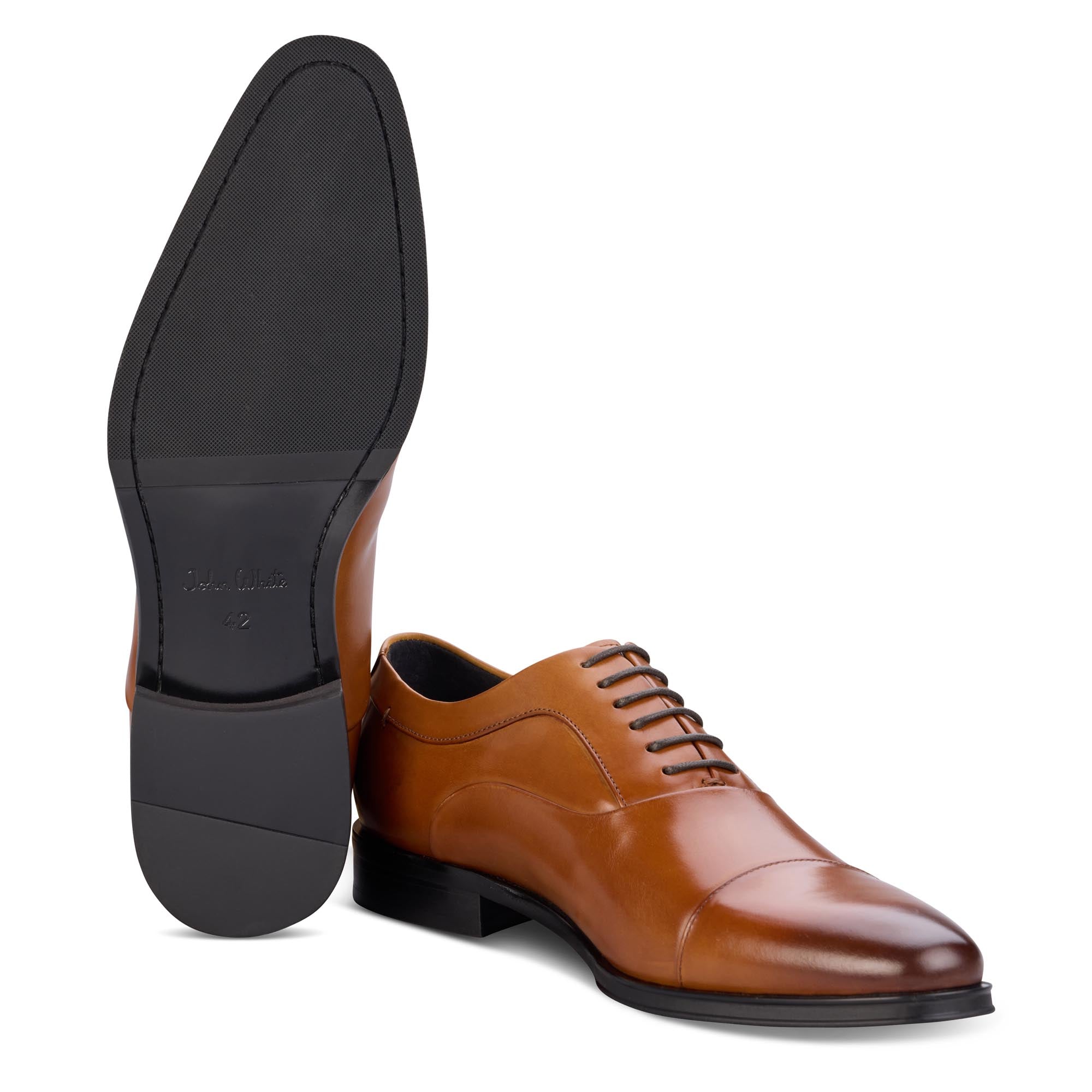
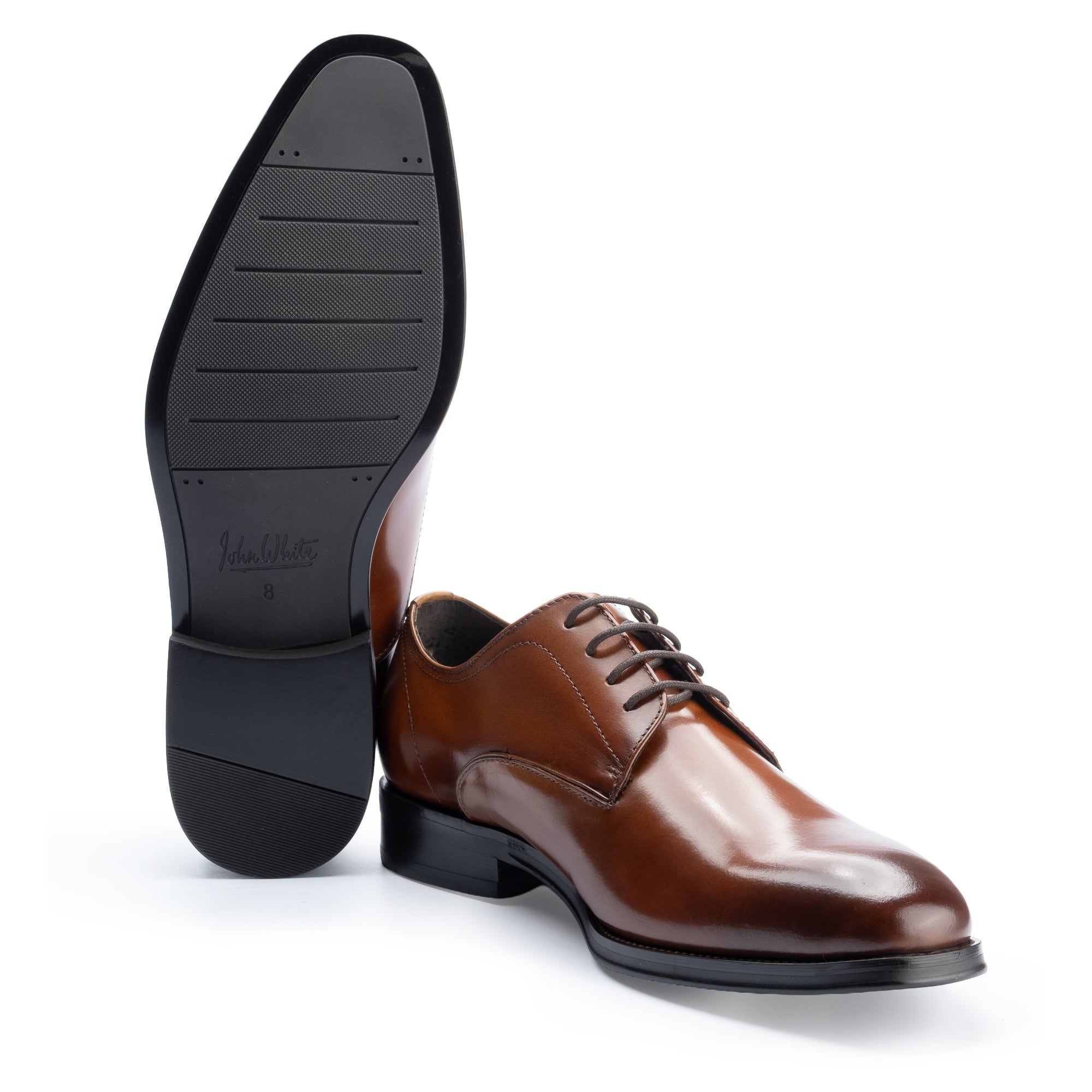
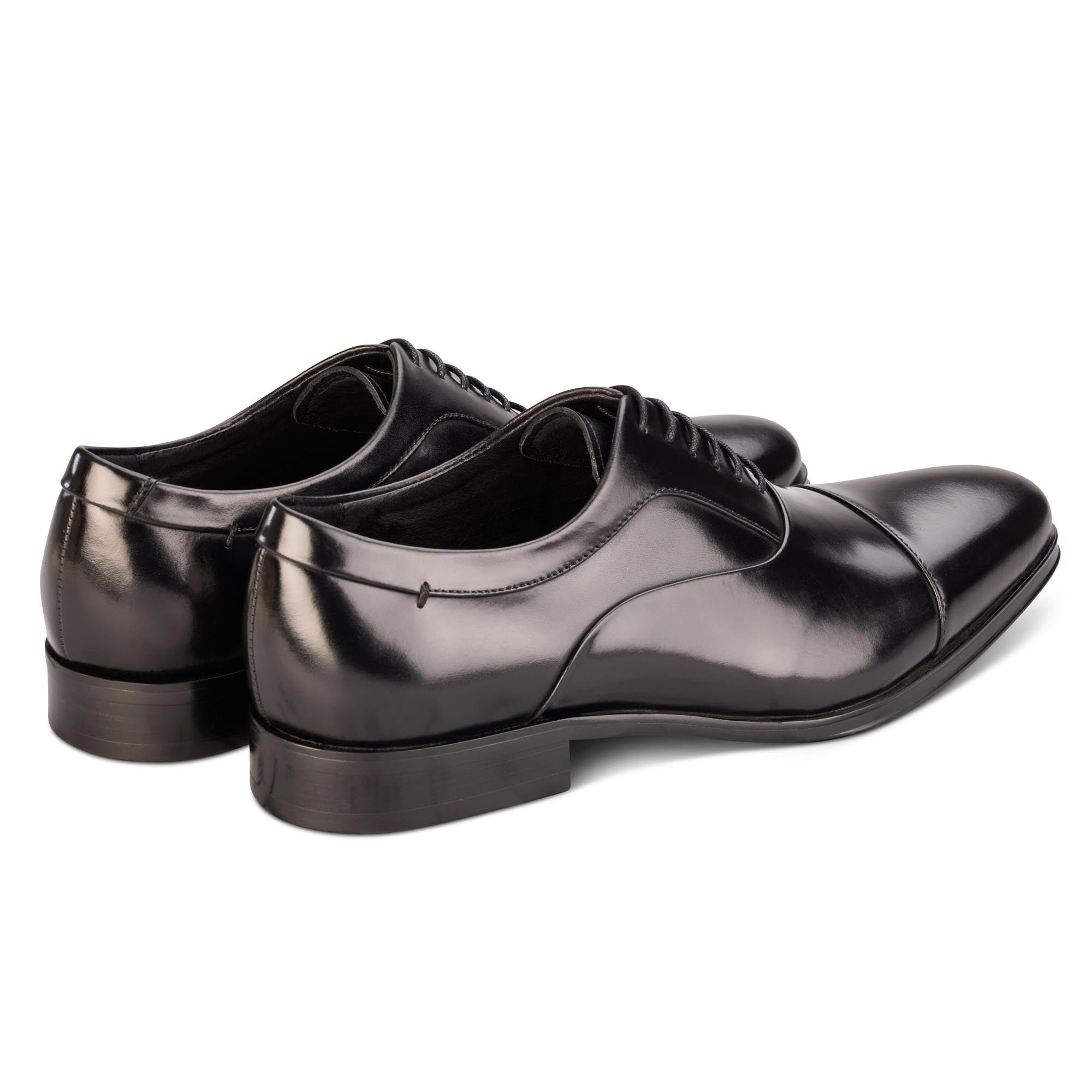
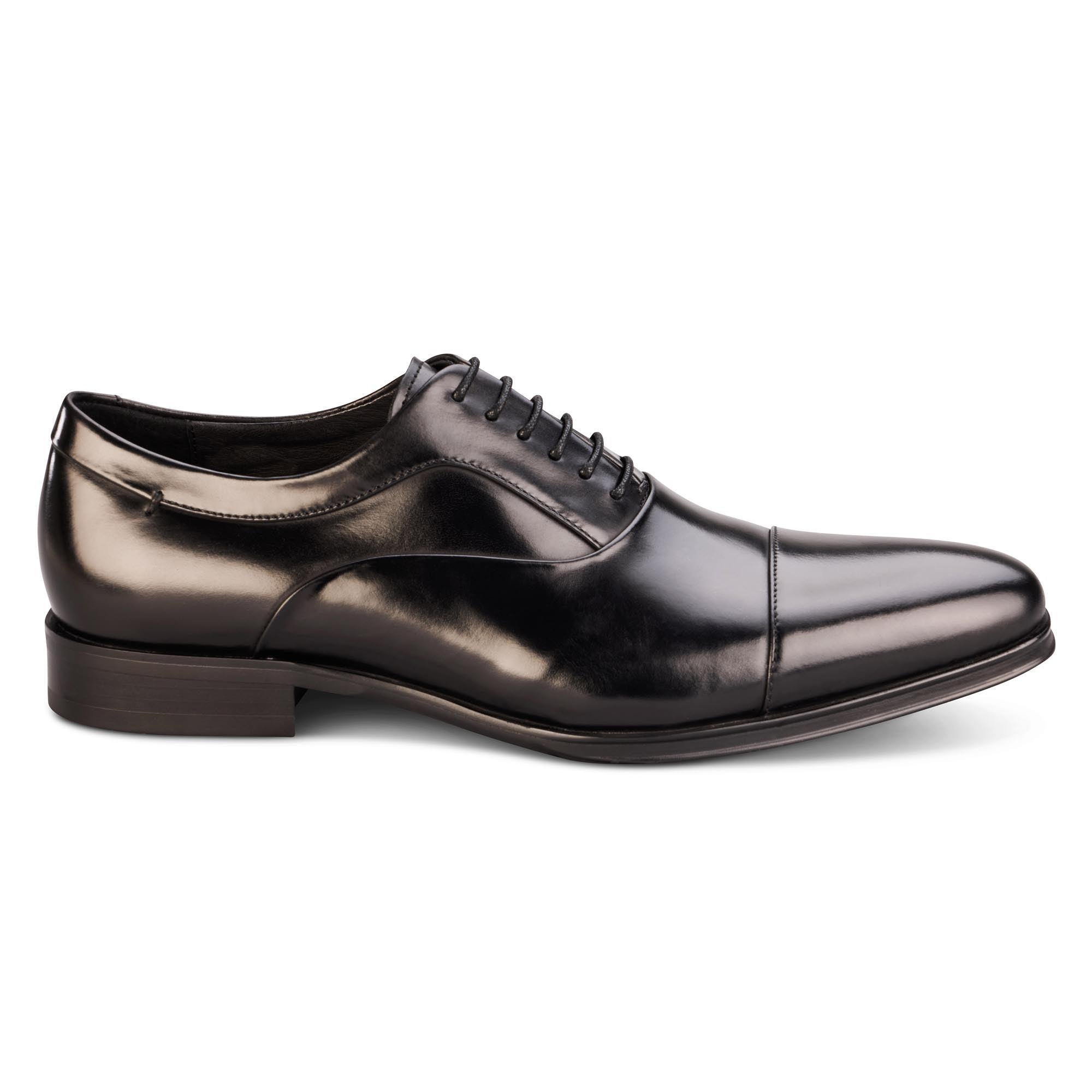
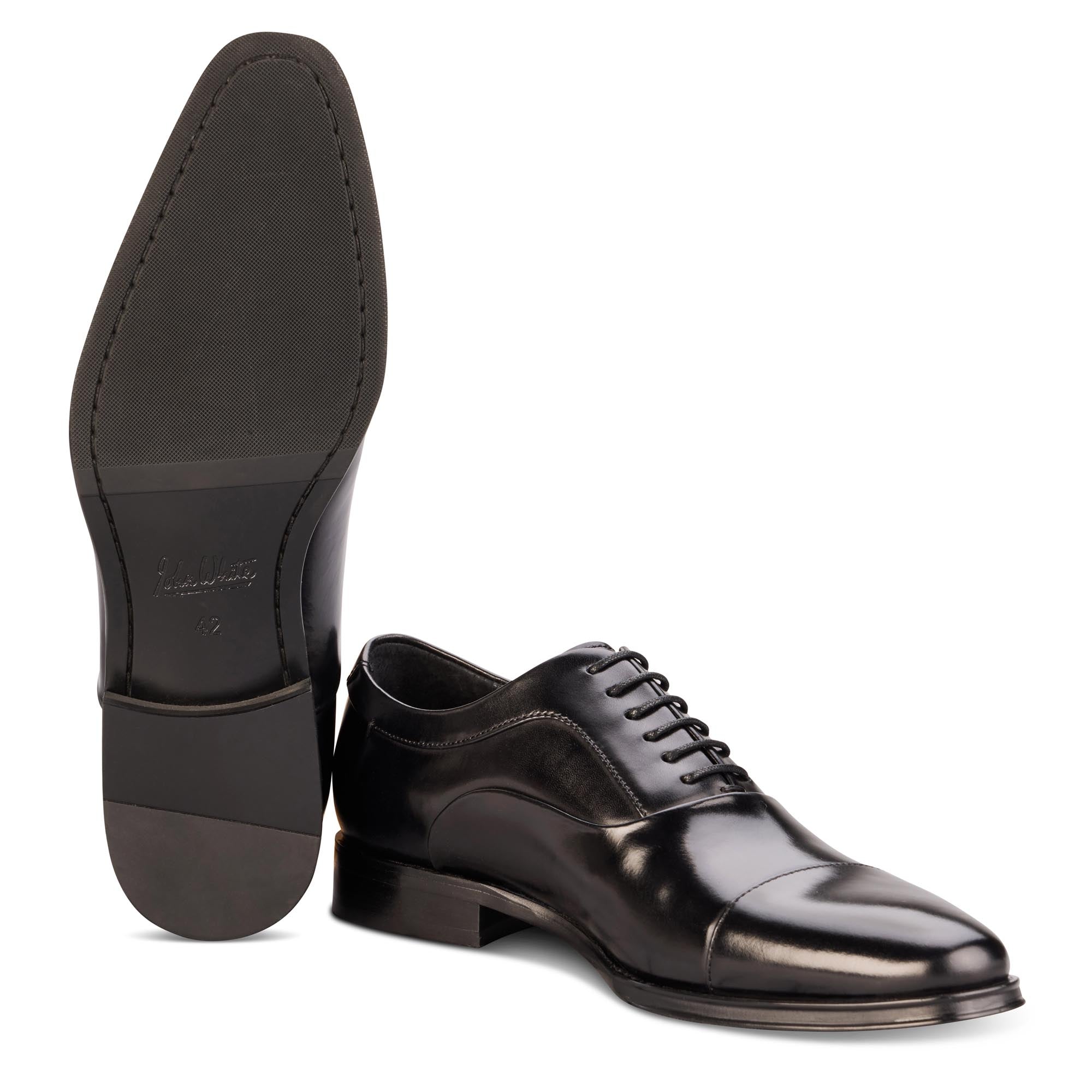
For a premium calfskin Oxford or a Goodyear welted Derby, hand clicking is not a nostalgic tradition kept for sentiment — it is a functional advantage over the finished shoe's lifespan. To understand how the cutting stage fits within the wider construction sequence, our guide to the traditional process of finishing a leather shoe traces each stage from the bench forward.
Hand clicking is slower than die-cutting by deliberate design: the additional time spent at the cutting block is an investment in upper quality that compounds through every subsequent stage of construction.
Why Does Grain Direction Matter When Cutting Leather Uppers?
Grain direction — the orientation of the leather's collagen fibre bundles — determines how an upper flexes, creases, and ages across years of wear. Leather cut against the grain creases transversely across the vamp in a coarse, irregular pattern that ages poorly. Leather cut with the grain, aligned to the natural tension lines of the hide, develops the fine longitudinal crease associated with well-kept quality footwear.
Guidance published by the Leather Conservation Centre confirms that understanding fibre direction is fundamental to predicting how any leather component will behave under repeated mechanical stress. In a shoe, the vamp is subject to constant flexing at the ball of the foot with every step taken. Aligning the cut so that grain runs parallel to the toe-to-heel axis reduces the stress concentration at the flex point and extends the surface life of the upper significantly.
Grain misalignment is invisible in a new shoe. It reveals itself only after months of wear, when creasing develops unevenly or the surface begins to fatigue ahead of schedule. A skilled clicker eliminates this risk entirely, at source, before any further construction work begins.
Correct grain alignment at the cutting stage is invisible when a shoe is new and invaluable when it is ten years old.
How Did Clicking Shape the British Shoemaking Industry?
Britain's shoemaking heritage, concentrated in Northamptonshire across towns including Northampton, Kettering, and Wellingborough, was built on a structured division of labour that gave each stage of production its own specialist. The clicker was the first craftsman in this sequence, and the quality of his work set the ceiling on everything that followed.
Records held by the Northampton Museum and Art Gallery document that by the 1870s, the town of Northampton alone was producing several million pairs of boots and shoes annually, with clicking departments employing large numbers of trained craftsmen responsible for managing the economics of expensive hides with minimal waste. The introduction of mechanical clicking presses in the early twentieth century displaced hand clickers in volume production, but the finest houses retained them for their premium lines.
That tradition has not disappeared. Our guide to how Northampton shoemakers still build shoes by hand examines how these disciplines survive in contemporary premium workshops, and our piece on how British shoe lasts are still made by hand explores the parallel tradition of the last-maker — the craftsman whose work the clicker cuts around.
The specialist position of the clicker within British shoemaking's historic division of labour reflects an industry-wide recognition that the integrity of a shoe's upper is decided before a single stitch is placed.
What Does the Clicking Iron Reveal About the Quality of the Shoes You Buy?
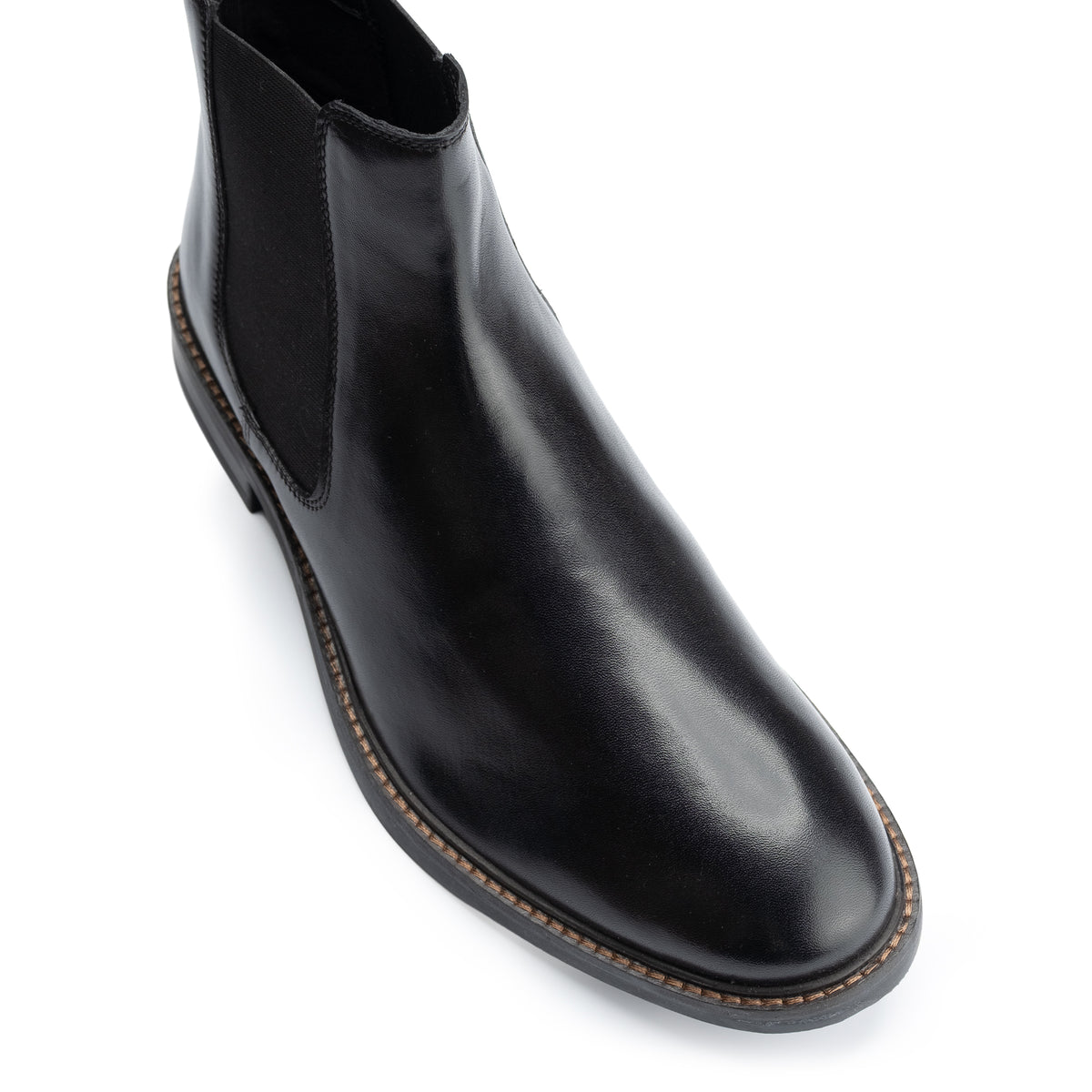
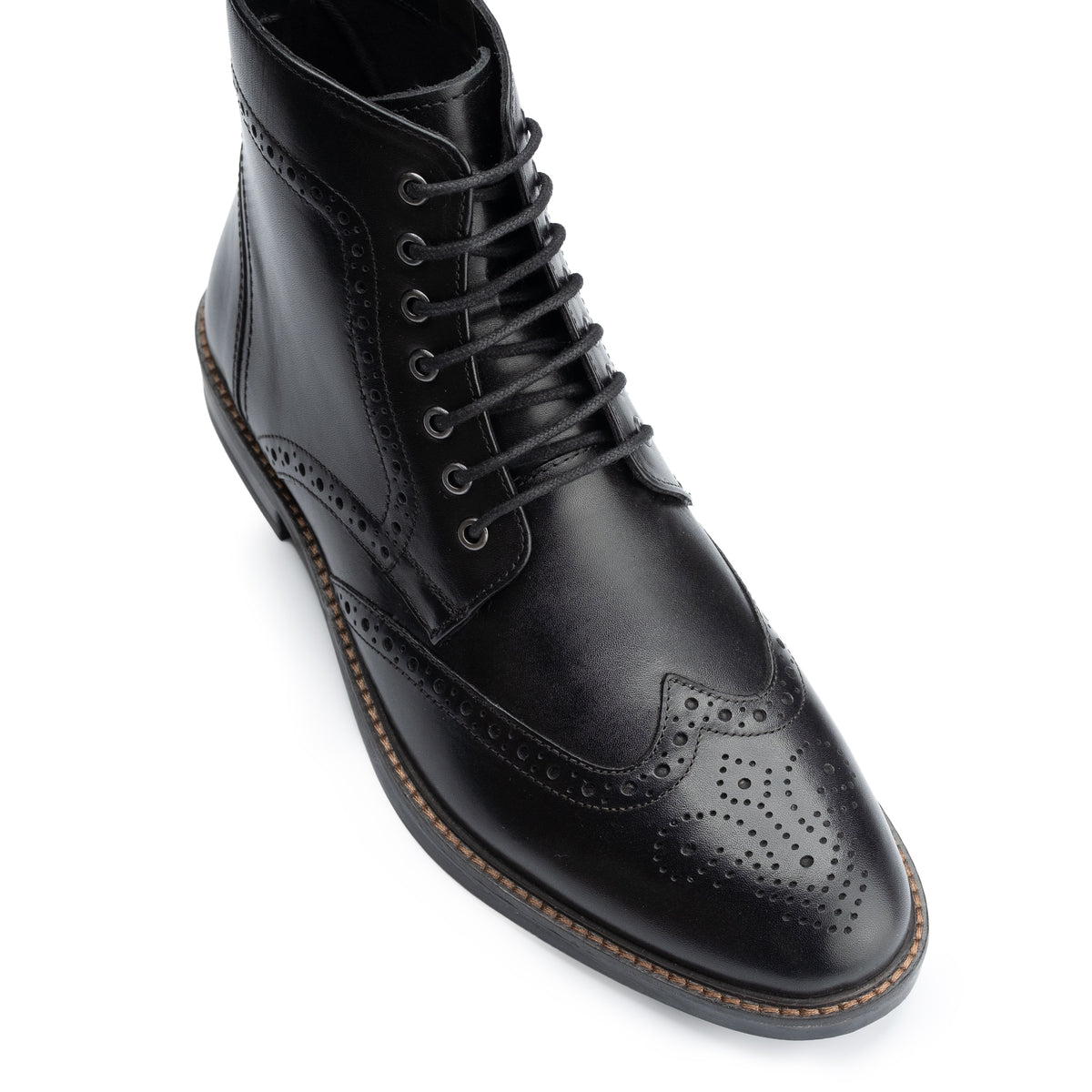
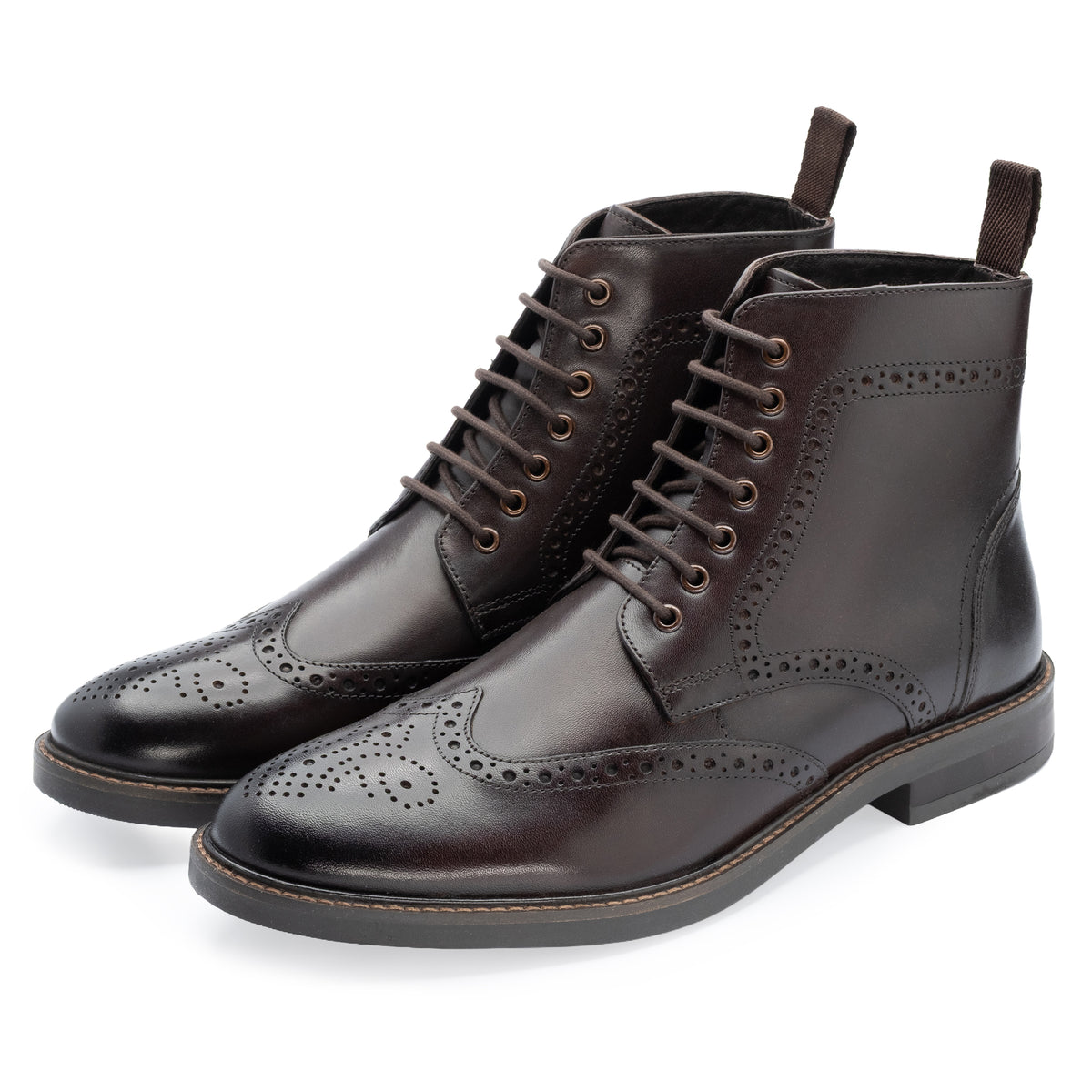
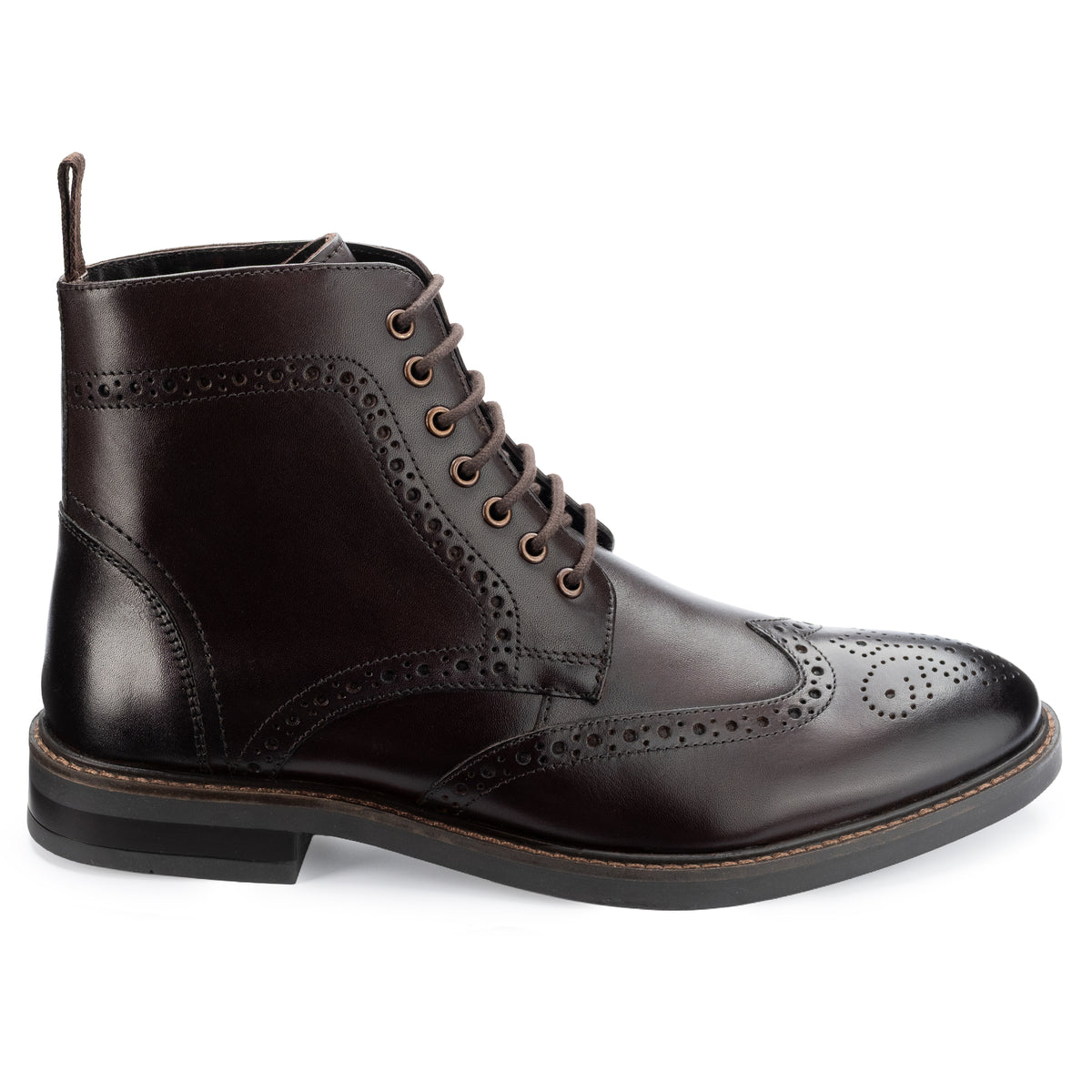
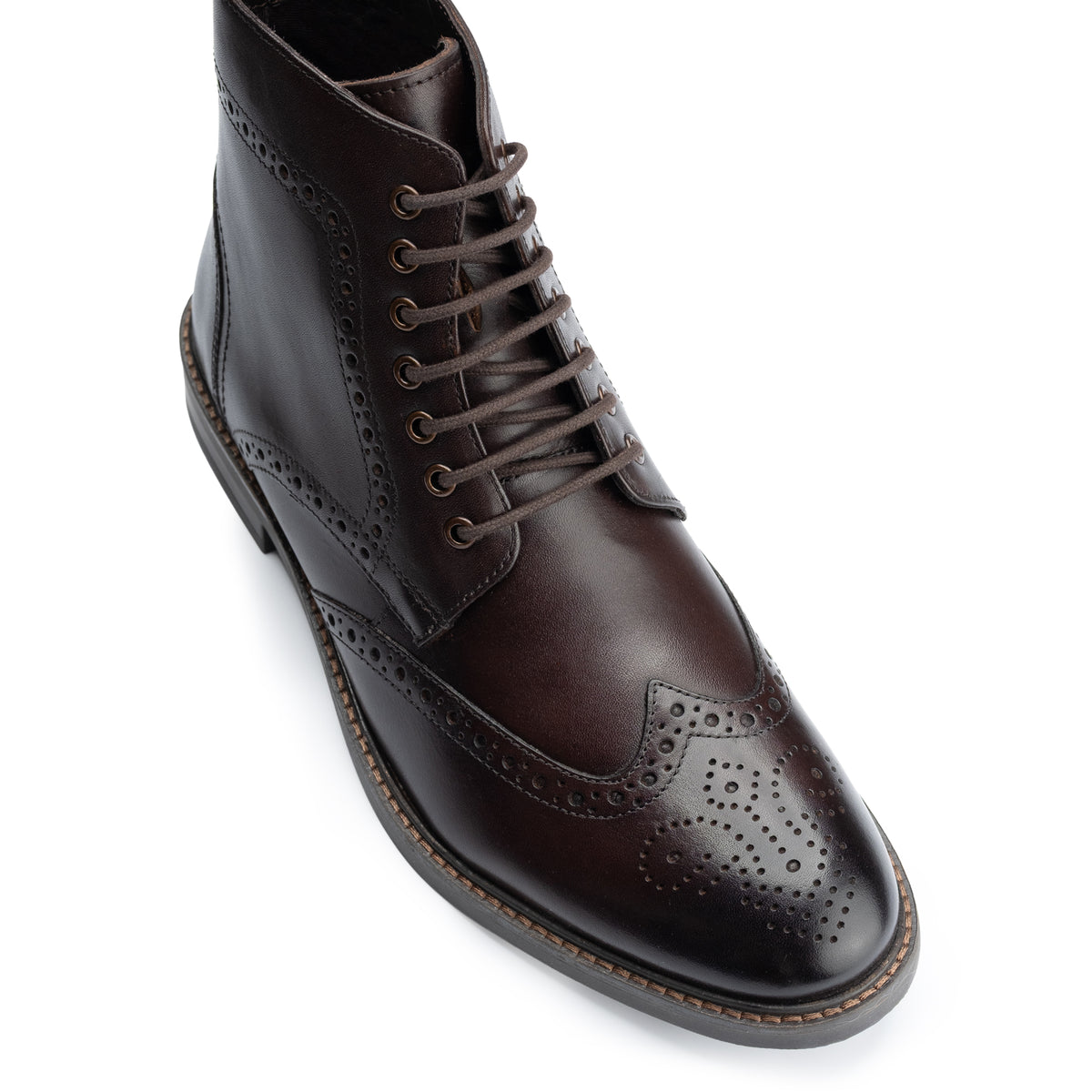
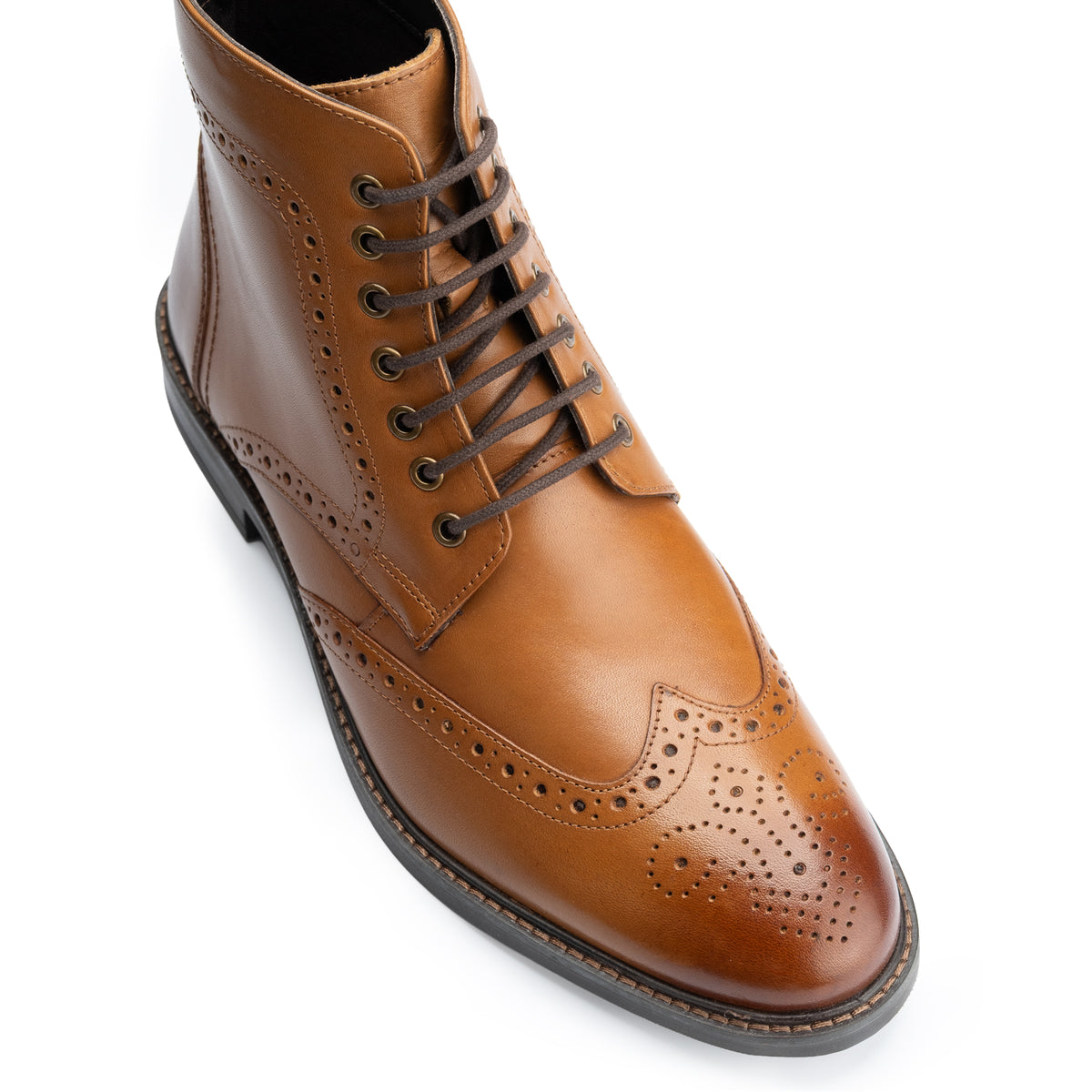
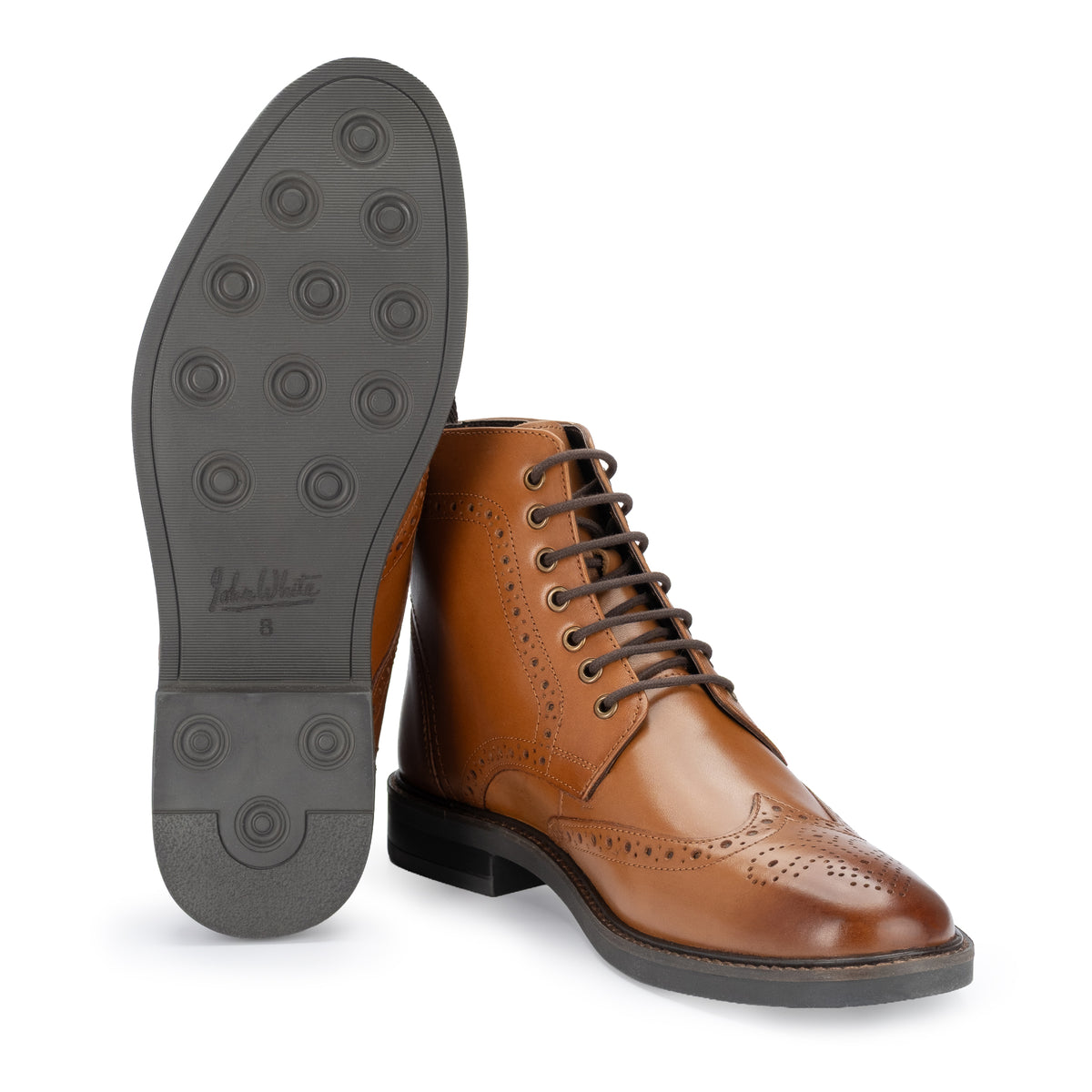
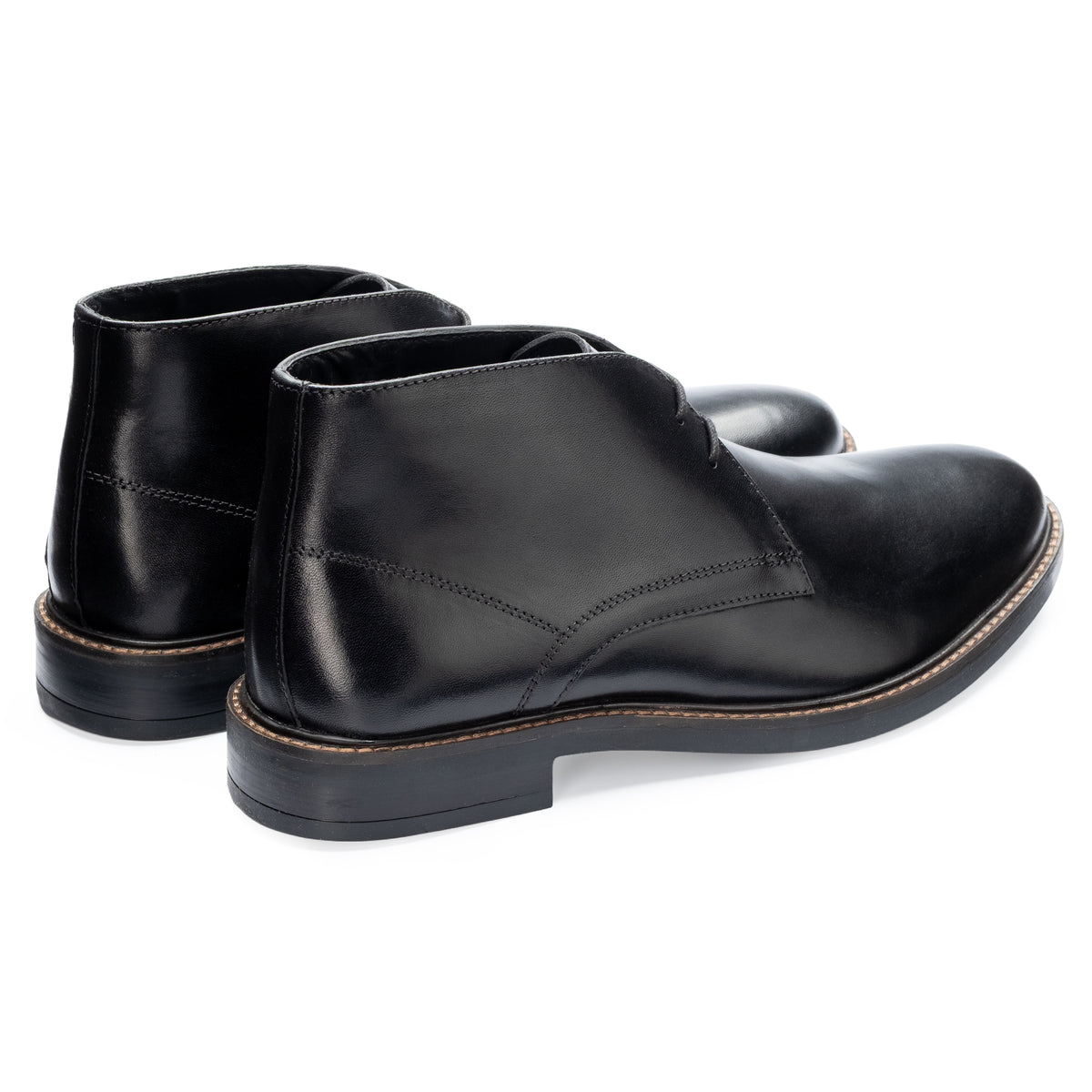
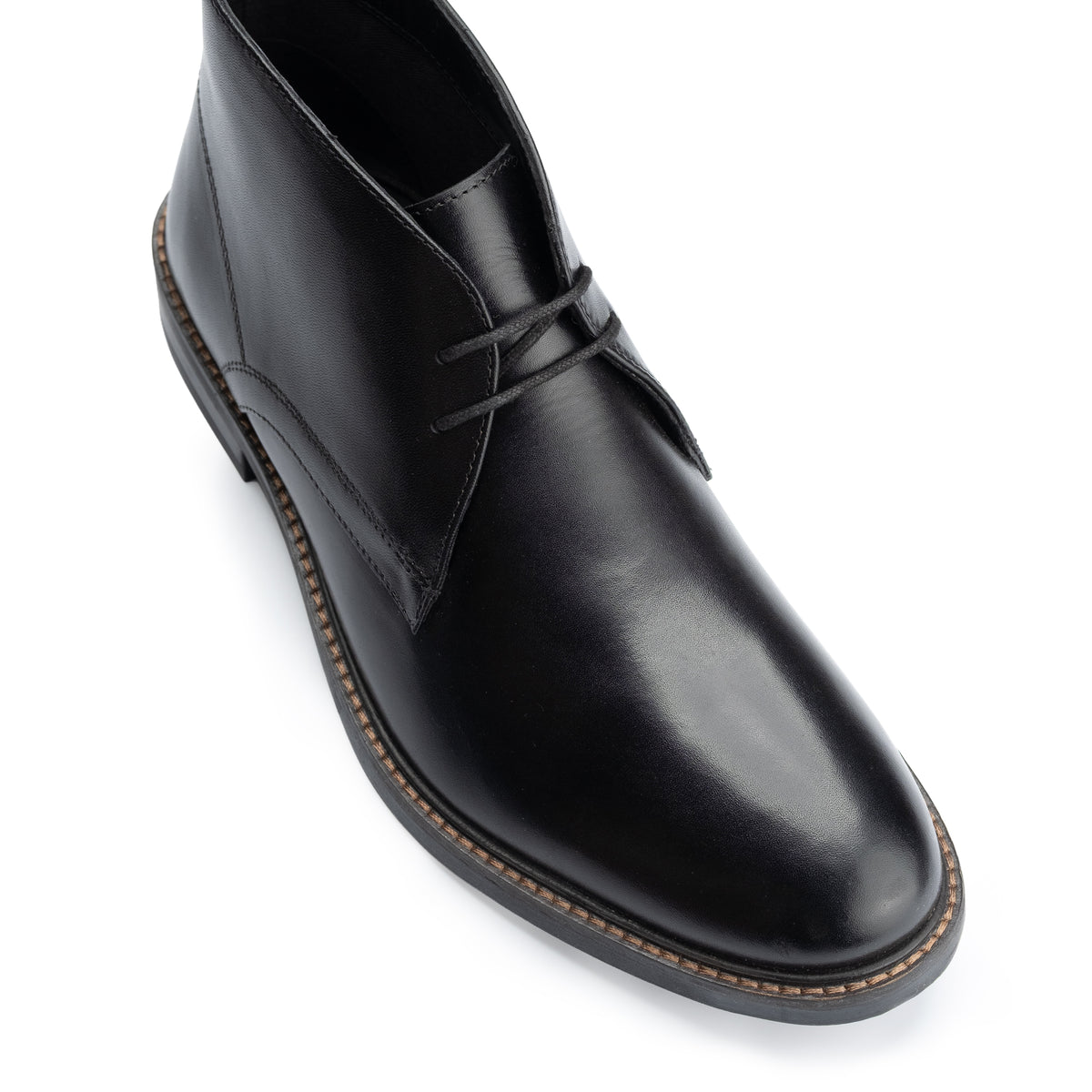
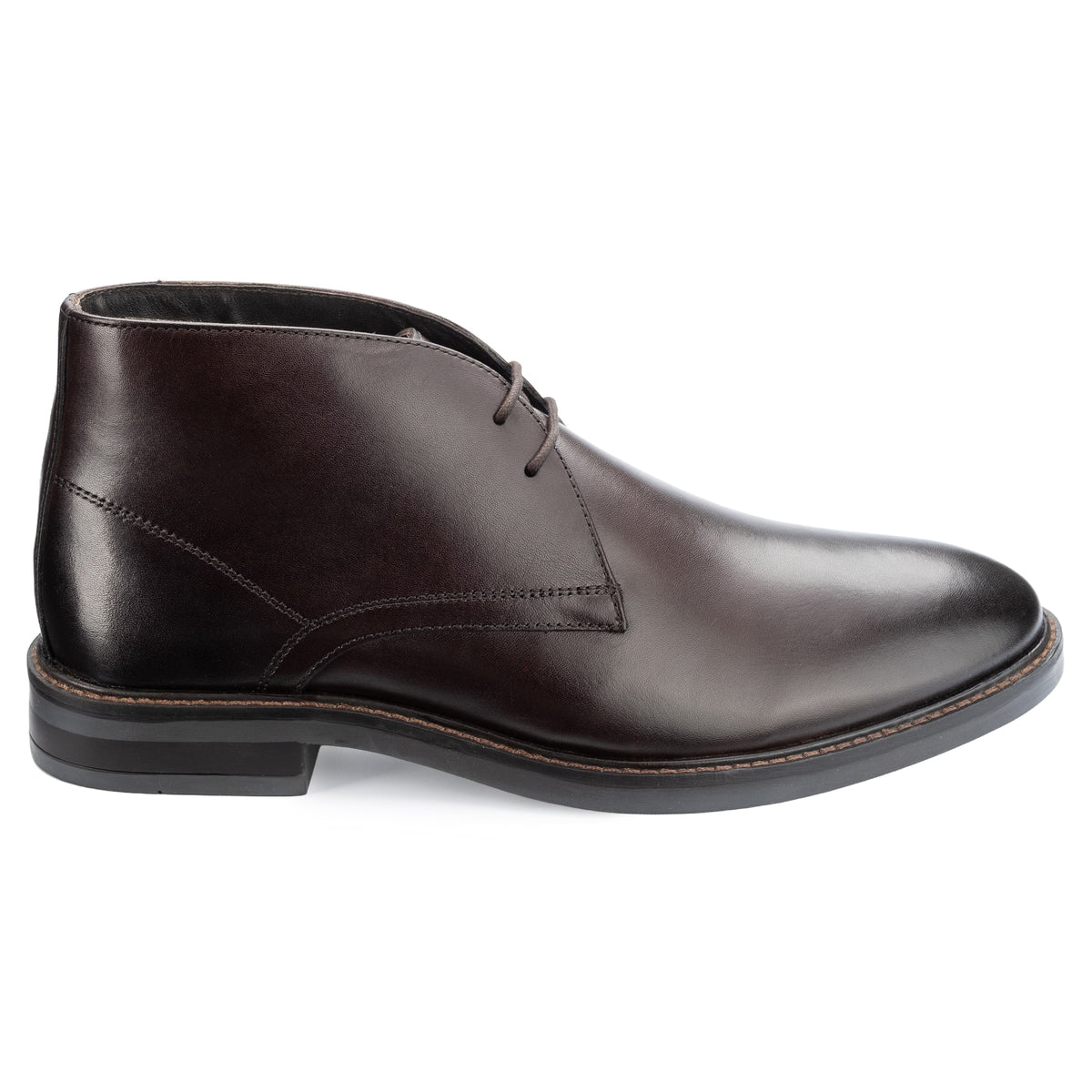
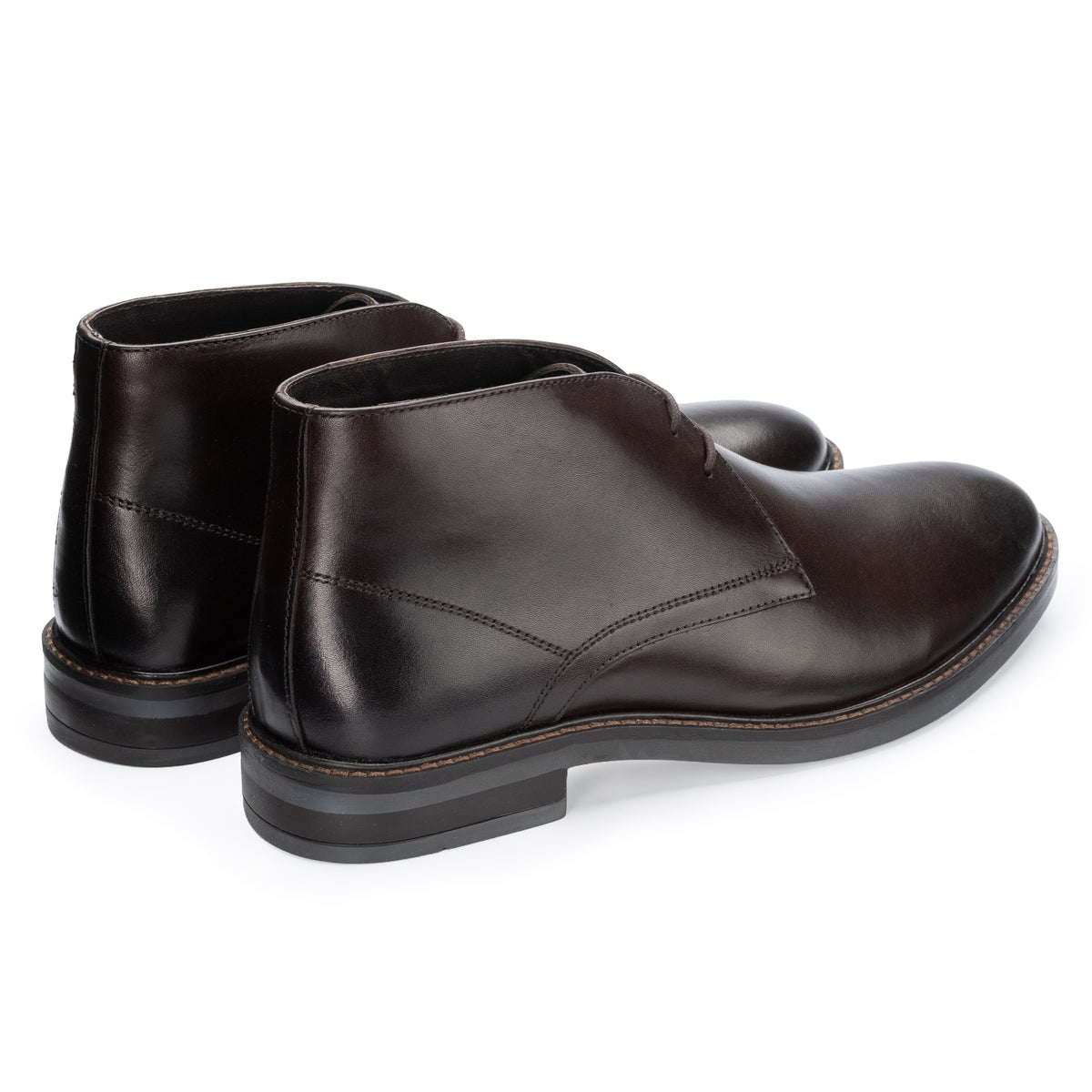
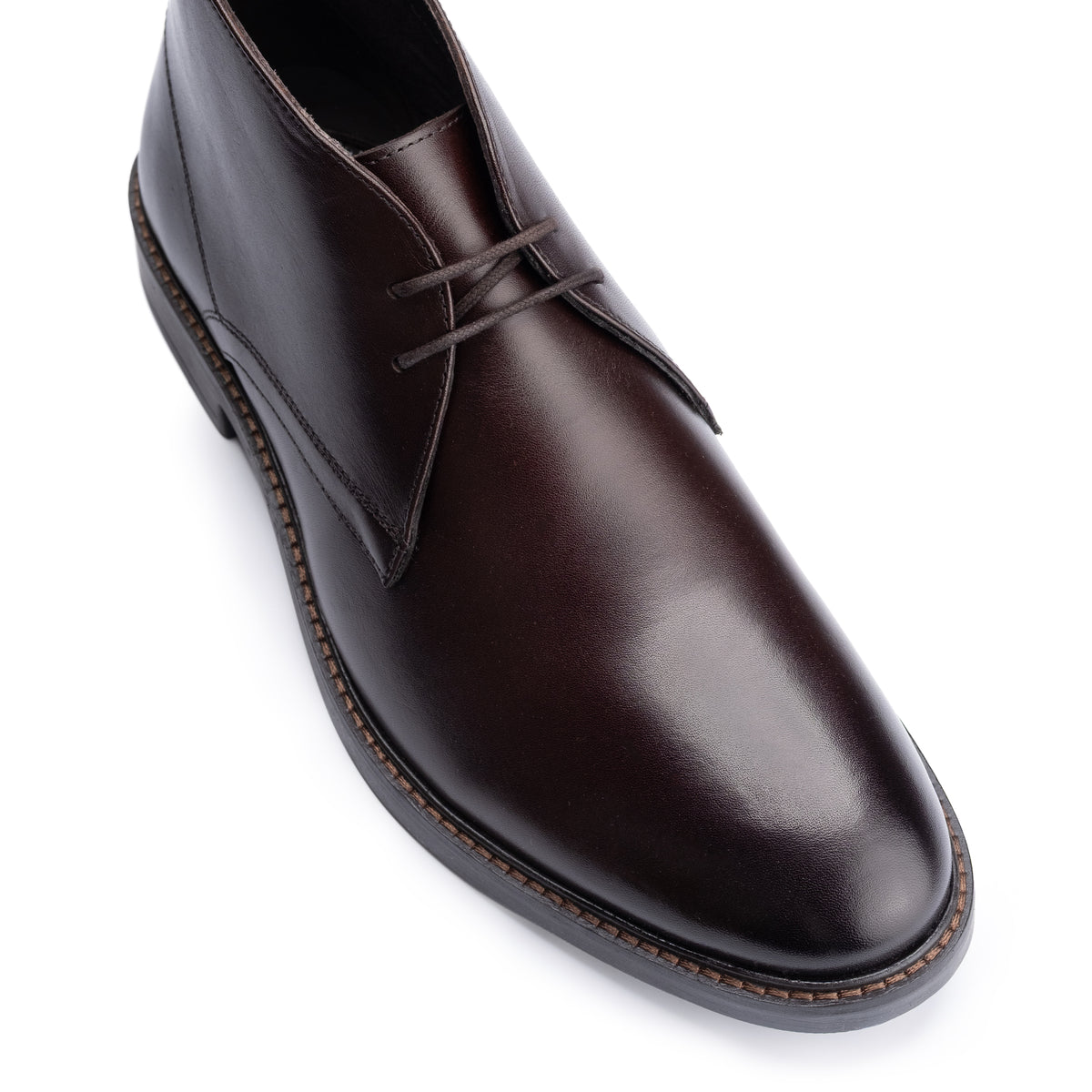
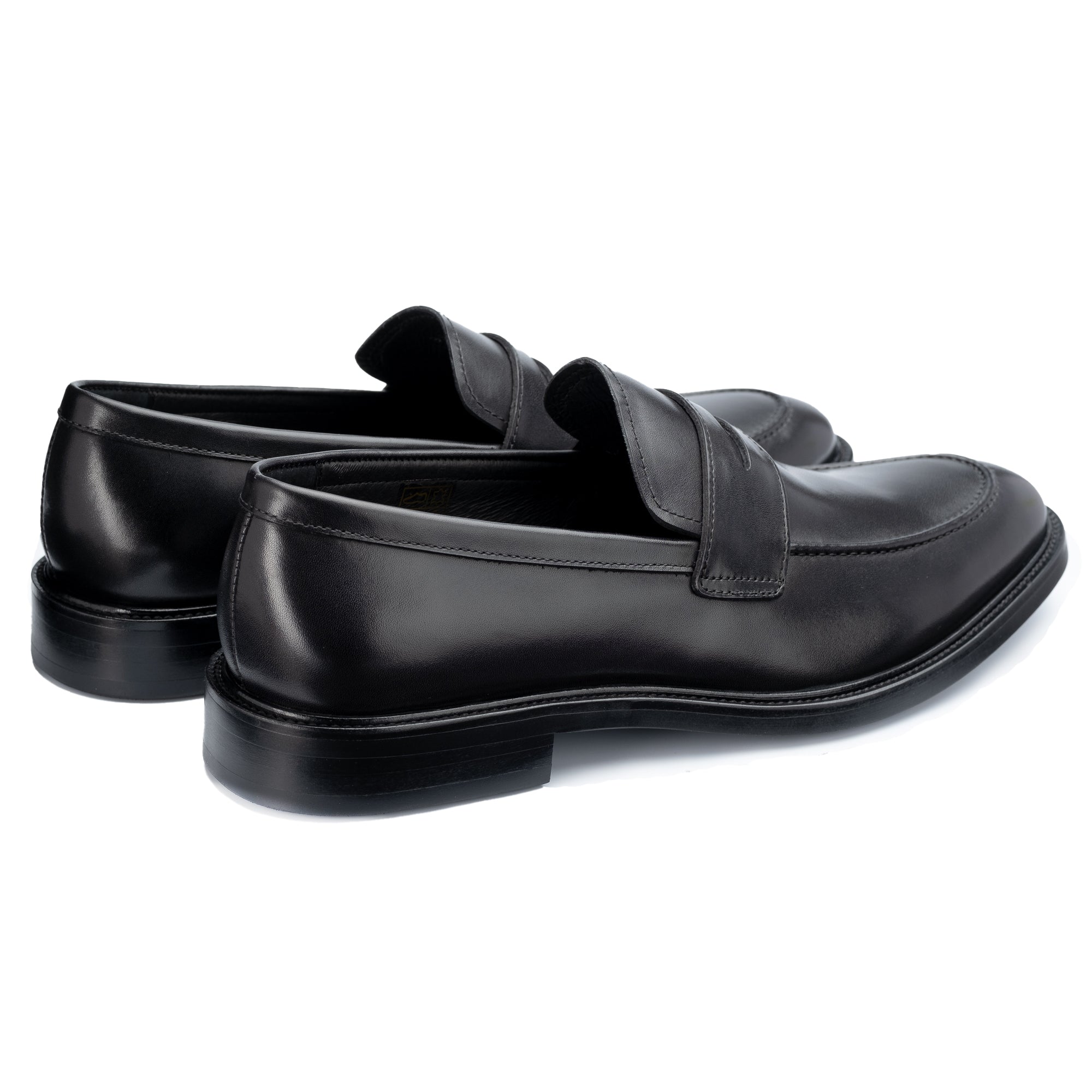
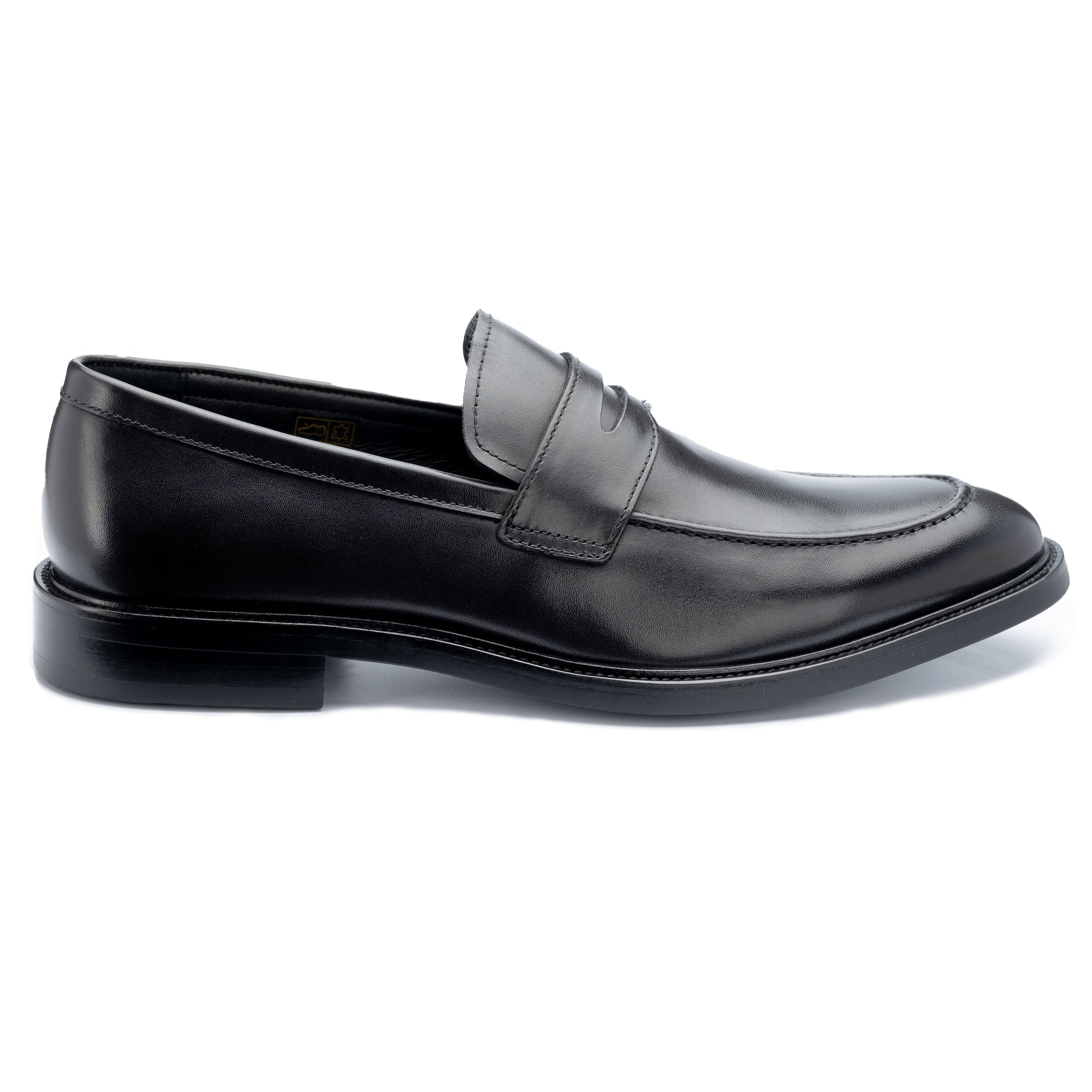
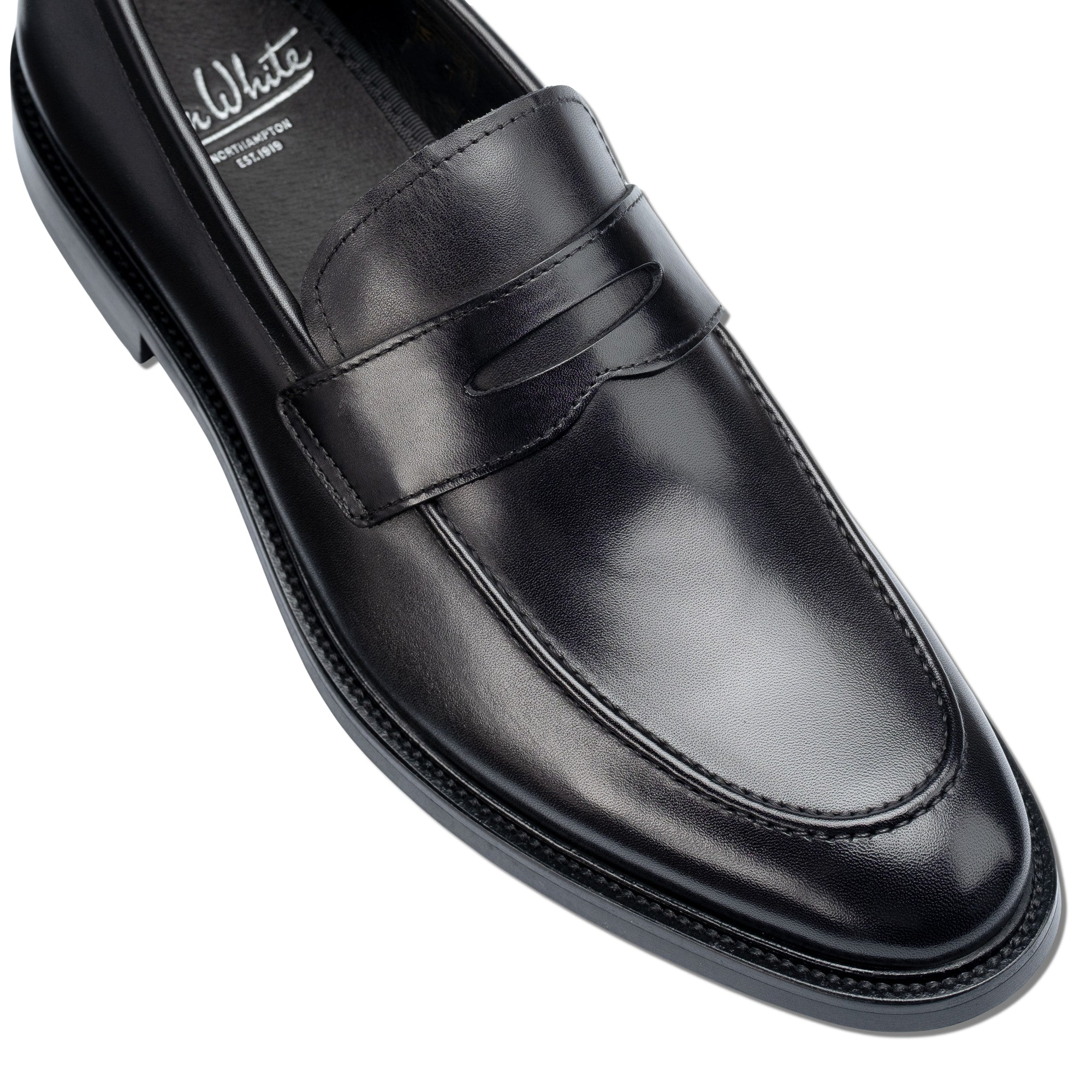
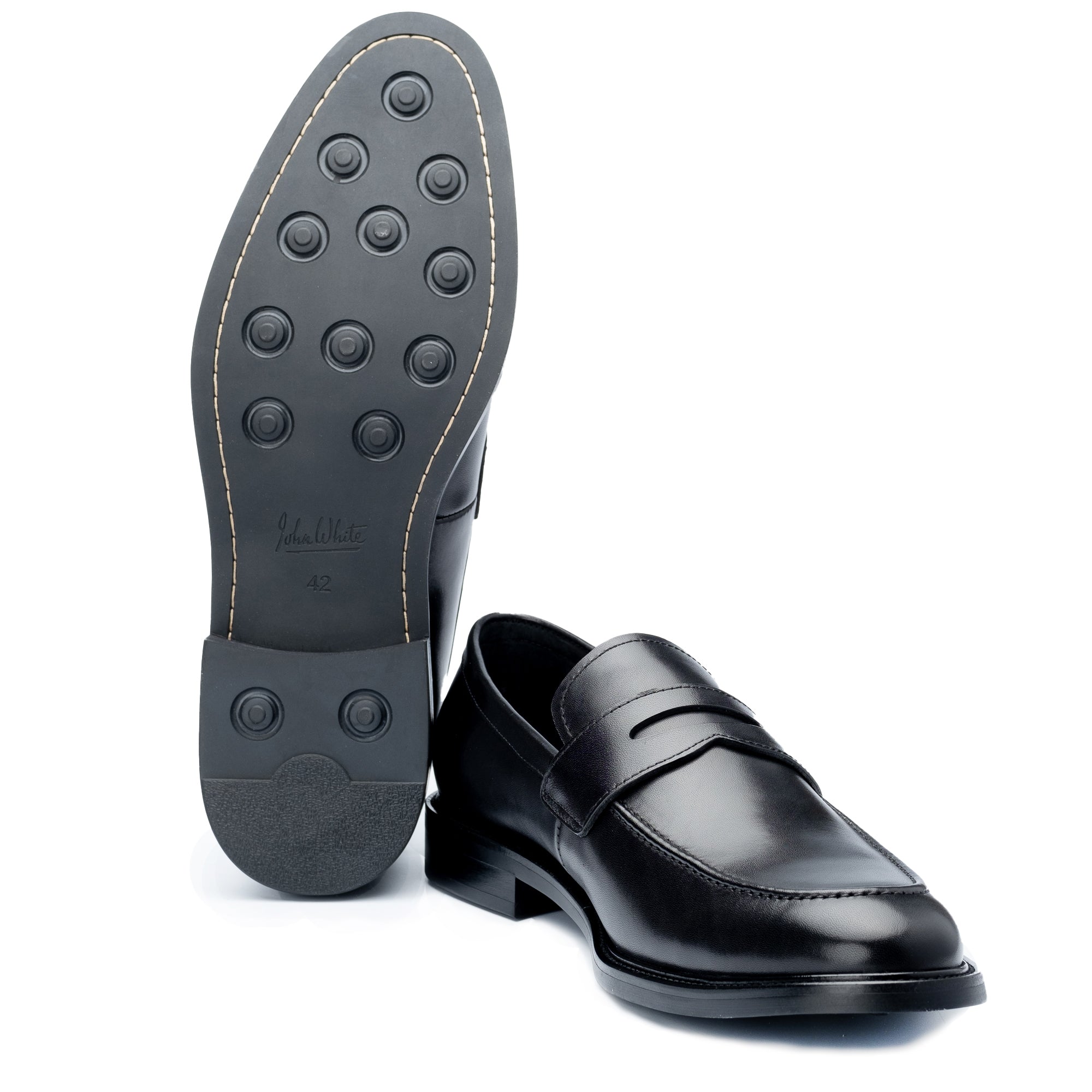
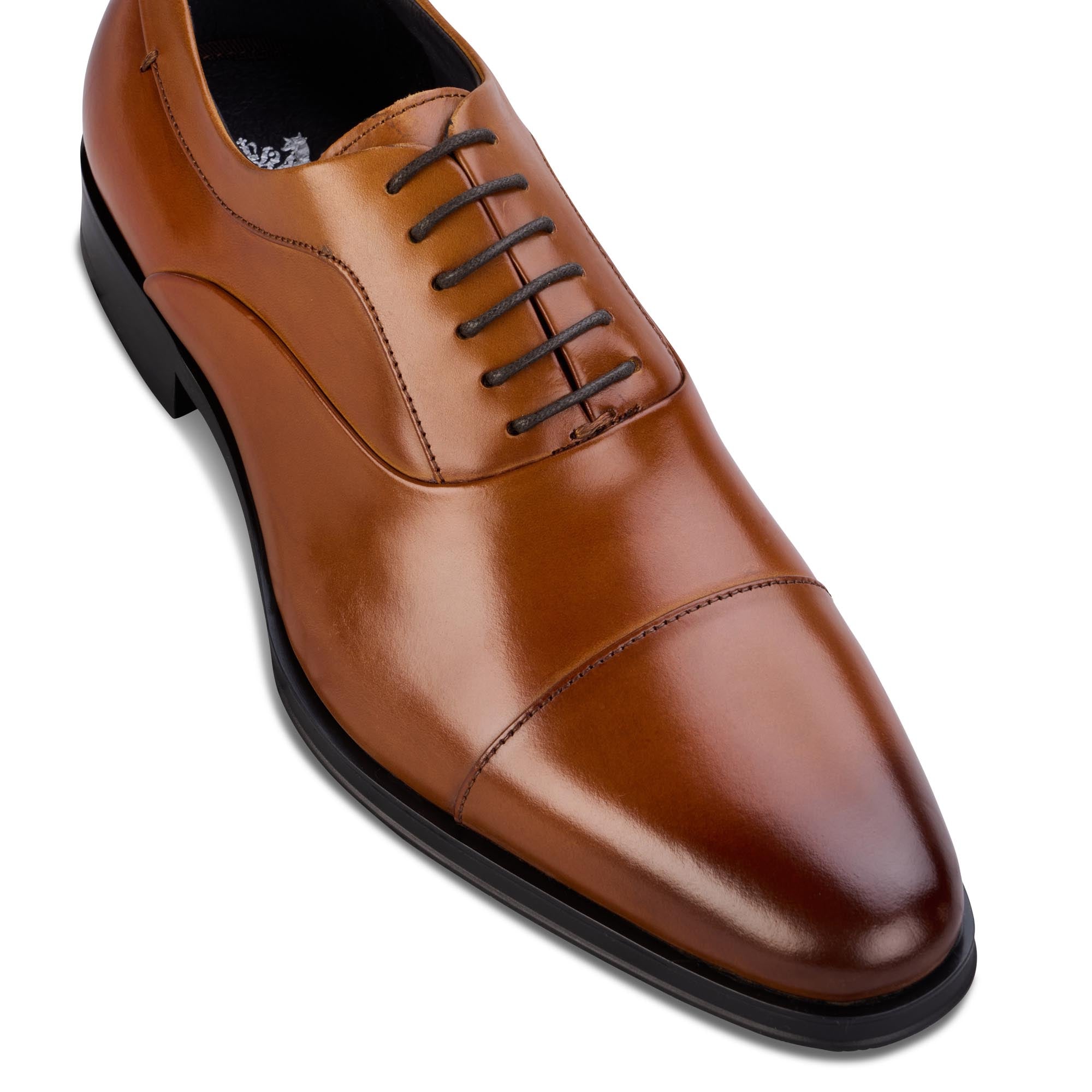
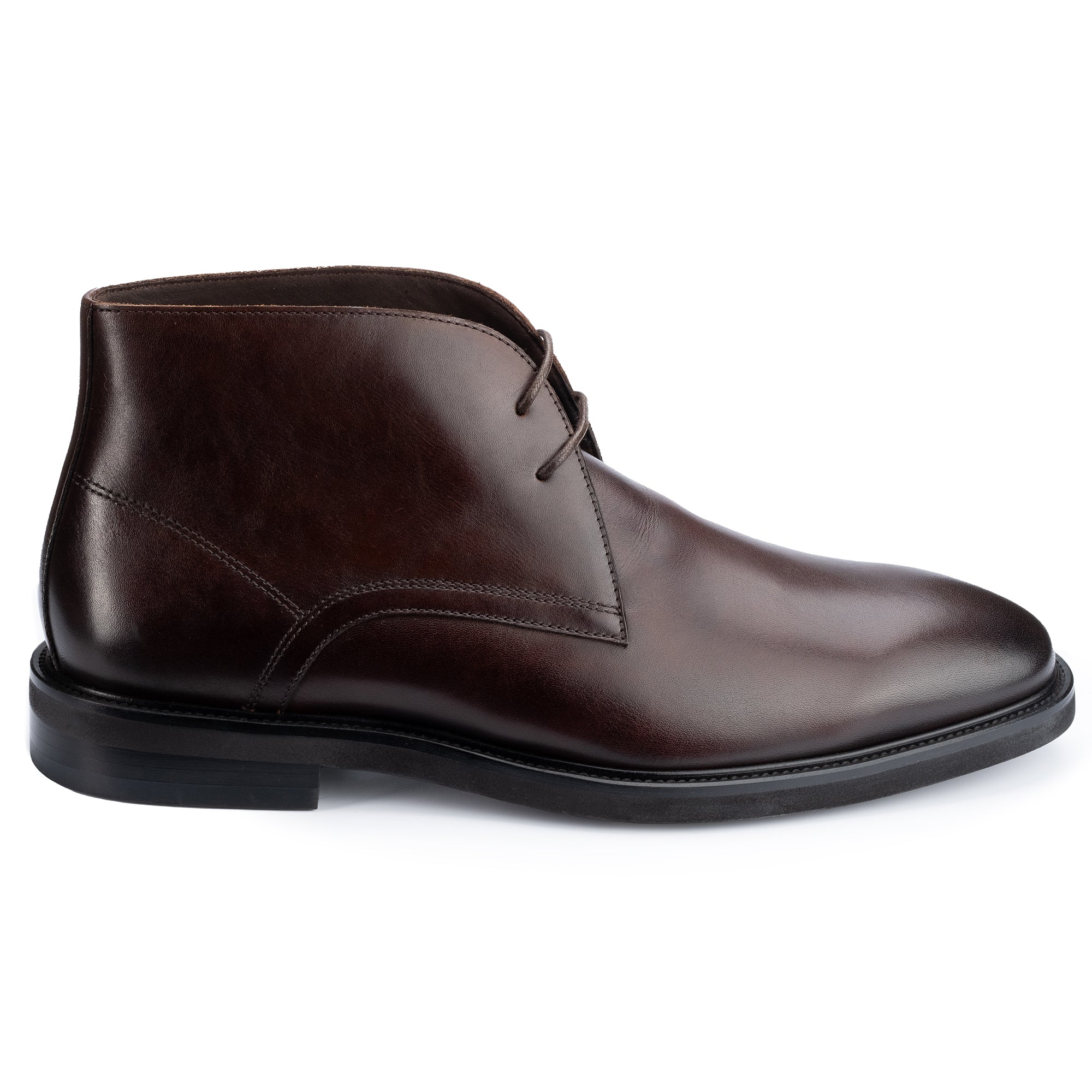
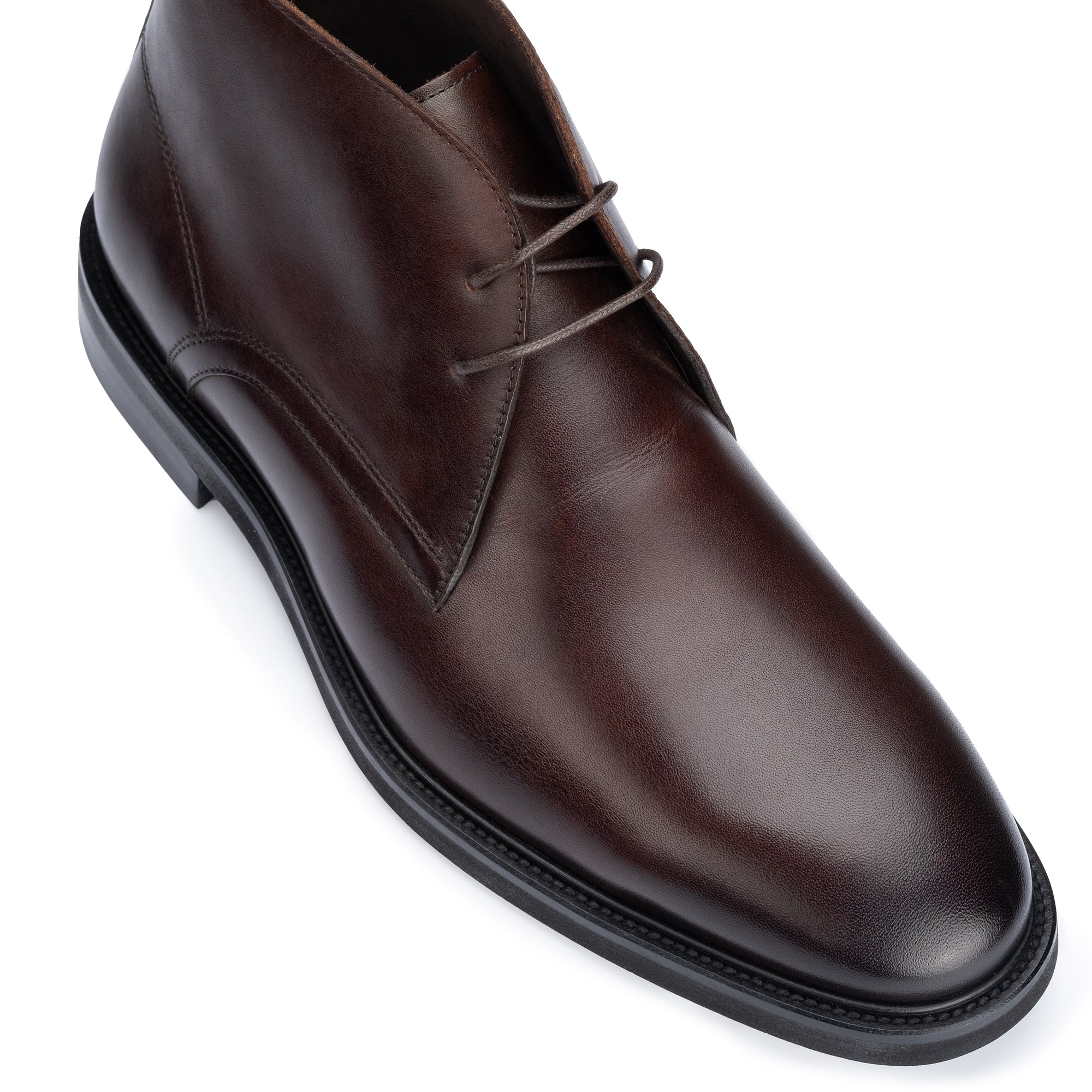
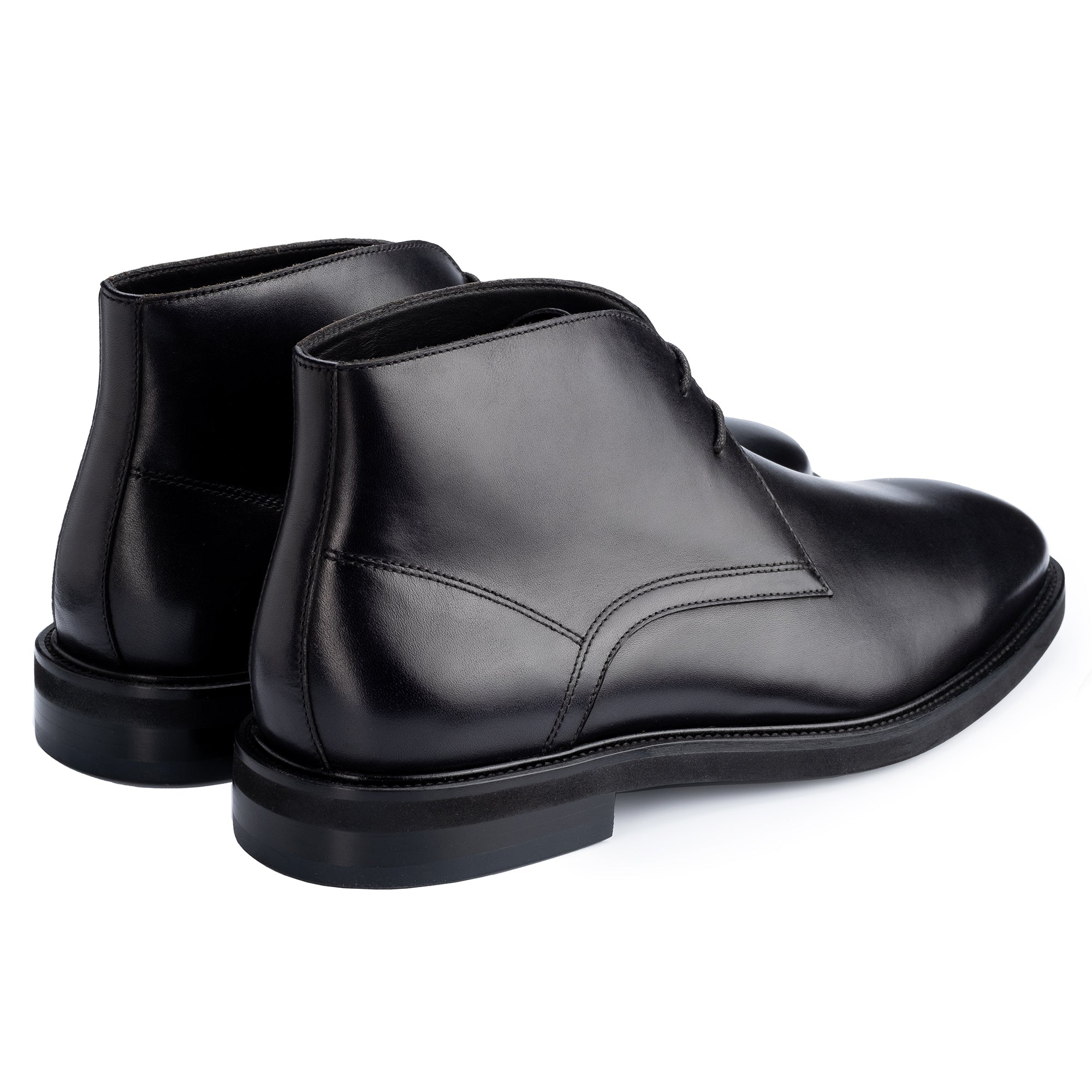
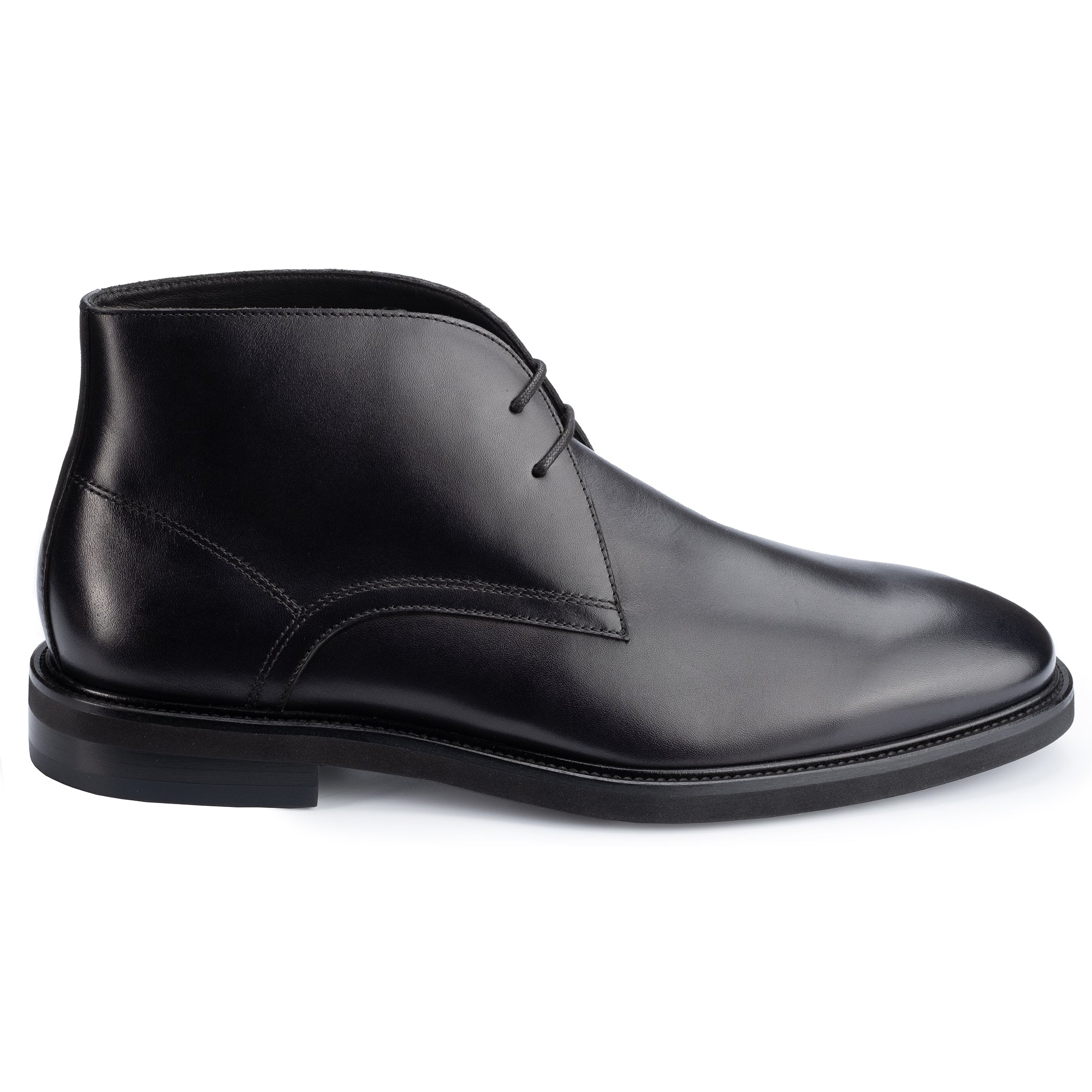
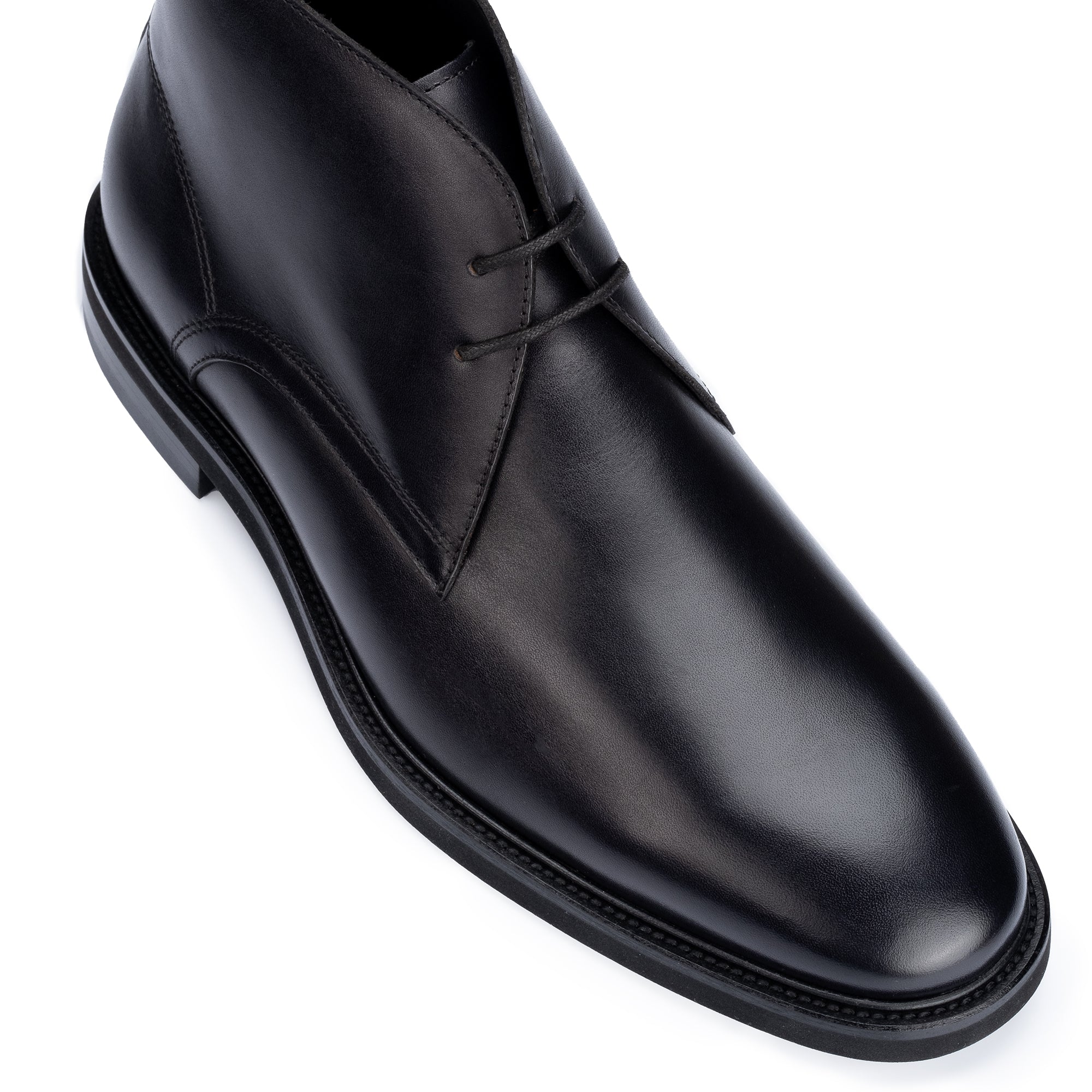
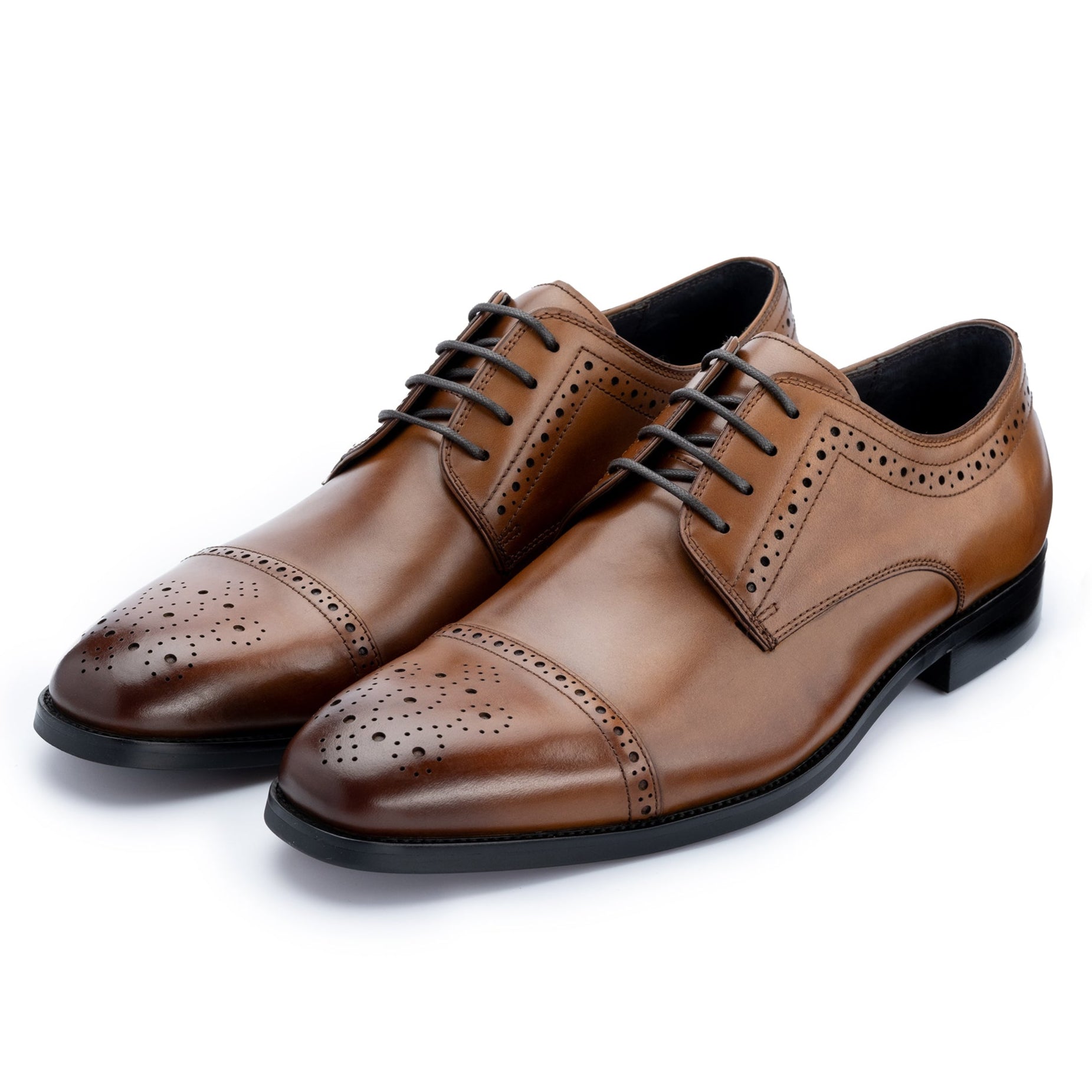
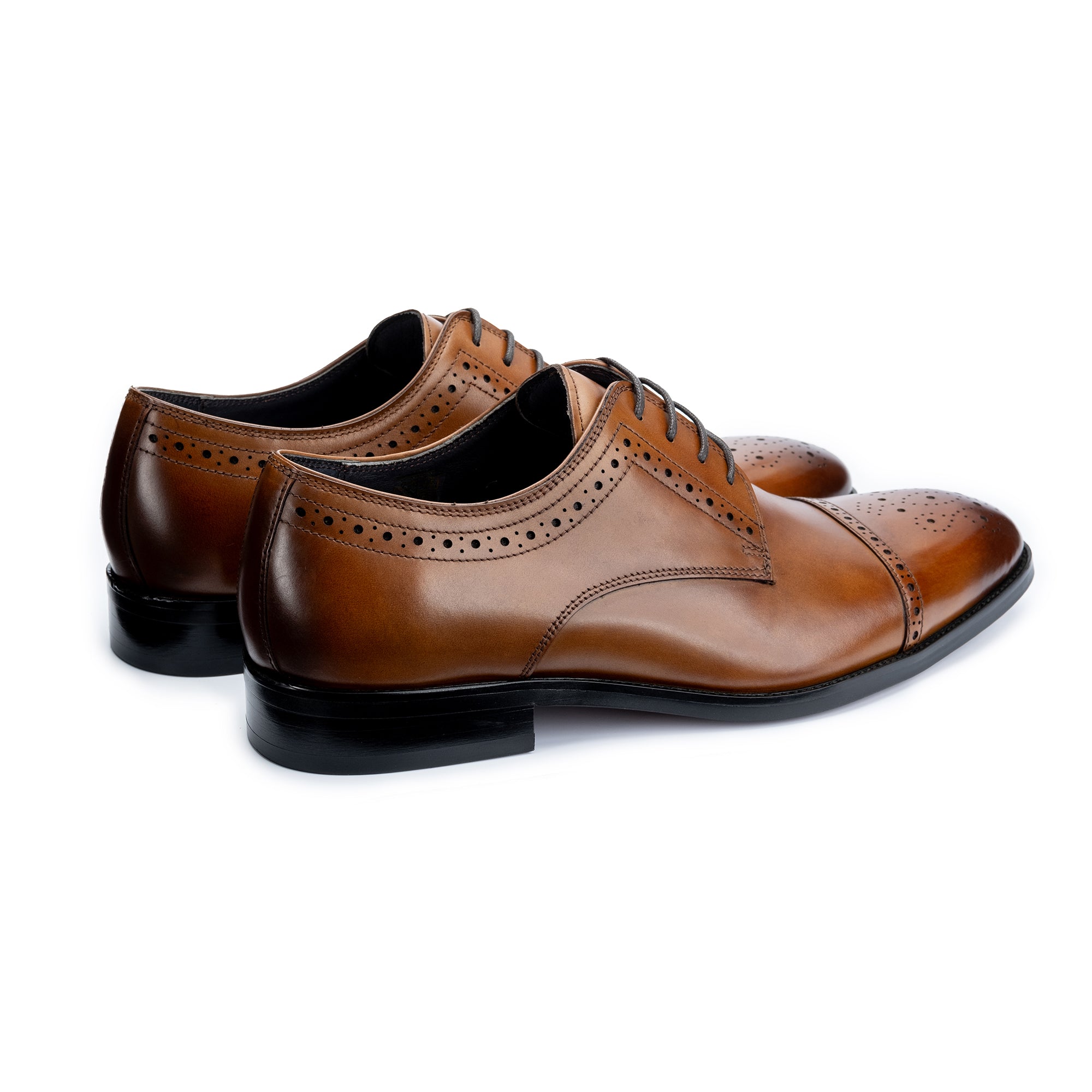
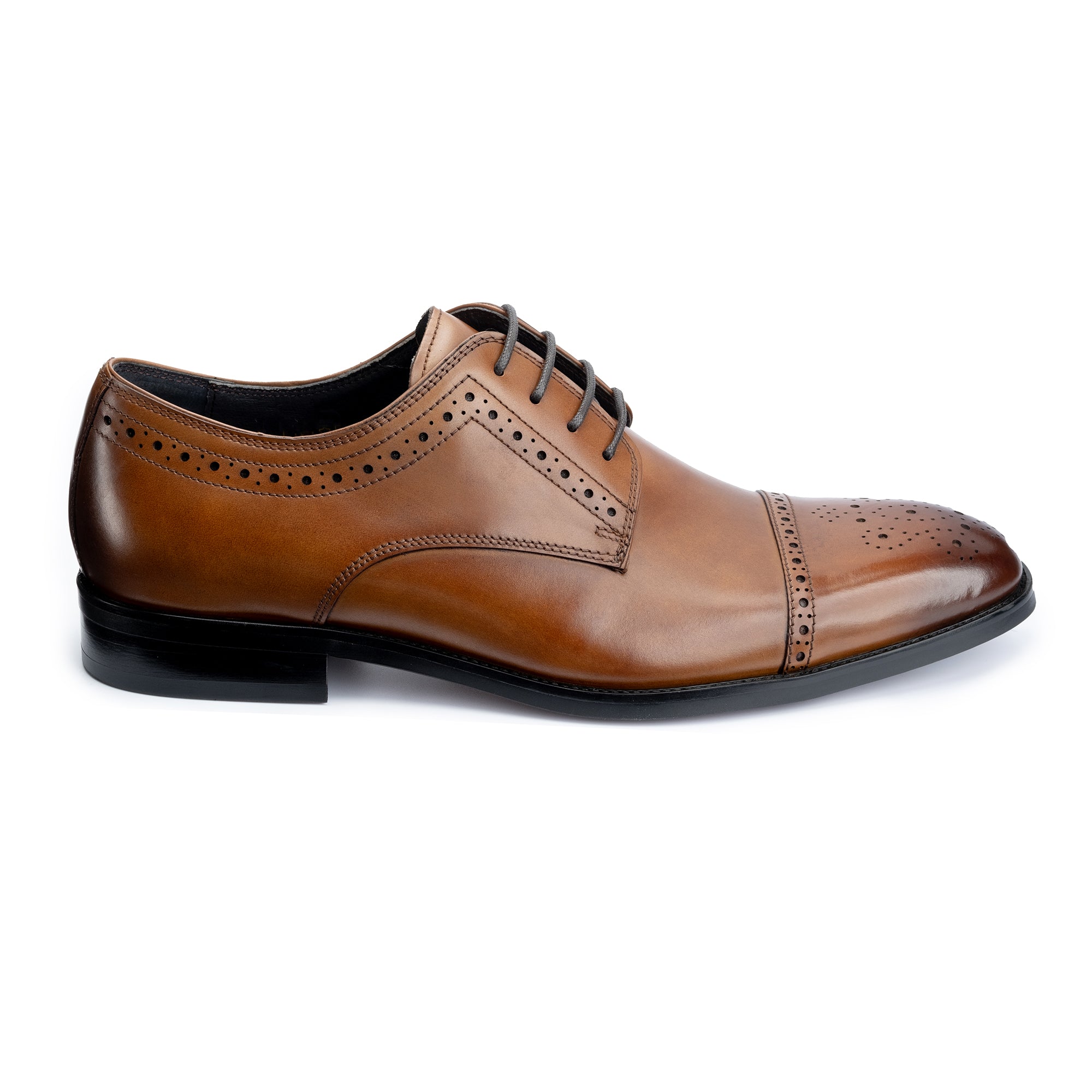
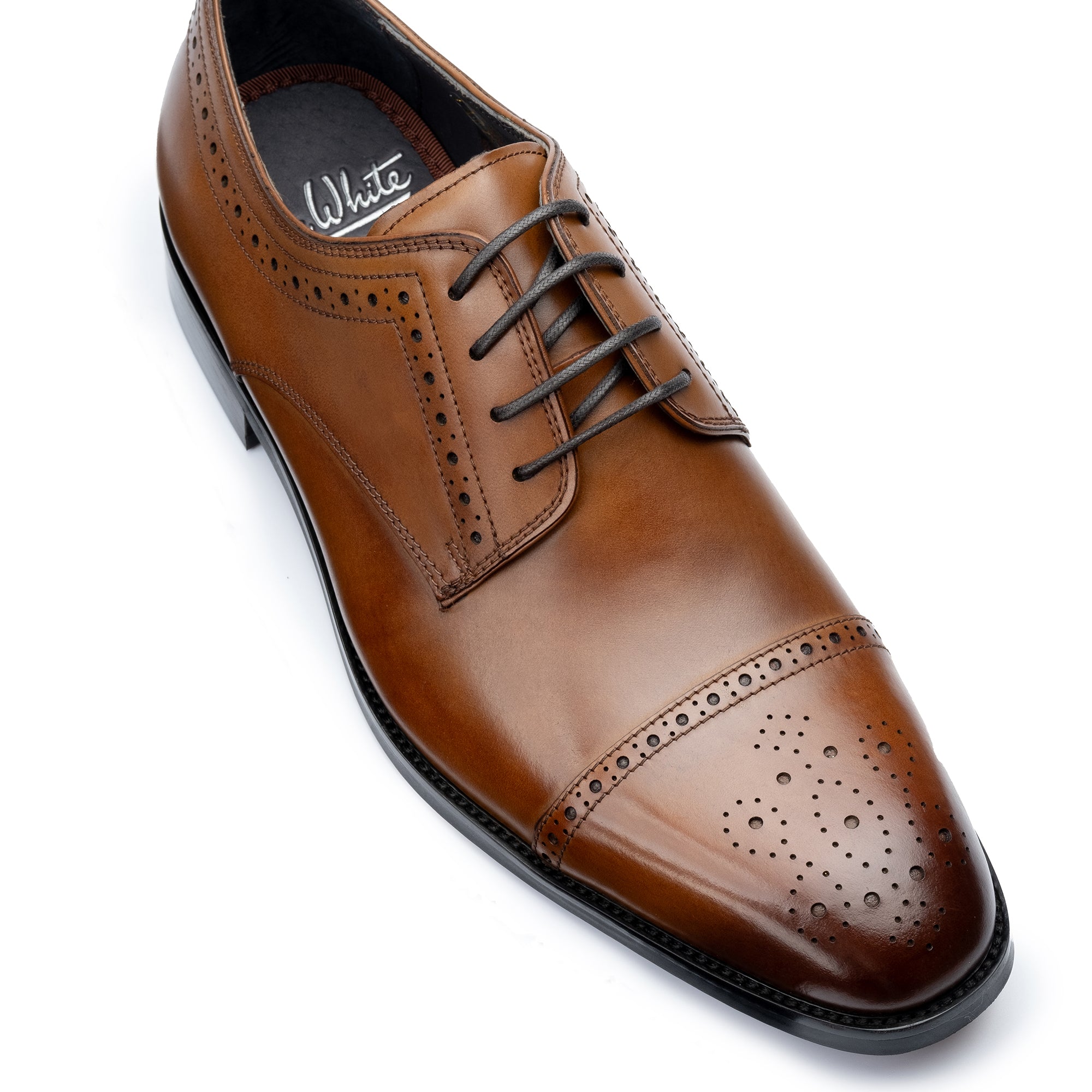
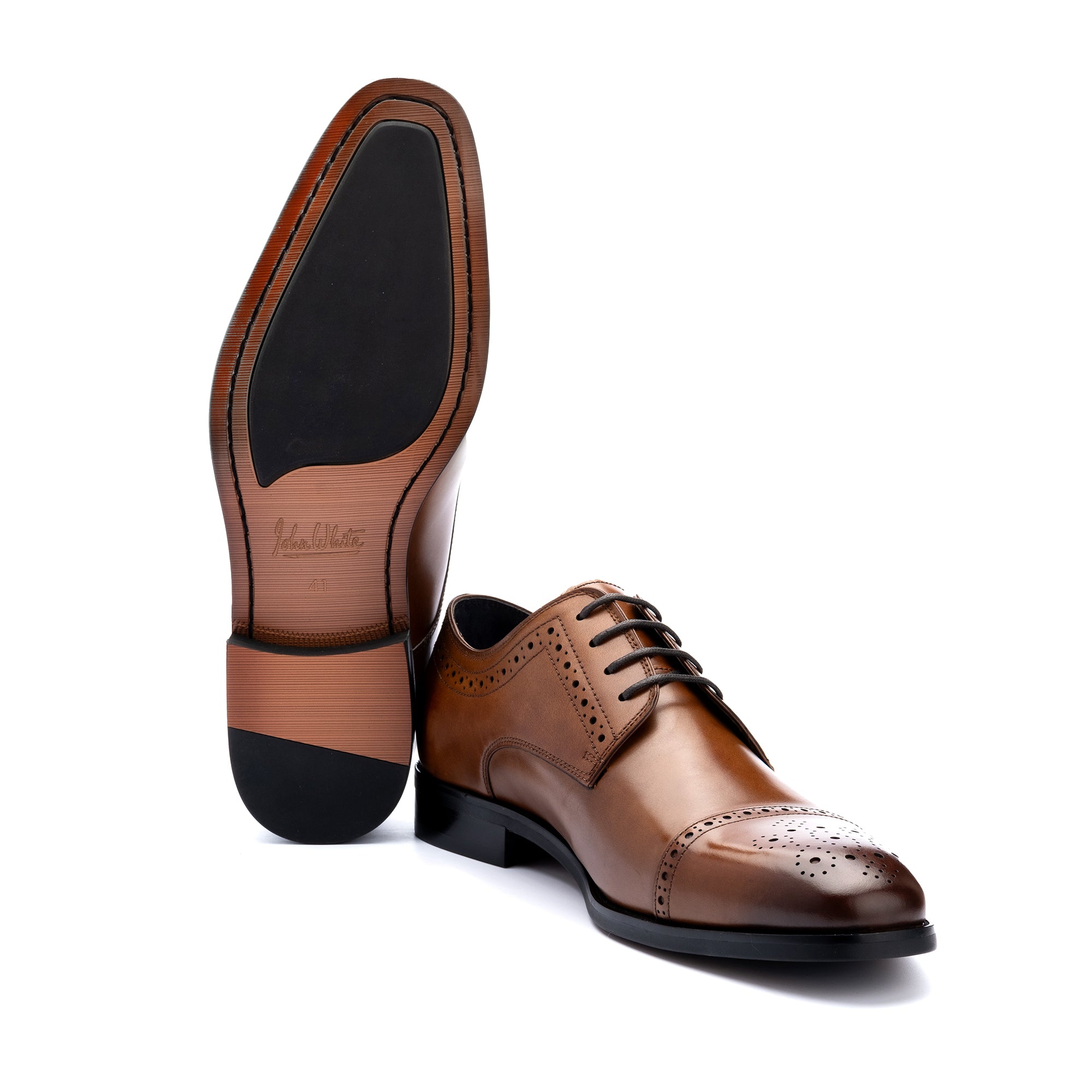
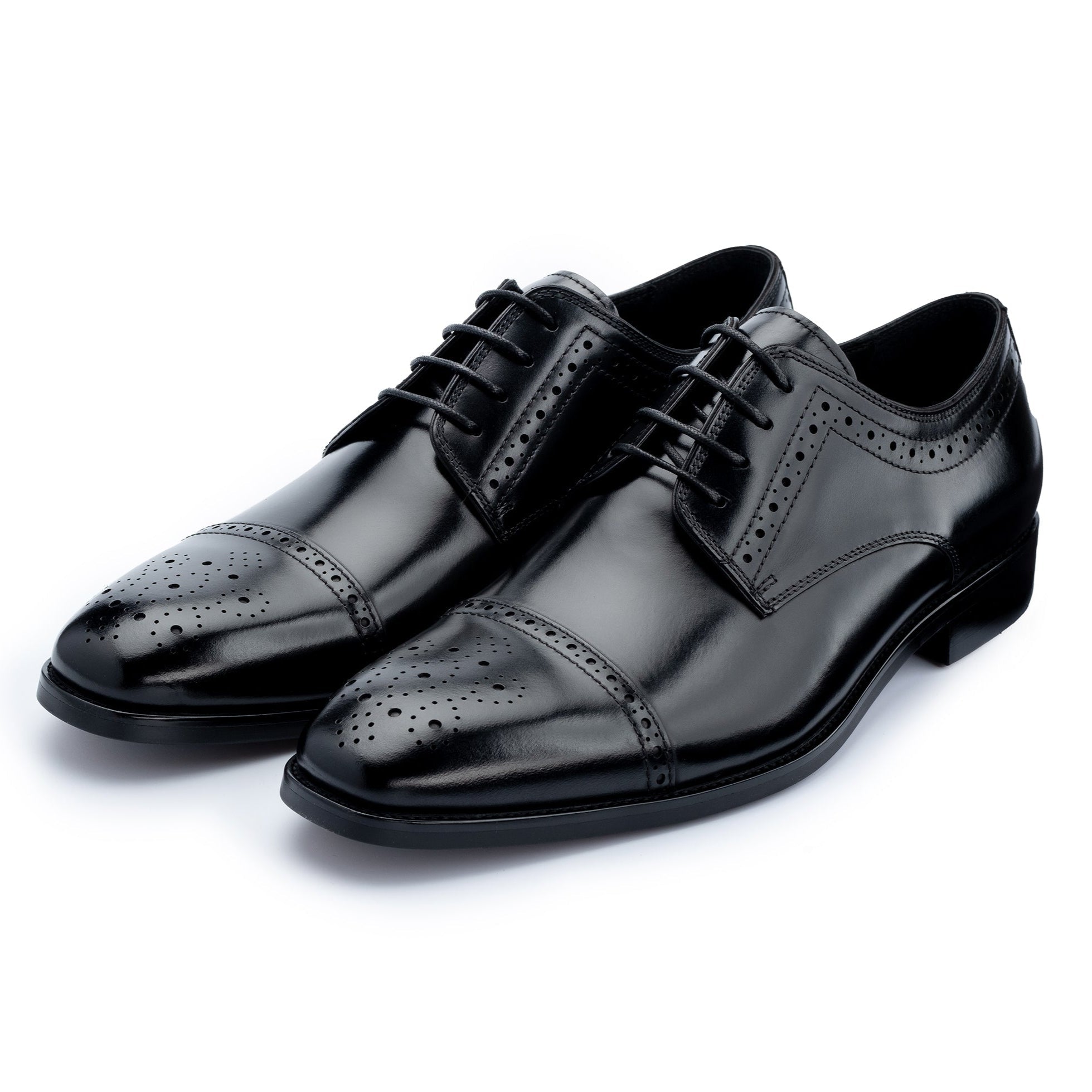
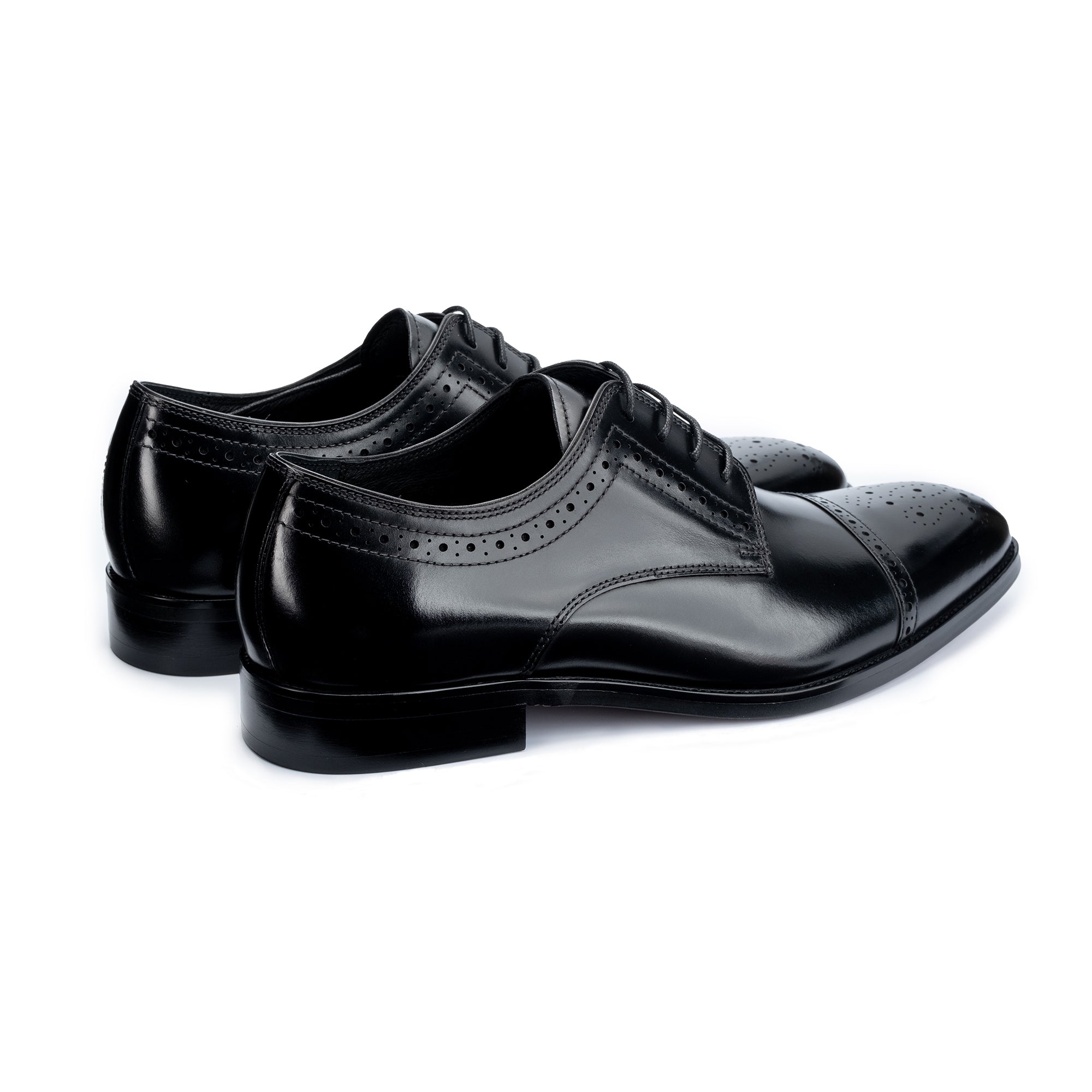
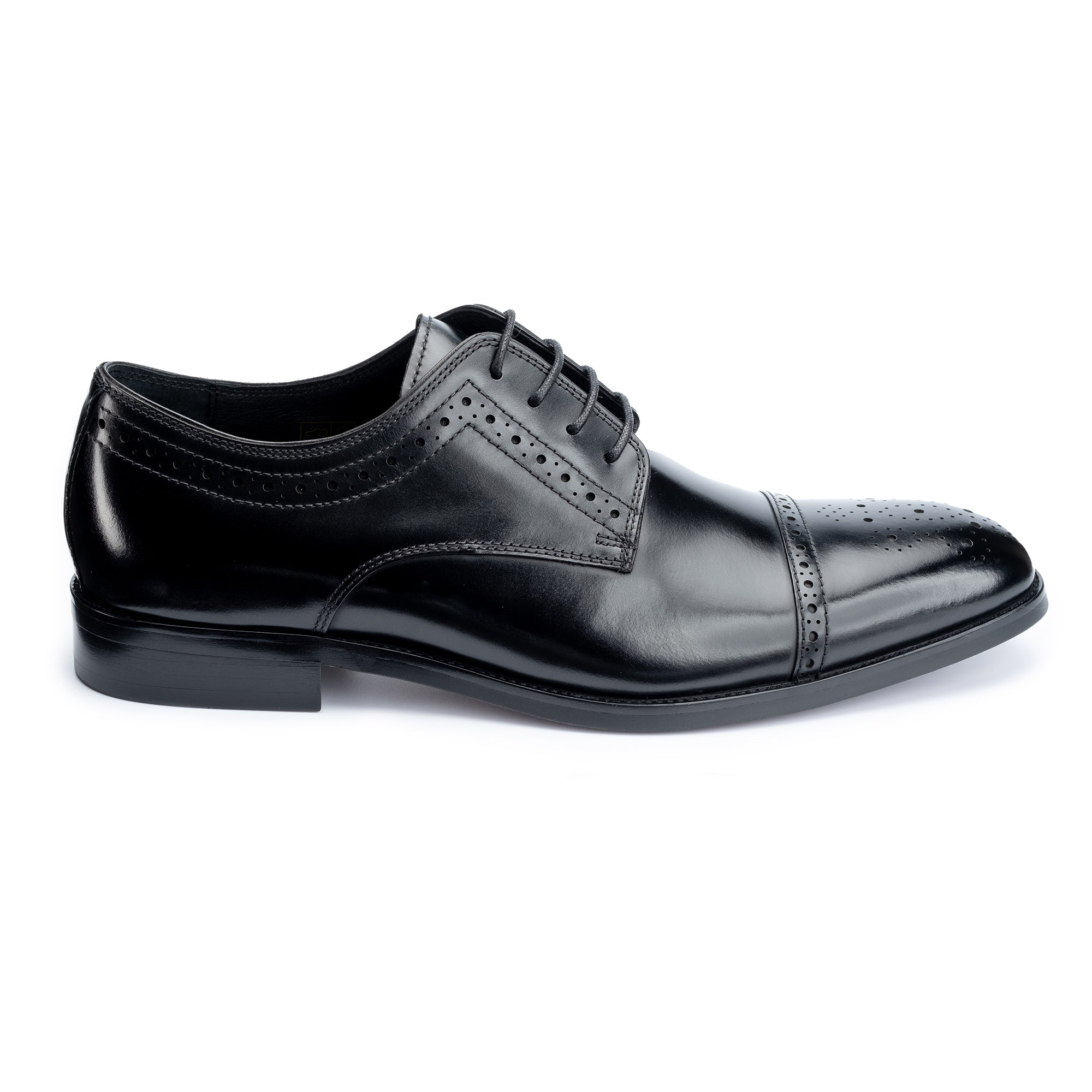
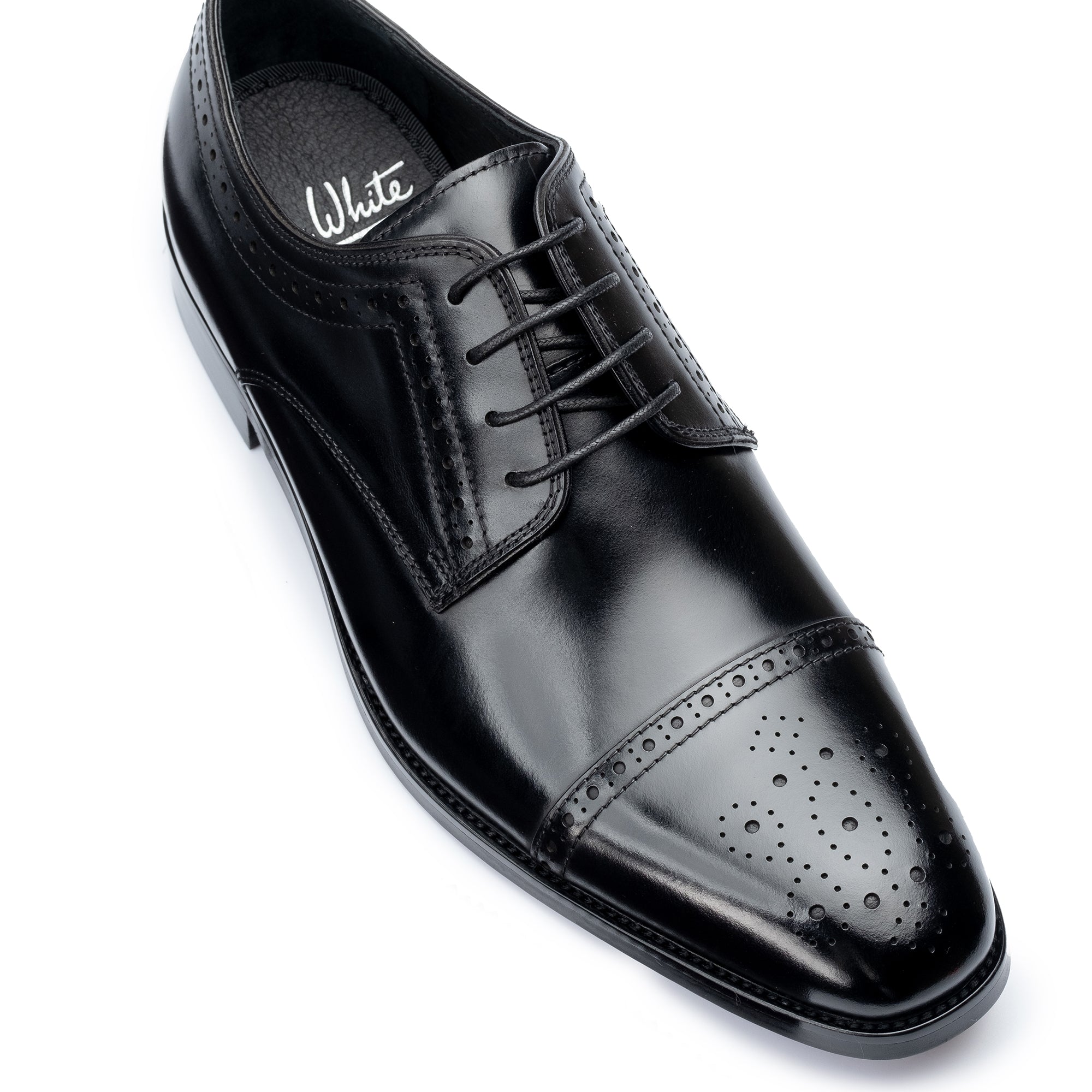
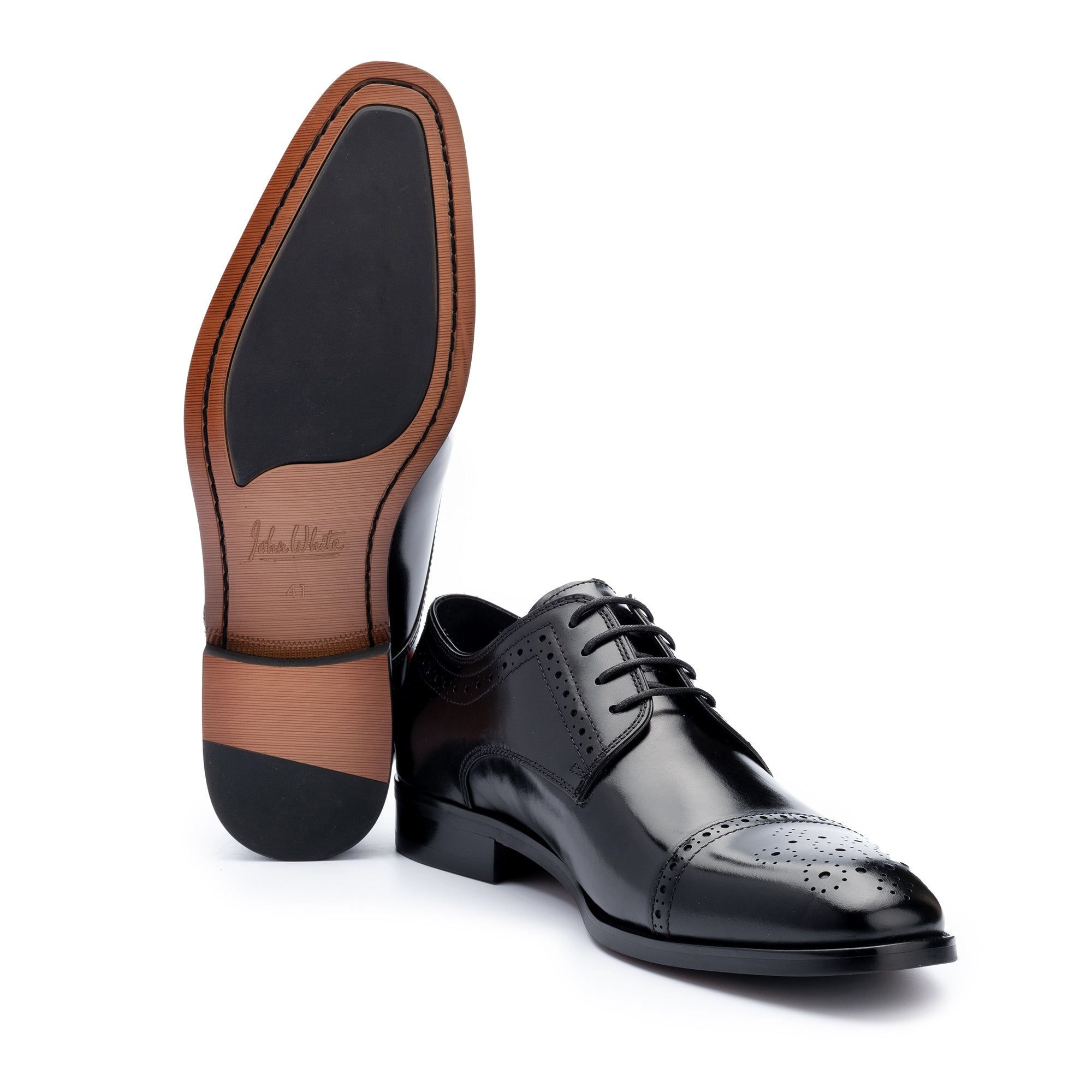
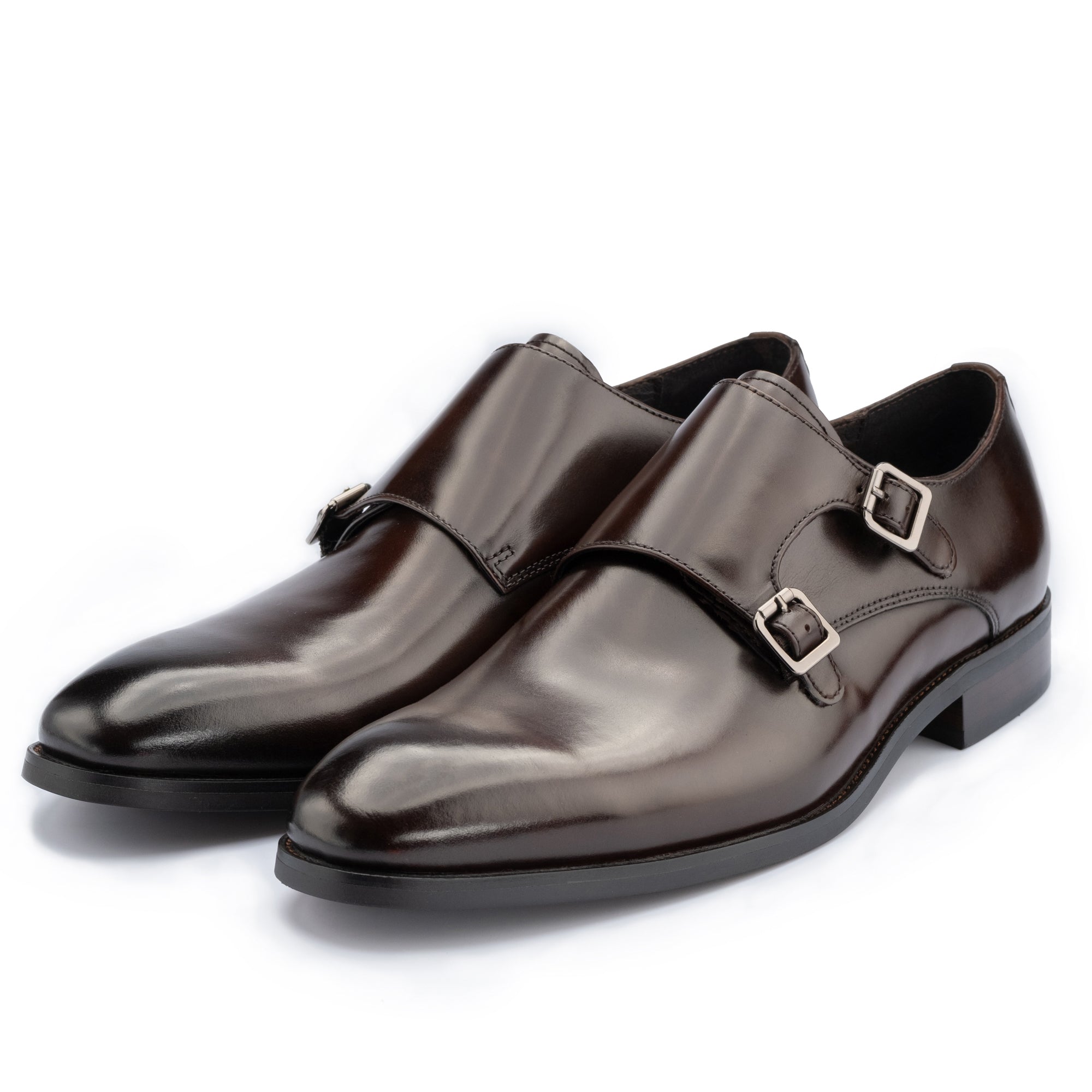
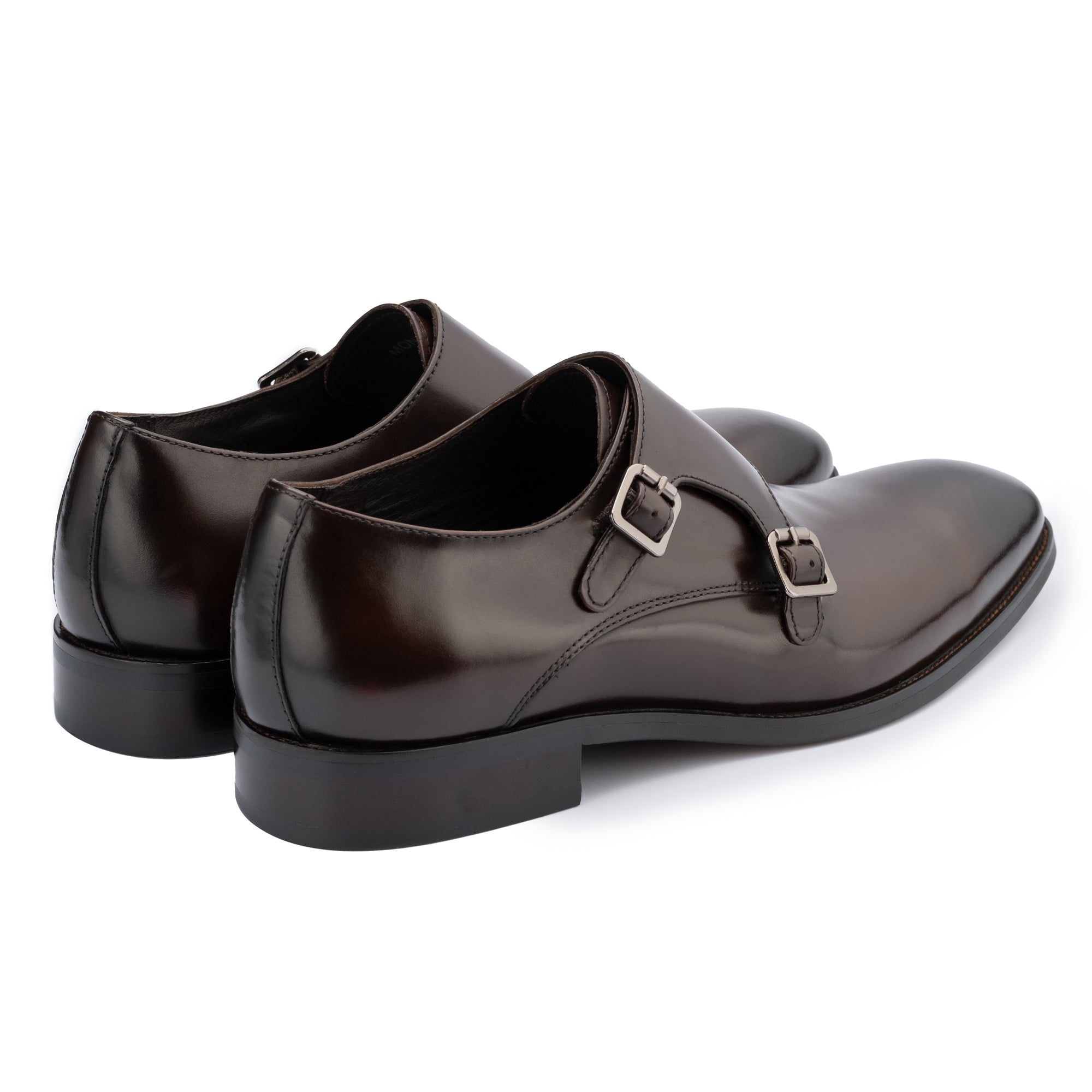
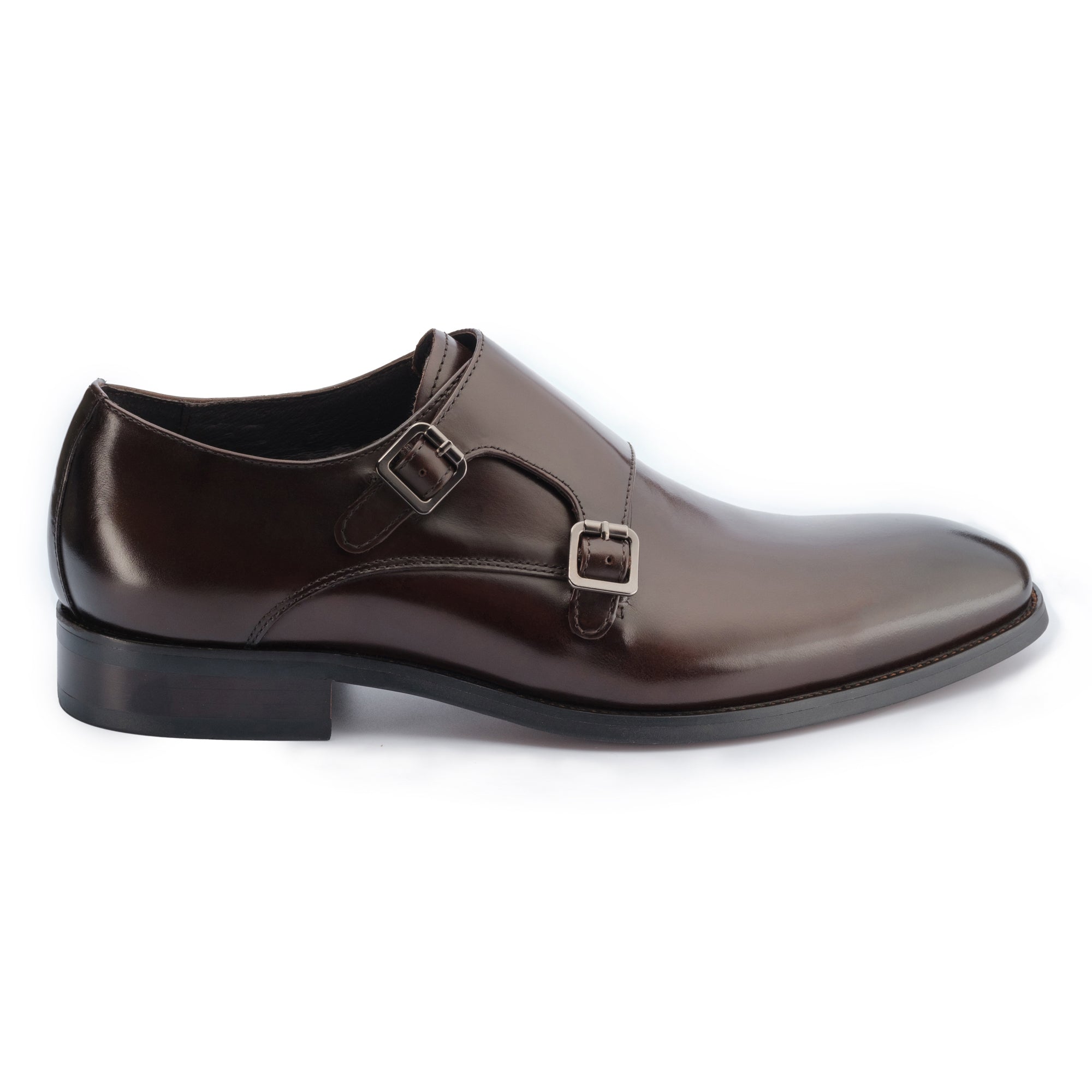
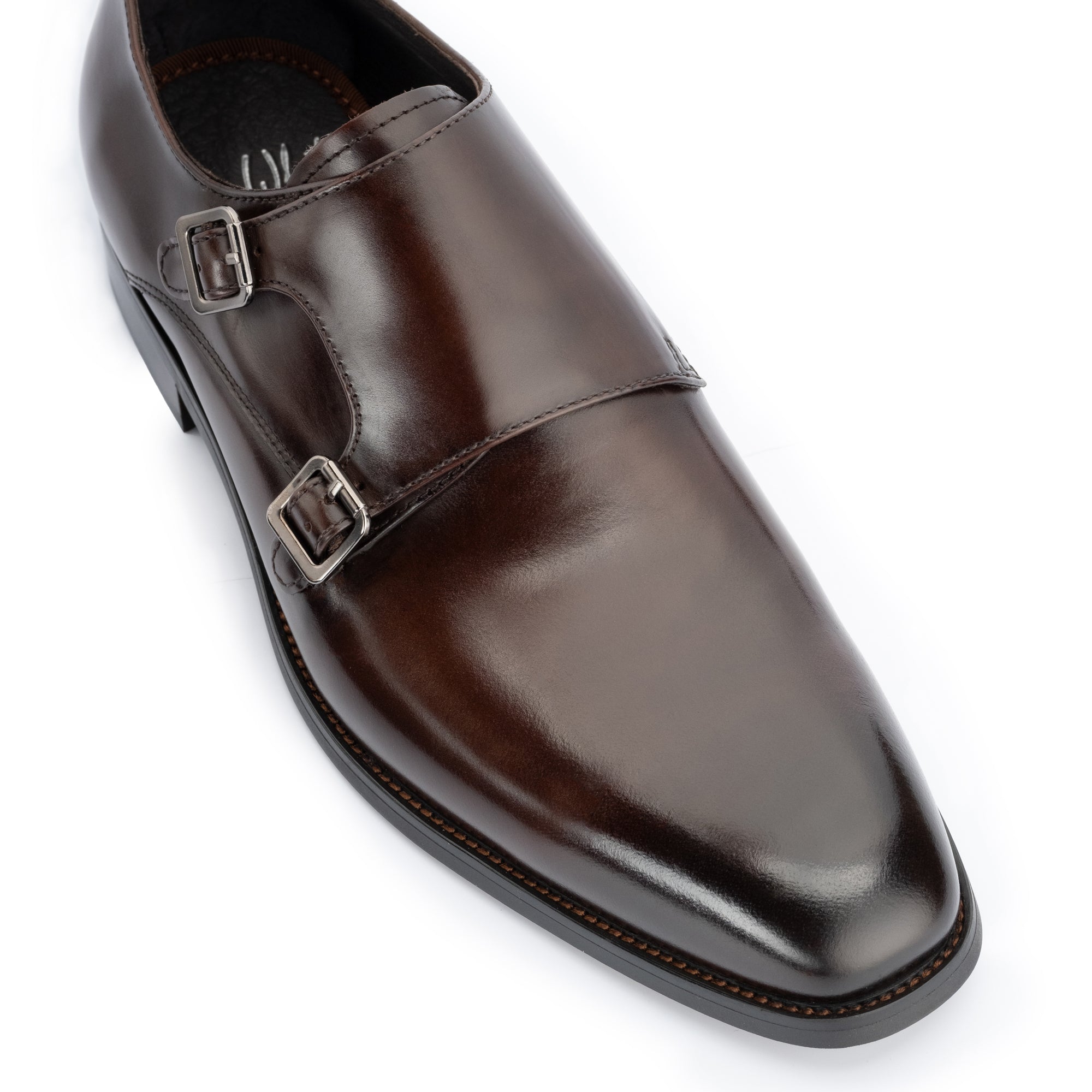
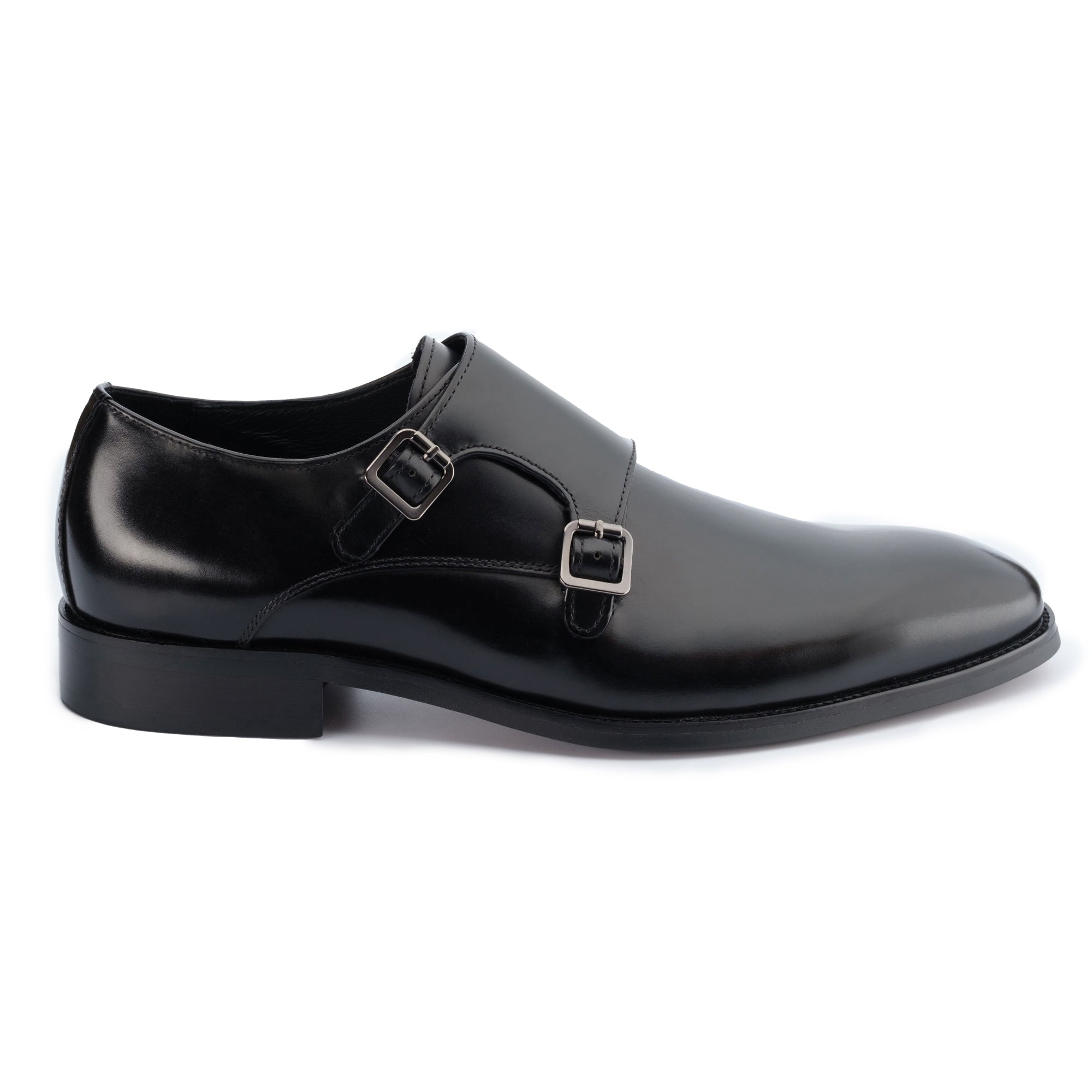
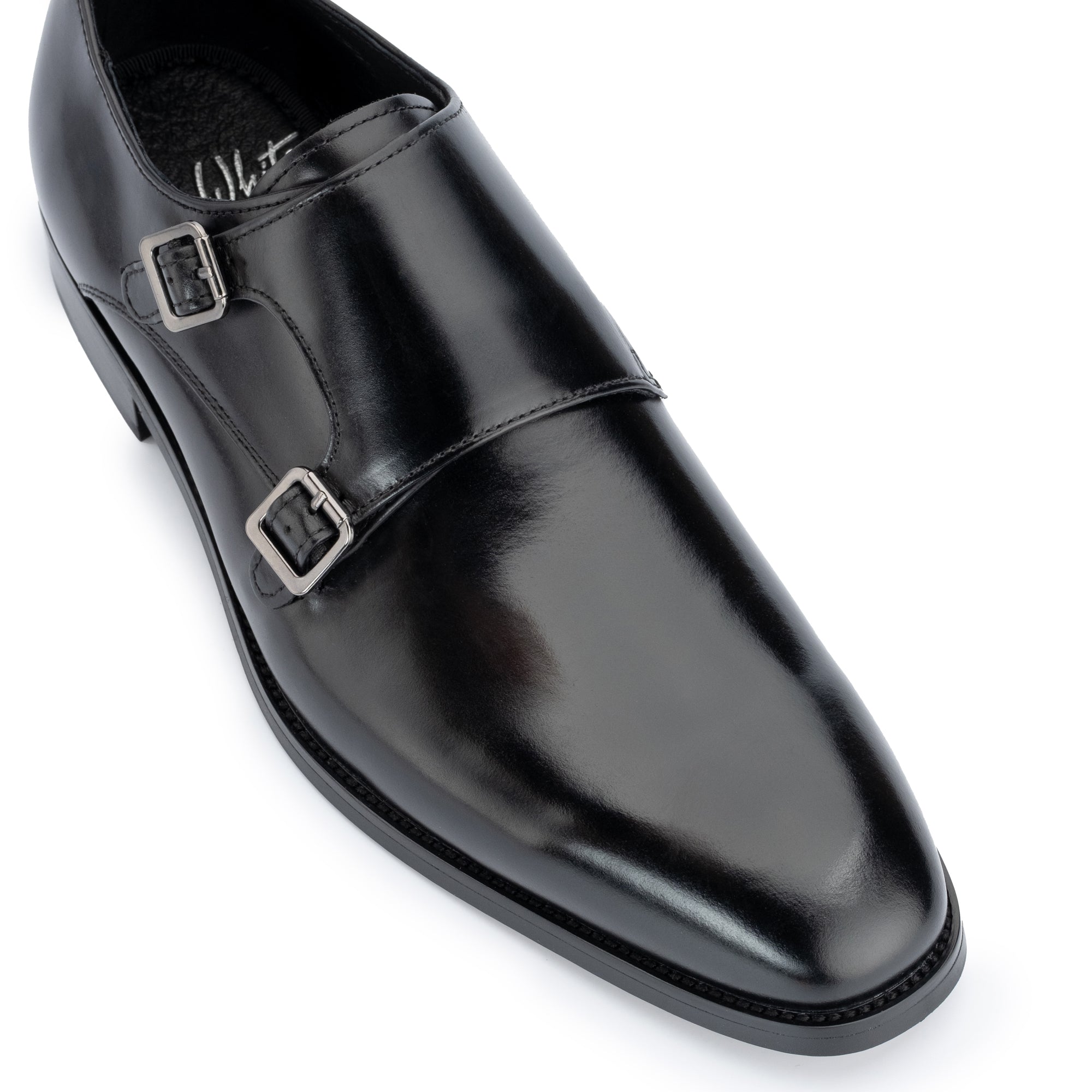
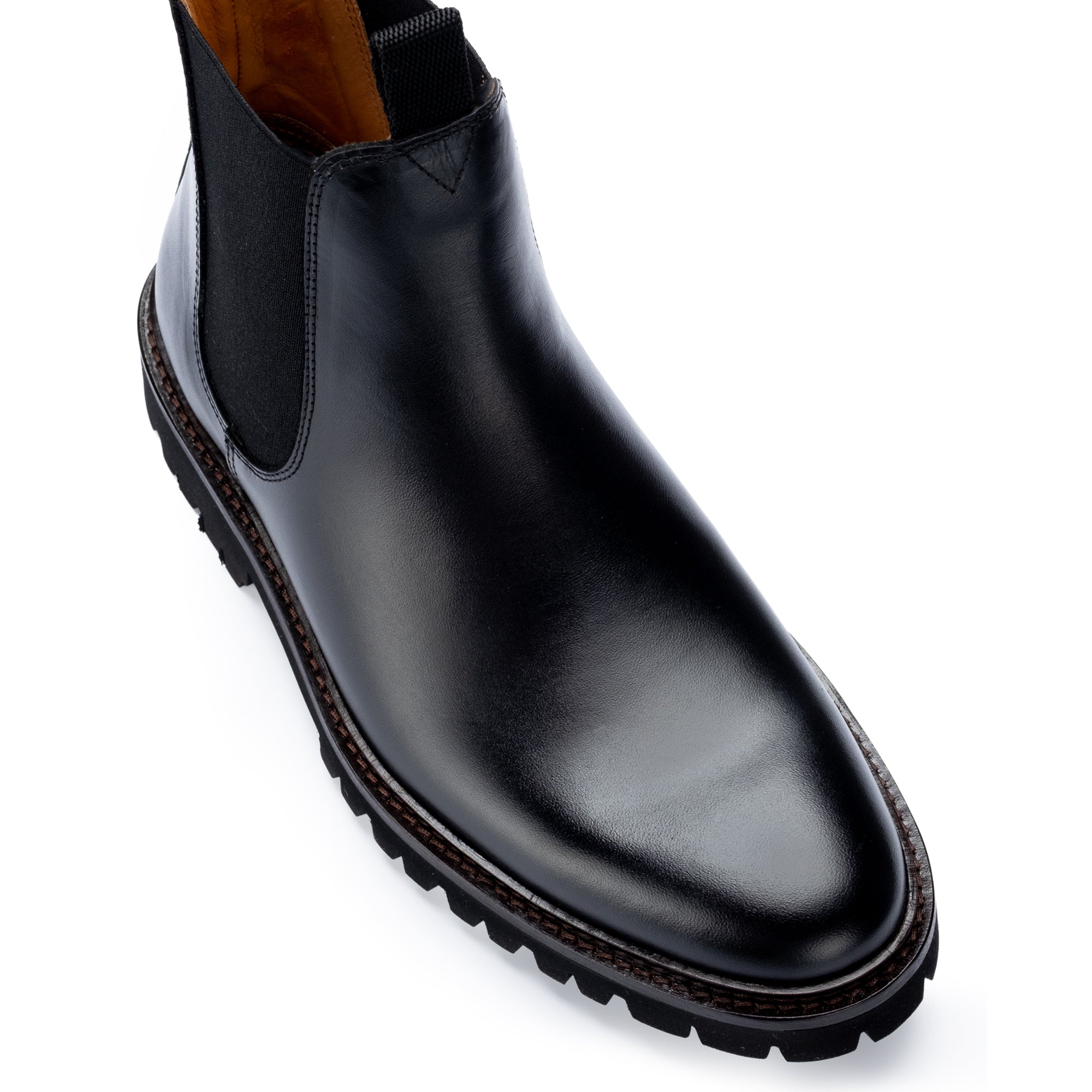
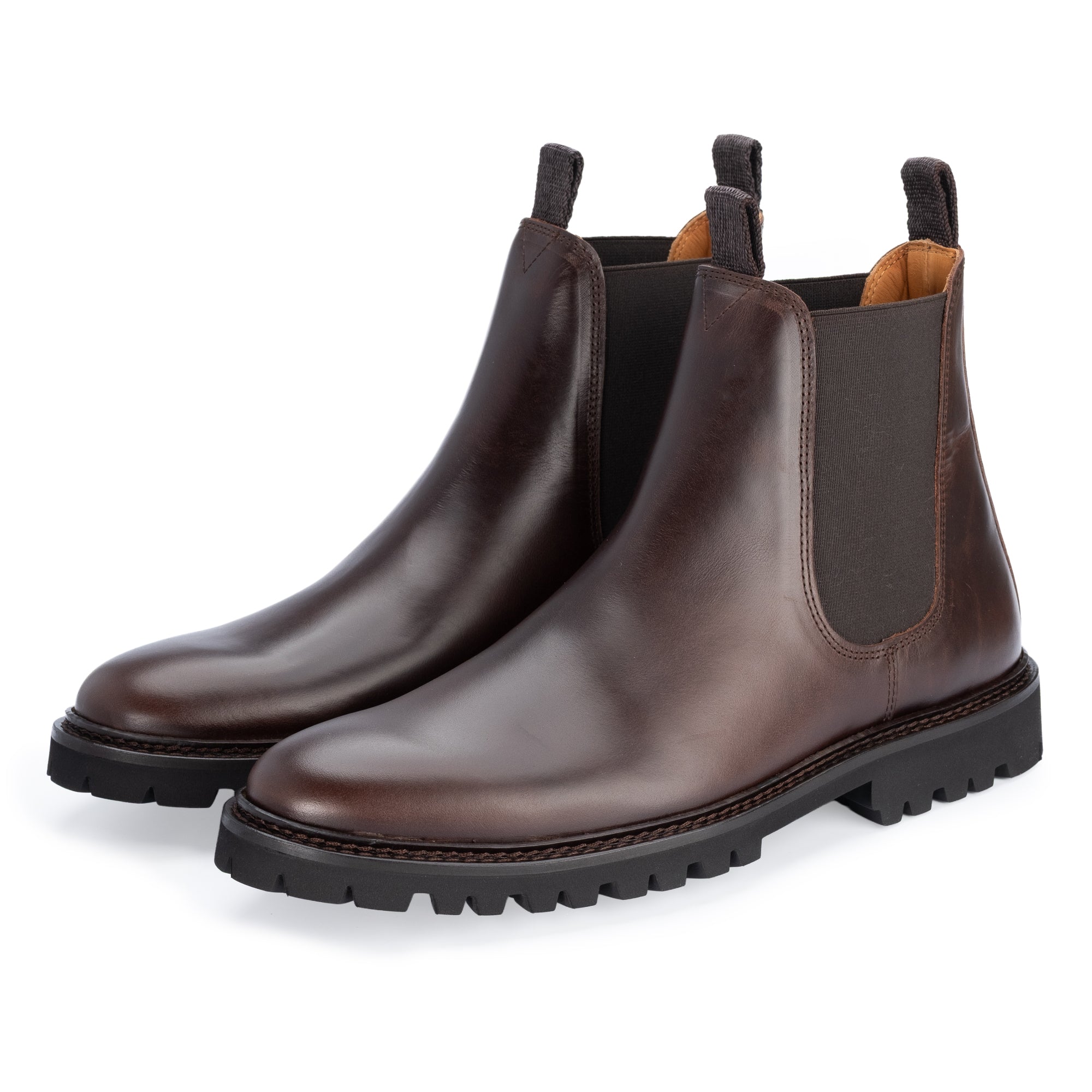
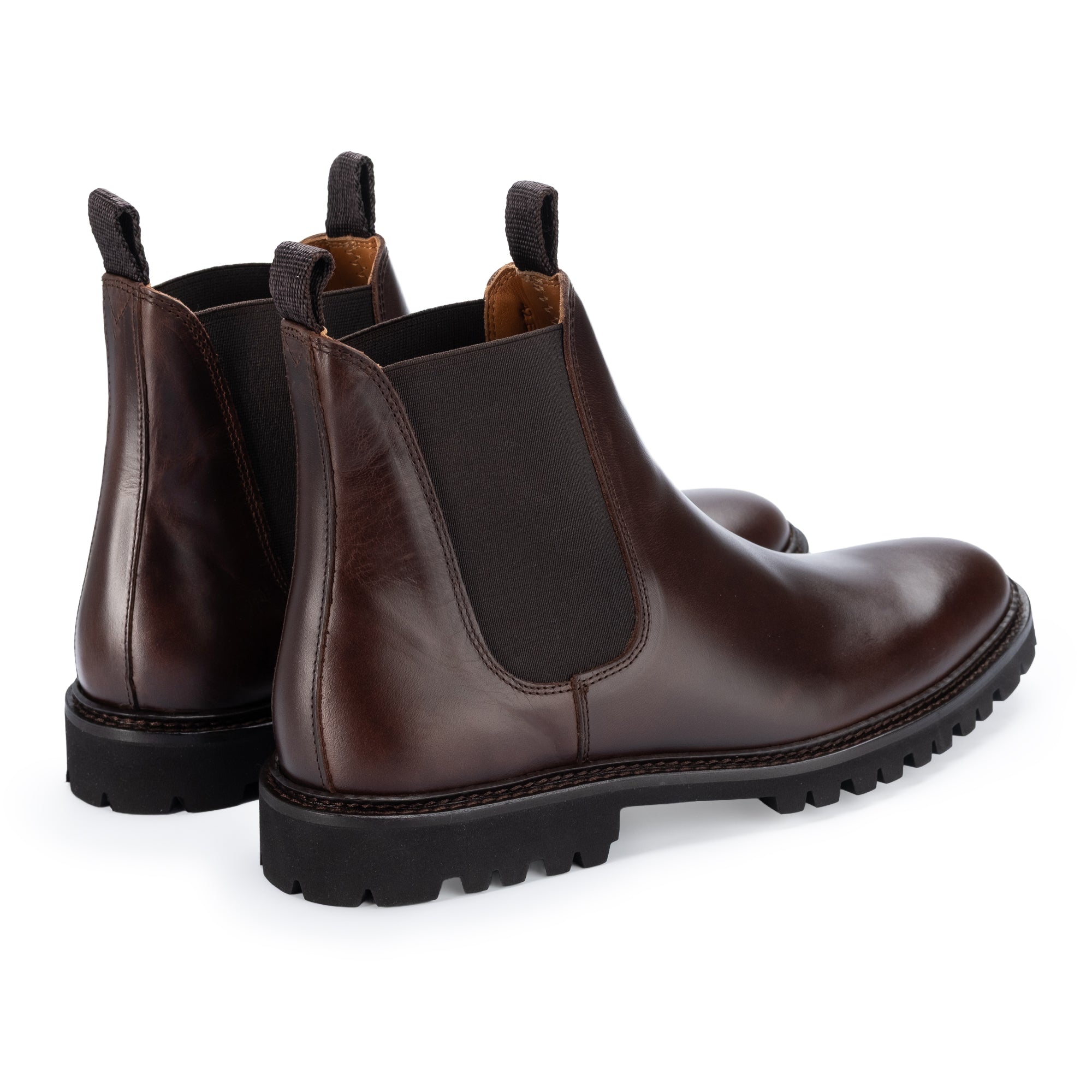
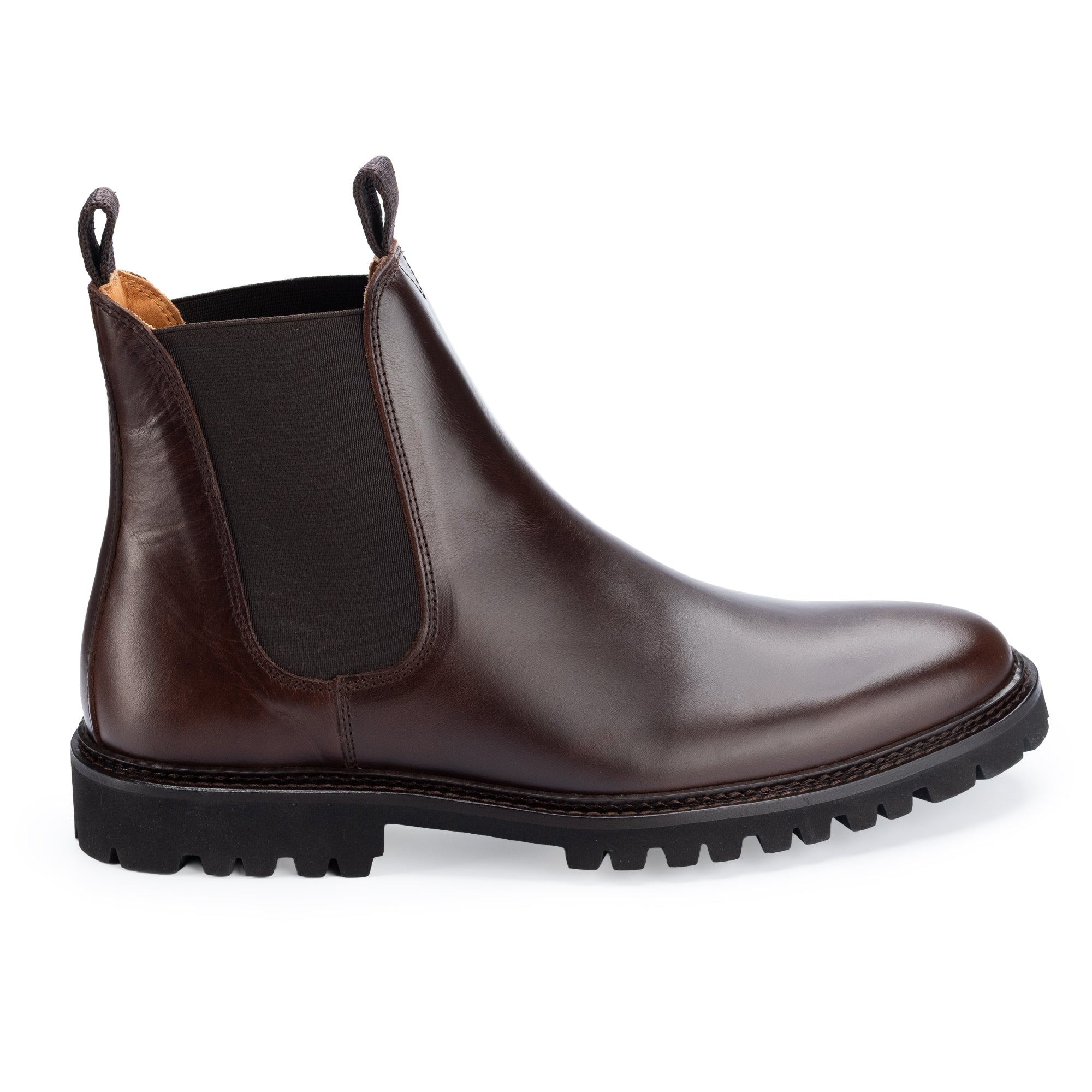
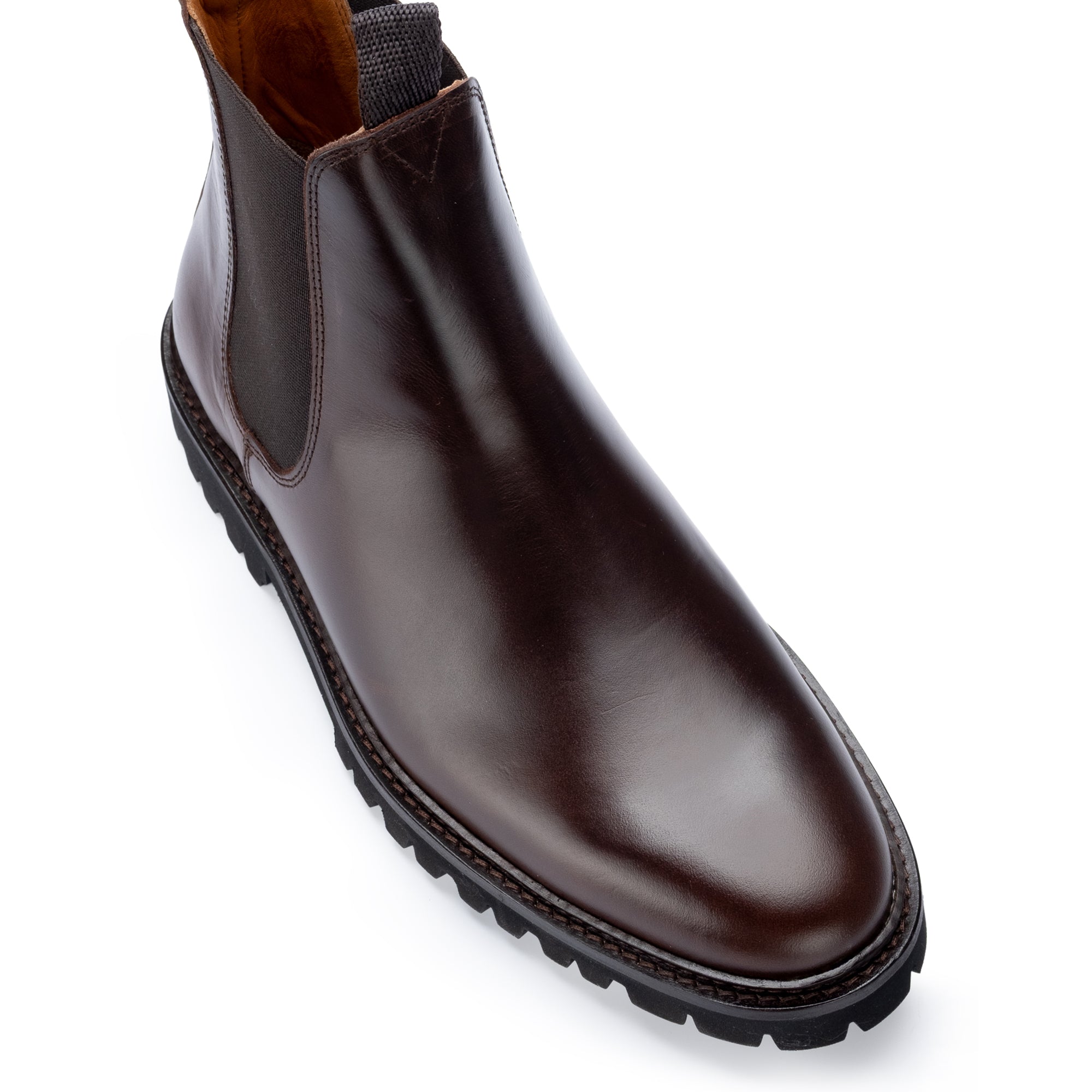
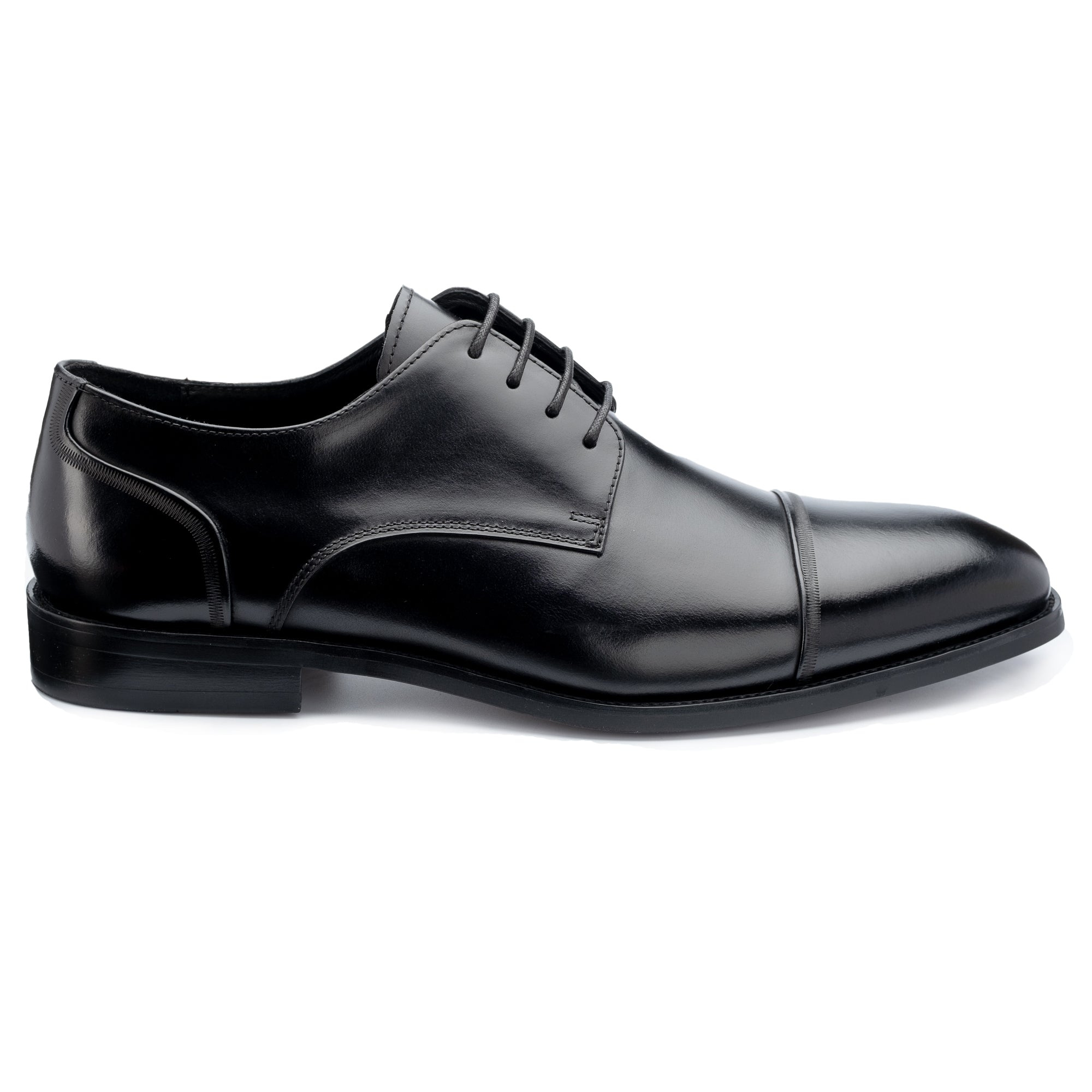
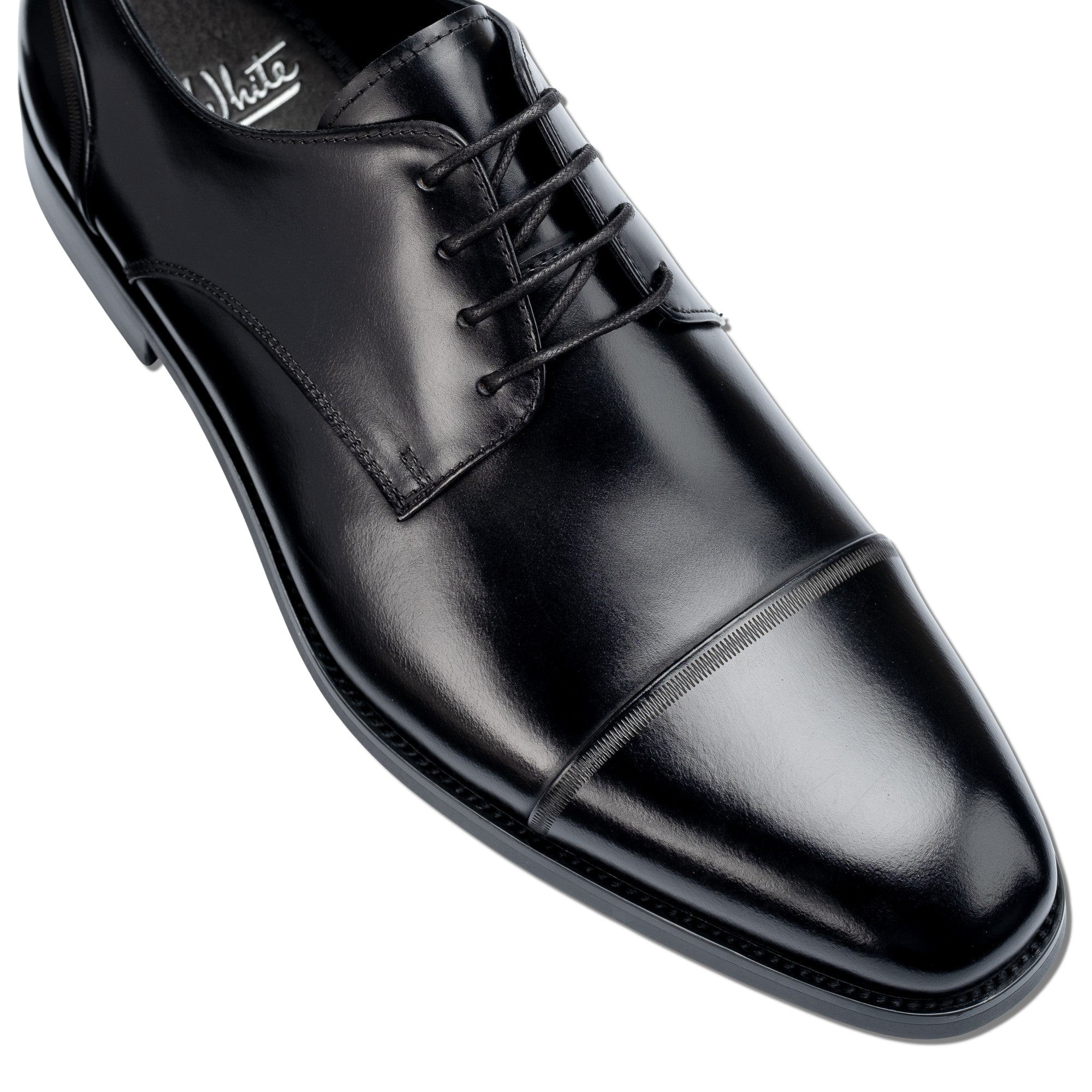
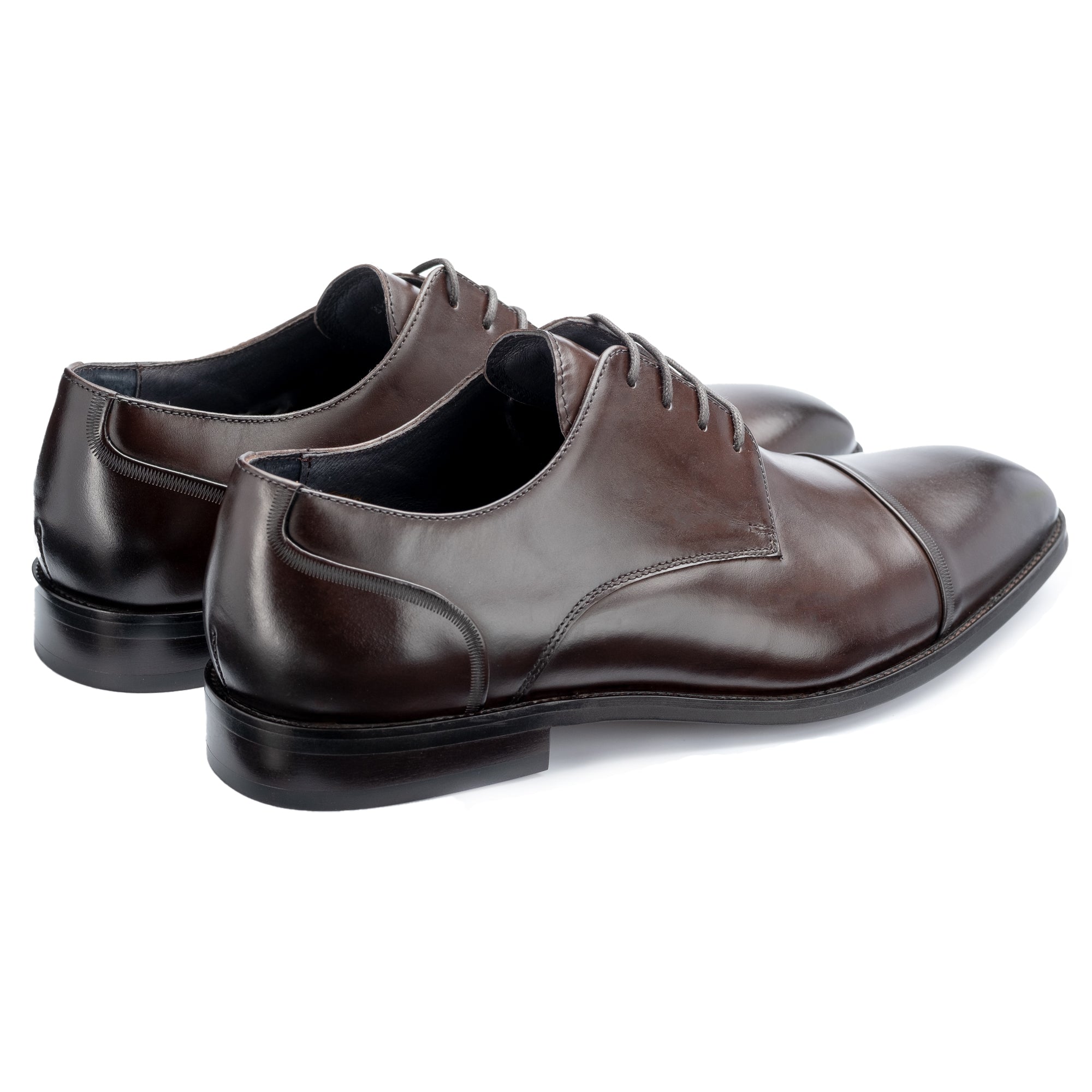
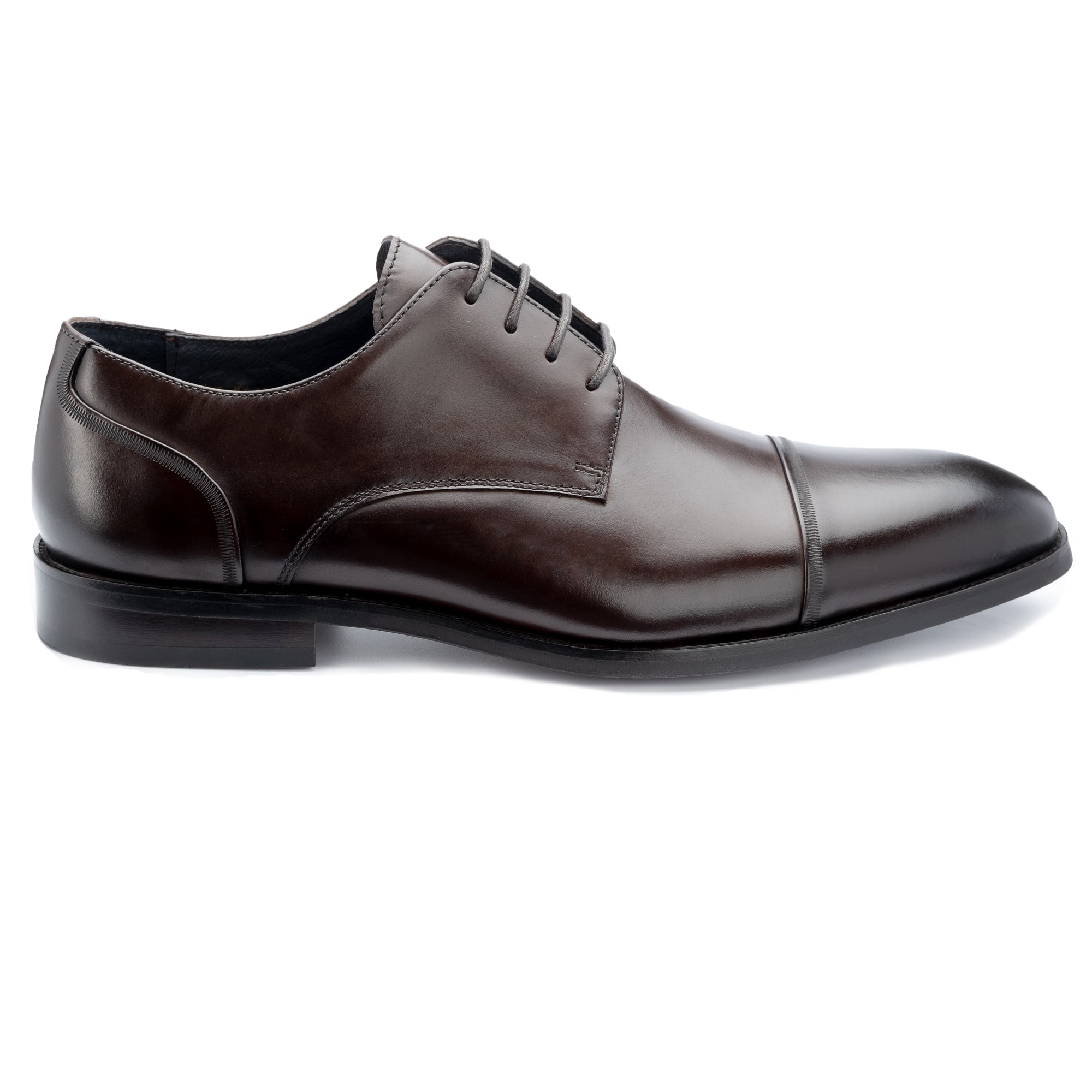
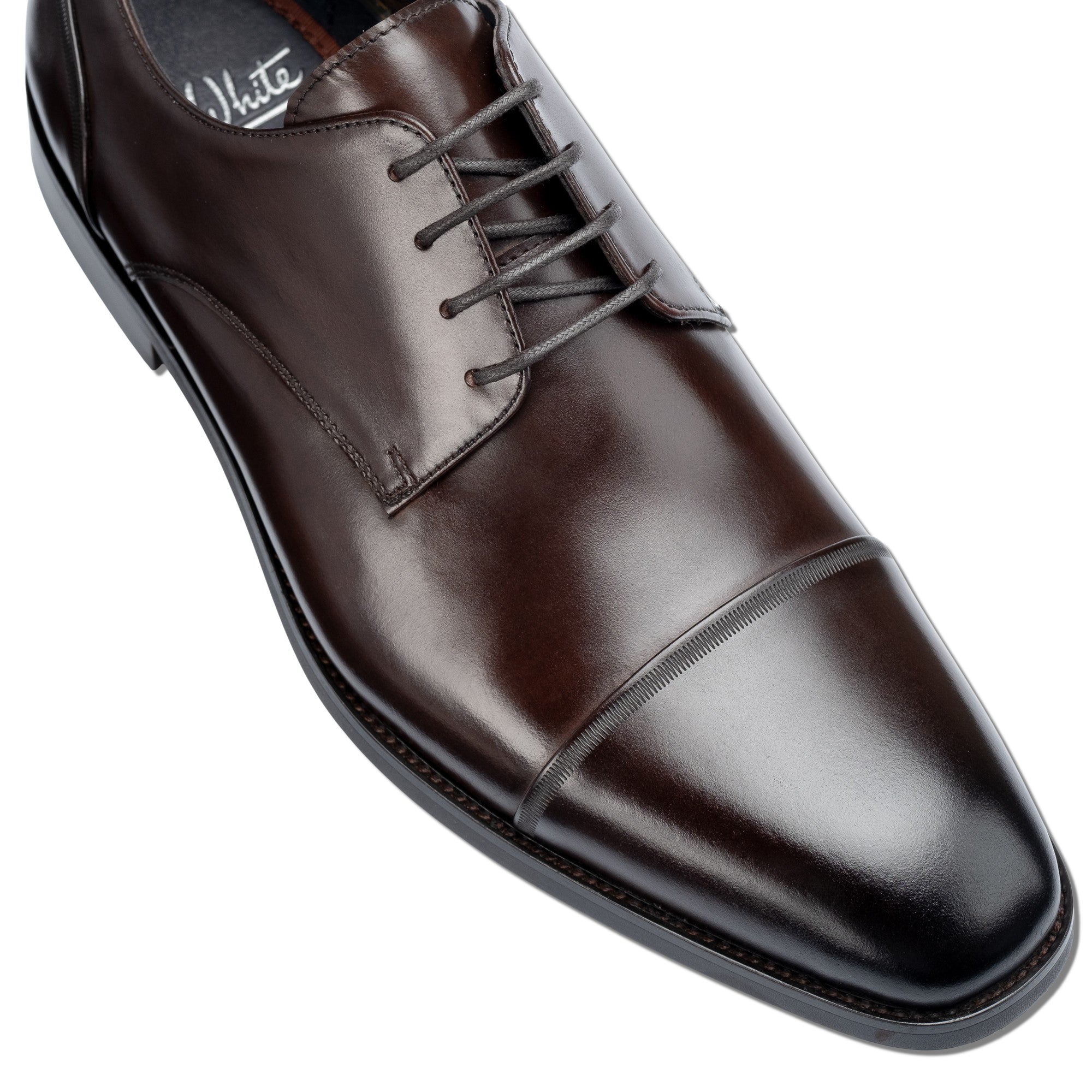
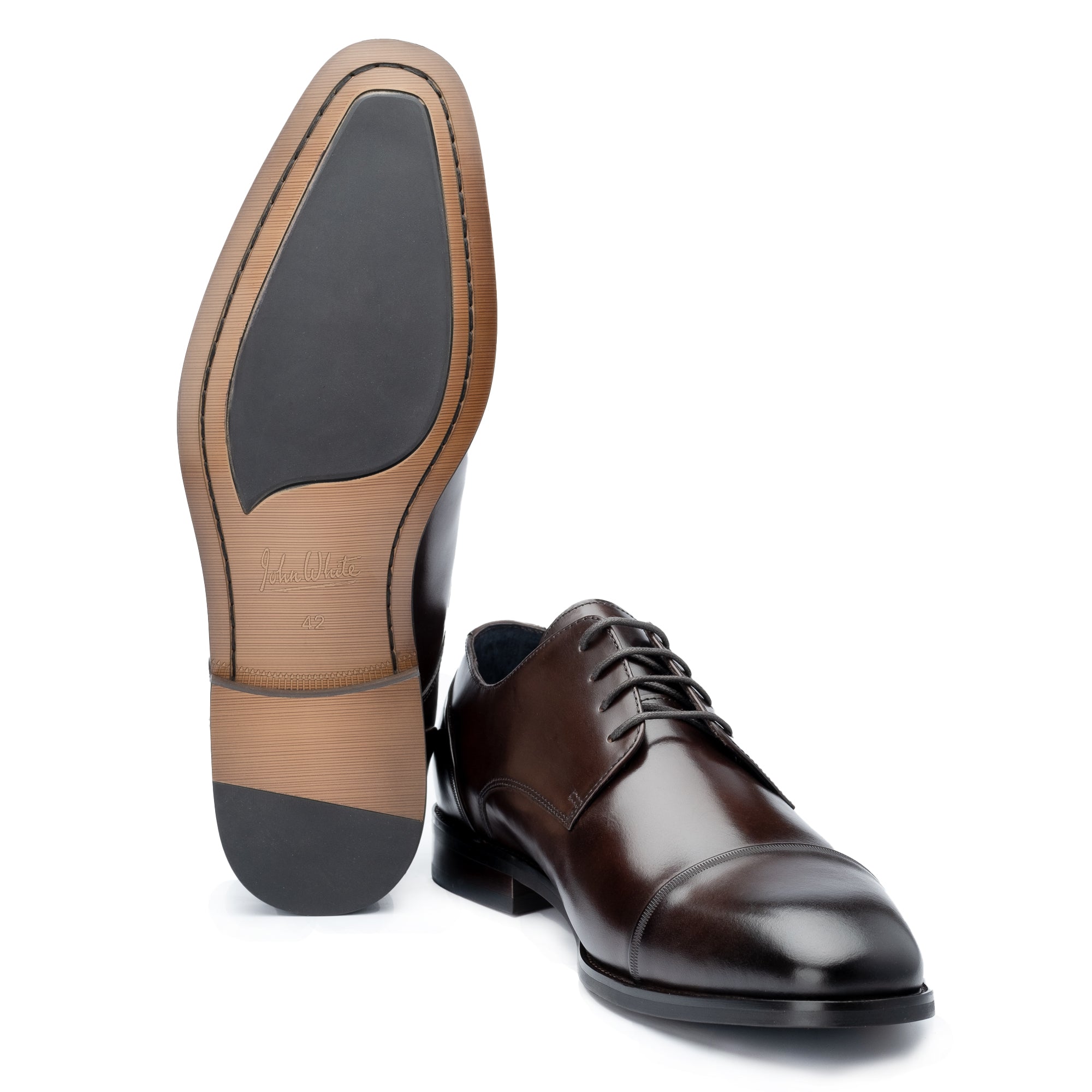
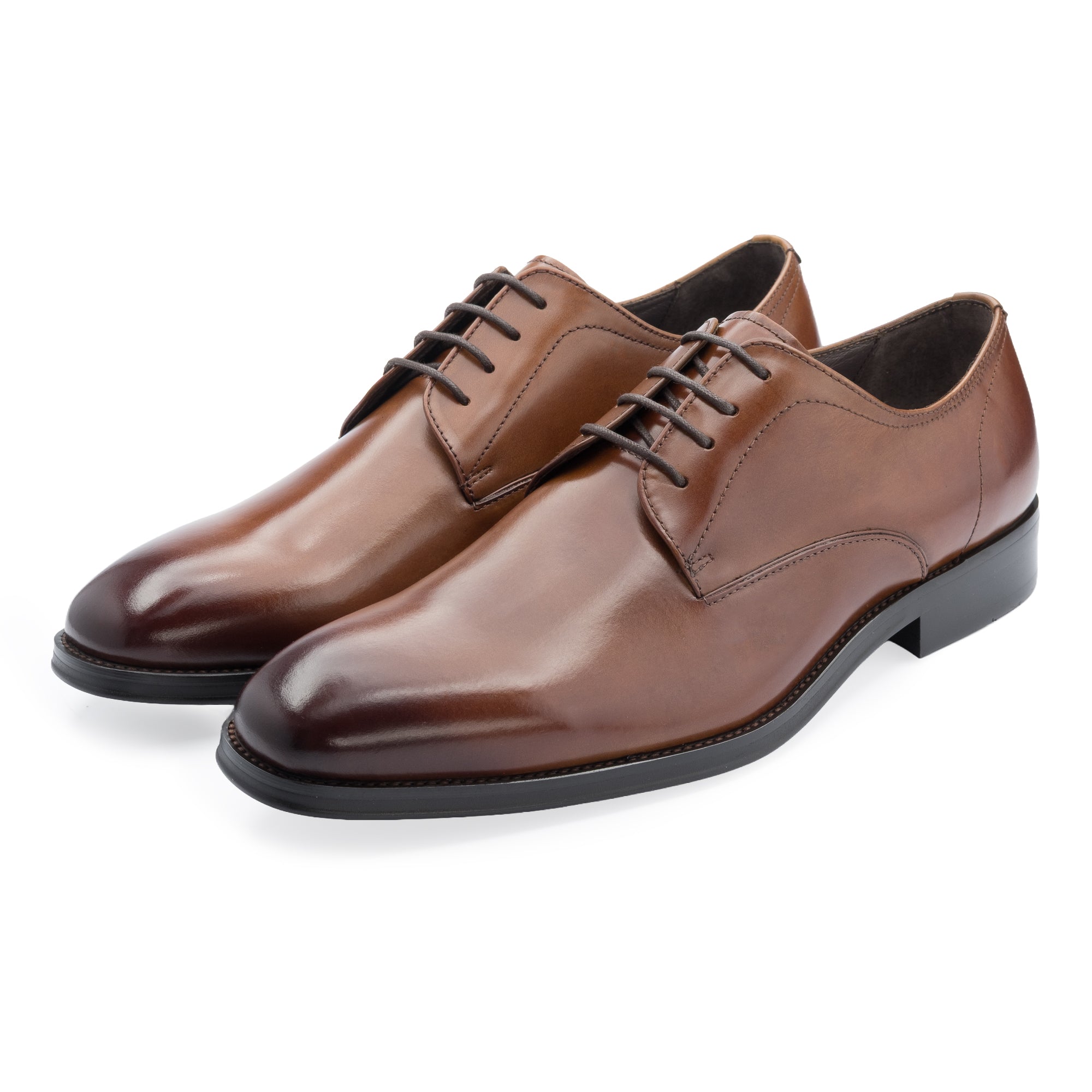
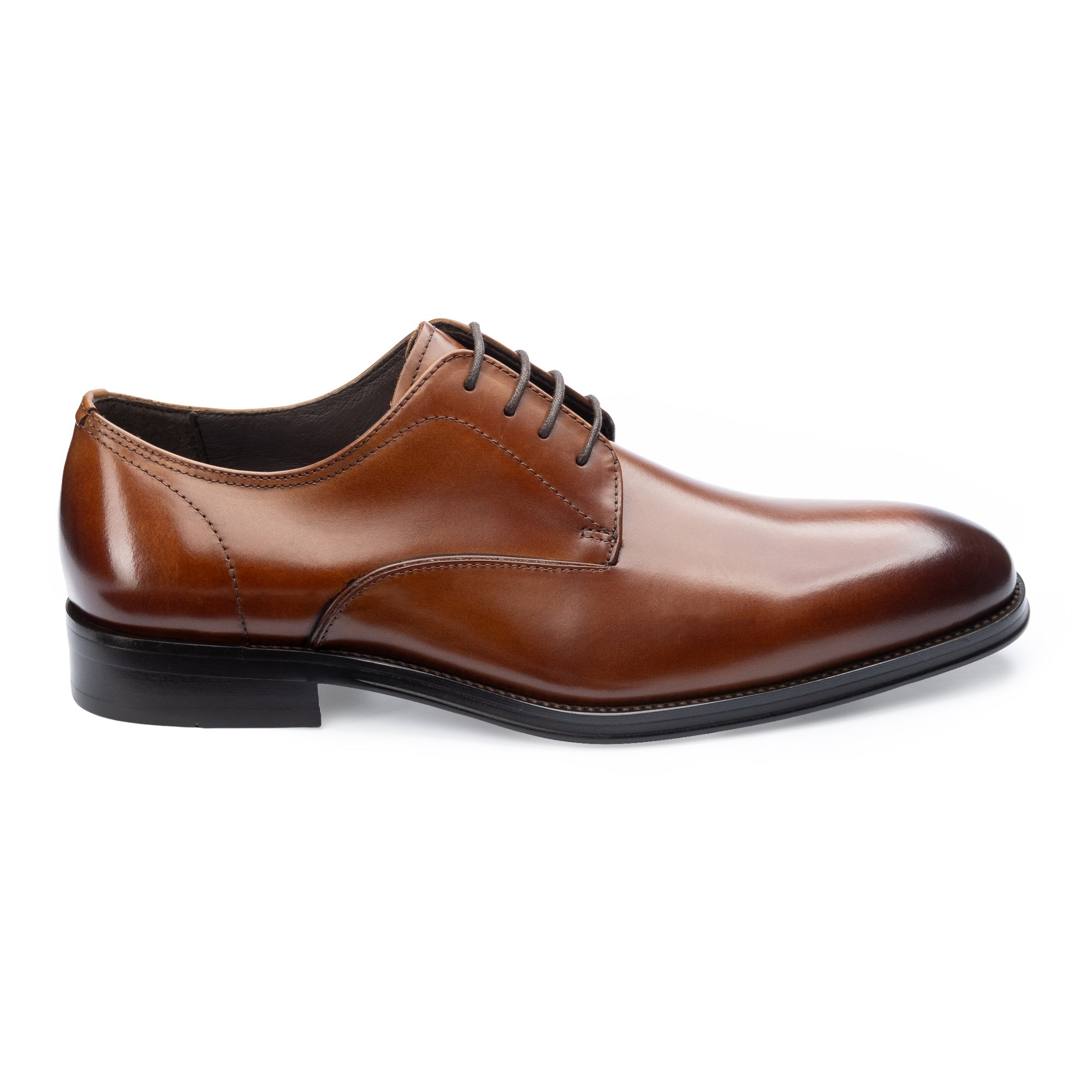
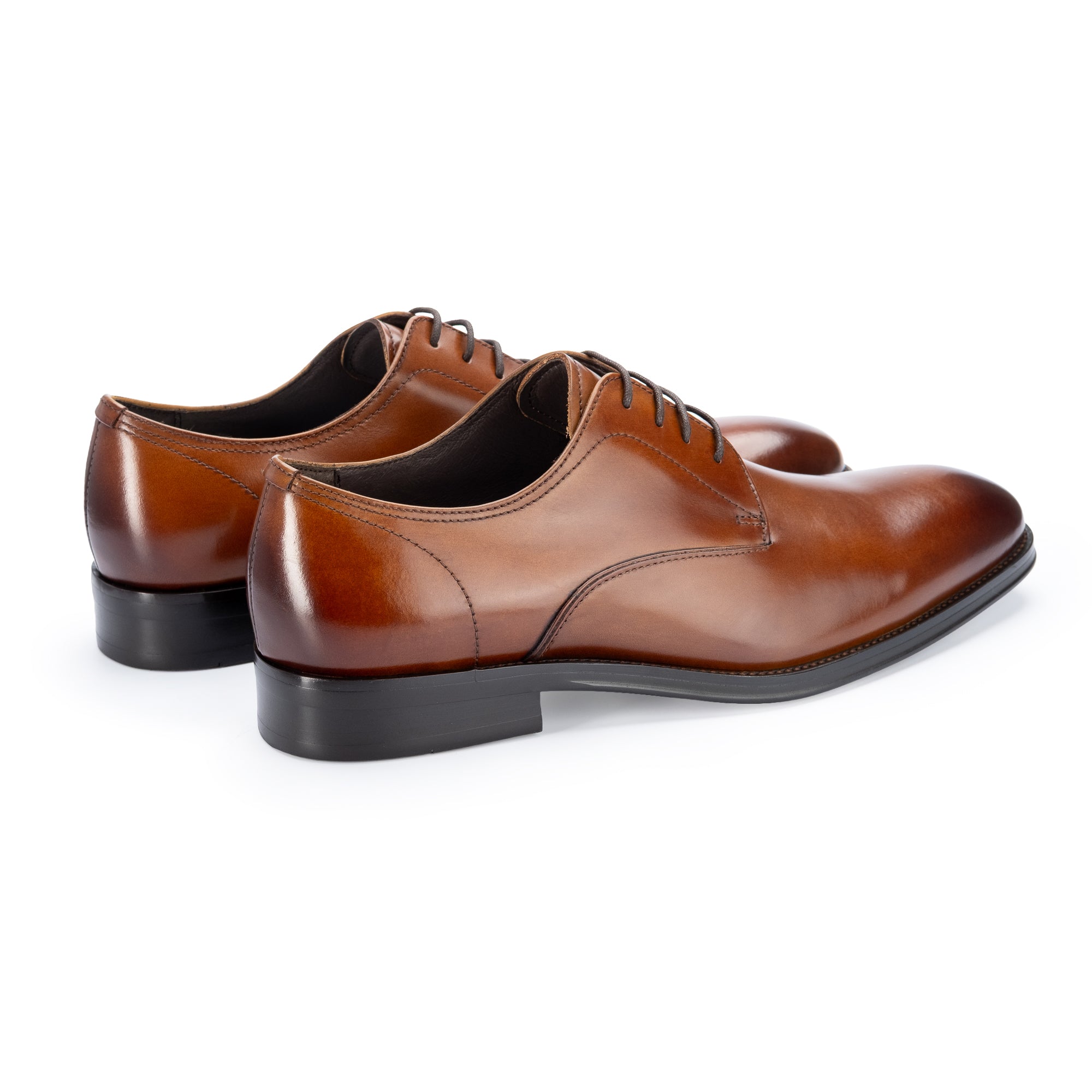
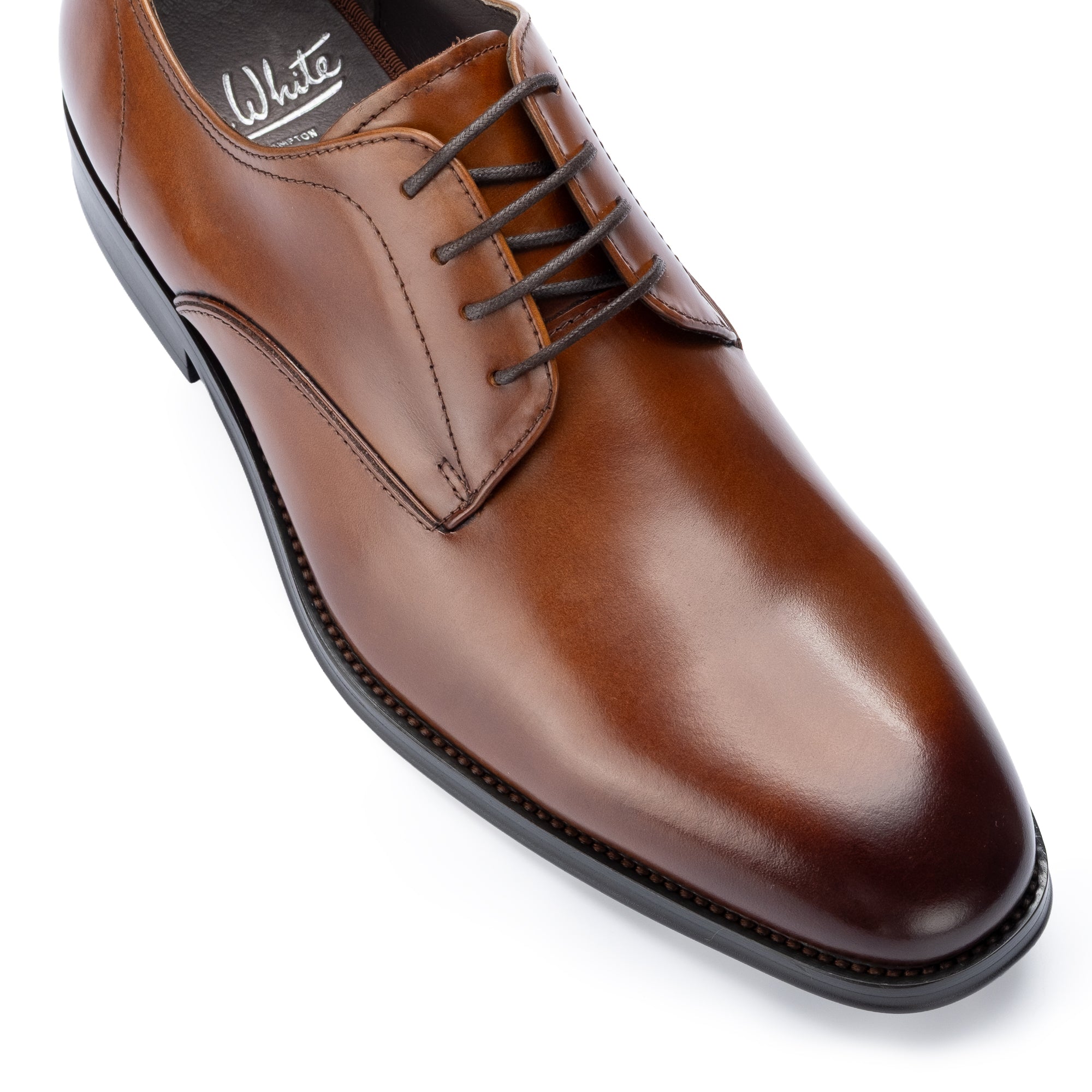
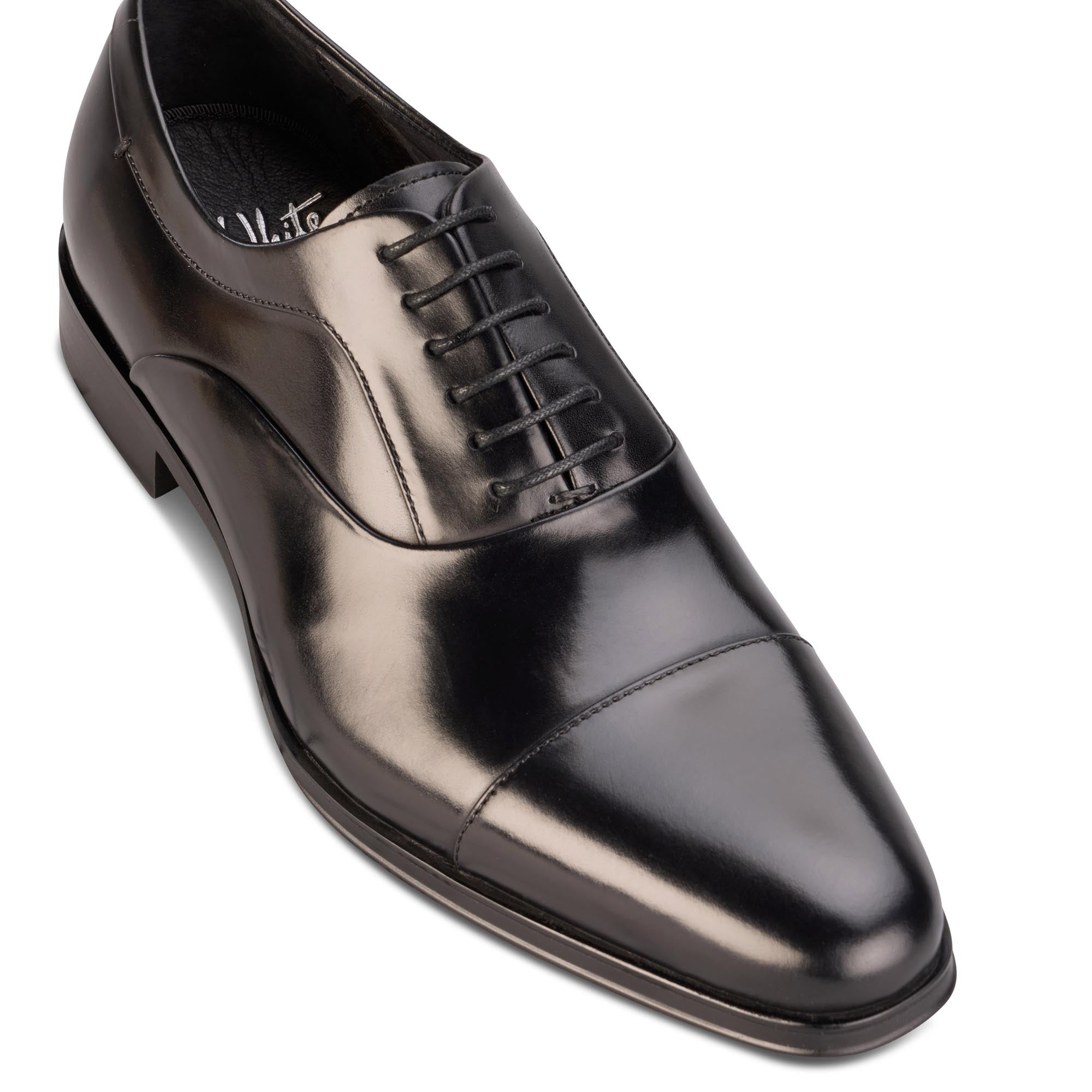
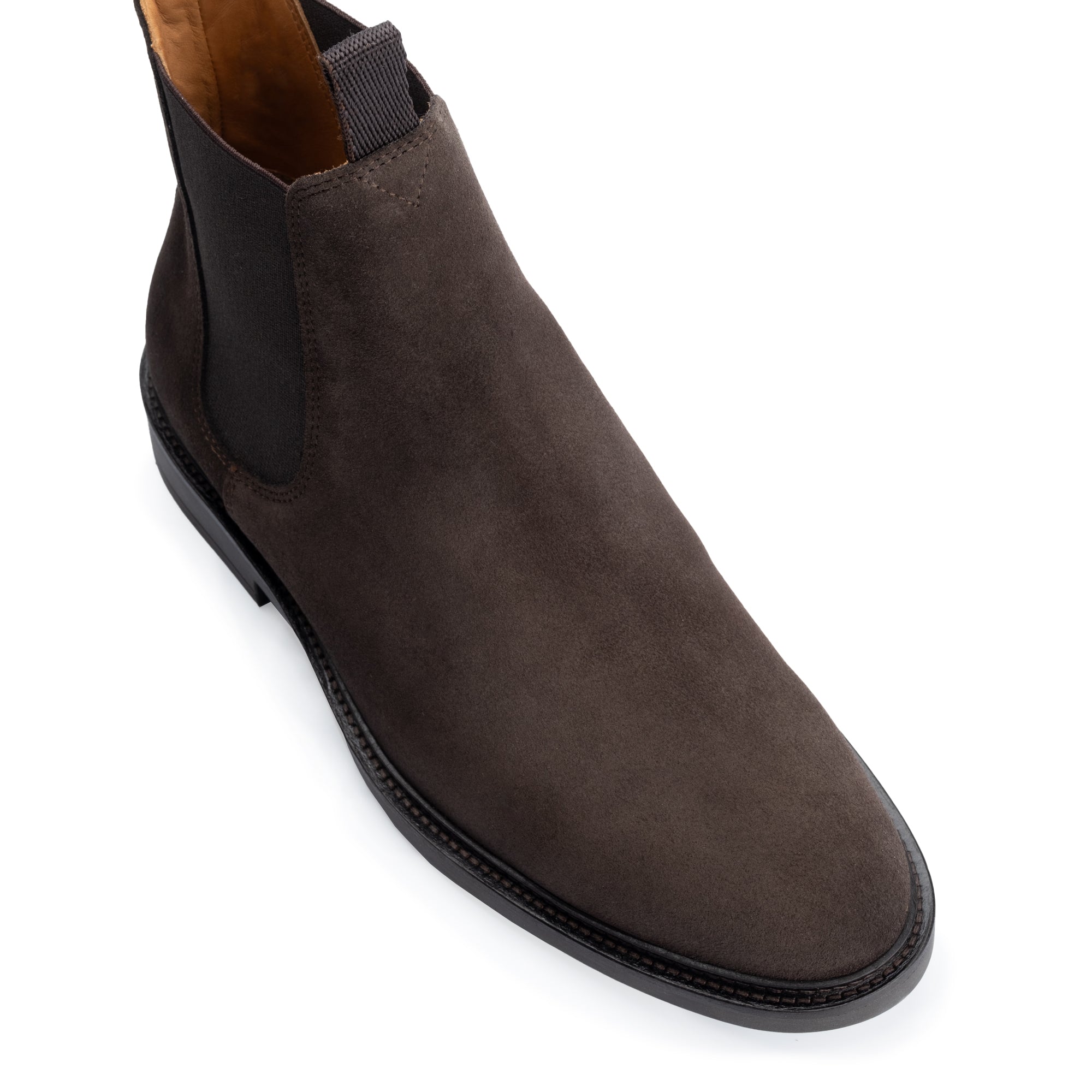
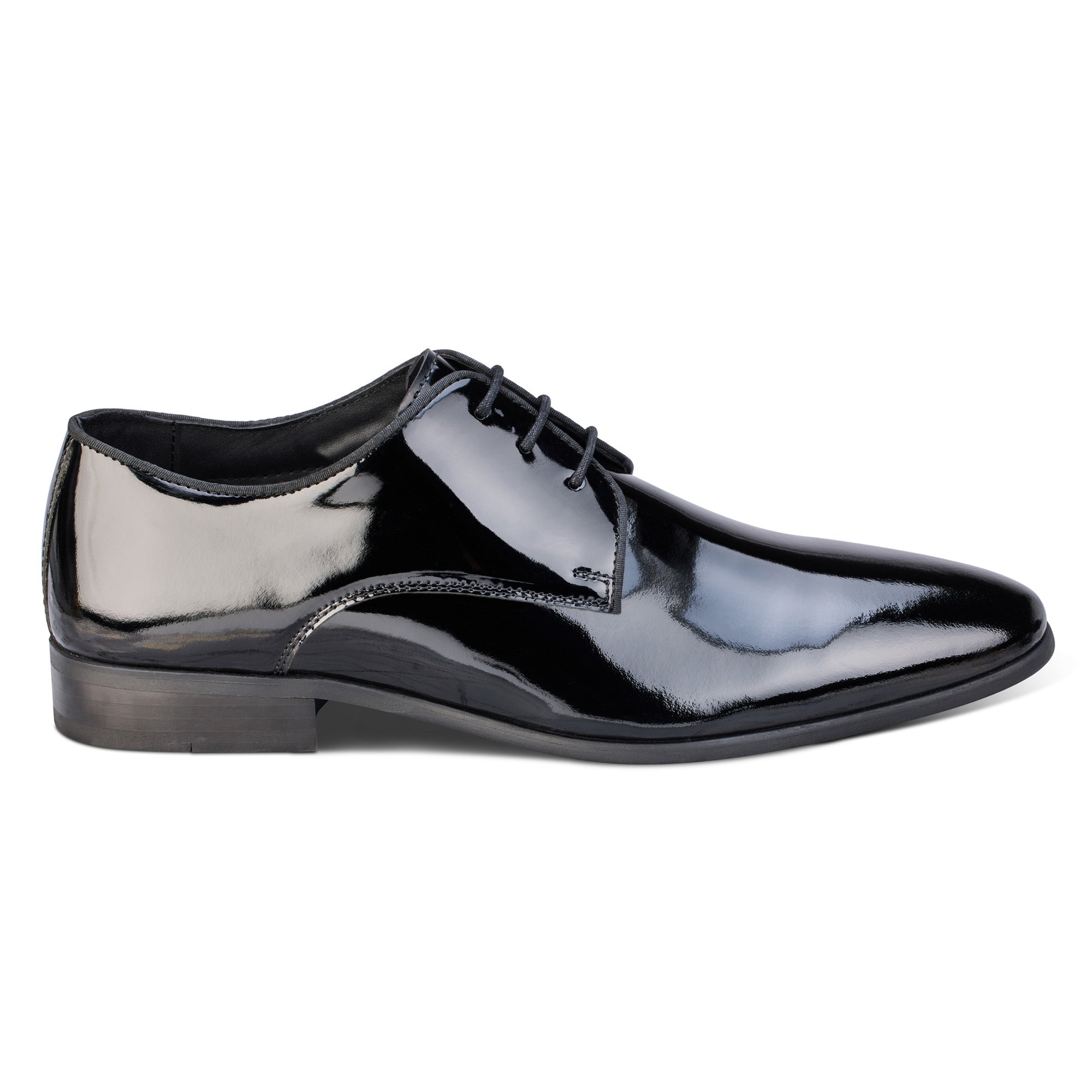
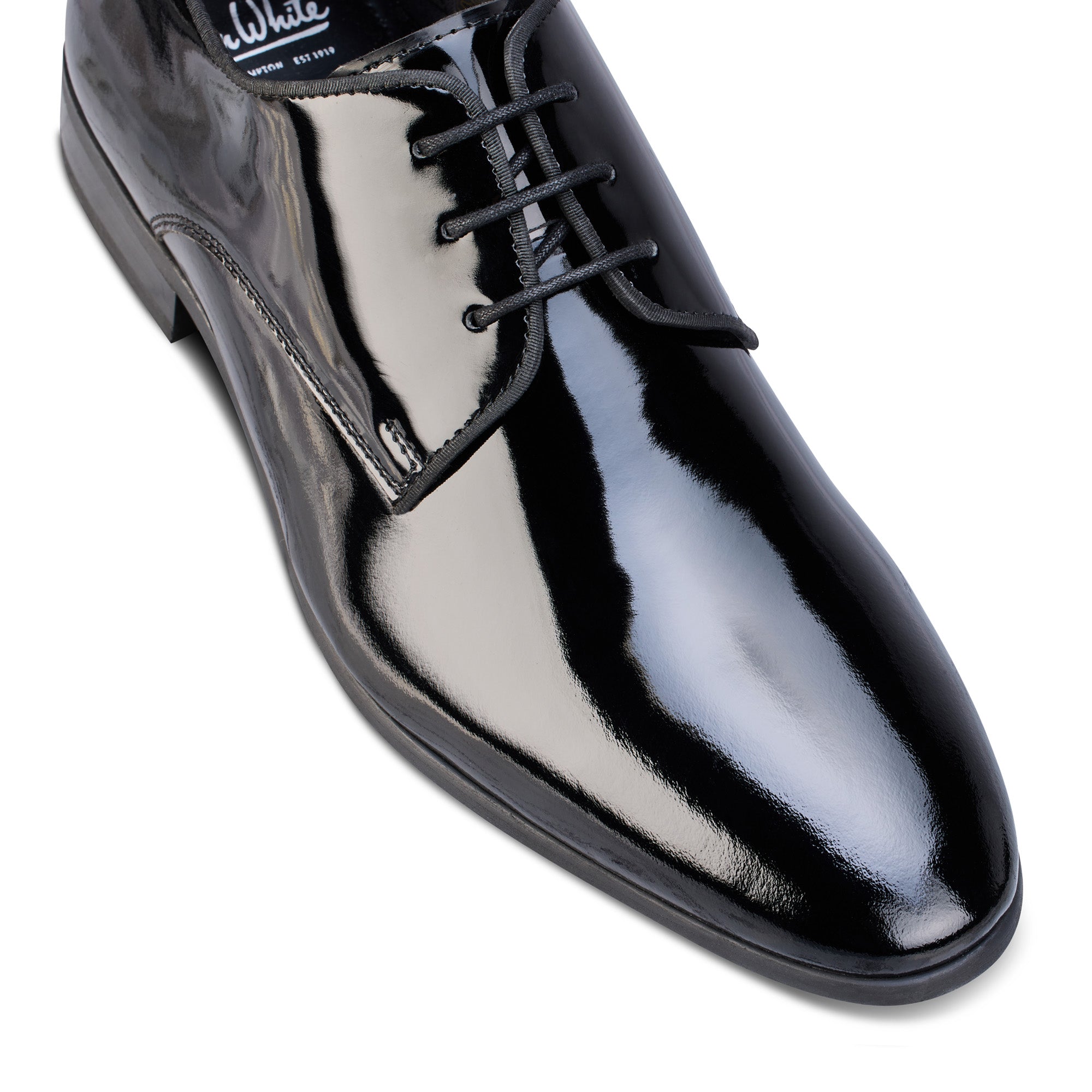
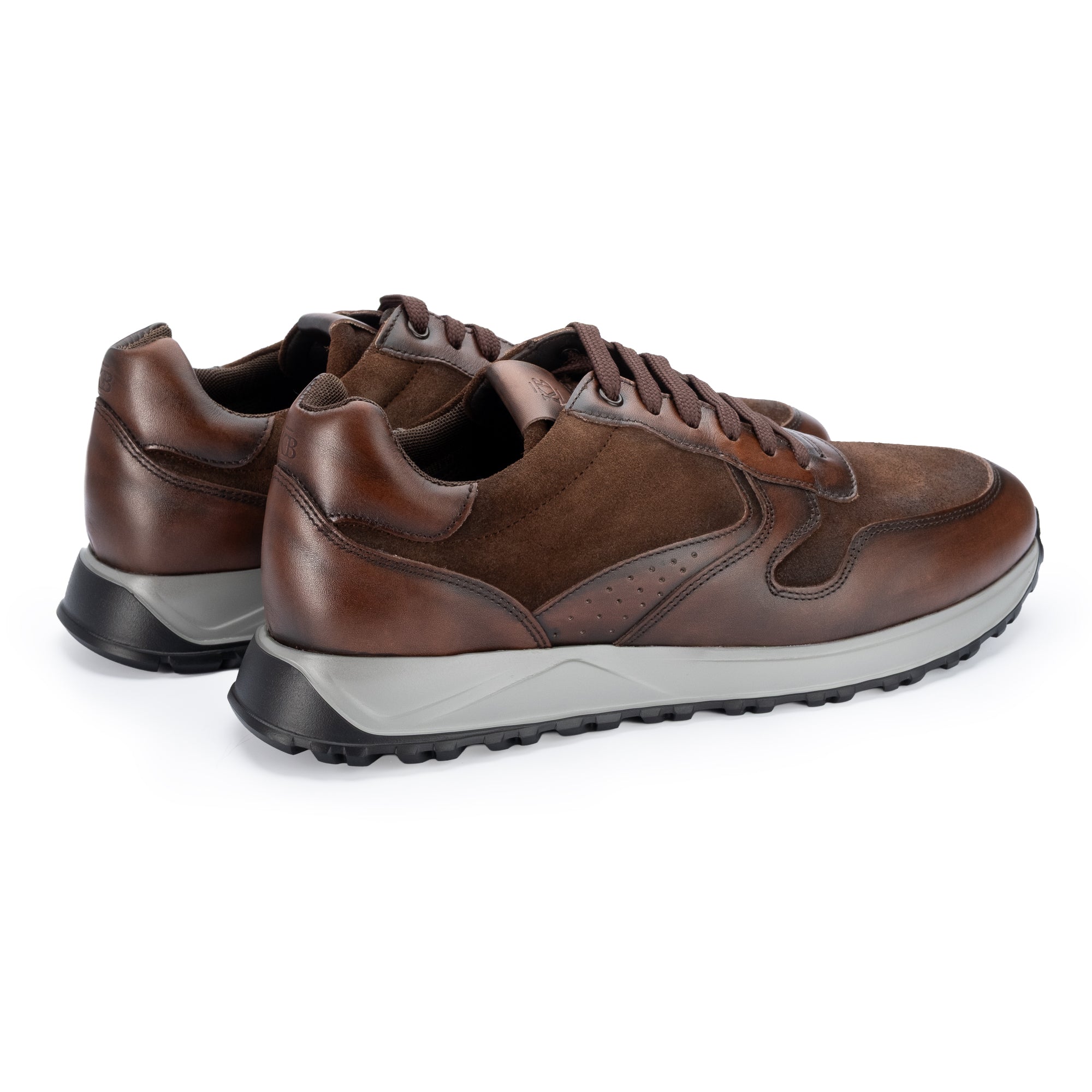
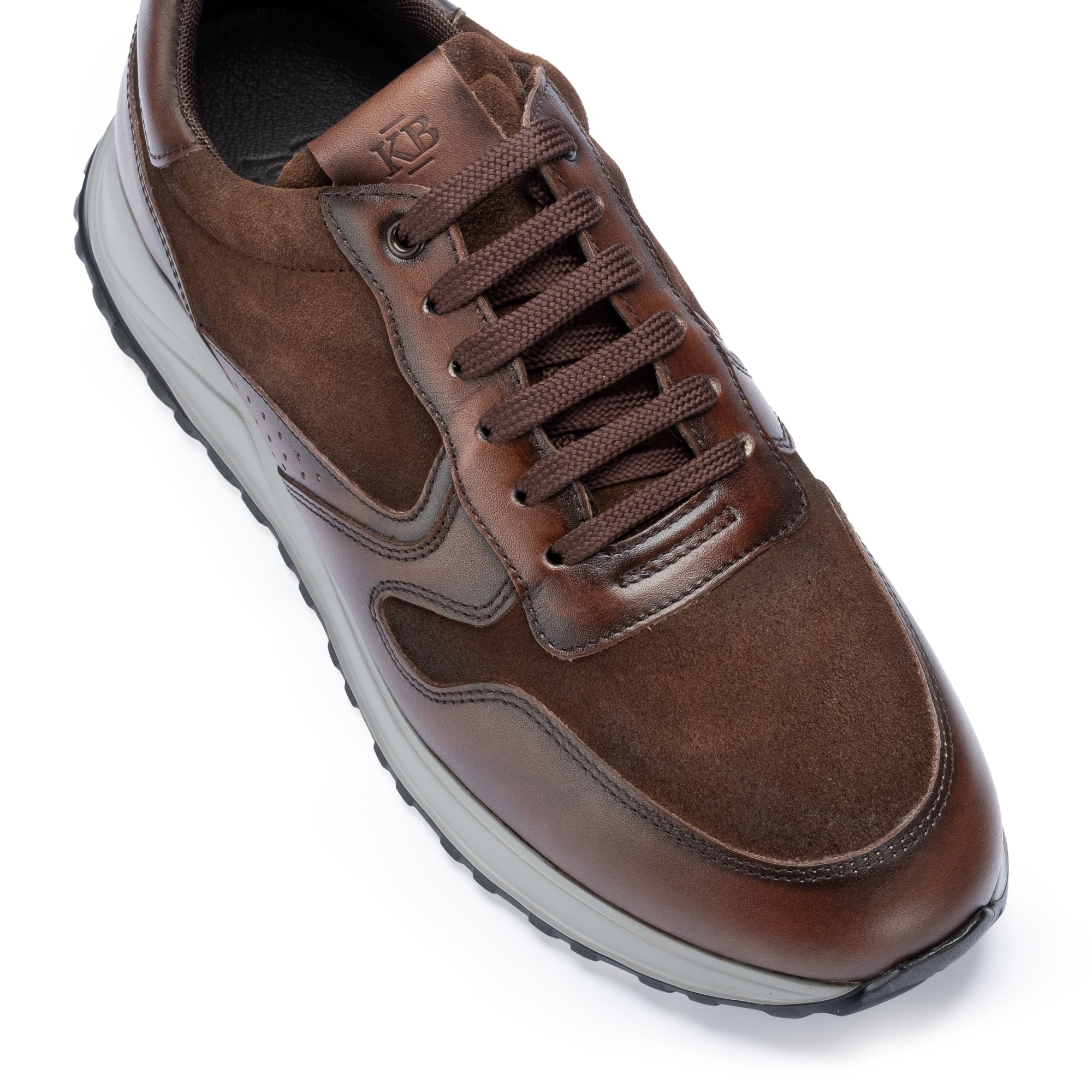
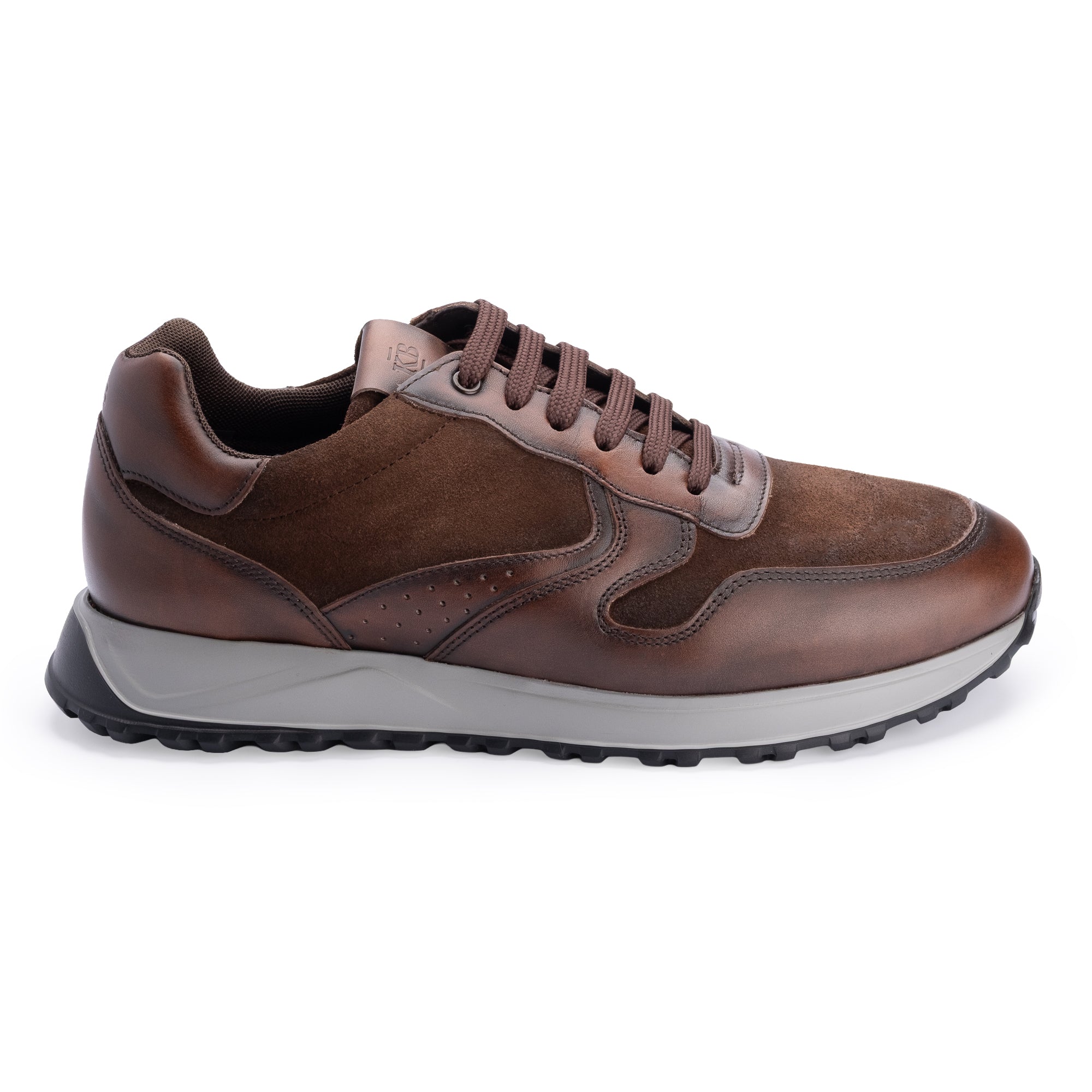
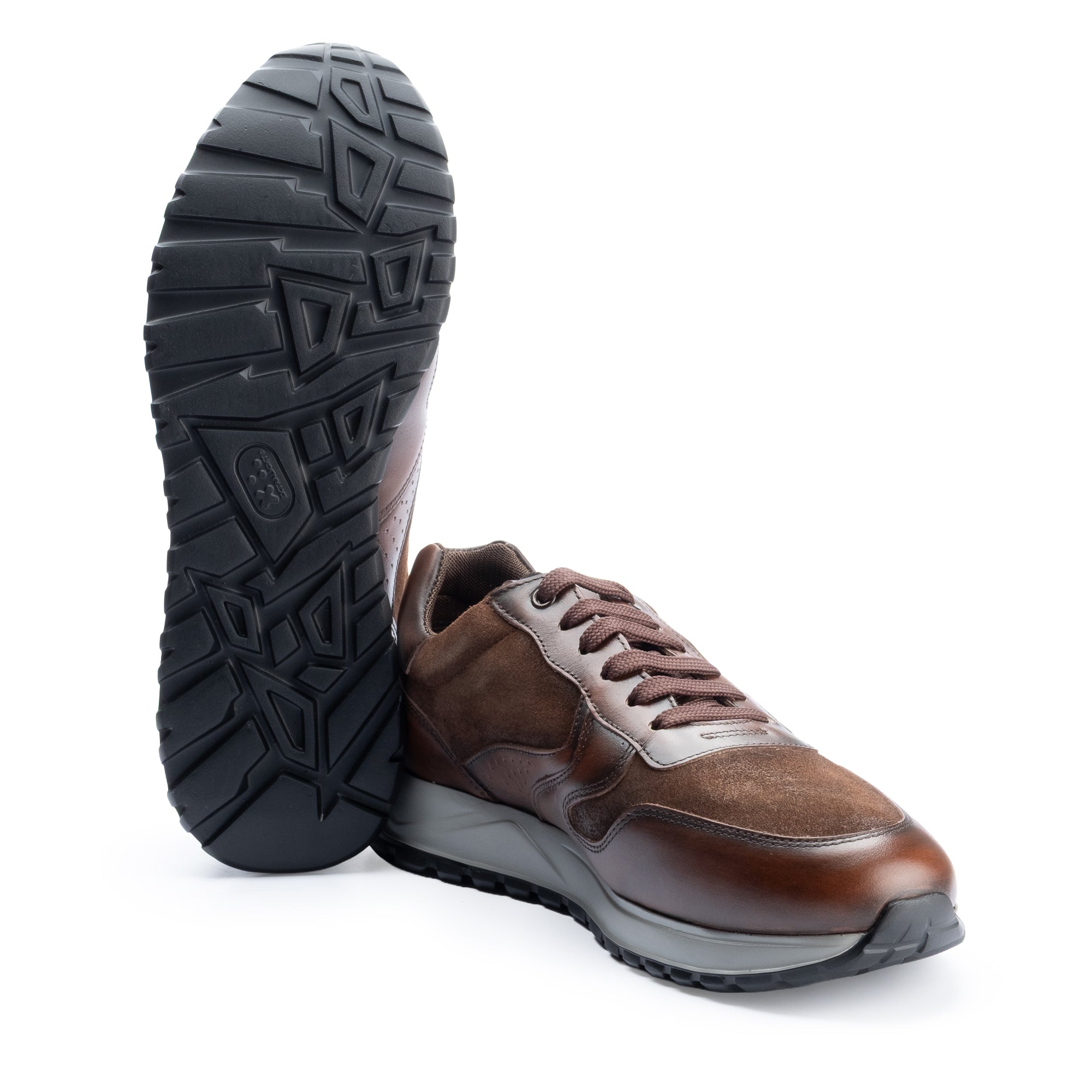
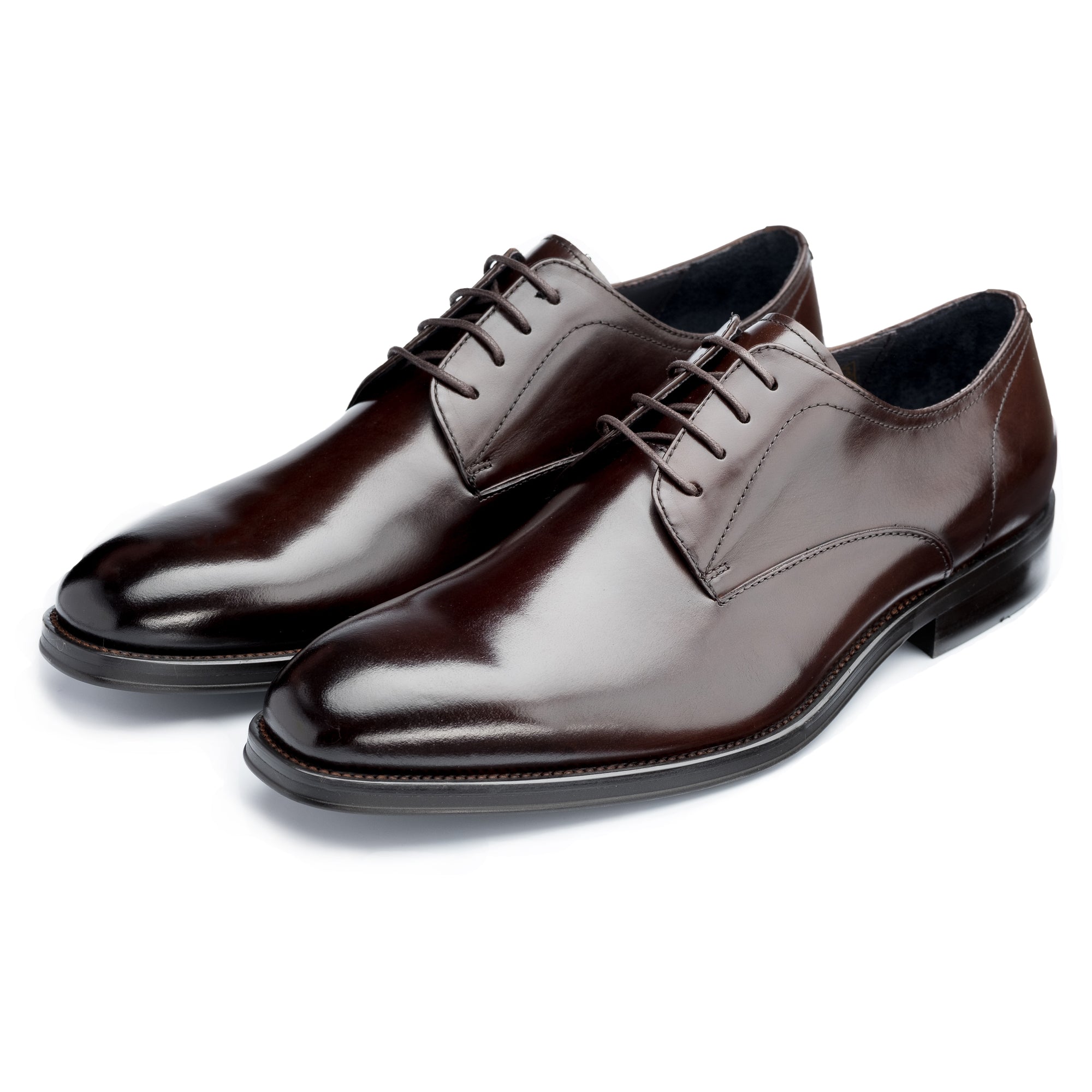
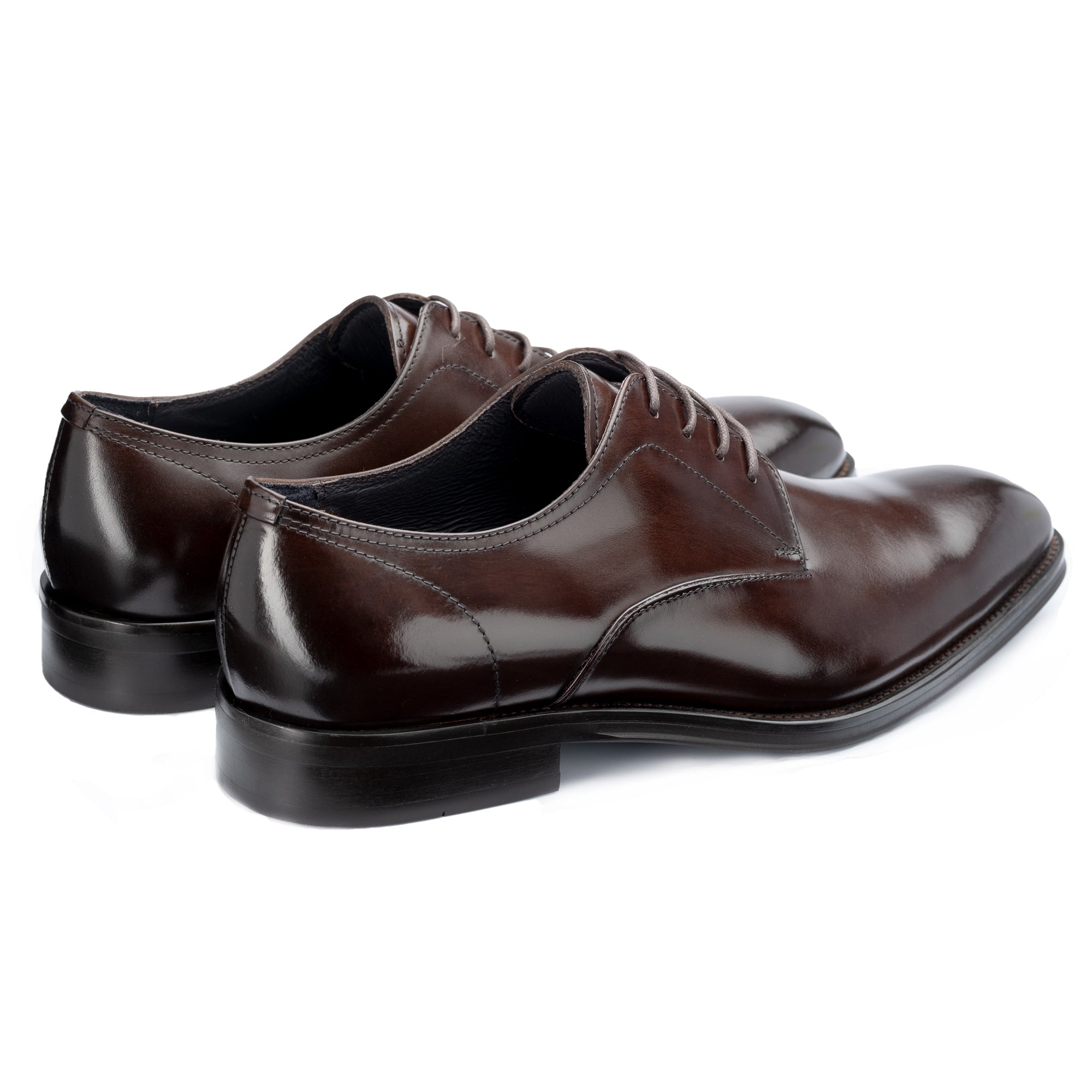
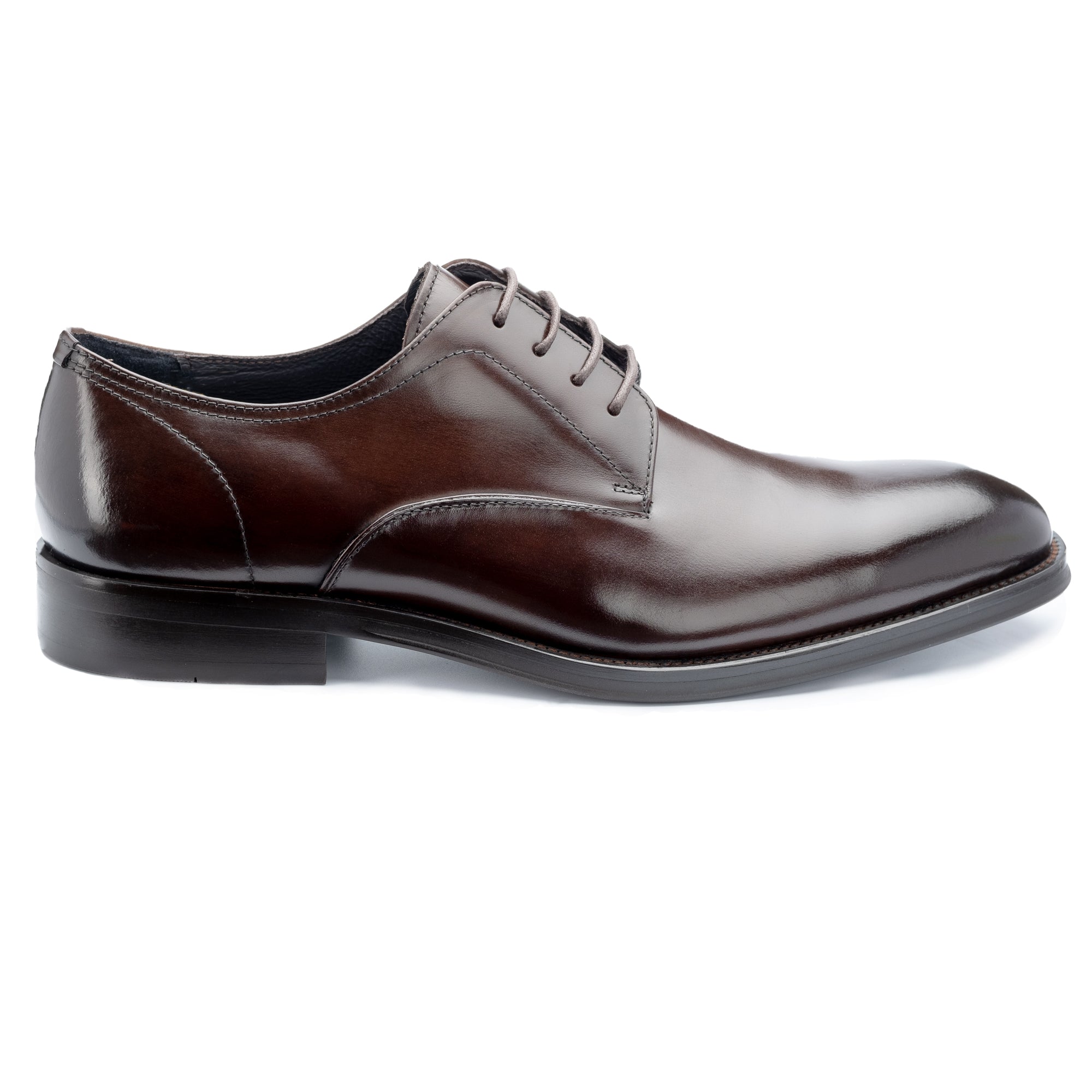
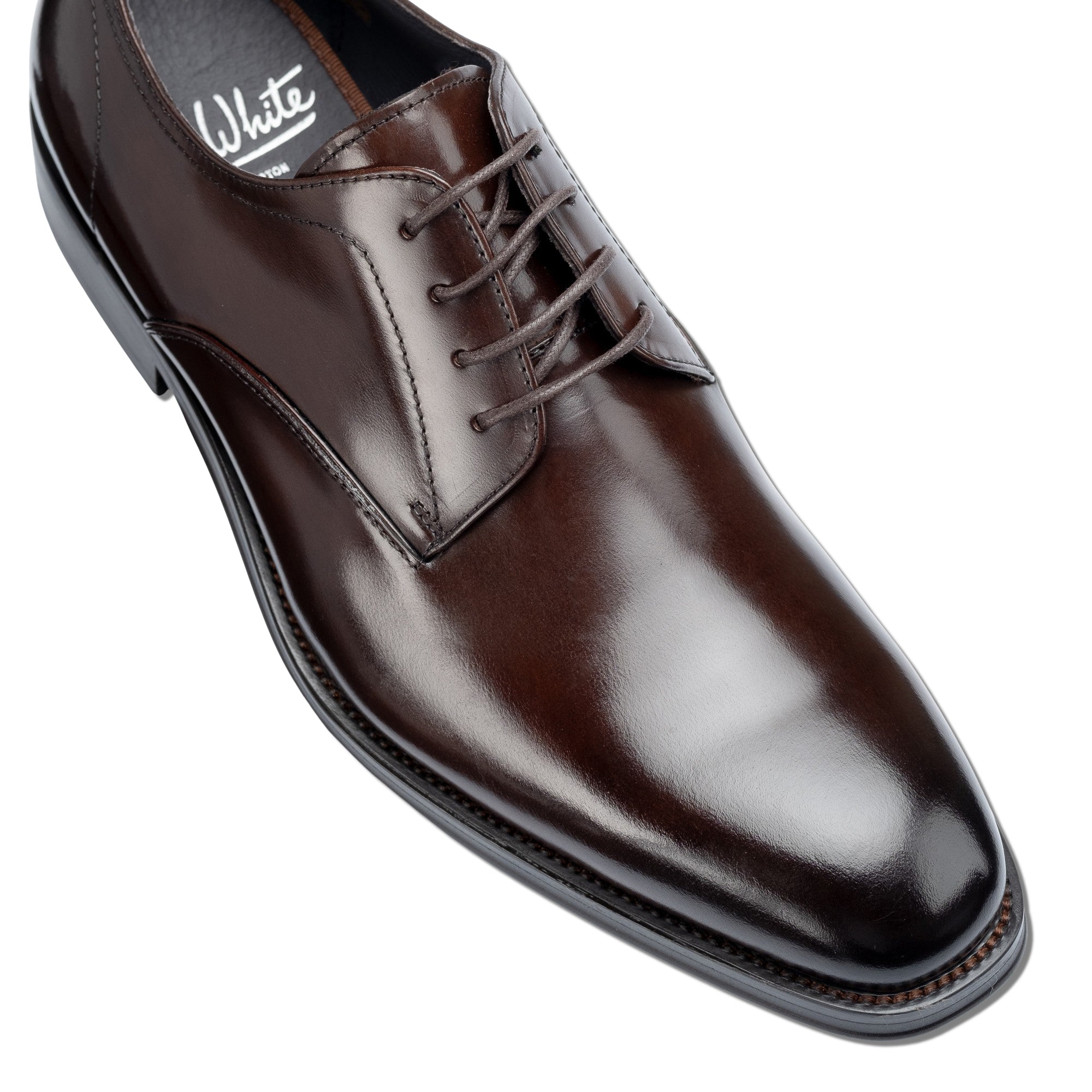
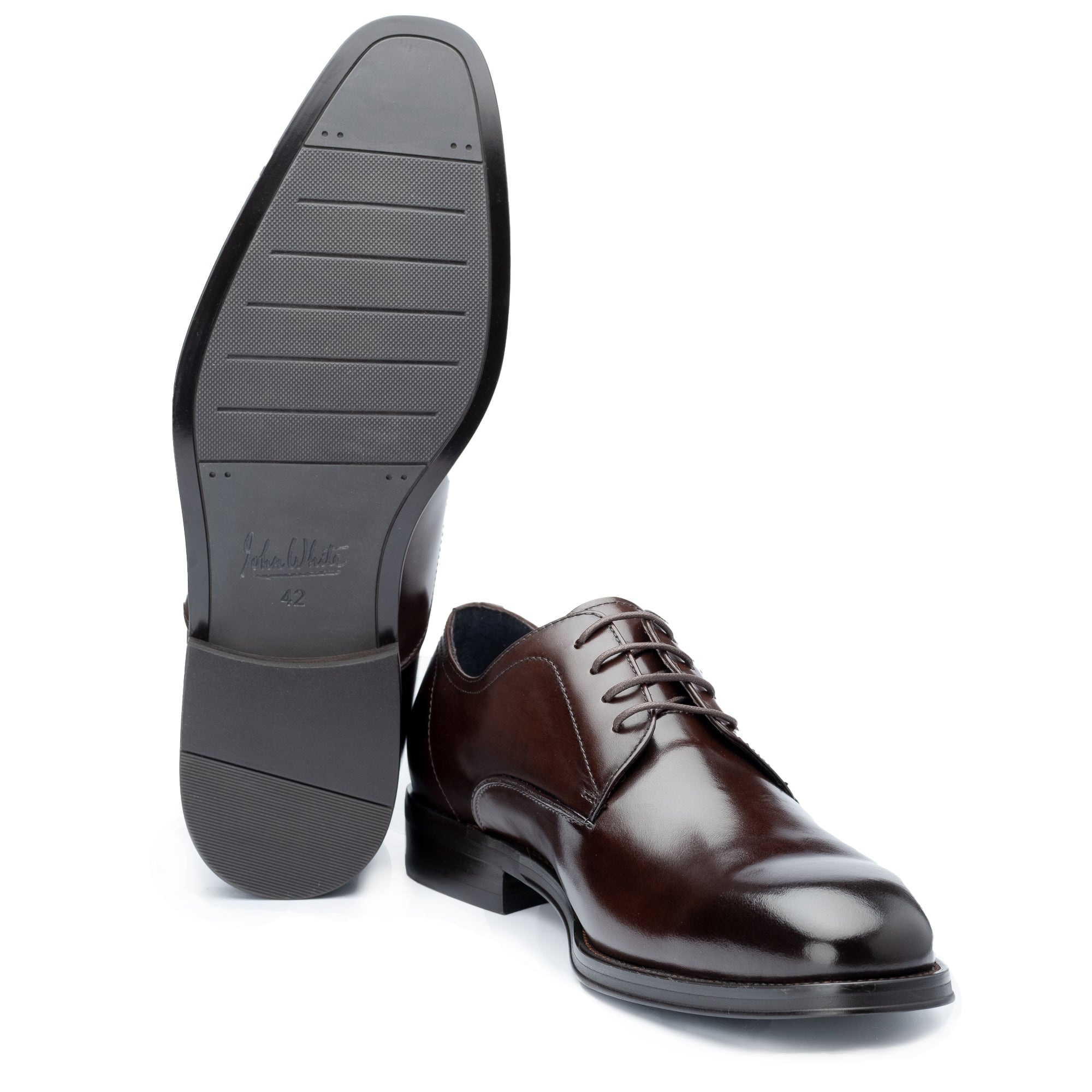
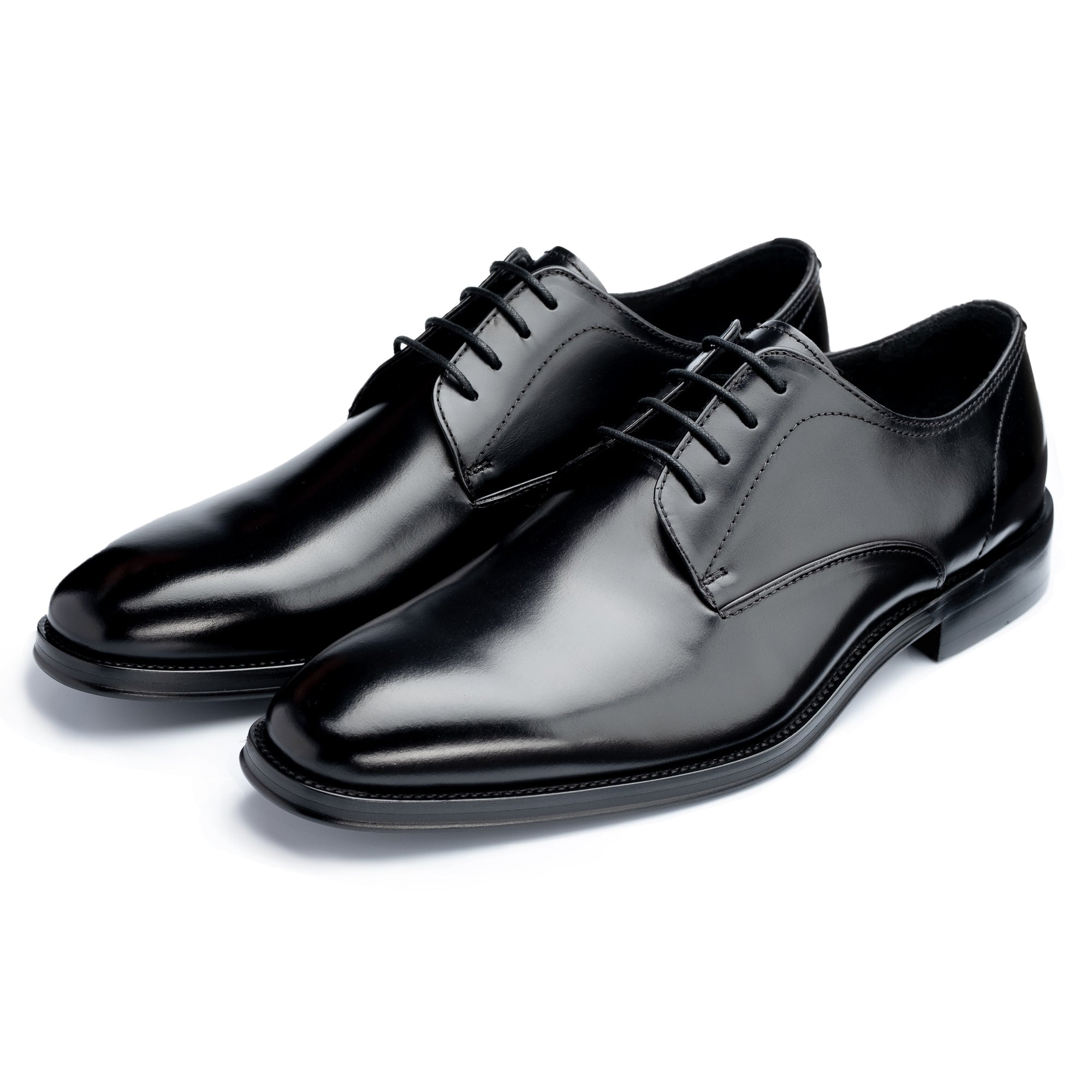
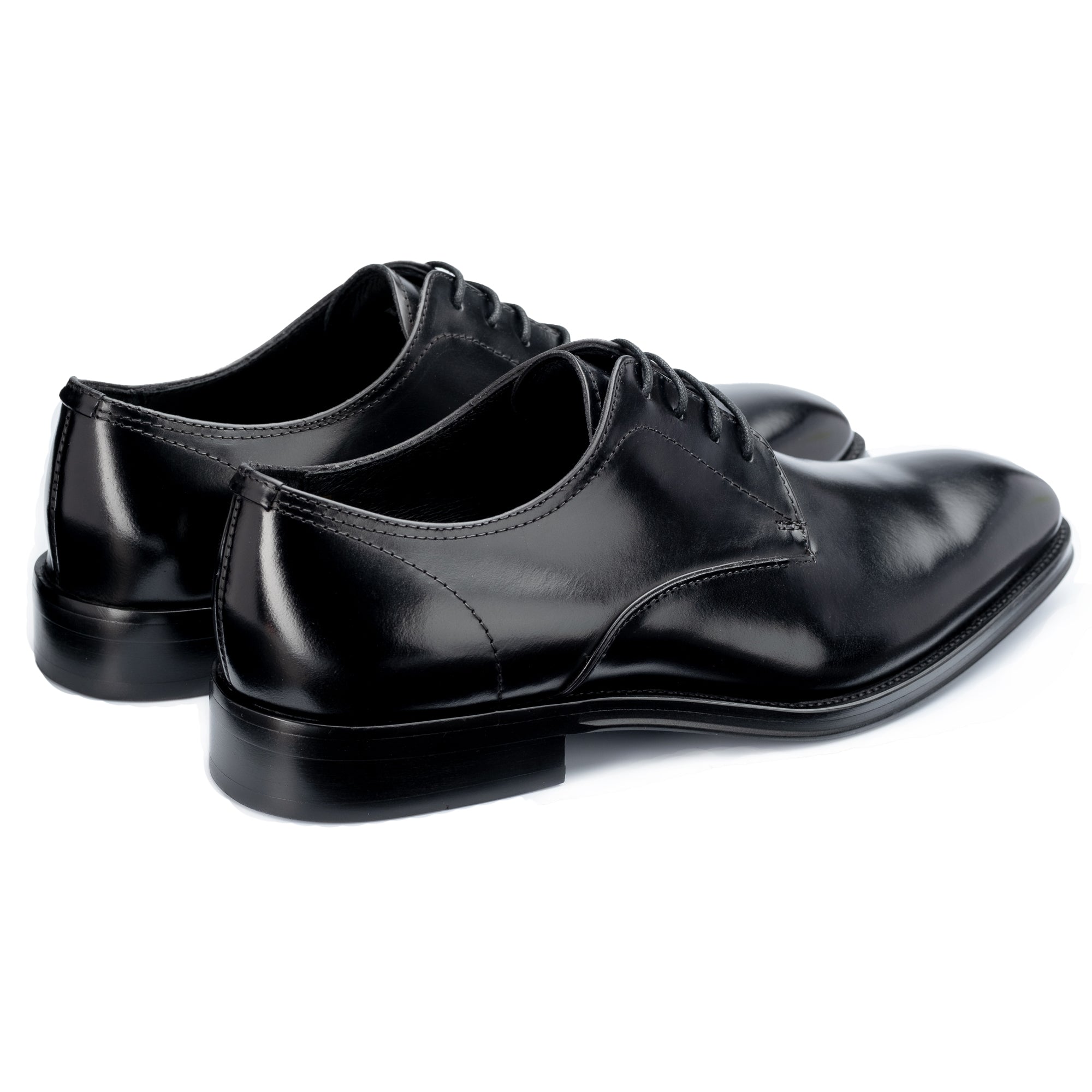
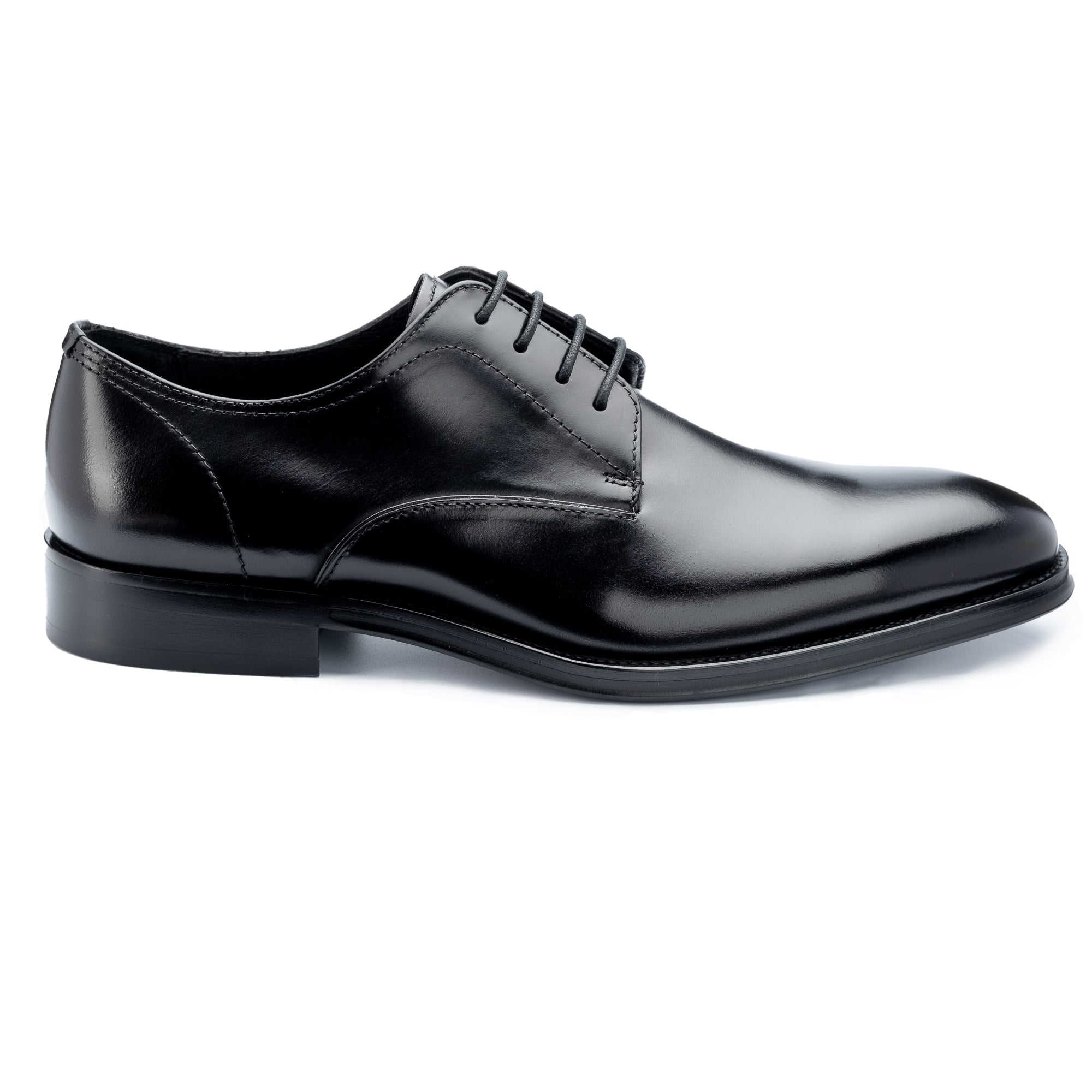
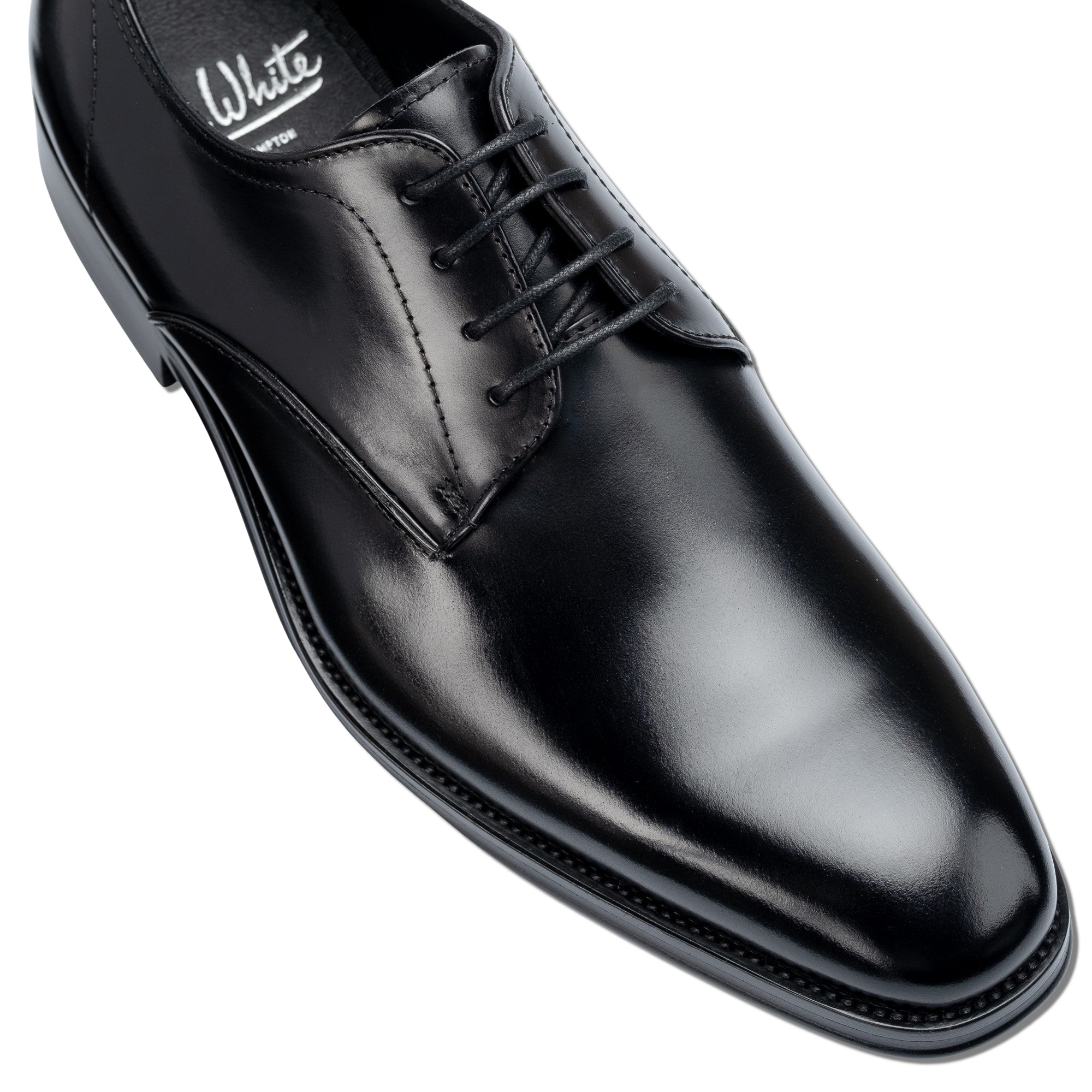
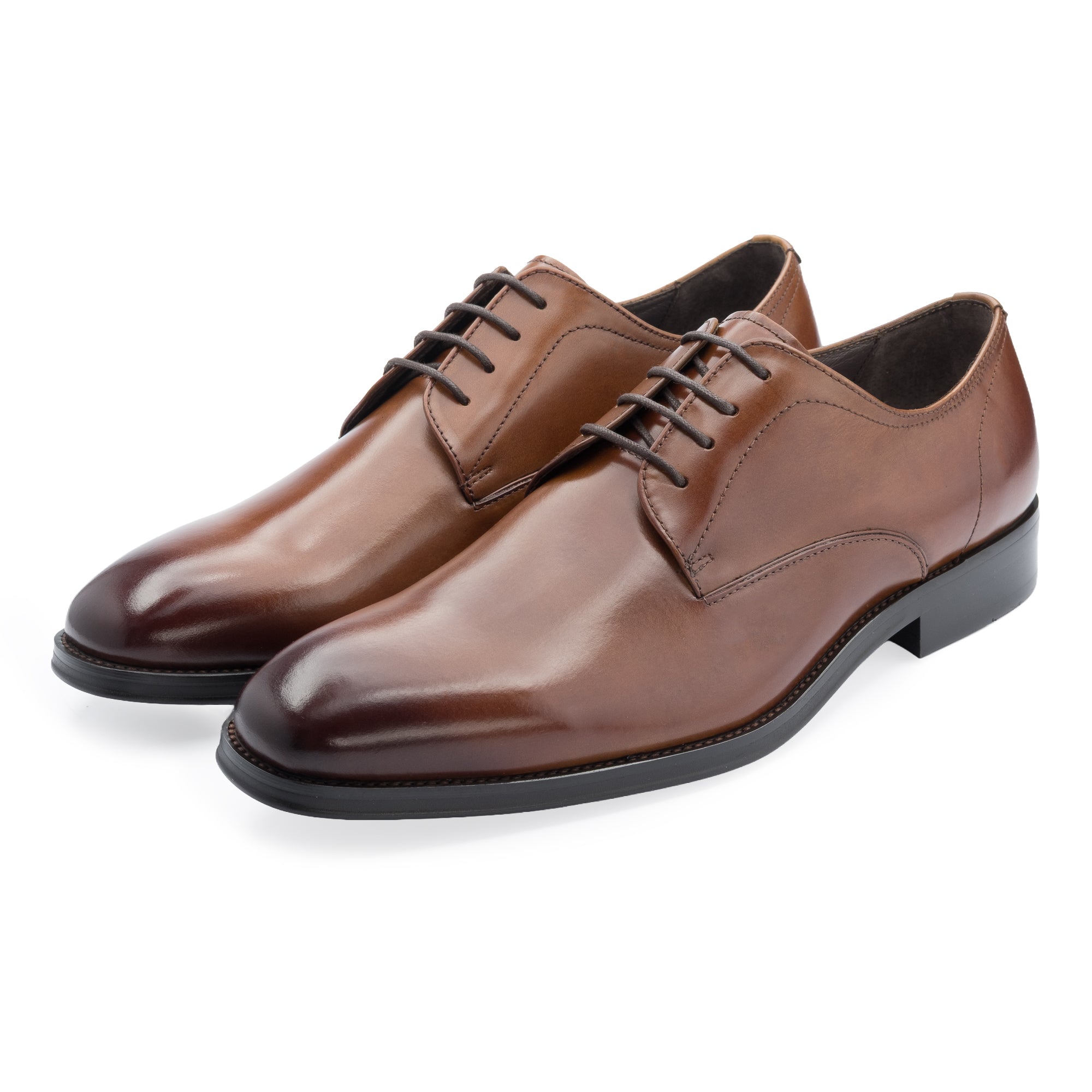
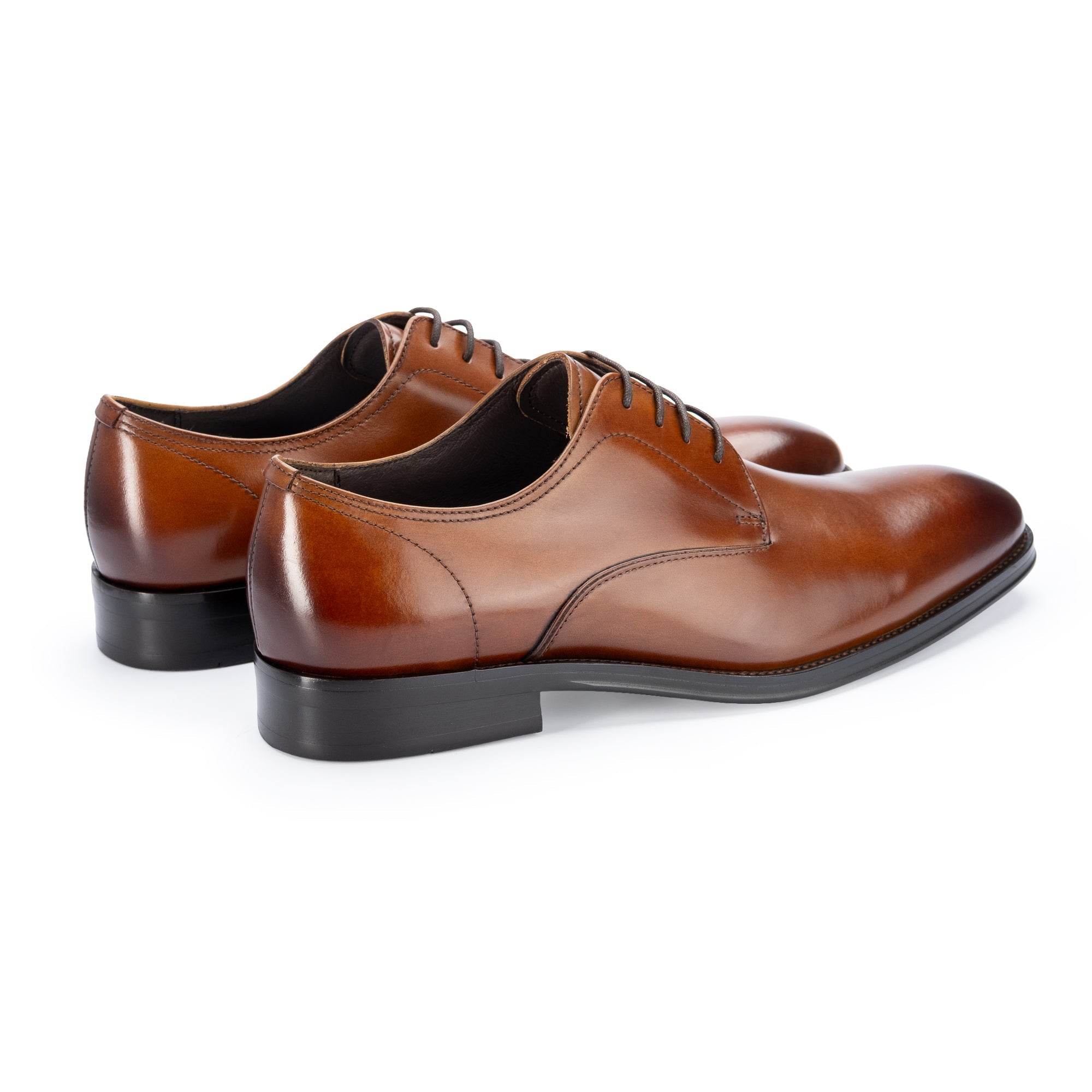
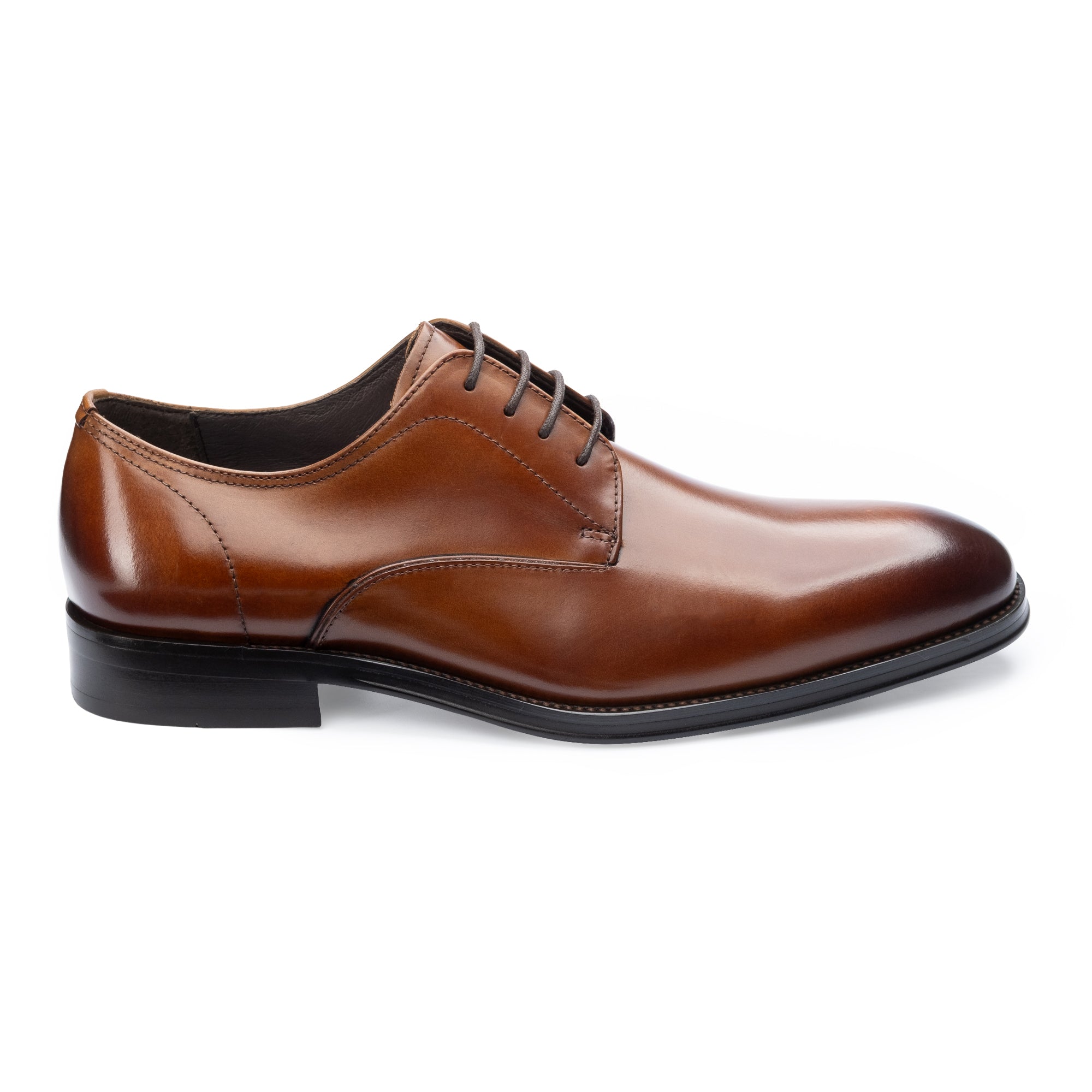
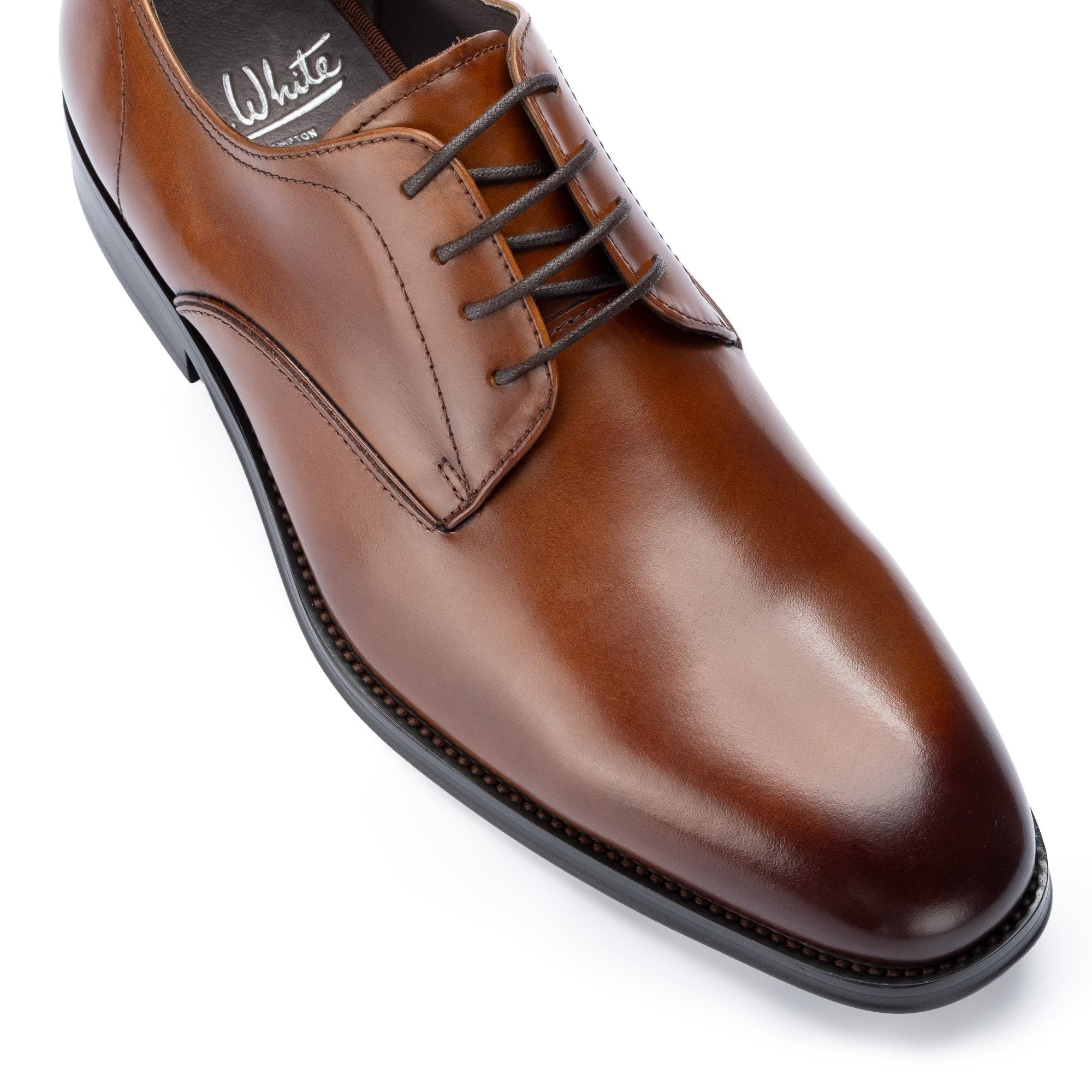
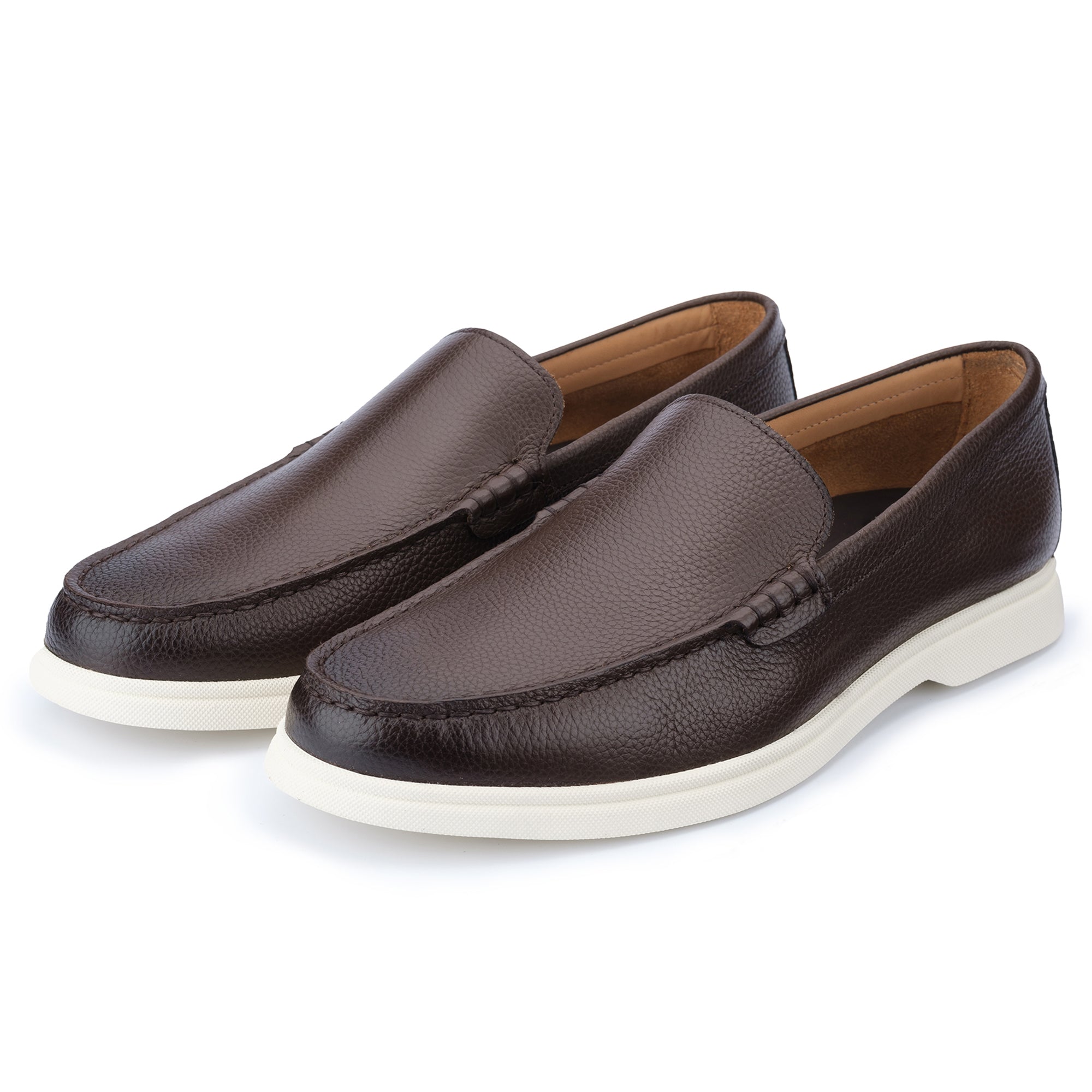
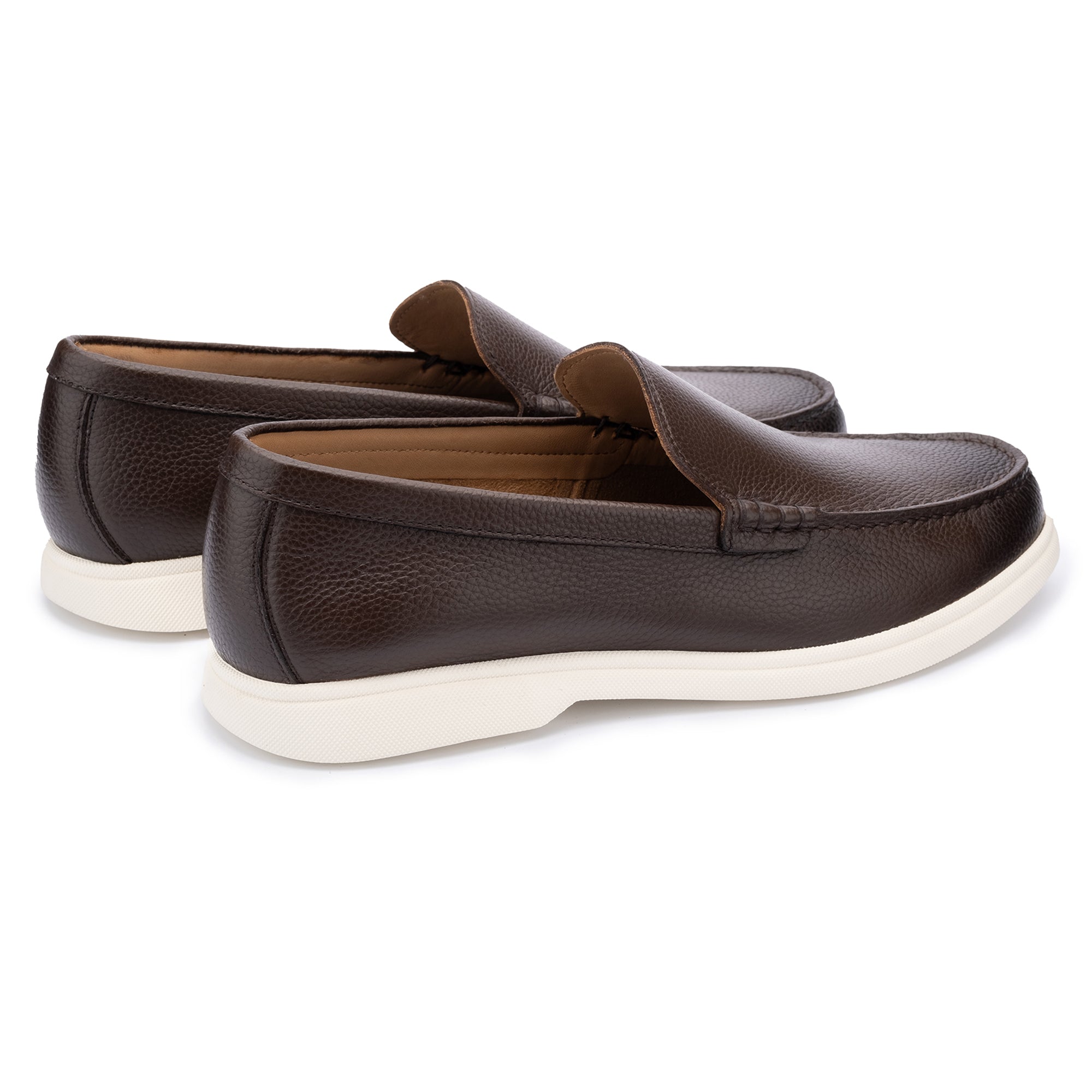
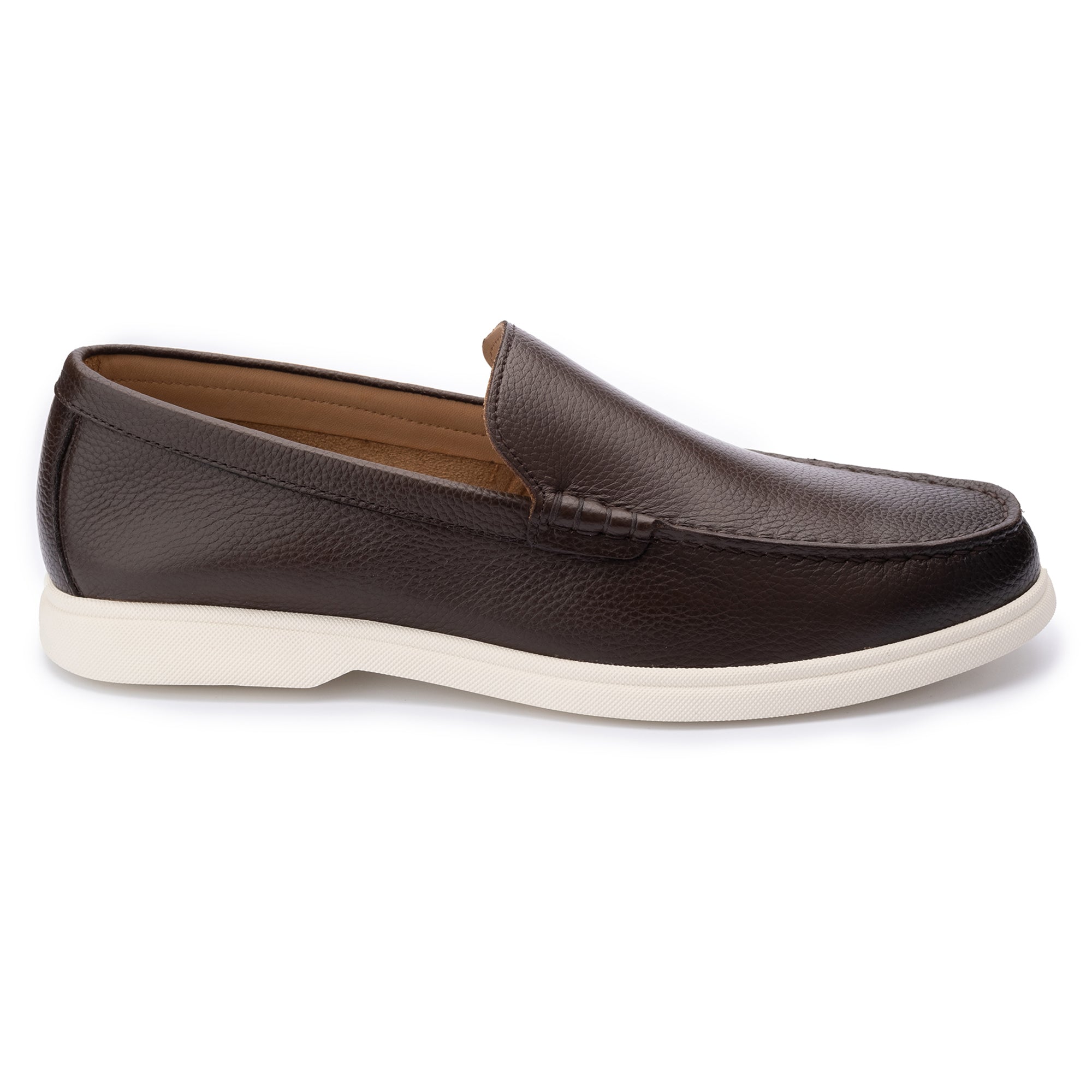
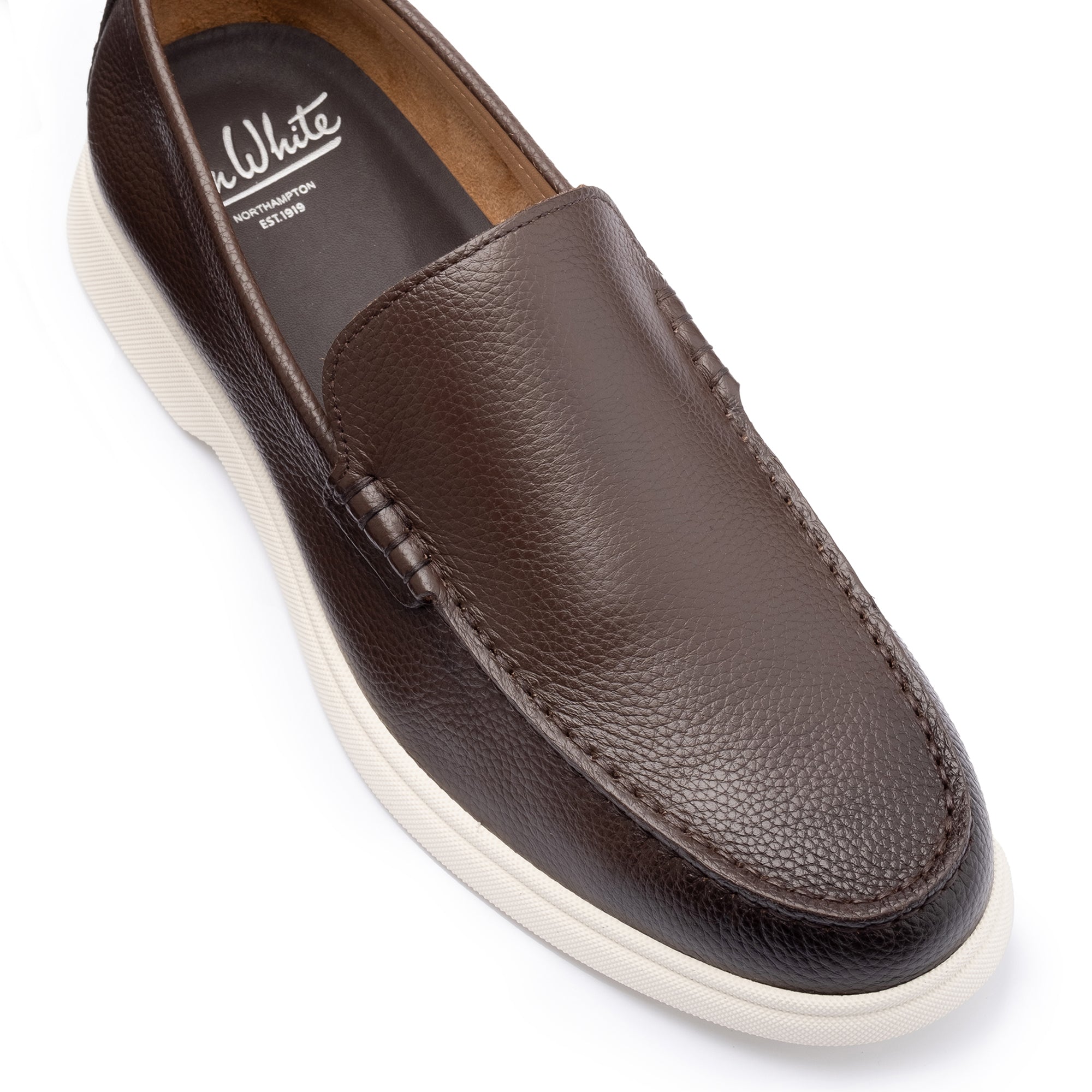
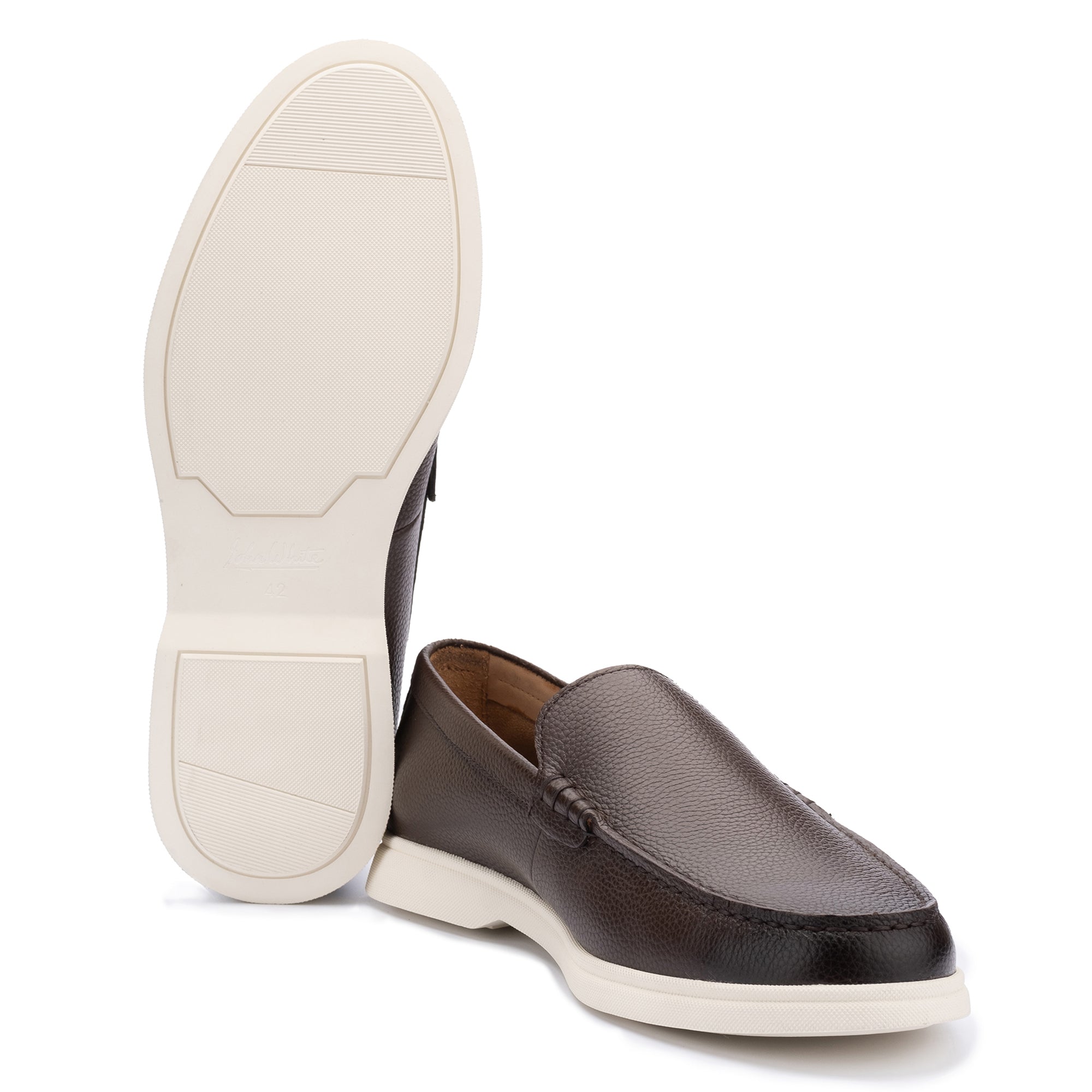
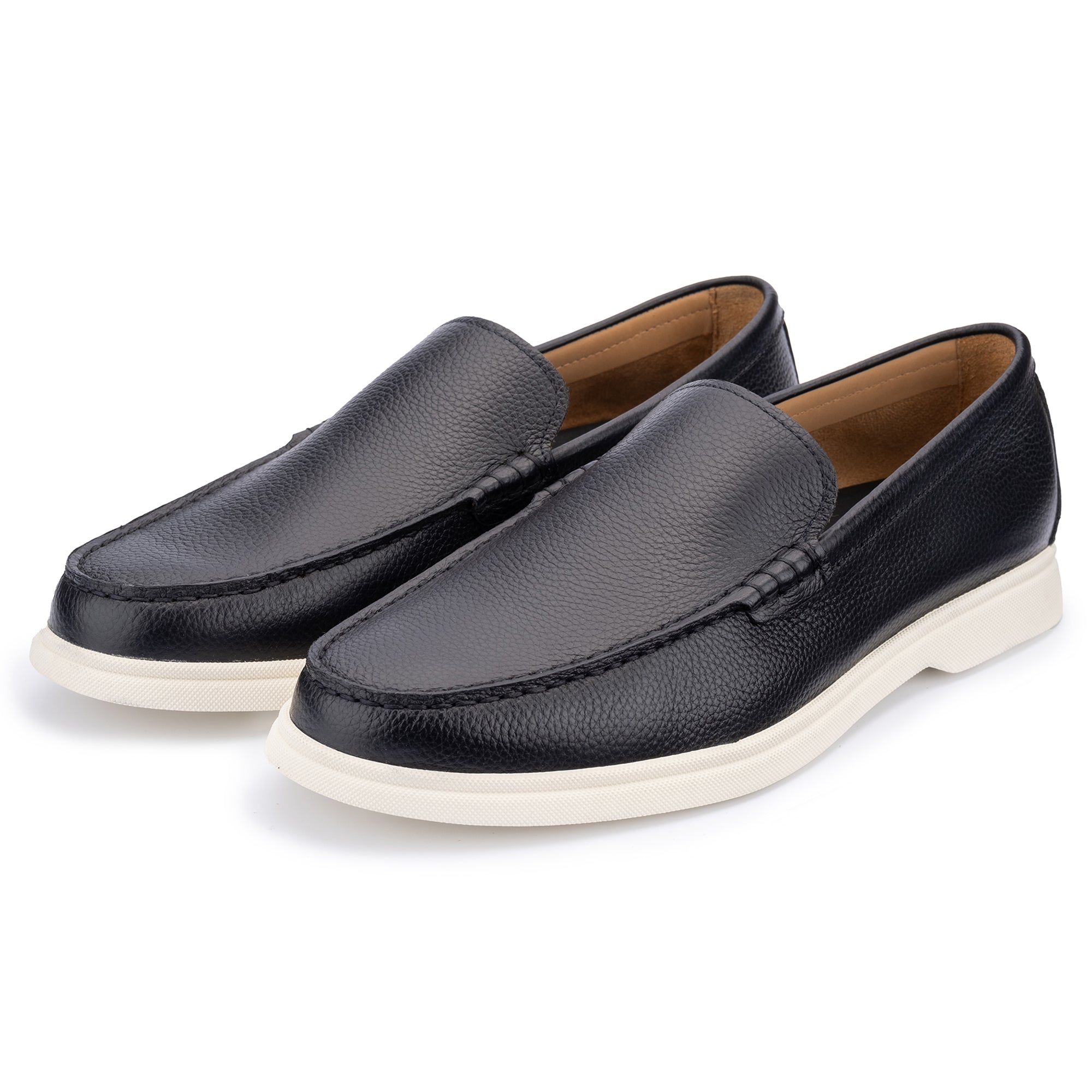
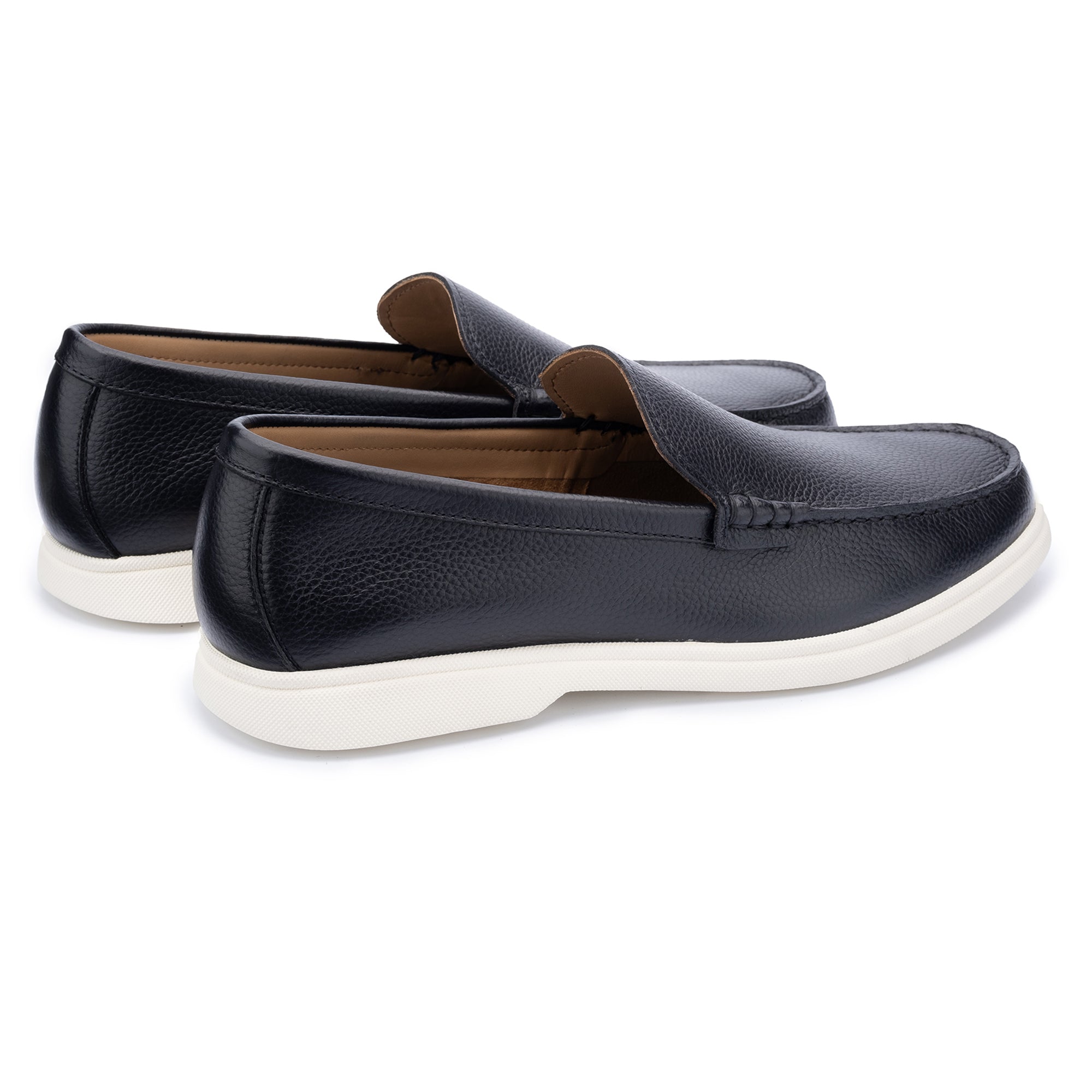
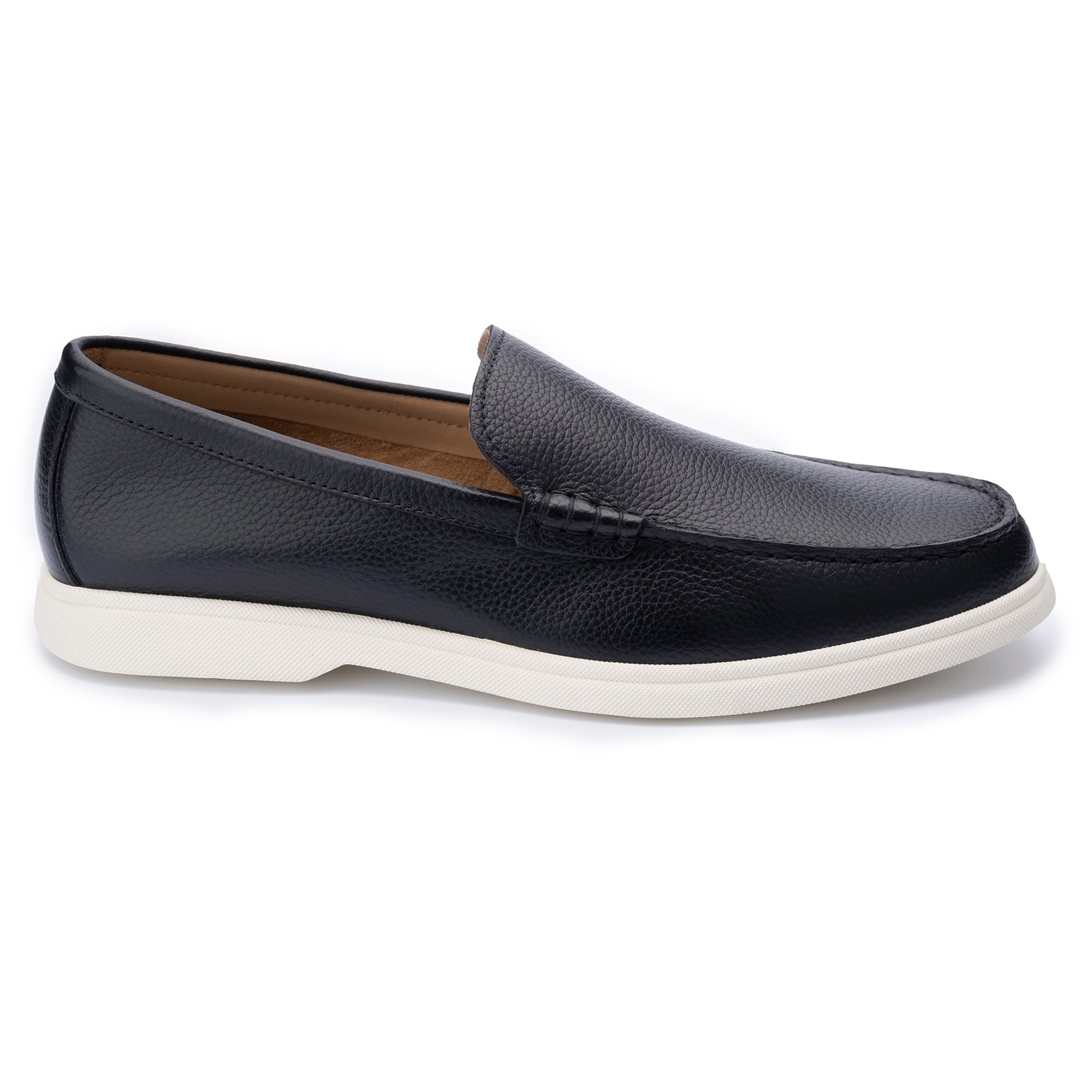
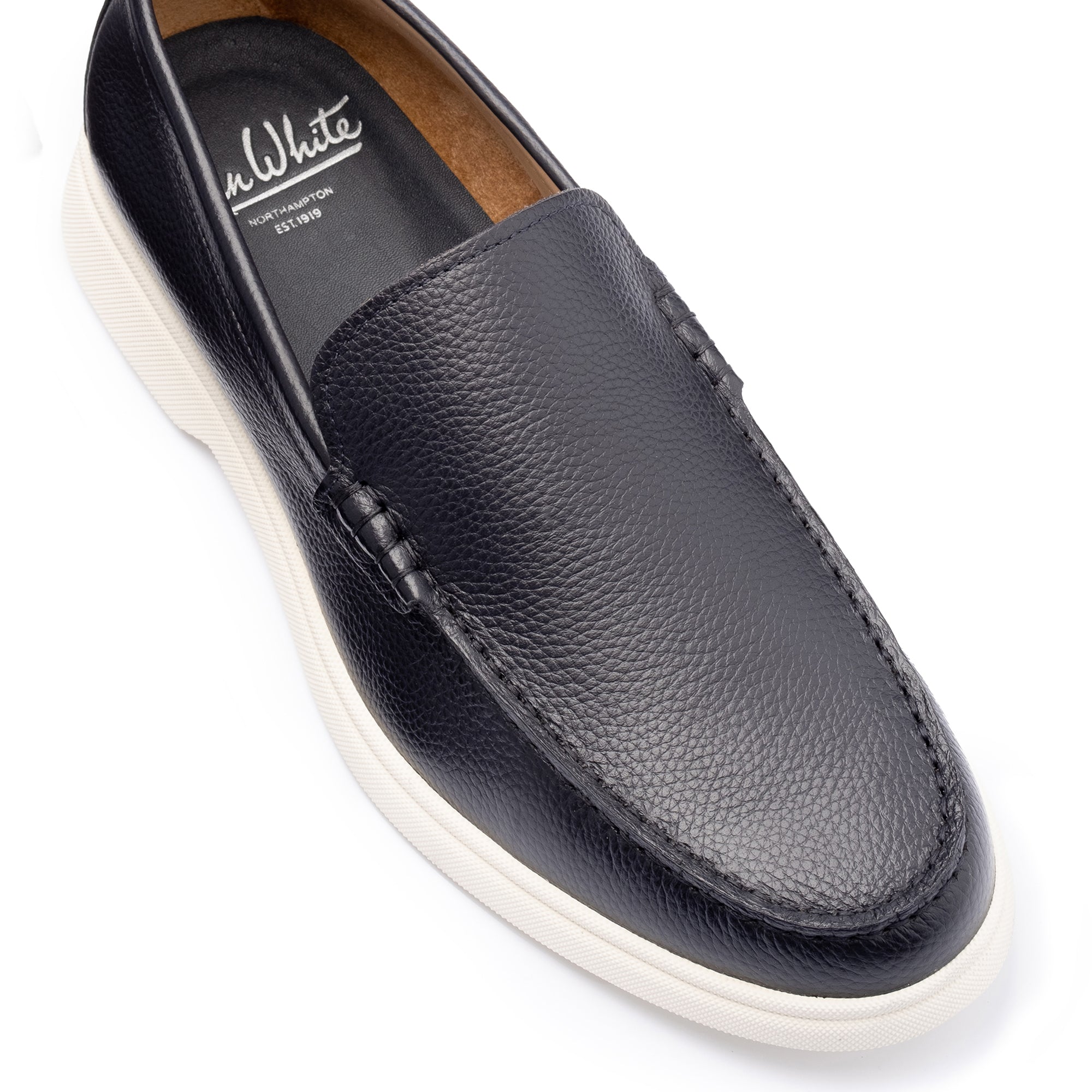
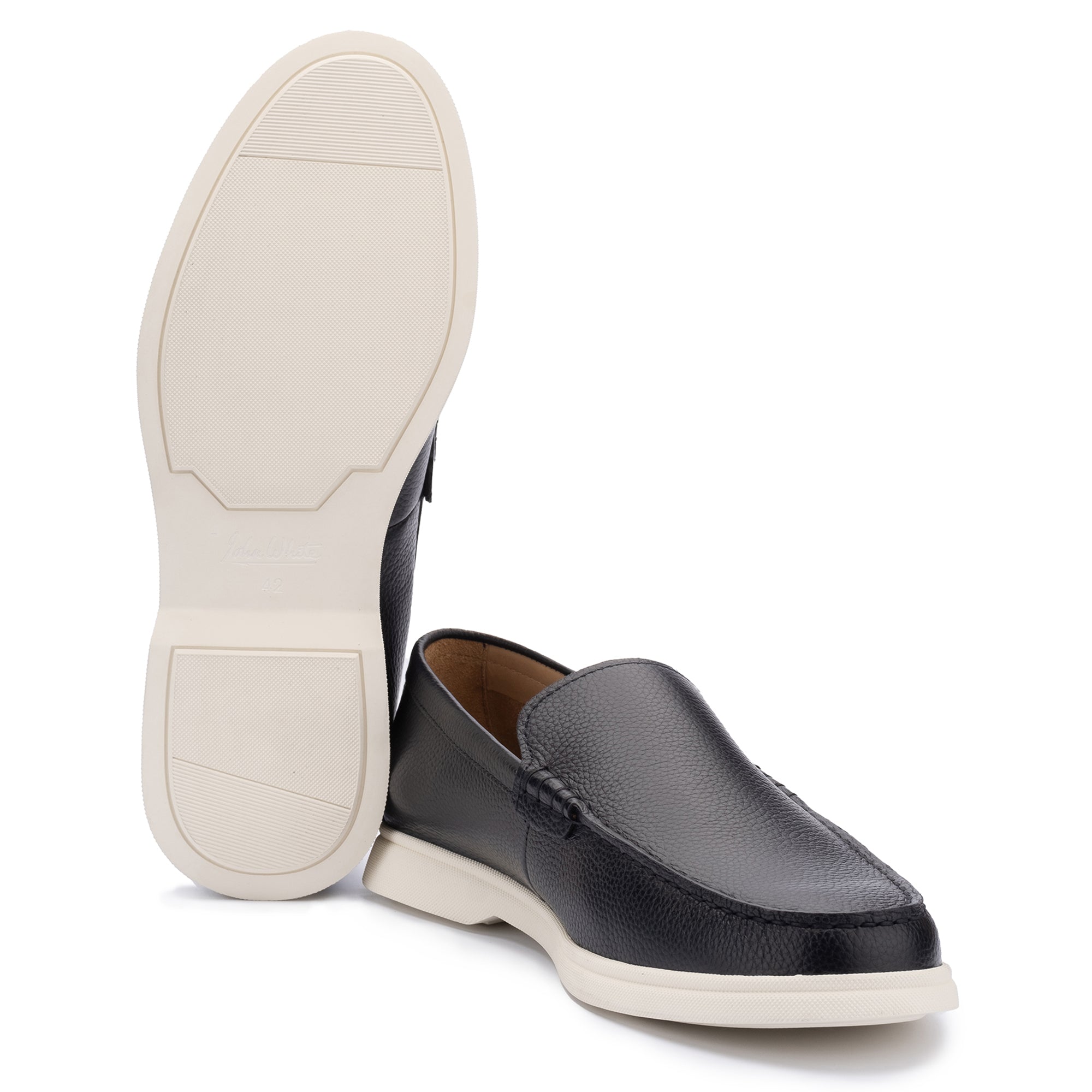
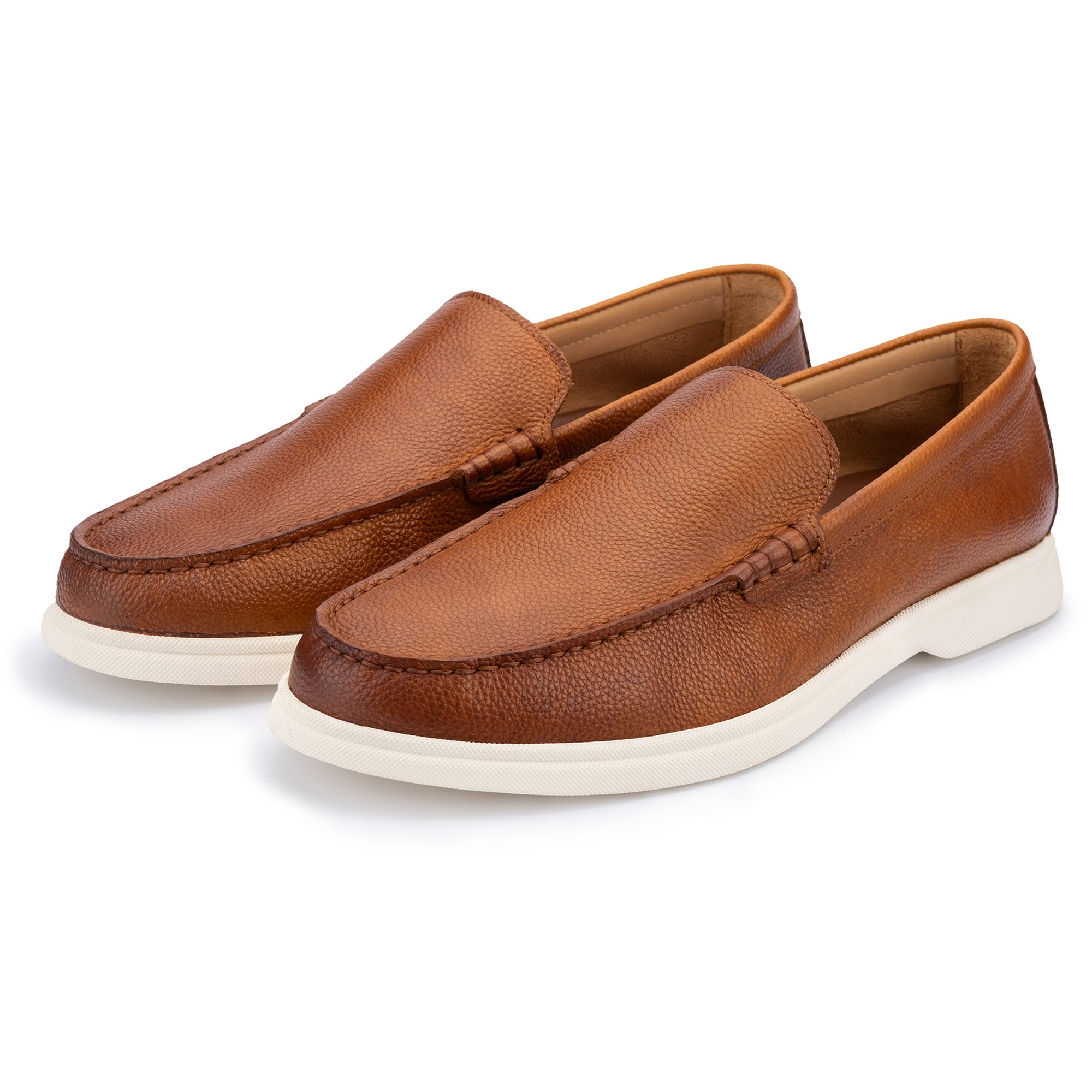
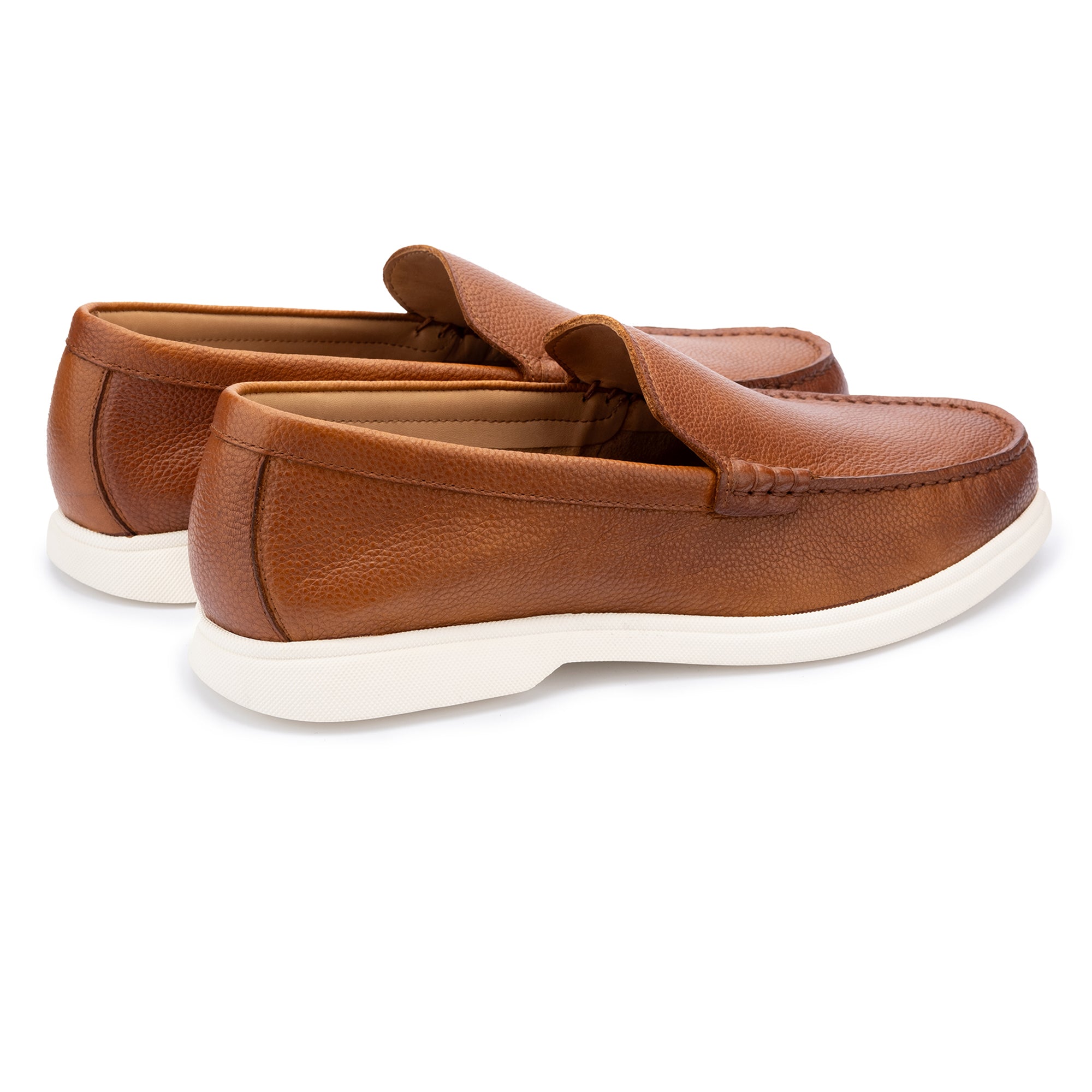
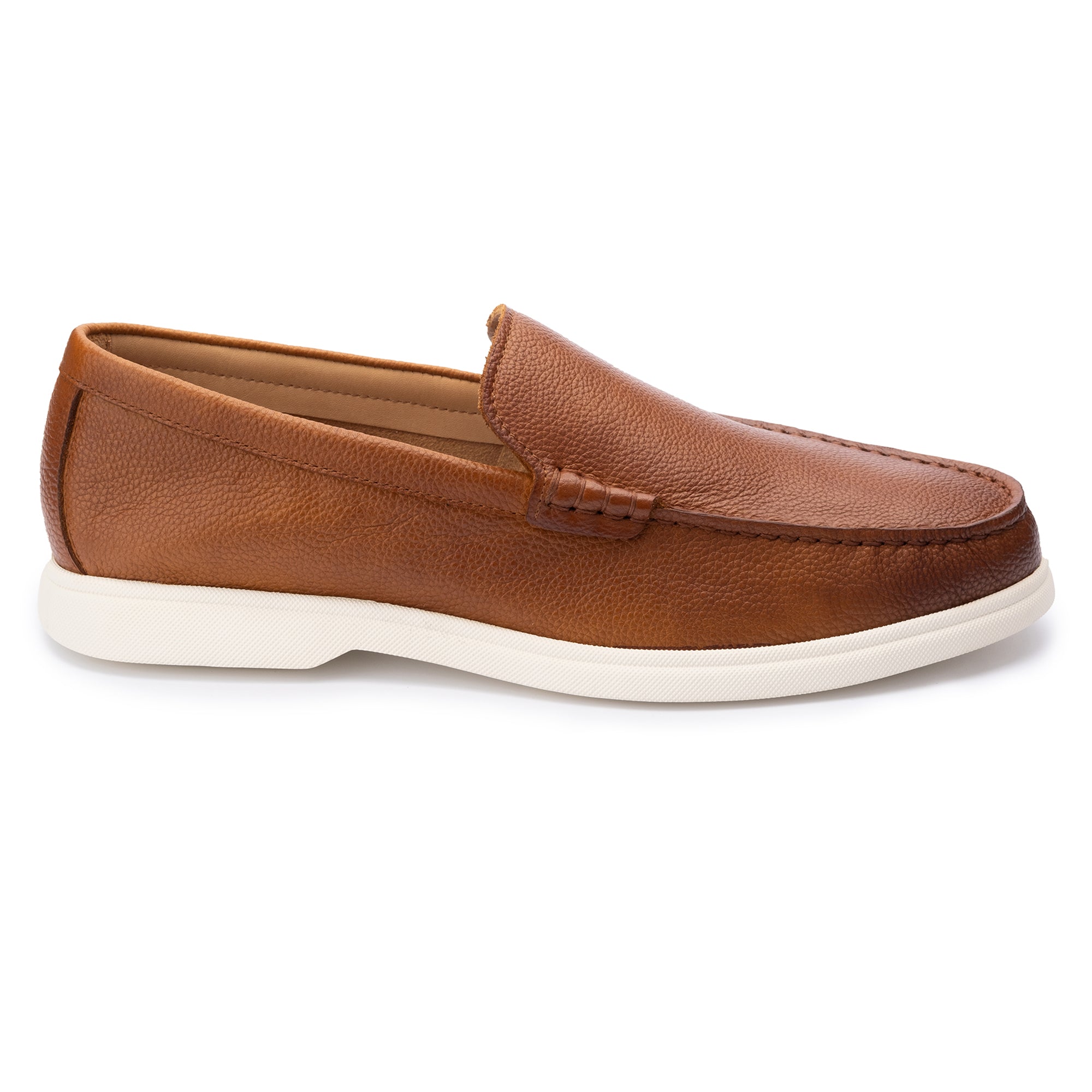
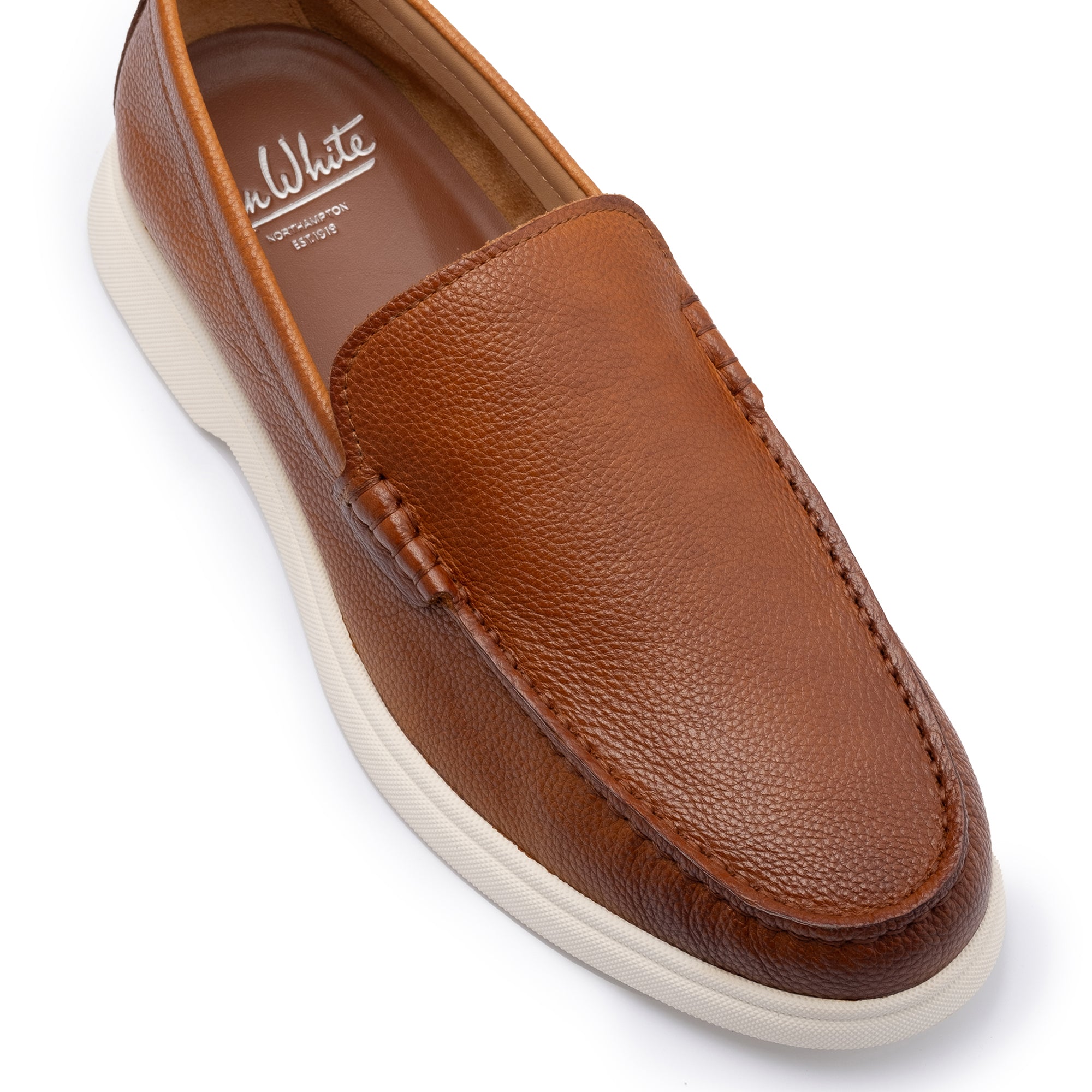
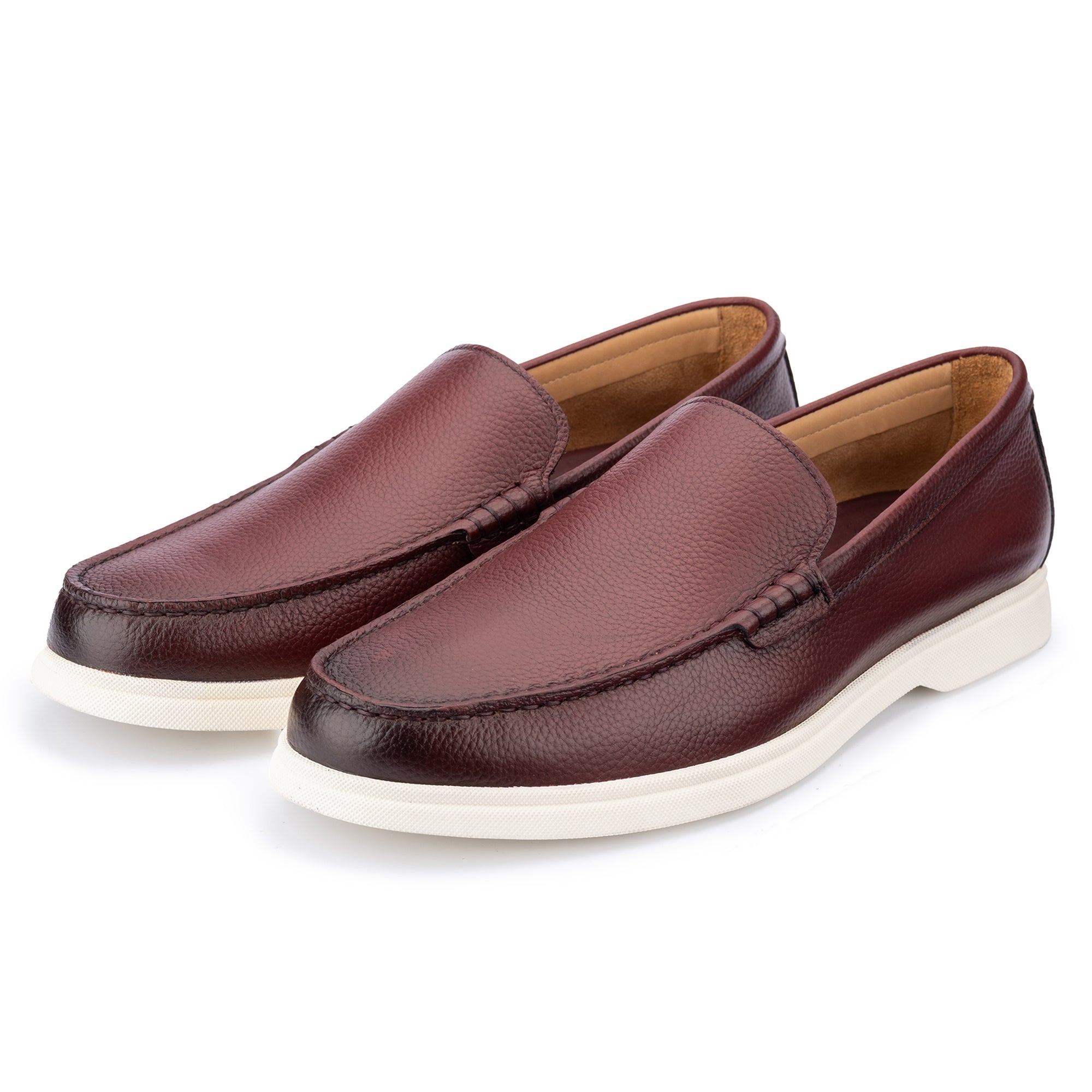
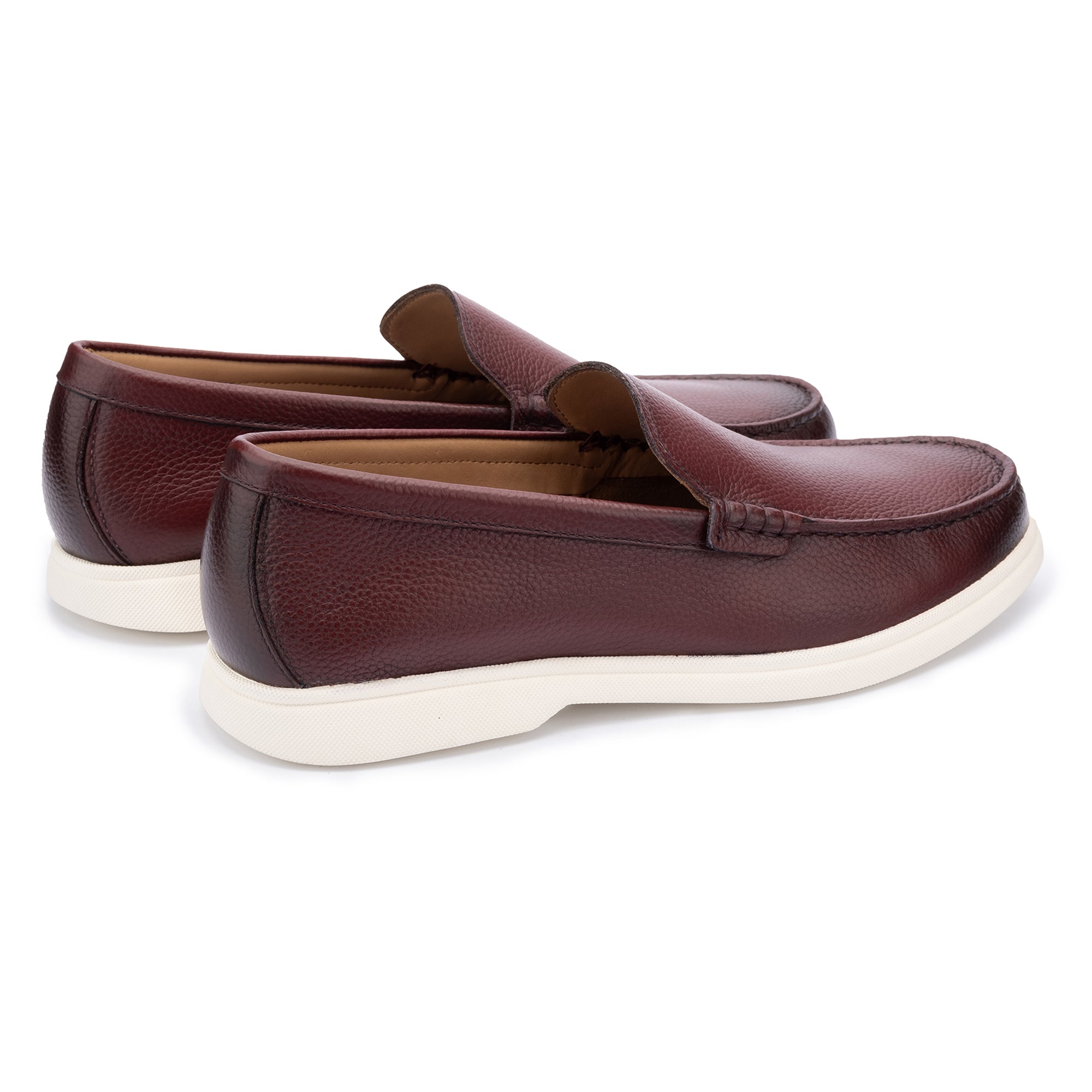
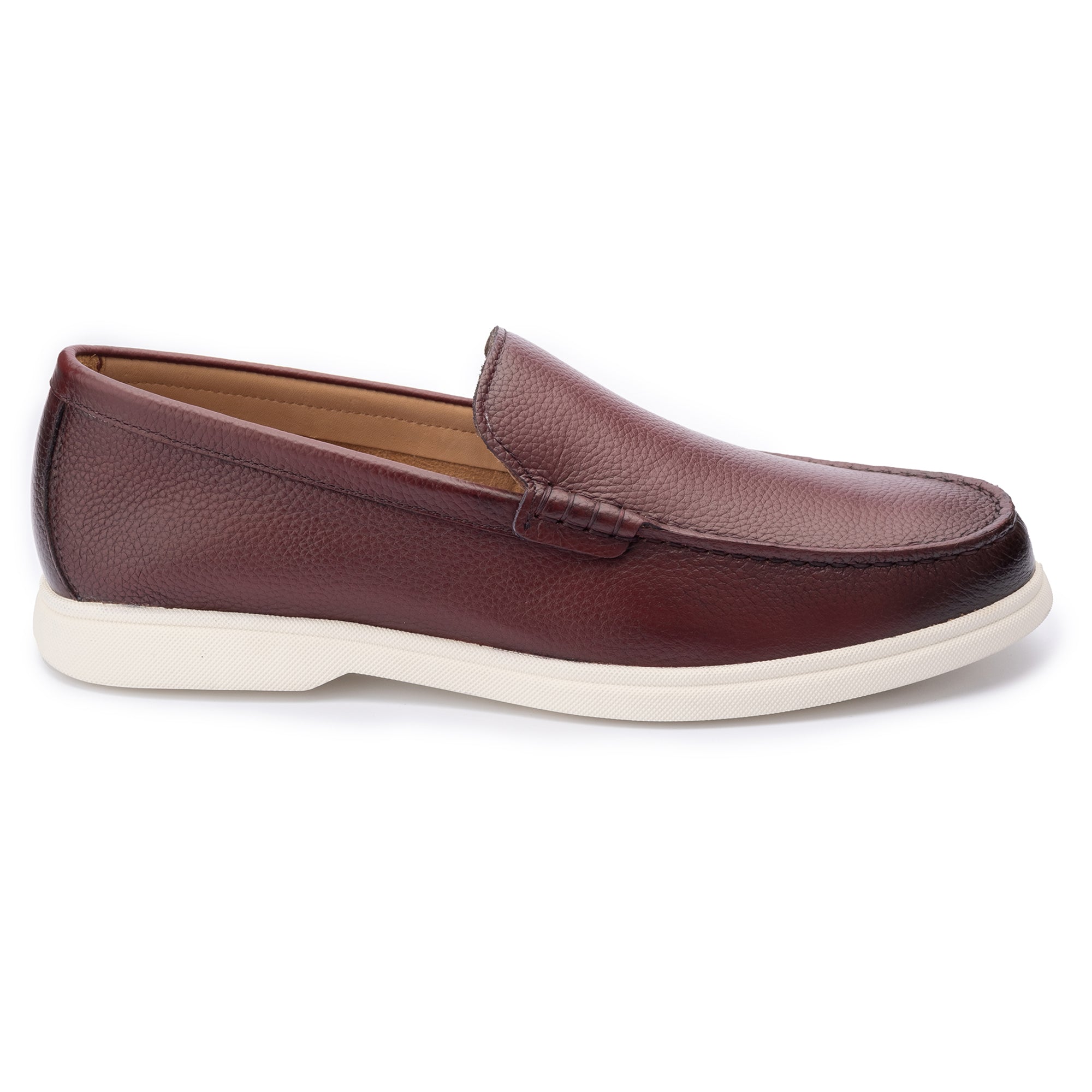
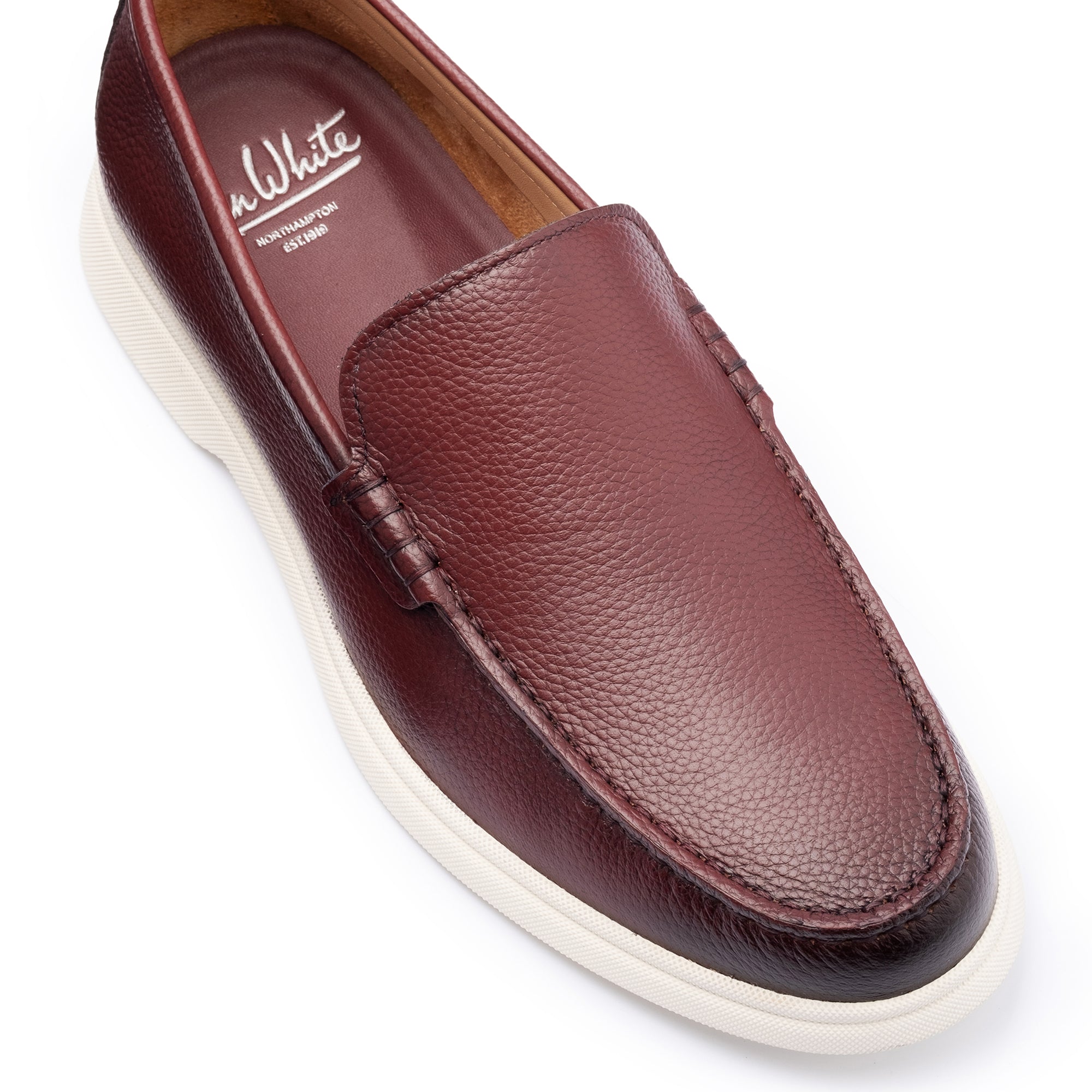
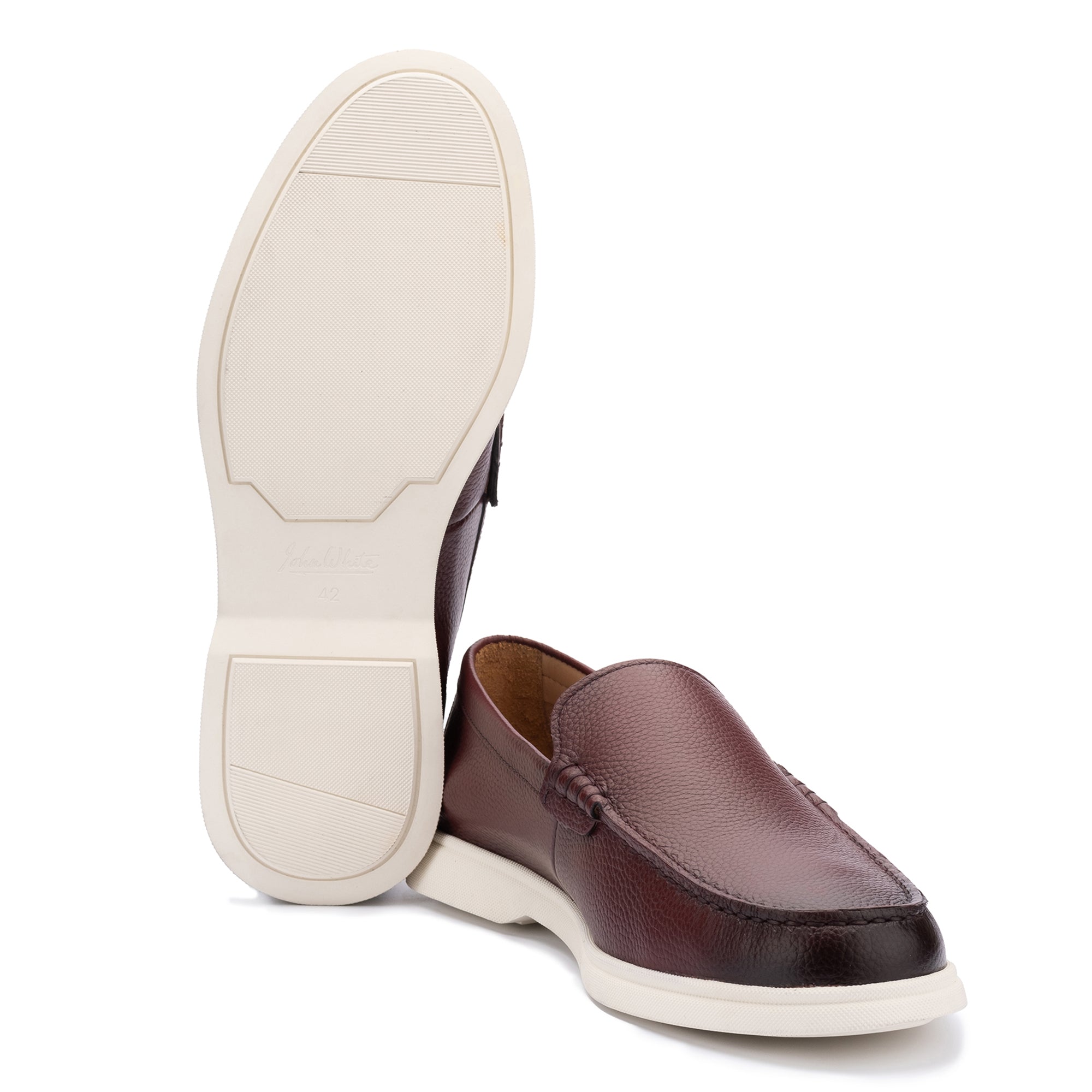
When you examine a premium leather shoe, the clicking iron's influence is present throughout — though rarely identified as such. The evenness of grain across the vamp and quarters, the way a surface takes polish uniformly, the absence of early cracking at the flex line: these are downstream consequences of skilled leather cutting, made visible only with time.
A shoe assembled from well-clicked, properly grain-aligned components will outlast one assembled from poorly selected cuts, regardless of the care it receives afterwards. As we cover in the anatomy of a quality shoe, materials compound at every stage of construction — and the upper, which is the most visible of all materials throughout the shoe's working life, begins with the clicker's first cut.
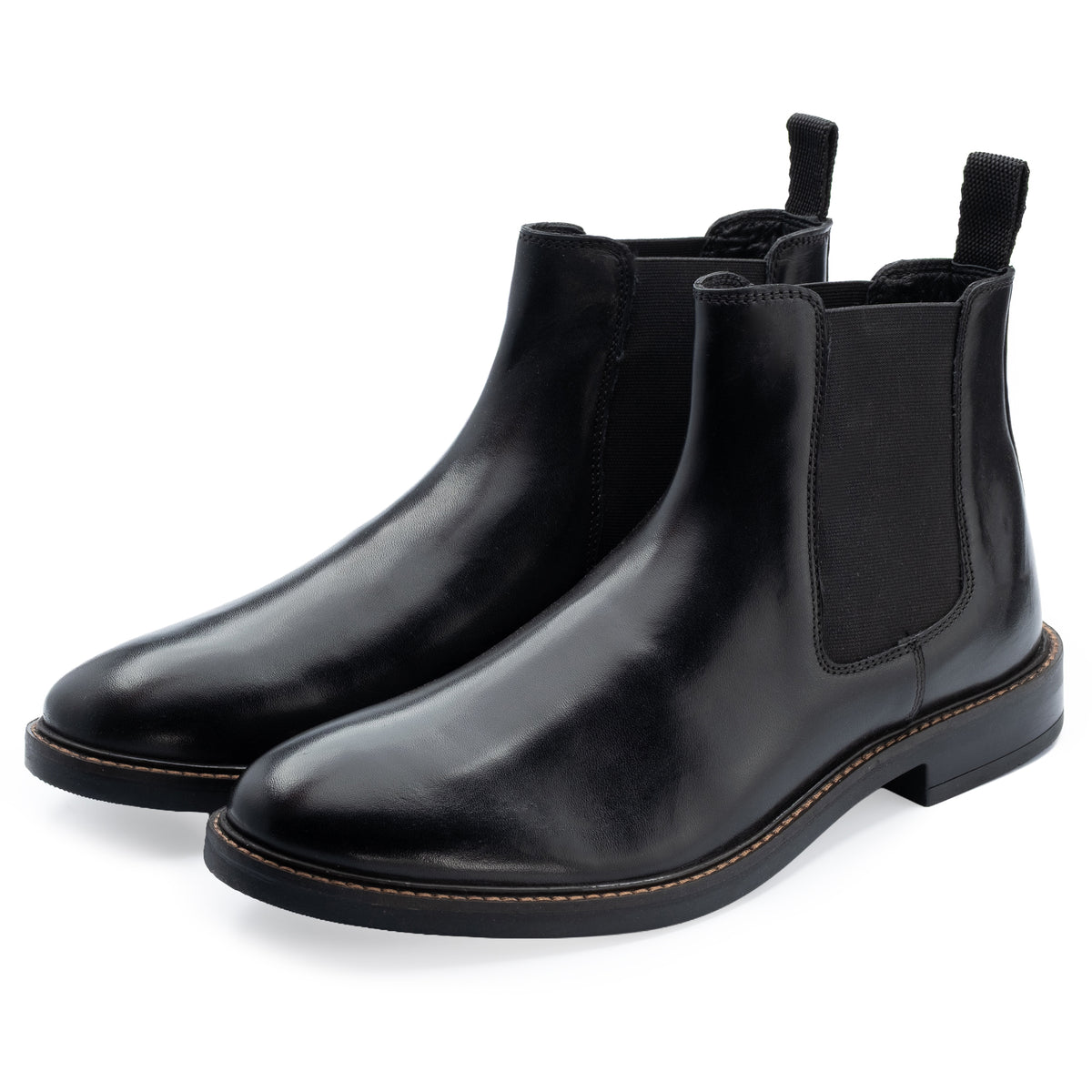
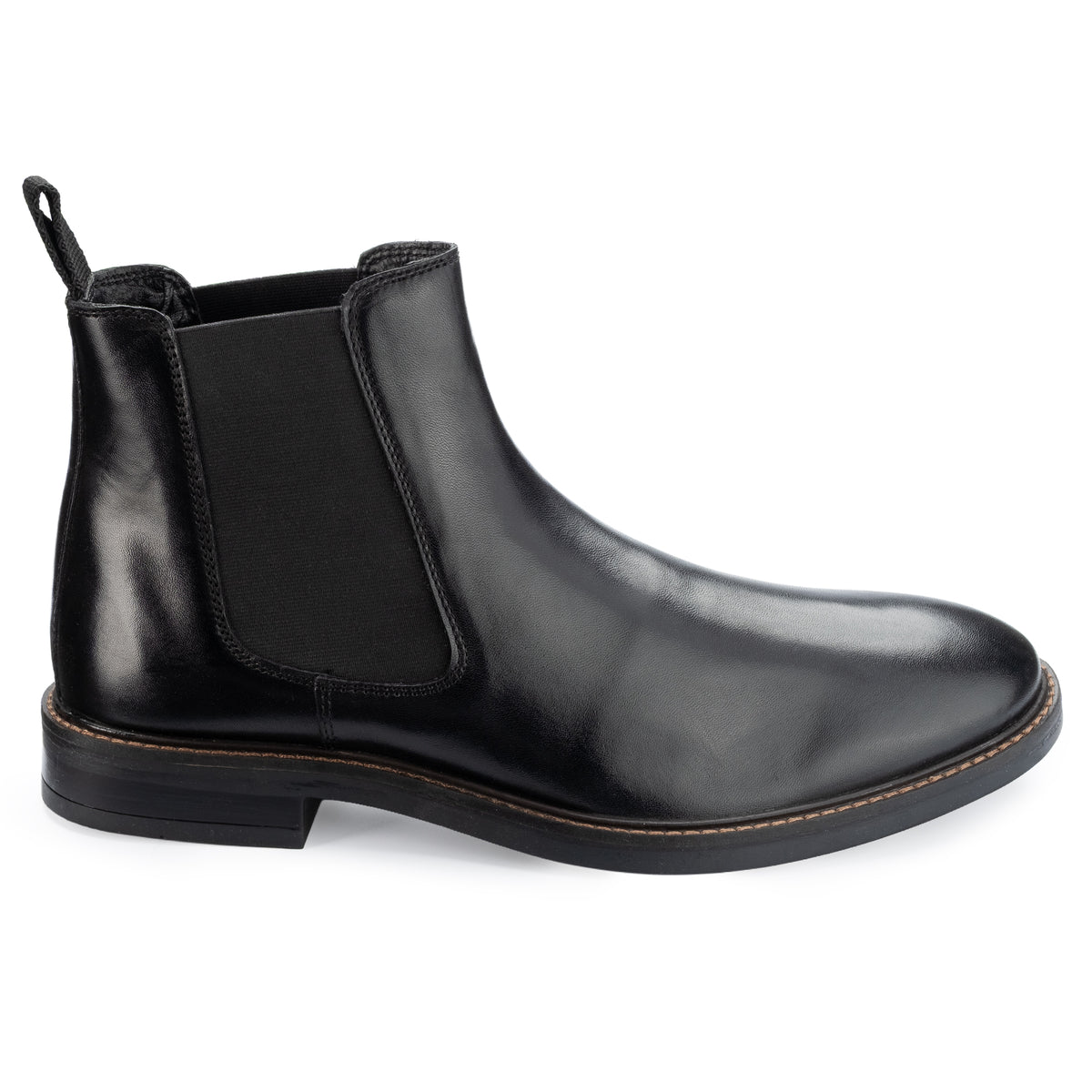
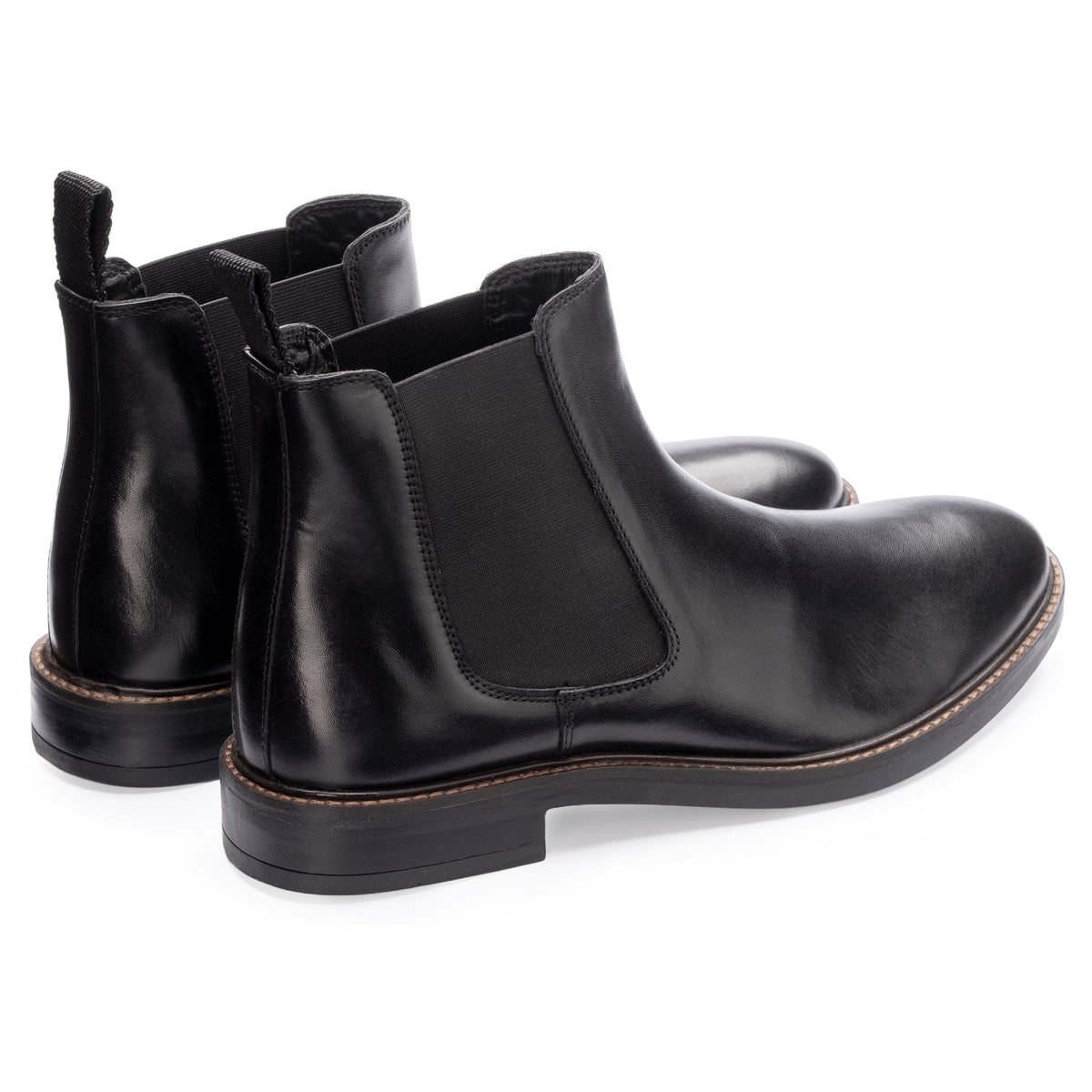
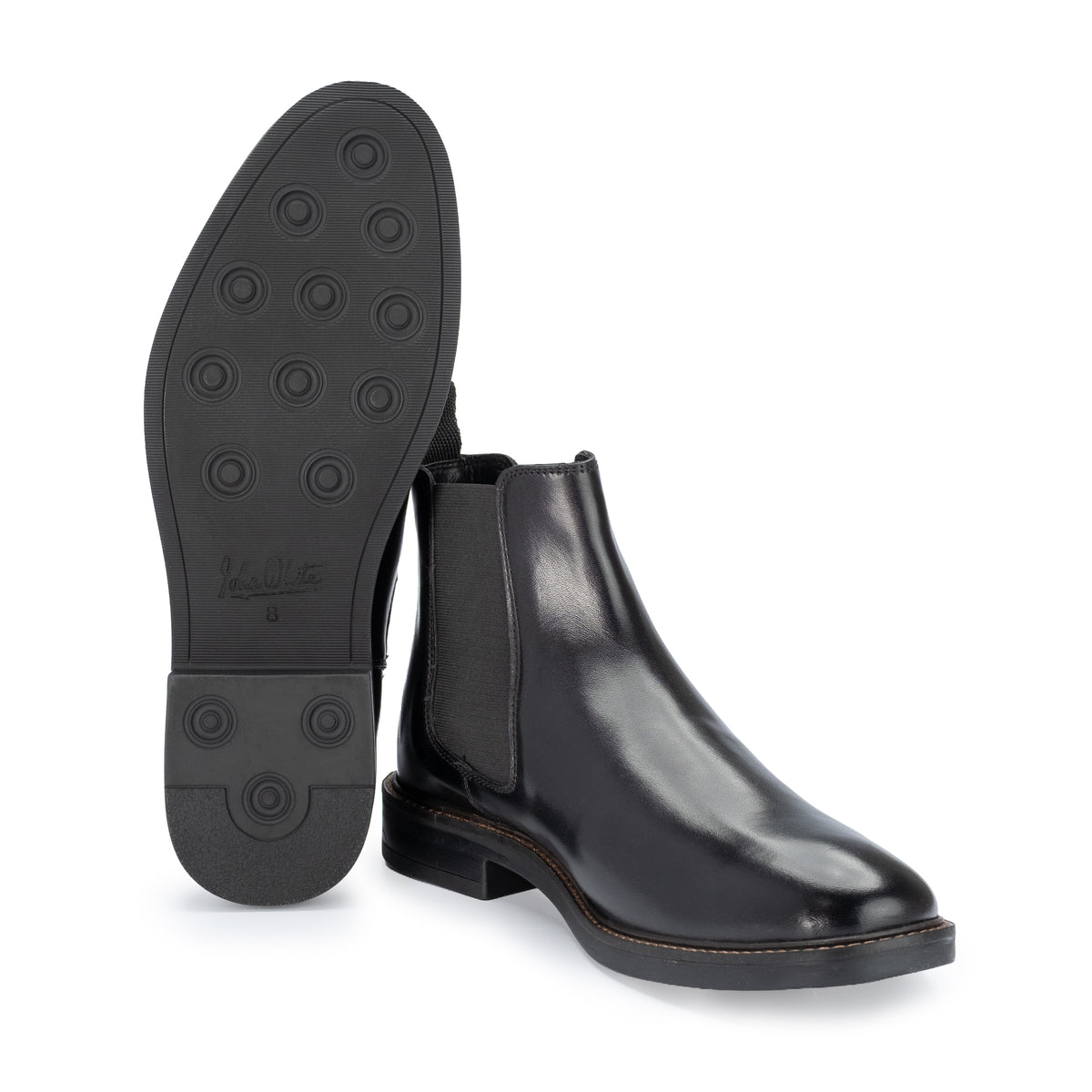
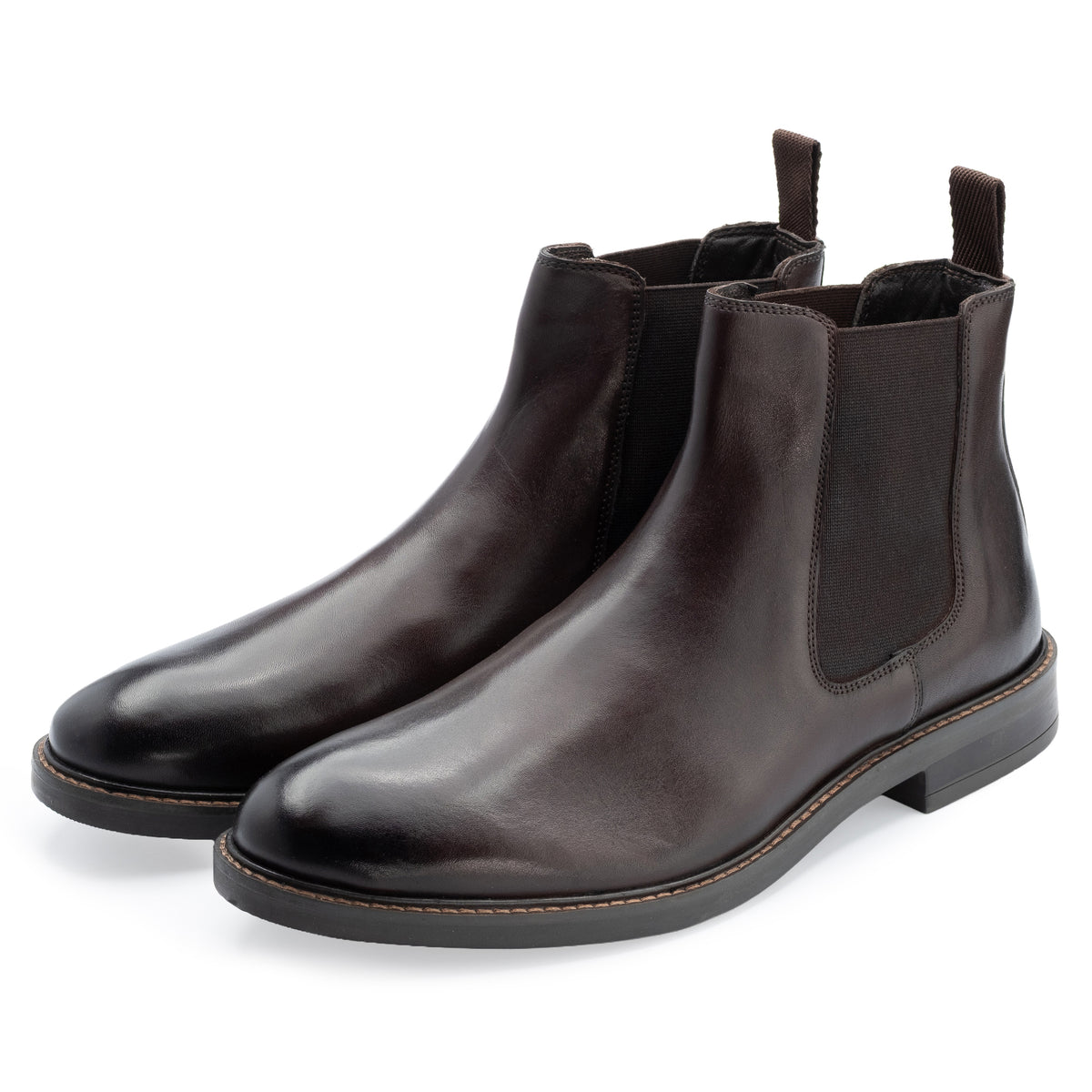
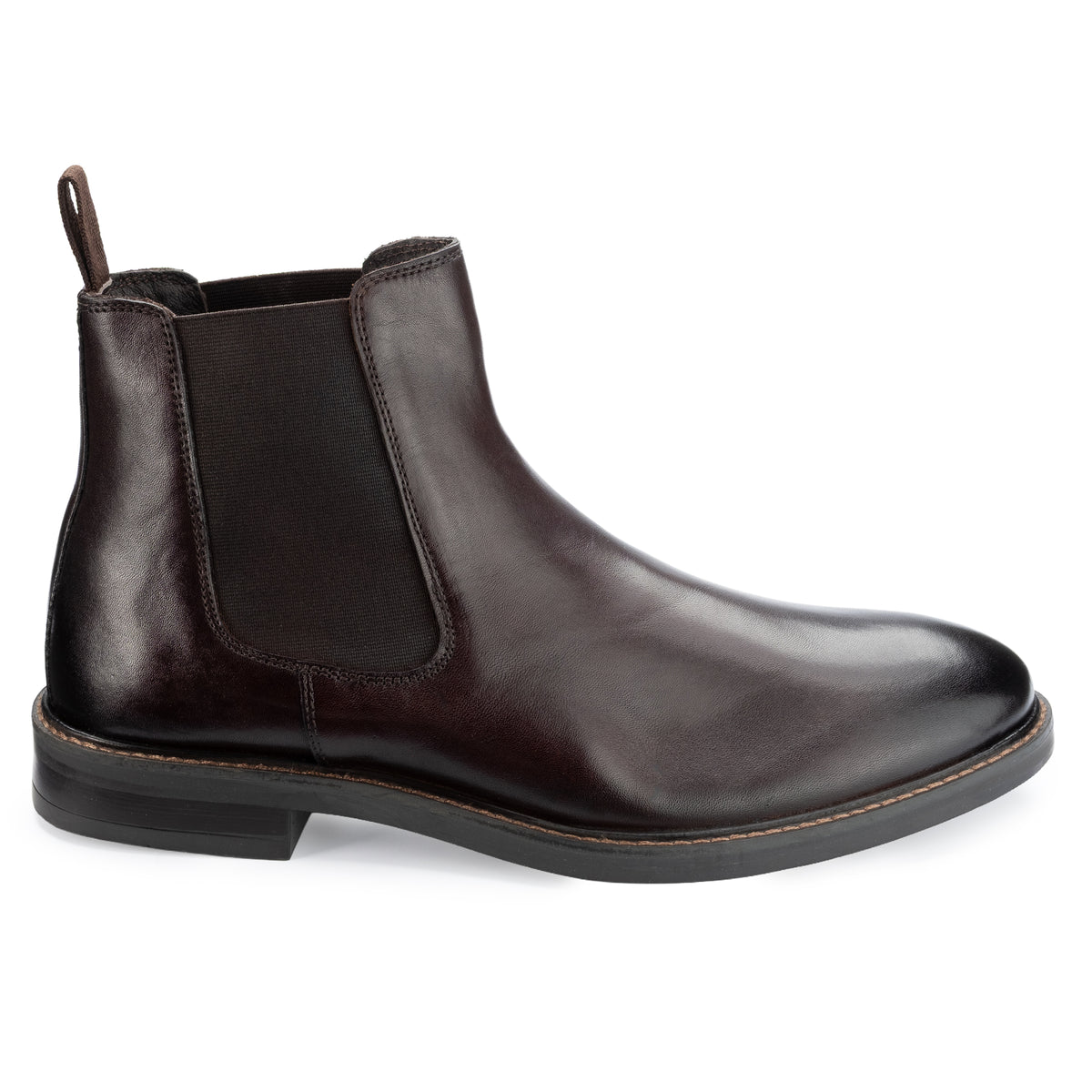
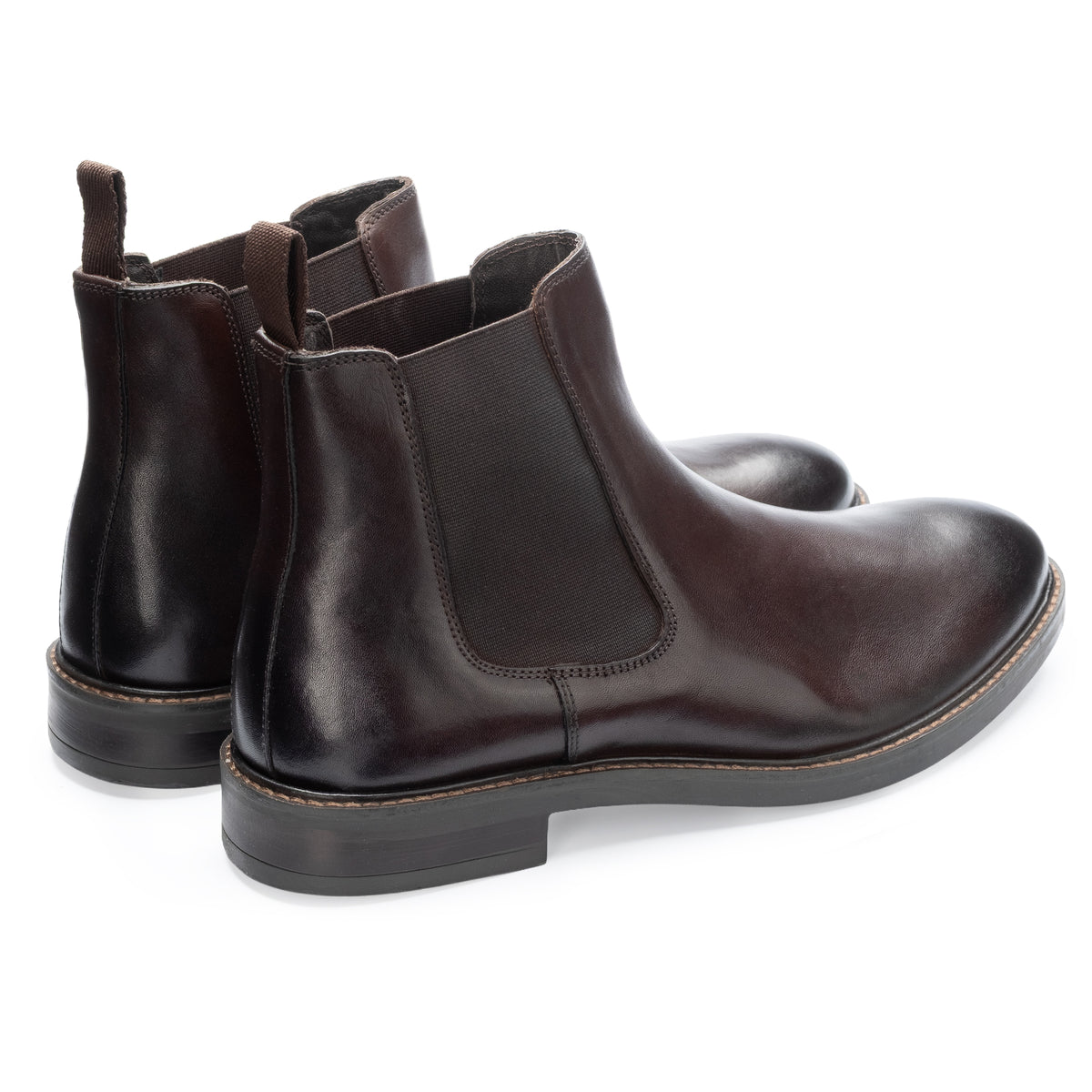
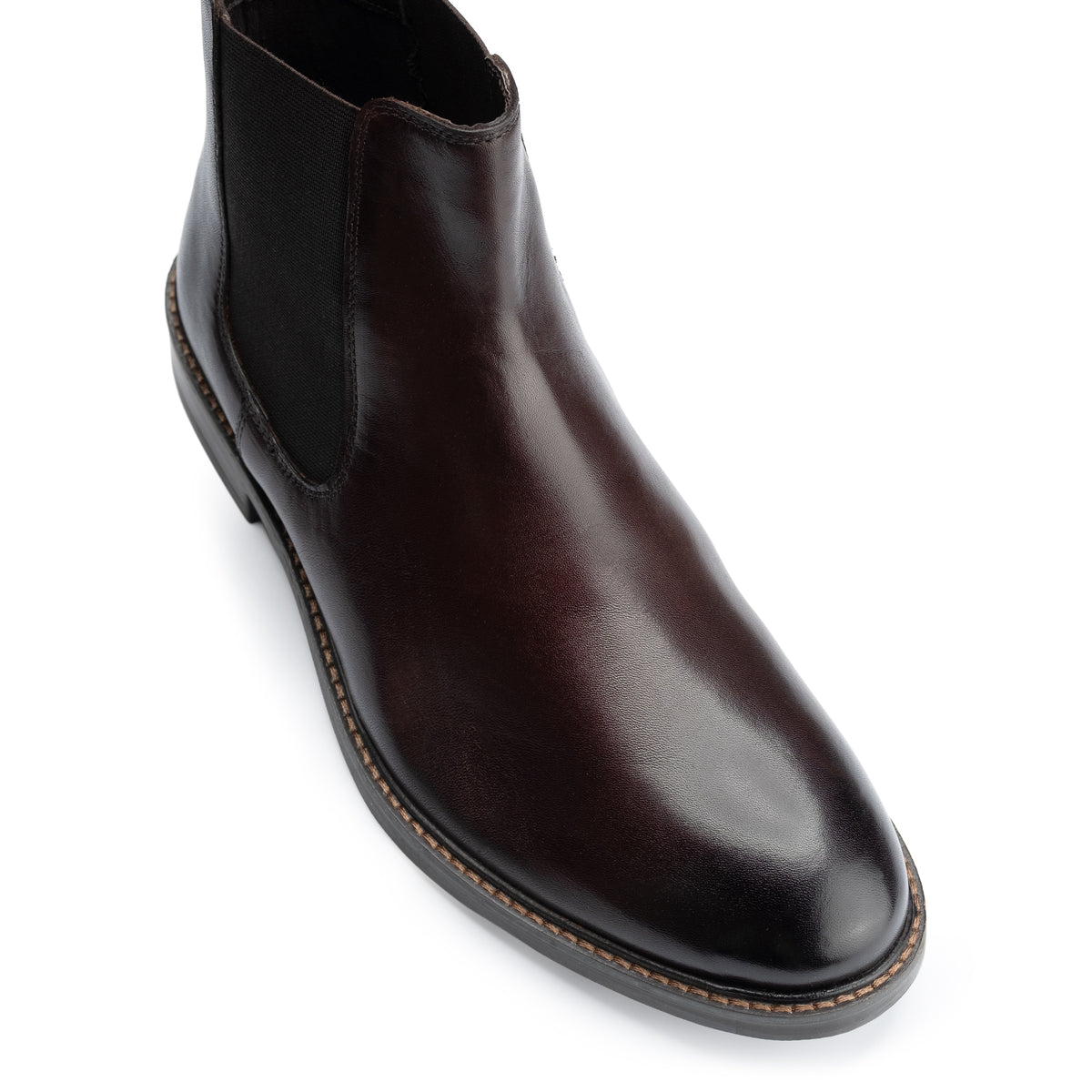
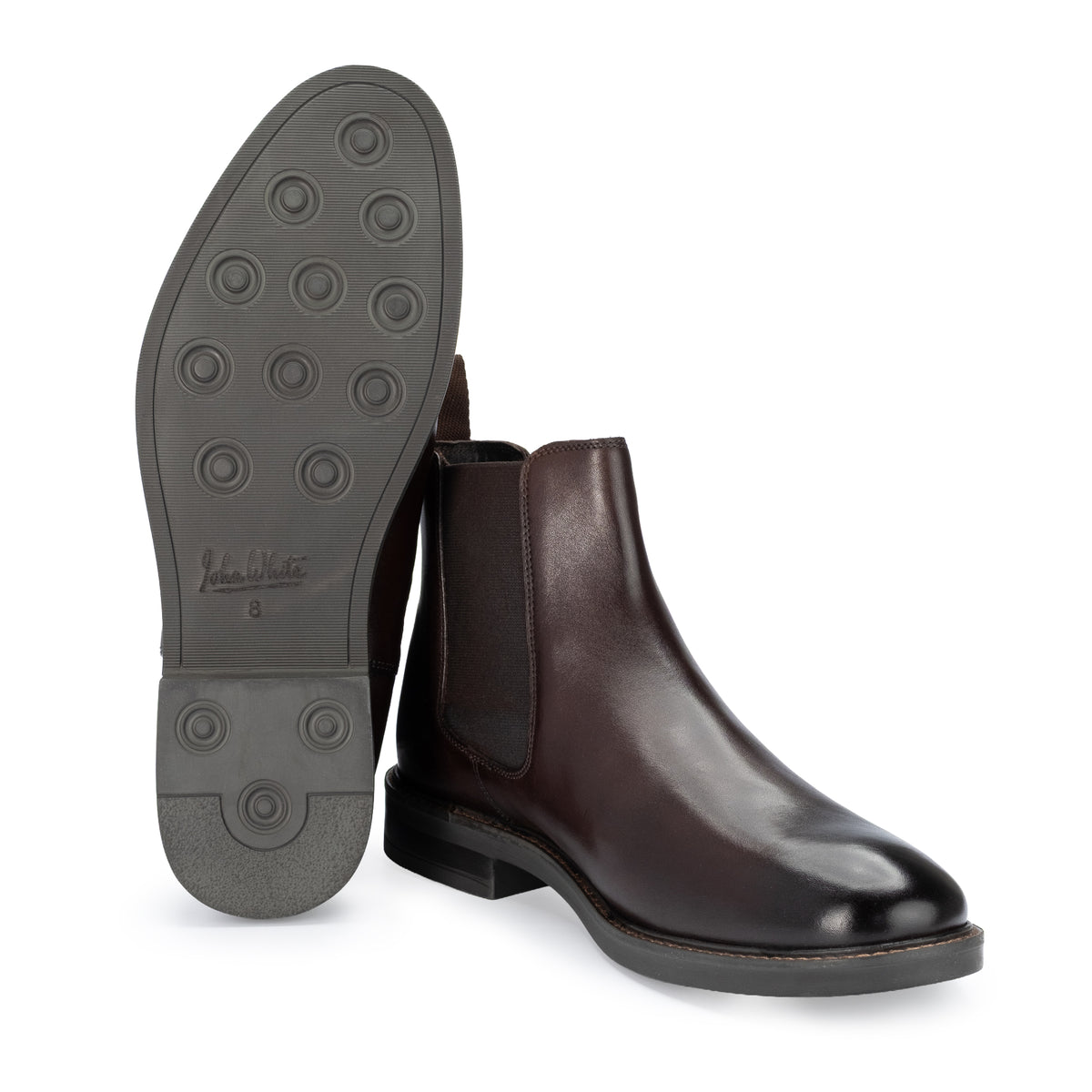
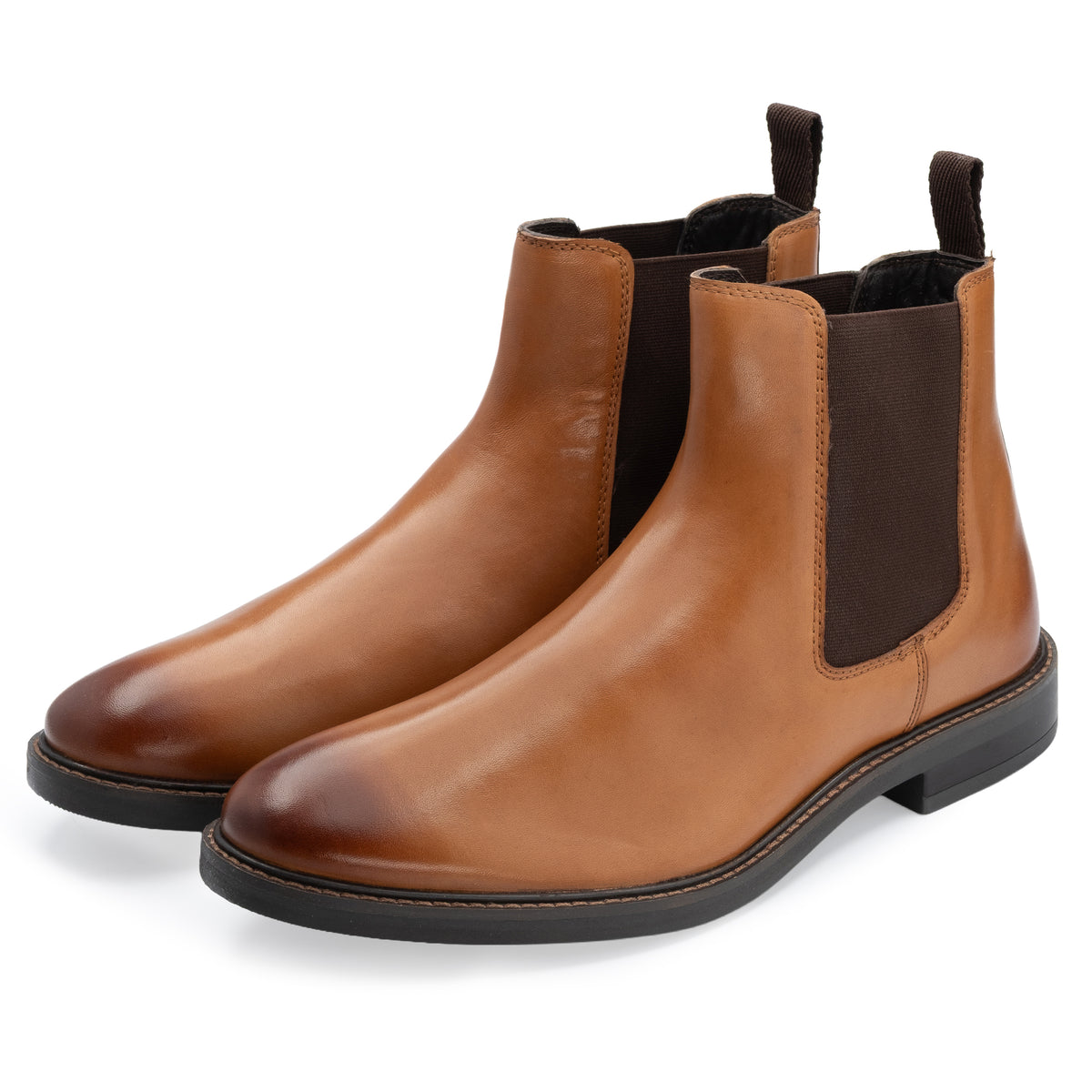
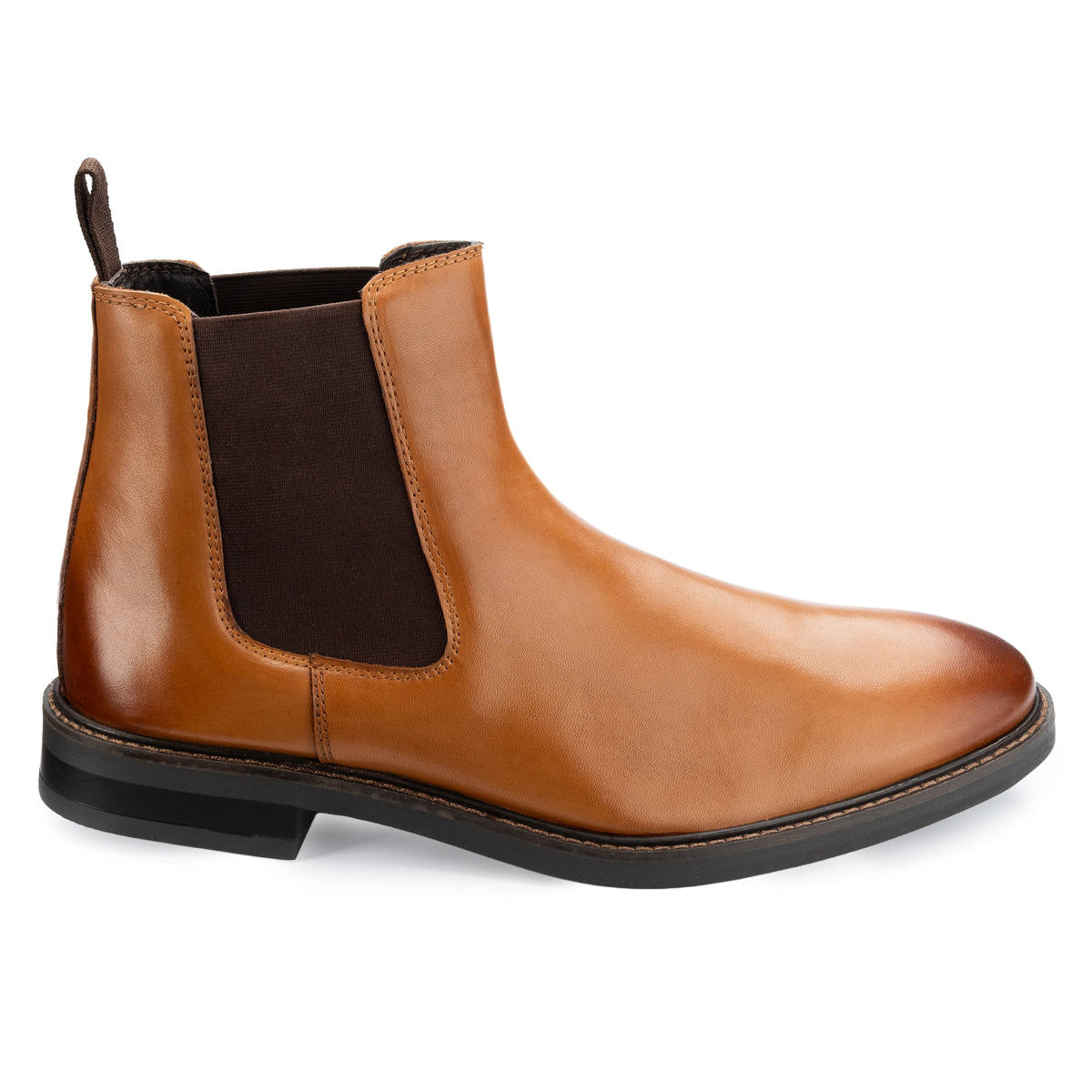
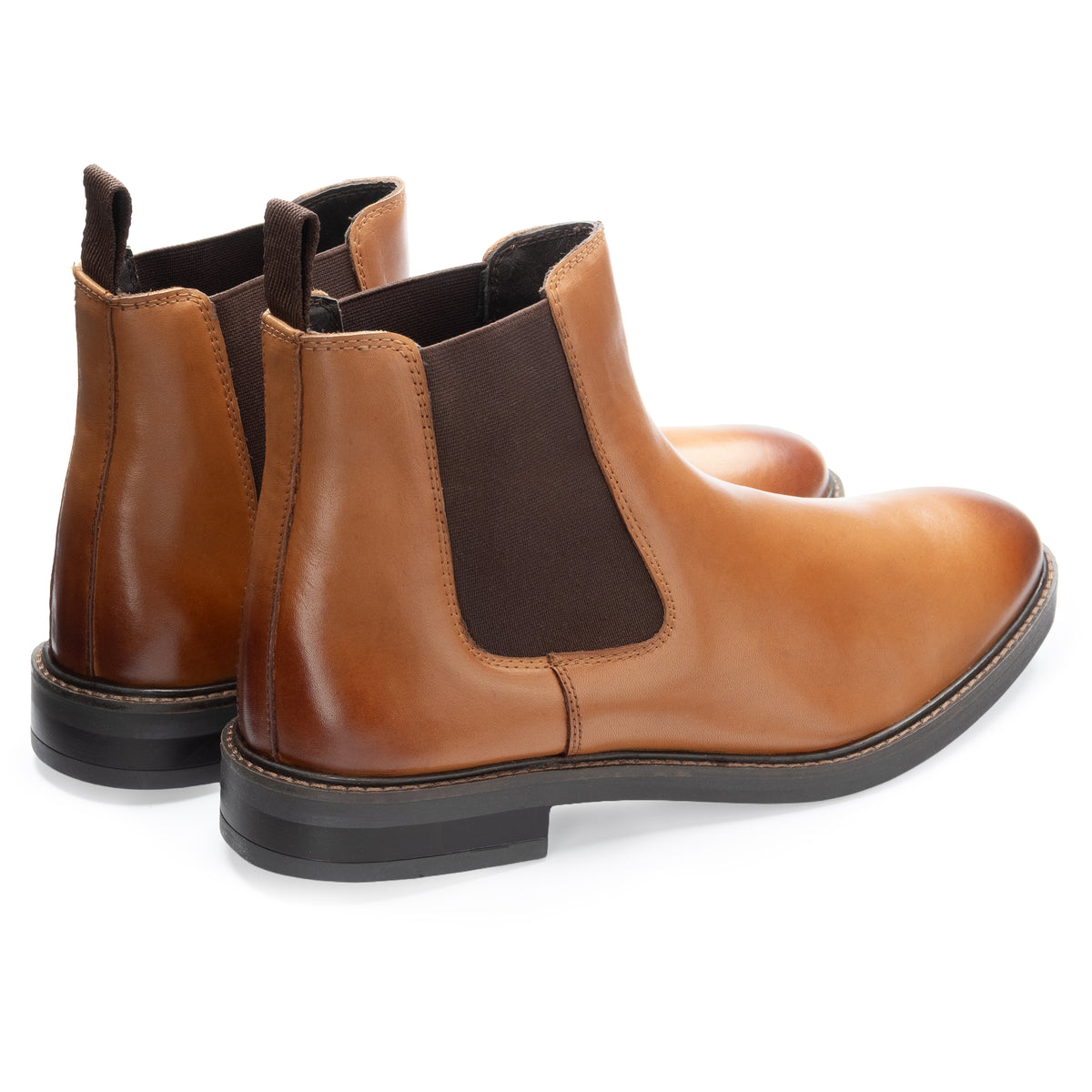
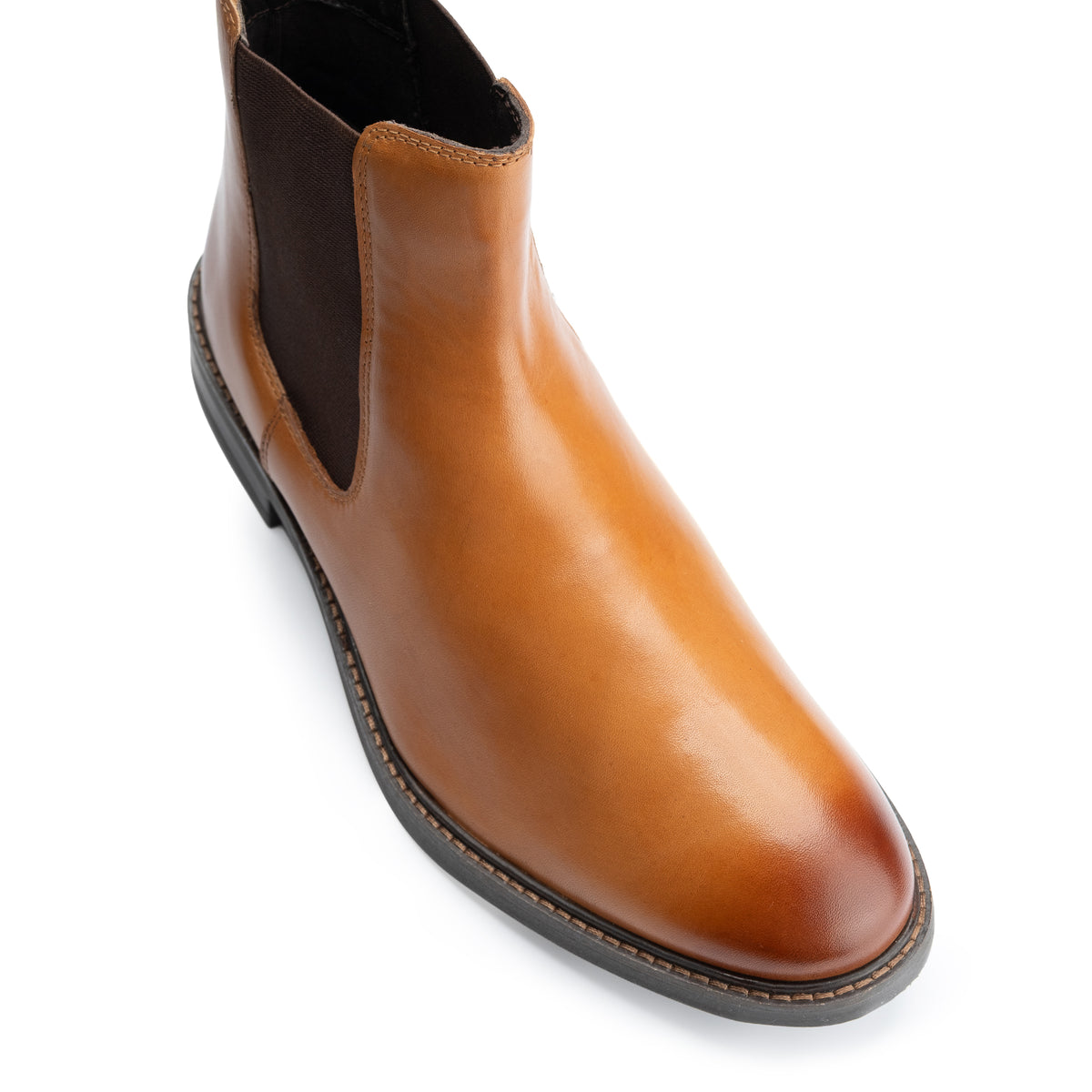
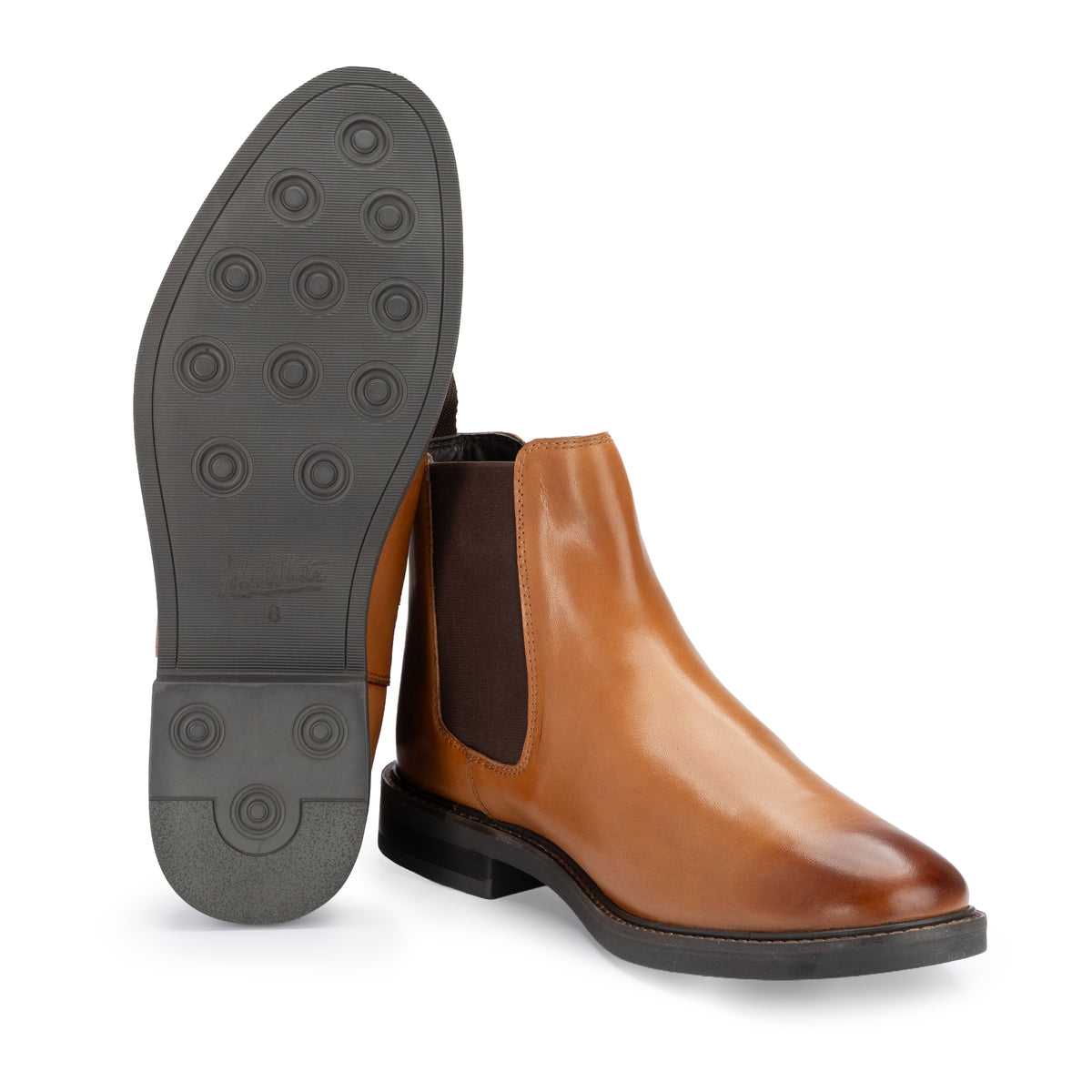
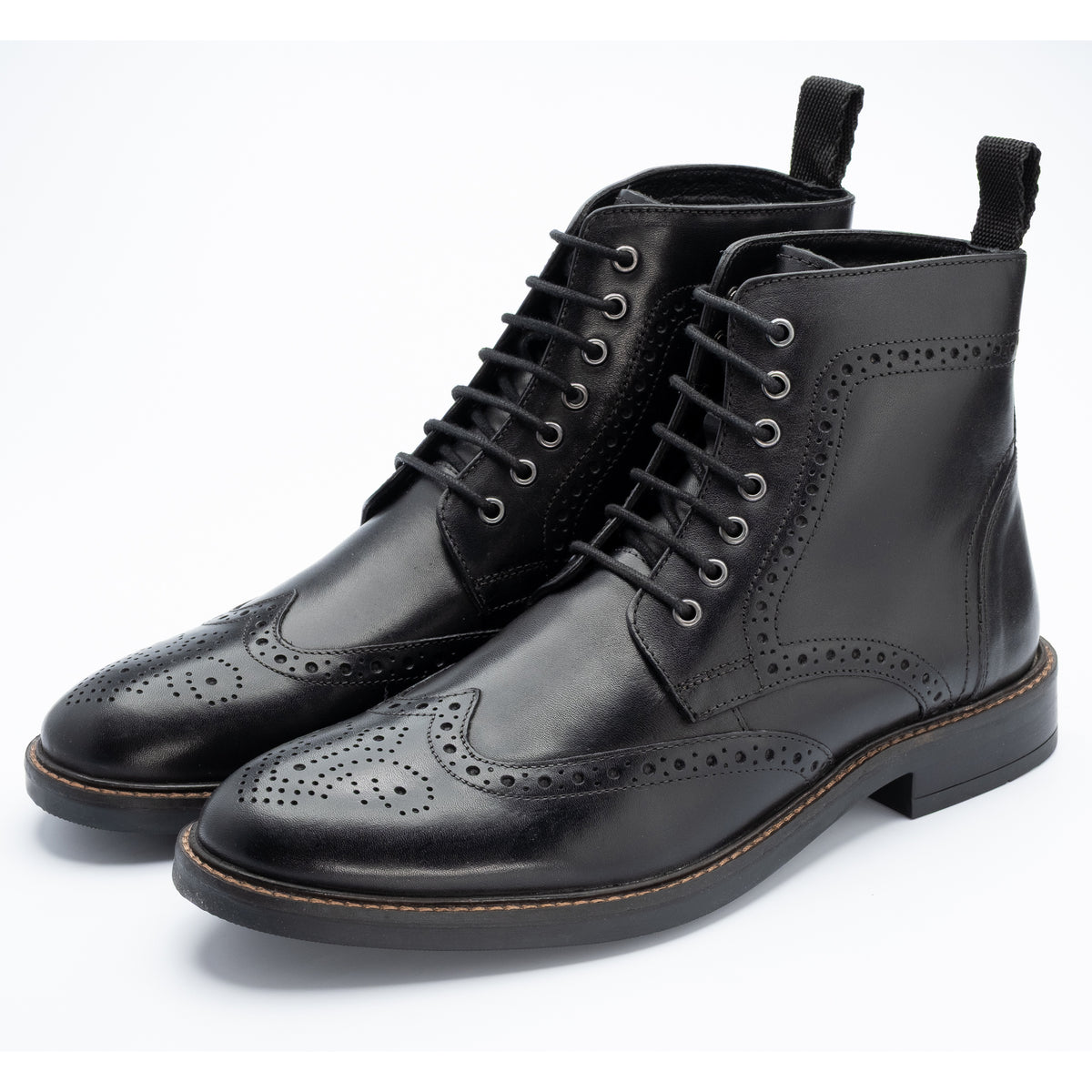
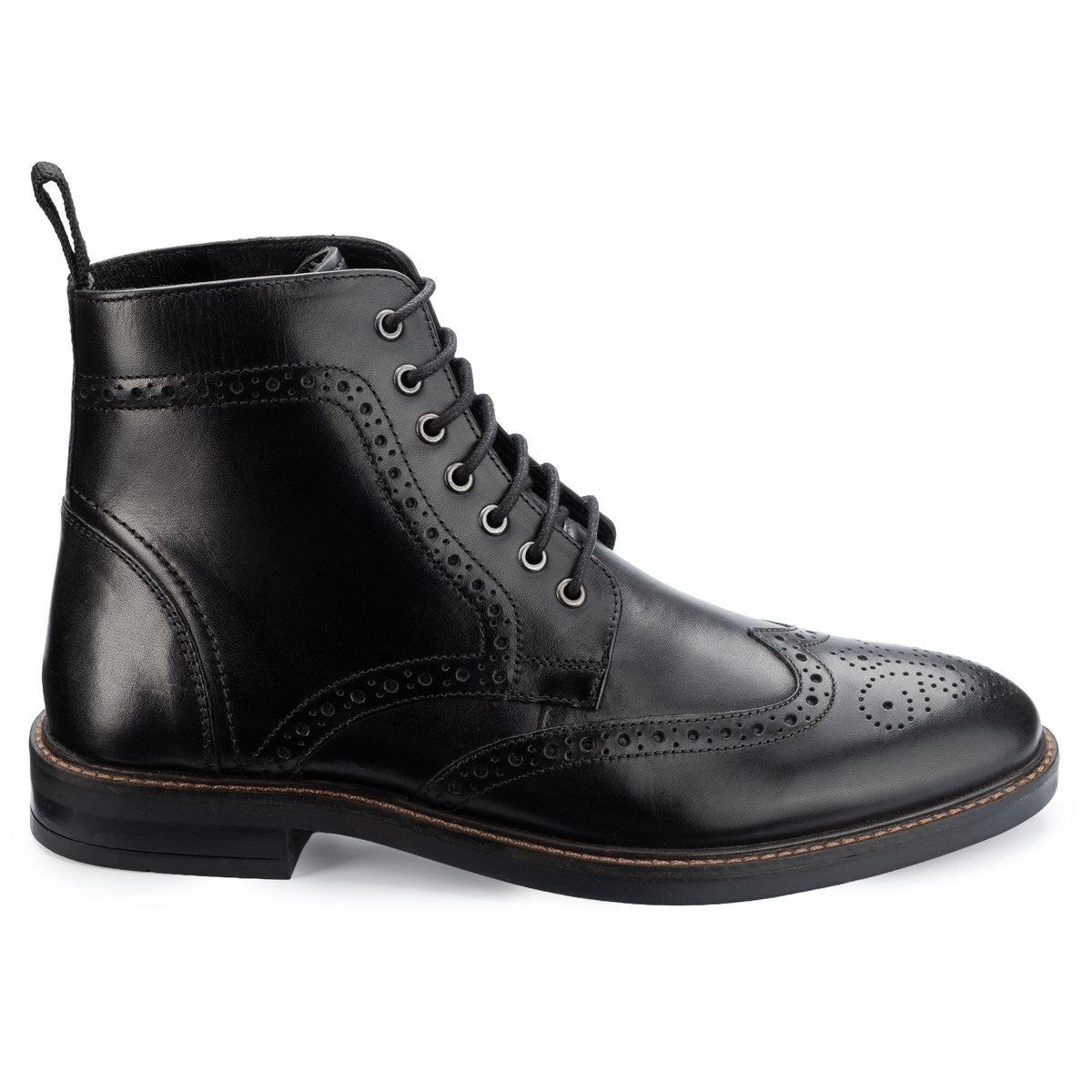
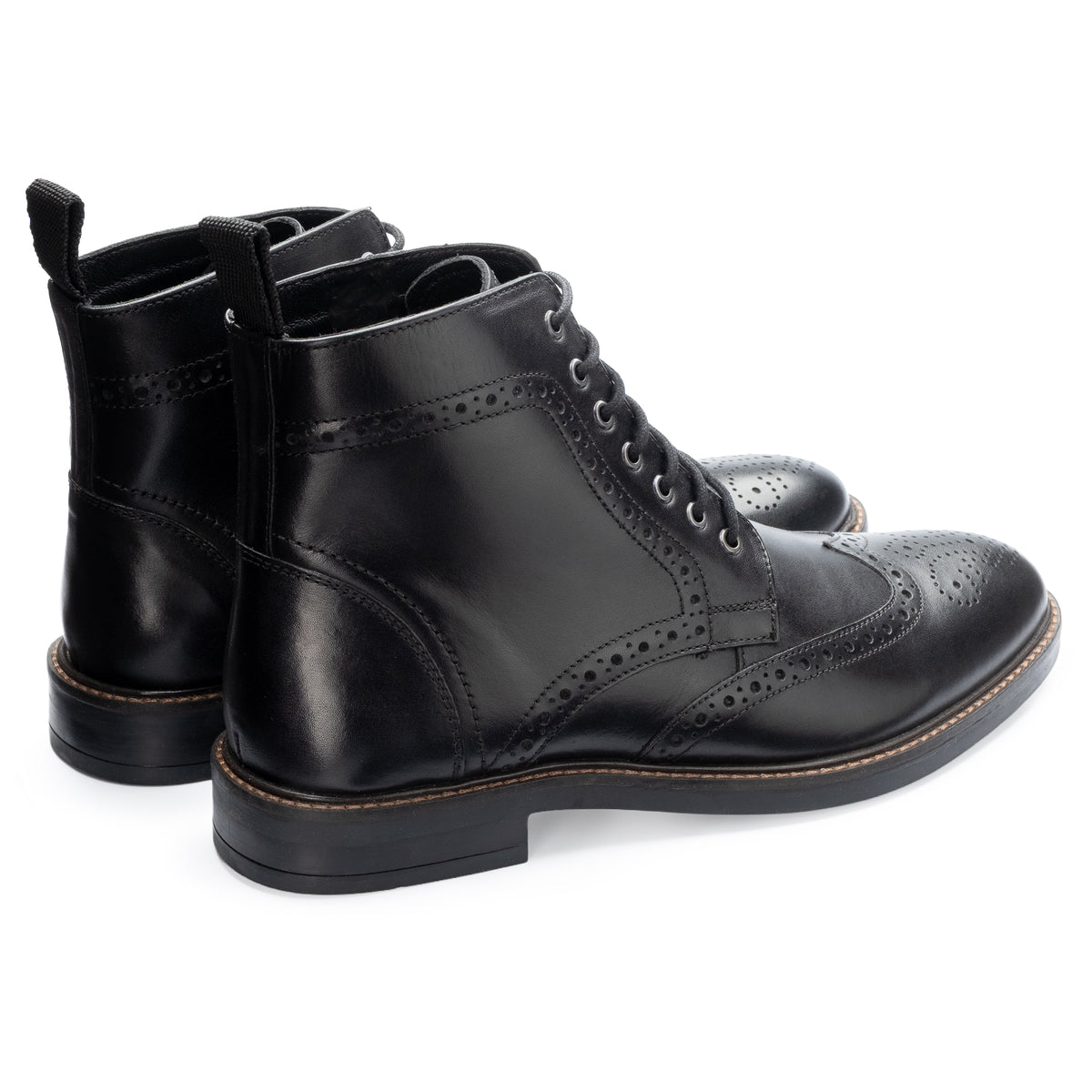
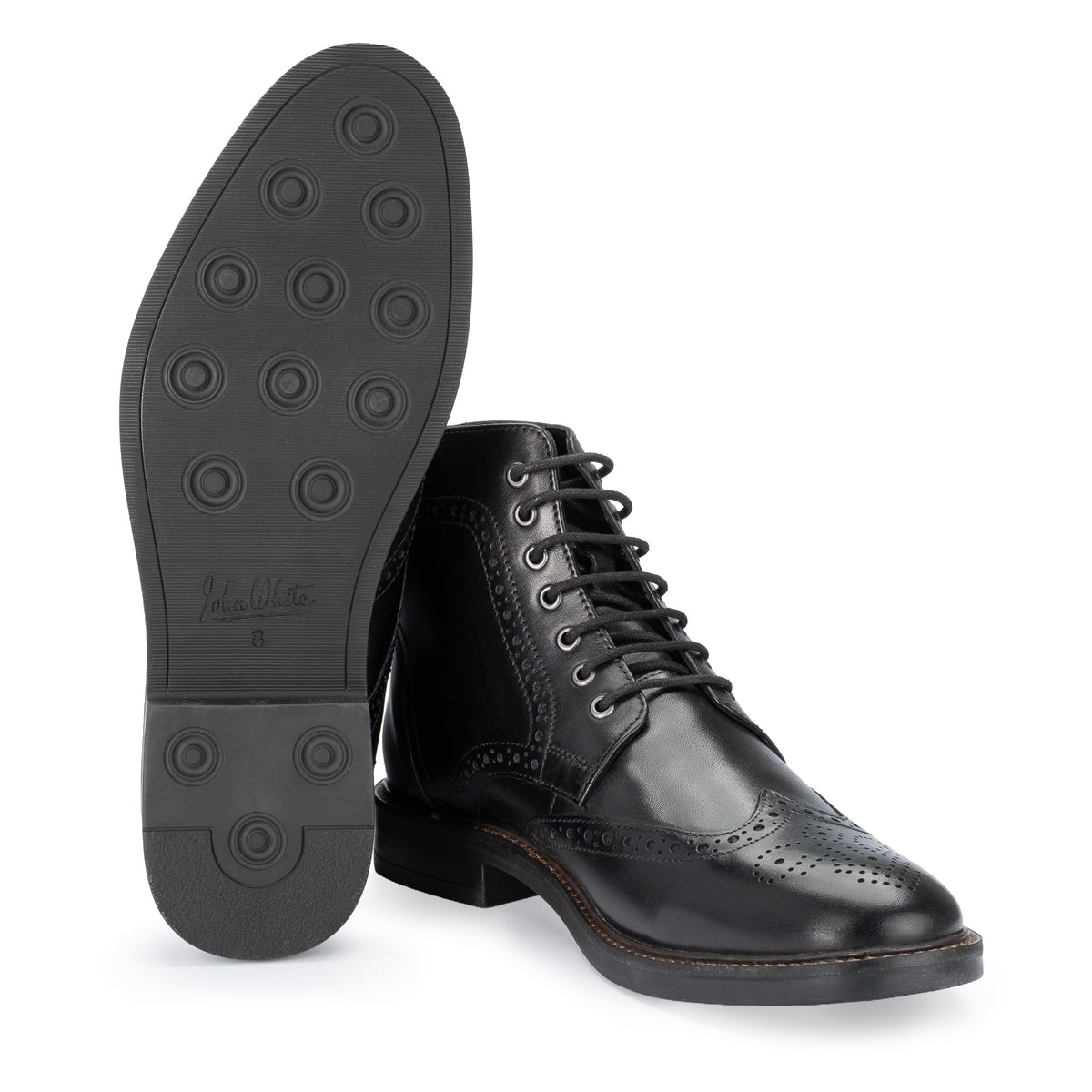
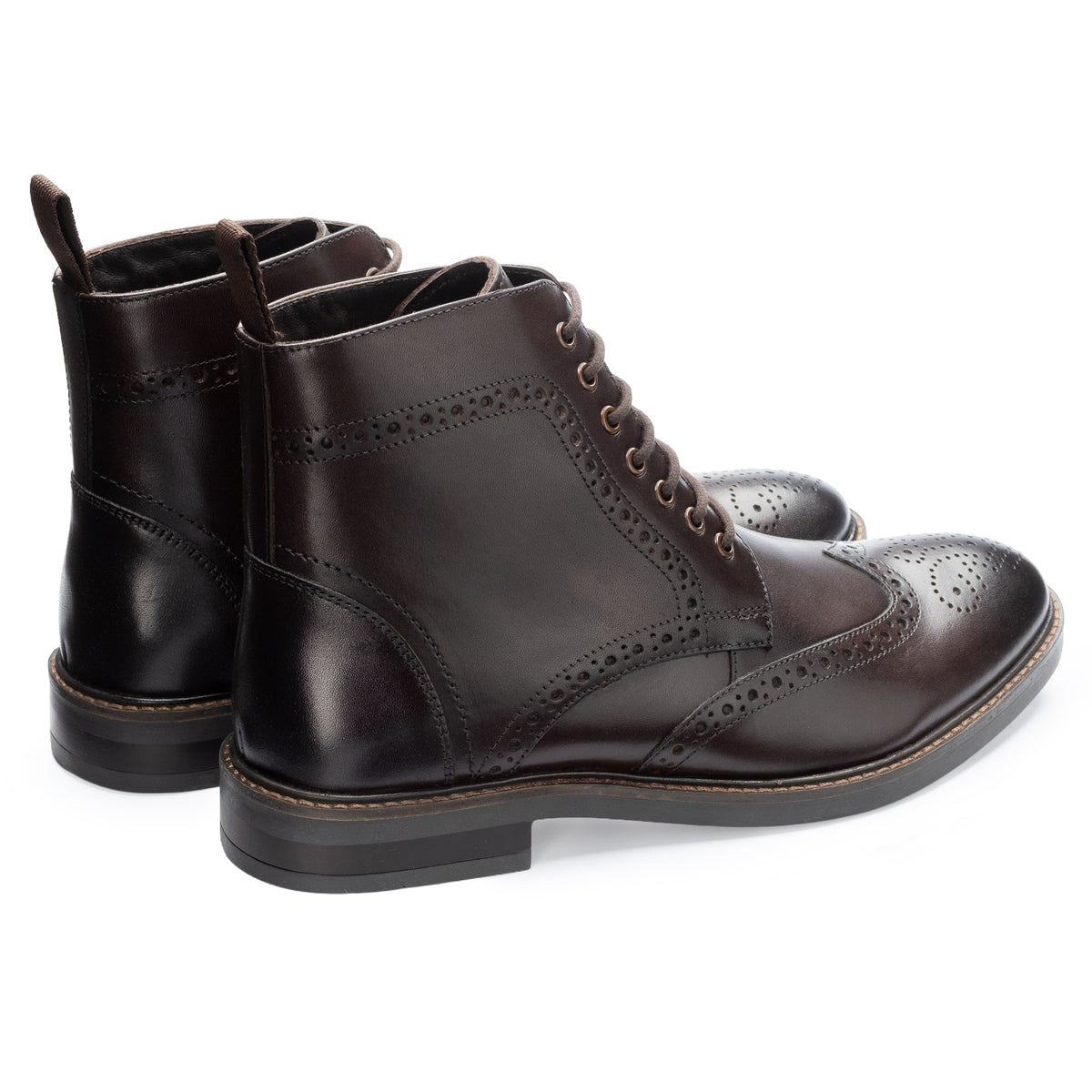
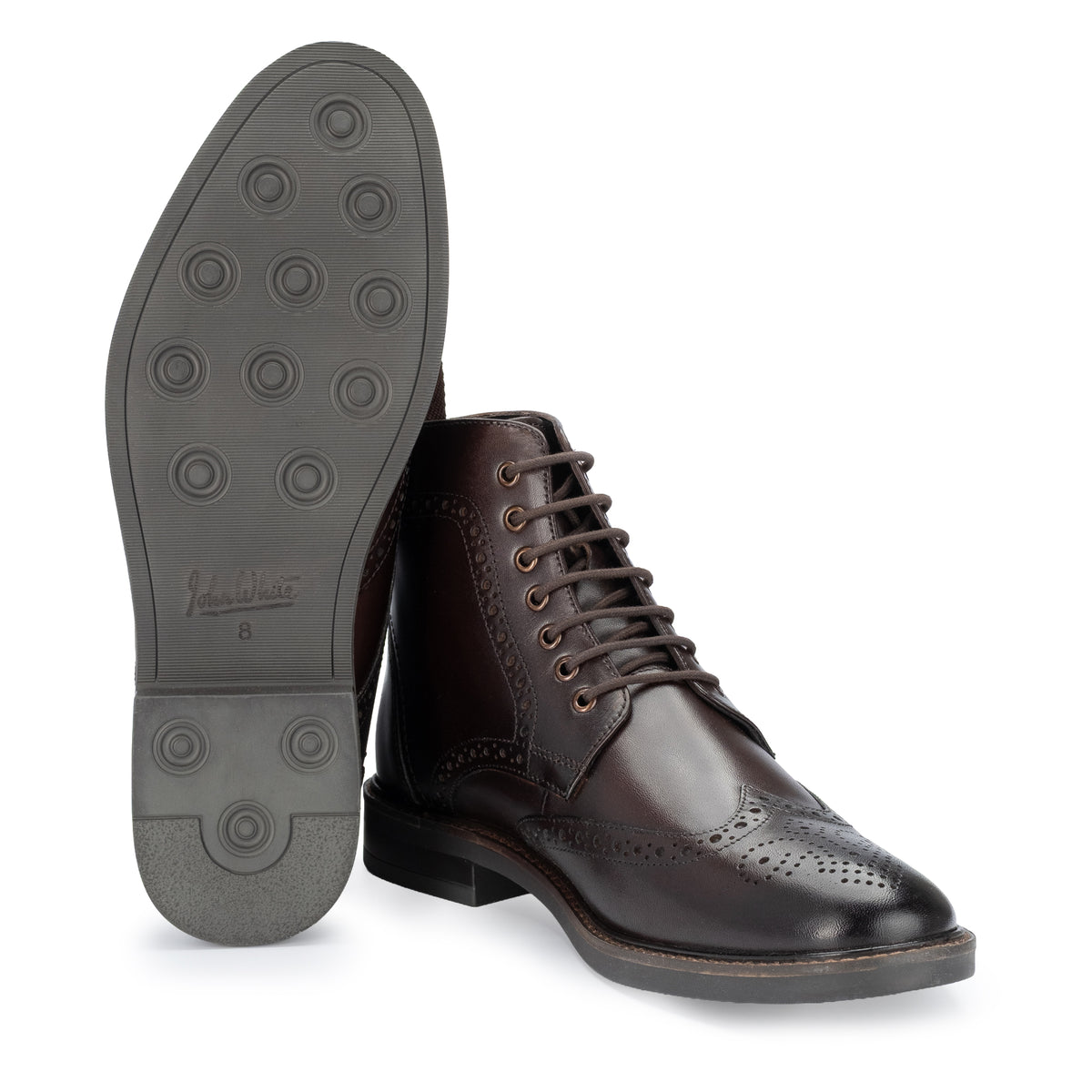
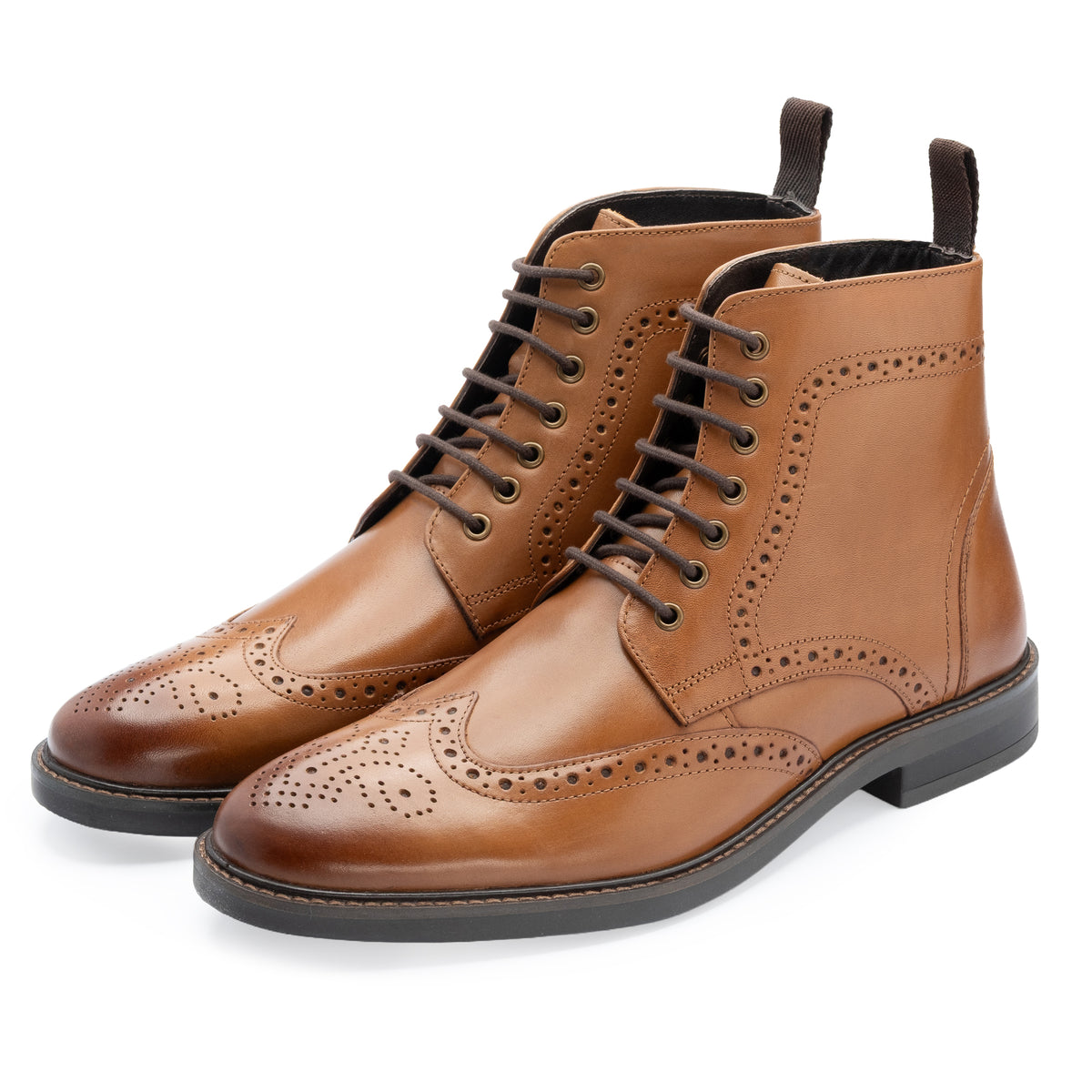
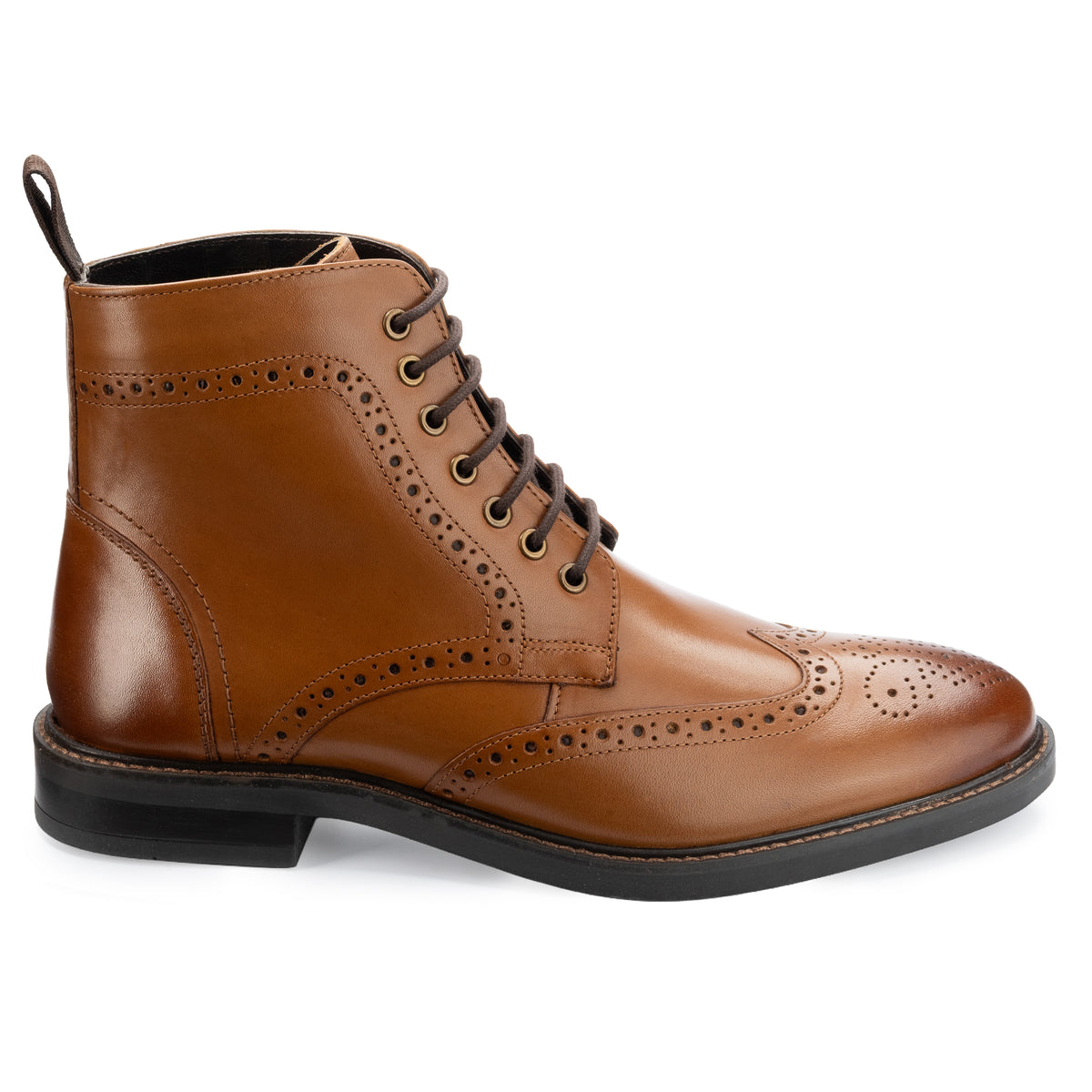
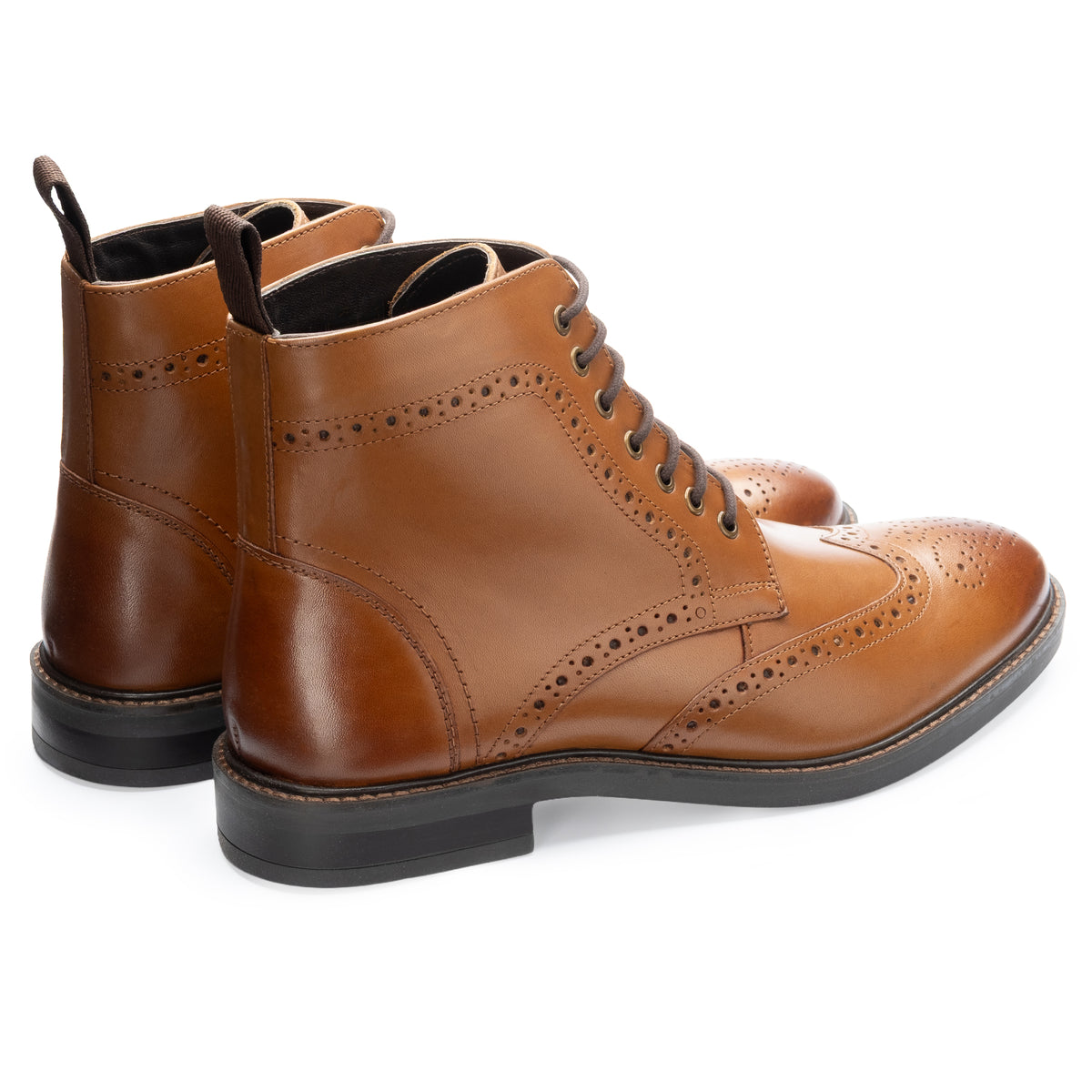
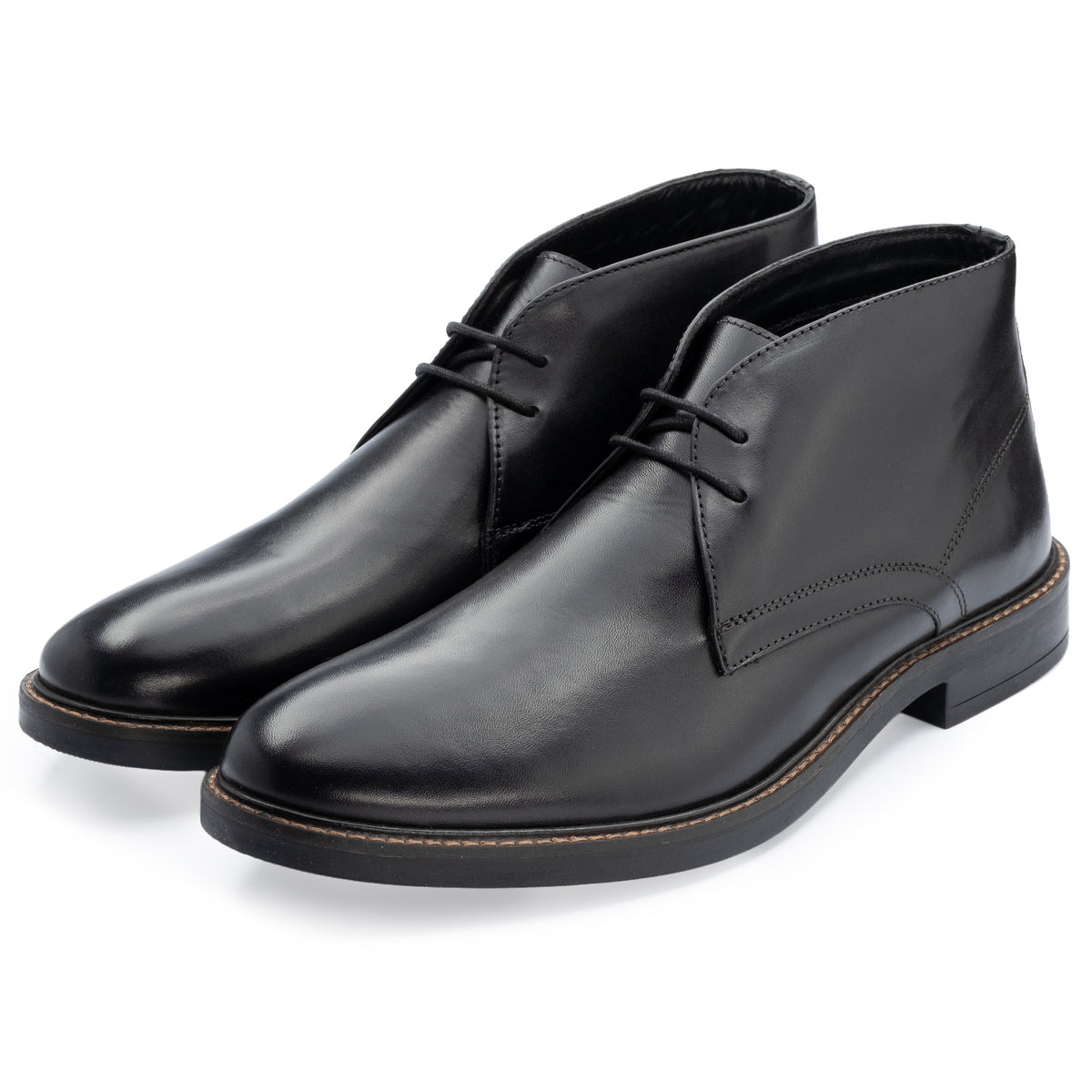
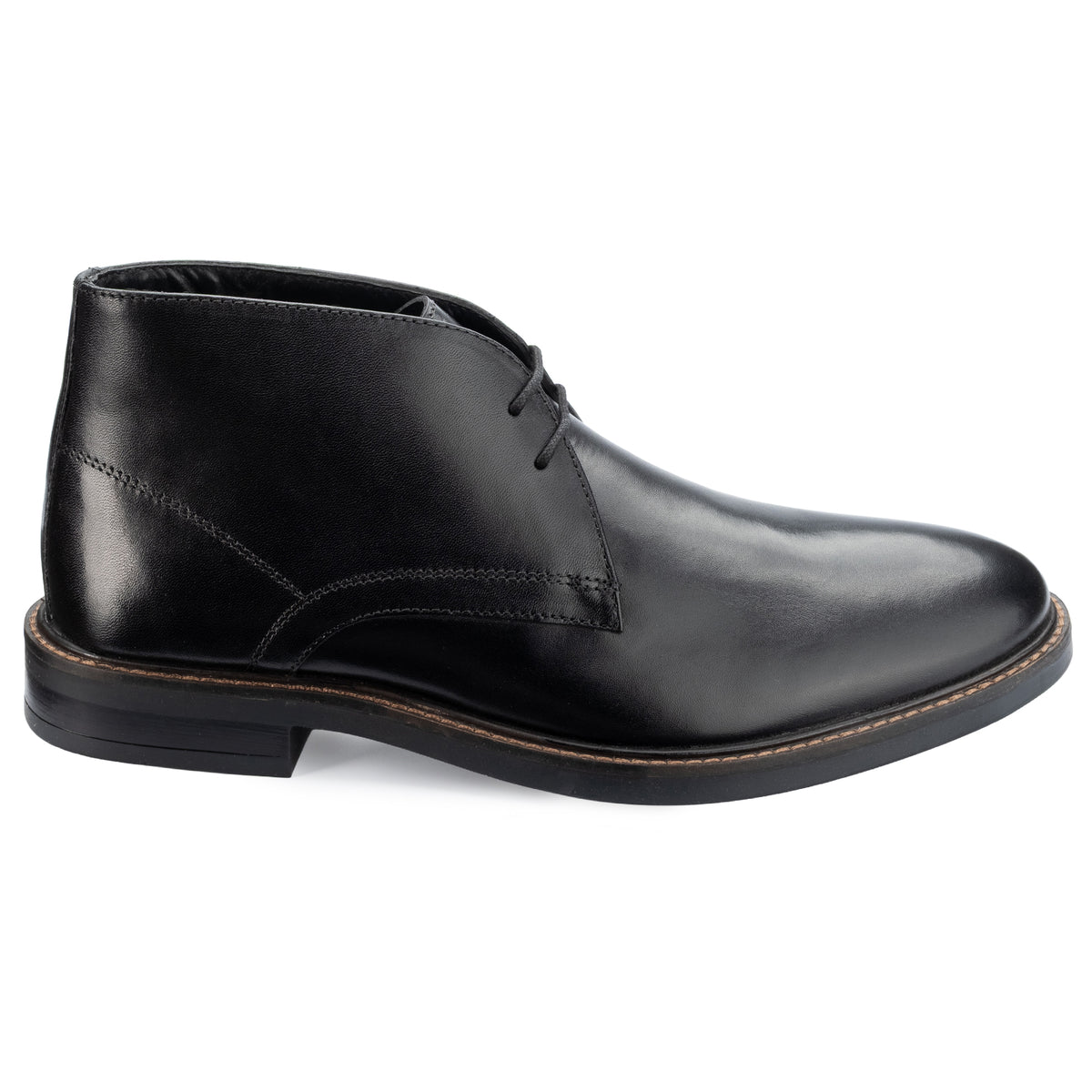
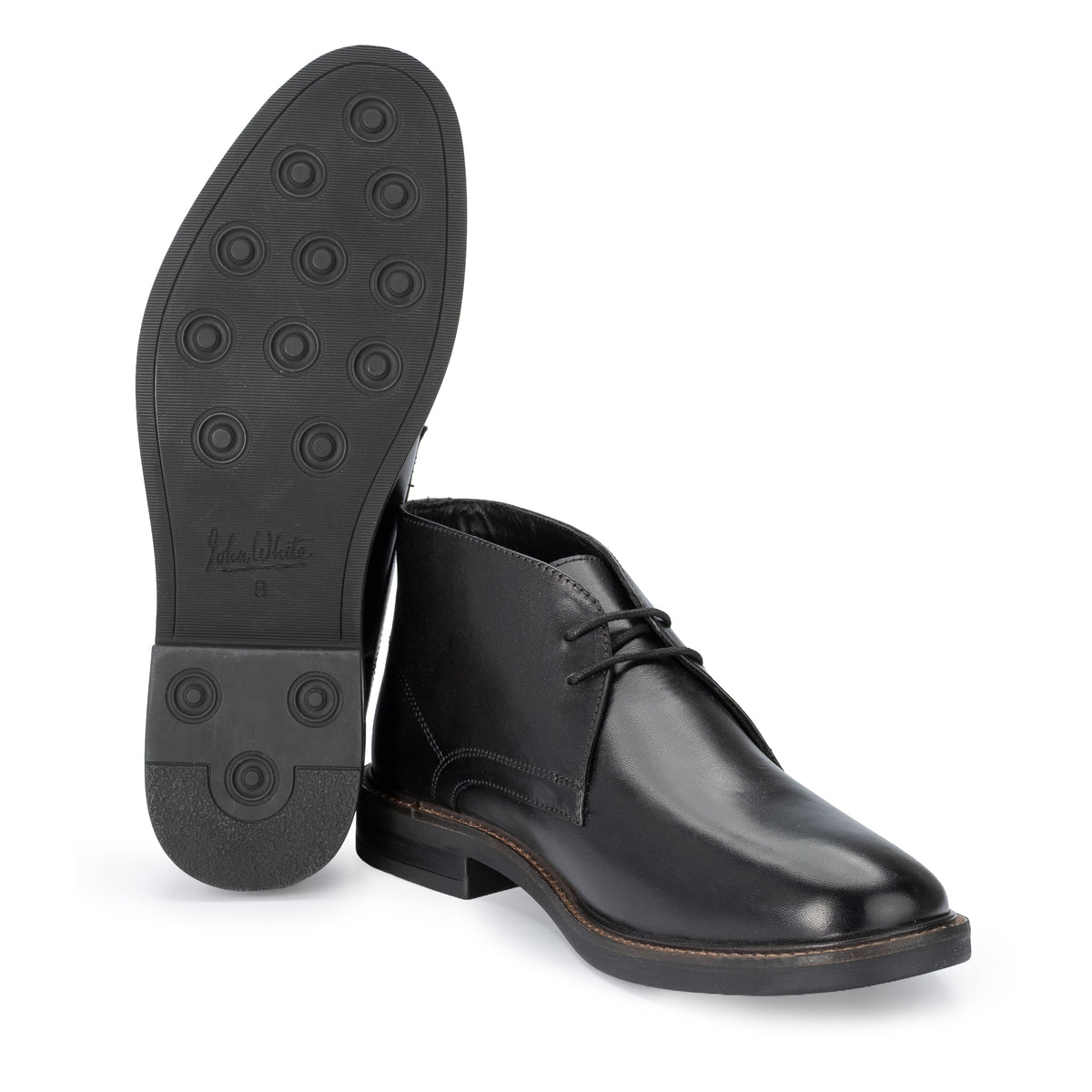
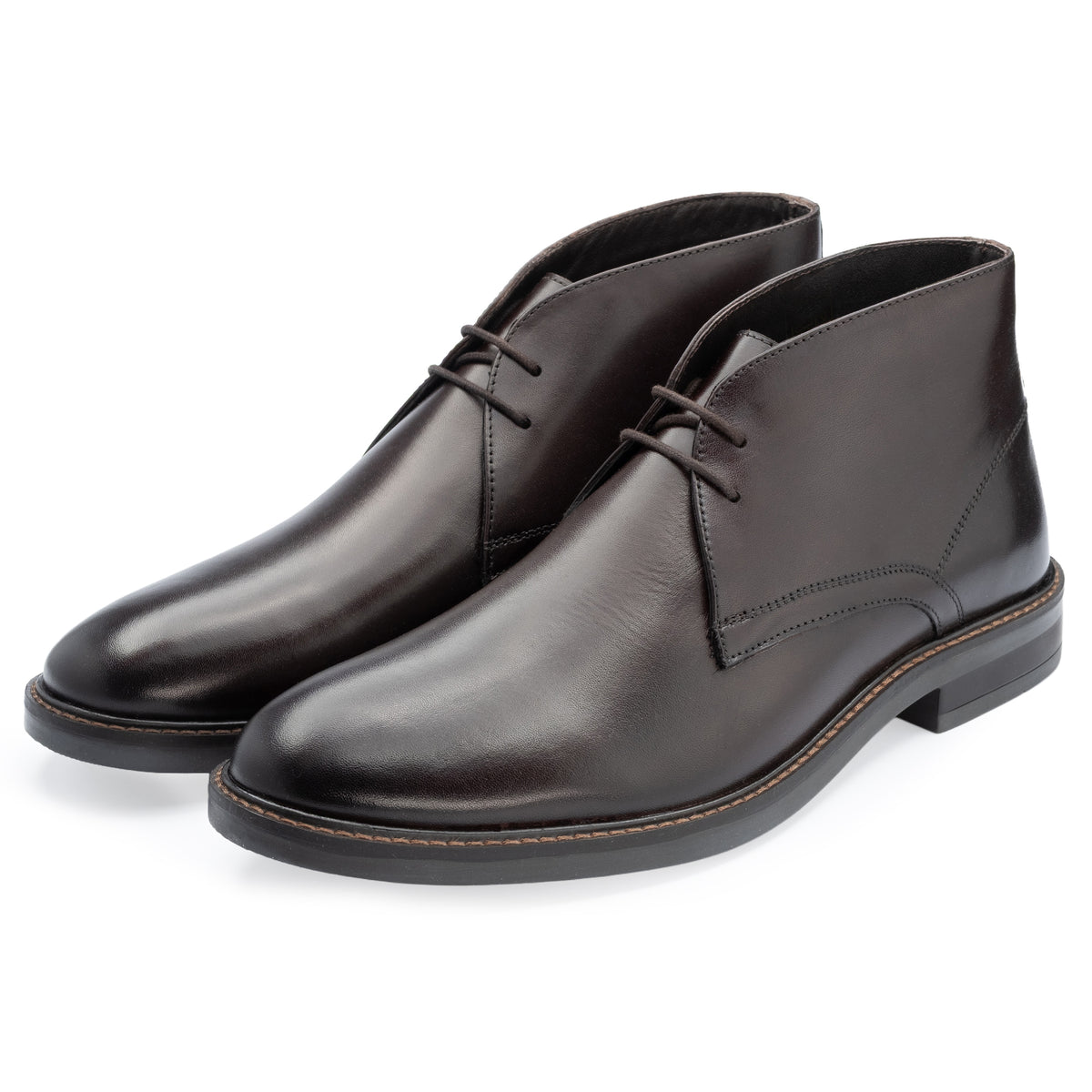
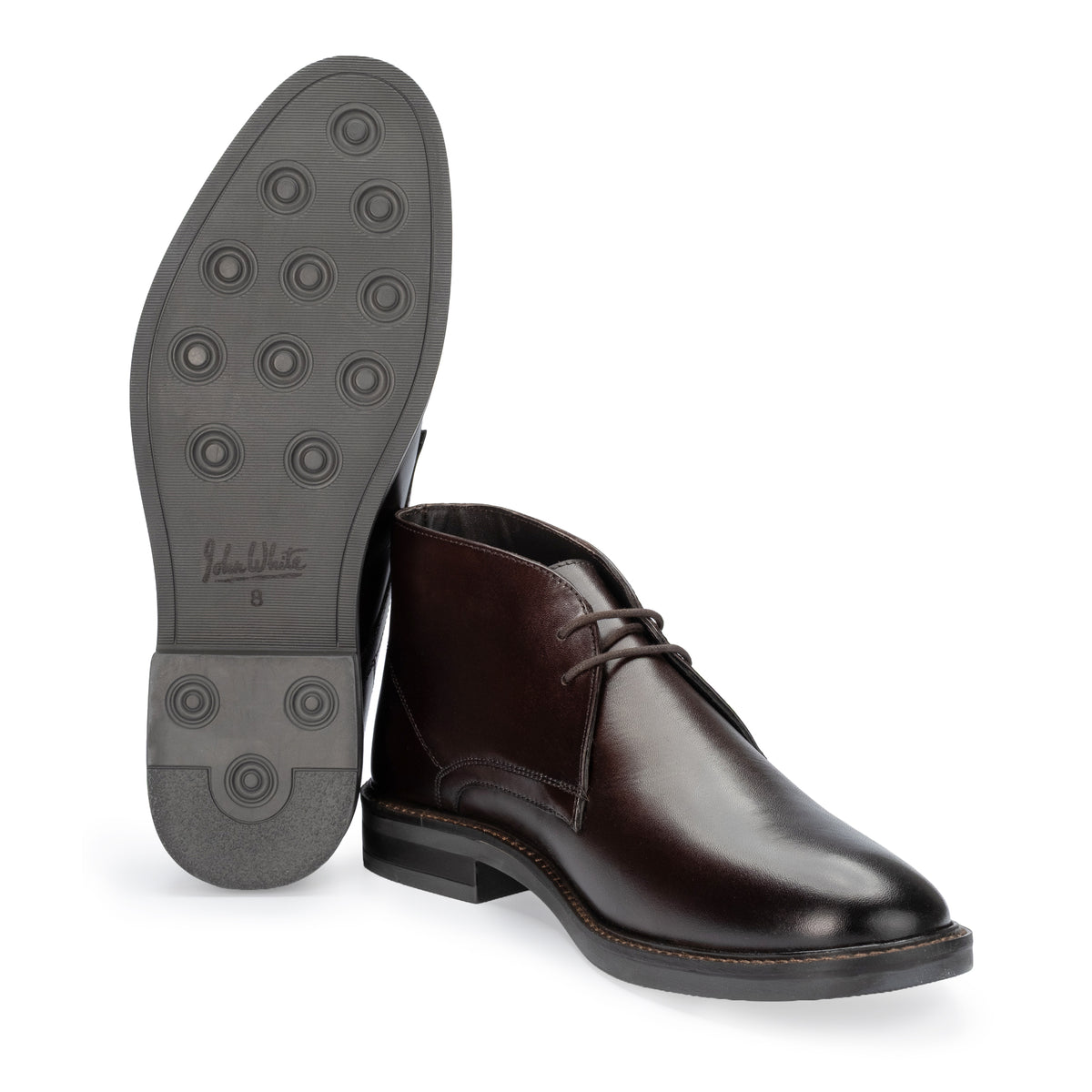
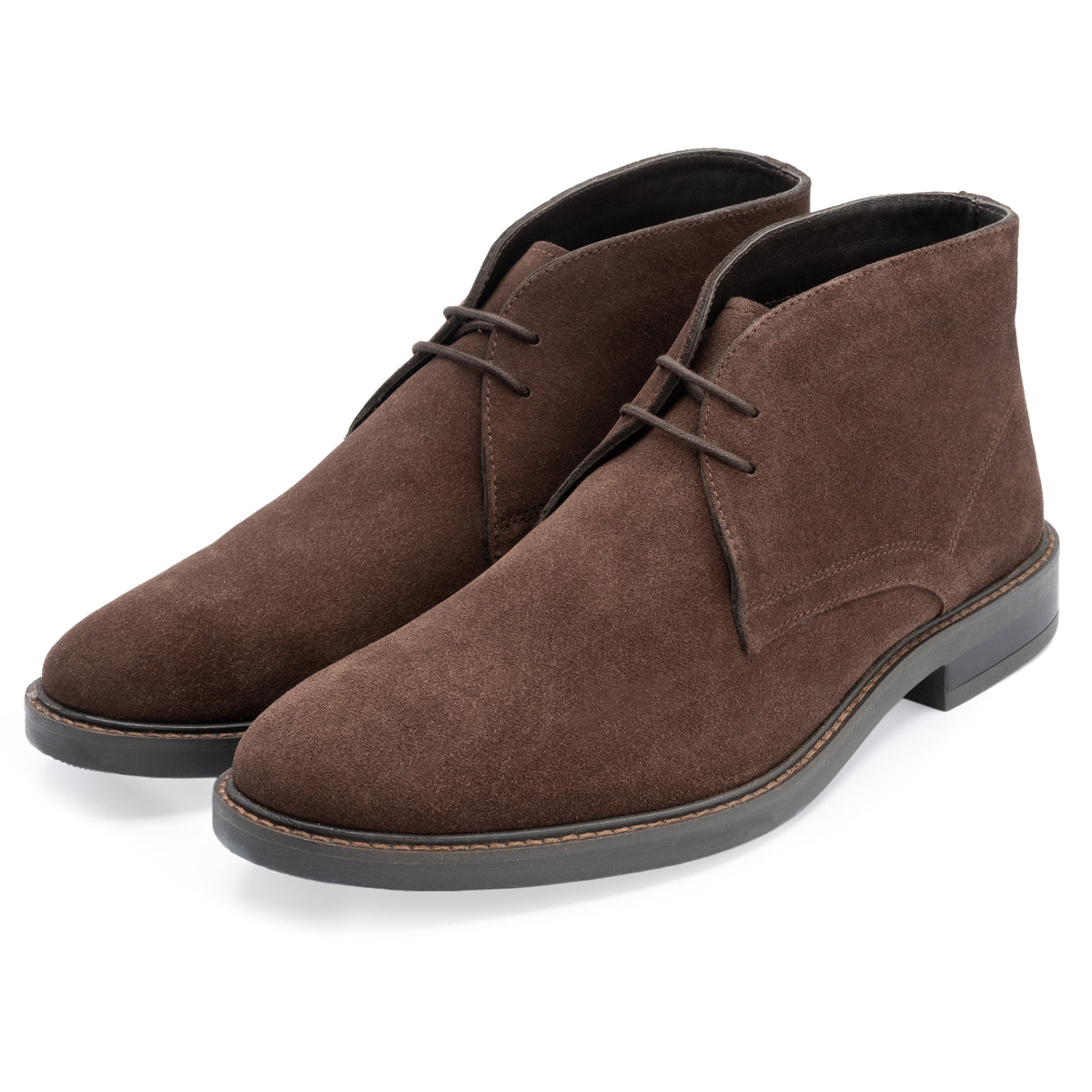
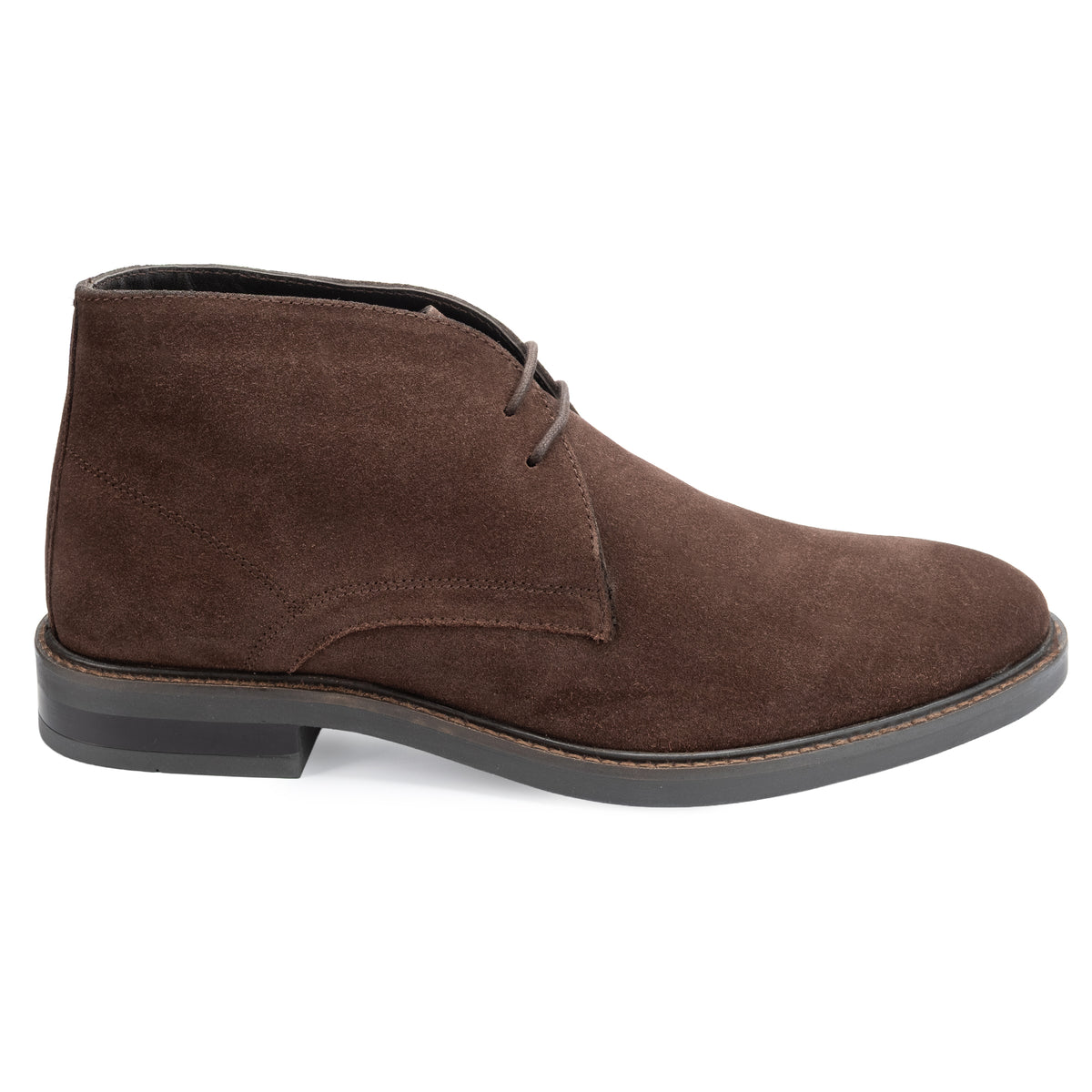
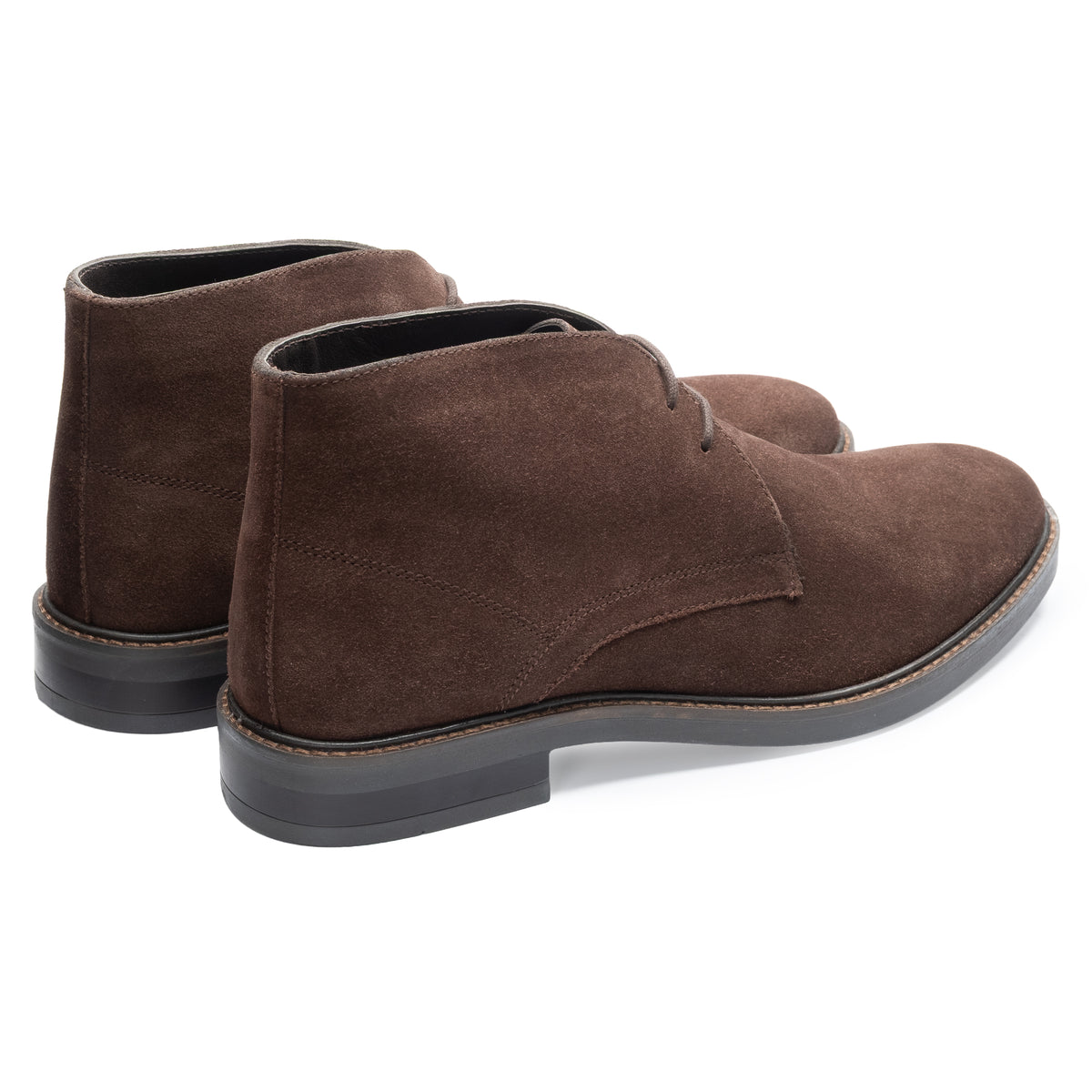
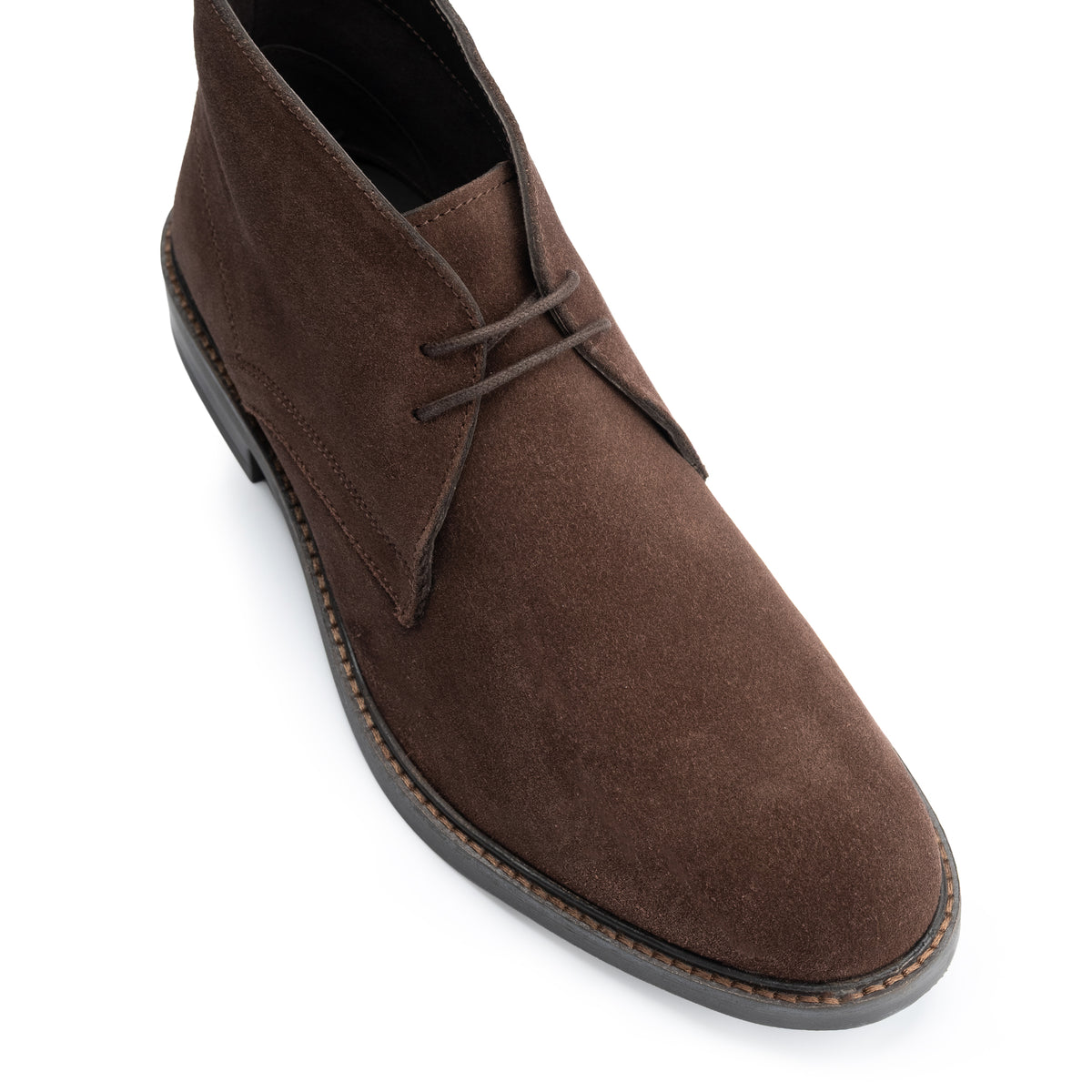
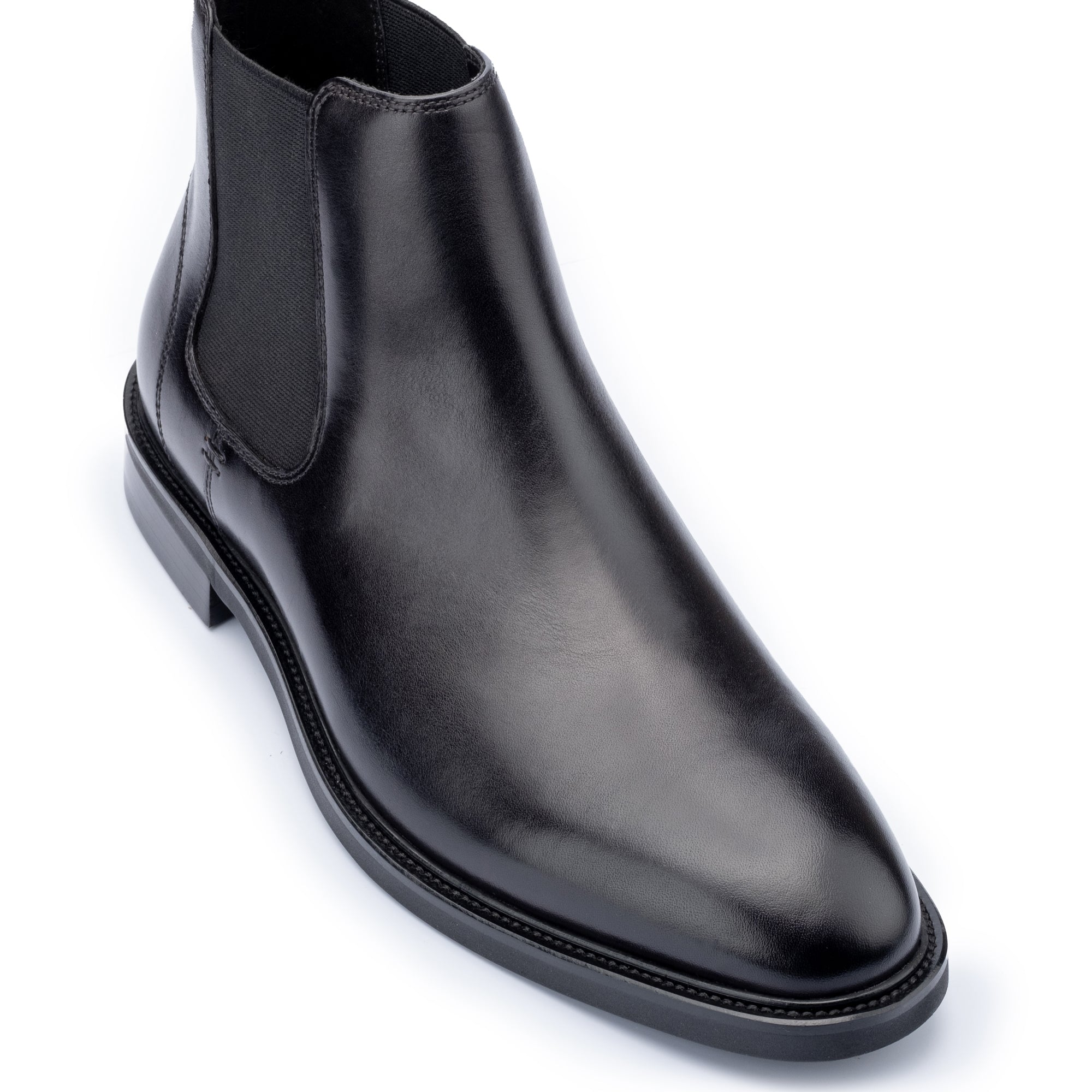
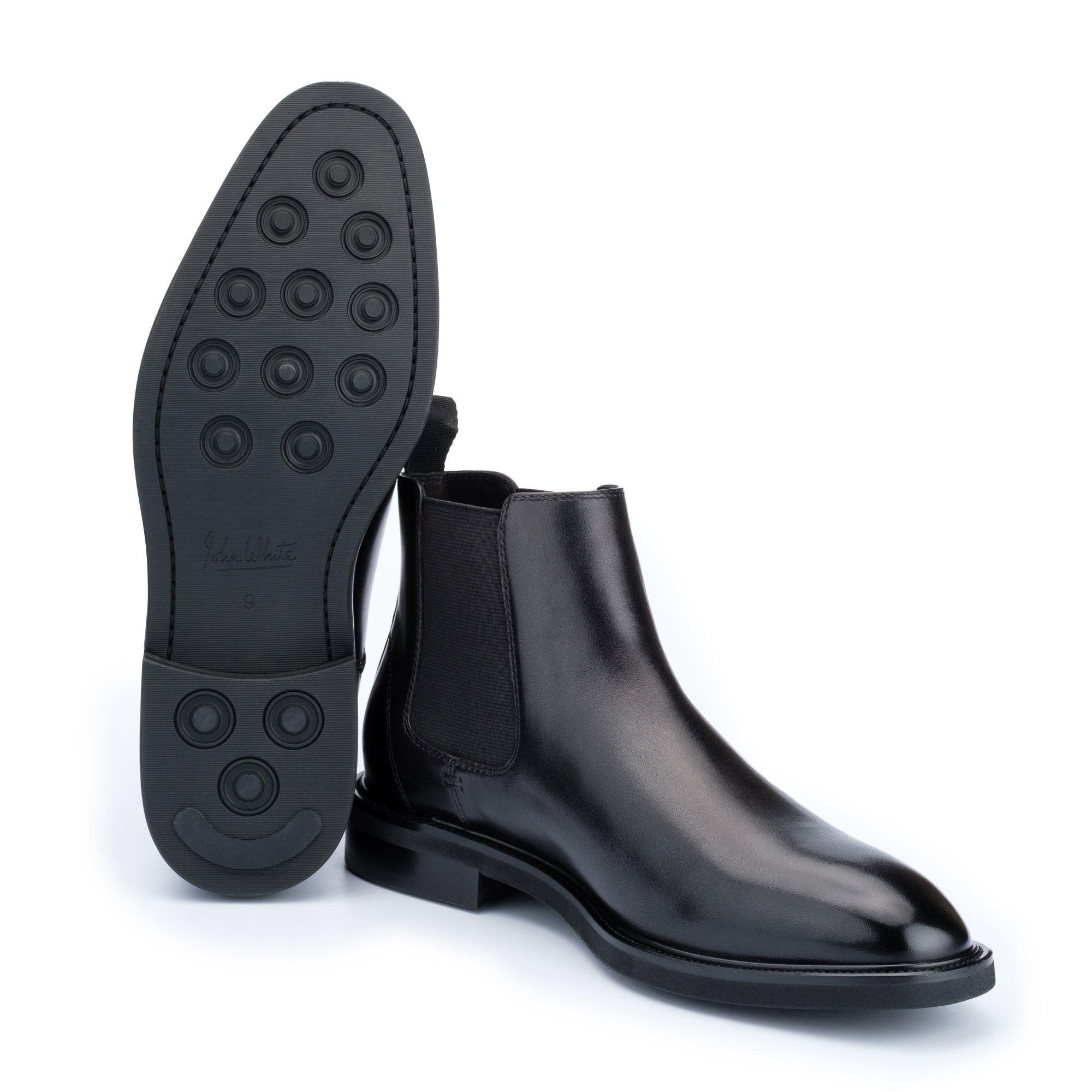
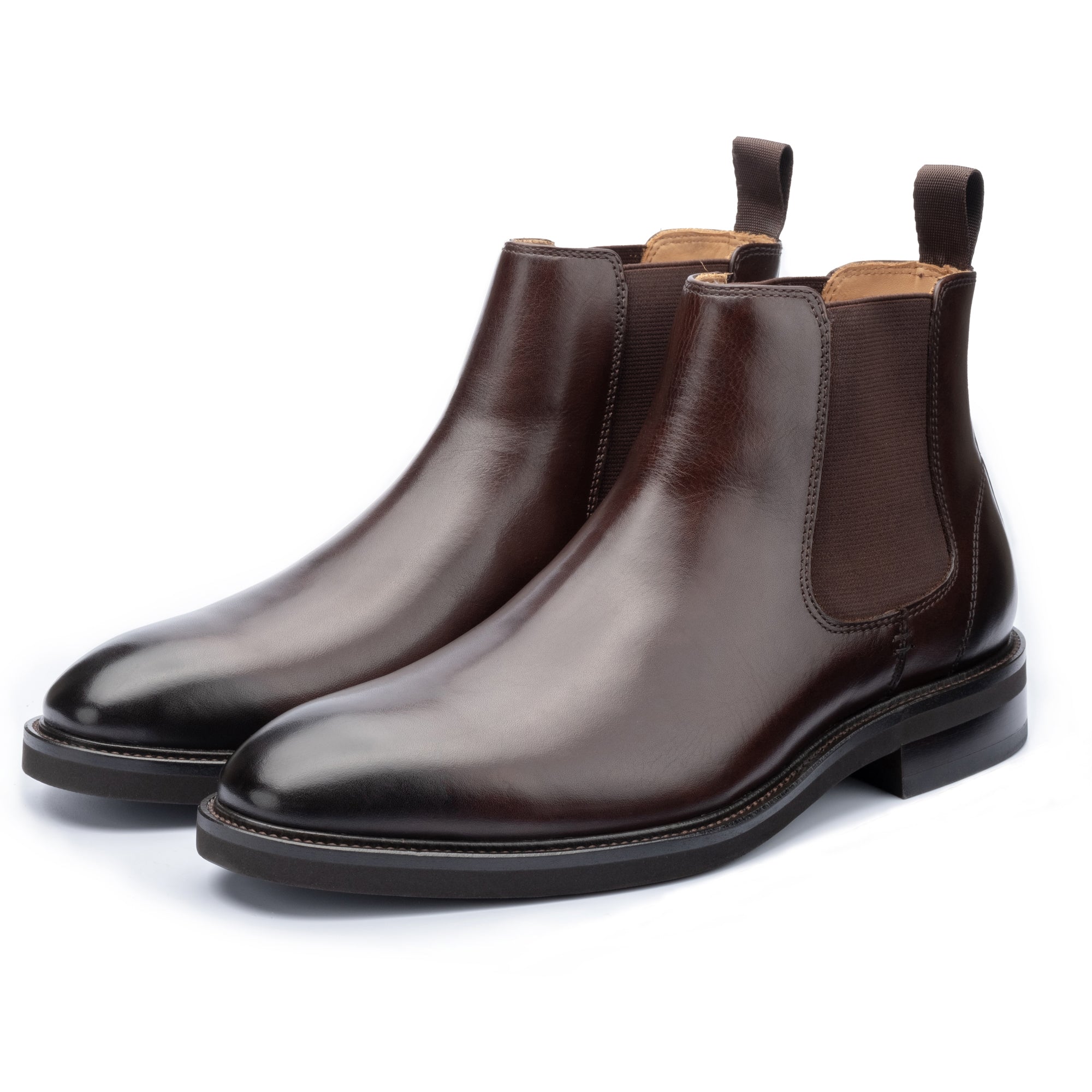
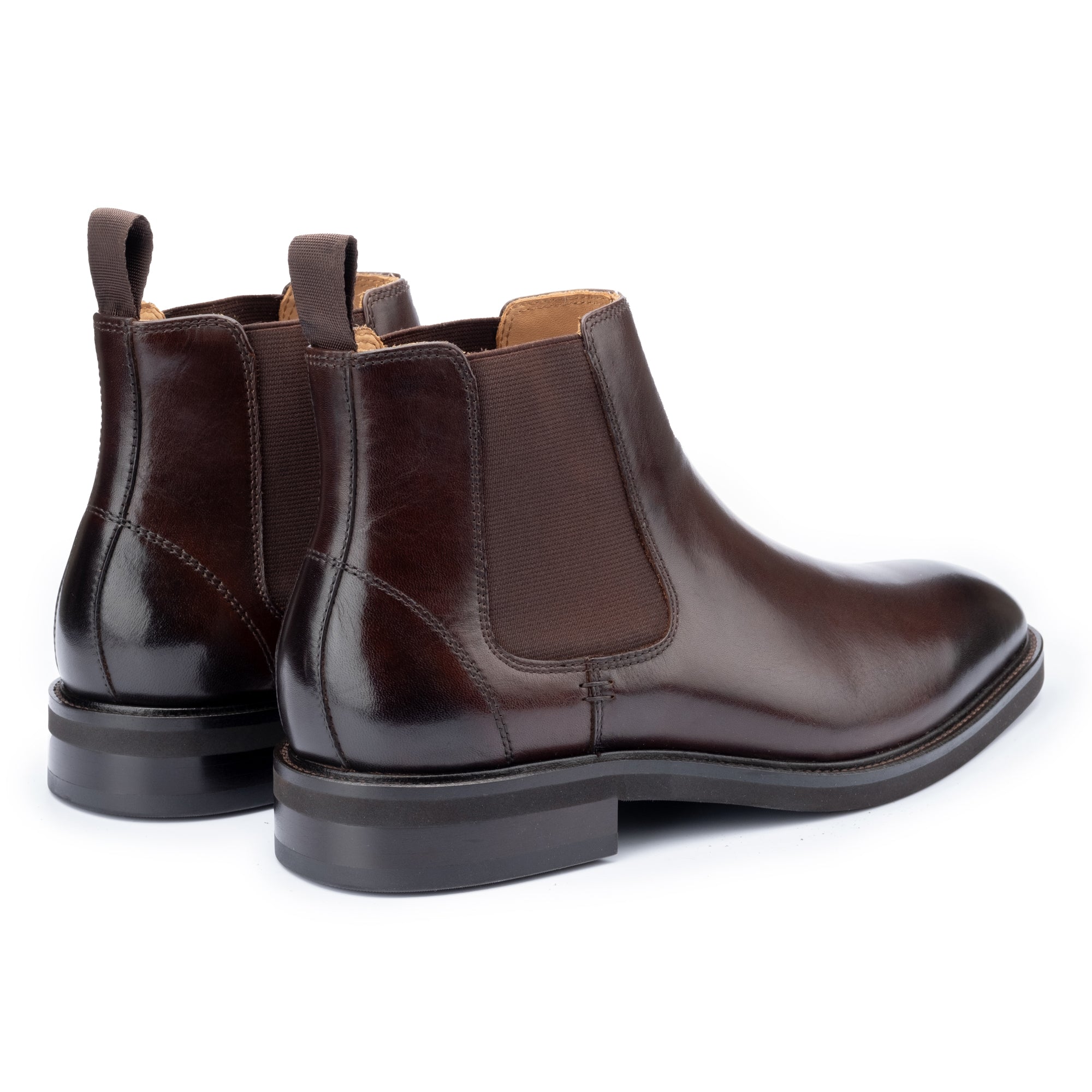
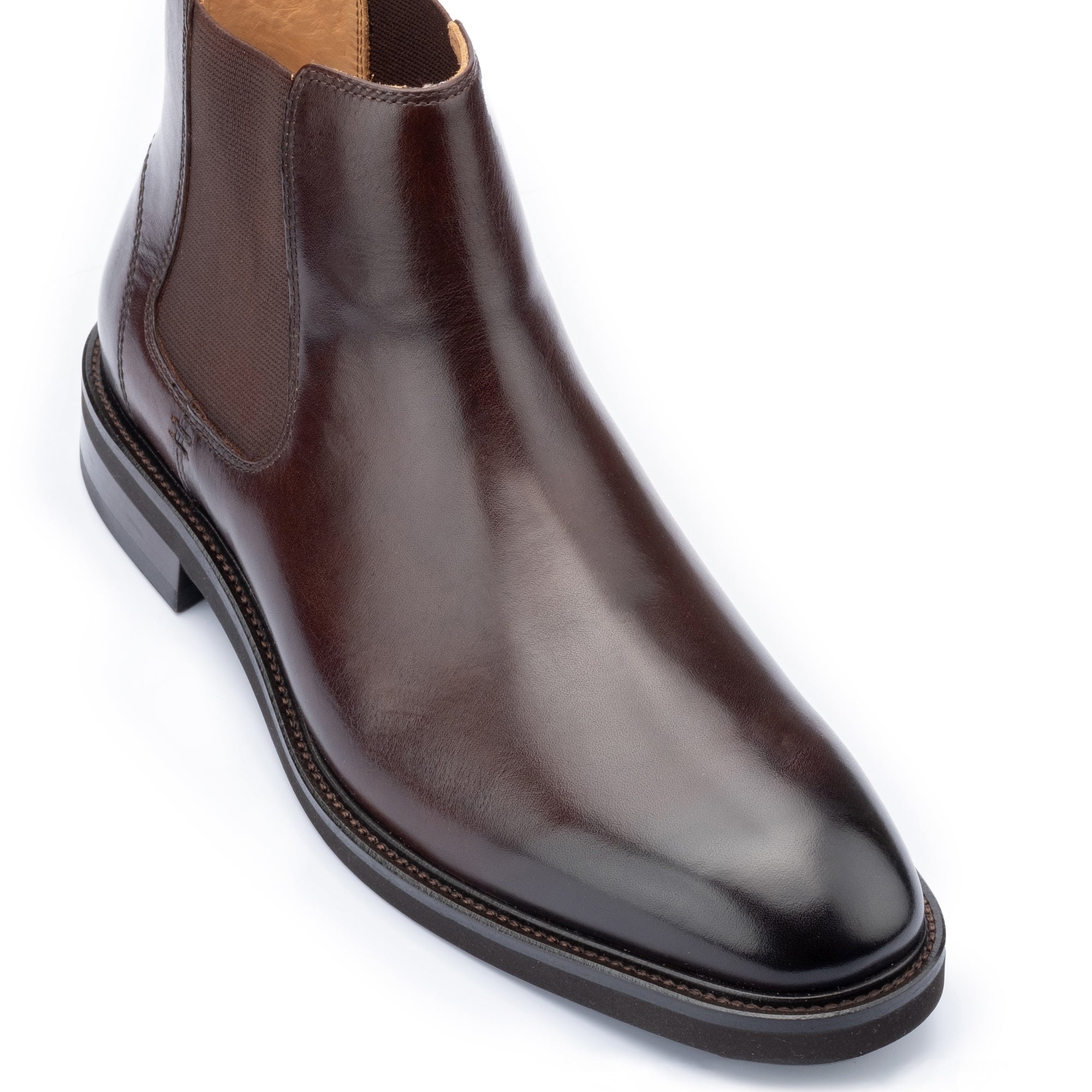
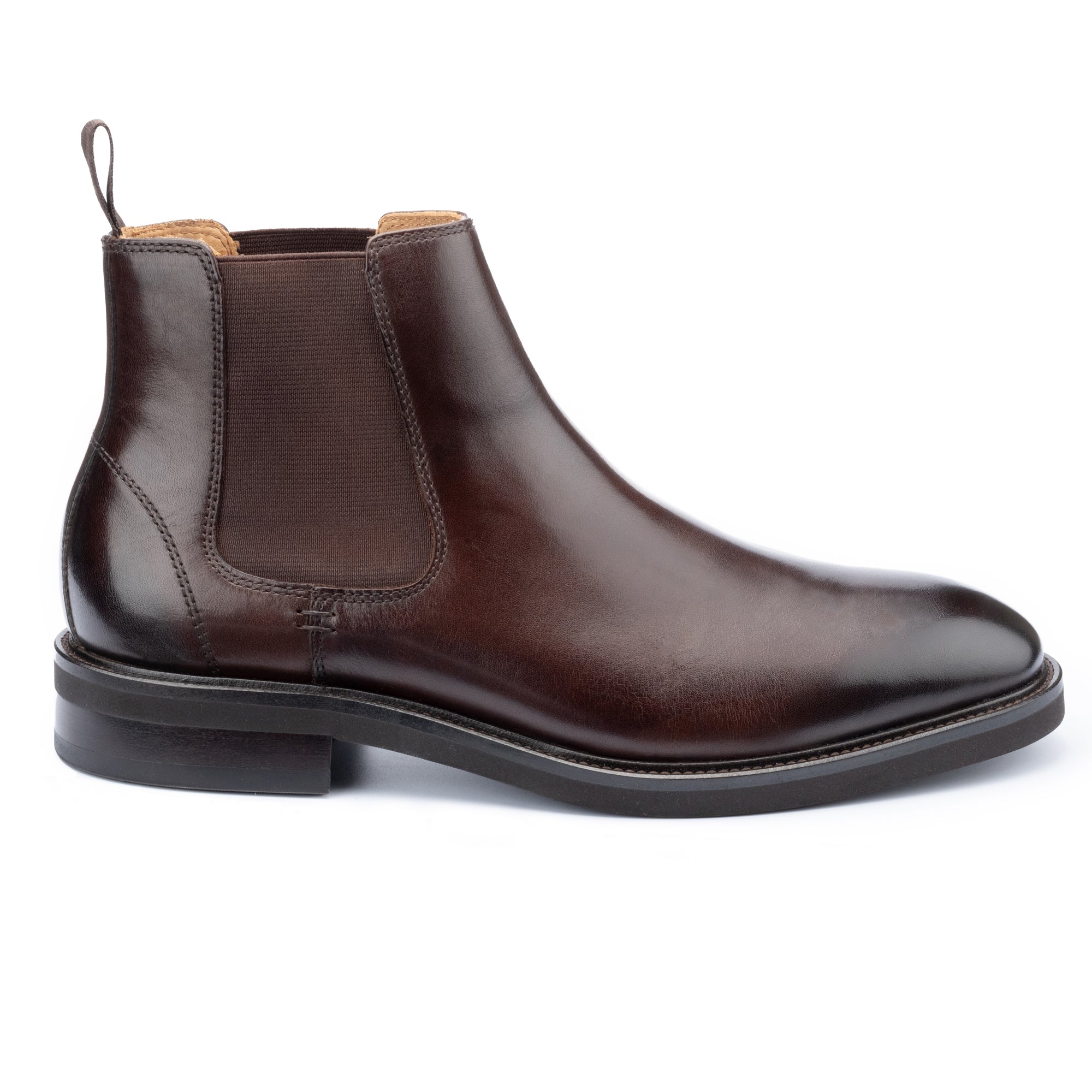
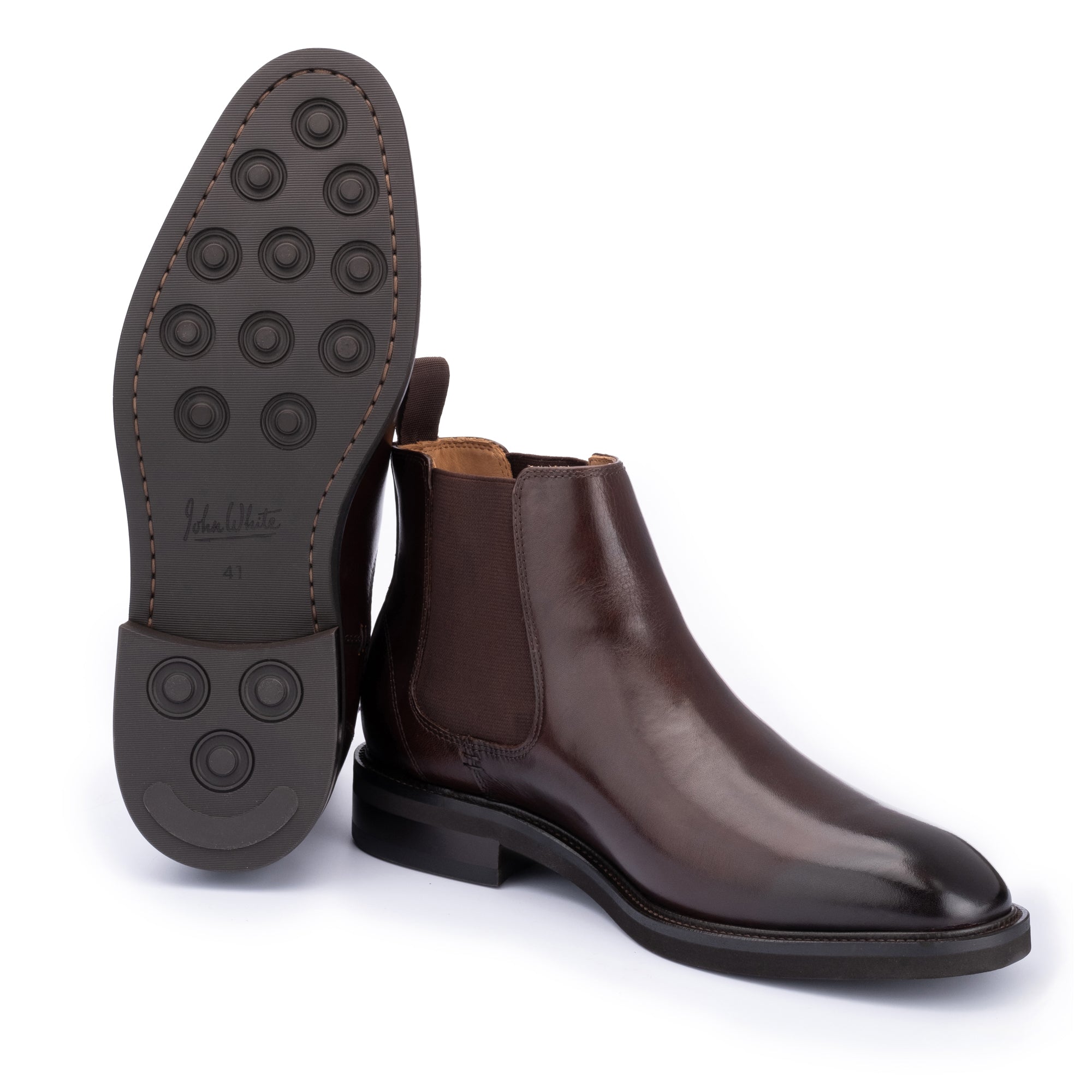
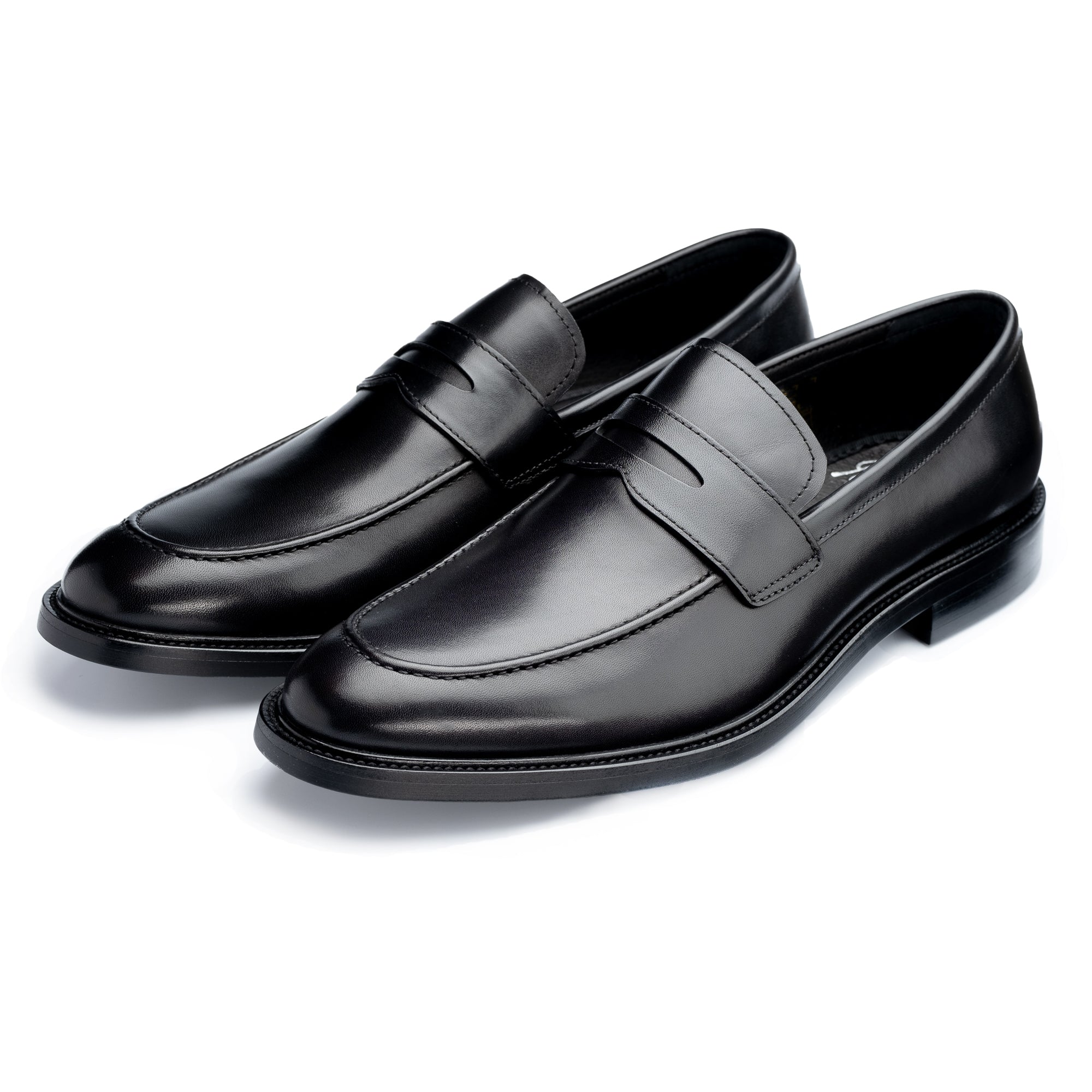
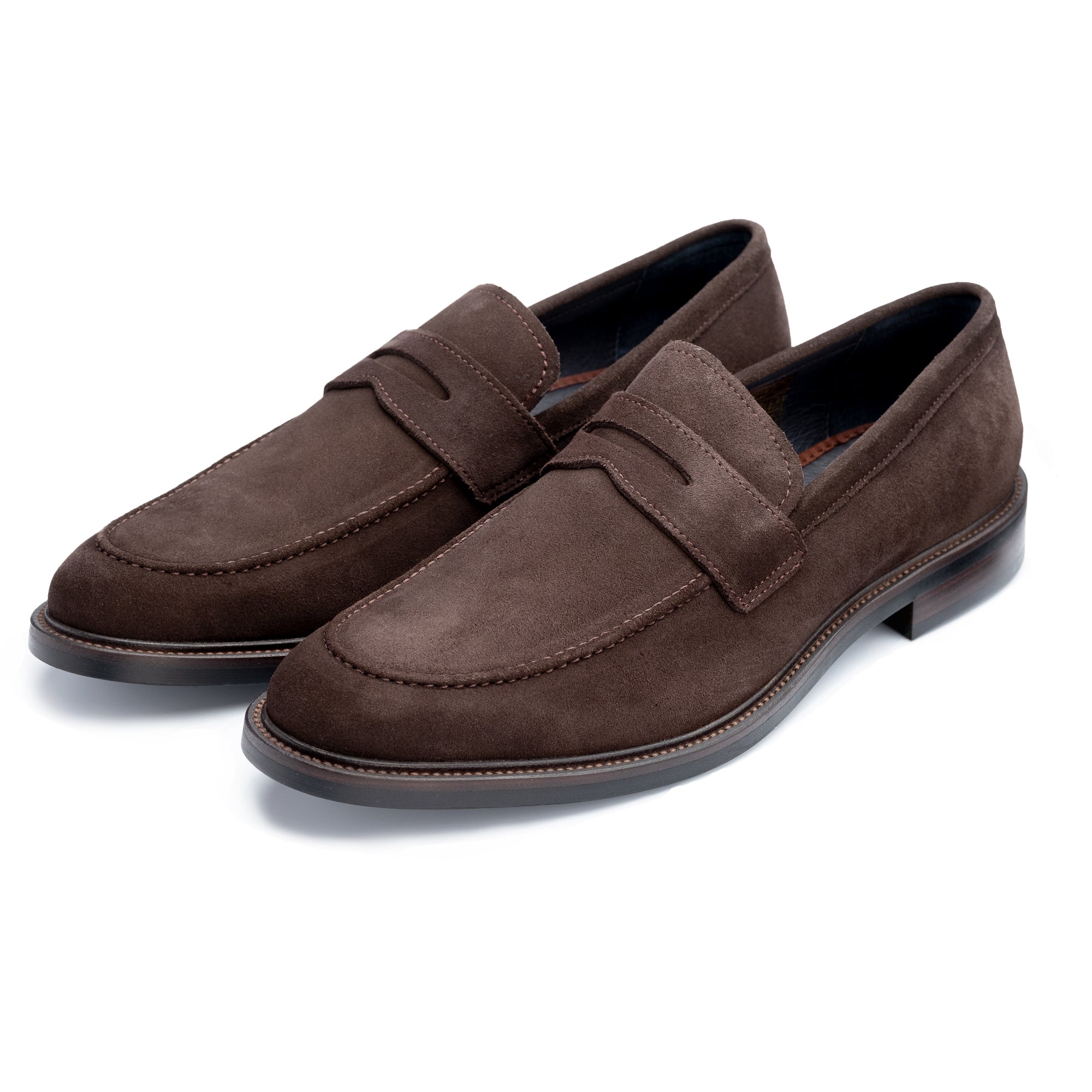
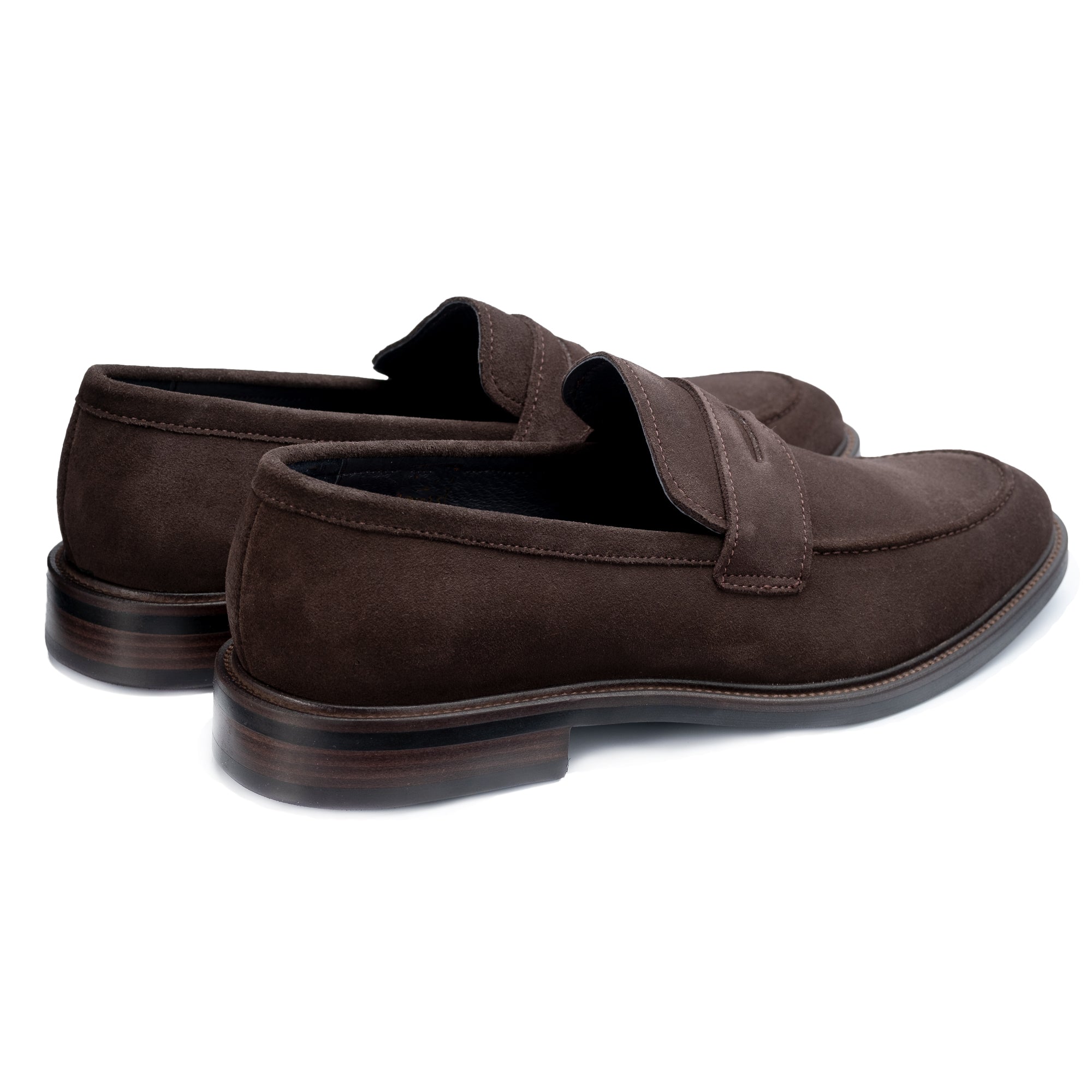
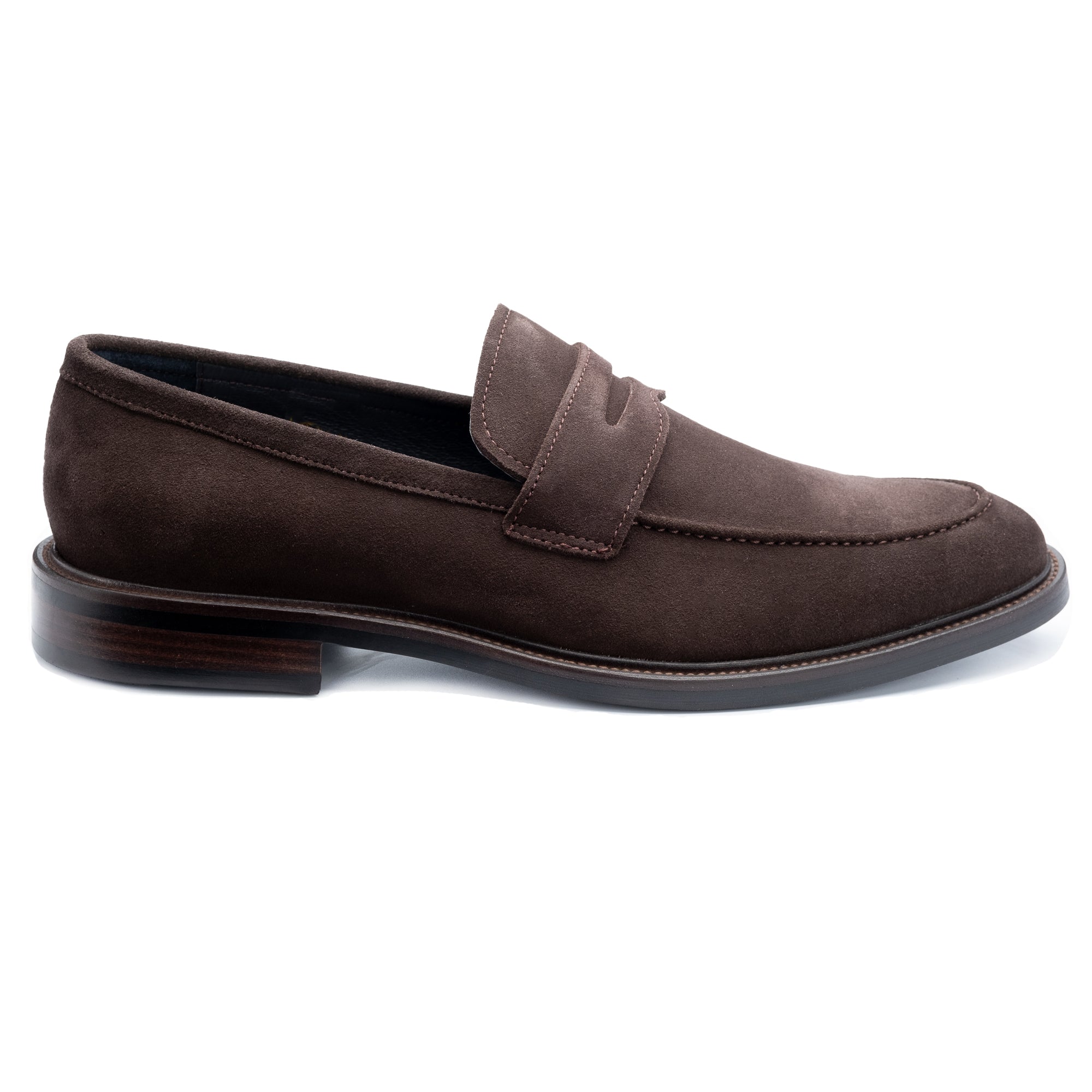
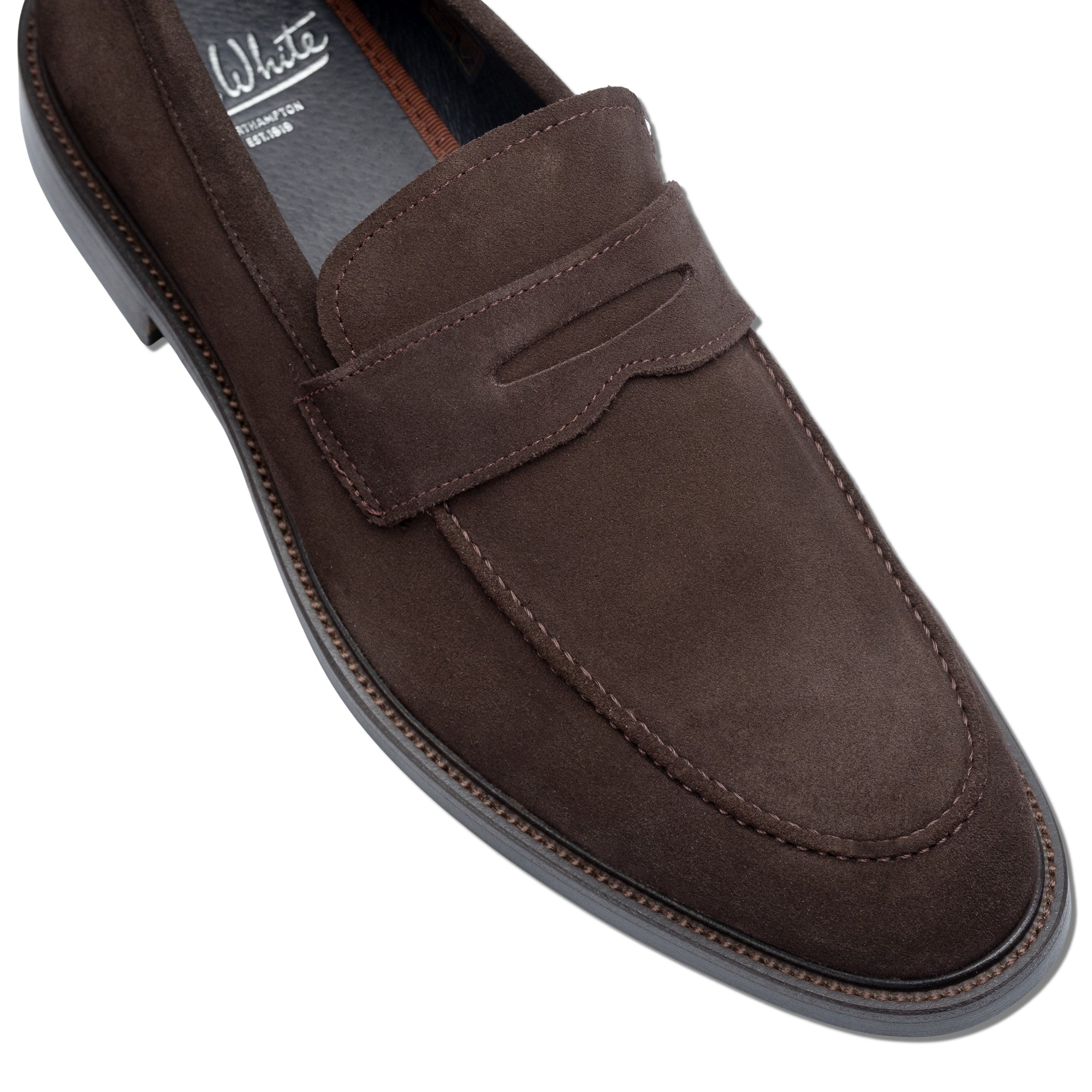
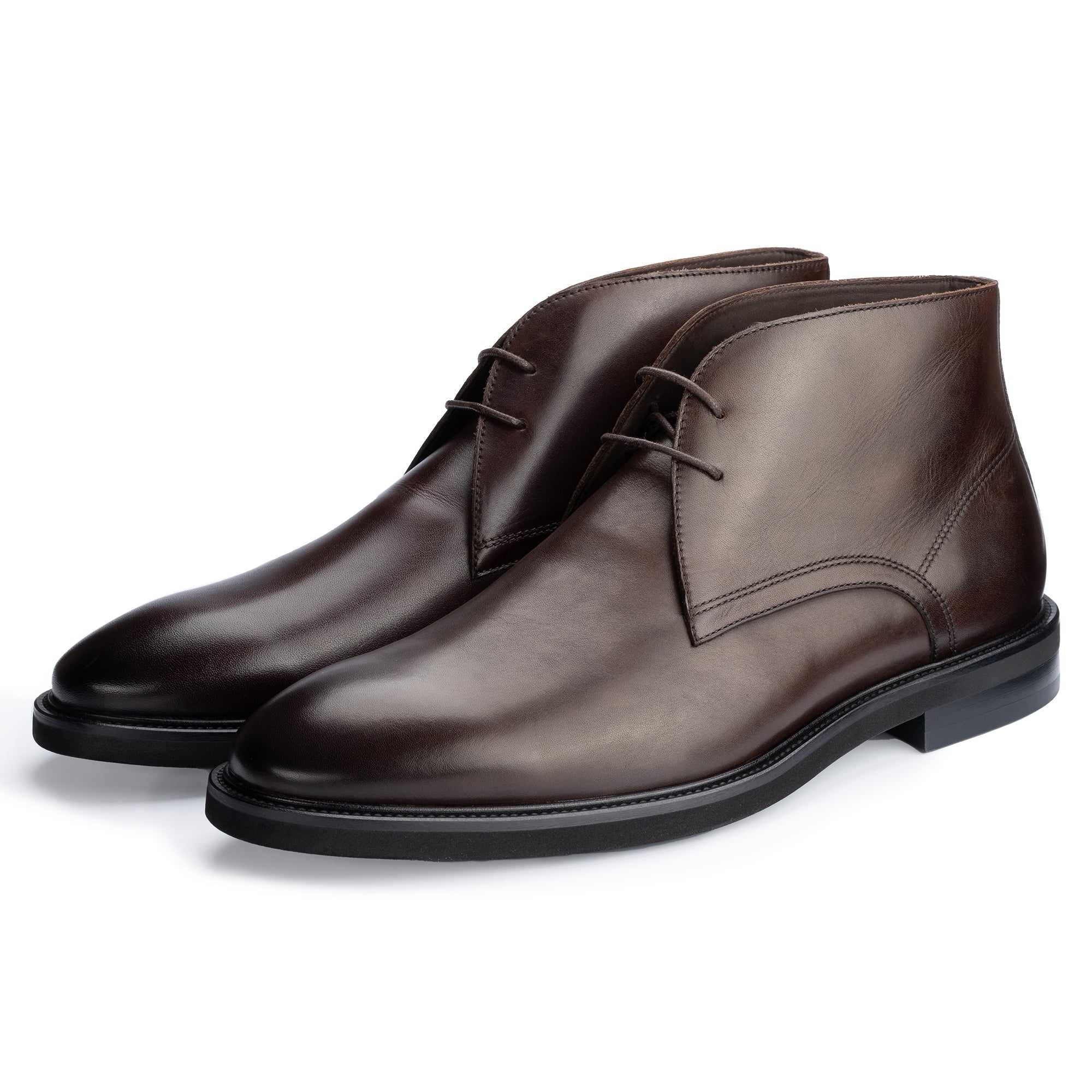
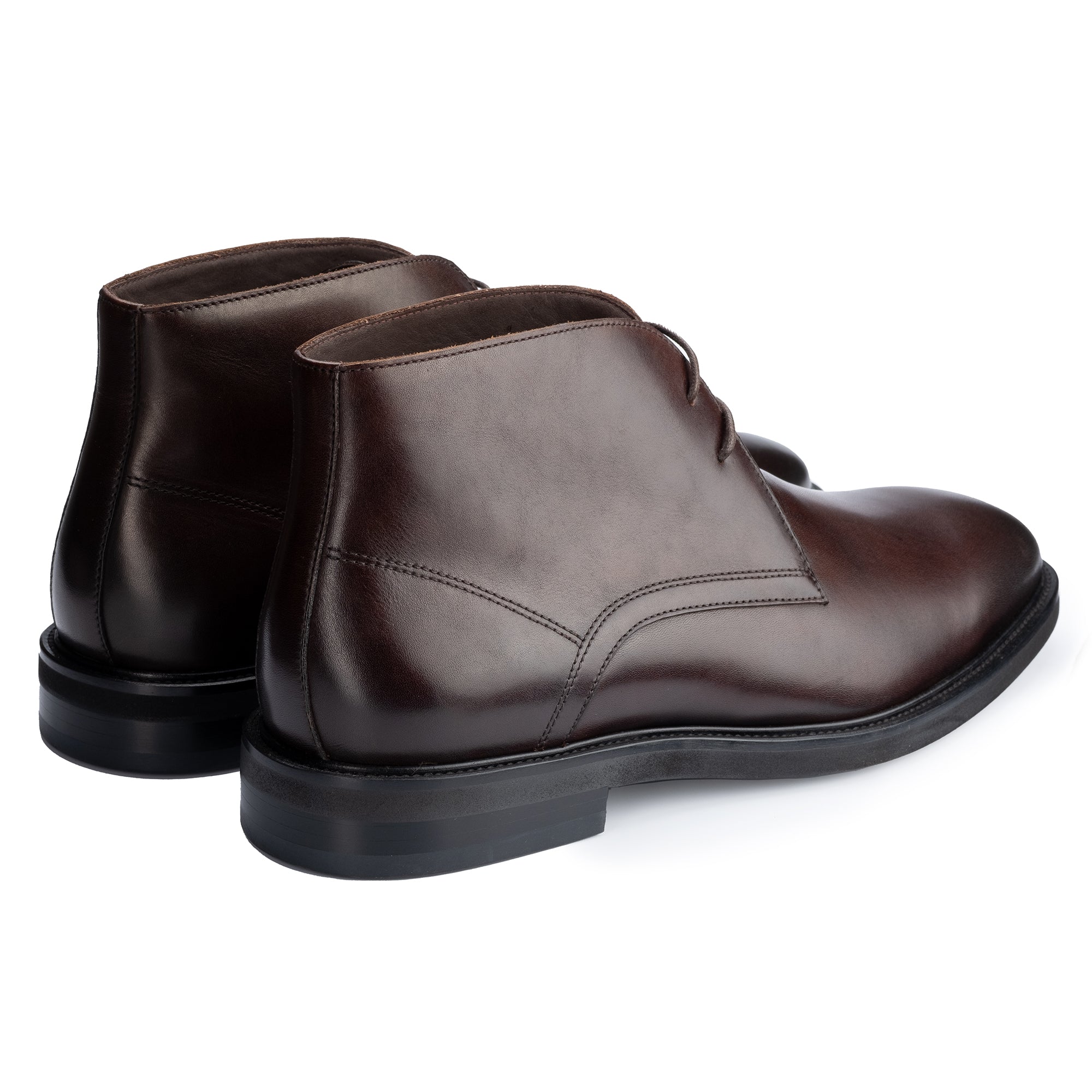
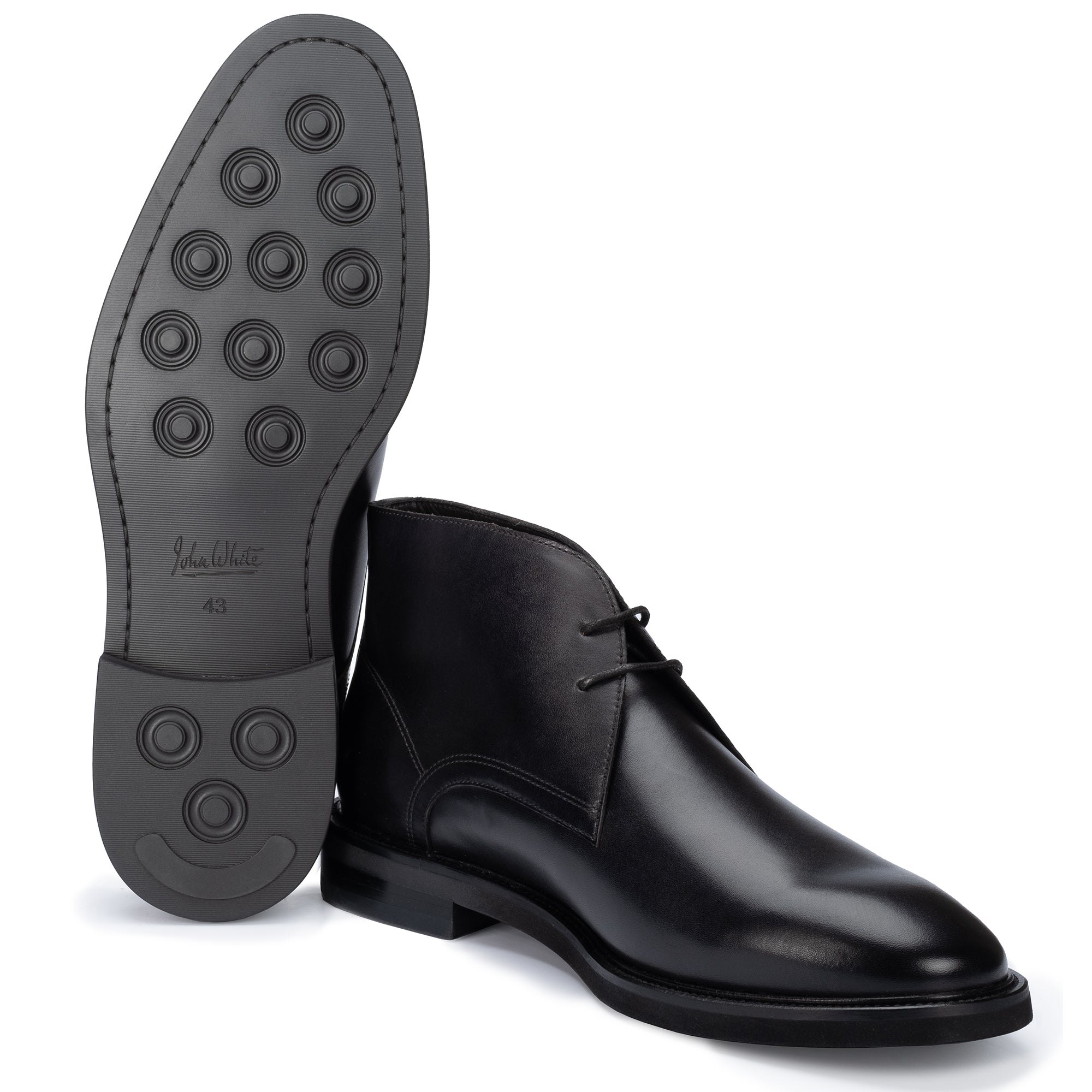
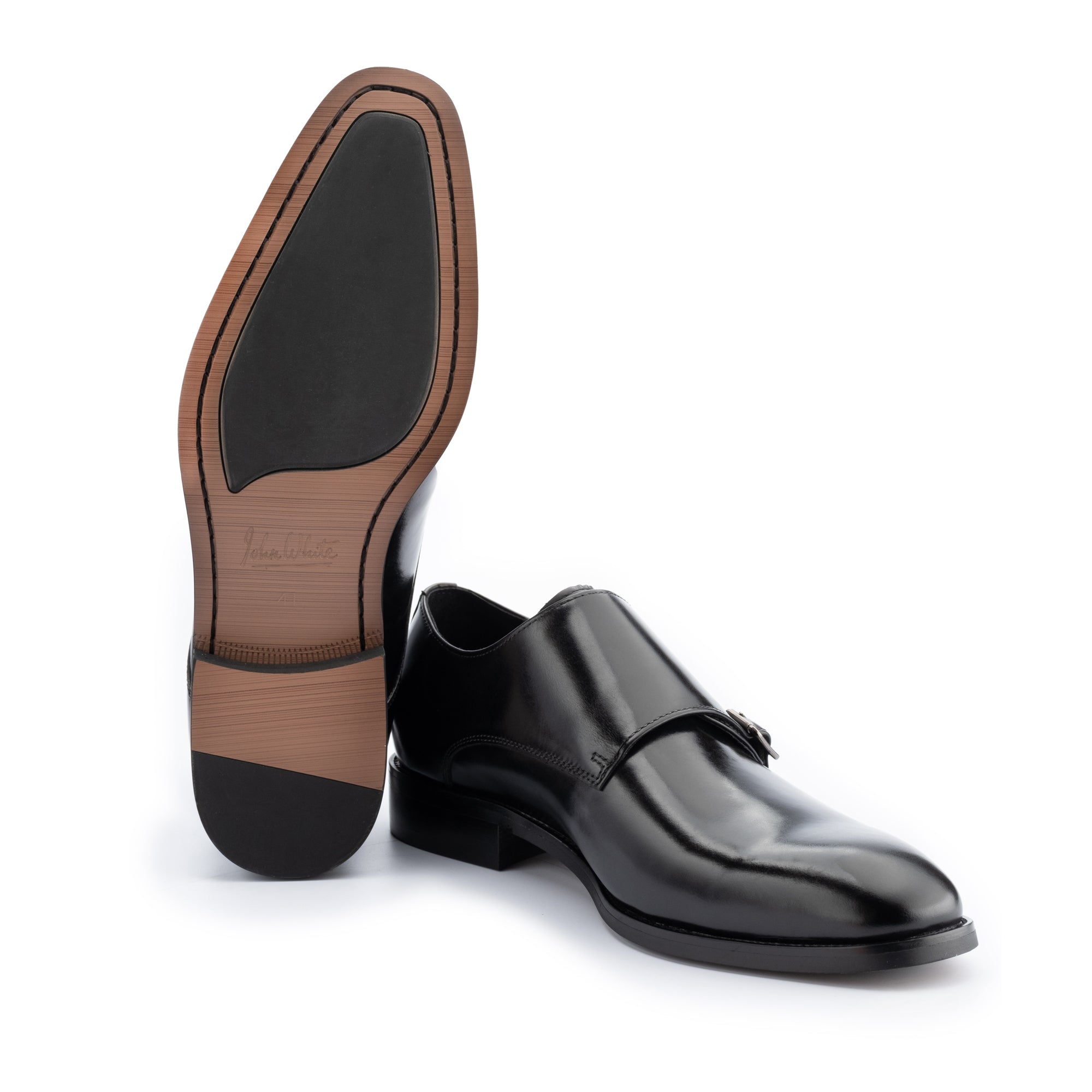
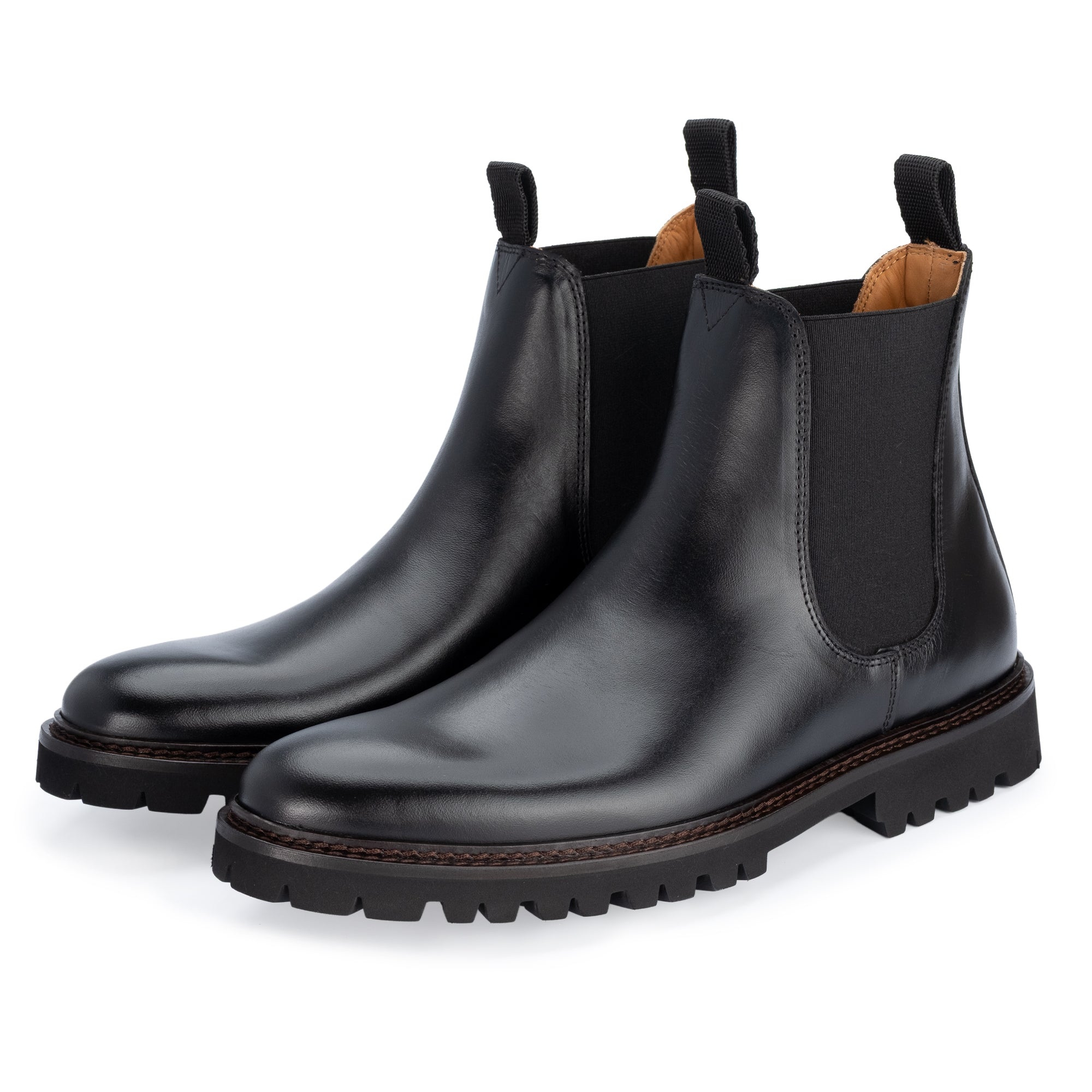
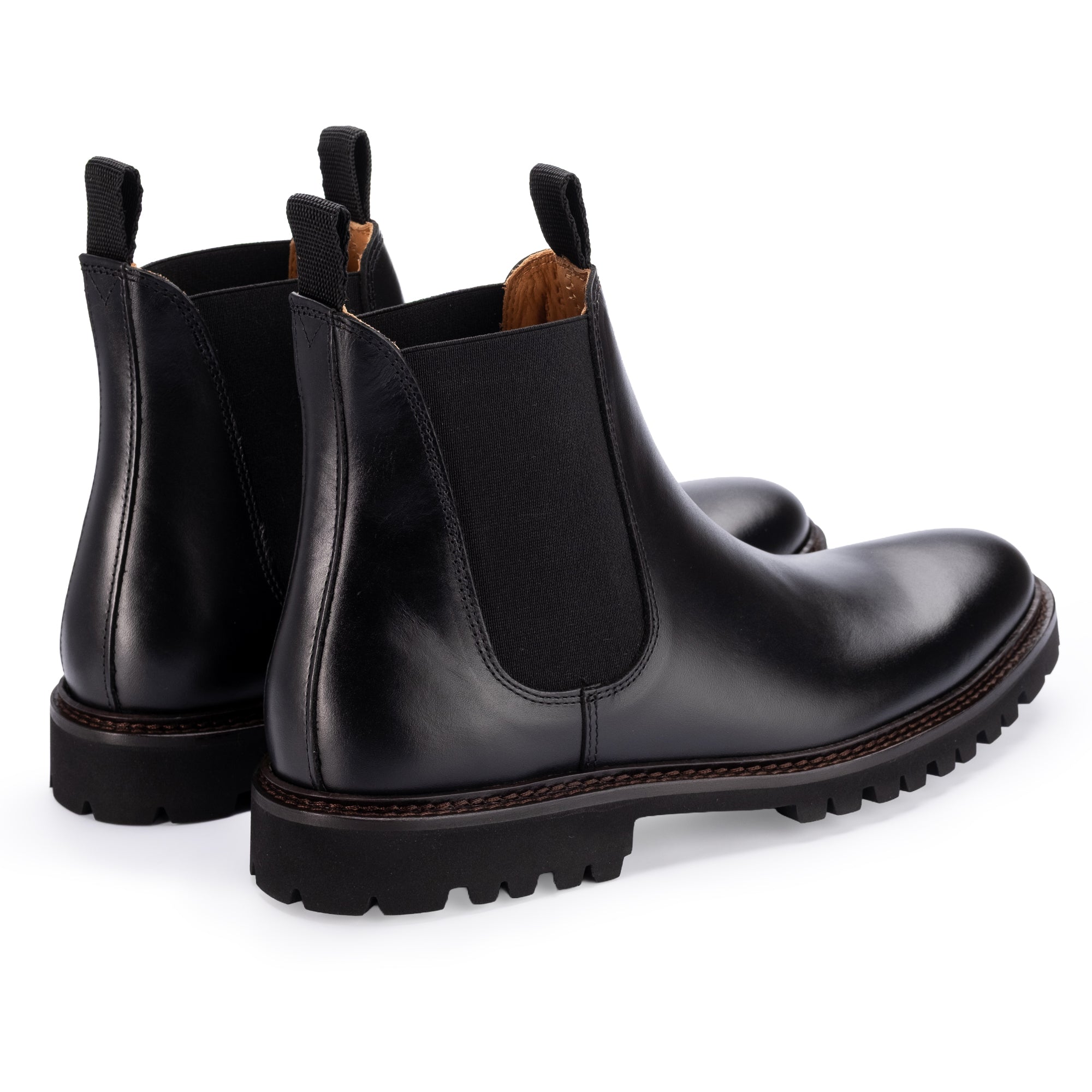
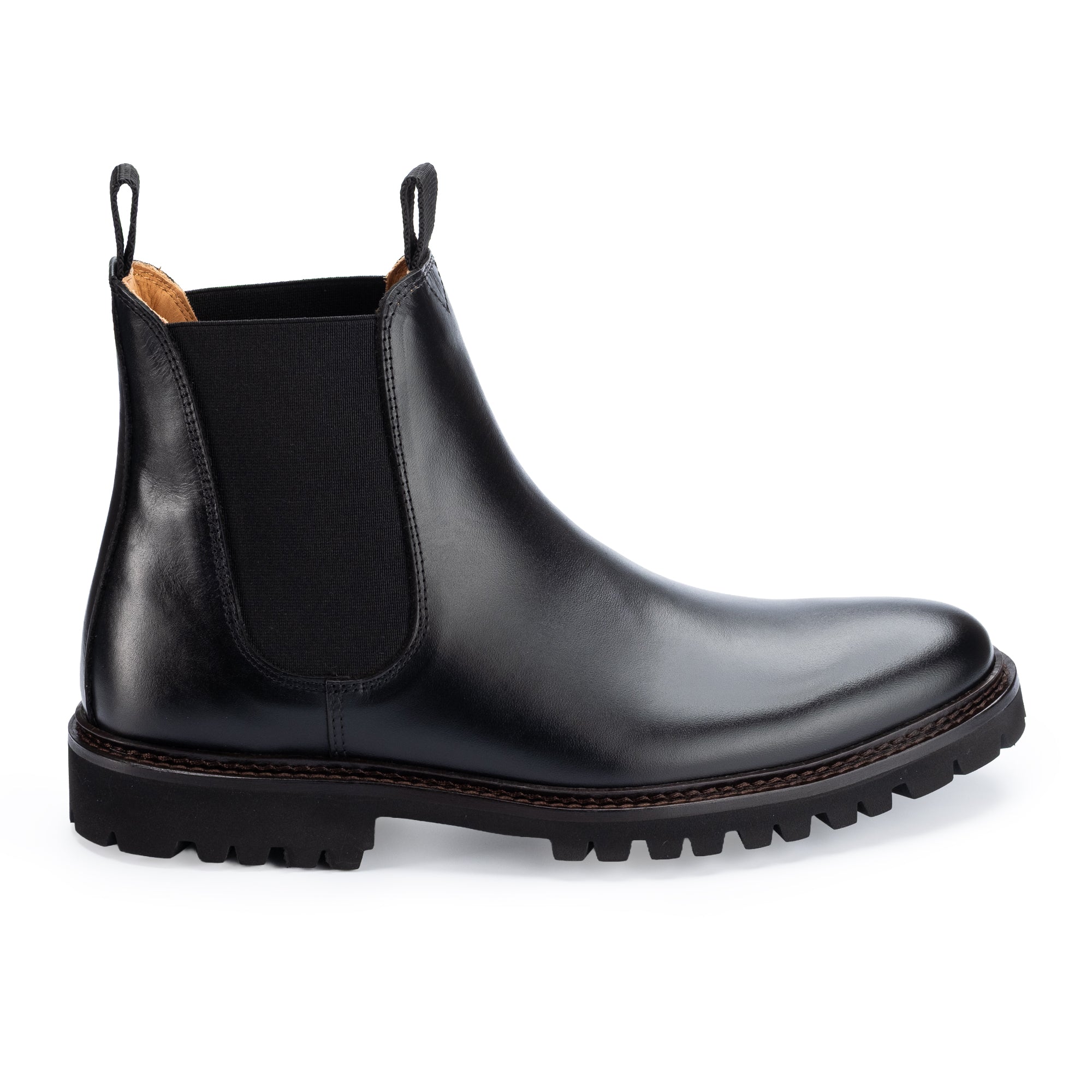
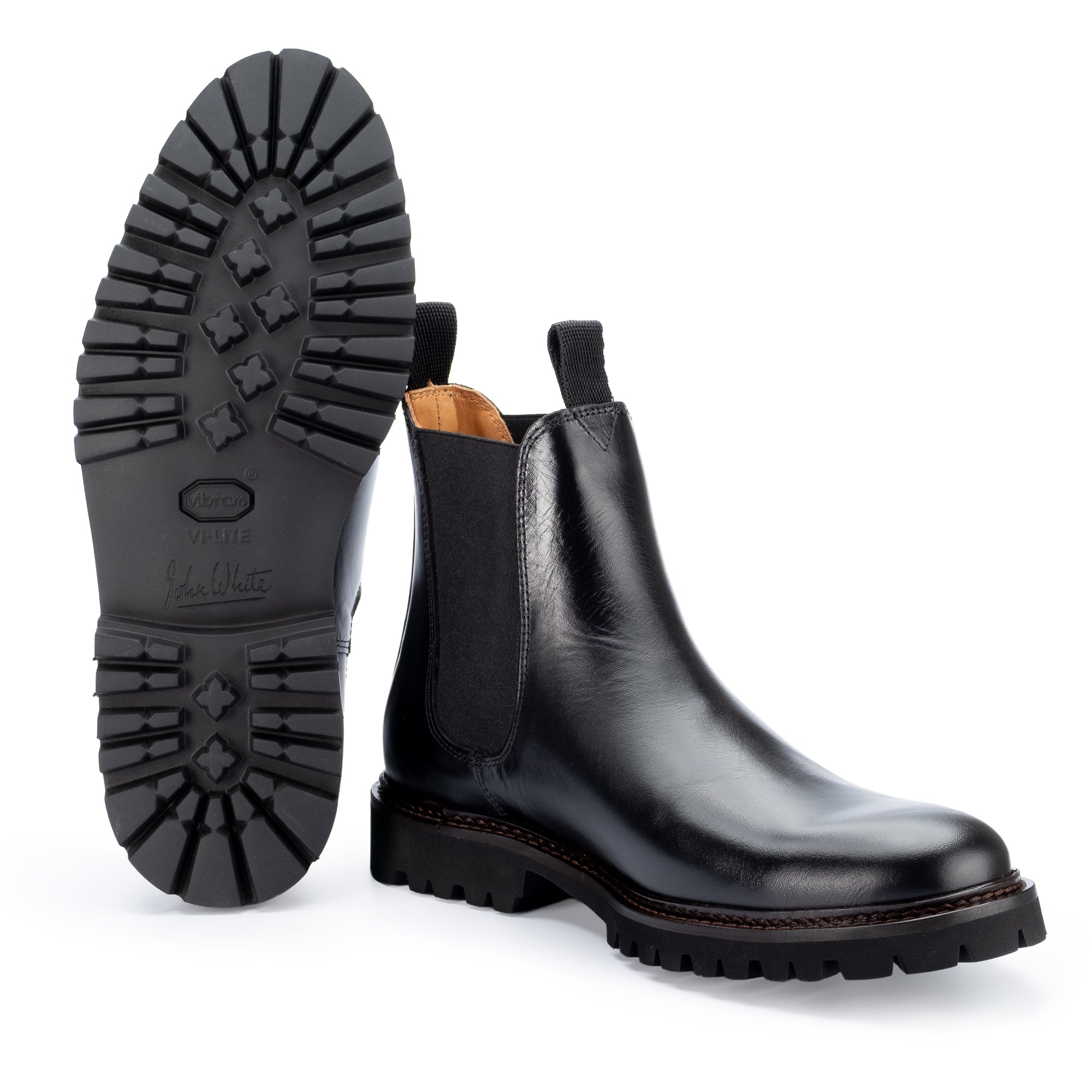
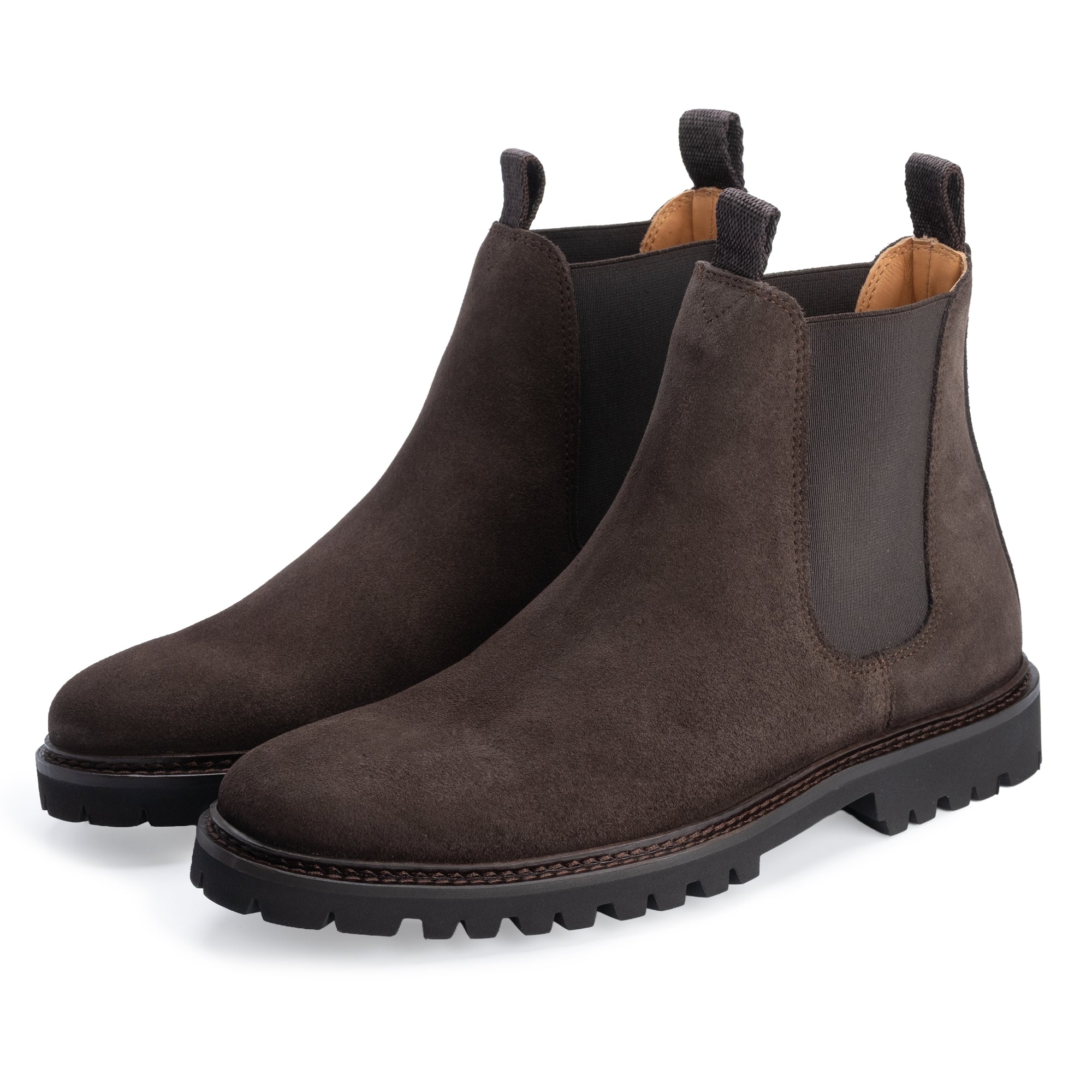
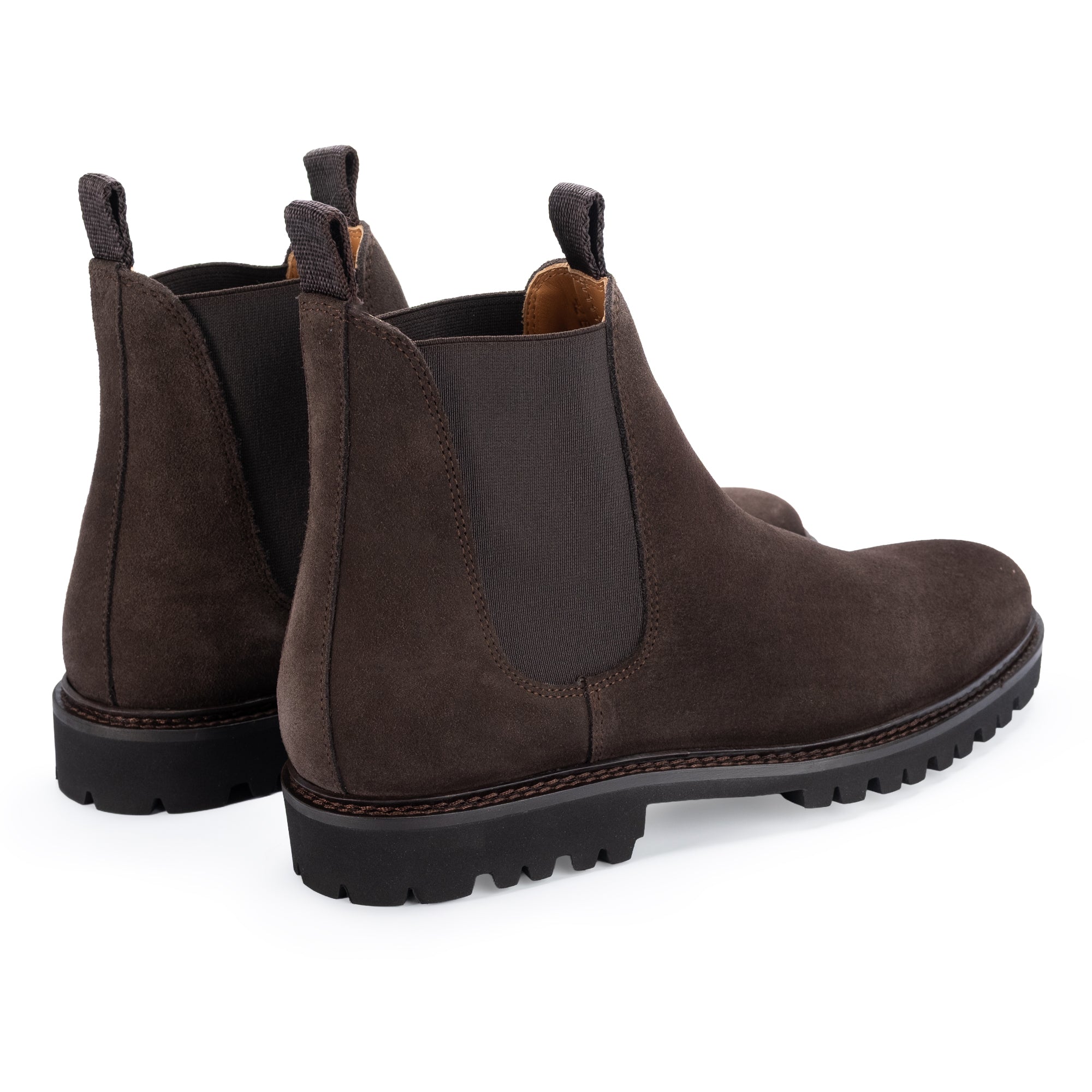
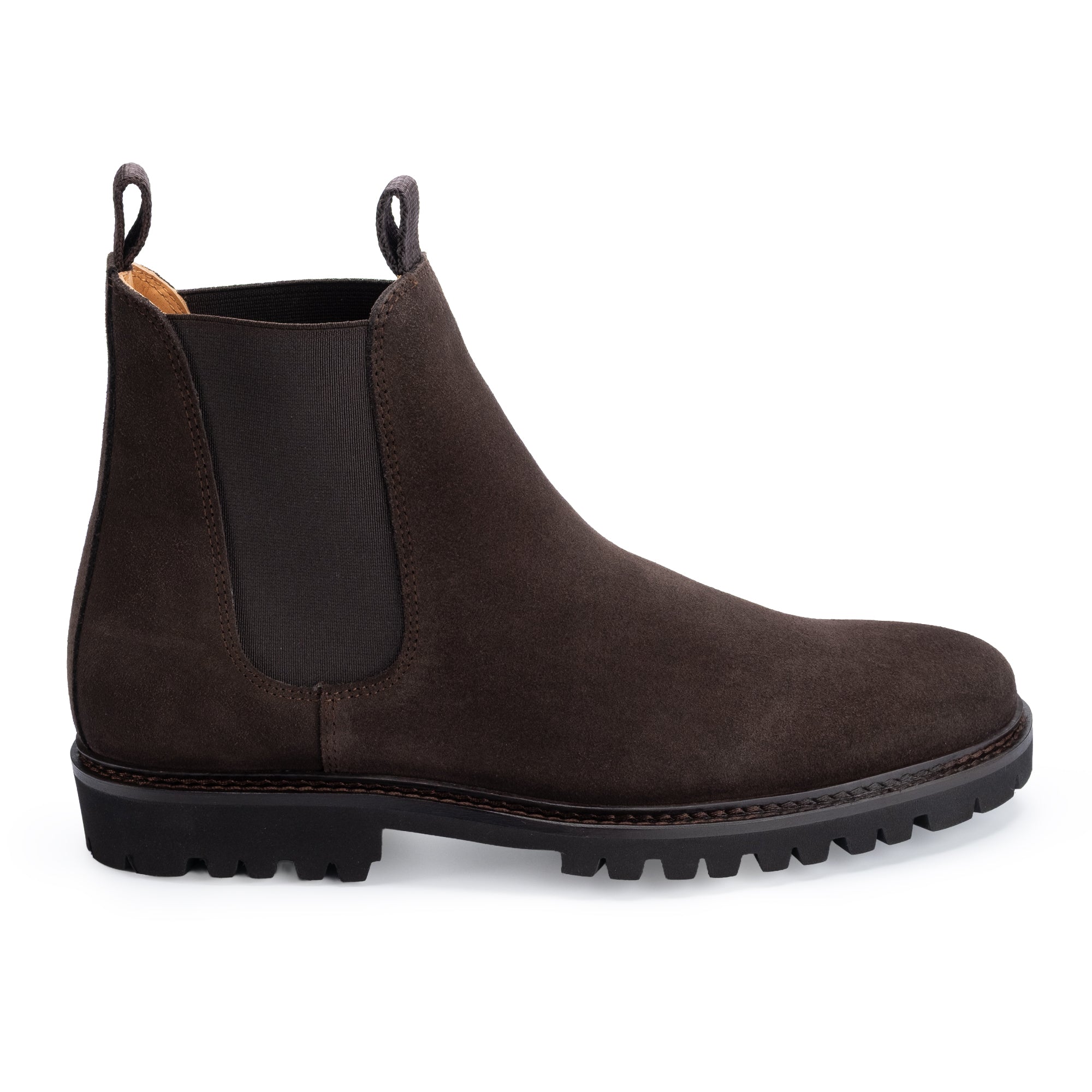
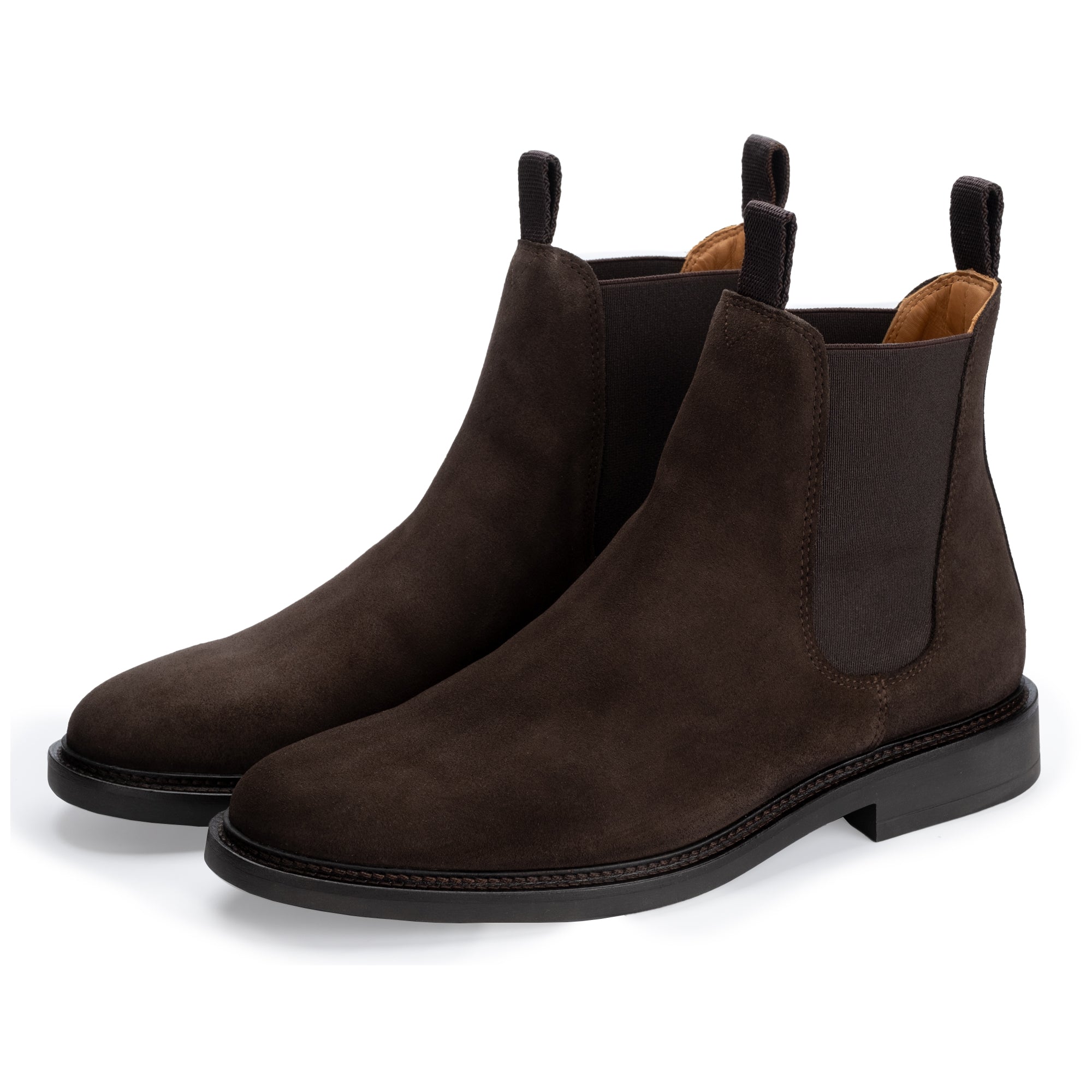
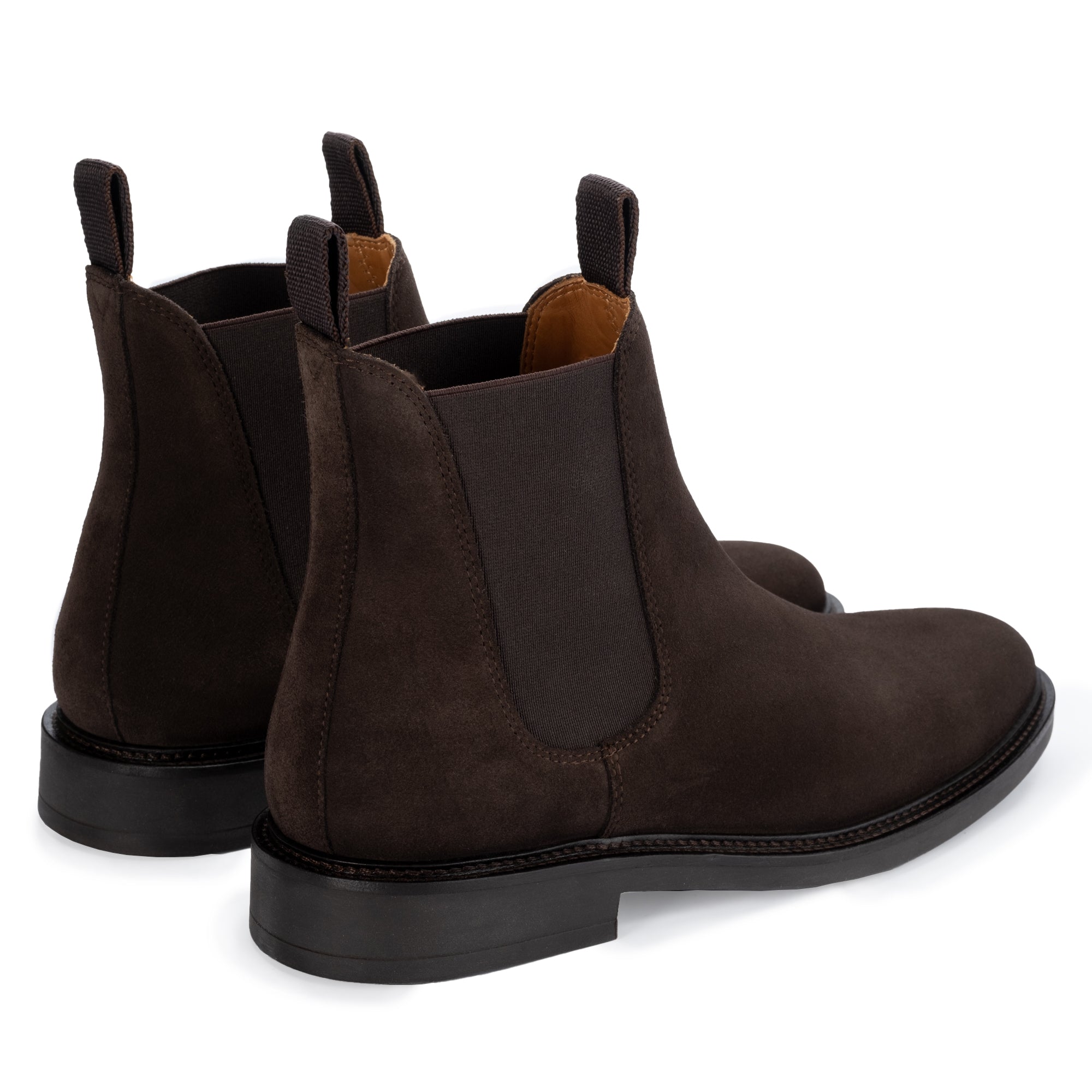
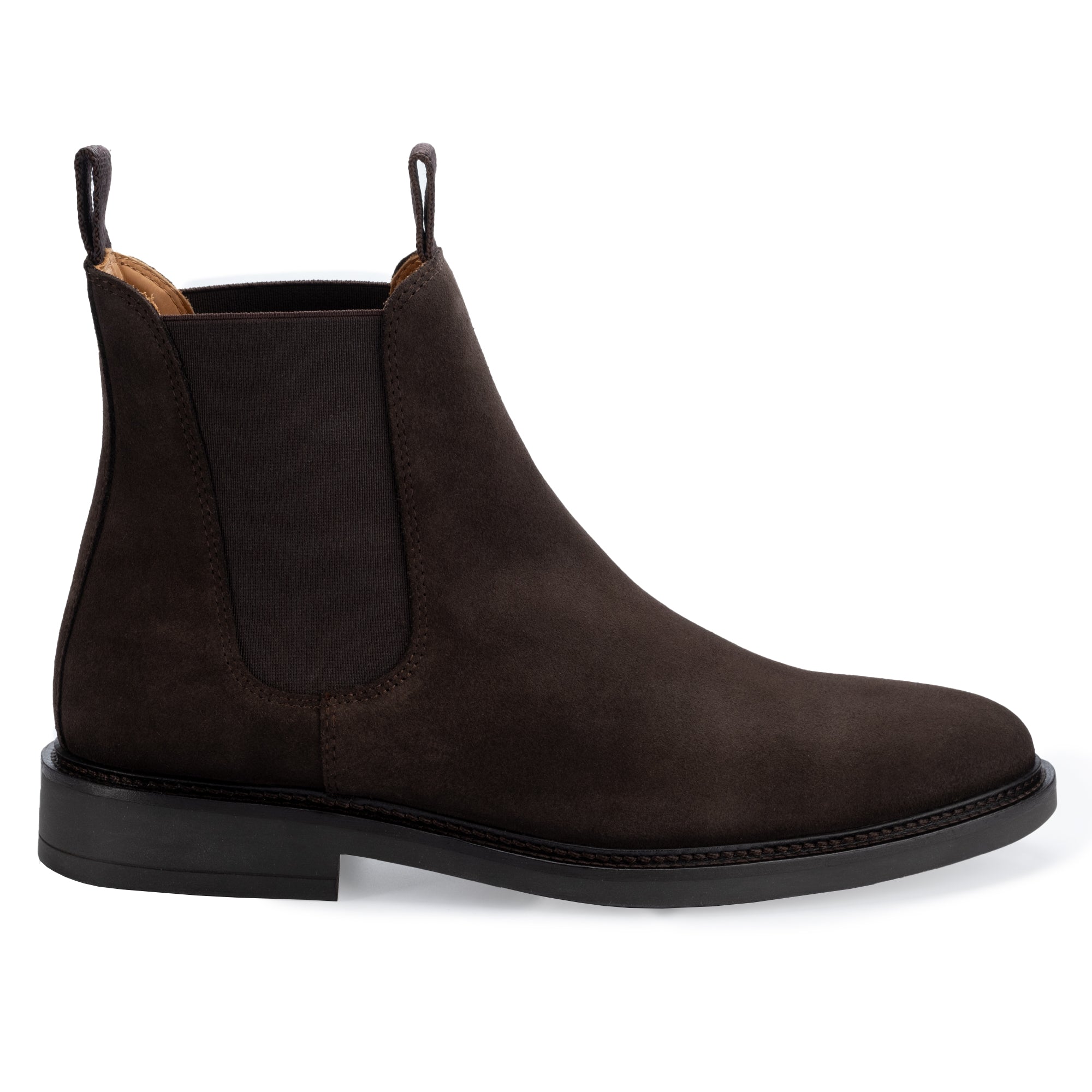
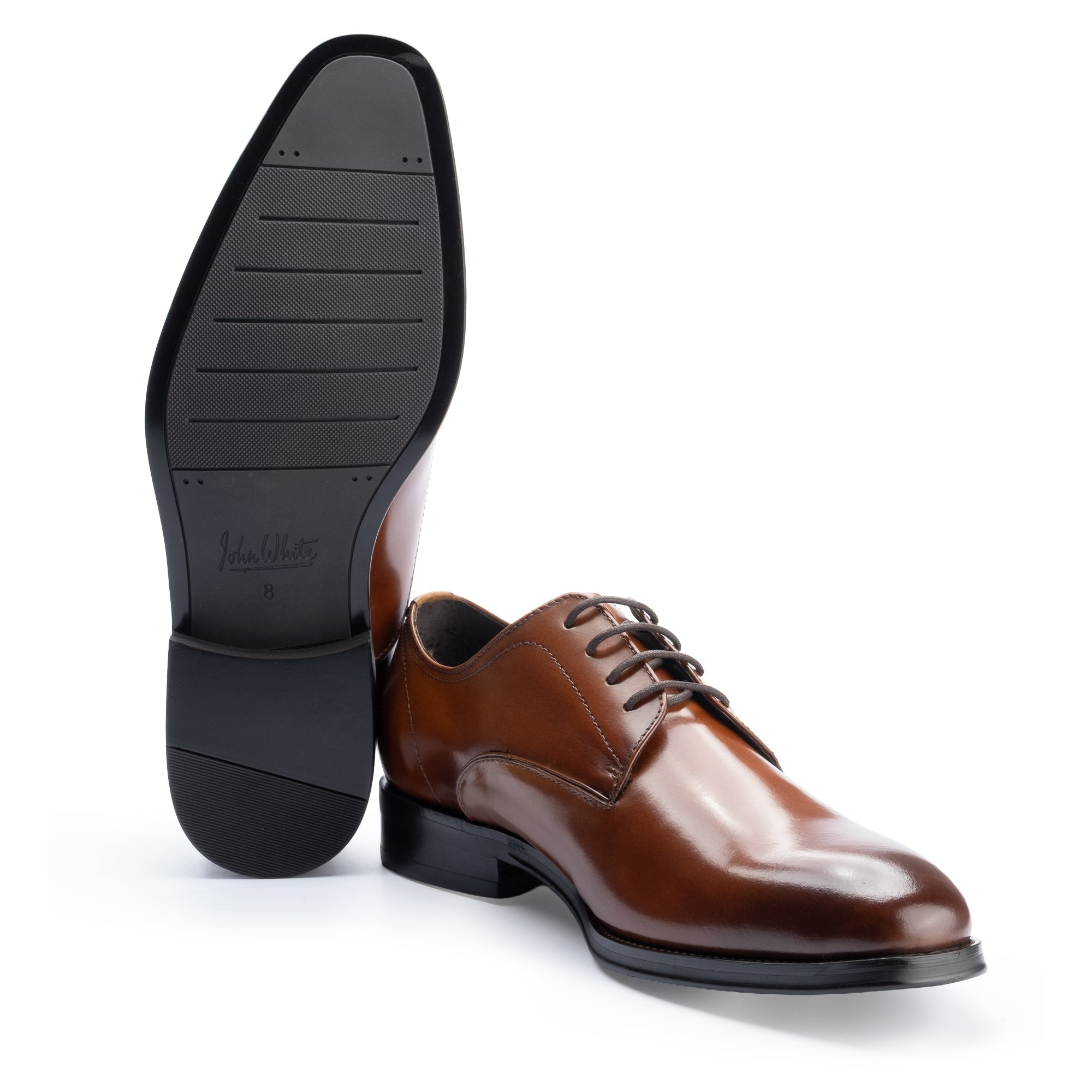
John White Shoes, British Heritage Footwear established in 1919, brings over a century of accumulated shoemaking tradition to its full range of men's leather shoes. Explore the men's boots collection for styles built on the same principles of material selection and upper construction that the clicking tradition has always demanded.
Related Guides
- From Northampton to the World: The Story Behind British Shoemaking — our comprehensive guide
- The History of British Shoemaking — our comprehensive guide
- From Bench to Box: The Traditional Process of Finishing a Leather Shoe
- The Cobbler's Legacy: How British Shoe Lasts Are Still Made by Hand
- The Anatomy of a Quality Shoe: What Goes Into Every Pair
TL;DR: Clicking is the traditional craft of cutting leather upper components from a hide using a clicking iron. The clicker reads the hide for grain direction, blemishes, and structural quality before placing a single cut, making leather cutting the most consequential single stage in premium shoemaking. Hand clicking on prime hides produces better material yield, superior grain alignment, and longer-lasting uppers than mechanical die-cutting — which is why the finest shoemaking houses have never abandoned it.
Frequently Asked Questions
What is a clicking iron and how is it used in shoemaking?
A clicking iron is a long, narrow, sharp-bladed cutting tool used to cut leather upper components from a tanned hide. The craftsman — known as a clicker — holds the iron at a low angle and draws it along a pattern template to produce clean, precise cuts. The name comes from the audible click the blade makes as it strikes the cutting block beneath the leather.
Why does leather cutting require specialist skill rather than a template alone?
A hide is not uniform. Grain tightness, thickness, surface blemishes, and structural integrity vary across every skin. A skilled clicker reads these characteristics and places pattern pieces accordingly, ensuring grain runs in the correct direction, blemishes are avoided, and premium zones of the hide are used for the most visible and structurally demanding components. A template cannot make those judgements; a trained craftsman can.
Does hand clicking make a better shoe than mechanical die-cutting?
On premium hides, yes. Hand clicking allows the craftsman to adapt to the specific characteristics of each skin in real time — routing around defects, aligning grain correctly, and maximising yield. Mechanical die-cutting applies a fixed pattern regardless of what lies beneath it, which makes it efficient at volume but less suited to the variable characteristics of high-grade calfskin and other premium leathers.
How can I tell if a shoe's leather has been well-clicked when buying?
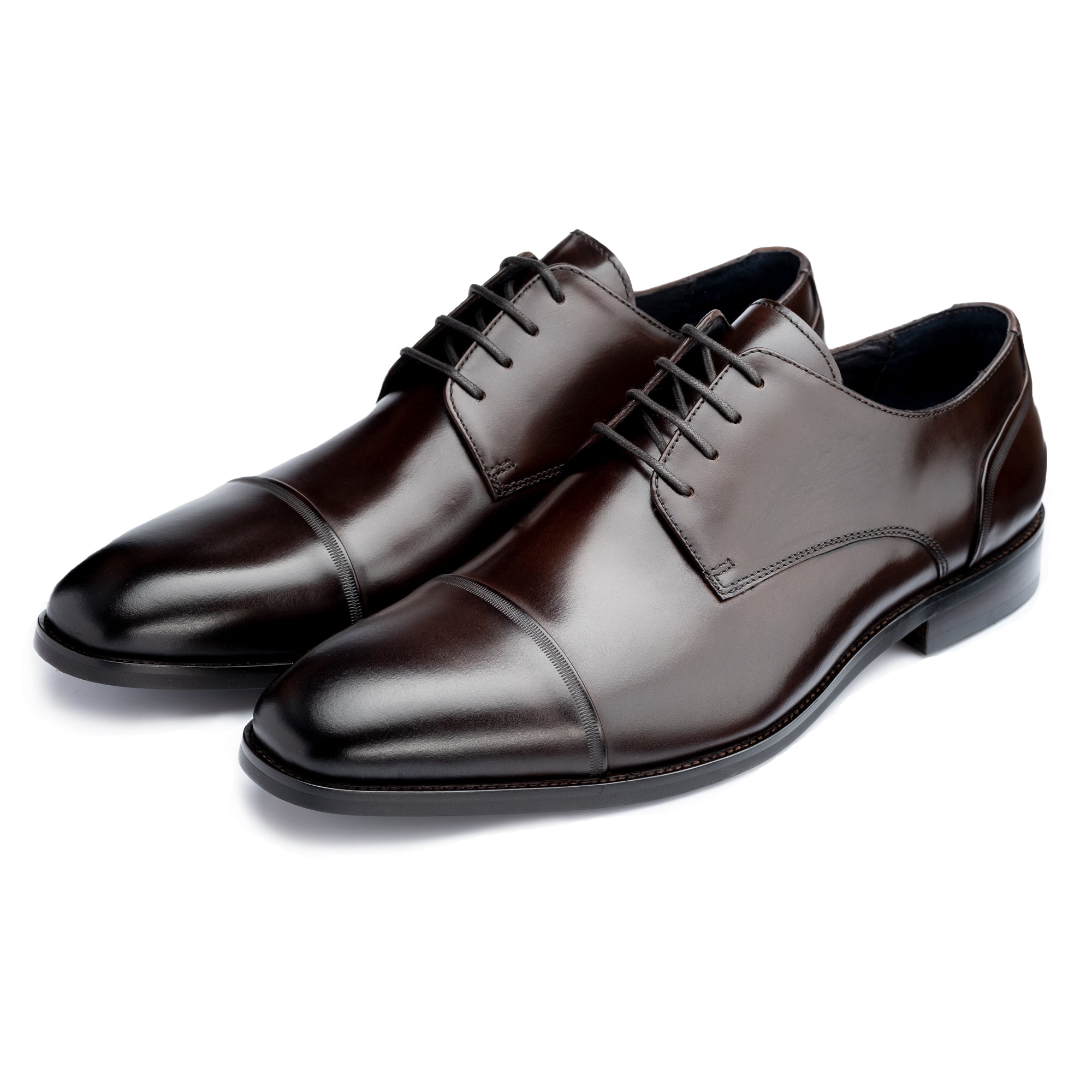
Look for grain consistency across the vamp and quarters — the surface should be uniform in texture and tight in grain, with no sudden variations that suggest a blemish was missed during cutting. Match both shoes side by side: the grain direction and surface character should be consistent between the pair. In a Goodyear welted shoe, consistent patina development after a year of wear is a strong indicator of sound original leather selection.