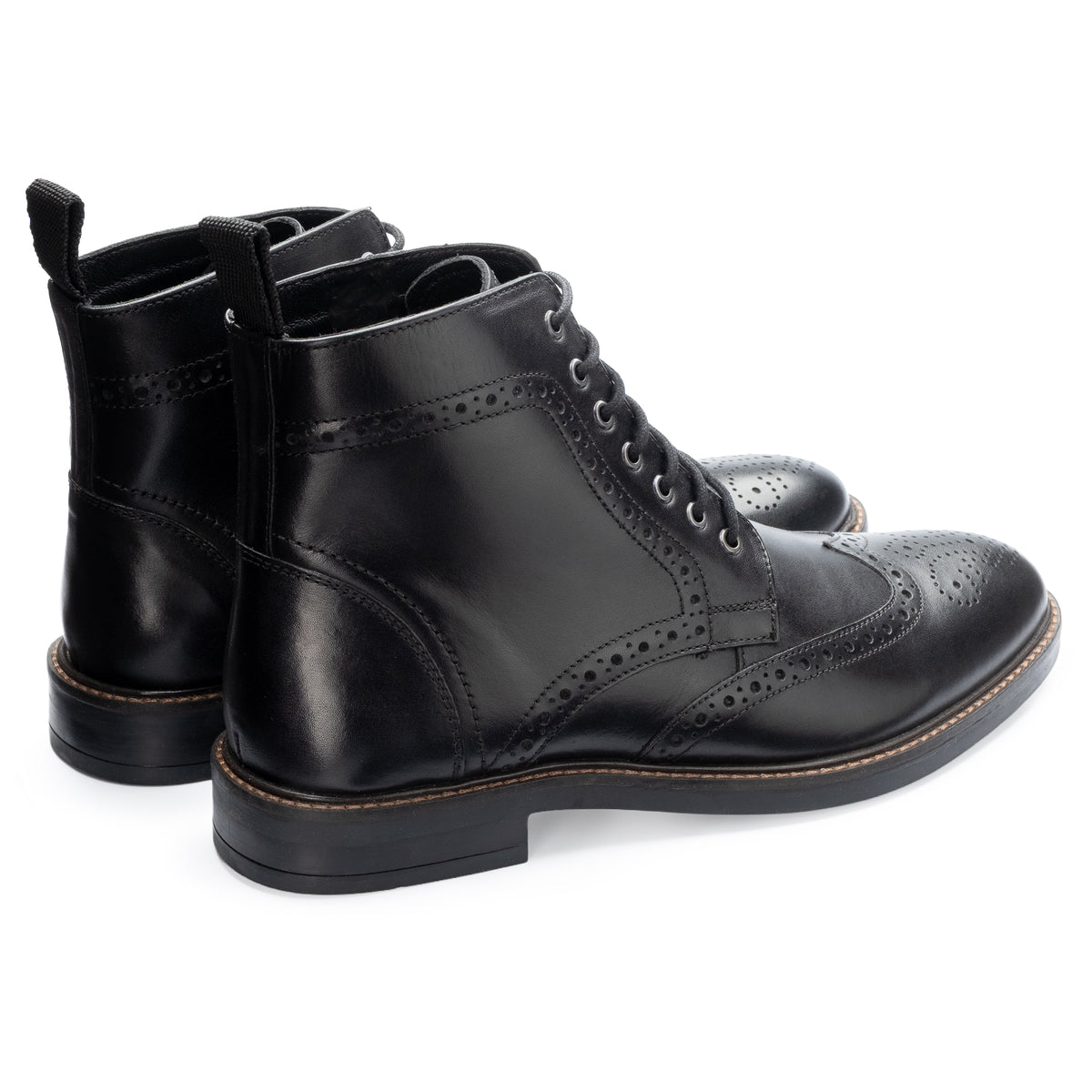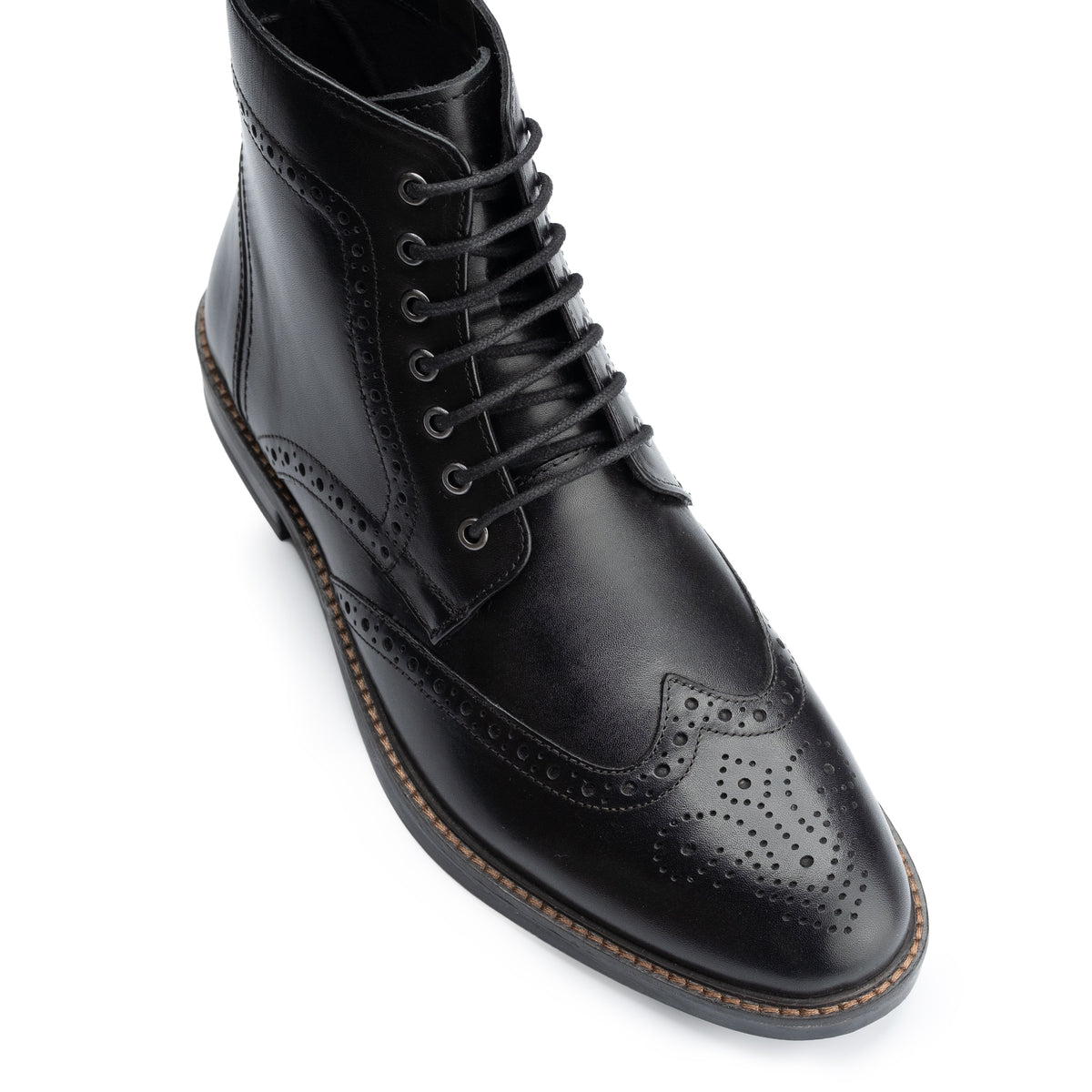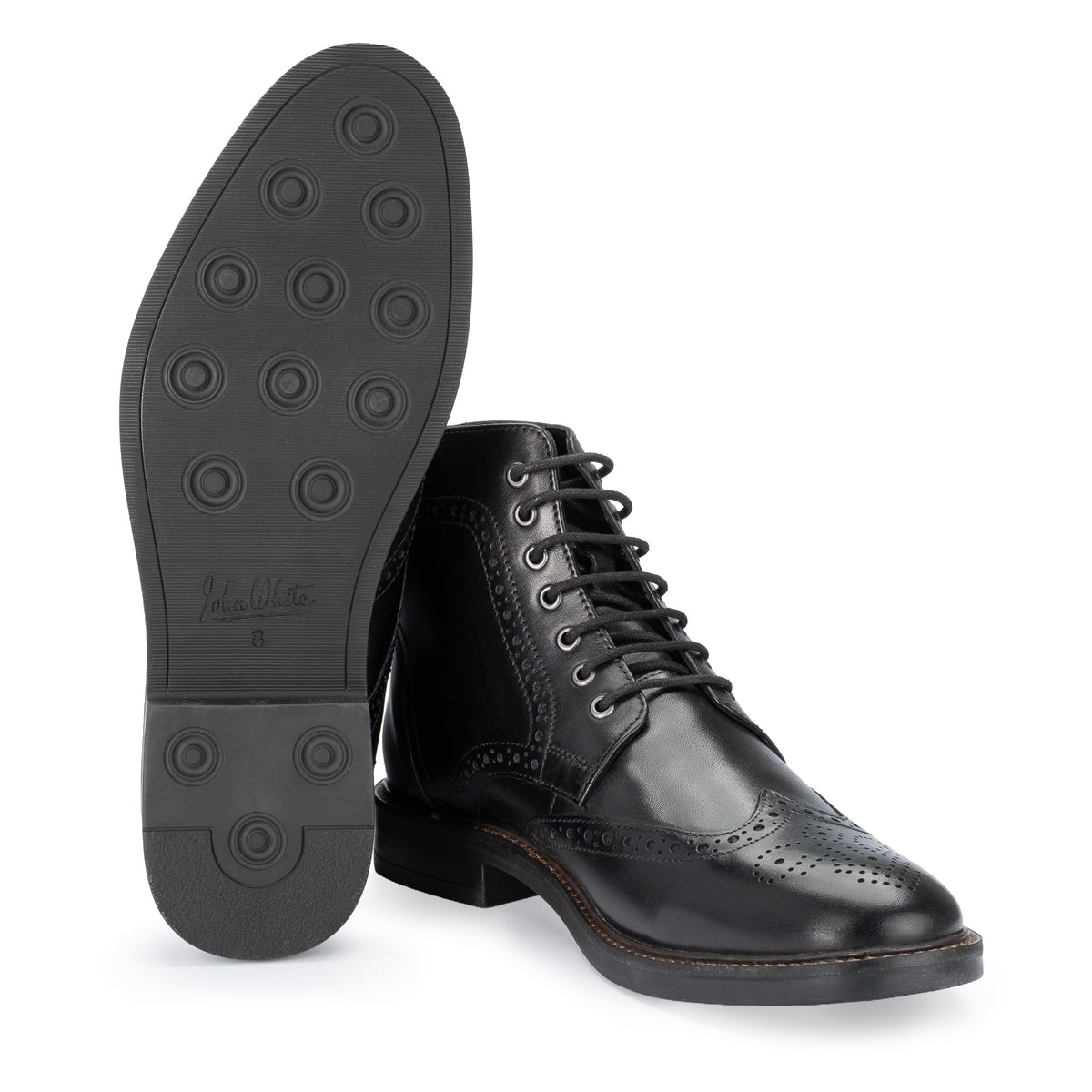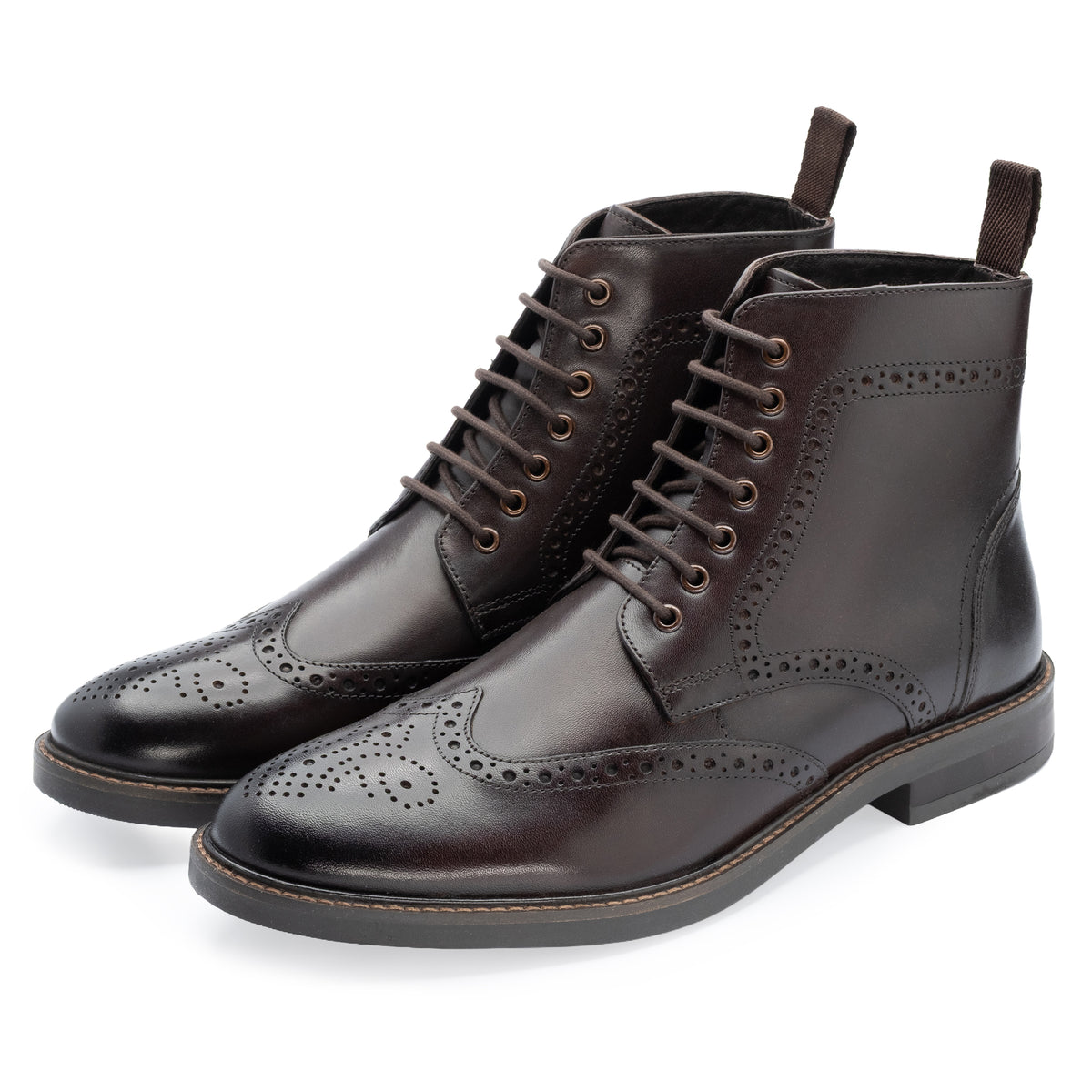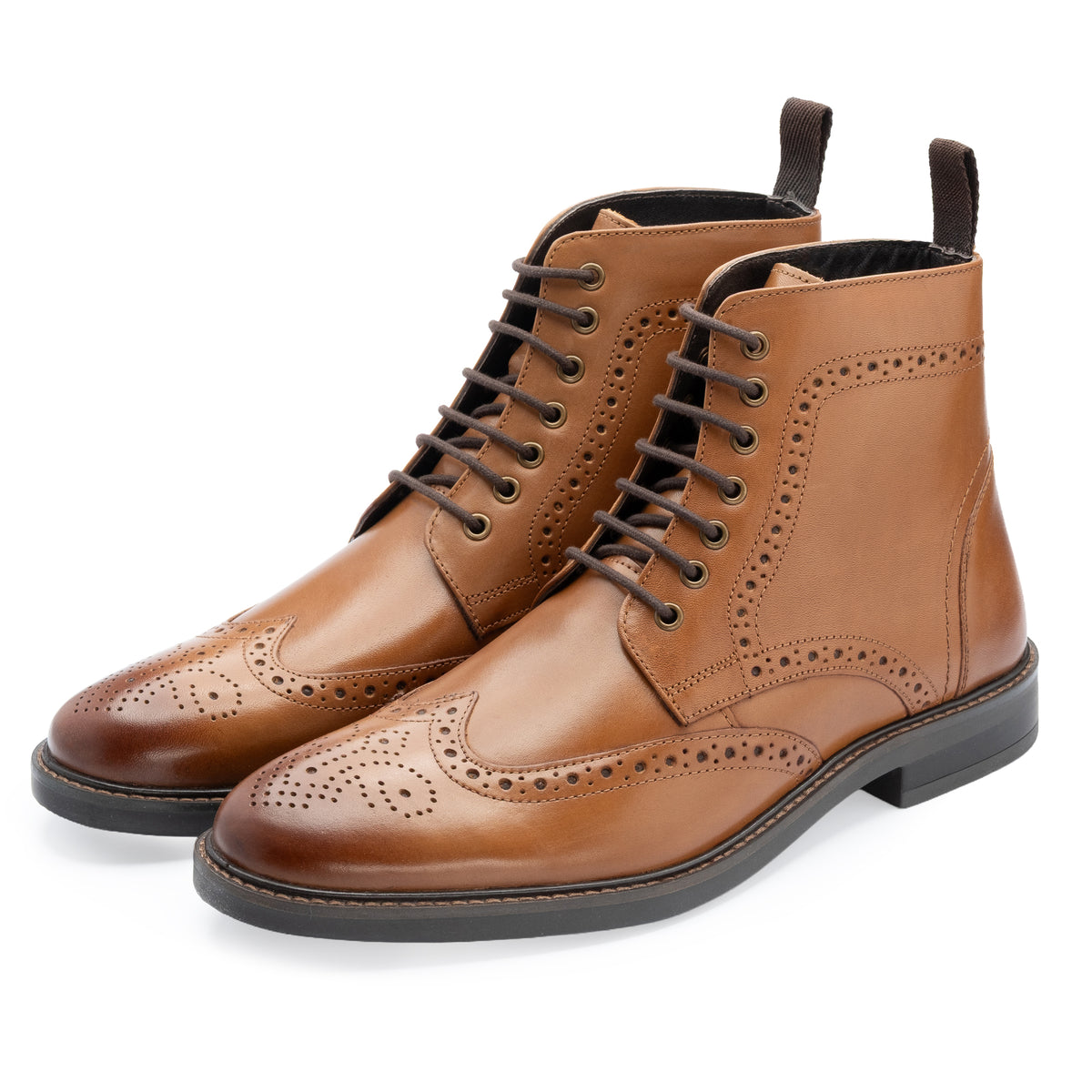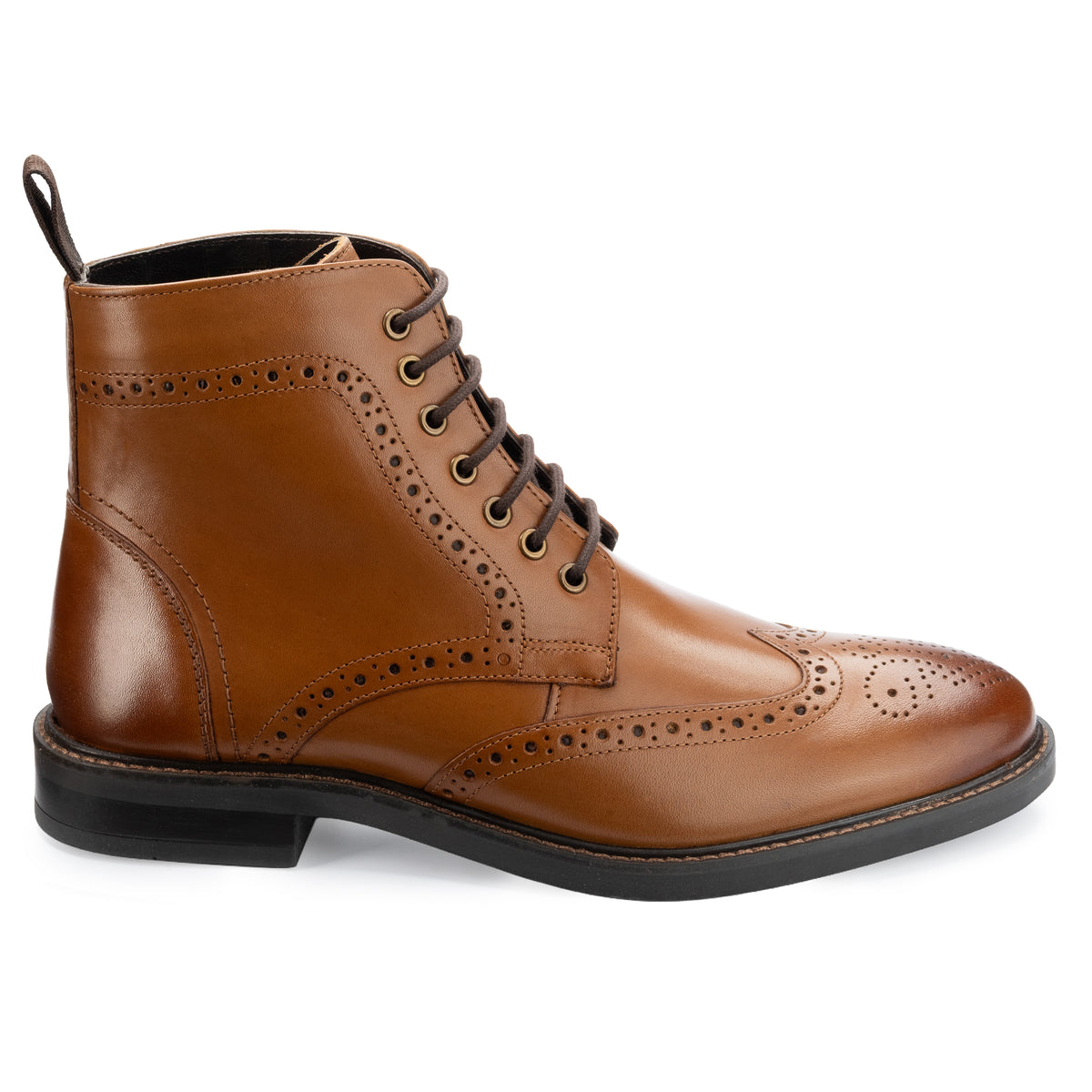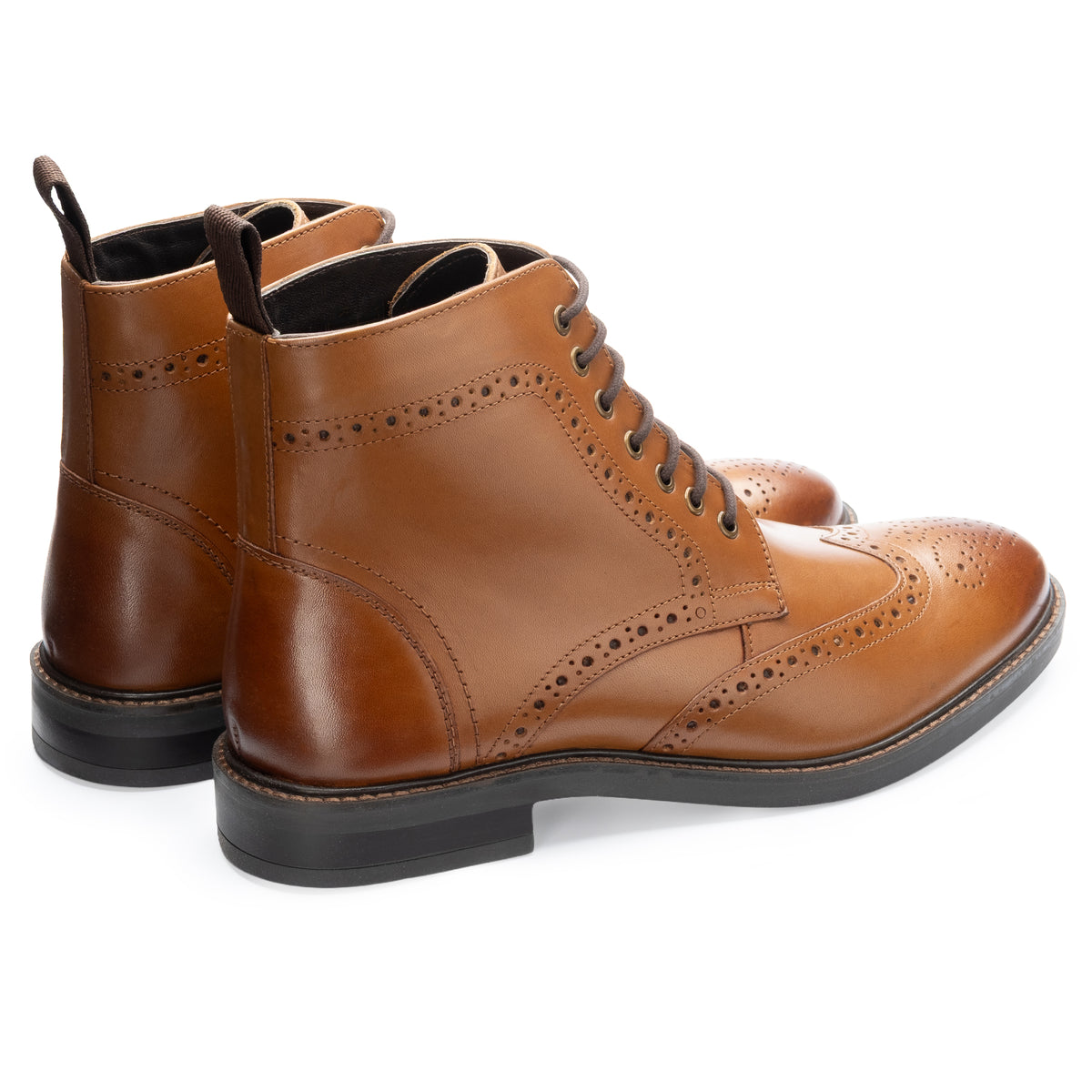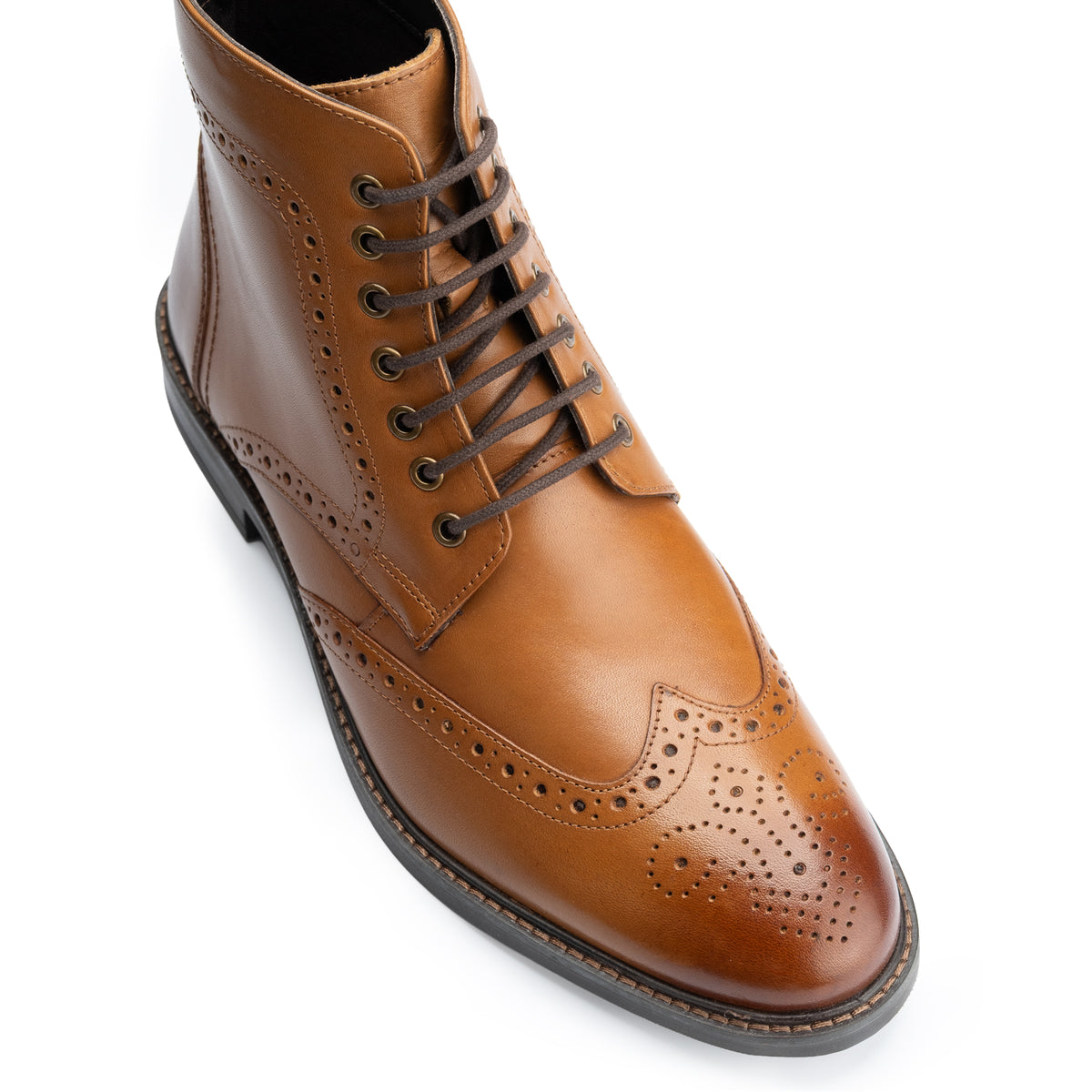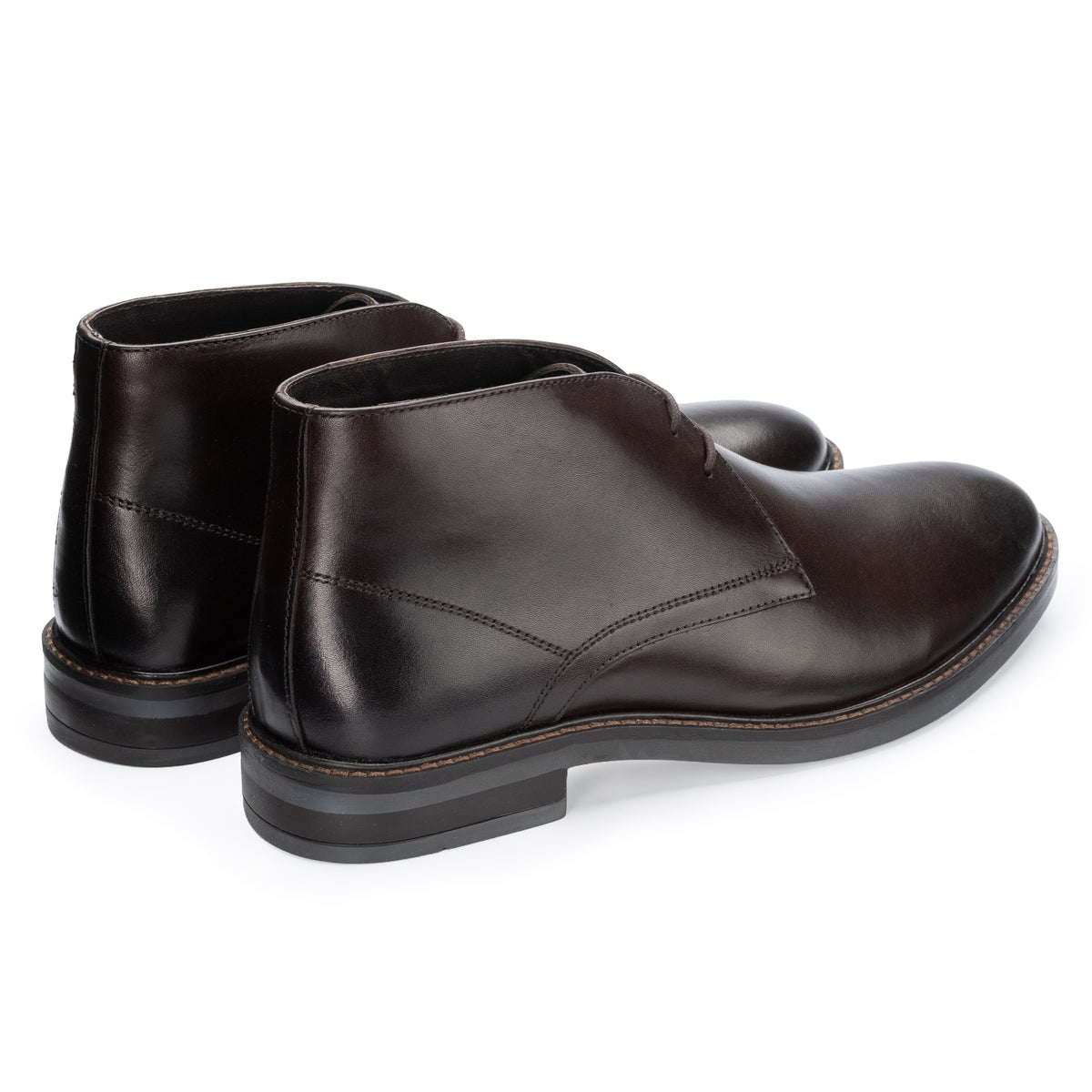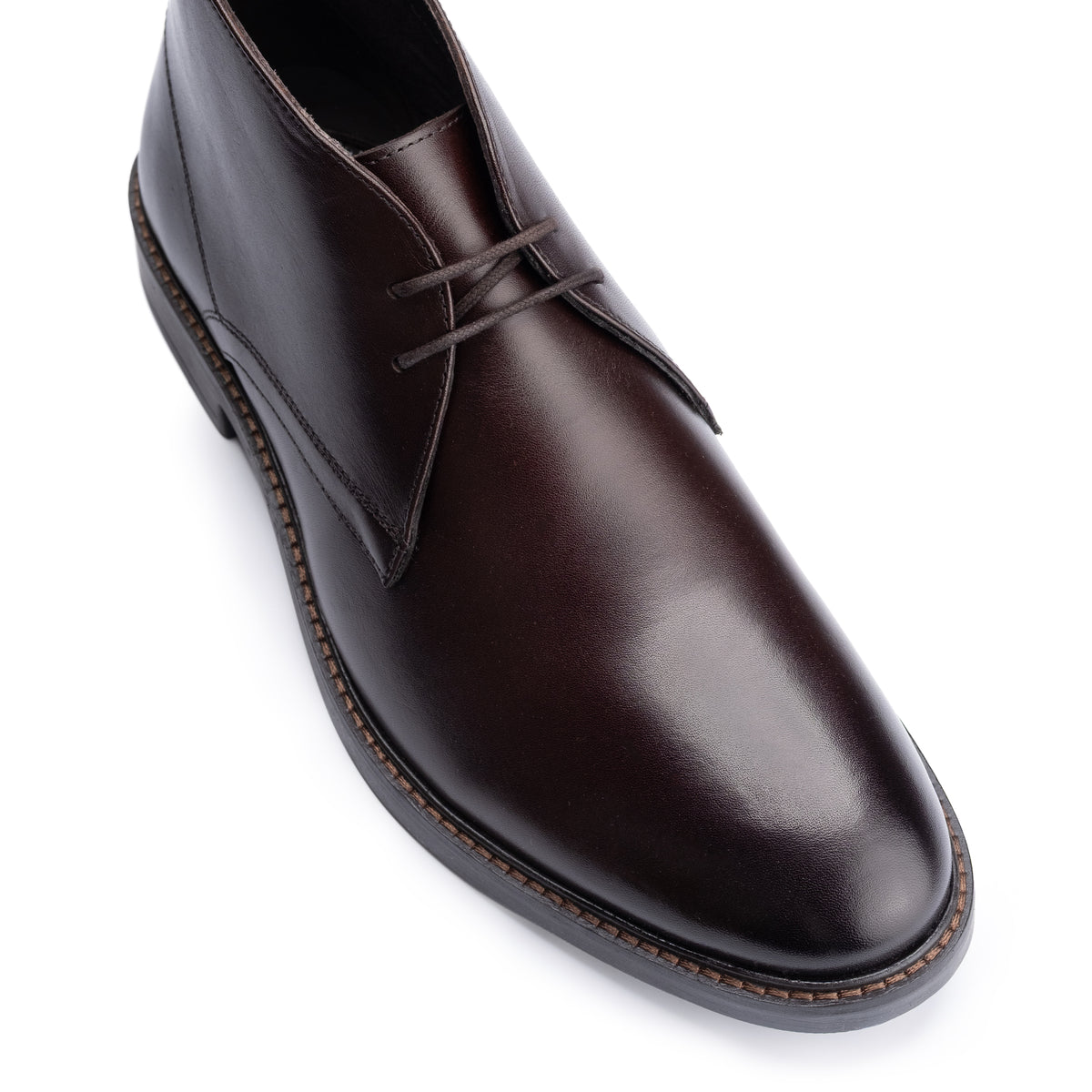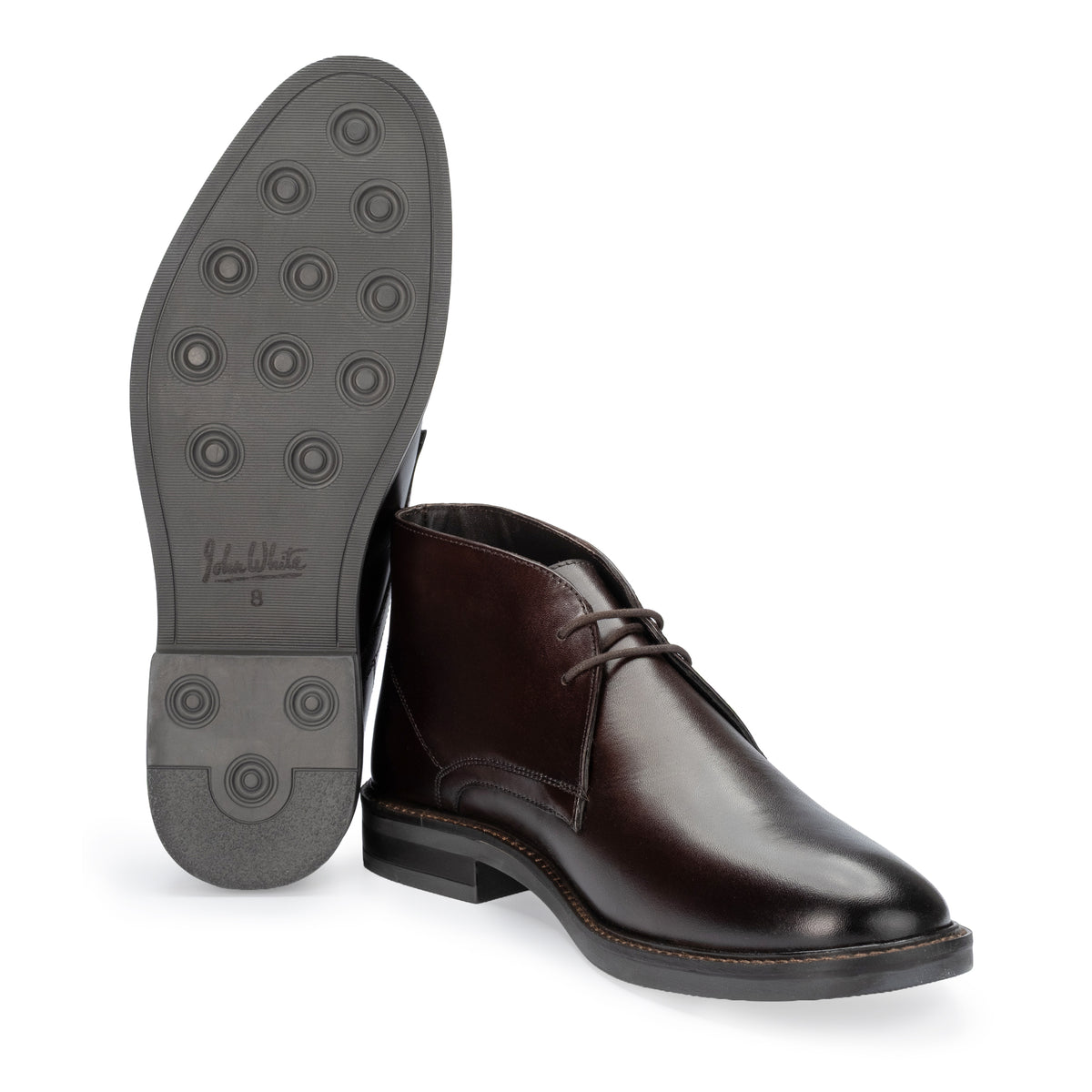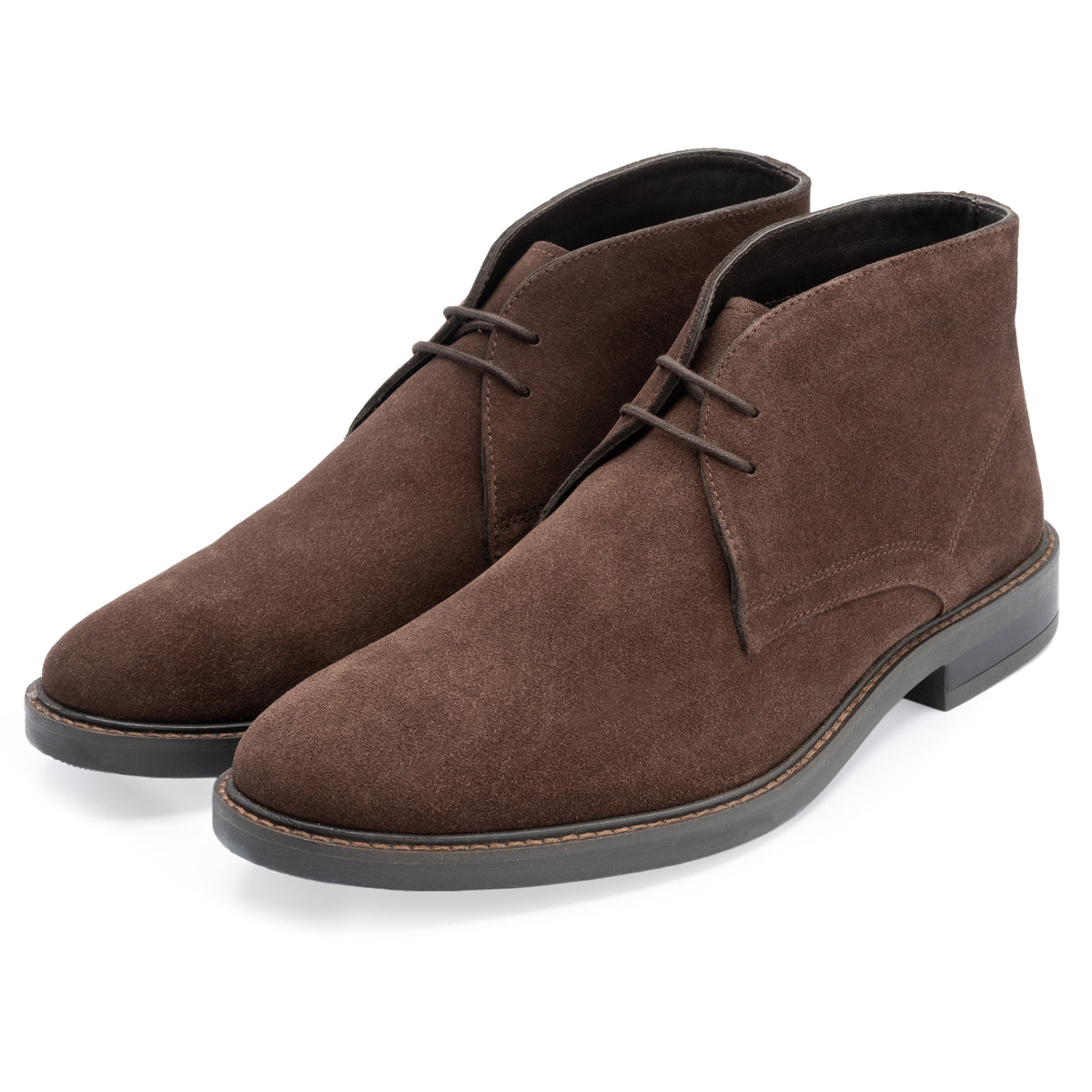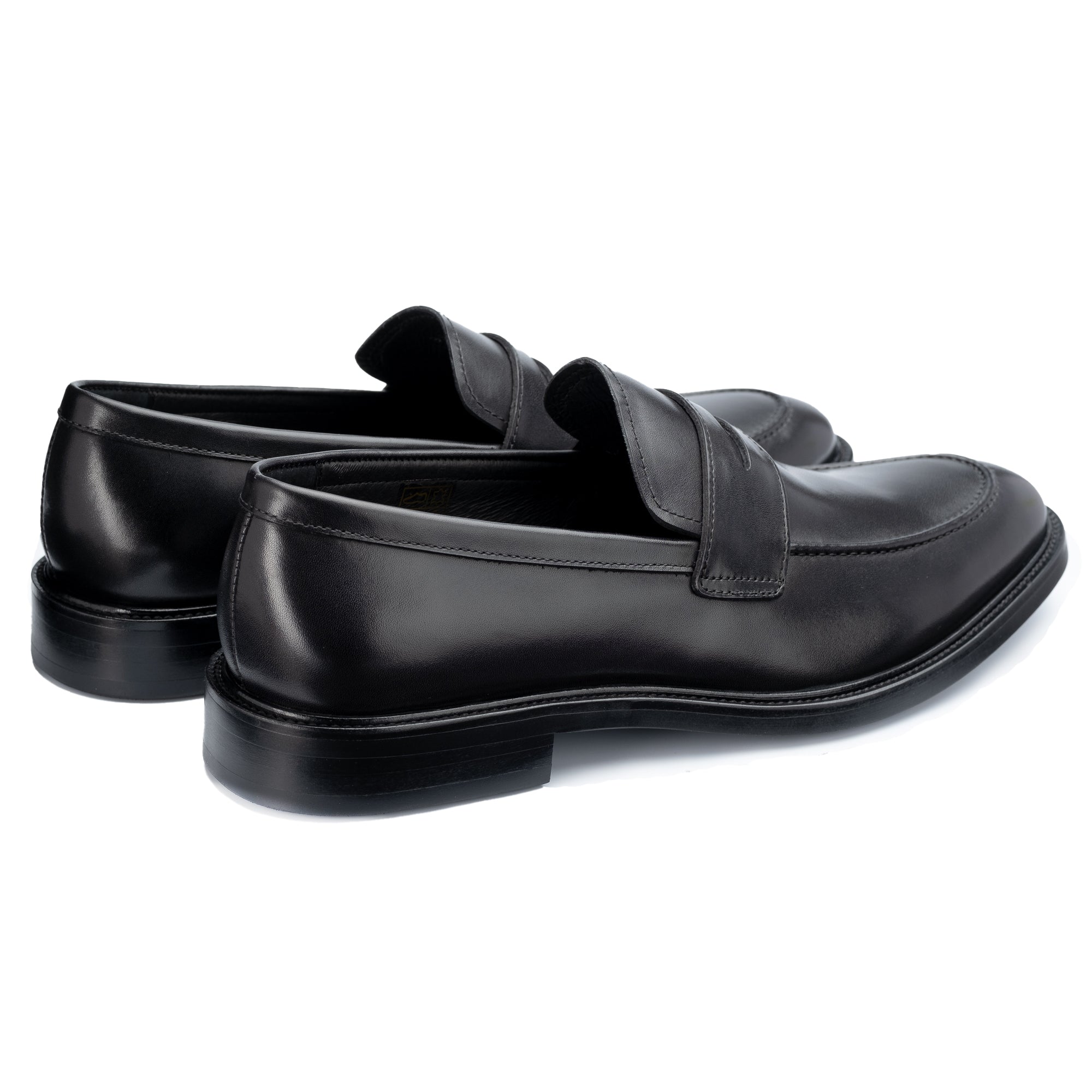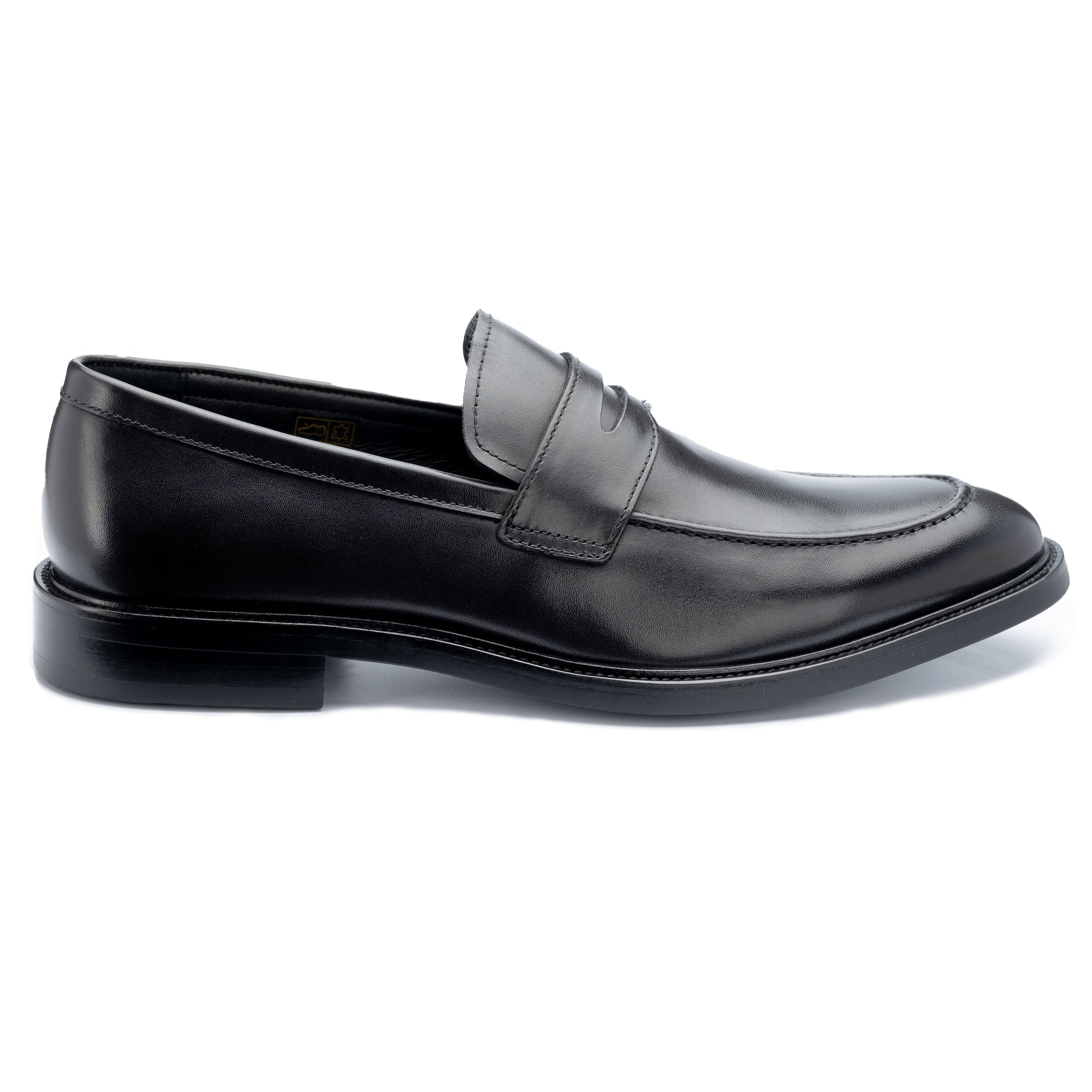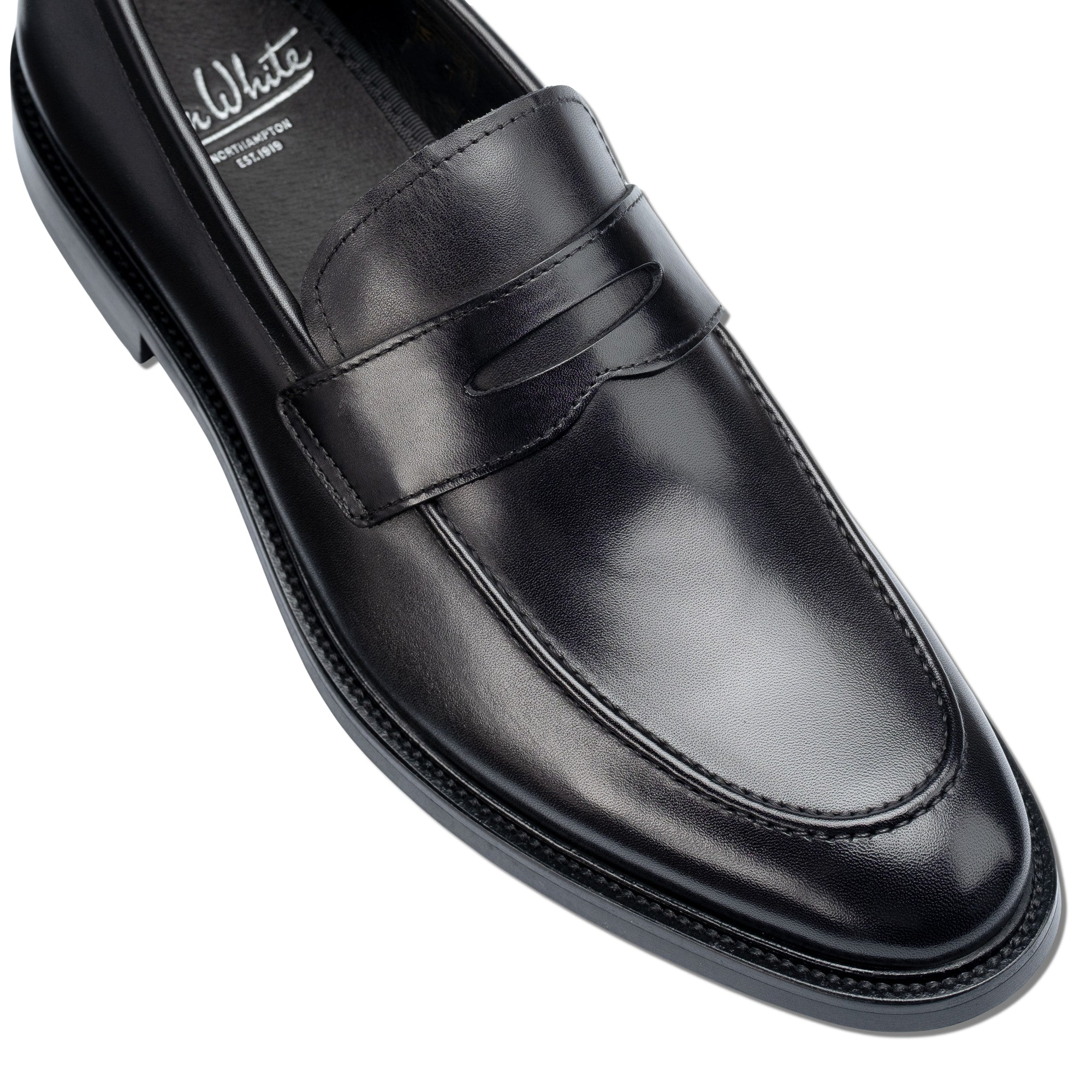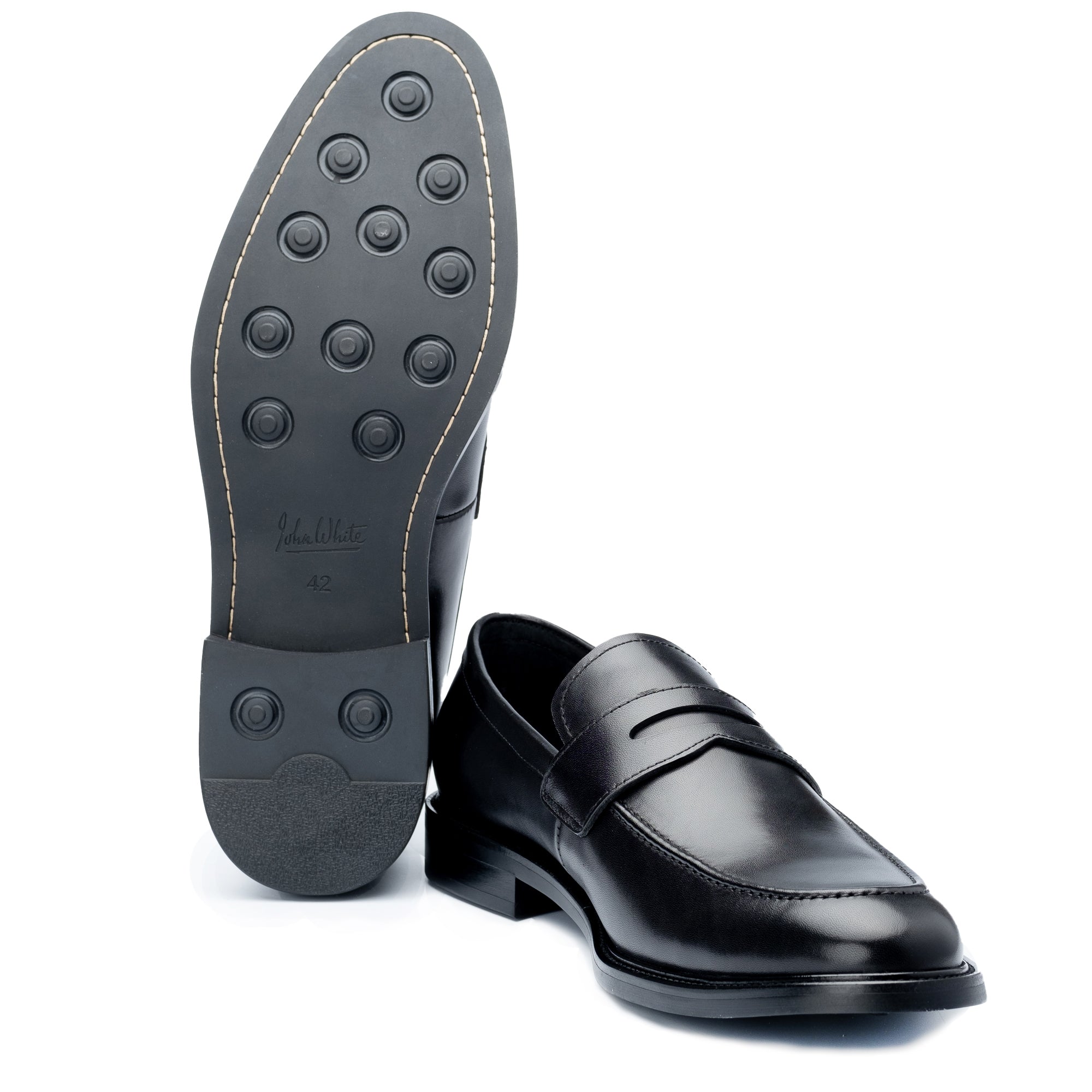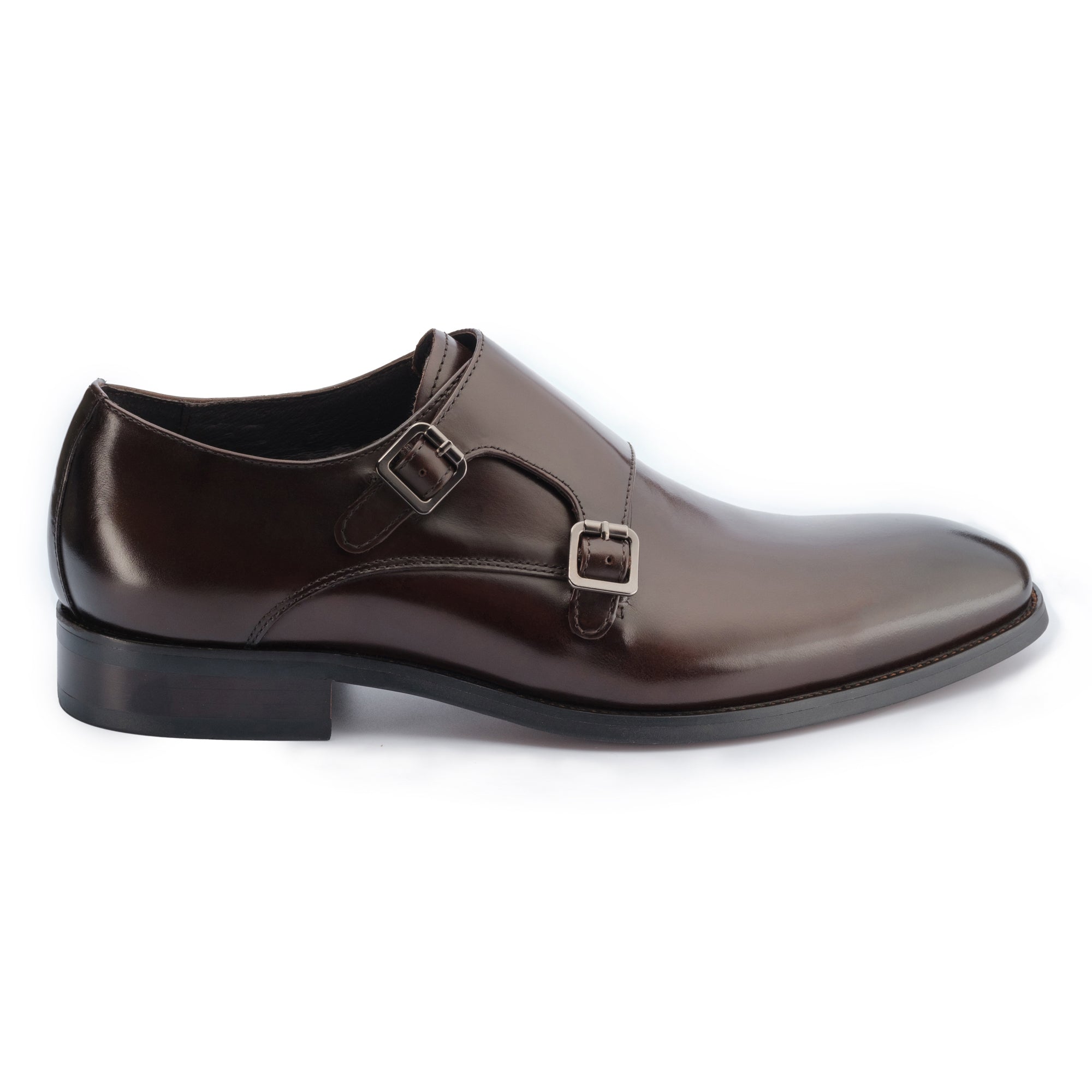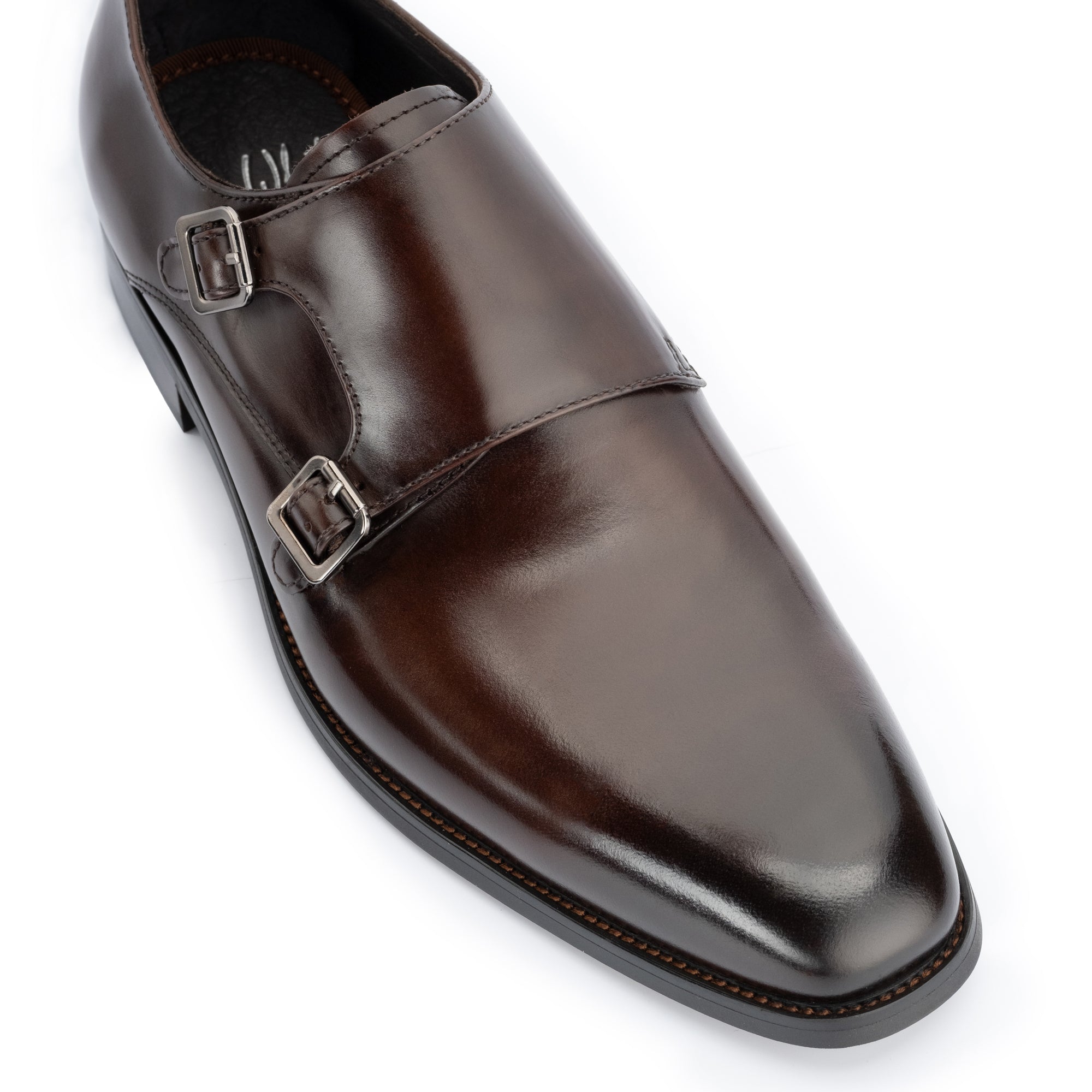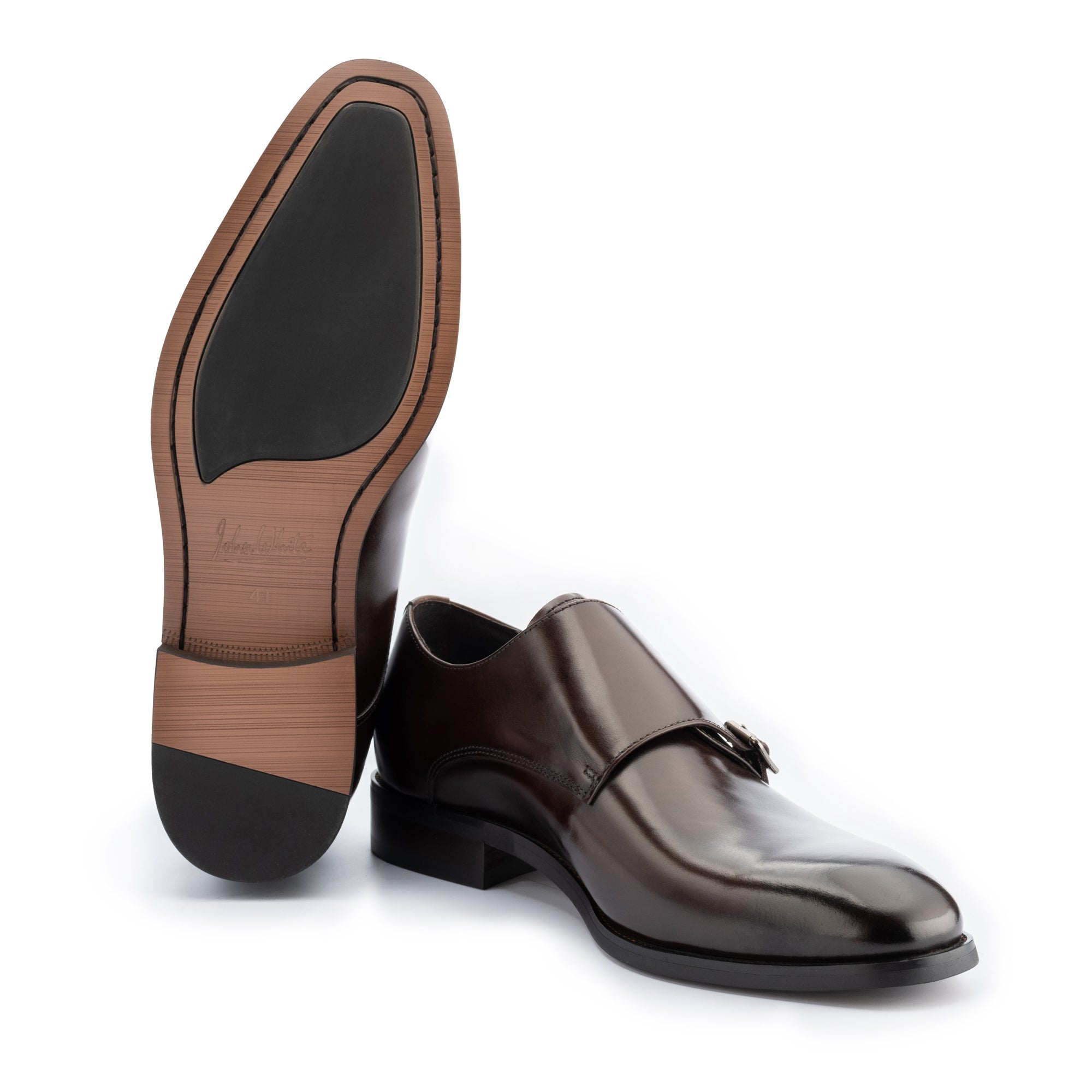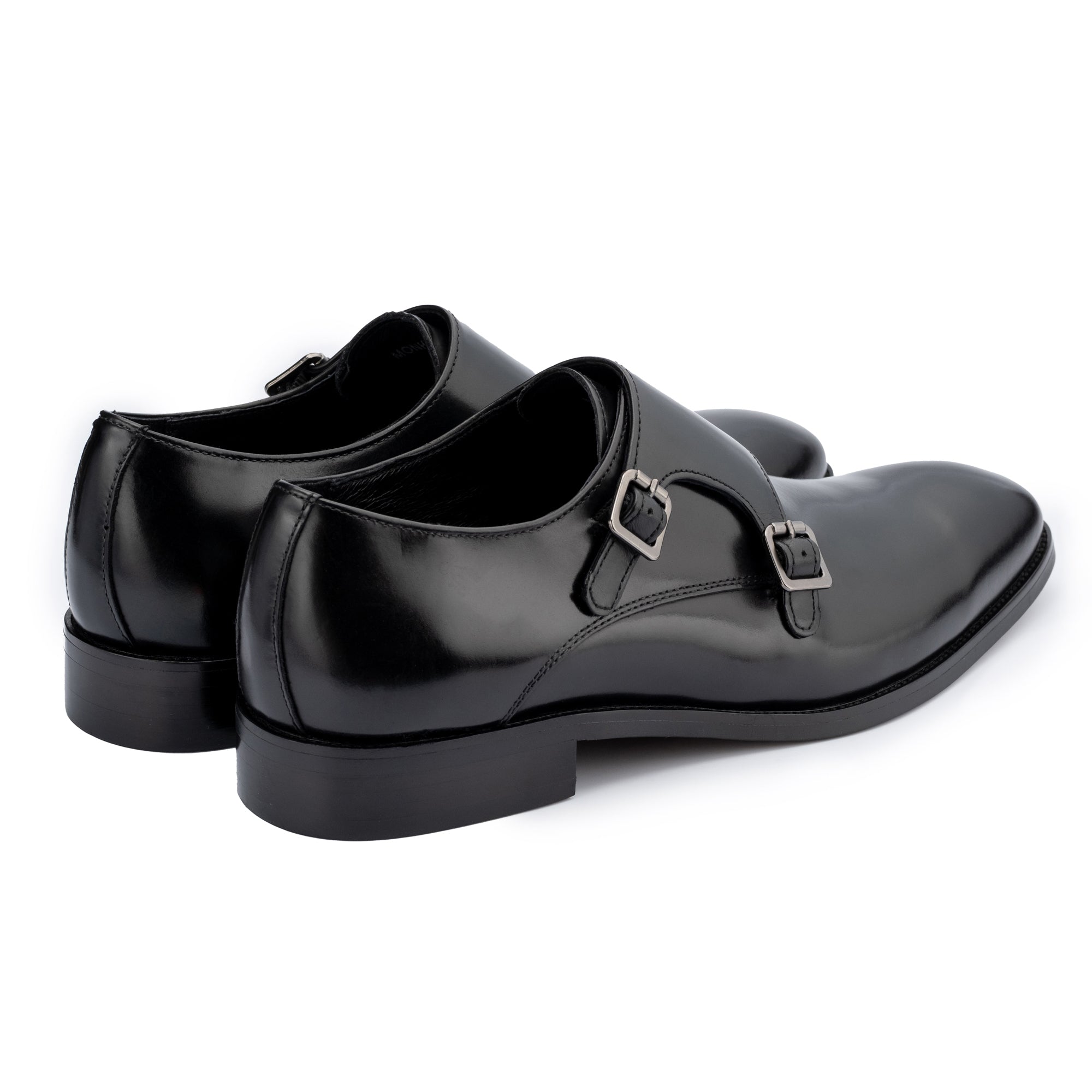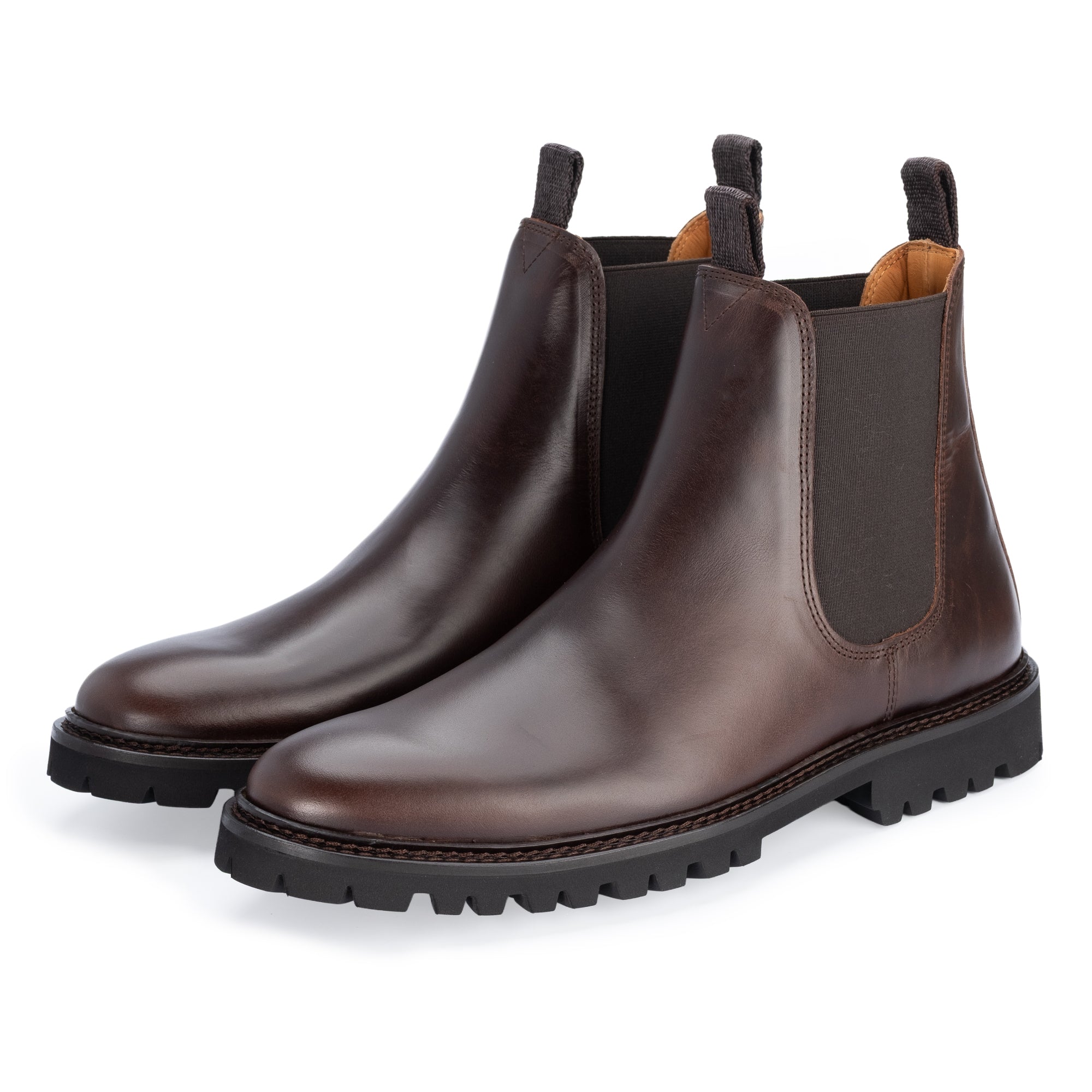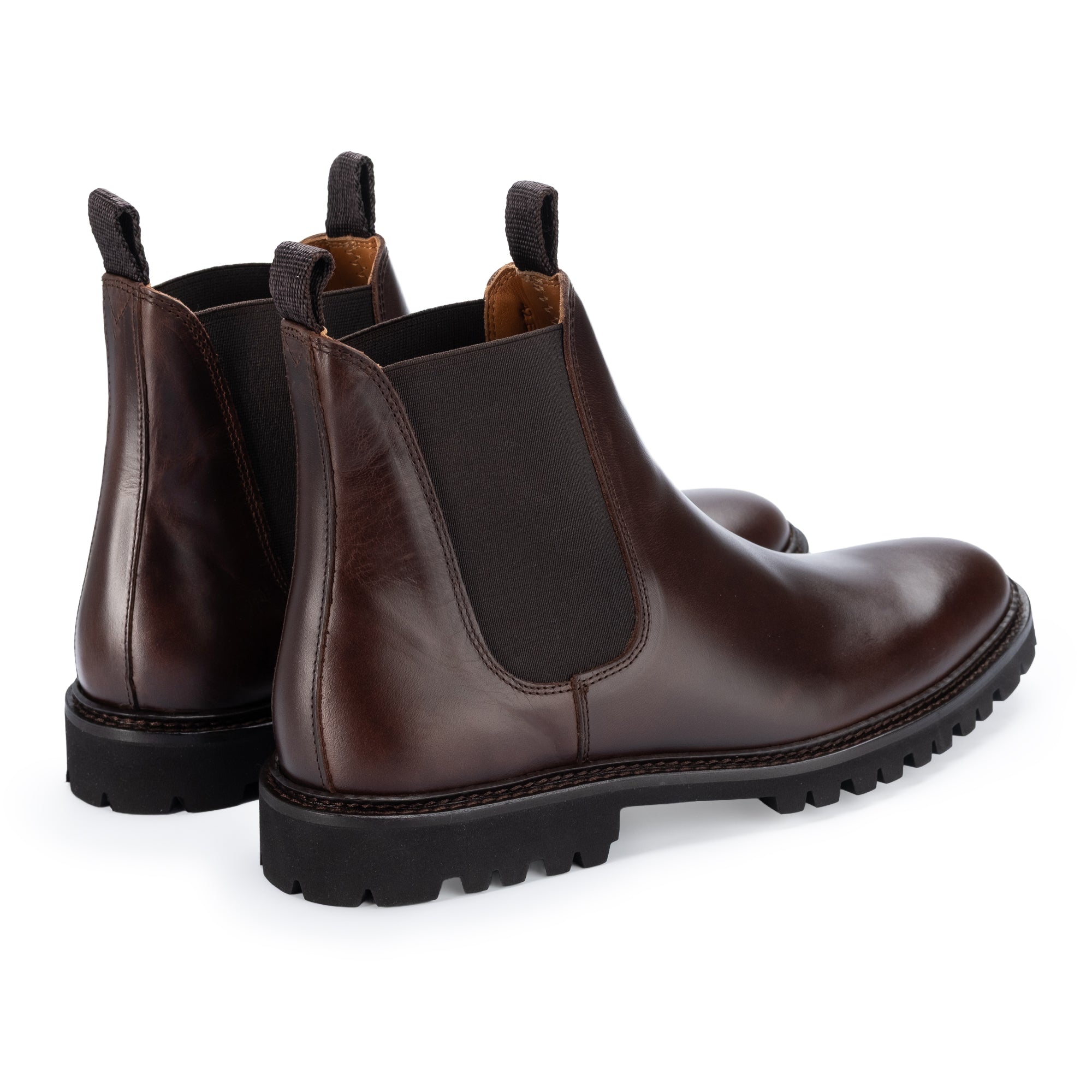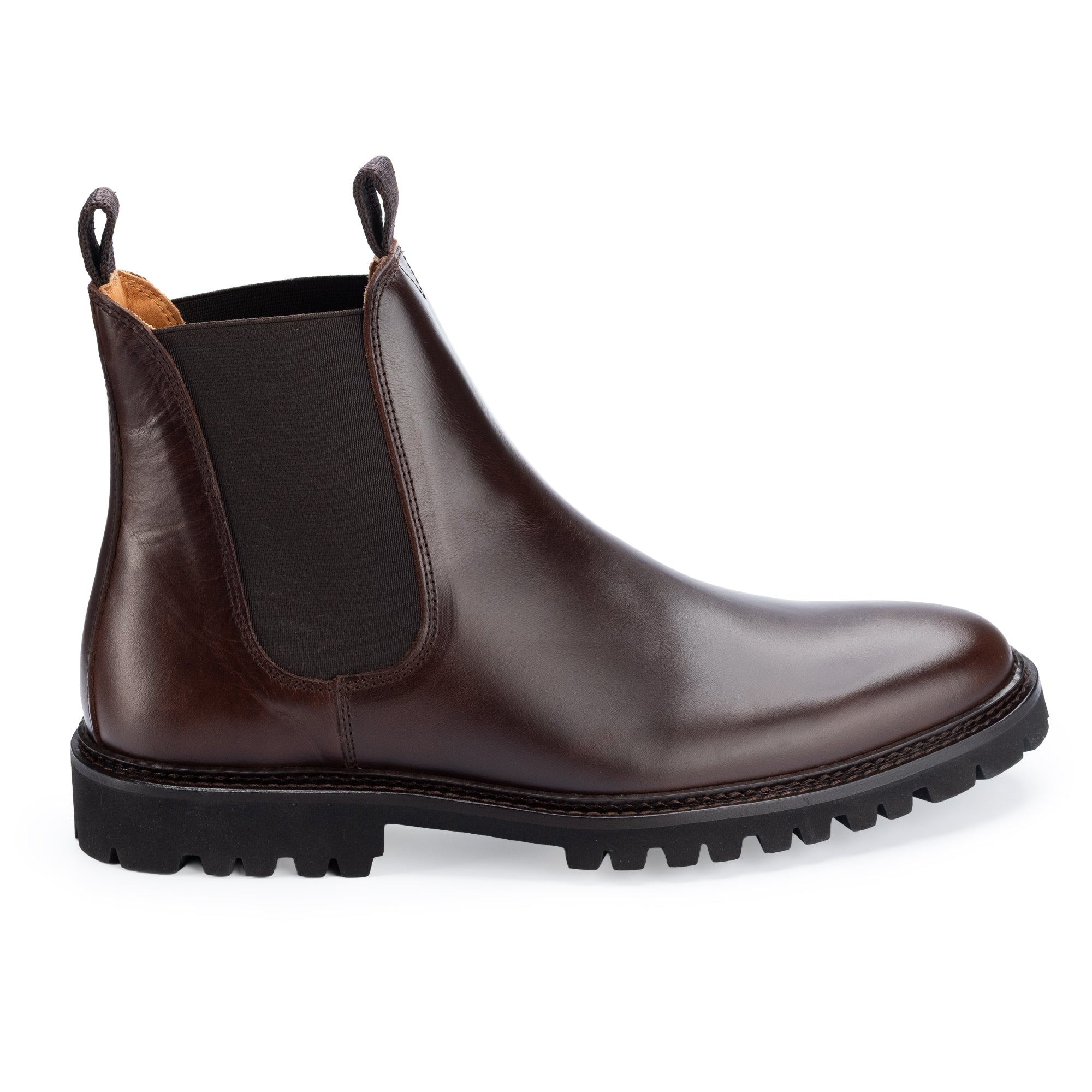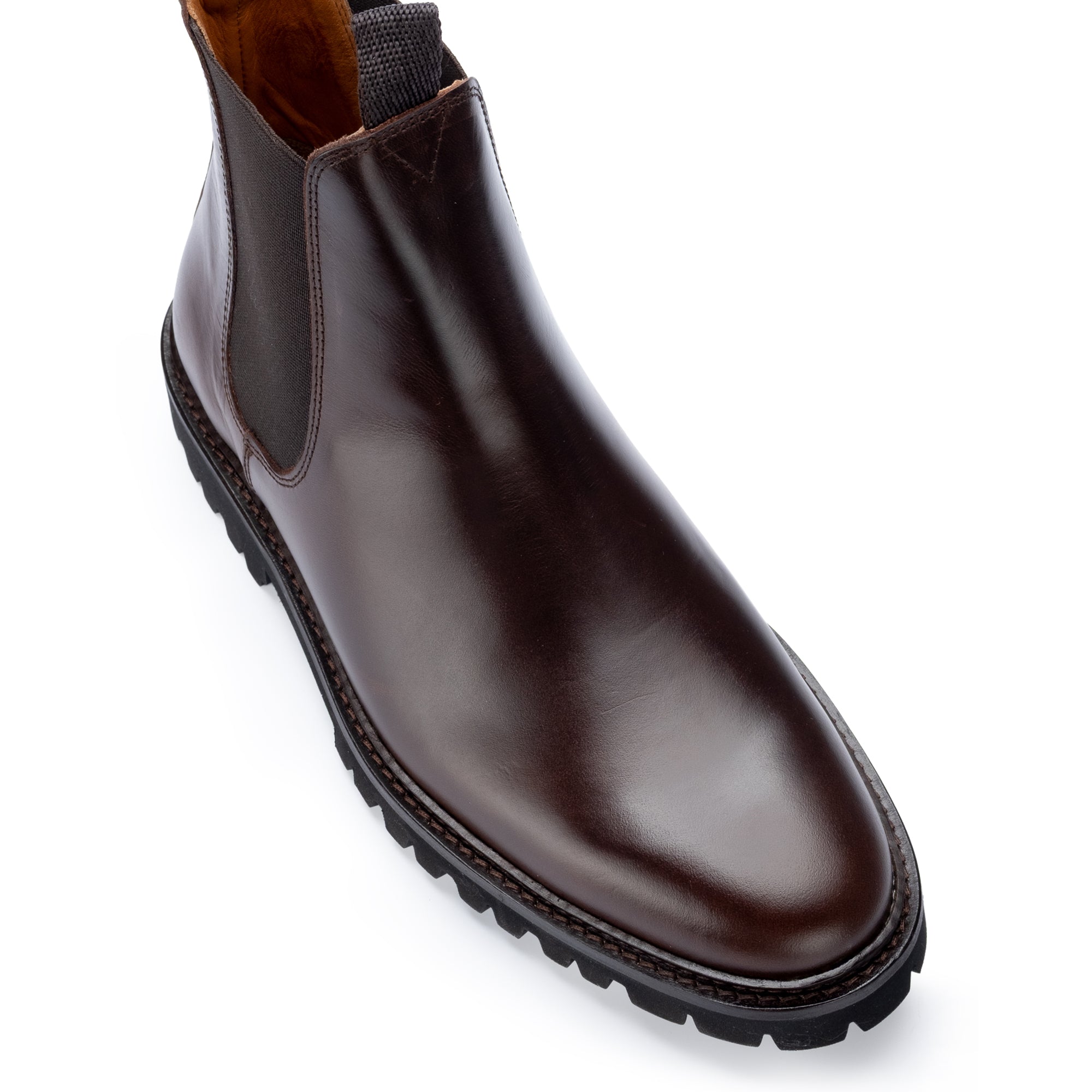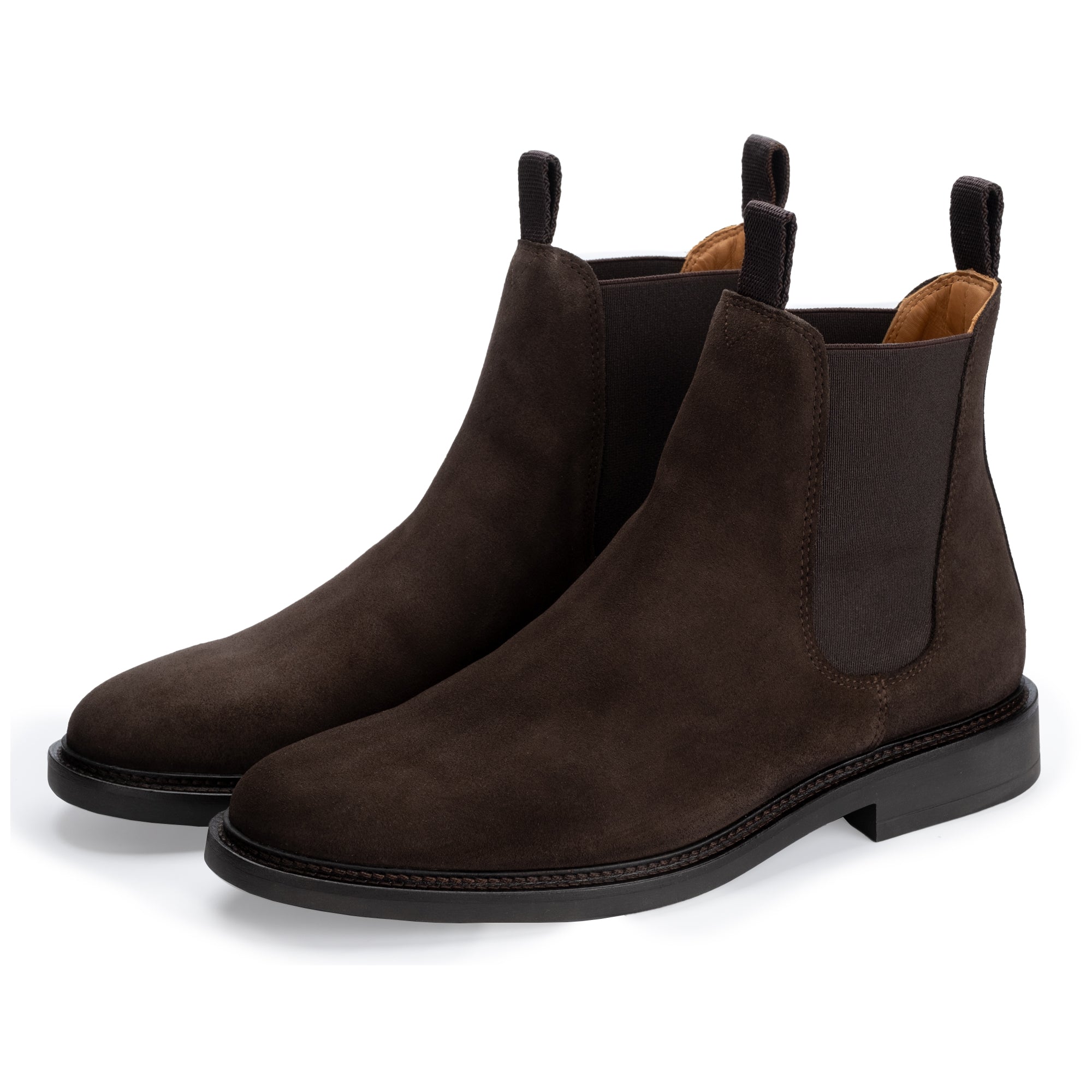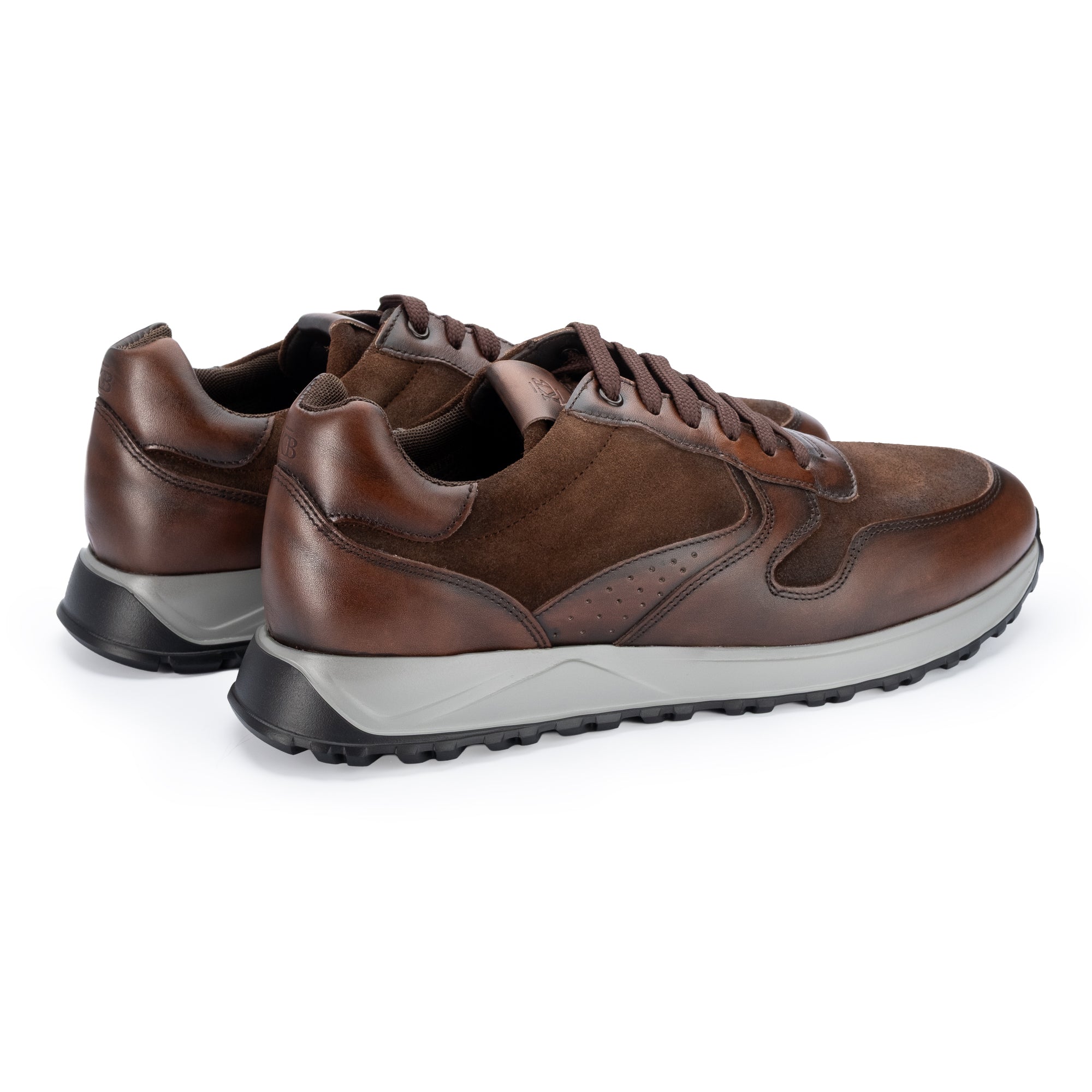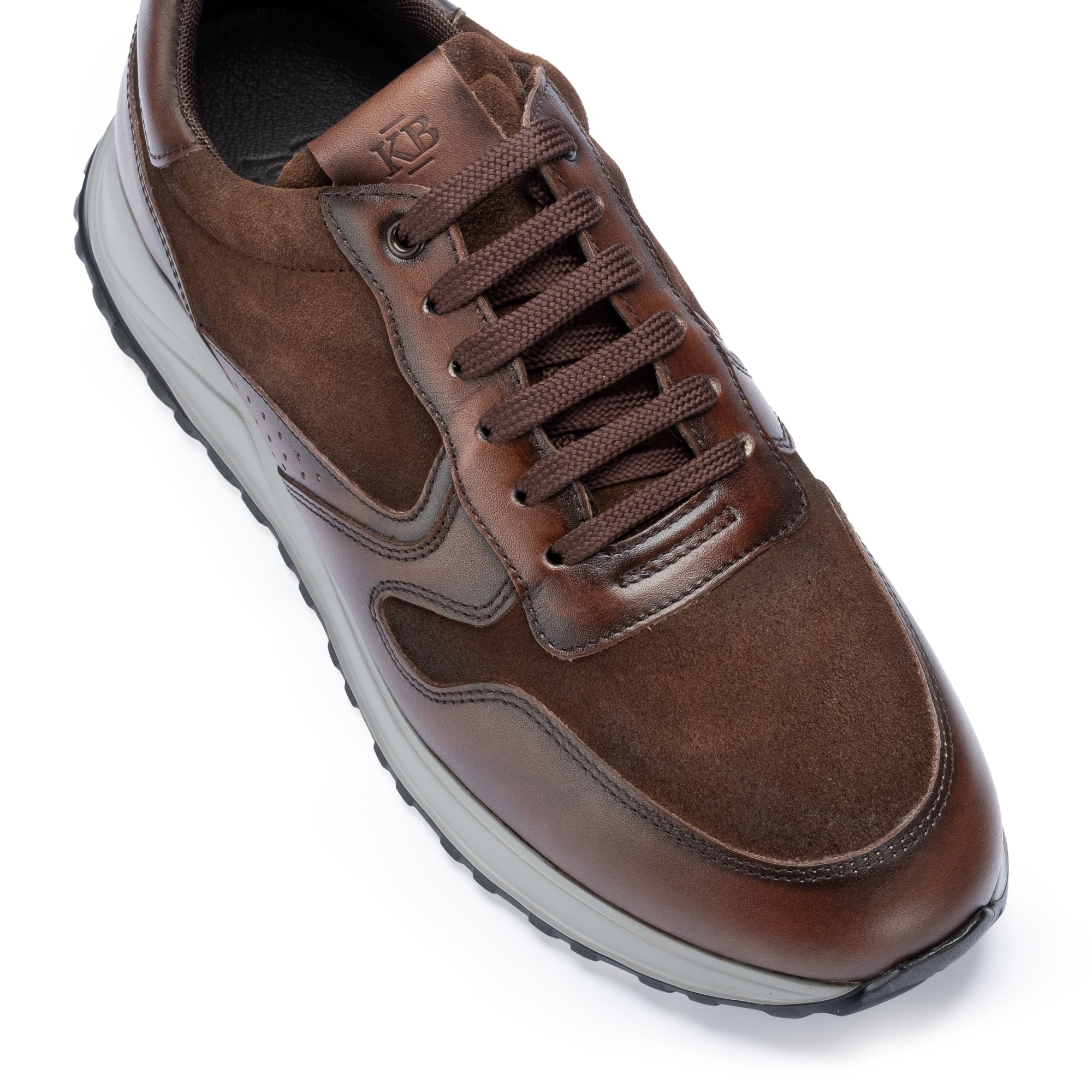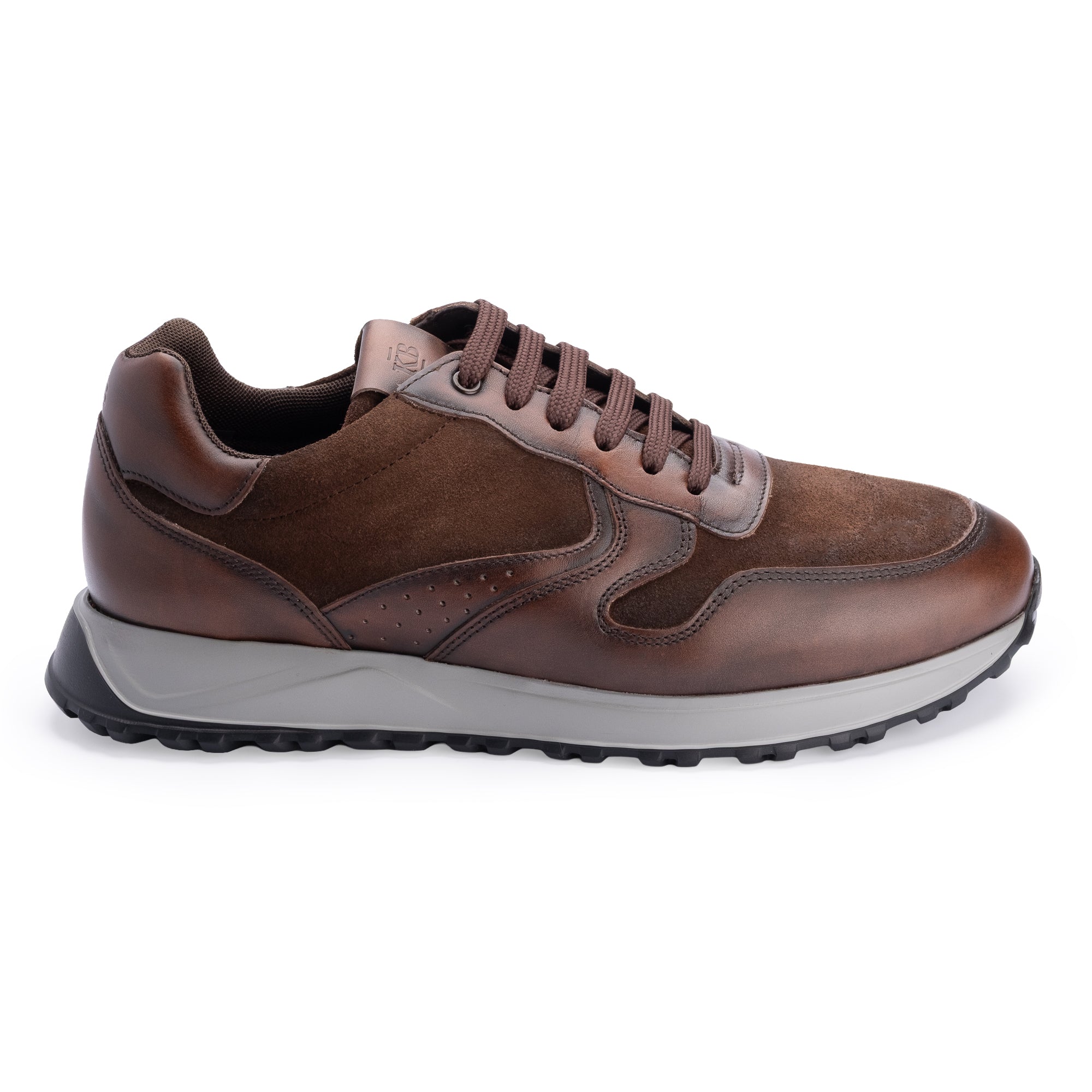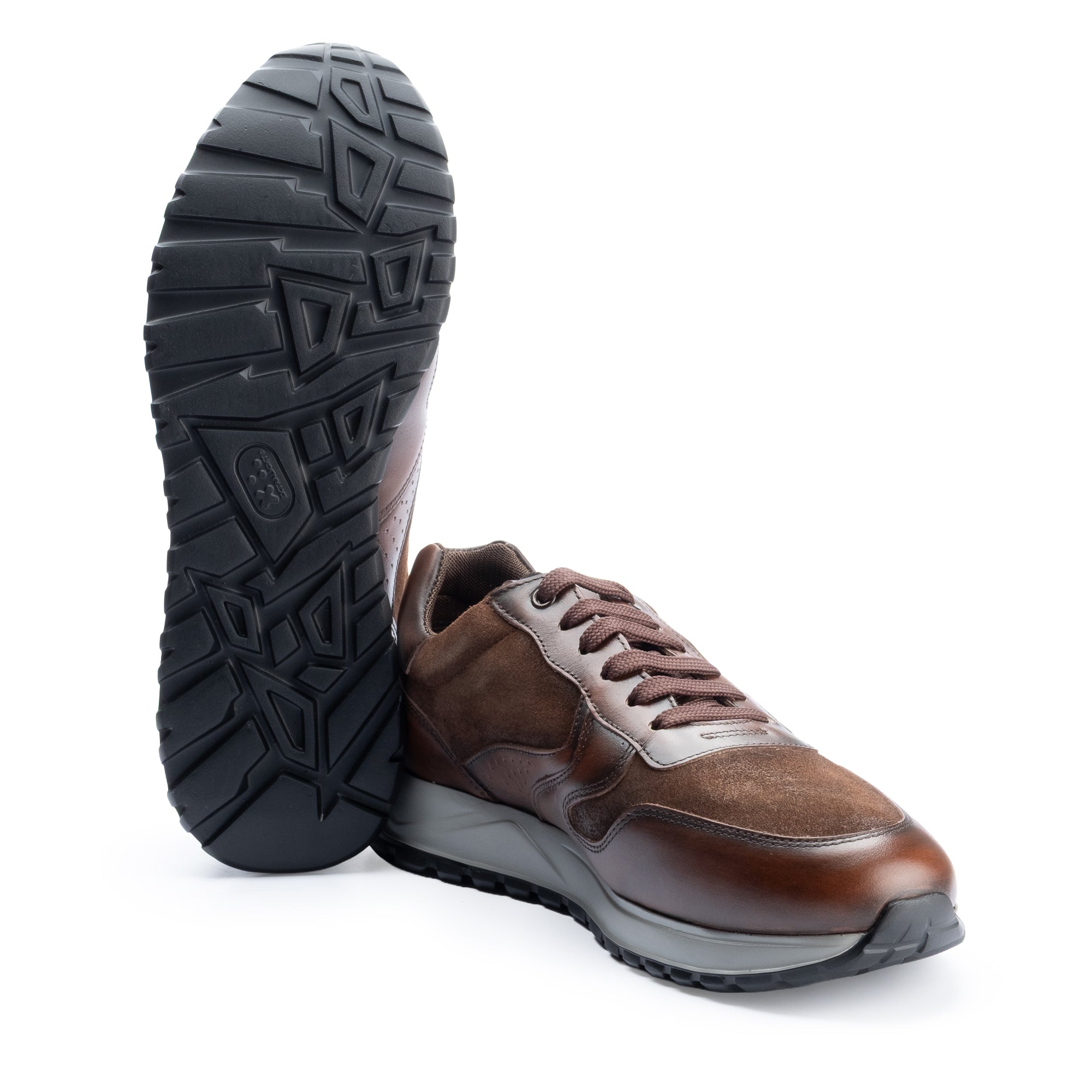

Summer weddings demand a different kind of judgement. A well-cut linen suit can look excellent — cool, considered, properly seasonal — but the wrong shoes will undercut it. The challenges are specific: heat plays havoc with fit, pale tones show every mark, and linen sits at an awkward point between formal and casual. Get the footwear right and the whole outfit reads as intentional. Get it wrong and it looks assembled at the last minute.
In This Guide
This guide covers the styles that work, the colours that make sense for a summer suit palette, and how to match your choice to the dress code the invitation actually specifies.
Why Black Shoes Rarely Work with Linen
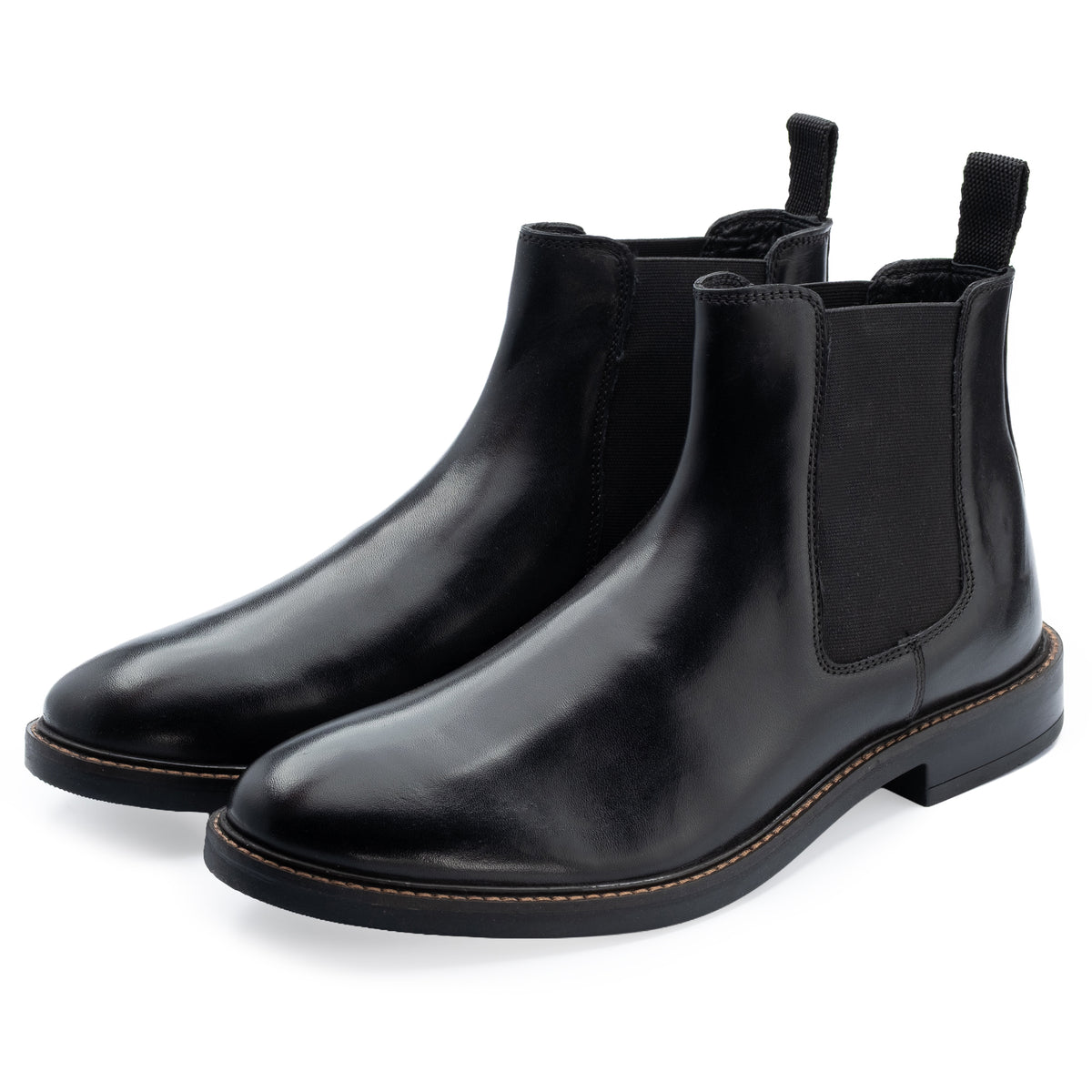
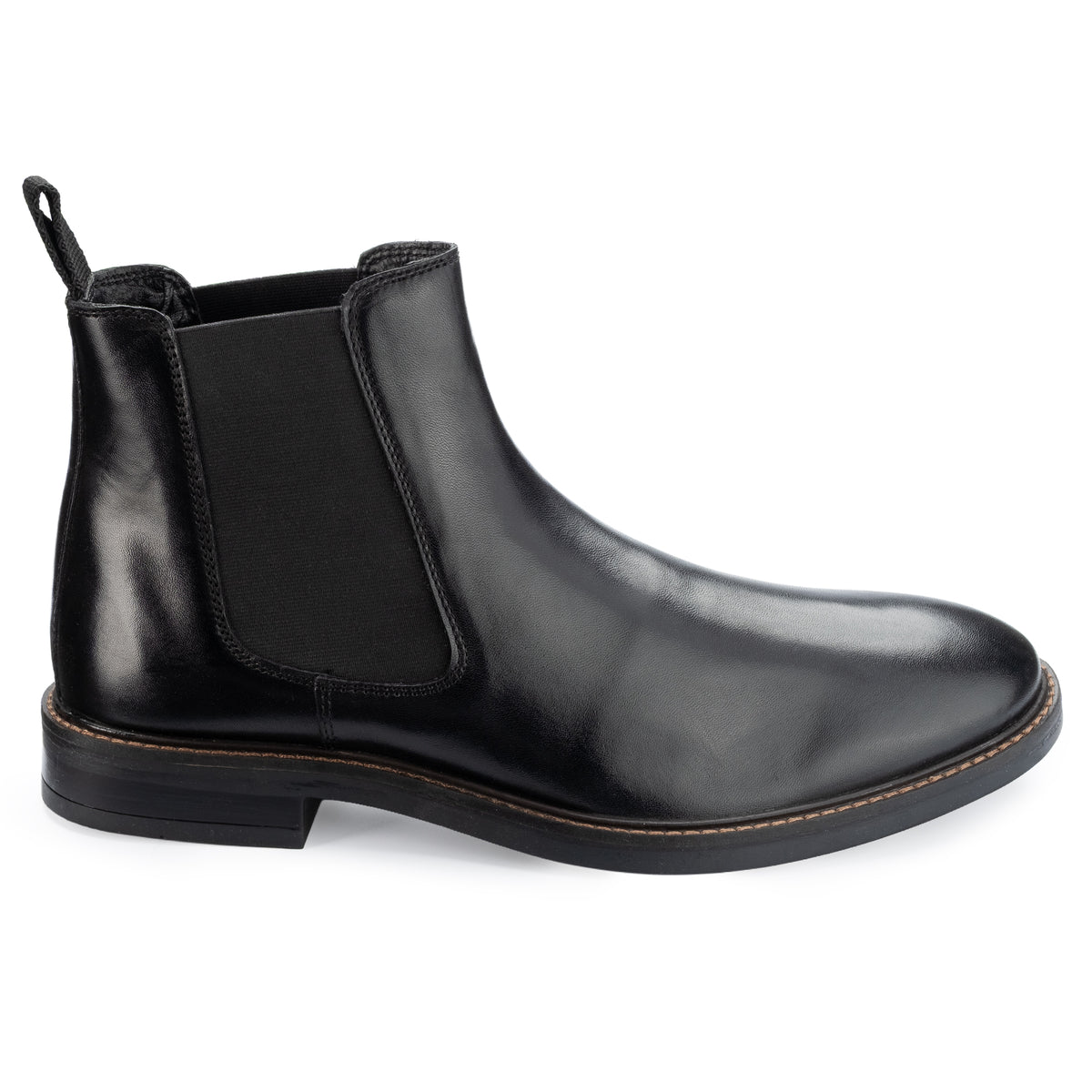
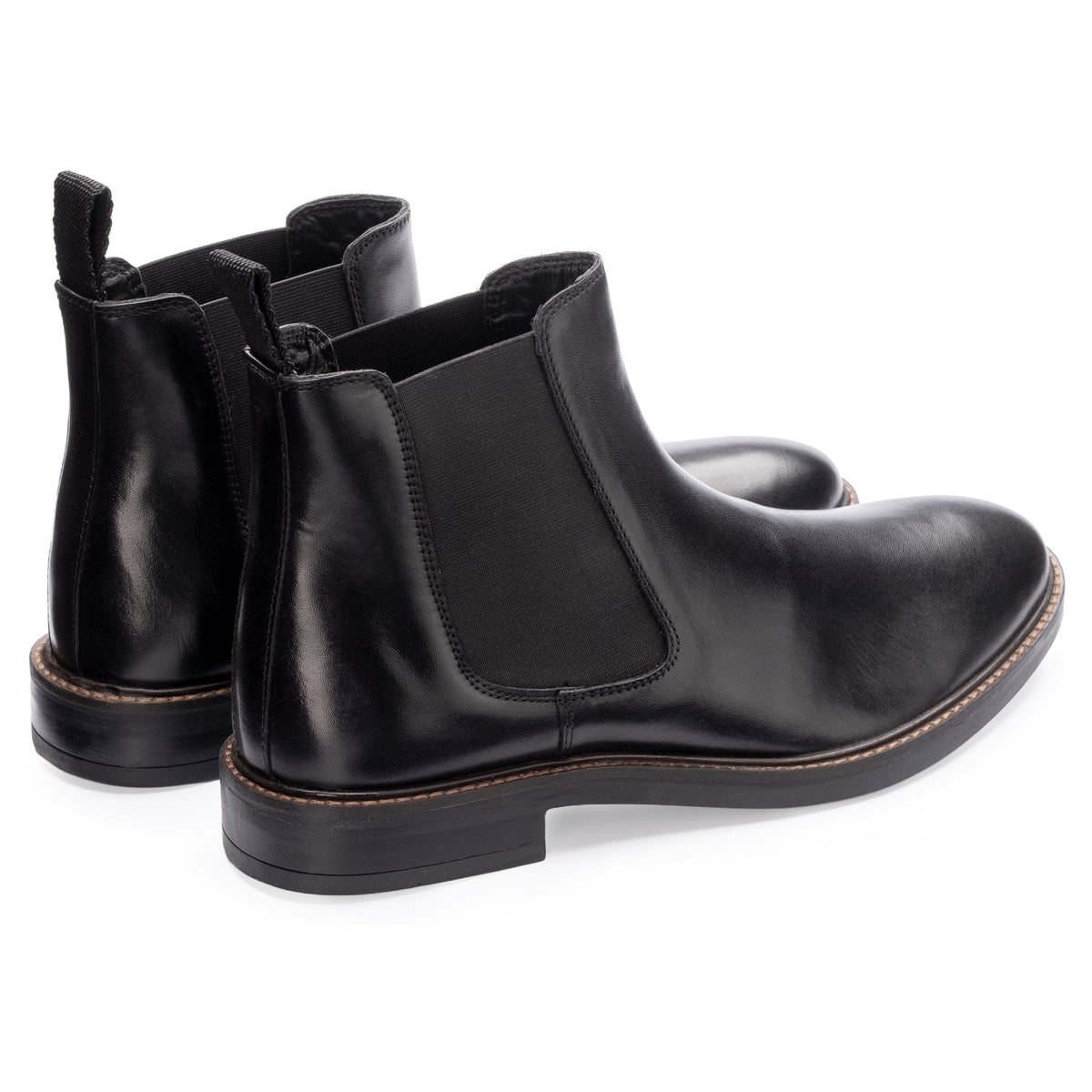
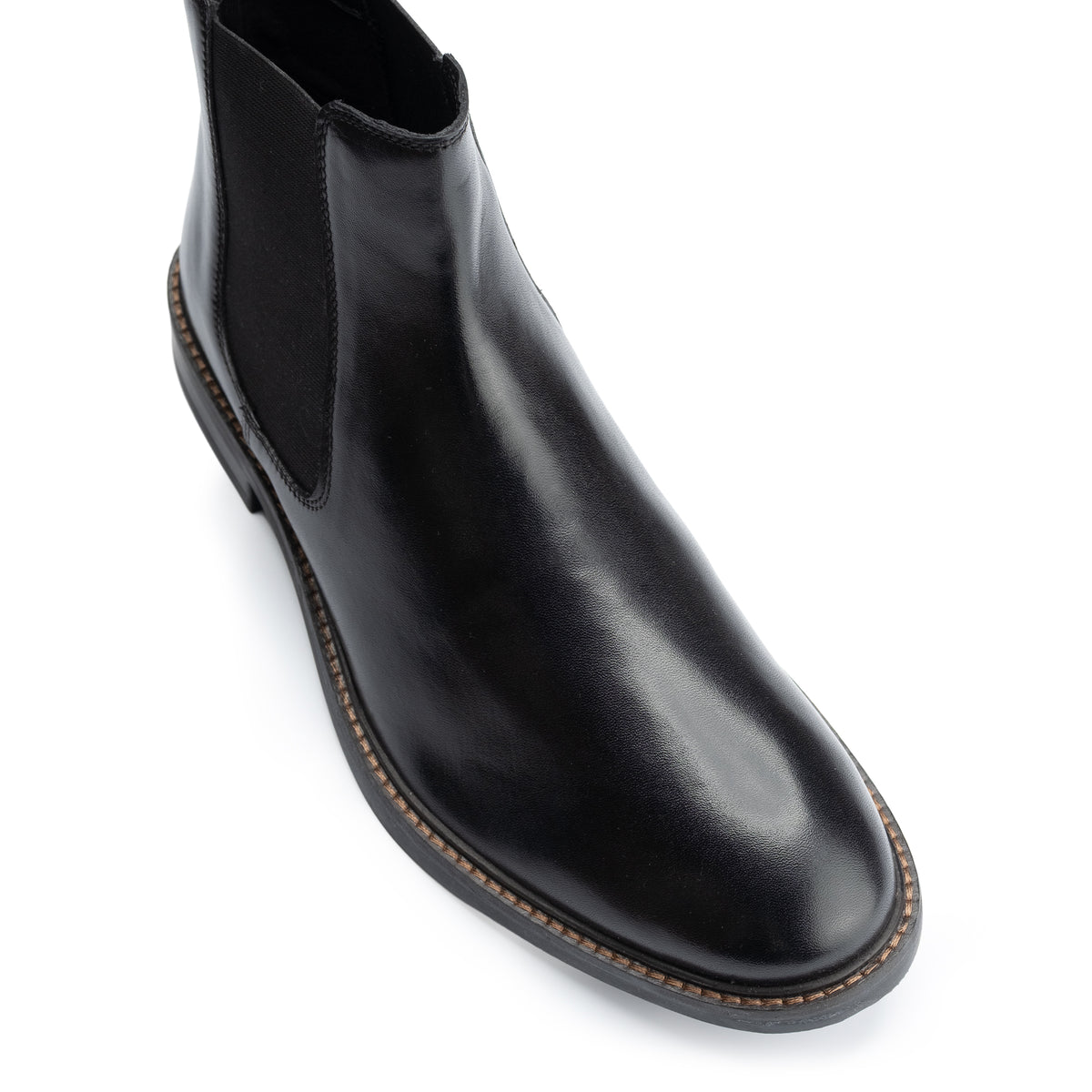
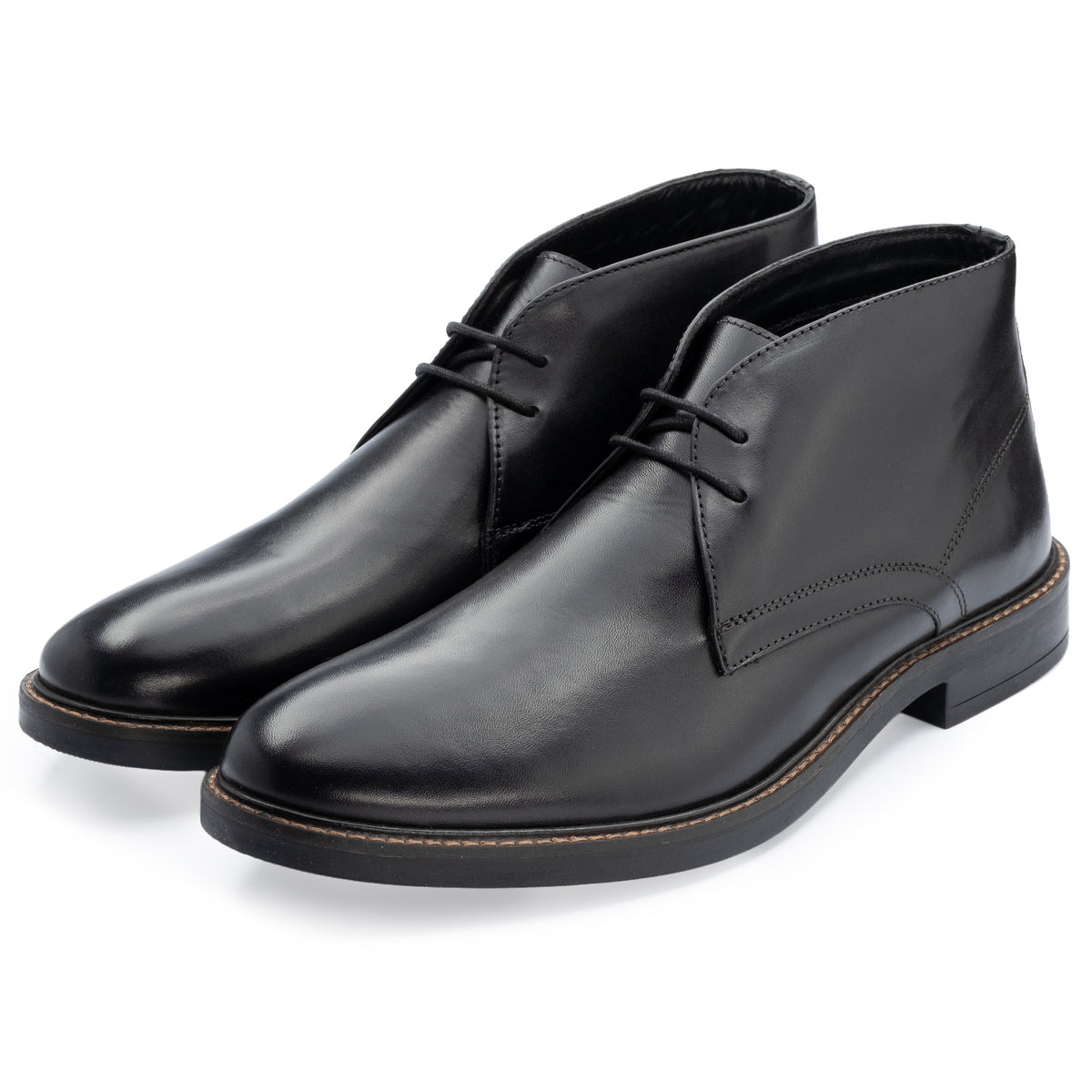
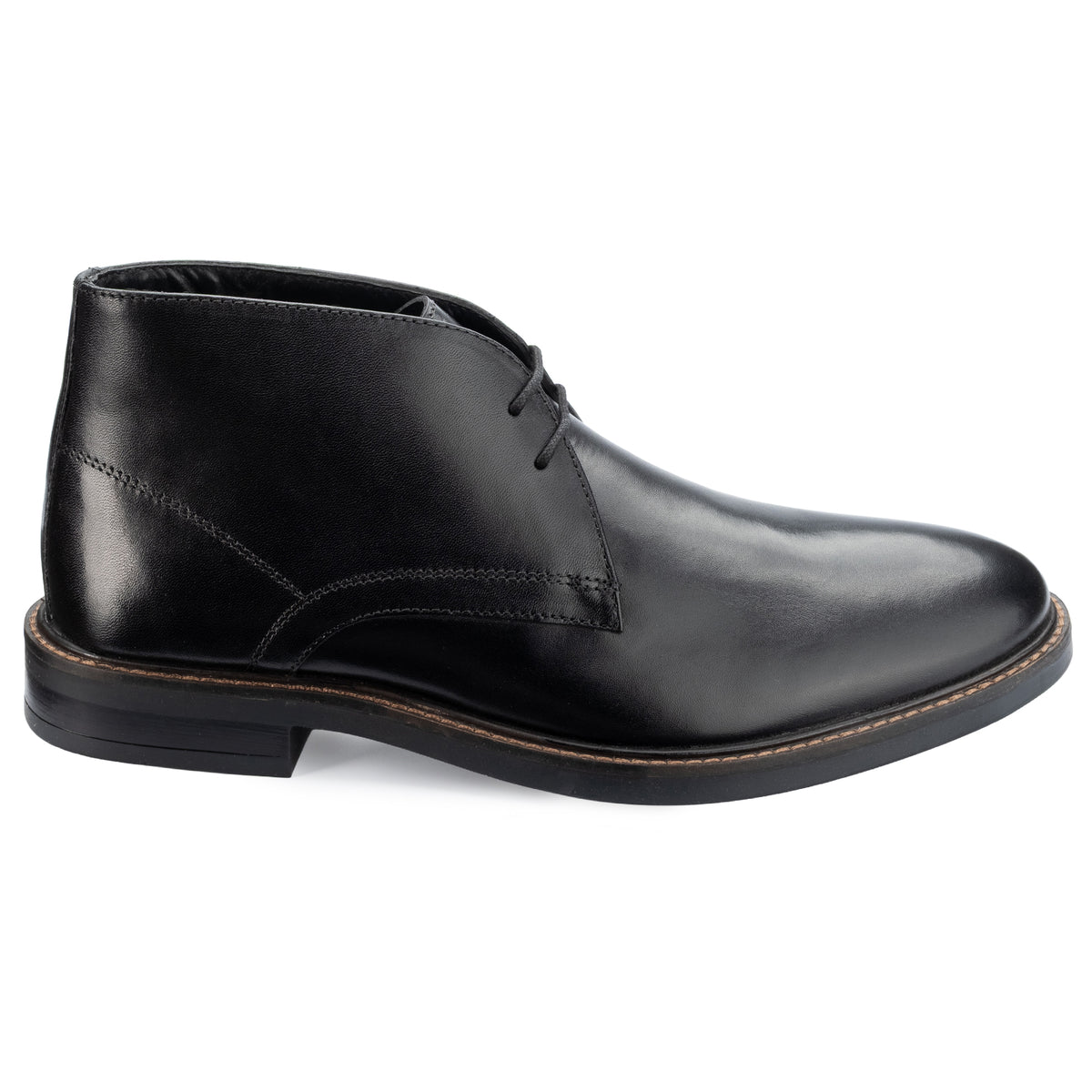
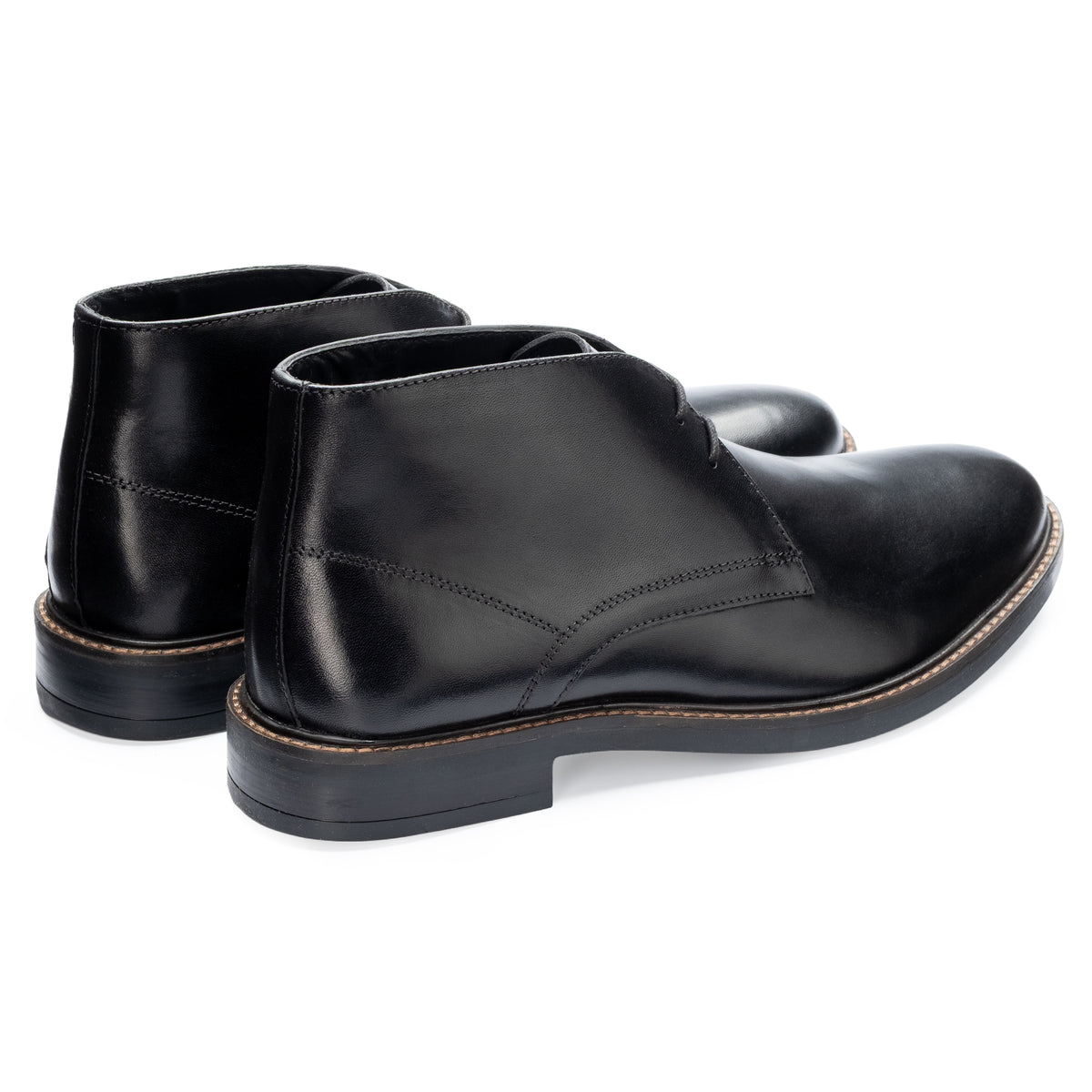
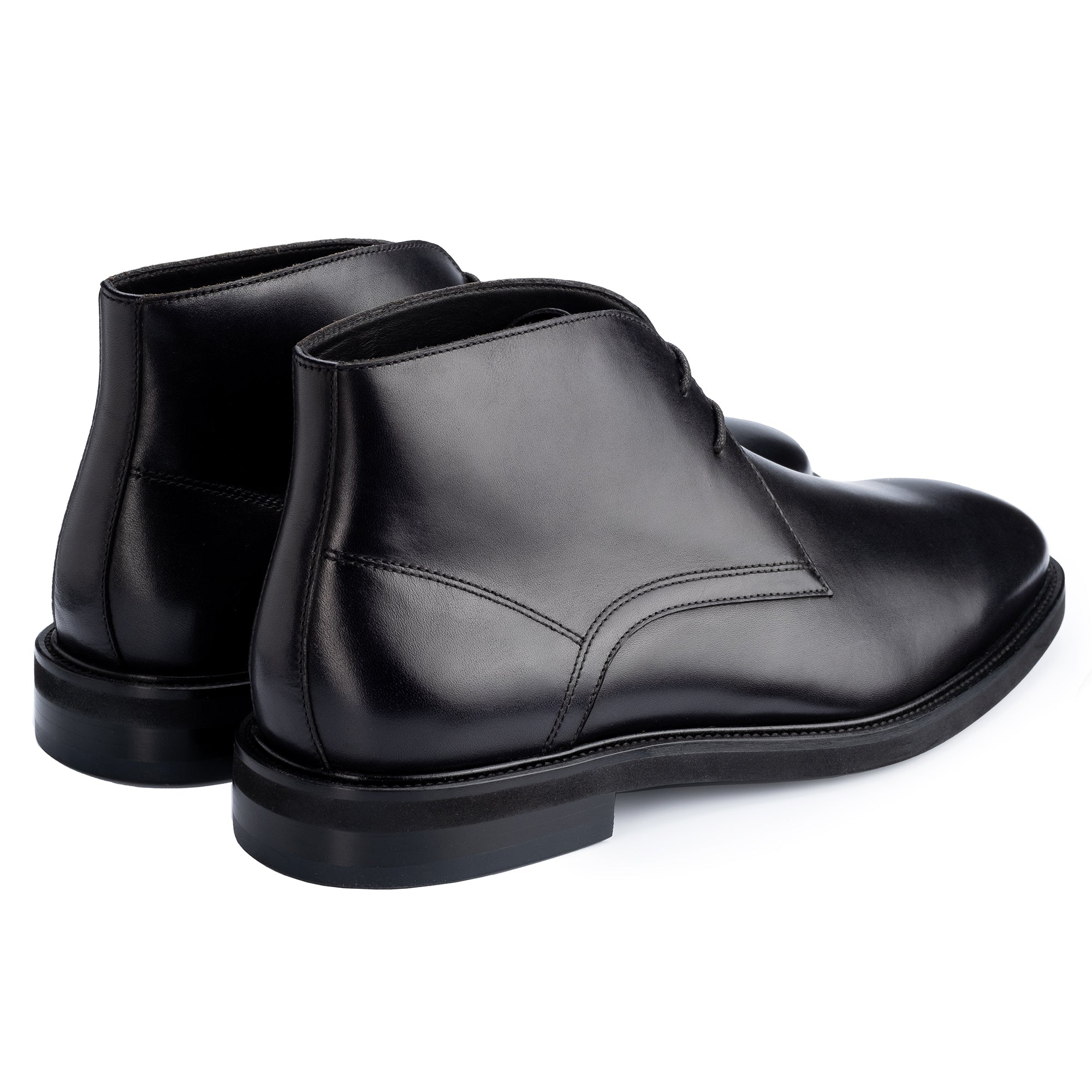
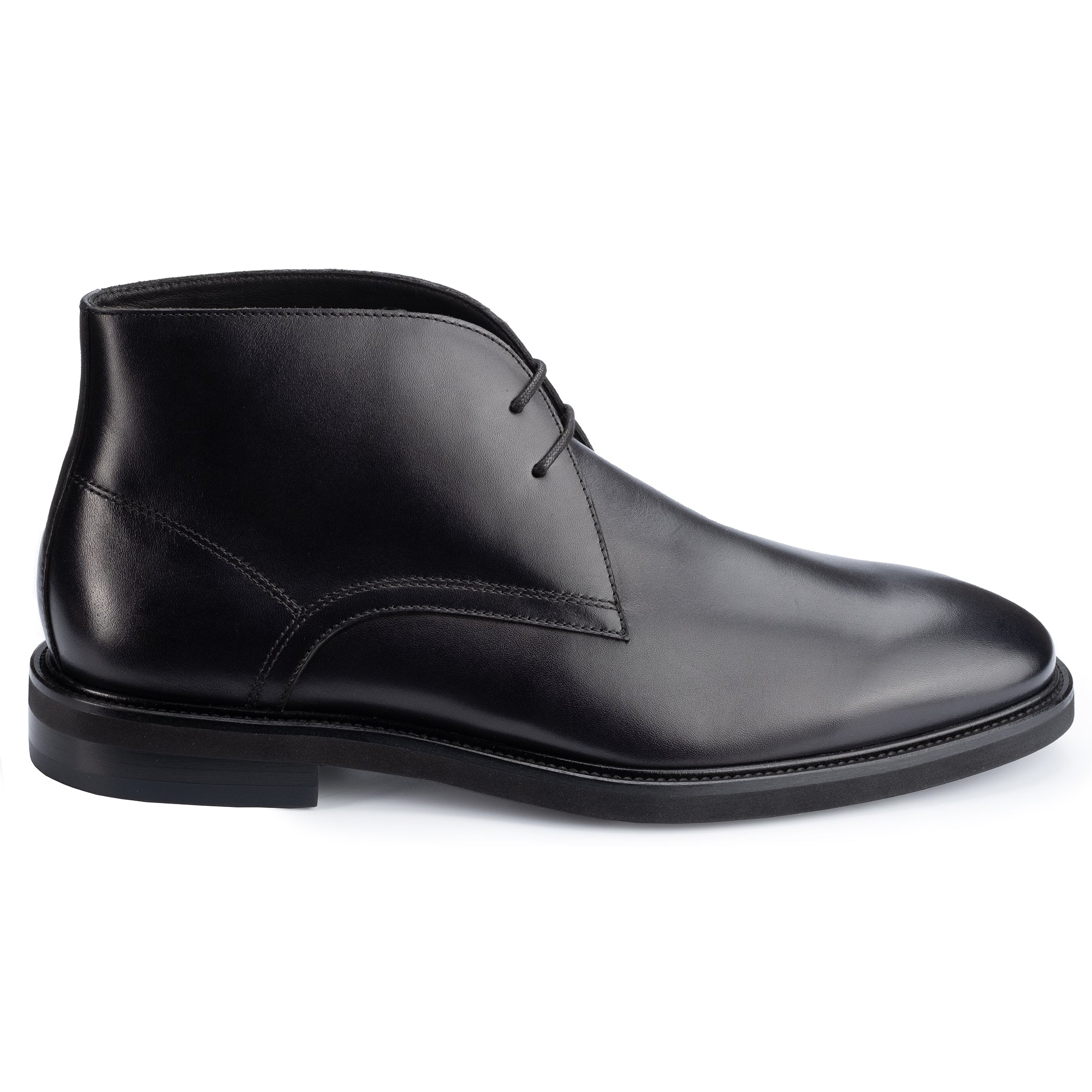
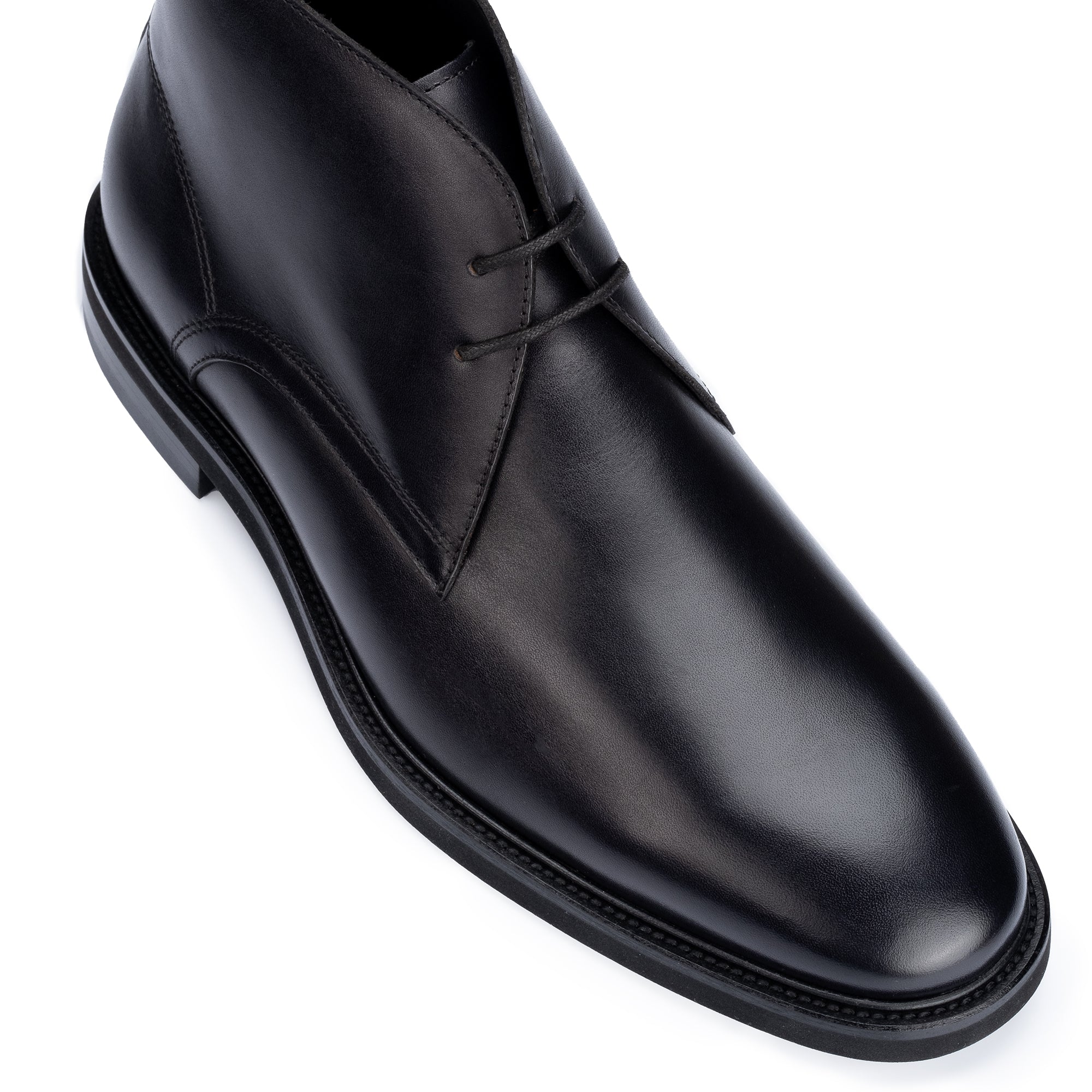
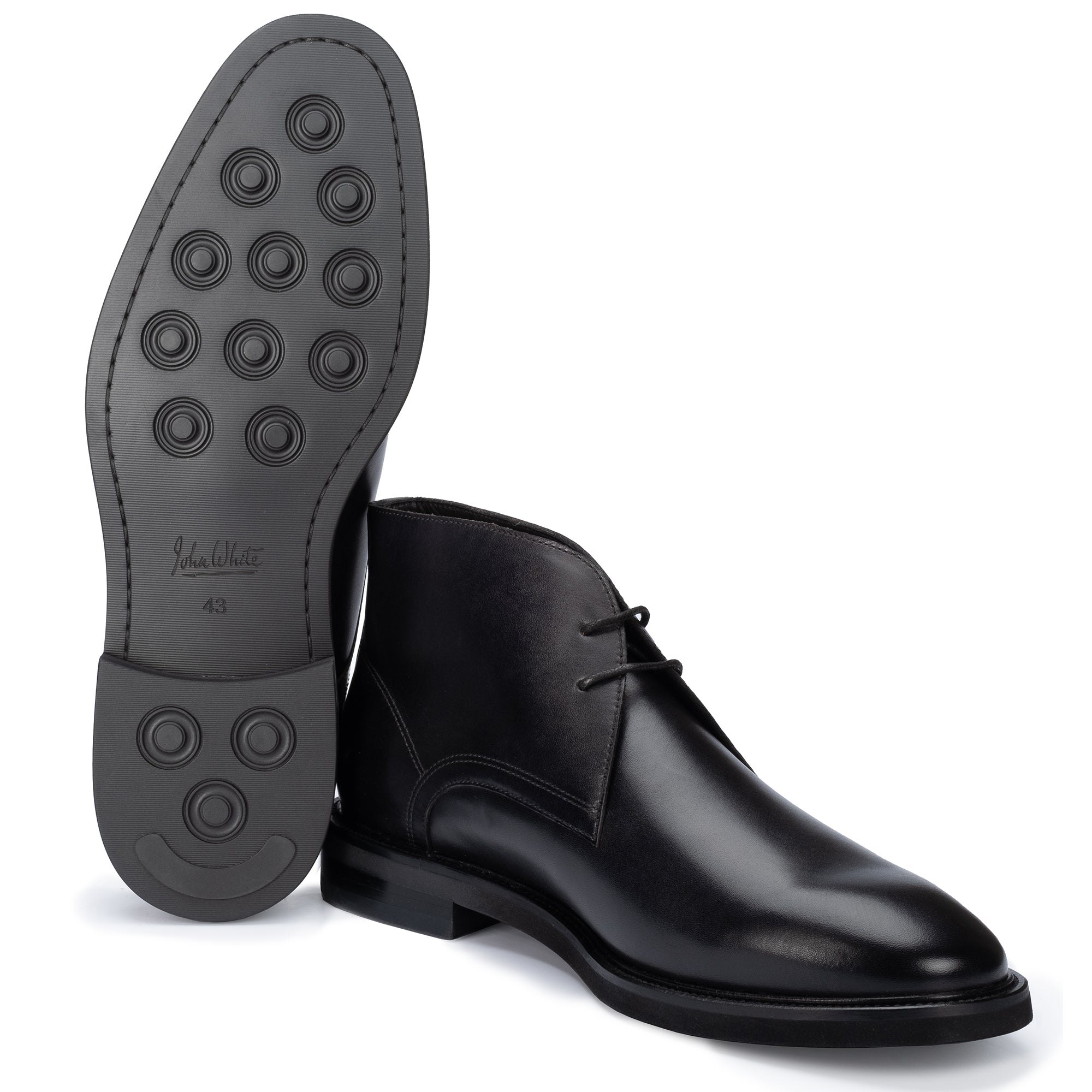
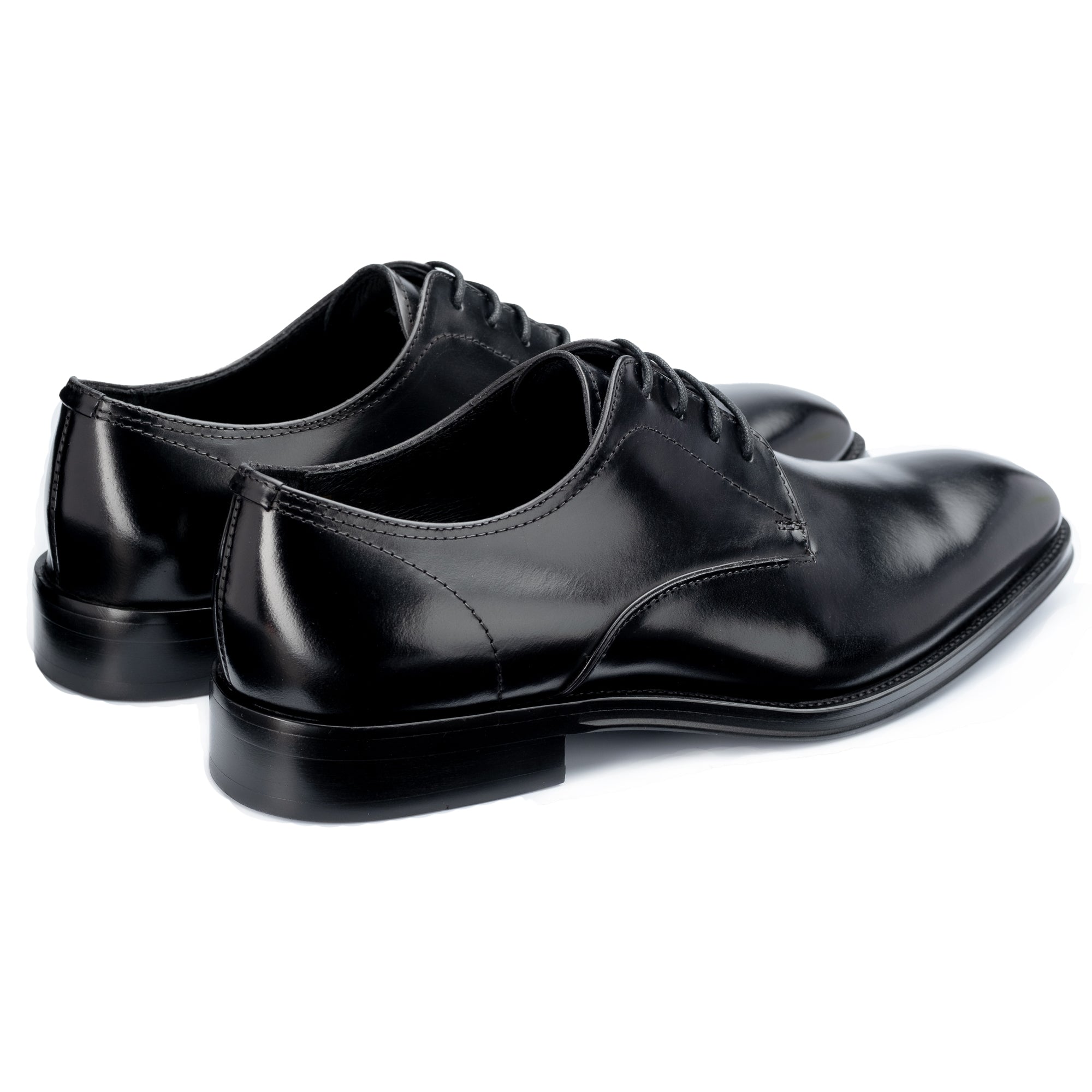
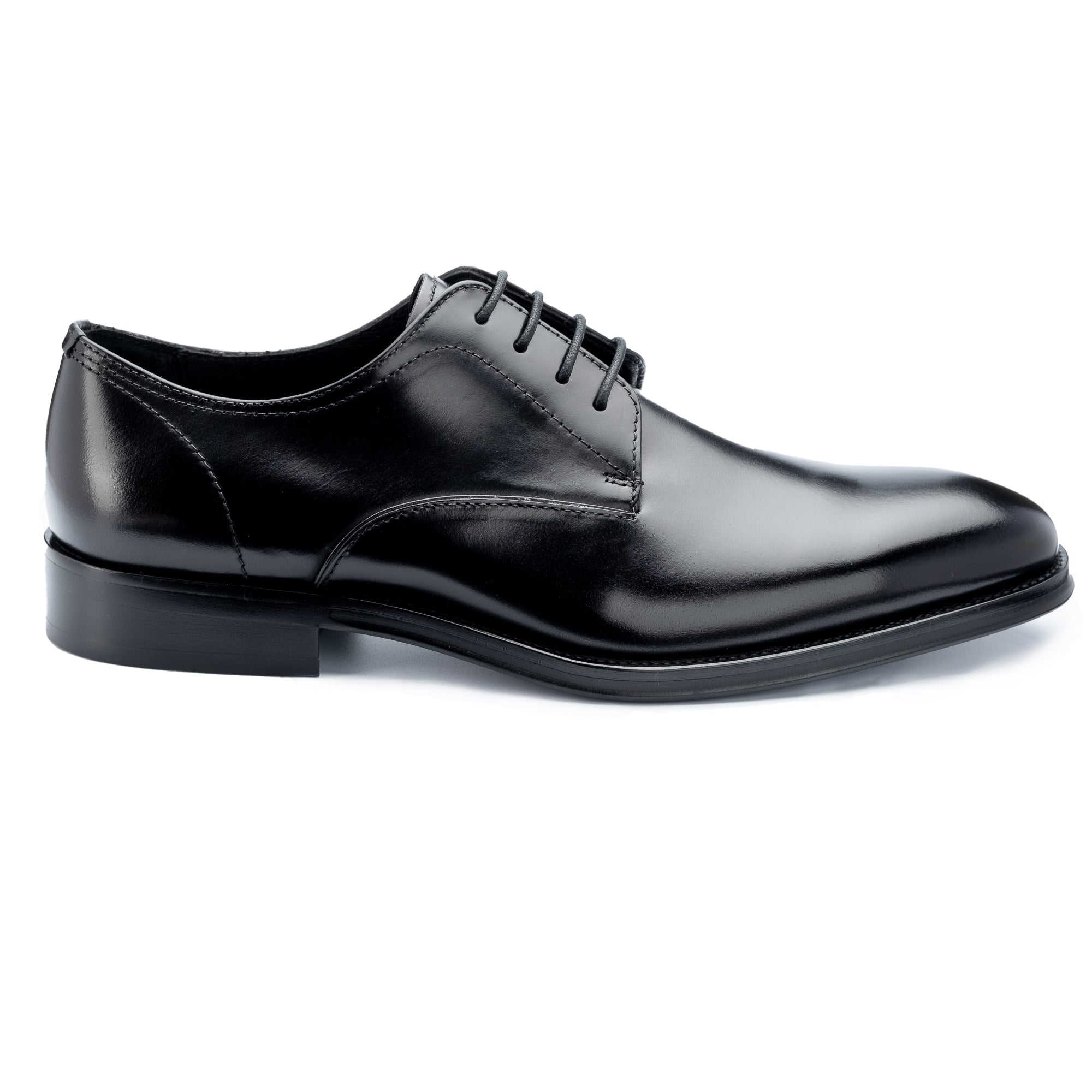
The instinct to default to black when the dress code says smart is understandable but, with a summer suit, usually wrong. Black leather against natural linen, stone, or oatmeal creates a visual break that reads as miscalculated rather than deliberate. The contrast is too hard, too wintry. It belongs to winter suiting — dark wool, heavy cloth — not to the lighter palette of July tailoring.
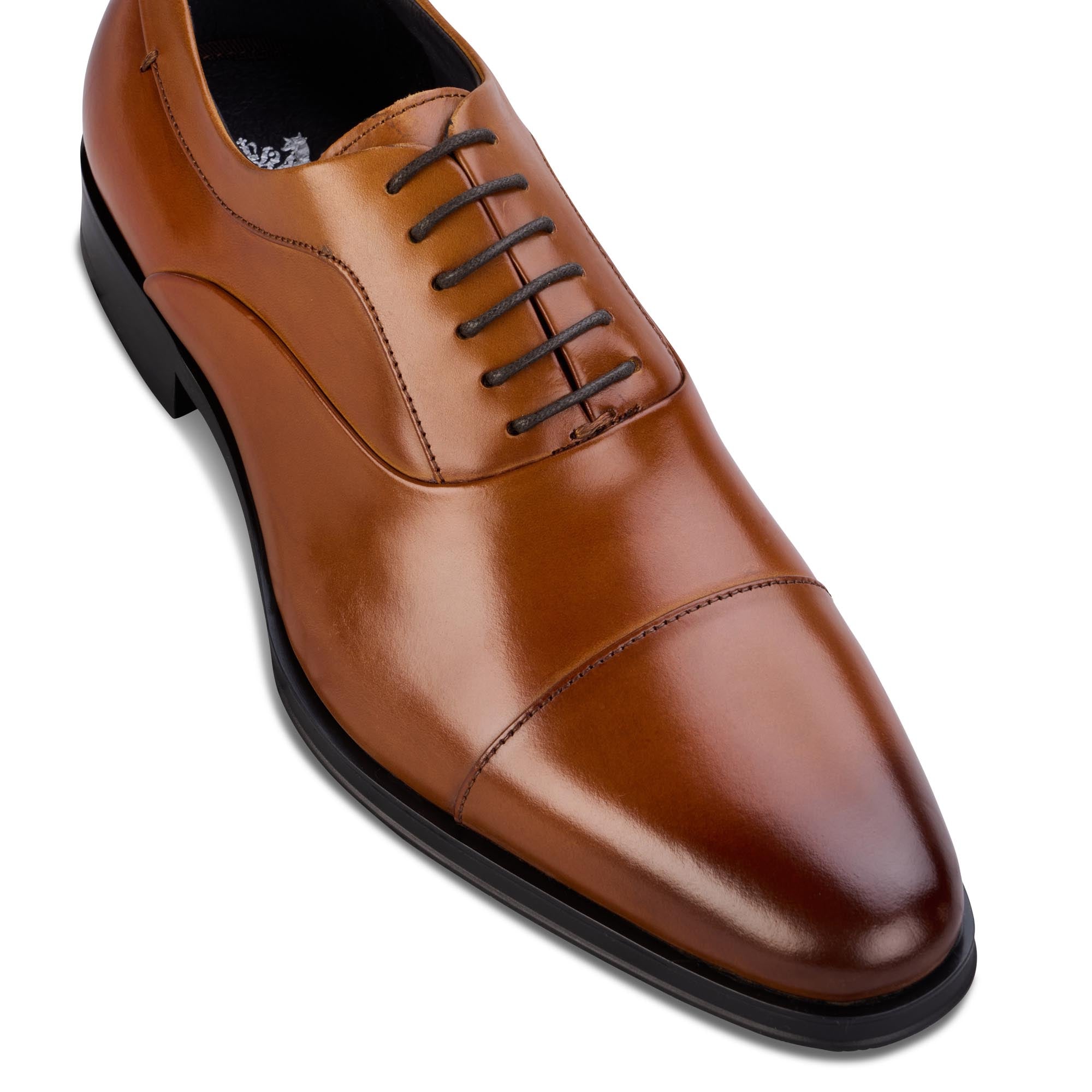
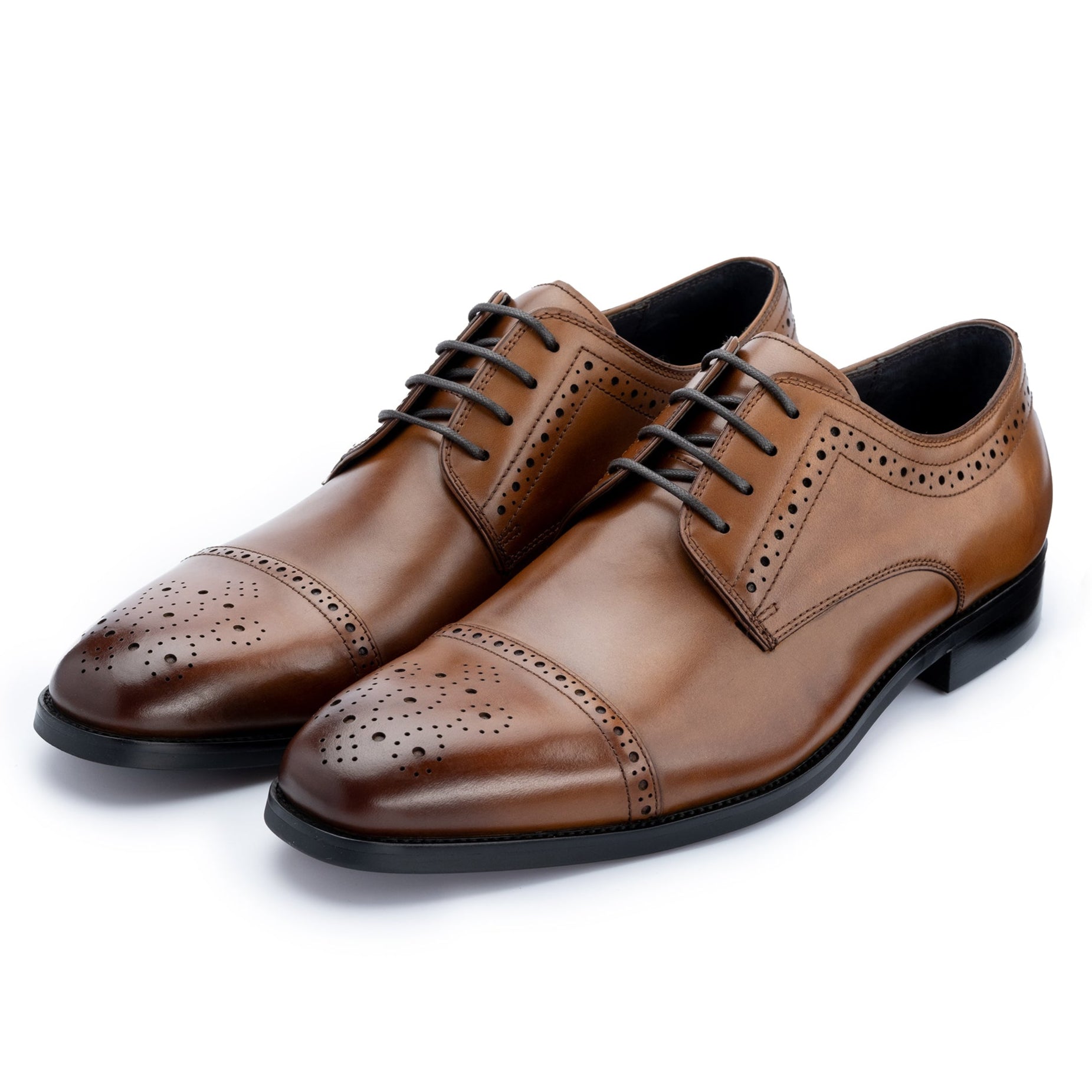
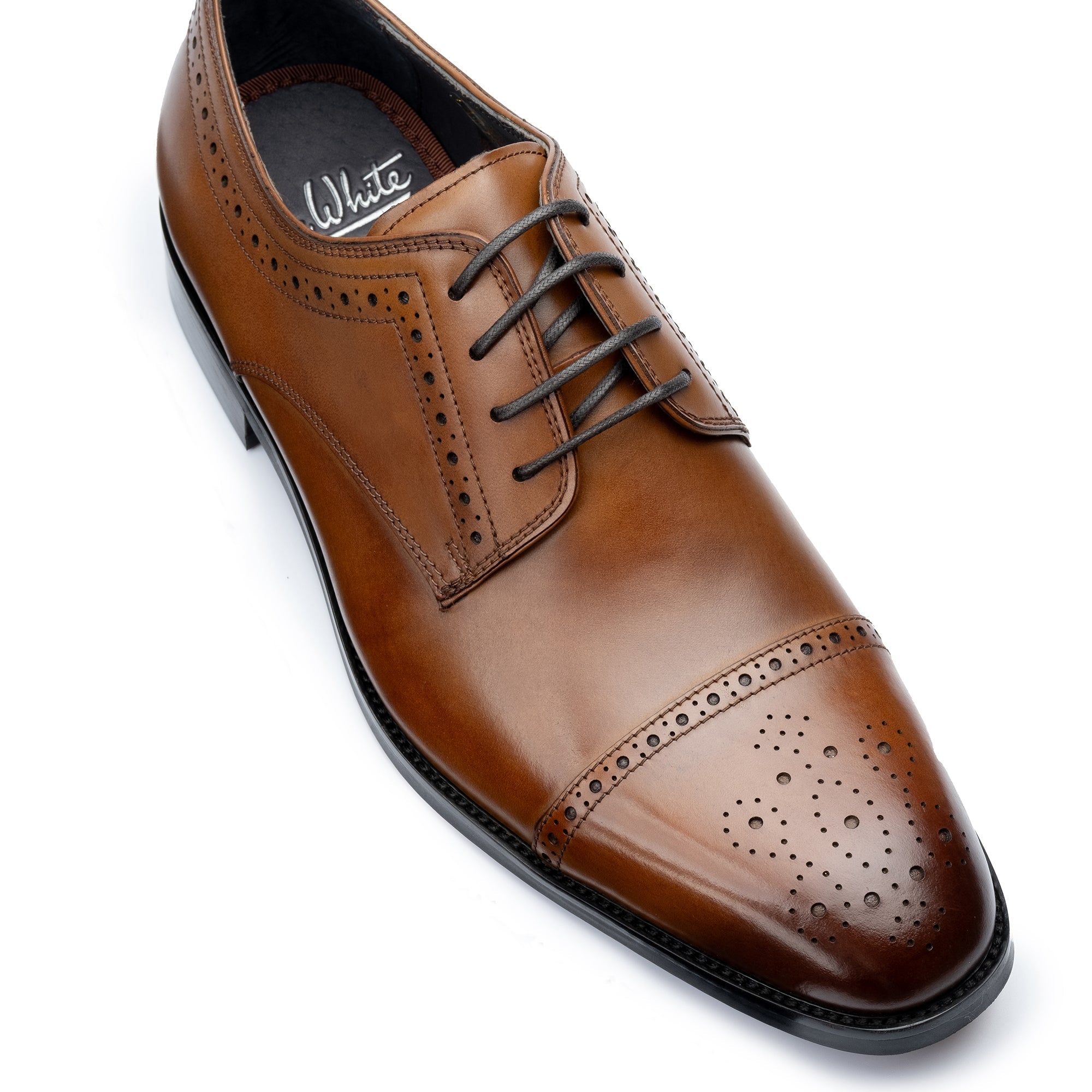
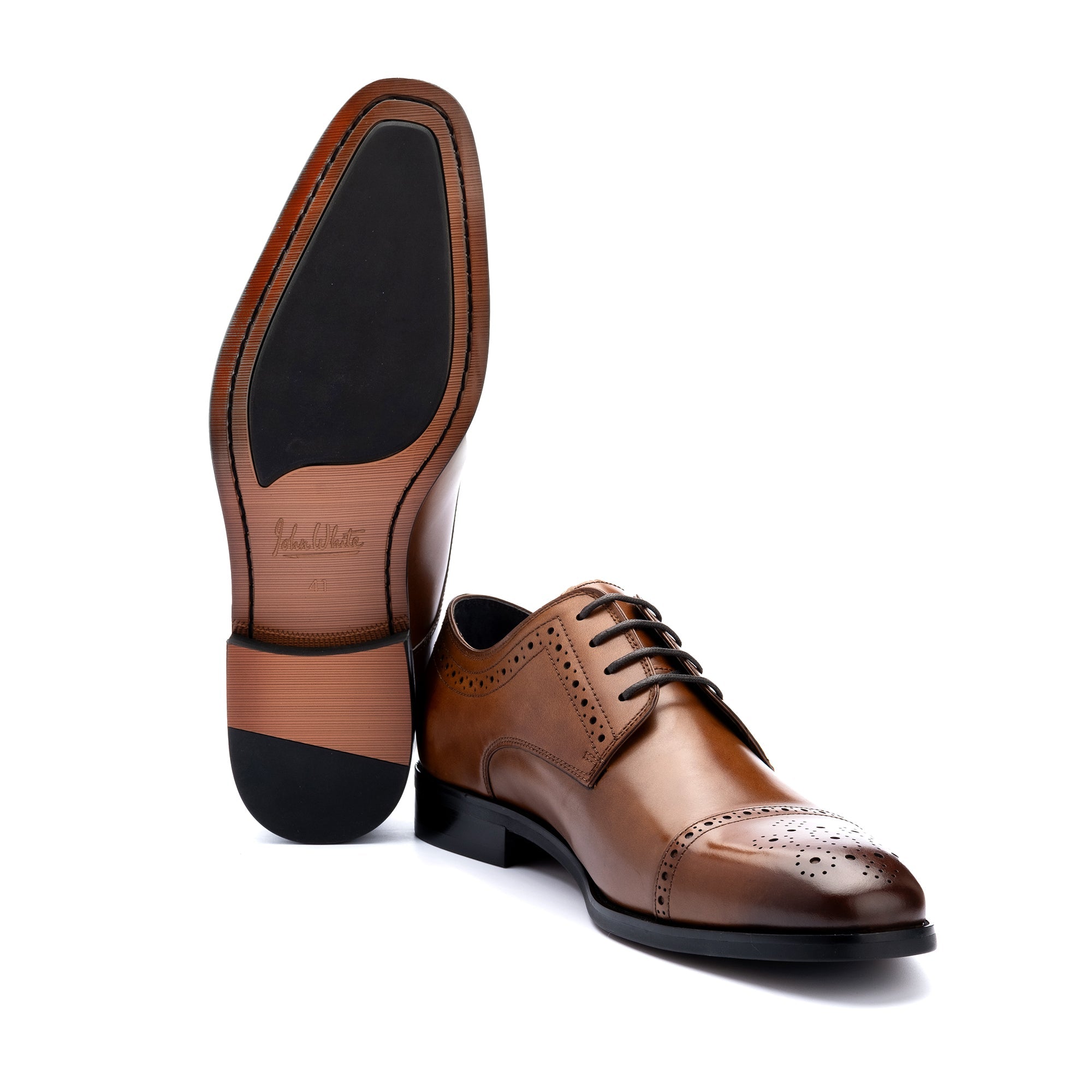
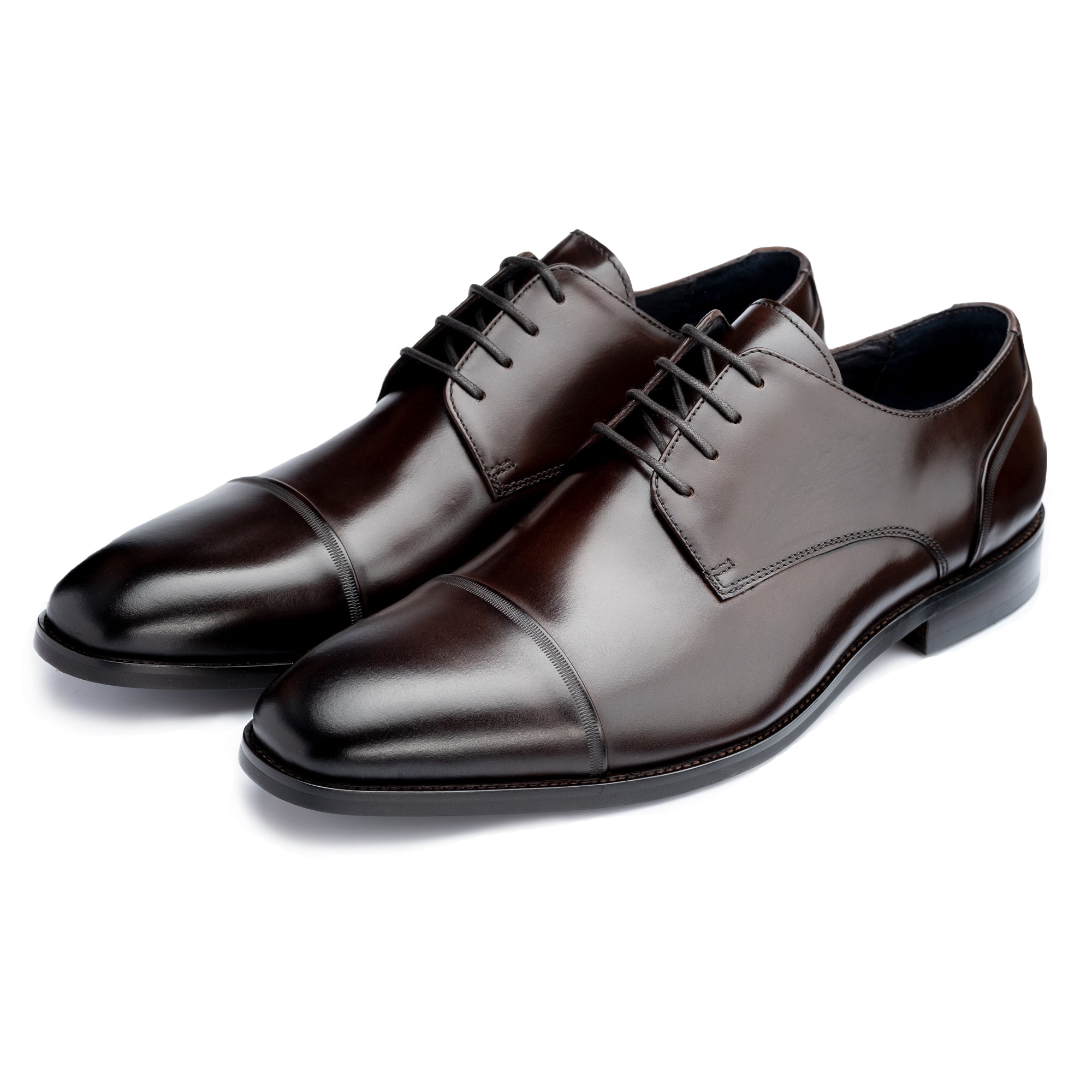
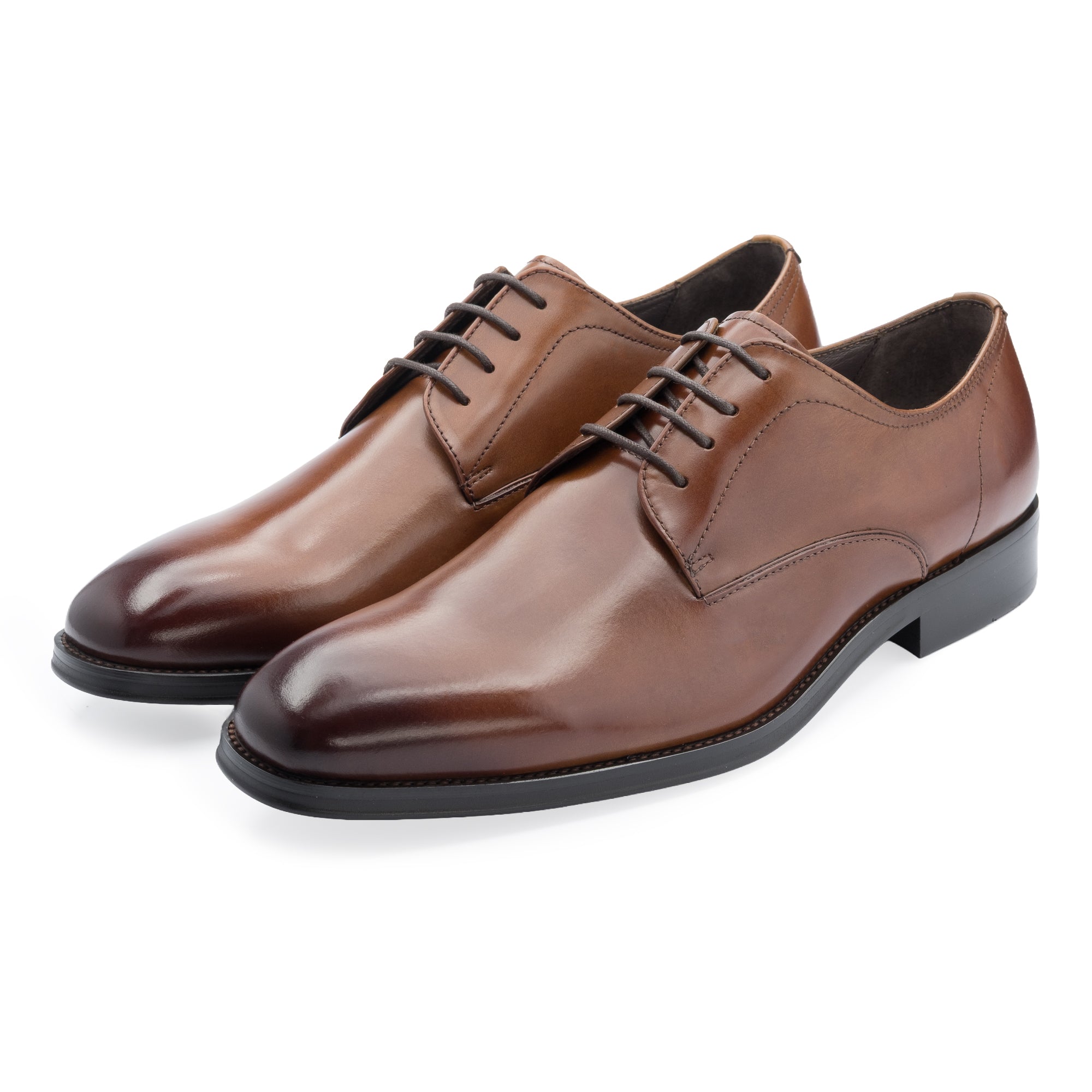
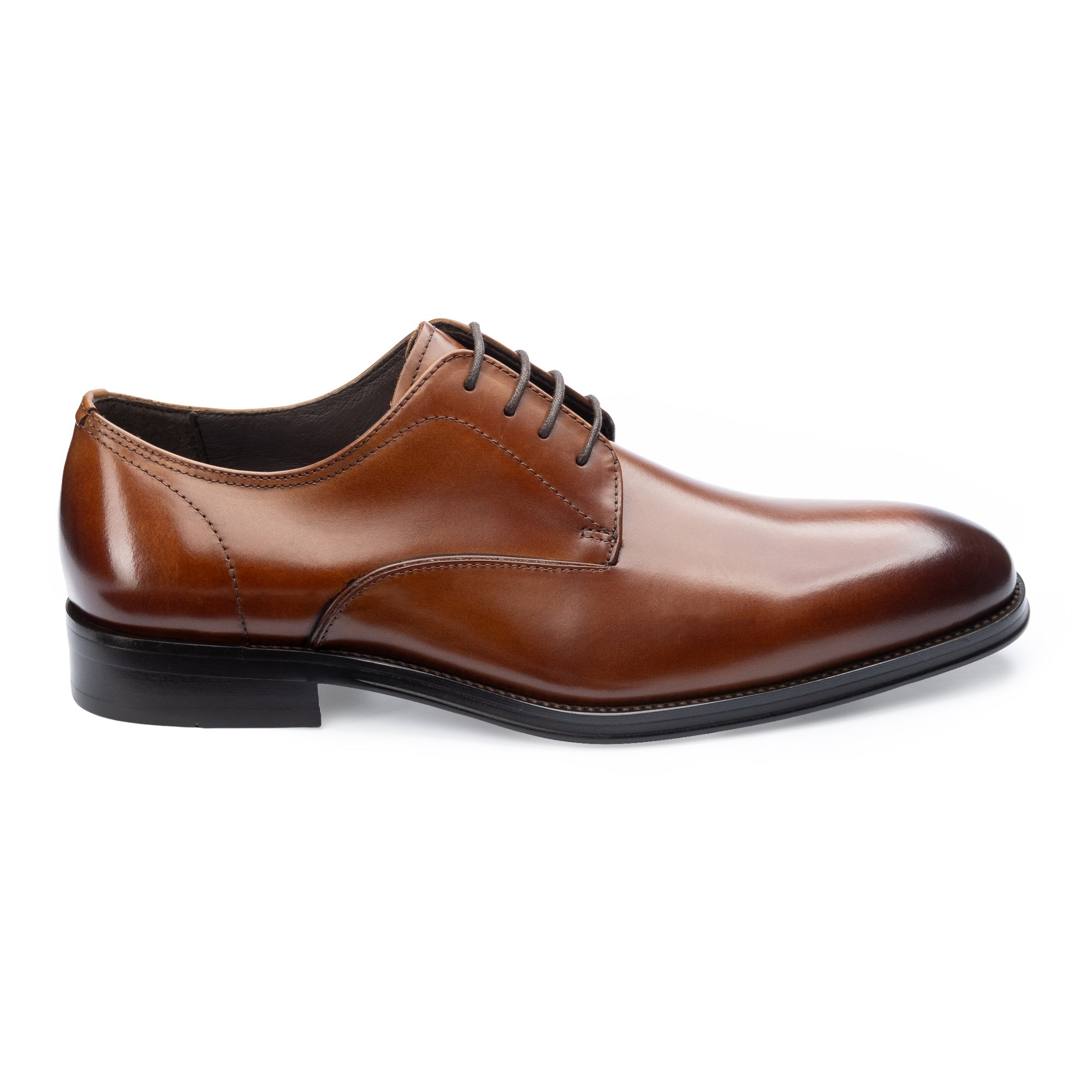
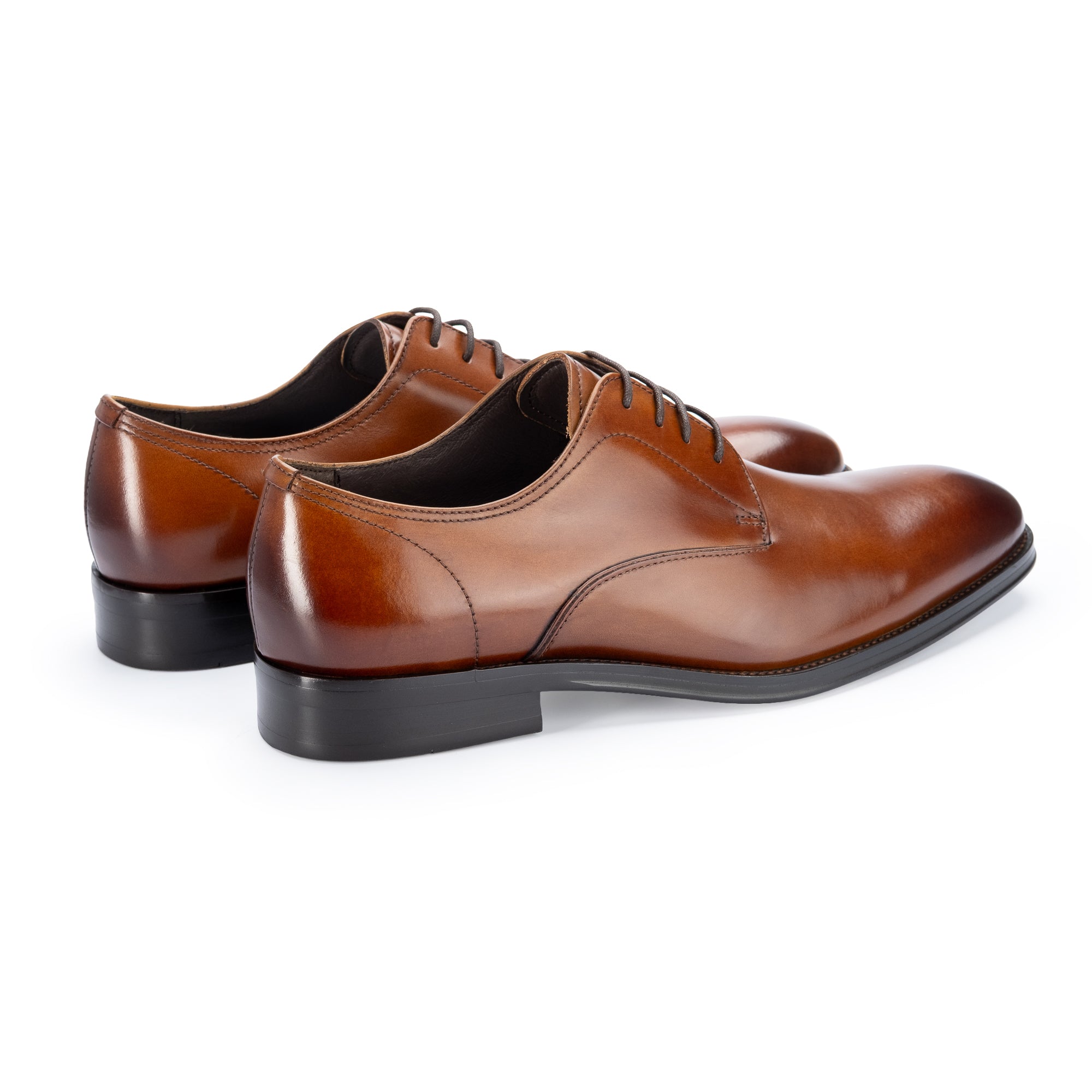
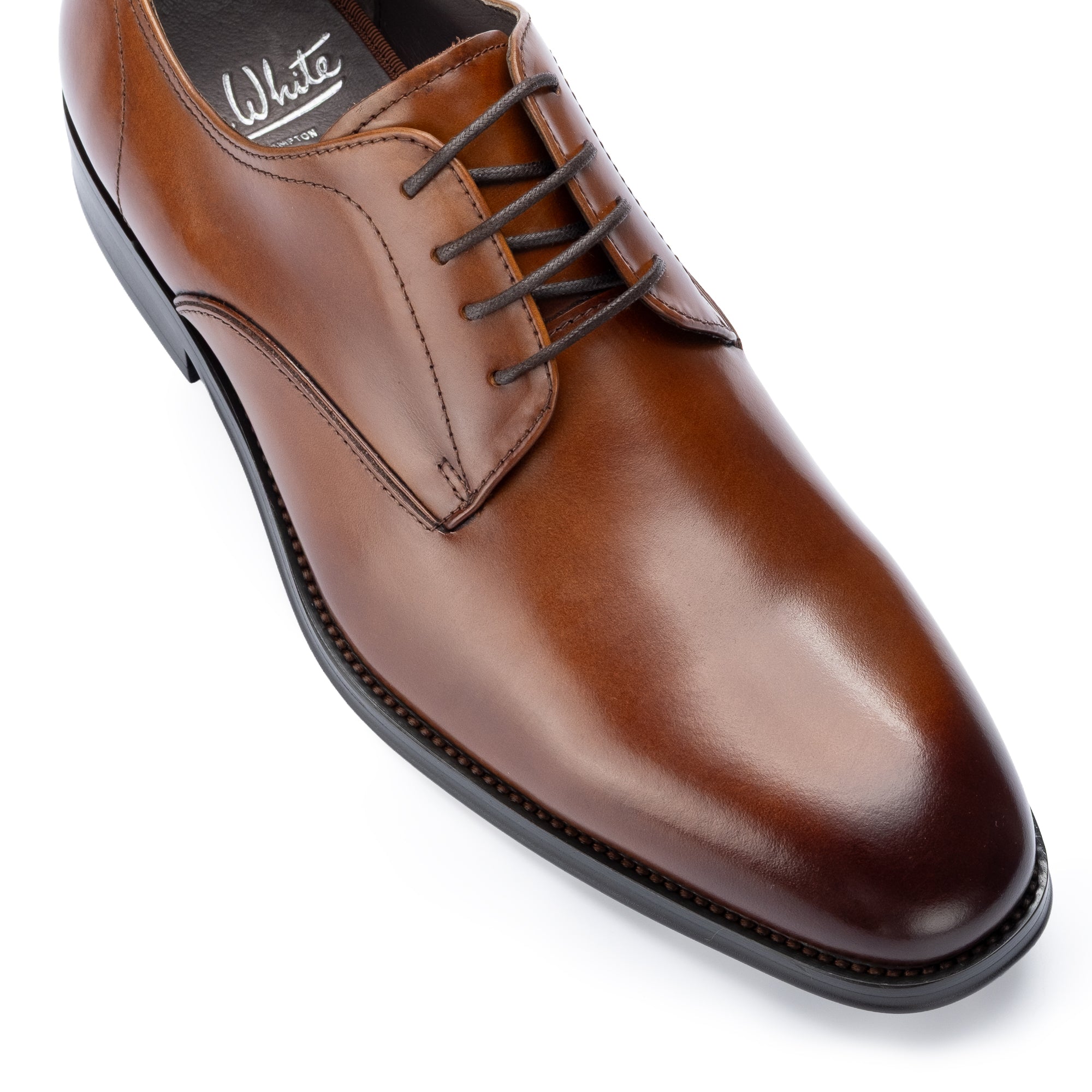
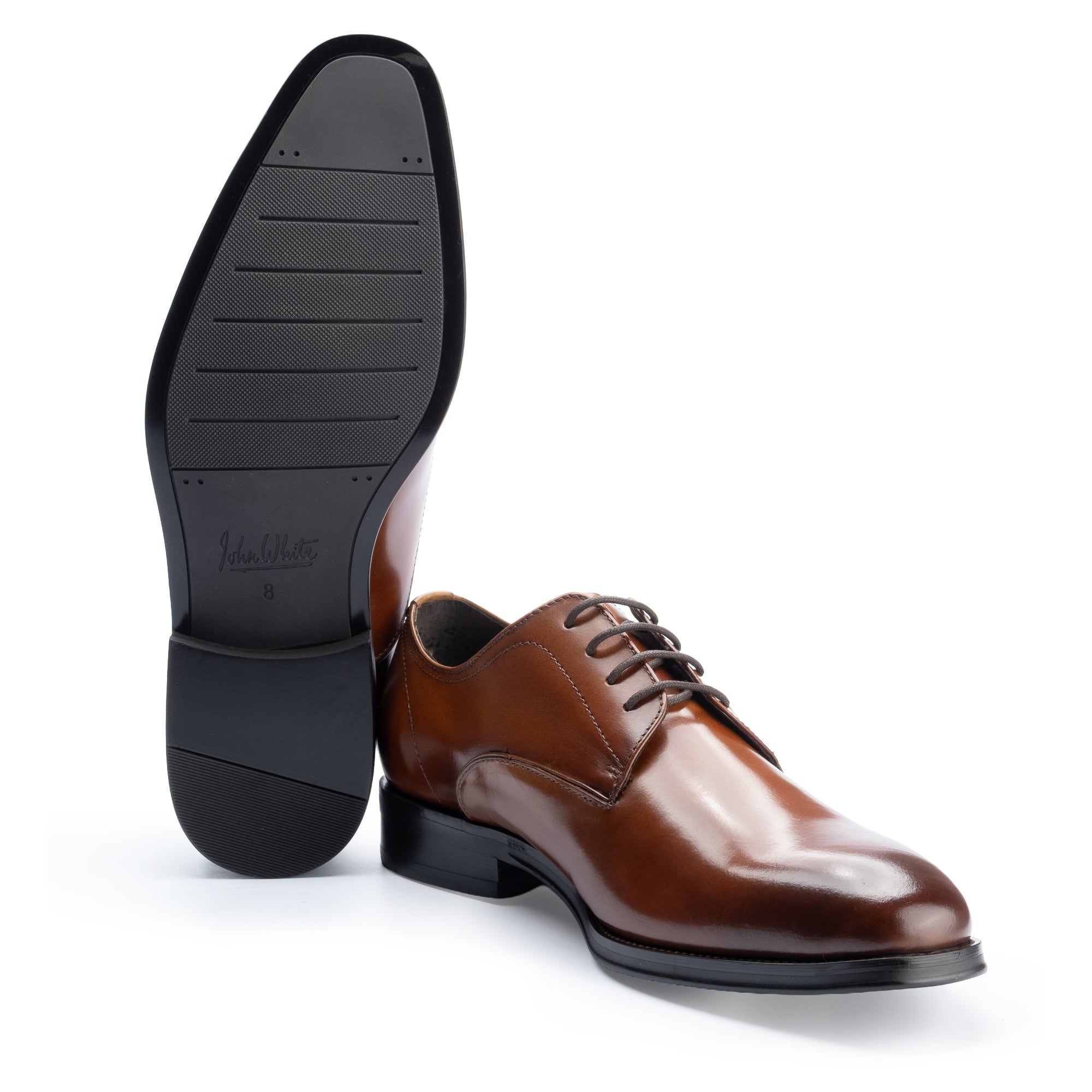
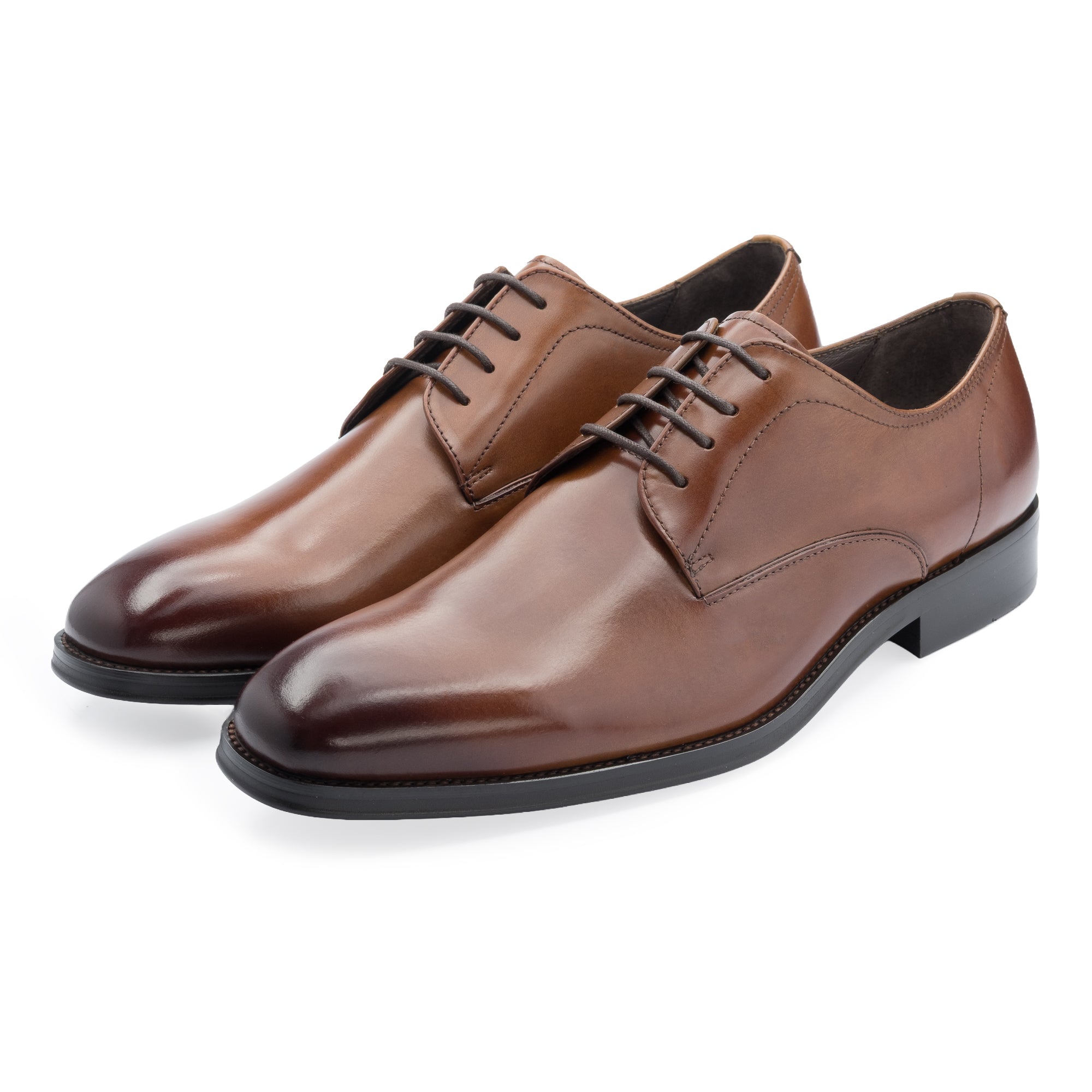
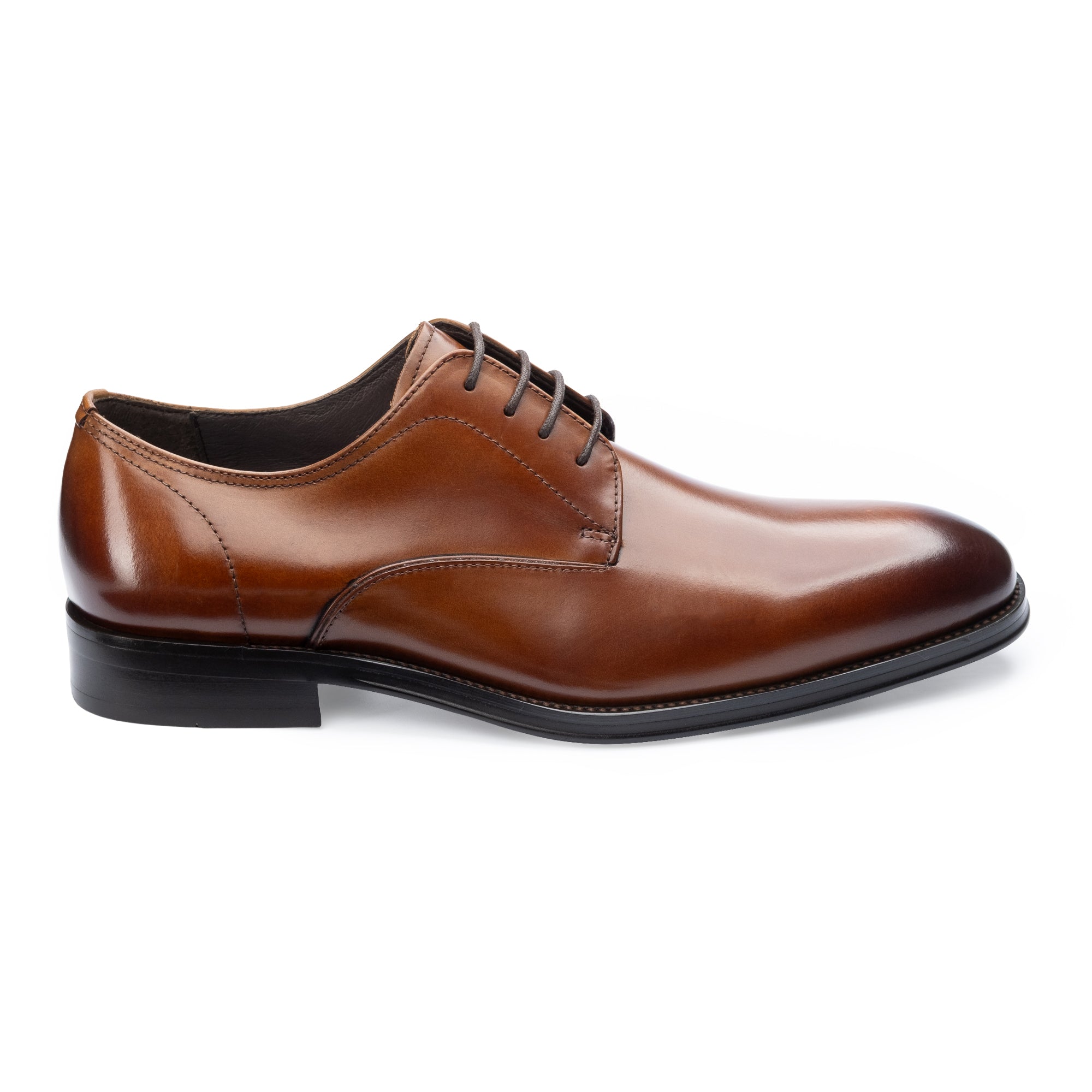
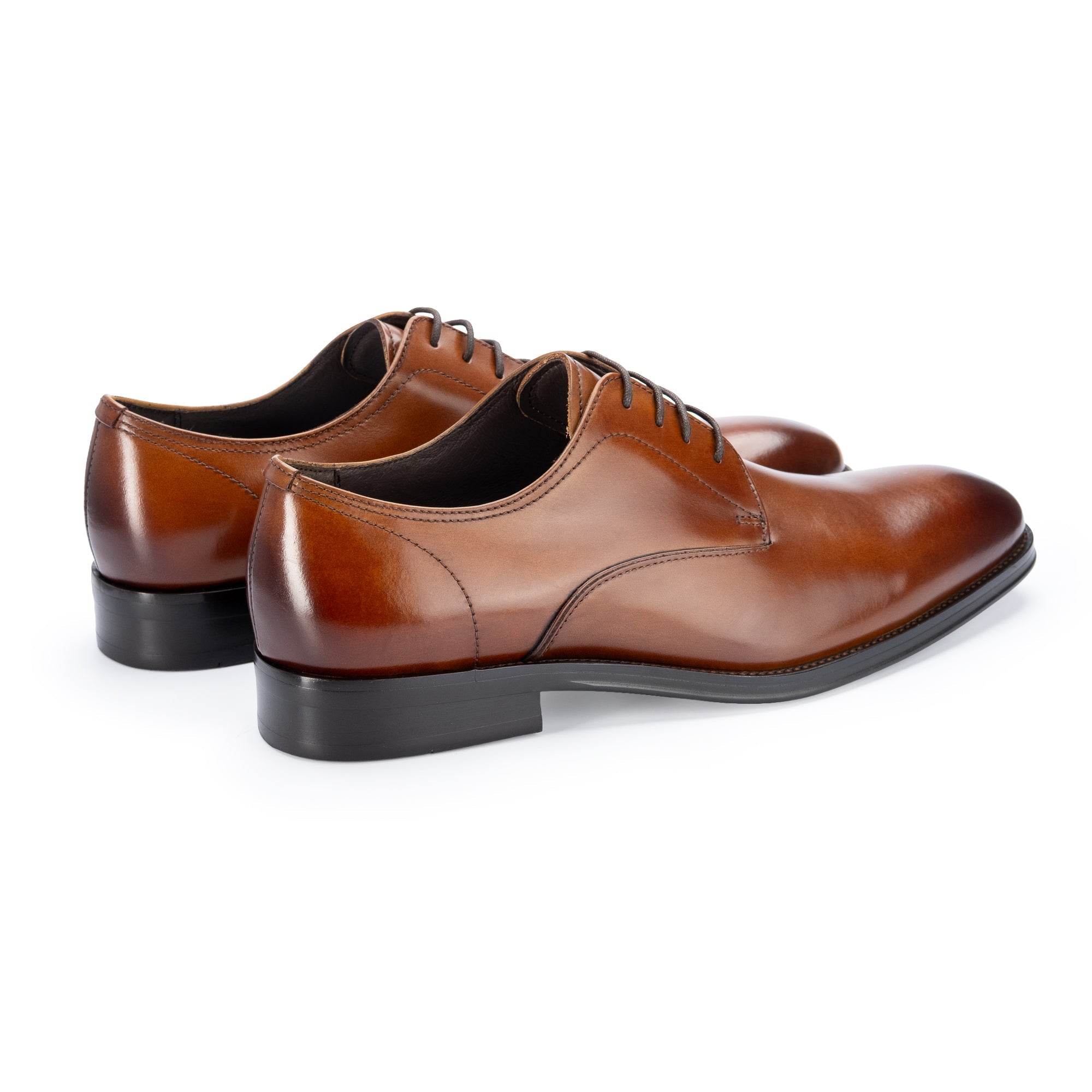
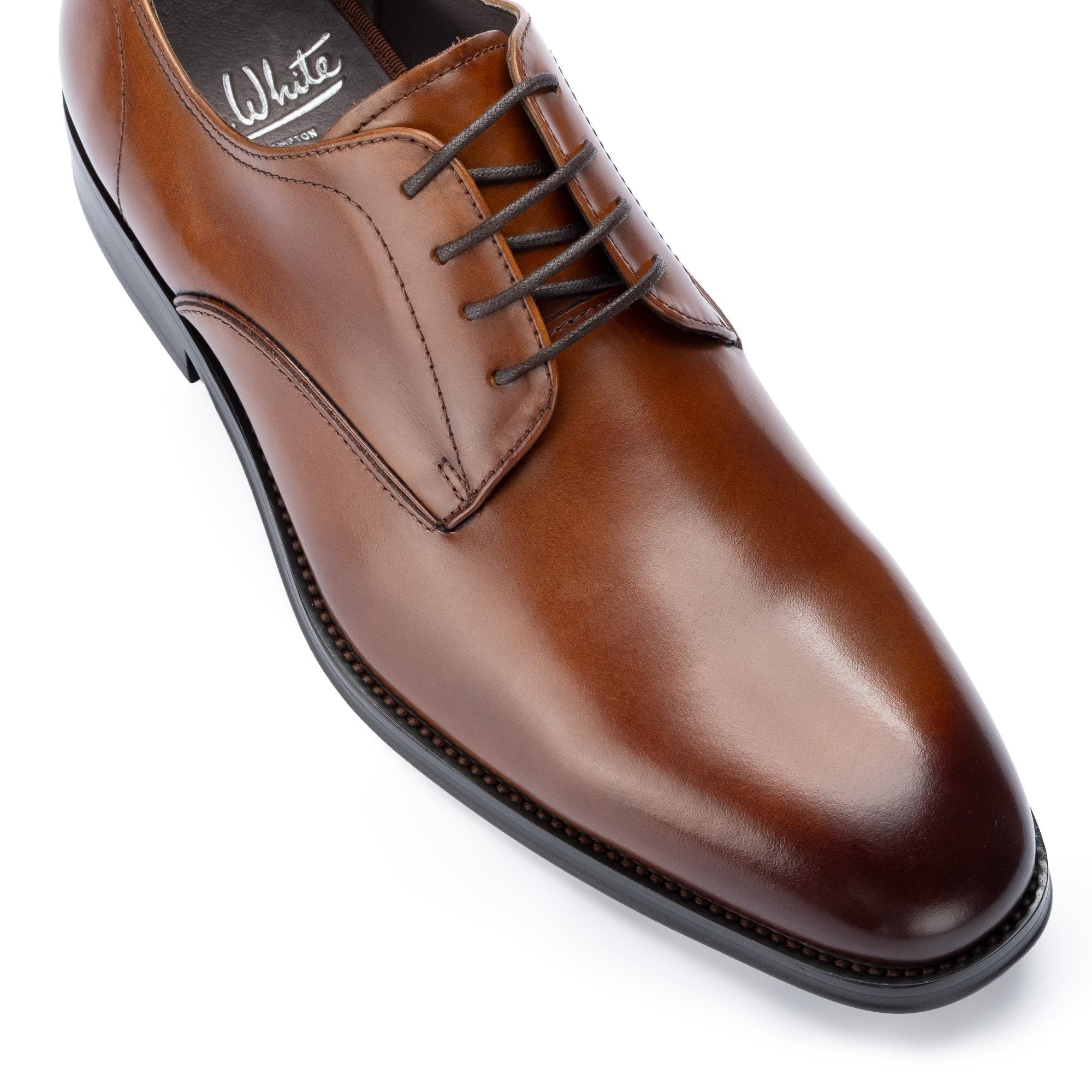
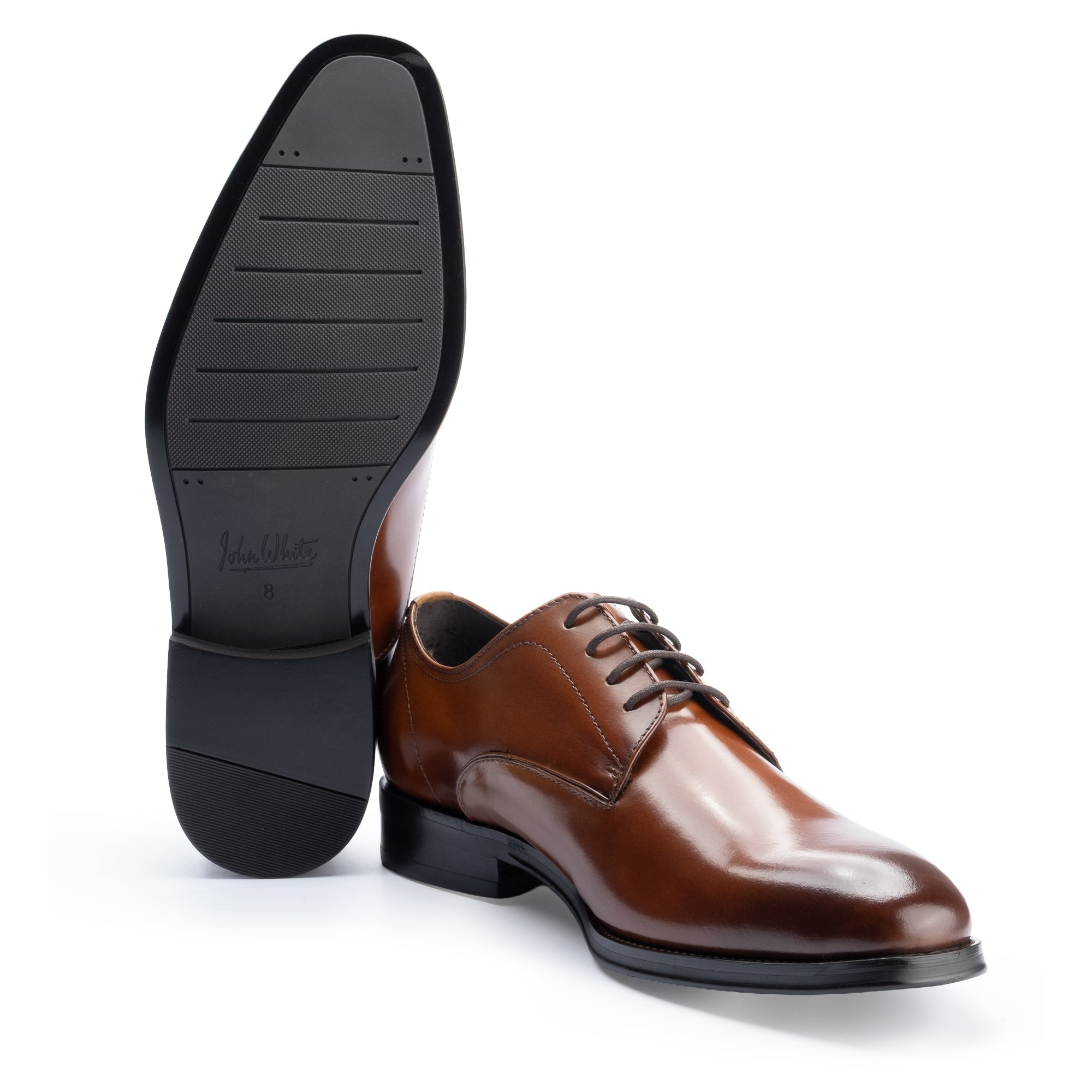
Tan, cognac, reef, and warm brown tones share the warmth of the linen palette. They sit in the same register. Even with a navy linen suit — where black shoes might seem the obvious call — a polished tan Derby or a warm tan penny loafer will look more cohesive and more seasonally considered.
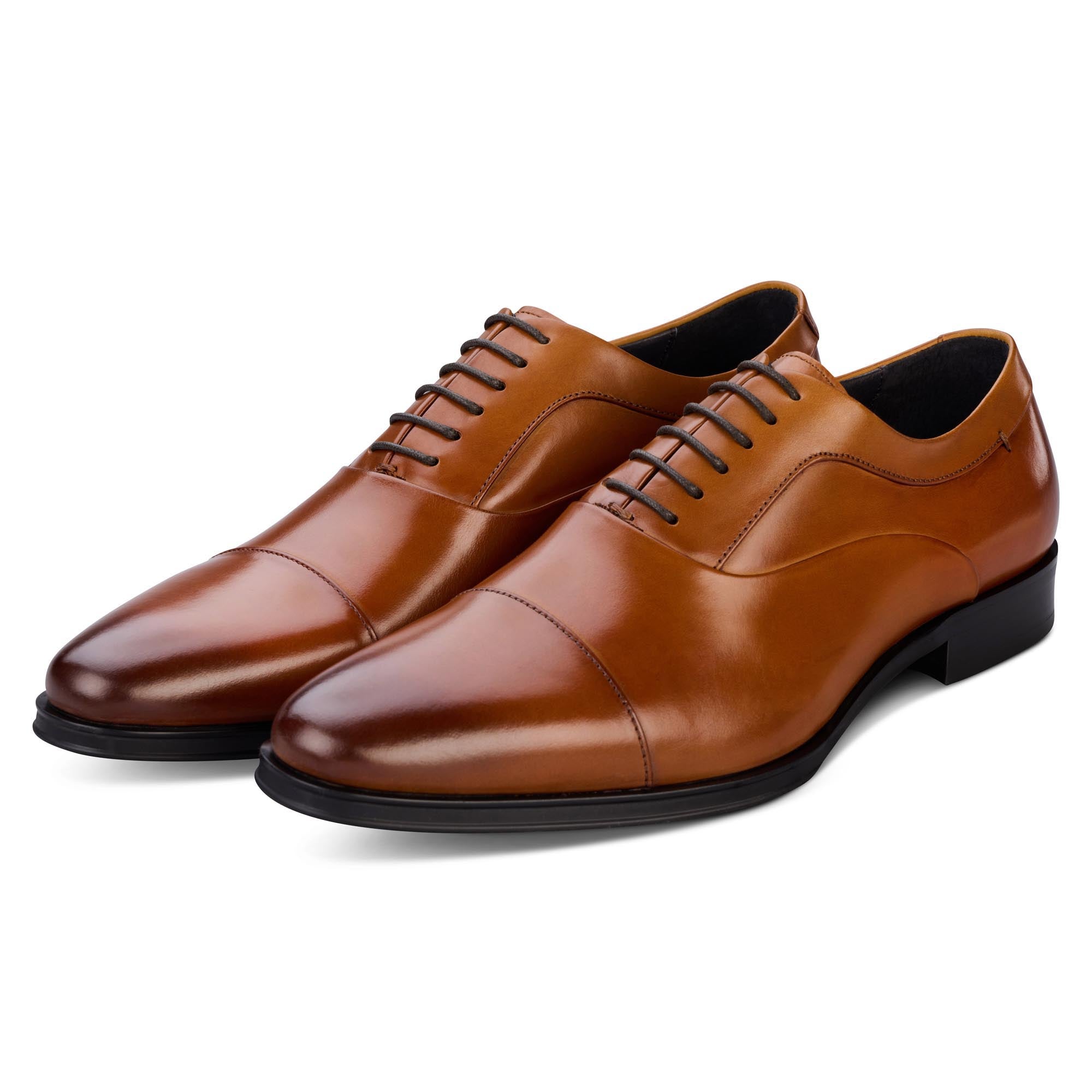
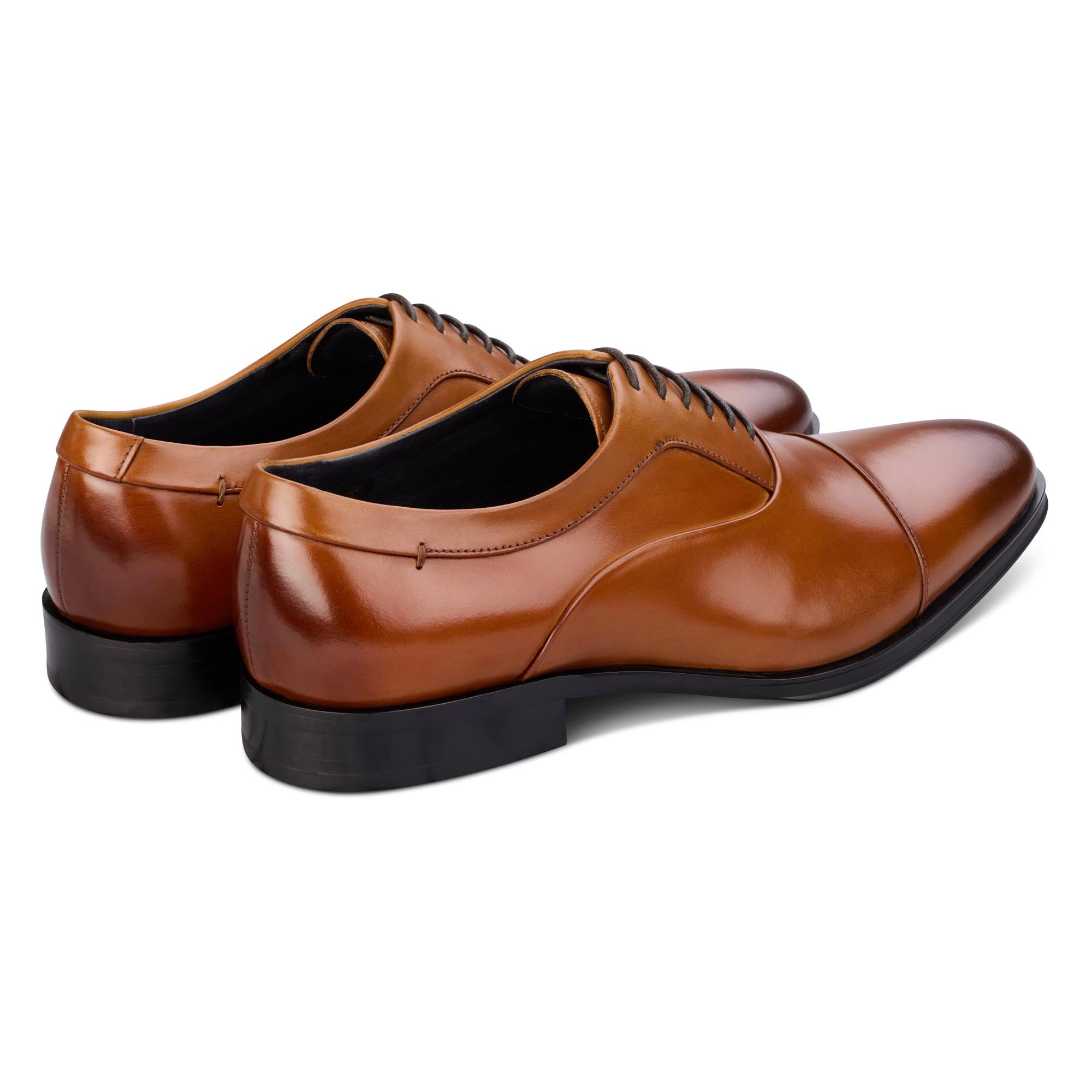
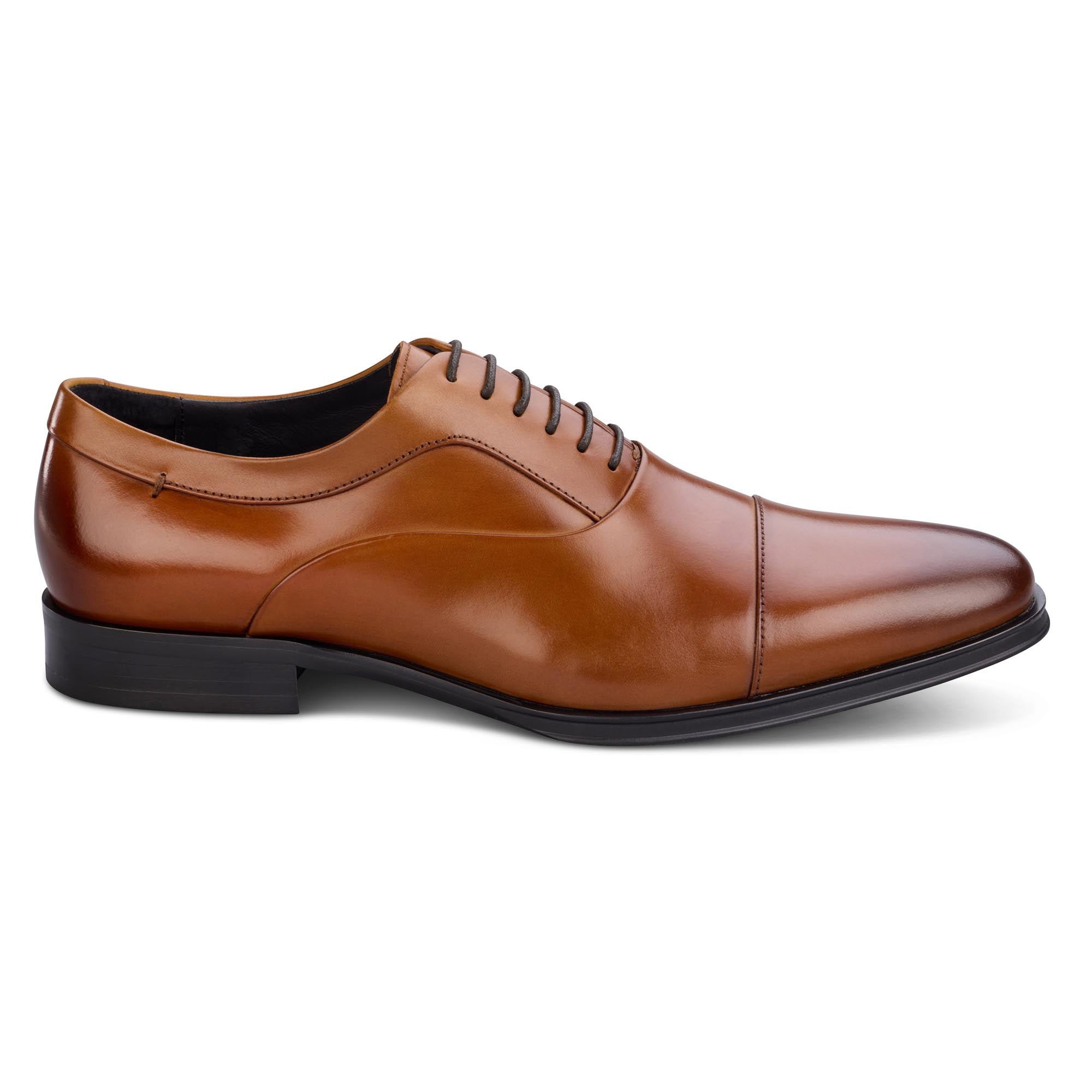
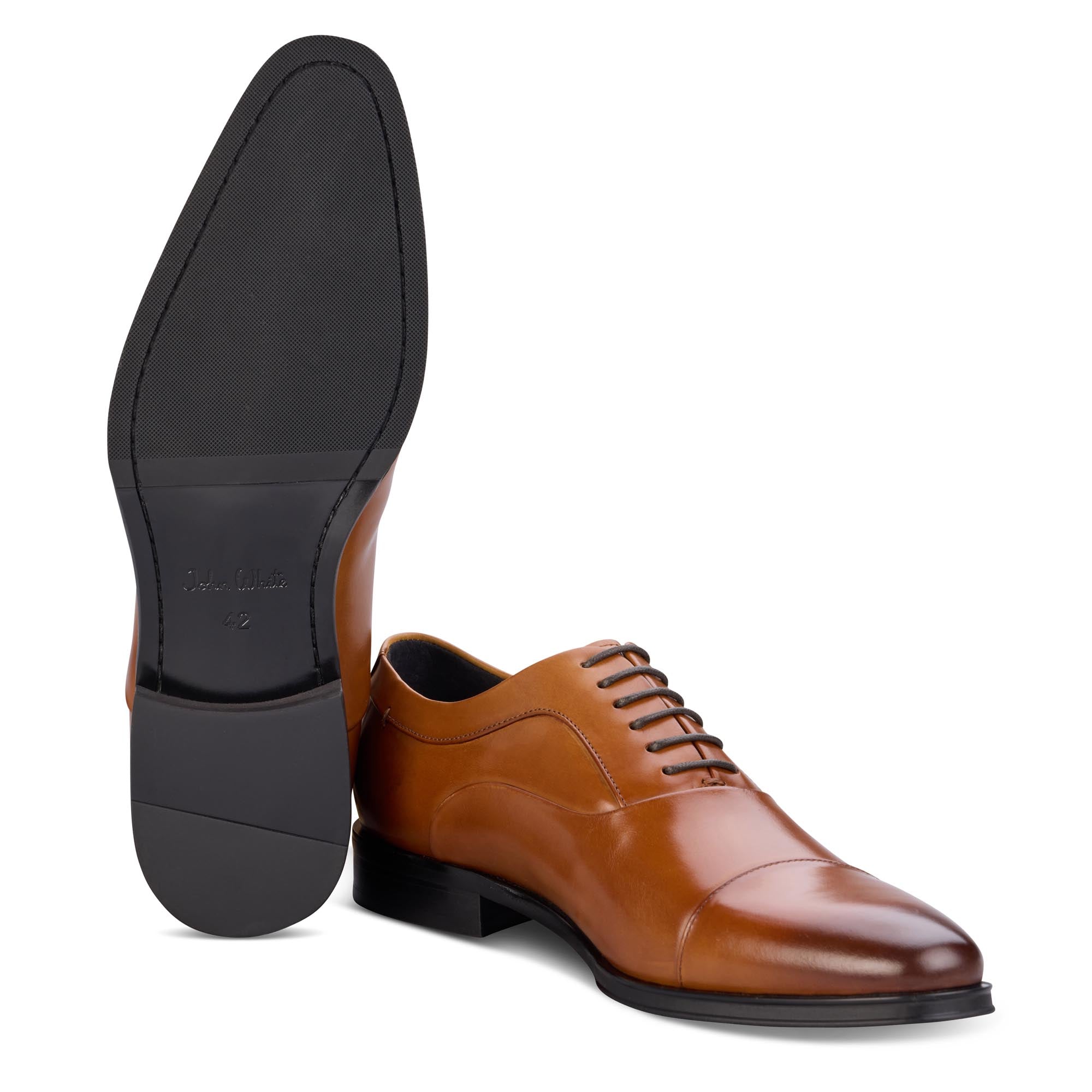
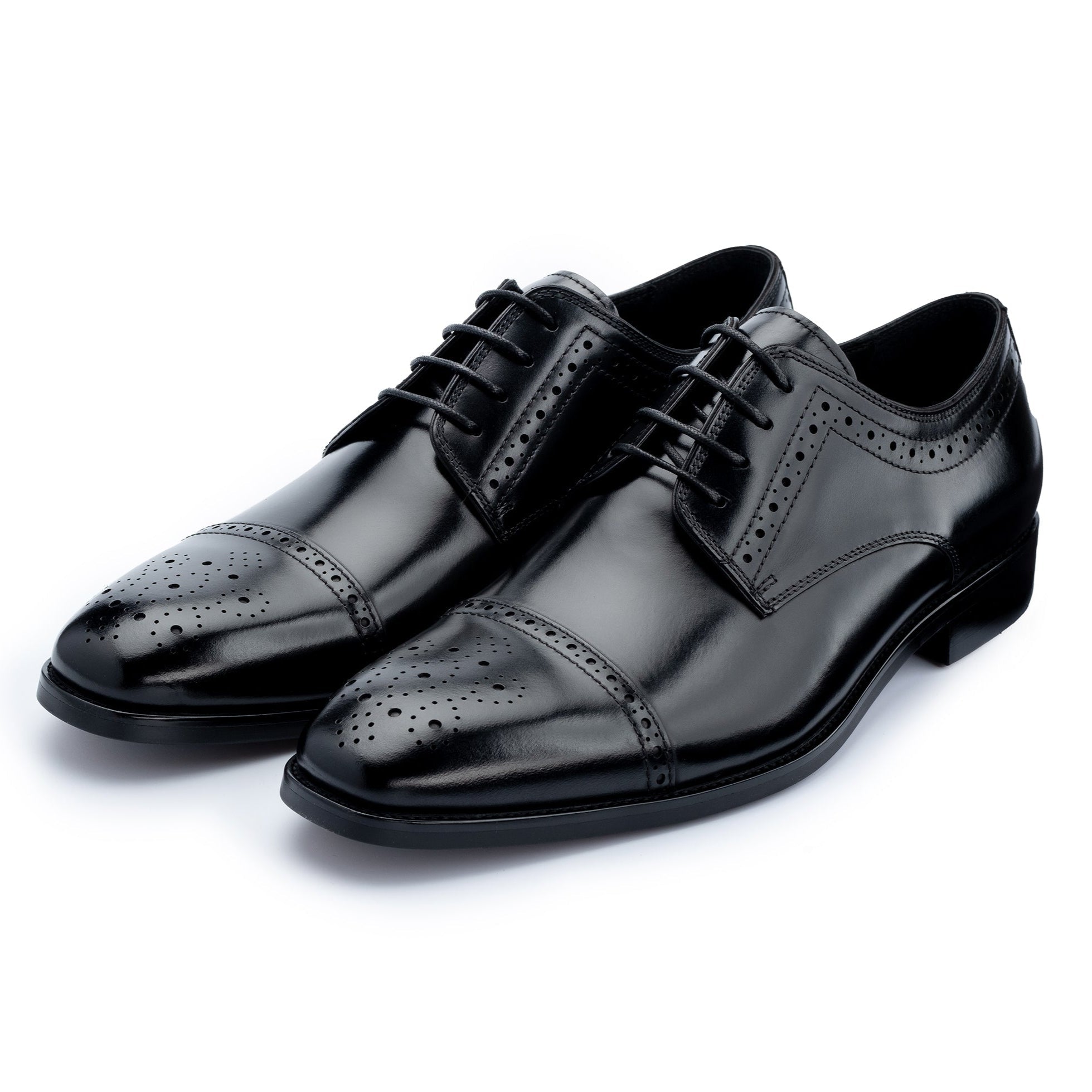
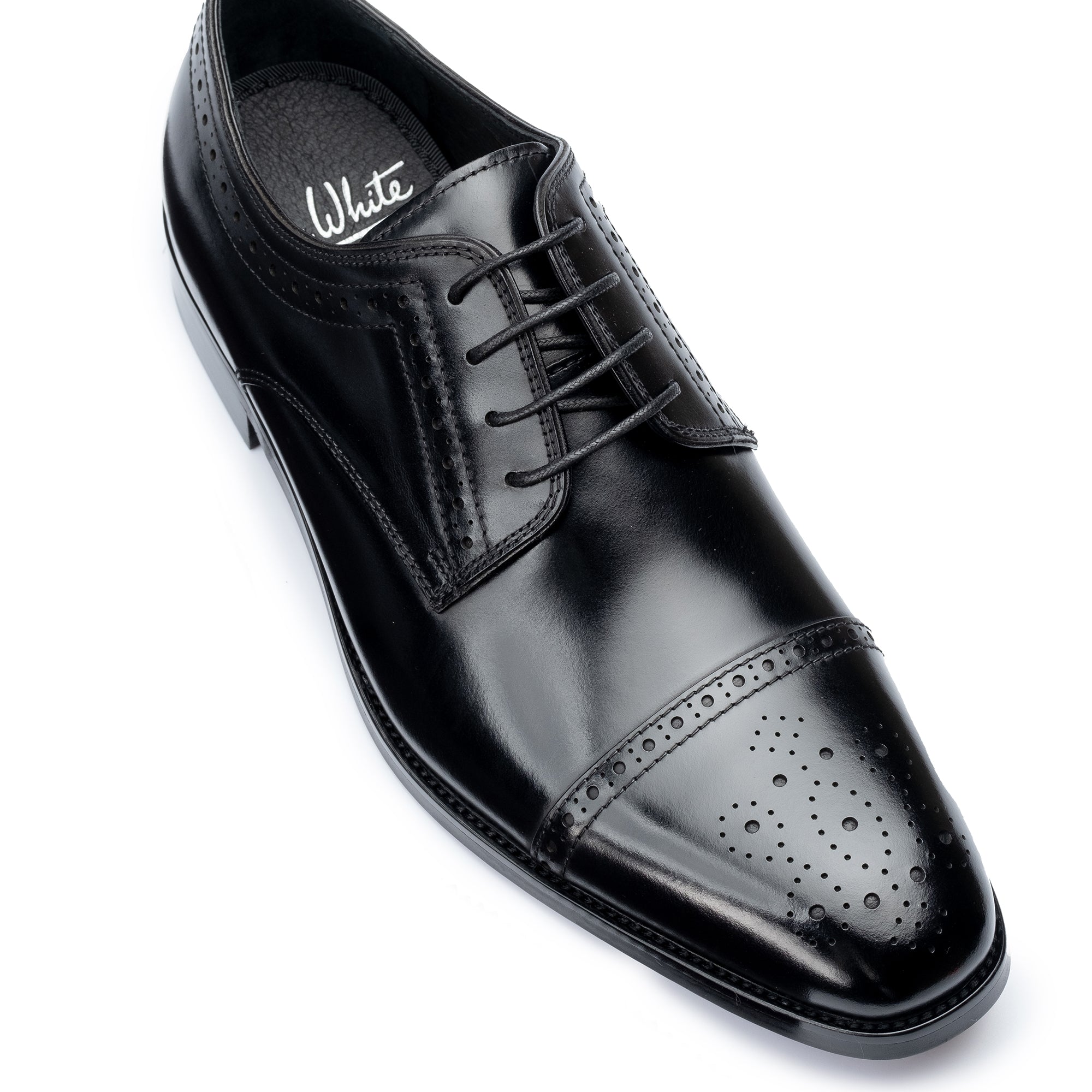
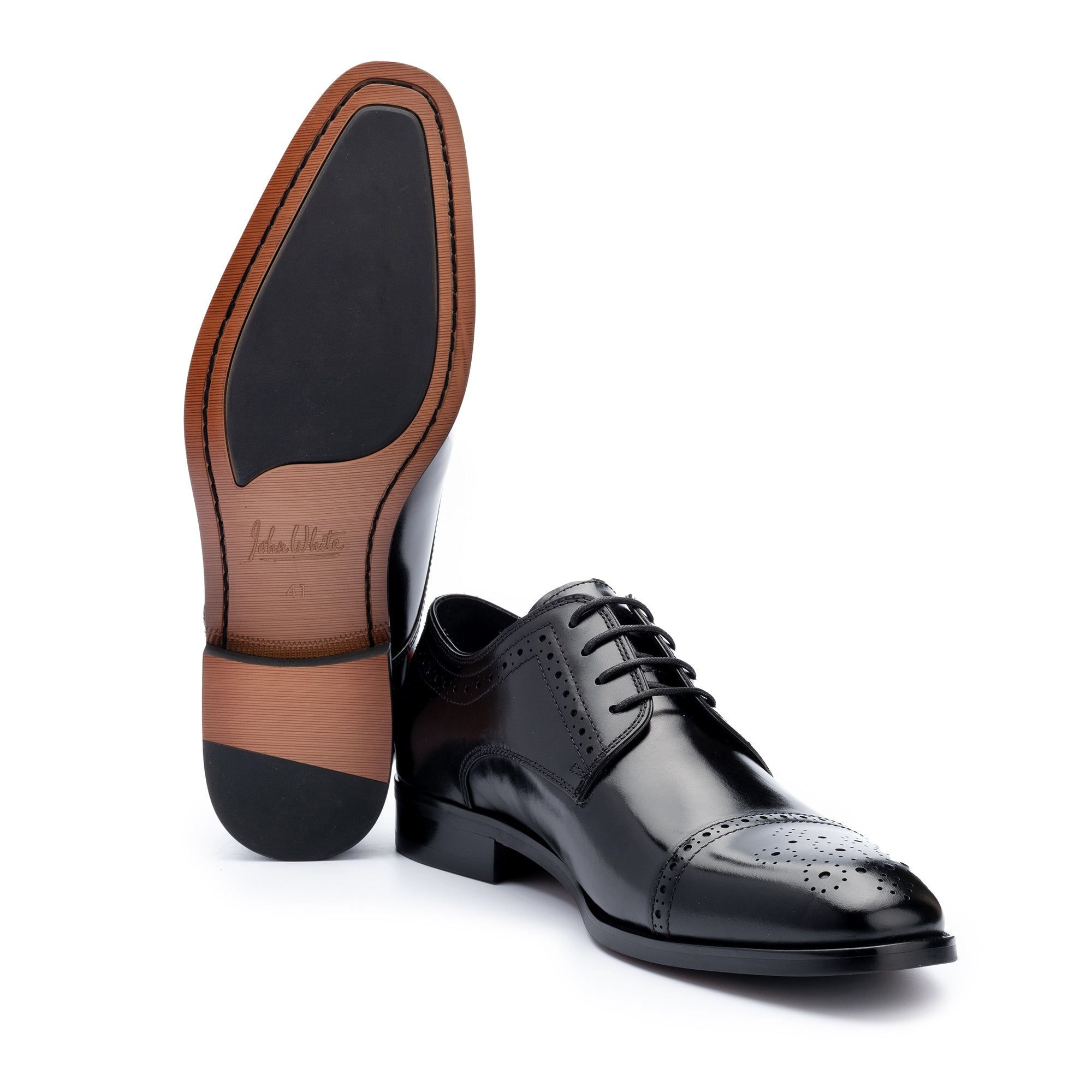
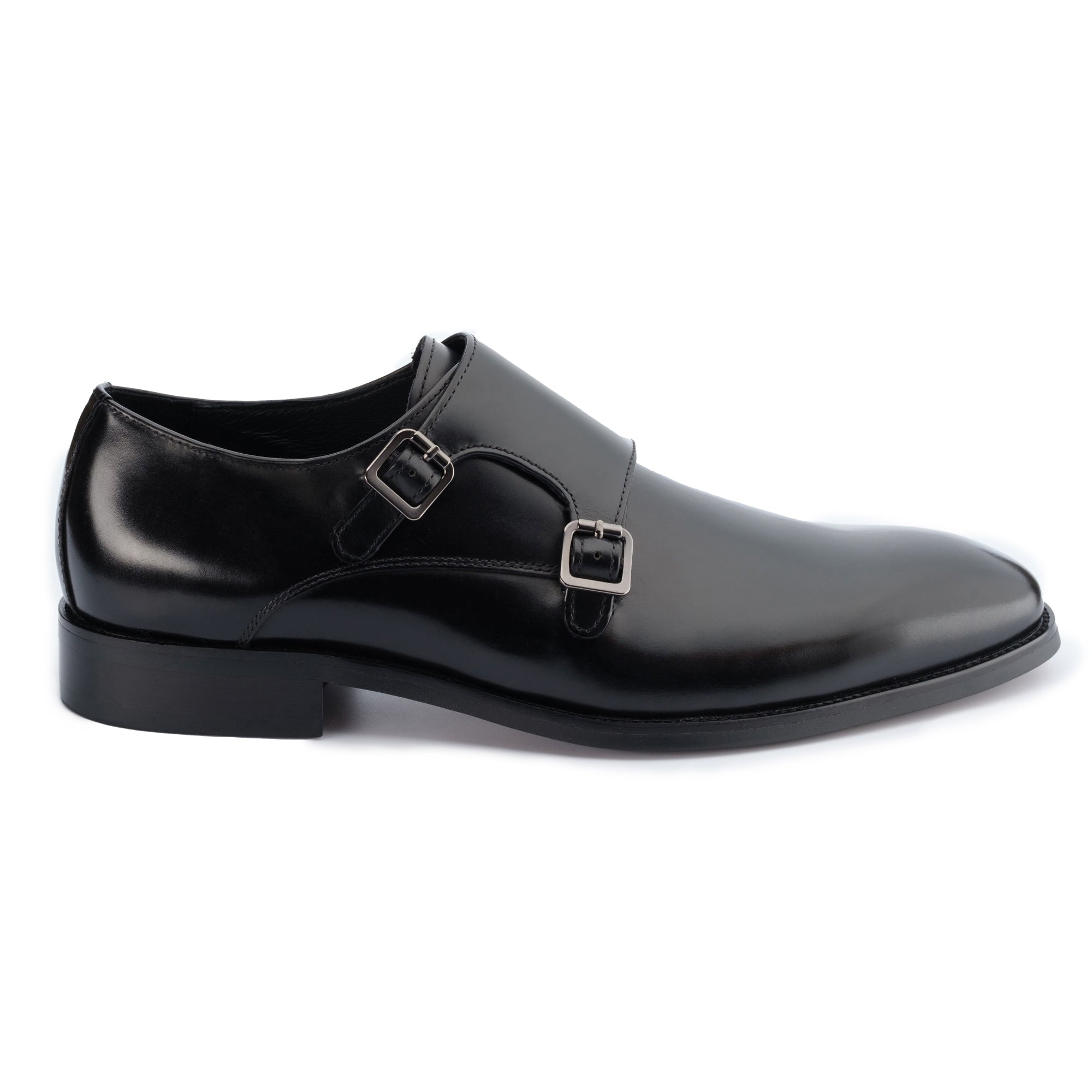
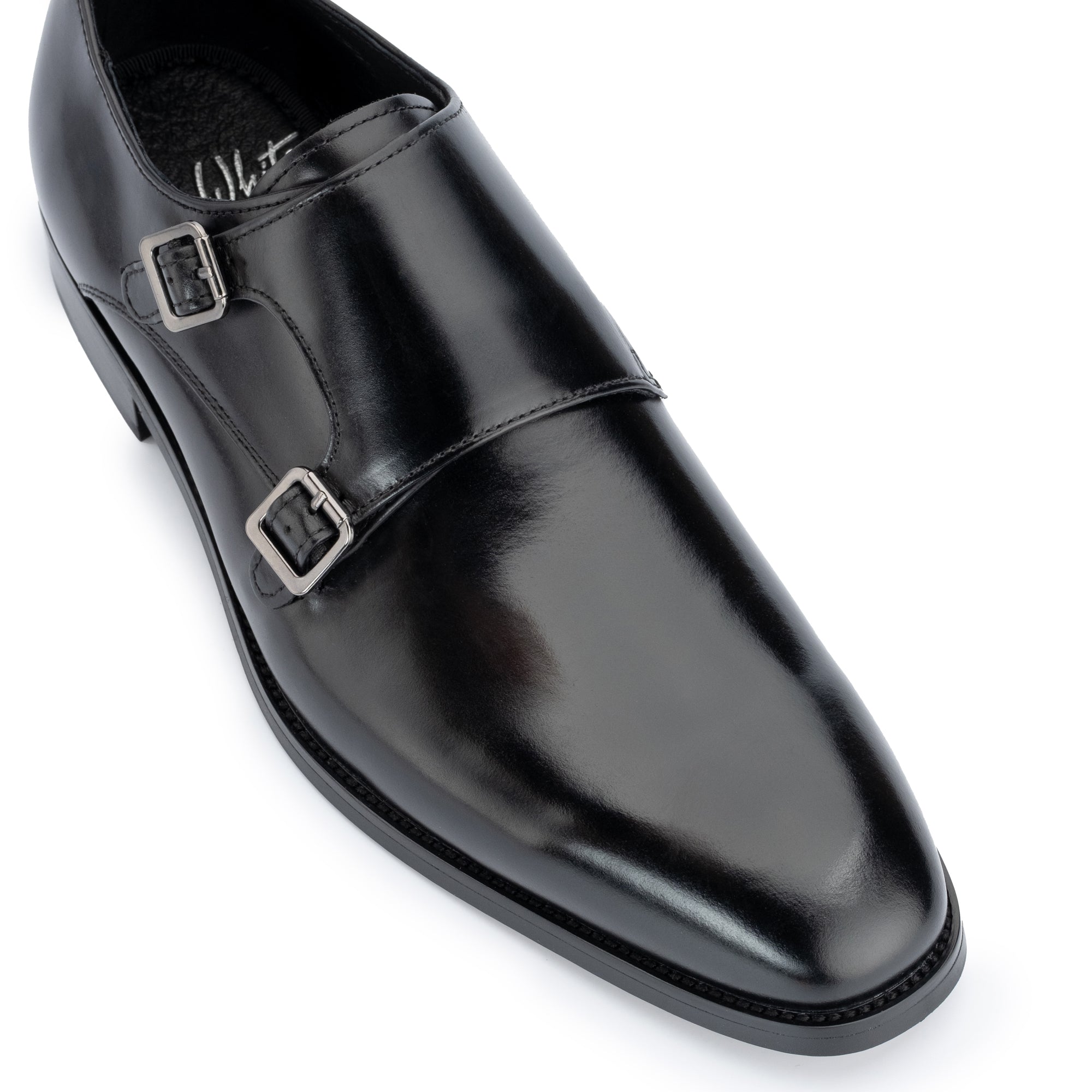
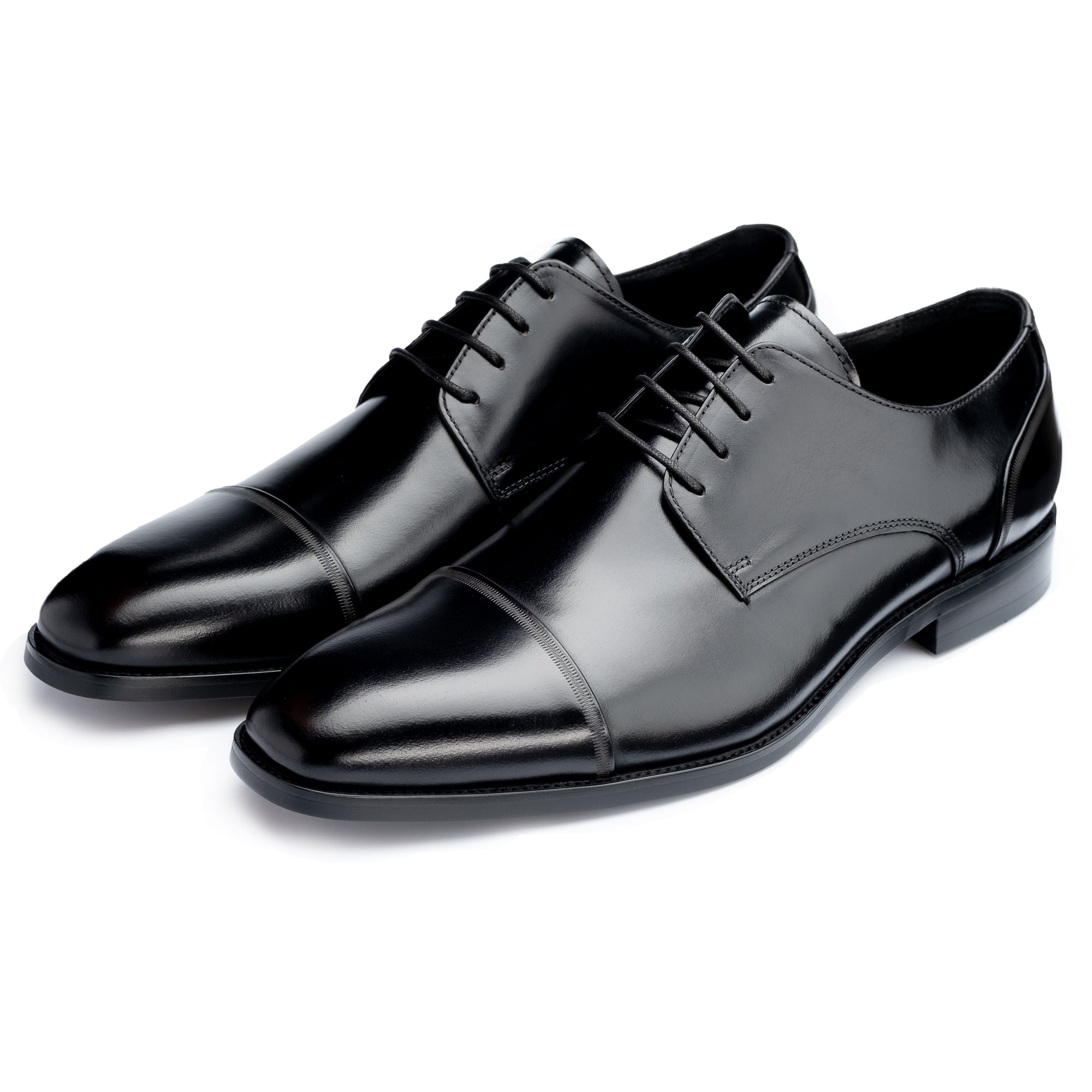
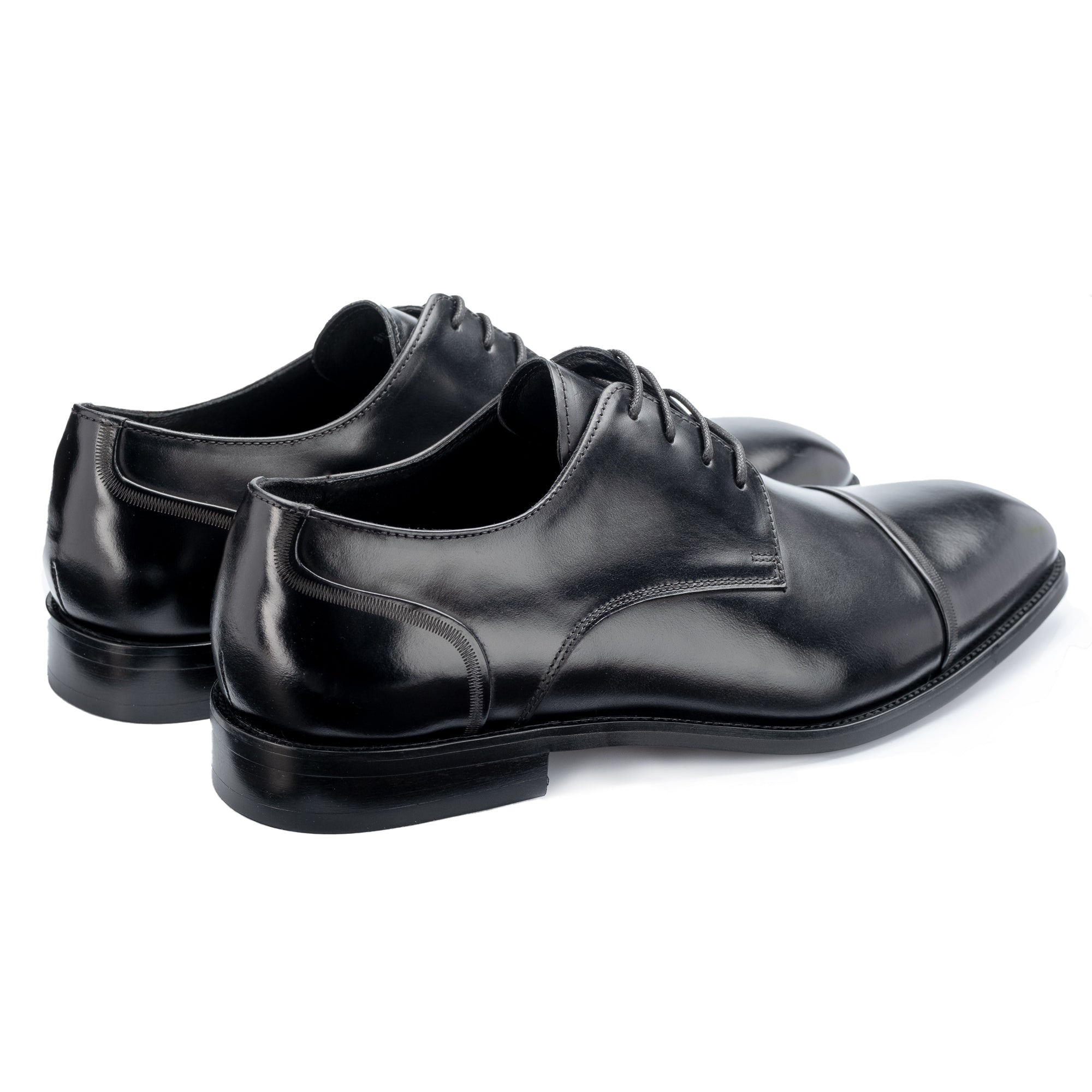
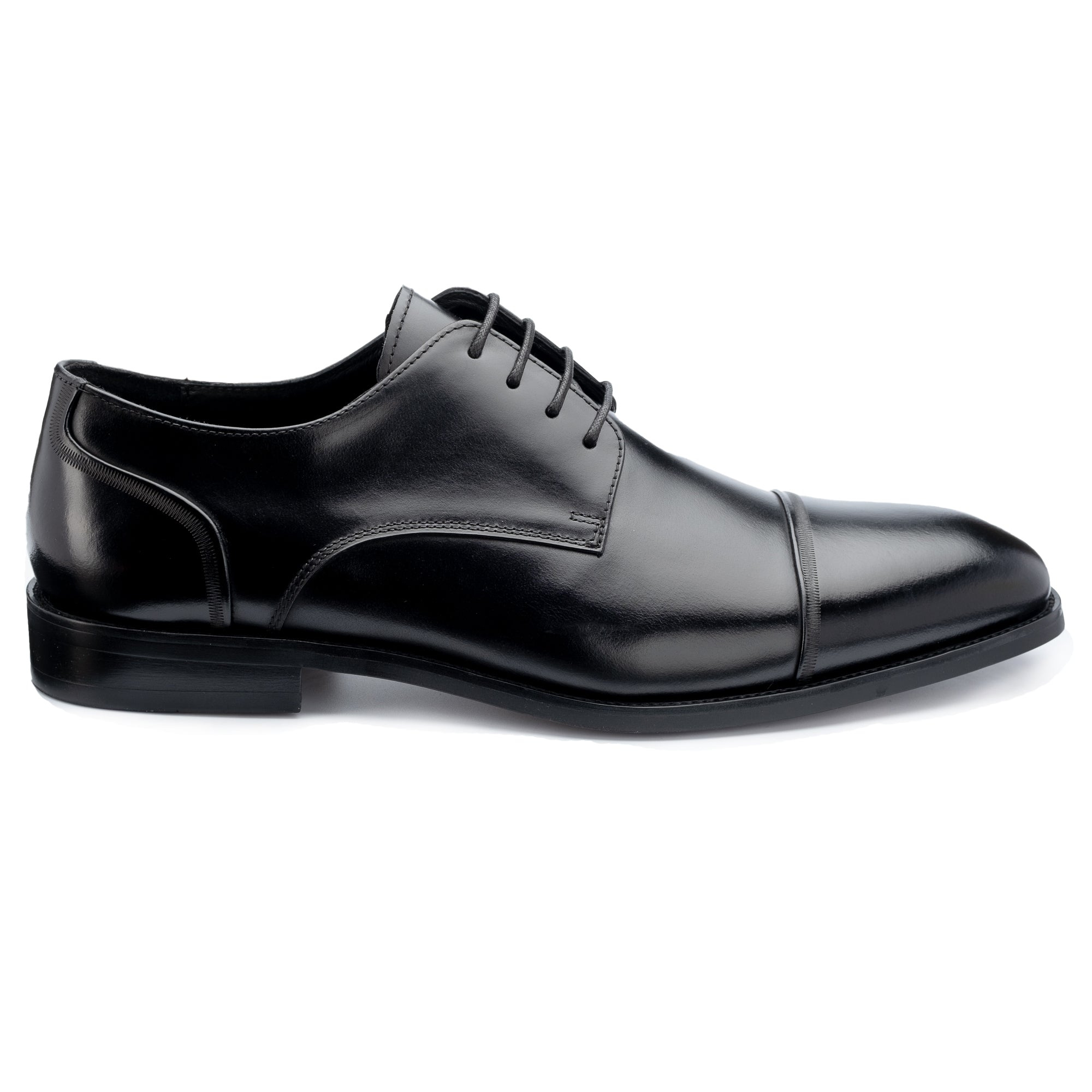
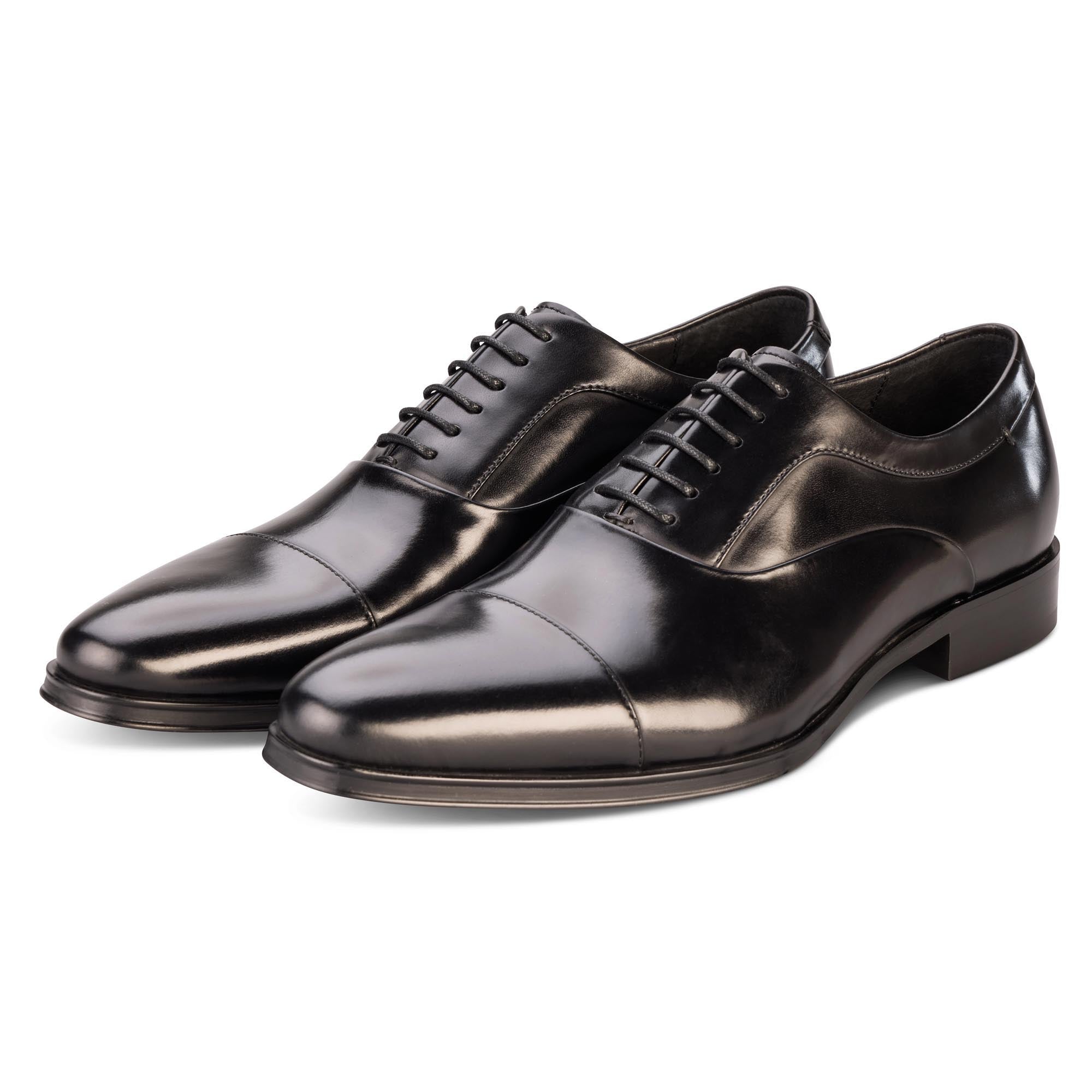
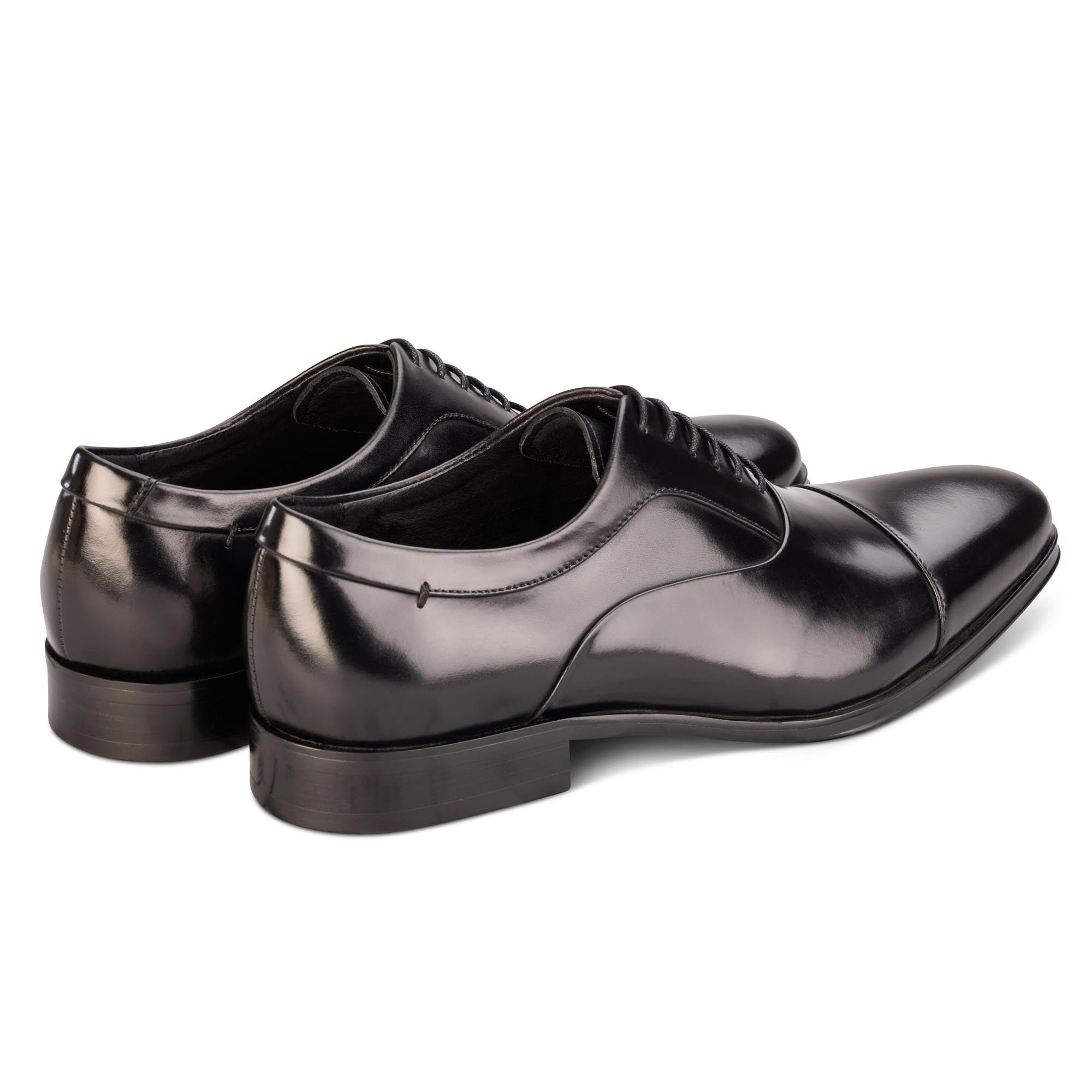
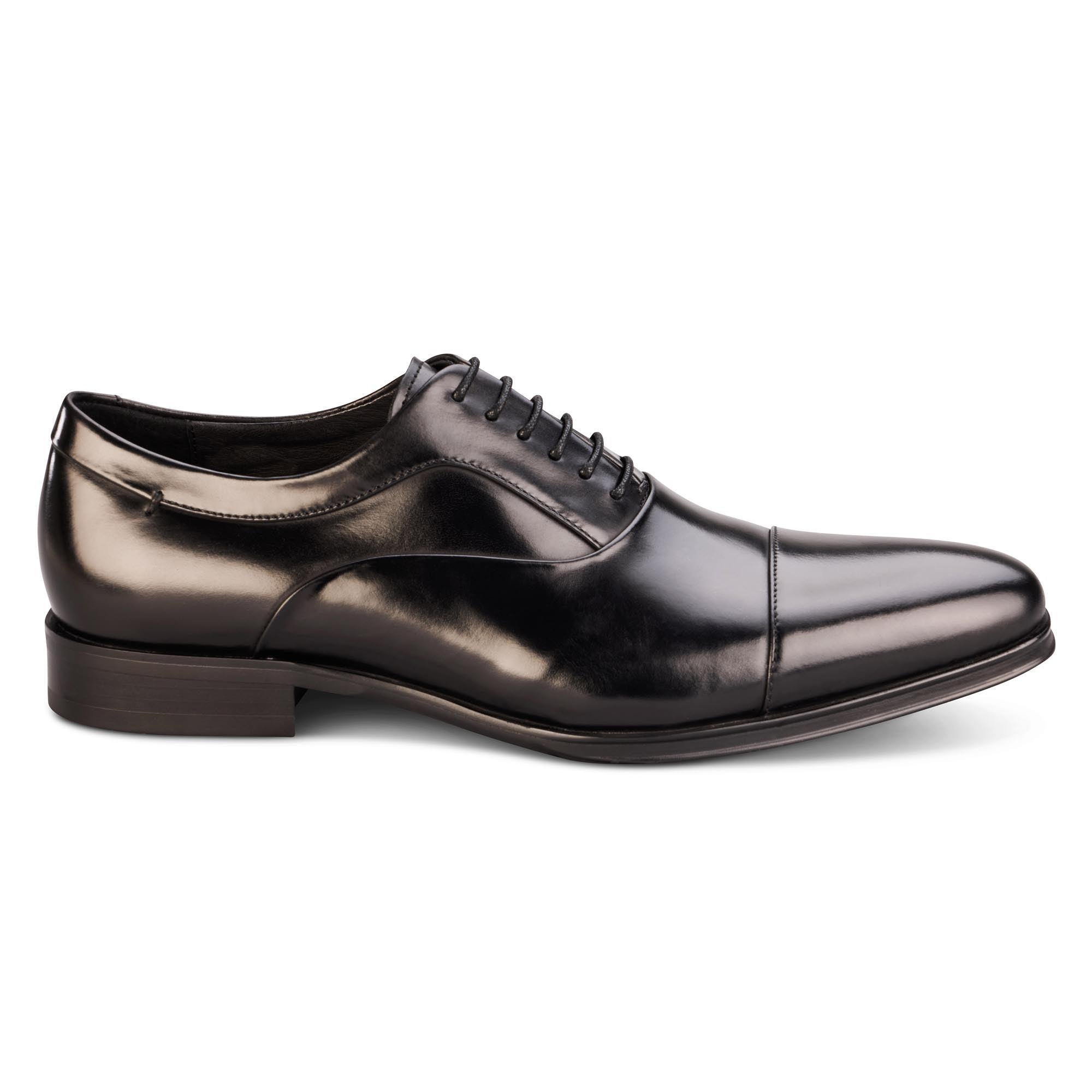
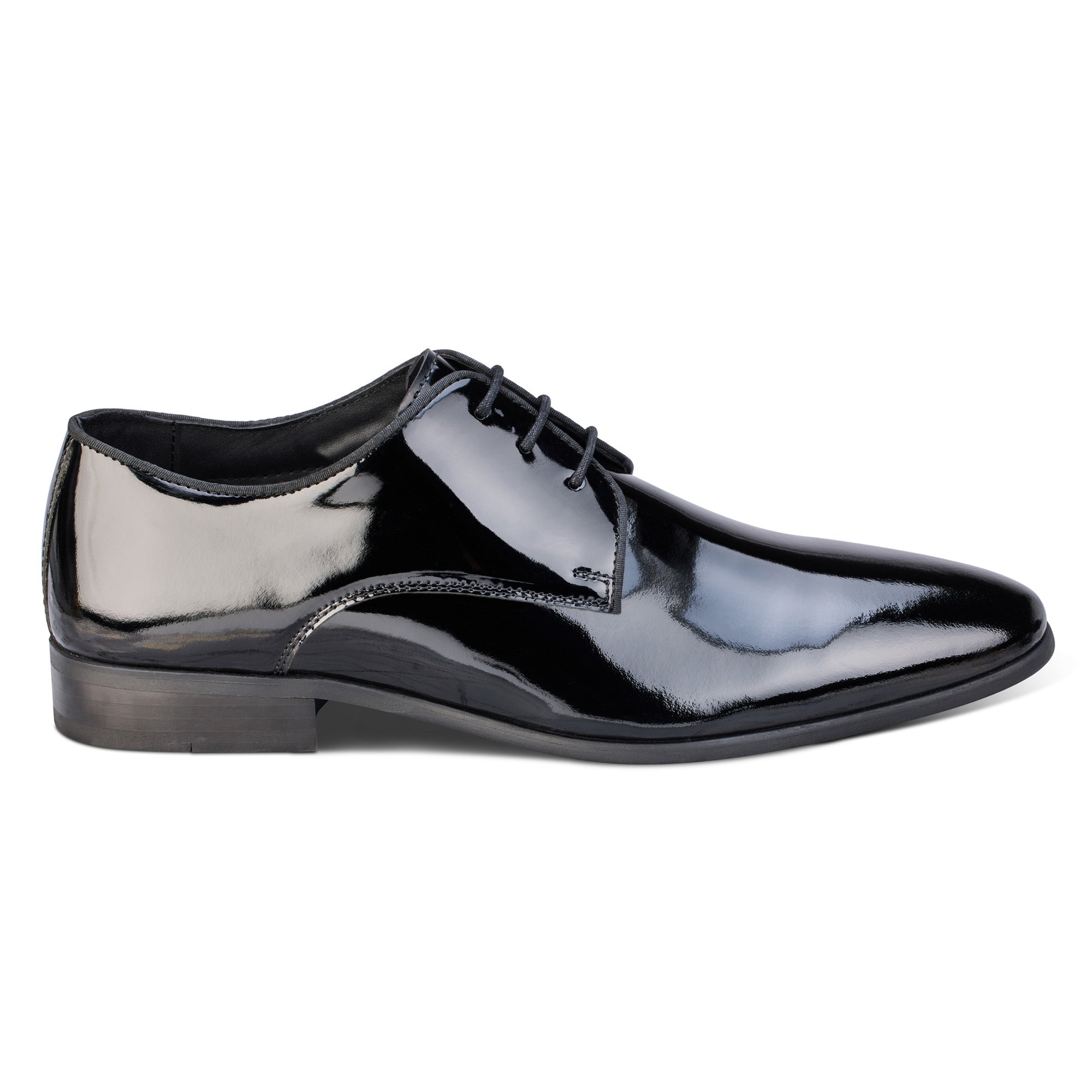
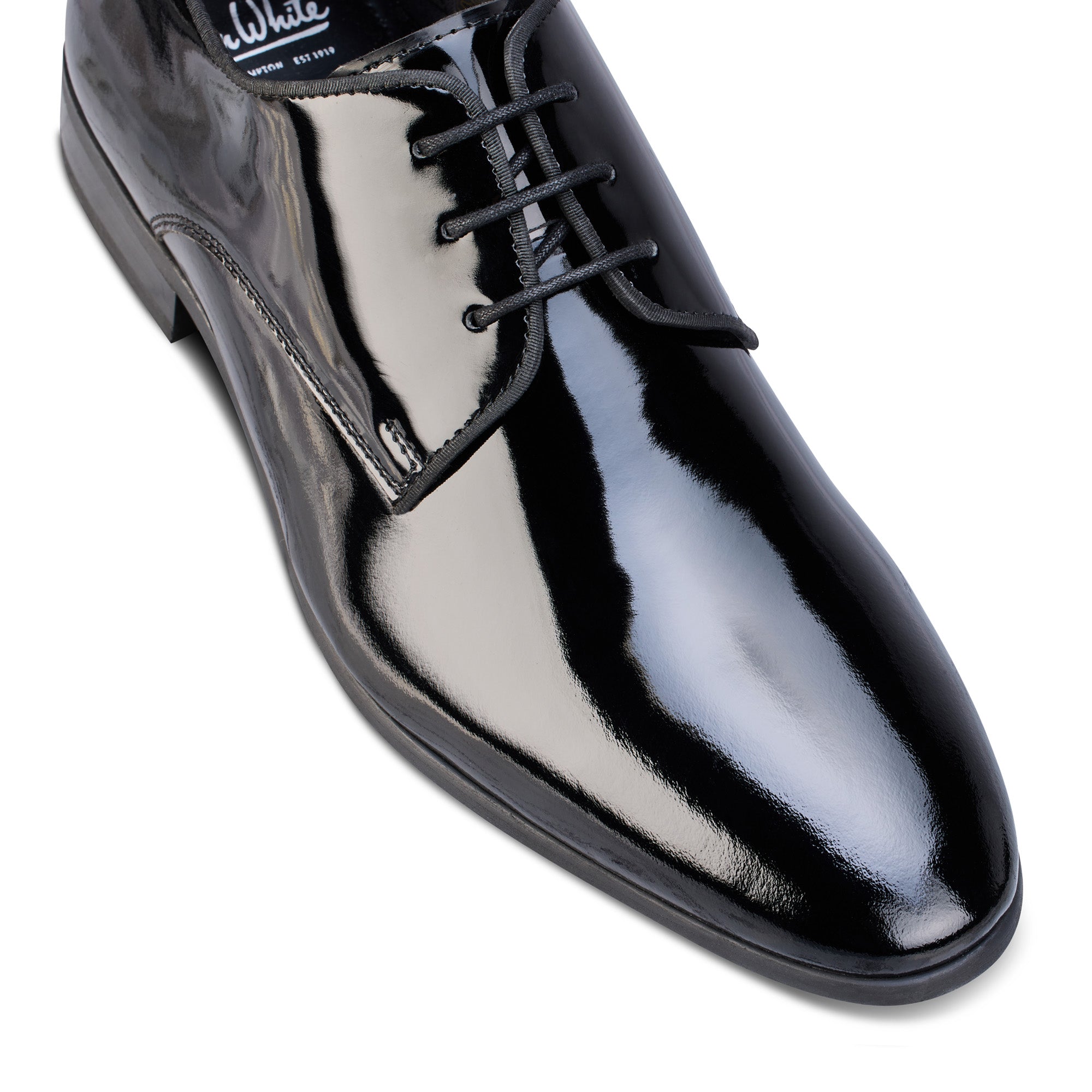
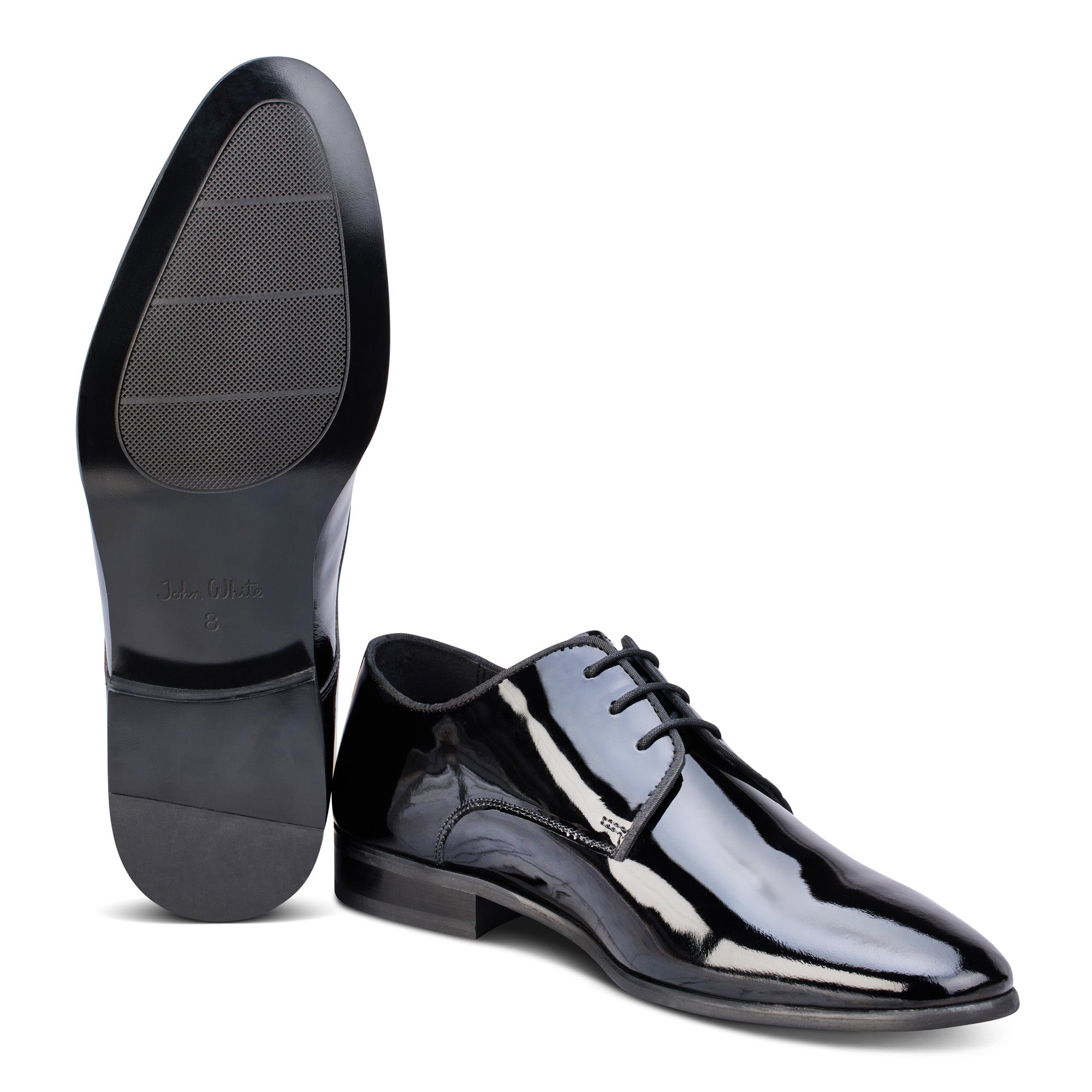
There is one valid application for black at a summer wedding: morning dress. Where morning dress is specified, black capped Oxfords remain correct. In a lounge suit or lightweight summer tailoring, reach for something warmer.
Matching the Dress Code
Summer weddings span a wide range of expectations. What reads as perfectly judged at a country house garden party would be wrong at a cathedral ceremony. Before thinking about colour, establish what the invitation actually calls for.
Morning Dress
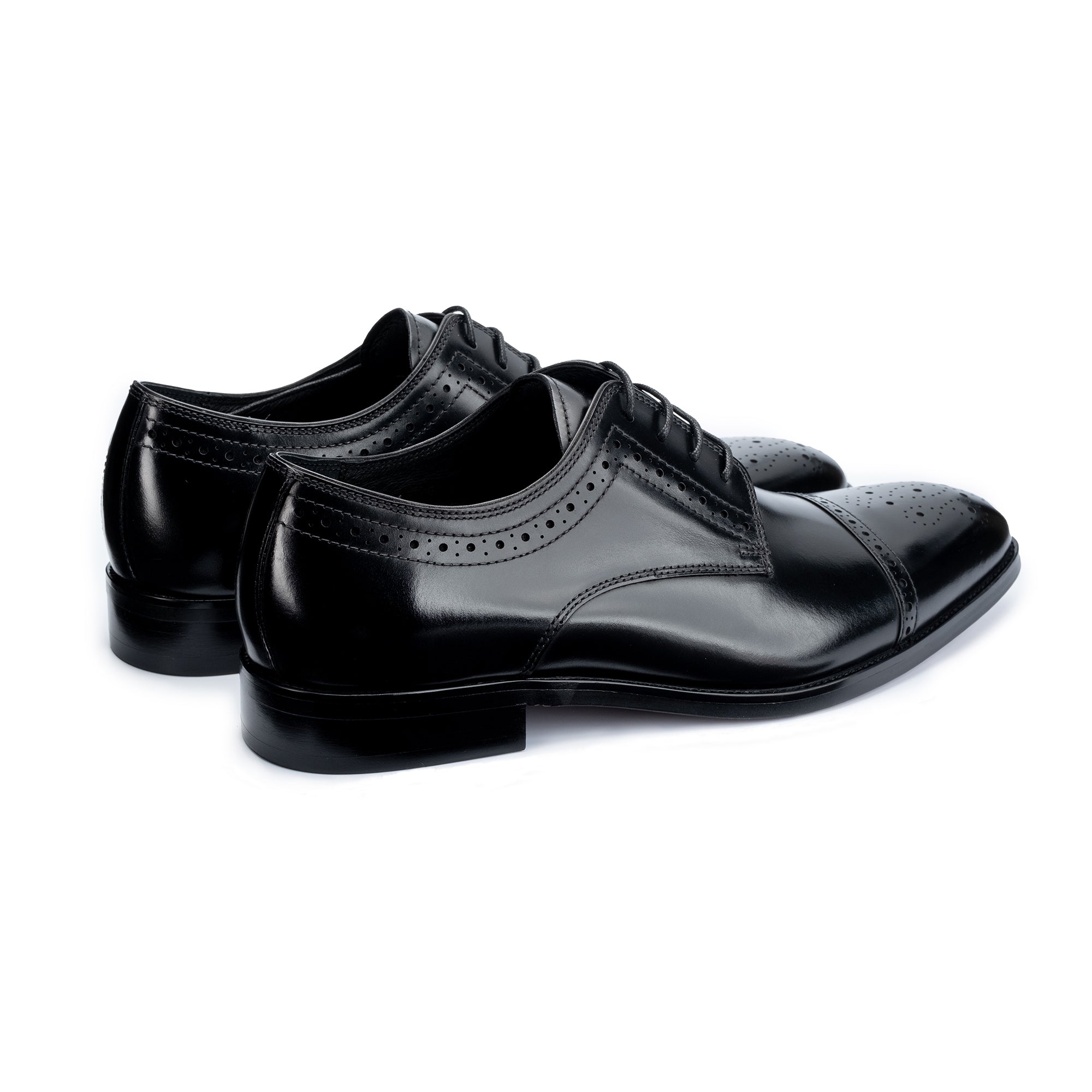
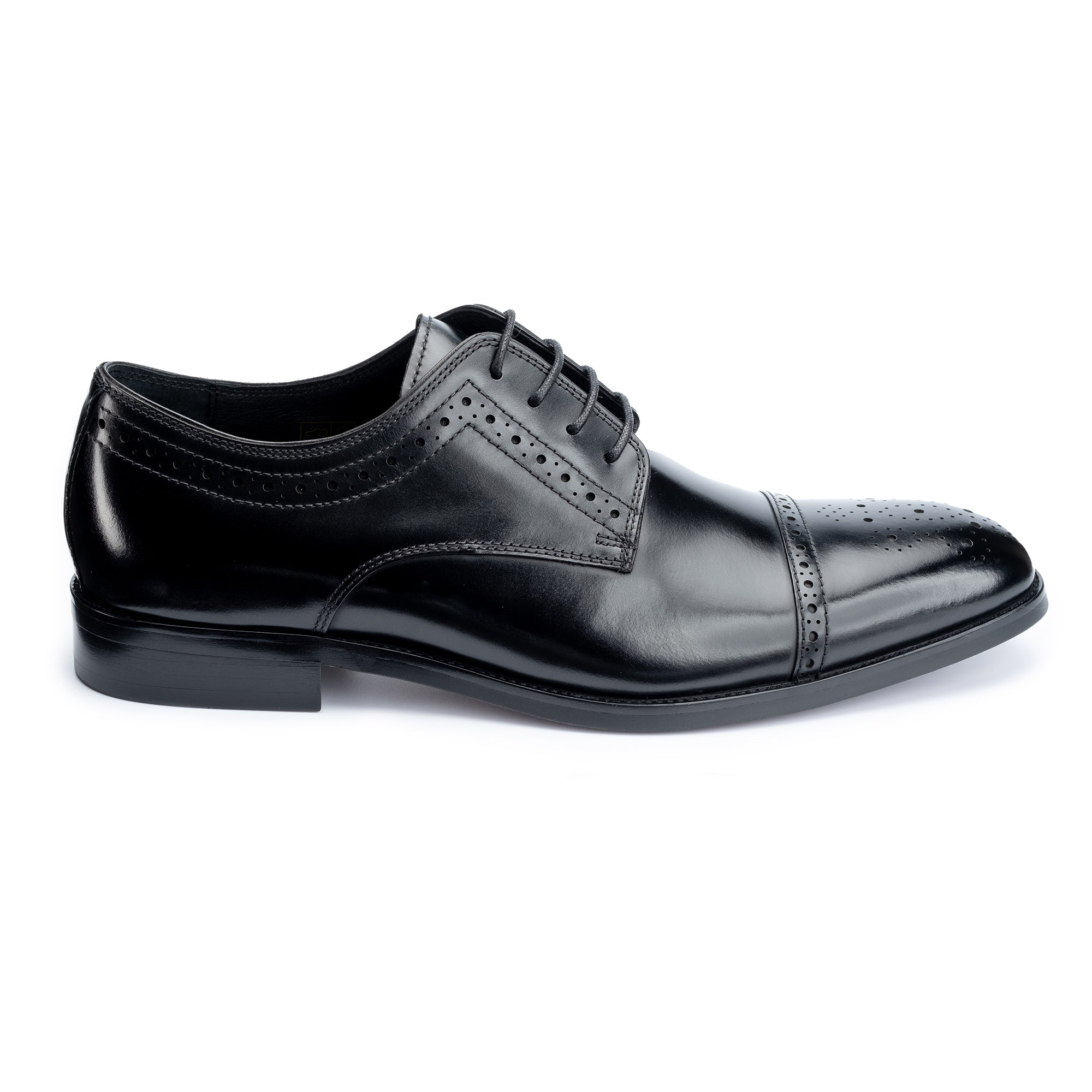
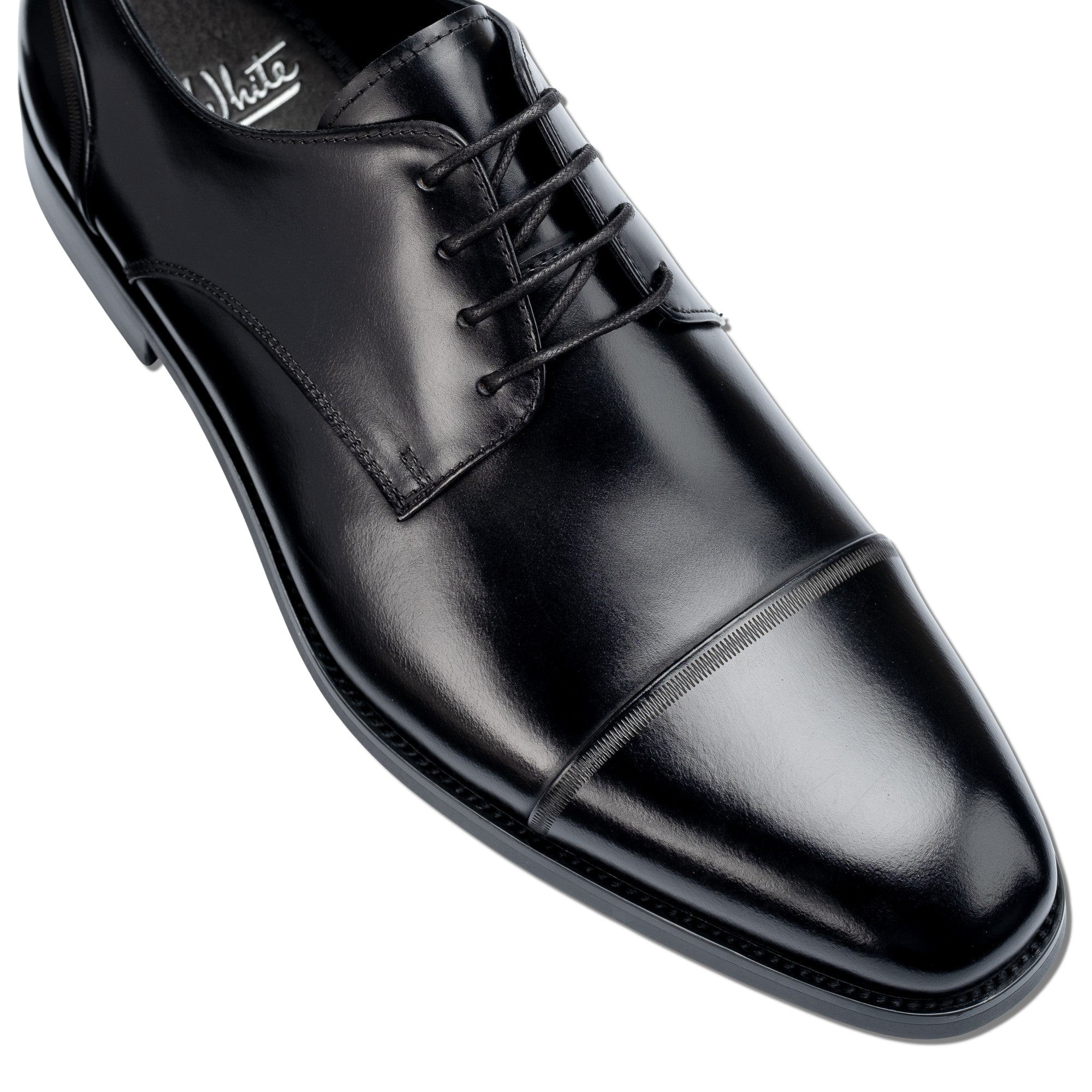
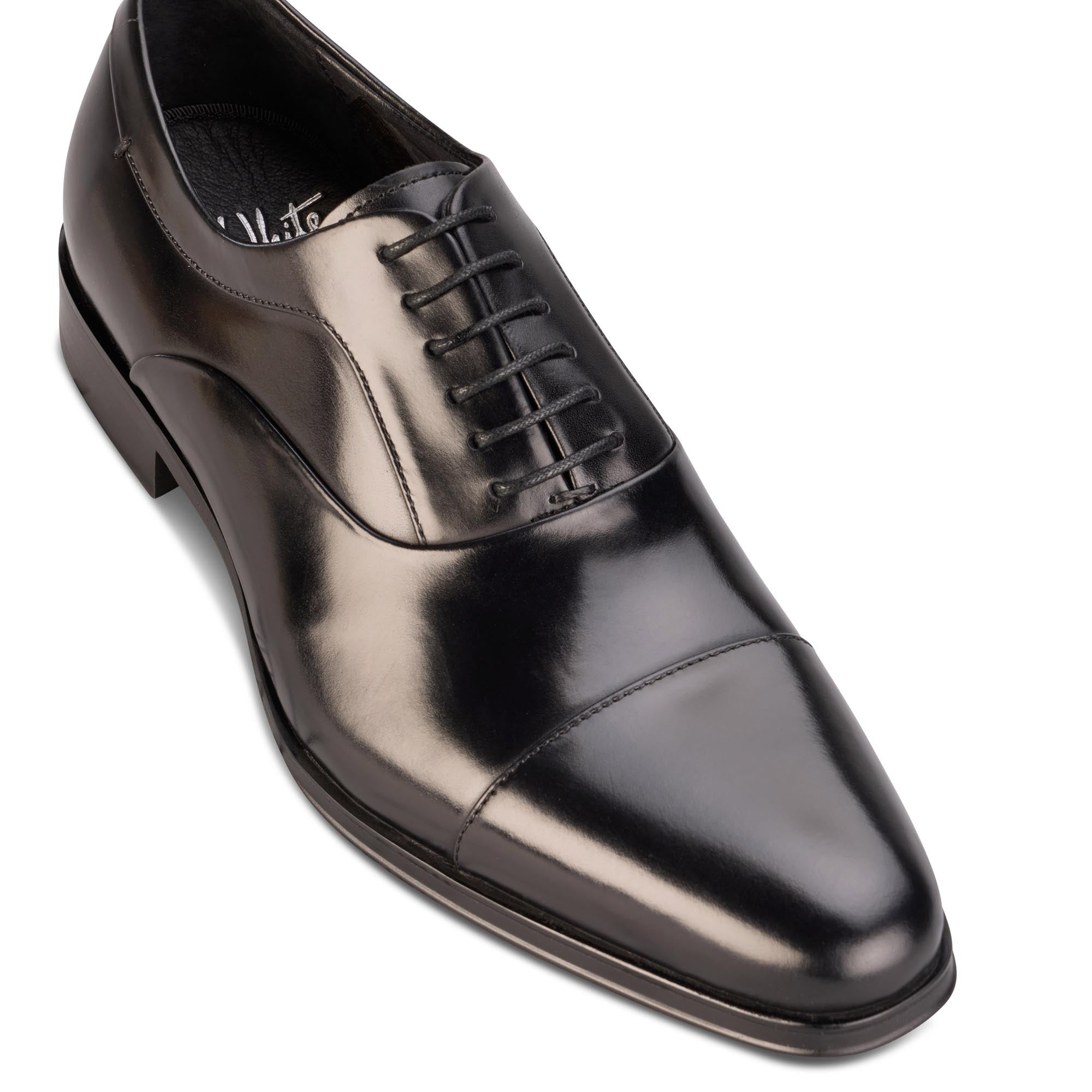
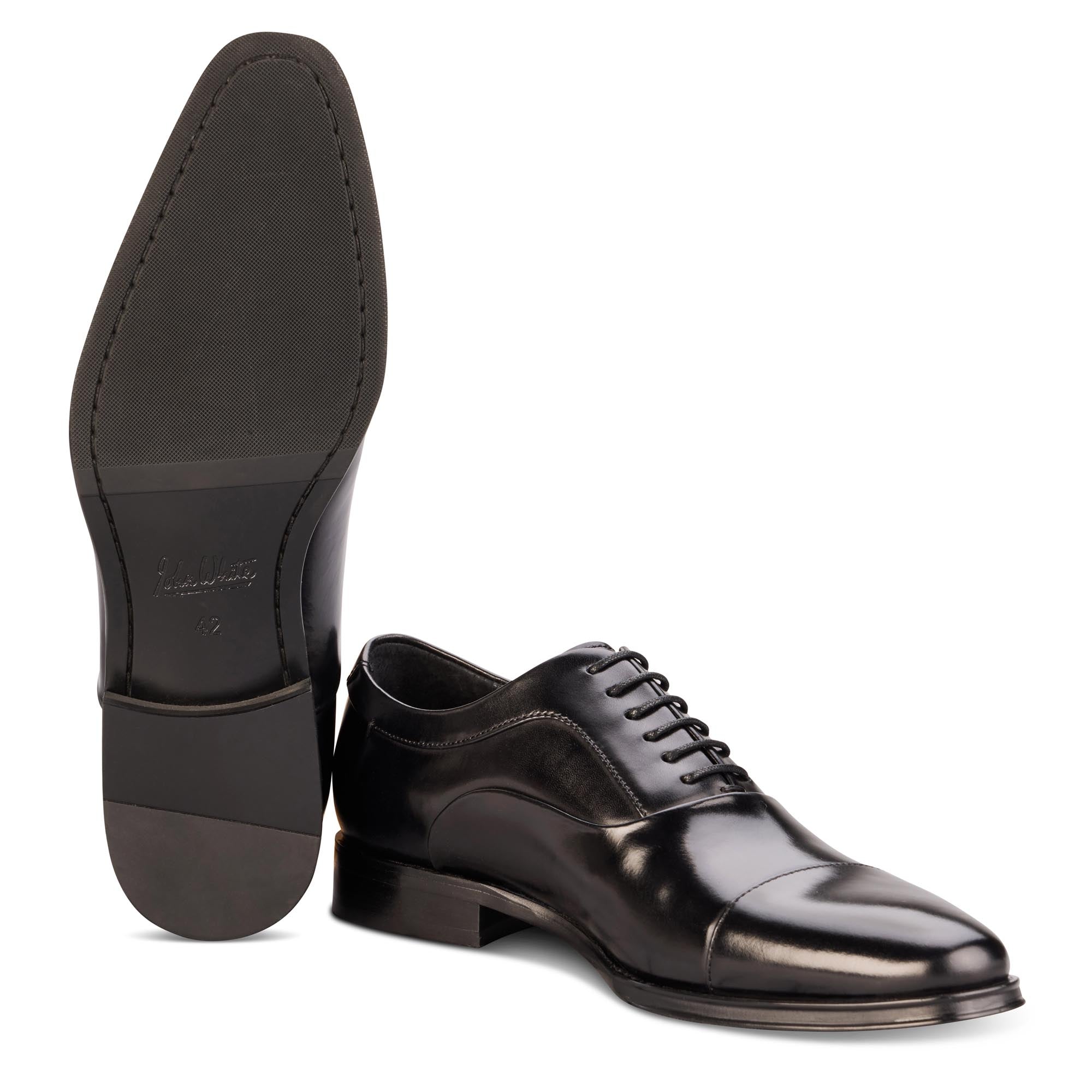
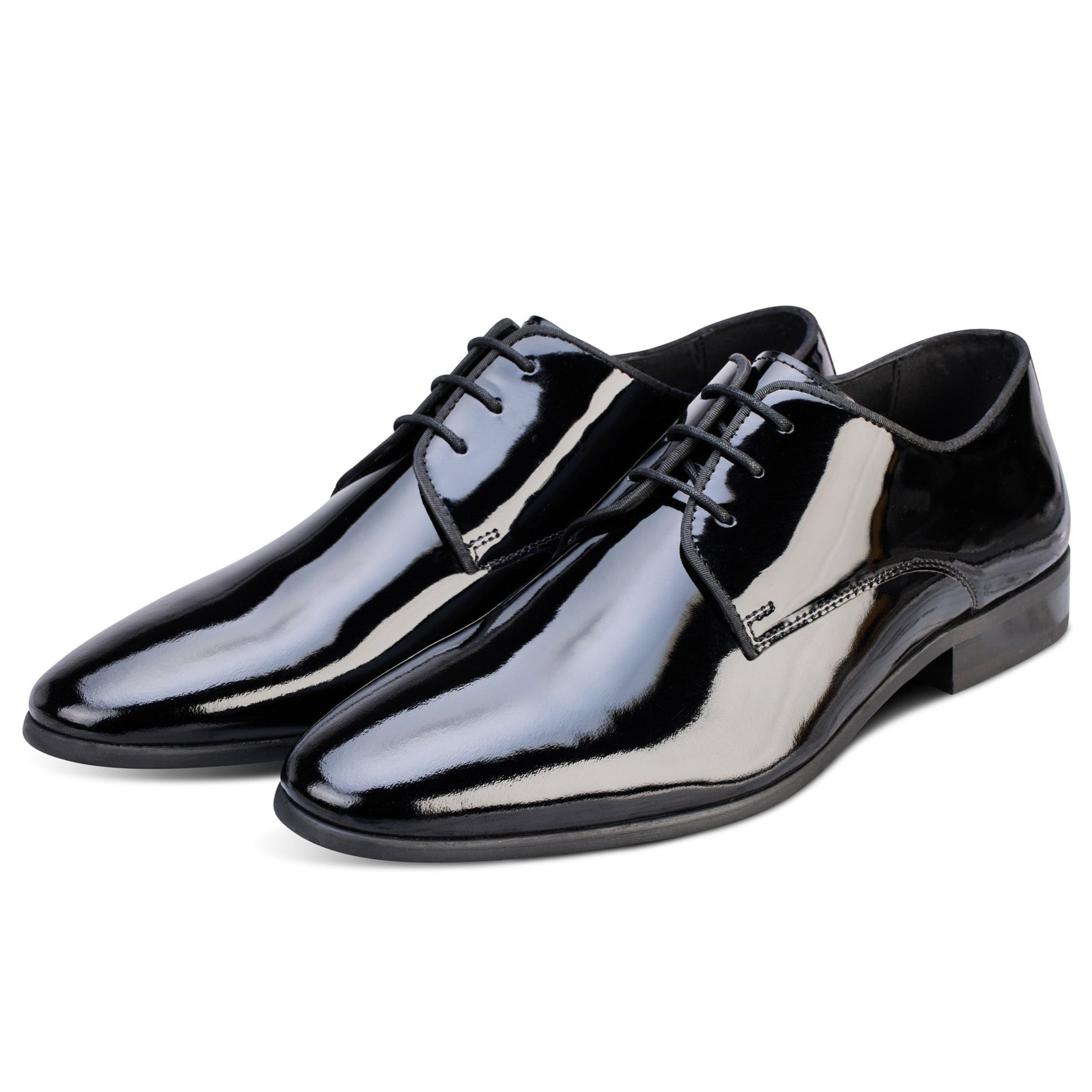
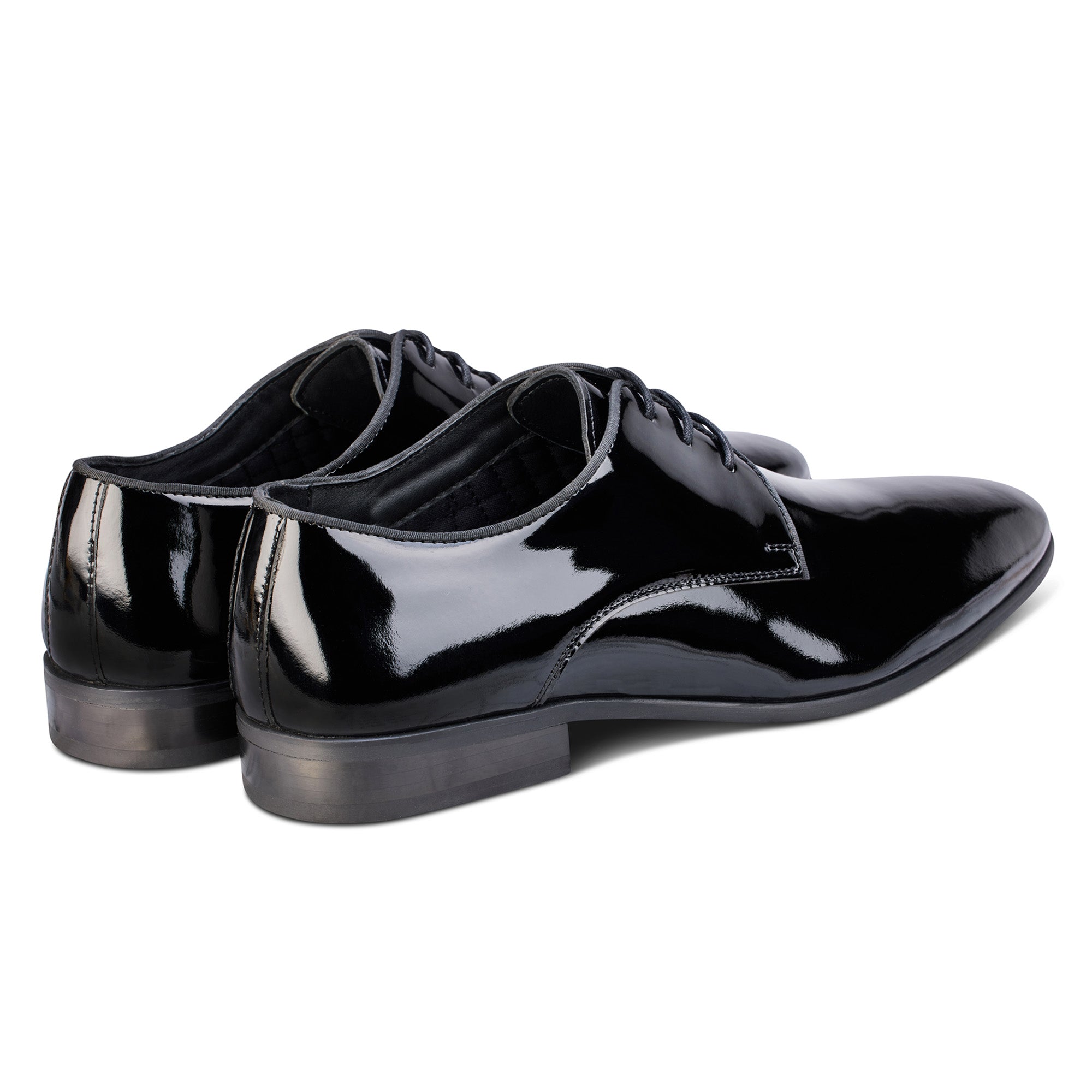
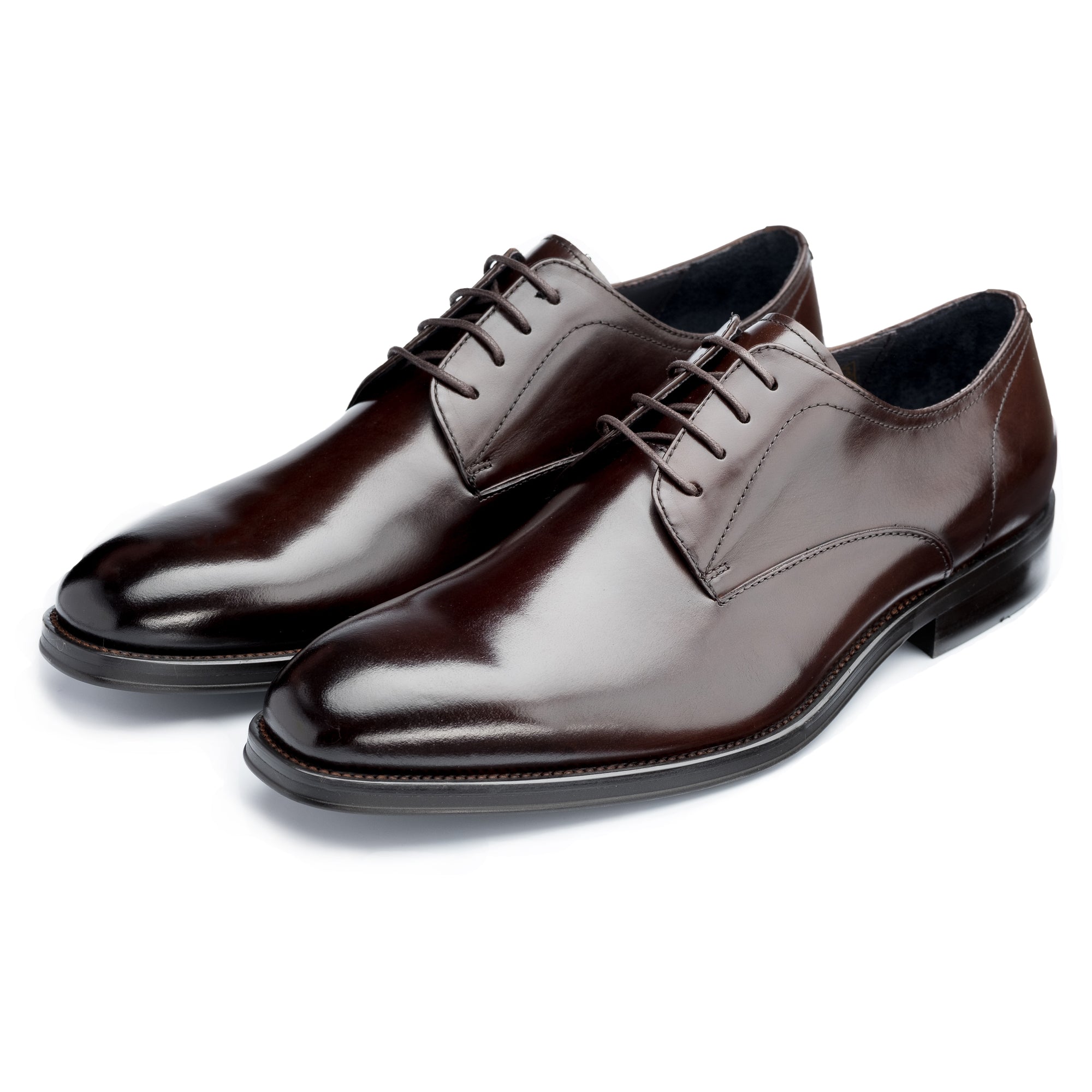
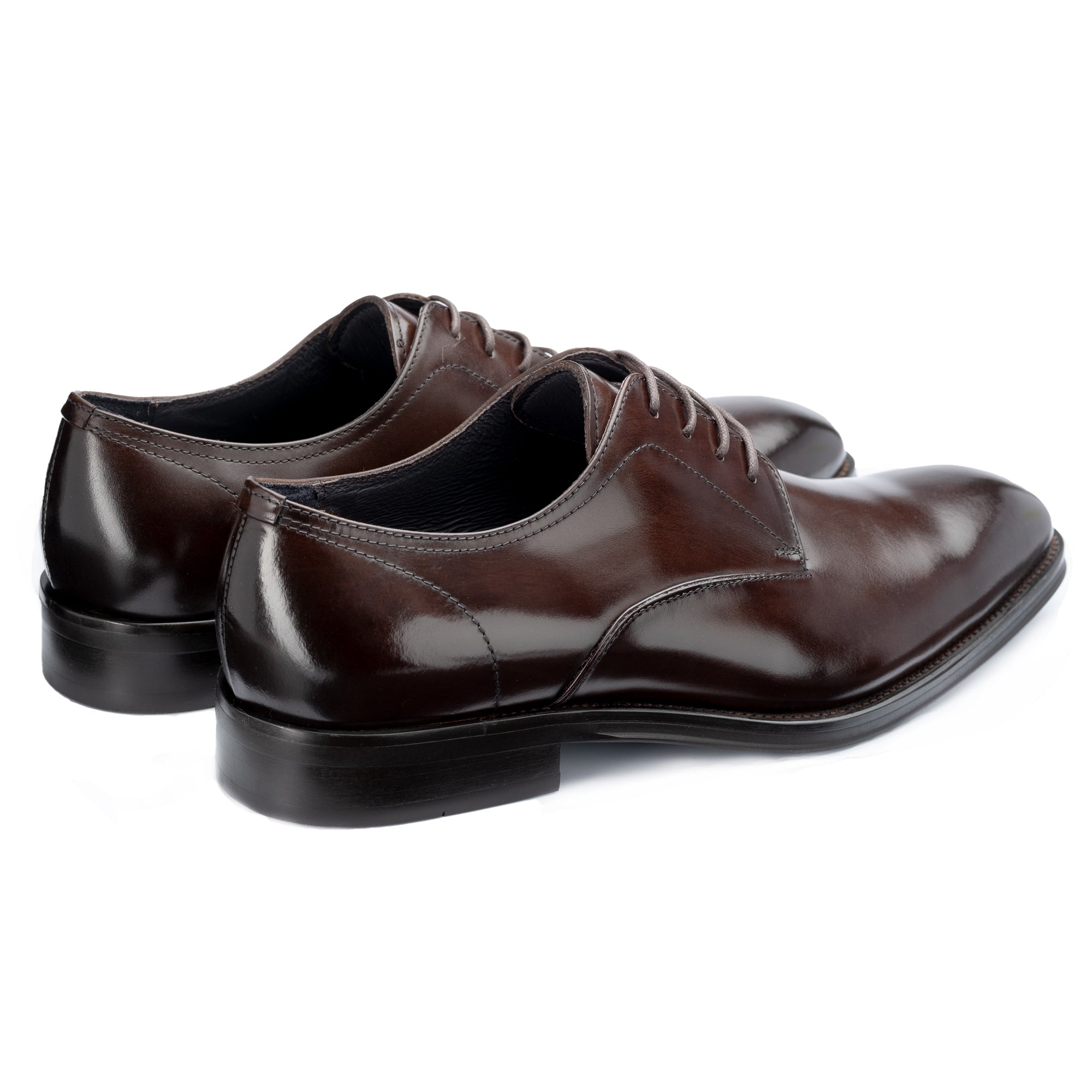
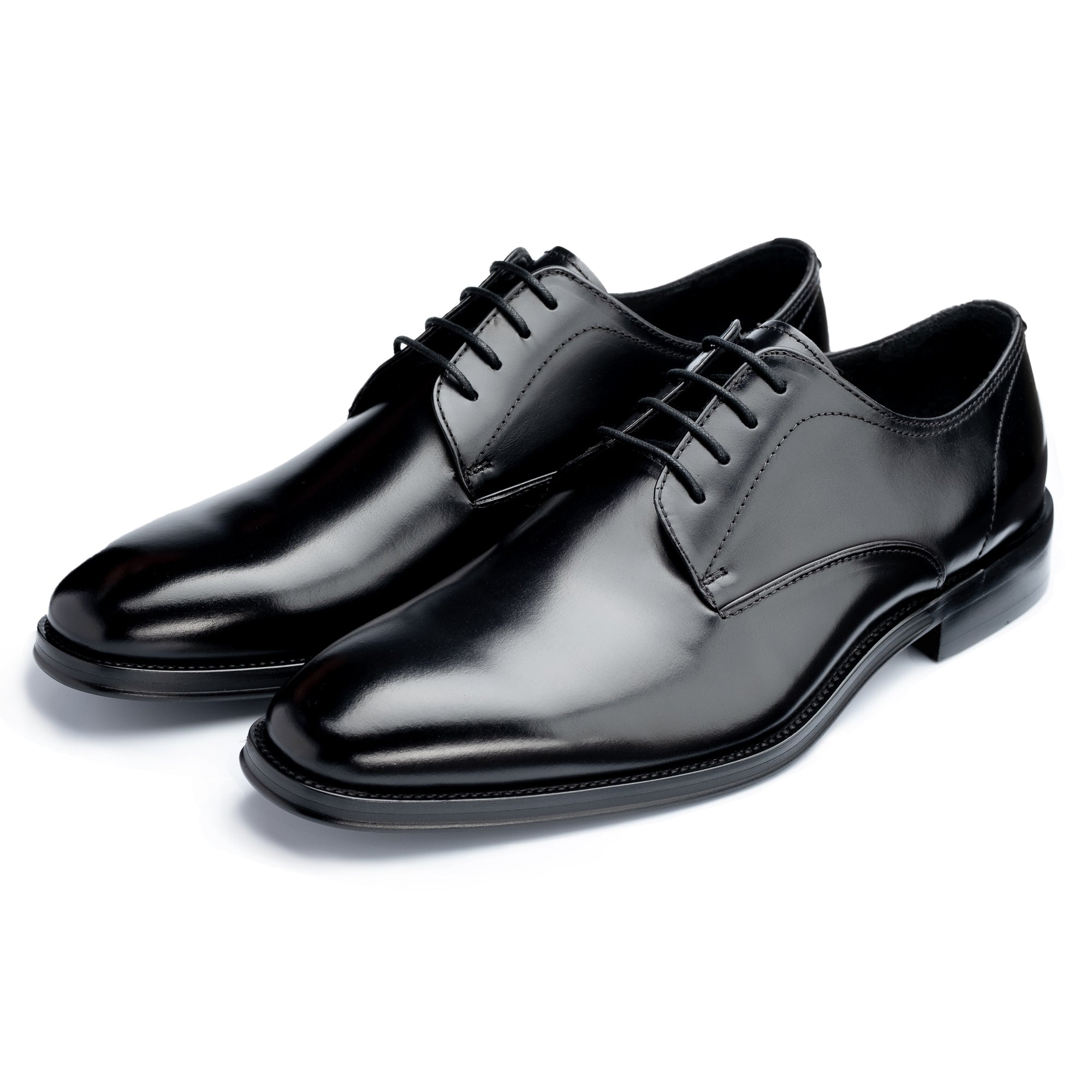
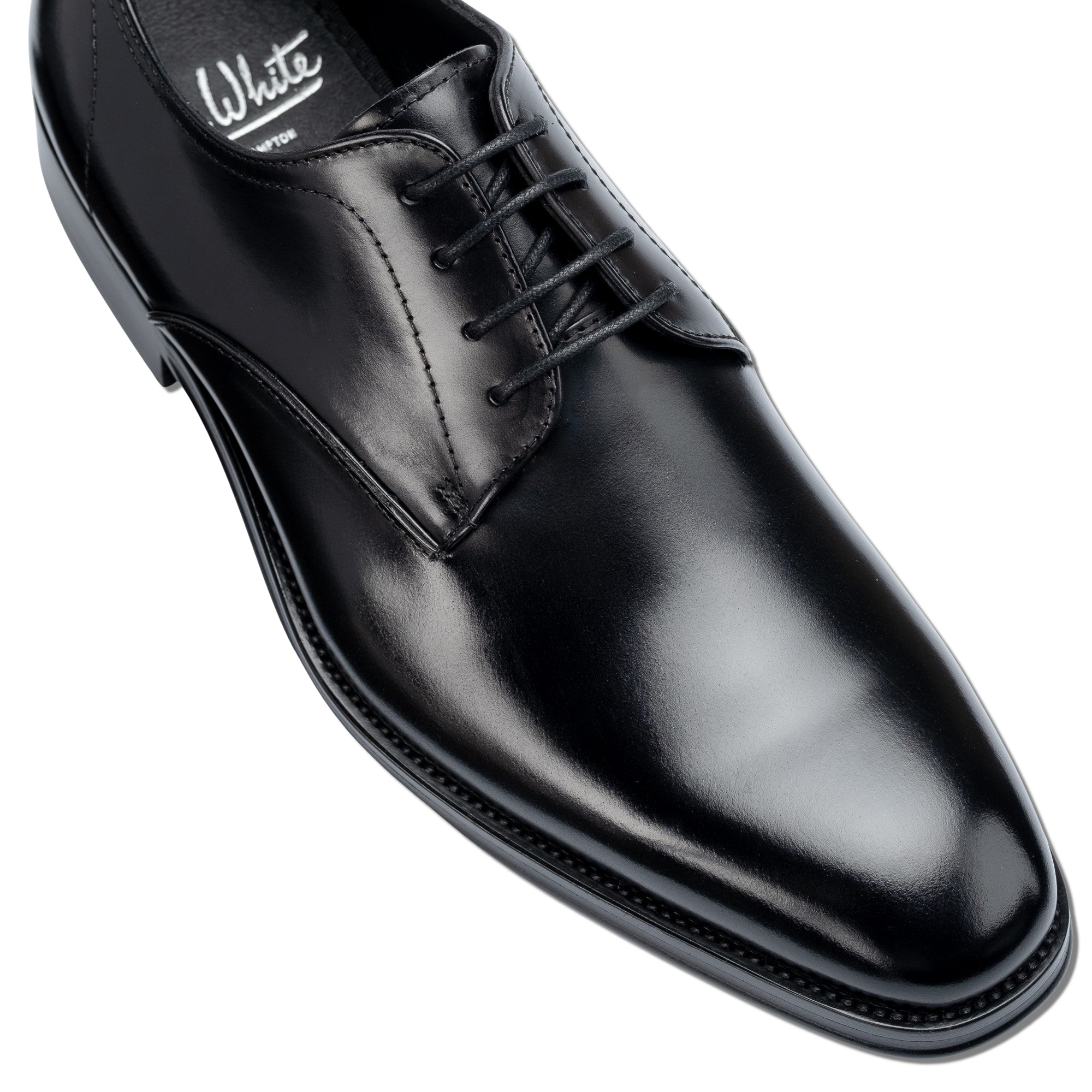
Rarely specified outside of established race meetings and the most formal occasions, but where morning dress applies, the footwear requirement is straightforward: a black capped Oxford or black Derby. No loafers. No brogues with heavy ornamentation. The Guildhall Capped Oxfords in Black are the right choice — clean-lined, properly proportioned, and they hold their own under a morning coat. Polish matters more than usual; white marquee lighting and summer sun are both unforgiving of a careless finish.
Lounge Suit
Lounge suit is the most common dress code at summer weddings and gives you genuine room to work with. A suit, shirt, and tie remain the expected convention, but you are not constrained to formal footwear. Derbies, semi-brogues, and loafers all fall within the accepted range, depending on how formal the setting actually is.
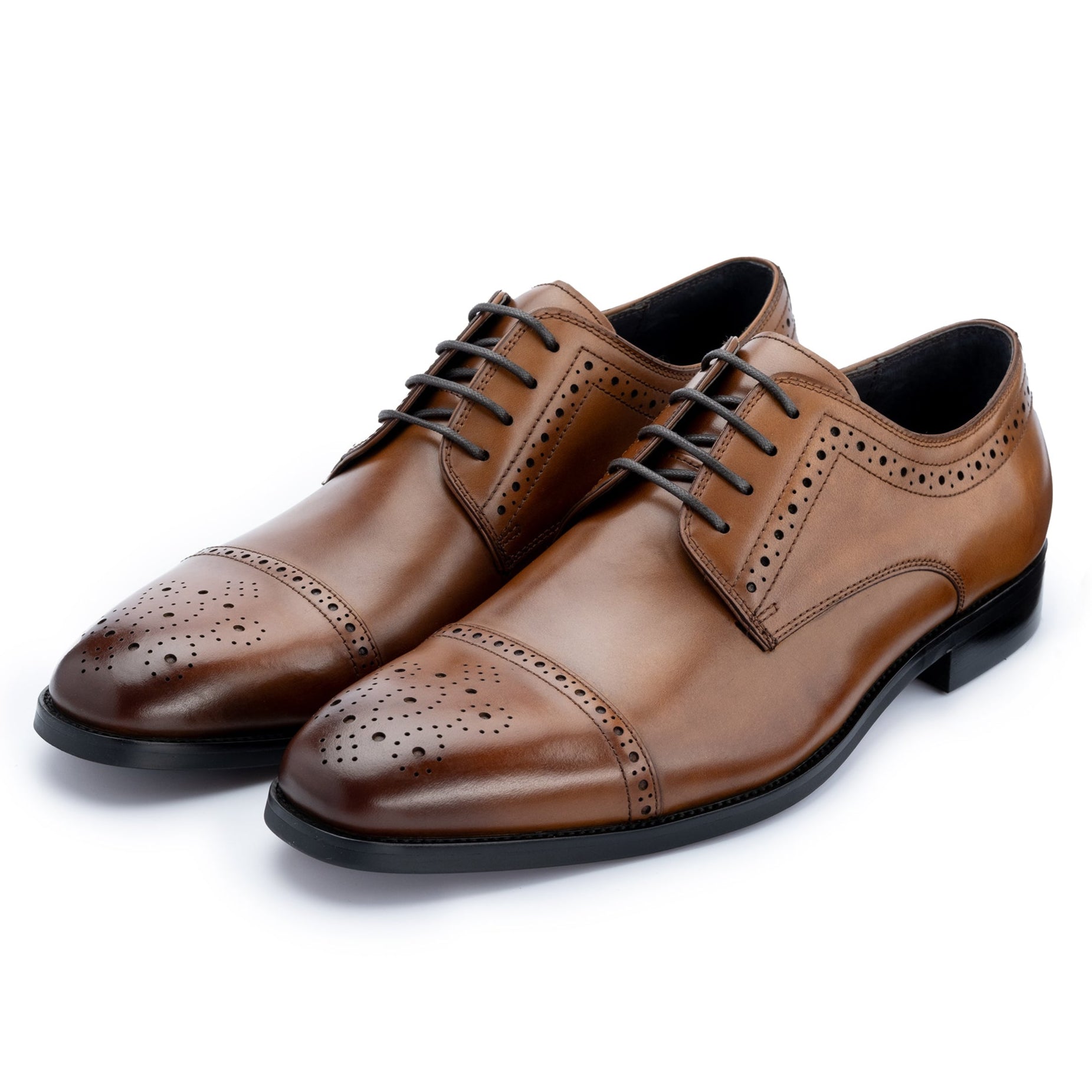
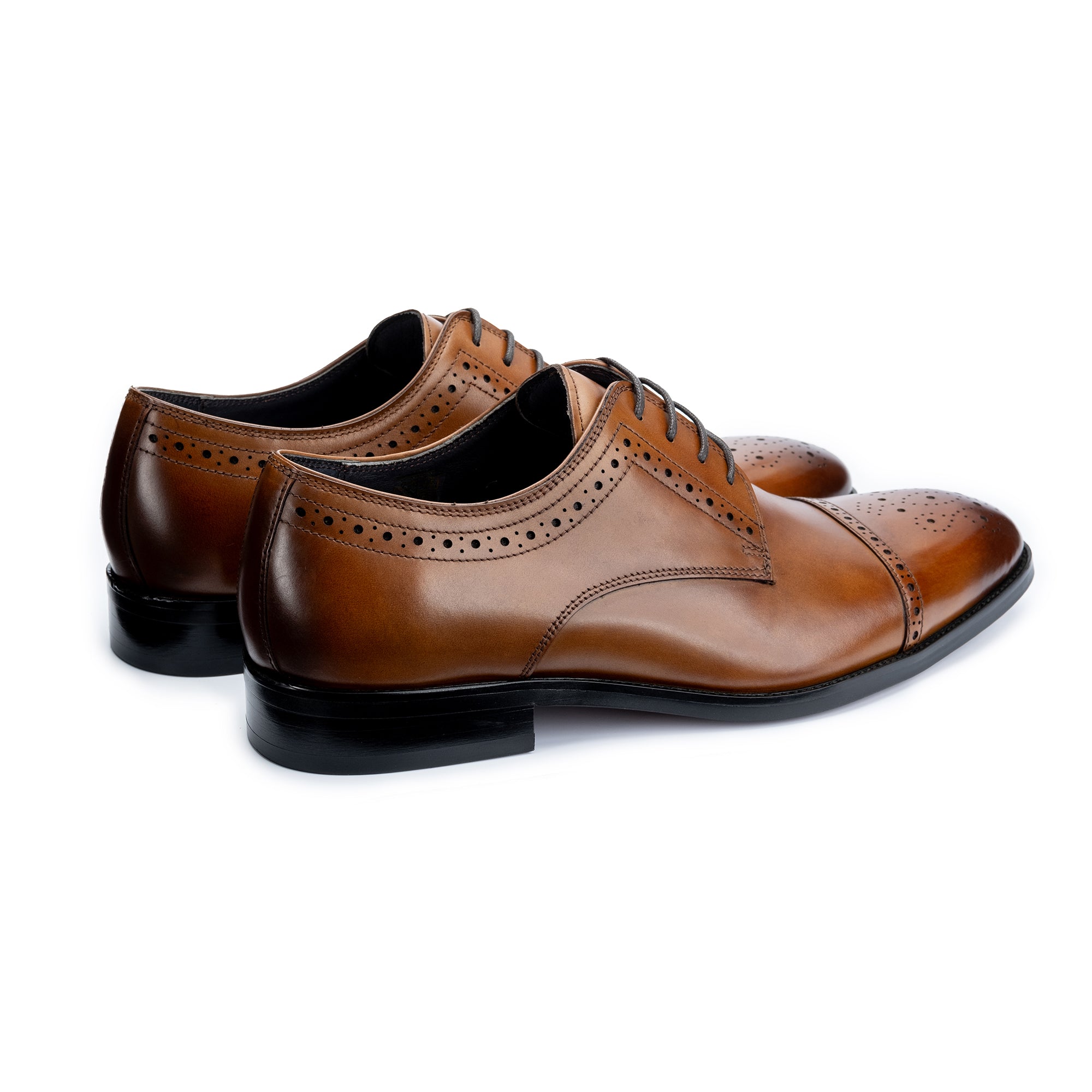
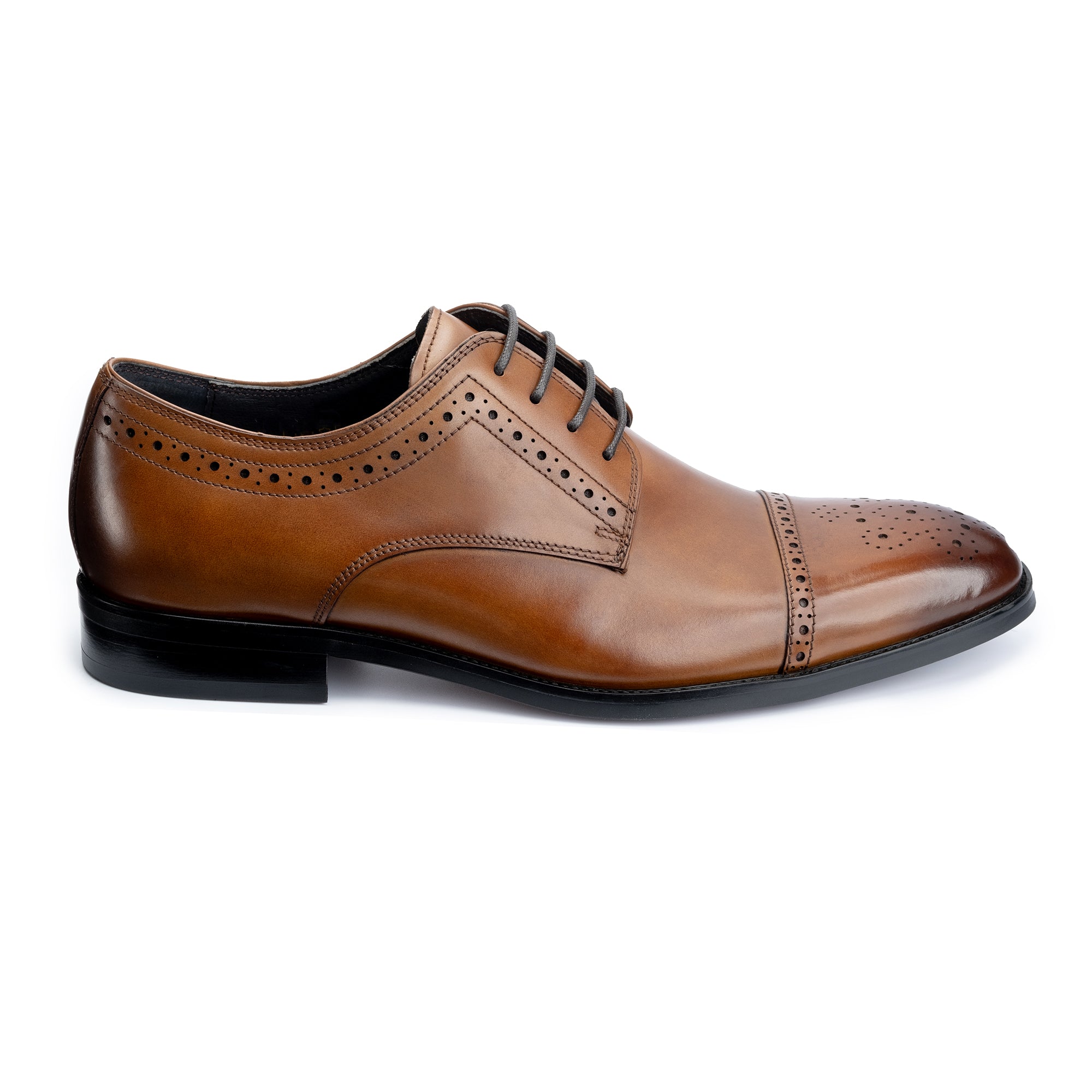
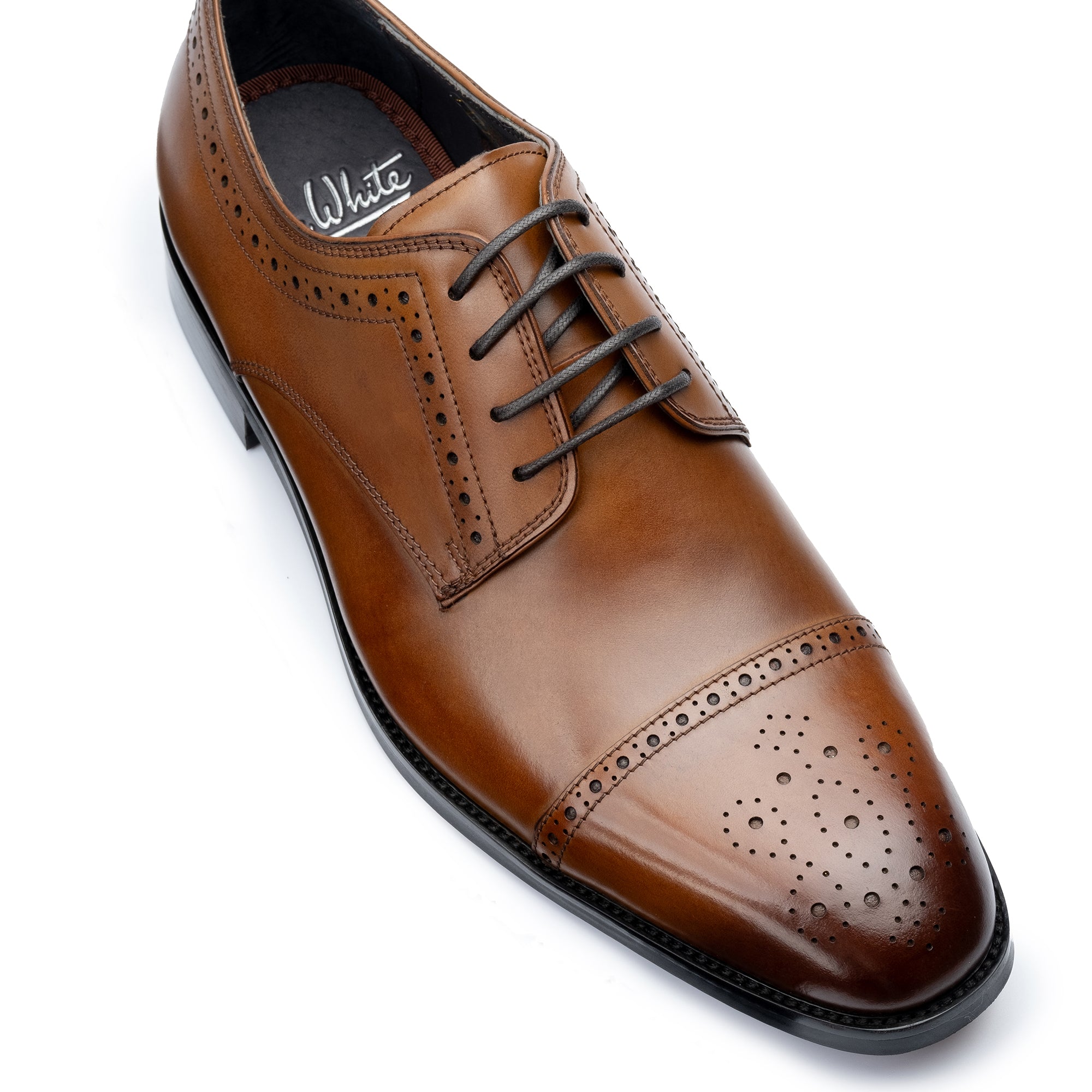
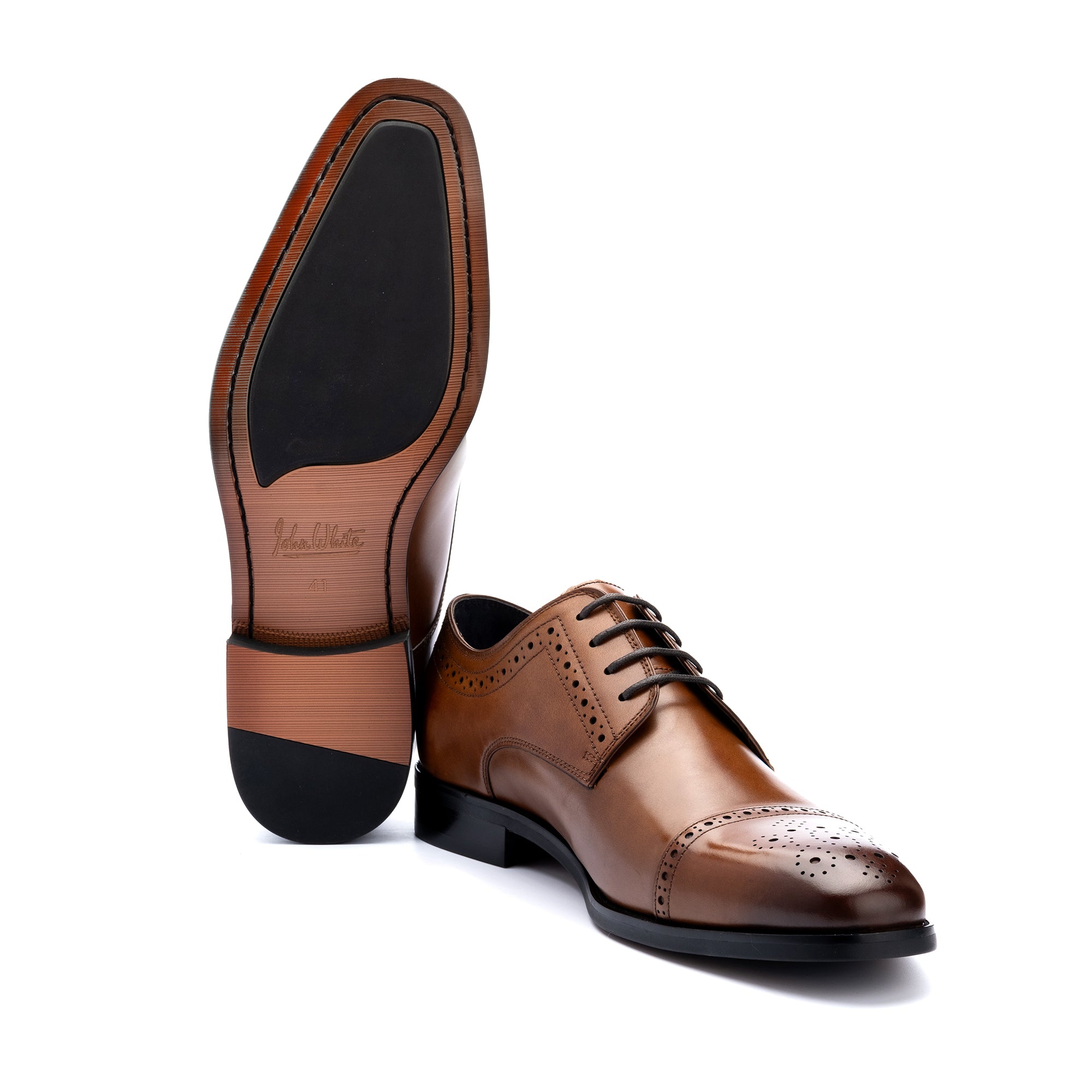
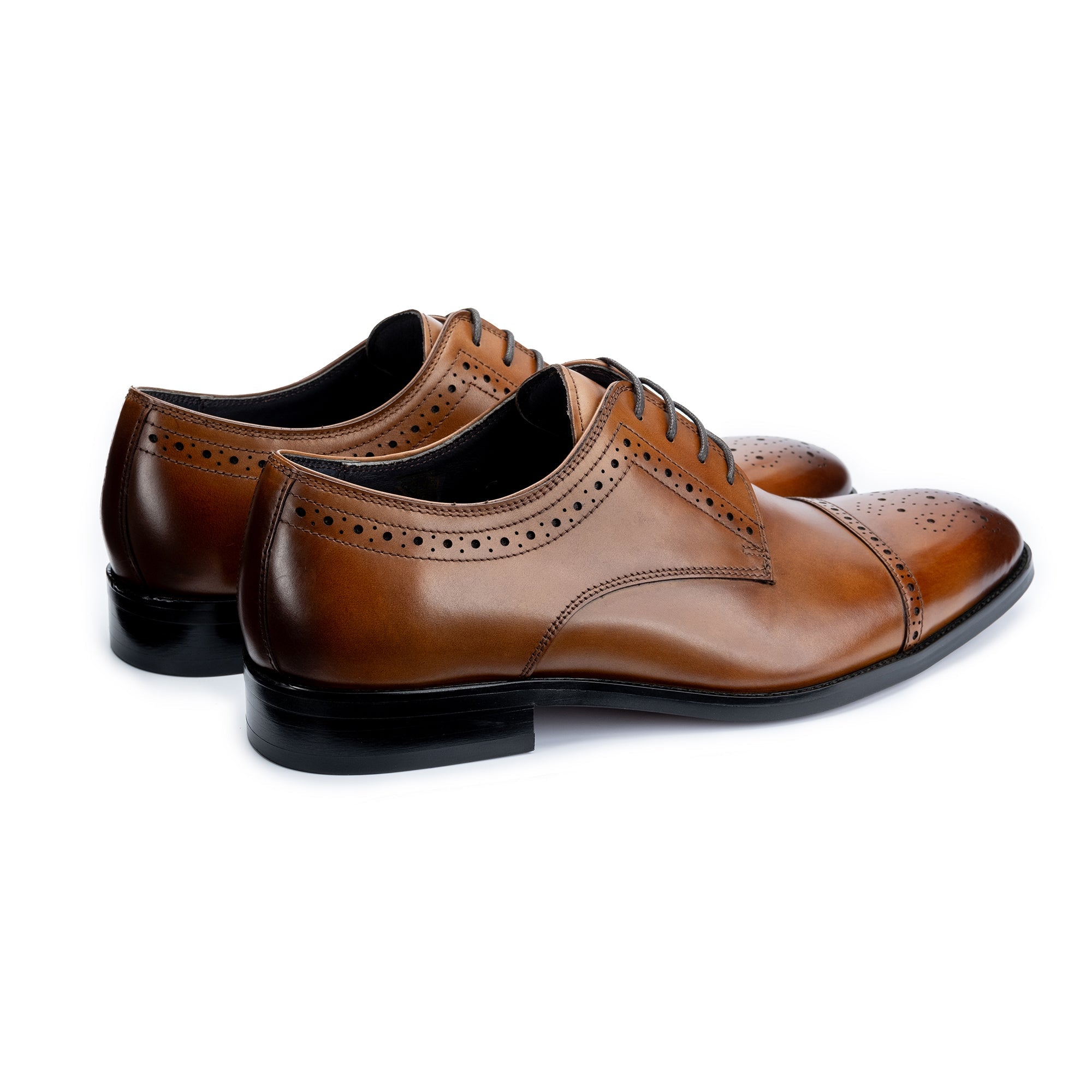
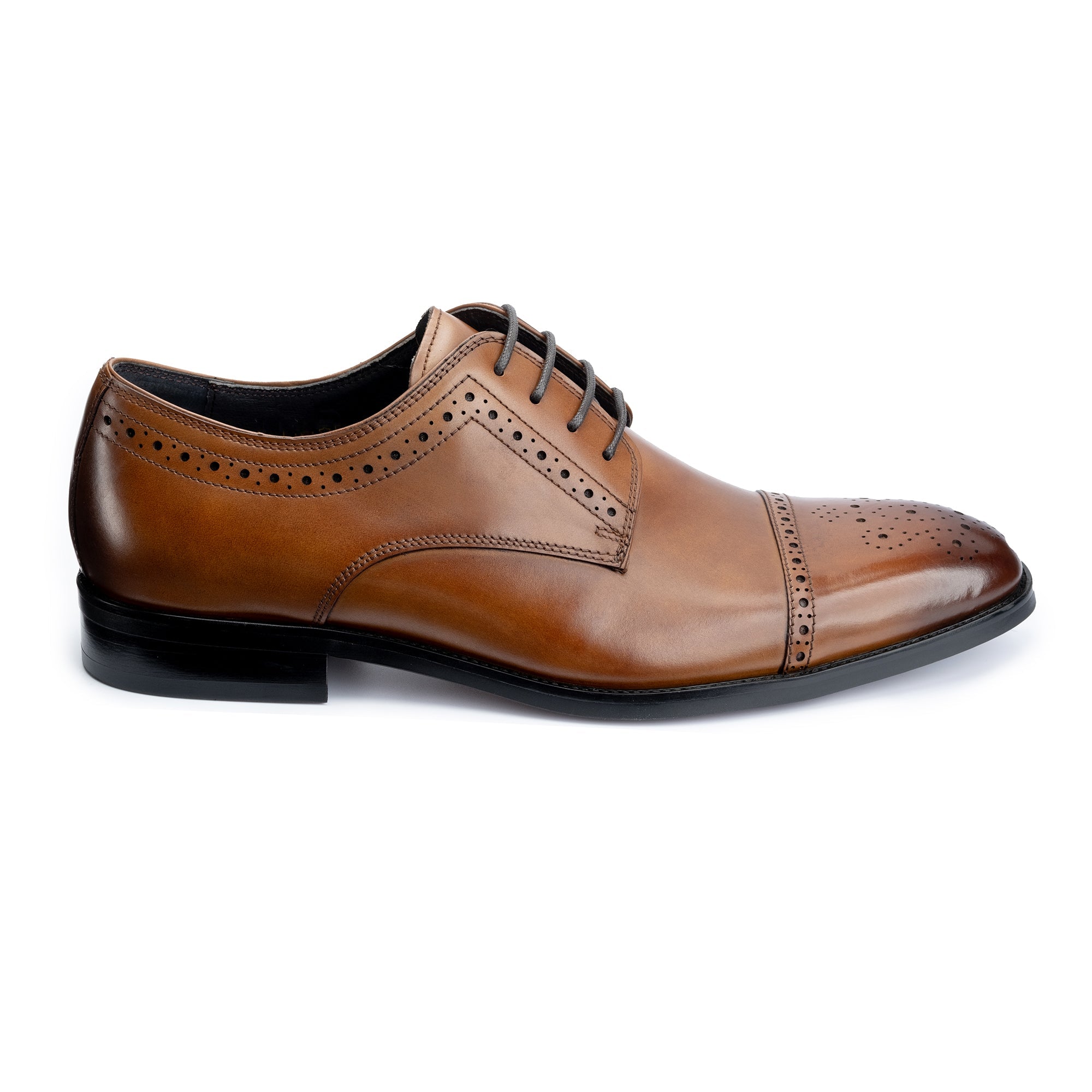
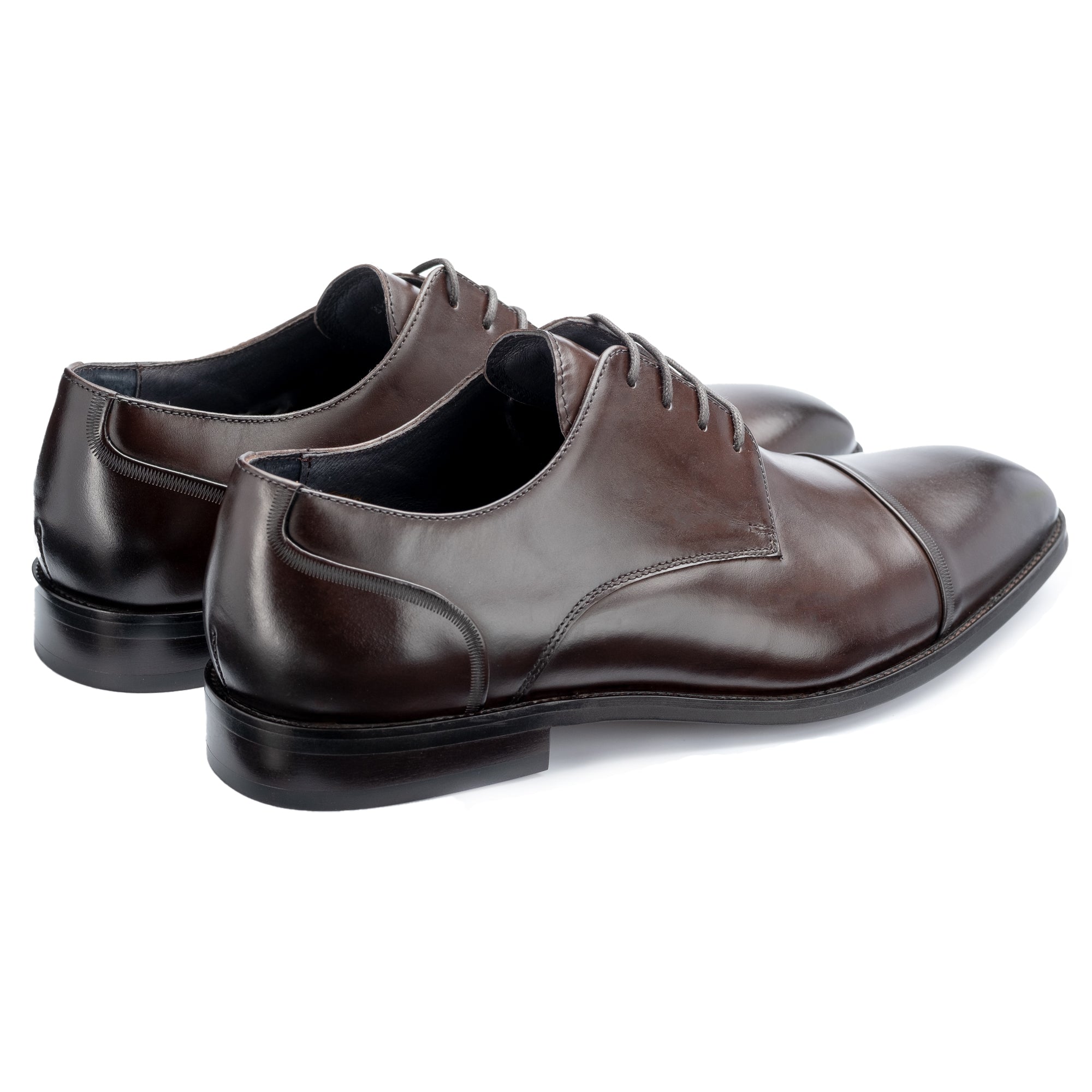
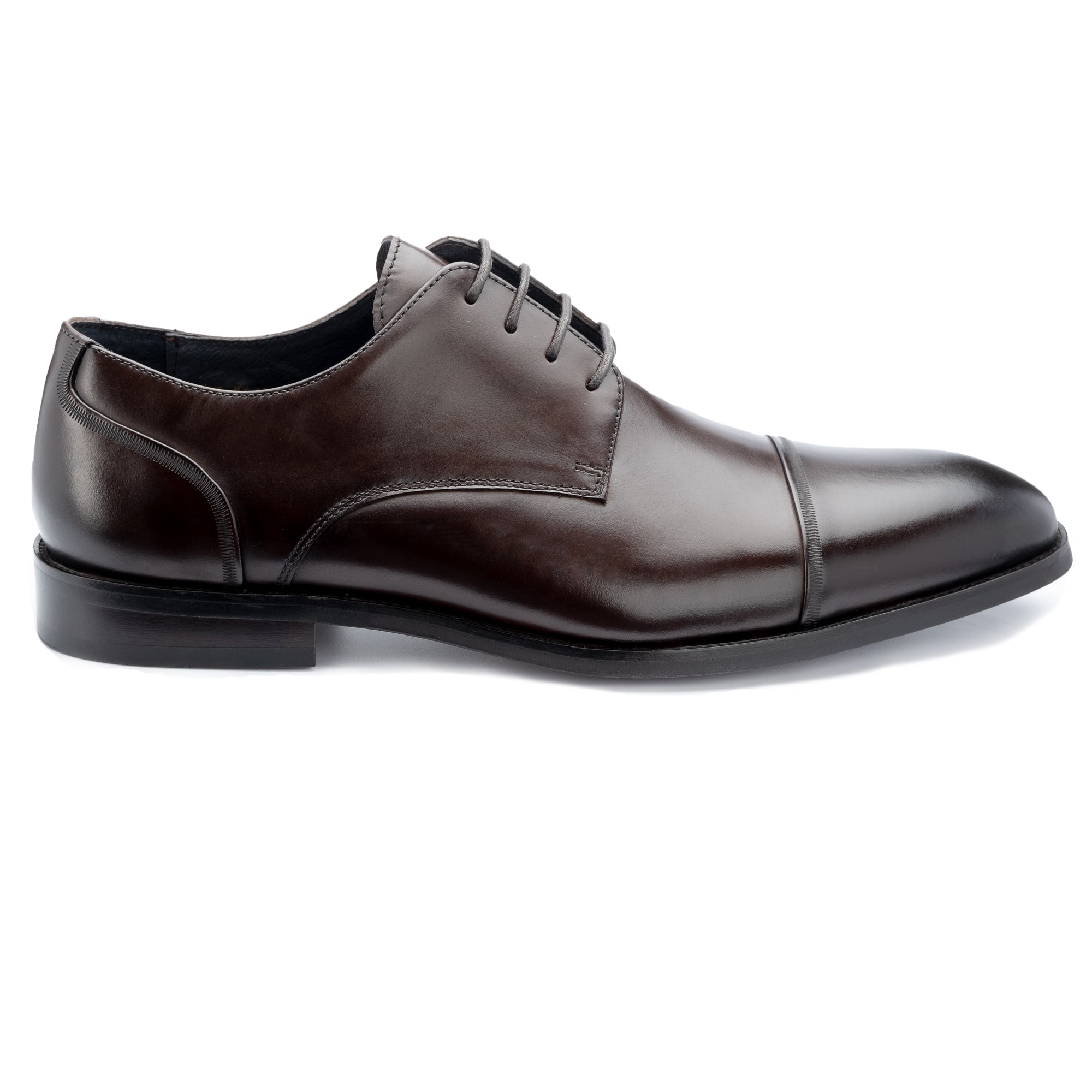
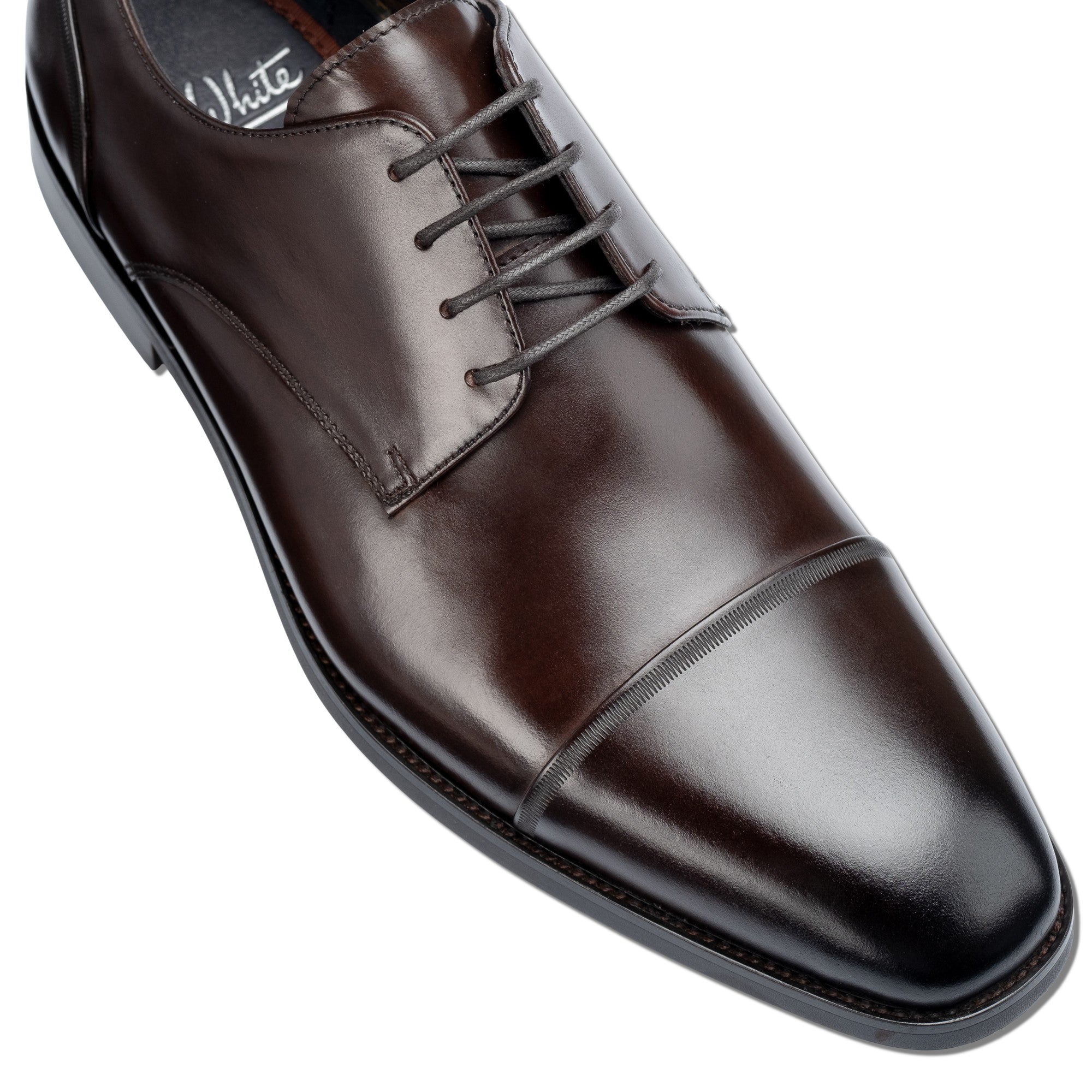
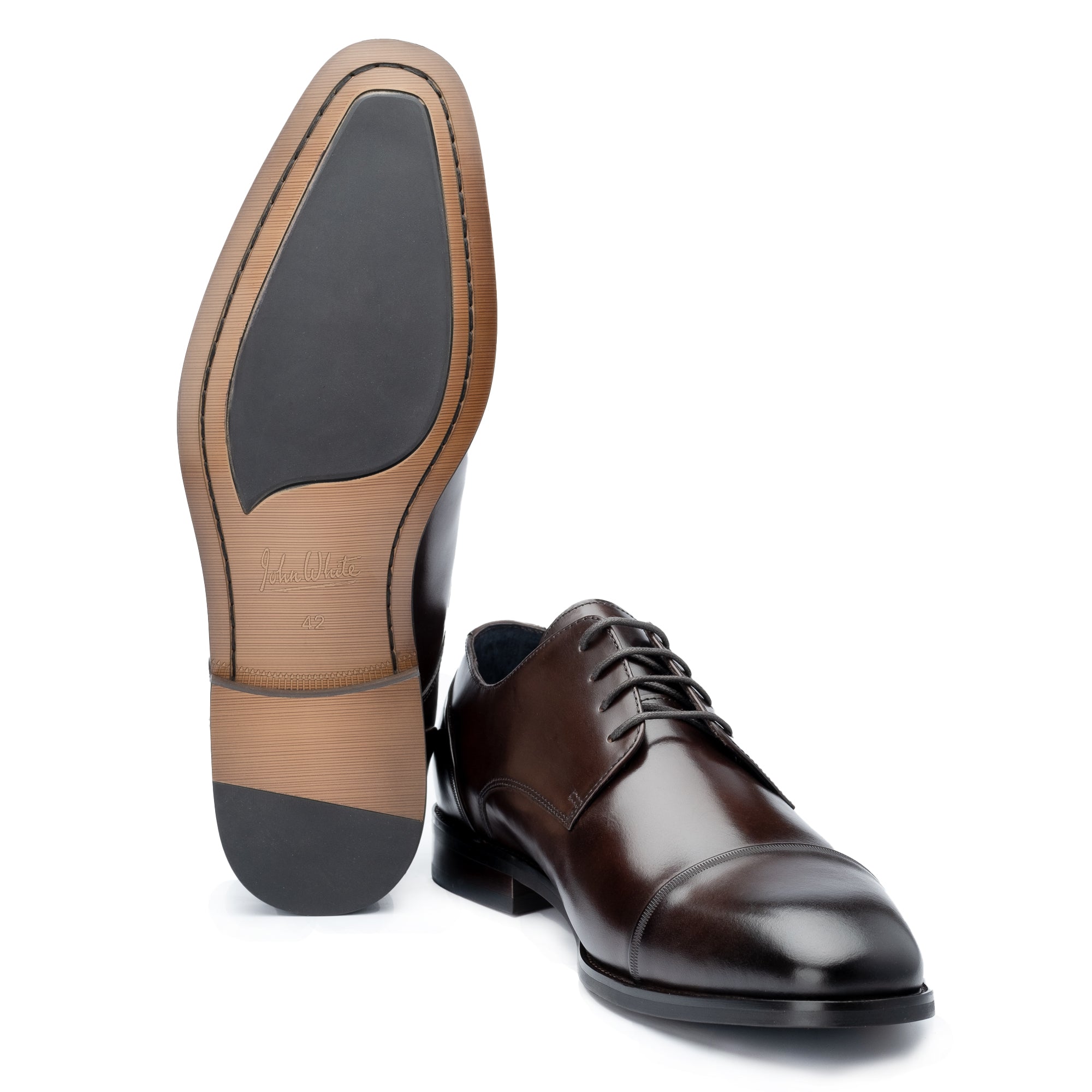
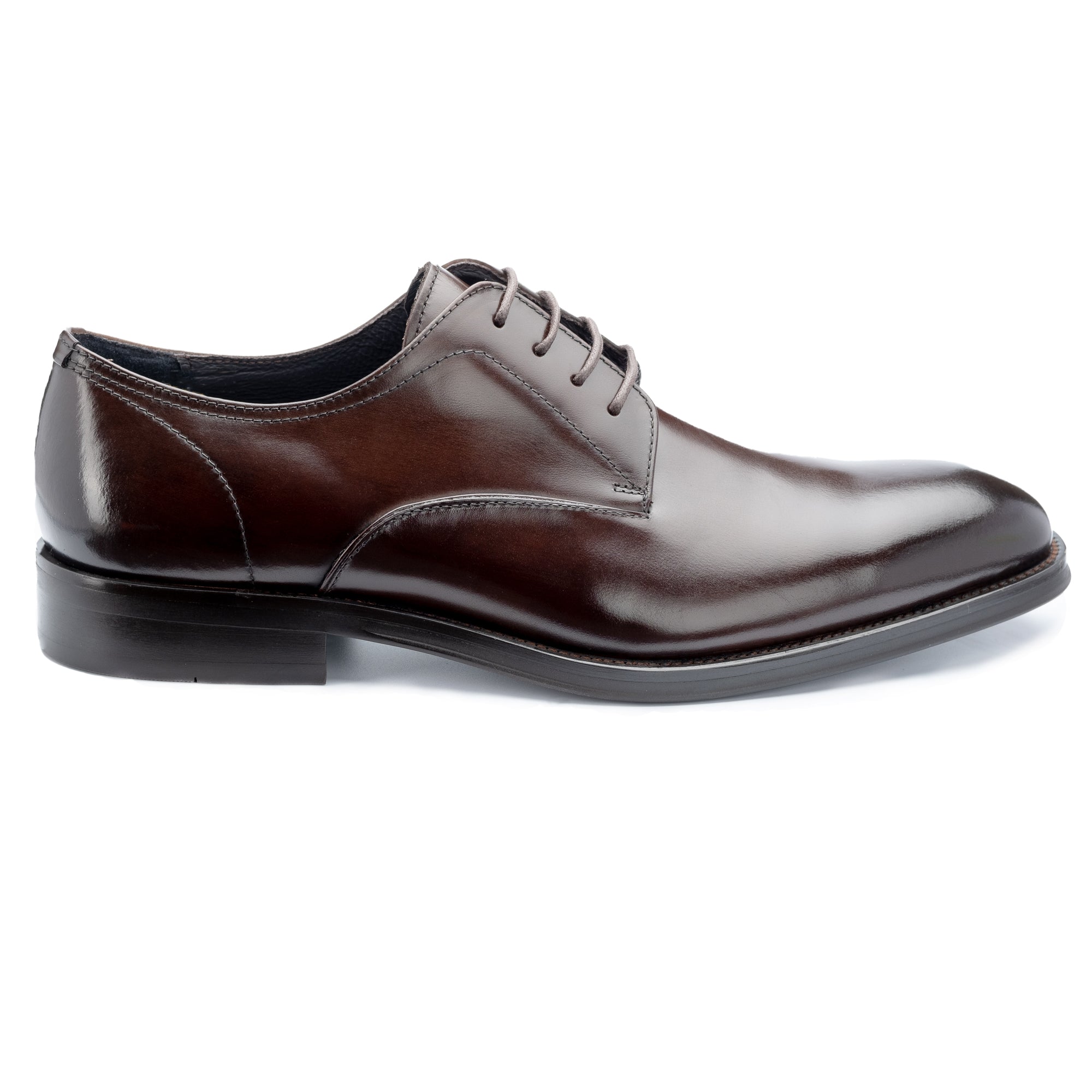
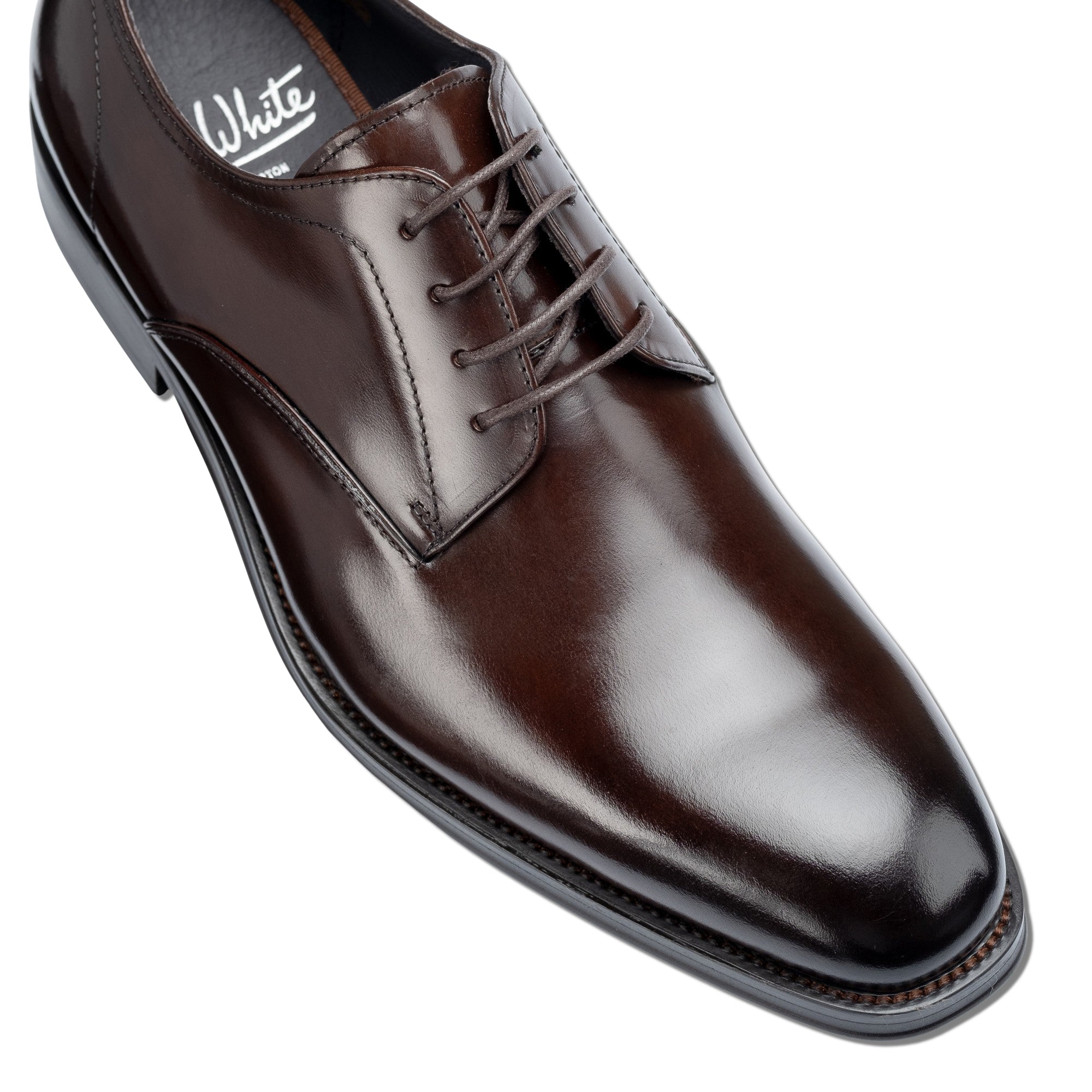
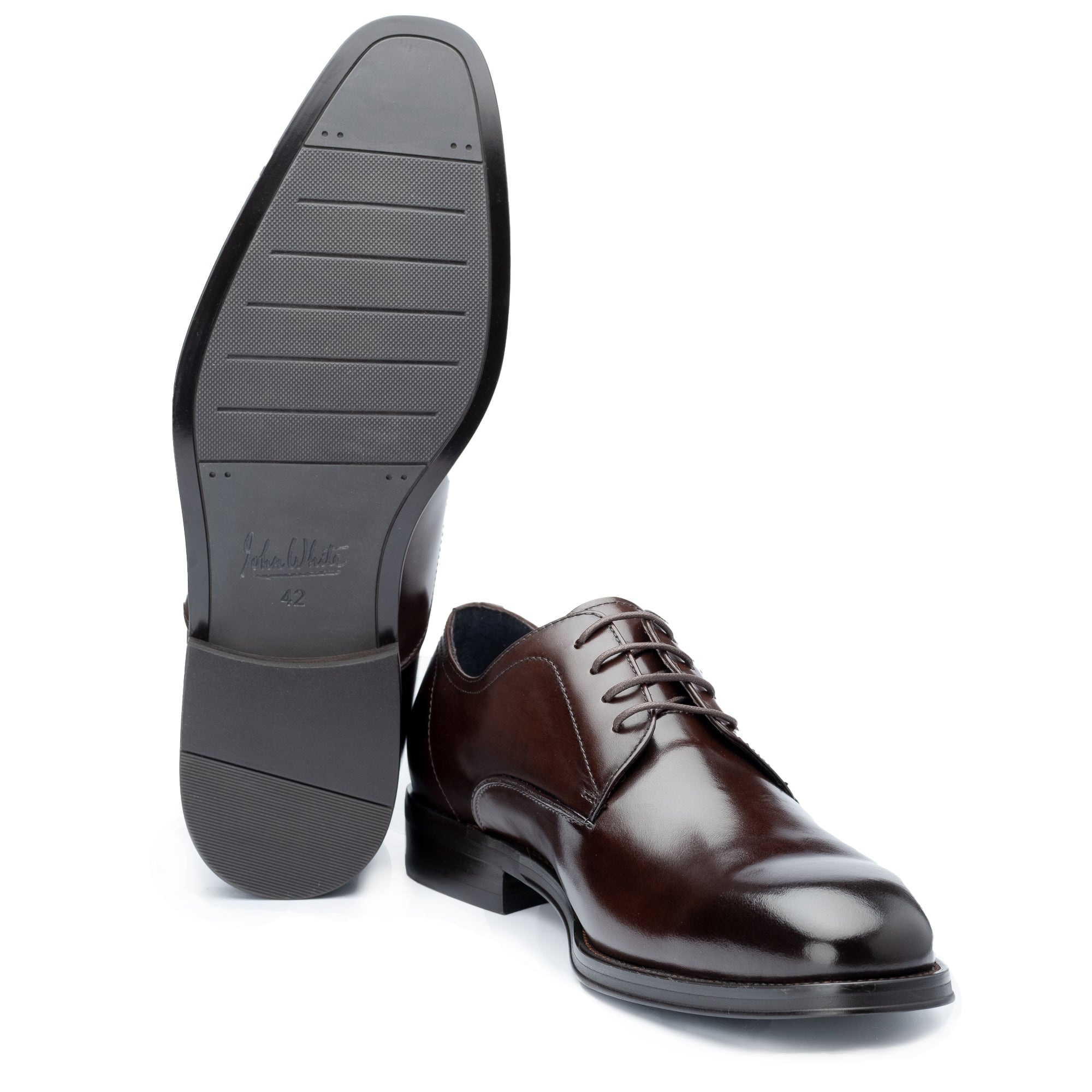
For an afternoon ceremony in a country house, hotel, or formal garden venue, the Jermyn Derby Shoes in Tan are the natural starting point — clean-lined, with the right weight of formality and exactly the right colour temperature for a British summer afternoon. The Stokes Brogue Derby Shoes in Tan bring slightly more character without tipping into casual territory; the broguing reads as considered rather than dressed down.
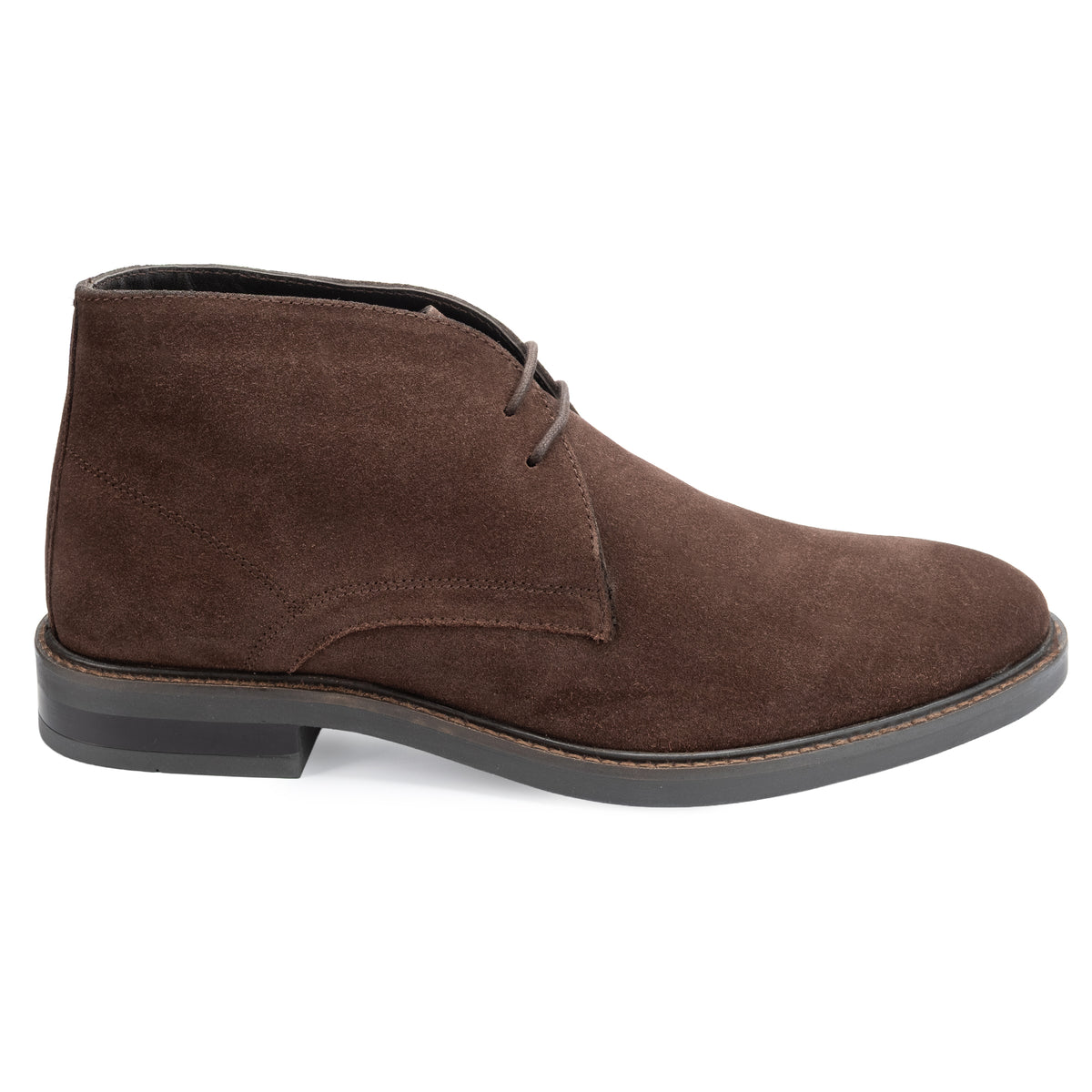
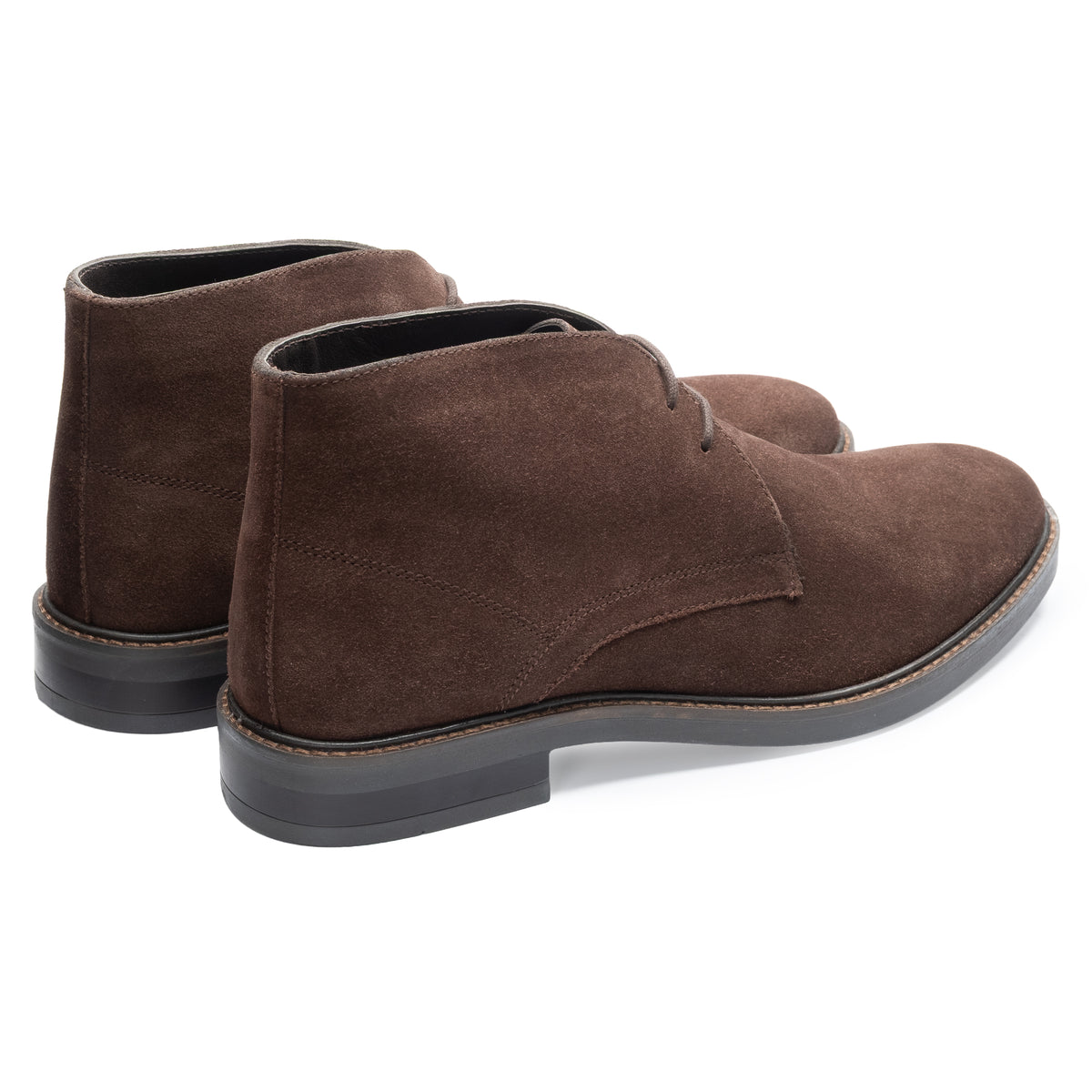
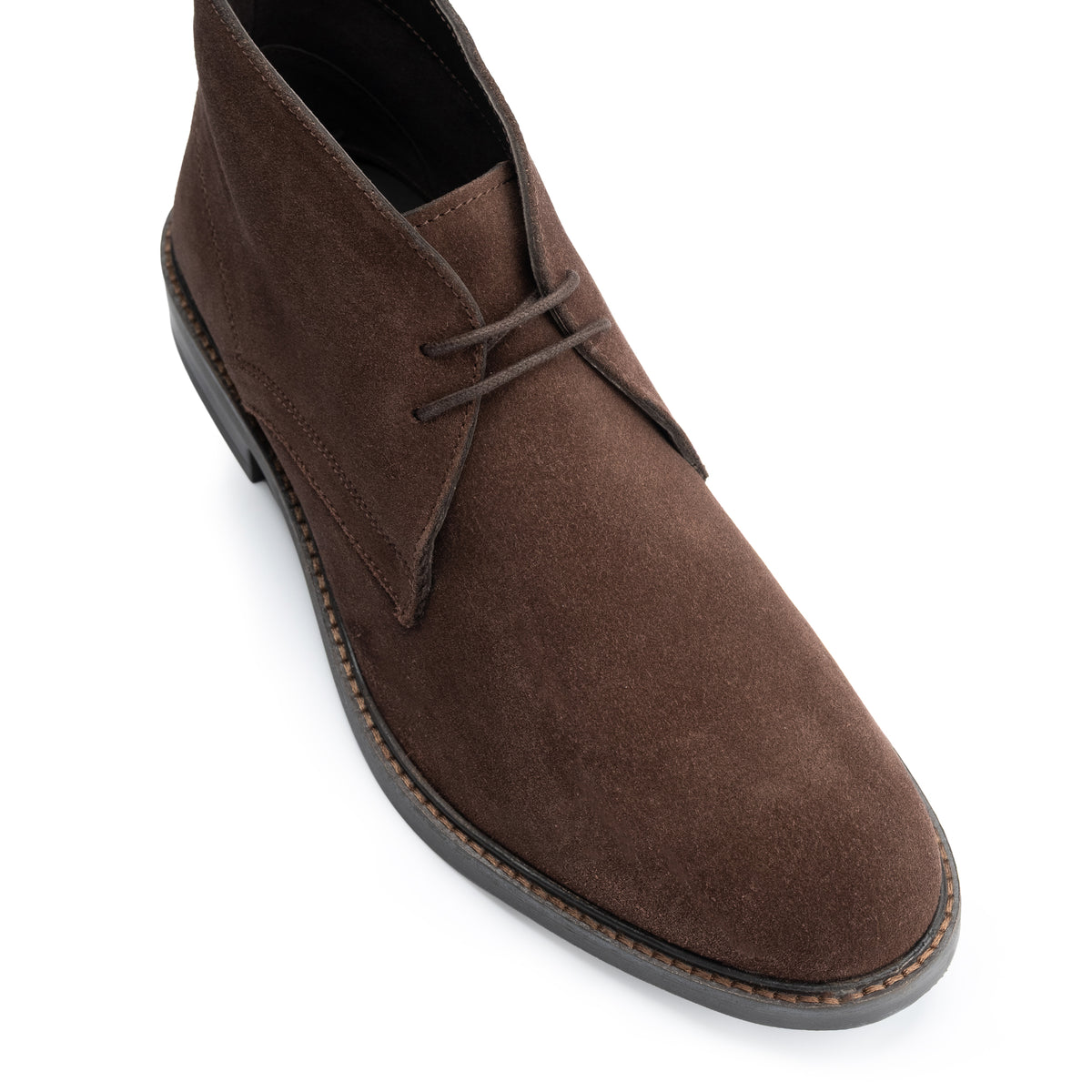
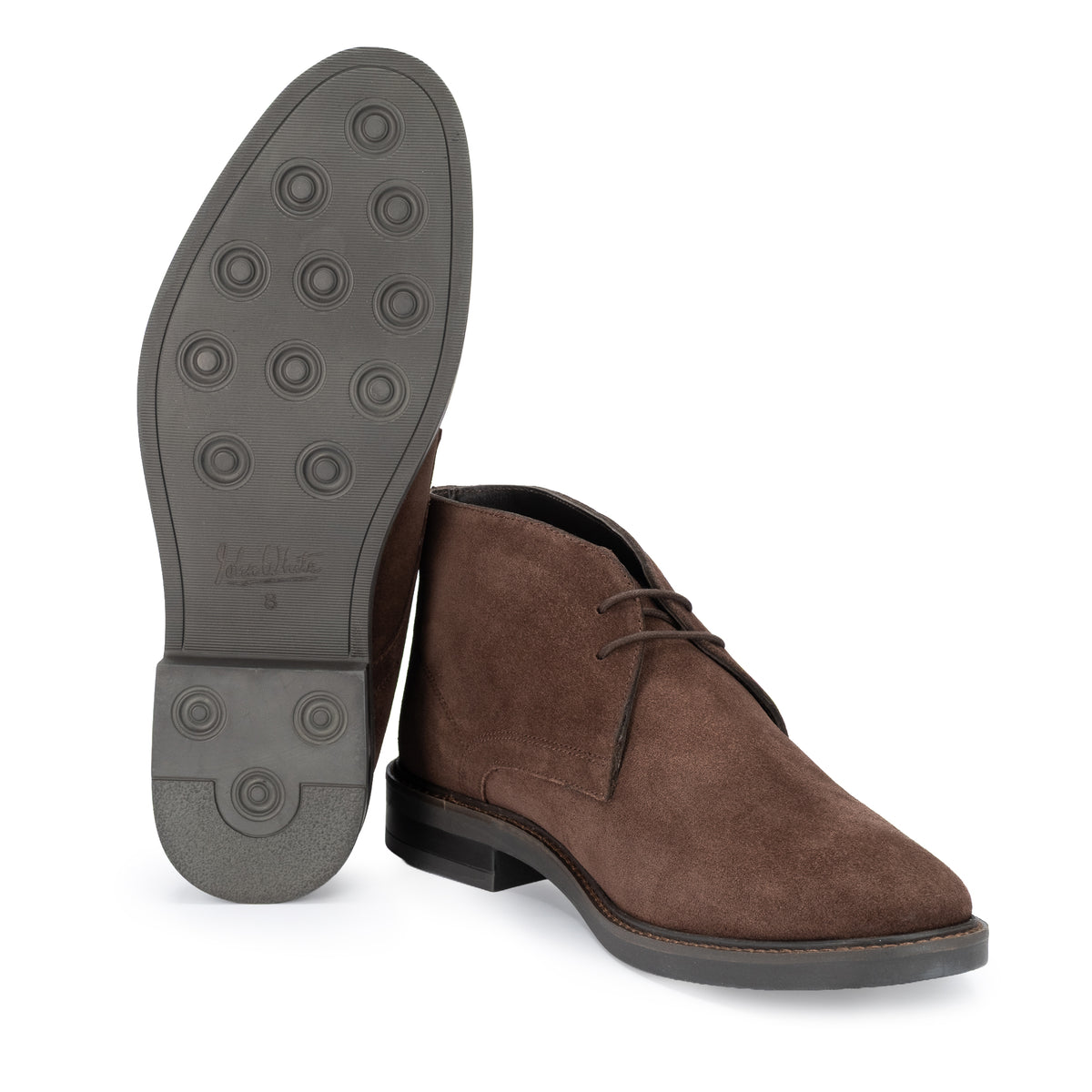
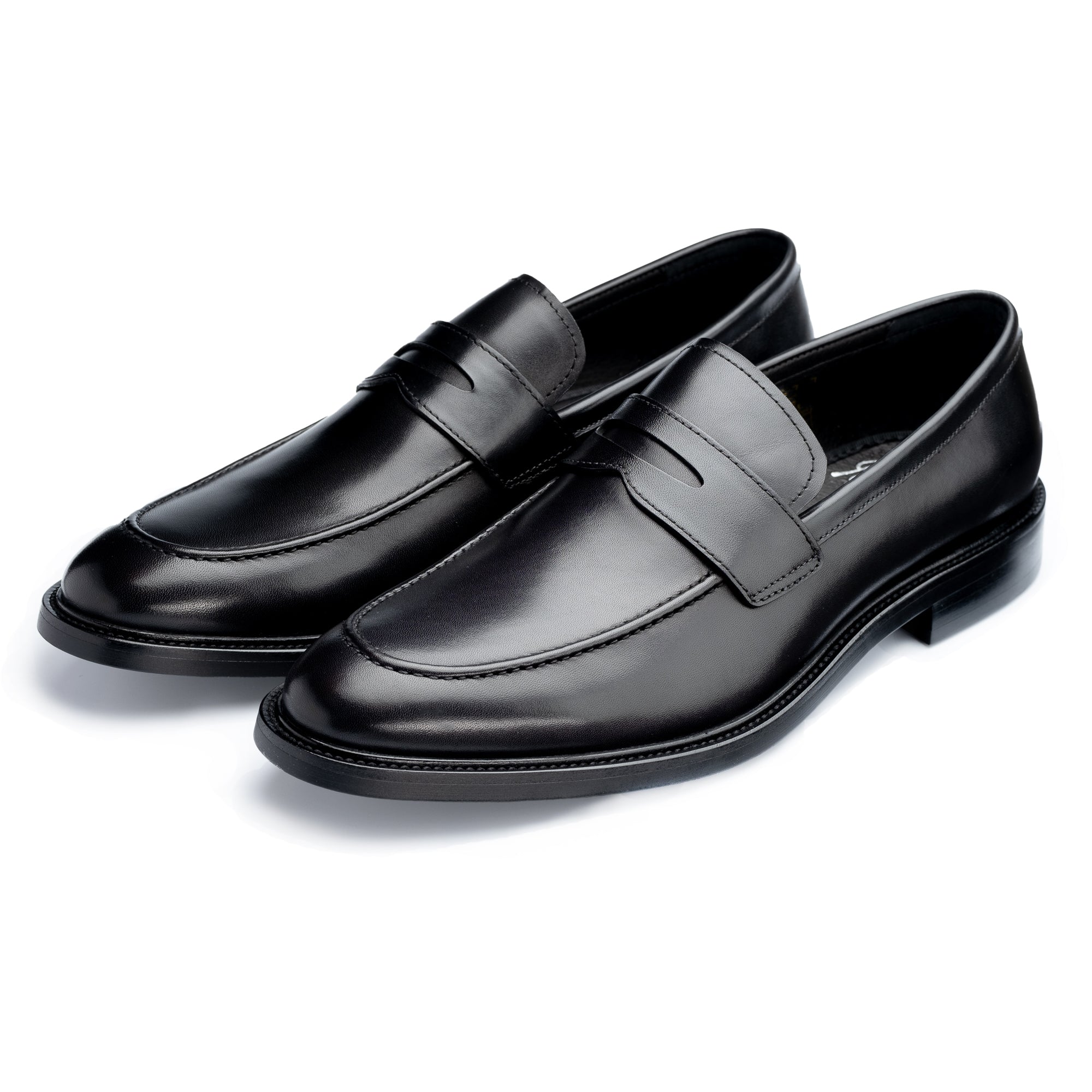
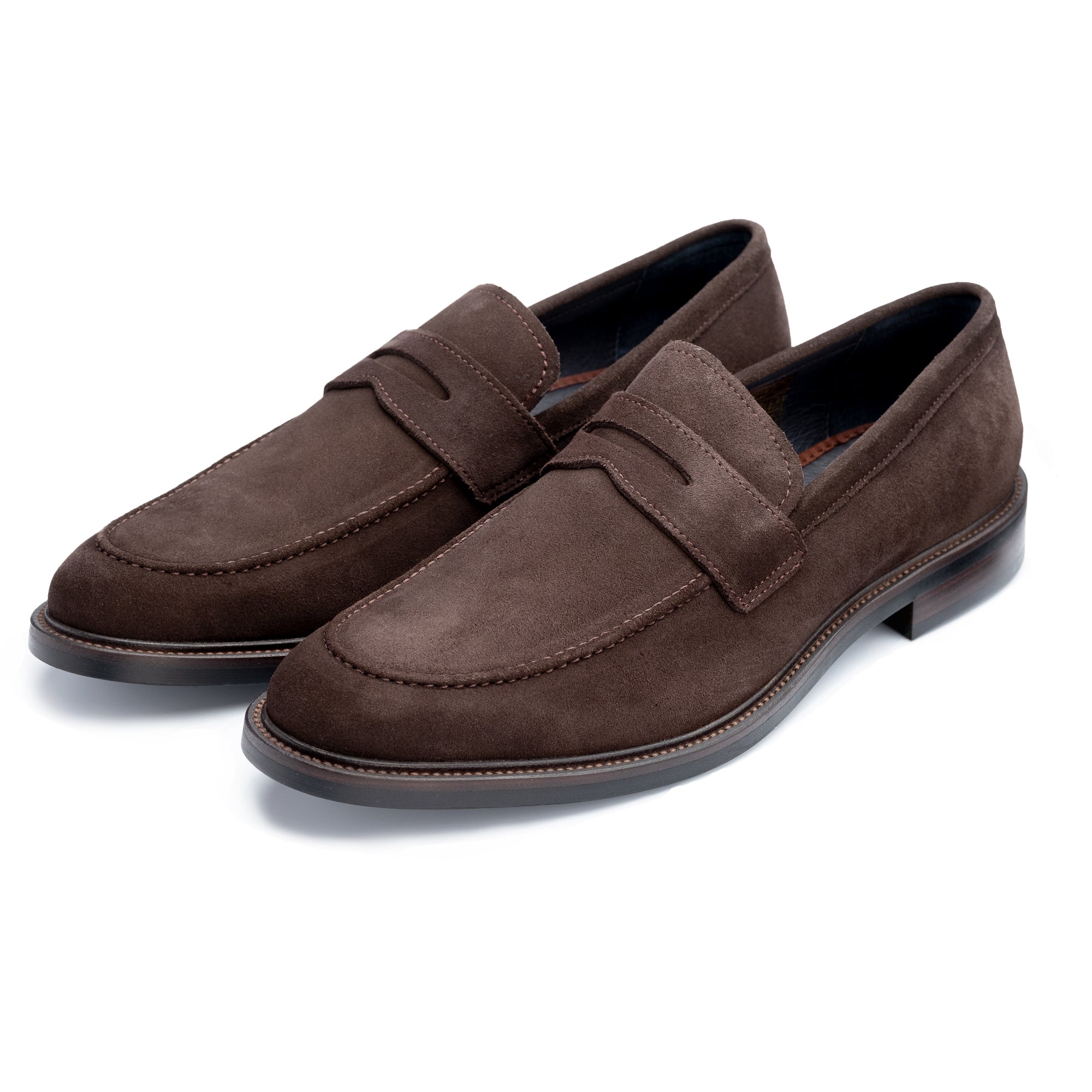
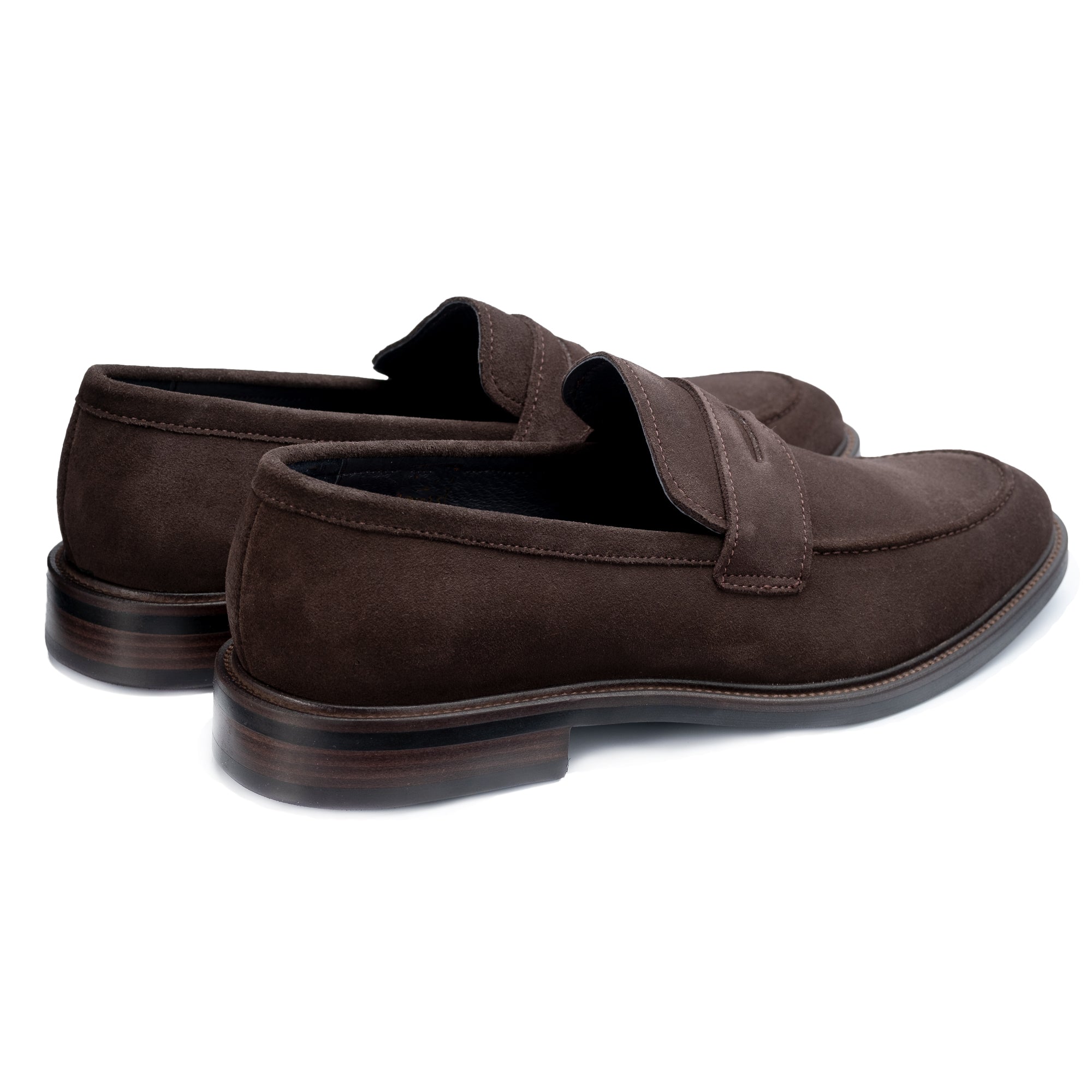
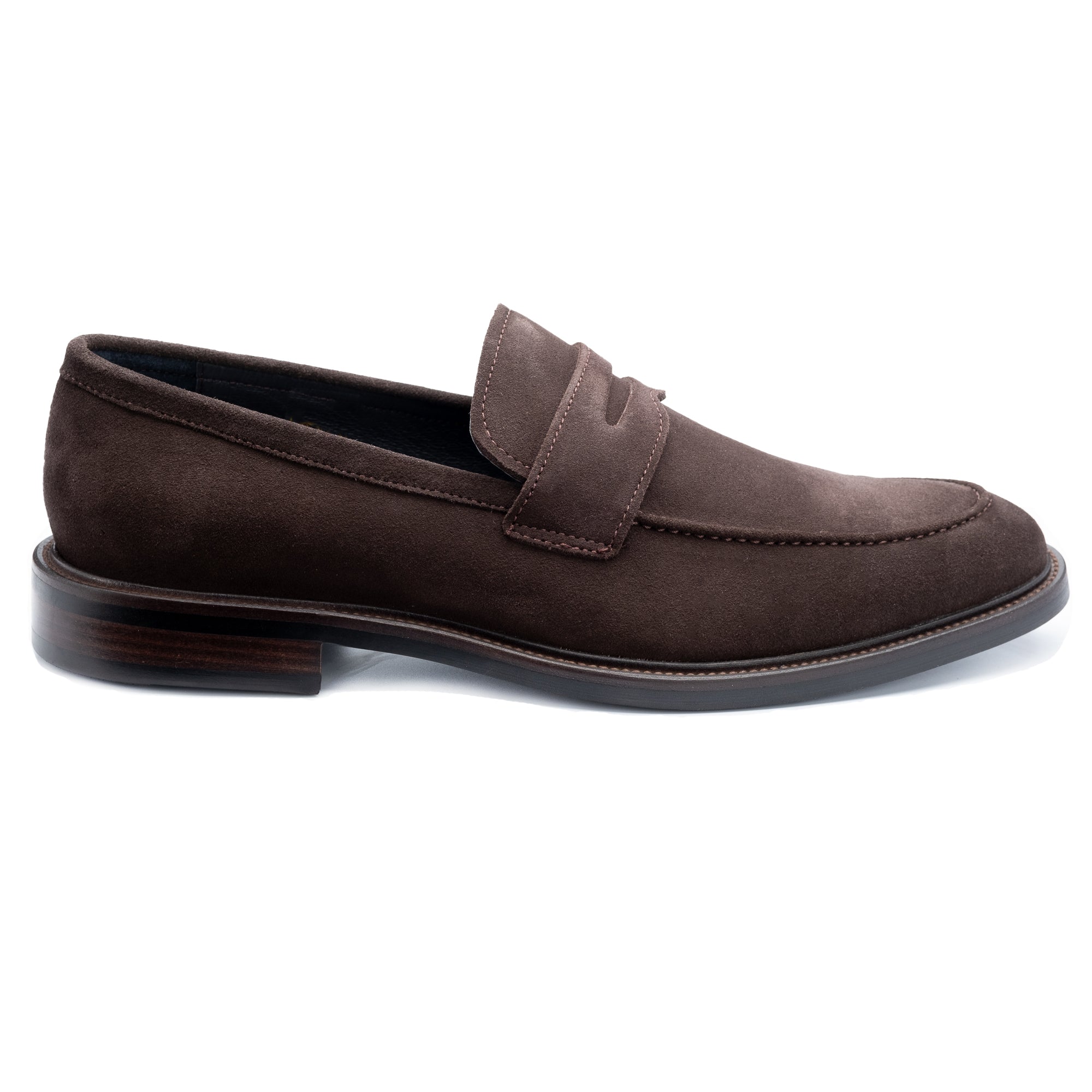
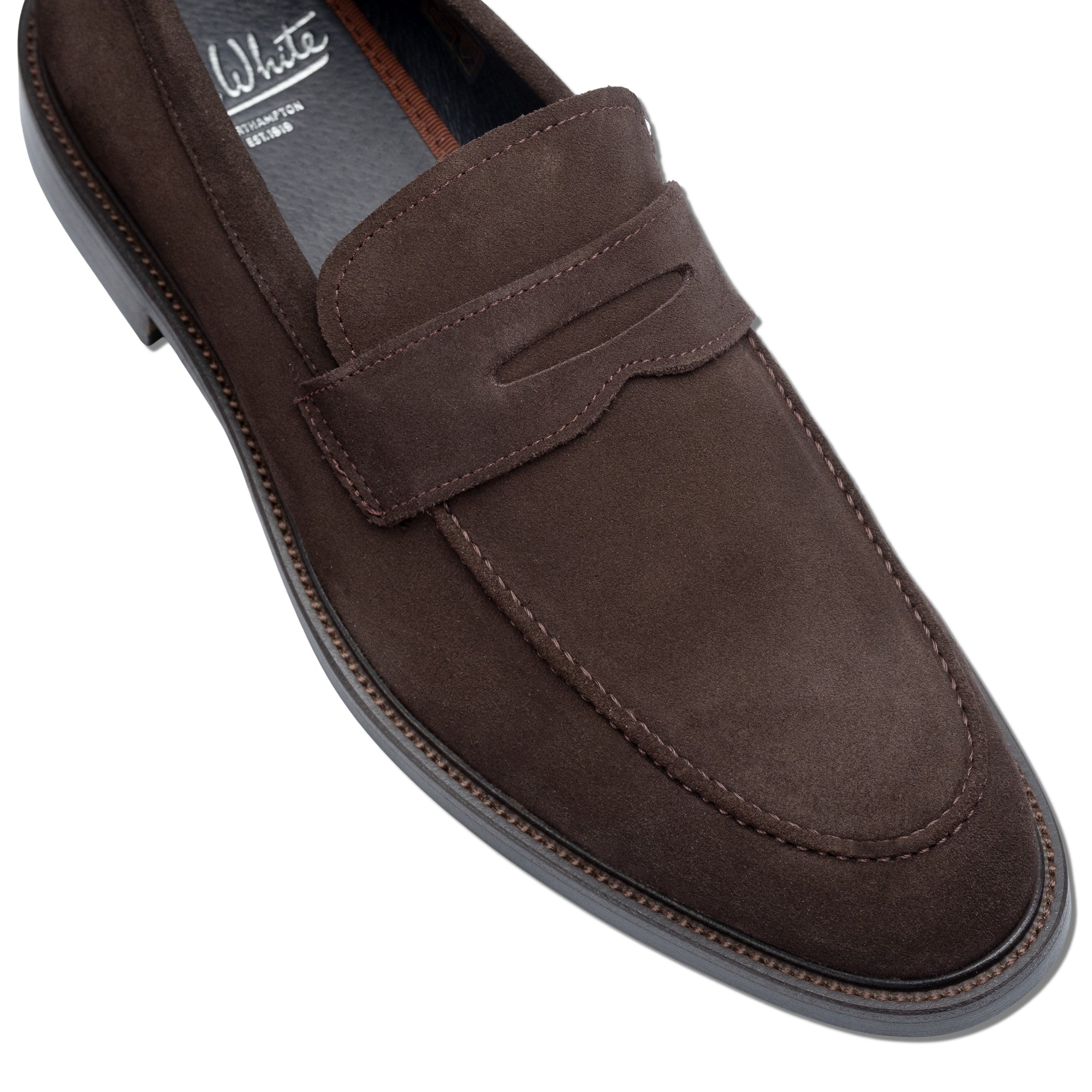
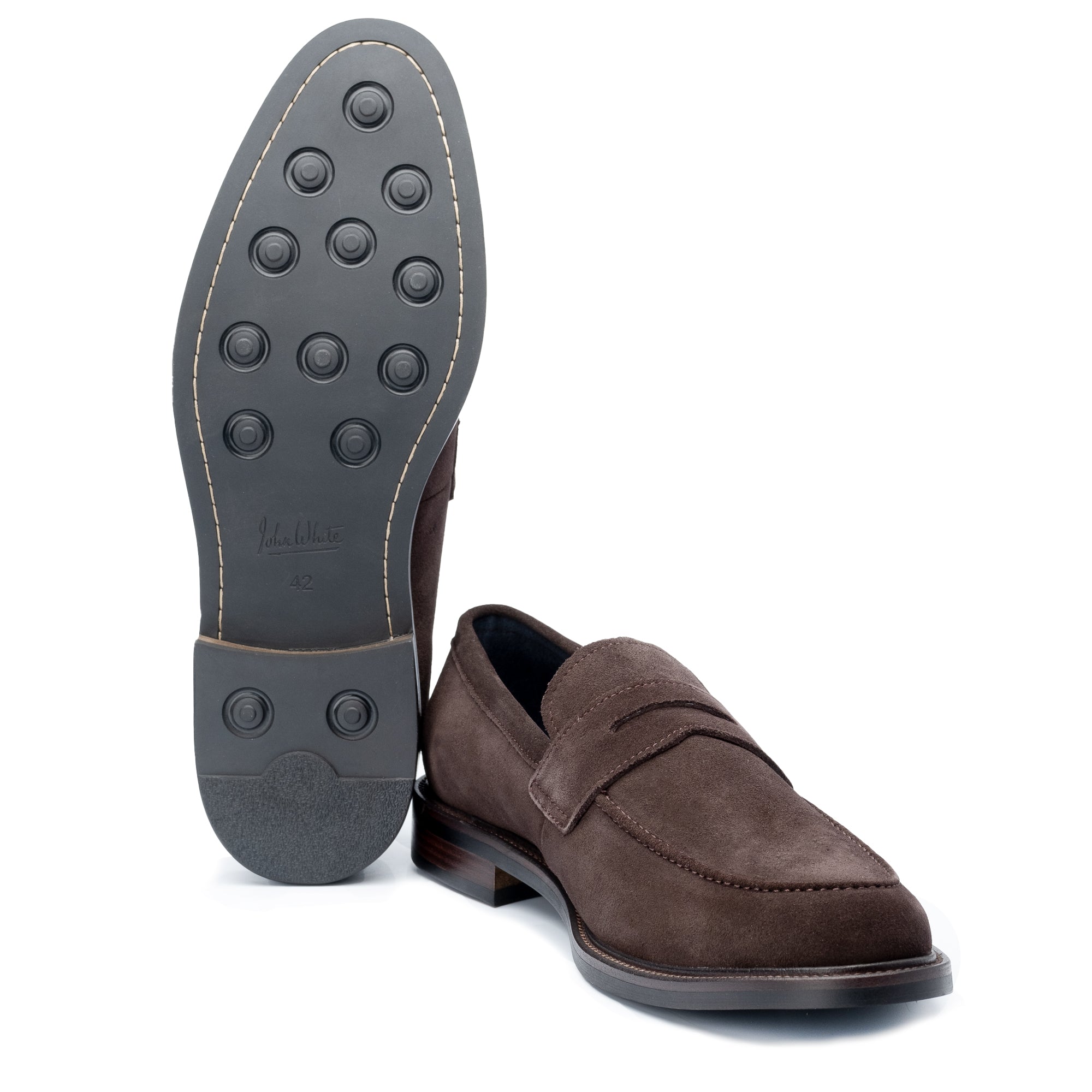
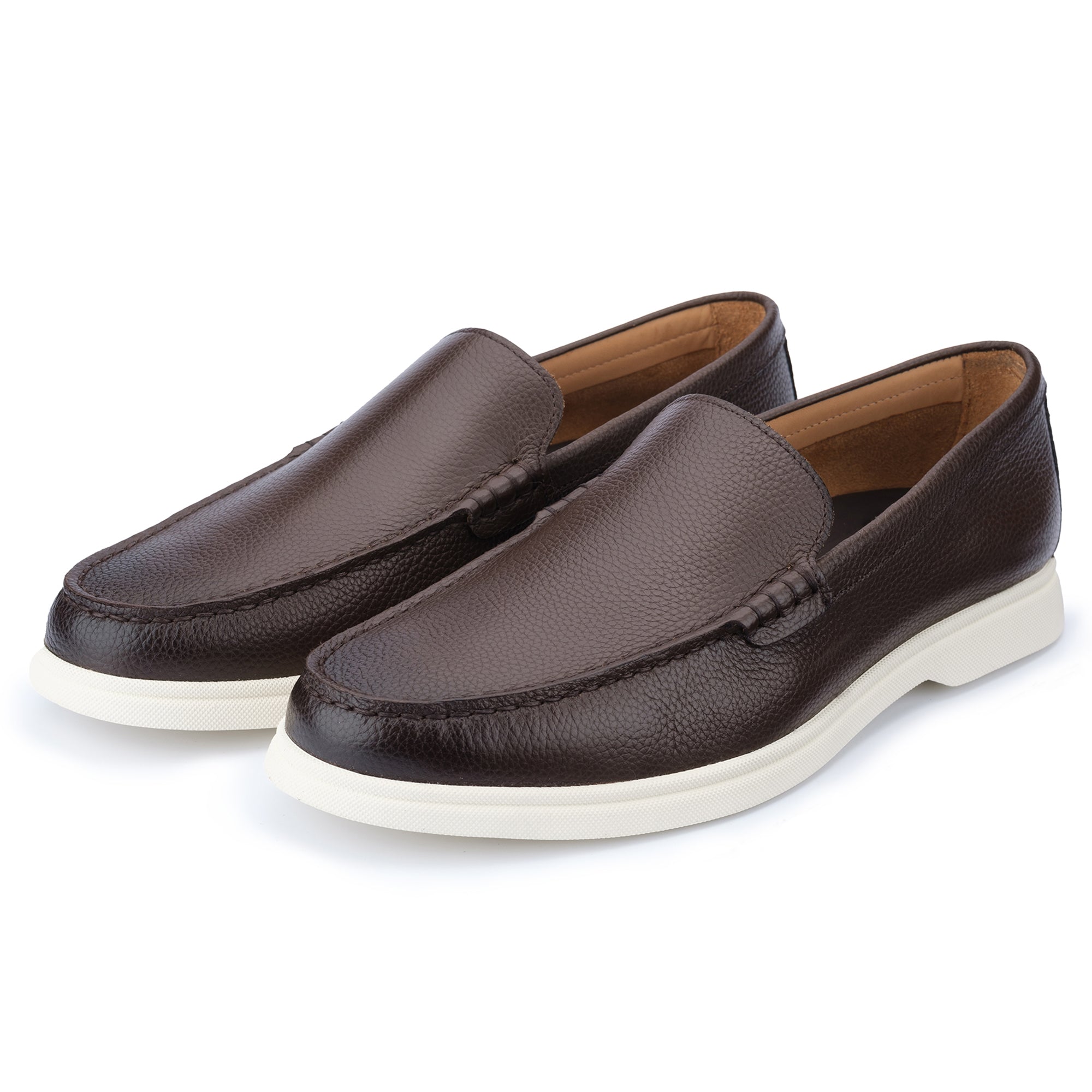
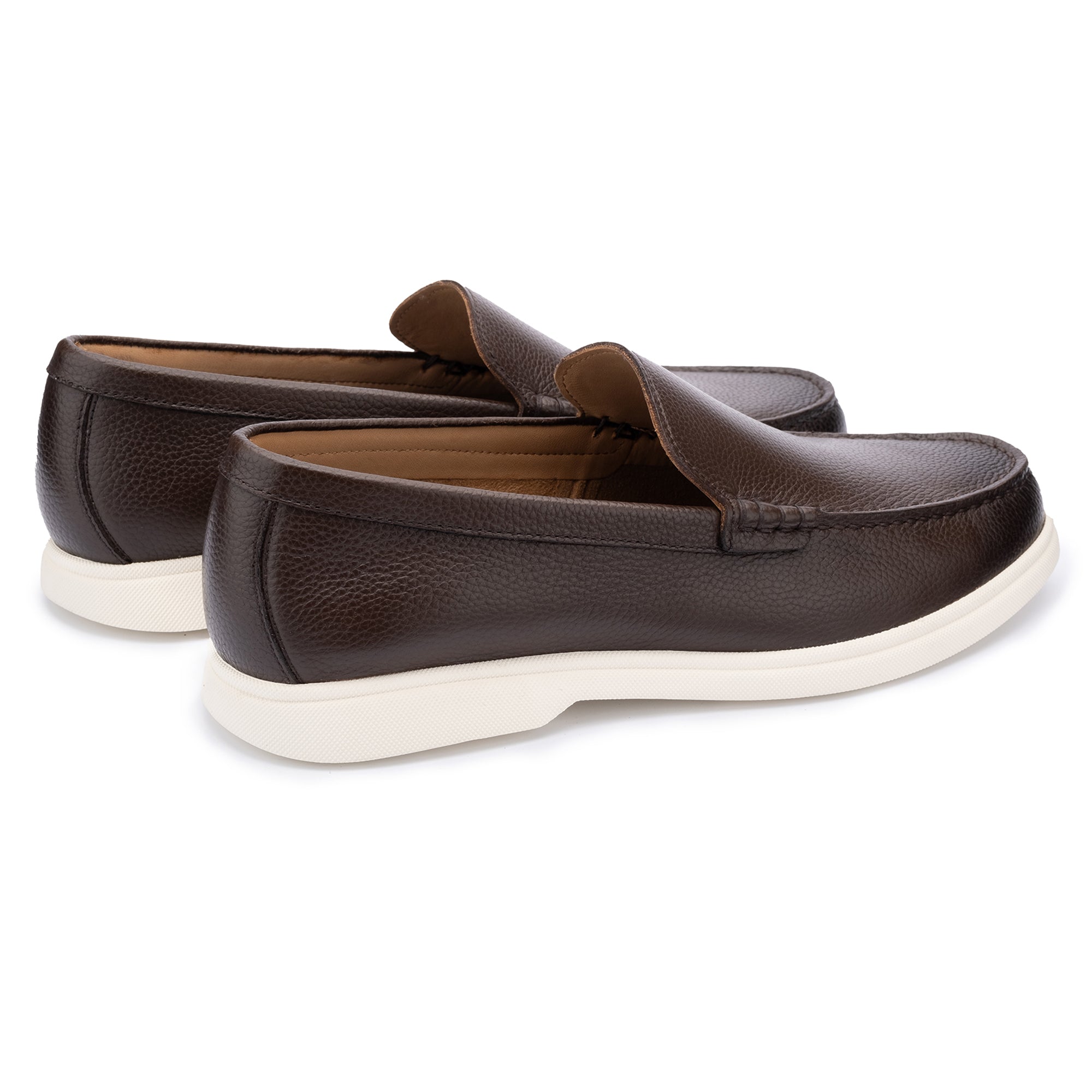
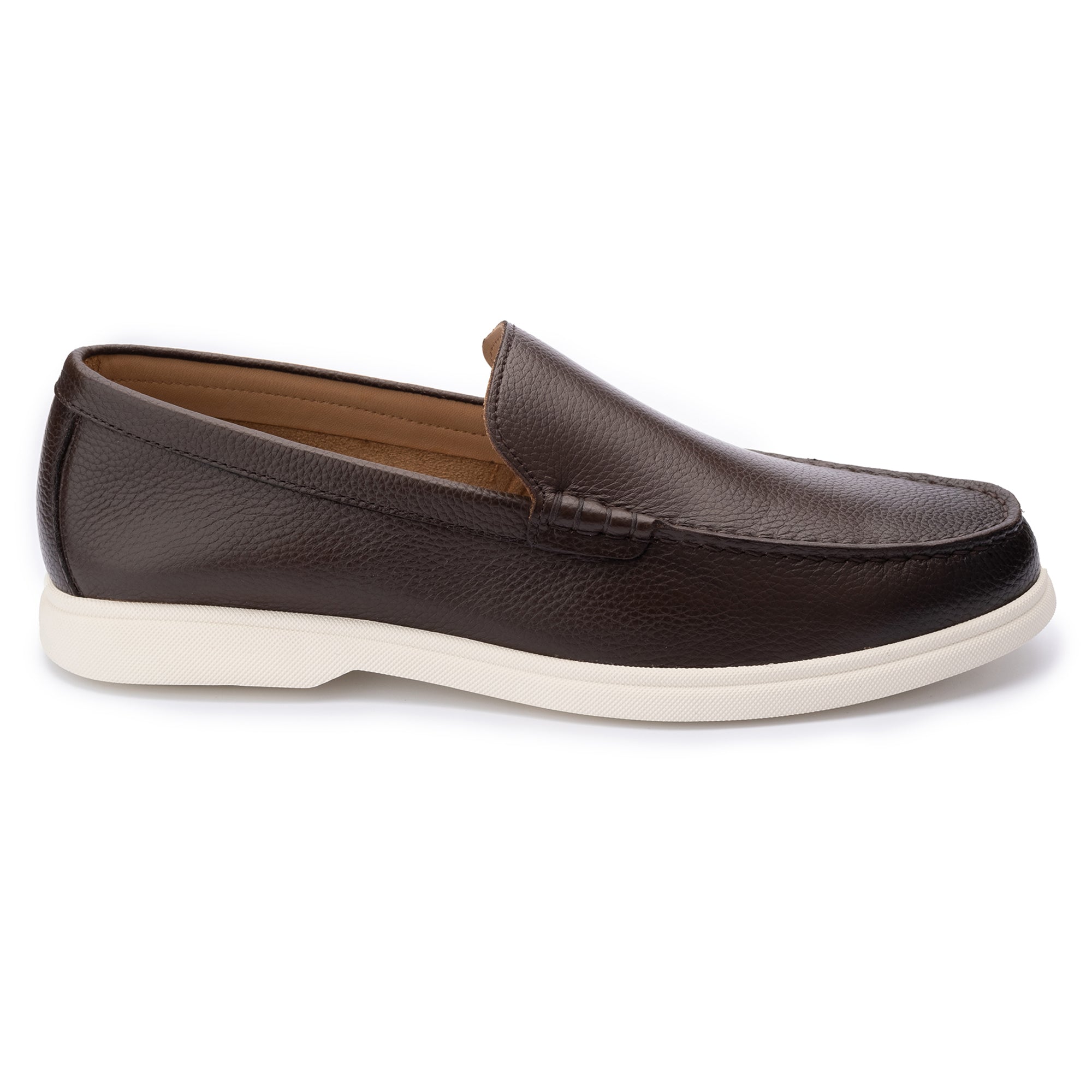
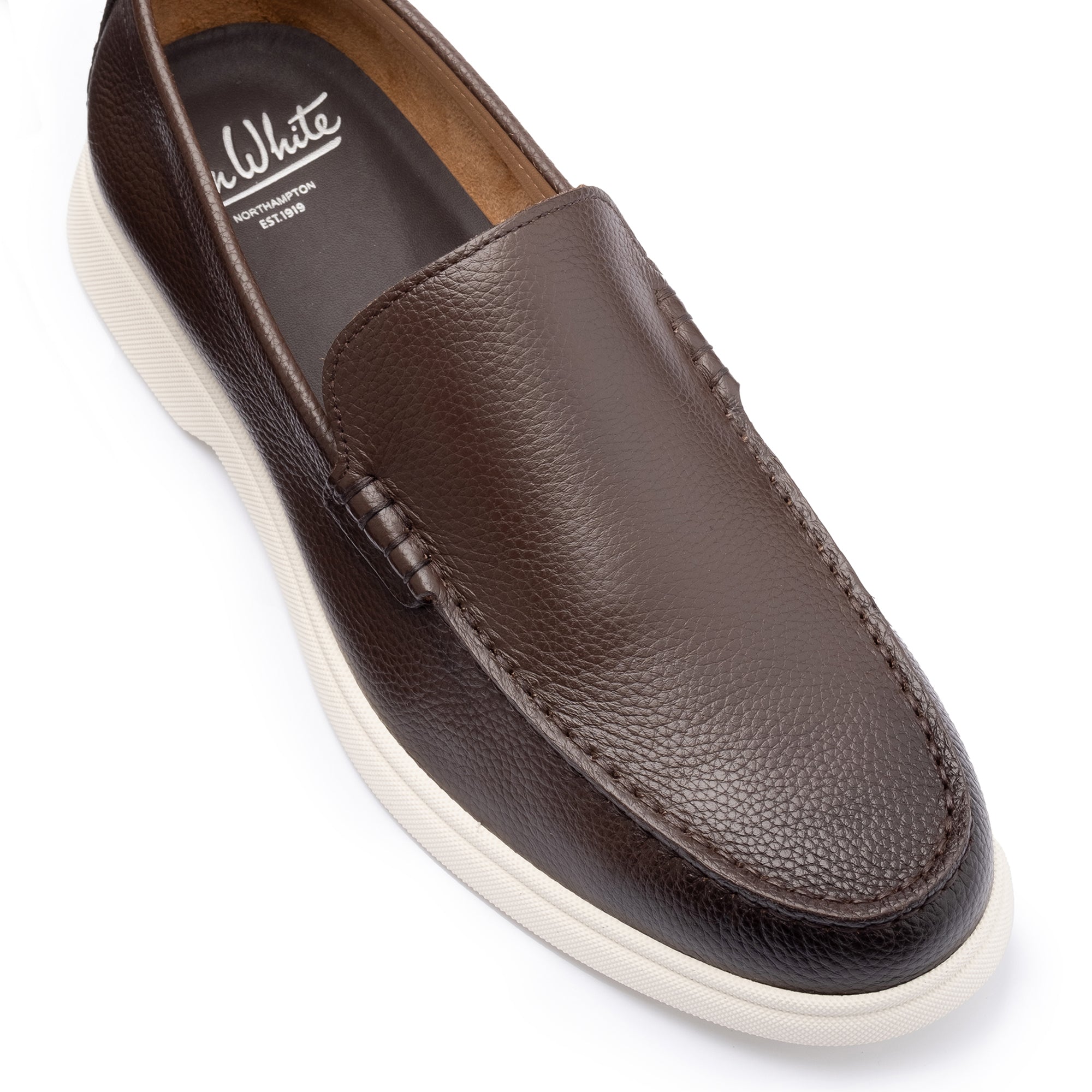
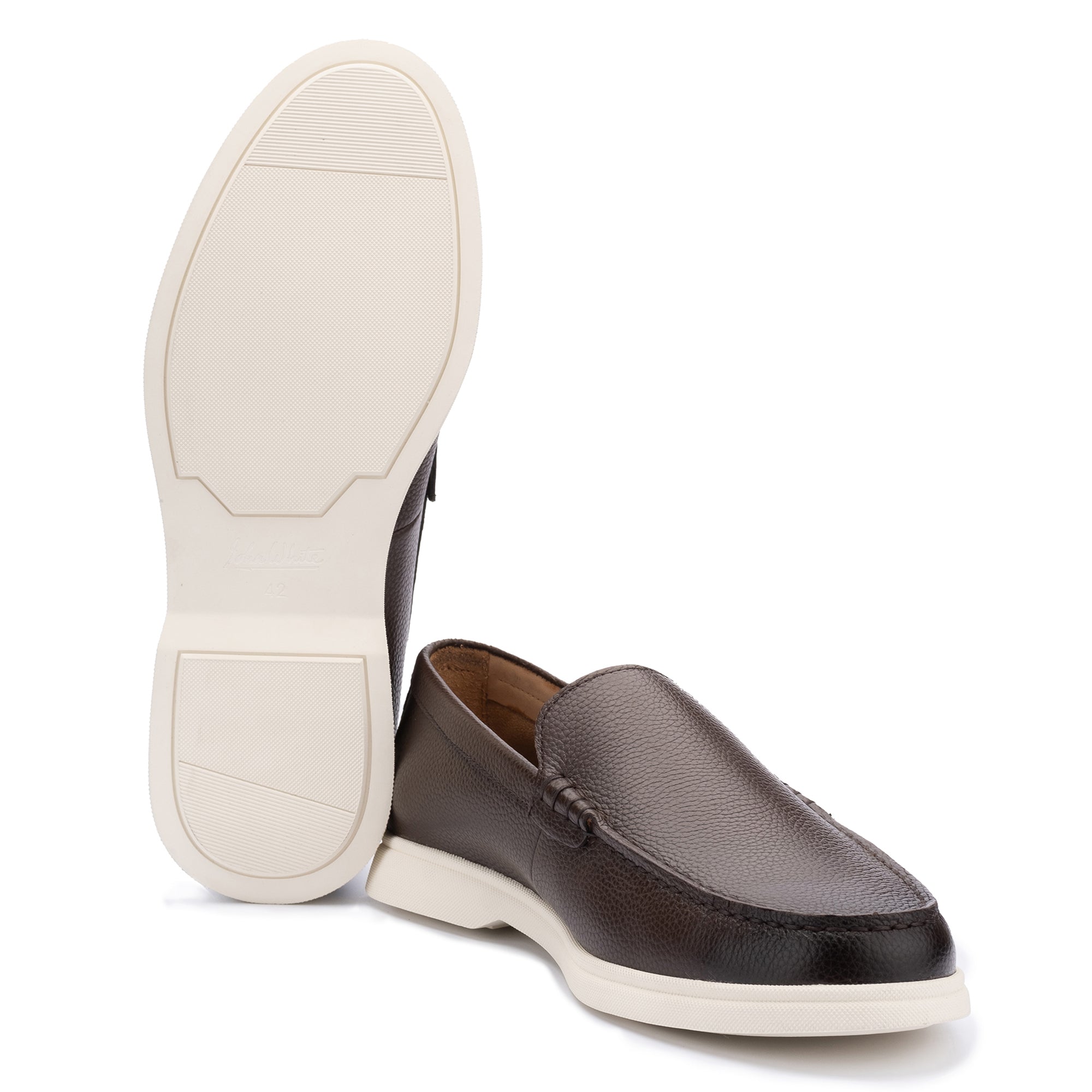
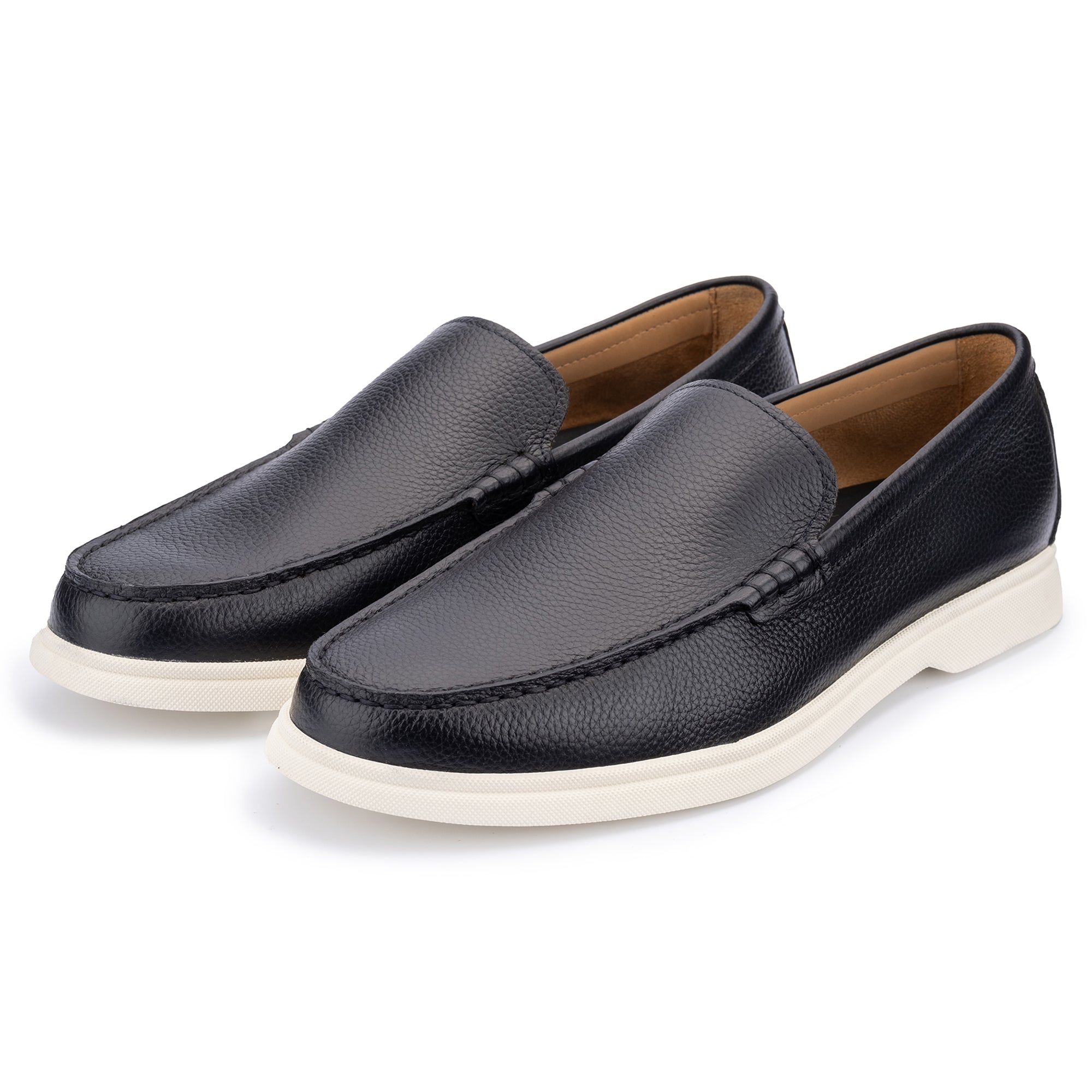
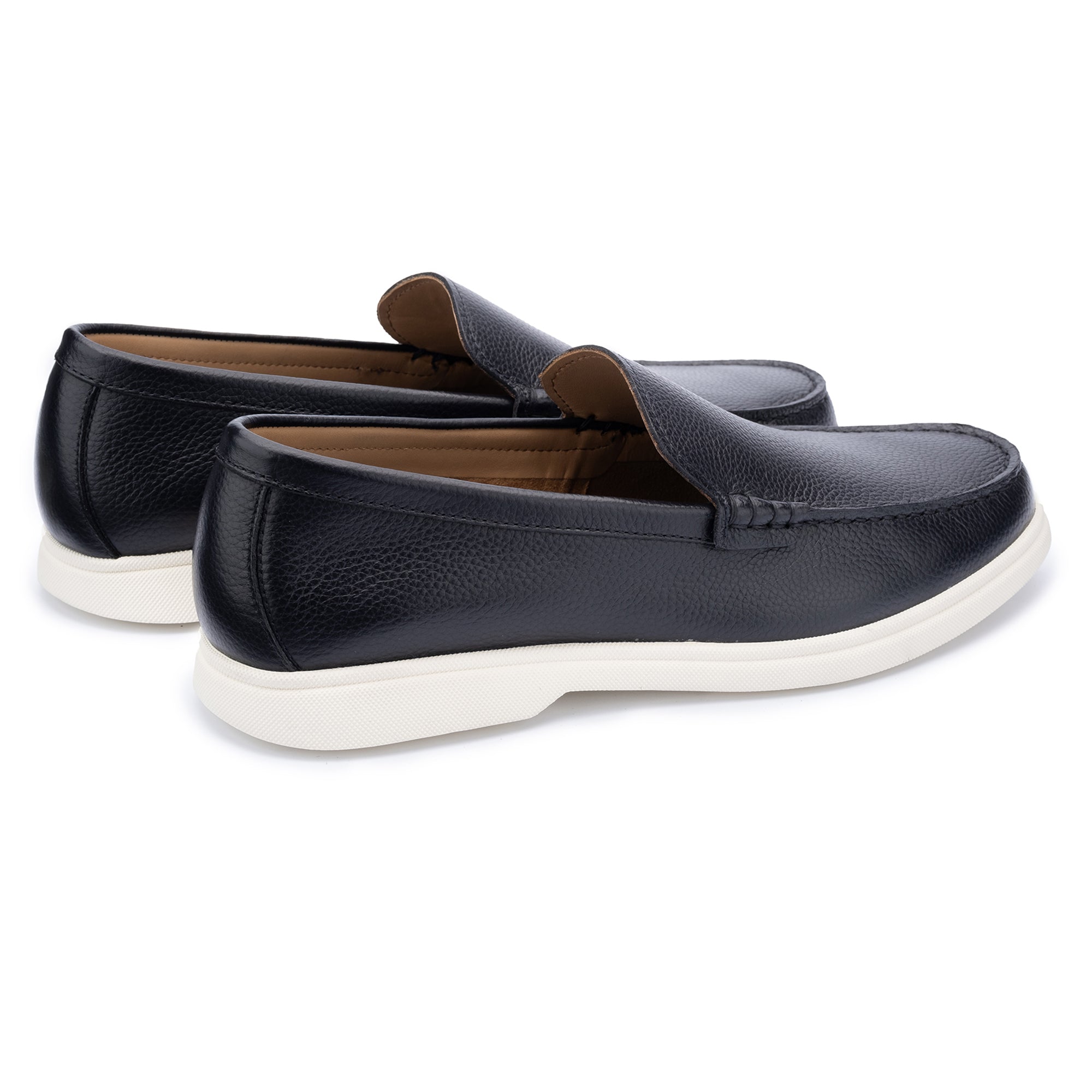
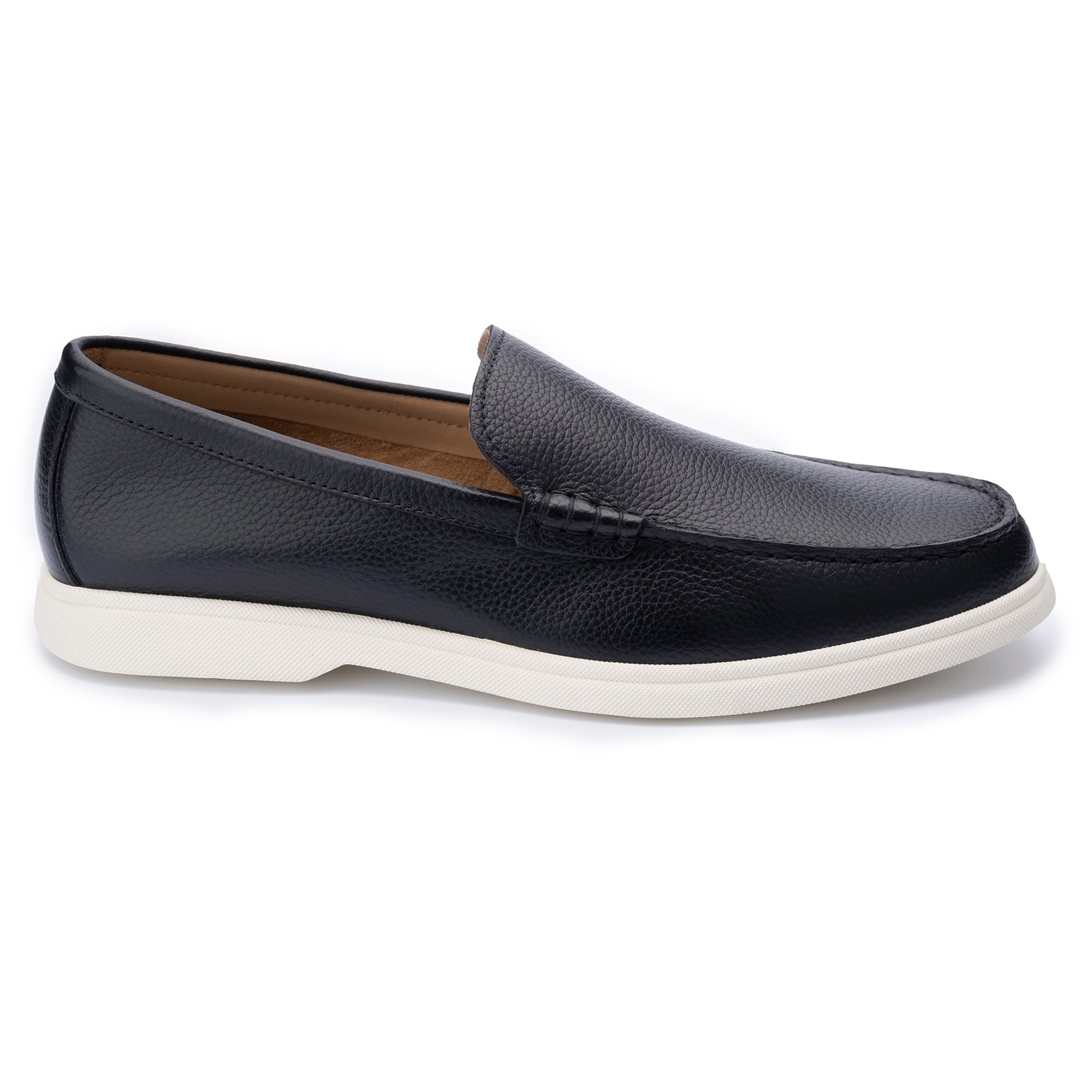
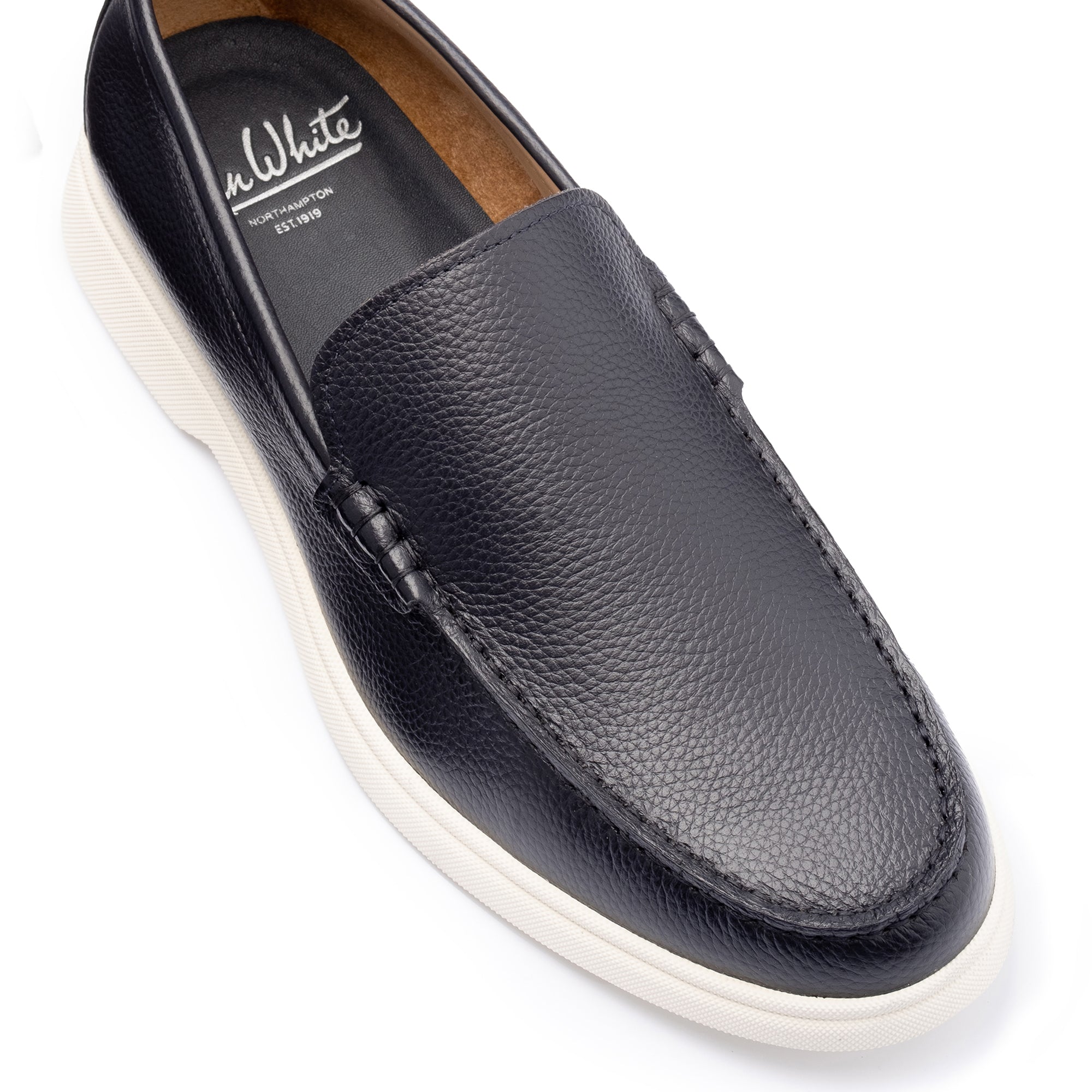
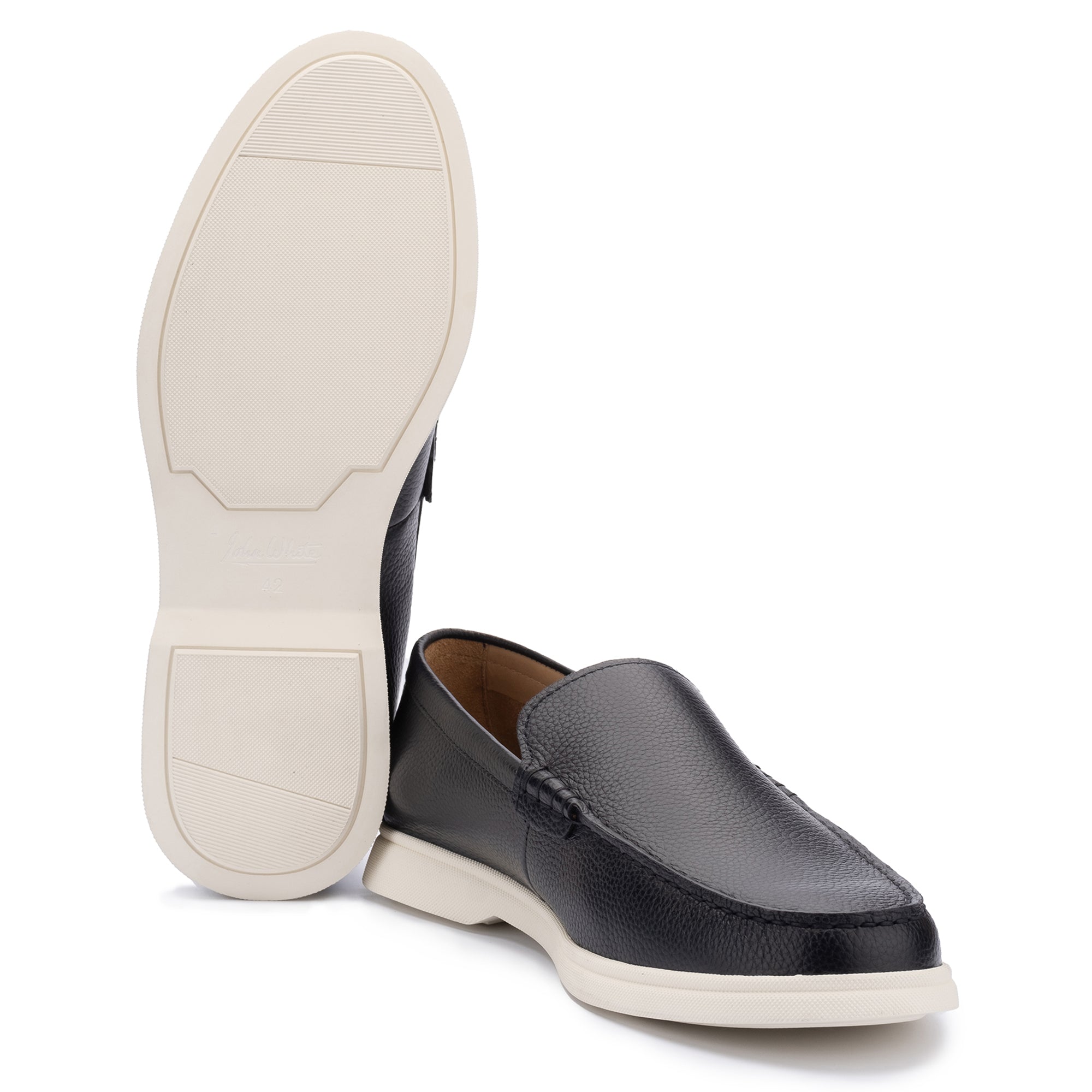
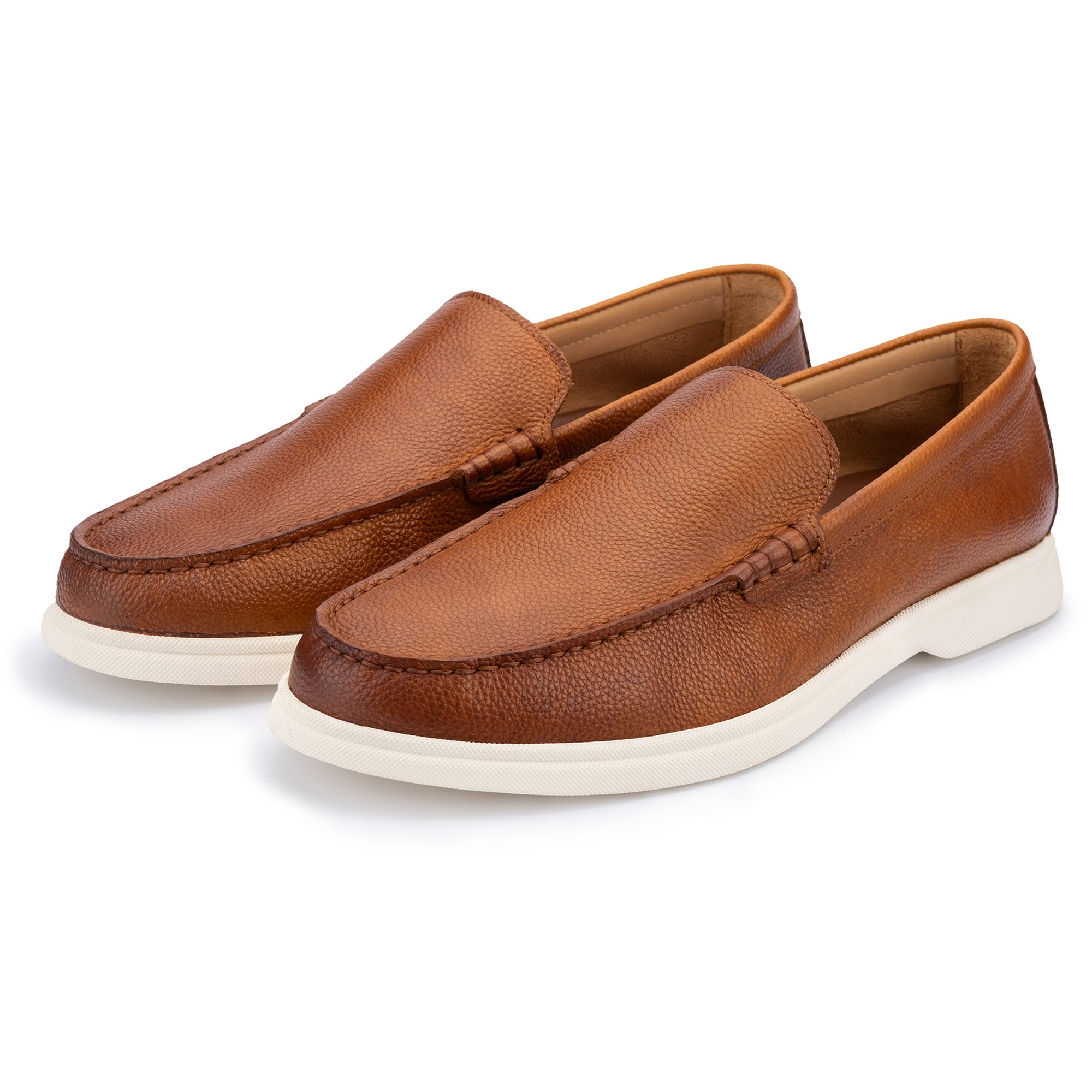
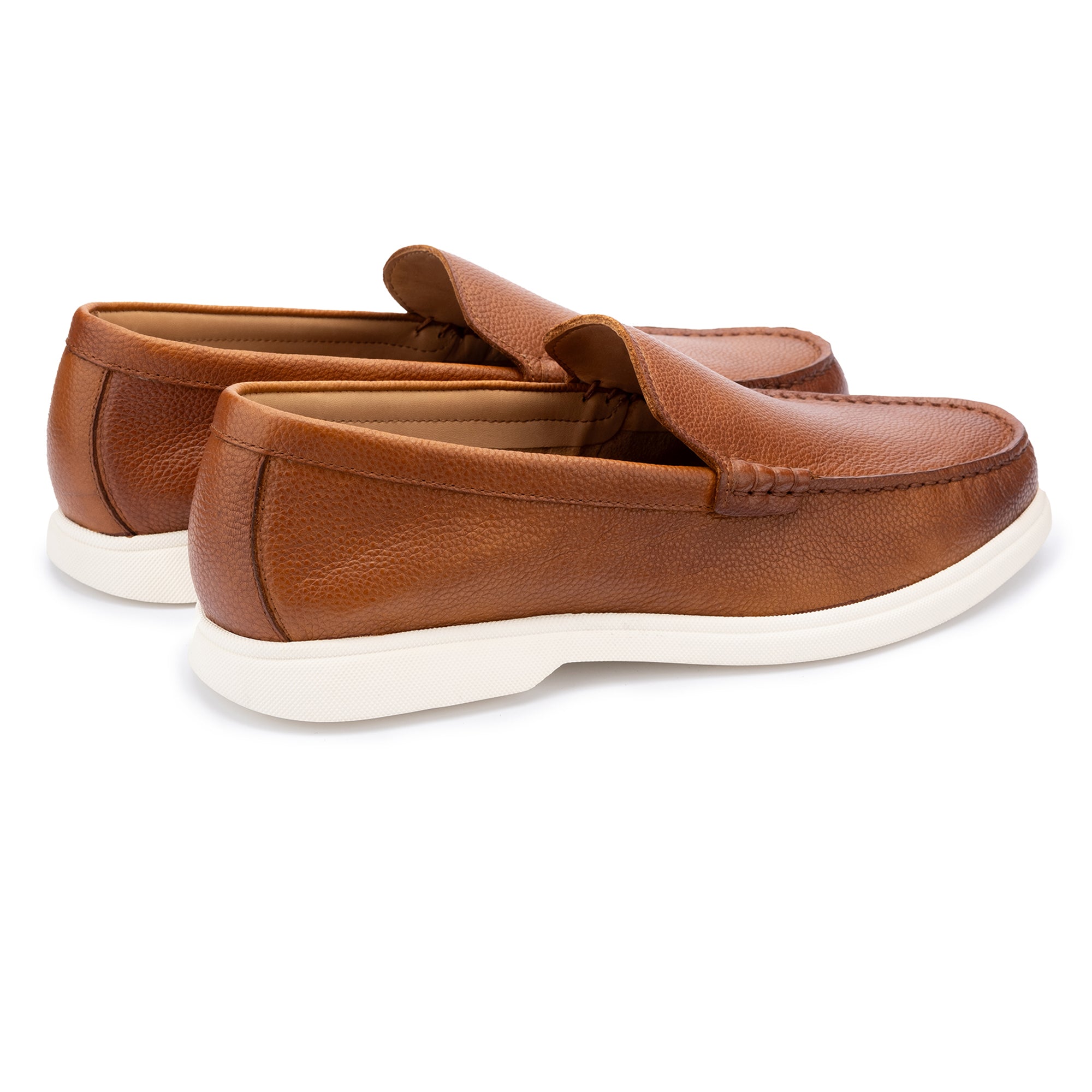
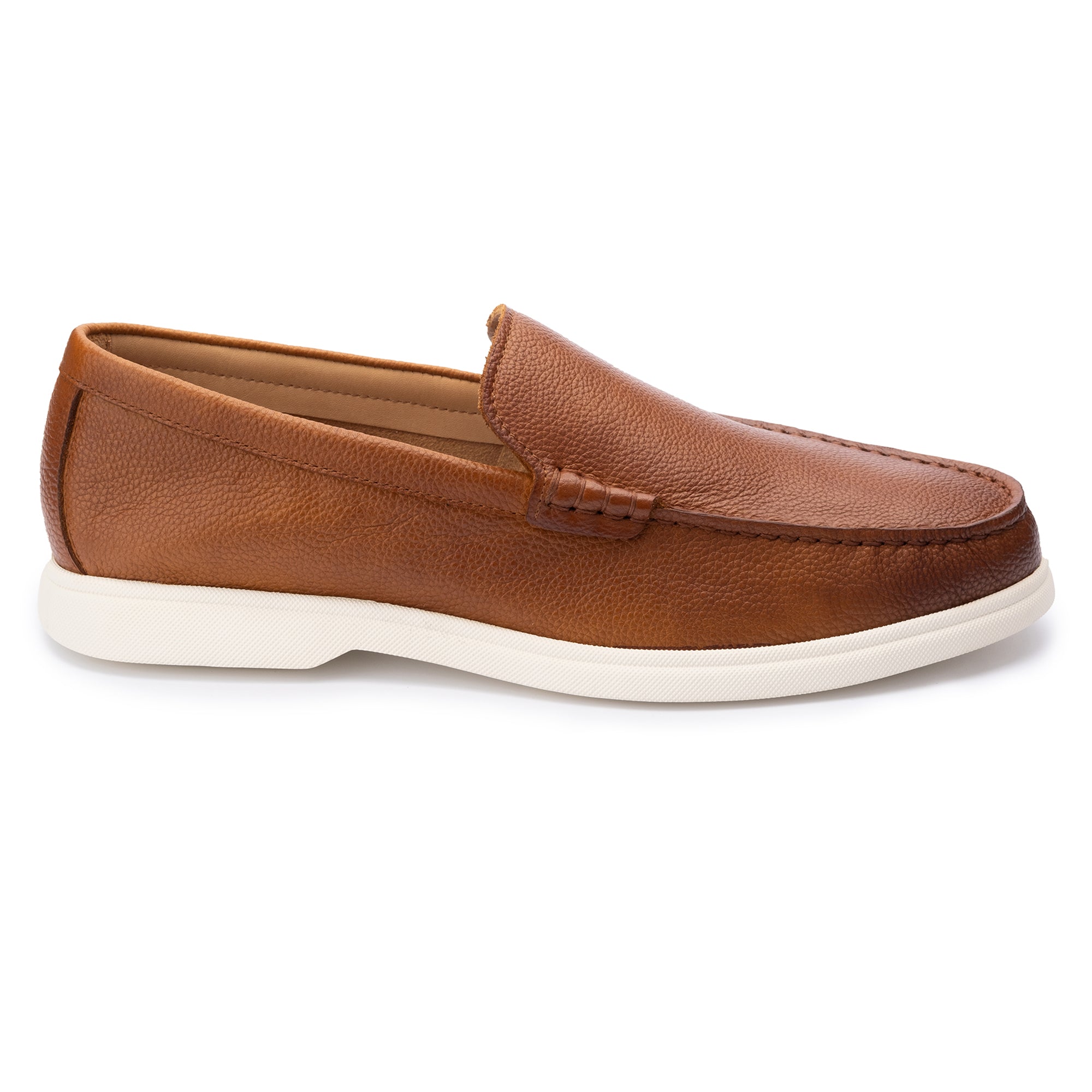
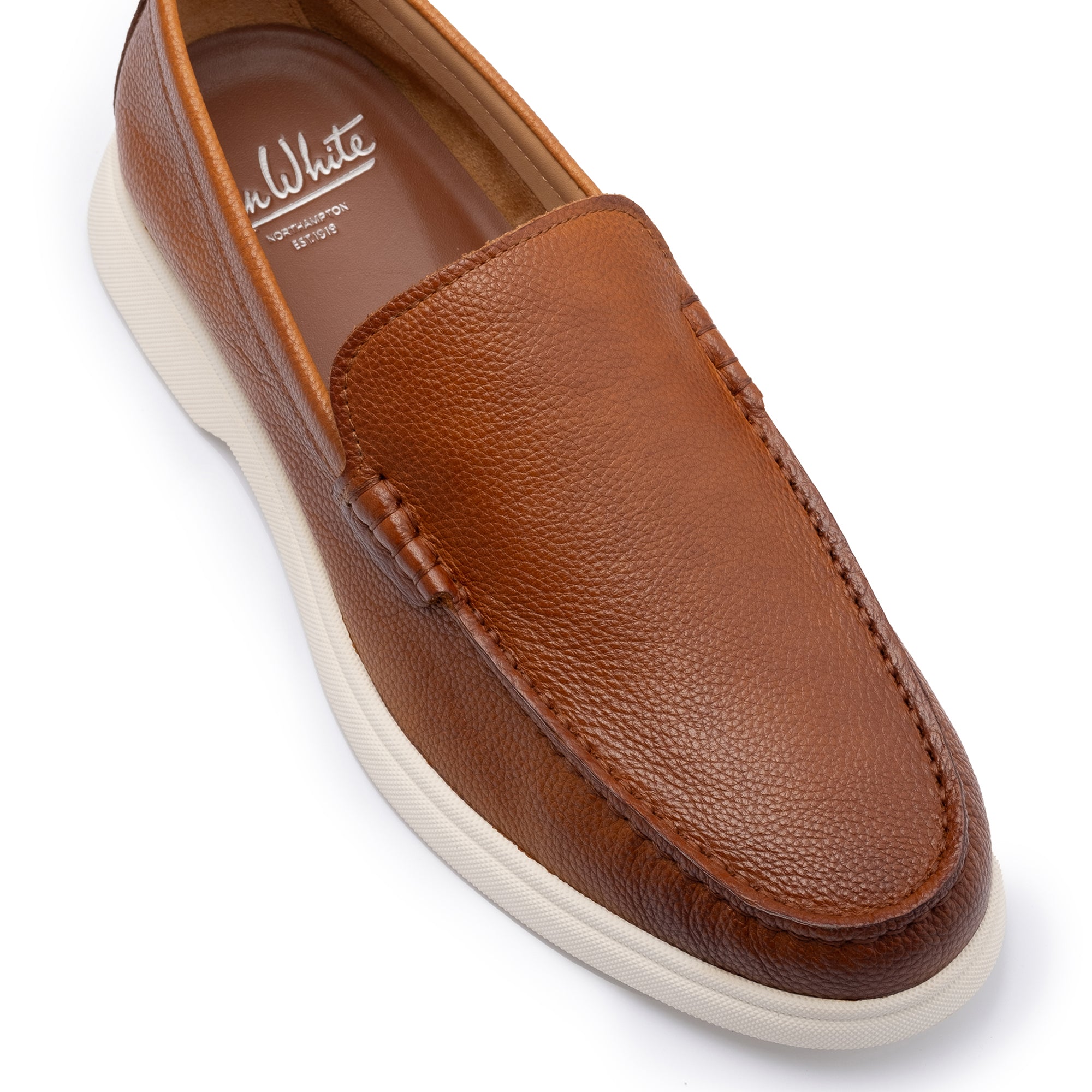
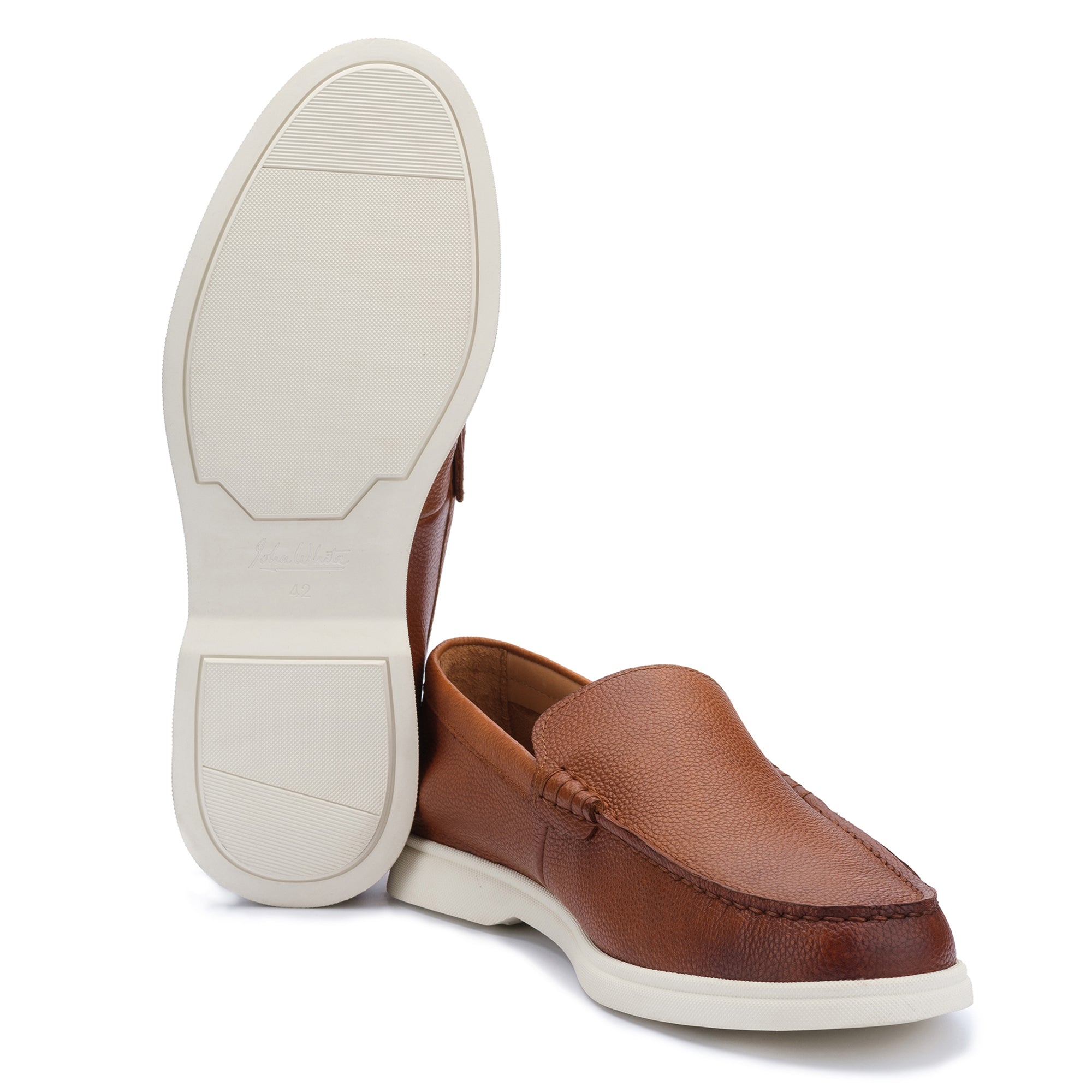
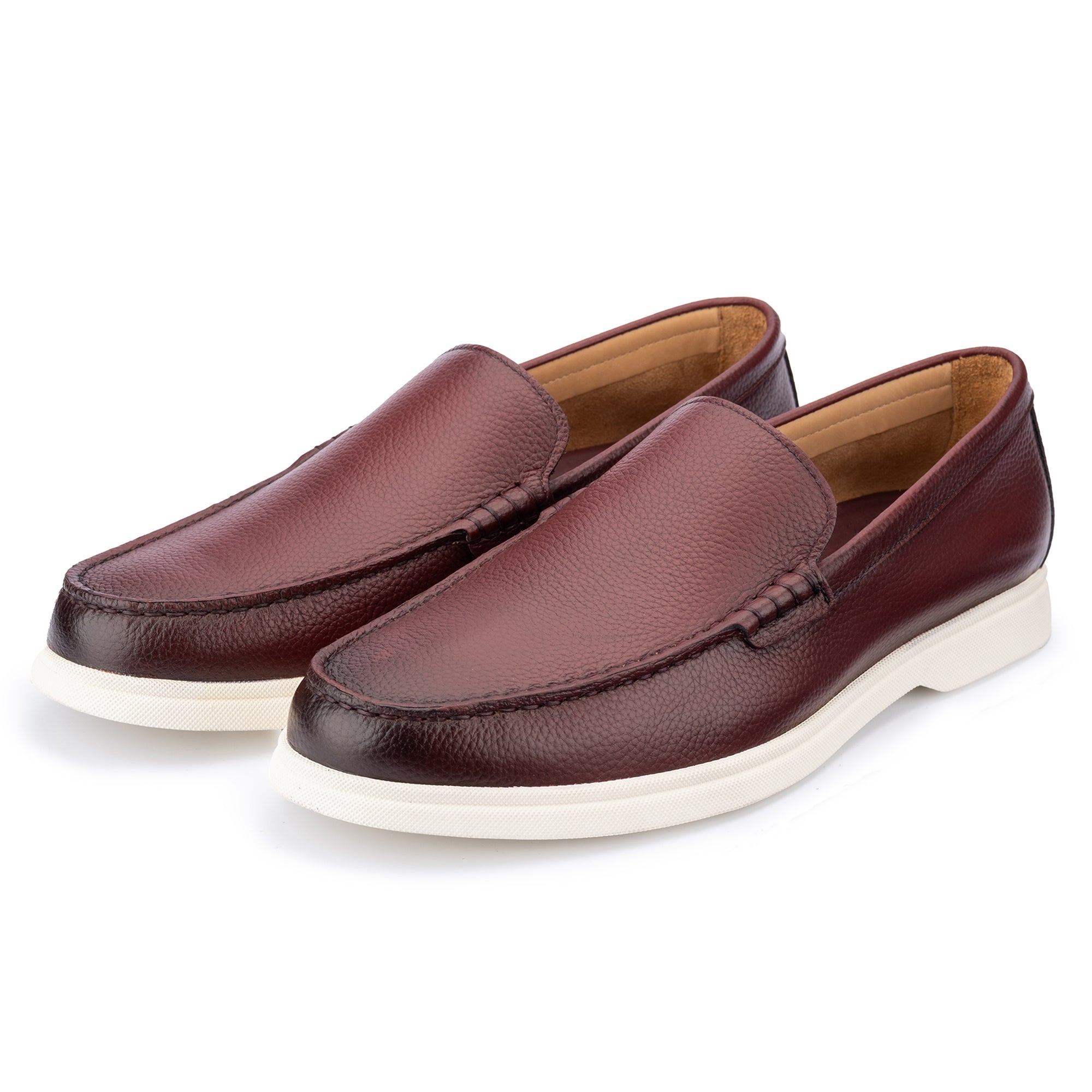
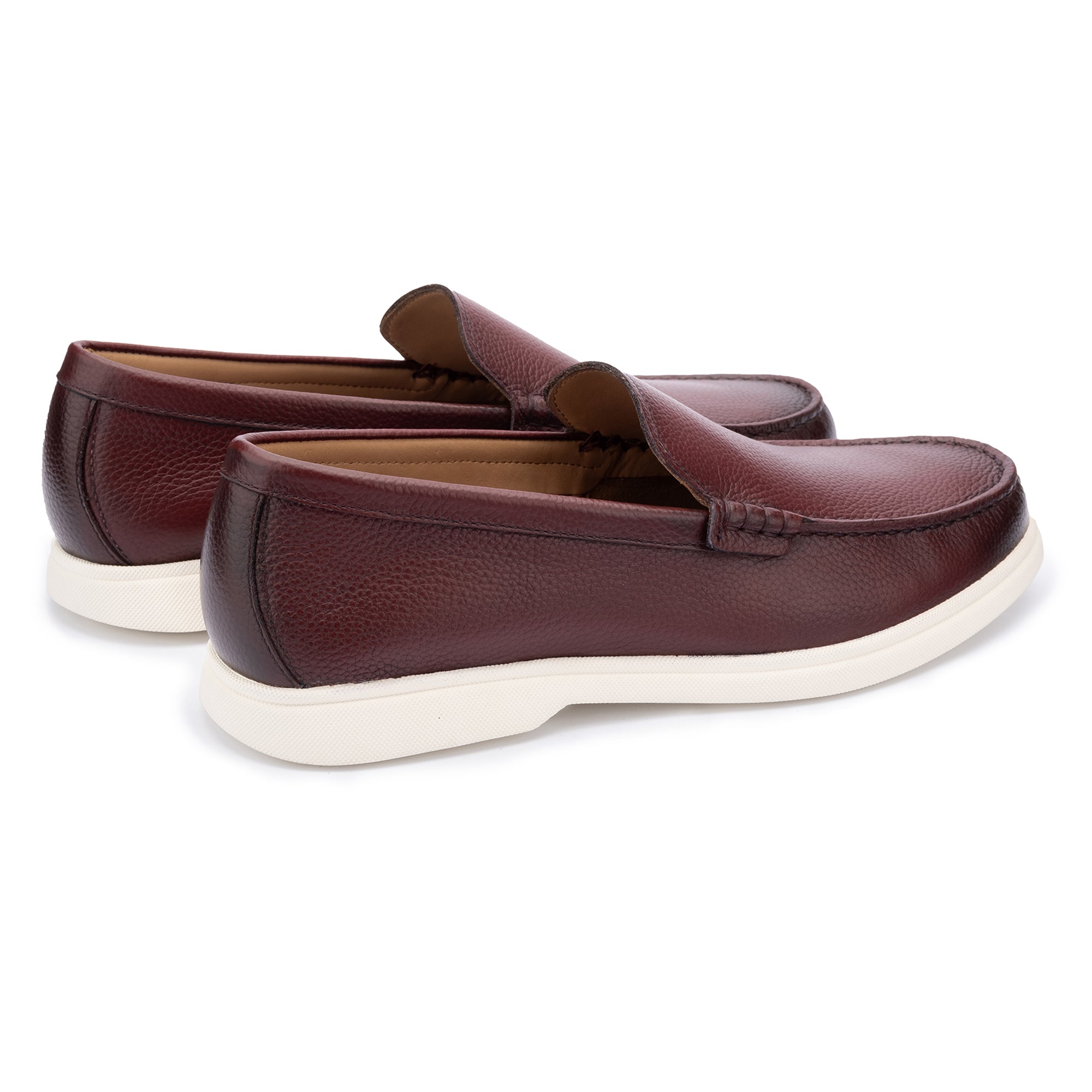
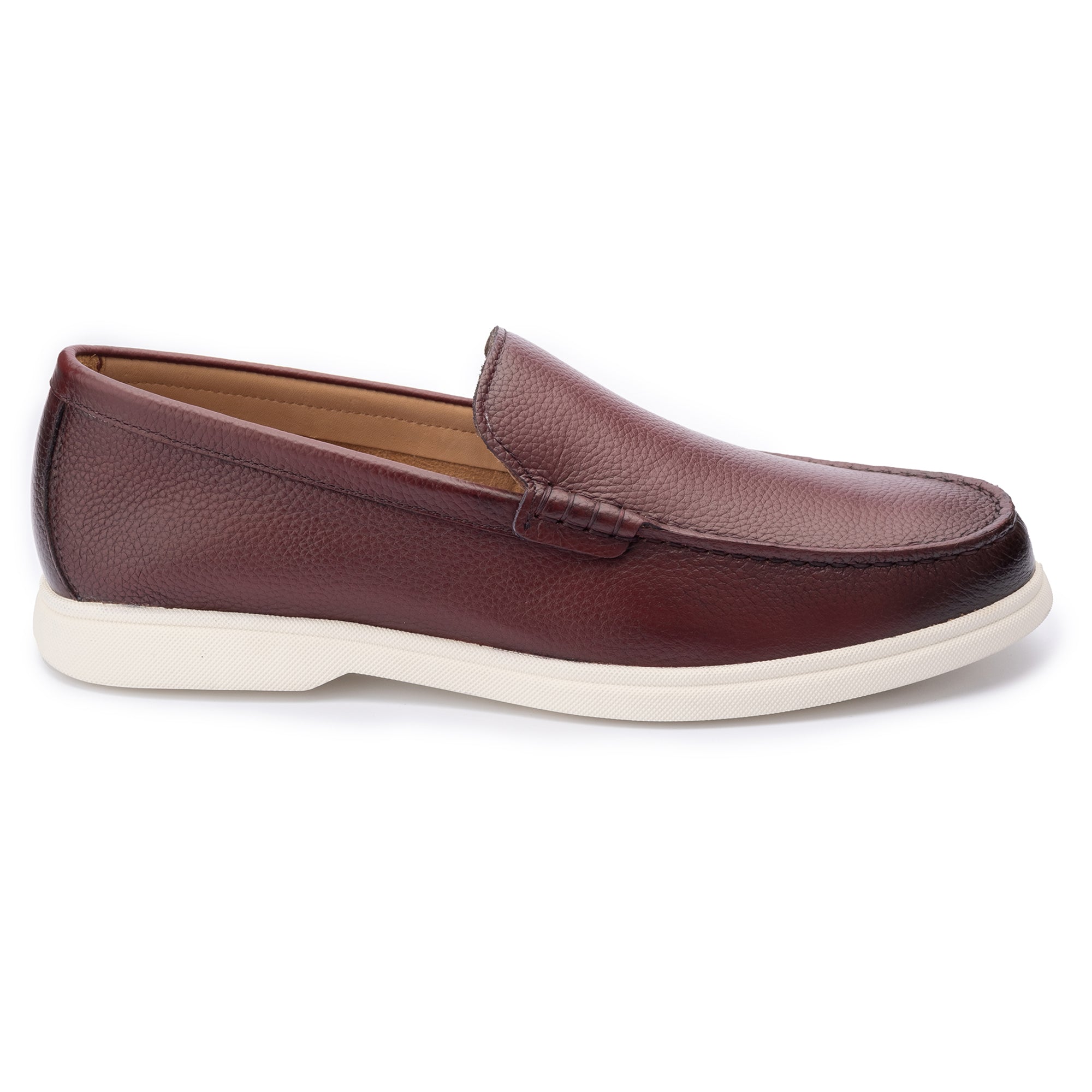
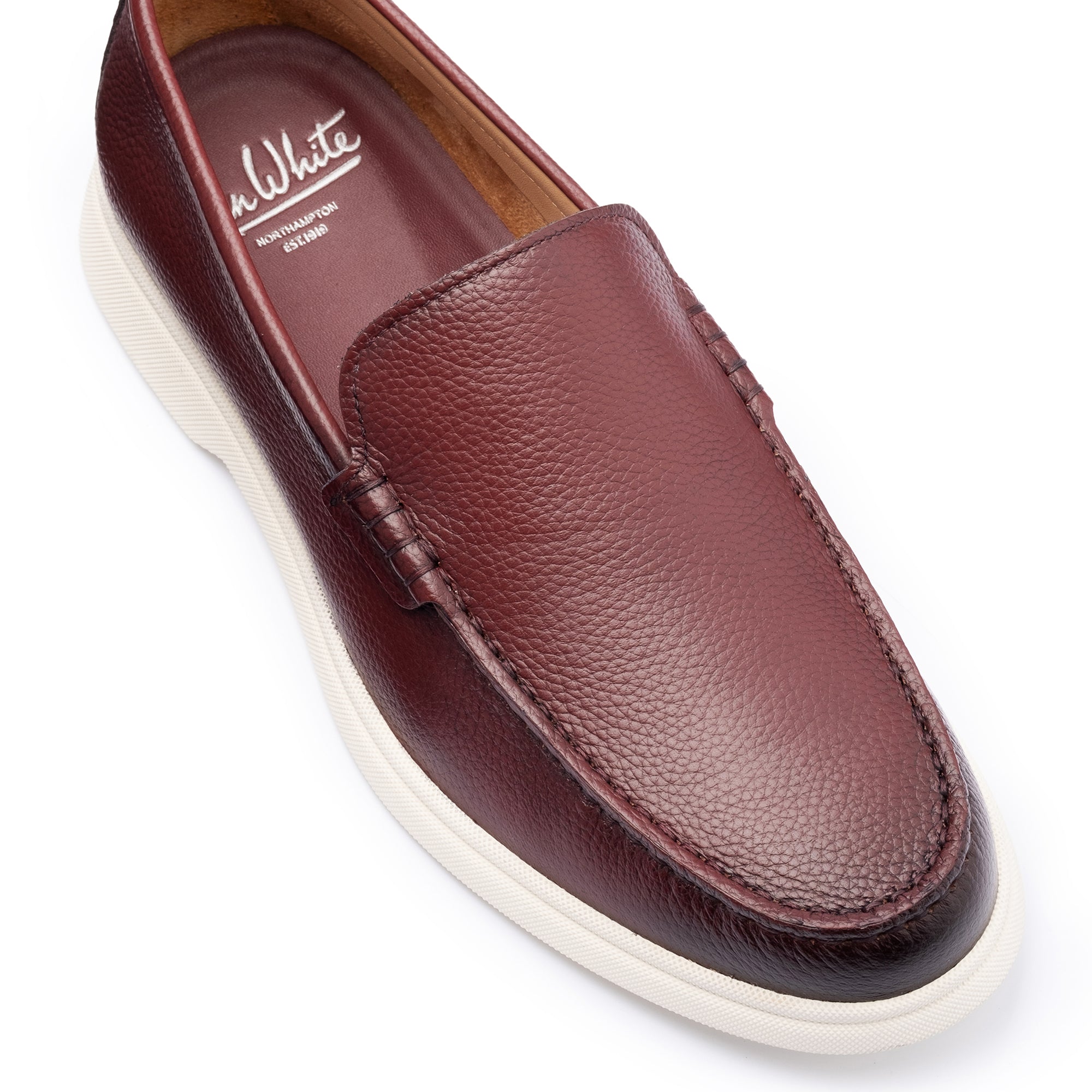
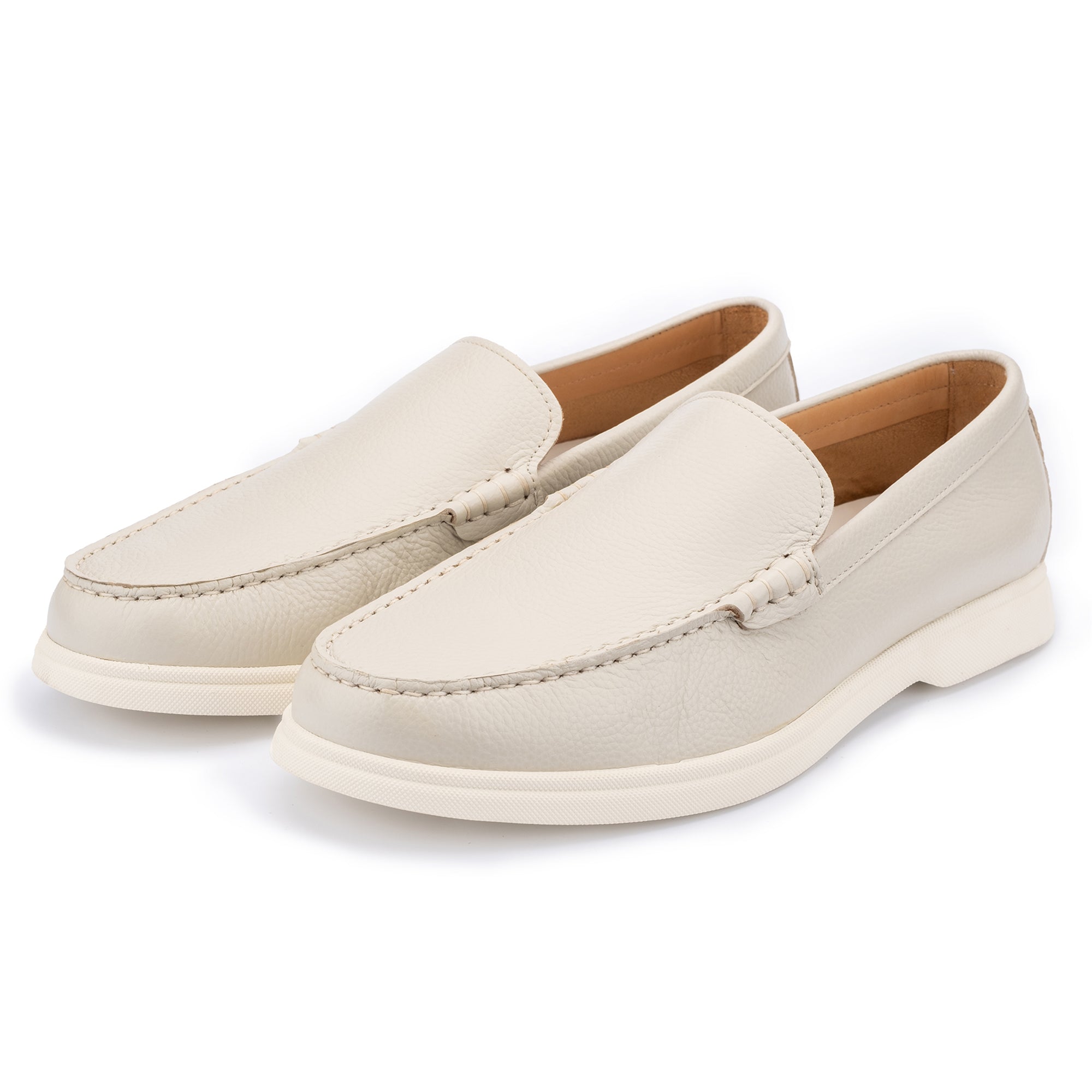
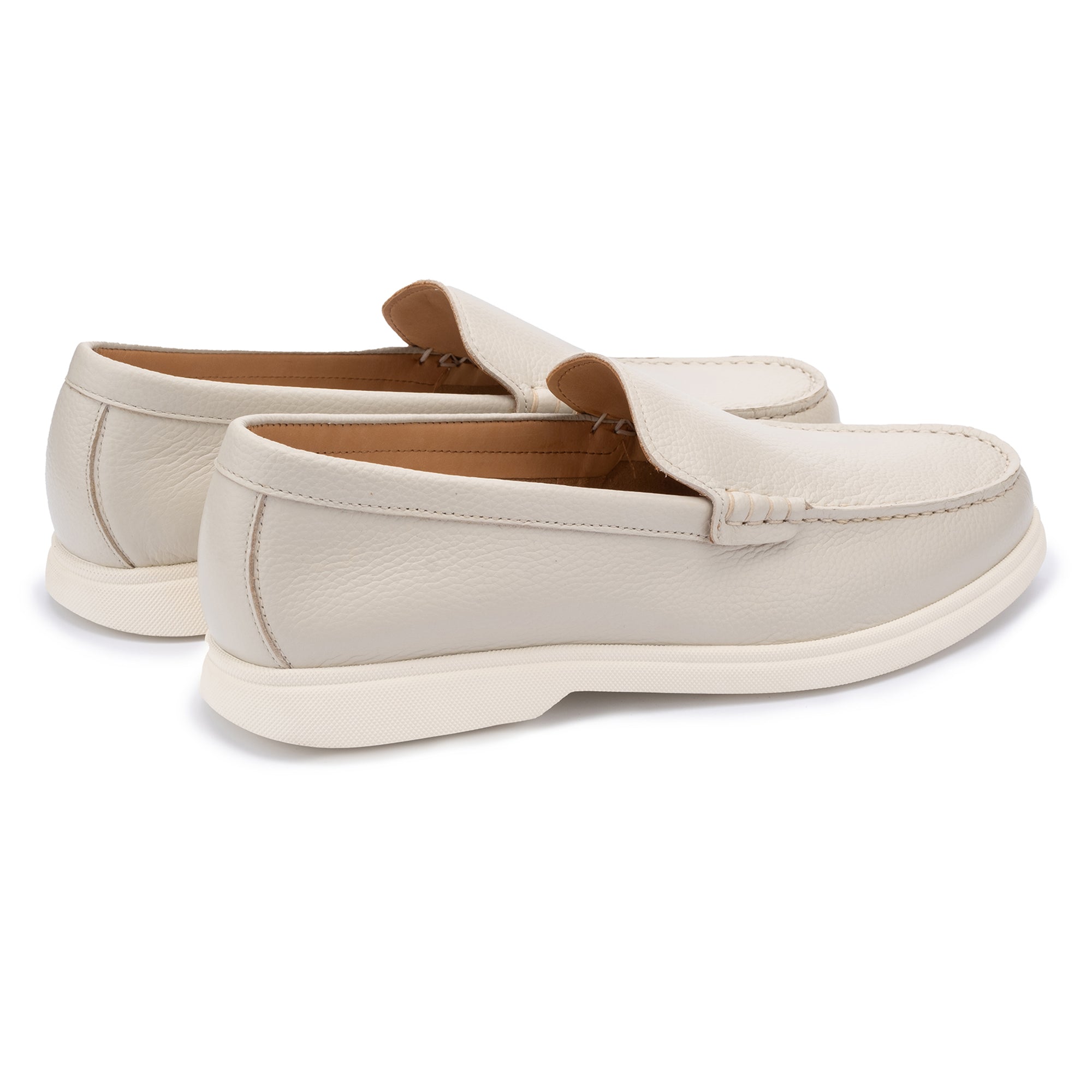
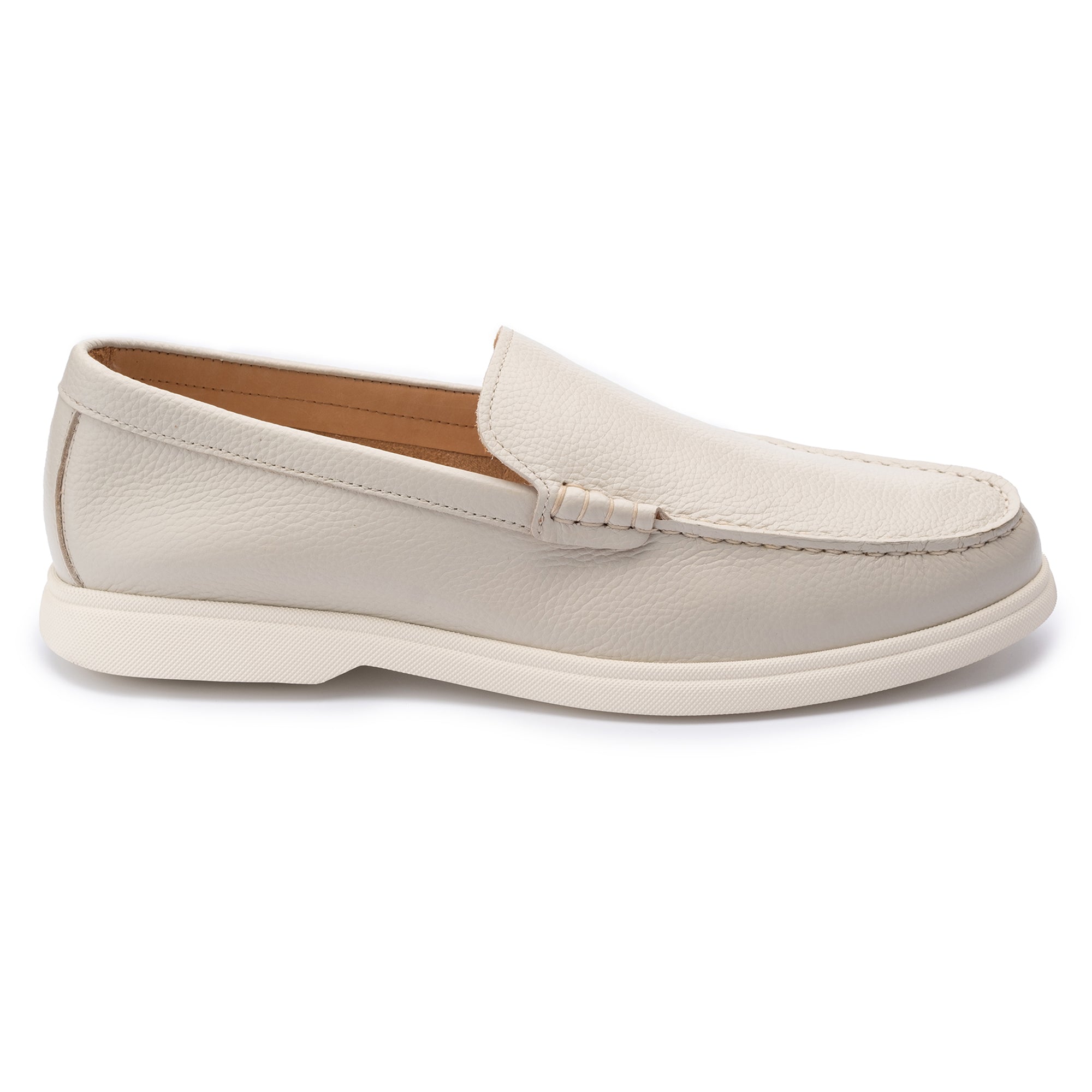
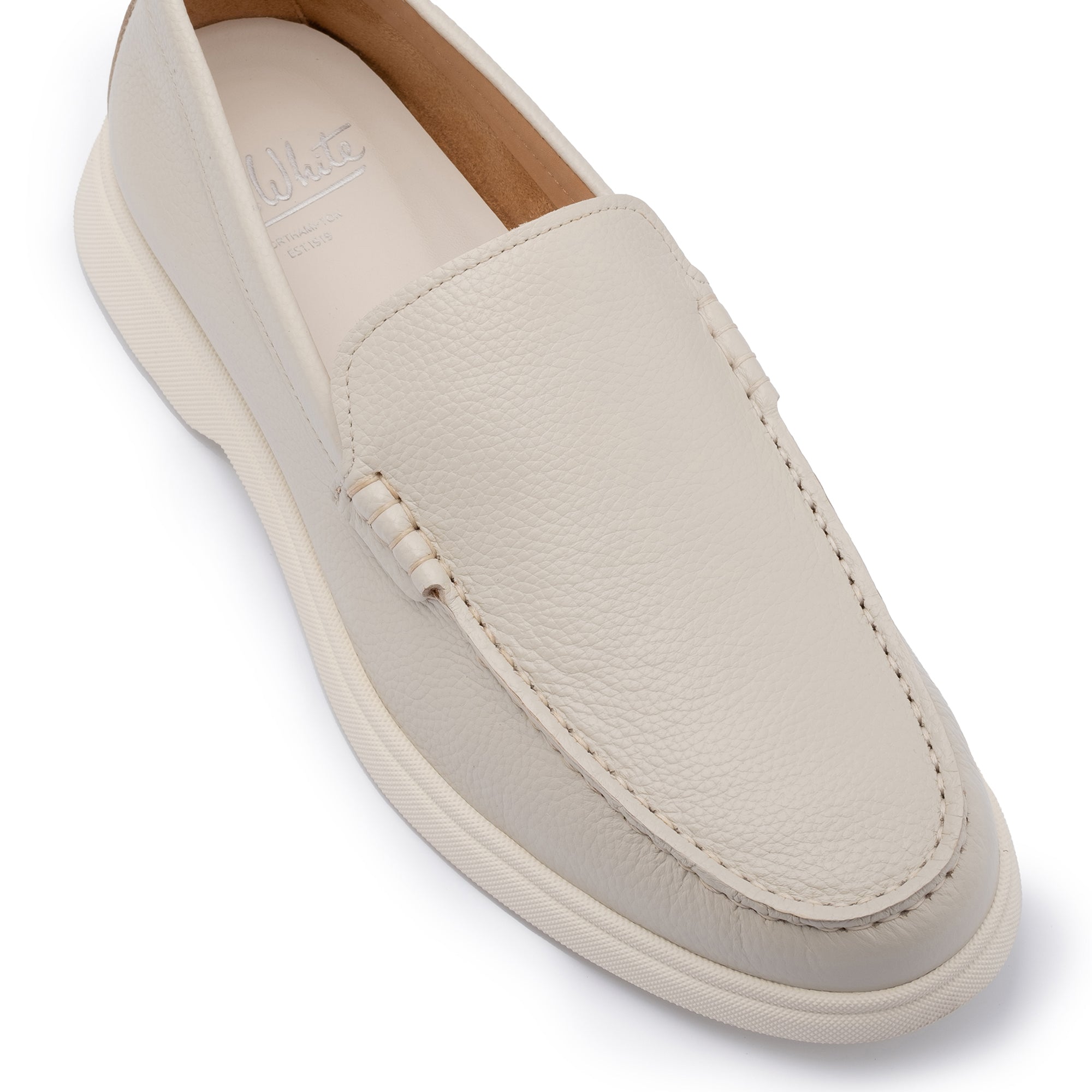
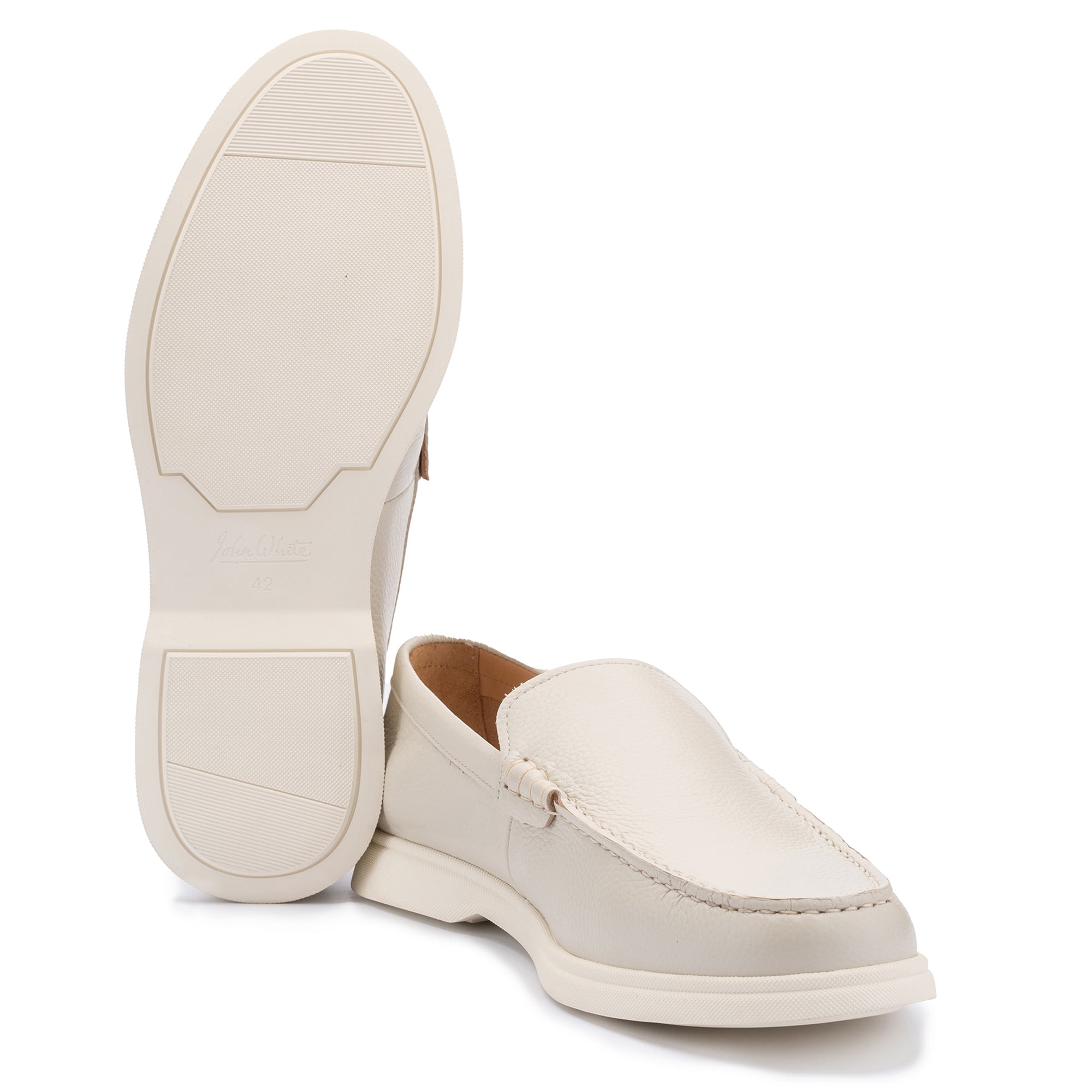
For a more relaxed venue — a barn, a marquee in a field, a riverside setting — a loafer works well with lounge tailoring in summer. The Ethan Plain Tumbled Grain Loafer in Tan or Pearl reads as intentional summer style rather than informal by default. For our full guide to getting loafers right with tailoring, see How to Wear Loafers with a Suit. The Banff Penny Loafer in Brown Suede is worth considering for venues with a specifically coastal or pastoral character — the softer texture pairs well with stone, cream, or pale navy linen.
Smart Casual
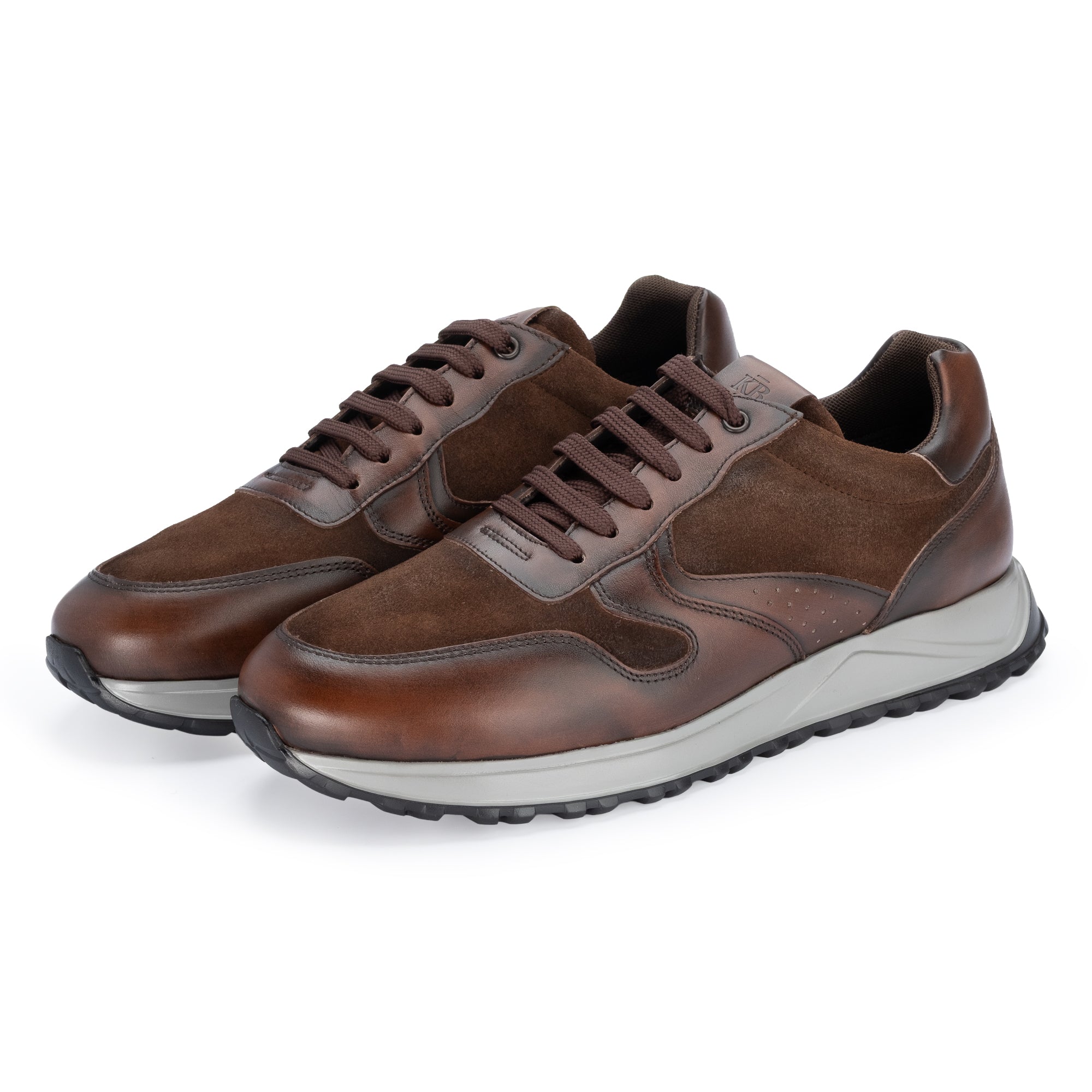
Smart casual — now increasingly common at outdoor summer weddings — gives the widest latitude. A linen blazer over tailored trousers, or a well-cut cotton suit worn without a tie, calls for shoes that do work without trying too hard. Suede belongs here: the Ethan Plain Calf Suede Loafer in Brown Suede sits in exactly the right register. The napped surface softens the whole look in a way polished leather cannot. It signals a deliberate choice rather than a concession to the heat.
Matching Shoes to Your Suit Colour
The colour of your suit is the primary constraint. Summer suits come in a narrower palette than autumn and winter tailoring, which actually makes the footwear decision cleaner once you know the rule.
Natural Linen, Oatmeal, Stone
The easiest pairings. Any tan or warm brown shoe ties the palette together without forcing it. Avoid obvious contrast — a dark navy sock visible above a stone trouser in strong summer light looks careless. Choose cotton socks in cream, stone, or pale neutral tones. The Ethan Plain Tumbled Grain Loafer in Pearl is an unusually versatile choice here: neutral enough not to compete with the suit, warm enough to read as deliberate.
Navy Linen
Navy linen is the most popular summer suit choice and the one most often misjudged at the shoe stage. The strength of the colour needs a shoe with enough presence to hold its own. Tan is the natural answer — a tan Derby or brogue against navy linen has a long tradition in British summer tailoring. Reef works well here too. Black holds its place for morning dress but reads stiff against a casually cut navy linen suit in an outdoor setting.
Those building a summer occasion wardrobe that needs to cover more than one event — a wedding, a garden party, a summer lunch — will find that navy suit and tan shoe combinations serve the full range of British summer occasions. One suit, one pair of shoes, several different days.
Pale Grey or Mid-Grey Linen
Grey linen pairs well with tan, tobacco brown, or burgundy. The Stokes Brogue Derby Shoes in Tan sit well here. Avoid very pale stone shoes against pale grey — the contrast disappears and the result looks washed out. Mid-tone tans with some depth in the leather are more reliable than anything approaching cream or sand.
The Case for Suede
Suede is not a material for wet weather or rough ground, which makes the venue question important before committing to it. For indoor ceremonies and receptions on solid flooring, suede is a strong summer choice — the napped surface has a warmth that polished leather lacks in bright light, and it reads as considered rather than formal.
For outdoor venues — grass, gravel, cobbles, lawns — the calculus changes. A dewy lawn or damp cobbled courtyard can mark suede in ways that do not brush out easily. Dancing on rough surfaces will scuff the nap. If the venue is outdoor-heavy and the weather uncertain, polished calf leather is the more reliable choice.
The Ethan Plain Calf Suede Loafer in Brown Suede handles smart casual and relaxed lounge suit occasions well when the terrain permits. For outdoor-friendly options that maintain the warmth of a summer palette, the Stokes Brogue Derby Shoes in Tan give you similar colour temperature without the vulnerability of suede.
What a Full Wedding Day Does to Leather
Summer weddings involve hours of standing, walking, often dancing on surfaces ranging from polished parquet to outdoor gravel. Summer heat accelerates wear in ways that a winter event does not.
Heat and leather. Warmth draws moisture from leather more quickly than cold. Condition the uppers within 24 hours of wearing, and allow shoes to air fully before putting them into storage or inserting cedar shoe trees.
Interior moisture. Sockless wearing and no-show socks both increase interior moisture during a long day. Cedar shoe trees matter more after summer events, not less. Even an hour with trees after wearing begins drawing out moisture and restoring shape before any distortion sets in.
Polish the night before. Polish applied the morning of a warm day often leaves a surface that marks more easily as the leather warms. Do it the evening before, allow it to dry and buff to a full finish, and the surface will hold better through a long day.
Break in new shoes beforehand. New leather needs wearing. A well-chosen shoe worn for the first time over a ten-hour wedding day will cause discomfort that affects how you carry yourself — and how the shoe eventually moulds to your foot. Wear them for at least two or three shorter outings before the day. See our guide to breaking in new leather shoes for the correct method.
What to Avoid
Black shoes with linen or stone suits. Already addressed — the contrast rarely works outside morning dress. It is the single most common misjudgement at summer weddings.
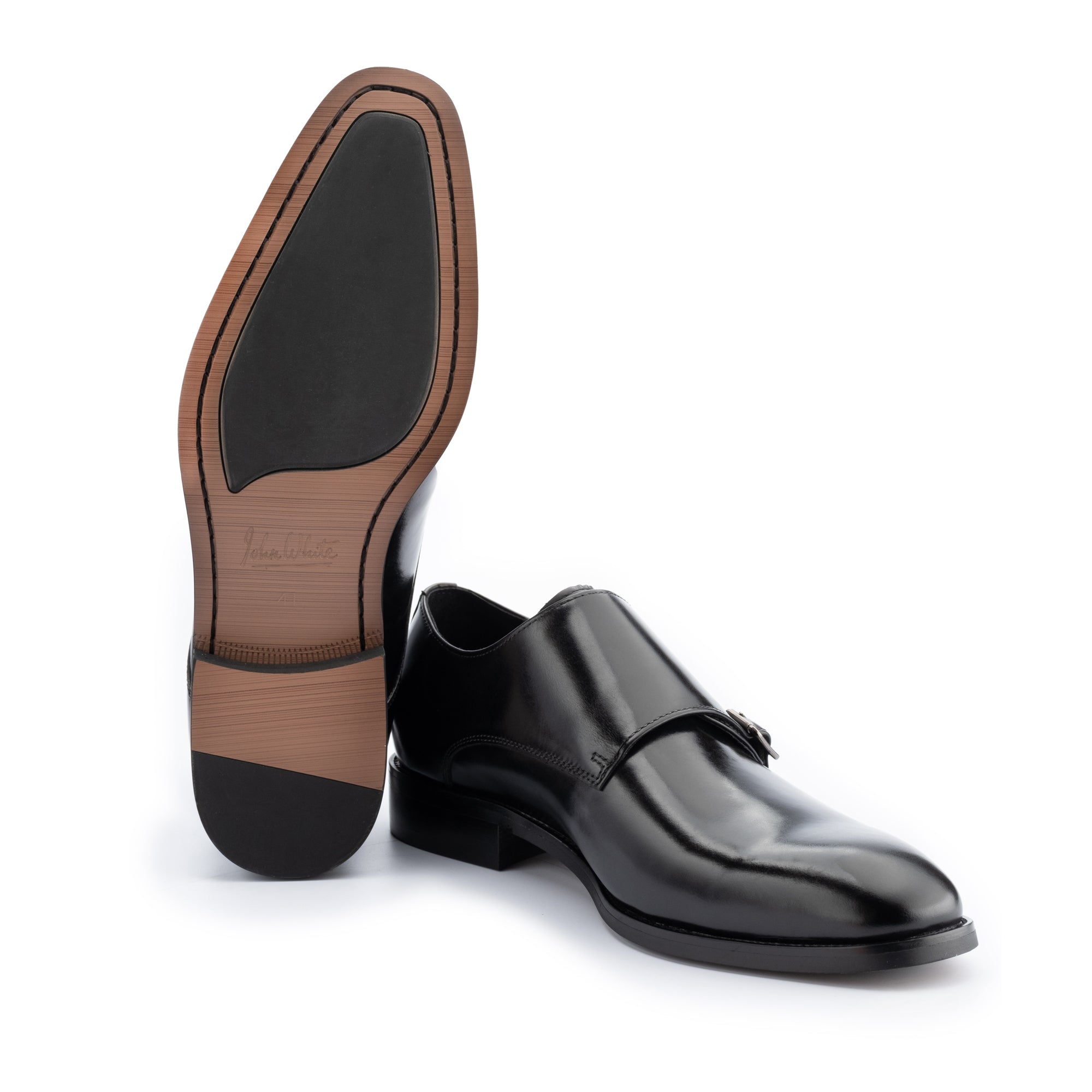
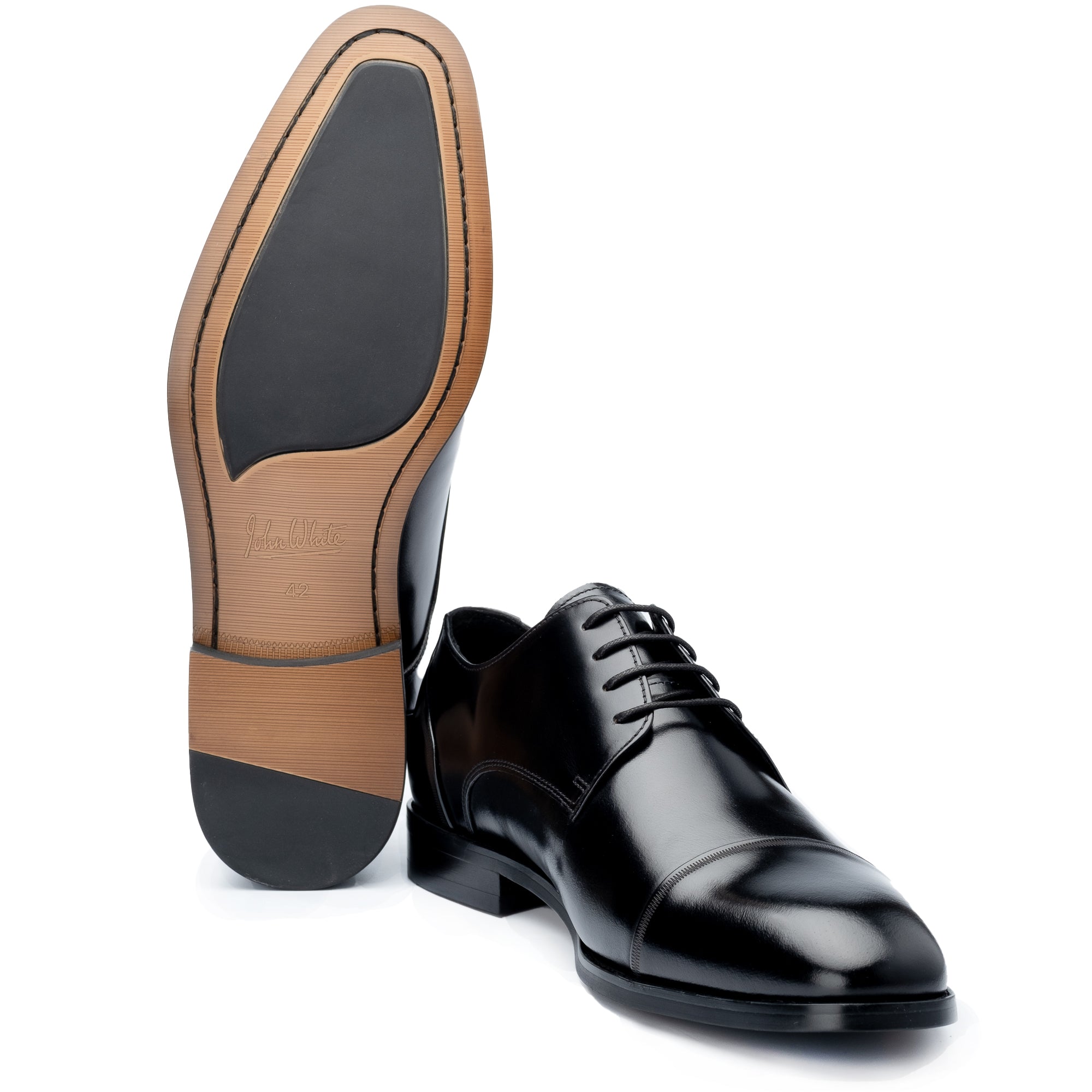
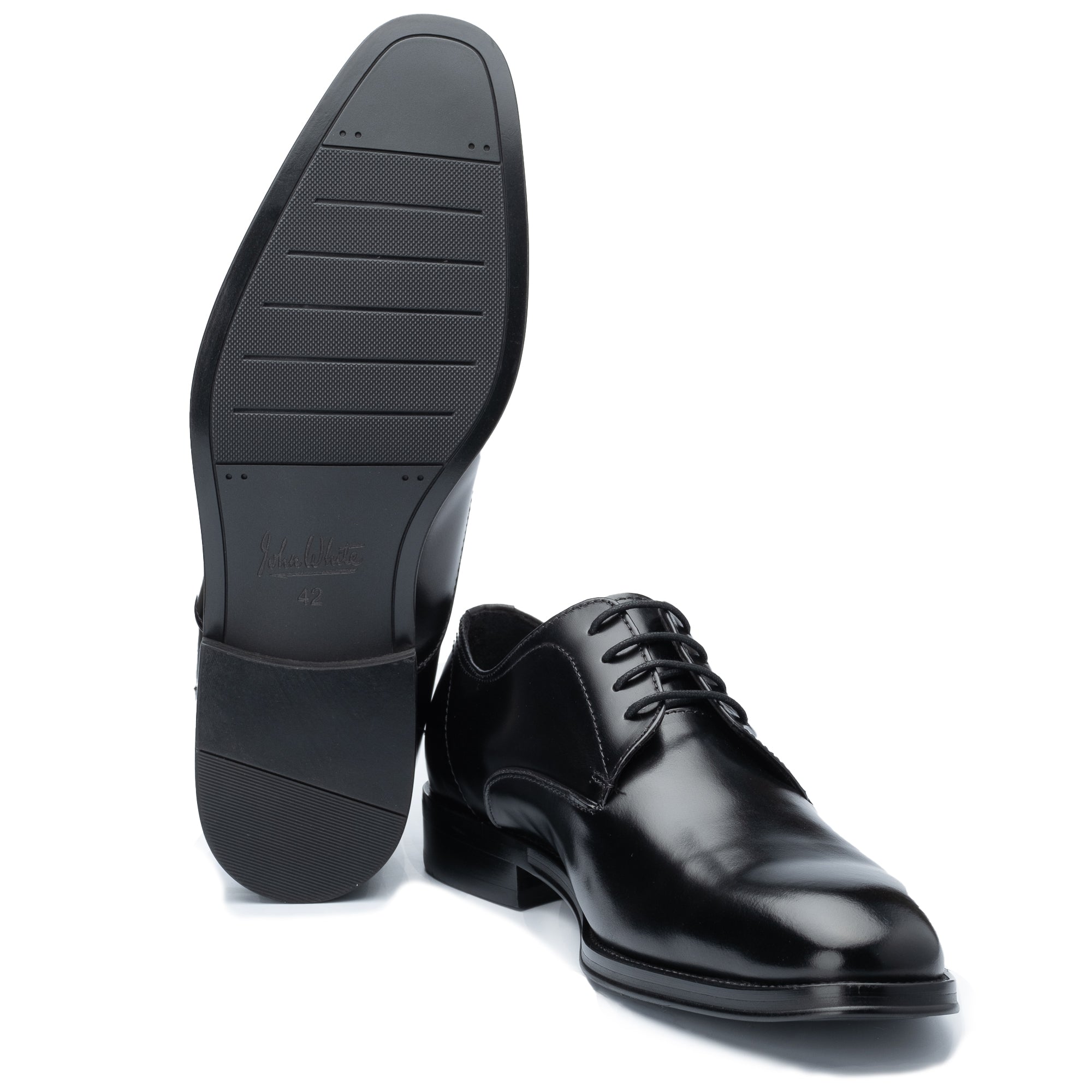
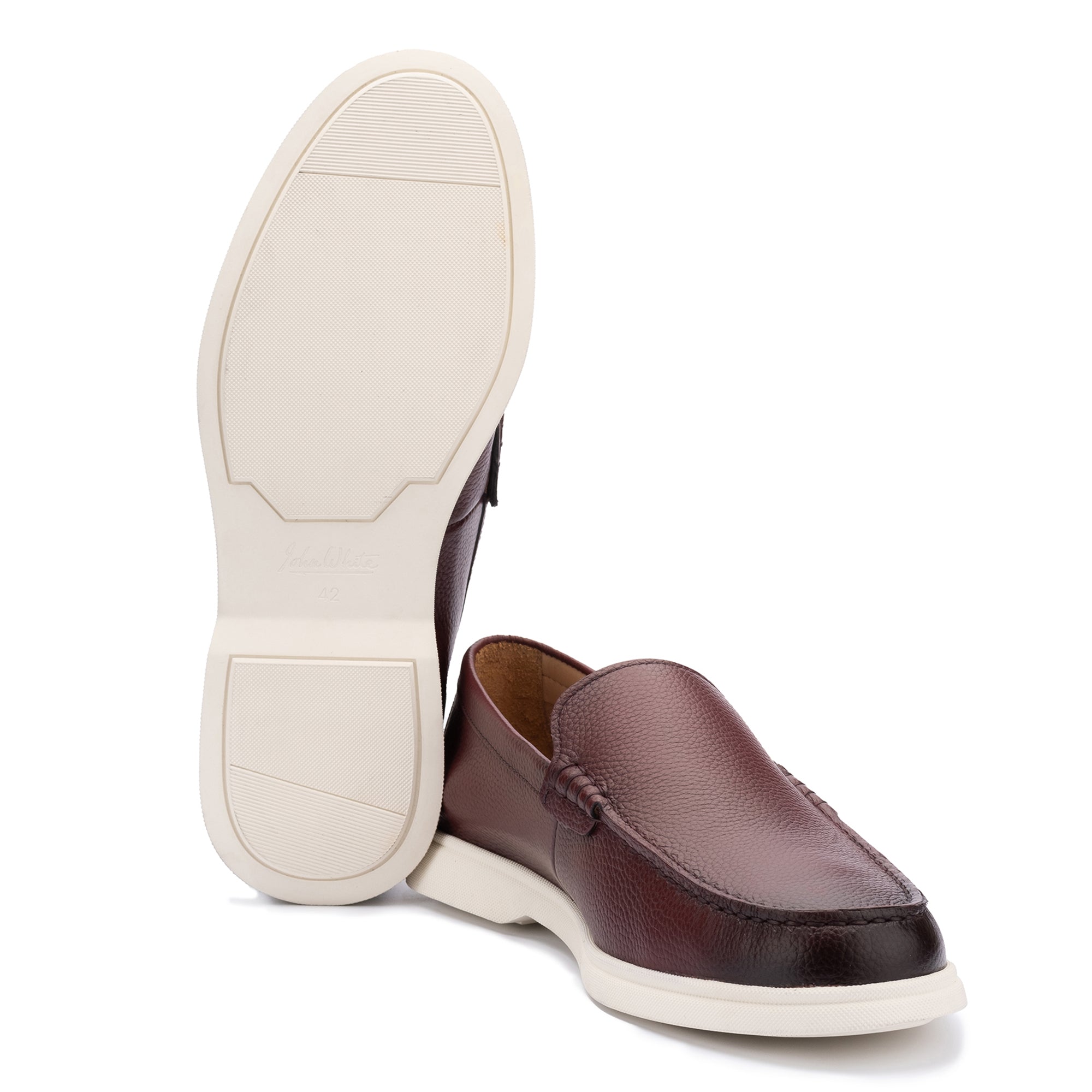
Sports-influenced soles. Leather soles and properly finished dress shoes read as respectful of the occasion, even at relaxed summer weddings. Chunky rubber-soled hybrids look as though you could not decide between trainers and shoes.
Extremely pointed toes. Smart summer tailoring has moved toward cleaner, more rounded silhouettes. An aggressively pointed toe reads as dated against contemporary linen suiting.
Novelty or statement choices. The guest's role at a wedding is to be well dressed, not memorable. Highly unusual shoes will draw the wrong kind of attention. Save the bold move for elsewhere.
Unpolished leather. Even a relaxed outdoor wedding calls for clean, conditioned leather. Dull or visibly unconditioned shoes look like an afterthought, regardless of the style chosen.
Related Guides
- The Complete Guide to Men's Dress Shoes — our comprehensive guide
- Men's Shoes for a Wedding Guest: What to Wear at Every Dress Code
- How to Wear Loafers with a Suit: The Modern Man's Guide
- Summer Wedding Shoes for Men: The Complete Guide
- How to Wear a Navy Suit: The Best Shoe Colours and Styles
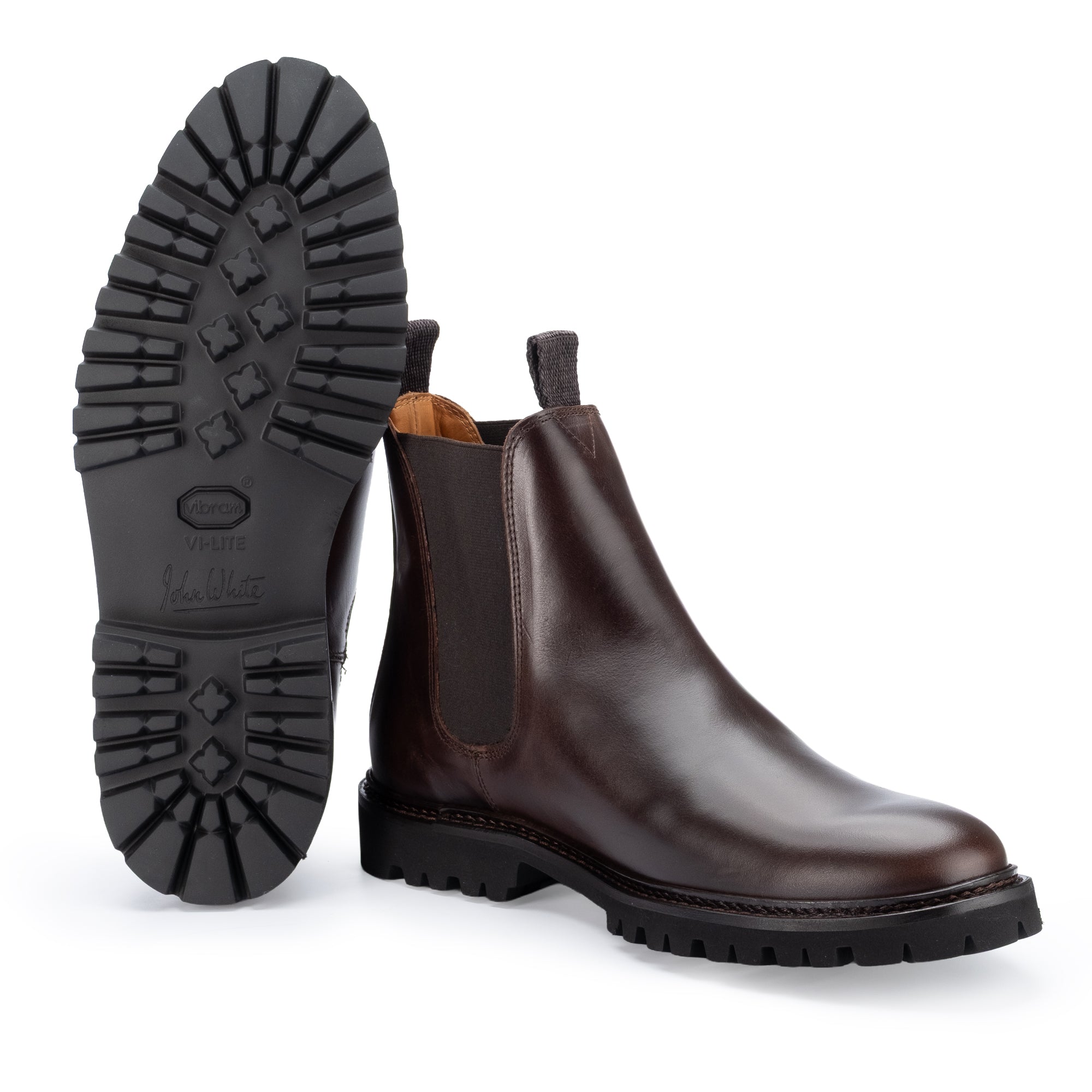
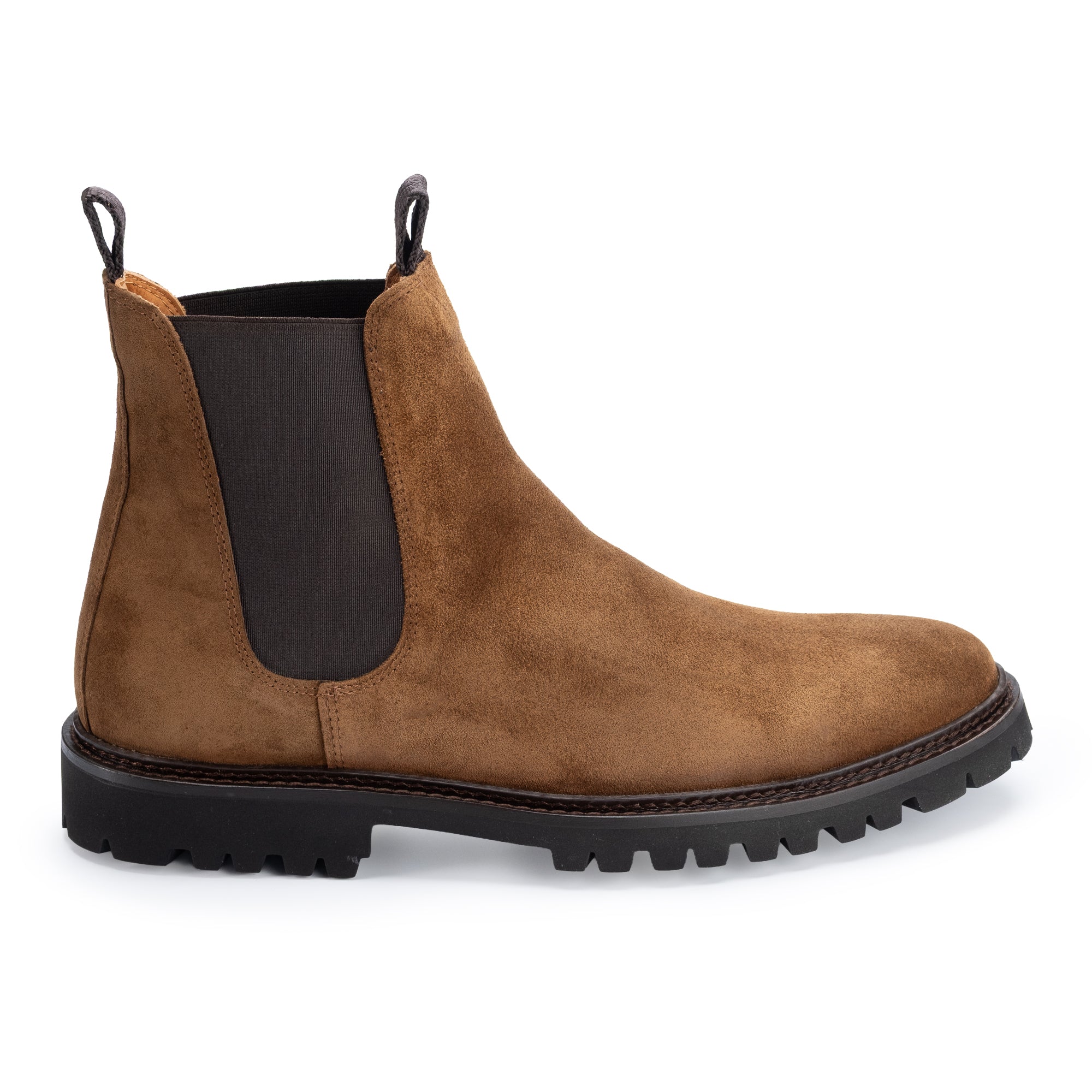
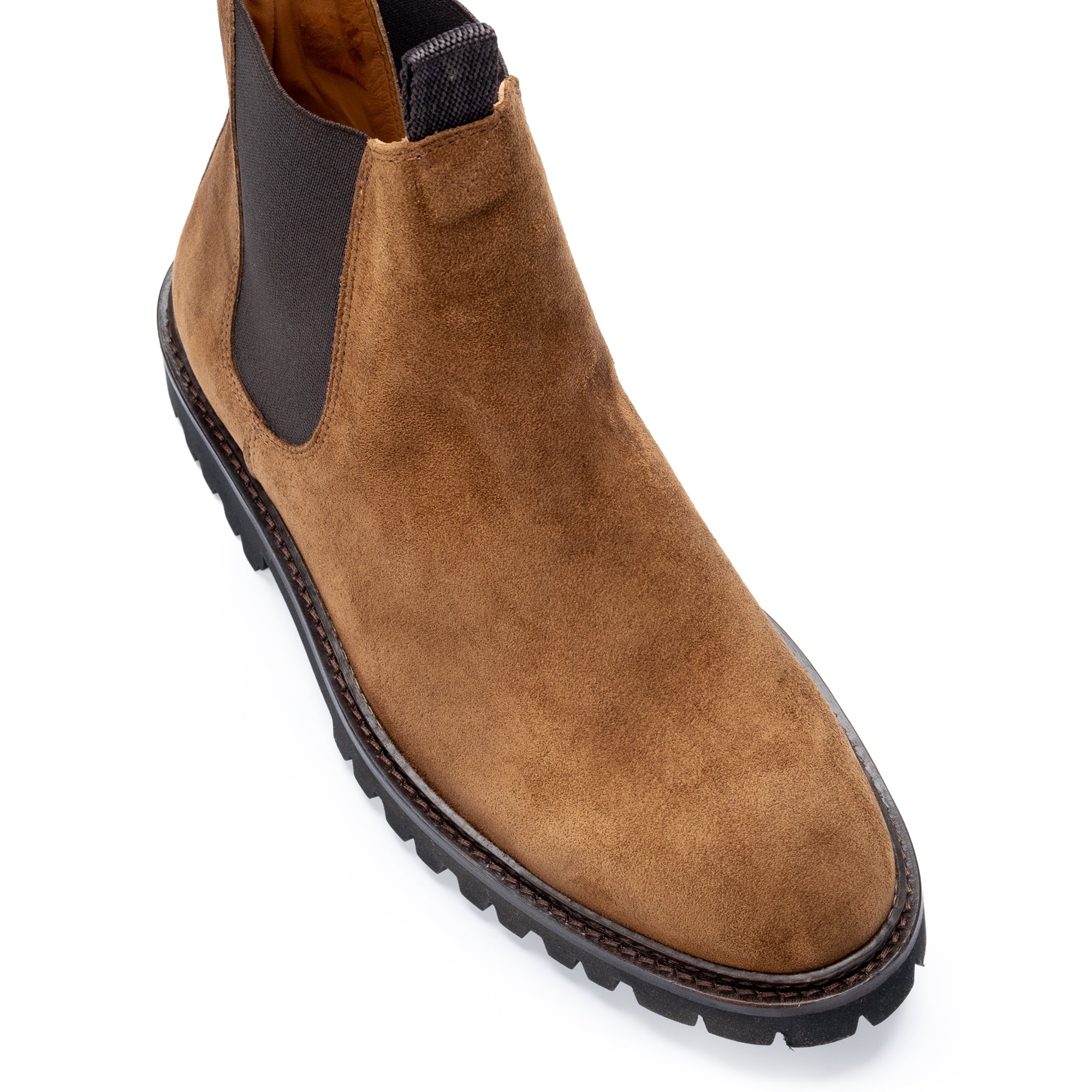
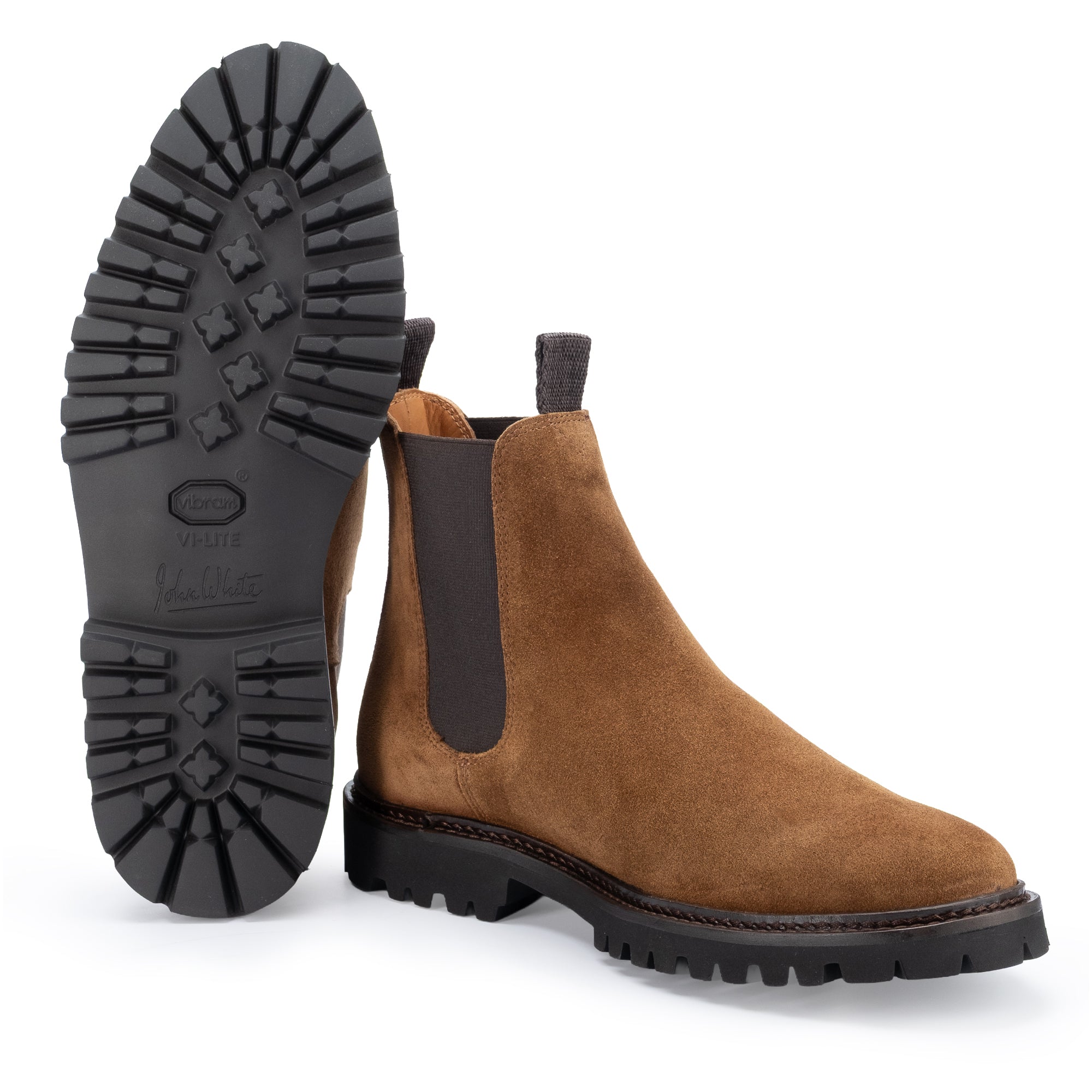
- How to Style Chelsea Boots for Any Occasion
Last updated: July 2026
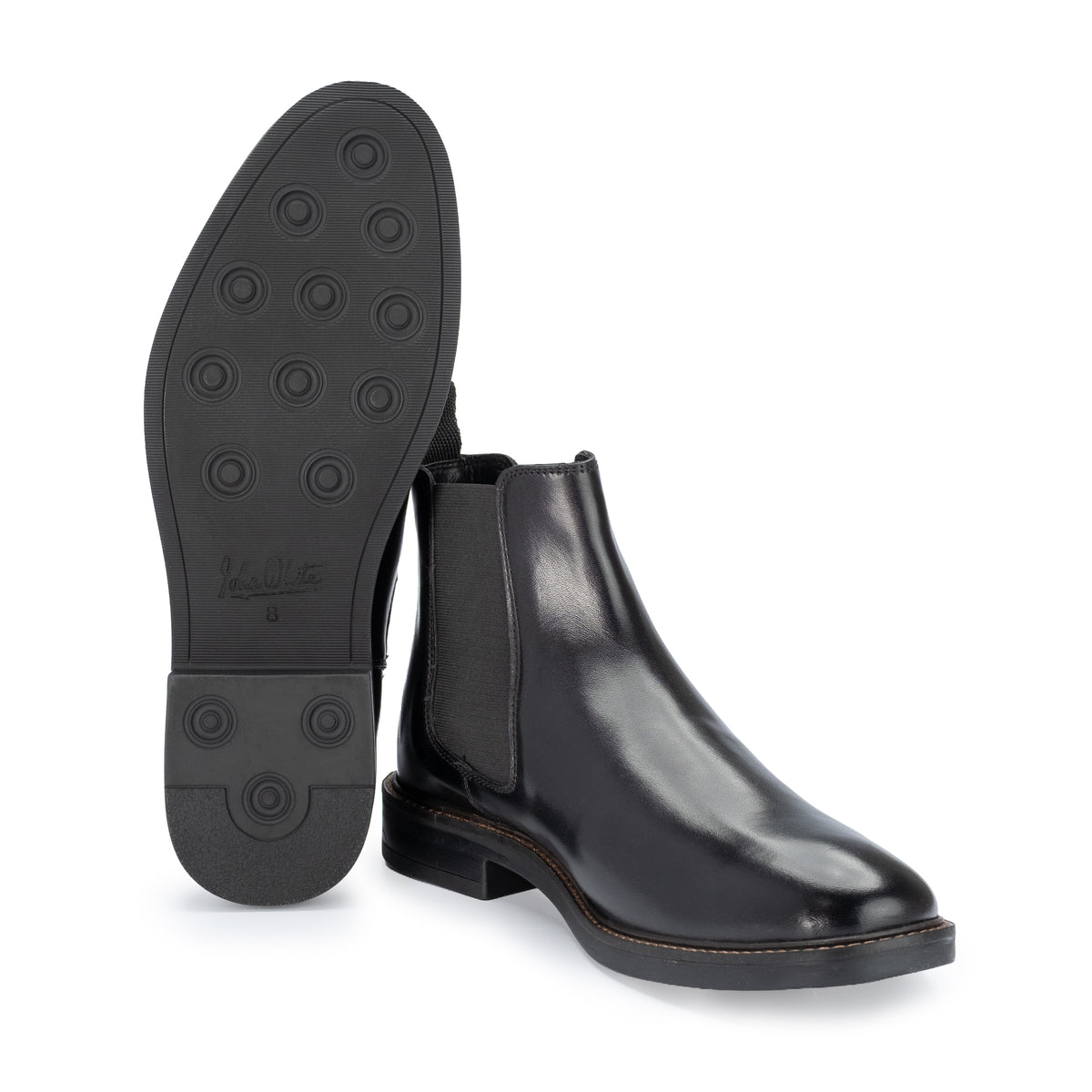
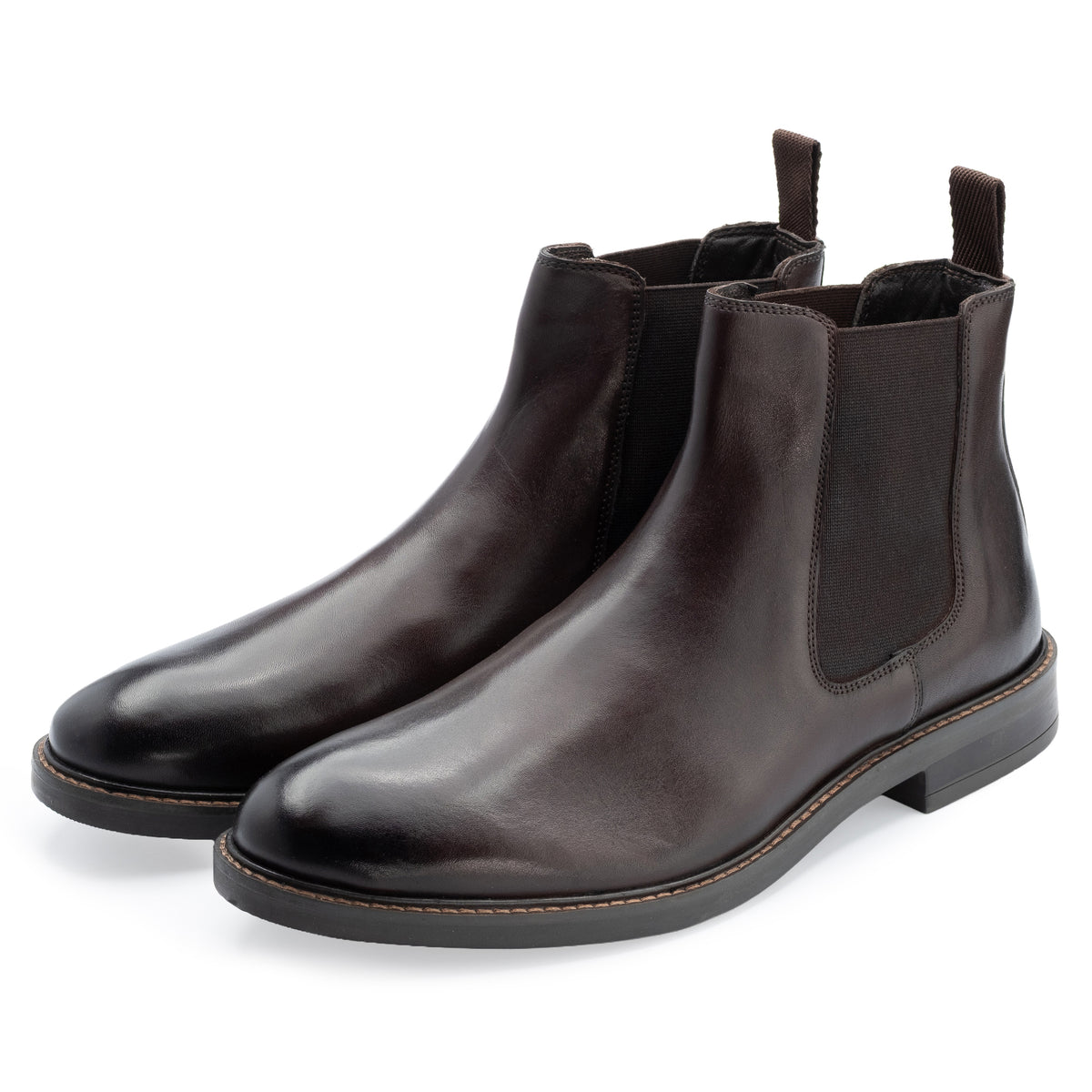
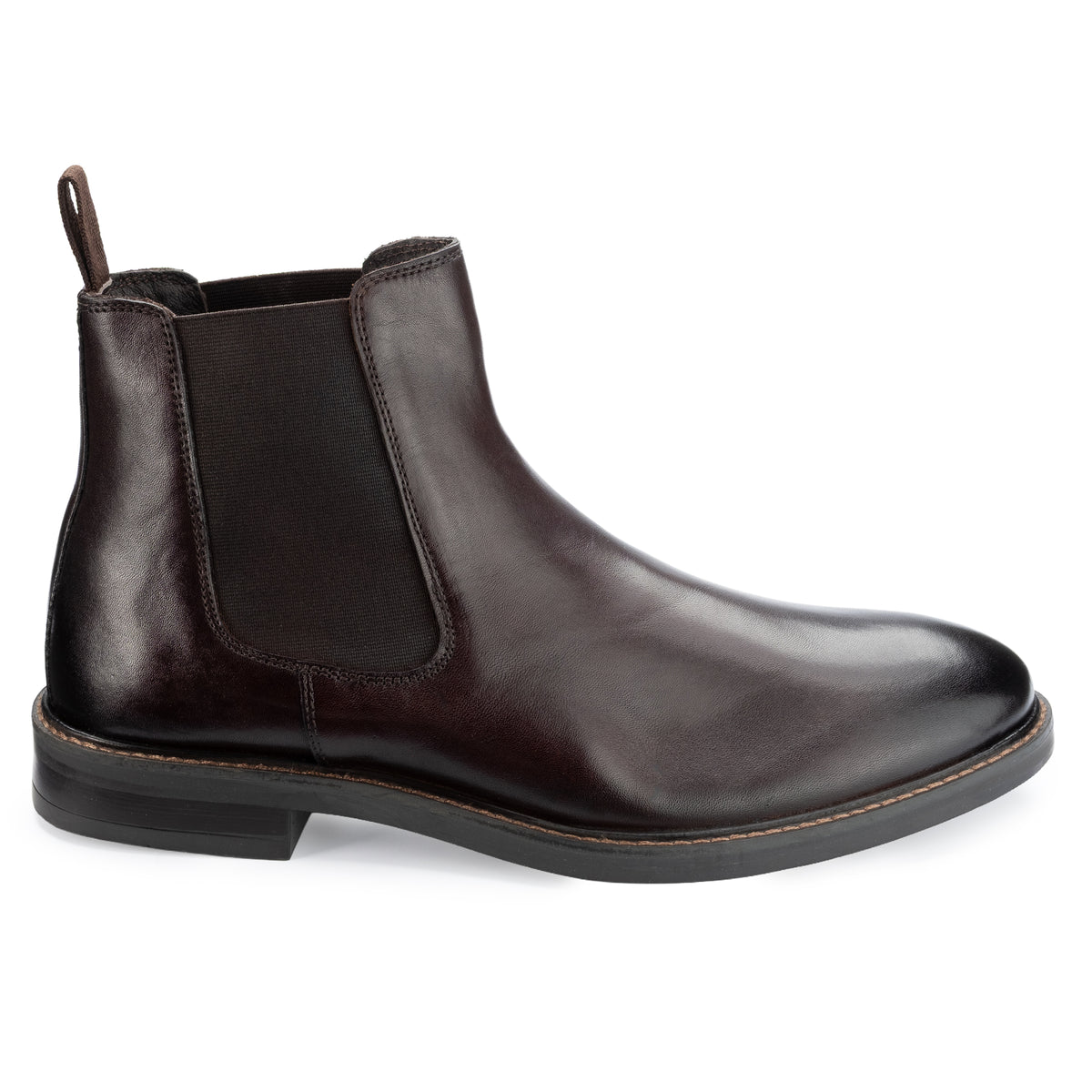
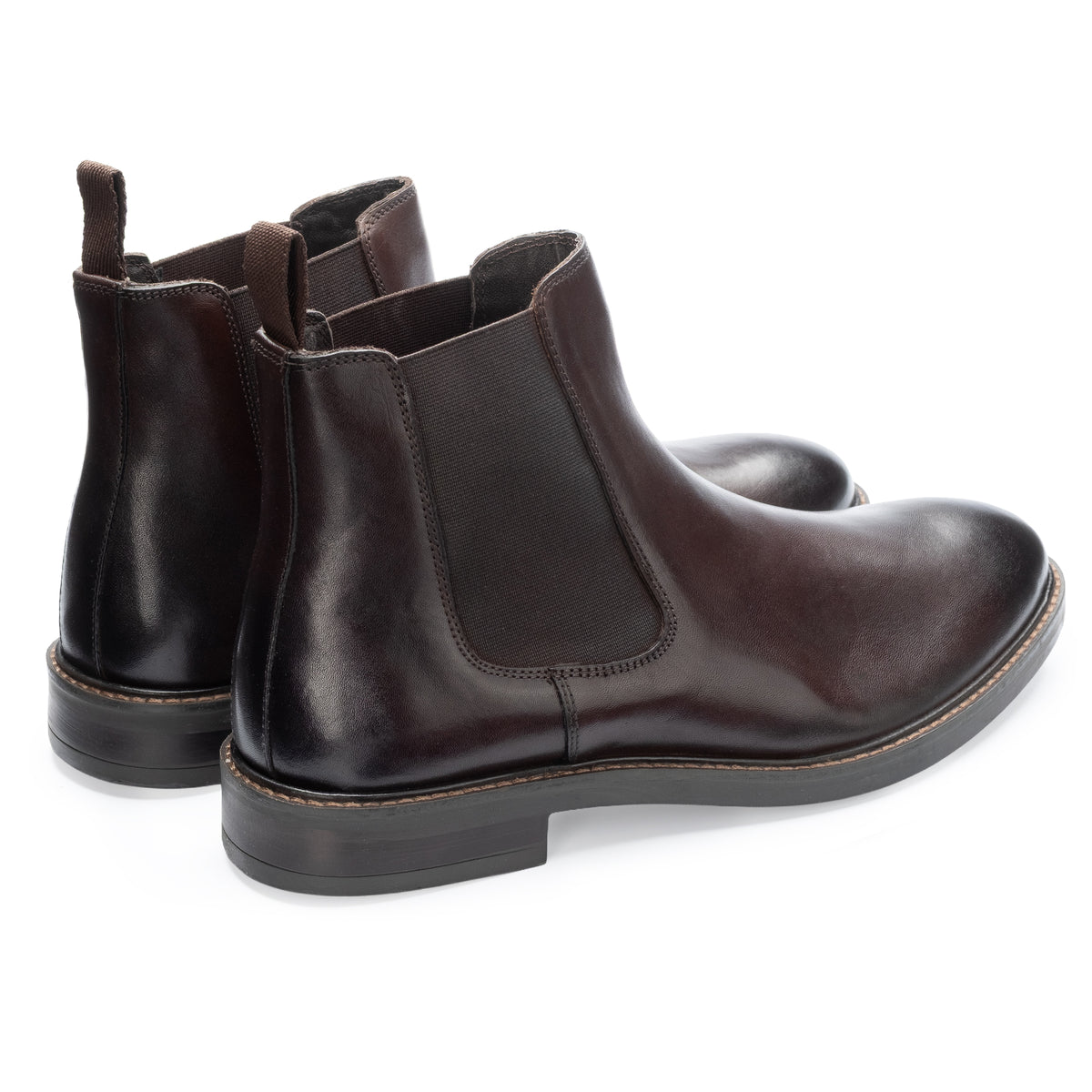
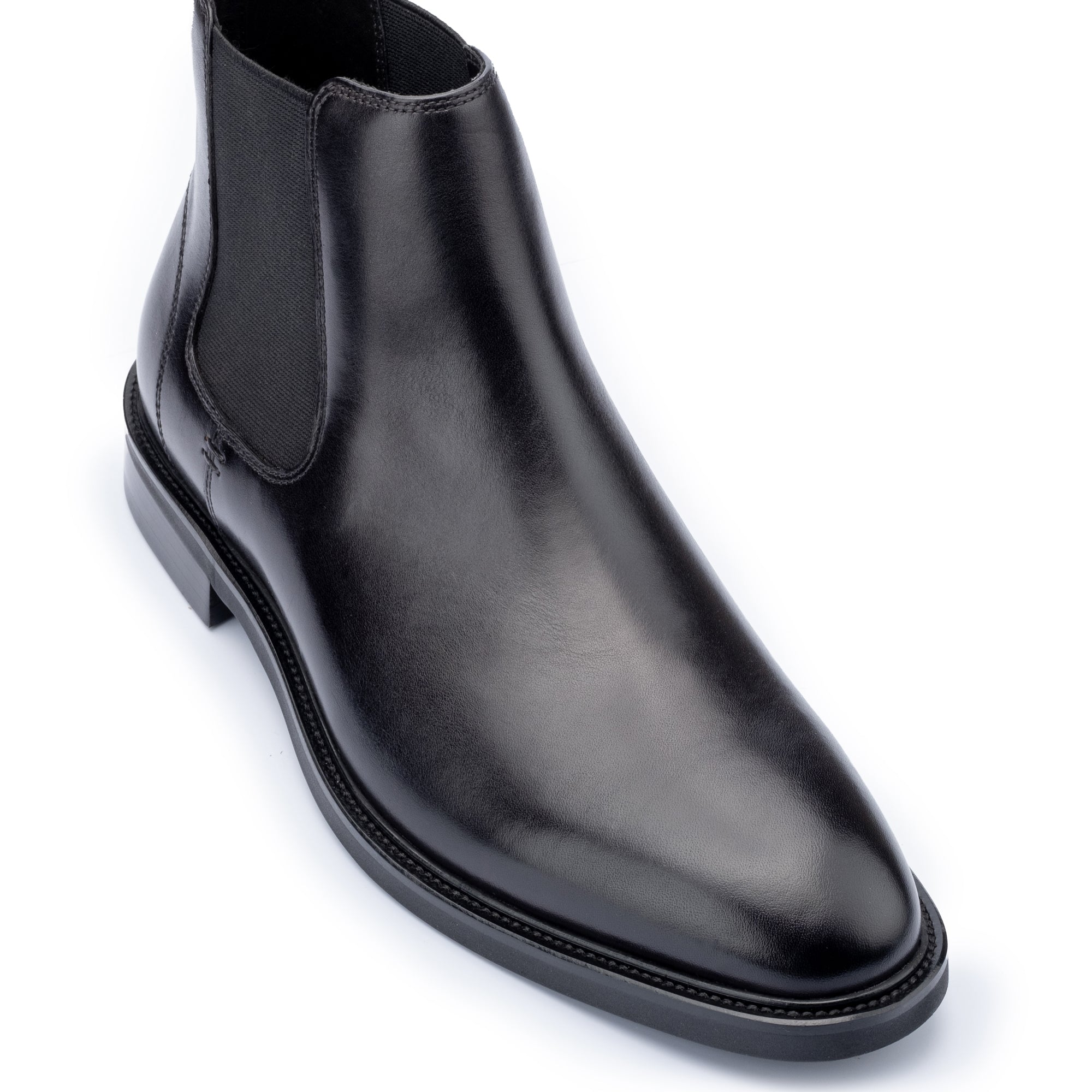
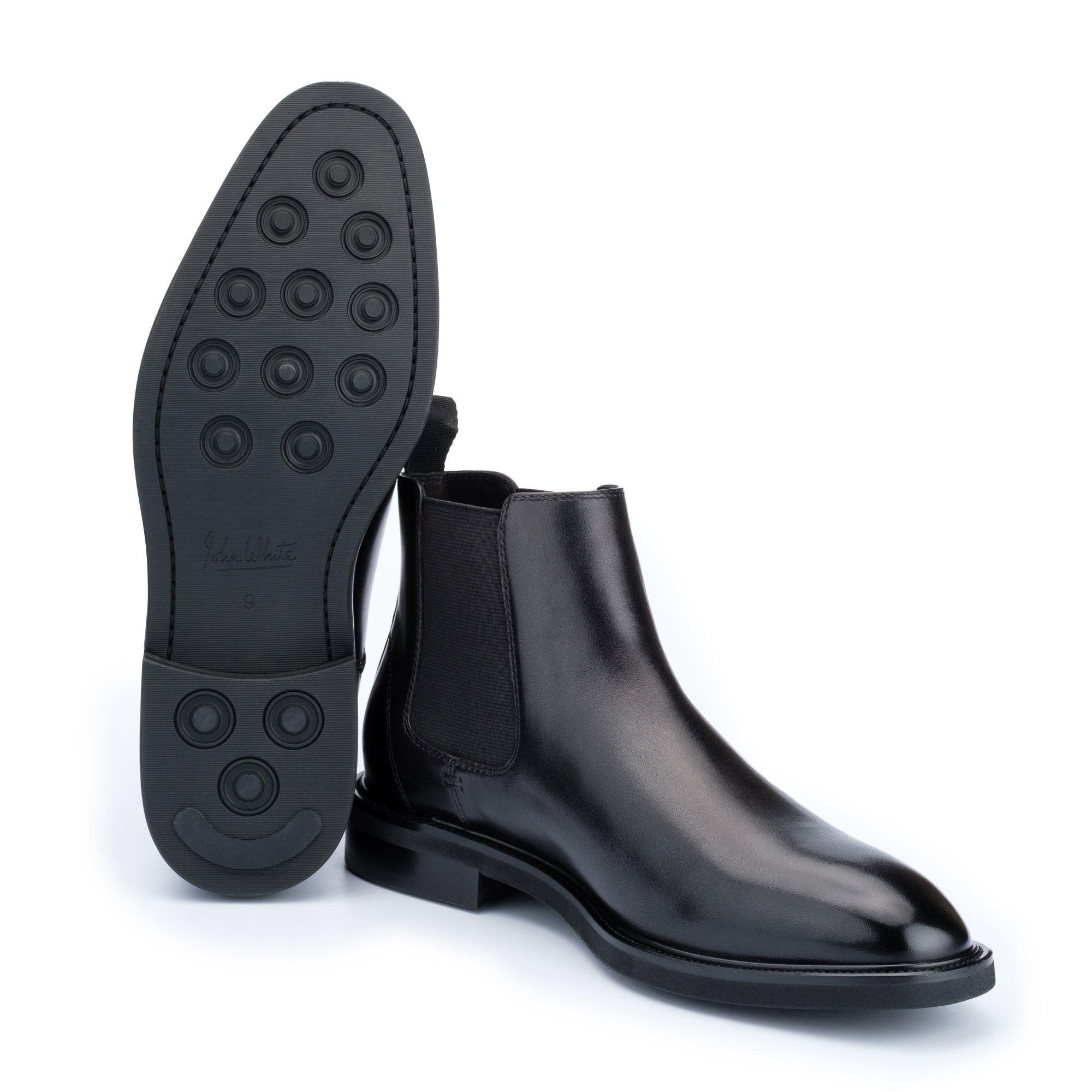
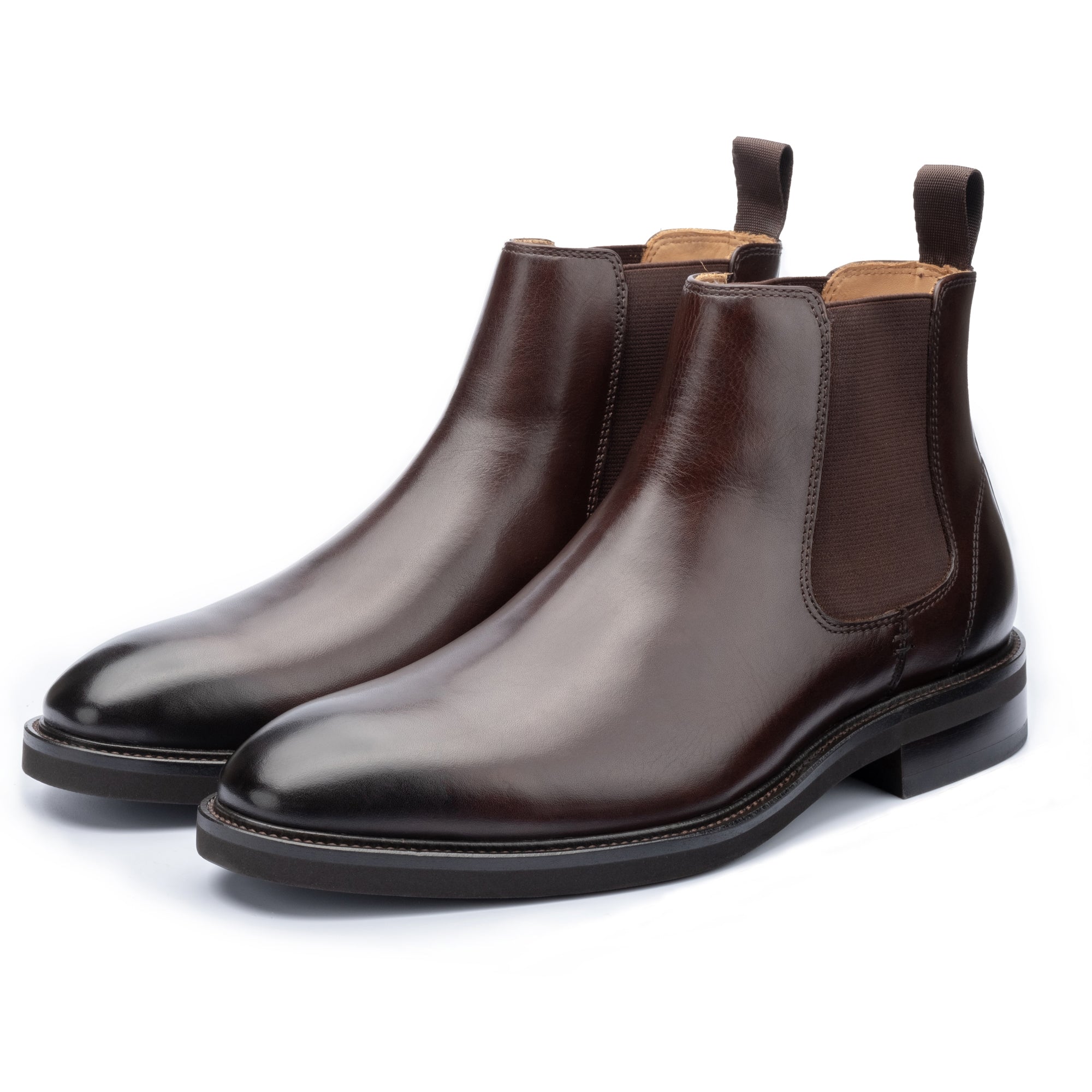
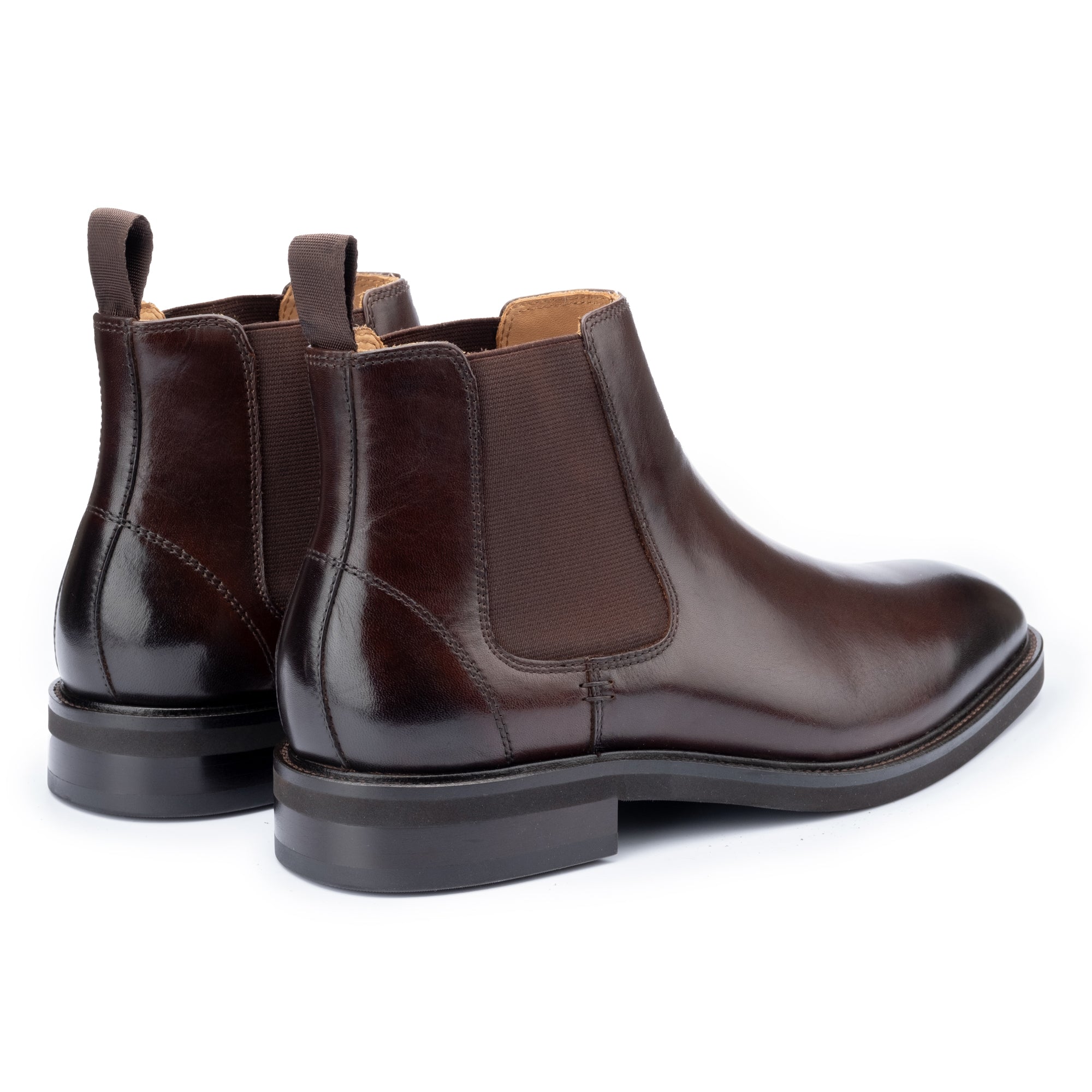
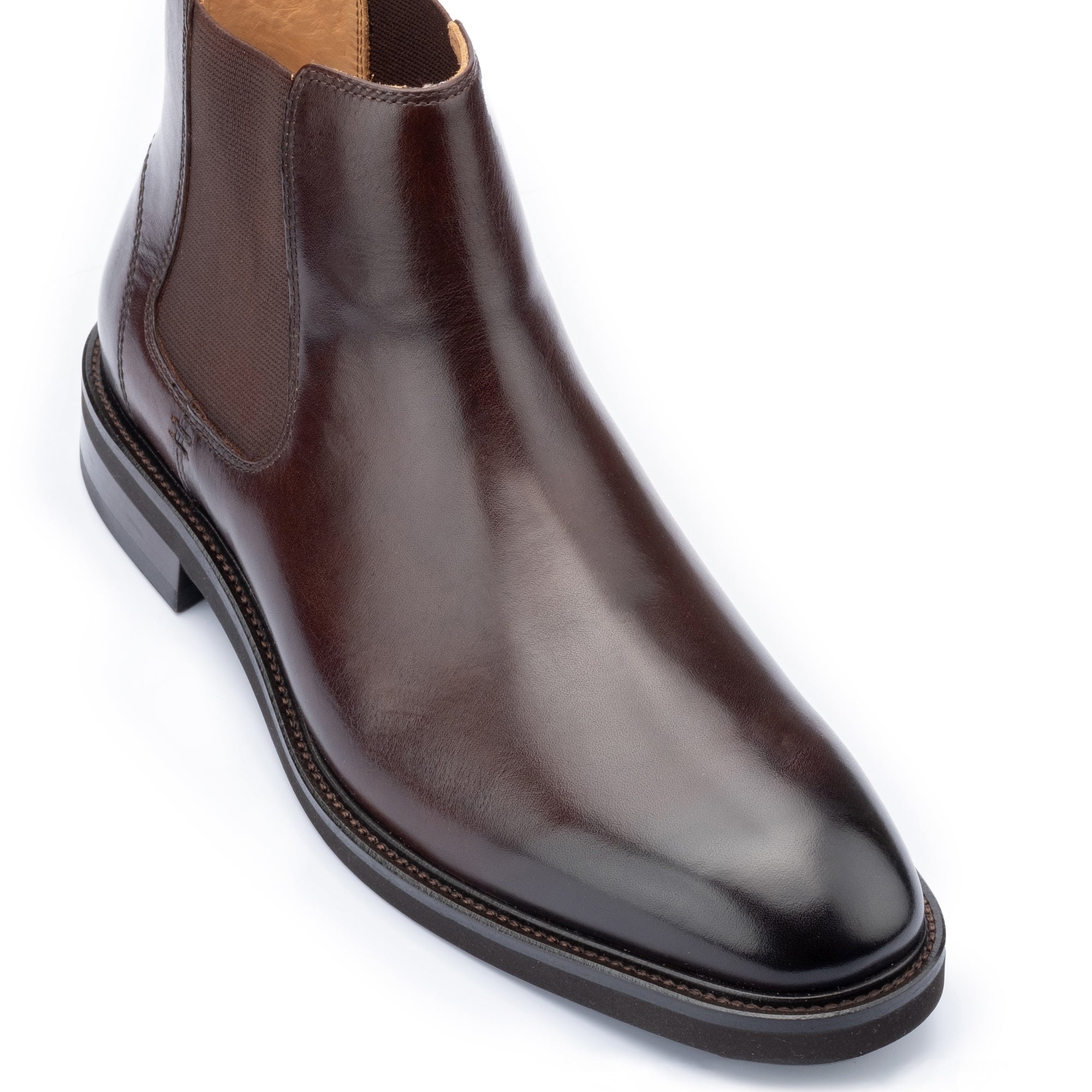
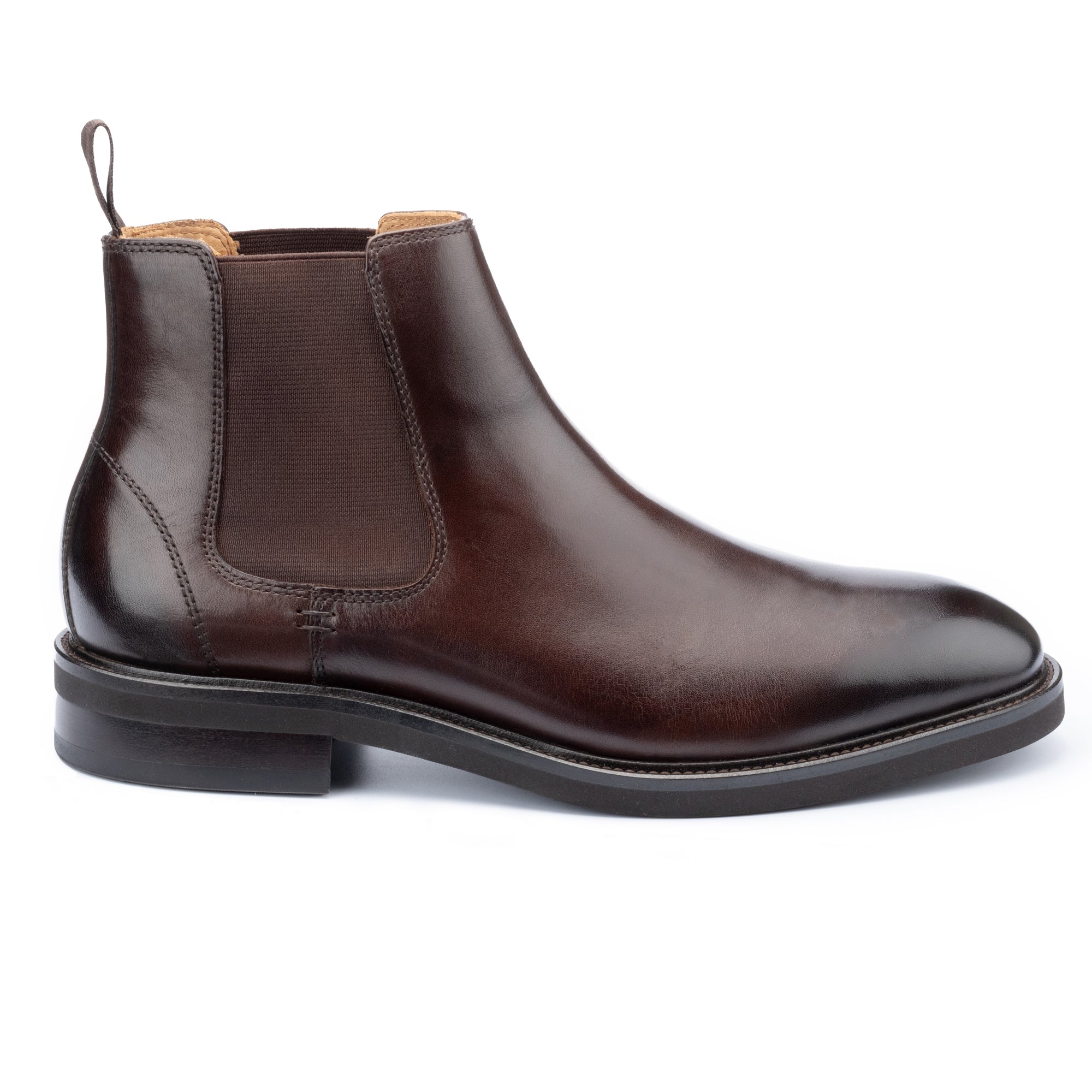
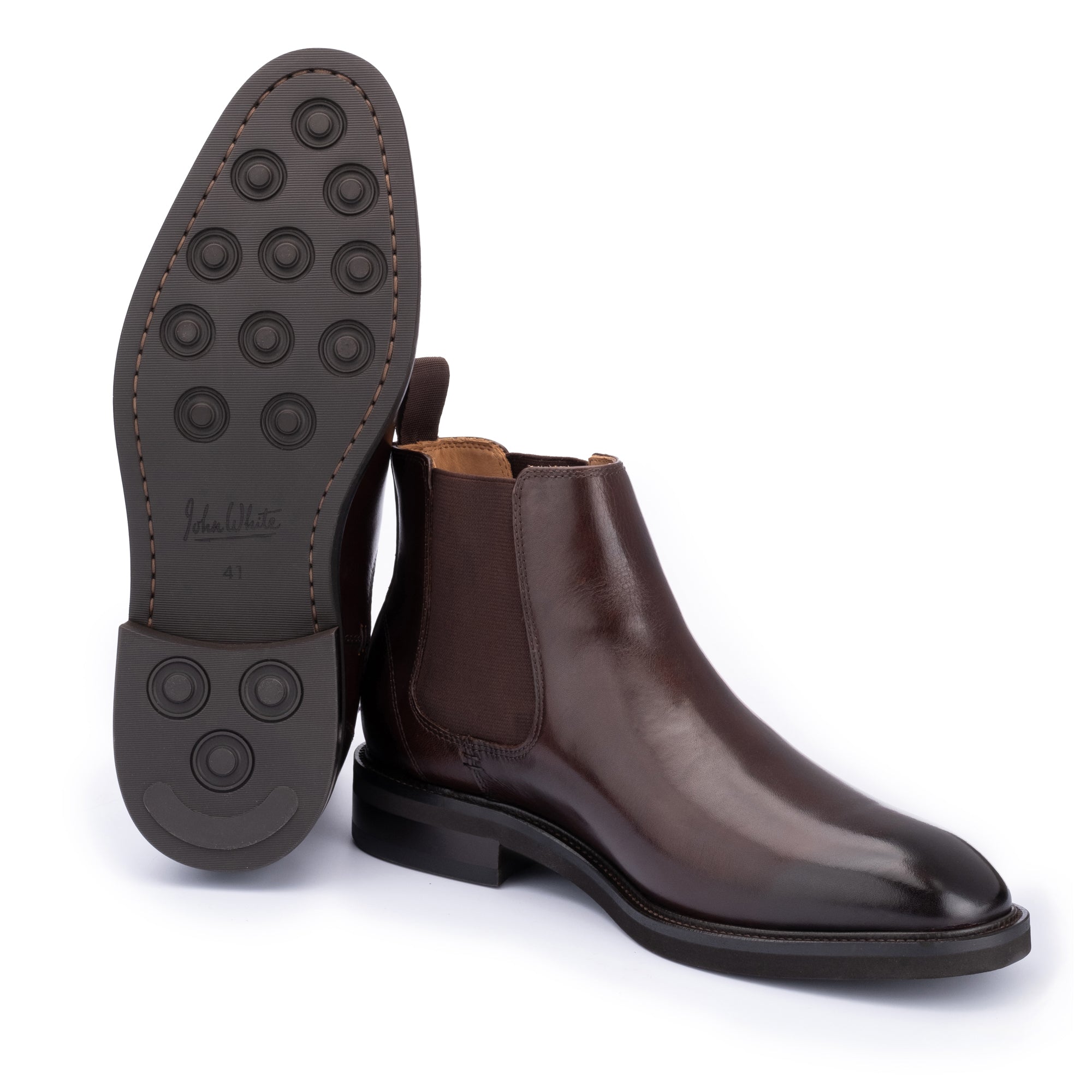
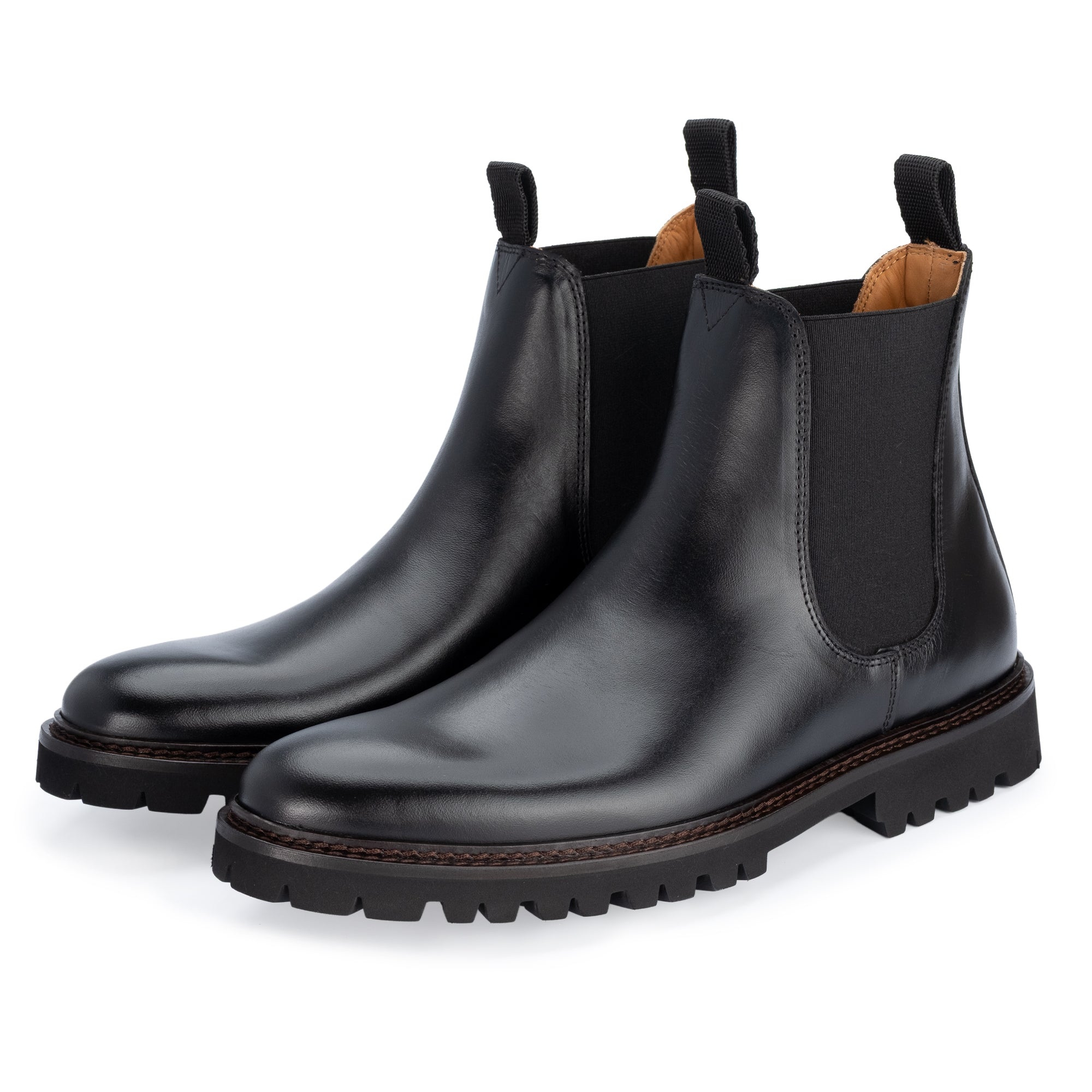
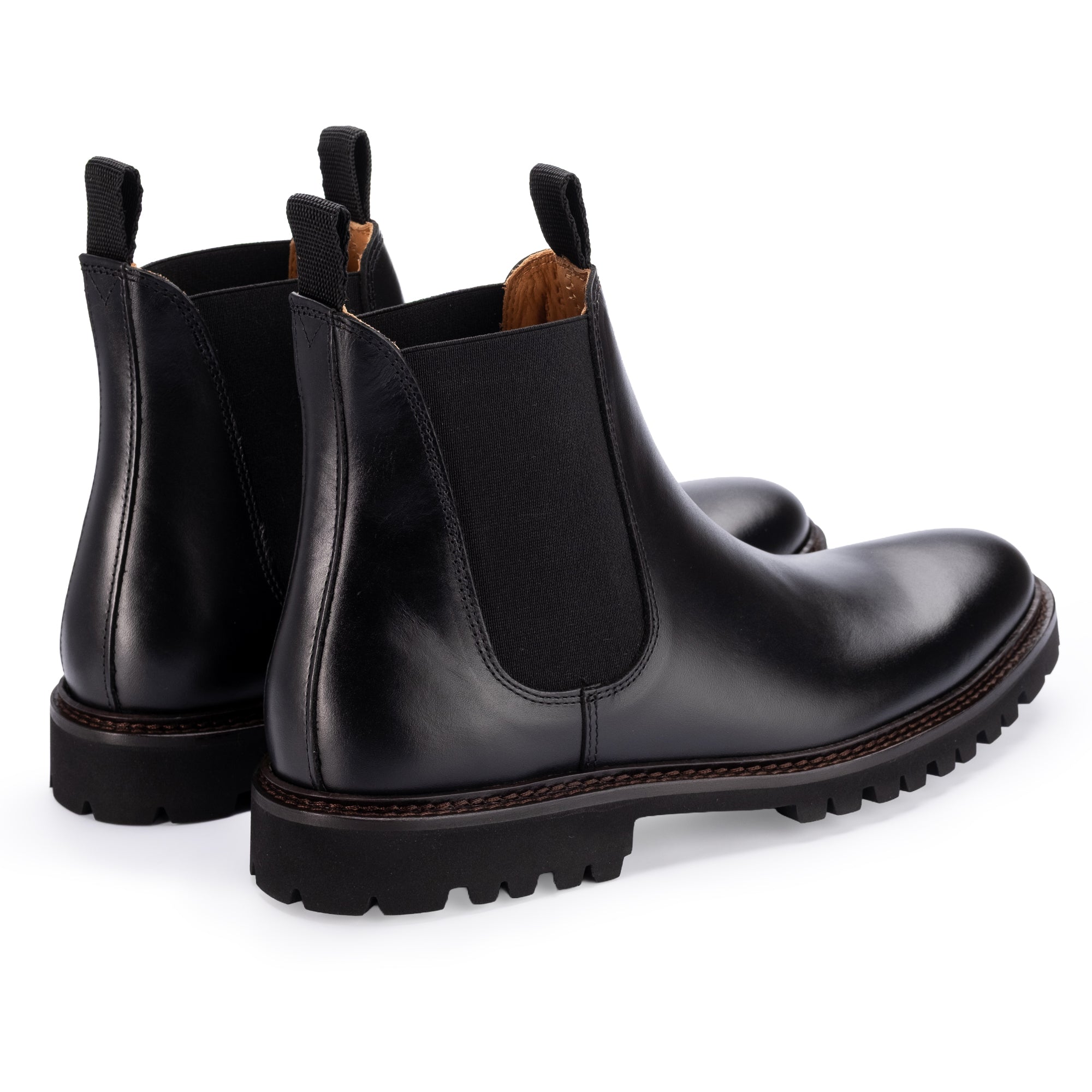
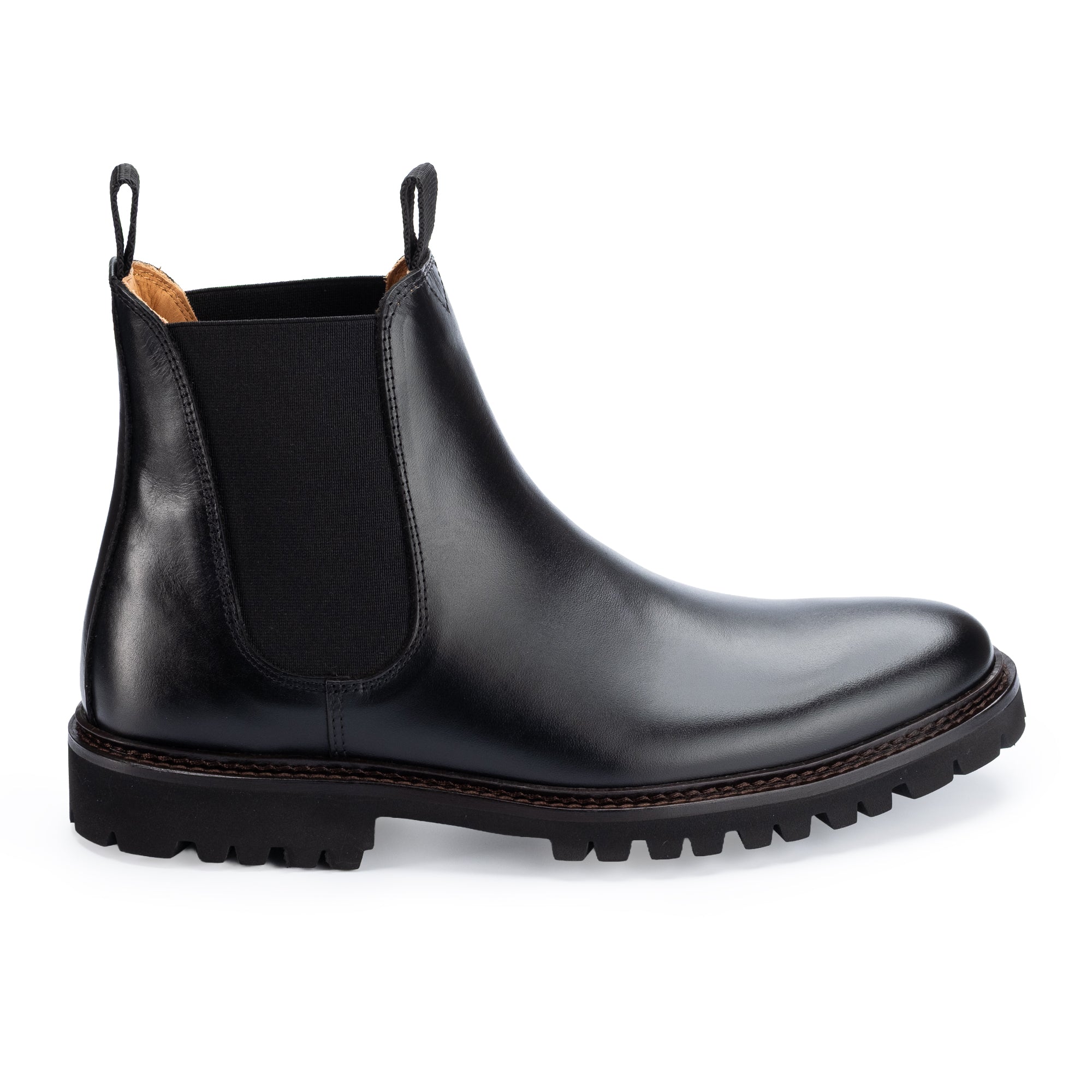
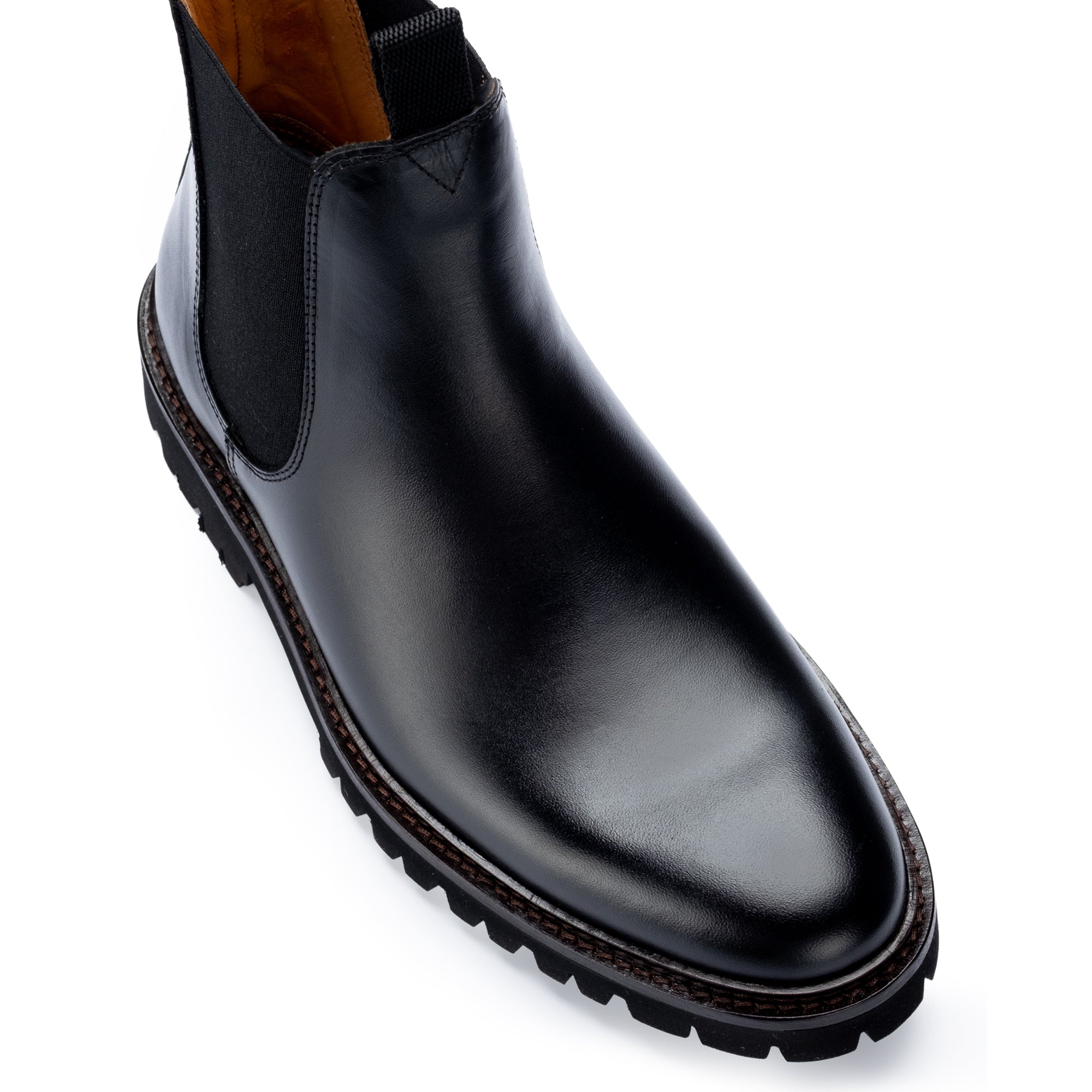
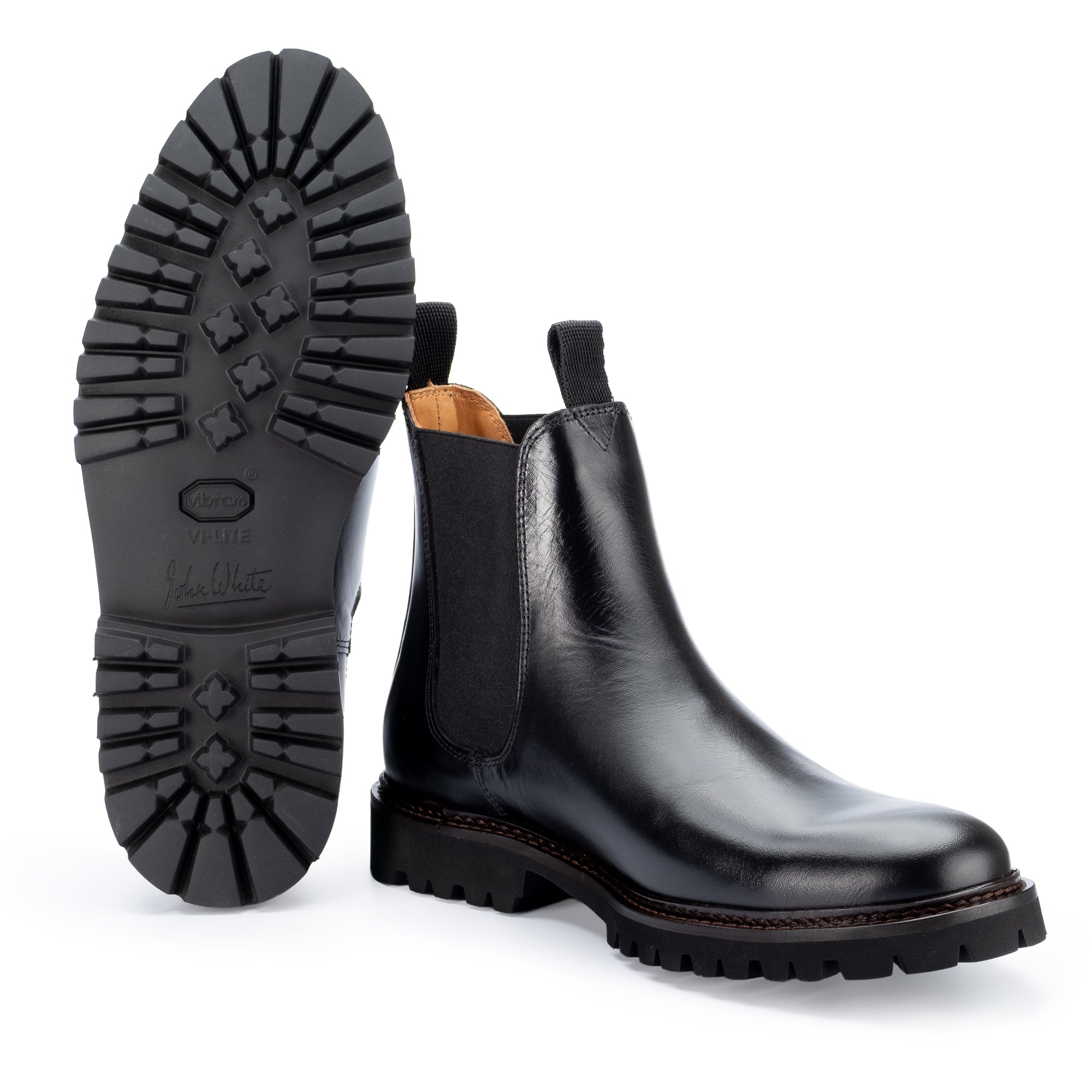
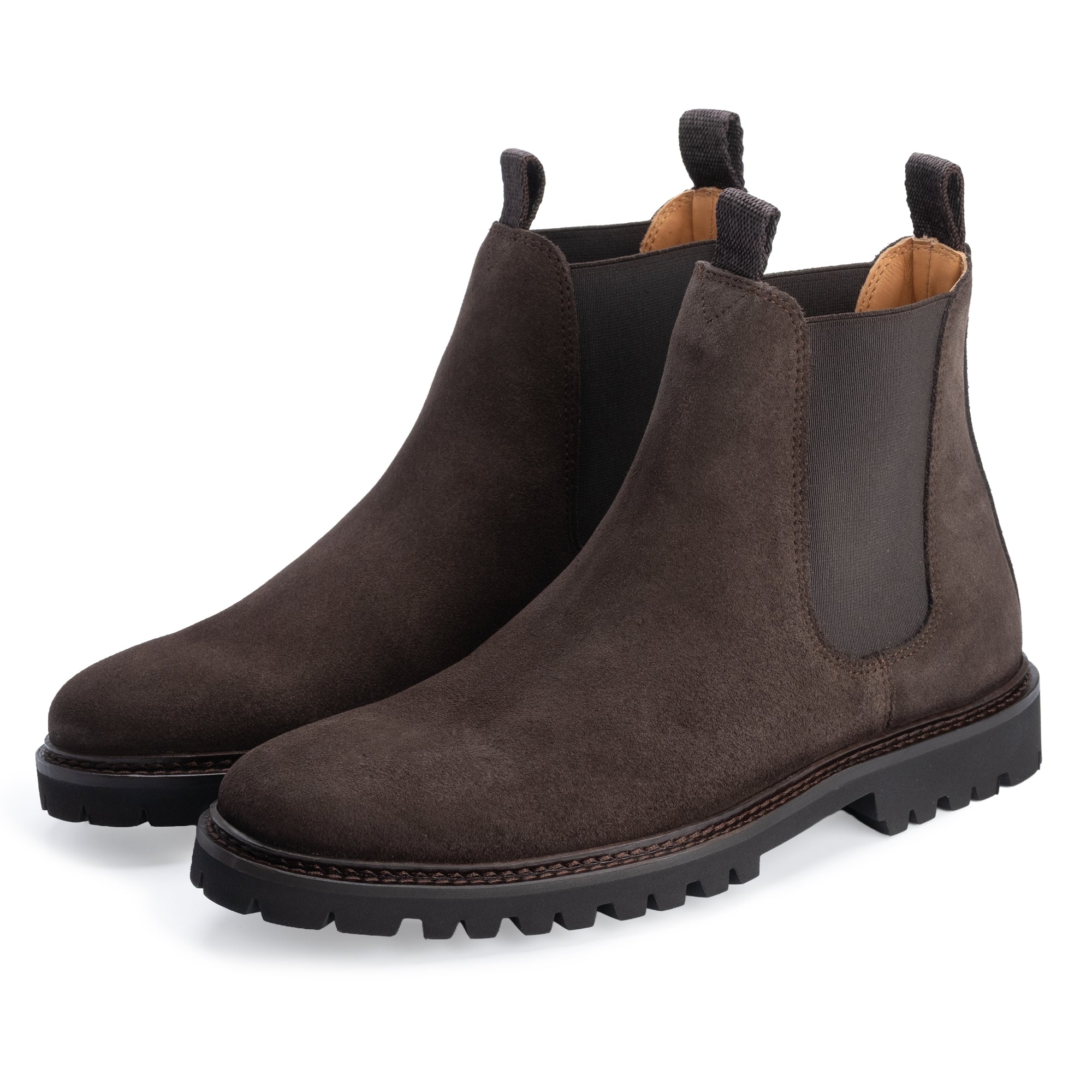
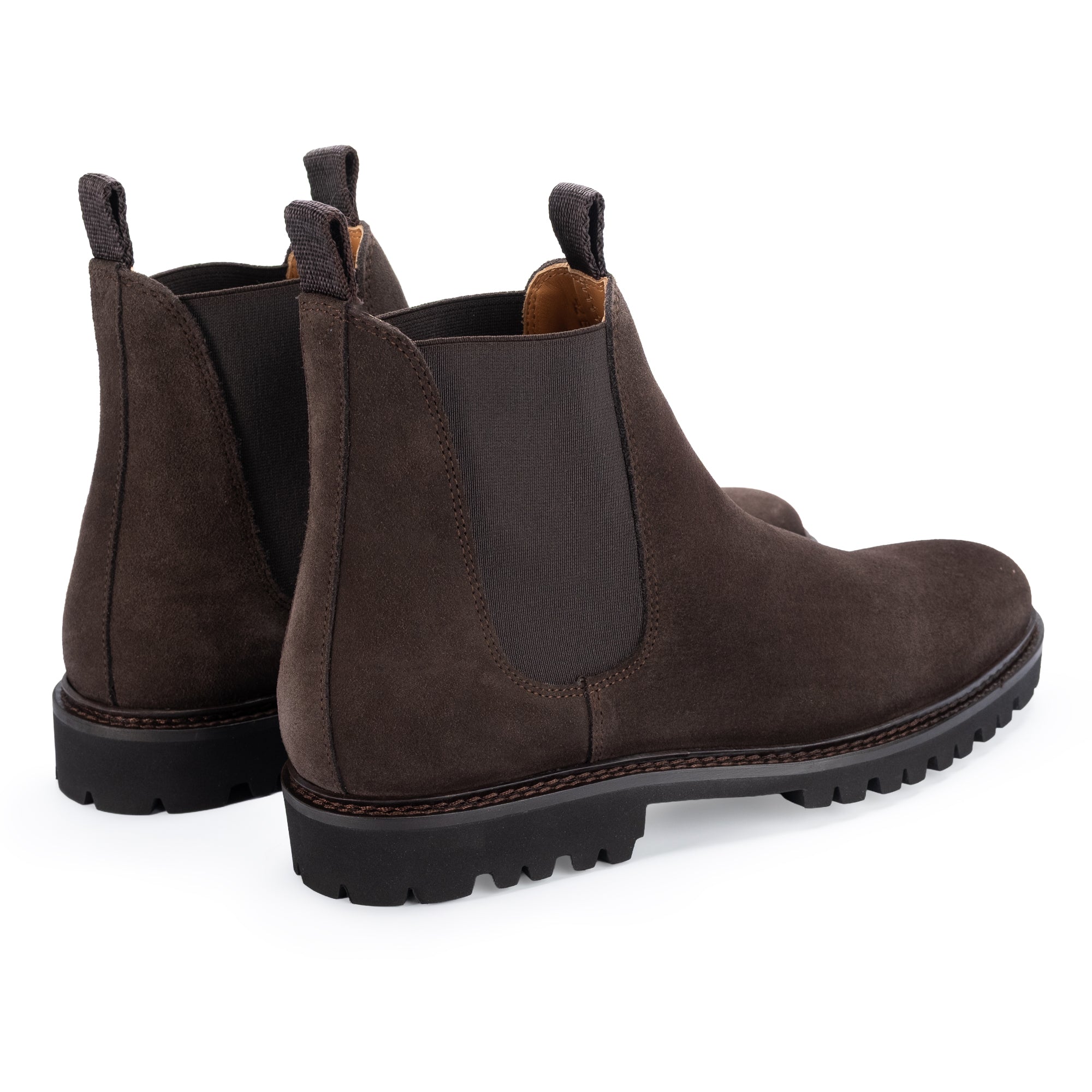
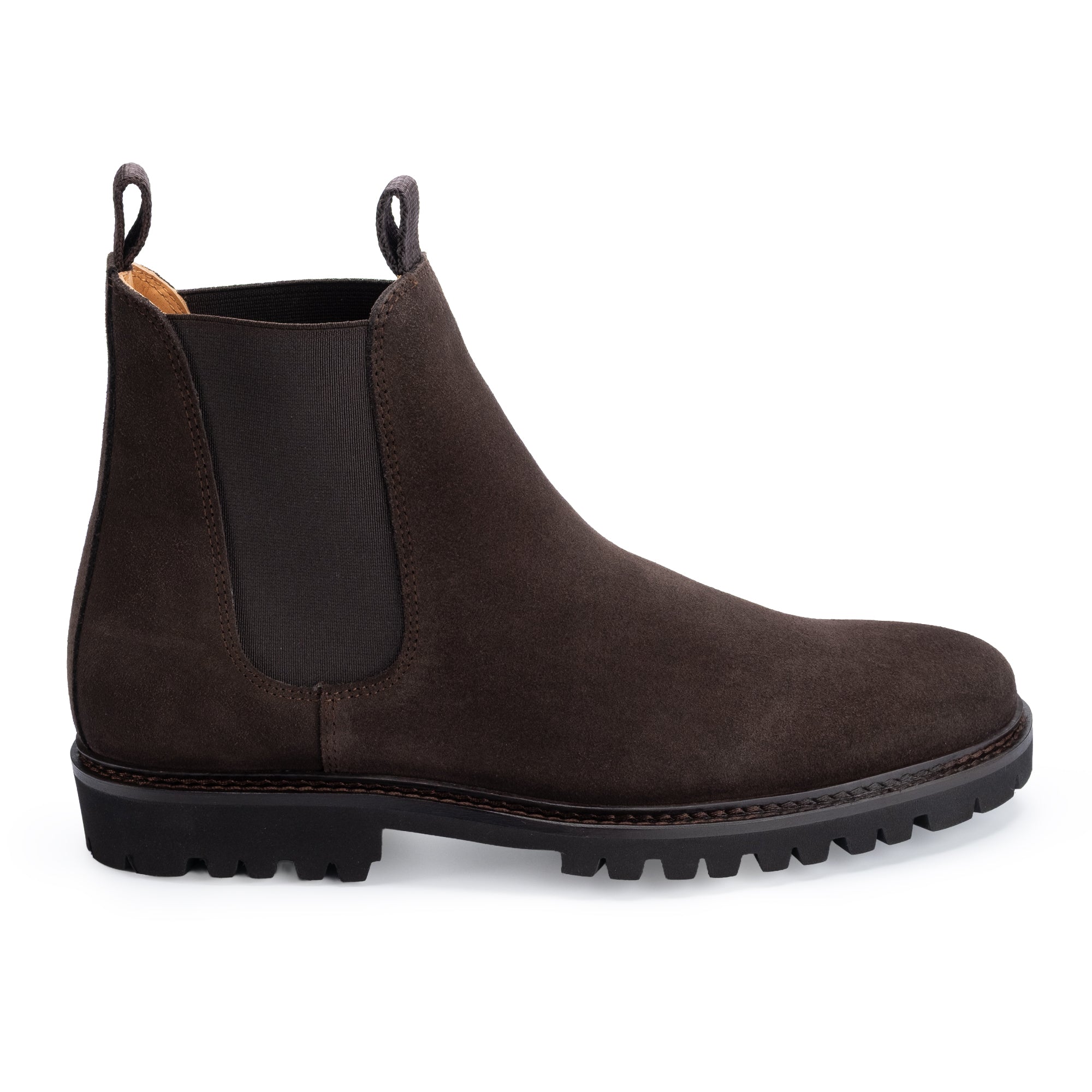
Browse the John White Shoes Chelsea boots collection or explore all men's dress shoes.