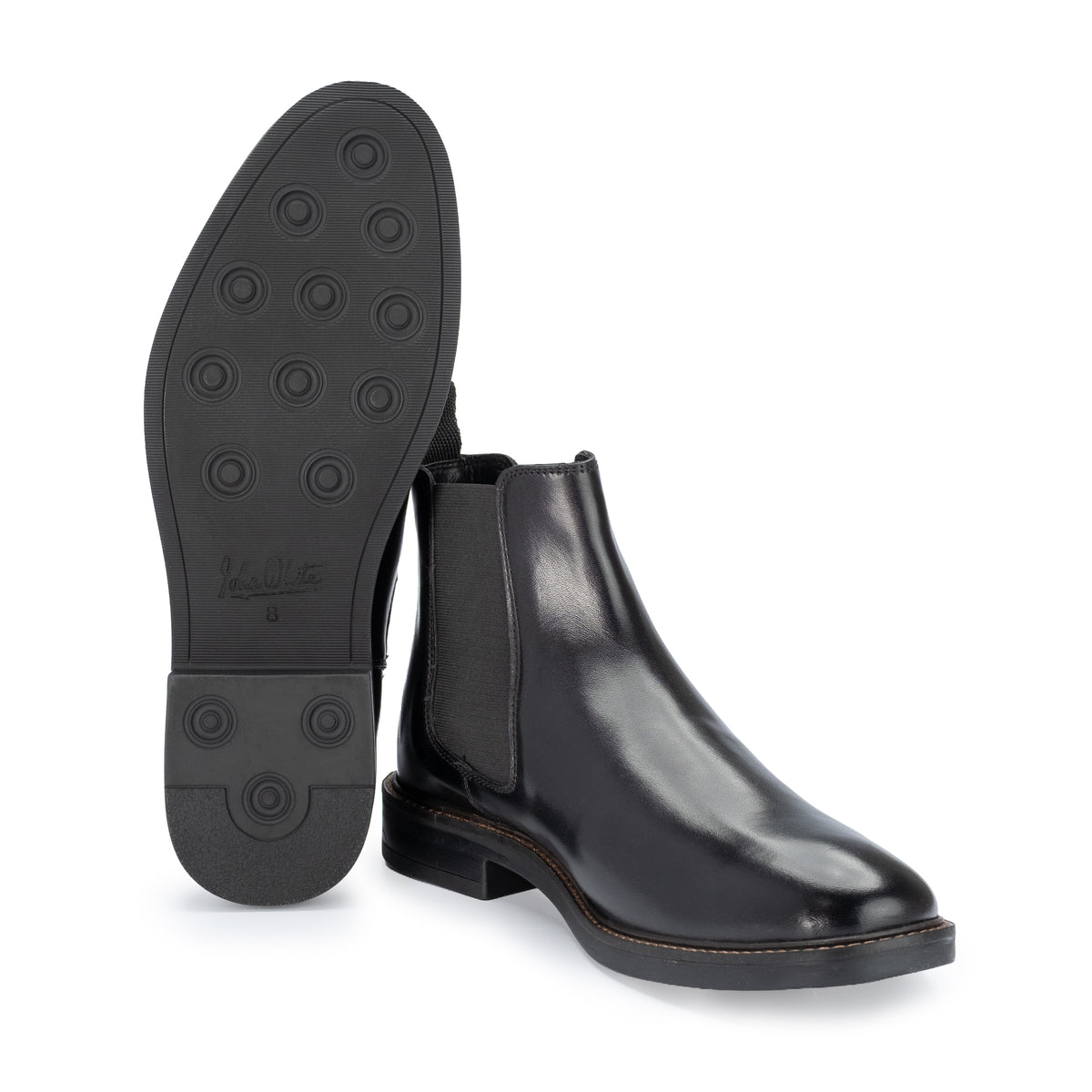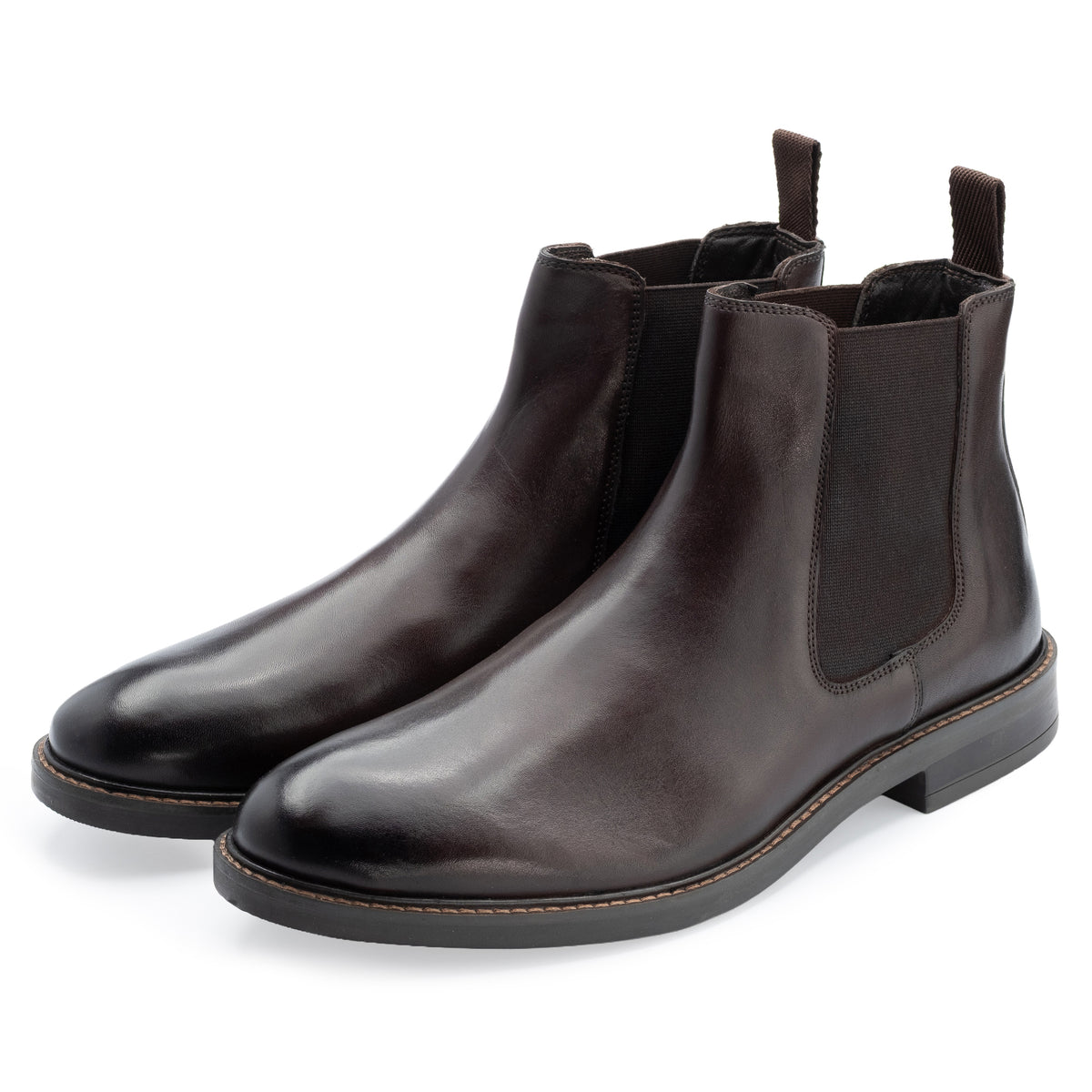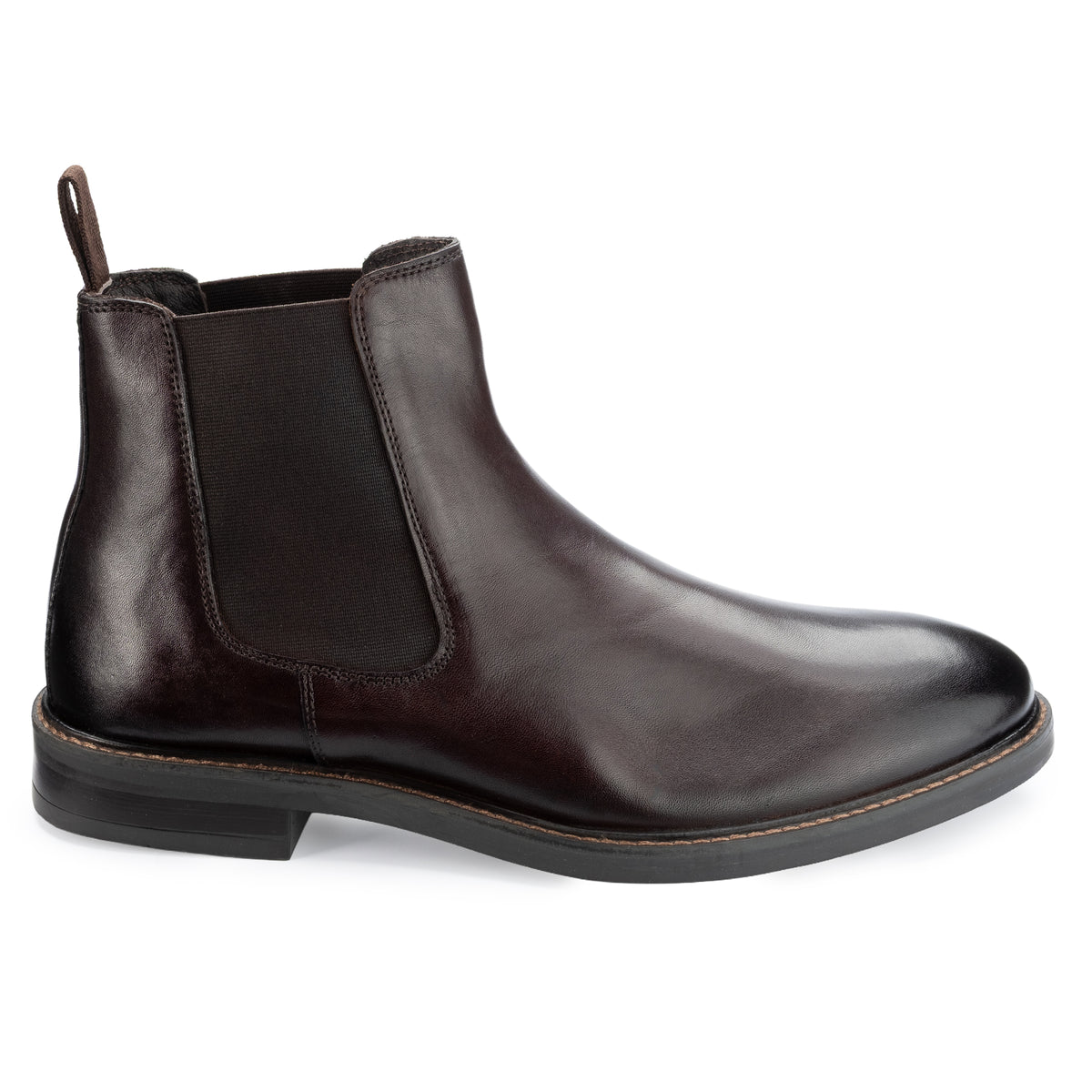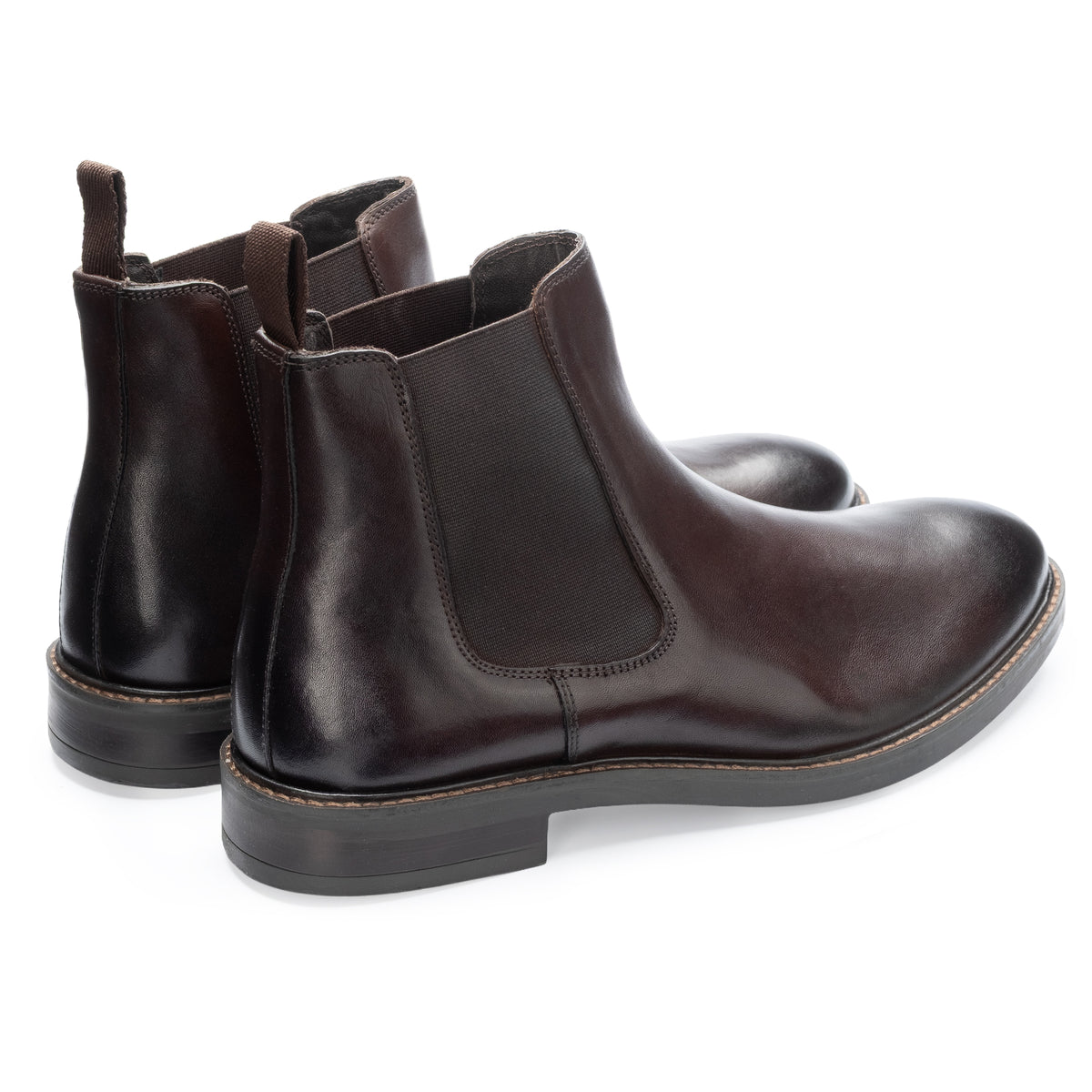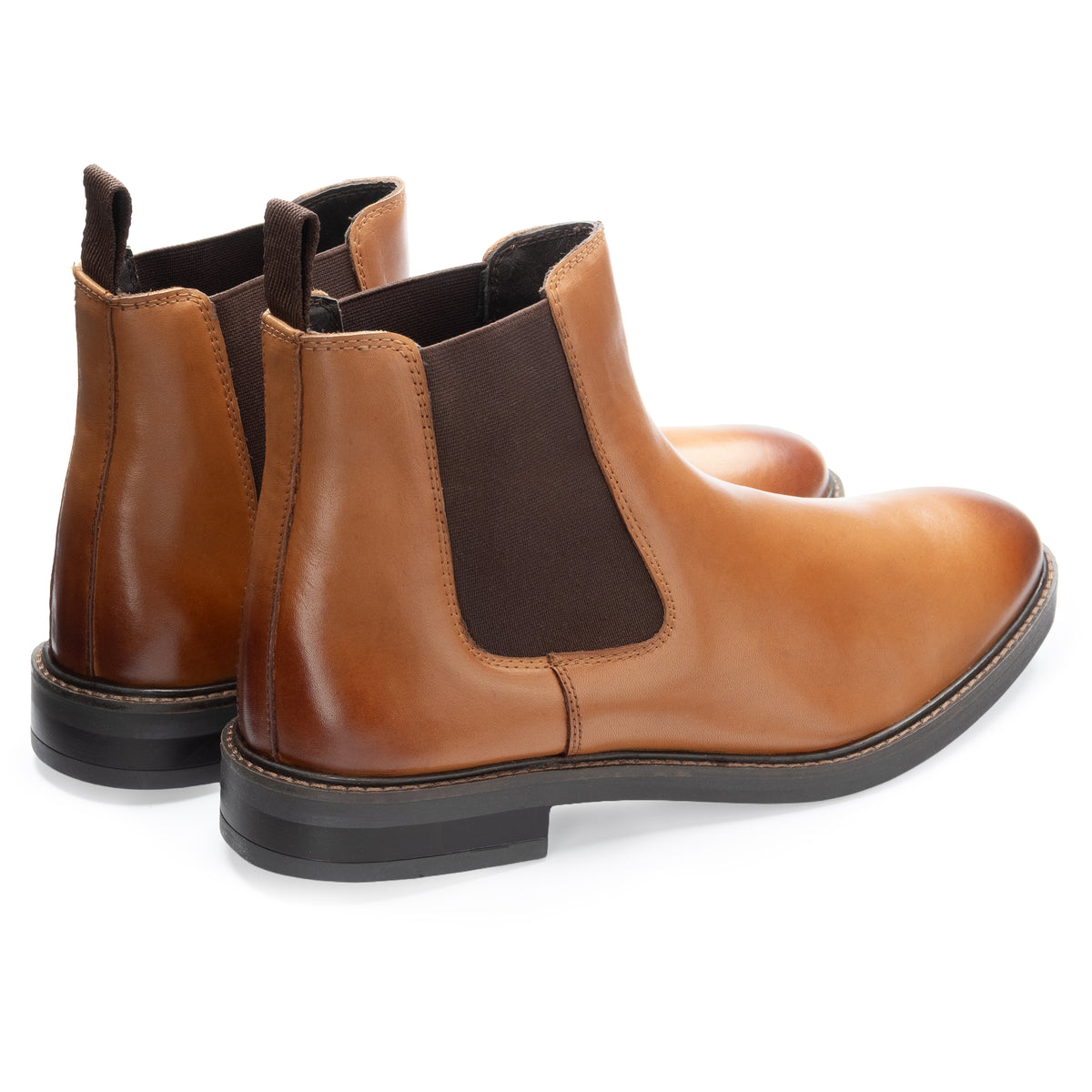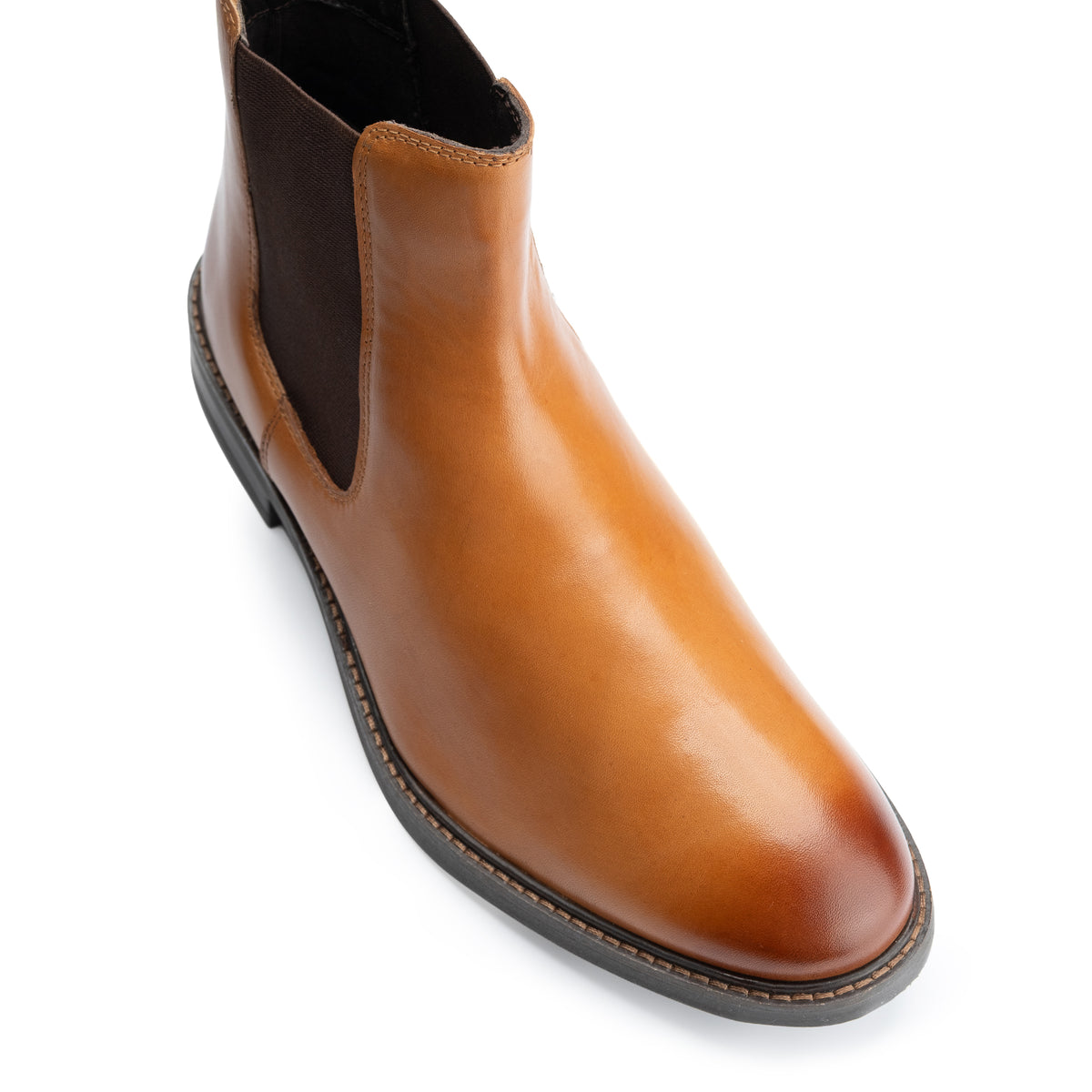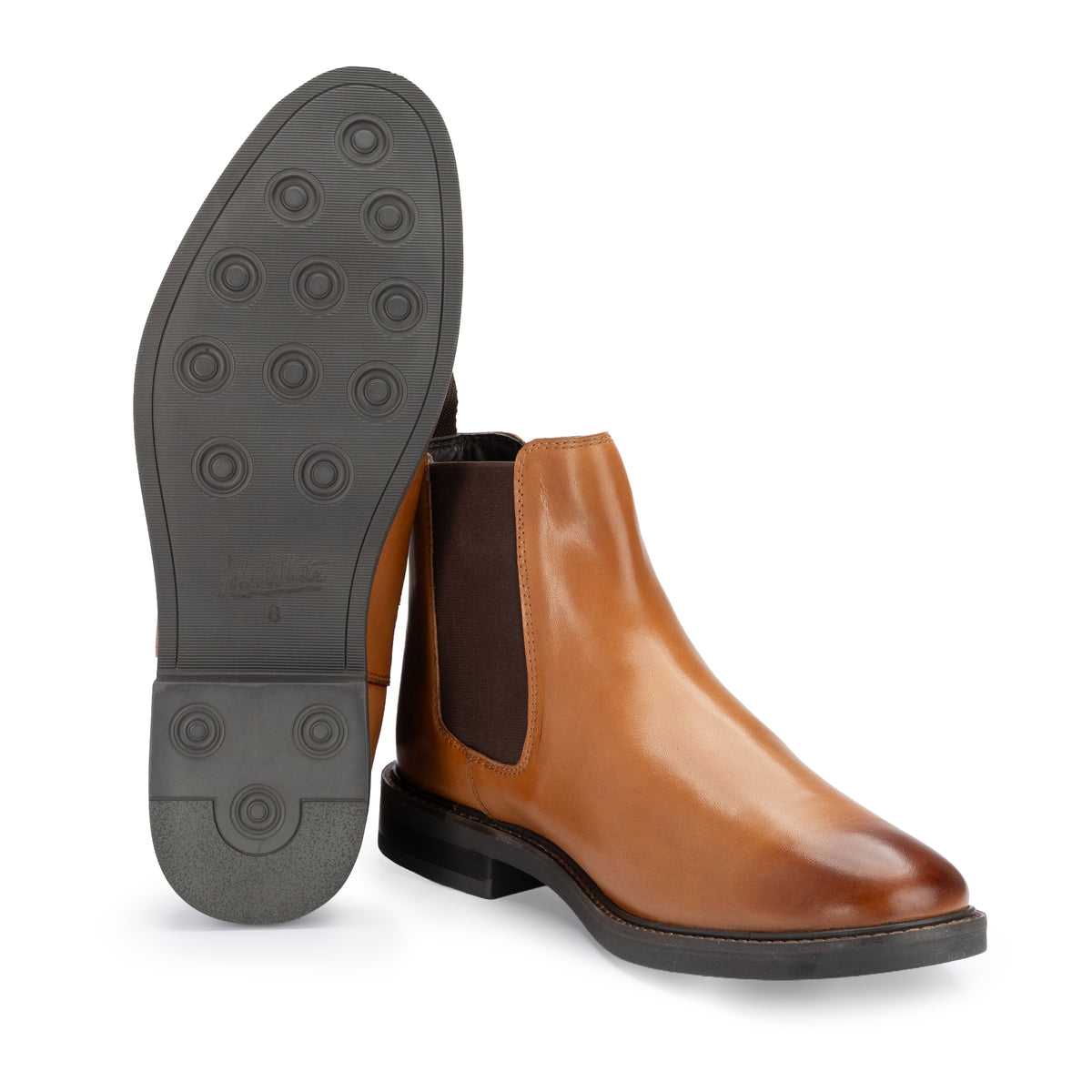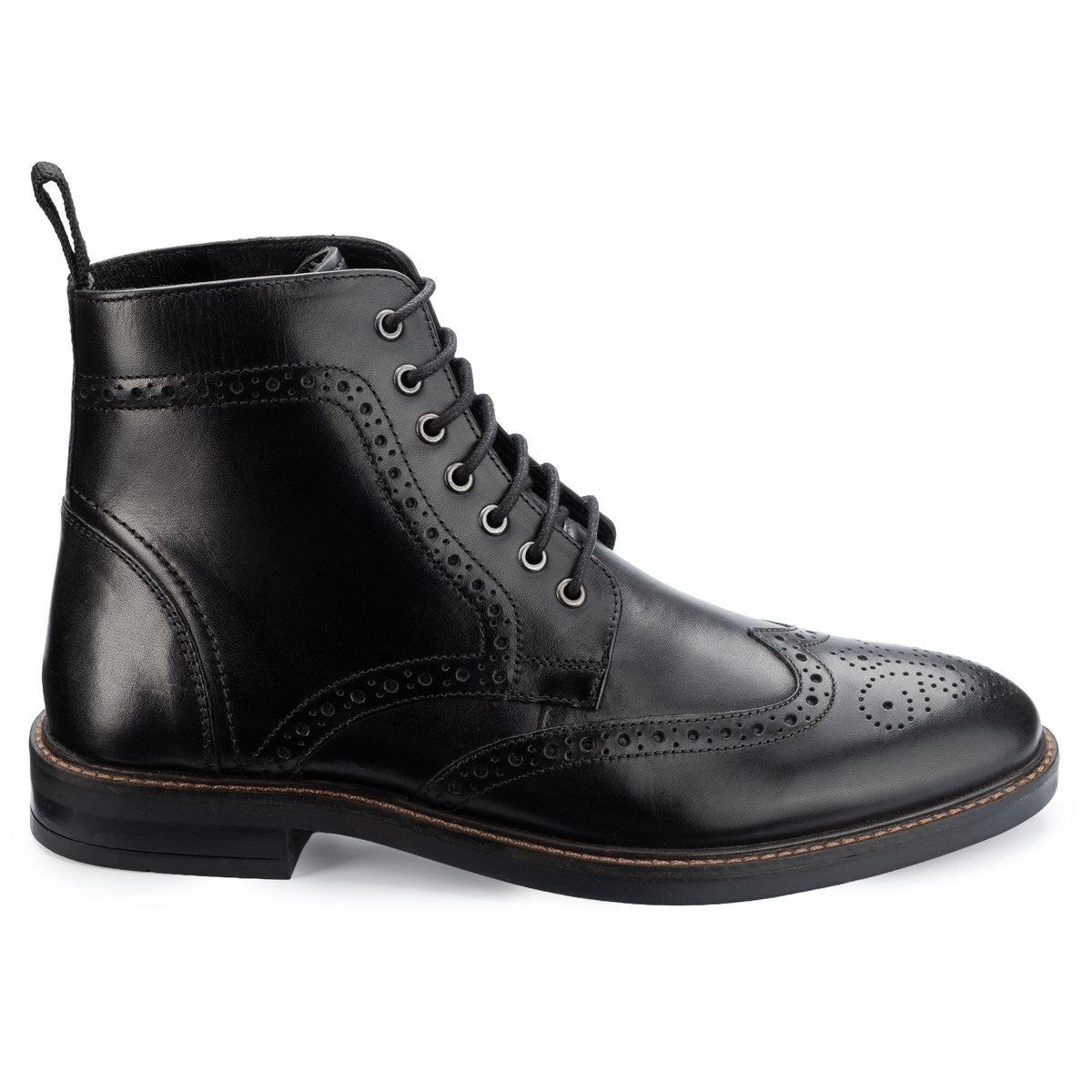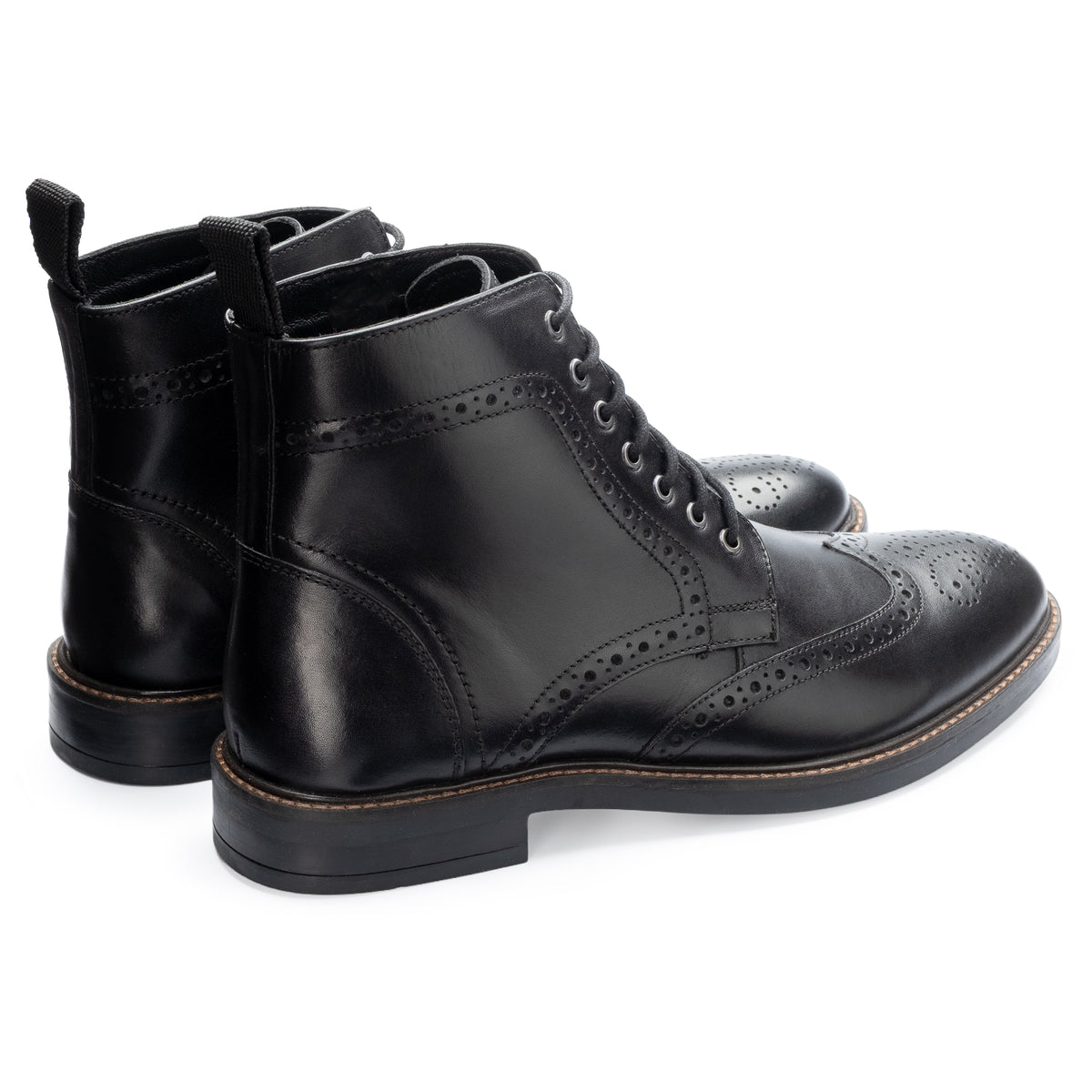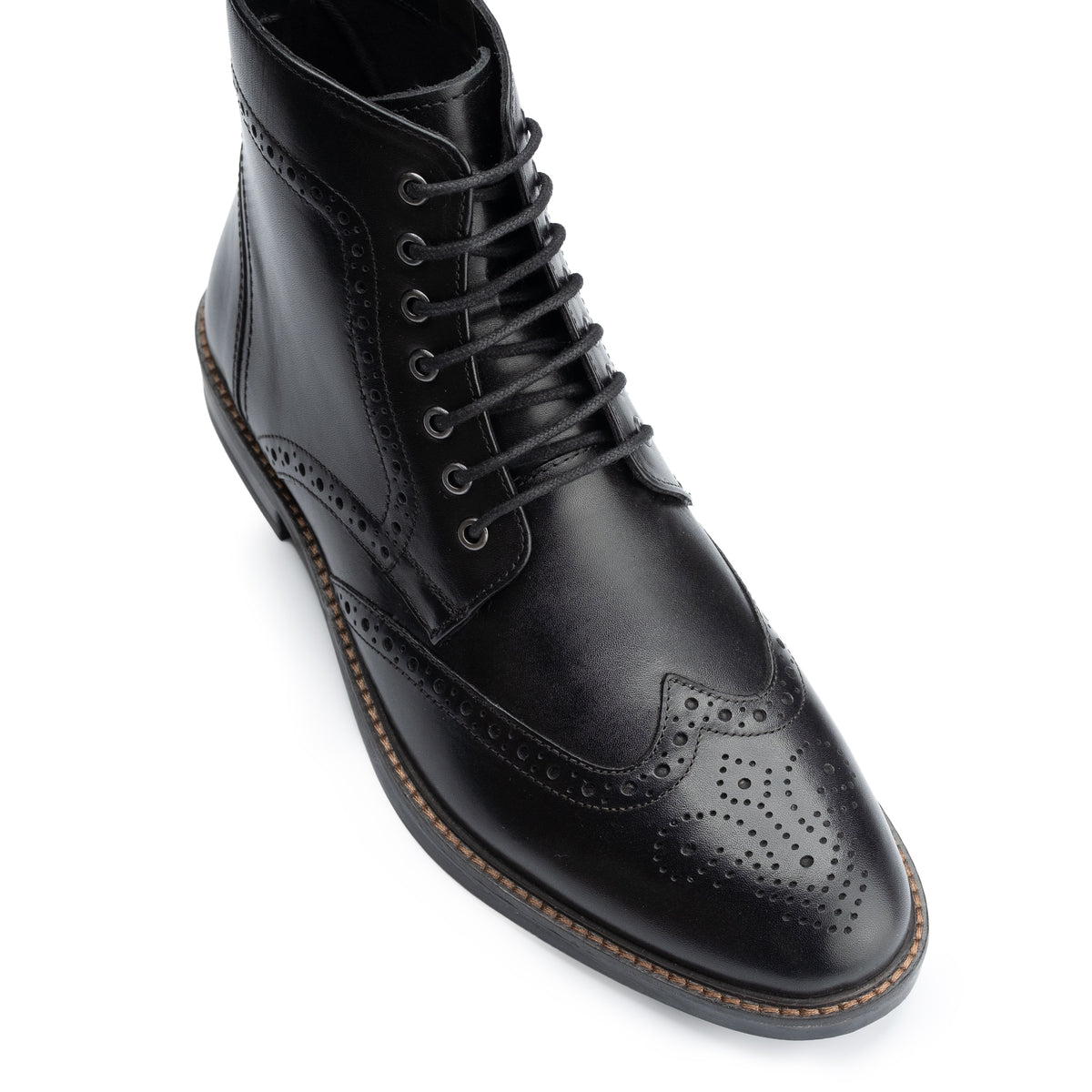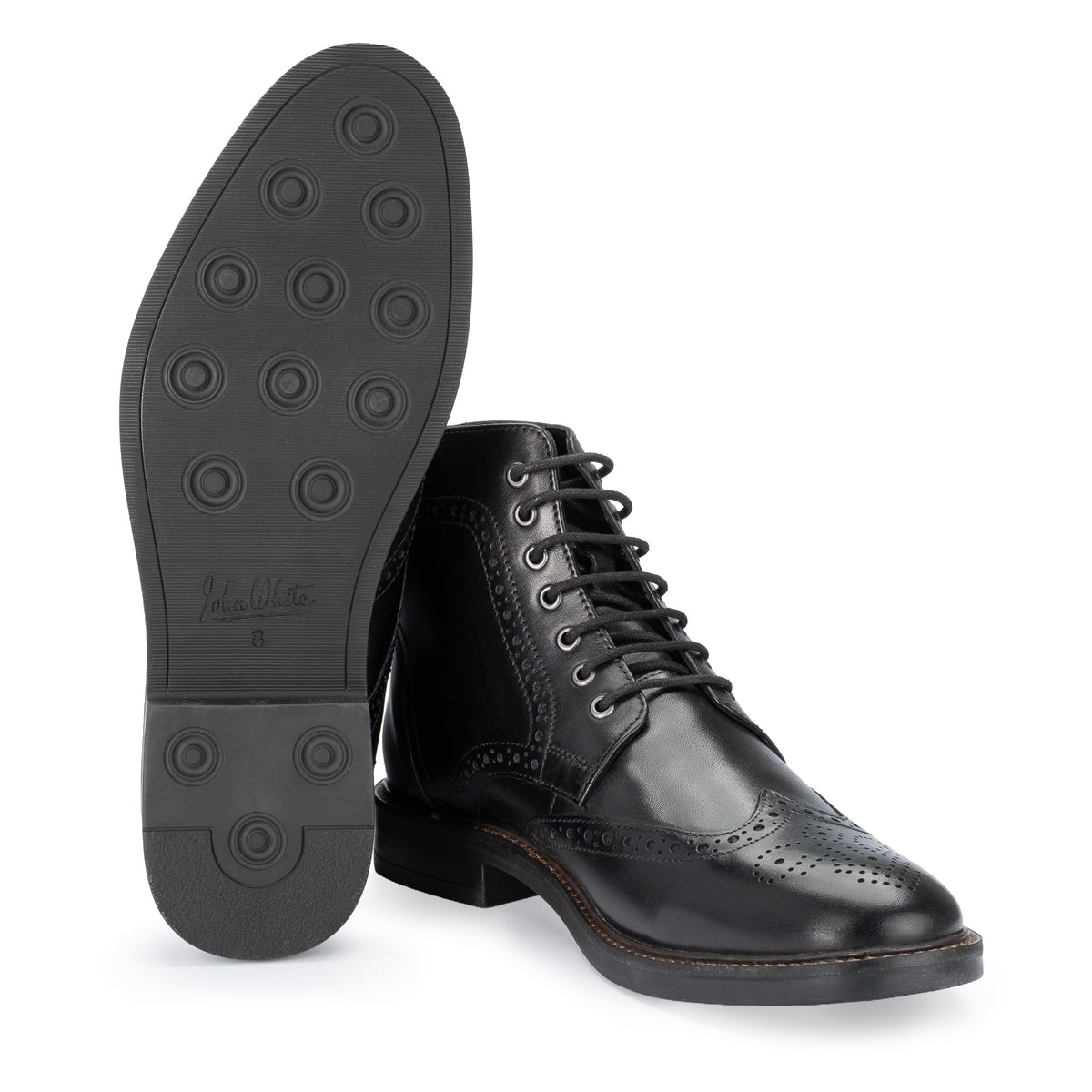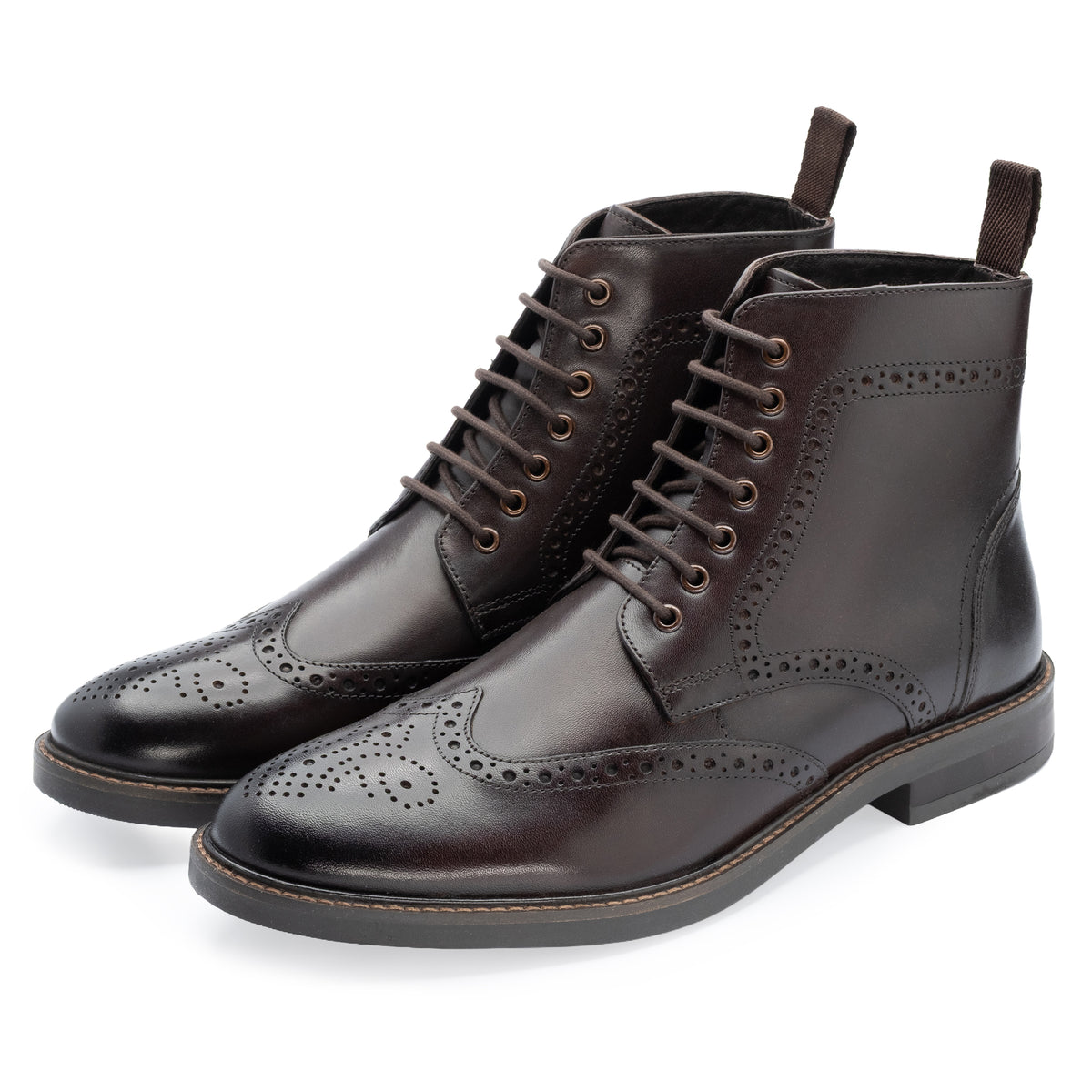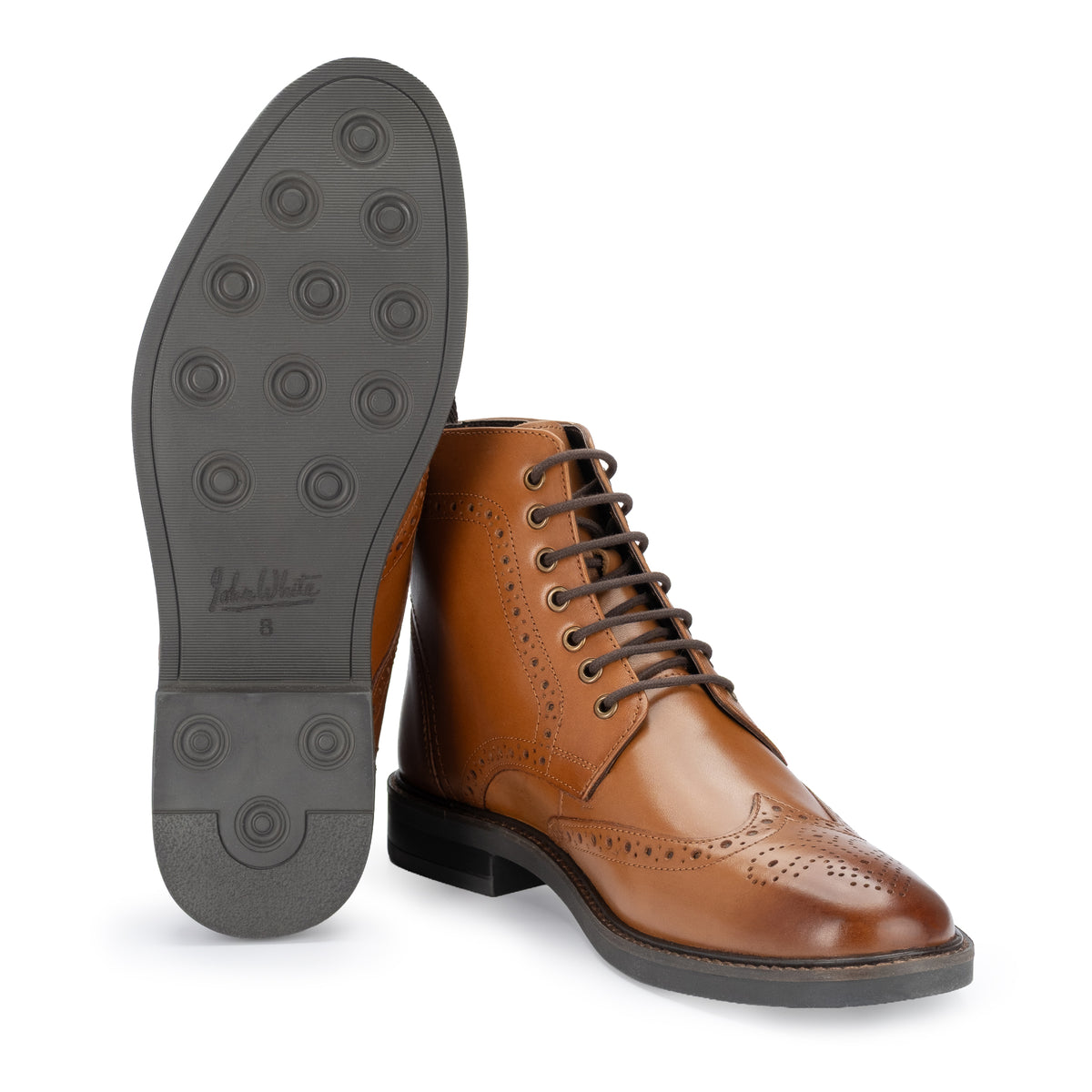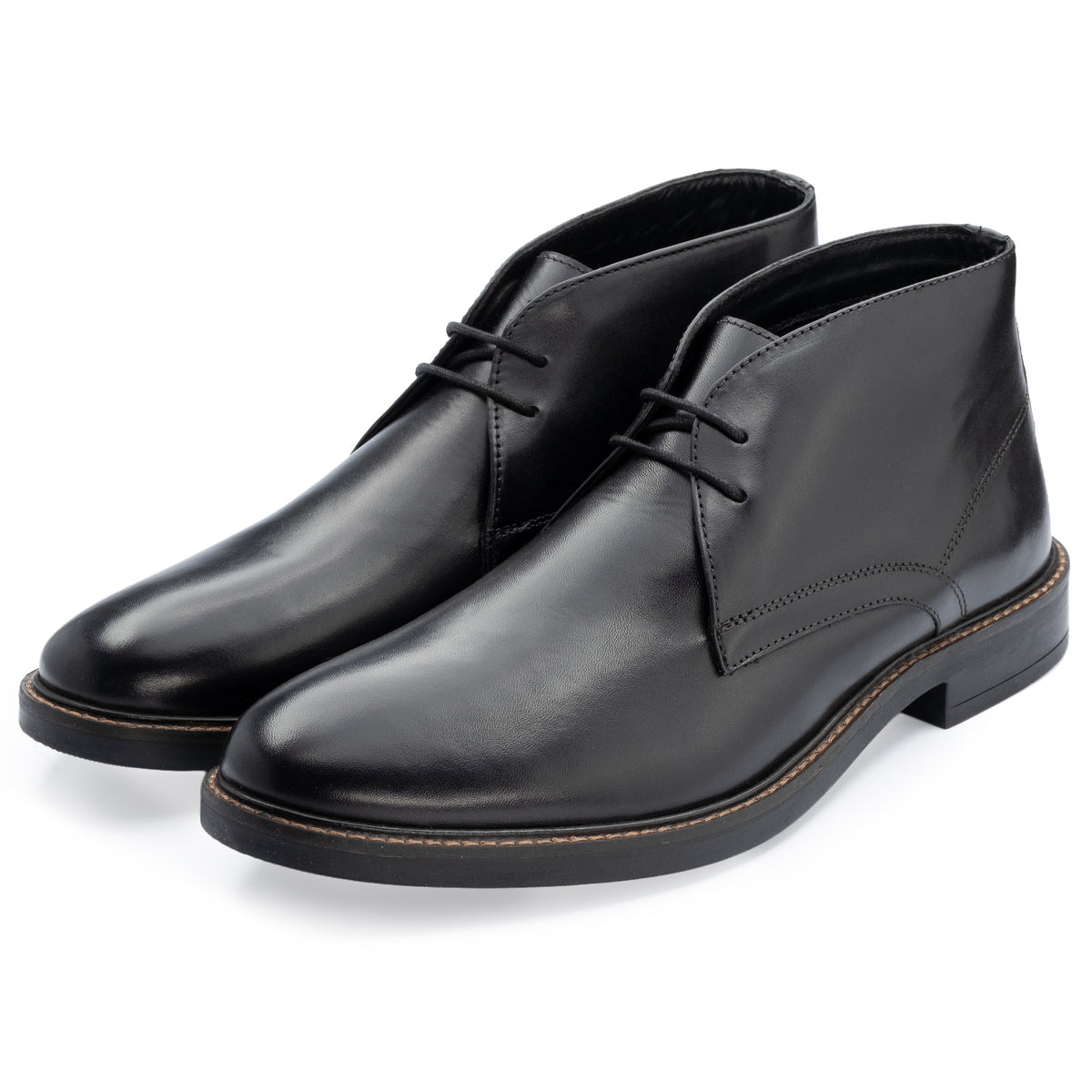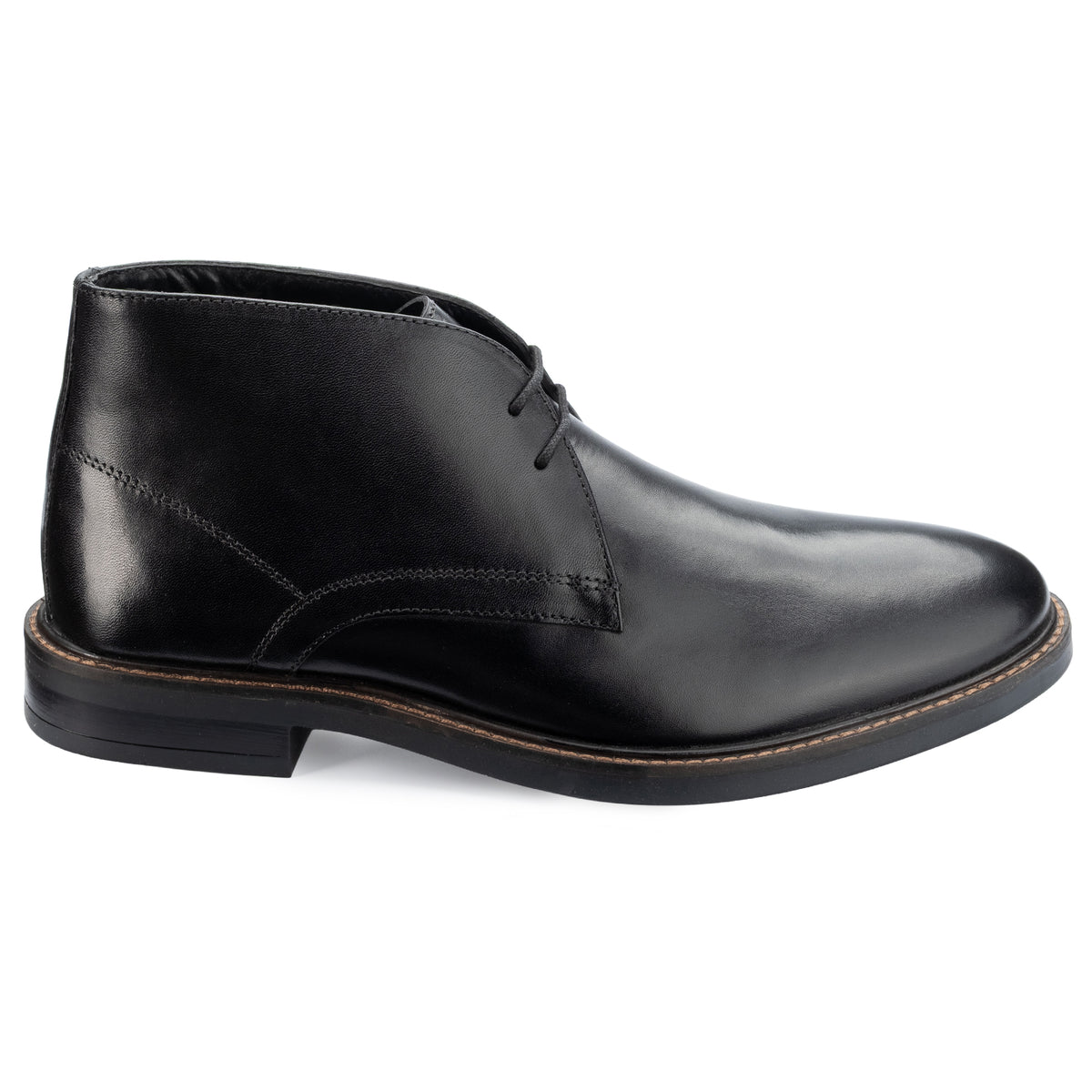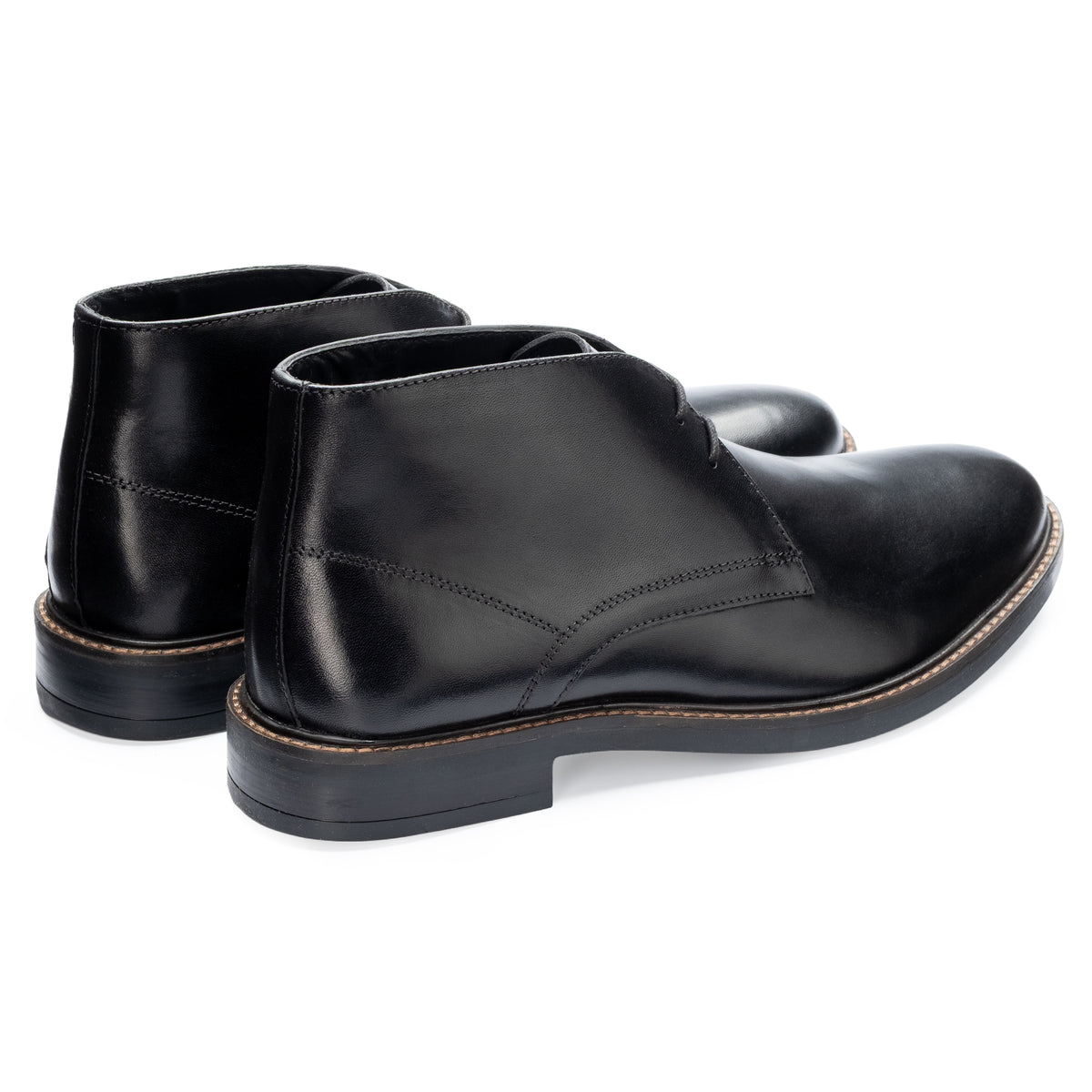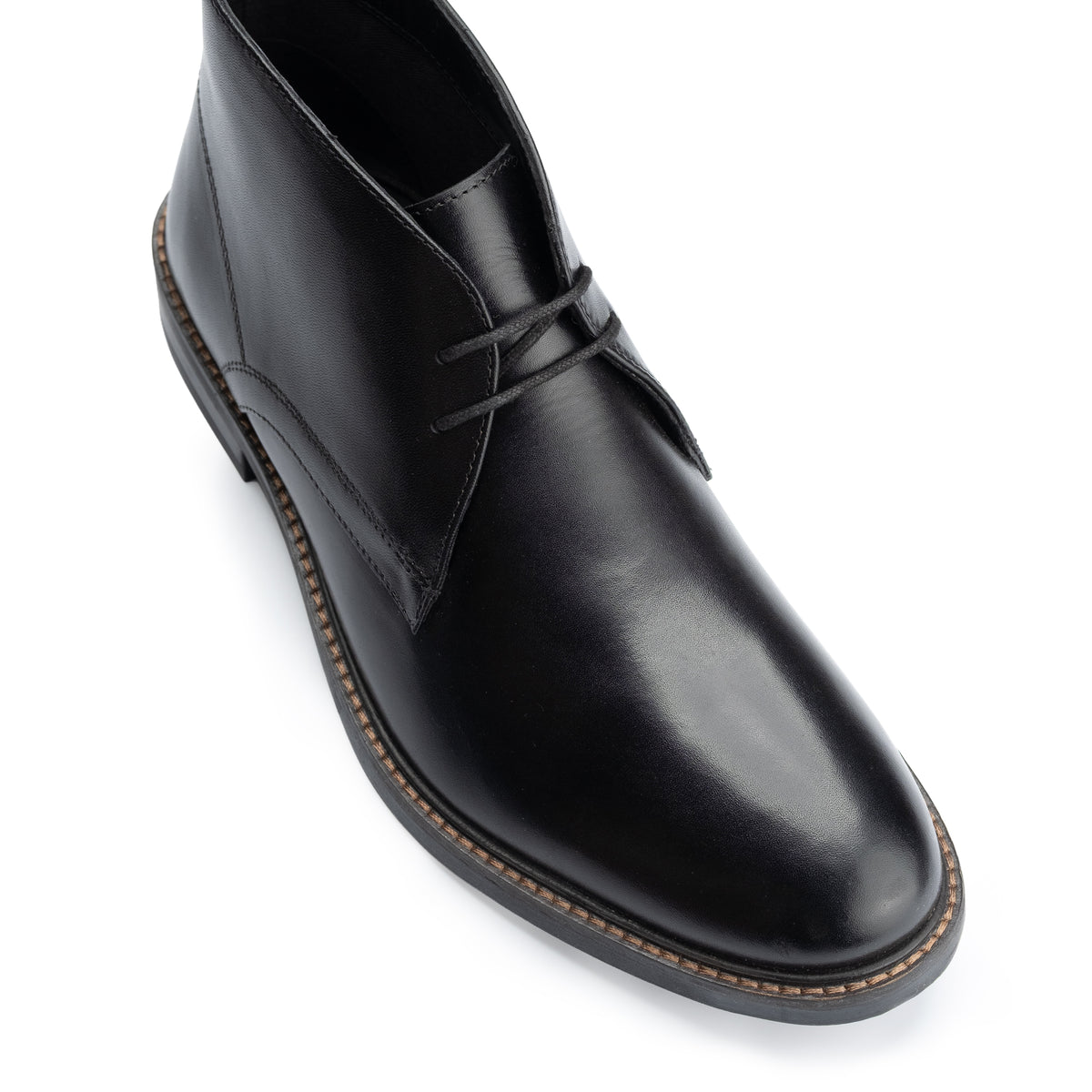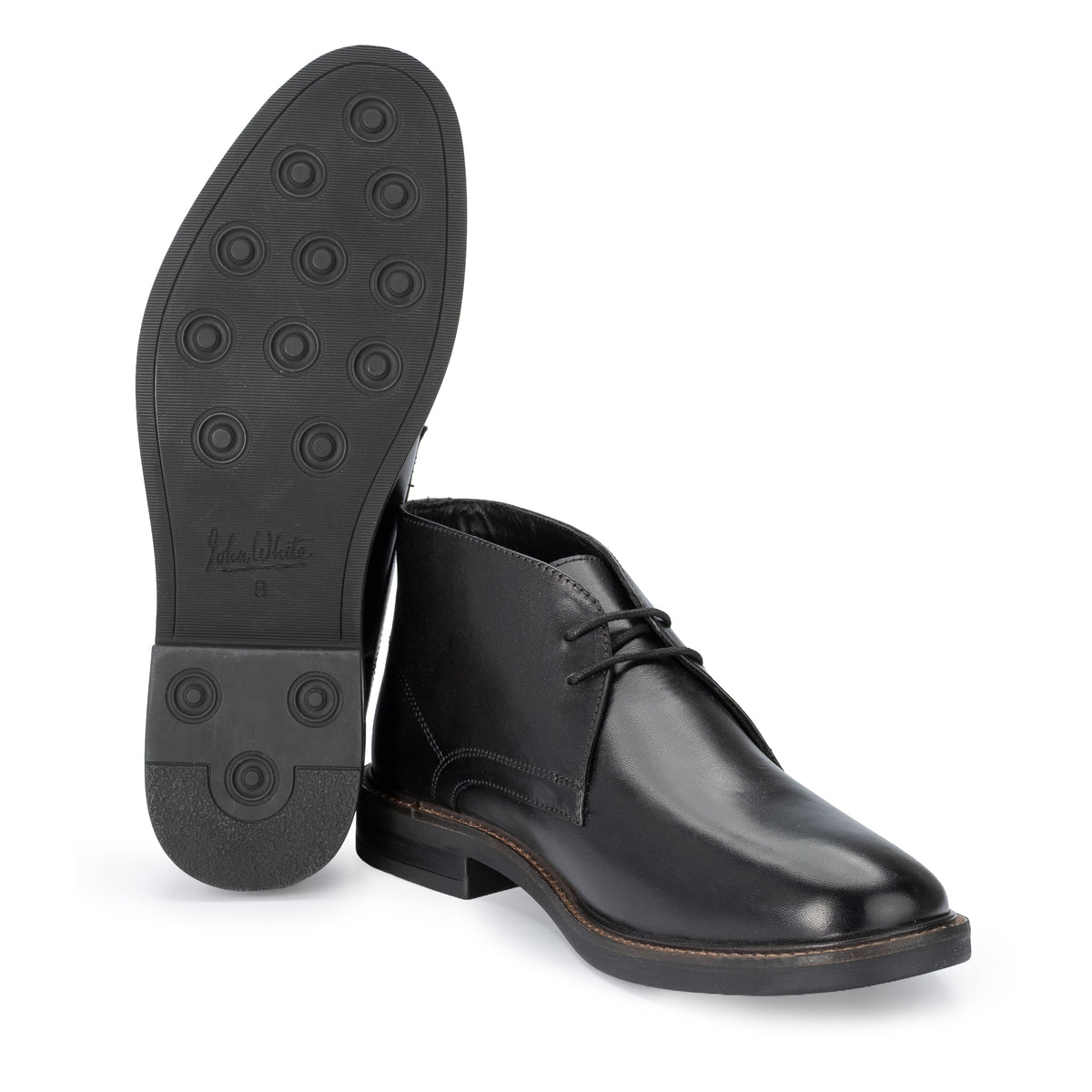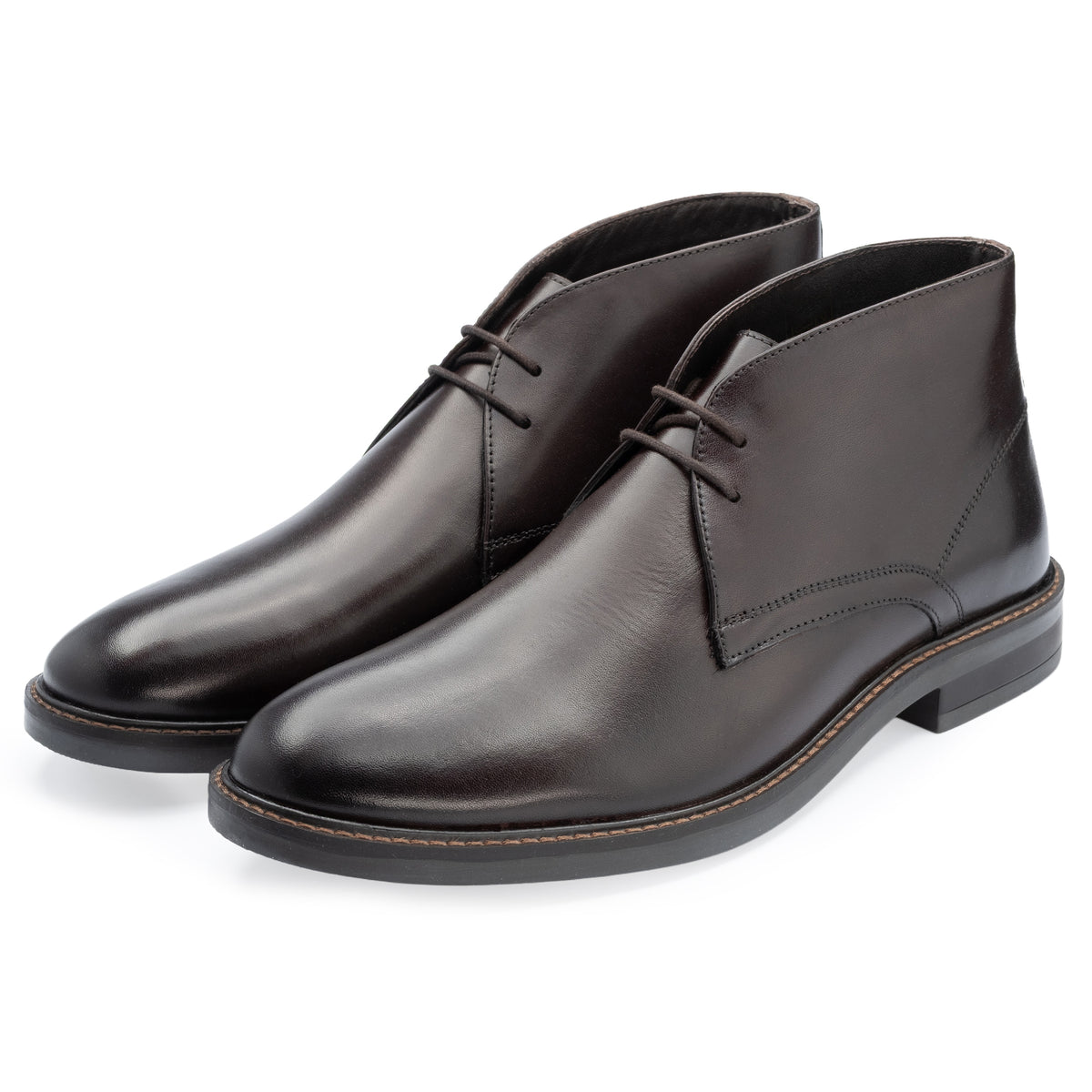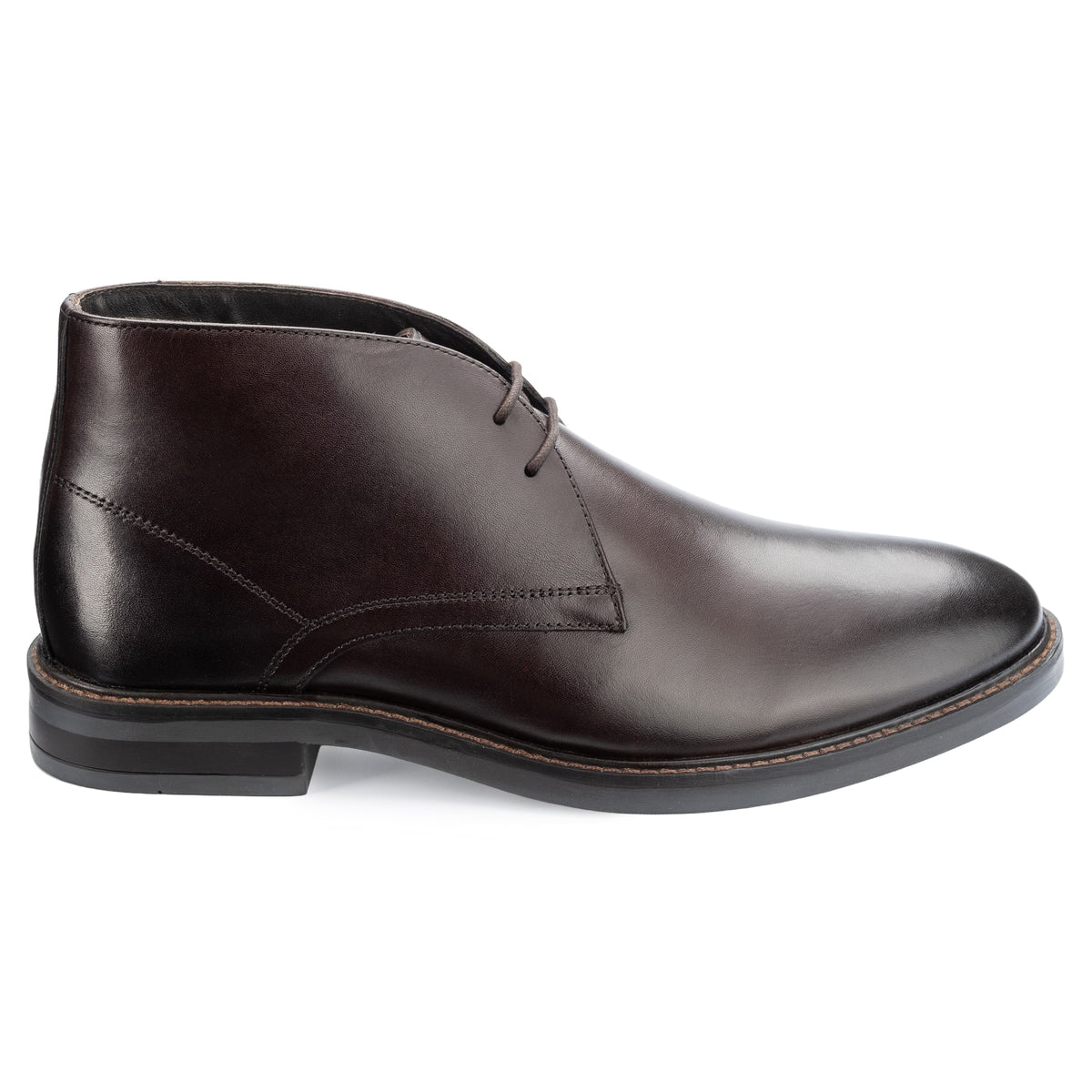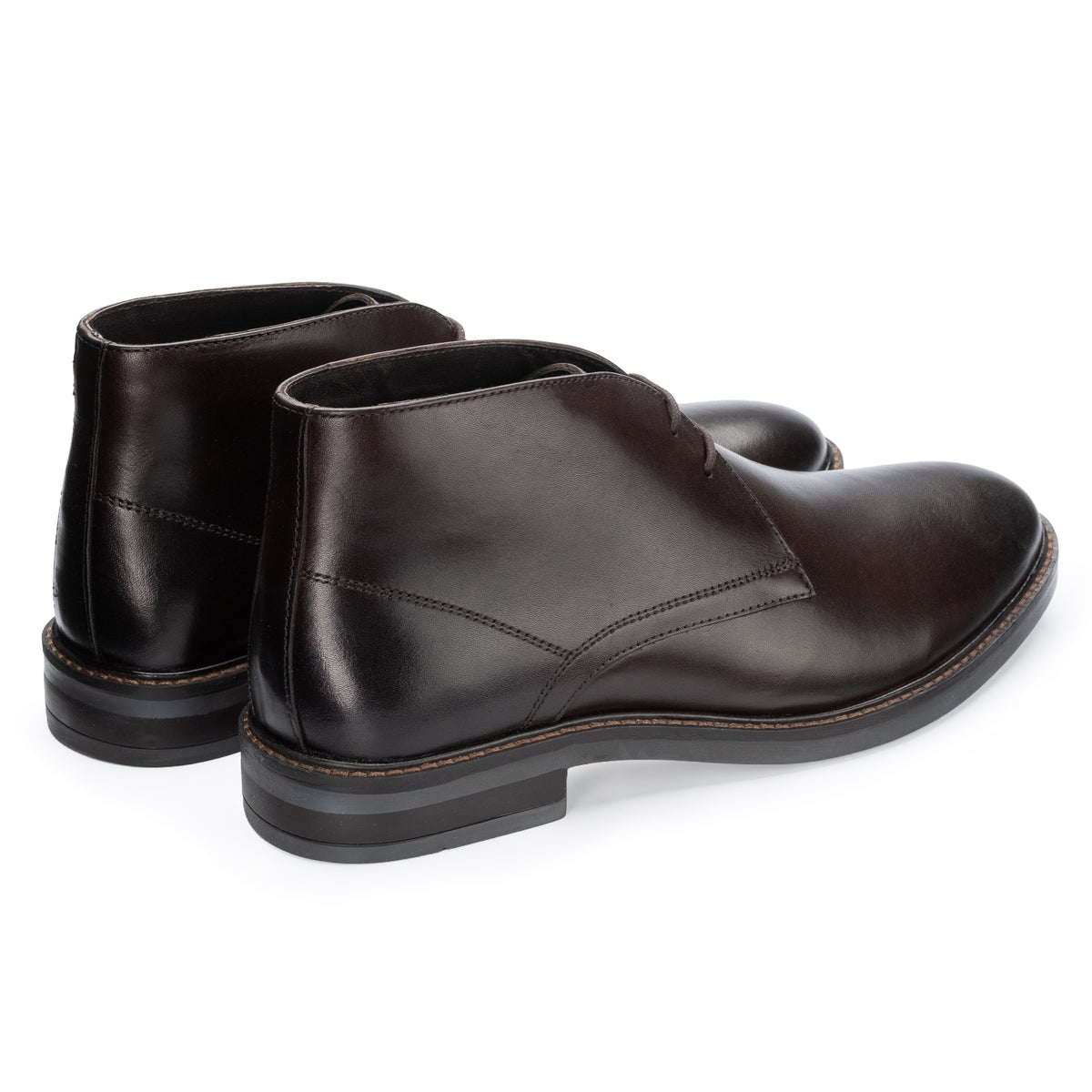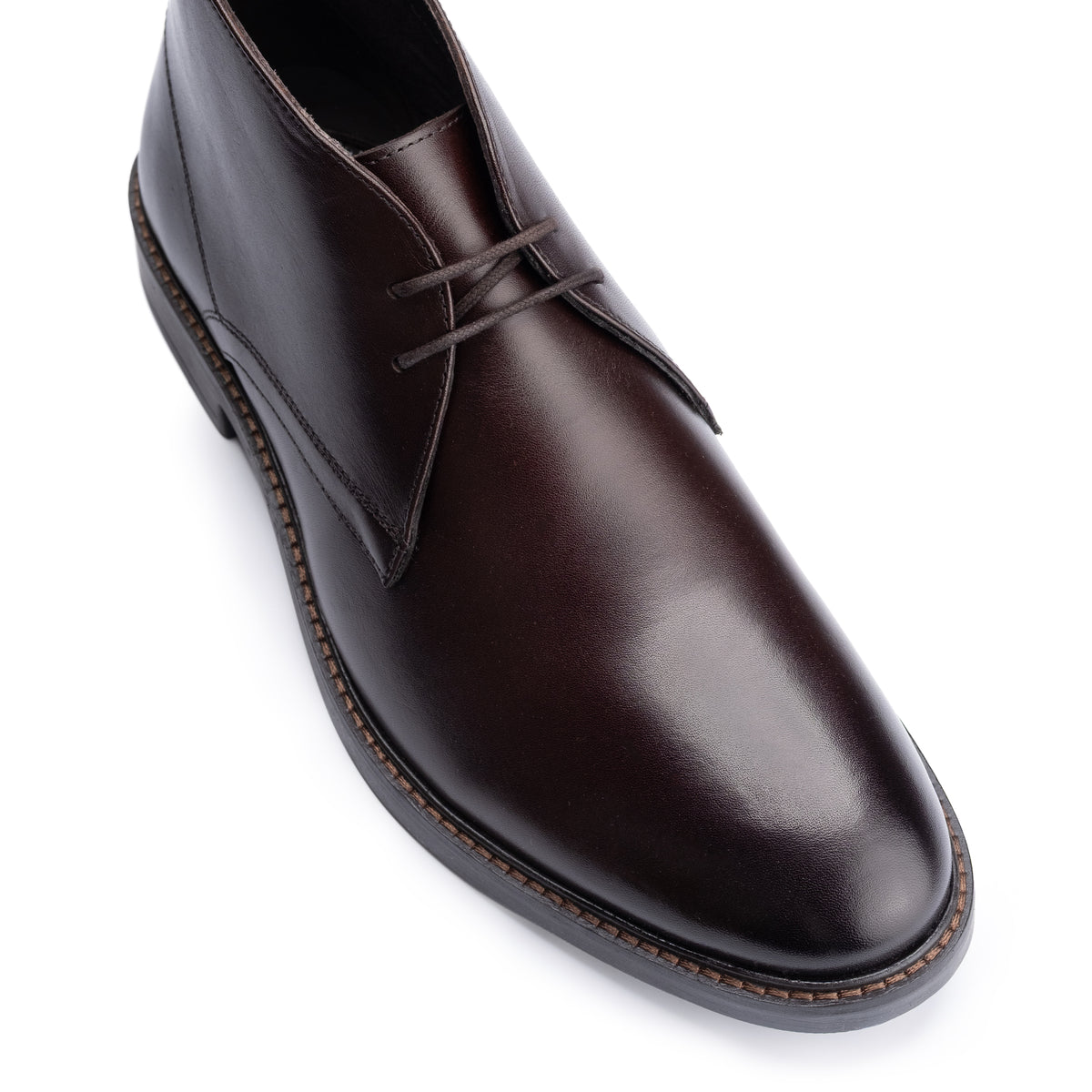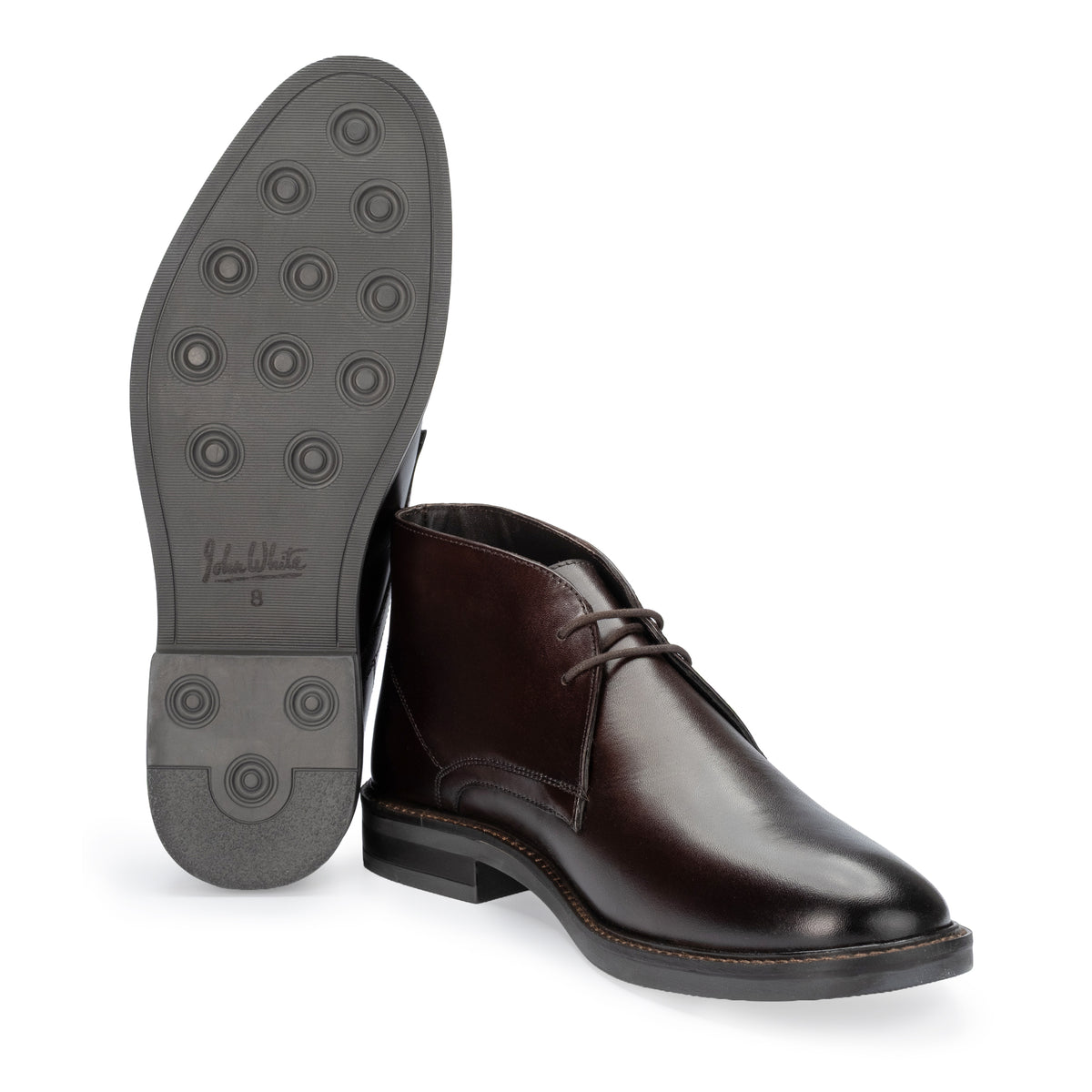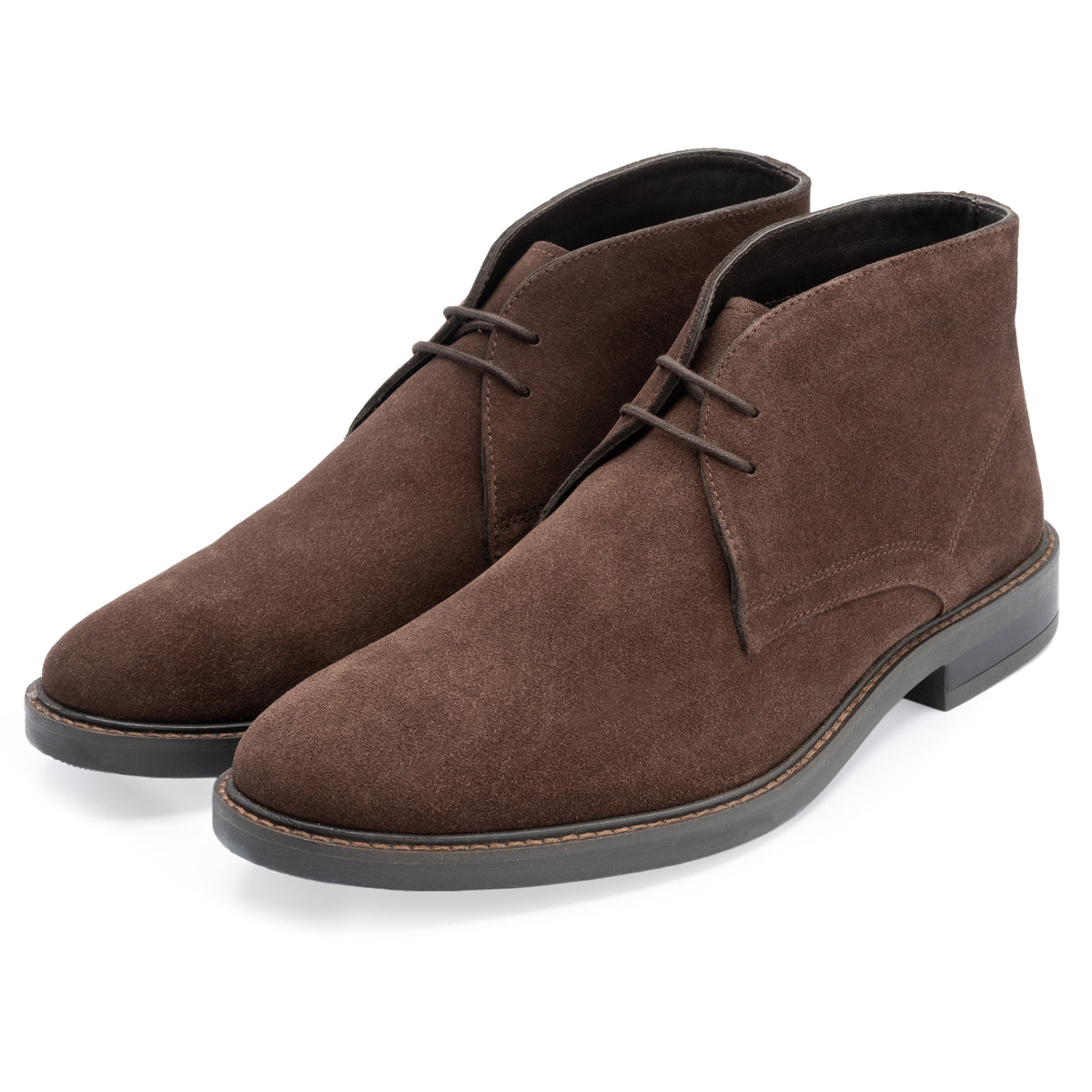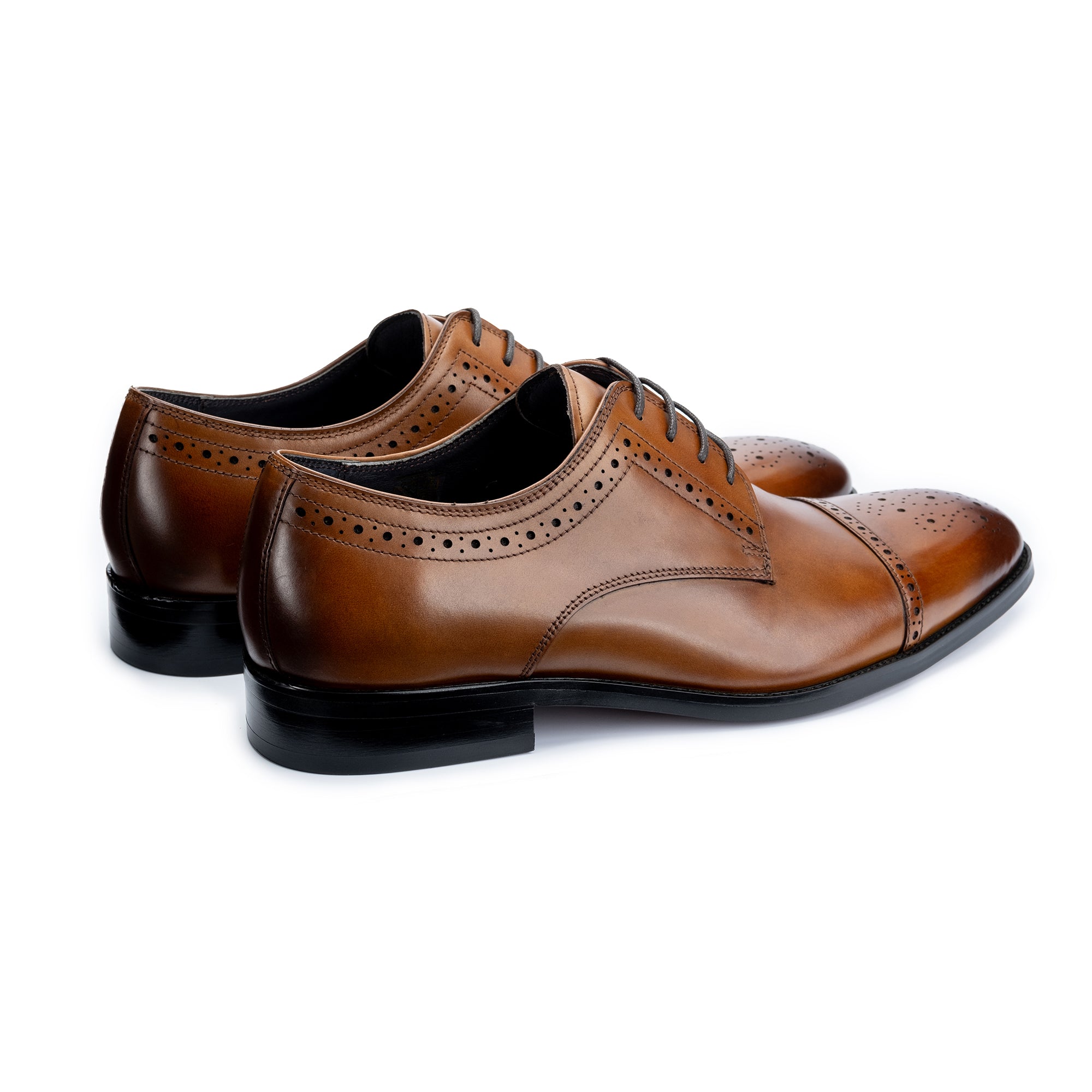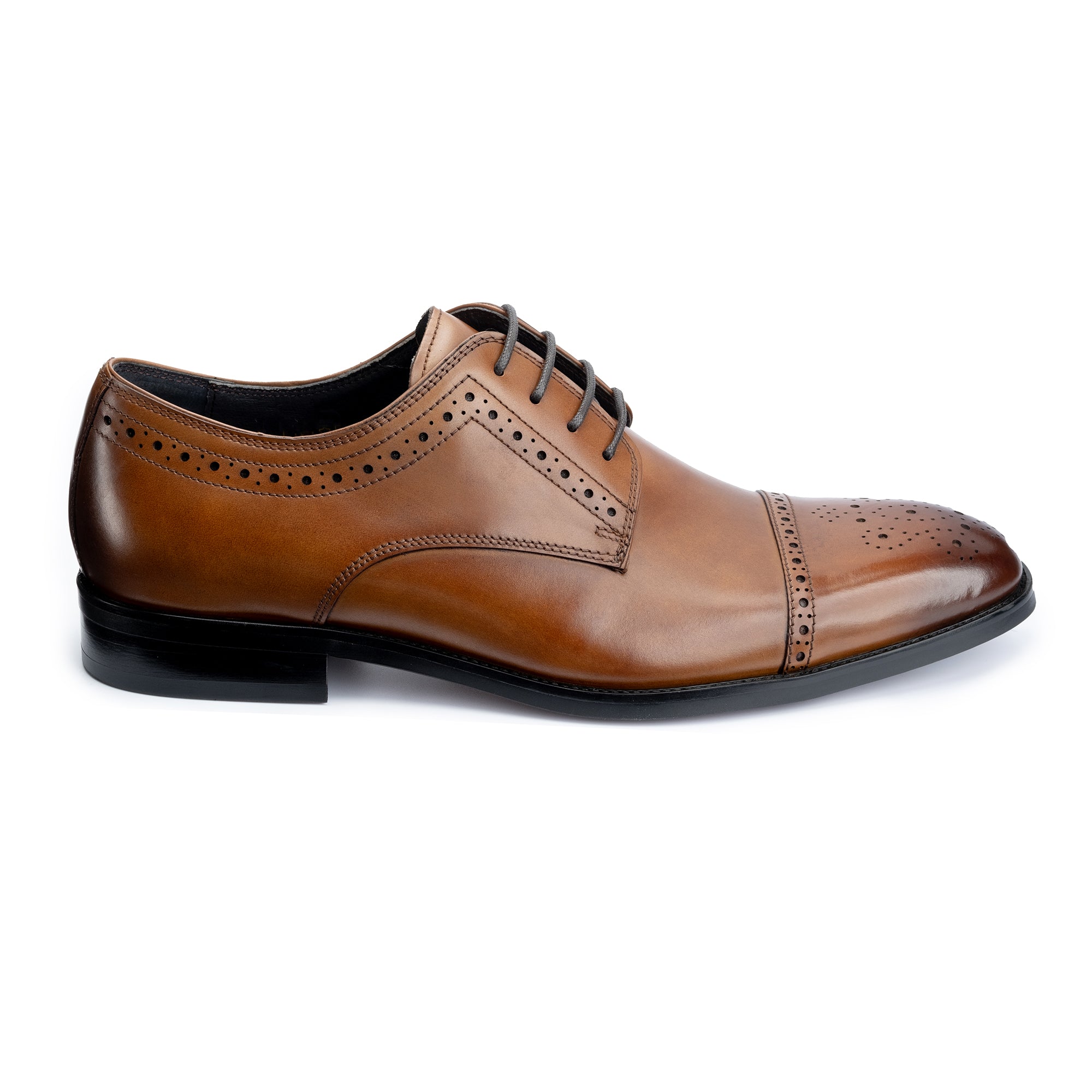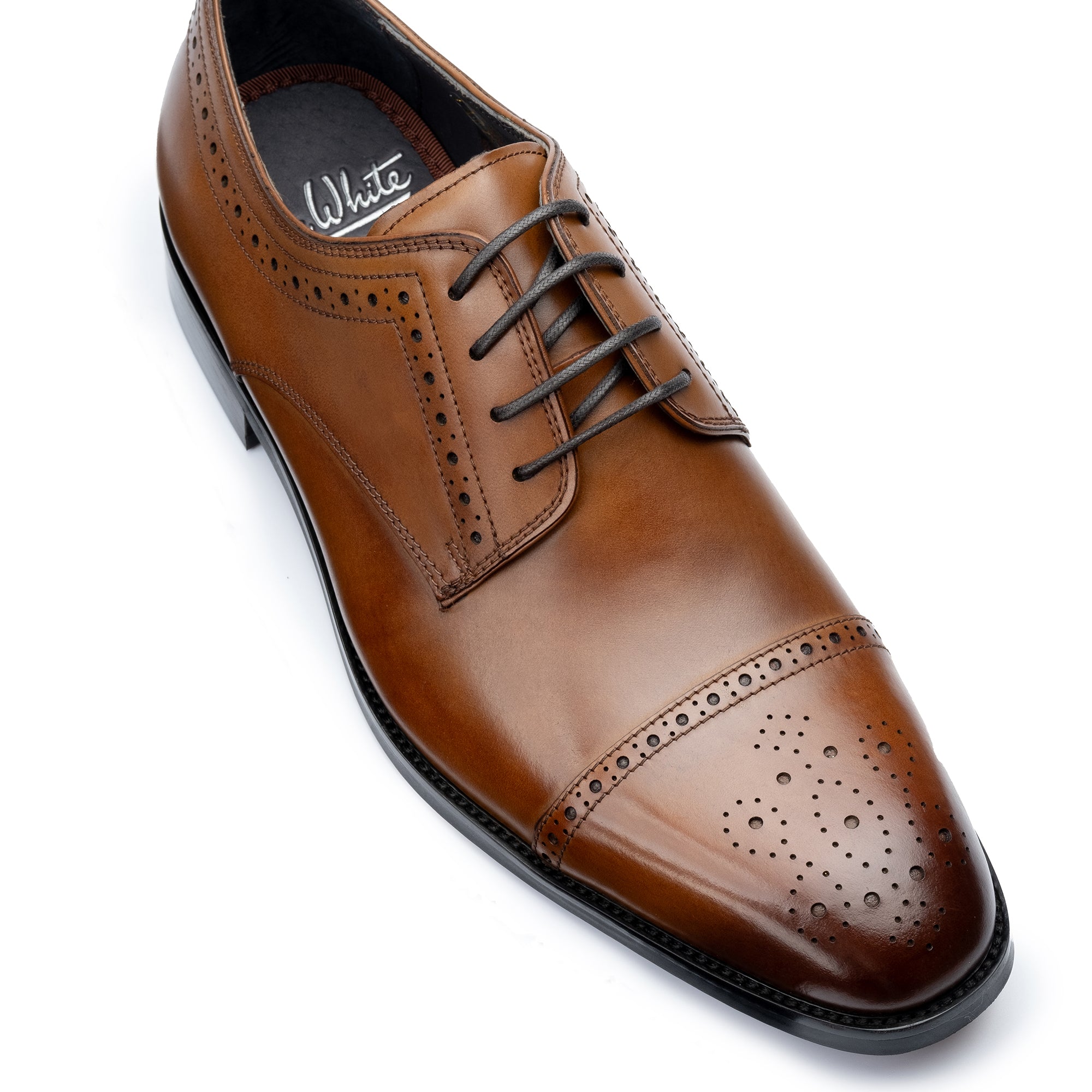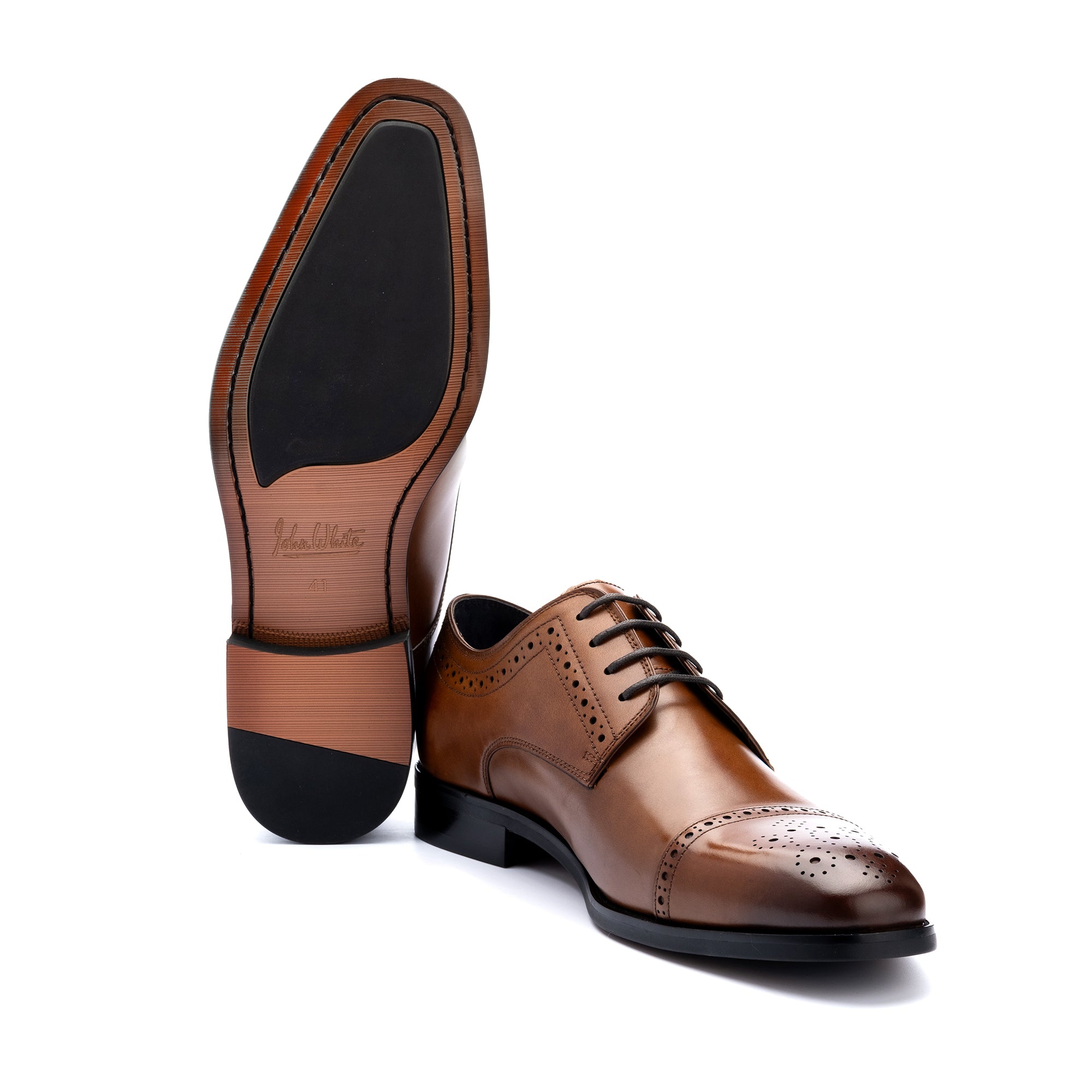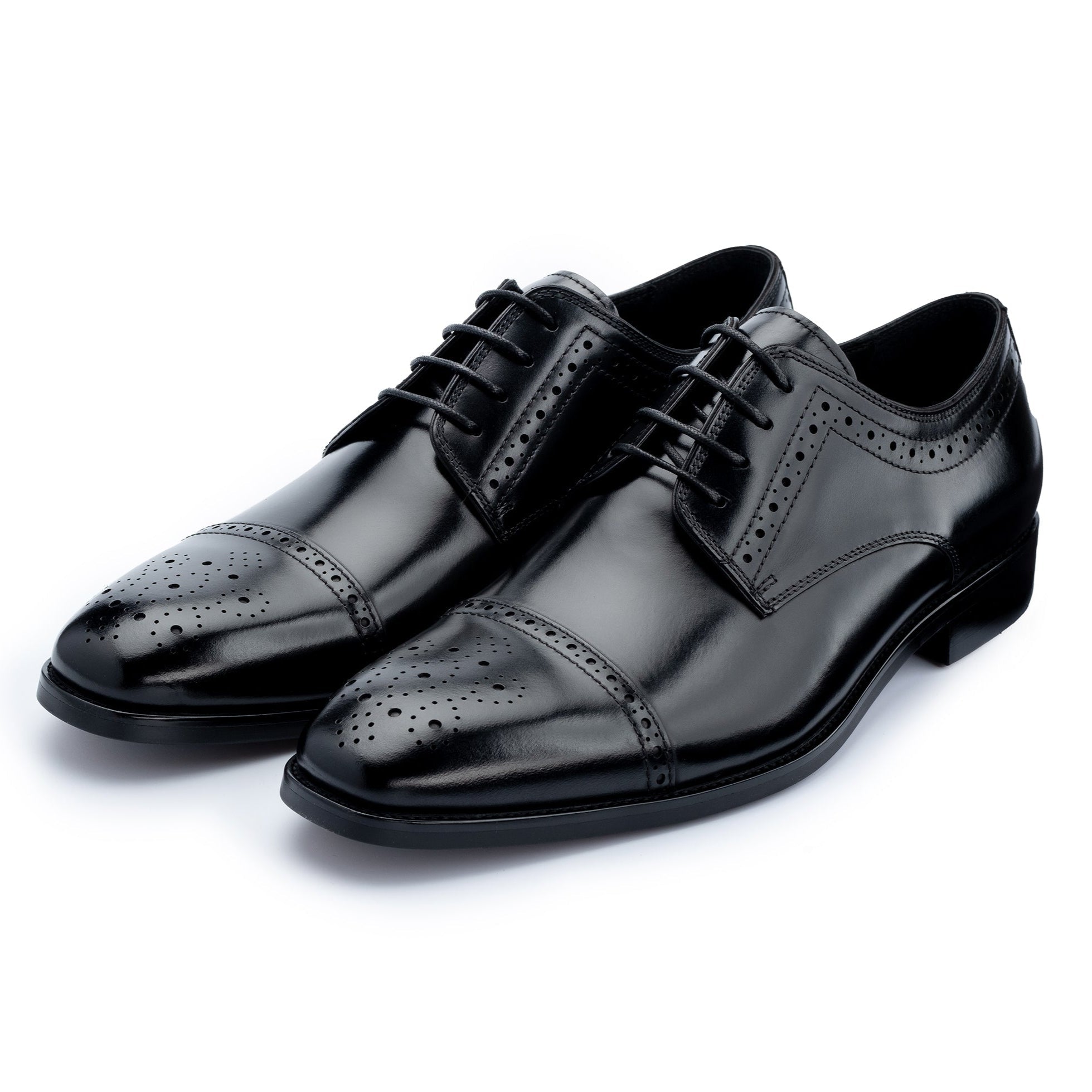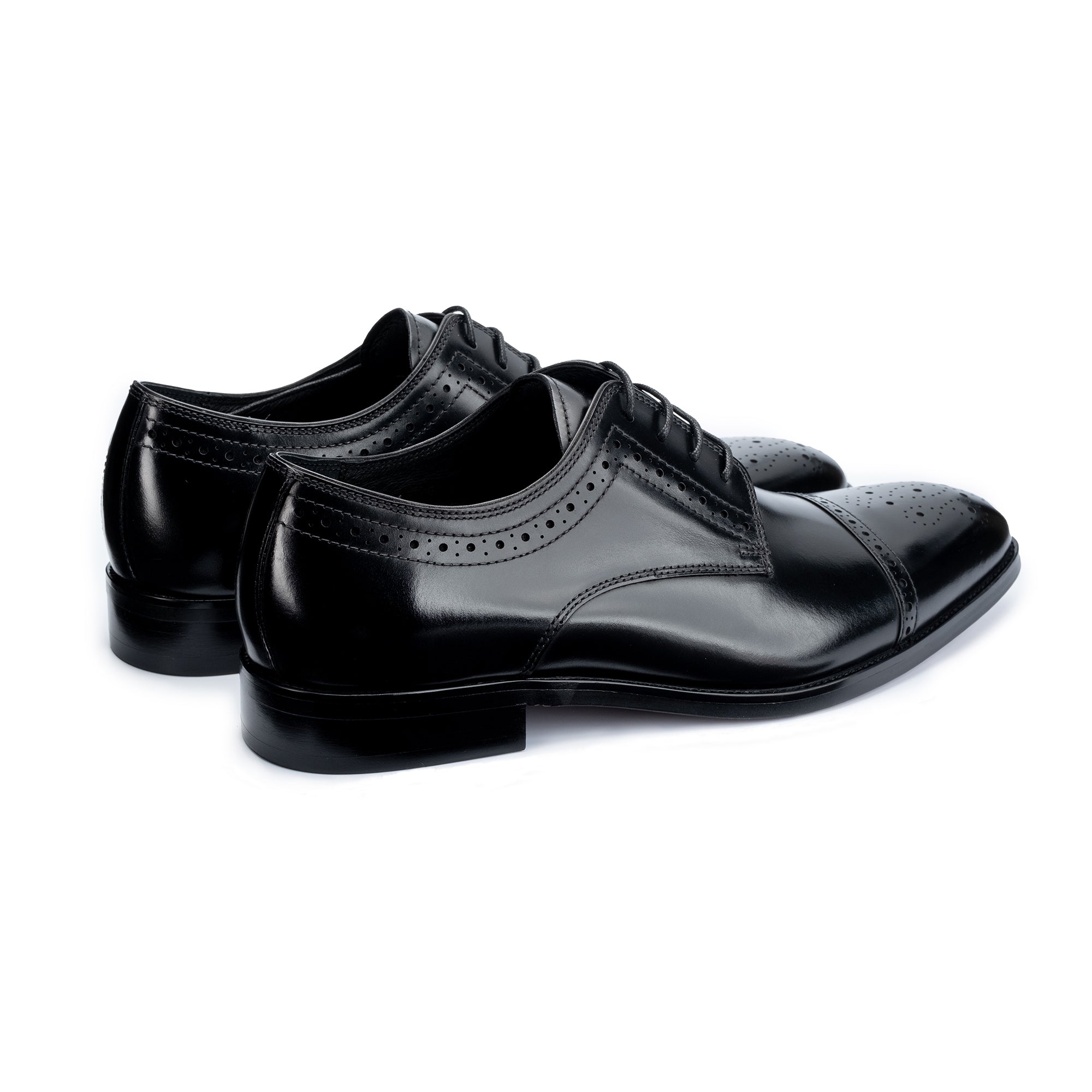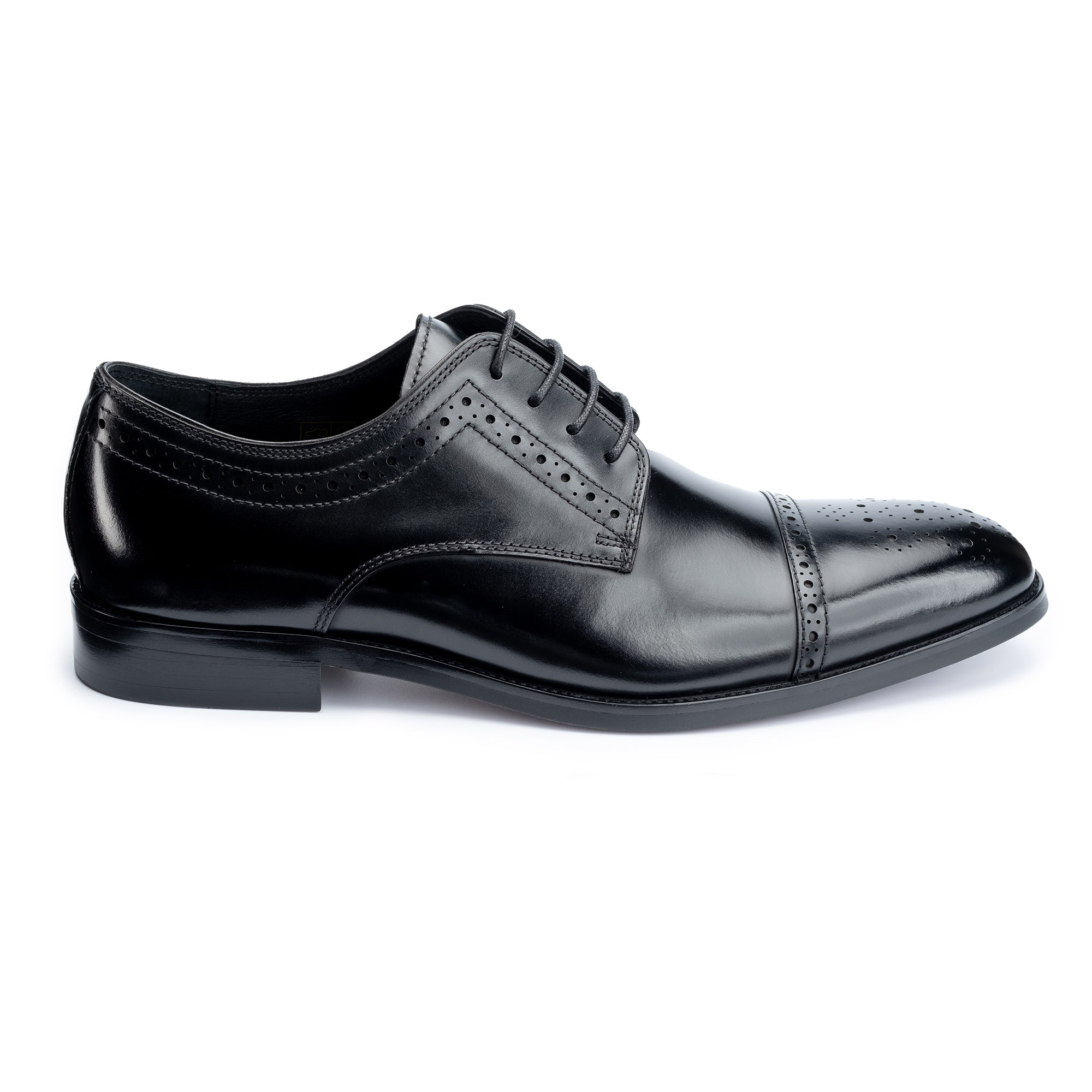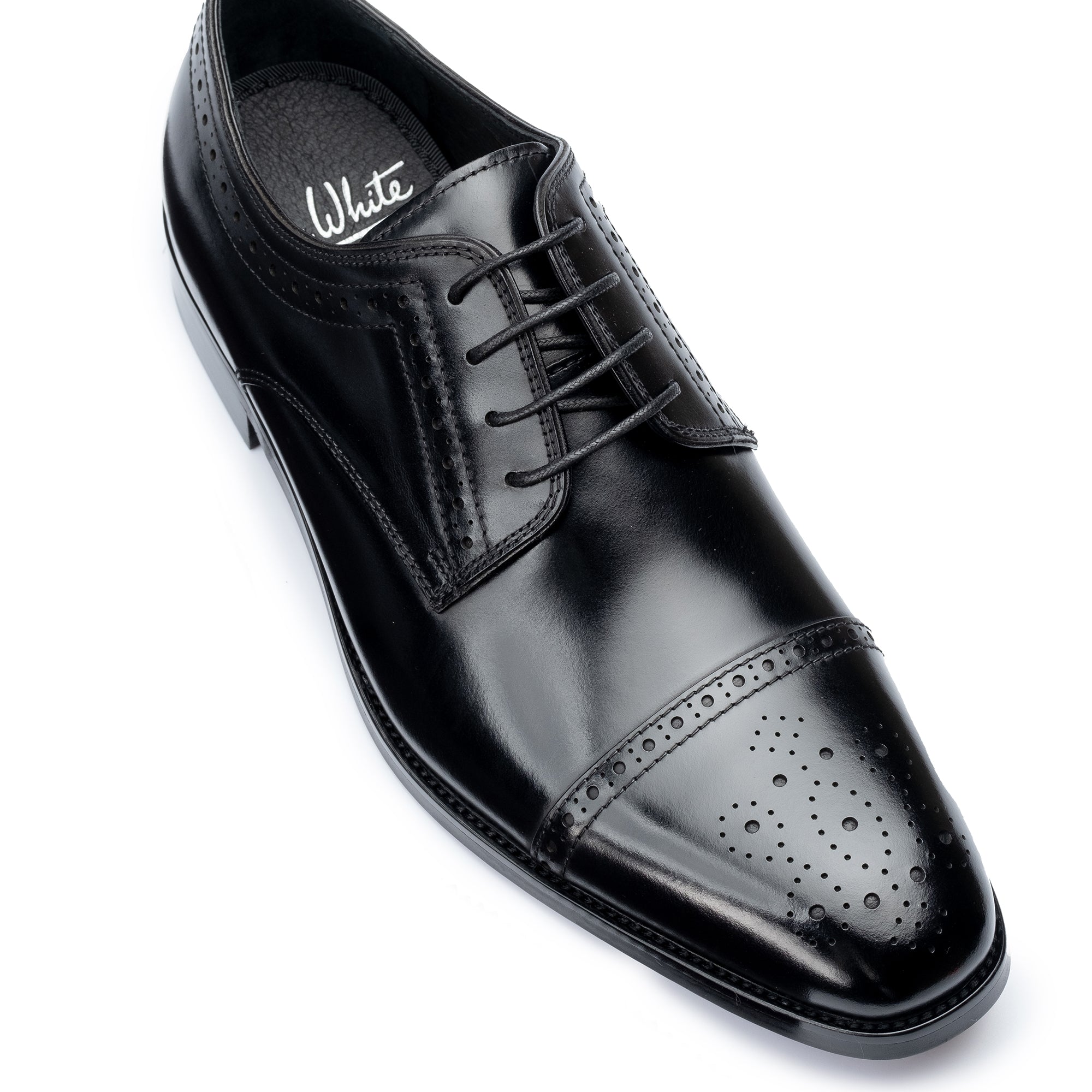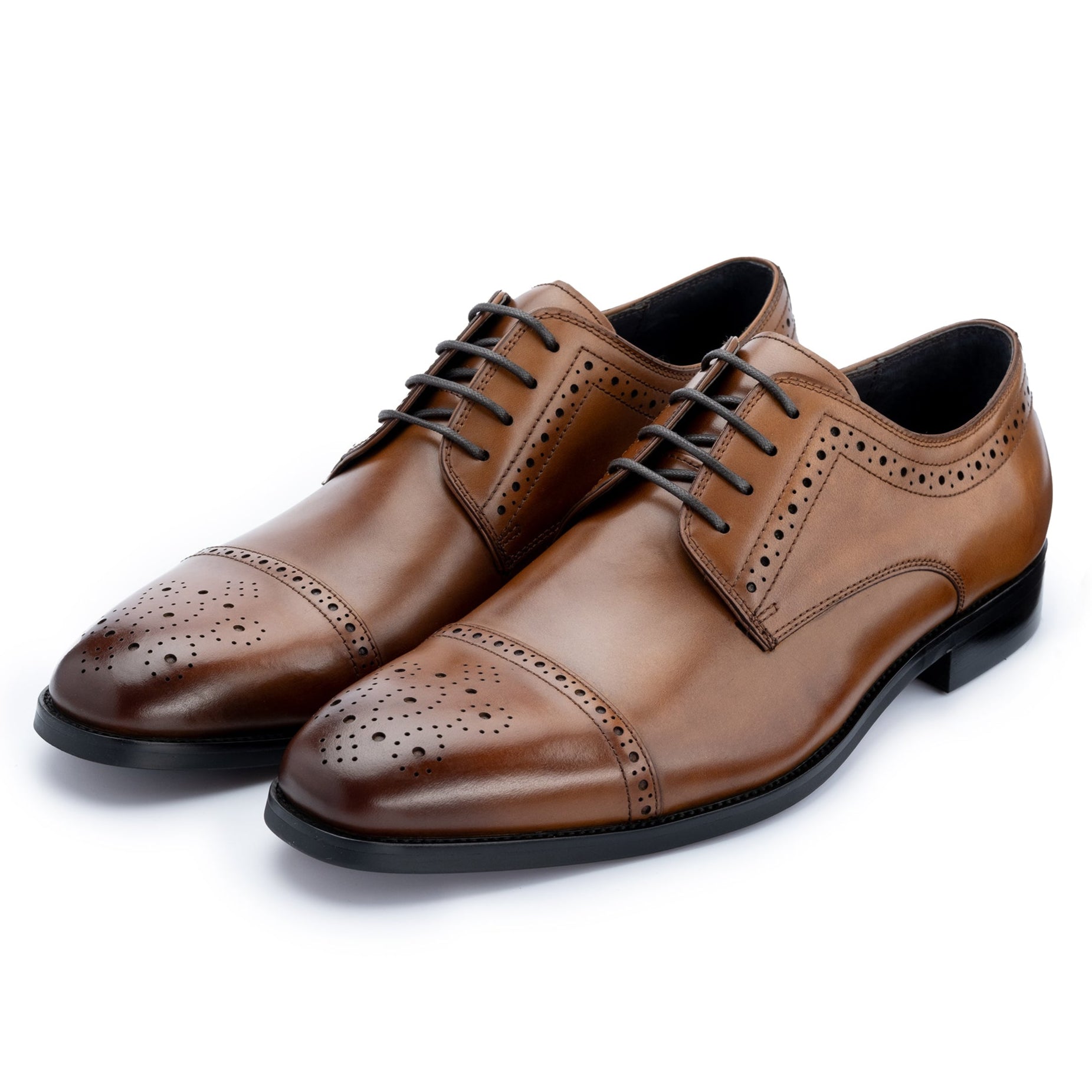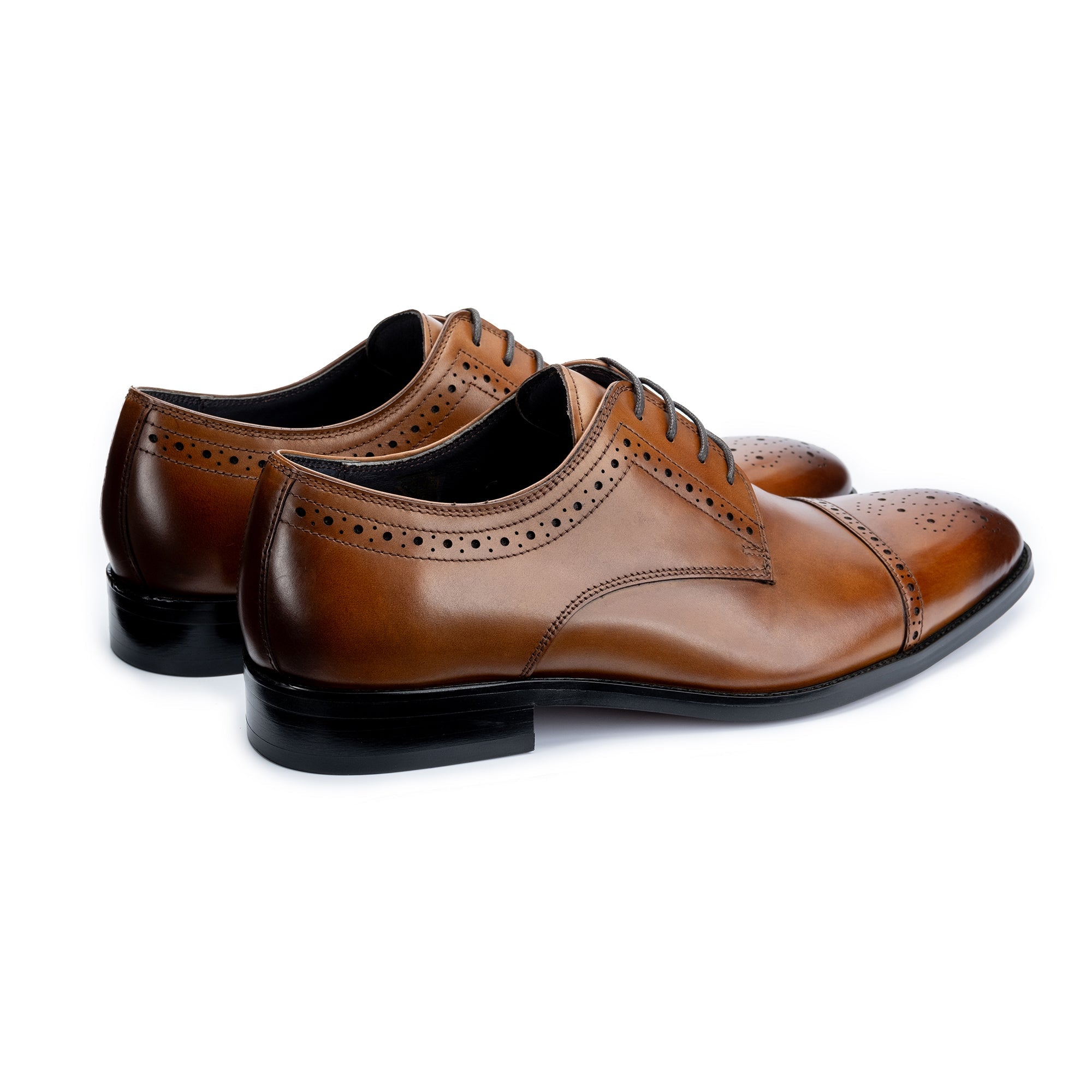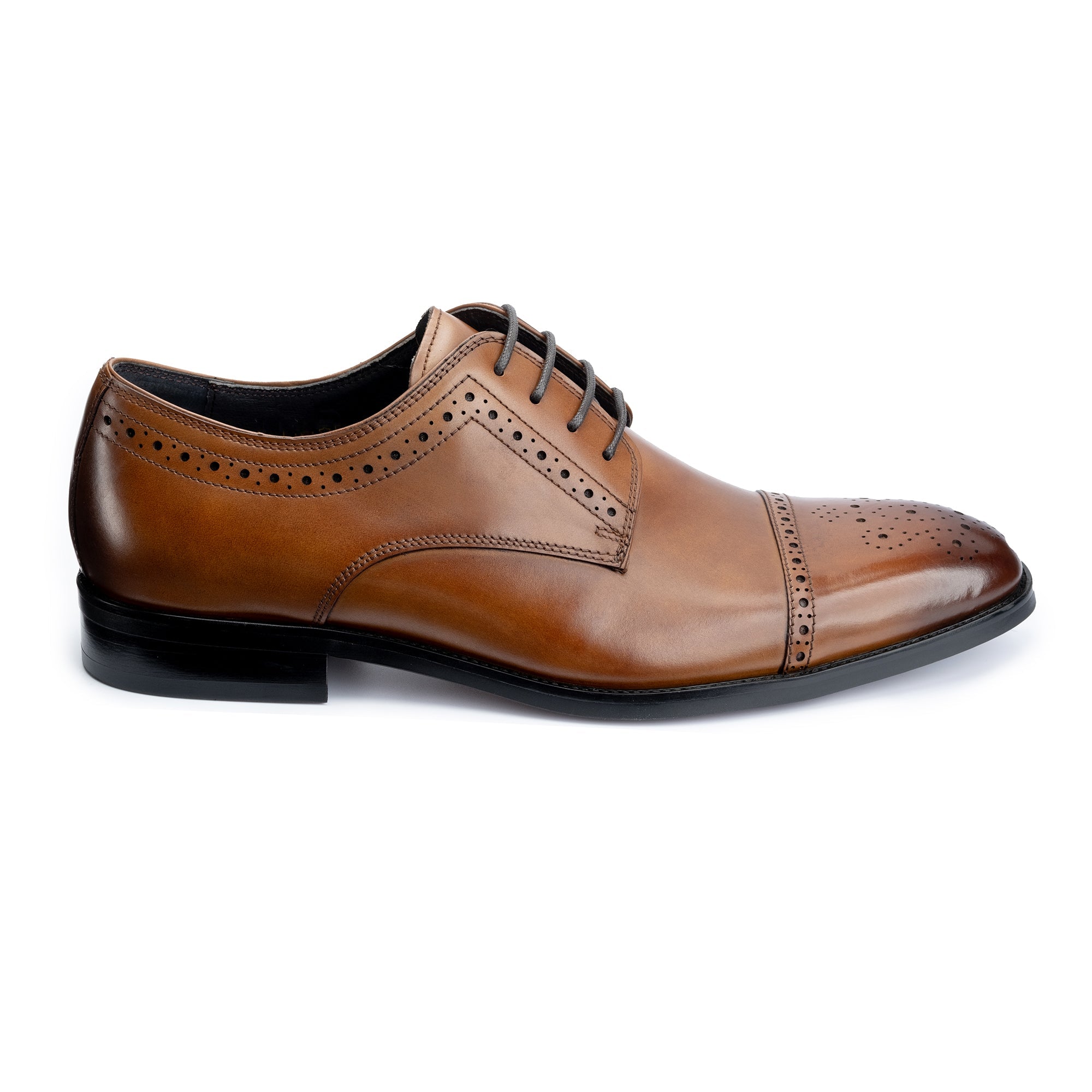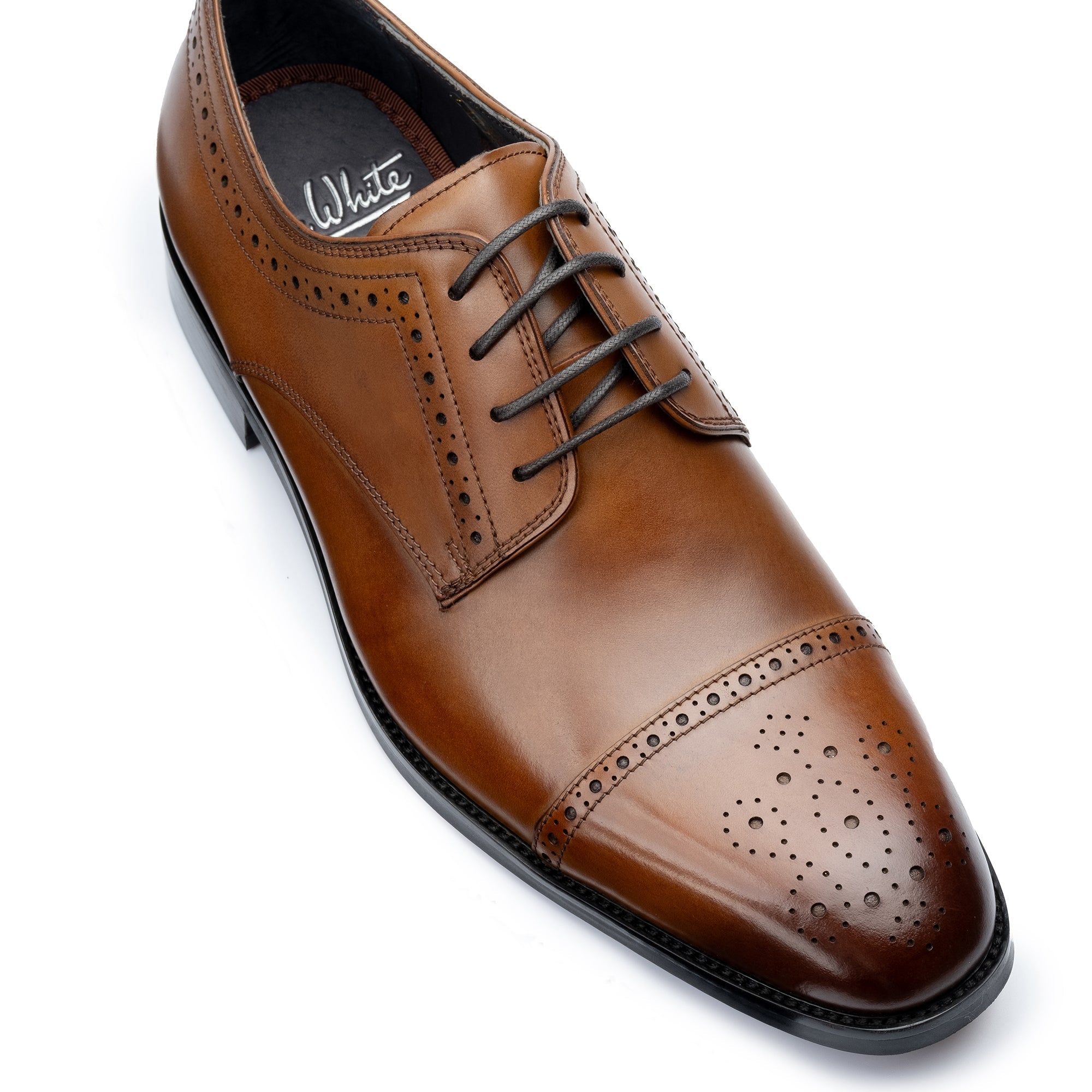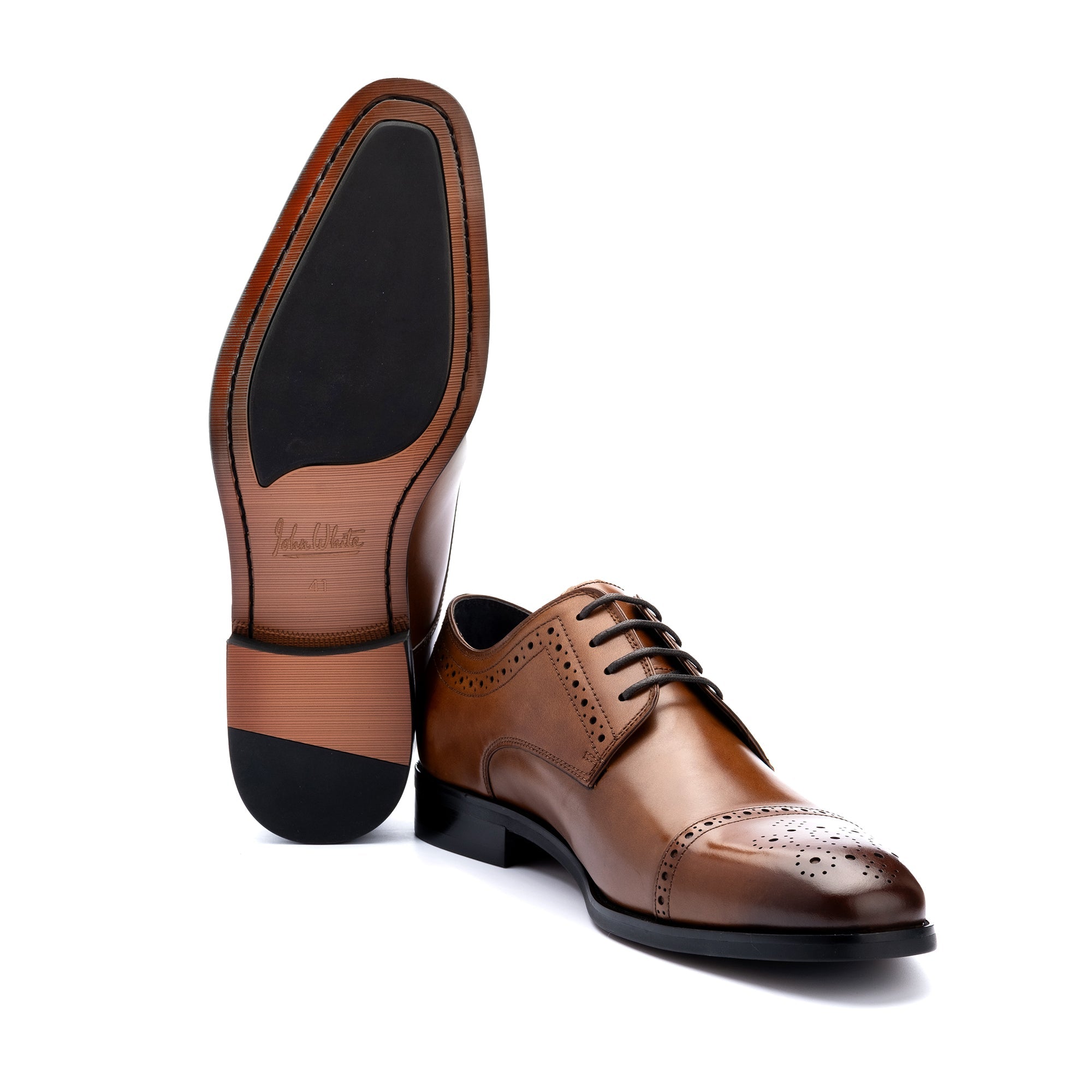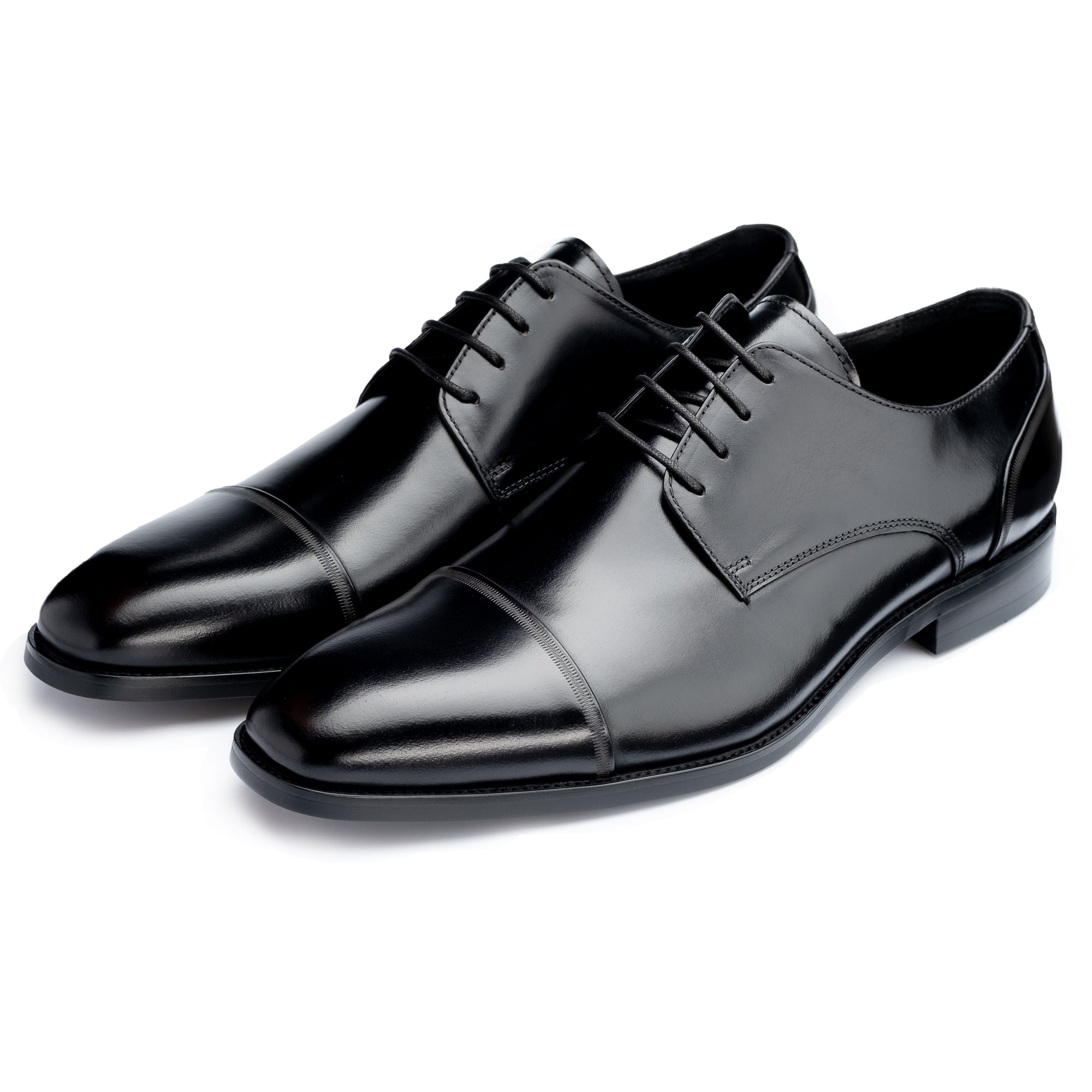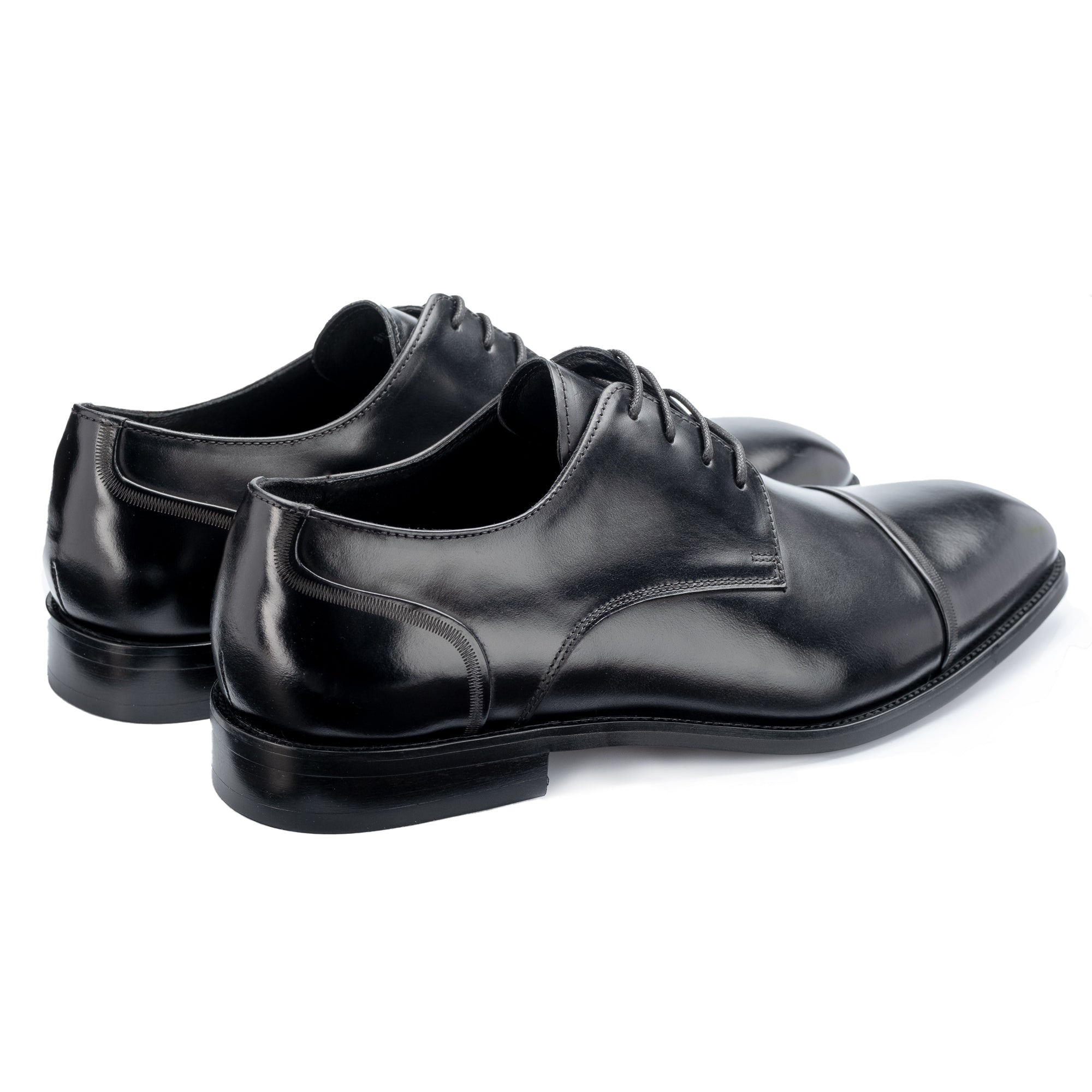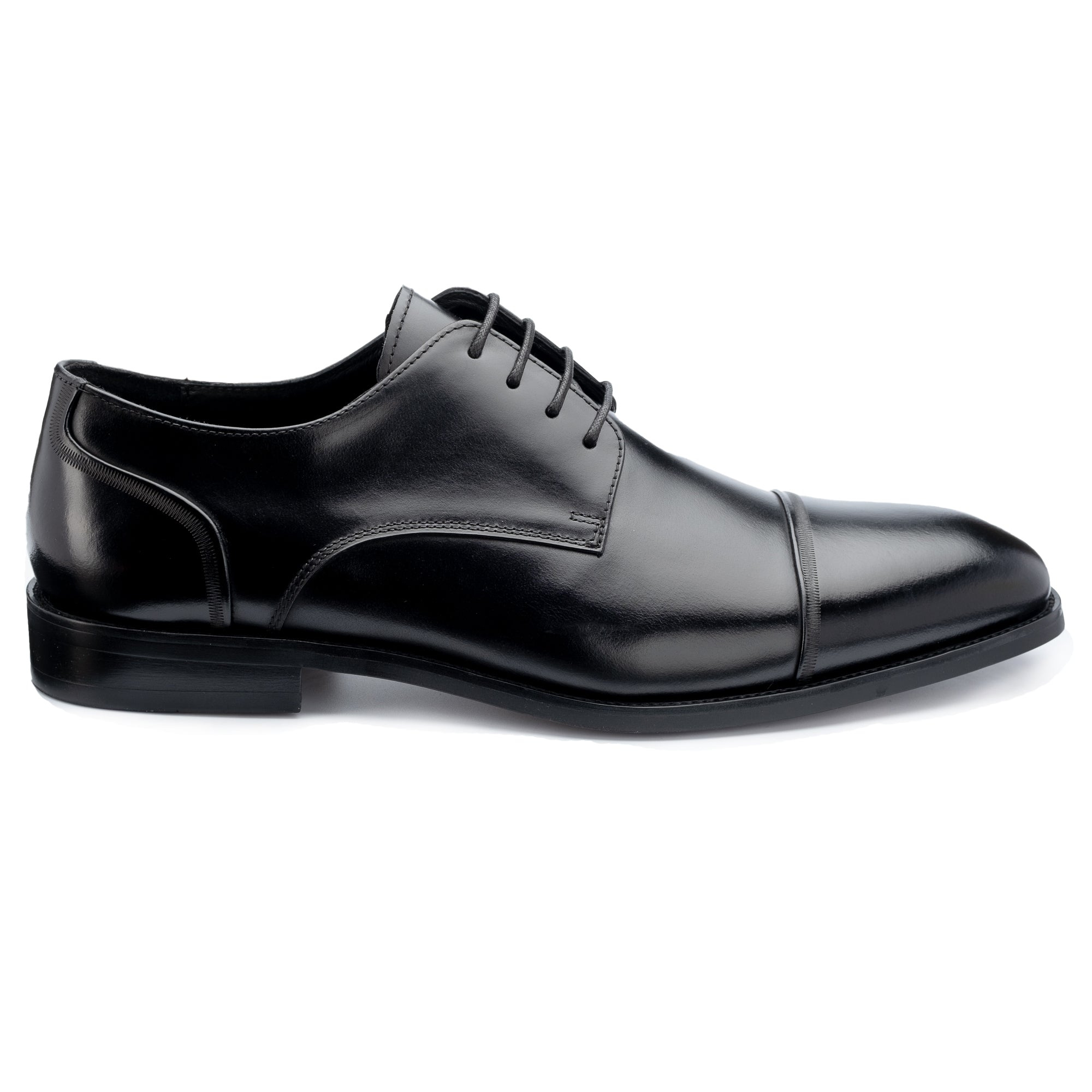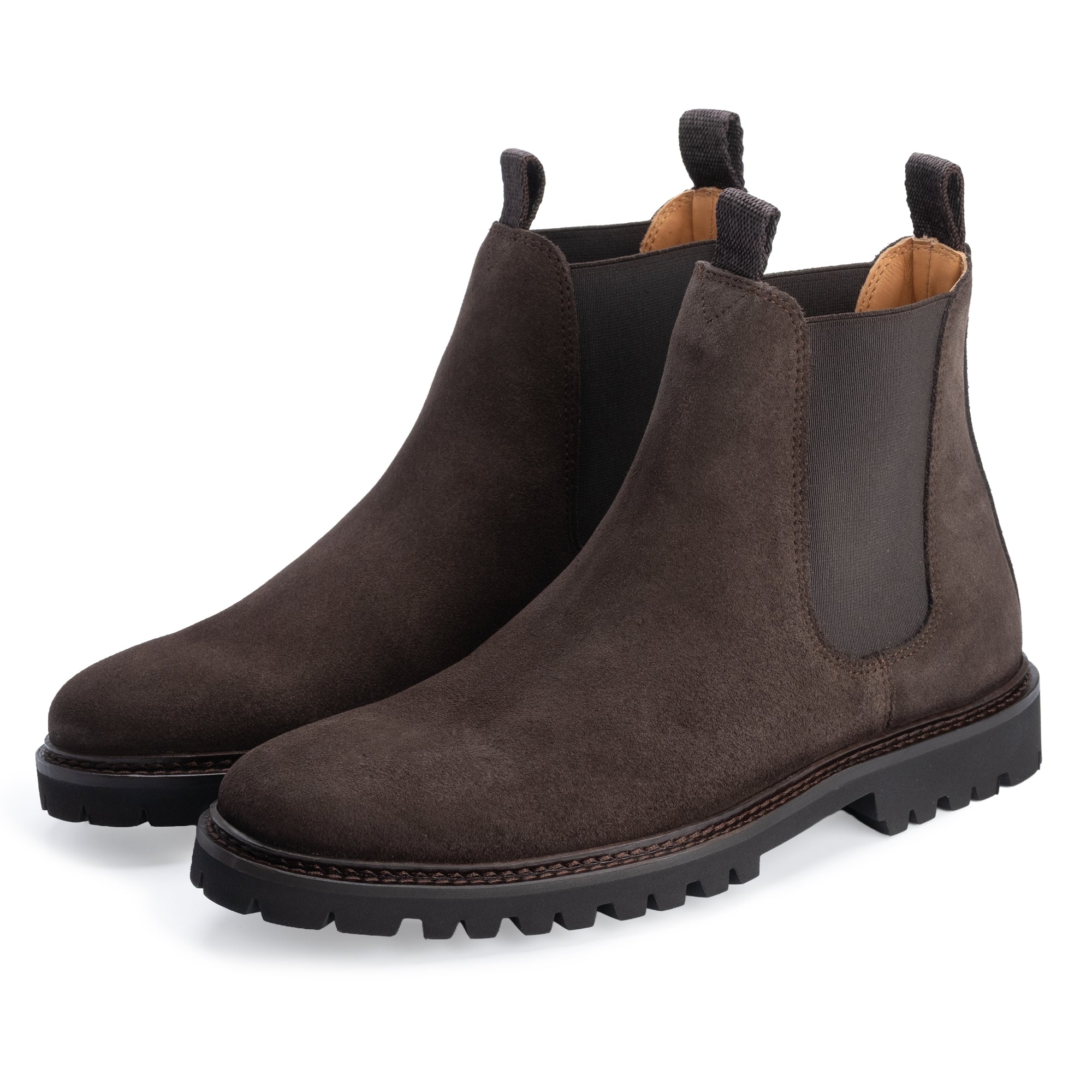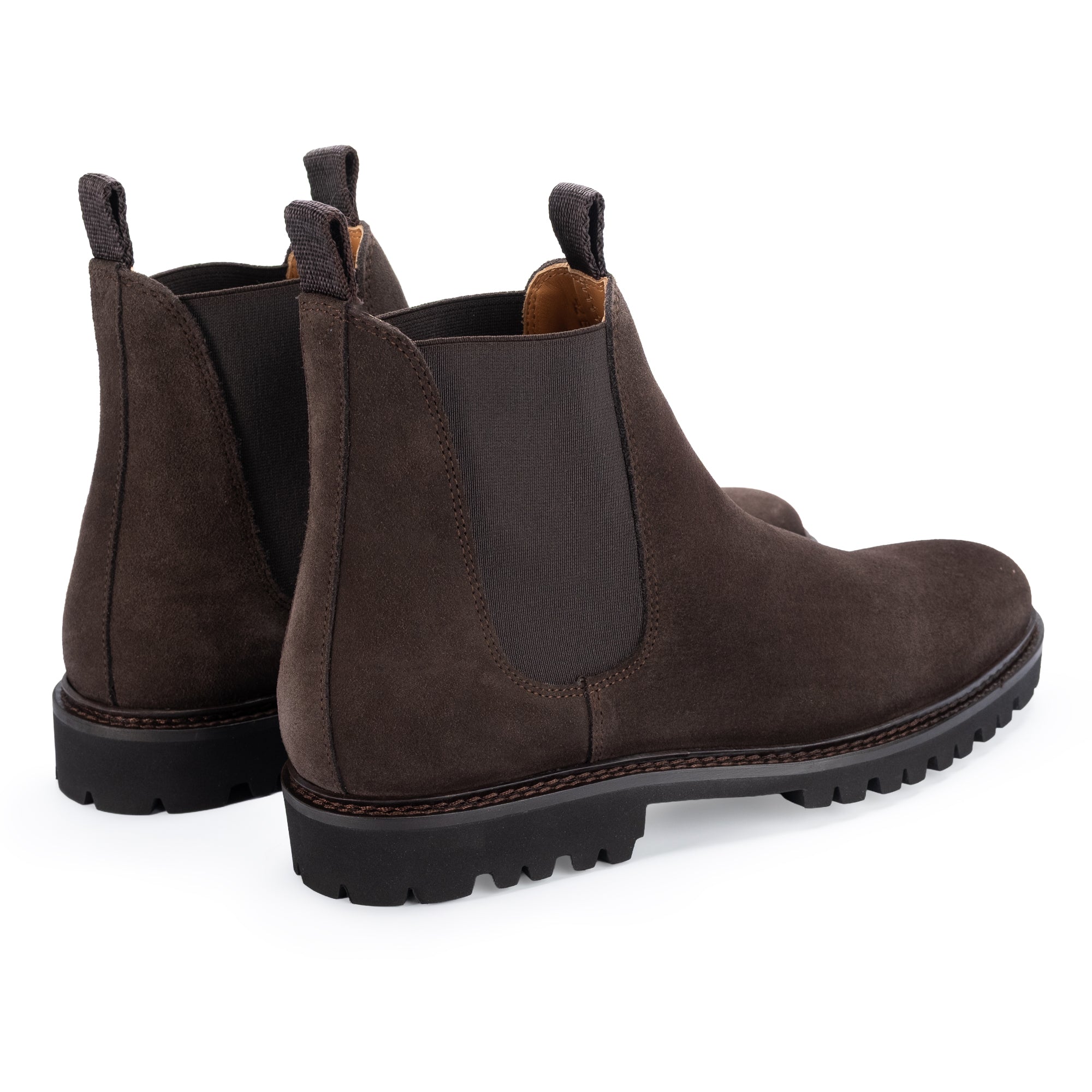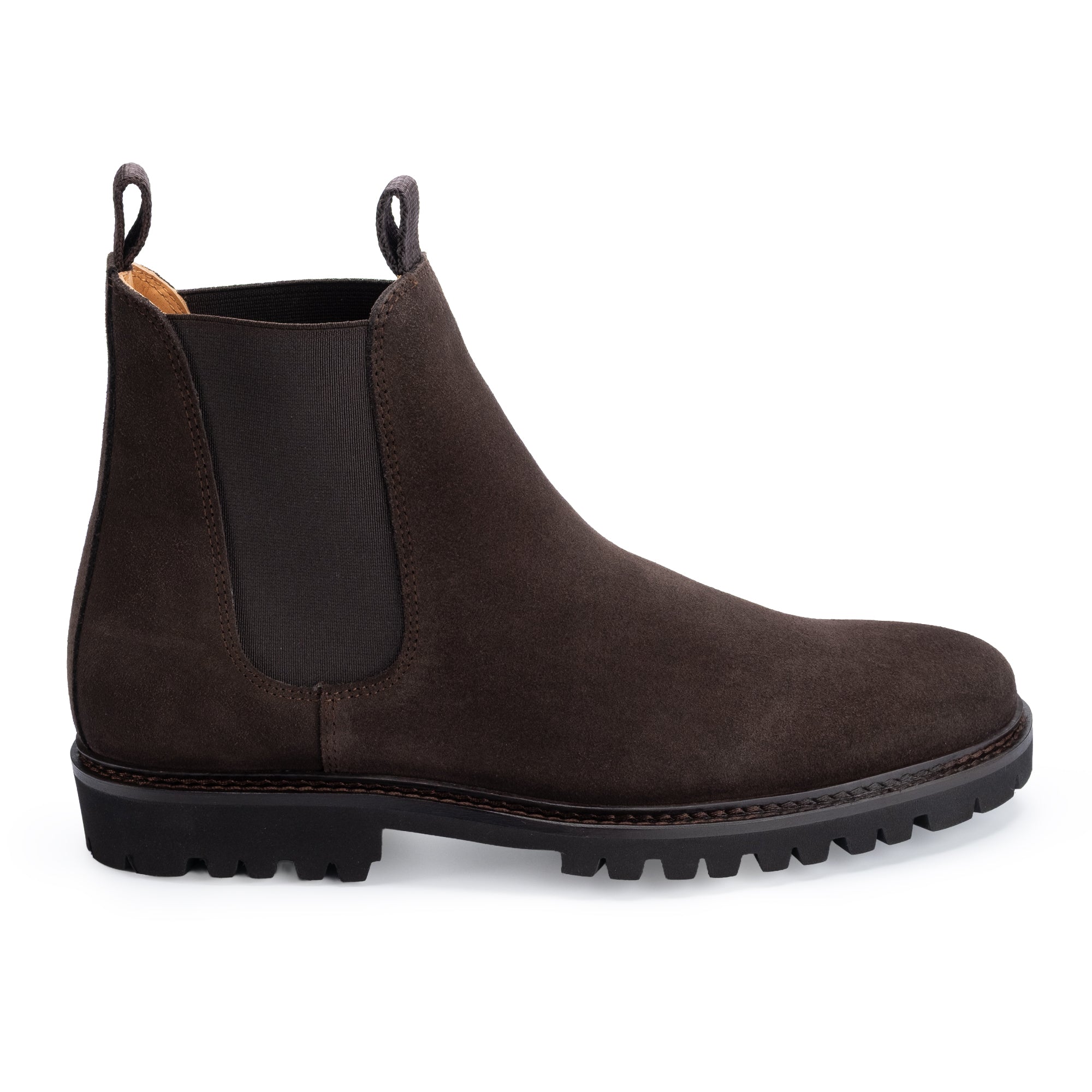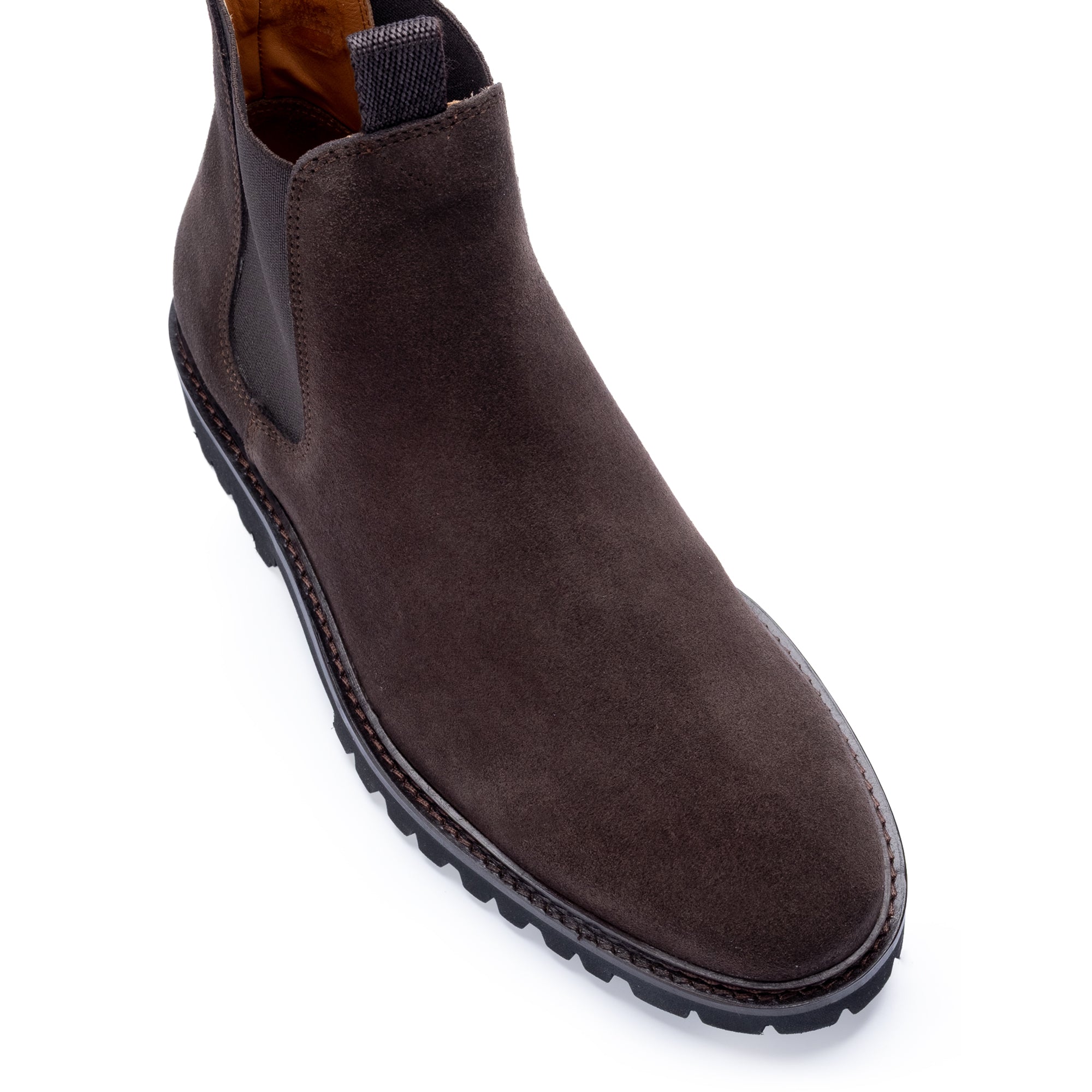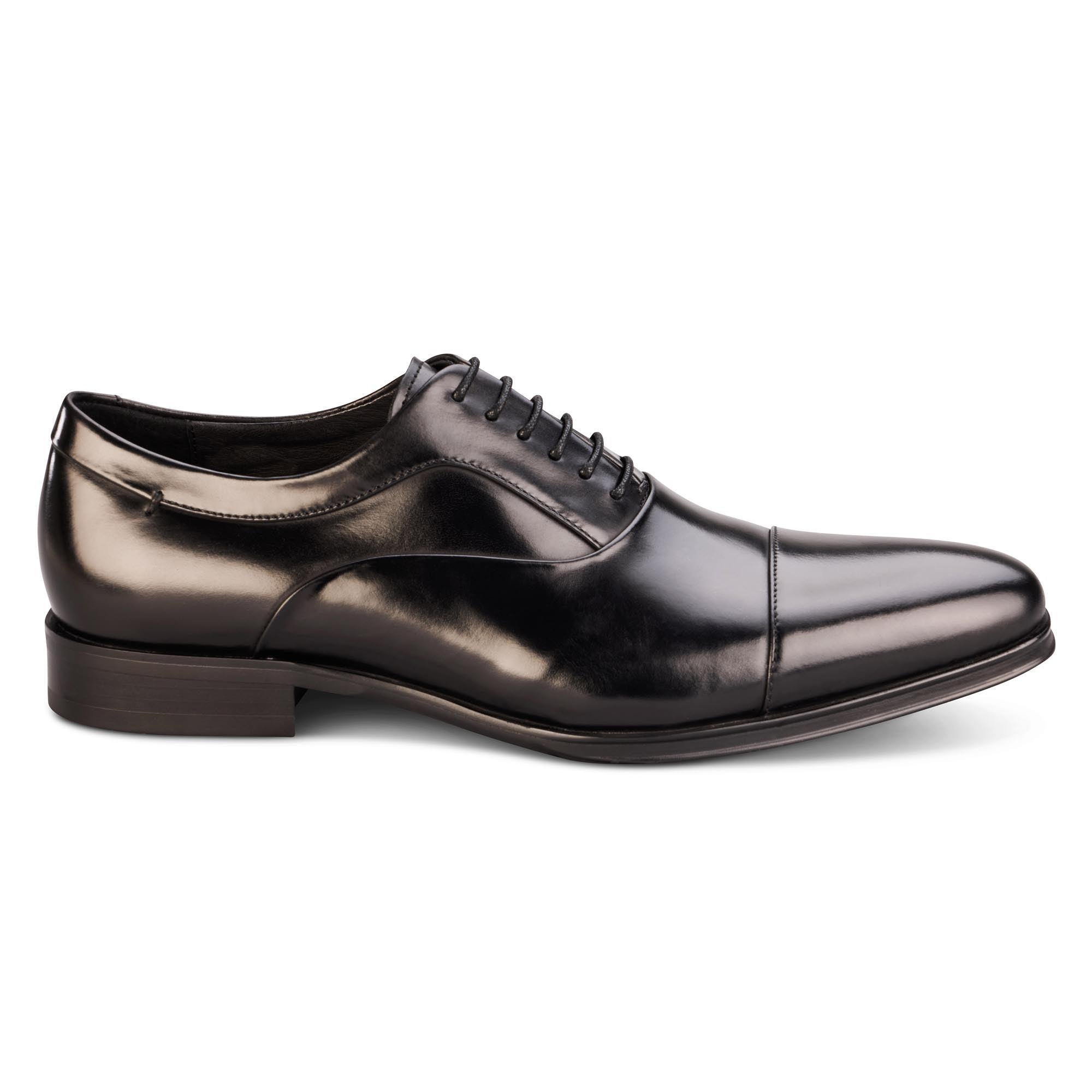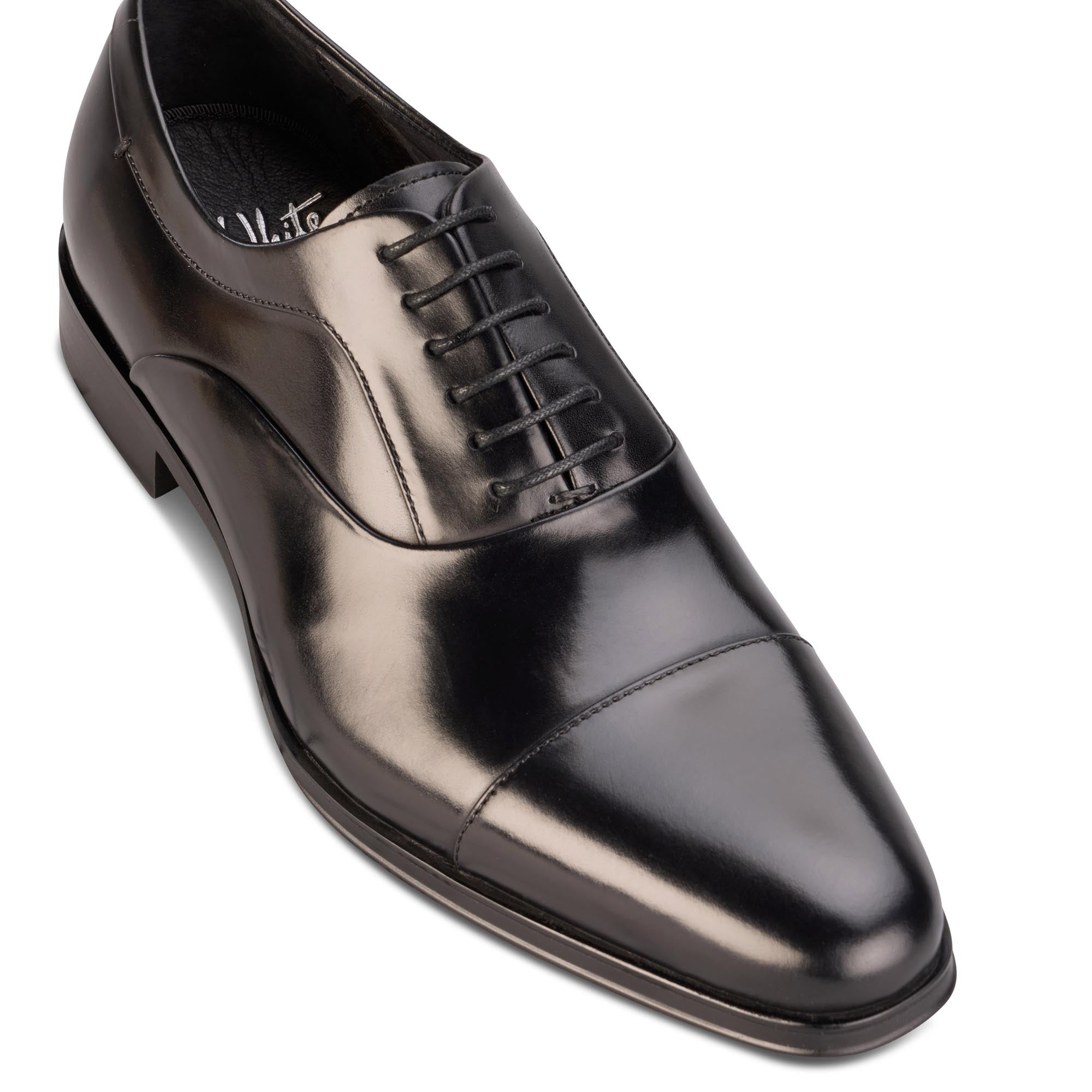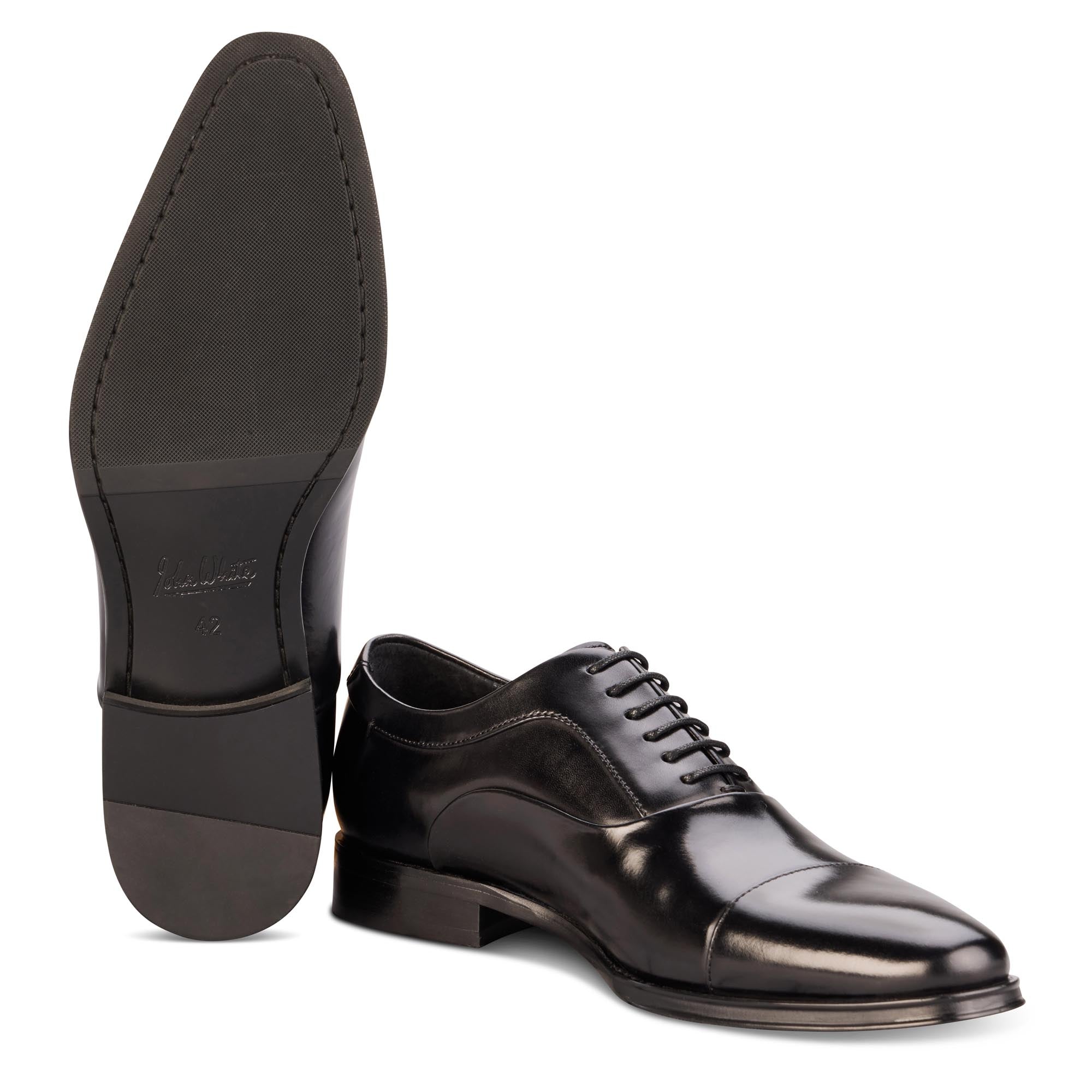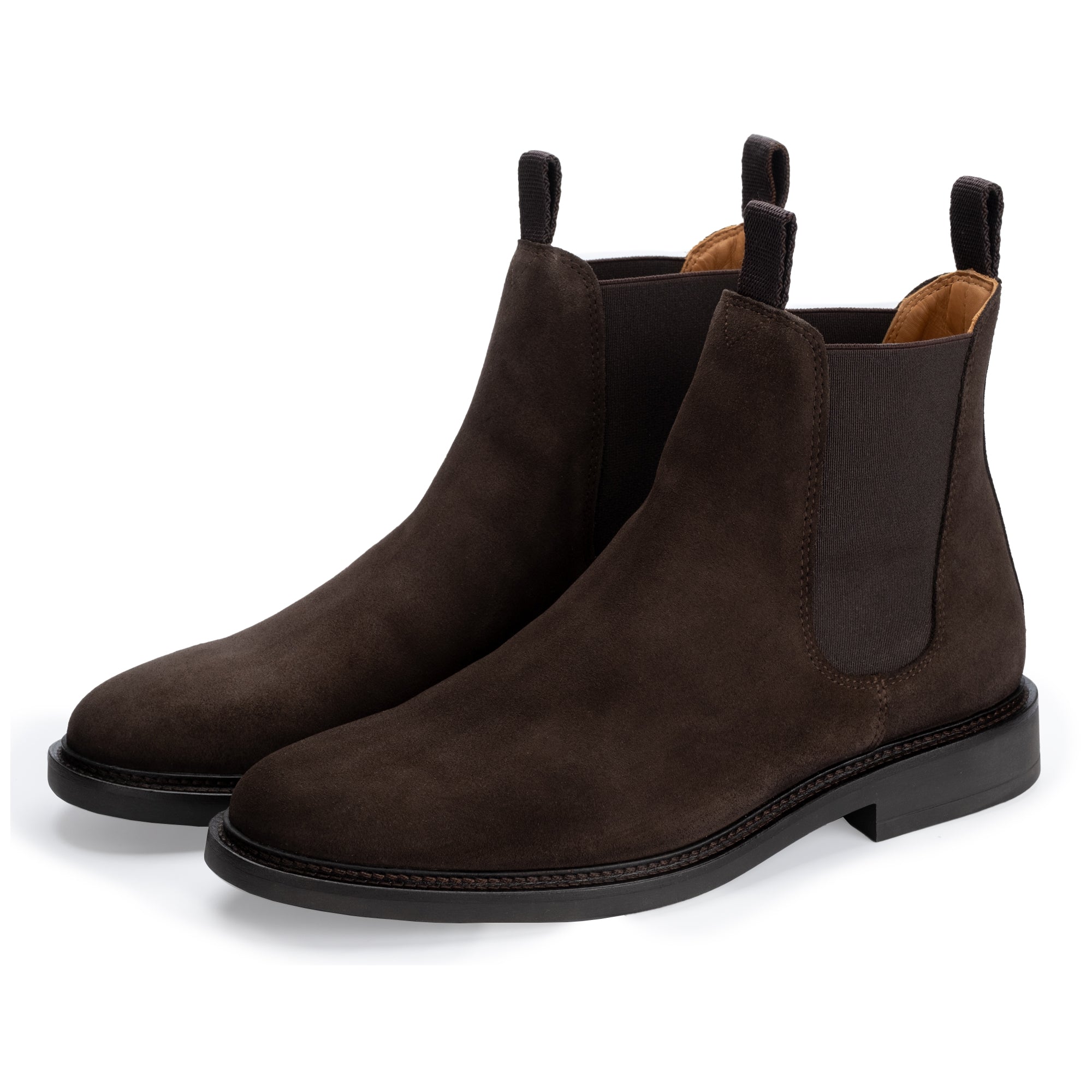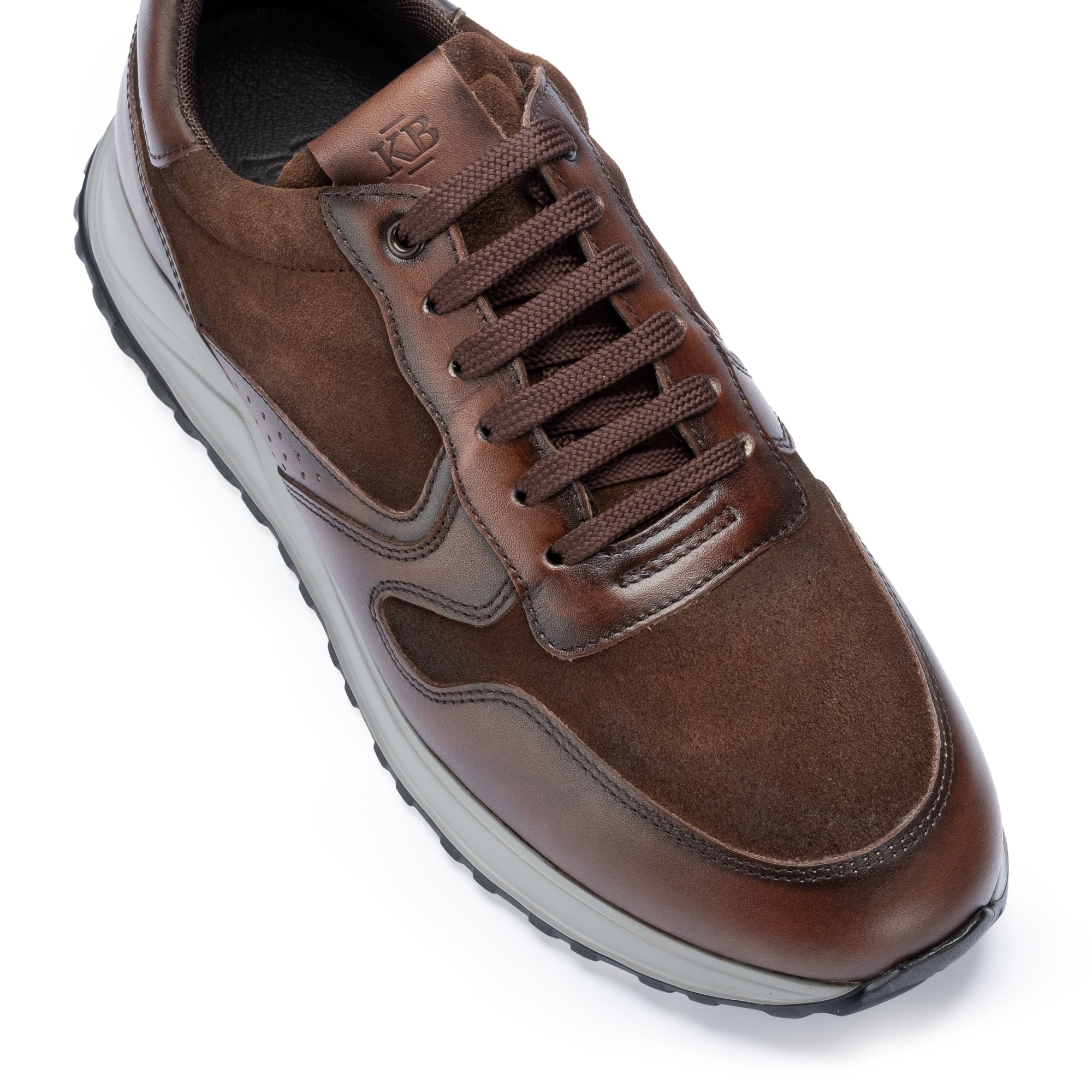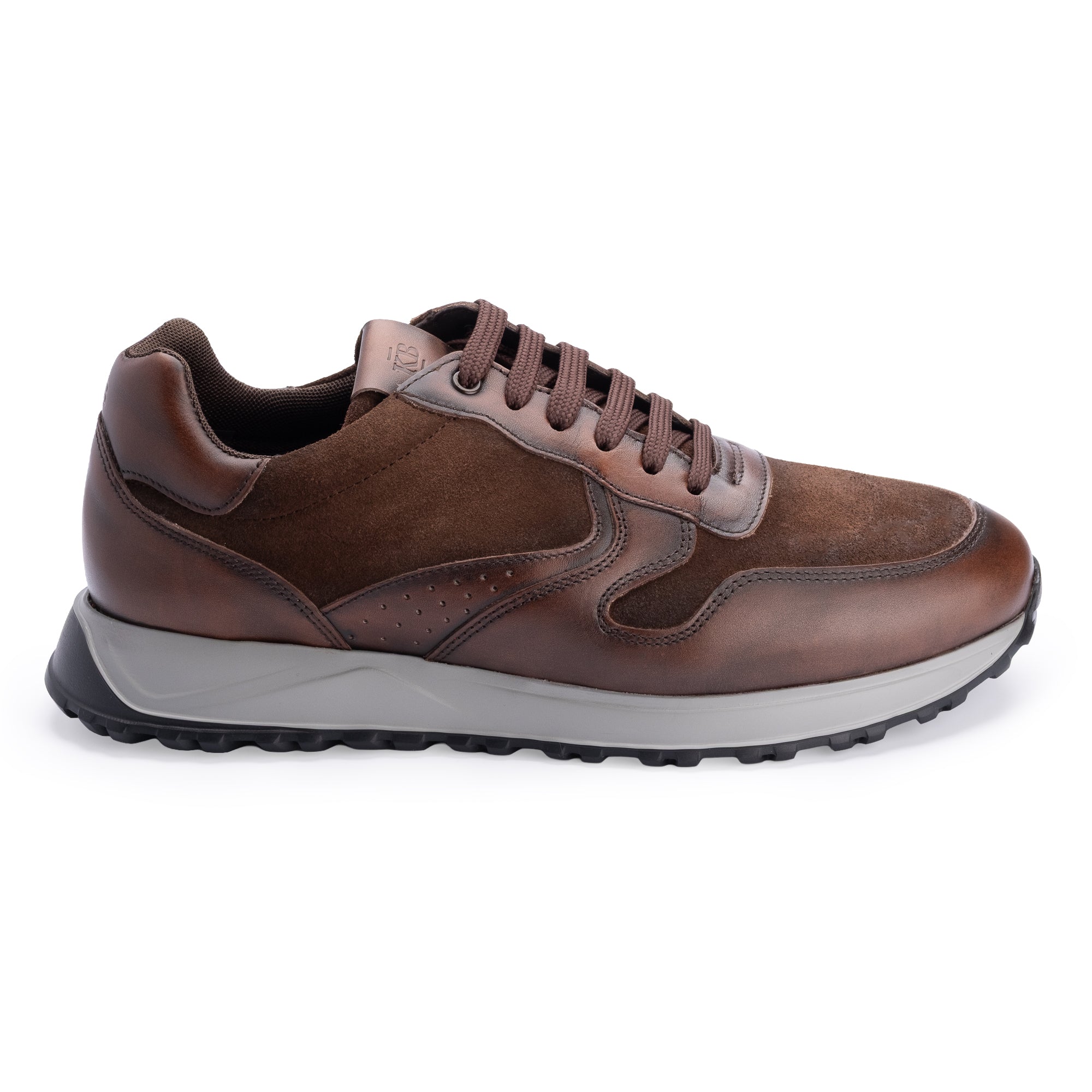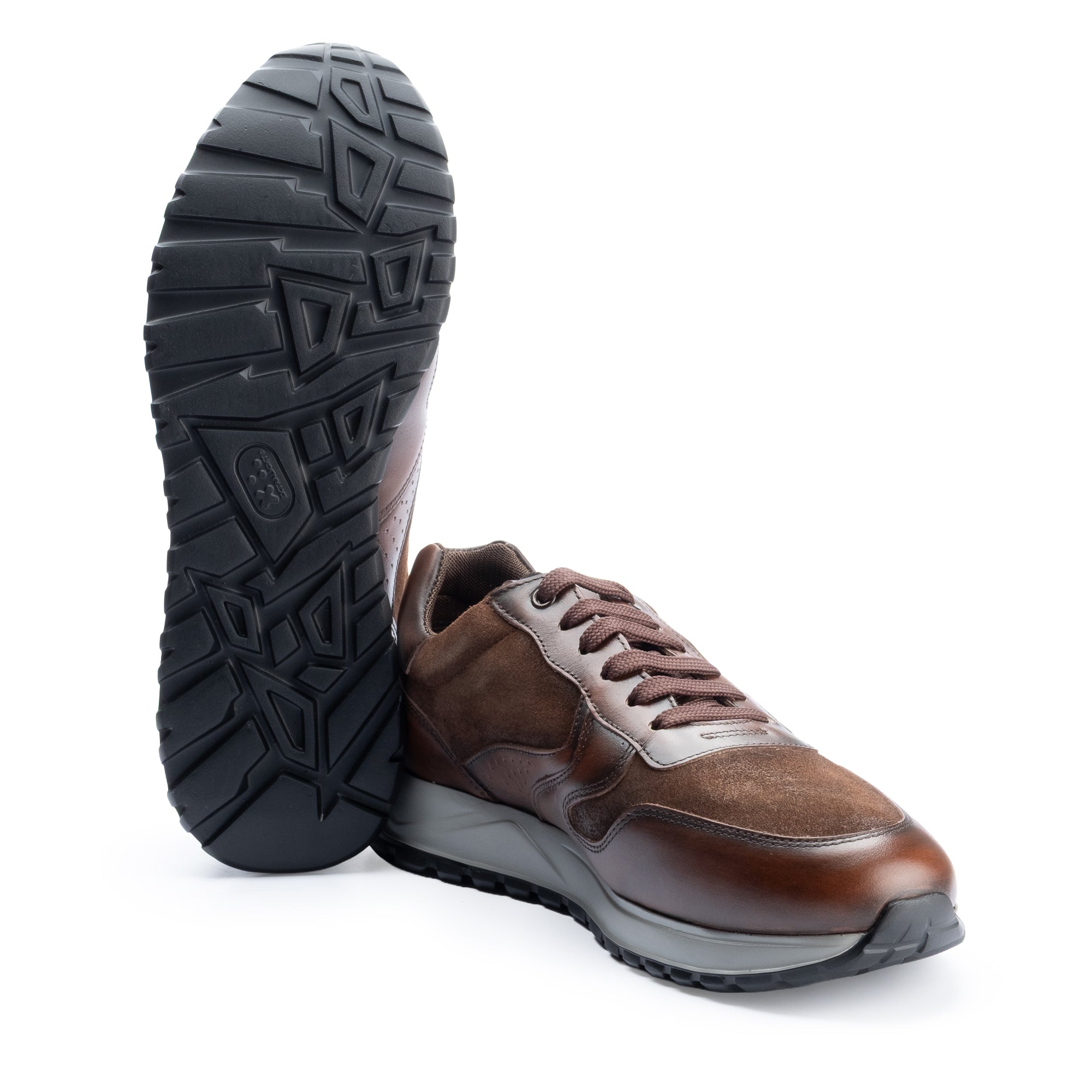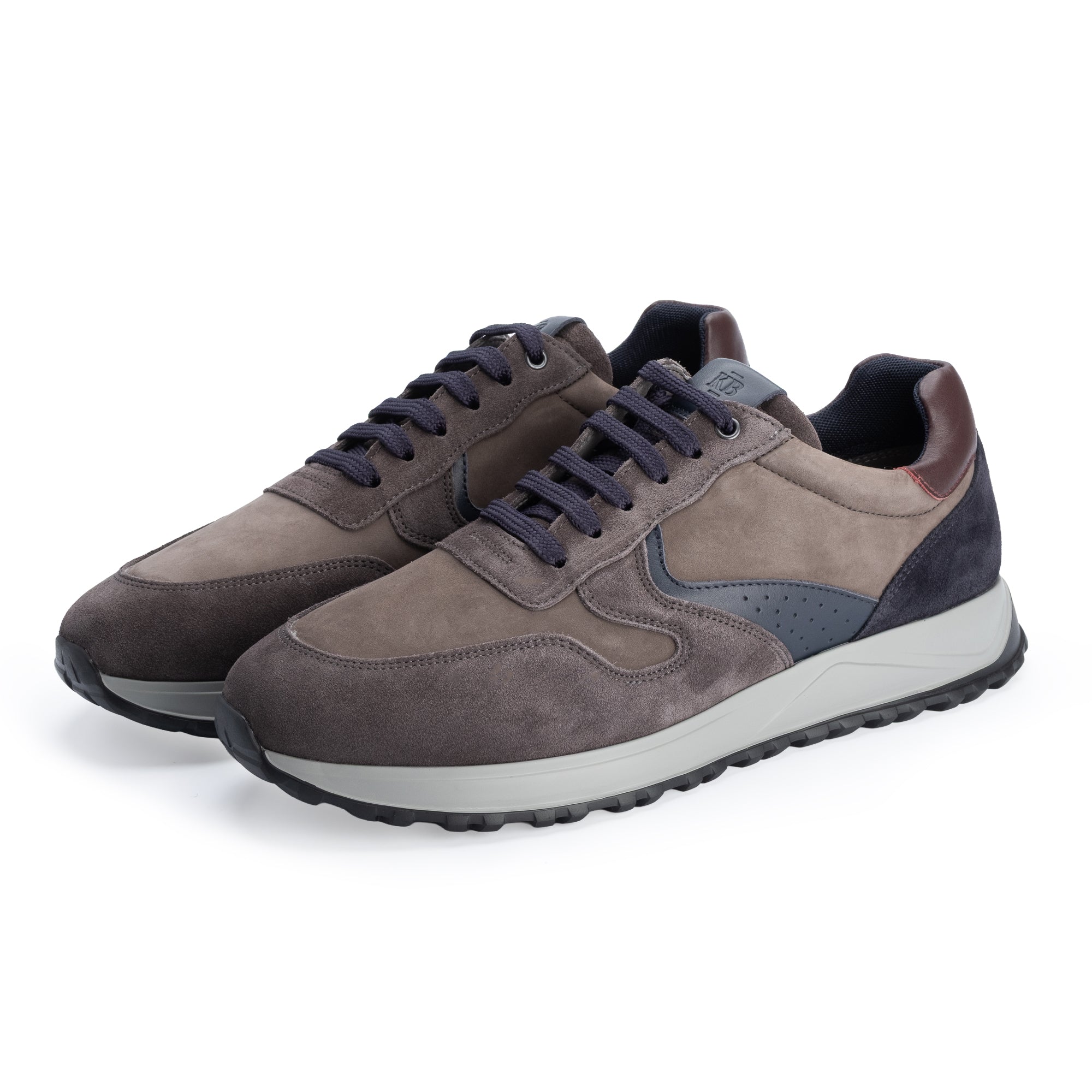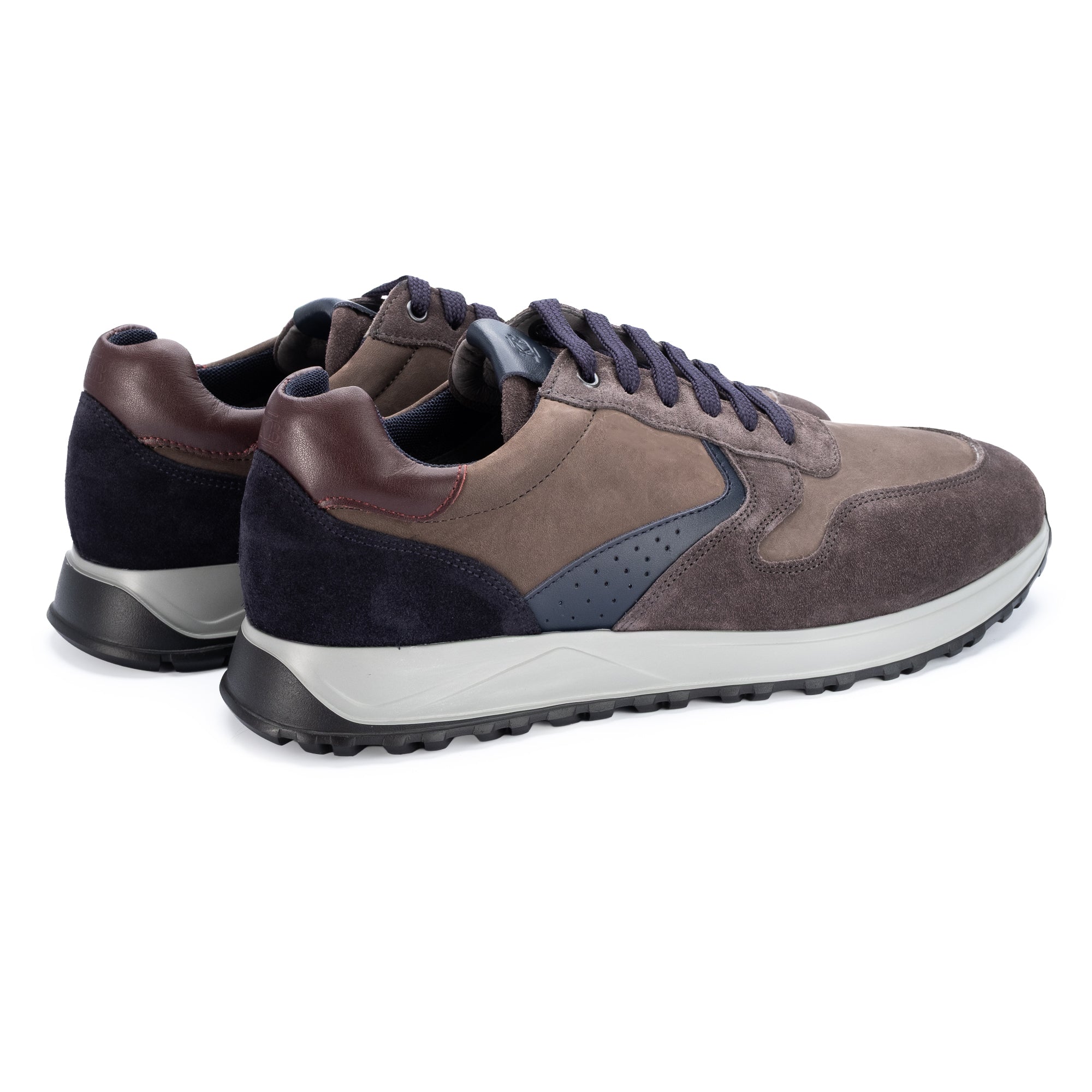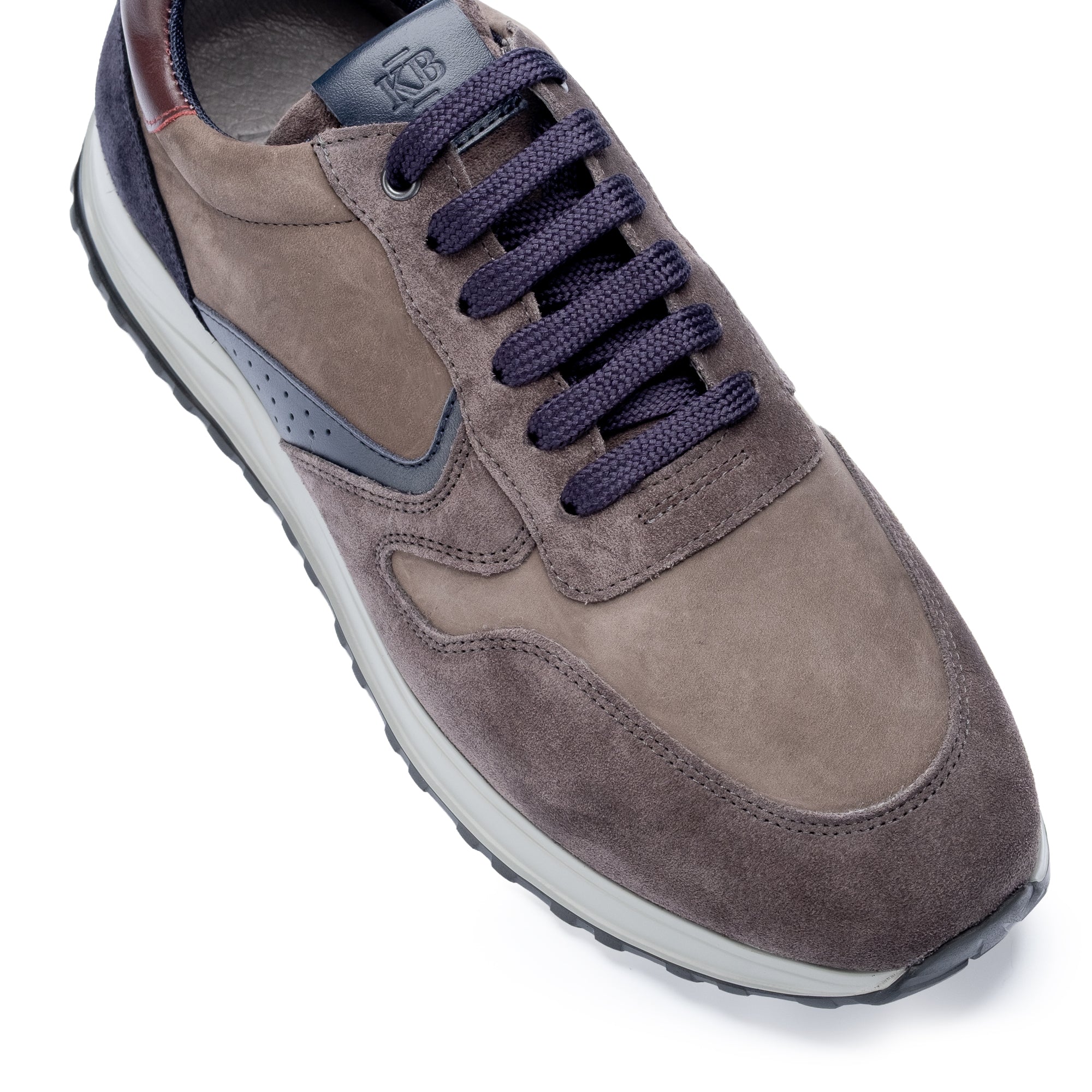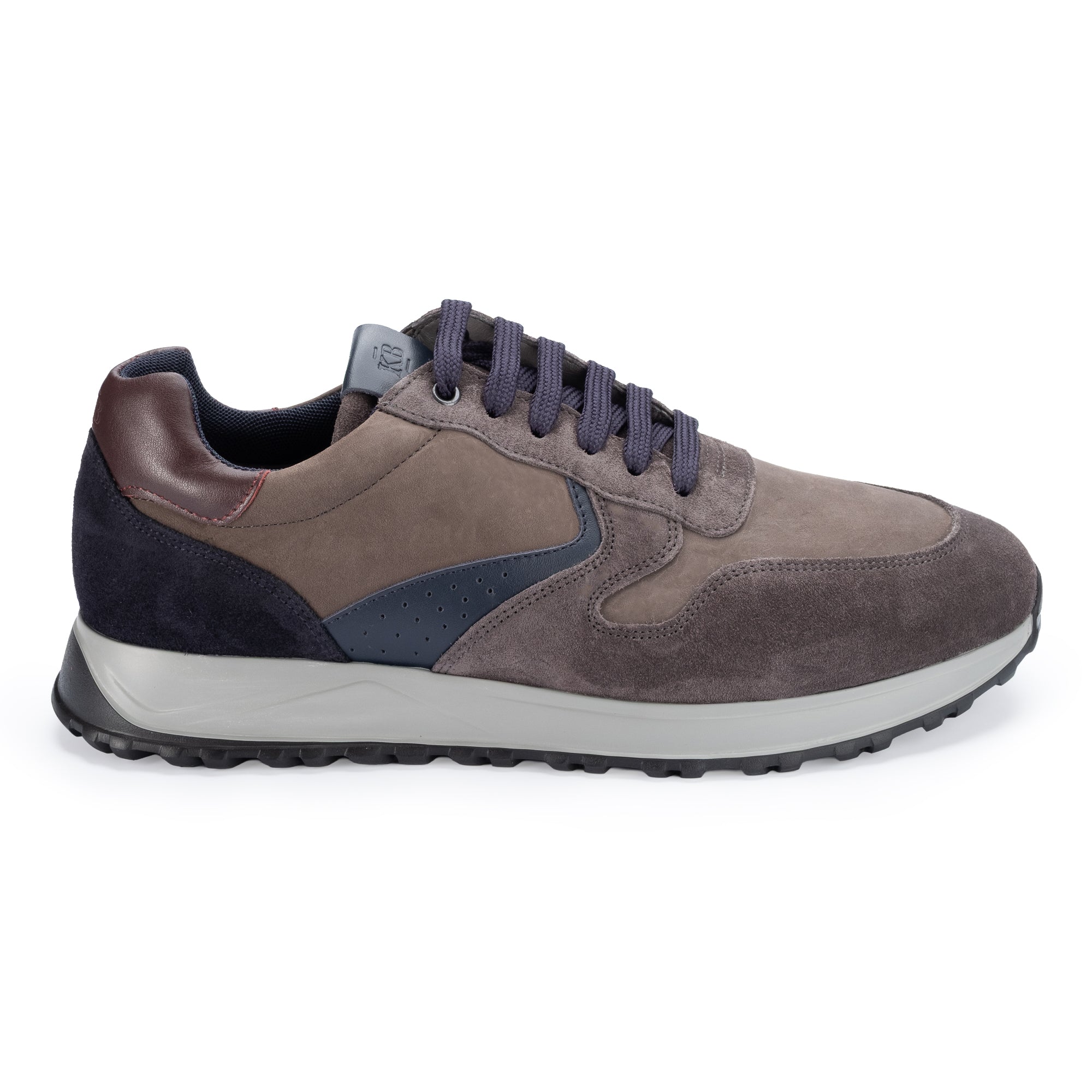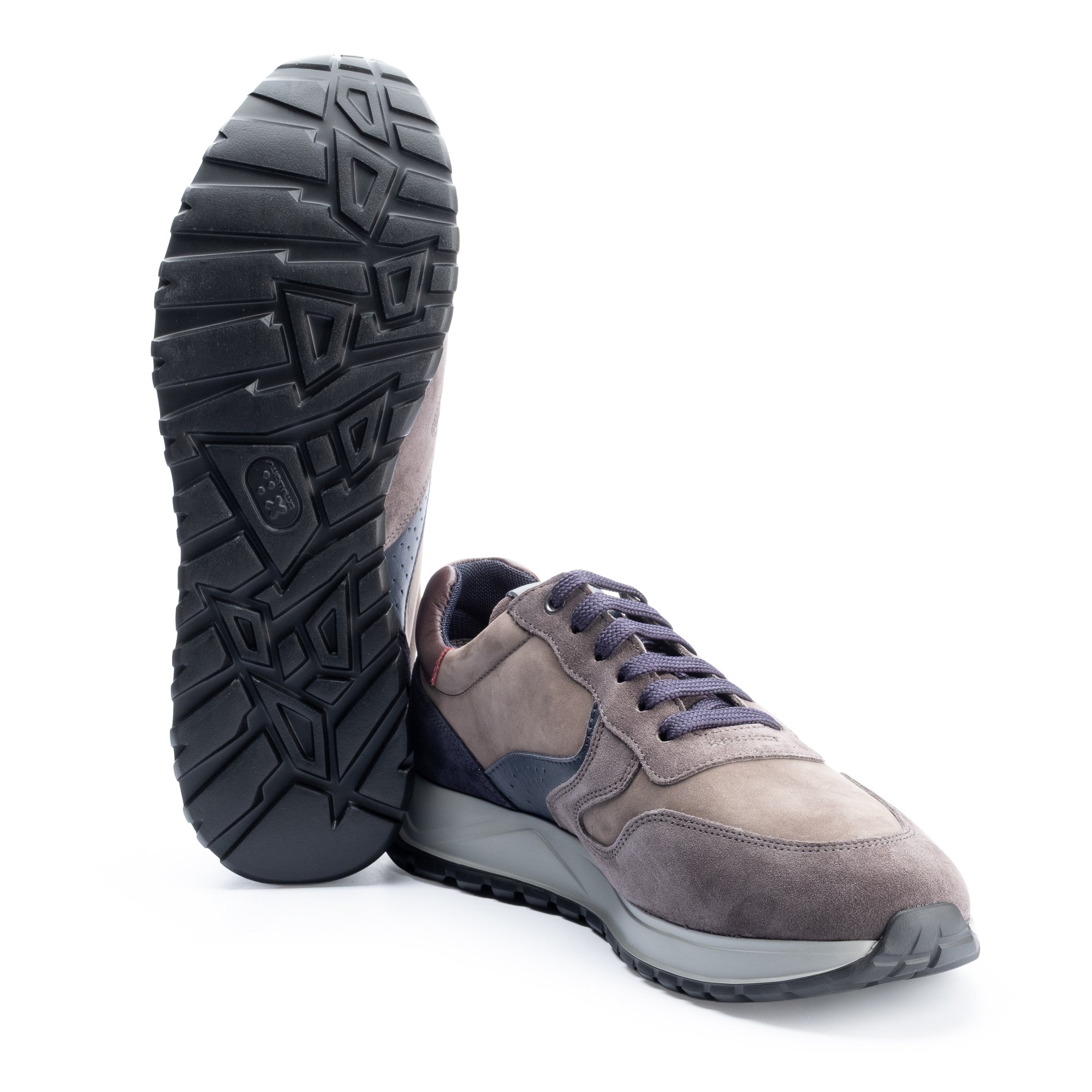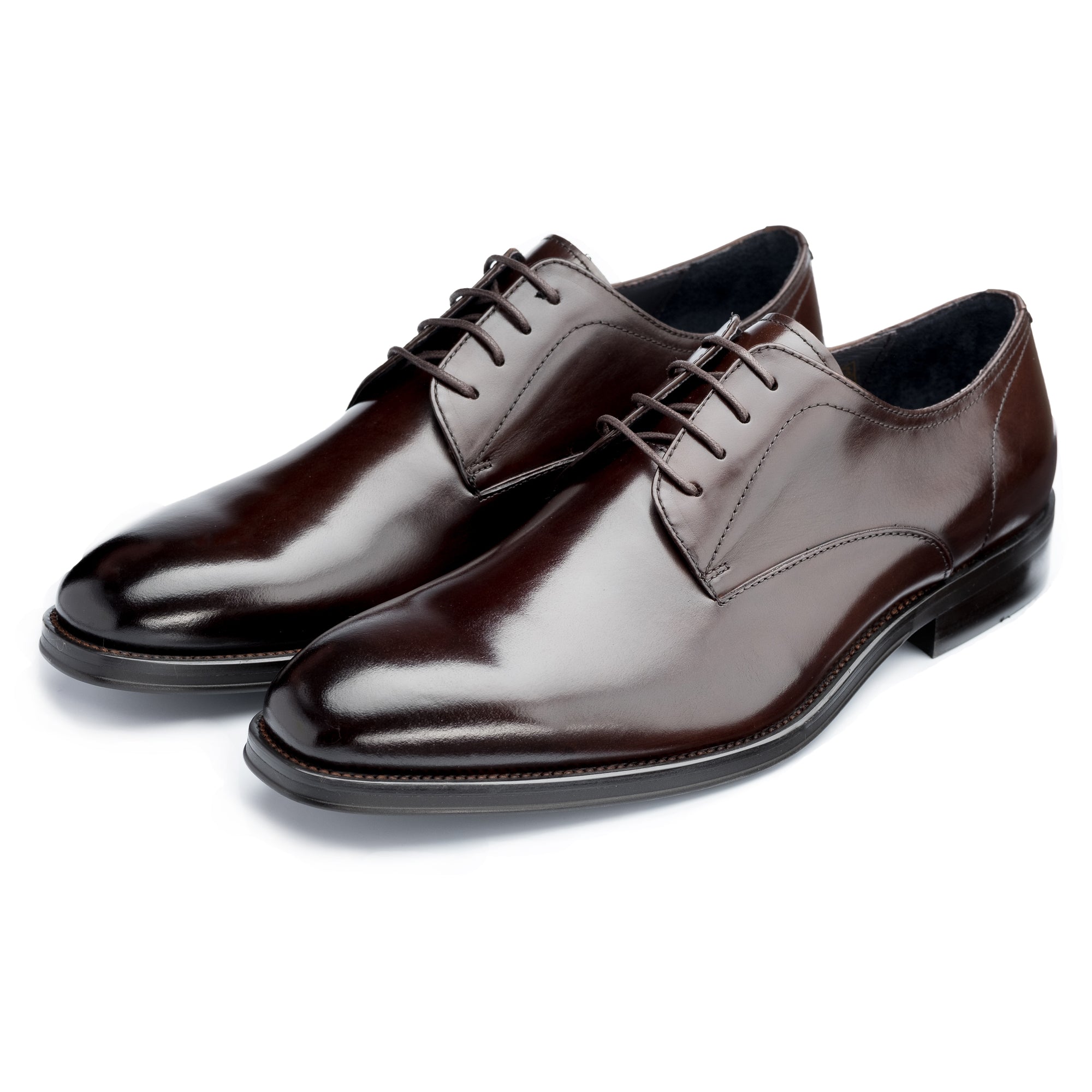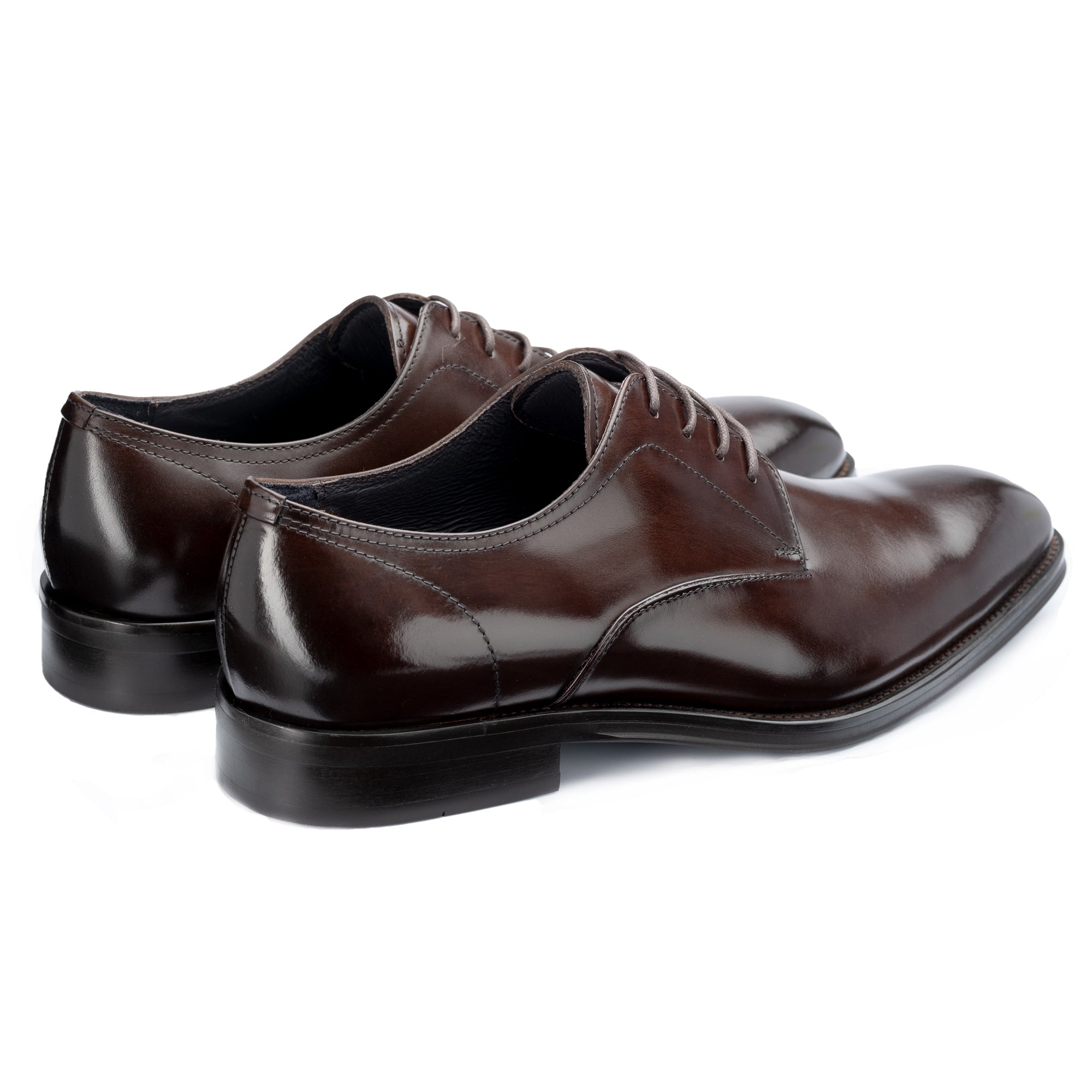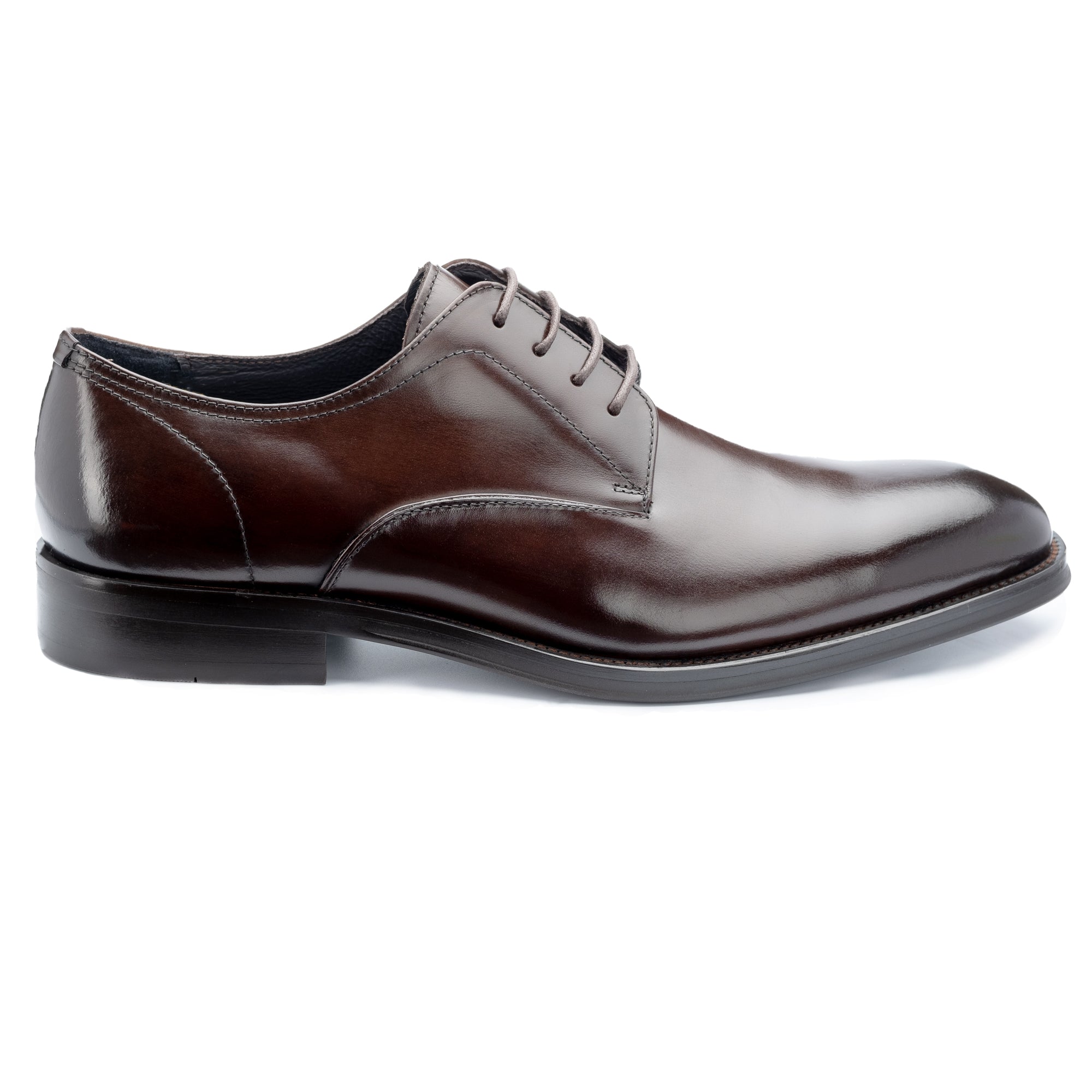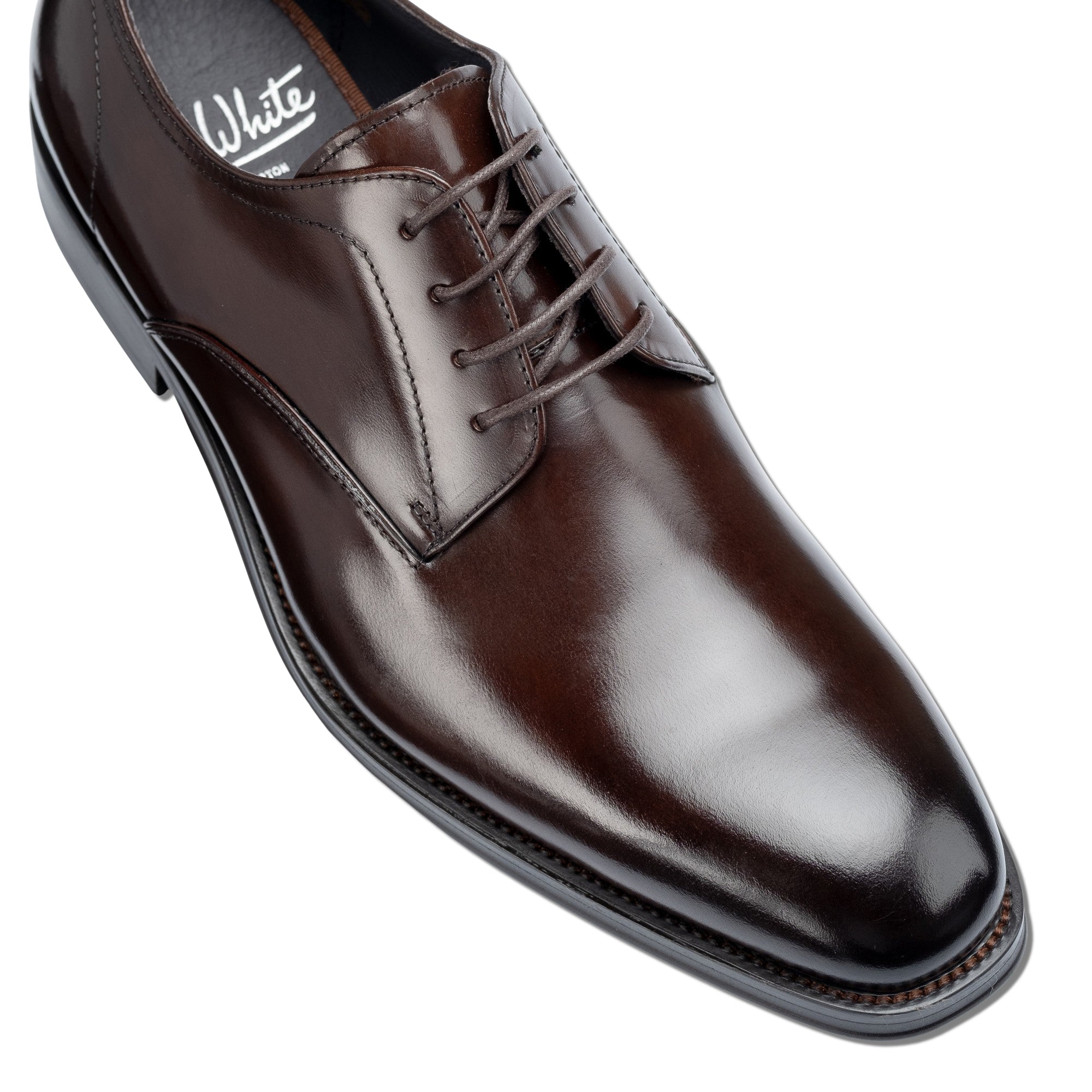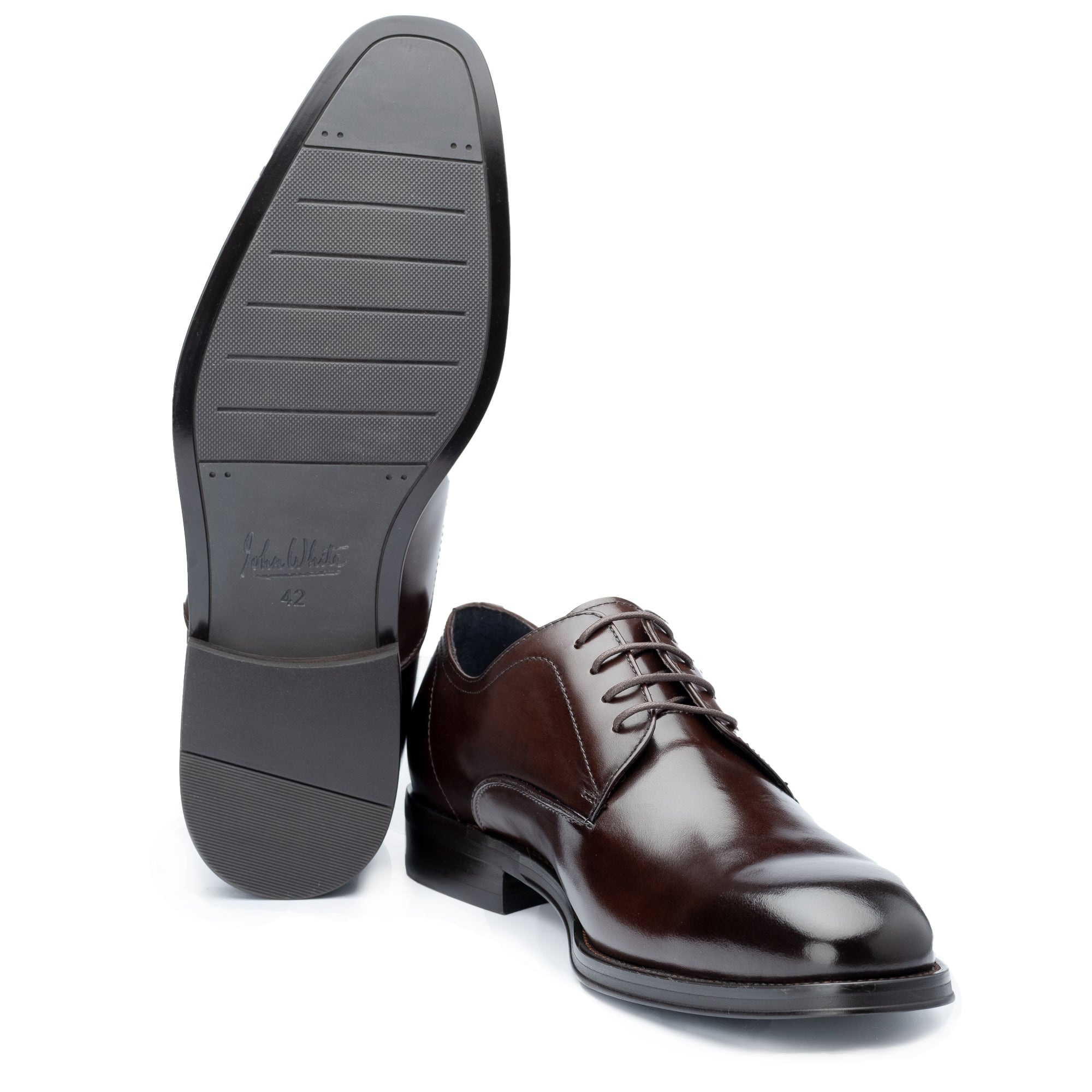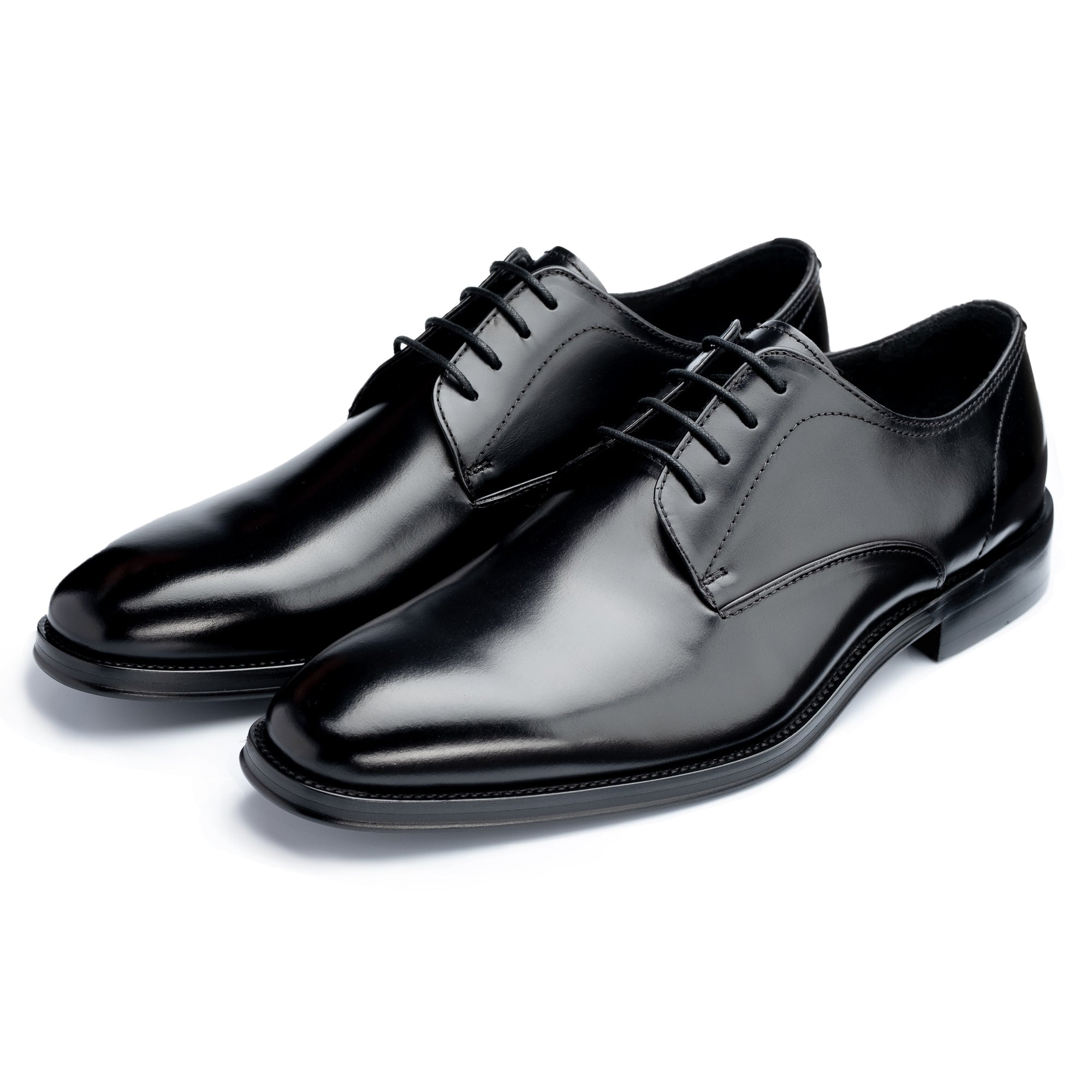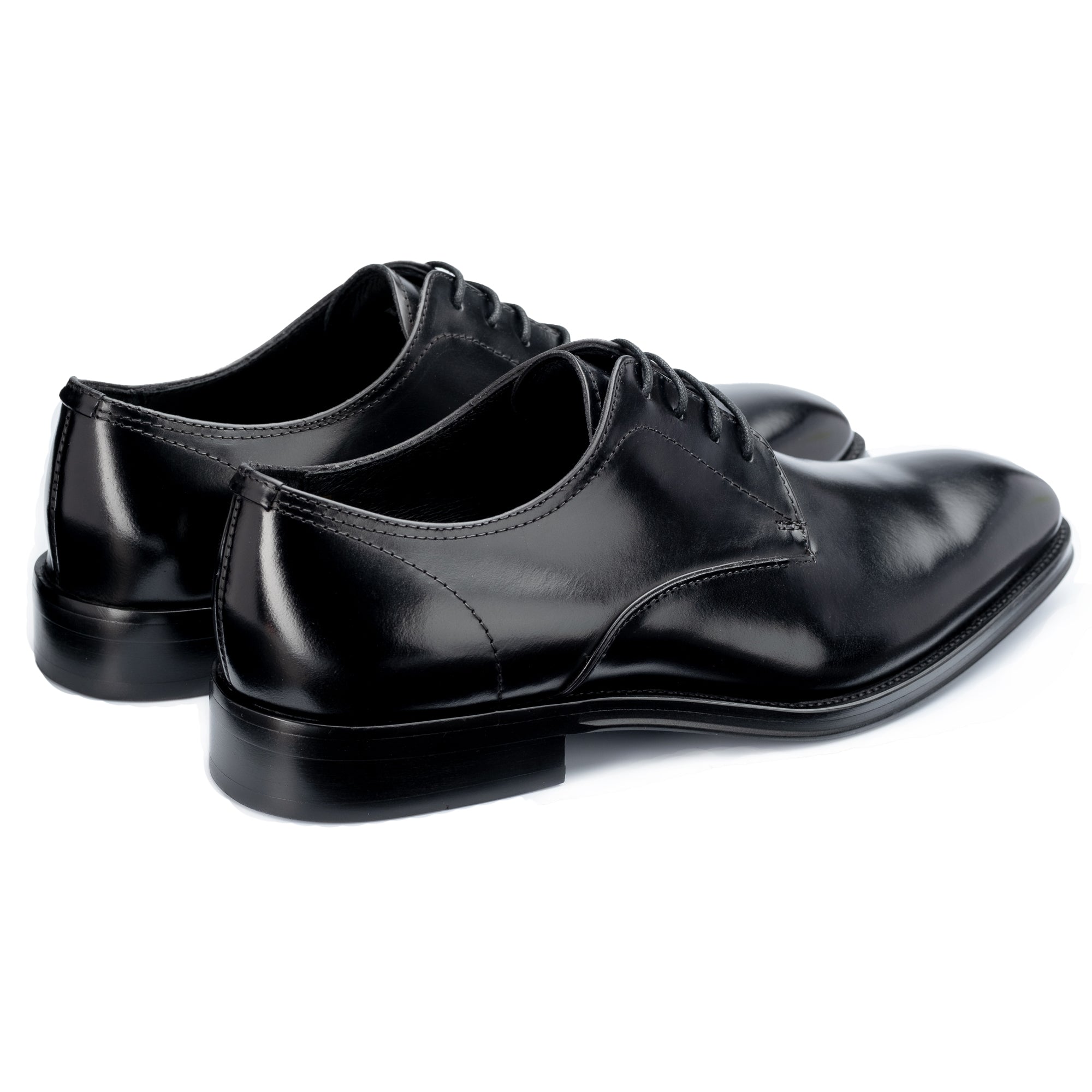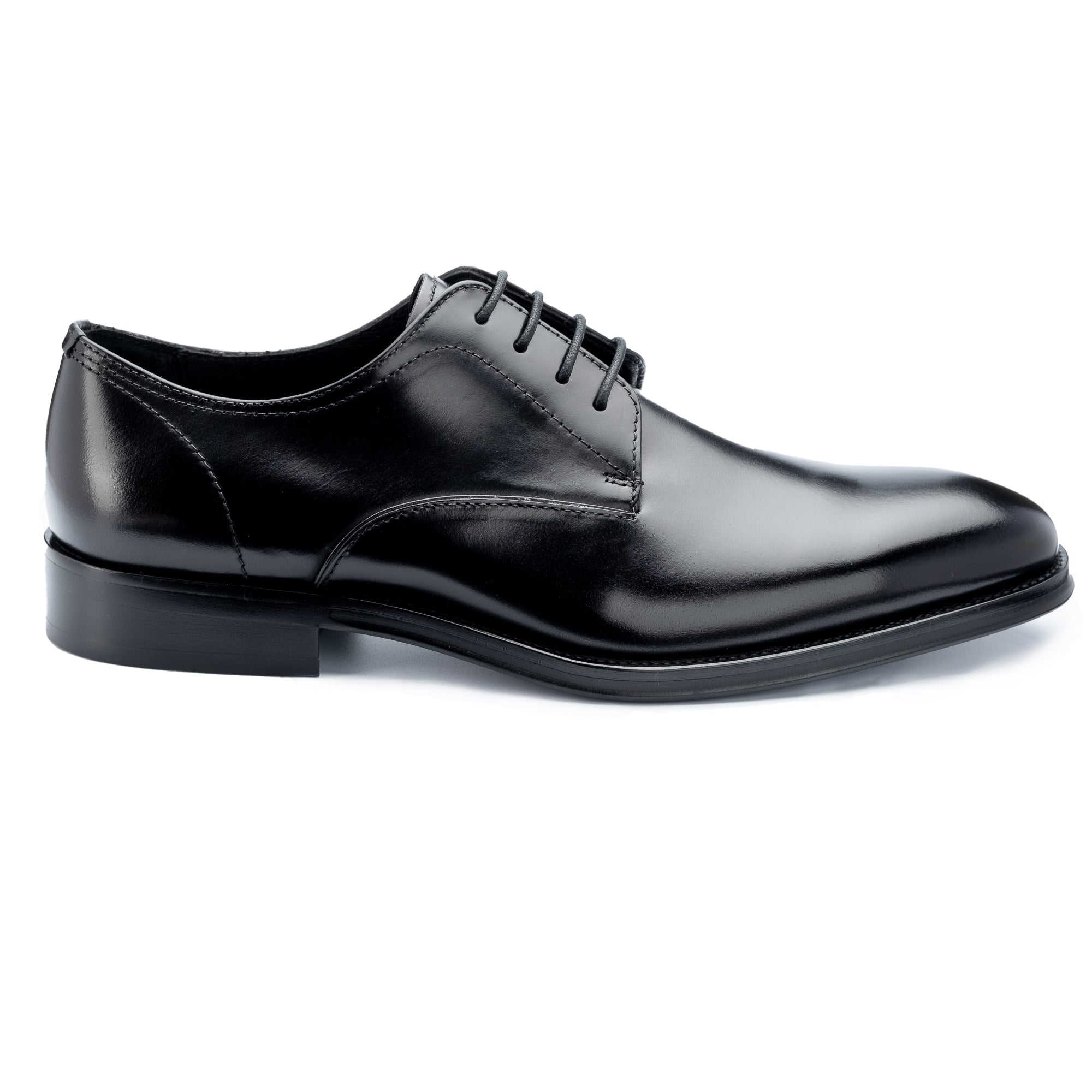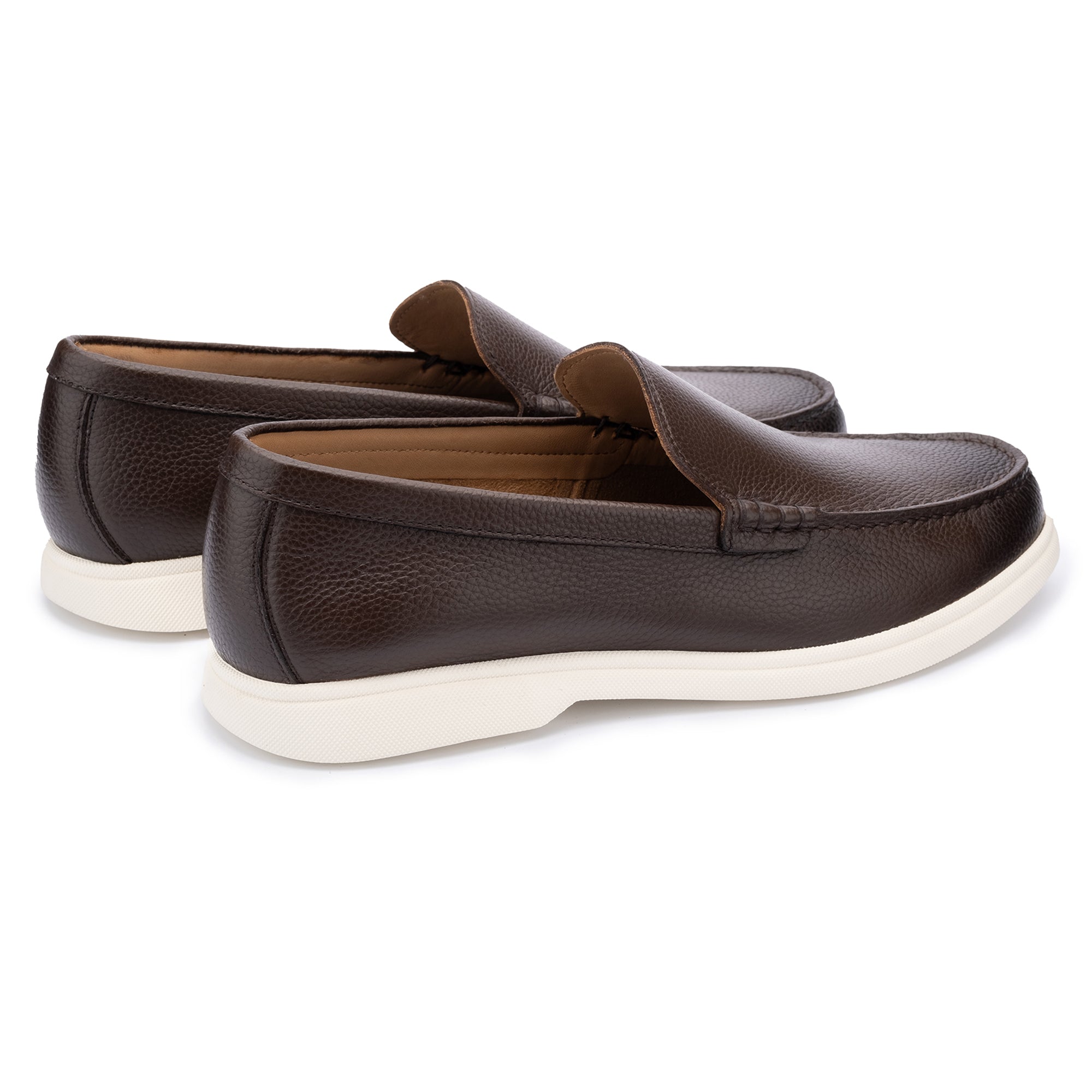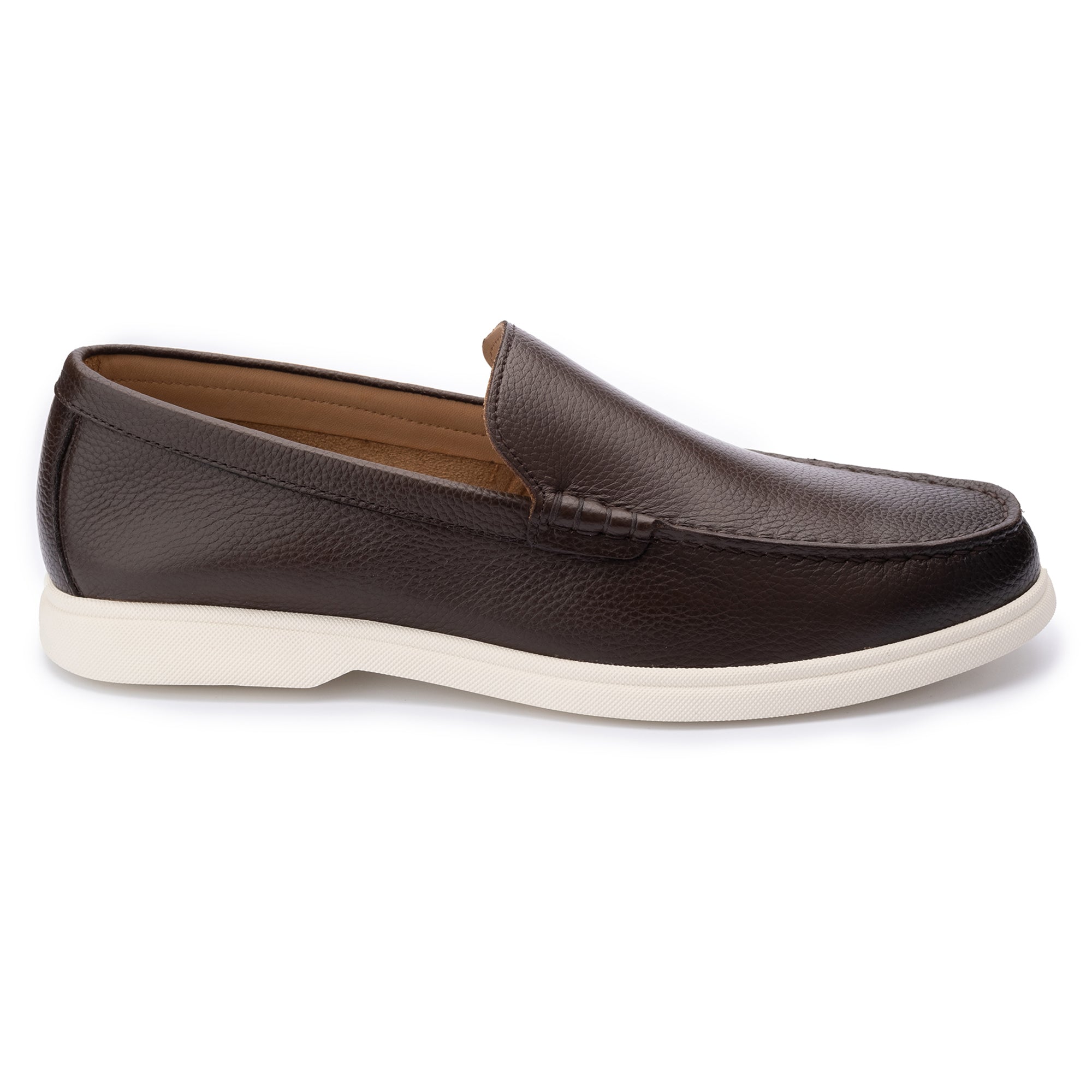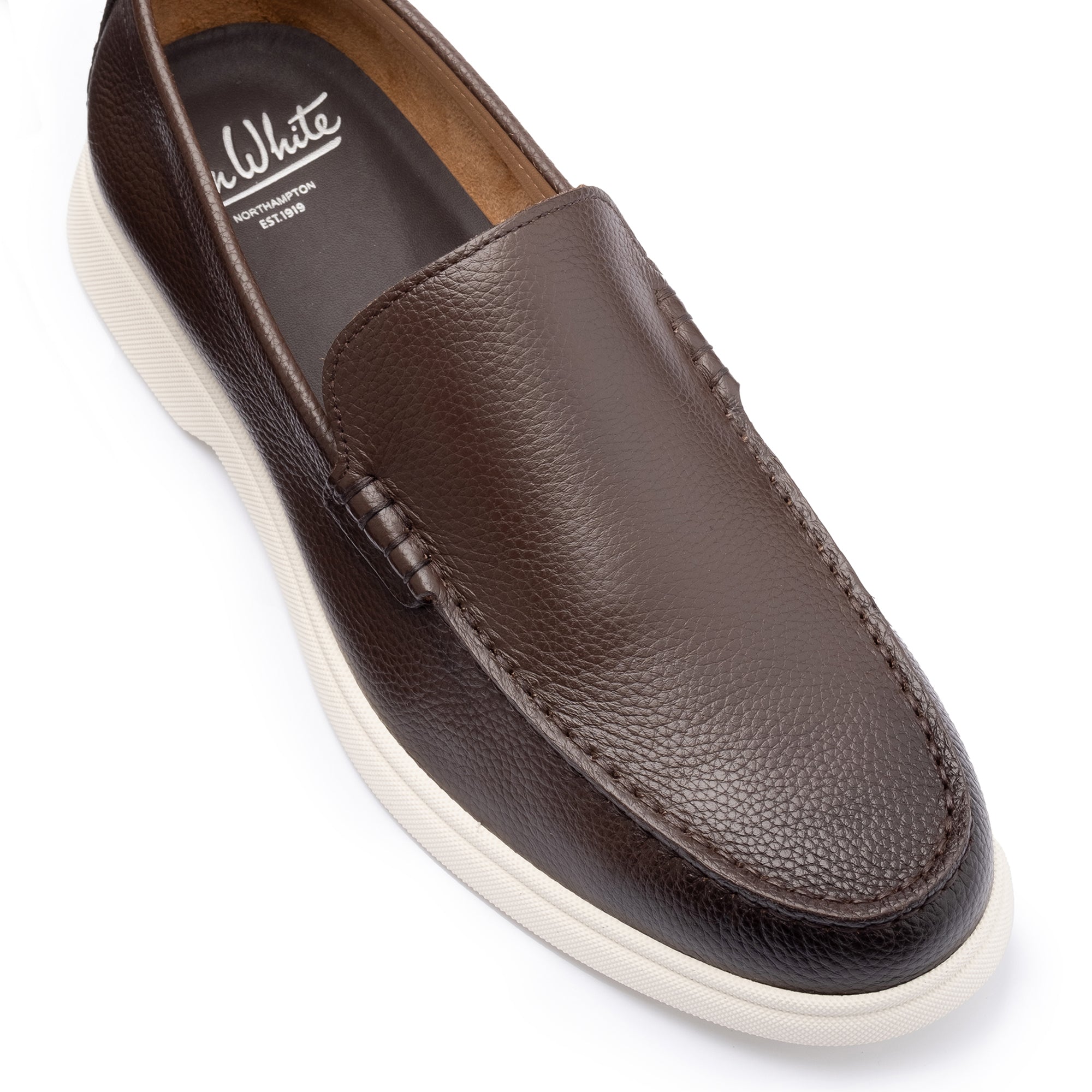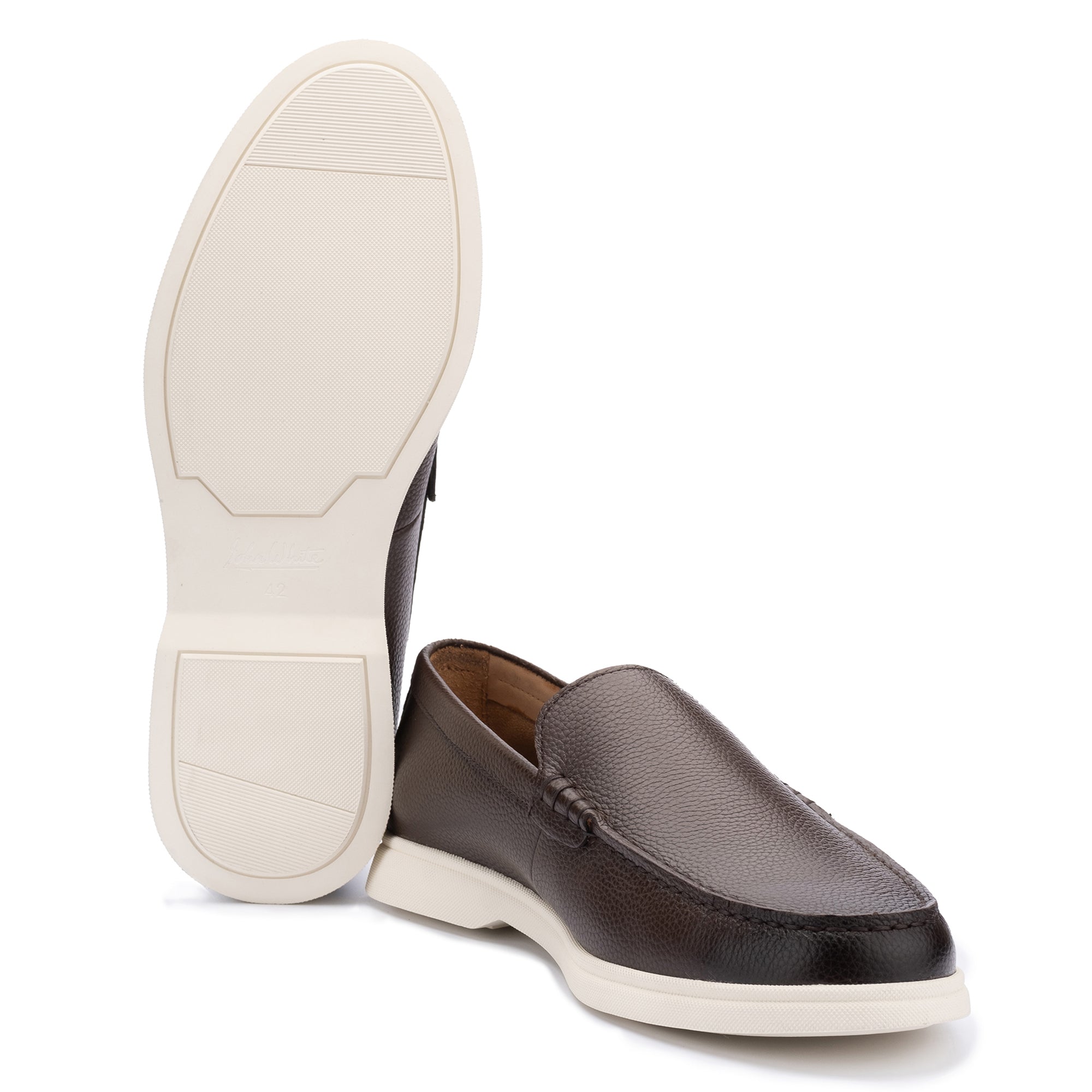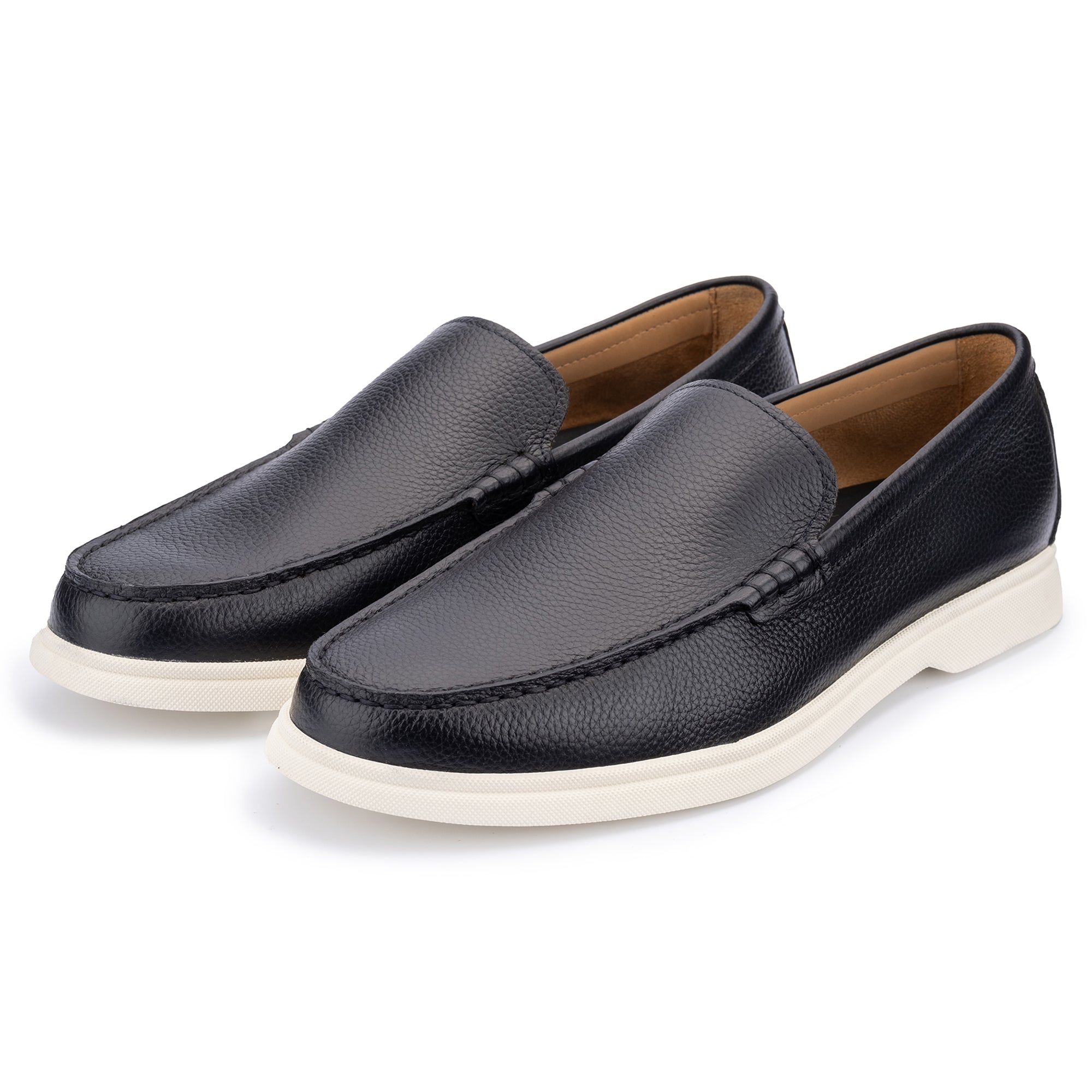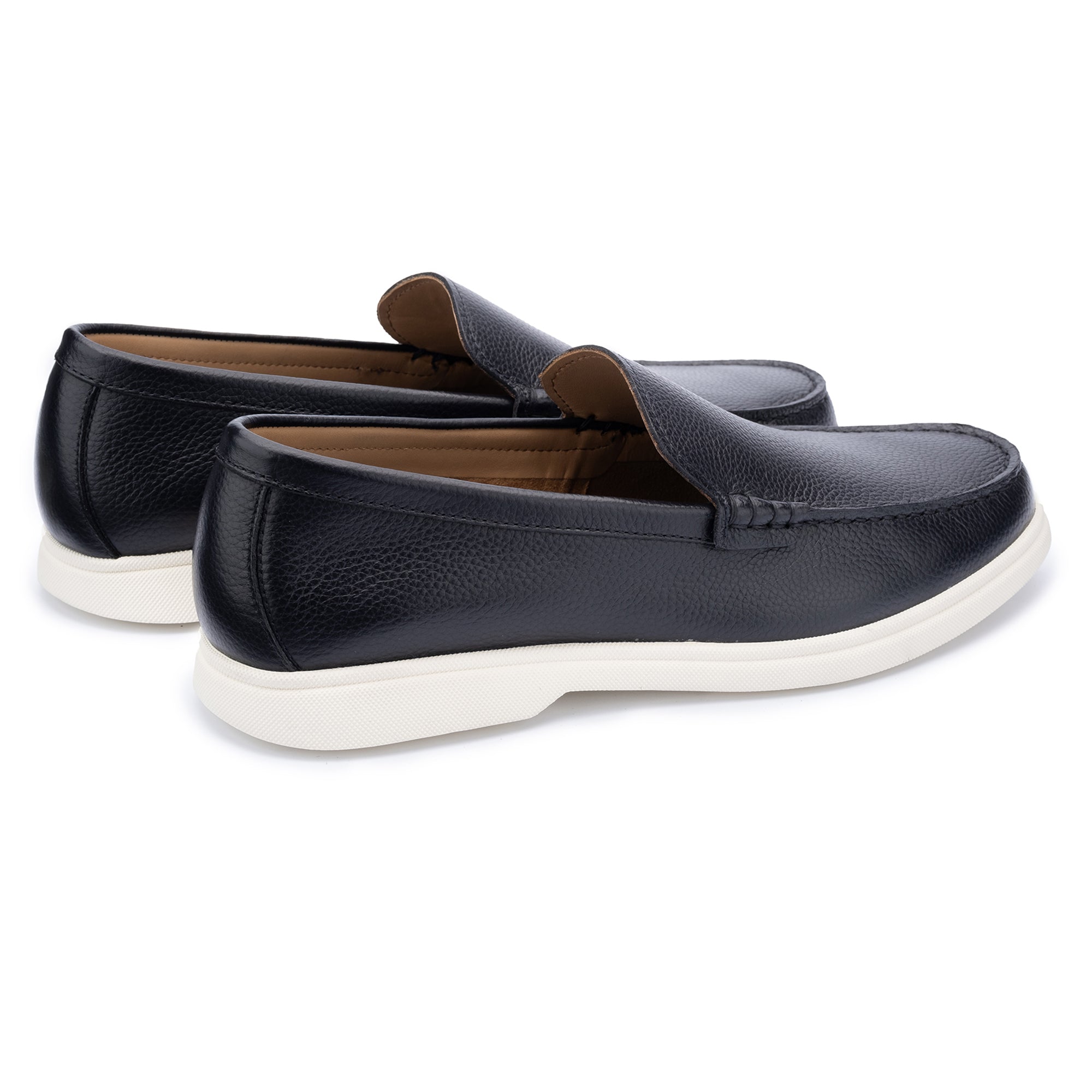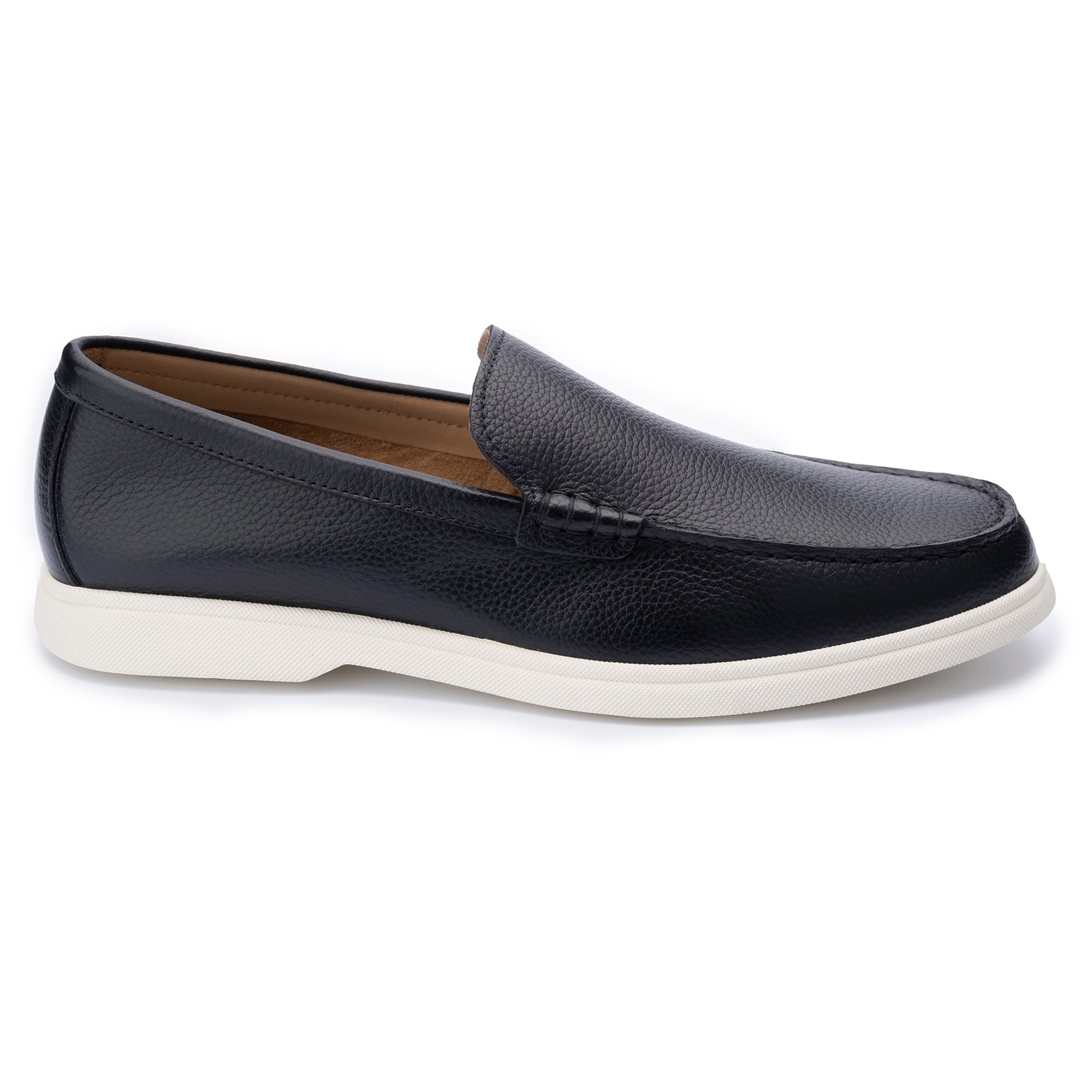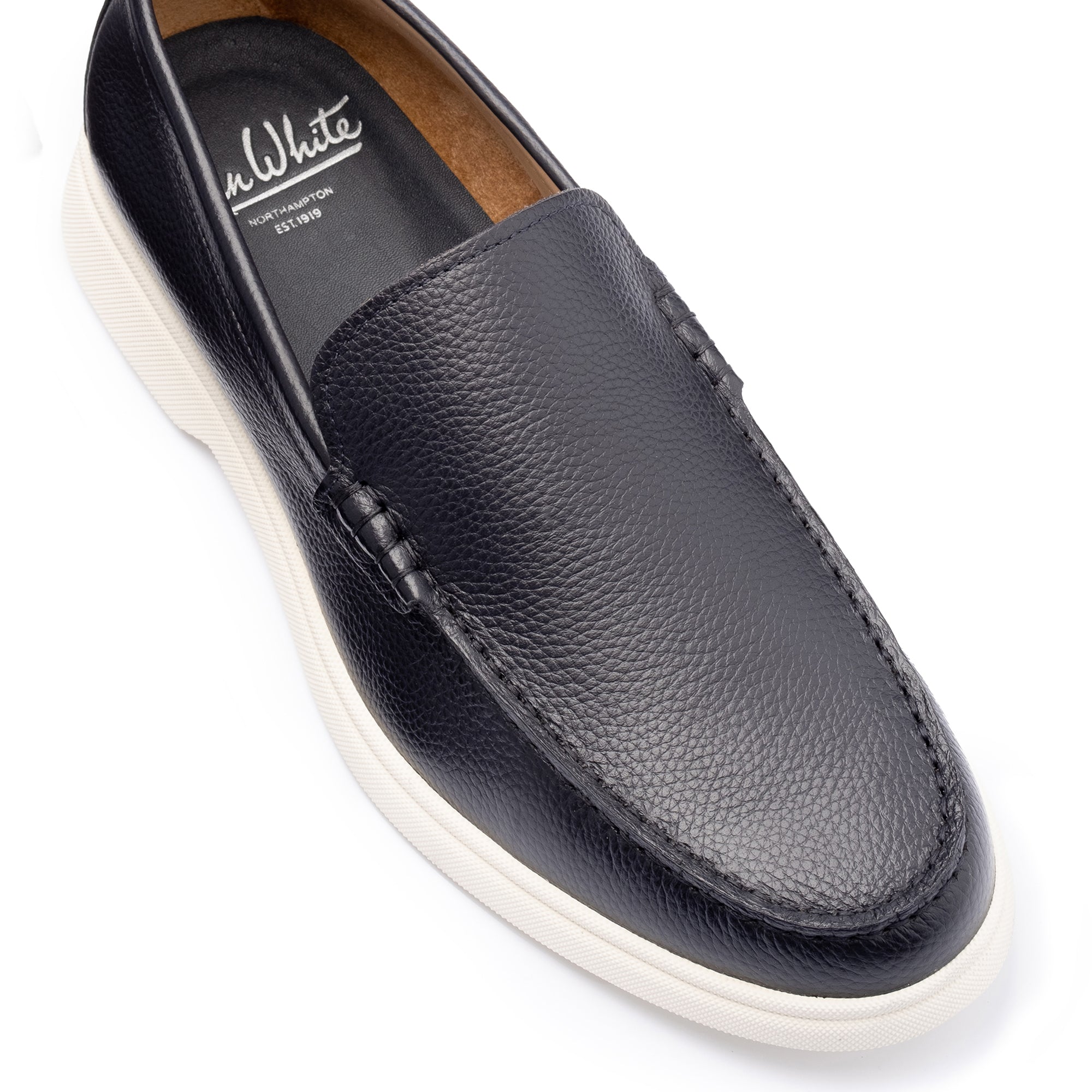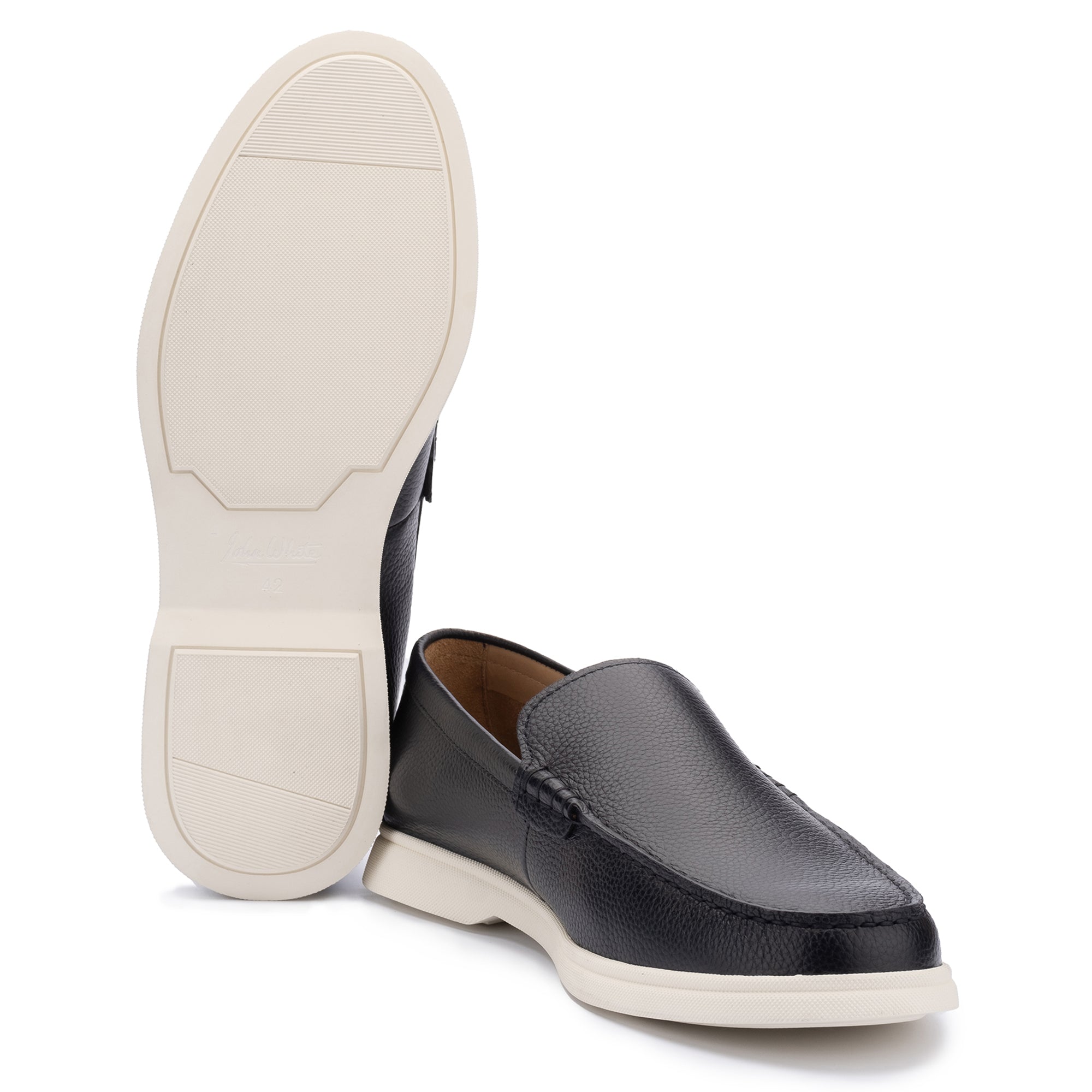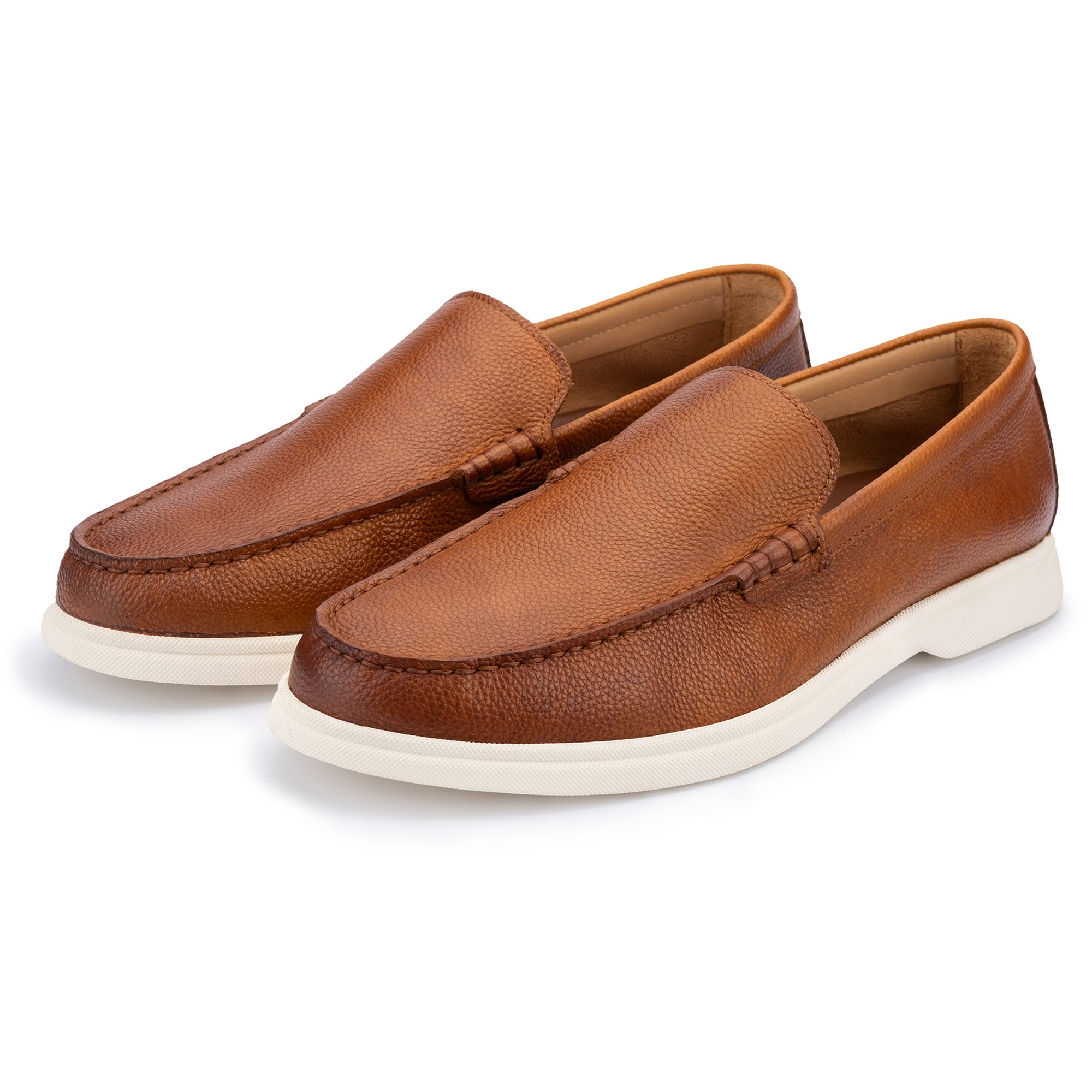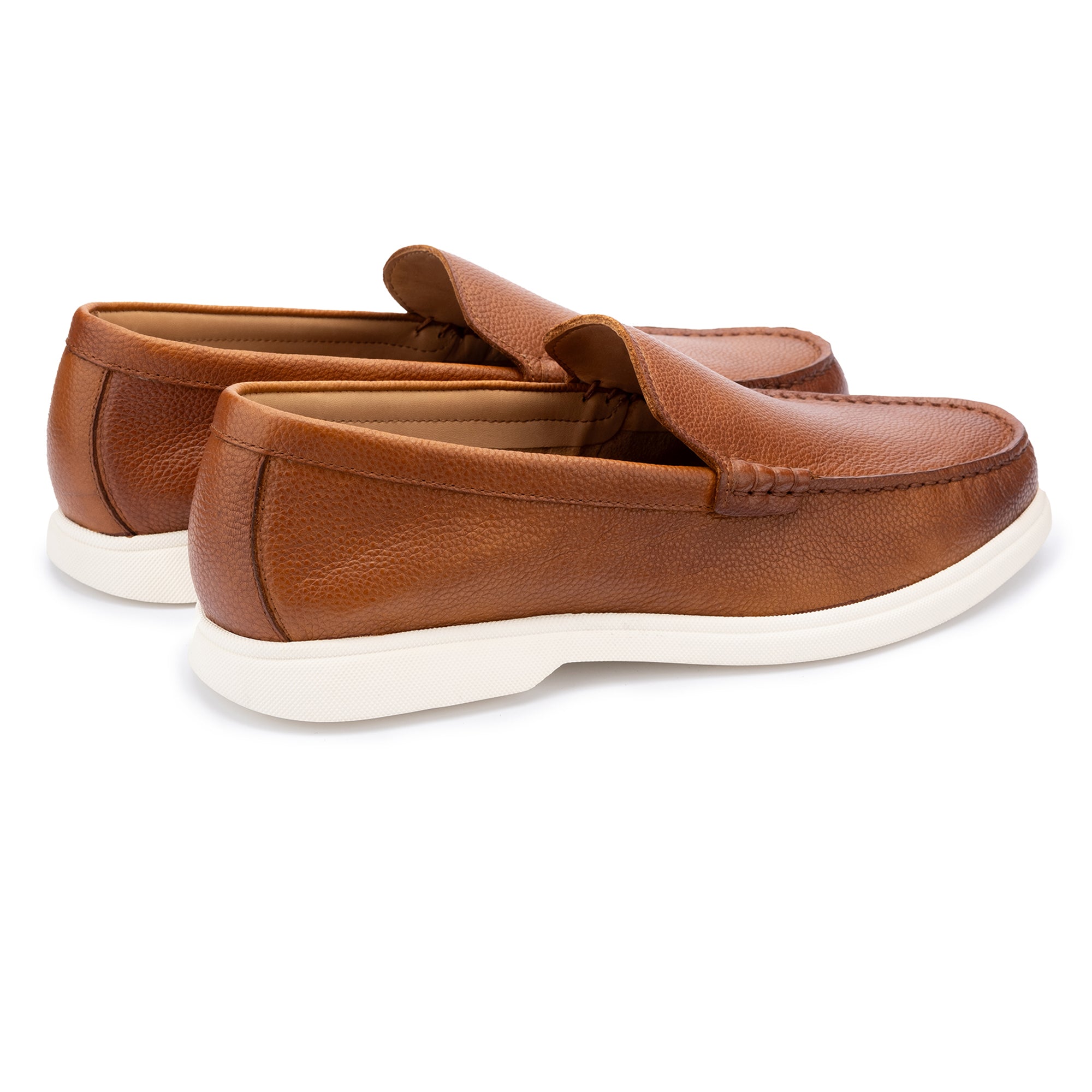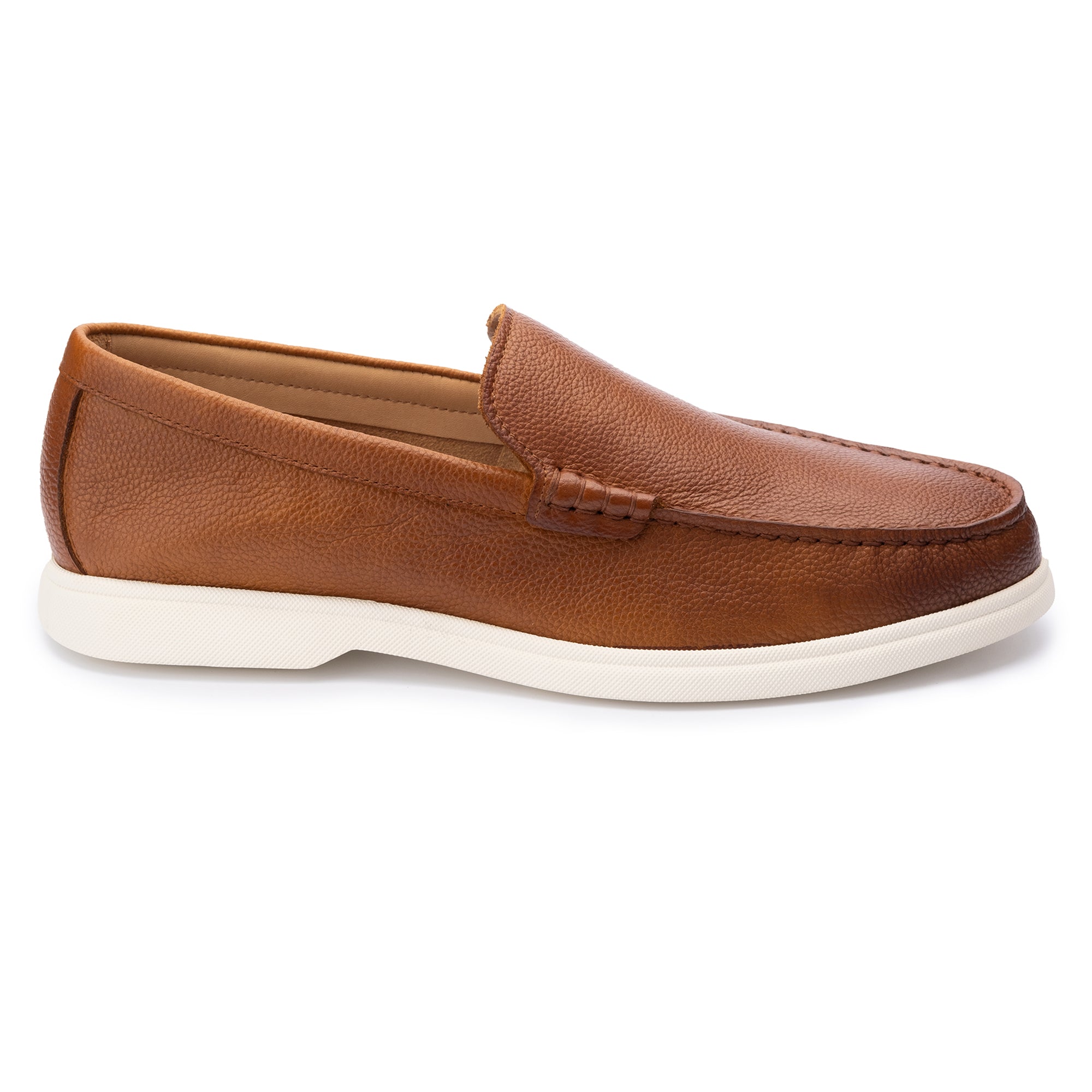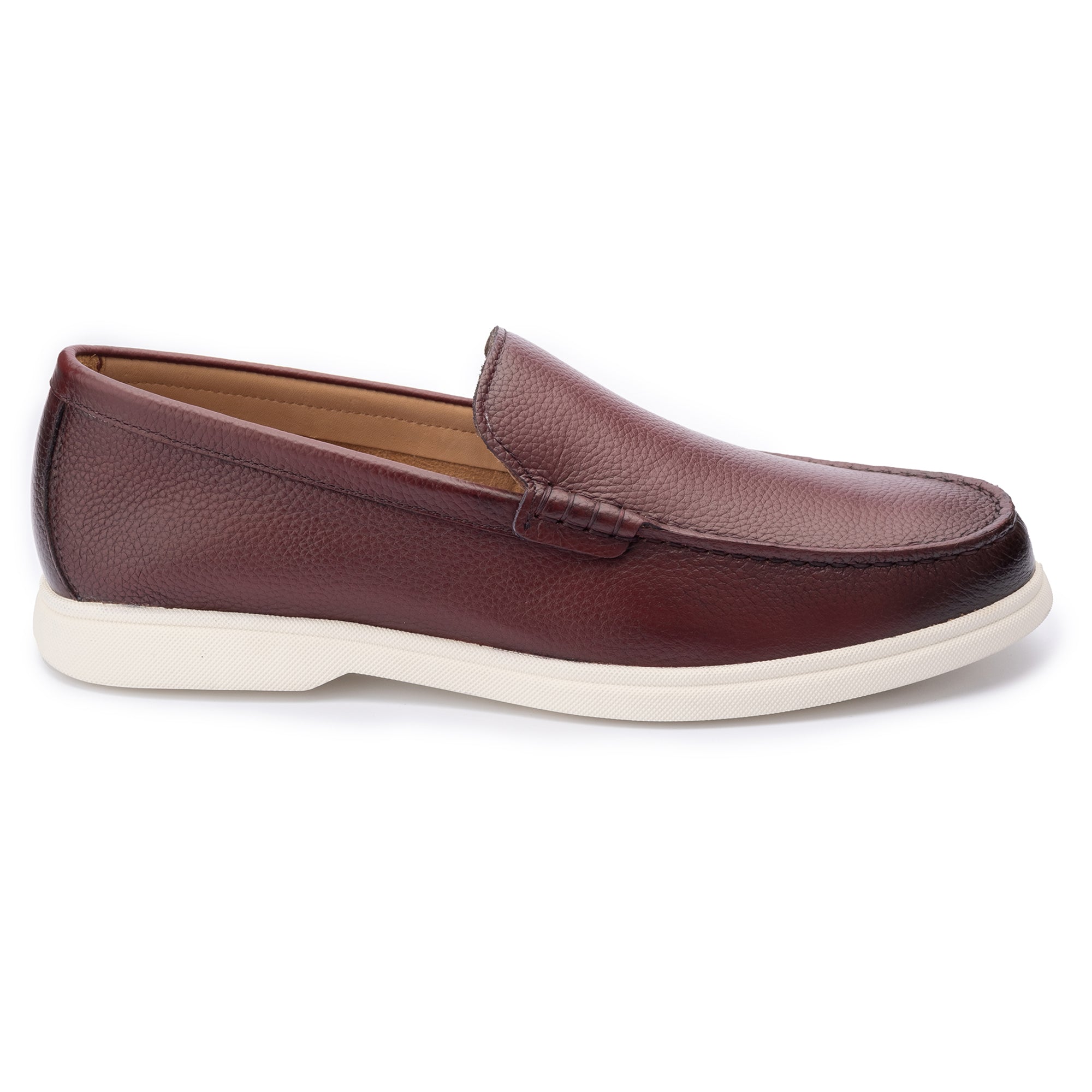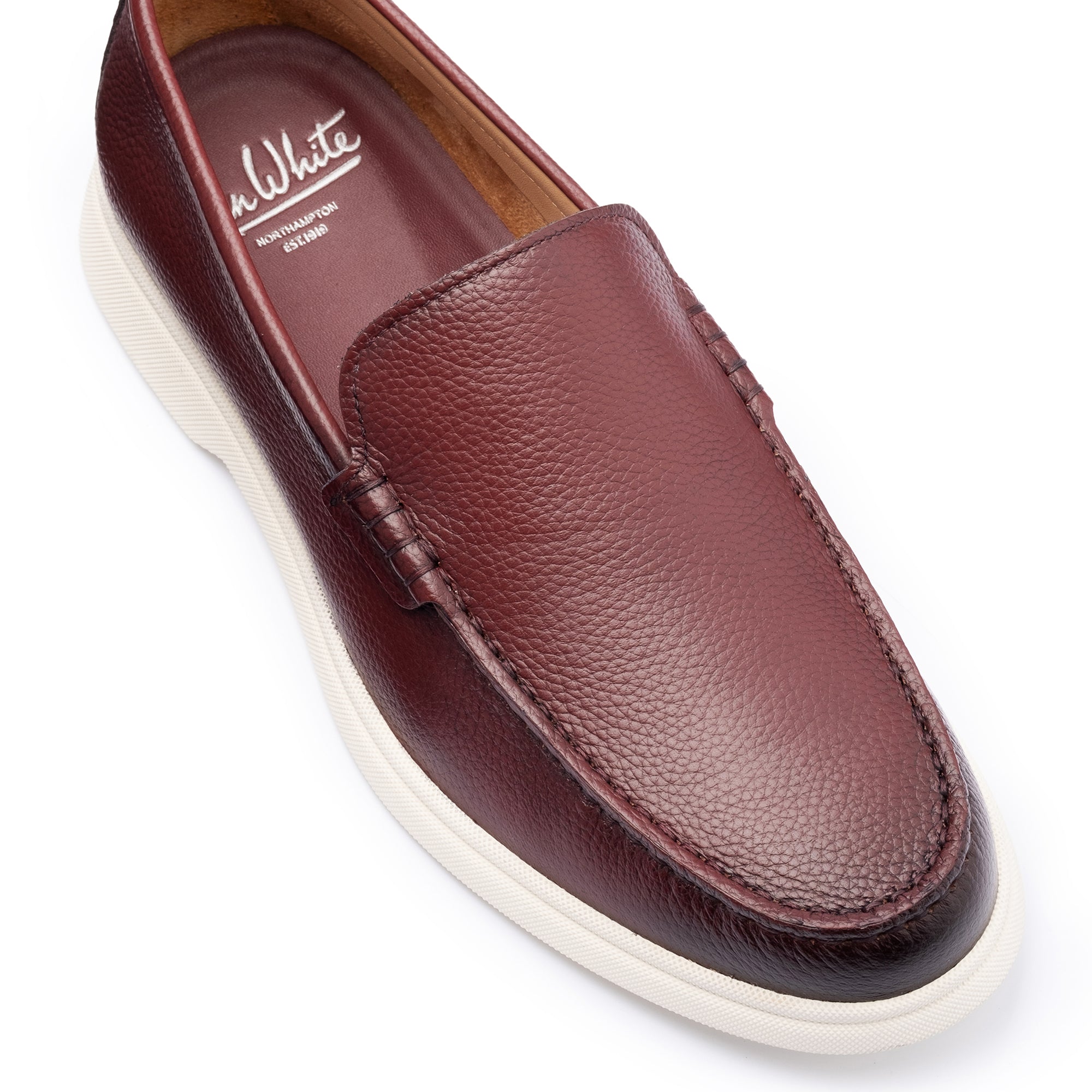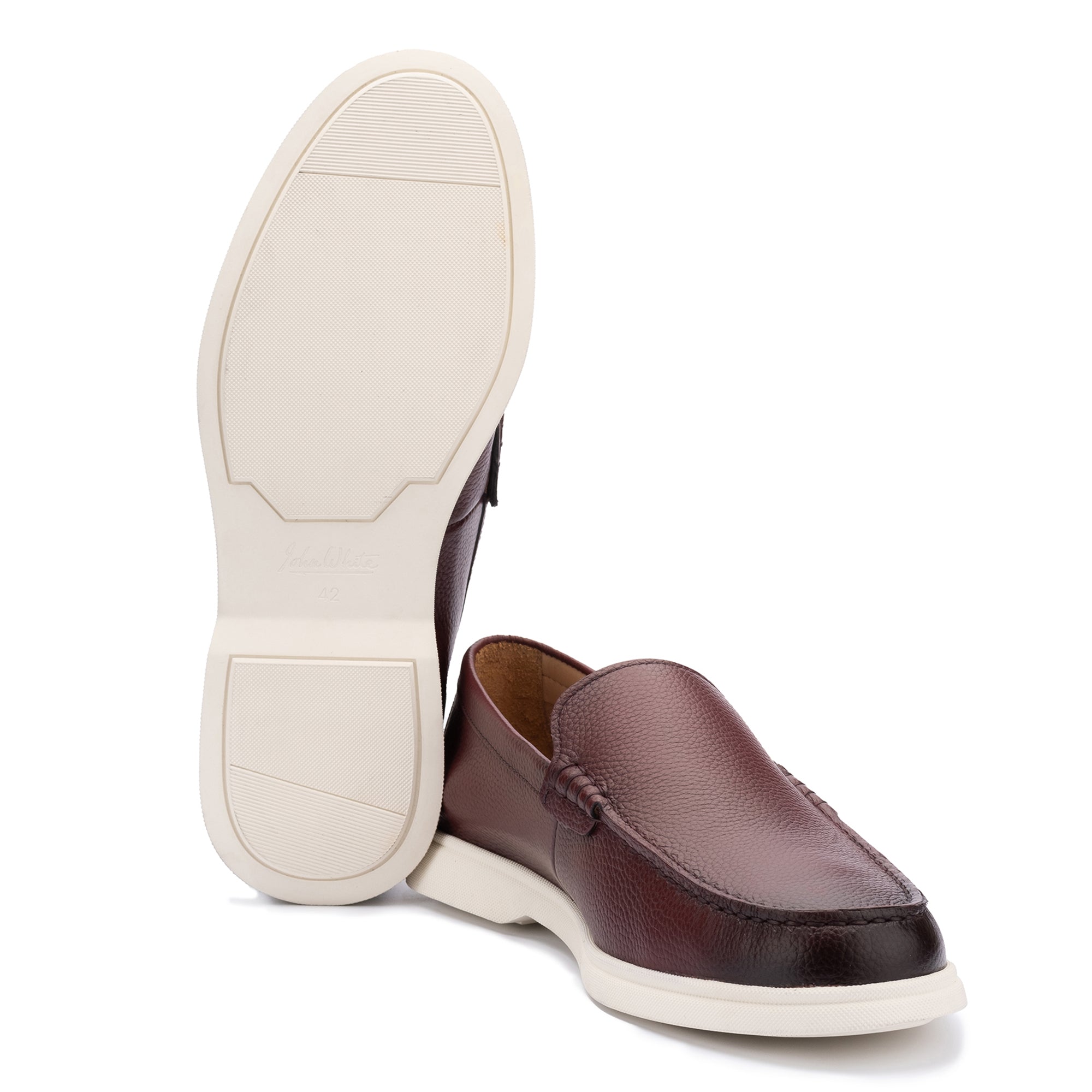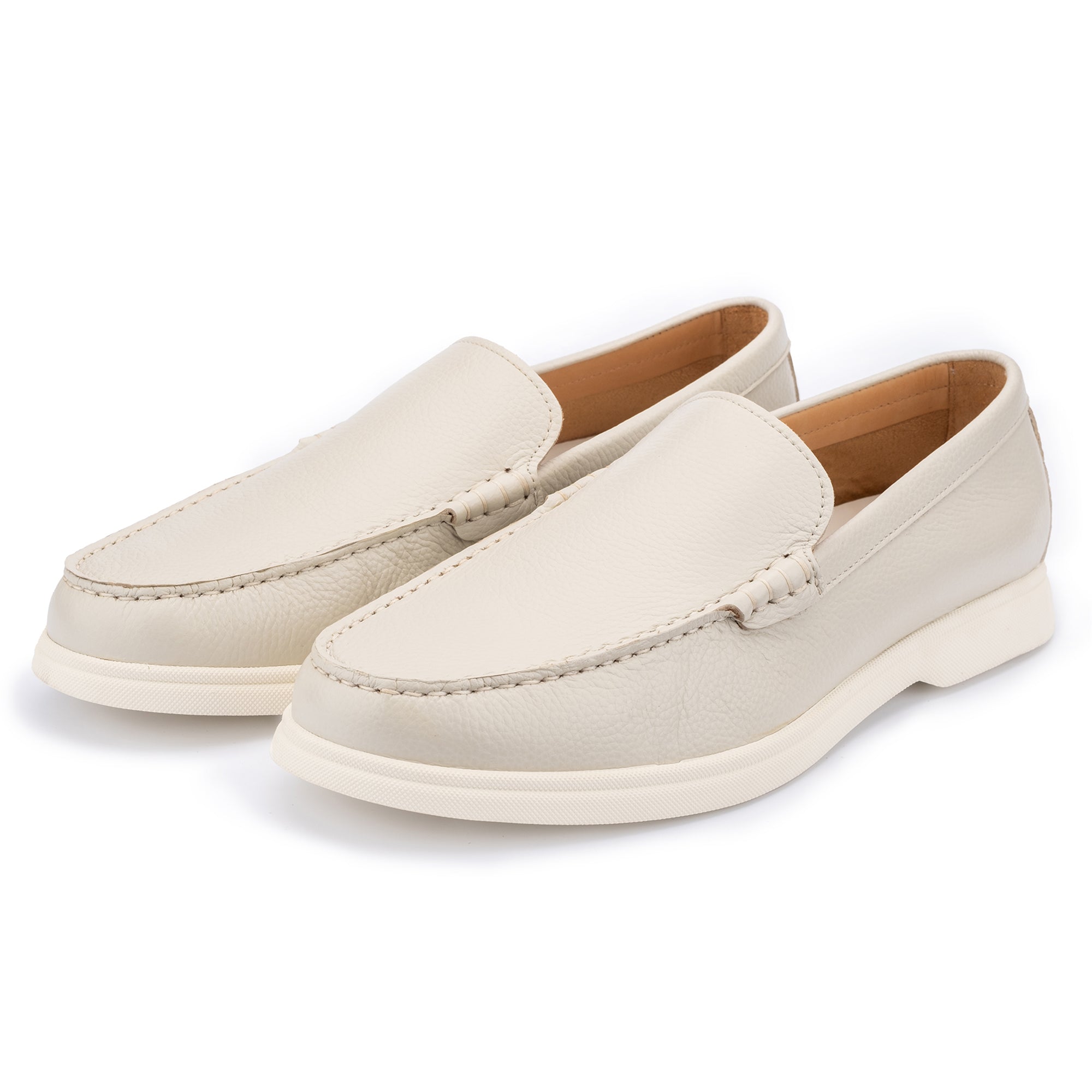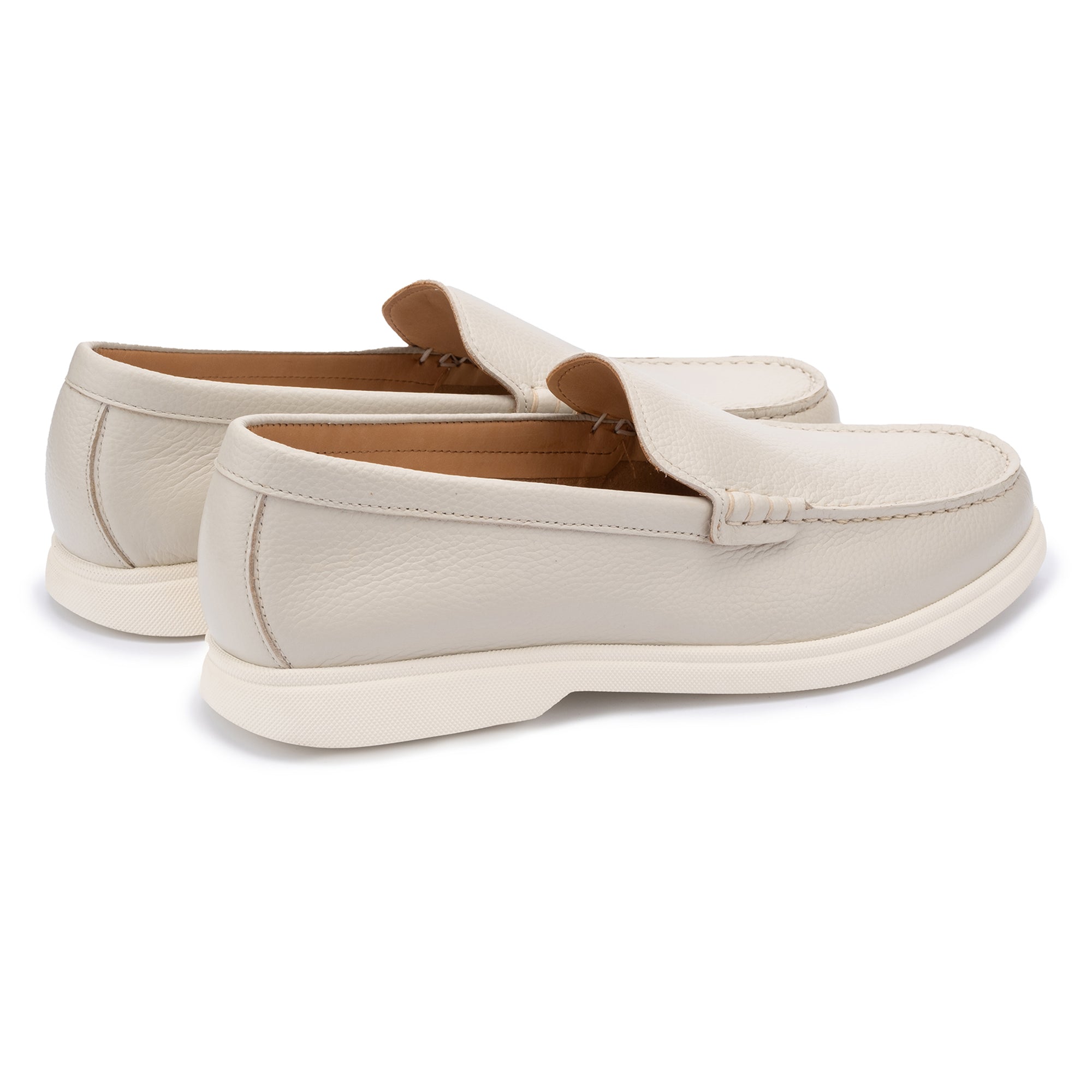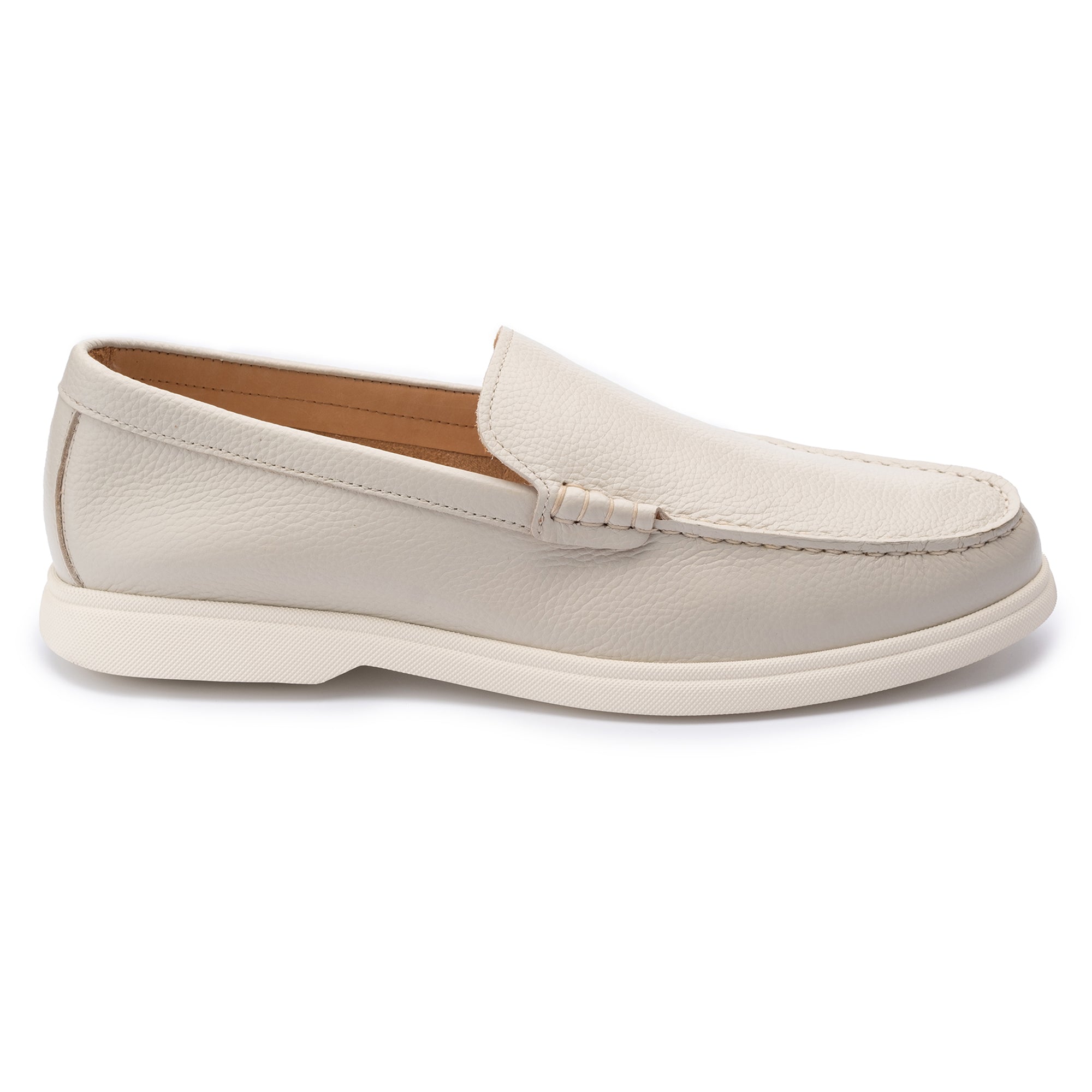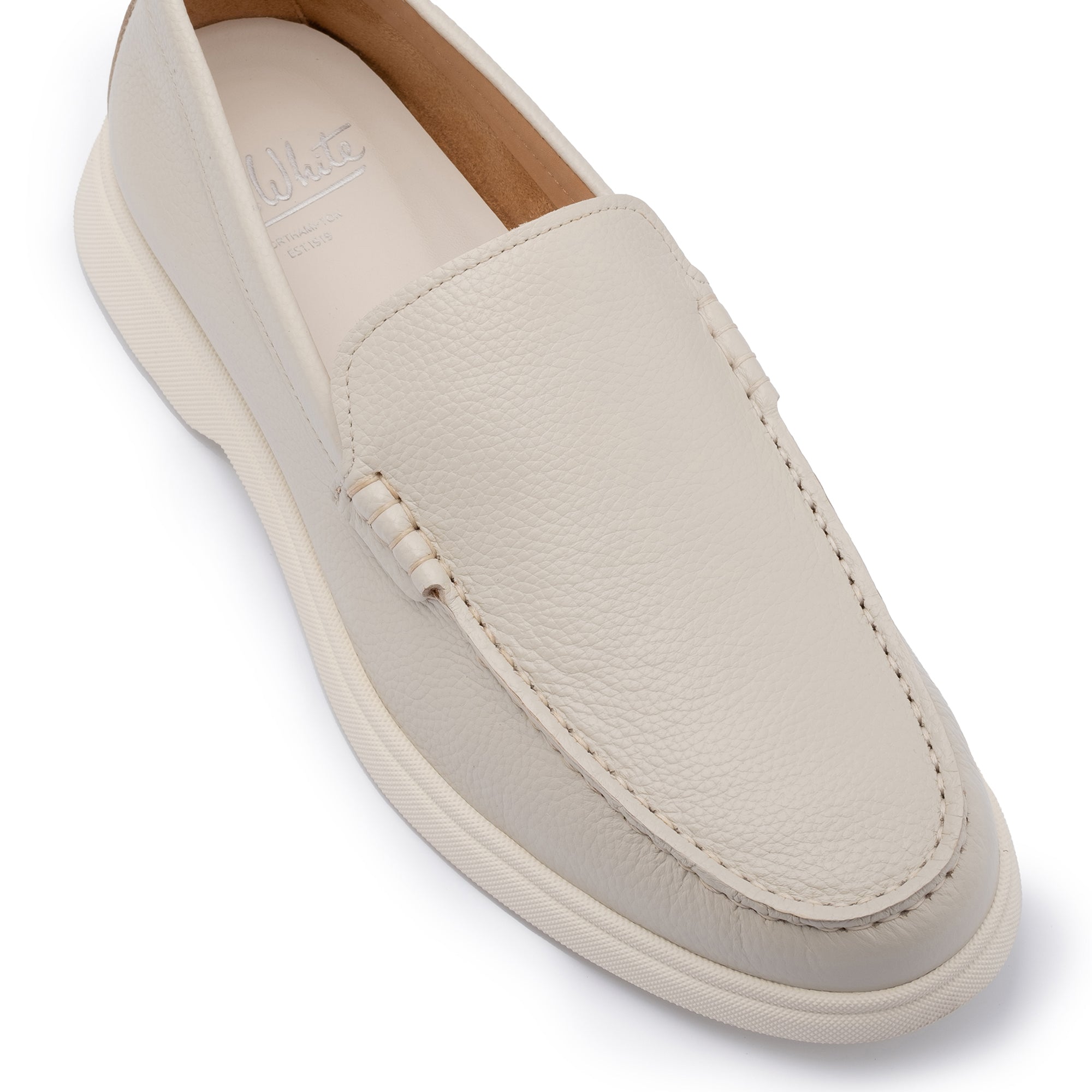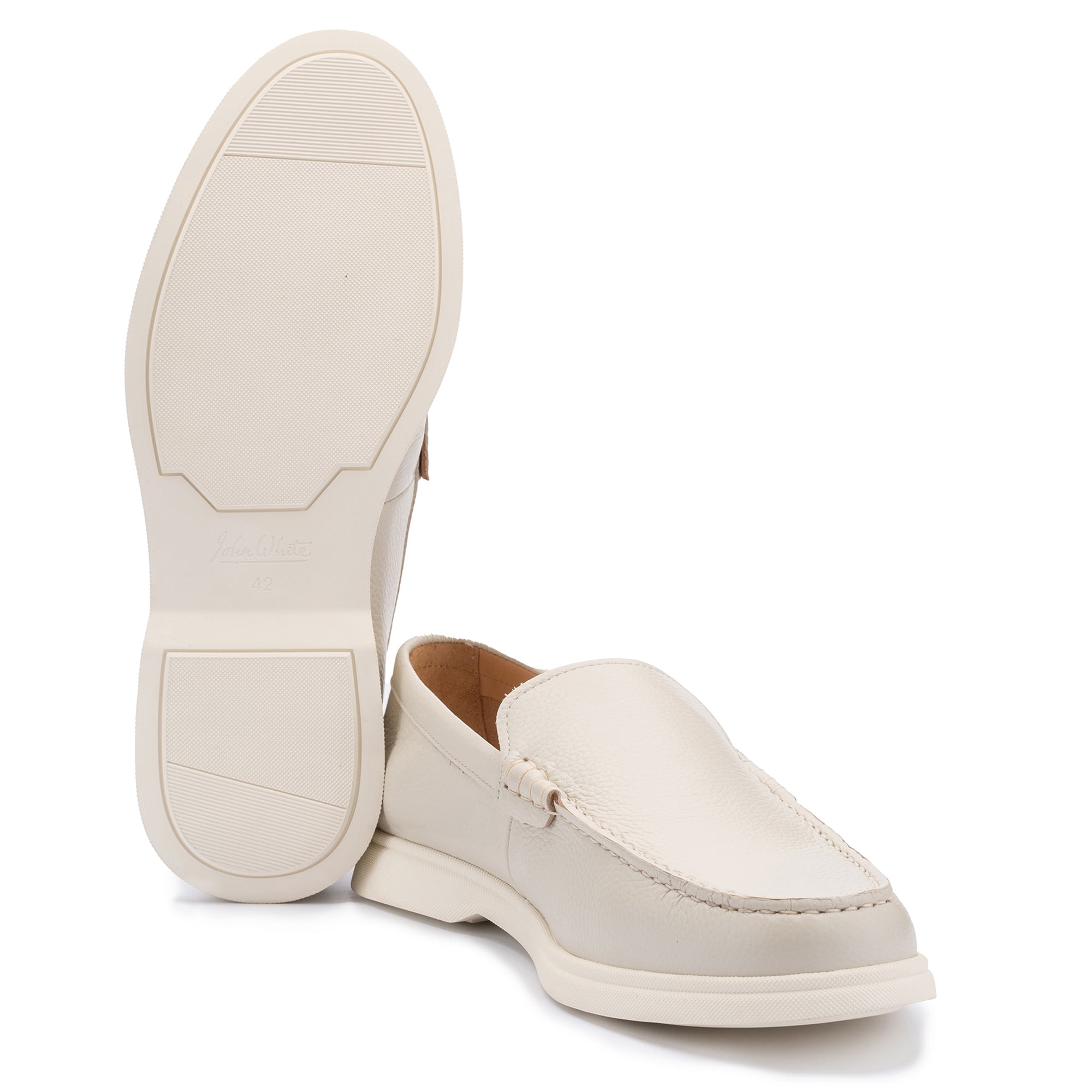

A house founded in 1919 on the last and the lasting has a considered view about footwear that travels — and when it comes to leather trainers, that view is straightforwardly pragmatic. British working life has changed. The creative studio, the technology firm, the city agency on dress-down Friday — these are not Oxford territory, but neither is a battered canvas plimsoll adequate for the man who carries himself well. The leather trainer is the sensible resolution: clean, low-profile, polished enough to read as considered rather than casual.
In This Guide
This is a buying guide, not an evangelical tract about trainers superseding everything else in your wardrobe. It is about understanding where a leather trainer fits, which styles are worth your money, and — as importantly — where the line sits.
Why Leather, Not Canvas
The canvas trainer belongs to the beach, the student common room, and the Sunday market. It is a fine thing in its place; its place is simply not the smart-casual register.
Leather is different. It ages with wear rather than against it: a canvas trainer looks worse for scuffing, a leather trainer merely acquires character. Leather holds its structure under the weight of a full working day — the uppers do not collapse at the heel, the toe box retains its shape. It cleans quickly, conditions with a cloth, and takes a respectable finish if the occasion edges upward.
There is also the matter of proportion. A slim leather trainer sits closer to the ground and carries less visual bulk than a modern chunky canvas sole. Alongside tailored trousers or dark denim, it reads as footwear that was deliberately chosen. That is the essential difference between the leather trainer and its canvas equivalent: one signals intention, the other convenience.
From a care standpoint, leather is the more straightforward material over the long term. It does not yellow with age, it does not pill or fray, and a small scuff can be addressed in under a minute with a damp cloth. Canvas, once properly soiled, requires more intervention for a considerably less satisfactory result. These are not small considerations for footwear you intend to wear regularly.
The Occasions That Earn a Leather Trainer
Before choosing a leather trainer, it is worth establishing when it belongs. Not every situation that rules out an Oxford automatically welcomes a trainer.
The creative and technology office — environments where dress code is deliberately fluid — are its native ground. A leather trainer with dark jeans and a relaxed blazer is entirely apt; the same outfit with white canvas is not. The leather signals that the casual approach was a choice, not an oversight.
The smart-casual weekend — a lunch, a gallery visit, a relaxed dinner at a neighbourhood restaurant — calls for footwear that is easy but not sloppy. A leather trainer sits precisely at that junction. It reads as effortless in a way that requires more consideration than the result suggests.
Casual travel — airports, city breaks, long train journeys across Europe — rewards shoes that are comfortable across distance without sacrificing appearance. The leather trainer earns its keep here in a way that a Derby or Chelsea boot, however well-made, cannot quite match for sustained comfort across a full day of walking.
The upper limit is clear: business formal, client meetings, weddings, and any dress code with "smart" as its floor belong to the Oxford, the Derby, or the Chelsea boot. If you are uncertain which of those serves your wardrobe better, the guide to Derby vs Oxford: Which British Dress Shoe Is Right for You? is the right starting point. Understanding the boundary is what makes the leather trainer genuinely useful rather than a compromise.
The JWS Leather Trainer Range: Hemsworth and Gorge
JWS offers two leather trainer styles, and they are genuinely distinct rather than variations on the same last.
The Hemsworth Sneaker
The Hemsworth Sneaker is the cleaner, more minimal of the pair. Available in White, Navy, and Tan — three colours that span the range from the classic to the quietly expressive. The White is the most versatile for summer smart-casual: it works against virtually any colour of trouser and reflects light in a way that reads fresh without effort. The Navy has a quieter confidence — it pairs naturally with grey and mid-blue trousers without the formality that a black Derby would impose. The Tan brings warmth alongside mid-grey flannel or darker denim, and echoes the tan leather palette that runs through several other JWS styles.
The Hemsworth's profile is restrained — no exaggerated sole unit, no branding clutter, no decorative seams serving no structural purpose. This restraint is precisely what earns it a place among considered footwear rather than relegating it to the sports aisle.
The Gorge Sneaker
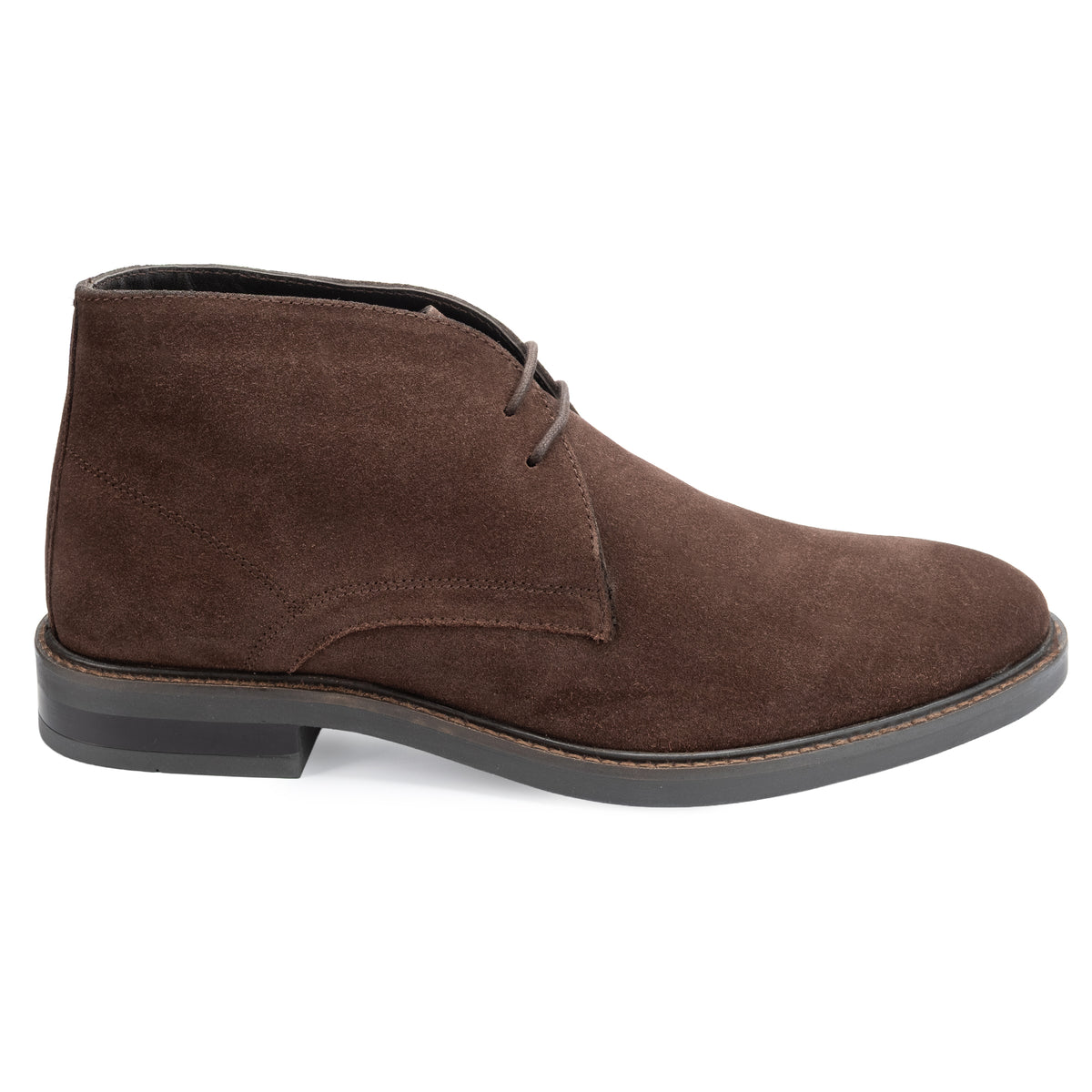
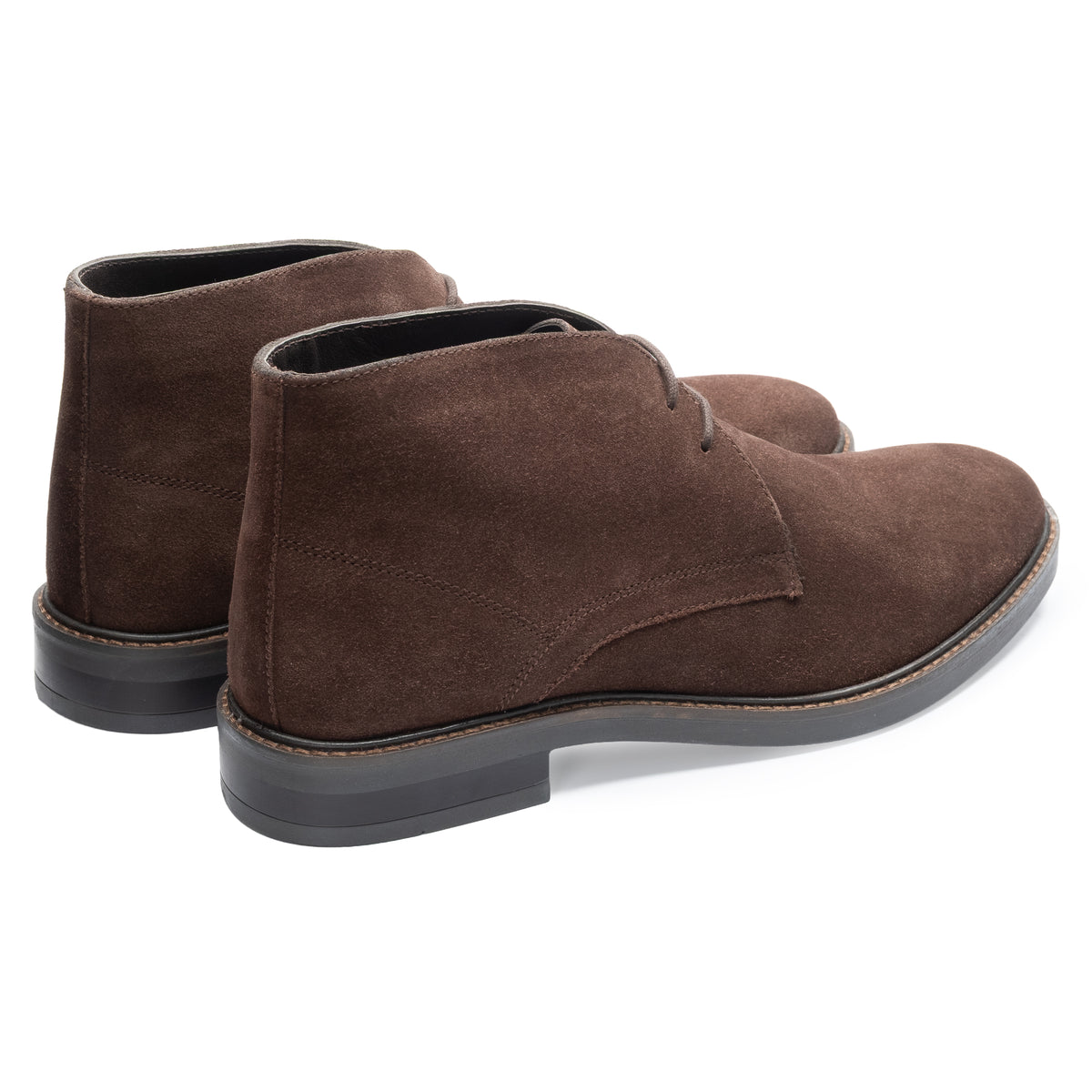
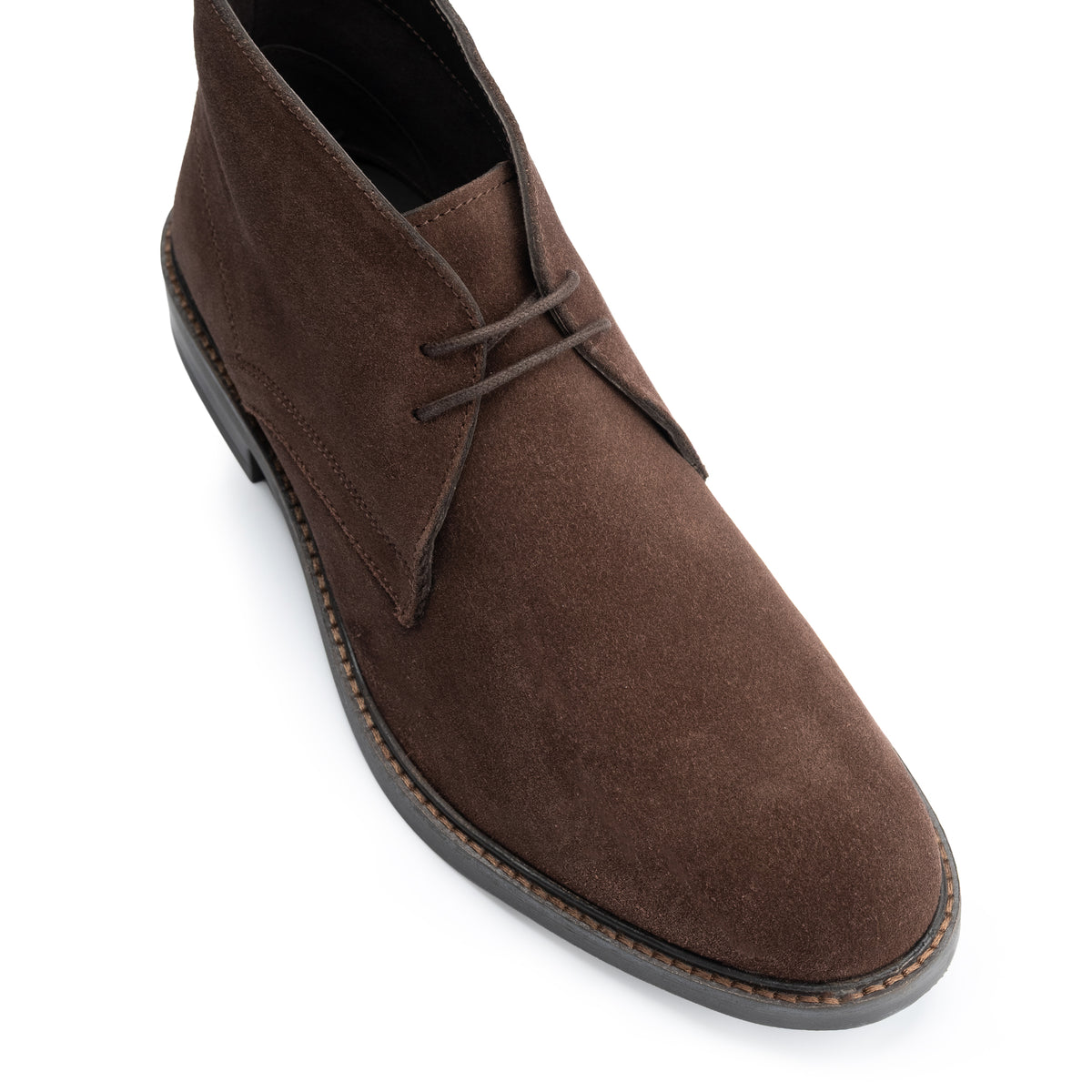
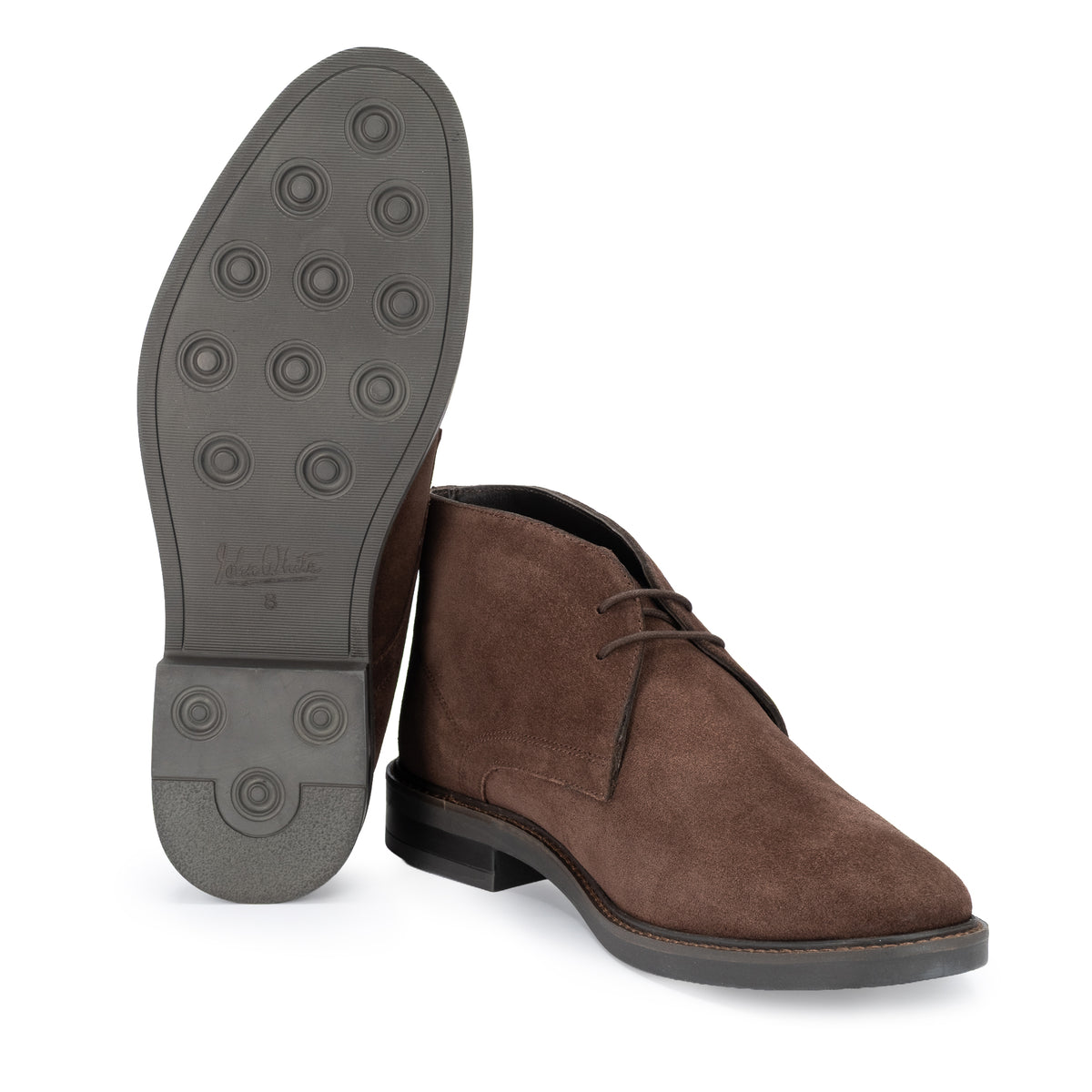
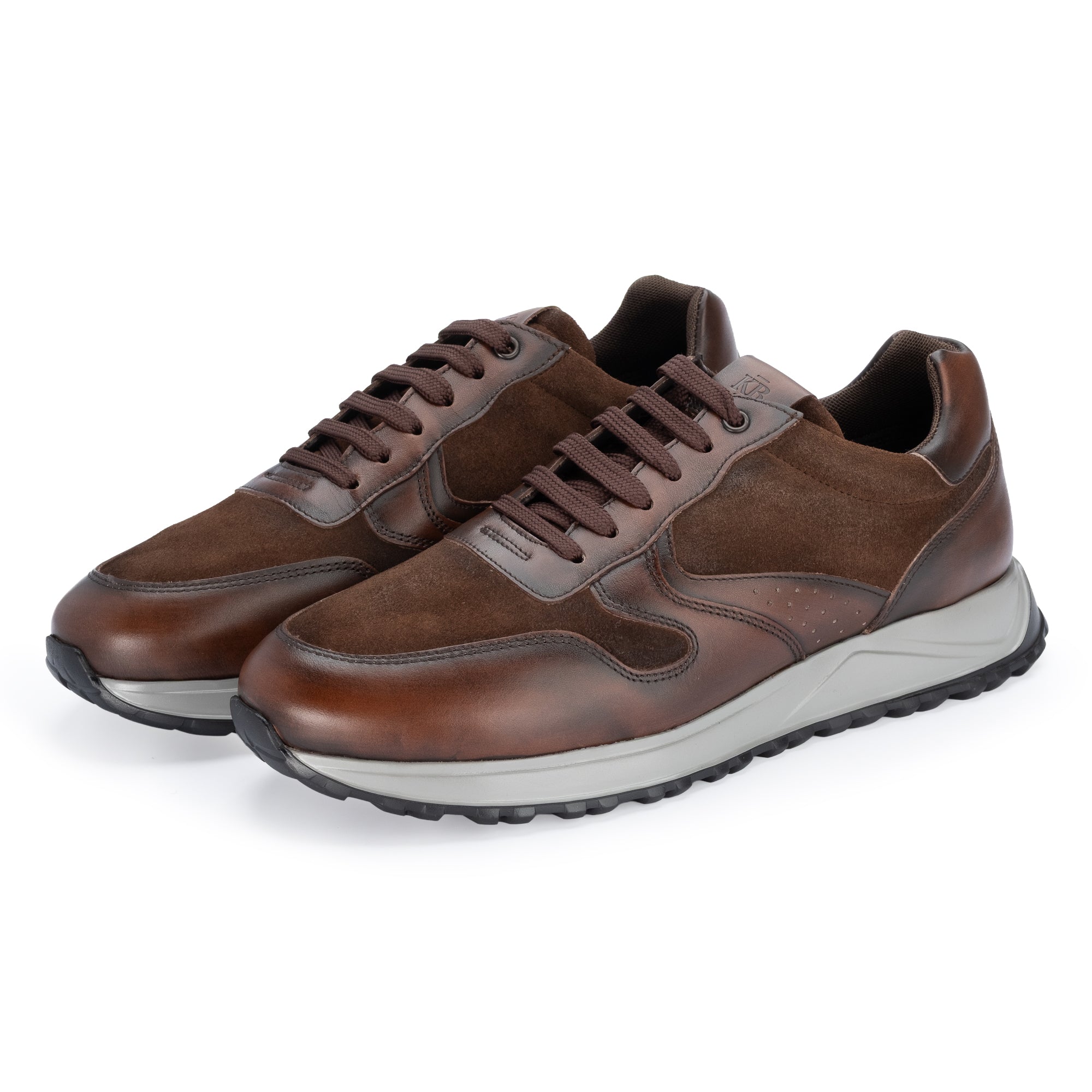
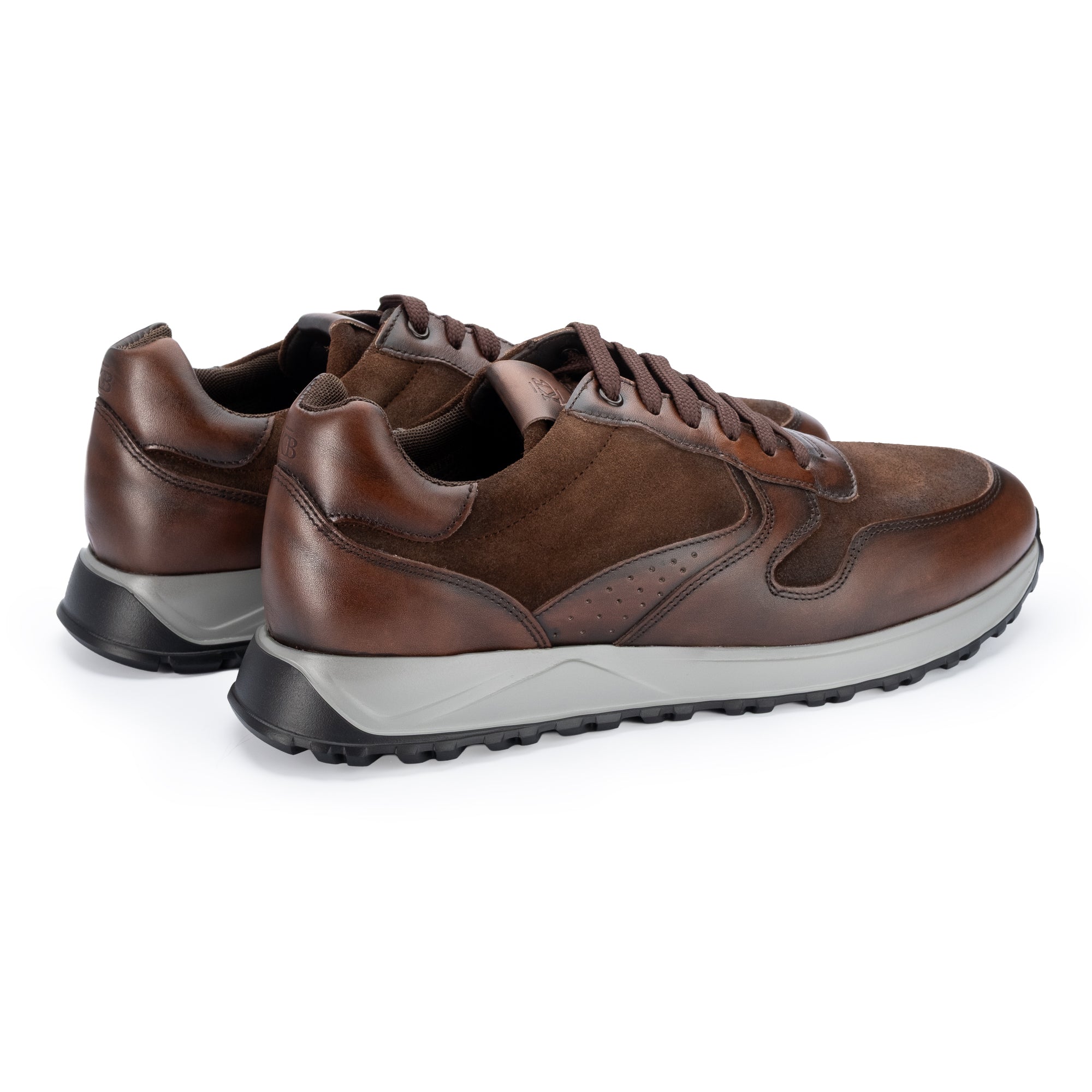
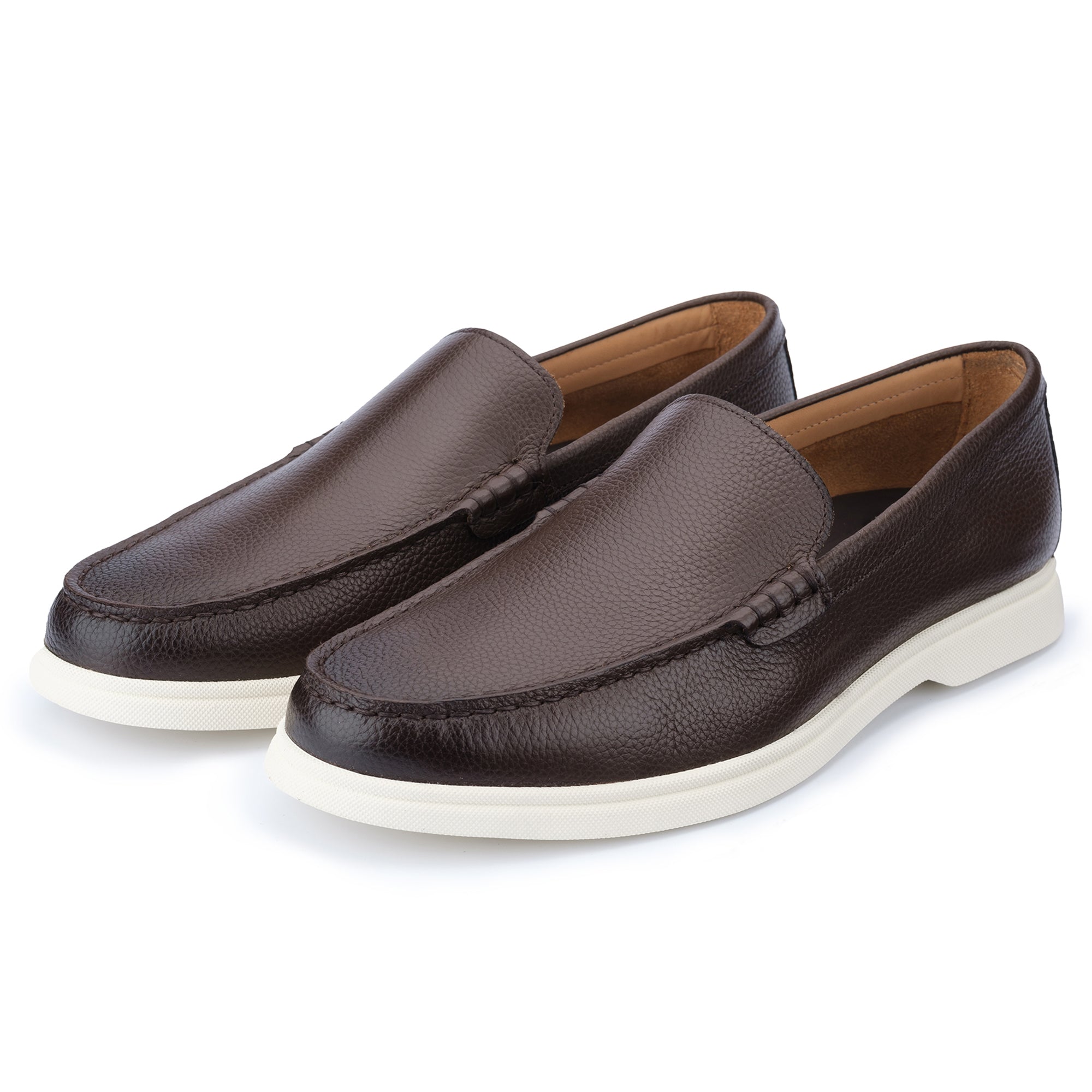
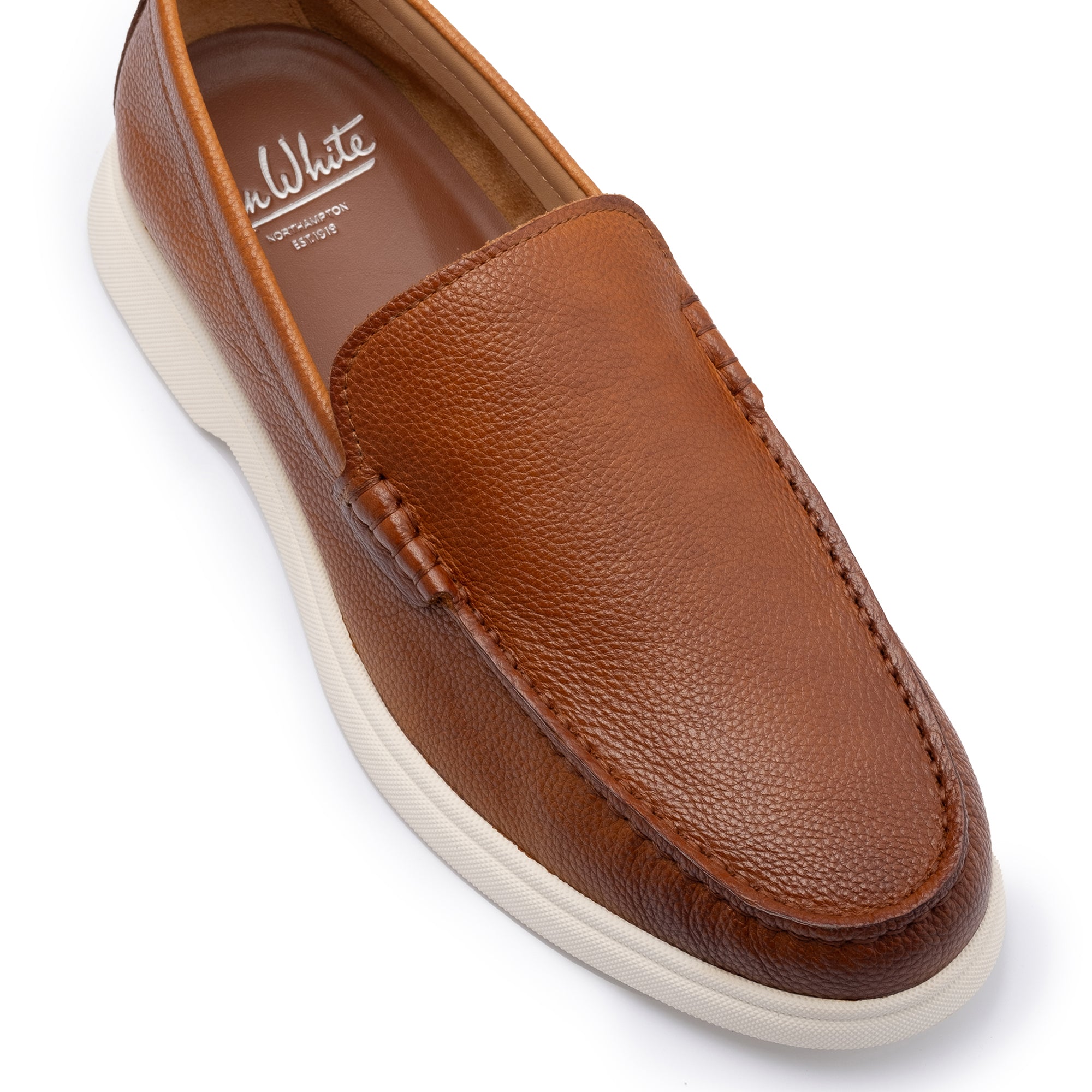
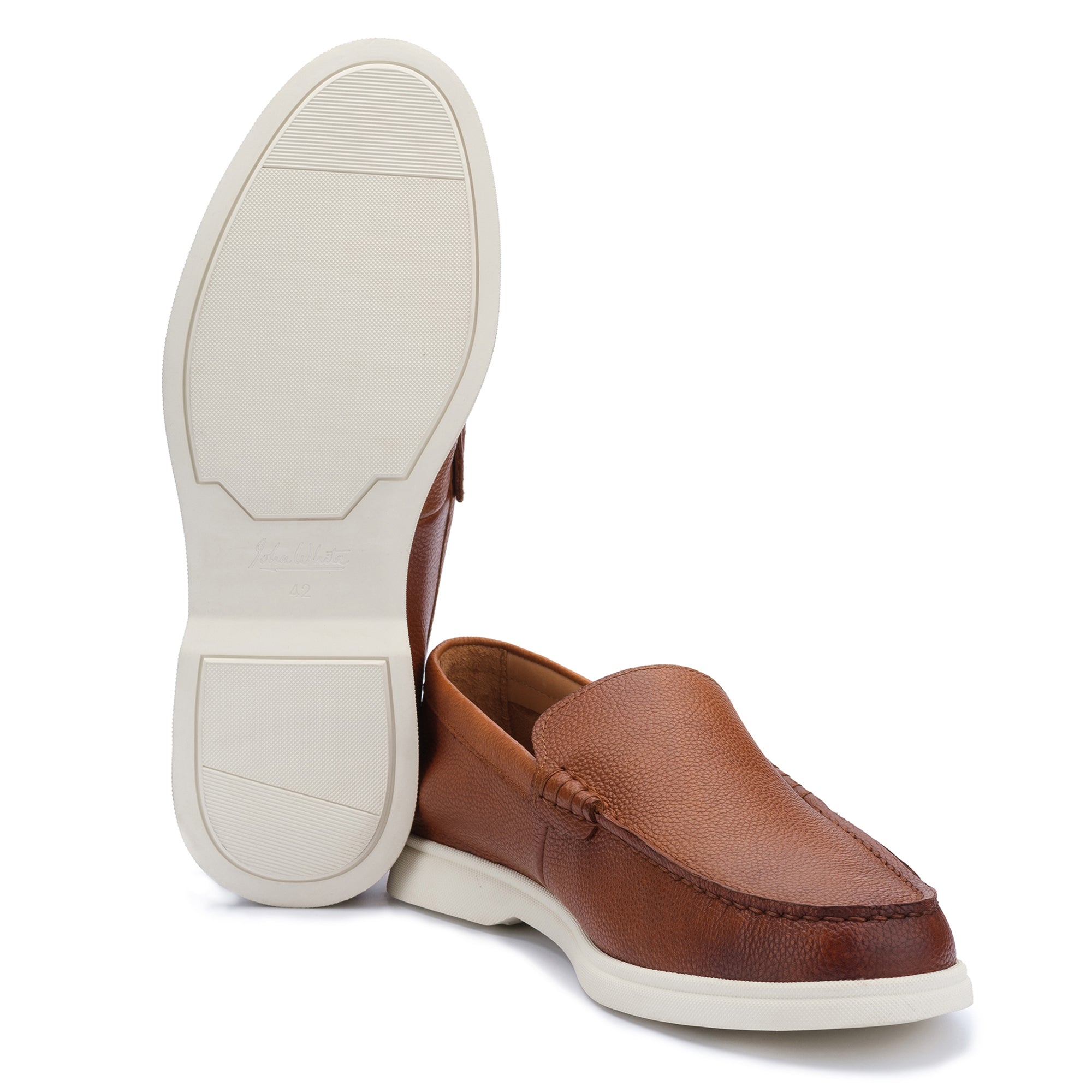
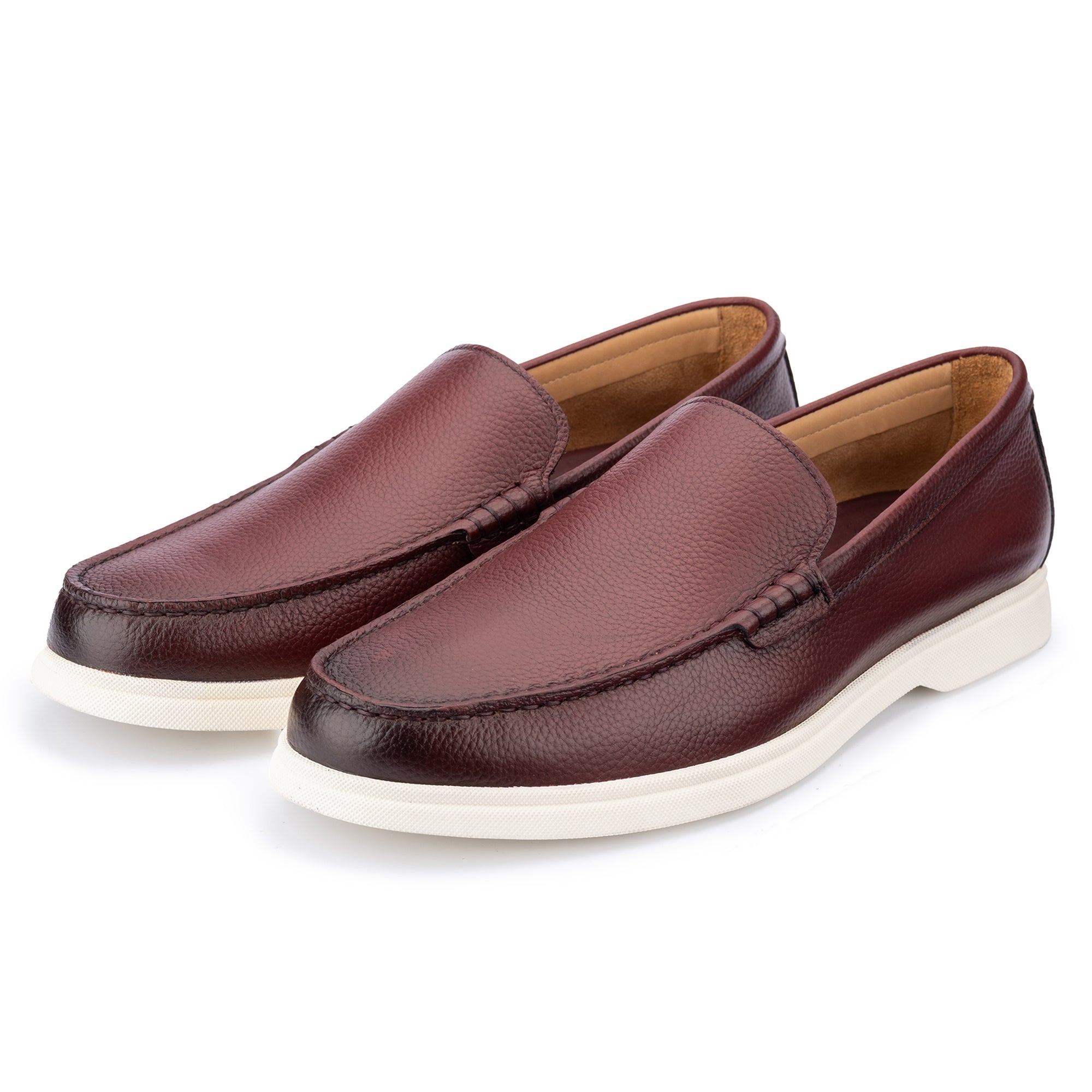
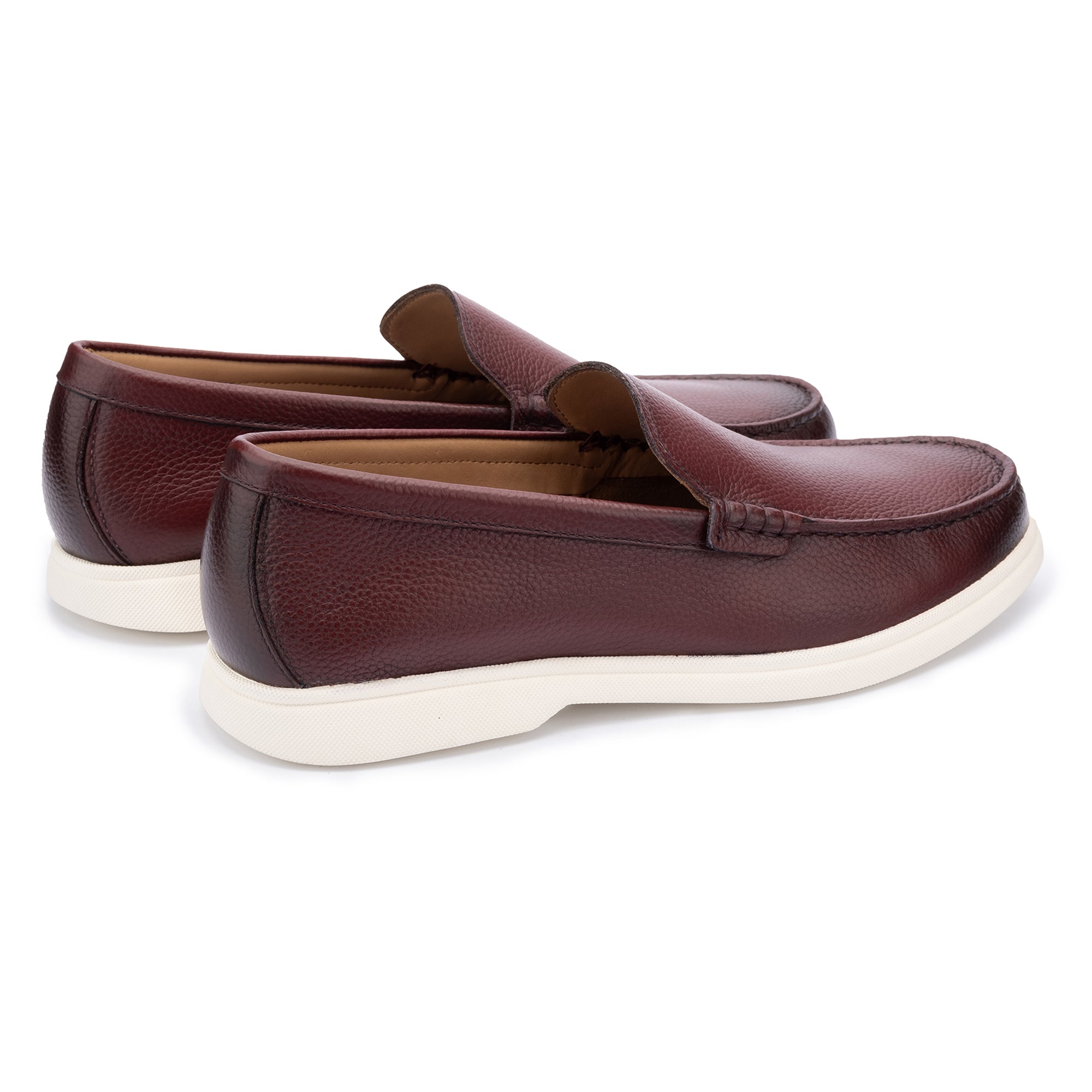
The Gorge Sneaker takes a marginally different approach: the leather carries more grain and texture, and the silhouette is a touch more relaxed in its proportions. Available in Brown and Navy. Brown is the stronger choice for most wardrobes — it works alongside chinos, moleskin, and cord in the way that a loafer does, but with the added ease of a trainer last and the flexibility of a lighter sole underfoot. If you are comparing the two styles side by side, the JWS leather trainer range shows the profile difference clearly.
The Navy Gorge is the crossover option: legible as either a trainer or a clean casual shoe depending on the outfit above it. In a navy-dominant wardrobe — navy trousers, navy blazer separates — it functions as a considered anchor without announcing itself.
Neither trainer carries the heritage of the brand's Oxford and Derby ranges, nor should it — that is not the brief. What both carry is restraint and legibility within the smart-casual register.
Outfit Pairings That Work
The leather trainer does not demand imagination in the wearing. Four combinations cover most of the territory:
With Dark Jeans
The most natural home for a leather trainer. Slim dark-wash denim, rolled once at the ankle to give the shoe space, with the Hemsworth White or the Gorge Brown. The full argument for shoe selection alongside dark denim is made in the guide to What Shoes to Wear with Dark Jeans: The British Smart-Casual Formula. The specific principle with trainers: clean lines, no excess fabric pooling at the ankle, and a sole depth that stays proportionate to the slim cut of the jean.
With Chinos
Stone, khaki, or mid-grey chinos work well alongside both styles. The Hemsworth Tan or the Gorge Brown sit naturally against these; the neutral palette of the trouser lets the shoe register as a considered selection rather than a contrast piece. Avoid beige chinos with white trainers — too much pale space with no visual anchor to ground the outfit.
With a Relaxed Suit
This requires the right suit. An unstructured two-button in mid-grey wool, or a cotton-linen blend in a muted colour, can carry a leather trainer at the weekend or in a creative office. The Hemsworth Navy works alongside navy and mid-grey; the Gorge Brown alongside stone and tan. The suit needs to be slightly looser in cut than you would wear with an Oxford — a slim-cut formal suit with a trainer reads misjudged rather than sharp, and that distinction is worth knowing before you attempt the combination.
With a Blazer and Separates
The standard smart-casual formula: a solid navy or grey blazer over a quality white or blue Oxford cloth shirt, with dark jeans or slim grey flannel trousers. The Hemsworth in any colour slots into this naturally. This is the environment where the leather trainer has always been most at home — relaxed enough for the shoe, considered enough for the clothing above it.
The consistent error to avoid in all four combinations is the half-and-half: a formal shirt tucked into formal trousers with a trainer at the foot. The trainer signals relaxed; the rest of the outfit must meet that signal or the whole look reads as unresolved.
Where the Line Sits
The leather trainer is useful precisely because it knows its limits. It is not trying to be an Oxford. It does not aspire to the board meeting, the black-tie dinner, or the wedding breakfast — and there is no version of dressing a leather trainer up to those occasions that does not read as exactly what it is: the wrong shoe for the room.
If your primary concern is building the formal foundation of a British shoe wardrobe, the leather trainer is not where to begin. The guide to How to Wear Loafers with a Suit: The Modern Man's Guide addresses the adjacent smart-casual territory where formality and ease negotiate more directly. The leather trainer sits one step further down the casual register from the loafer — useful to know before purchasing either.
A well-chosen leather trainer adds flexibility to a wardrobe that already has the formal foundations in place. It is the shoe for the edges of your week: the days that call for effort without ceremony. As a substitute for those foundations, it cannot do the work.
Caring for Leather Trainers
Leather trainers are not especially demanding, but they are made of leather — they respond to the same care principles as any other shoe in the range. Wipe down after wear with a damp cloth; condition periodically with a proper leather conditioner; use cedar shoe trees if storing them between seasons. The sole edge and the toe cap accumulate dirt first — address these before the leather proper begins to show wear.
Avoid the washing machine entirely. It dissolves the adhesive bond between upper and sole and distorts the shape of the last; no leather shoe benefits from it. A five-minute clean after every fourth or fifth wear is sufficient to keep them looking purposeful rather than neglected, which is the only standard that matters.