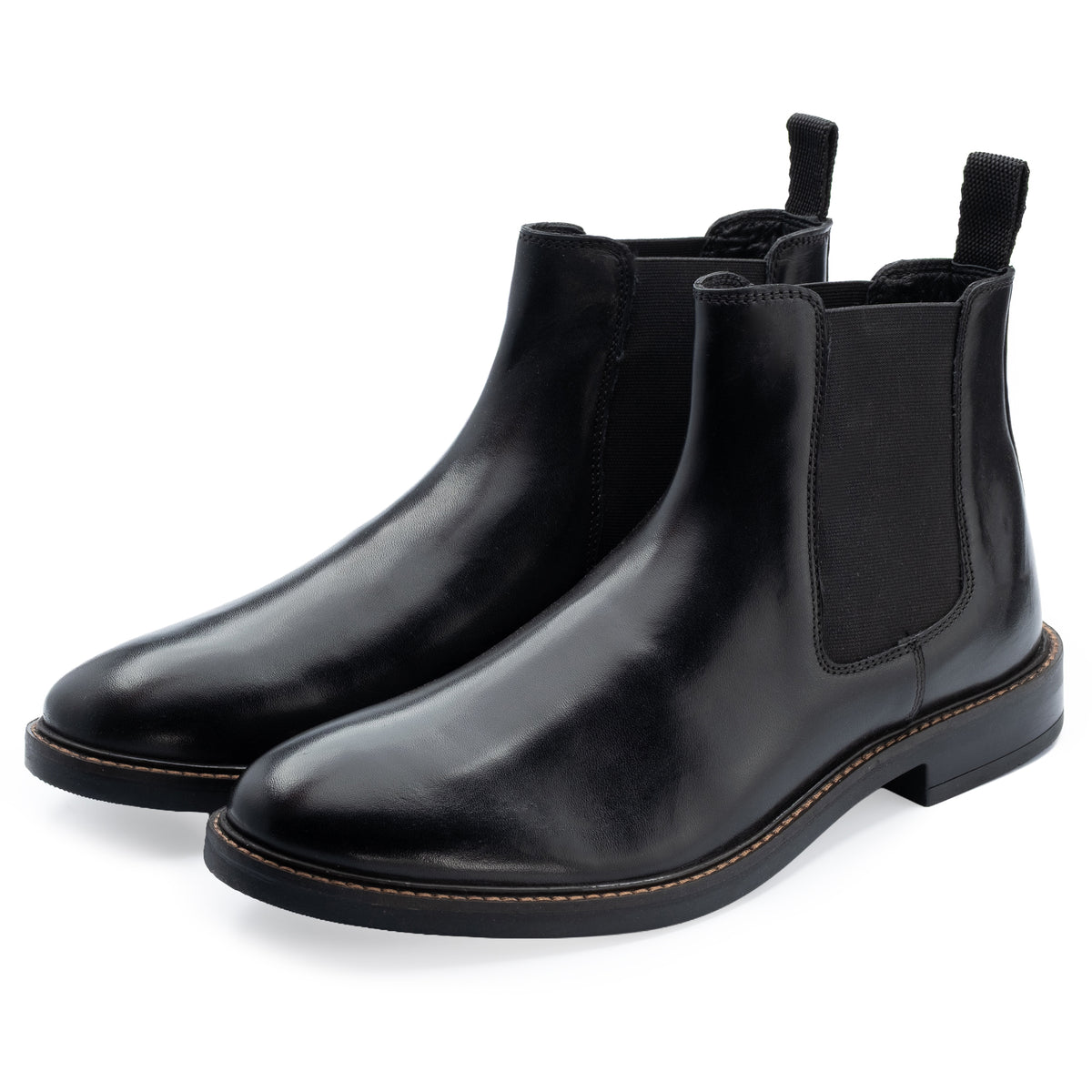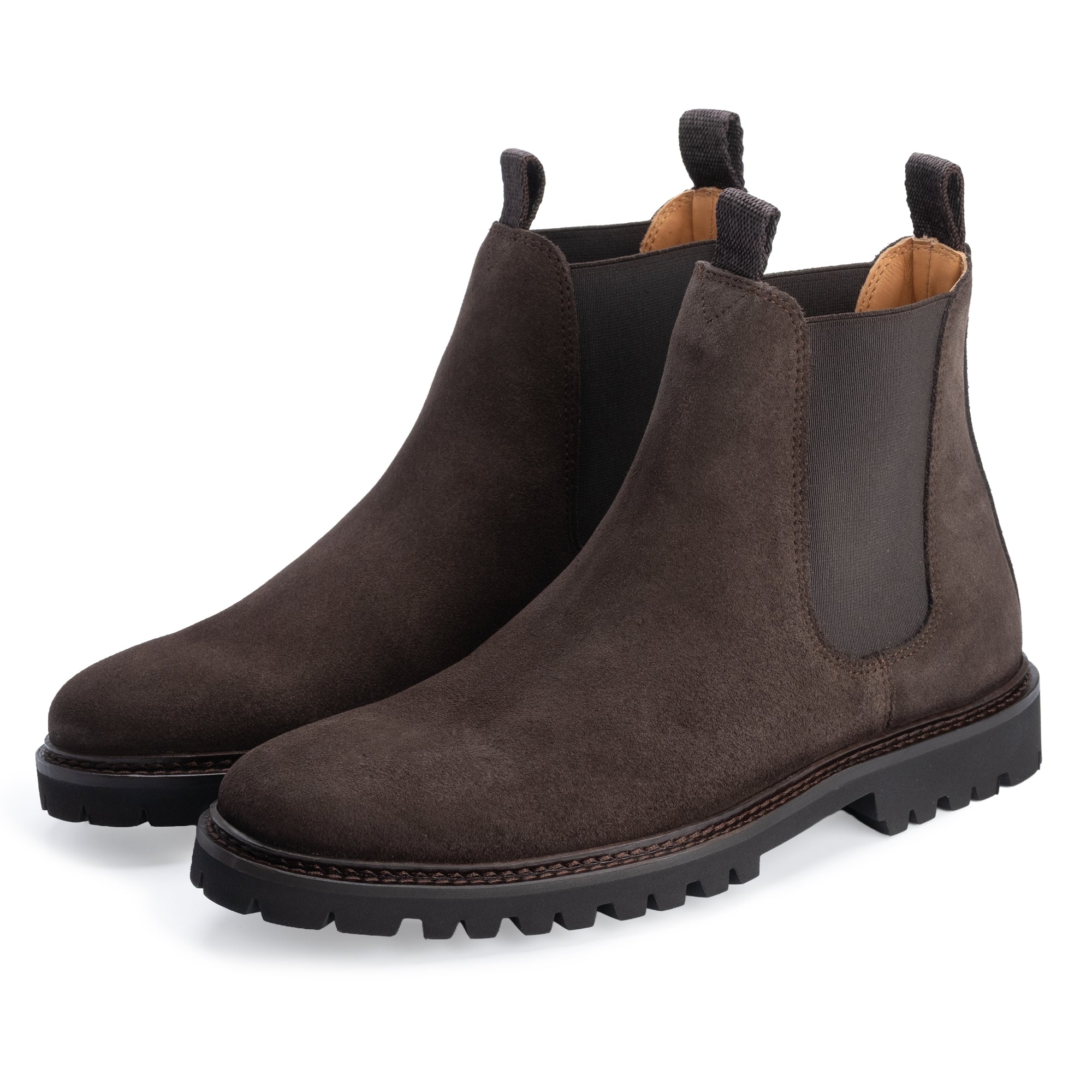

Loafer vs Derby: Which Slip-On or Lace-Up Should Be Your First Premium Shoe?
If you are buying your first premium shoe and wear suits or attend formal occasions regularly, start with a Derby. If your wardrobe is built around smart-casual dressing and you want ease of wear without sacrificing refinement, a loafer earns its place first. In either case, Goodyear welt construction in full-grain calfskin is the non-negotiable foundation.
In This Guide
The loafer vs Derby question is one of the most practical decisions in men's footwear. Both offer genuine versatility, quality construction, and a clear place in a considered British wardrobe. The difference lies not in prestige, but in formality range, occasion coverage, and how each style functions within the way you actually dress. This guide makes the choice straightforward.
What Is the Difference Between a Loafer and a Derby Shoe?
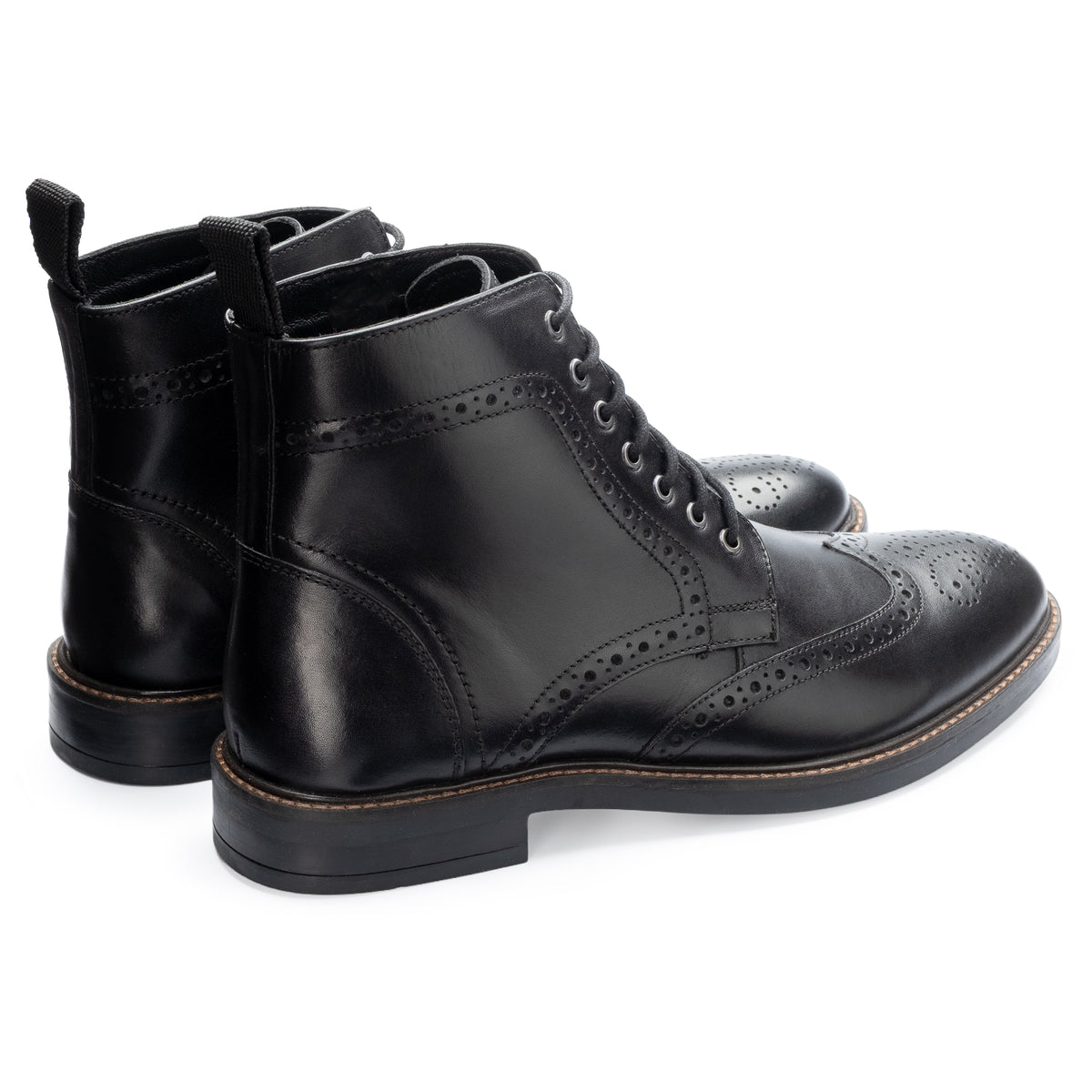
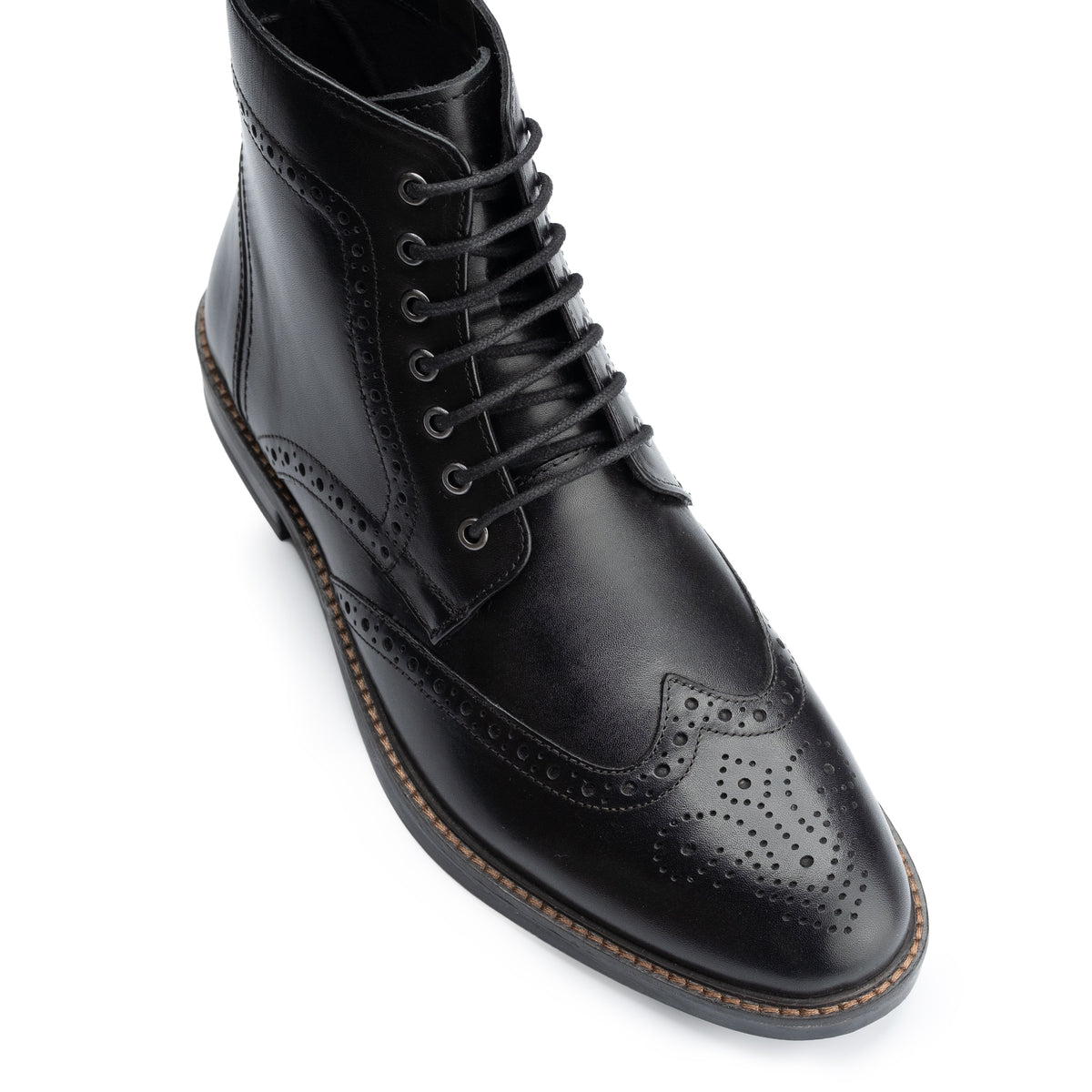
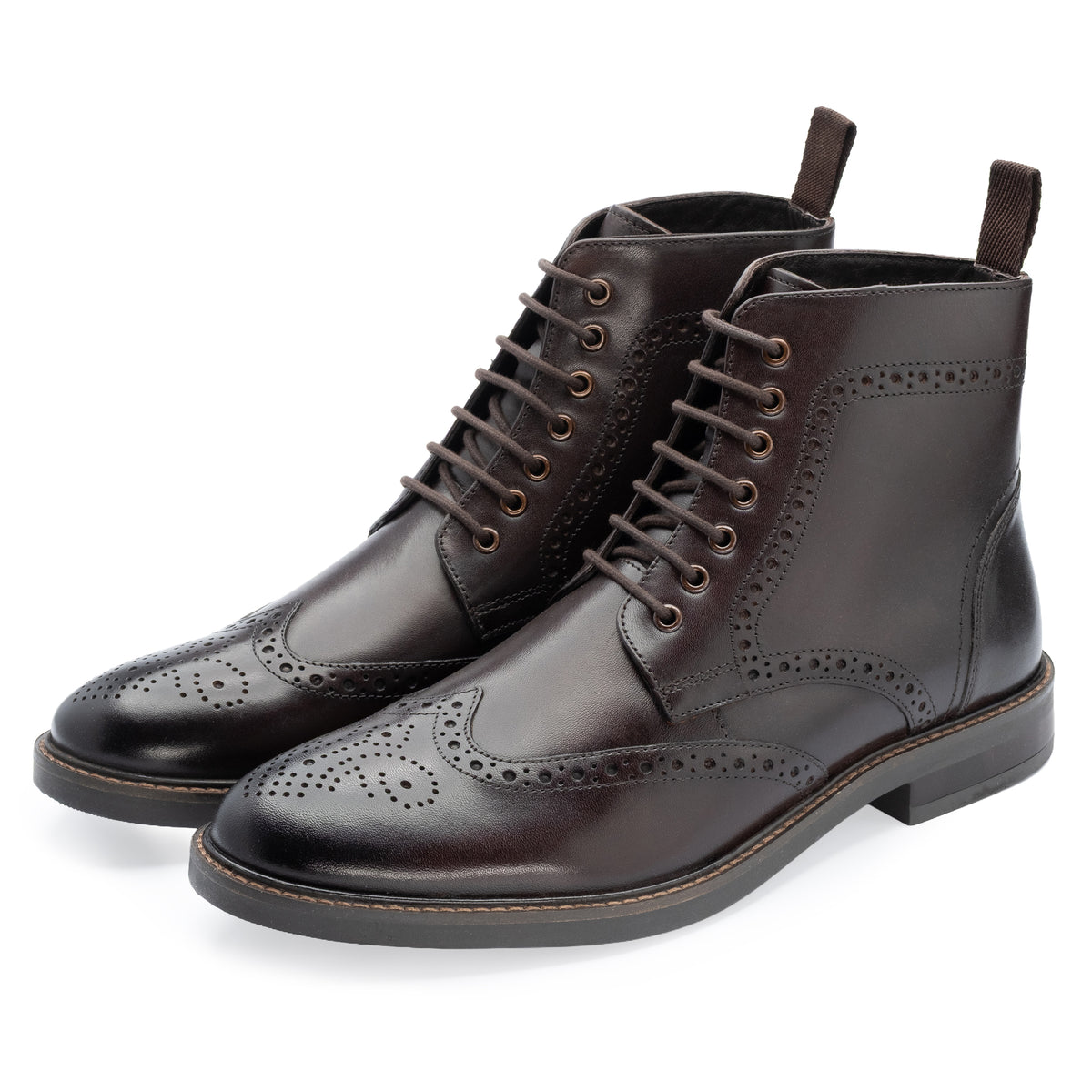
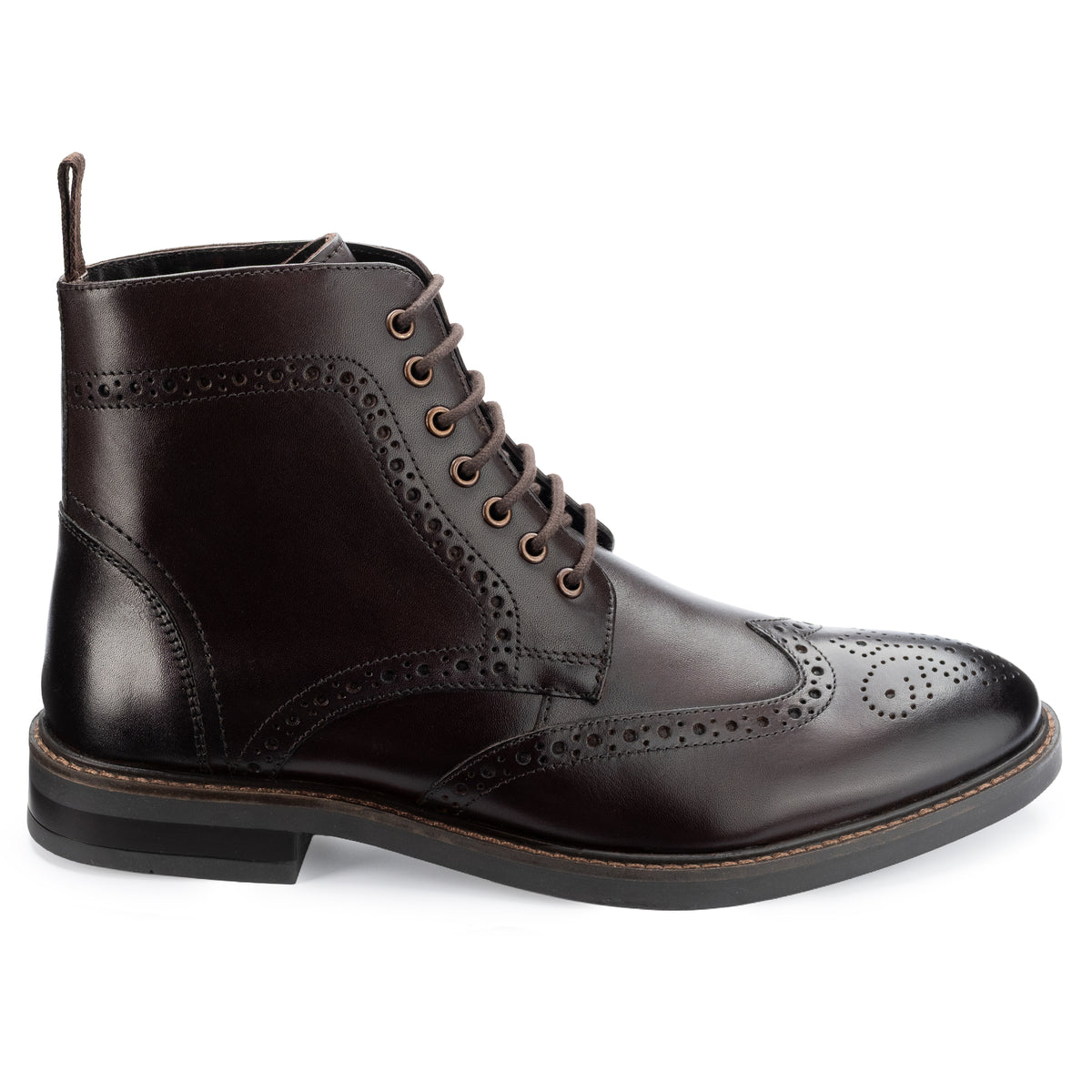
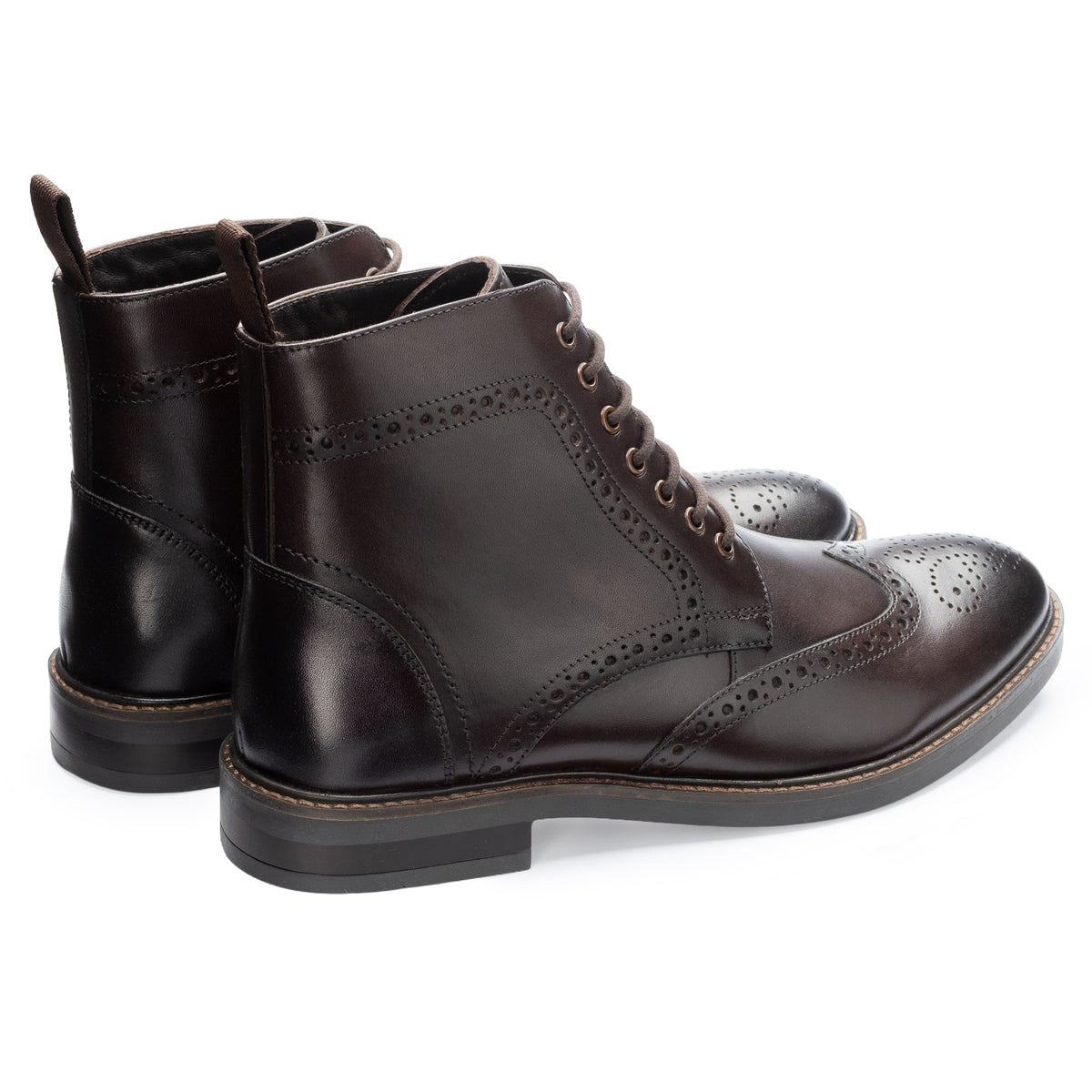
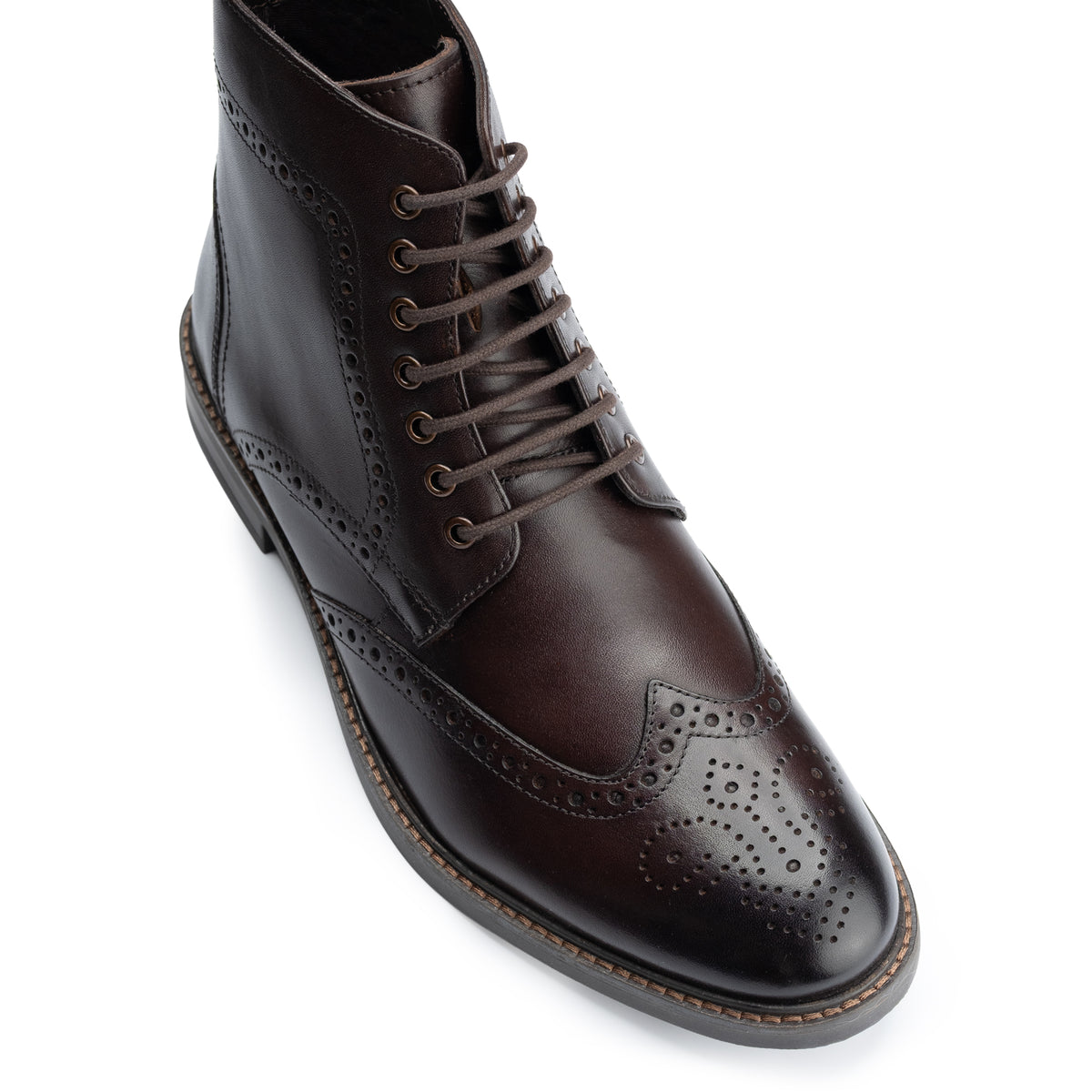
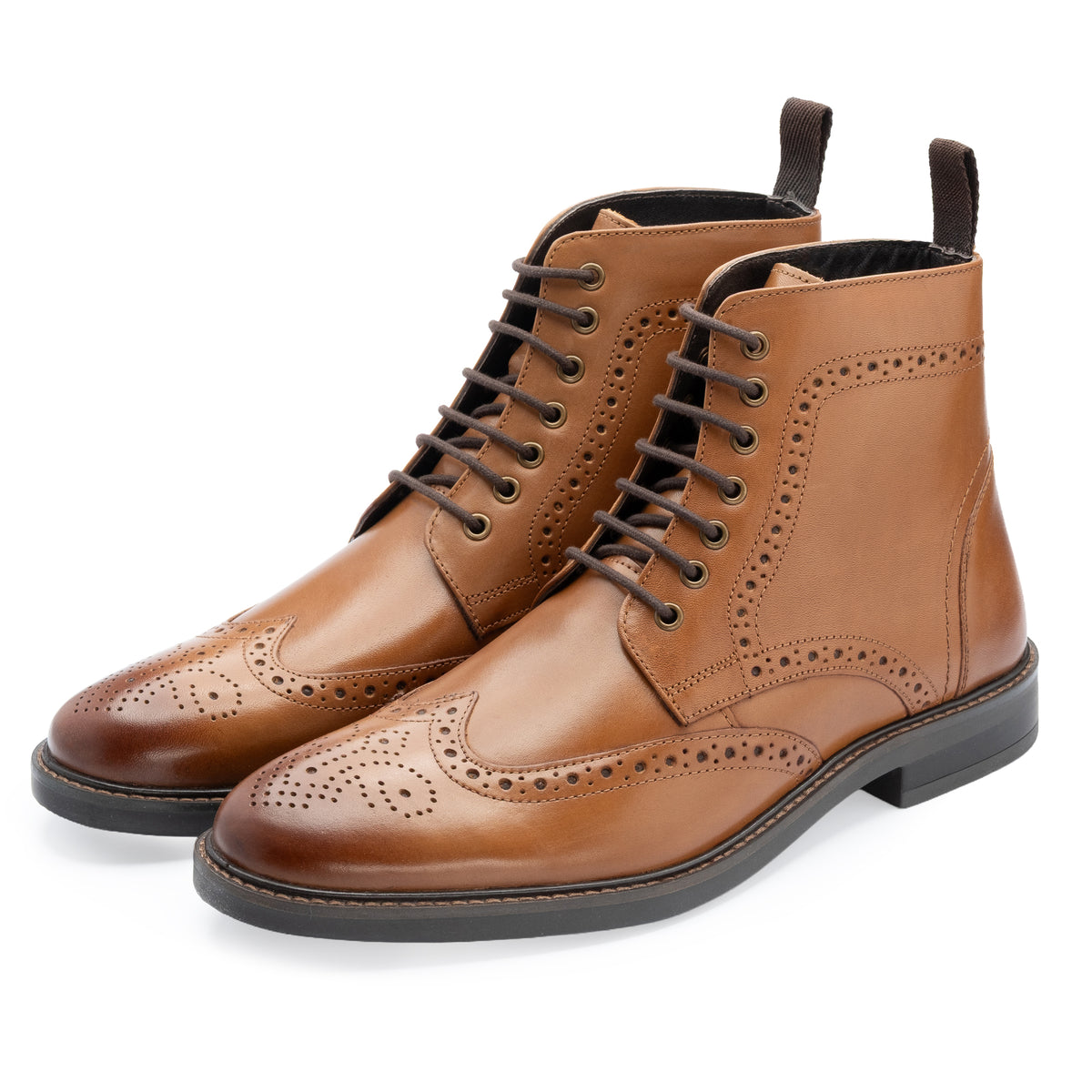
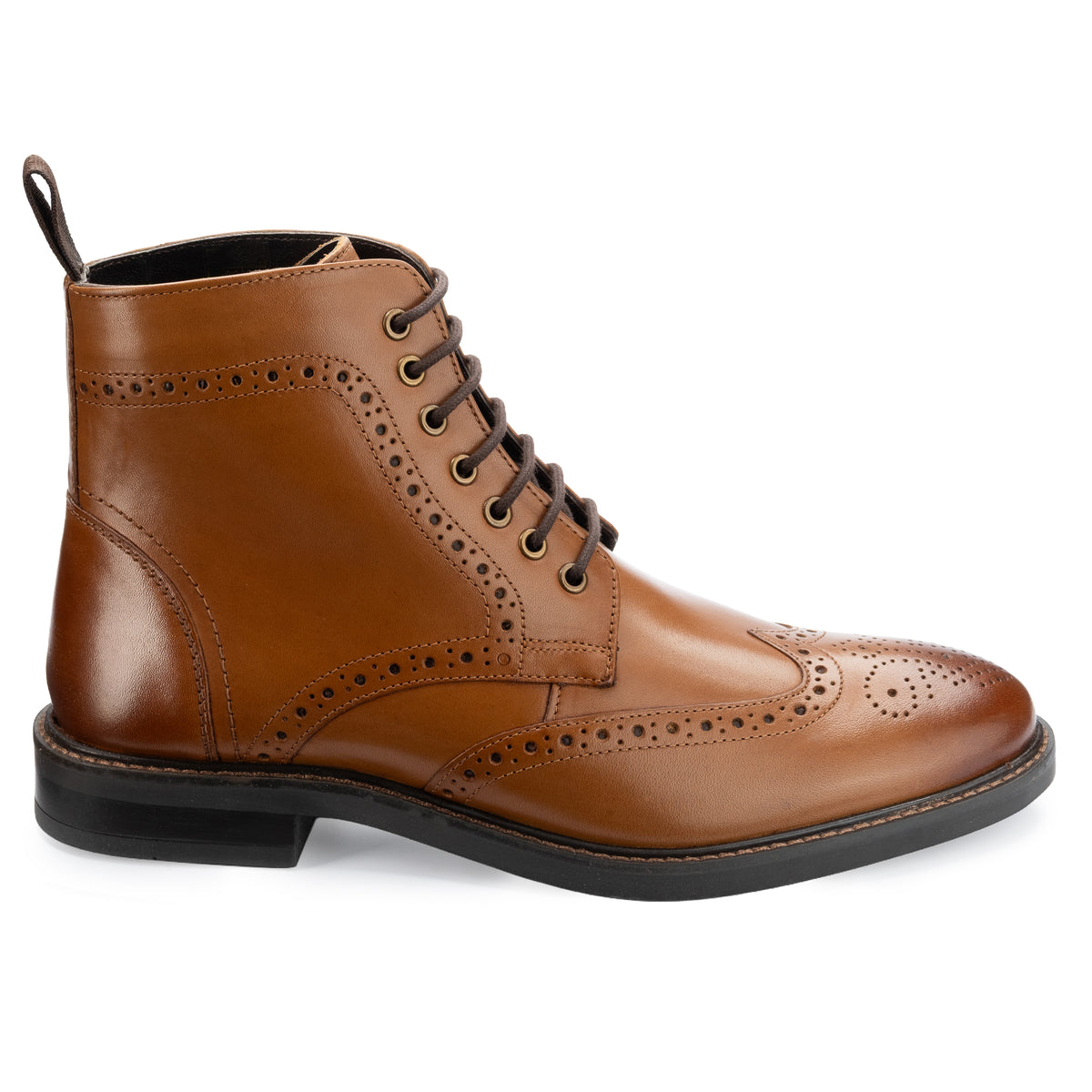
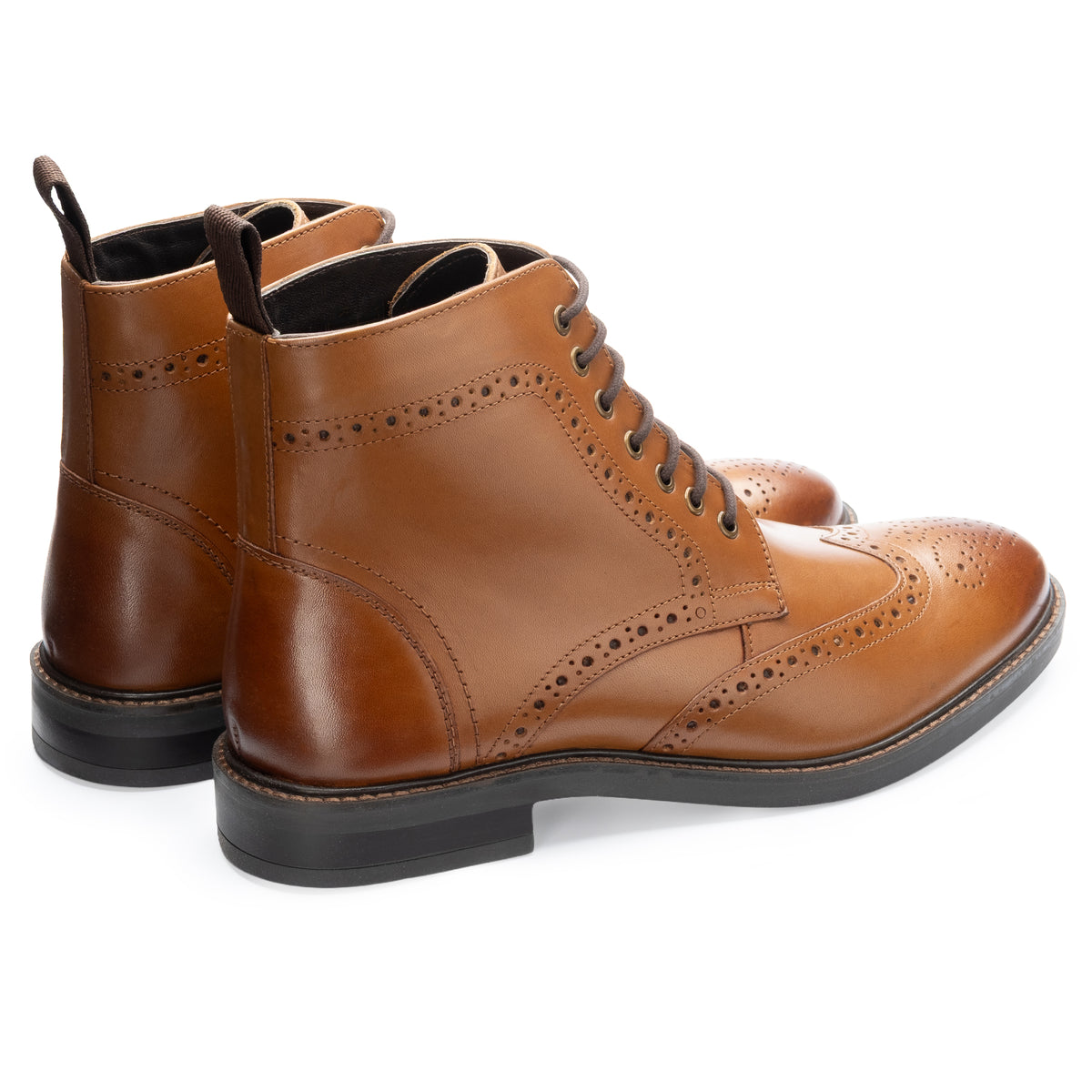
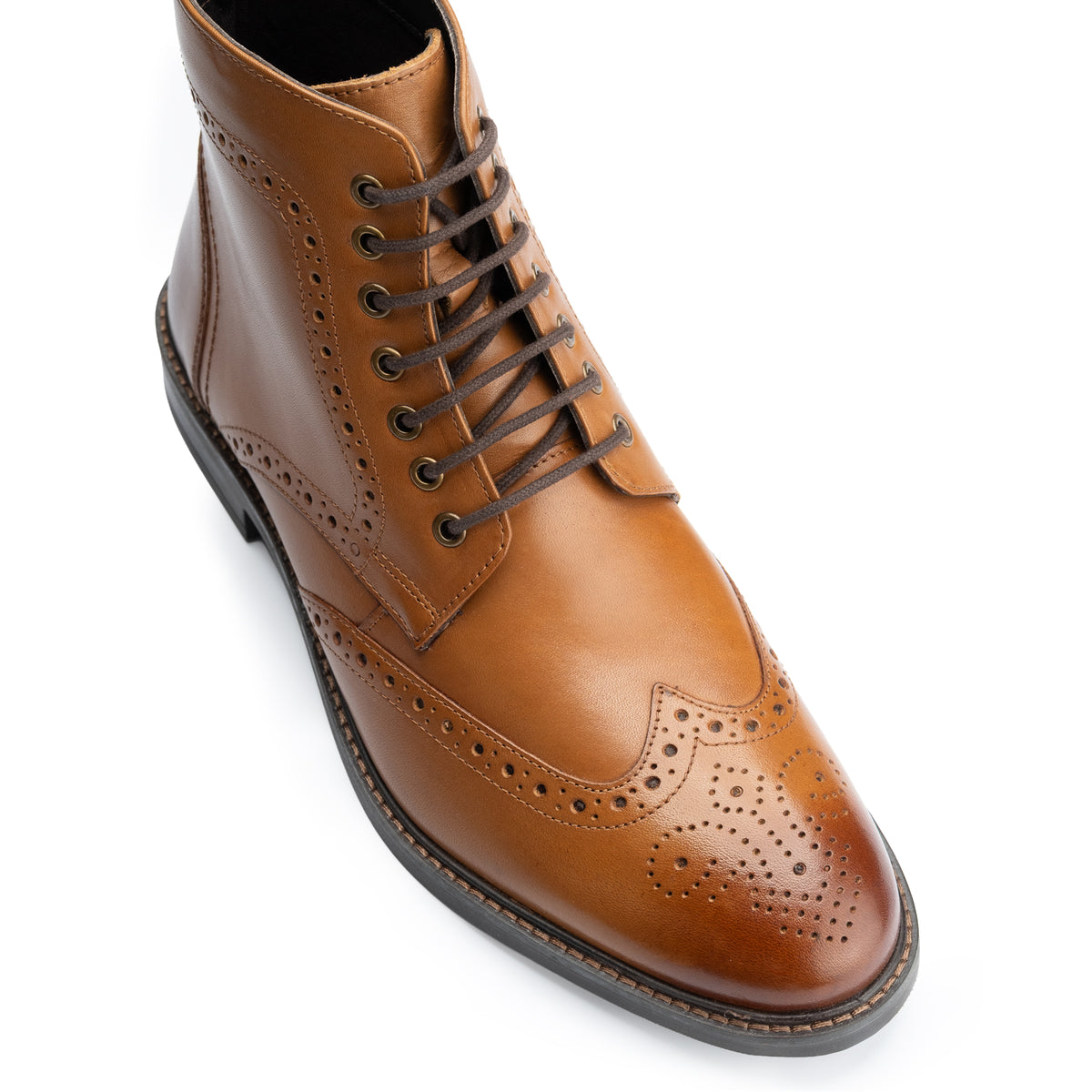
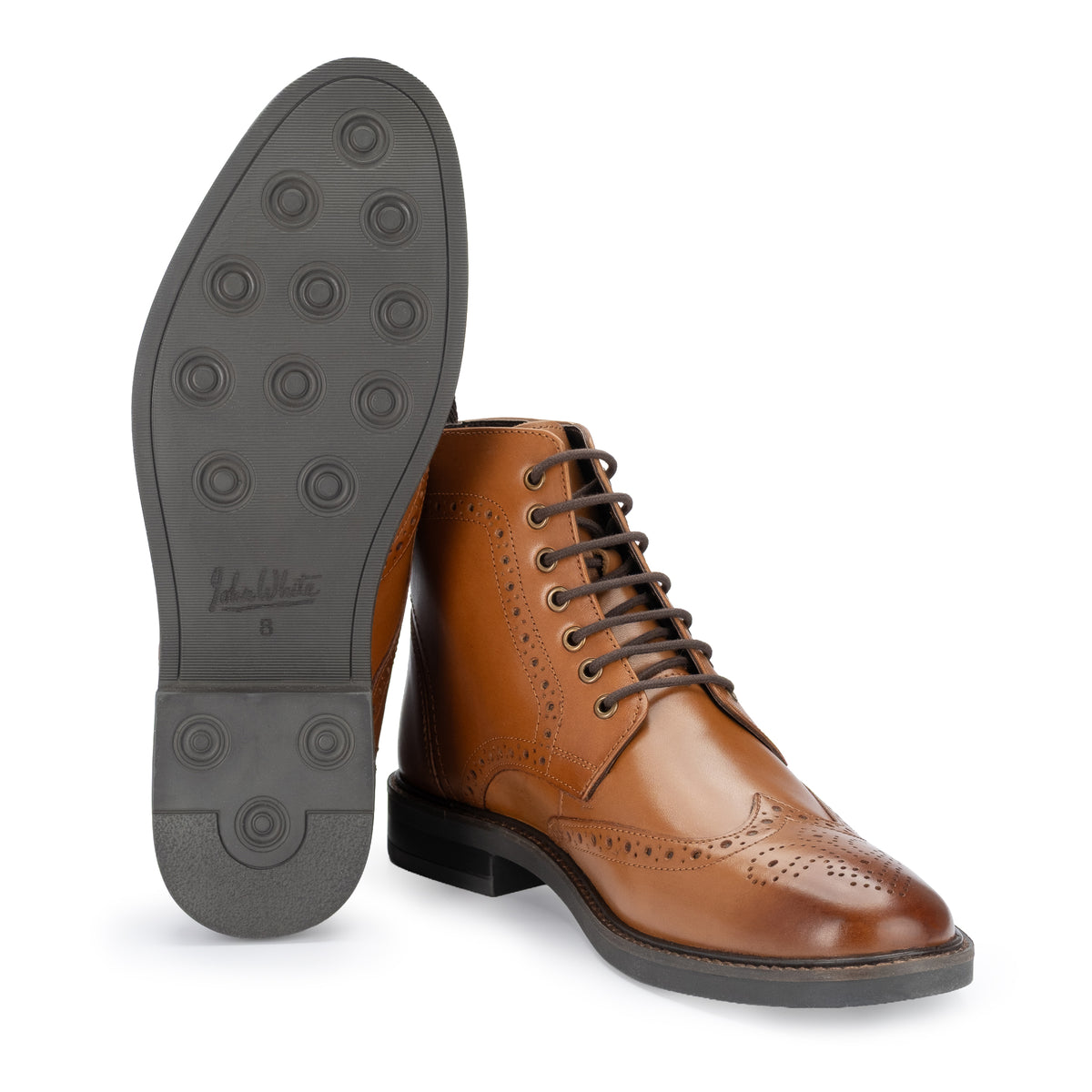
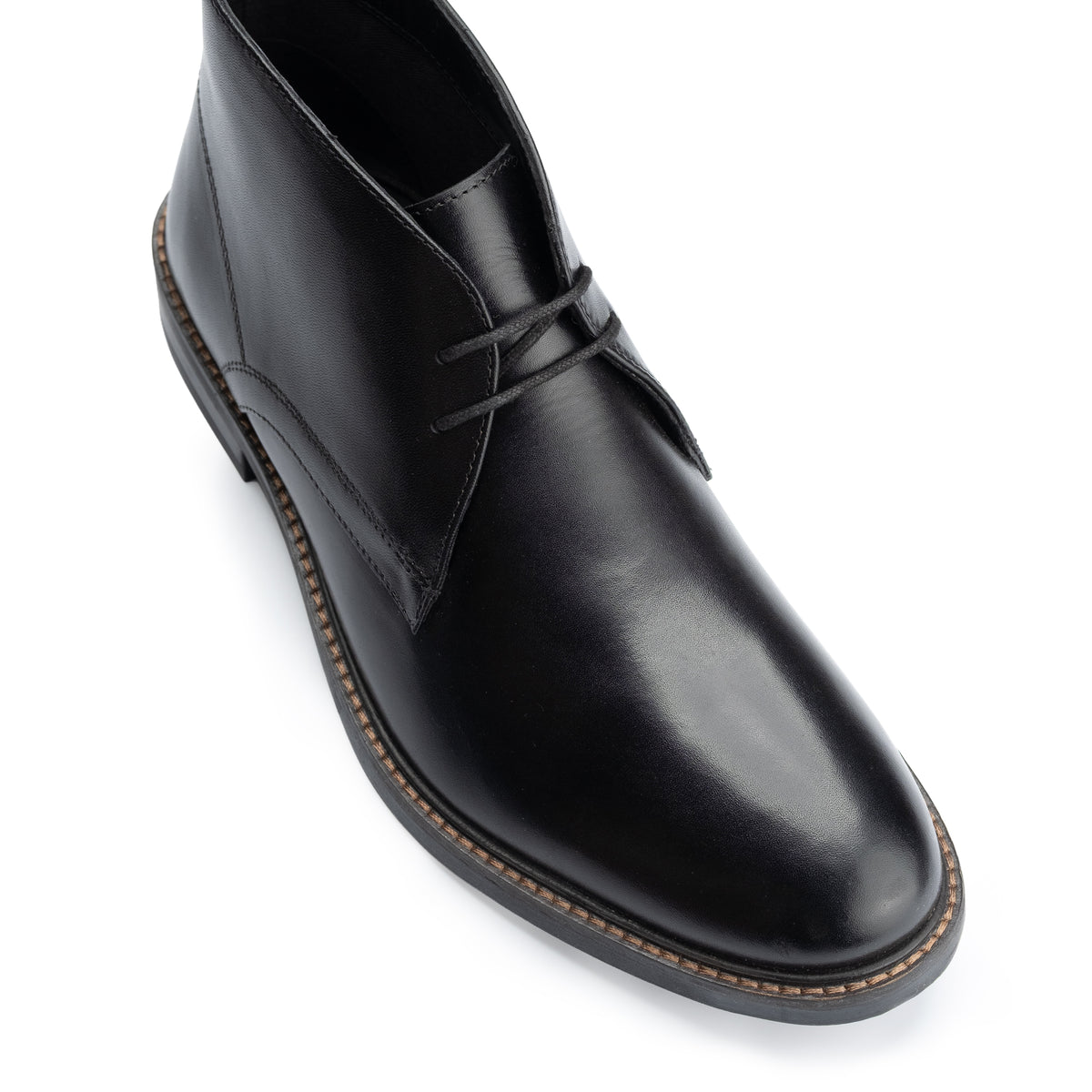
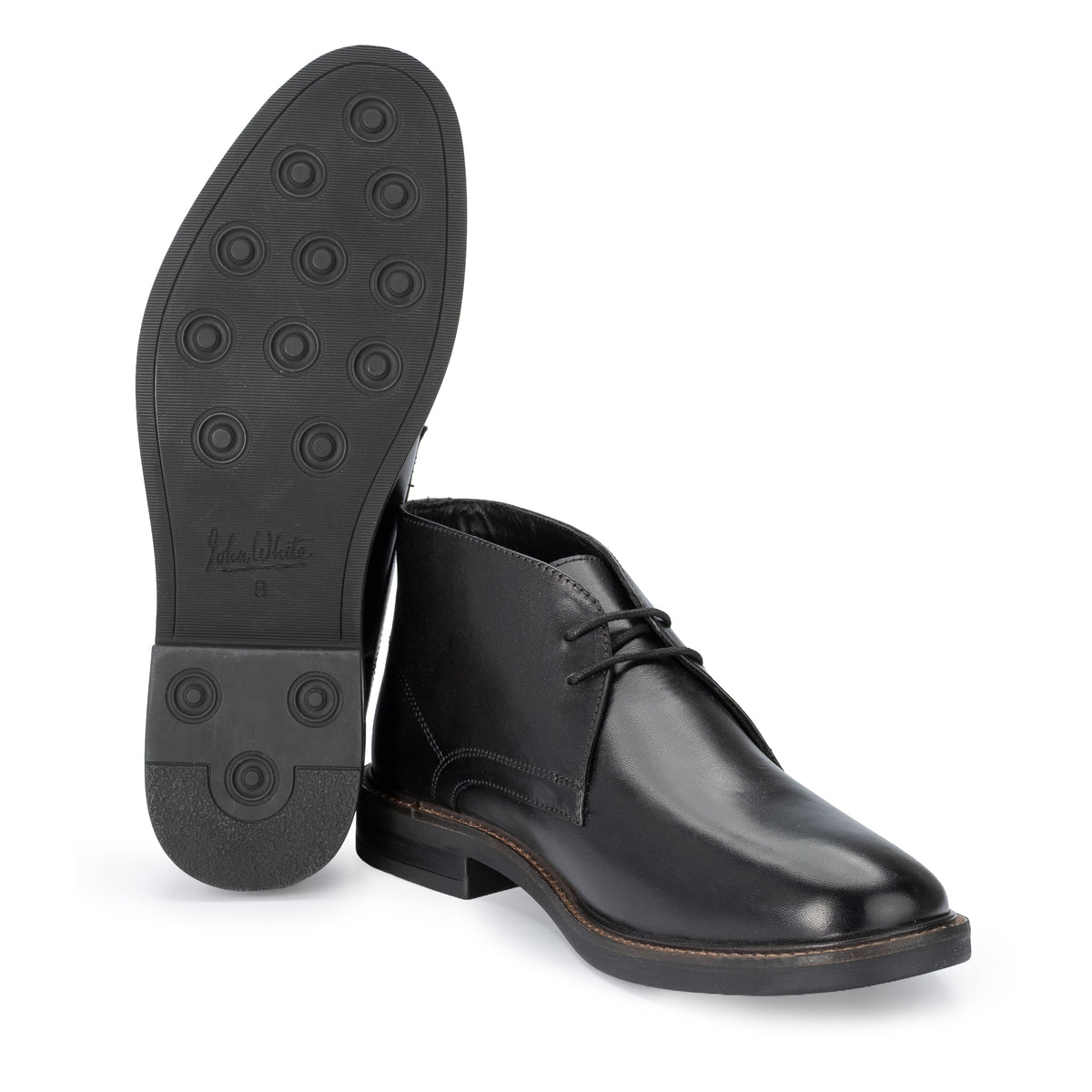
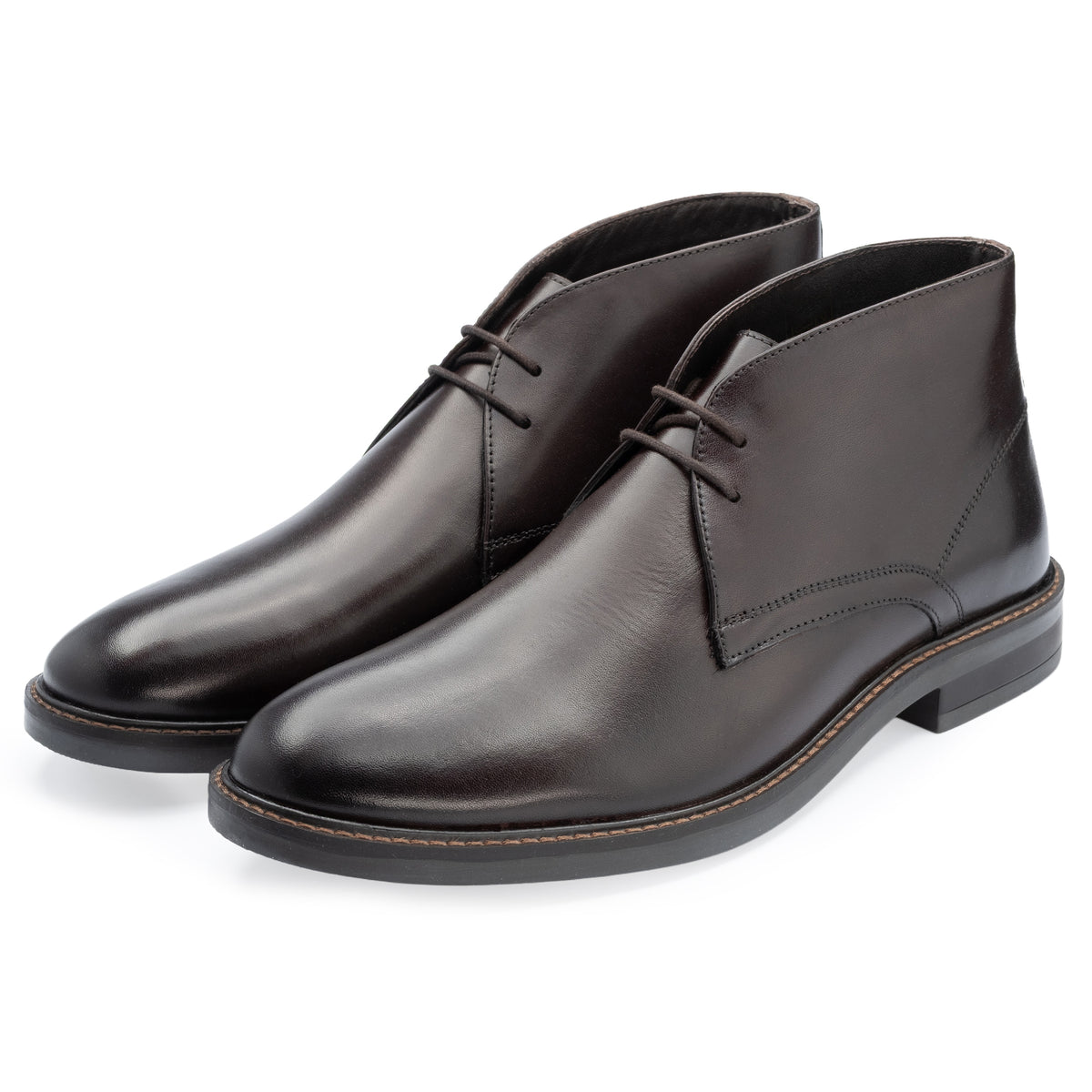
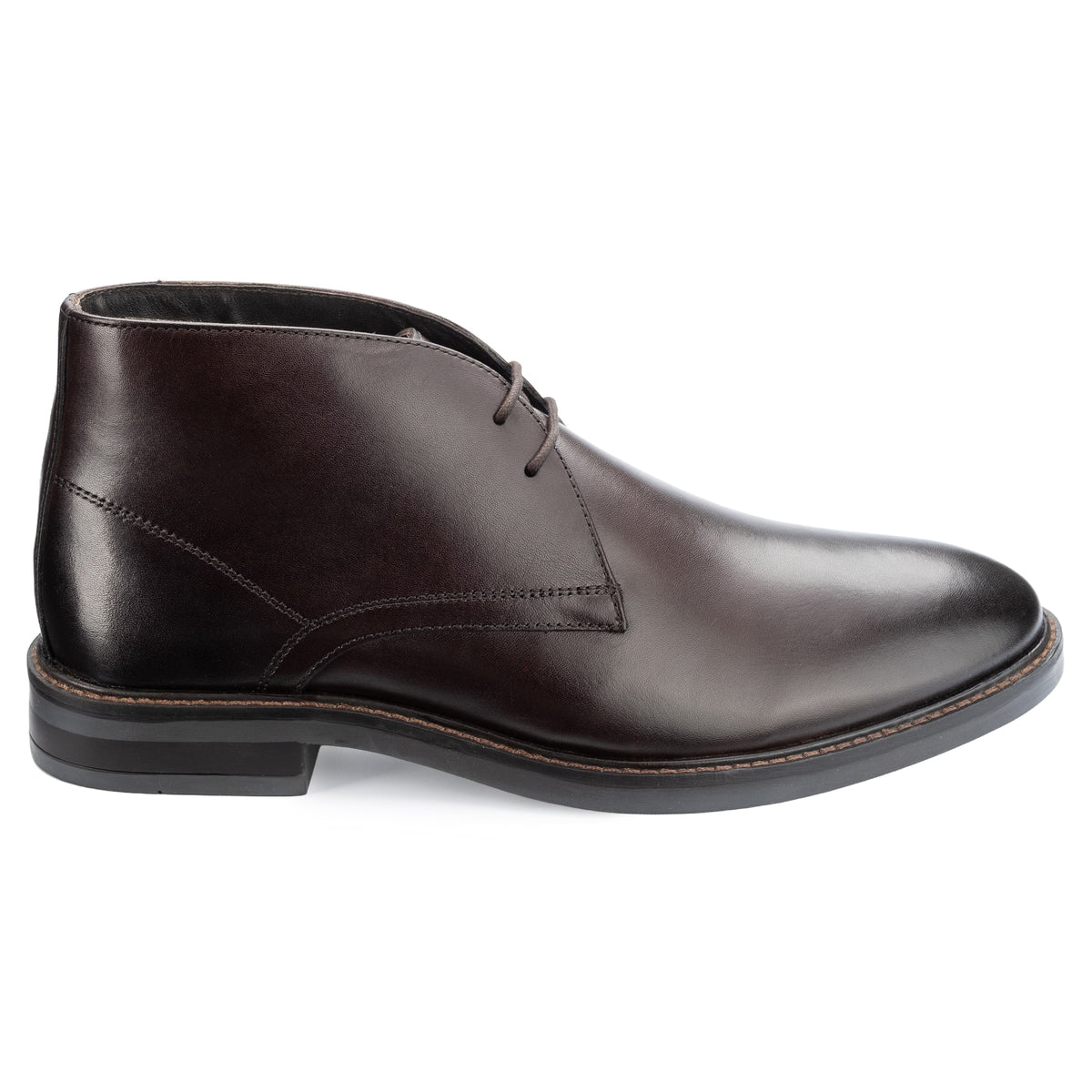
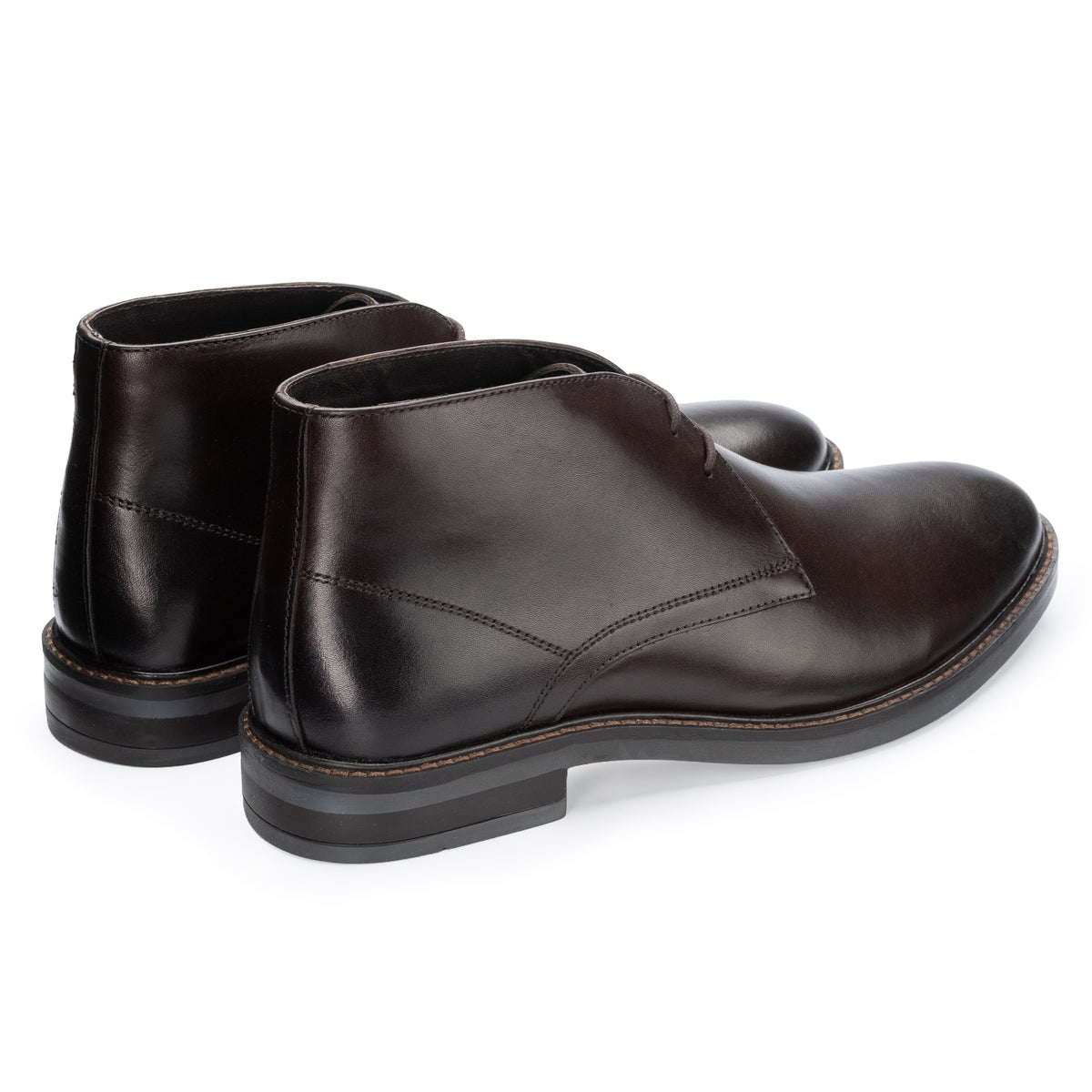
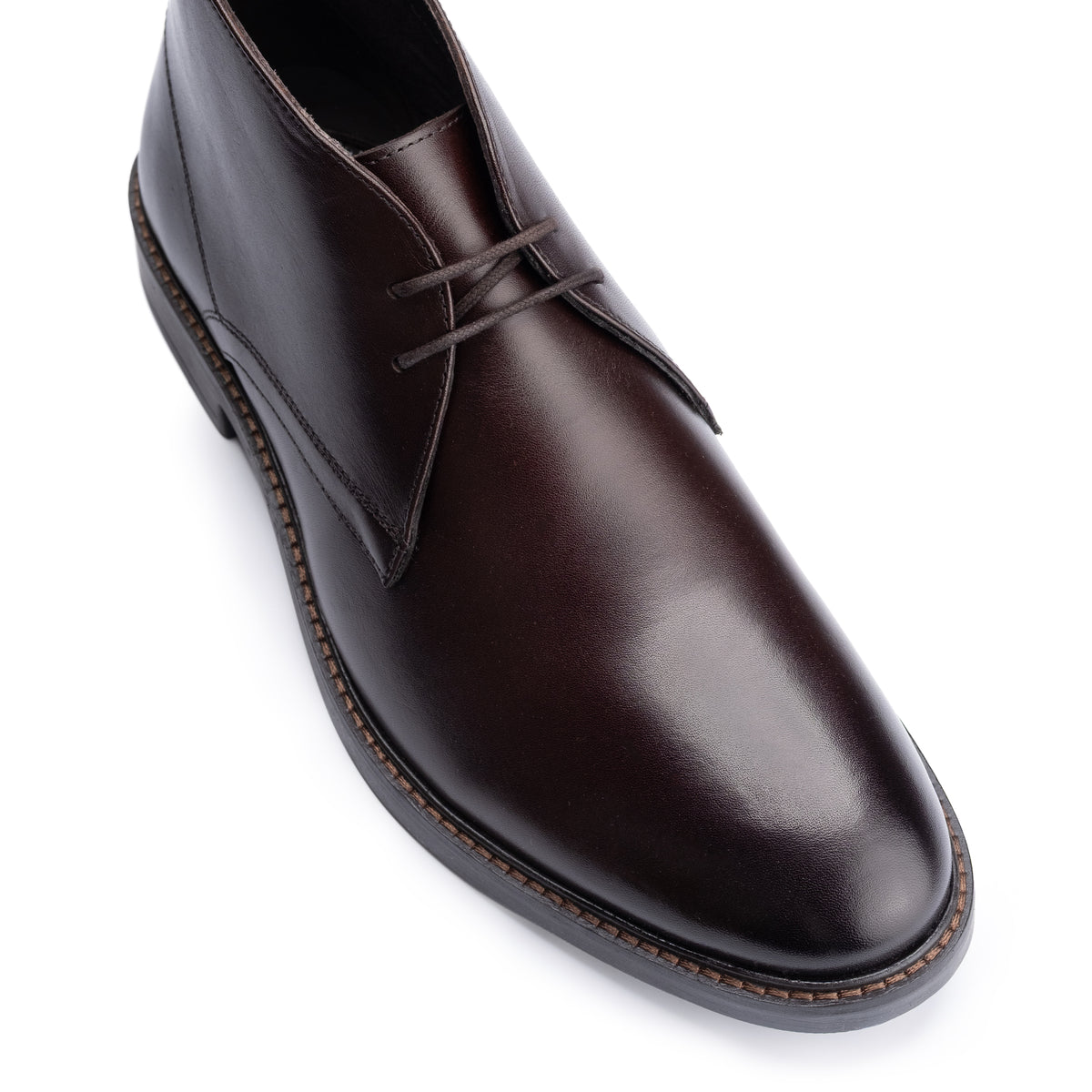
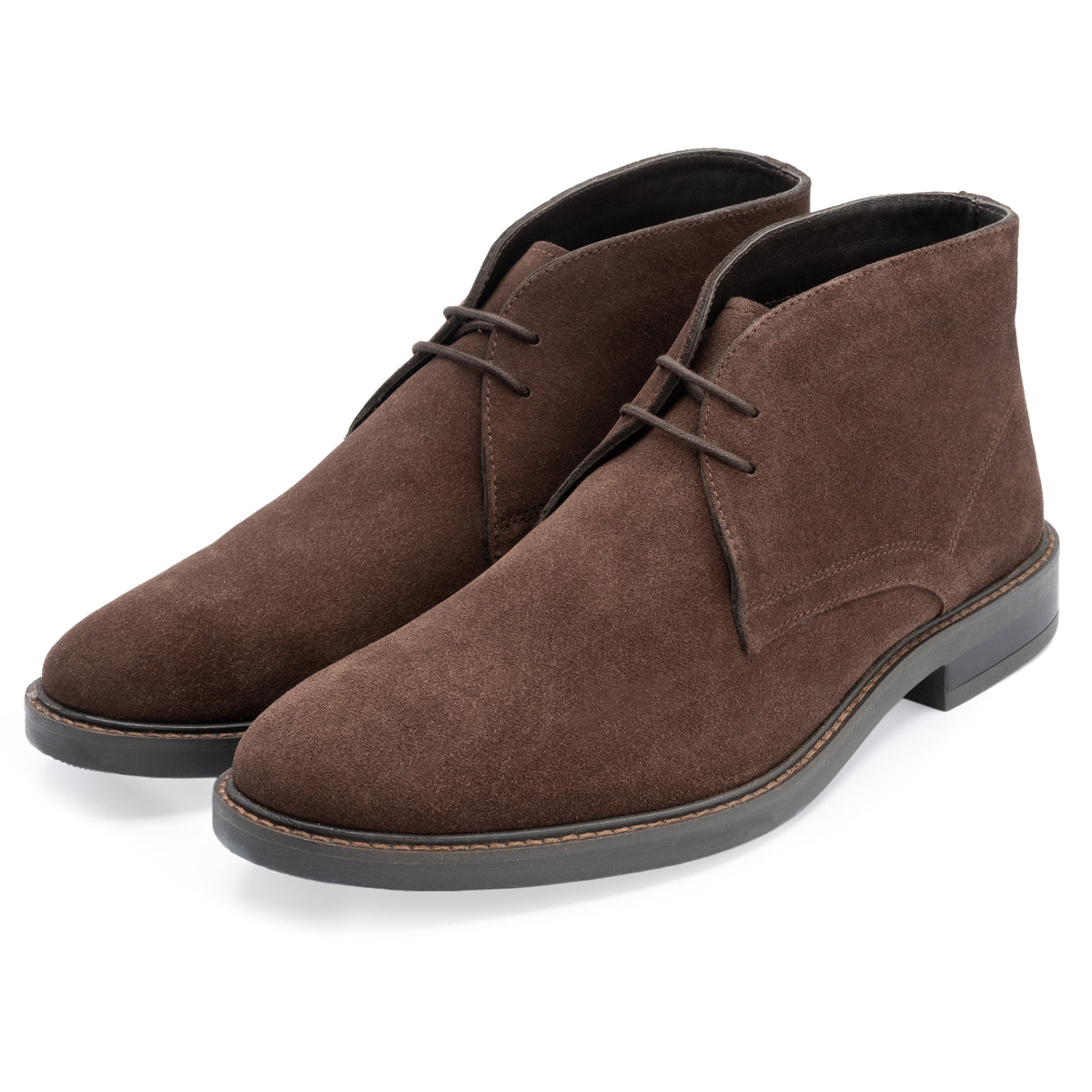
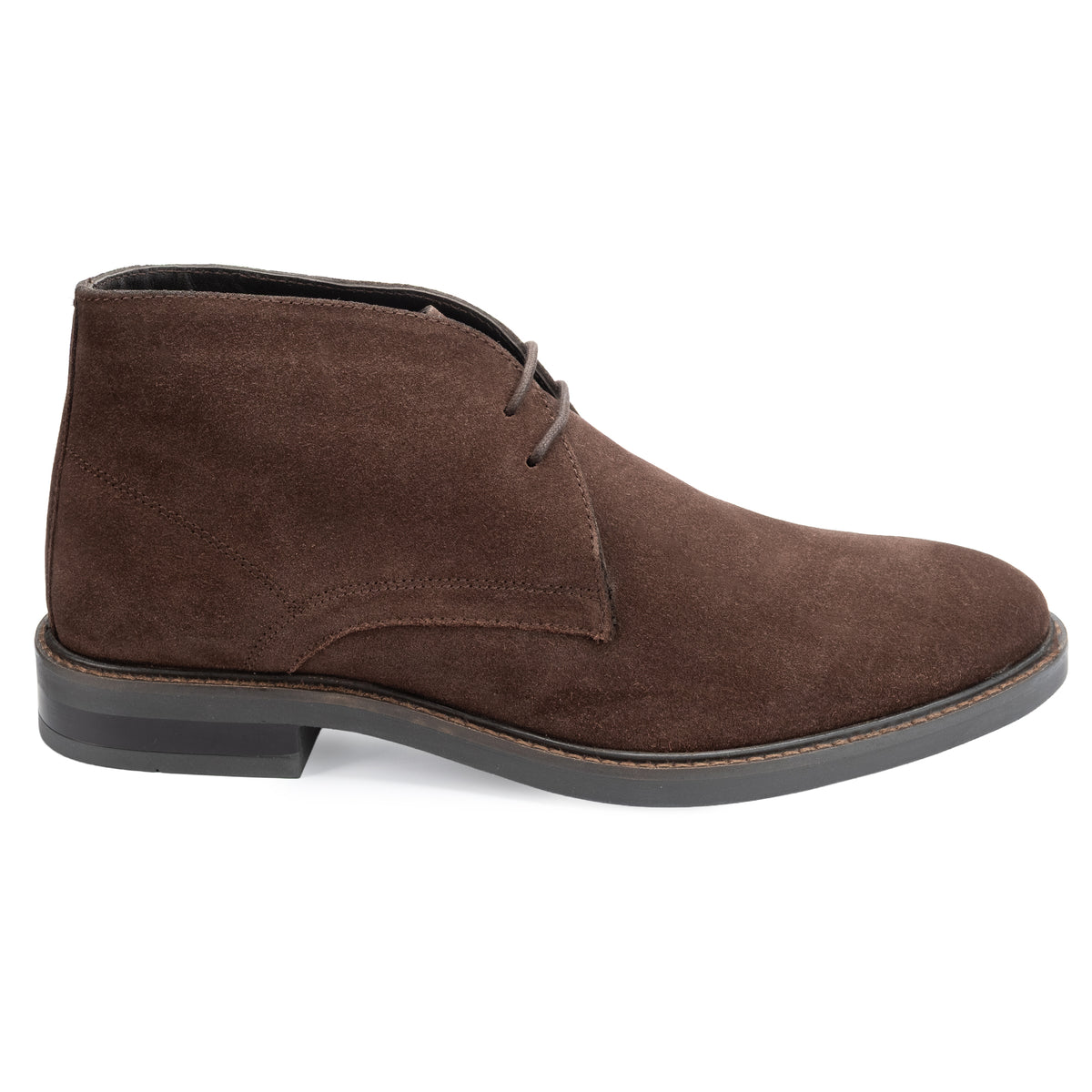
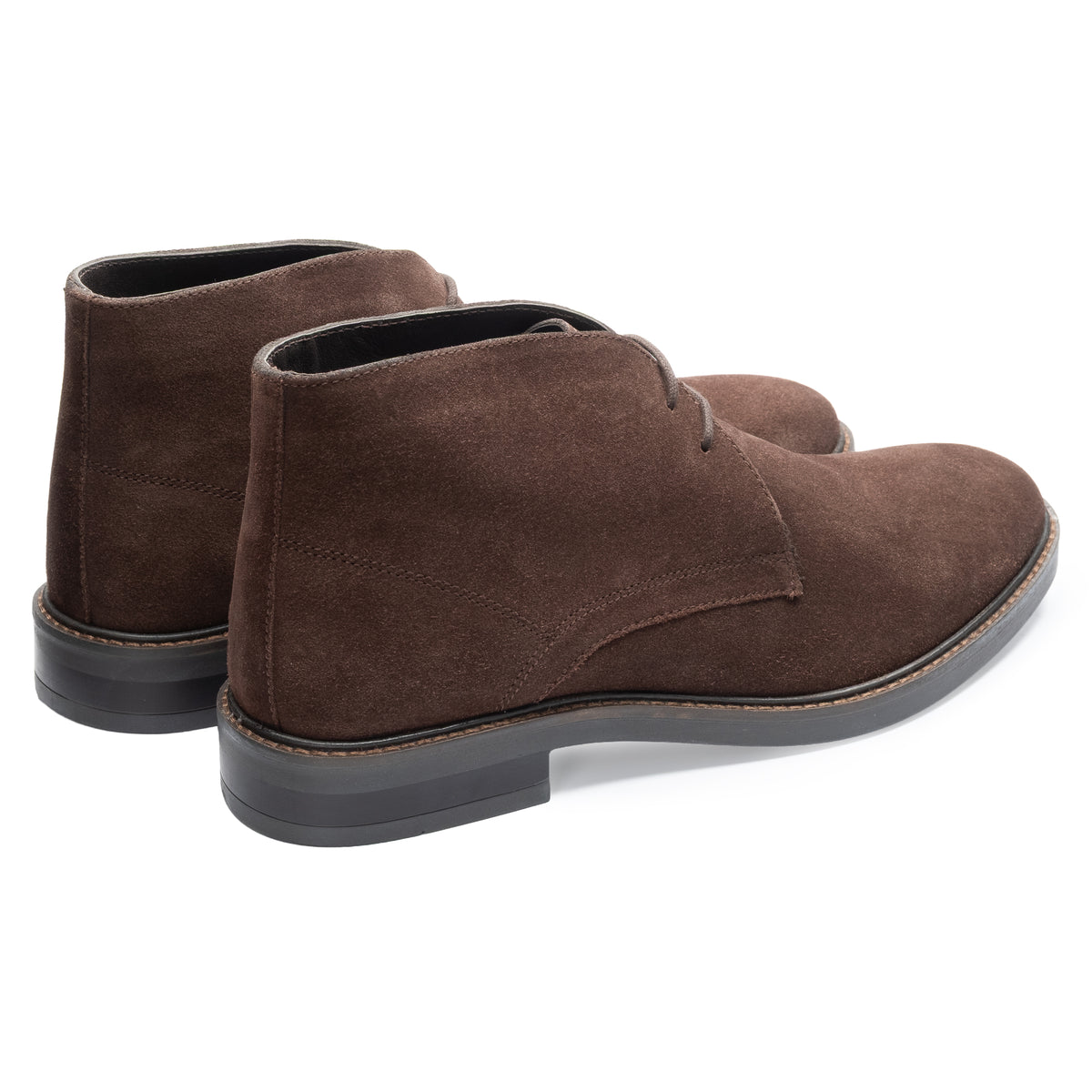
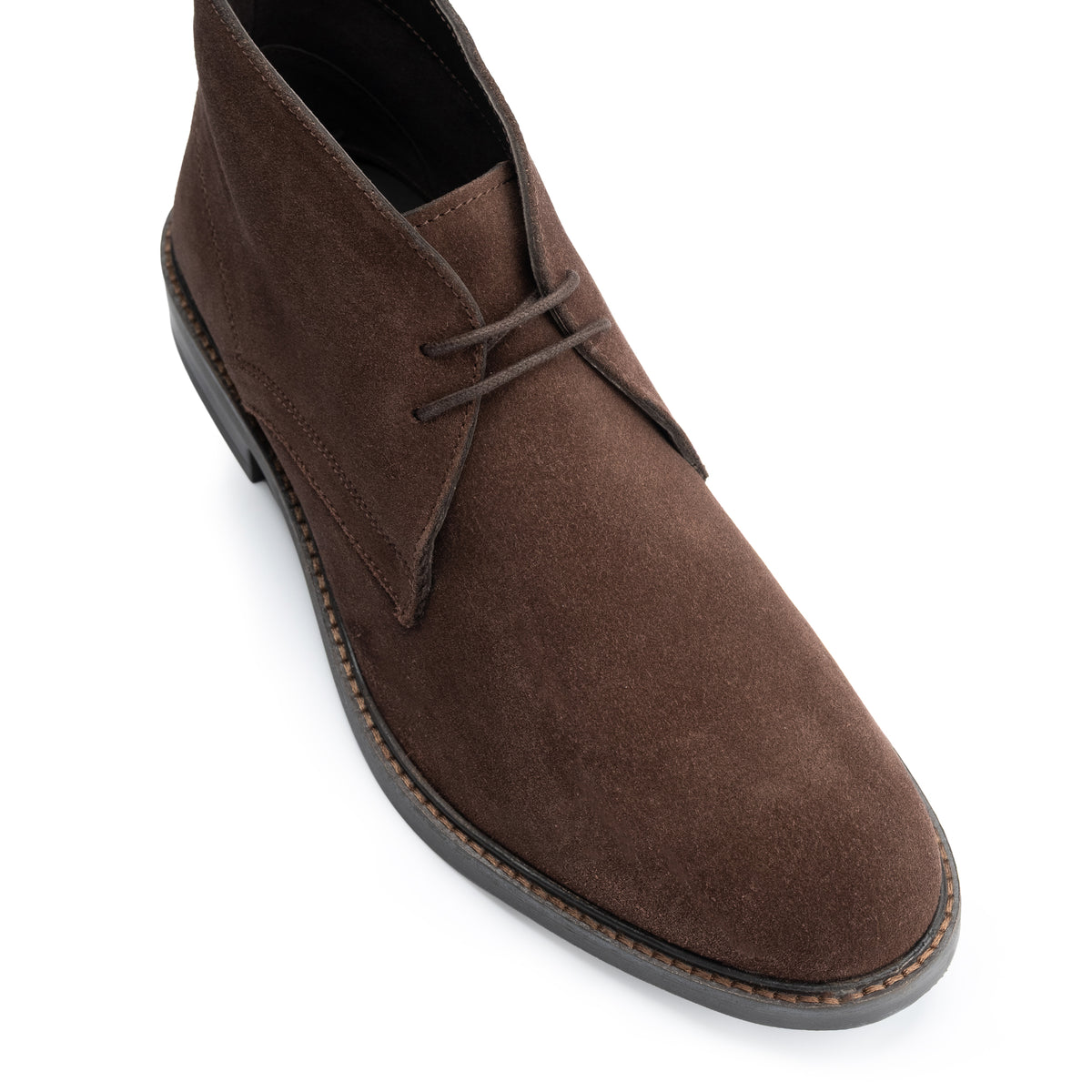
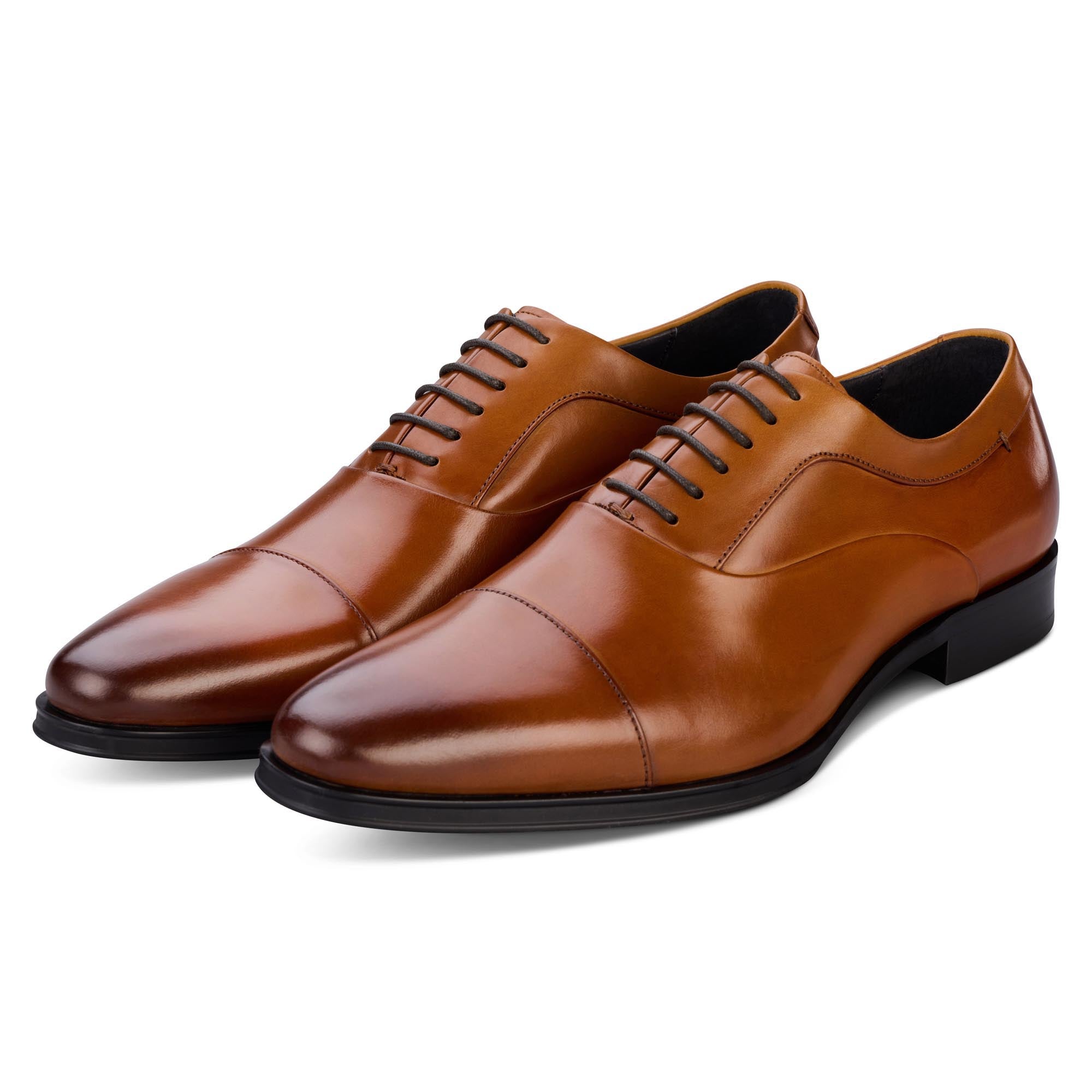
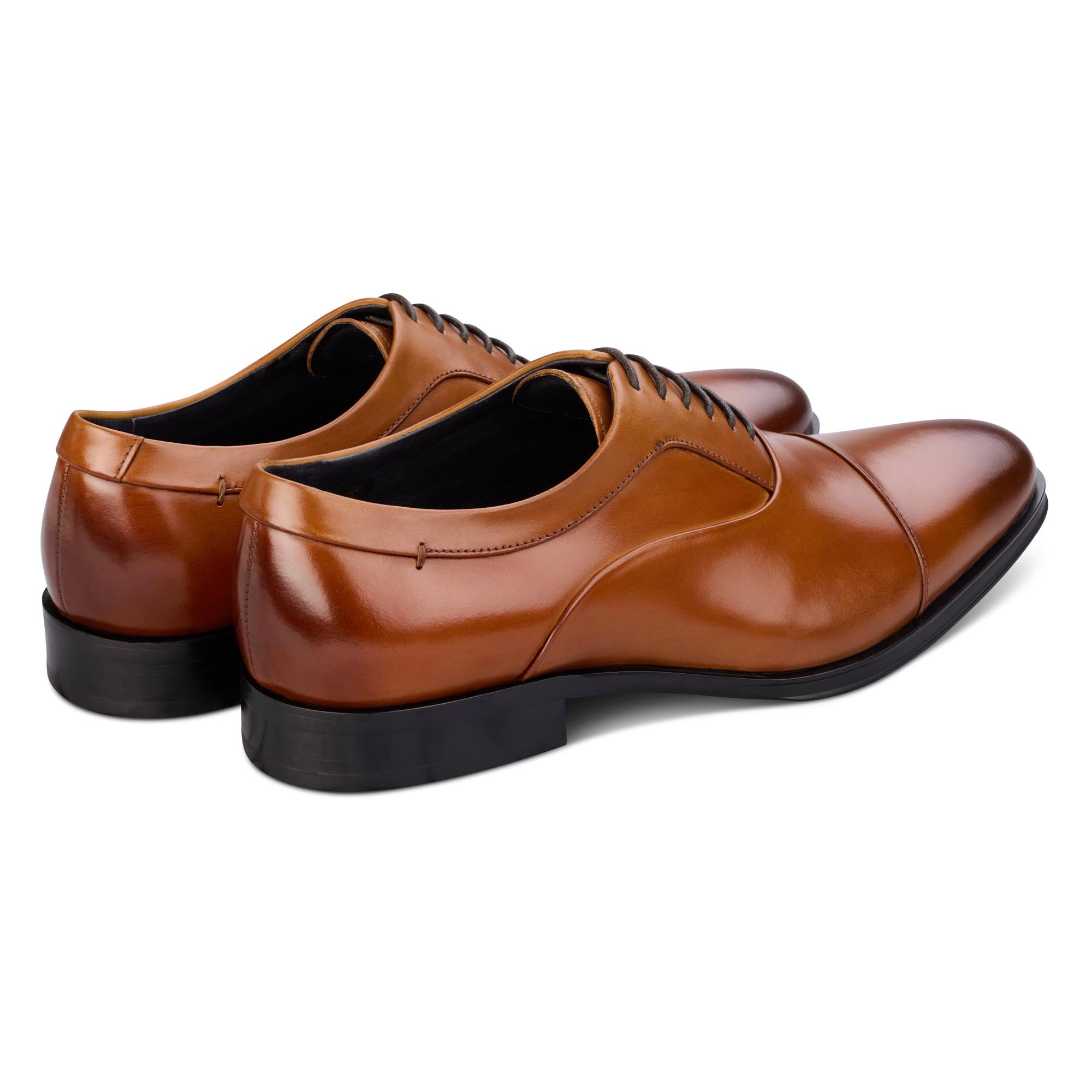
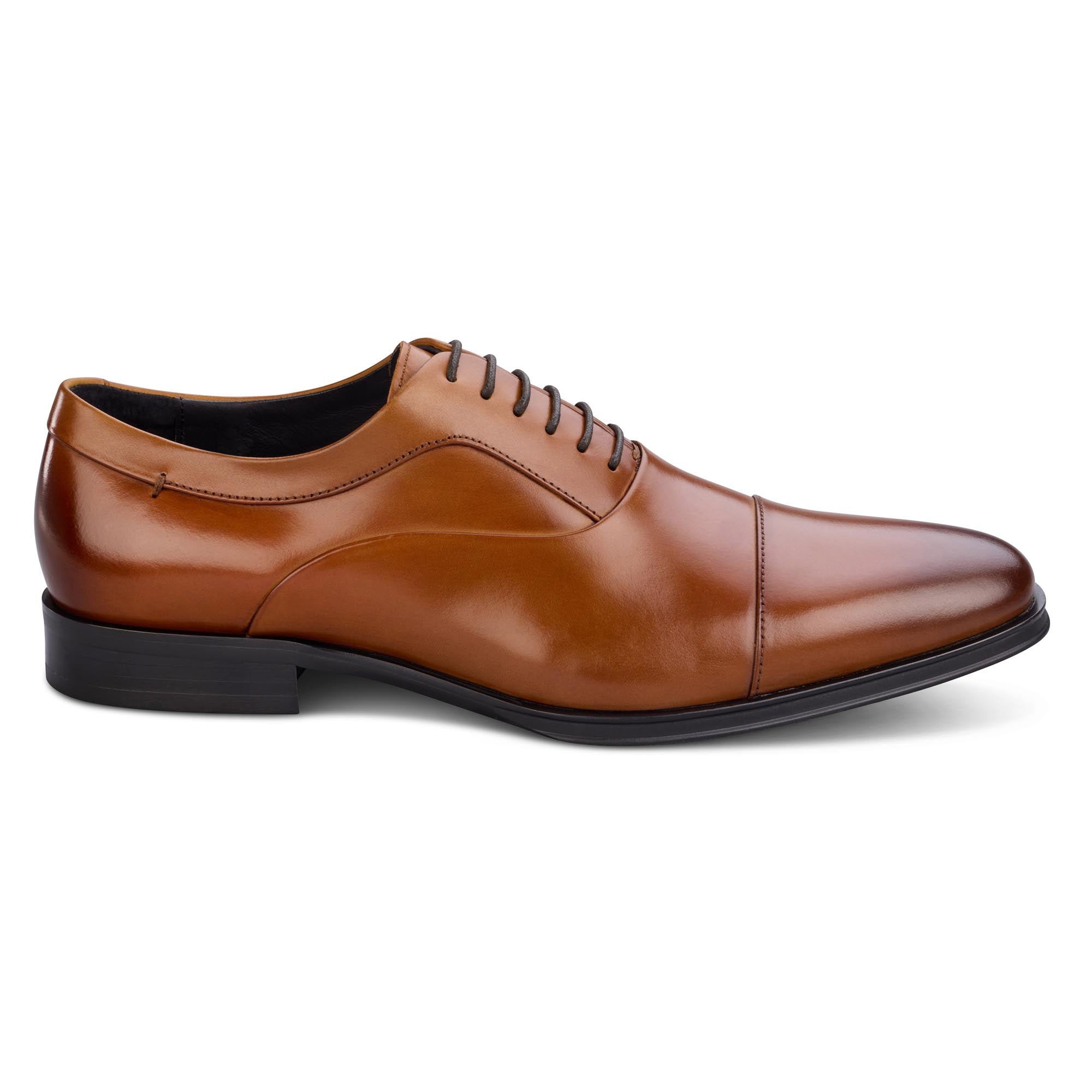
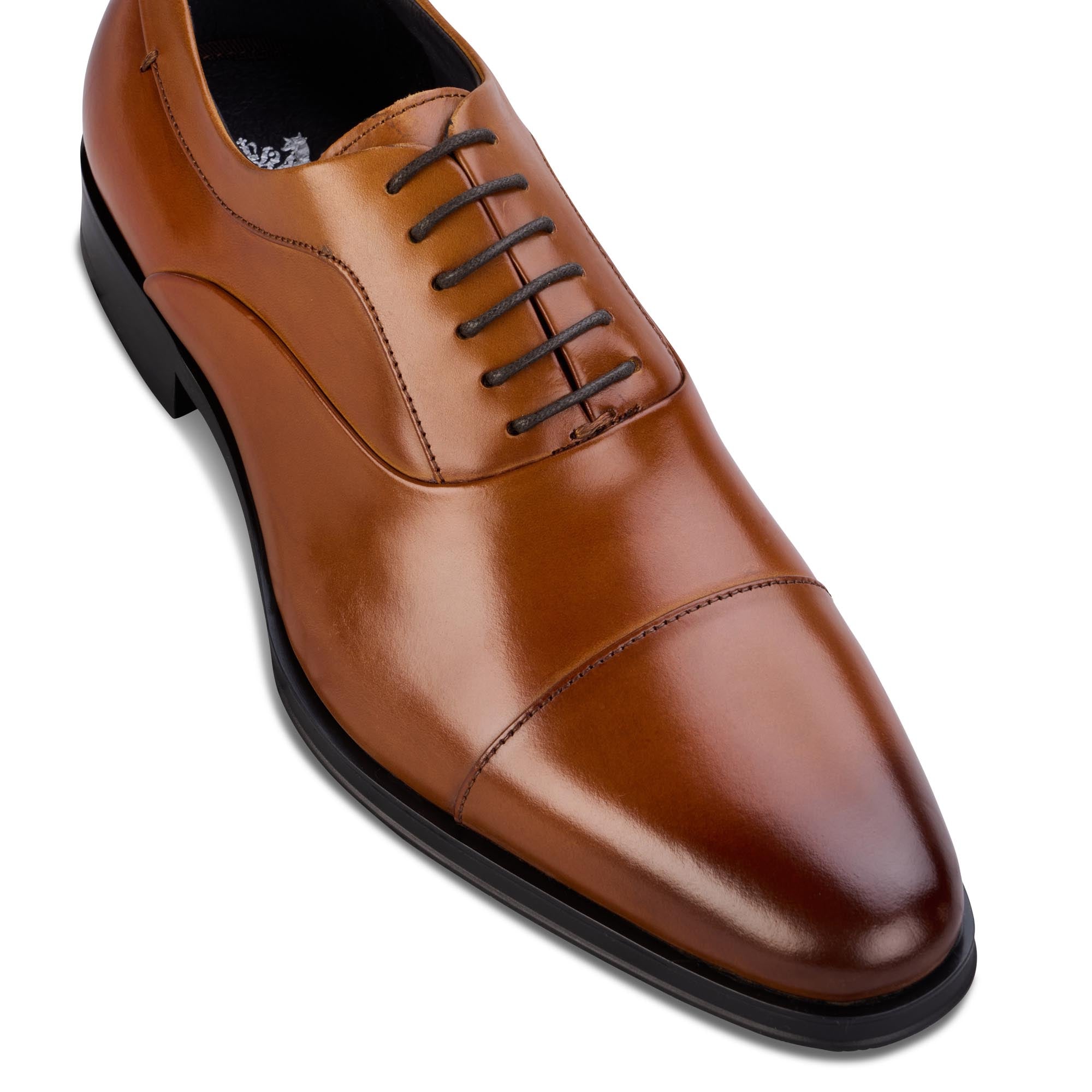
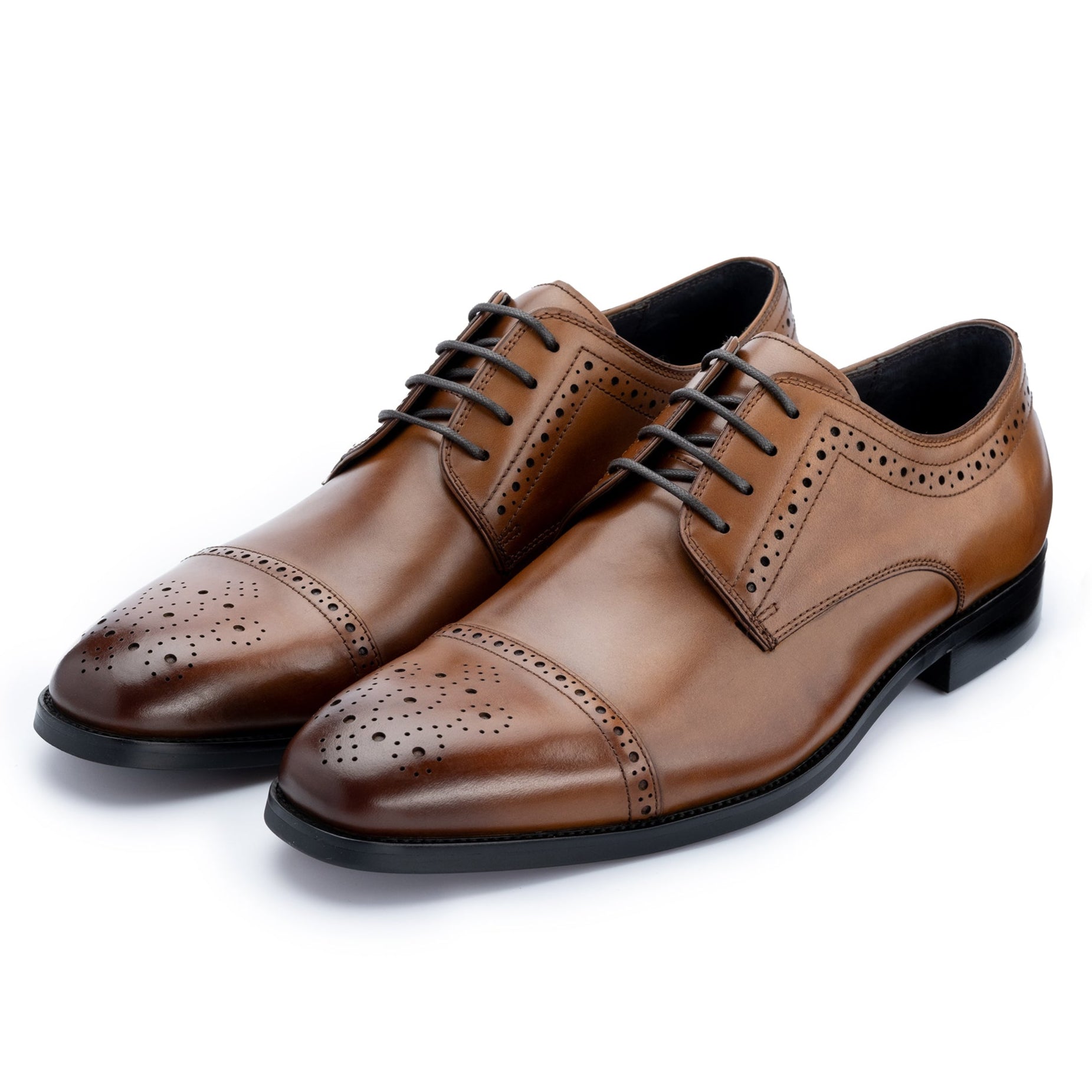
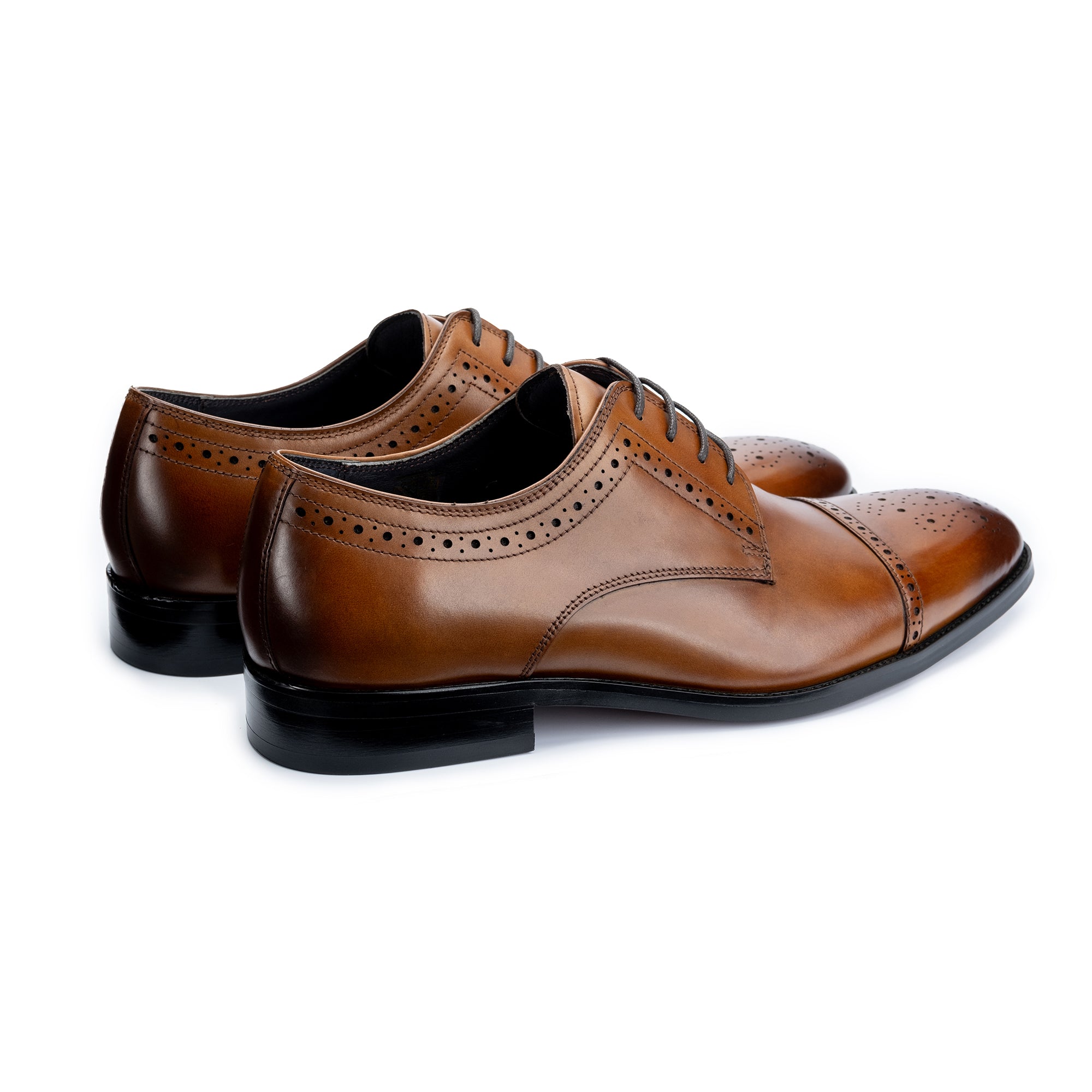
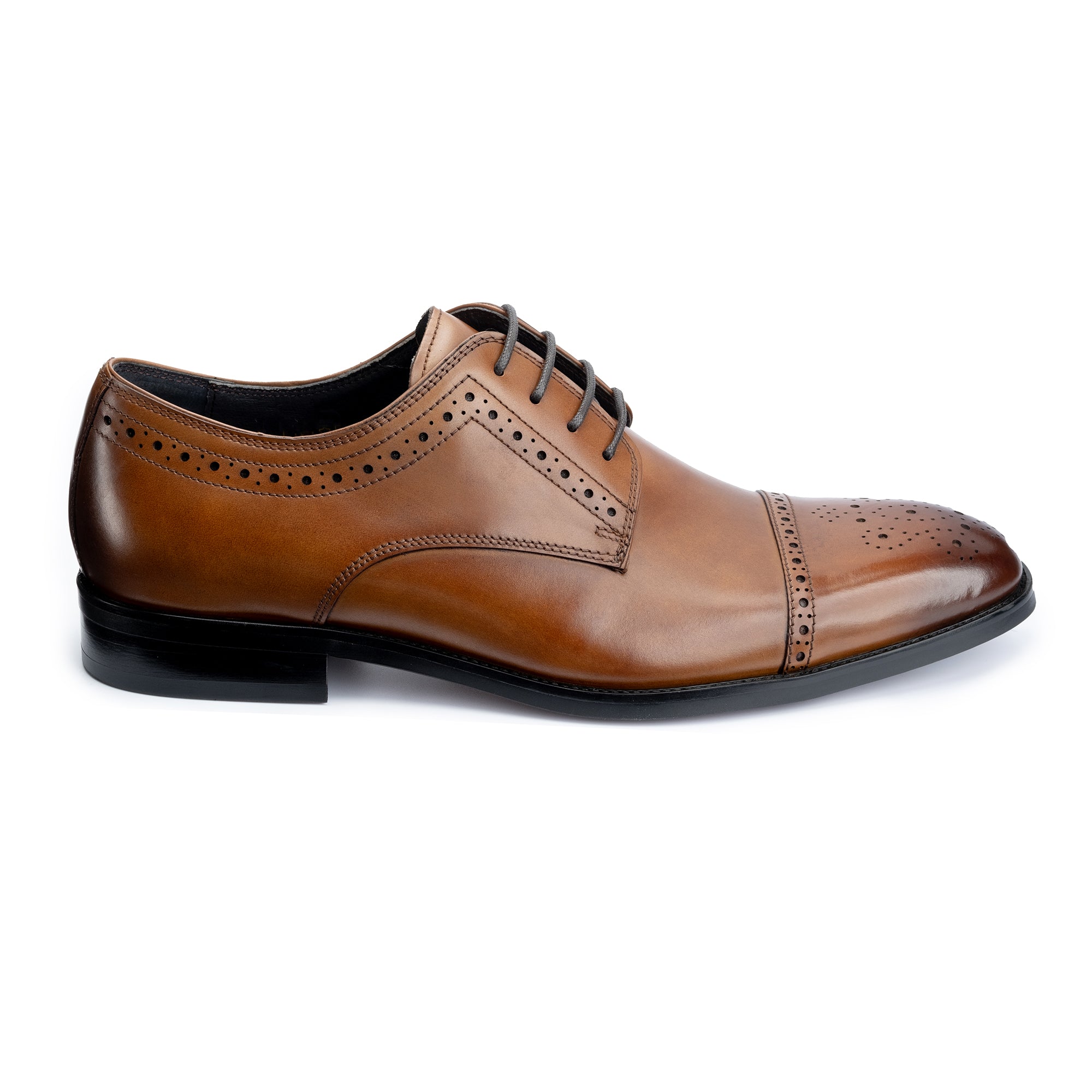
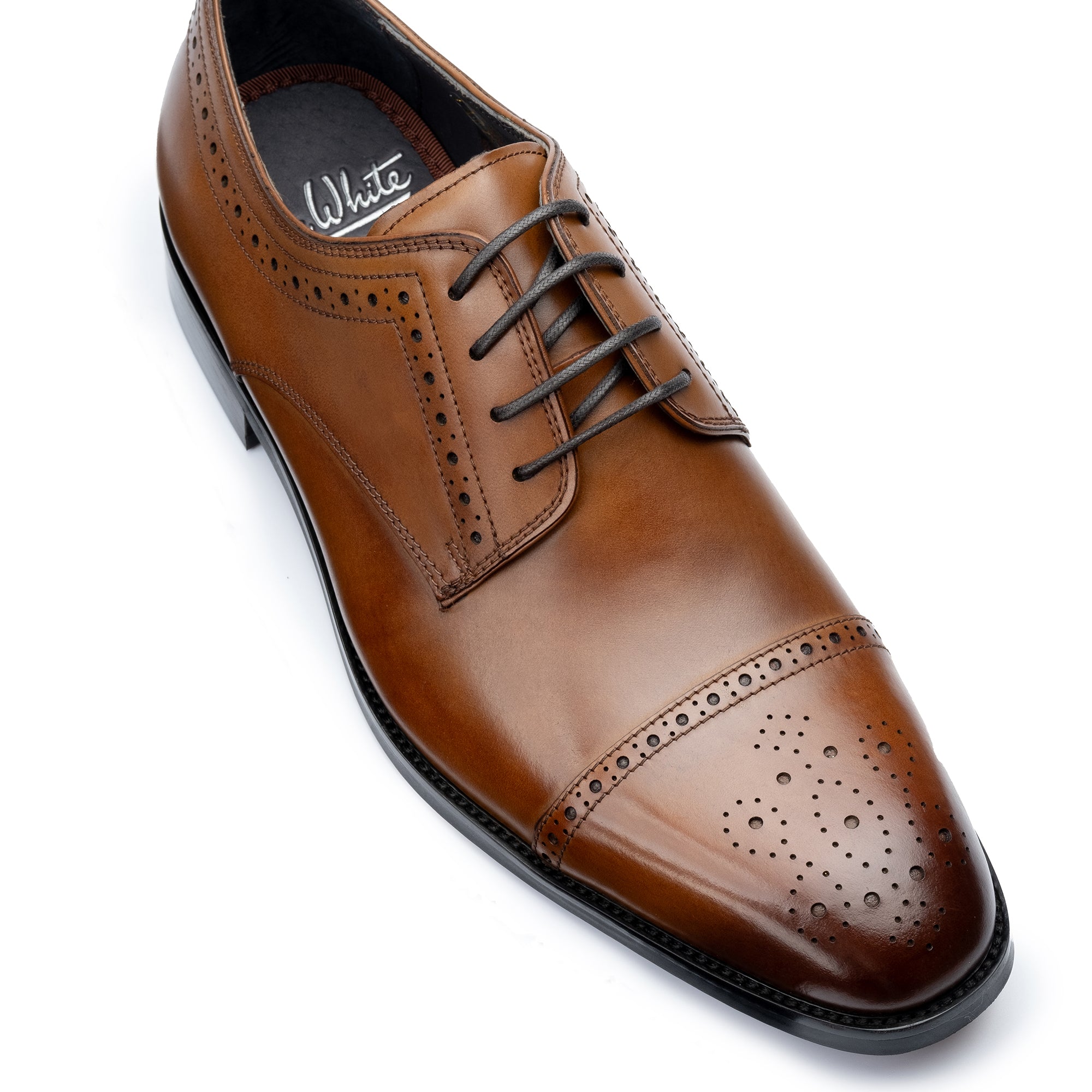
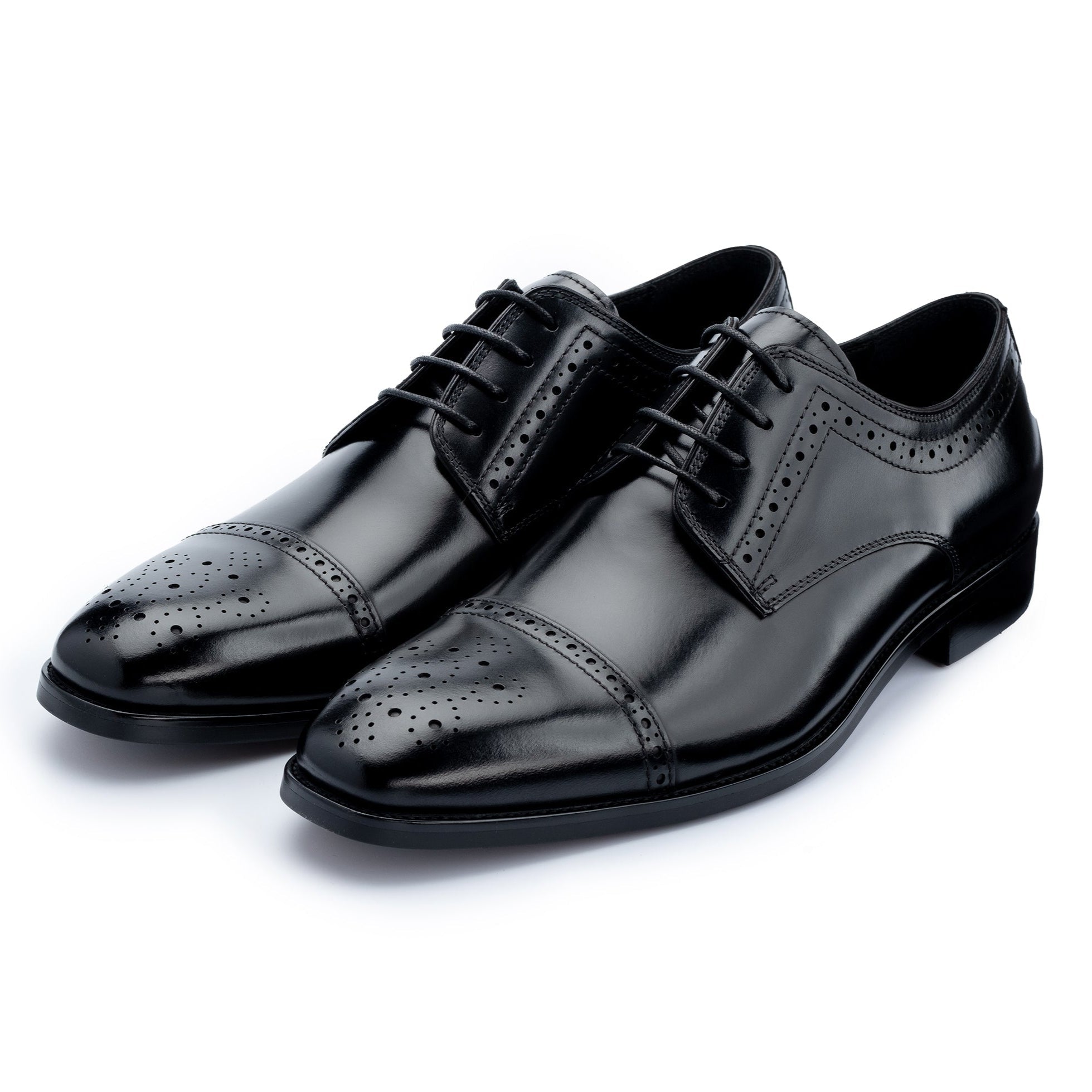
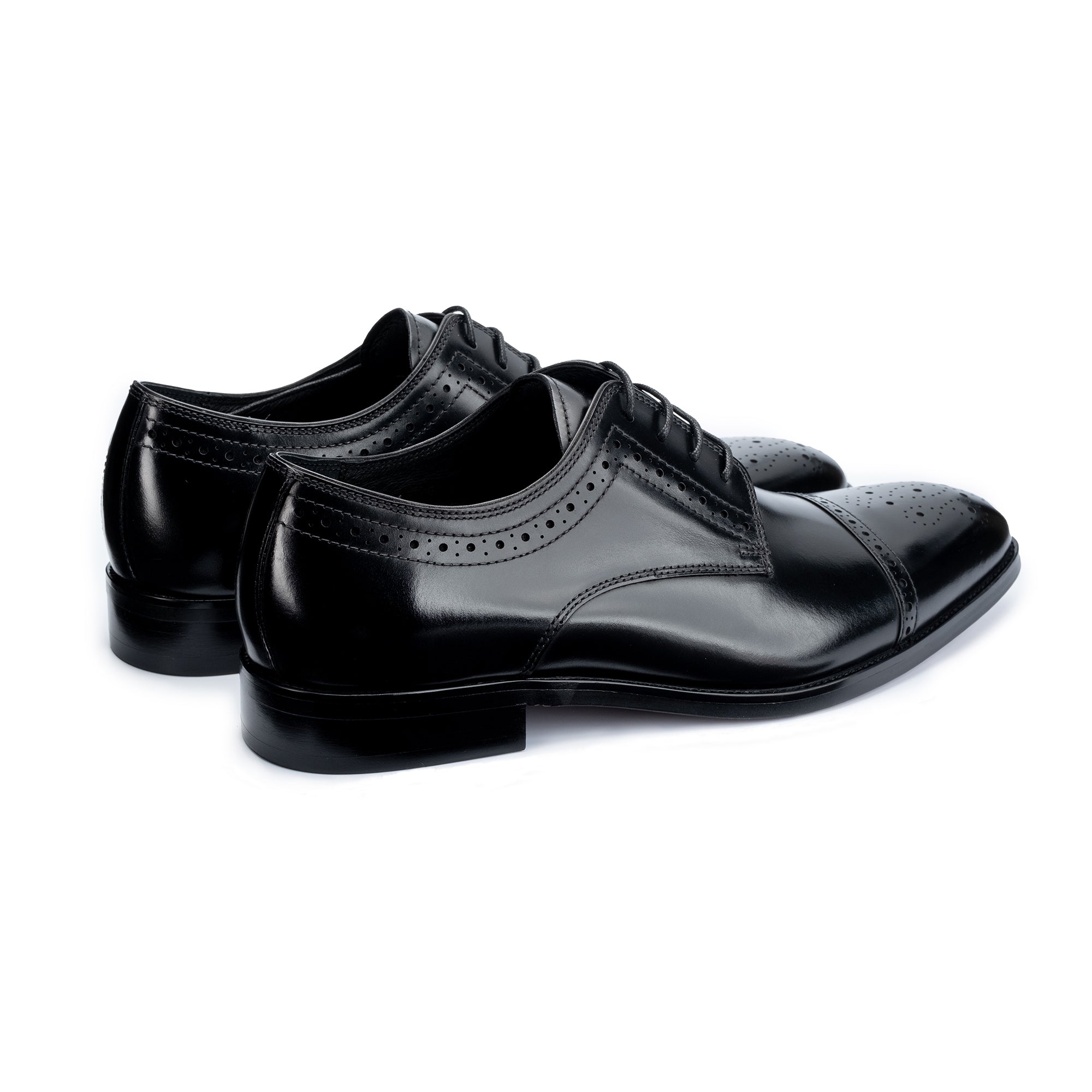
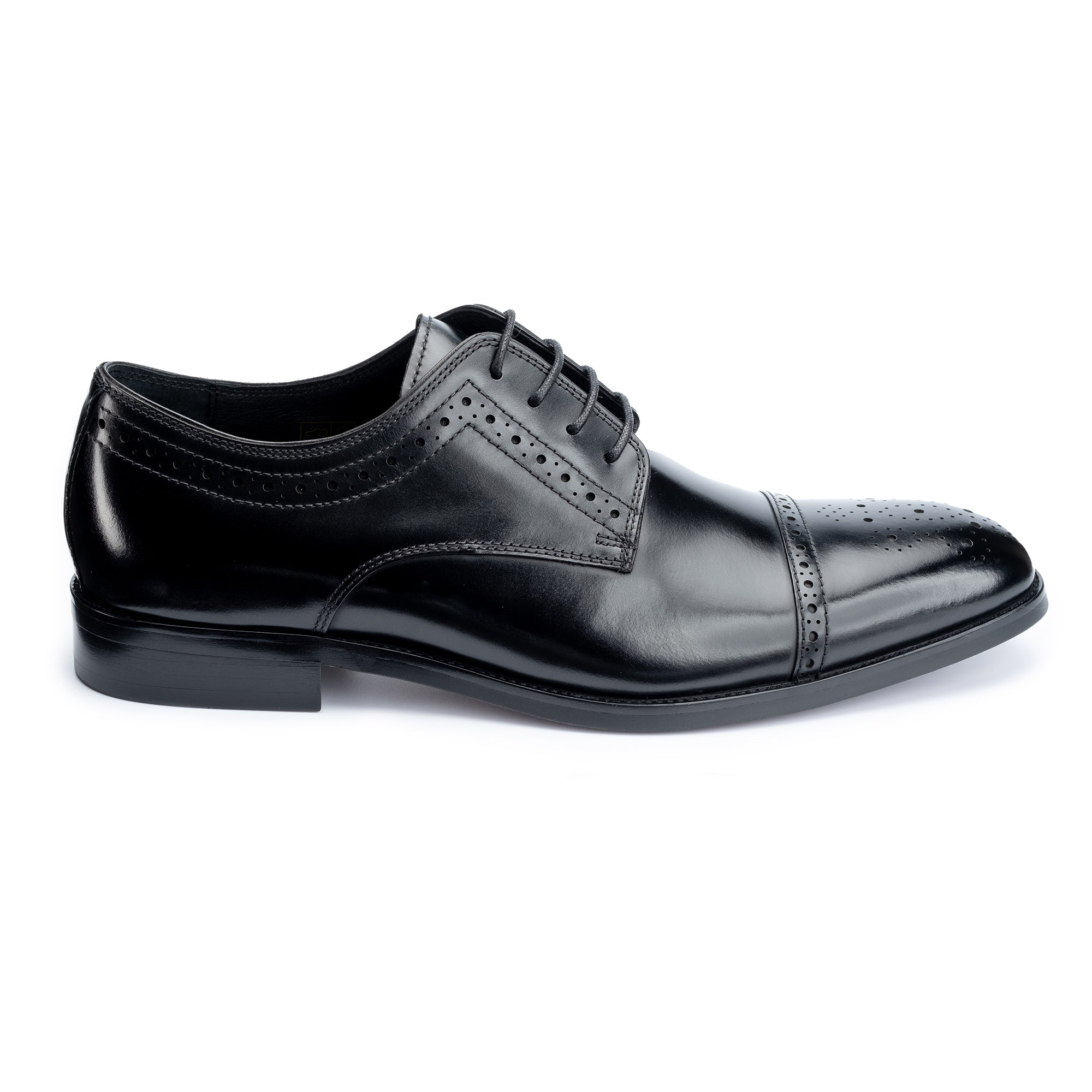
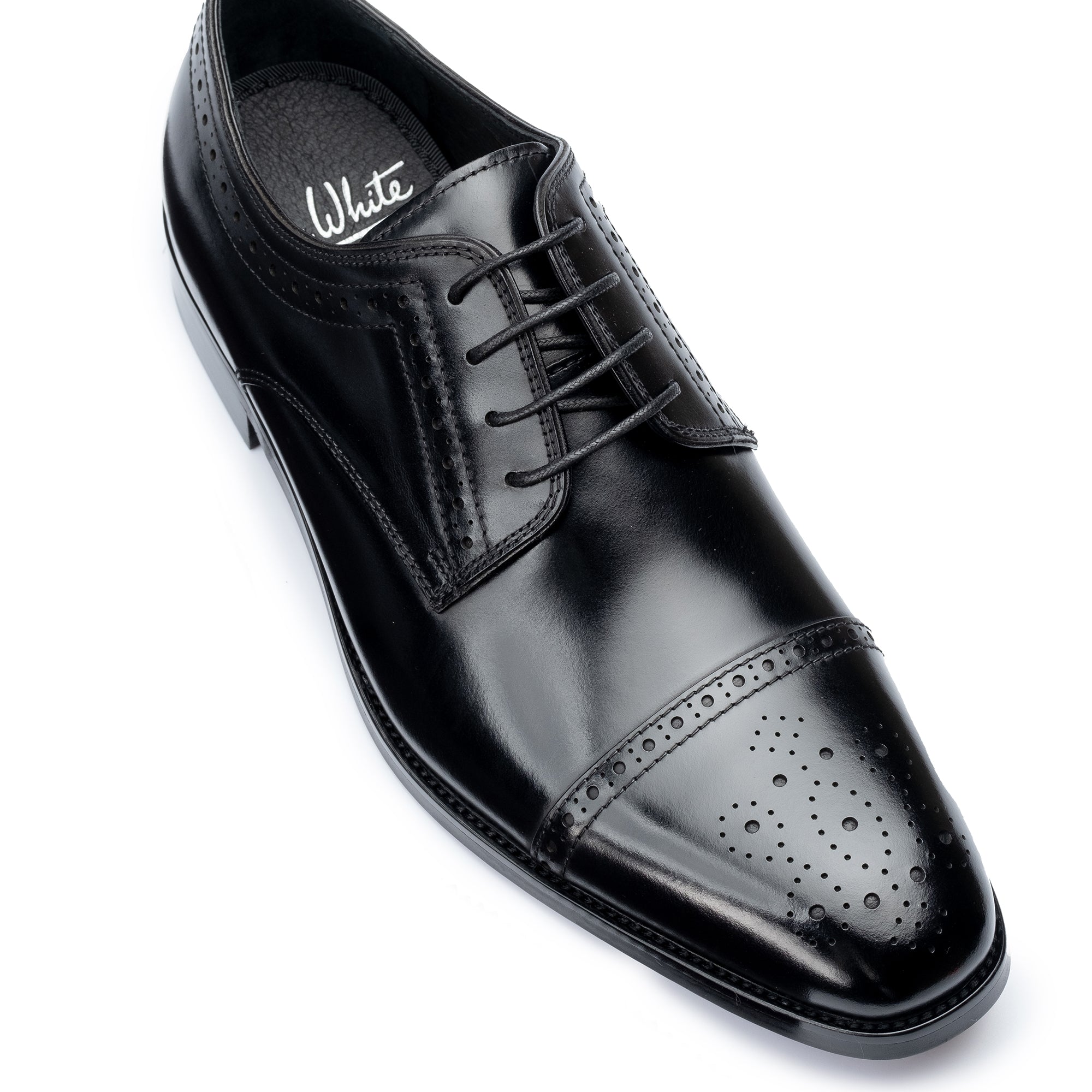
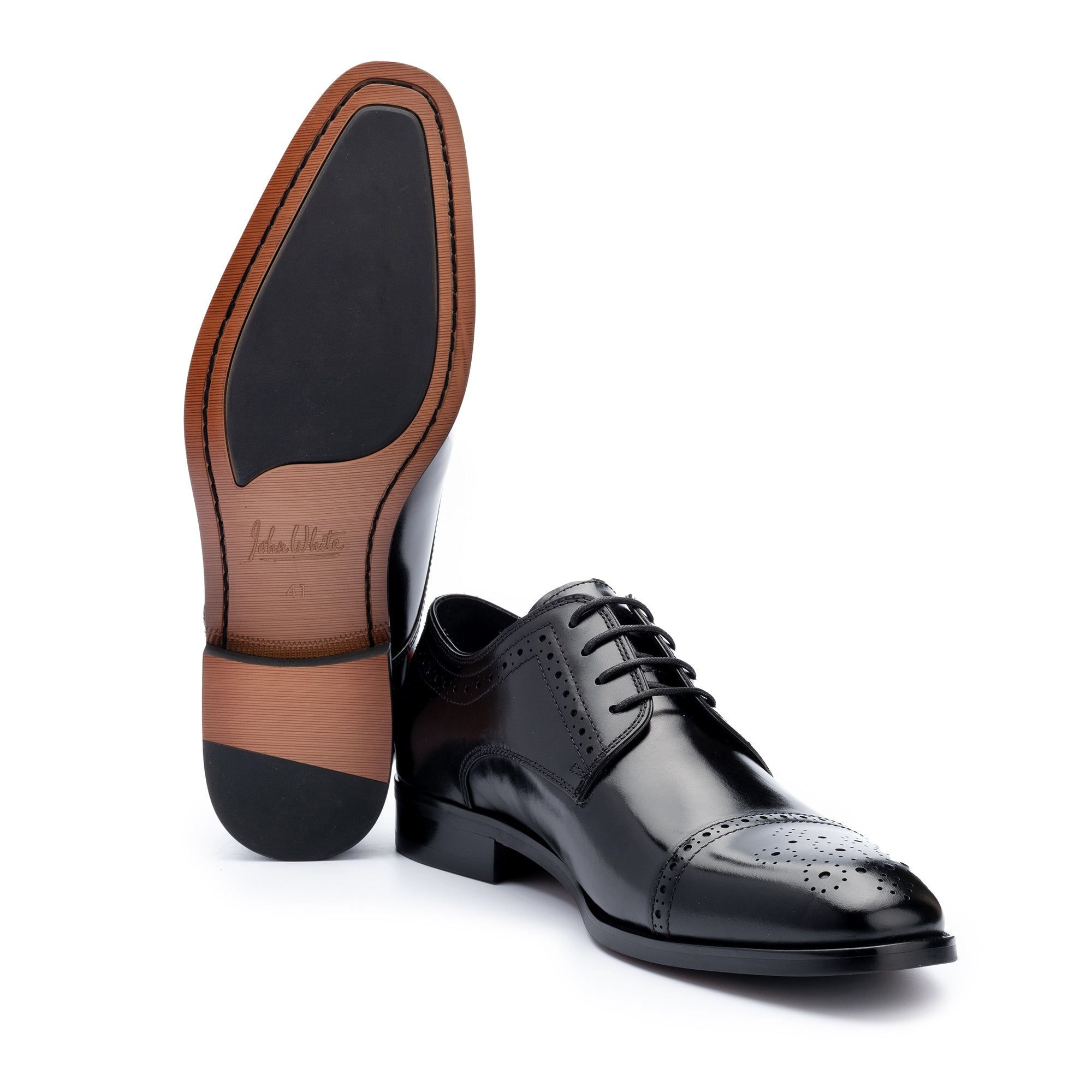
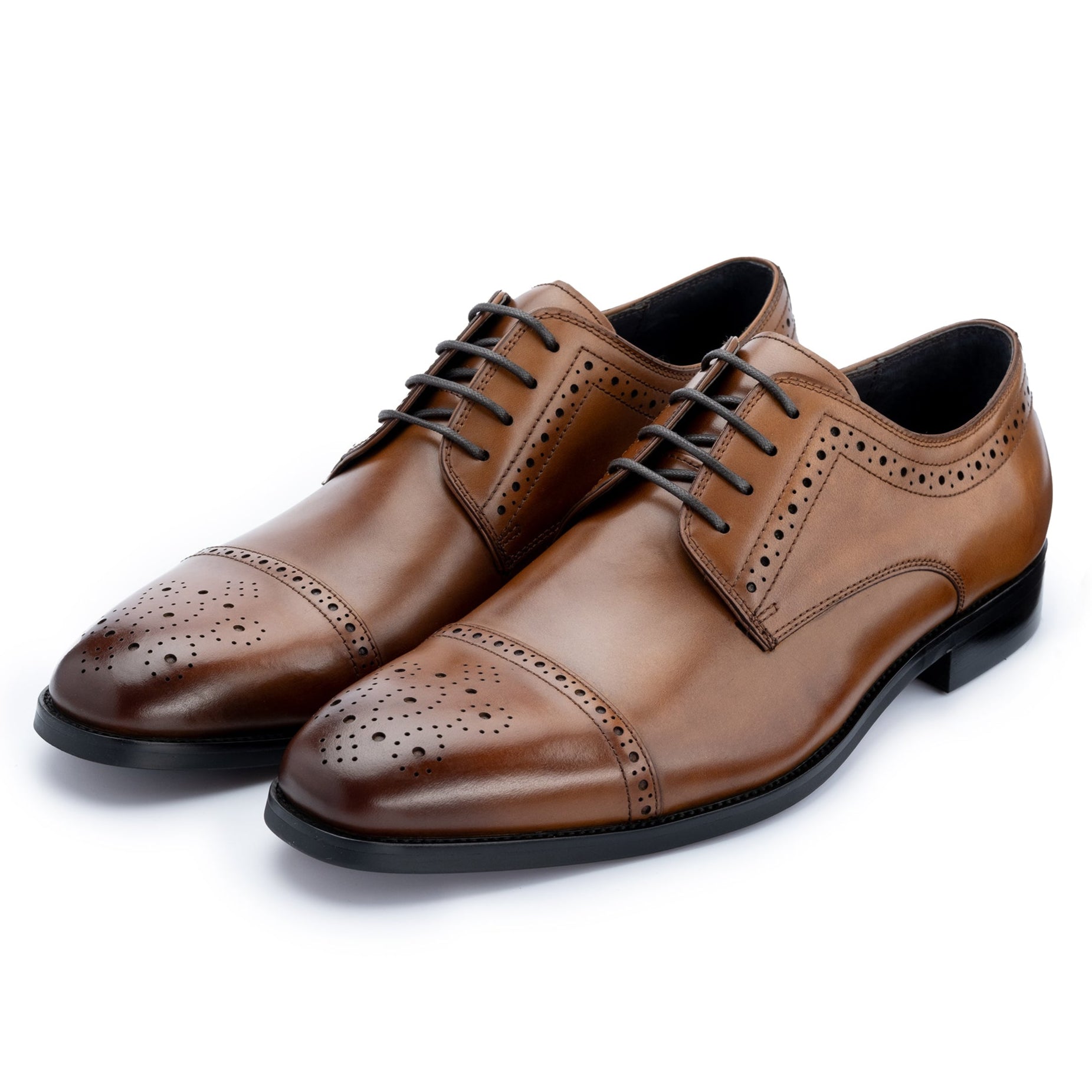
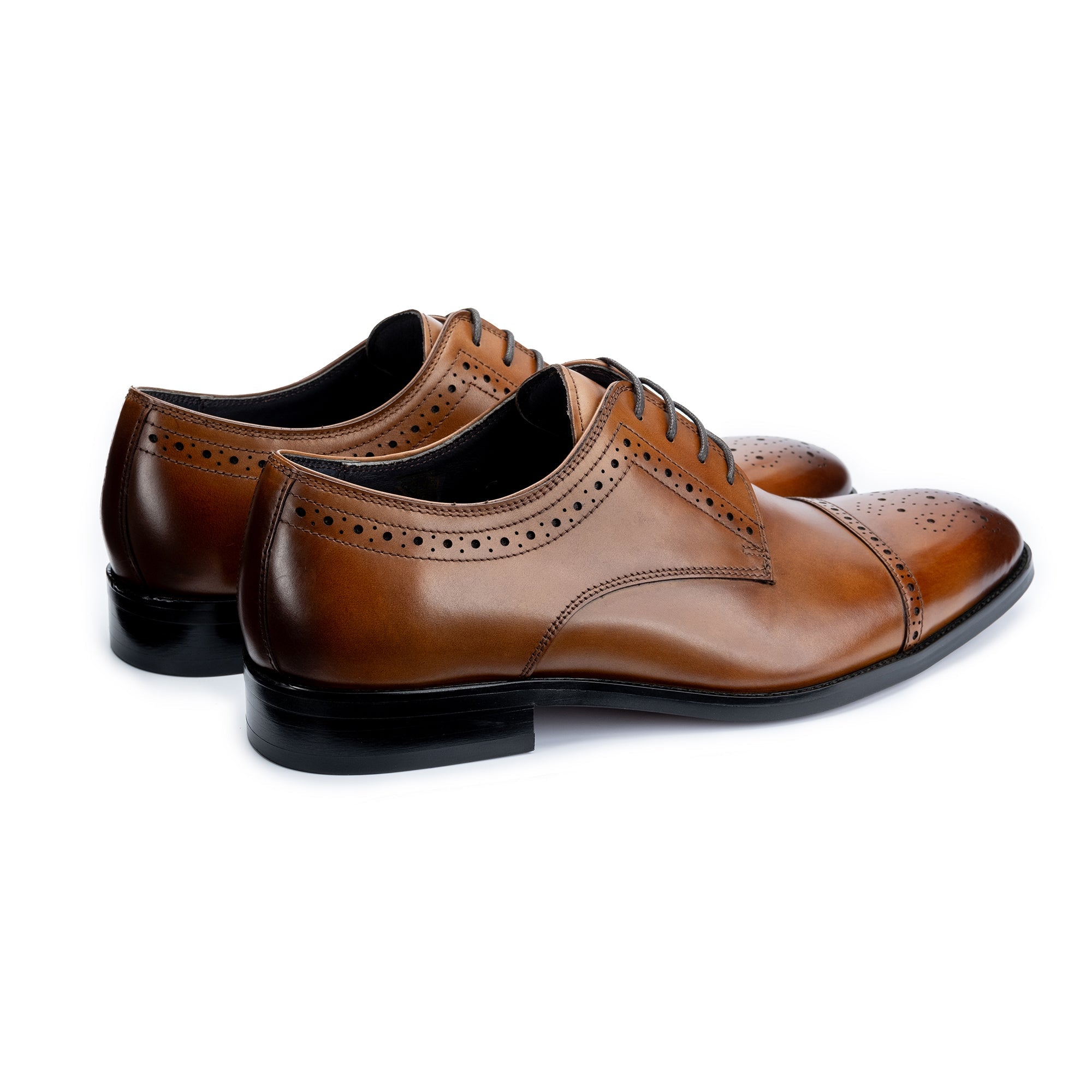
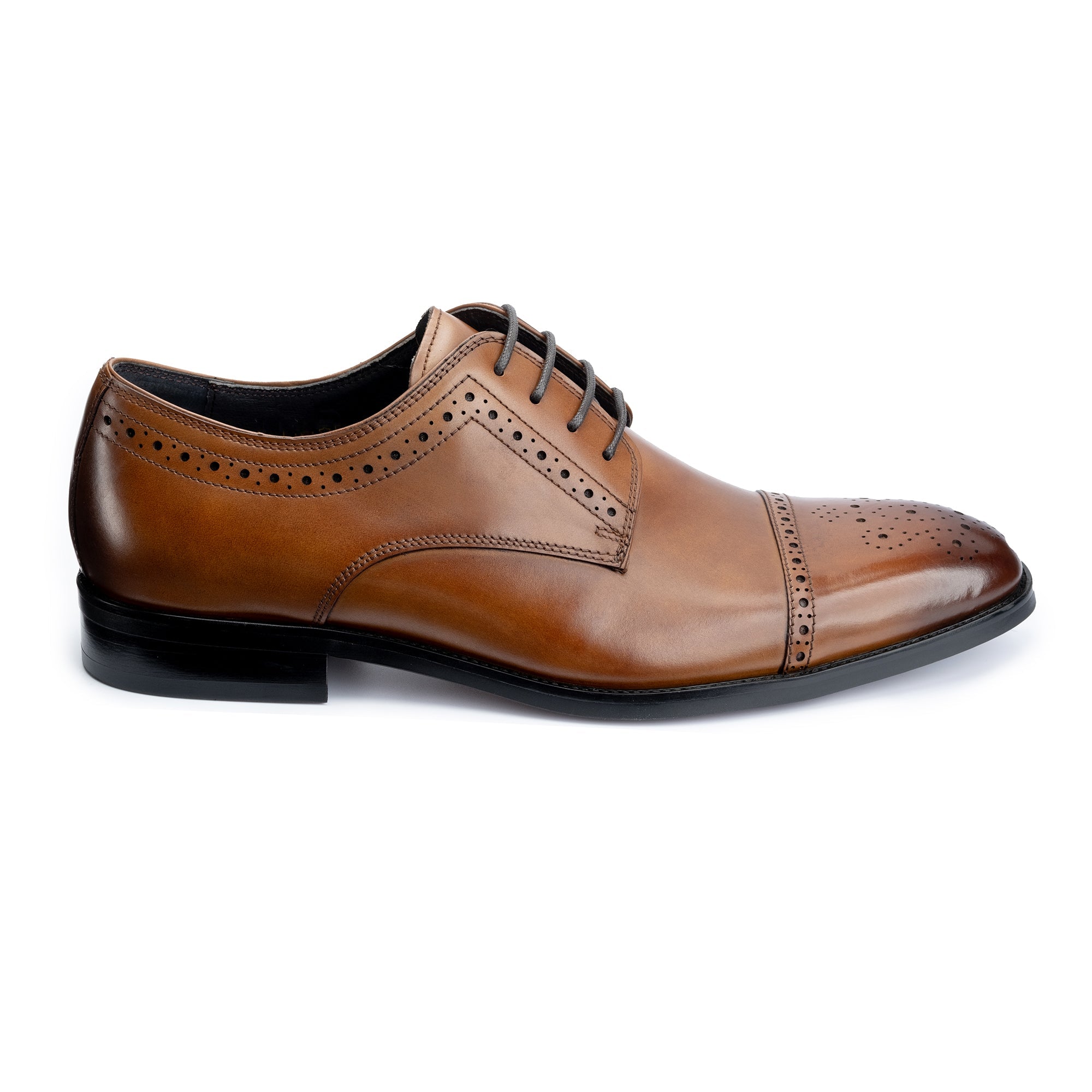
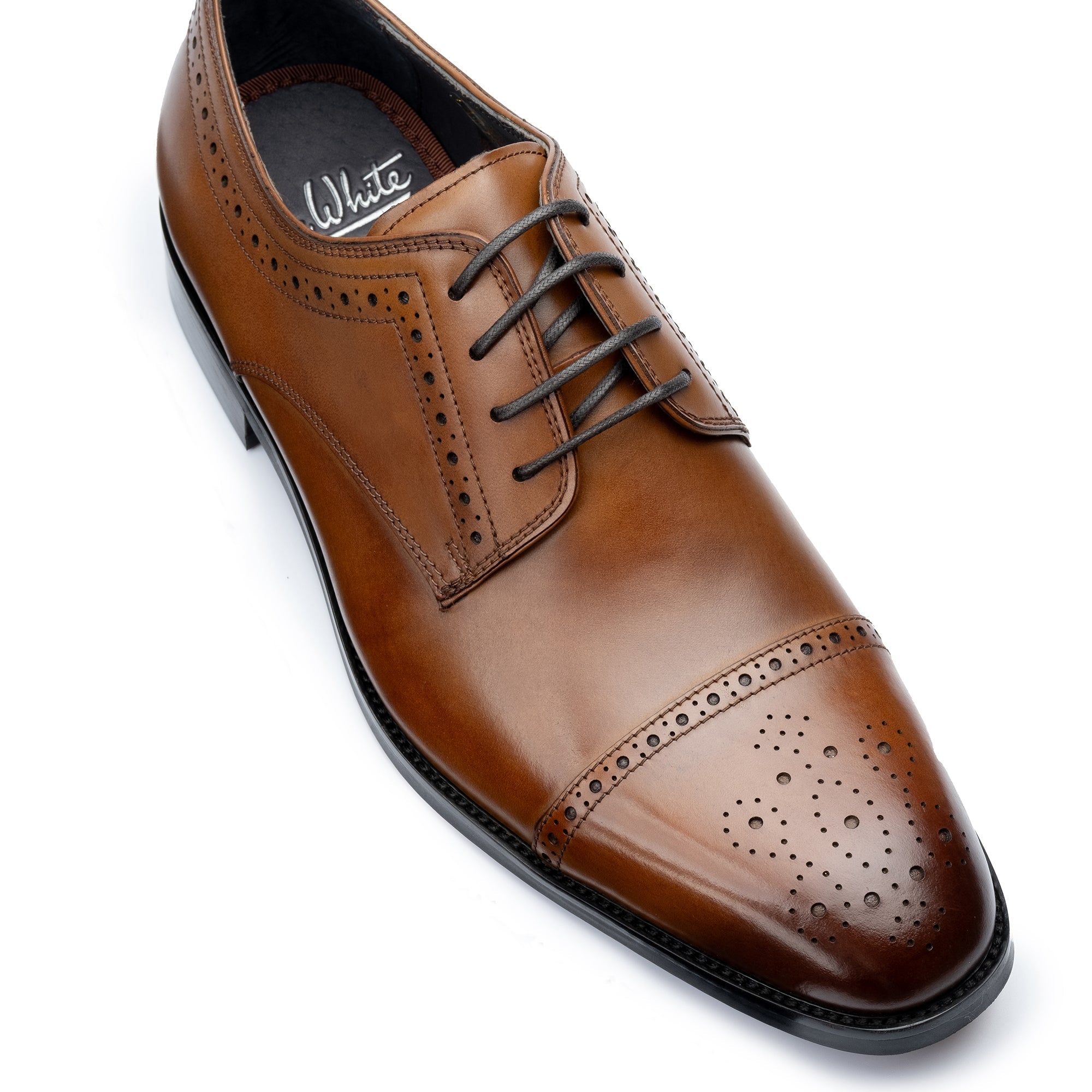
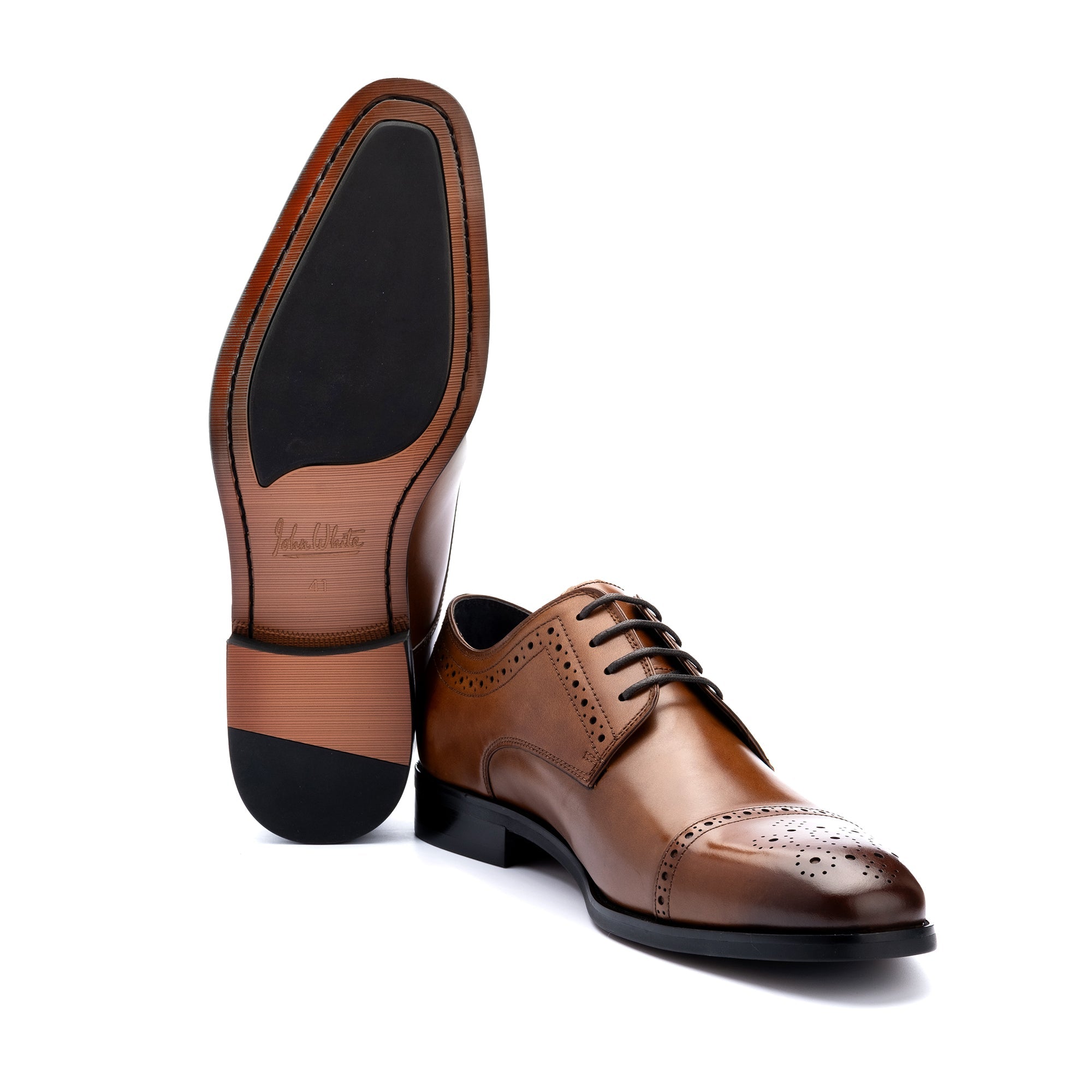
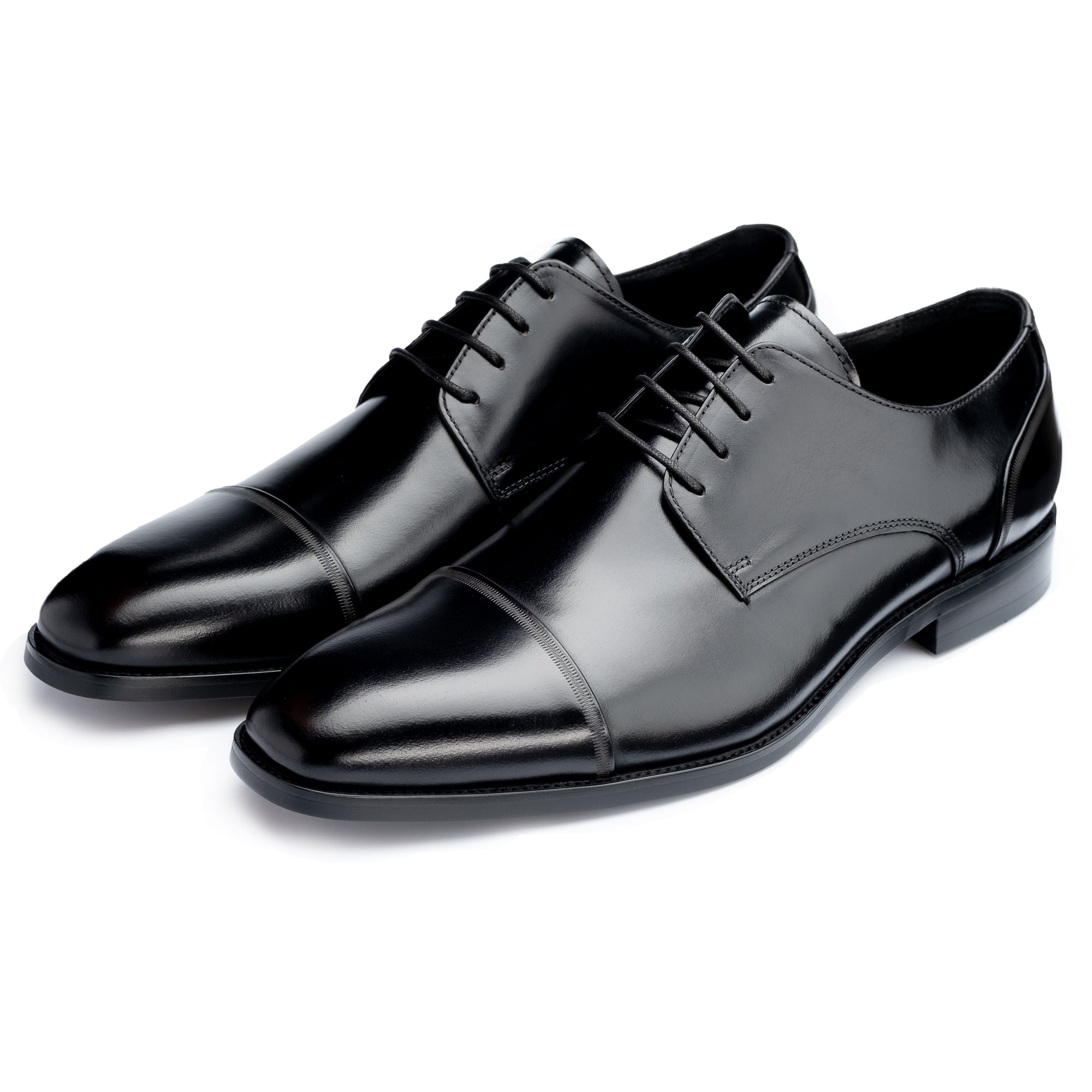
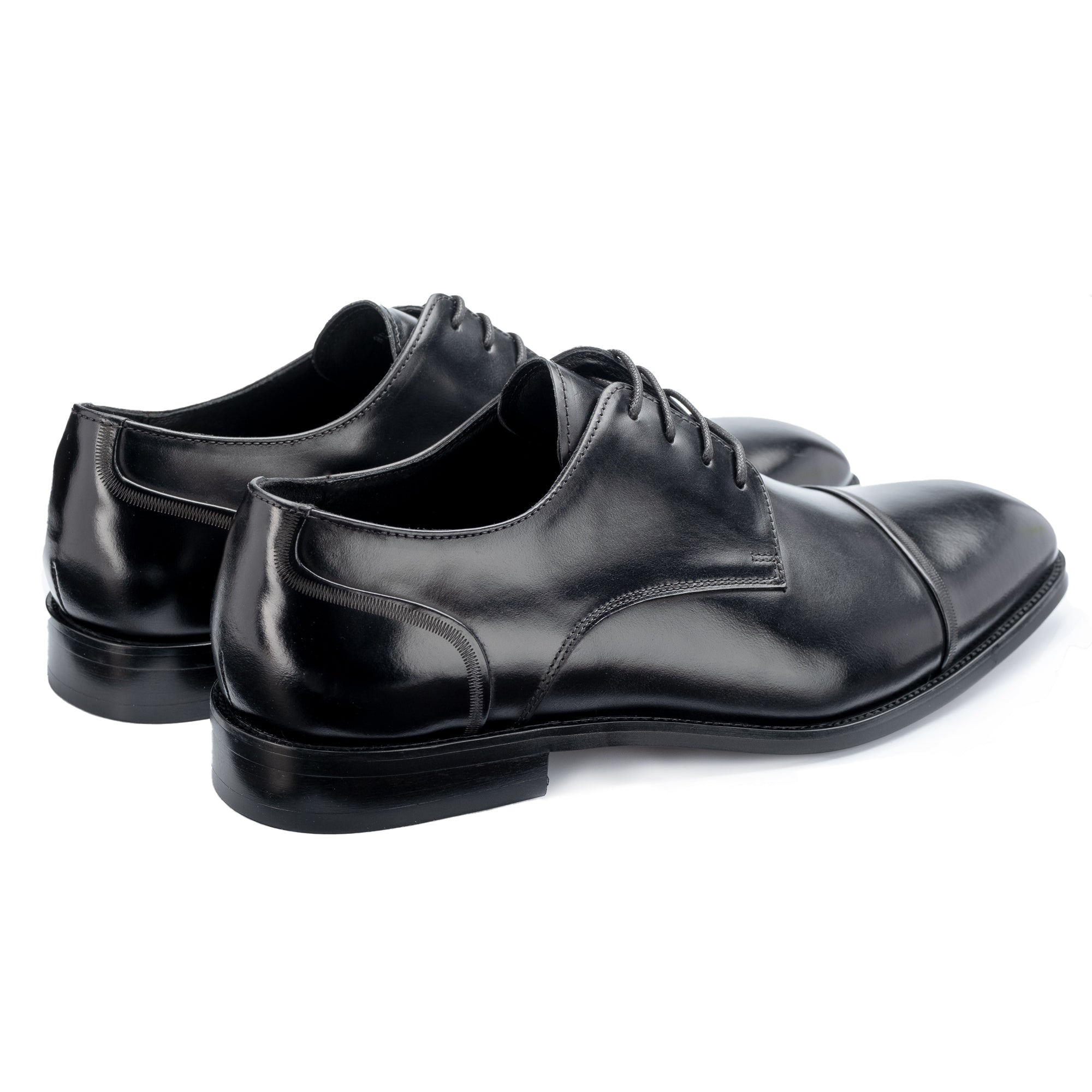
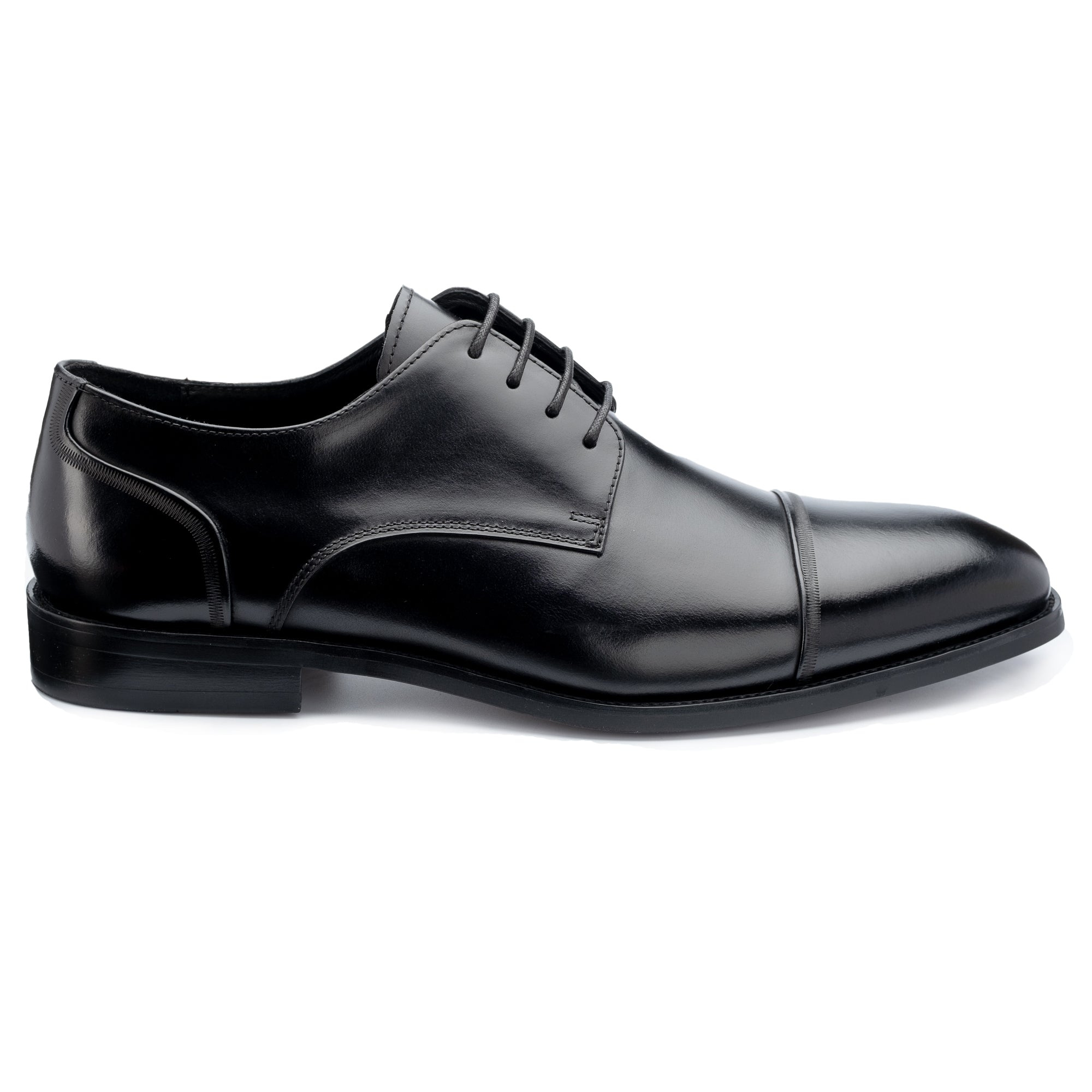
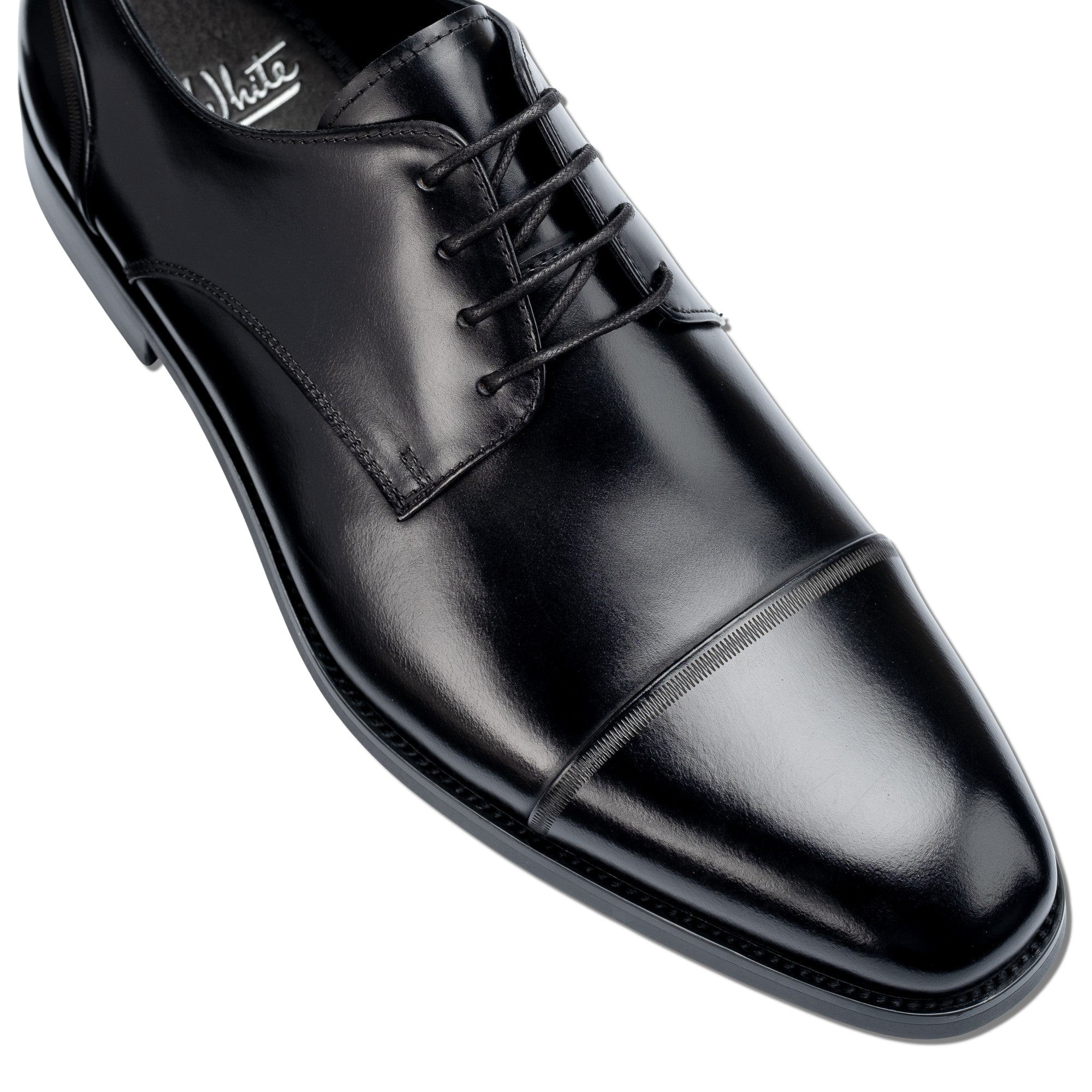
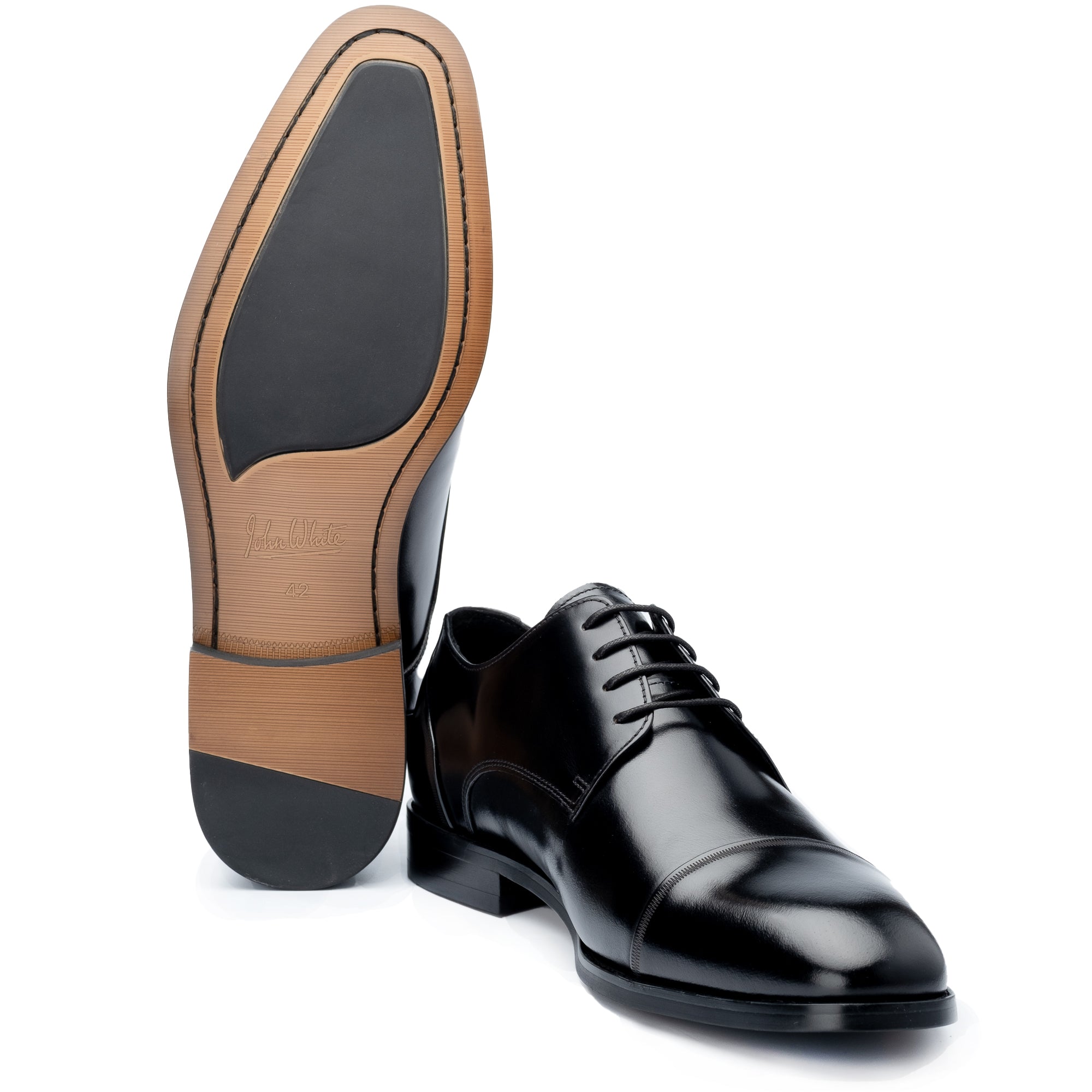
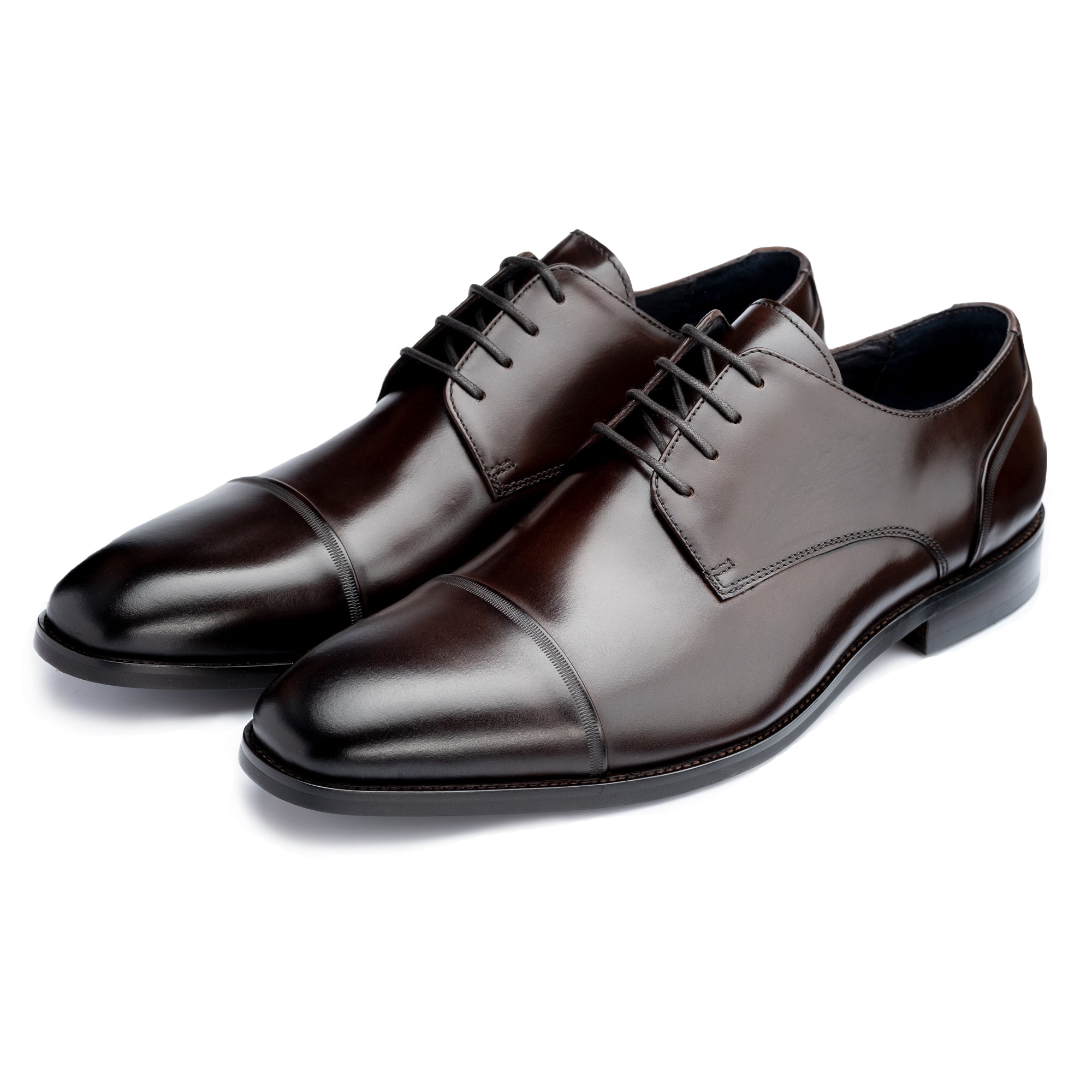
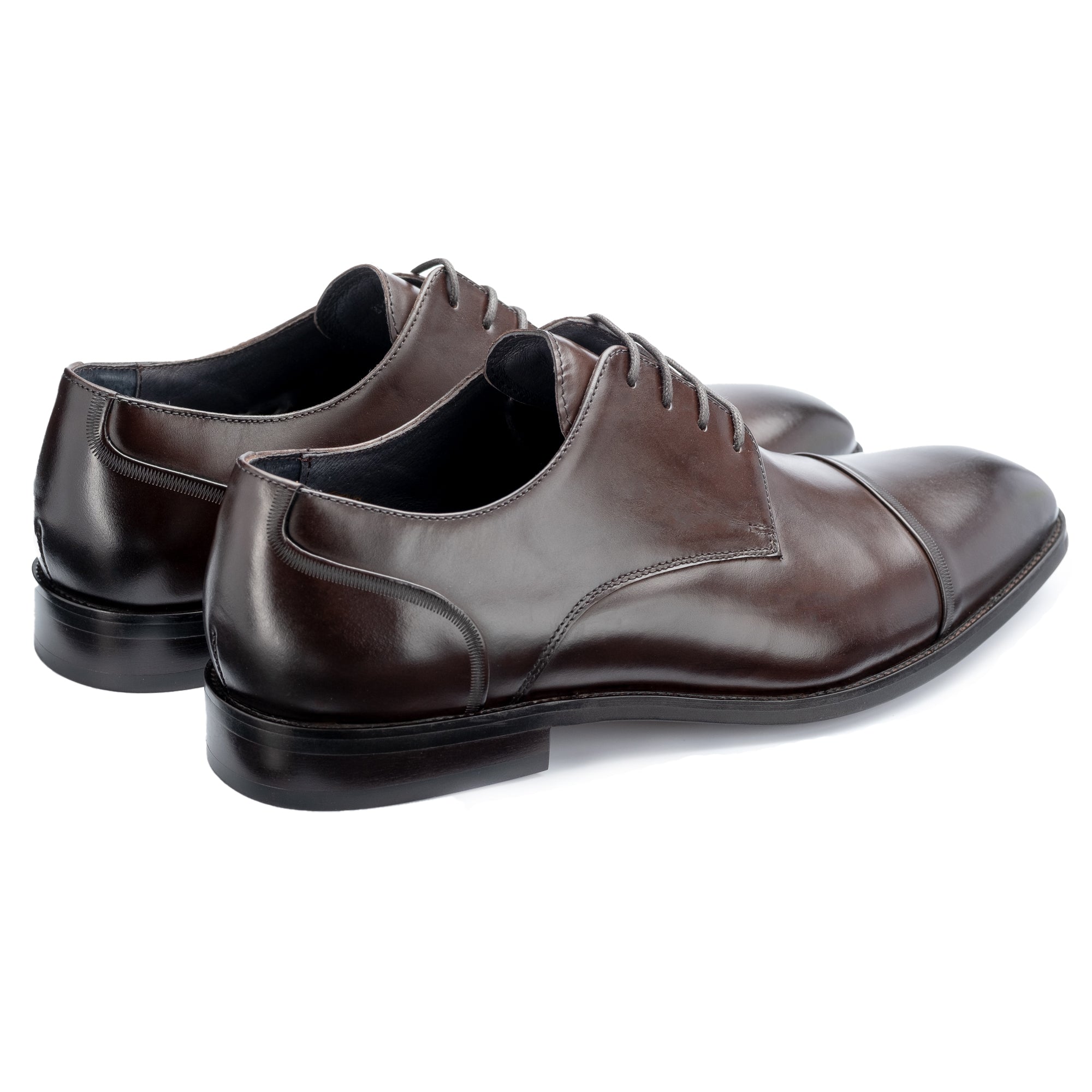
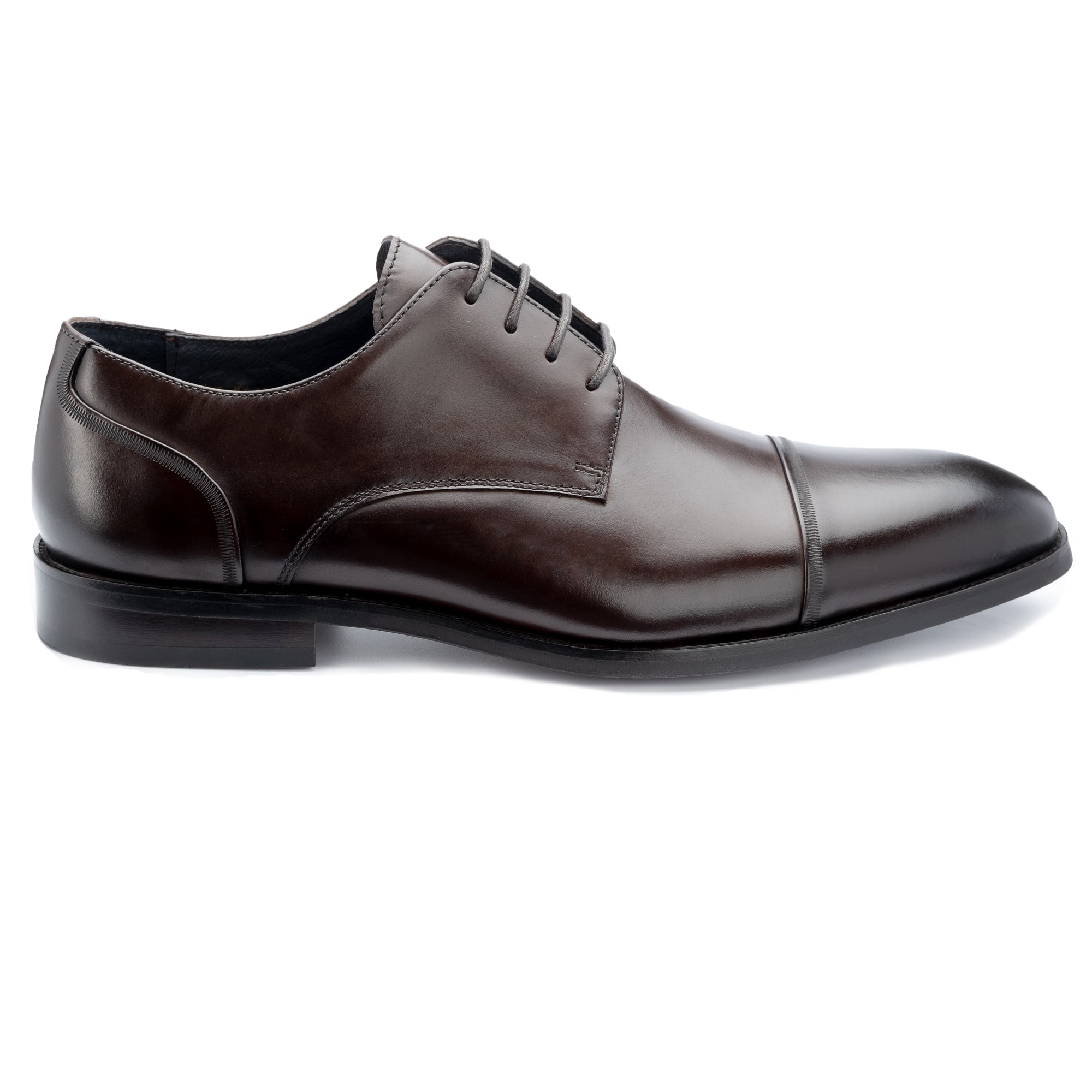
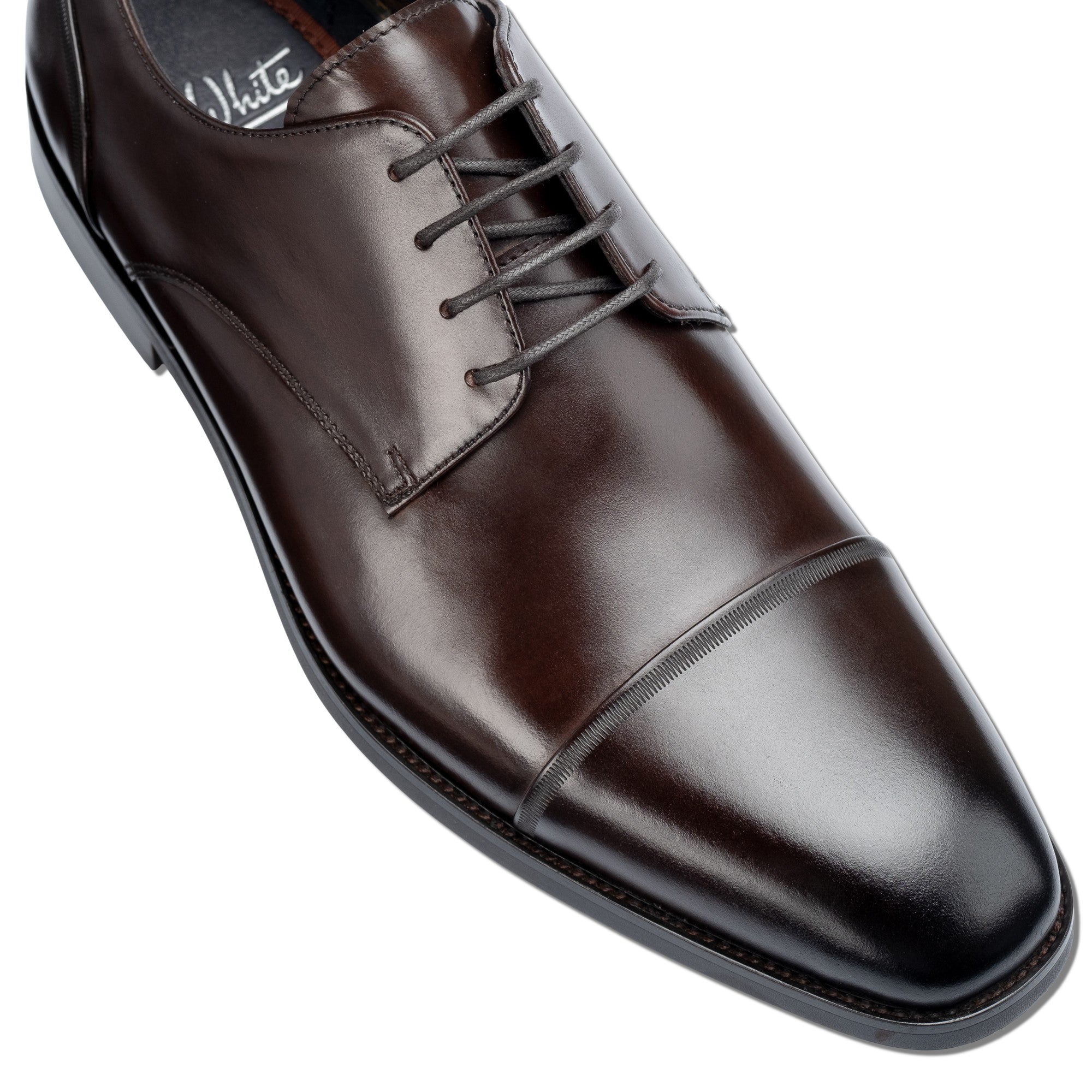
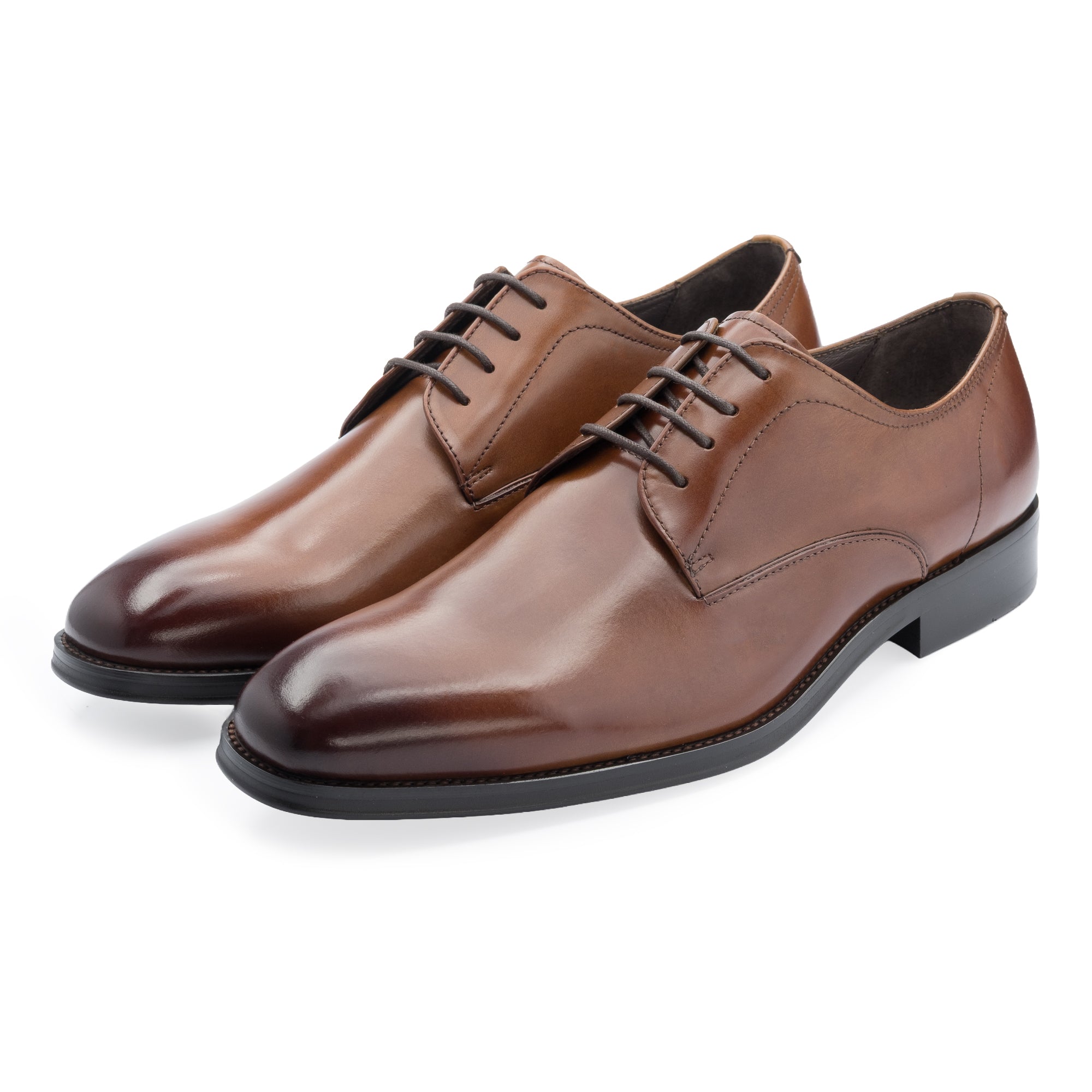
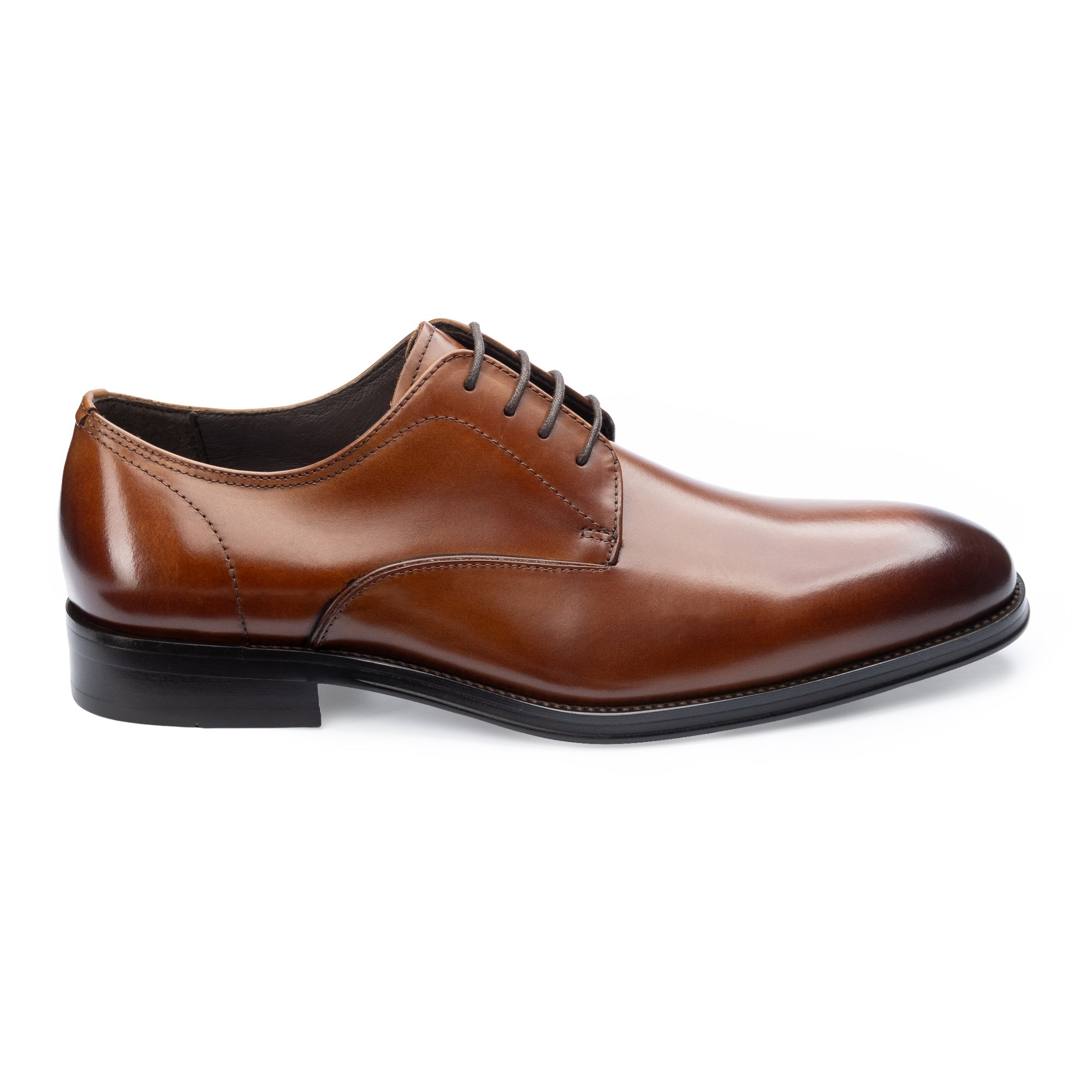
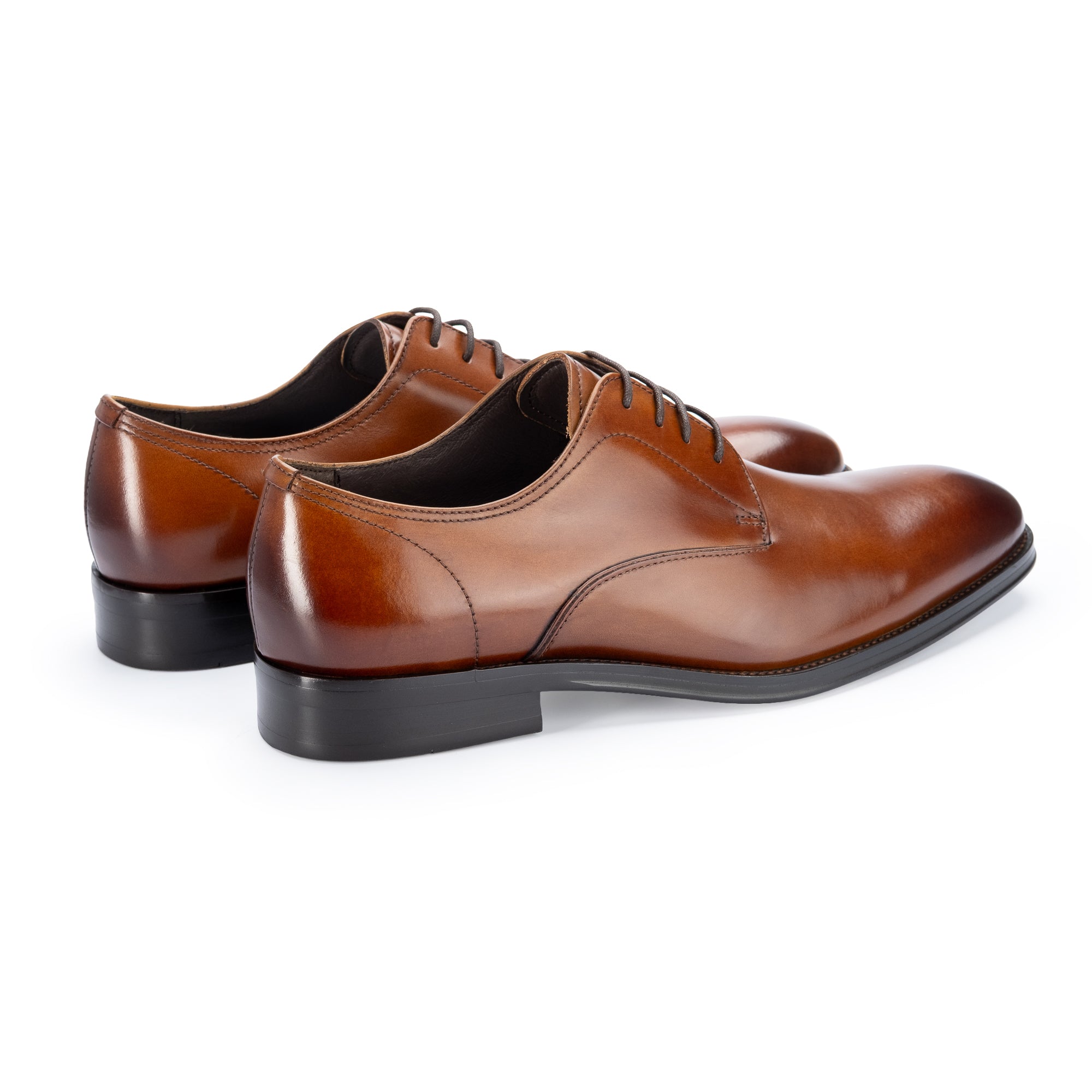
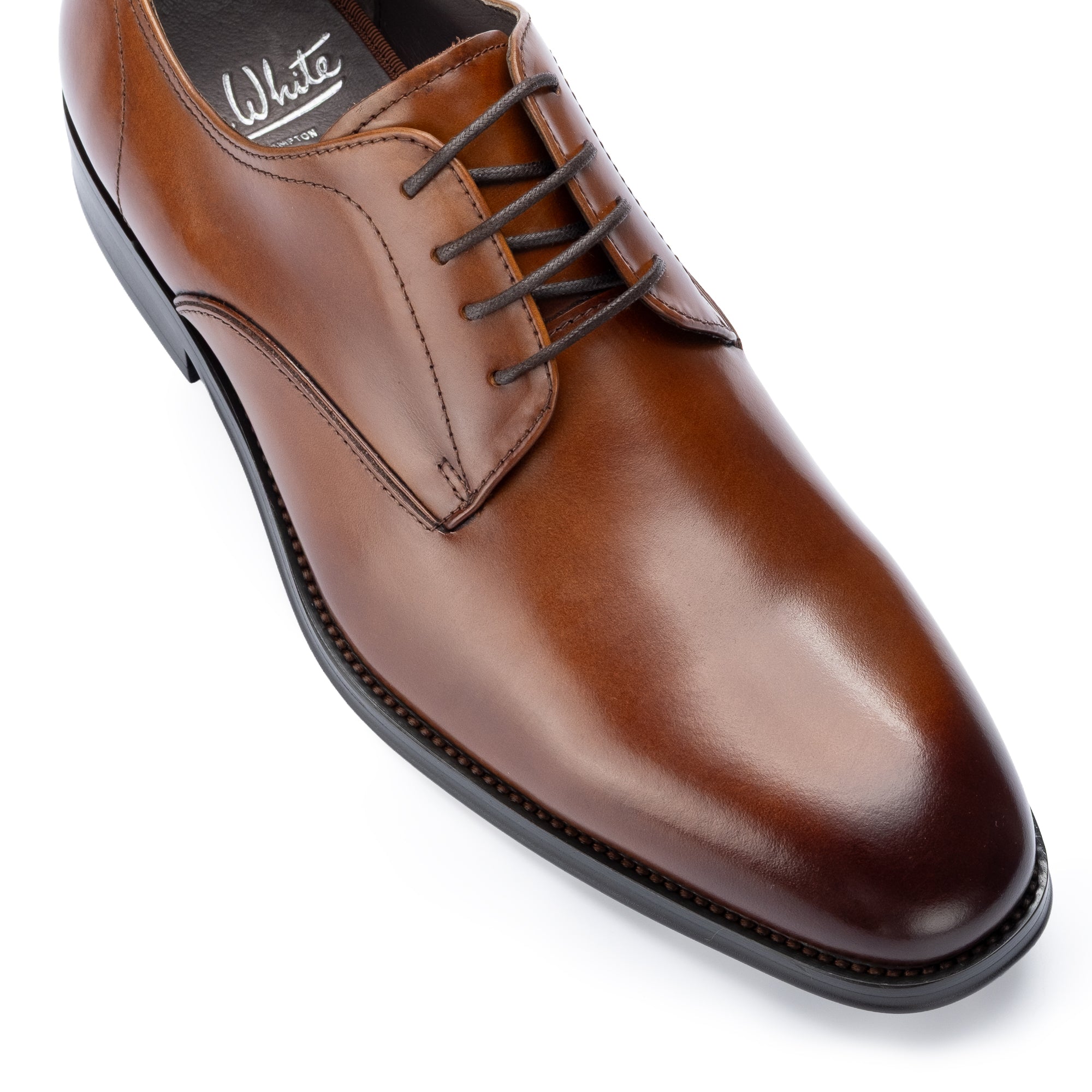
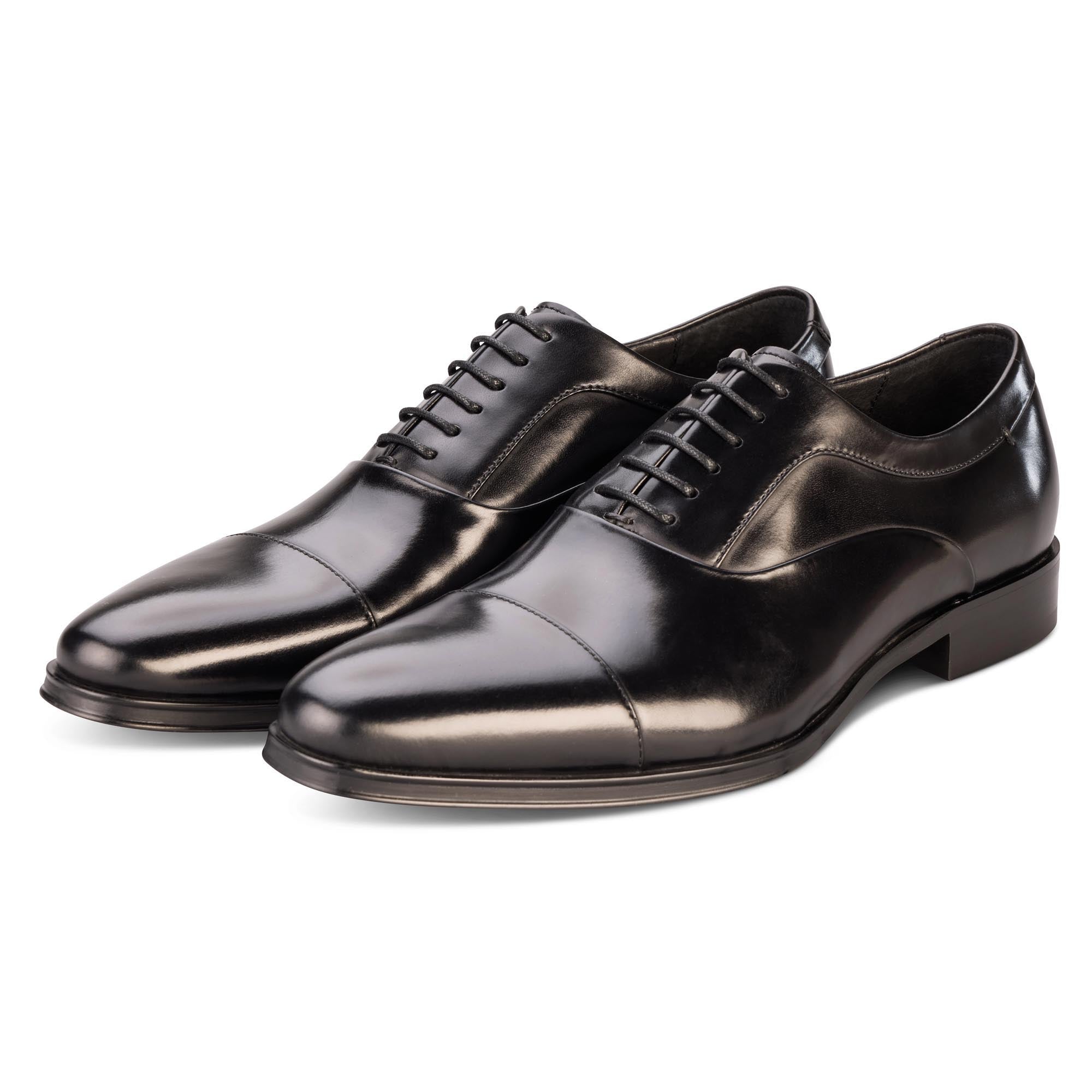
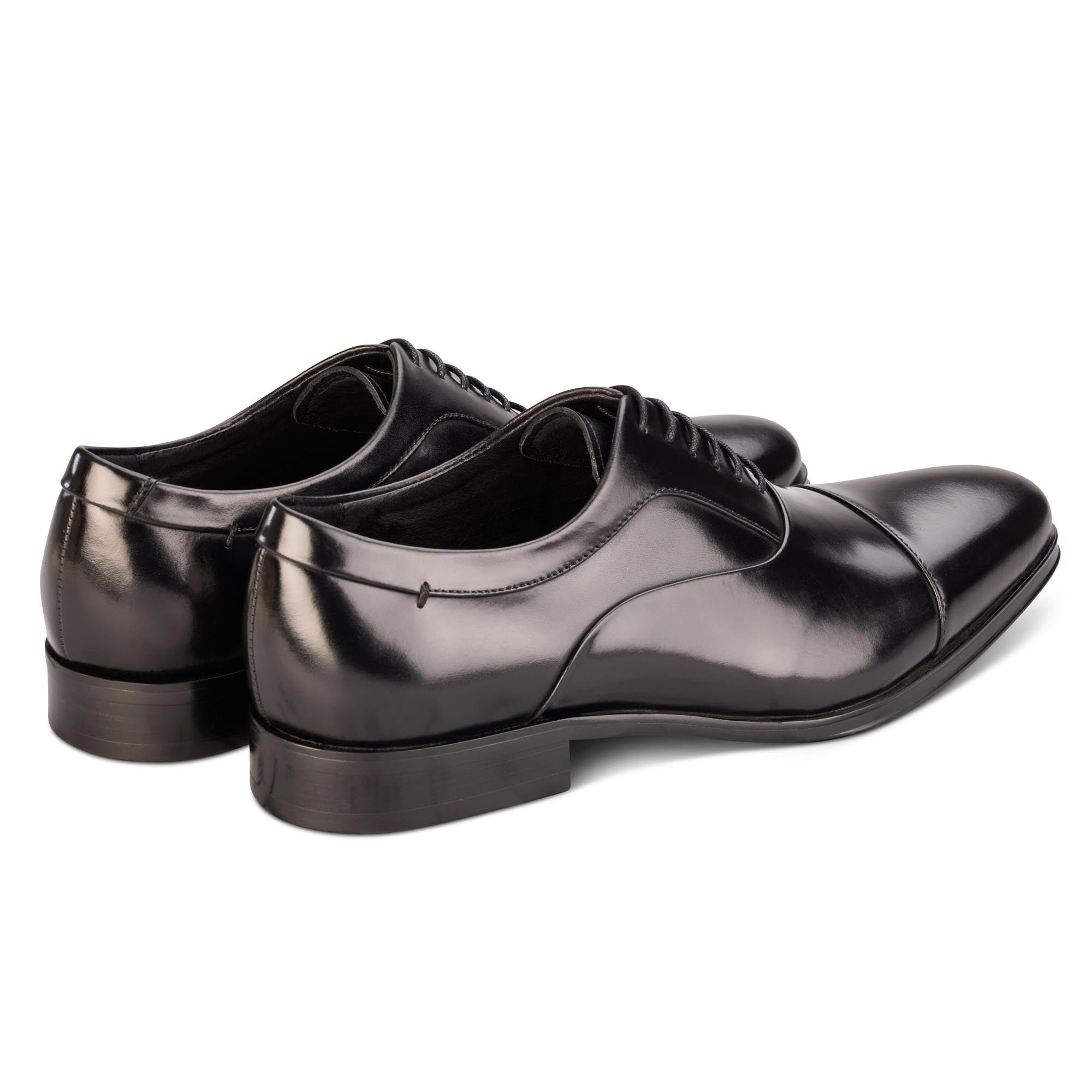
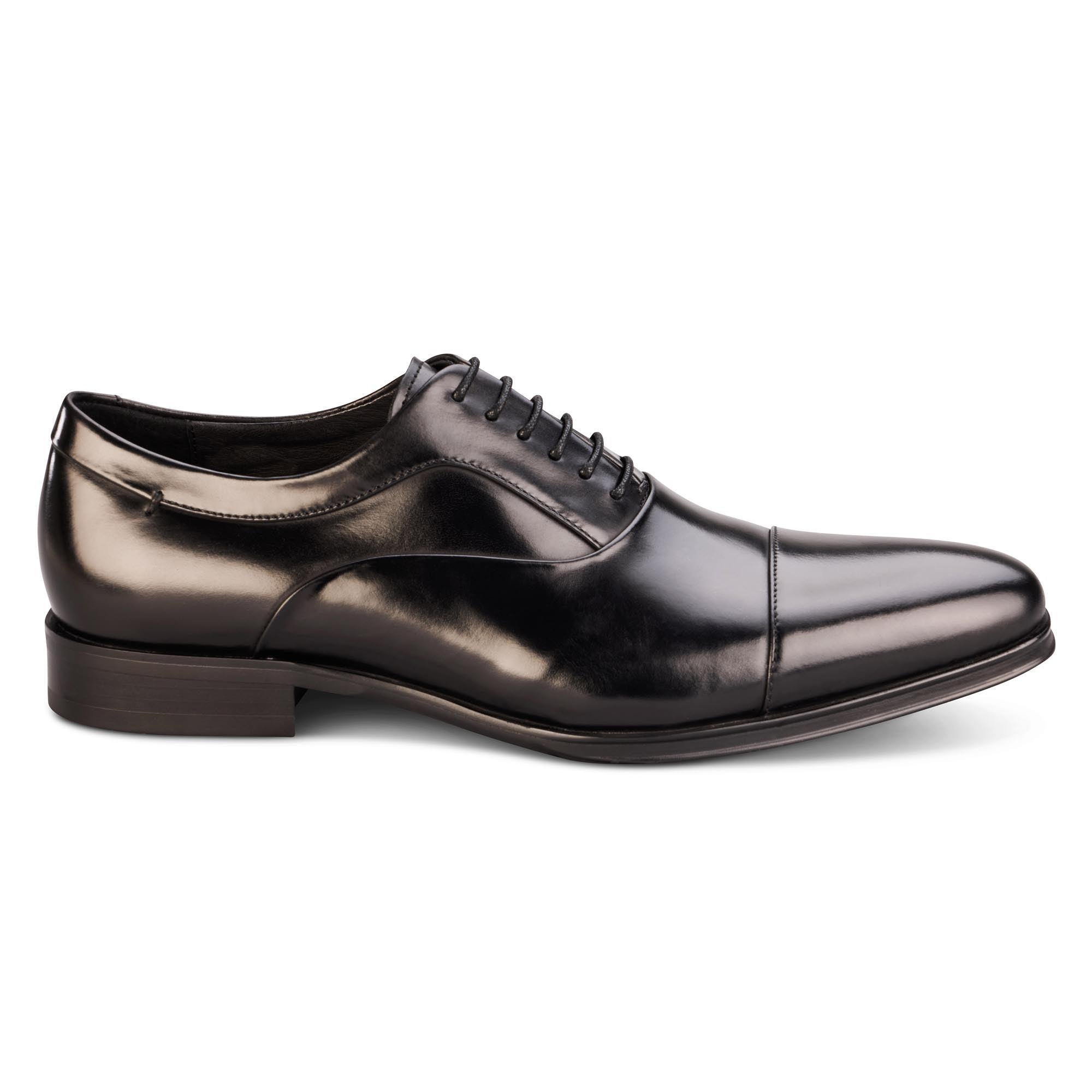
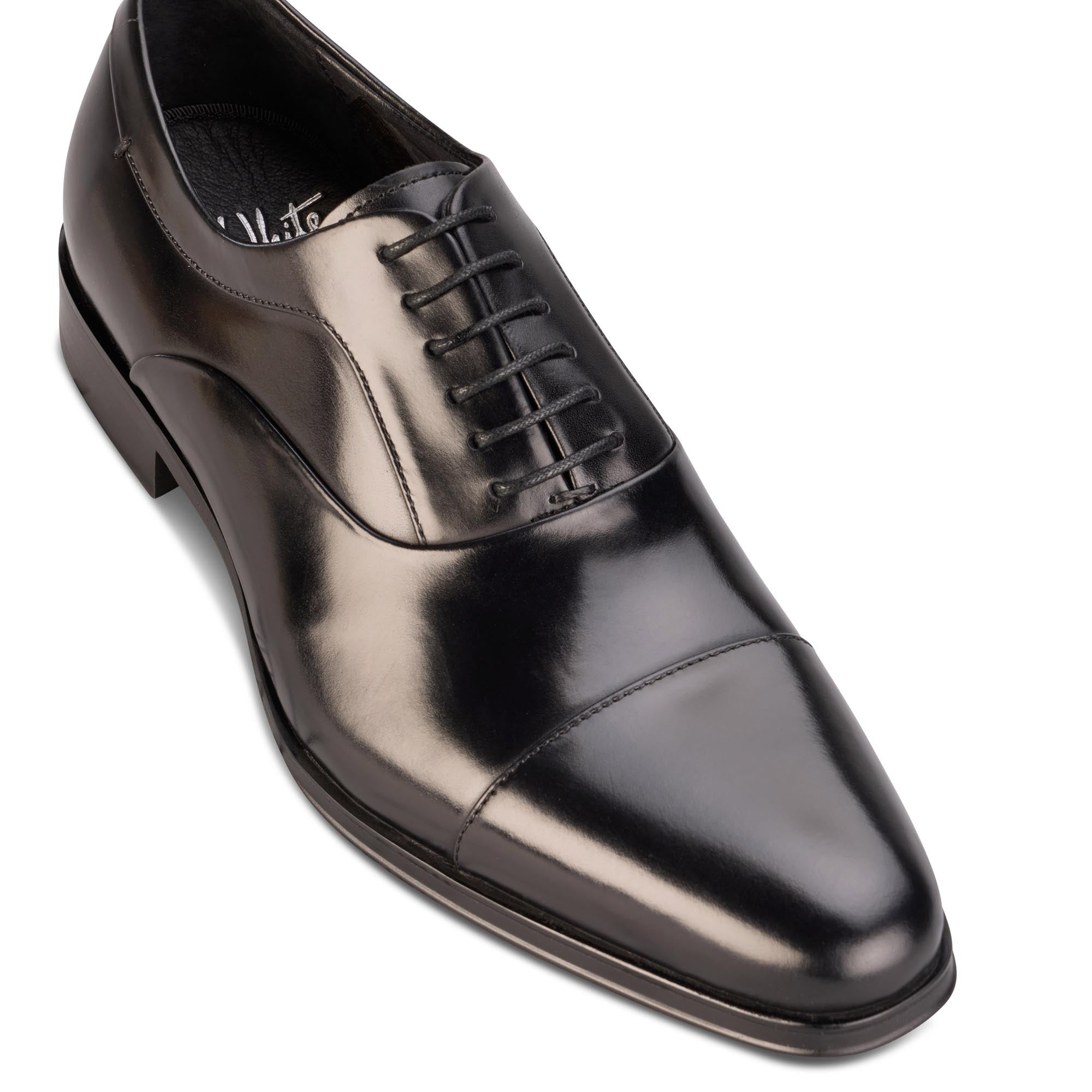
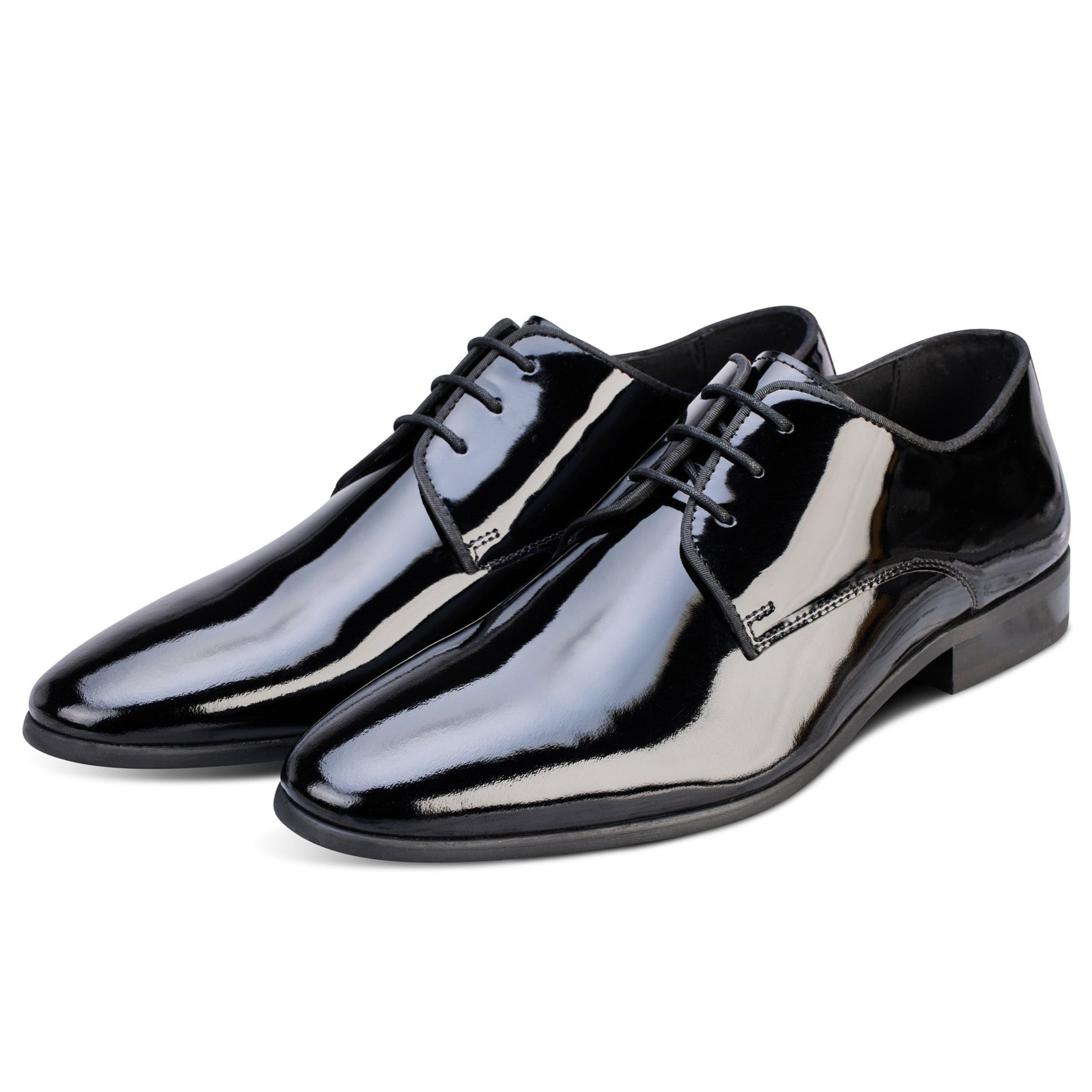
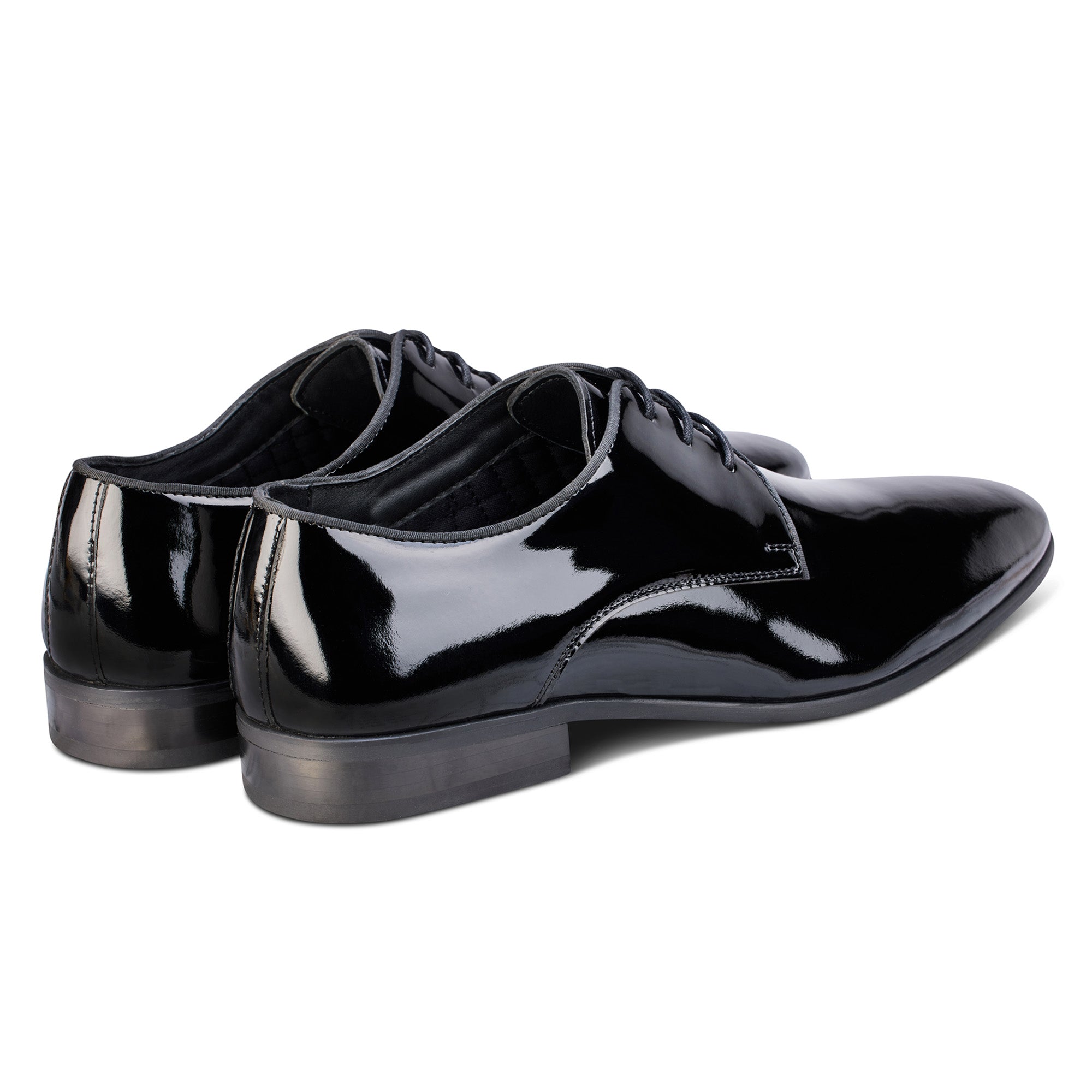
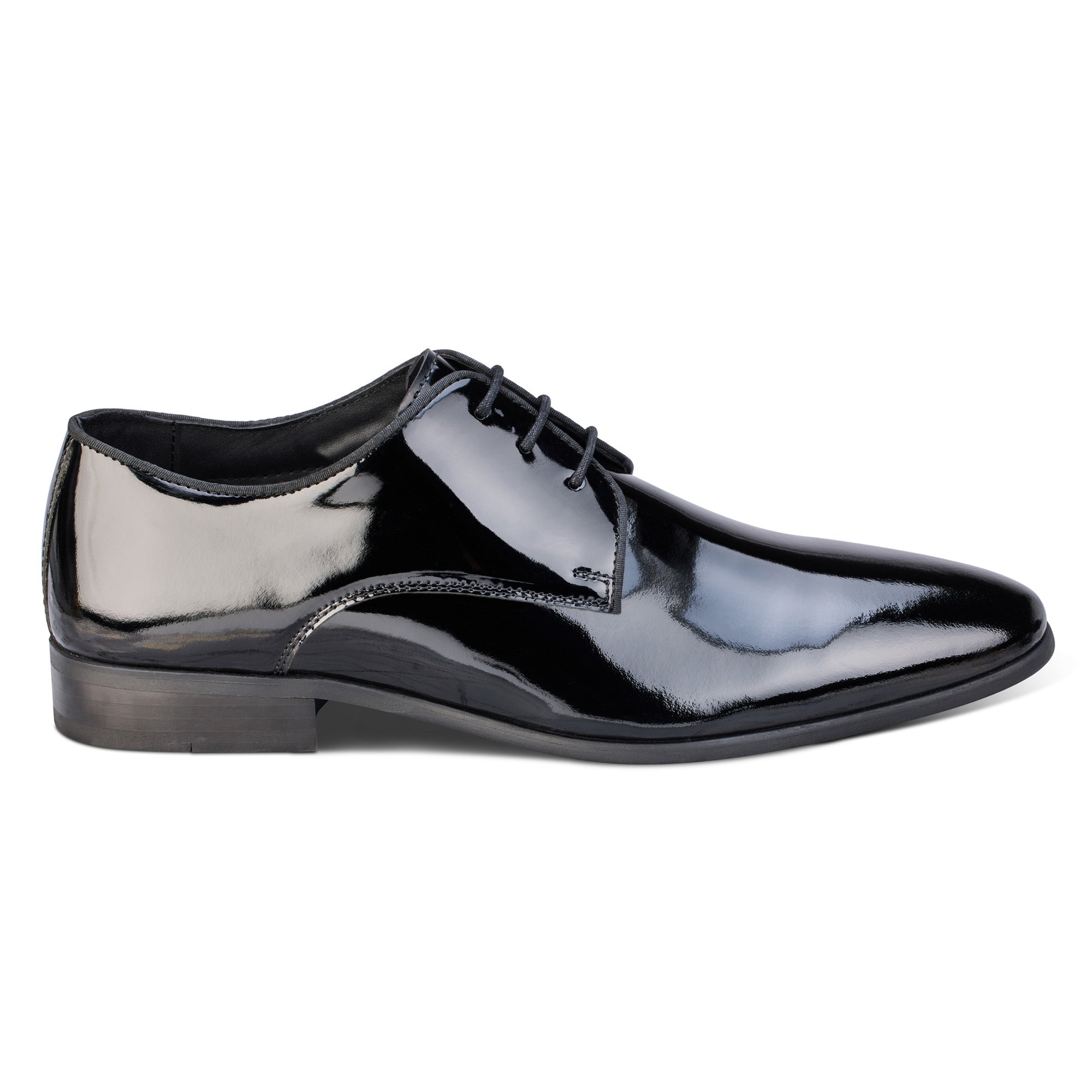
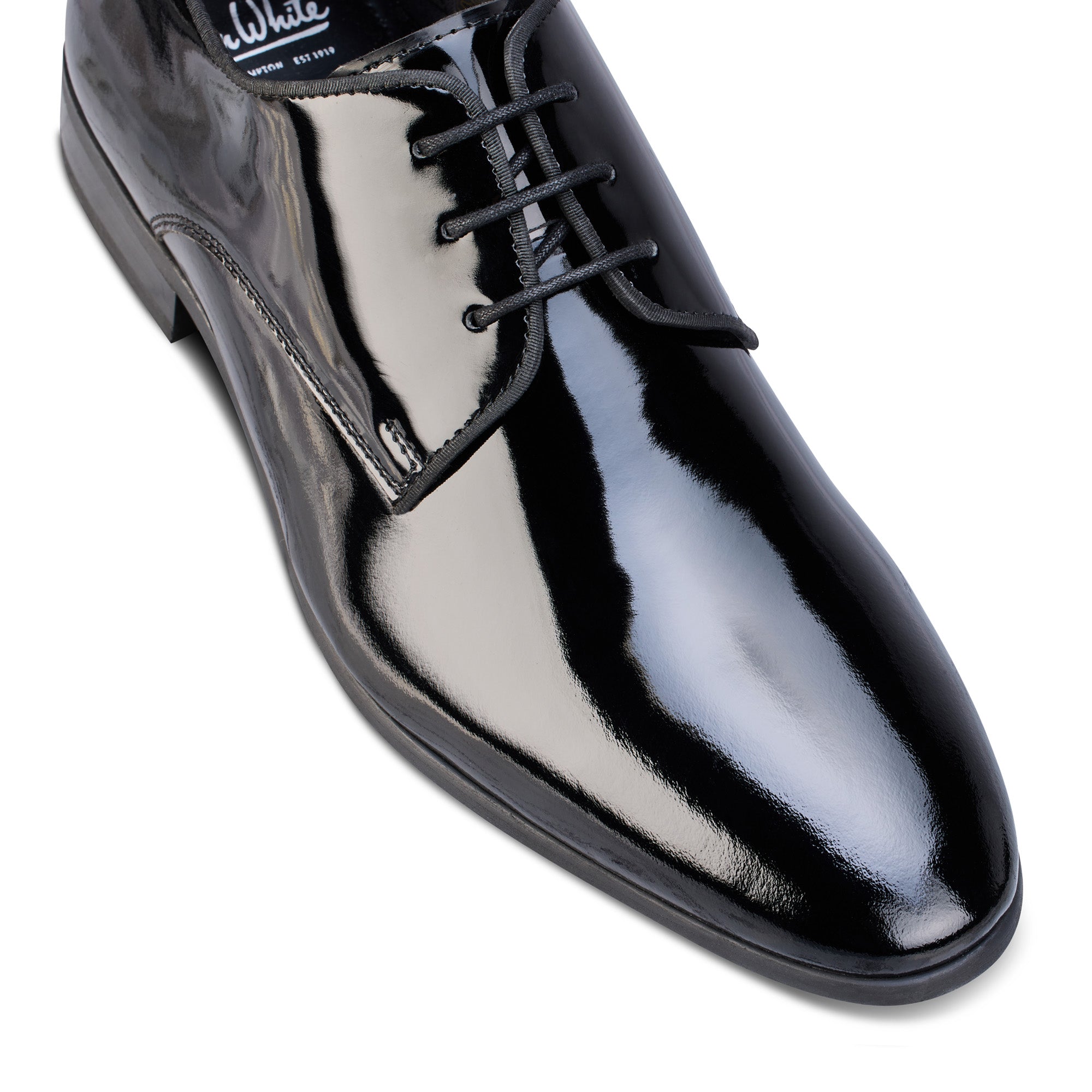
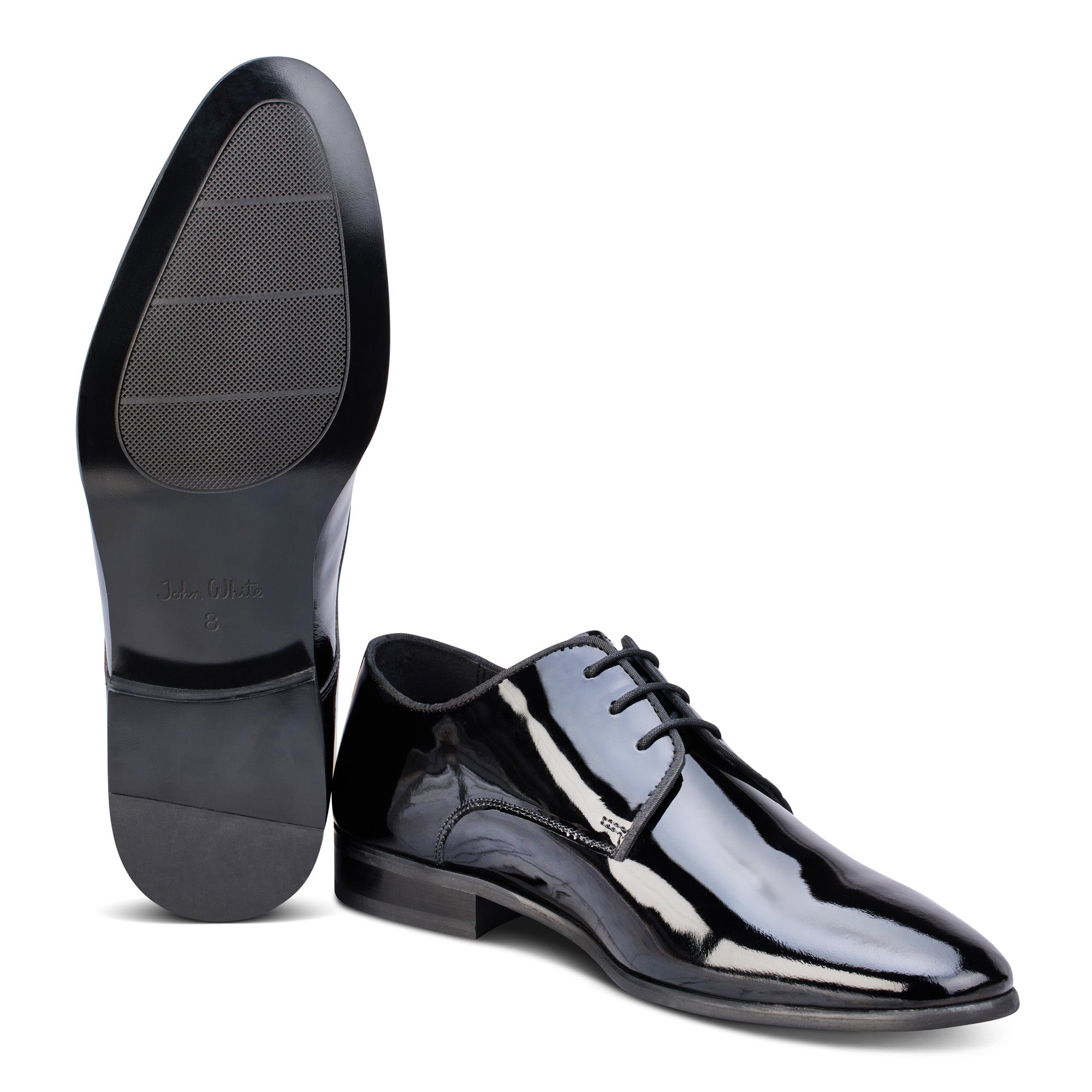
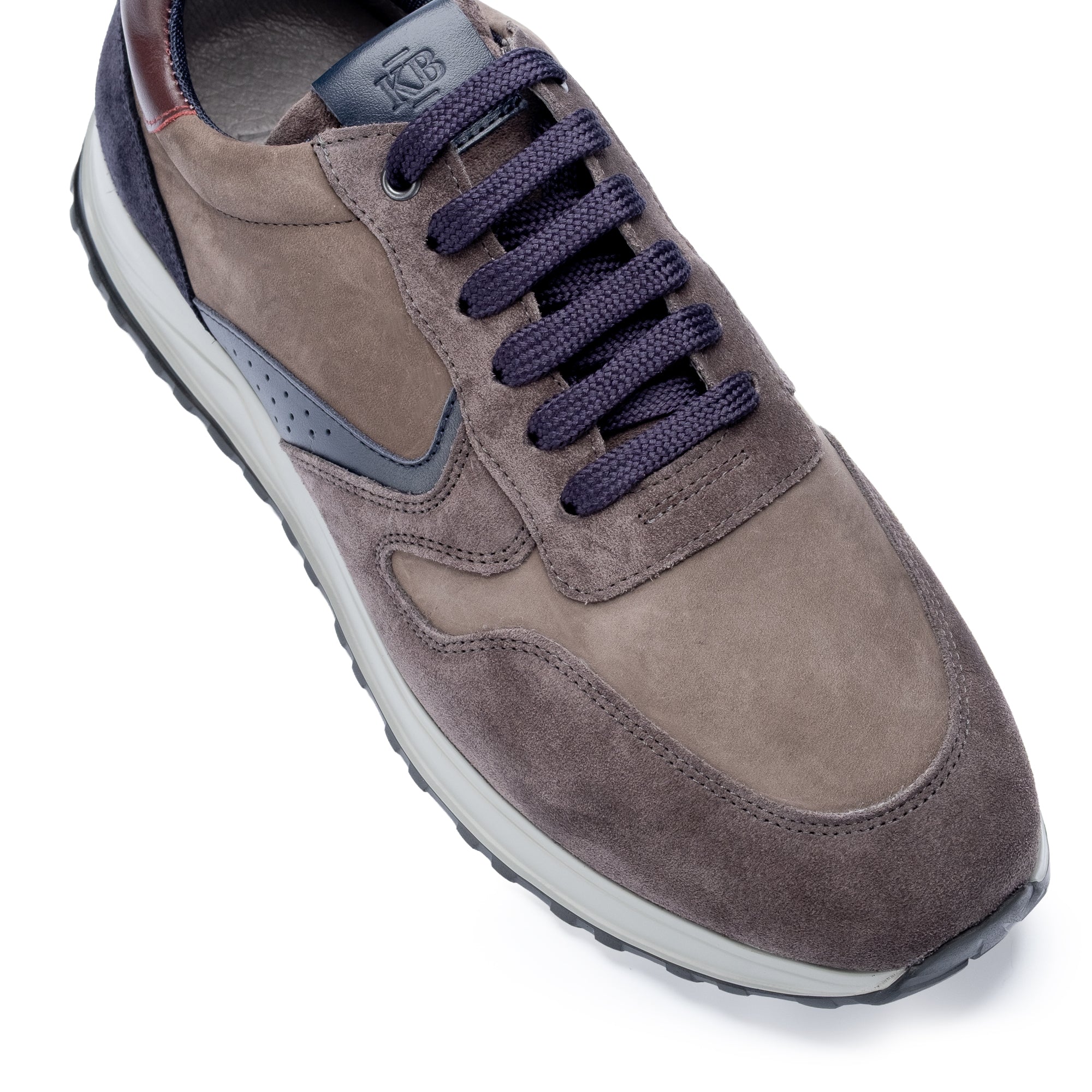
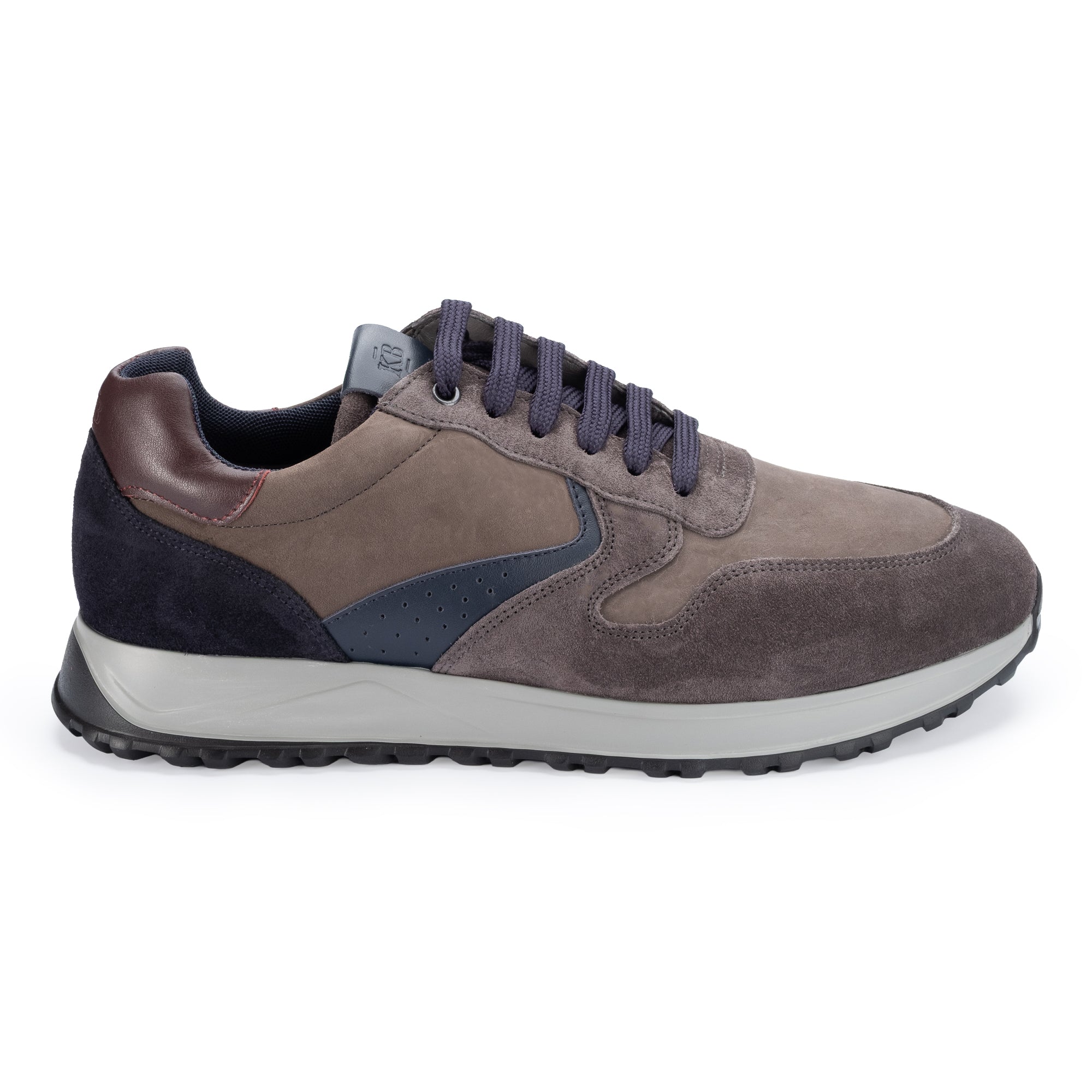
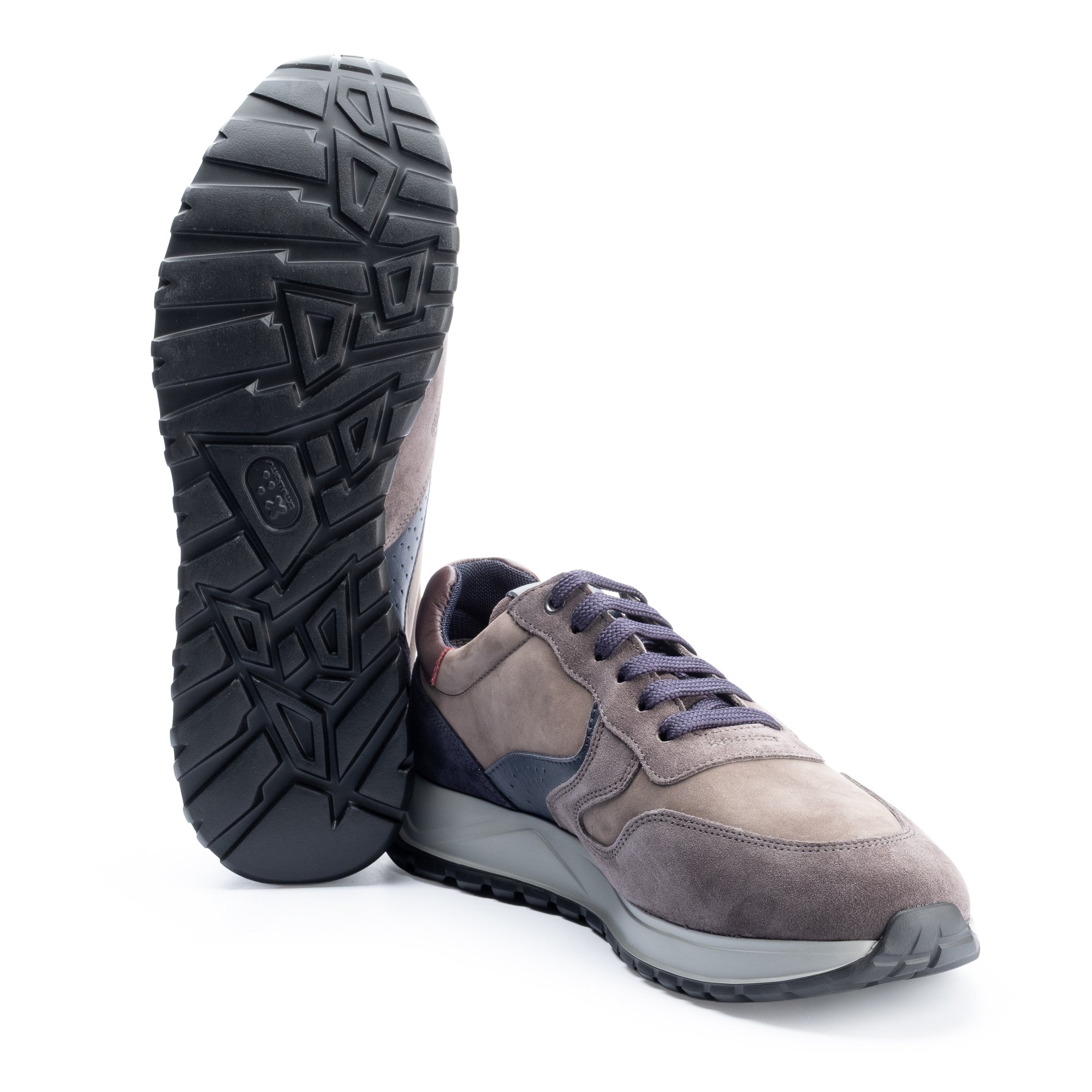
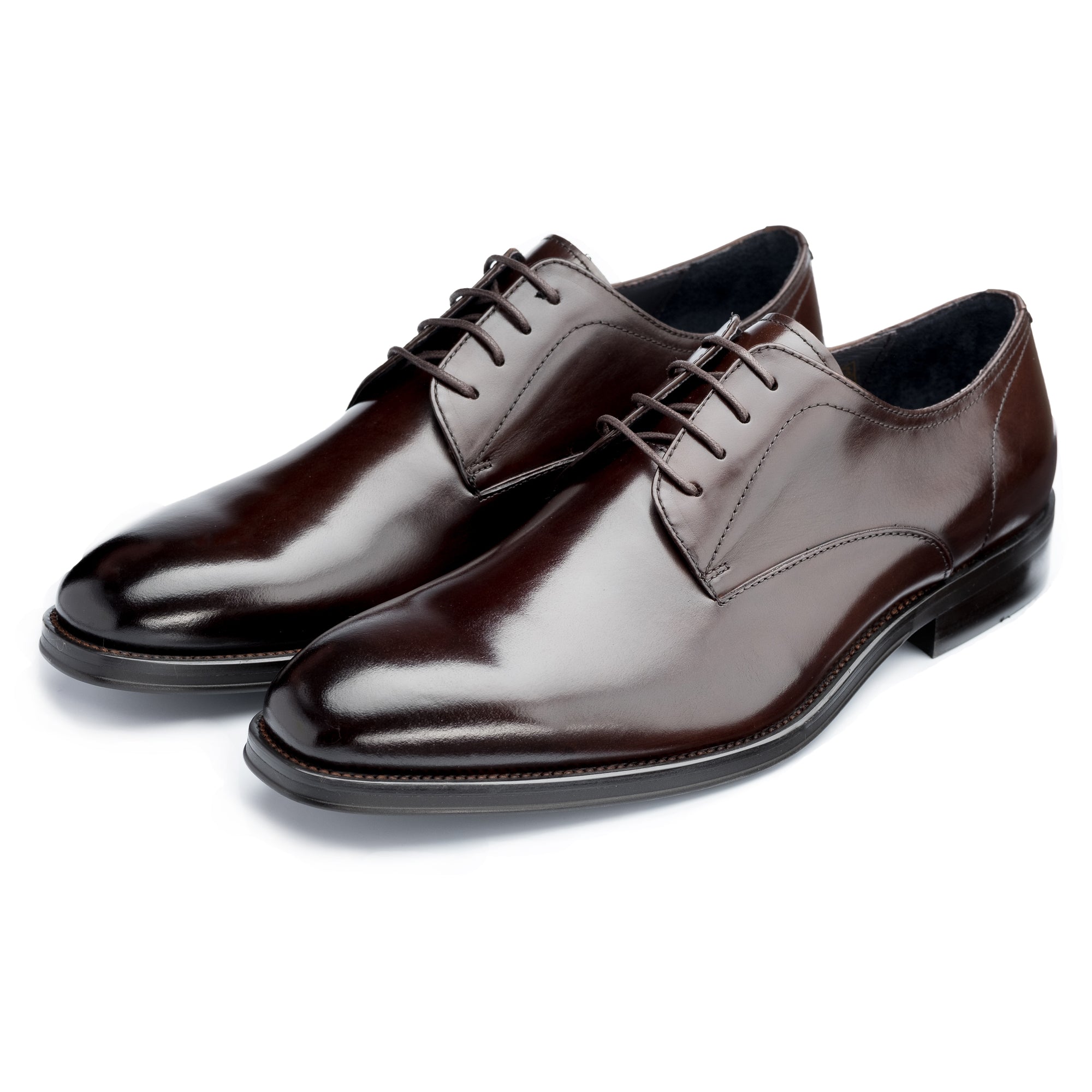
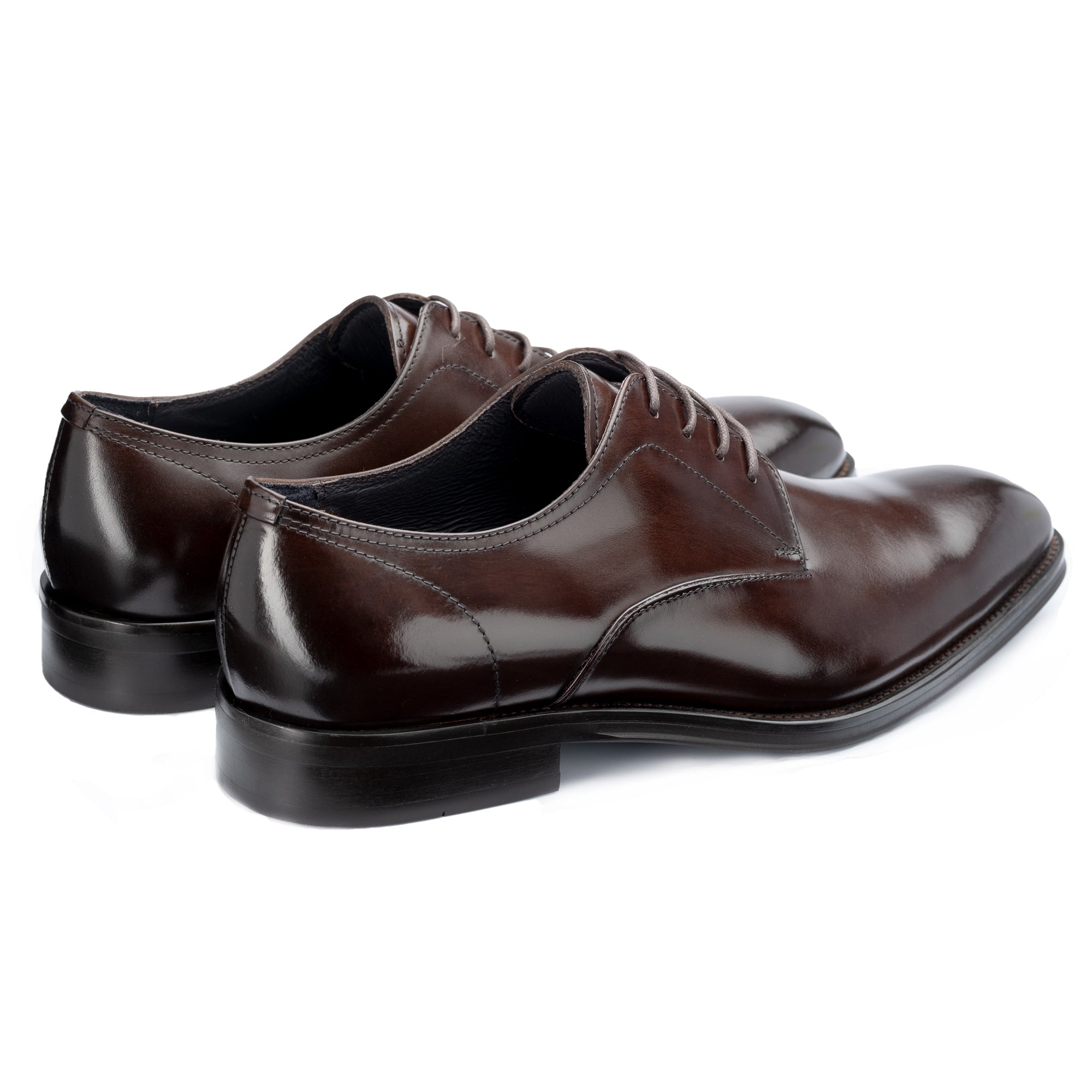
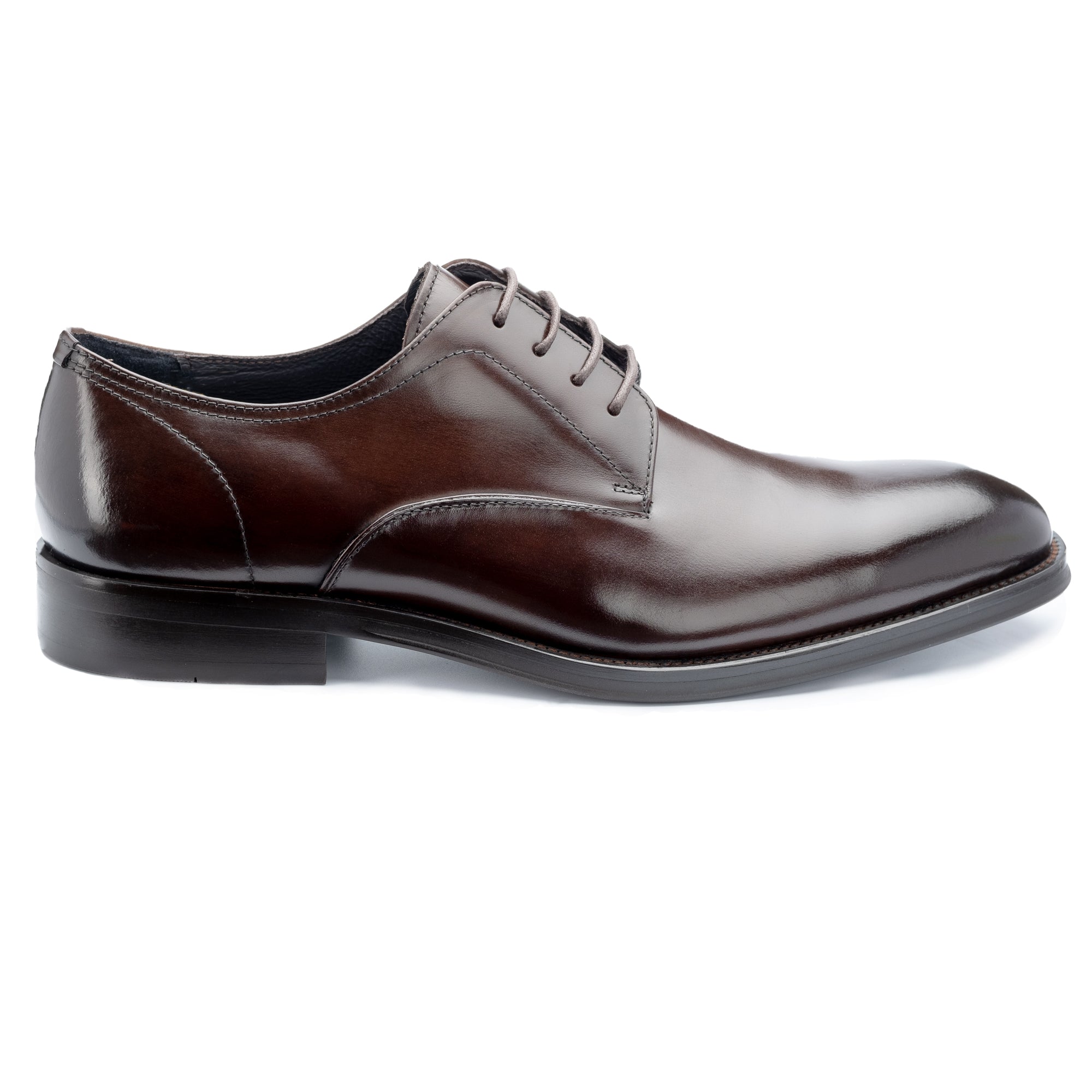
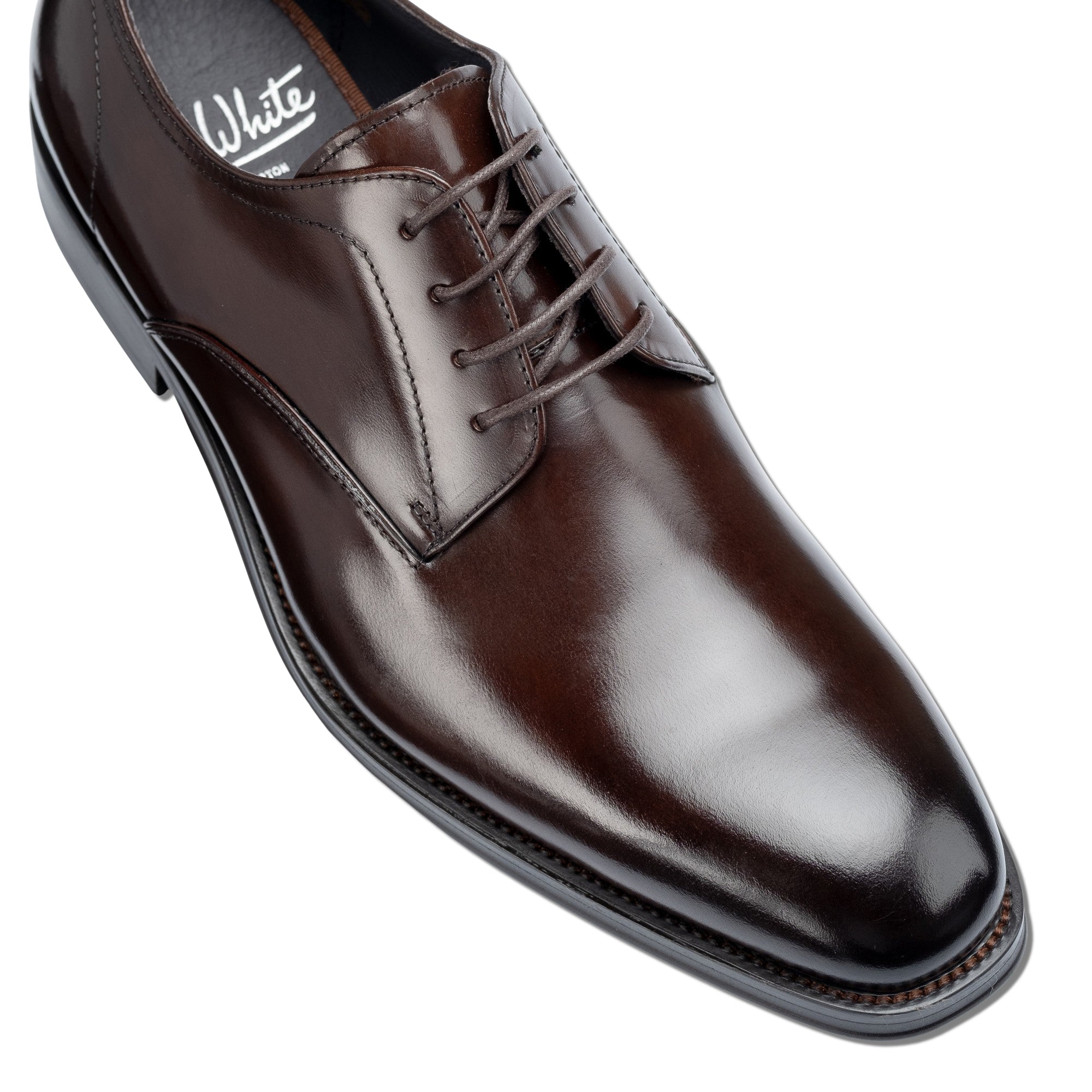
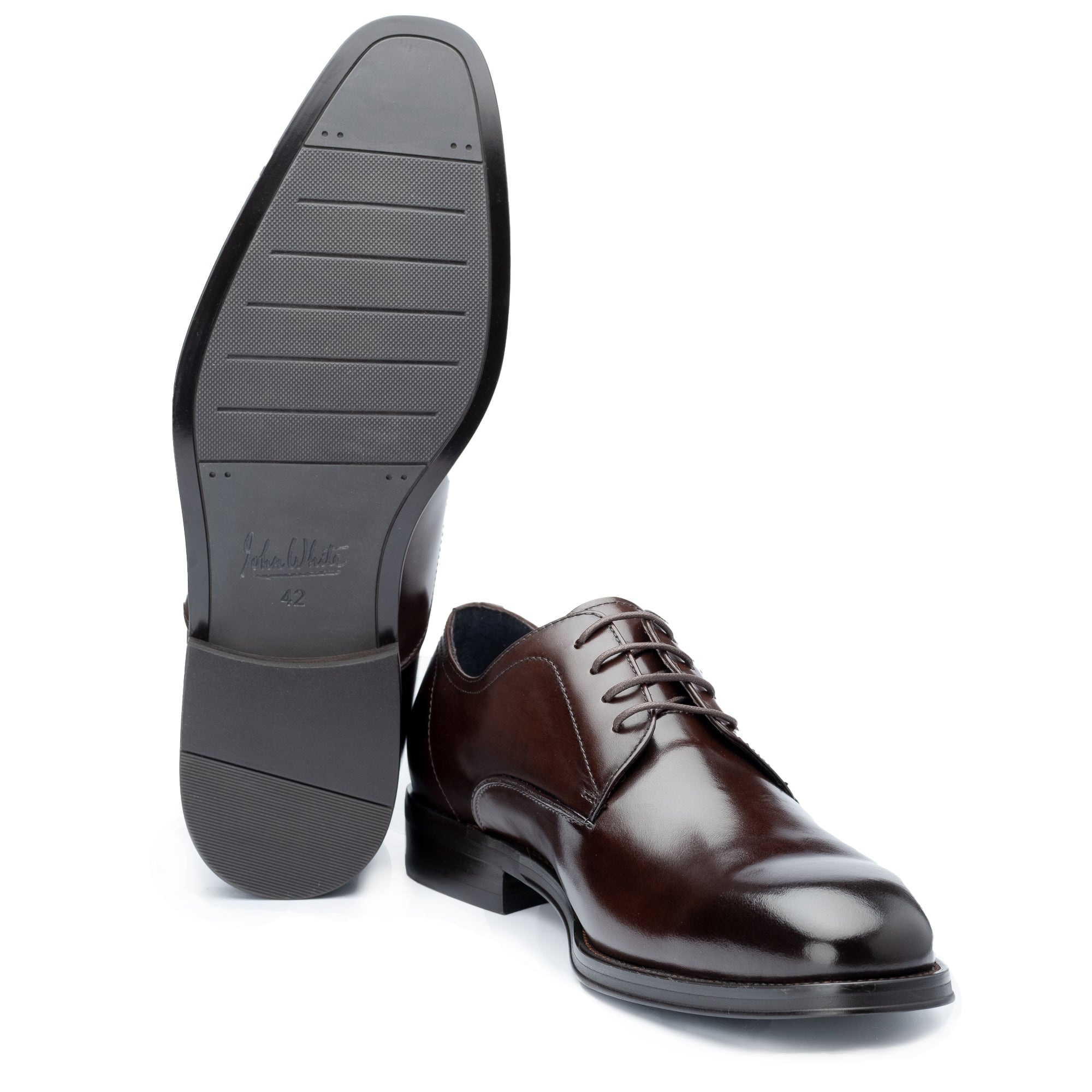
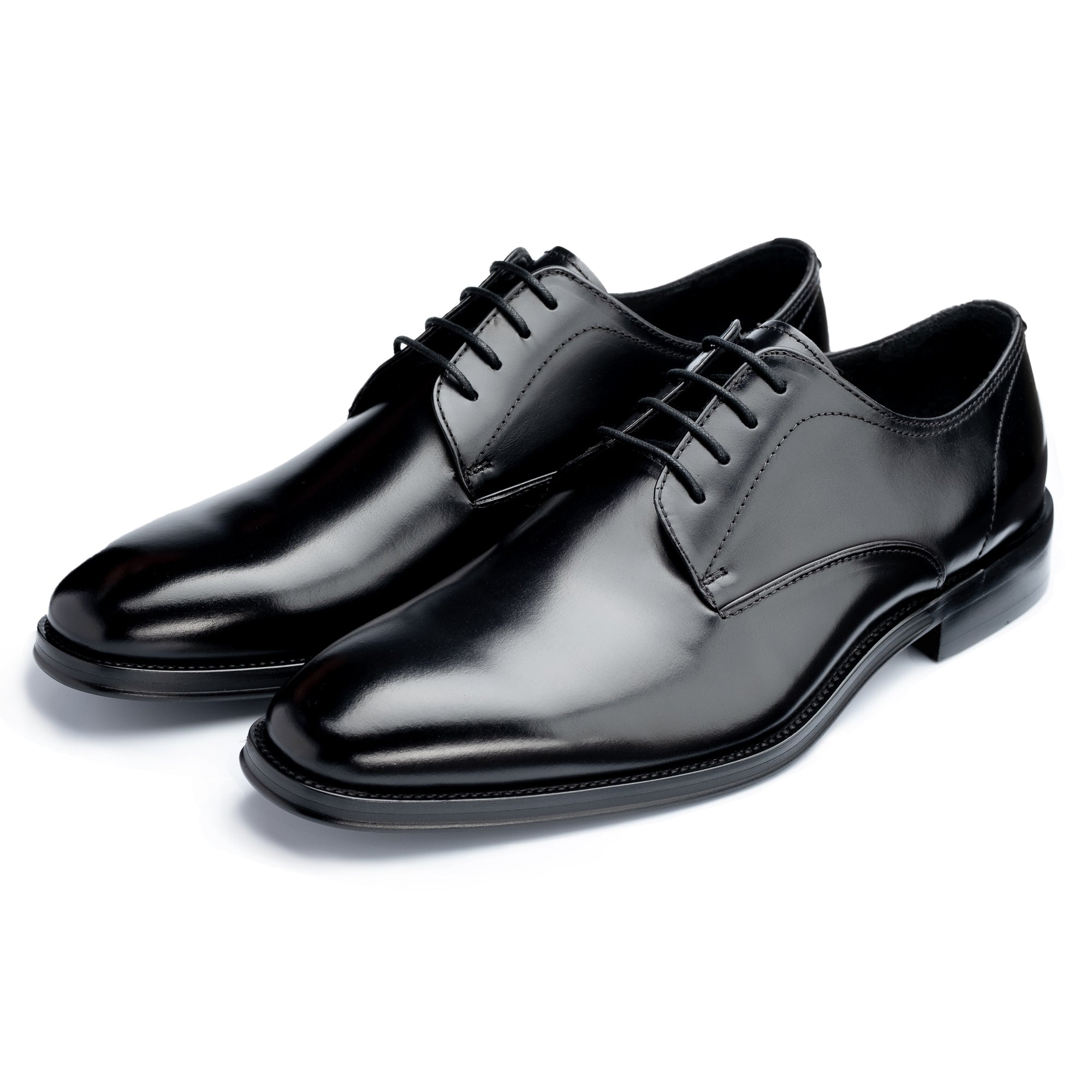
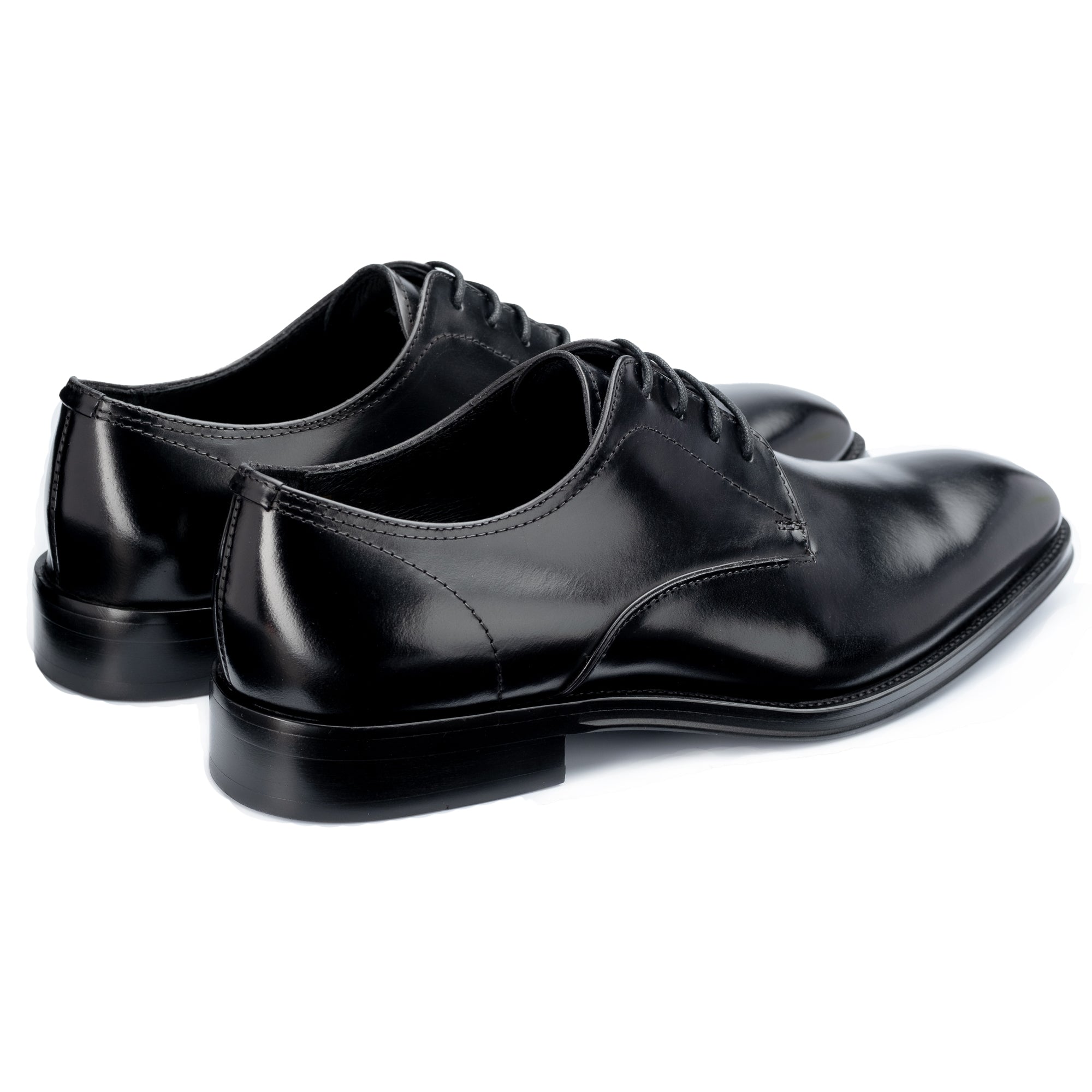
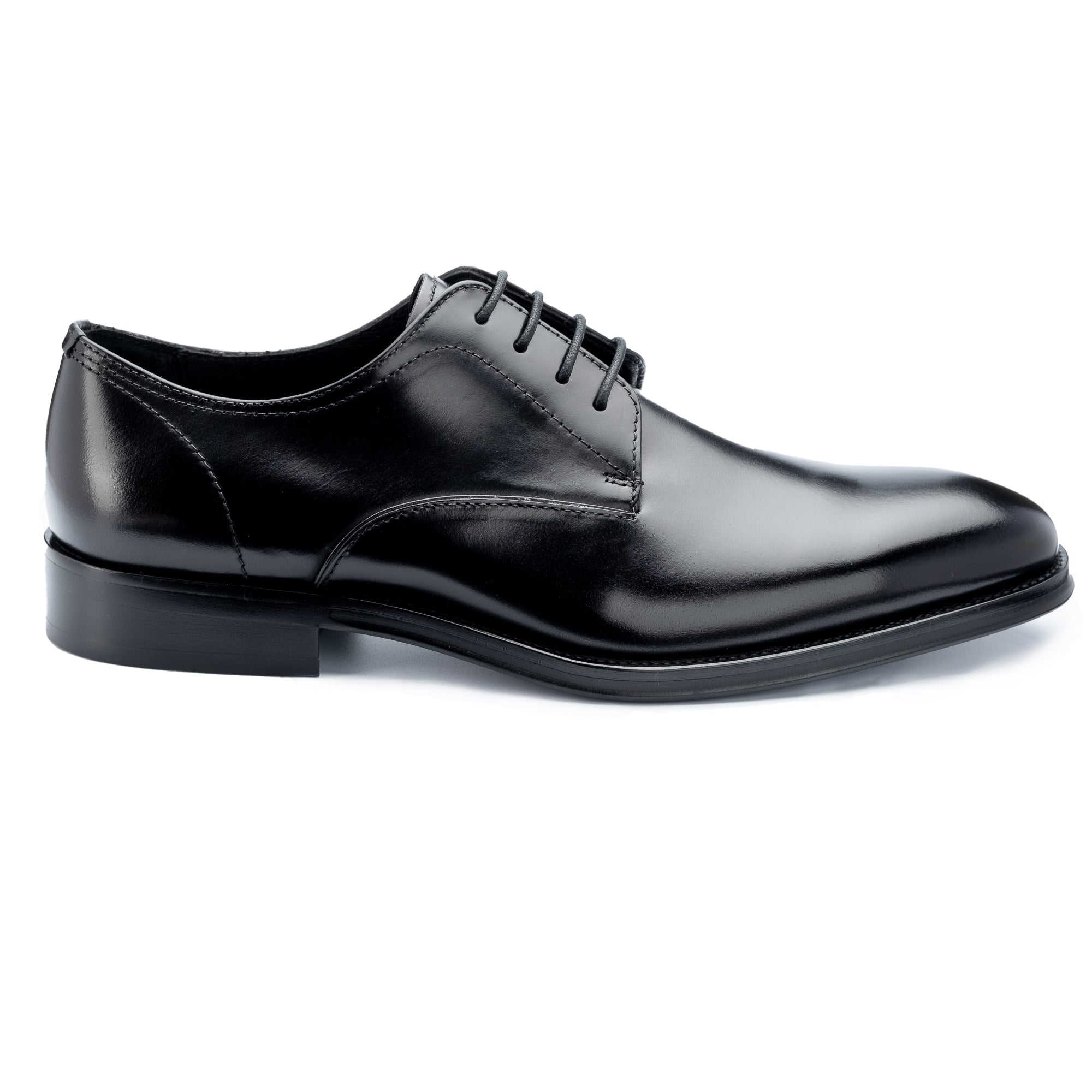
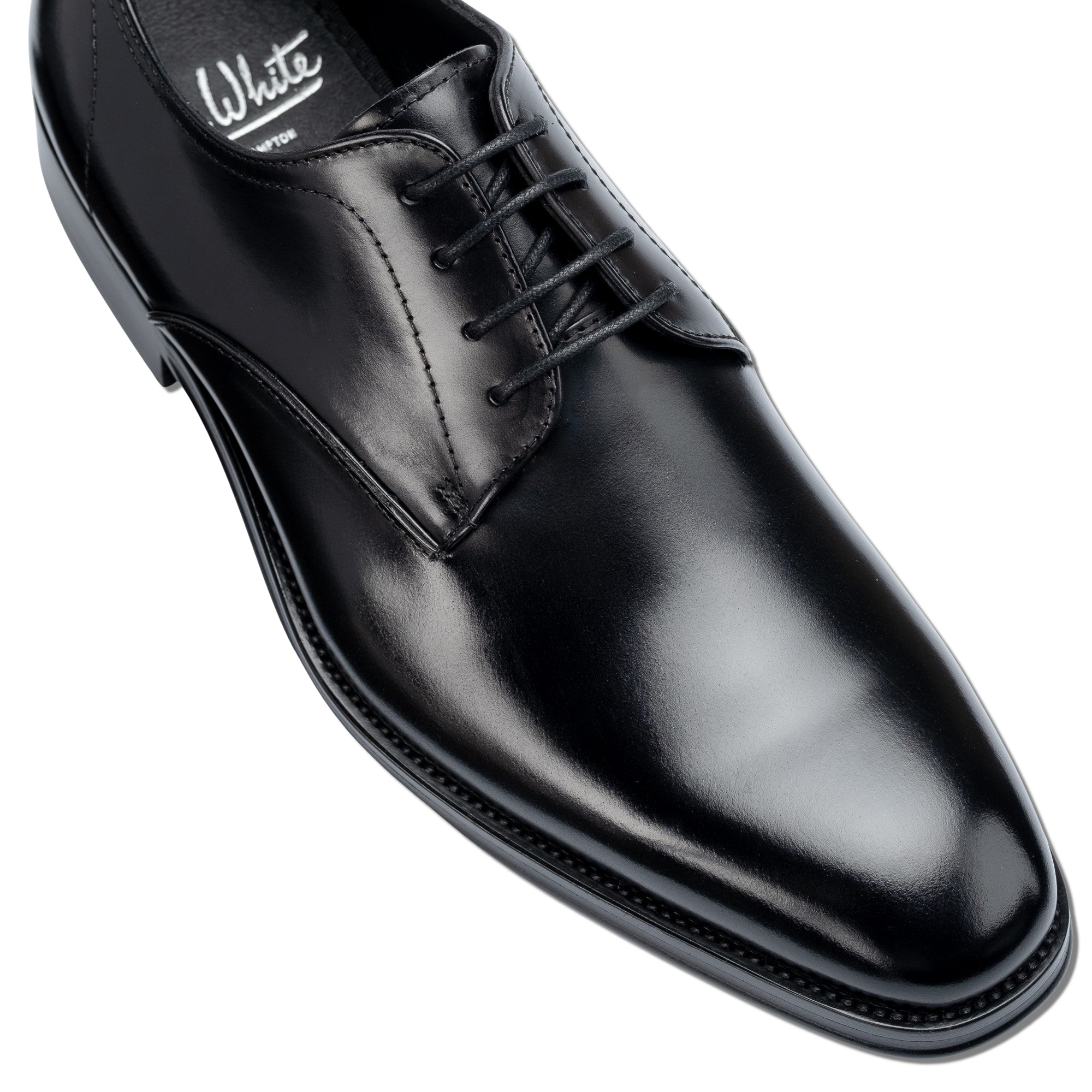
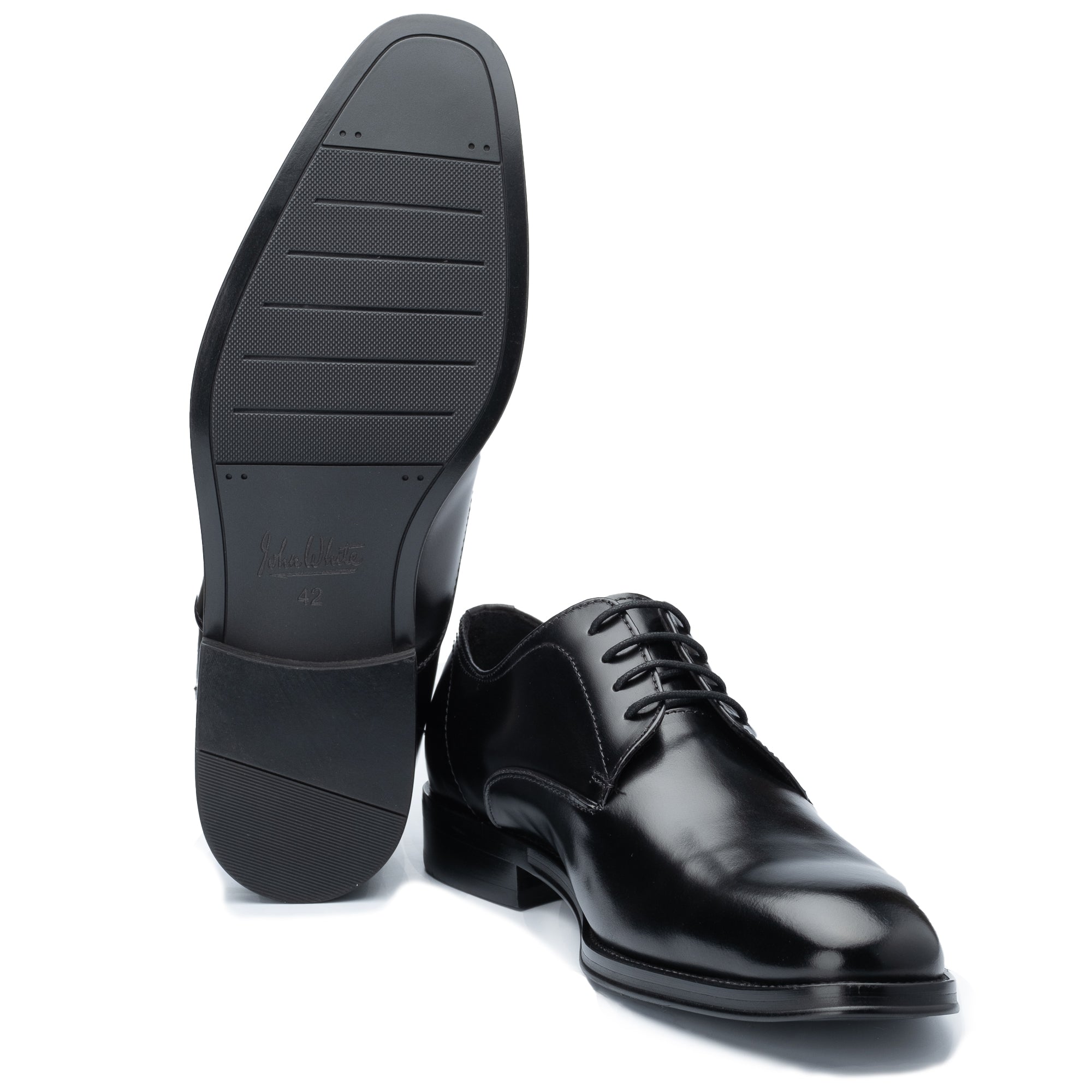
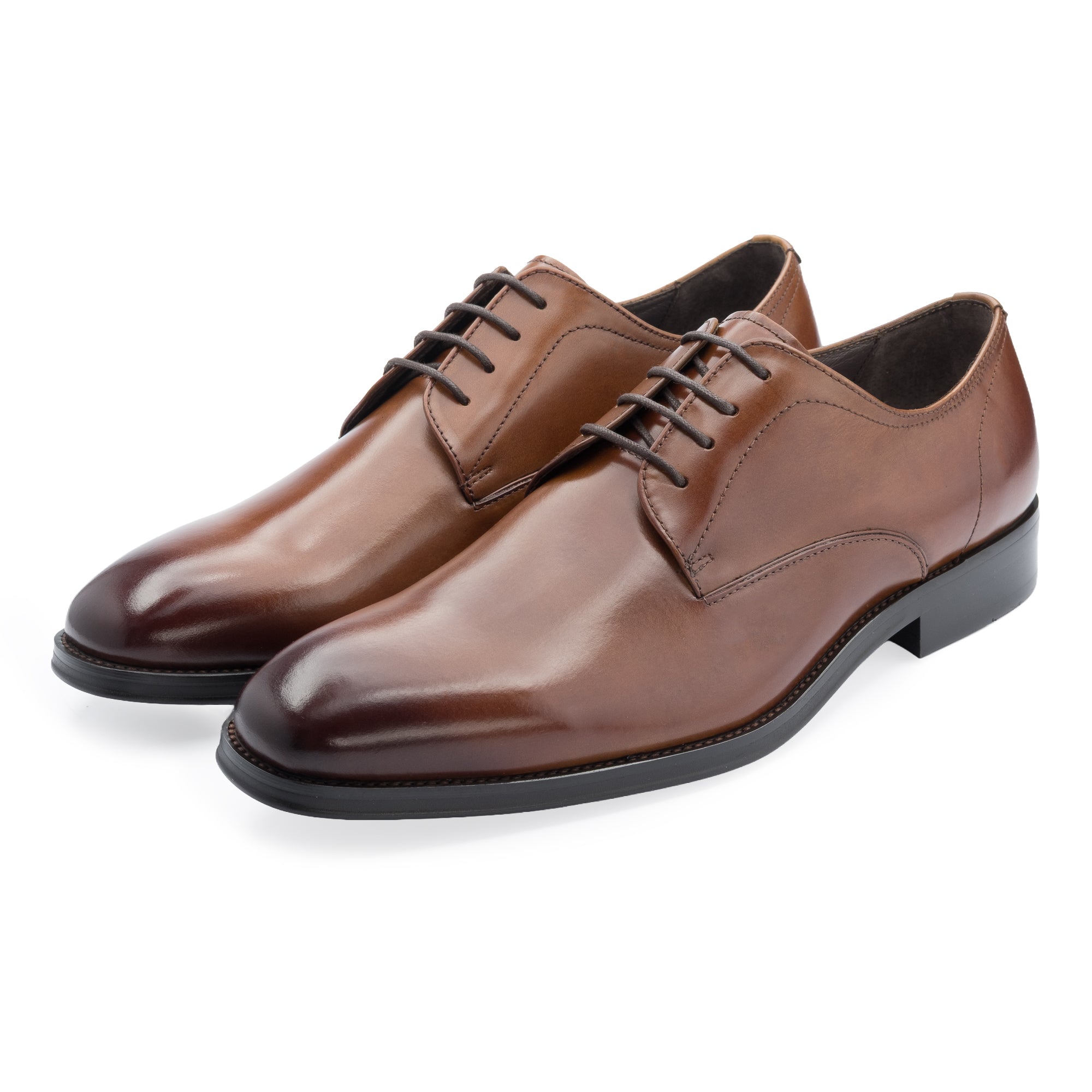
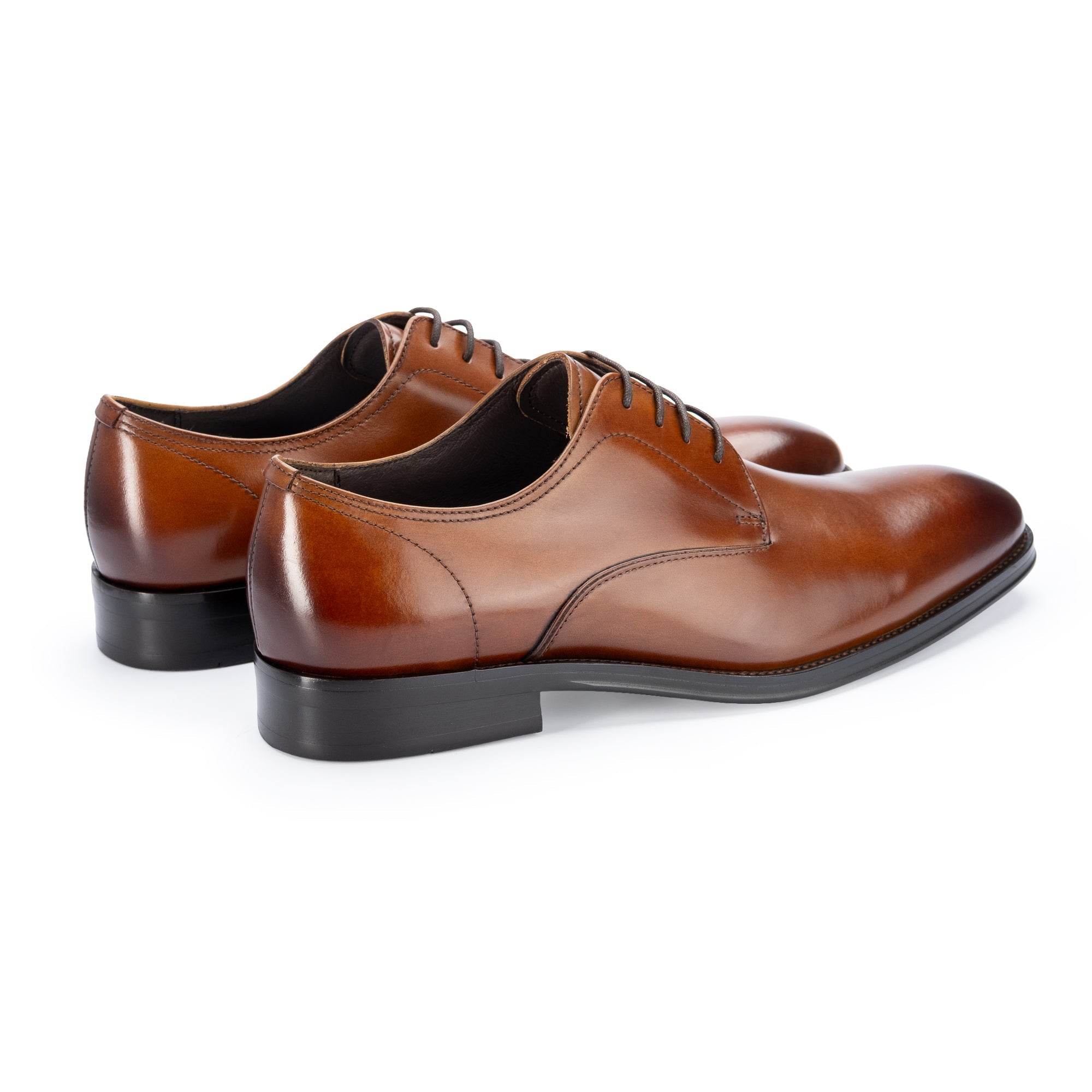
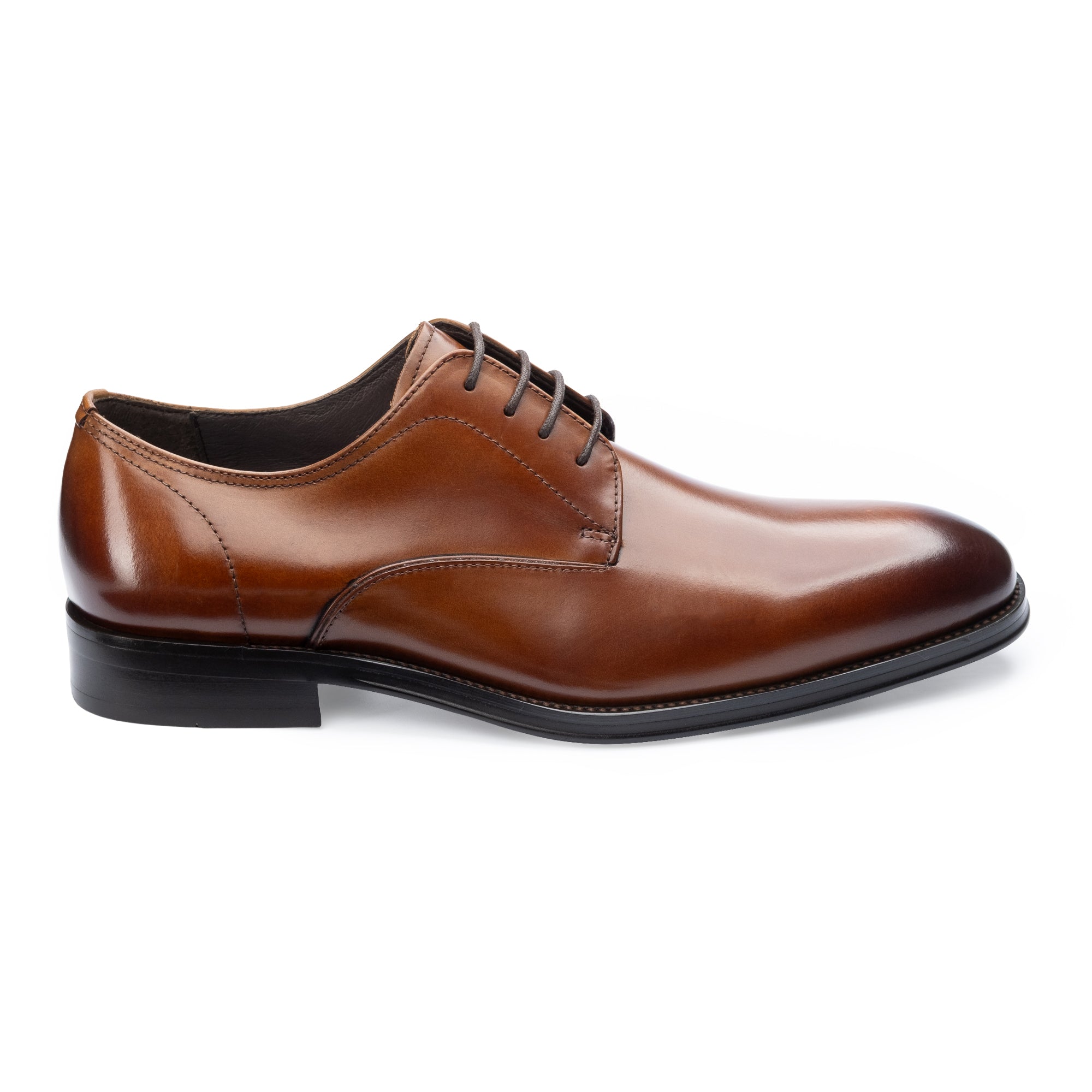
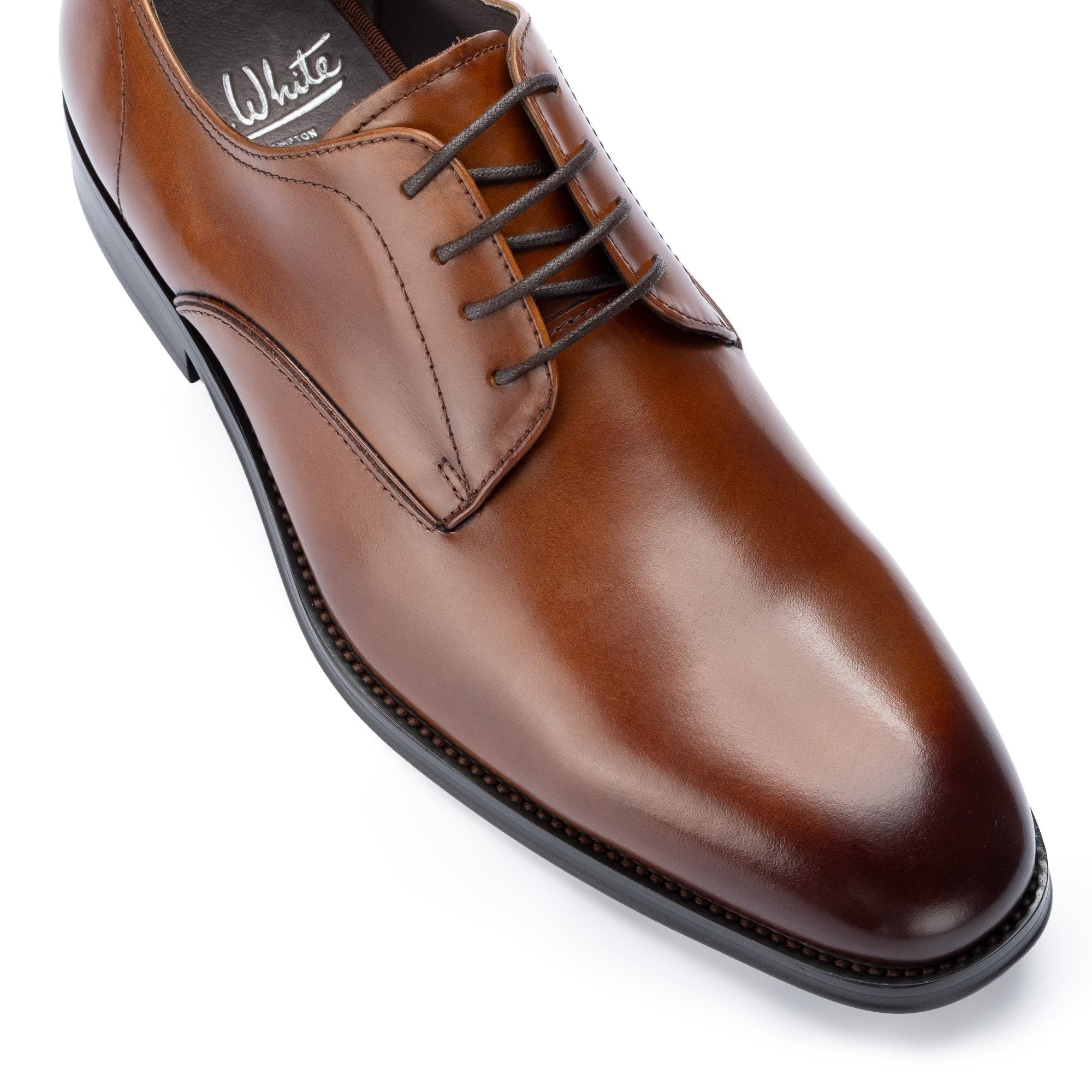
A Derby shoe is a lace-up defined by its open-quarter construction: the panels carrying the eyelets are stitched on top of the vamp rather than beneath it. This allows the shoe to open more fully at the throat, accommodating a broader range of foot shapes and making it easier to put on than its closed-lacing counterpart, the Oxford. The open-quarter design was adopted by the British military in the nineteenth century precisely because it accommodated varied foot widths more generously than earlier closed lacing systems — a practical origin that speaks to its enduring versatility. Our guide to Derby vs Oxford: which lace-up to buy first covers the structural distinction in full.
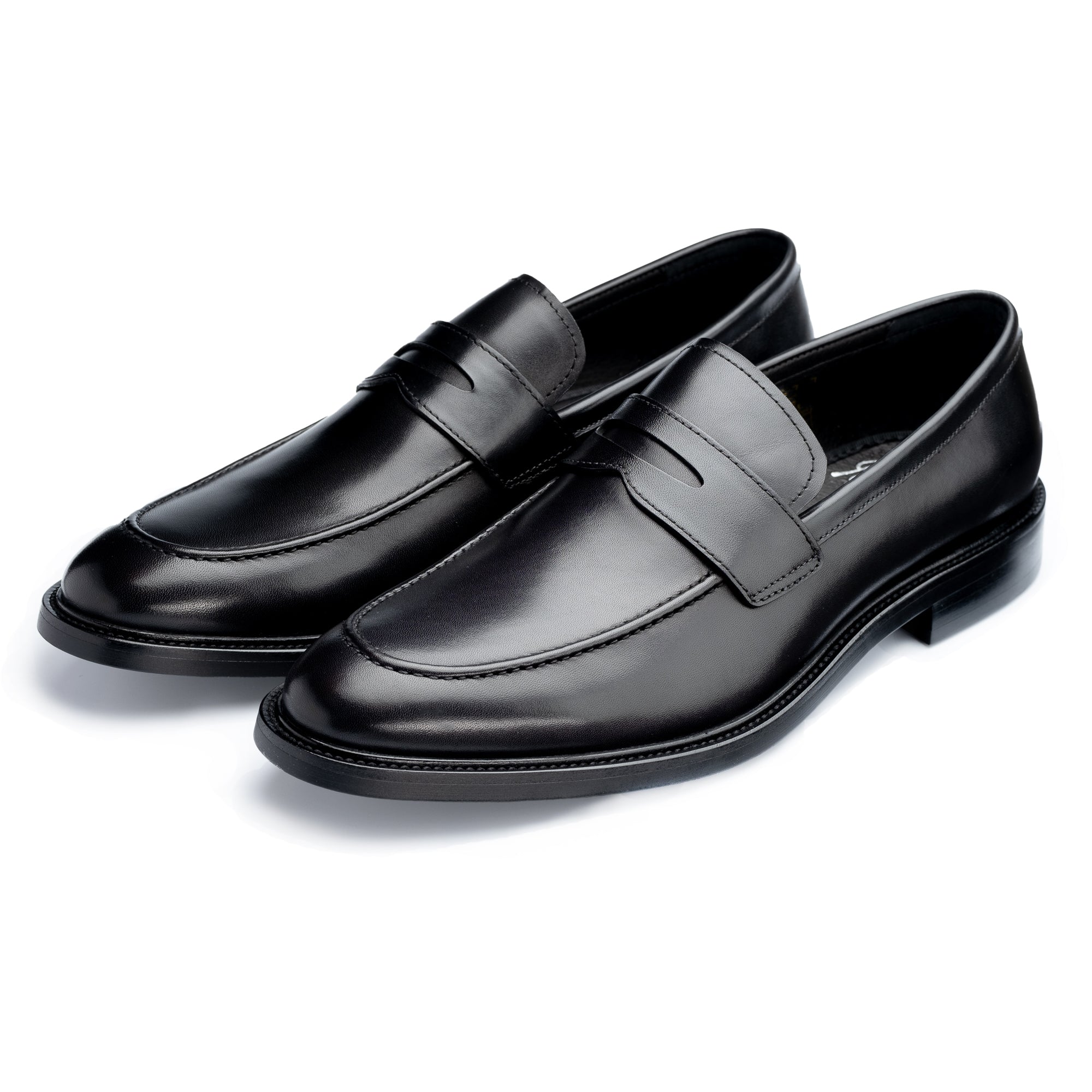
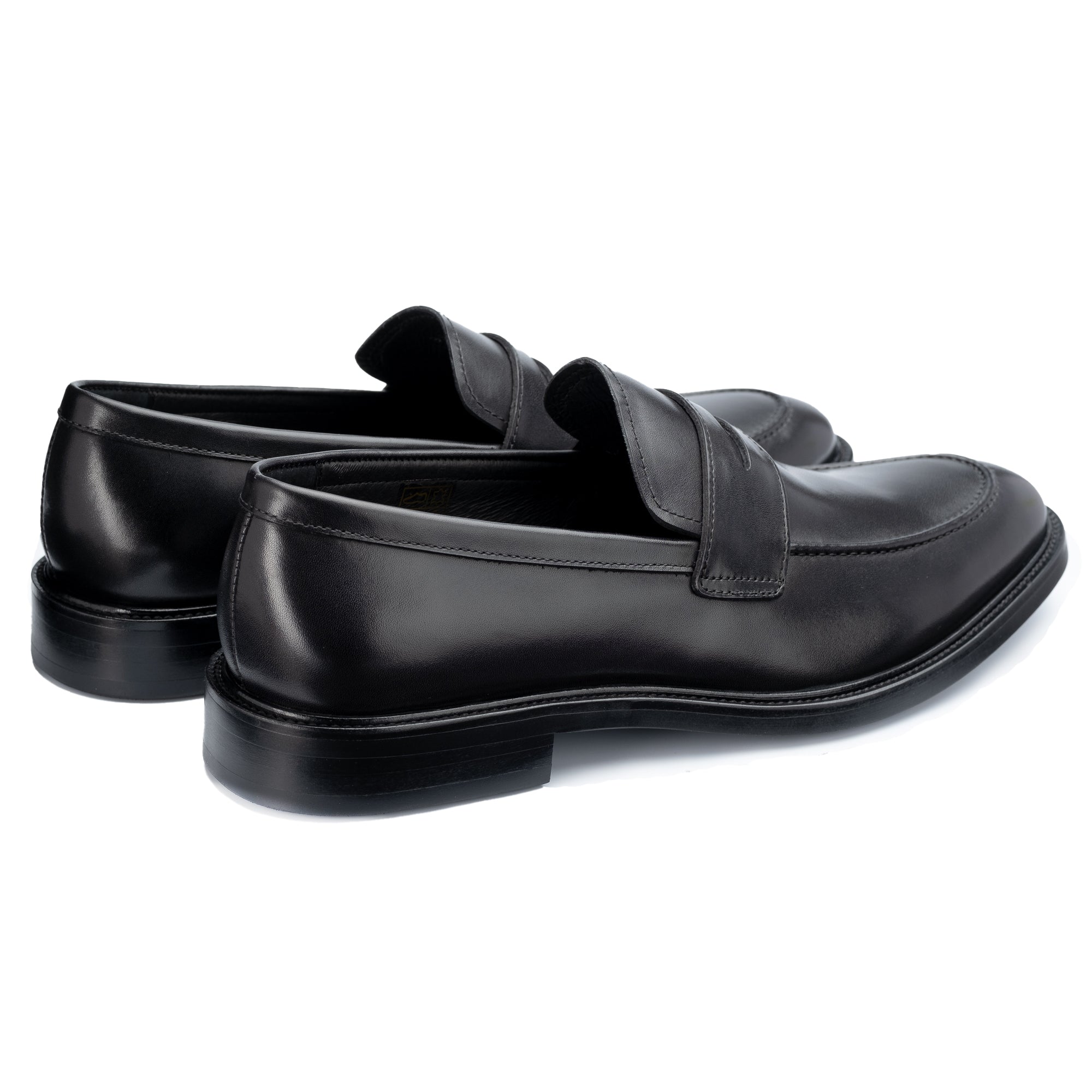
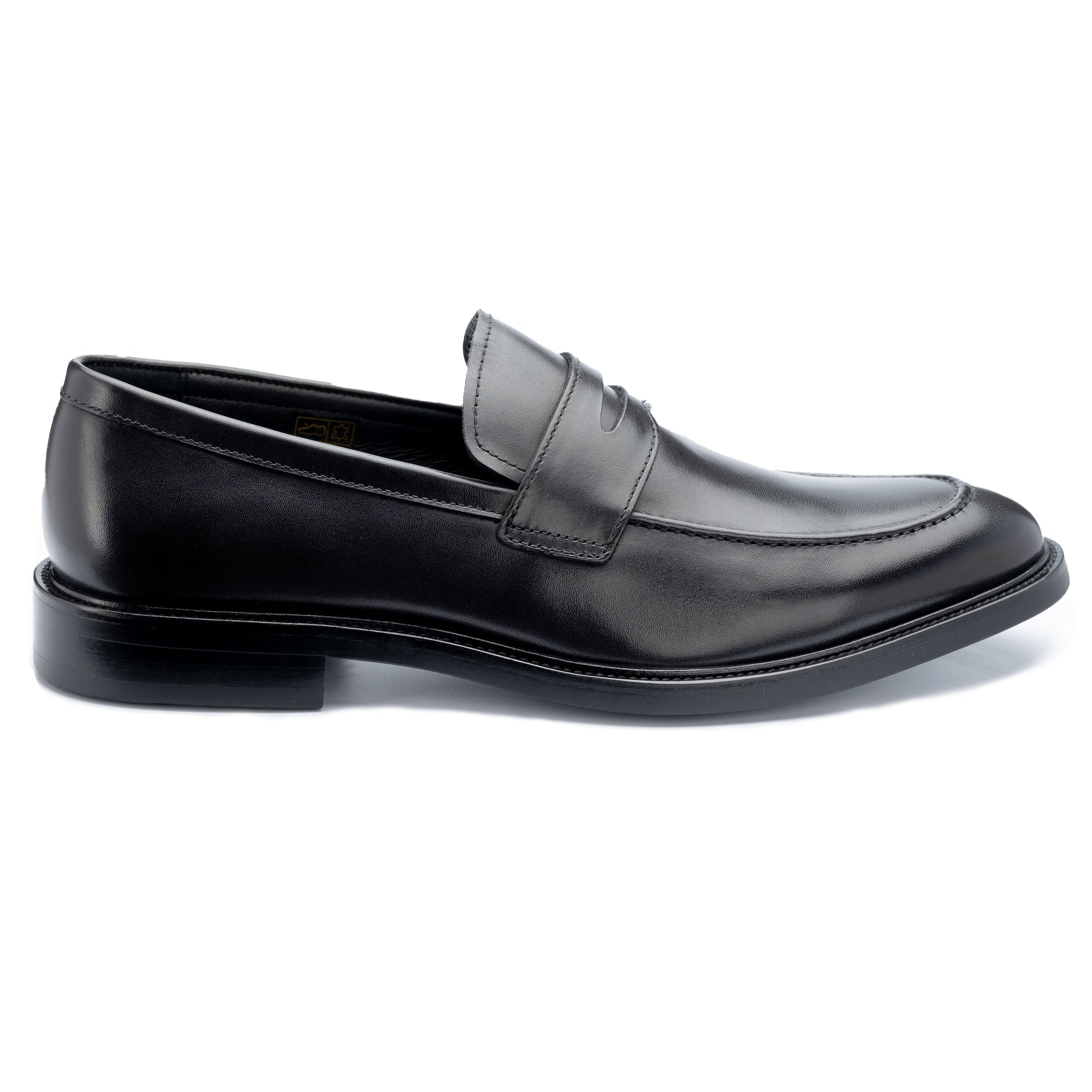
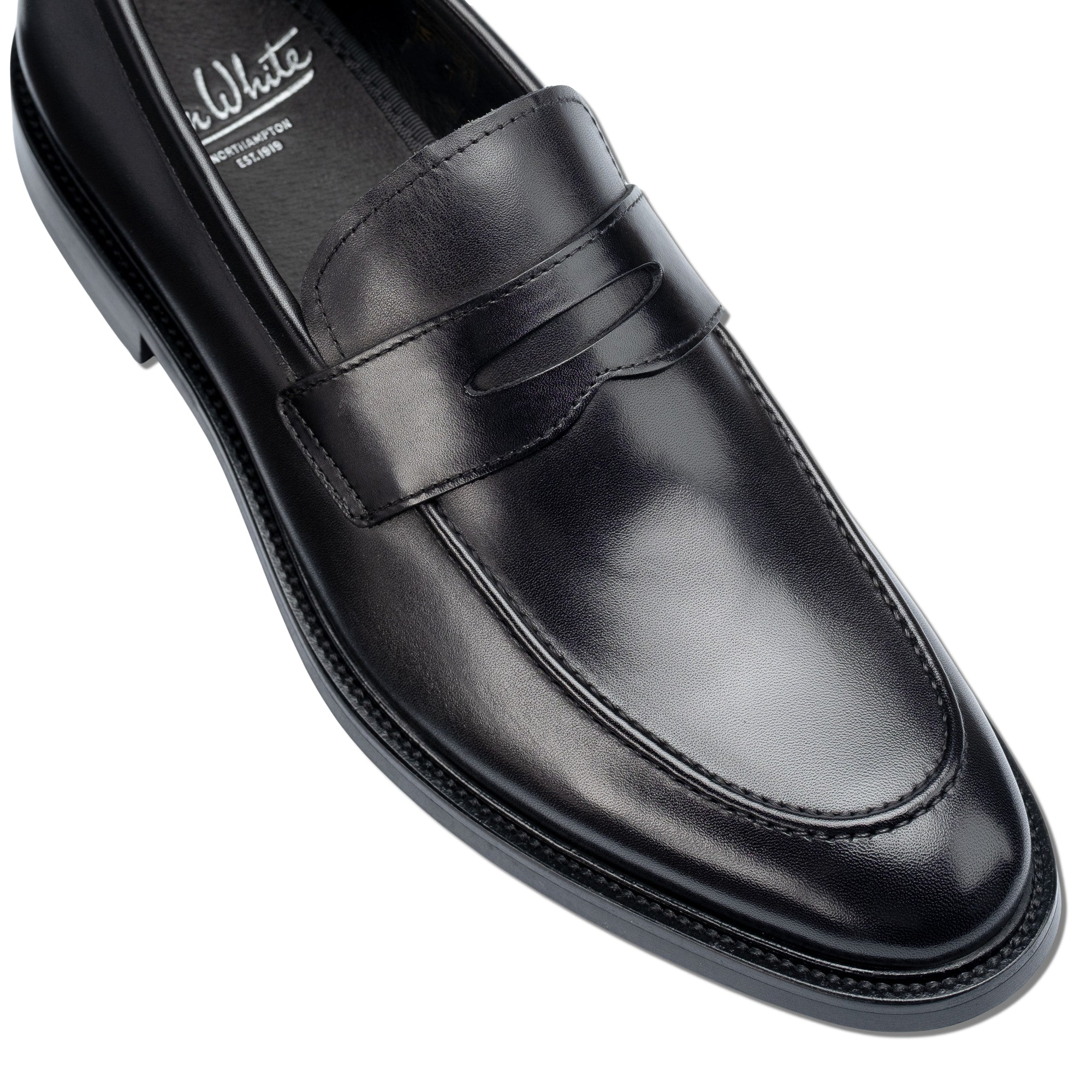
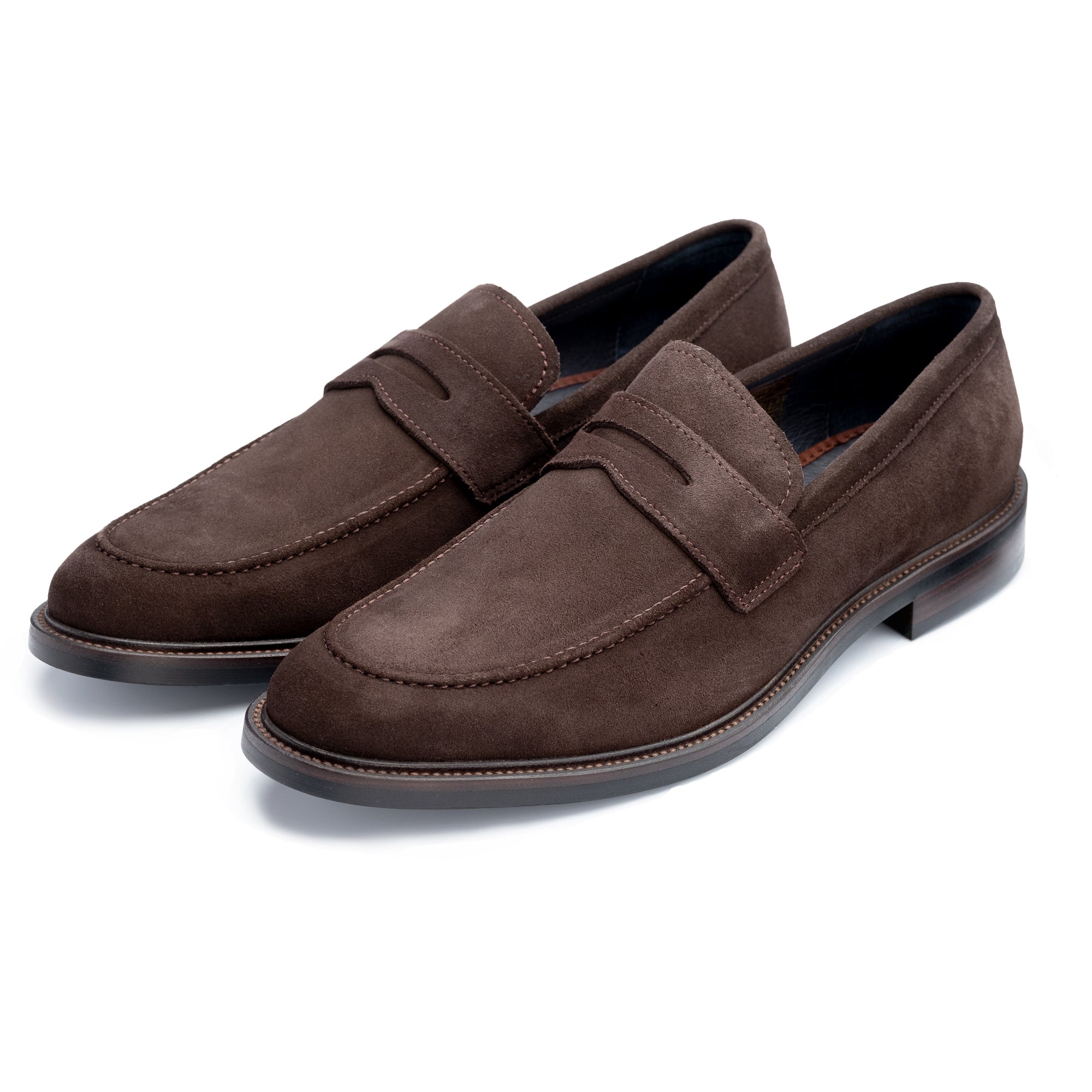
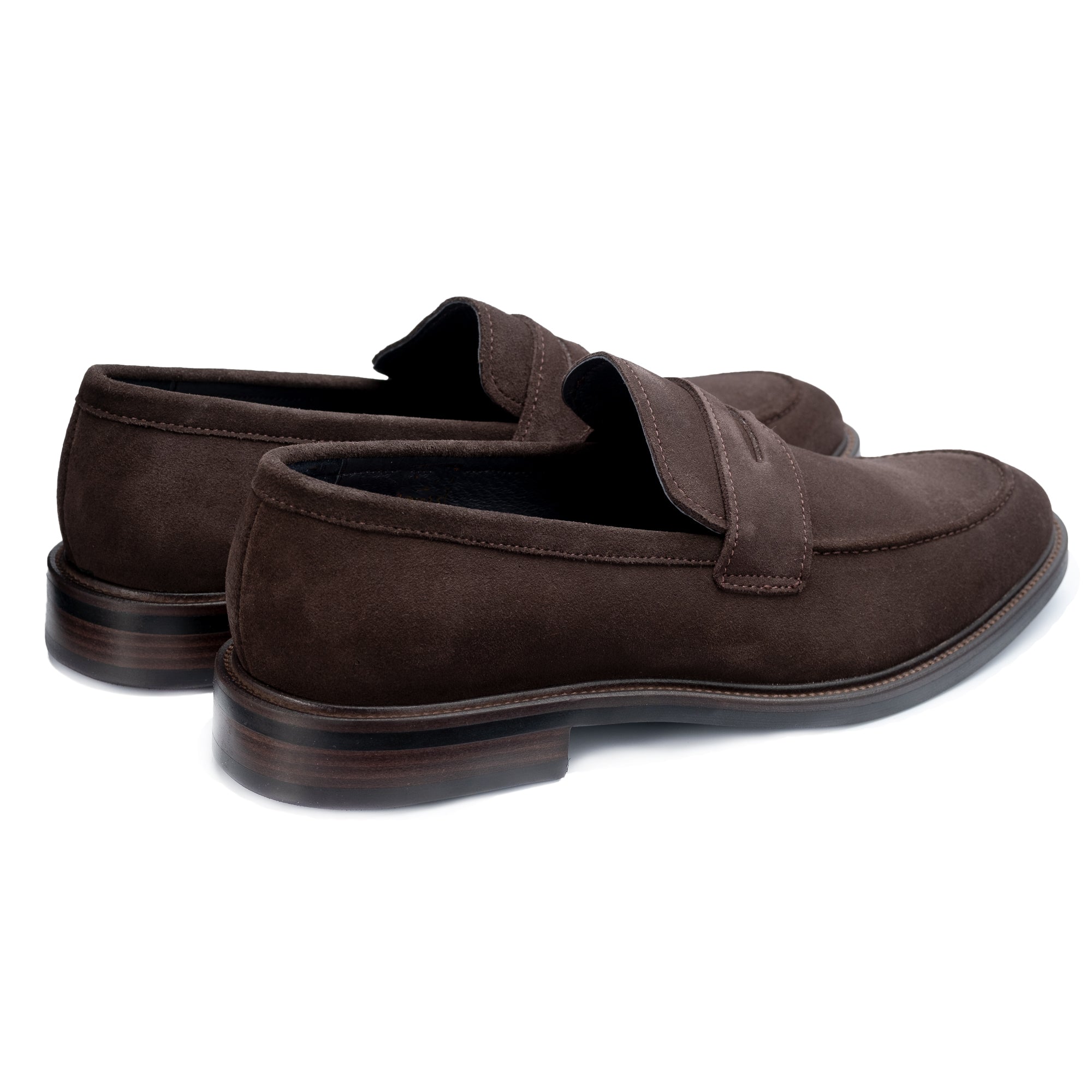
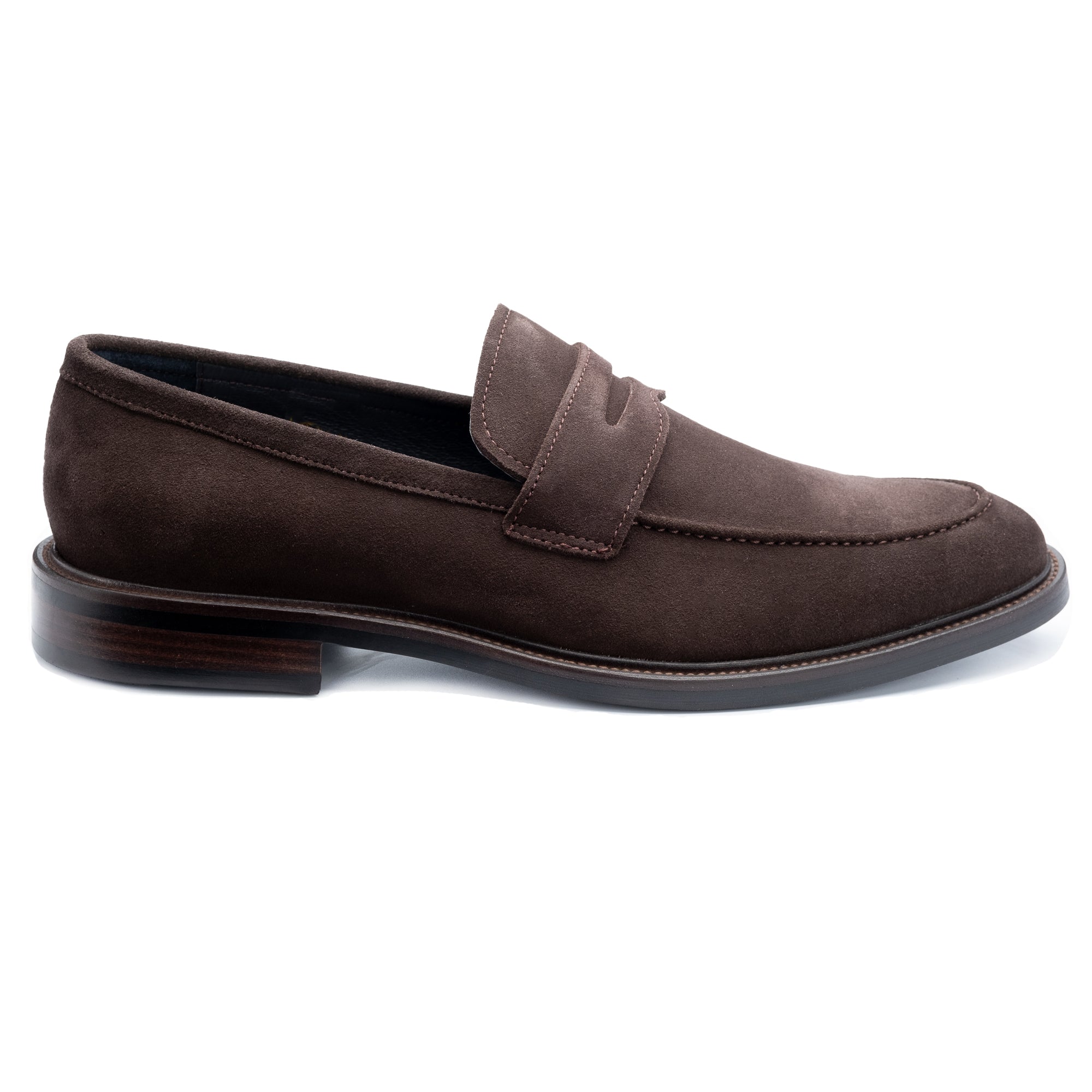
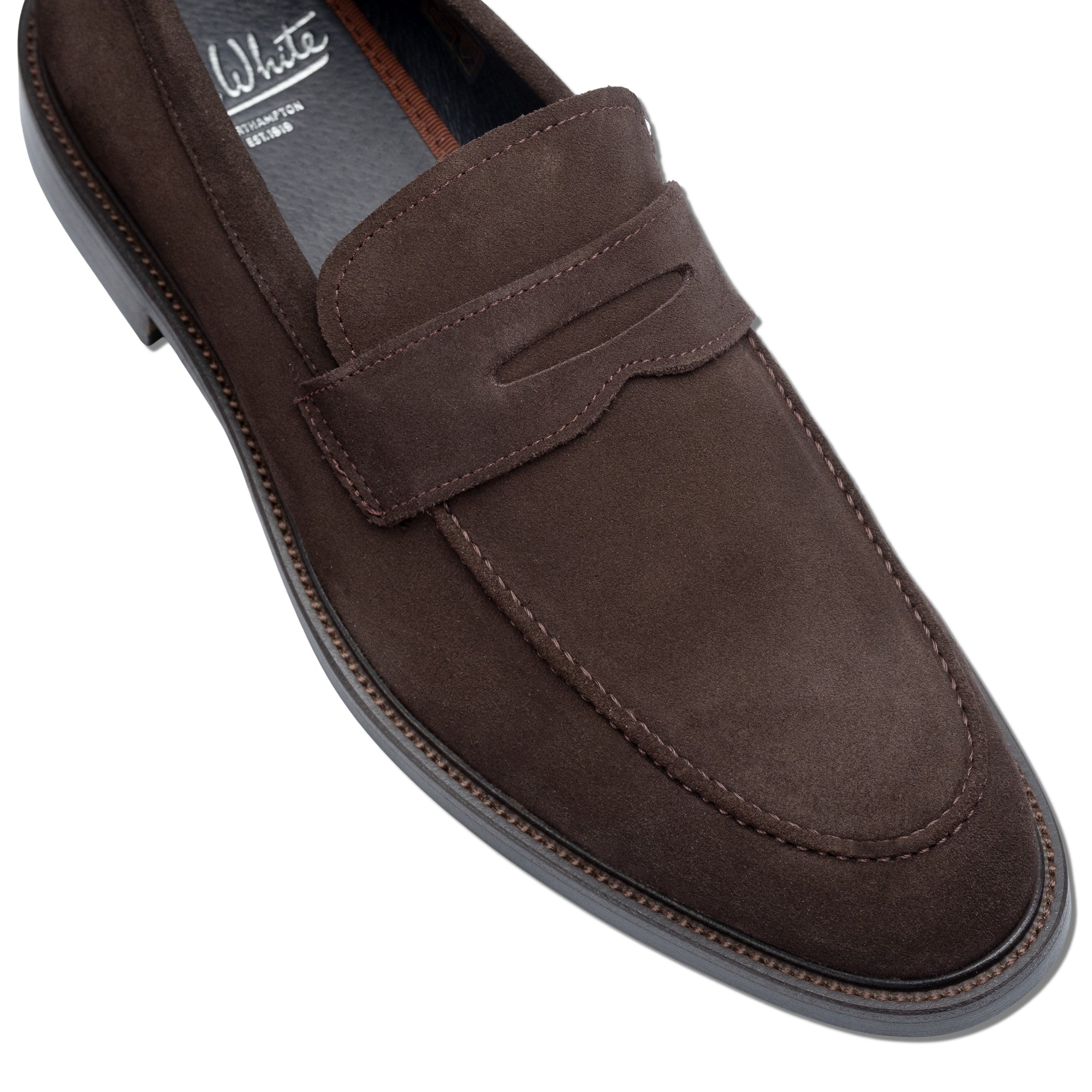
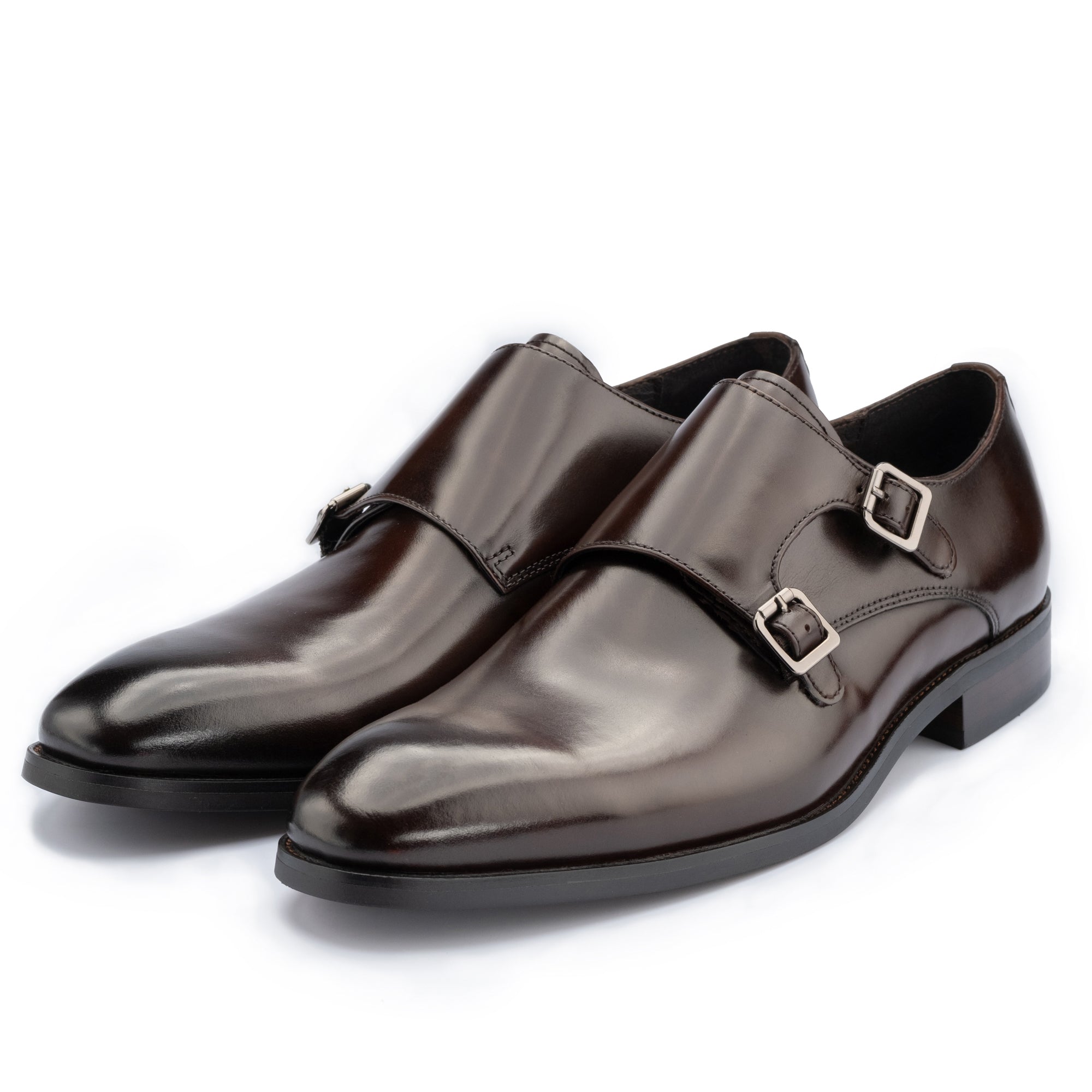
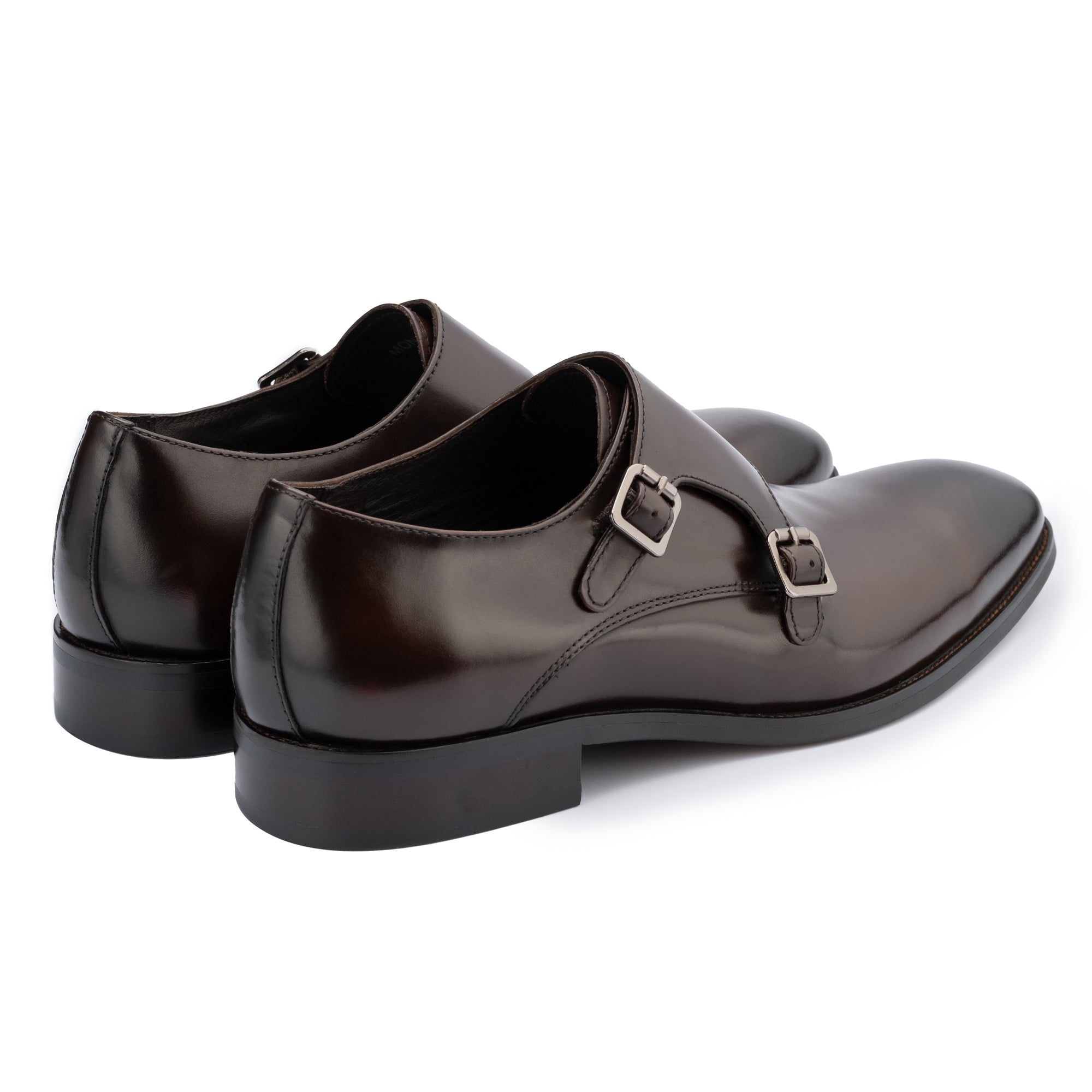
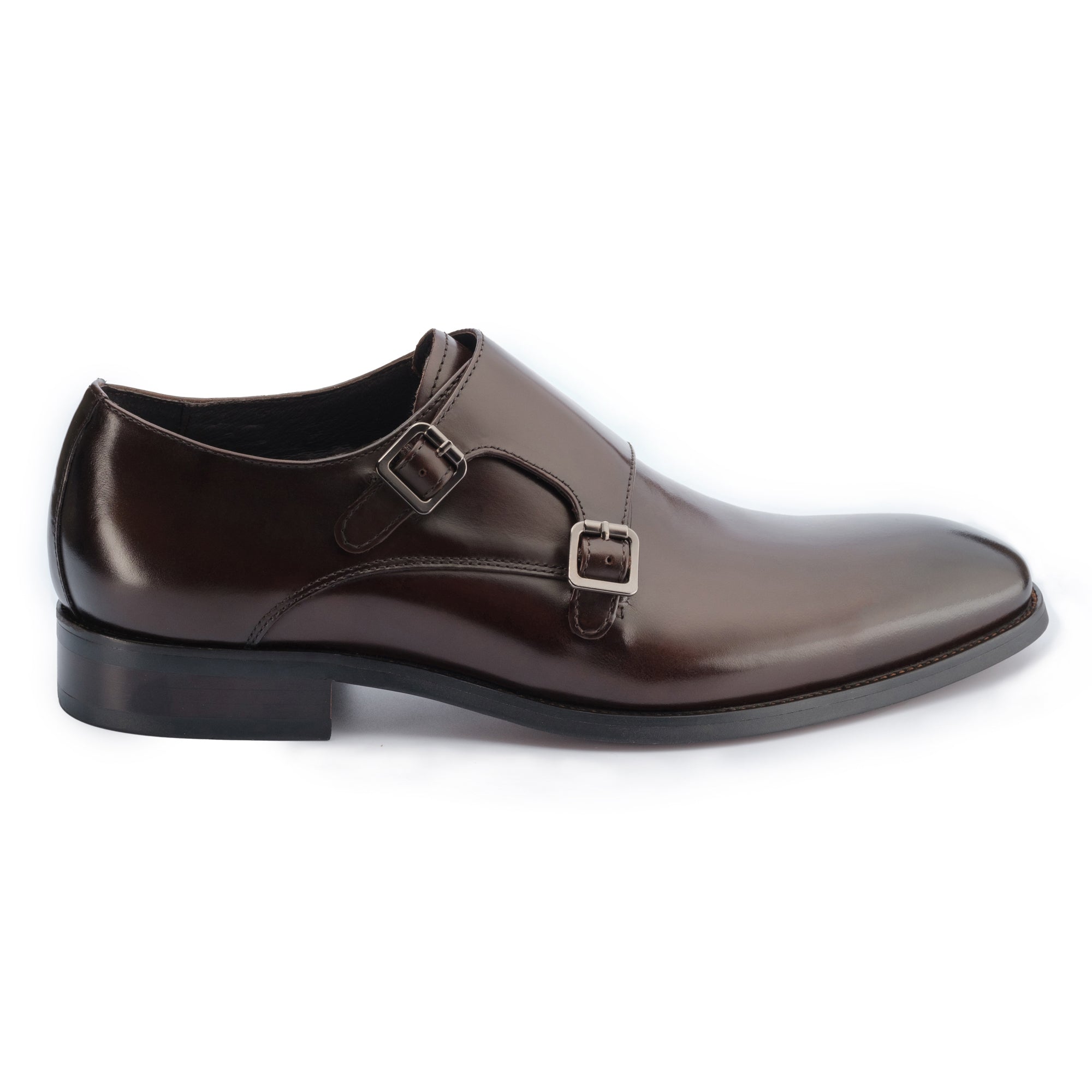
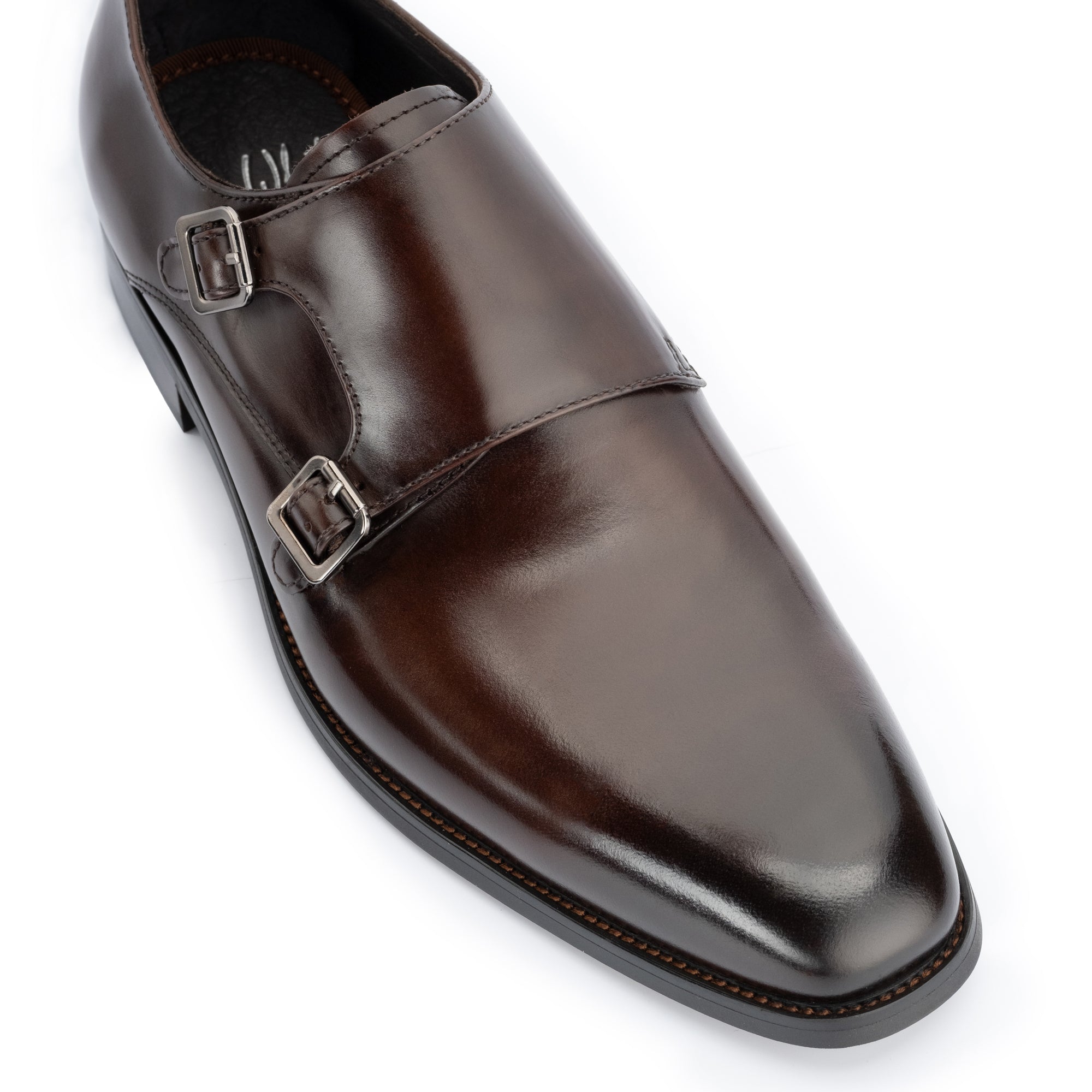
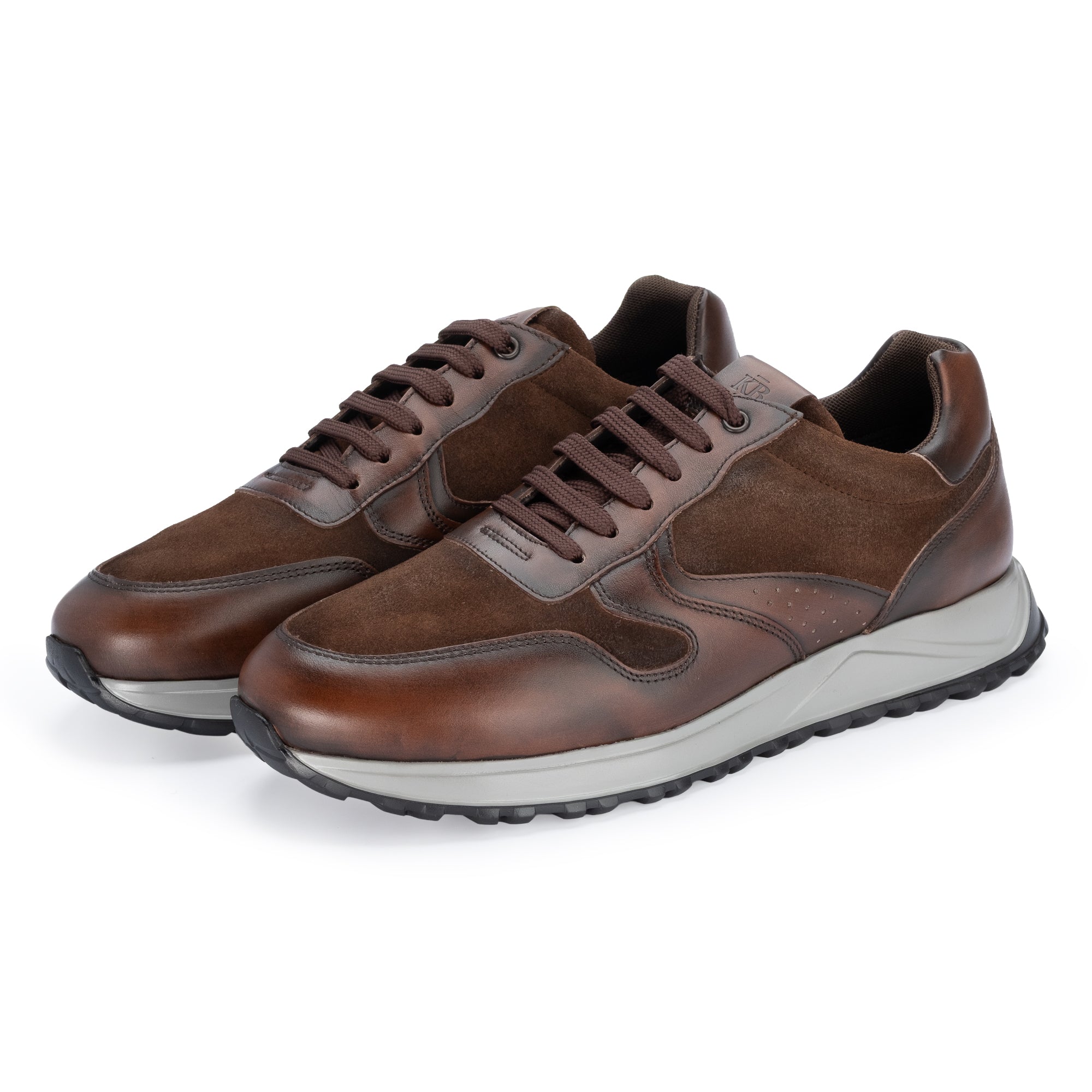
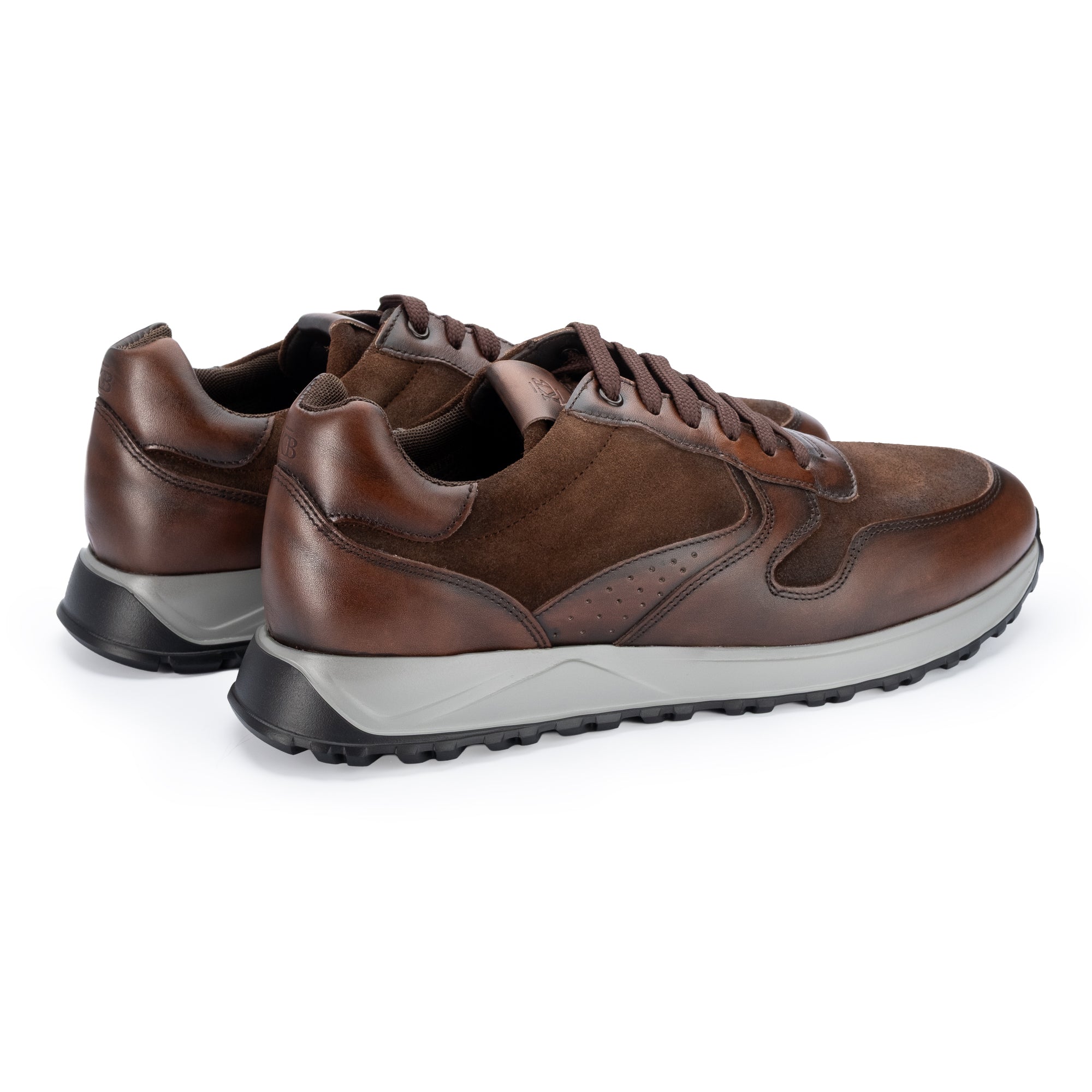
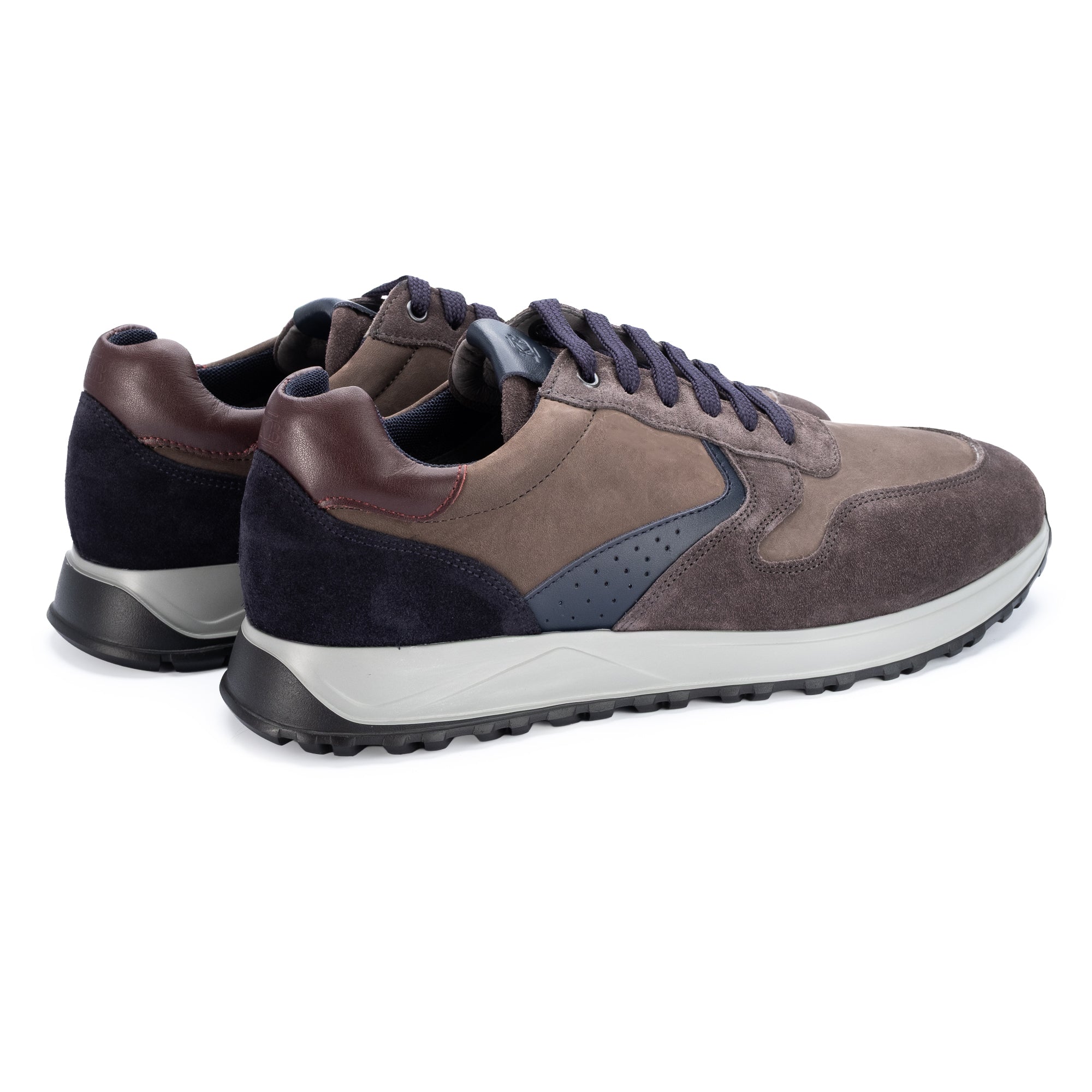
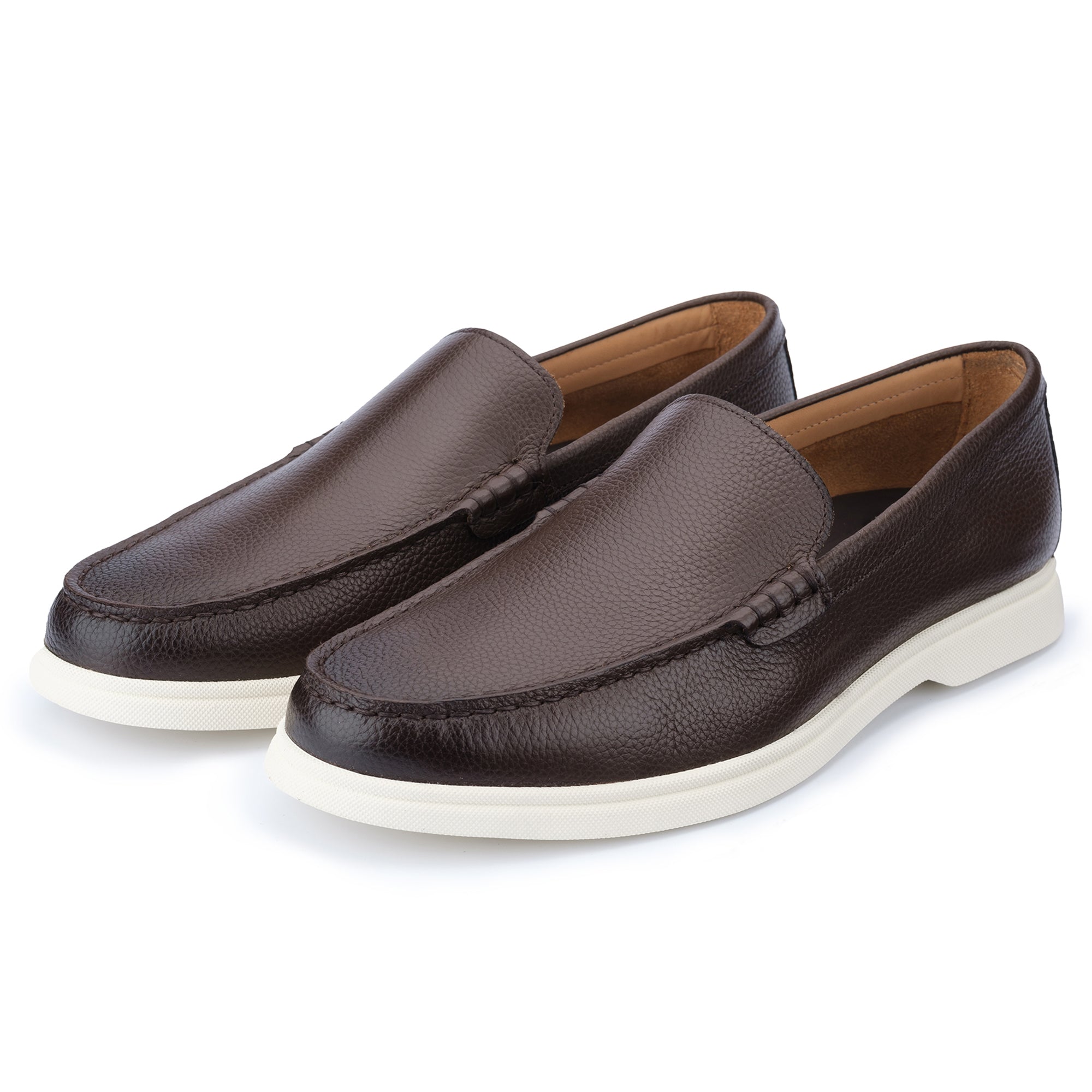
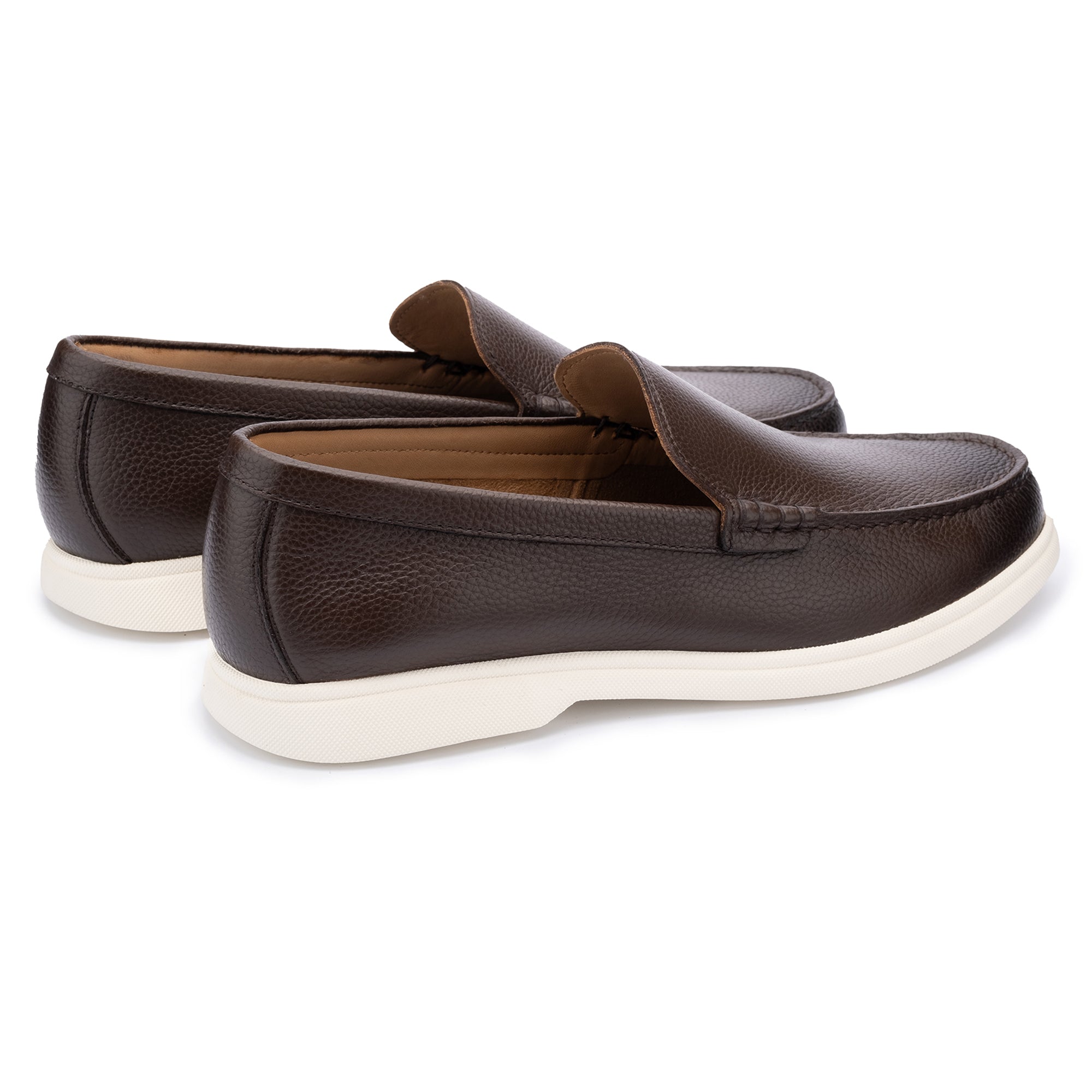
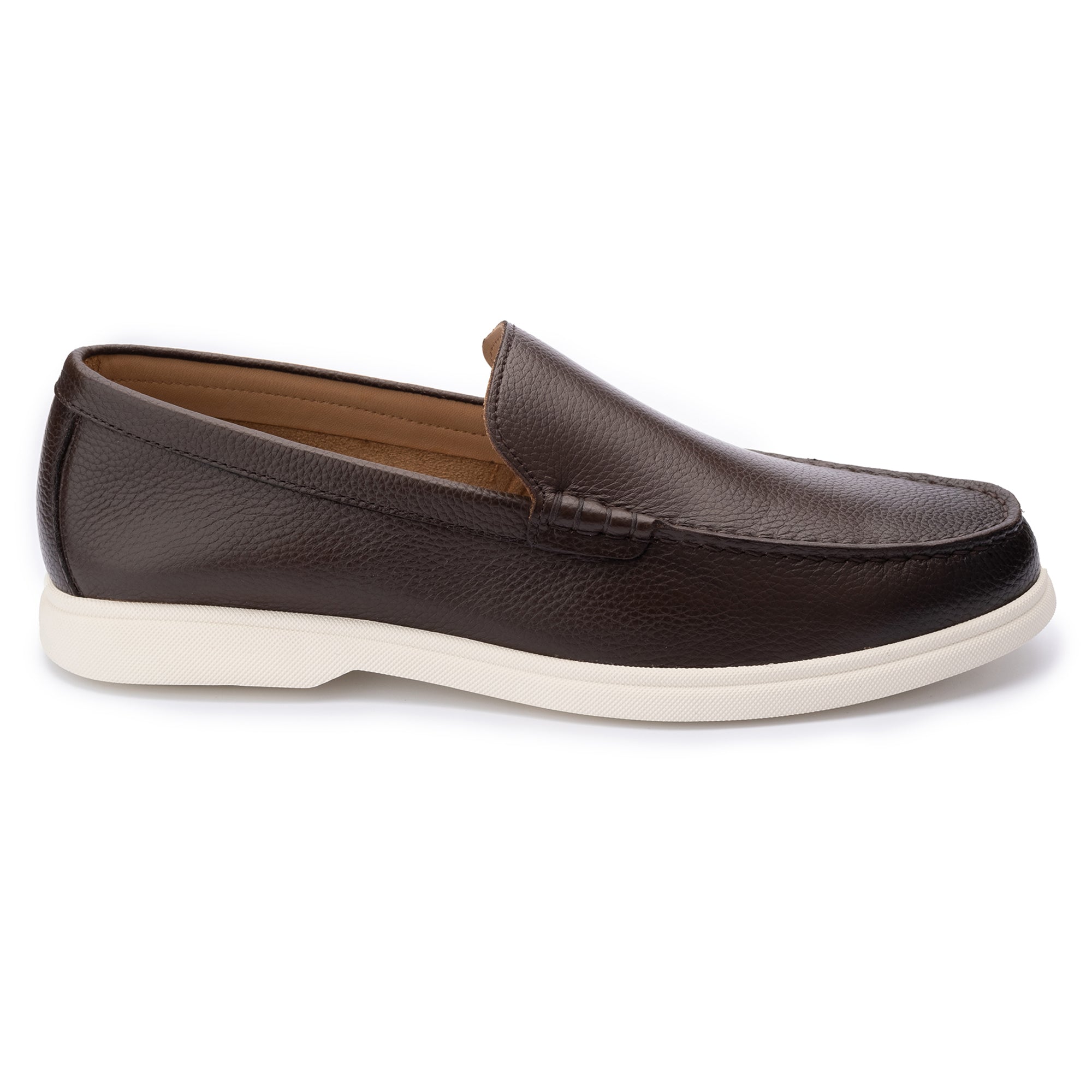
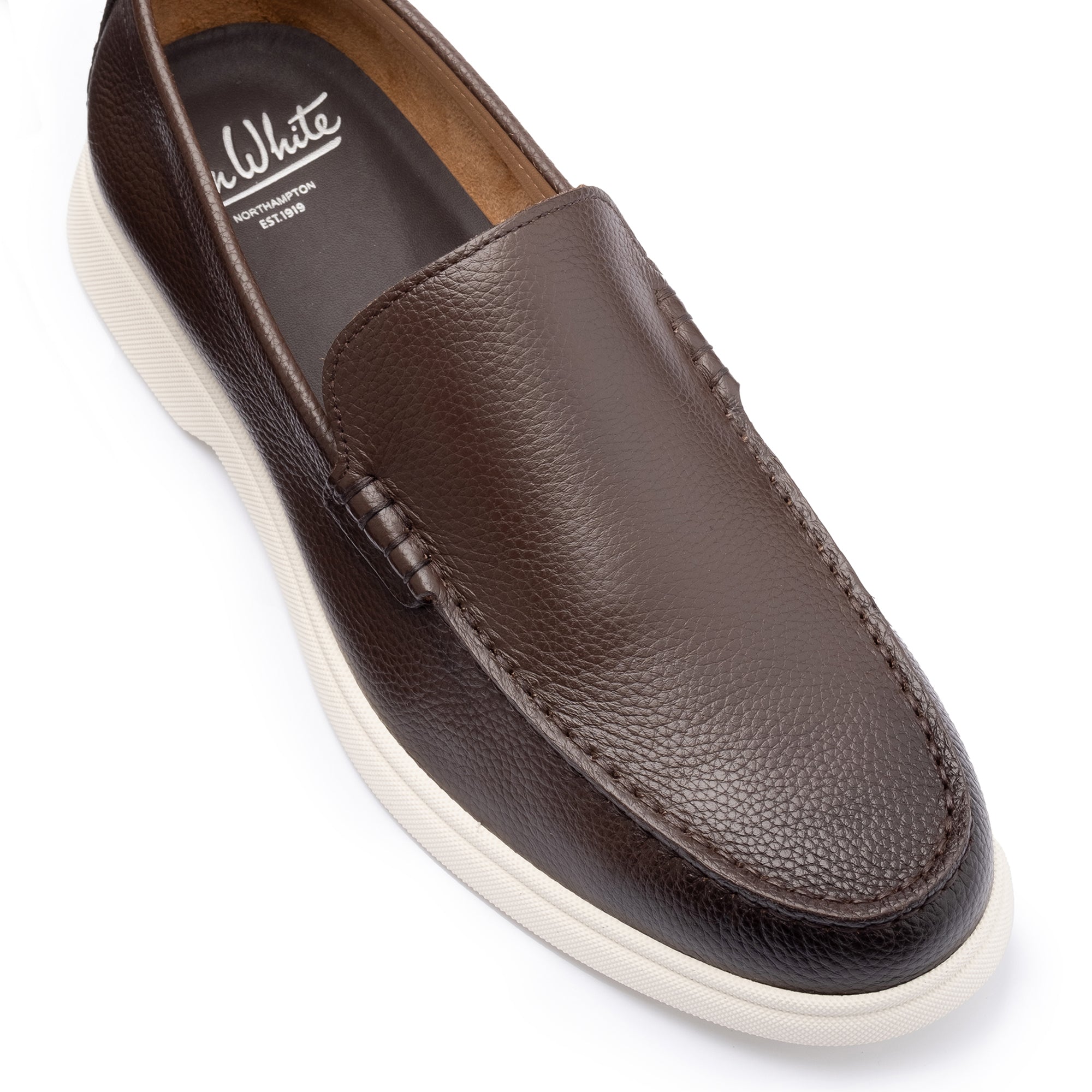
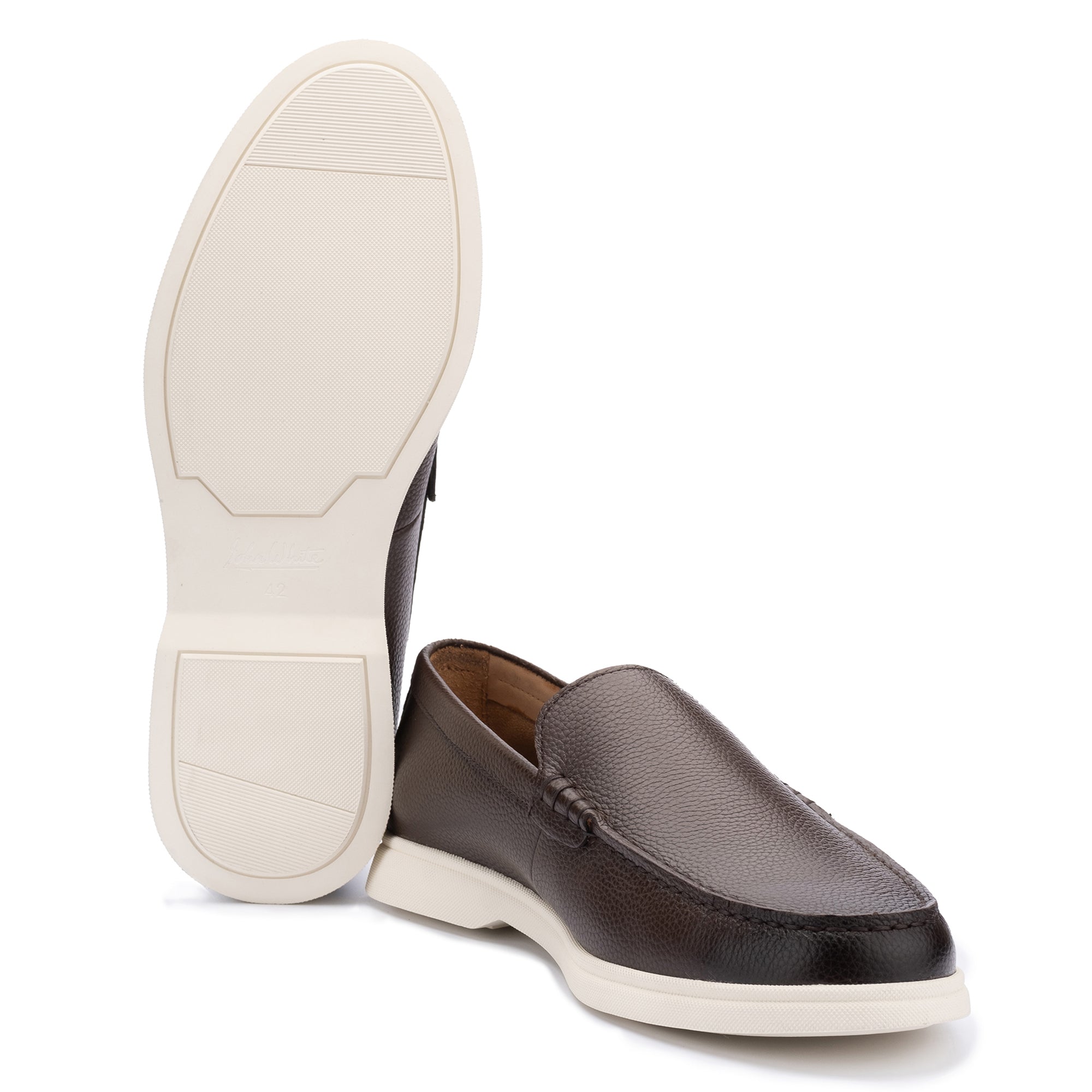
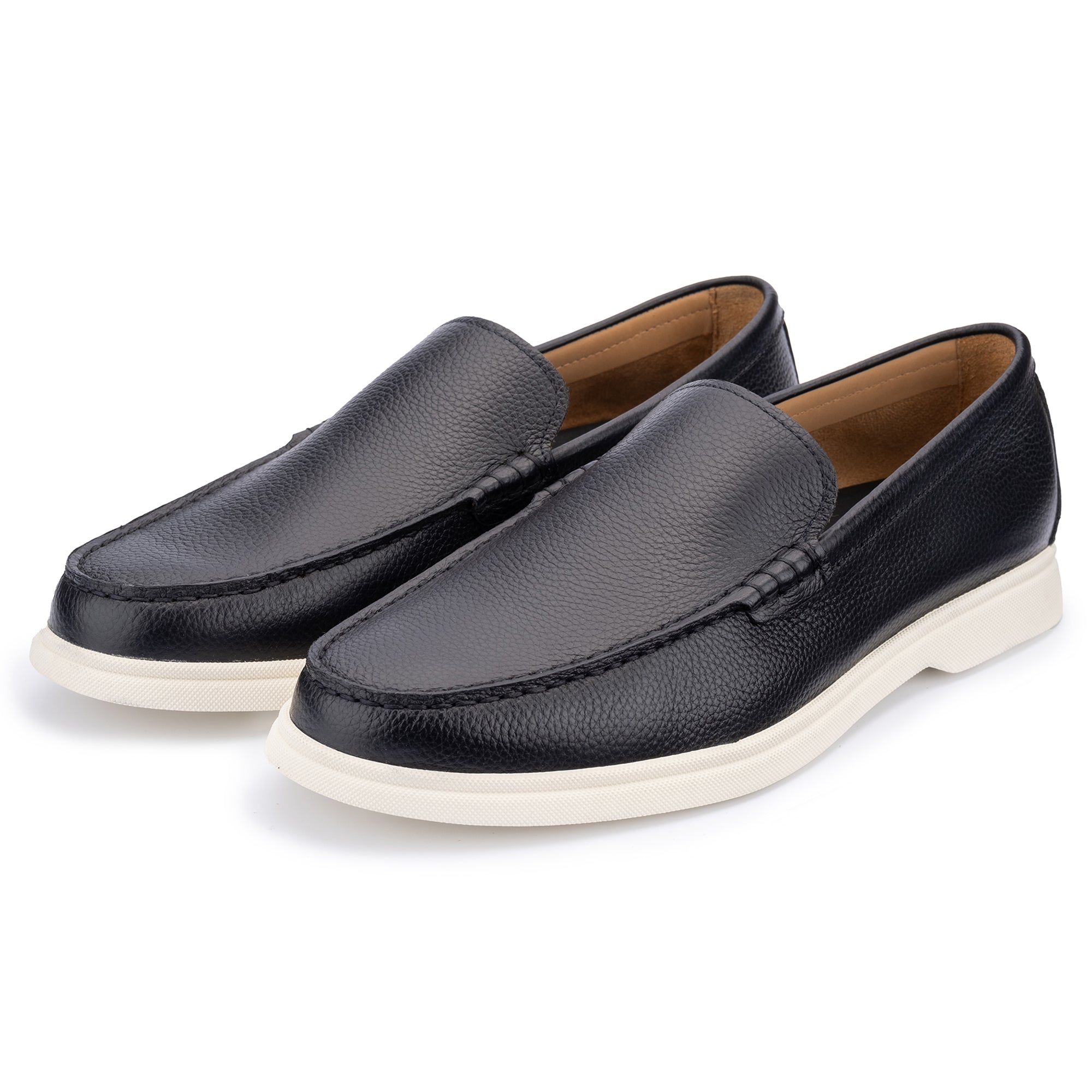
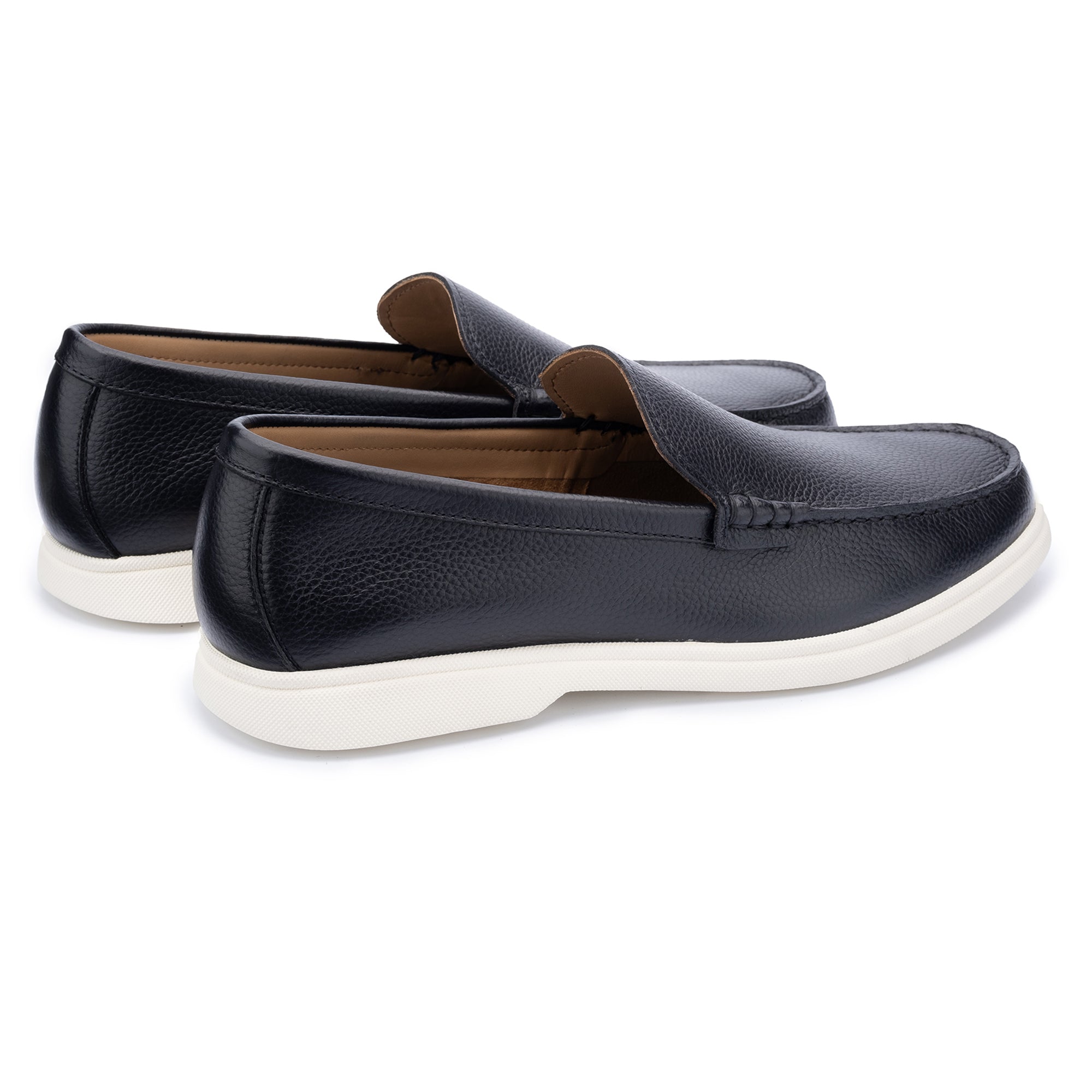
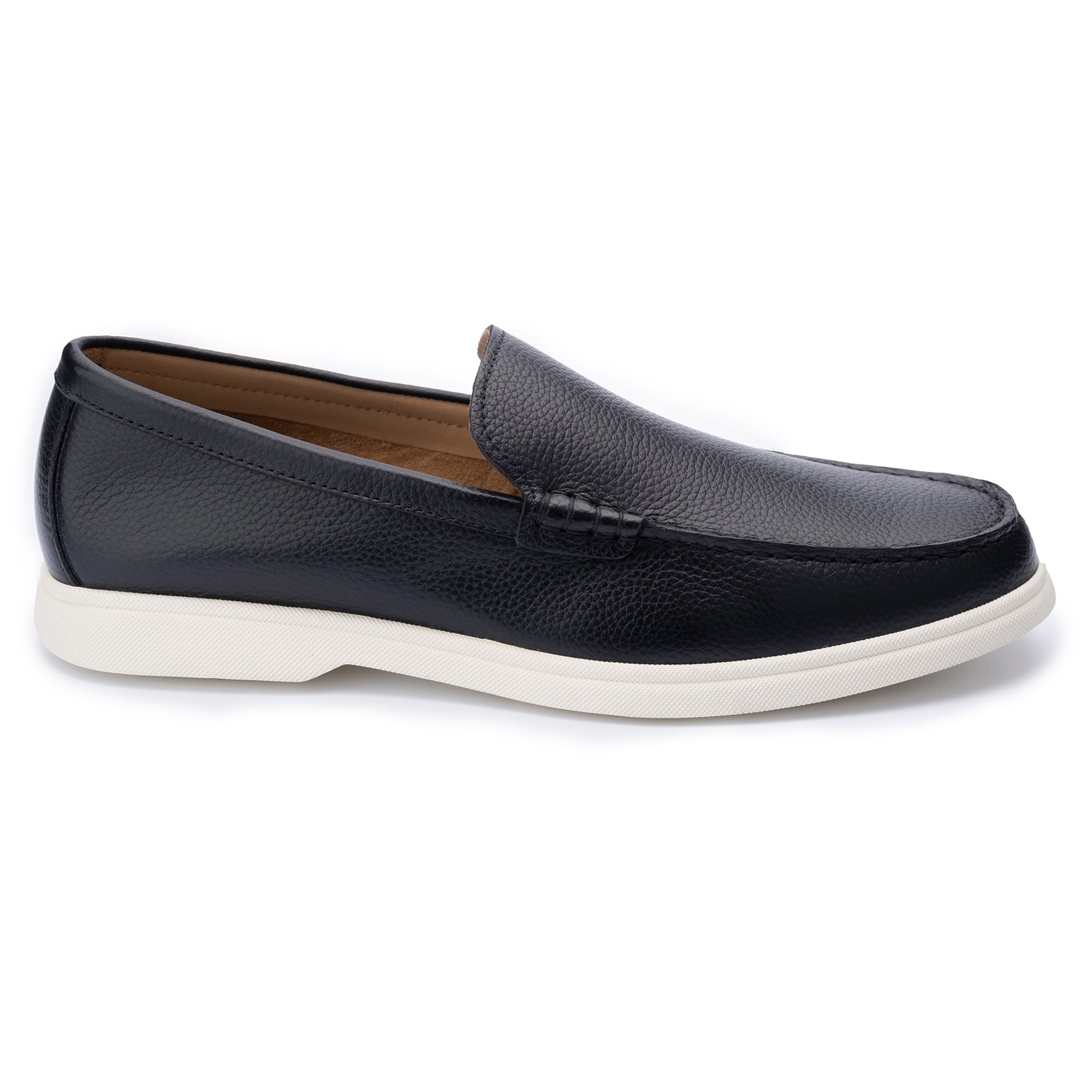
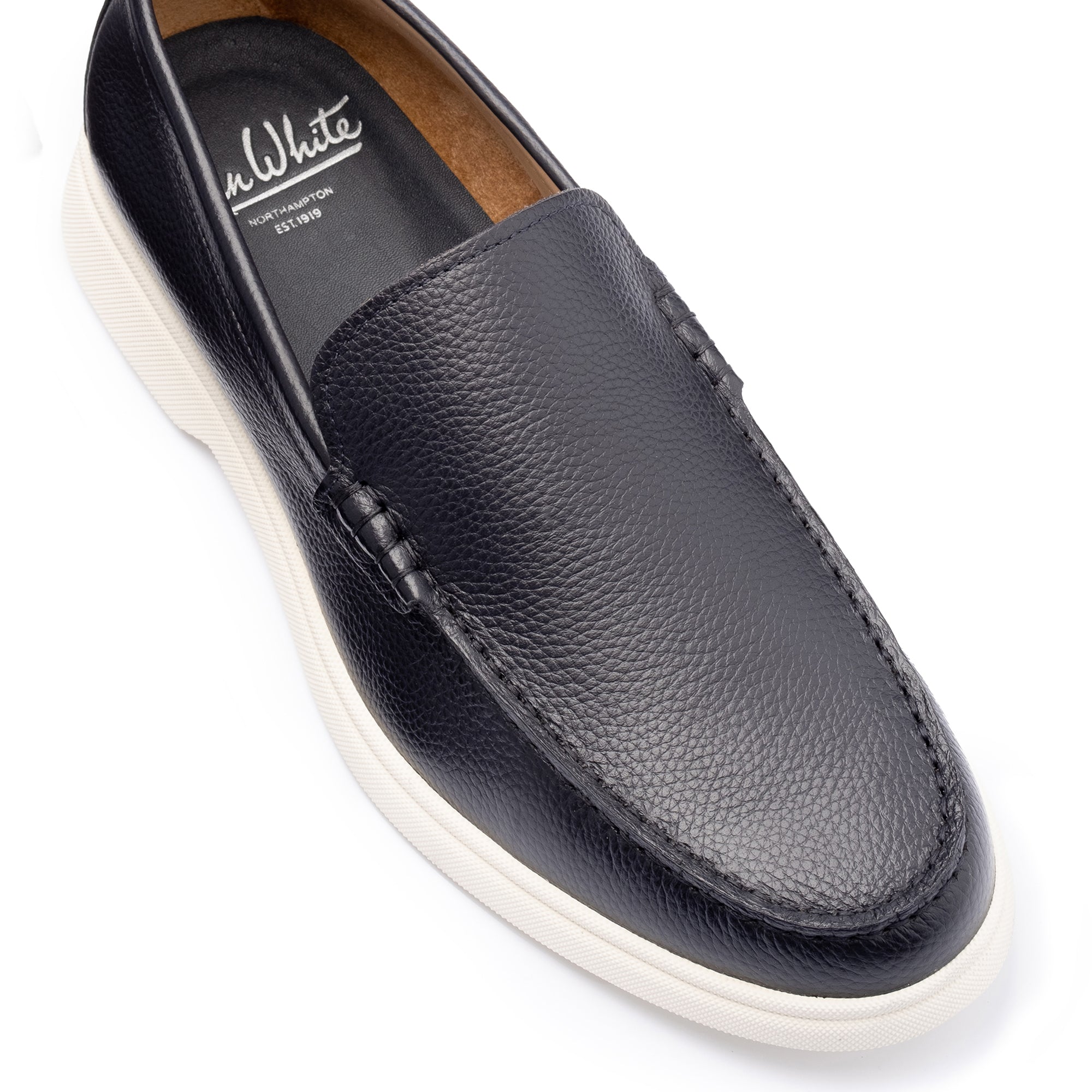
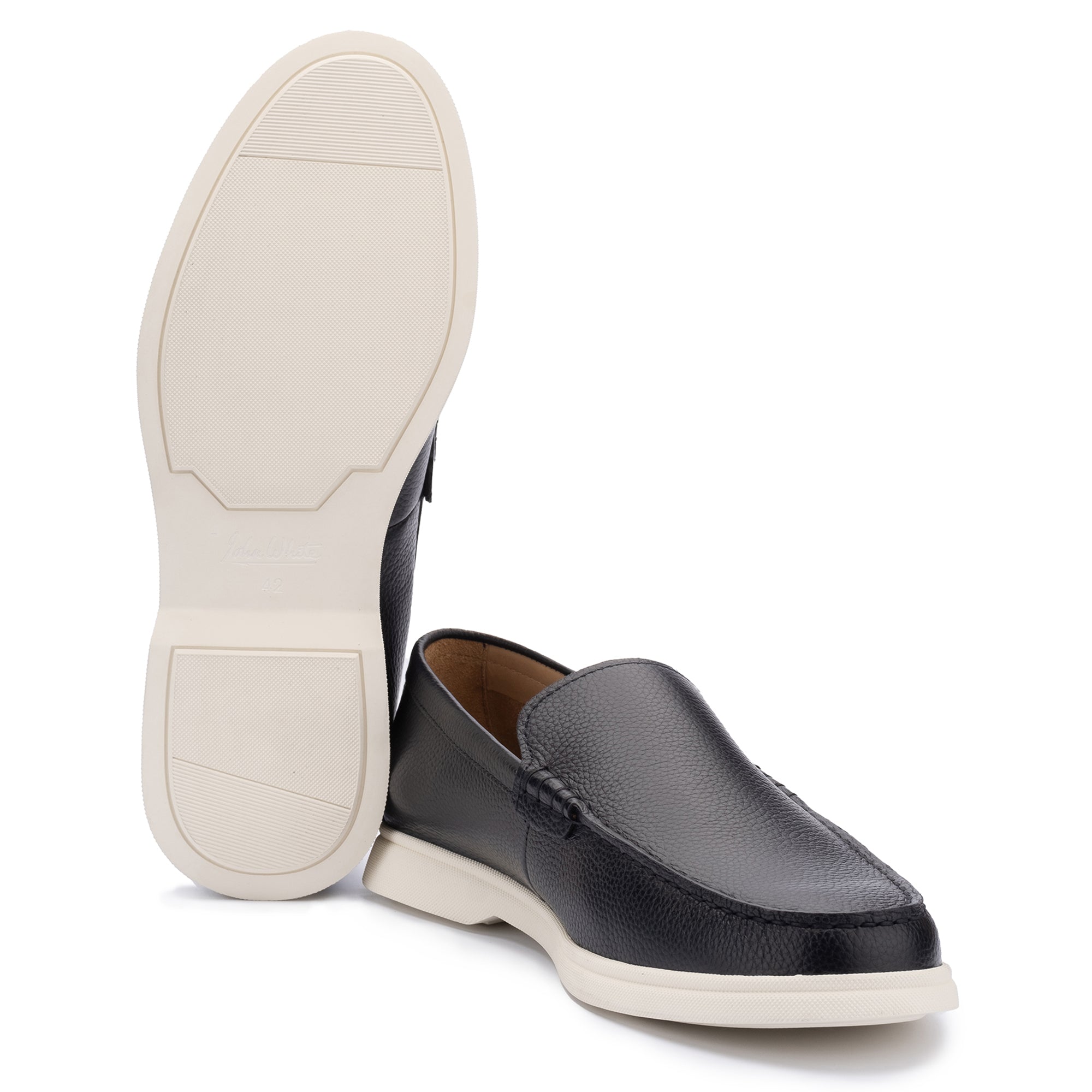
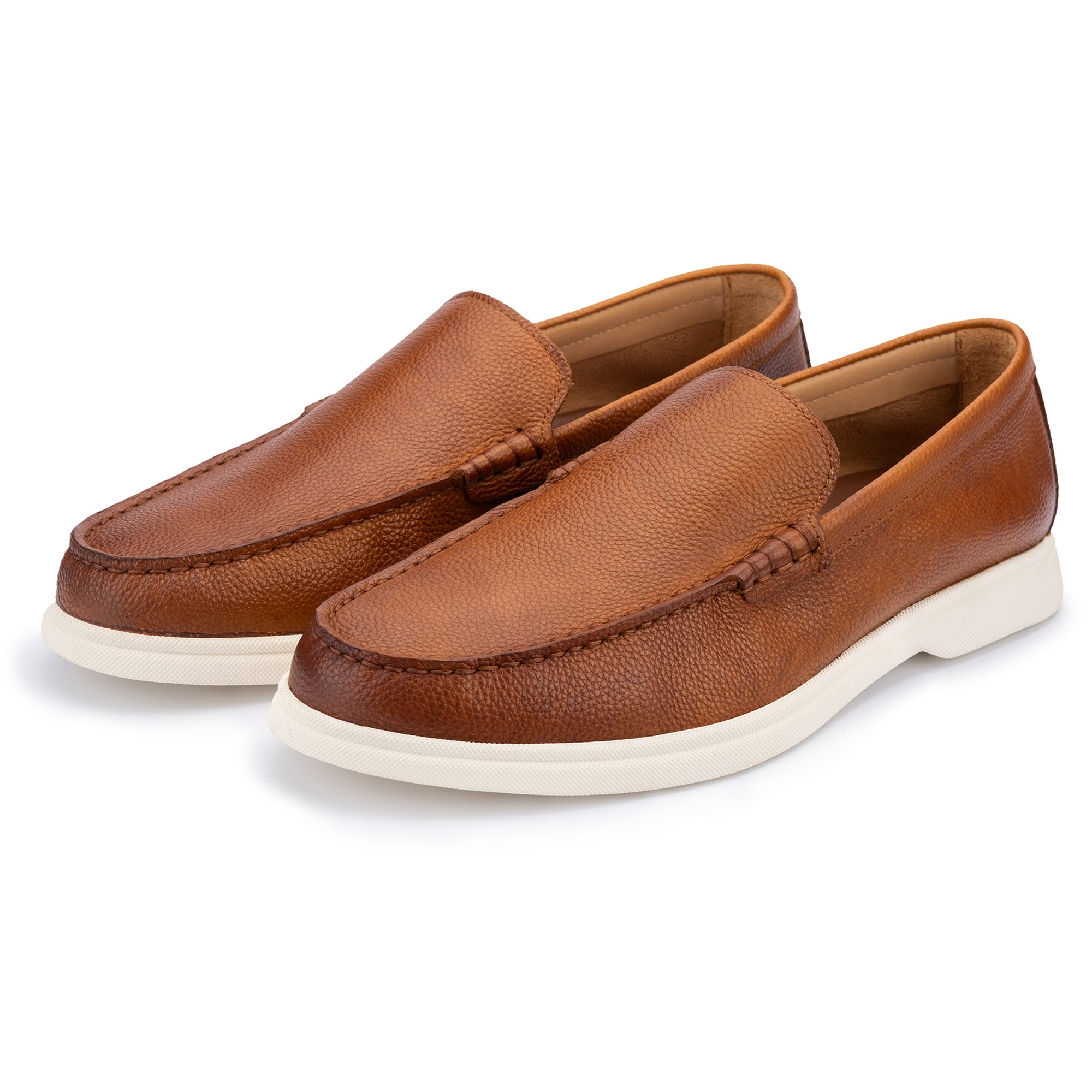
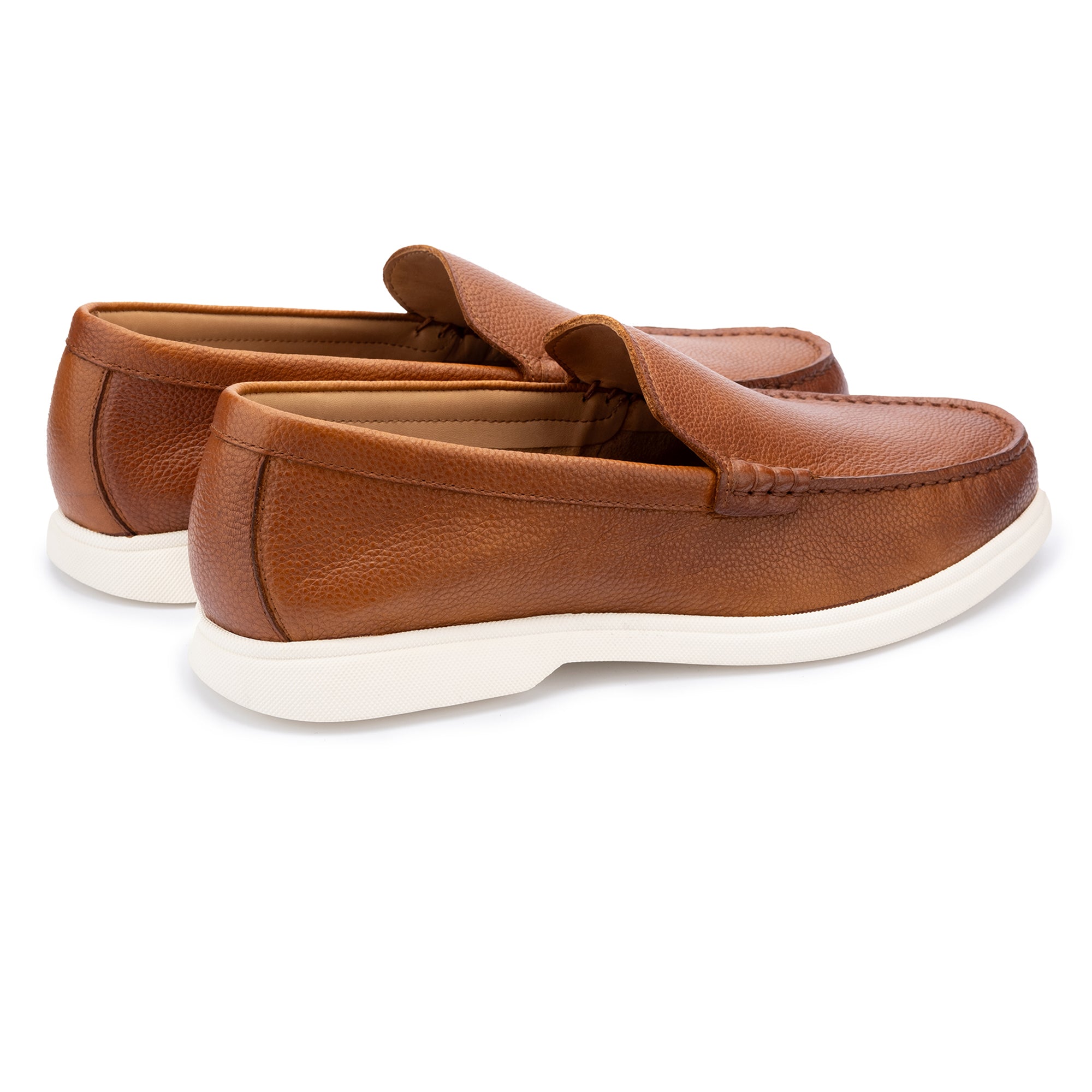
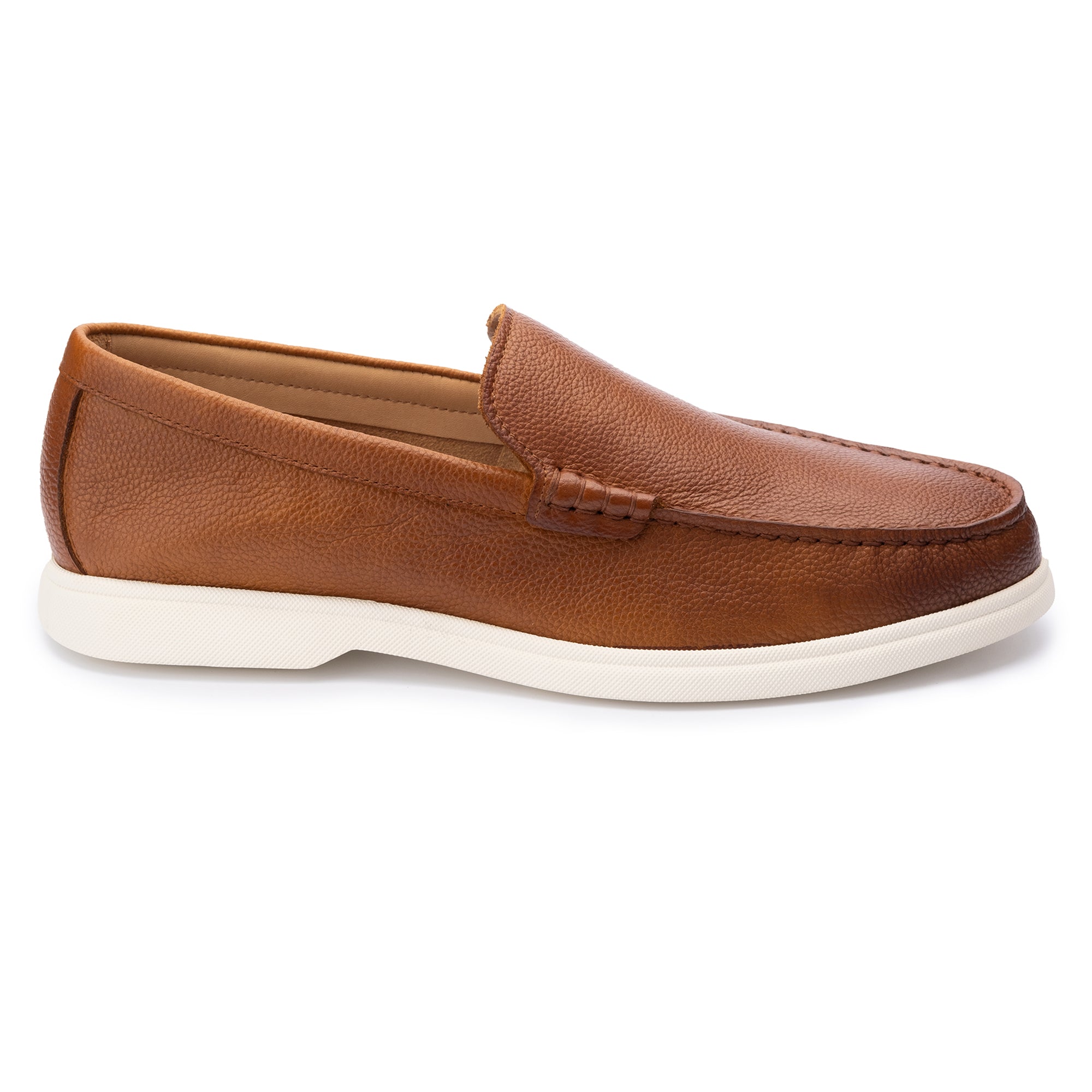
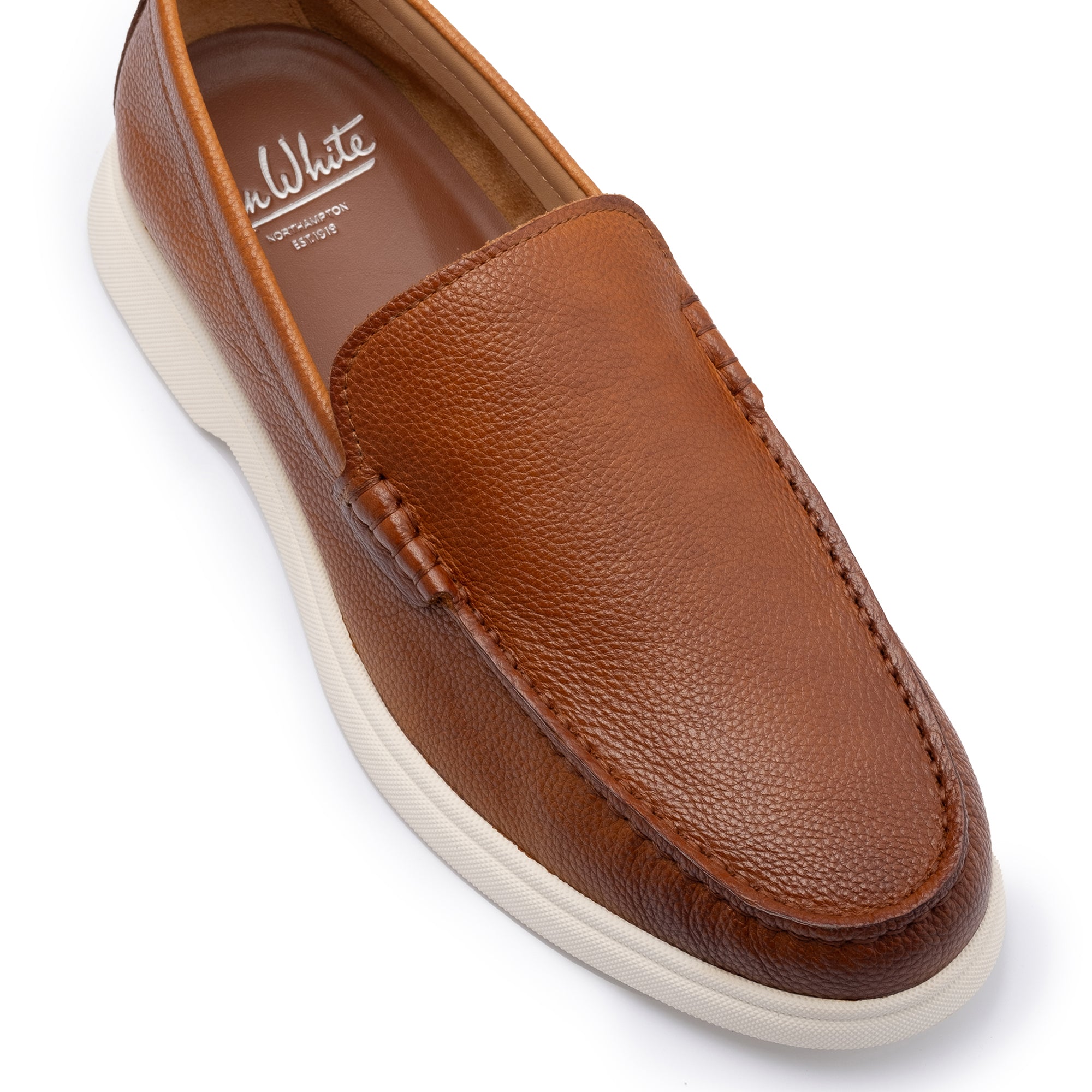
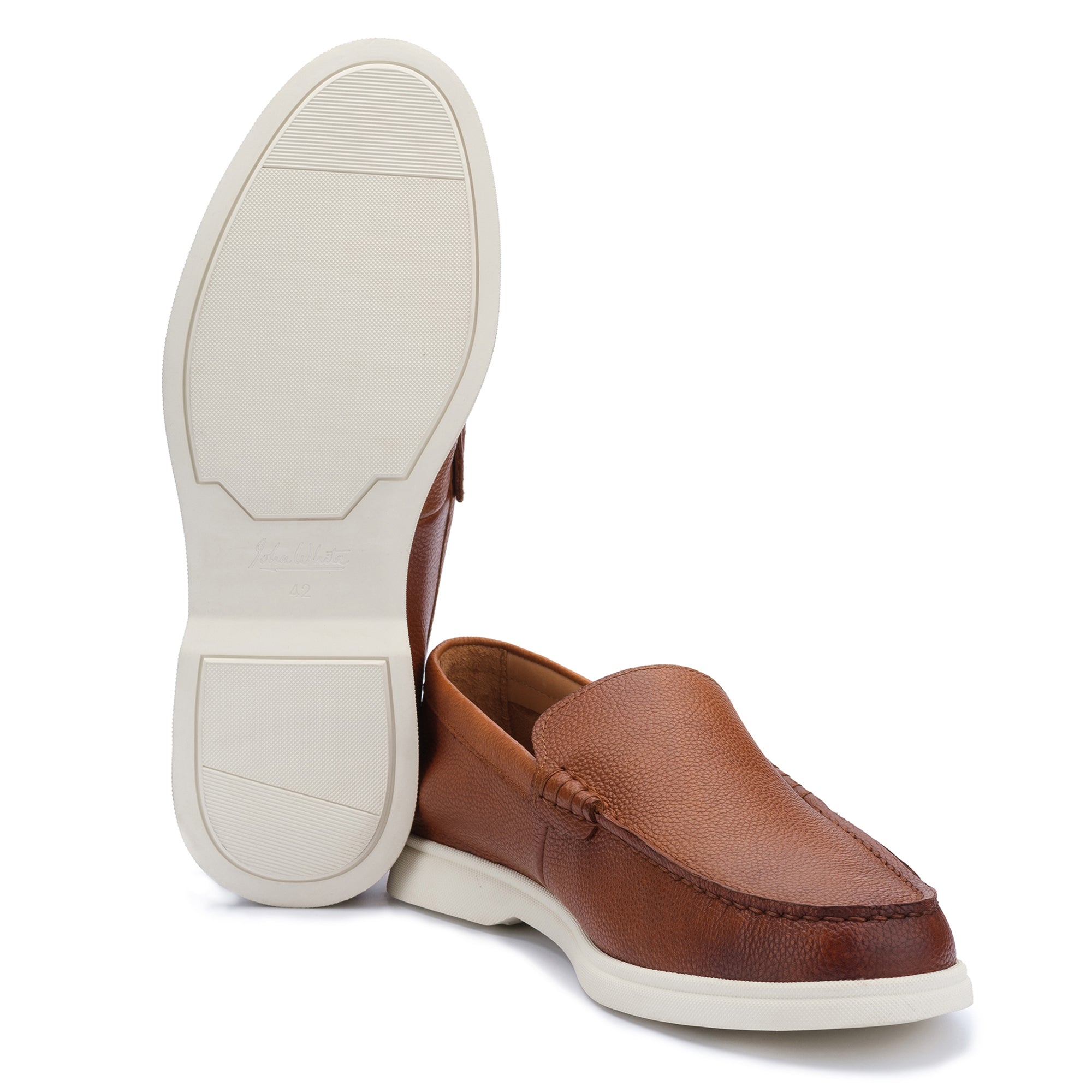
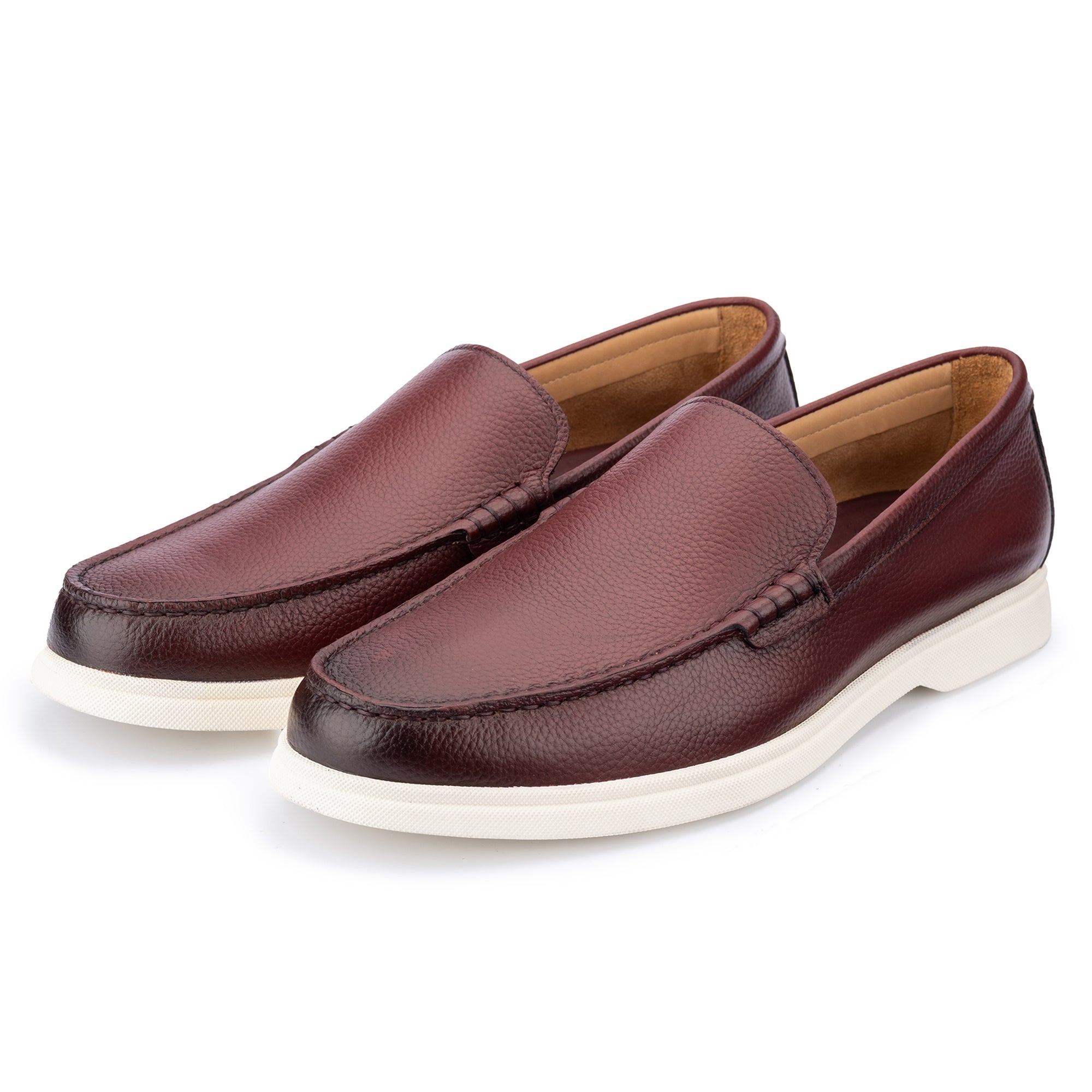
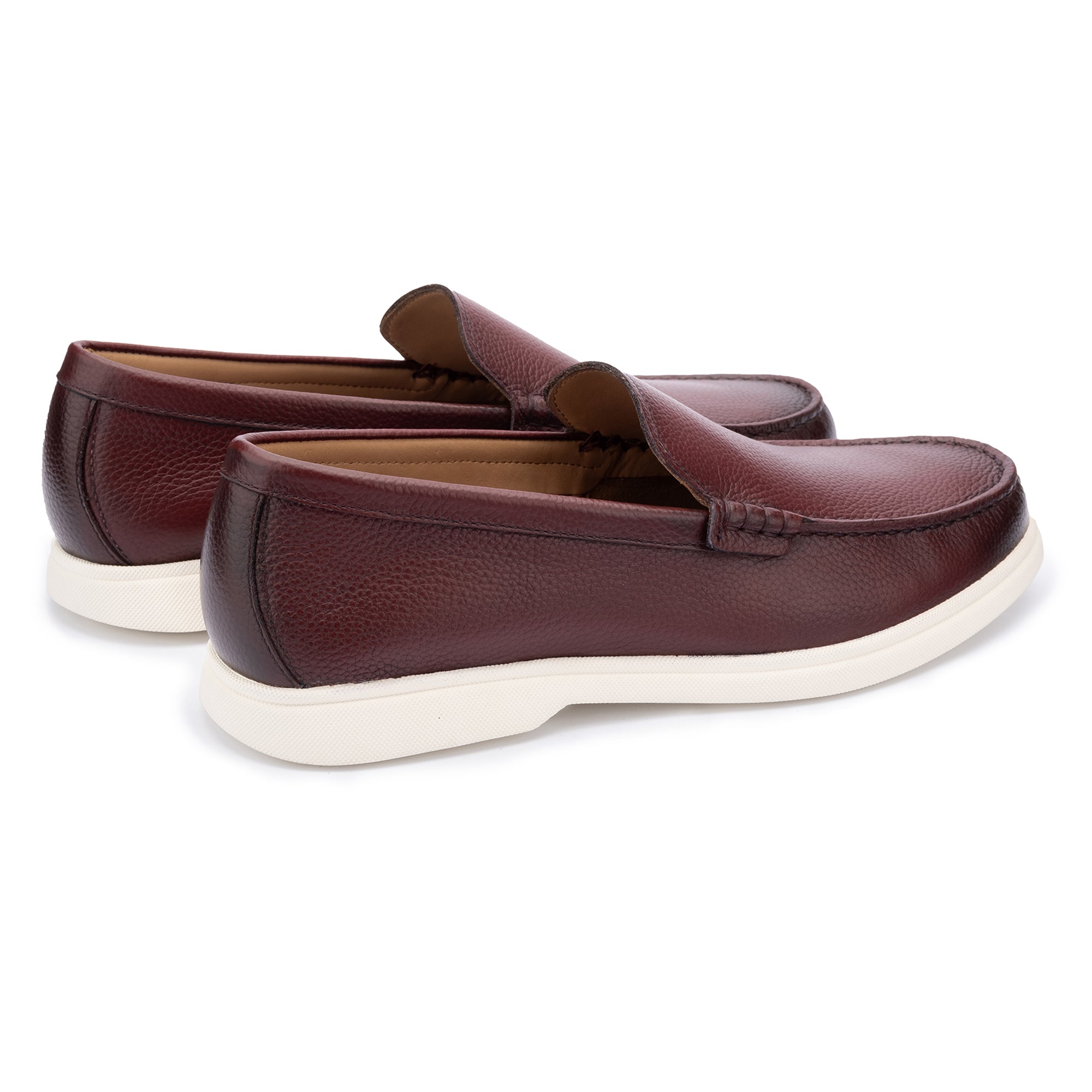
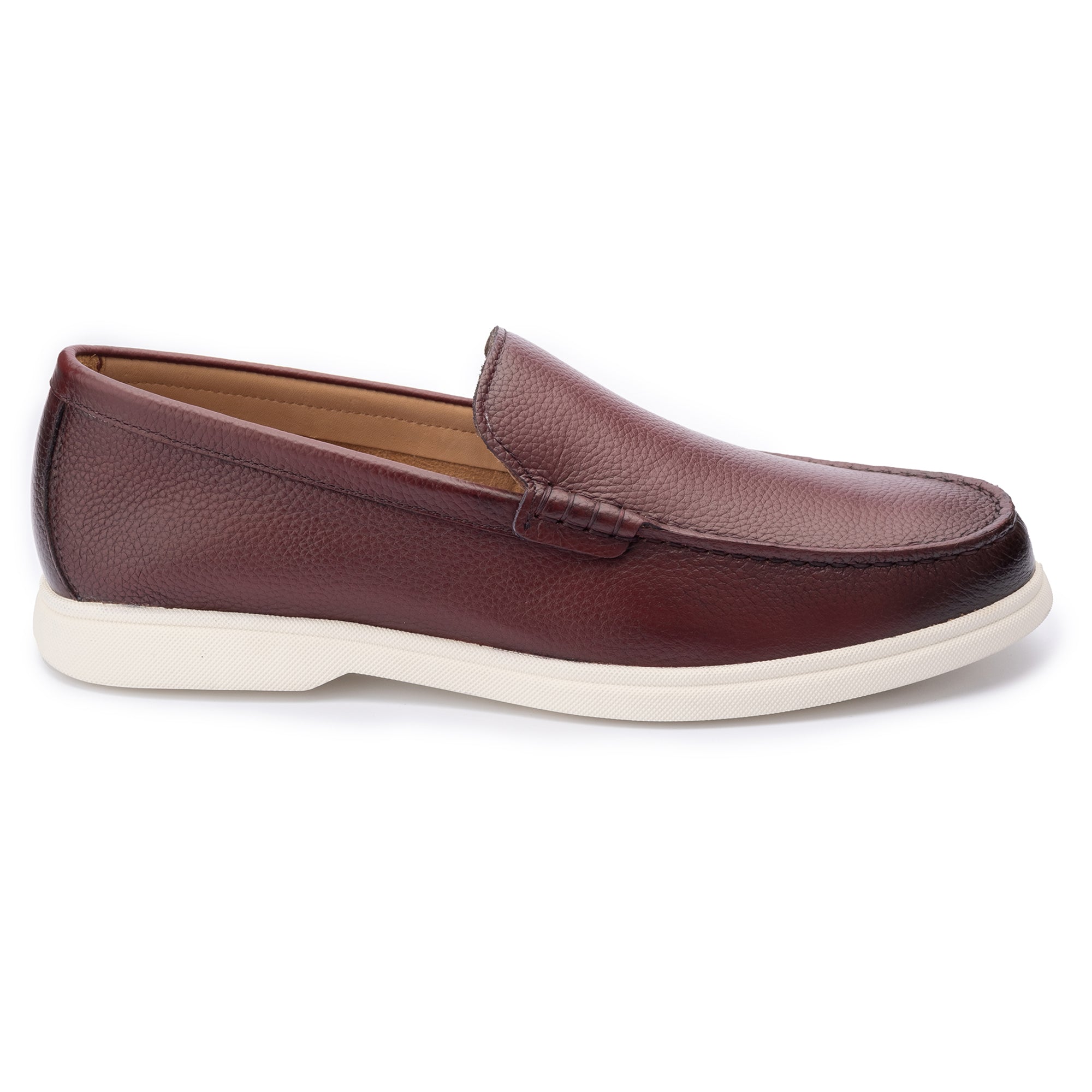
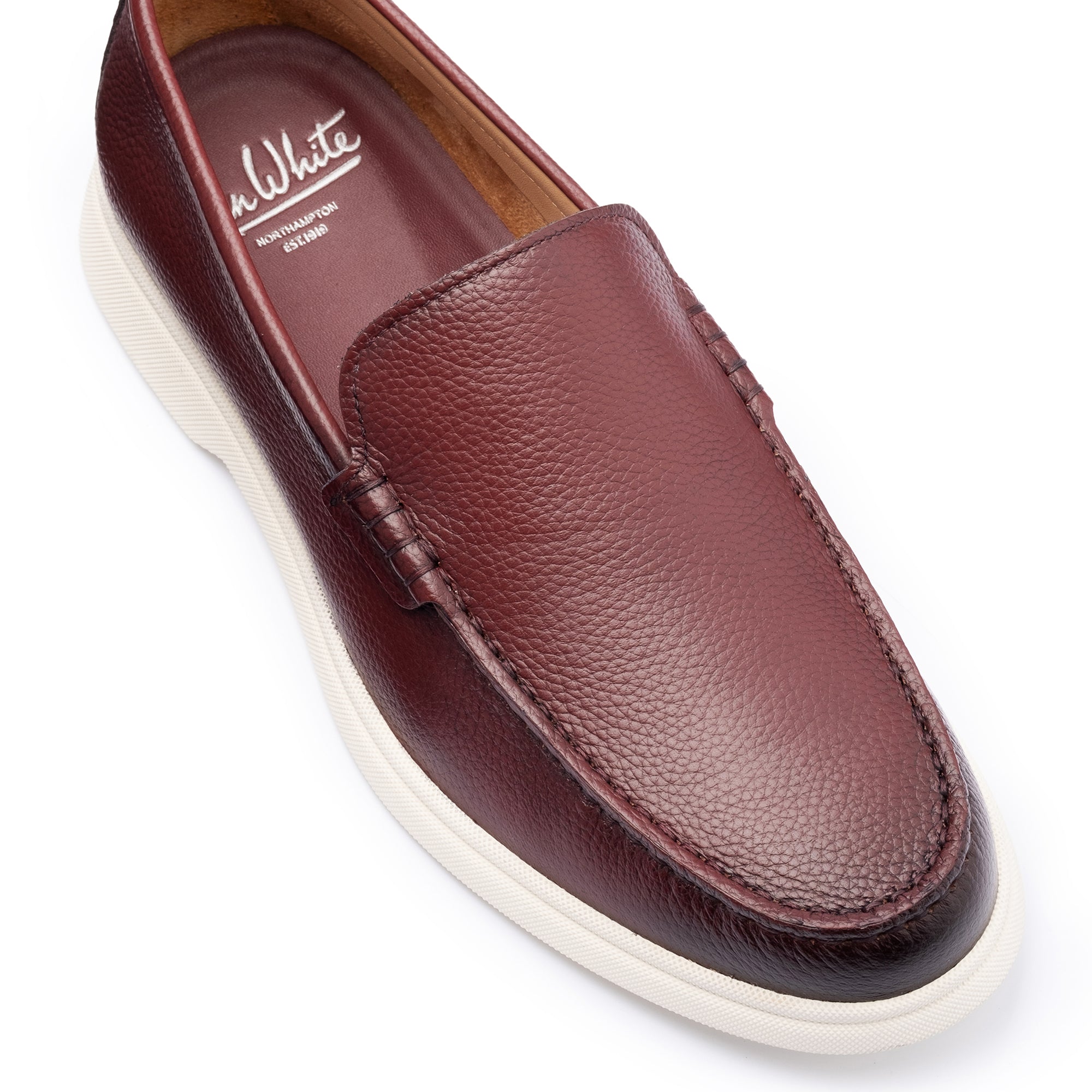
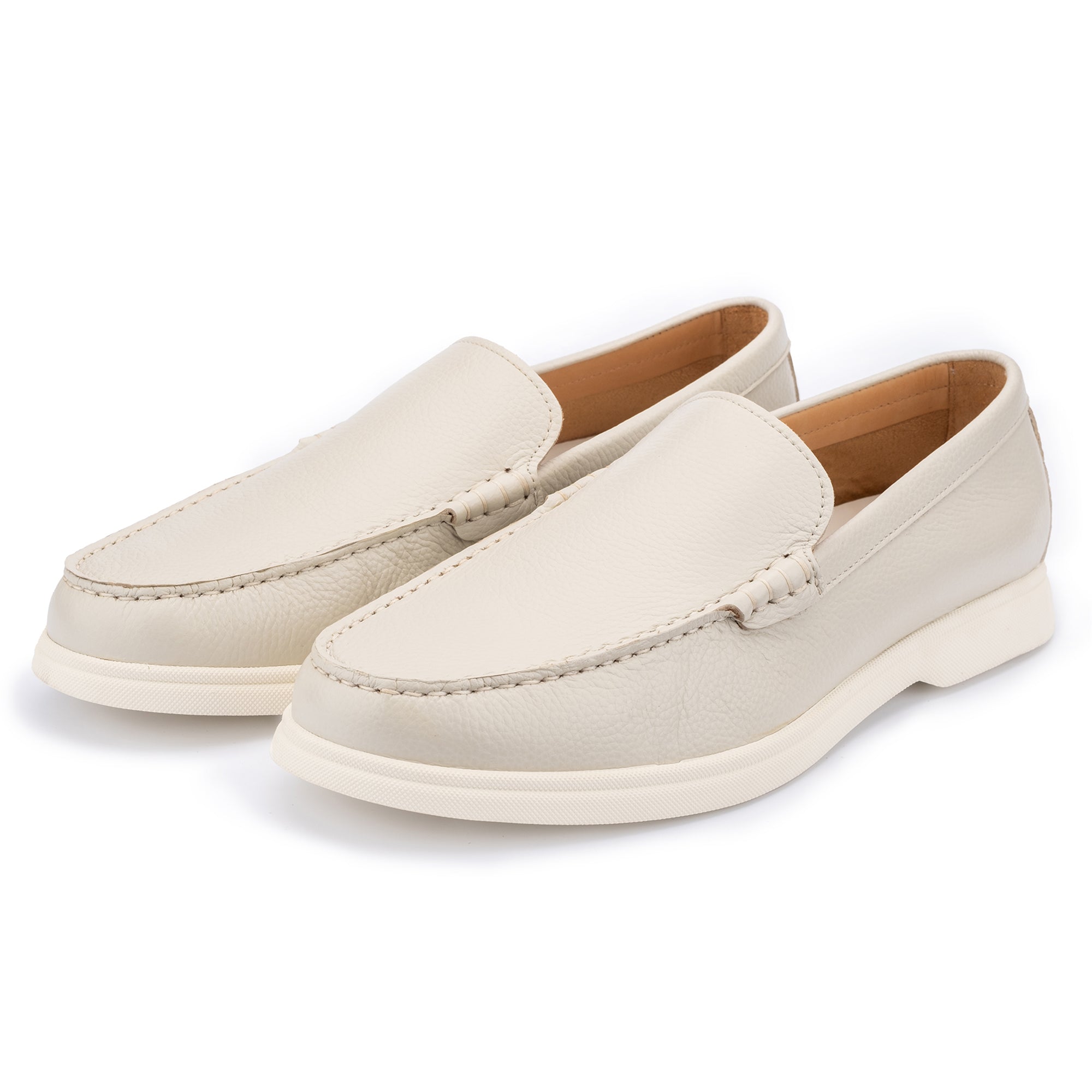
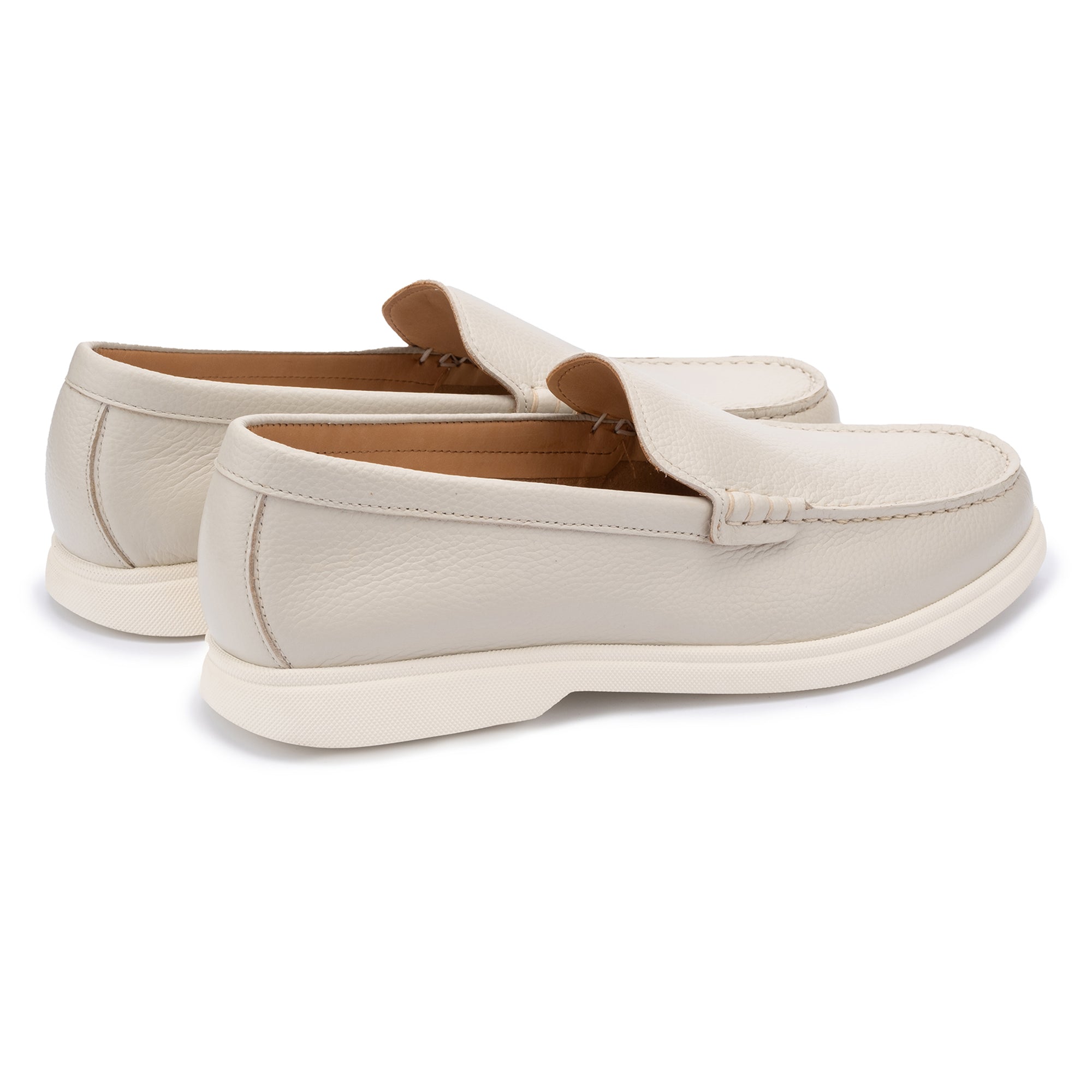
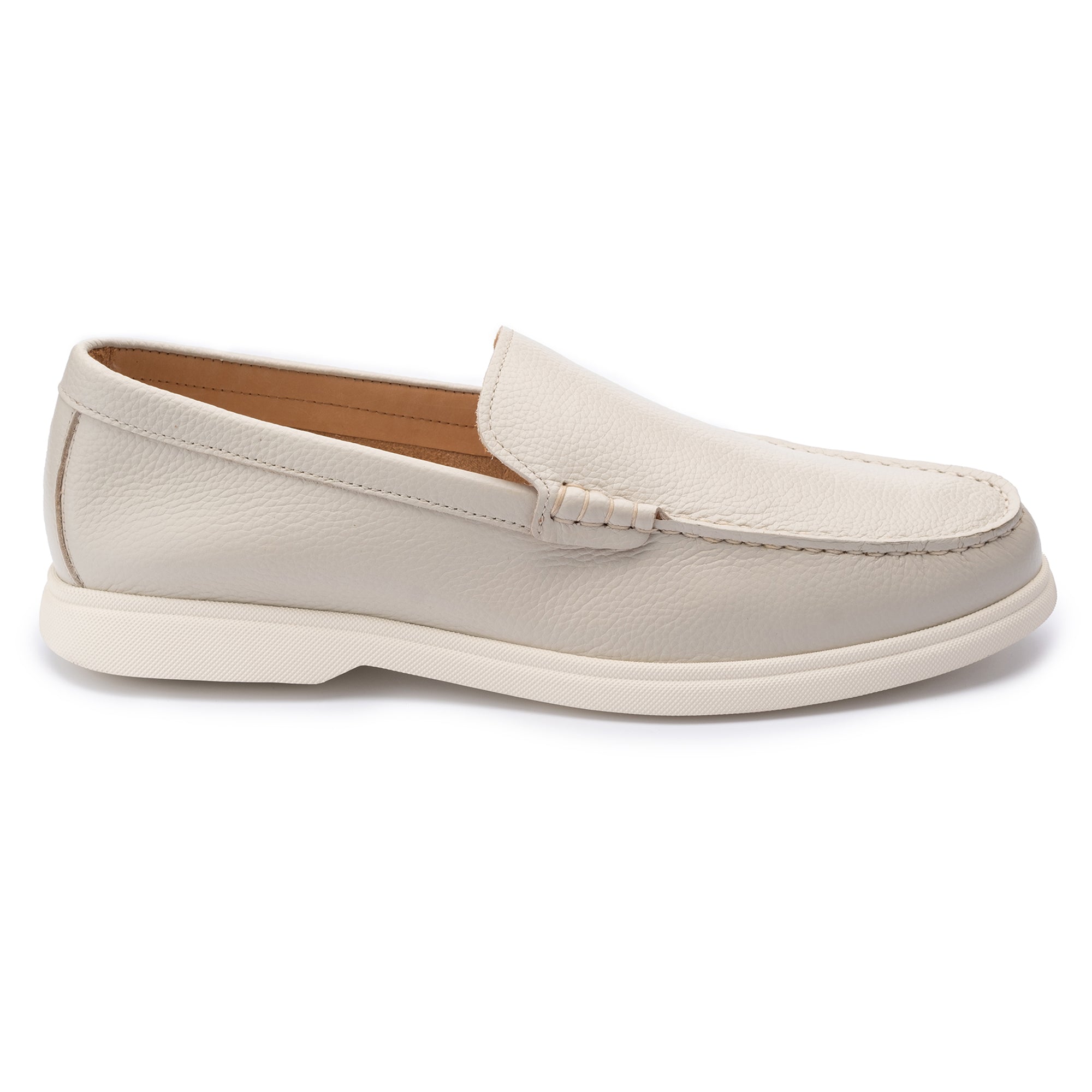
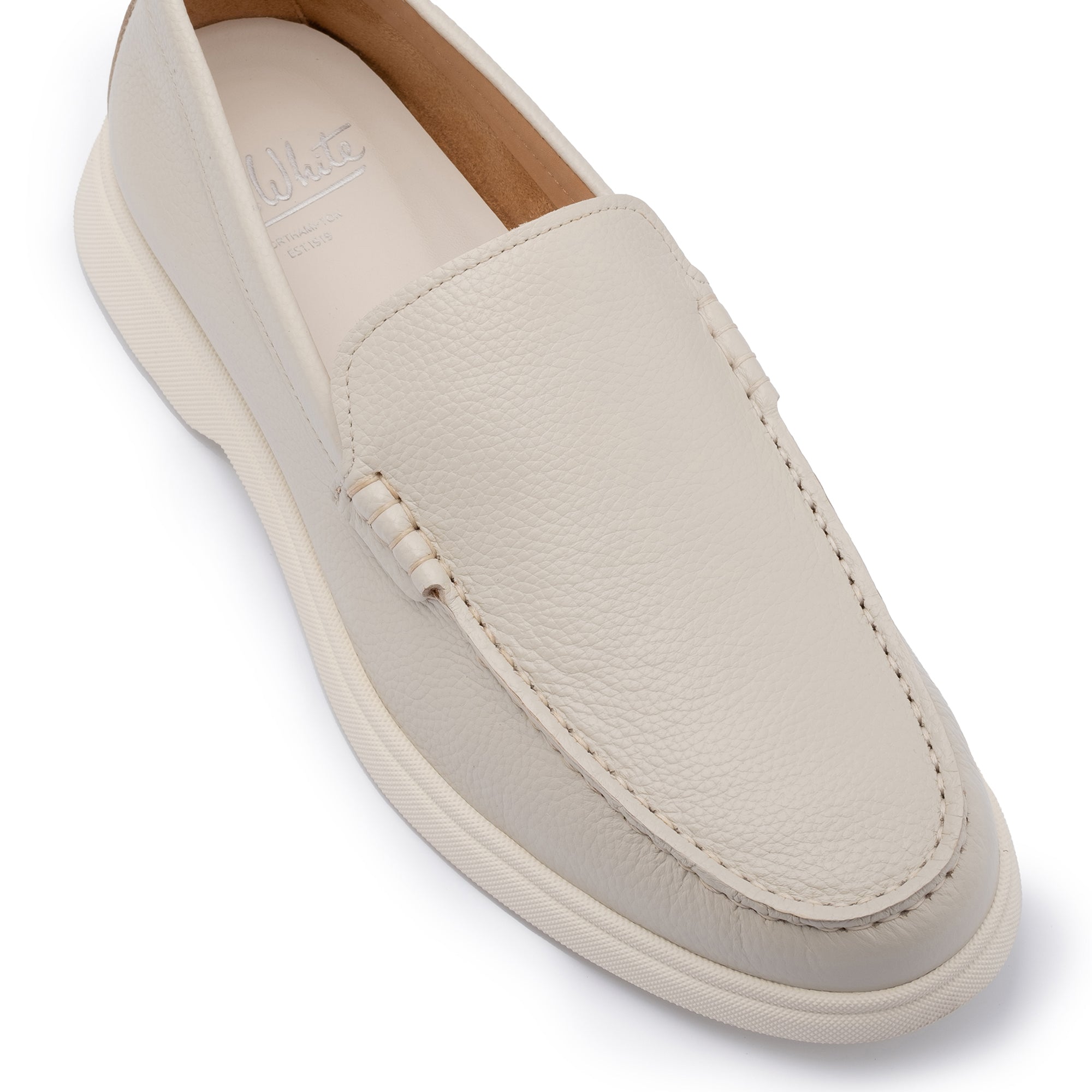
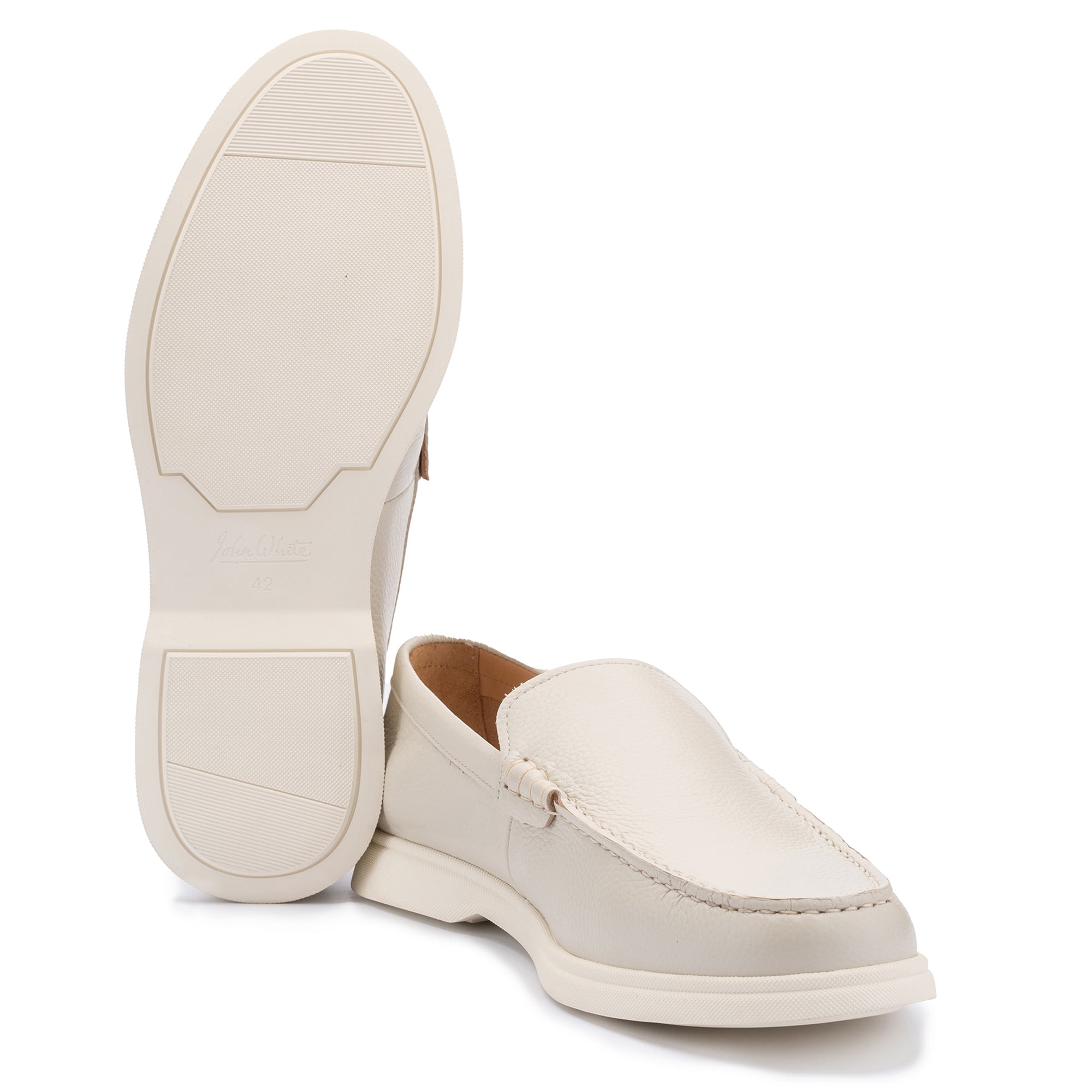
A loafer is a slip-on shoe with no lacing mechanism. Its upper is uninterrupted by eyelets or a tongue assembly, producing a clean, low-profile silhouette that has defined the style since the mid-twentieth century. The category encompasses several distinct variants: the penny loafer with its saddle strap, the tassel loafer with its knotted ornaments, and the horsebit loafer with its hardware detail. Each carries its own level of formality, but all share the essential character of understated refinement.
The Derby is a versatile lace-up with a wide formal range; the loafer is a slip-on with natural ease of wear and a clean silhouette that suits smart-casual environments particularly well.
How Does Each Style Sit on the Formality Spectrum?
Formality is the clearest basis on which to distinguish the loafer from the Derby, and the most useful when deciding which to invest in first.
Brands including Loake, Barker, Grenson, Church's, Crockett & Jones, and John White Shoes all maintain strong representations of both styles in their core ranges, which reflects the sustained demand for each across the British professional wardrobe. As detailed in our definitive ranking of men's dress shoes, the Derby sits above the loafer in formal terms but below the Oxford.
| Criterion | Loafer | Derby |
|---|---|---|
| Formality range | Smart-casual to business-casual | Smart-casual to formal |
| Black tie / formal evening | Not appropriate | Acceptable in polished black calfskin |
| Office dressing | Yes, in smooth leather | Yes, across all office contexts |
| Weddings | Relaxed and smart-casual dress codes | All wedding dress codes |
| Chinos and jeans | Excellent | Good |
| Ease of wear | Slip-on; no lacing required | Requires lacing |
| Sockless wearing | Appropriate in warm weather | Not conventional |
| Best upper material | Smooth calfskin or suede | Smooth calfskin, grain leather, or suede |
The Derby covers a wider formal range; the loafer excels in smart-casual and business-casual environments where a clean silhouette and ease of wear are valued over structural formality.
Which Occasions Call for a Loafer vs a Derby?
When Should You Reach for a Loafer?
The loafer performs at its best when the occasion demands refinement without ceremony. In smooth black or dark tan calfskin, it carries through a business-casual office, a smart dinner, or a summer wedding with equal composure. It pairs particularly well with tailored chinos, slim-cut trousers, and, at a quality leather standard, with a well-cut suit in a relaxed professional context. For the full pairing guide, see our article on how to wear loafers with a suit.
- Business-casual and creative office environments
- Smart dinners and social occasions
- Smart-casual and outdoor weddings
- City weekends with tailored chinos or straight-leg trousers
- Summer events, worn with no-show socks or sockless
When Should You Reach for a Derby?
The Derby earns its reputation through breadth. It functions credibly in a boardroom, at a graduation ceremony, at a job interview, and at a black tie wedding. It carries the same authority in dark jeans at the weekend as in a pinstripe suit on a Tuesday. That range is precisely why it is the recommended first investment for men building a premium shoe wardrobe from the ground up. For styling combinations across every context, our guide to wearing Derby shoes covers every combination.
- Formal business meetings and client-facing roles
- All wedding dress codes, including morning dress and black tie
- Job interviews and professional presentations
- Graduation ceremonies and formal celebrations
- Smart-casual weekends with chinos, denim, or tailored trousers
Which Should Be Your First Premium Shoe?
The answer depends entirely on your wardrobe and the occasions you dress for most frequently.
Choose a Derby as Your First Premium Shoe If You:
- Work in a professional environment with formal or smart dress expectations
- Attend weddings, ceremonies, or formal events with any regularity
- Own suits or structured tailoring and need a shoe that functions with them
- Are building a premium wardrobe from a foundation of zero
- Want a single shoe that carries credibly from Monday morning to a formal Saturday event
Choose a Loafer as Your First Premium Shoe If You:
- Work in a relaxed or creative environment without formal dress requirements
- Already own at least one pair of quality lace-ups
- Dress primarily in chinos, tailored trousers, and smart-casual combinations
- Want ease of wear alongside genuine refinement
- Value a shoe that transitions naturally from office to evening without a change
According to the Society of Master Shoe Repairers, a Goodyear welted shoe can be resoled eight to ten times across its lifespan. That statistic reframes the purchase entirely: the construction decision matters far more than the style decision at the point of buying. Whether loafer or Derby, a Goodyear welt in full-grain calfskin is the investment that pays forward. Explore the full range of Goodyear welted styles in the John White Shoes men's shoe collection.
For most British professional men, a black Derby in Goodyear welted calfskin is the single most versatile first purchase available; for men in smart-casual environments, a loafer in the same construction standard is the more natural starting point.
What Construction Quality Should You Expect in Each Style?
The quality markers that define a genuinely premium shoe apply to the loafer and the Derby in equal measure.
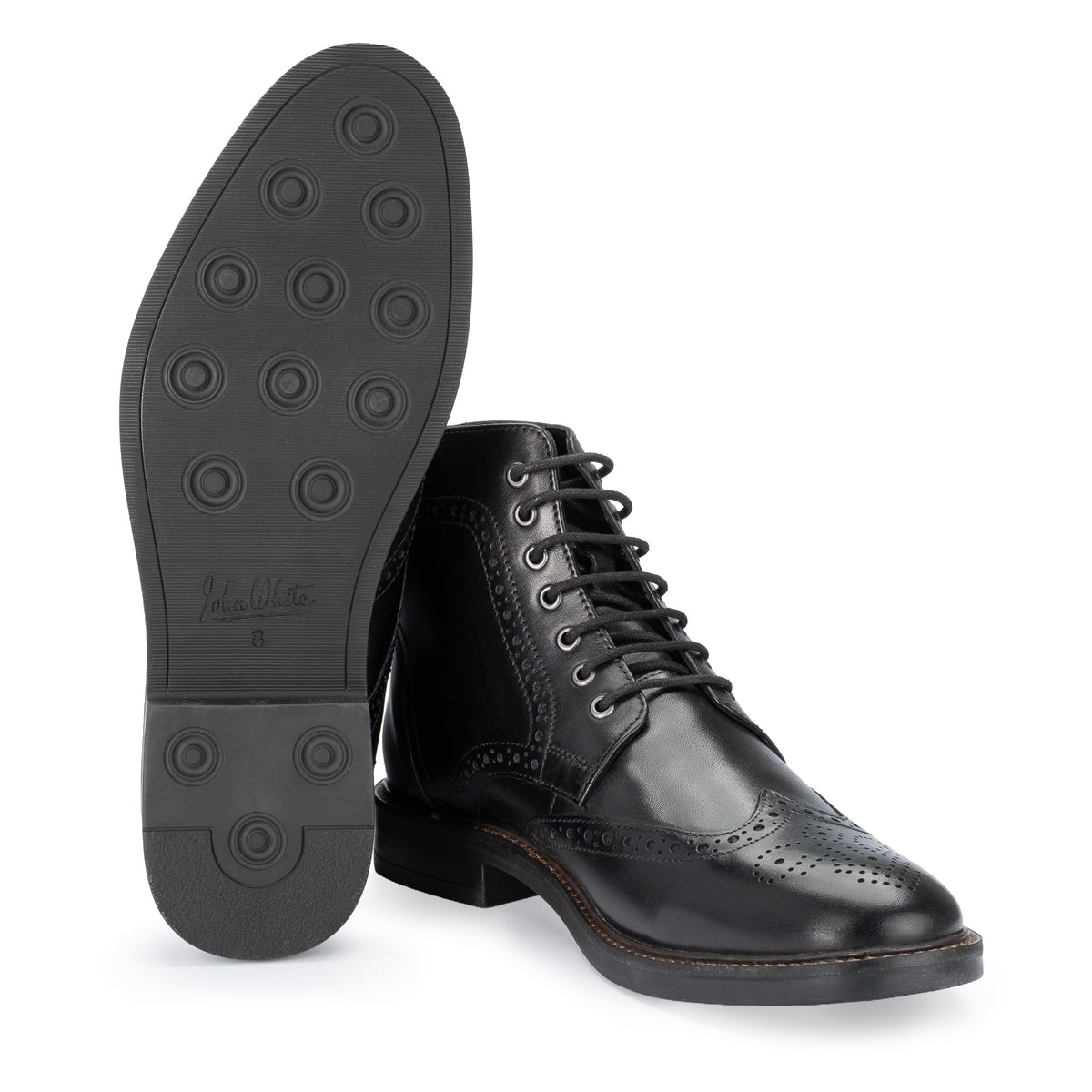
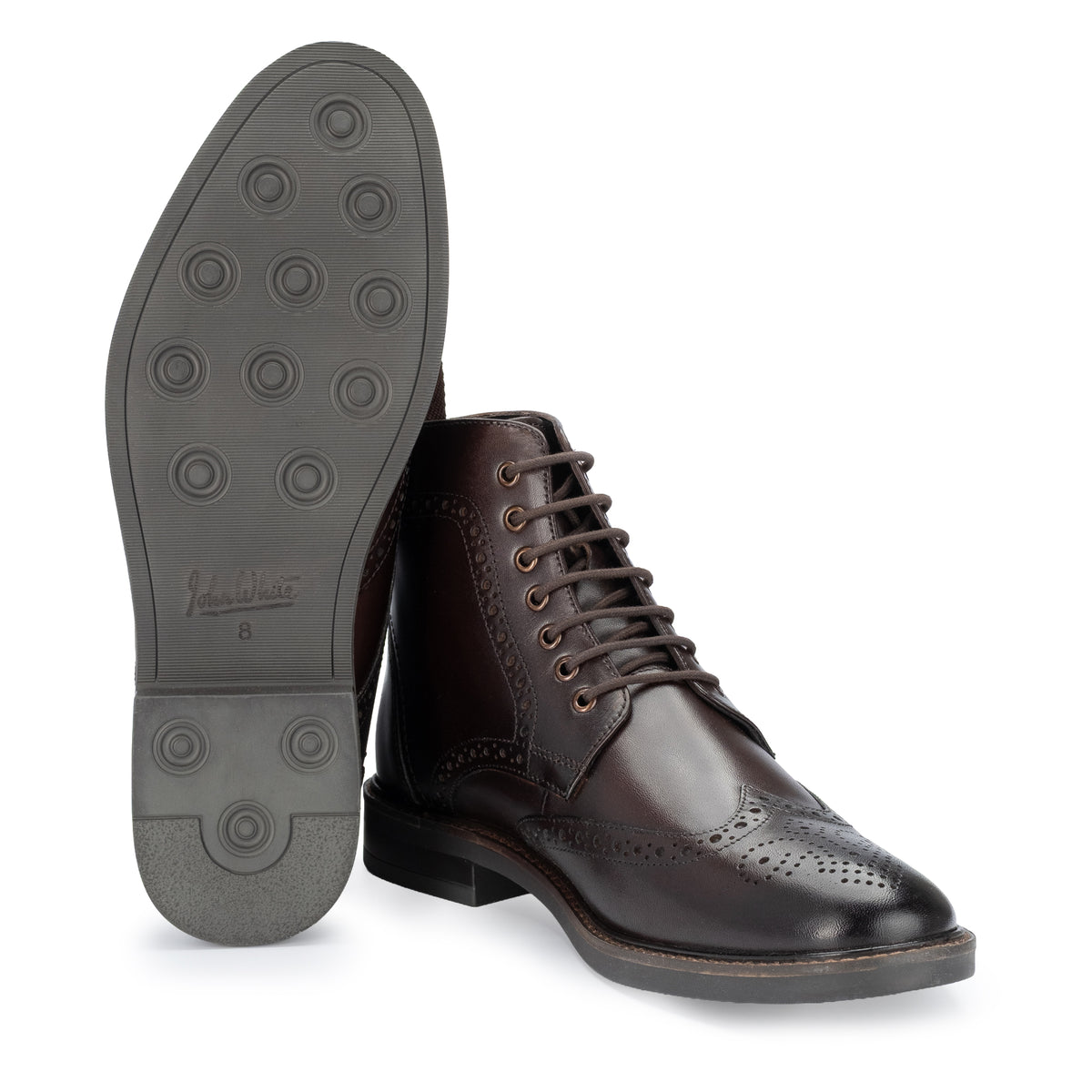
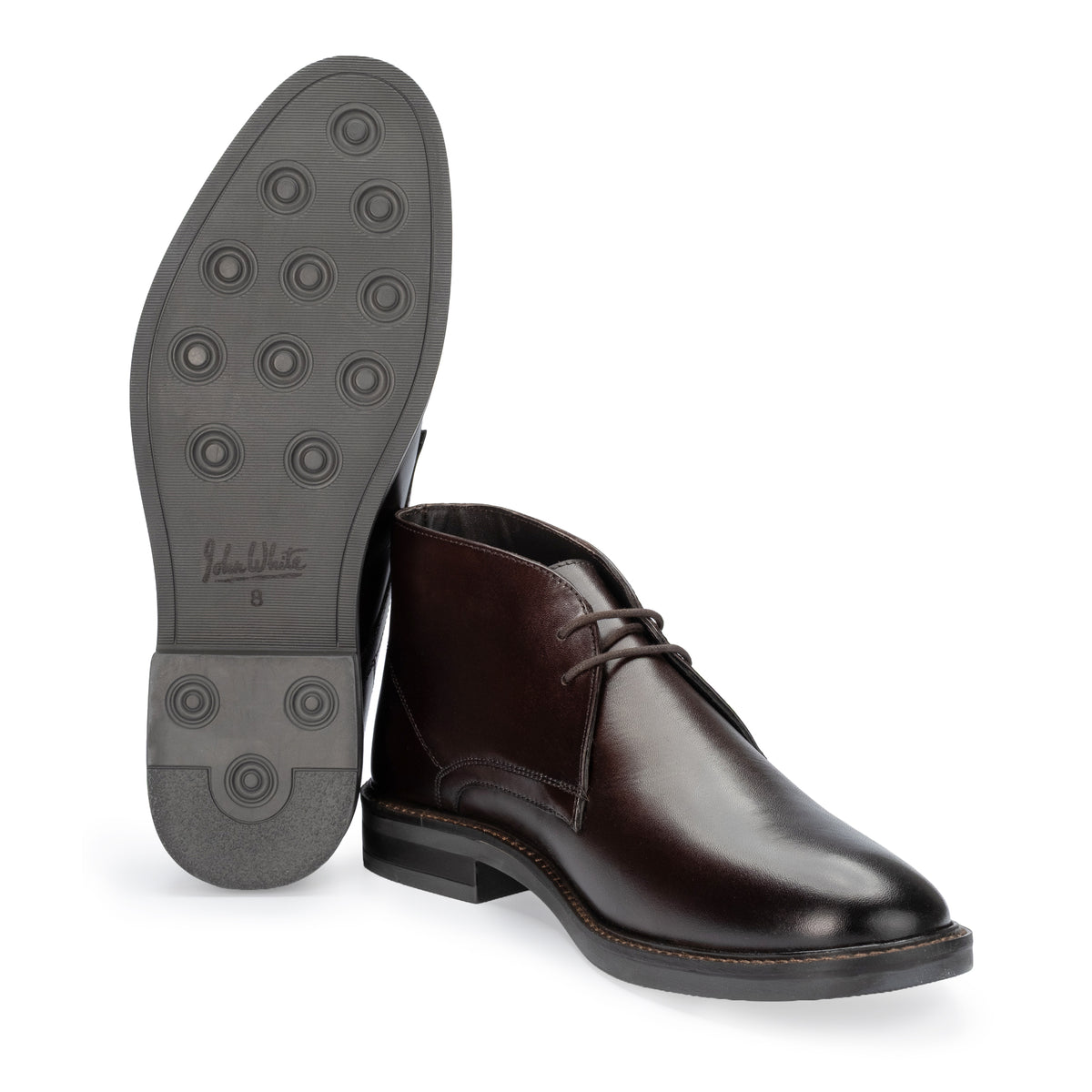
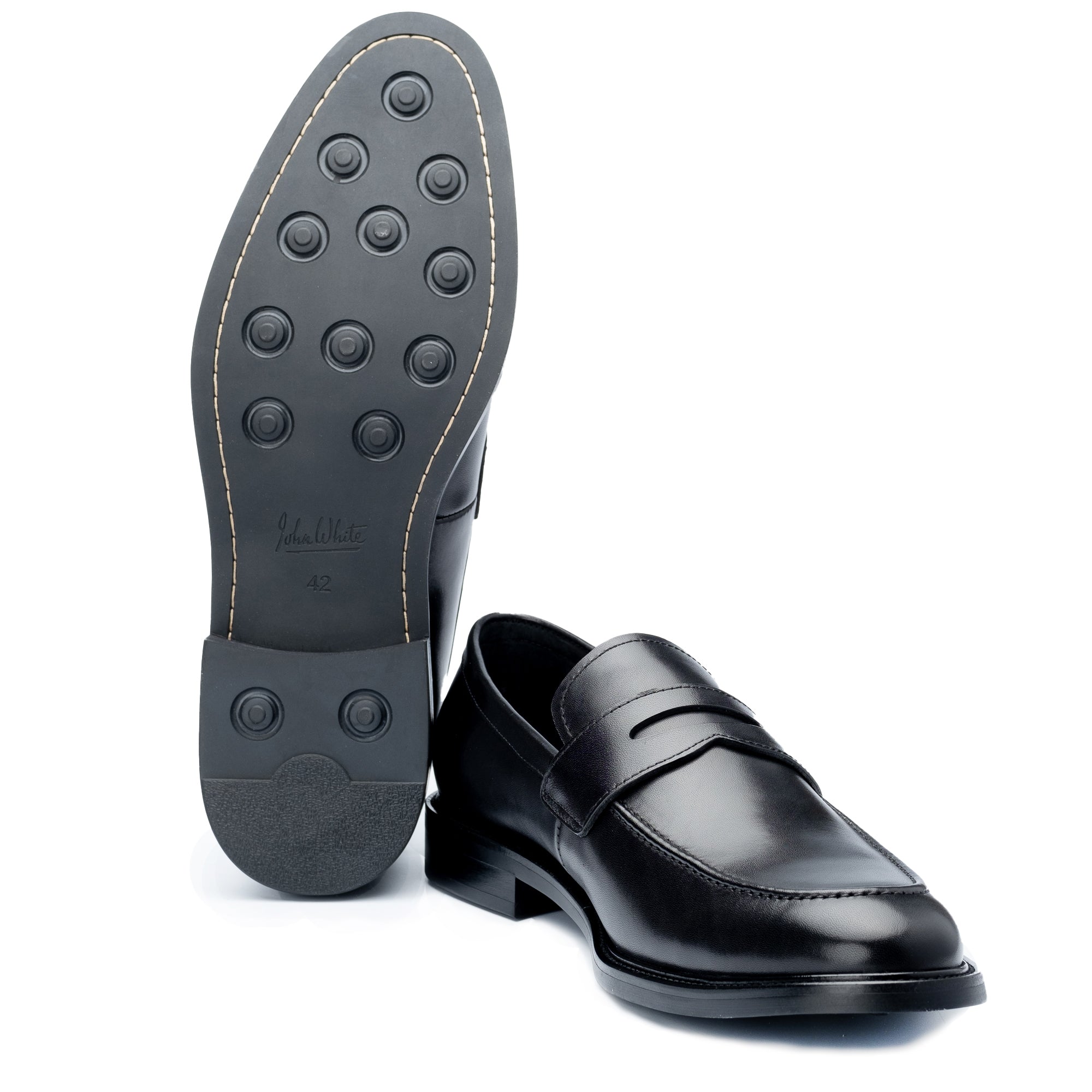
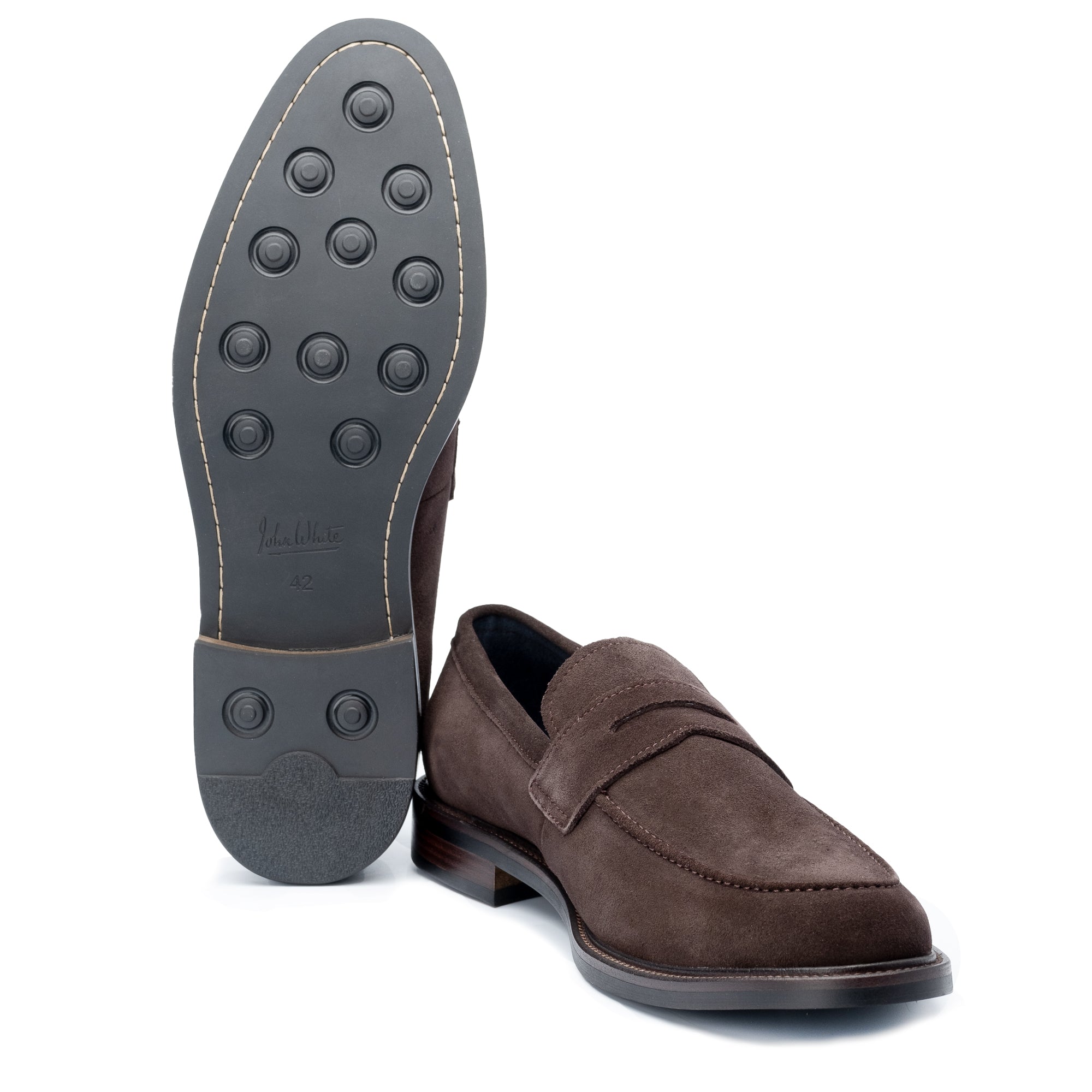
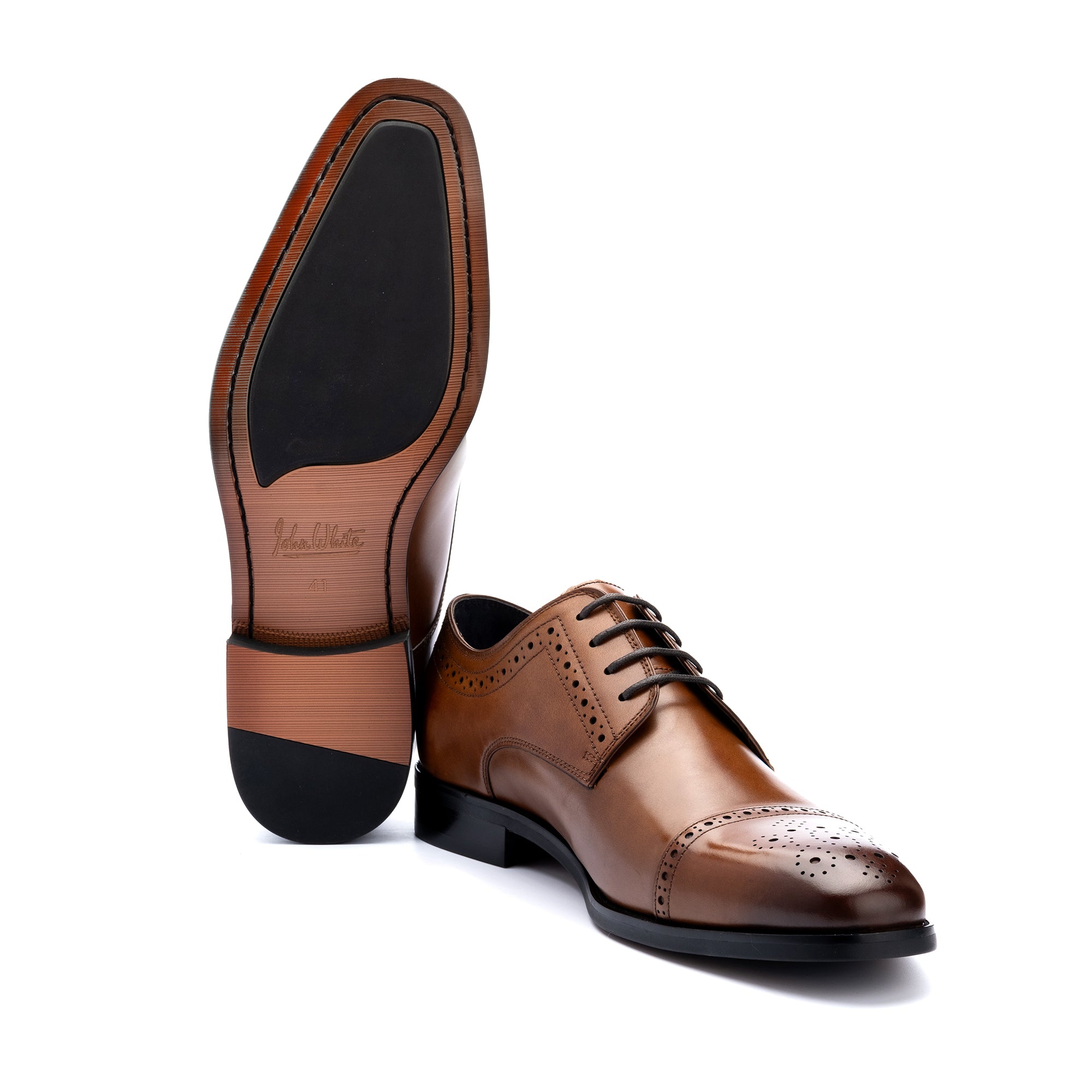
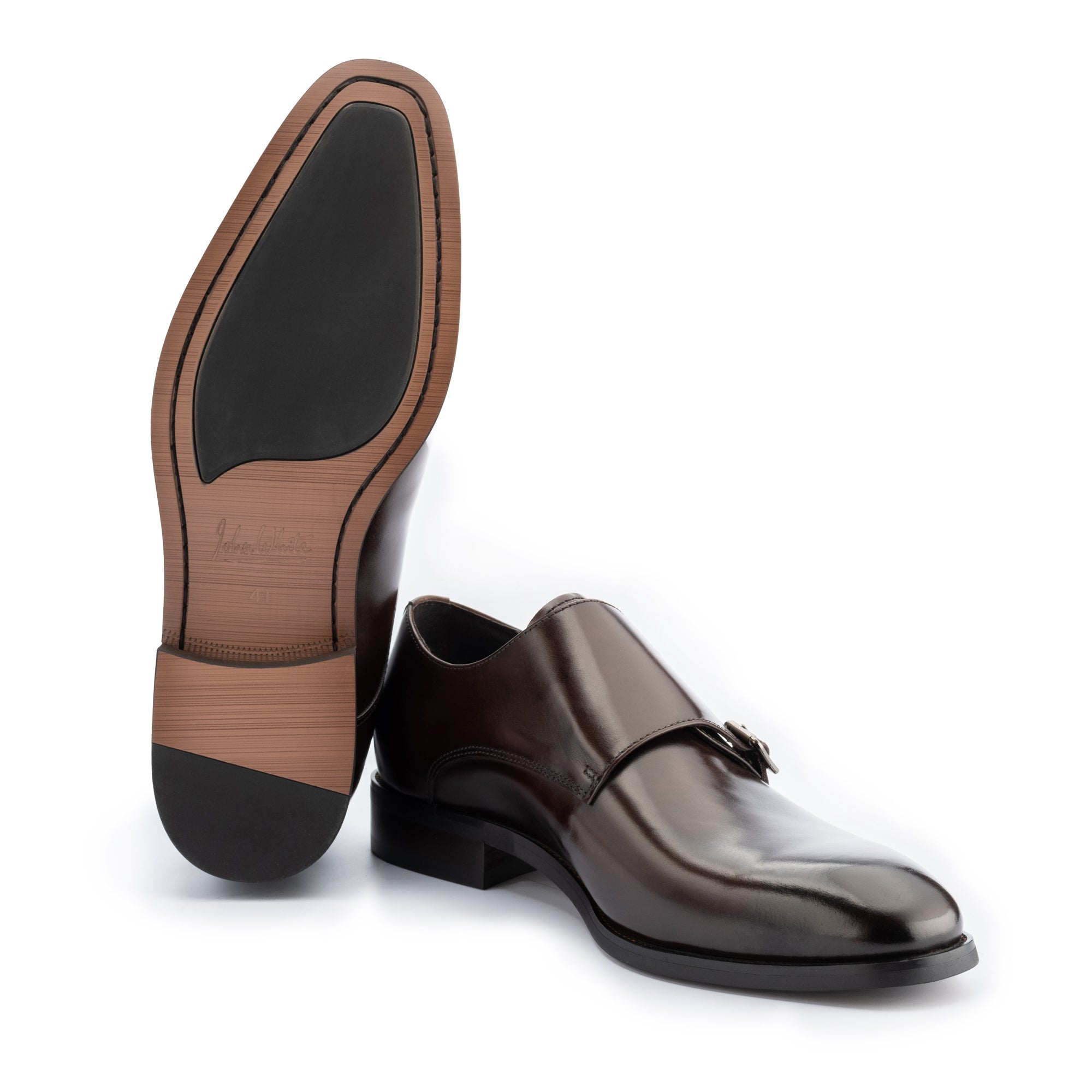
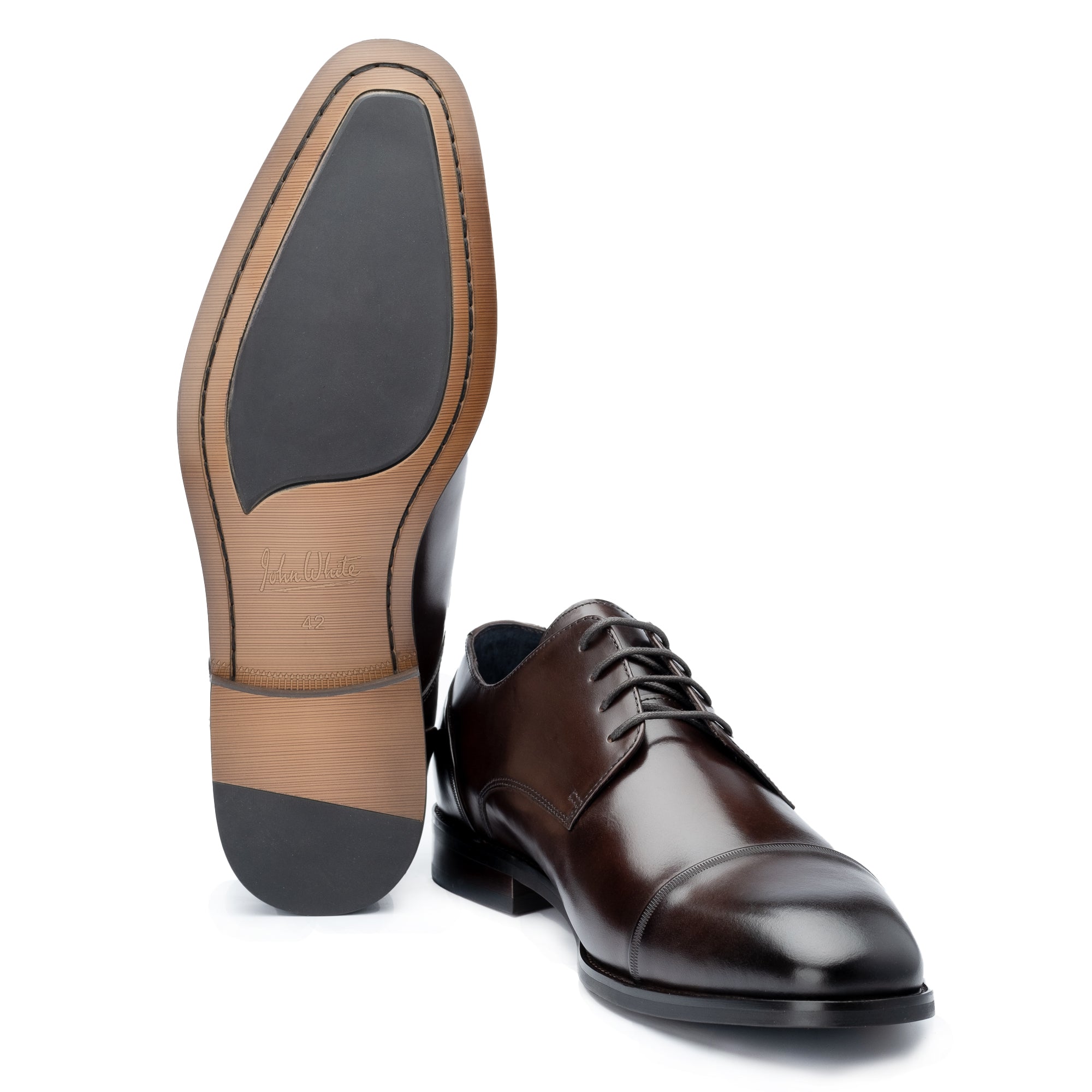
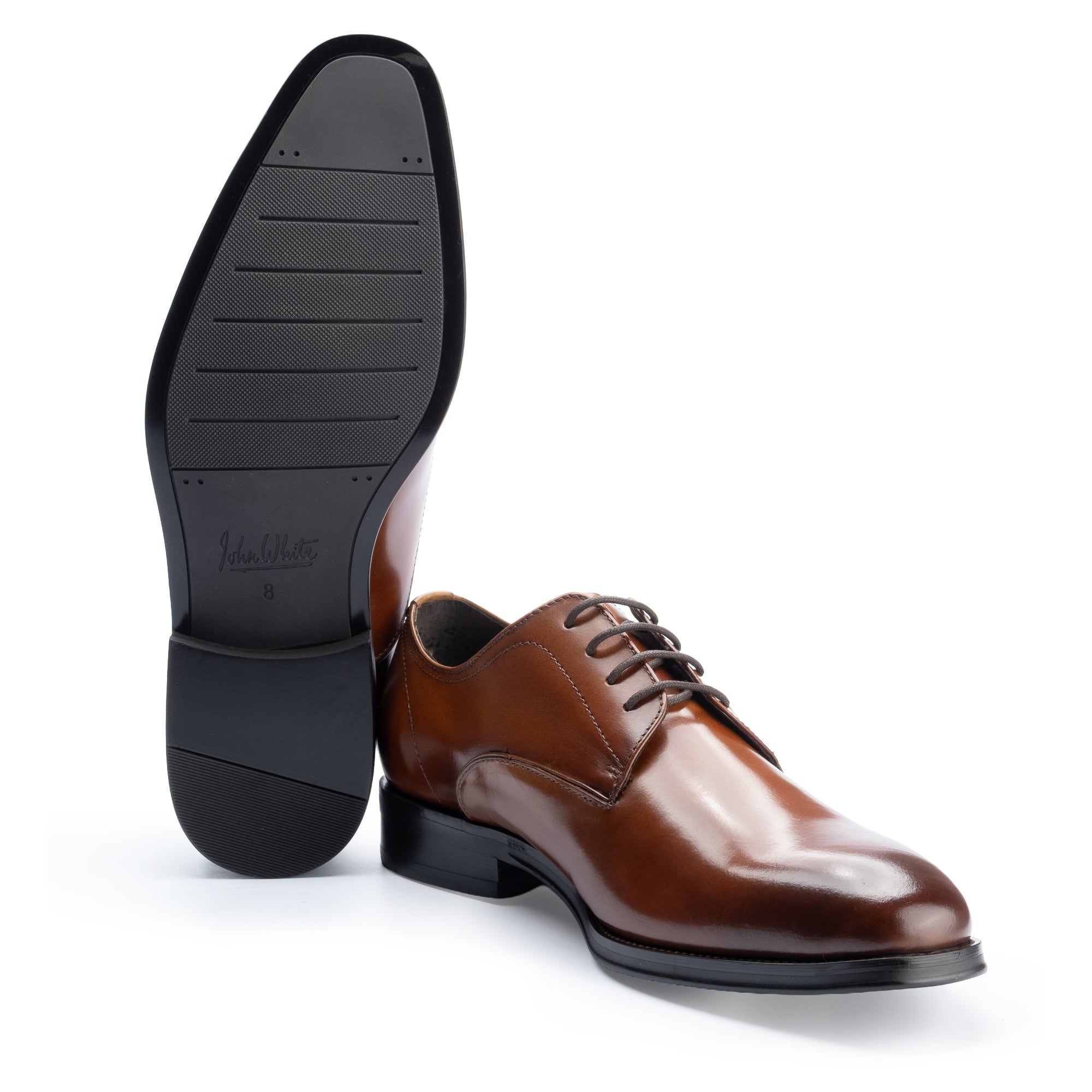
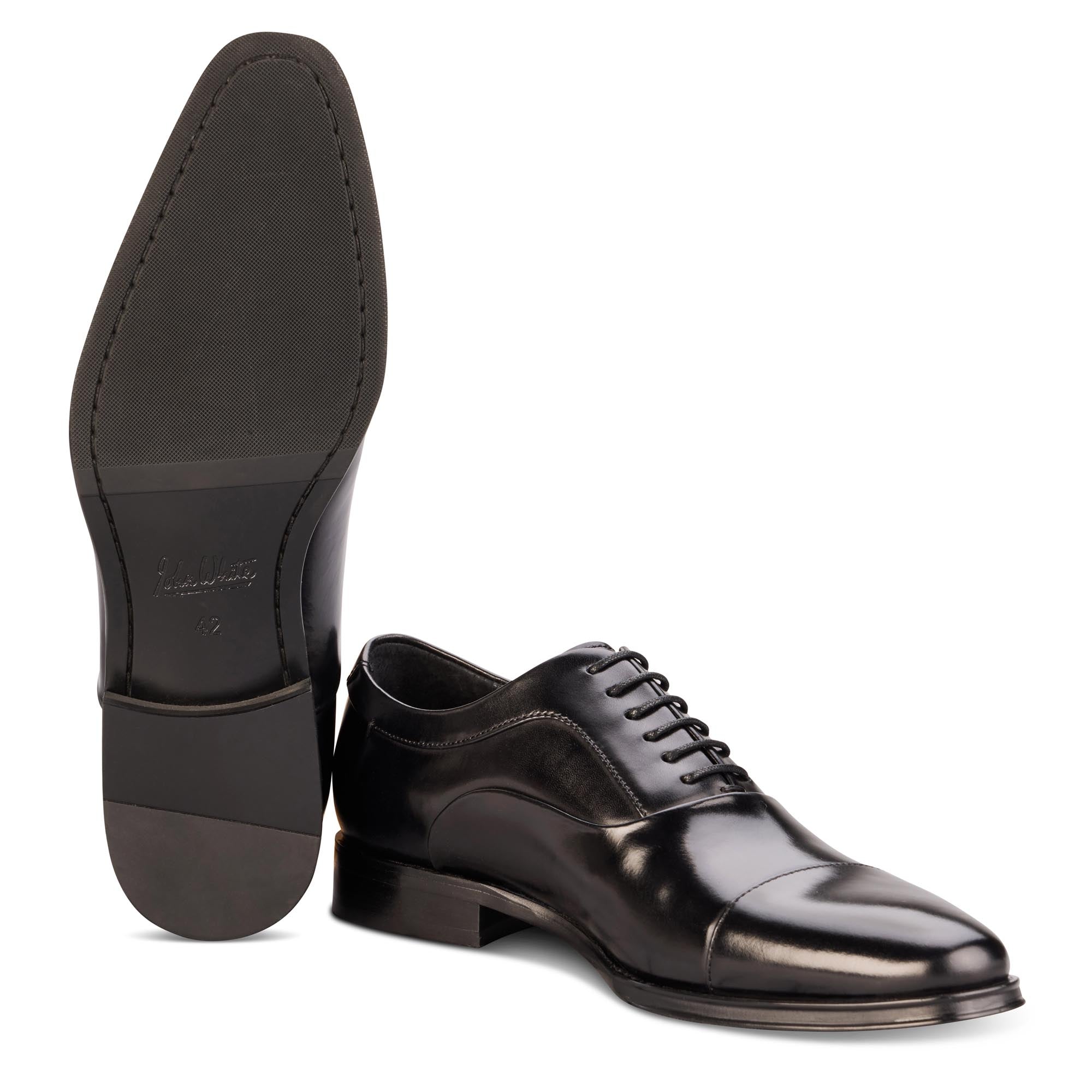
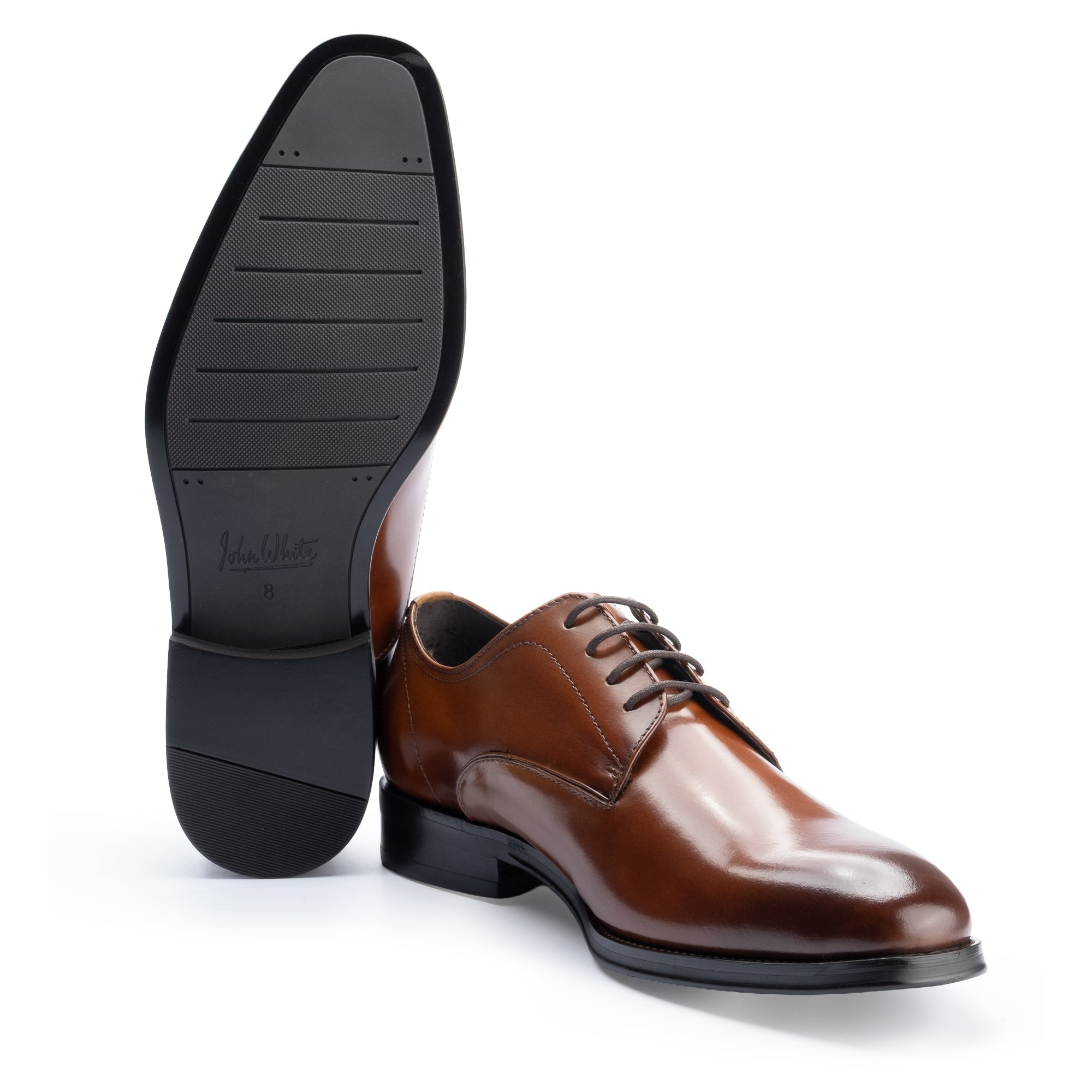
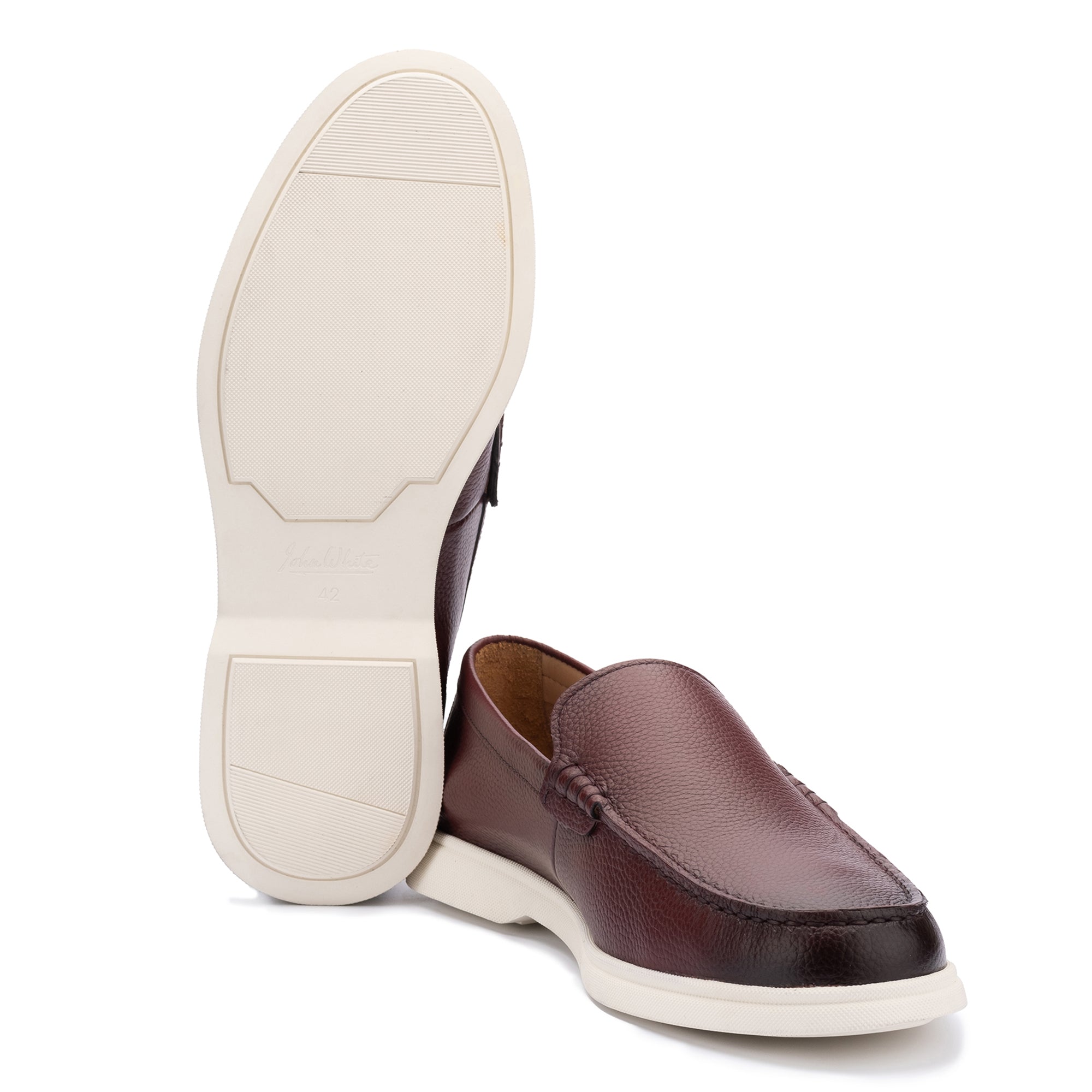
- Goodyear welt construction: allows for resoling and full rebuilding, extending the shoe's life far beyond a cemented alternative
- Full-grain calfskin upper: retains the natural grain of the hide, breathes with wear, and develops a patina that deepens with age and conditioning
- Full leather lining: manages moisture, reduces friction, and is a reliable marker of quality at the construction stage
- Hand-finished edges and bevelled waist: visible in the sole profile, indicating attention to finish that runs through the entire shoe
The Cordwainers' College at London College of Fashion identifies the open-quarter construction of the Derby as the defining factor in its broad fit accommodation, noting that the design's ability to open fully at the throat makes it the most anatomically inclusive of the formal lace-up styles. This practical advantage accounts for much of its enduring position as the recommended entry-level investment for a first premium shoe.
The Leather Conservation Centre recommends conditioning leather footwear every six to eight weeks under regular wear, and more frequently during autumn and winter when exposure to salt and moisture increases. Both styles respond equally well to a consistent conditioning and polishing routine. Our guide to conditioning frequency for leather shoes sets out the full seasonal schedule.
Construction quality is the investment; style is the preference. A Goodyear welted shoe in full-grain calfskin, whether loafer or Derby, will outlast a cemented shoe many times over regardless of price.
Related Guides
- The Complete Guide to Men's Dress Shoes — our comprehensive guide
- The Complete Guide to Men's Dress Shoes — our comprehensive guide
- Derby vs Oxford: Which Lace-Up Should You Buy First?
- How to Wear Loafers with a Suit: The Modern Man's Guide
- The Formality Spectrum: A Definitive Ranking of Men's Dress Shoes
TL;DR: The Derby is the more formally capable and broadly versatile of the two styles, making it the stronger first investment for men who dress professionally or attend formal occasions. The loafer is the better starting point for smart-casual lifestyles where ease of wear and a clean silhouette matter as much as formality. In either case, choose Goodyear welt construction in full-grain calfskin. Browse both styles in the John White Shoes men's shoe collection.
Frequently Asked Questions
Is a loafer or a Derby more formal?
A Derby is more formal than a loafer. Its lace-up construction and open-quarter design place it higher on the formality spectrum, appropriate from business meetings through to formal ceremonies. A loafer sits in the smart-casual to business-casual range and should not be worn at the most formal end of any dress code.
Can you wear a Derby with jeans?
Yes. A Derby in dark or mid-brown calfskin pairs well with dark, well-cut jeans in a smart-casual context. Black Derby shoes also carry with very dark denim. The key is ensuring the trouser is well-fitted and the overall combination is intentional rather than accidental. Our Derby shoe styling guide covers pairing combinations across every occasion.
What is the best colour for a first premium Derby or loafer?
For a Derby, black smooth calfskin offers the widest formal range and the most versatile foundation. For a loafer, tan or mid-brown serves smart-casual wardrobes built around navy, grey, and chino tones. If your wardrobe is built around suits in navy or charcoal, black is the correct starting point in either style. Our guide to choosing between black, brown, and burgundy leather shoes covers the full colour hierarchy.
Are loafers appropriate for a job interview?
In most professional UK sectors, a Derby is the safer choice for a job interview. A loafer in polished smooth leather can be appropriate for interviews in creative, media, or senior business-casual roles. In law, finance, or any sector with conservative dress expectations, a Derby in black or dark brown calfskin is the correct choice. For the full guide, see our article on the best shoes to wear to a job interview.
View the full John White Shoes men's shoe collection to explore Derby and loafer styles in premium Goodyear welted calfskin and suede.