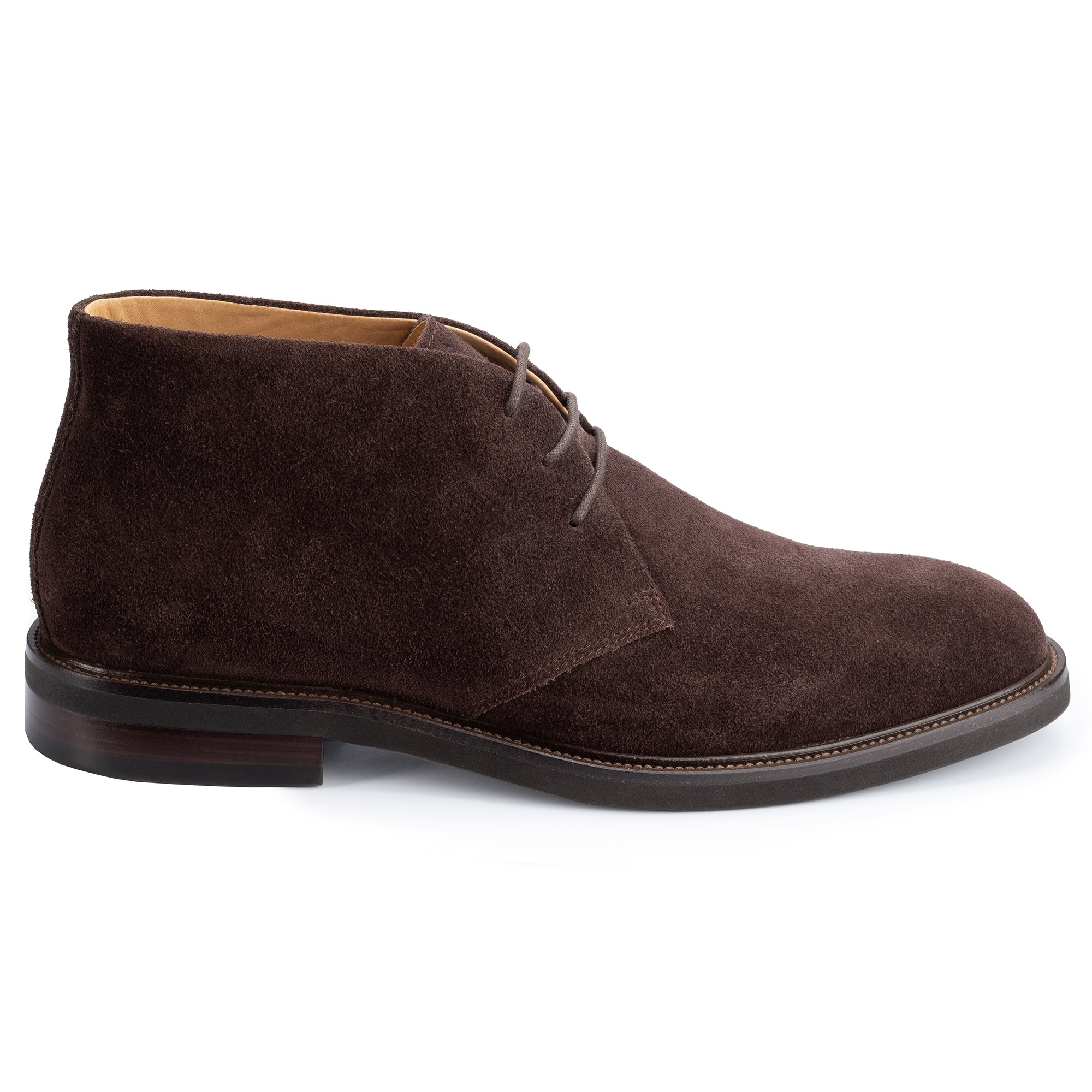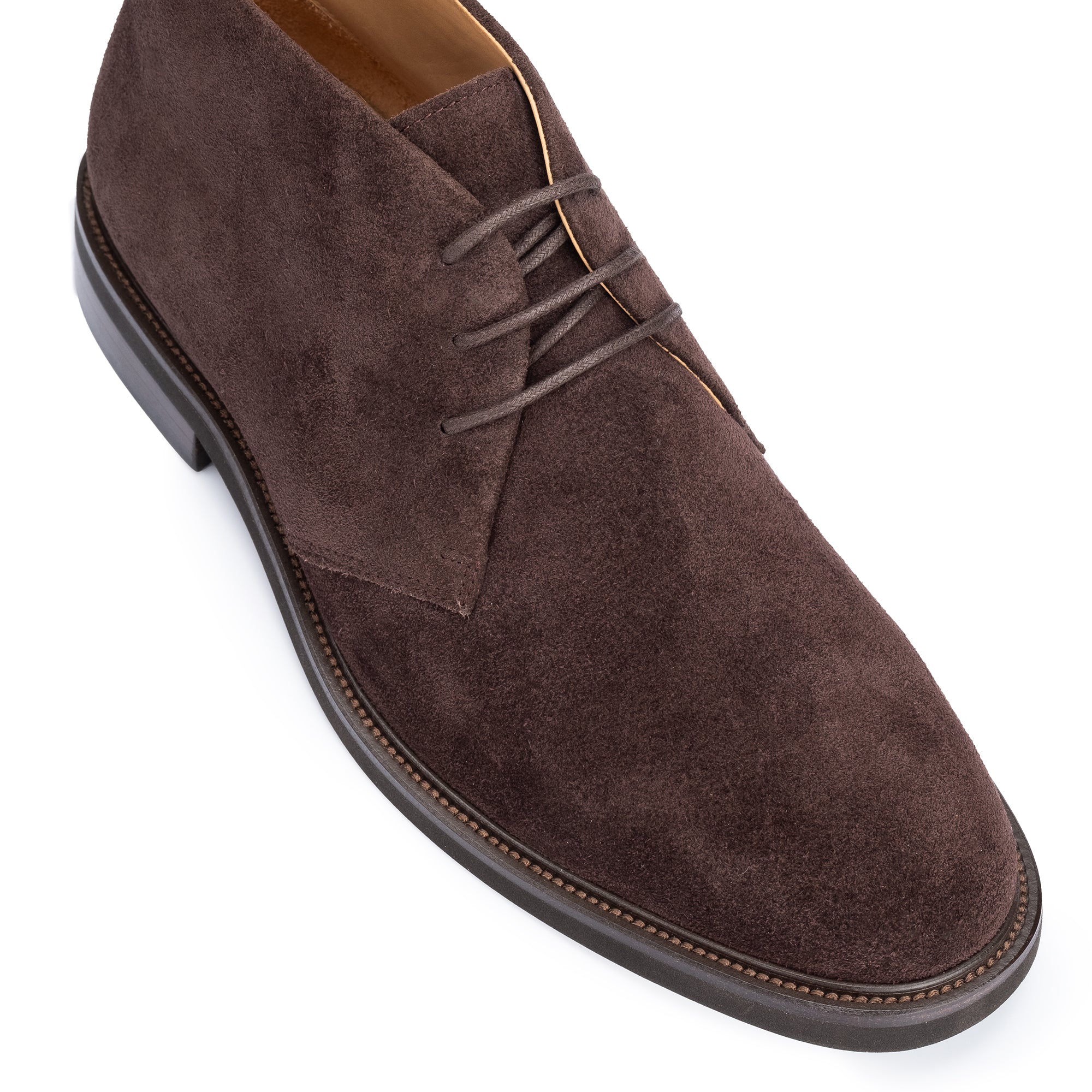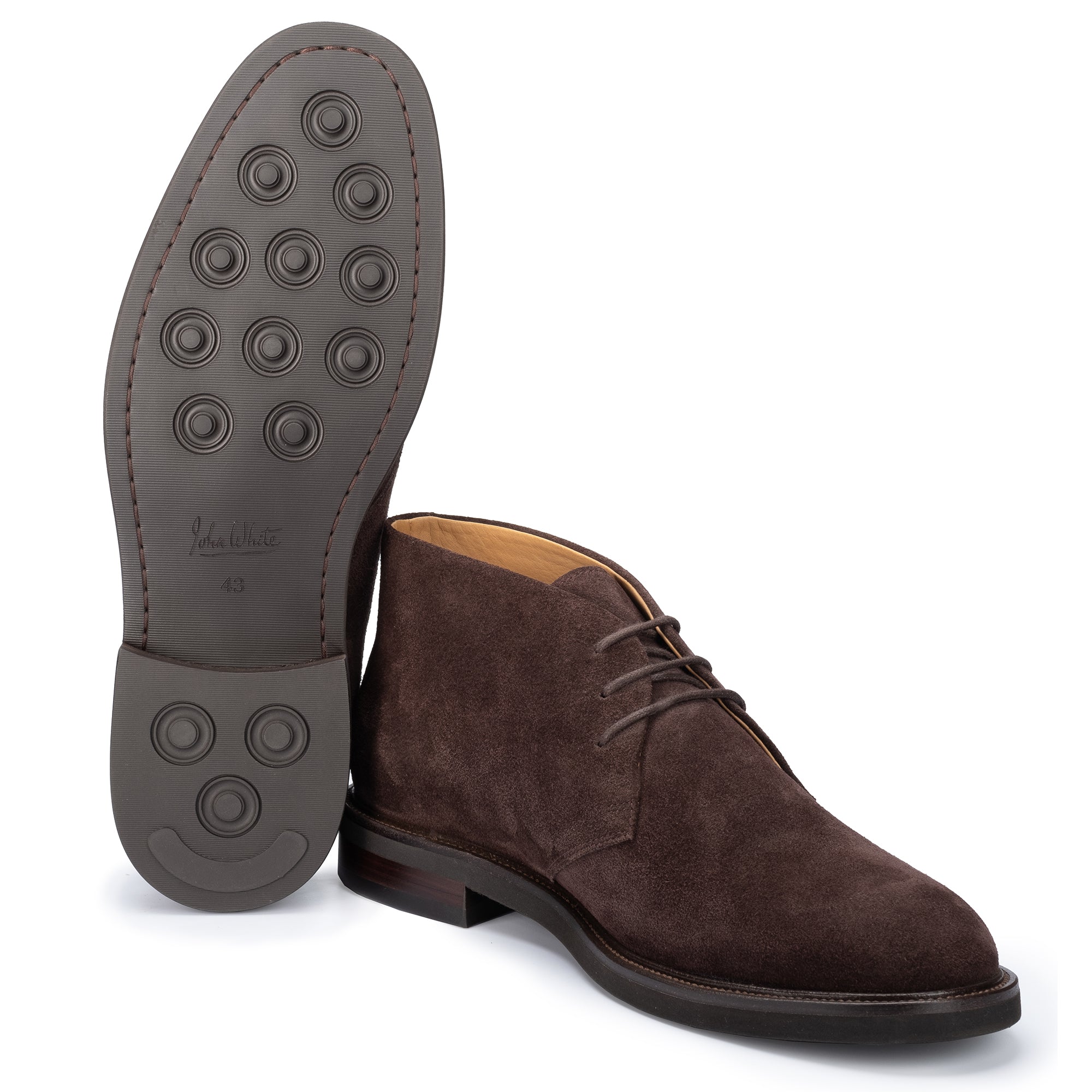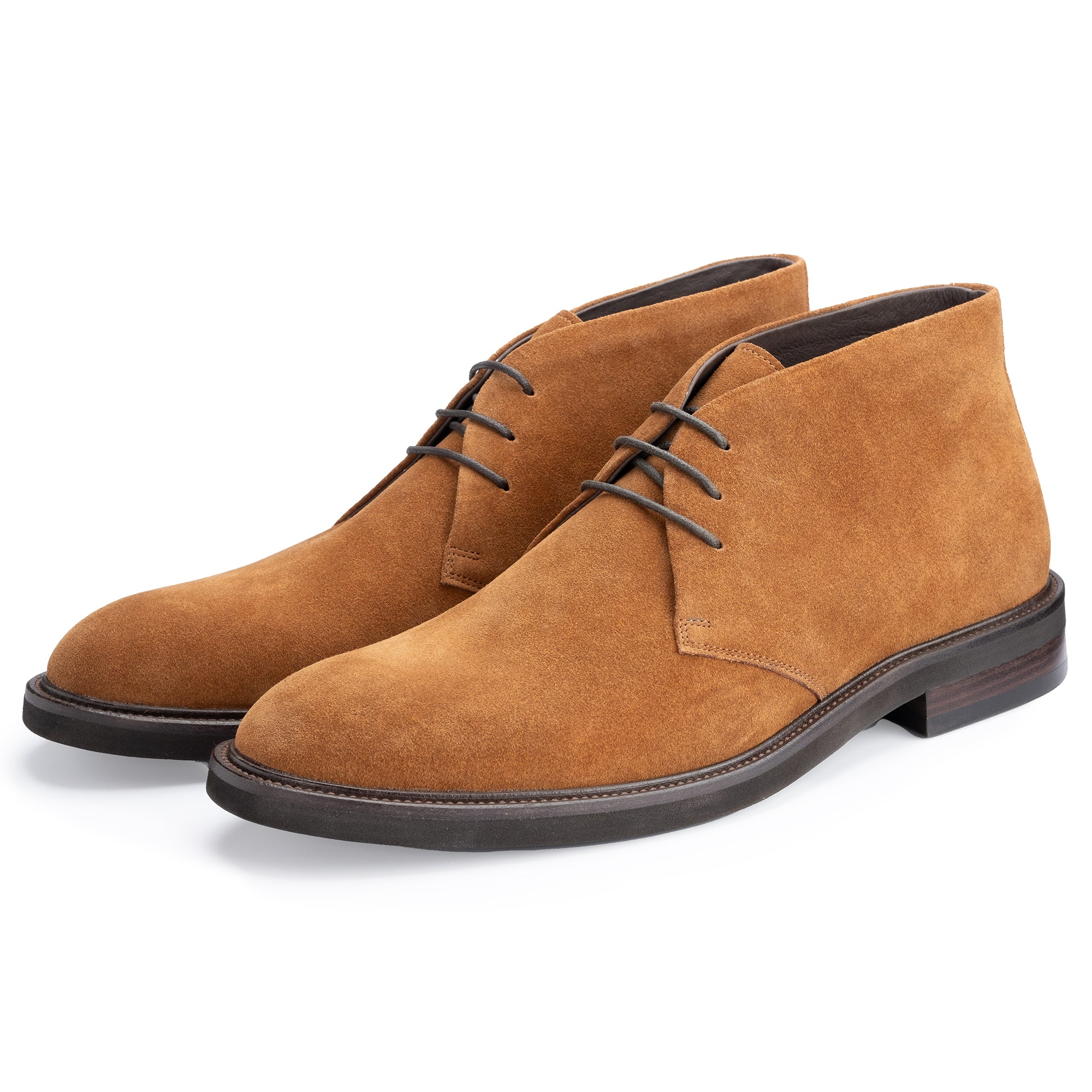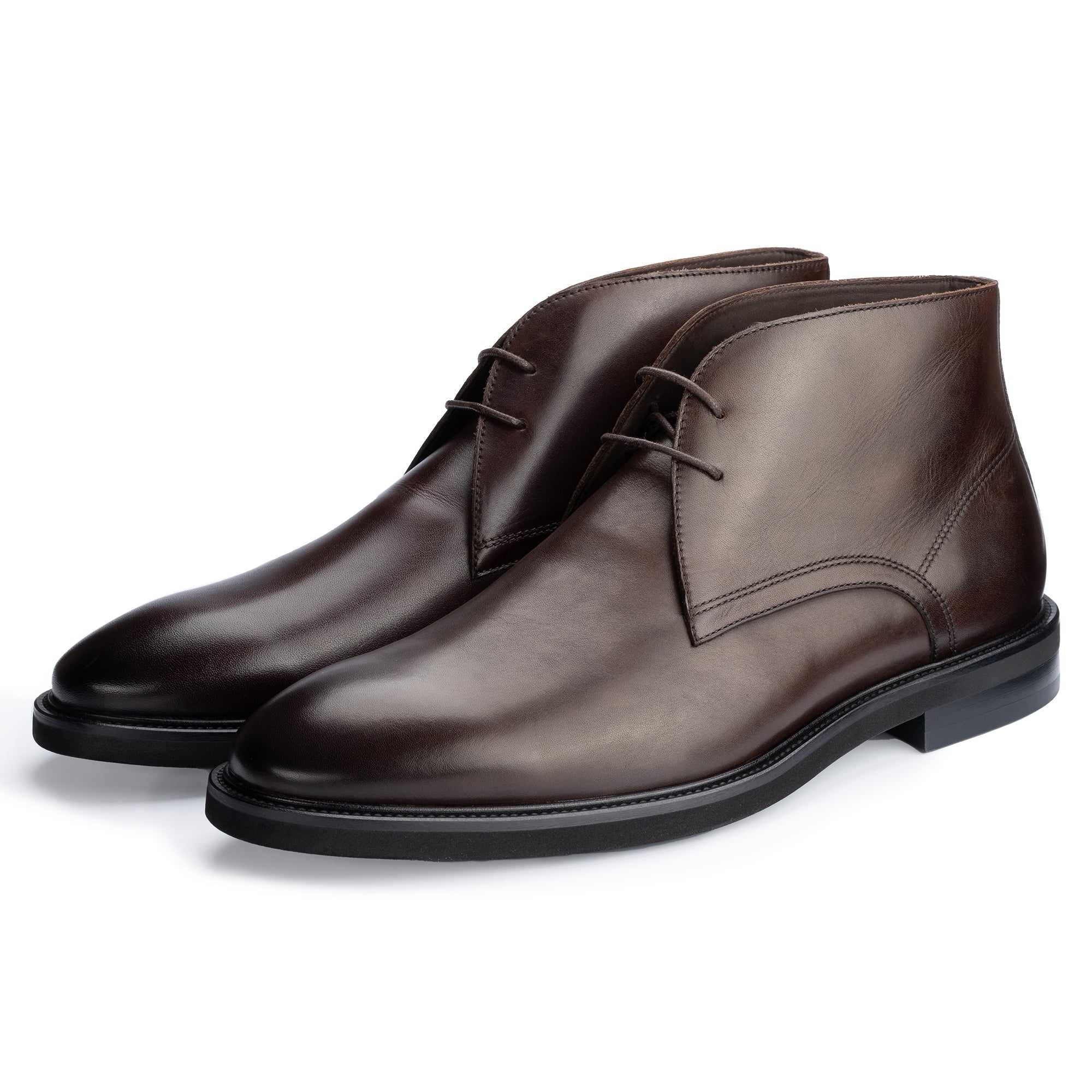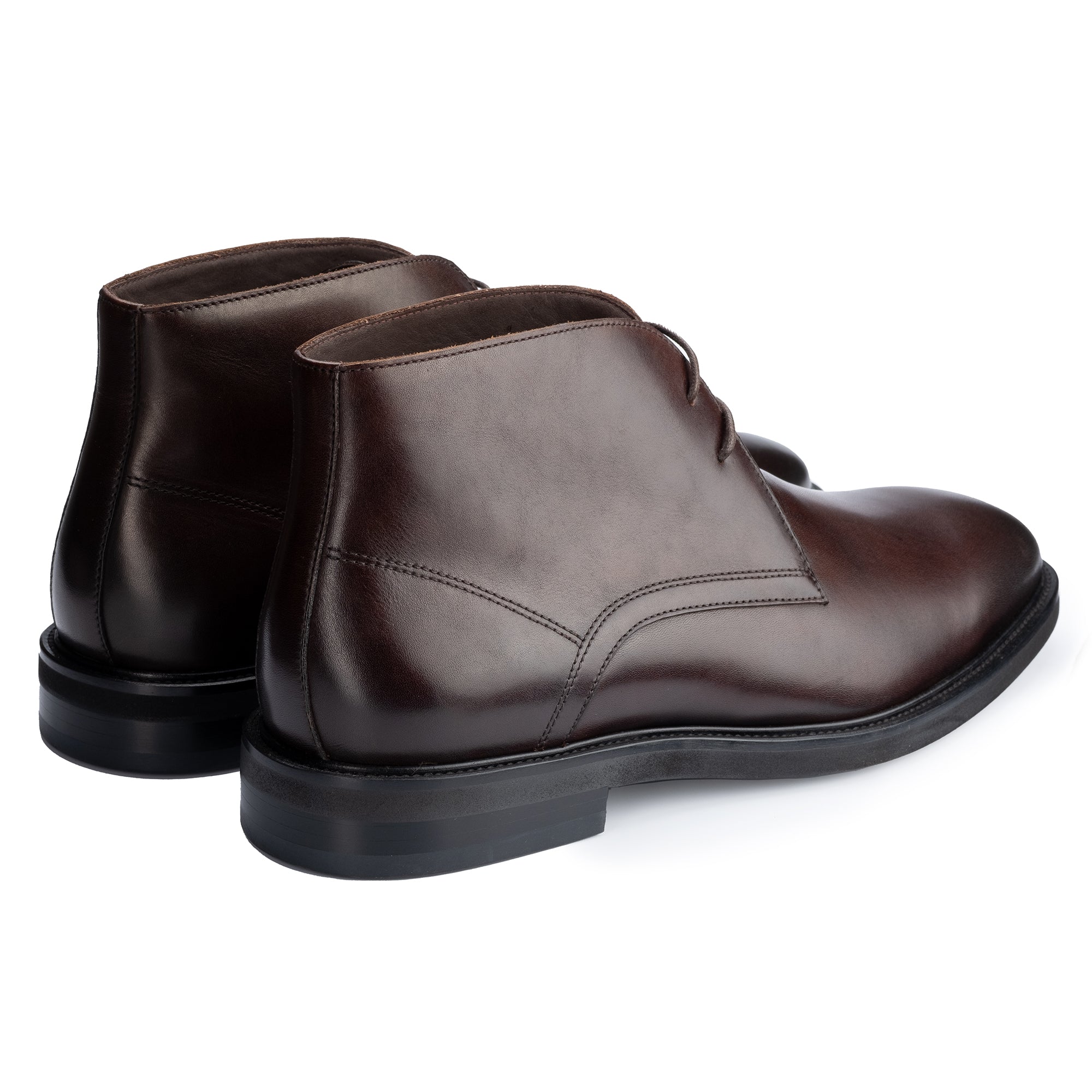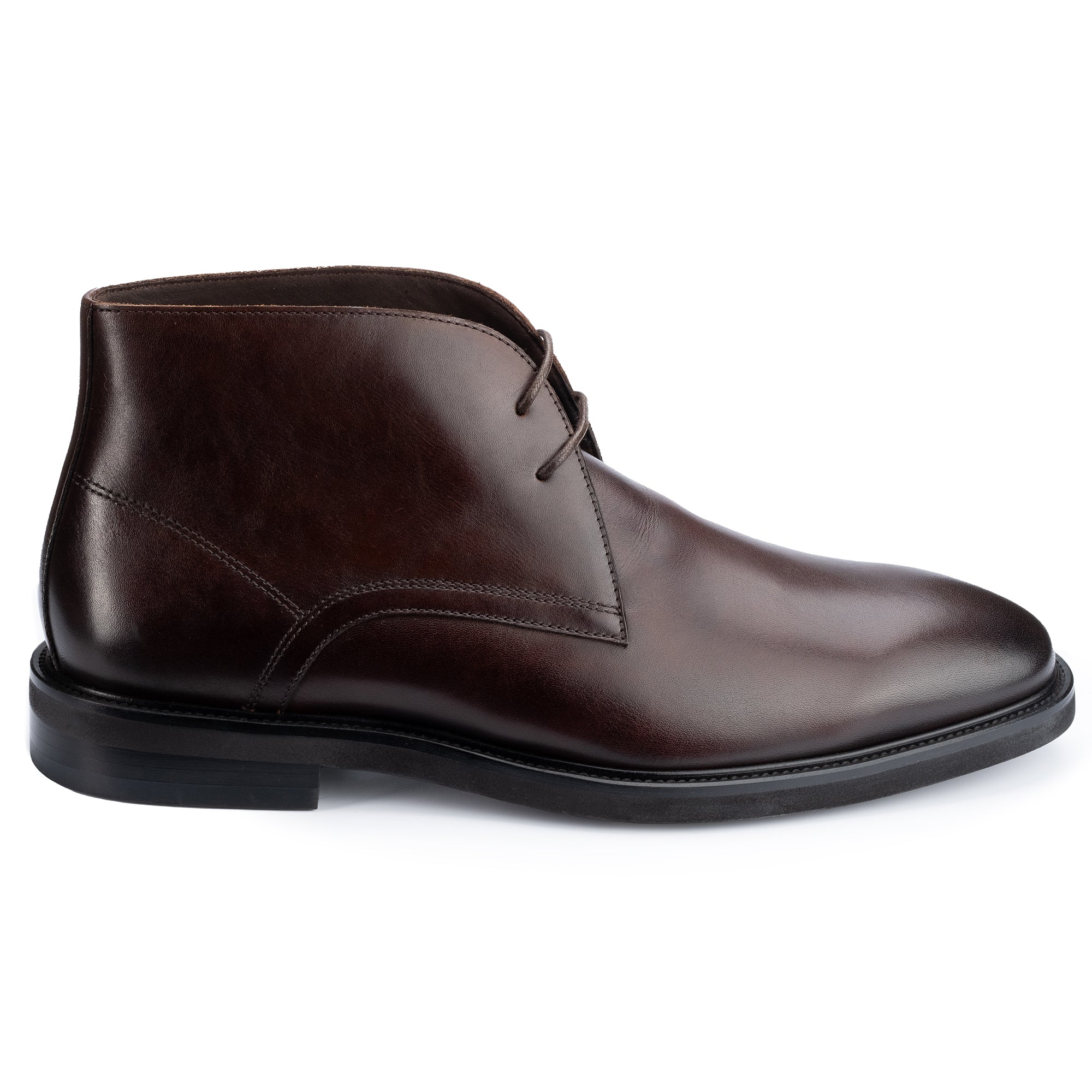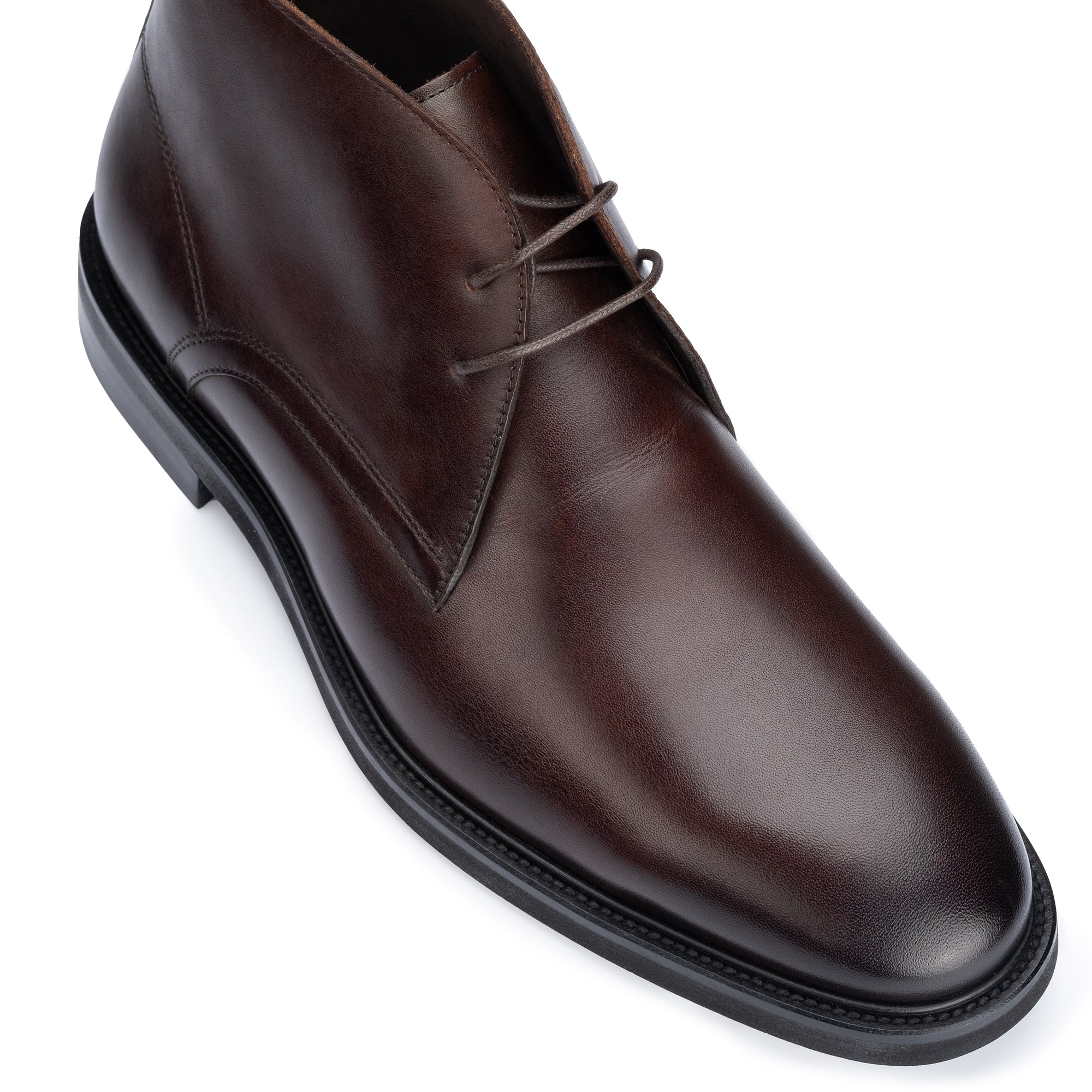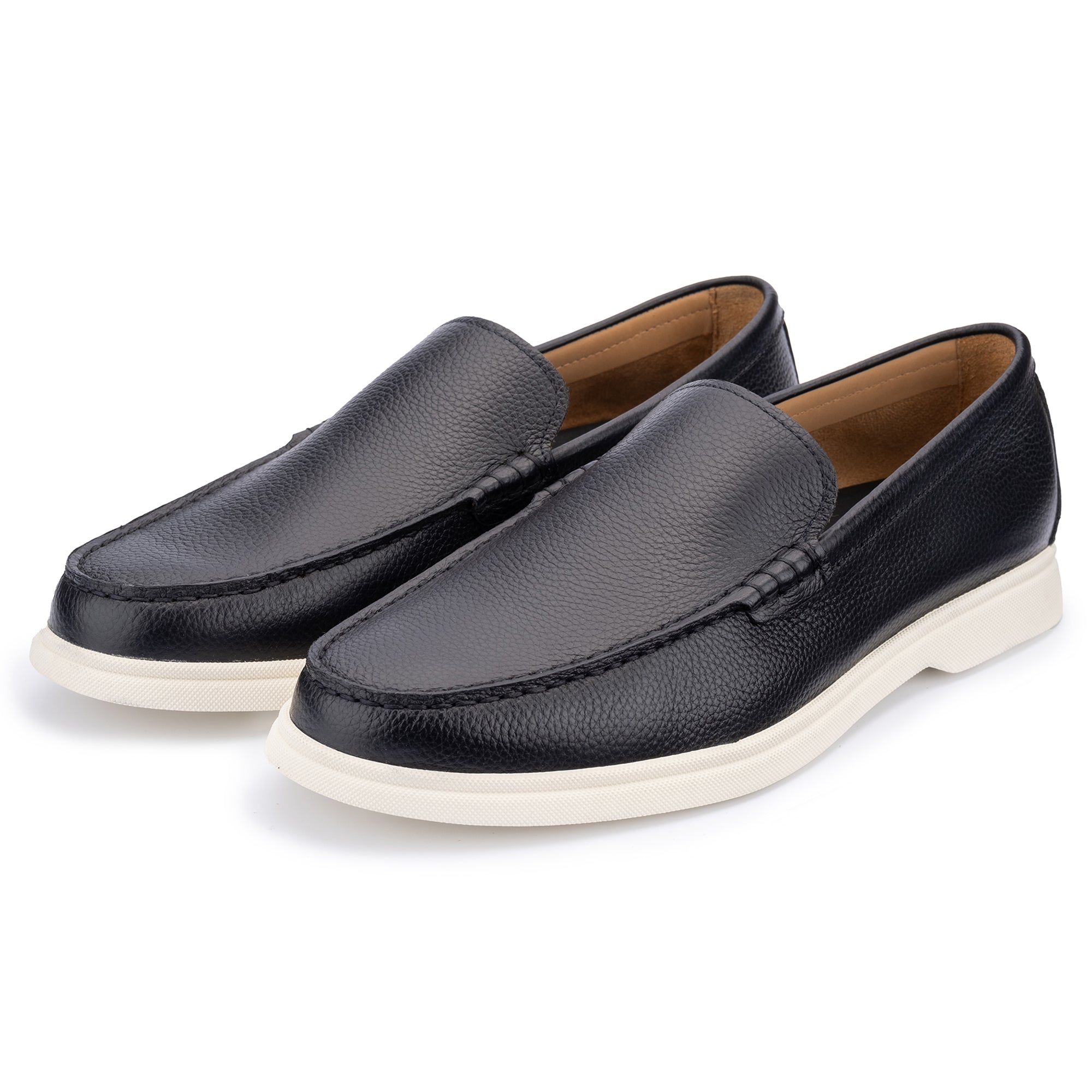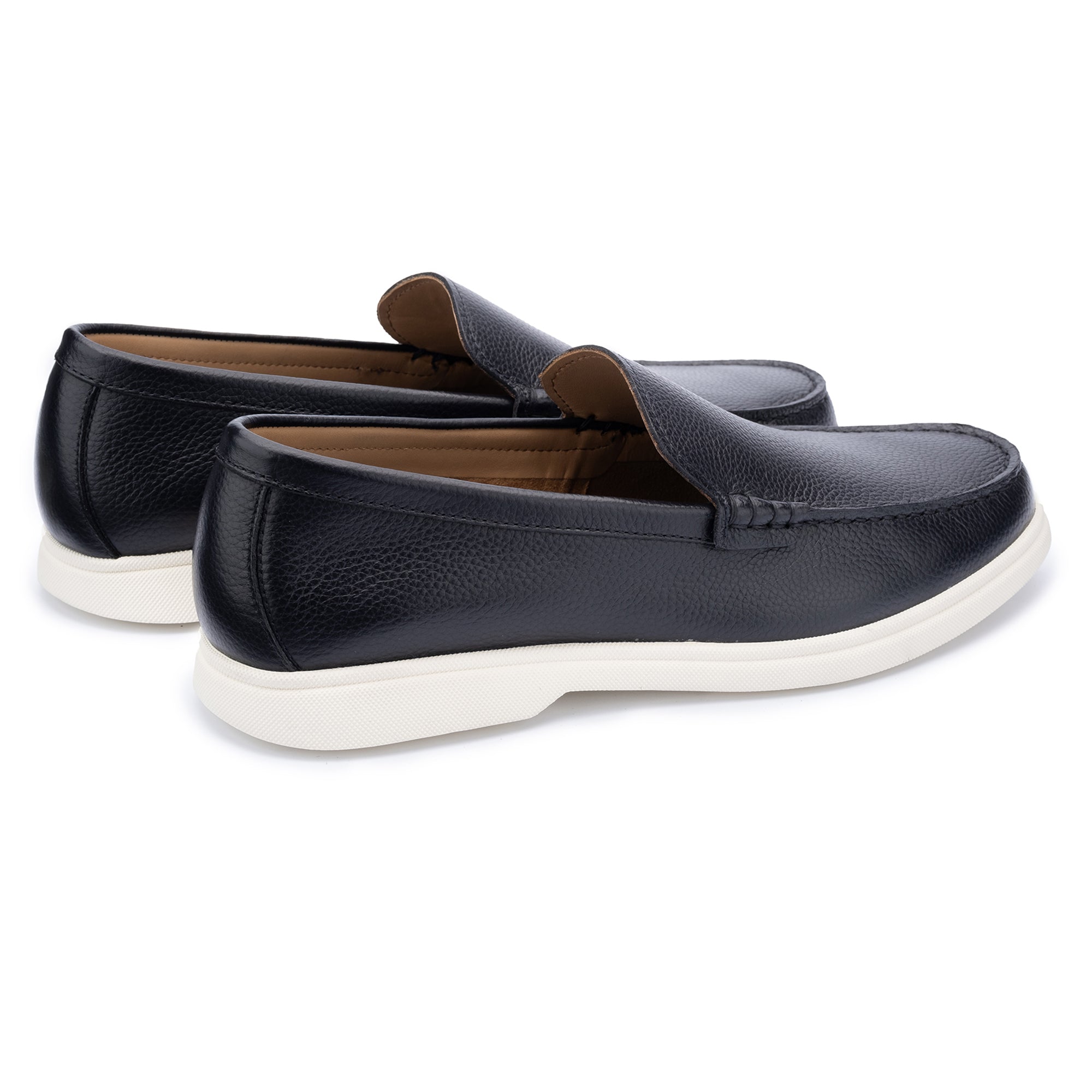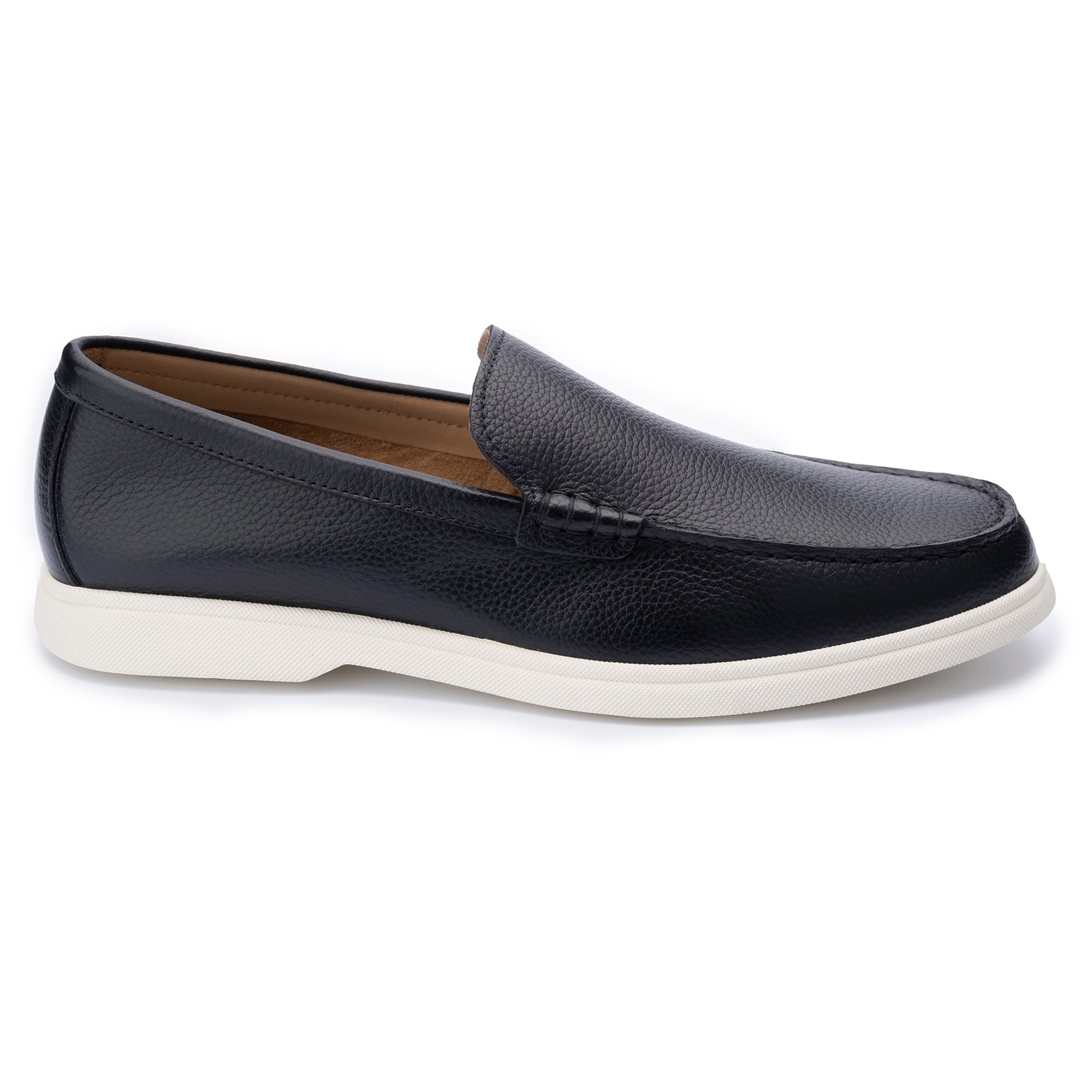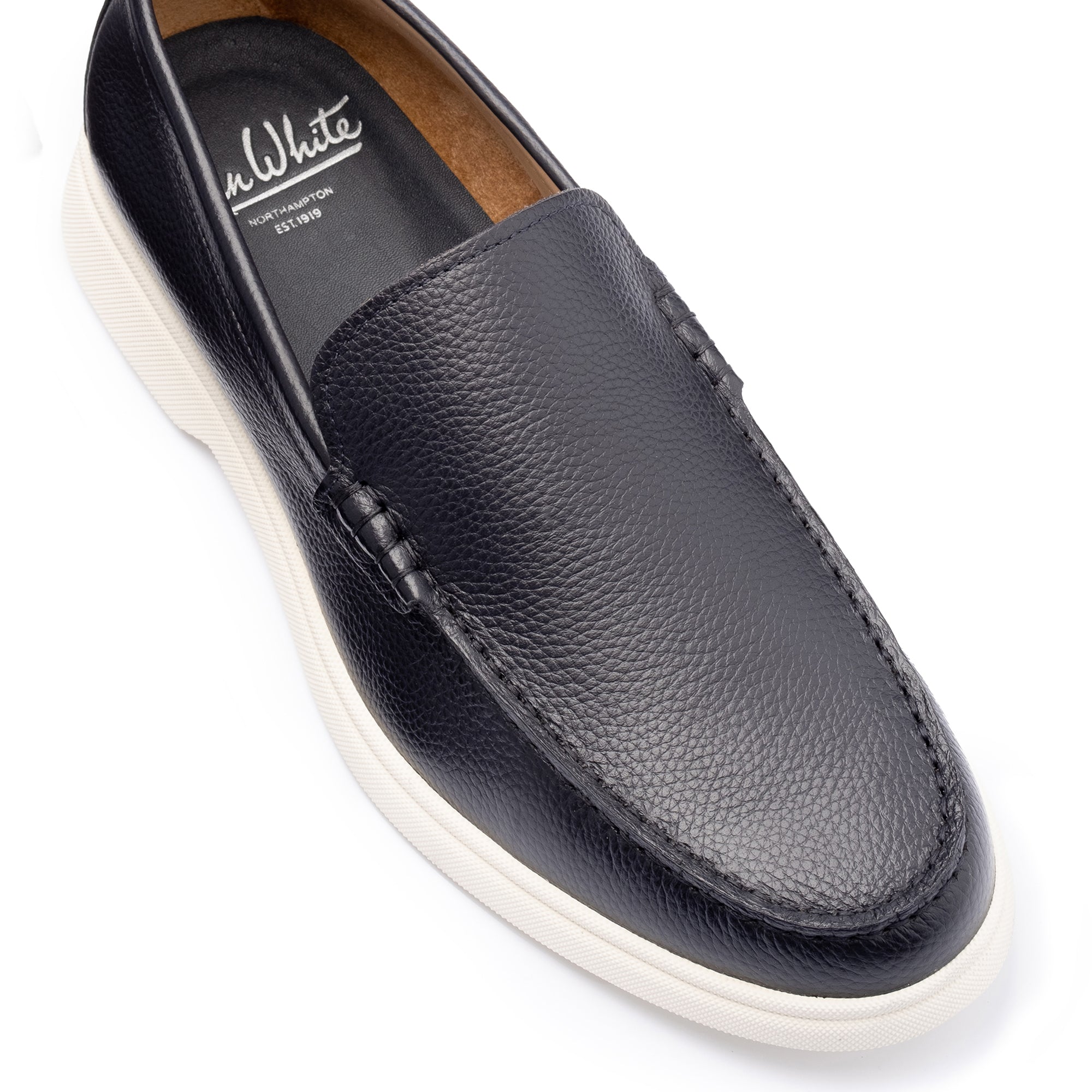

What Makes Northamptonshire Shoemaking Distinctive in British Style Heritage
Quick Answer: Northamptonshire shoemaking is distinctive because of over 380 years of concentrated craft tradition, a unique industrial ecosystem built around leather tanning, last-making, and specialist stitching techniques, and a legacy of supplying footwear to the British military and professional classes alike. The county gave rise to some of Britain's most enduring heritage footwear names — Church's, Crockett & Jones, Loake, Barker, Grenson, and John White Shoes — and its accumulated design knowledge continues to define what quality British footwear looks and feels like today.
In This Guide
- Why Did Northamptonshire Become Britain's Shoemaking Capital?
- What Craft Traditions Define Northamptonshire's Approach to Footwear?
- Which Heritage Brands Embody the Northamptonshire Legacy?
- How Does Northamptonshire's Tradition Shape British Style Today?
- Which Styles Best Represent the Northamptonshire Design Heritage?
- How Has the Northamptonshire Shoemaking Heritage Endured?
- Related Guides
- TL;DR
- Frequently Asked Questions
Ask any serious footwear enthusiast where Britain's finest shoes come from, and the answer is the same: Northamptonshire. That reputation isn't marketing. It's the product of centuries of craft knowledge passed from one generation to the next, a specialist industrial infrastructure that no other British county replicated, and a workforce that understood leather and last-making the way other regions understood textiles or steel.
John White Shoes was founded in 1919 by a Northamptonshire shoemaker who had spent 23 years in the trade before launching his own collection. Understanding why that geography mattered — and why it still does — is understanding the foundations of British footwear quality.
Why Did Northamptonshire Become Britain's Shoemaking Capital?
Northamptonshire's dominance in British footwear wasn't accidental. Several factors converged over centuries to make it the natural home of the trade.
The county's oak forests historically provided bark for tanning leather. The soft water of the Nene Valley suited leather processing. Northamptonshire sits at the geographical heart of England's road network, making it well-positioned for distribution to London and beyond. And an agricultural workforce accustomed to seasonal trades transitioned readily into shoemaking during the 17th and 18th centuries, creating a pool of skilled labour that grew with each generation.
According to Northampton Museum & Art Gallery, documented evidence of organised shoemaking in Northampton dates to at least 1642 — making it one of the oldest continuously practised craft traditions in England. Tanneries, last-makers, thread manufacturers, and toolsmiths all clustered within a few miles of each other, creating a supply chain that gave local shoemakers unmatched advantages in material quality and production speed.
Northamptonshire's shoemaking dominance was built not on one craft but on an entire industrial ecosystem concentrated within a single county.
What Craft Traditions Define Northamptonshire's Approach to Footwear?
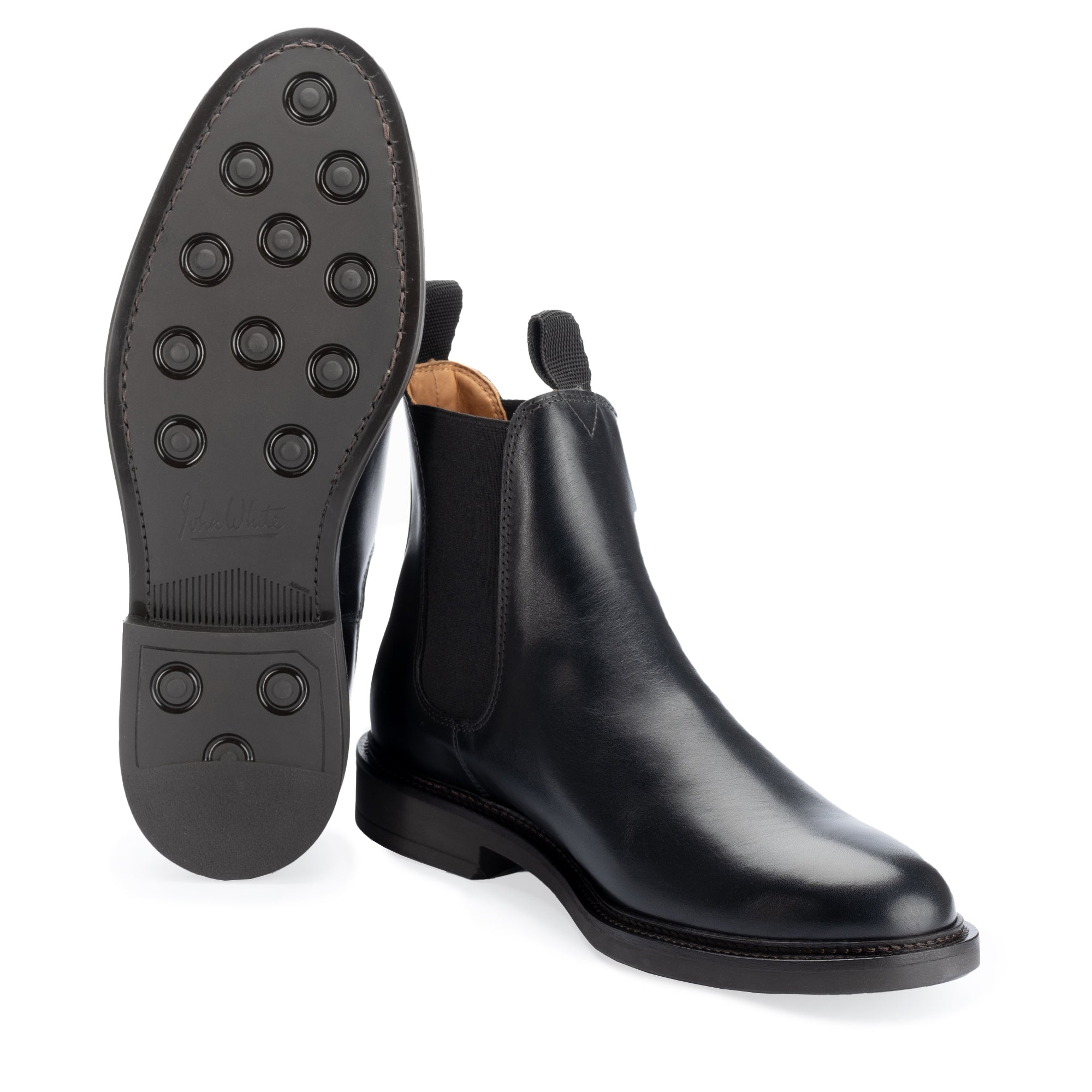
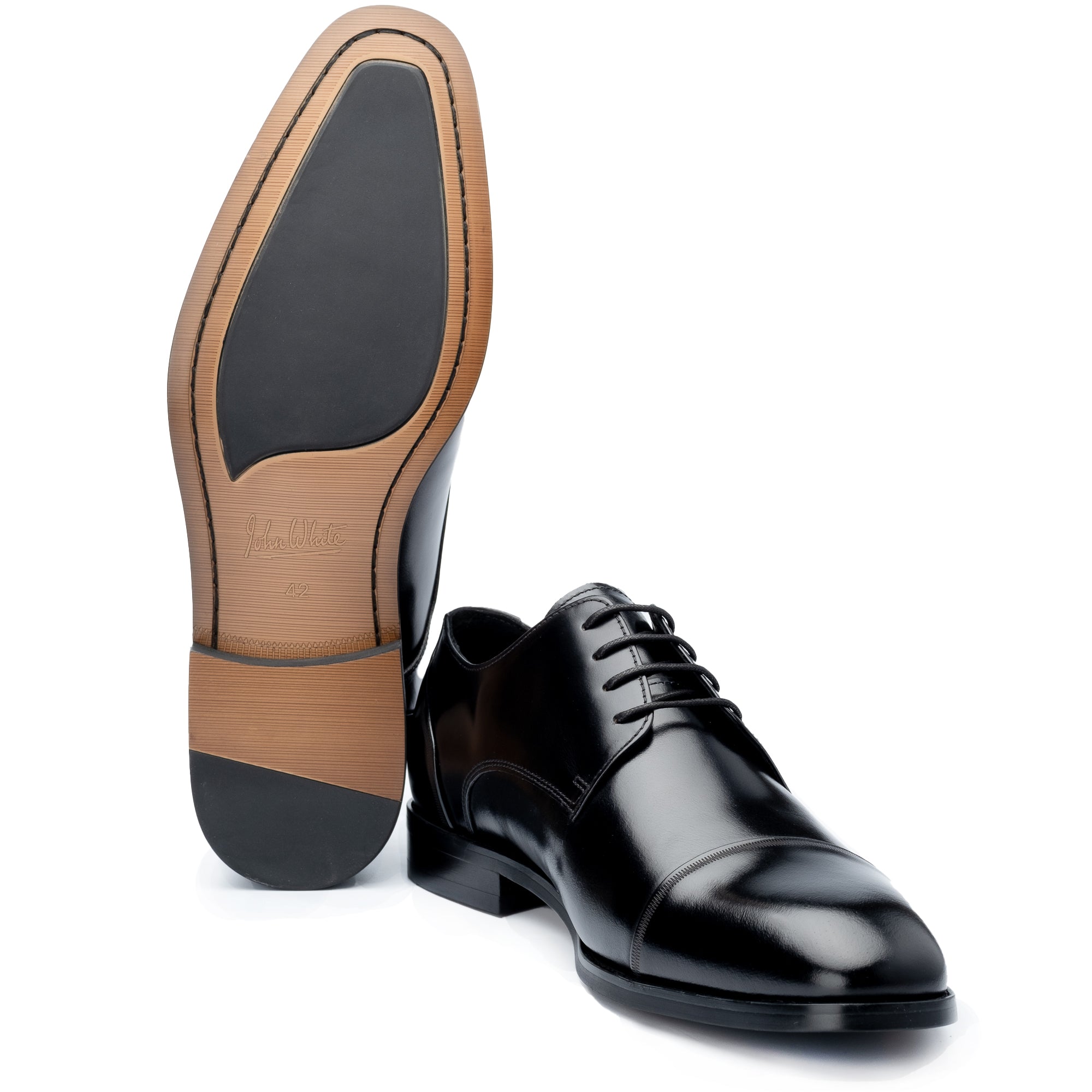
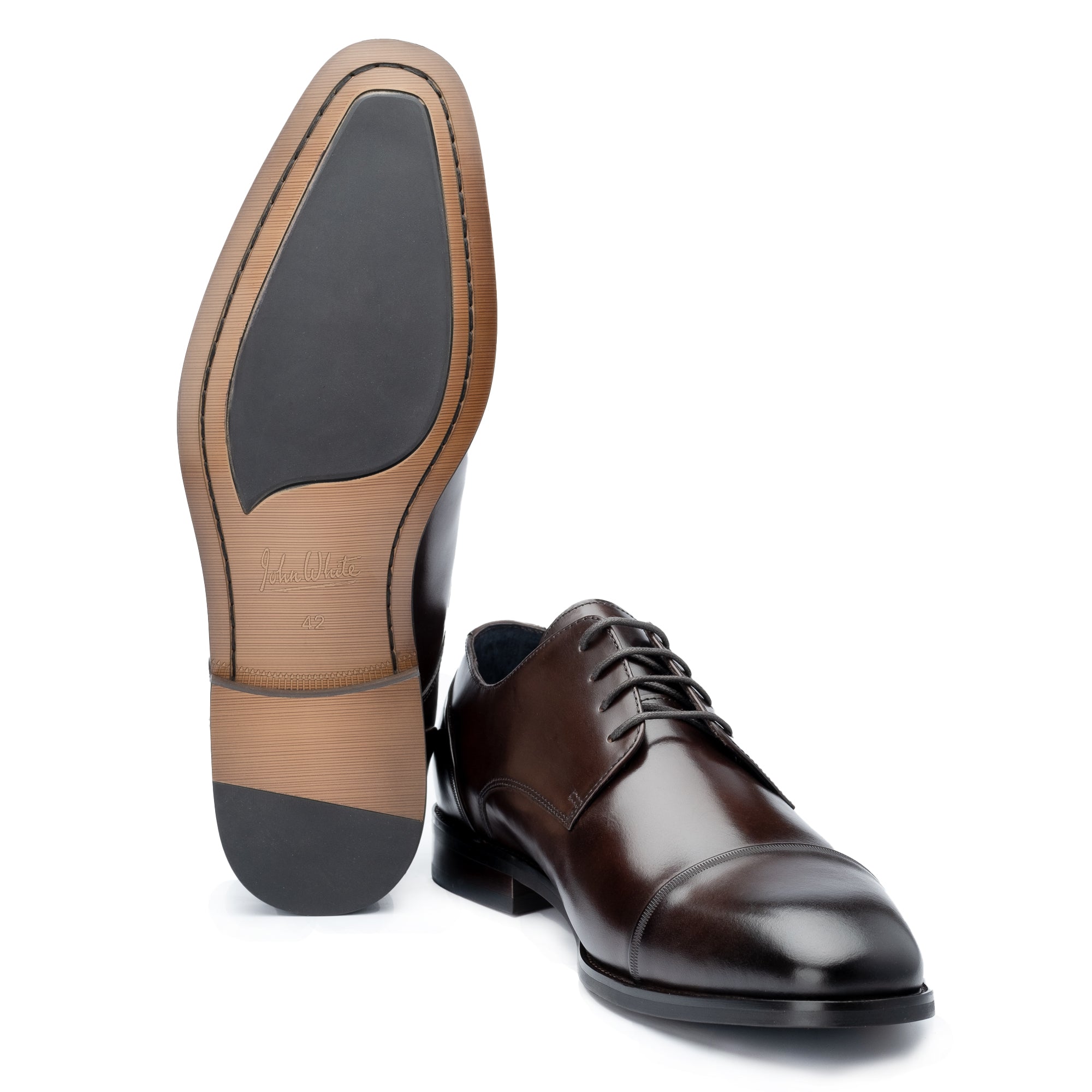
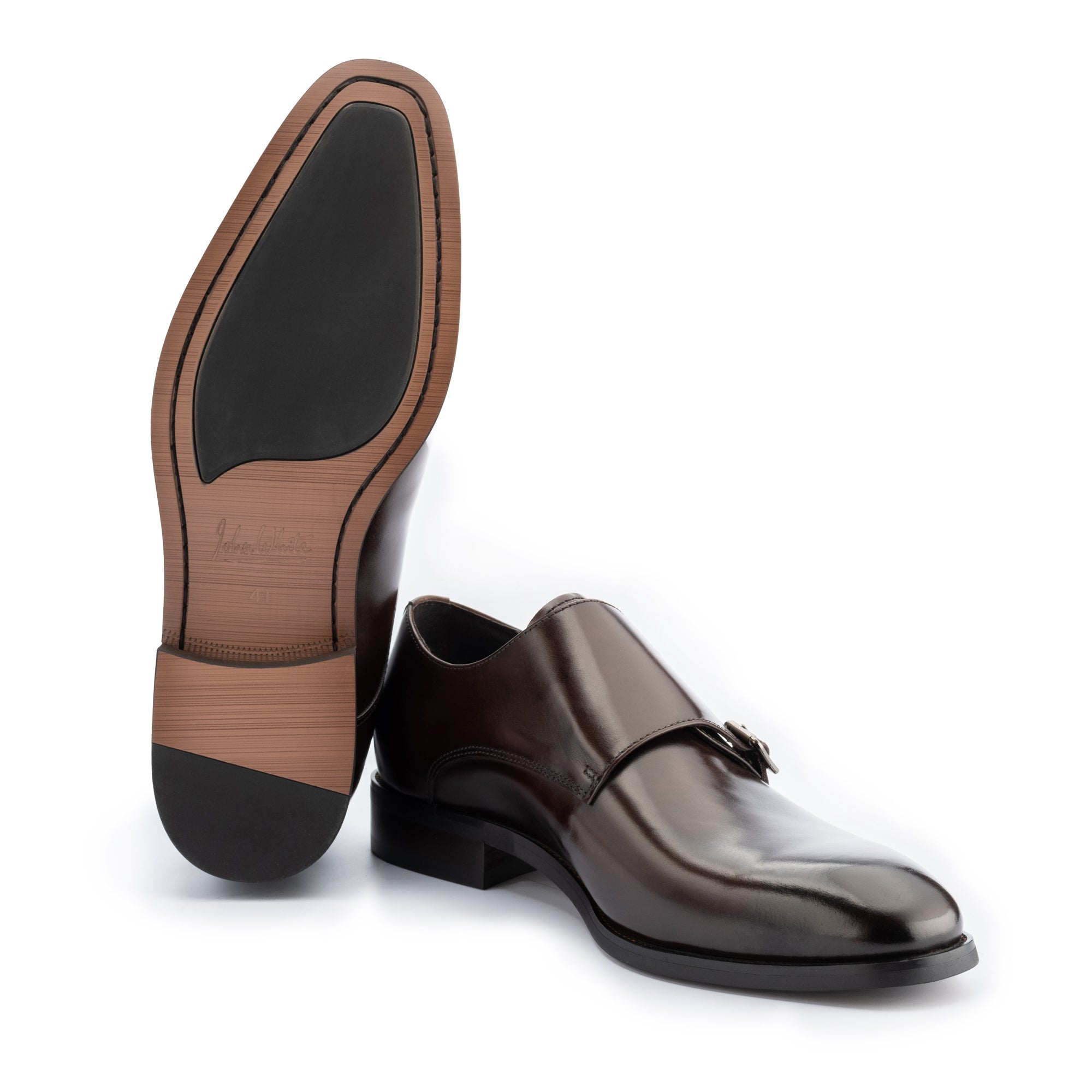
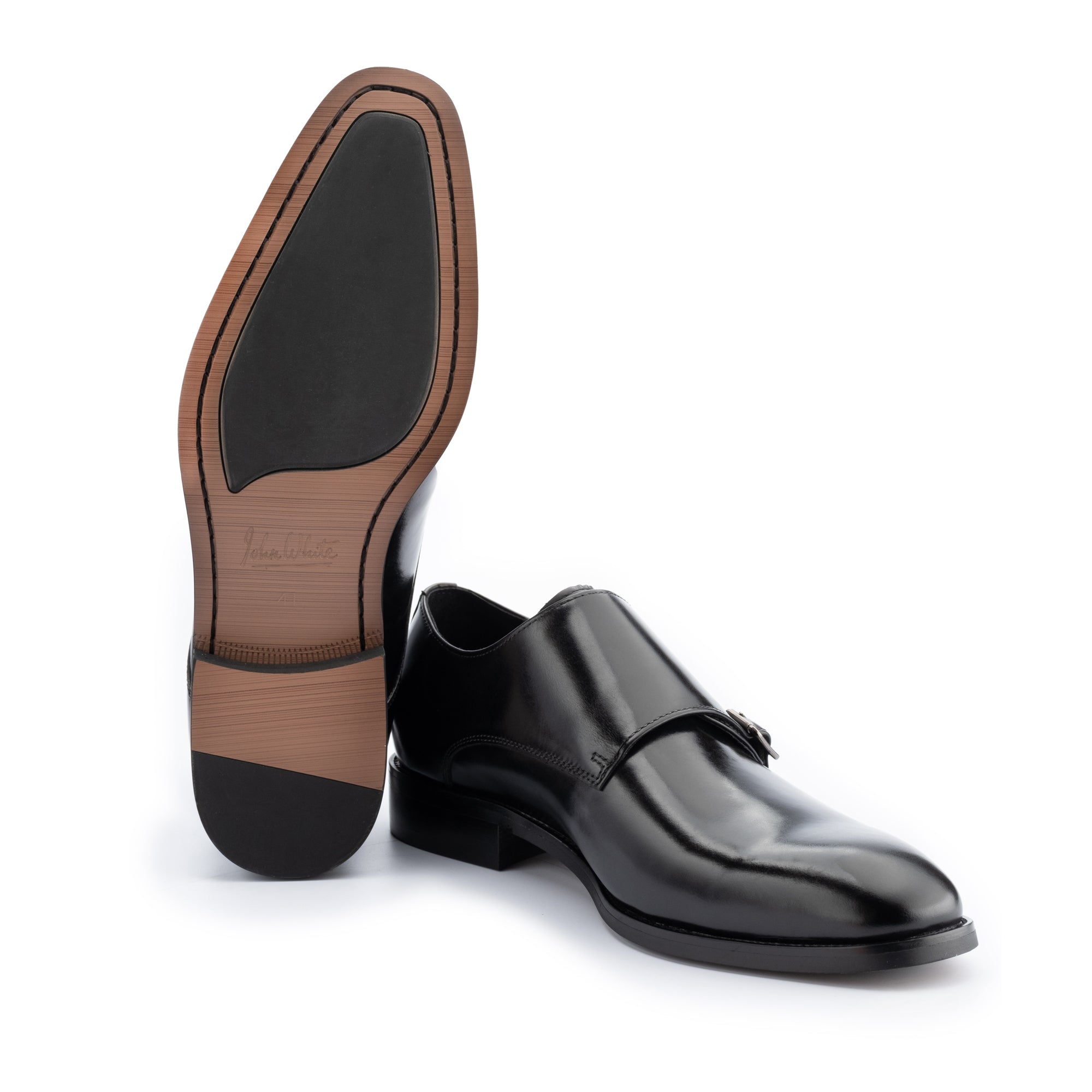
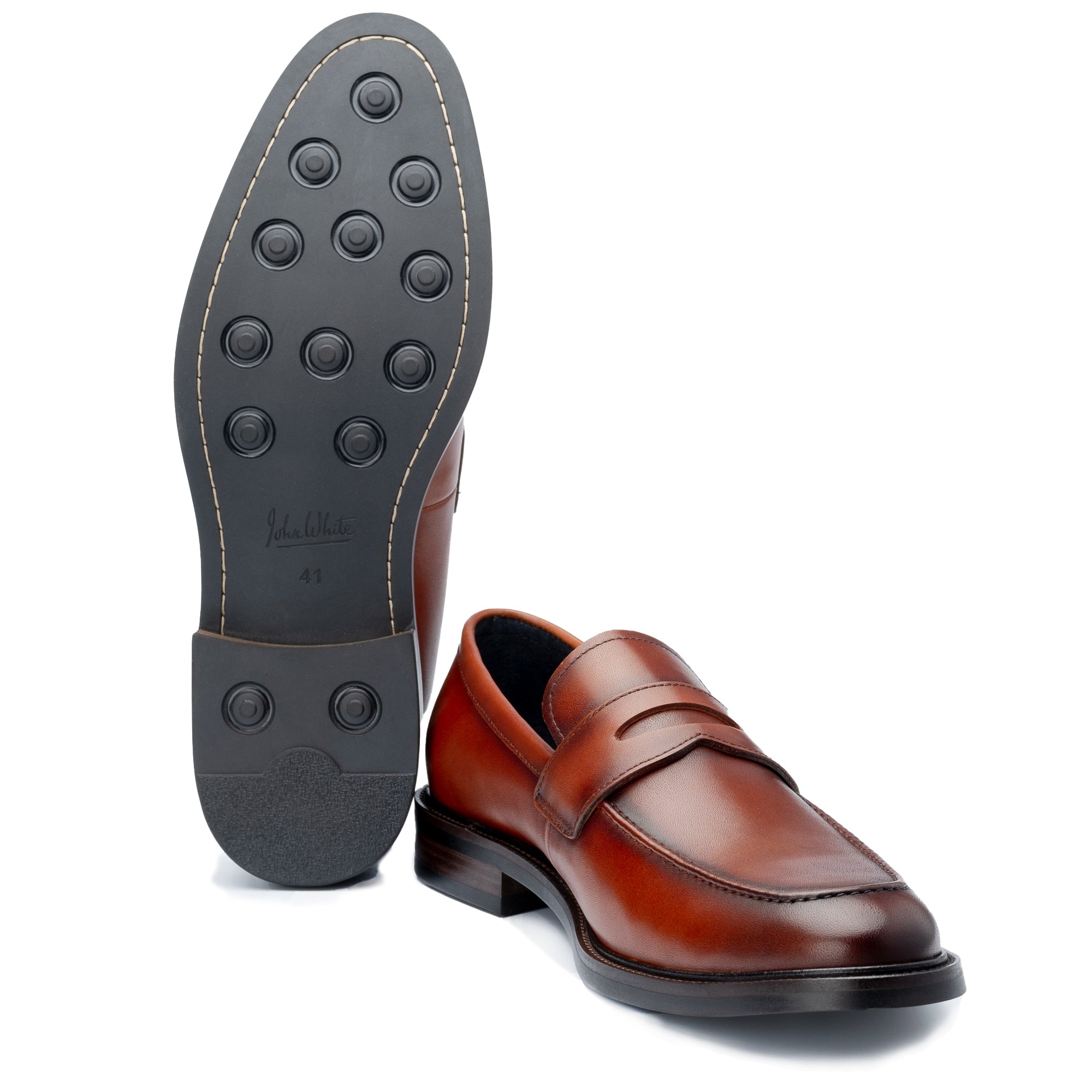
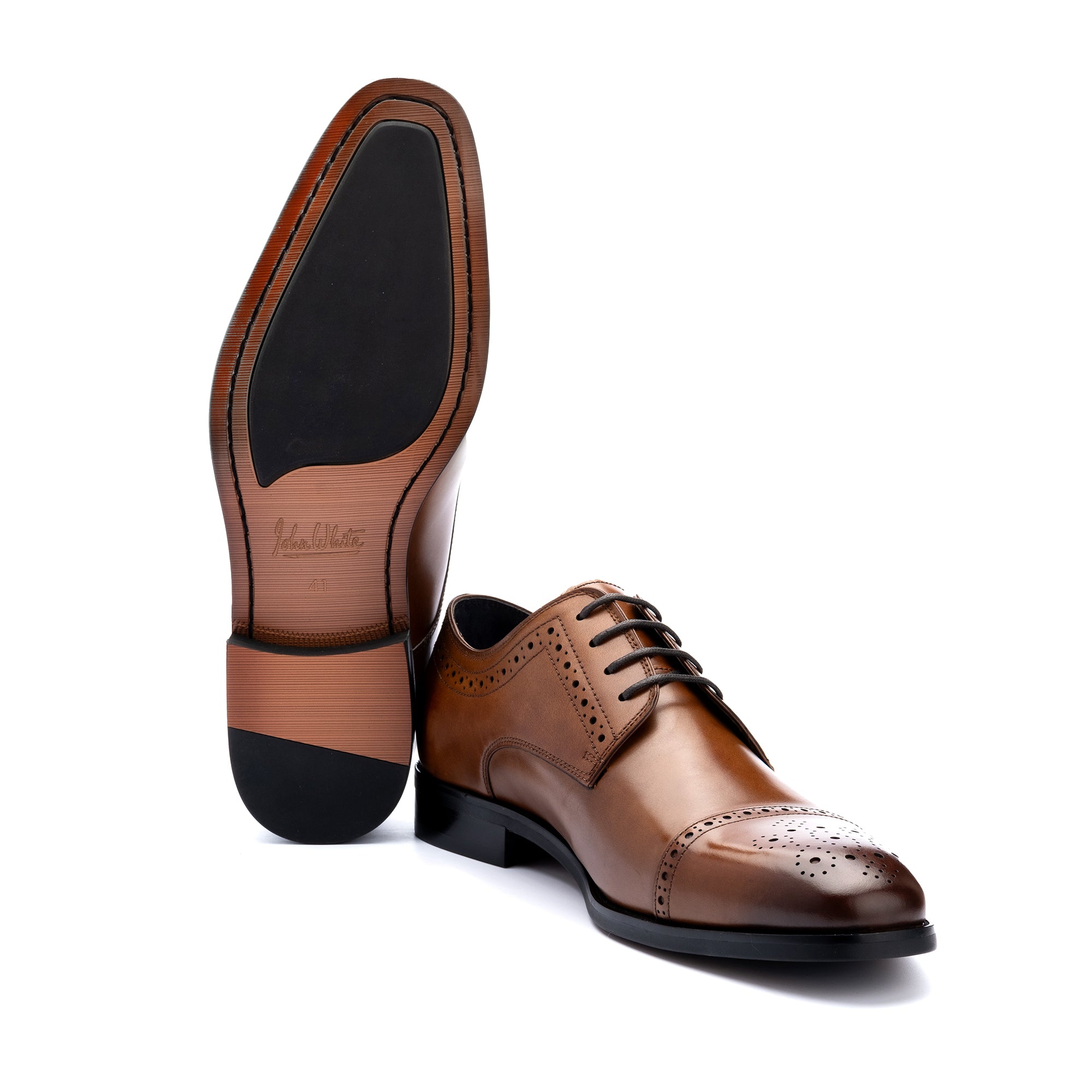
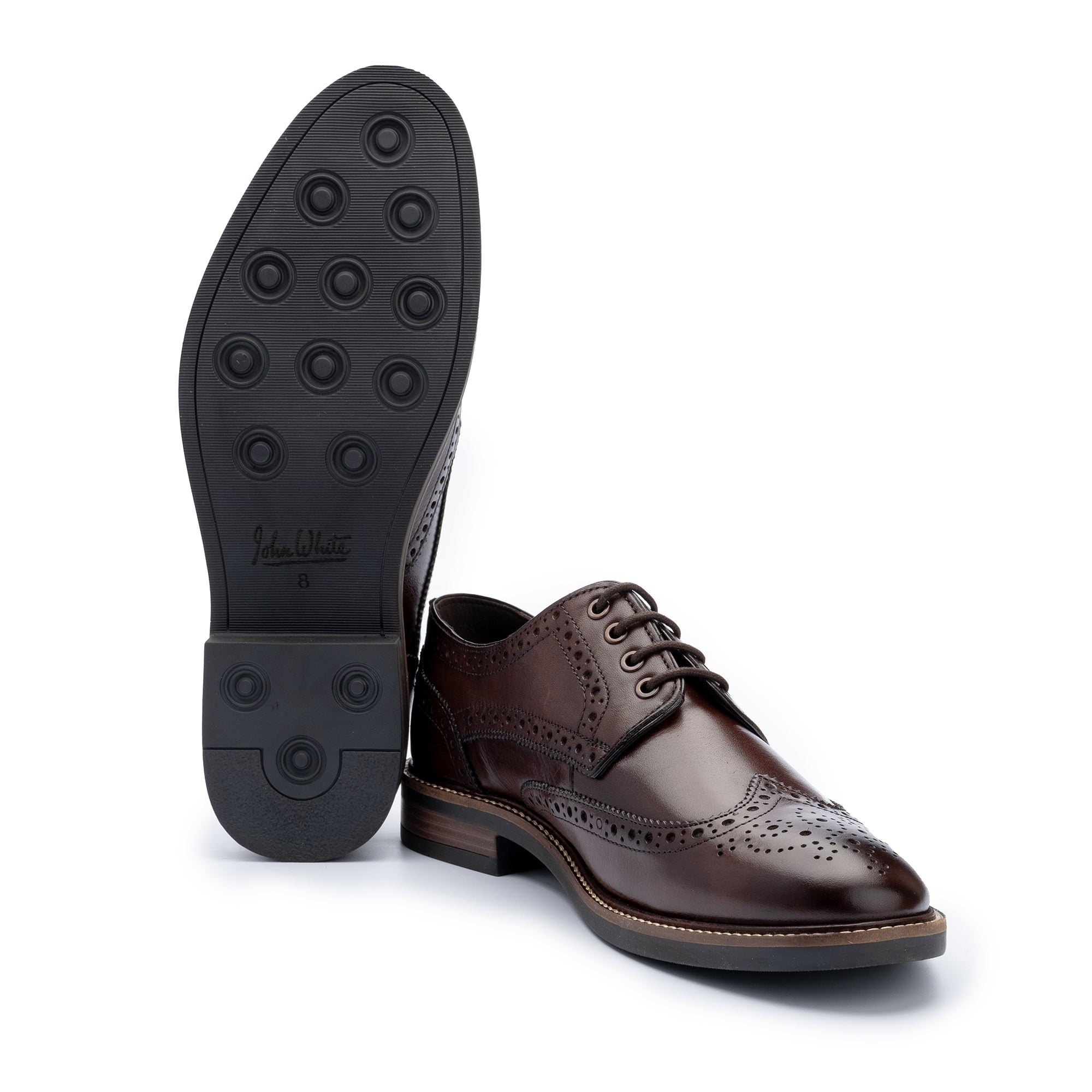
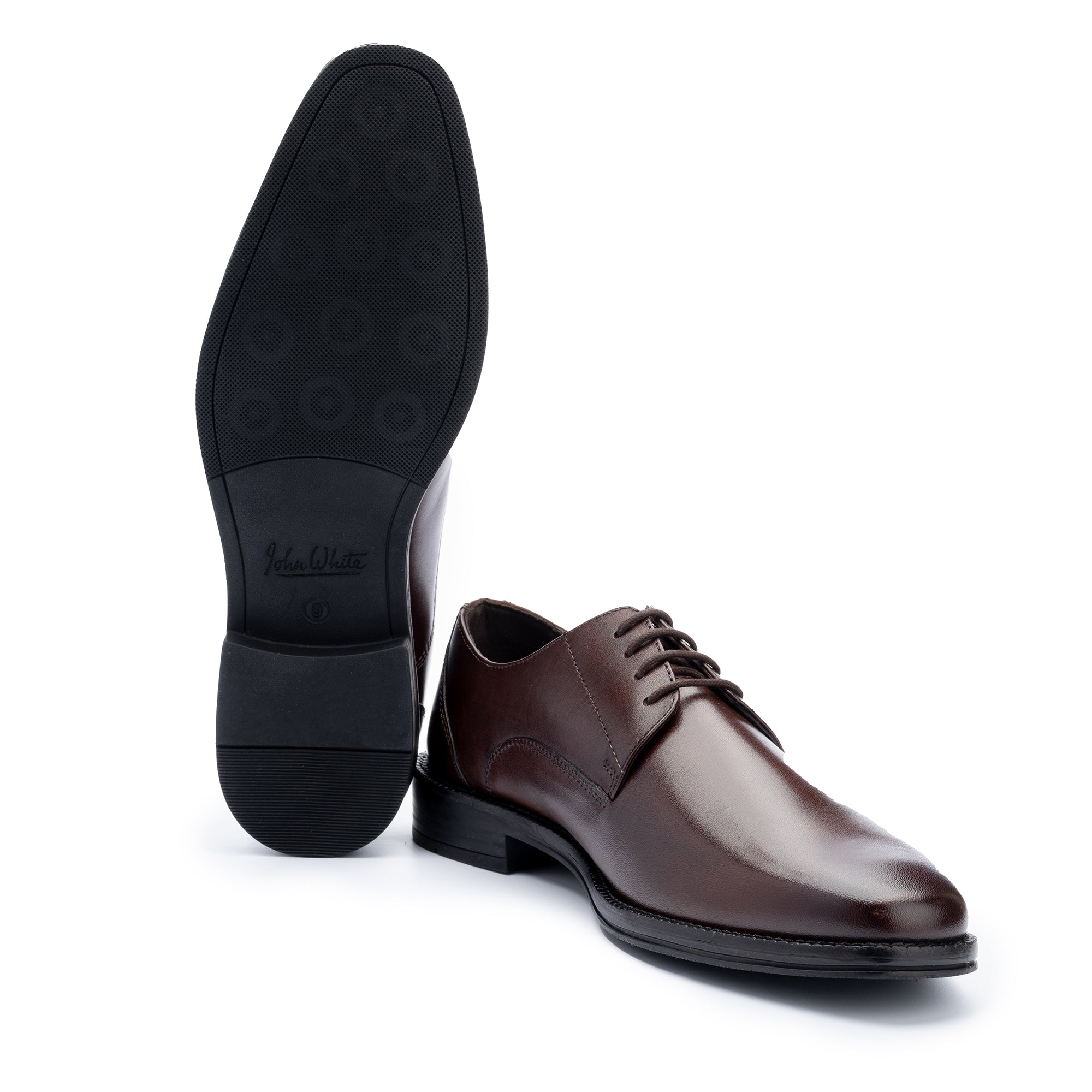
The county's shoemaking tradition encompasses several construction techniques refined over generations. Among the most closely associated with Northamptonshire is welted construction — a method in which the upper, insole, and outsole are united via a strip of leather (the welt) stitched around the perimeter of the shoe.
According to the Cordwainers' College, historically one of Britain's foremost centres of footwear education, welted construction demands mastery of what was known as "inseaming" — the hand-stitching of welt to insole — before the outsole is attached in a separate round of stitching. It's a two-stage process that requires the maker to understand how the shoe will move and flex under load, not just how to assemble the components.
The county's craftsmen also developed deep expertise in last-making — the carved wooden or plastic forms over which shoes are shaped. A well-proportioned last determines fit, balance, and silhouette simultaneously. As we explain in our guide to shoe lasts and why shape matters, this invisible component is arguably the most consequential decision in the design of any shoe.
These traditions didn't exist in isolation — they fed into each other. Last-makers worked closely with shoemakers; tanneries supplied leather suited to specific constructions; finishers understood how particular leathers responded to particular polishes. The county effectively industrialised a craft without losing the knowledge base that made the craft worth preserving.
Northamptonshire shoemakers didn't just make shoes — they developed the specialist trades and accumulated knowledge that made fine shoemaking possible at scale.
Which Heritage Brands Embody the Northamptonshire Legacy?
The county produced a remarkable concentration of enduring footwear names, each with a distinct character within the broader tradition.
| Brand | Founded | Base | Known For |
|---|---|---|---|
| John White Shoes | 1919 | Northamptonshire | Heritage design, curated range, over a century of footwear lineage |
| Church's | 1873 | Northampton | Goodyear-welted dress shoes, international distribution |
| Crockett & Jones | 1879 | Northampton | Goodyear-welted and Hand Grade construction |
| Loake | 1880 | Kettering | Goodyear-welted, family-owned, broad range |
| Barker Shoes | 1880 | Earls Barton | Goodyear-welted, traditional British styling |
| Grenson | 1866 | Rushden | Among the first to adopt Goodyear welting machinery in England |
What distinguishes John White within this company is longevity and scale. By 1930, John White's 'Impregnable' model had shifted 1.25 million pairs in a single year following a front-page Daily Mail advertisement — an extraordinary figure that speaks to both the quality of the product and the ambition of the brand. During the Second World War, one ninth of all footwear issued to British Forces bore the John White label, a figure cited on the brand's own heritage page.
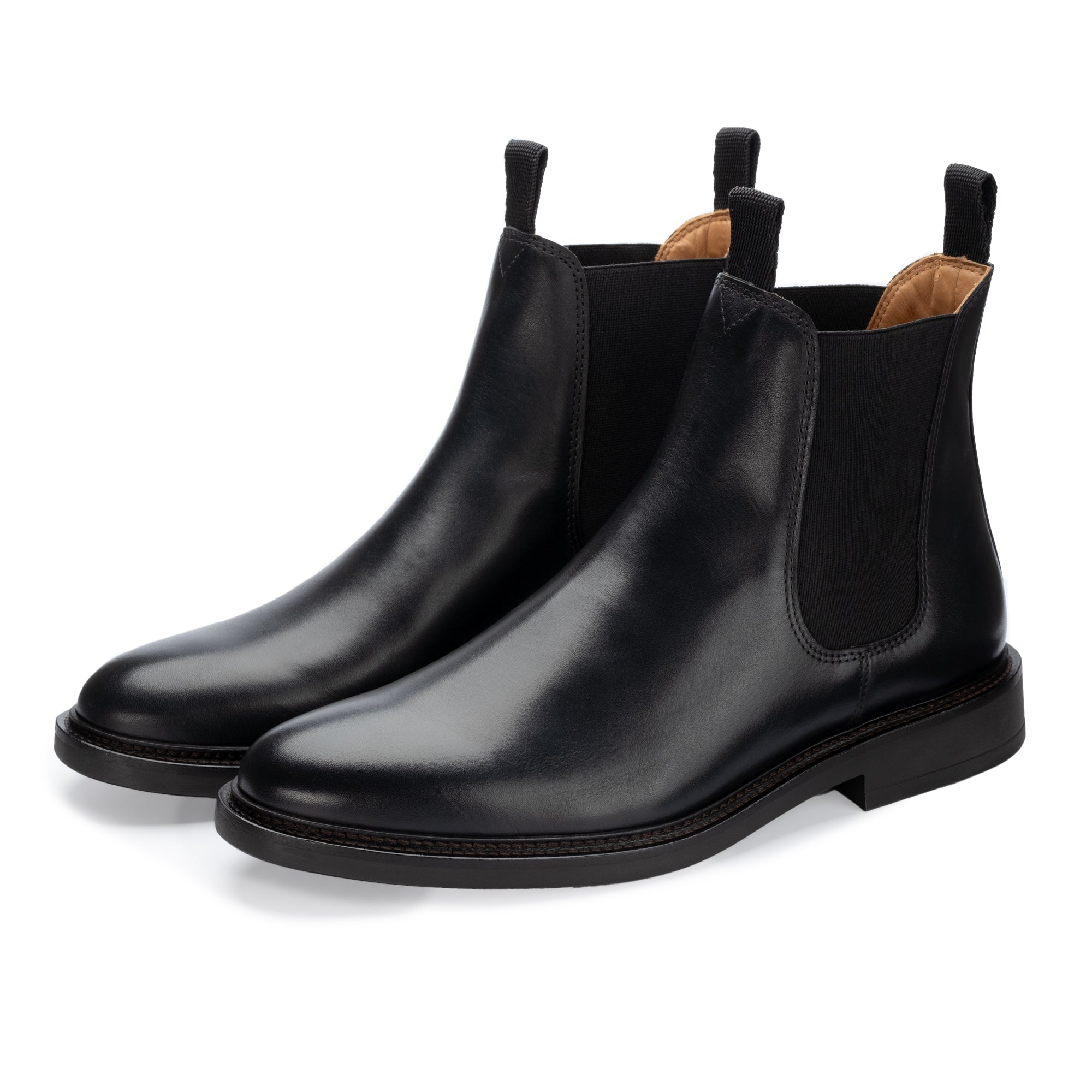
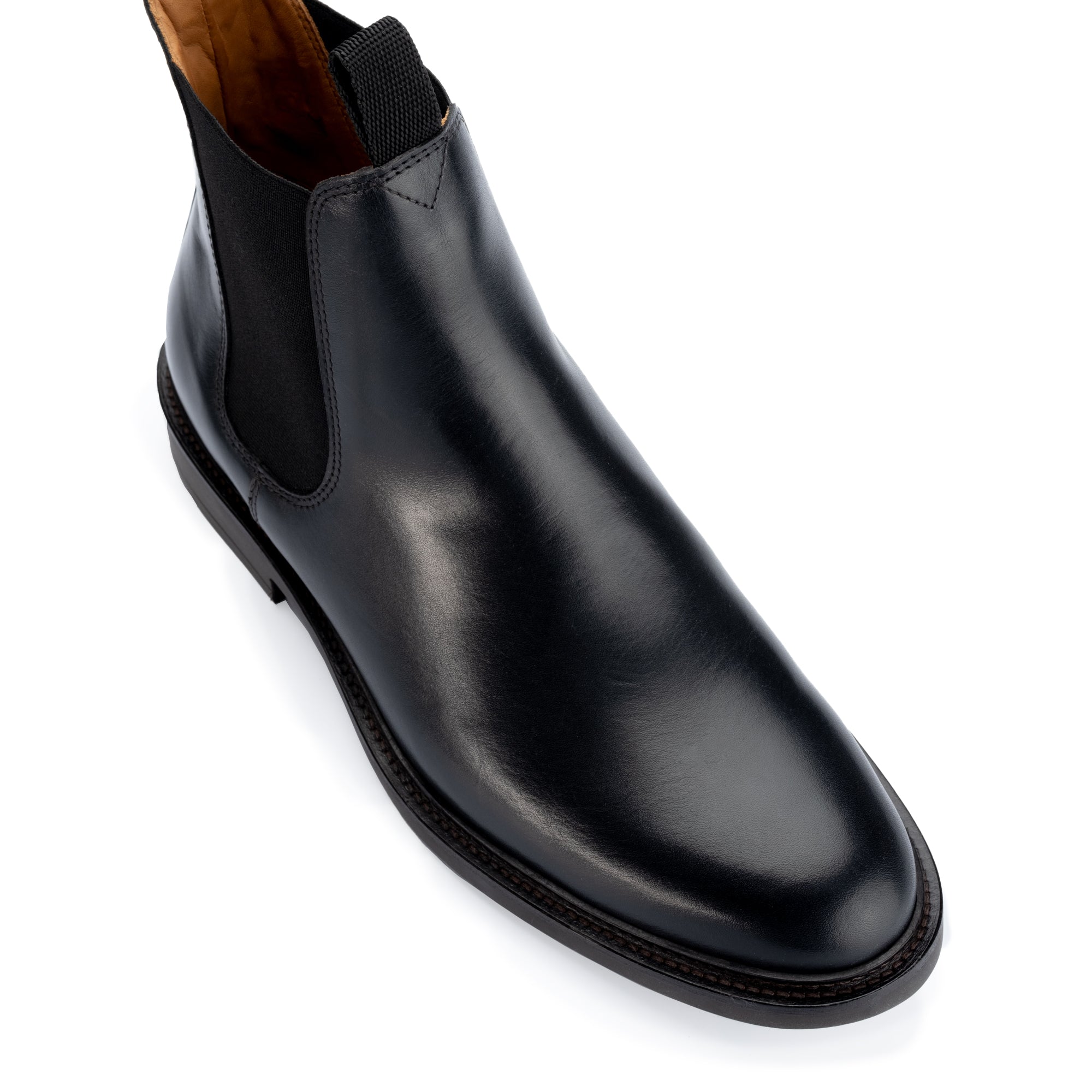
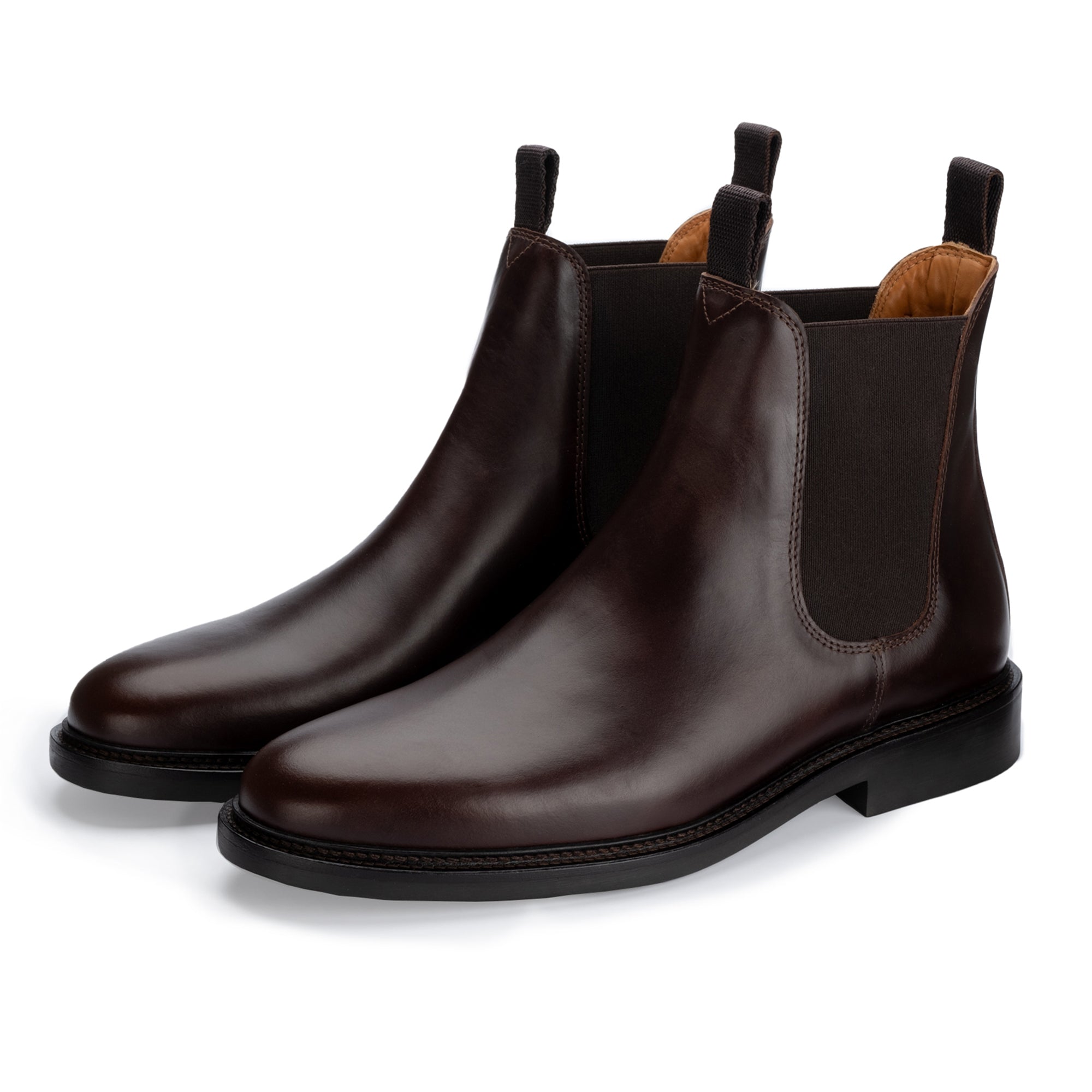
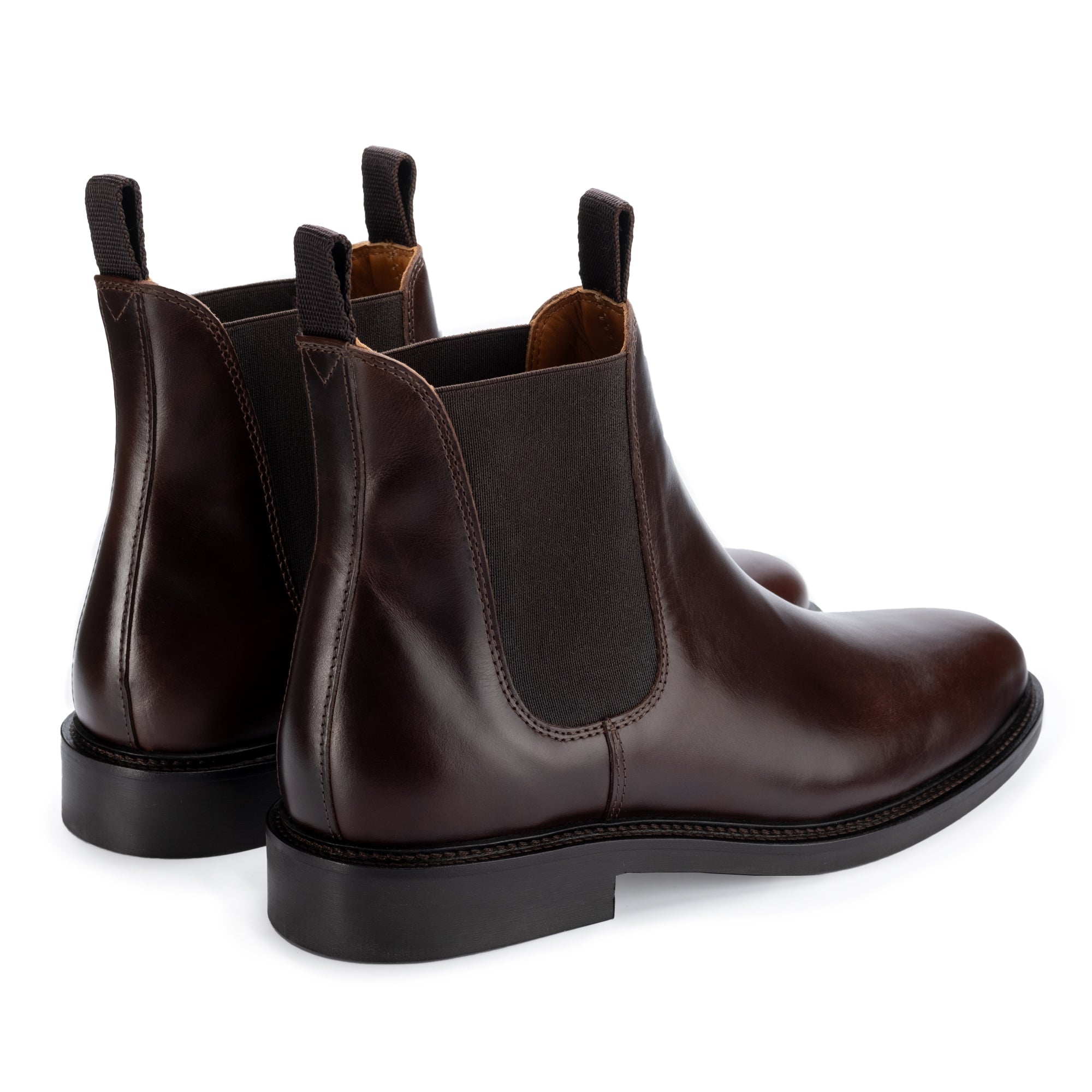
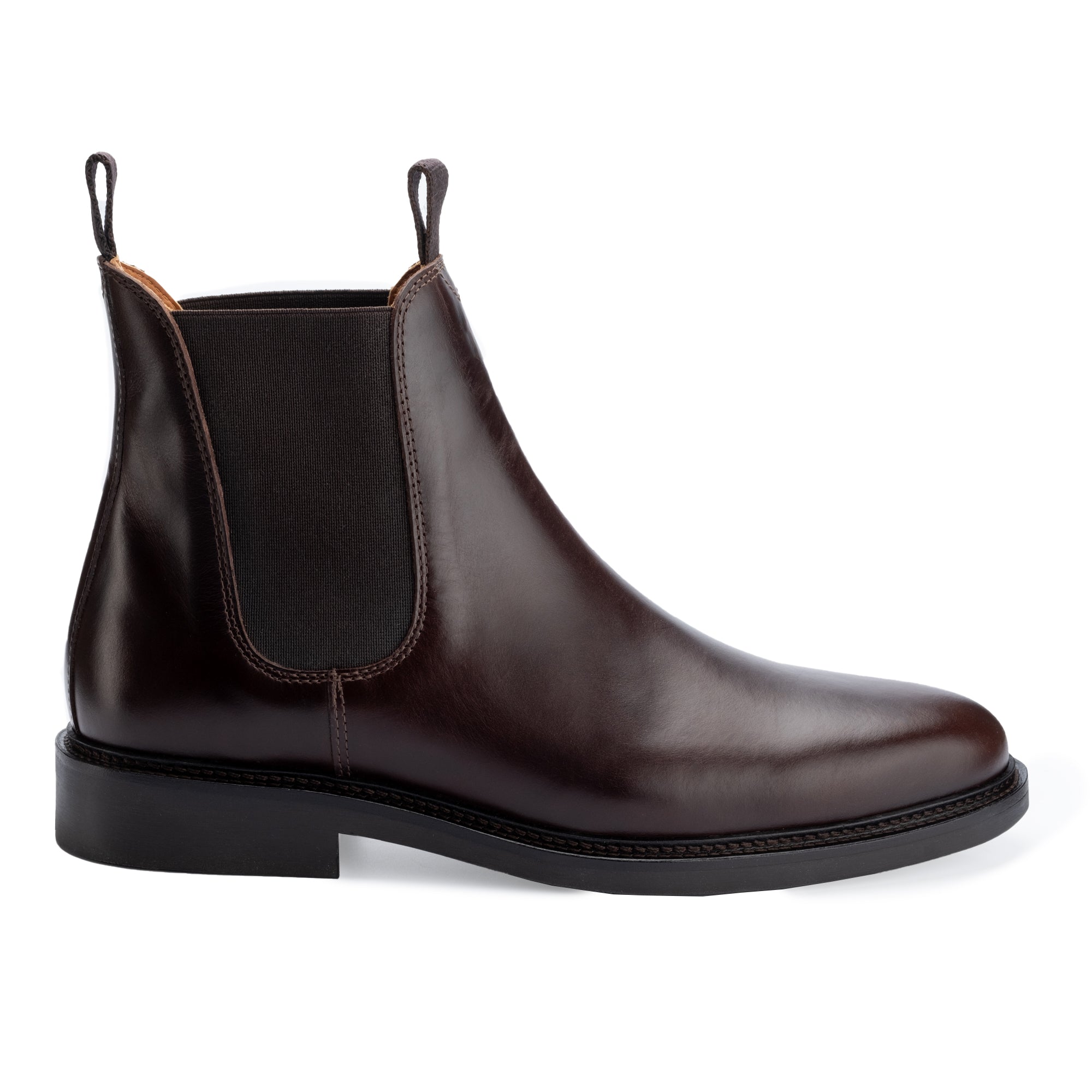
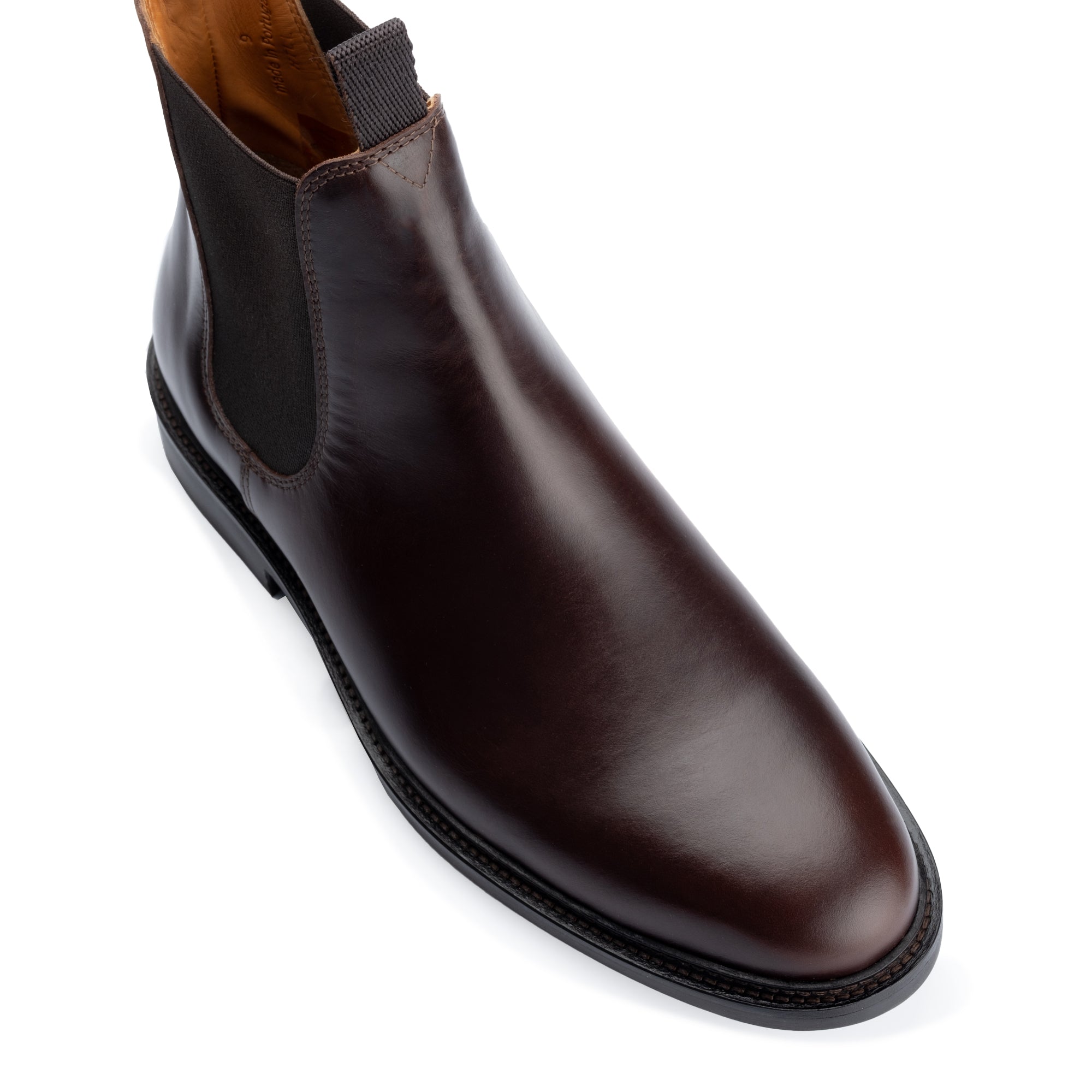
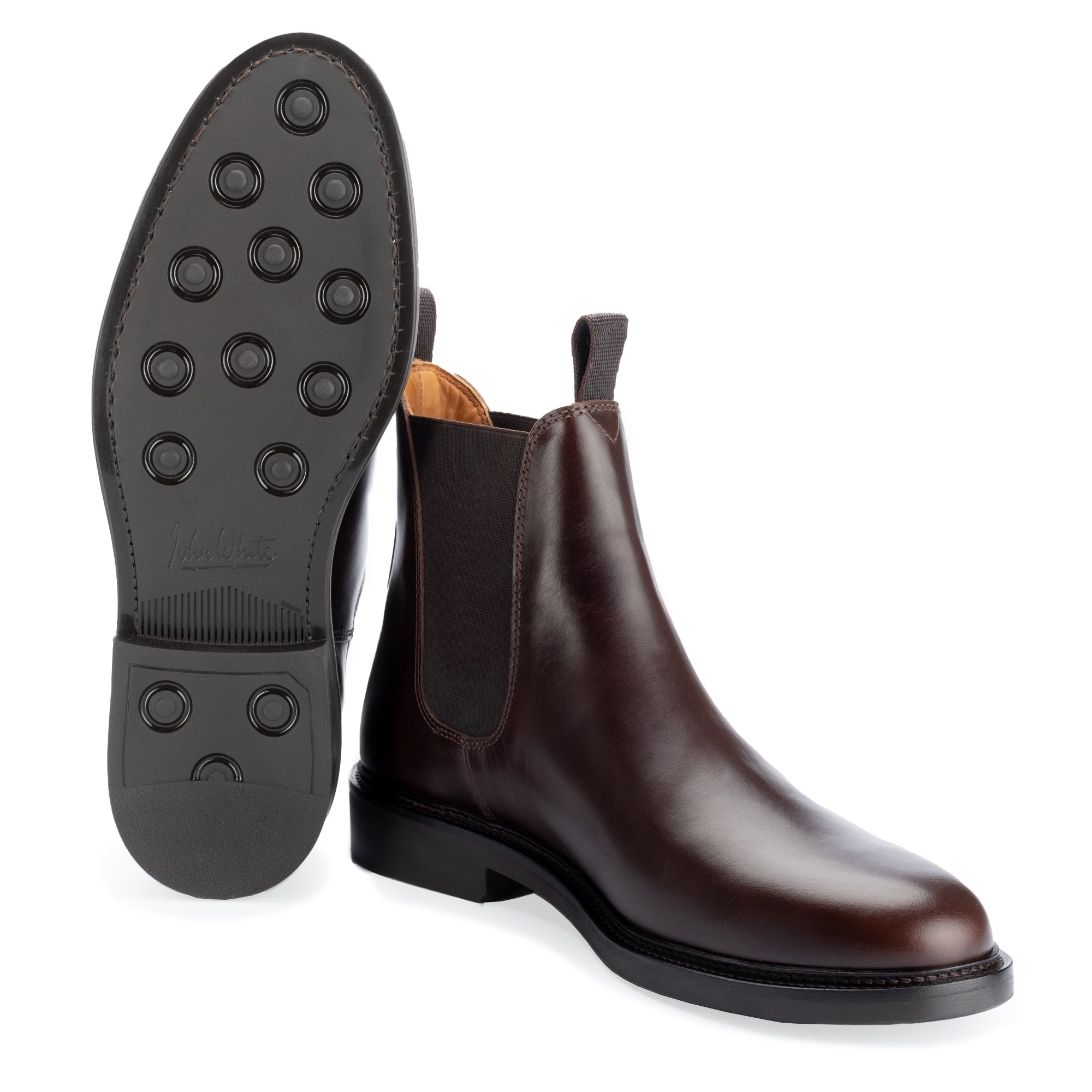
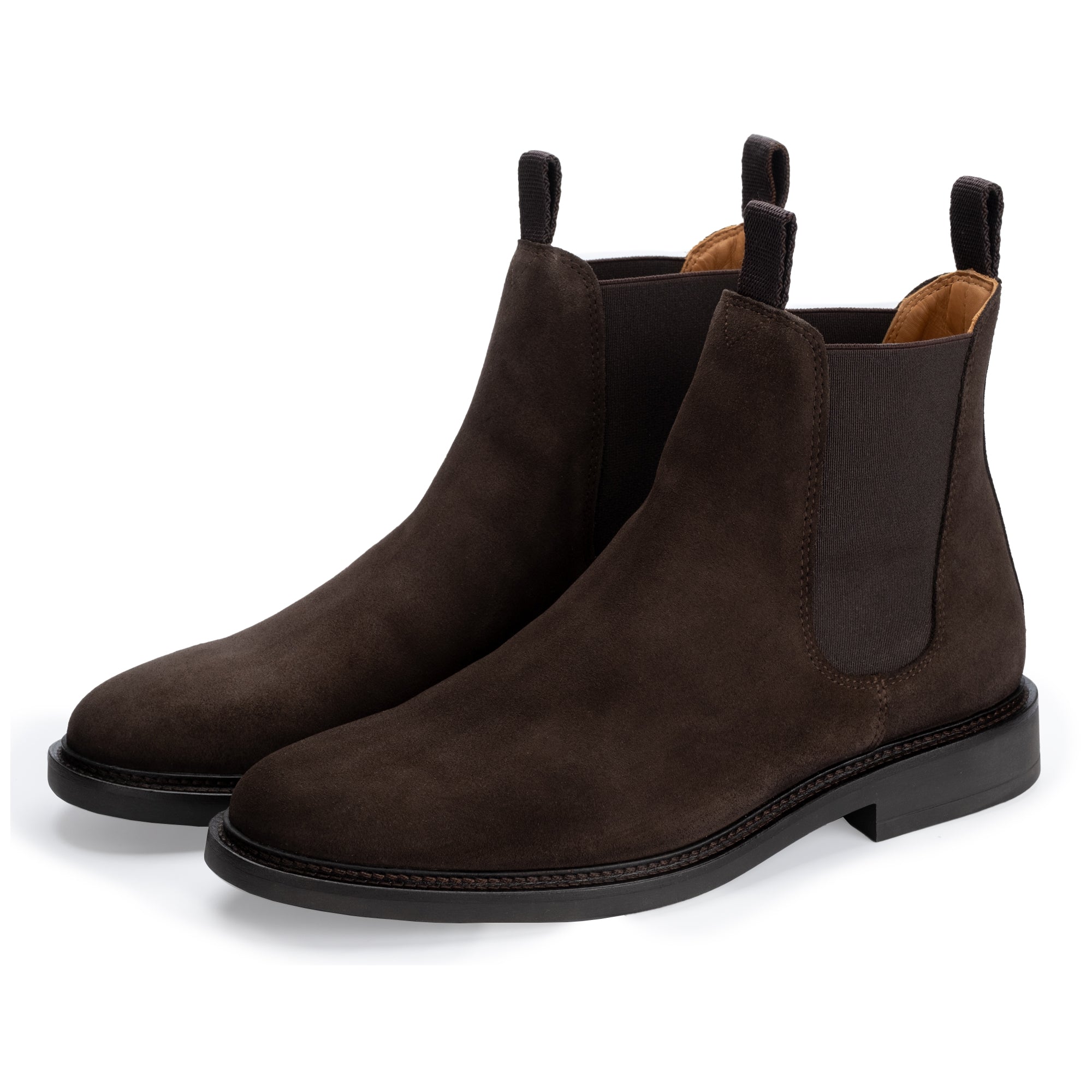
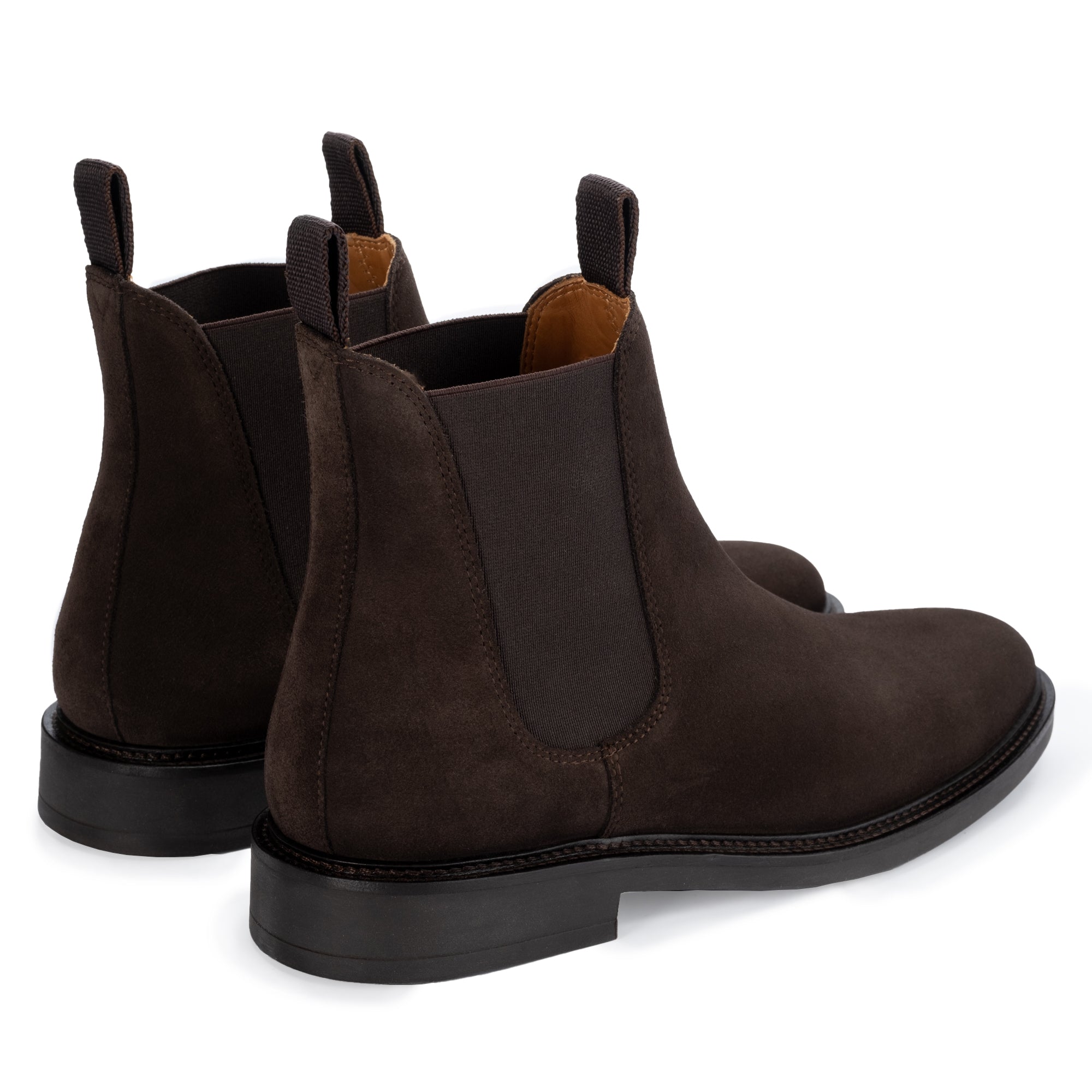
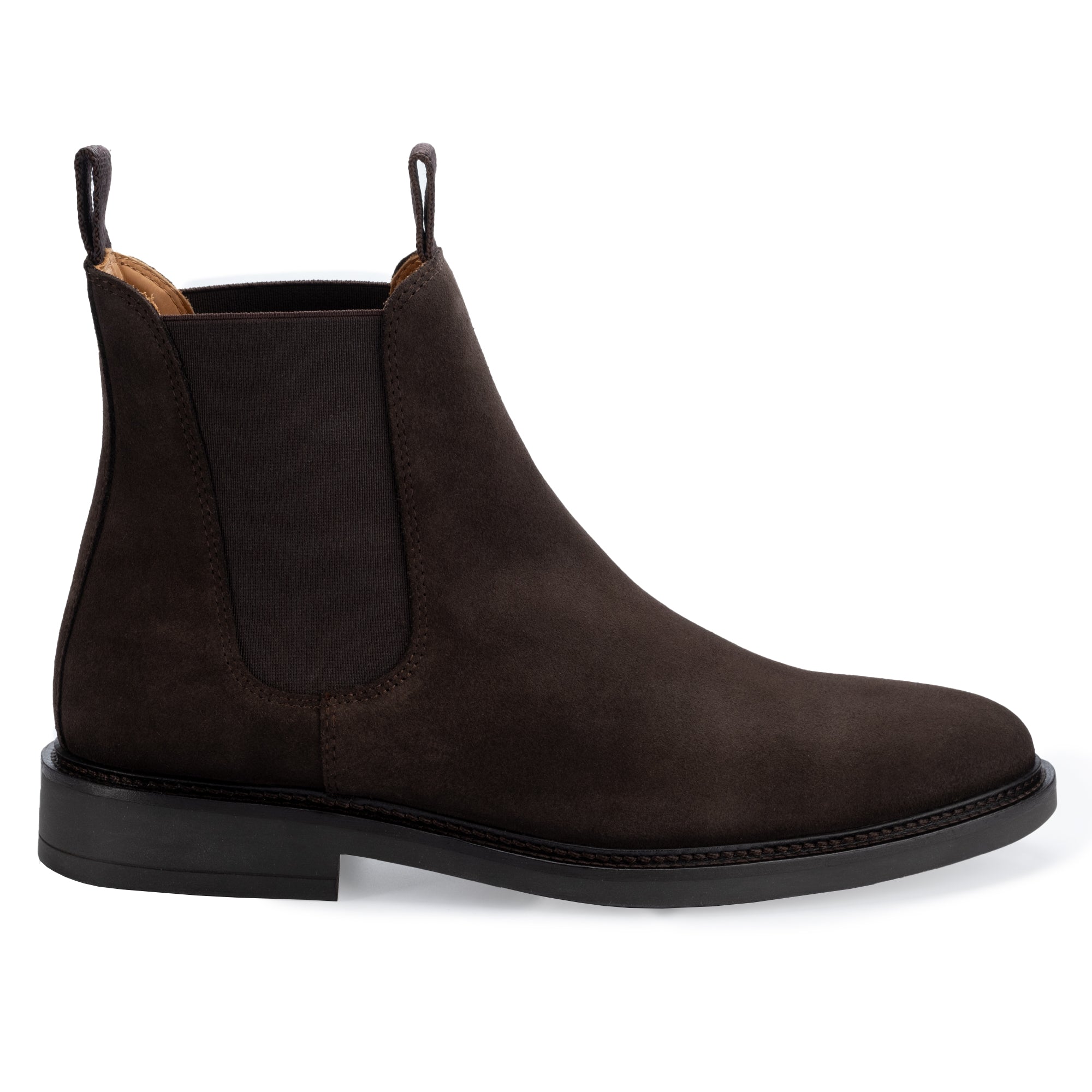
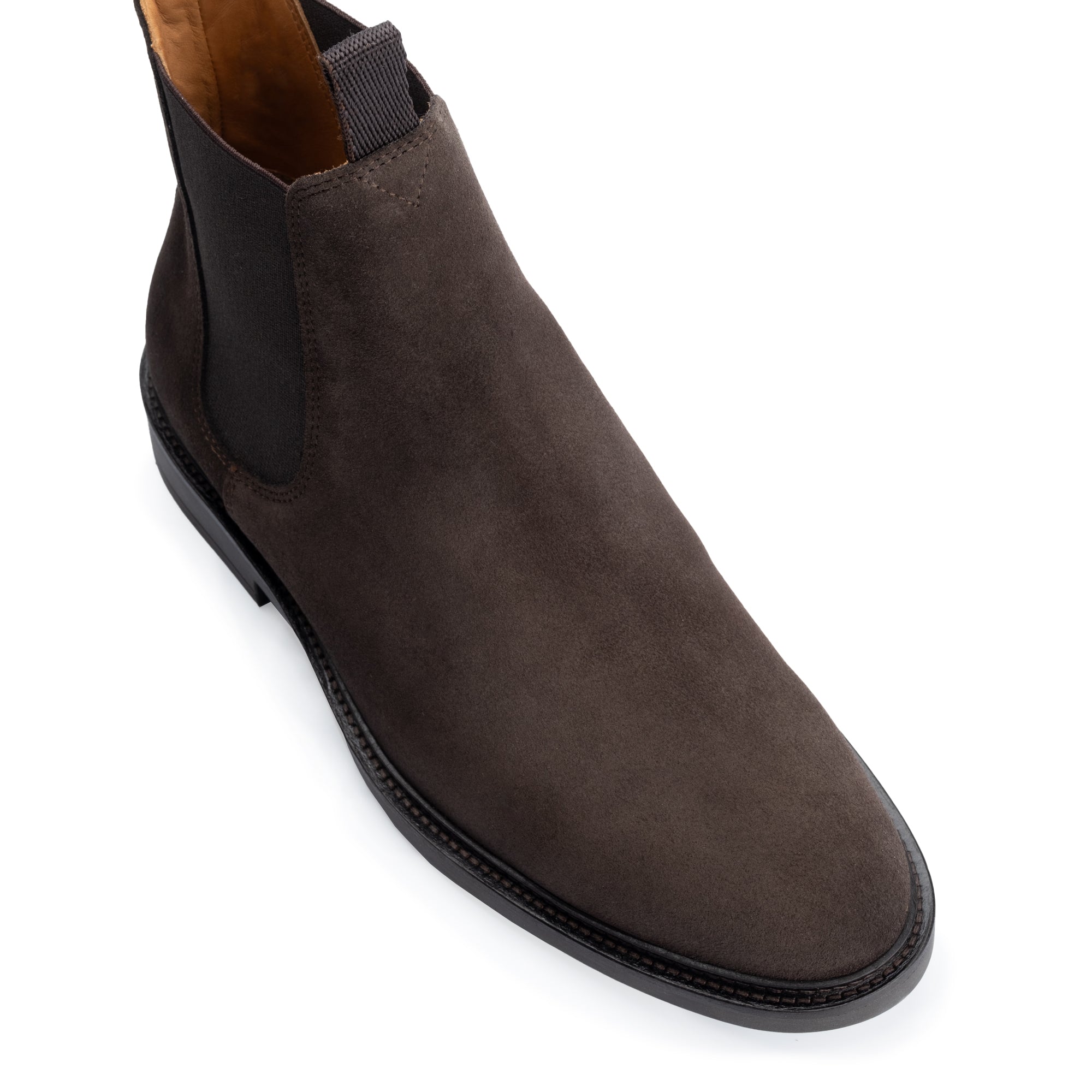
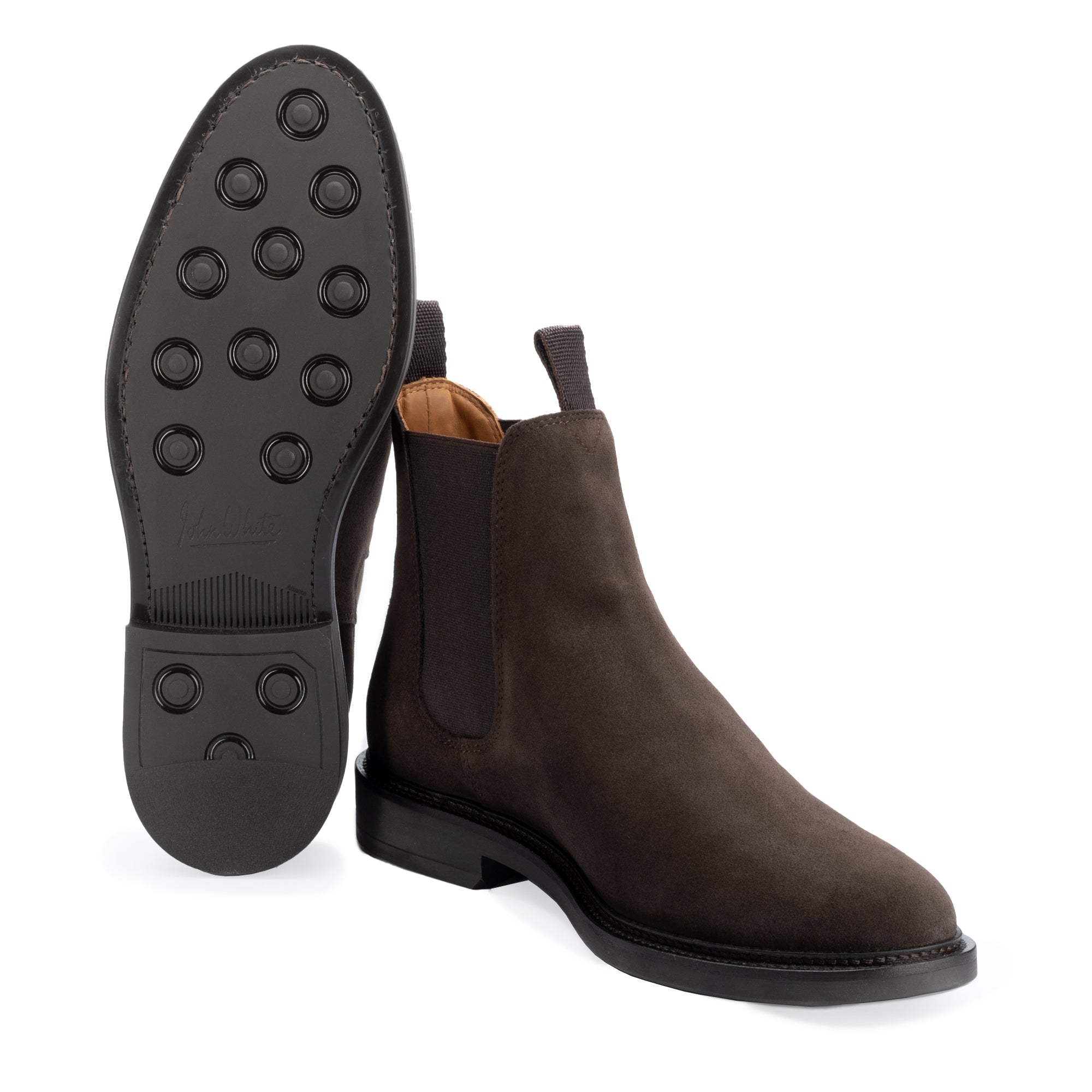
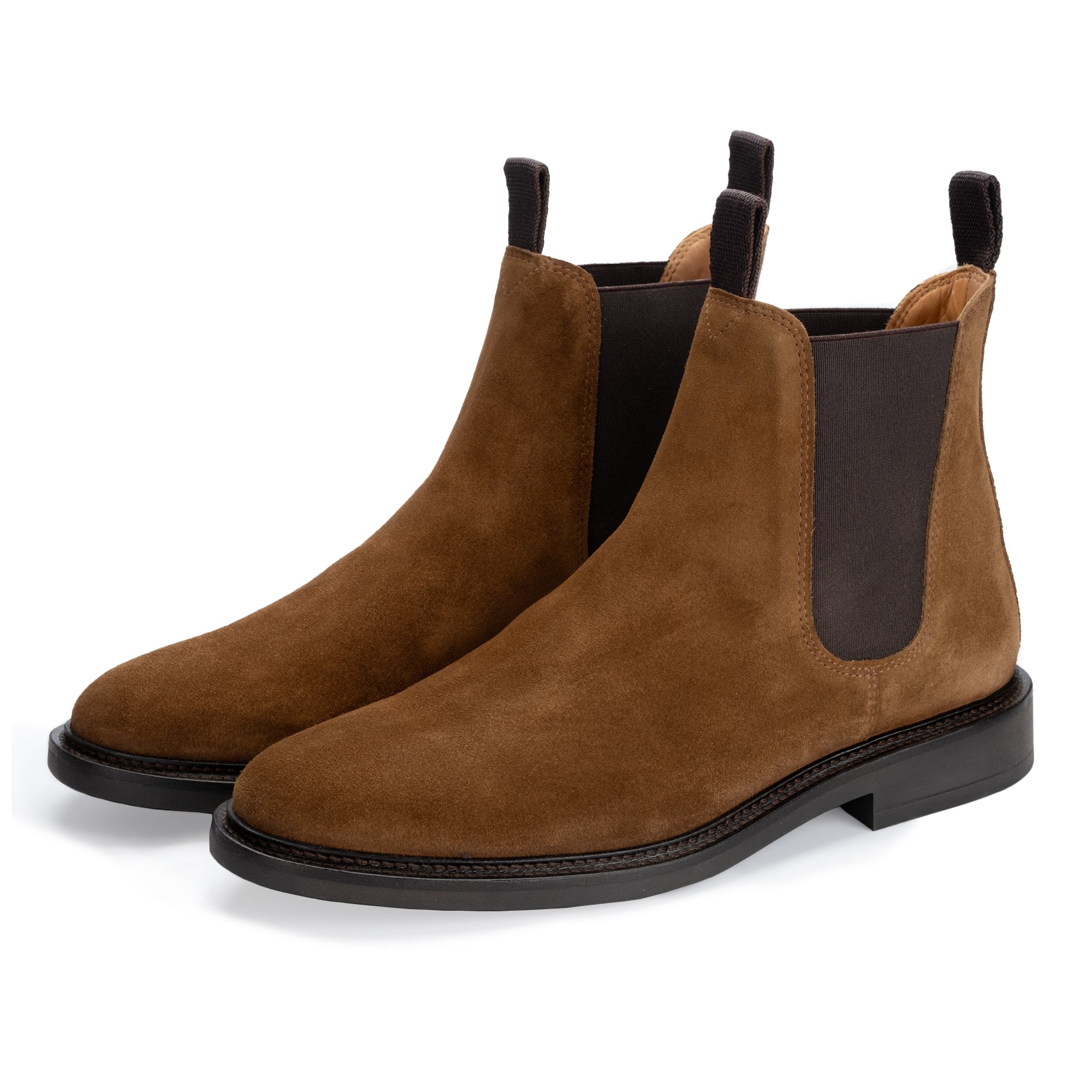
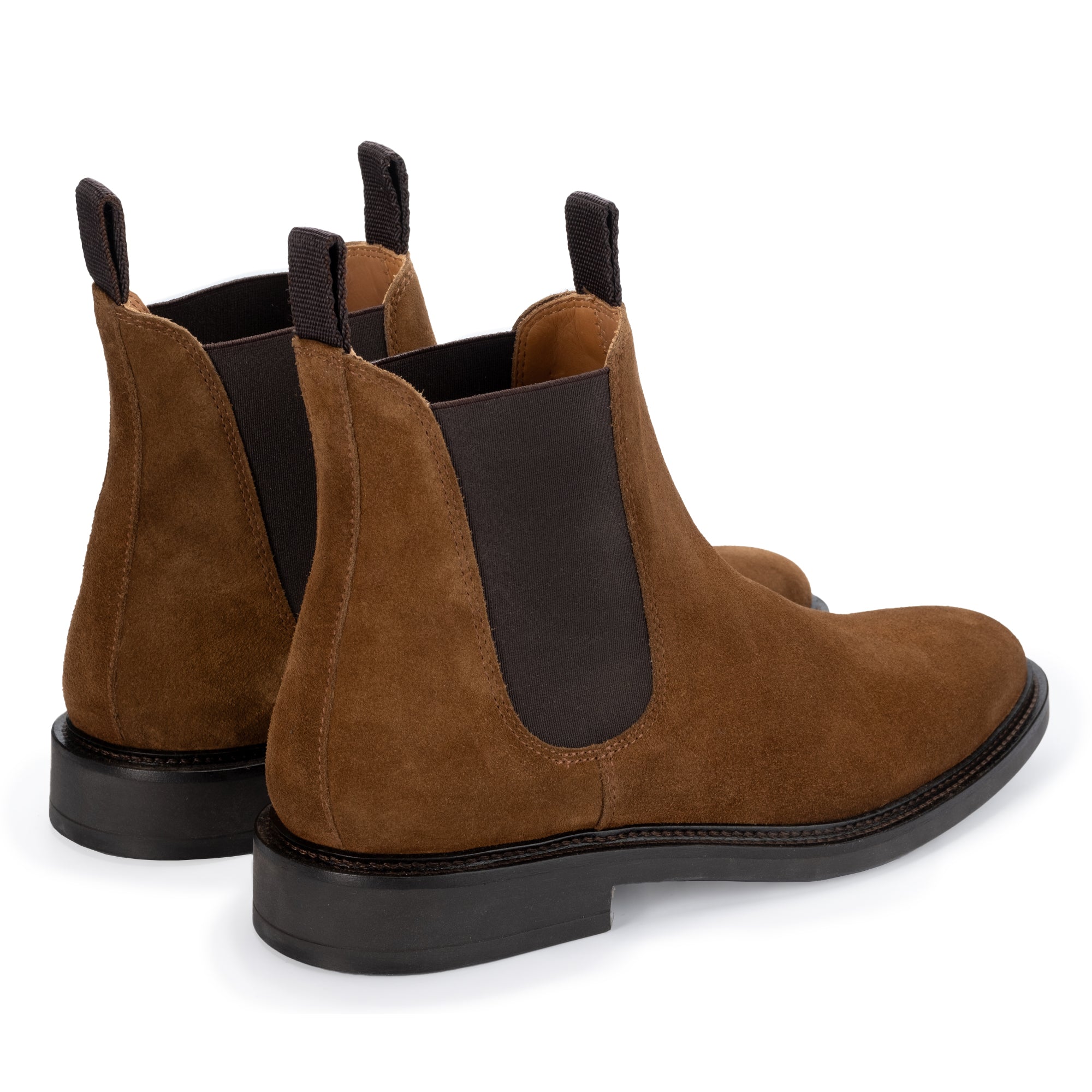
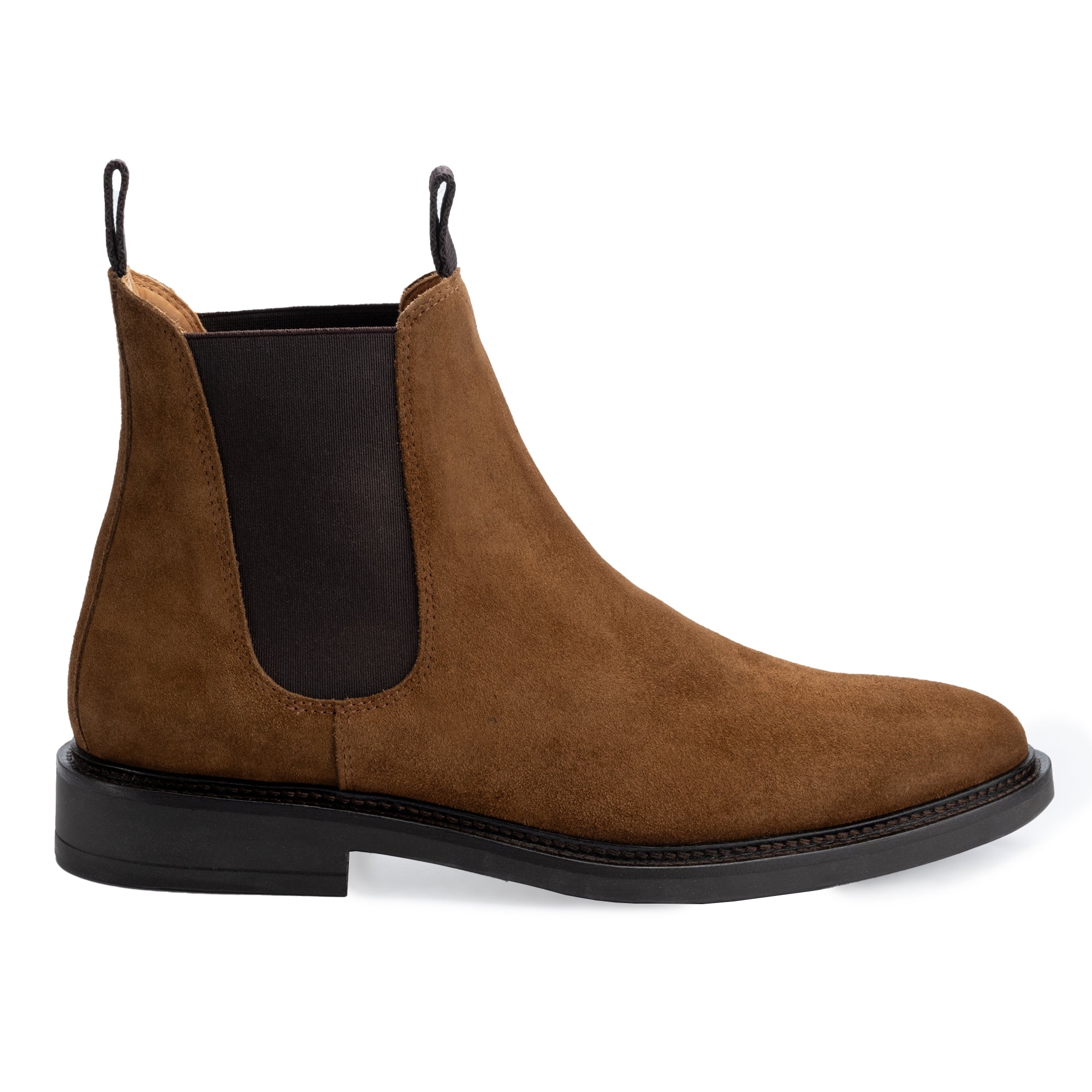
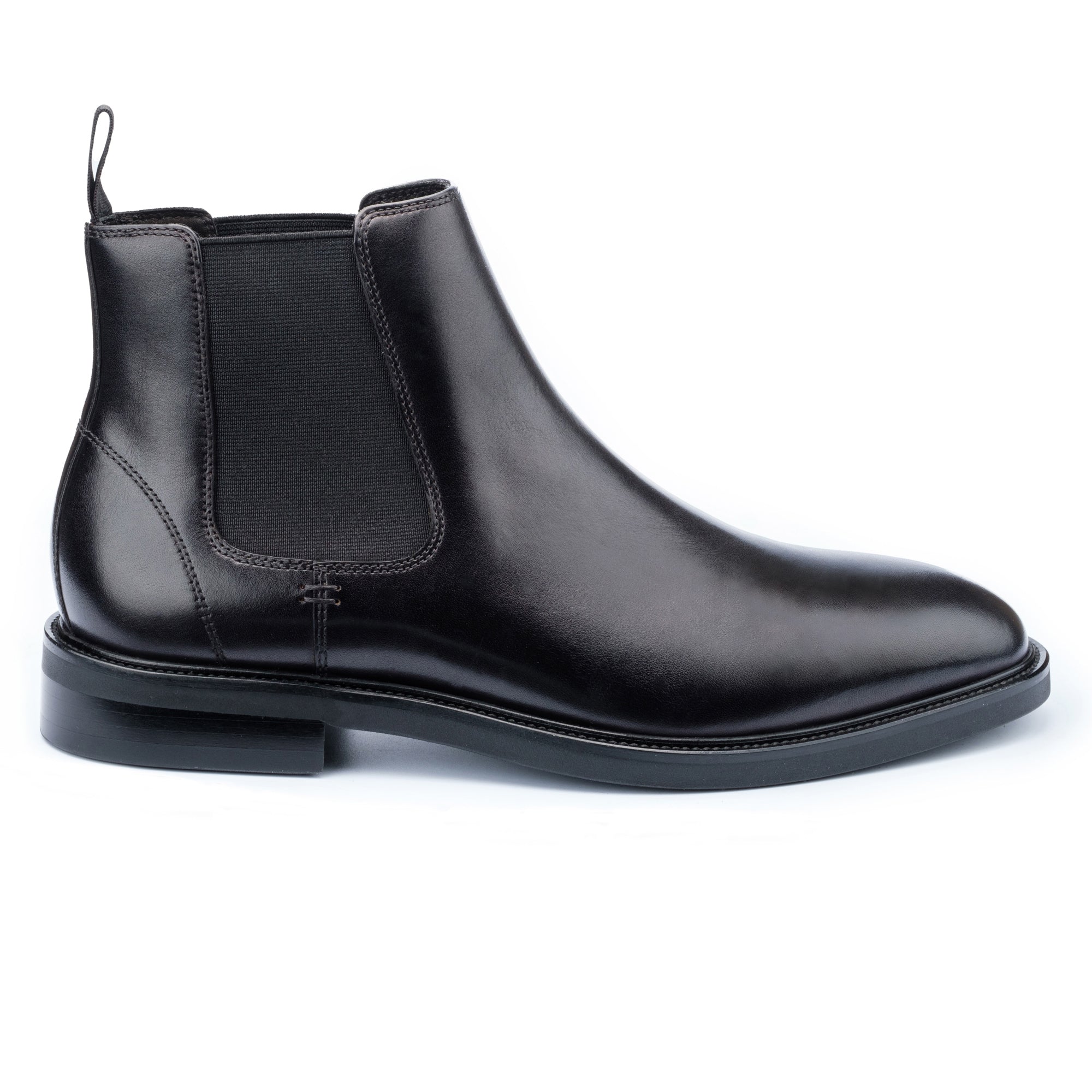
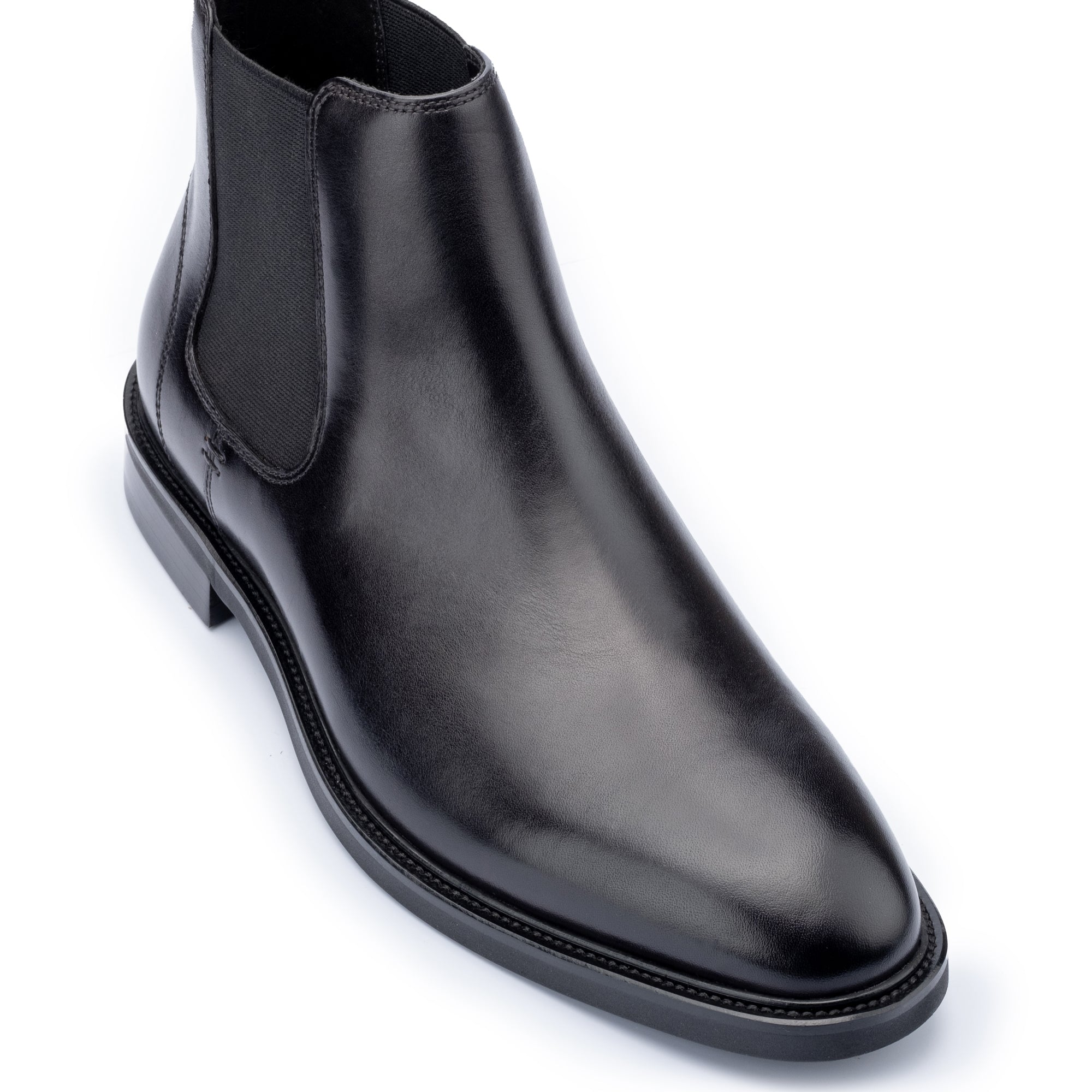
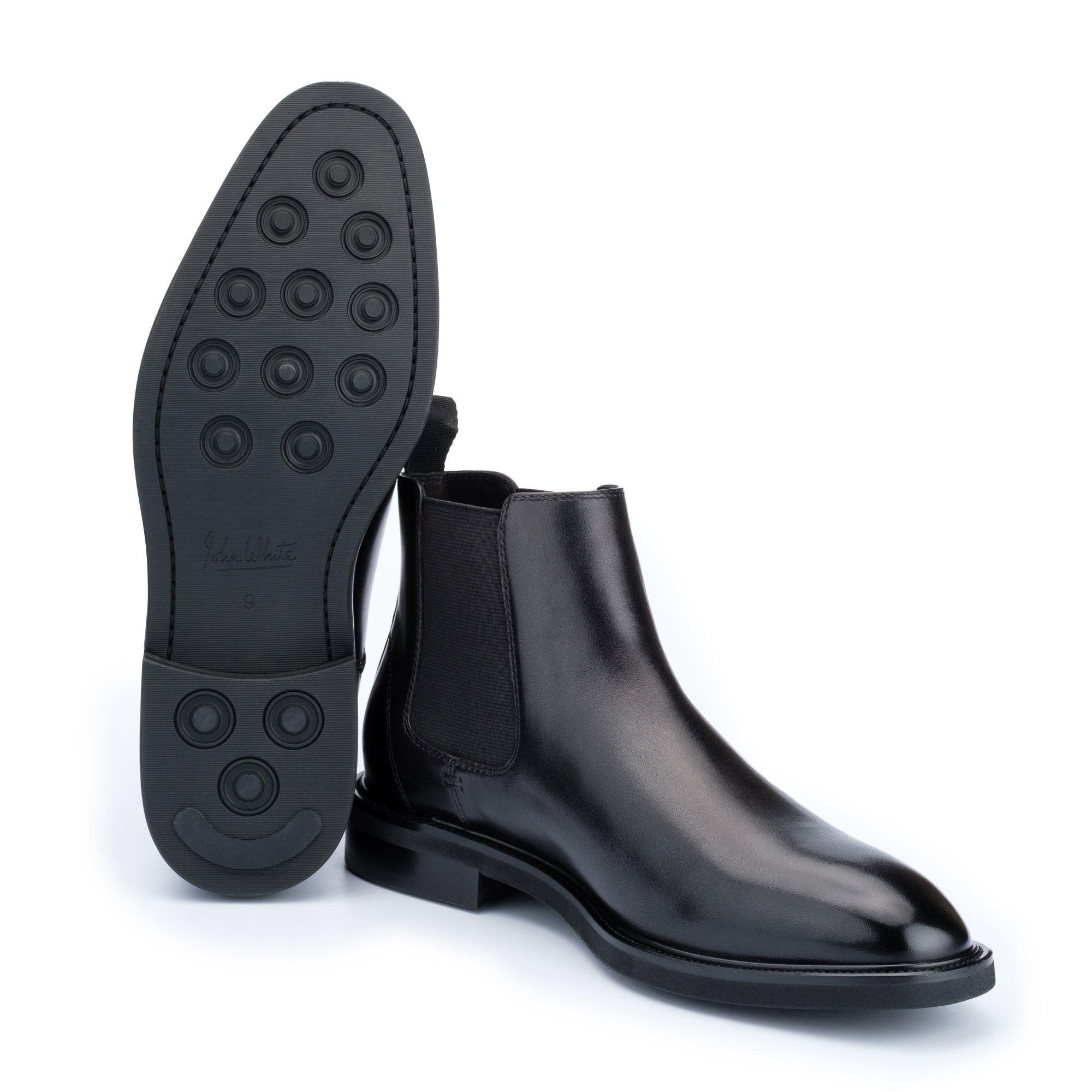
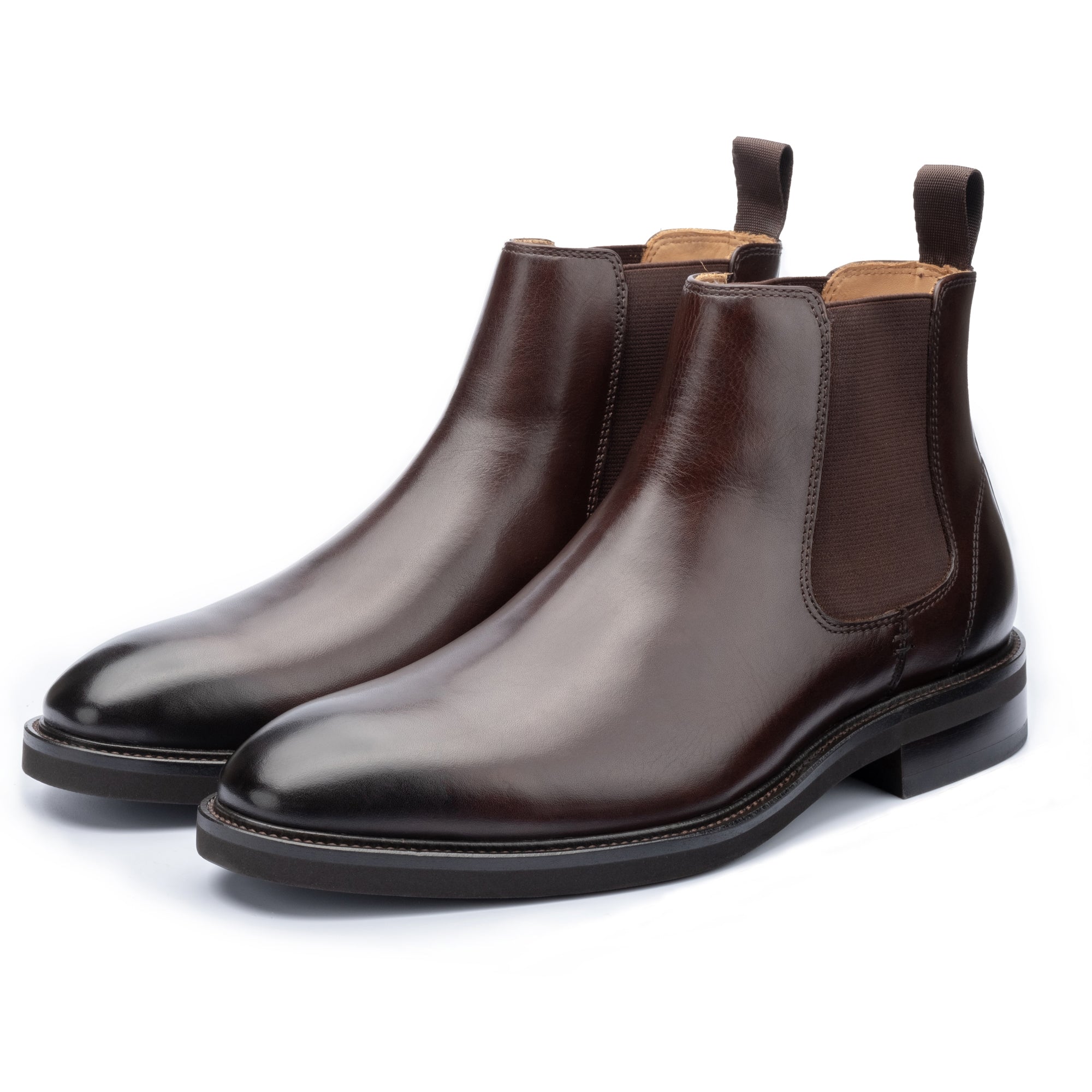
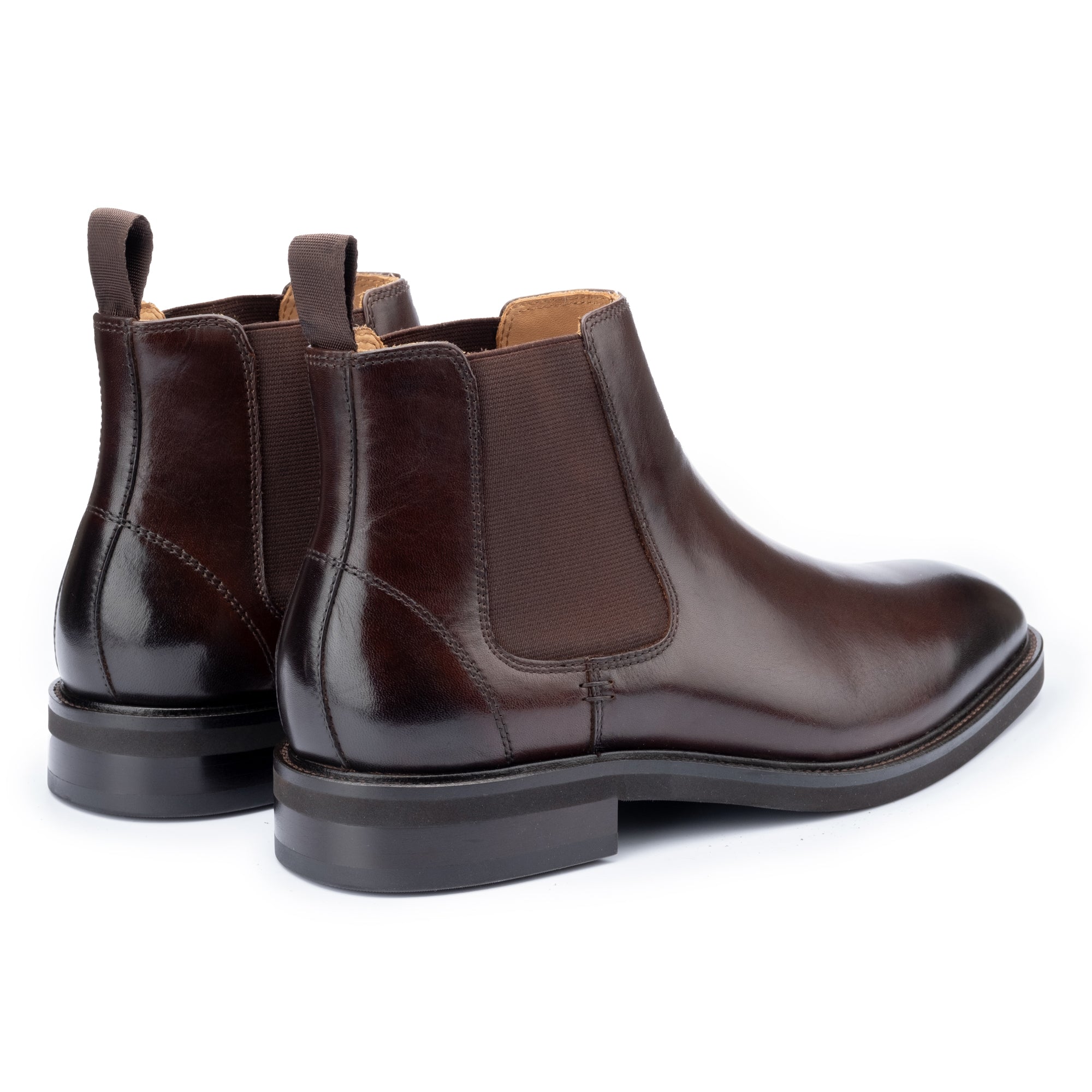
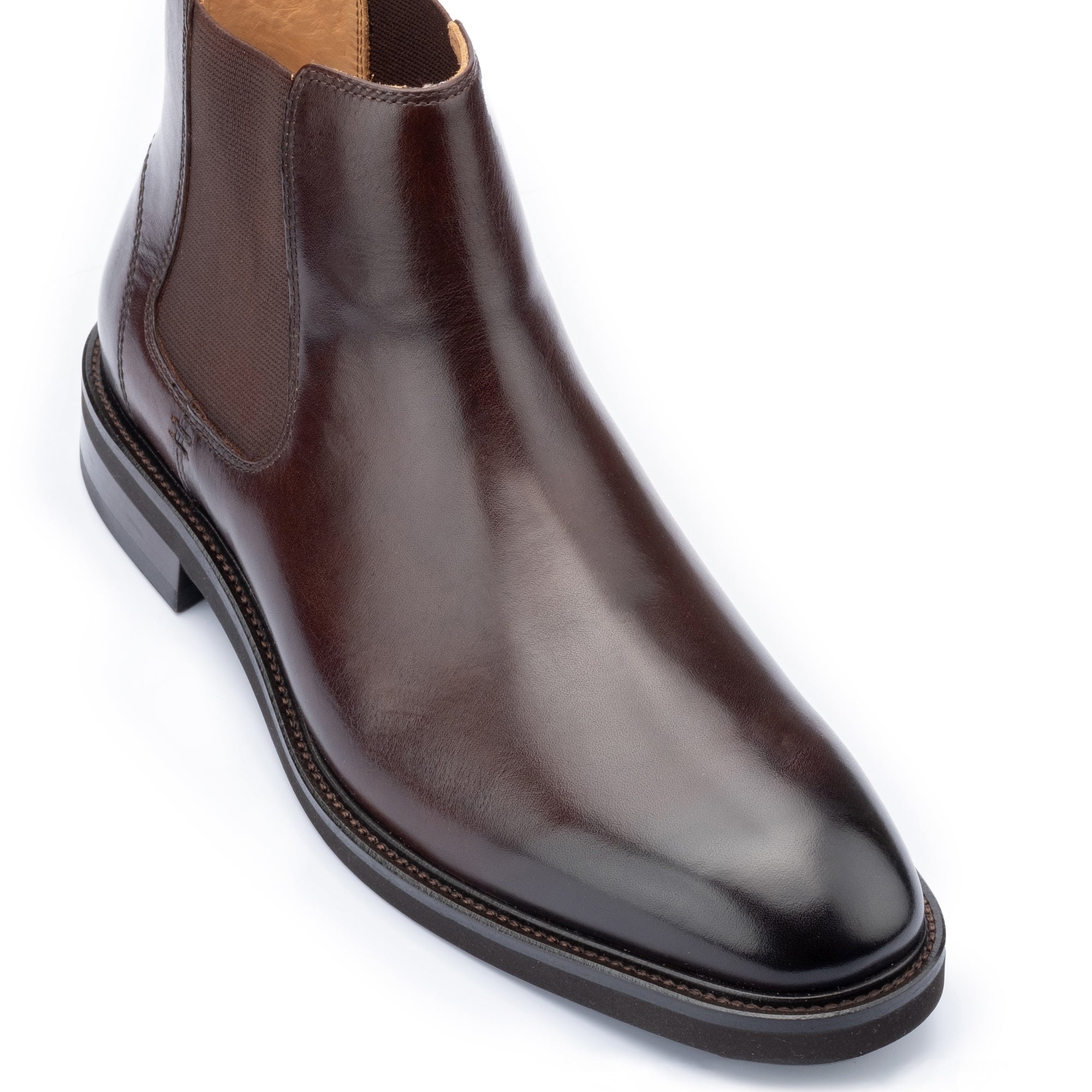
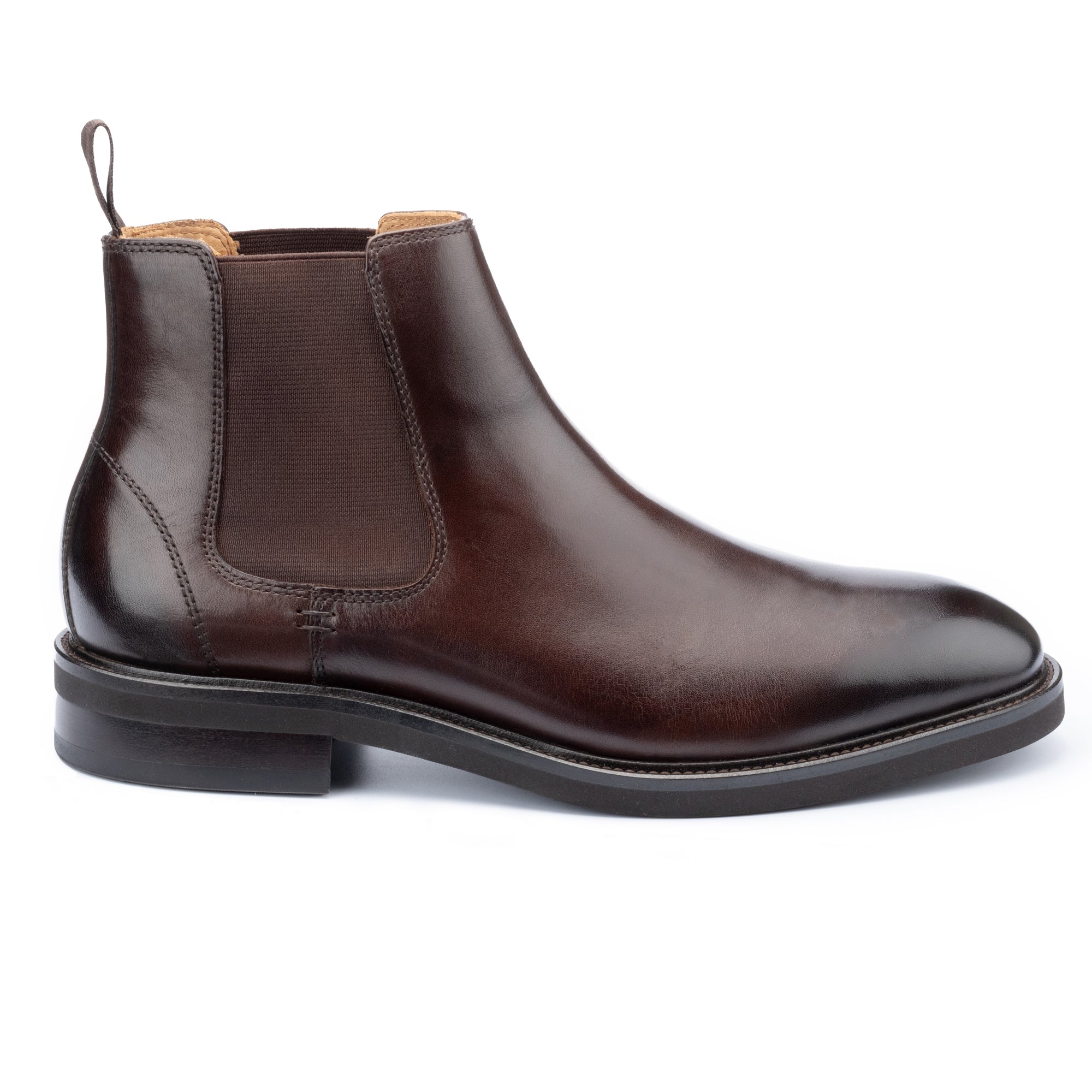
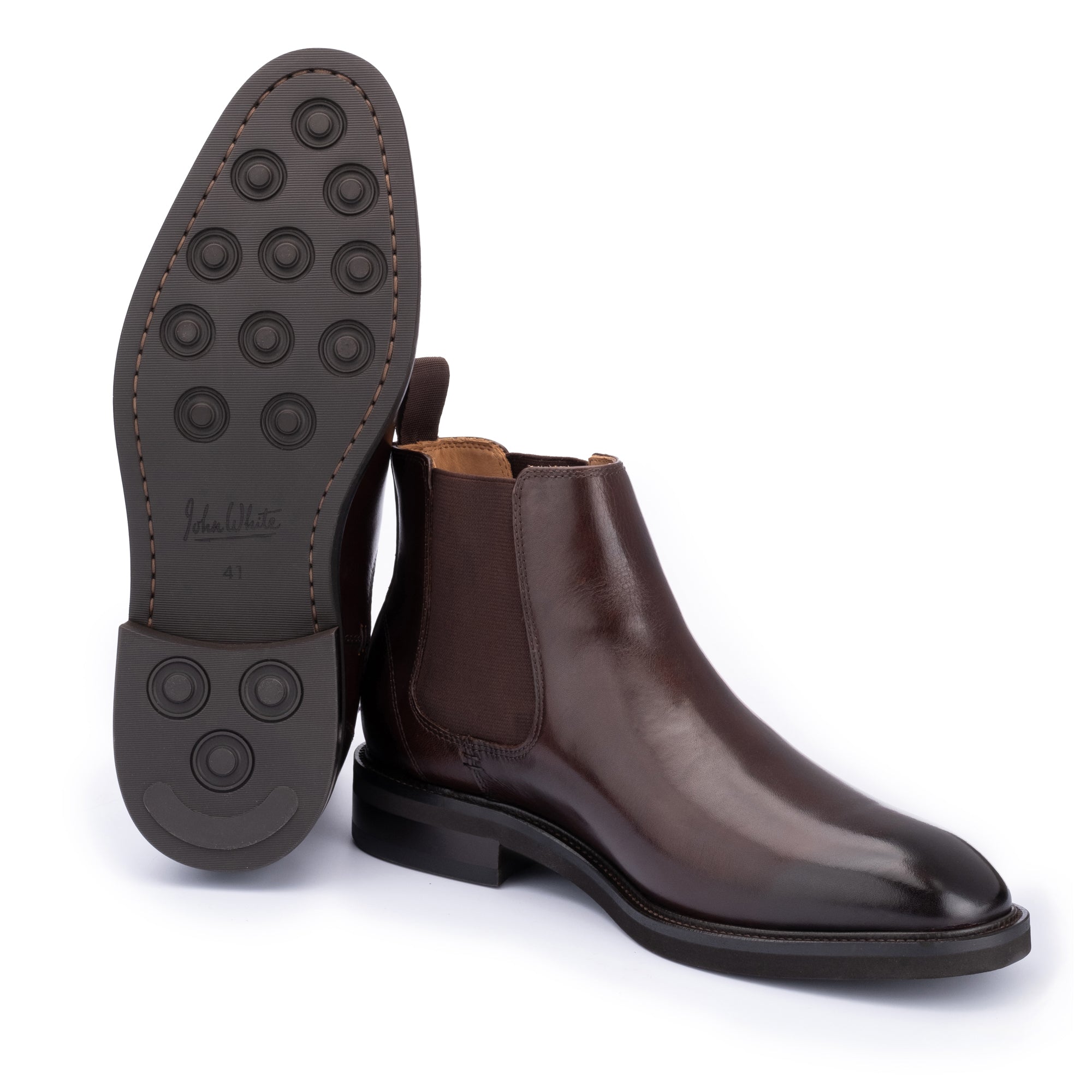
Fashion historian Caroline Cox, writing on British menswear's relationship with its industrial past, has observed that the vocabulary of British professional dress — the capped Oxford, the brogued Derby, the plain Chelsea boot — is inseparable from the Northamptonshire workshops that refined those silhouettes over generations.
Northamptonshire's heritage brands are not interchangeable — each has a distinct history, design identity, and construction specialism that sets it apart from the rest.
How Does Northamptonshire's Tradition Shape British Style Today?
British style — particularly the dress and smart-casual codes associated with professional life, tailoring, and understated authority — has always placed footwear at its centre. The shoes that defined those conventions came, overwhelmingly, from Northamptonshire.
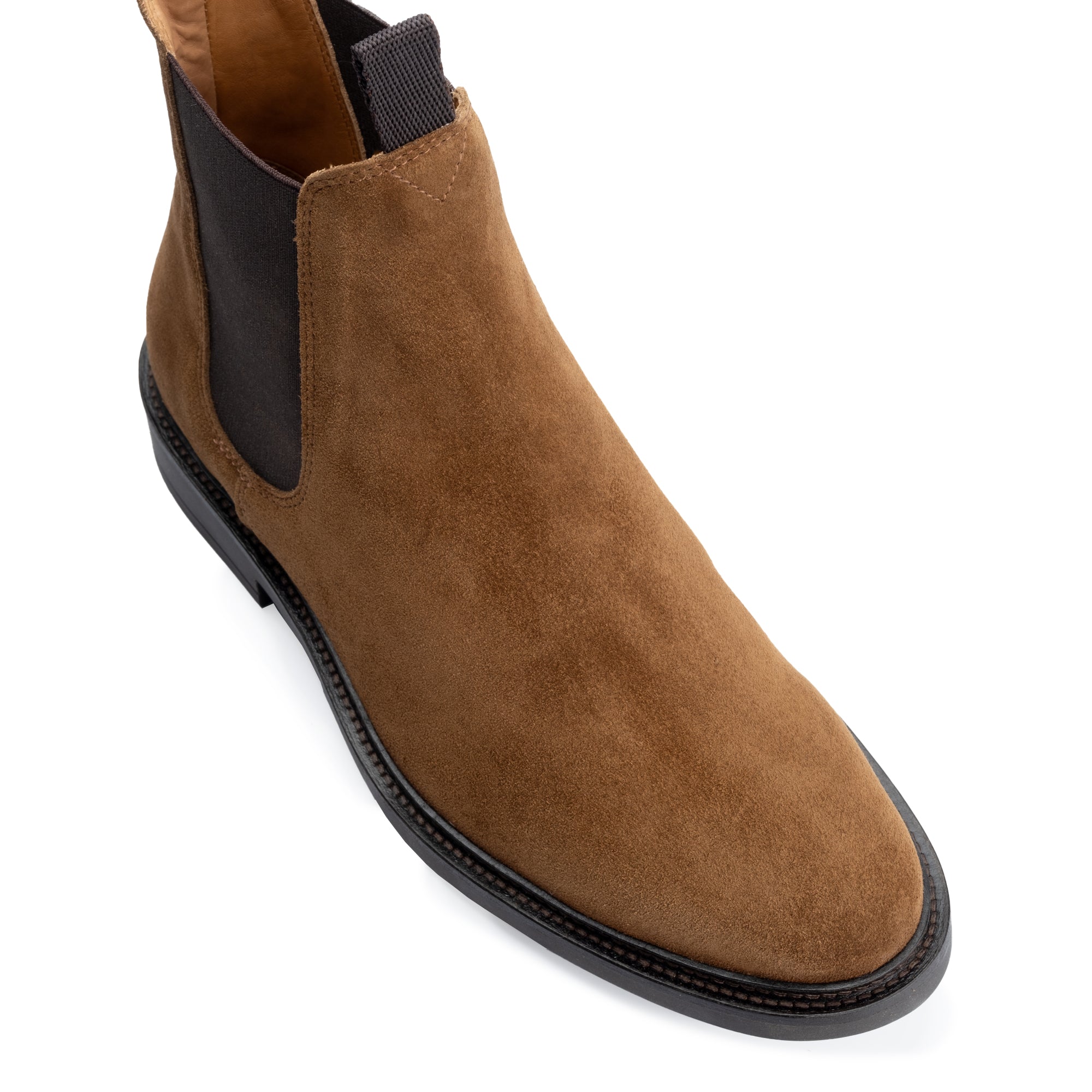
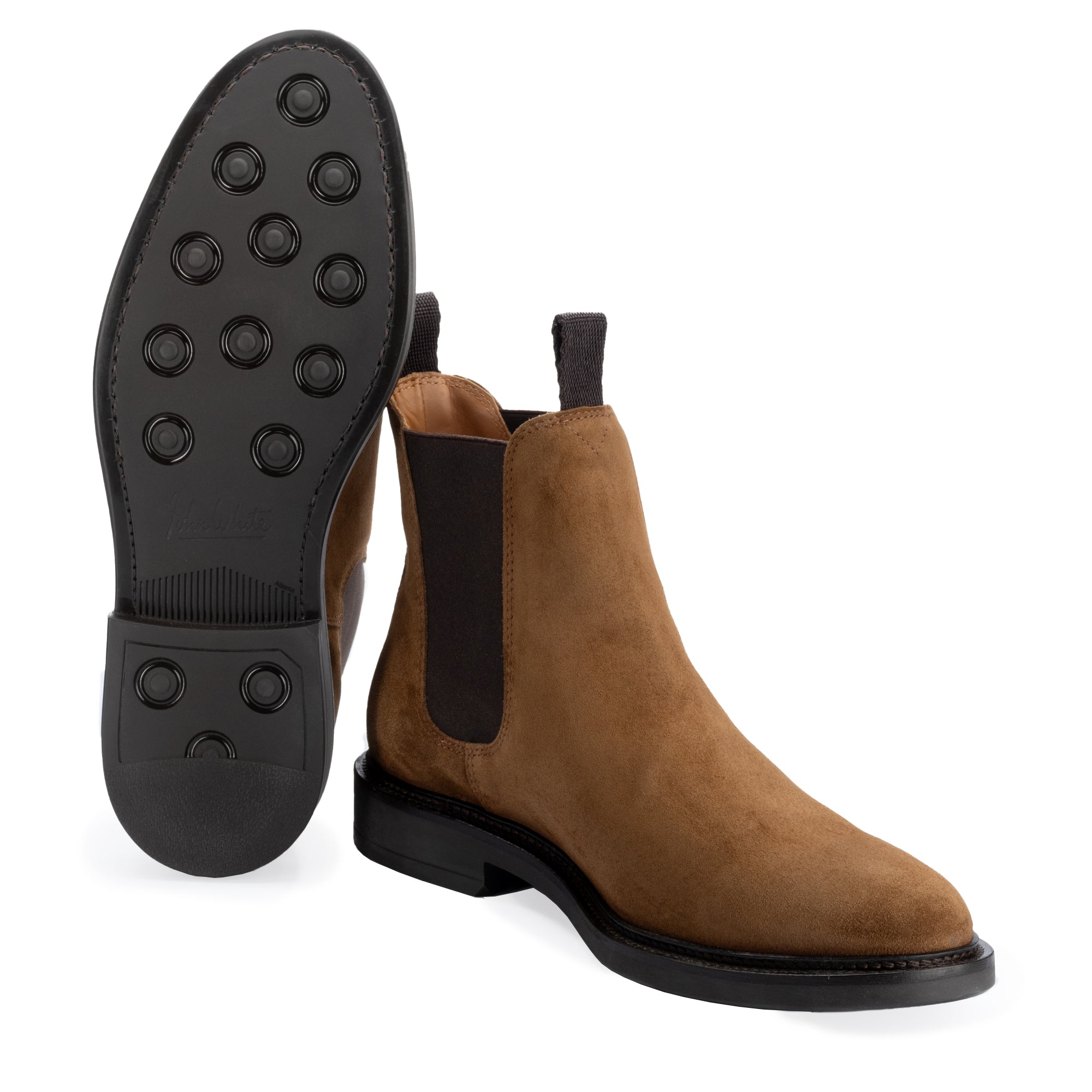
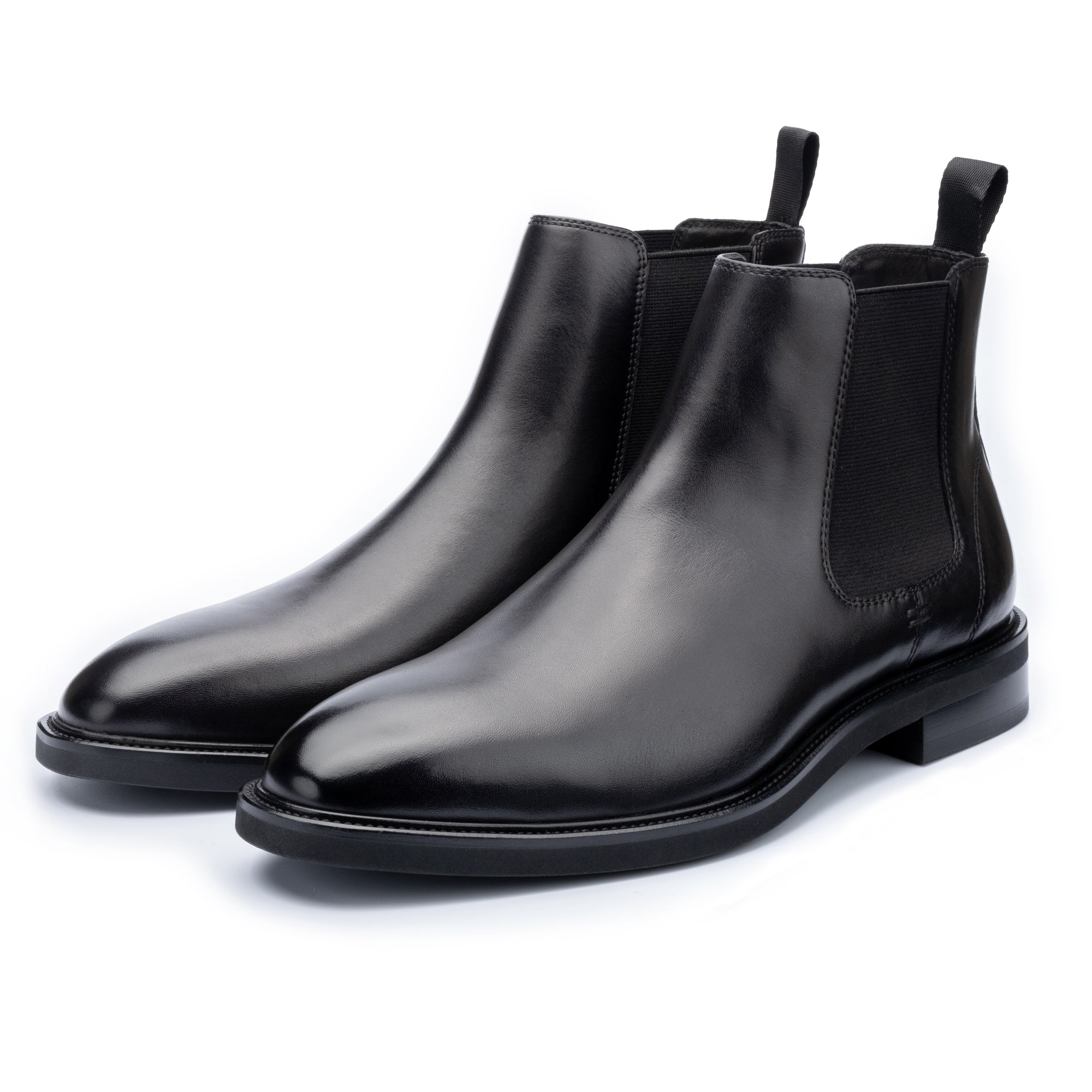
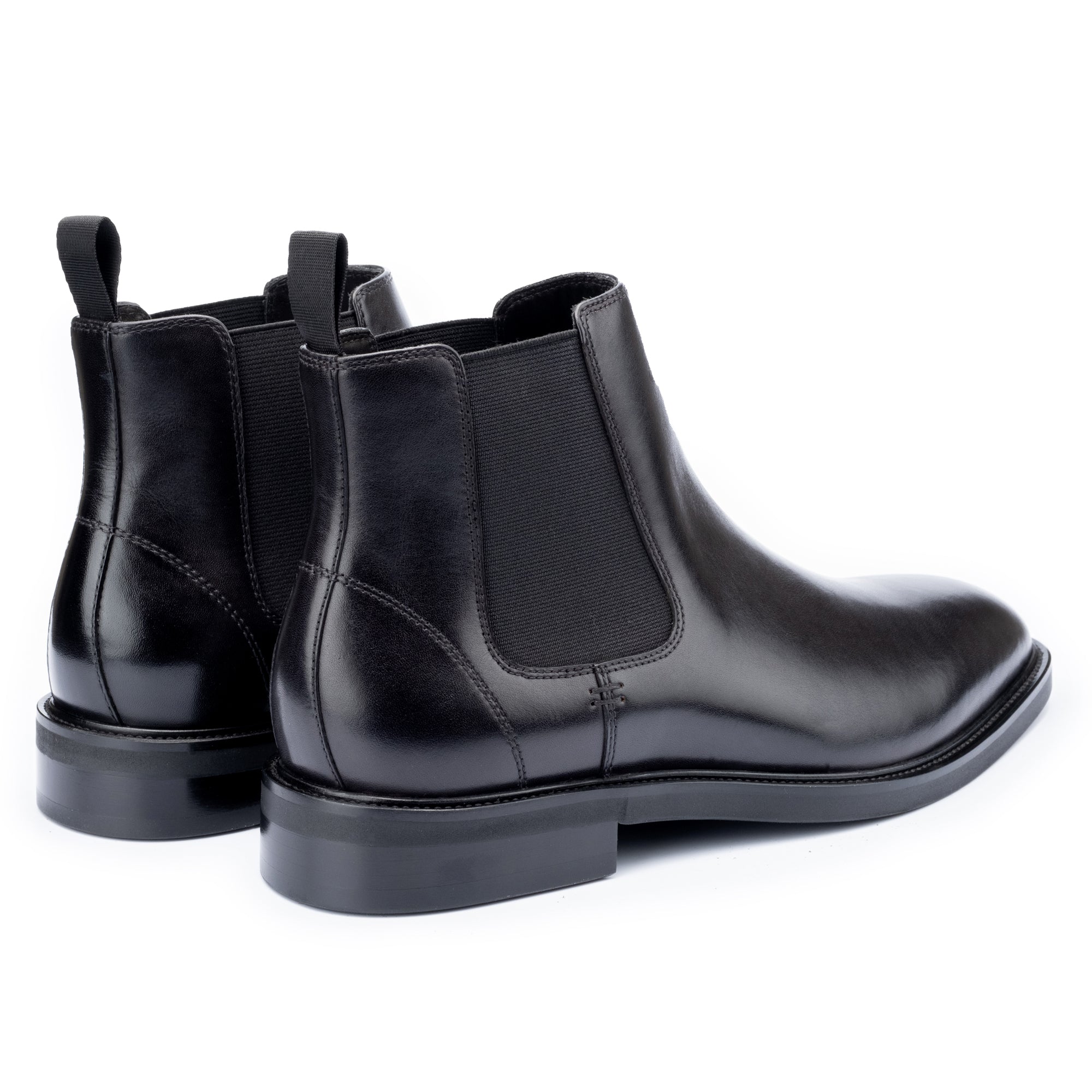
The silhouettes that the county refined — the Oxford, the Derby, the full brogue, the Chelsea boot — remain the foundations of men's formal and smart-casual dressing. They've been adopted globally, adapted by every major fashion house, and never substantially improved upon. That's what a genuine design tradition looks like: endurance rather than reinvention.
According to the British Footwear Association, heritage-positioned footwear brands account for a significant share of the UK shoe market's estimated £900 million in annual retail value — with consumers increasingly prioritising design provenance and material quality over price. The Northamptonshire heritage narrative is a meaningful part of that positioning.
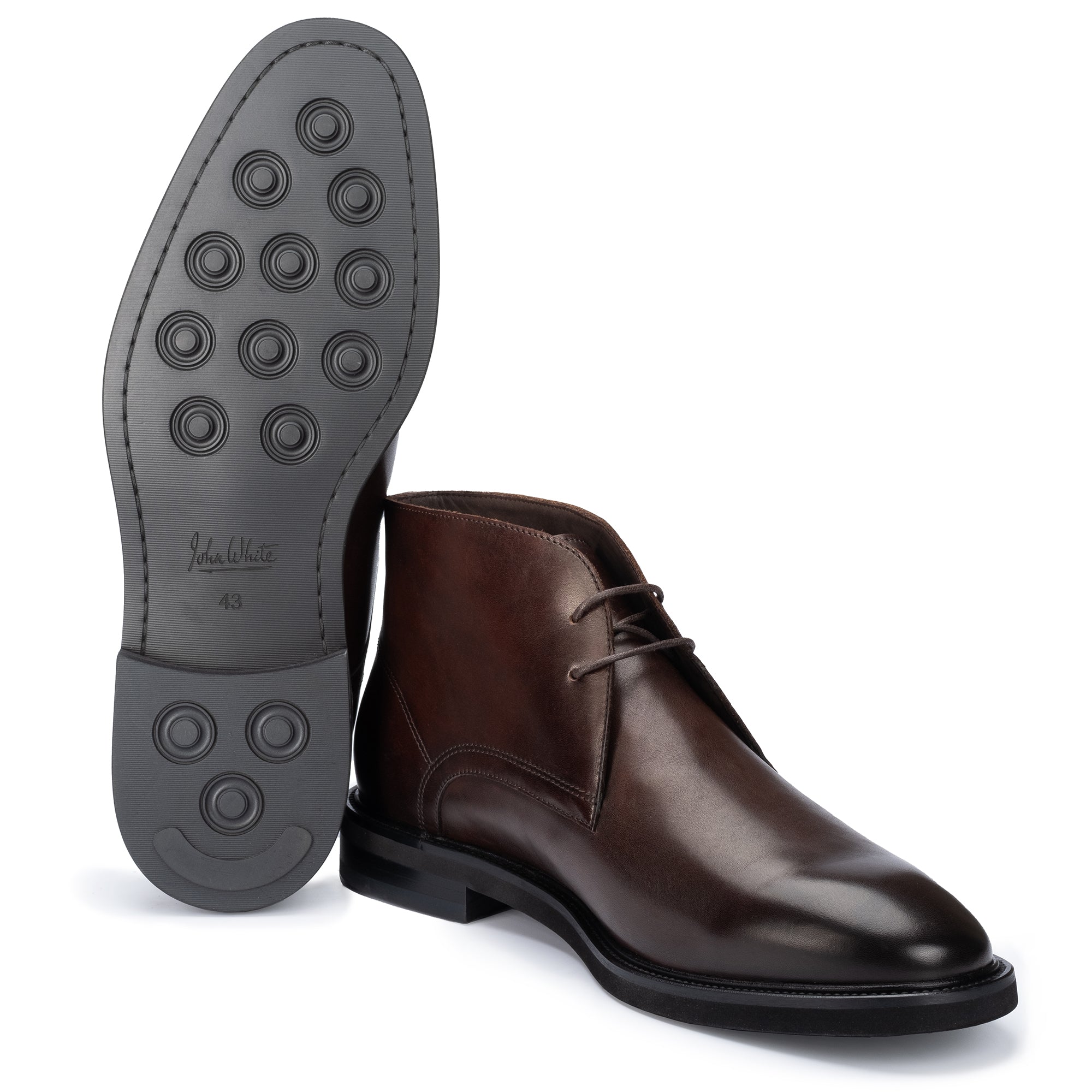
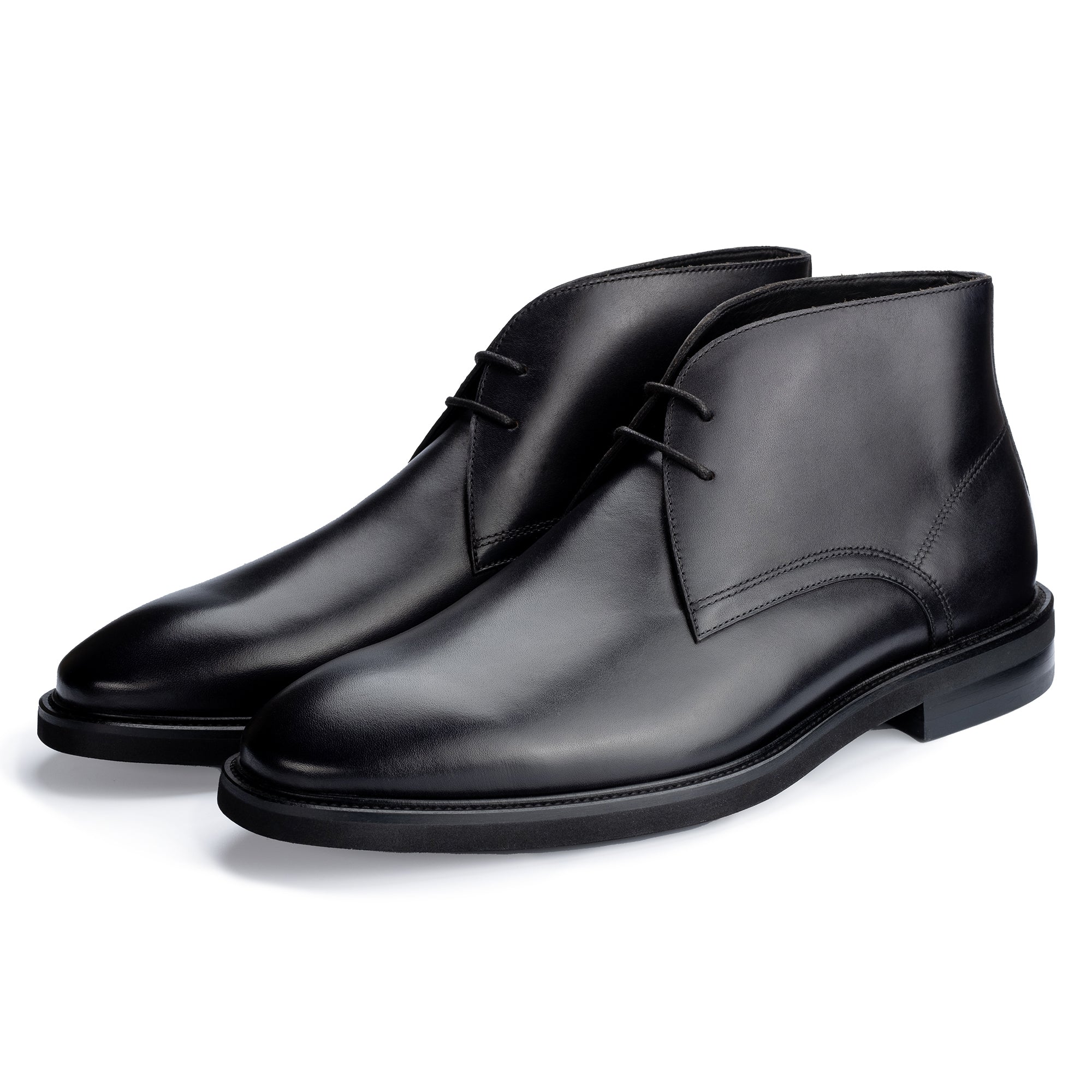
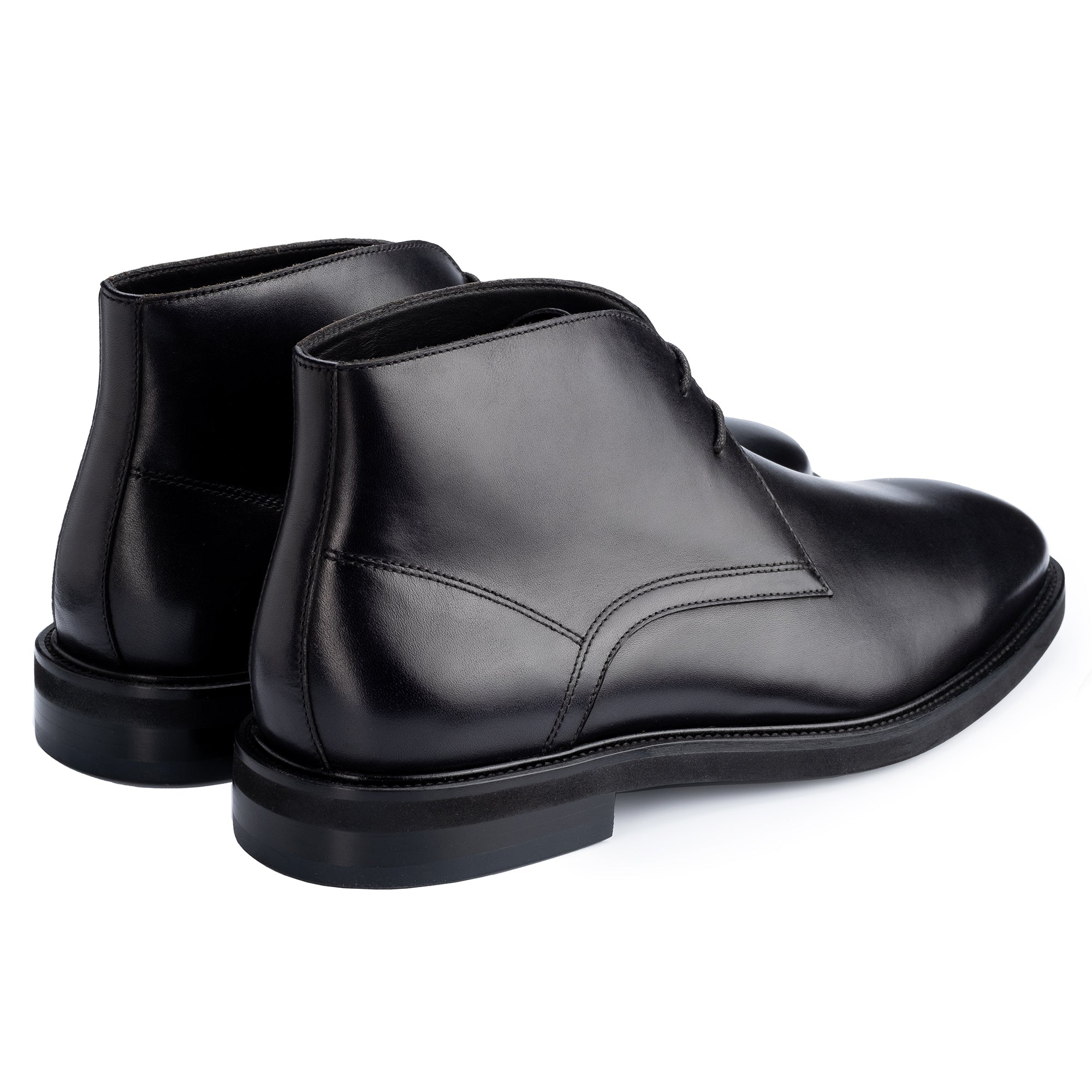
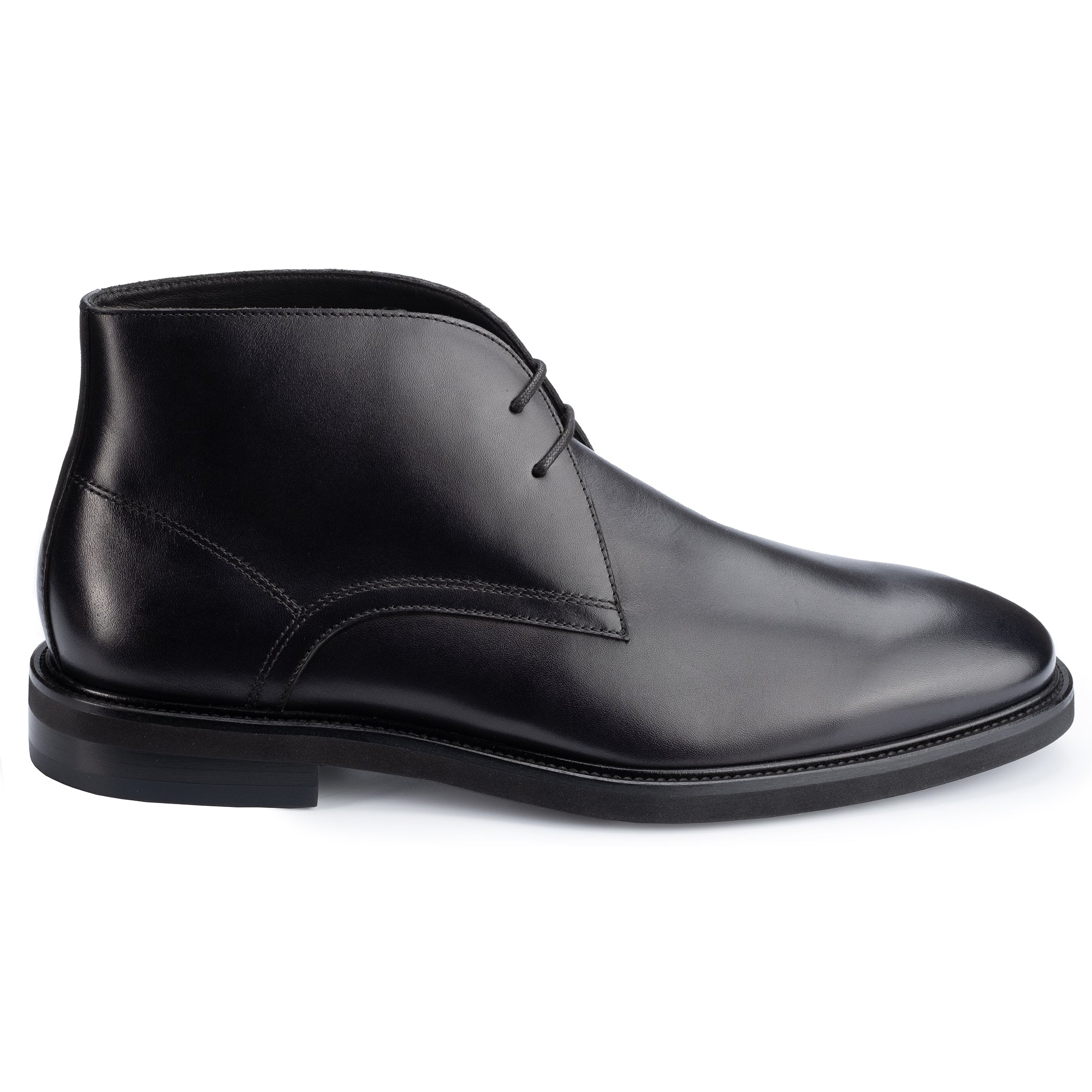
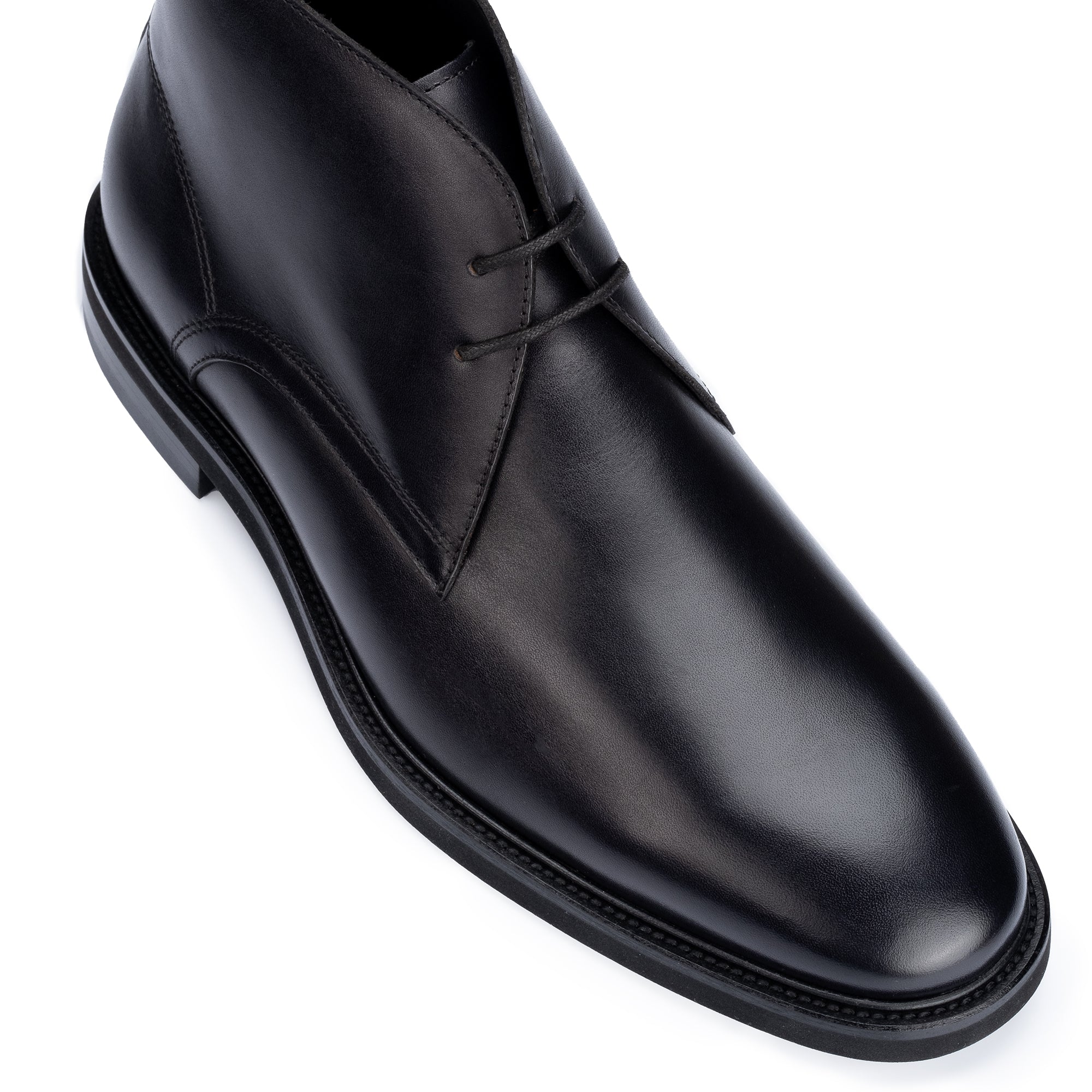
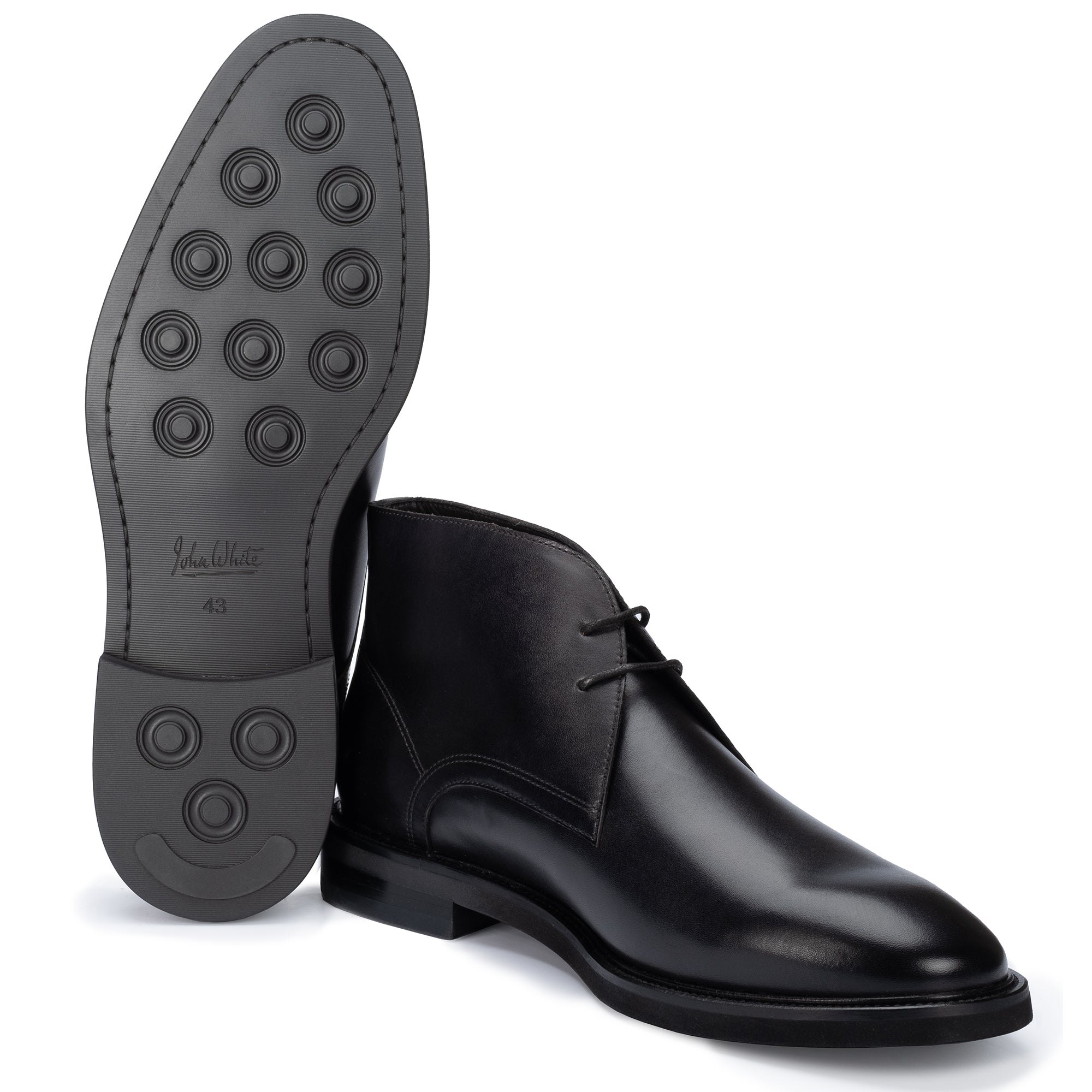
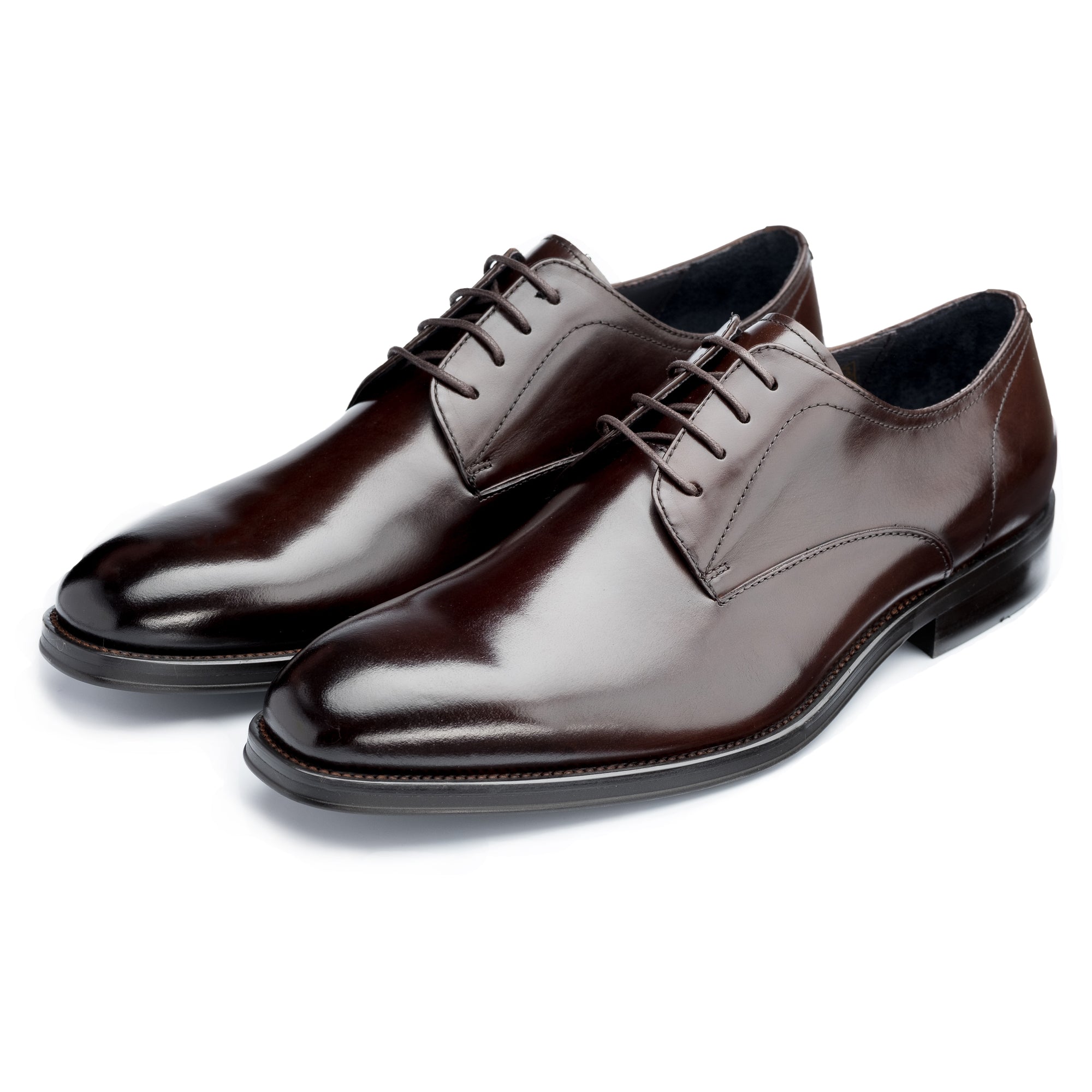
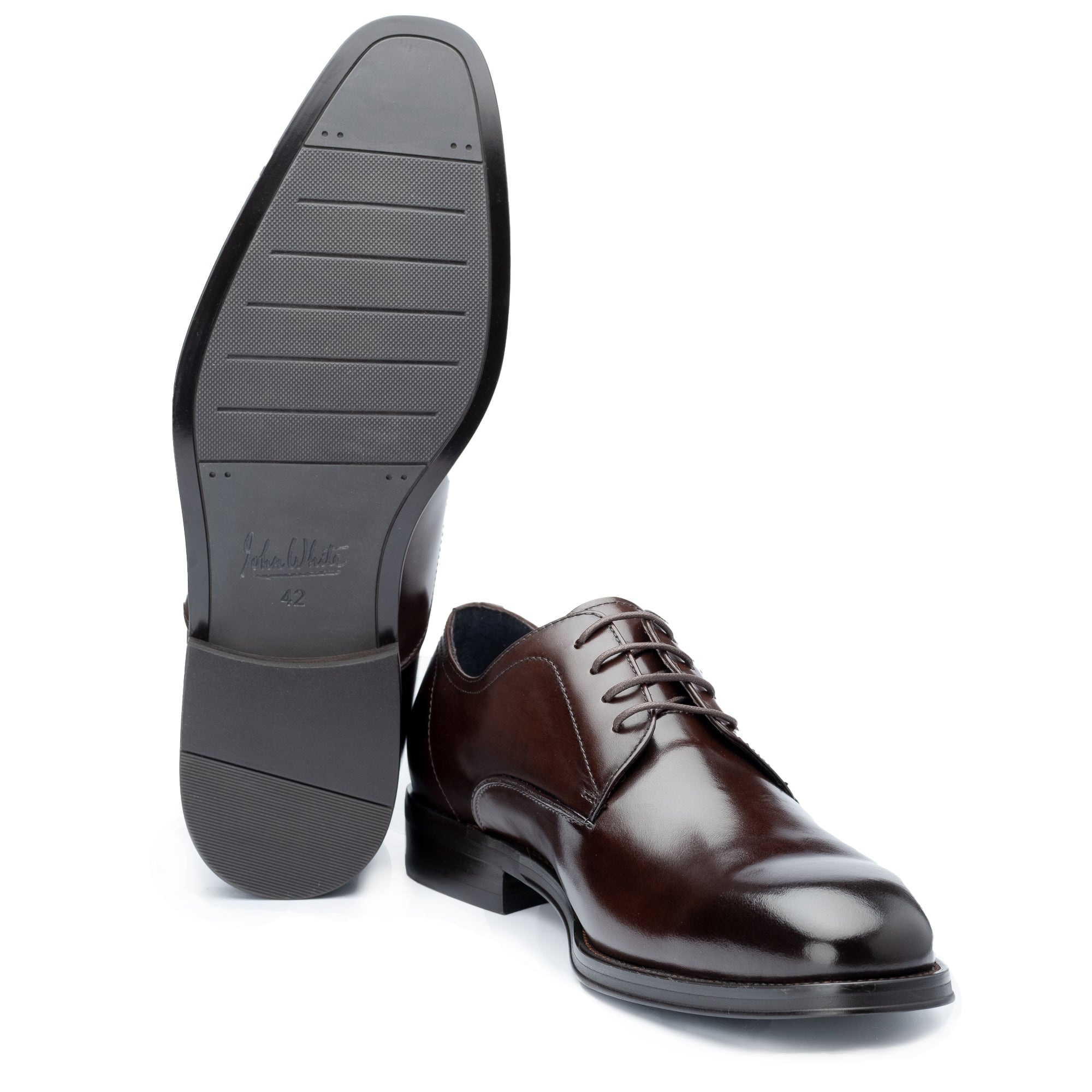
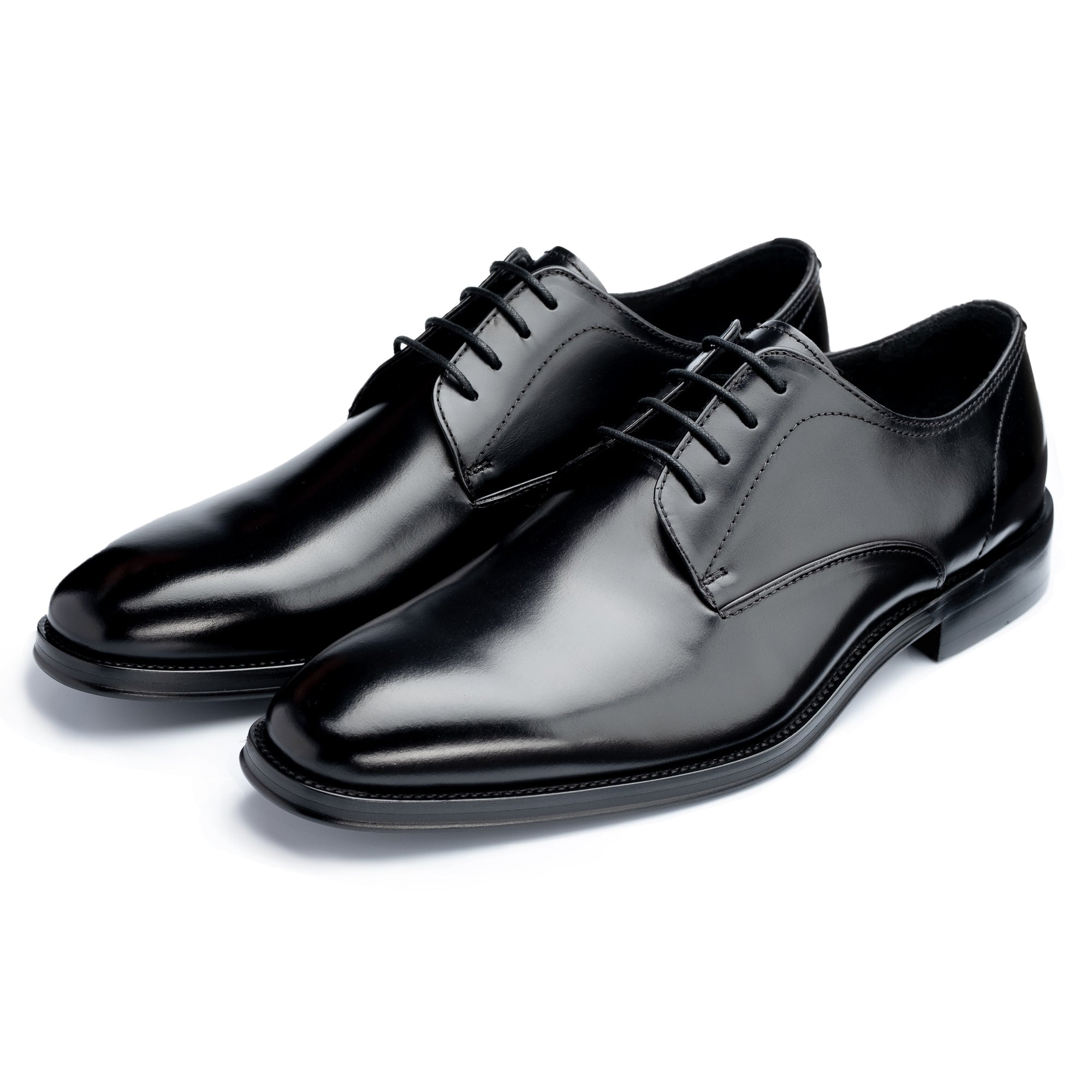
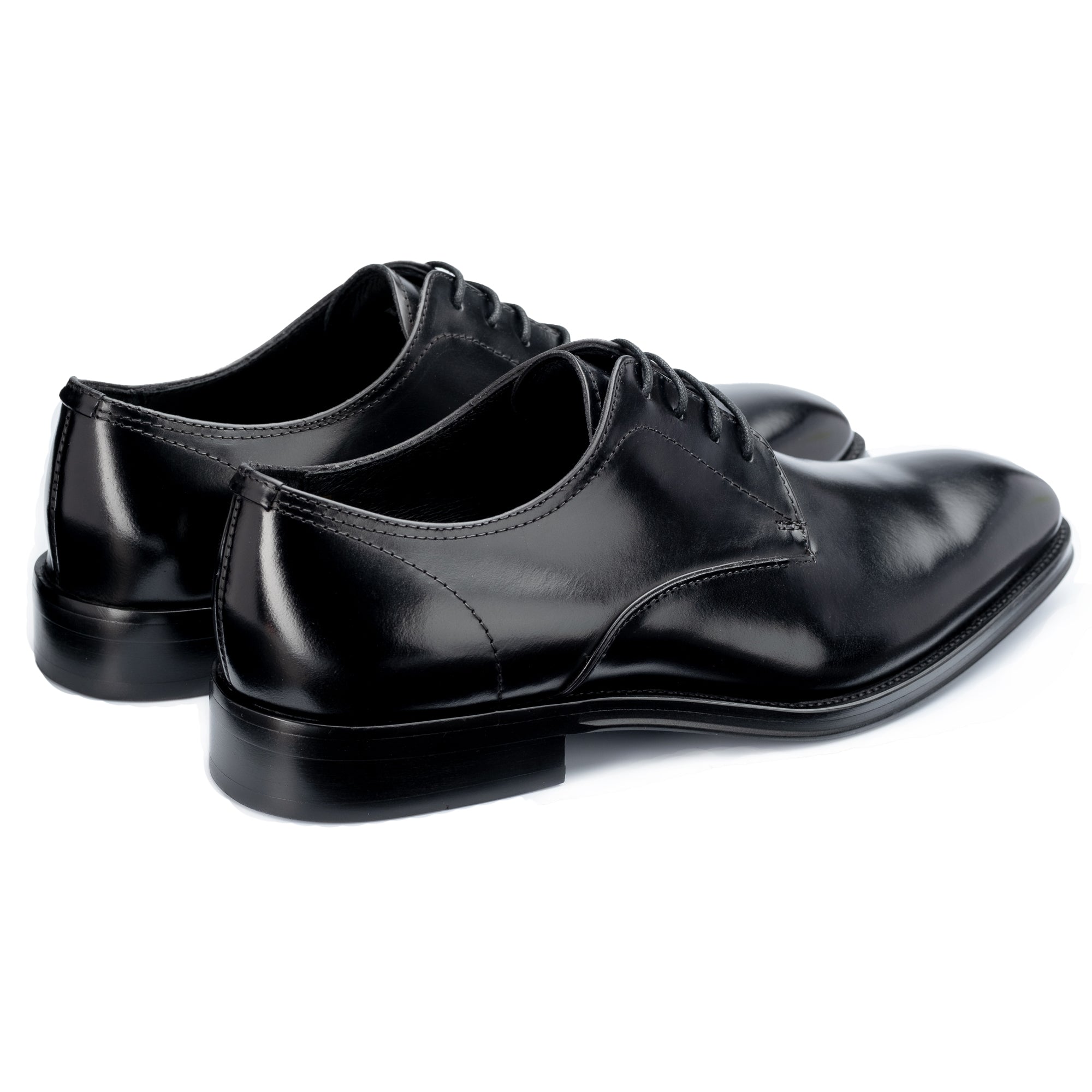
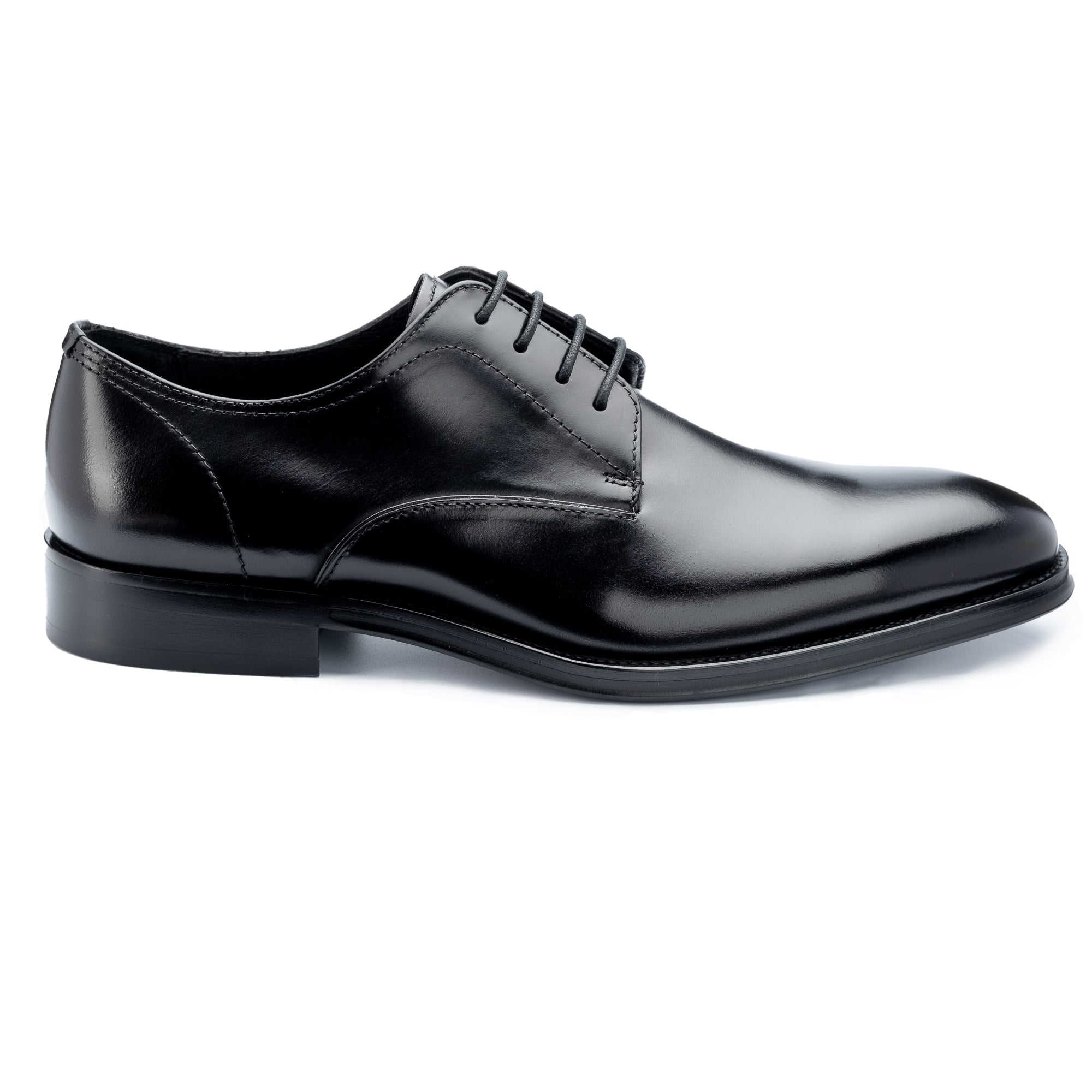
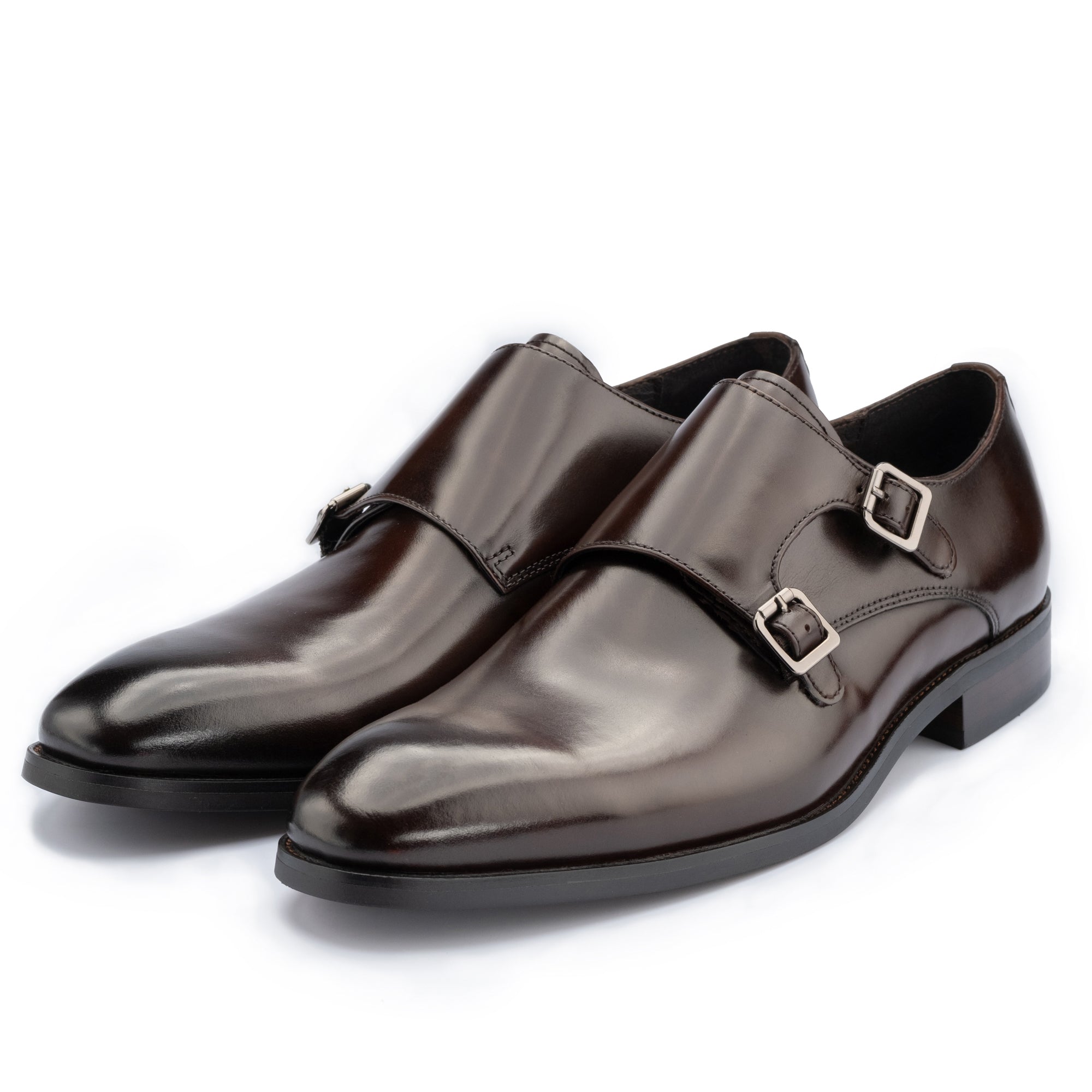
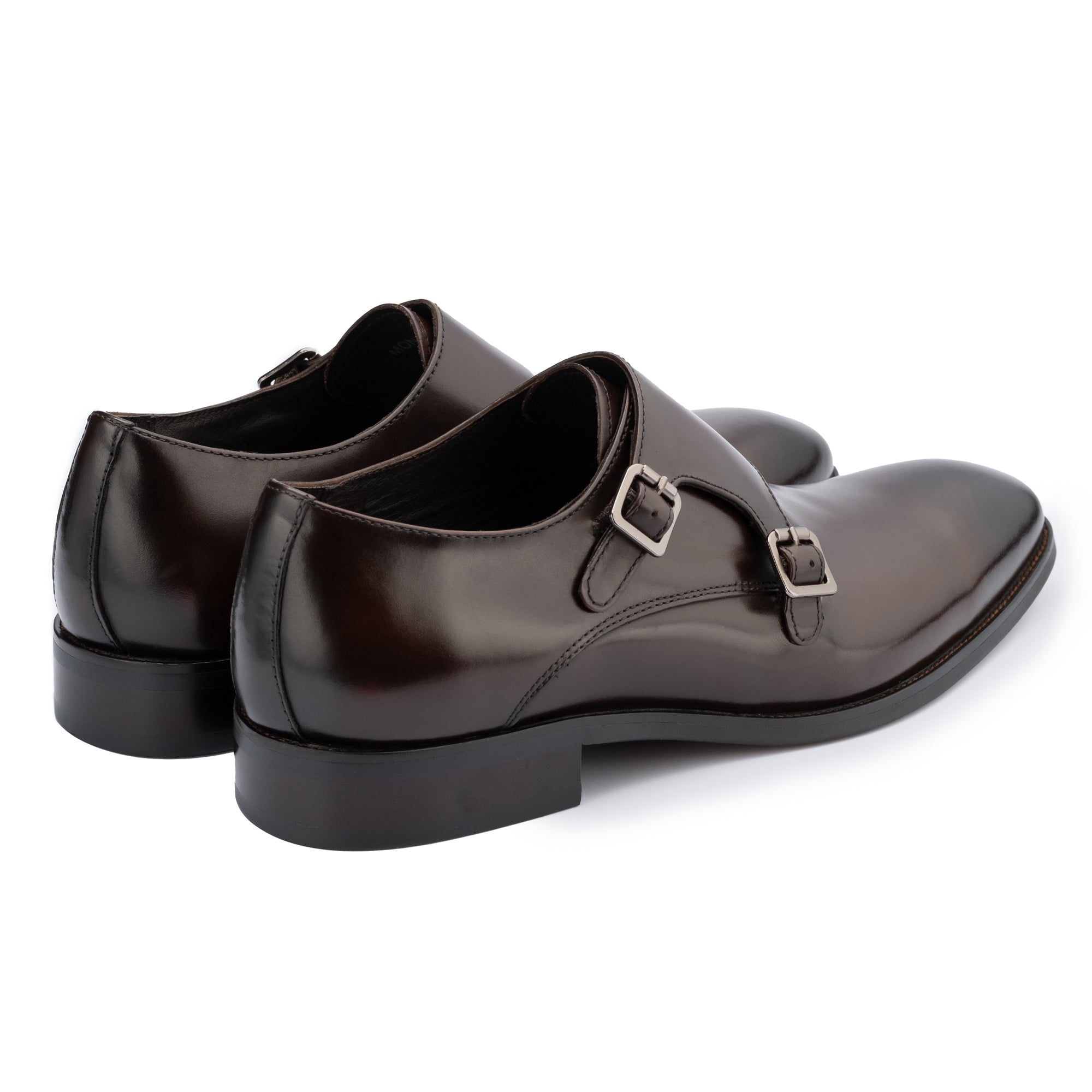
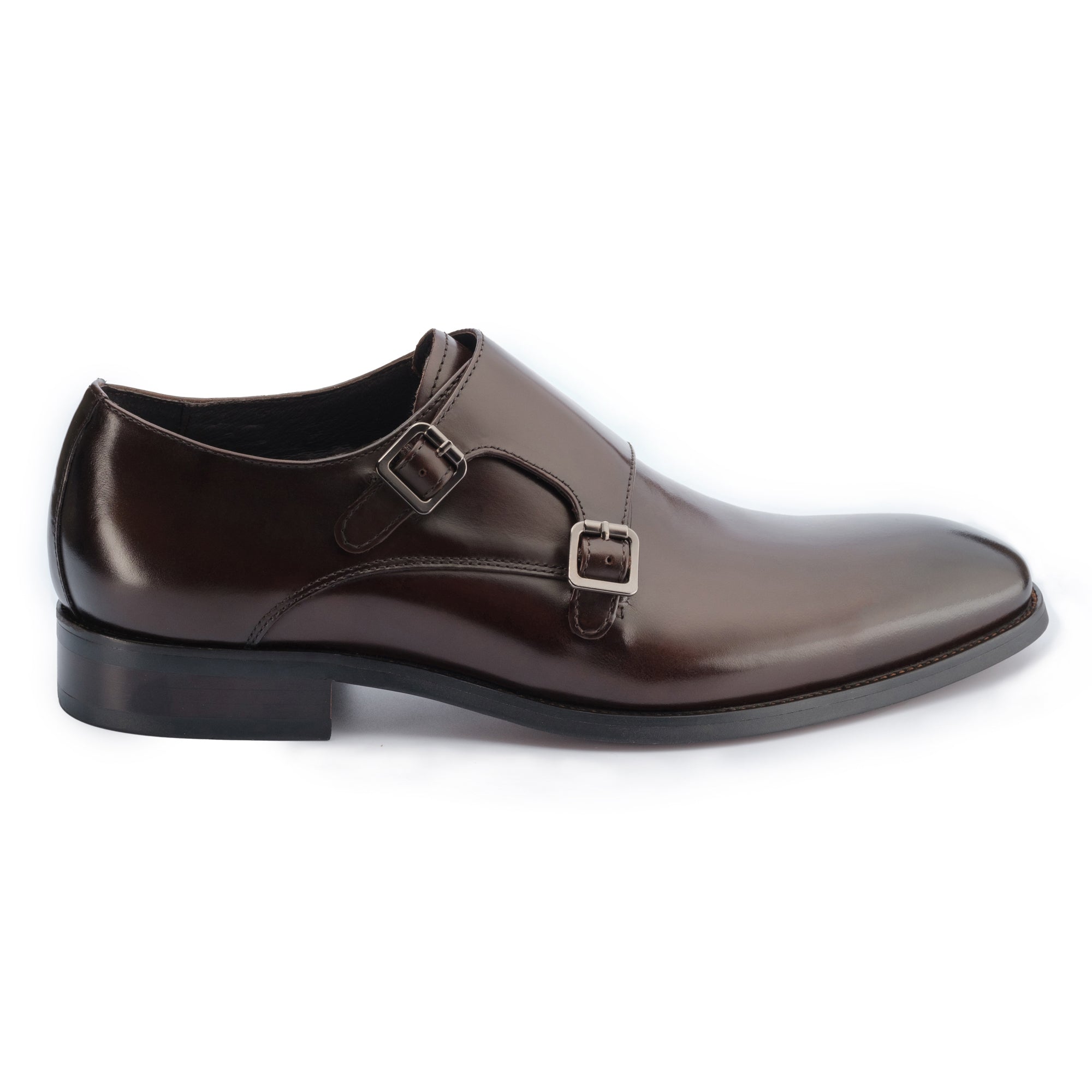
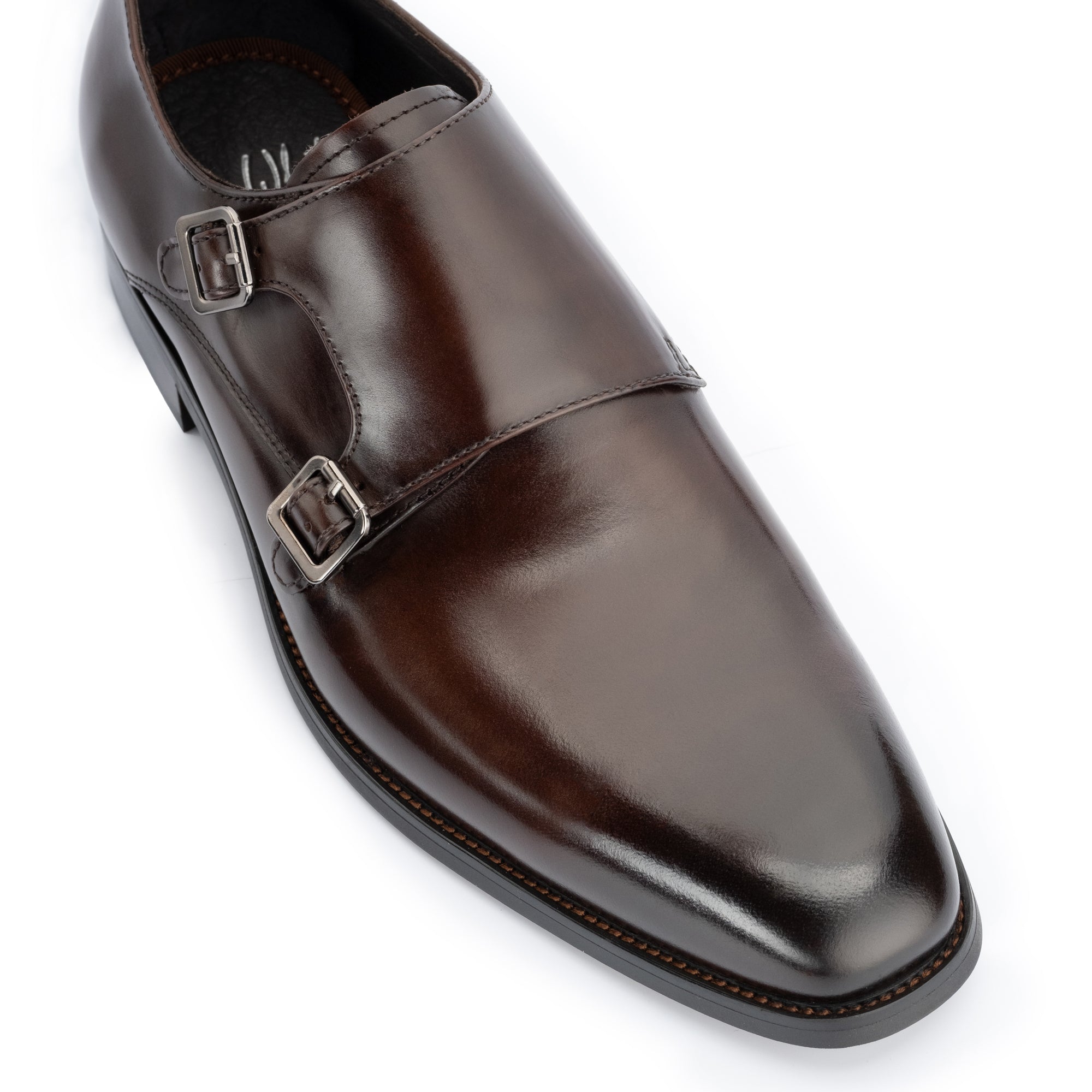
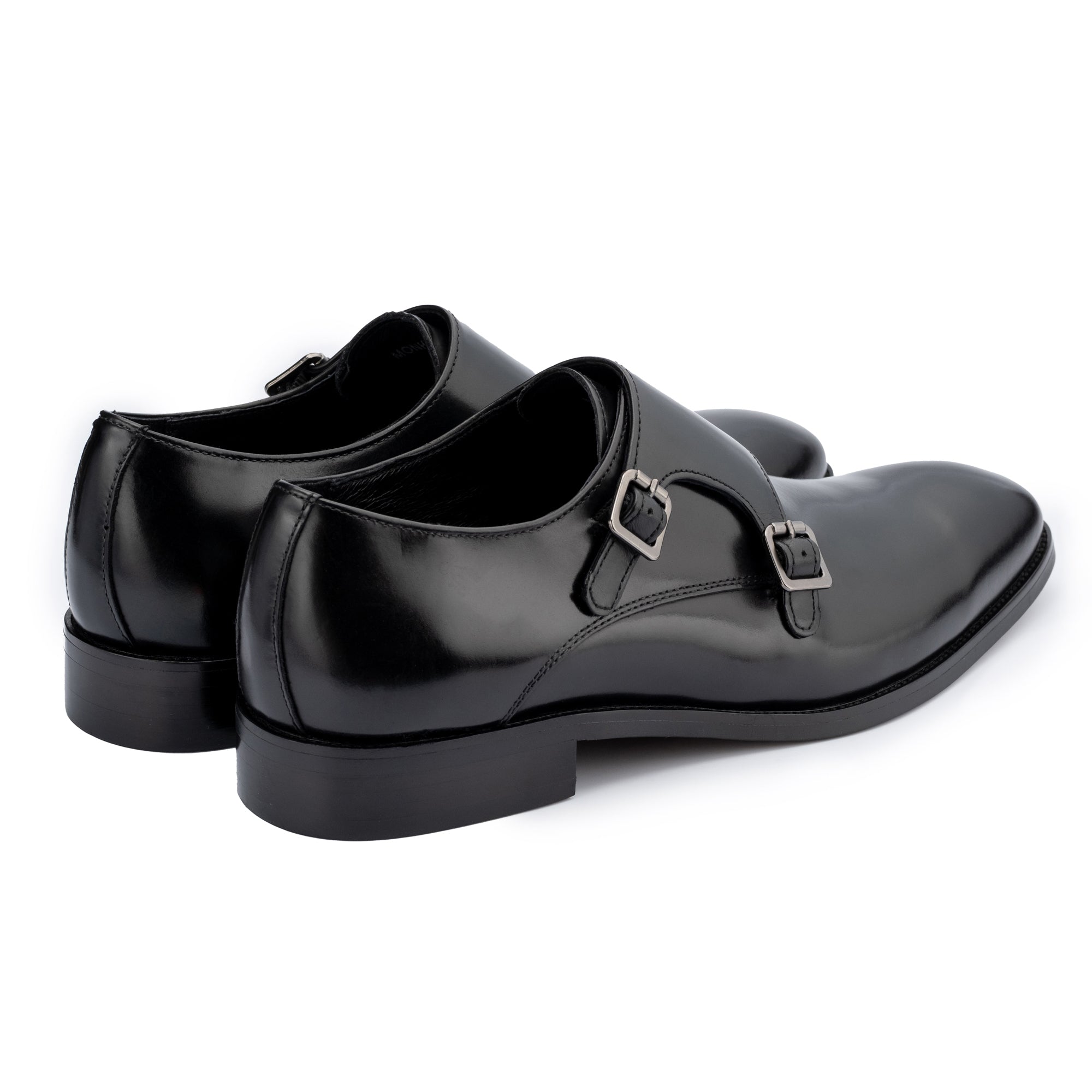
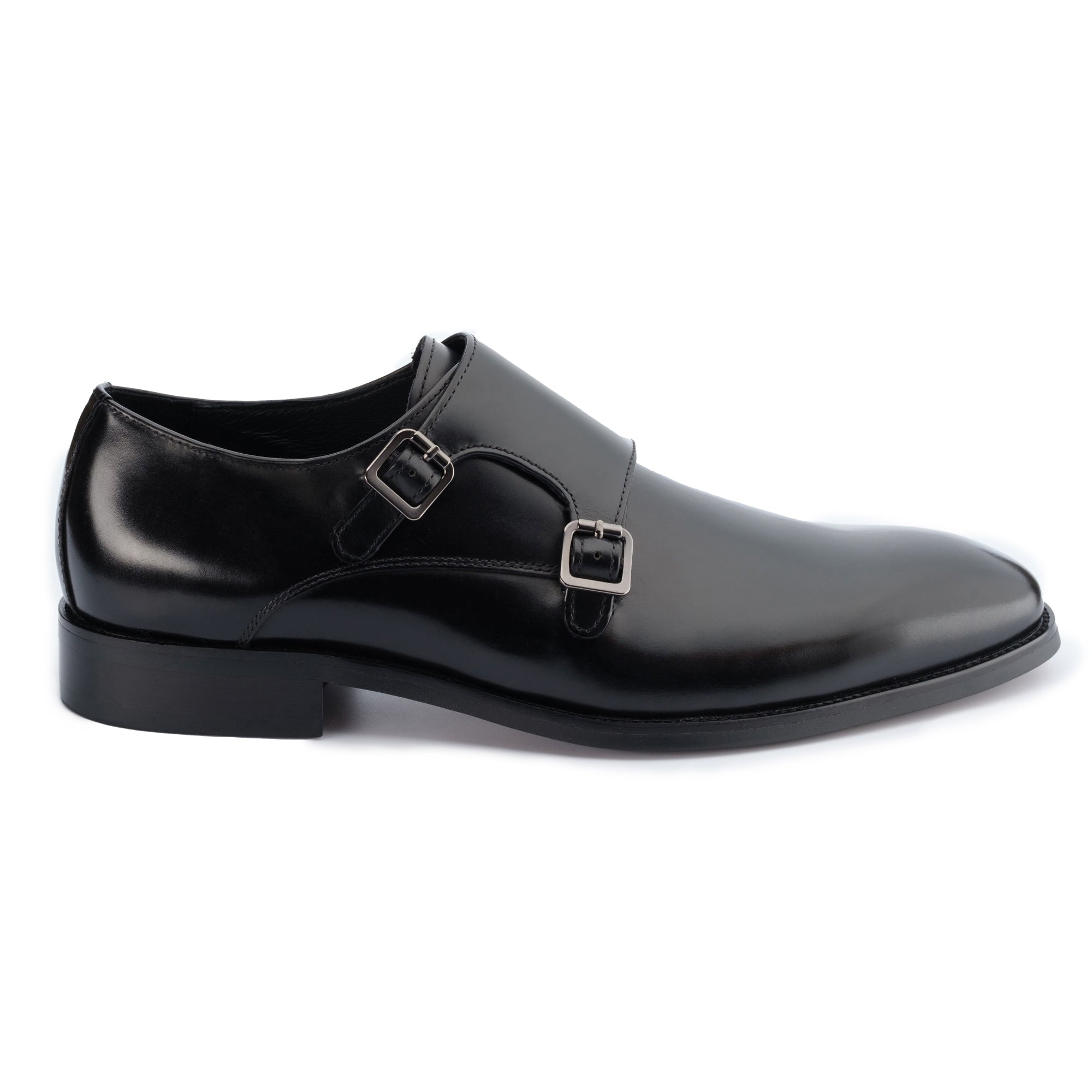
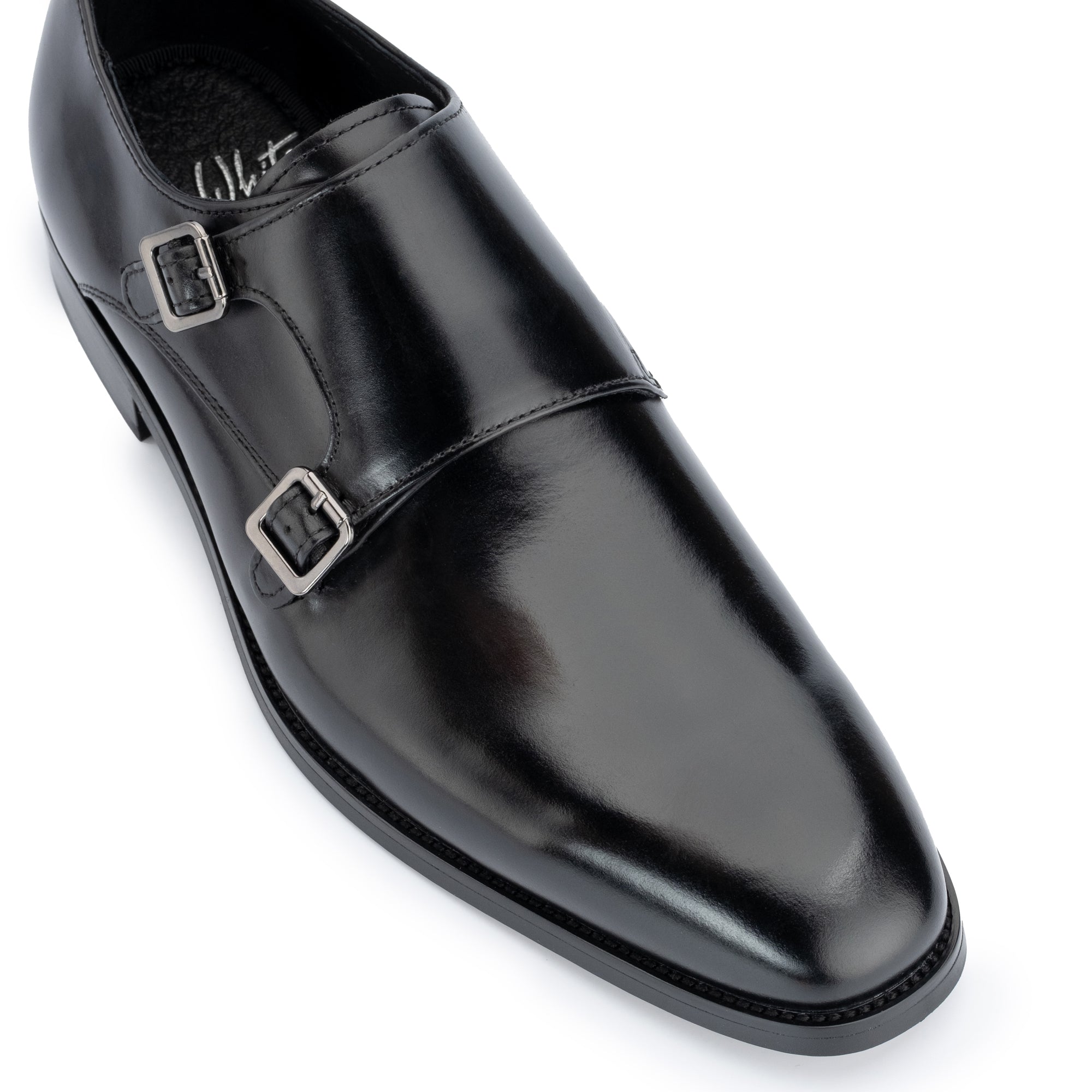
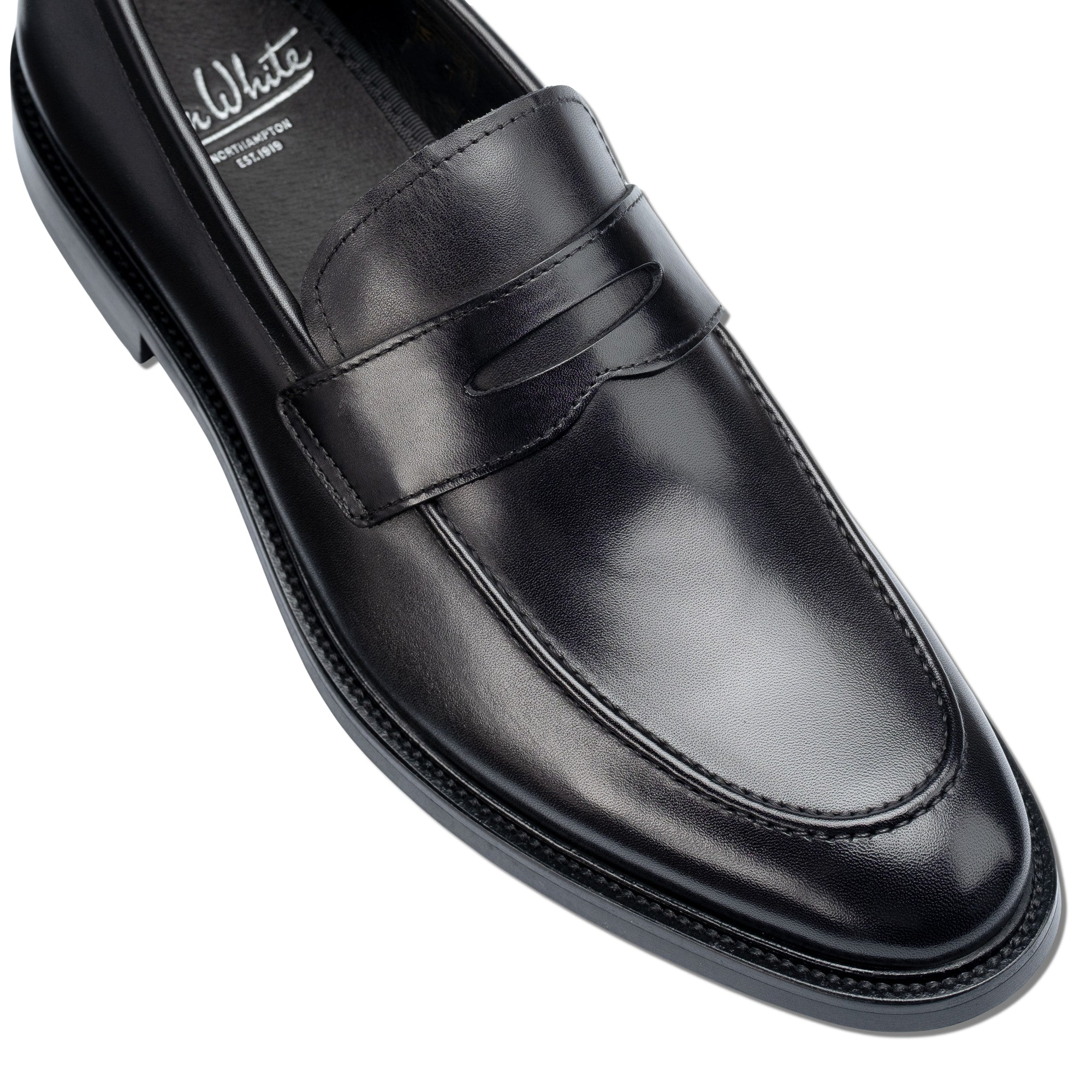
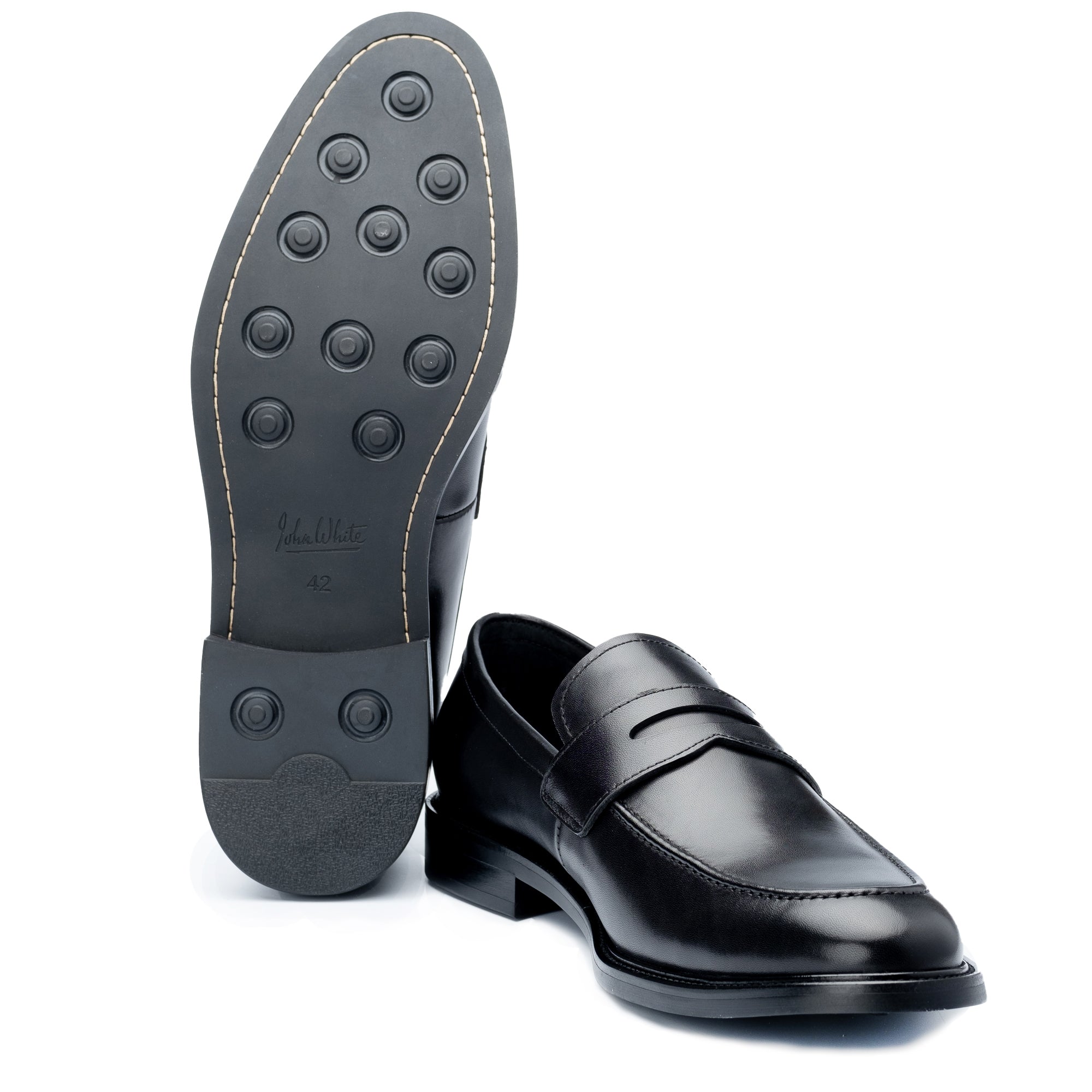
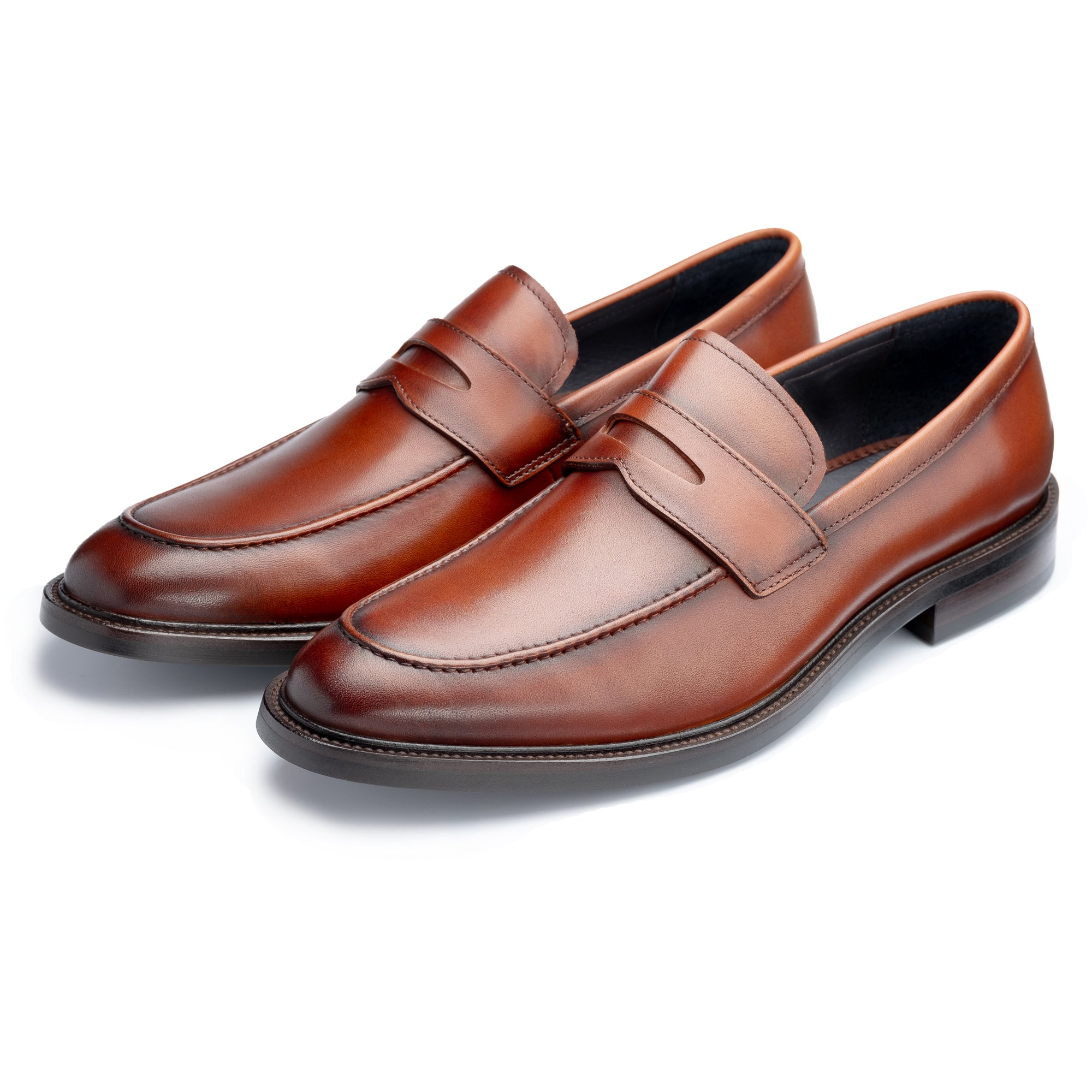
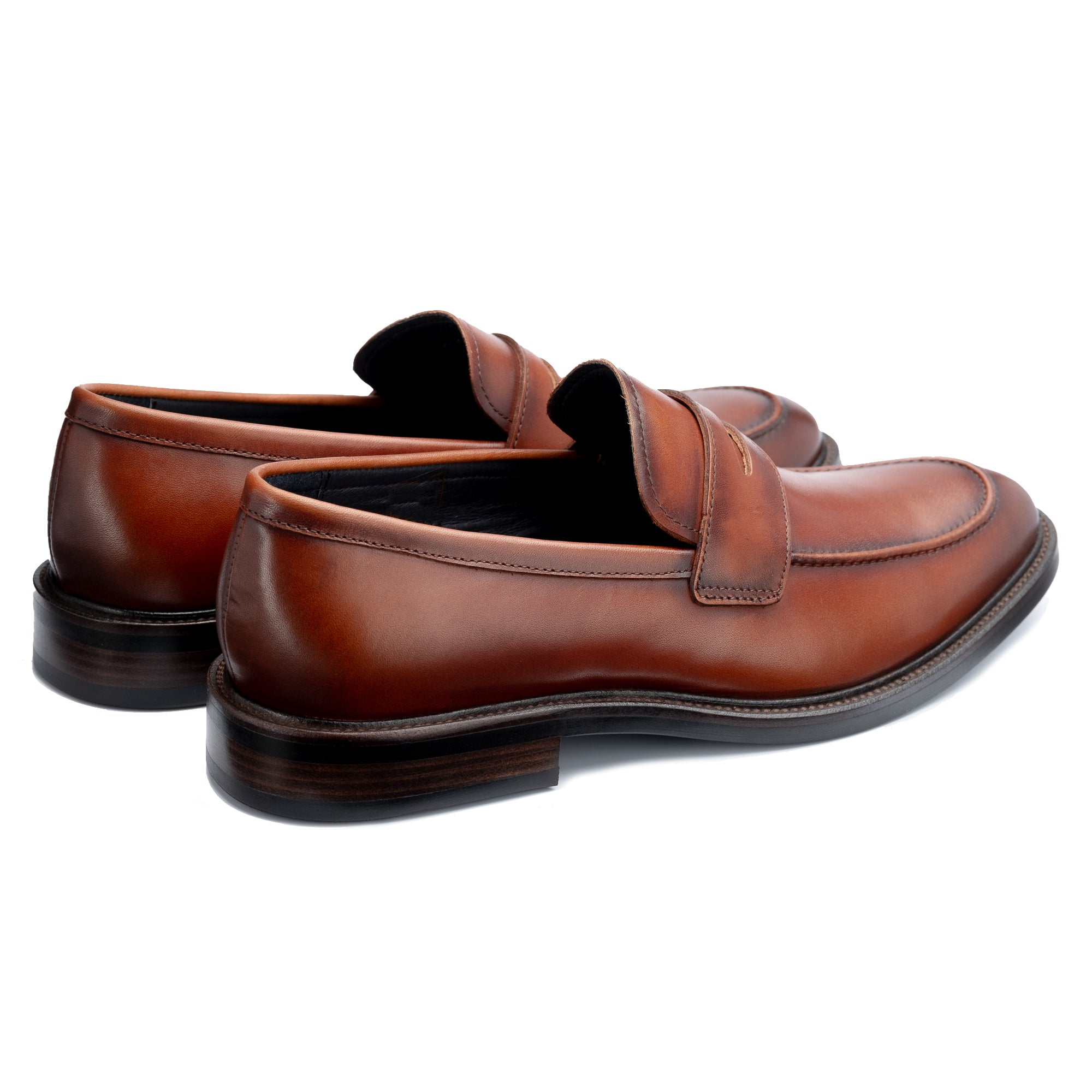
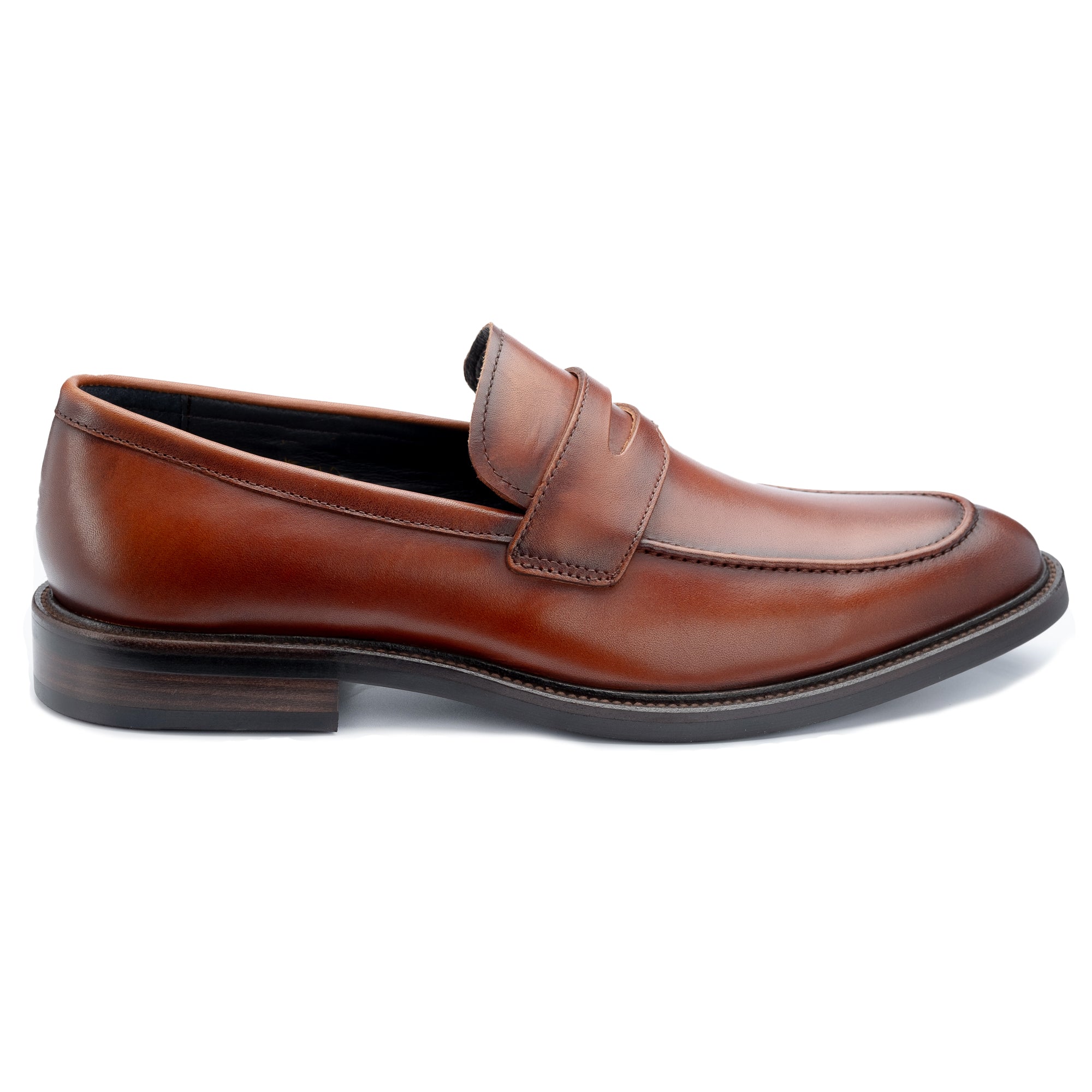
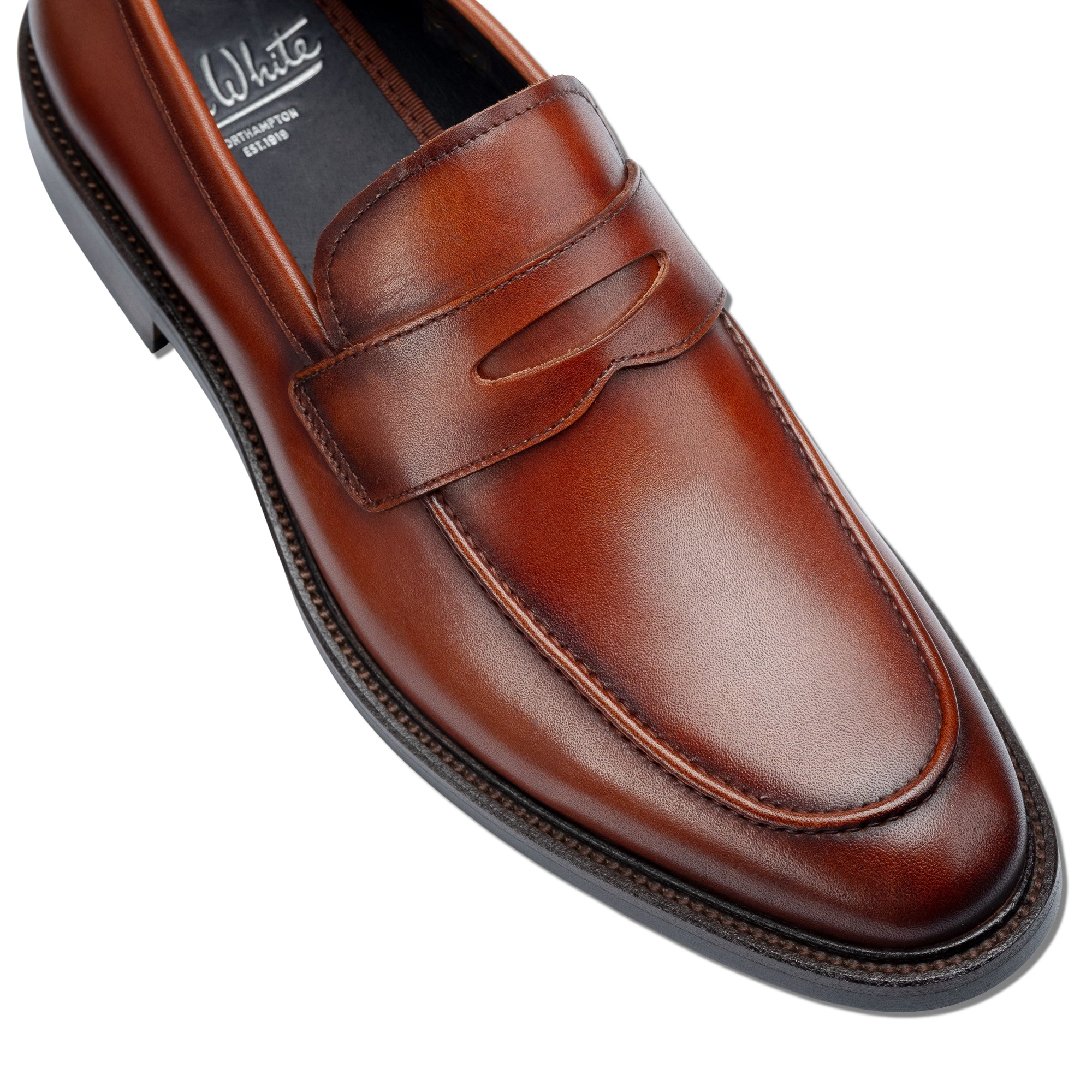
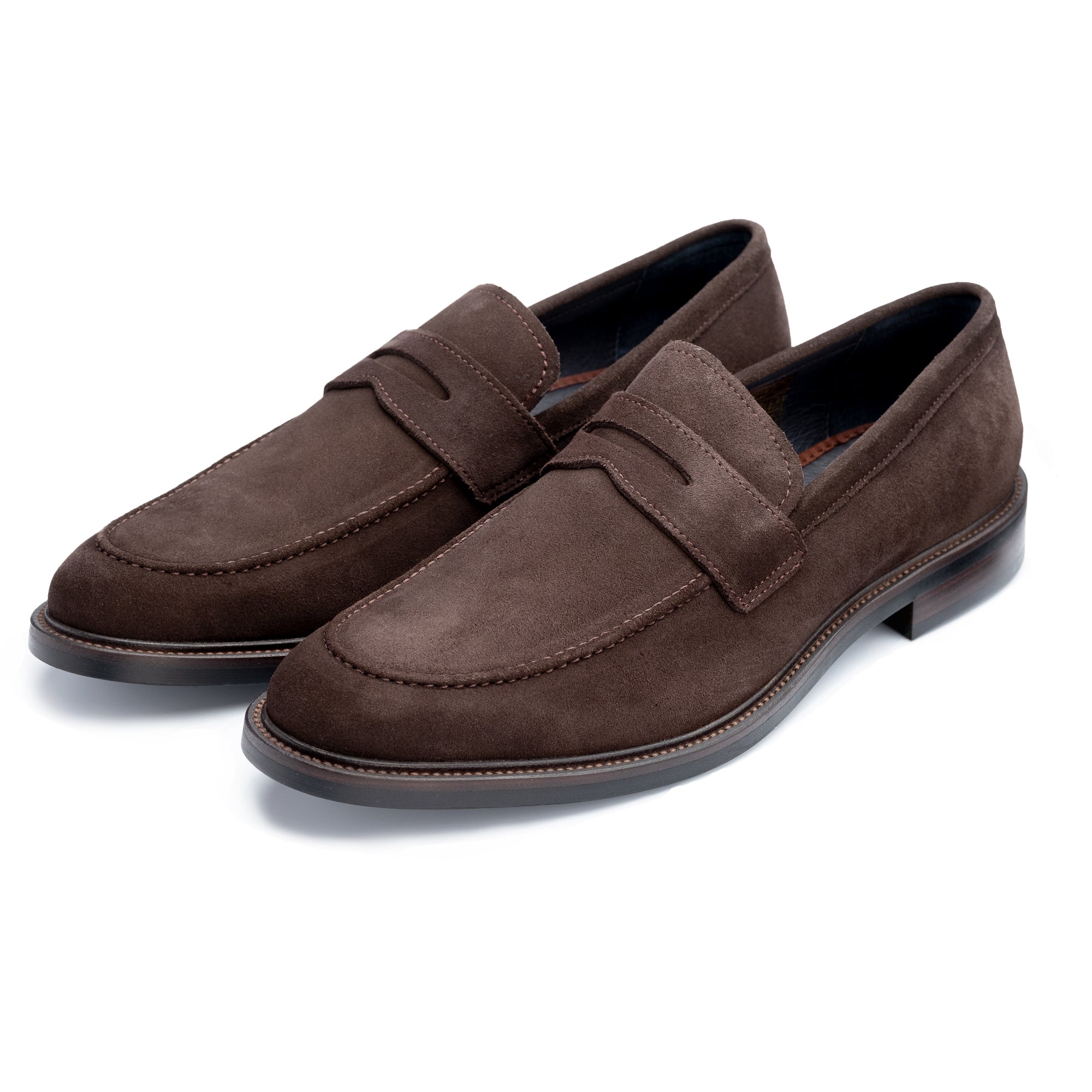
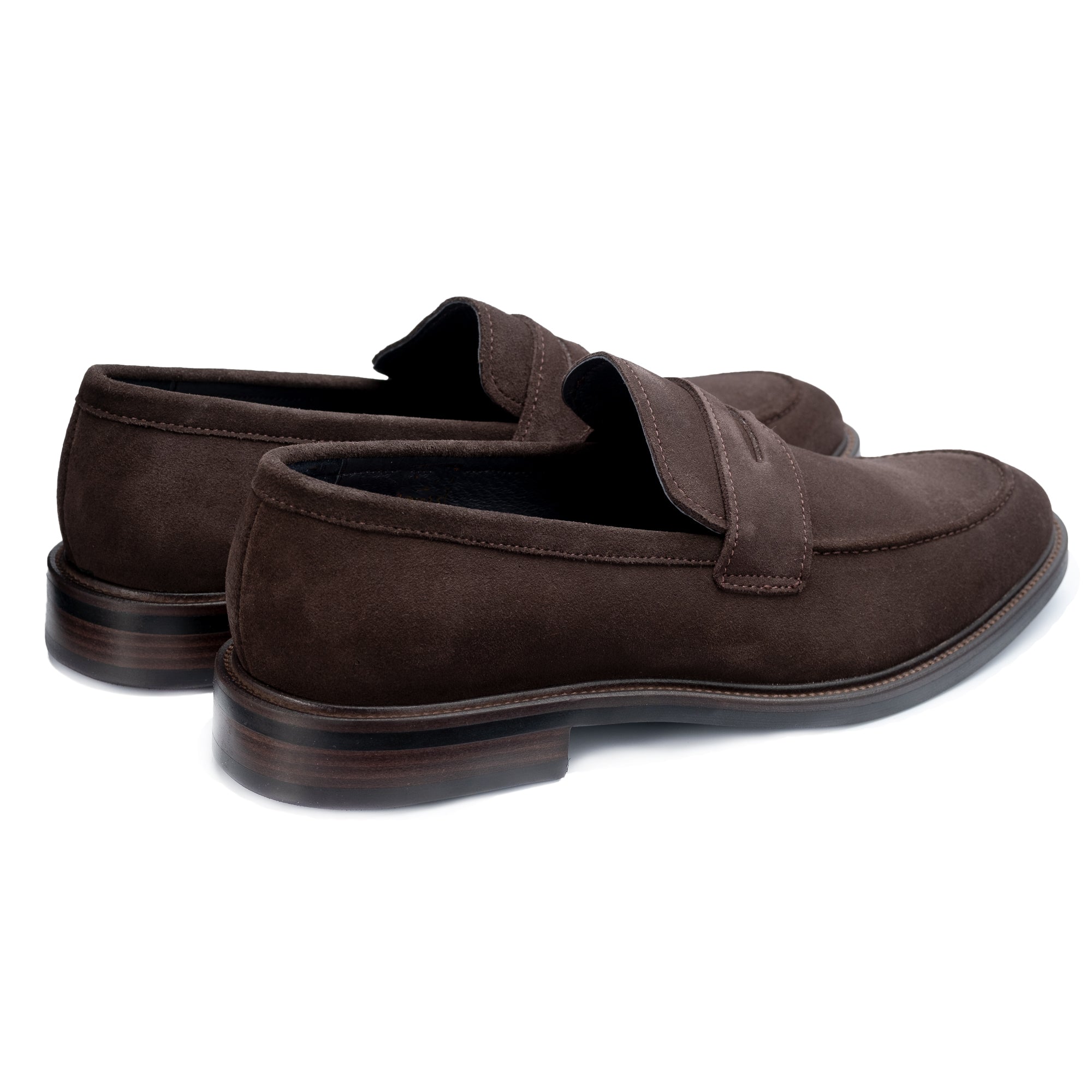
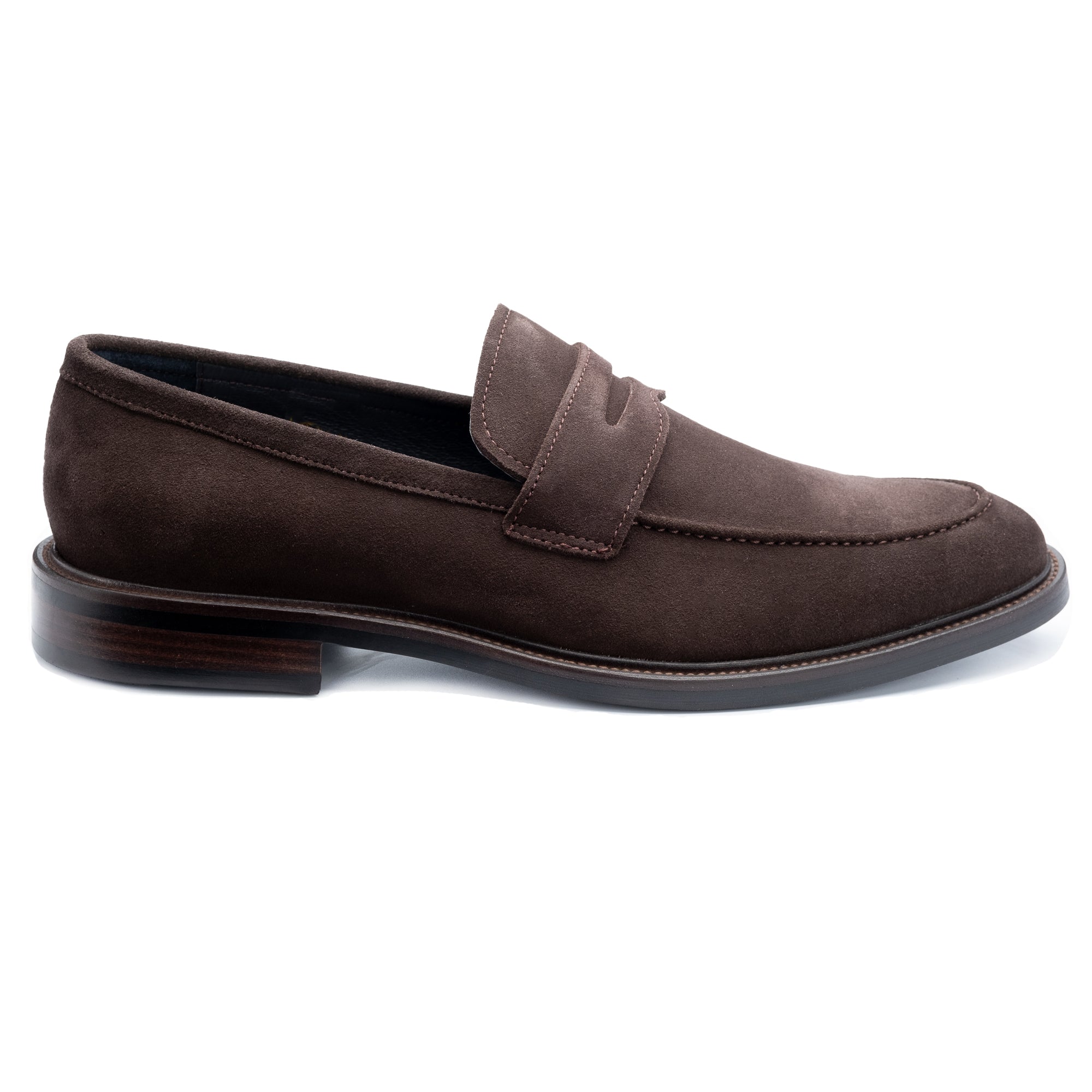
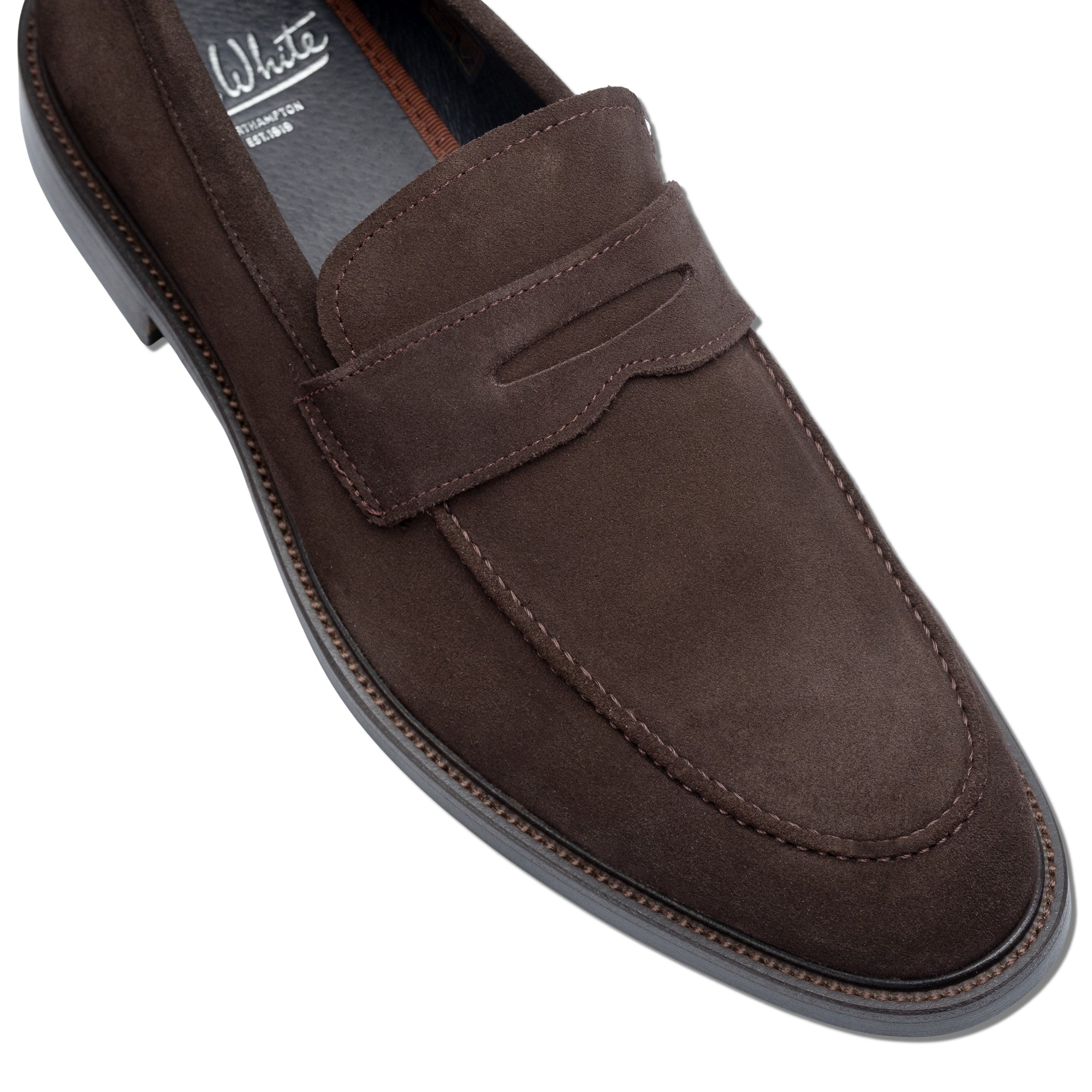
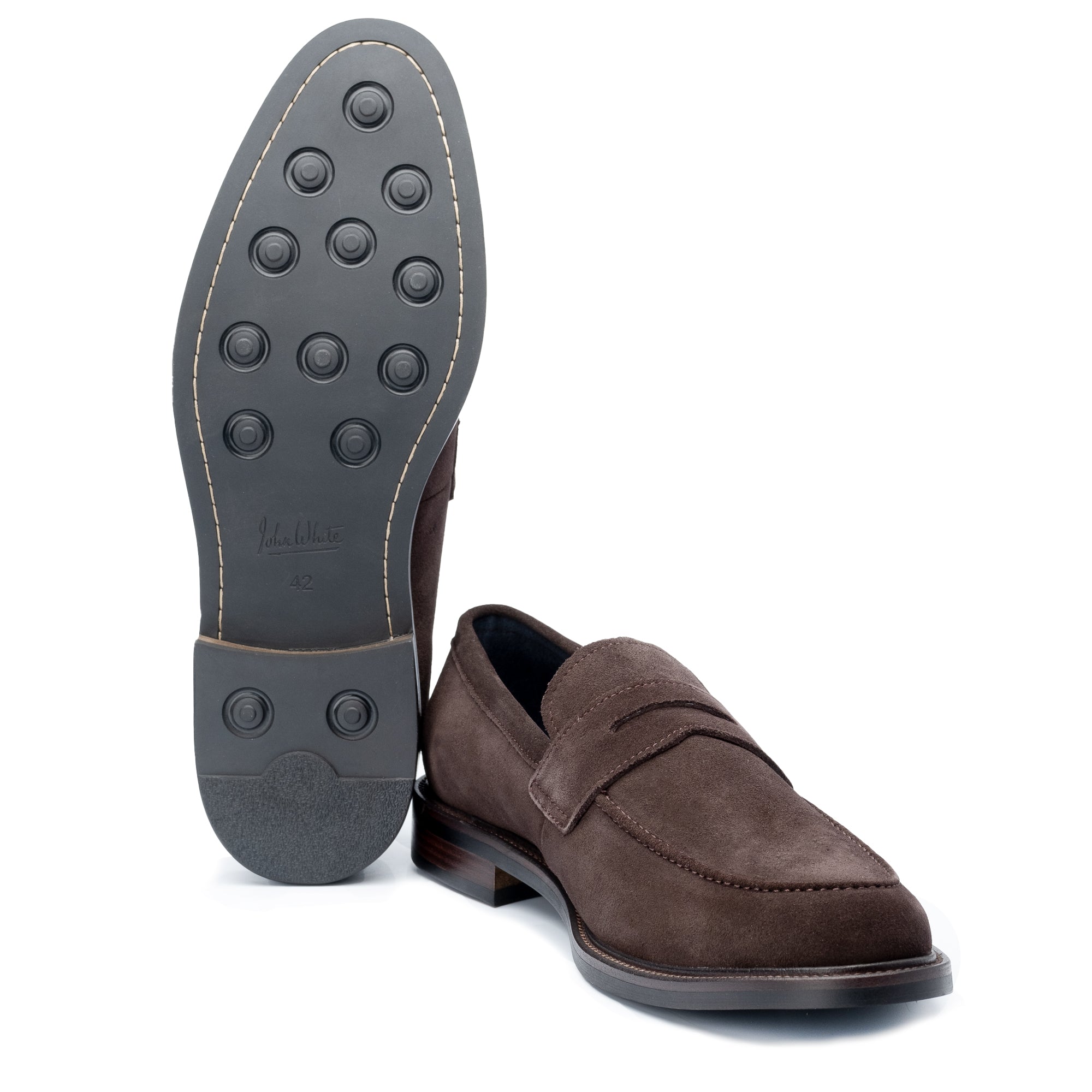
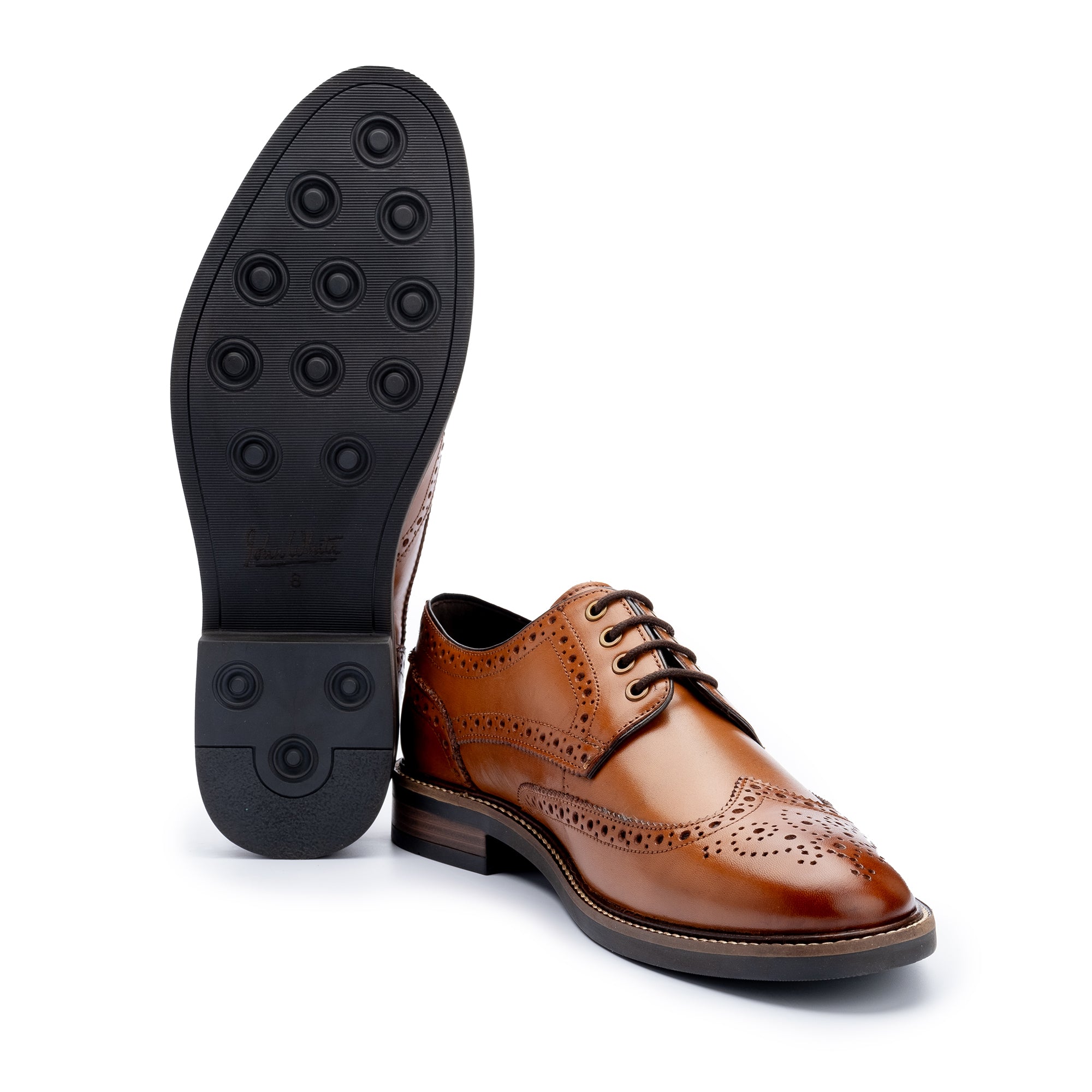
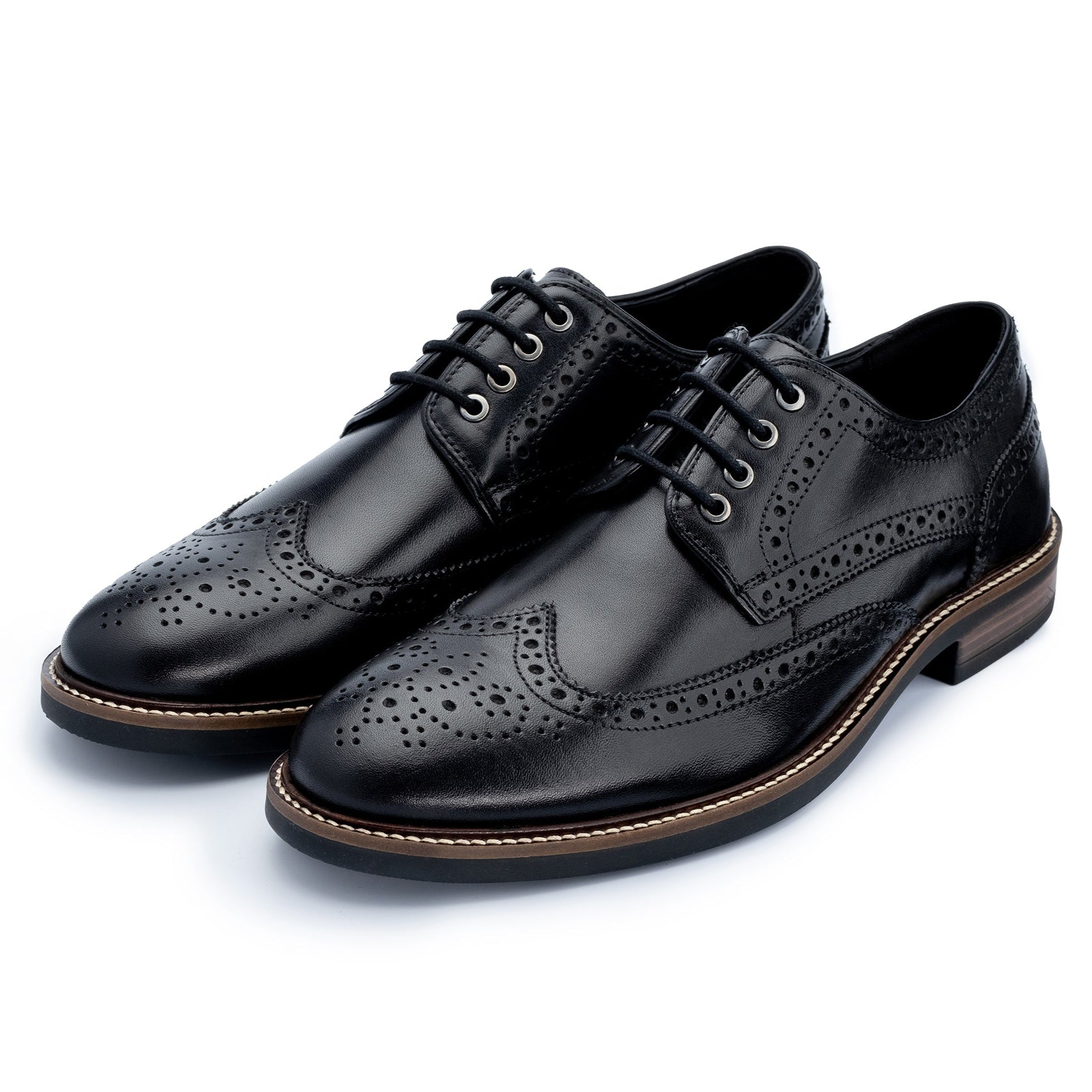
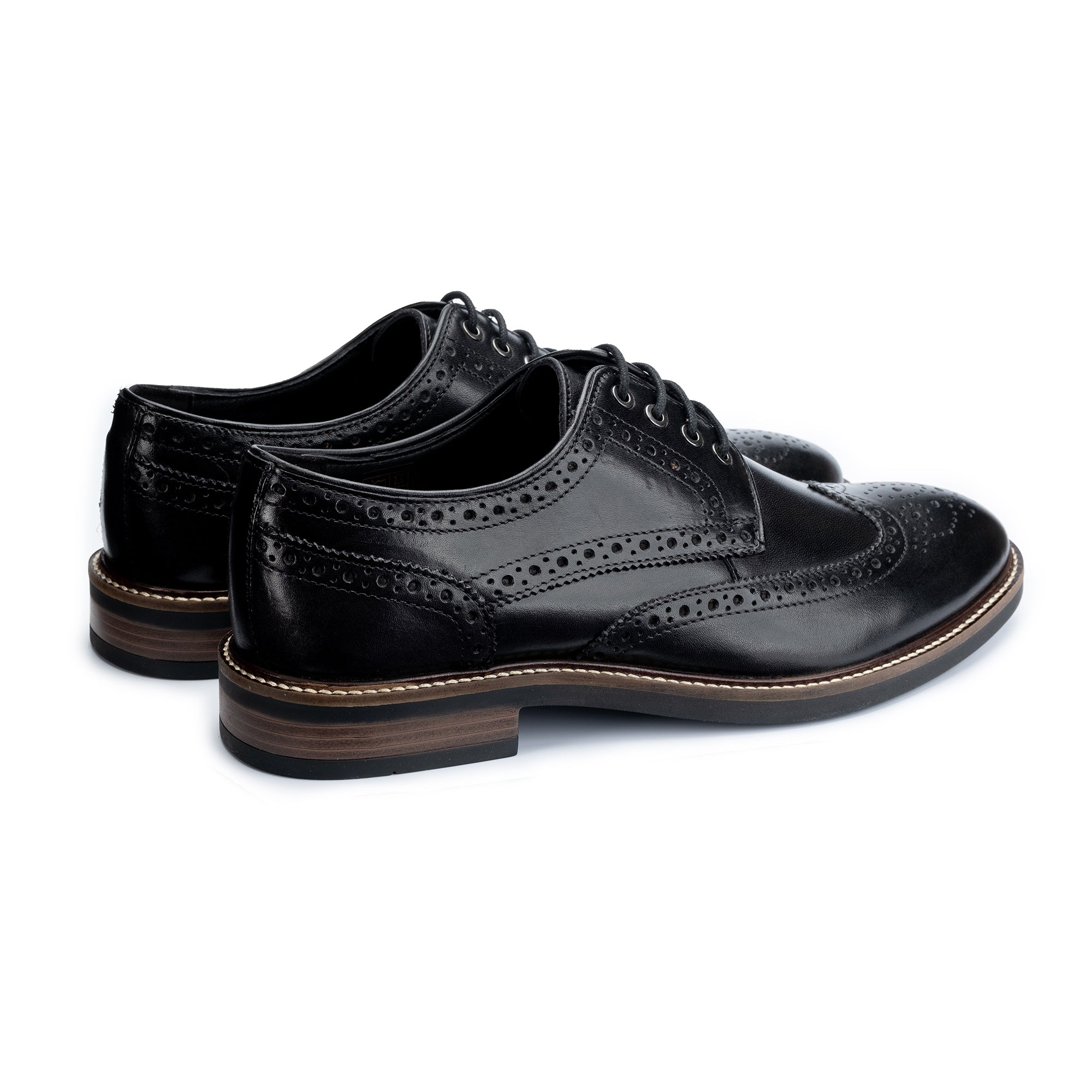
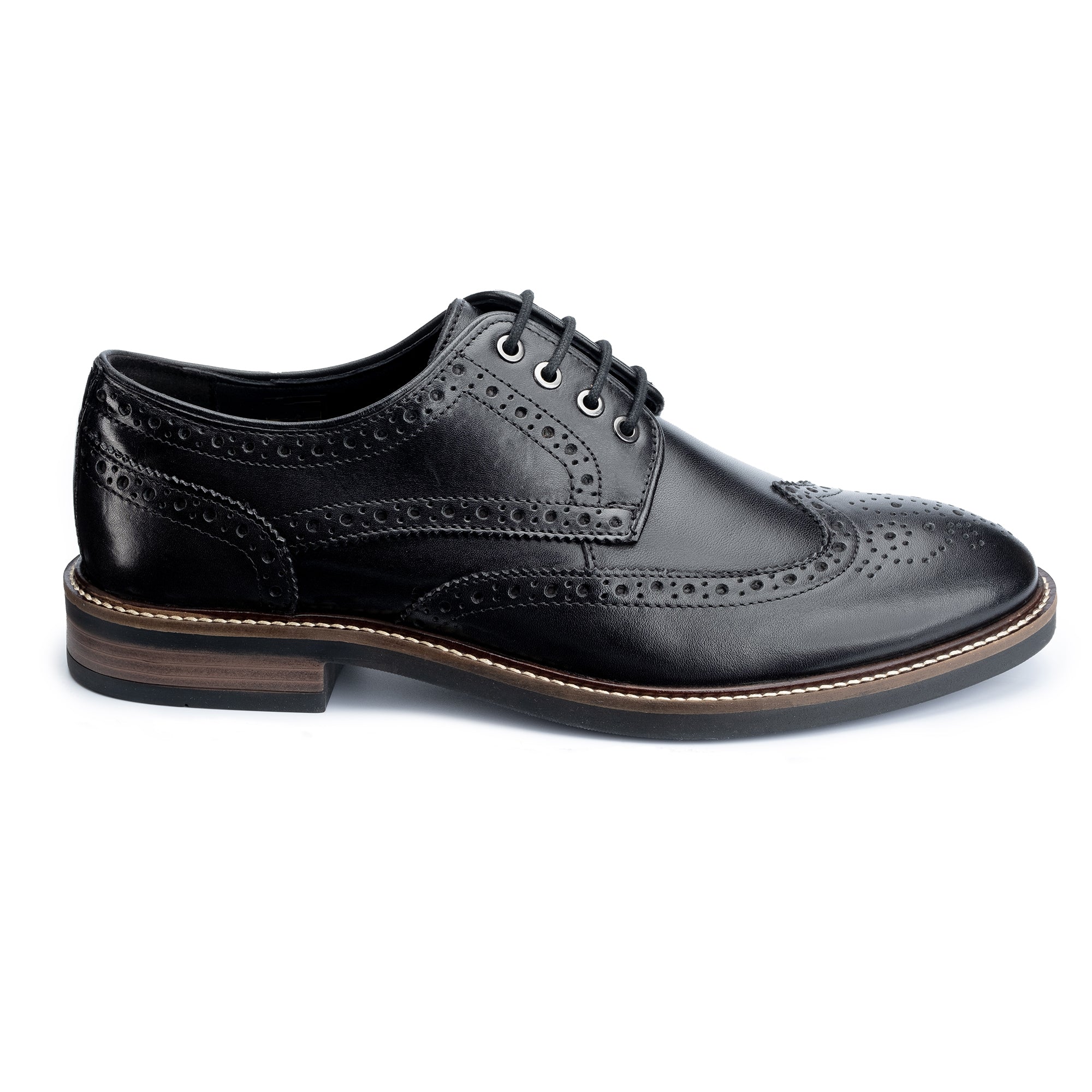
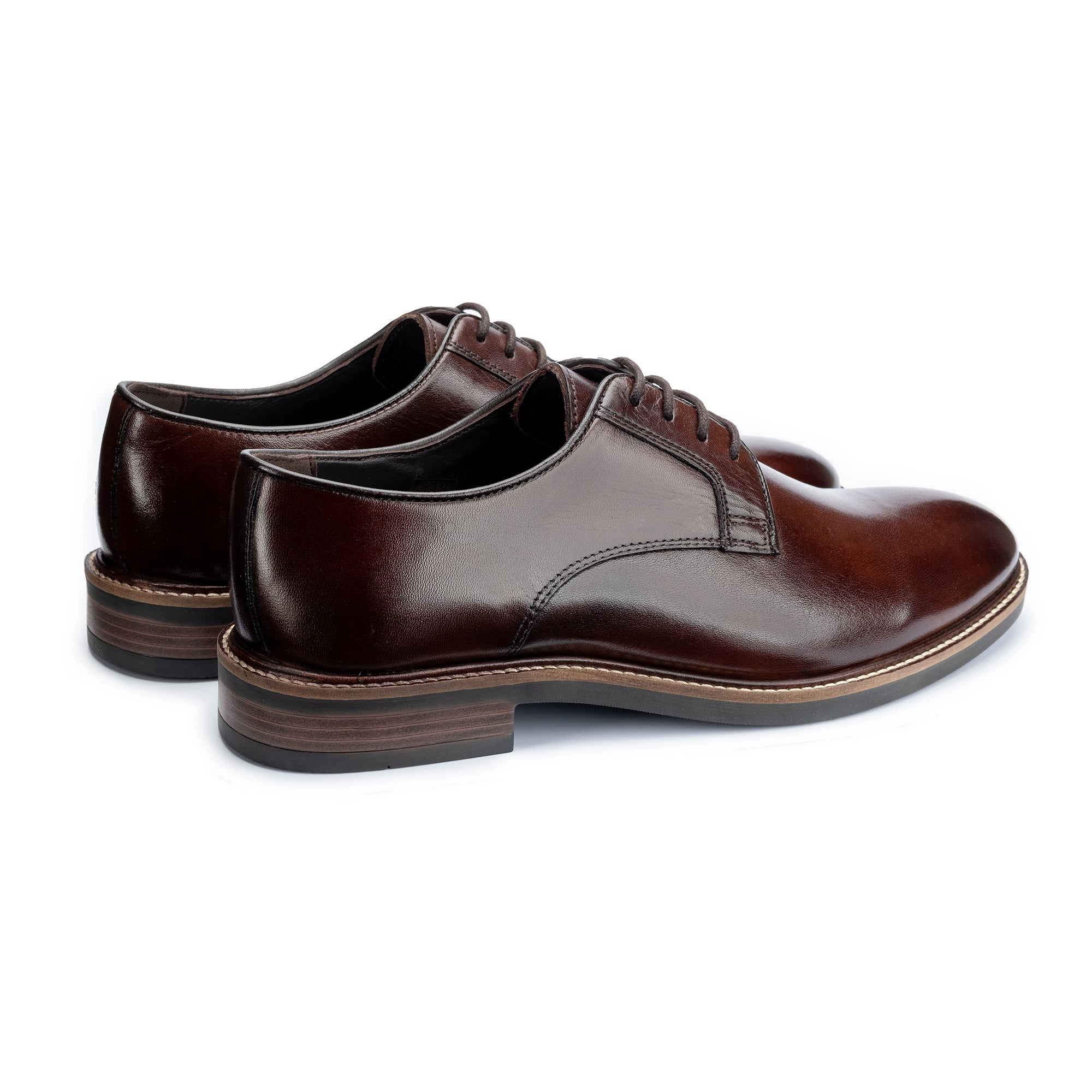
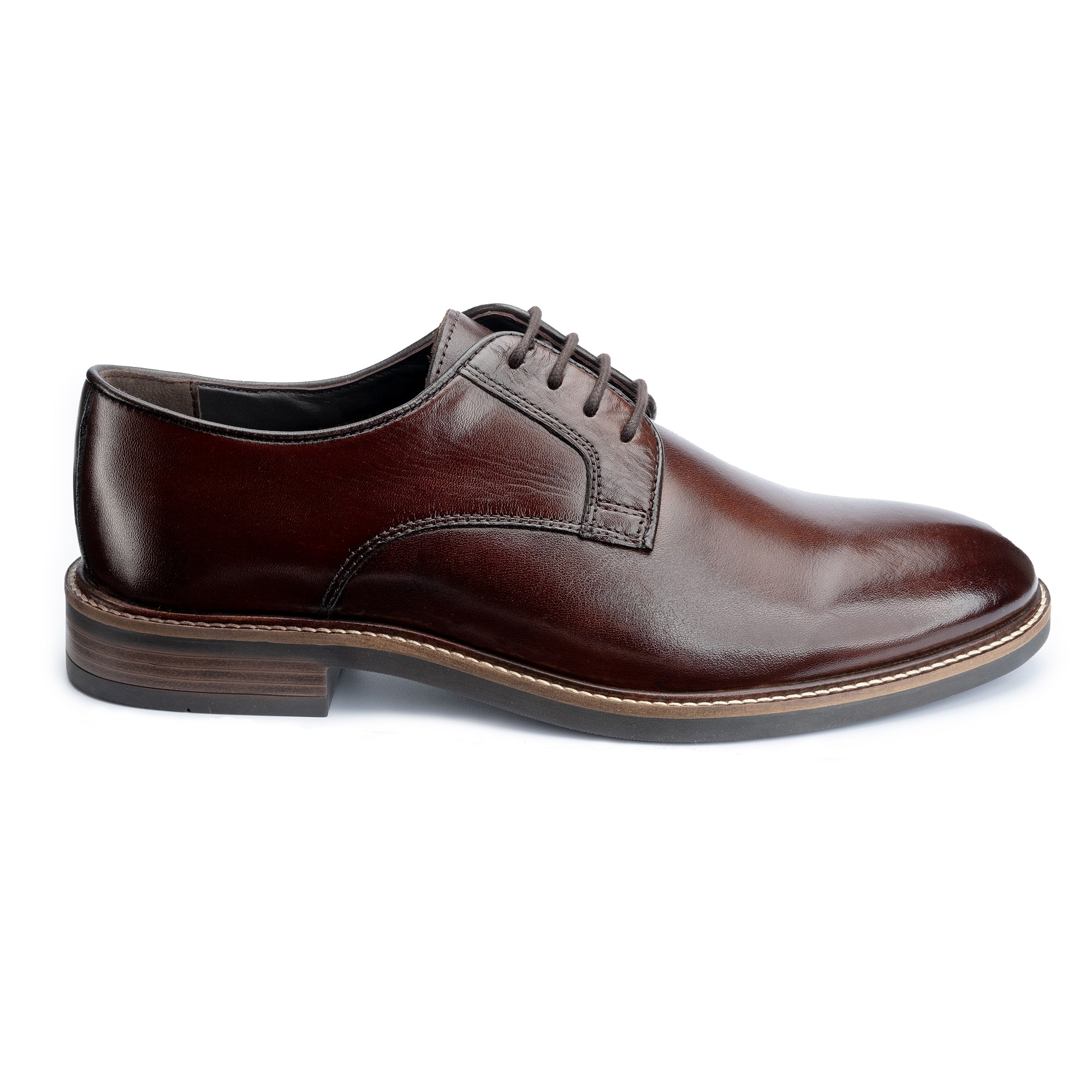
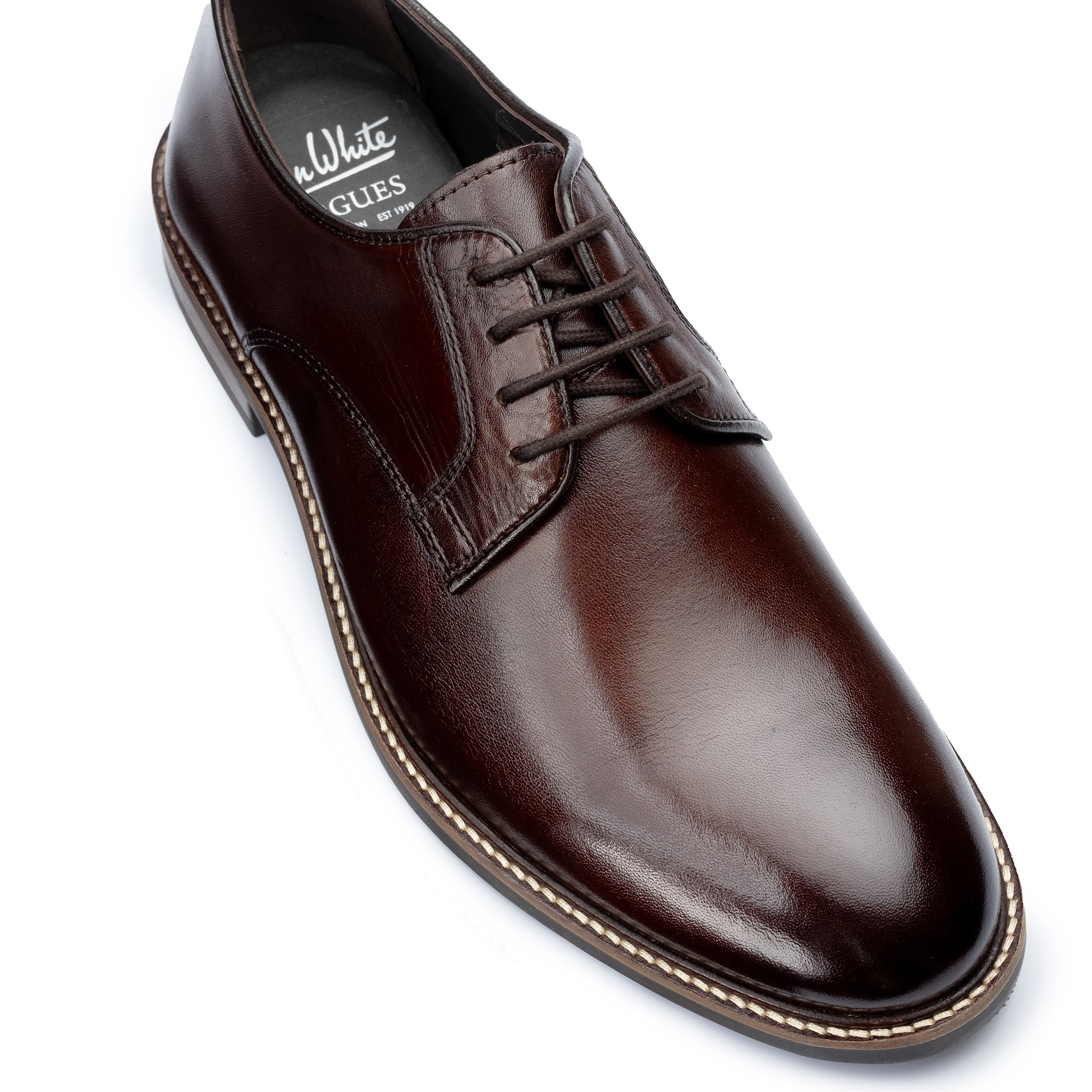
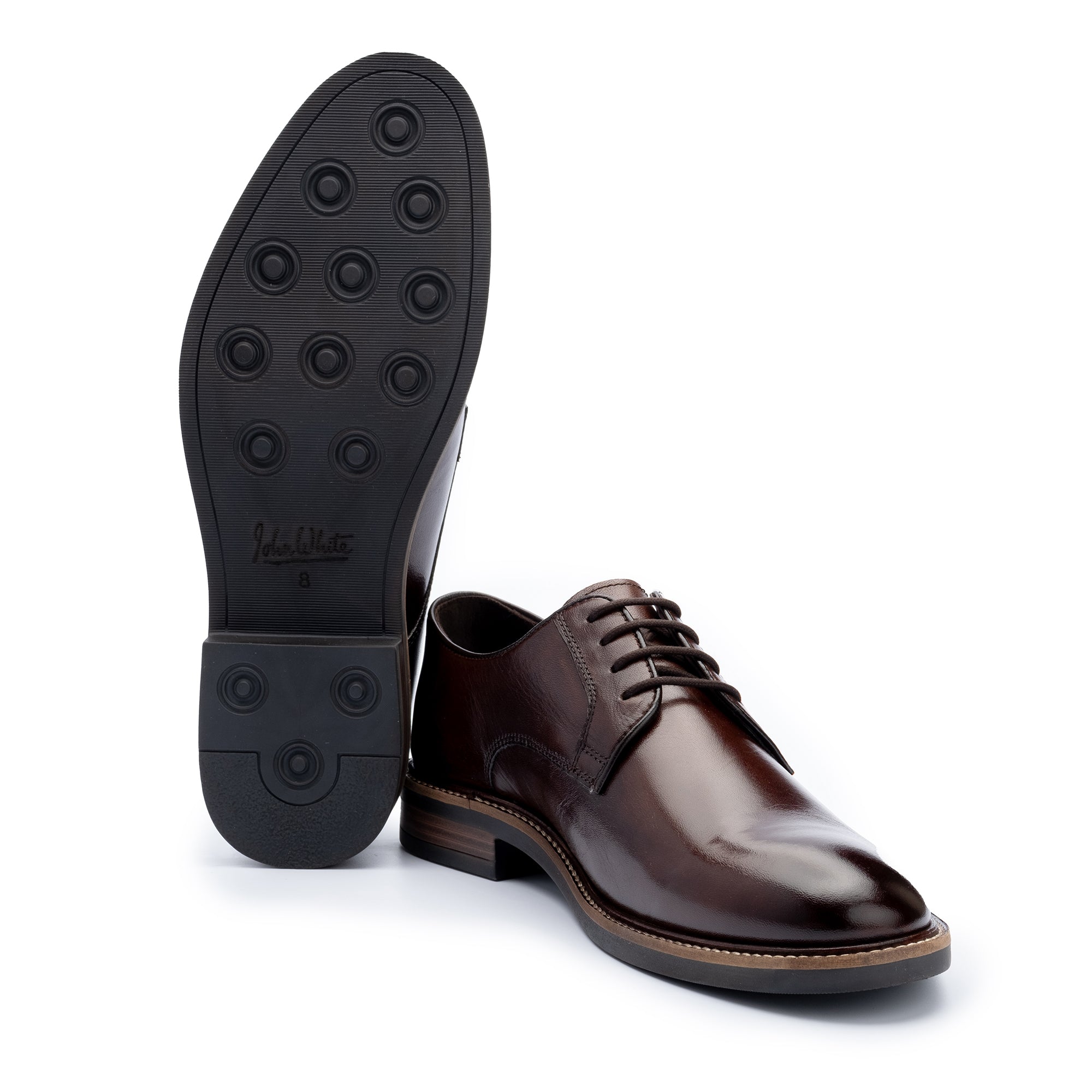
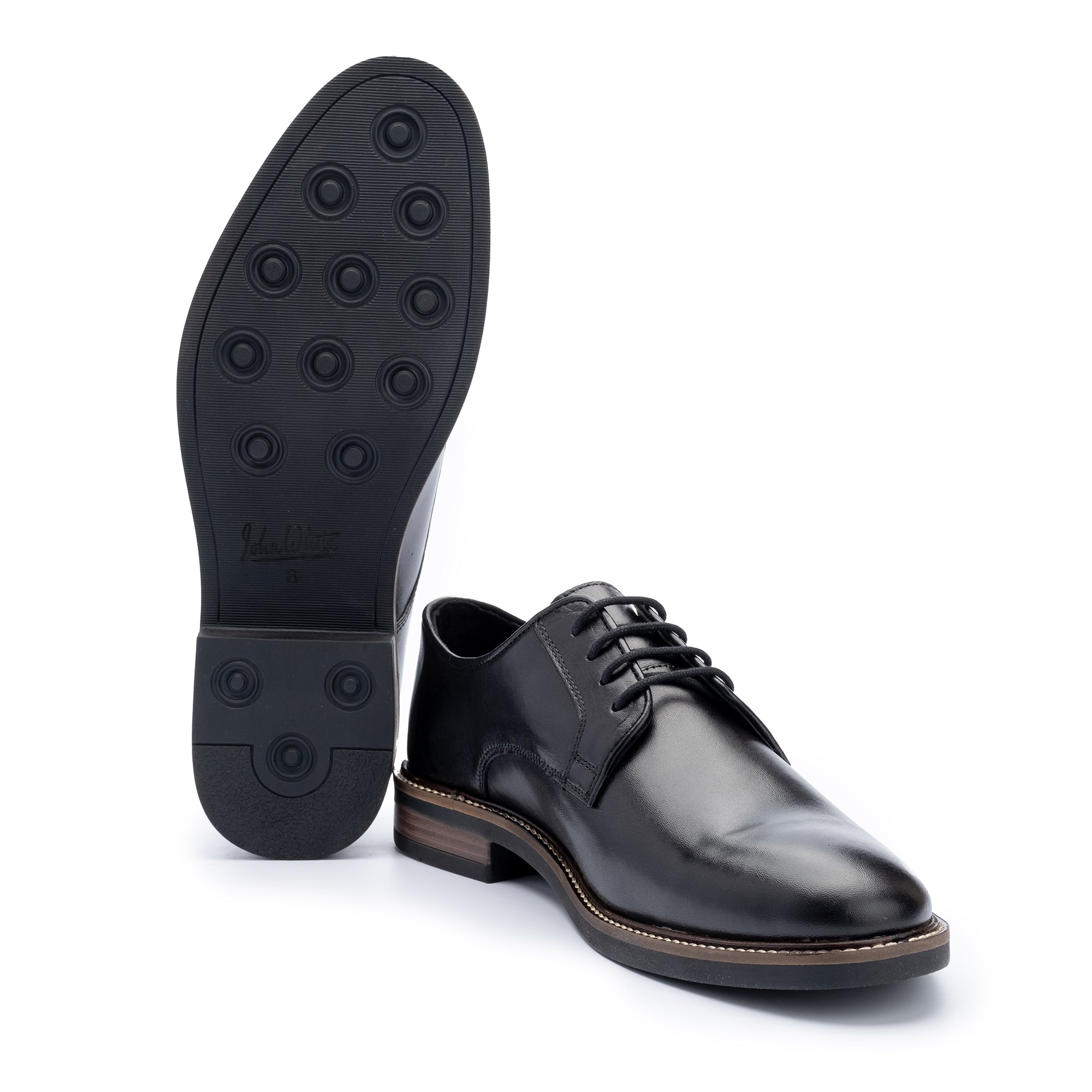
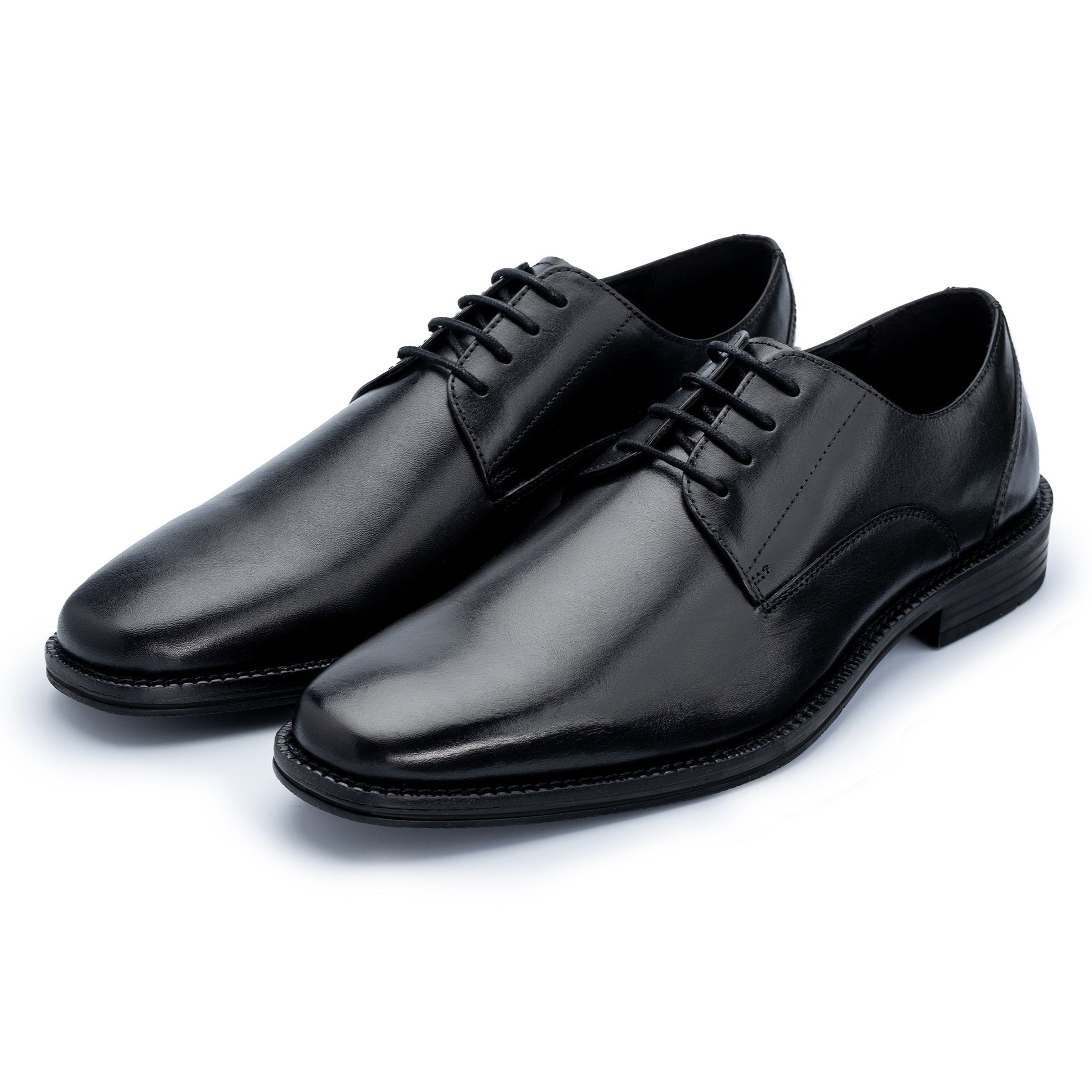
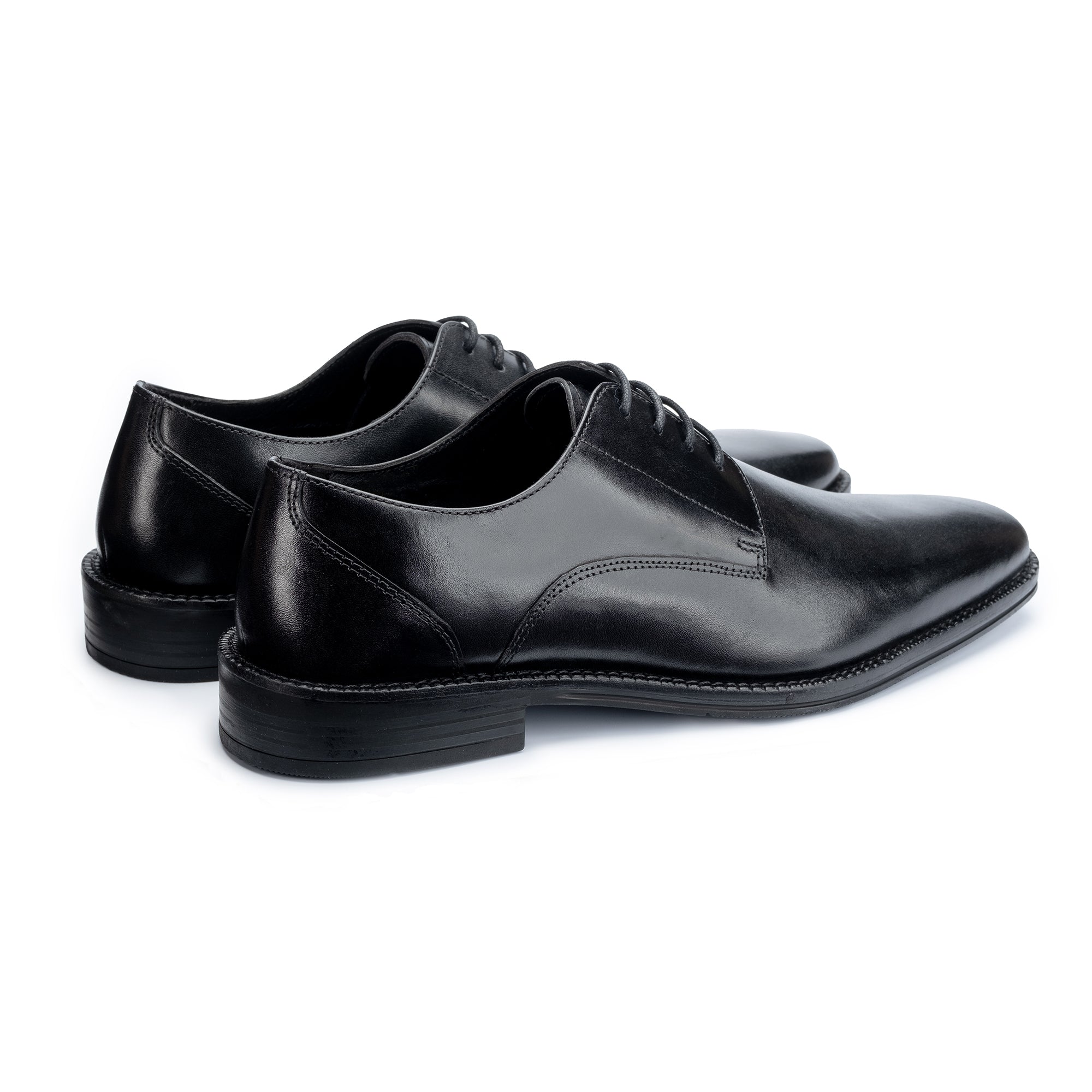
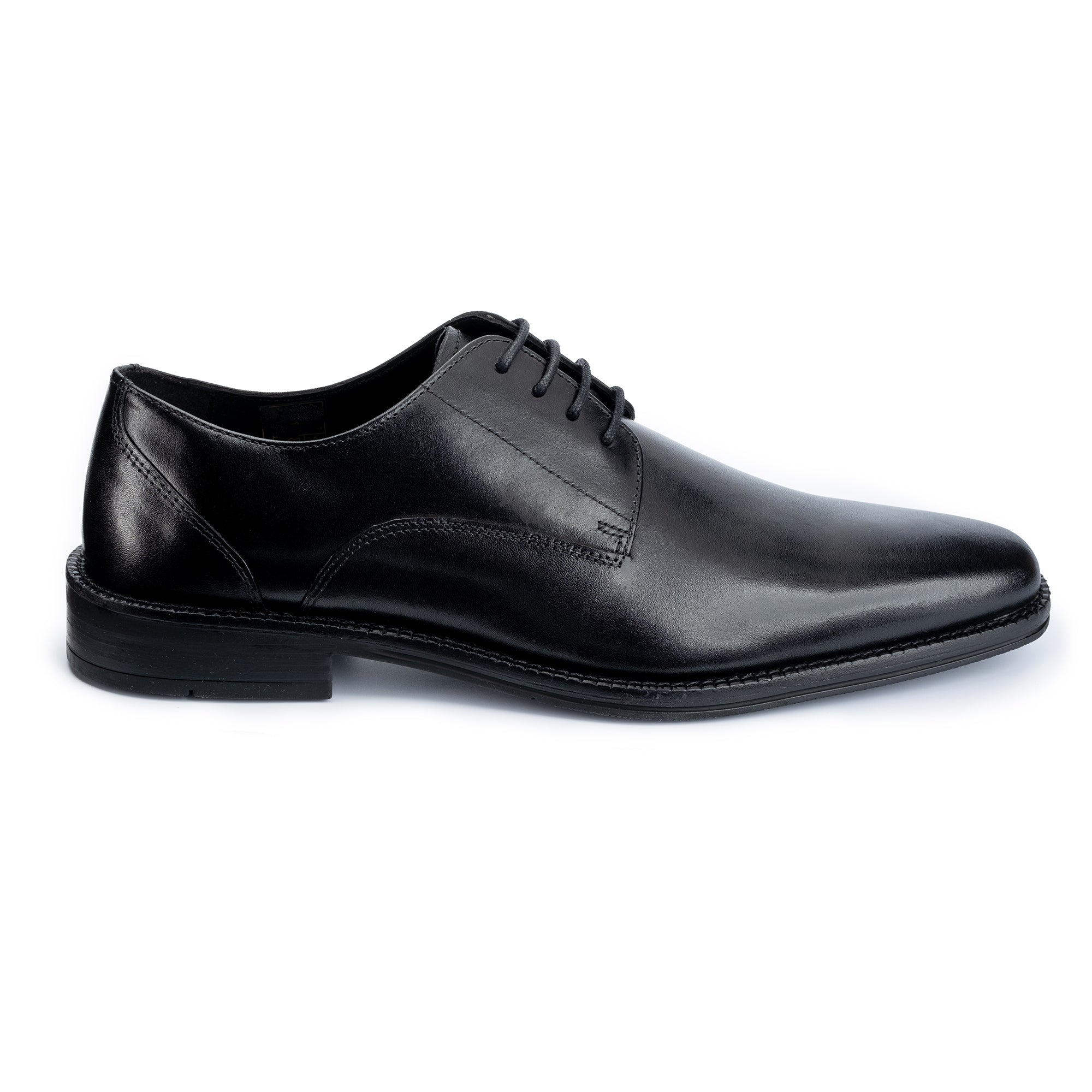
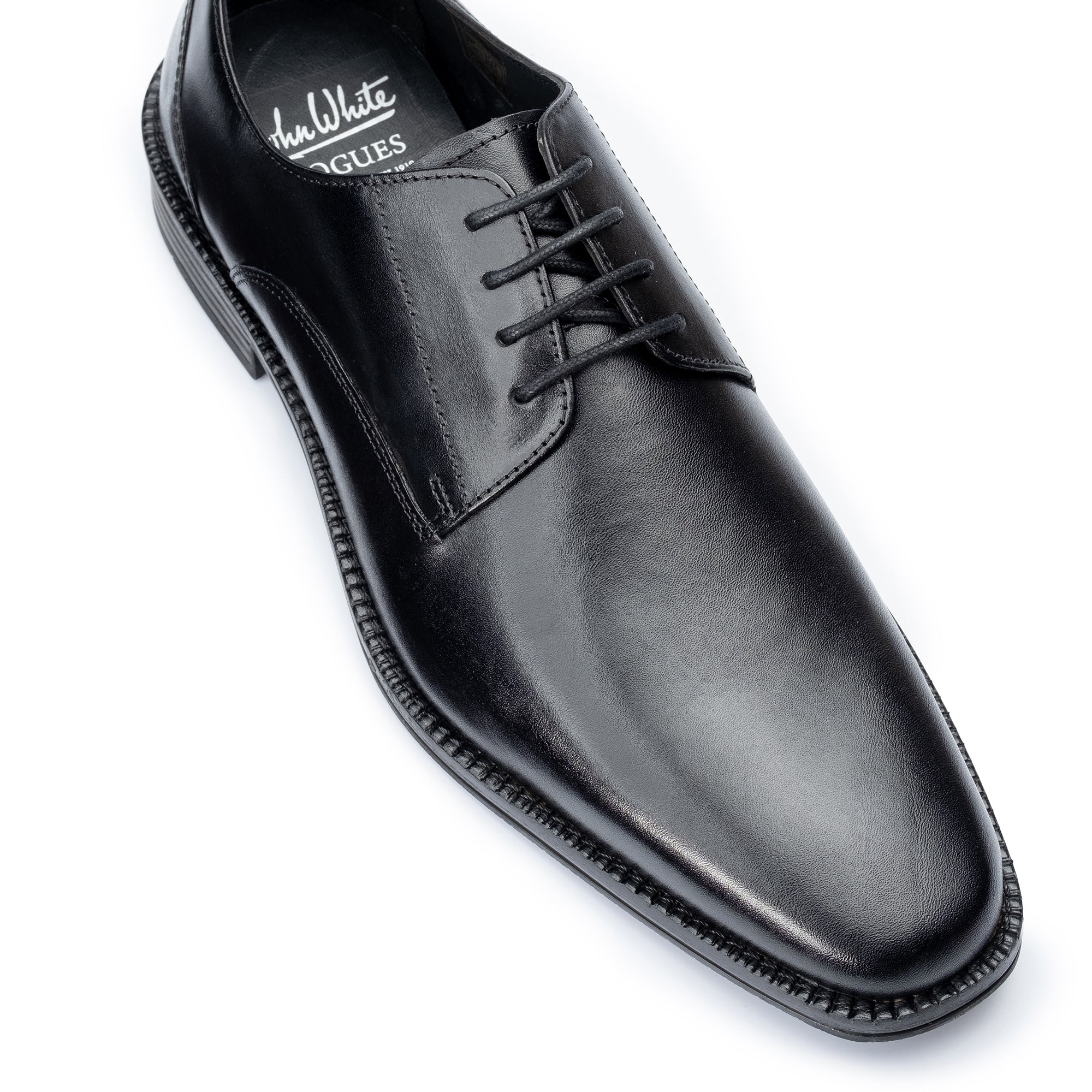
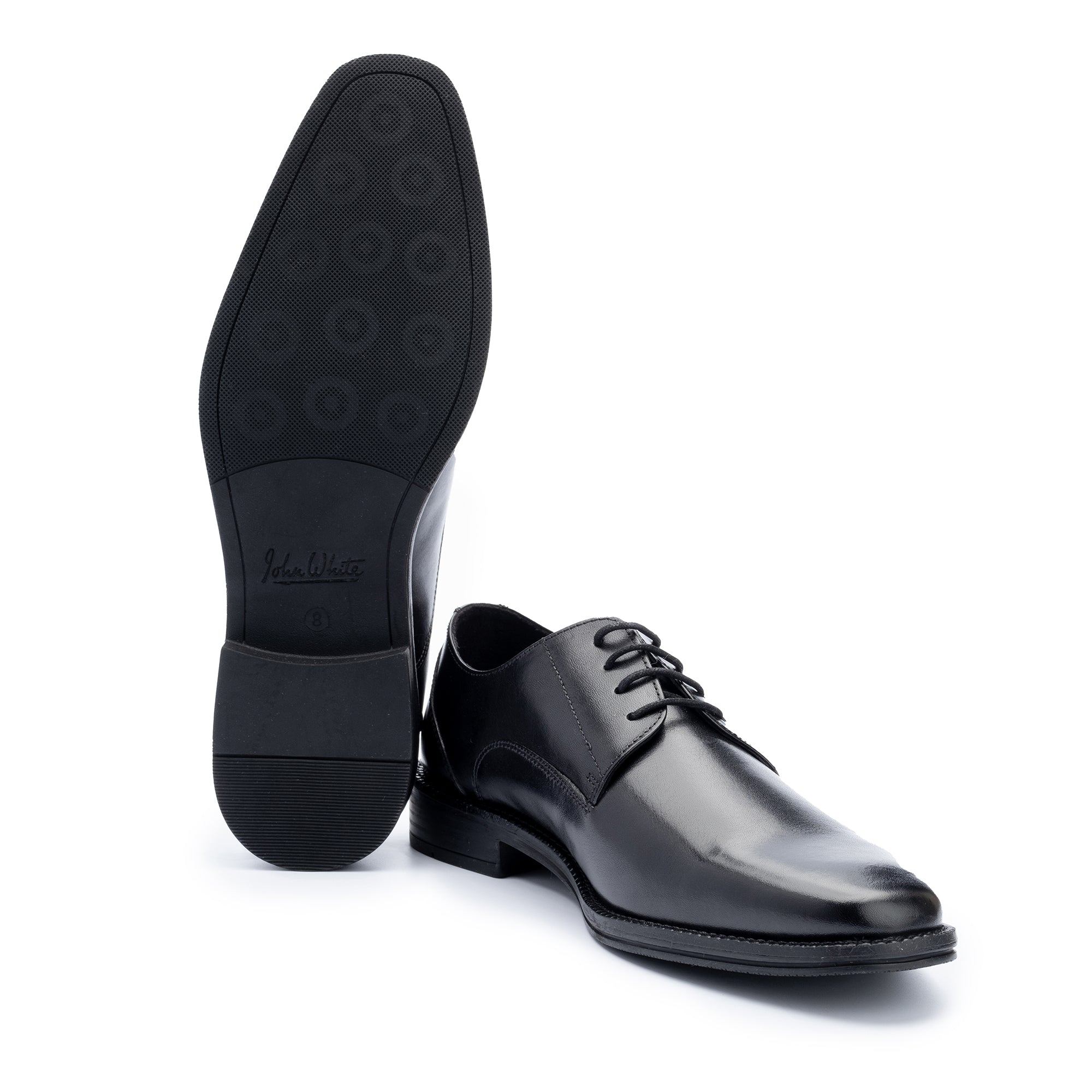
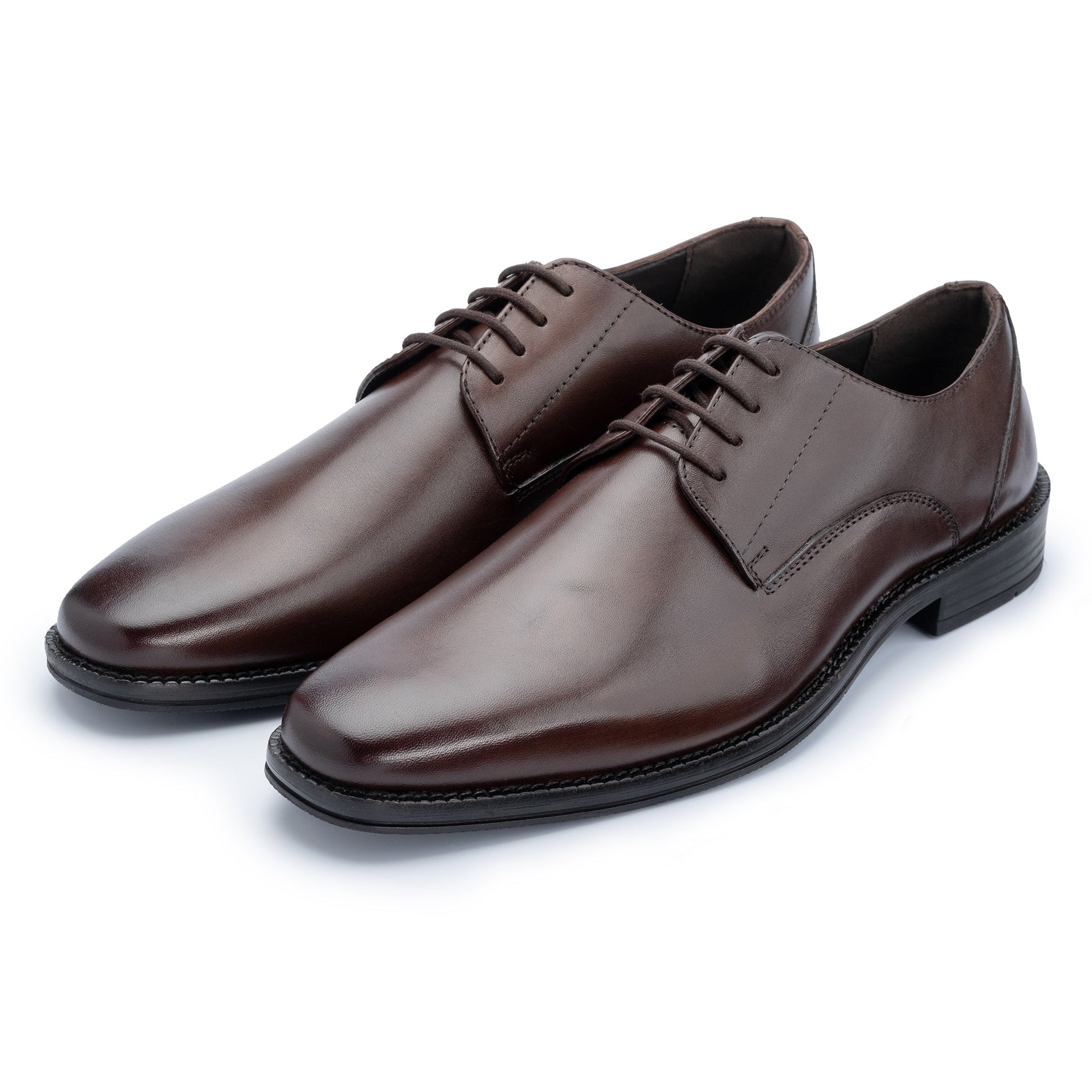
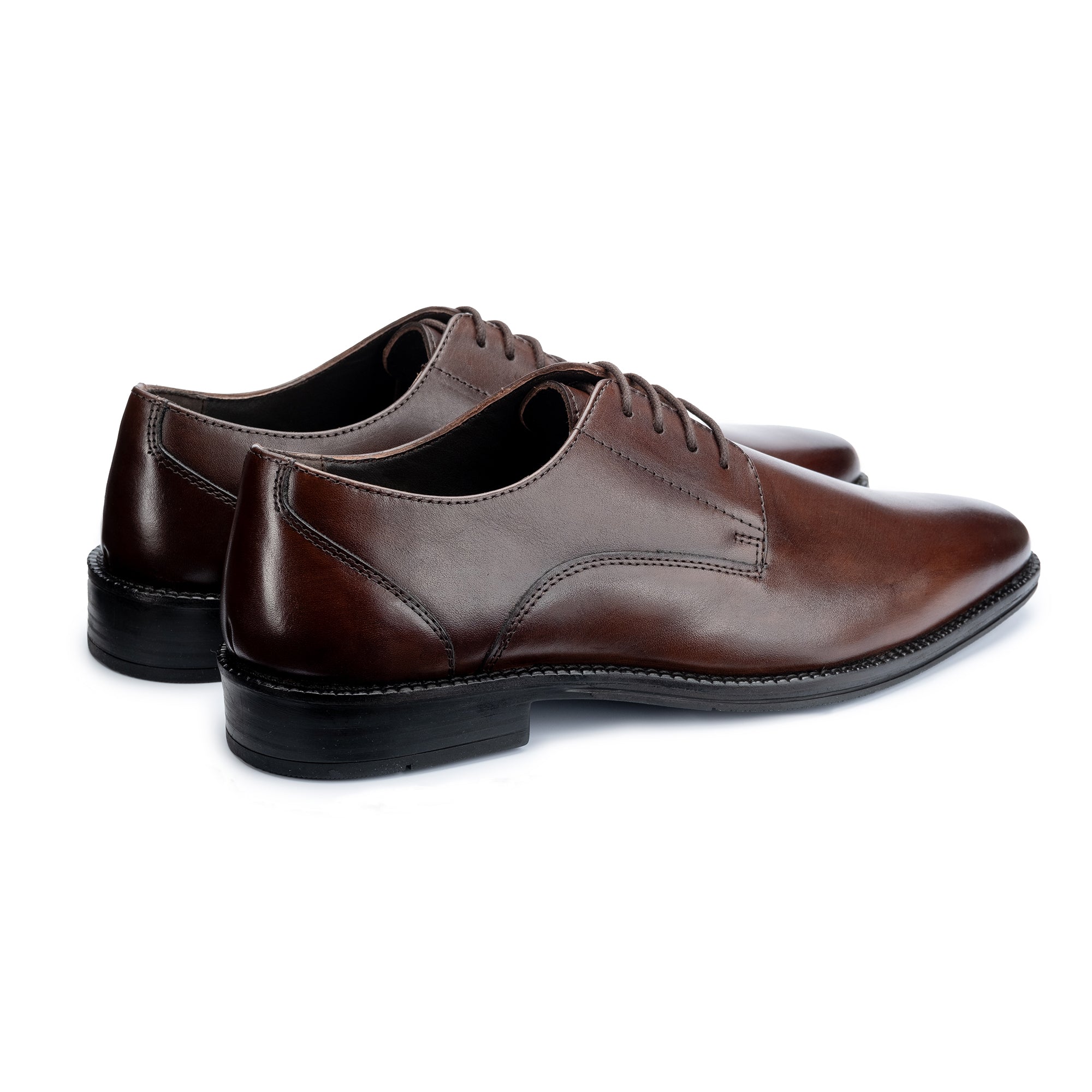
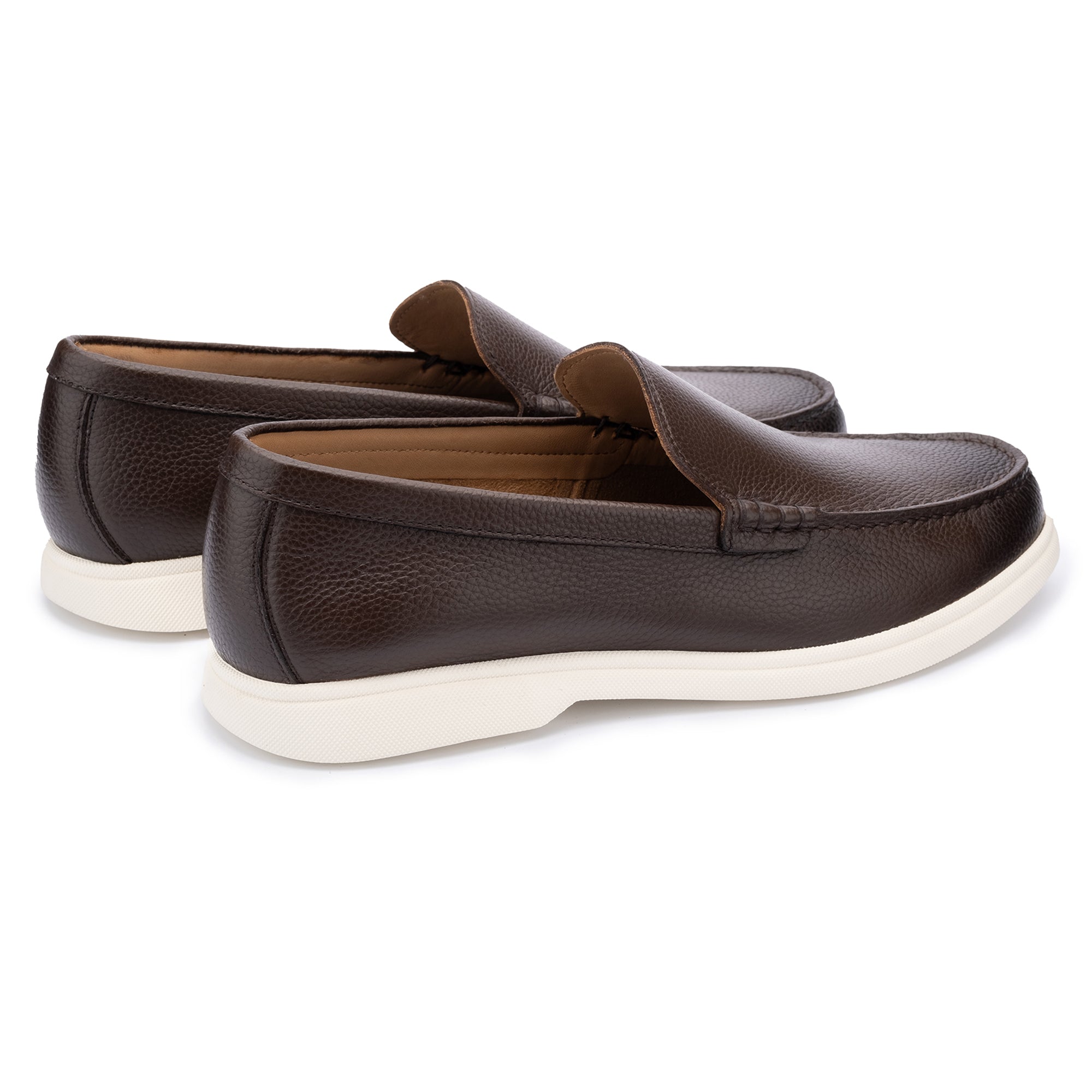
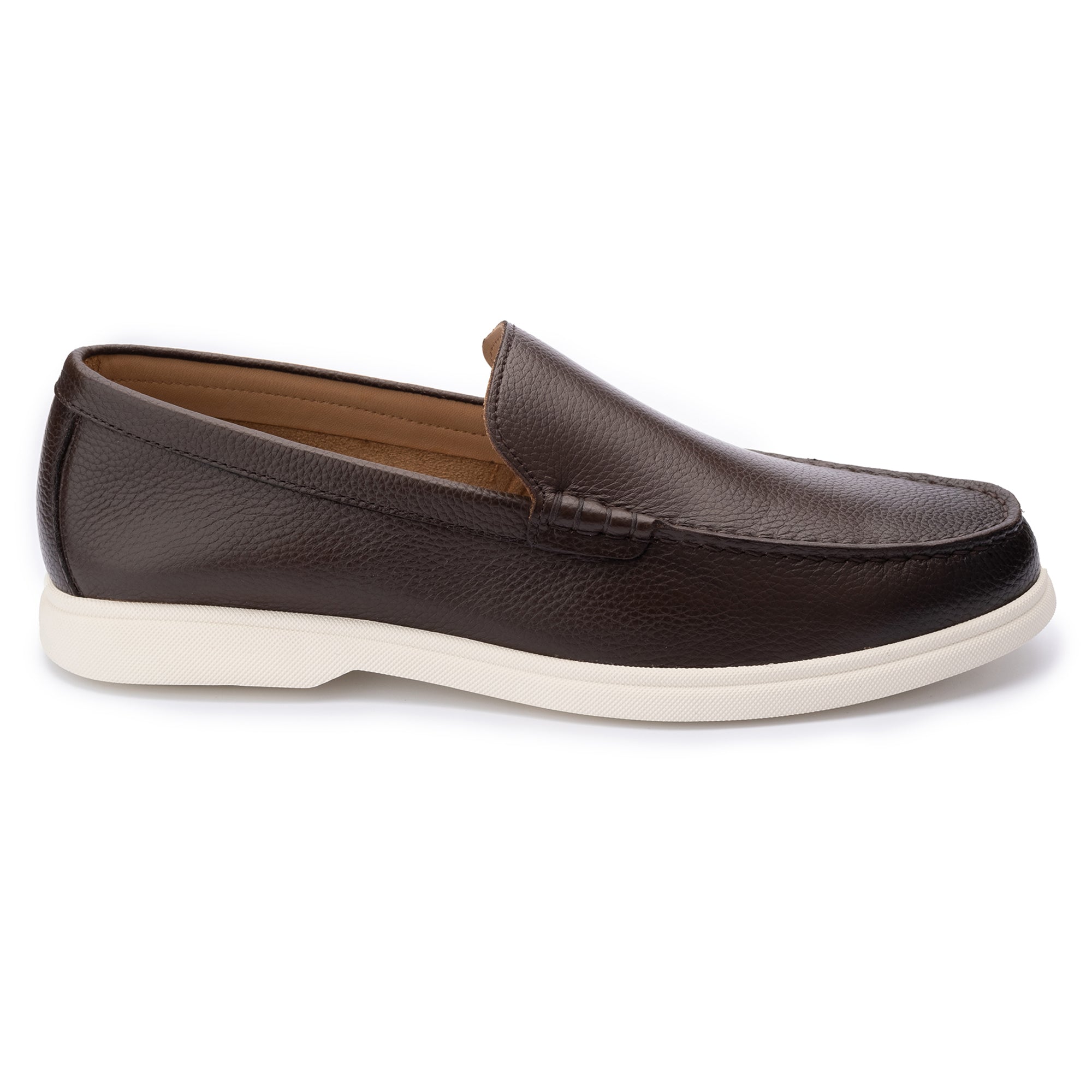
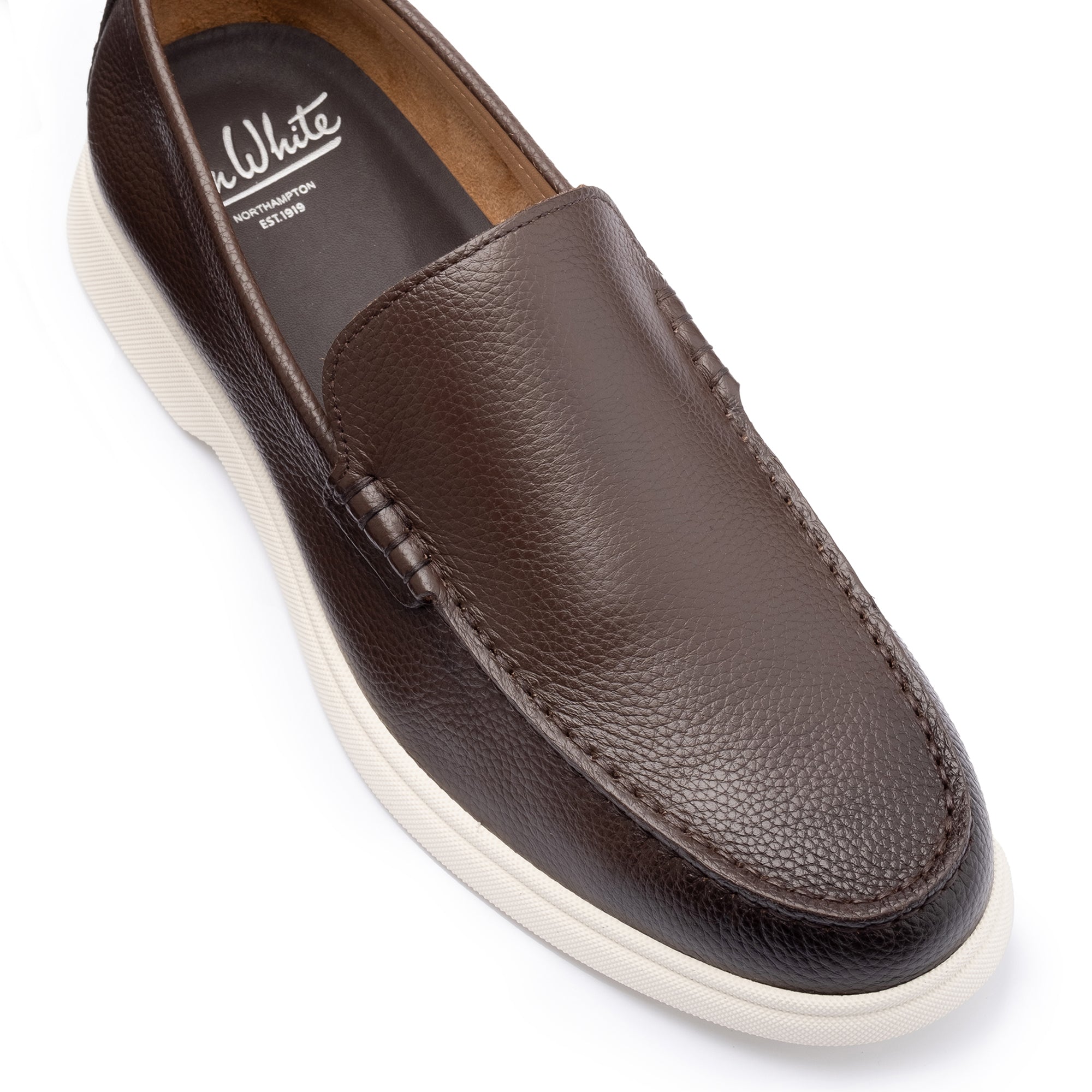
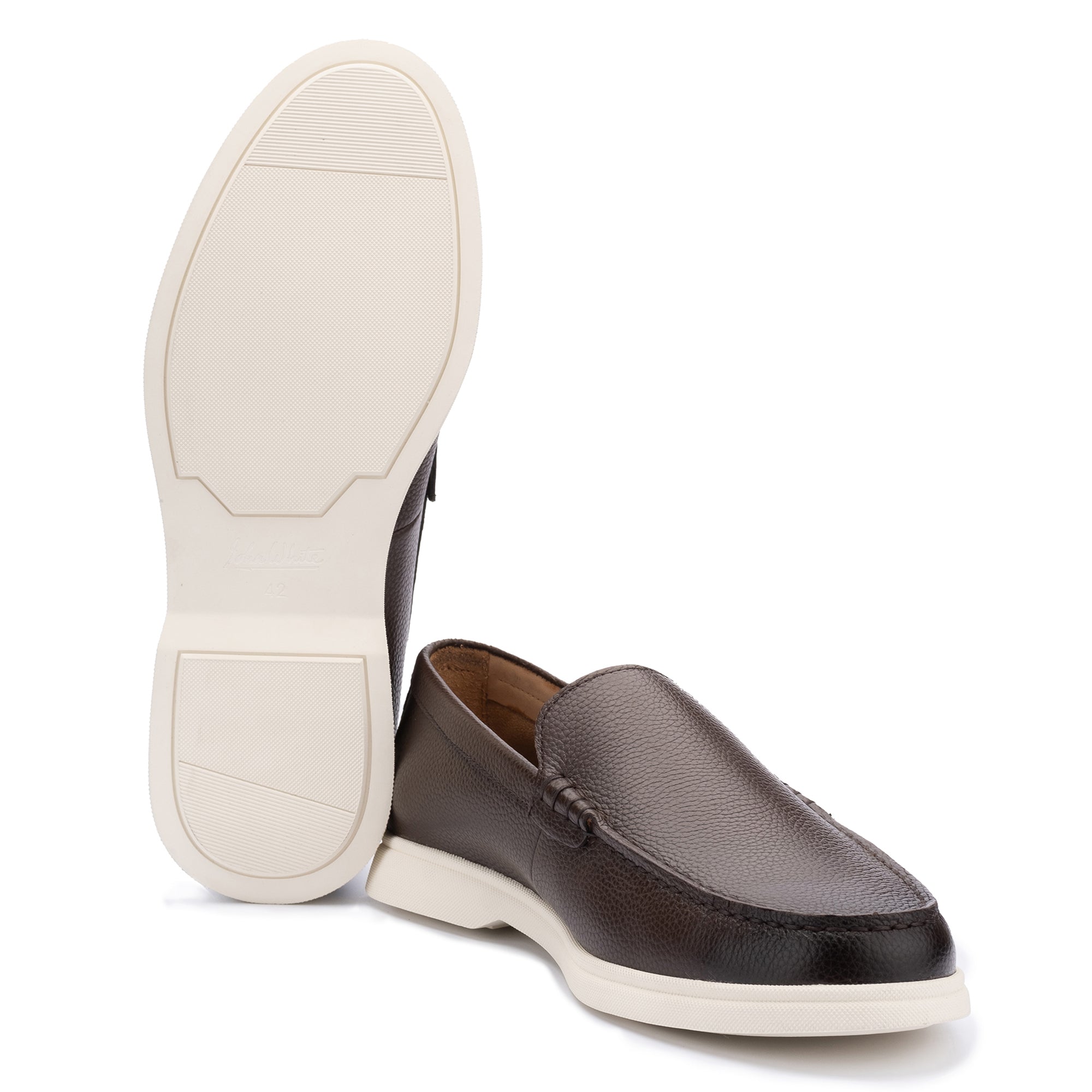
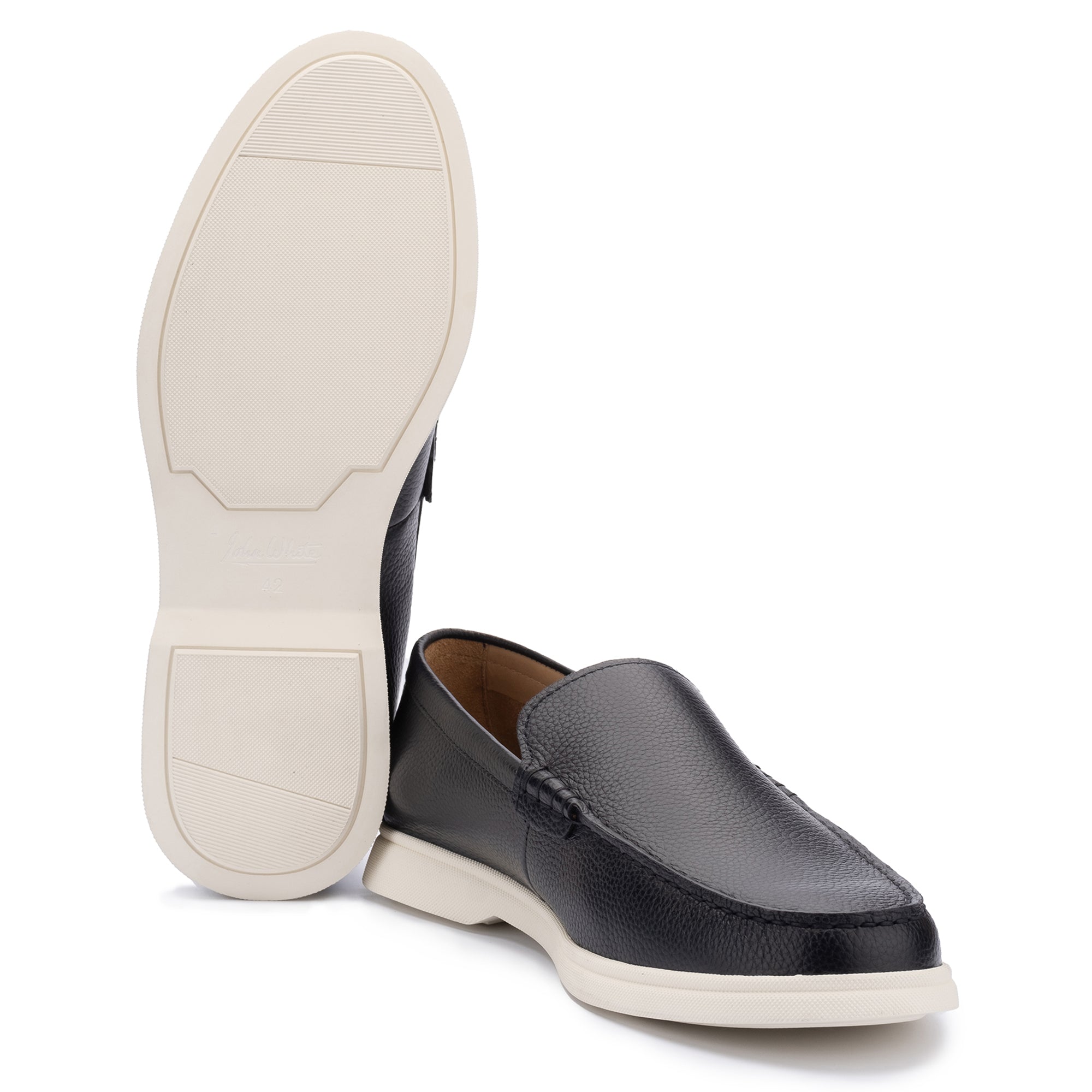
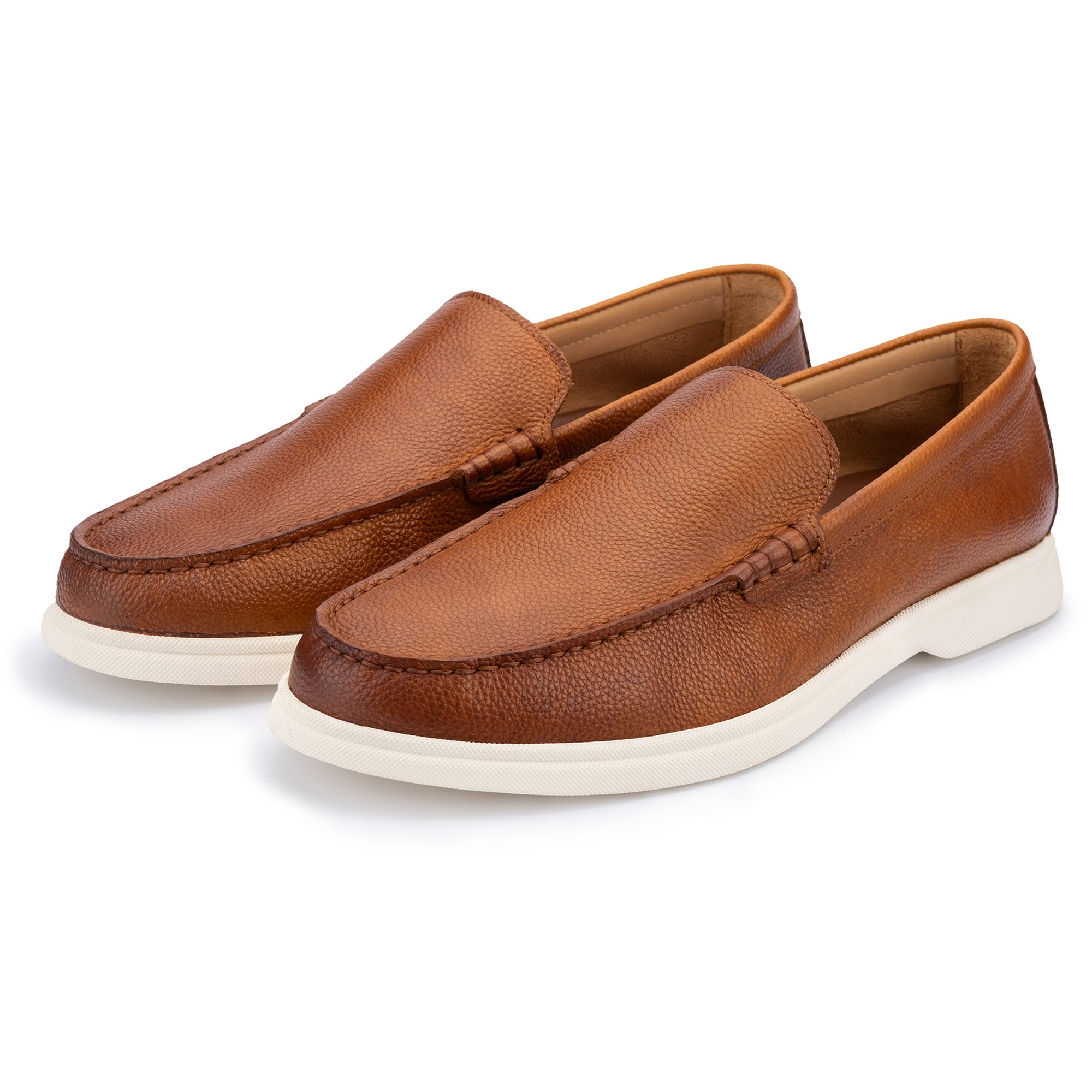
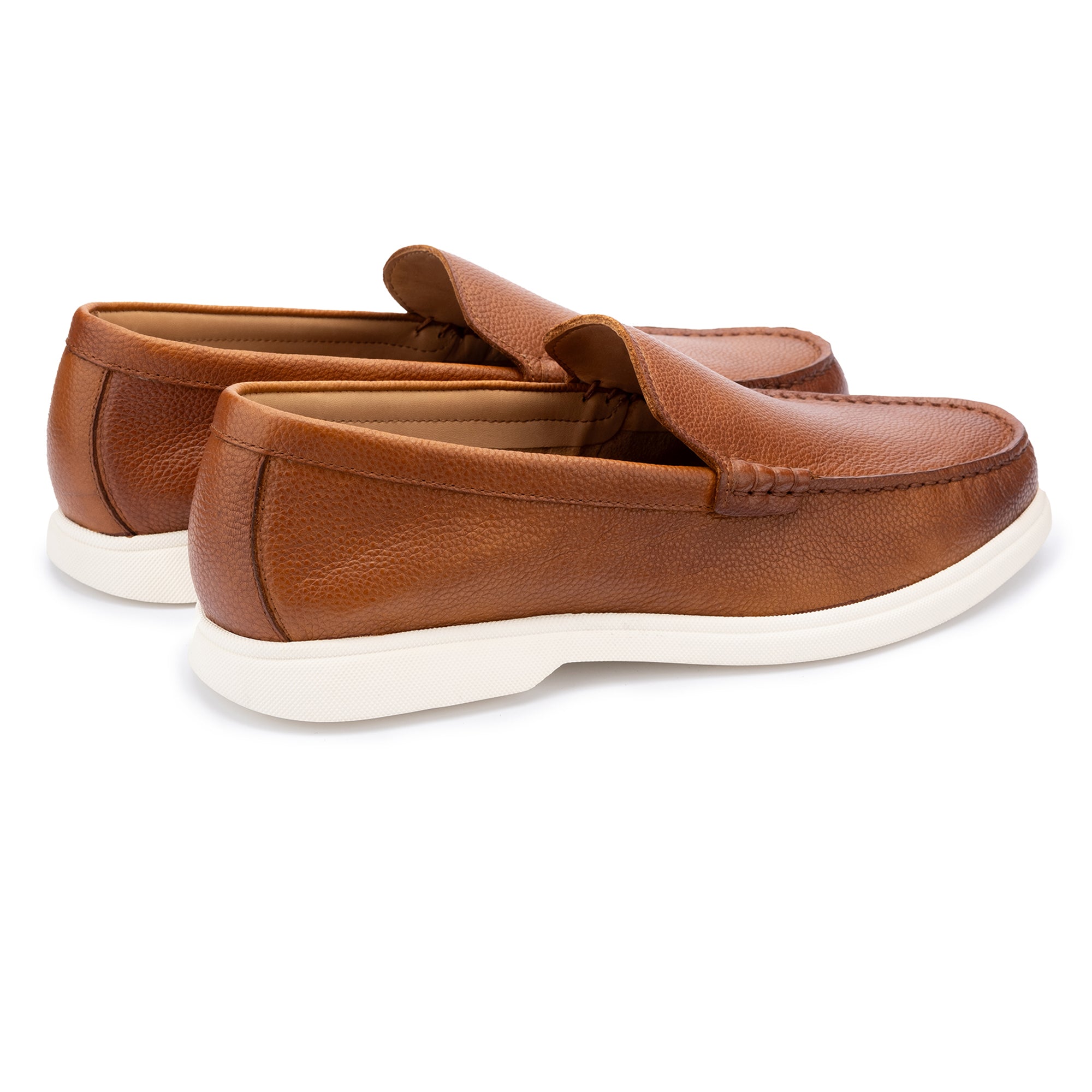
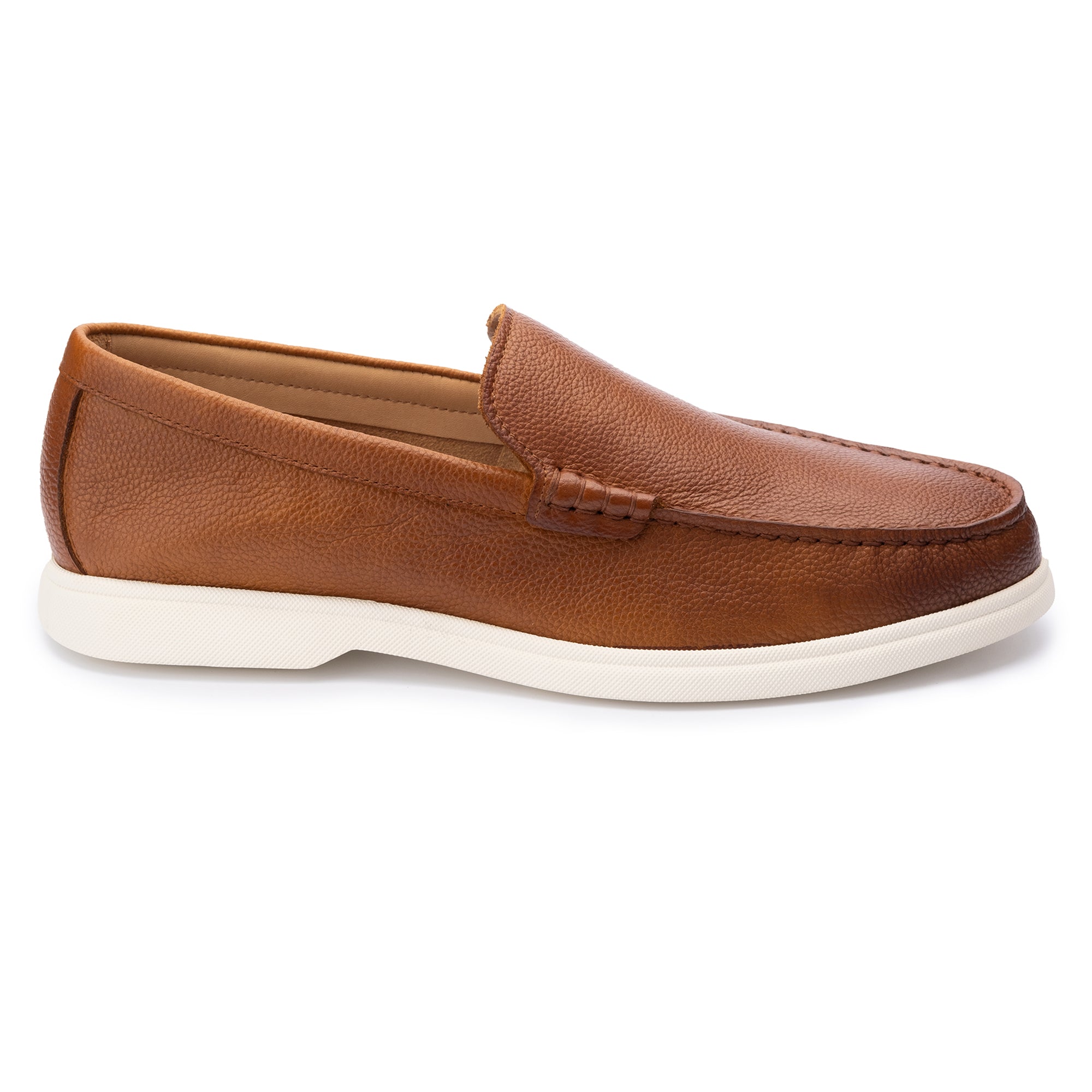
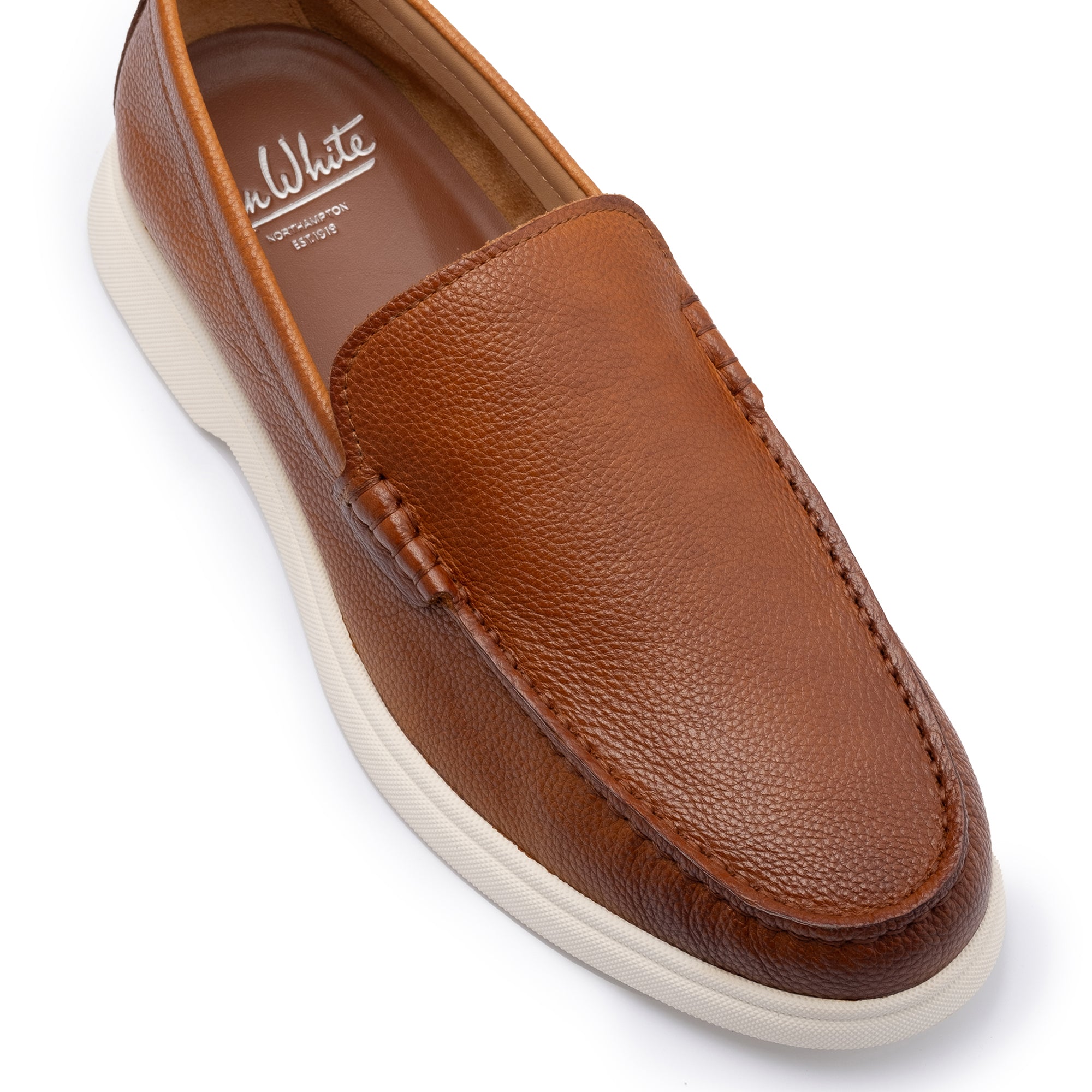
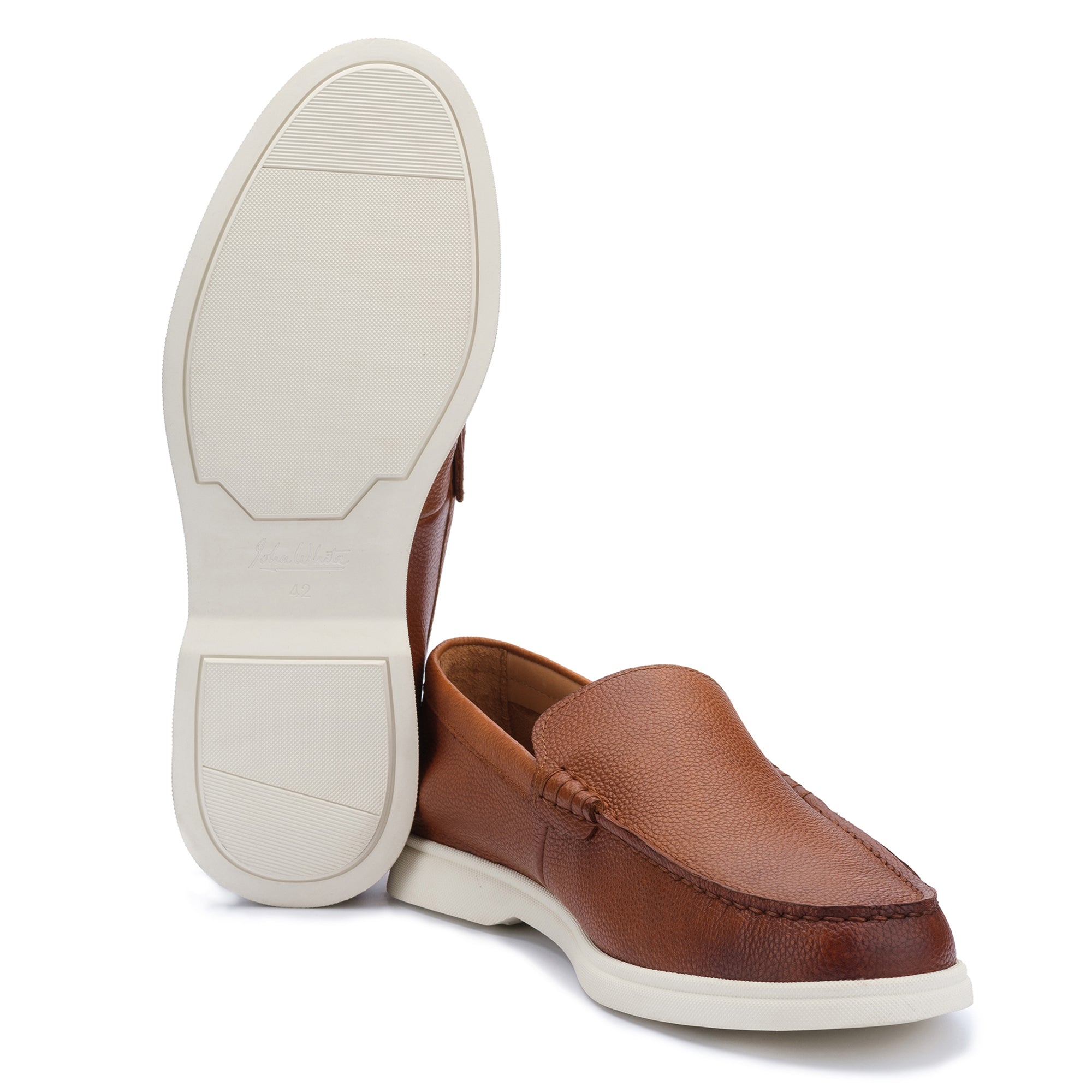
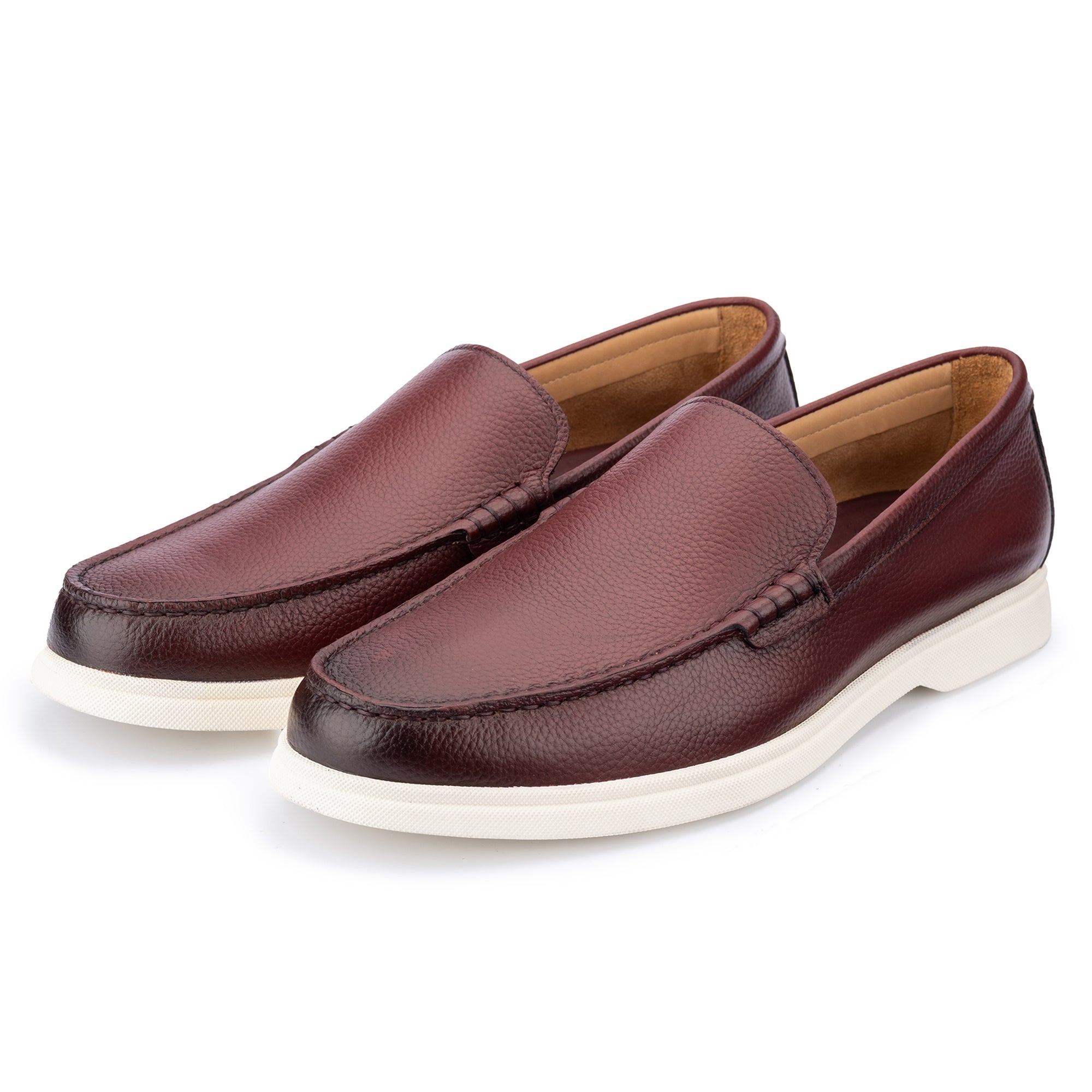
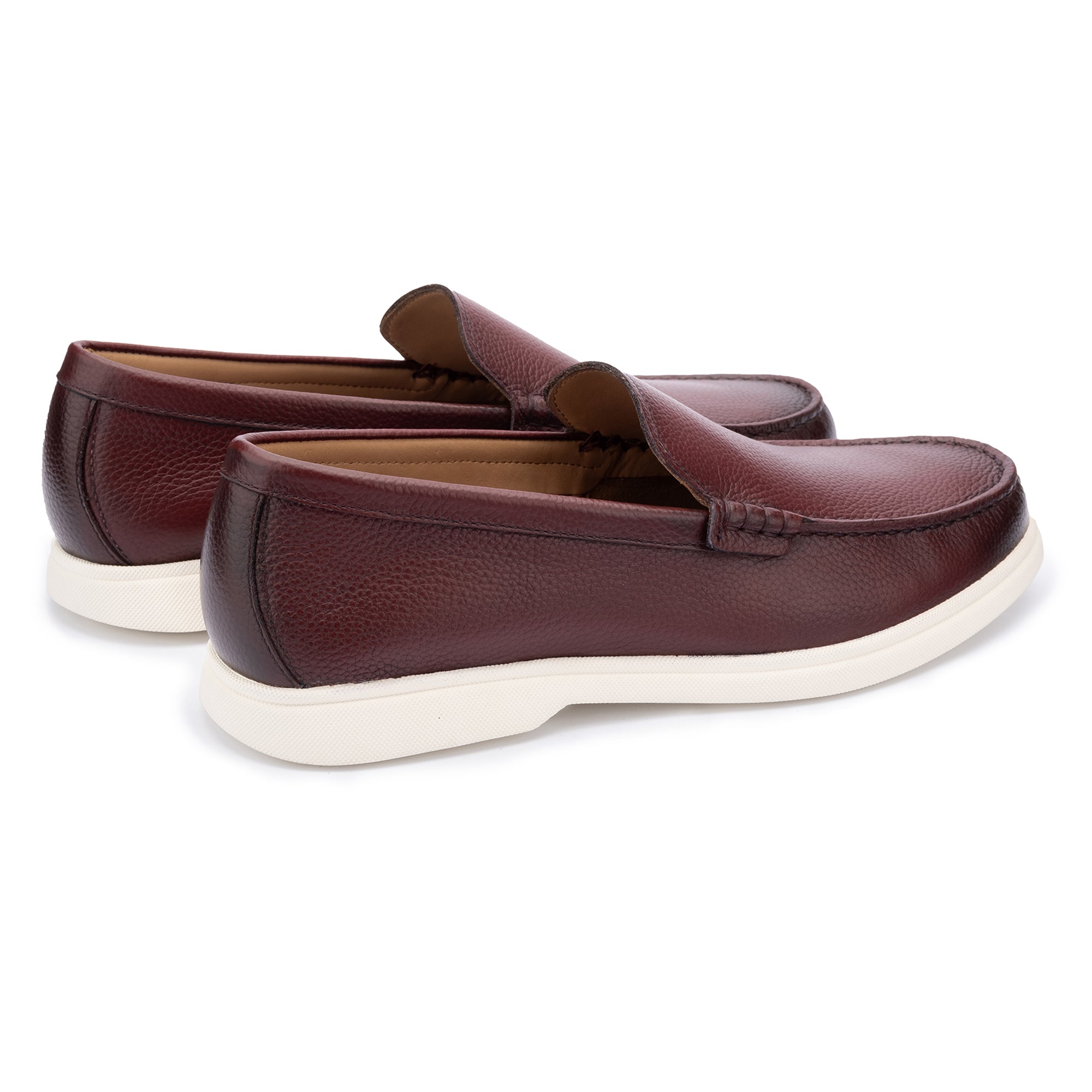
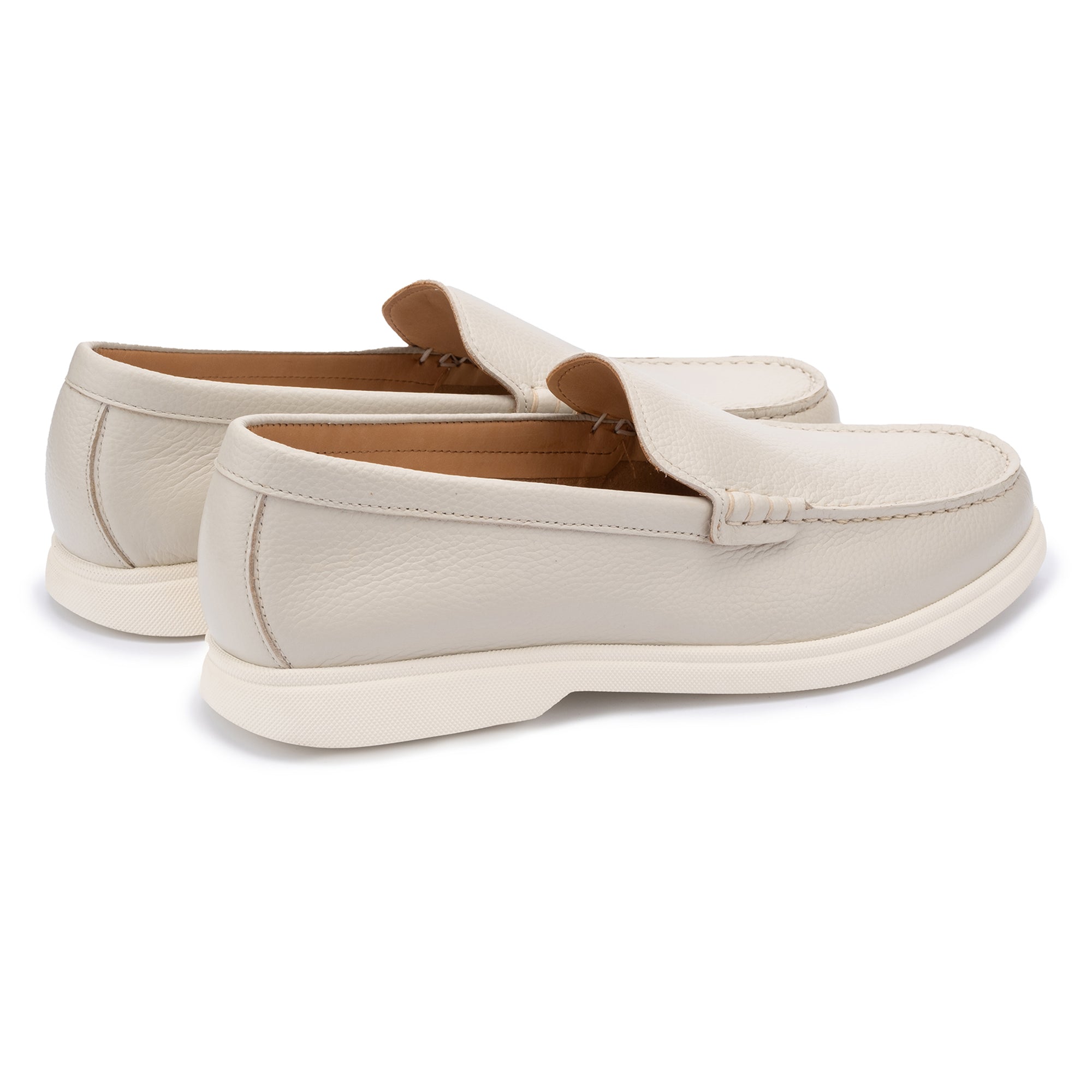
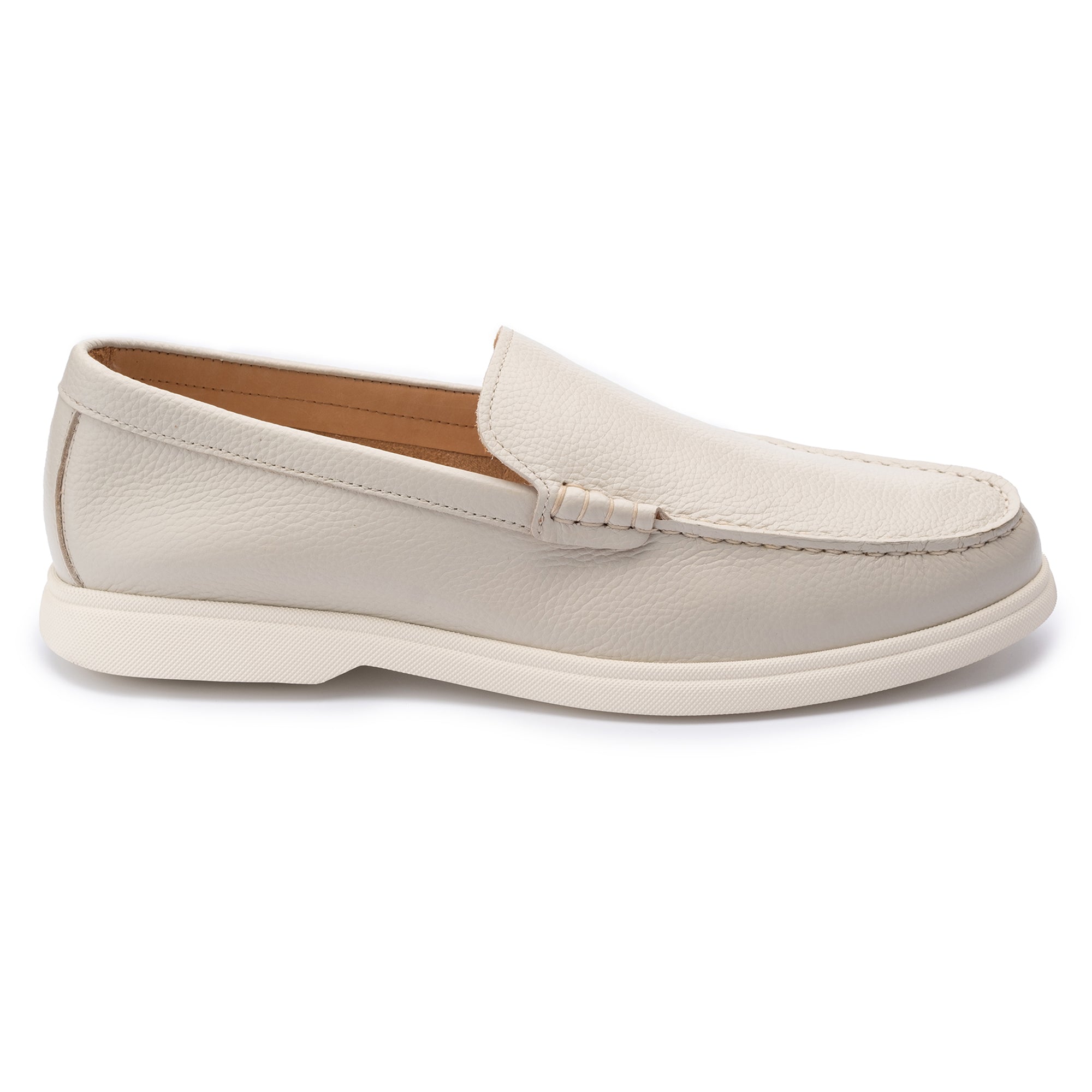
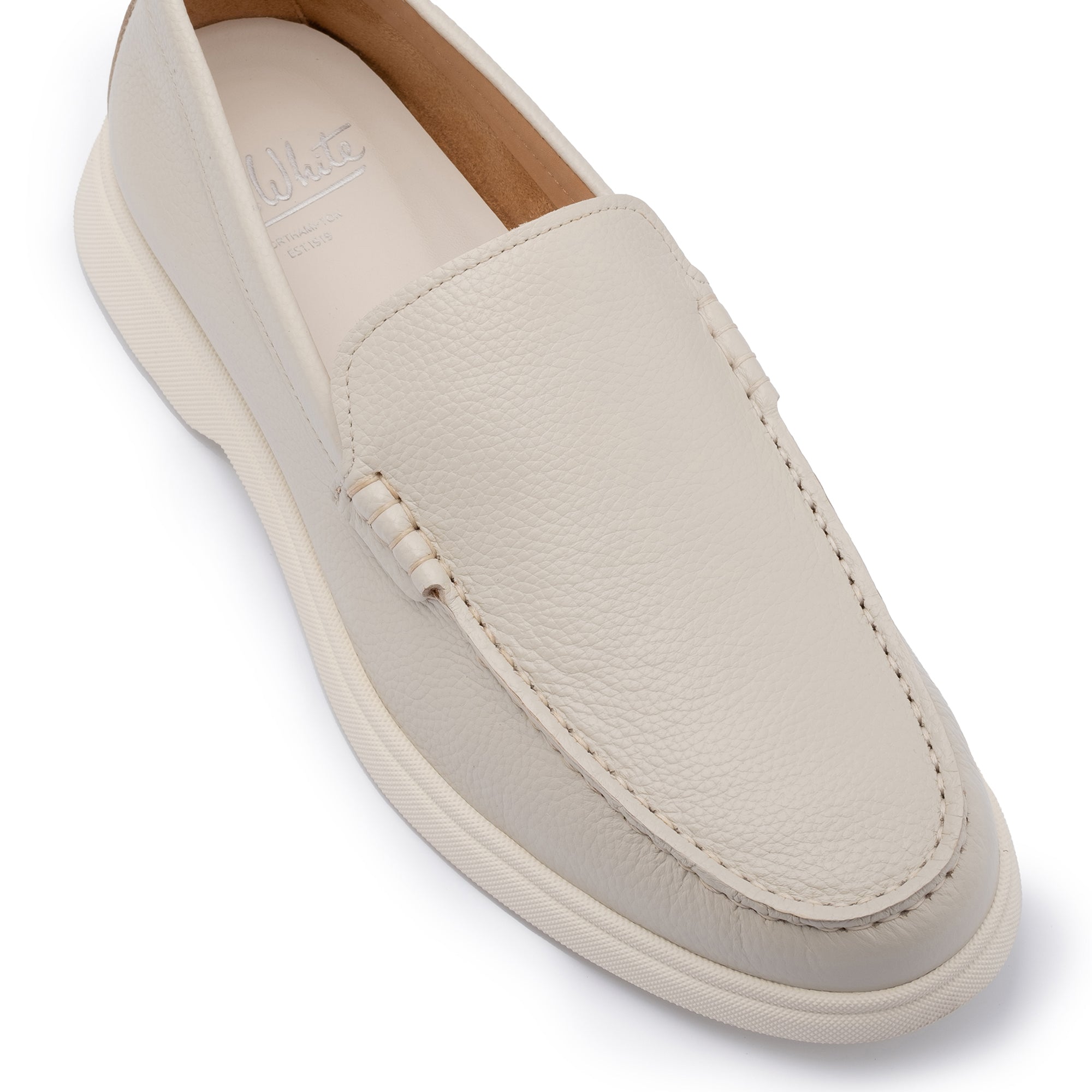
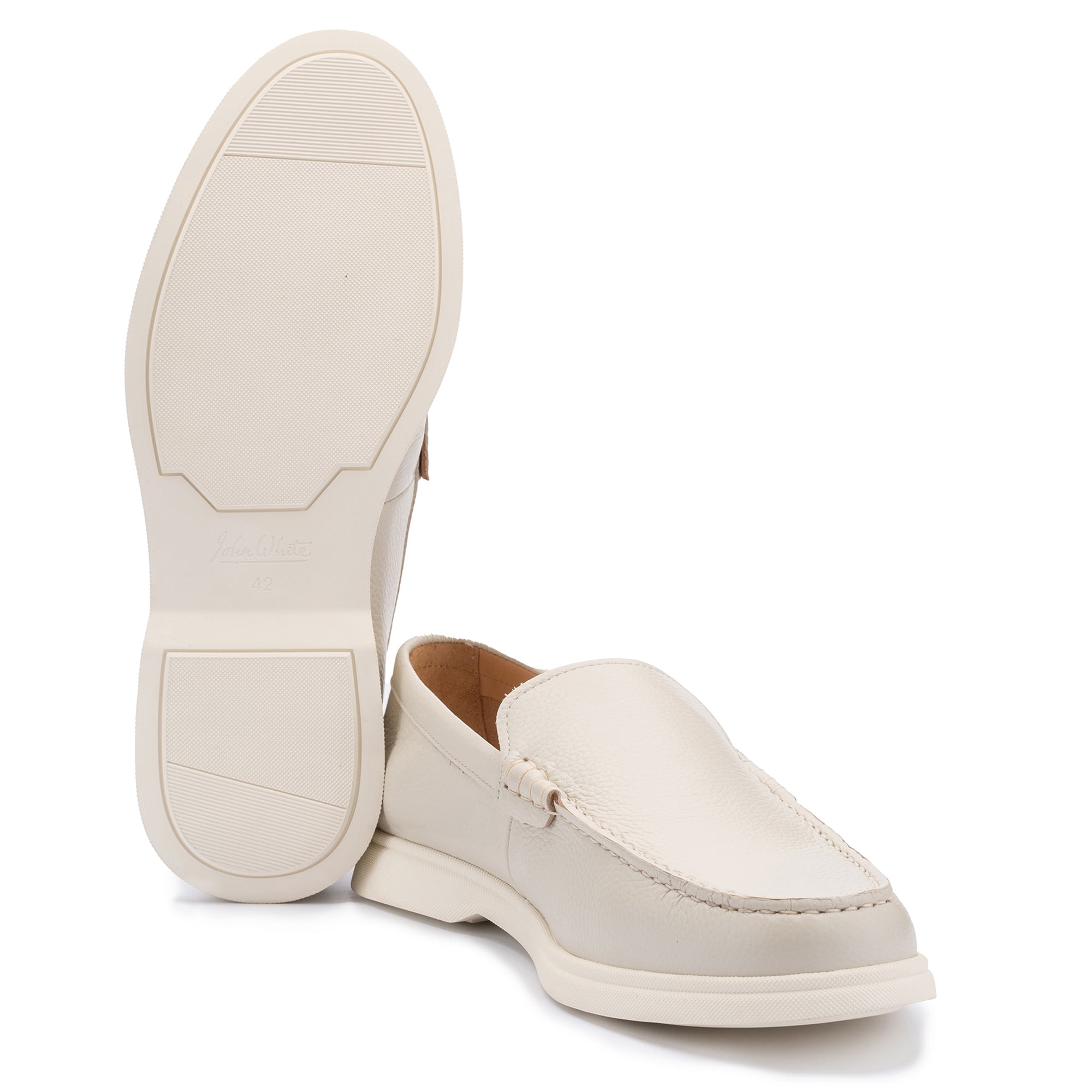
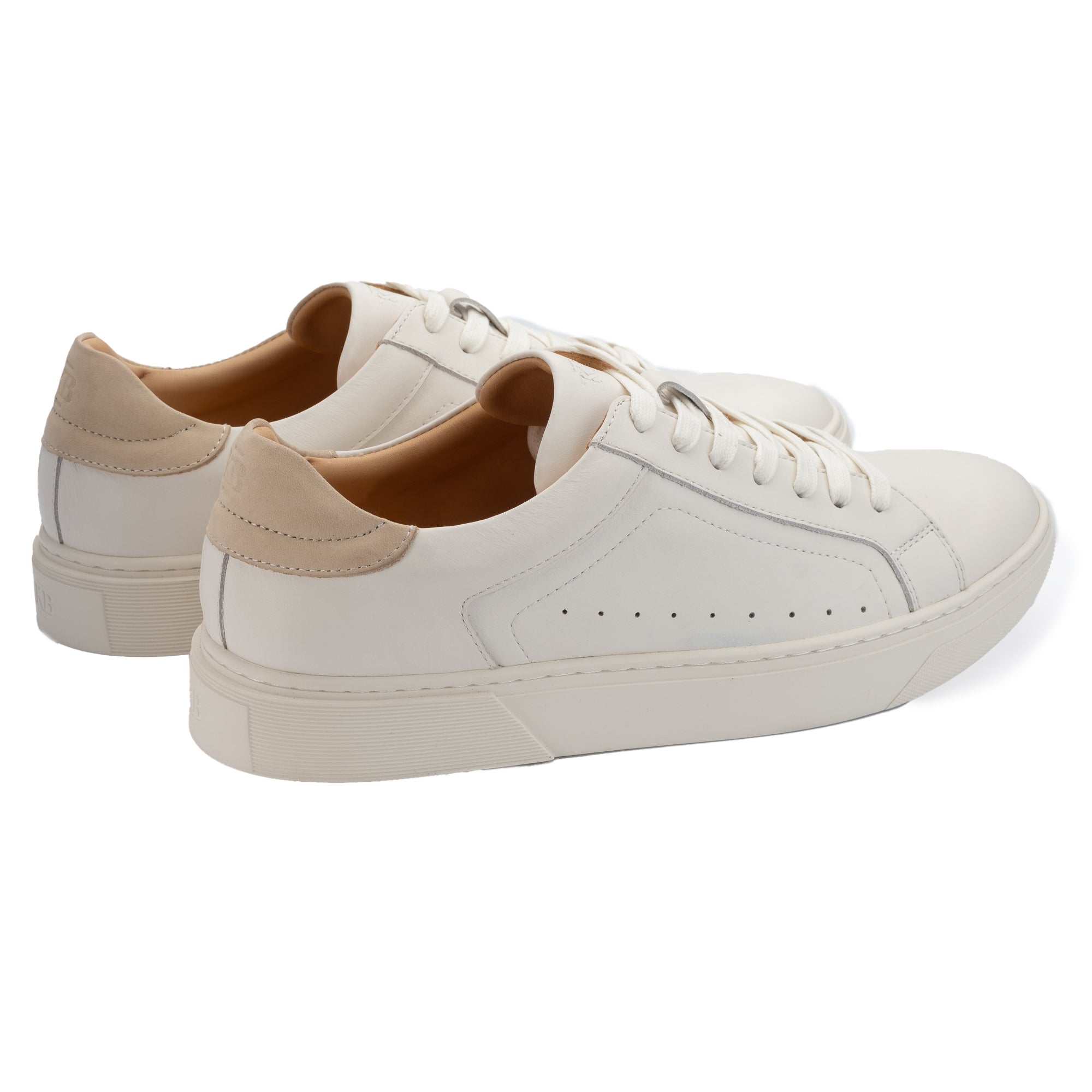
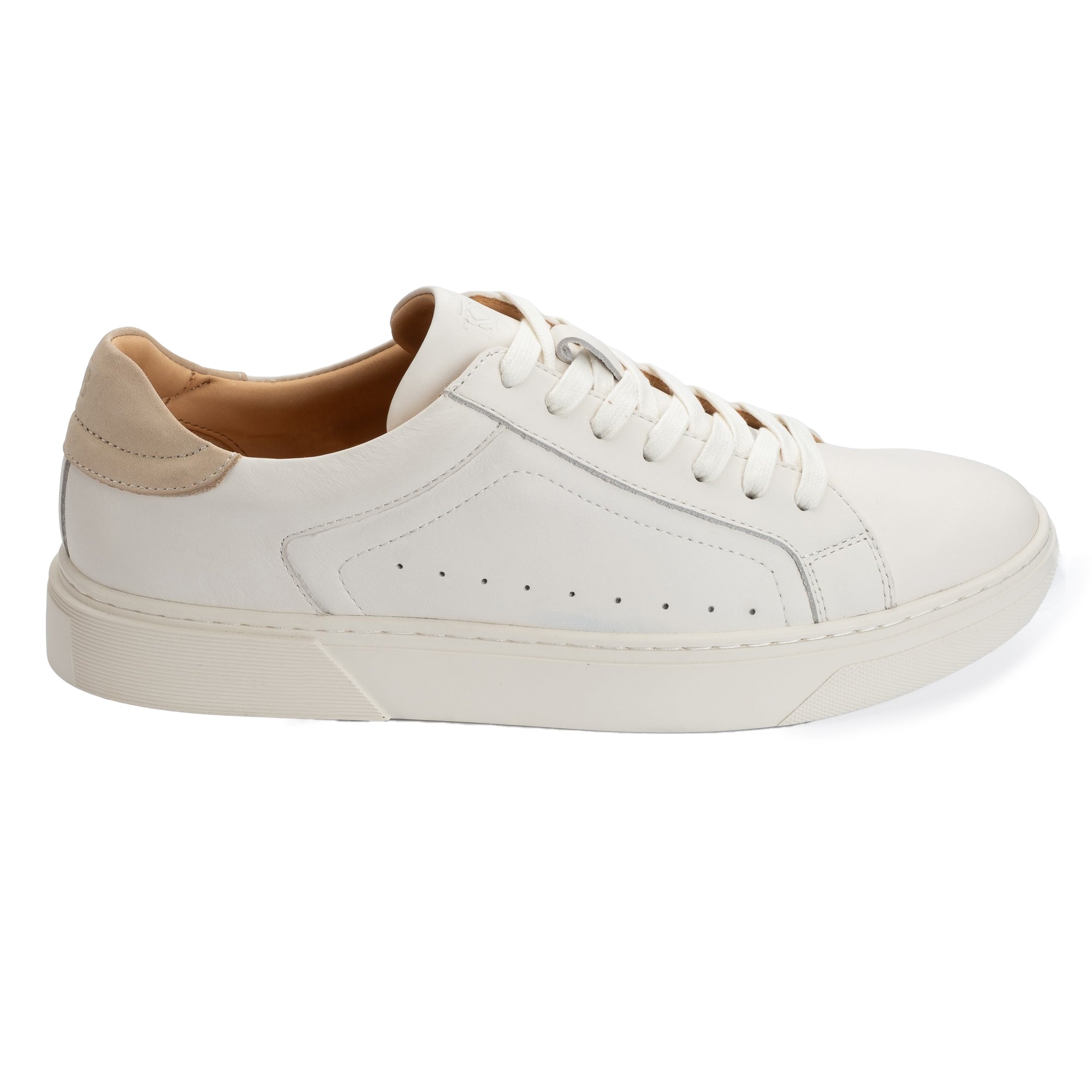
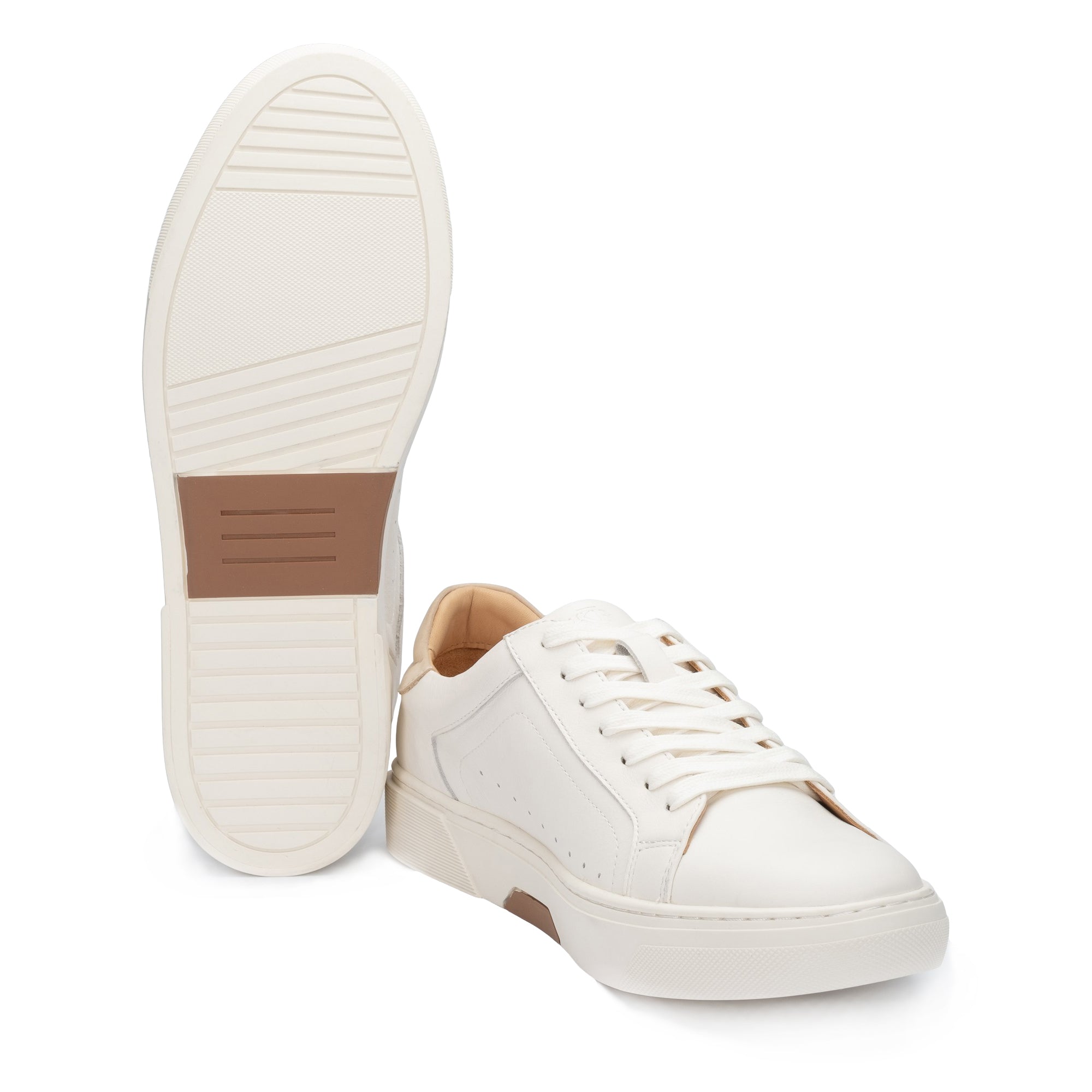
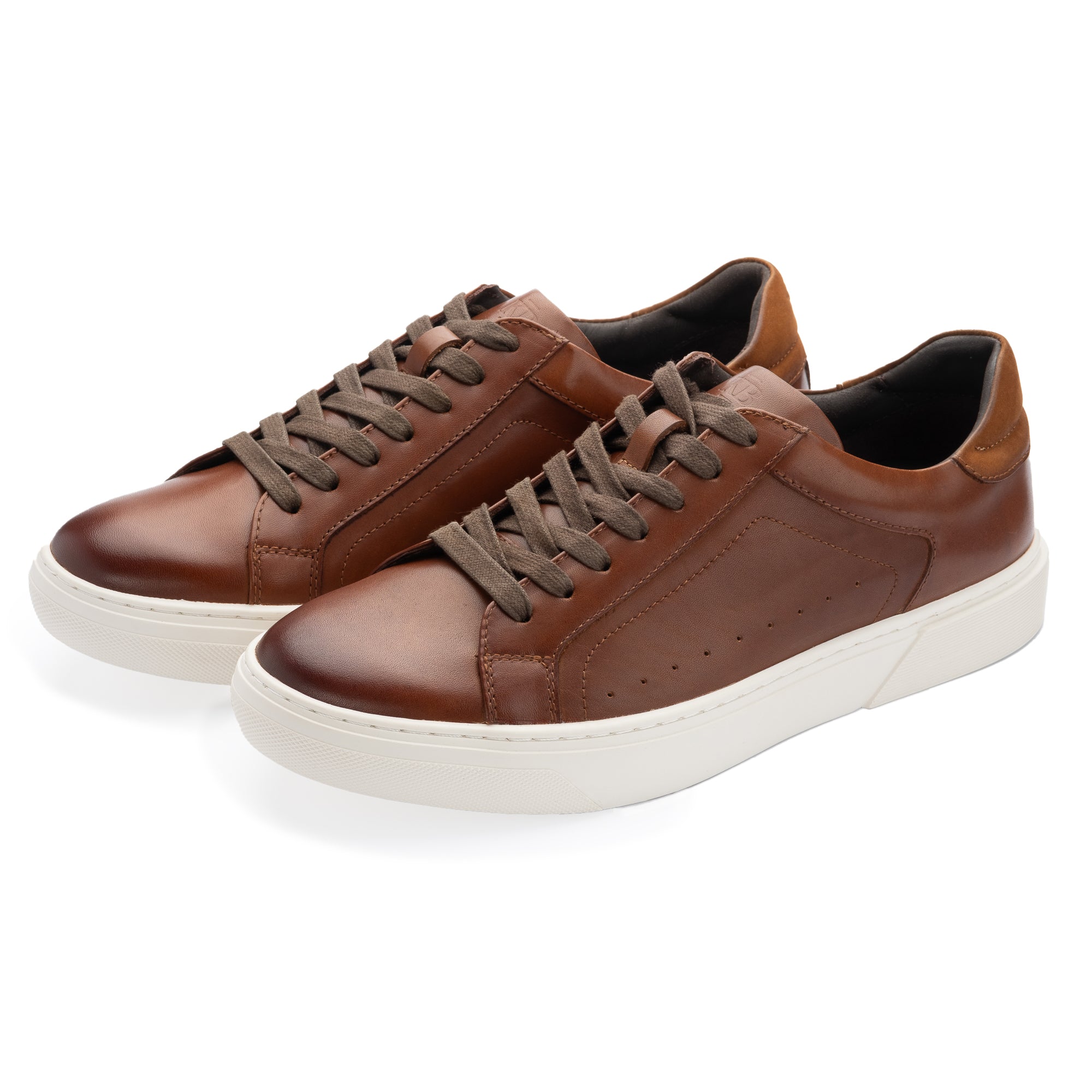
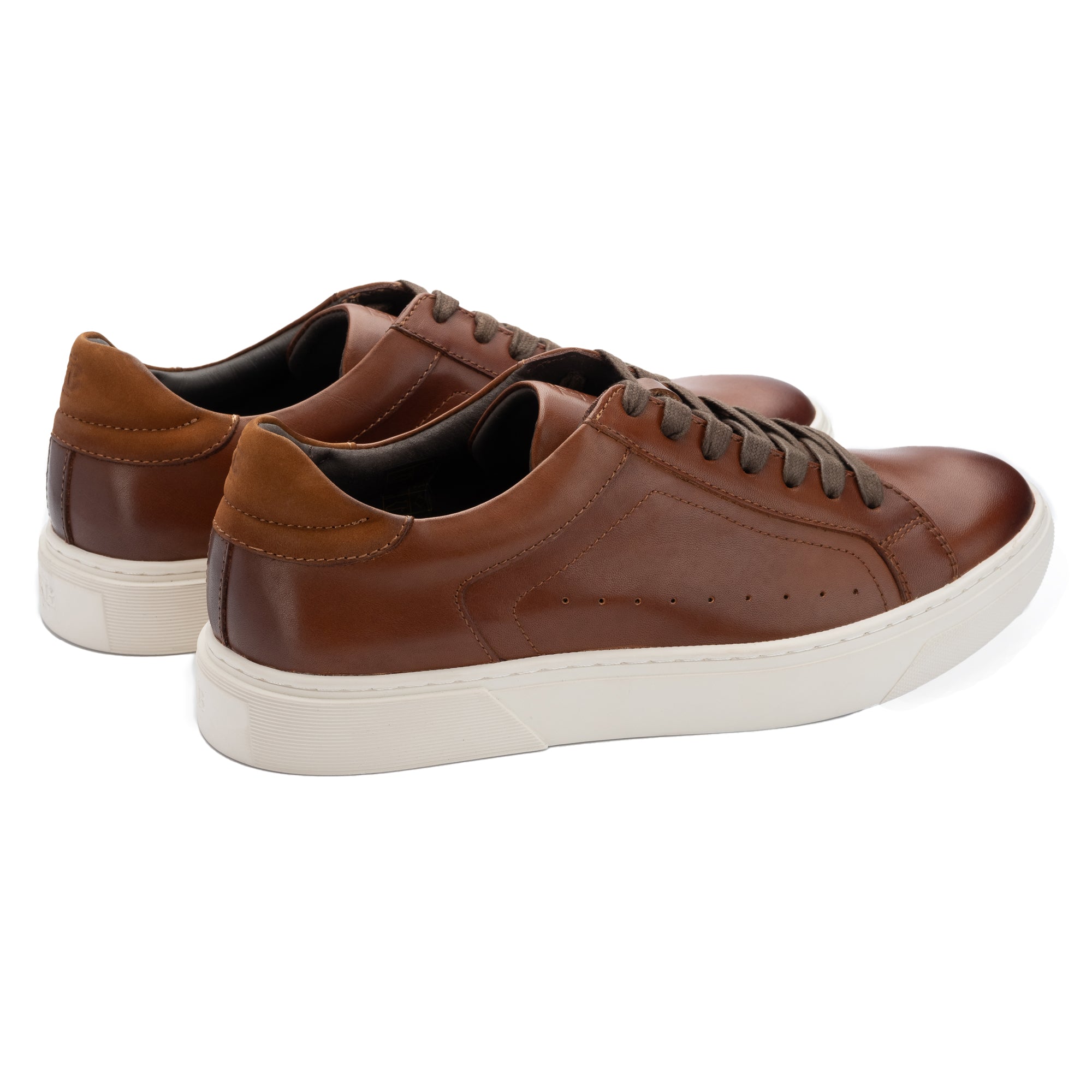
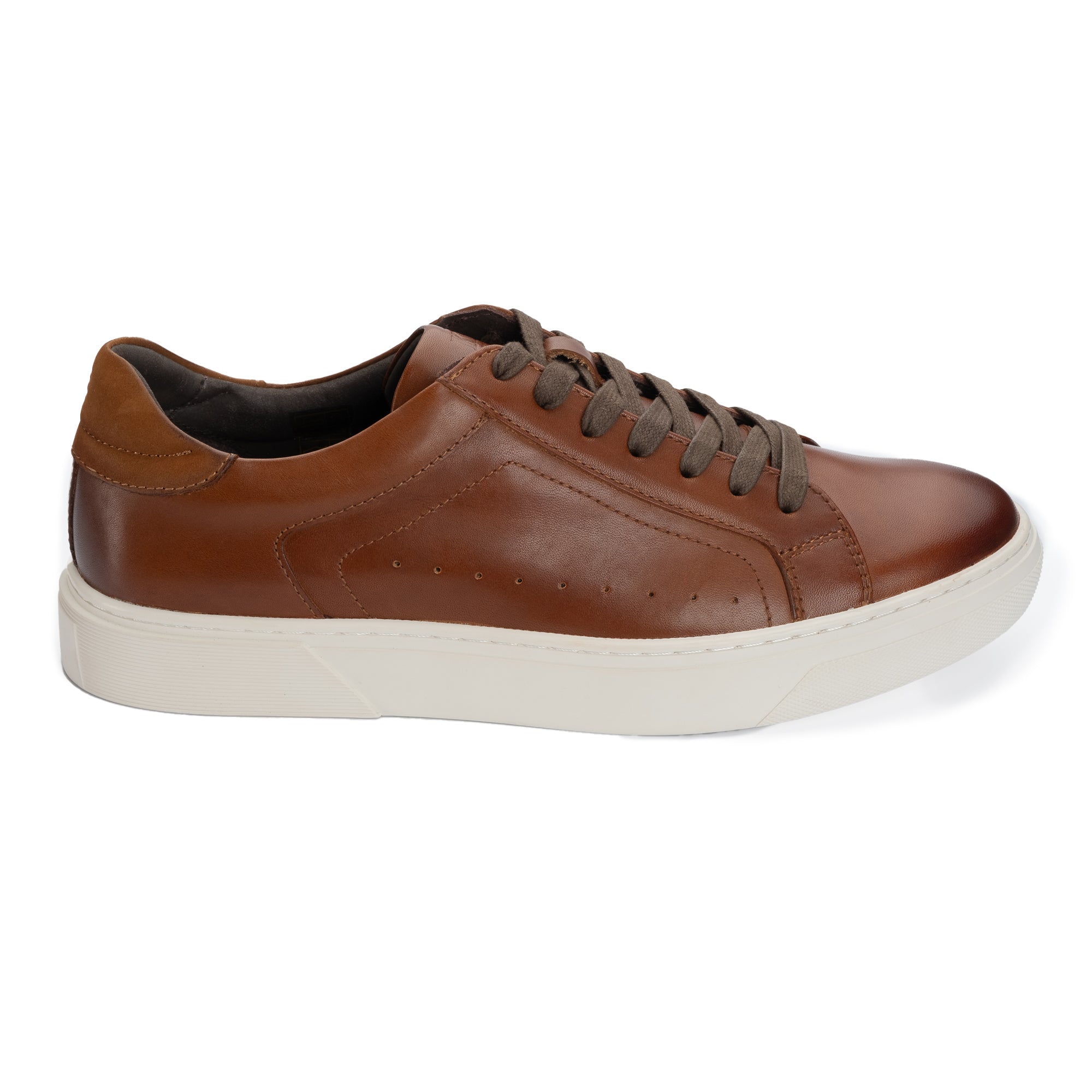
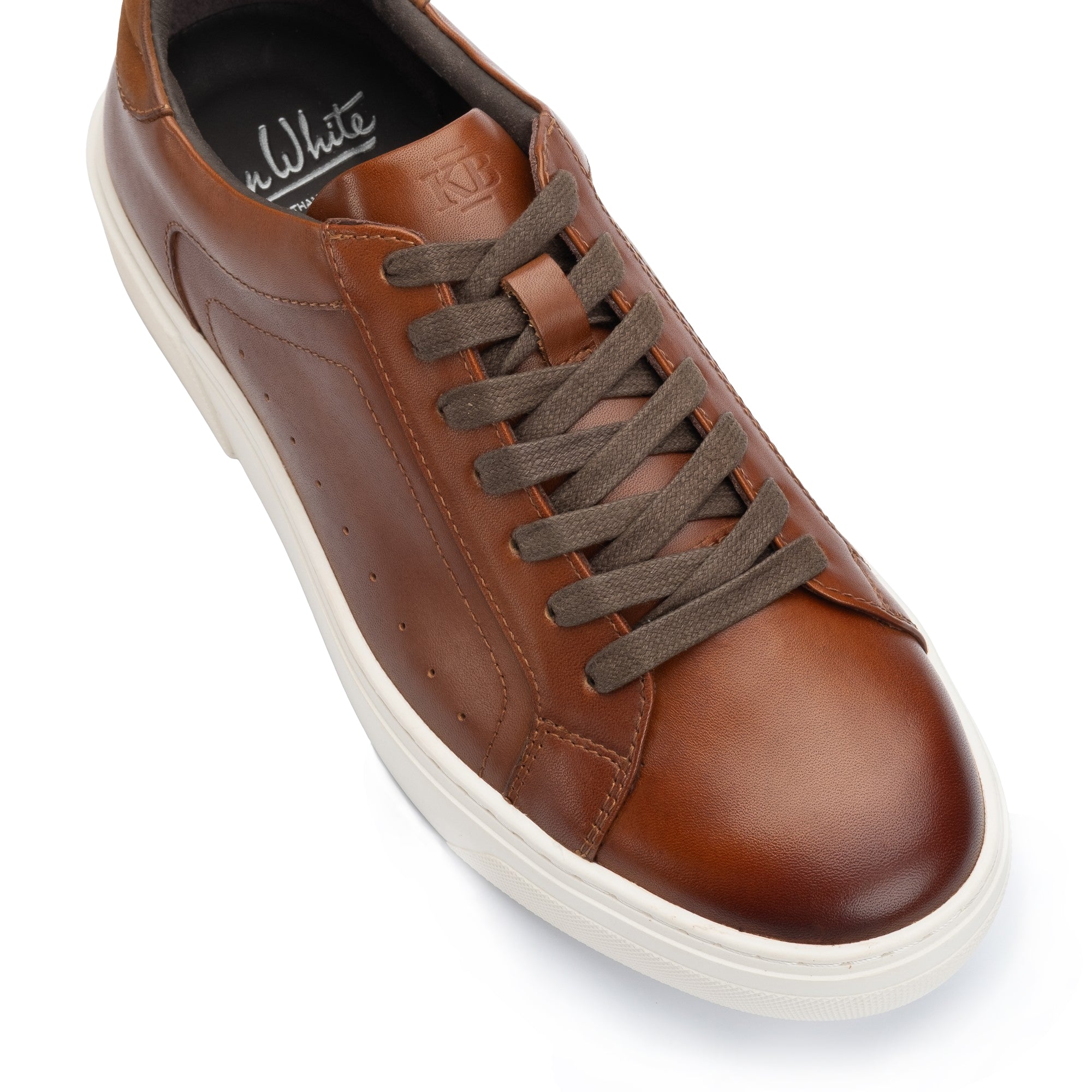
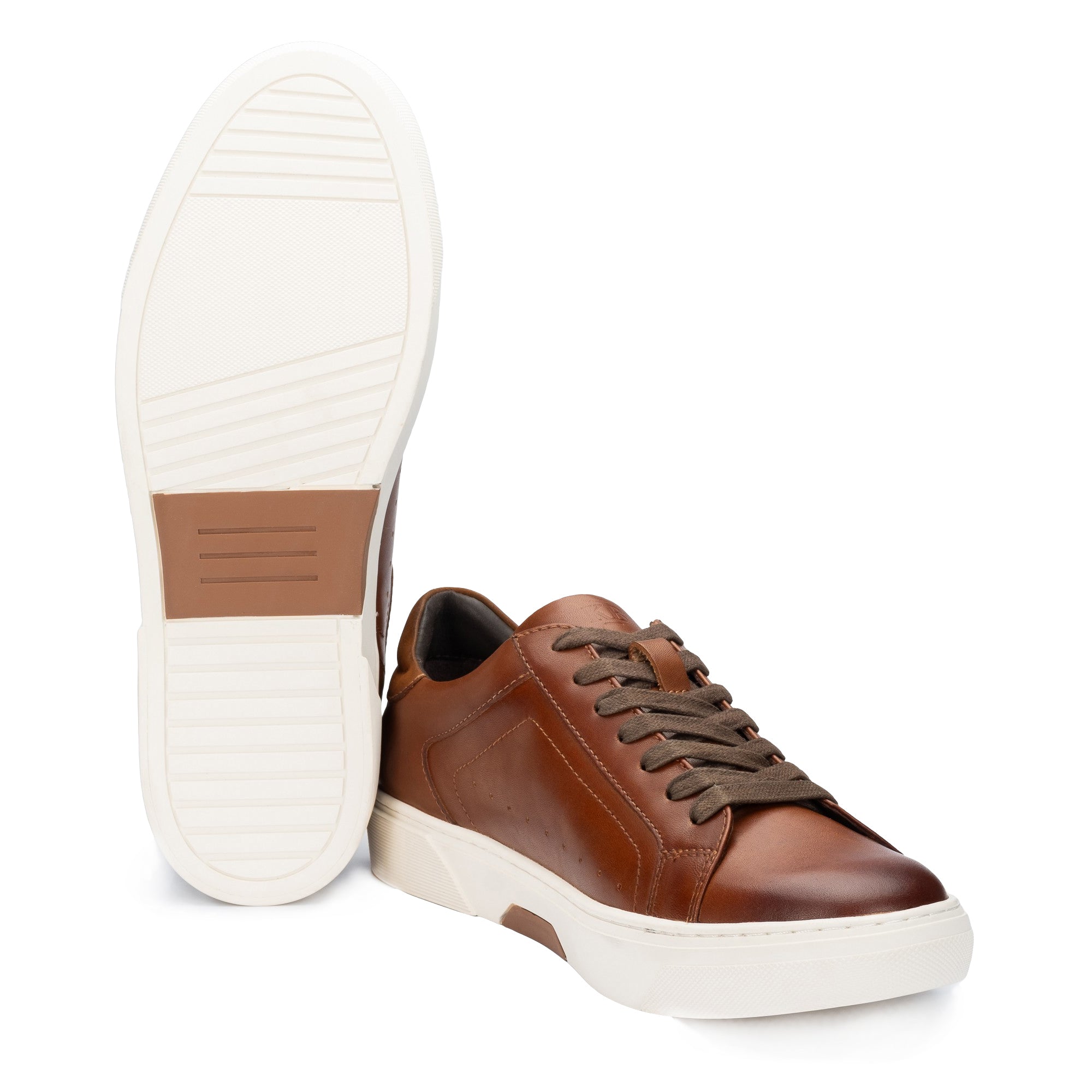
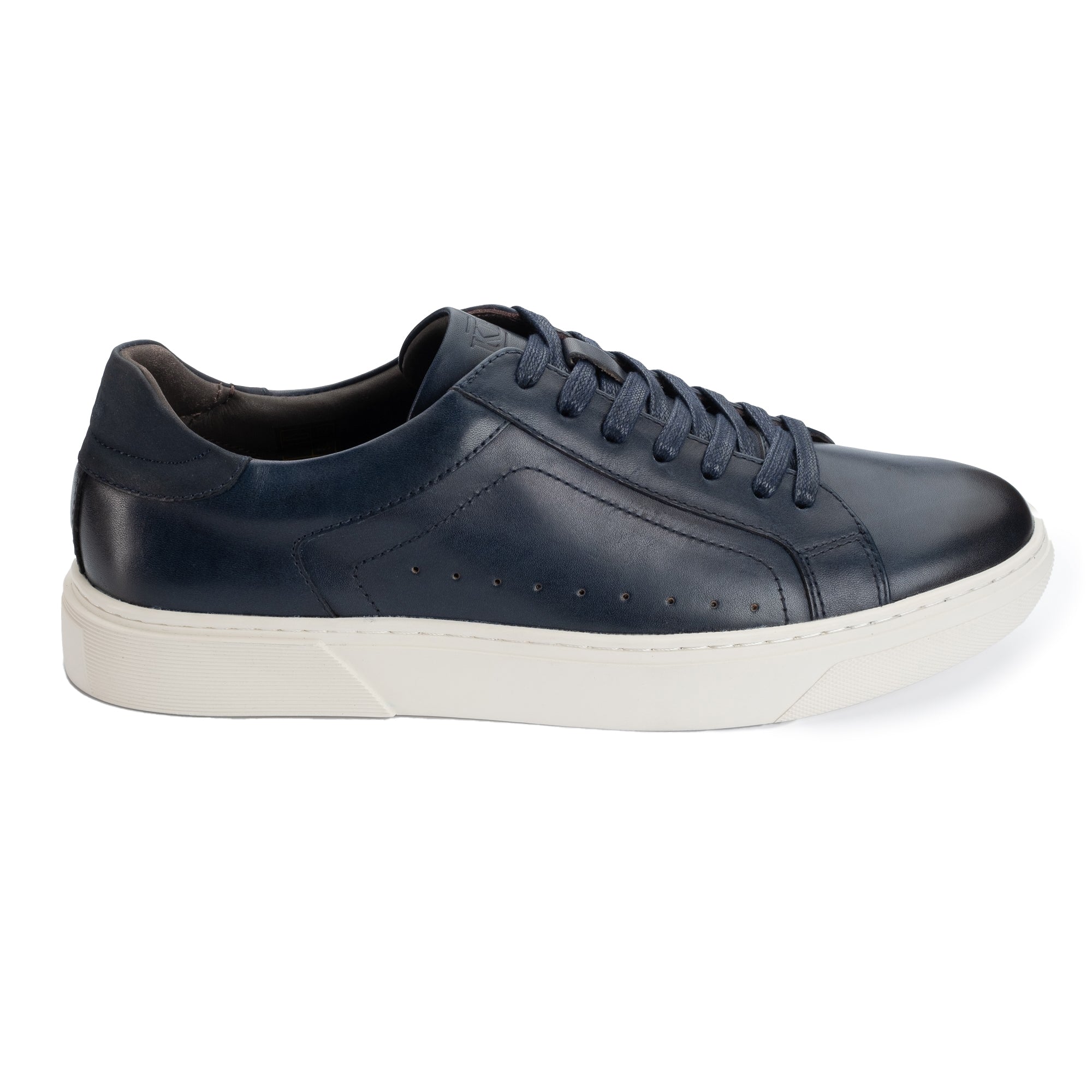
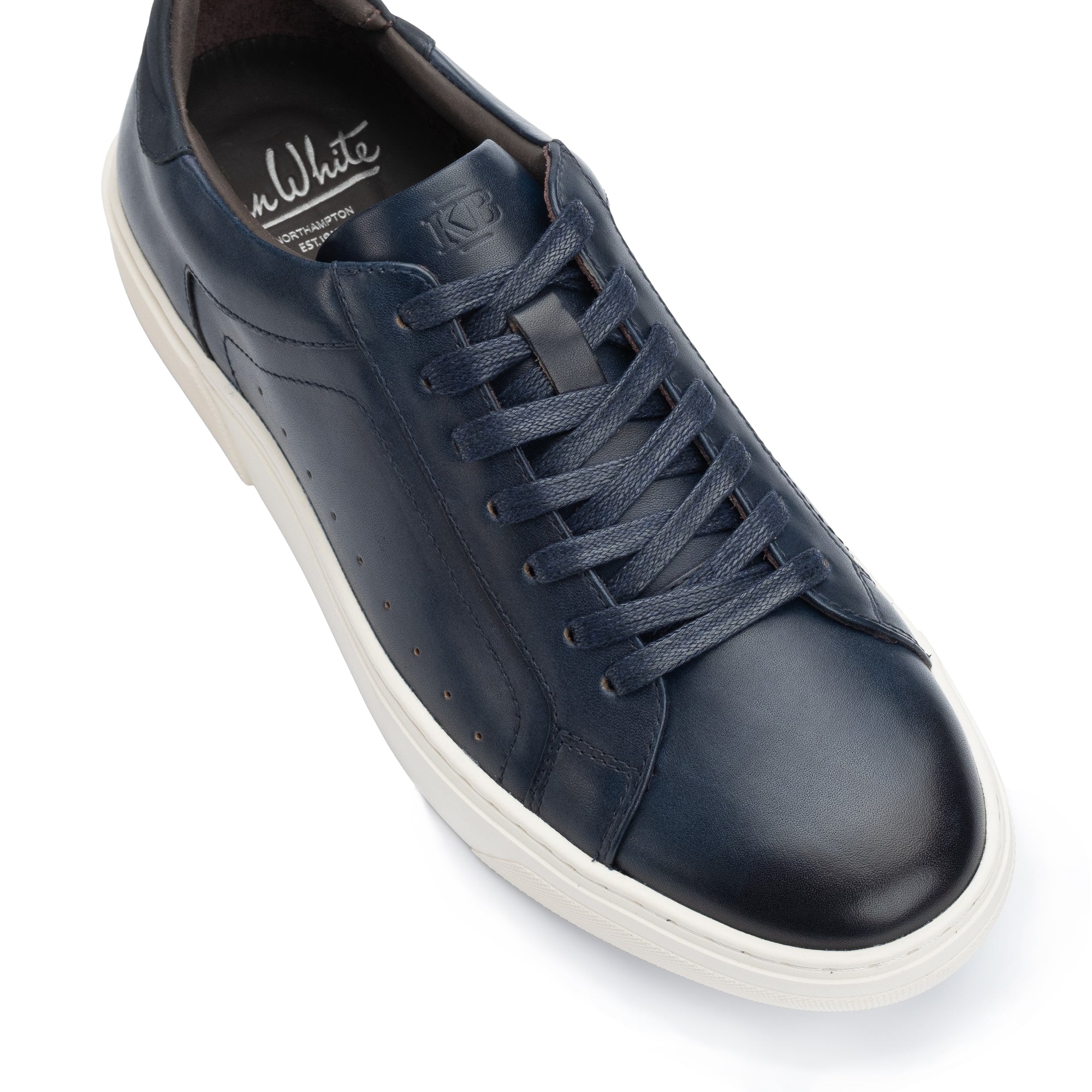
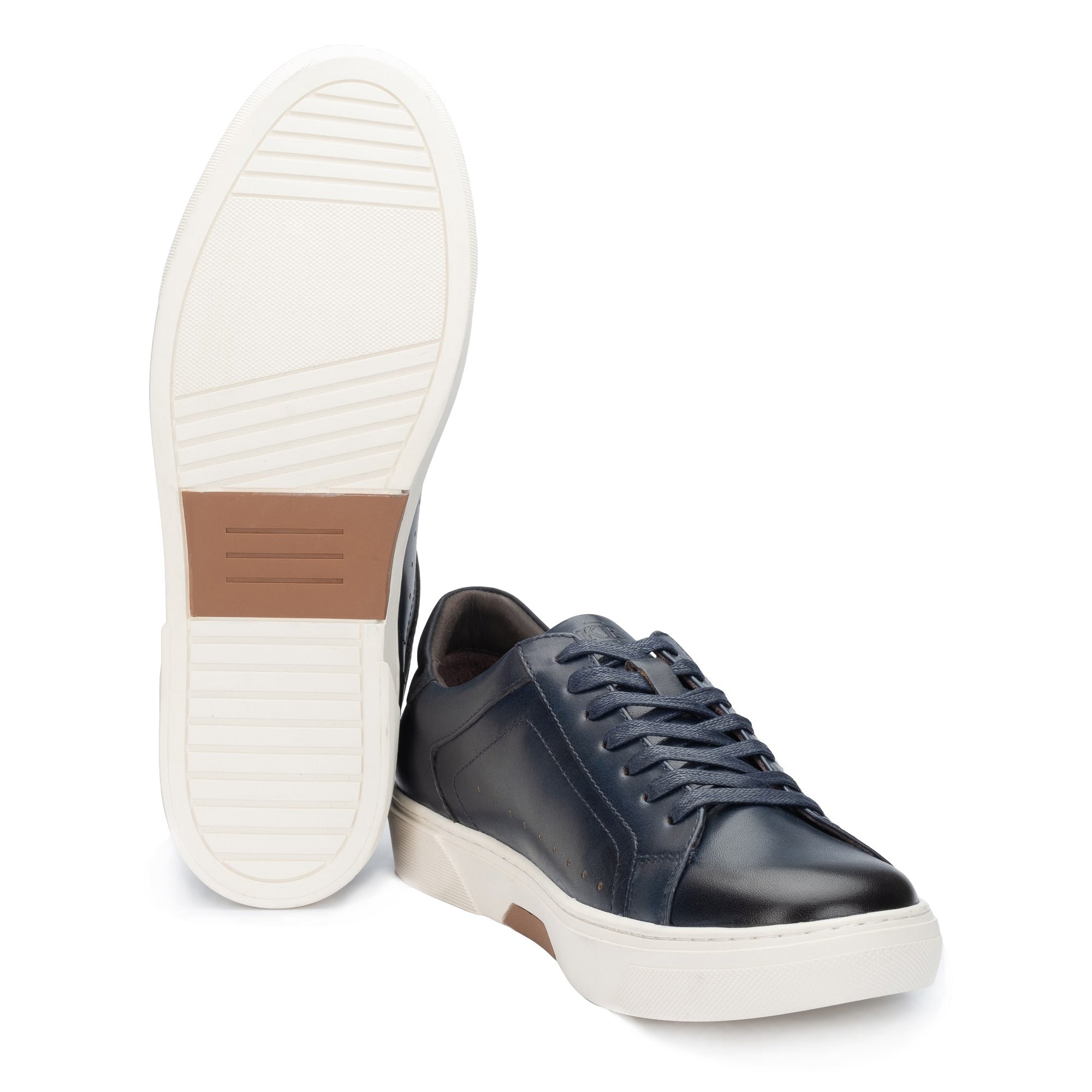
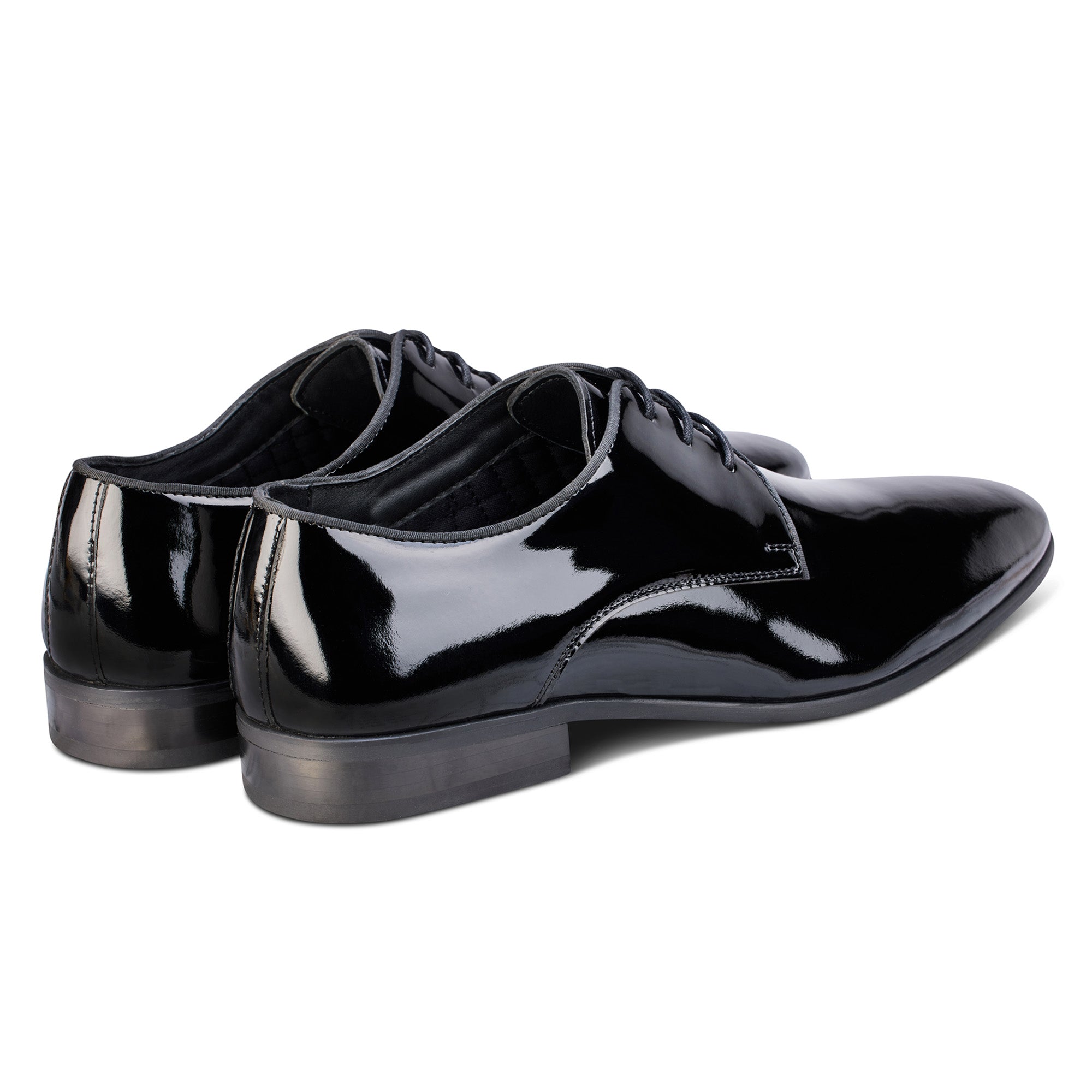
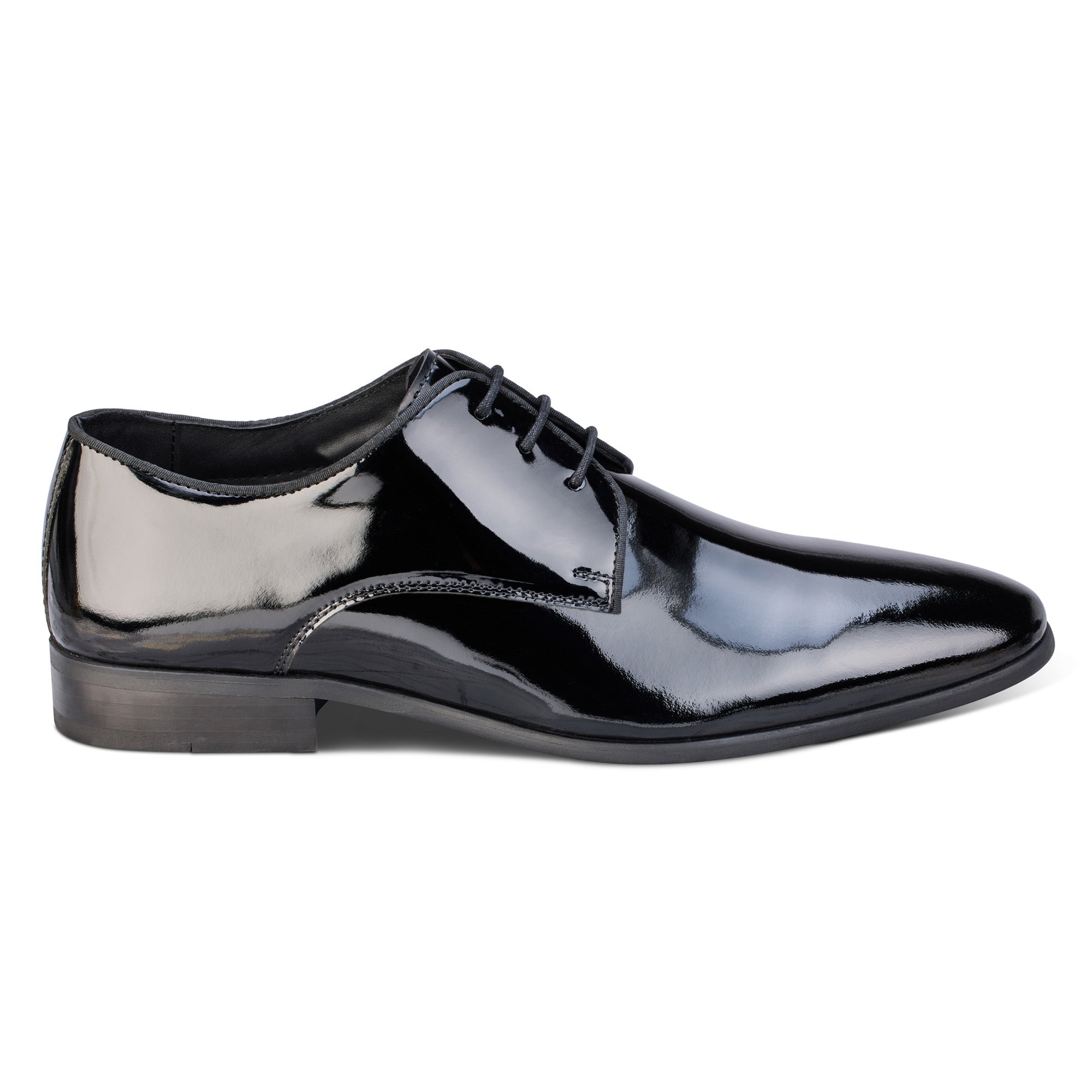
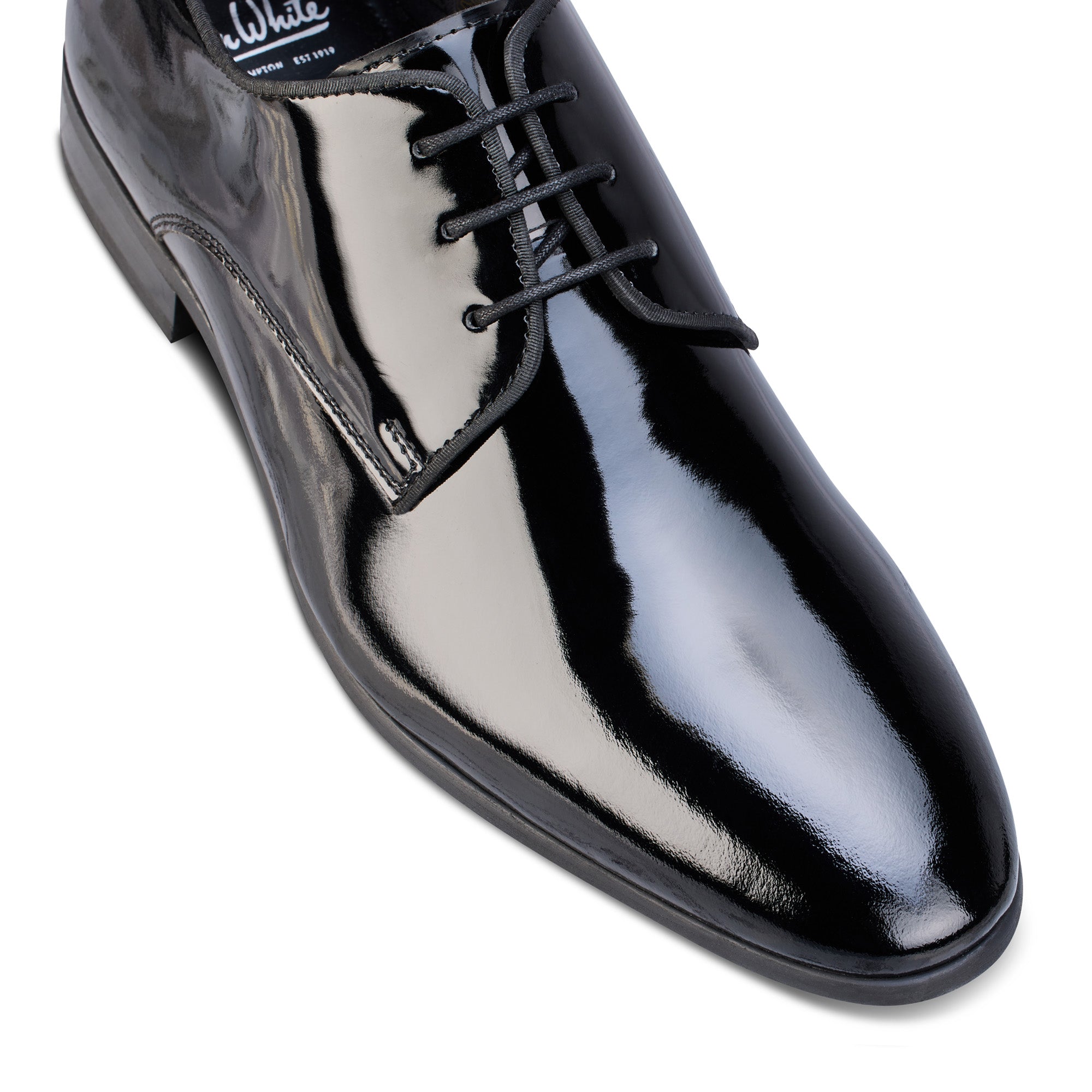
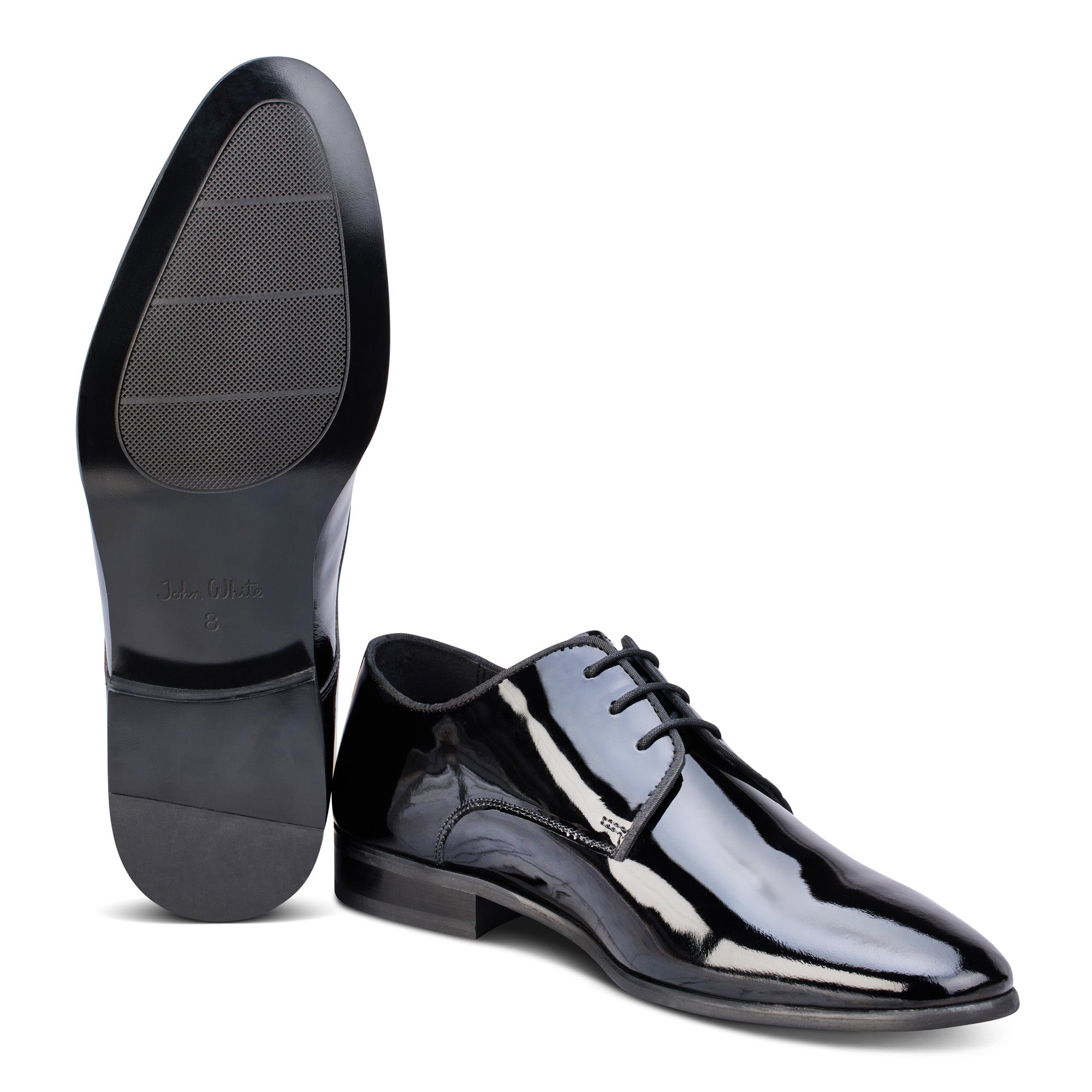
John White Shoes' design range reflects forms that were refined in this county over generations. Balanced proportions, clean lines, leather that ages with character rather than deteriorating — these aren't abstract values, they're the practical outputs of a craft tradition that understood how a shoe wears over years, not just how it looks in a box. You can explore the current men's shoes collection and see that design lineage still present in every silhouette.
Northamptonshire's contribution to British style is a design vocabulary — one that defined the Oxford, the Derby, and the brogue as the world now knows them.
Which Styles Best Represent the Northamptonshire Design Heritage?
Certain styles carry the heritage more directly than others. These are the forms Northamptonshire shoemakers spent generations perfecting.
The Capped Oxford
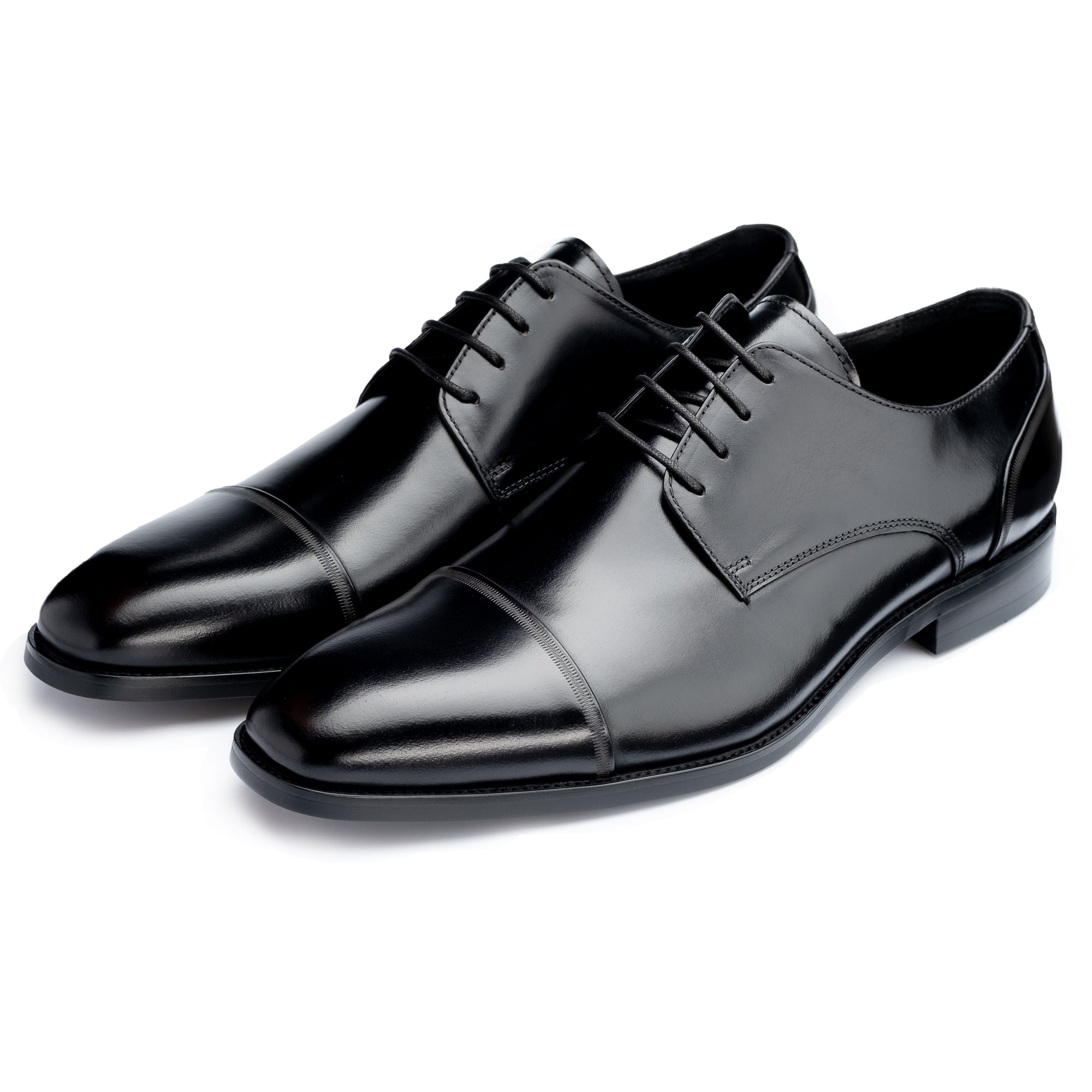
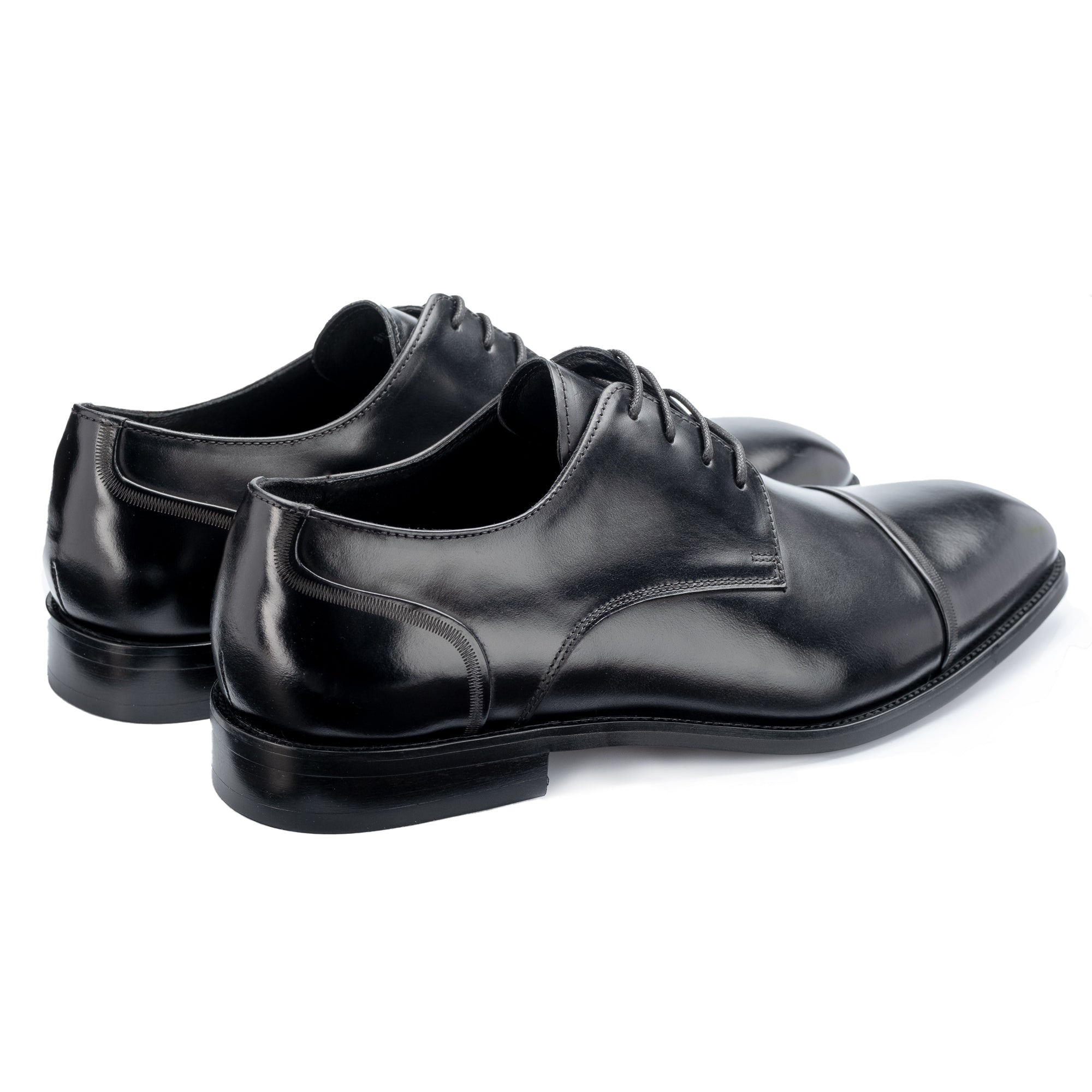
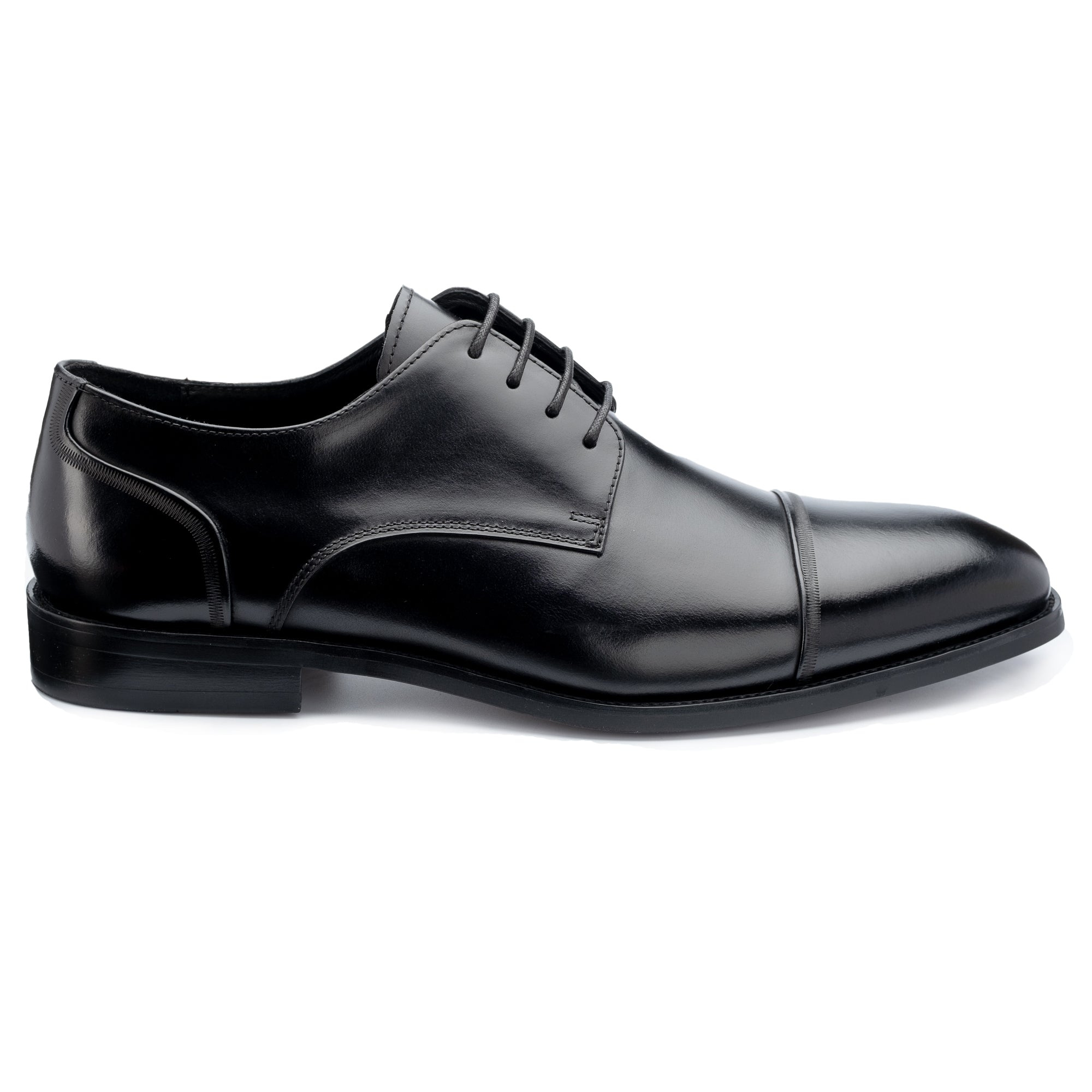
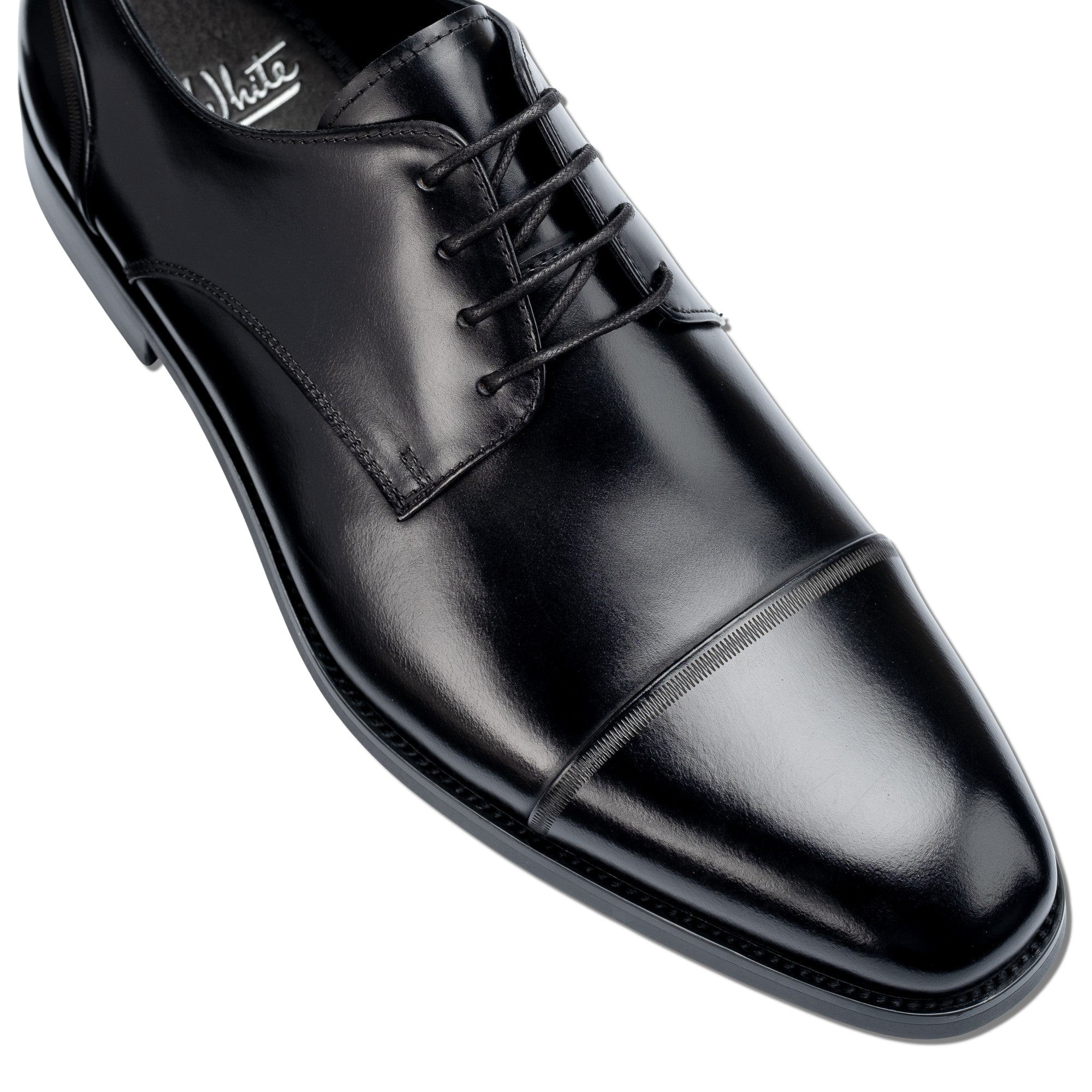
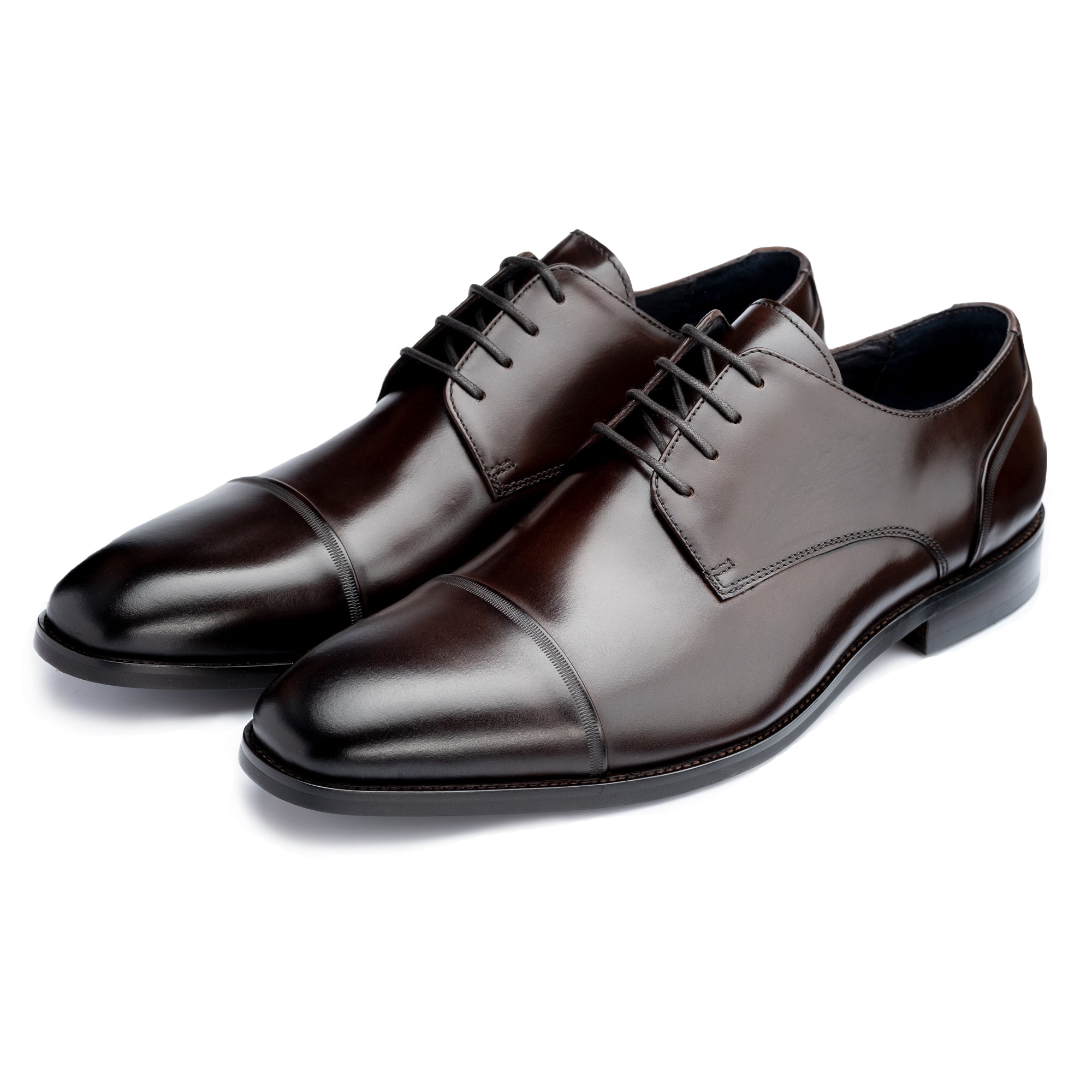
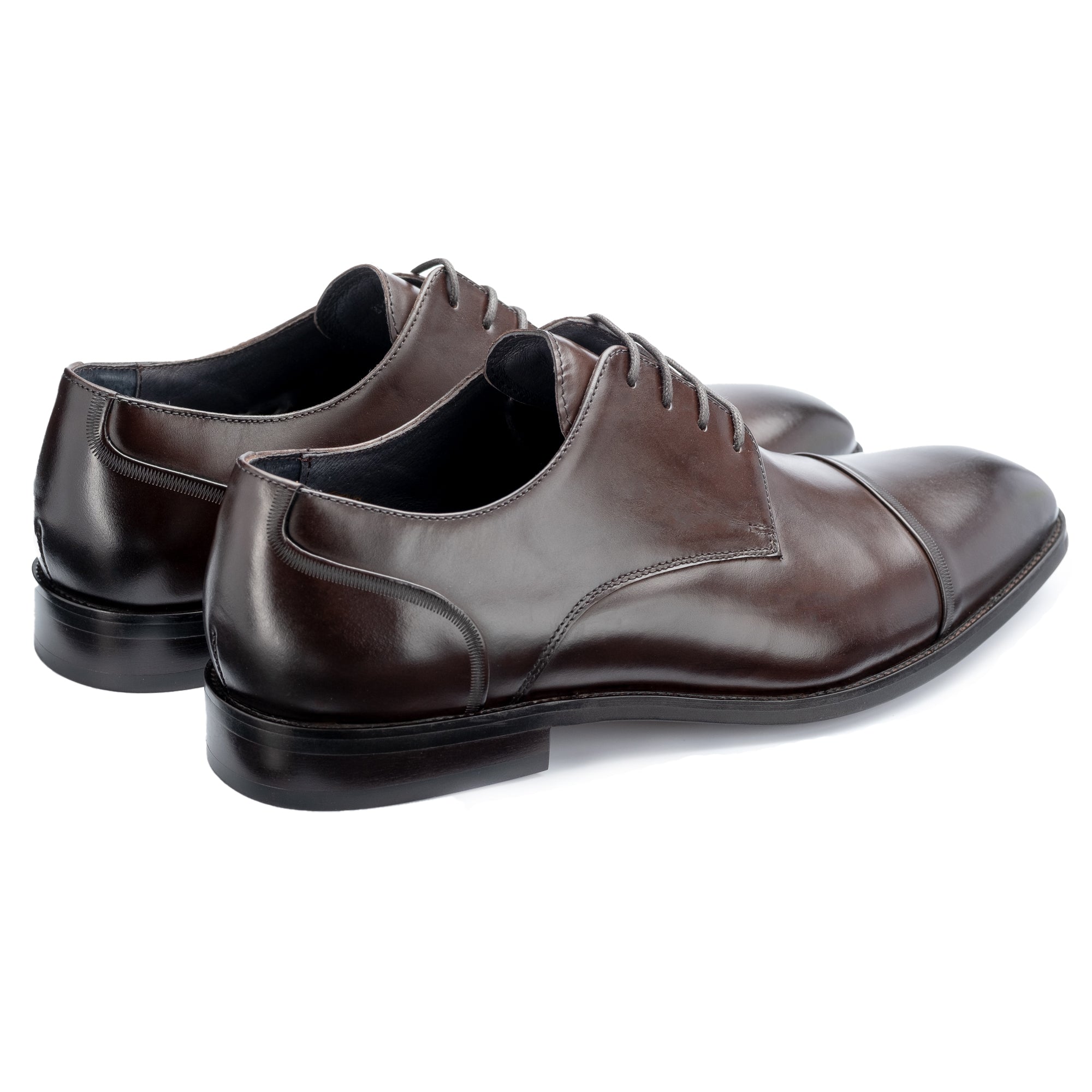
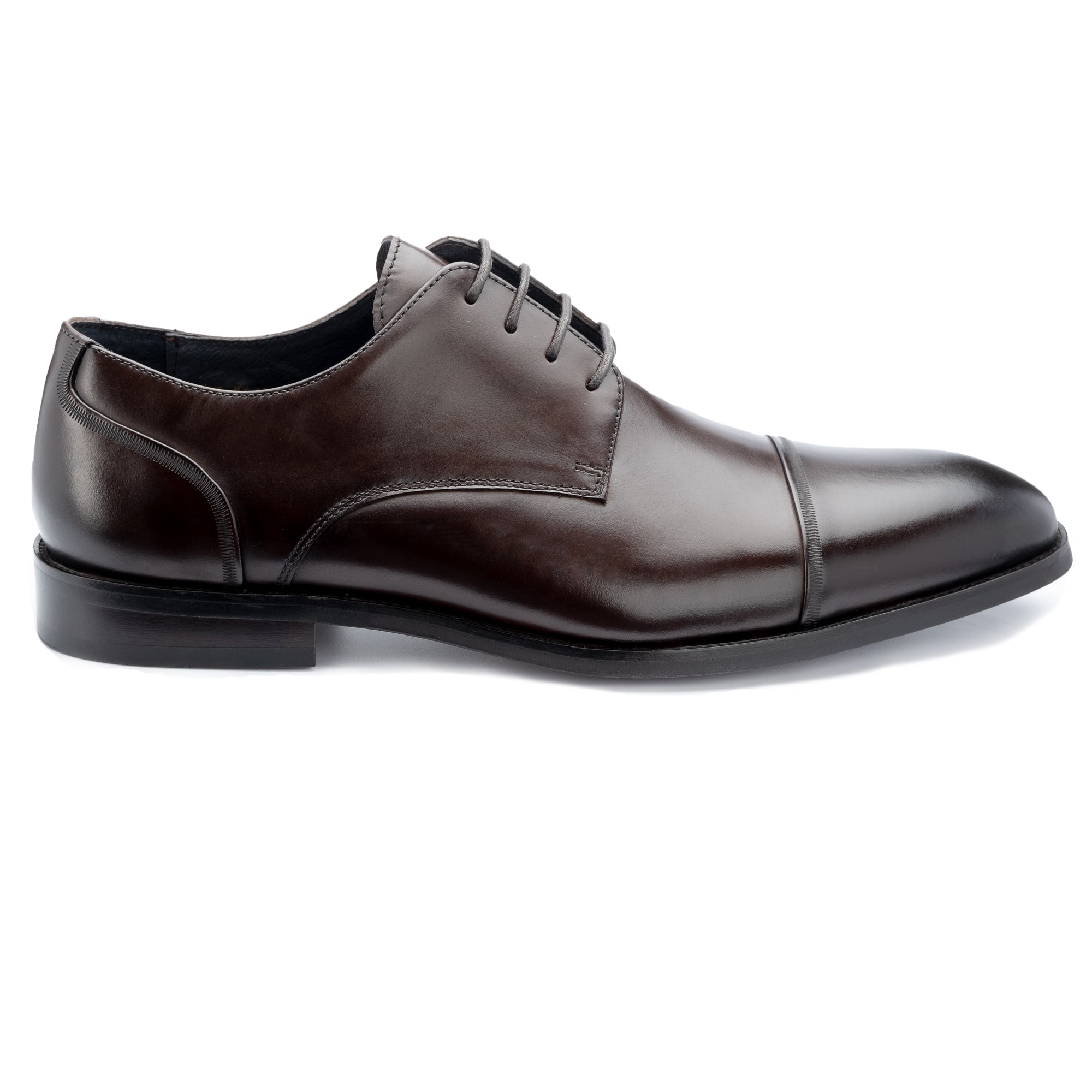
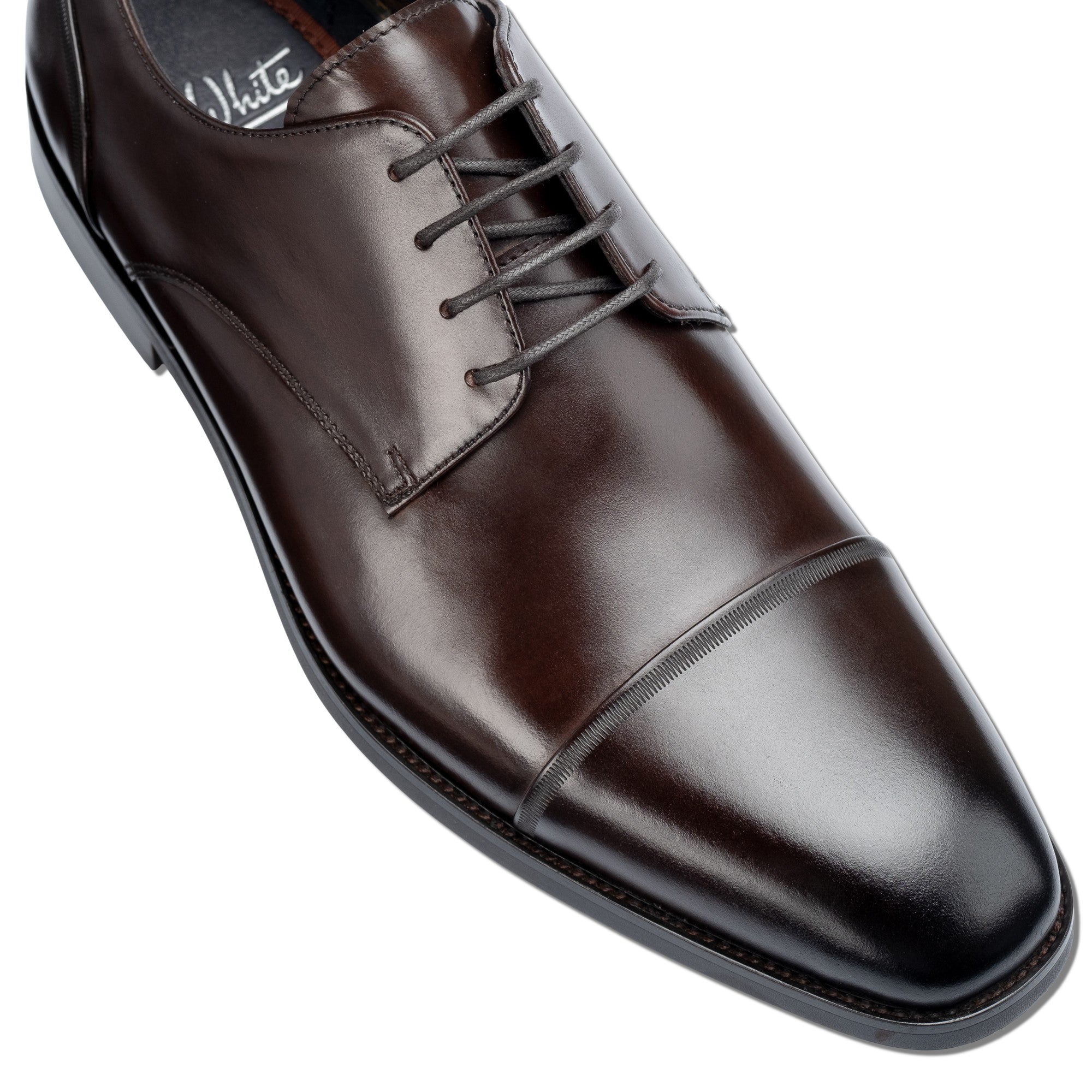
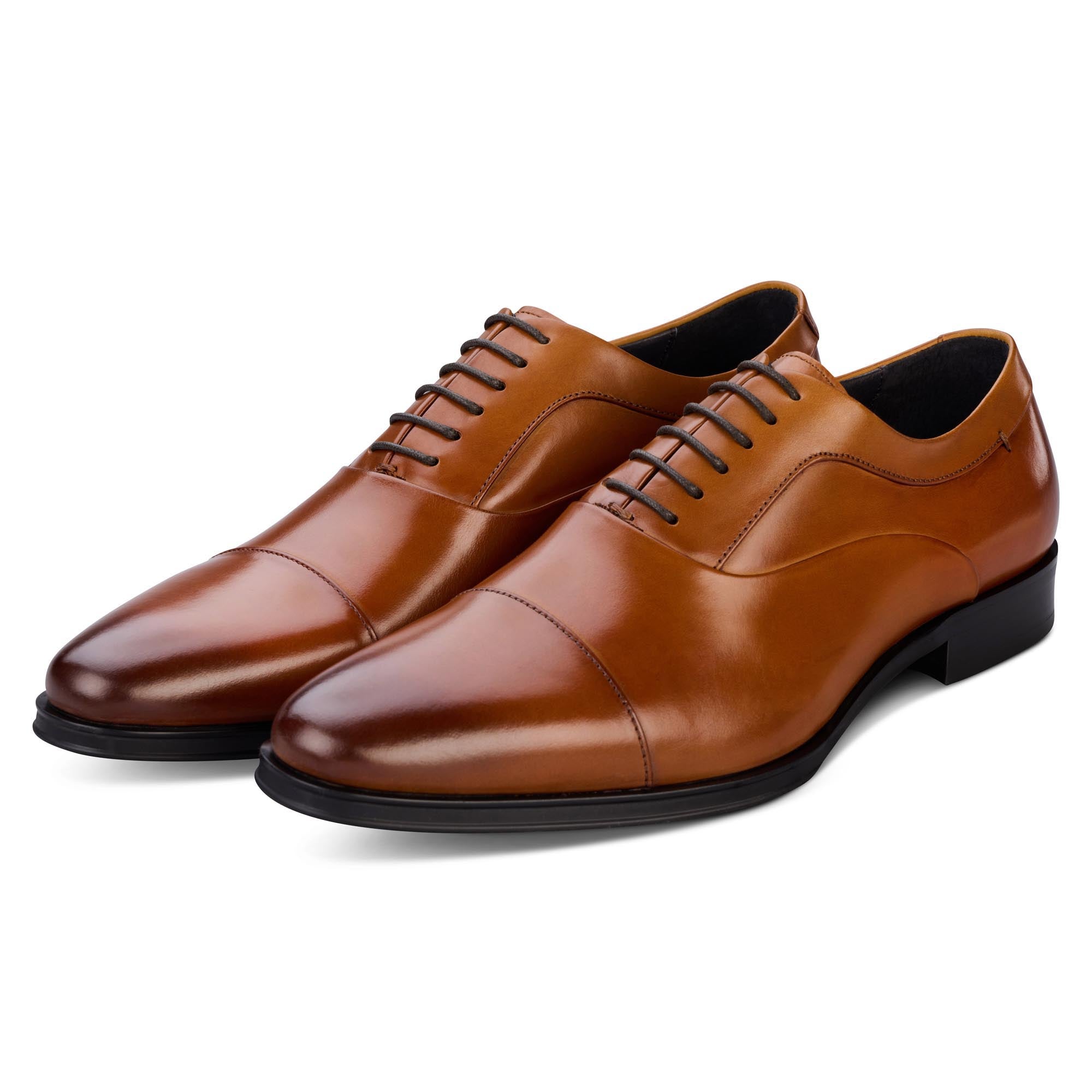
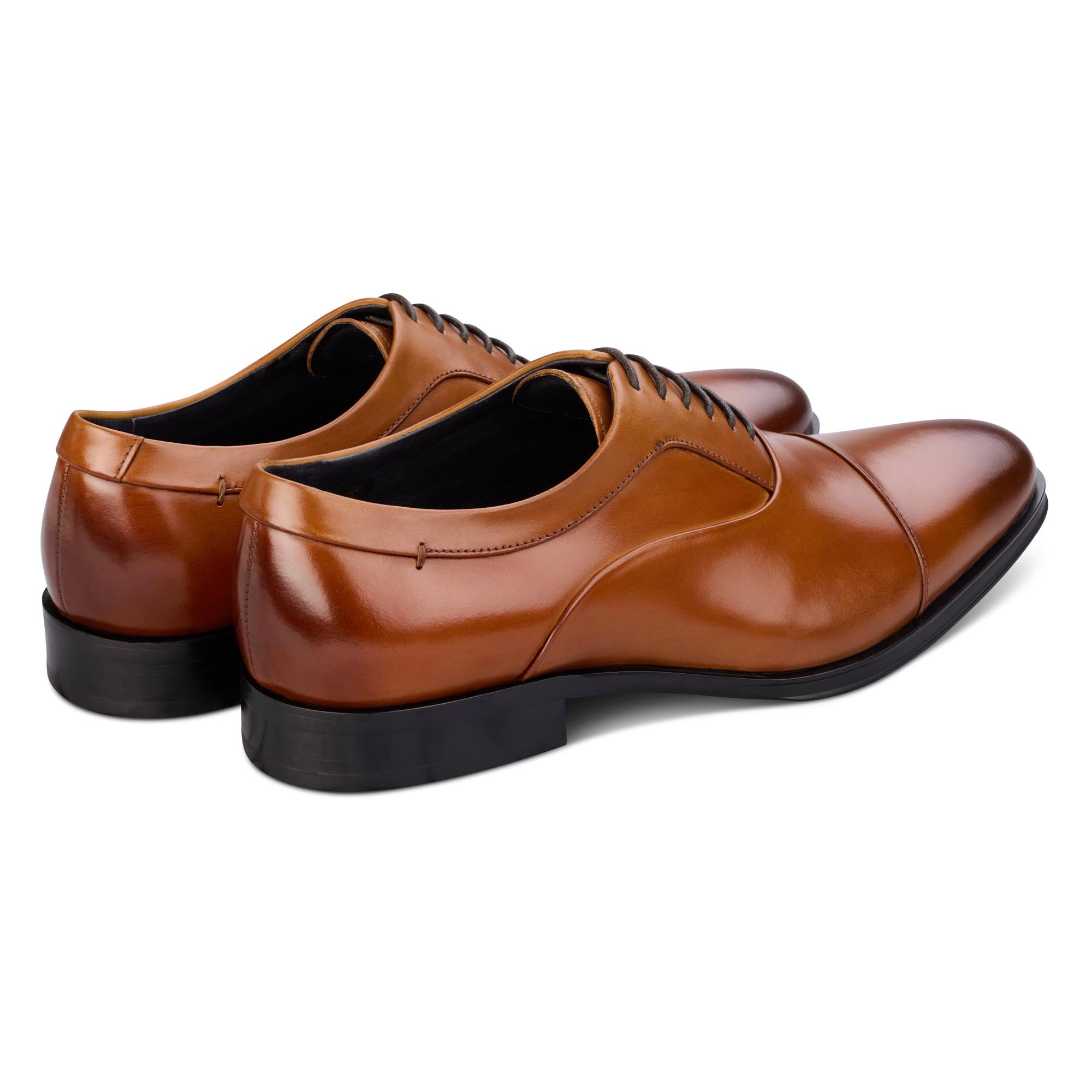
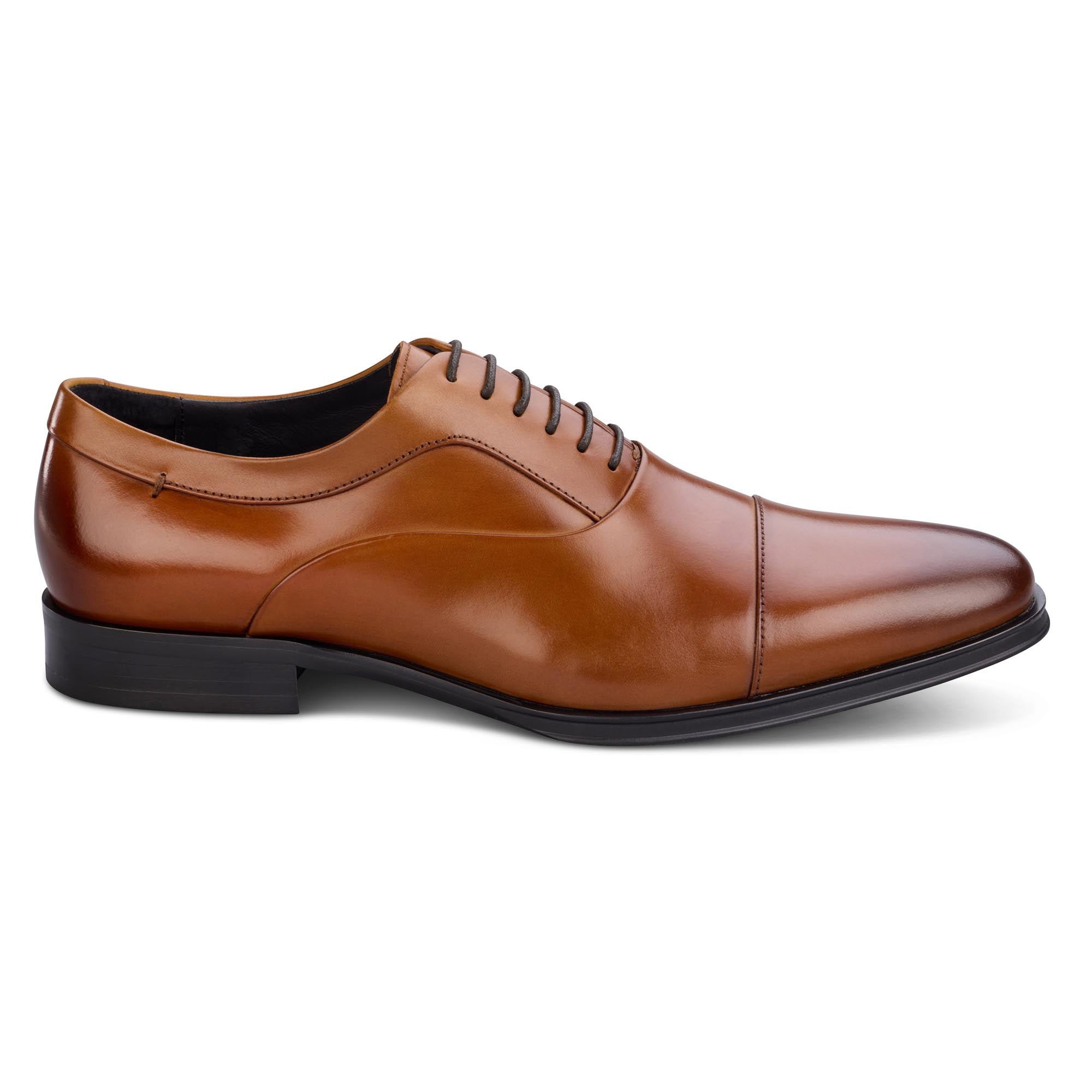
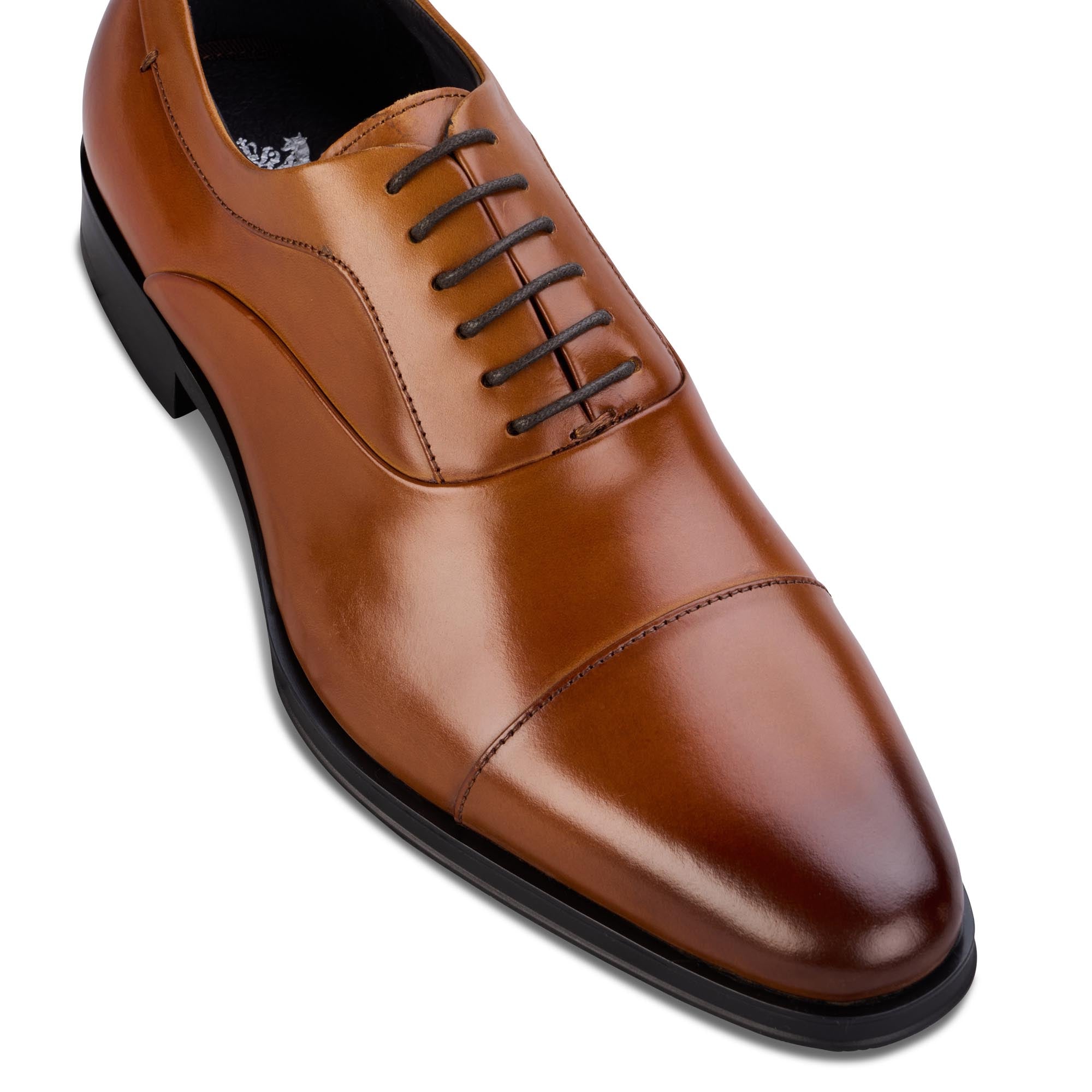
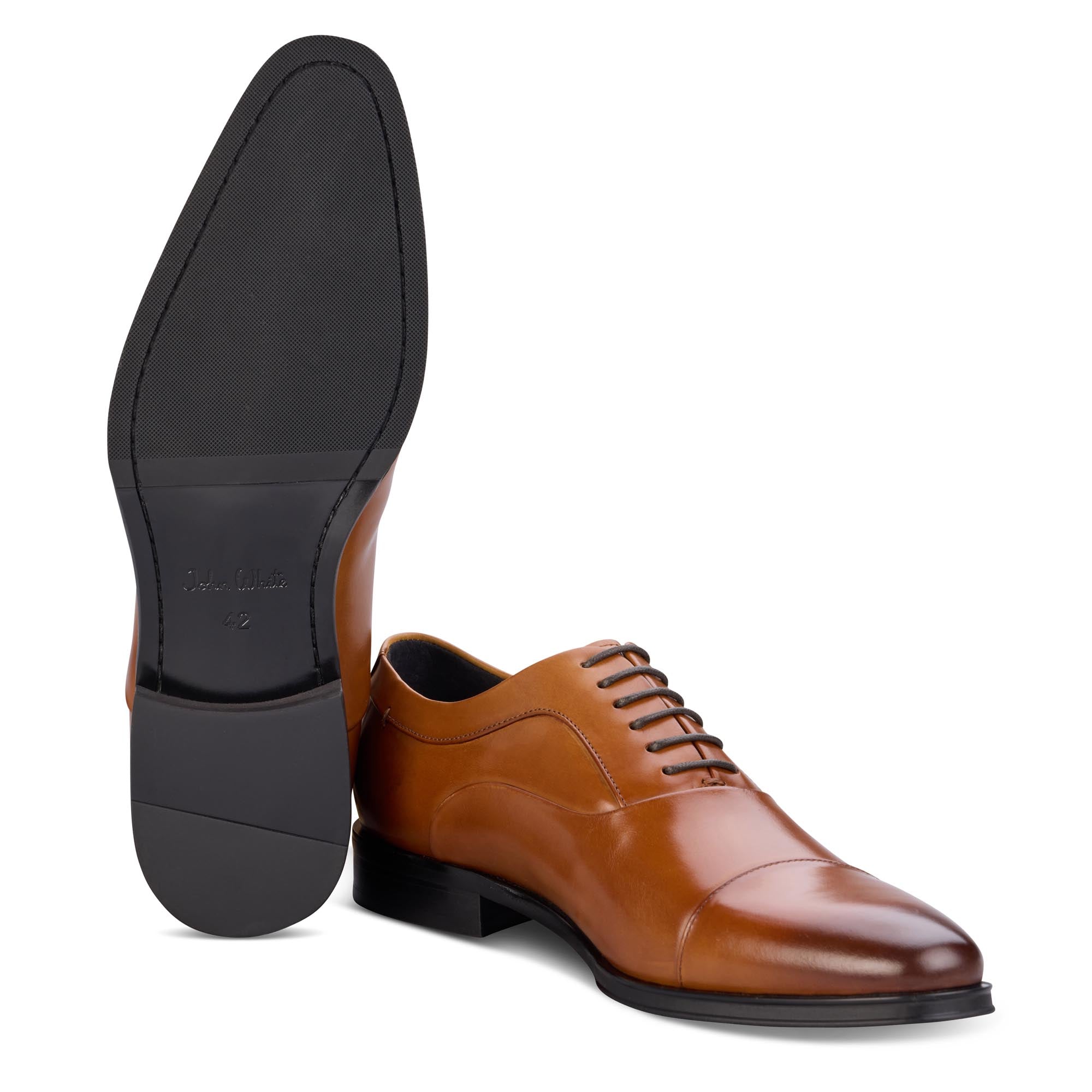
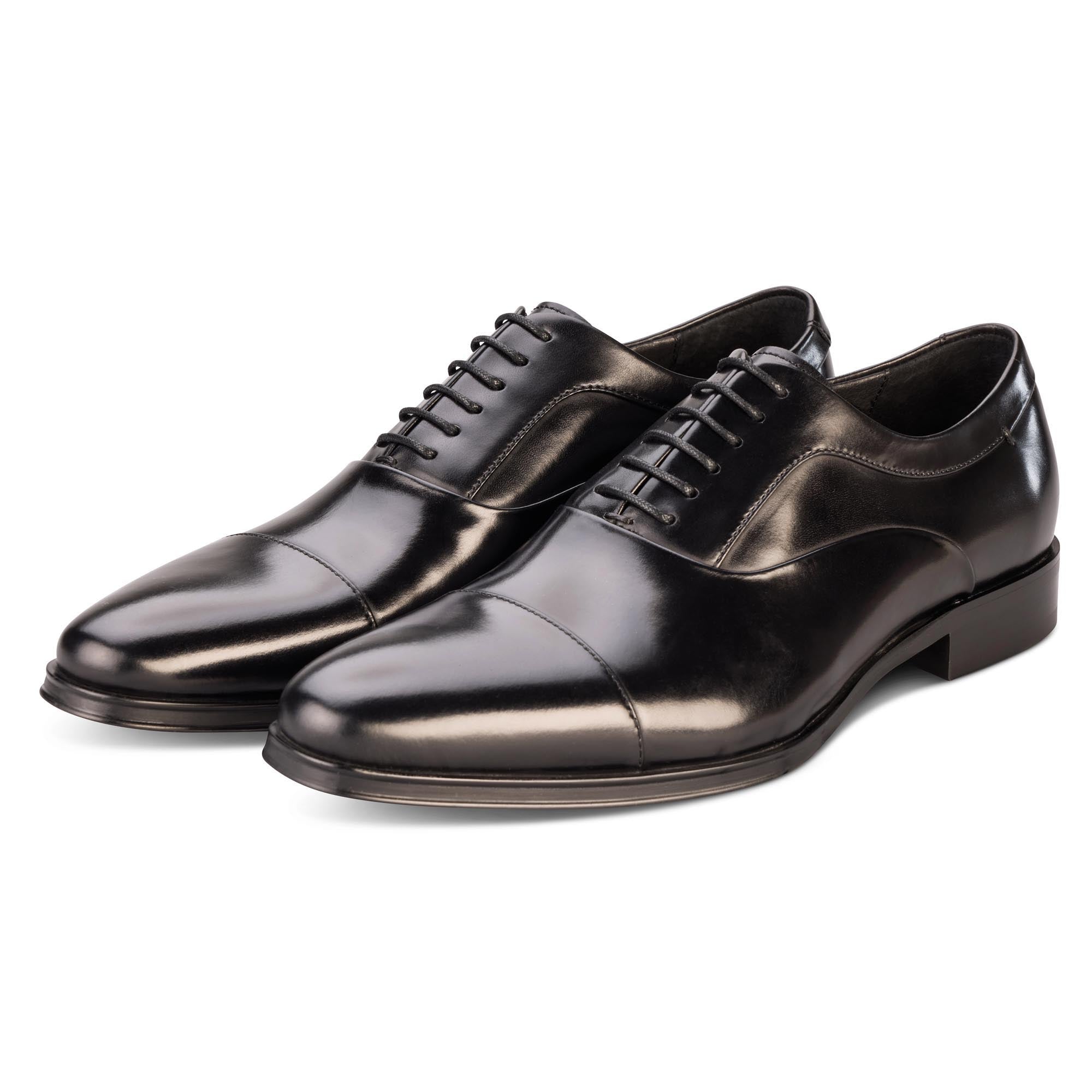
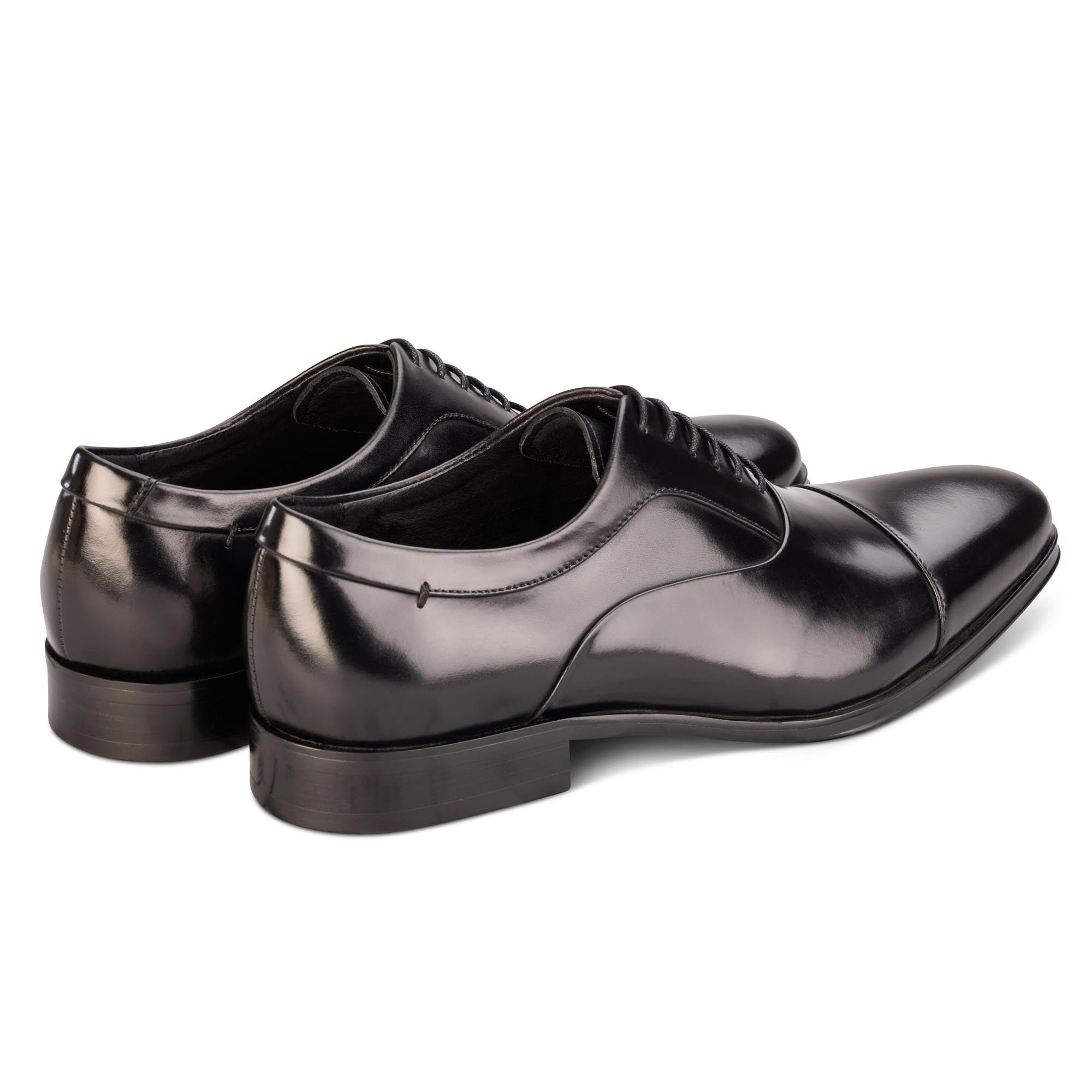
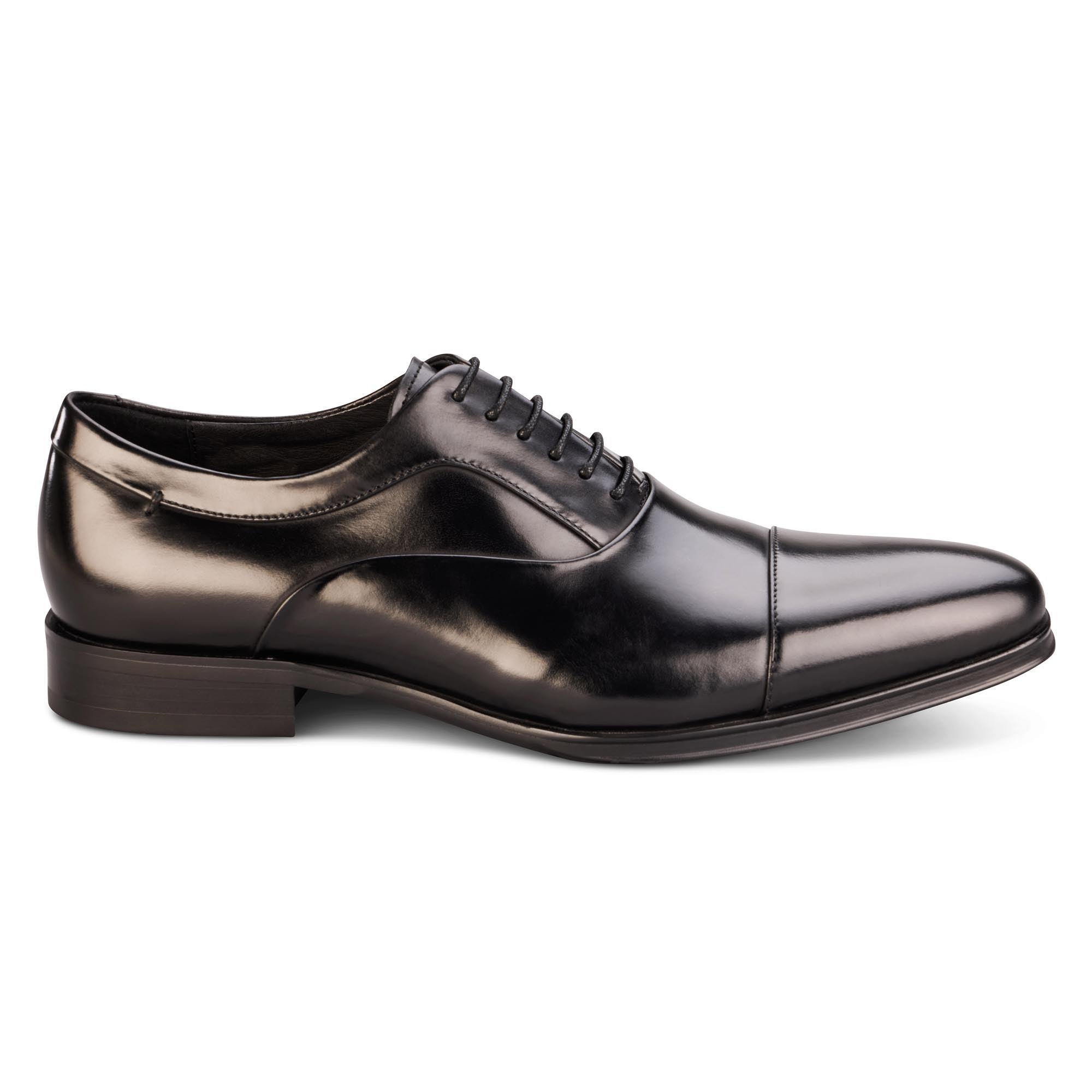
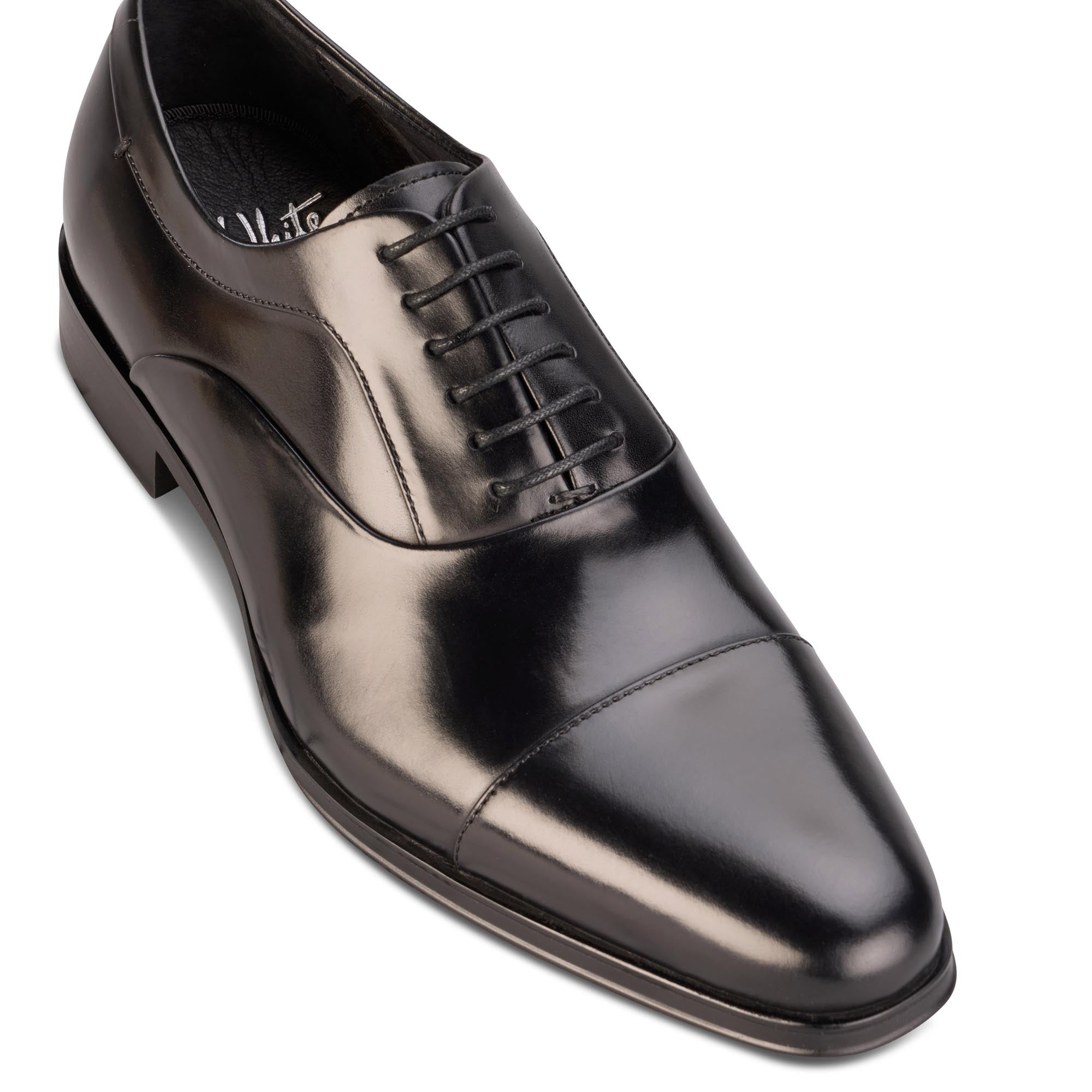
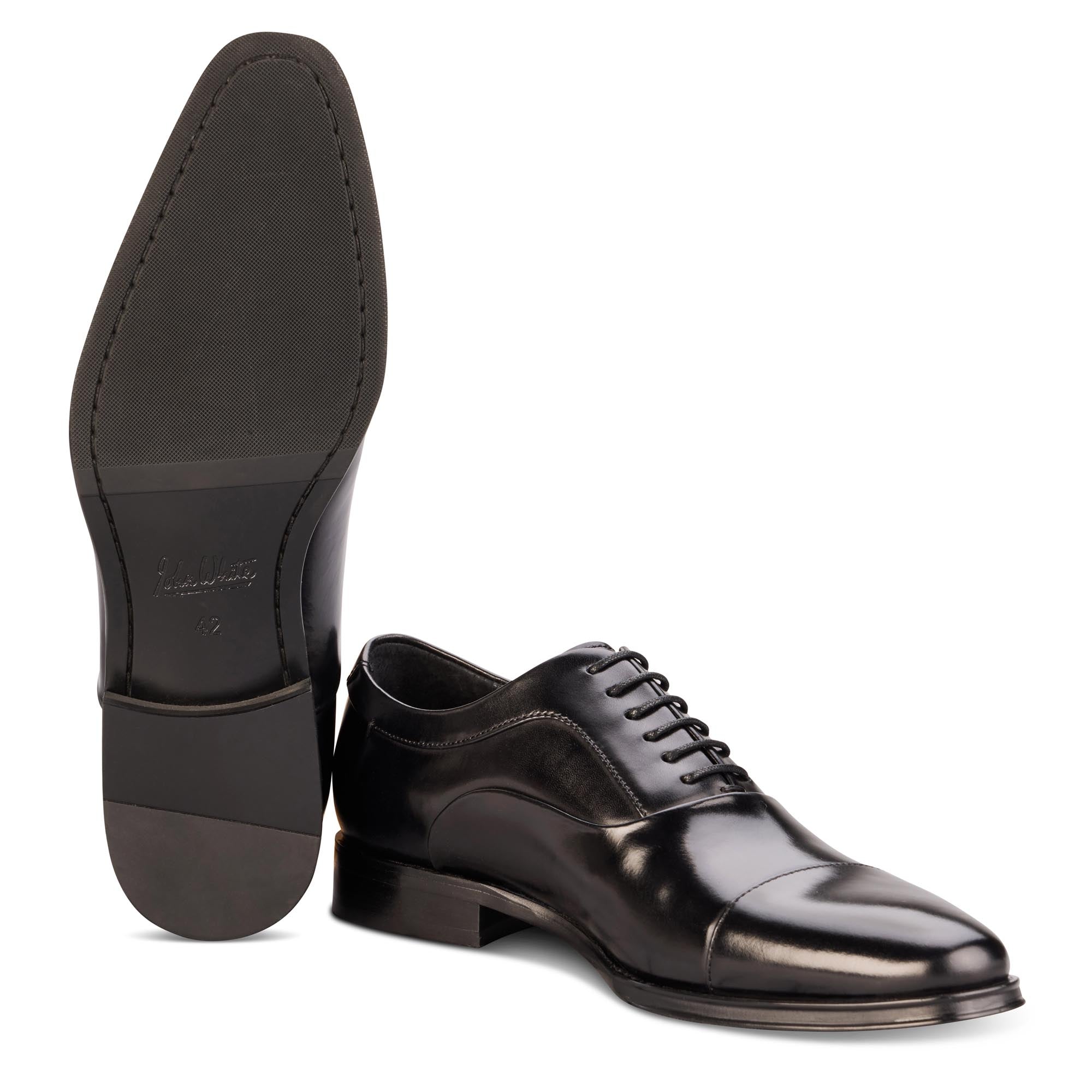
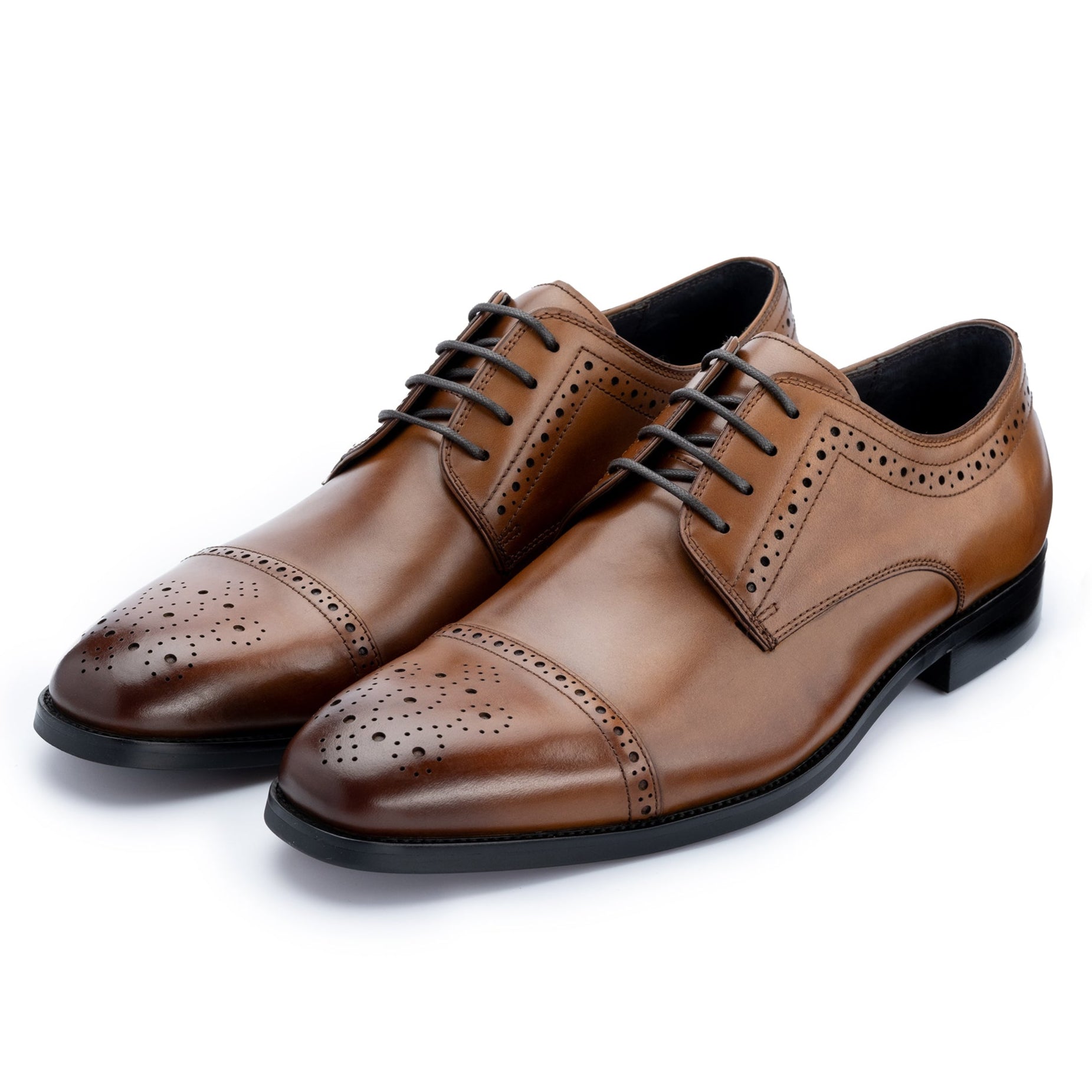
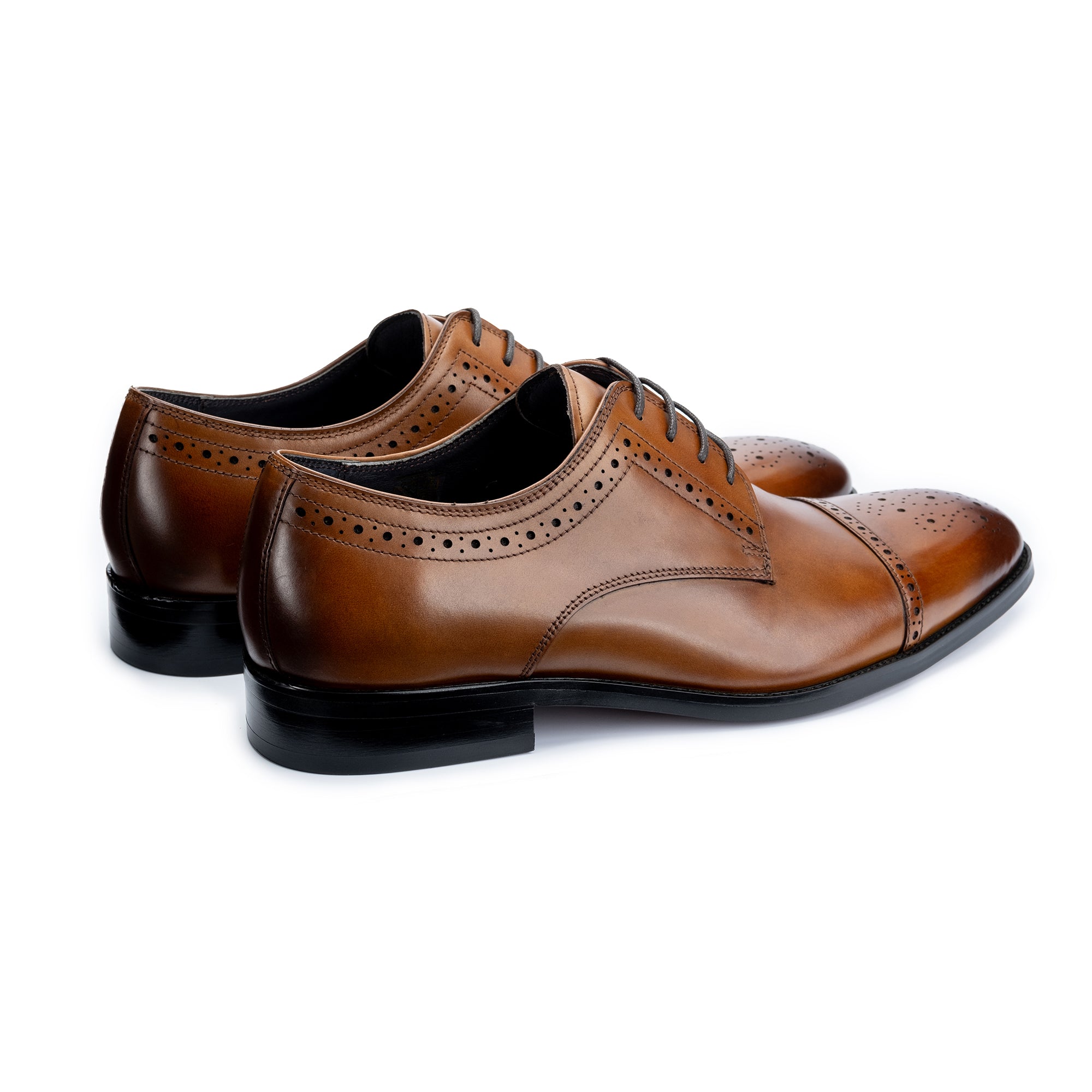
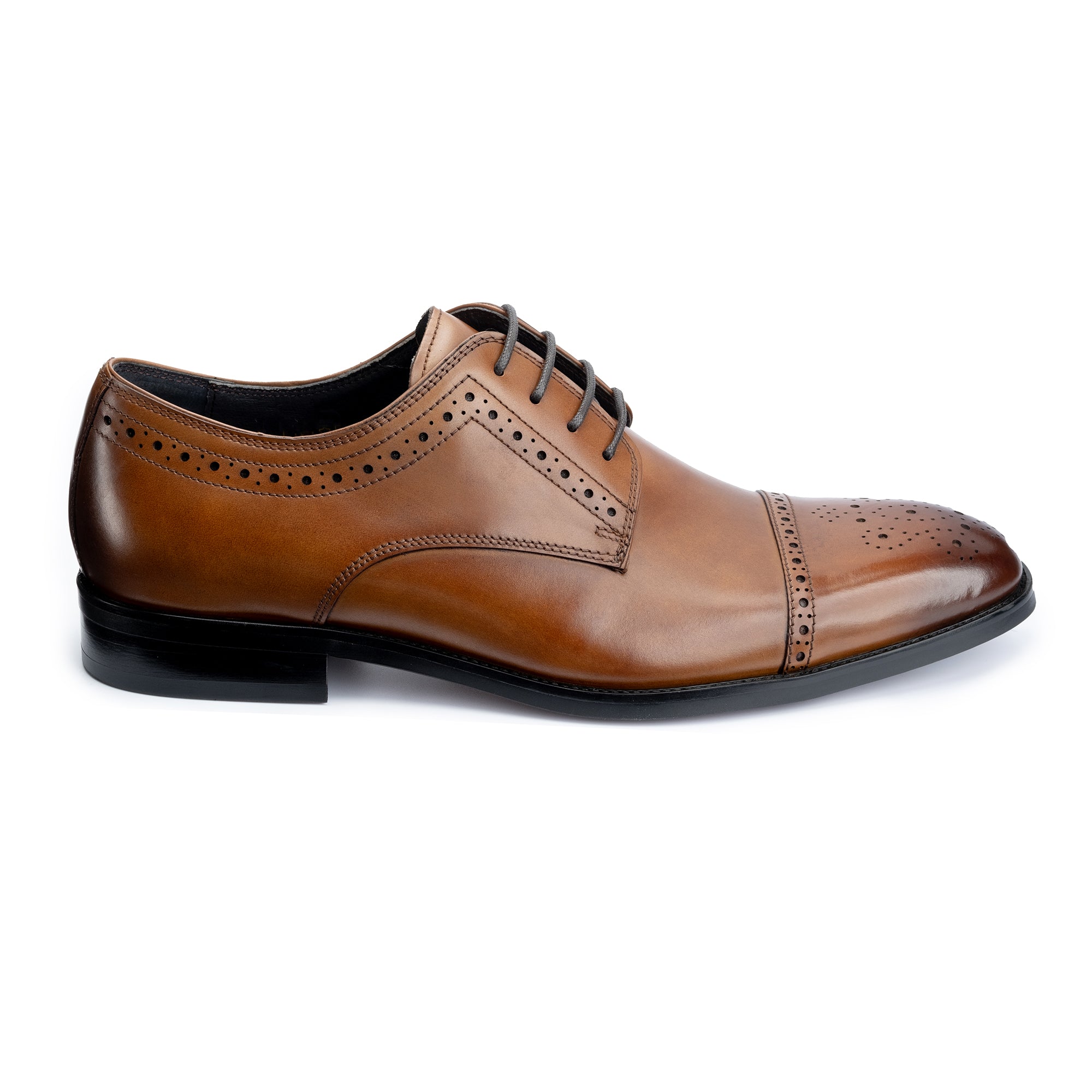
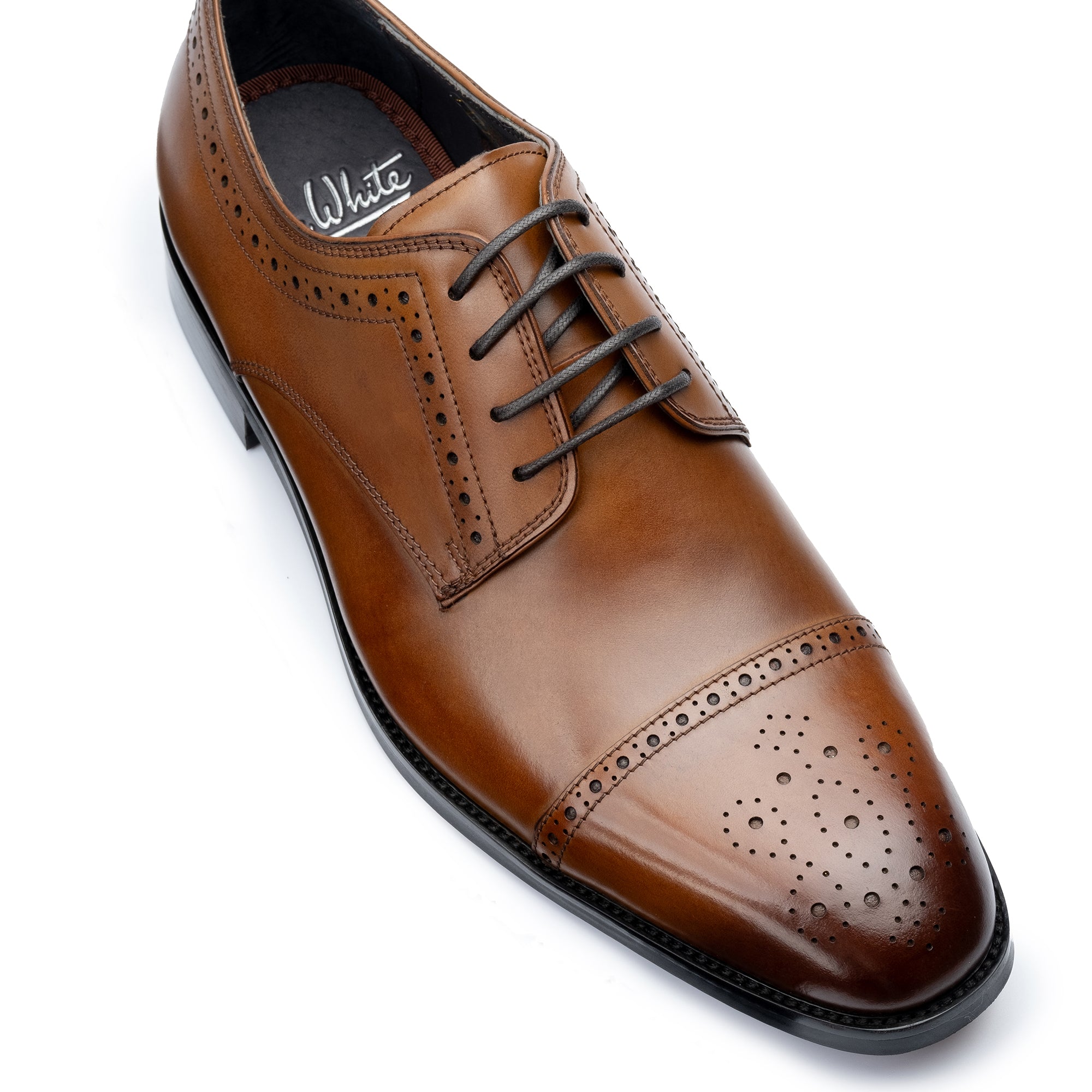
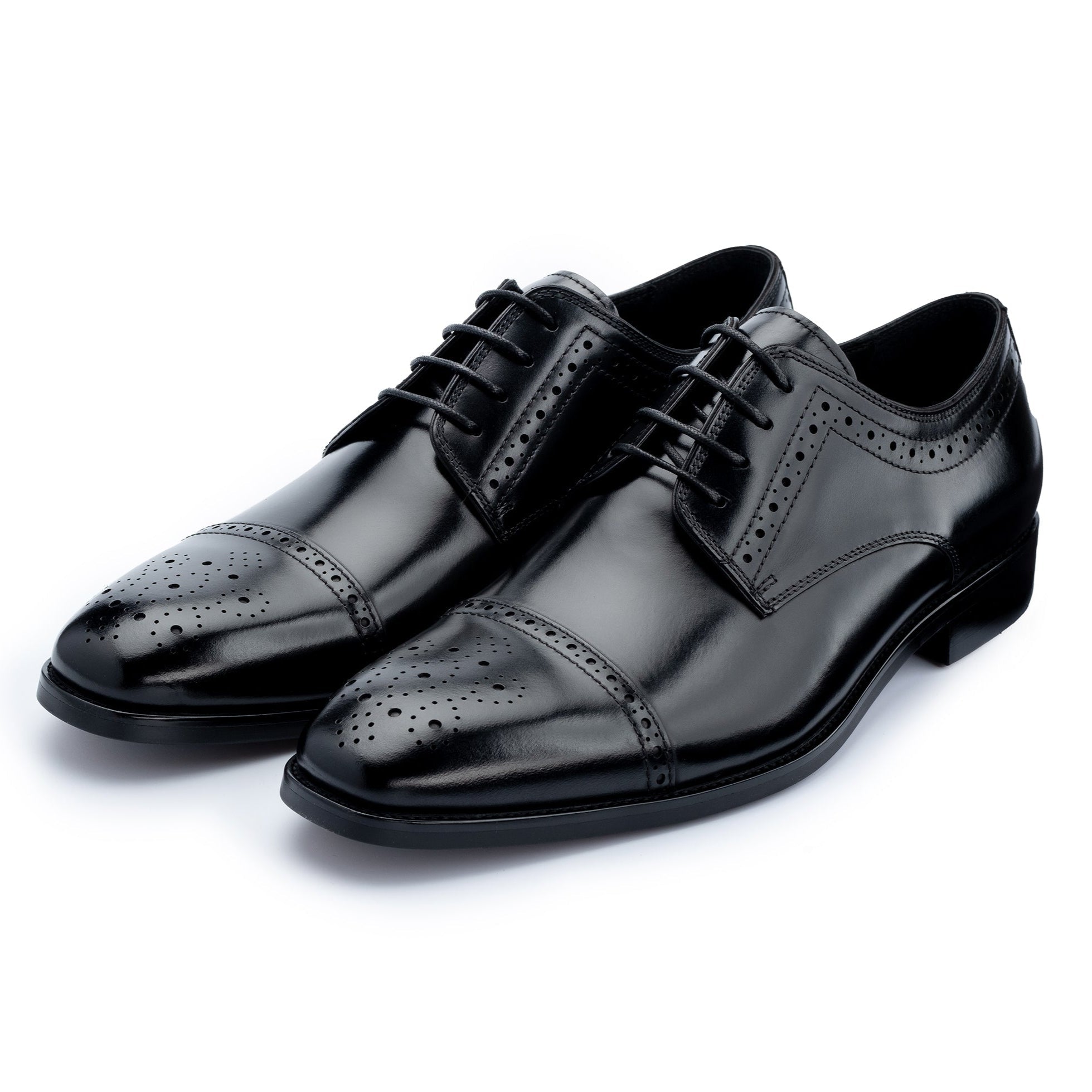
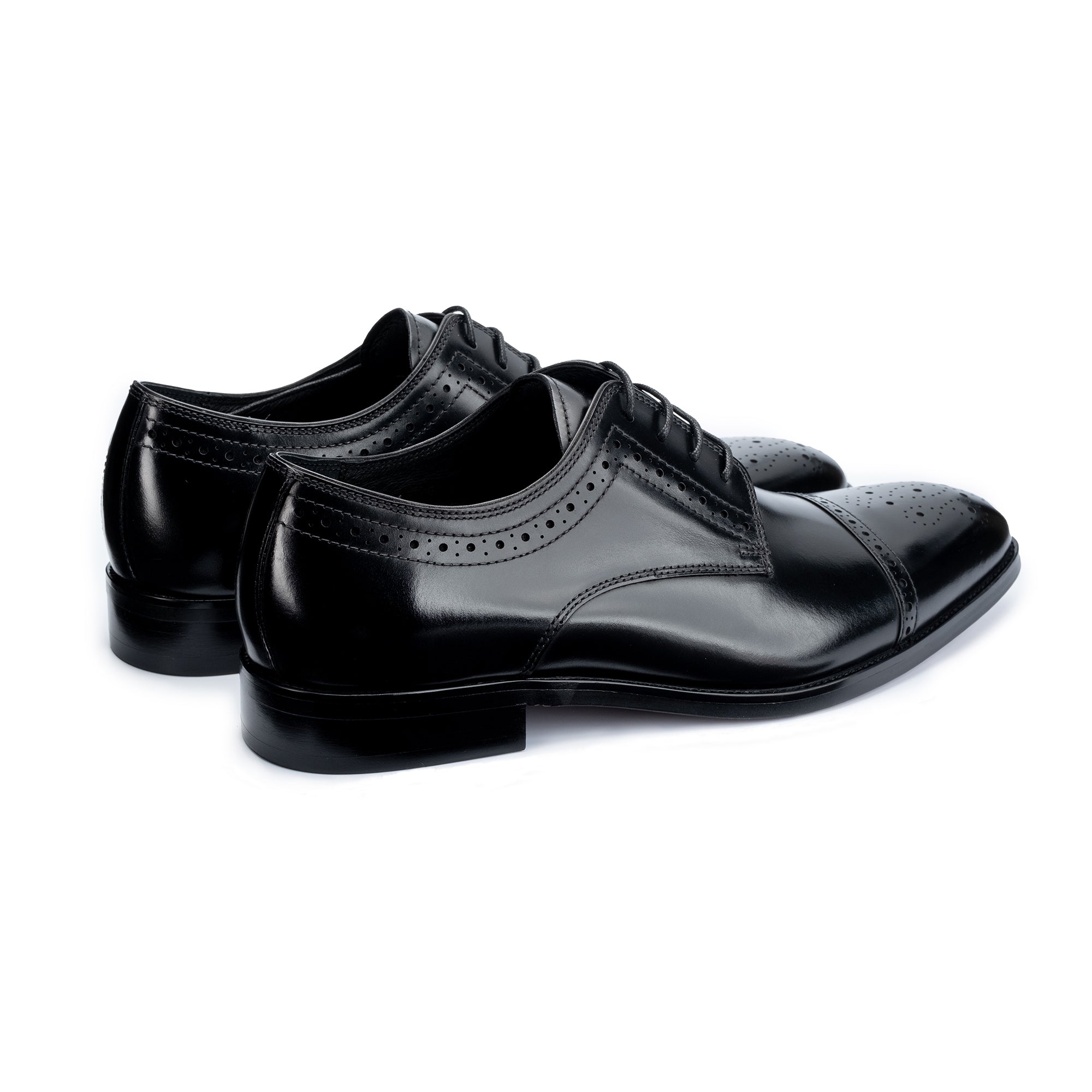
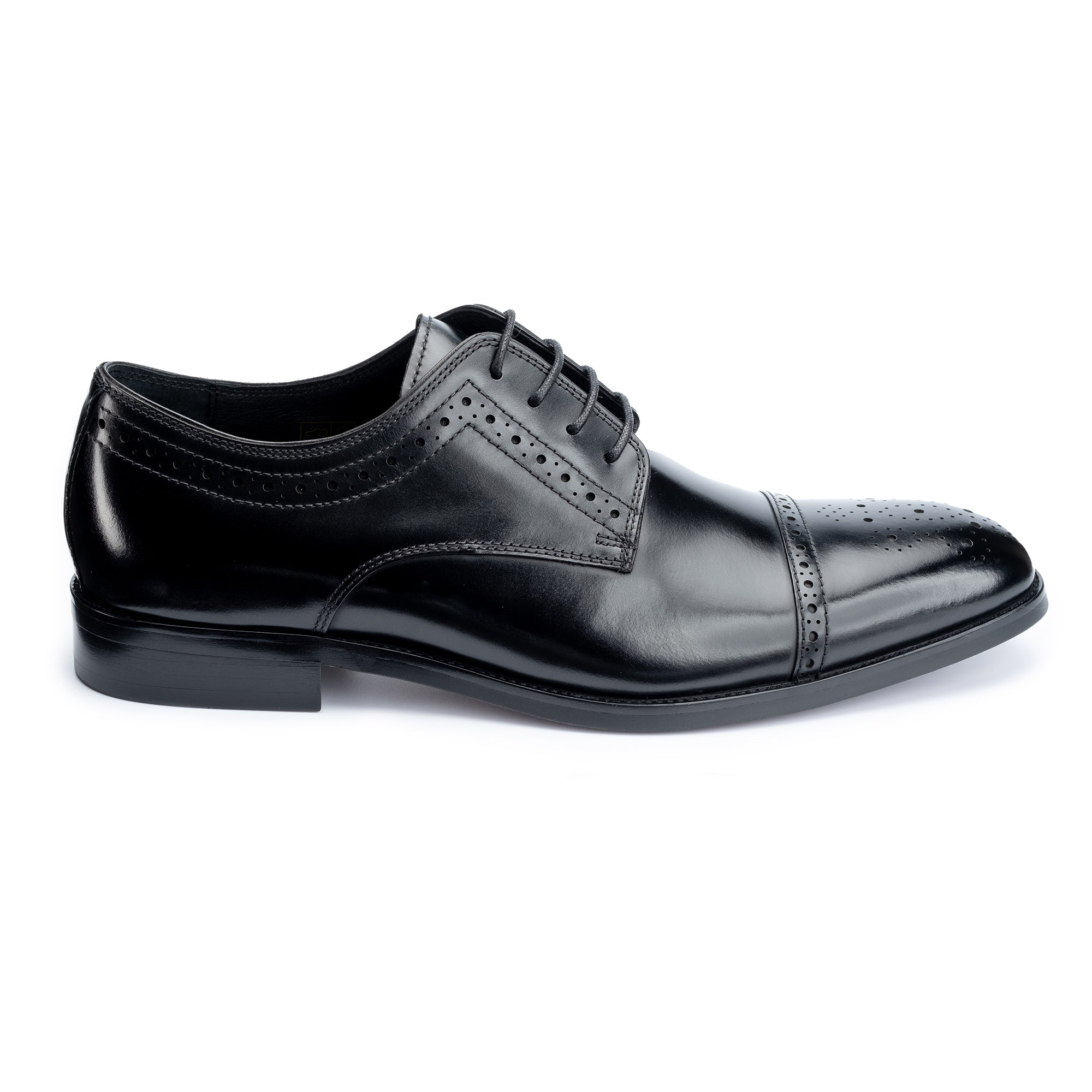
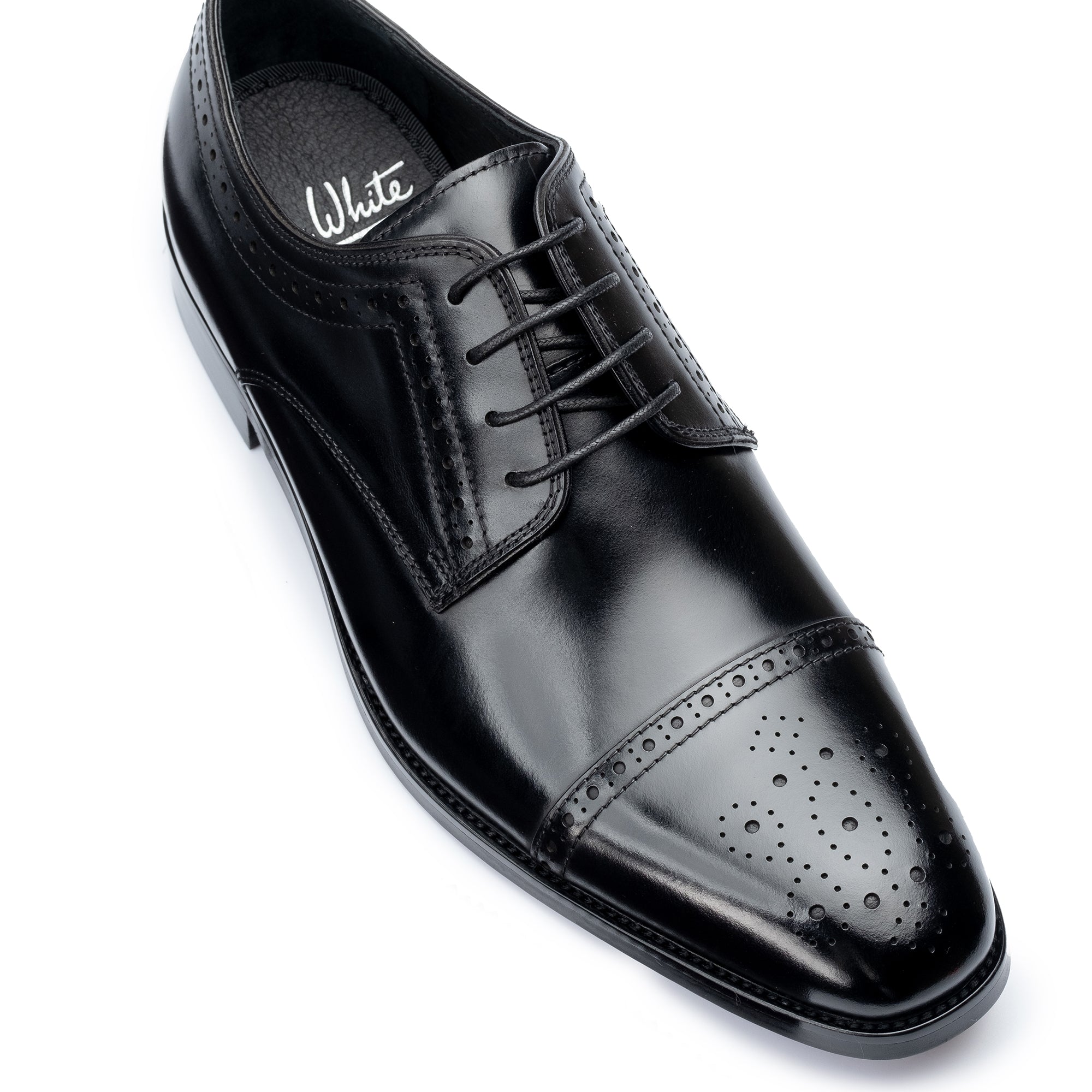
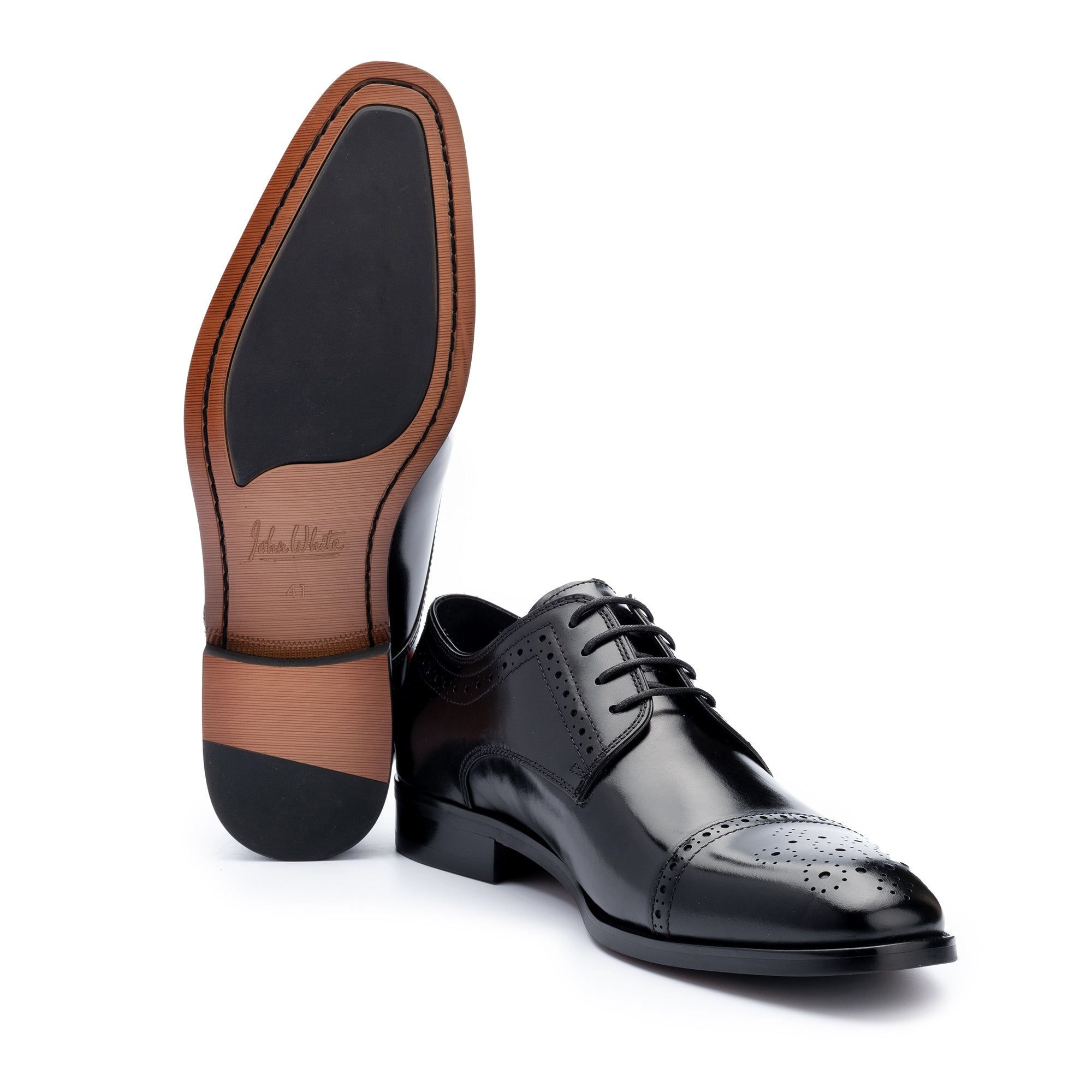
The formal archetype. Closed lacing, low profile, and a cap-toe detail that adds structure without decoration. There's no excess here — every element serves the silhouette. The Guildhall Capped Oxfords are available in black and tan, and suit everything from a formal suit to well-pressed chinos. Our complete guide to wearing Oxford shoes covers how to dress them up or down.
The Brogue Derby
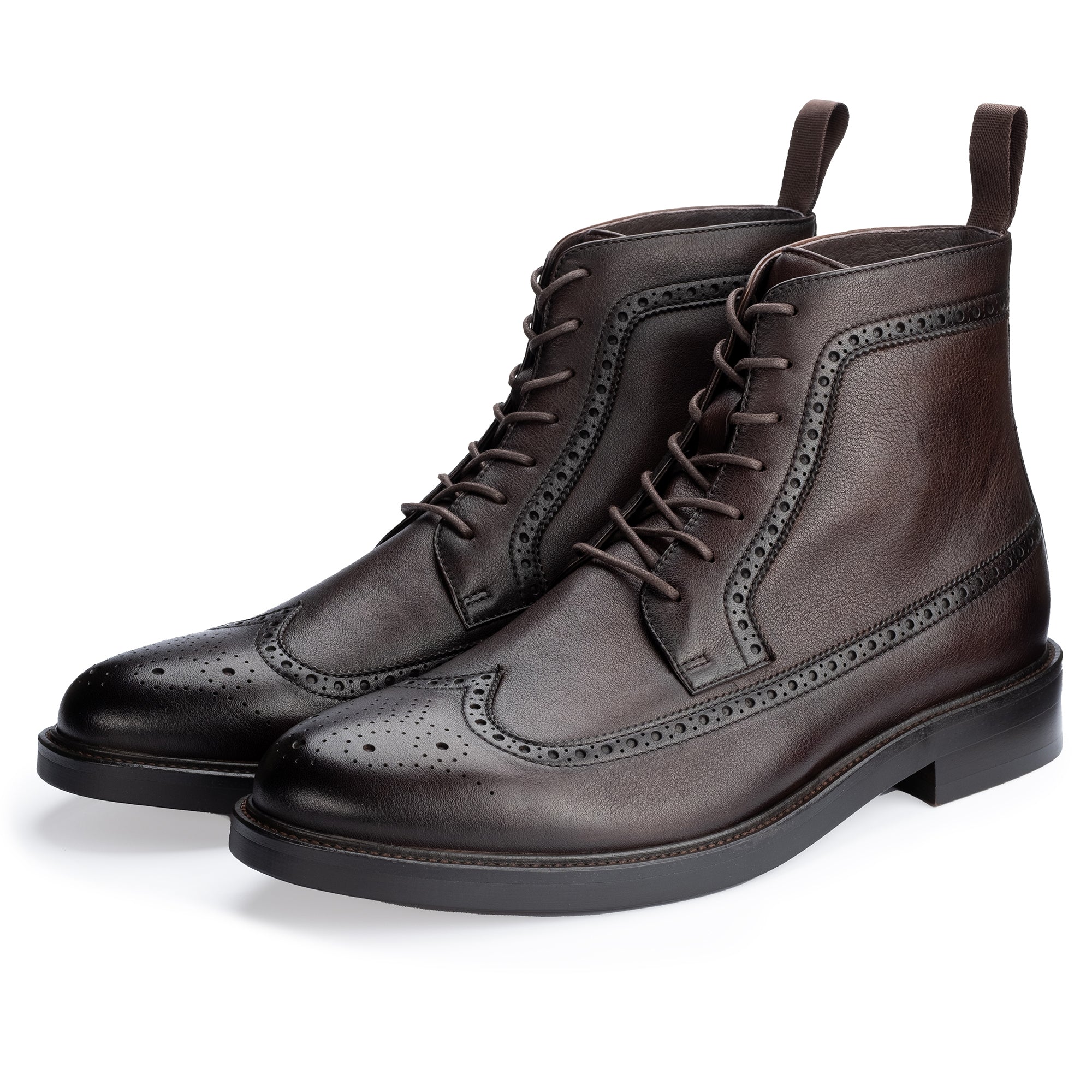
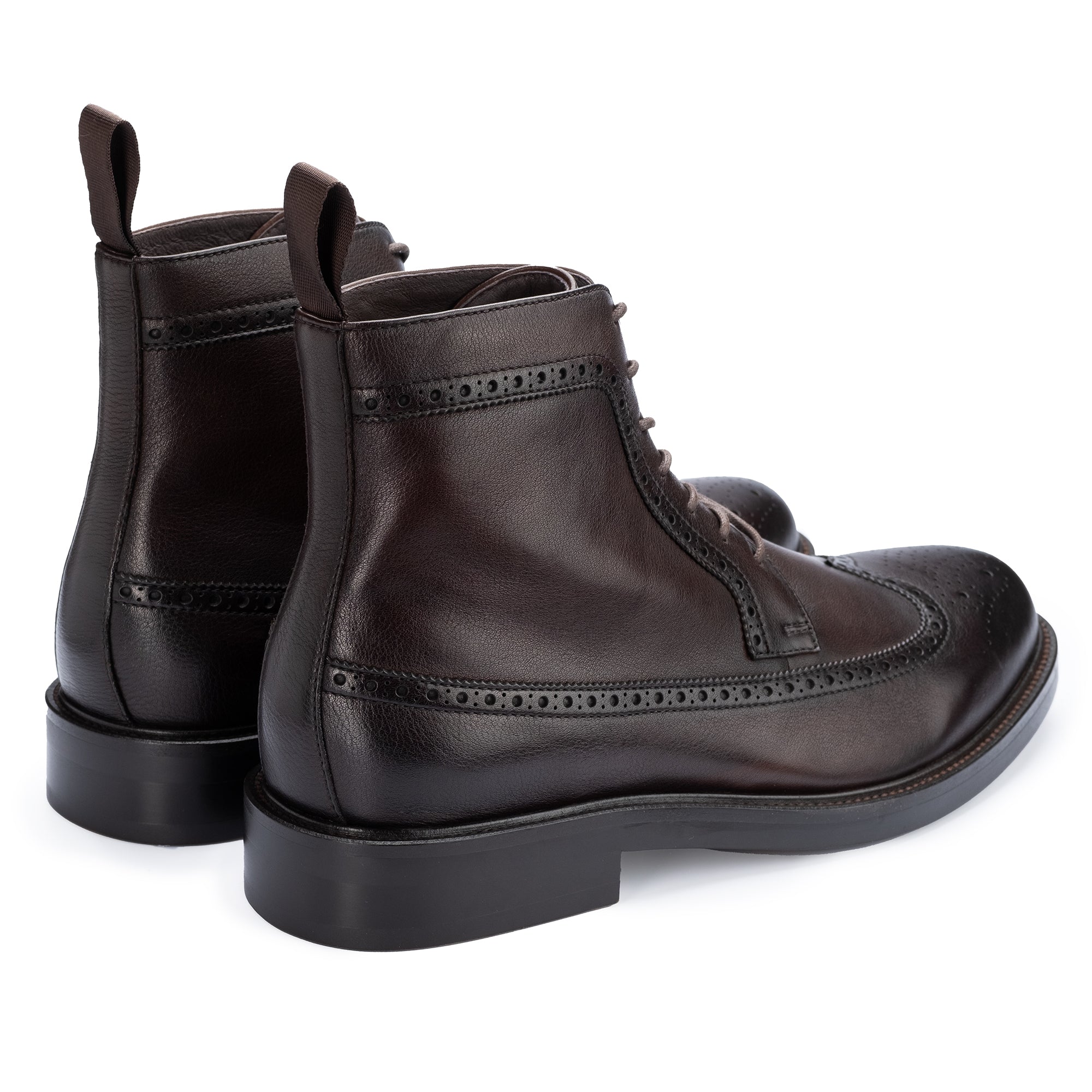
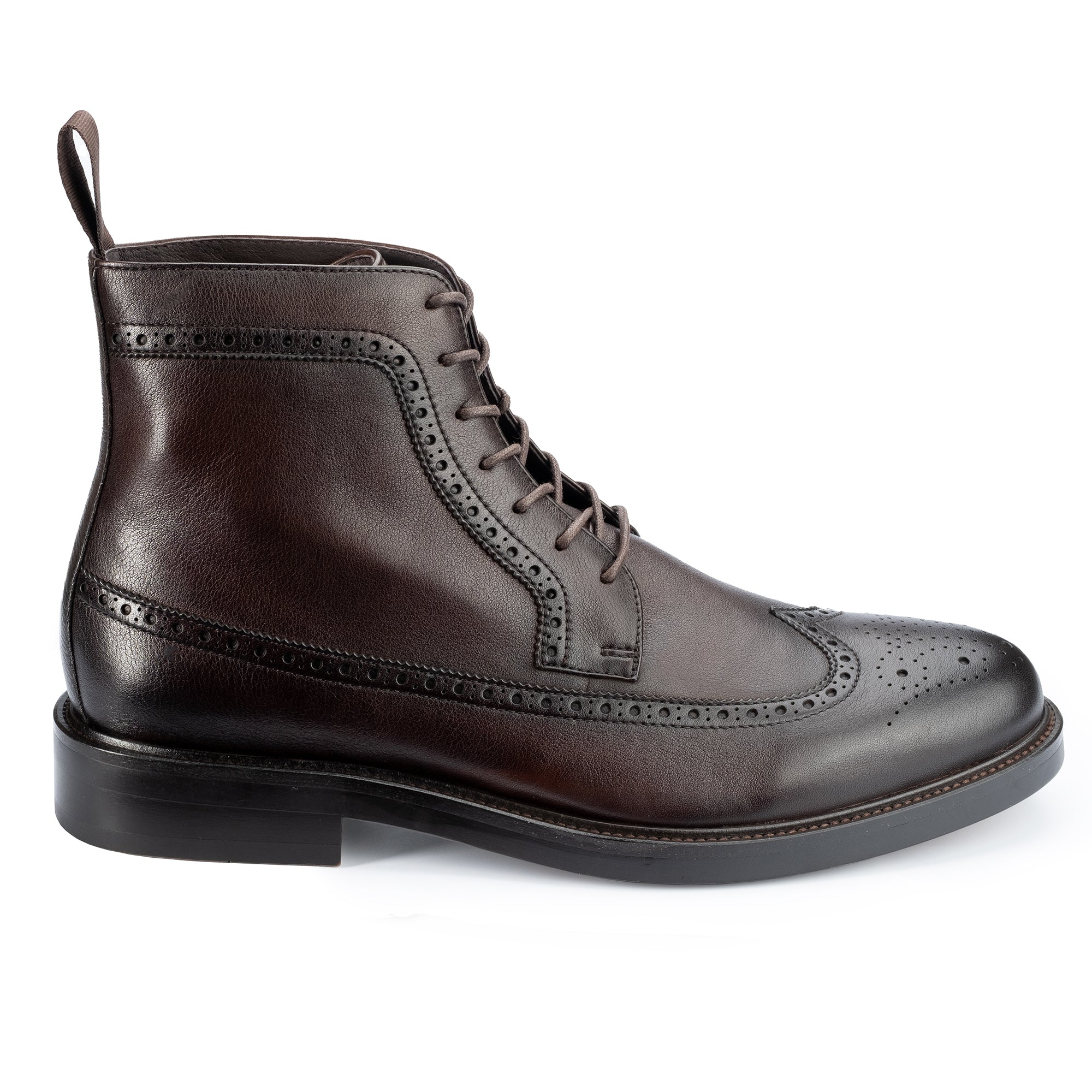
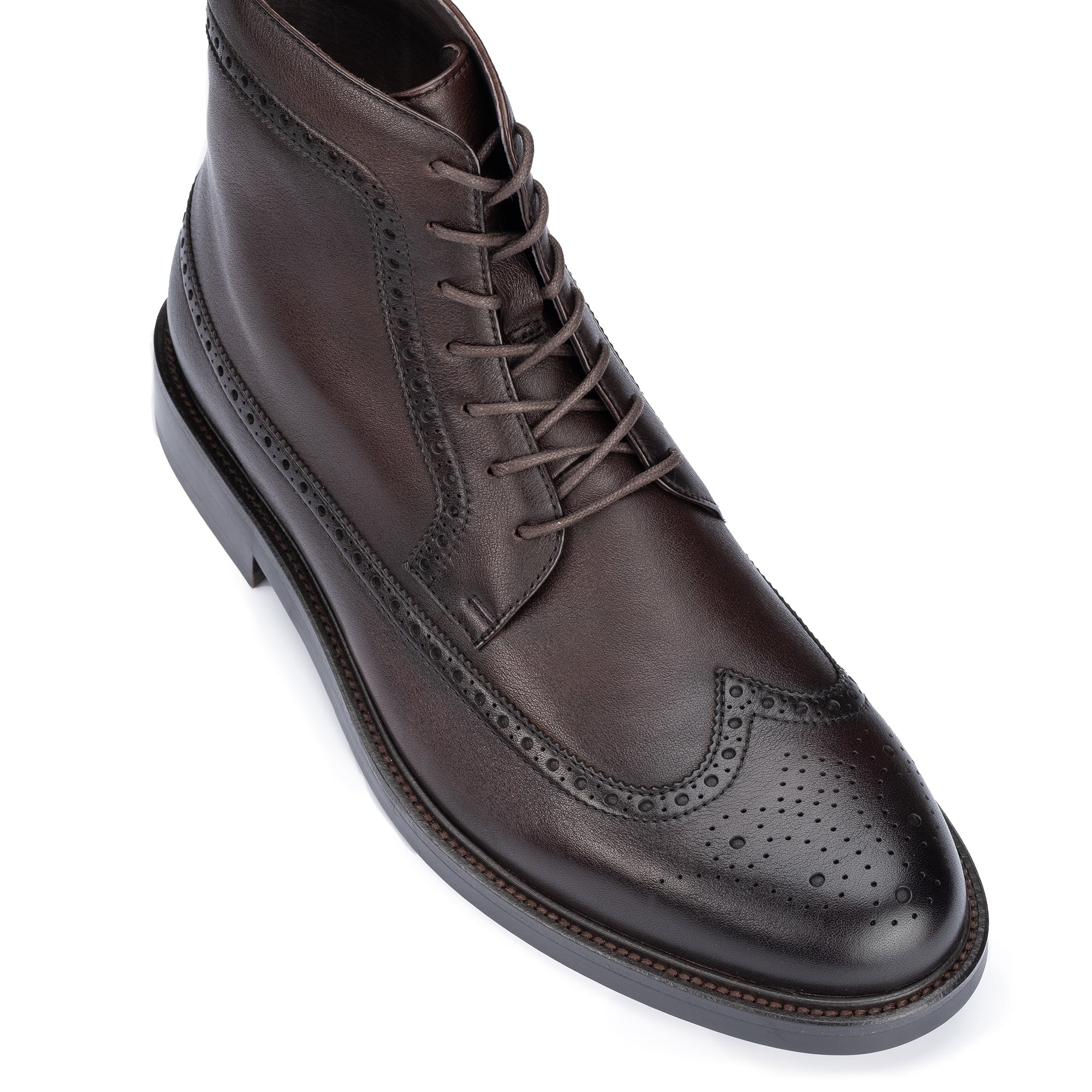
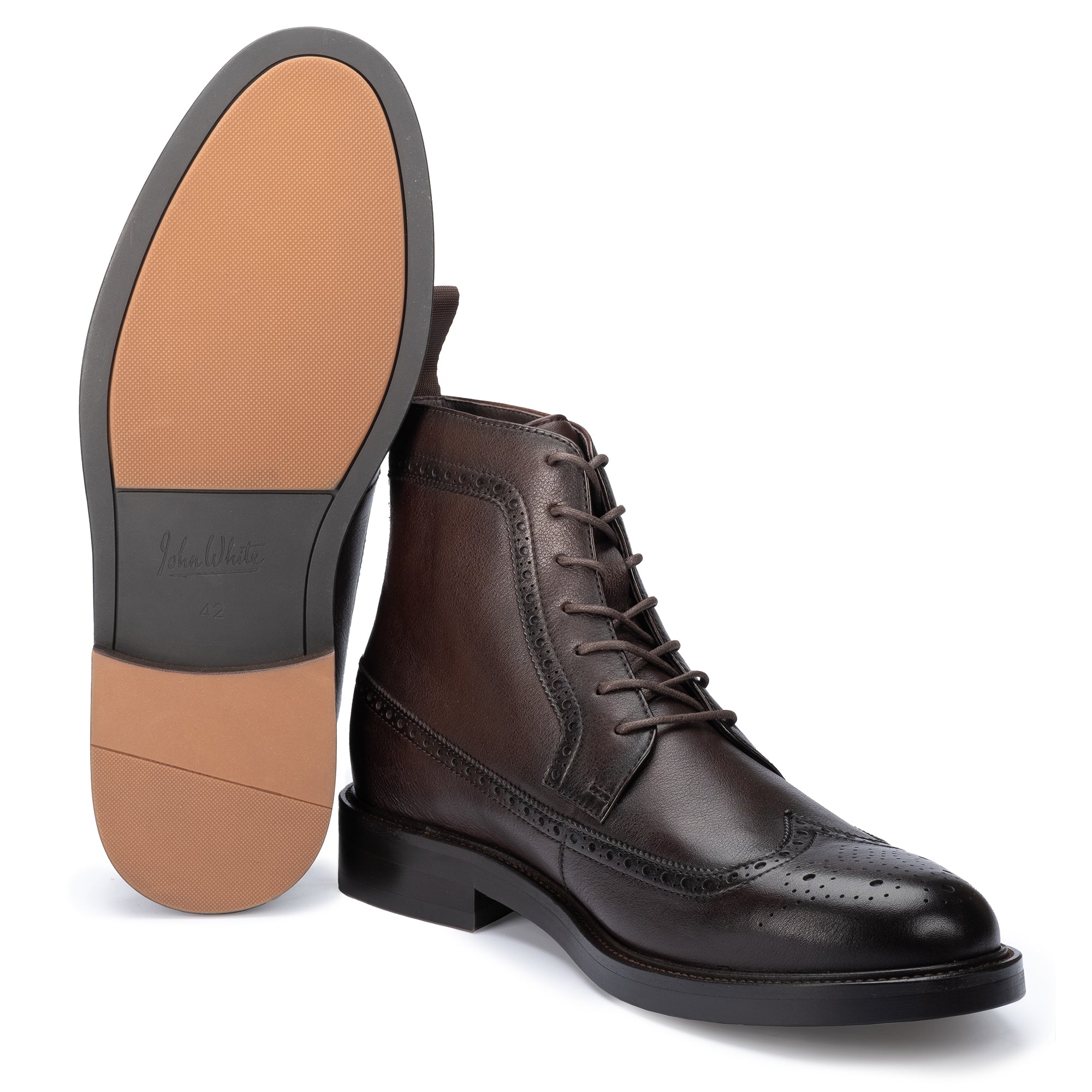
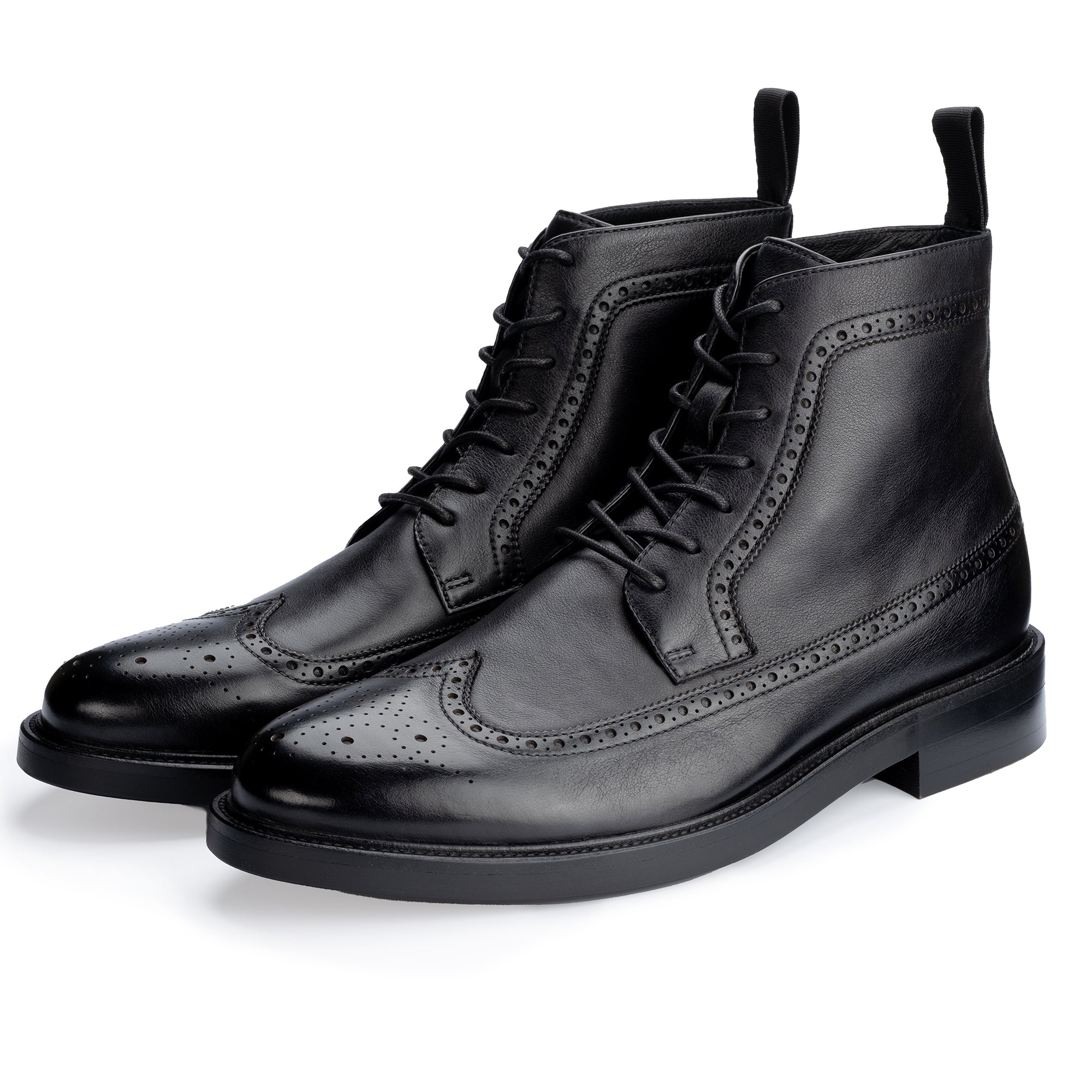
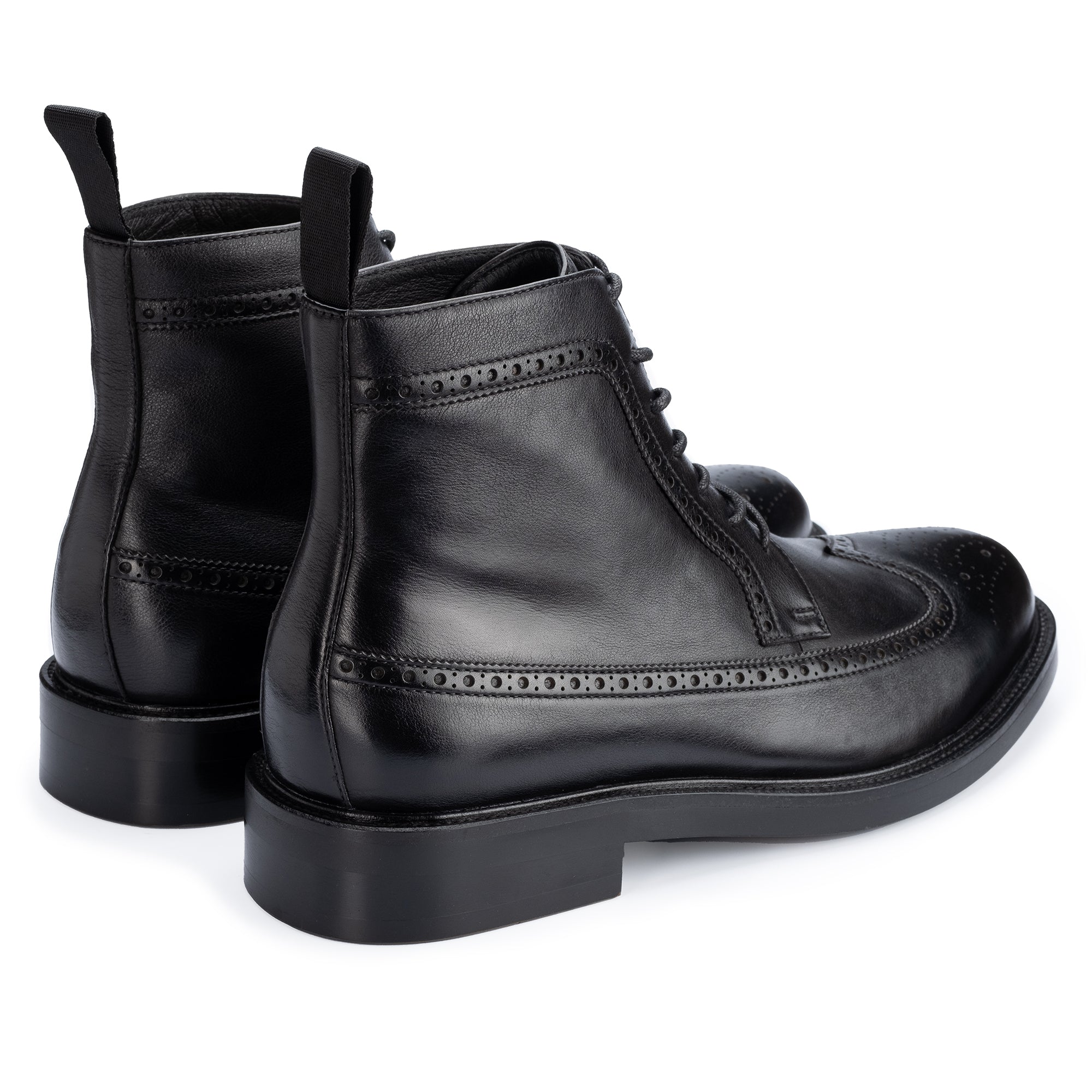
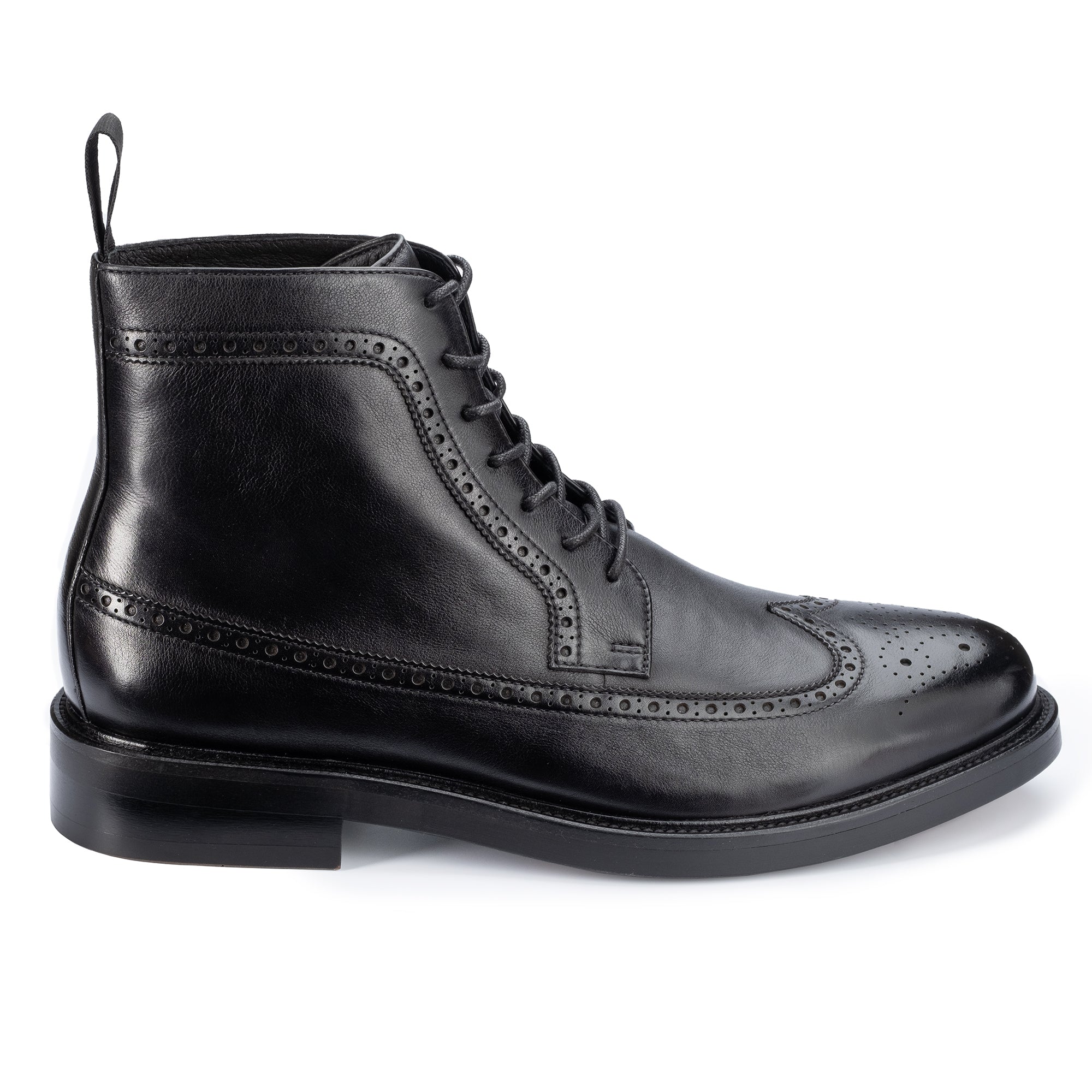
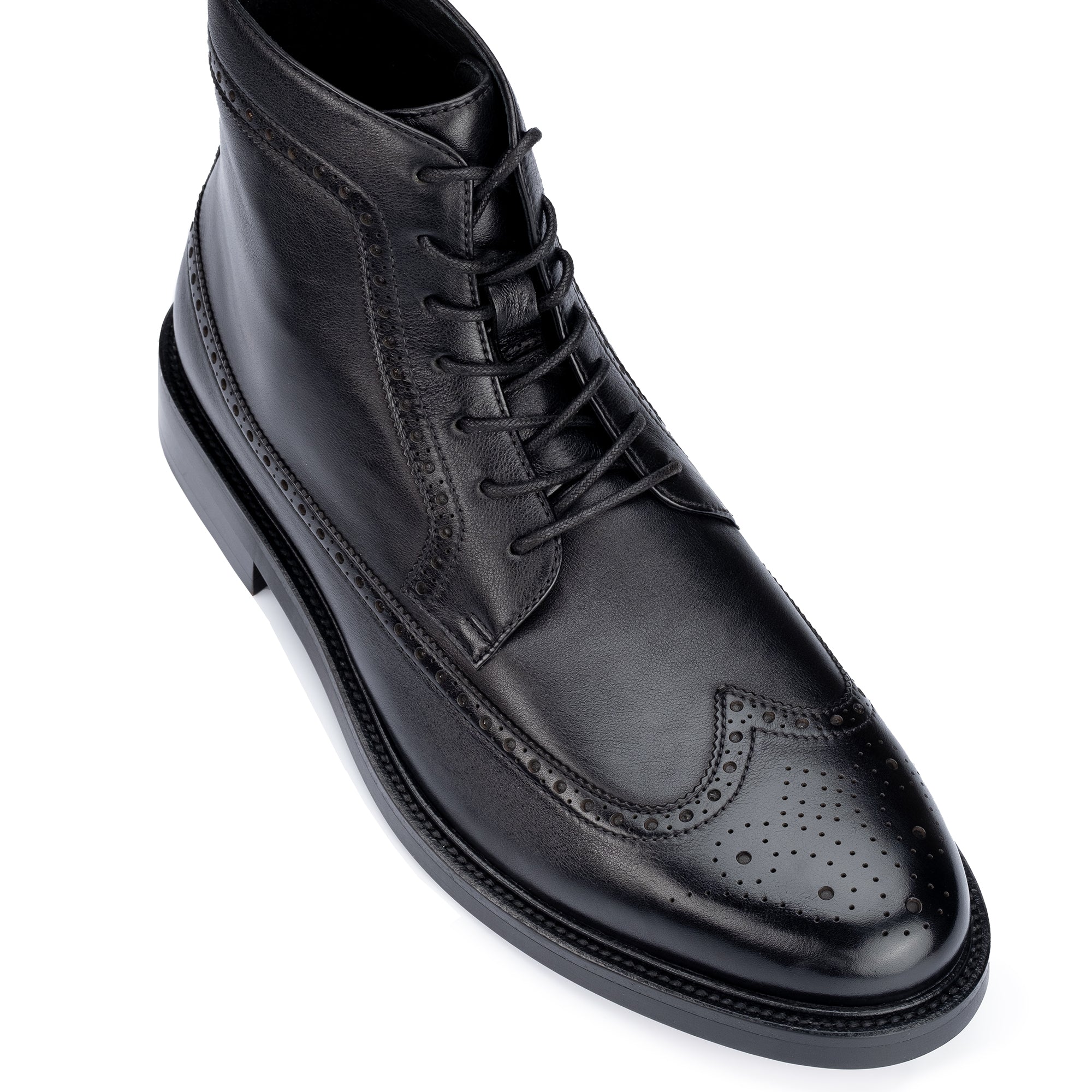
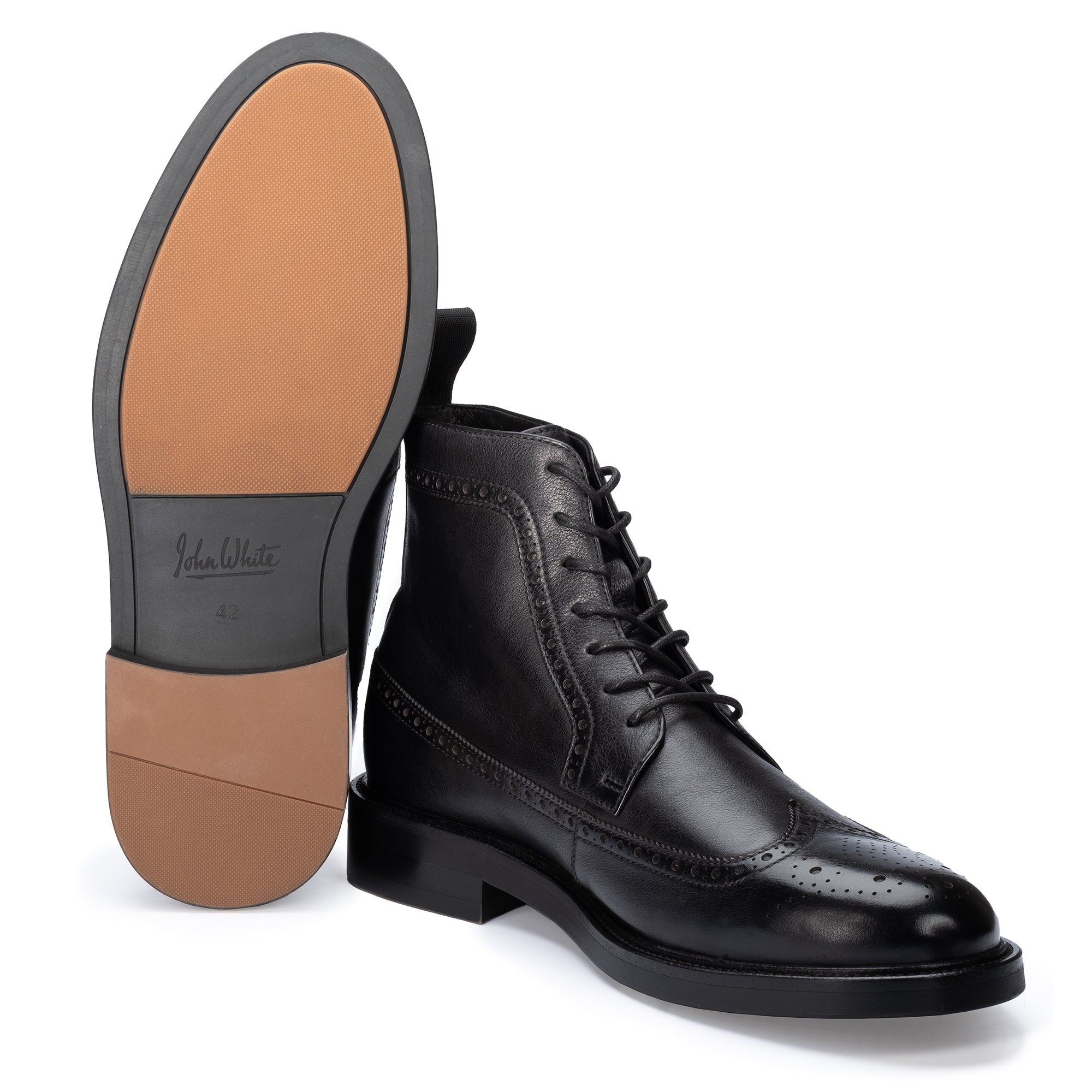
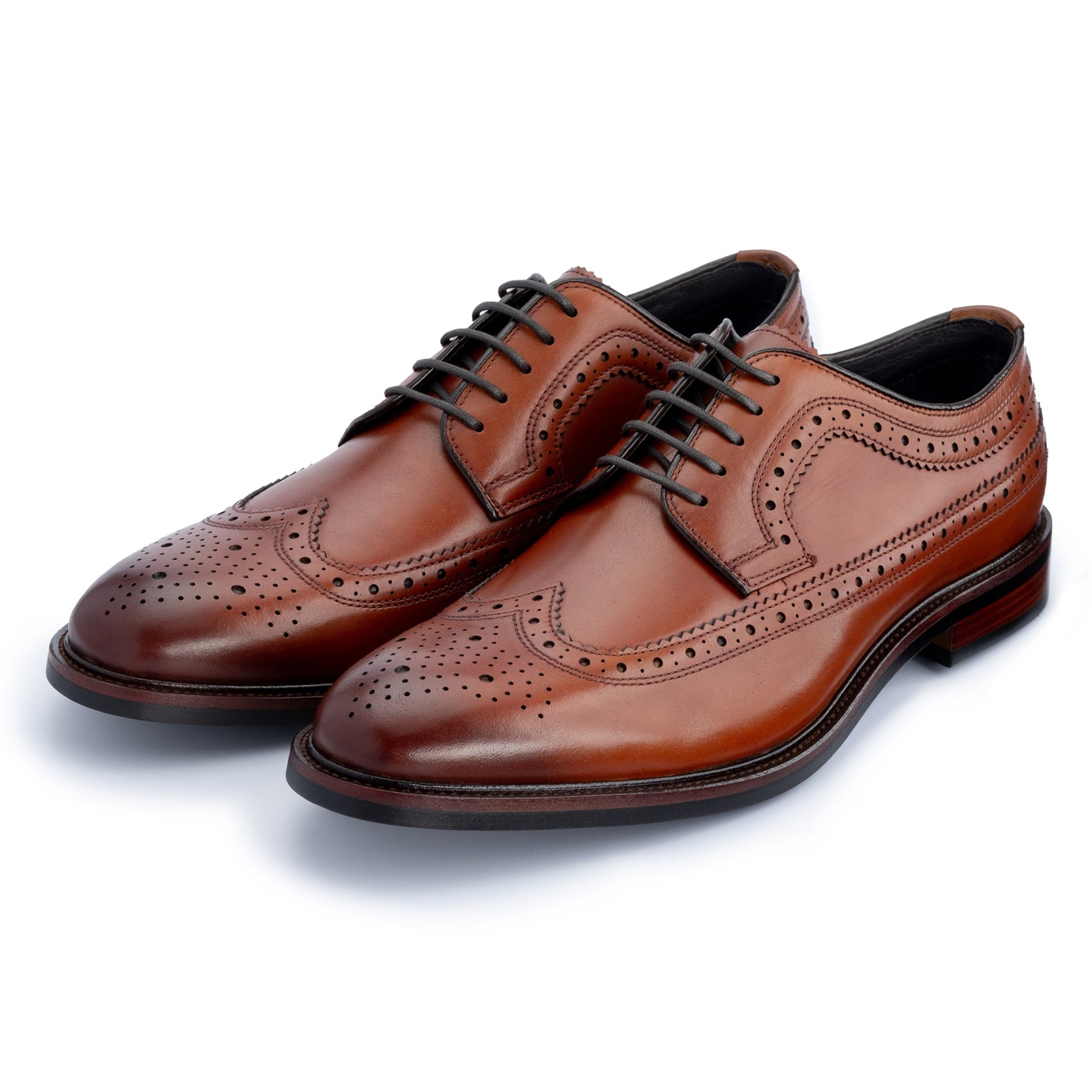
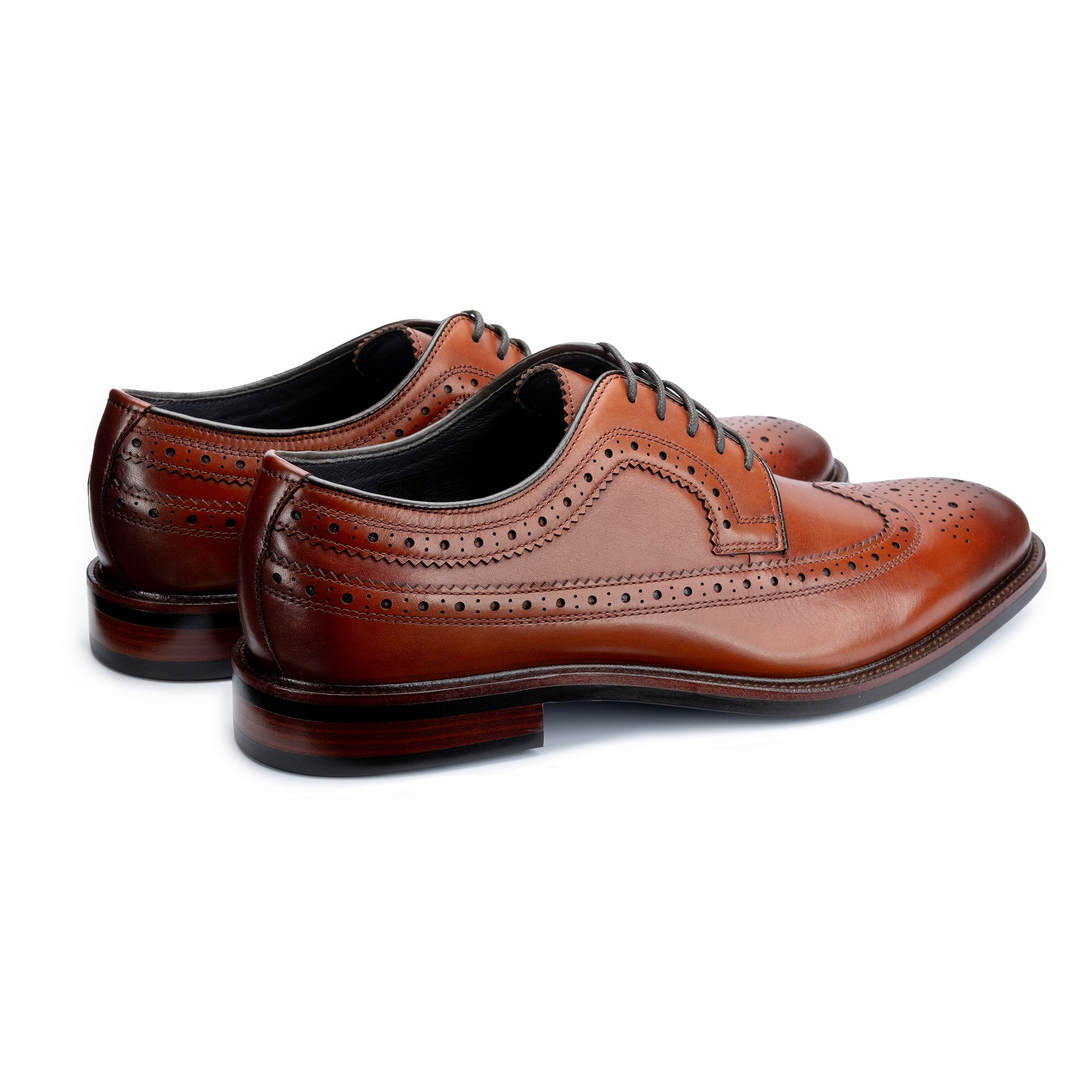
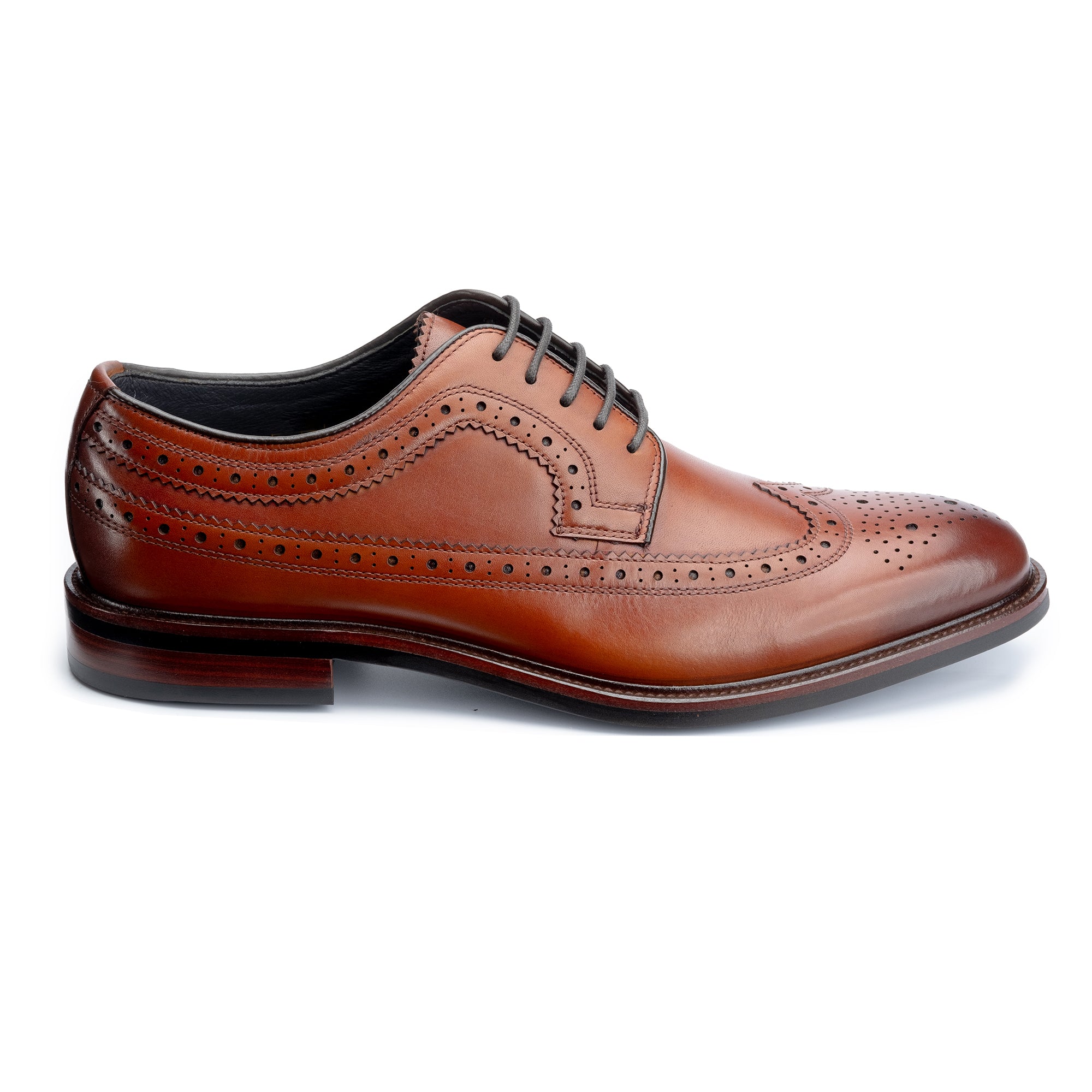
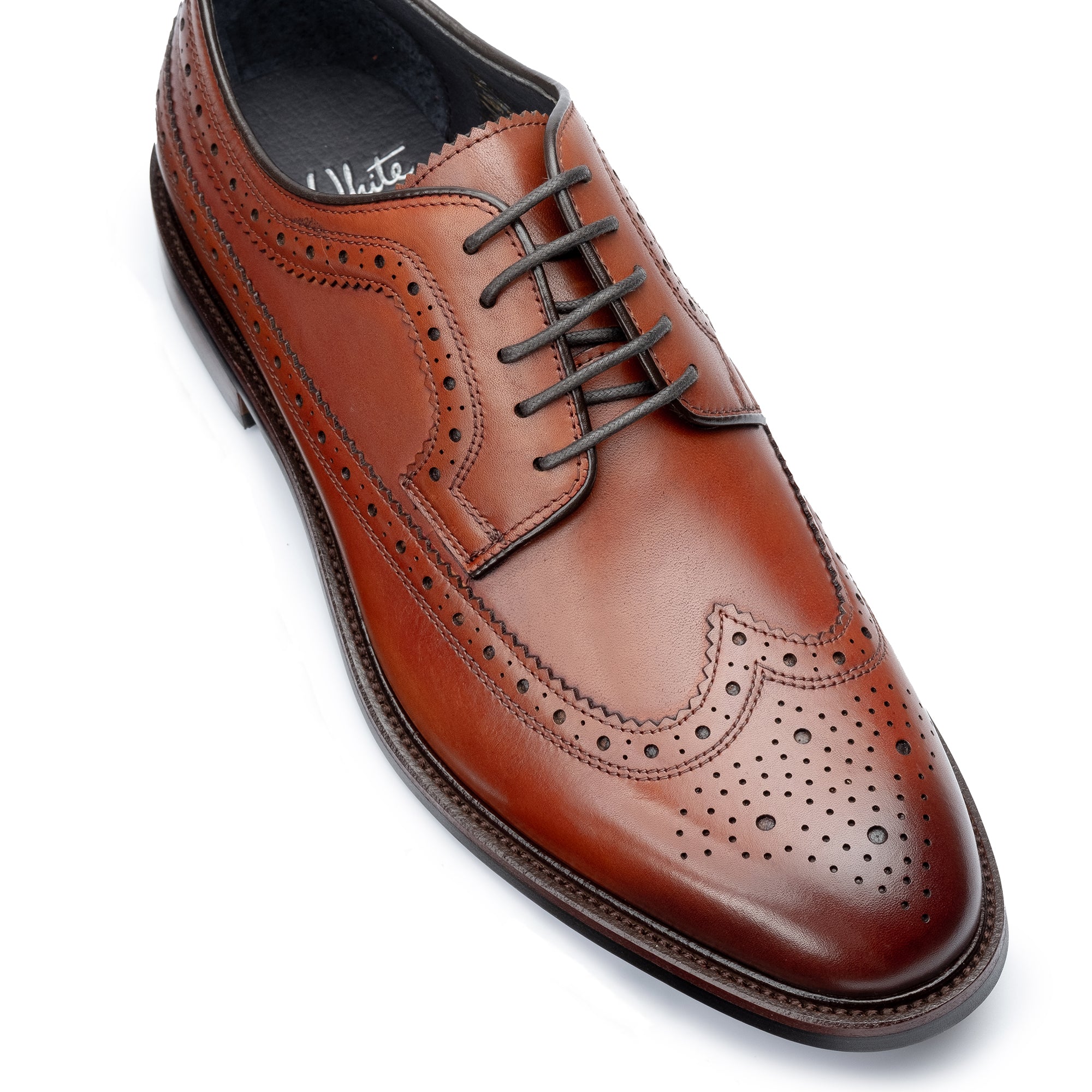
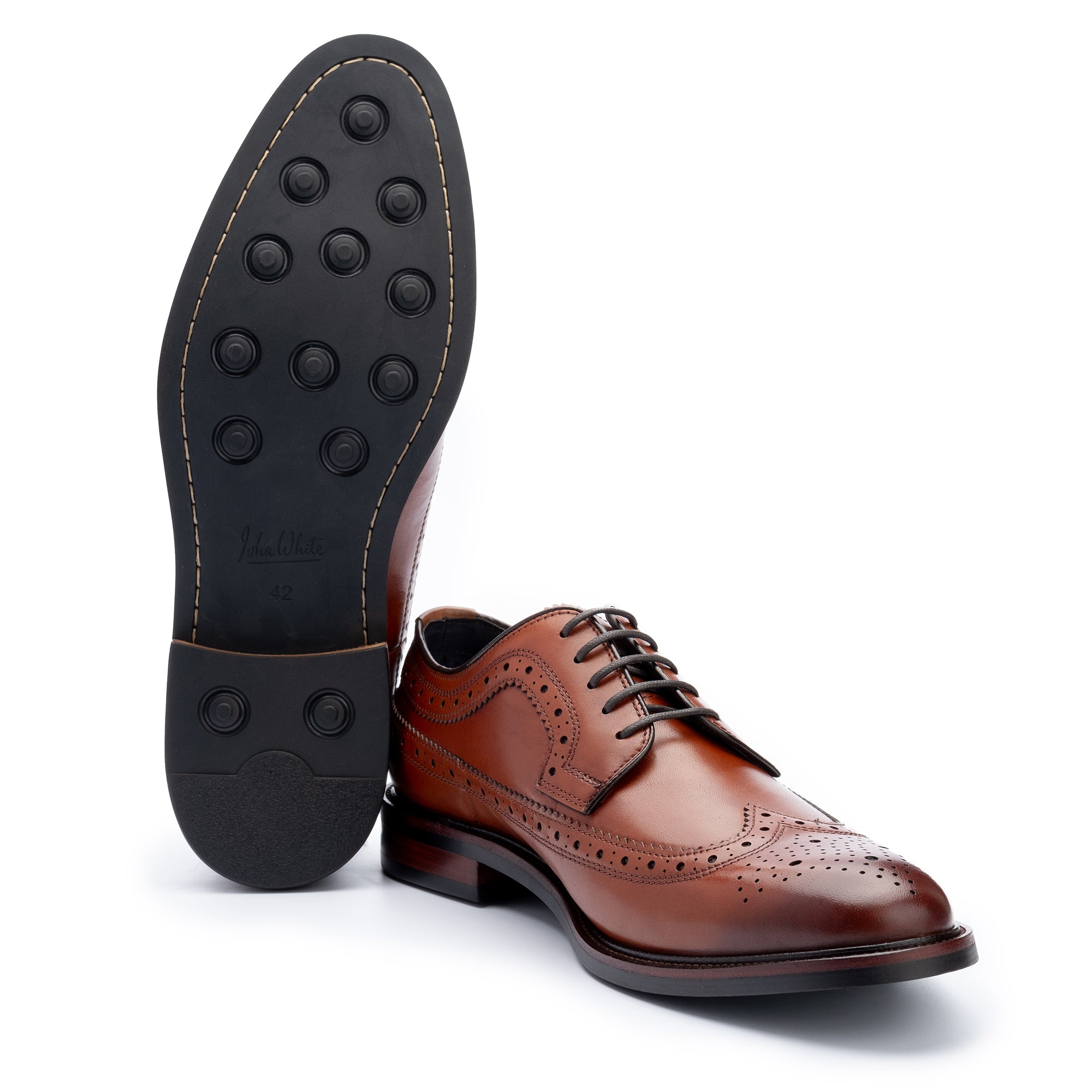
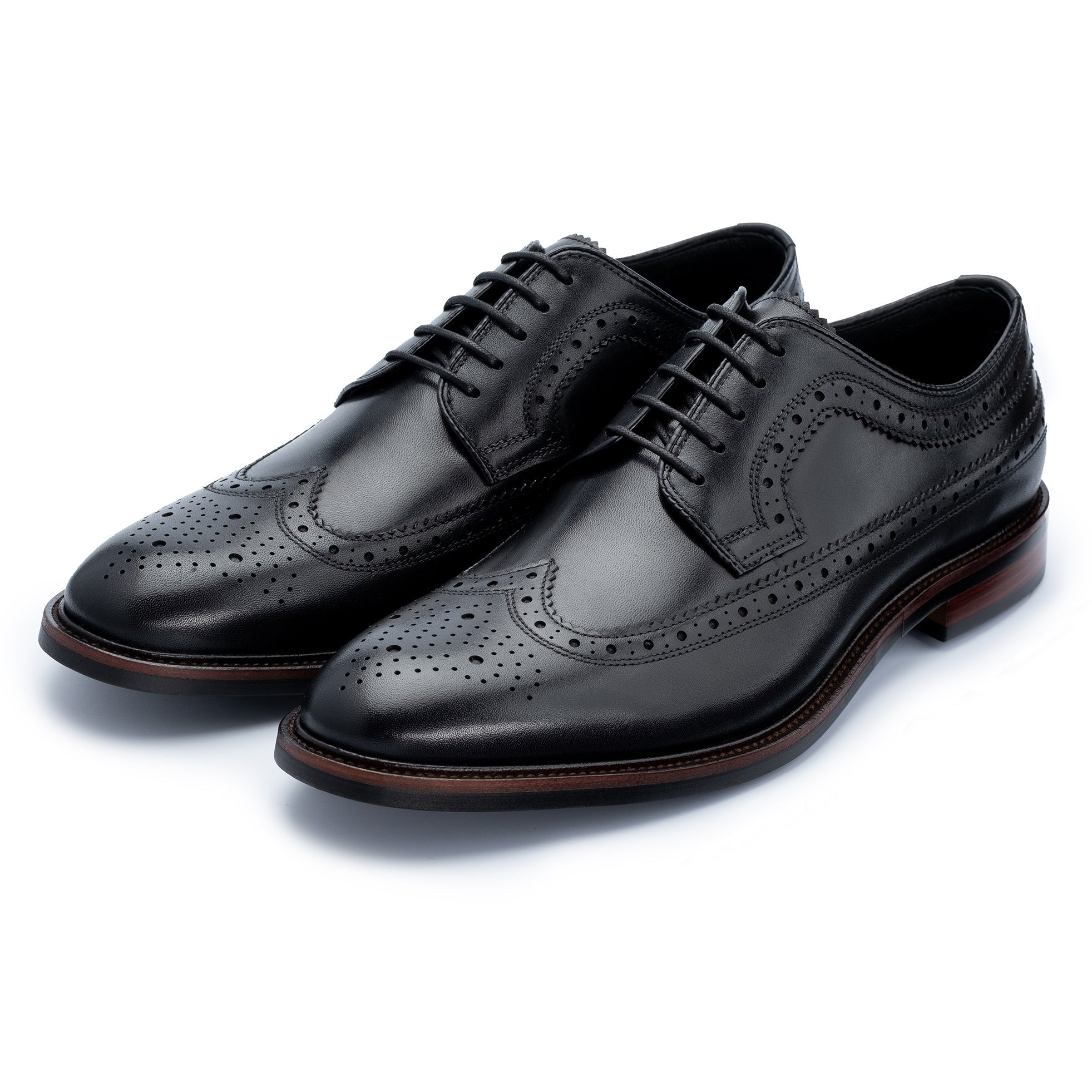
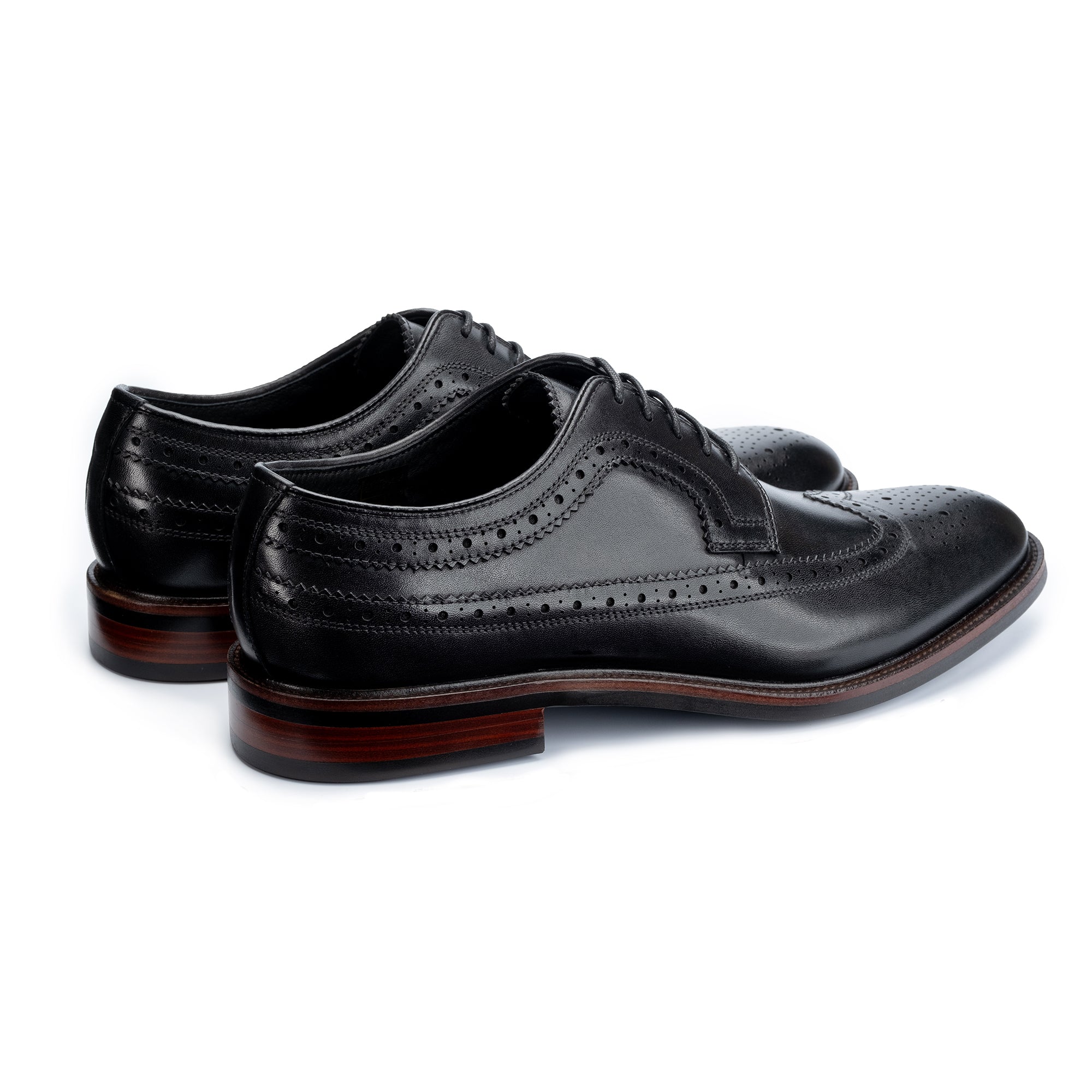
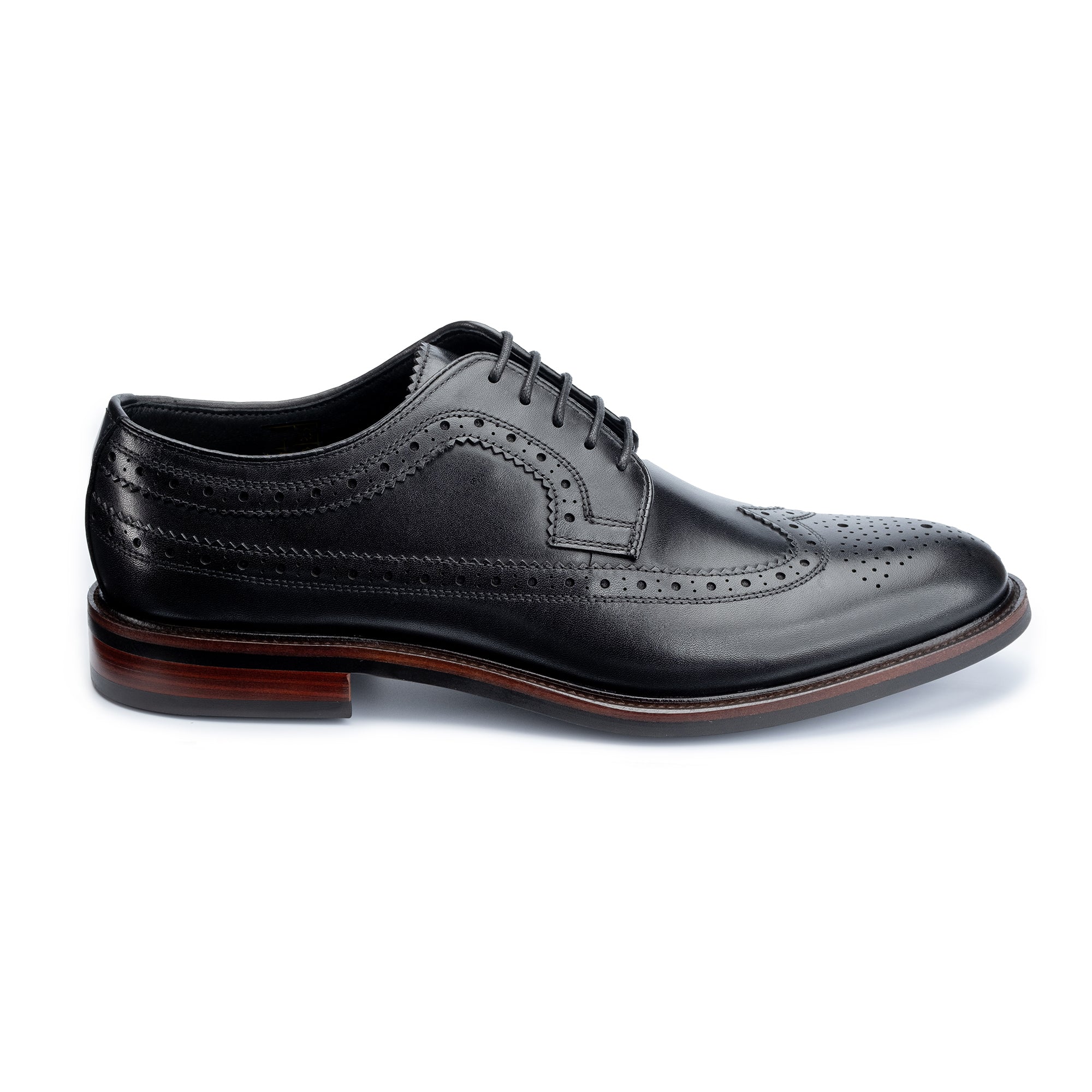
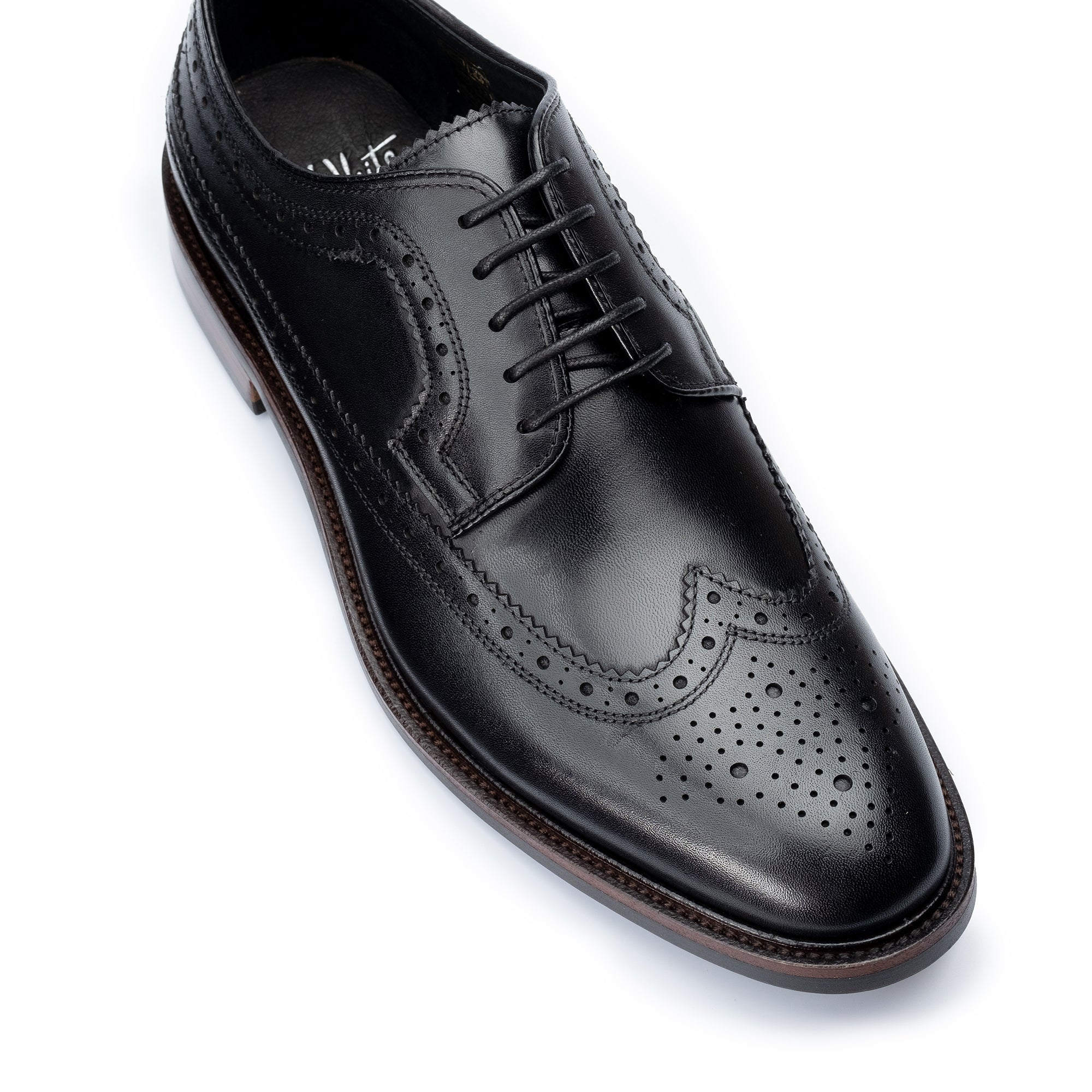
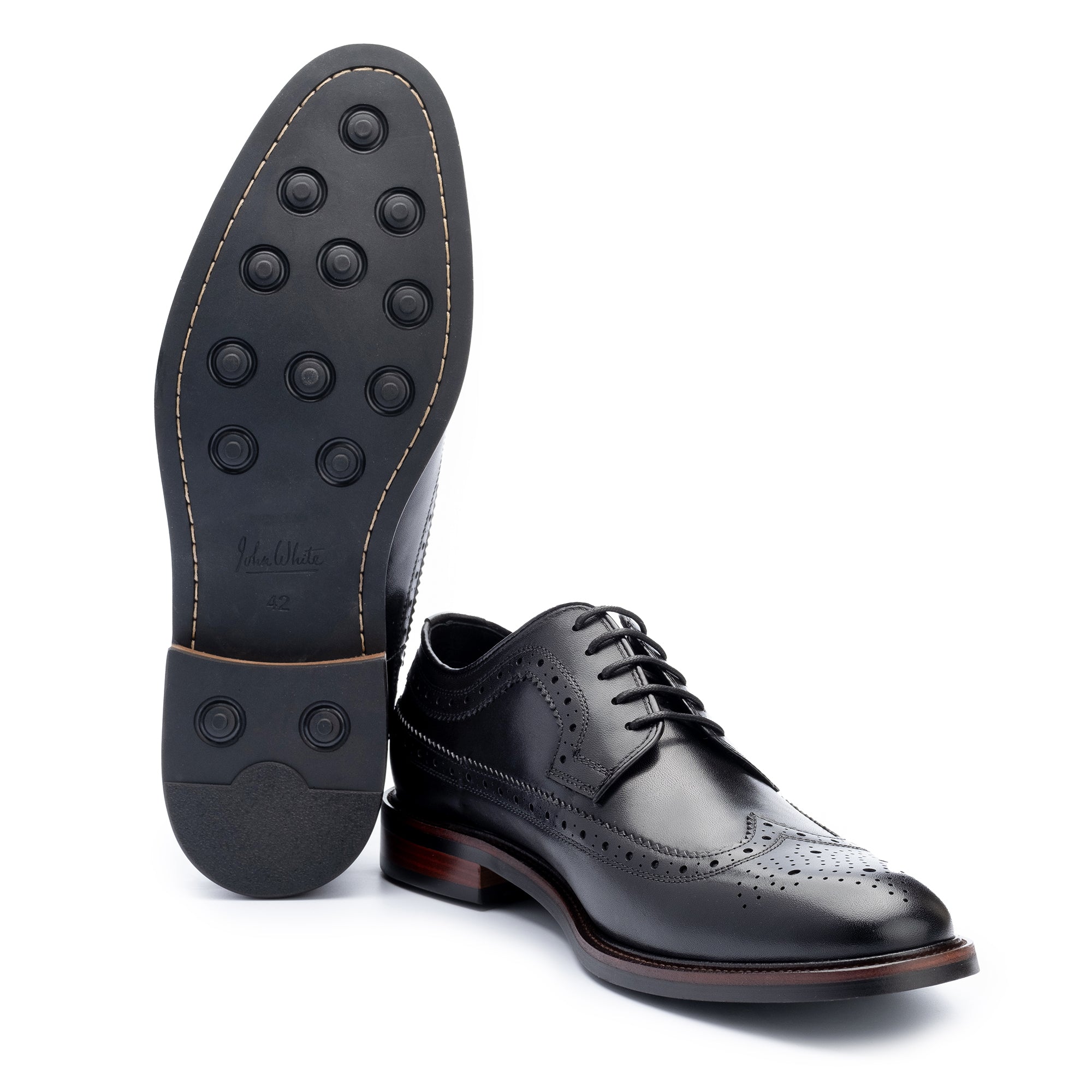
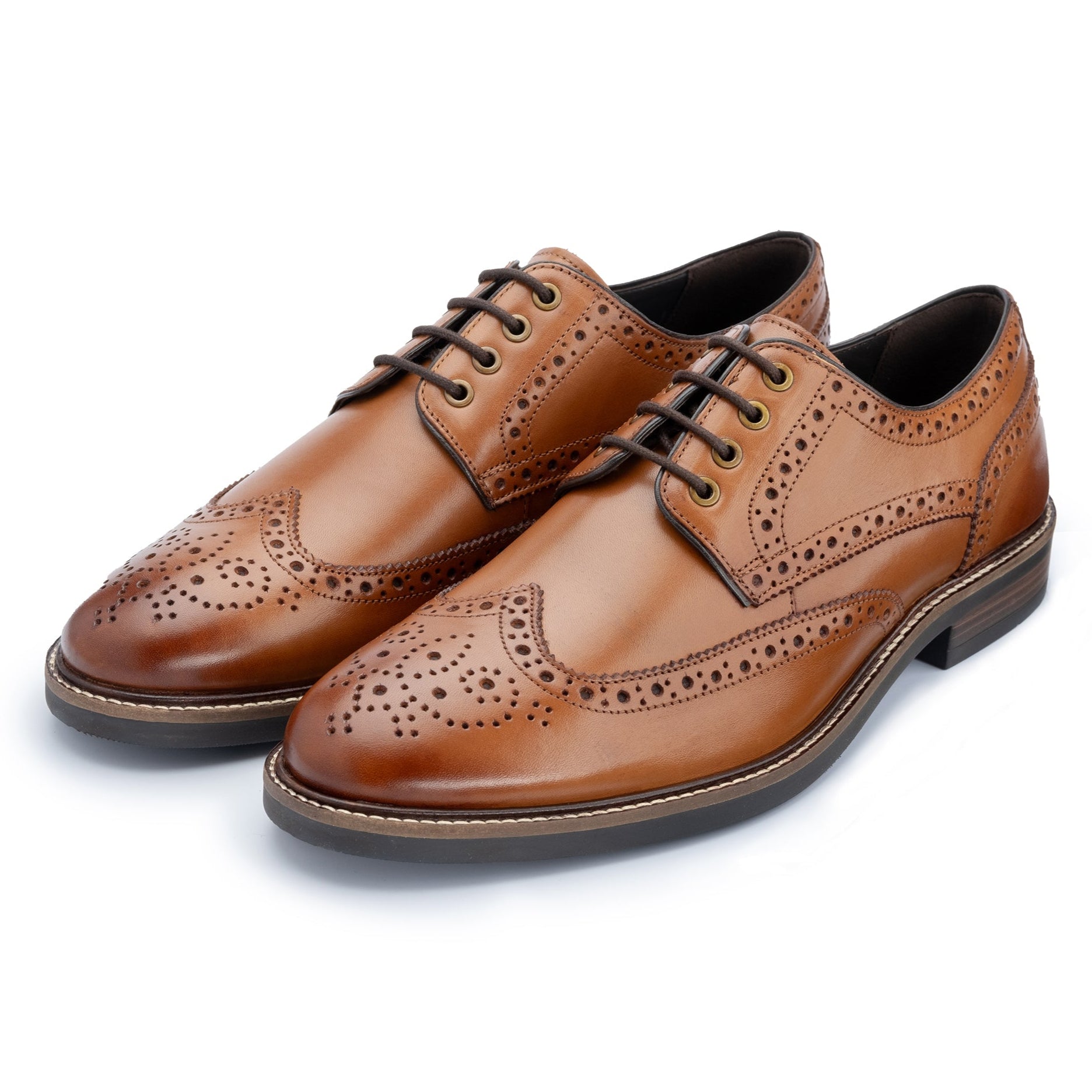
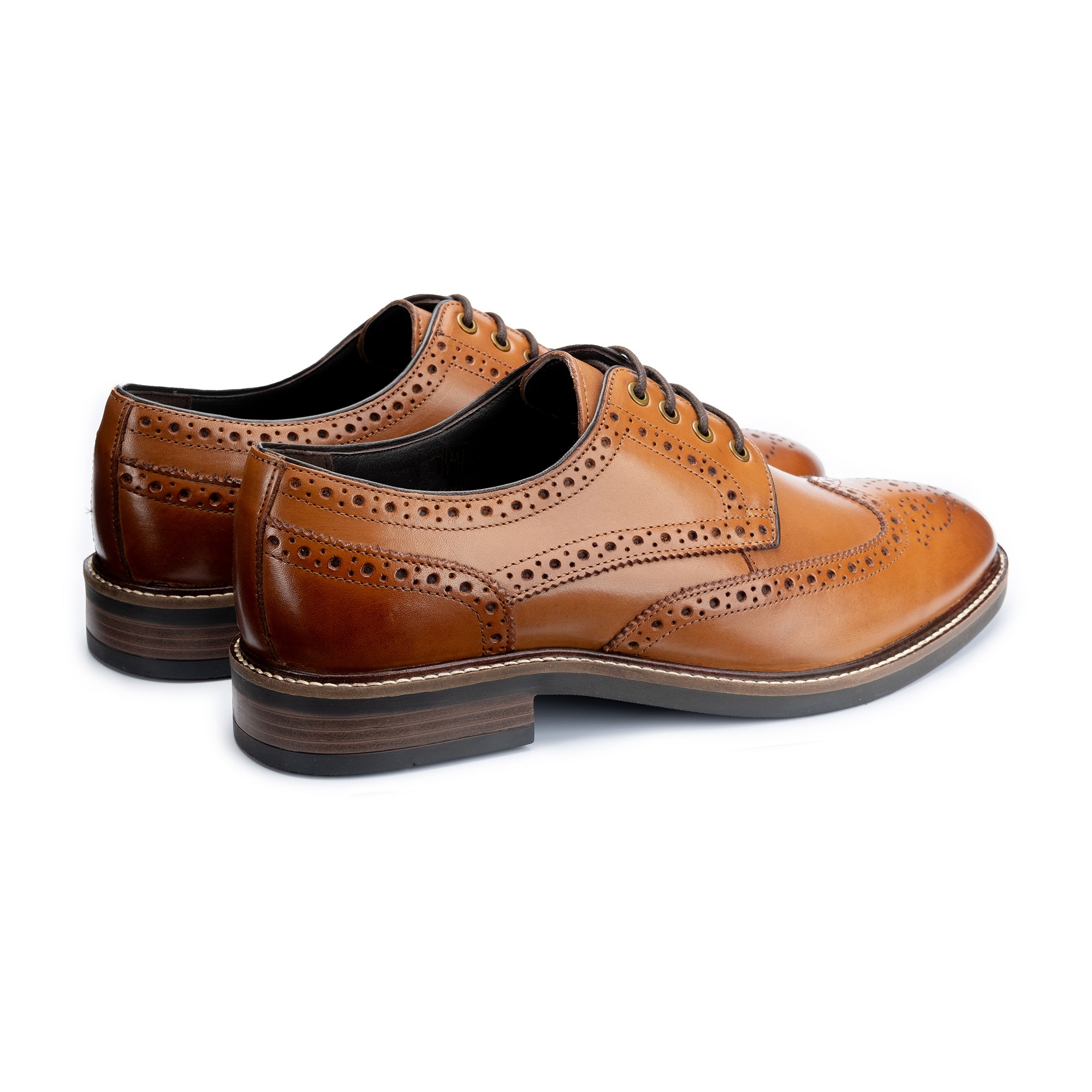
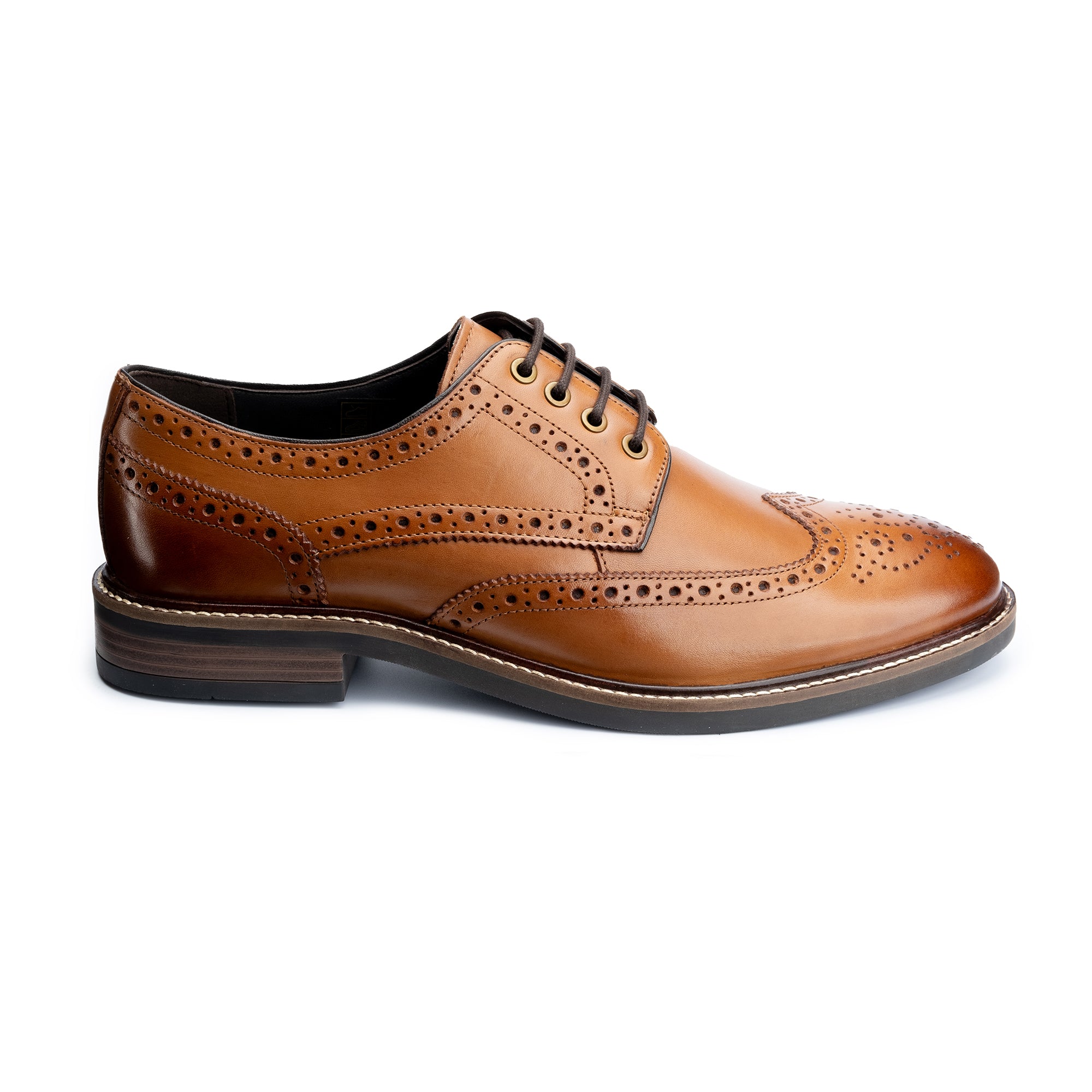
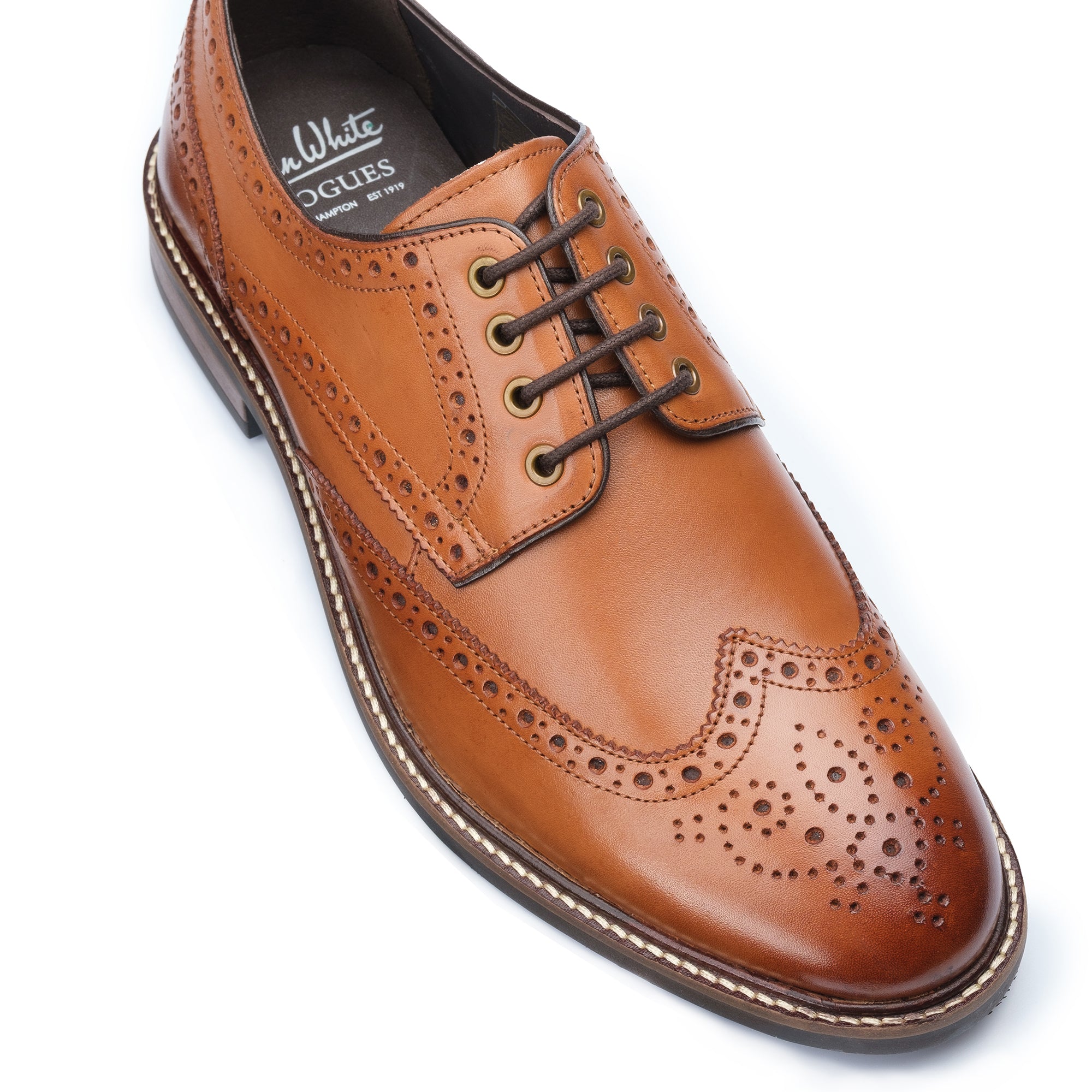
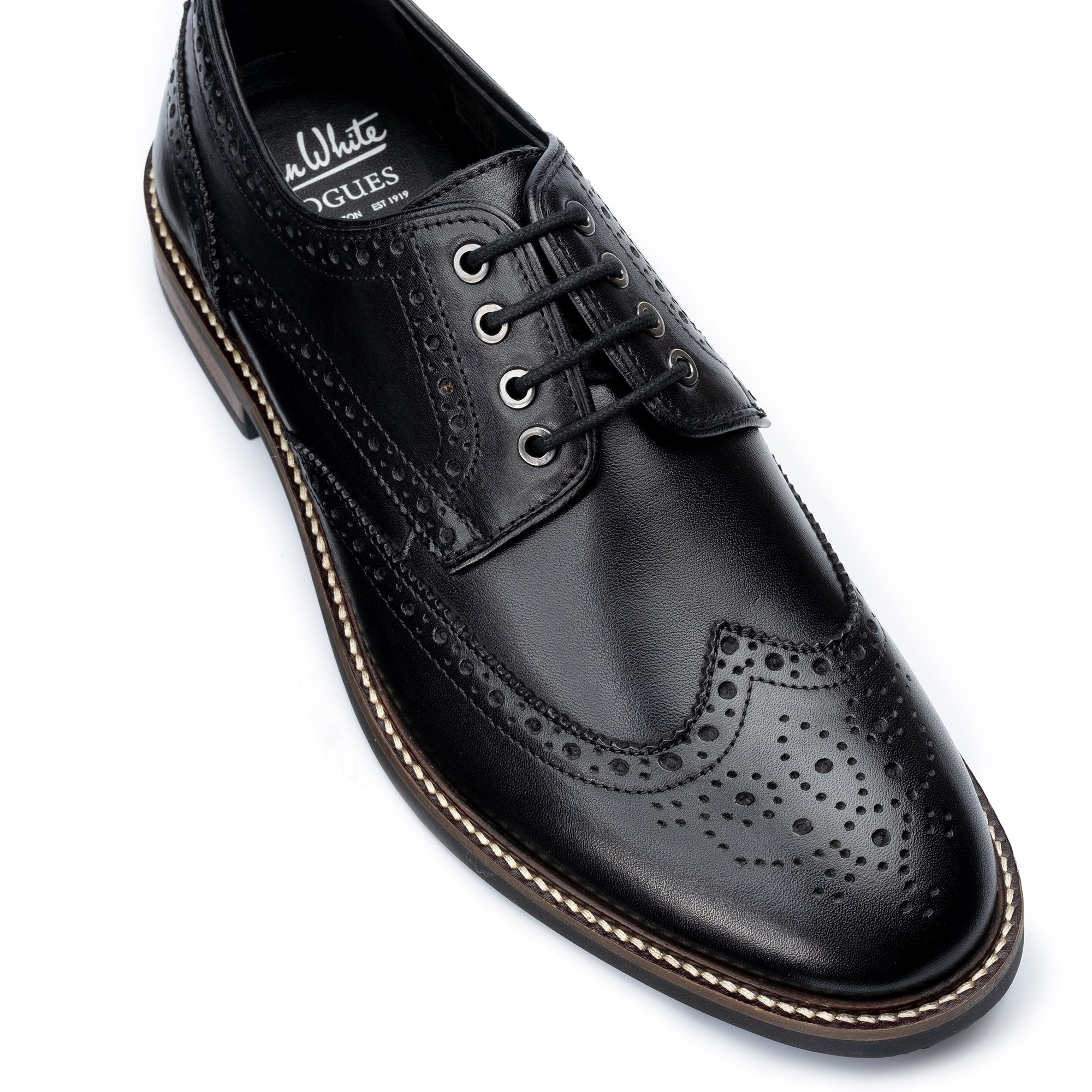
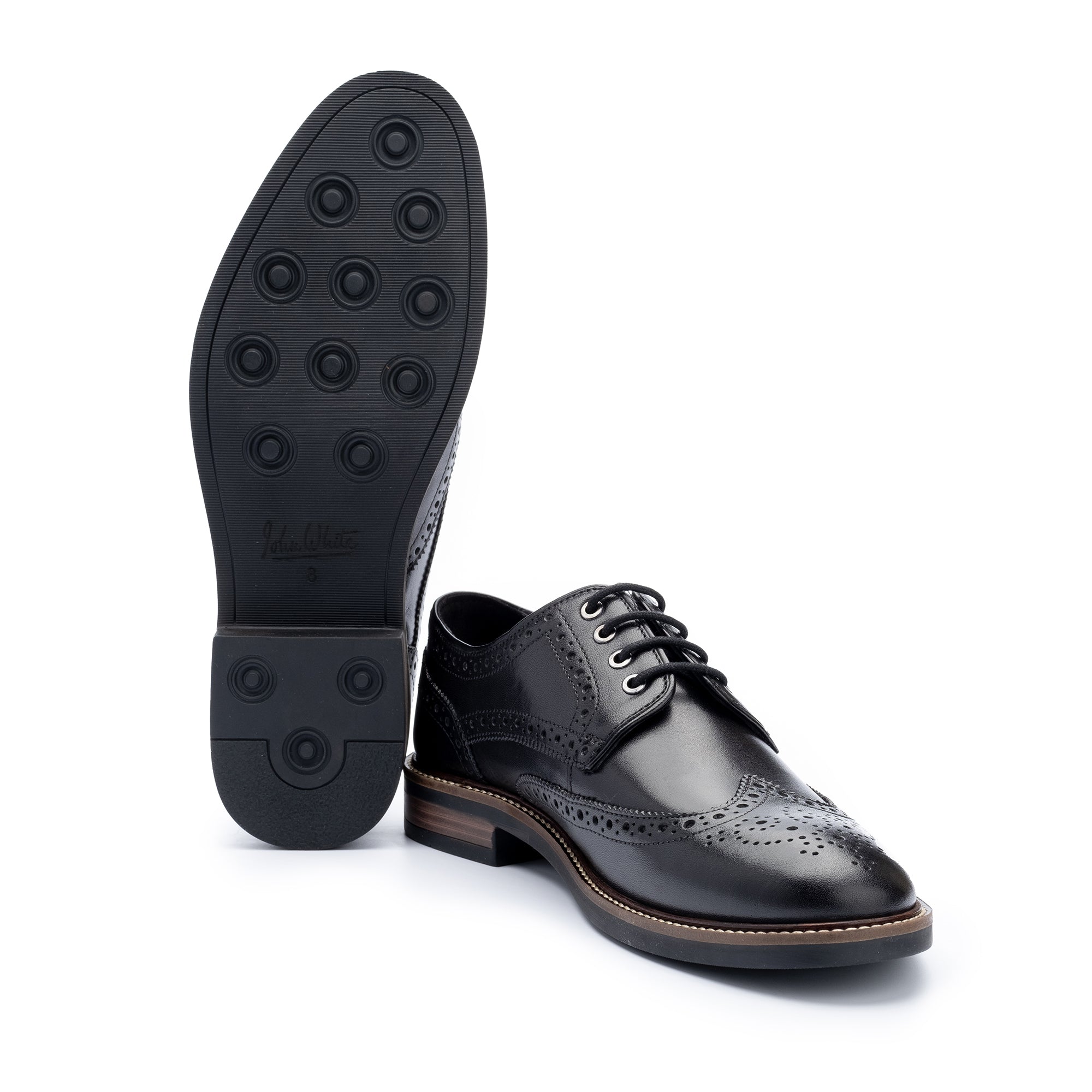
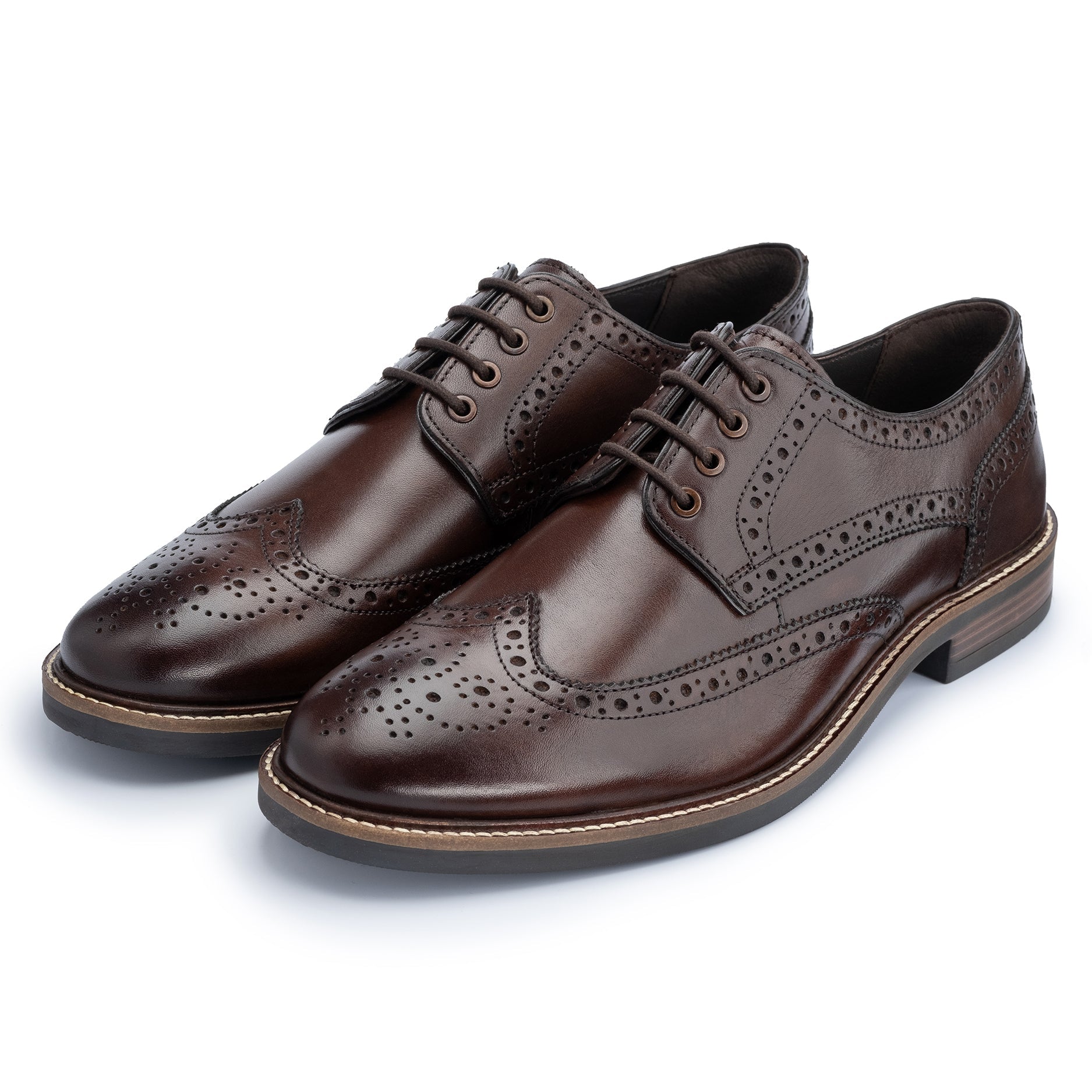
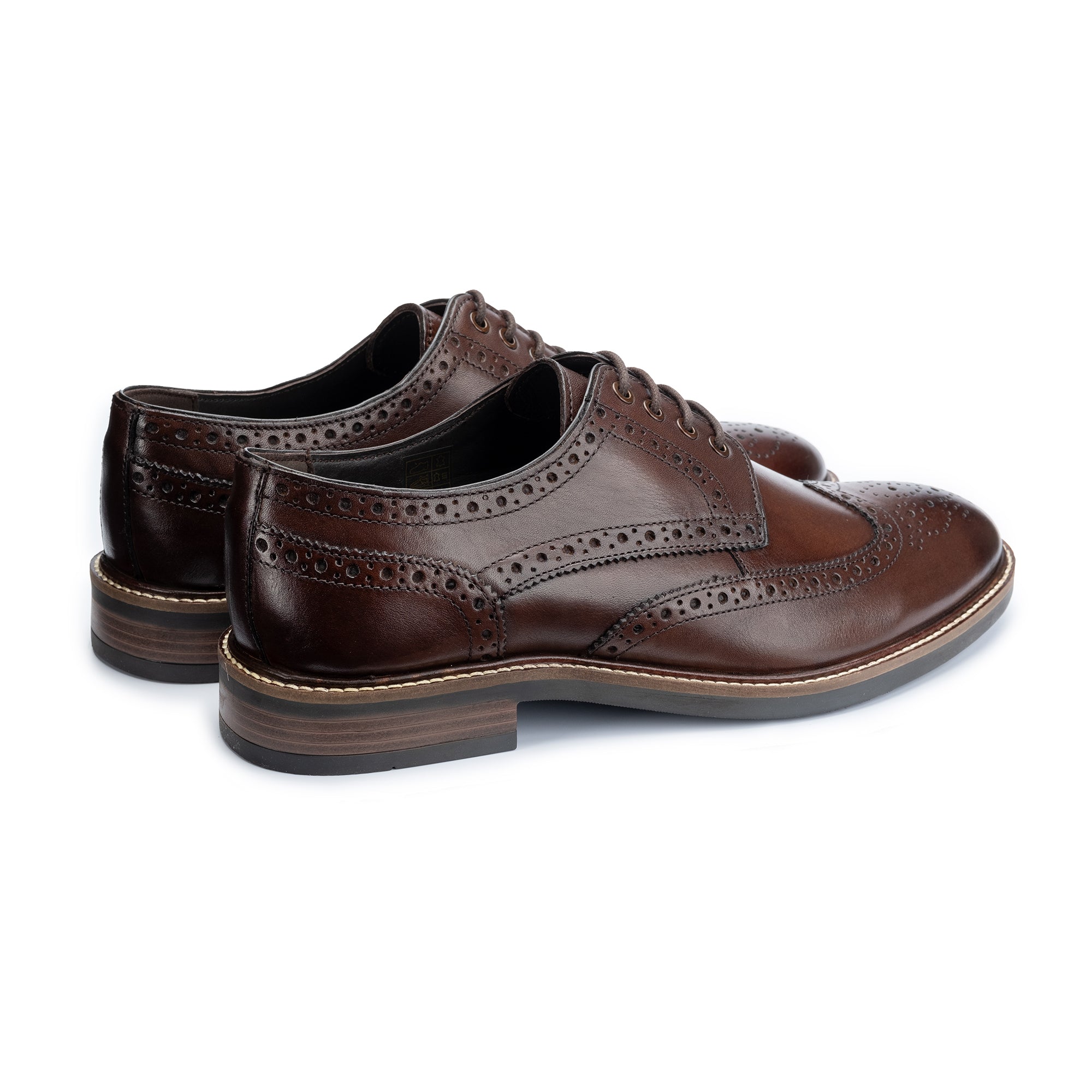
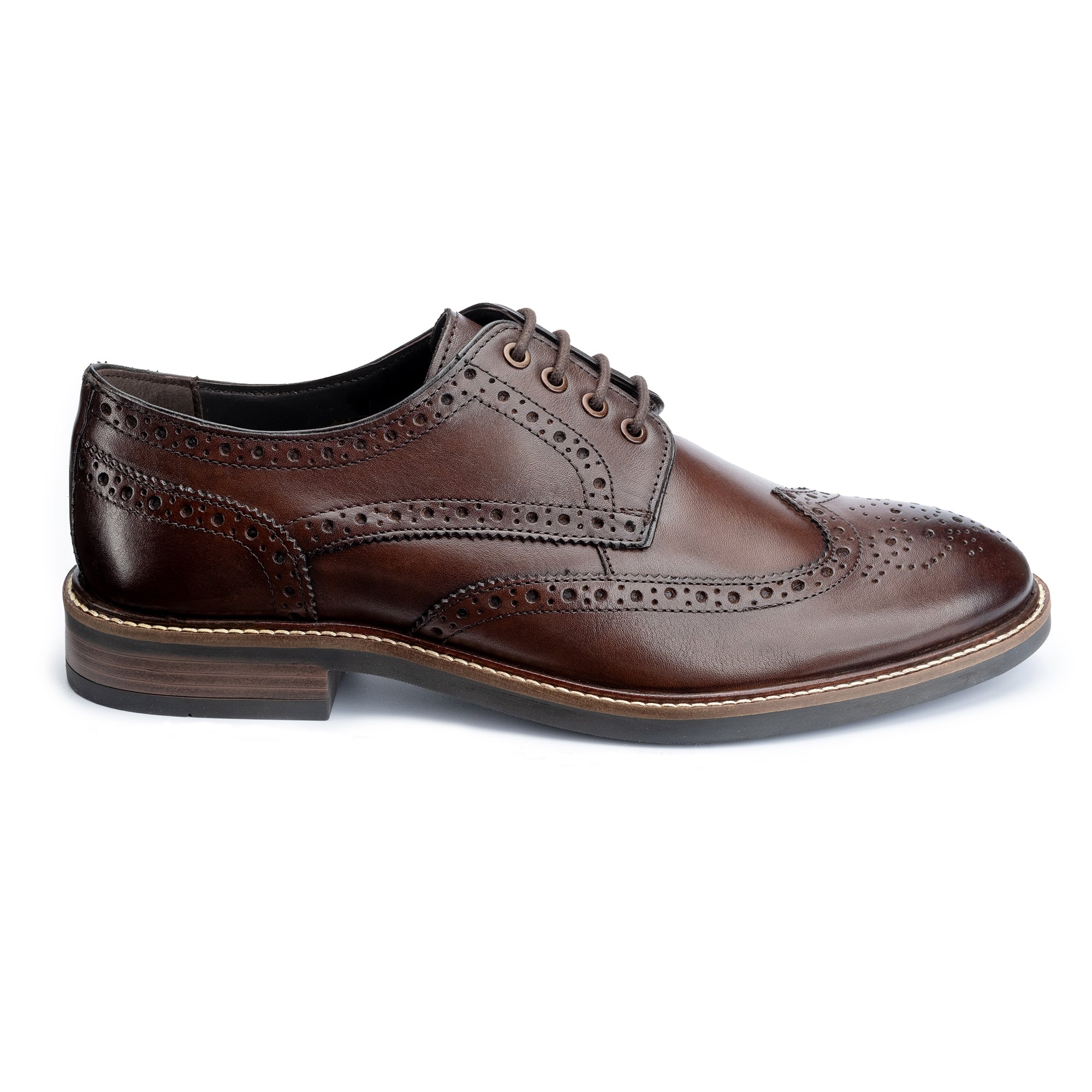
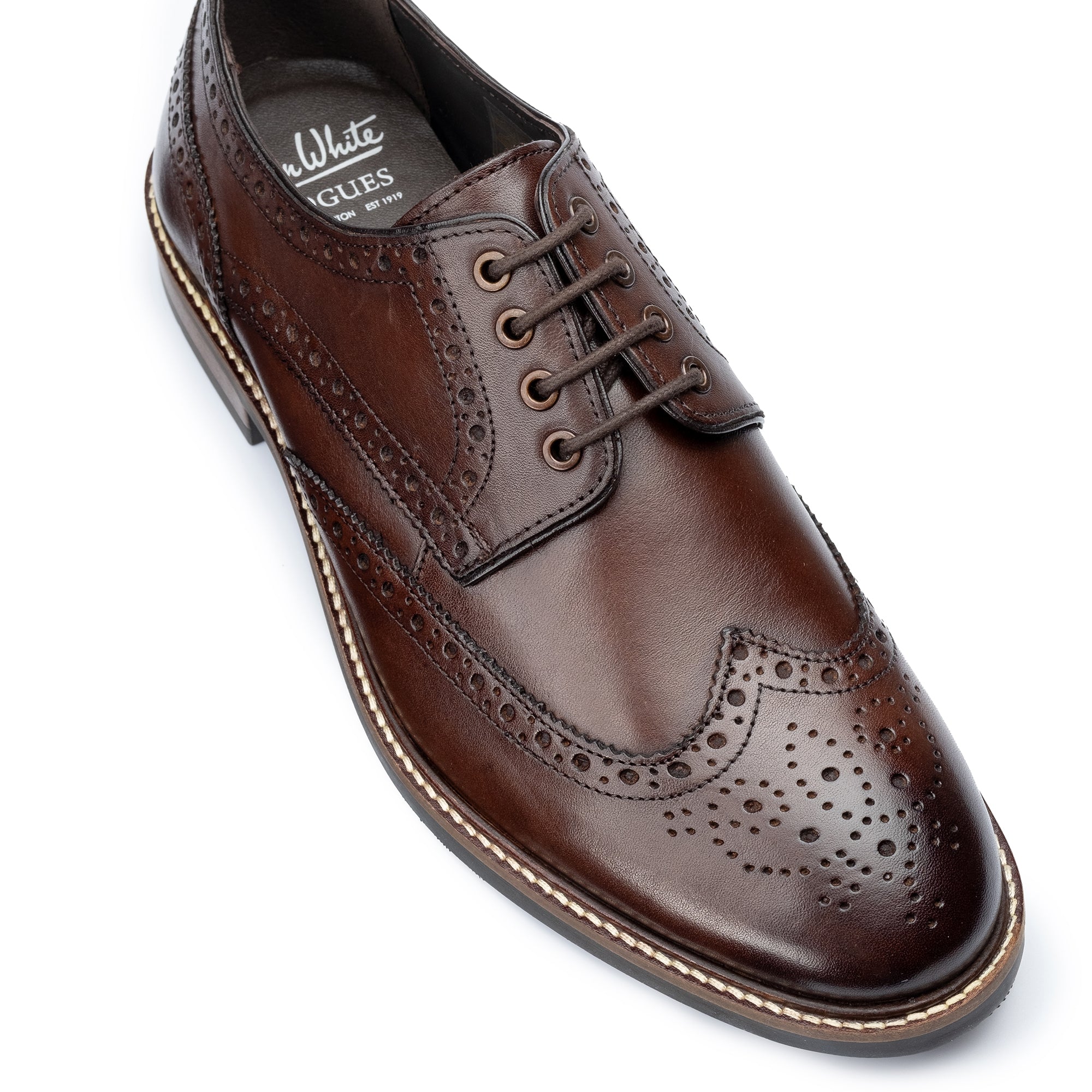
The brogue began as a country shoe — the perforations originally functional drainage — before migrating into town dress over the 20th century. It's now one of the most adaptable styles in British footwear. The Stokes Brogue Derby Shoes come in black, brown, and tan. For styling across every occasion, our complete guide to wearing brogues covers the full range of outfit combinations.
The Plain Derby
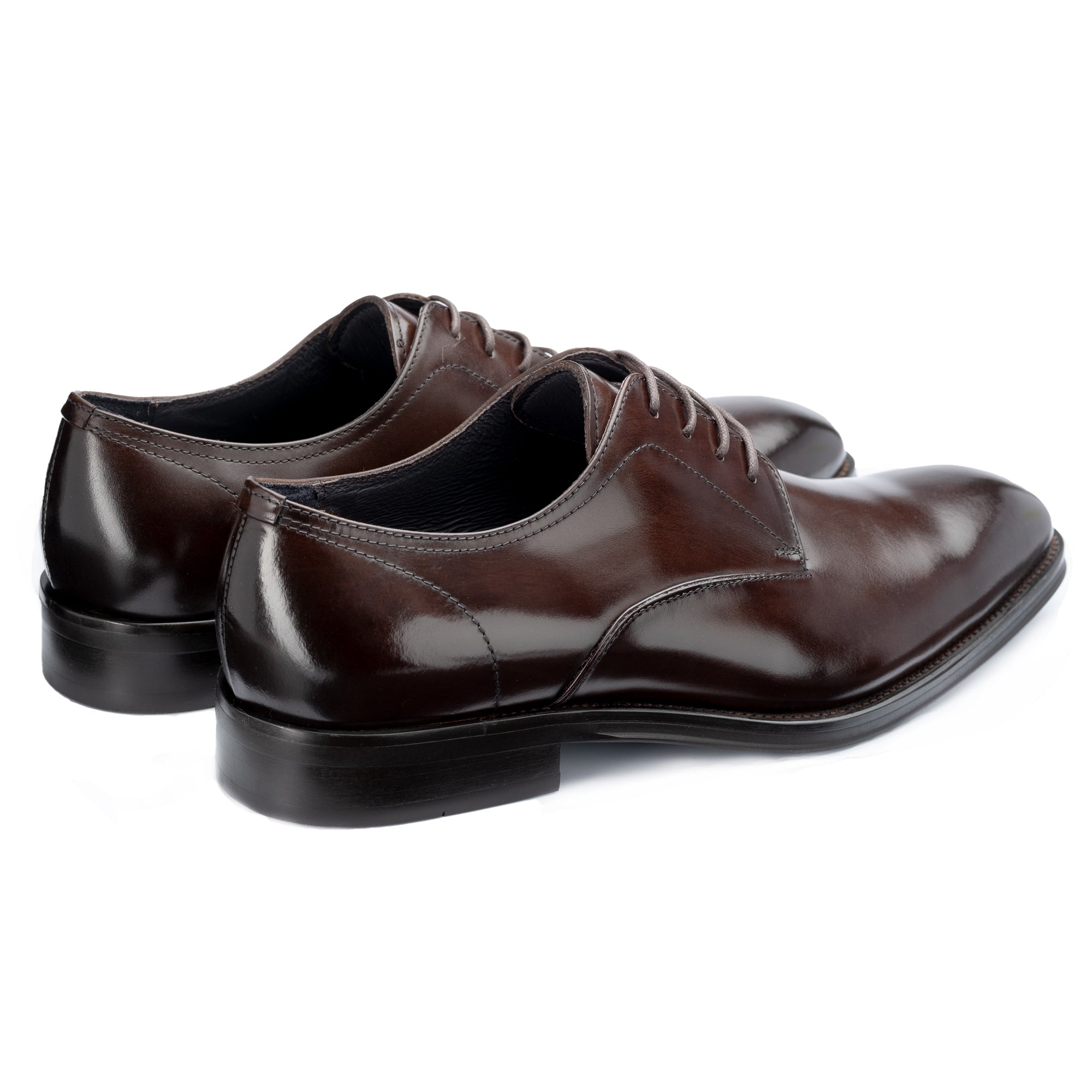
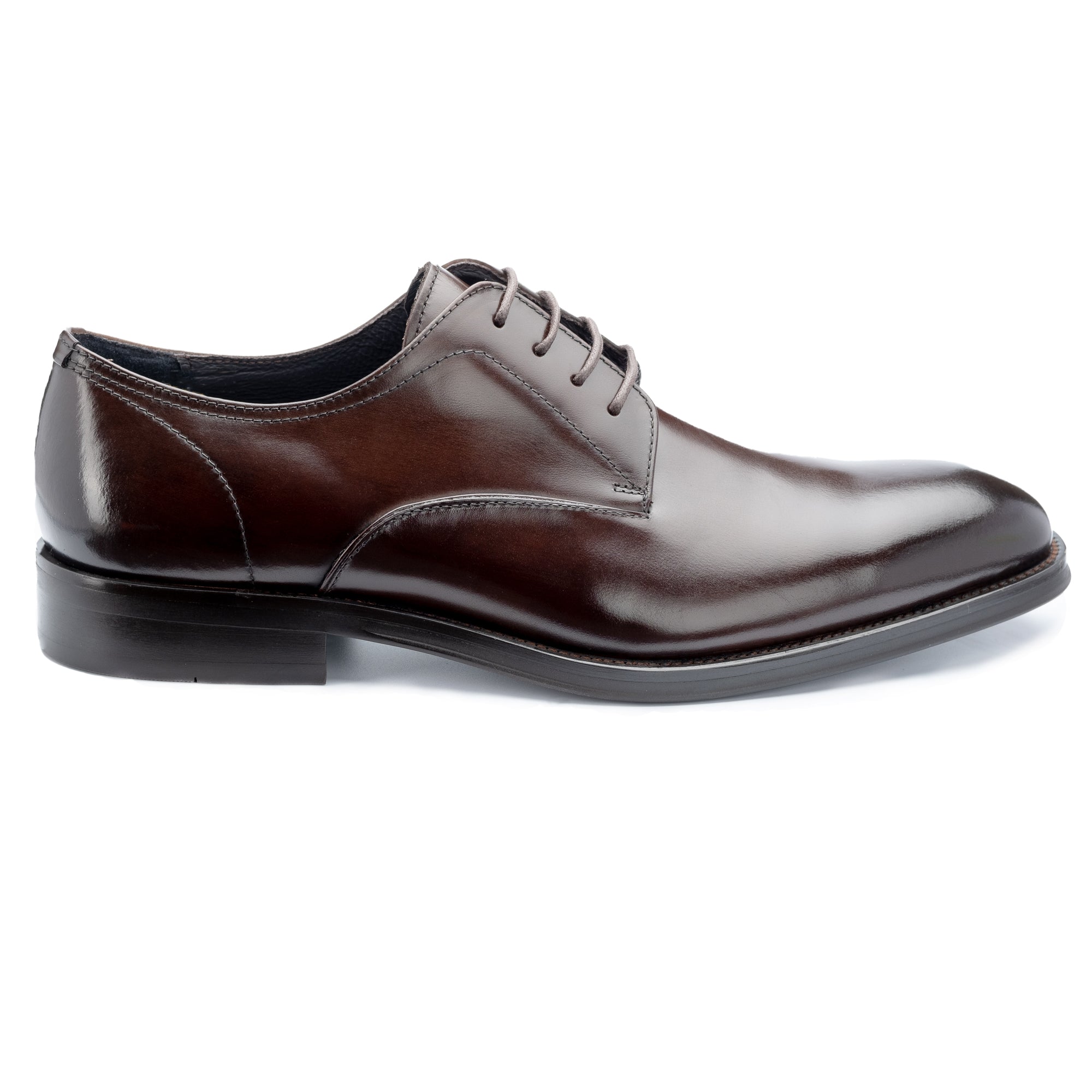
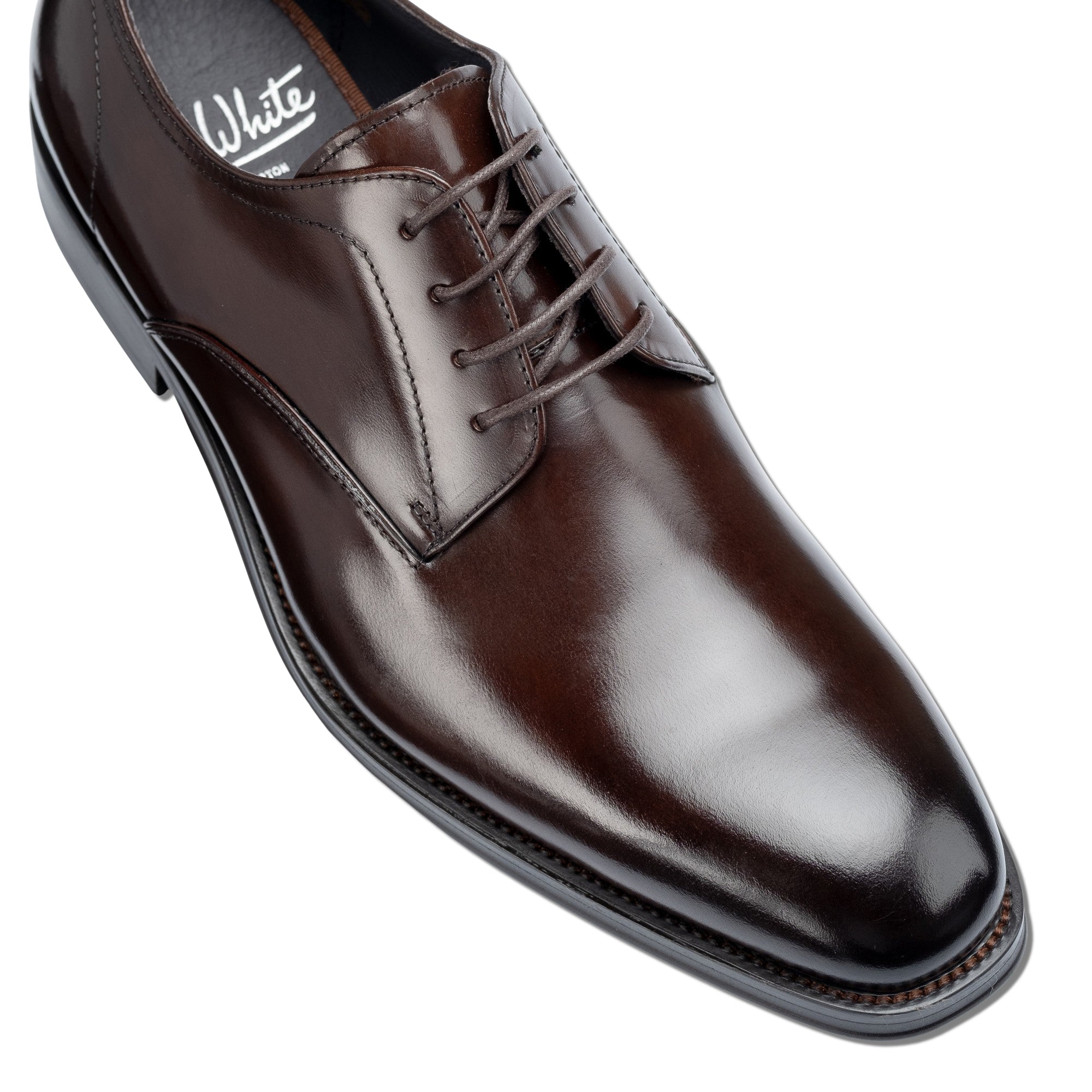
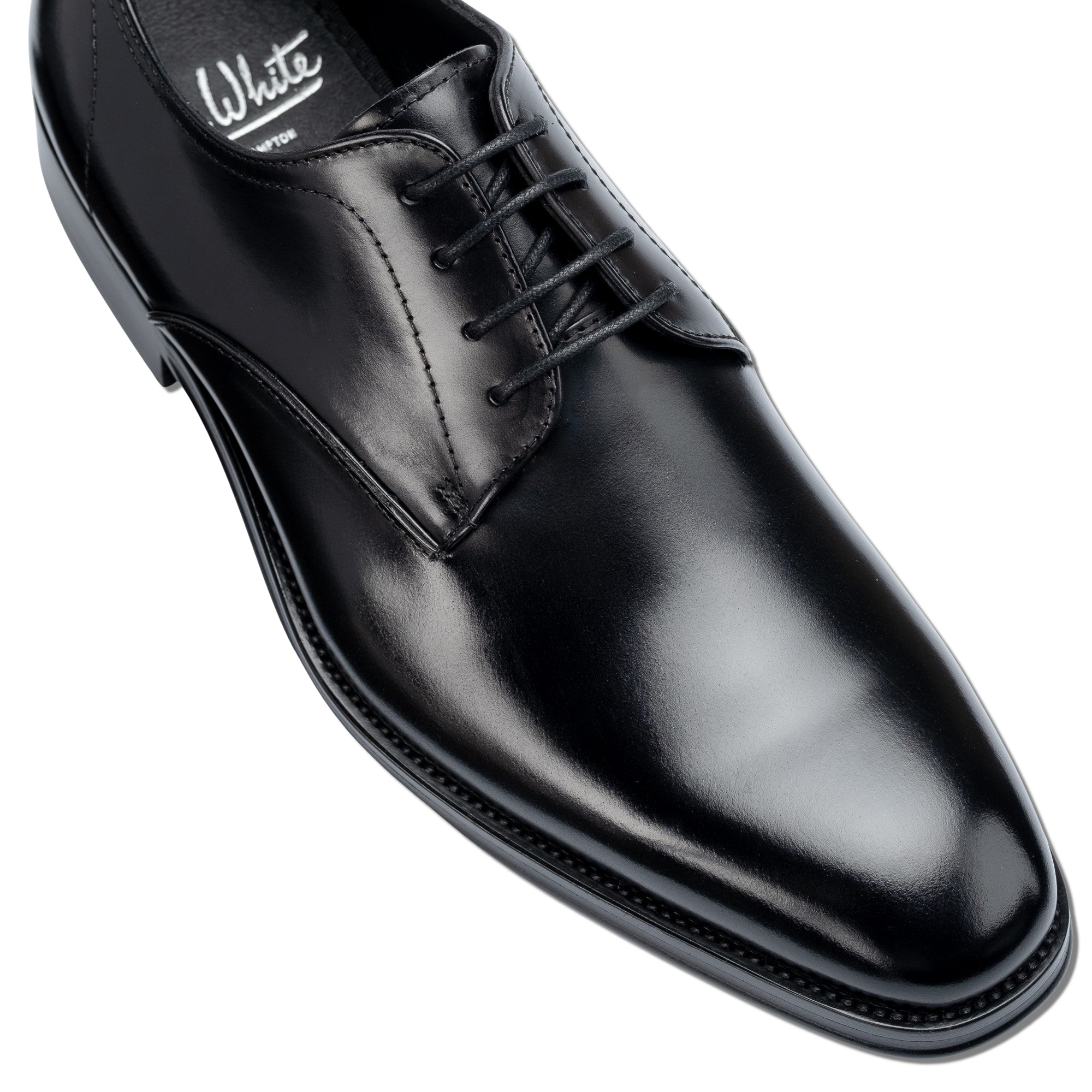
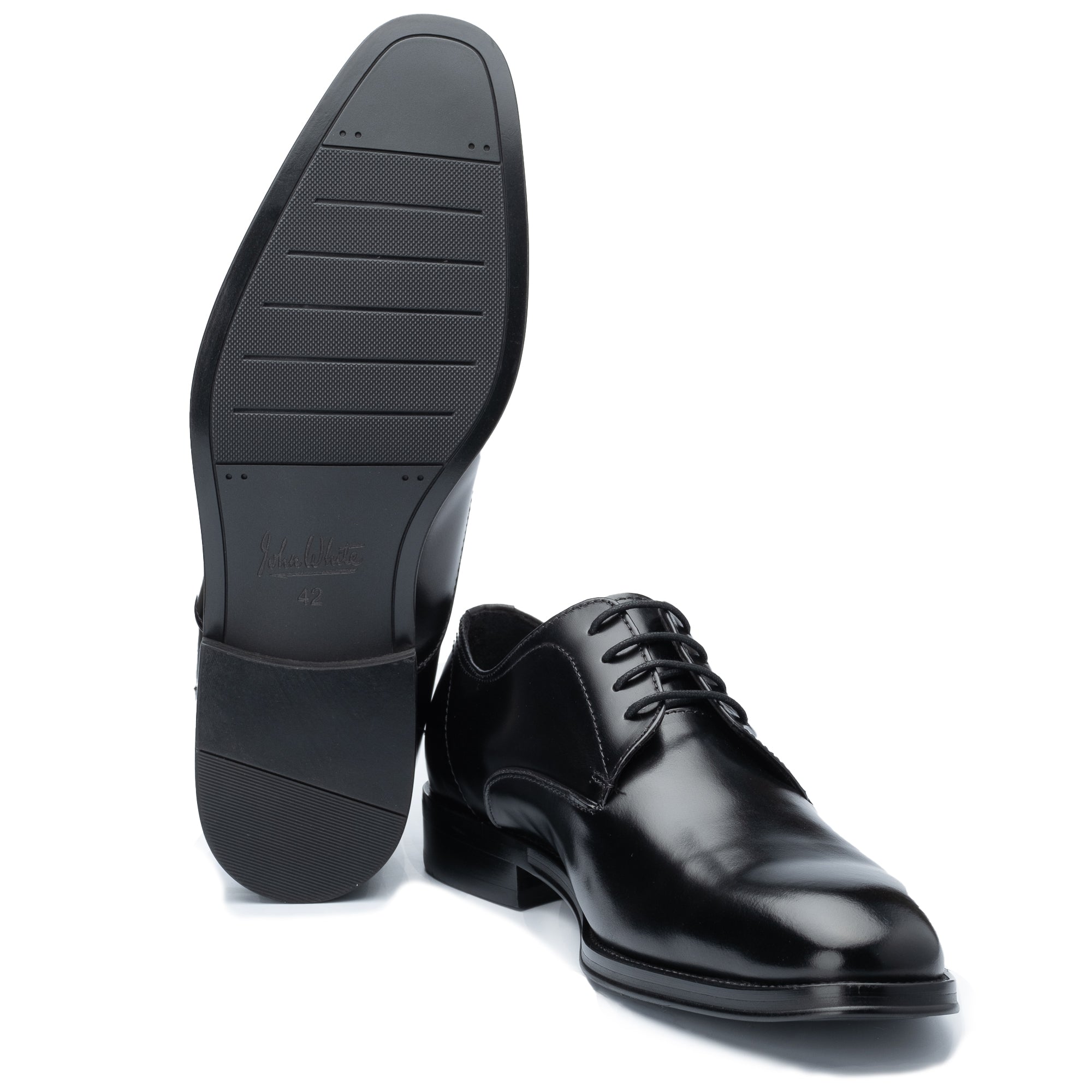
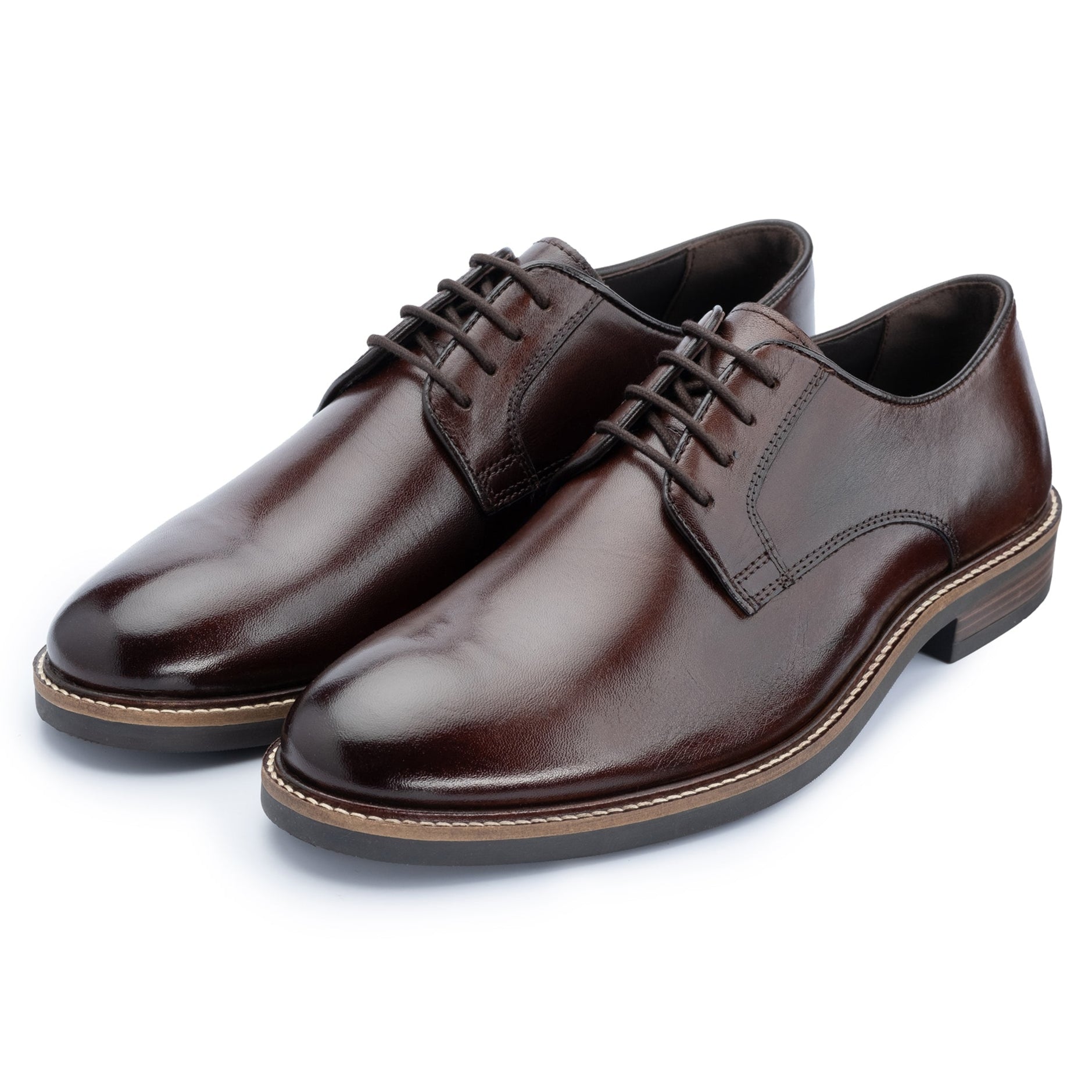
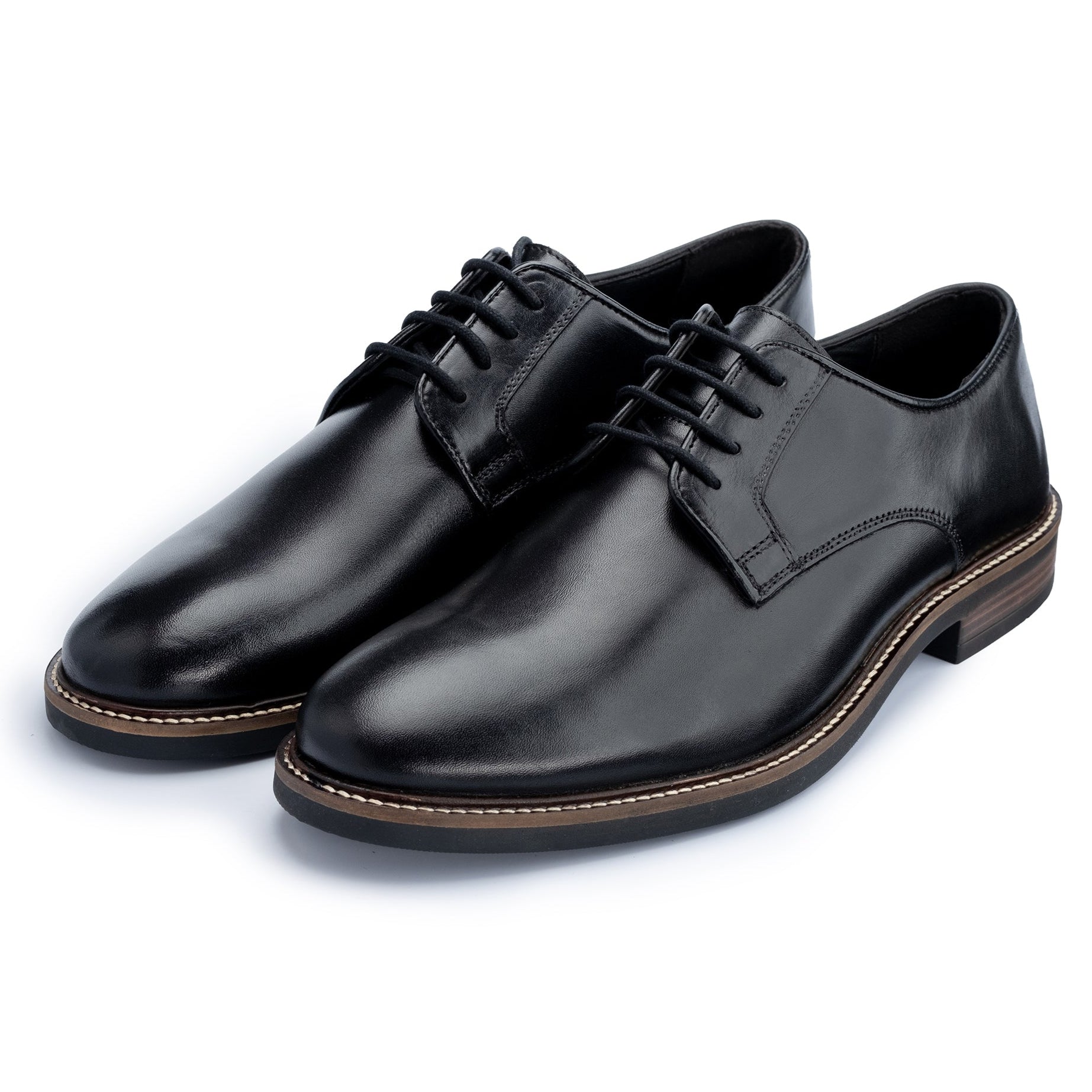
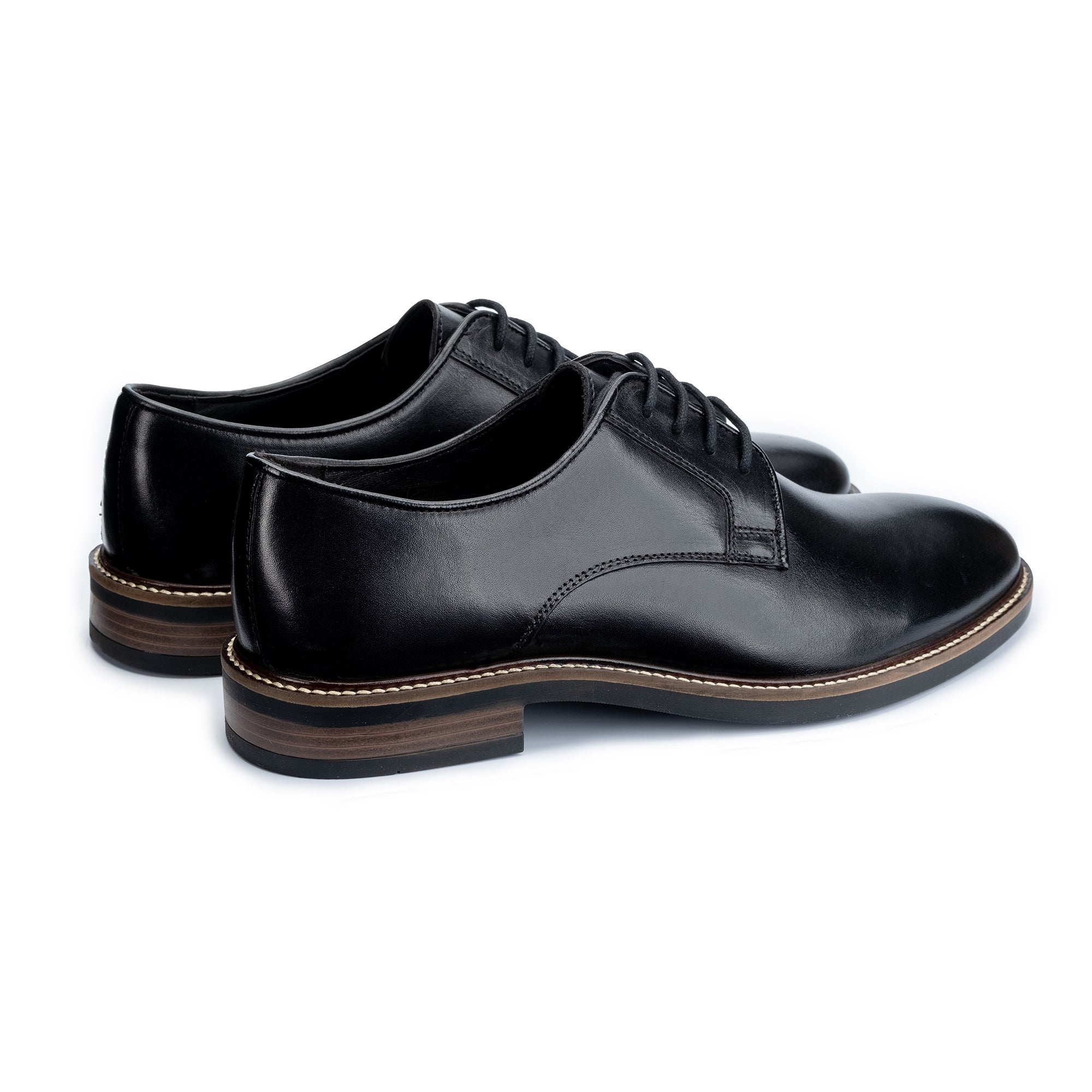
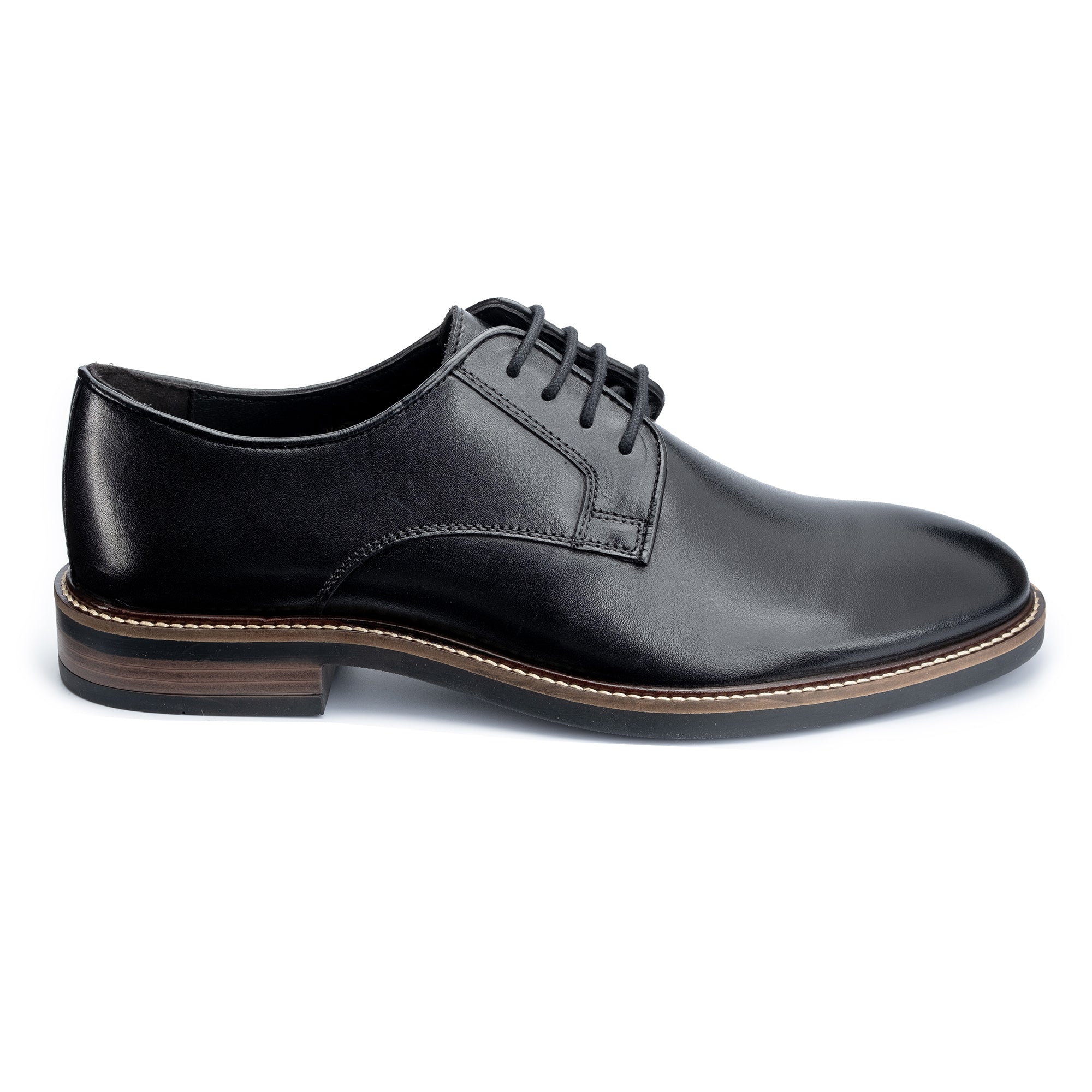
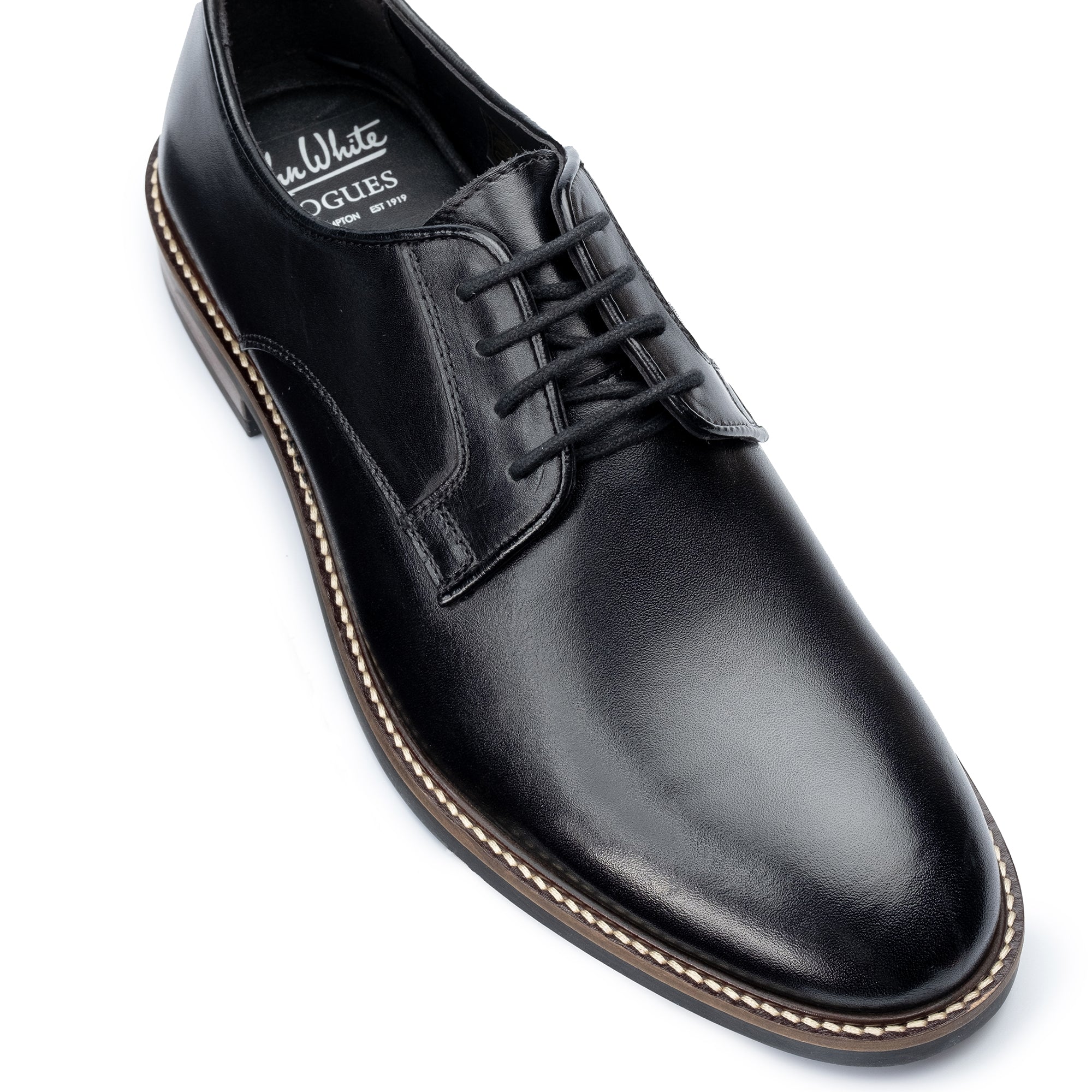
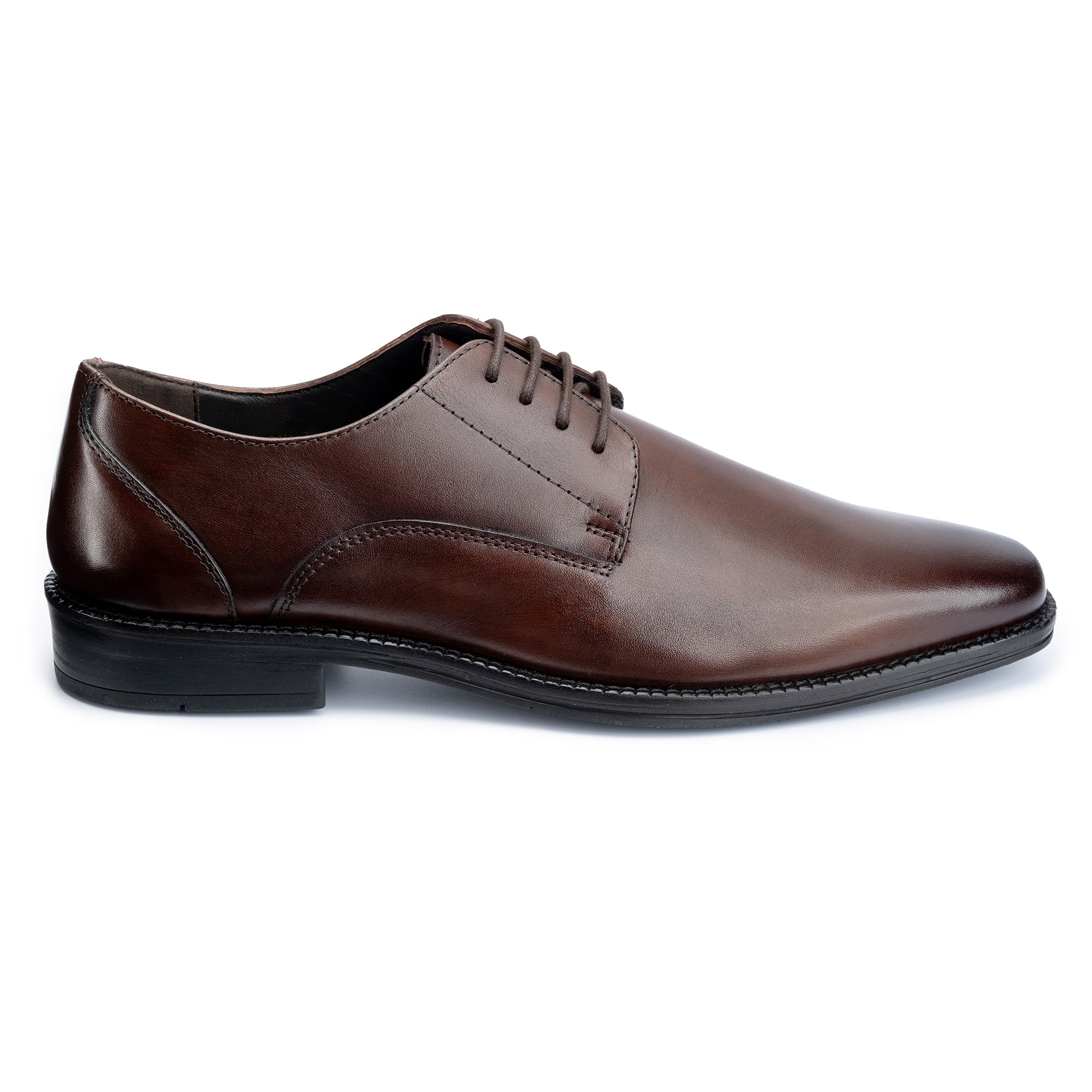
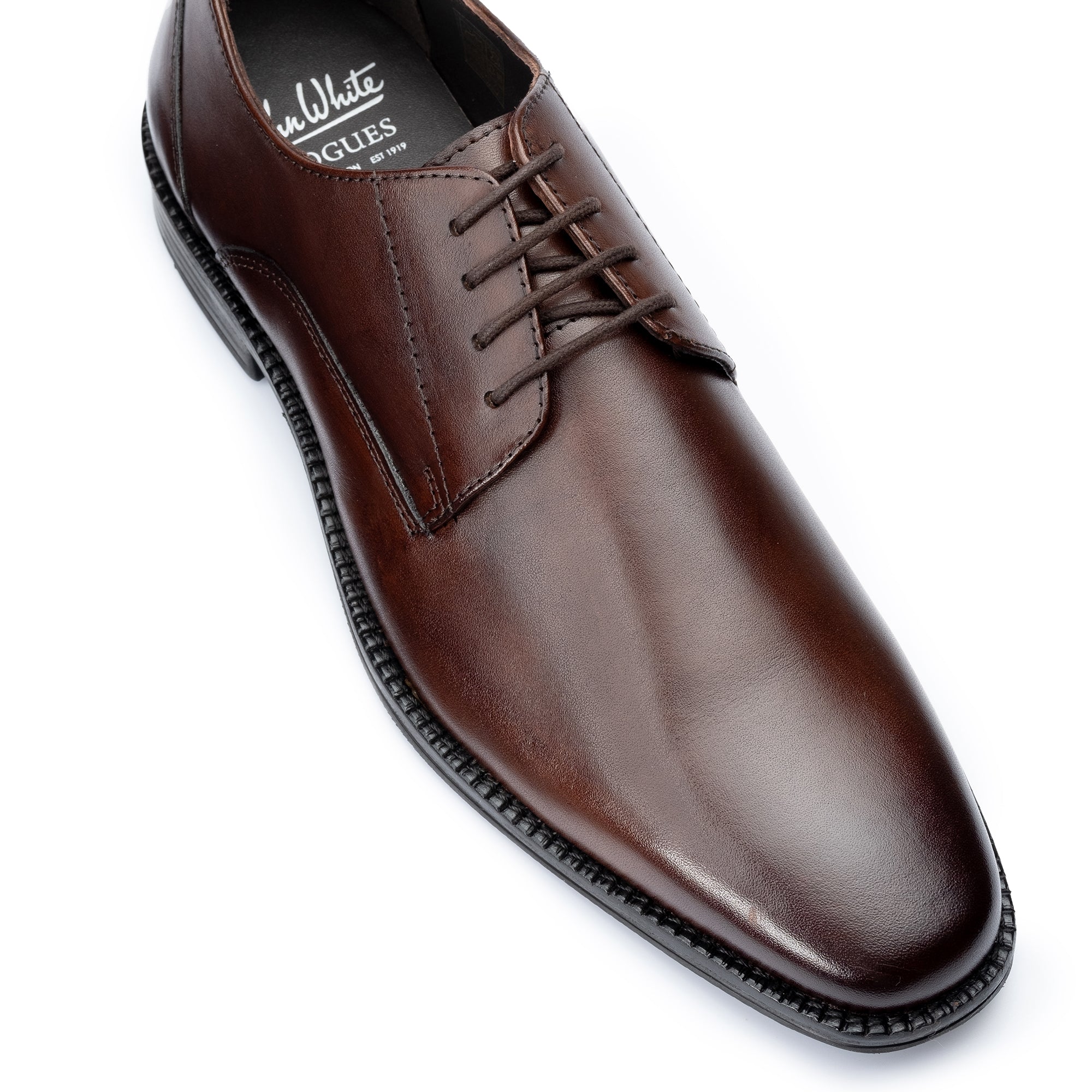
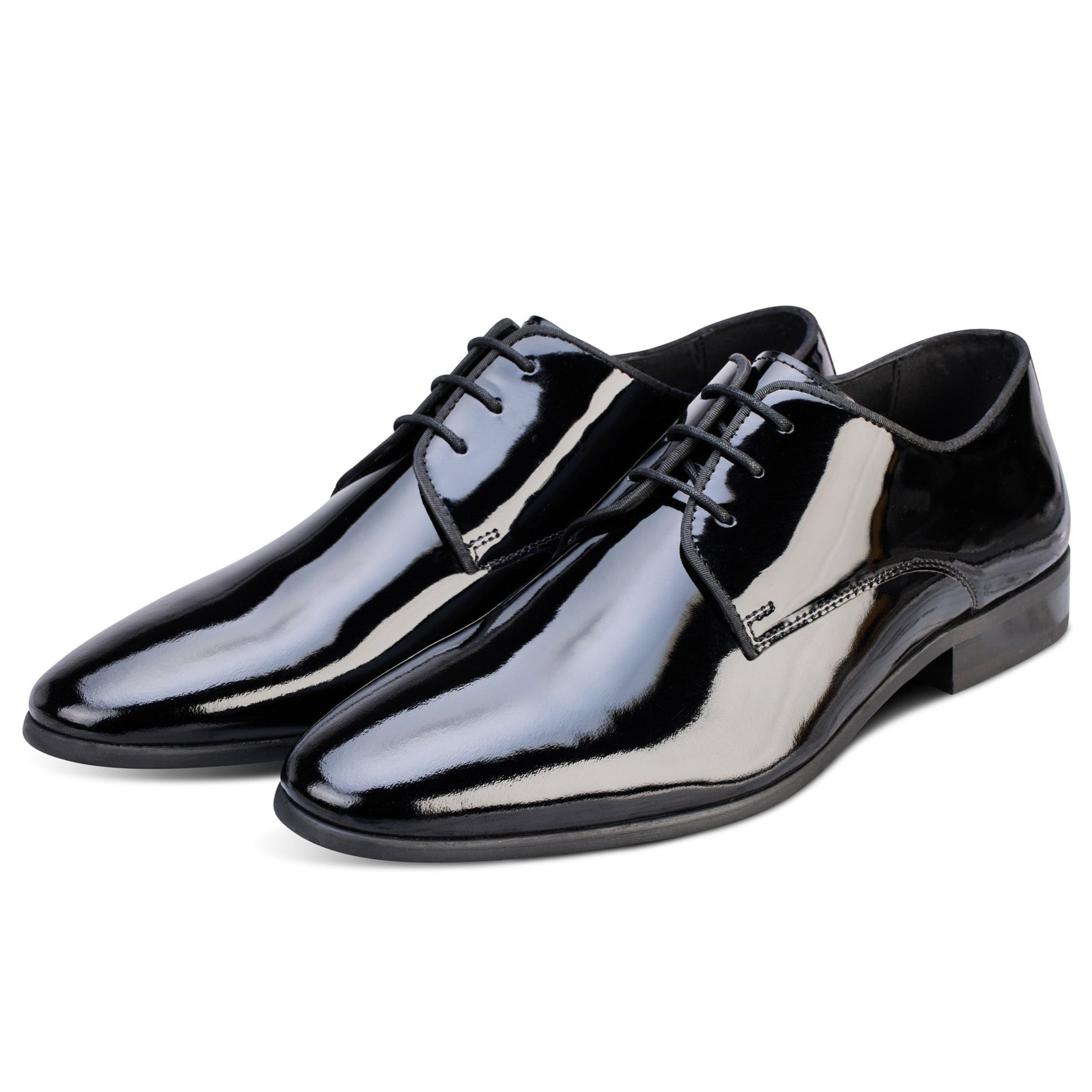
The Derby's open lacing gives it a marginally more relaxed stance than an Oxford — smart enough for a formal meeting, at ease on a Saturday. The Jermyn Derby Shoes, available in black and tan, represent this tradition well. Browse the full men's shoes range for the complete Derby and Oxford selection.
How Has the Northamptonshire Shoemaking Heritage Endured?
Industrial change reshaped Northamptonshire's shoe trade significantly across the 20th century. Global sourcing, changing consumer patterns, and the economics of mass production all reduced the county's manufacturing base substantially.
But the design knowledge, the brand heritage, and the craft vocabulary that Northamptonshire developed didn't disappear — they became the foundation for a different kind of industry. Today's heritage footwear names compete on design provenance, material selection, and the accumulated understanding of what a well-proportioned shoe looks and feels like across its working life. That knowledge originated in Northamptonshire.
John White Shoes' revival under David Corben in 2000 continued this tradition: working with overseas manufacturer partners to produce its collections while keeping design curation and brand identity rooted in the Northamptonshire heritage from which the brand originated. As we explore in our detailed account of the story behind British shoemaking, the county's influence on global footwear extends far beyond its geographical borders.
Once a John White shoe is in your wardrobe, the care you put into it extends that heritage further still. Our annual leather shoe maintenance checklist gives you a structured approach to keeping leather in the condition it deserves.
Northamptonshire's legacy in British footwear is ultimately a design legacy — the proportions, standards, and craft knowledge it established continue to define what quality British shoes look like, wherever they're produced today.
Related Guides
- The History of British Shoemaking — our comprehensive guide
- From Northampton to the World: The Story Behind British Shoemaking
- The Anatomy of a Handmade Shoe: What Goes Into Every Pair
- The Art of the Last: Why Shoe Shape Matters More Than You Think
TL;DR
Northamptonshire shoemaking is distinctive because of over 380 years of documented craft tradition, a specialist industrial ecosystem encompassing leather tanning, last-making, and welted construction techniques, and a design legacy that gave Britain — and the world — the Oxford, Derby, brogue, and Chelsea boot as we know them today. John White Shoes, established in 1919 by a Northamptonshire shoemaker with 23 years of prior experience, carries that heritage forward through a curated design range built on the proportions and standards the county spent generations refining.
Frequently Asked Questions
Why is Northamptonshire famous for shoemaking?
Northamptonshire became Britain's shoemaking capital through a combination of natural advantages — oak forests for leather tanning, soft Nene Valley water for processing, a central road network for distribution — and an accumulation of specialist craft trades that no other county replicated. According to Northampton Museum & Art Gallery, documented shoemaking in the area dates to at least 1642.
What is hand-welting, and why was it important to Northamptonshire?
Hand-welting is a traditional shoe construction technique in which the upper, insole, and outsole are joined via a strip of leather (the welt) hand-stitched around the perimeter of the shoe. It was one of the defining skills of Northamptonshire's craft tradition, requiring years of apprenticeship to master. The county's shoemakers became internationally recognised for the consistency and quality of their welted work — a reputation that underpinned the heritage of the entire district.
Which shoemaking brands come from Northamptonshire?
Northamptonshire is home to several of Britain's most enduring heritage footwear names: Church's (1873), Crockett & Jones (1879), Loake of Kettering (1880), Barker of Earls Barton (1880), Grenson of Rushden (1866), and John White Shoes (1919). Each brand developed a distinct identity within the broader Northamptonshire tradition.
Does John White Shoes still manufacture in Northamptonshire?
No. John White Shoes designs and curates its range but does not manufacture footwear. The brand's factory operations ended in 1991. Since David Corben revived John White in 2000, the brand has worked with overseas manufacturer partners to produce its collections — maintaining its design heritage and brand identity while sourcing internationally. The headquarters remain at Westbury House, Higham Ferrers, Northamptonshire.
Explore the John White Shoes collection — over a century of British footwear heritage in styles designed for everyday wear.