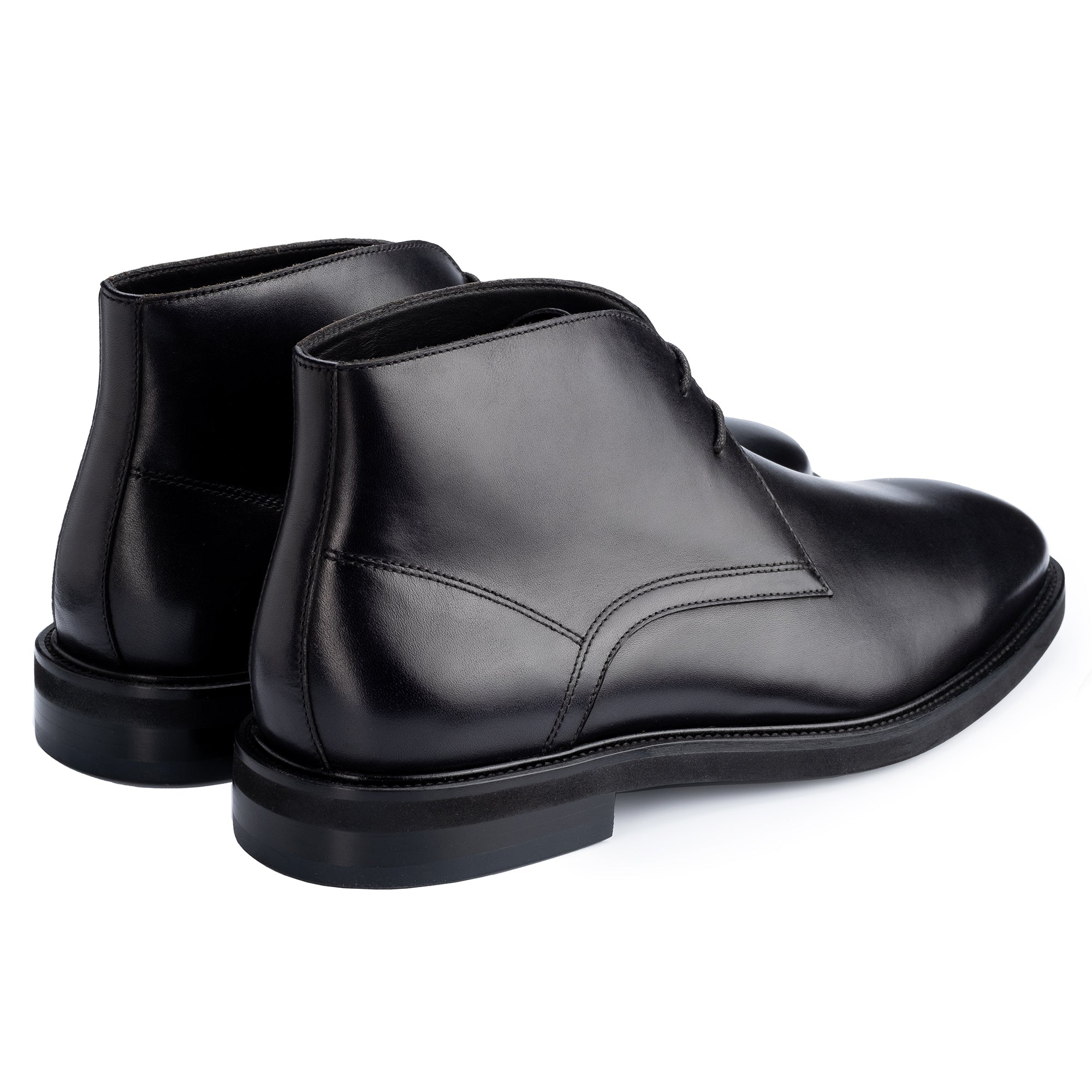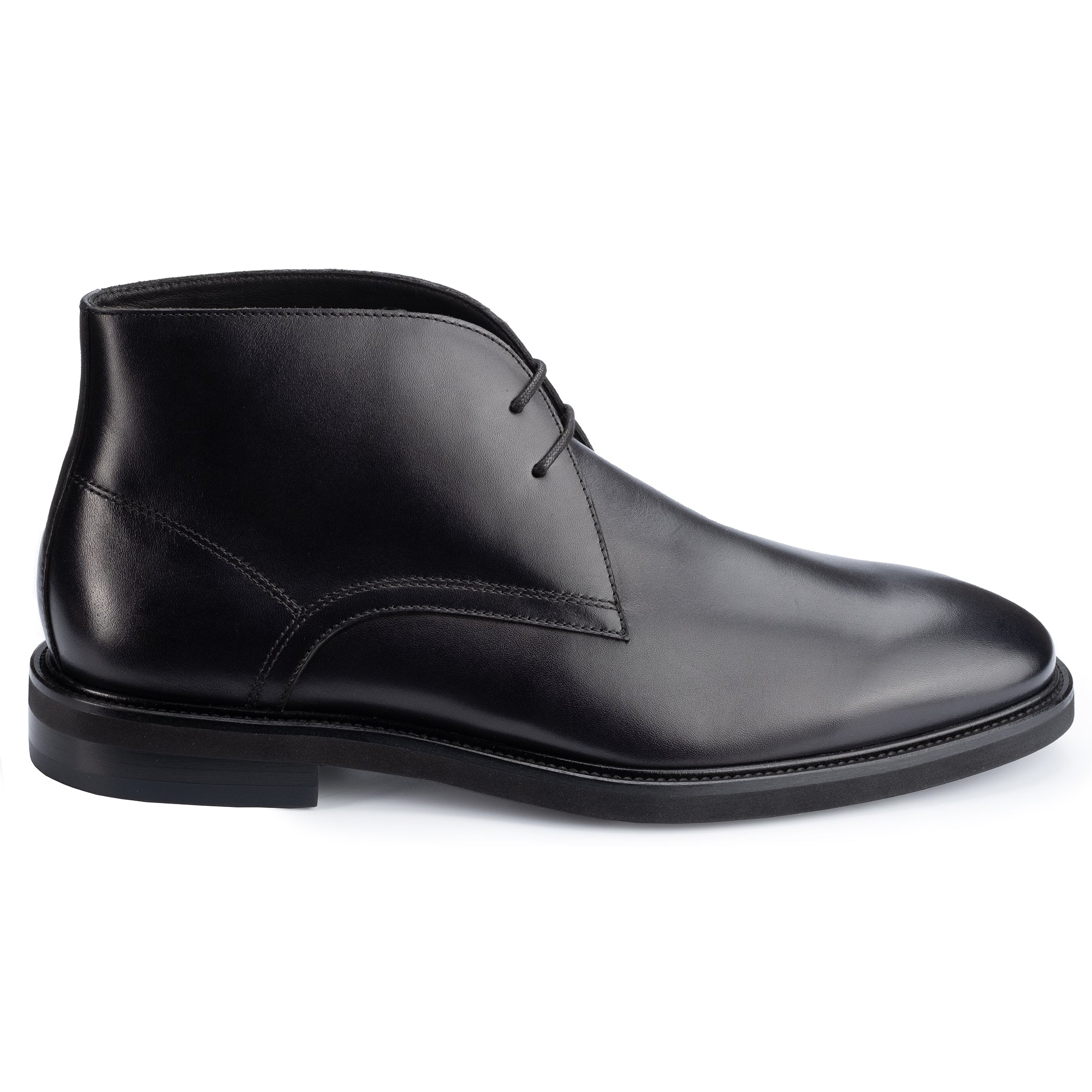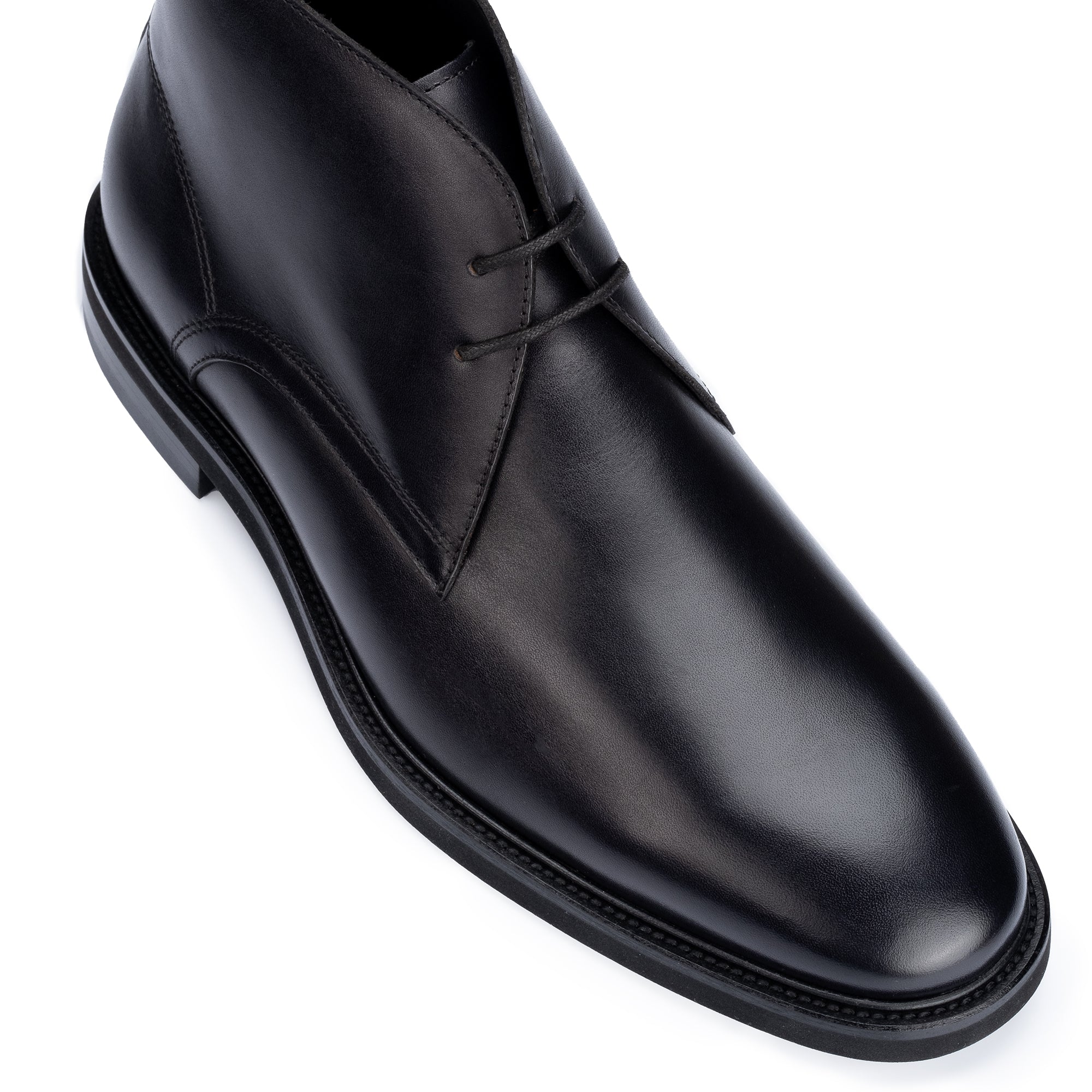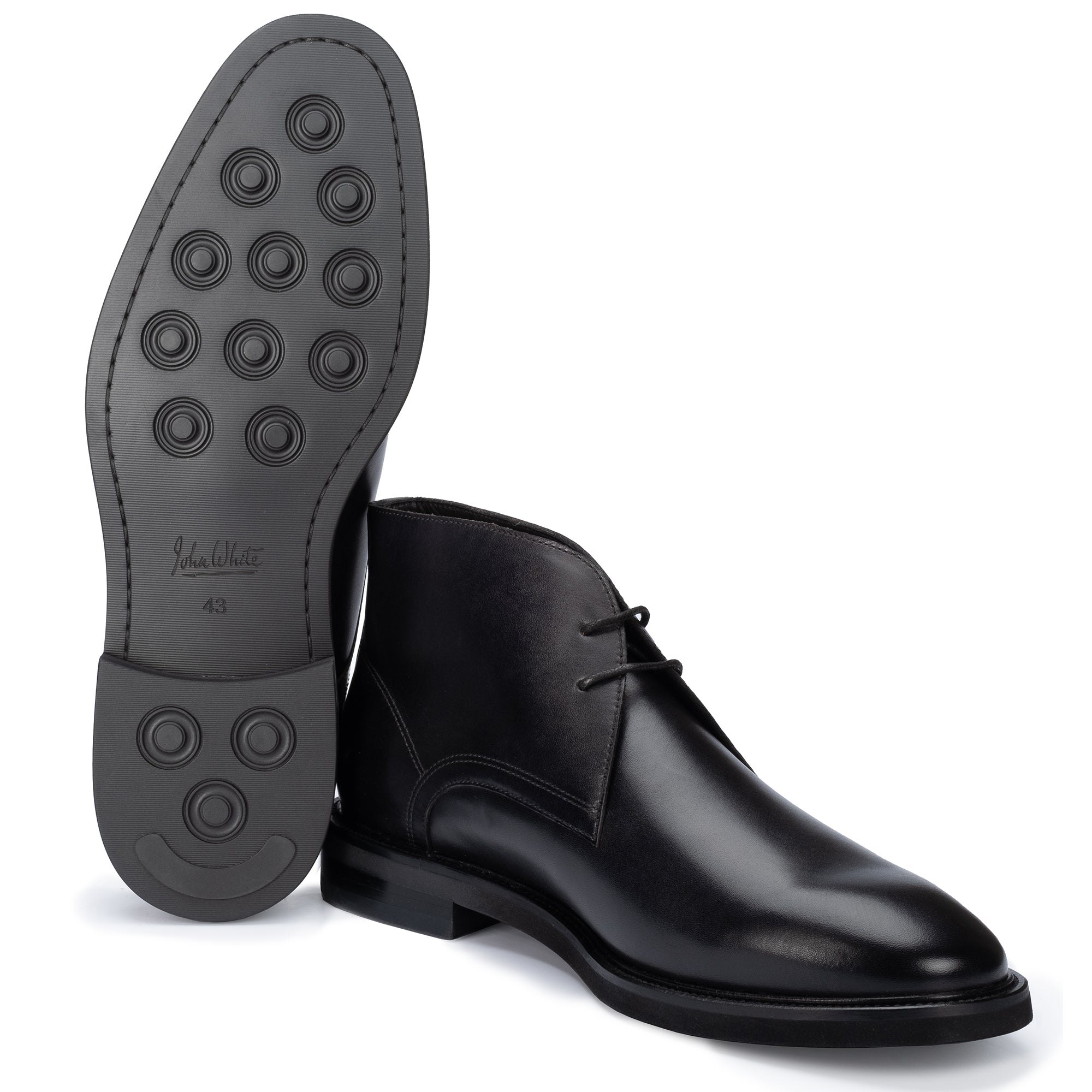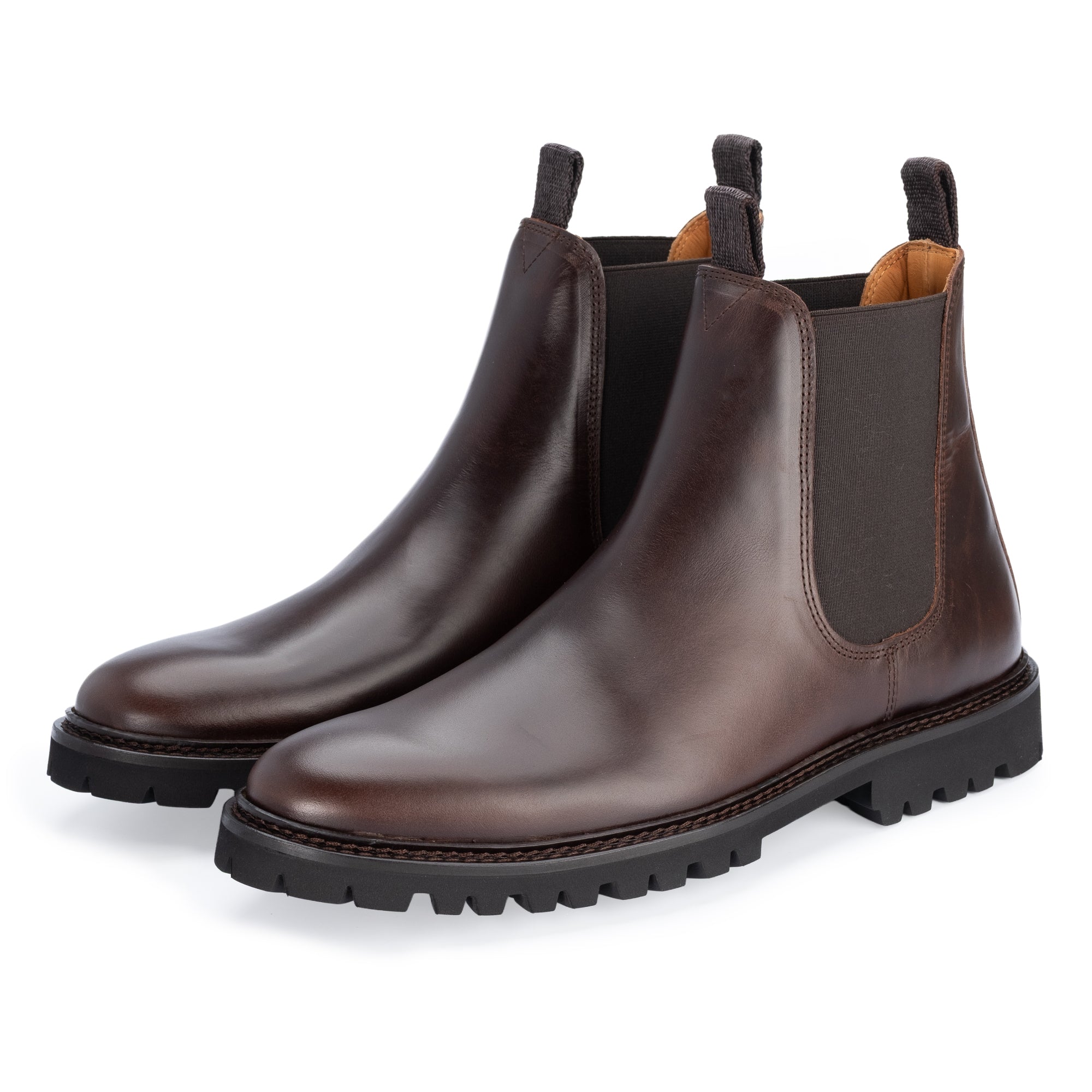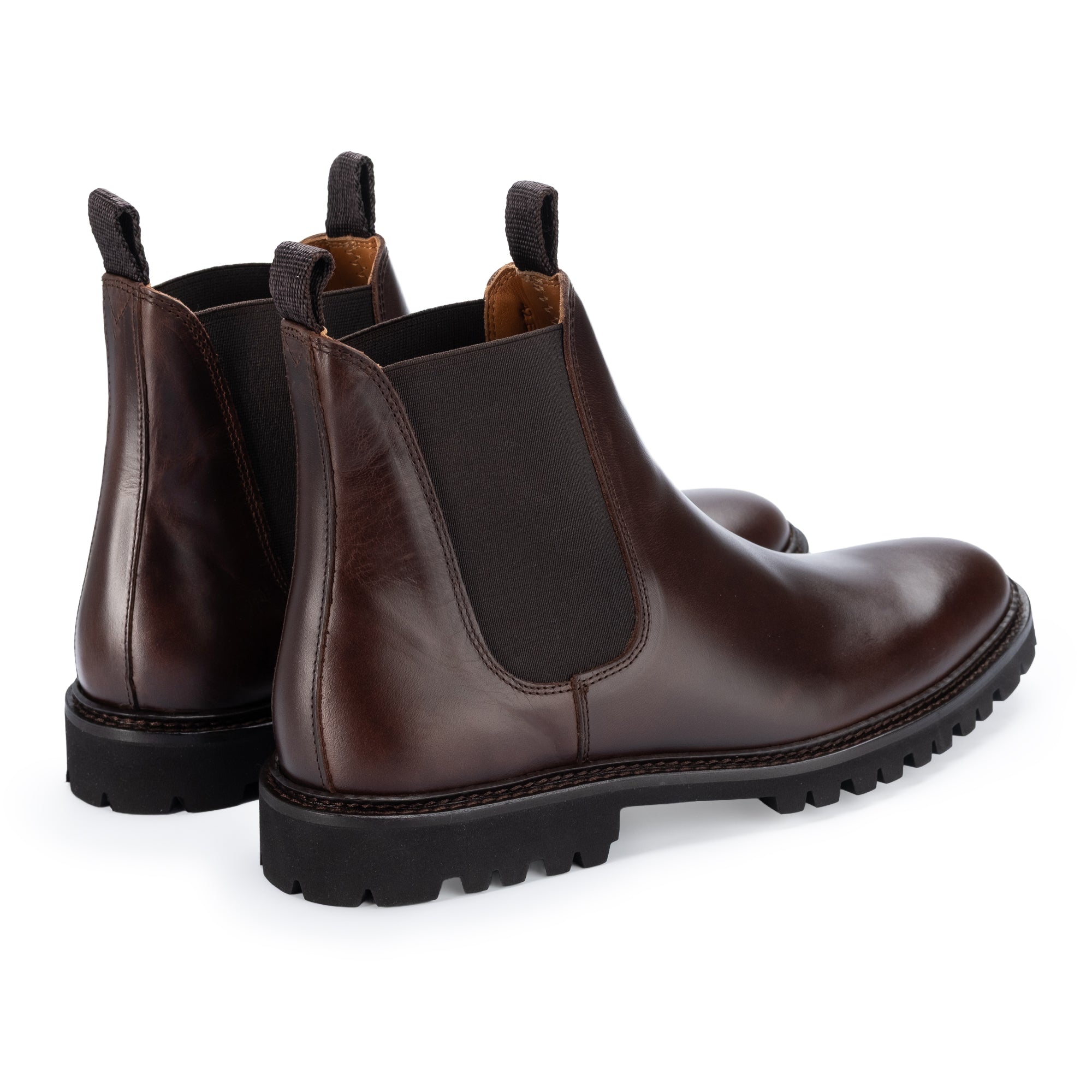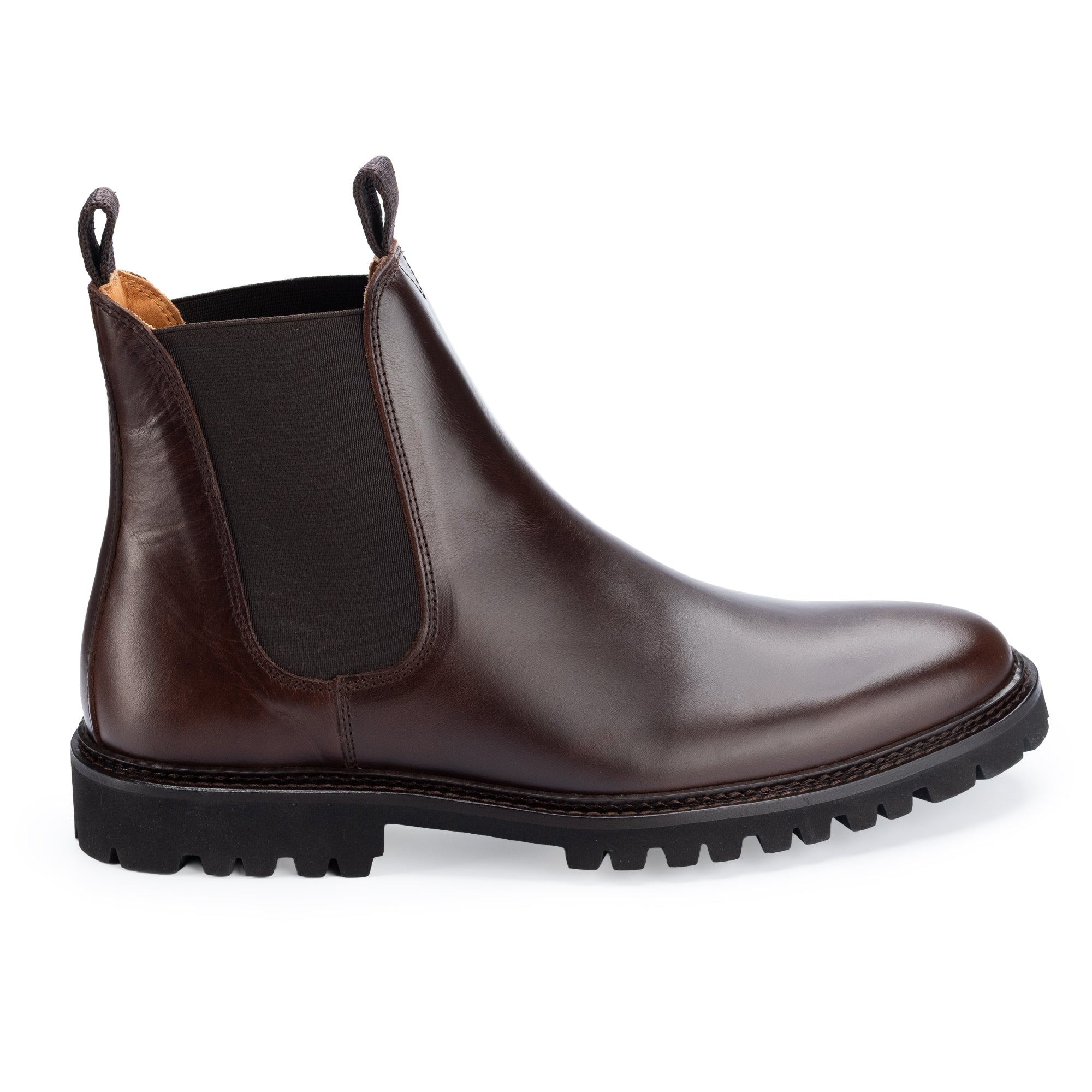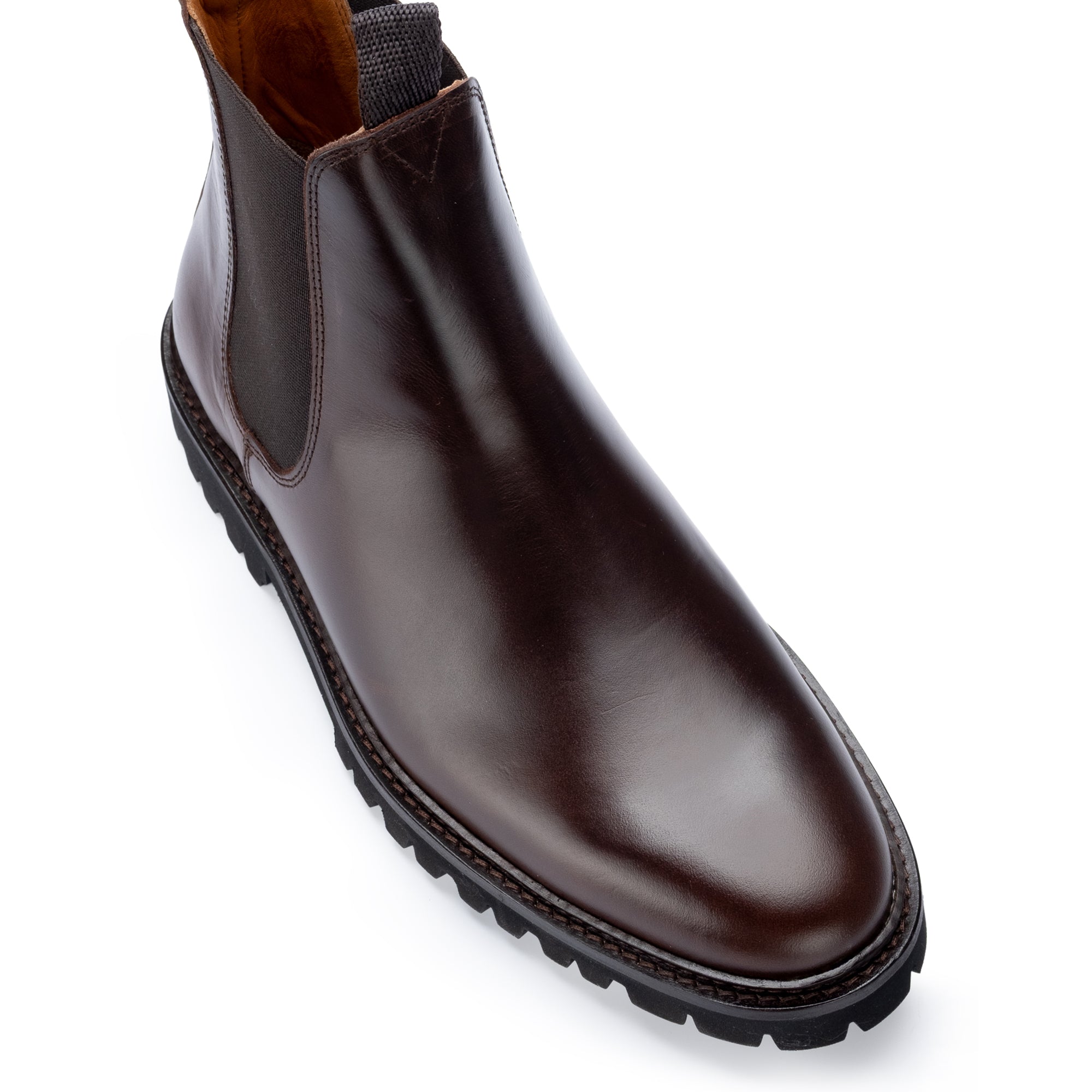

How to Wear Oxford Shoes: Dress Up or Down with Classic Lace-Ups
Oxford shoes are the most formal lace-up in men's footwear — but they're more versatile than most men realise. Pair them with a suit for boardroom polish, or wear them with slim chinos and no socks for a sharp smart-casual look. The key is knowing which Oxford, which colour, and which trouser length to reach for.
Related Guides
- The Complete Guide to Men's Dress Shoes — our comprehensive guide
- Men's Shoes for a Wedding Guest: What to Wear at Every Dress Code
- How to Wear Derby Shoes: Smart to Casual Styling Guide for Men
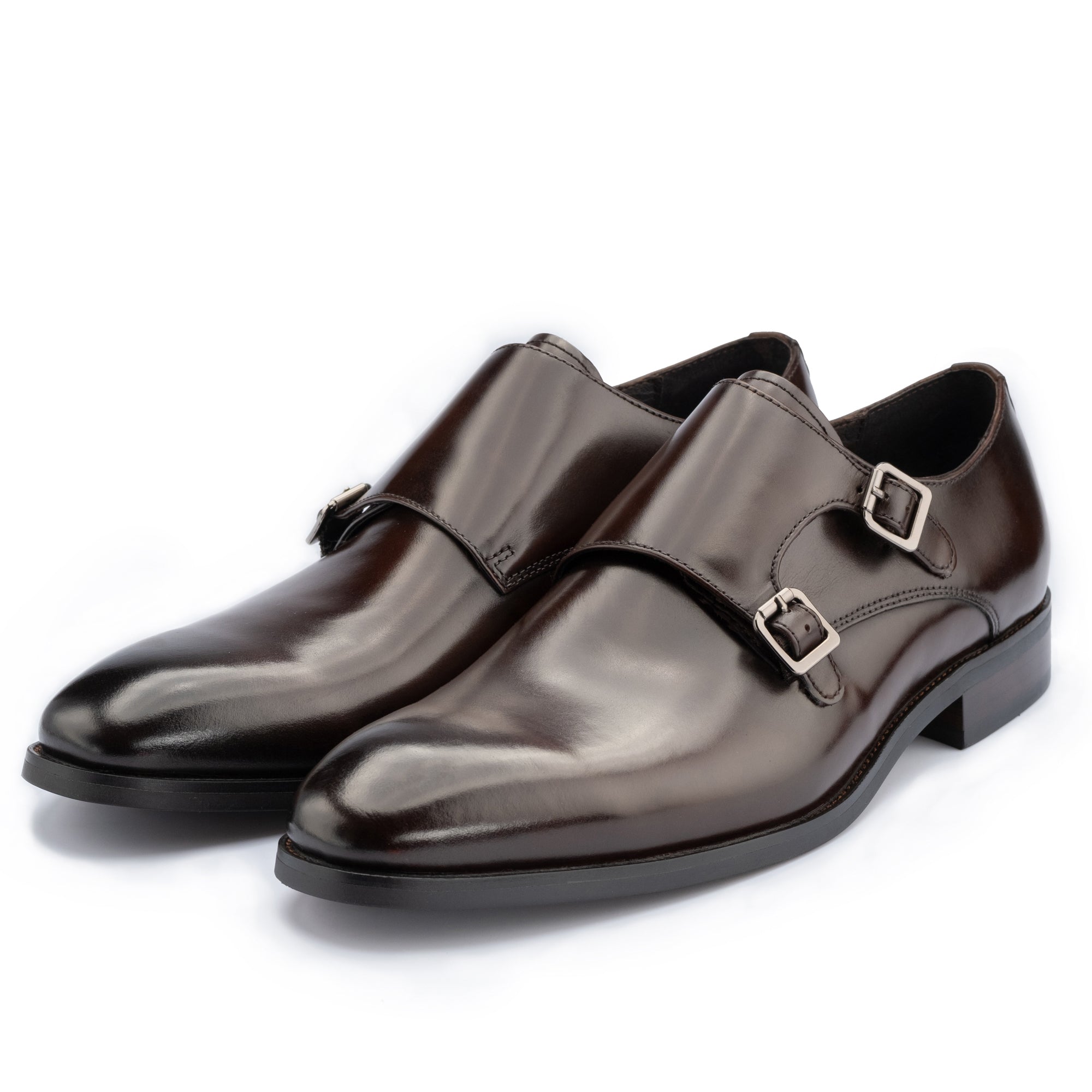
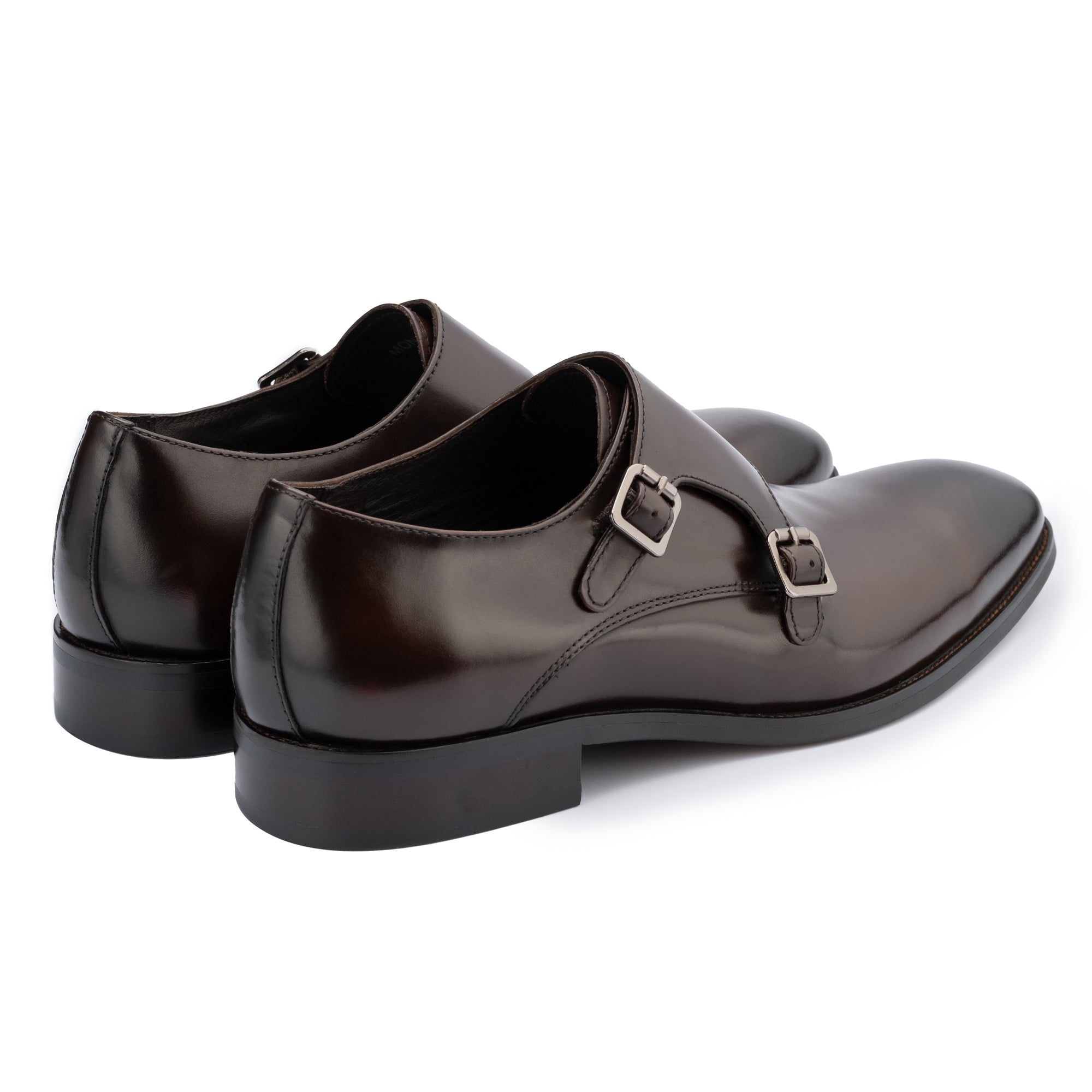
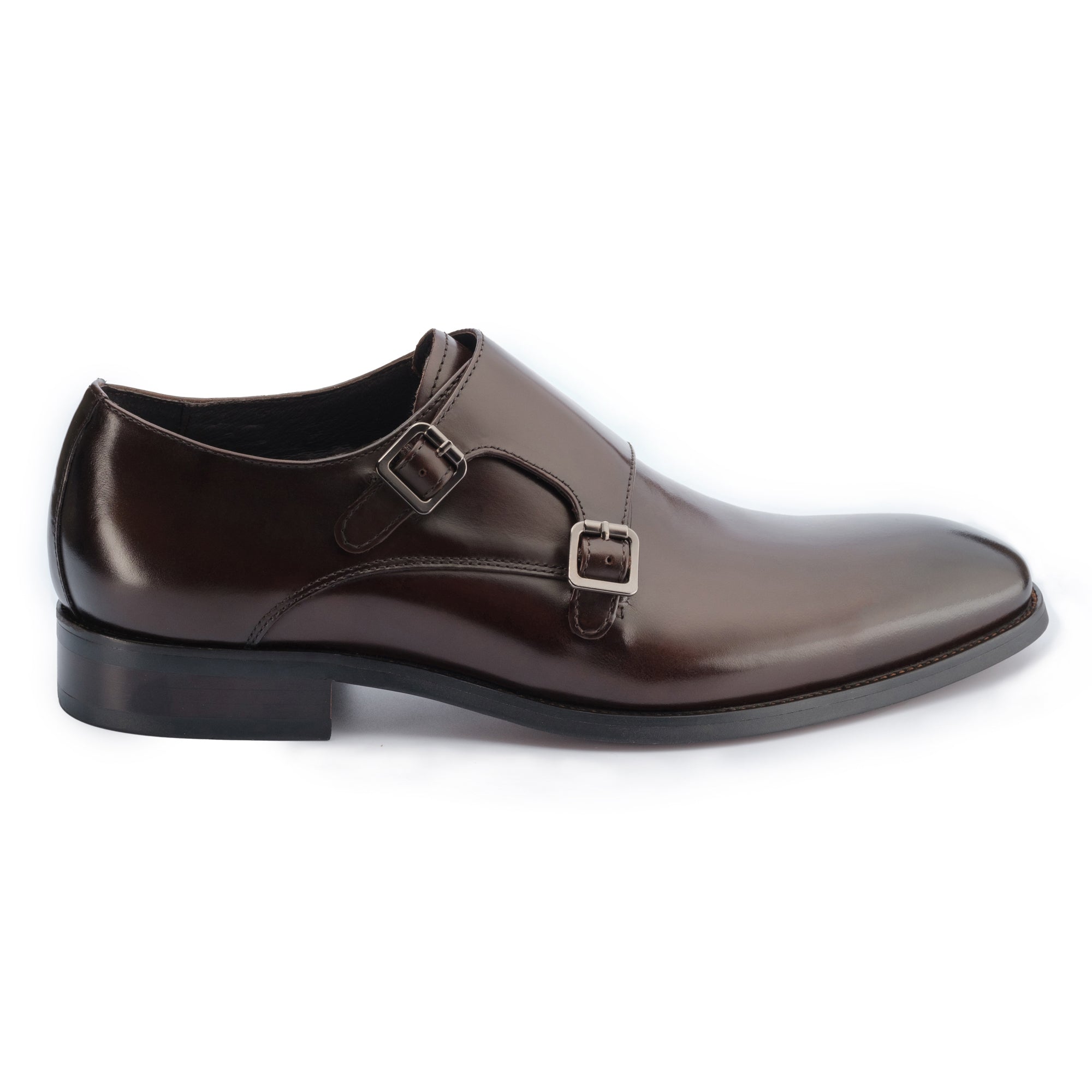
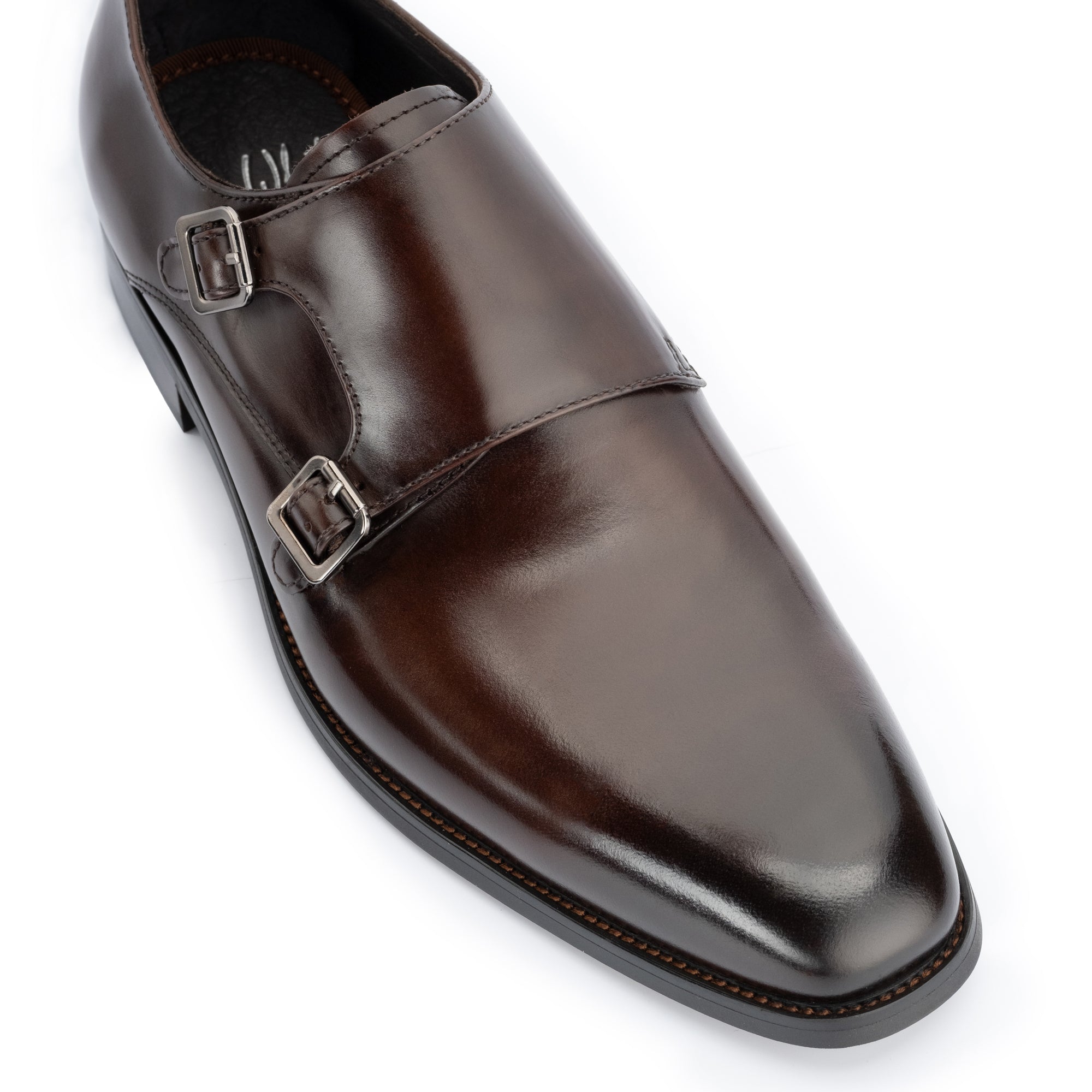
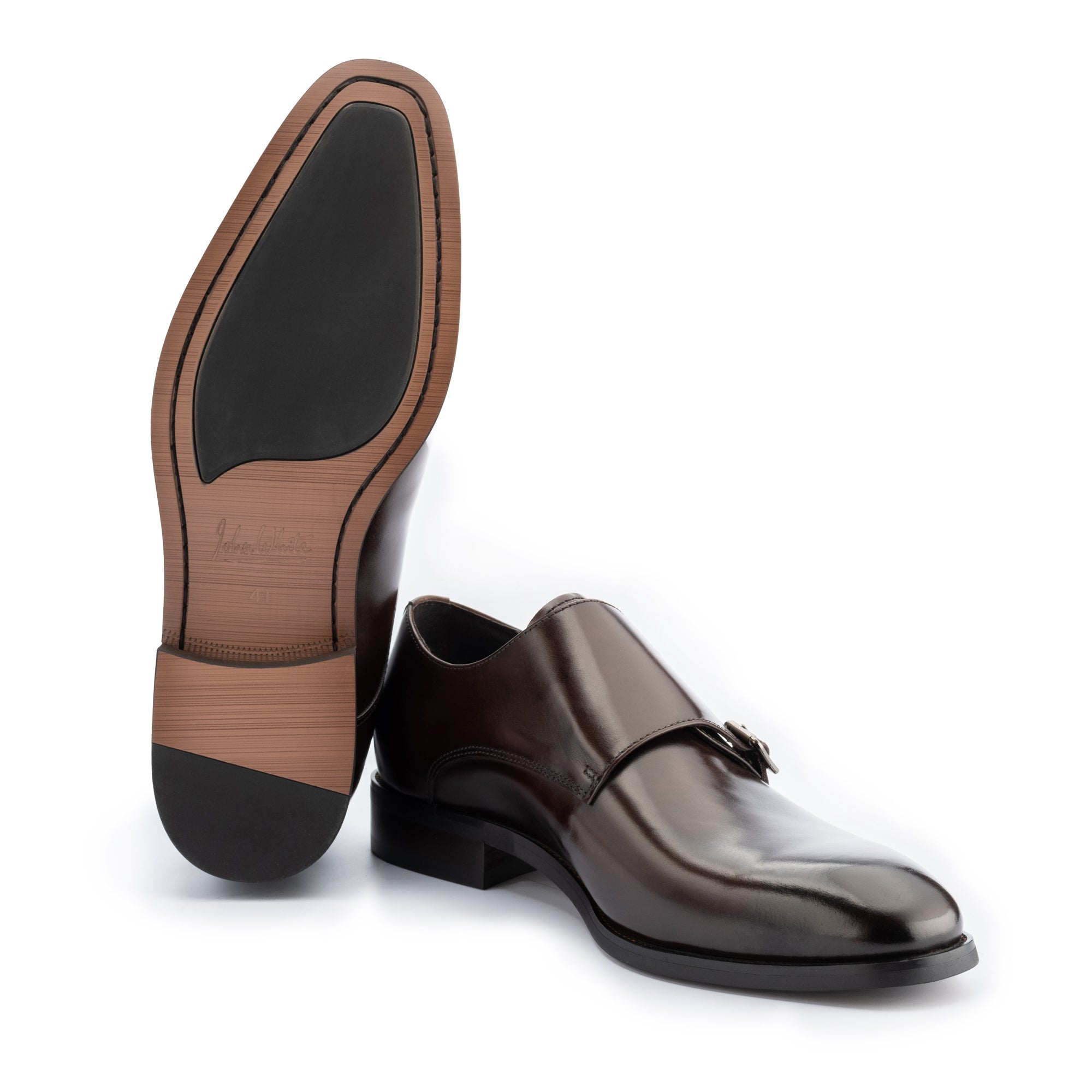
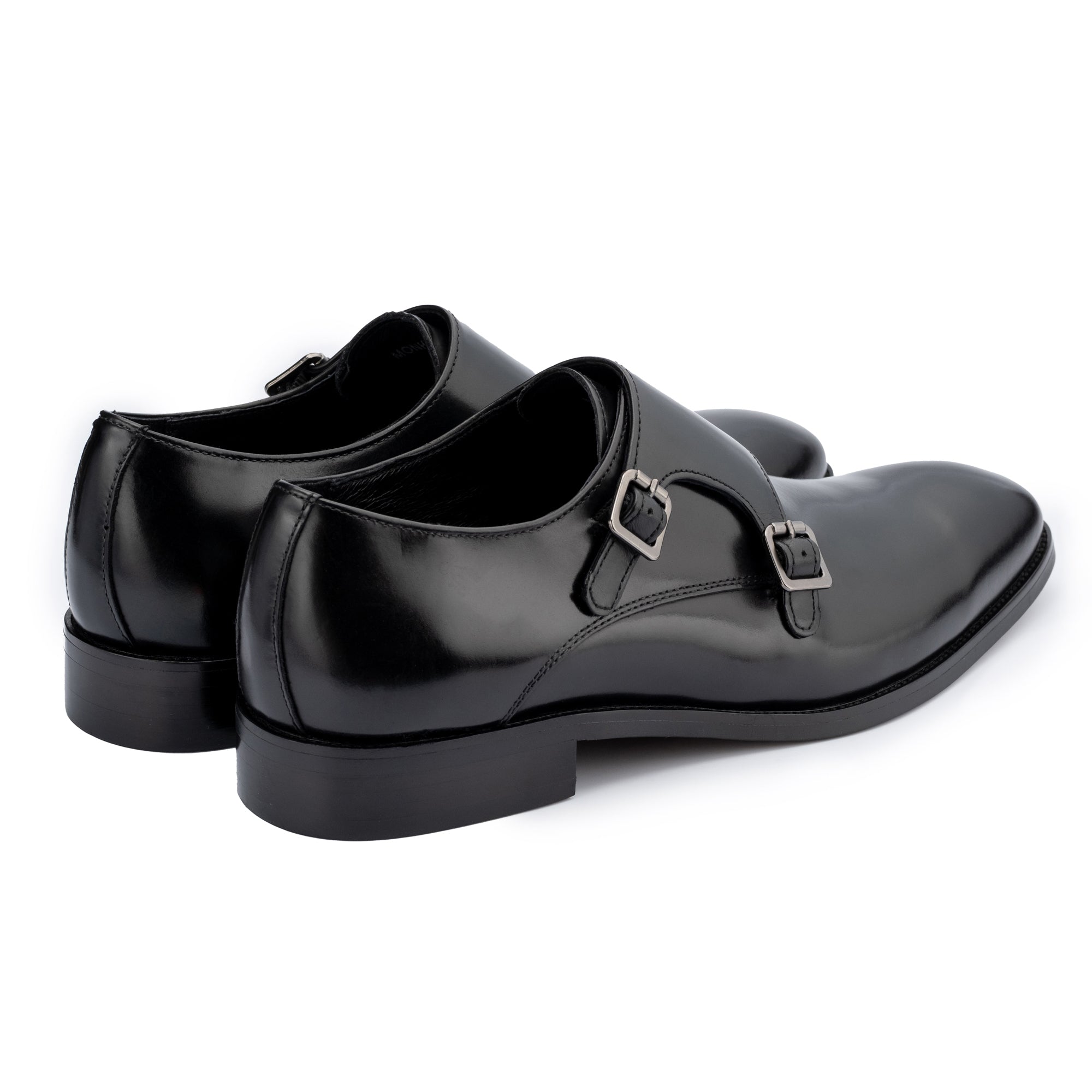
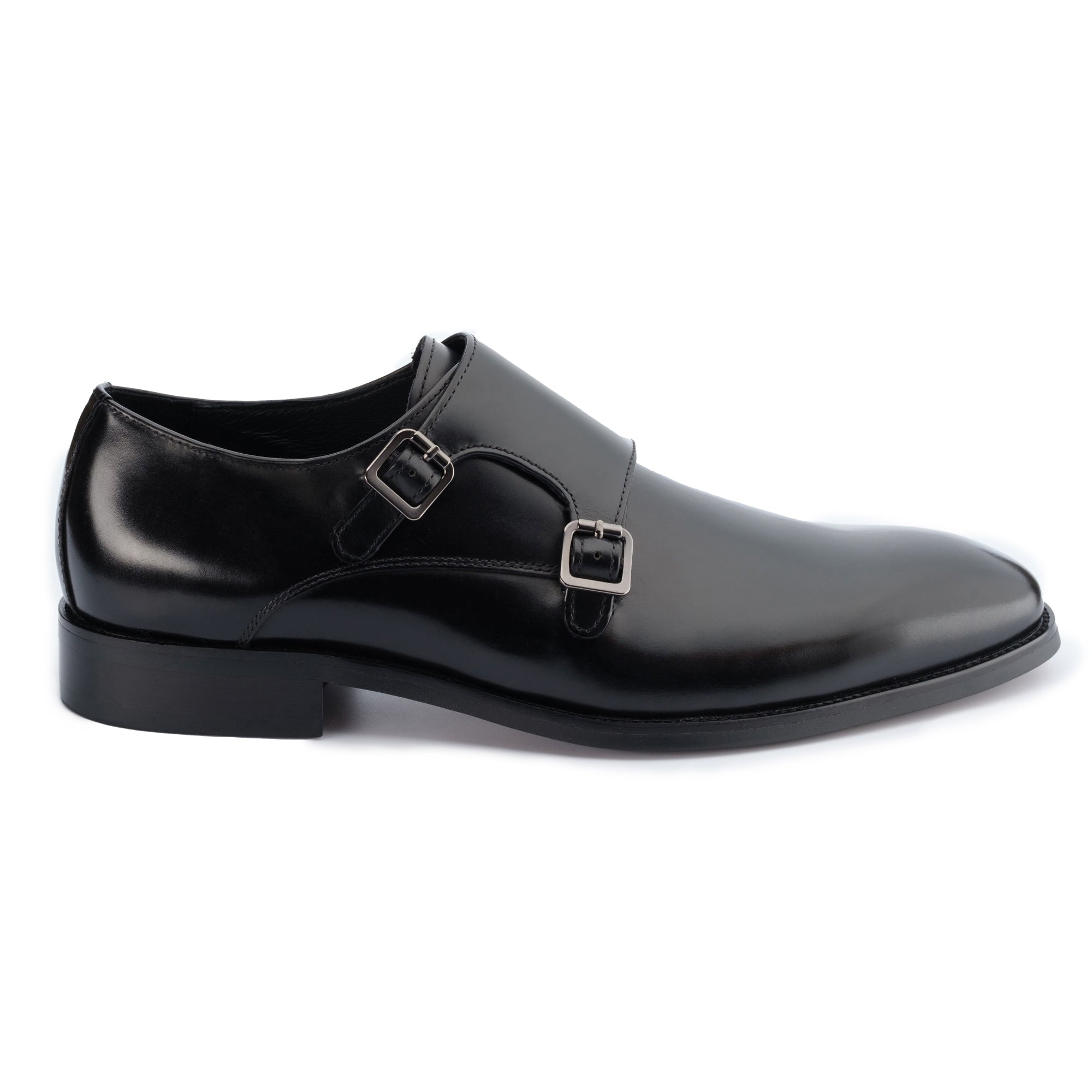
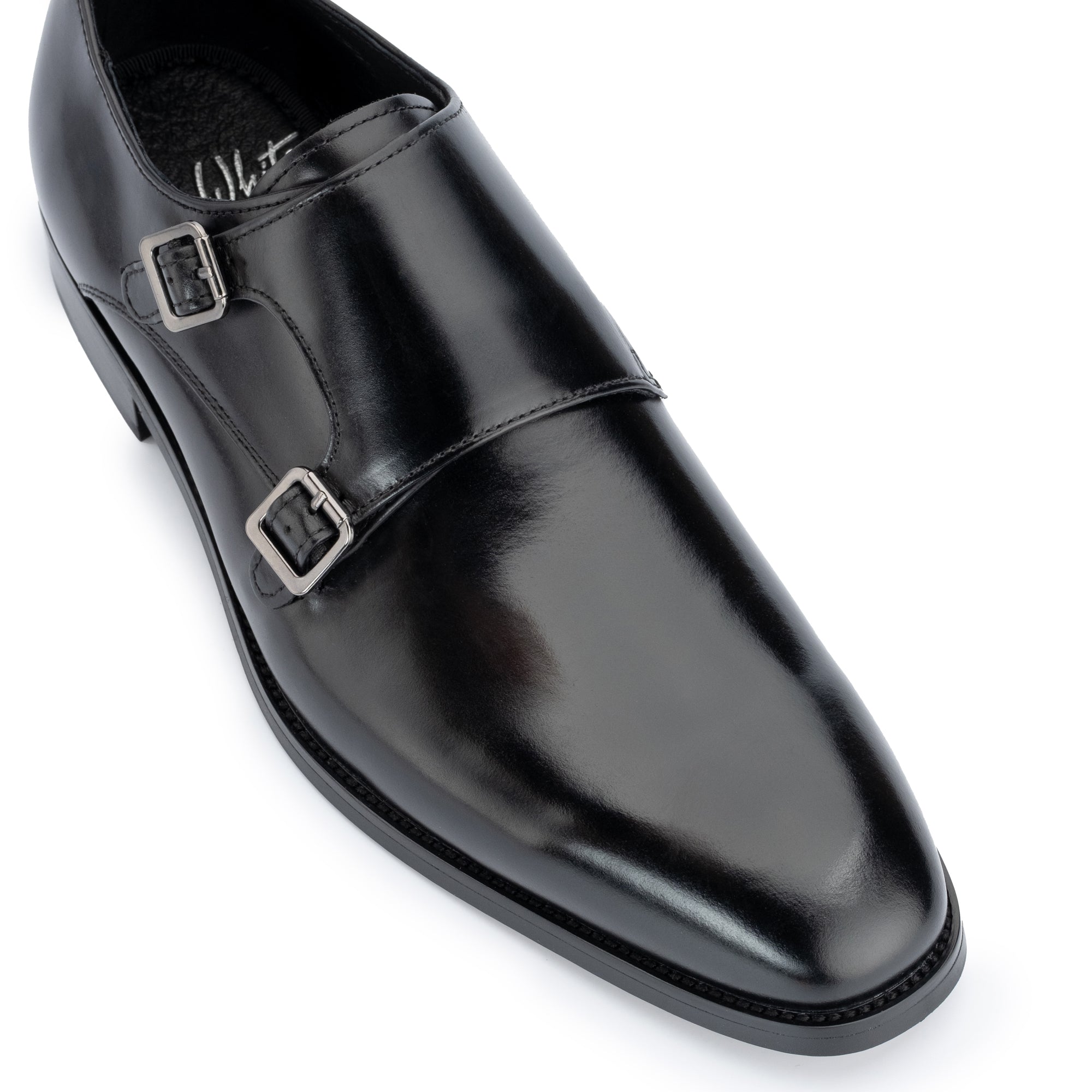
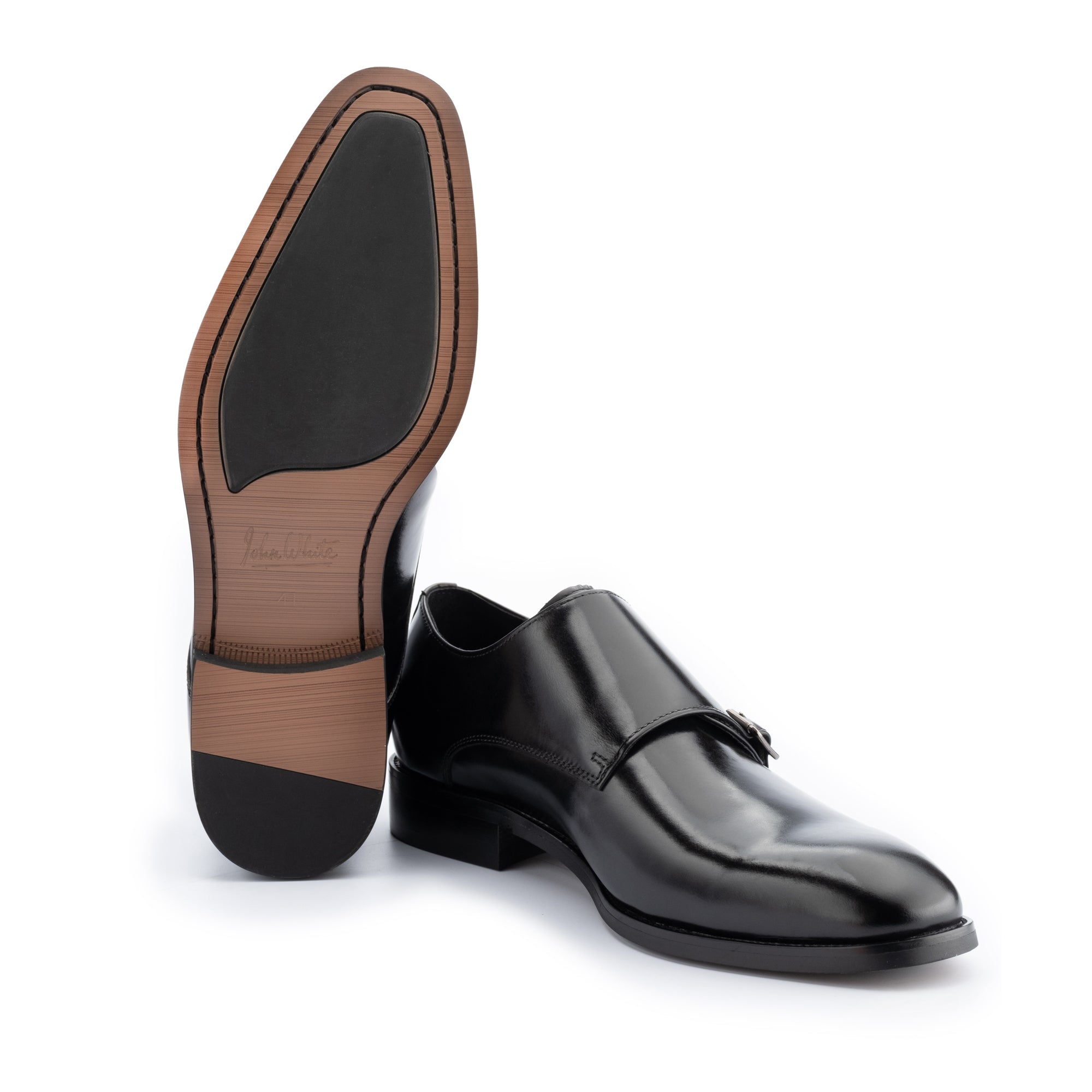
- How to Wear Double Monk Strap Shoes: Outfit Ideas for Every Occasion
What Makes an Oxford Shoe Different from Other Lace-Ups?
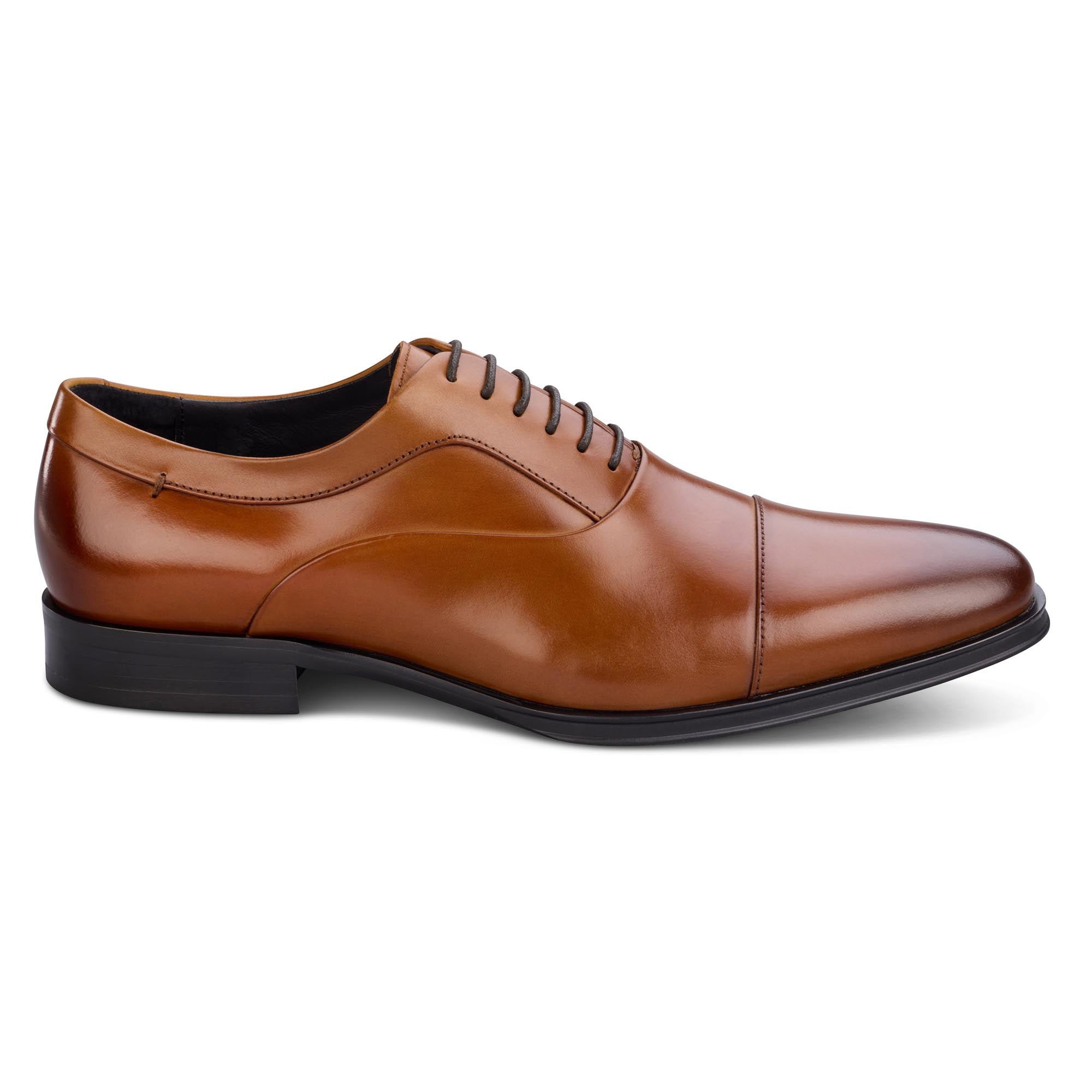
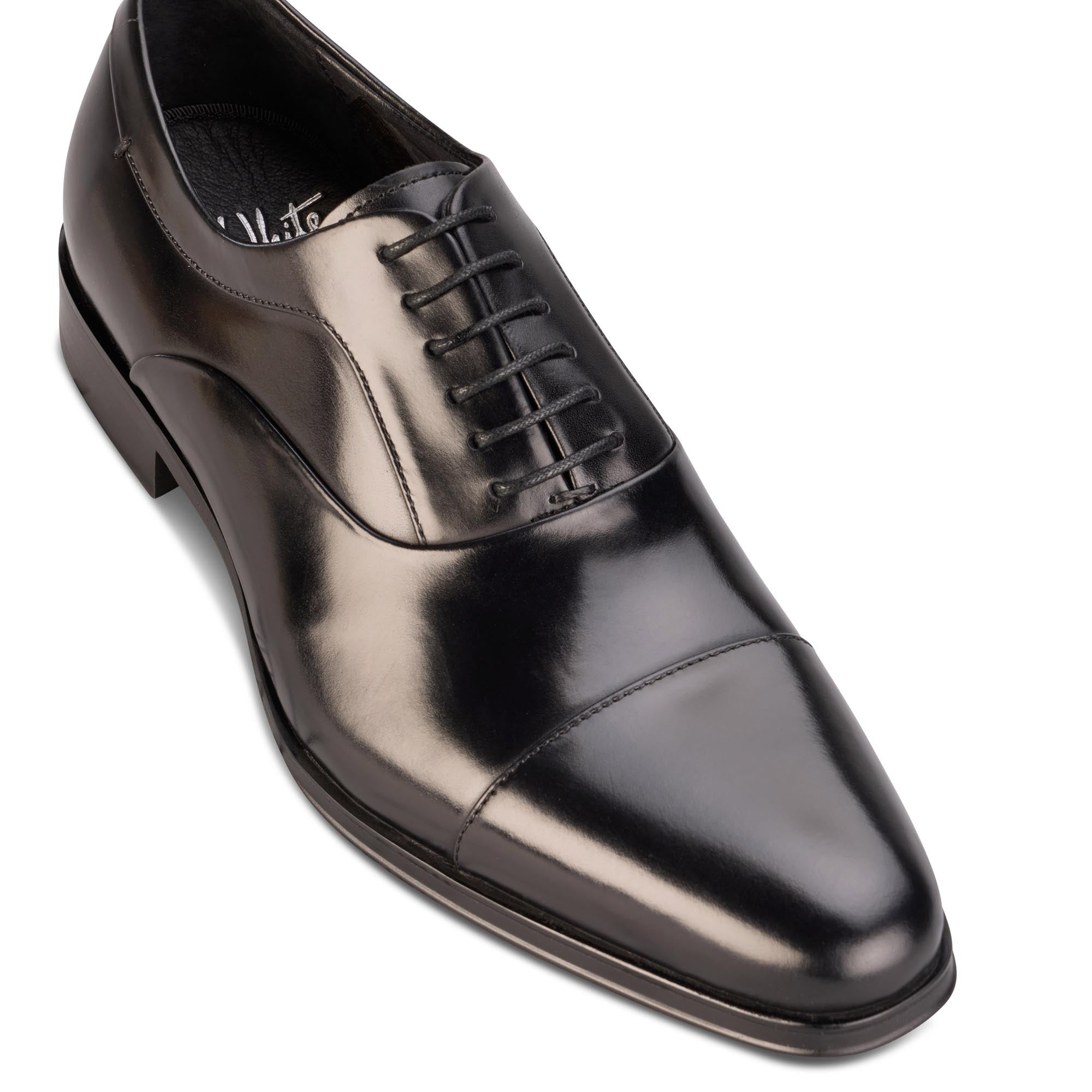
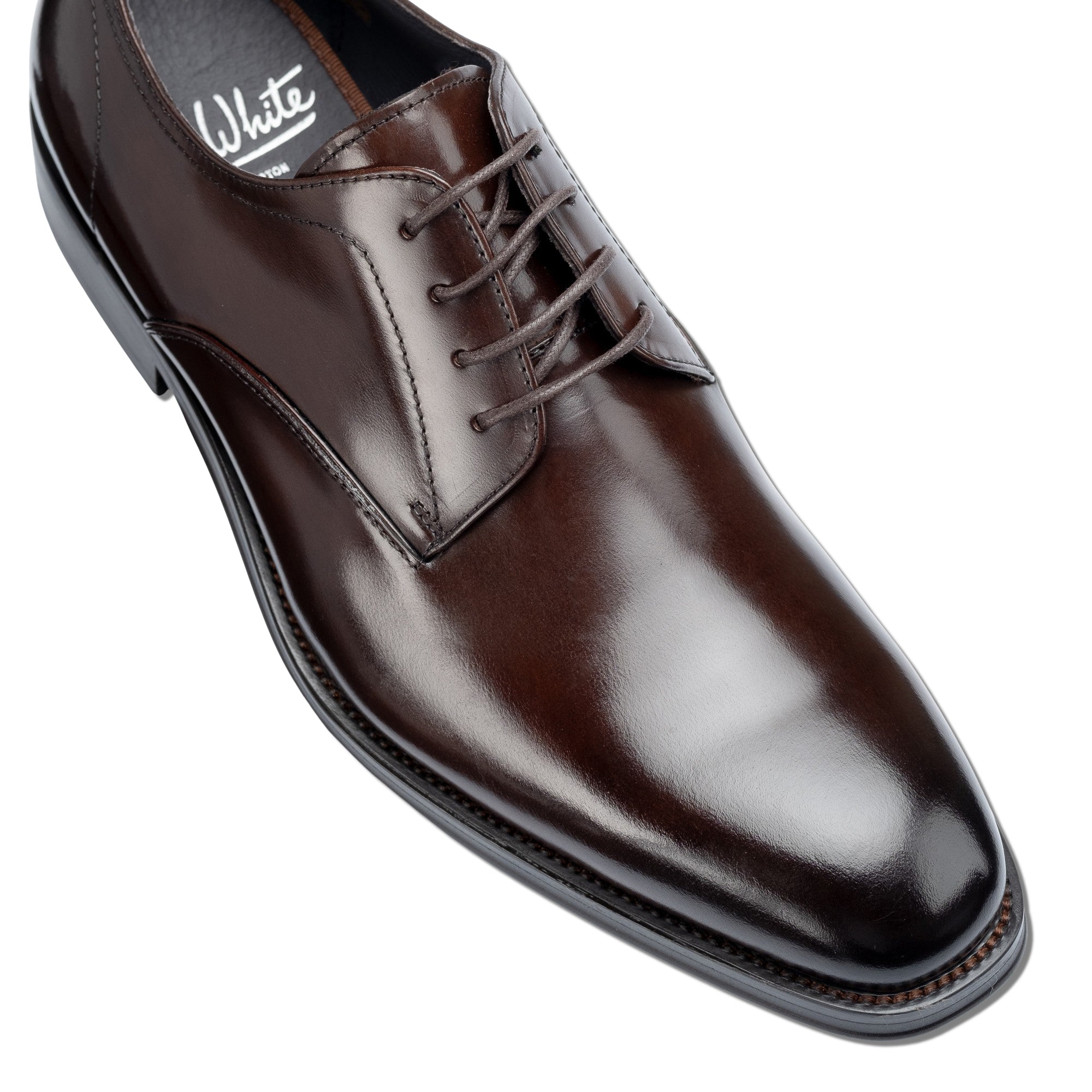
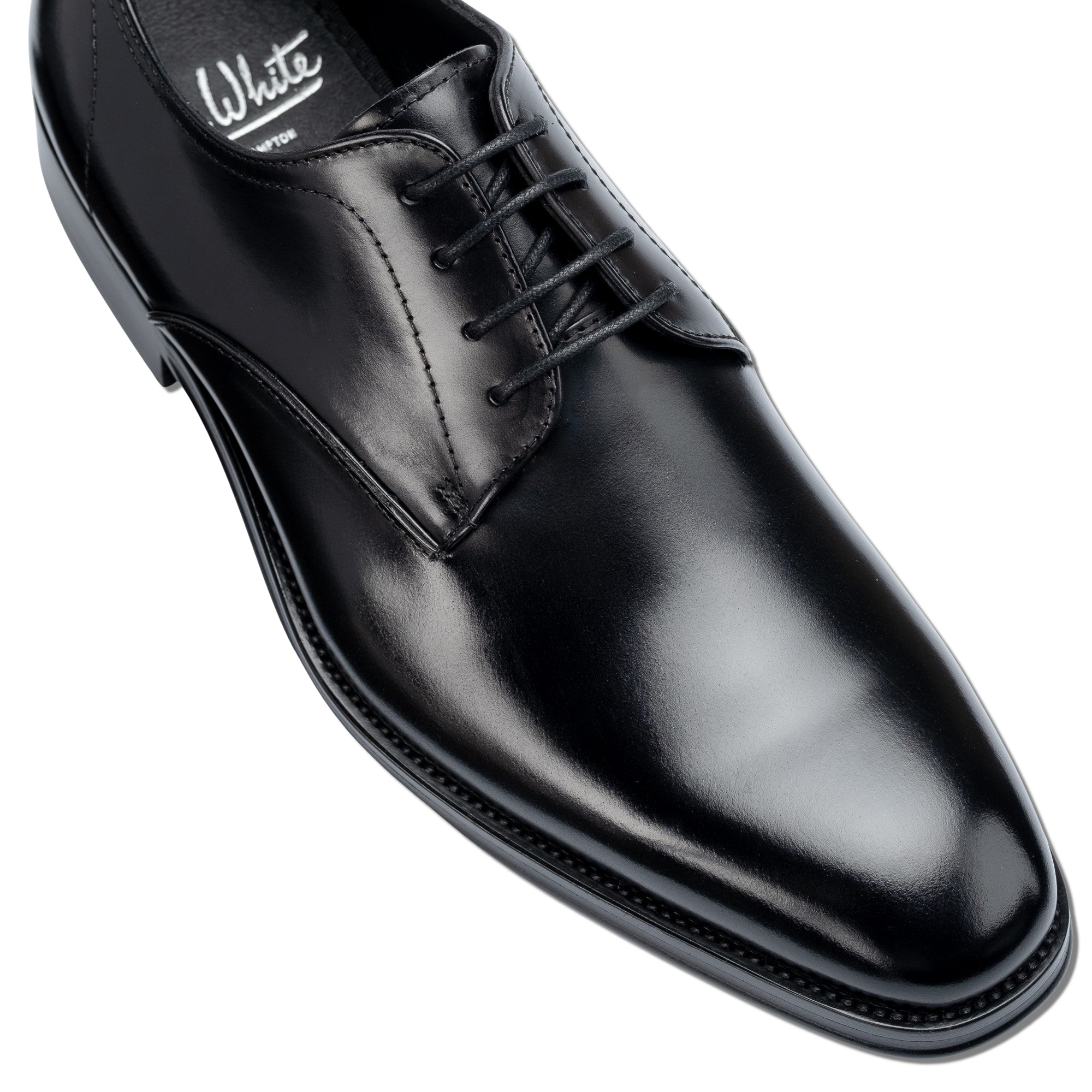
The Oxford is defined by its closed lacing system: the quarters — the side panels that carry the eyelets — are stitched beneath the vamp, creating a sleek, low-profile silhouette. Pull the laces tight and the shoe closes cleanly with no visible gap.
This distinguishes it from the Derby, where the quarters sit on top of the vamp, giving a more open, relaxed look. Both are fine shoes. But when you need the more formal option, the Oxford wins every time. For a full breakdown of the differences, see our Oxford vs Derby shoes guide.
How Formal Are Oxford Shoes?
On the dress-code spectrum, plain-toe and cap-toe Oxfords sit at the very top — above Derbys, above loafers, above Chelsea boots. They are the correct choice for black-tie, morning dress, and formal business occasions.
That said, formality varies by style:
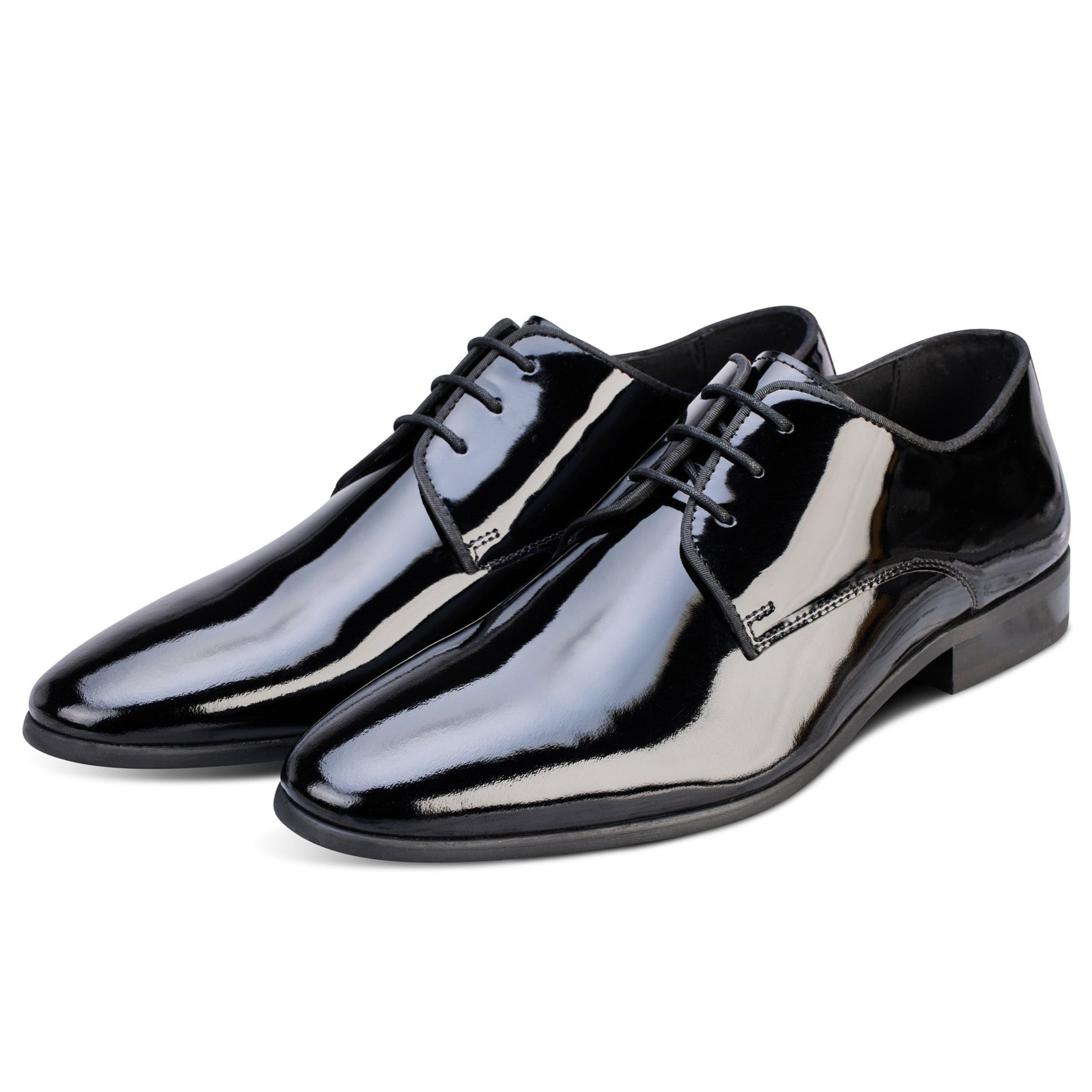
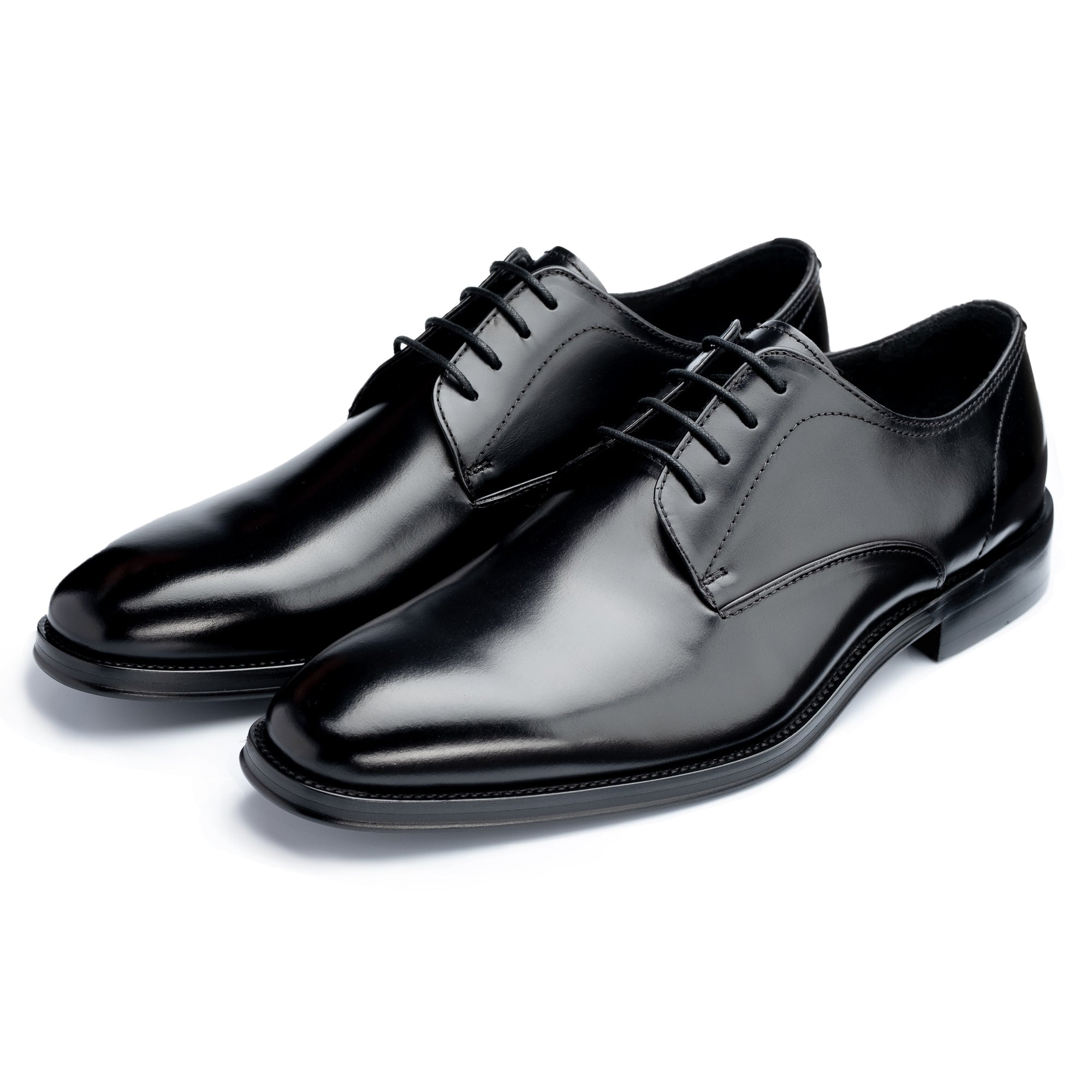
- Plain toe: The most formal option. A black plain-toe Oxford is the only correct choice for black-tie.
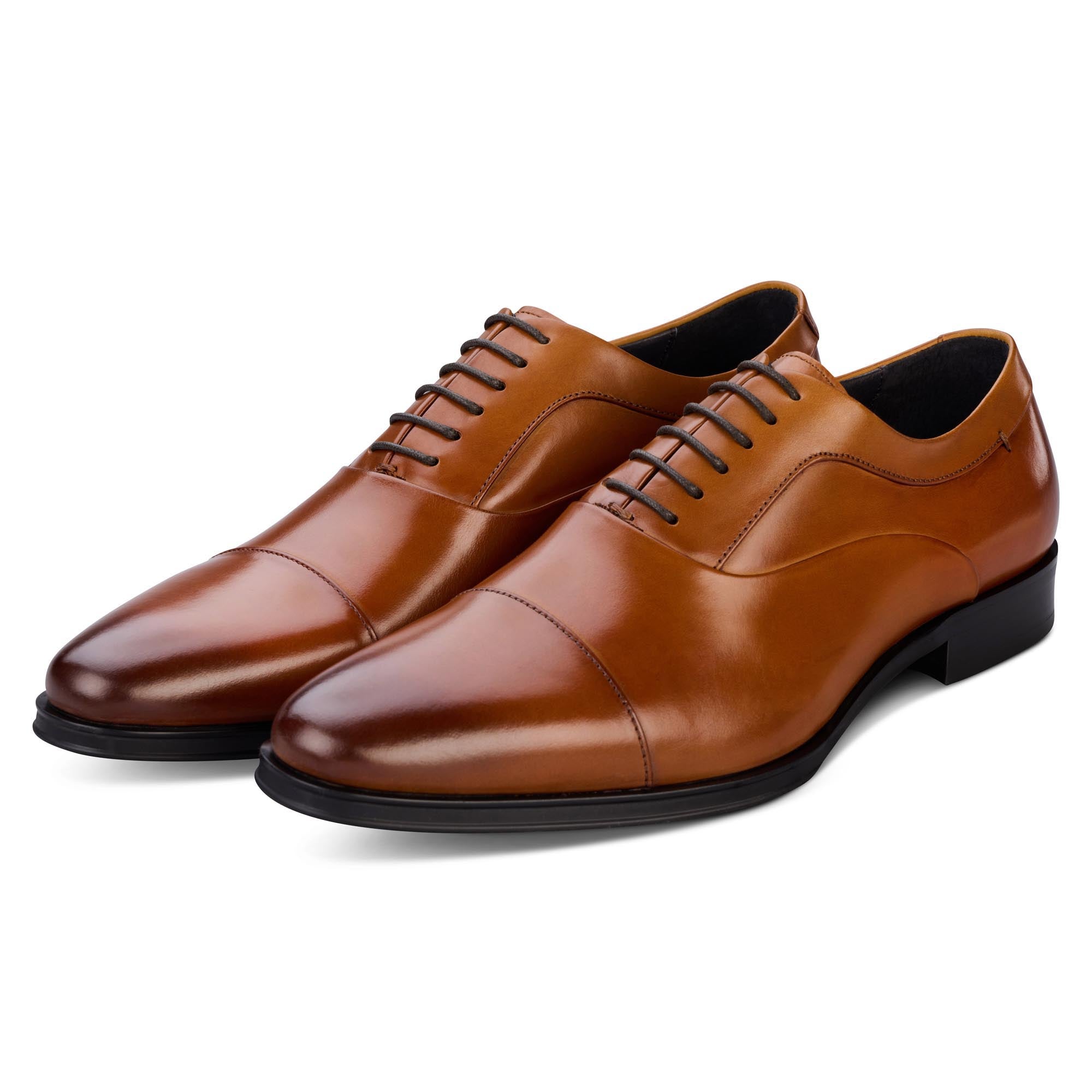
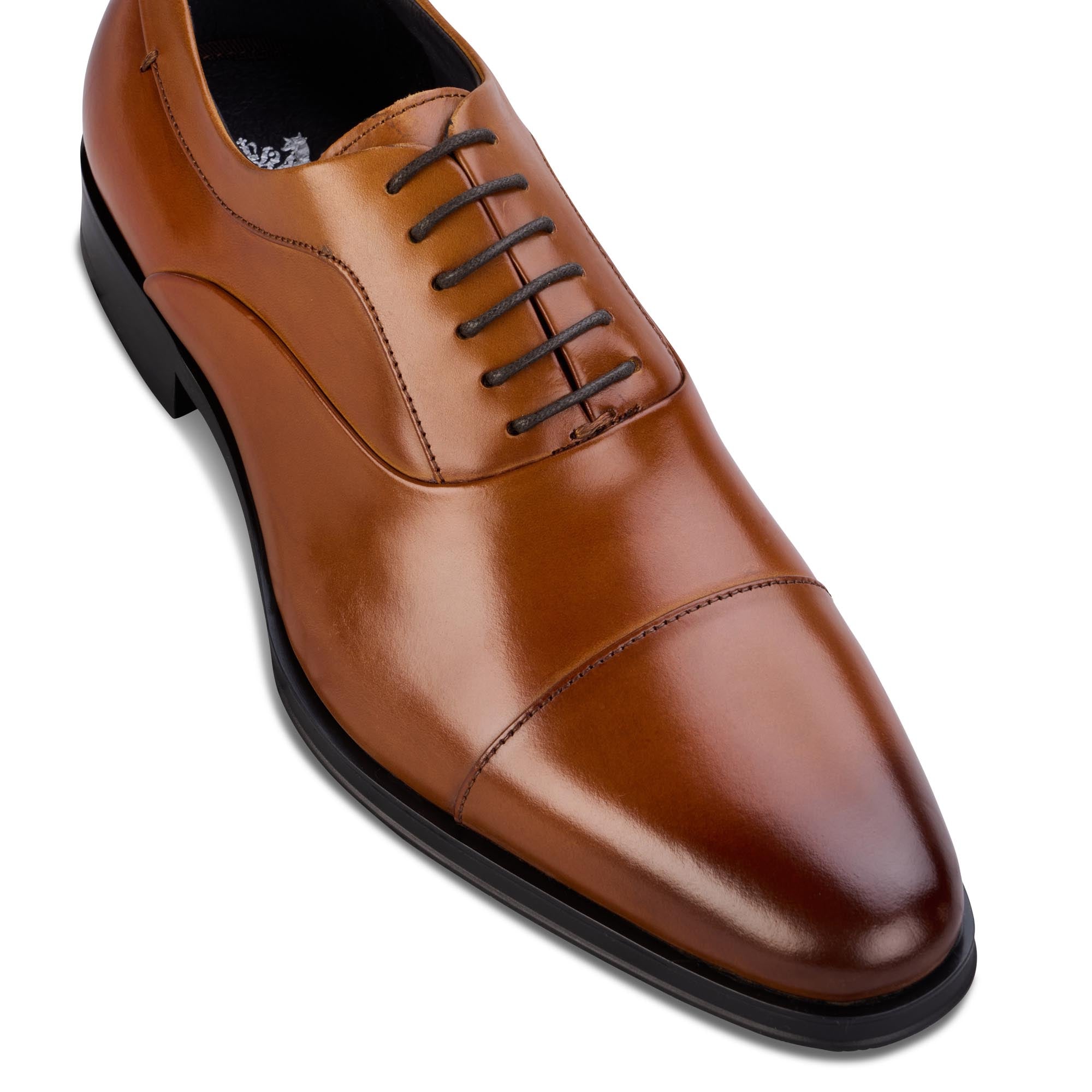
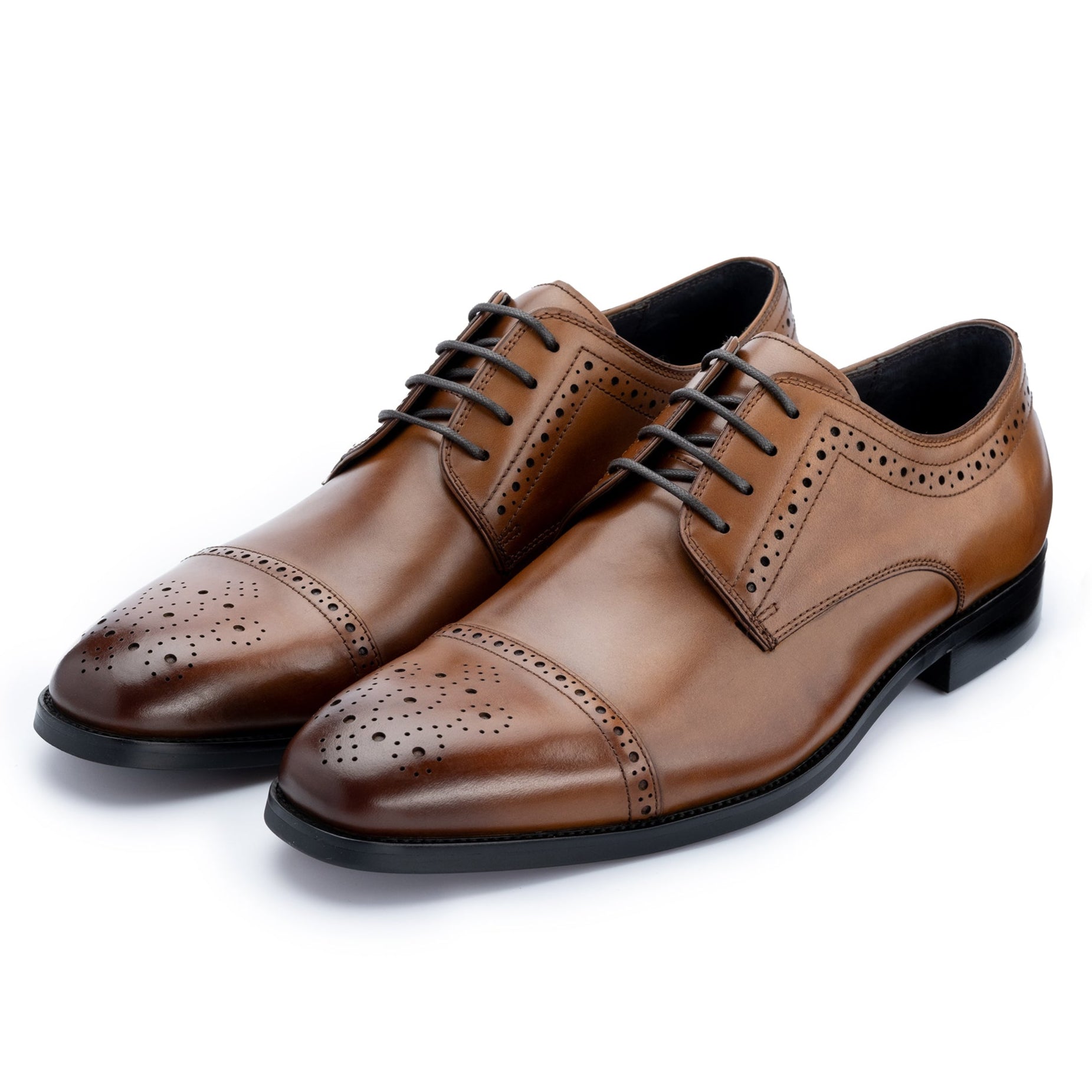
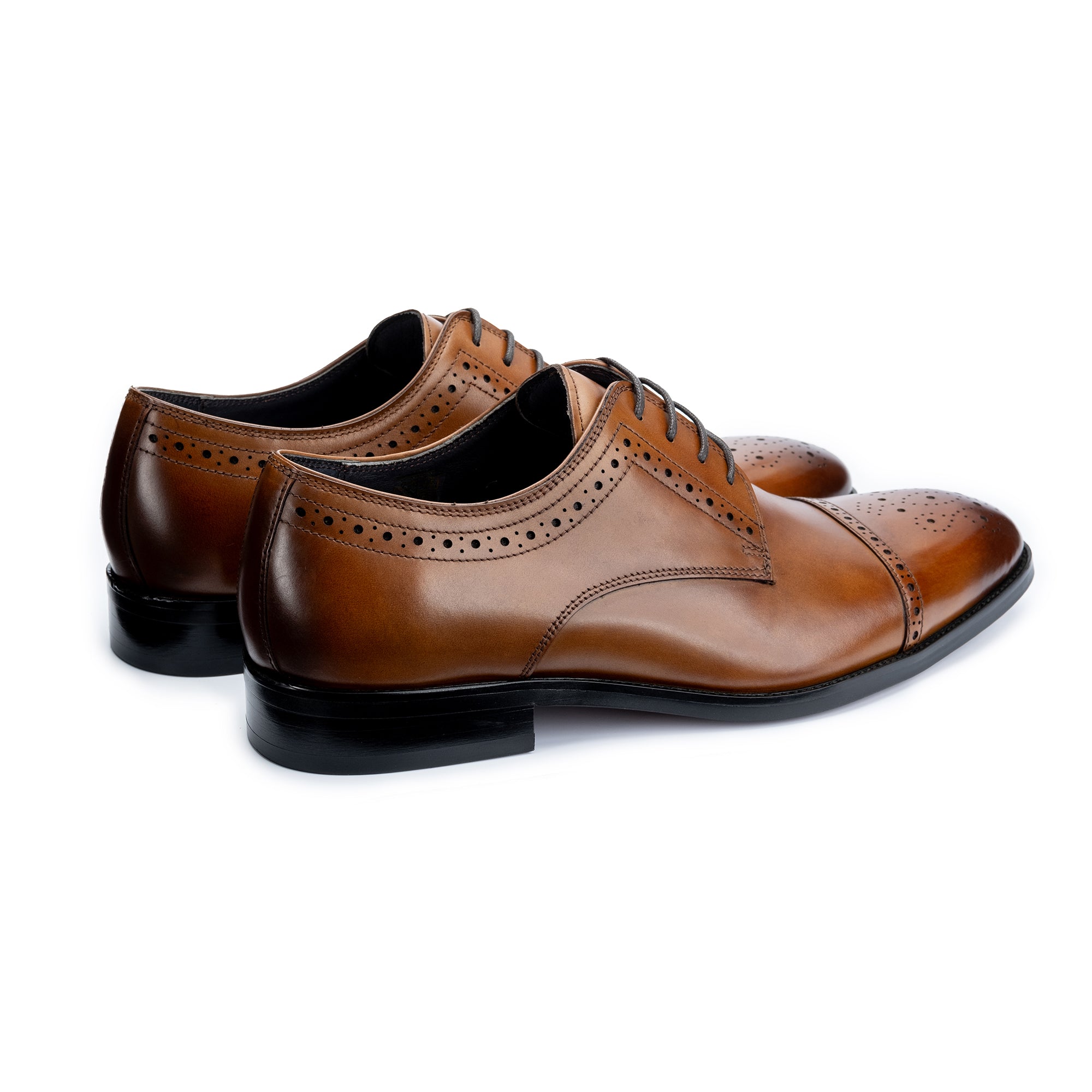
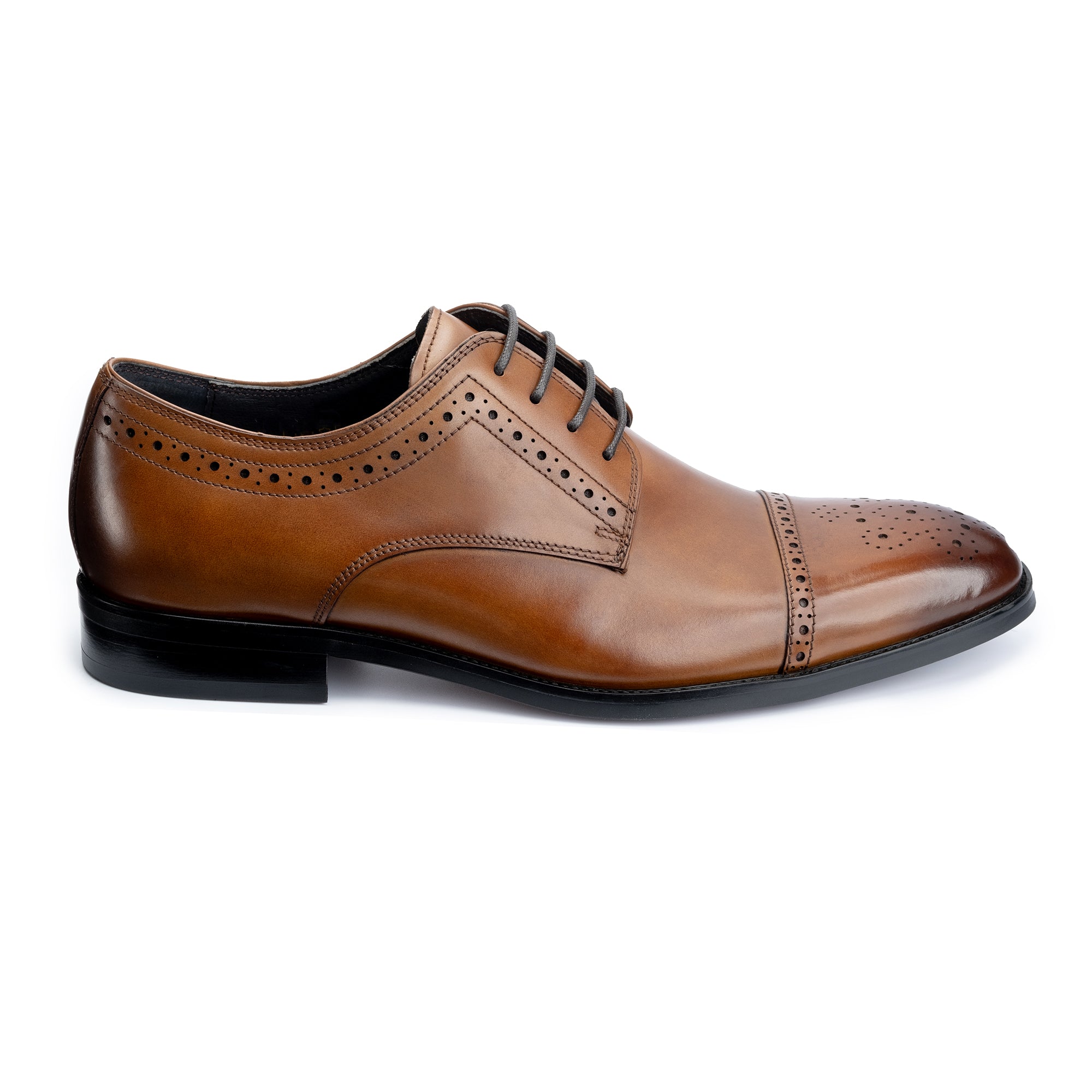
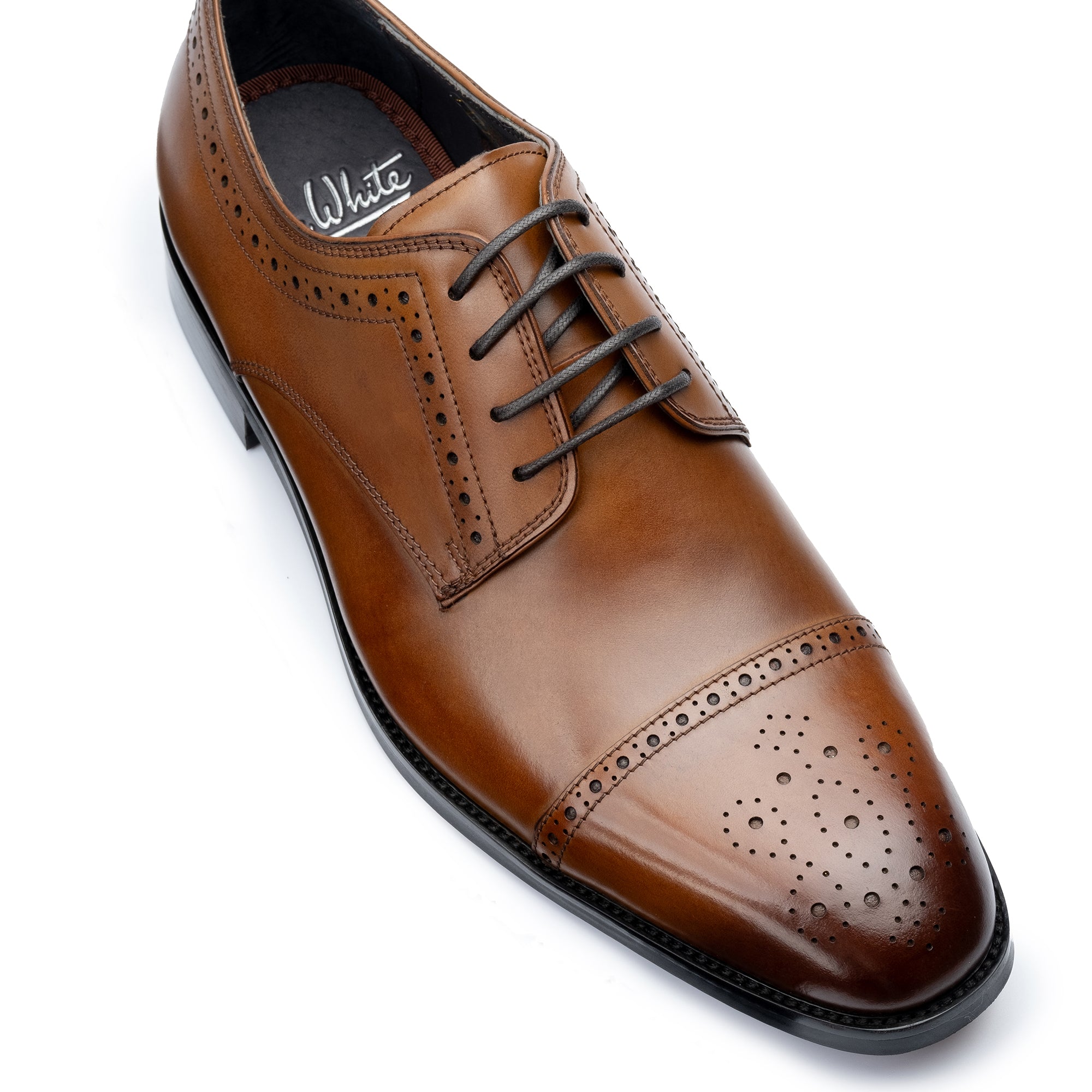
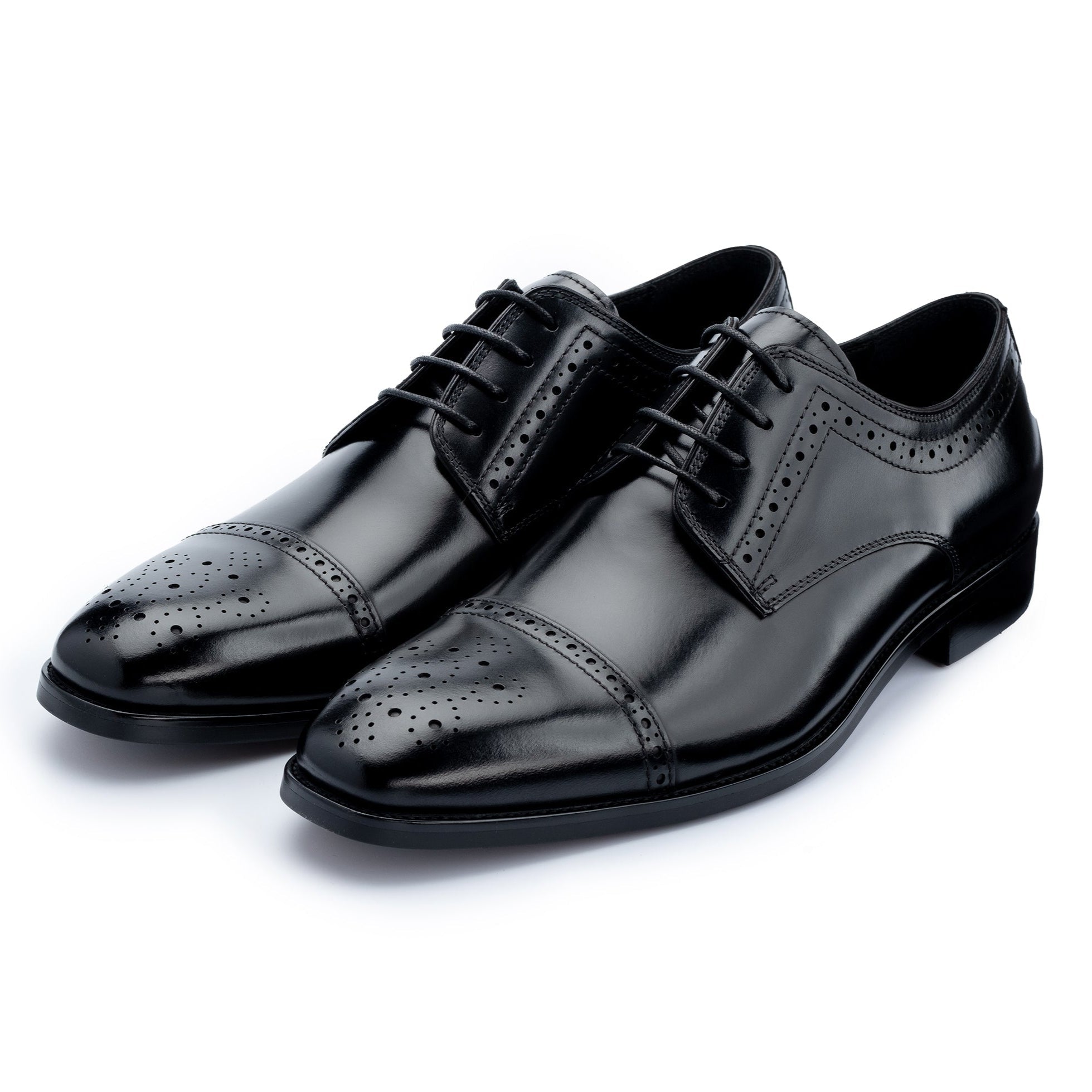
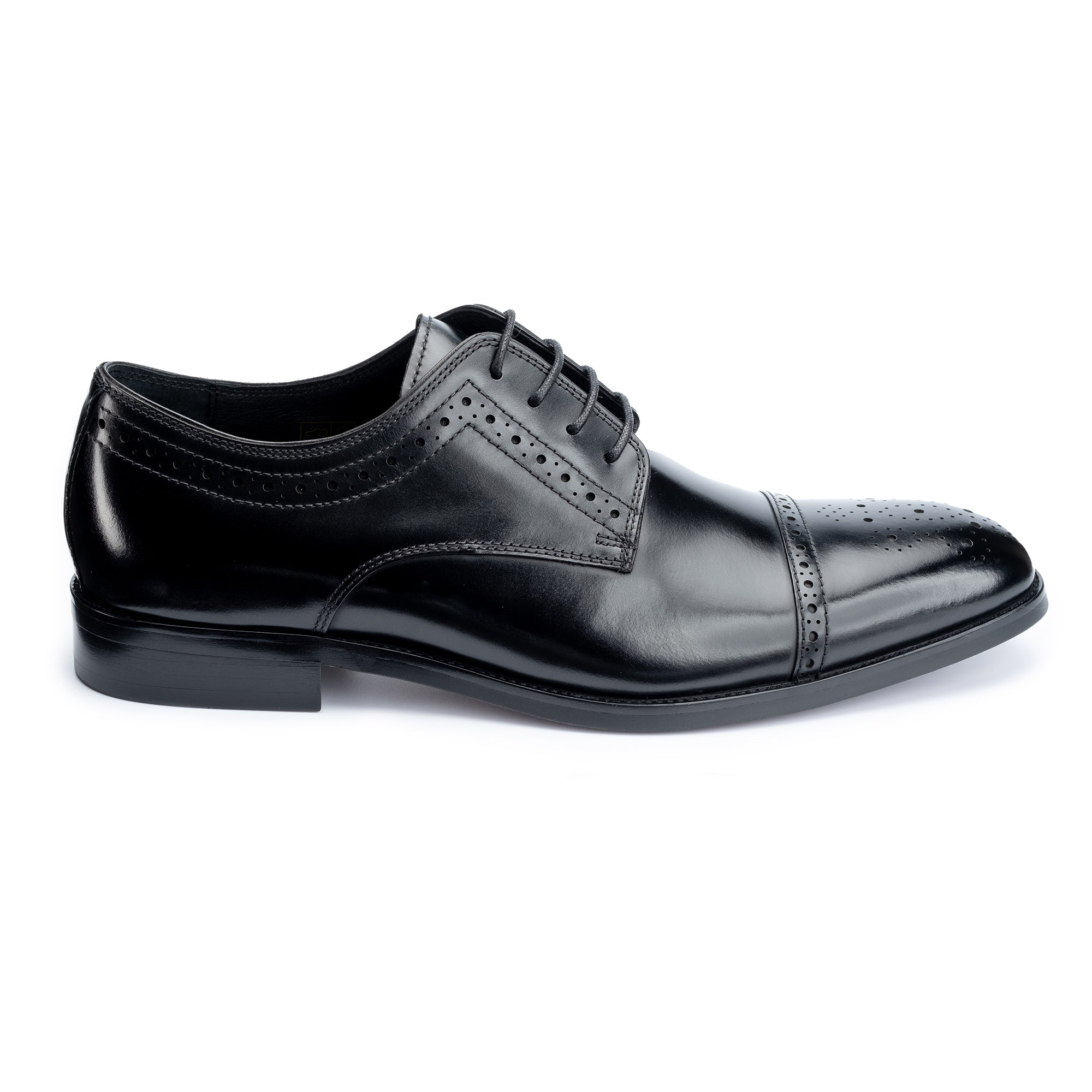
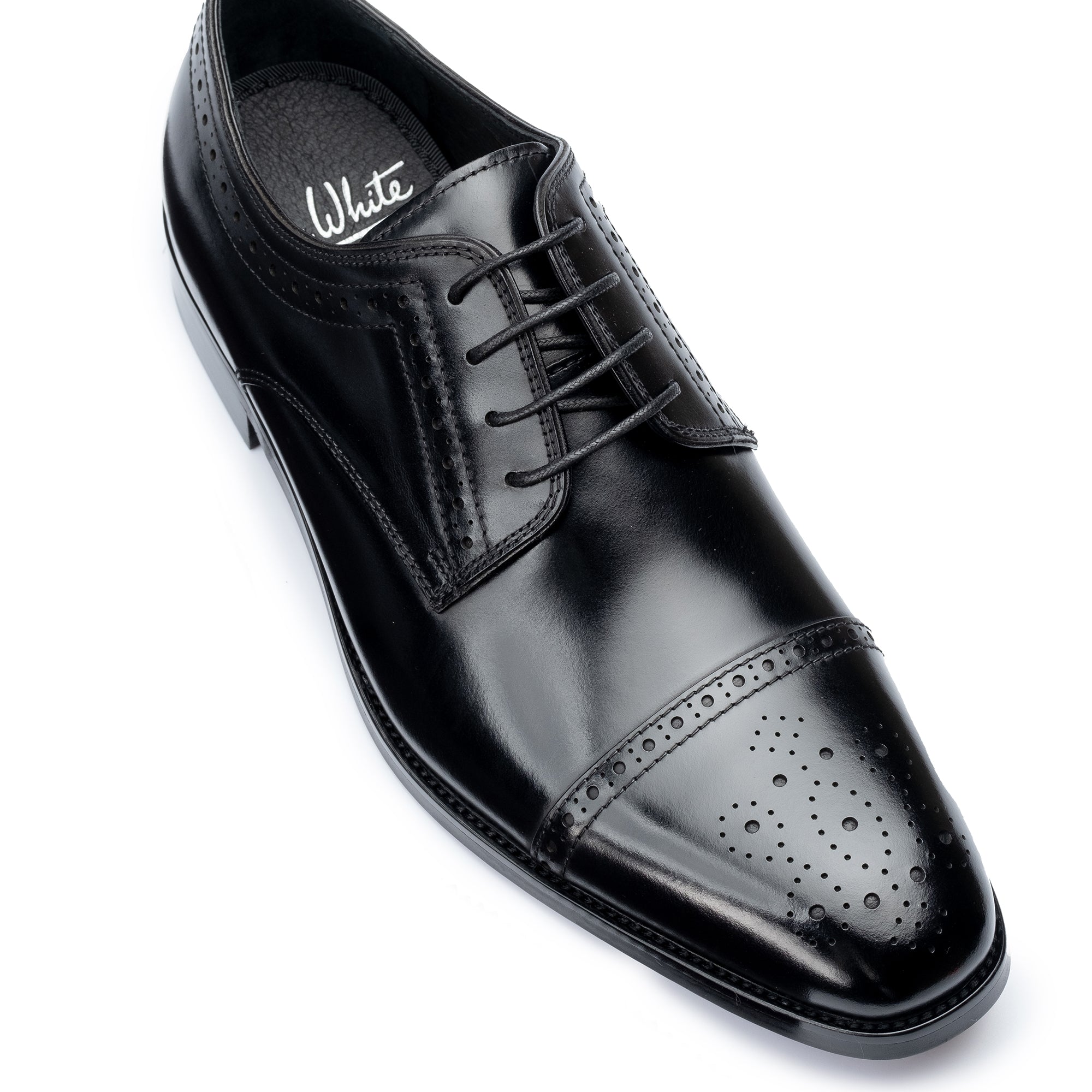
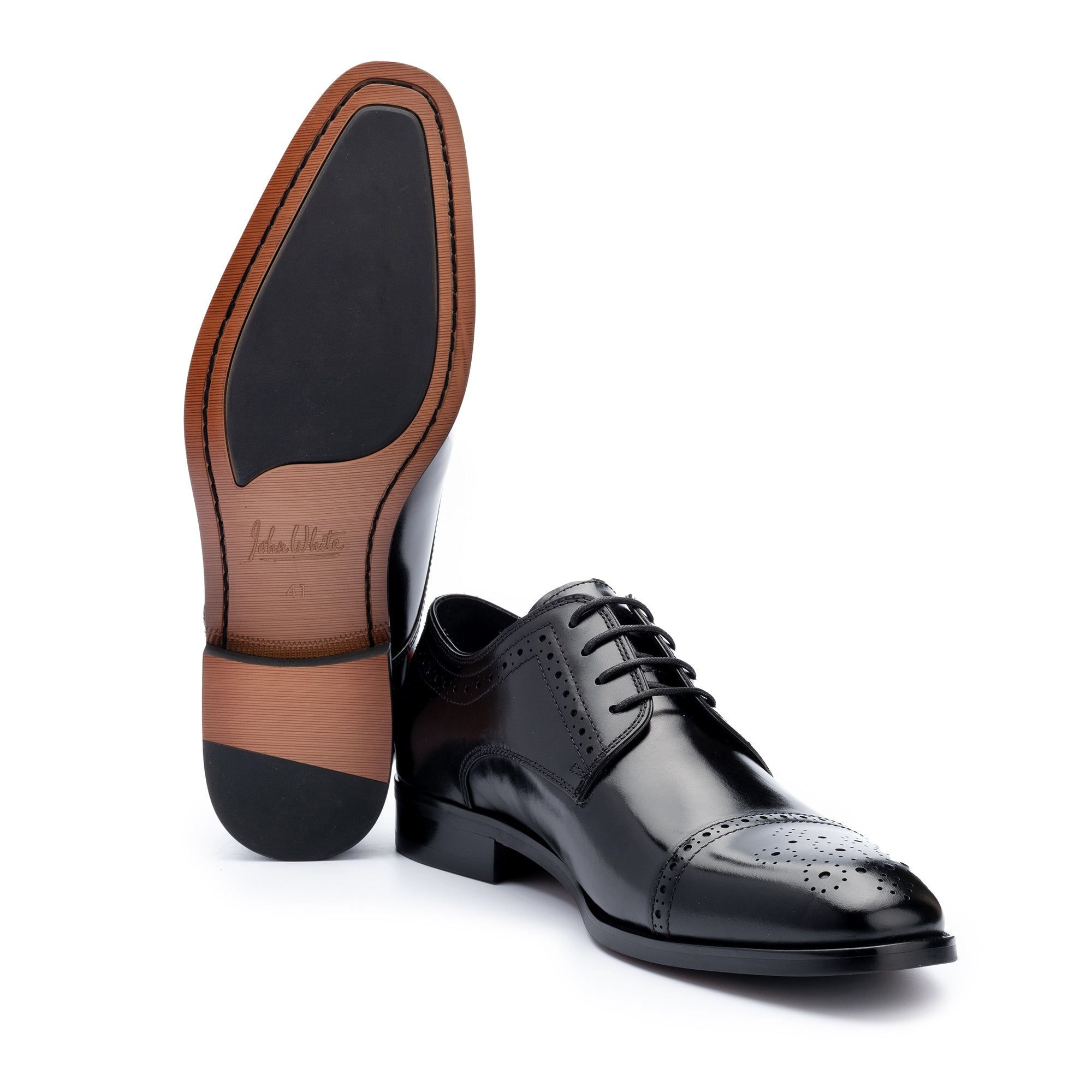
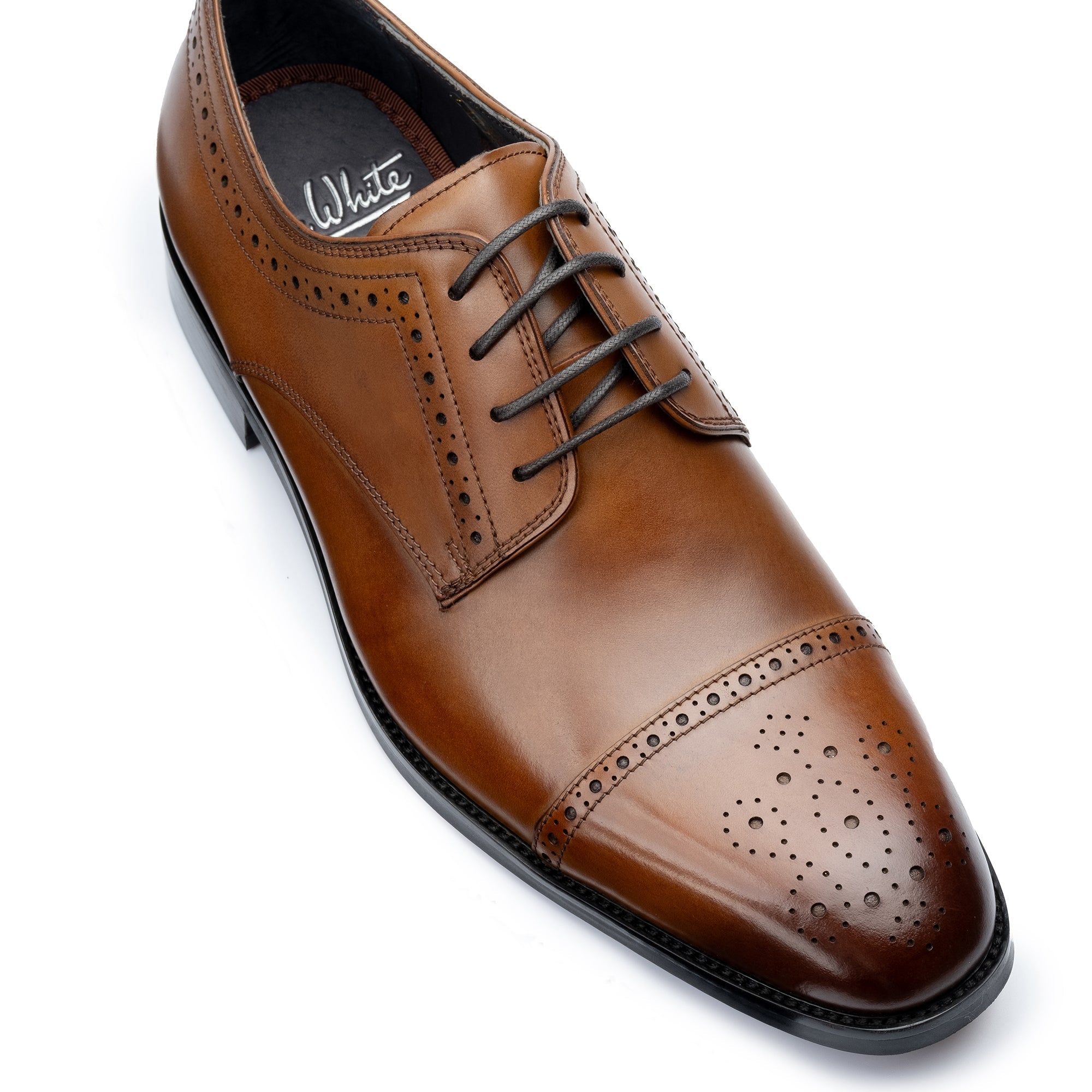
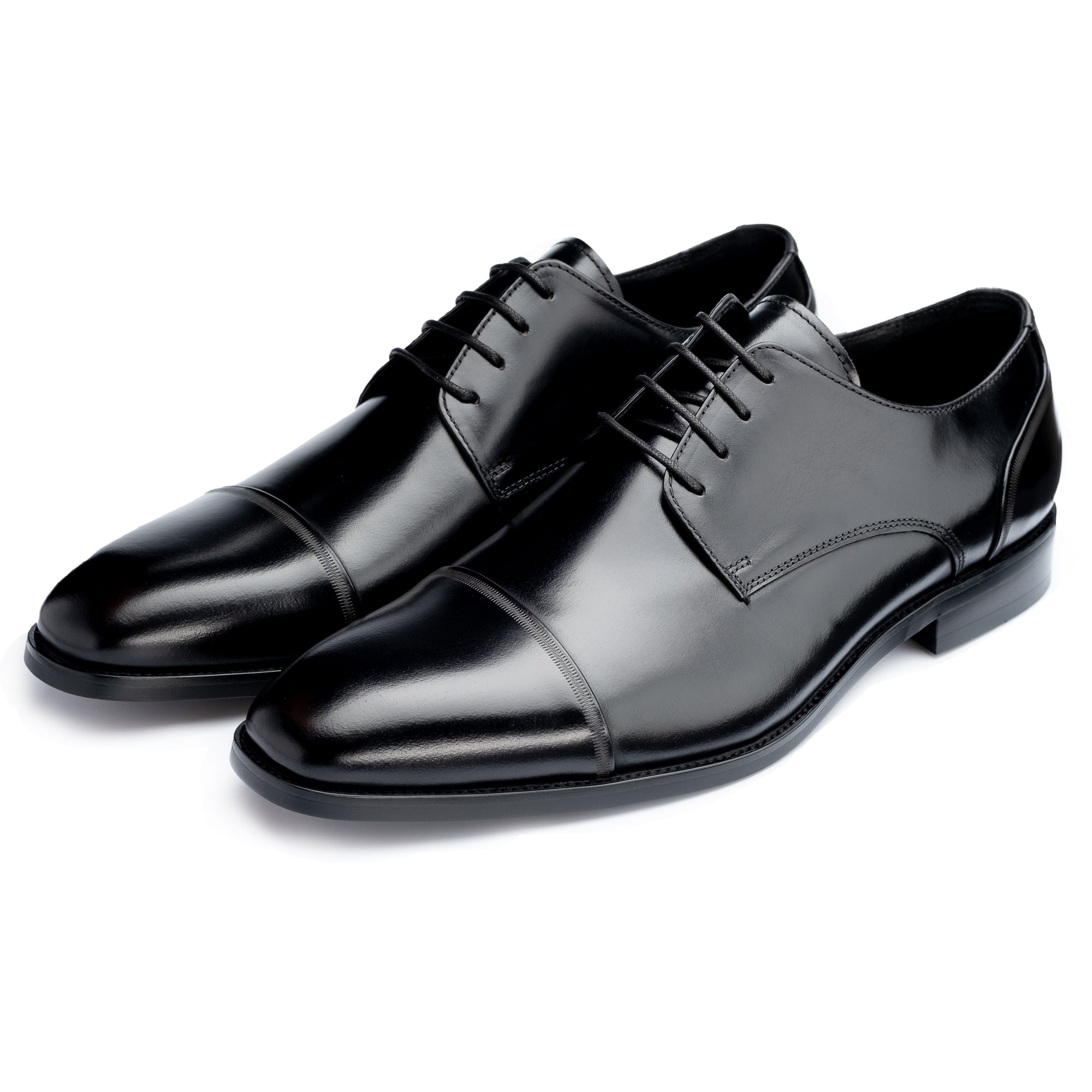
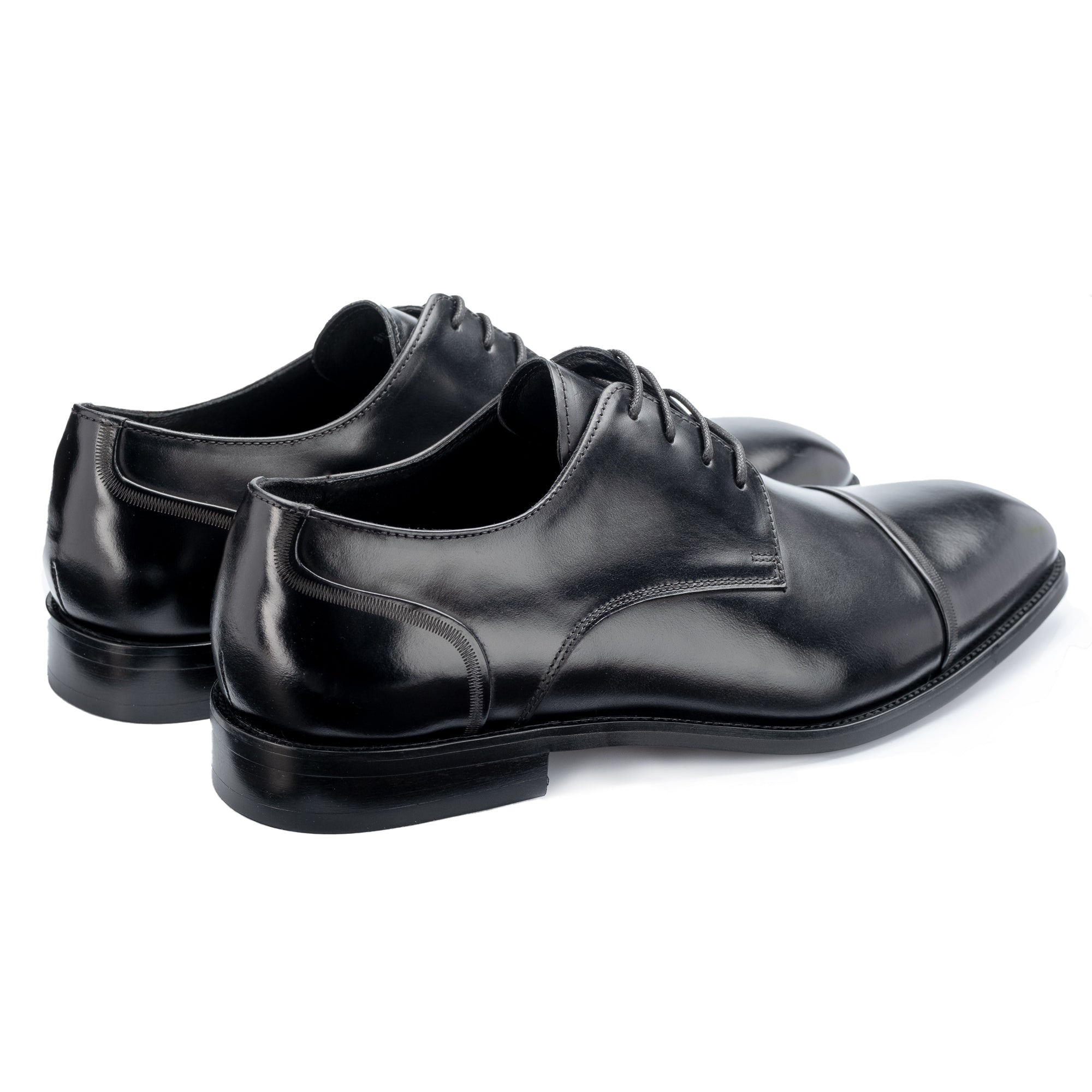
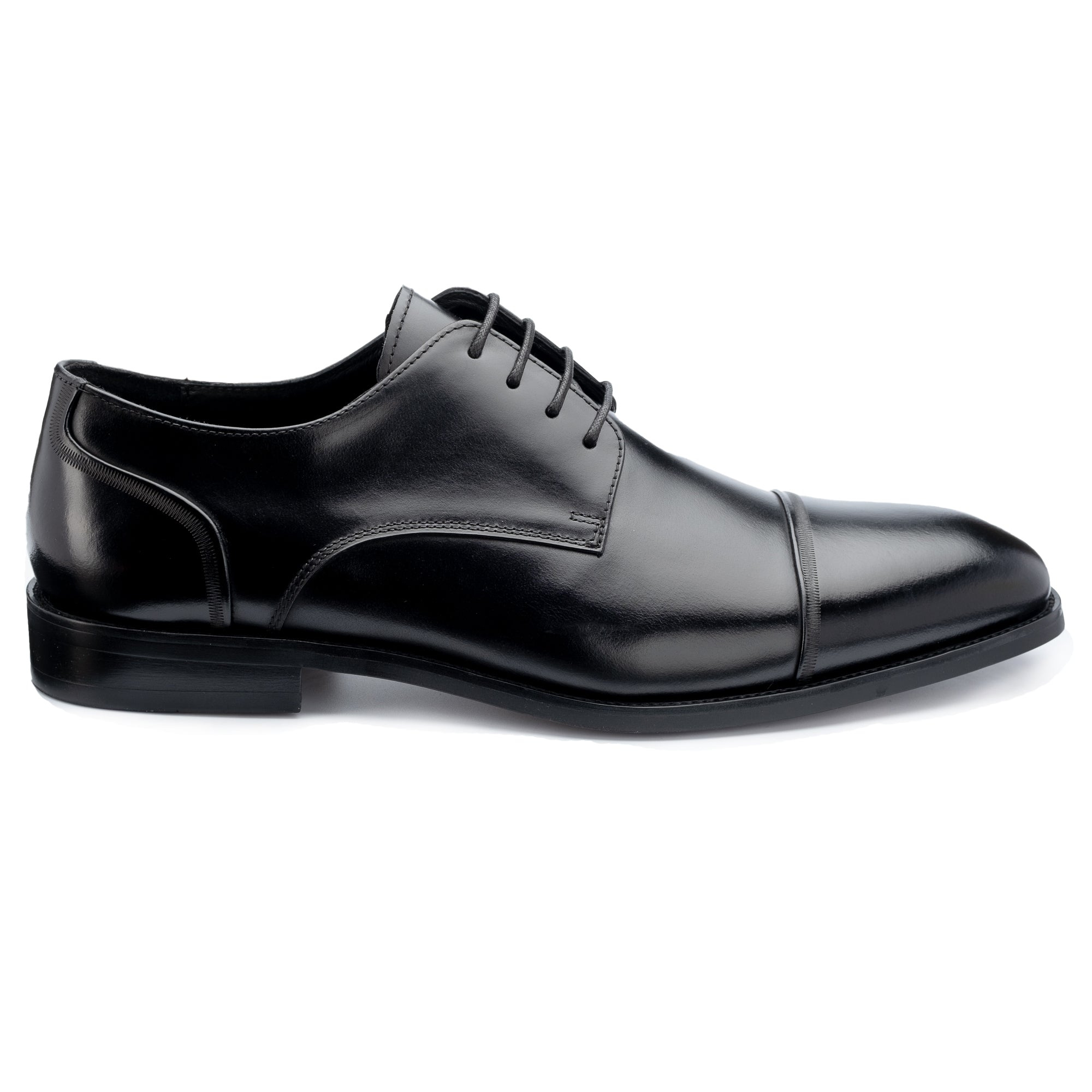
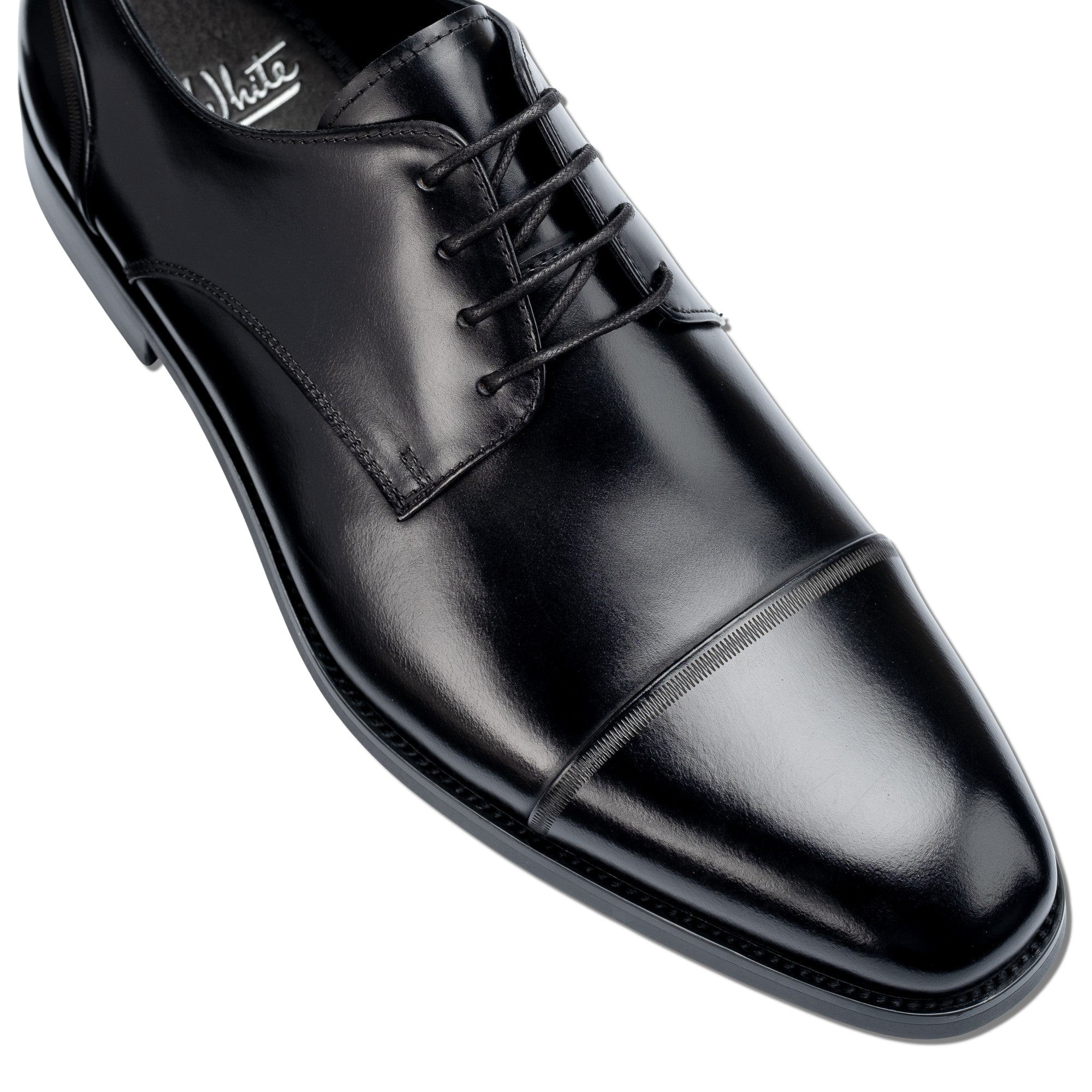
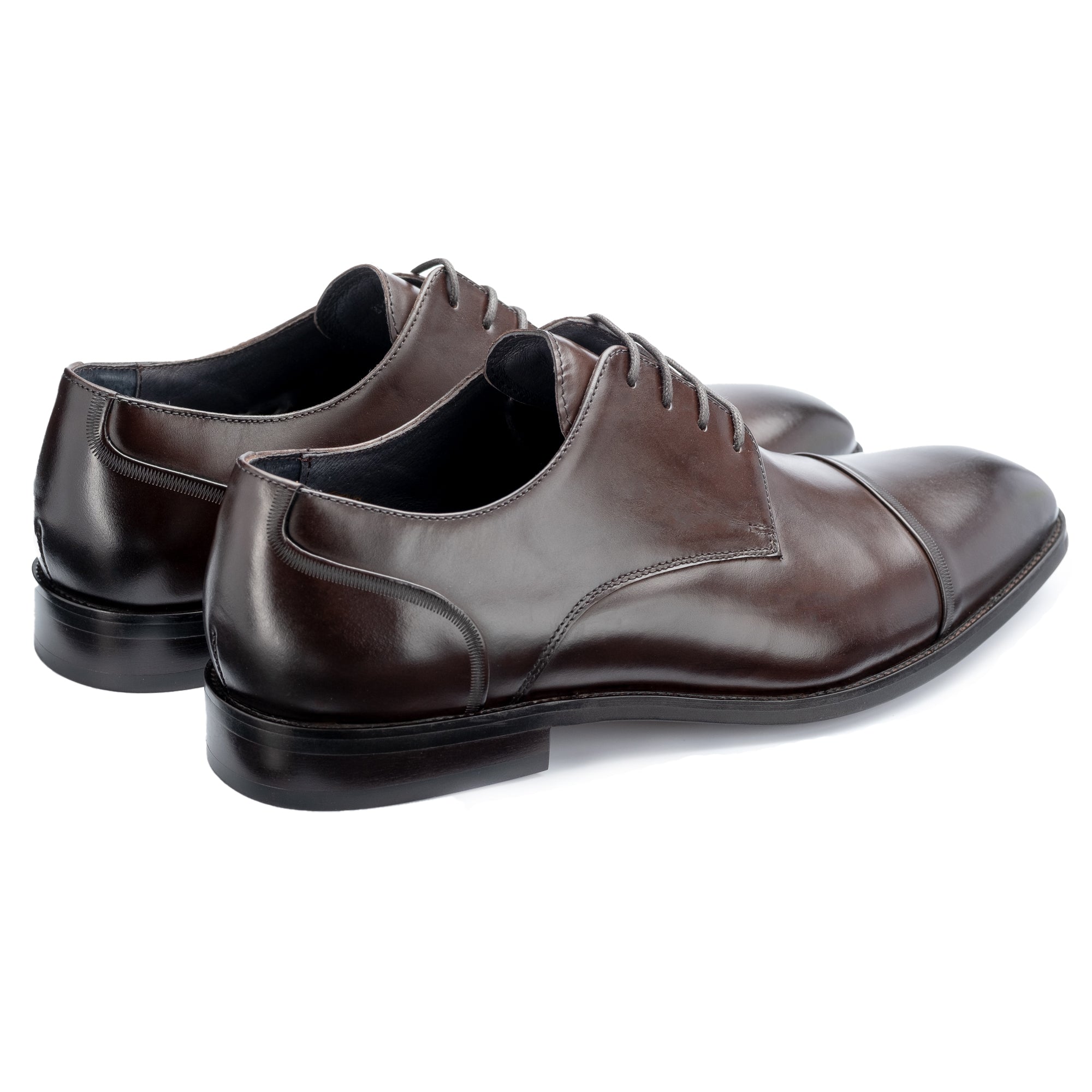
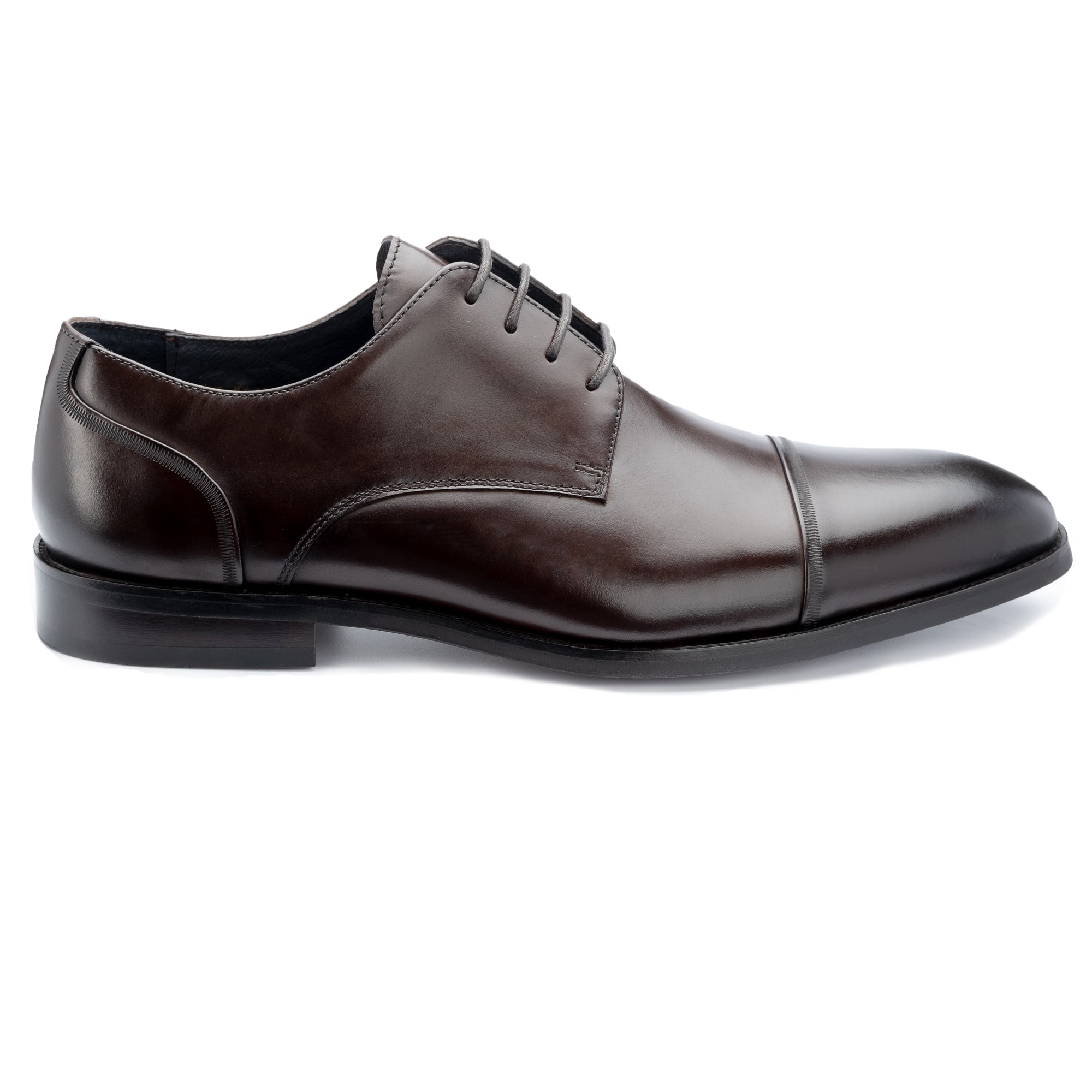
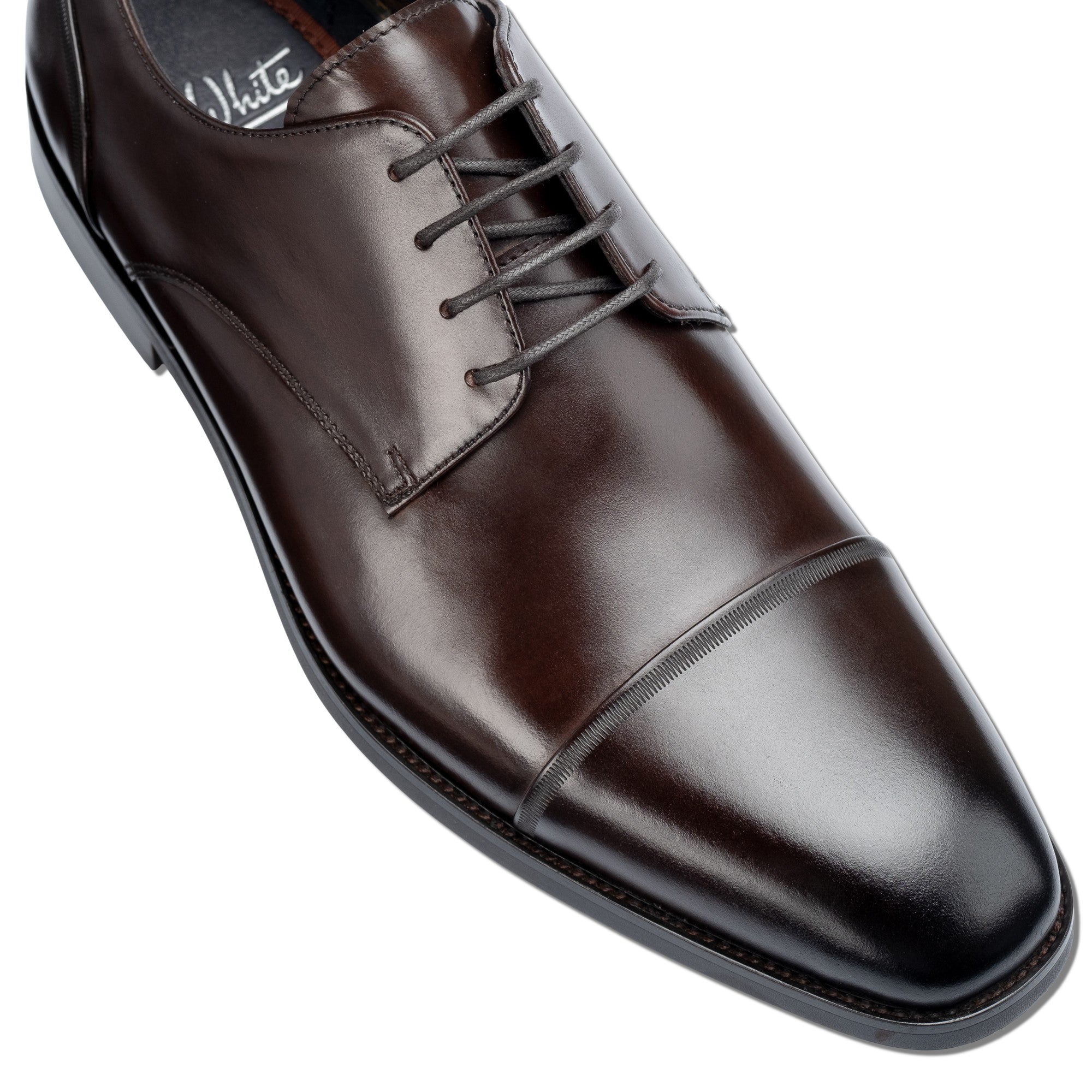
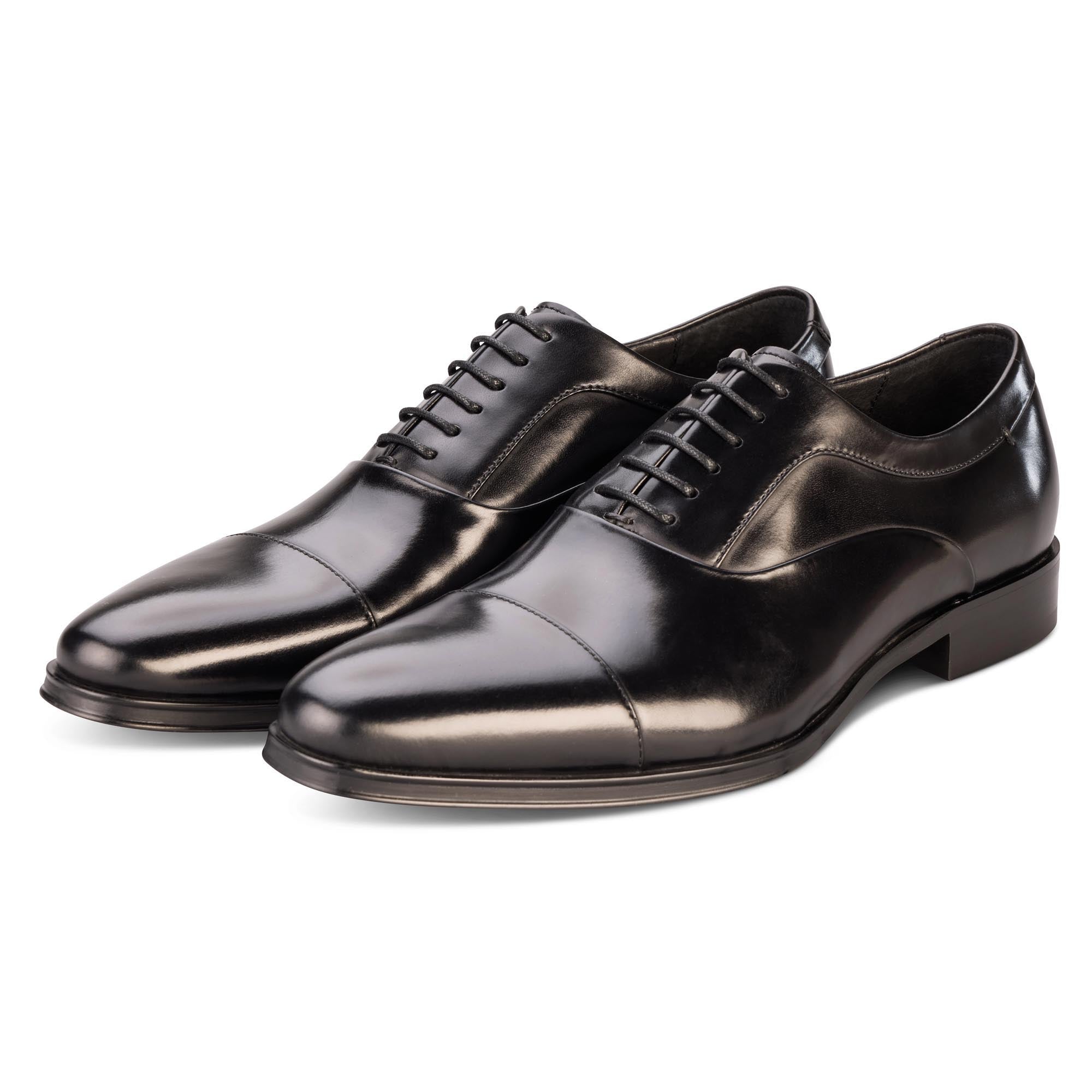
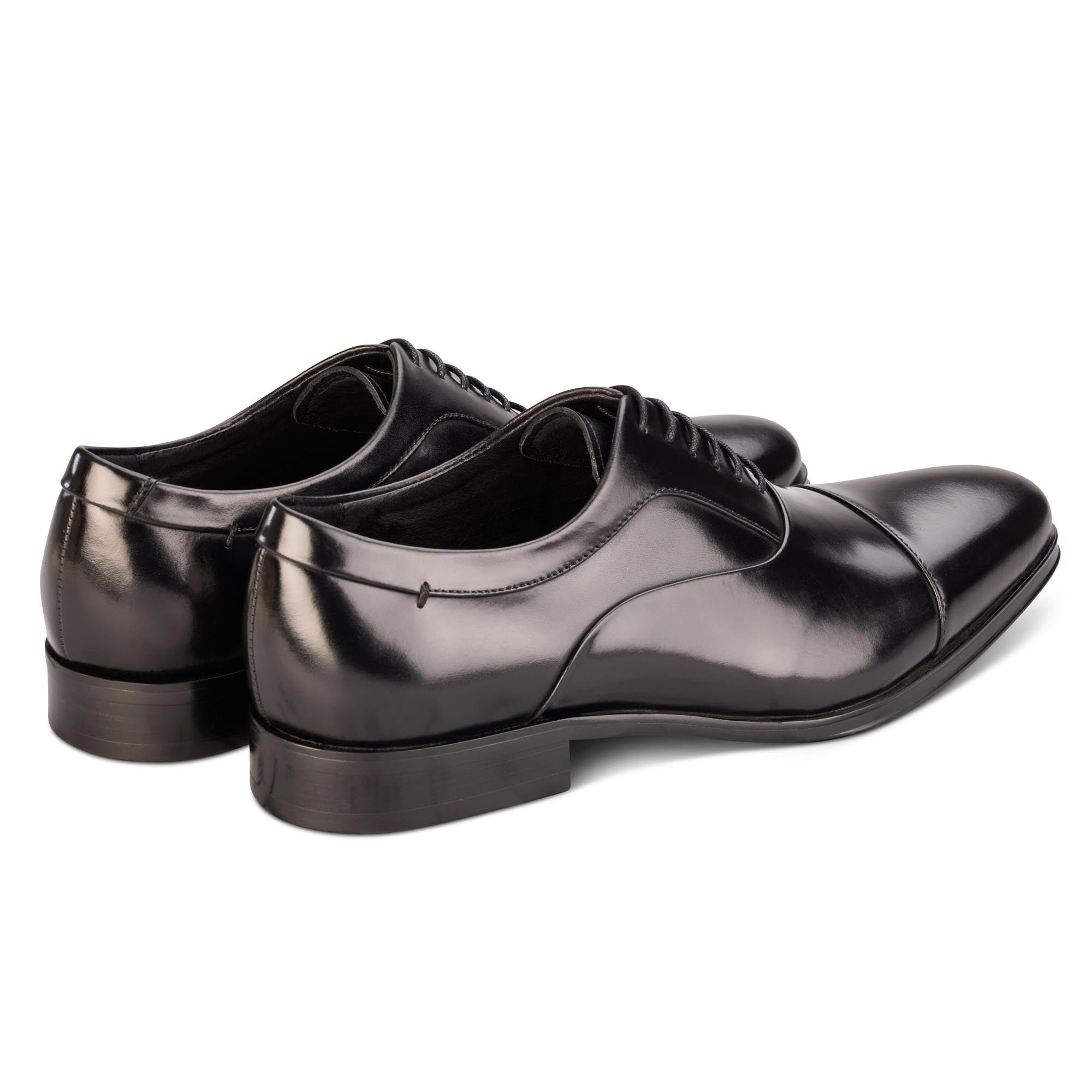
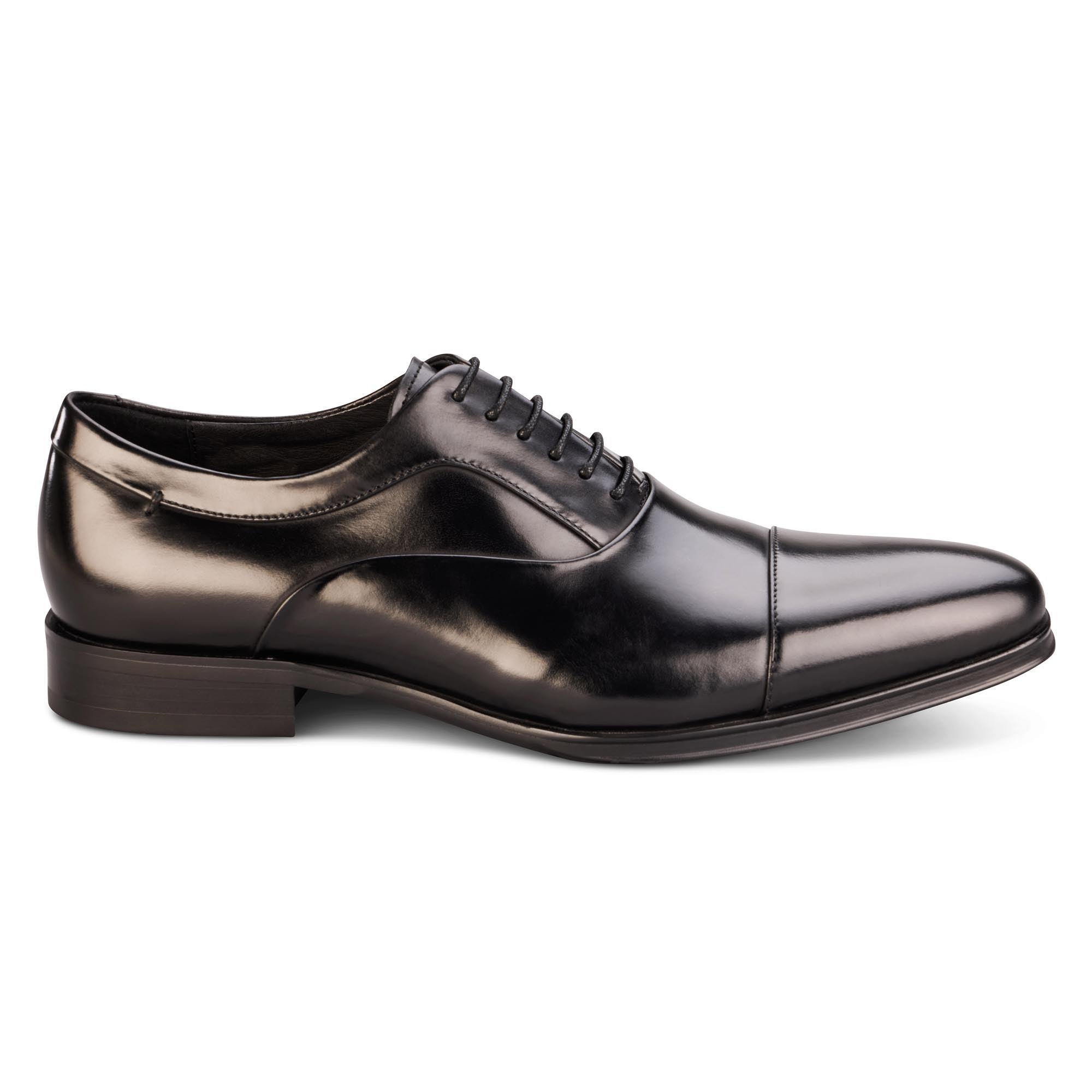
- Cap toe: A single seam across the toe. Still very formal — appropriate for any business or occasion wear.
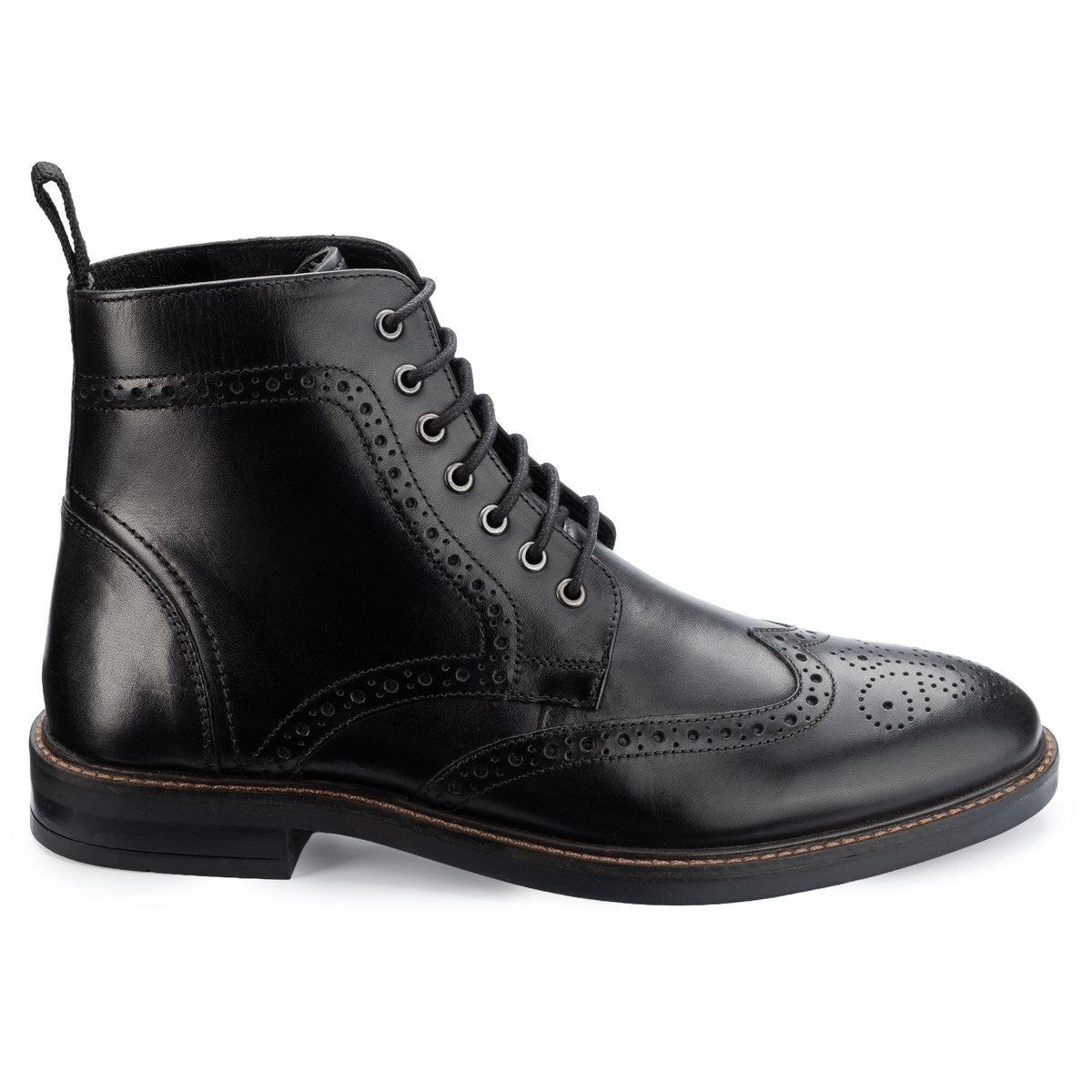
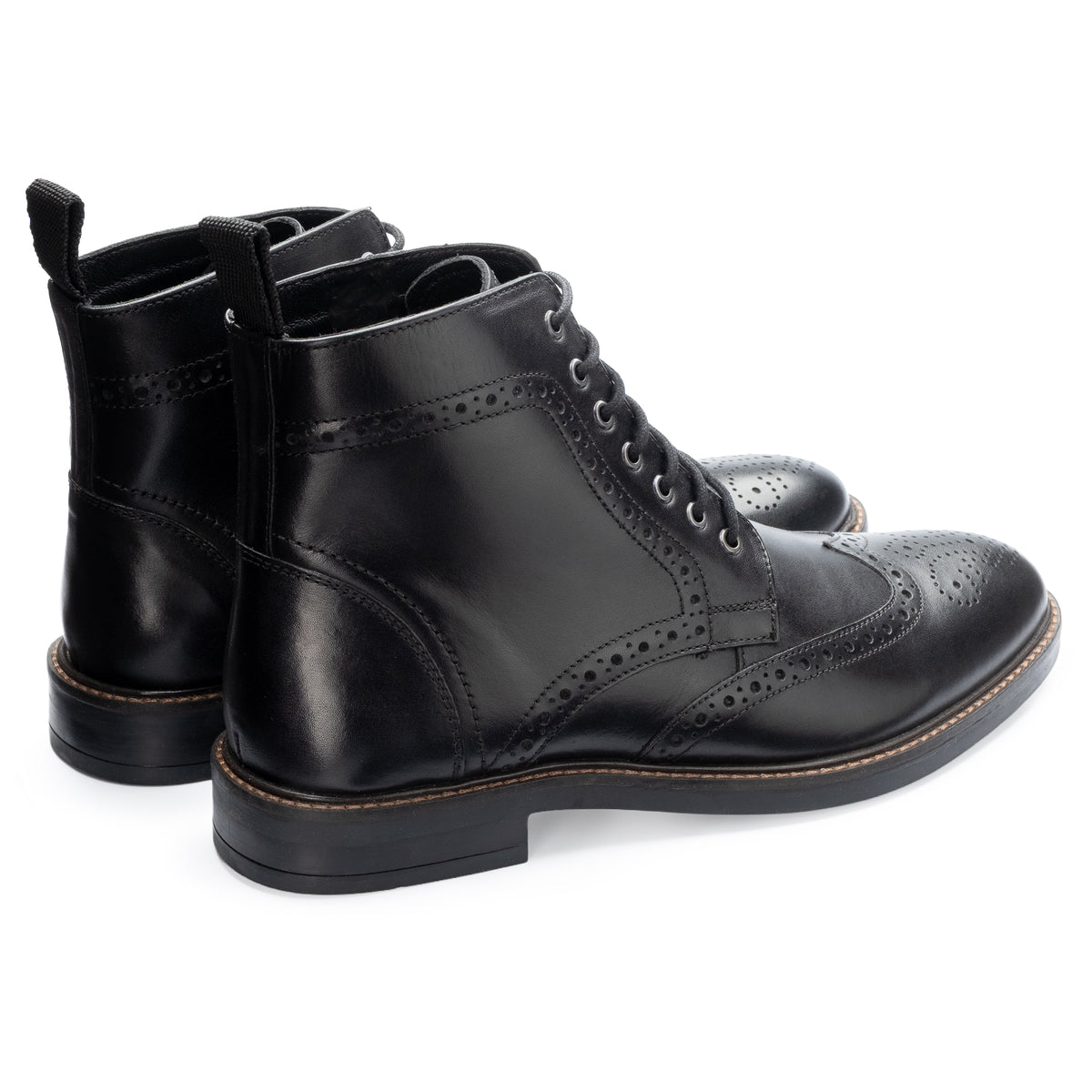
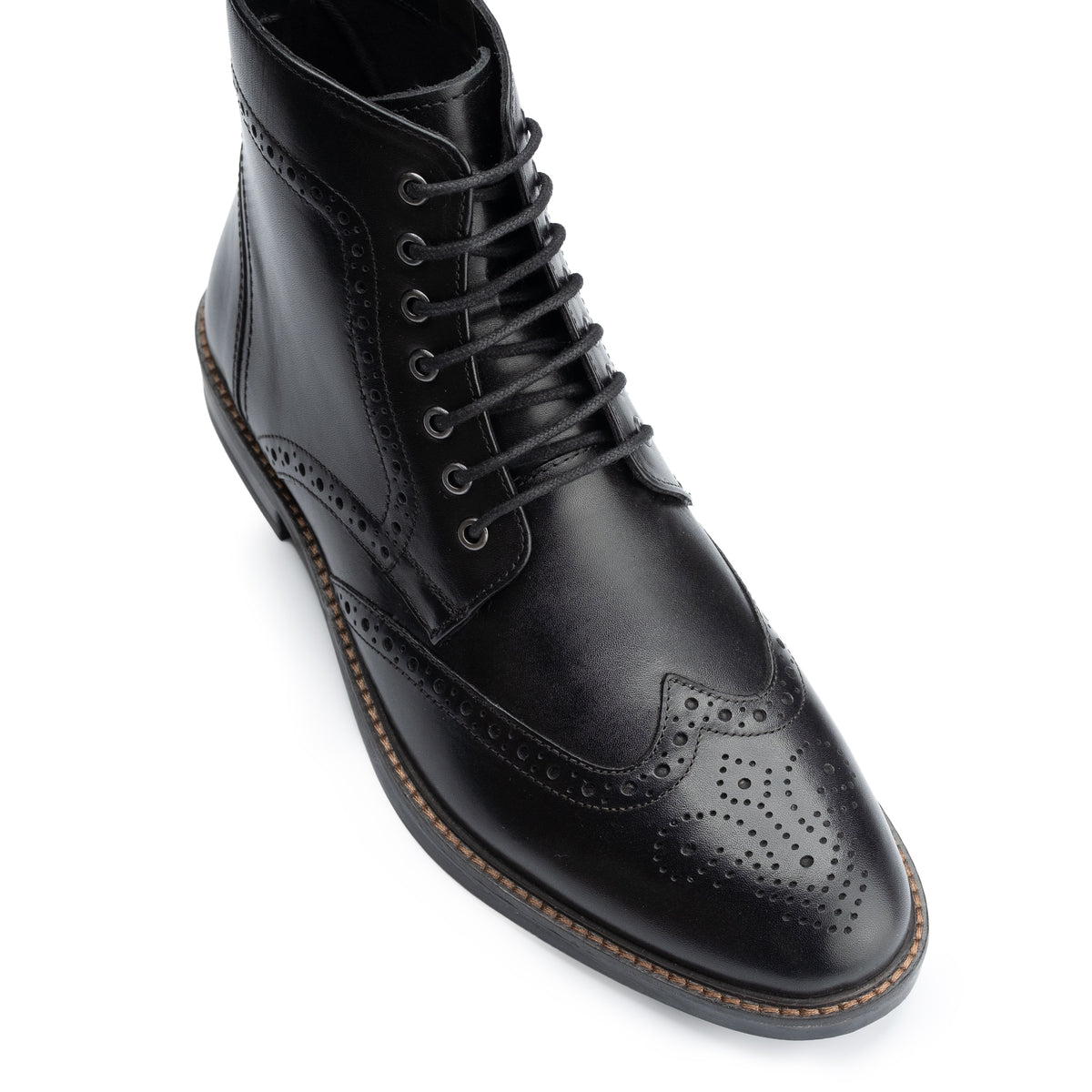
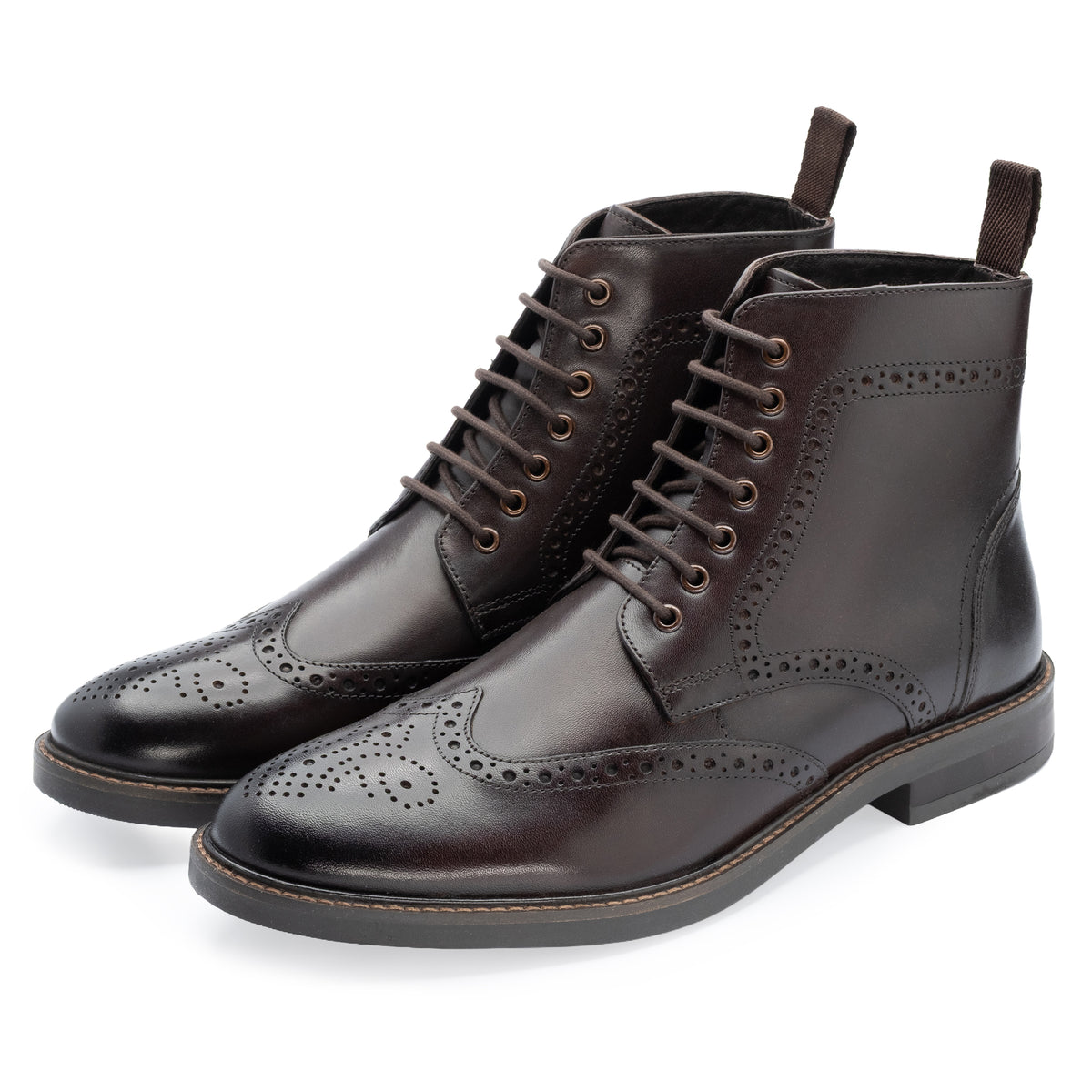
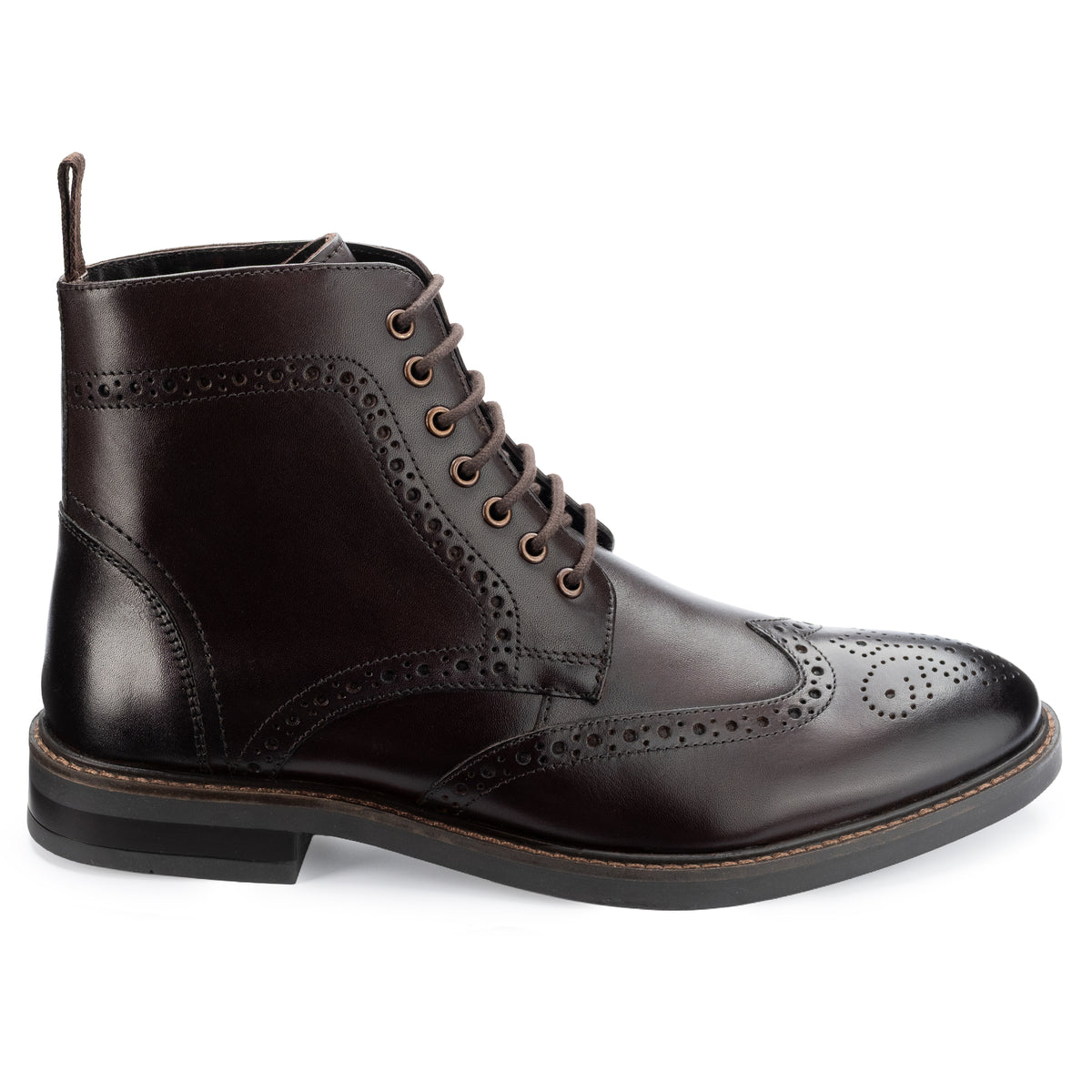
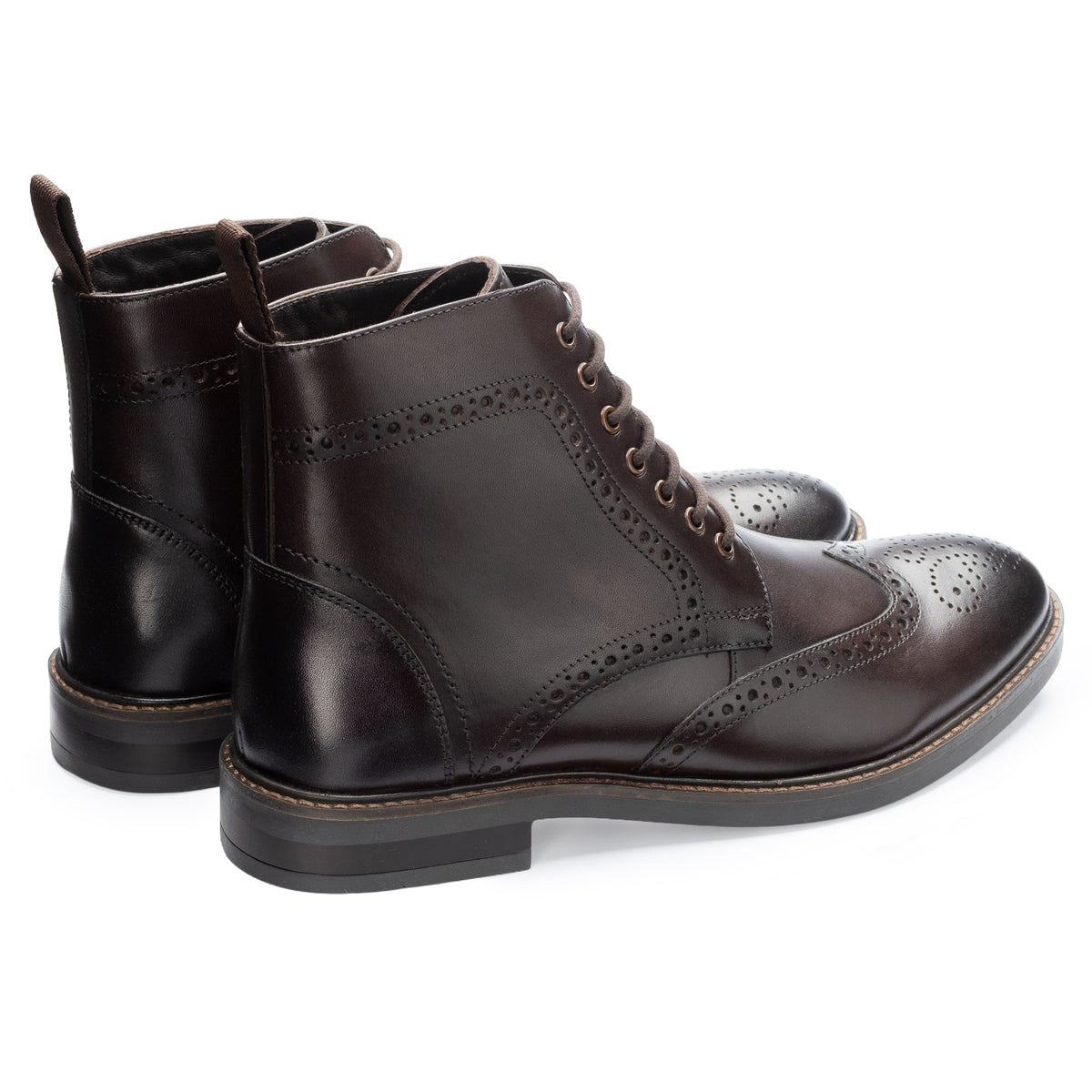
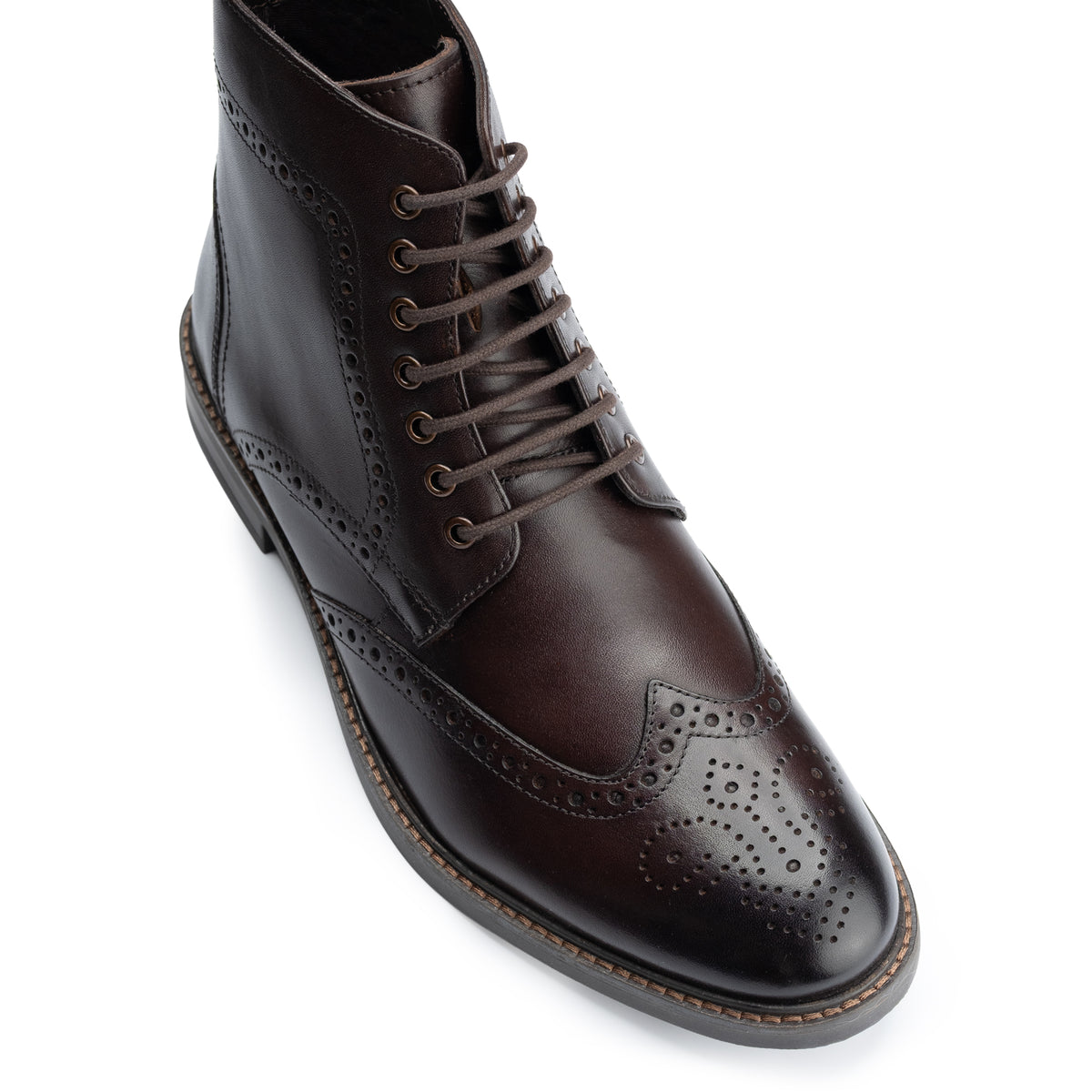
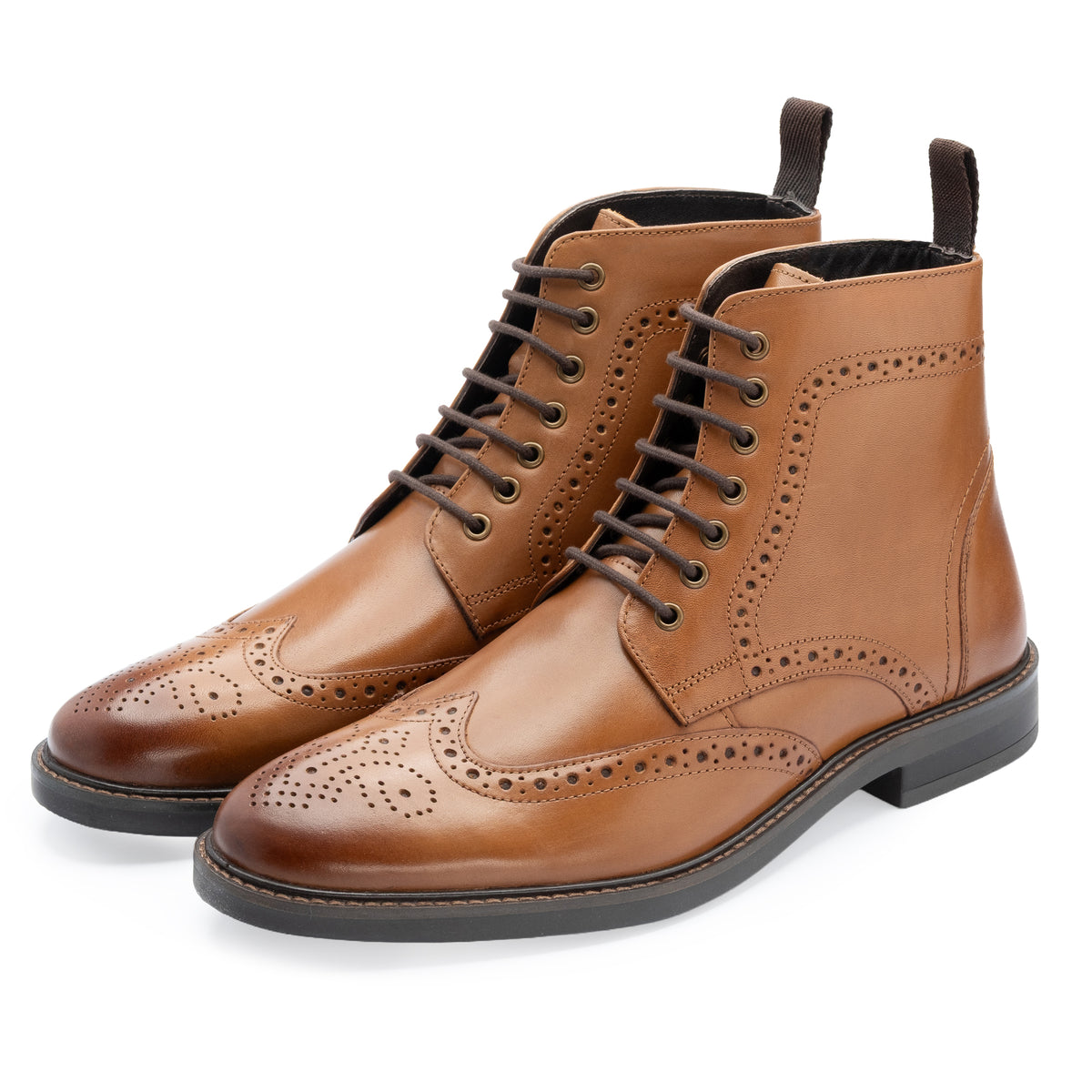
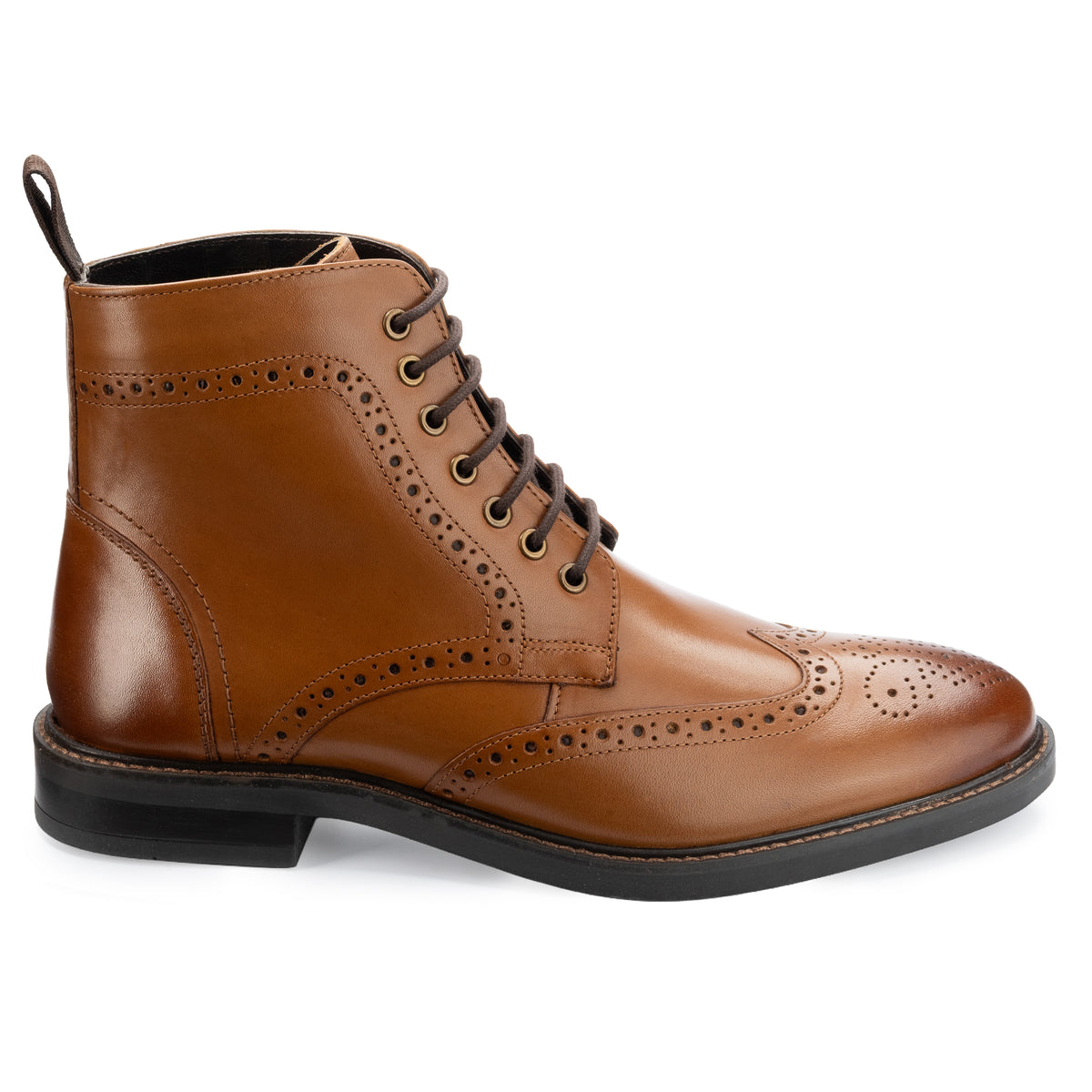
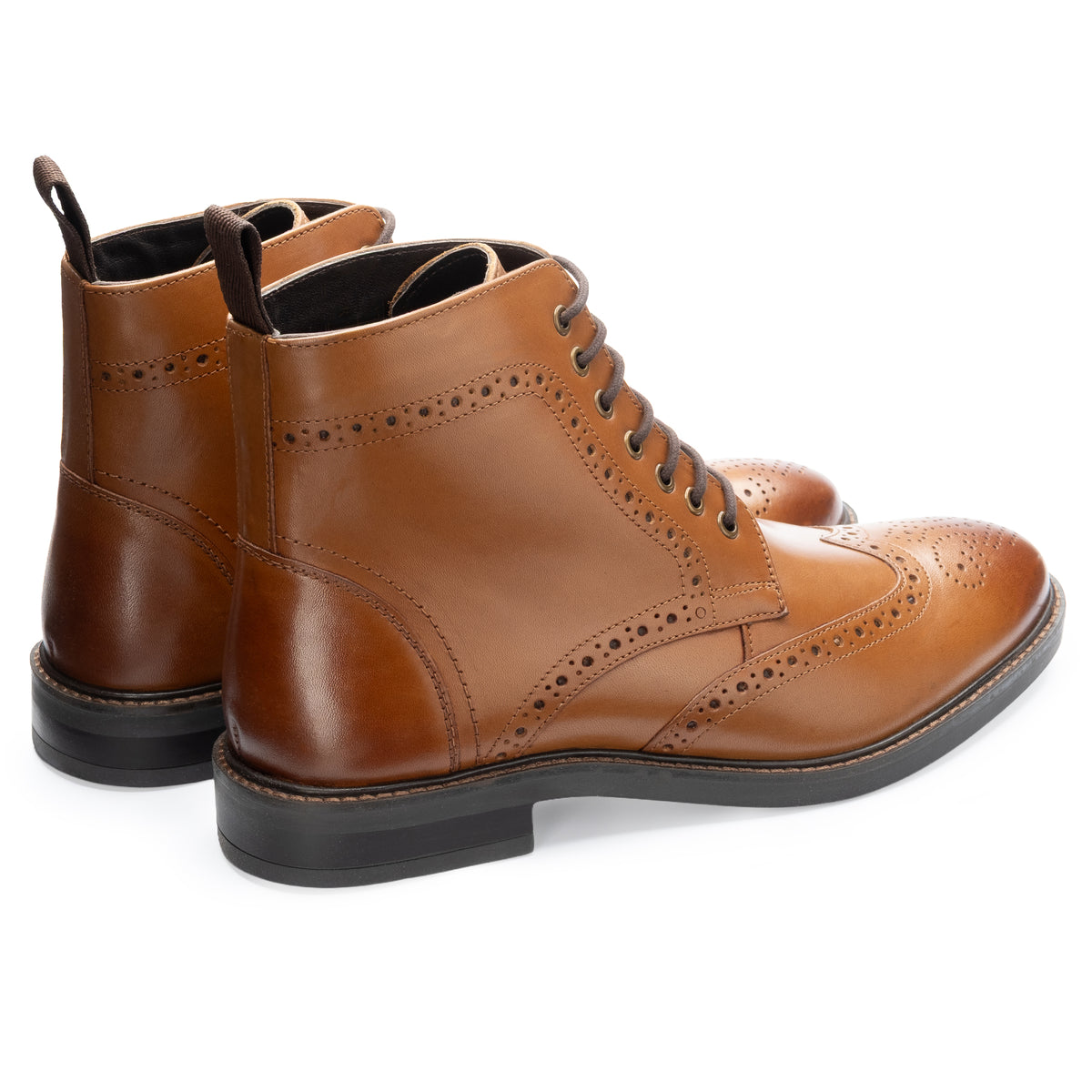
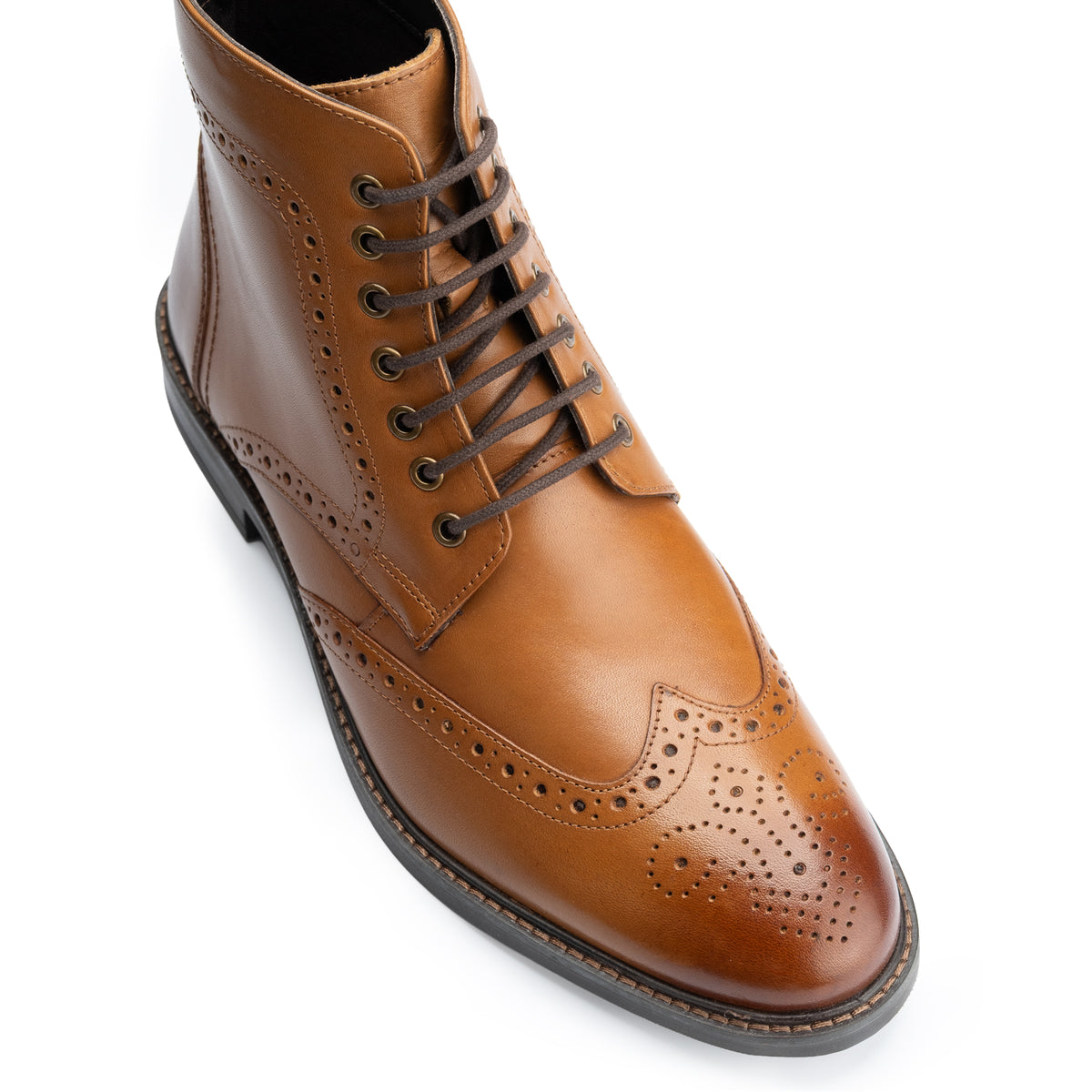
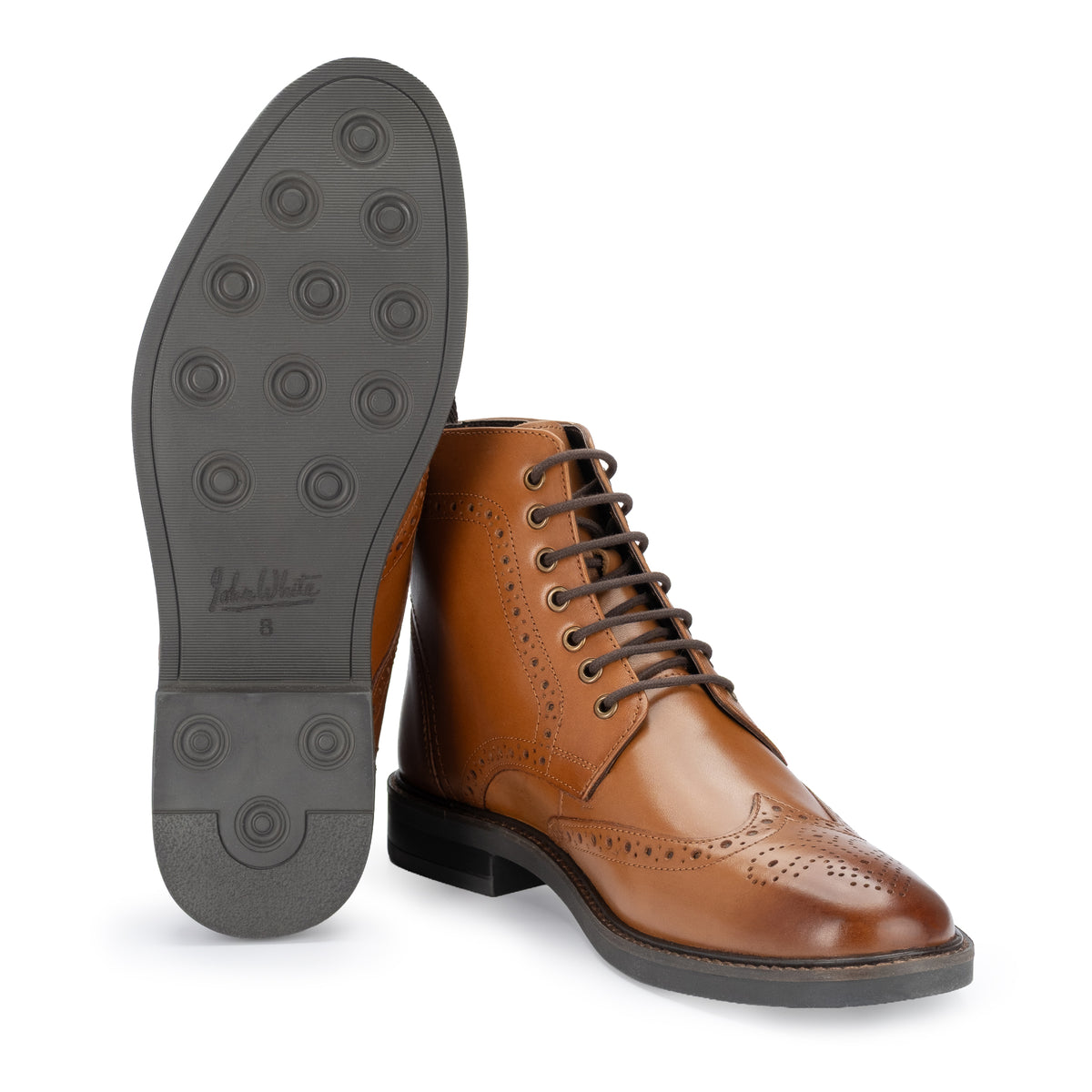
- Brogue Oxford: Perforated detailing softens the formality considerably. Suitable from business-casual through to smart occasions.
- Wholecut: Cut from a single piece of leather. Exceptionally formal. Rarely seen outside serious dress occasions.
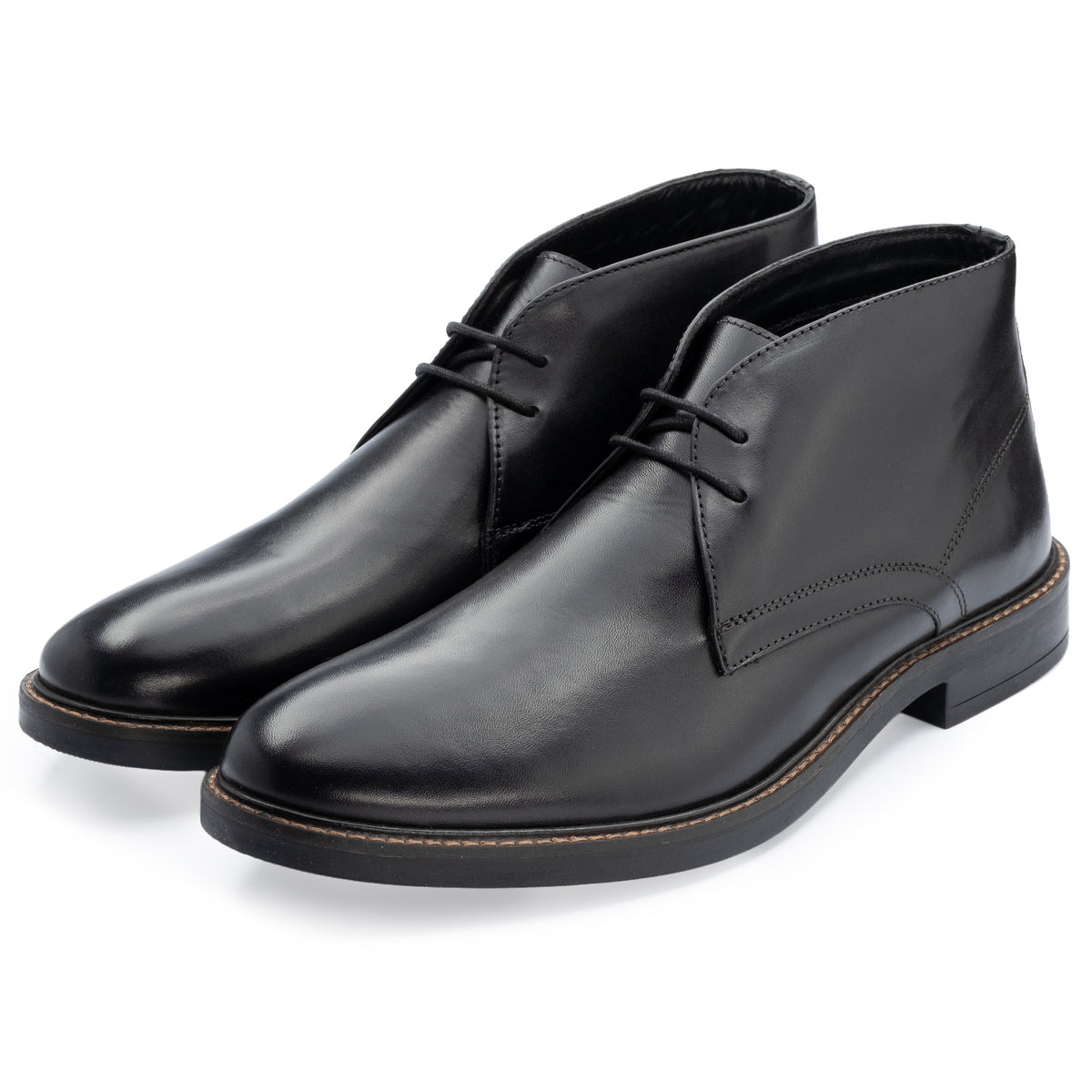
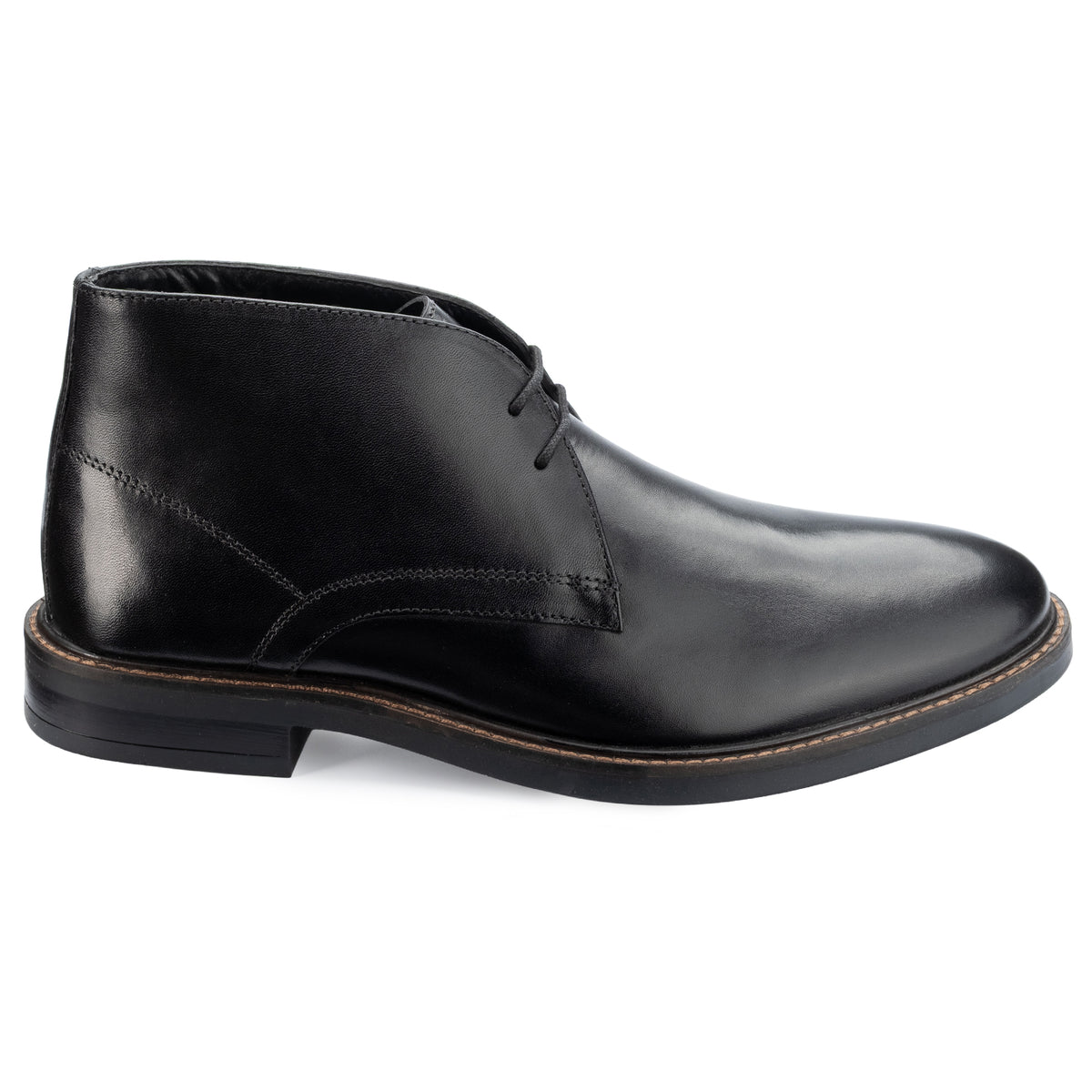
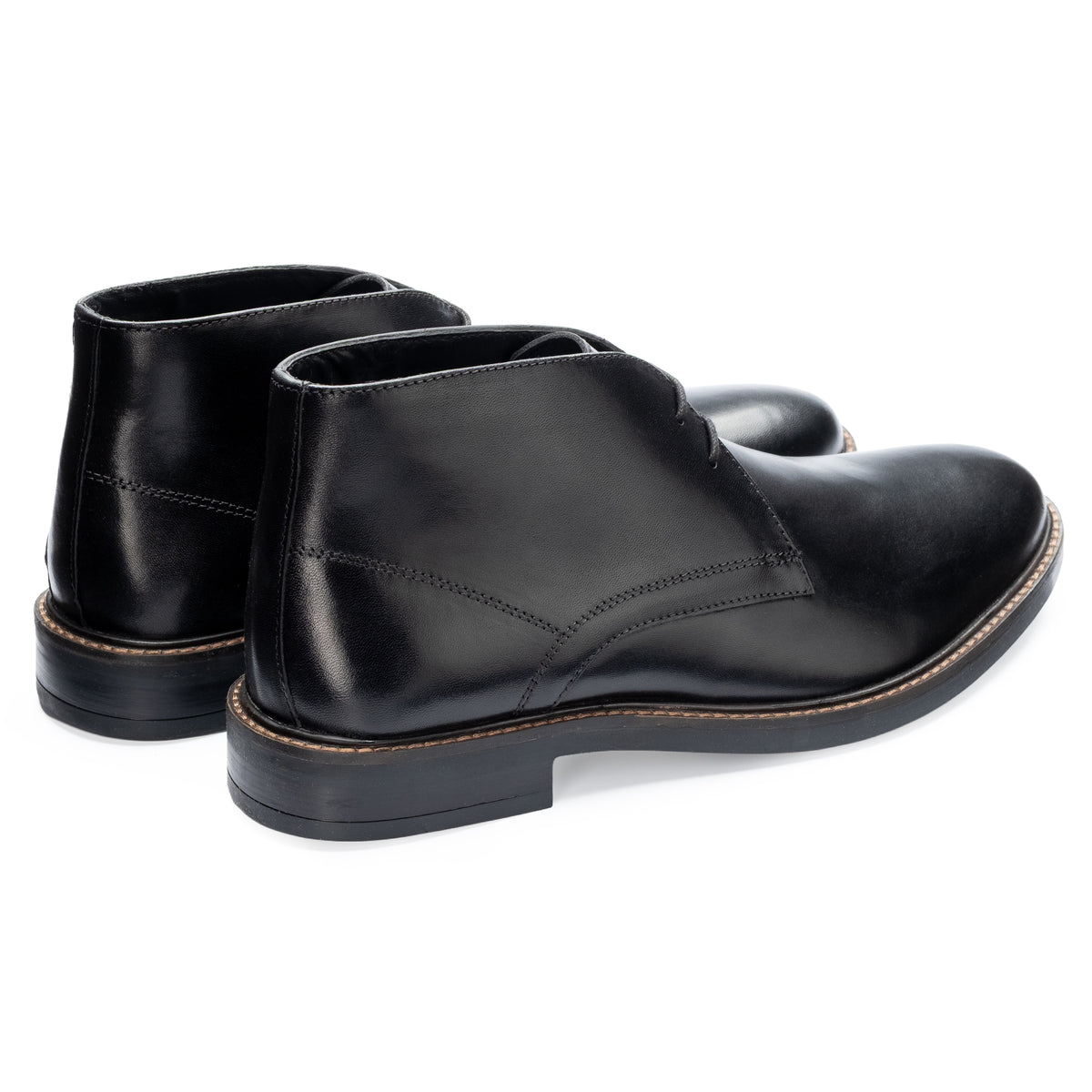
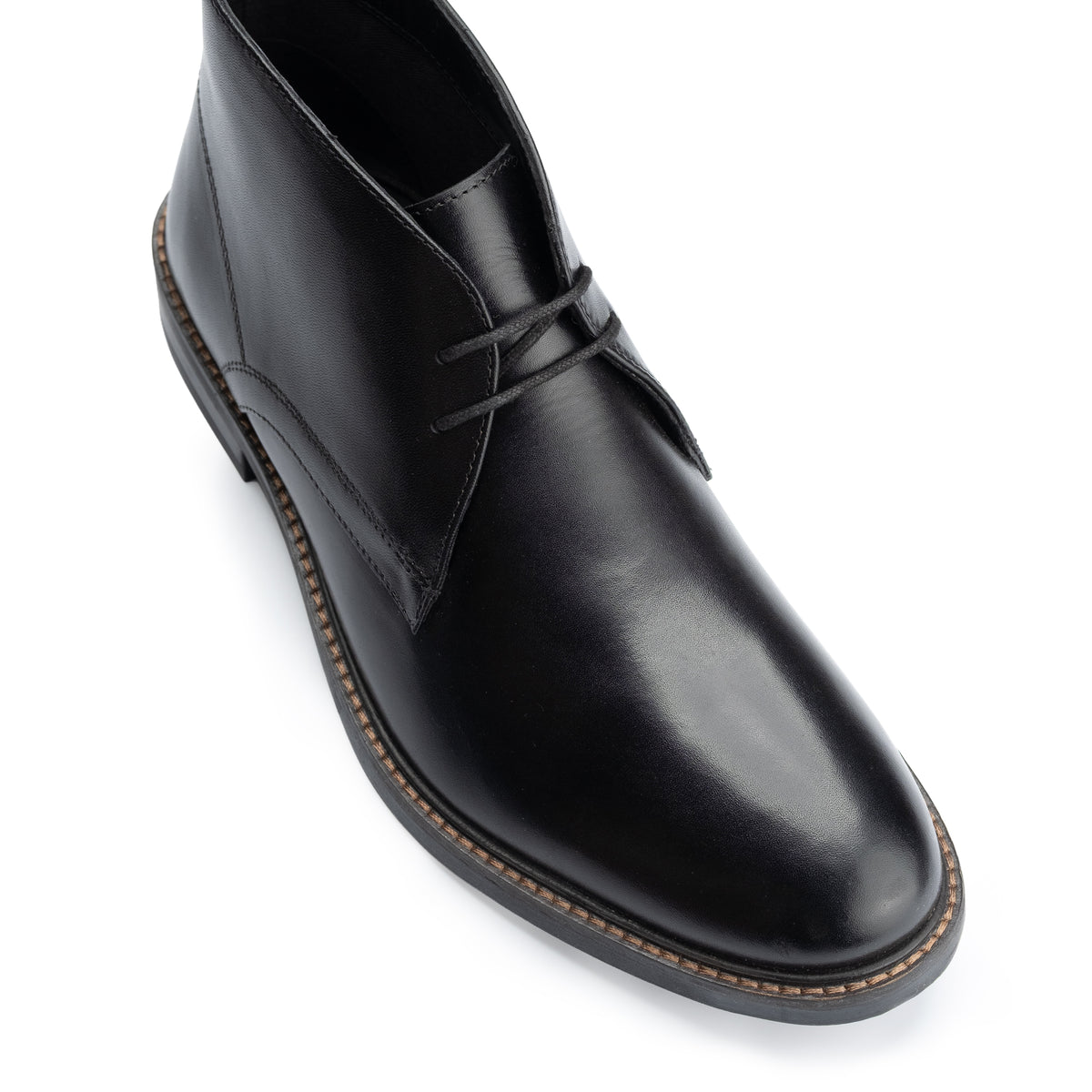
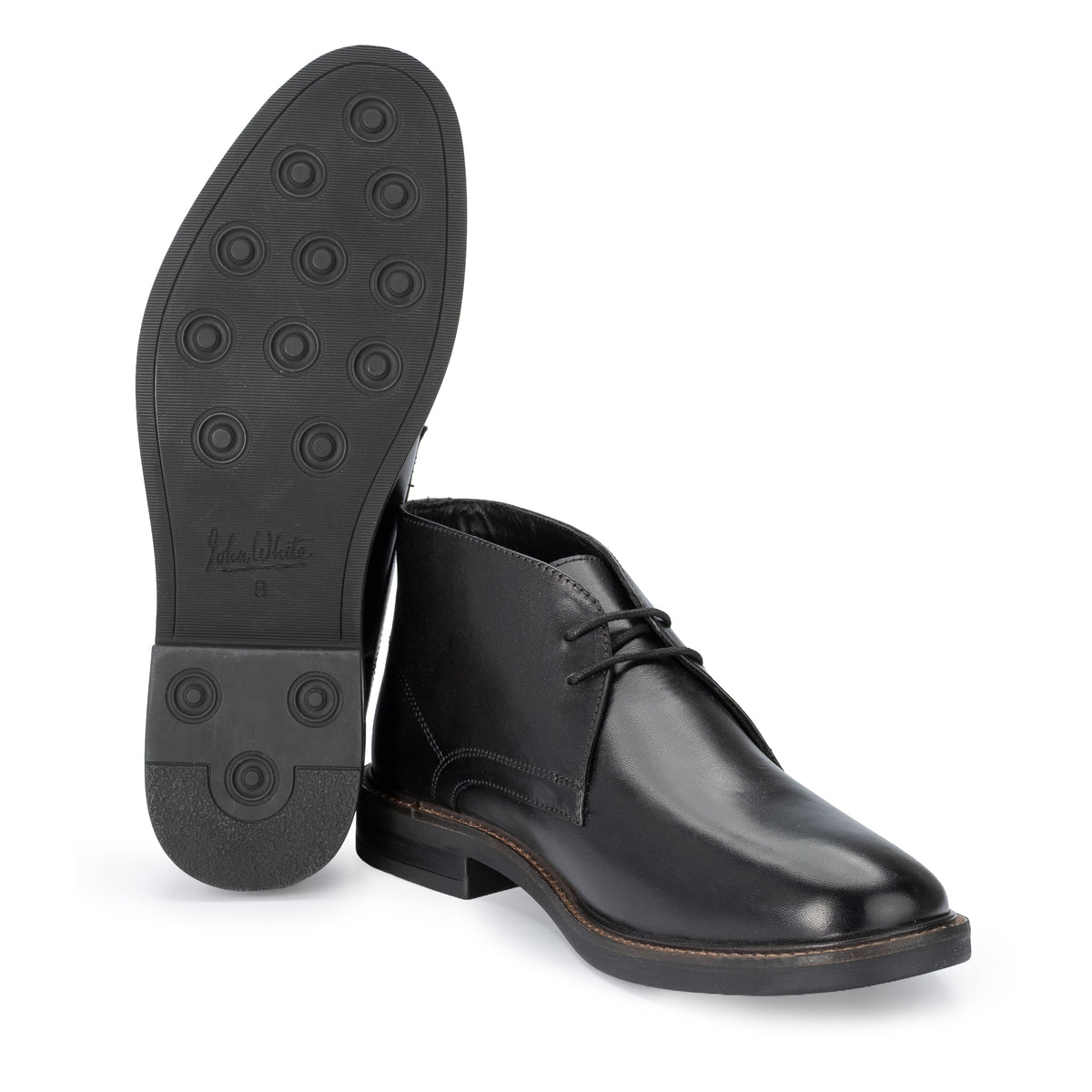
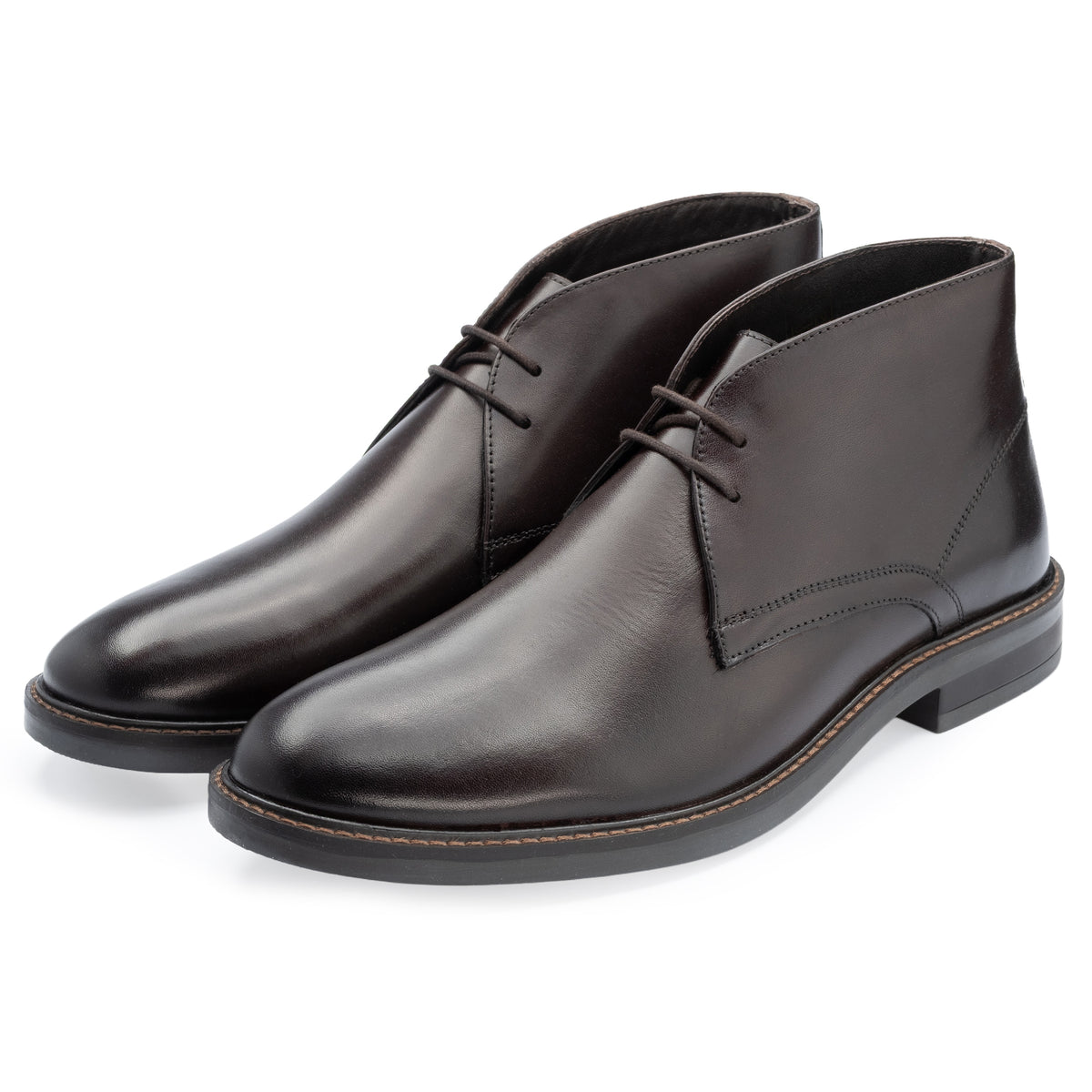
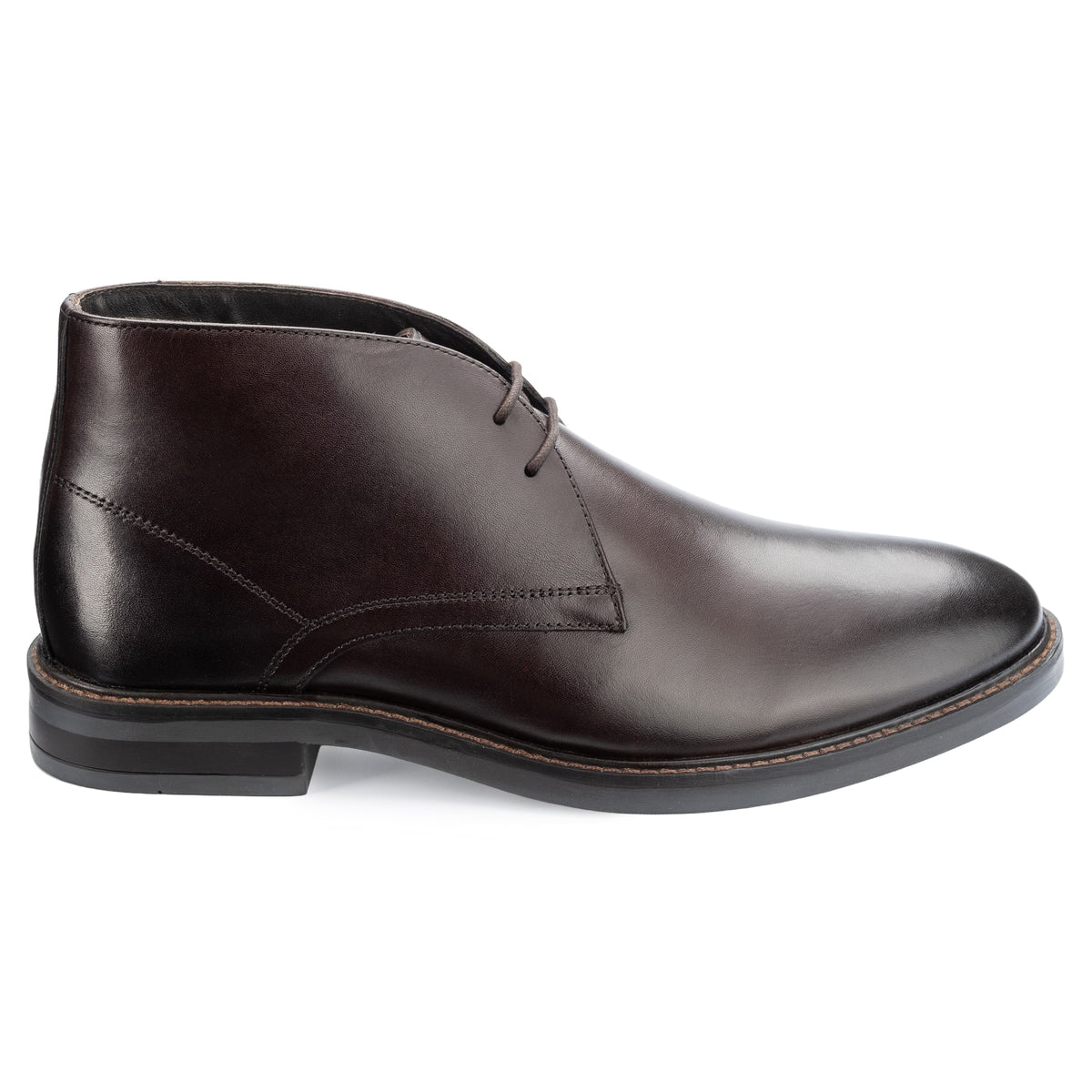
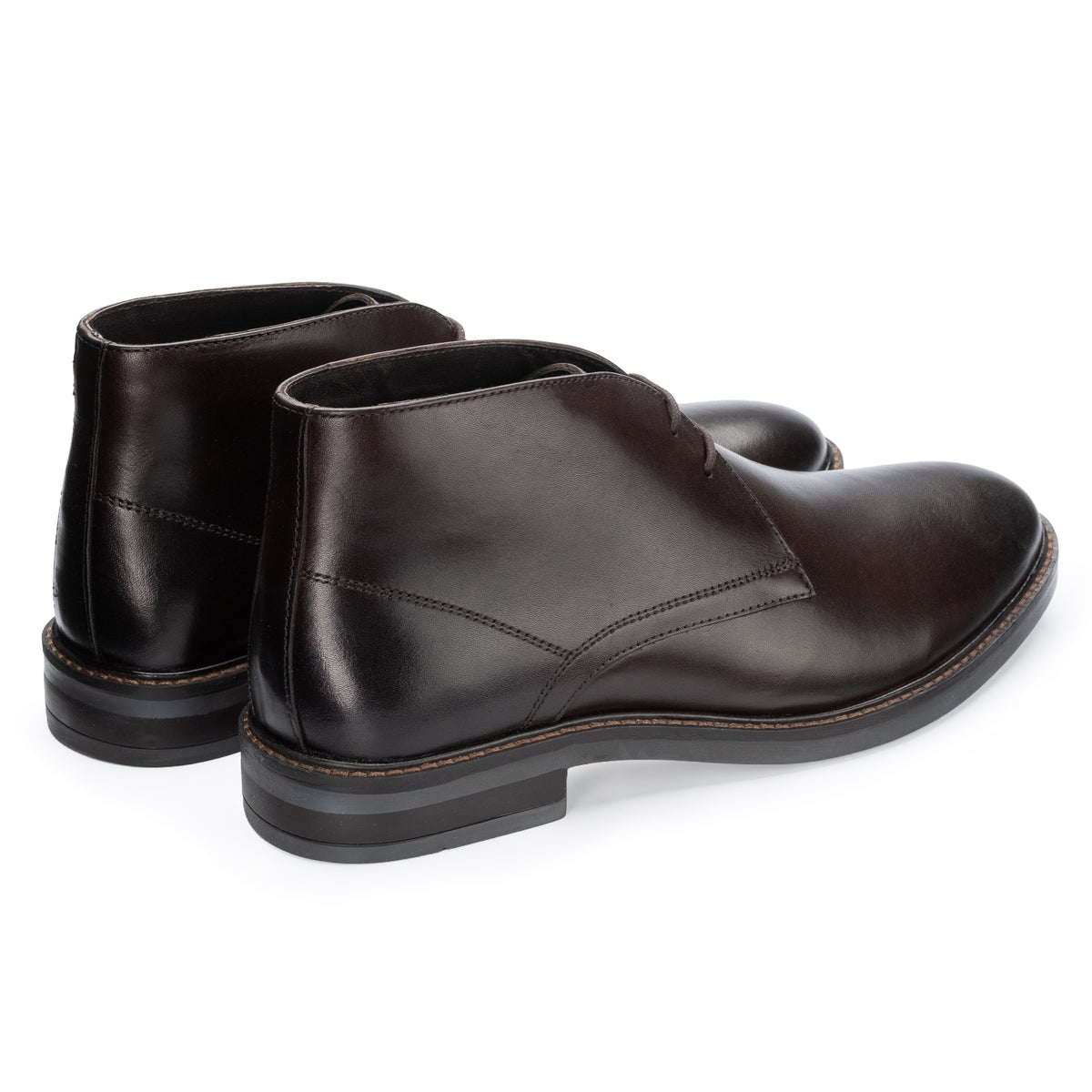
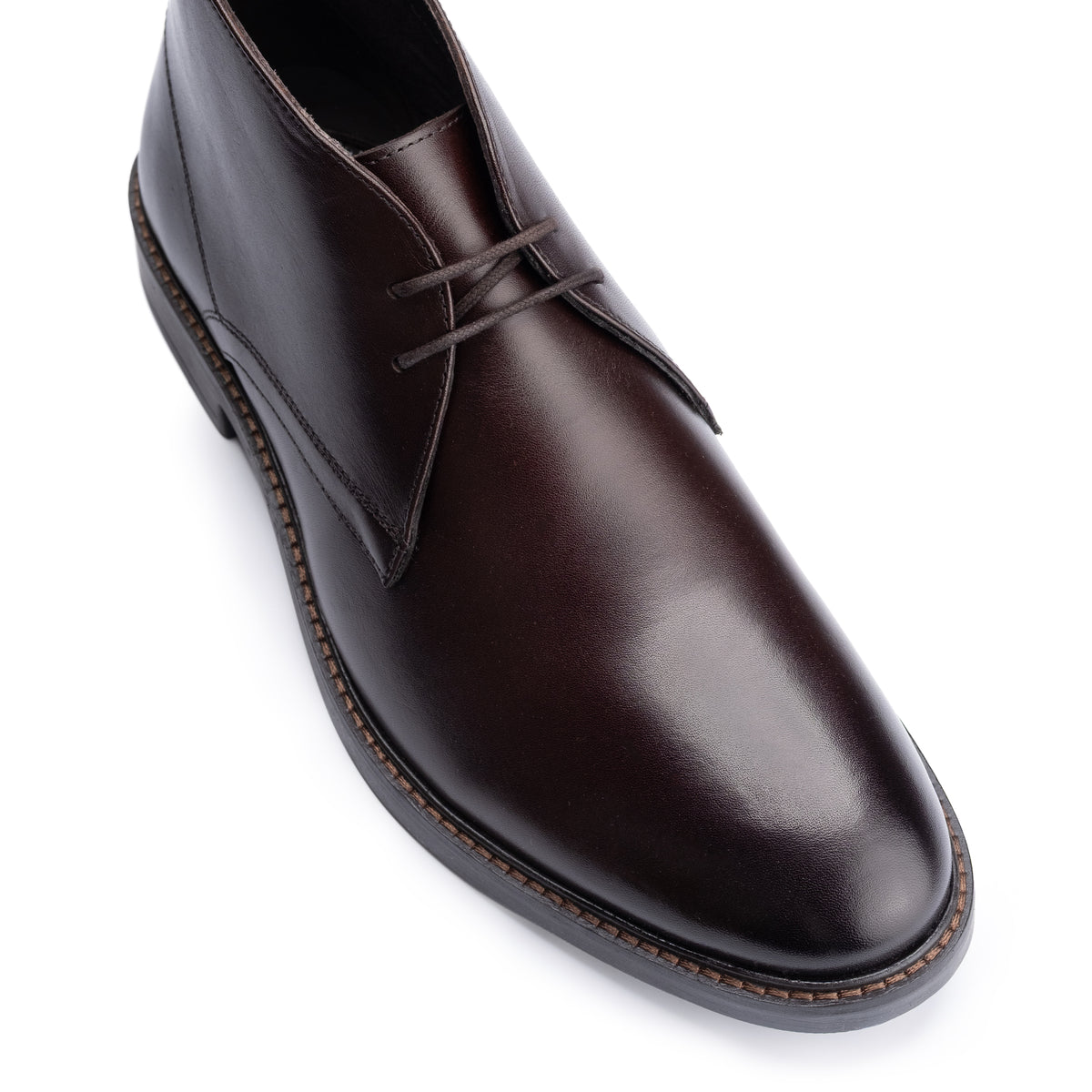
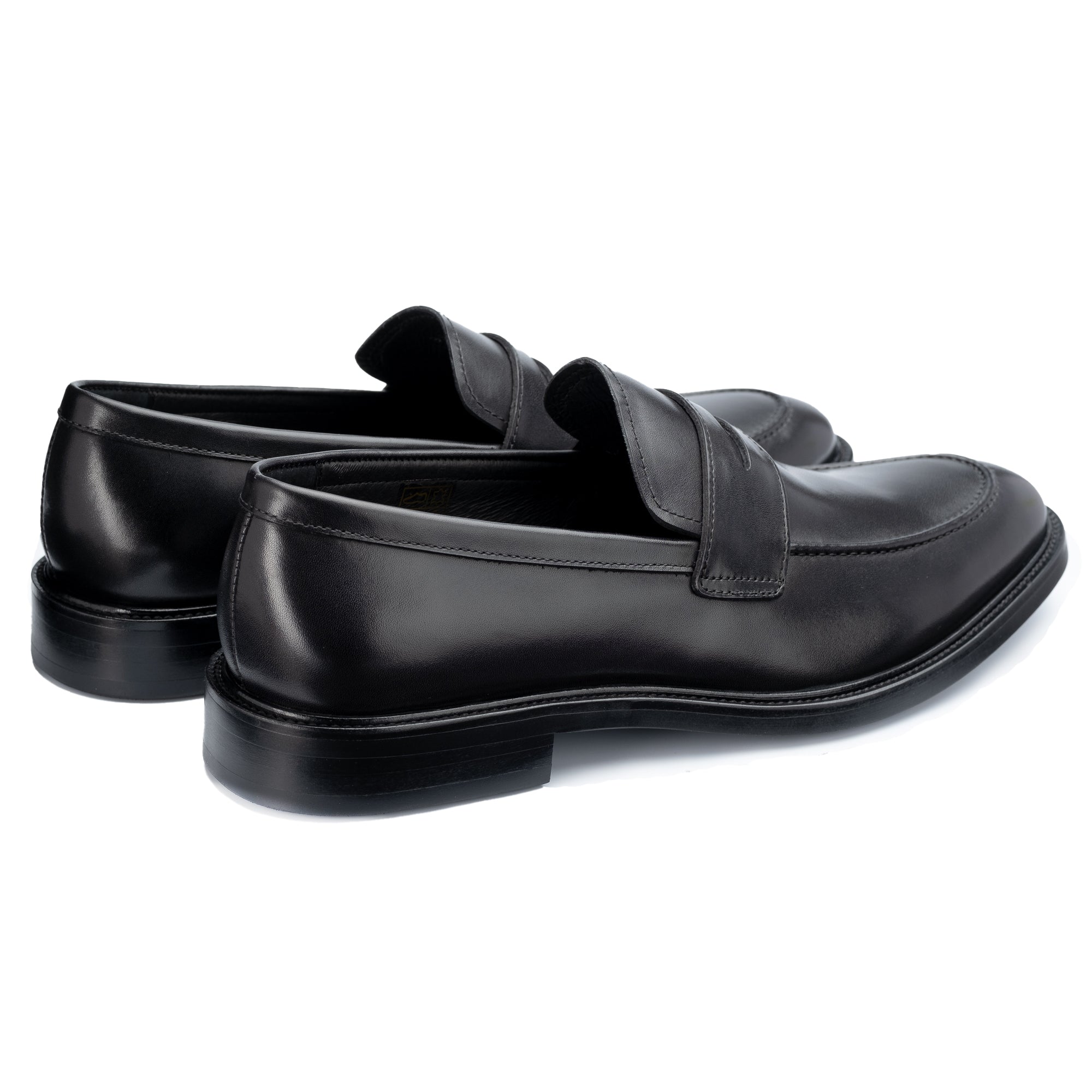
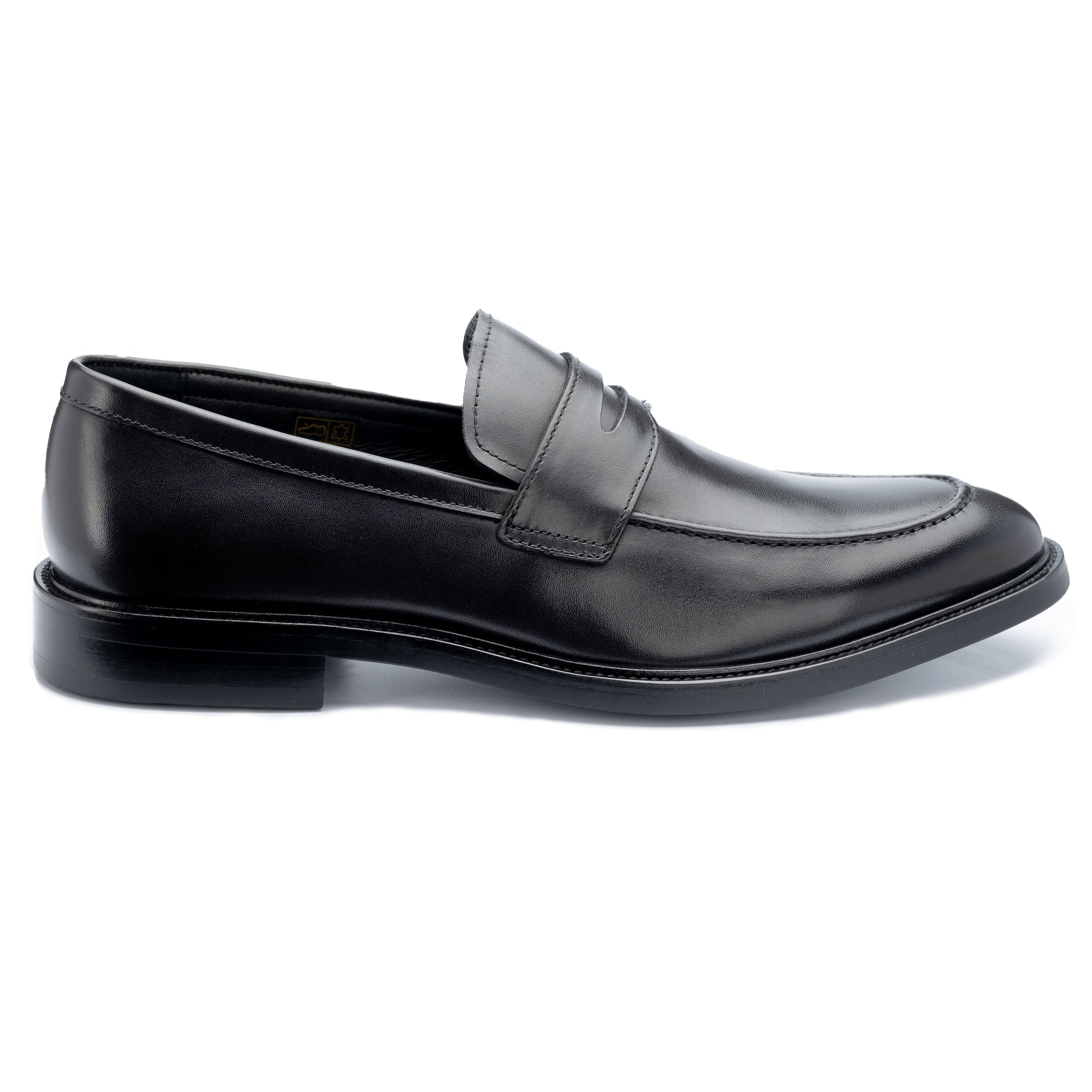
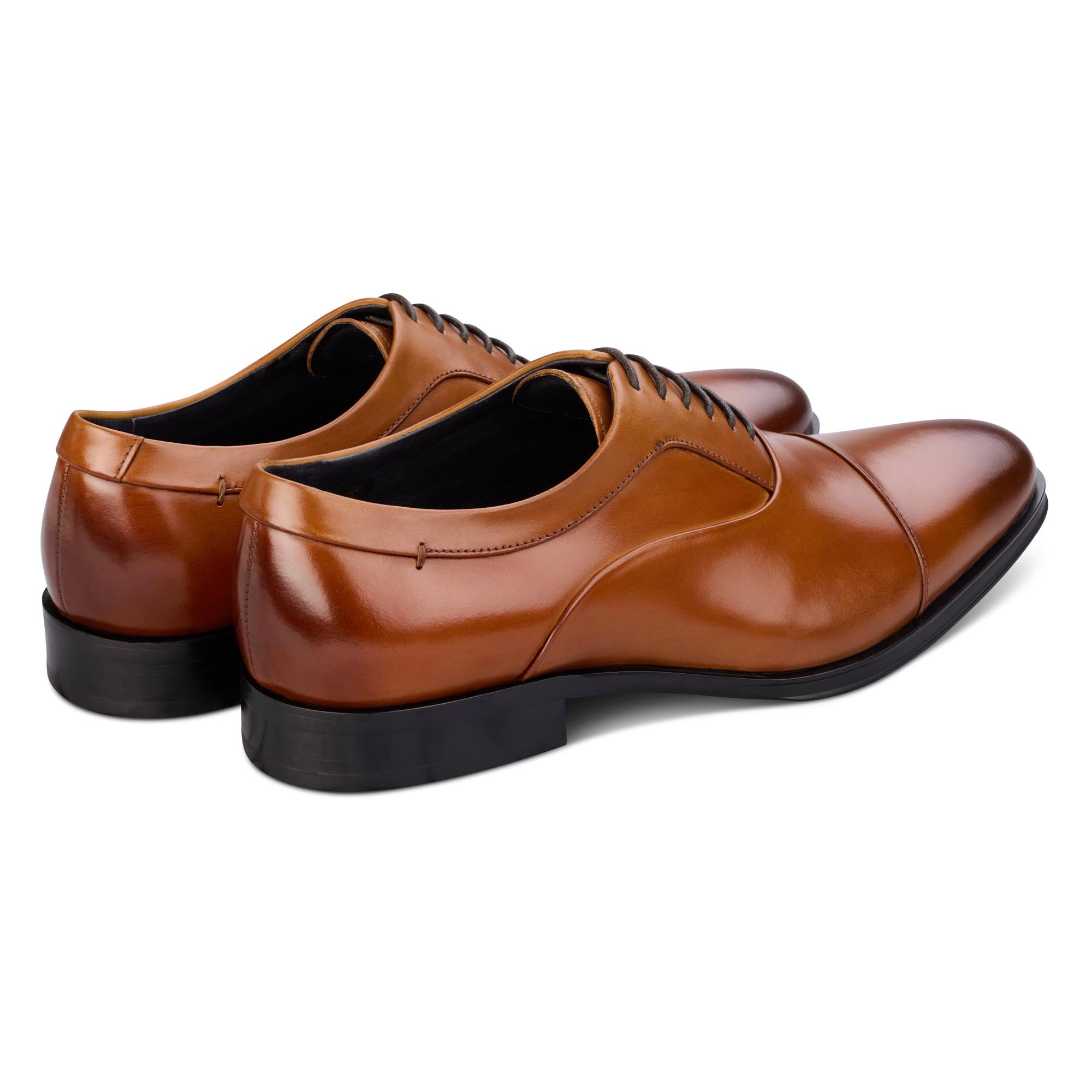
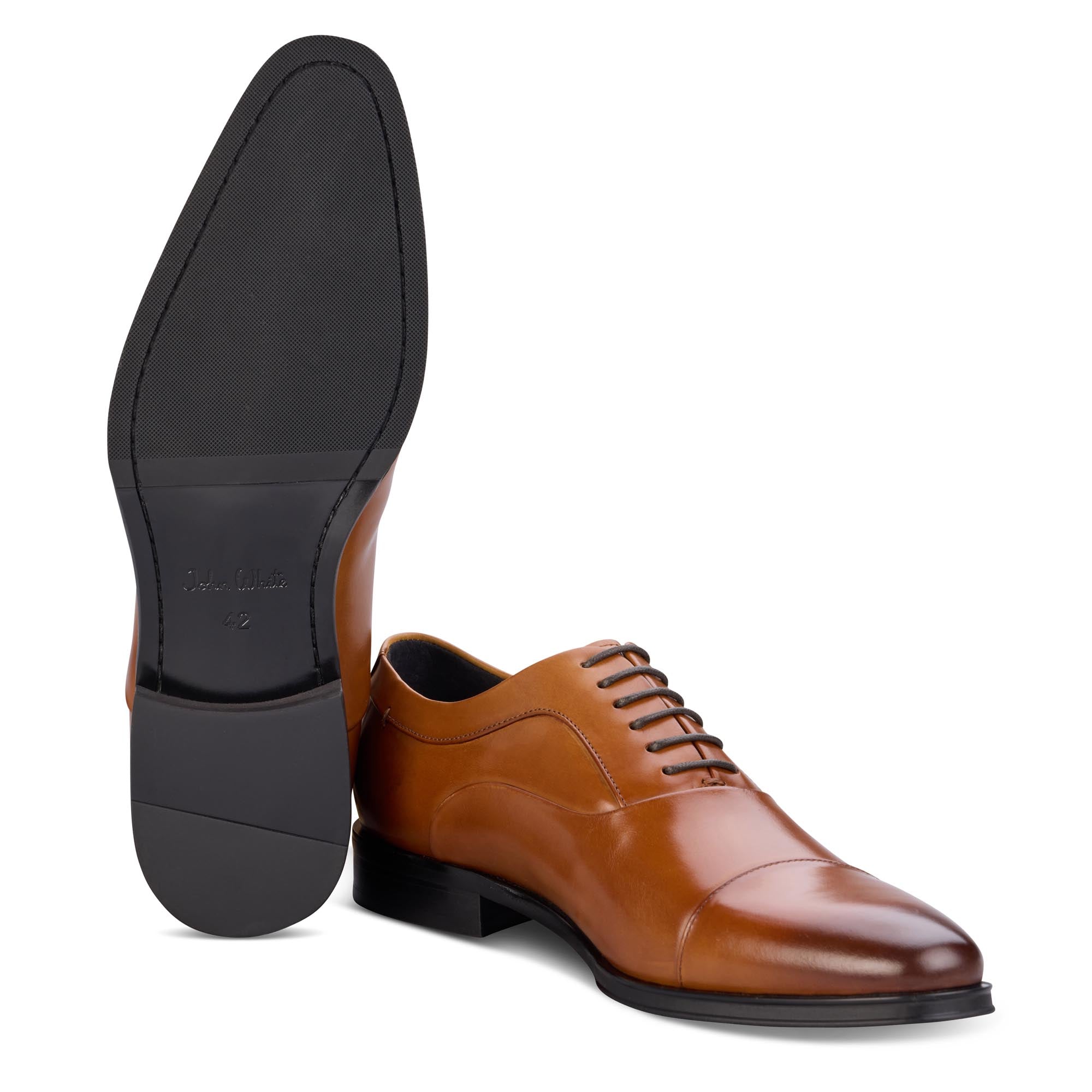
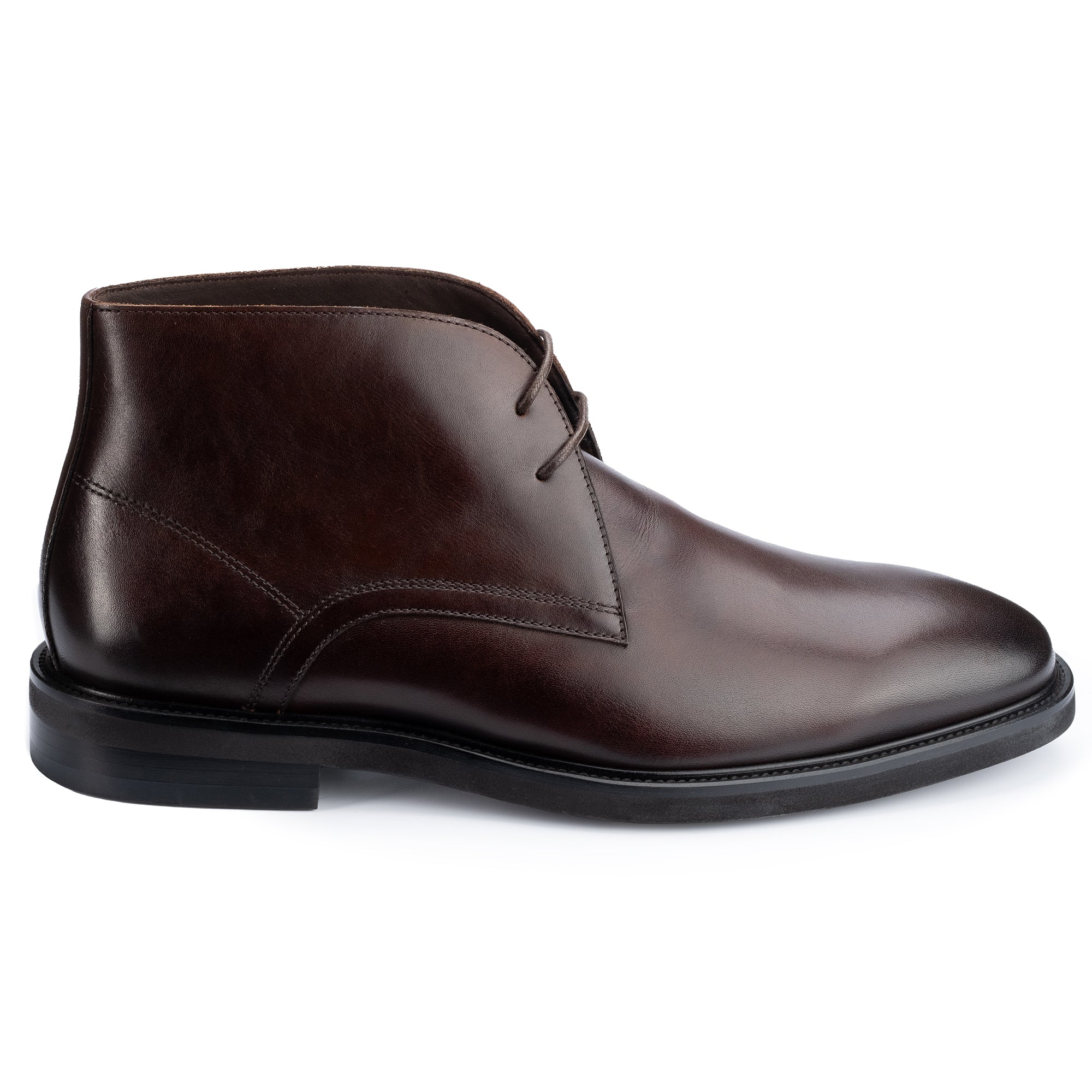
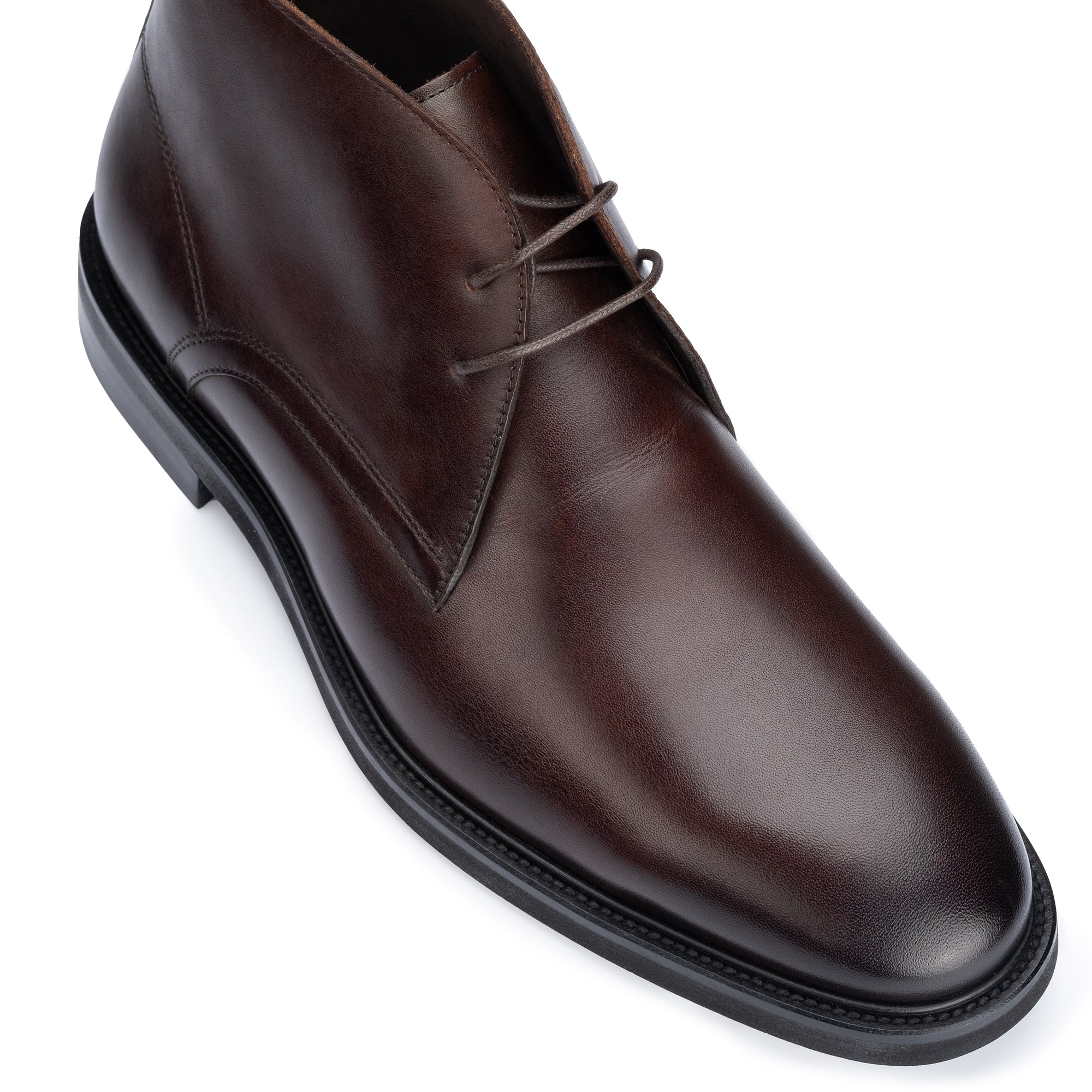
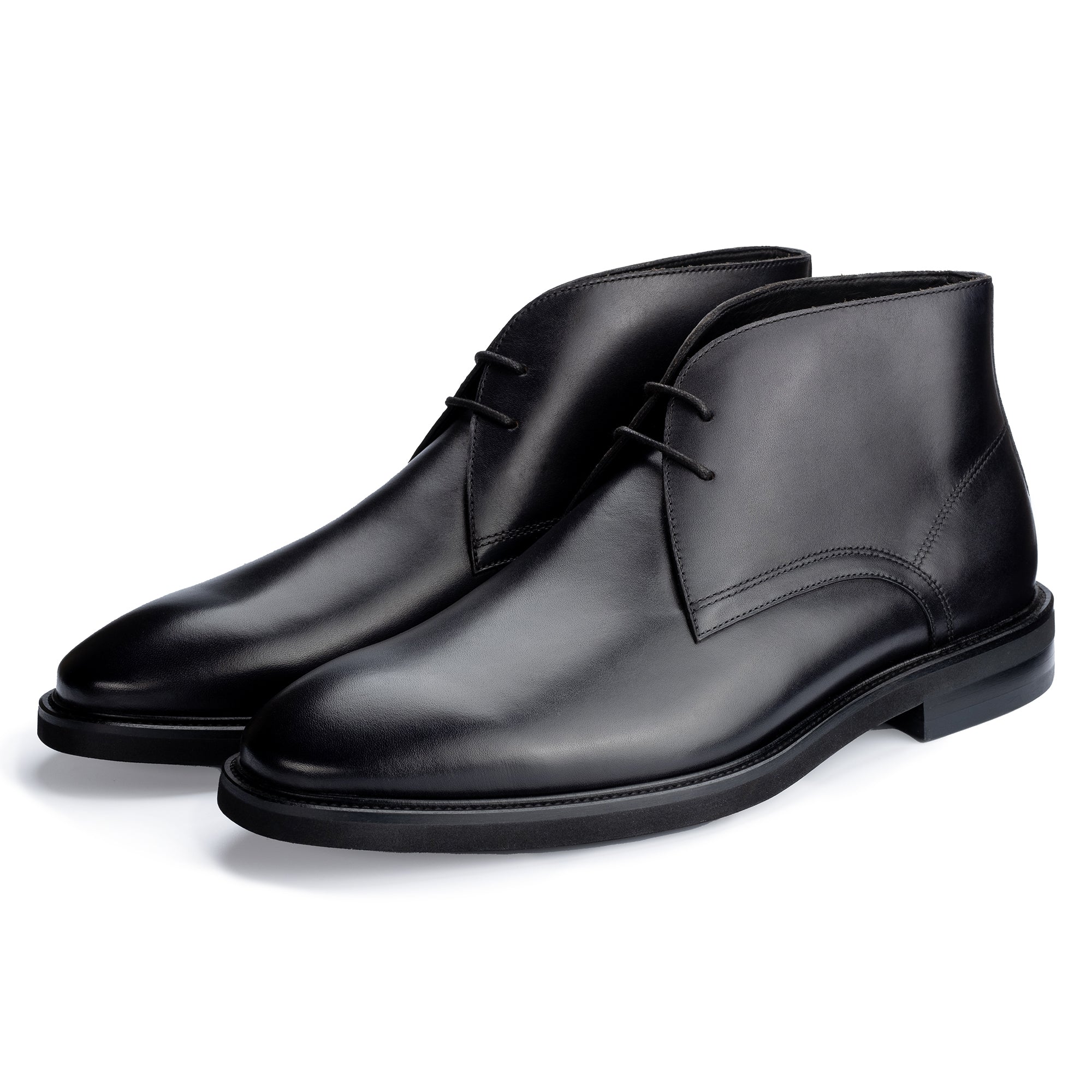
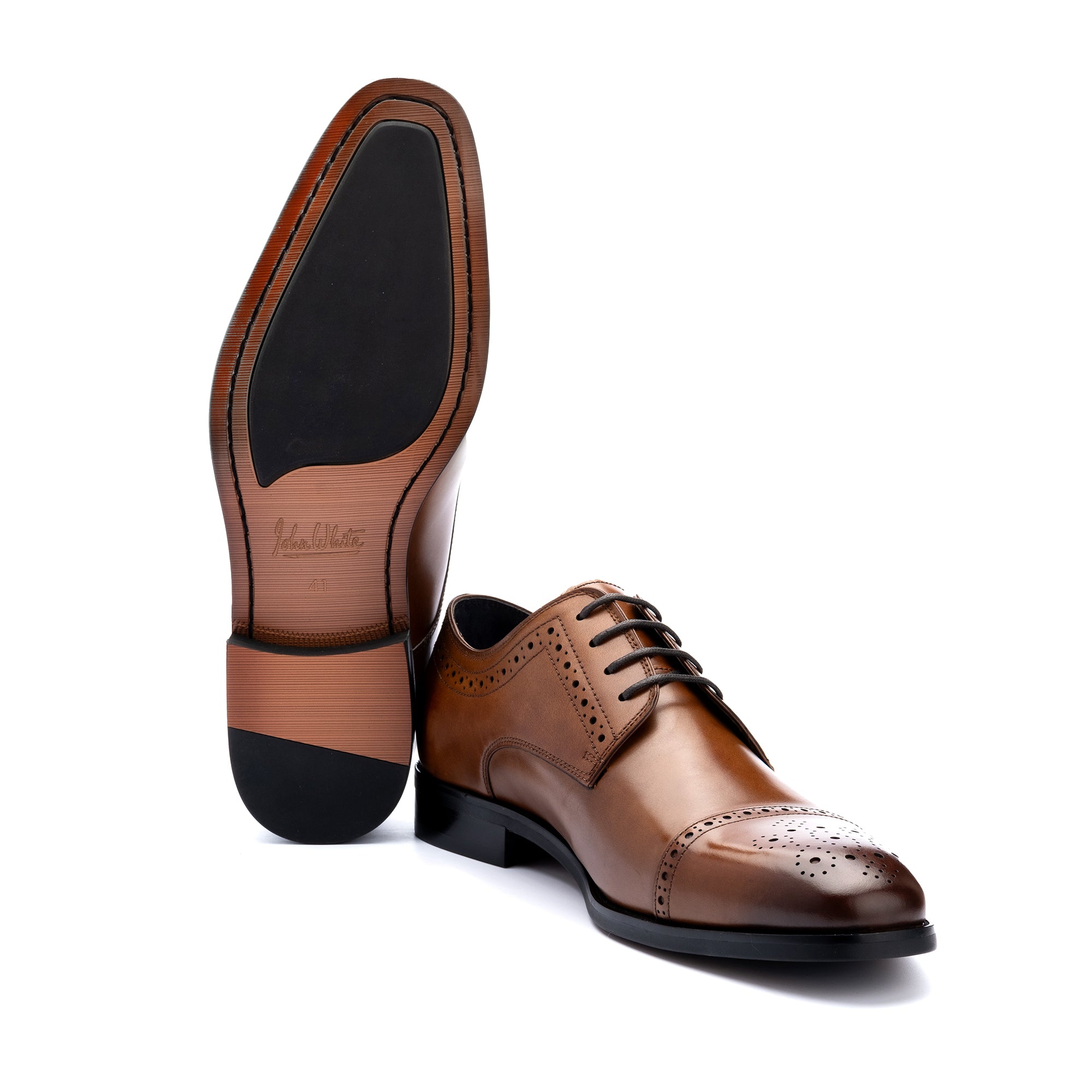
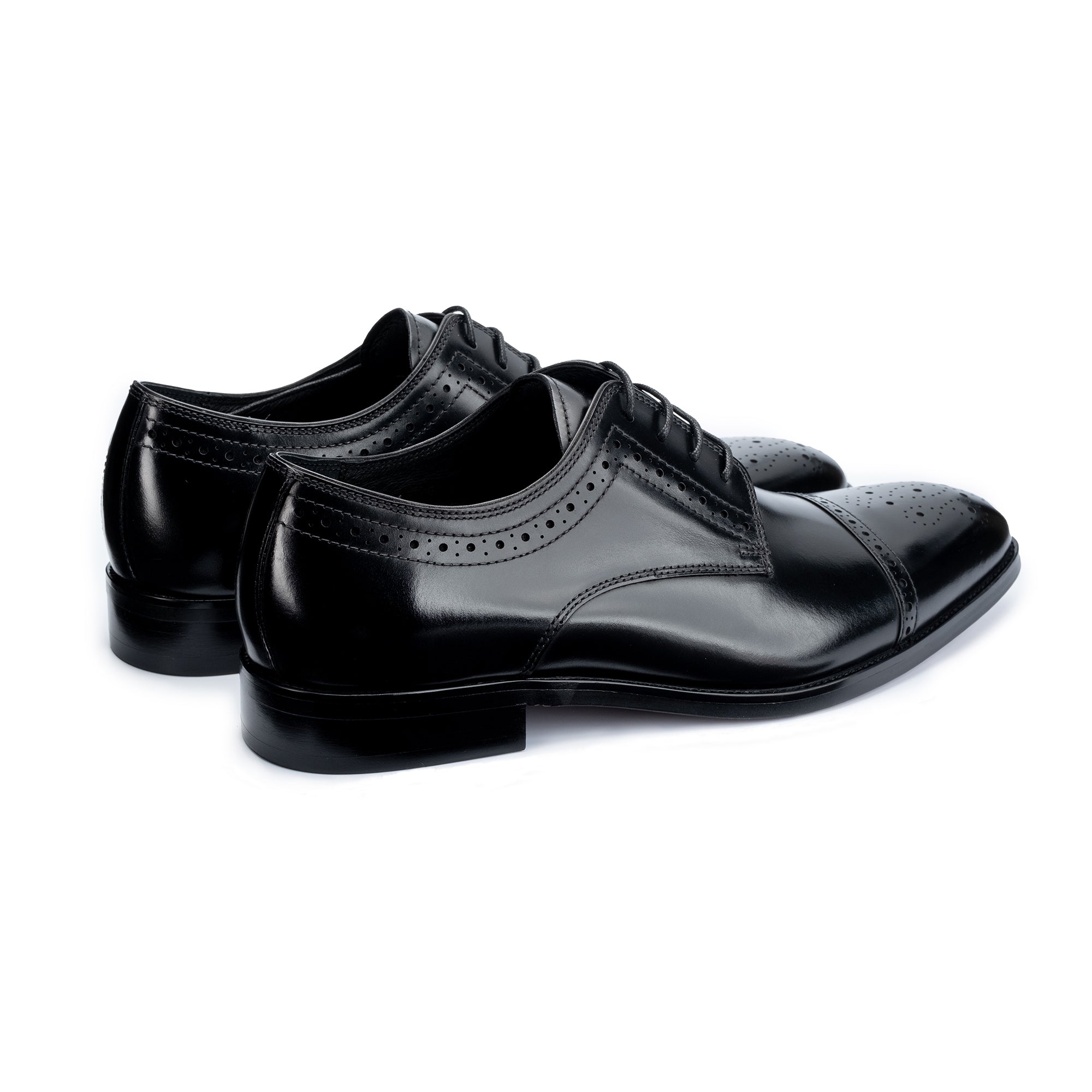
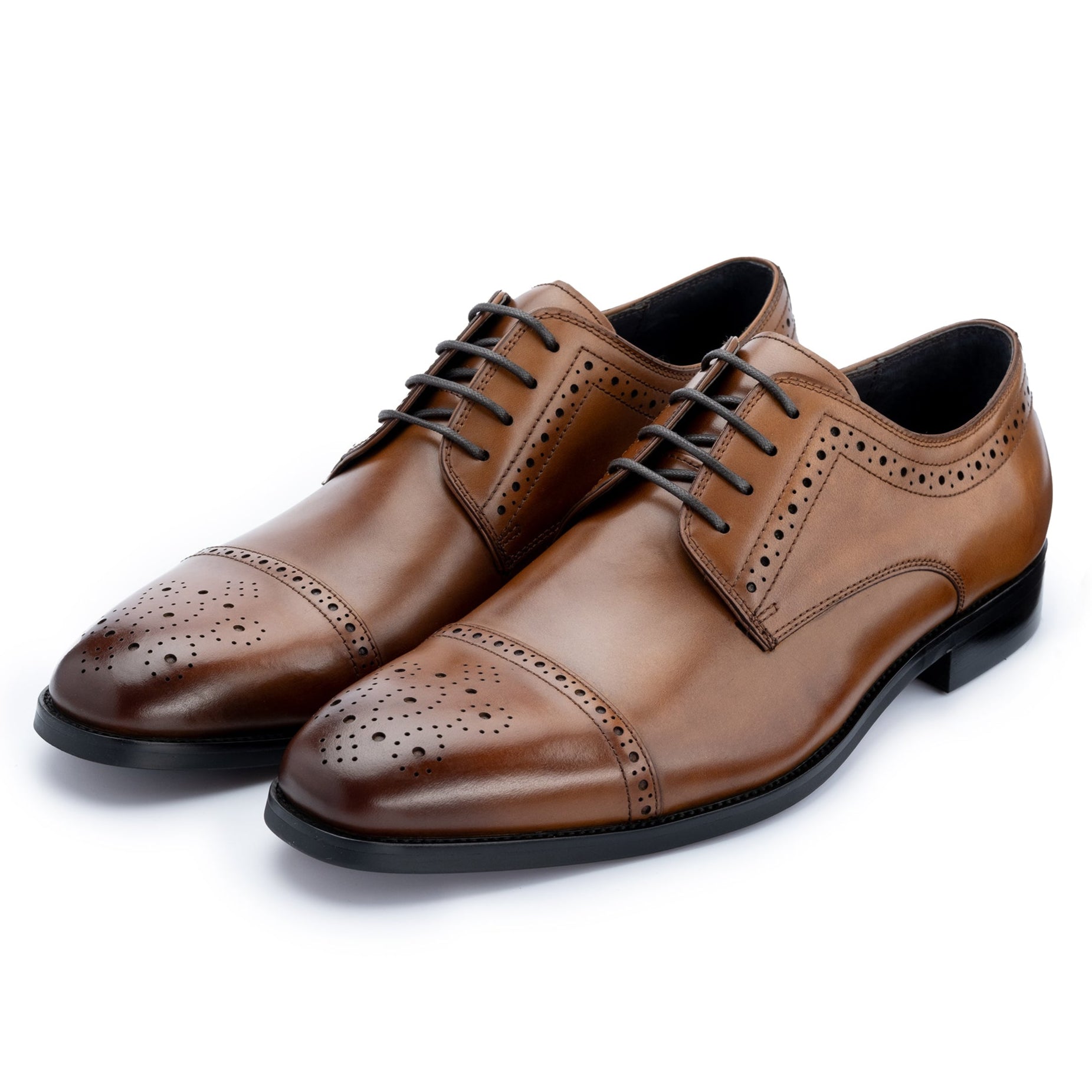
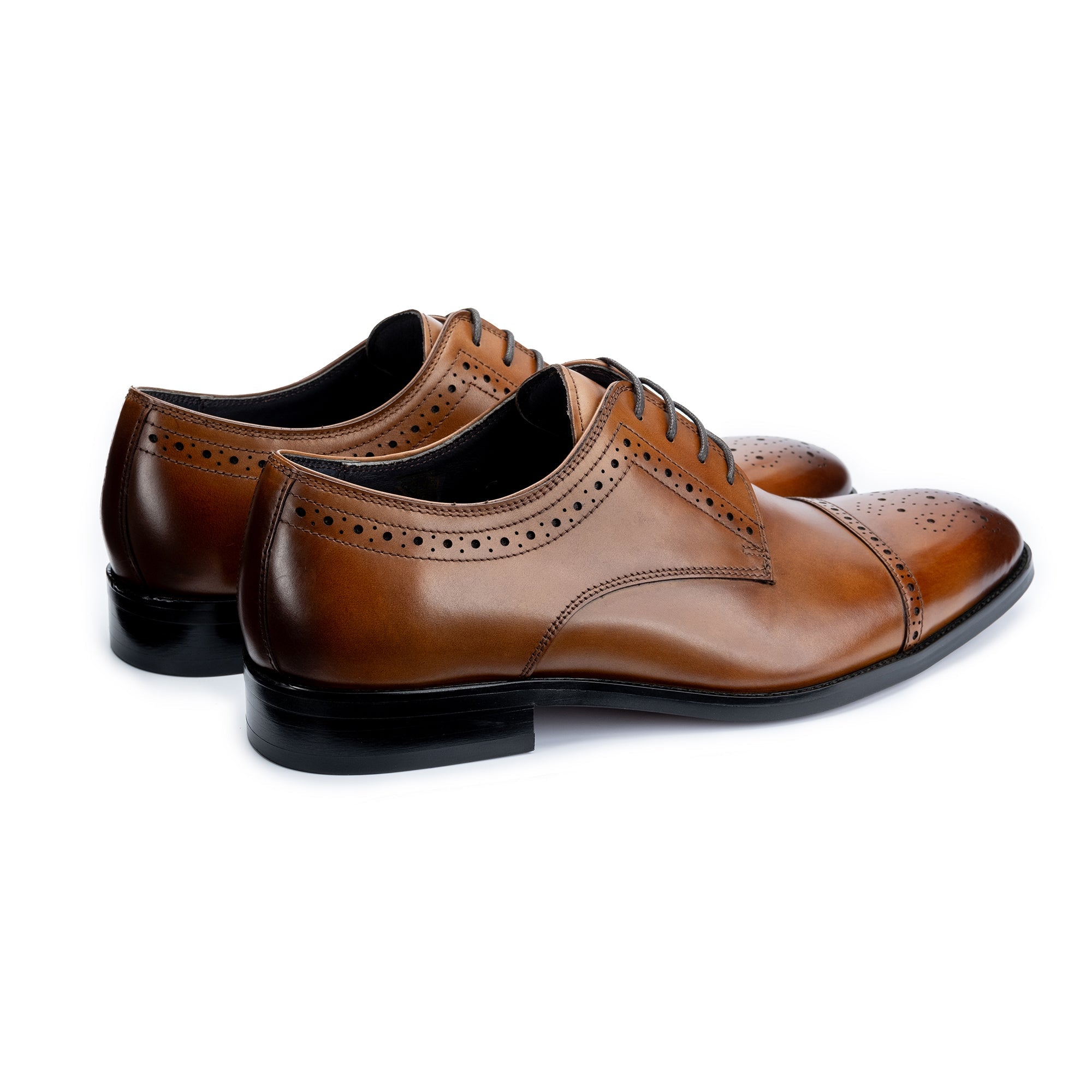
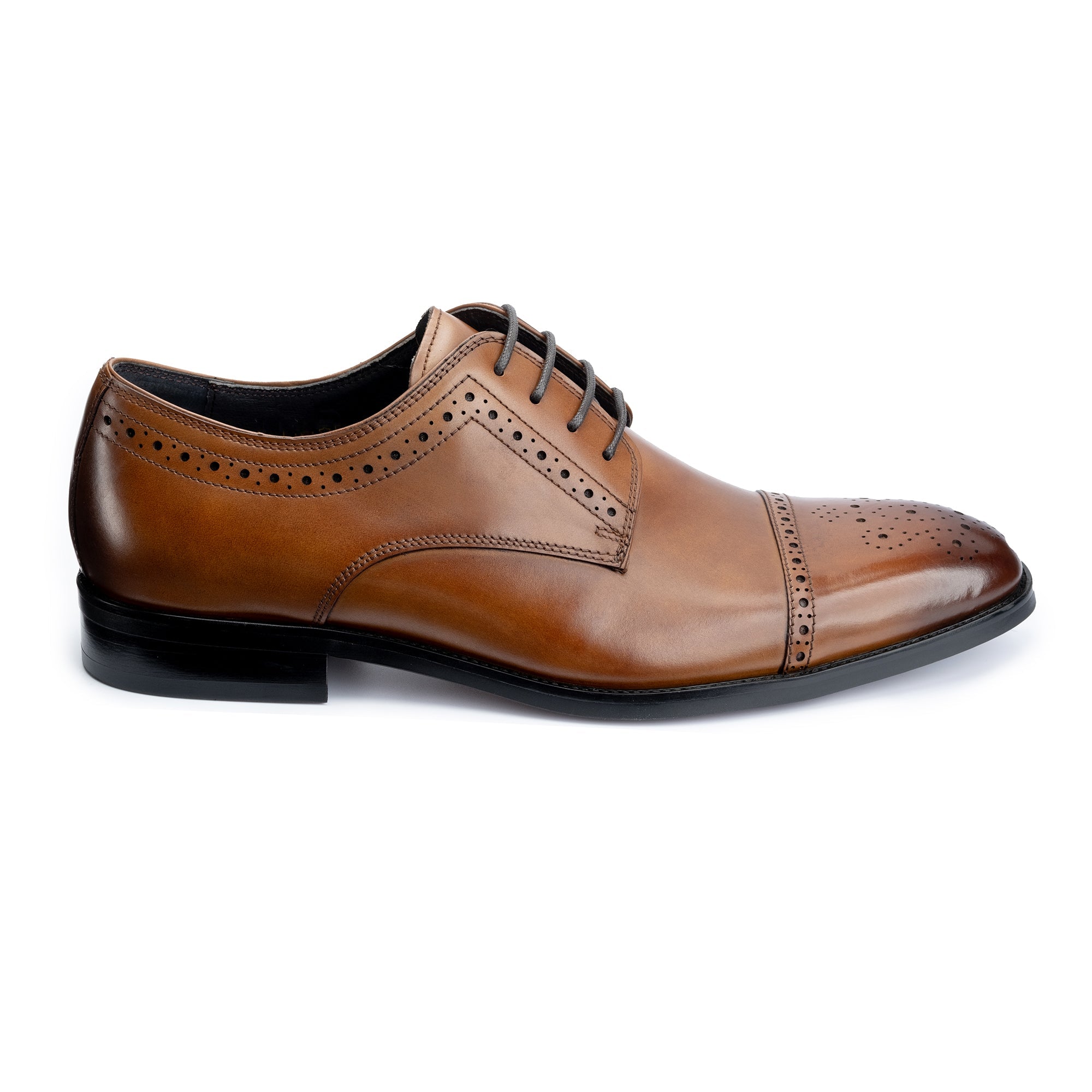
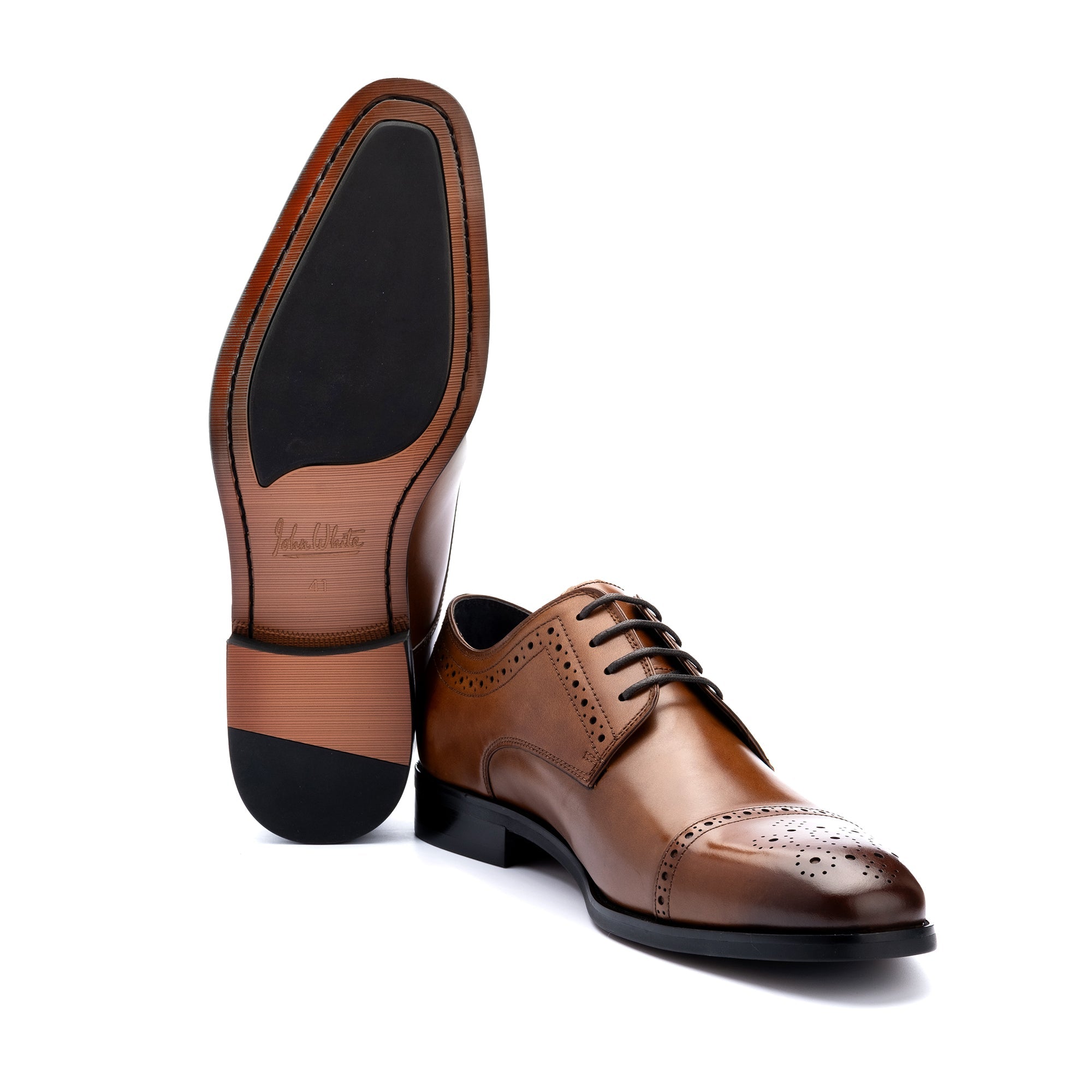
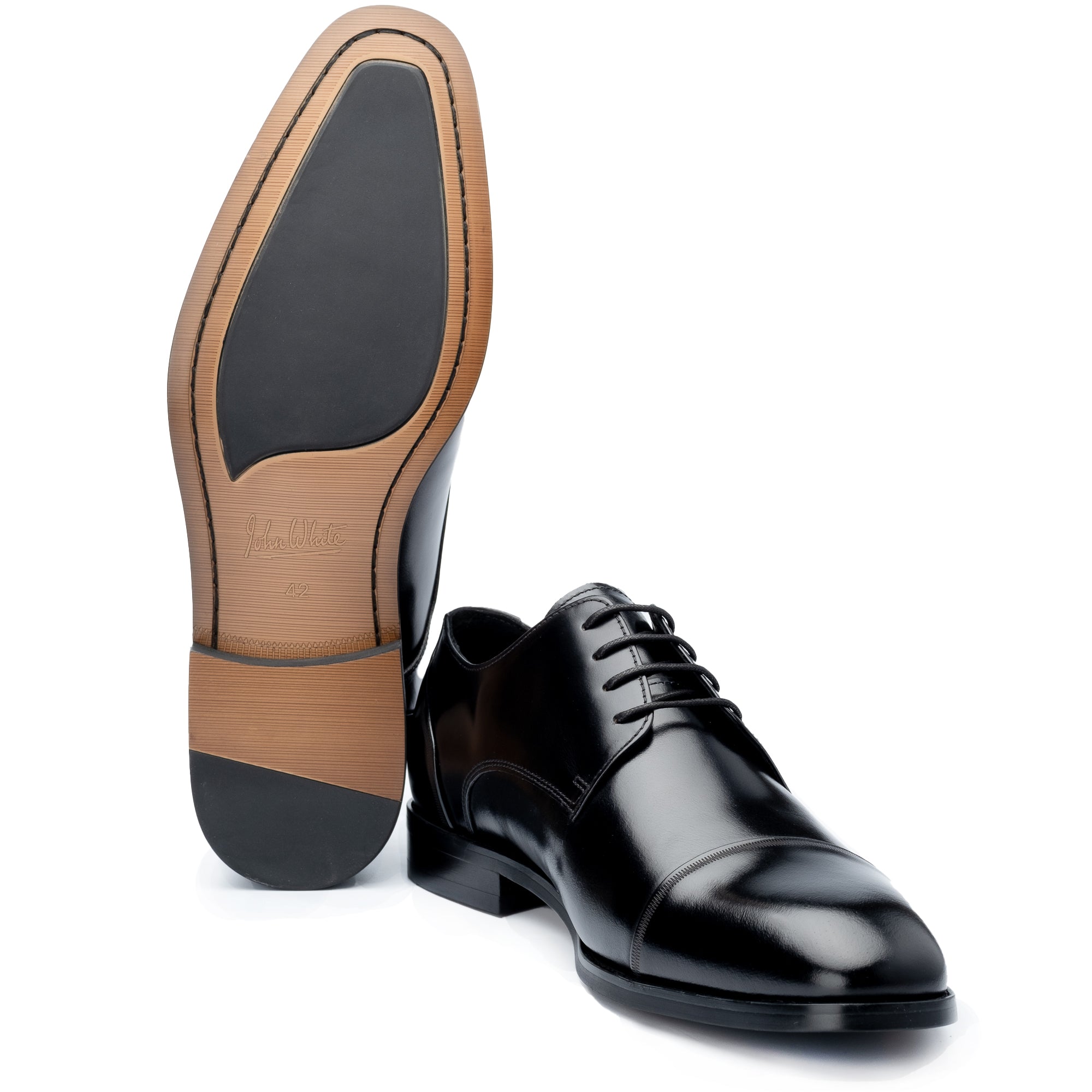
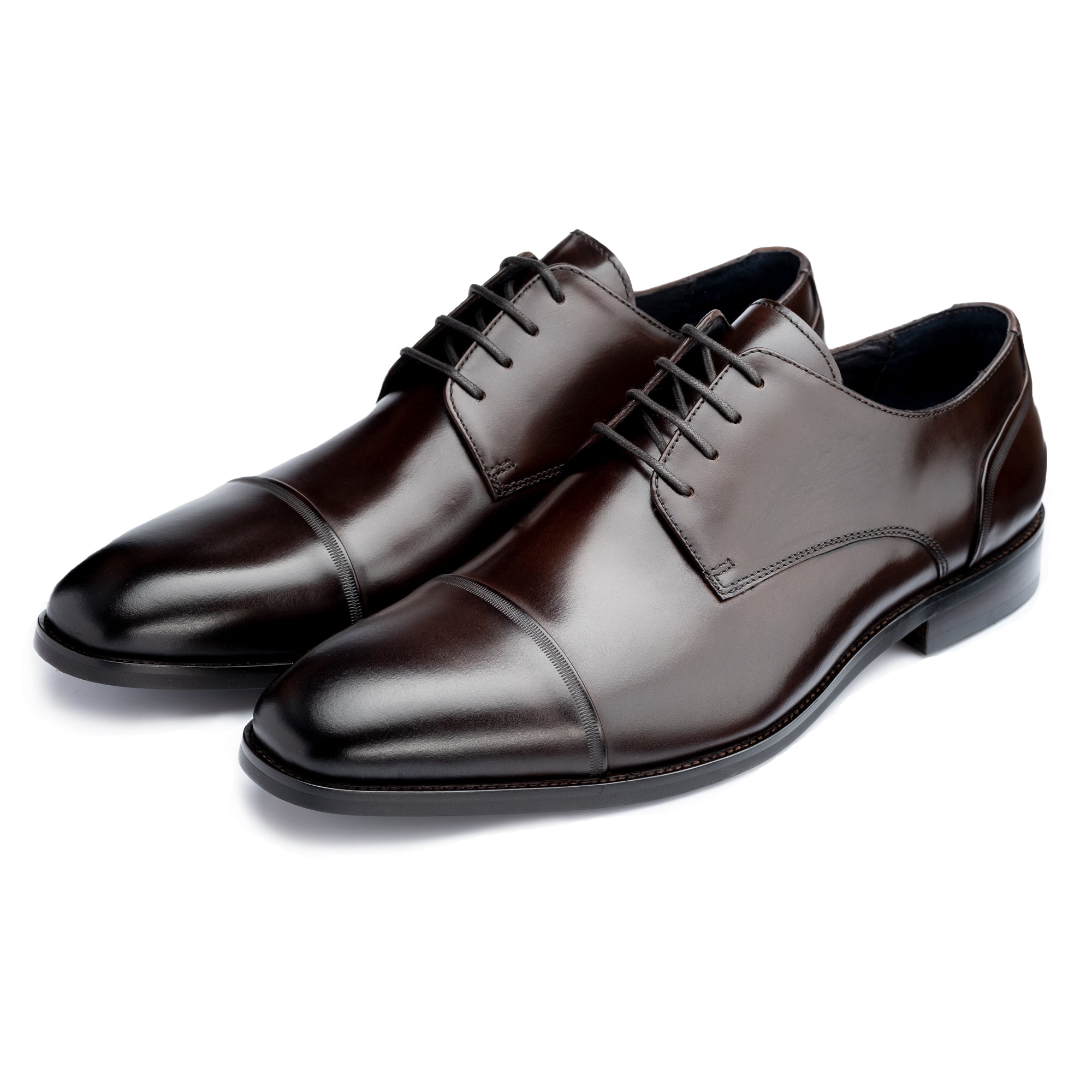
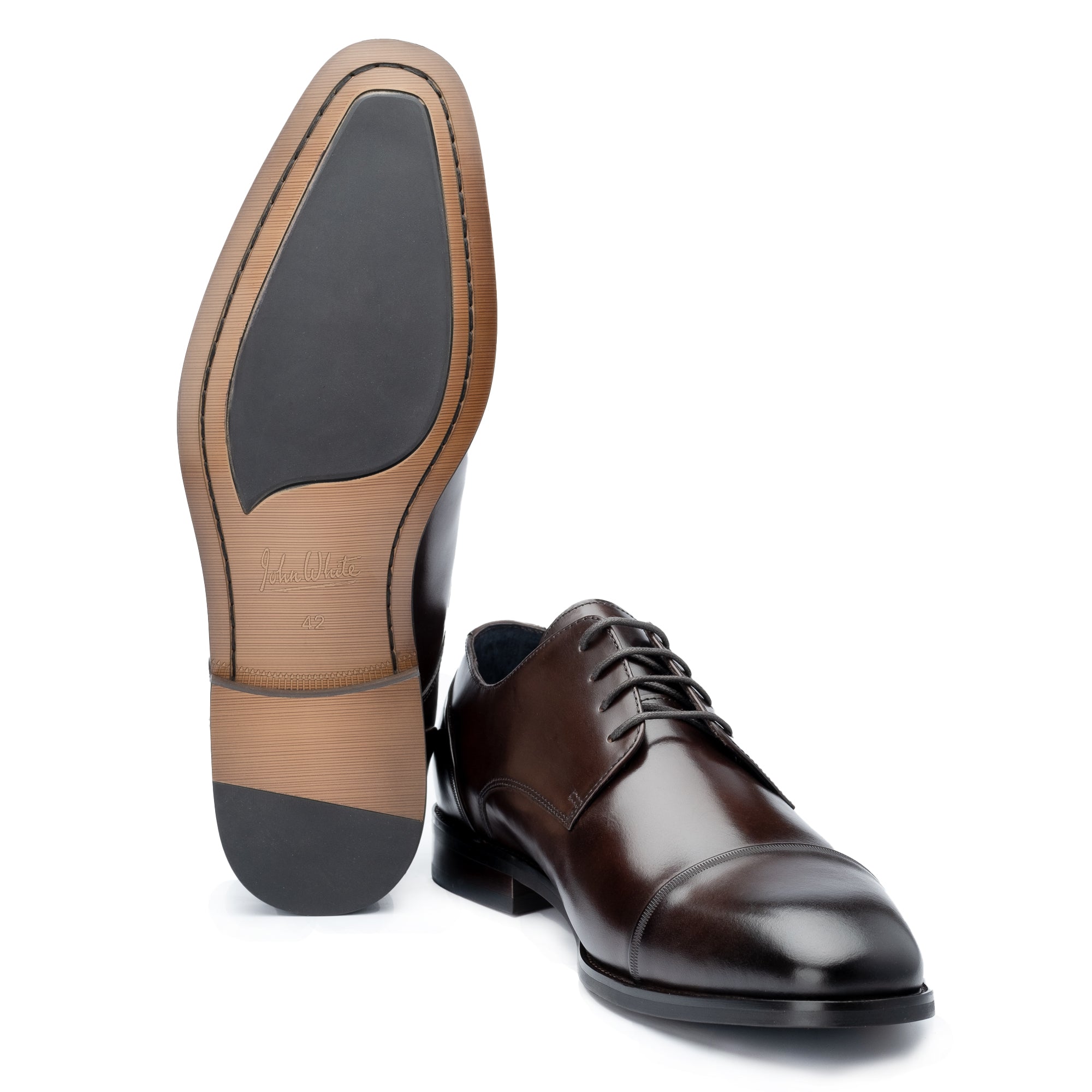
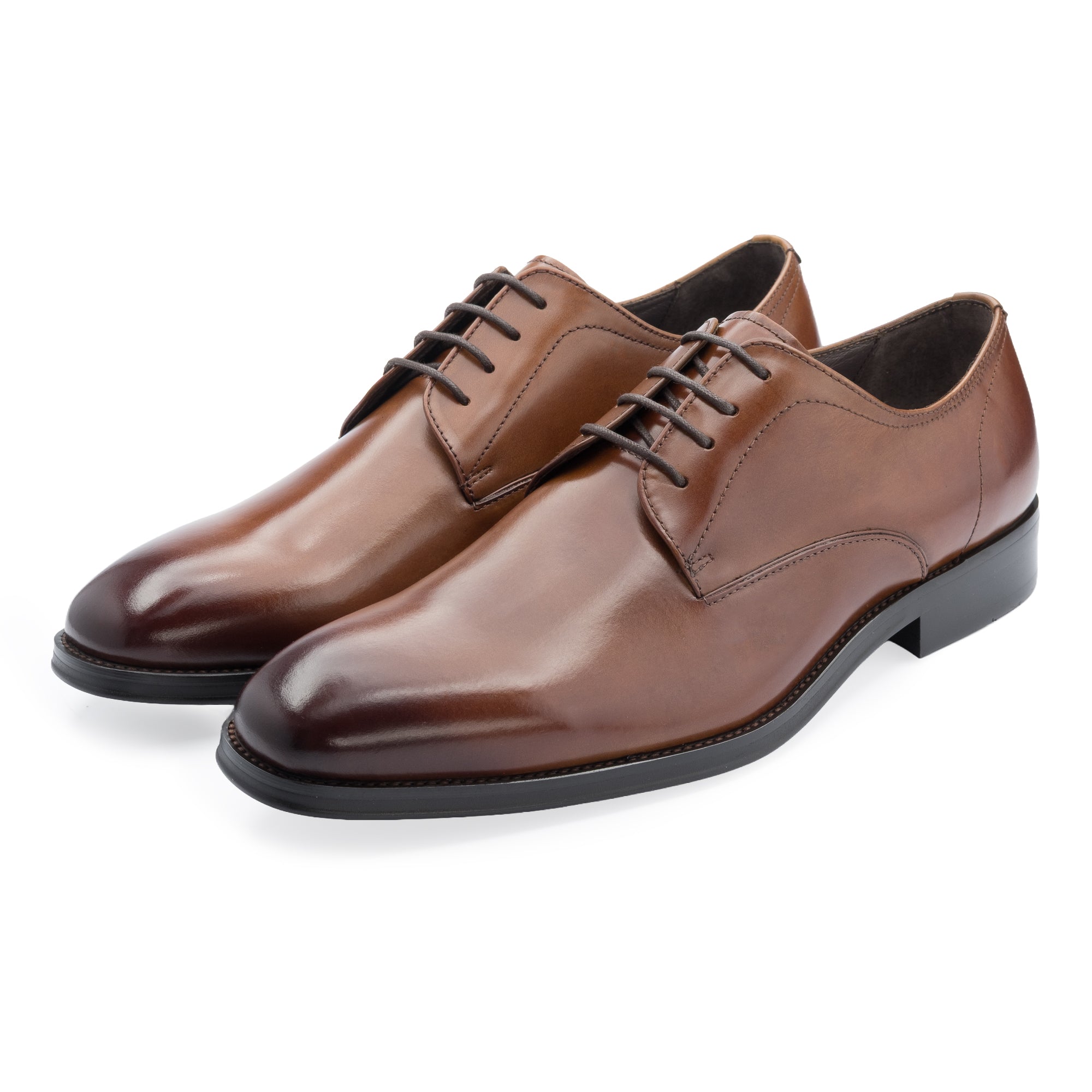
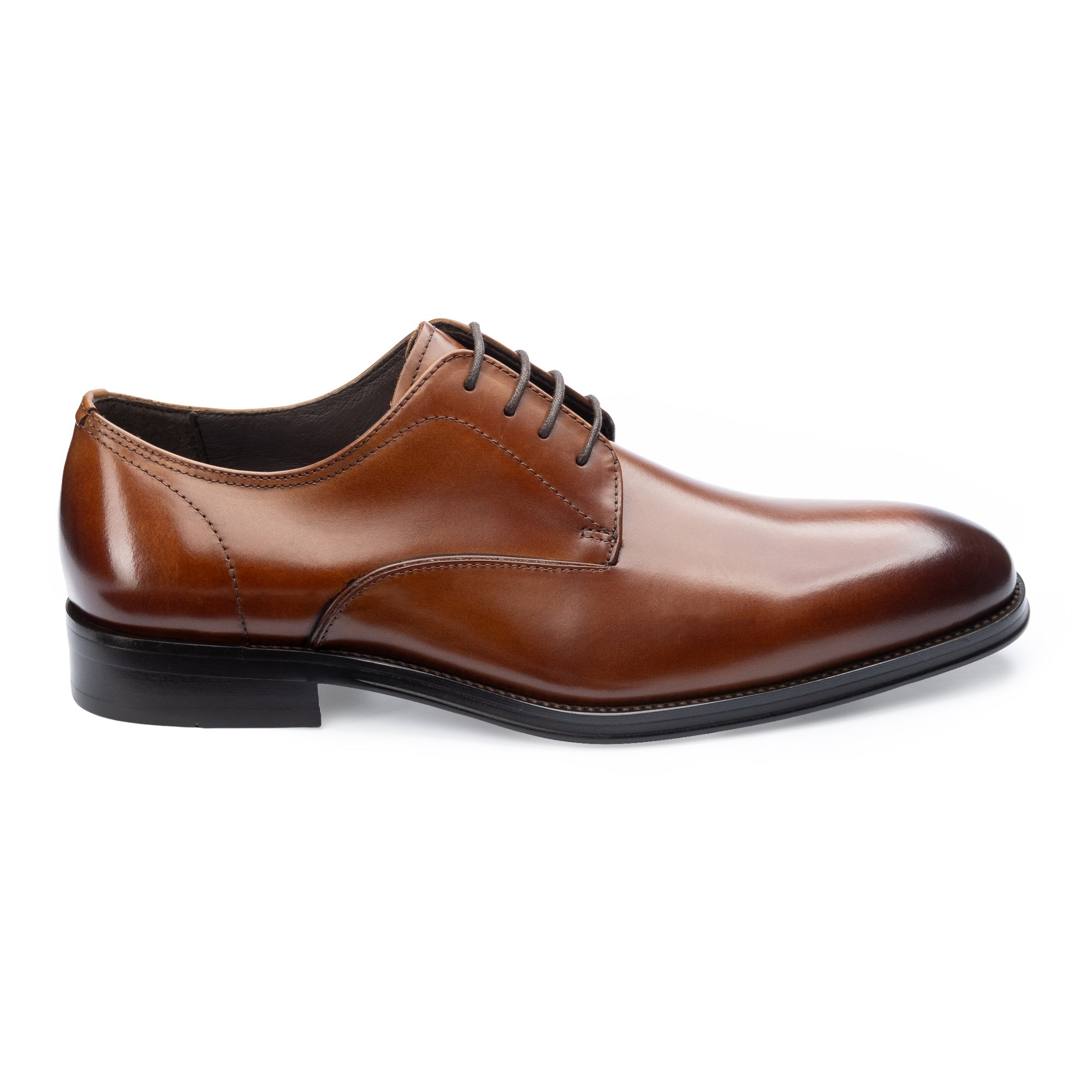
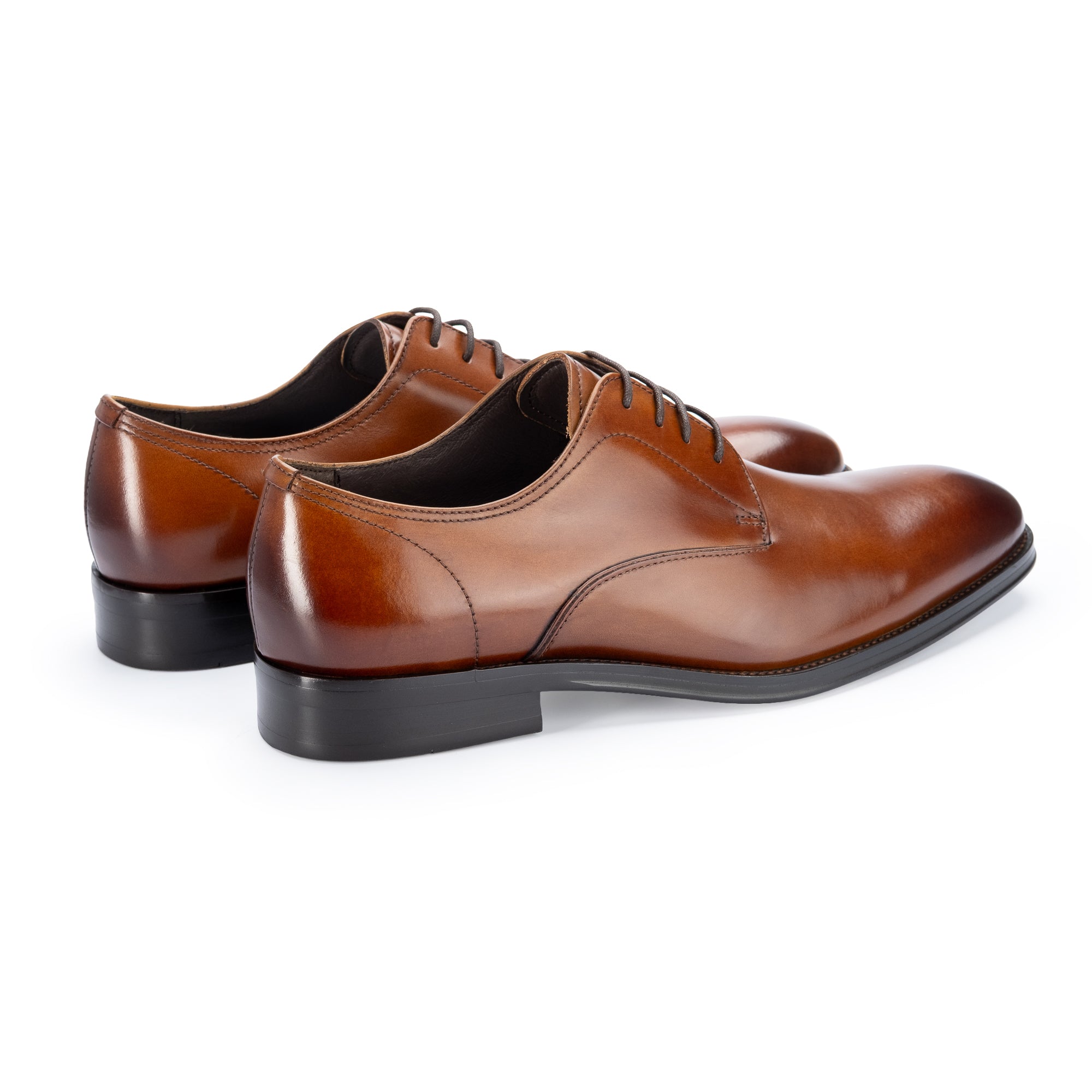
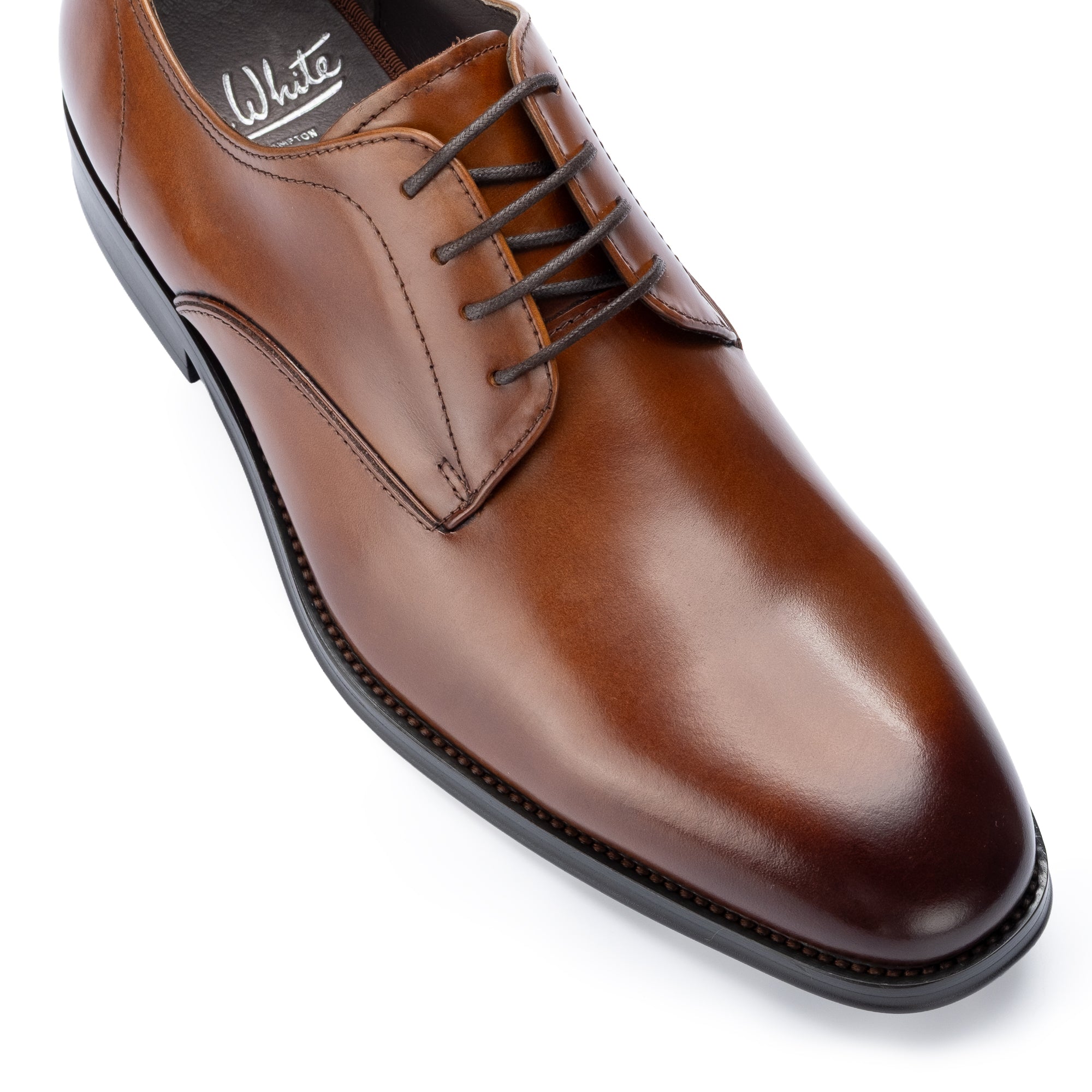
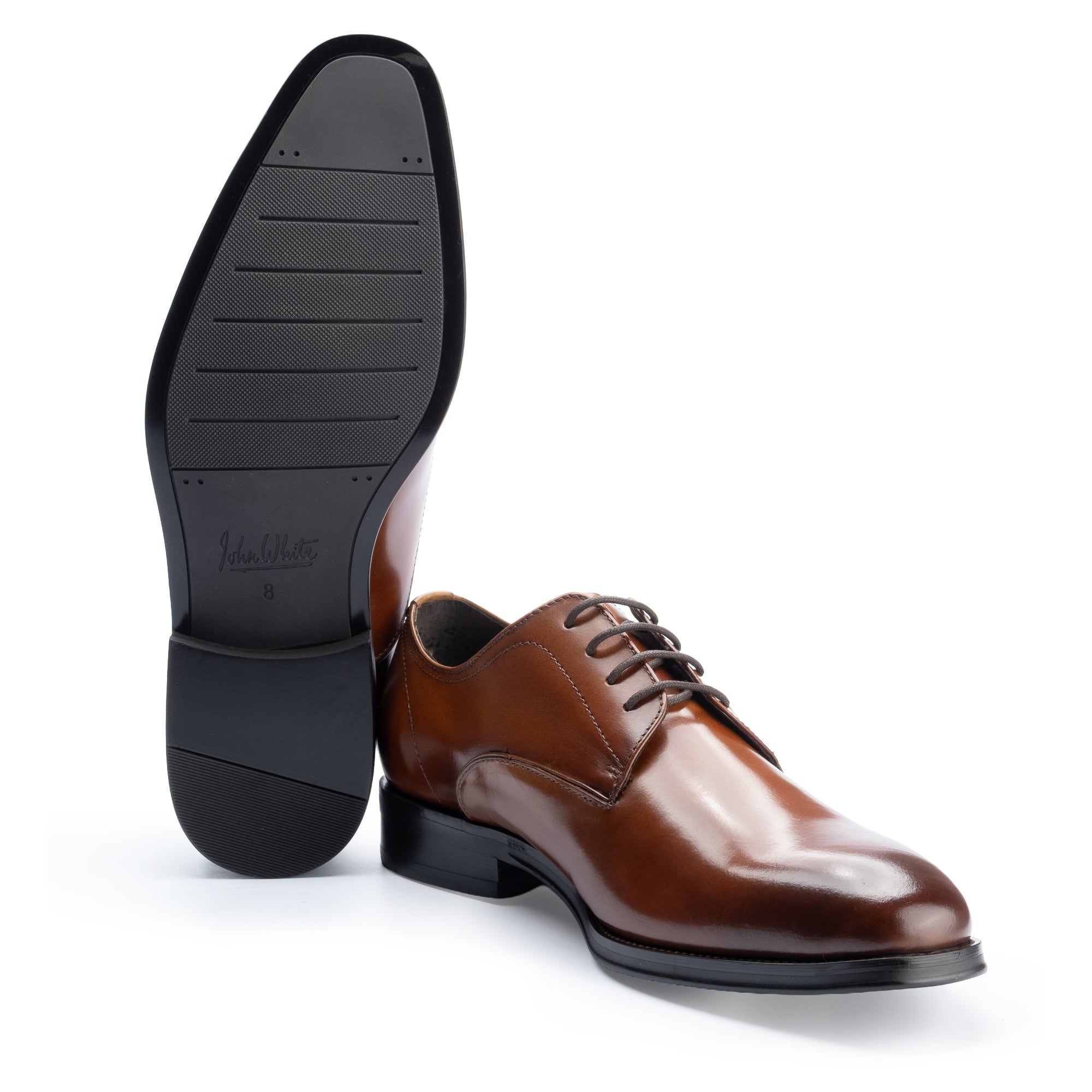
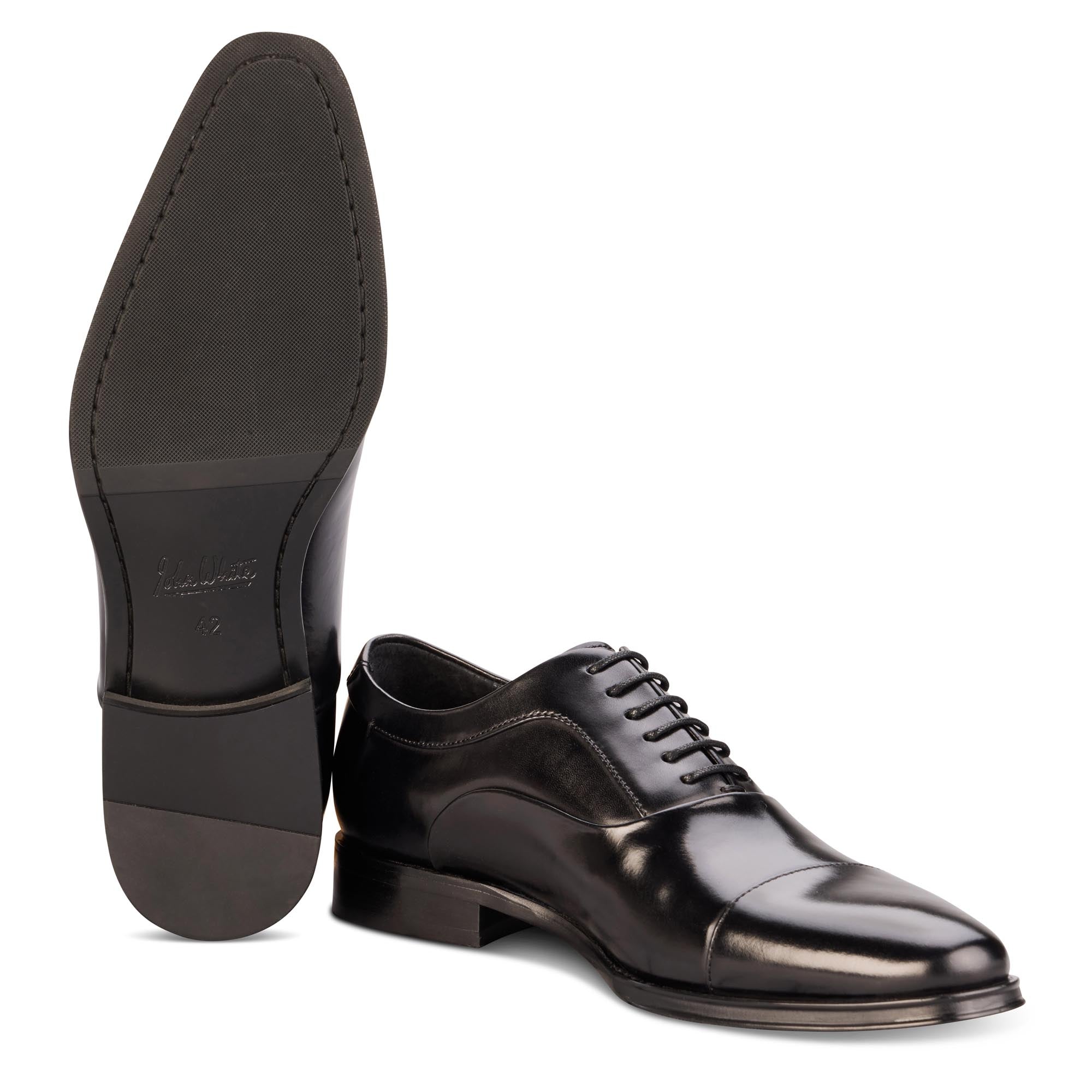
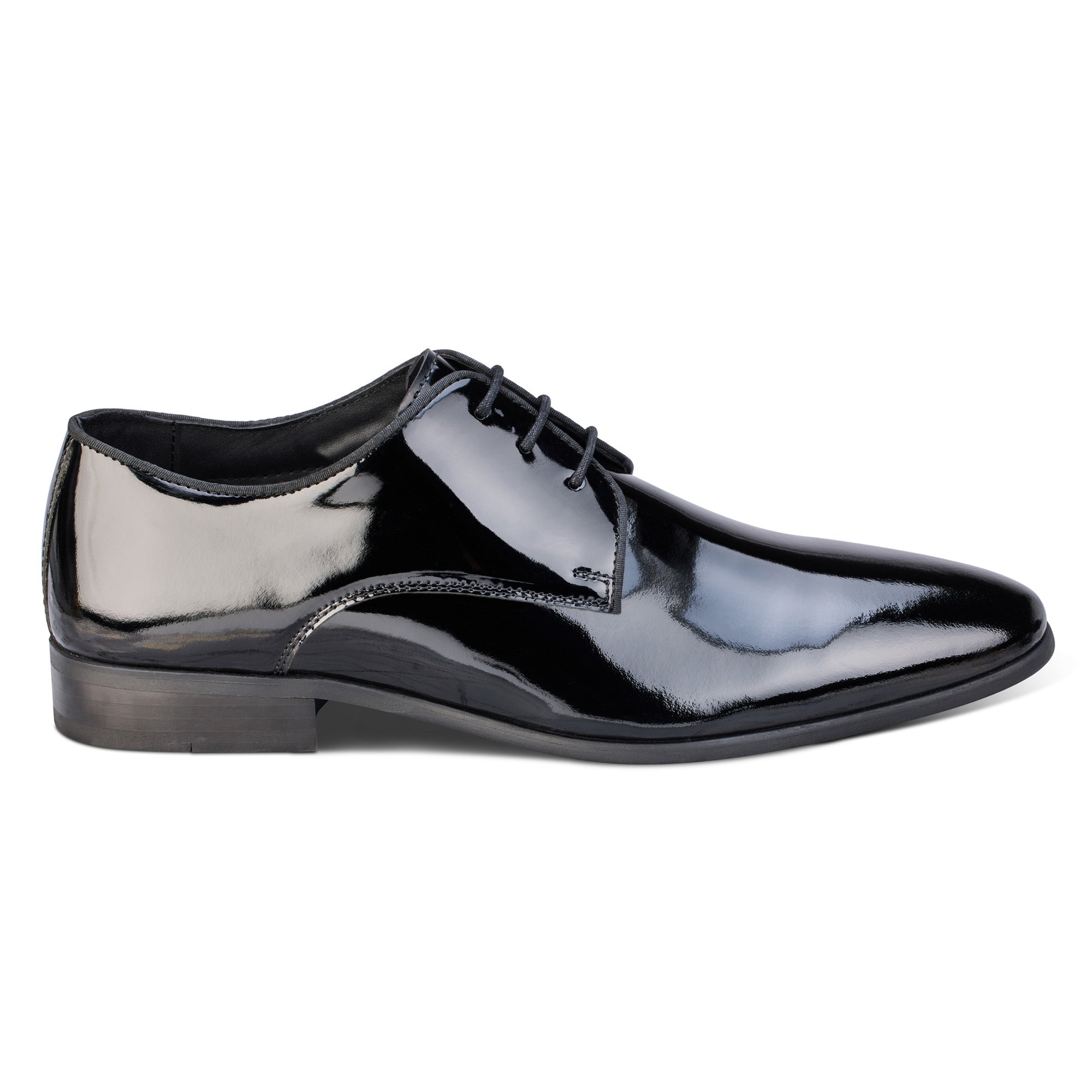
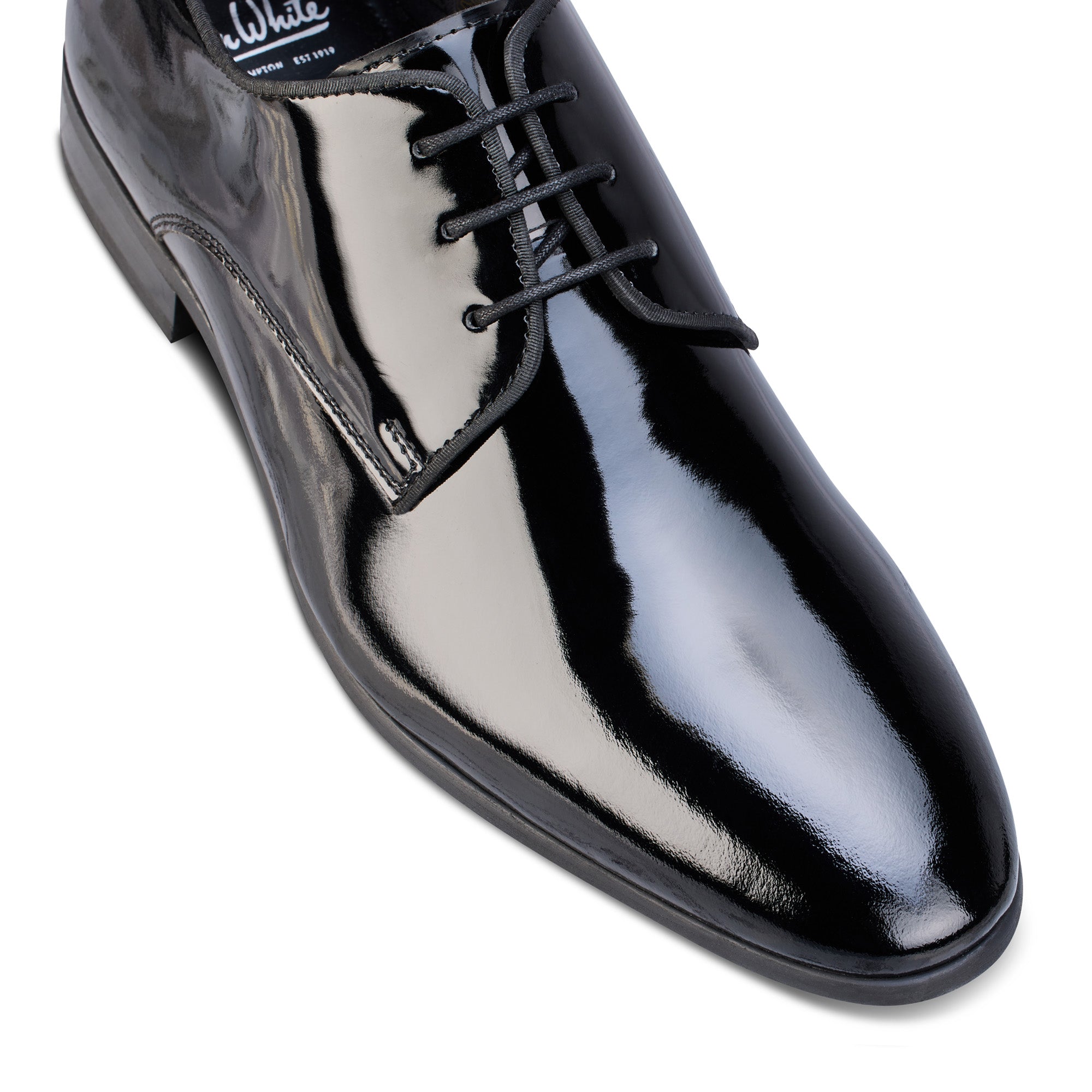
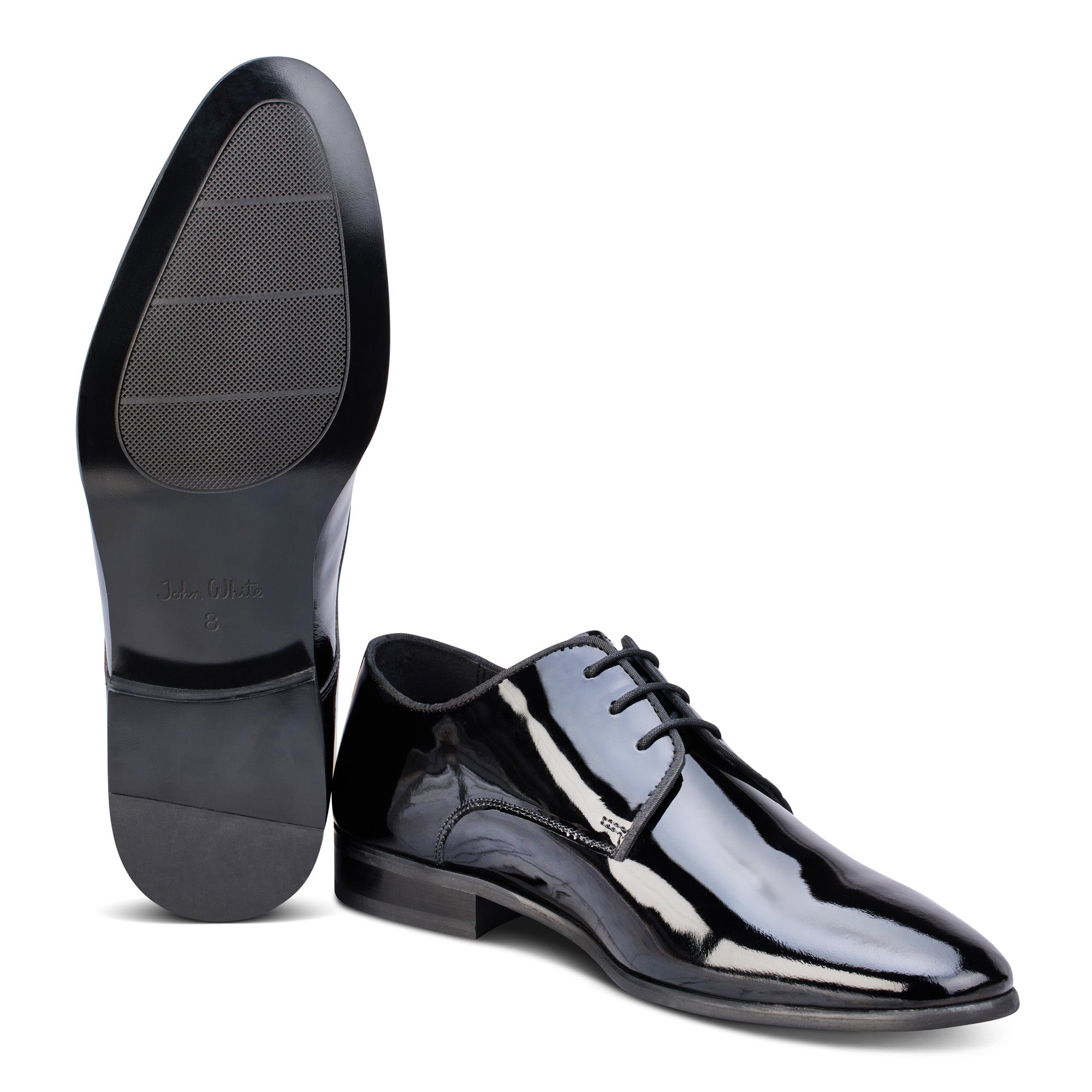
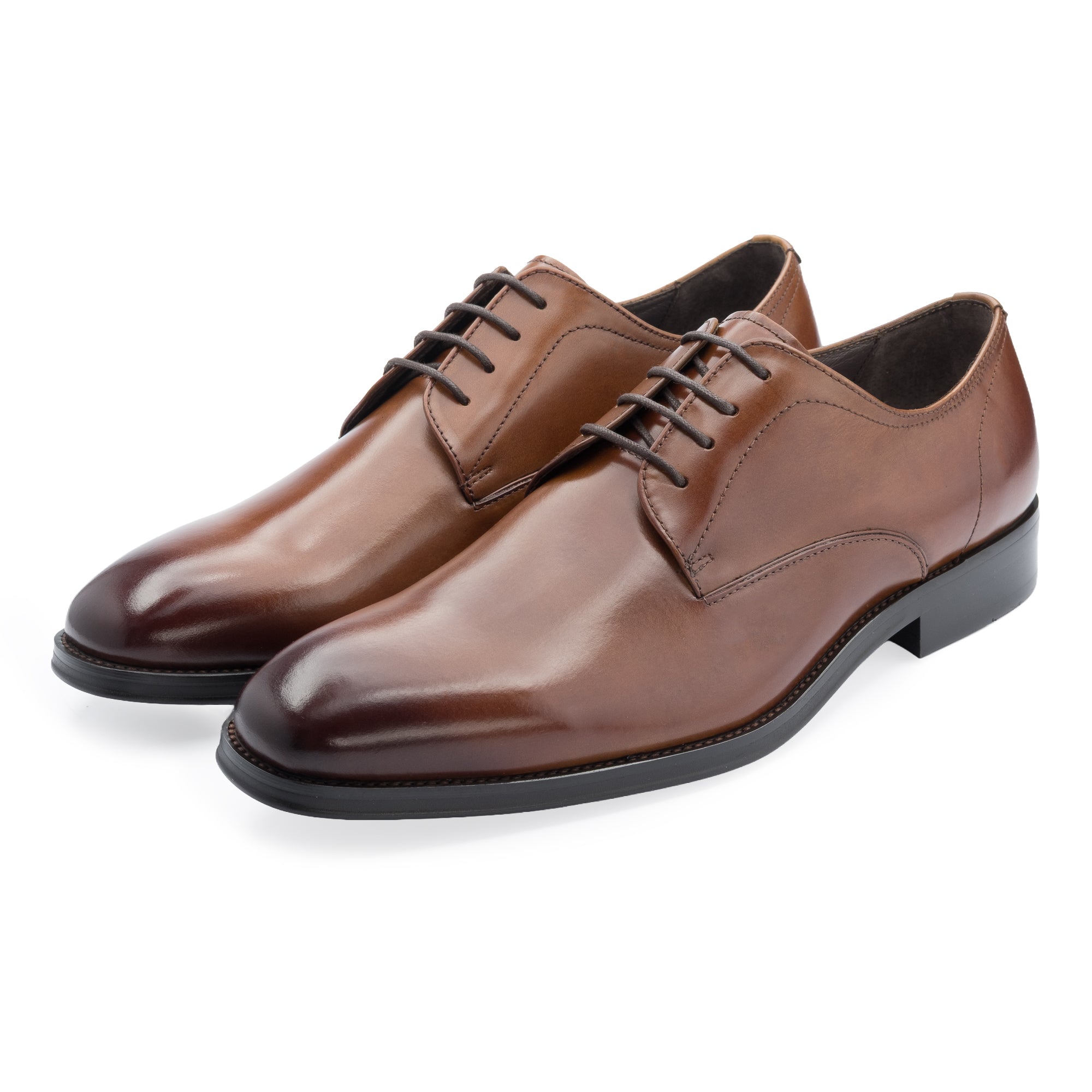
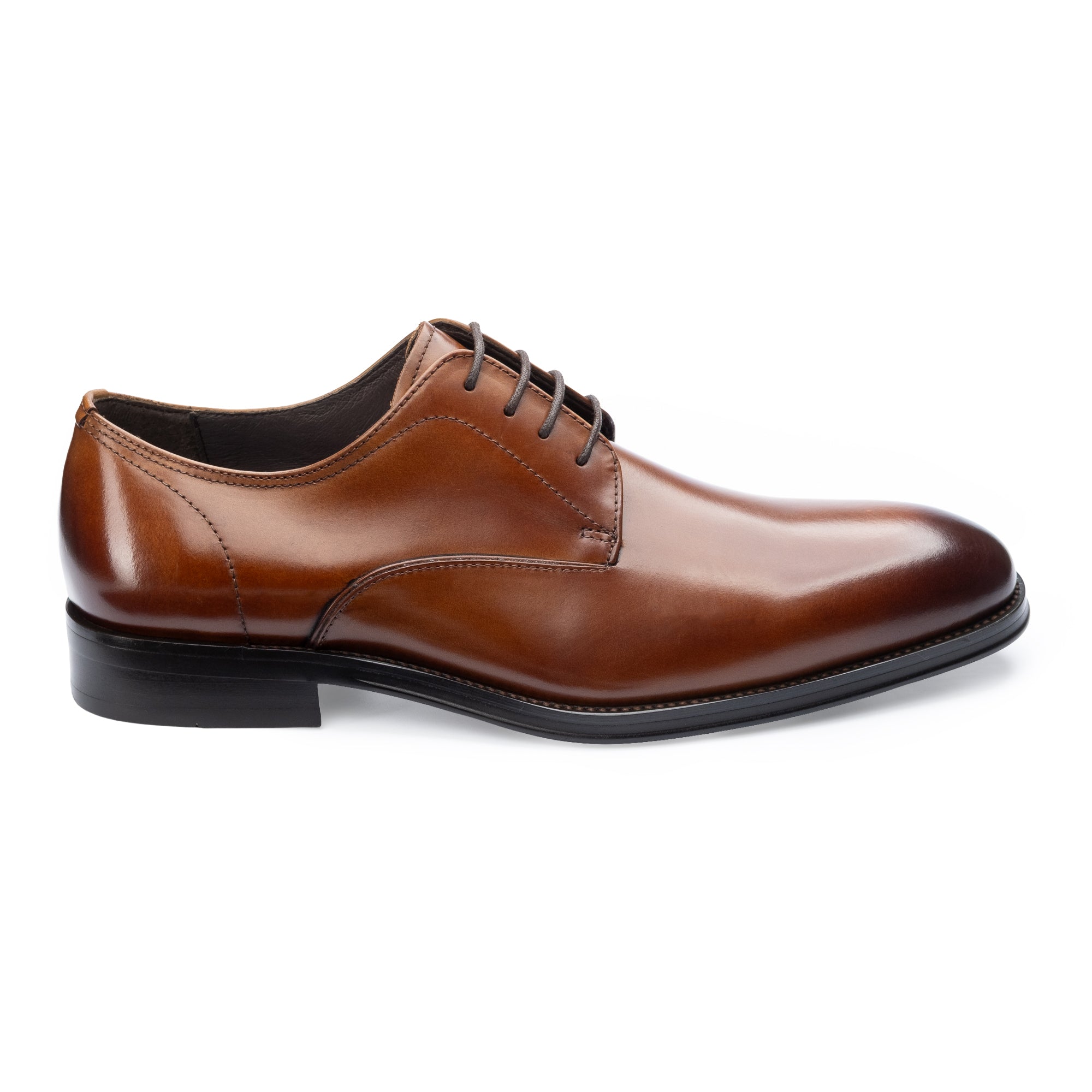
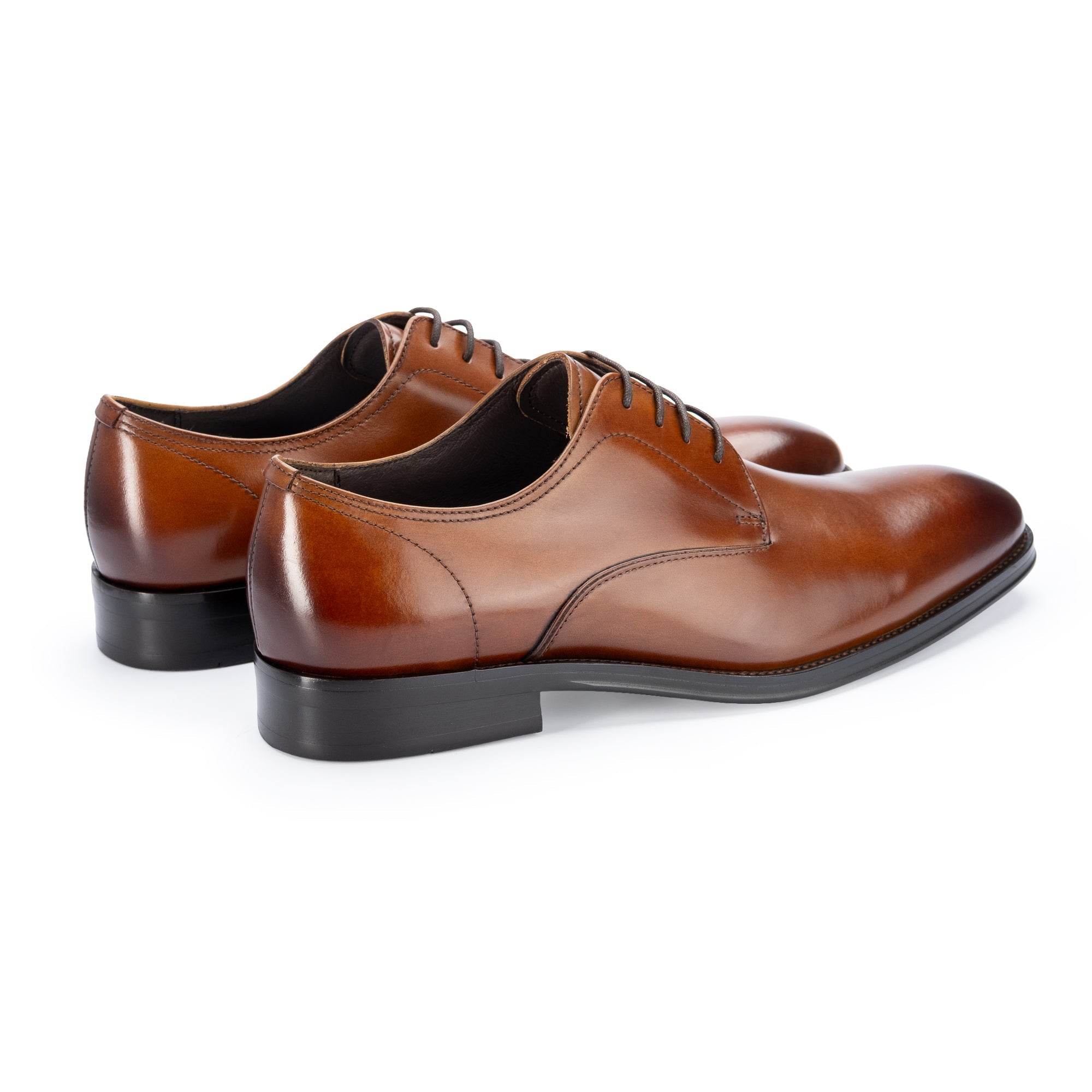
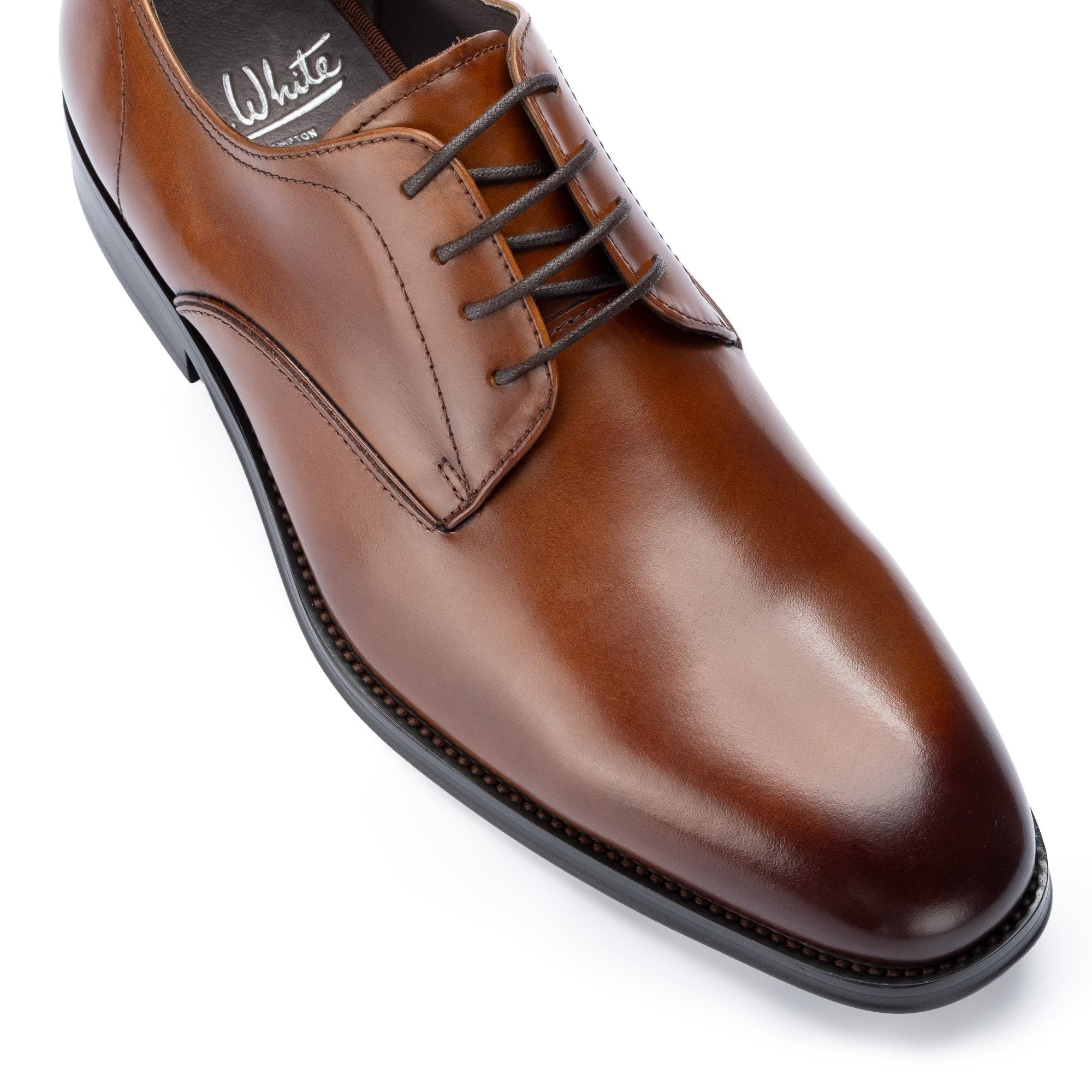
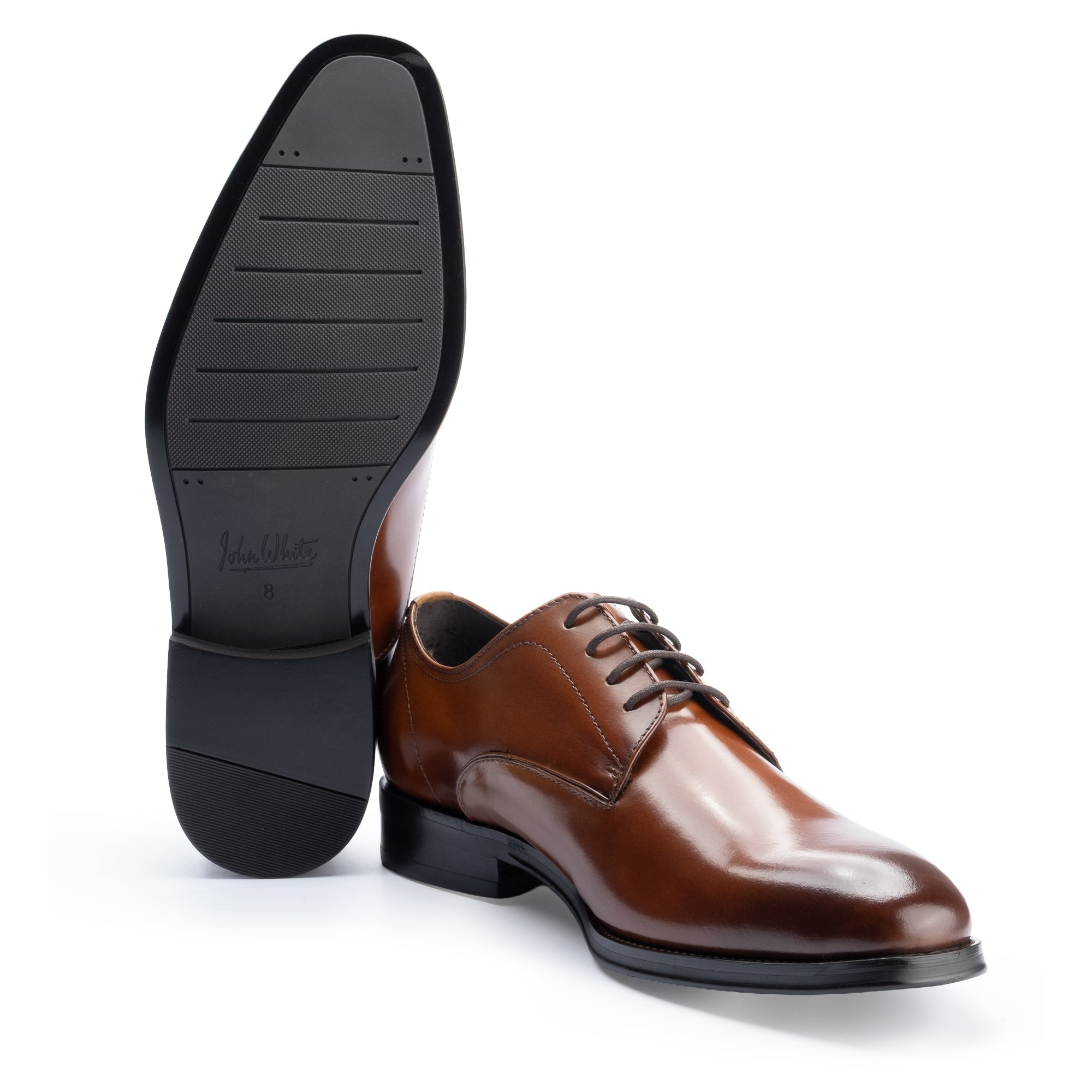
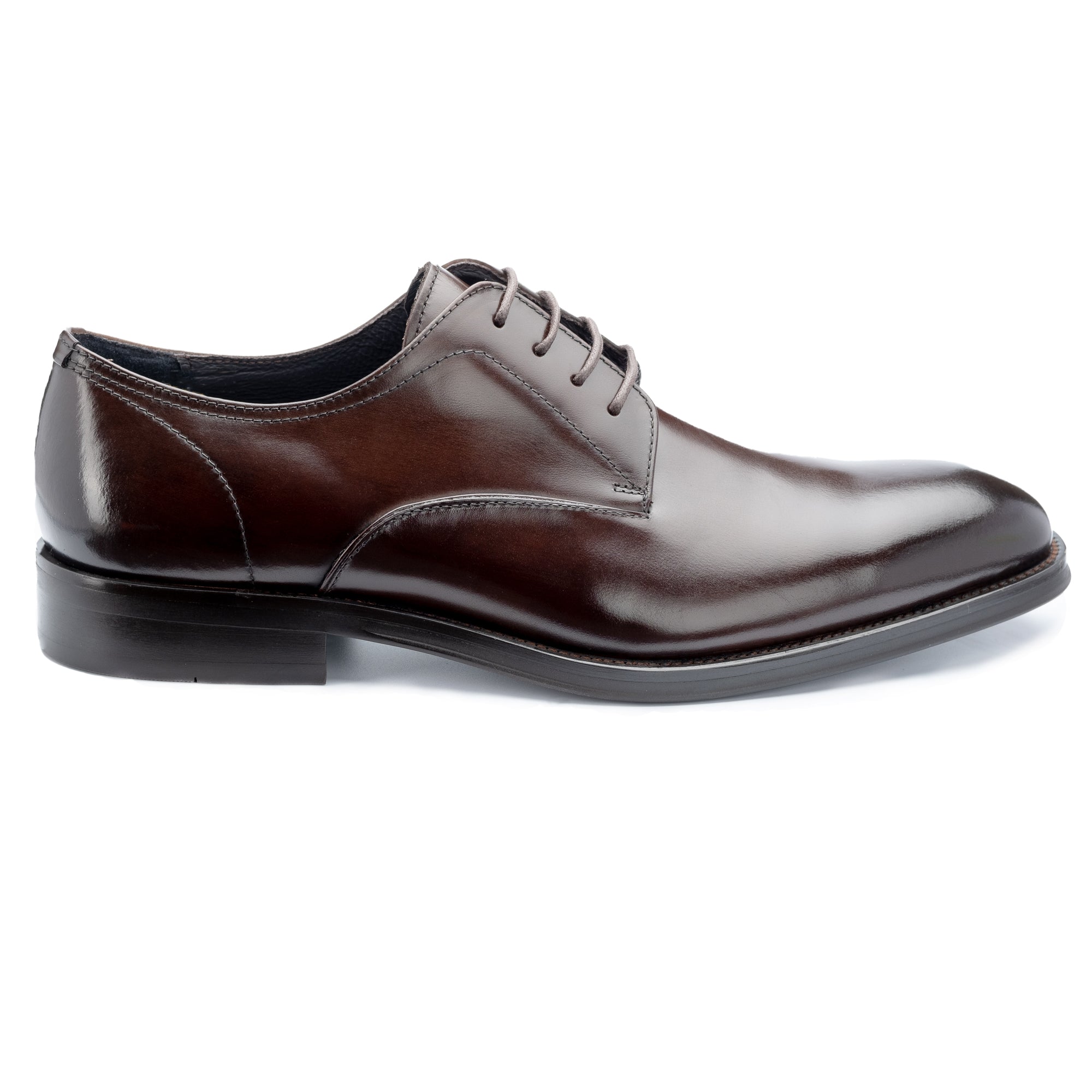
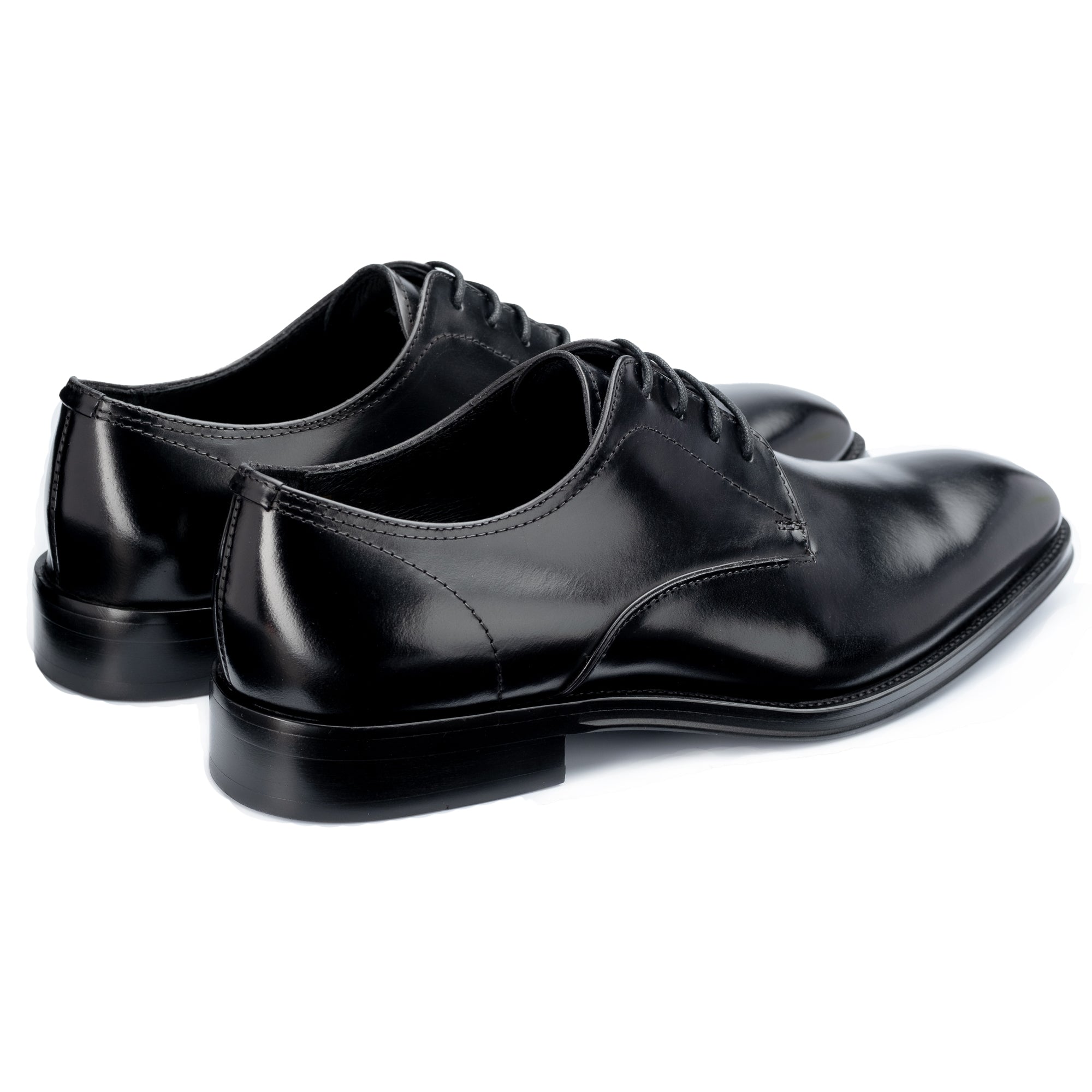
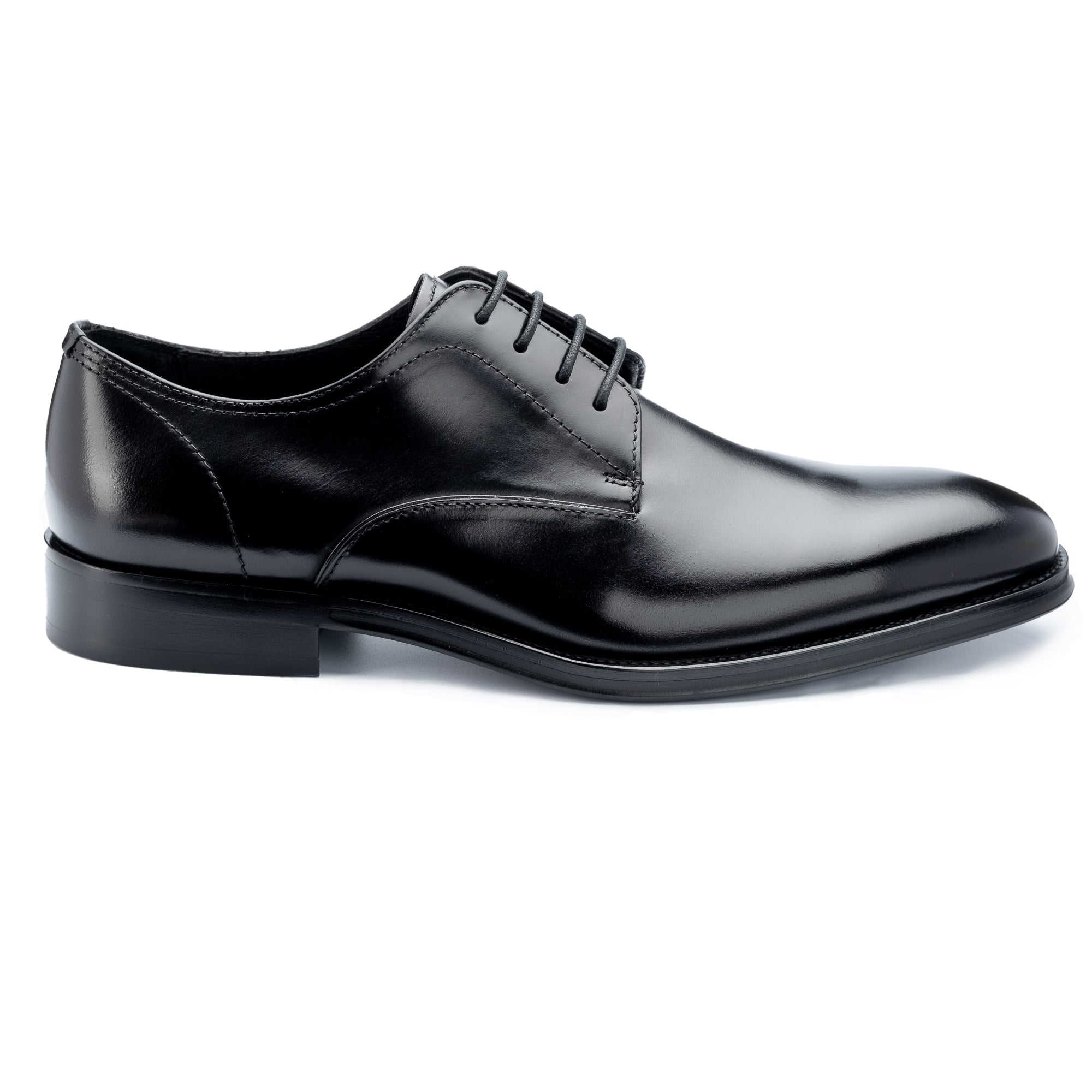
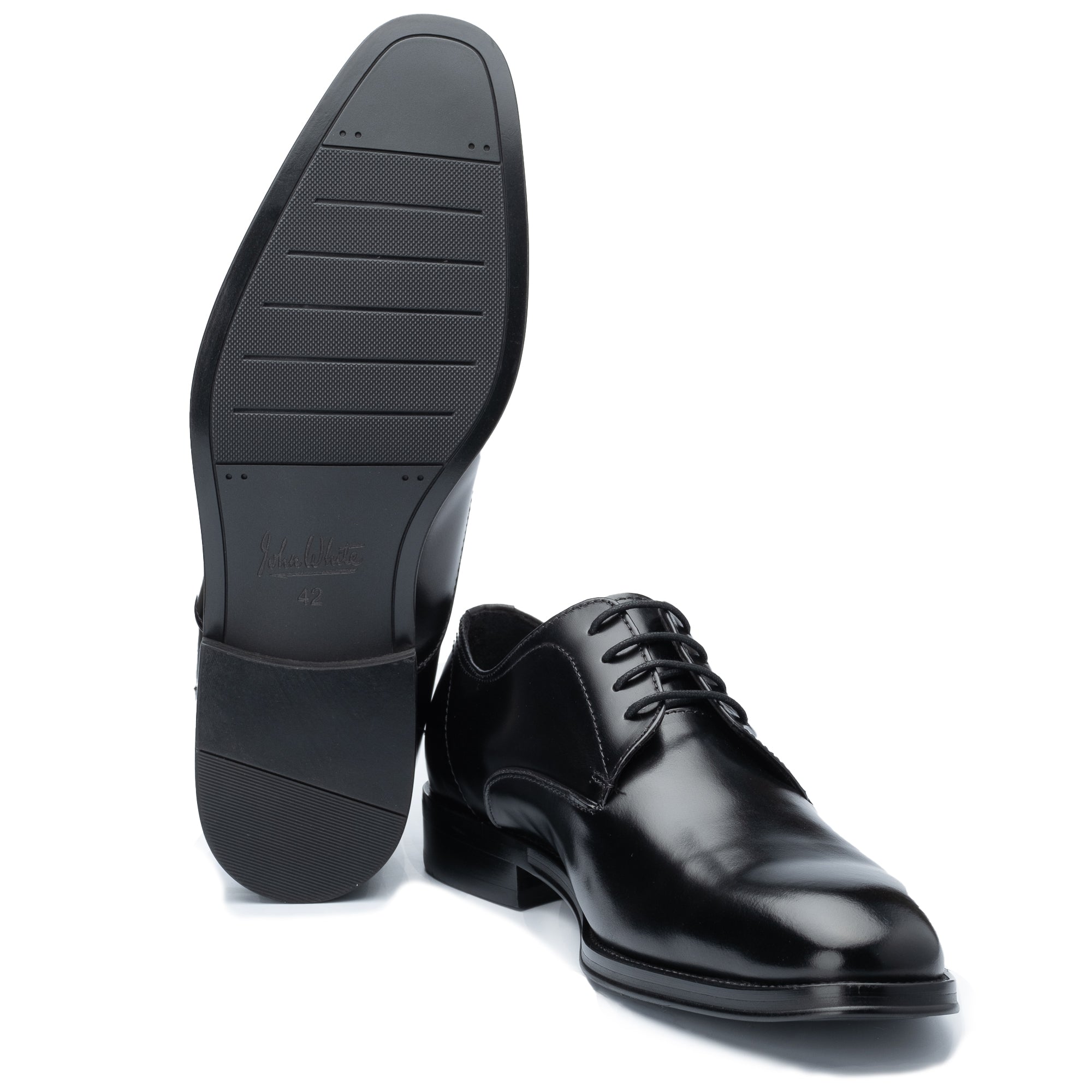
The Guildhall Oxford from John White Shoes is a clean cap-toe built on a classic last — designed with over a century of expertise, it's the right shoe for suits, formal occasions, and any situation that demands you look like you mean business.
How Should You Wear Oxford Shoes with a Suit?
The Oxford-and-suit combination is the cornerstone of men's formal dressing. The pairing is straightforward once you understand colour logic:
- Black Oxfords + dark navy or charcoal suit: The standard power combination. Right for job interviews, funerals, formal events, and boardroom meetings.
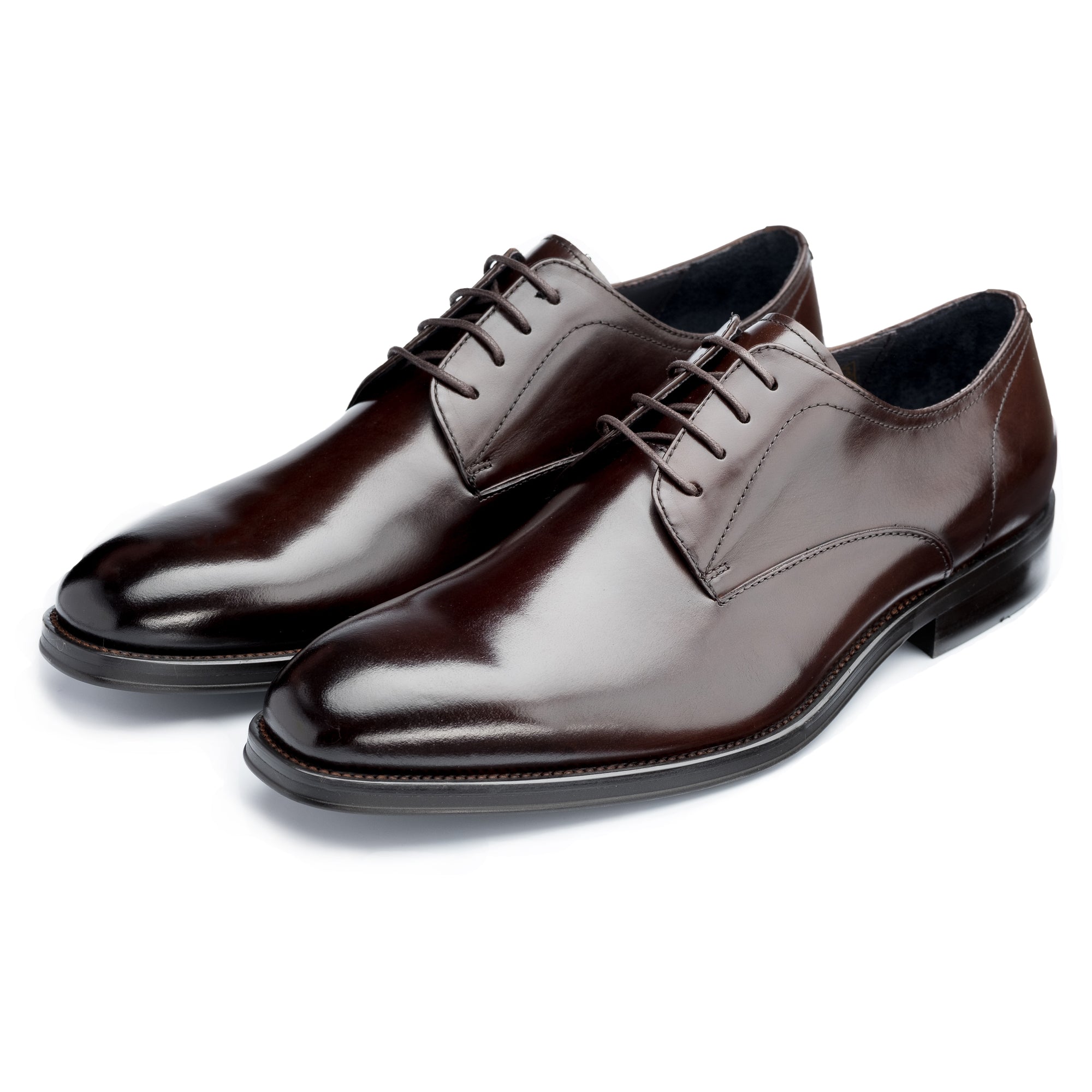
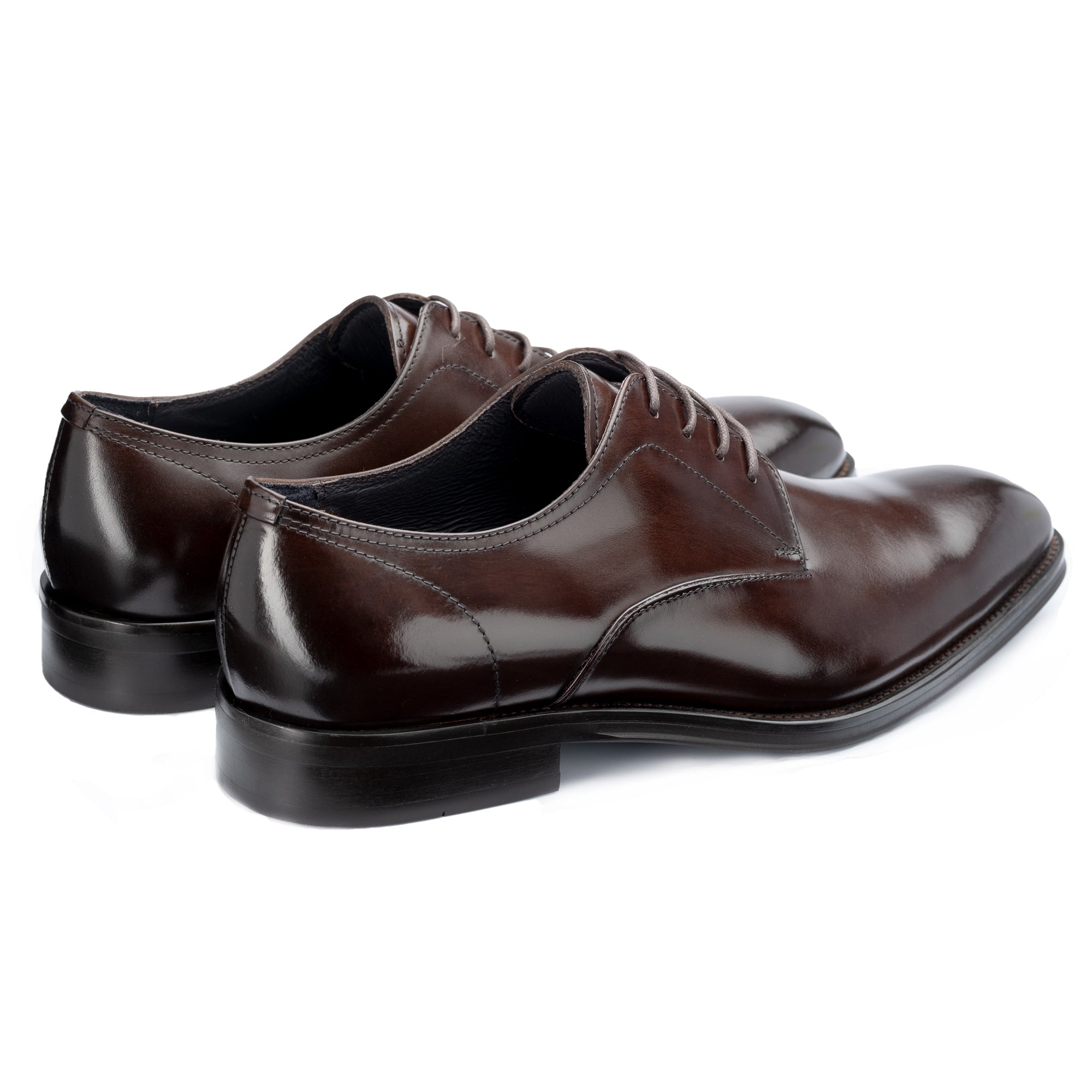
- Burgundy/oxblood Oxfords + mid-grey or navy suit: More character, still entirely appropriate. Burgundy is arguably the most versatile dress shoe colour a man can own.
- Tan or cognac Oxfords + light grey, stone, or brown suit: Strongest in spring and summer. Avoid pairing with a black suit — the contrast looks disjointed.
- Trouser break matters: Suit trousers should break just above the shoe with minimal bunching. Too long and the shoe disappears; too short and the sock becomes the focal point.
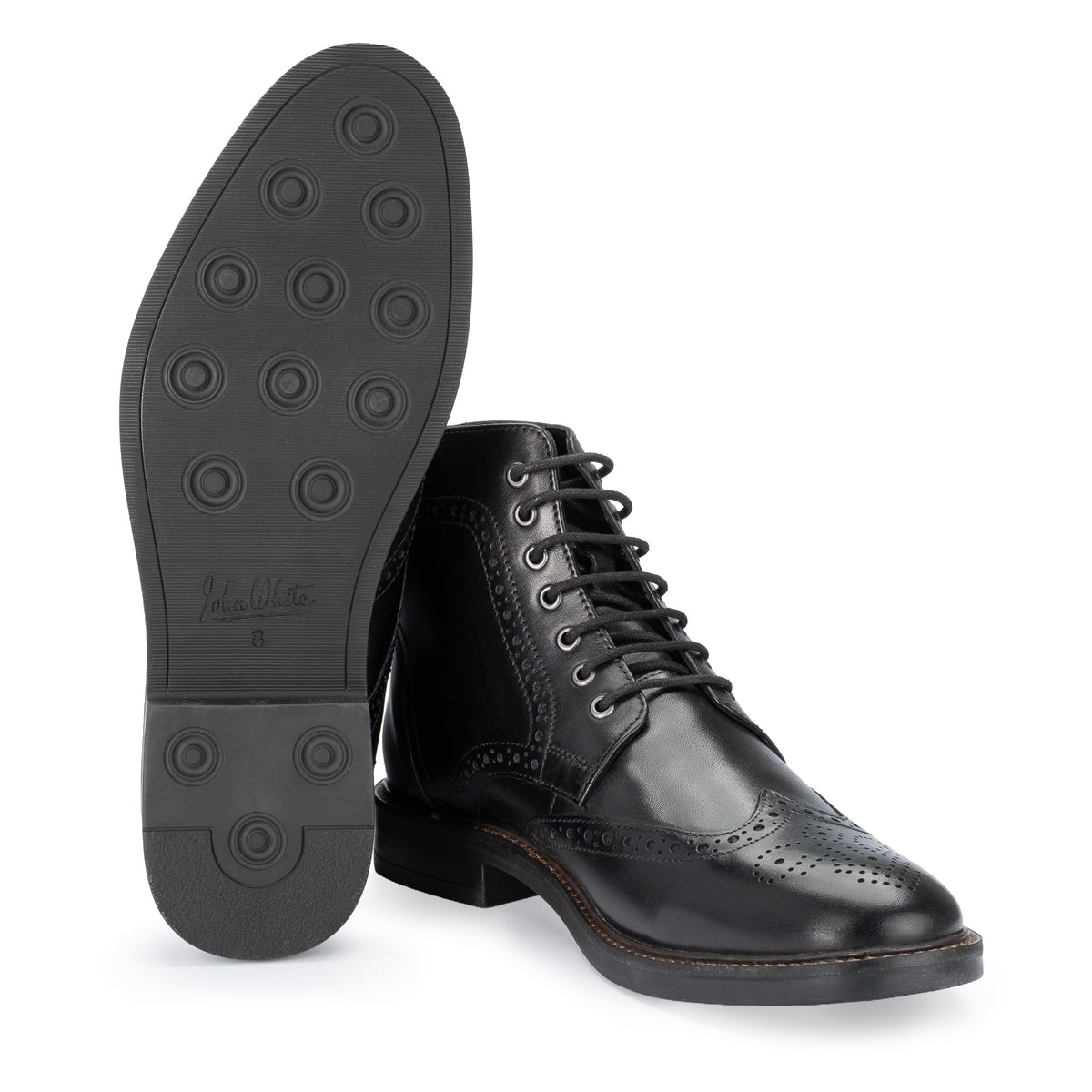
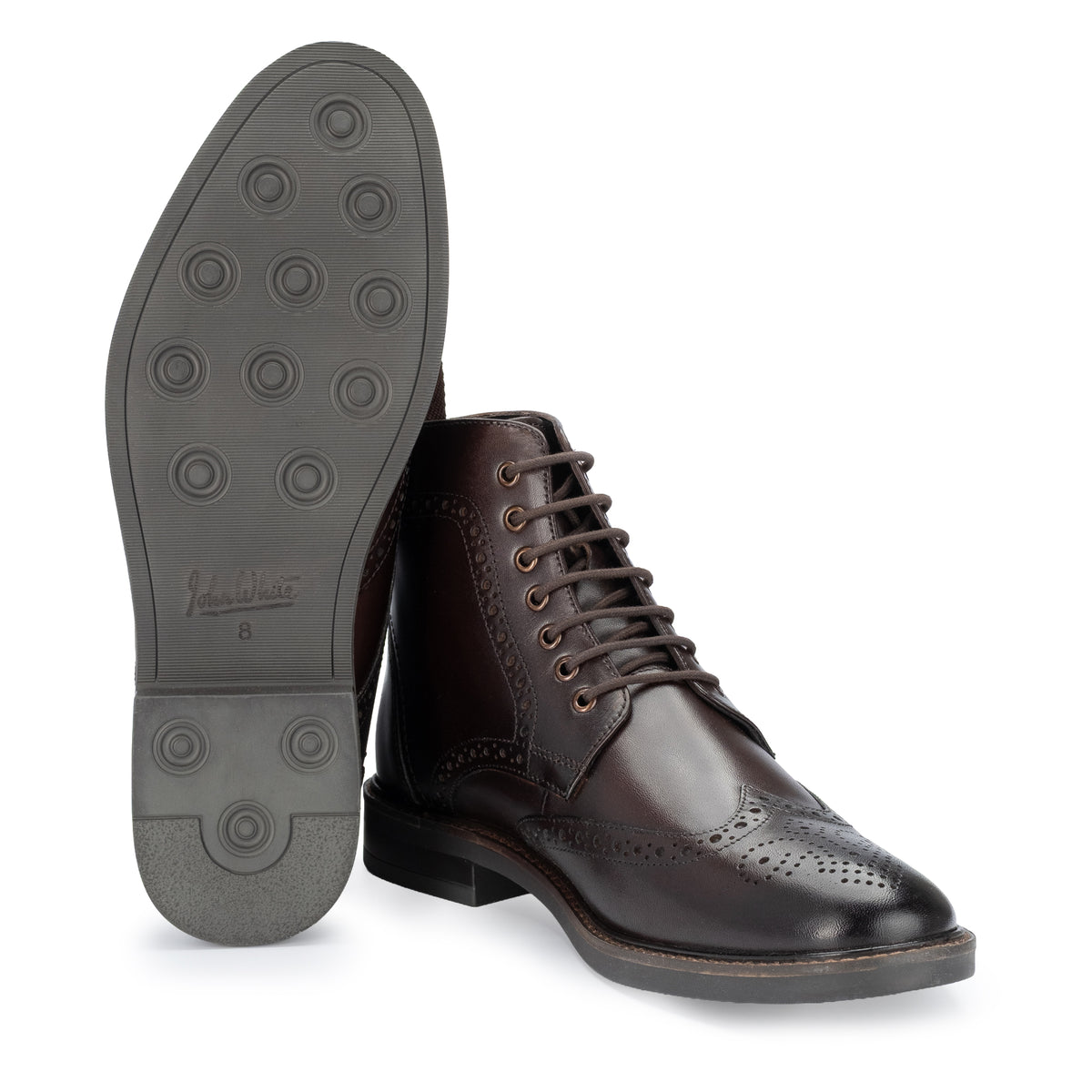
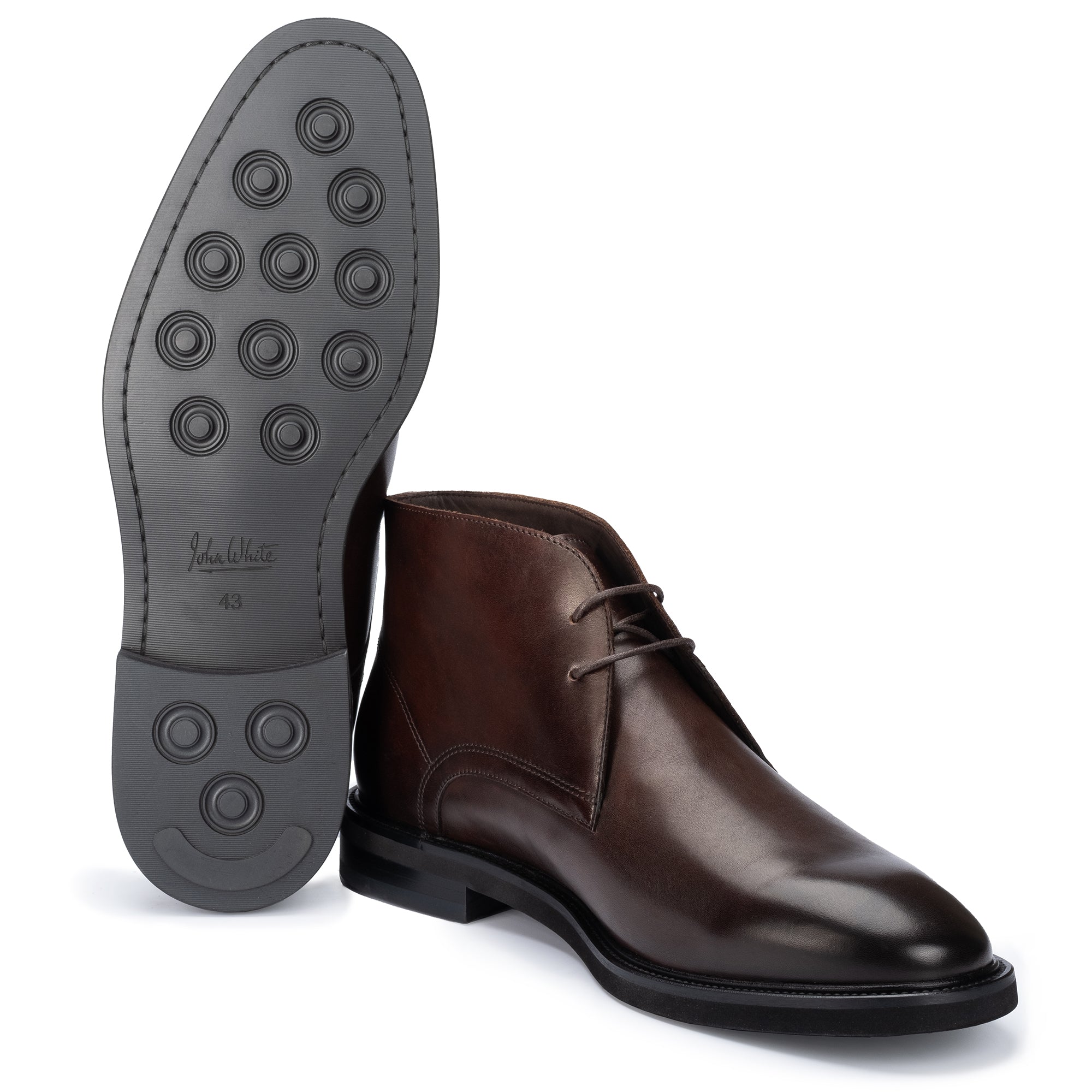
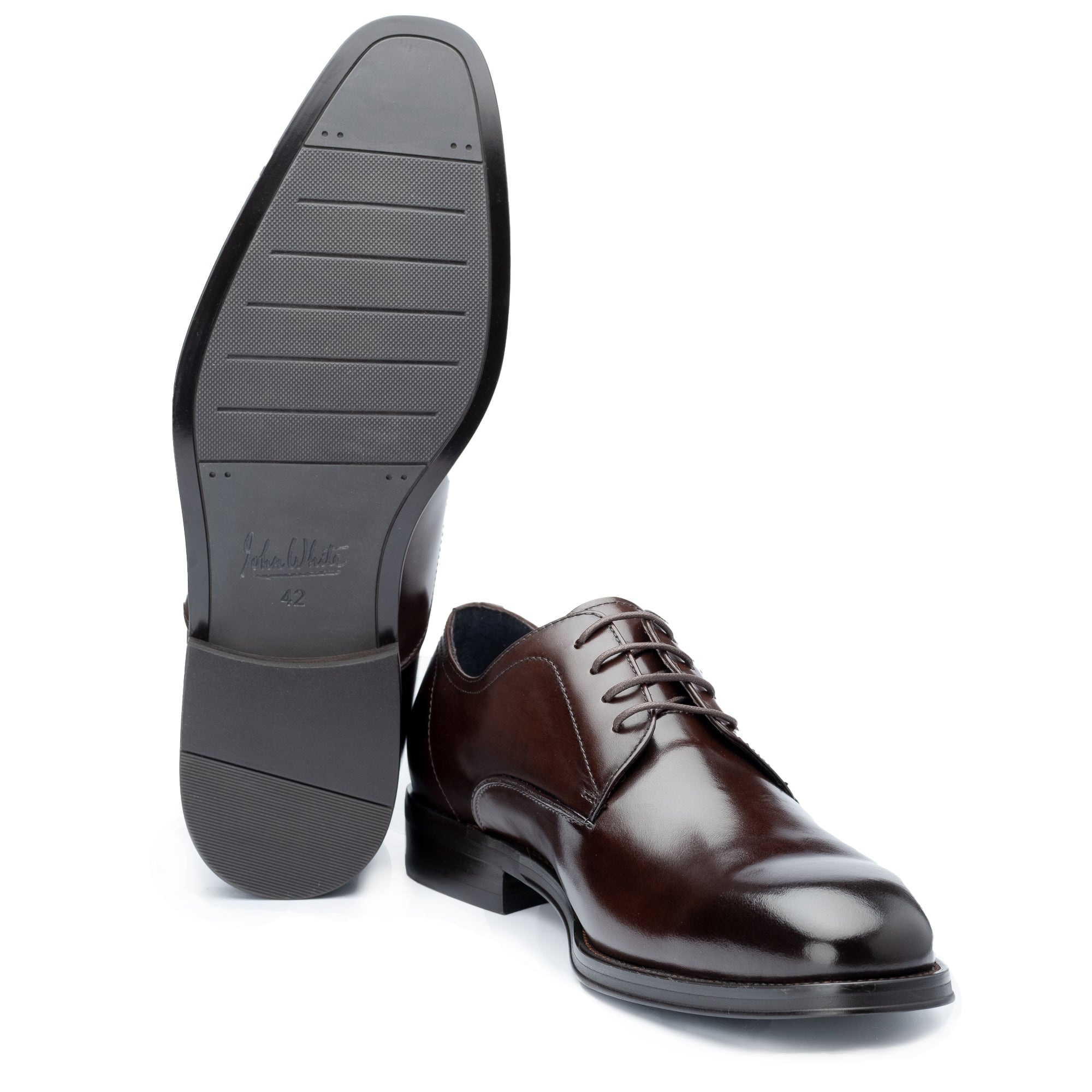
Always match a leather or fine rubber sole to a suit. Heavy commando soles look incongruous regardless of how good the upper is.
Can You Wear Oxford Shoes Casually?
Yes — but with intention. The closed lacing means the Oxford reads as formal first, casual second. To dress it down successfully, the outfit needs to meet it halfway:
- Slim-fit chinos: Navy, stone, or olive all work. Roll the hem slightly in warmer months — a sliver of ankle lightens the silhouette considerably.
- Dark jeans: Raw denim or slim-fit dark jeans only. Avoid distressed or light-wash denim — the contrast undermines both garments.
- No socks (or low-cut no-show socks): A brogue Oxford worn sockless with chinos in summer is a strong smart-casual statement. Not appropriate in formal contexts, but excellent for weekend occasions.
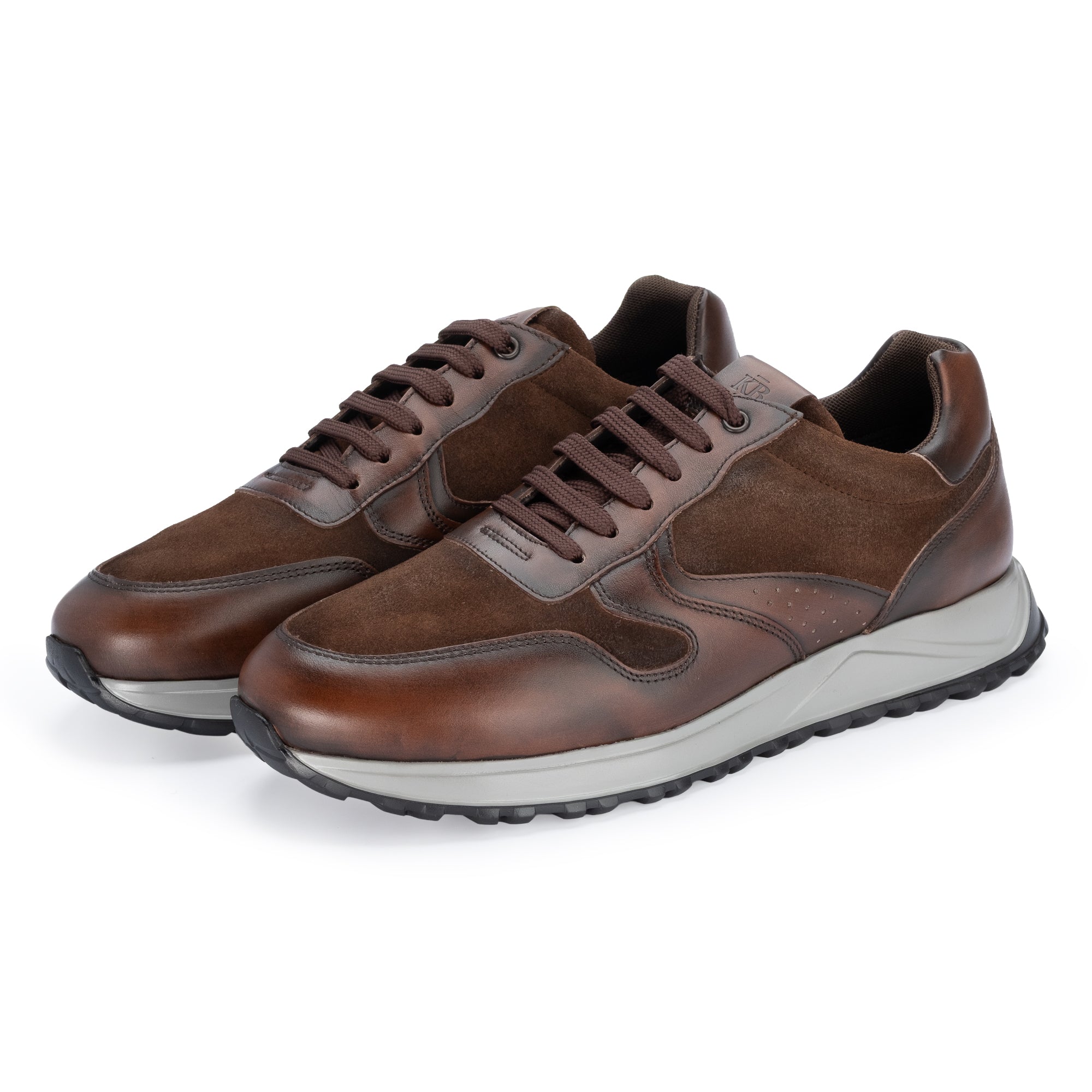
- Lighter colours: Tan, cognac, and suede Oxfords read as more casual than black or dark burgundy. The colour does half the work of dressing down.
The Guildhall in tan, worn with cropped navy trousers and an open-collar shirt, offers a more polished silhouette than a loafer while remaining entirely relaxed. It's a useful gap-filler between formal and casual dressing.
What Colour Oxford Shoes Should You Buy First?
If you own one pair of Oxfords, the answer depends on your lifestyle. There's no universal correct answer, but there is an honest one:
- Black — if you wear suits regularly or need a formal fallback. Nothing replaces it for black-tie or serious business wear.
- Burgundy/oxblood — if you want maximum versatility. Pairs with navy, grey, and mid-brown suits as well as smart-casual outfits. The more useful everyday shoe.
- Tan/cognac — if your wardrobe leans casual or you're building a third pair. Excellent in spring and summer; limited for formal winter occasions.
Experts recommend building towards all three if you wear suits regularly. But for most men, burgundy is the most honest answer to "which should I buy first."
How Do Oxford Shoes Fit into Seasonal Dressing?
Oxfords are a year-round shoe, but colour and material shift with the season:
- Autumn/Winter: Black and burgundy calf leather. Heavier suits in charcoal and navy. The closed lacing system keeps rain out more effectively than a Derby's open quarters.
- Spring/Summer: Tan, cognac, or suede. Lighter suits, linen trousers, or chinos. Sockless or with lightweight no-show socks.
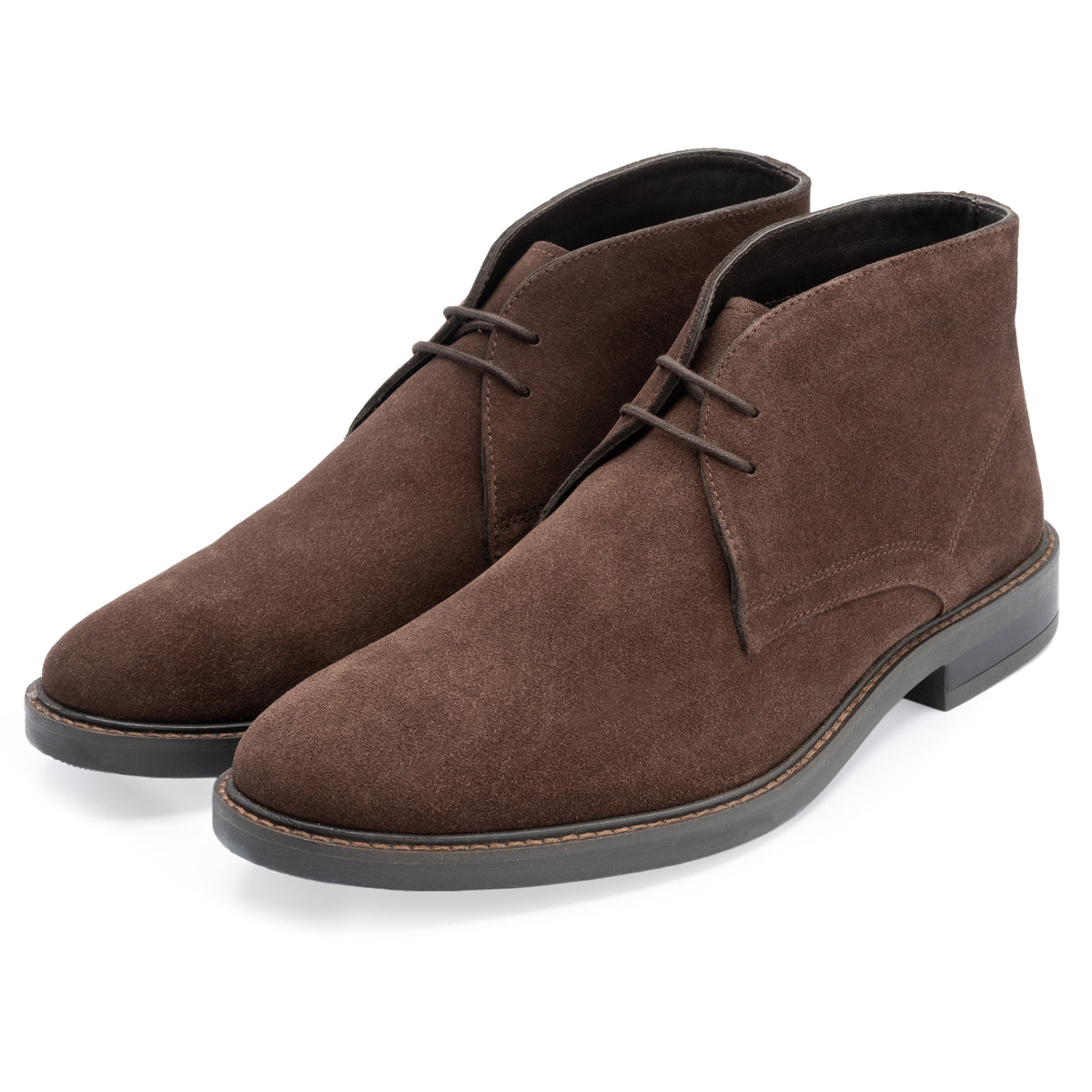
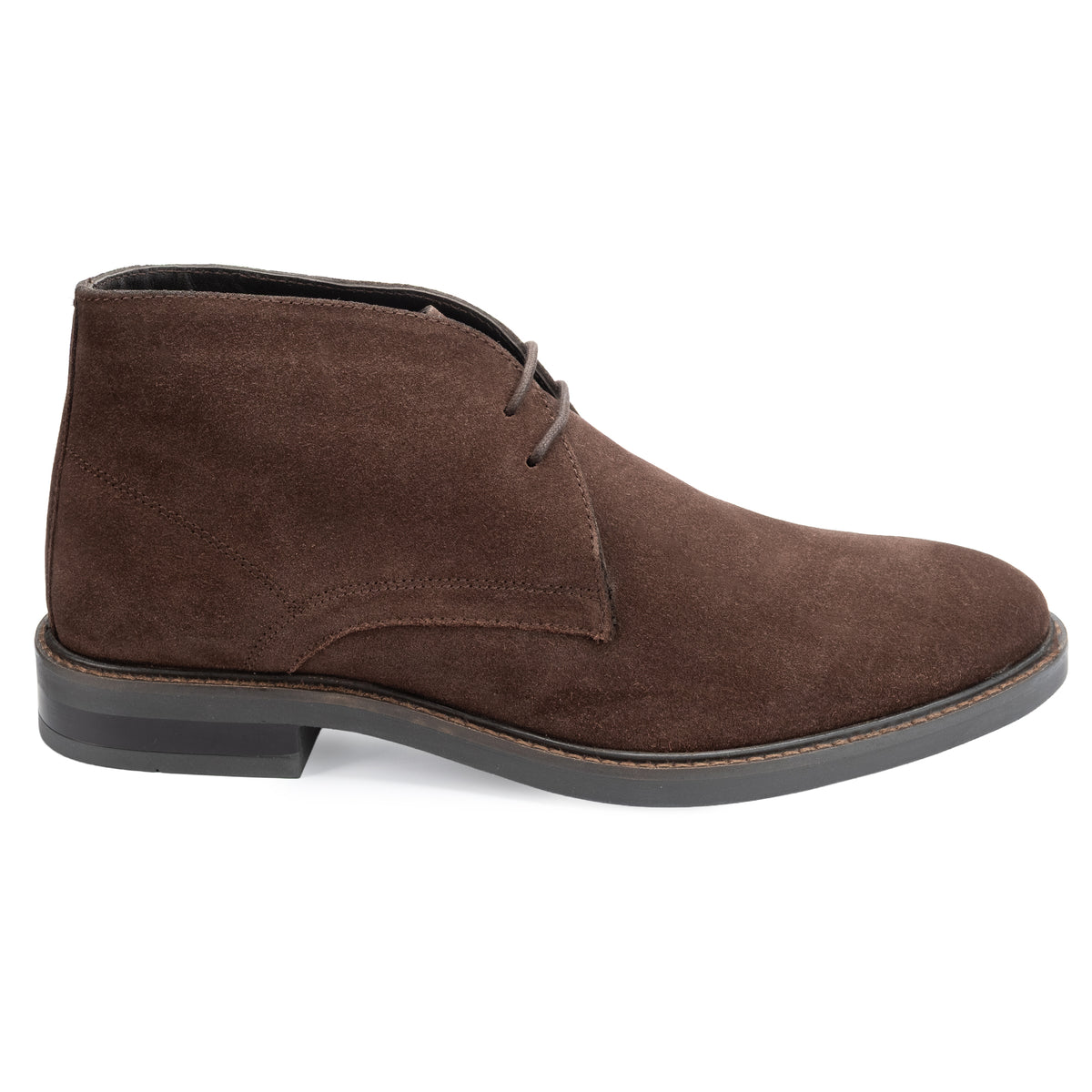
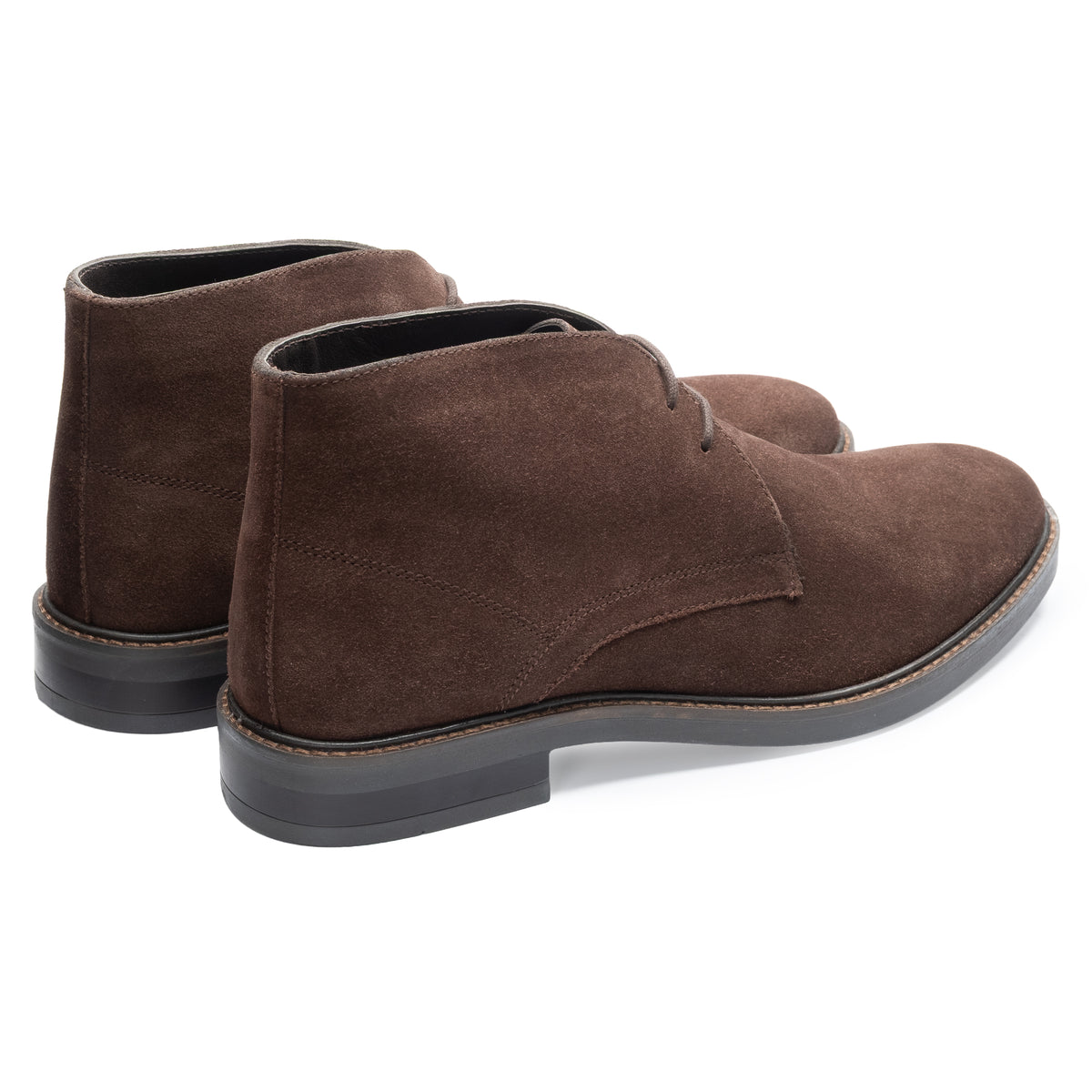
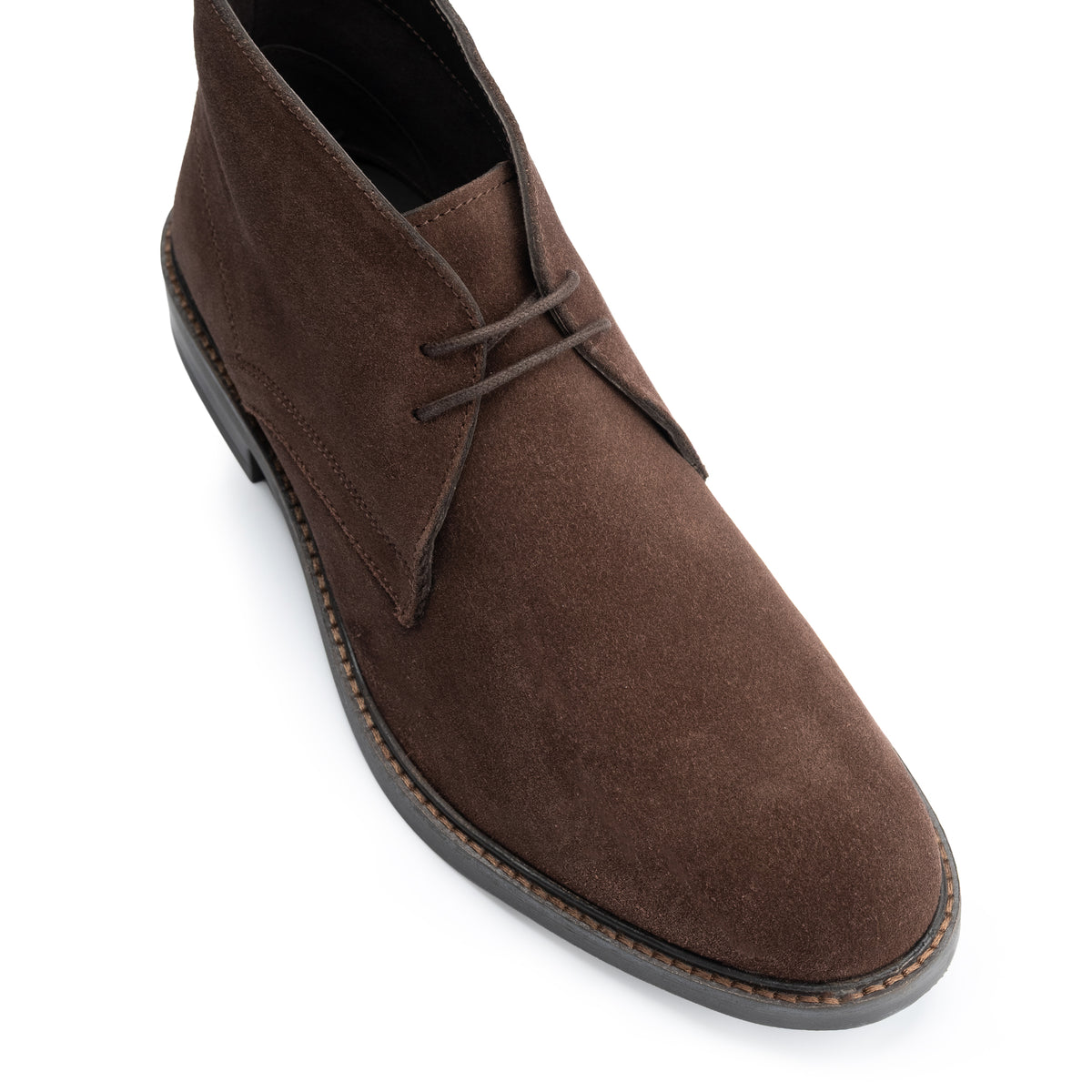
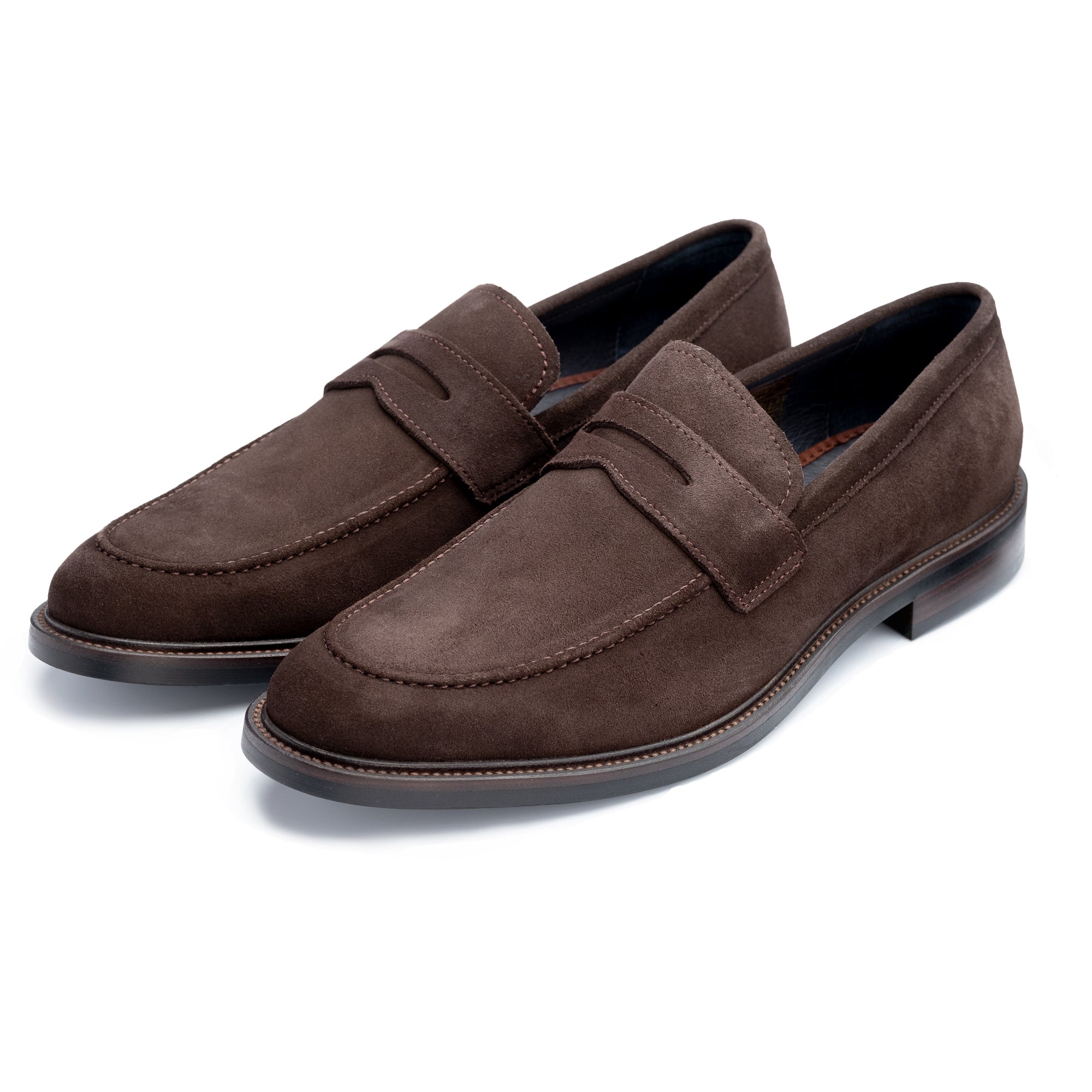
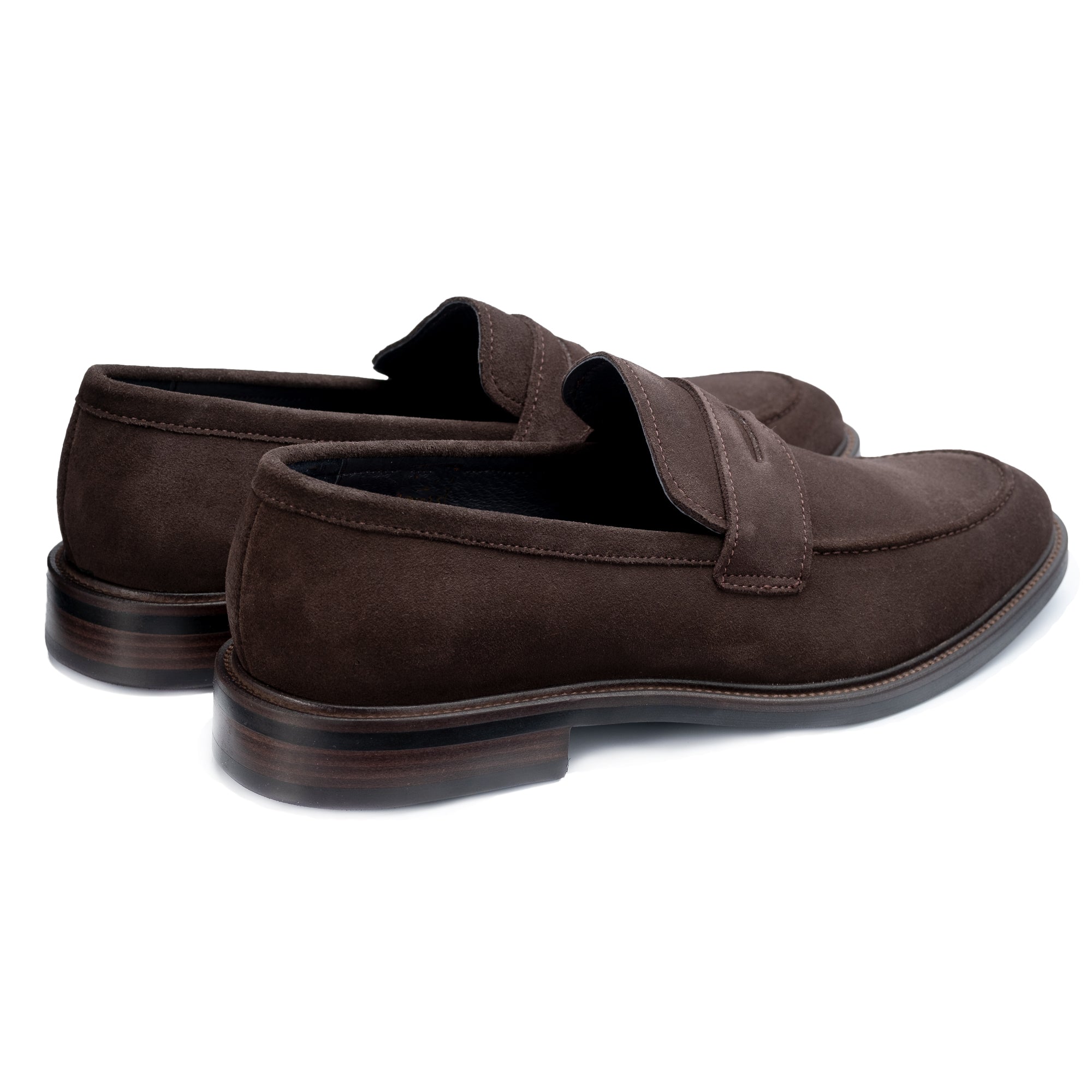
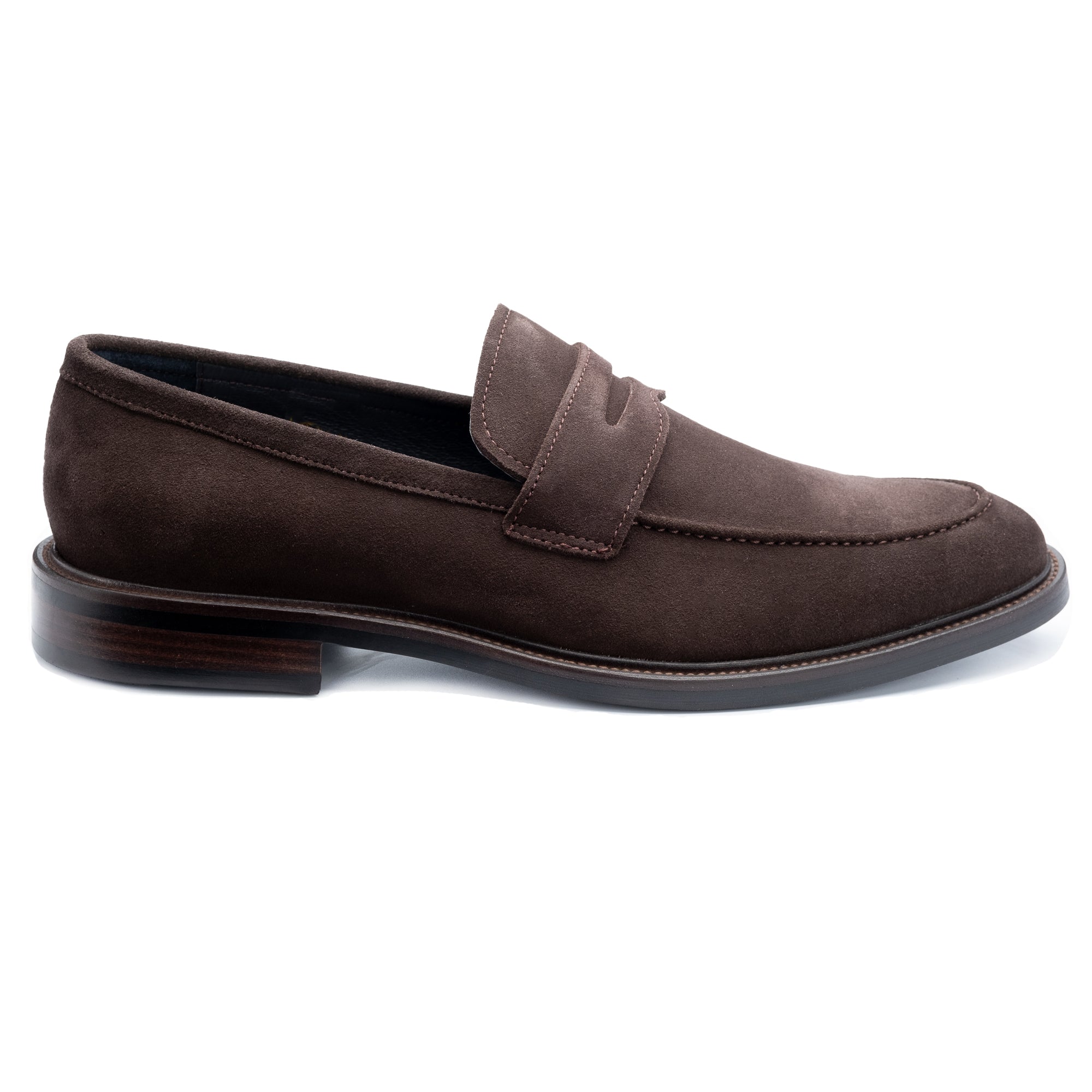
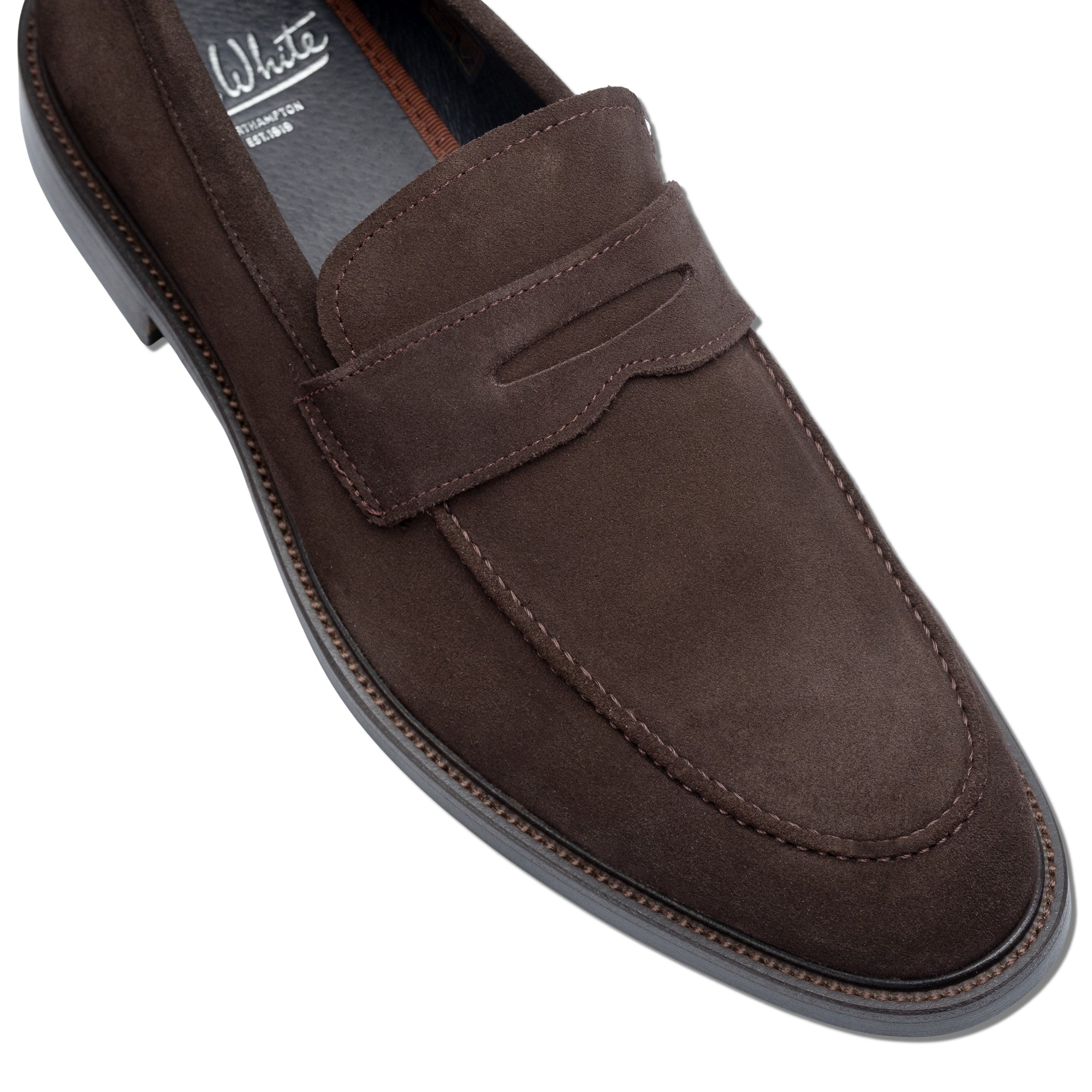
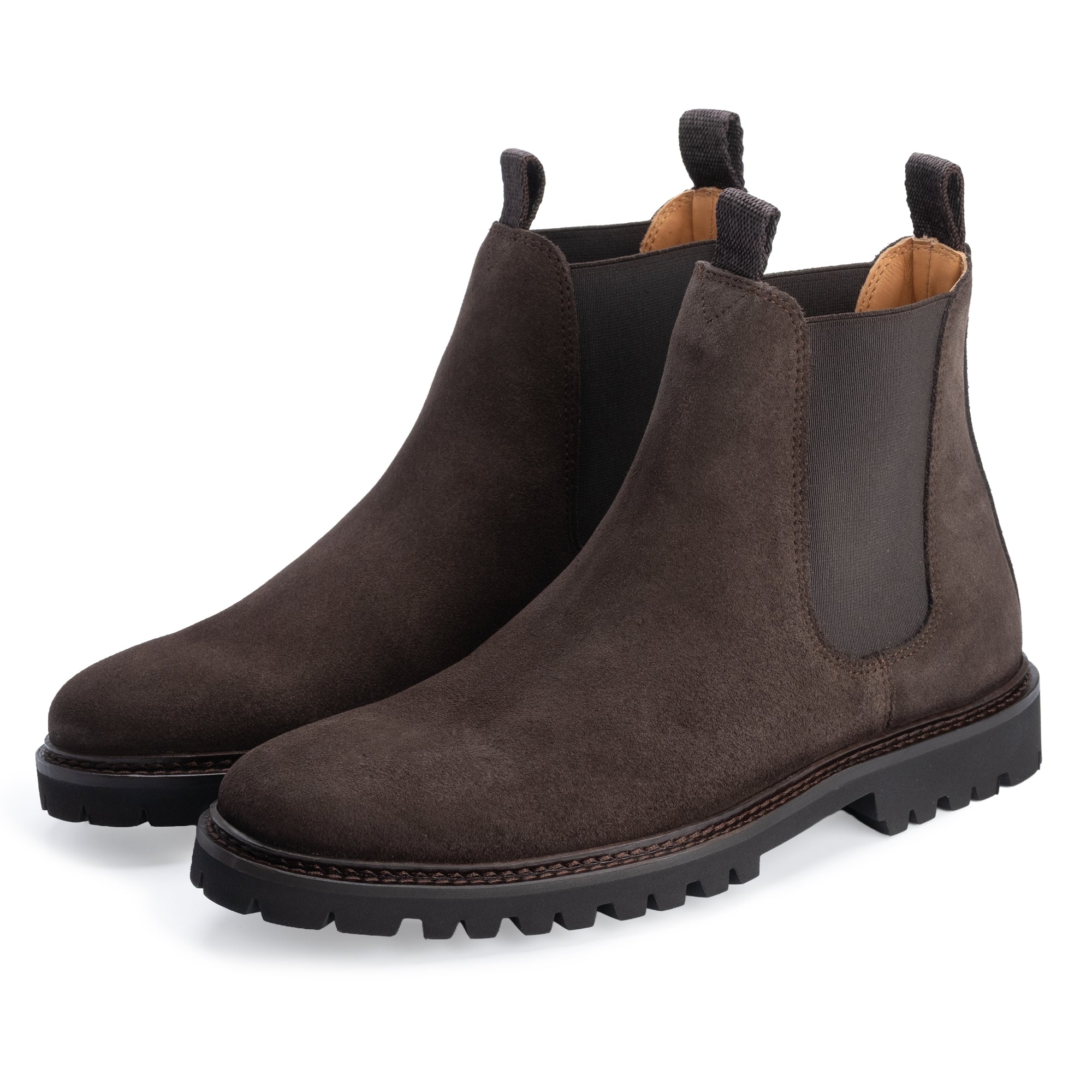
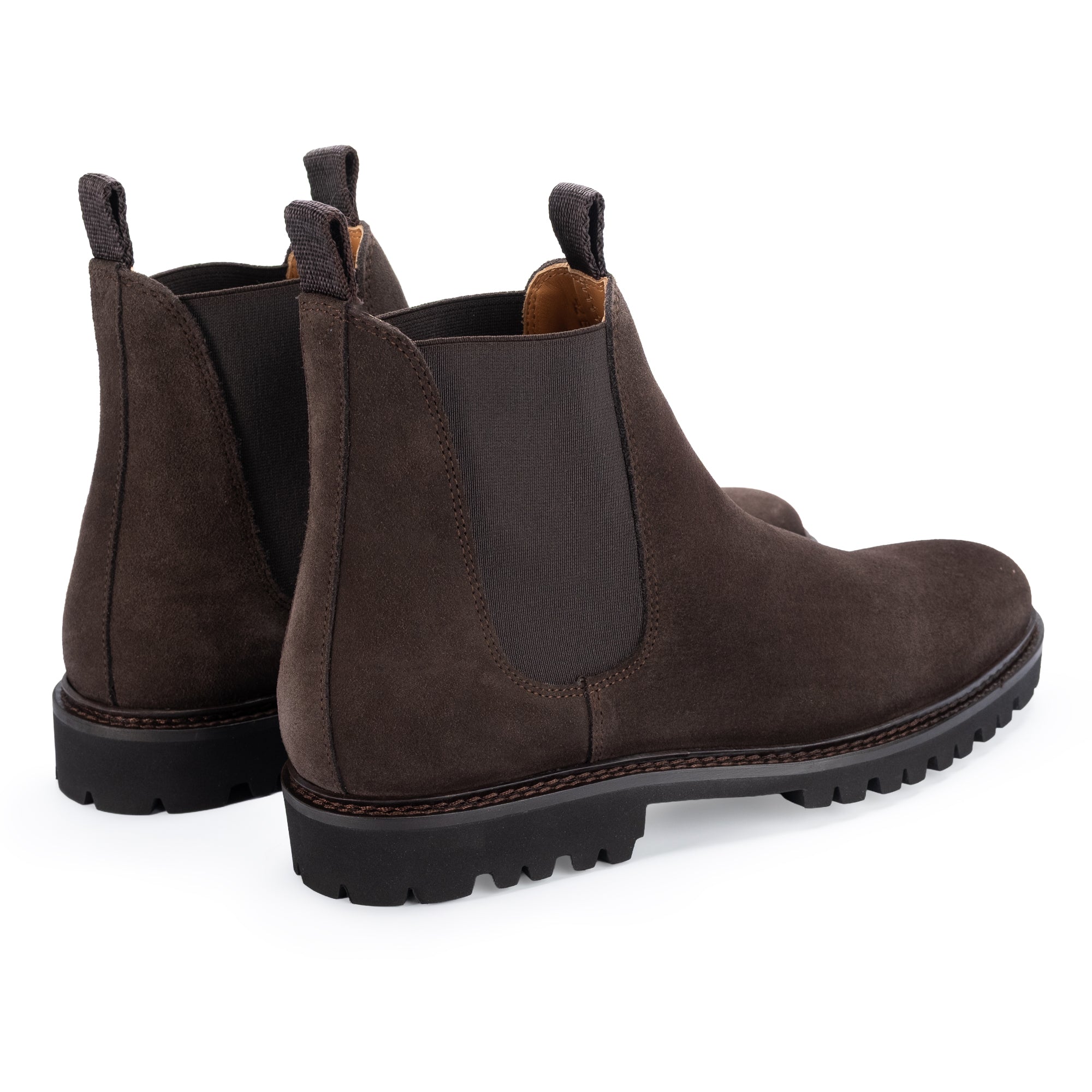
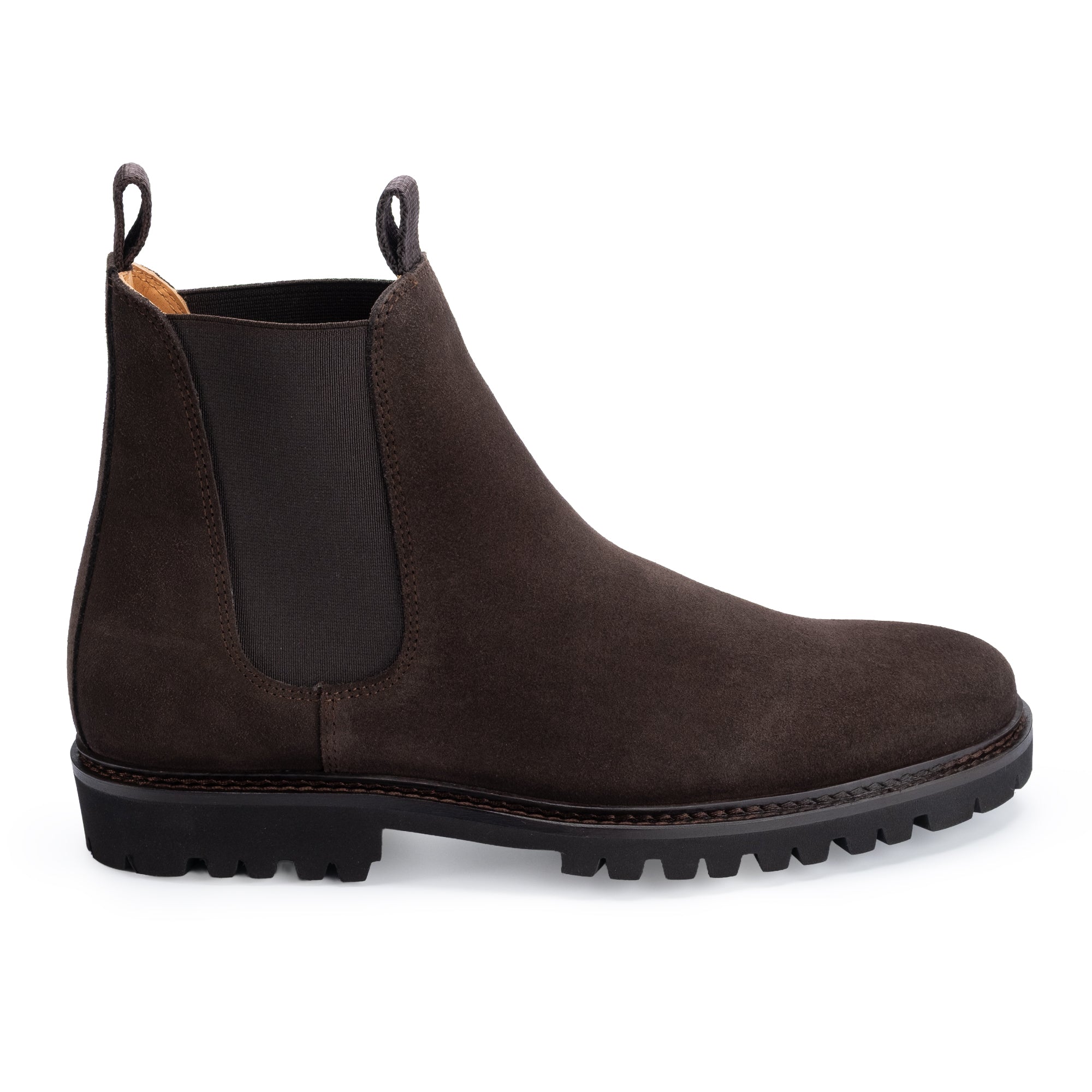
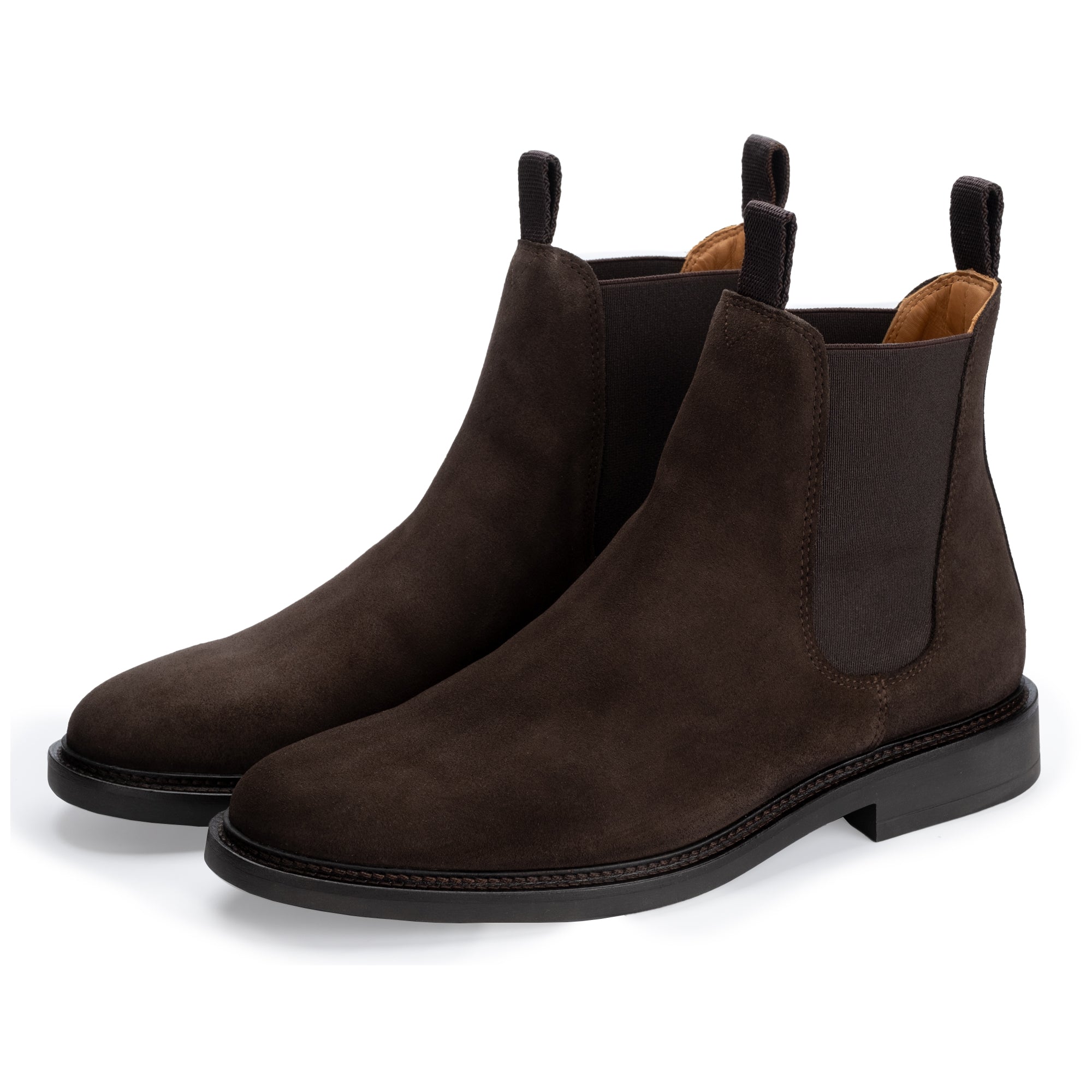
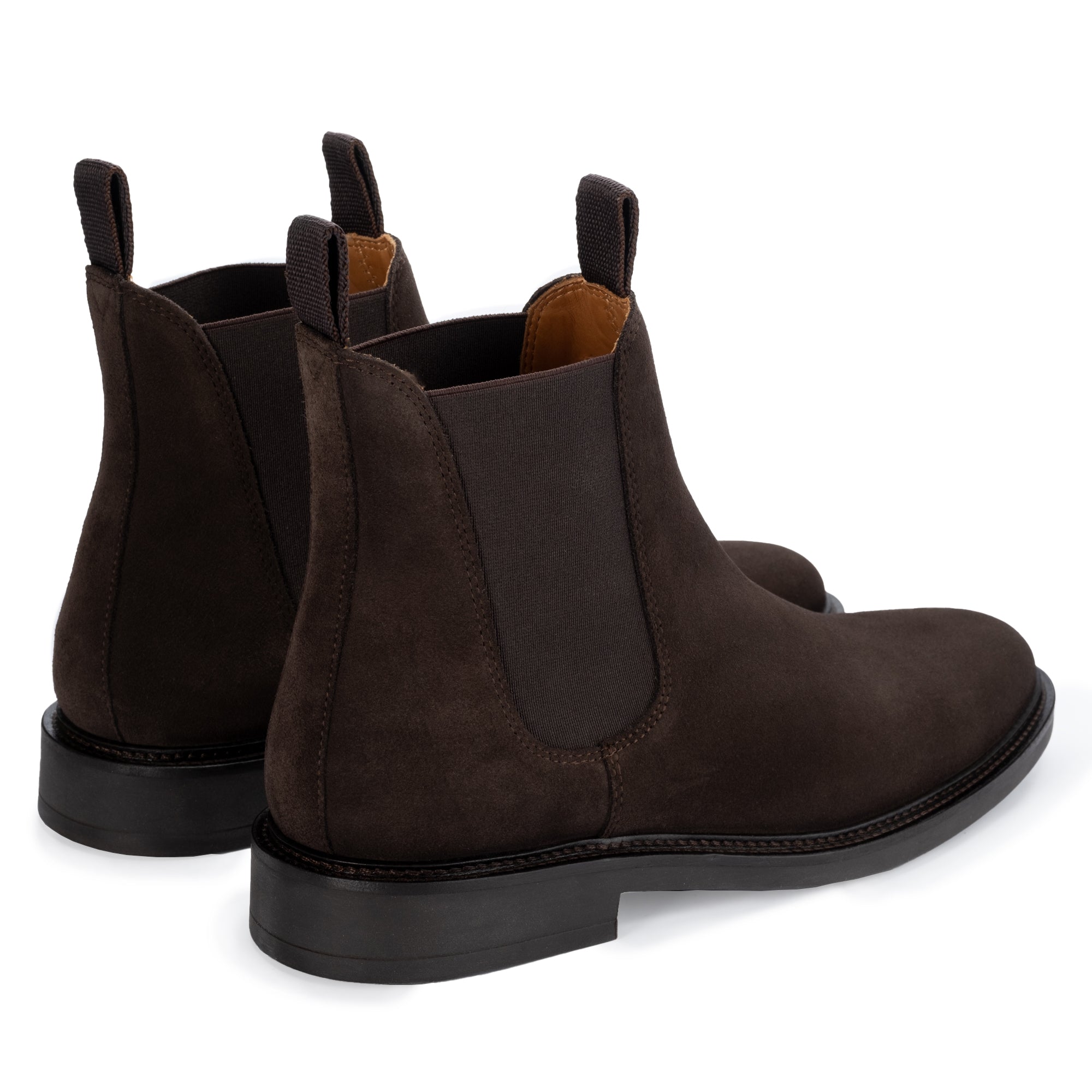
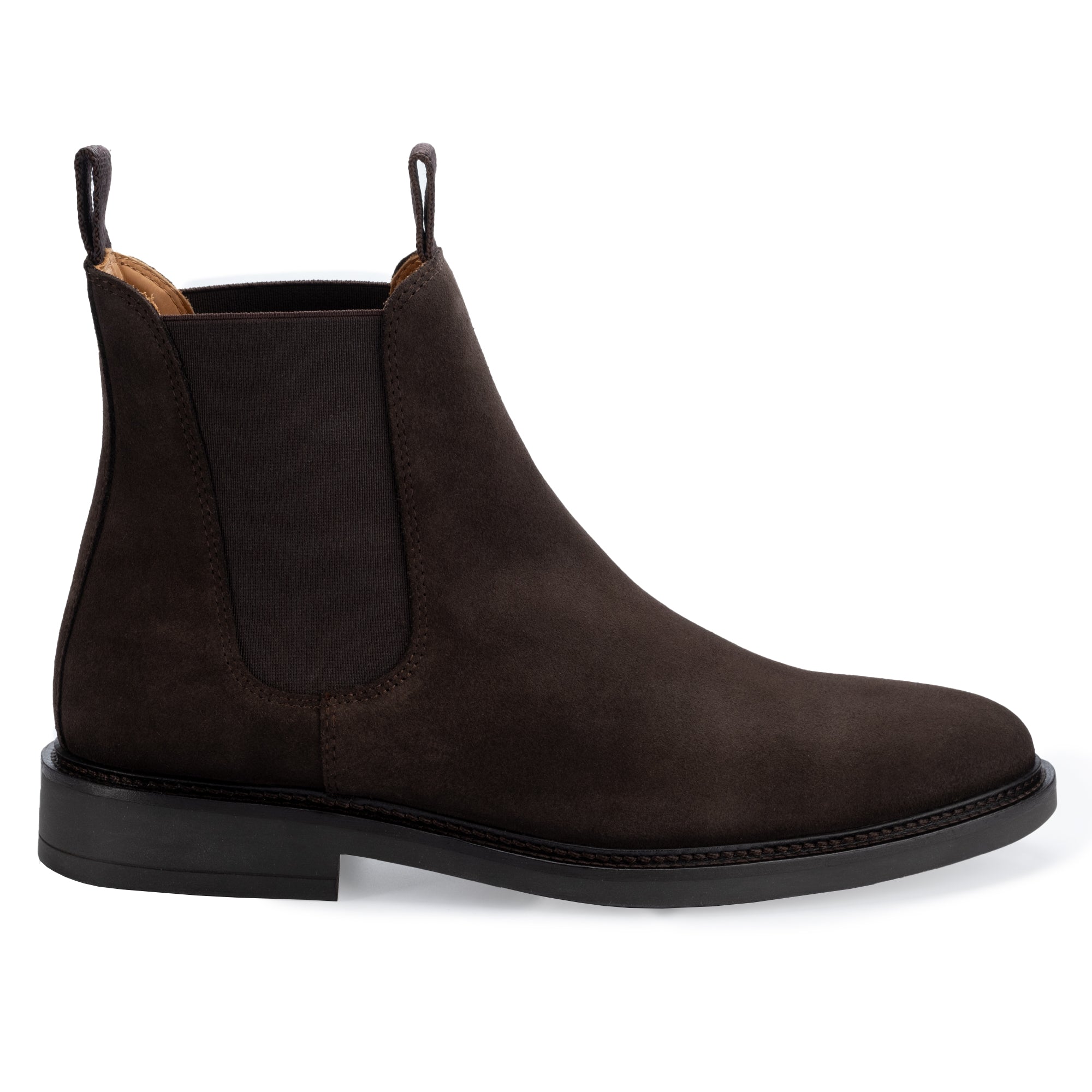
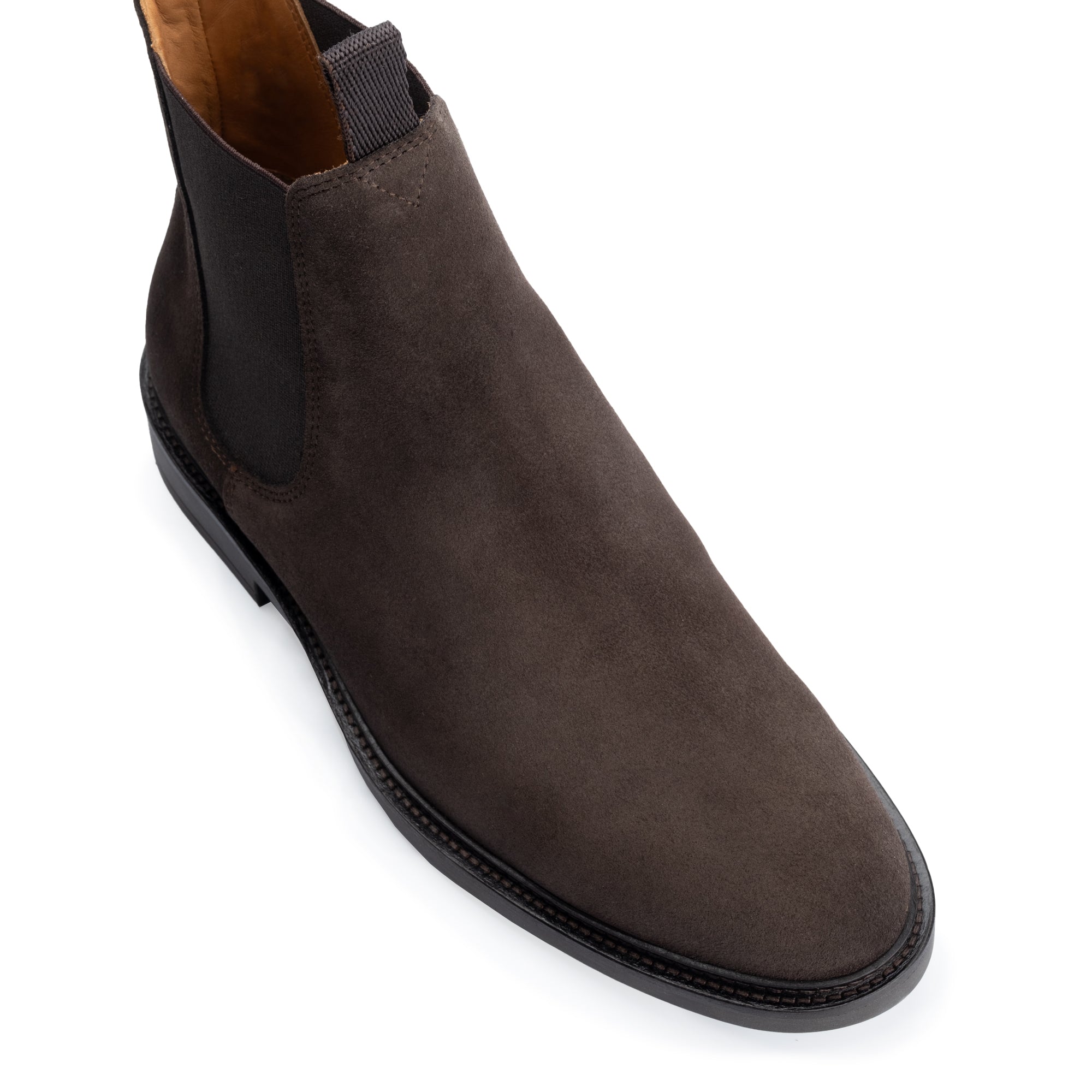
Suede Oxfords occupy a useful middle ground — less formal than polished calf leather, but with the same clean, streamlined silhouette. Treat suede with a specialist protective spray and keep it clear of heavy rain. For calf leather, regular polishing is non-negotiable.
How Should You Care for Oxford Shoes?
A well-made Oxford will last years with basic, consistent maintenance. According to the Leather Conservation Centre, regular conditioning is the single most important step in extending the life of leather shoes — preventing the dryness and cracking that ruins welted footwear prematurely.
- Brush after every wear — use a horsehair brush to remove surface dust and dirt before any product goes on.
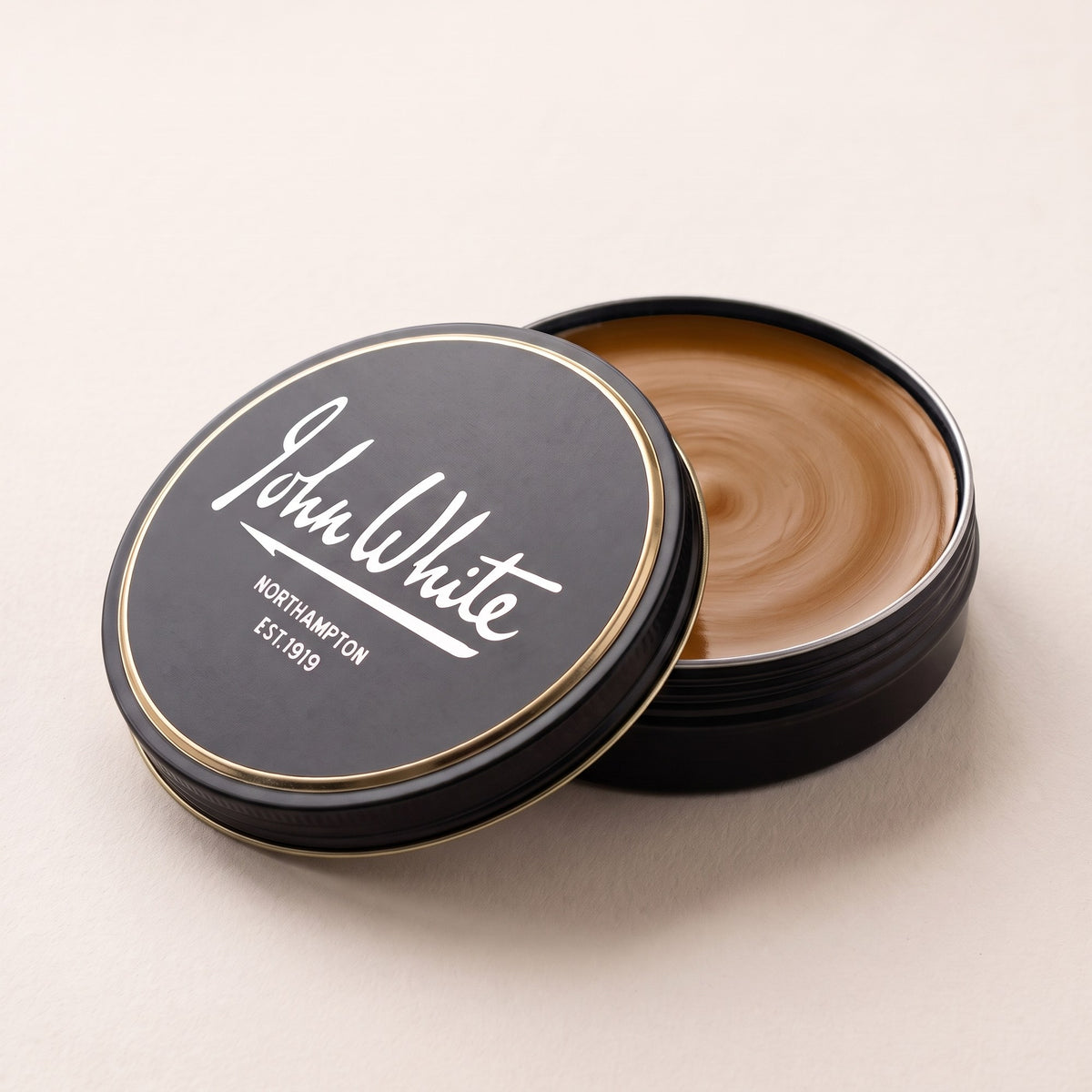
- Polish regularly — JW Premium Wax Polish conditions the leather, restores colour depth, and builds a protective surface layer. Apply with a cloth, allow 10–15 minutes to dry, then buff to a shine.
- Use shoe trees — cedar shoe trees absorb moisture and hold the shoe's shape. Insert them within minutes of removing the shoes.
- Rotate your pairs — allow a minimum of 24 hours between wears. Leather needs time to dry fully through the insole and lining. Wearing the same pair daily accelerates wear throughout.
- Re-sole before the sole wears through — once wear reaches the upper, the damage becomes significantly harder and more costly to repair. A cobbler can replace worn soles and heels while the leather upper remains intact; leaving it too late removes that option.
Explore the full men's shoes collection to find your next pair, or browse our sale for current offers across the range.
Frequently Asked Questions
Are Oxford shoes smart casual or formal?
Oxford shoes are primarily formal footwear. Plain-toe and cap-toe Oxfords sit at the top of the dress-code spectrum and are most appropriate with suits. However, brogue Oxfords and those in tan or cognac leather can work in smart-casual contexts when paired with chinos or dark jeans rather than tailoring.
Can you wear Oxford shoes with jeans?
Yes, but choose carefully. Slim-fit dark jeans with a brogue or tan Oxford work well for smart-casual occasions. Avoid light-wash or distressed denim — the contrast undercuts both the shoe and the jean. Rolling the hem slightly allows the shoe to breathe visually and lightens the overall silhouette.
What is the difference between Oxford and Derby shoes?
The key difference is the lacing system. Oxfords use a closed lacing system (quarters stitched beneath the vamp), making them more formal. Derbys use an open lacing system, which gives a roomier fit and a slightly more relaxed look. For a full comparison, read our Oxford vs Derby shoes guide.
How do you keep Oxford shoes looking sharp?
Polish regularly with a quality wax polish — JW Premium Wax Polish is formulated for calf leather and builds a durable, deep shine over time. Use cedar shoe trees after every wear, rotate between at least two pairs, and allow a minimum of 24 hours between wears to let the leather fully recover.
Find Your Oxford
Whether you need a pair for boardroom appearances or want to elevate a smart-casual wardrobe, the right Oxford makes a material difference to how a whole outfit reads. Explore the Guildhall Oxford — a cap-toe classic designed with over a century of expertise — or browse the full men's shoes collection to find your fit.