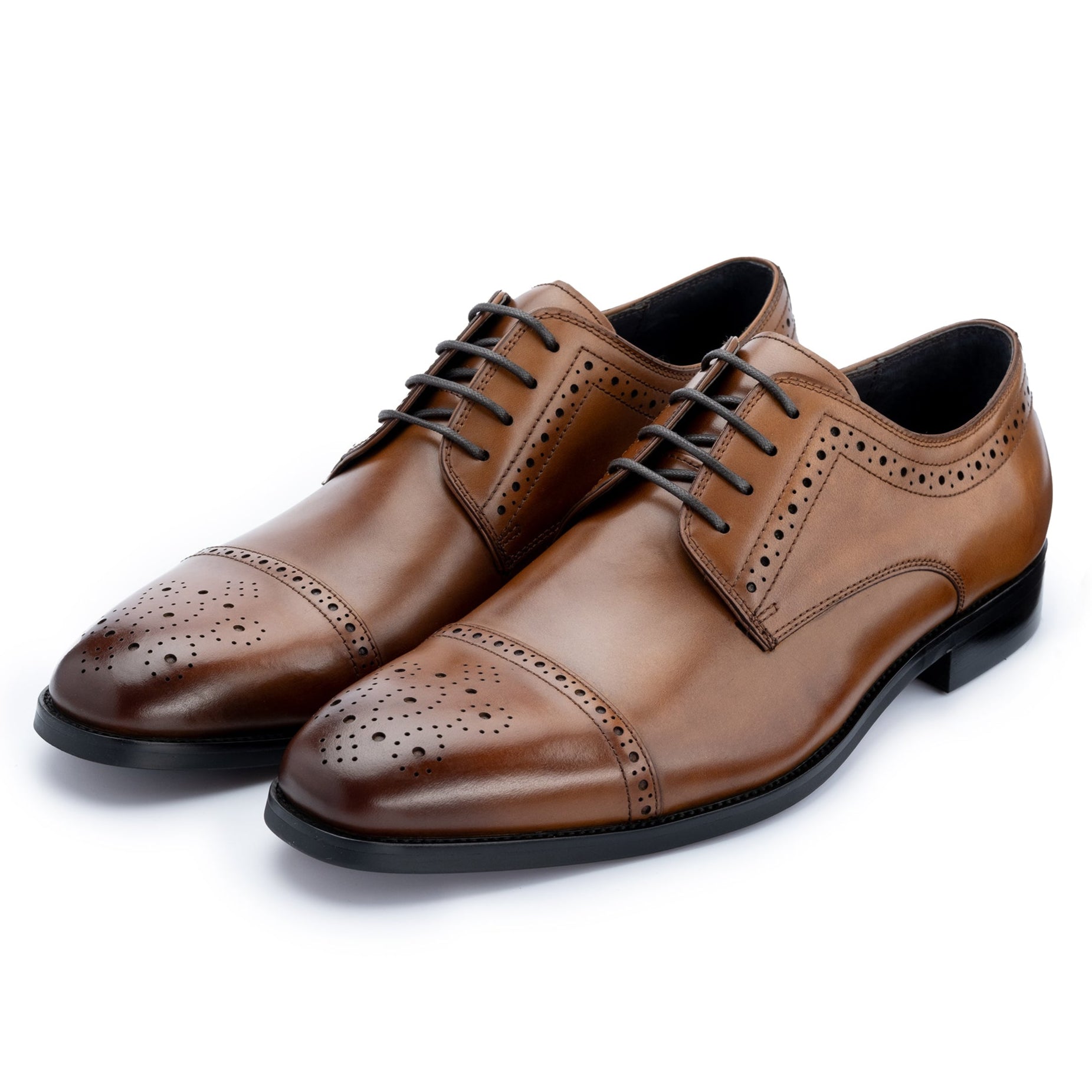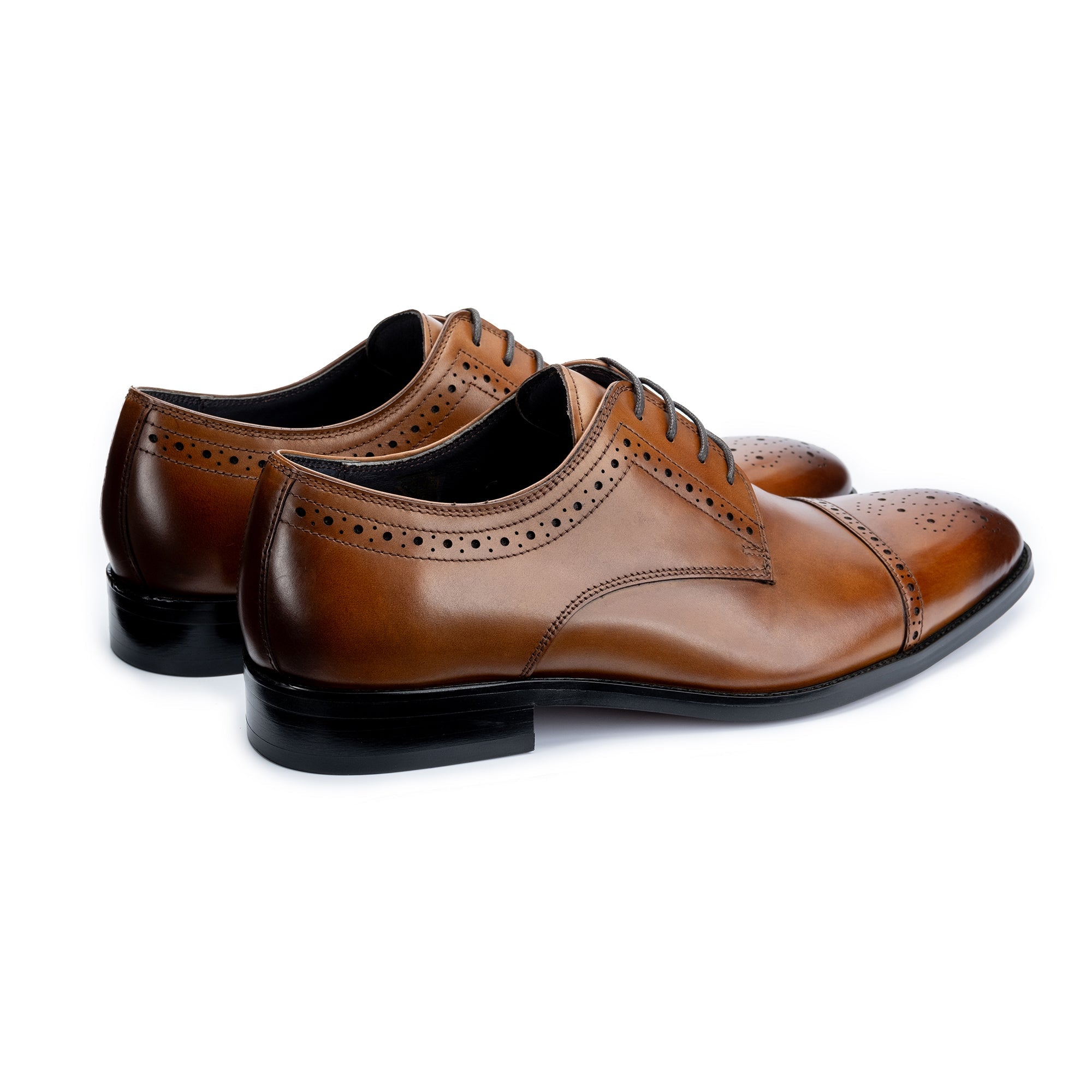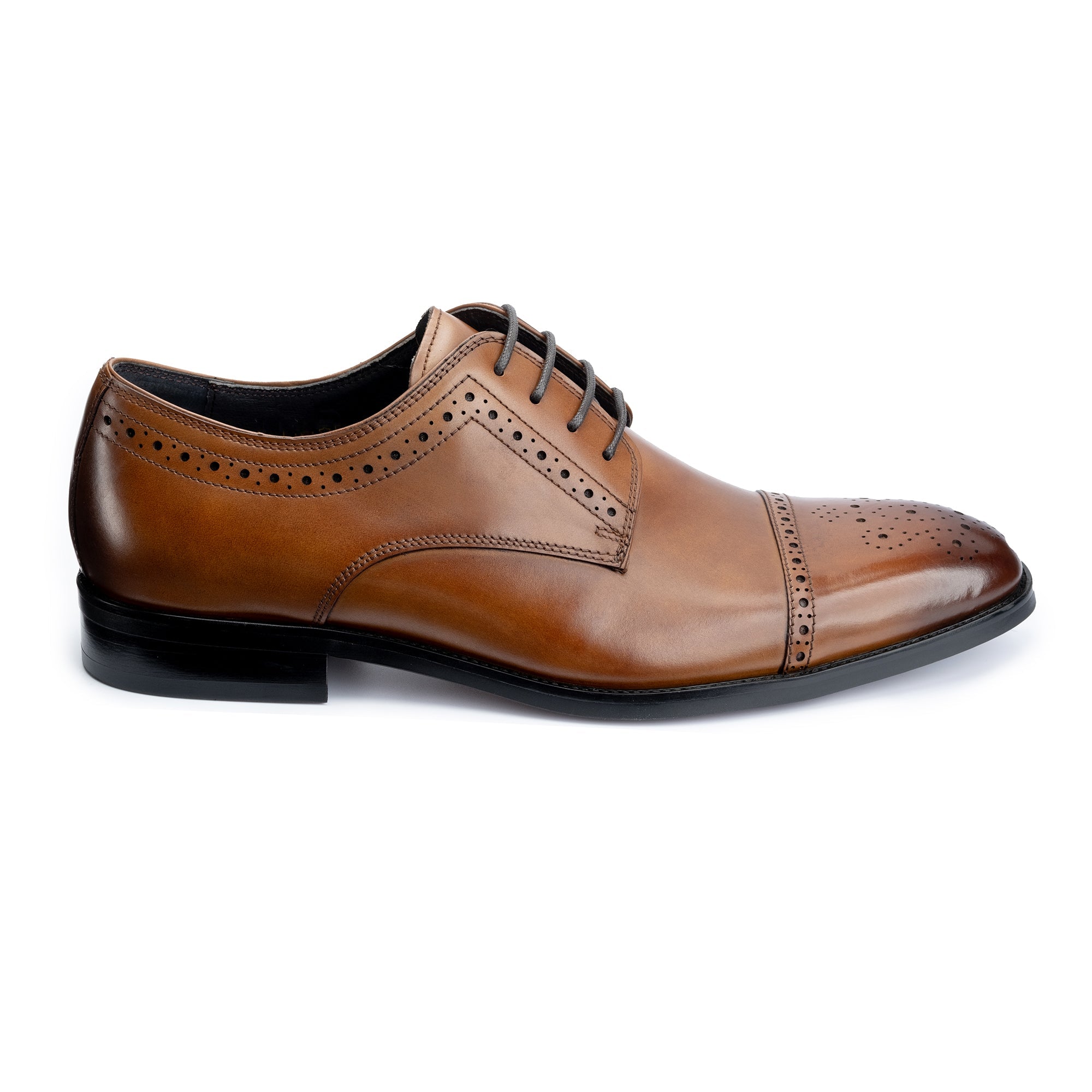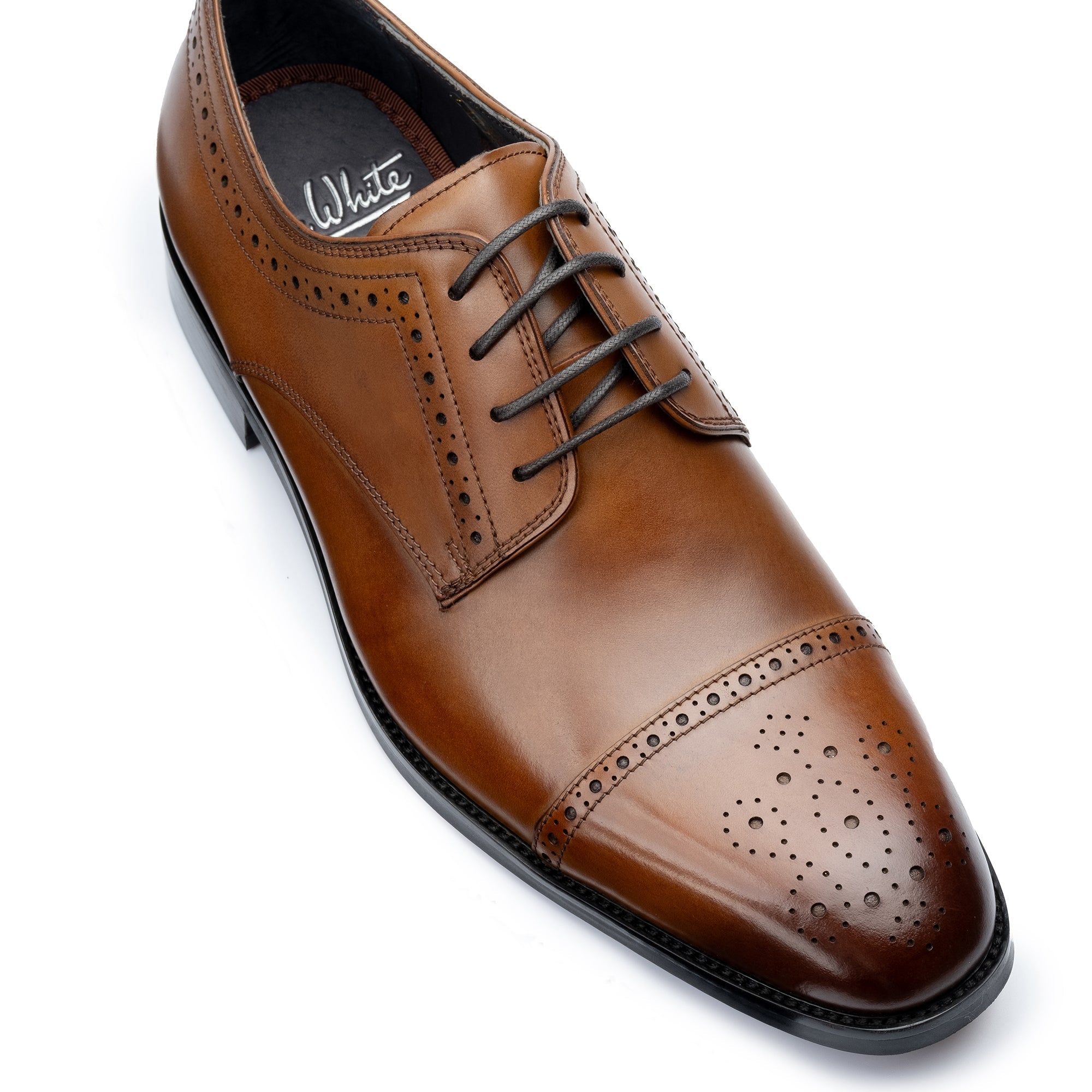

Leather Shoe Sole Care: The Definitive Guide to Cleaning, Conditioning, and Protecting Your Investment
Leather sole care requires three consistent practices: cleaning away grit and moisture after each wear, conditioning the sole leather every four to six weeks with a penetrating oil-based product, and applying a protective coating to resist water ingress and abrasion. Without this routine, even a Goodyear welted leather sole will crack at the flex point within two years of regular urban wear — far short of the decade-plus lifespan a well-maintained sole can achieve.
In This Guide
- Why Is Leather Sole Care More Important Than Most Men Realise?
- How Should You Clean a Leather Sole?
- How Do You Condition a Leather Sole Correctly?
- How Can You Protect Leather Soles from Moisture and Abrasion?
- What Is the Correct Leather Sole Care Schedule?
- What Causes Leather Soles to Deteriorate Fastest?
- Related Guides
- Frequently Asked Questions
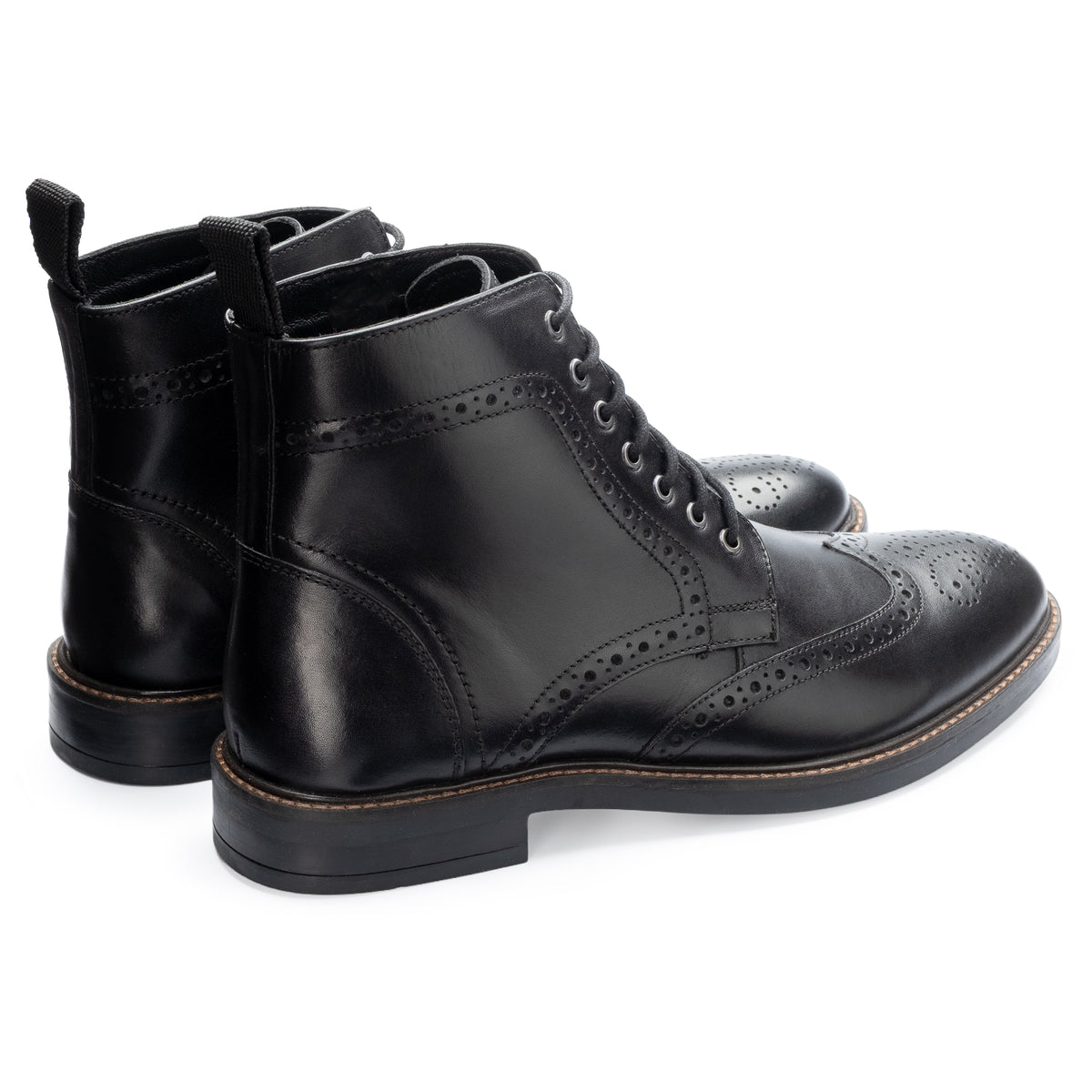
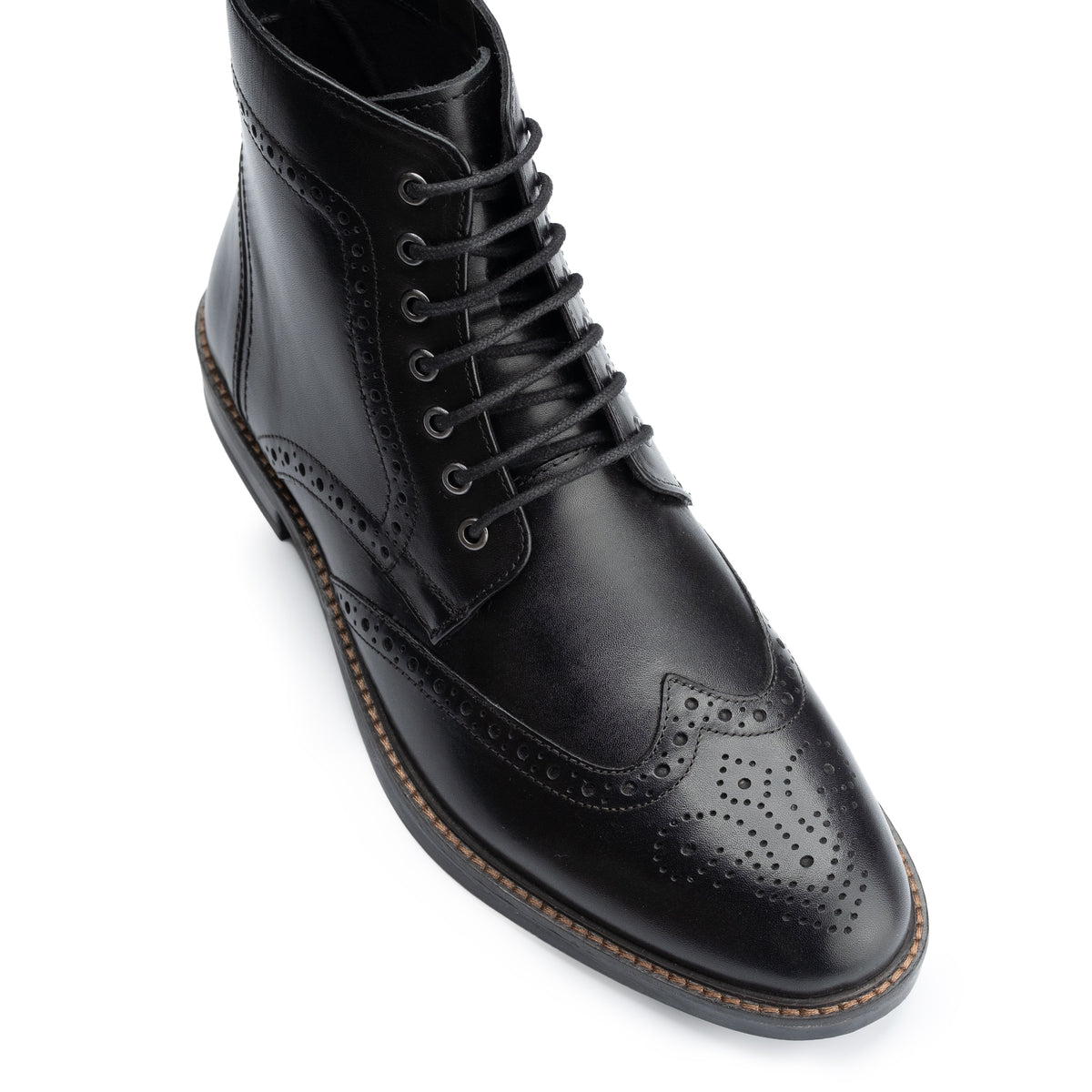
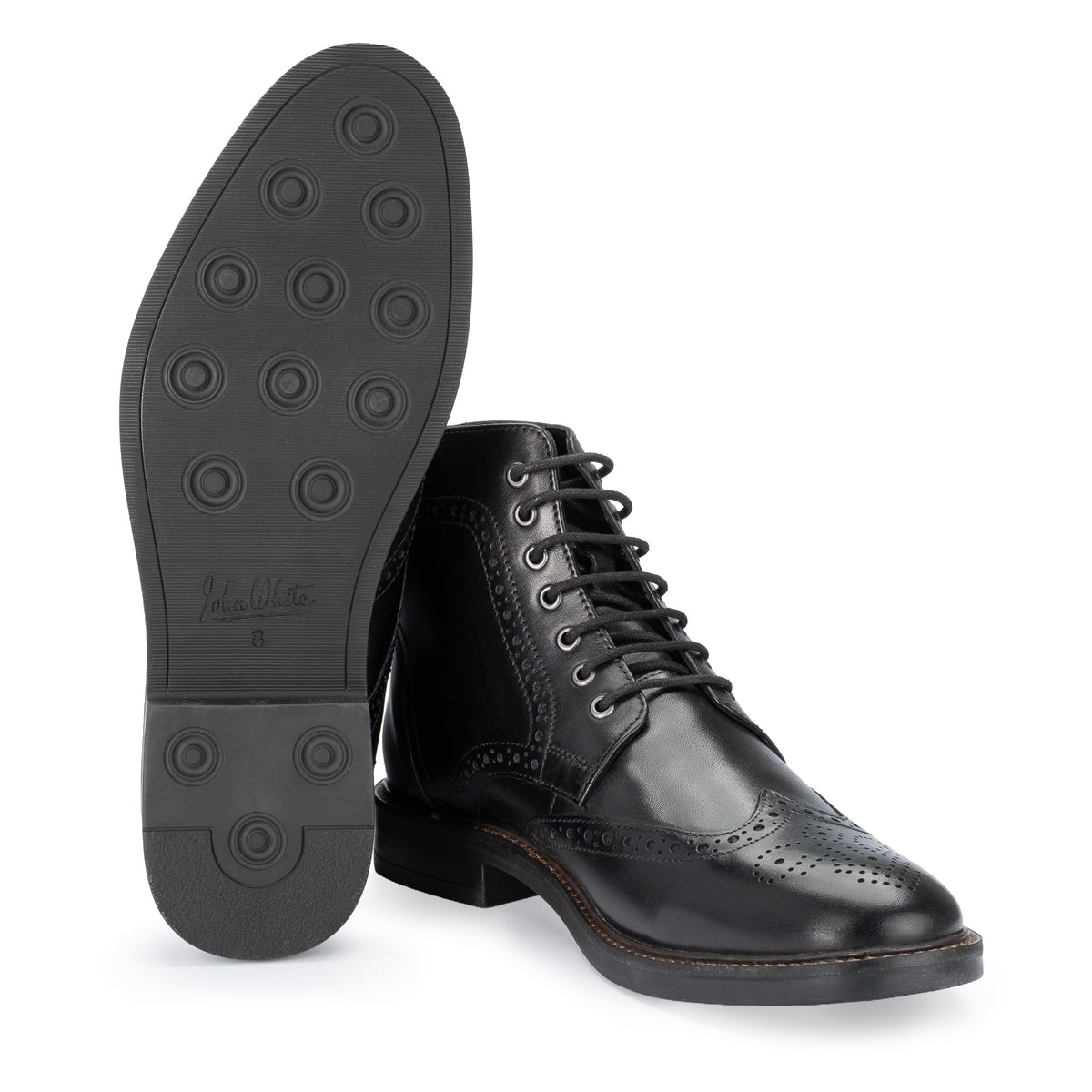
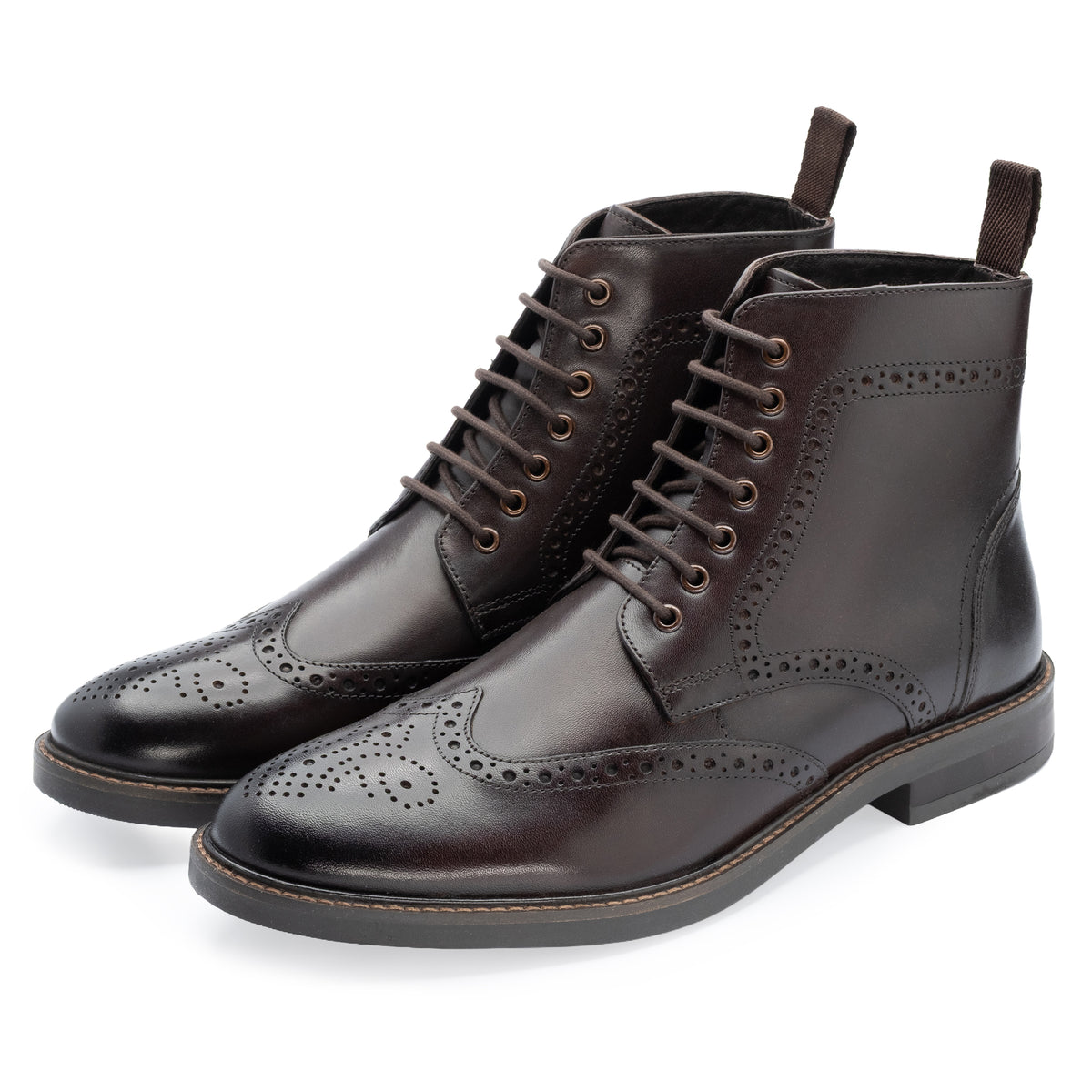
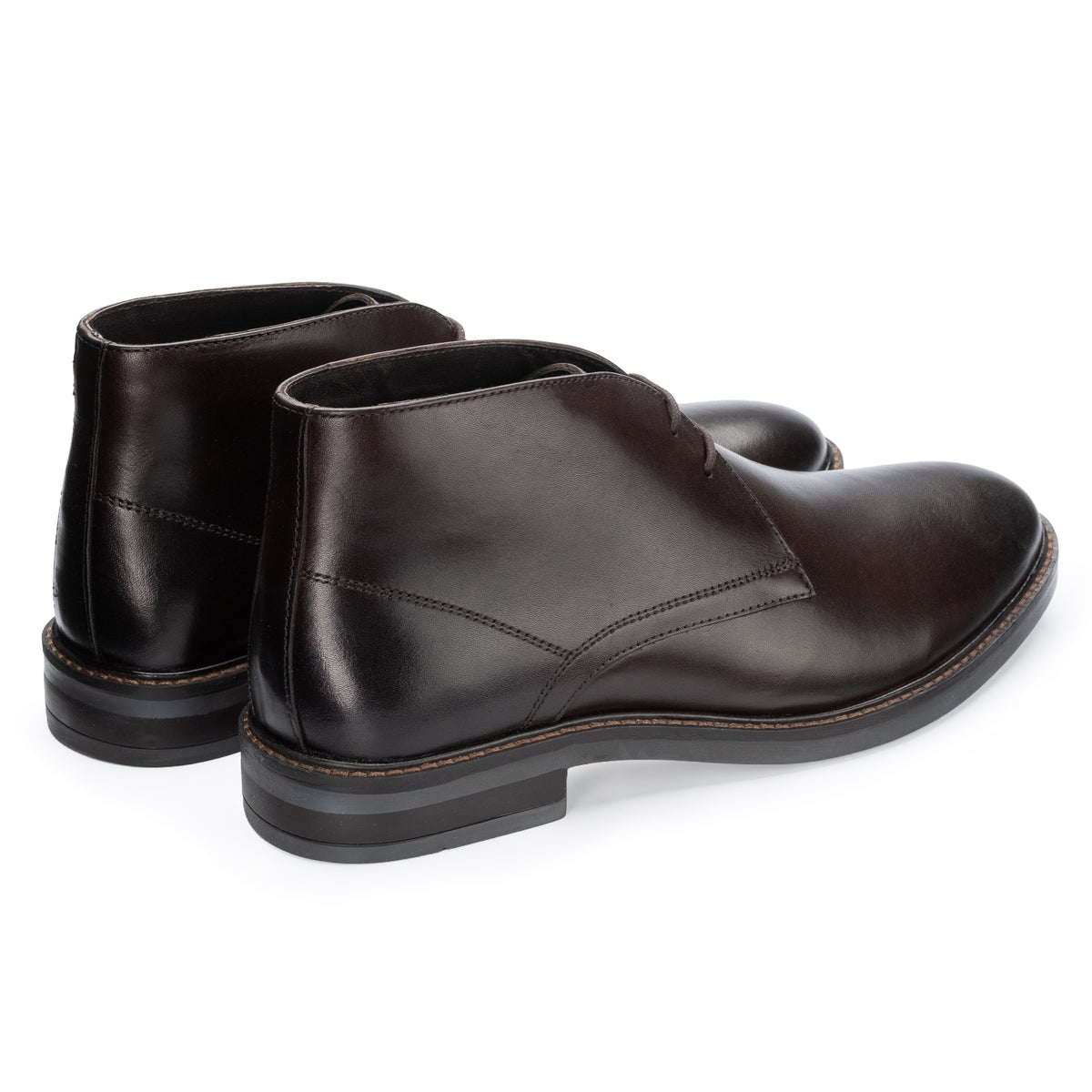
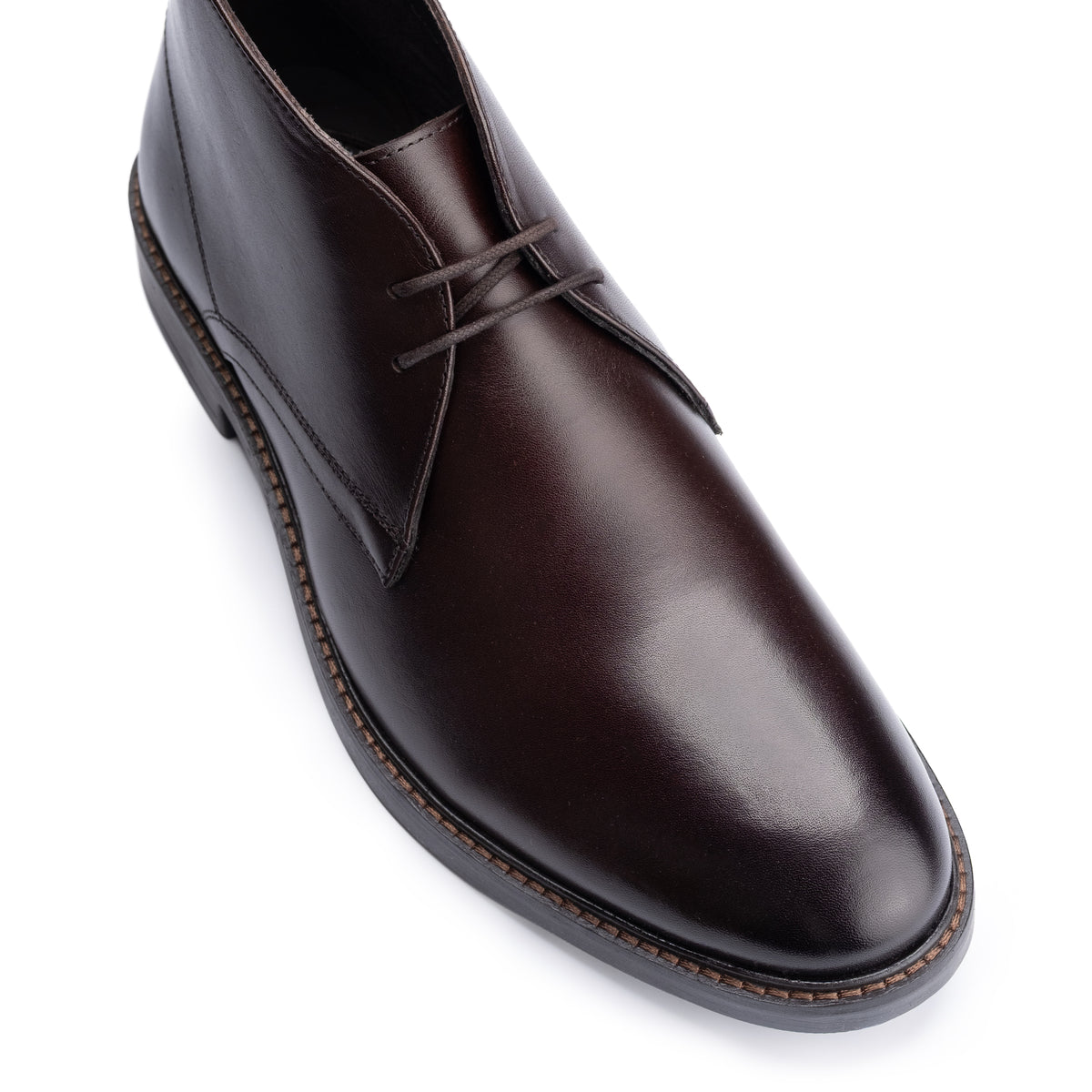
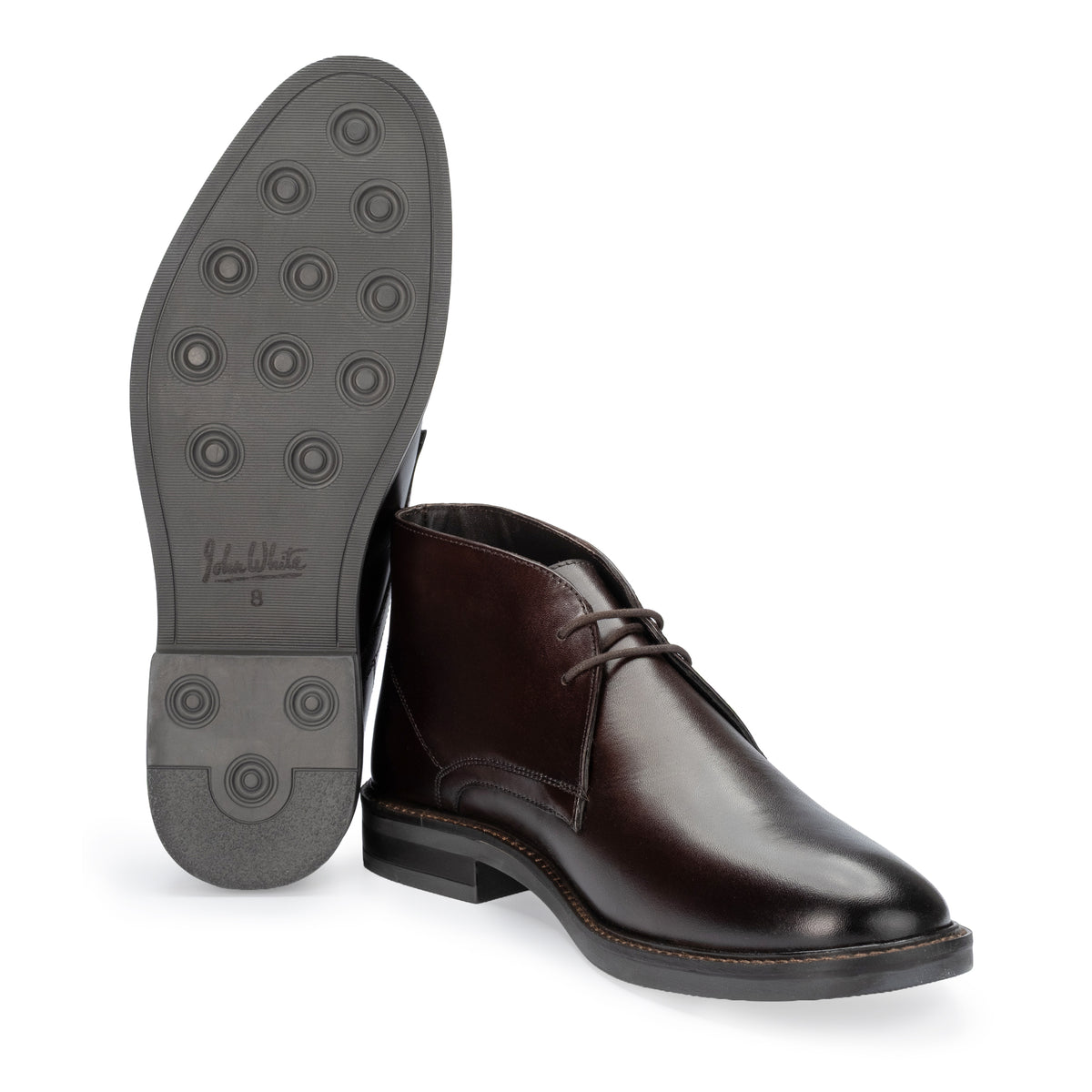
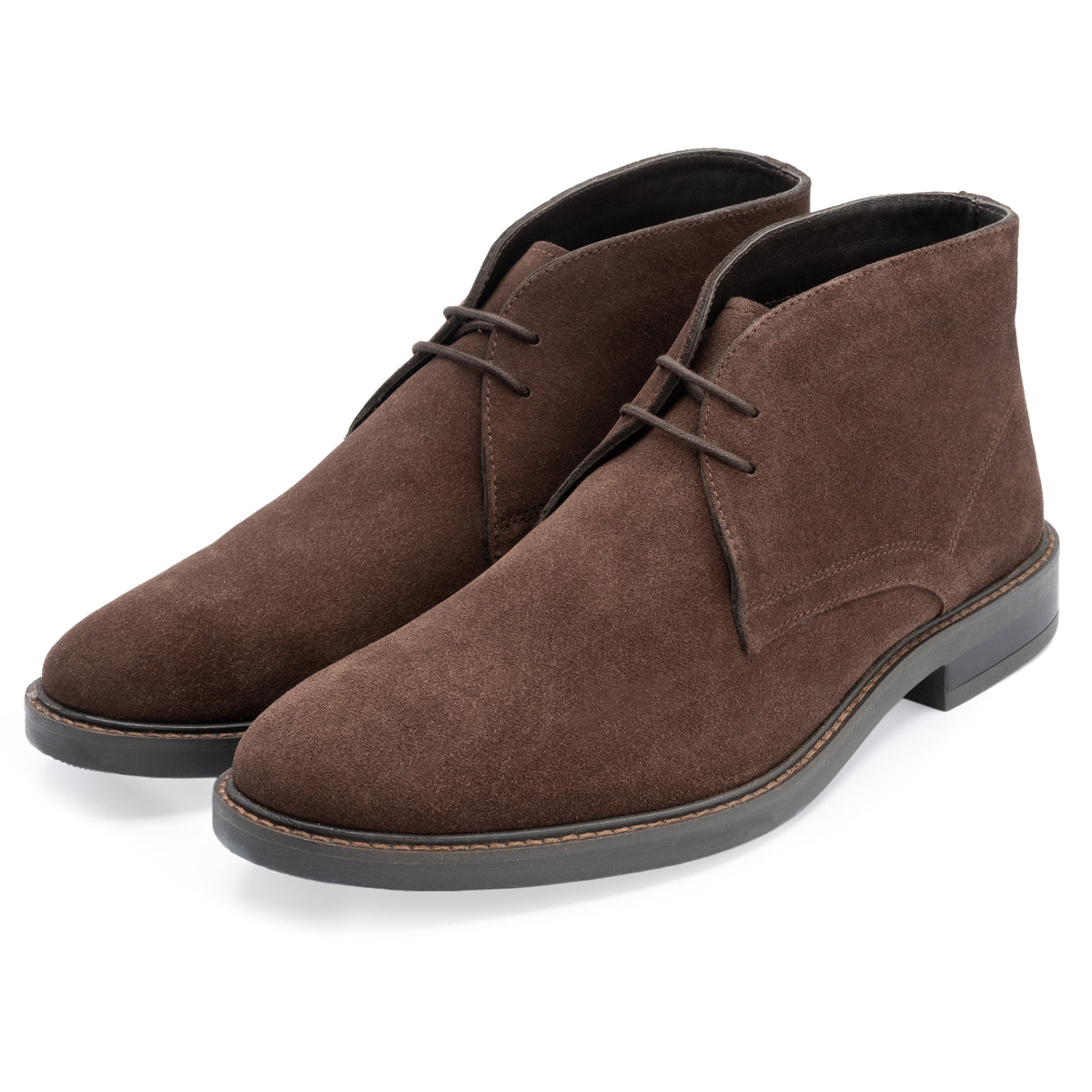
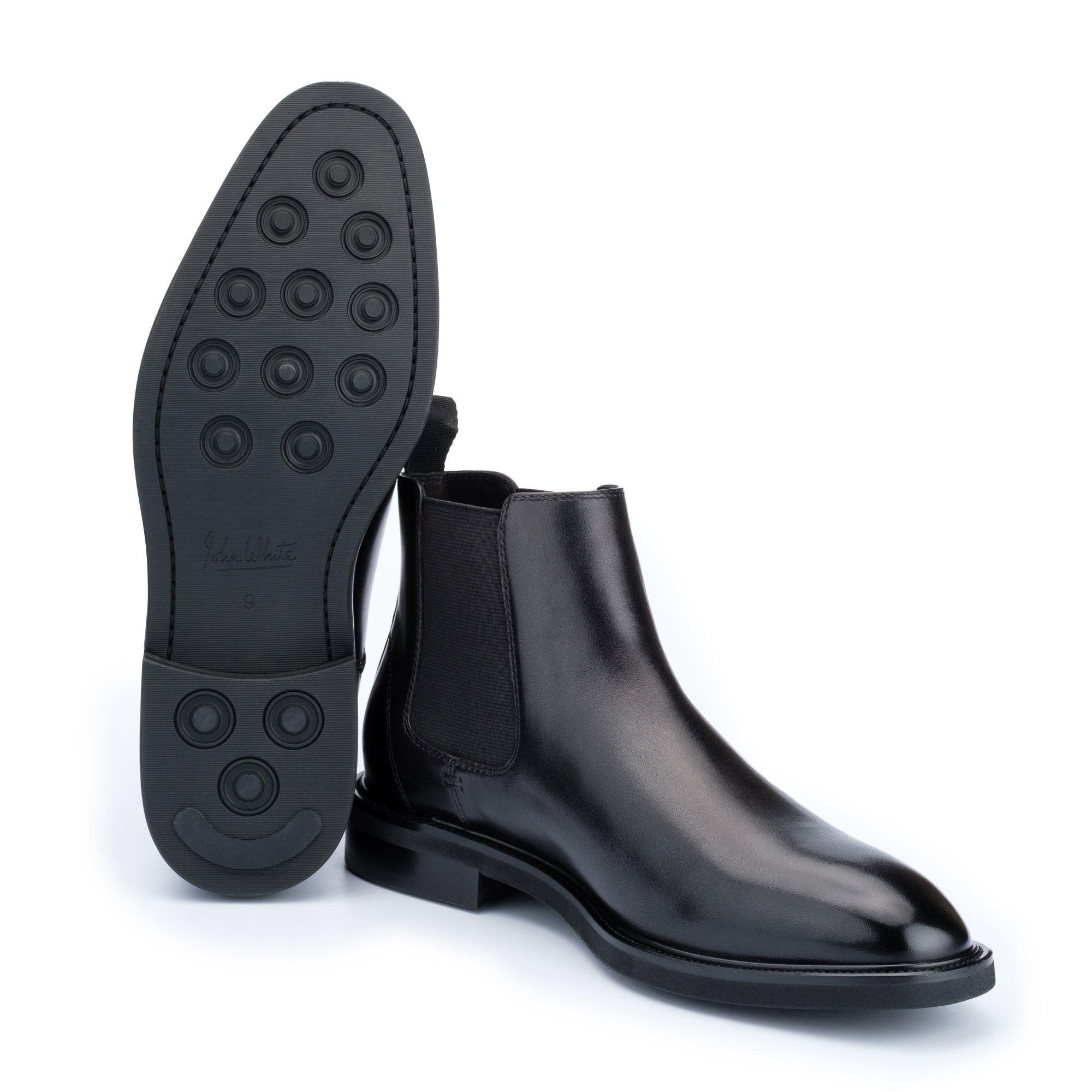
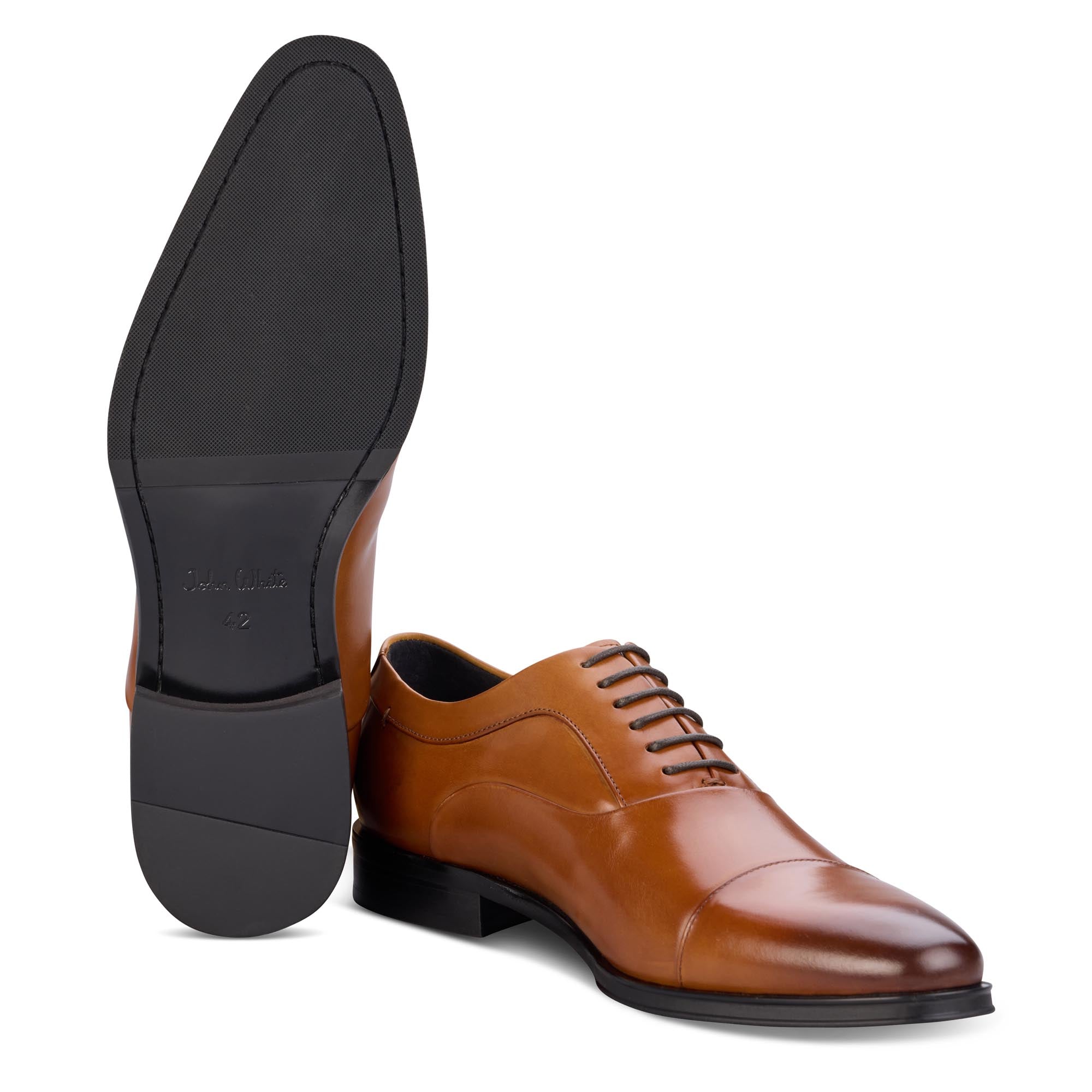
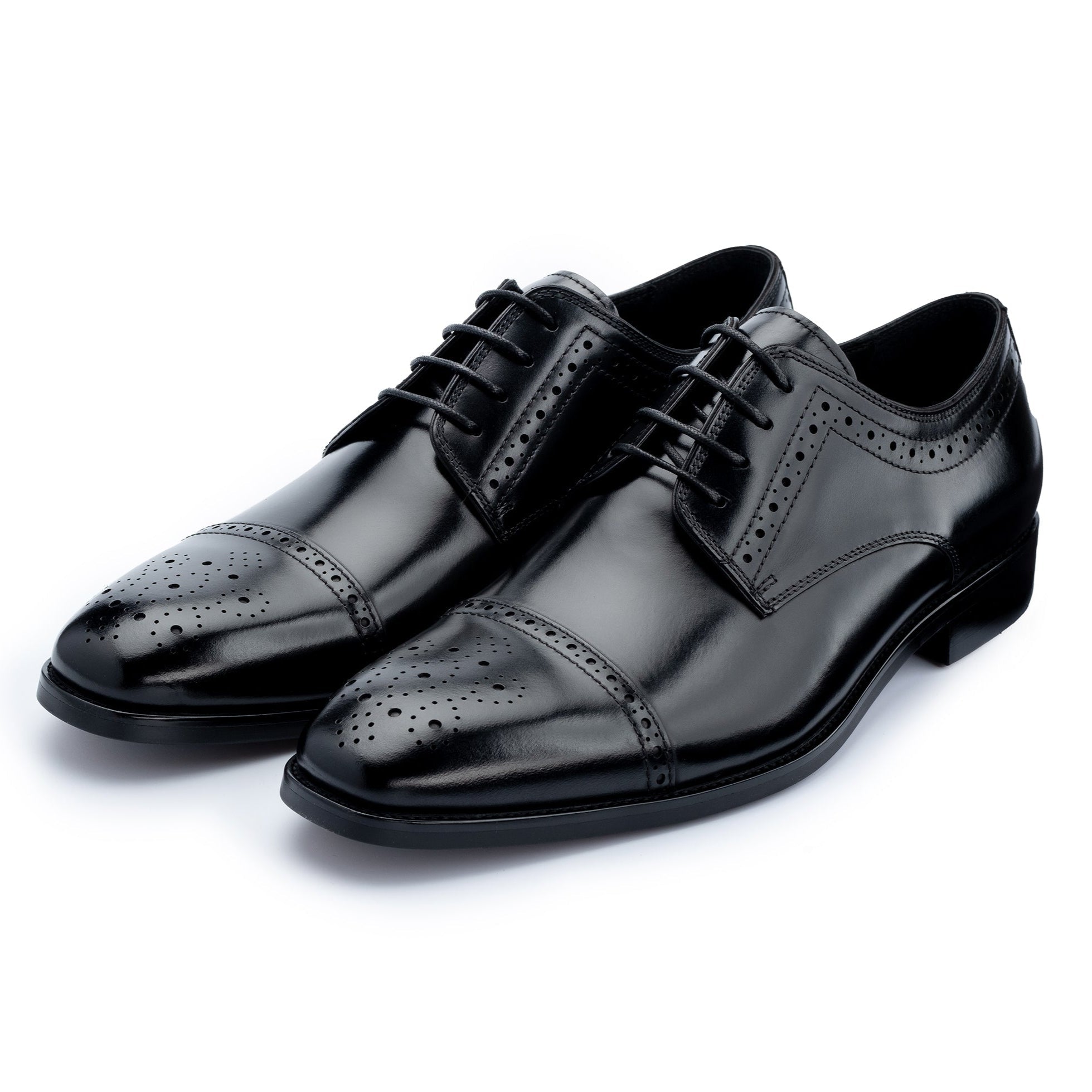
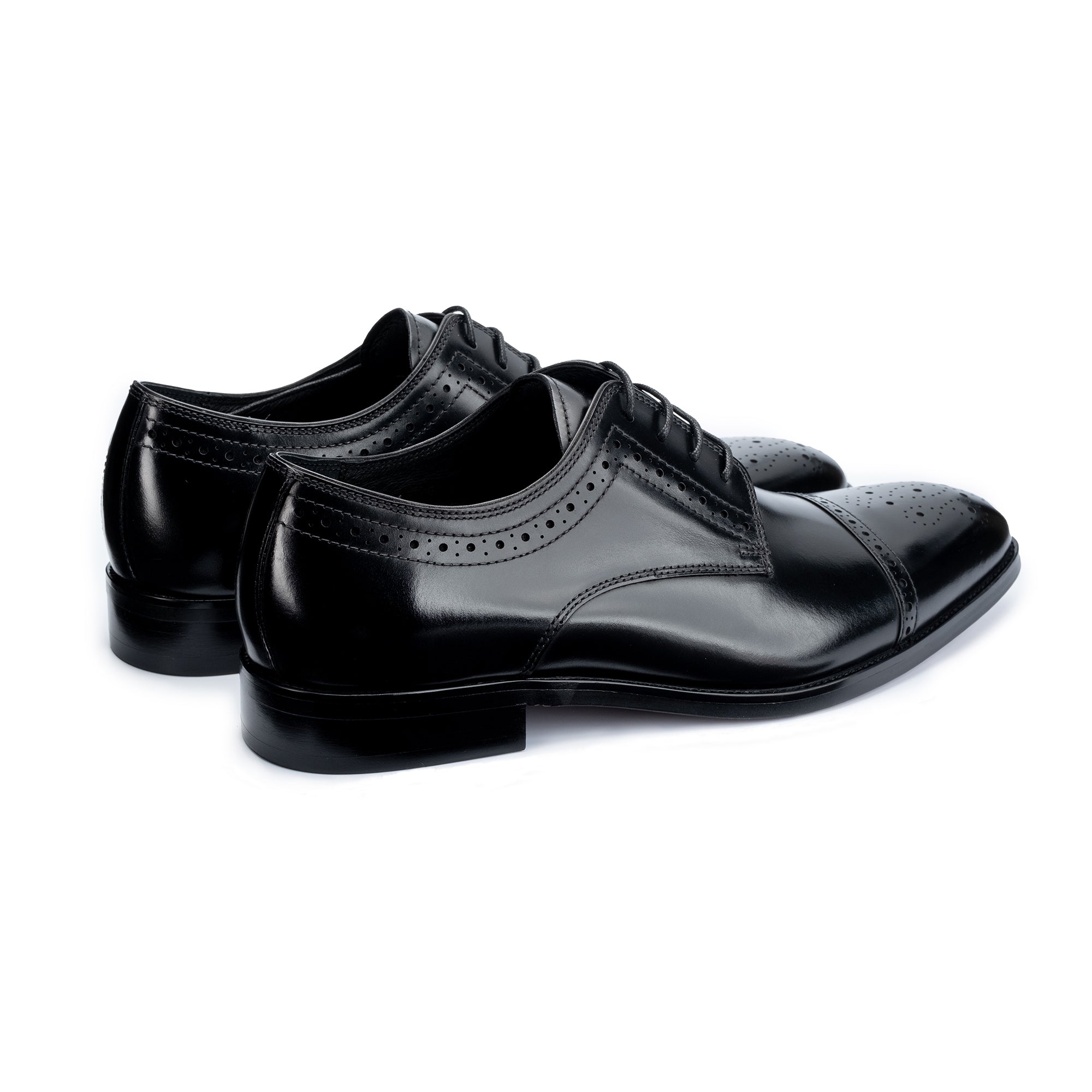
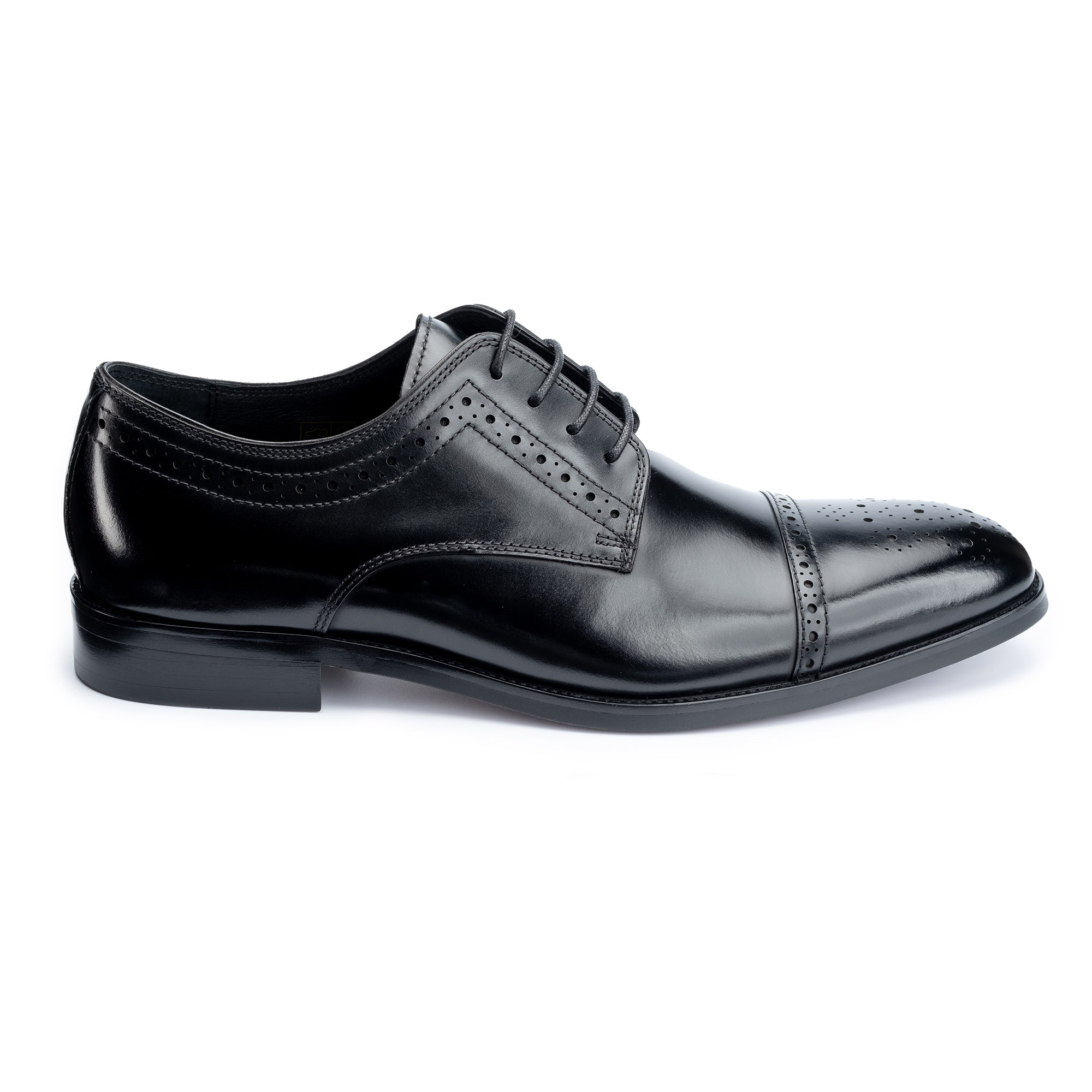
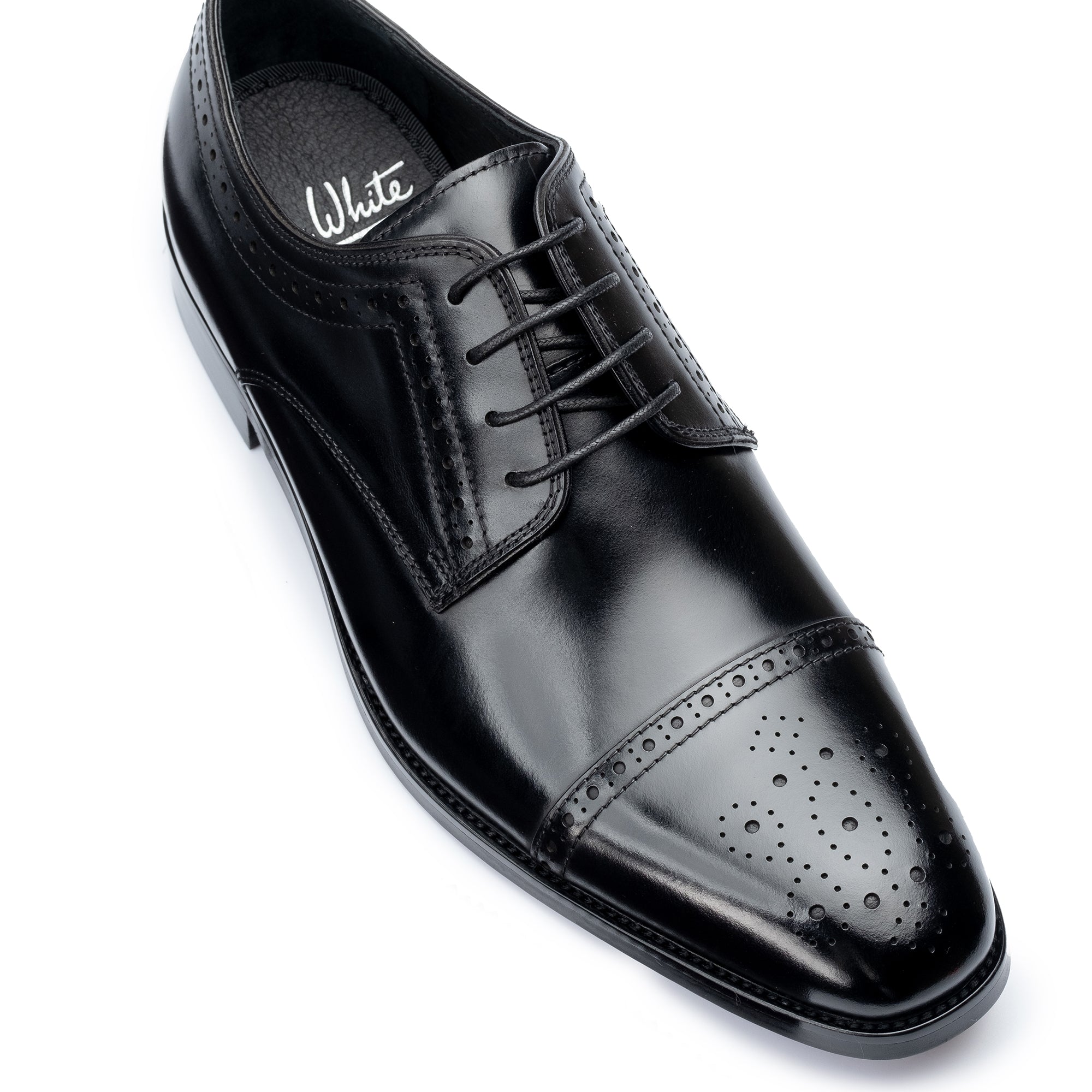
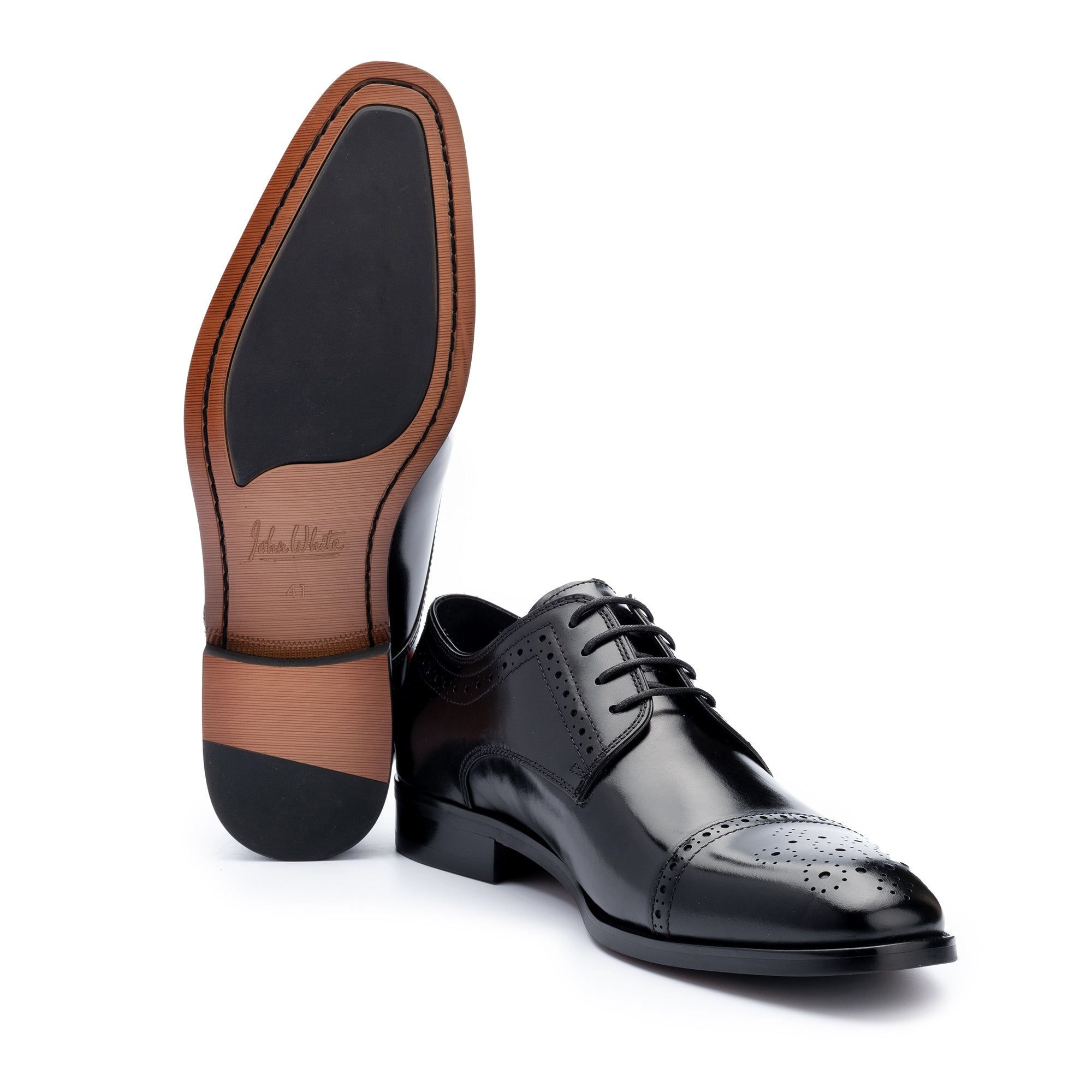
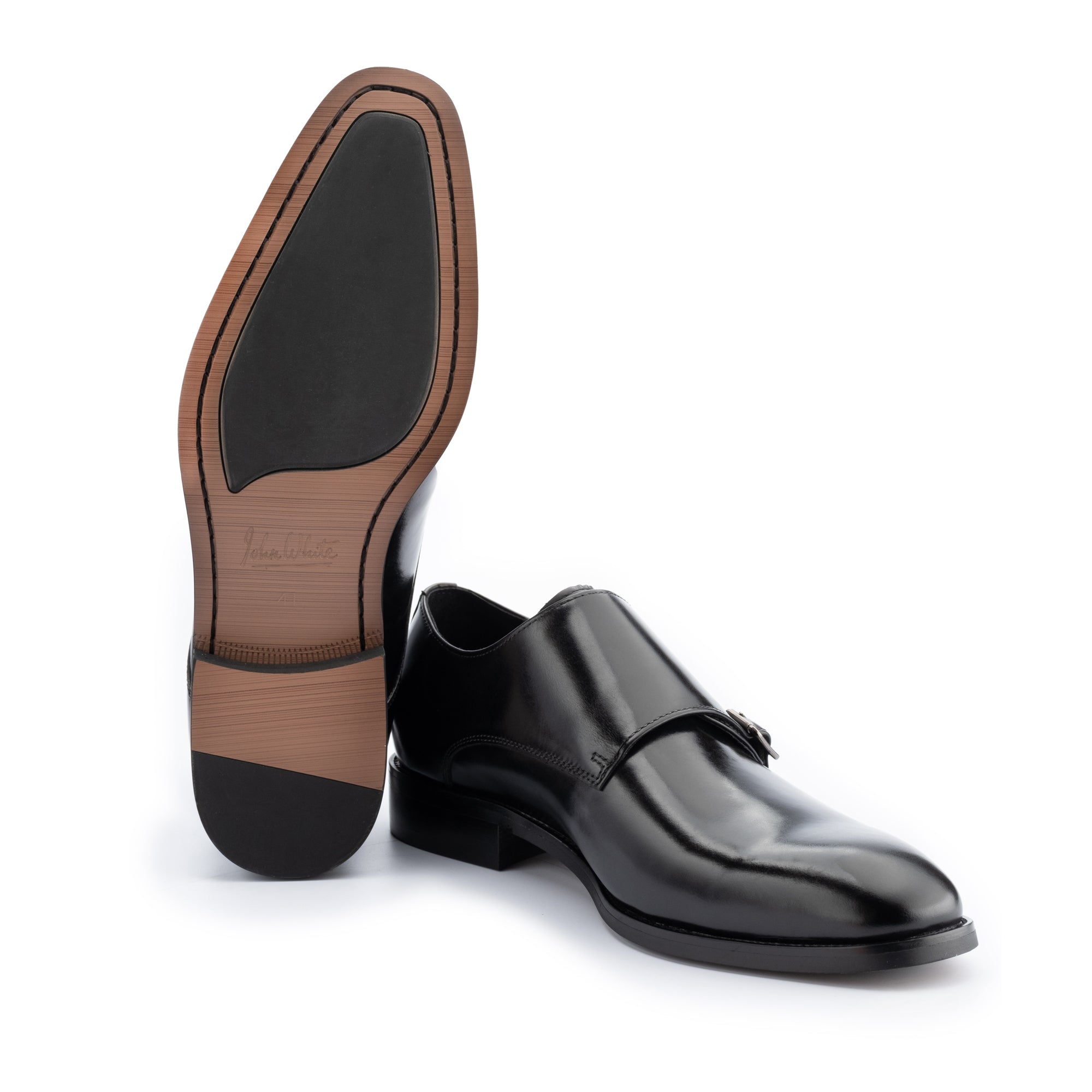
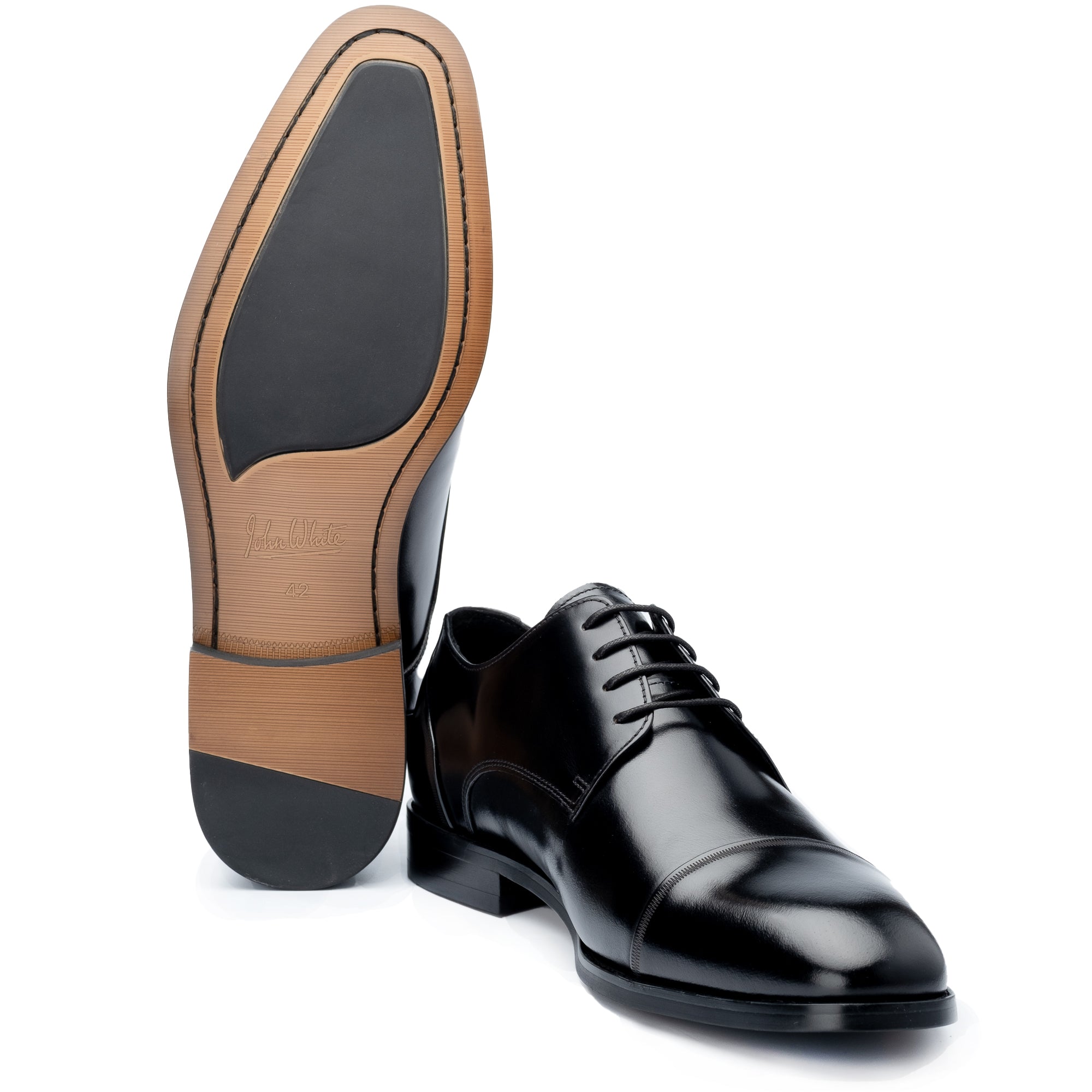
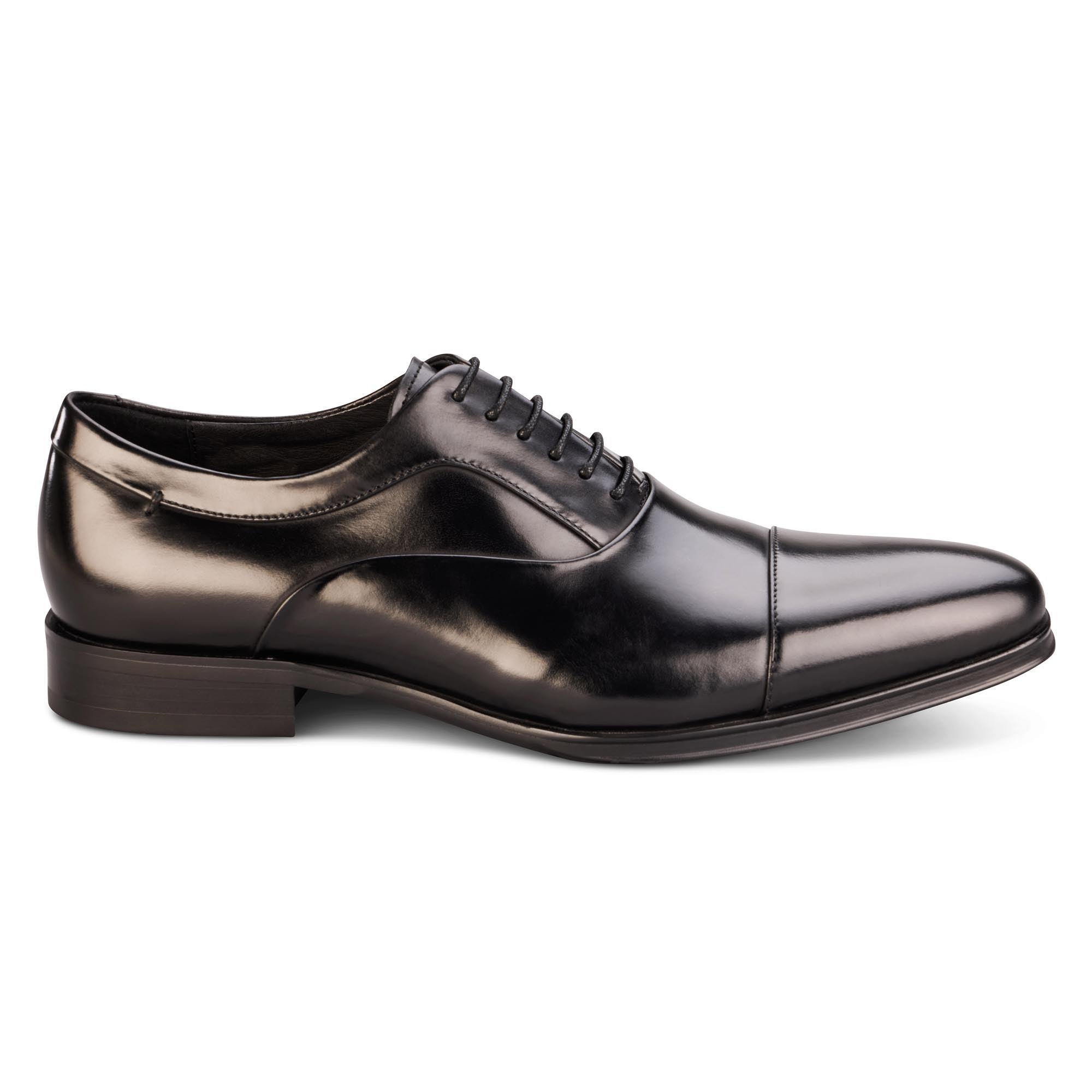
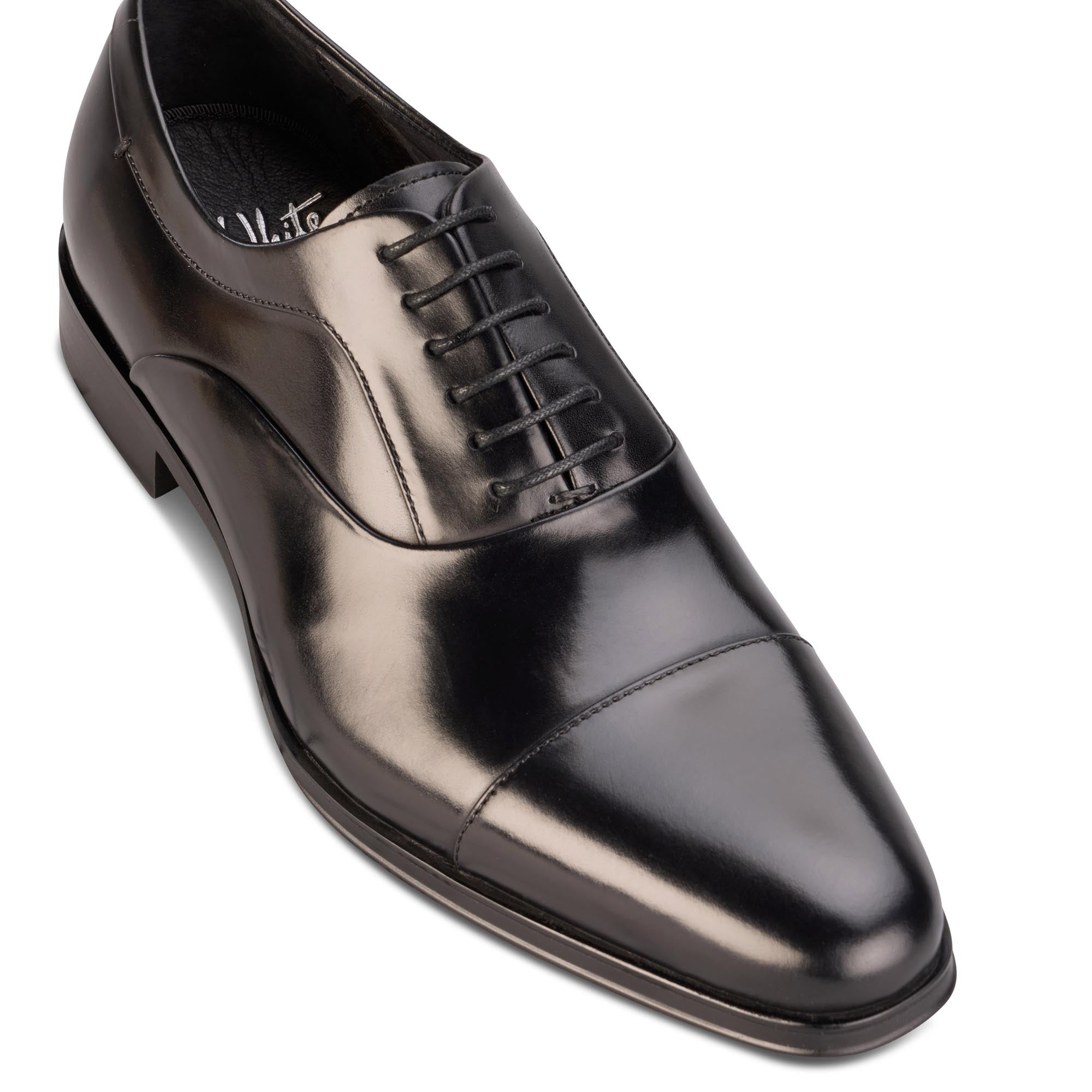
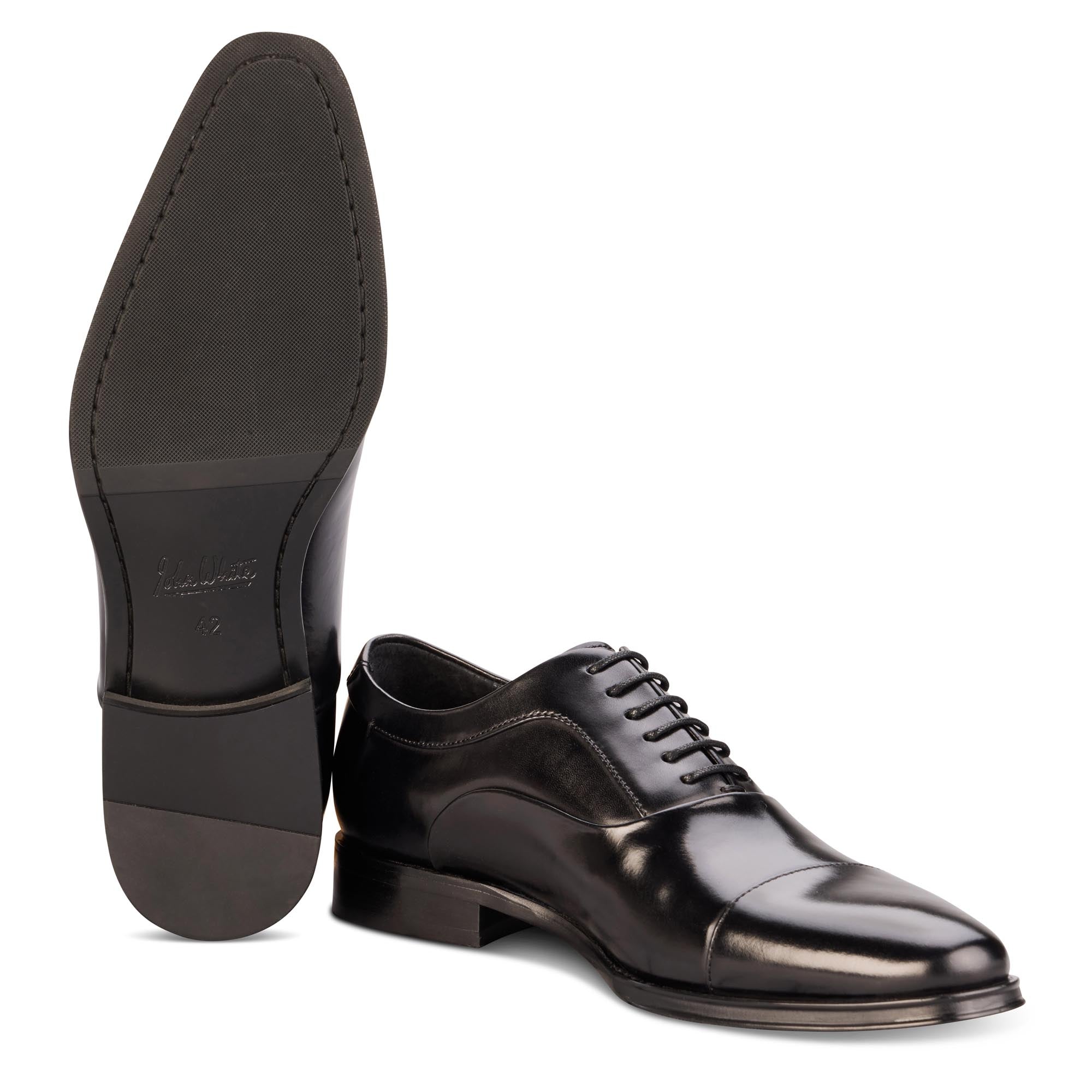
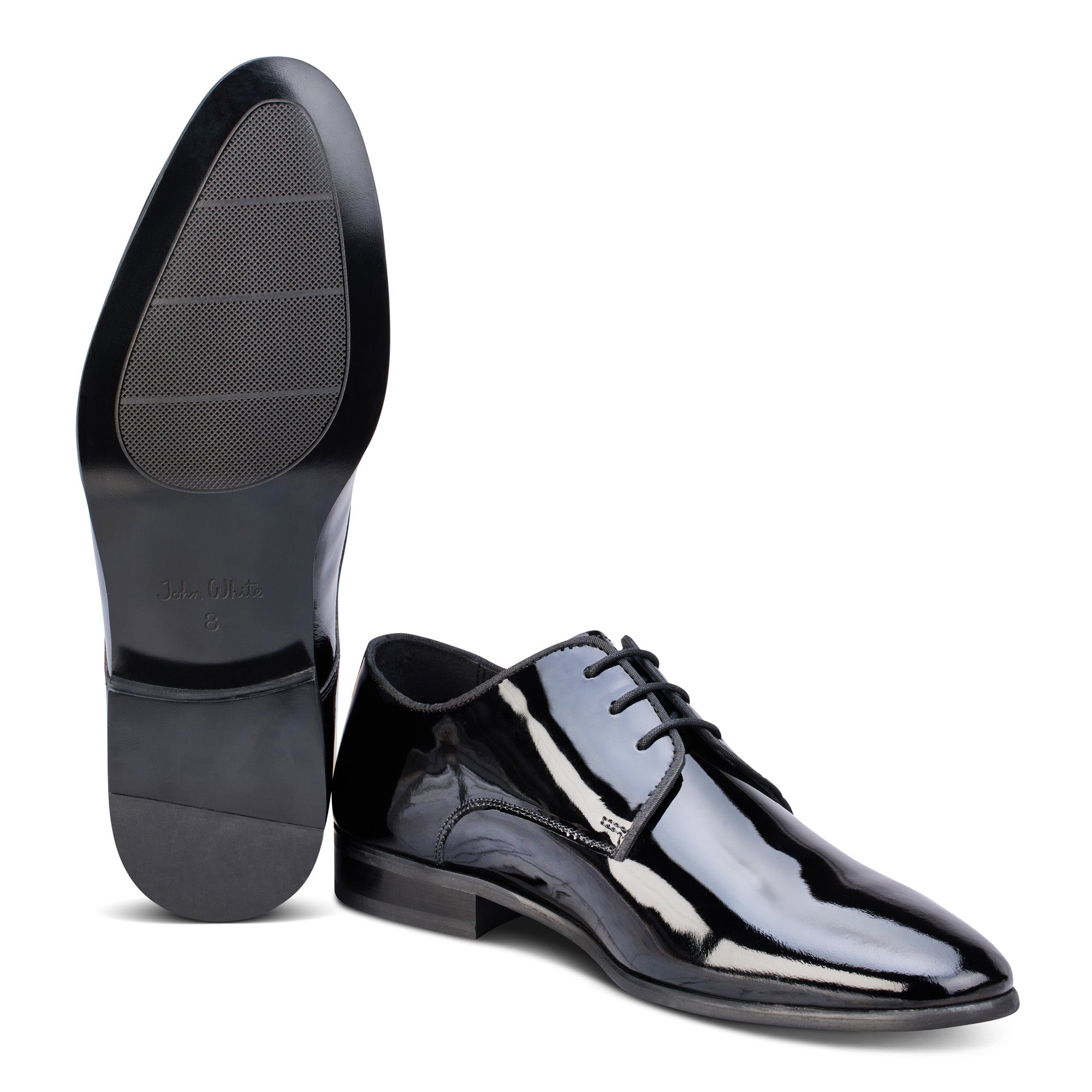
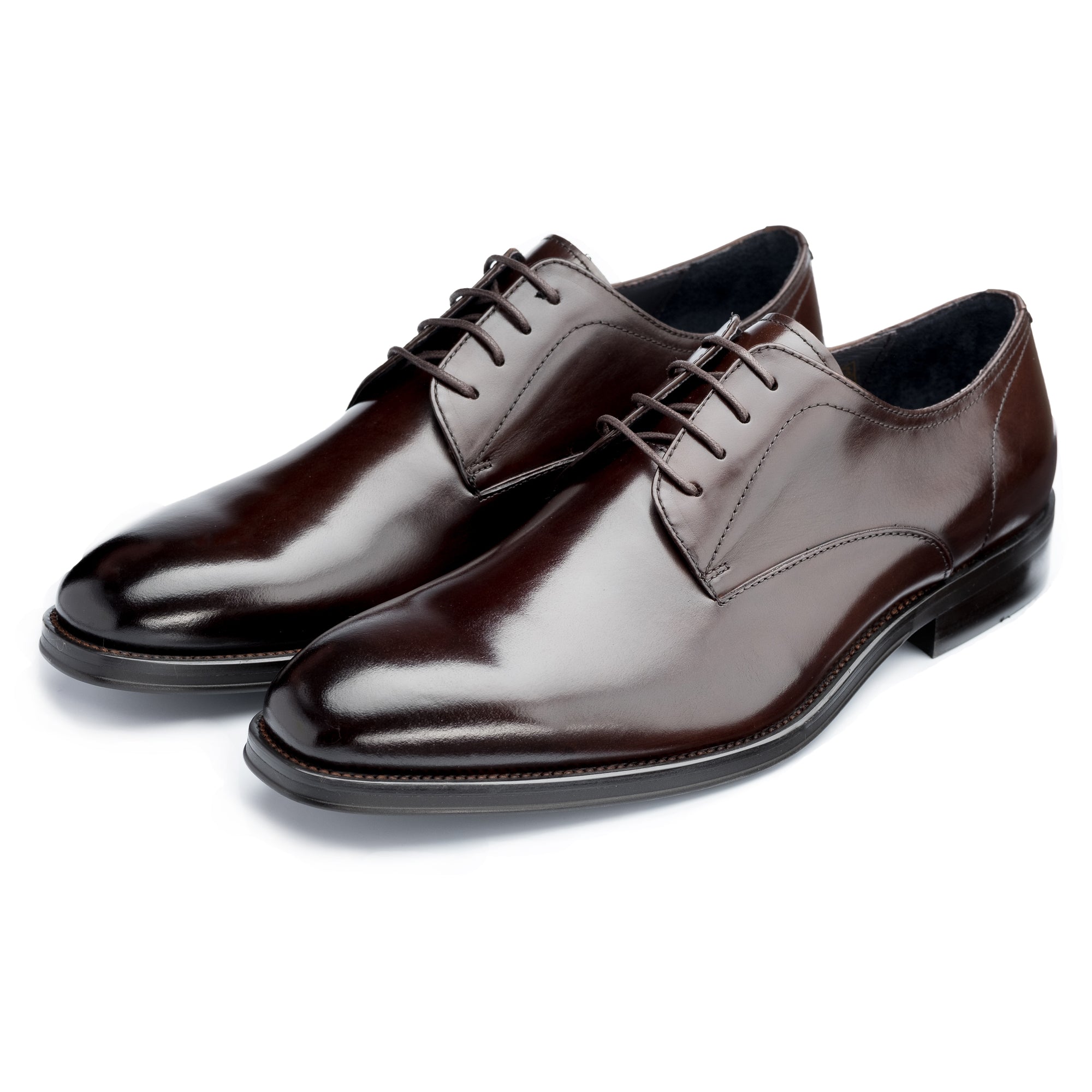
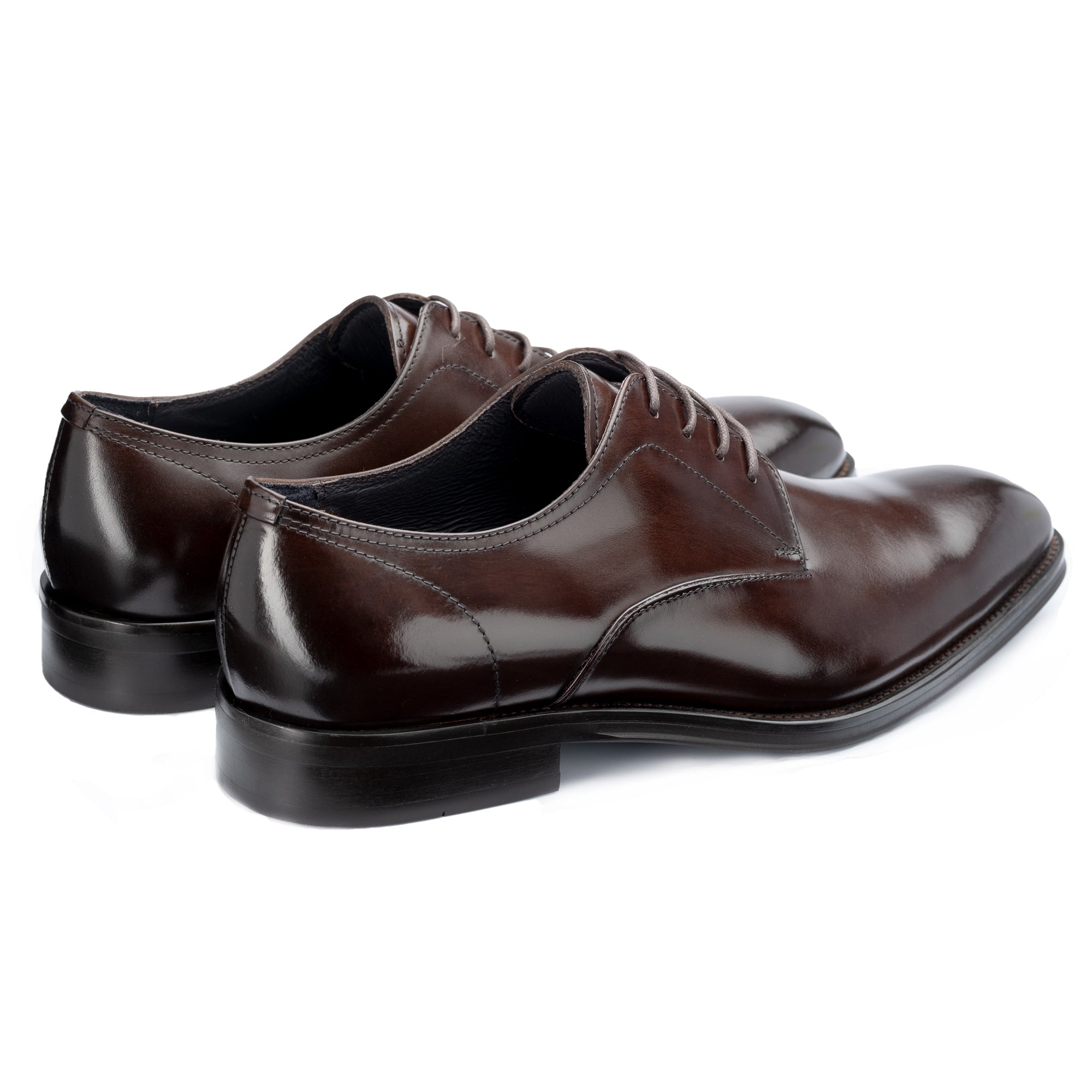
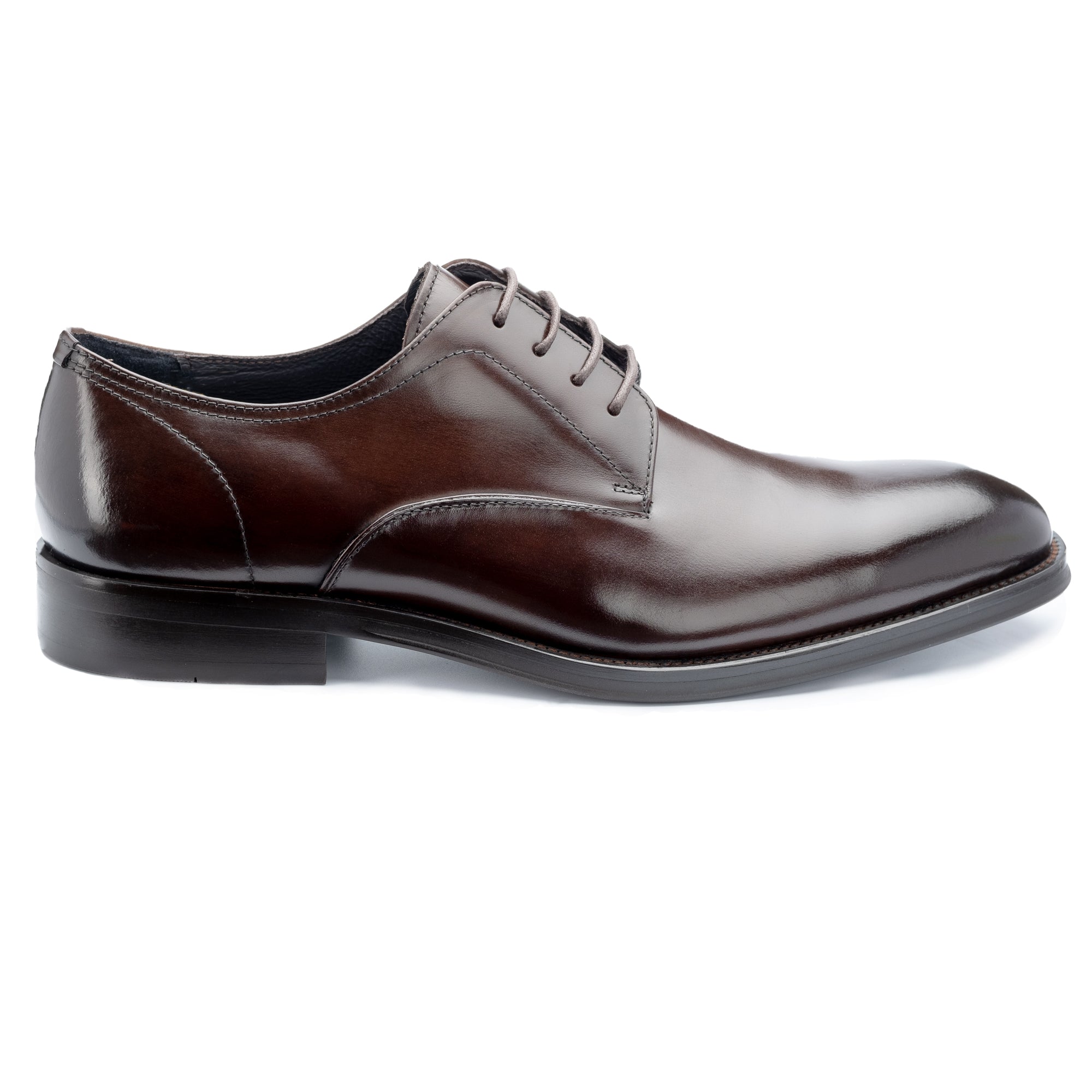
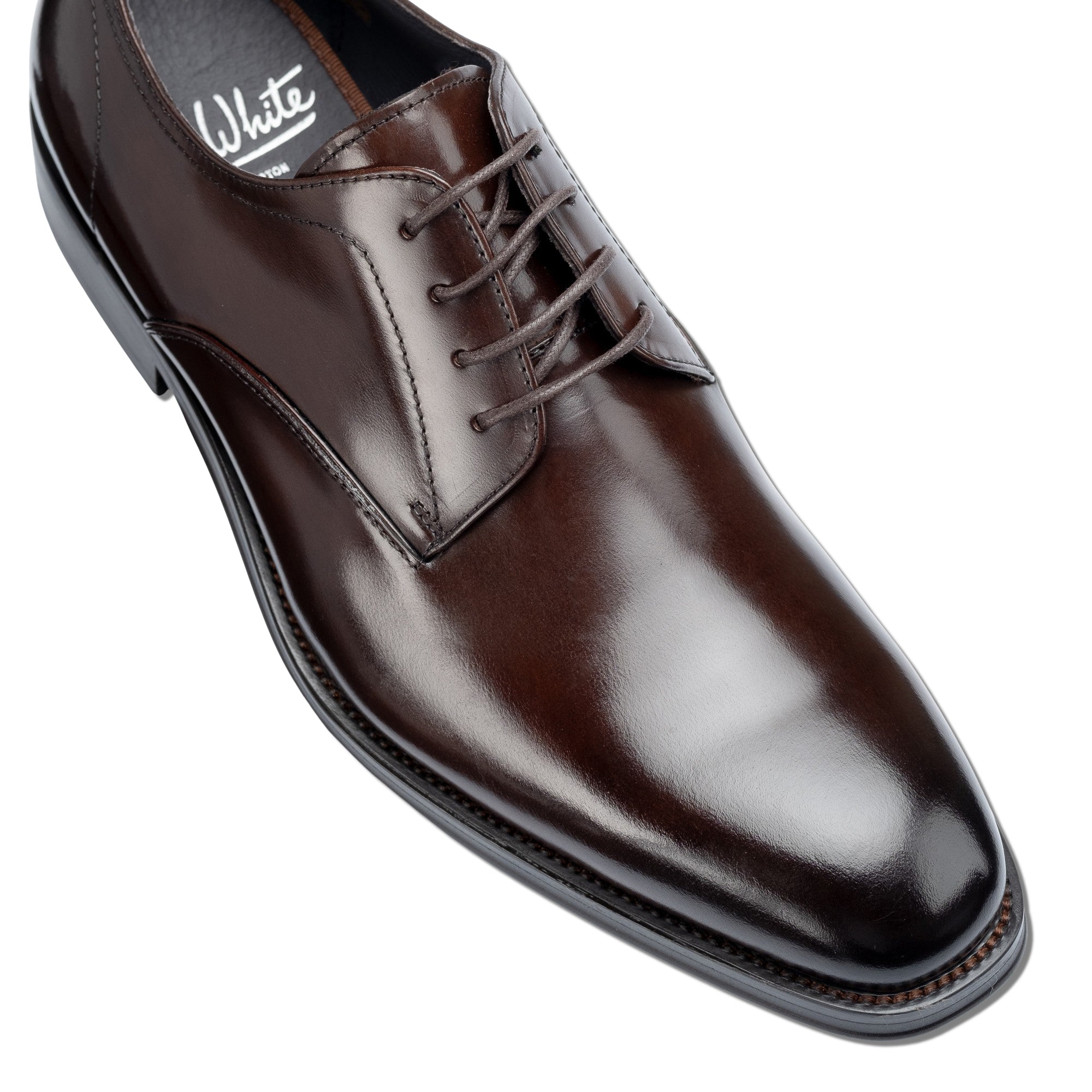
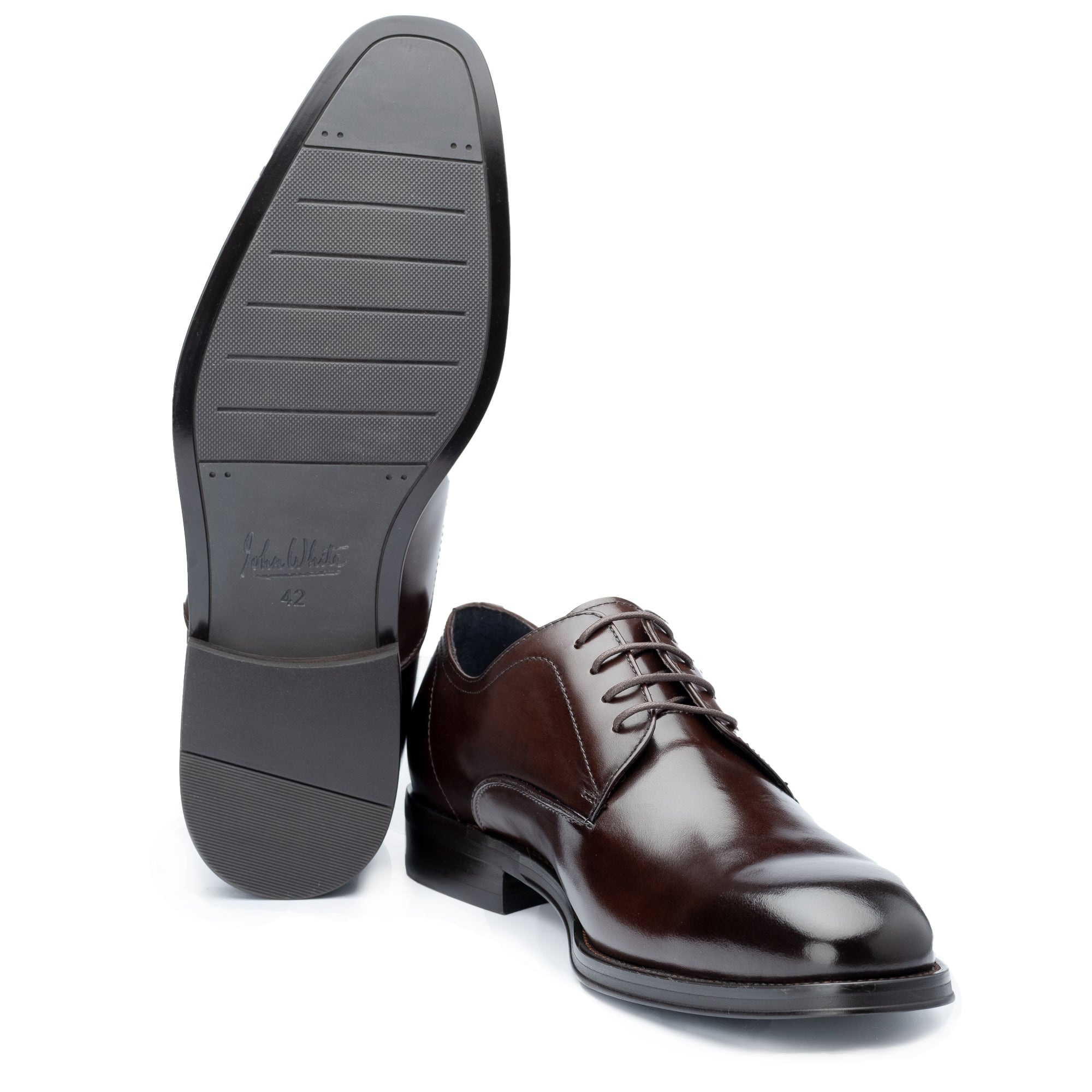
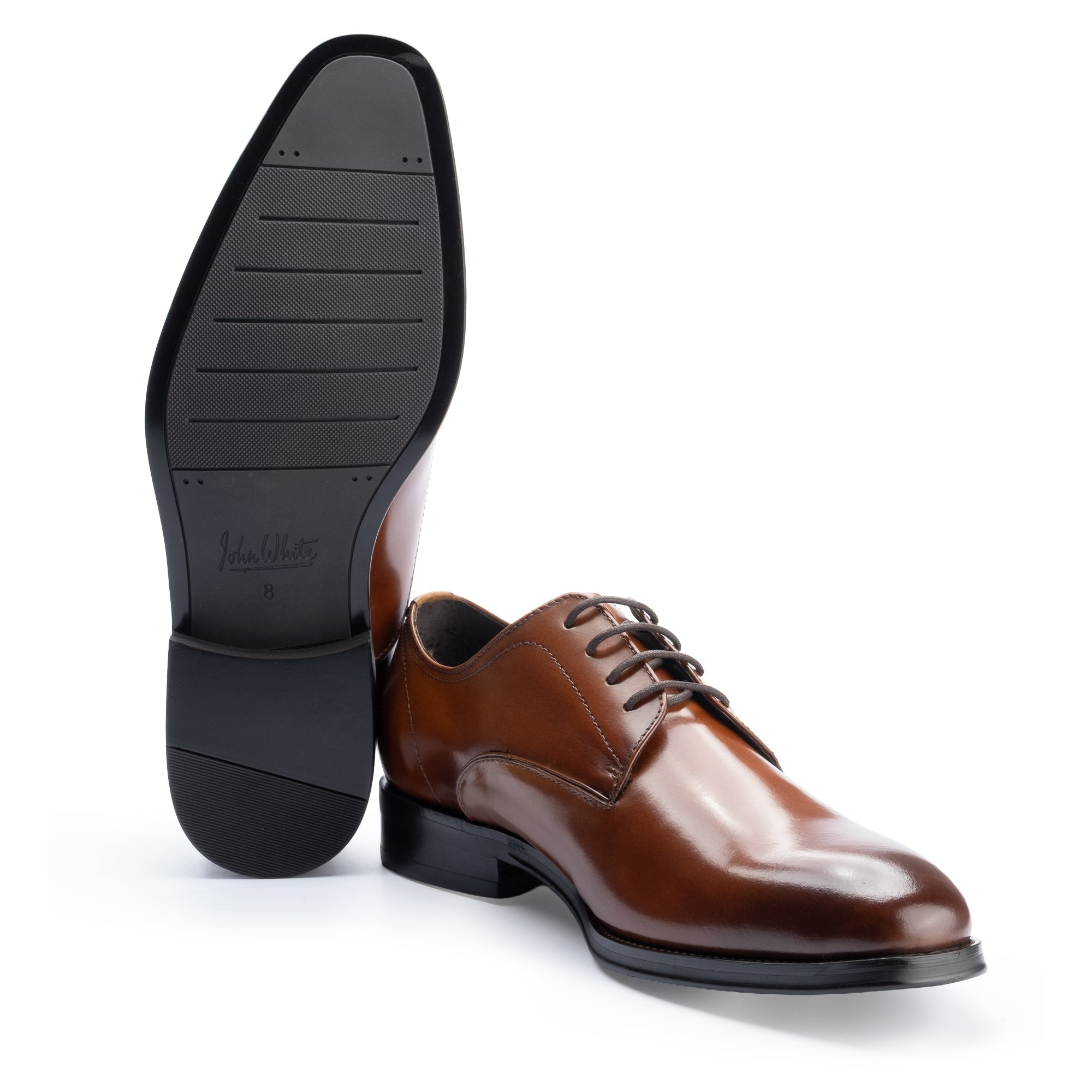
The leather sole is the most punished component of any quality dress shoe. It meets the pavement at every step, draws moisture upward from wet ground, and flexes thousands of times daily under full bodyweight. Yet it receives a fraction of the attention most men give to the upper. Premium shoemakers — Loake, Barker, Grenson, Church's, Crockett & Jones, and John White Shoes among them — specify leather soles across their Goodyear welted ranges for their breathability, refinement, and long-term repairability. That investment only compounds with proper care.
This guide covers every stage of leather sole maintenance in sequence: how to clean, how to condition, and how to protect — with a seasonal care schedule calibrated to British conditions.
Why Is Leather Sole Care More Important Than Most Men Realise?
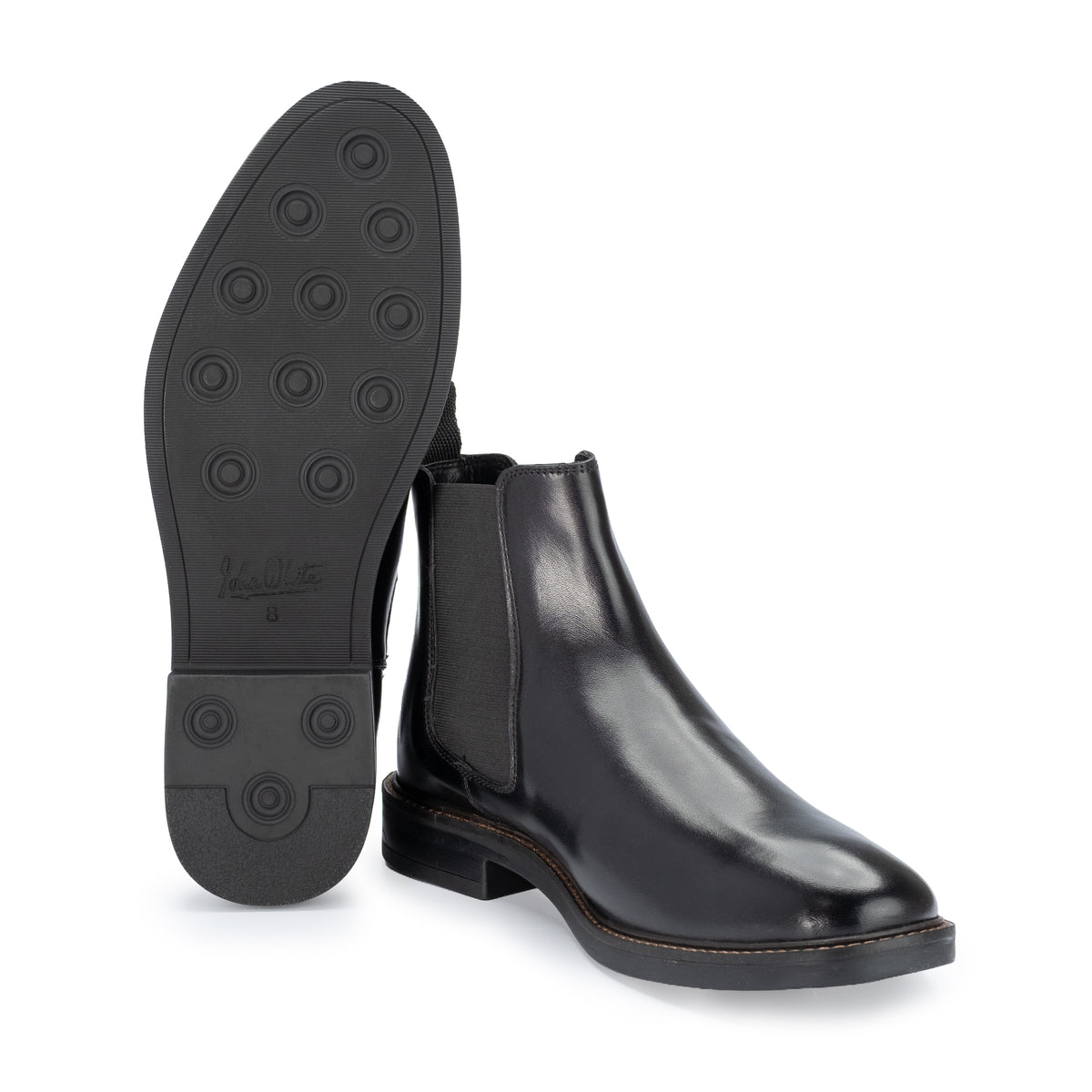
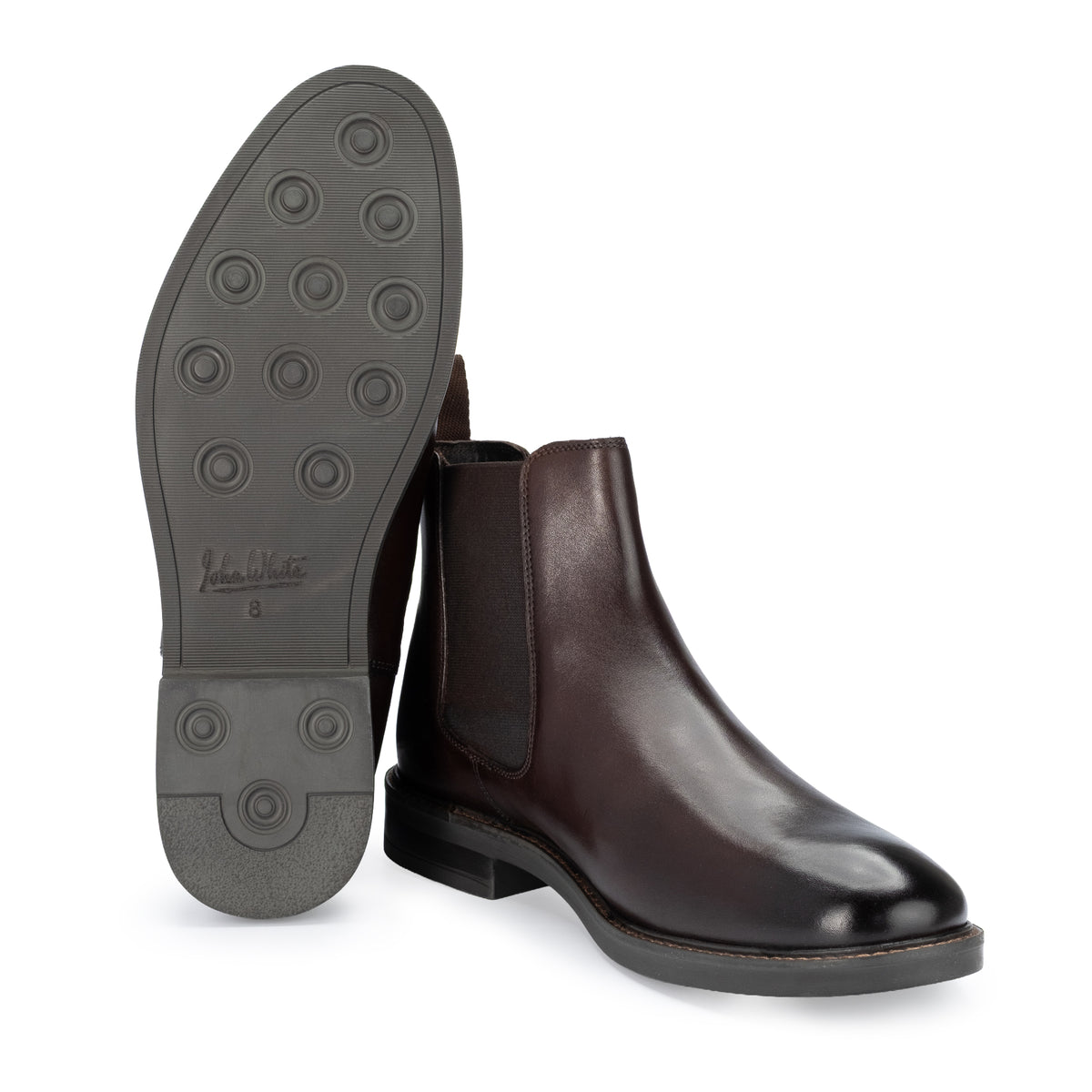
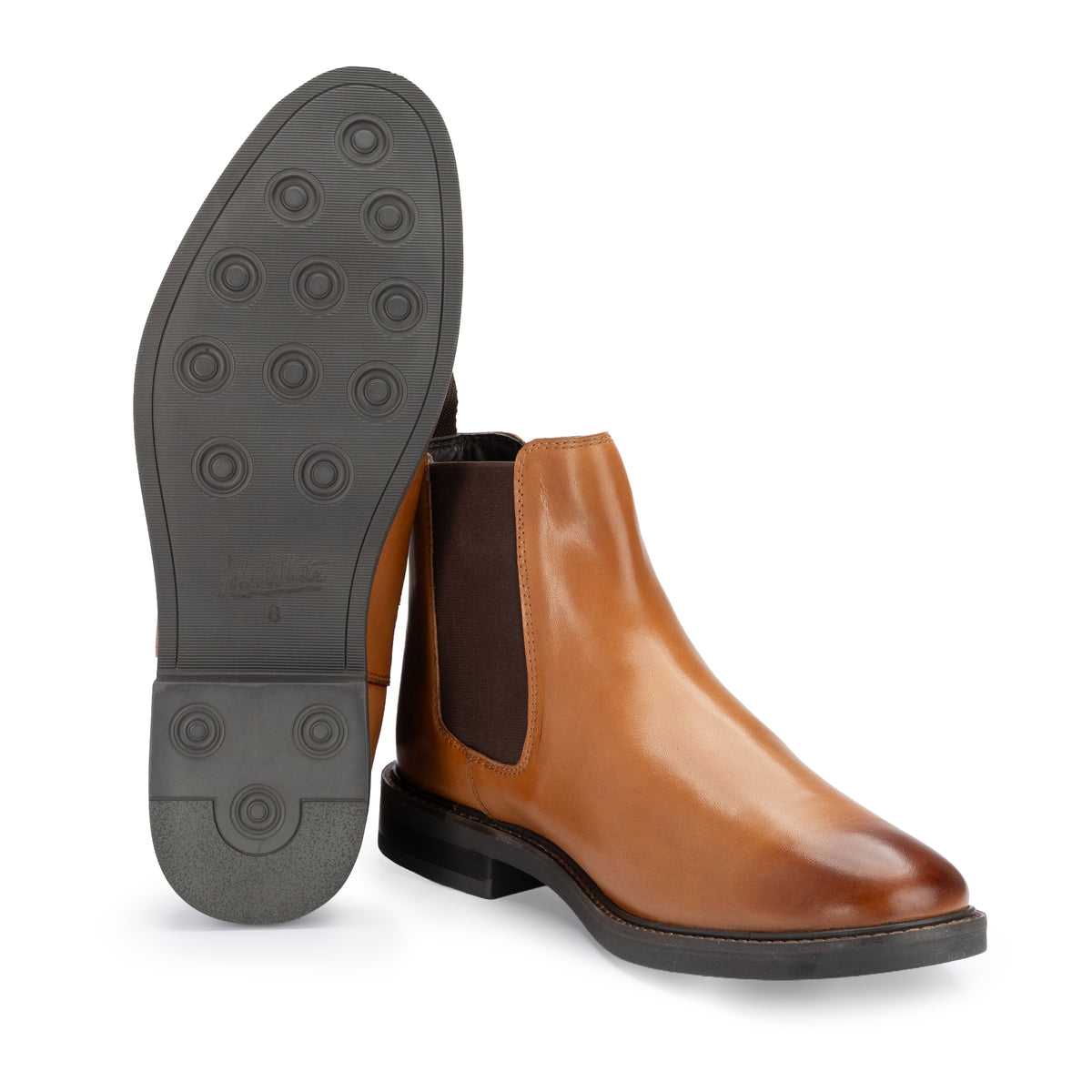
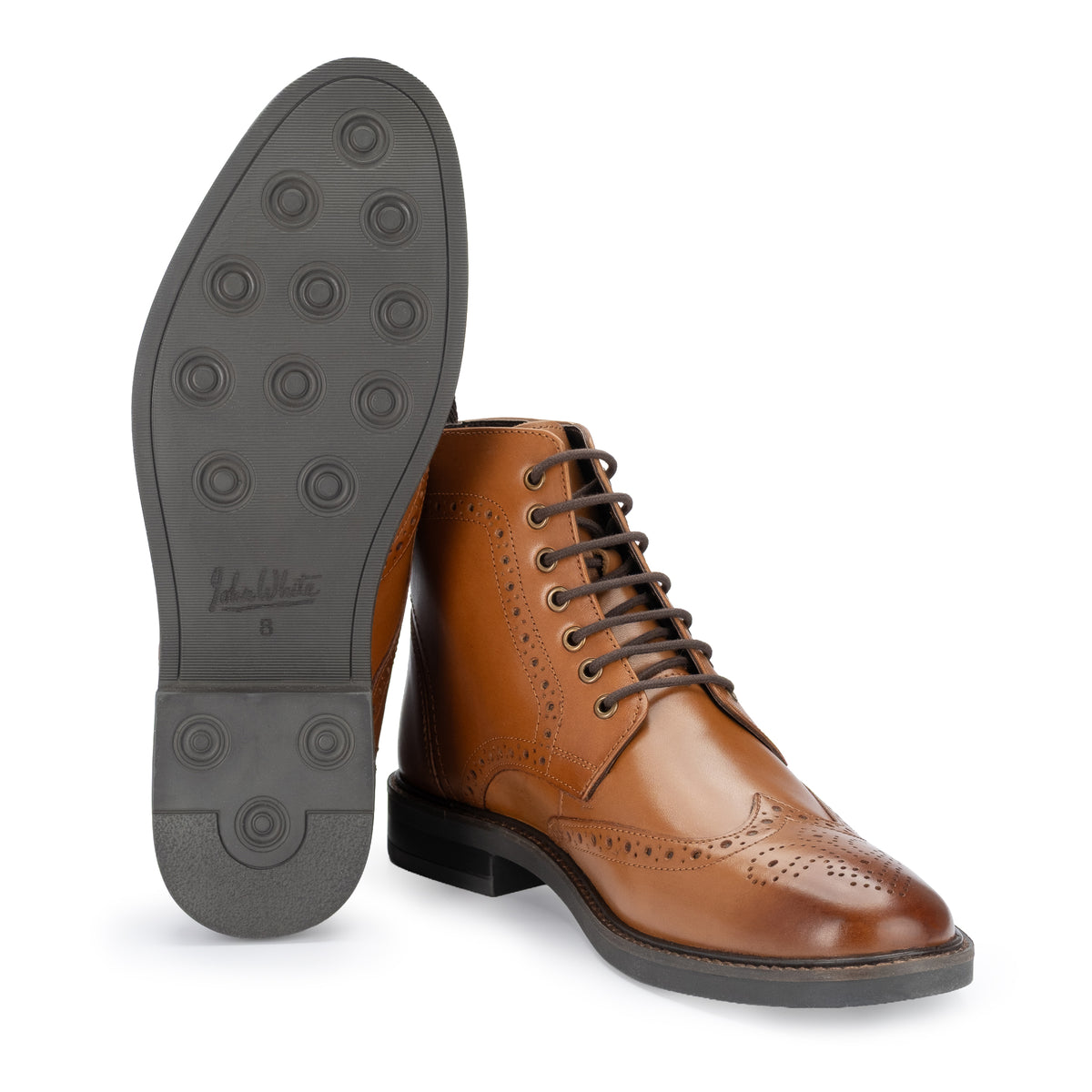
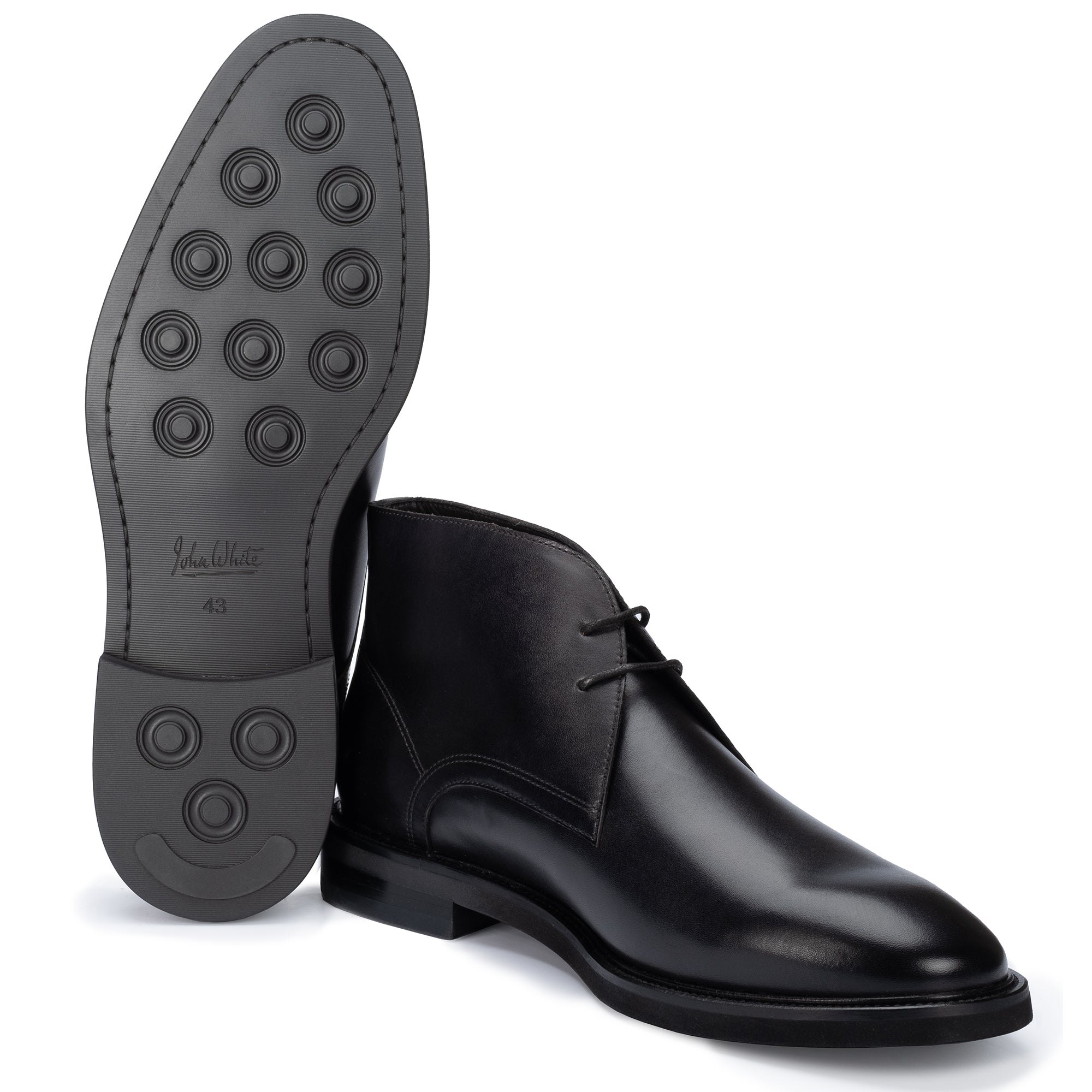
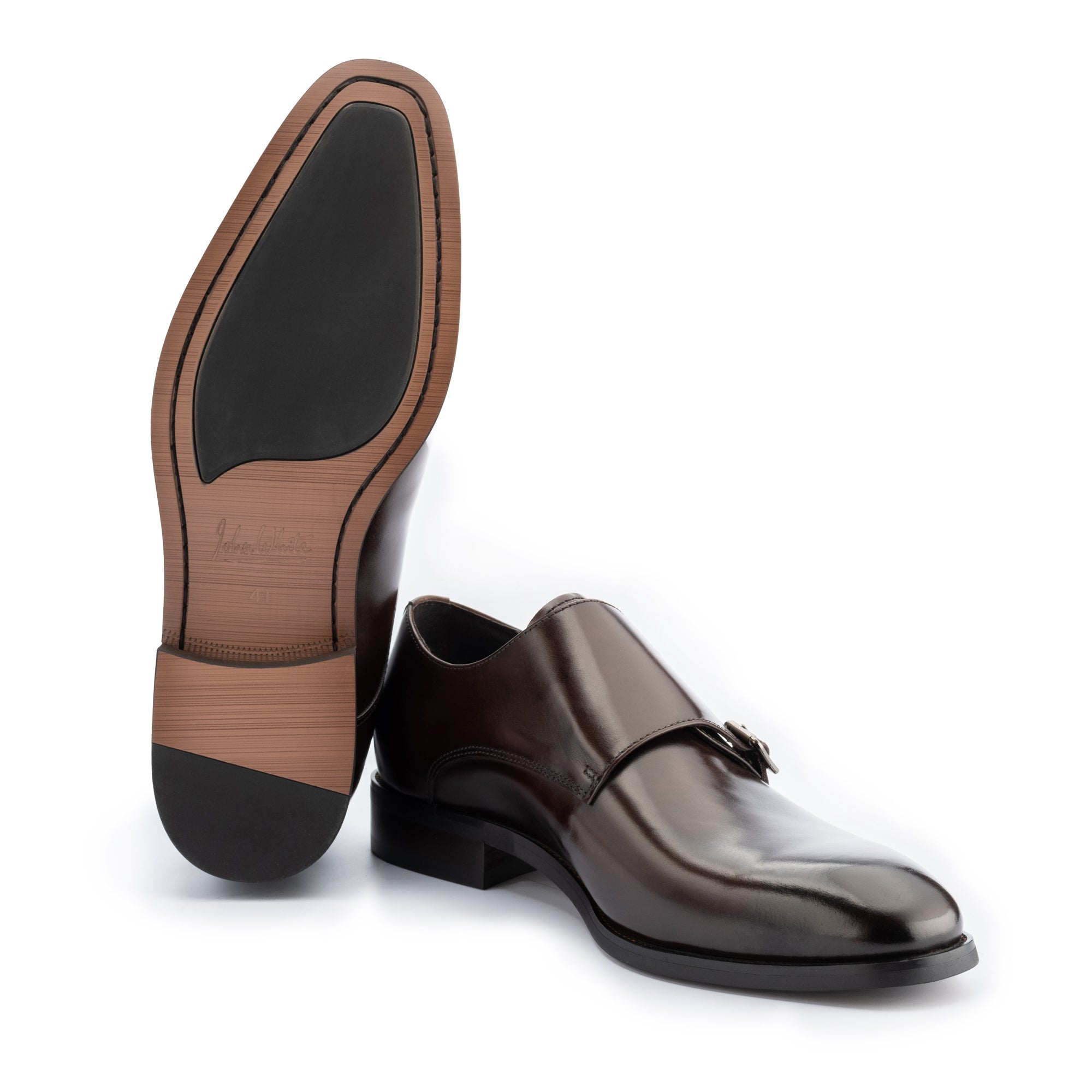
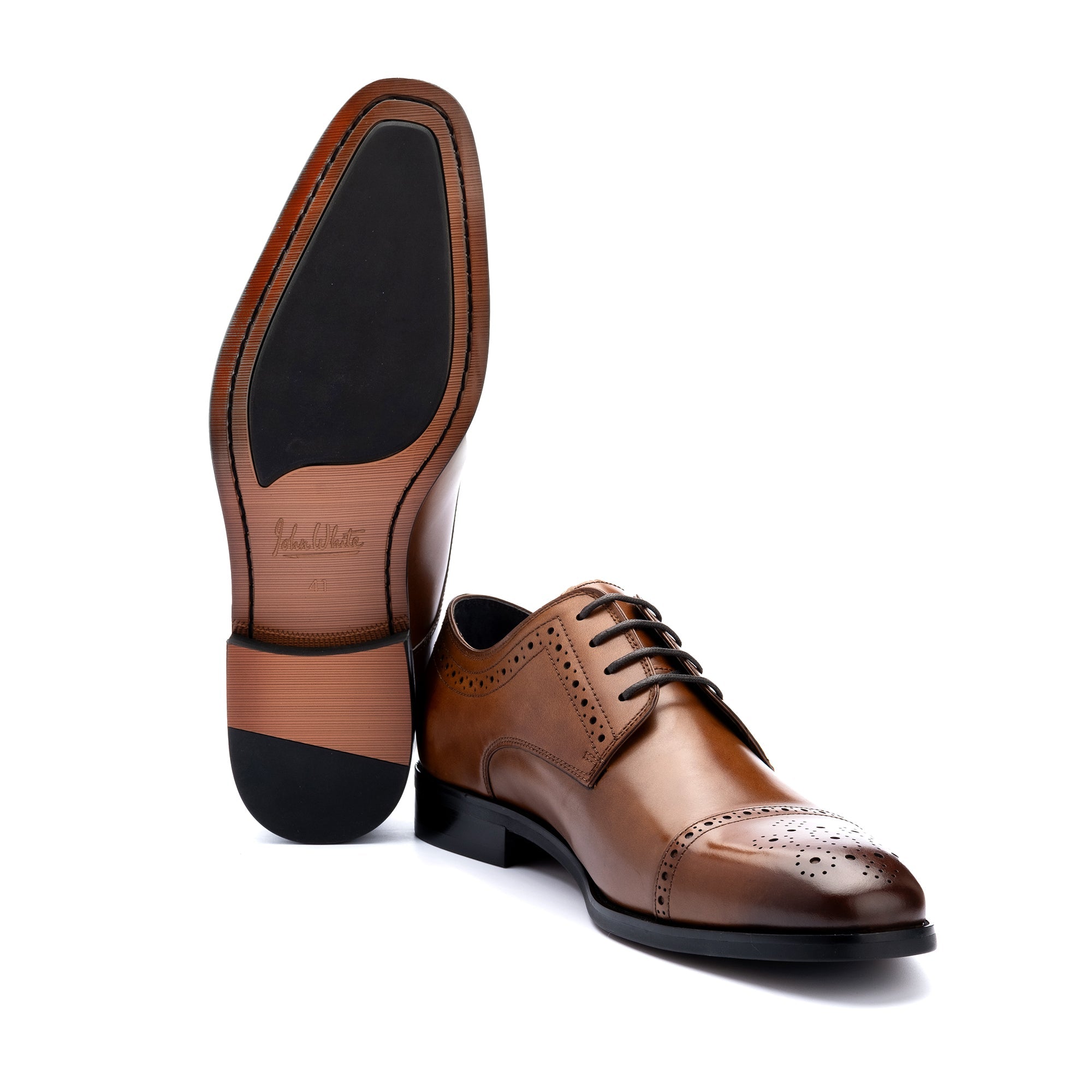
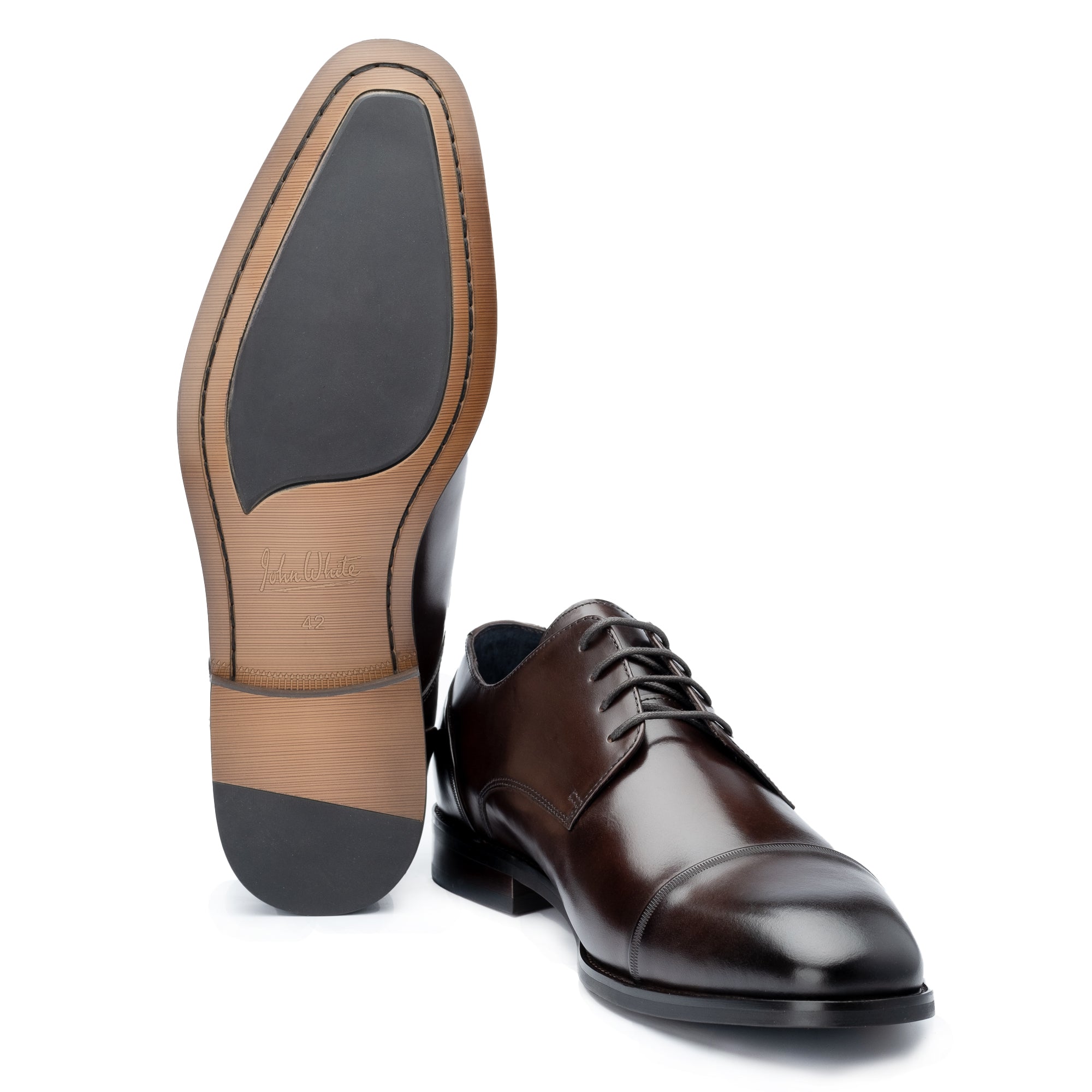
Leather sole care is the practice of cleaning, conditioning, and protecting the underside of a leather-soled shoe to prevent premature cracking, delamination, and structural moisture damage. It is distinct from upper care because the sole faces entirely different stresses: constant abrasion on hard surfaces, moisture drawn upward from wet ground, and cyclical flexing at the ball of the foot with every stride.
According to the Society of Master Shoe Repairers, a properly maintained leather sole can last four to six years before a full resole is required under regular urban wear. A neglected sole — left unconditioned and untreated — may show cracking at the flex point within eighteen months.
The Leather Conservation Centre notes that sole leather is significantly more porous than upper leather, having never been finished or sealed in the same way. Repeated wetting without conditioning depletes the natural oils within the leather fibres, causing them to lose elasticity and crack. In Goodyear welted construction, persistent moisture penetration through an untreated sole can also compromise the cork filler layer — affecting the shoe's fit and structural integrity over time.
'Treat the sole as what it is: raw, unfinished leather that requires the same nourishment as any other hide,' advises The Leather Conservation Centre. 'Most owners condition the upper and forget that the sole is exposed to far harsher conditions from below.'
A leather sole left unconditioned for more than eight weeks under regular wear begins to lose the suppleness that prevents cracking at the flex point — the single most costly failure mode in premium leather footwear.How Should You Clean a Leather Sole?
Leather sole cleaning is the removal of surface grit, mud, salt residue, and moisture from the underside of the shoe before any conditioning is applied. Cleaning must precede conditioning every time — applying conditioner over embedded grit grinds abrasive particles deeper into the leather grain.
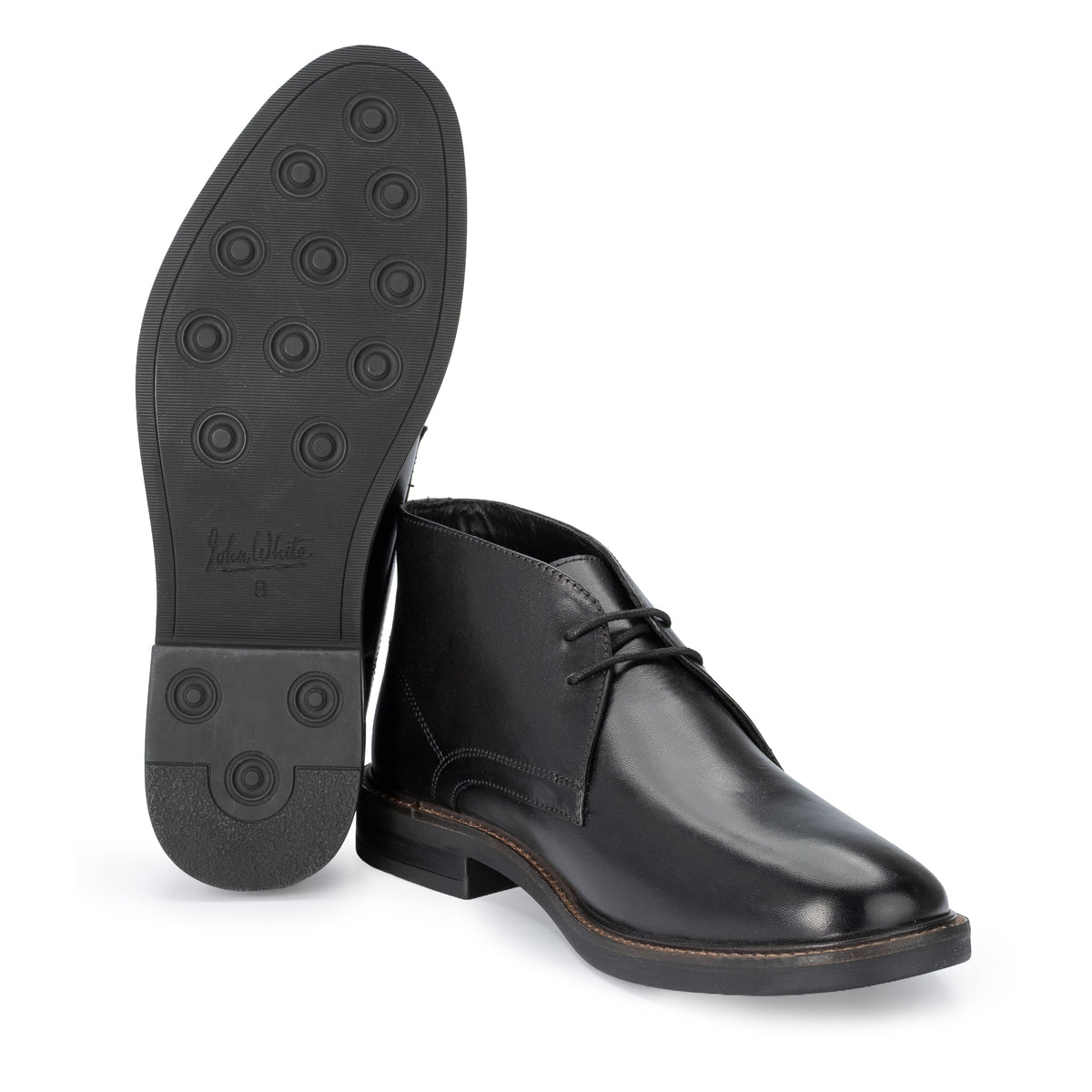
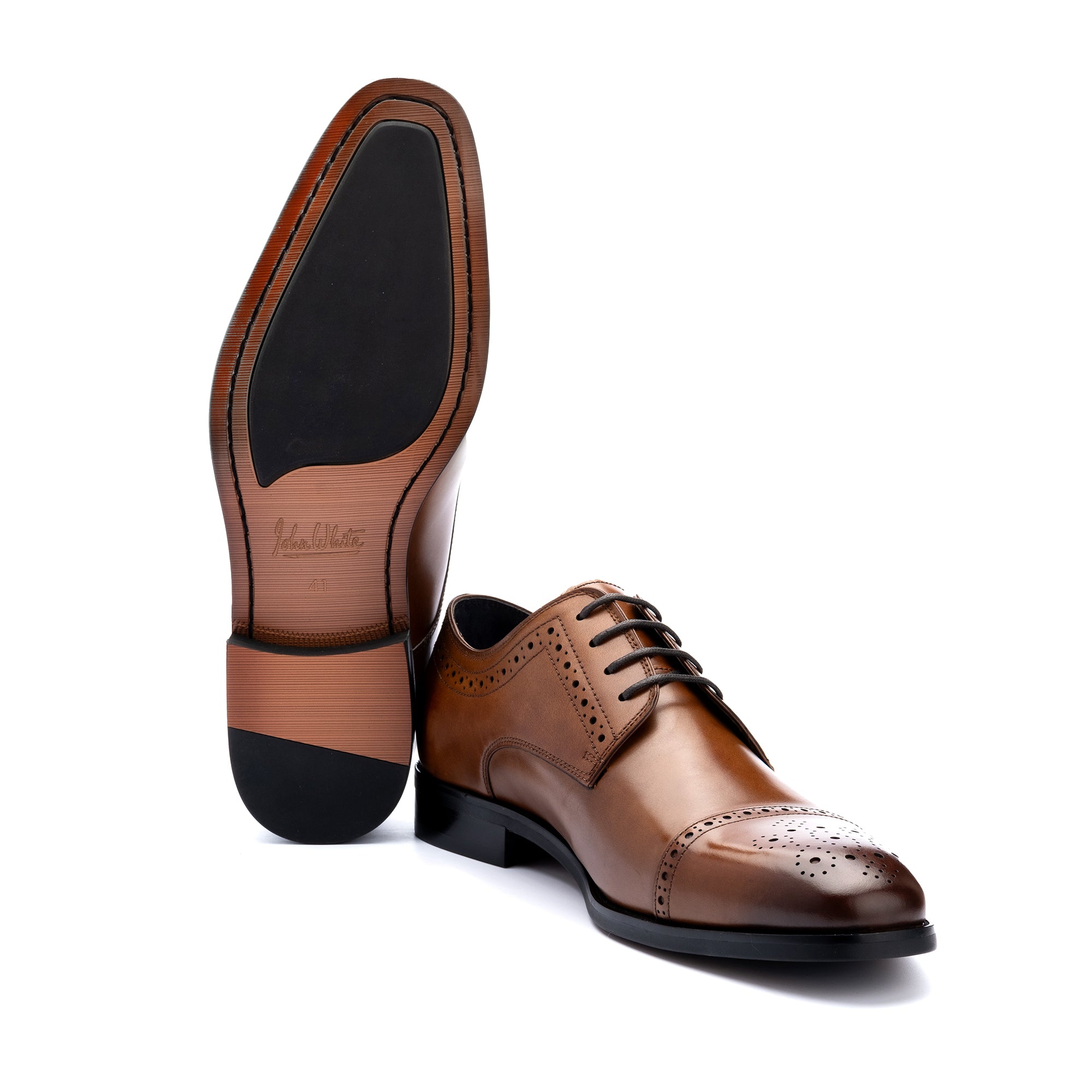
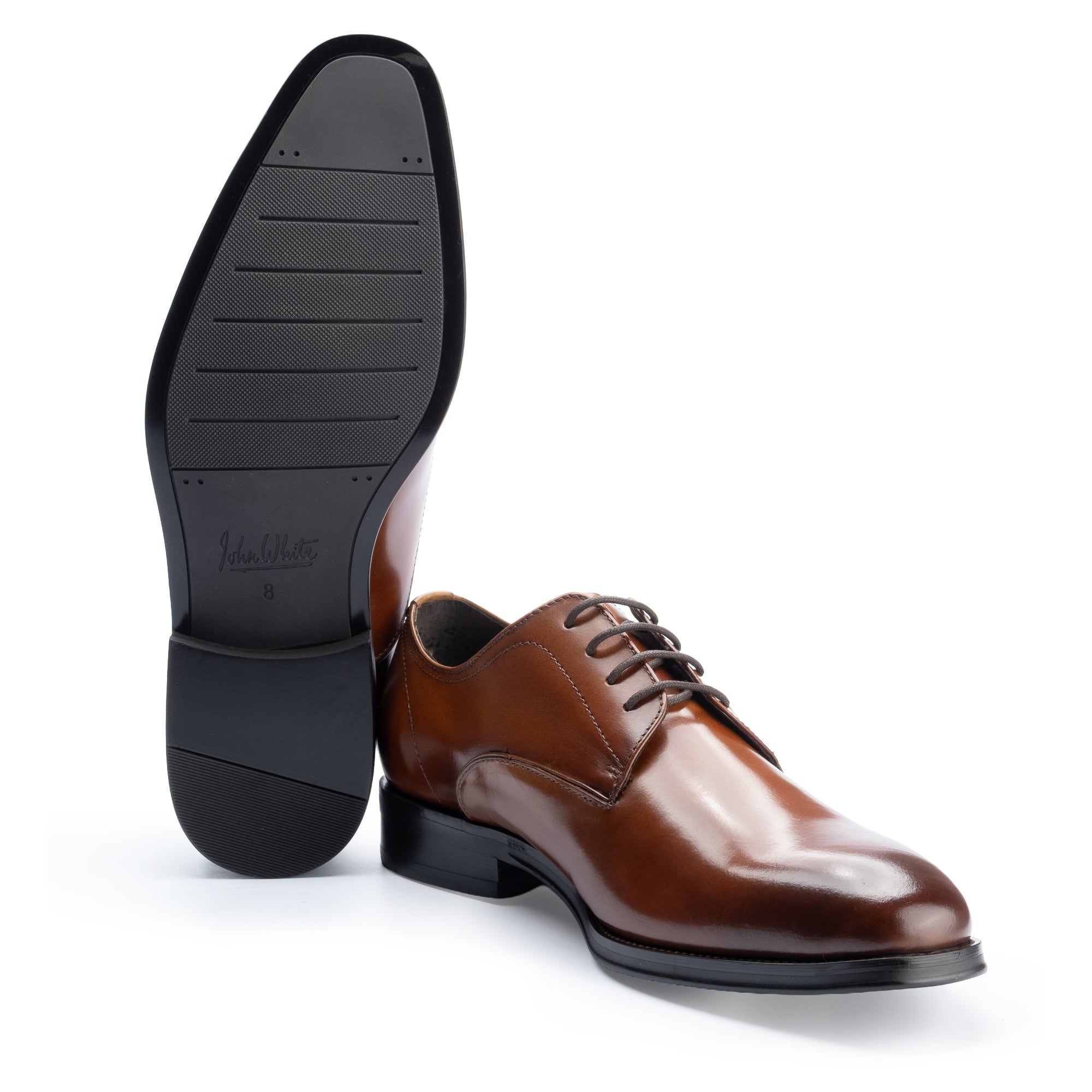
- Remove loose debris. Use a natural bristle brush or stiff vegetable-fibre brush to clear grit and dried mud from the entire sole, paying particular attention to the waist — the narrowed arch section — and the margin where sole meets welt.
- Wipe with a damp cloth. A barely damp cotton cloth removes dust and light soiling. Wring the cloth thoroughly first; the leather should feel damp, not wet, after wiping.
- Address heavy soiling with saddle soap. For soles caked in mud or road grime, work a small amount of saddle soap into the surface with a damp brush, then wipe clean. Saddle soap lifts embedded dirt without stripping the leather's residual natural oils.
- Dry naturally. Allow the sole to air-dry at room temperature, away from direct heat. A radiator dries leather too rapidly, accelerating the very cracking you are working to prevent.
Clean the sole after every outing in wet or muddy conditions. Under dry urban conditions, a thorough clean before each conditioning session is sufficient.
Never use household detergents, spirit-based solvents, or wire brushes on a leather sole — each strips protective oils and raises the surface grain, markedly accelerating wear.How Do You Condition a Leather Sole Correctly?
Leather sole conditioning is the application of oils or emollients to the underside of the shoe to restore suppleness, prevent cracking, and maintain the fibrous integrity of the sole leather. The process differs from conditioning the upper: sole leather requires a more penetrating, oil-rich product rather than a wax-heavy cream formulated for surface finish.
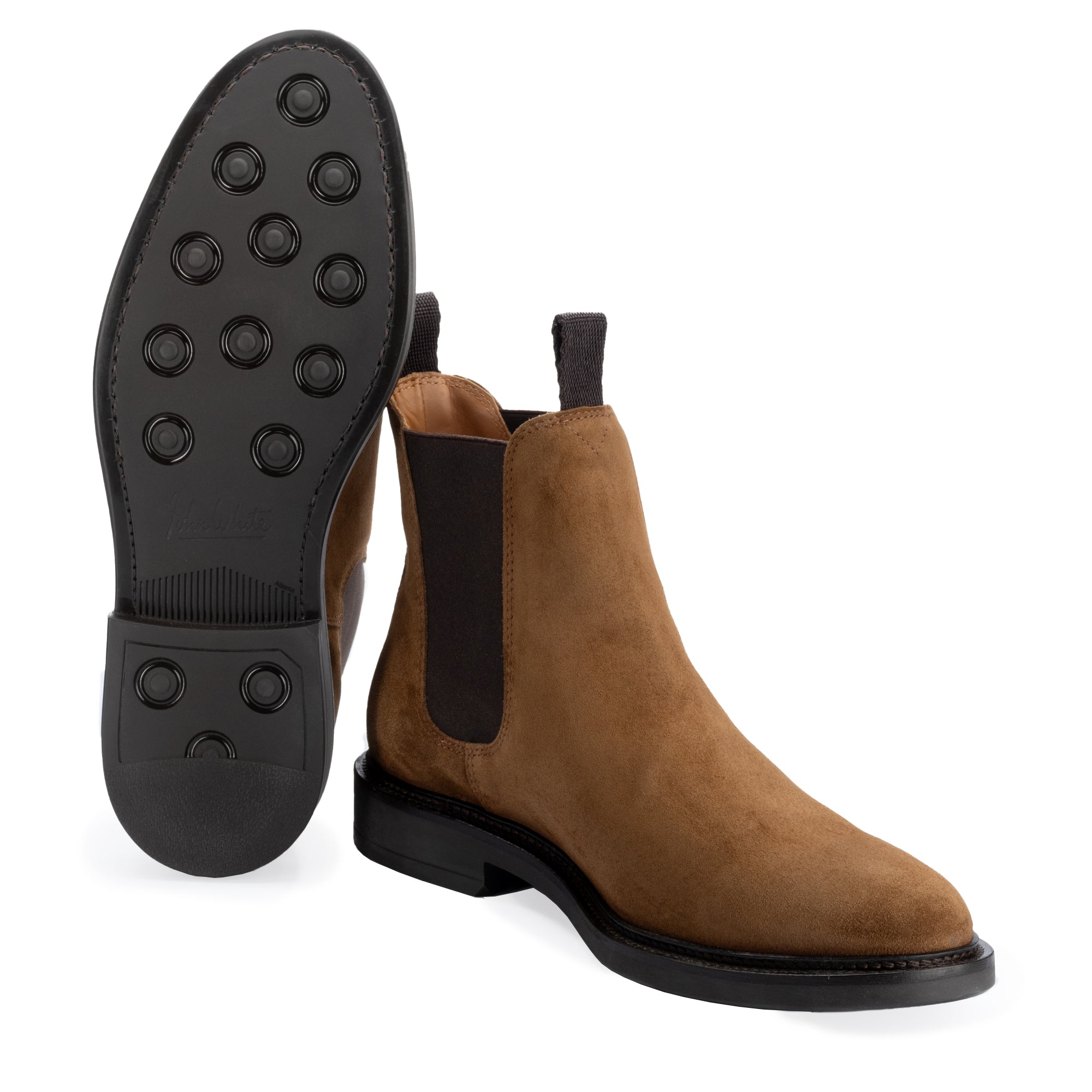
Recommended products include neatsfoot oil, dubbin, or a dedicated sole conditioner such as Saphir Sole Guard. Standard shoe cream or polish is insufficient for the sole; it sits on the surface of finished leather without penetrating the denser, raw grain of sole leather where nourishment is needed.
- Ensure the sole is clean and dry before applying any conditioner.
- Apply a small amount to a cloth or soft brush — not your fingers, which introduce salt from skin oils.
- Work in circular motions across the entire sole, including the waist and the exposed welt edge.
- Allow full absorption for at least thirty minutes. For heavily dried soles, a second application after the first has absorbed will restore elasticity more effectively than a single heavy coat.
- Buff away any excess with a dry cloth. Excess conditioner on the sole surface can reduce grip on polished floors.
For precise conditioning intervals across the full shoe — upper, welt, and sole — our definitive seasonal conditioning schedule covers every component across the British calendar year.
Conditioning the sole every four to six weeks under regular wear — and after every significant wetting — is the single most effective action for extending the functional life of a leather-soled shoe.How Can You Protect Leather Soles from Moisture and Abrasion?
Leather sole protection involves creating a physical or chemical barrier on the sole surface to reduce moisture absorption and slow abrasive wear. Protection supplements cleaning and conditioning — it does not replace them.
- Sole guard products. Wax-based or resin-based sole guard sprays and creams create a moisture-resistant film on the leather surface. Apply after conditioning, once the sole has dried fully. Reapply every four to six weeks alongside your conditioning routine.
- Rubber heel taps. A cobbler can fit a thin rubber protector to the heel block — the area that wears fastest. This preserves the leather heel without altering the appearance of the sole from the front. The Society of Master Shoe Repairers recommends heel taps as standard practice for Goodyear welted shoes worn daily on hard urban pavements.
- Half-rubber sole protectors. A thin rubber overlay bonded to the forepart of the sole protects the zone most subject to flex wear. This is a more permanent intervention and is worth considering for shoes worn every day rather than rotated across a collection.
For a full discussion of sole types and their relative characteristics, our guide to leather soles versus rubber soles covers when a protective rubber overlay makes practical sense. For sole construction and craftsmanship detail, see our companion piece on welt conditioning — the element that connects sole to upper.
A rubber heel tap fitted by a cobbler before the first signs of wear costs a fraction of a full heel replacement — and preserves the refined aesthetic of a Goodyear welted heel indefinitely.What Is the Correct Leather Sole Care Schedule?
A leather sole care schedule is a structured maintenance calendar that matches cleaning, conditioning, and protection intervals to seasonal conditions, wear frequency, and the specific demands of British weather across the year.
| Season | Cleaning | Conditioning | Protection |
|---|---|---|---|
| Spring | After each wet outing | Every 4–6 weeks | Sole guard reapplication monthly |
| Summer | Weekly or after muddy ground | Every 6–8 weeks | Standard sole guard application |
| Autumn | After each wet outing | Every 4 weeks | Increase sole guard frequency |
| Winter | After every wear | Every 3–4 weeks | Maximum protection; rubber heel taps recommended |
British winters — with salt-treated pavements, standing water, and persistent damp — are the most damaging season for leather soles. For salt stain removal from the sole surface and edges, our guide to salt stains on leather shoes covers the correct removal method and how to prevent recurrence across the winter months.
What Causes Leather Soles to Deteriorate Fastest?
Understanding the primary causes of leather sole failure helps prioritise care efforts correctly. The following accelerate deterioration significantly beyond normal wear:
- Wearing new soles on wet ground without prior conditioning. A new sole is especially absorbent. Condition twice before the first outdoor wear — this single step significantly reduces the risk of moisture absorption and early cracking during the break-in period.
- Drying near direct heat. Radiators and forced-air heating draw moisture out of sole leather too rapidly, causing surface fibres to contract and crack at the flex point.
- Salt exposure without prompt cleaning. Road salt draws moisture out of leather through osmosis and leaves crystalline deposits that cut leather fibres from within. Clean soles immediately after any contact with salted pavements.
- Prolonged storage without conditioning. A shoe stored without treating the sole beforehand will emerge with brittle leather, regardless of how well the upper was prepared. Our guide to storing leather shoes long-term covers the correct sole preparation before boxing.
- Wearing the same pair daily. The sole needs recovery time between wears to dry out and decompress. Daily wear without rotation accelerates moisture saturation and structural compression.
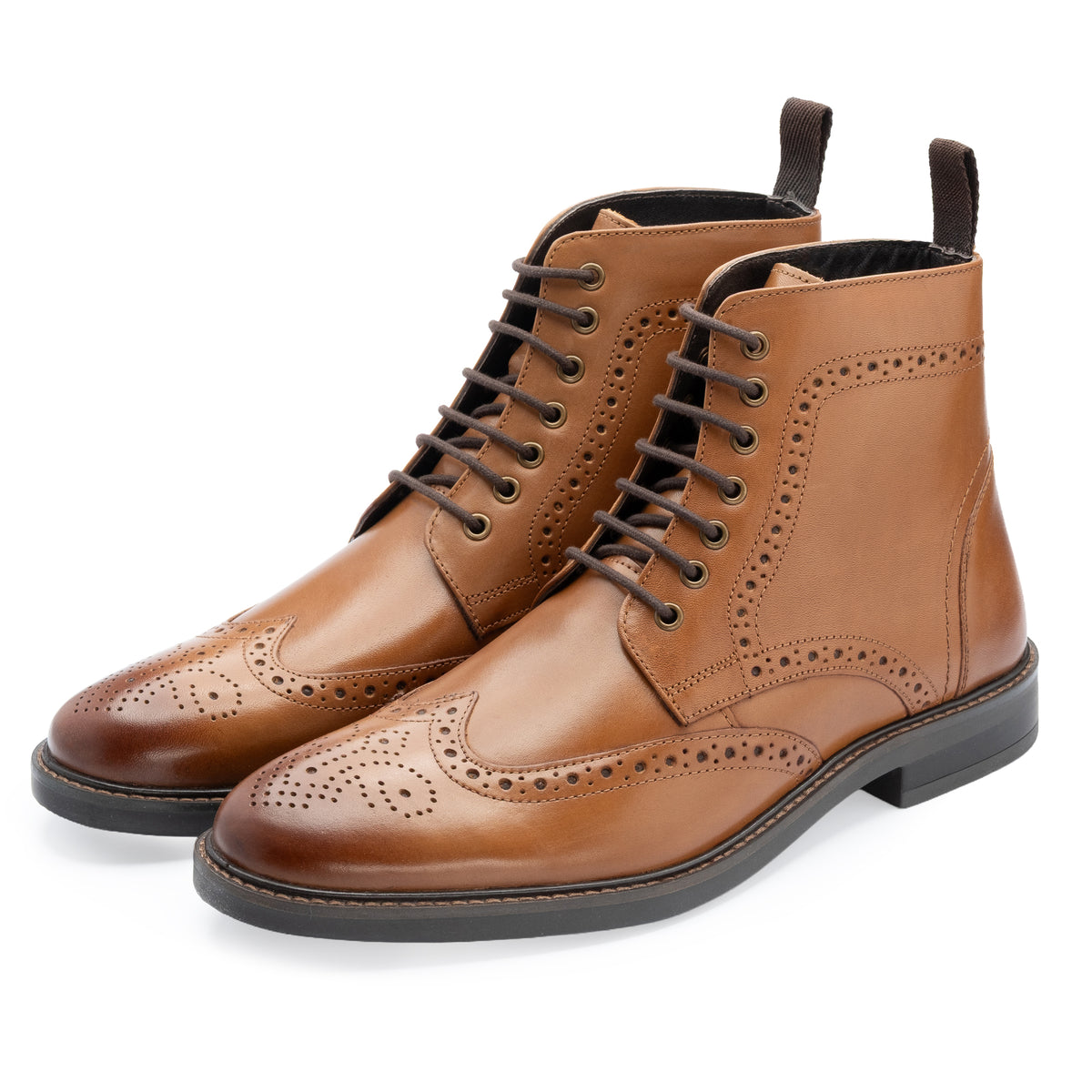
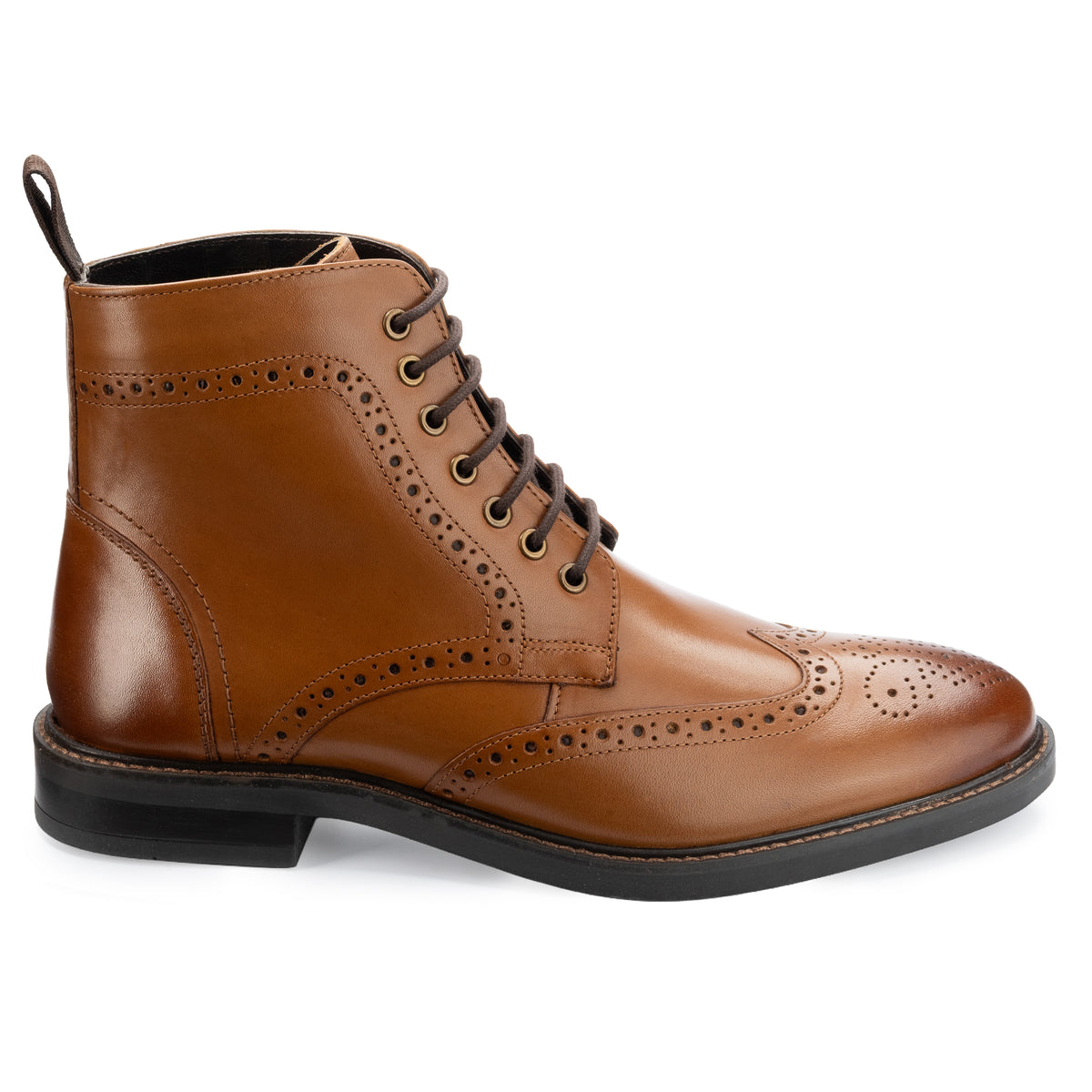
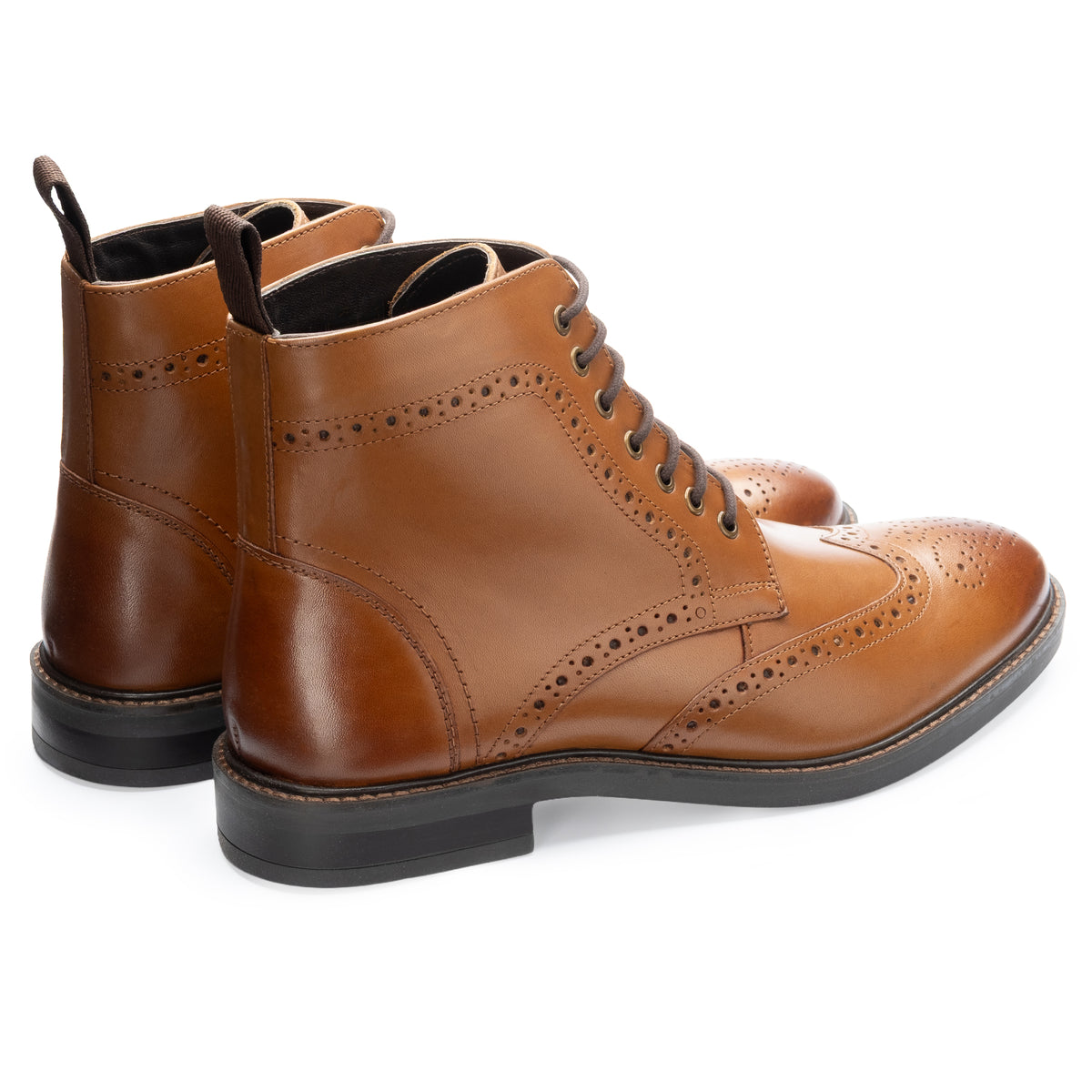
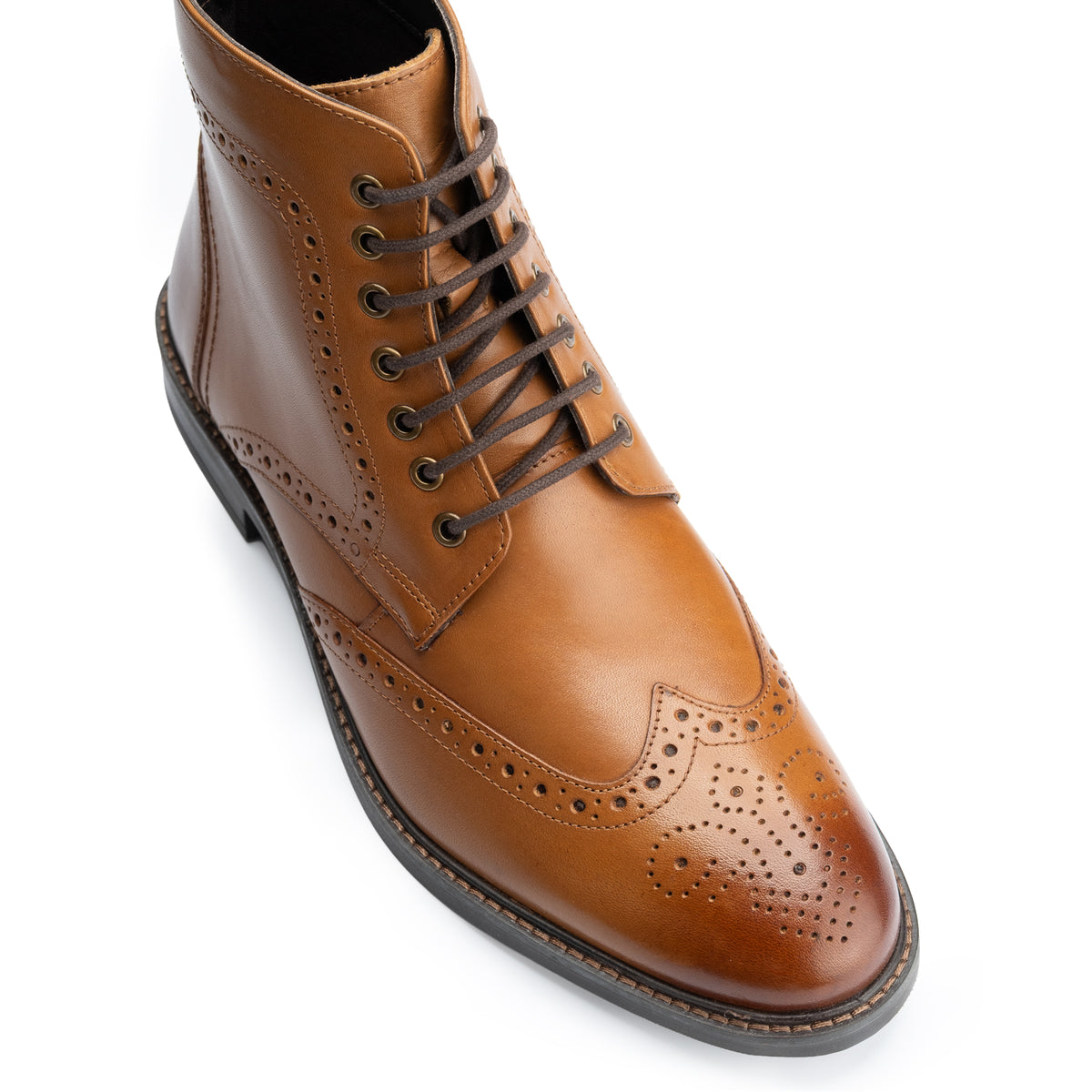
Explore our full range of men's leather shoes and men's leather boots since 1919 construction — designed to reward exactly this level of long-term care.
Related Guides
- The Complete Guide to Leather Shoe Care — our comprehensive guide
- Welt Conditioning: The Overlooked Step That Determines How Long Your Shoes Last
- Leather Soles vs Rubber Soles: Which Is Right for You?
- Salt Stains on Leather Shoes: The Correct Method for Removal and Prevention
TL;DR: Leather sole care means cleaning after wet outings, conditioning every four to six weeks with a penetrating oil-based product, and applying a sole guard to resist moisture and abrasion. New soles should be conditioned before their first outdoor wear. In British winters, shorten conditioning intervals to three to four weeks and consider rubber heel taps for shoes worn daily on salted pavements. Consistent care extends a leather sole's functional life from under two years to four to six years or beyond.
Frequently Asked Questions
Can I use the same conditioner on my leather sole as I do on the upper?
Standard shoe cream and polish are formulated for finished upper leather and will not penetrate raw sole leather adequately. Use a dedicated sole conditioner, neatsfoot oil, or dubbin on the sole. These are oil-rich formulations designed to penetrate the denser, unfinished grain of sole leather where a surface-finish cream will simply sit without nourishing the fibres beneath.
How do I know when a leather sole needs conditioning?
A dry leather sole appears lighter in colour than a well-conditioned one, feels slightly rough to the touch, and shows hairline surface cracks at the flex point before any deep cracking develops. If you can flex the sole by hand without creaking or surface disruption, conditioning is adequate. Inspect the sole visually after every clean and condition before it reaches the visible cracking stage.
Should I condition a brand new leather sole before wearing it?
Yes — and this is among the most important interventions in the entire care cycle. New leather soles leave the factory dry and especially absorbent. Two conditioning applications before the first outdoor wear significantly reduce the risk of ground moisture absorption on the initial outing. Apply a penetrating conditioner, allow full absorption overnight, then apply a second coat before the shoe is worn.
How long does a leather sole last with proper care?
According to the Society of Master Shoe Repairers, a well-maintained leather sole on a Goodyear welted shoe — conditioned regularly, protected from moisture, and rotated with other pairs — can last four to six years of regular wear before resoling is required. A neglected sole may need attention within eighteen months. The resole itself restores the shoe to near-original specification, which is among the strongest practical arguments for Goodyear welted construction over cemented alternatives.
Ready to invest in footwear that rewards this level of care? Browse our collection of premium men's leather shoes — each since 1919 construction with leather soles specified for longevity, comfort, and enduring refinement.