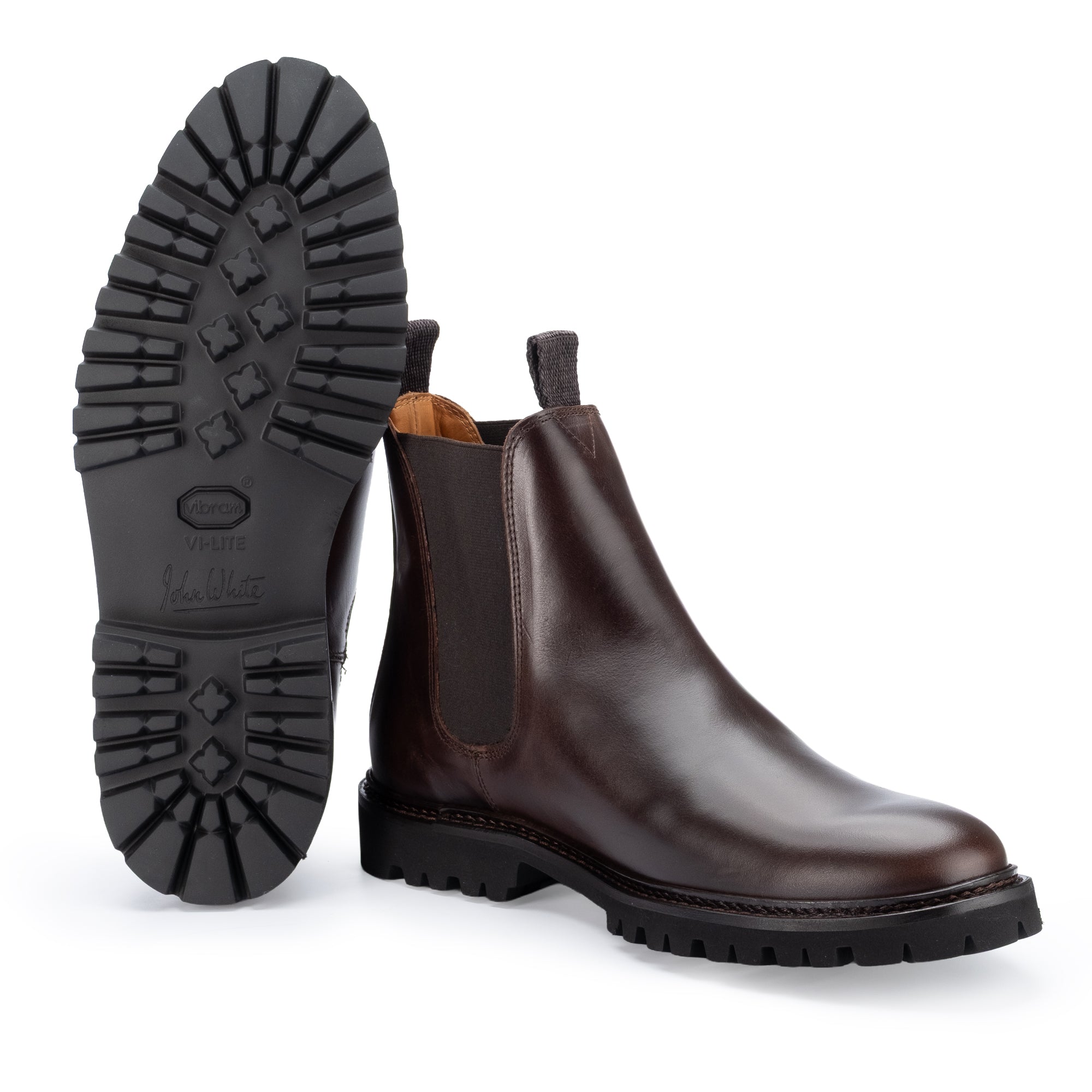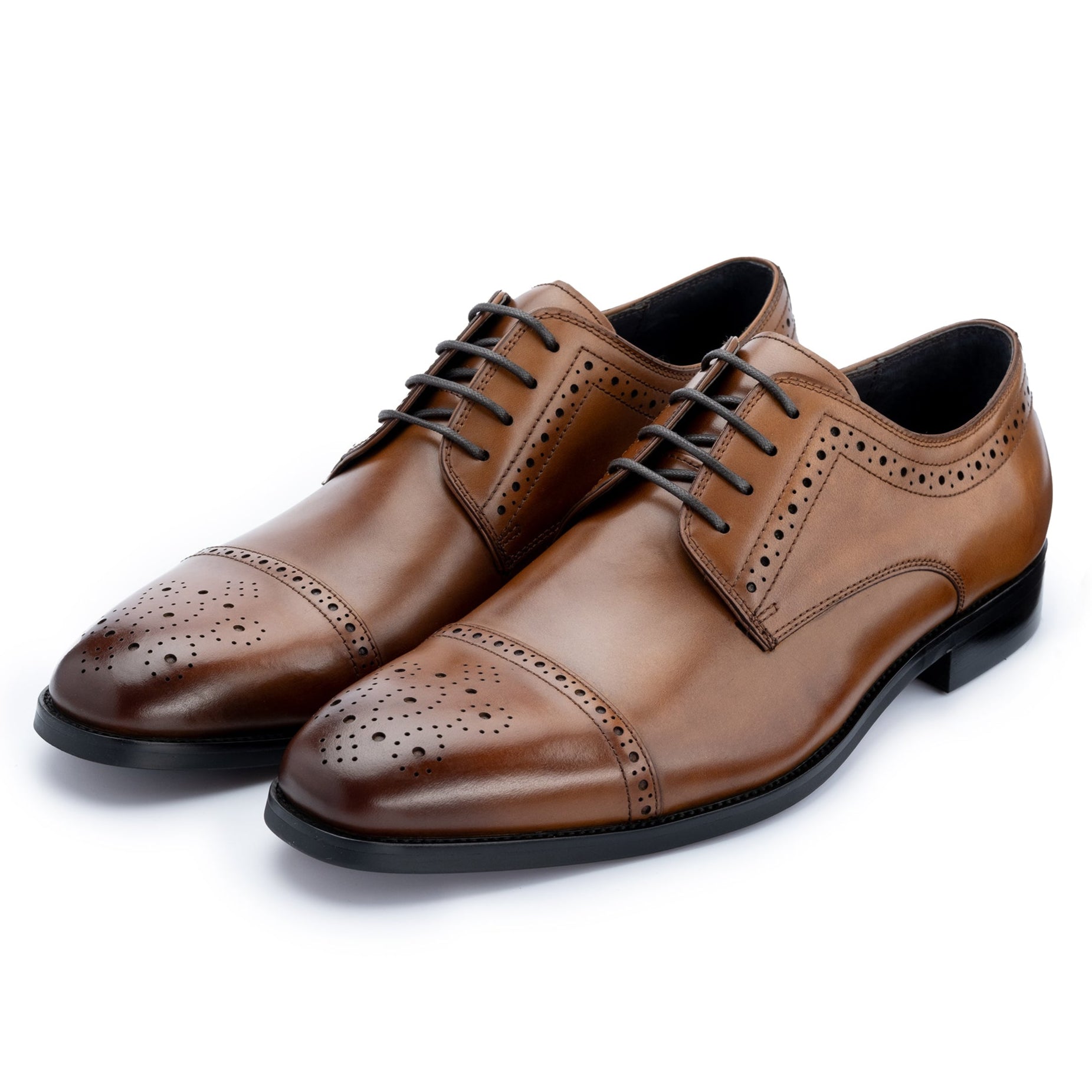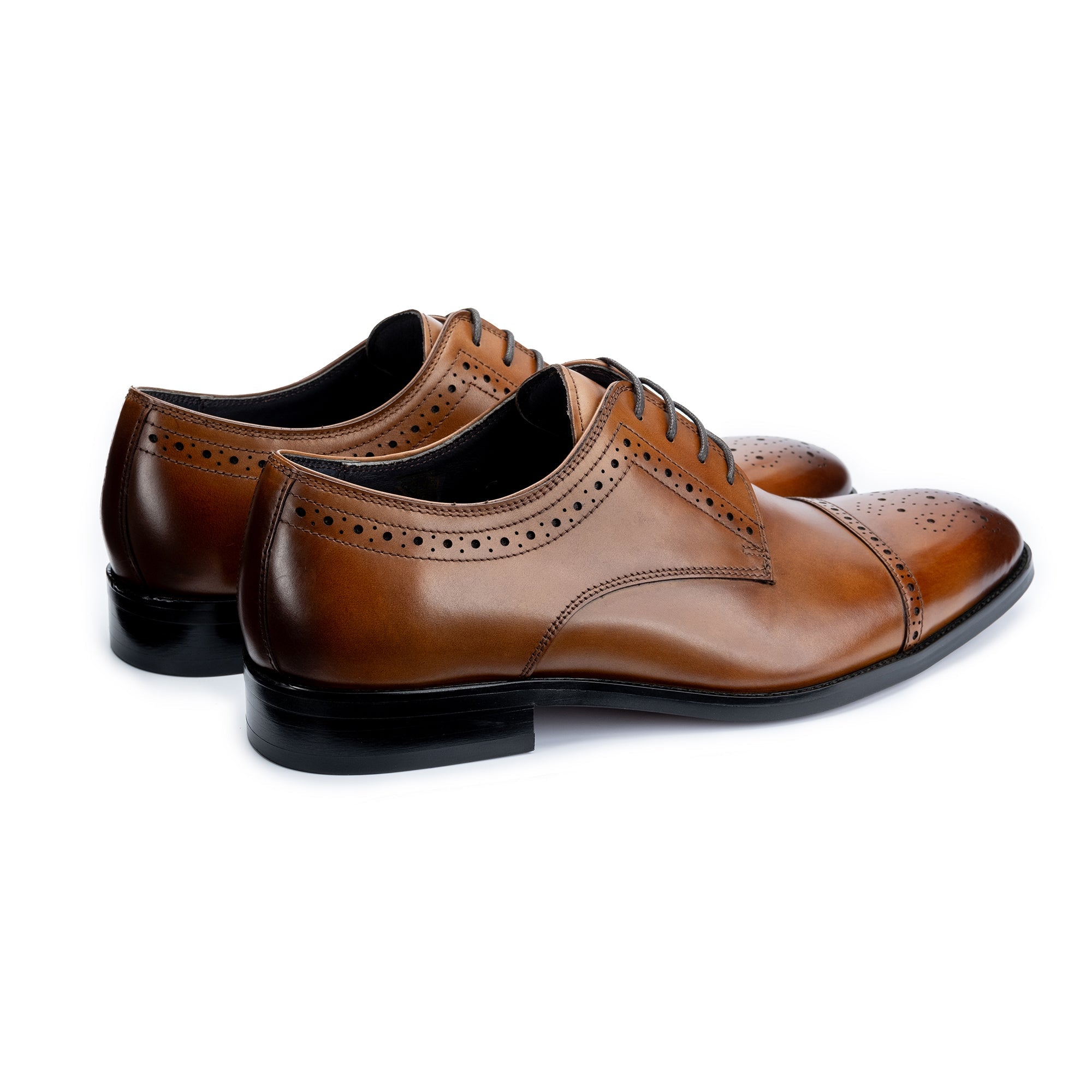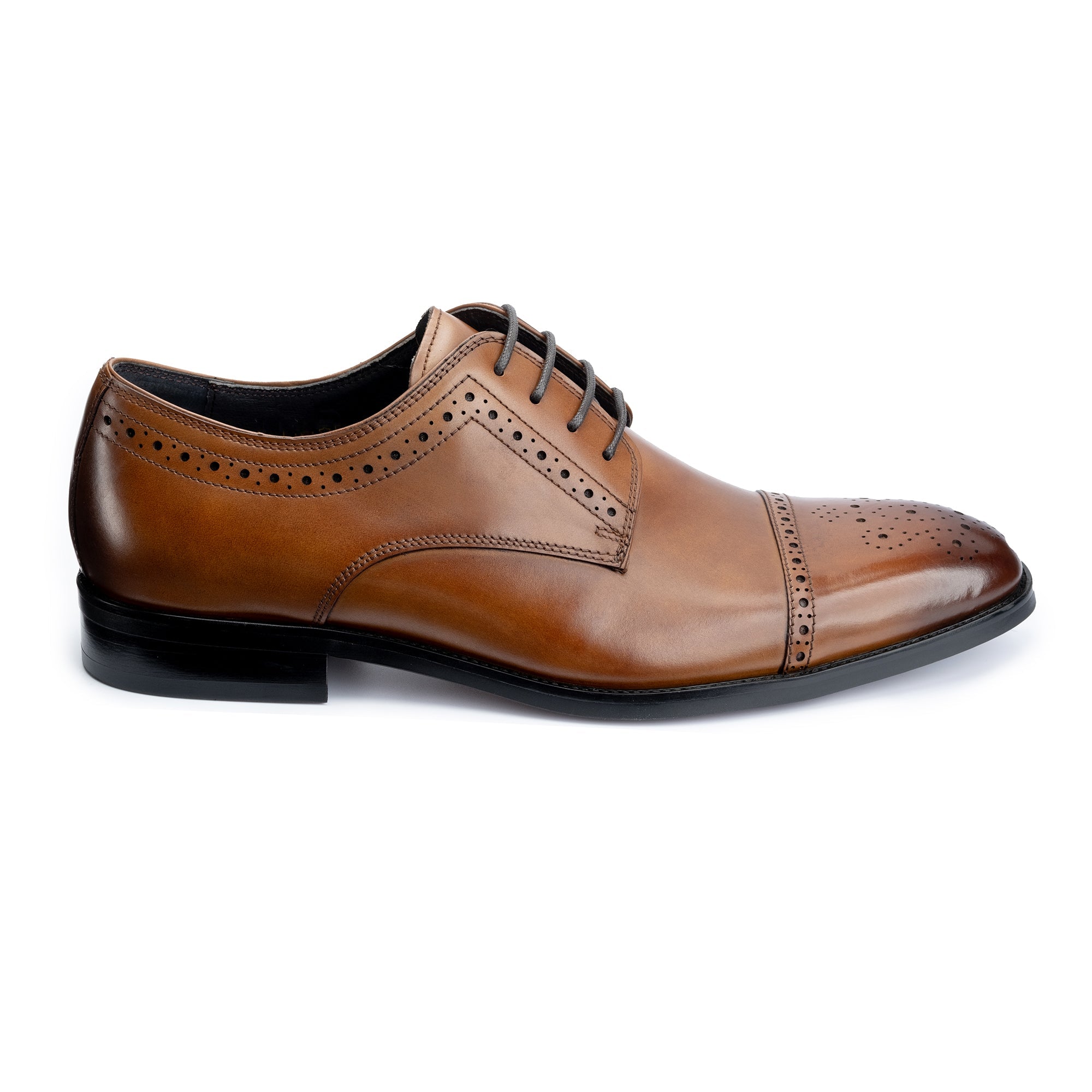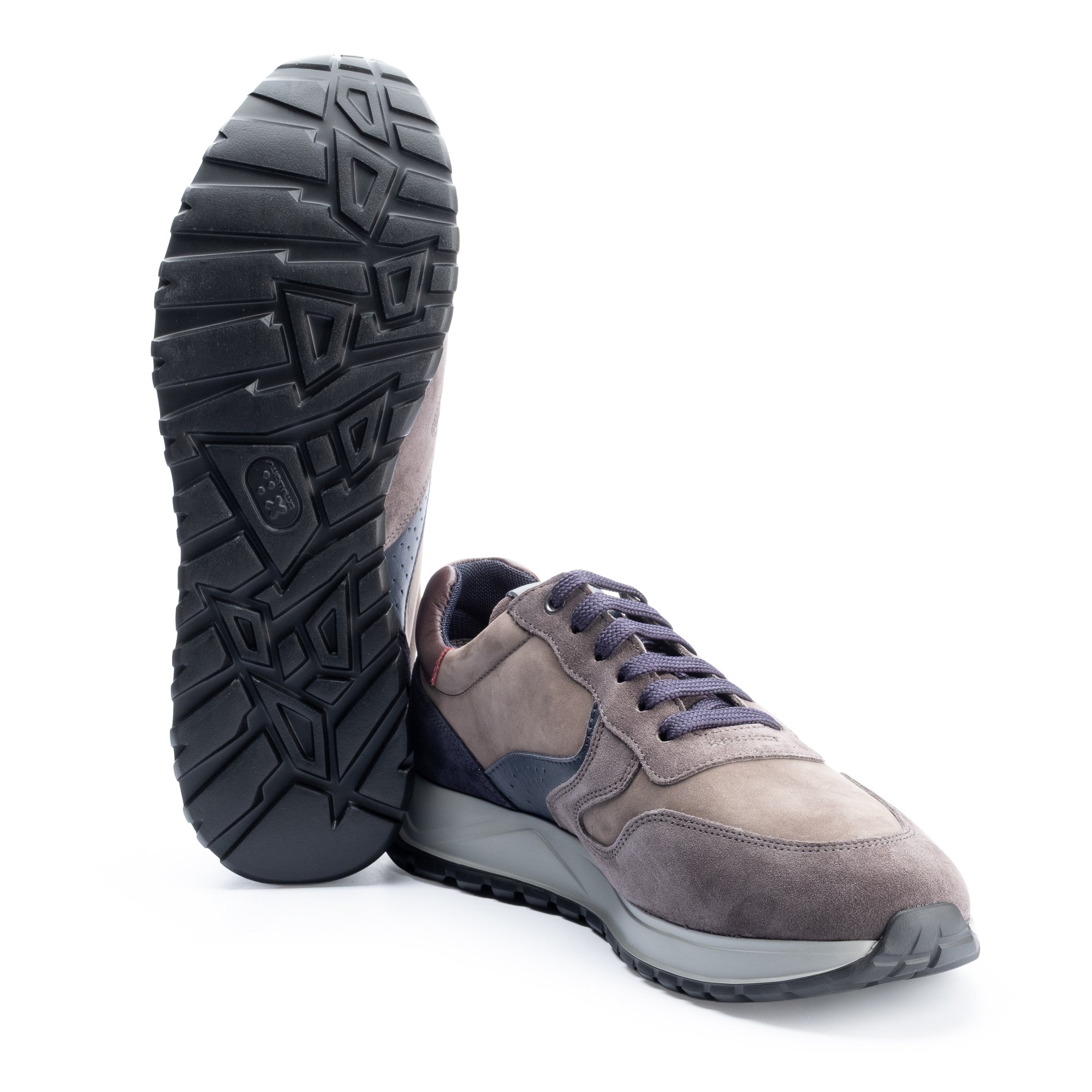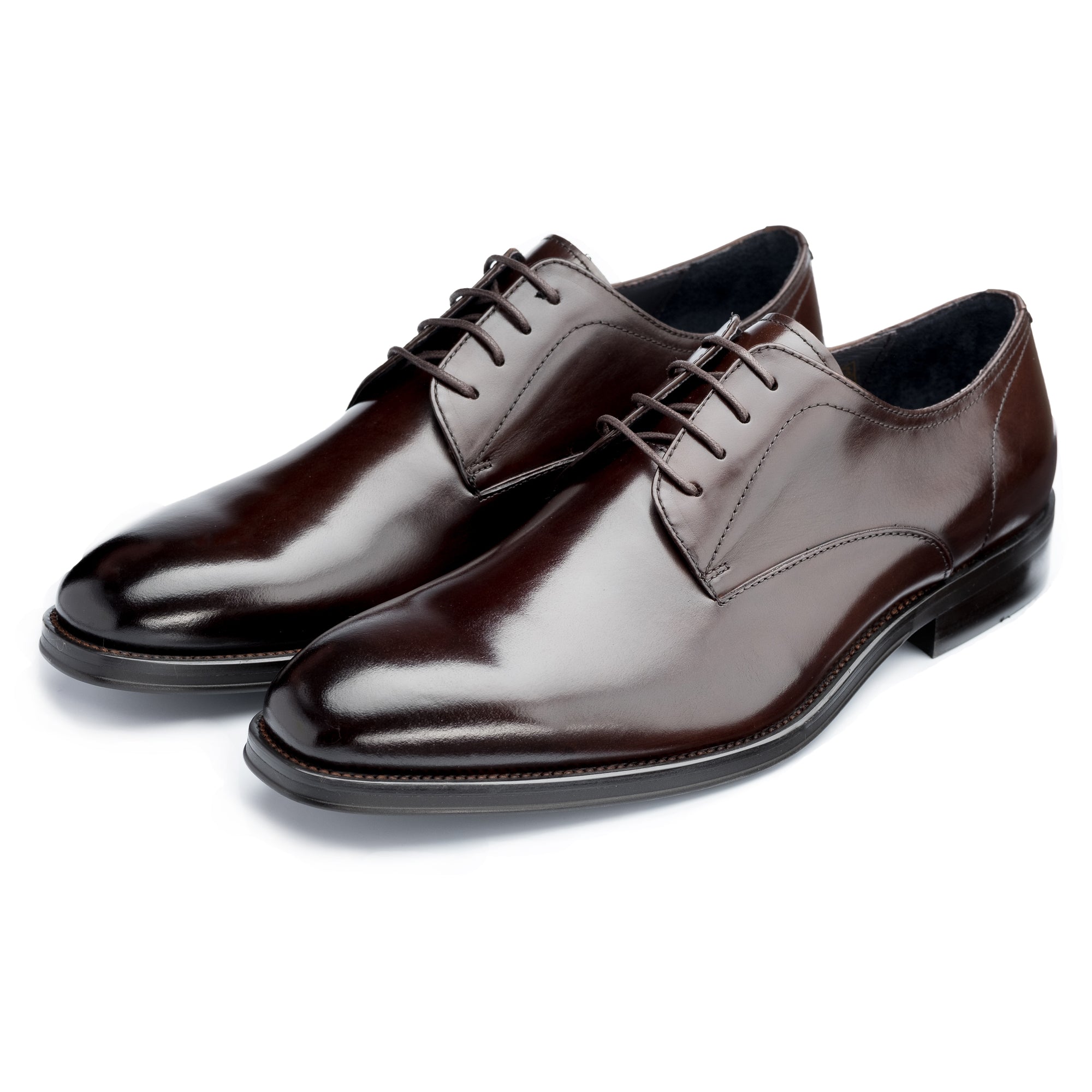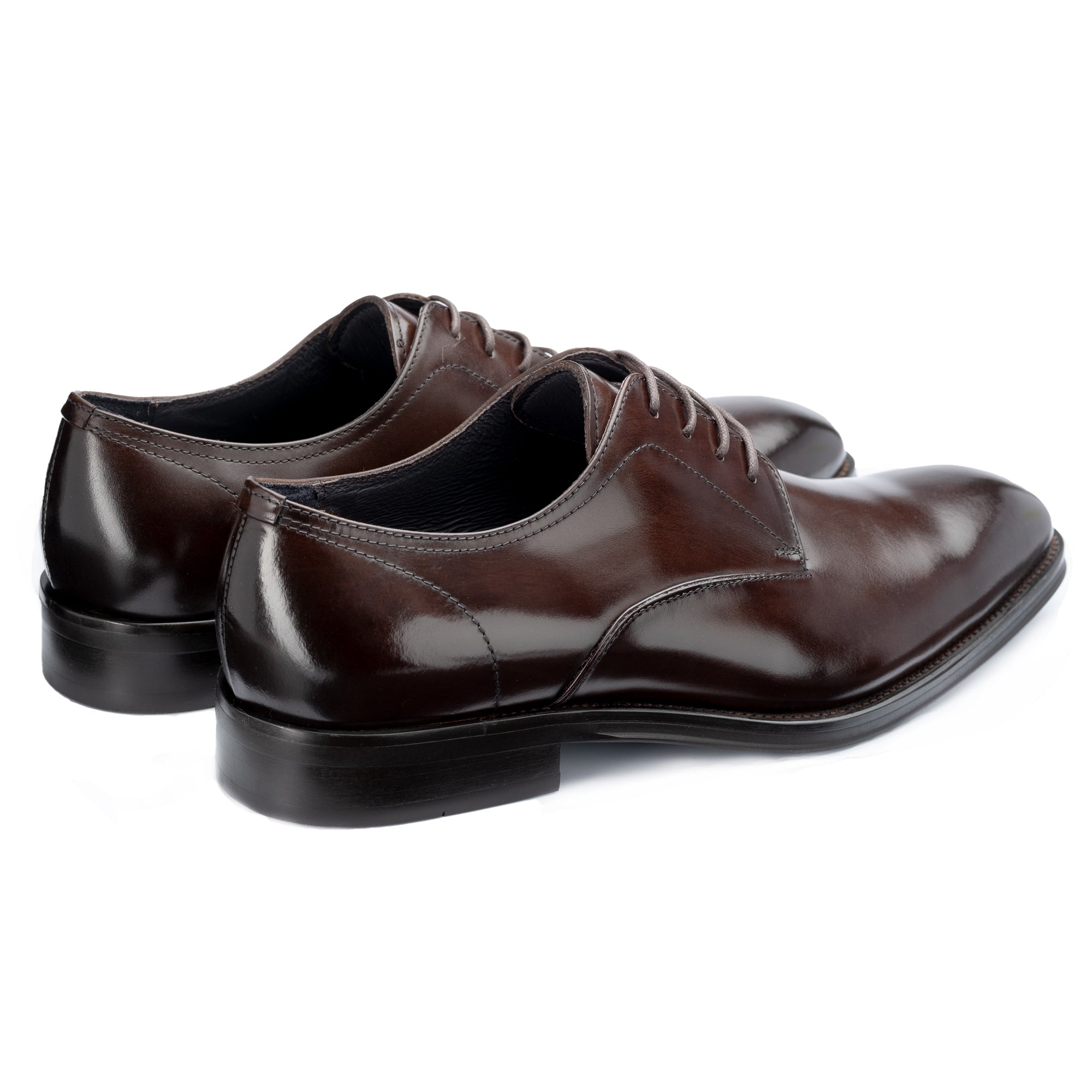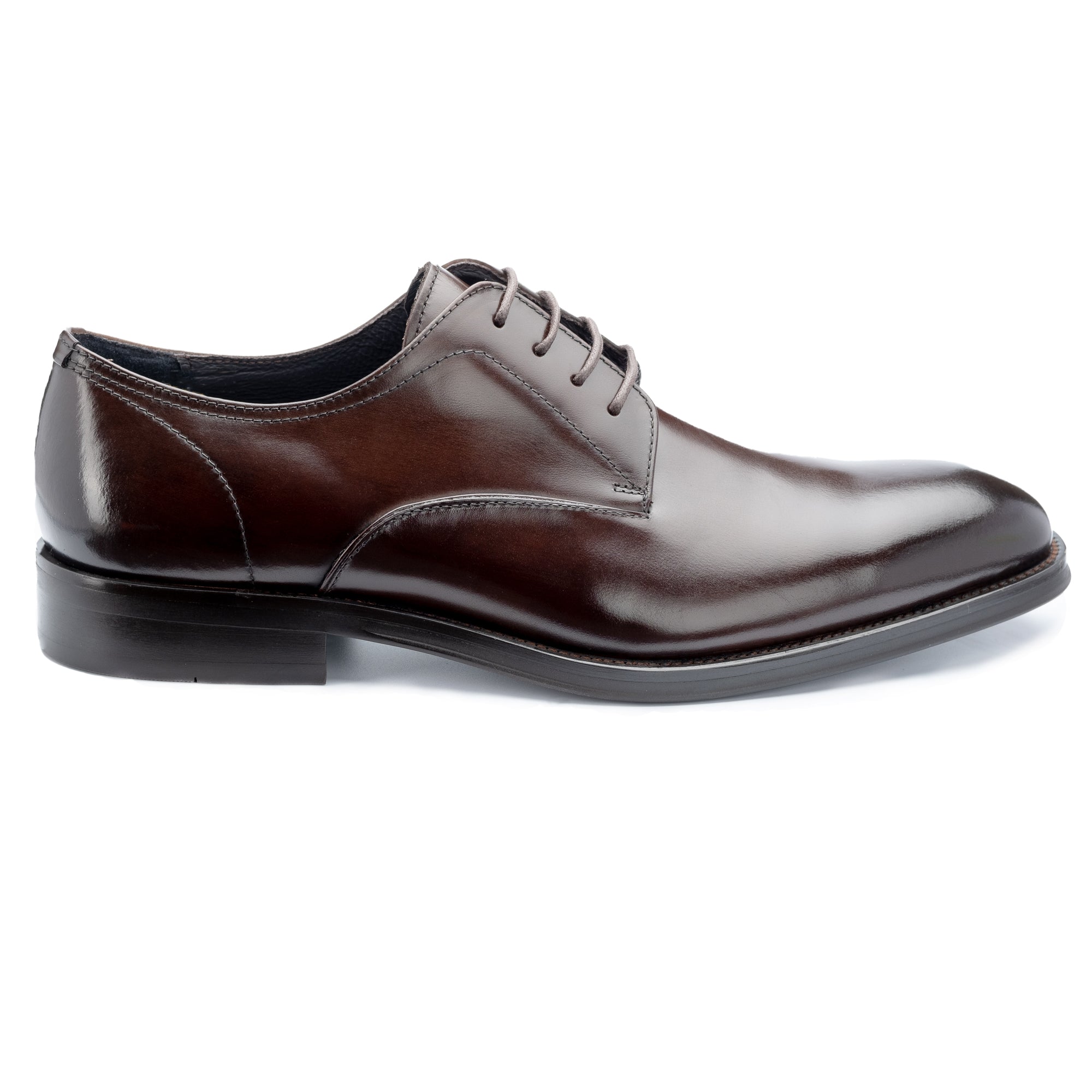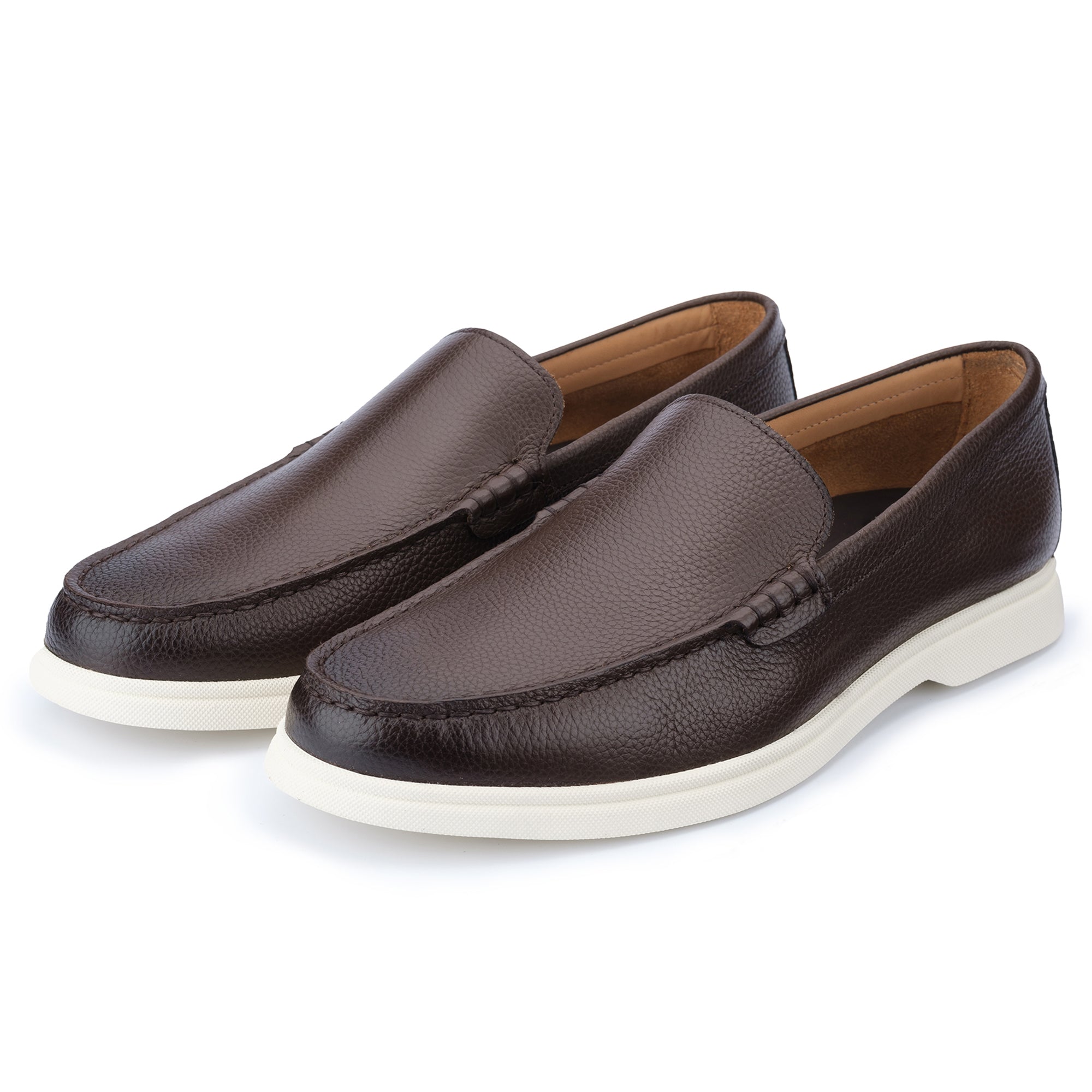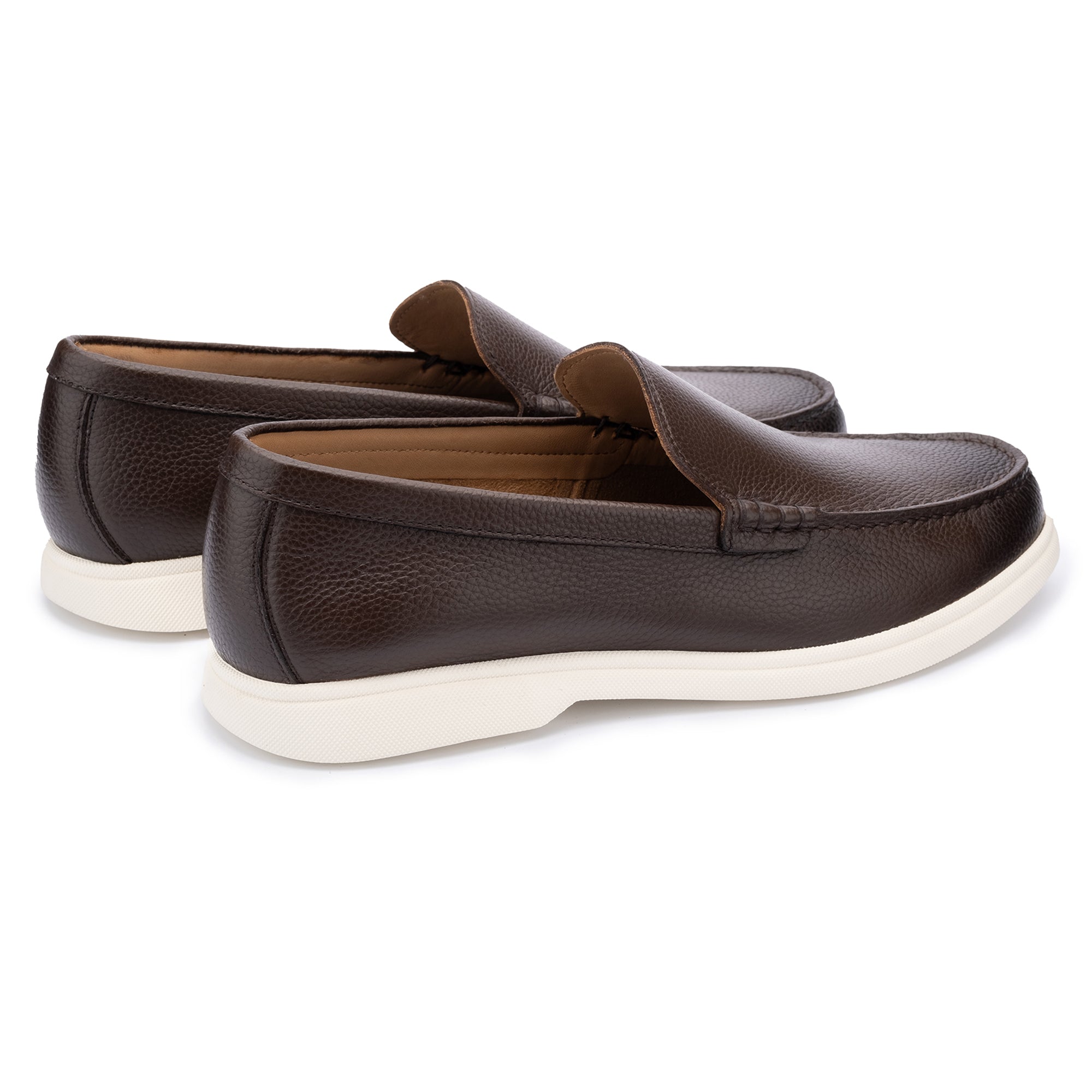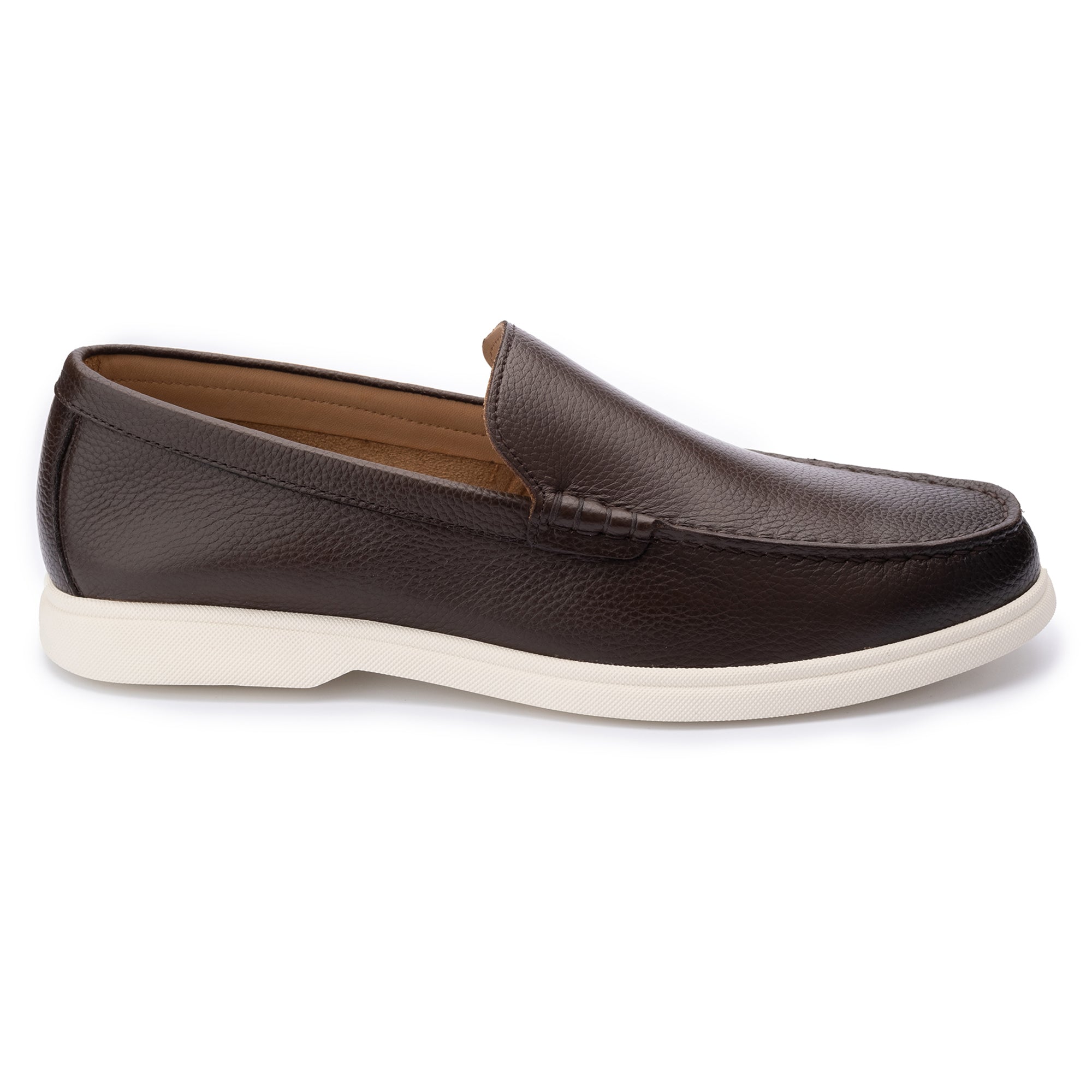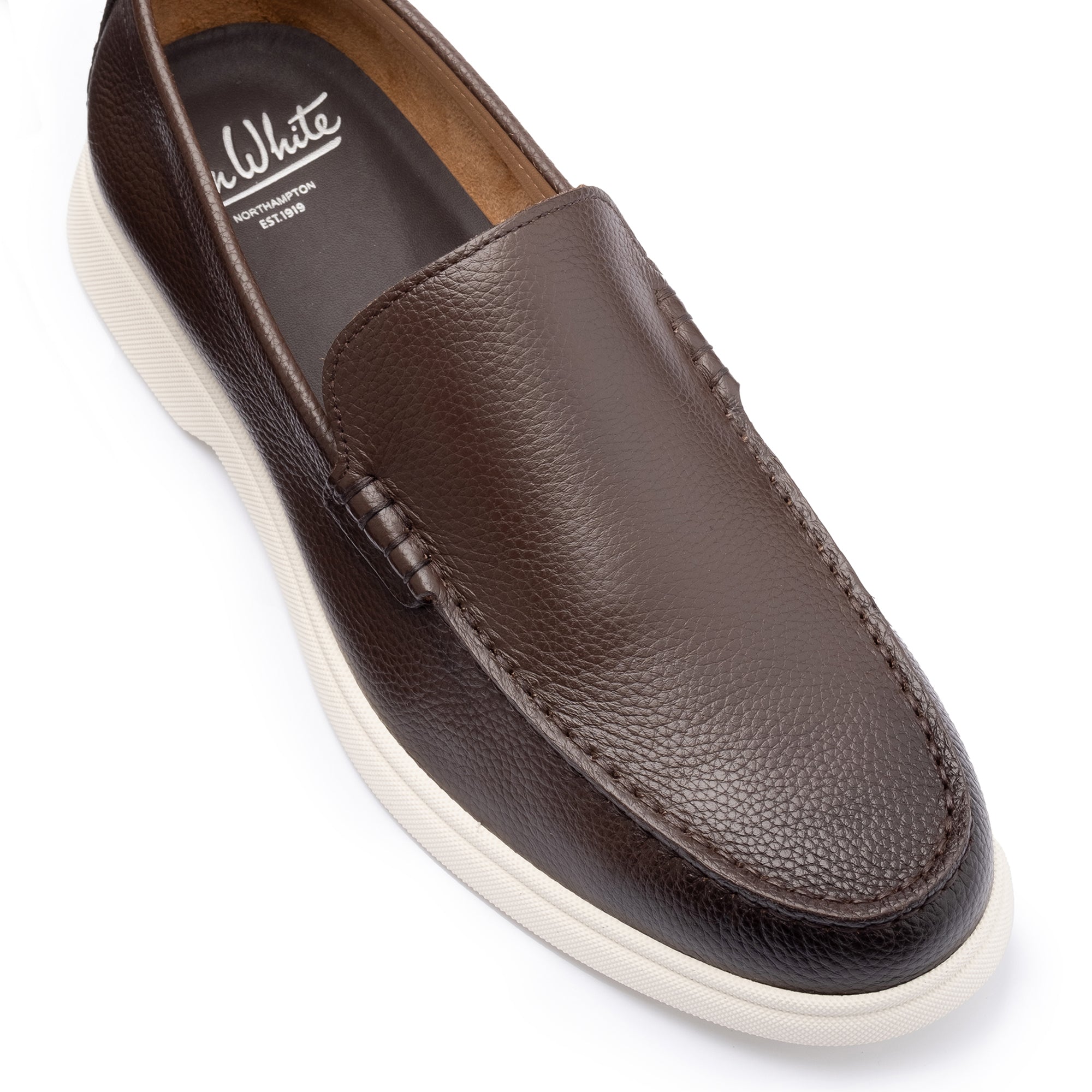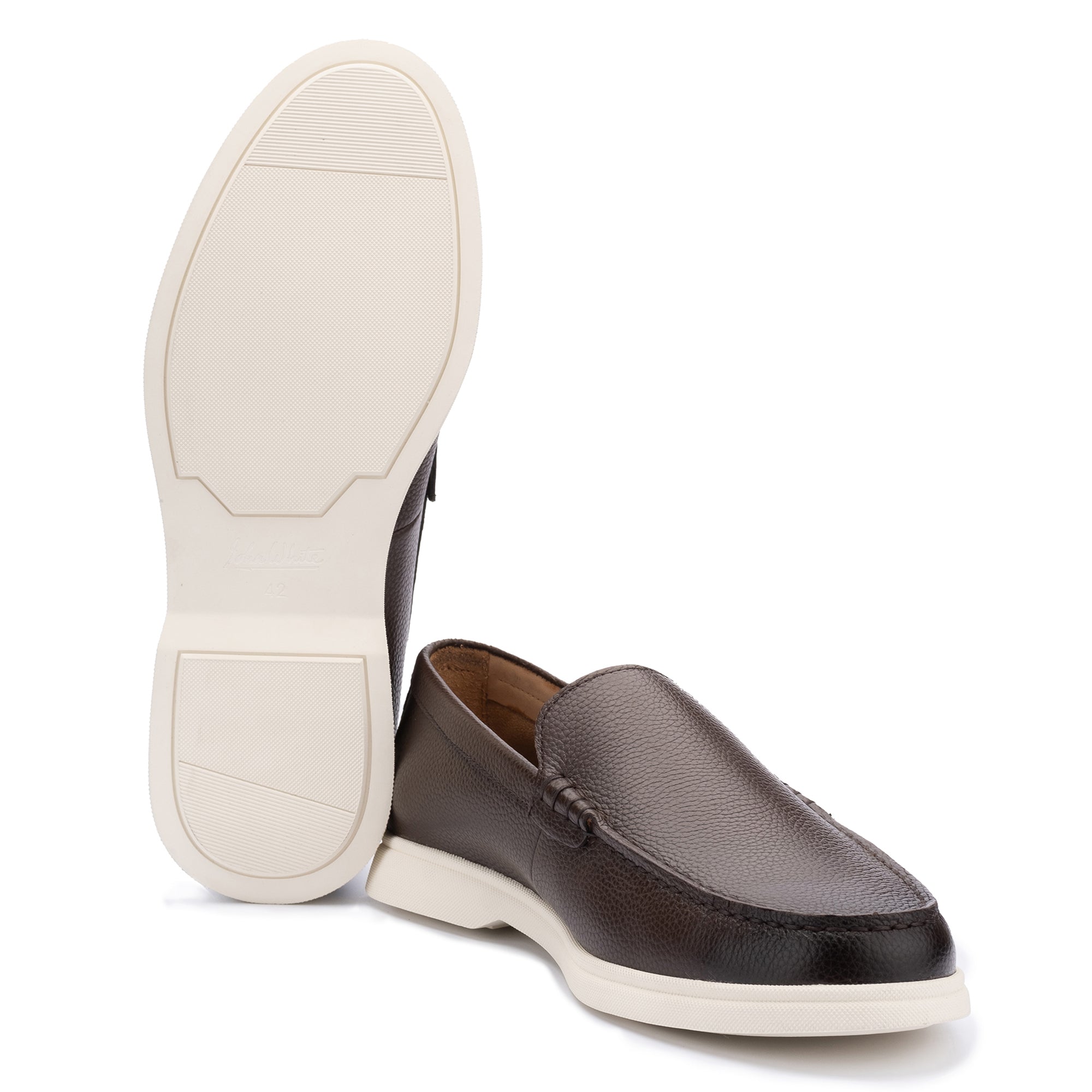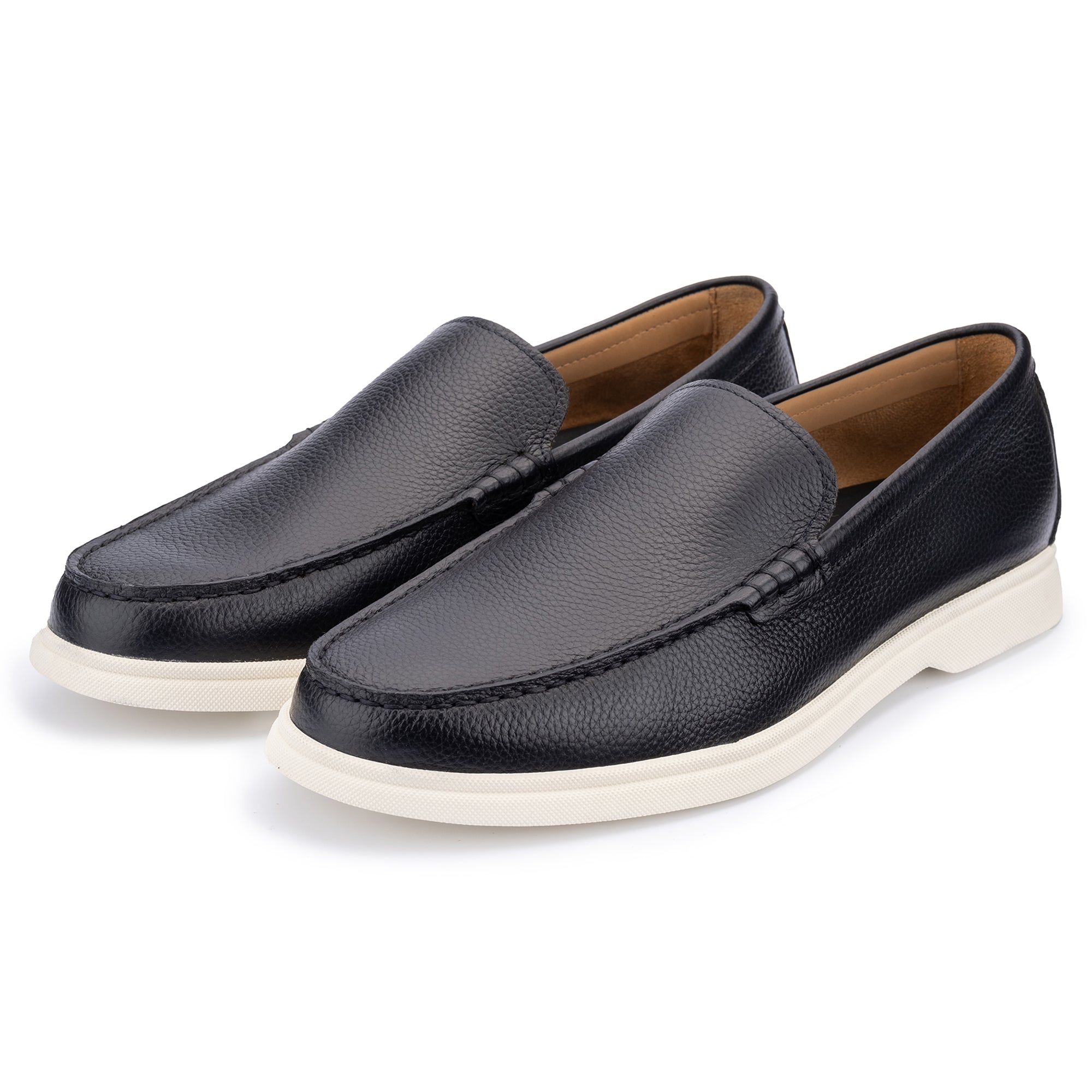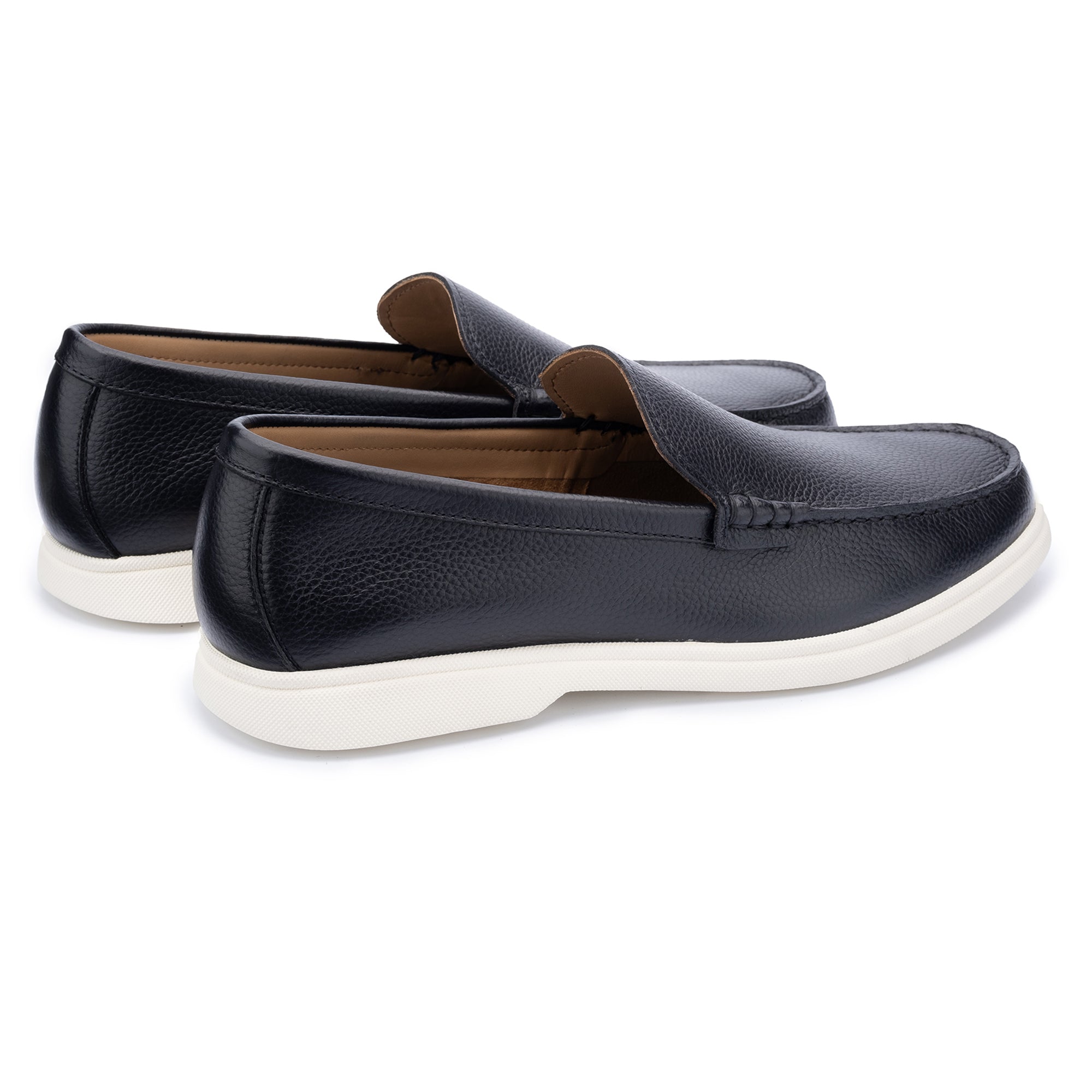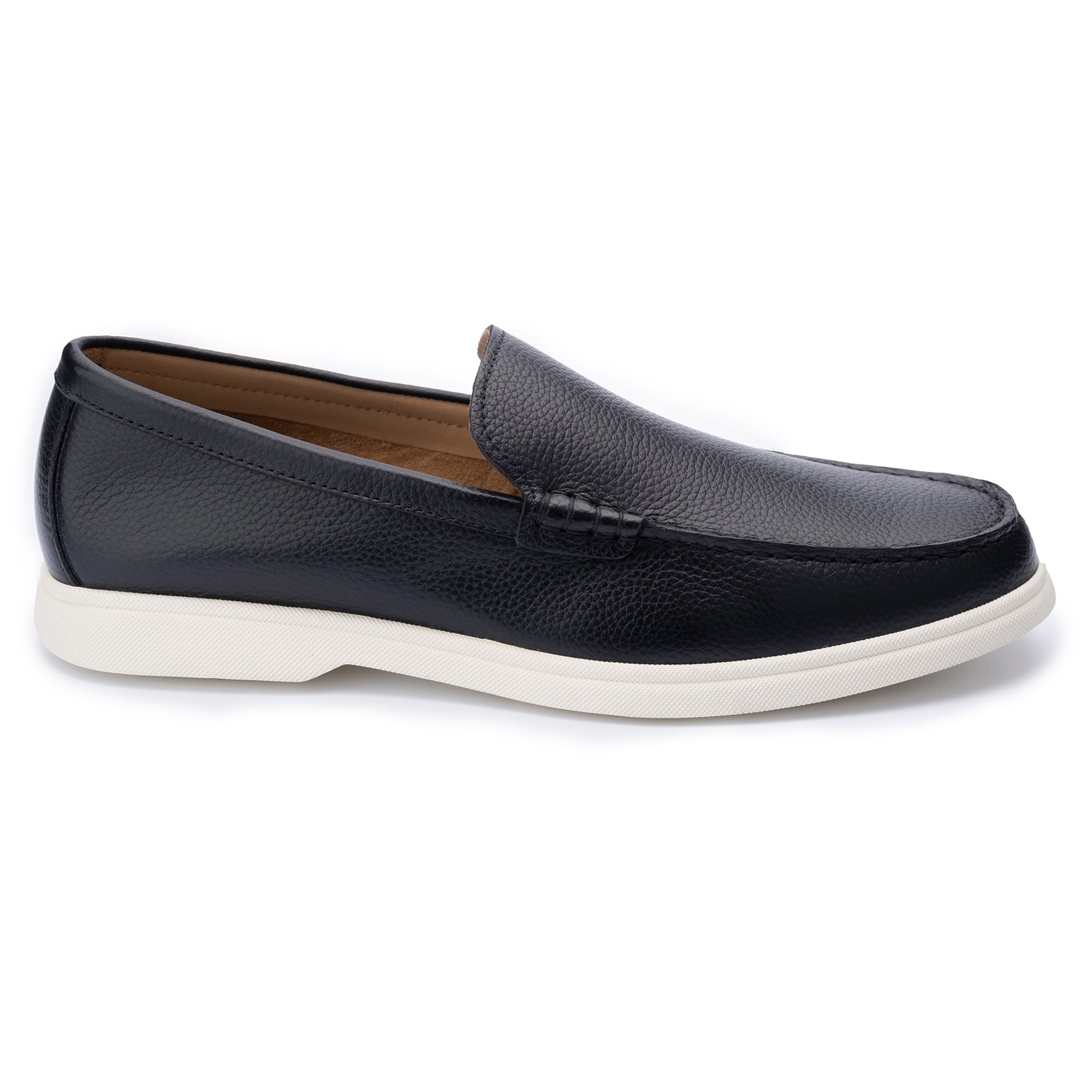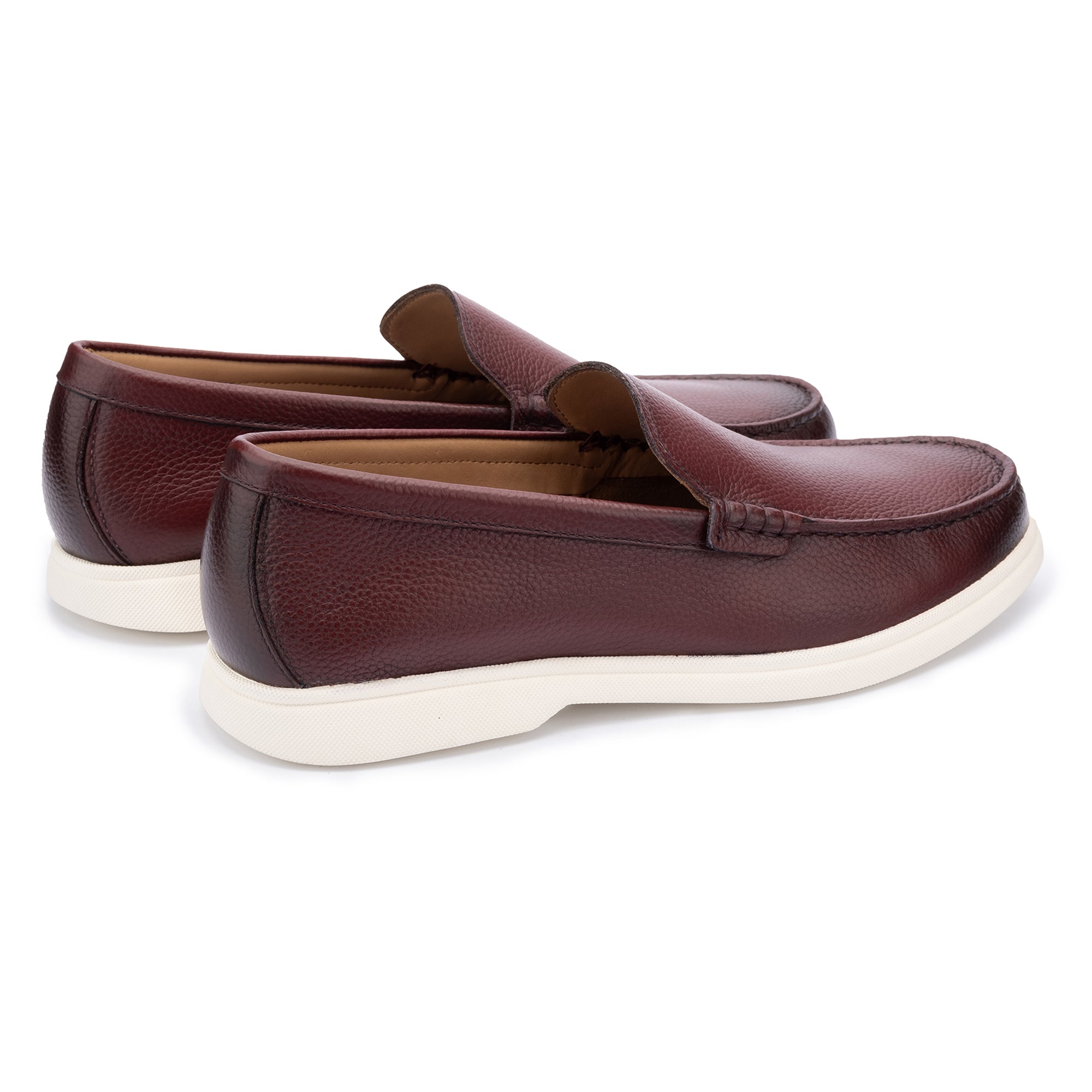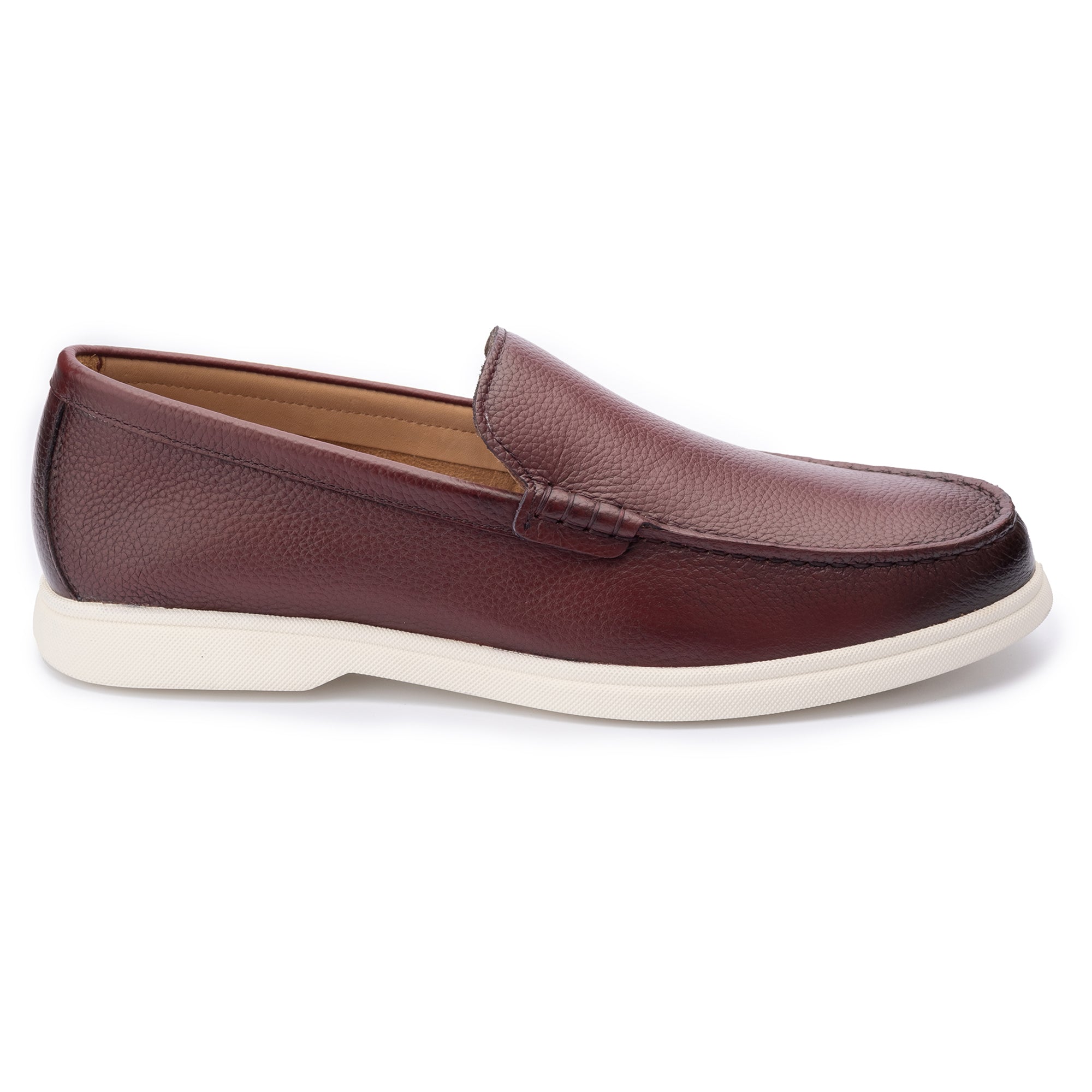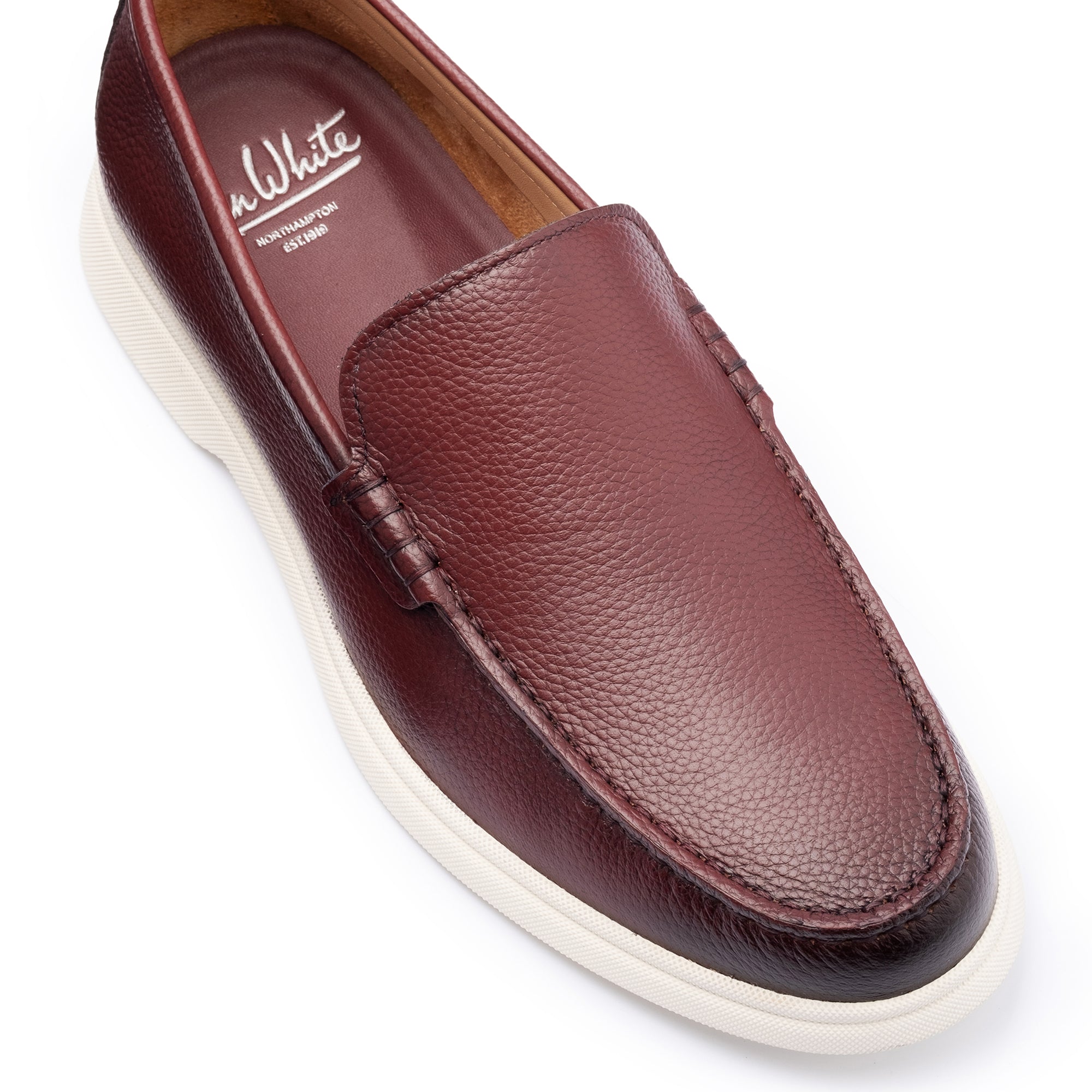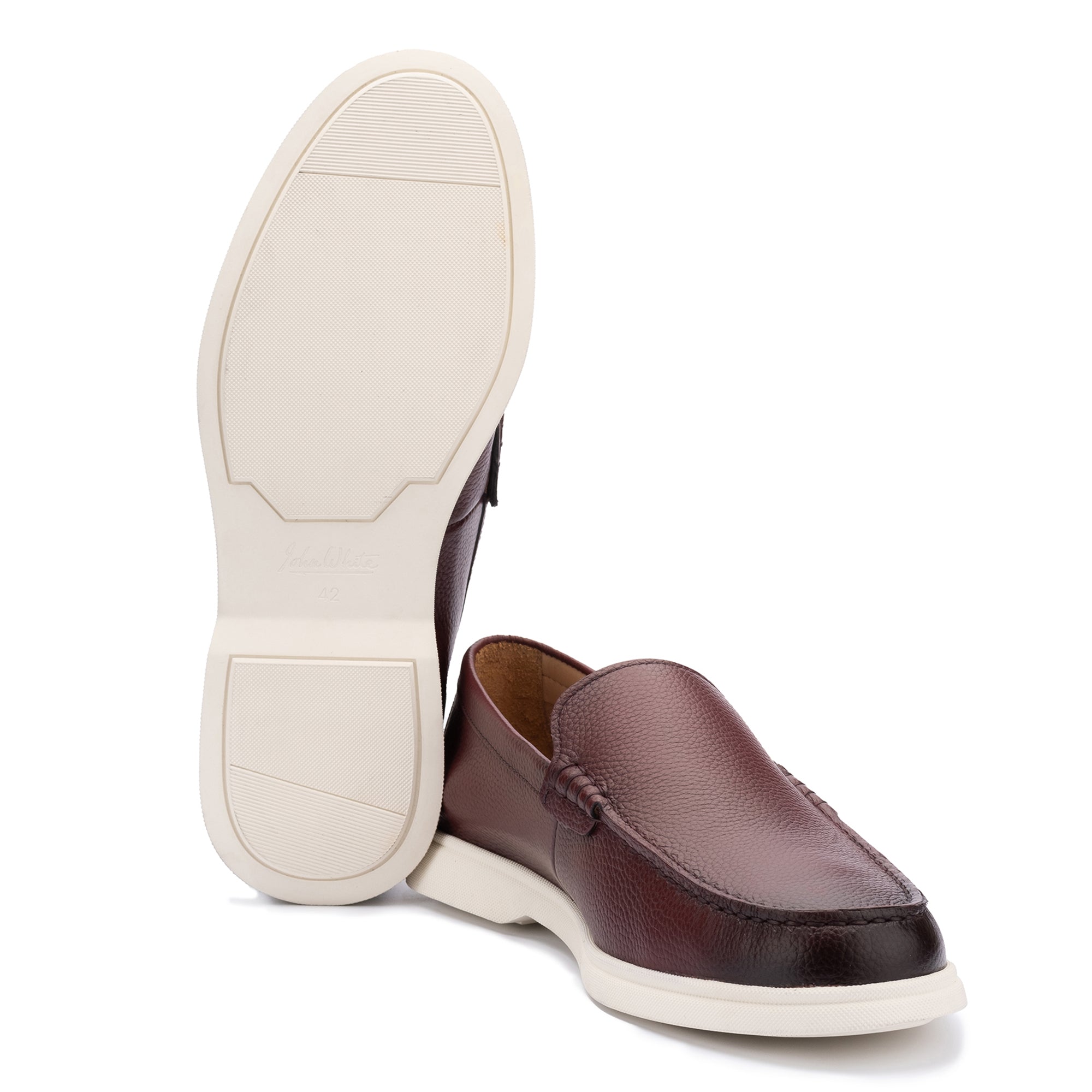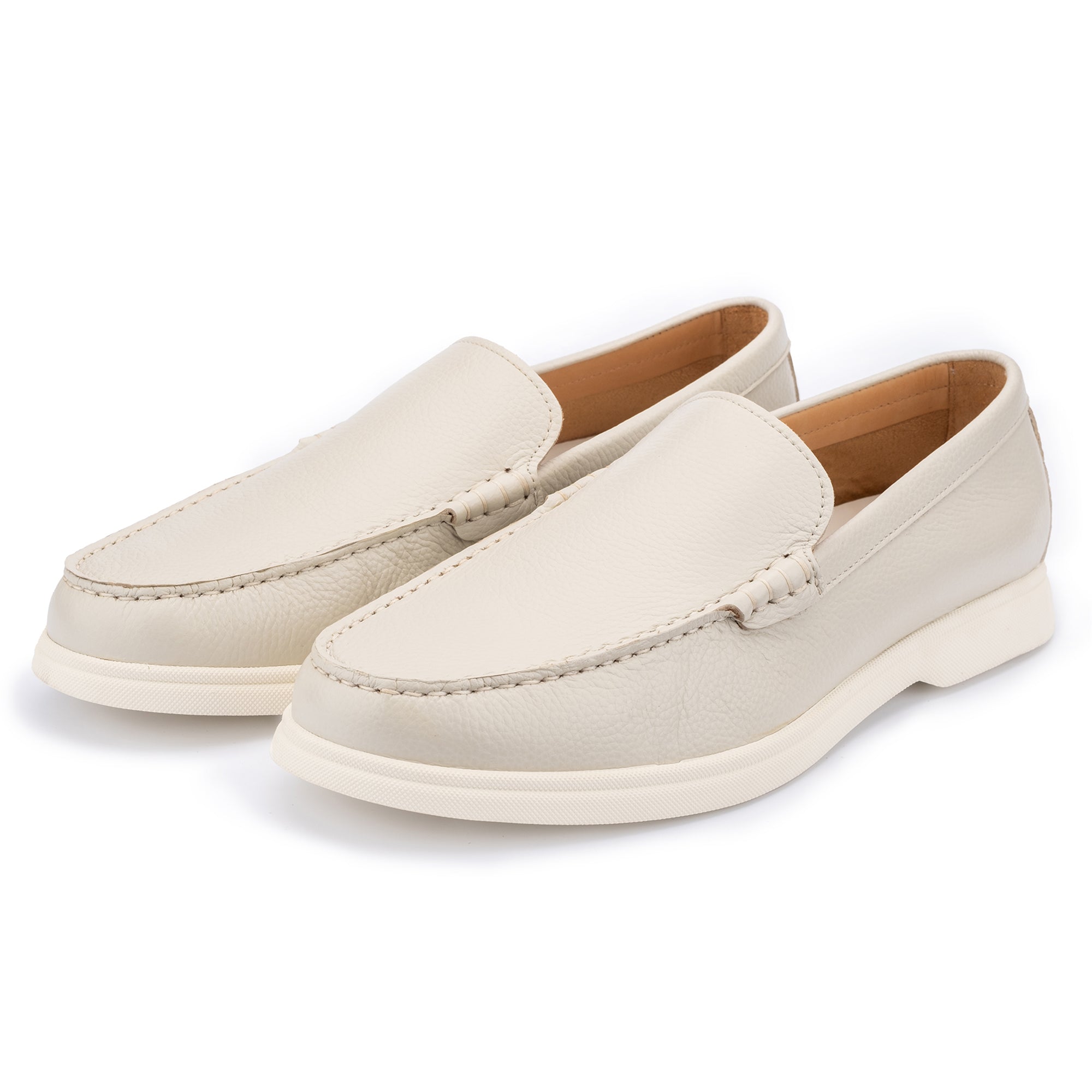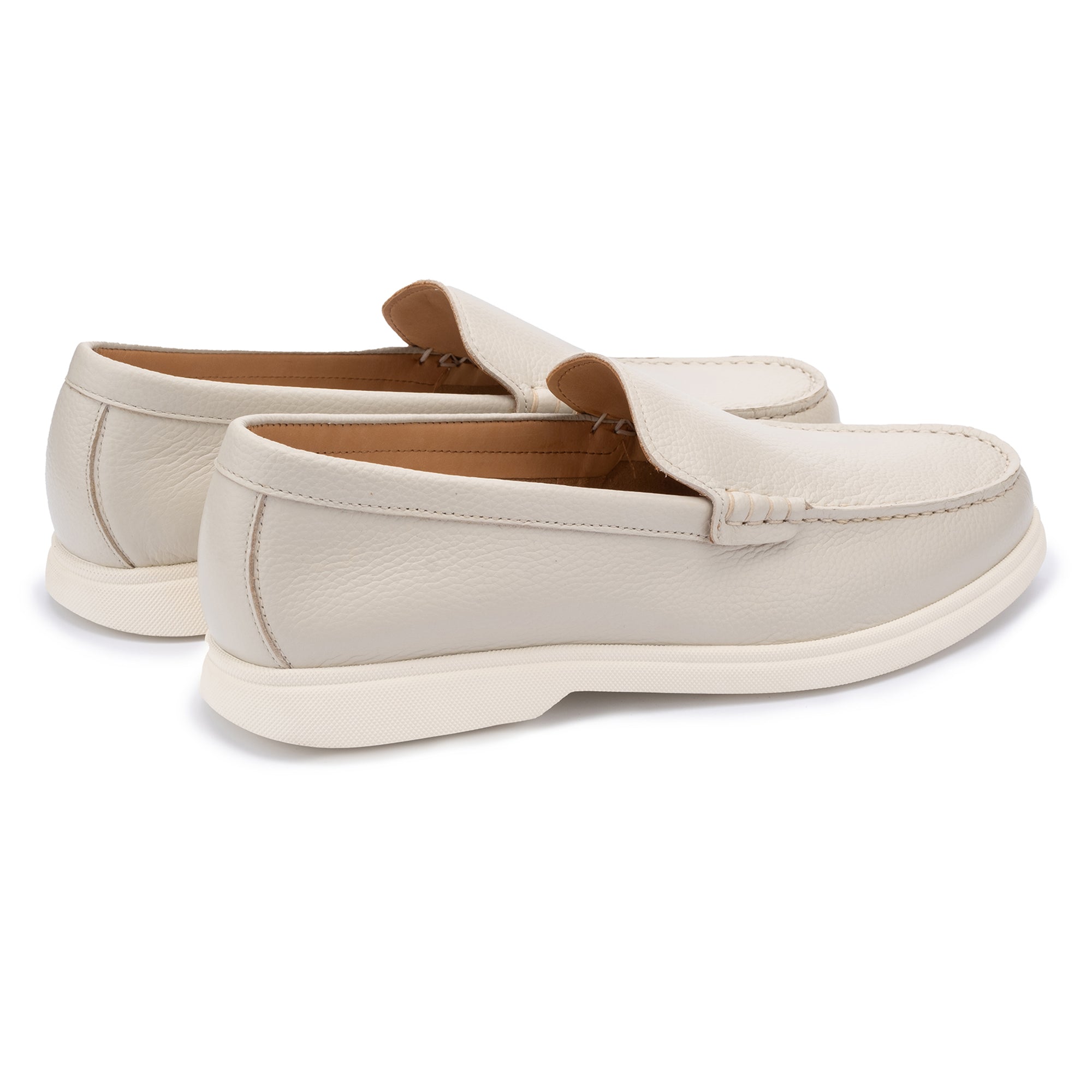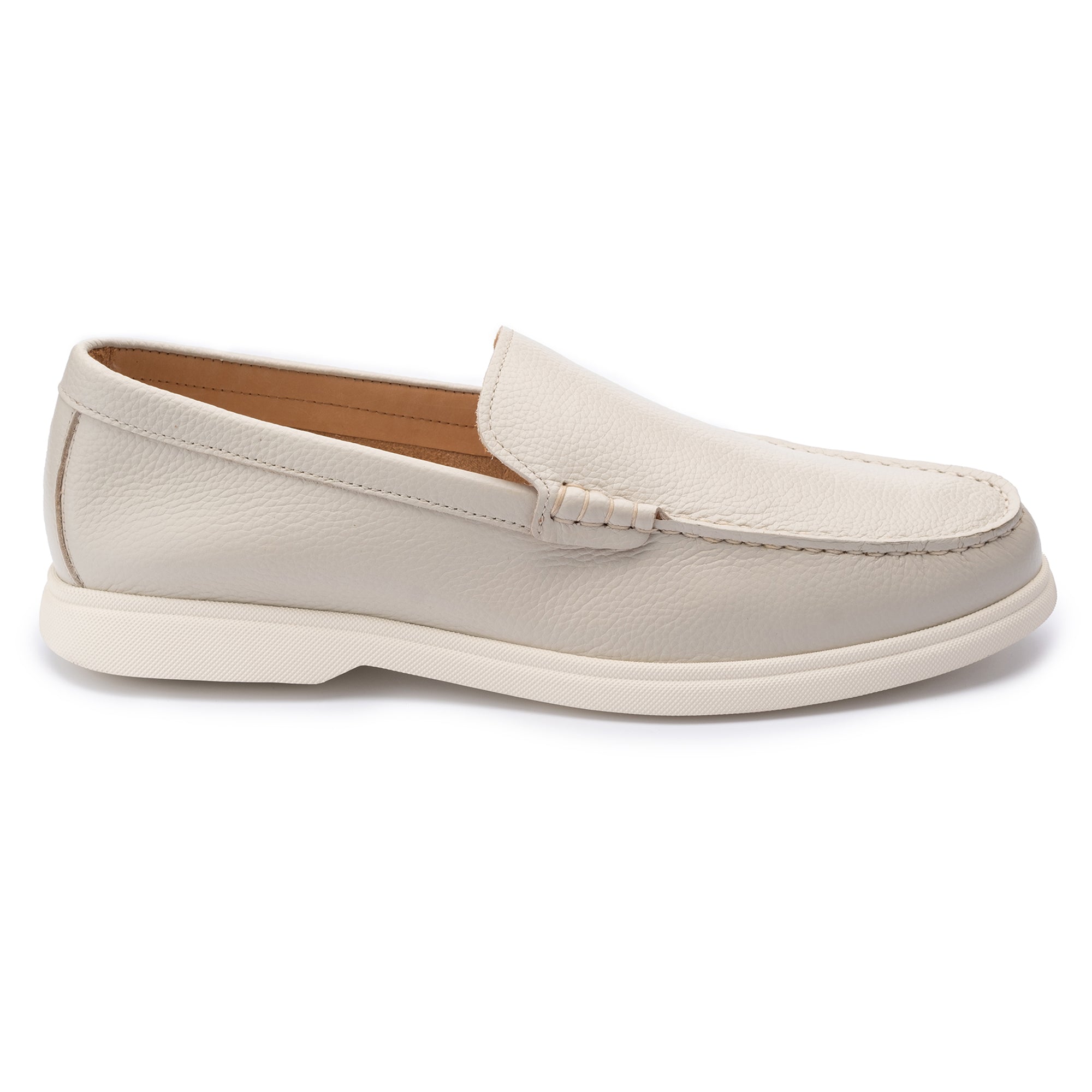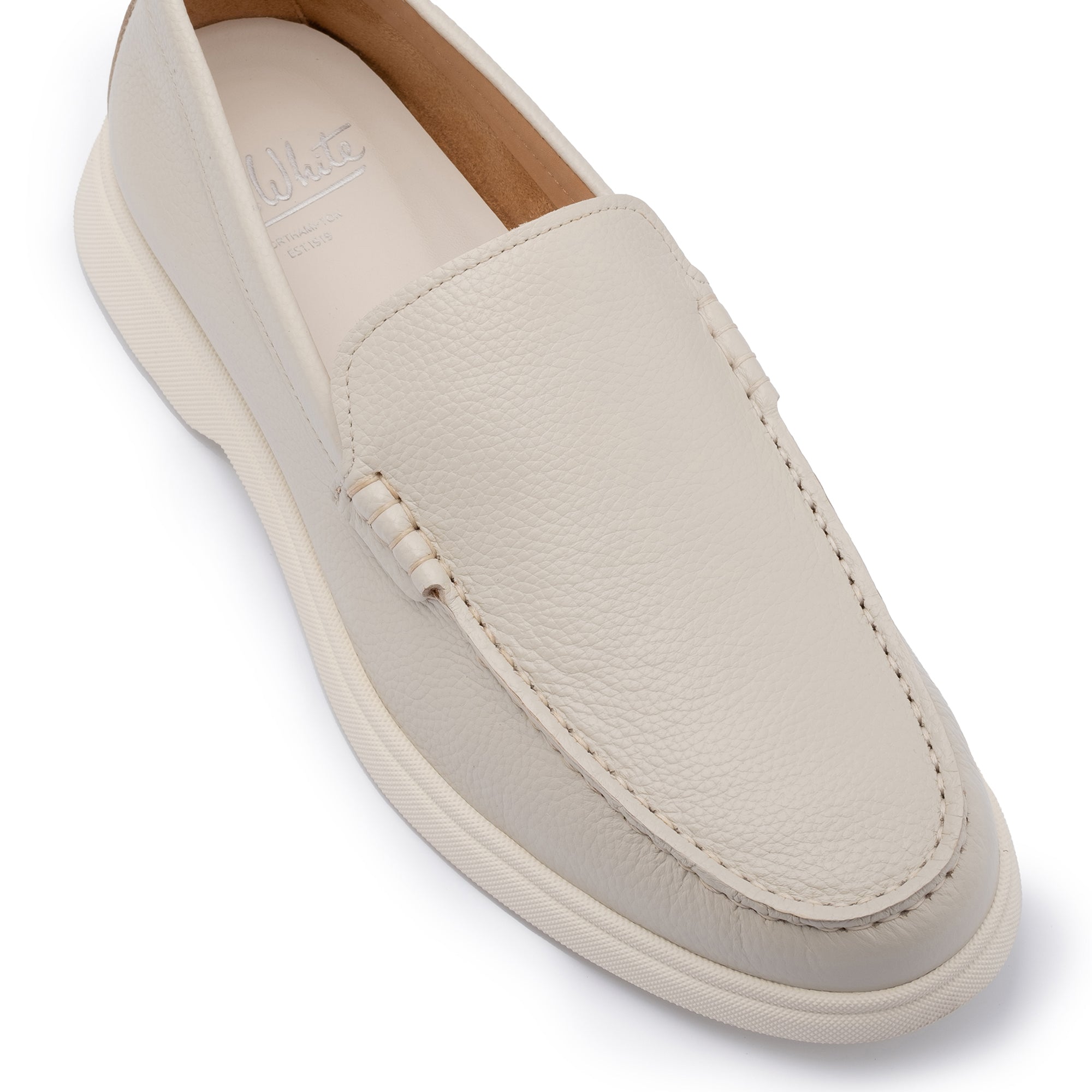

Welt Conditioning: The Overlooked Step That Determines How Long Your Shoes Last
Quick Answer: The welt is the narrow strip of leather that binds the upper to the outsole on a Goodyear welted shoe. Conditioning it regularly prevents the leather from cracking, the stitching from failing, and the sole from separating. Most men condition only the upper; neglecting the welt shortens the life of a premium shoe by years and is the primary cause of premature structural failure.
In This Guide
- What Is the Welt, and Why Does It Determine How Long Your Shoes Last?
- Why Is Welt Conditioning Neglected by Most Men?
- What Happens When the Welt Dries Out and Cracks?
- How Often Should You Condition the Welt?
- What Products Work Best for Welt Conditioning?
- How Do You Condition a Welt Correctly?
- Does the Welt Type Affect How You Should Condition It?
- Related Guides
- Frequently Asked Questions
Welt conditioning is the single most overlooked step in leather shoe care. A man can polish his uppers diligently, rotate his collection properly, and insert cedar shoe trees after every wear — yet never once apply conditioner to the welt. That strip of leather holds the shoe together structurally. When it dries, cracks, and fails, the shoe fails with it. According to the Society of Master Shoe Repairers, welt deterioration is one of the leading causes of premature sole separation in otherwise repairable footwear. The problem is preventable. Most men simply do not know it exists.
What Is the Welt, and Why Does It Determine How Long Your Shoes Last?
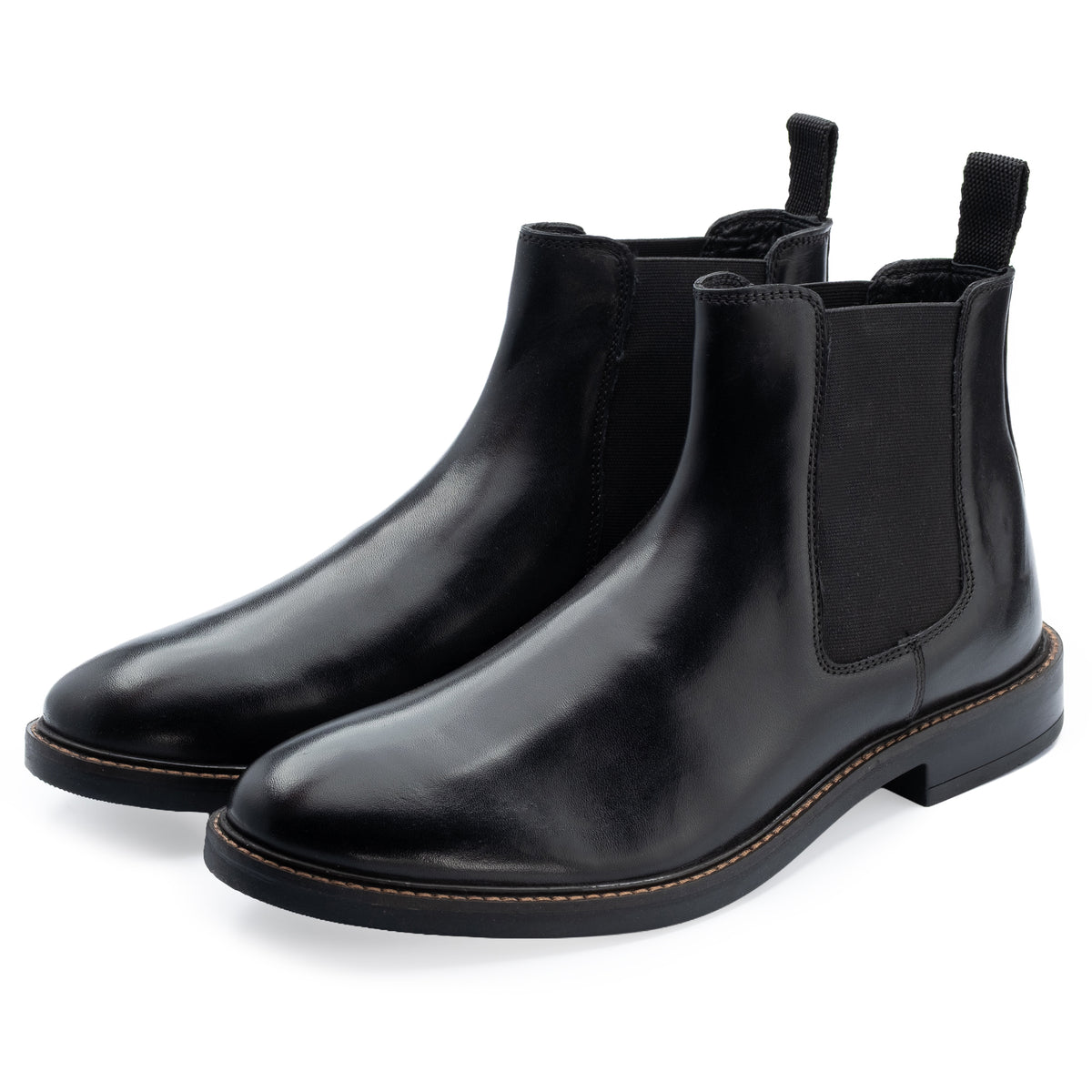
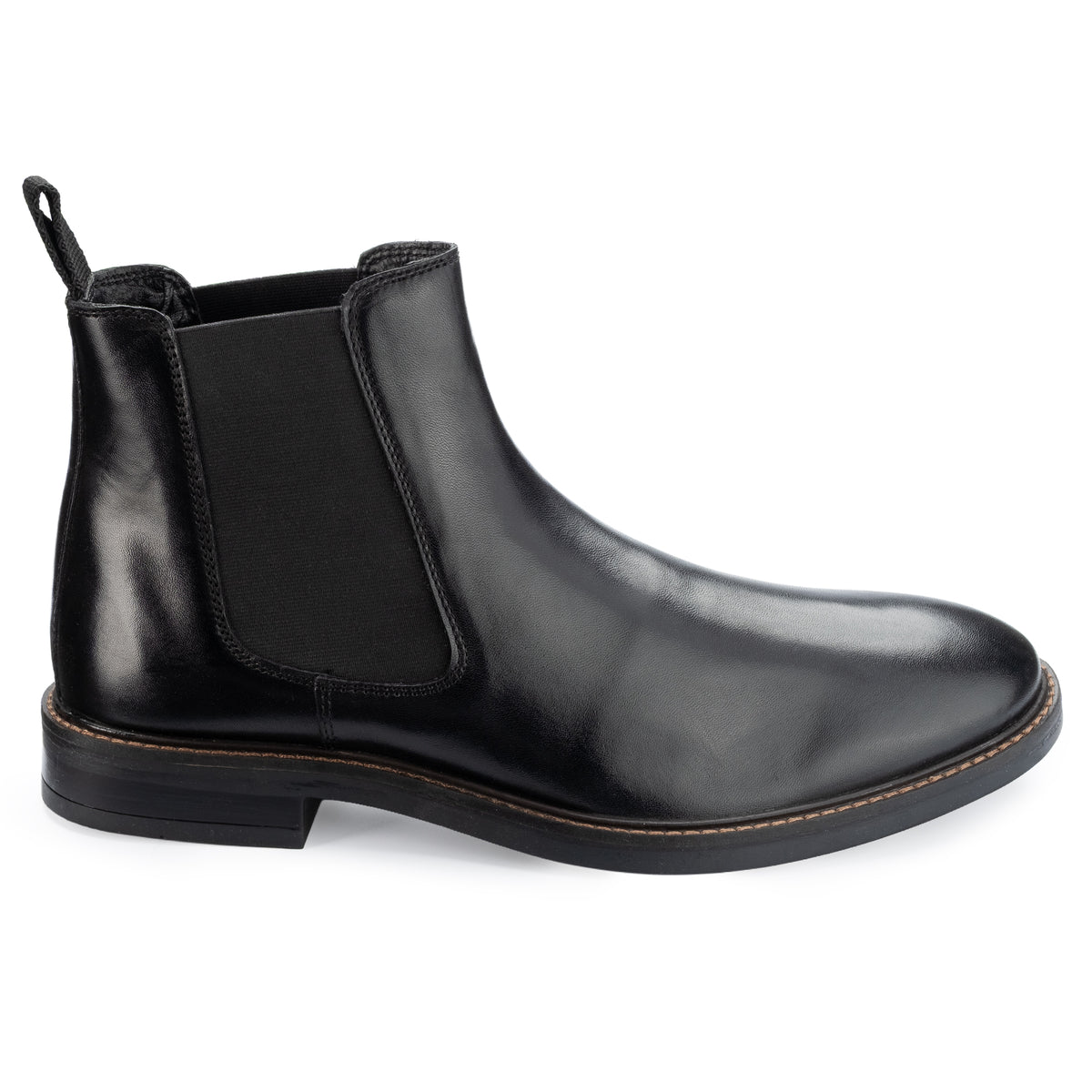
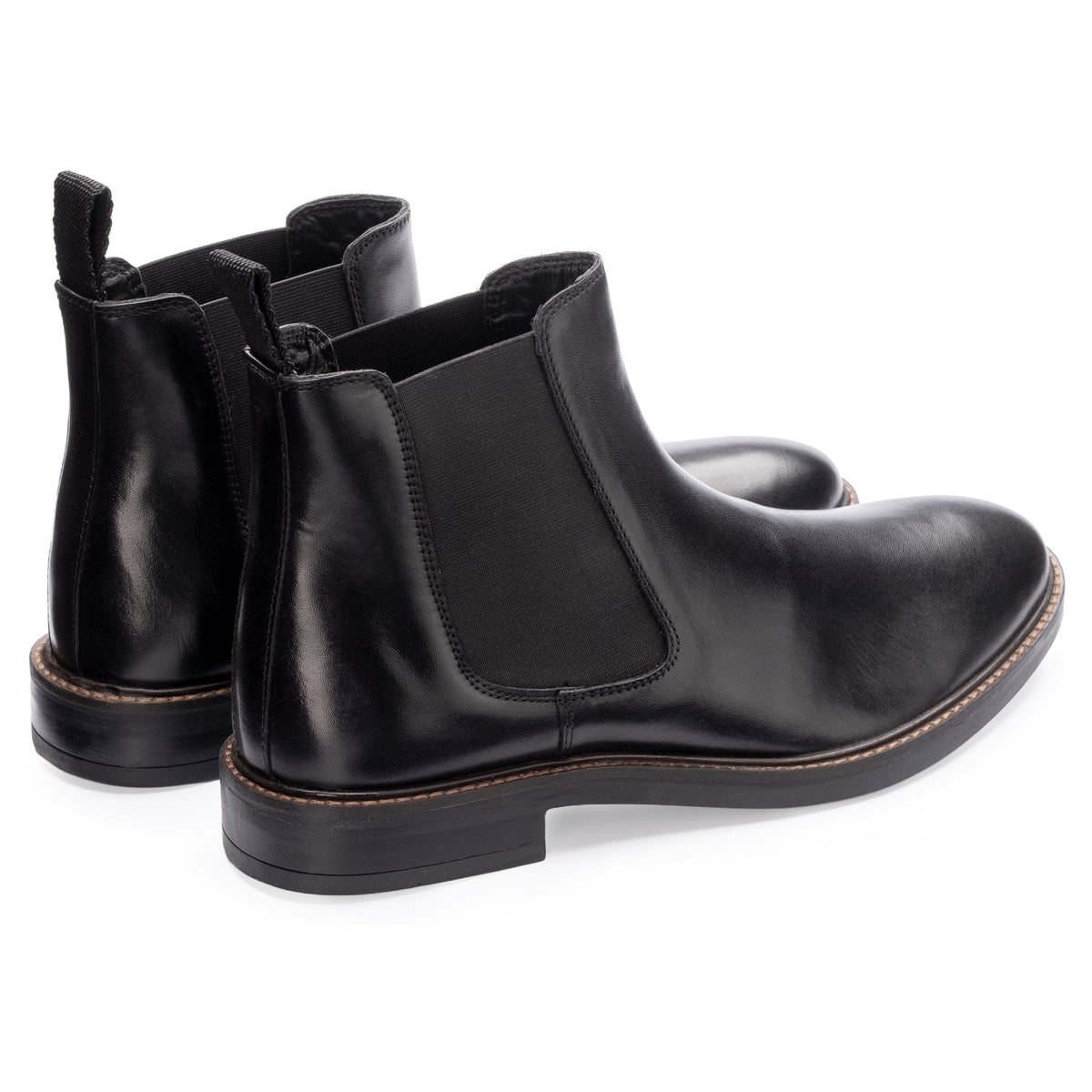
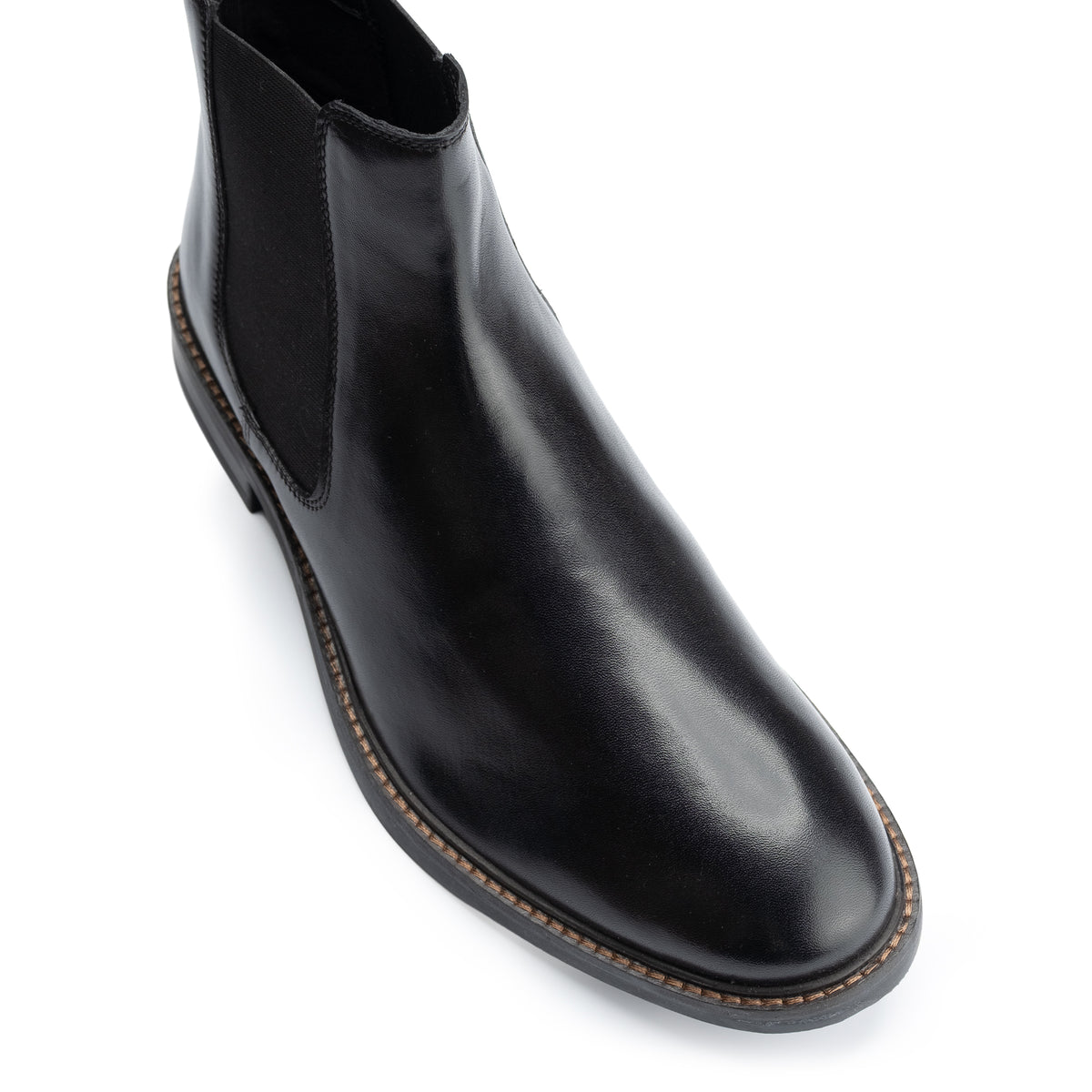
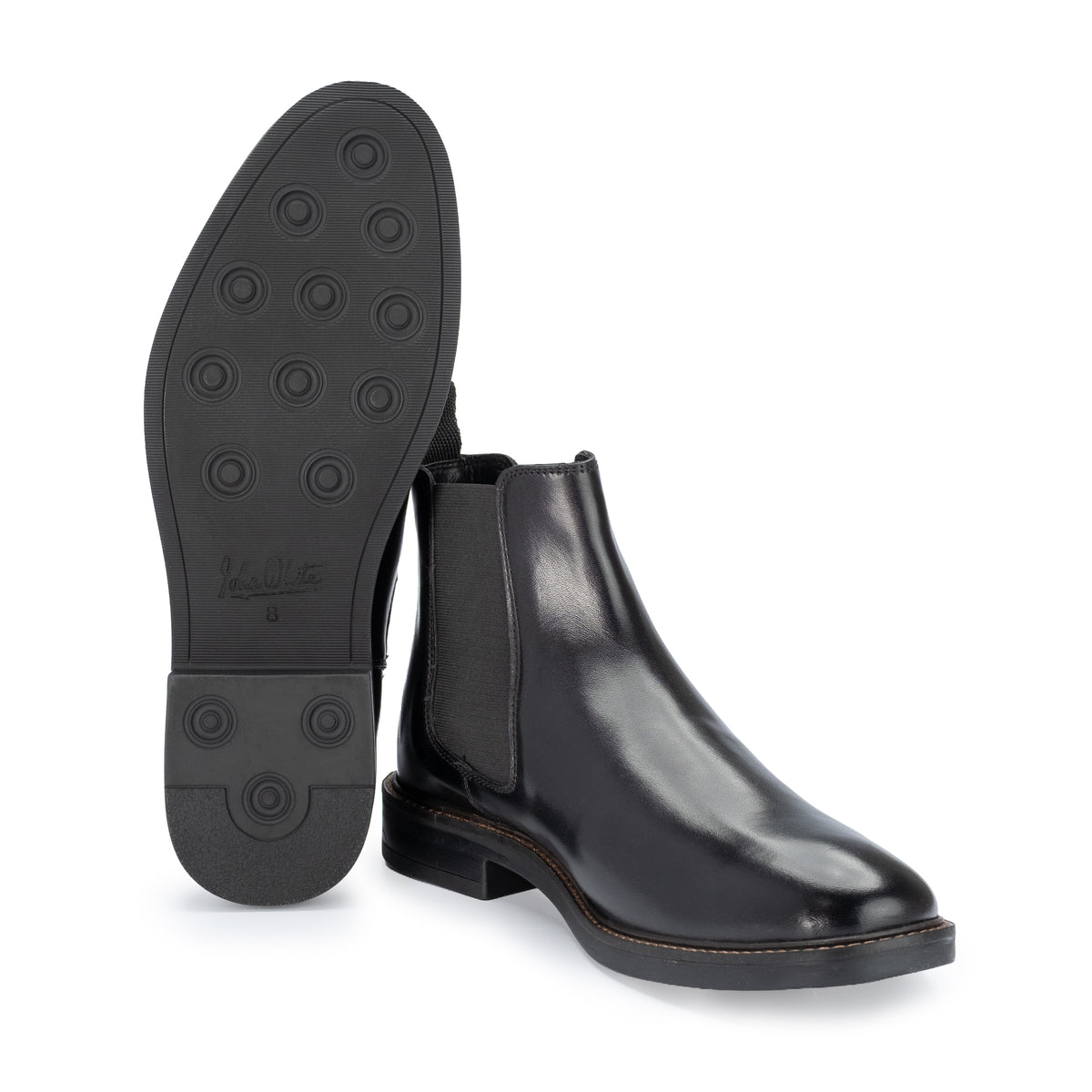
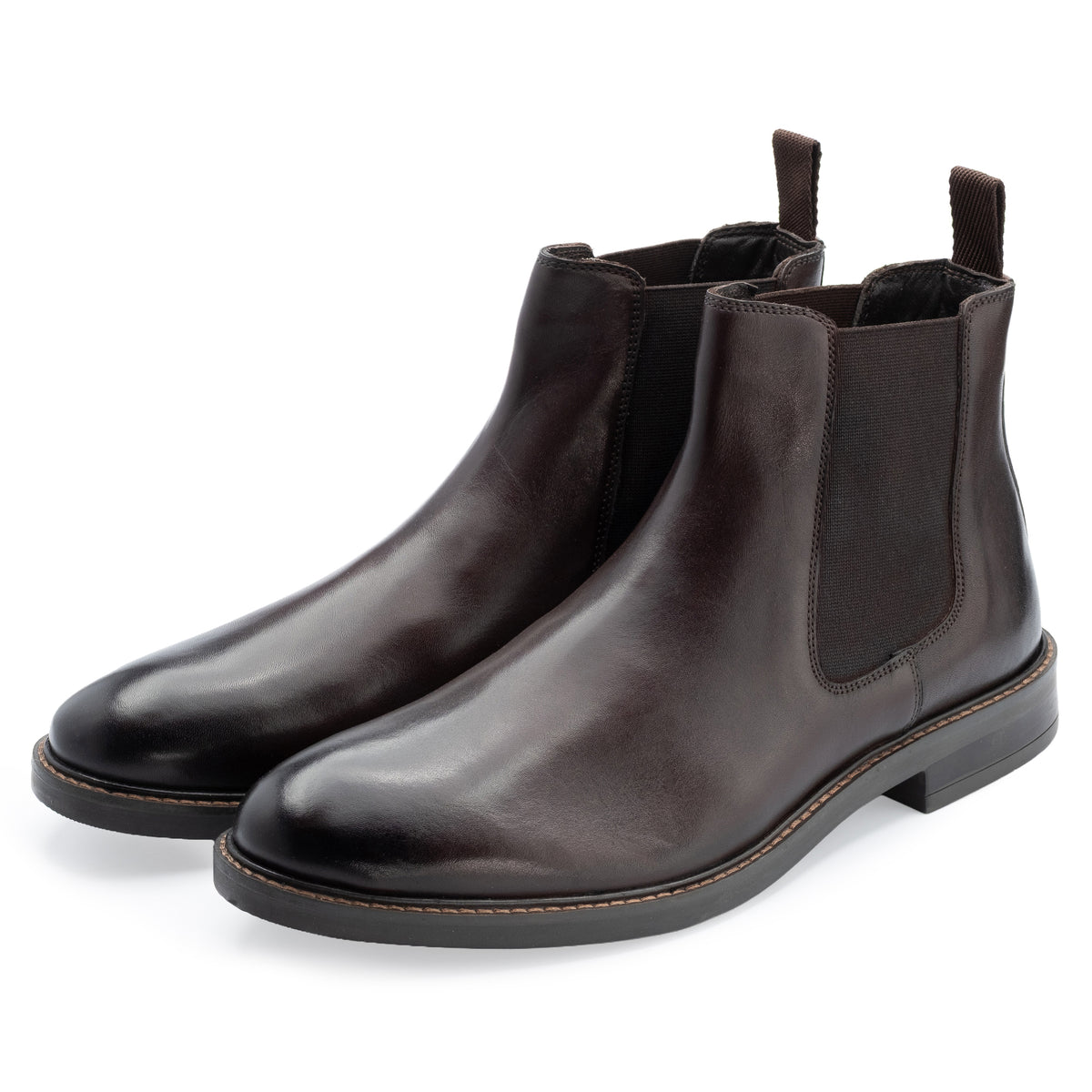
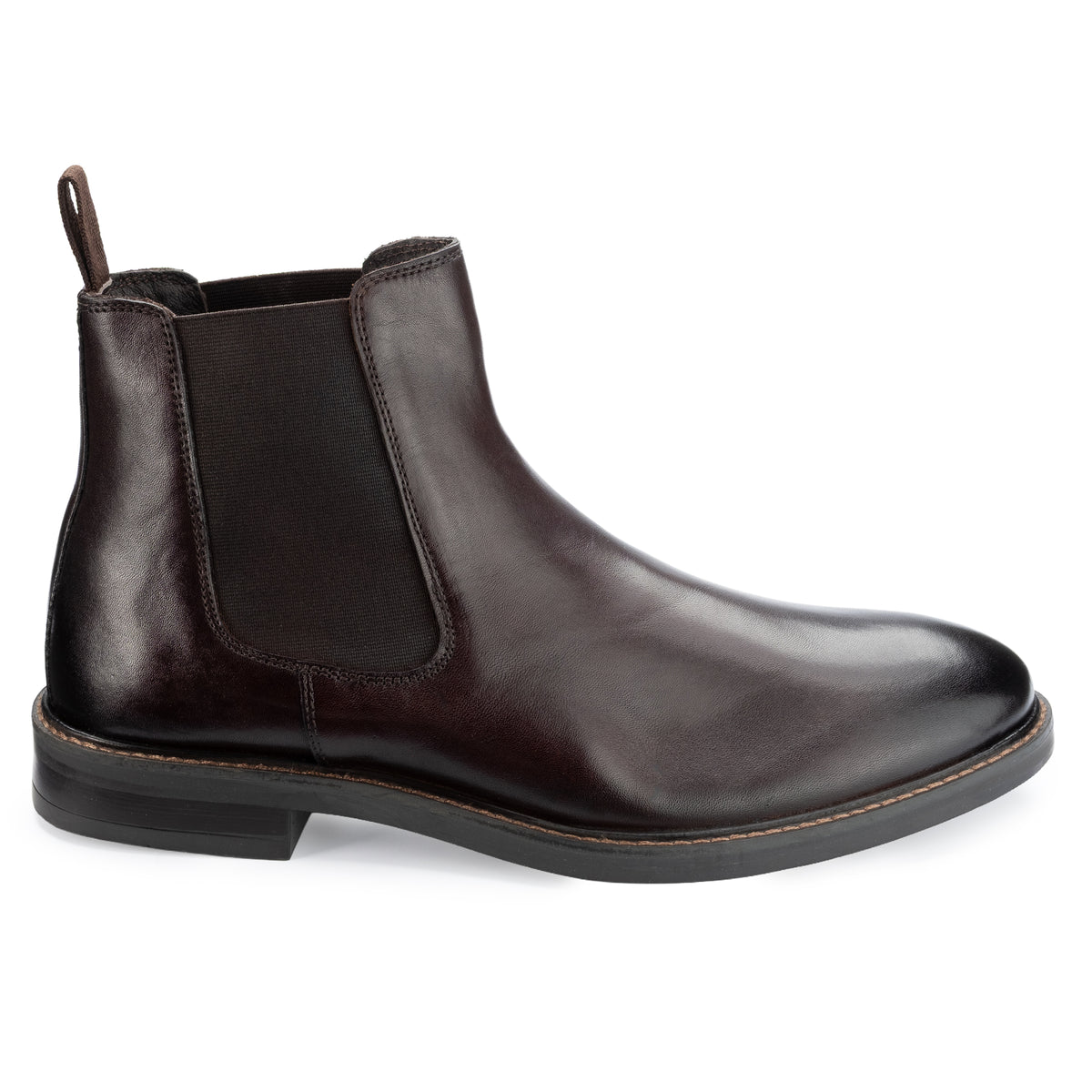
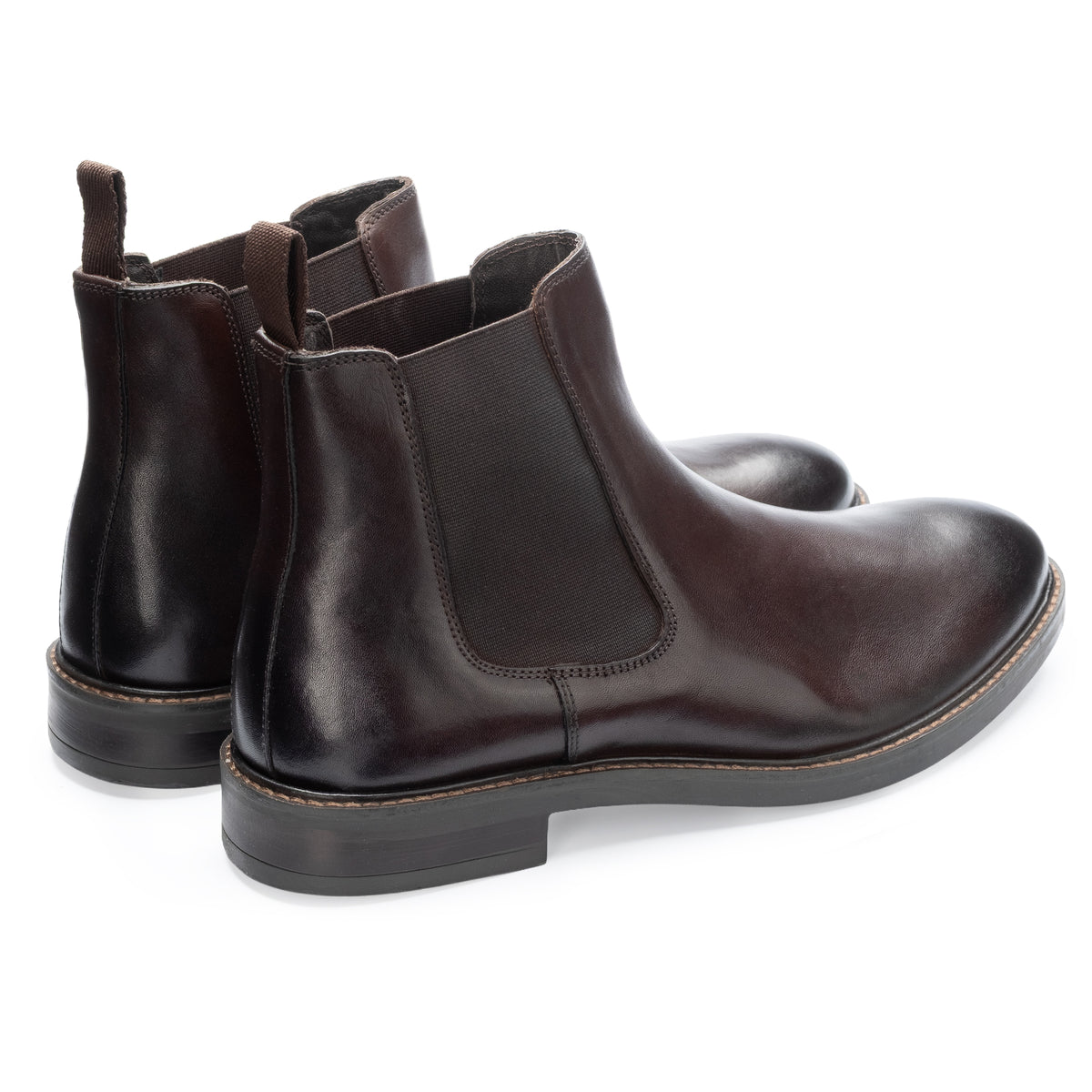
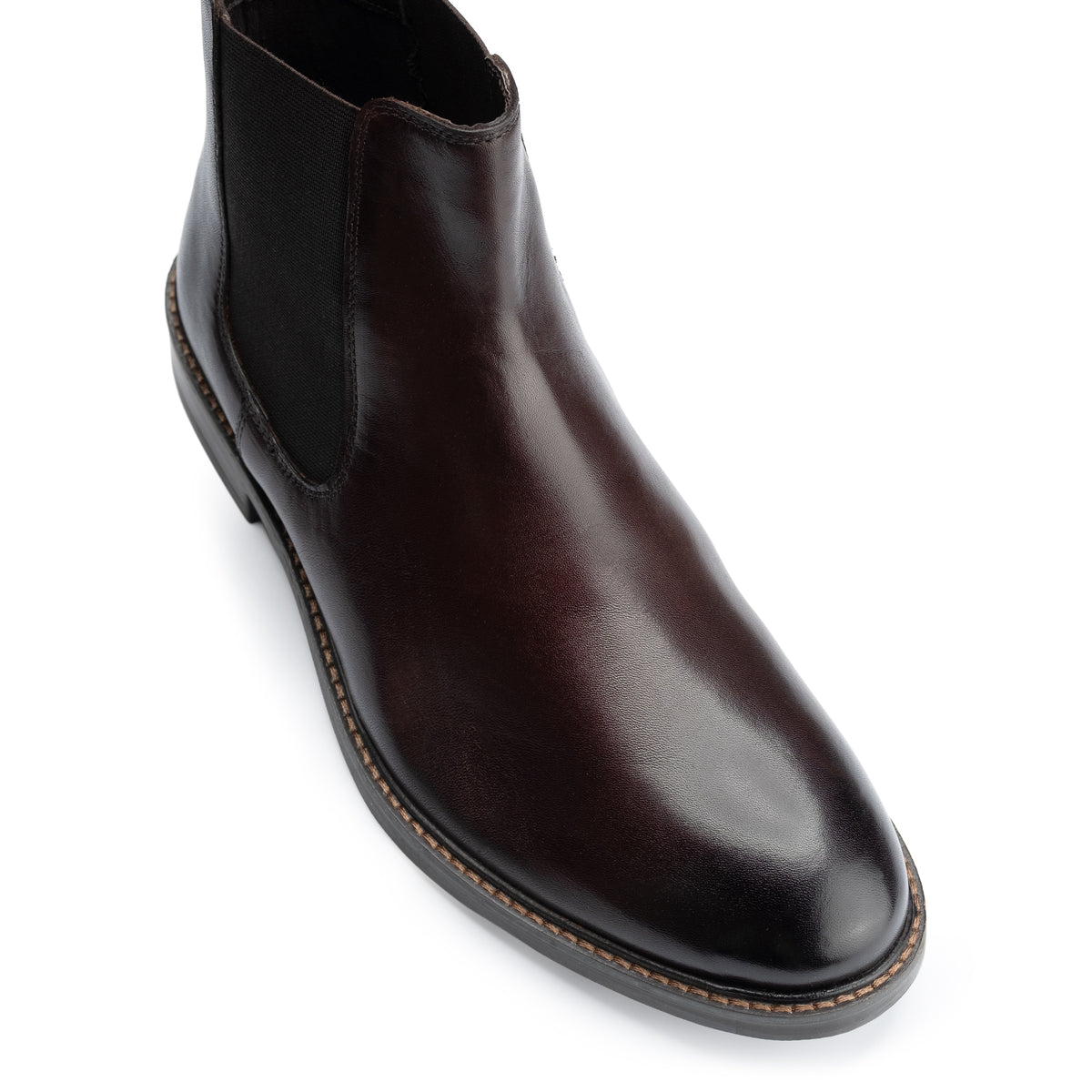
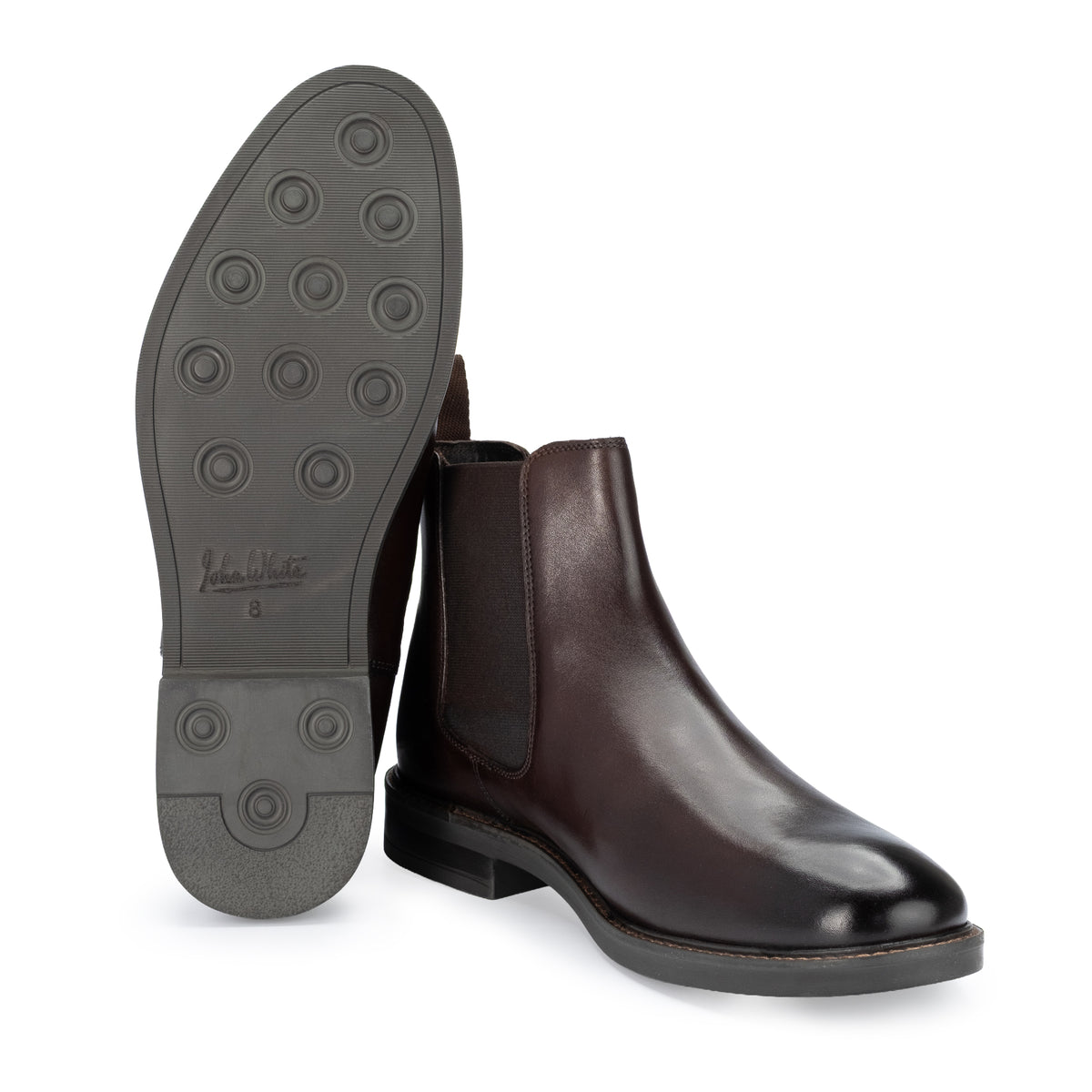
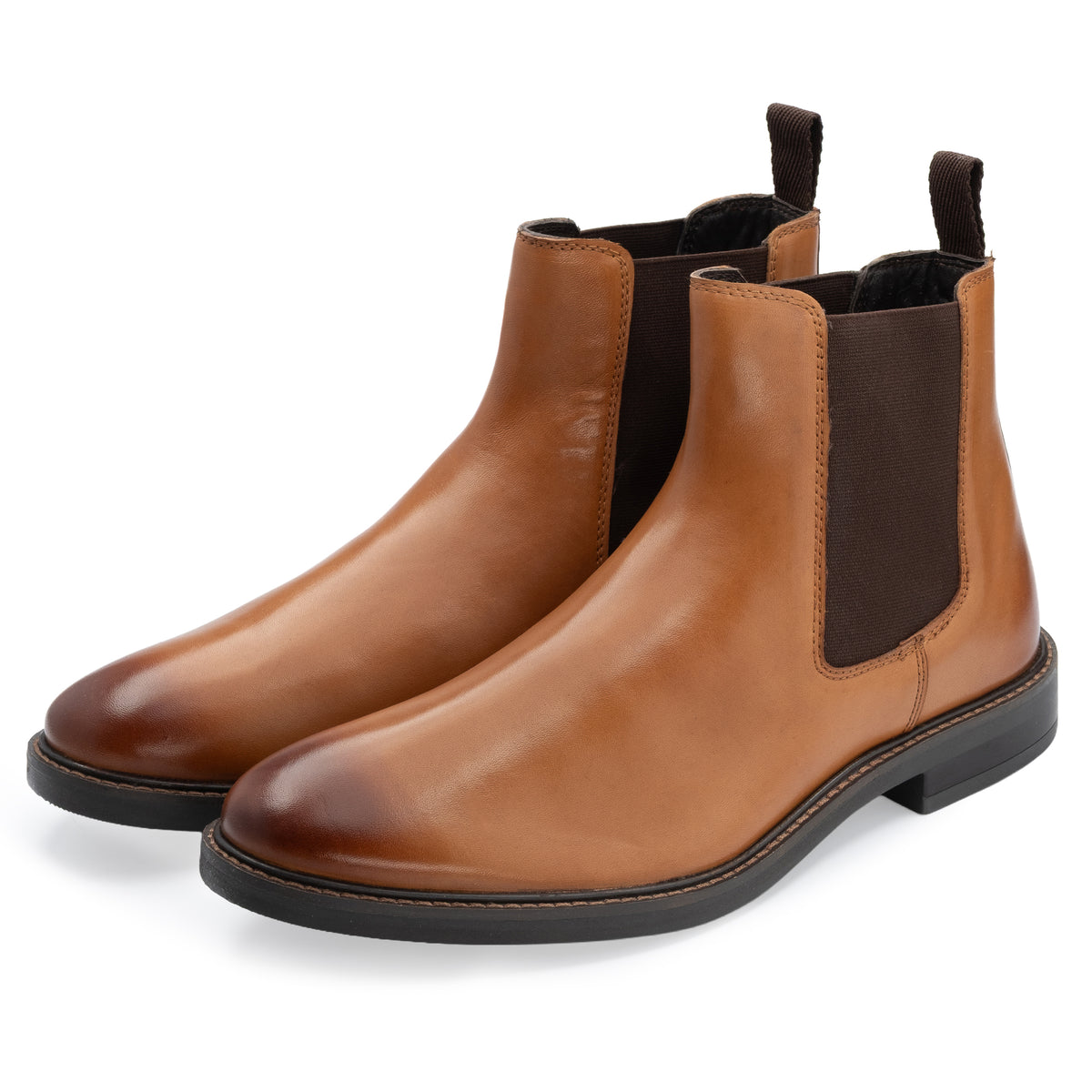
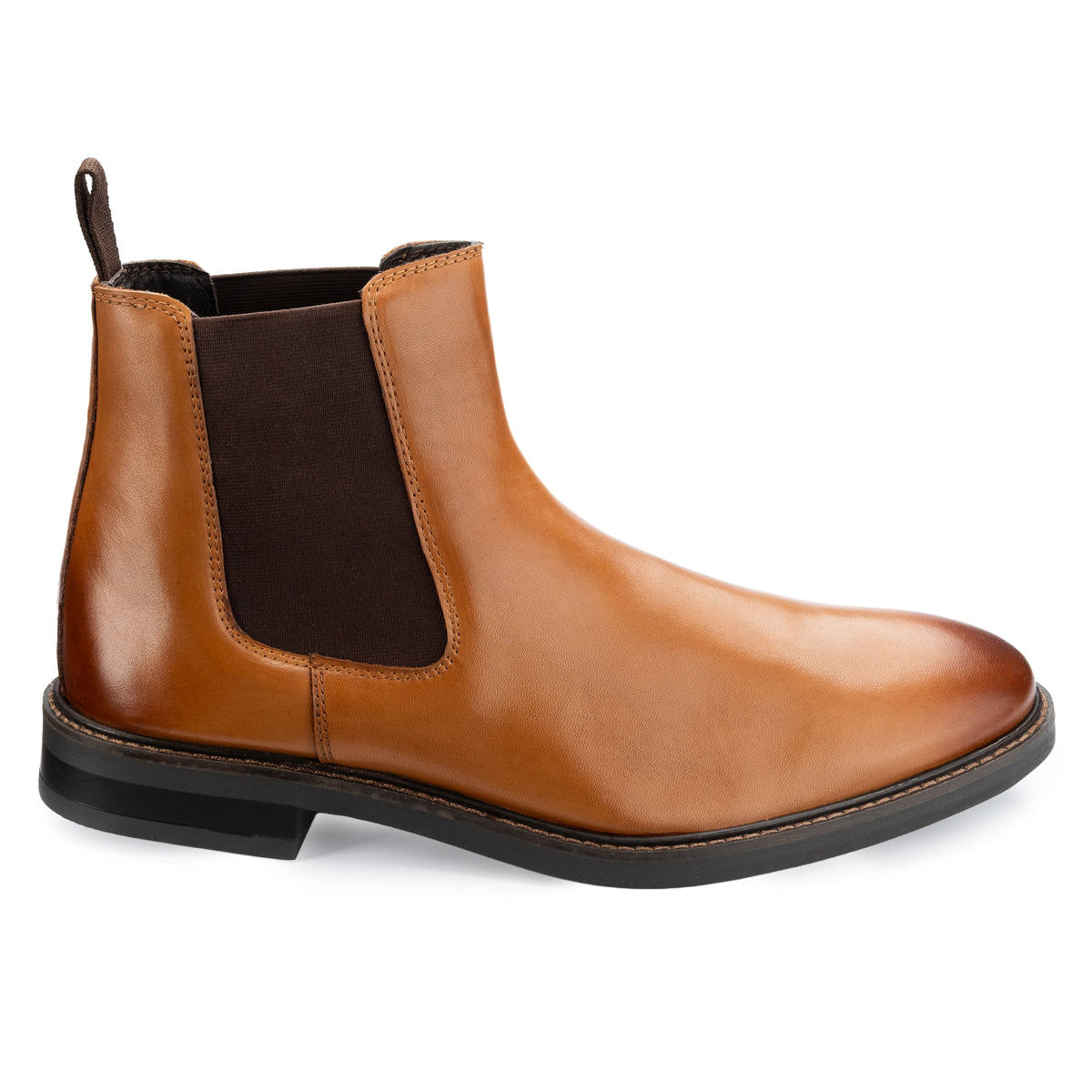
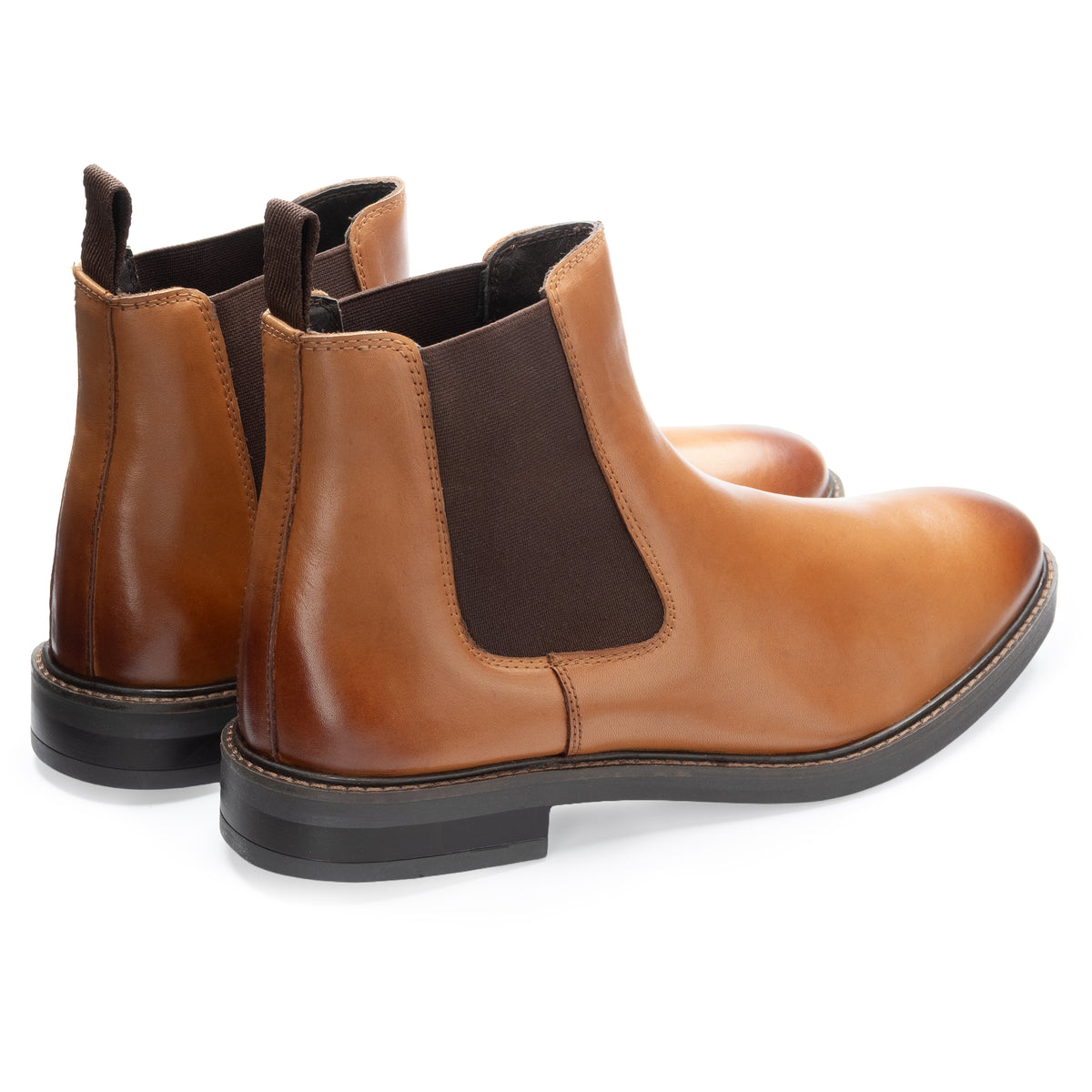
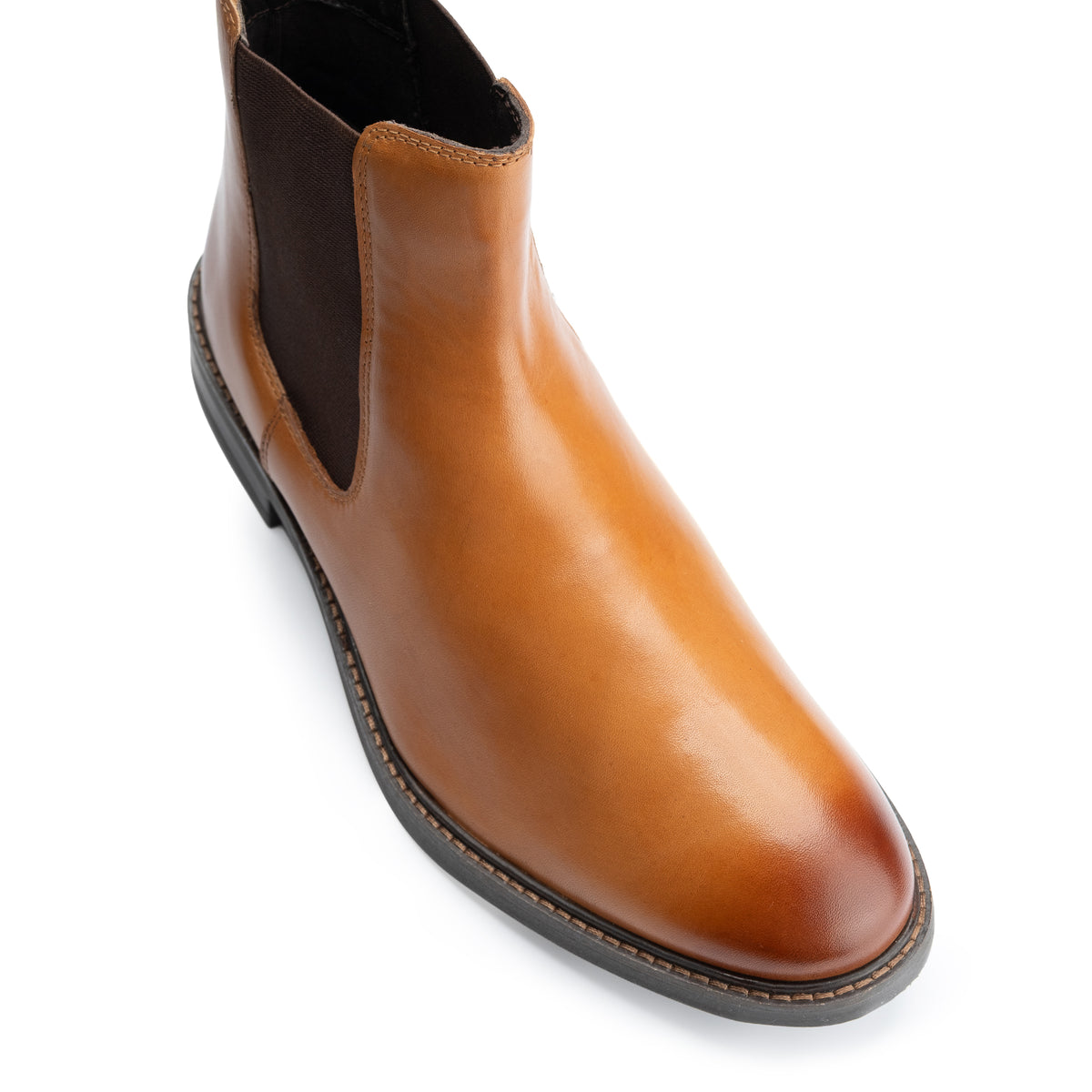
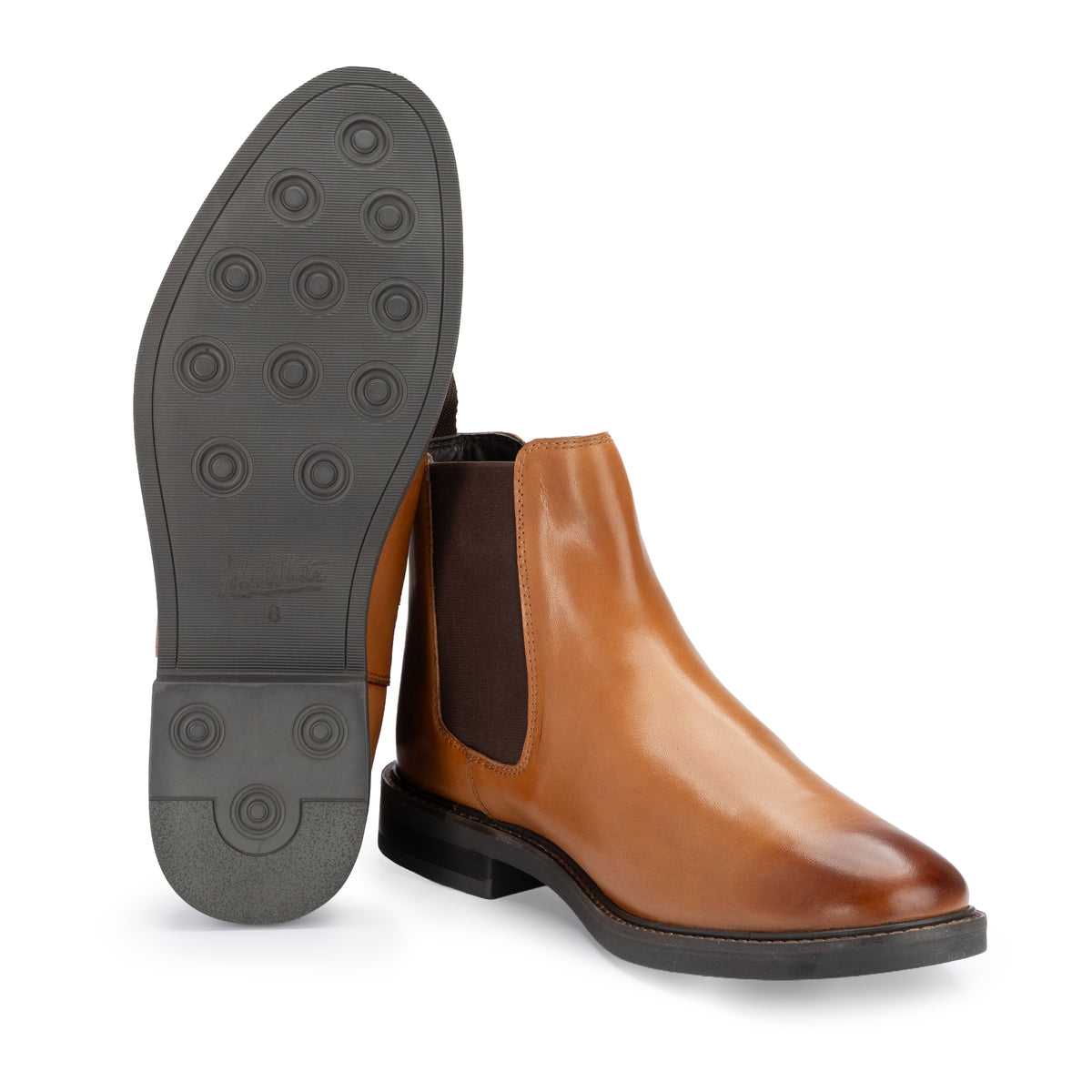
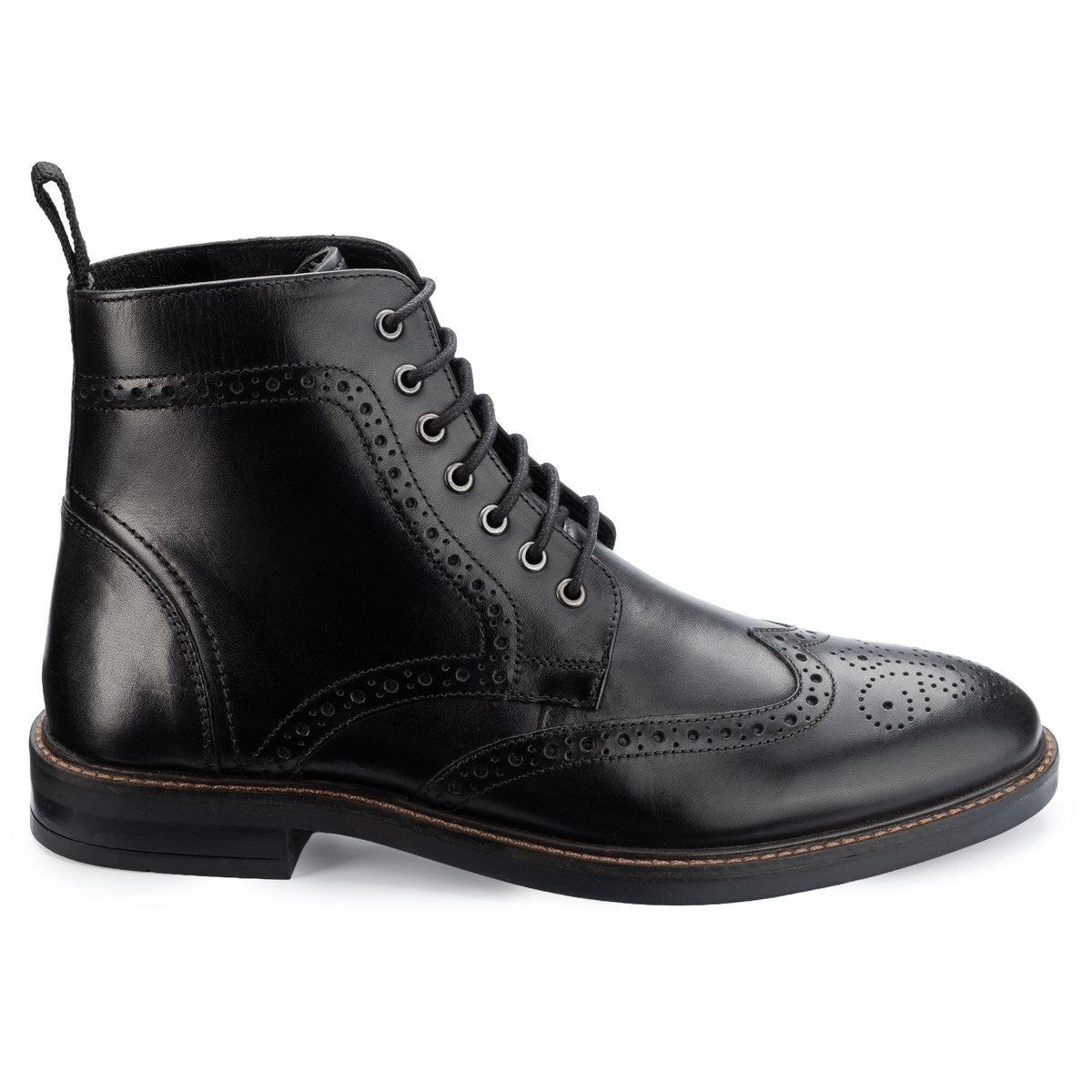
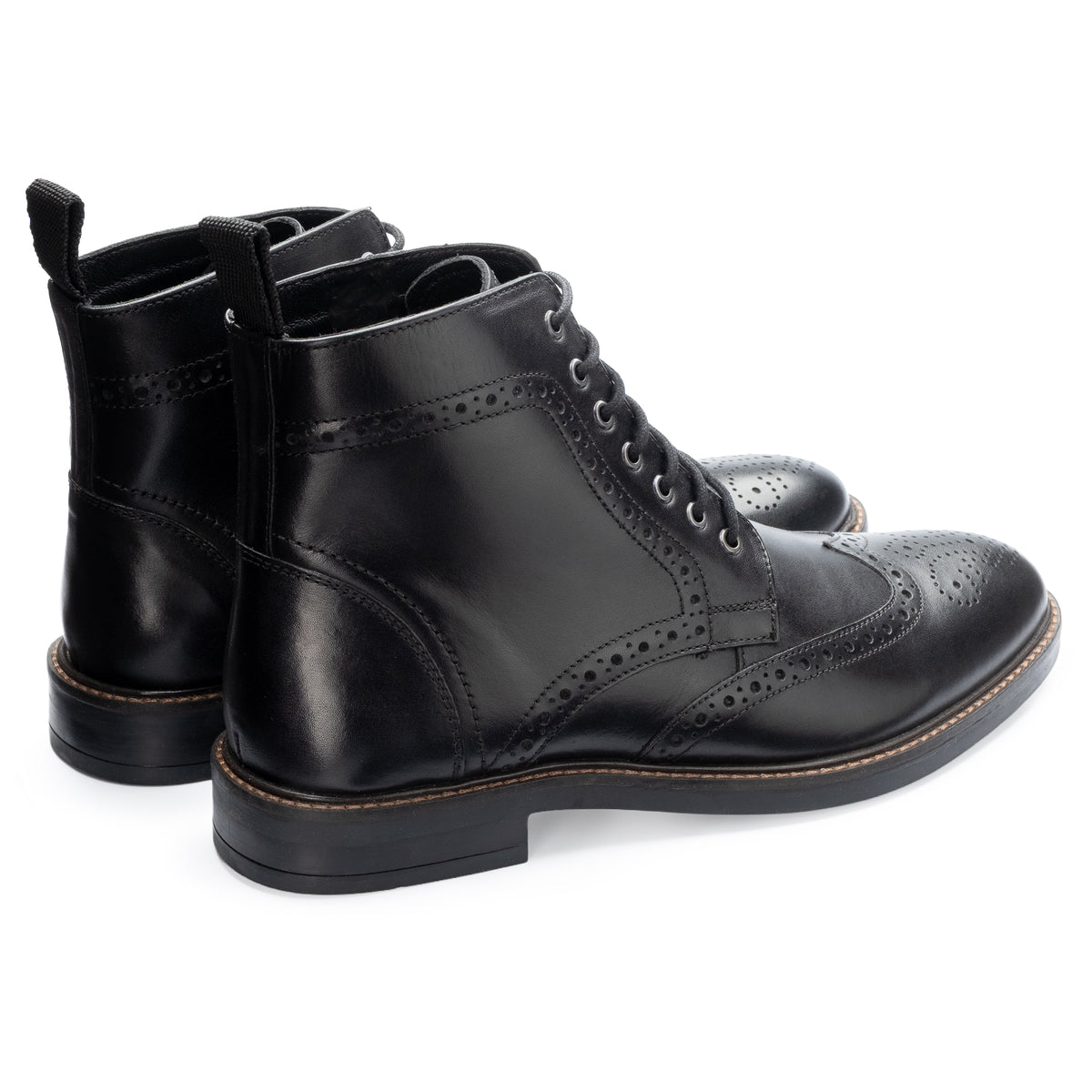
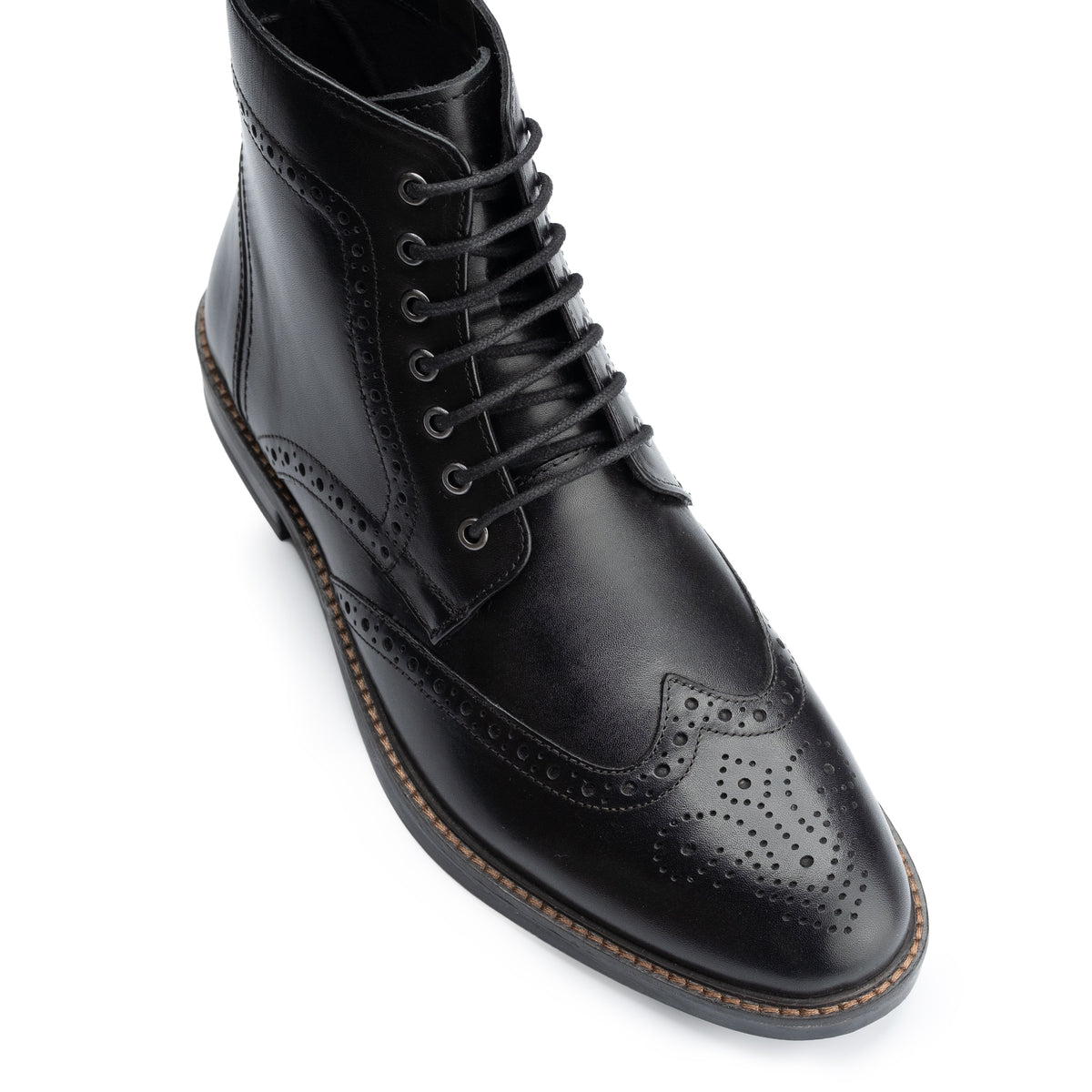
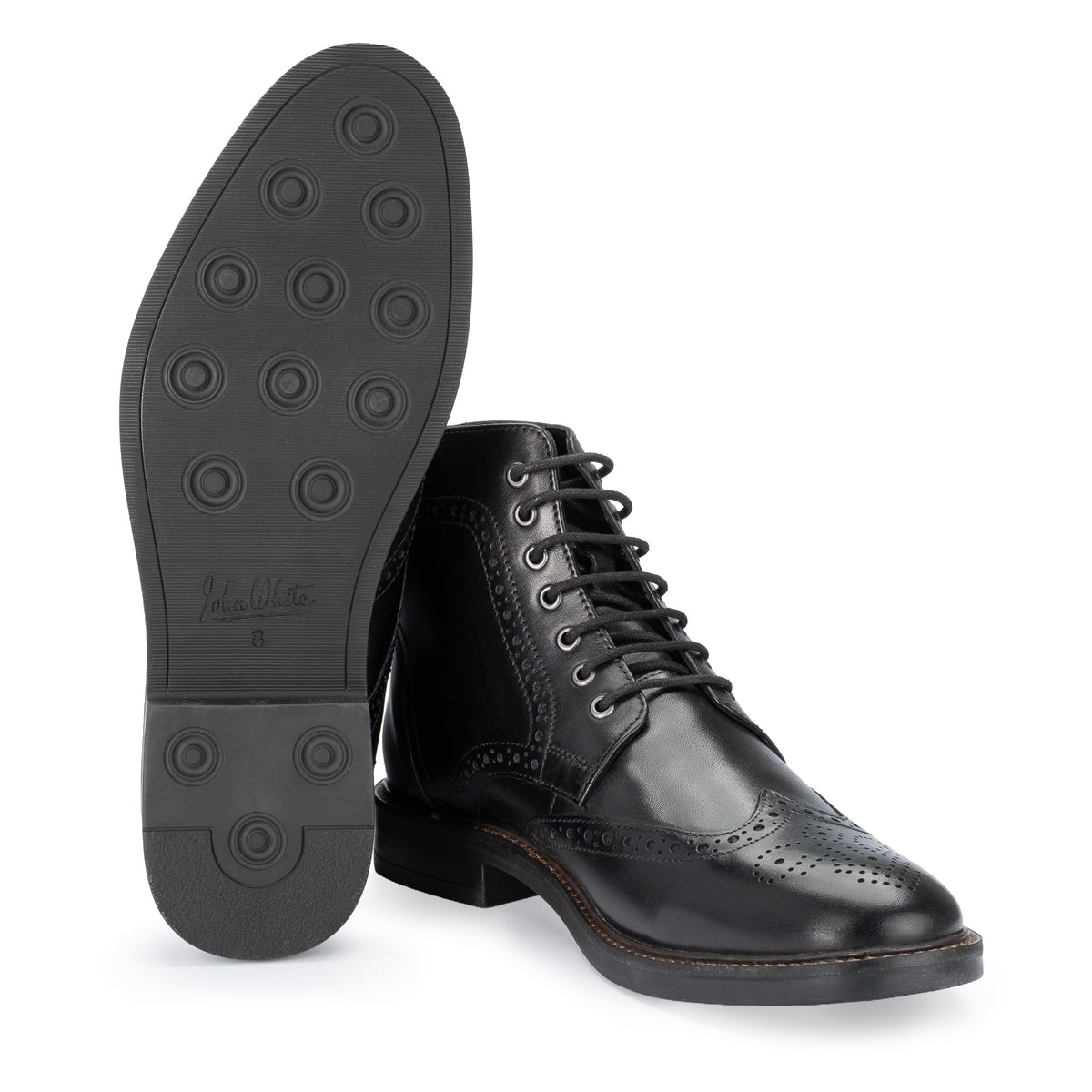
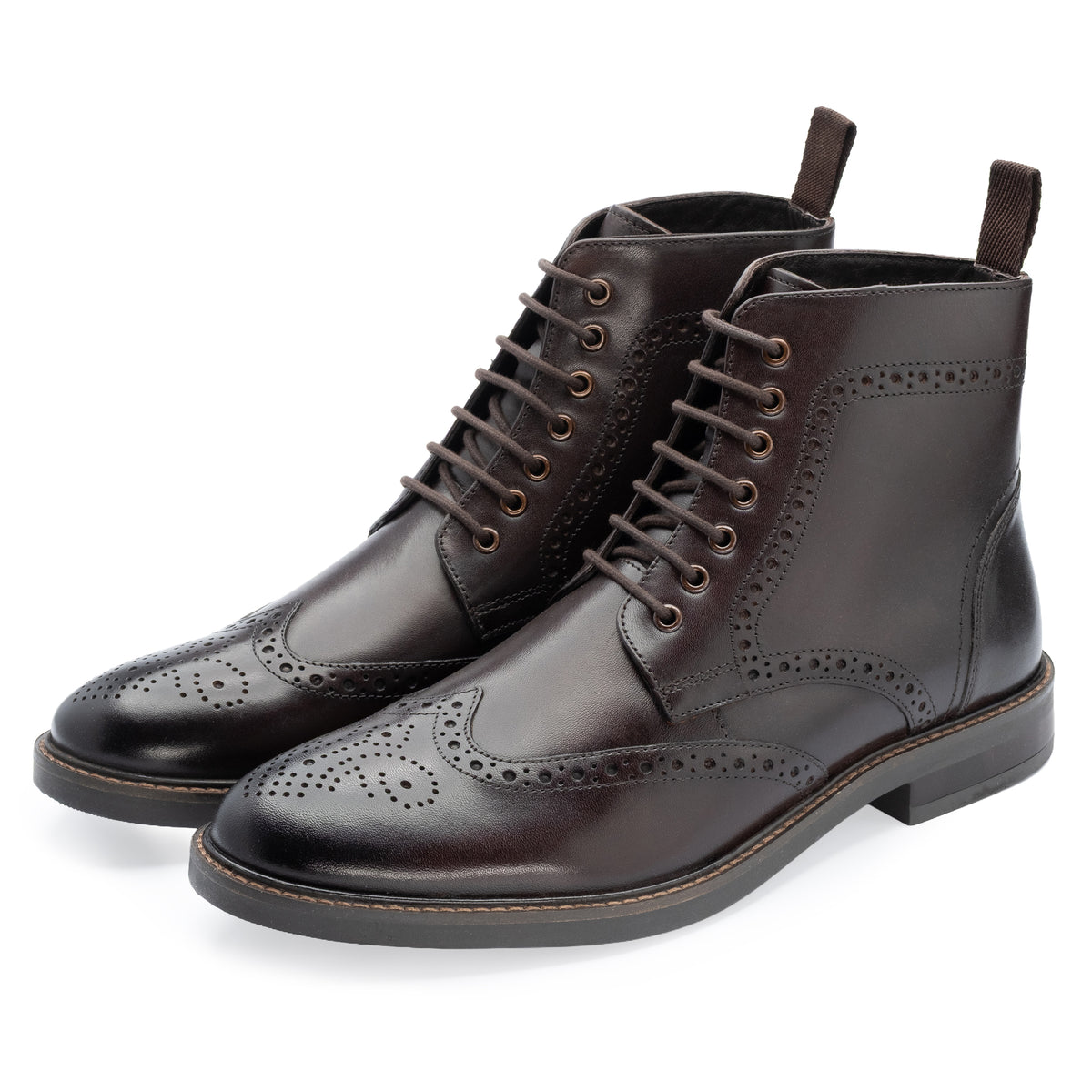
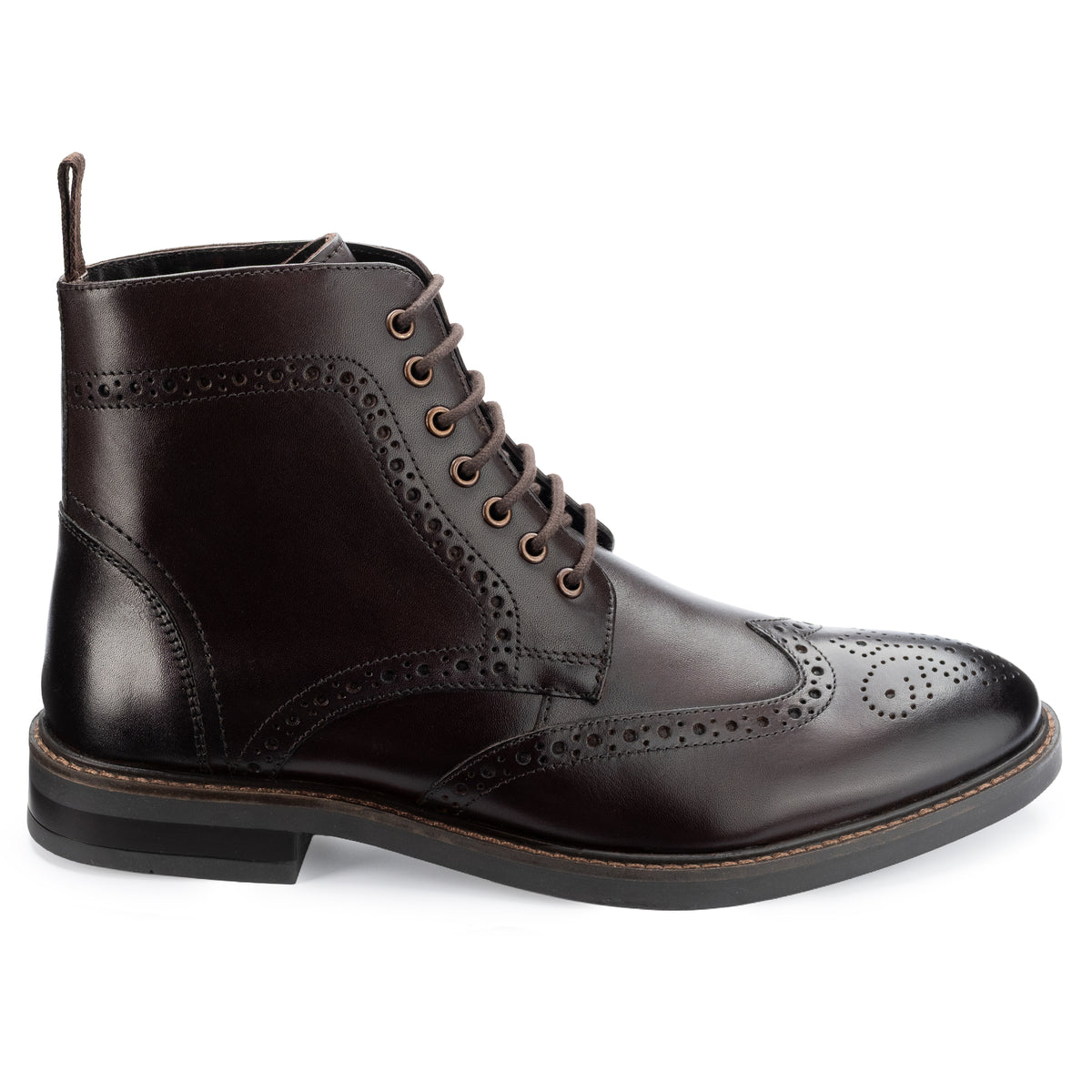
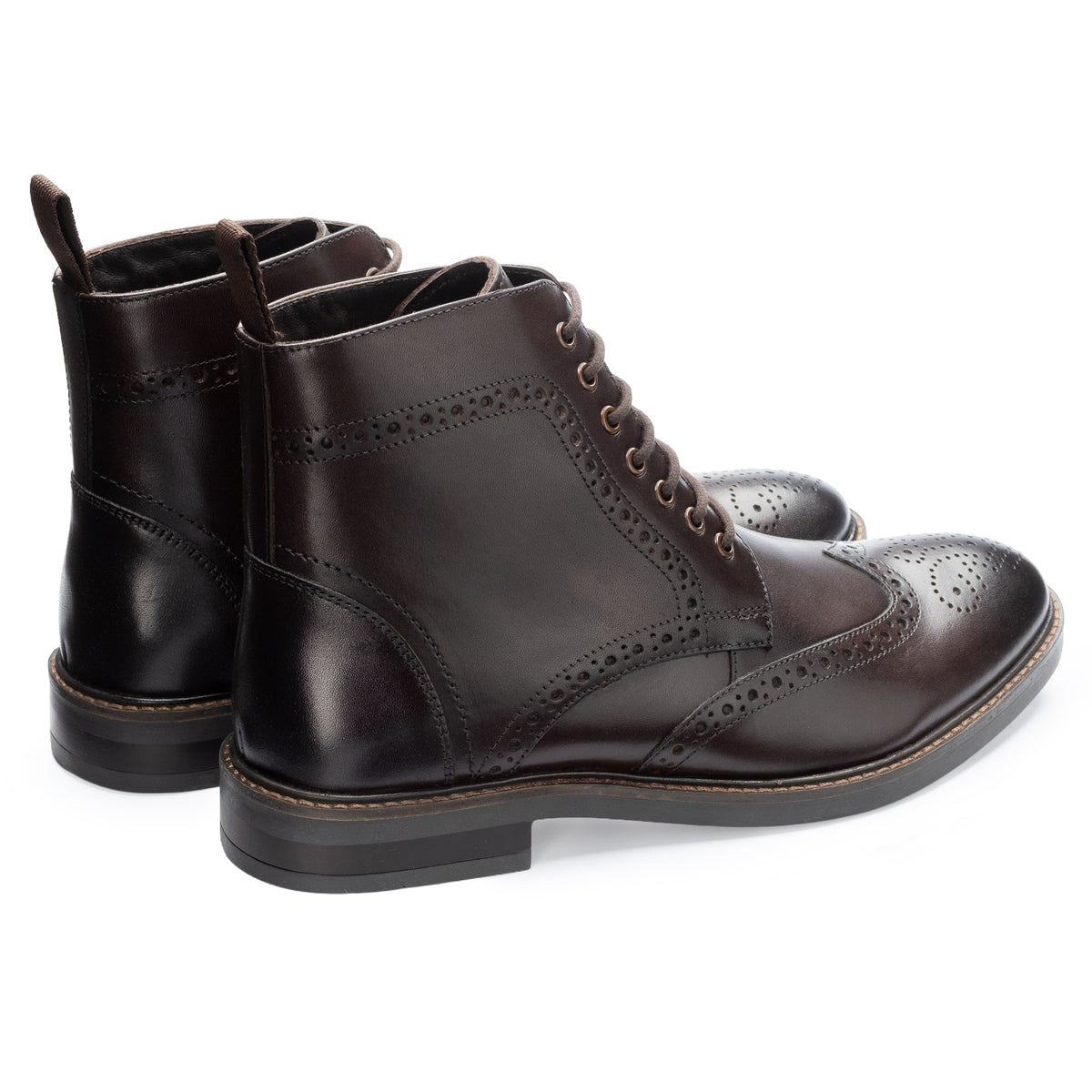
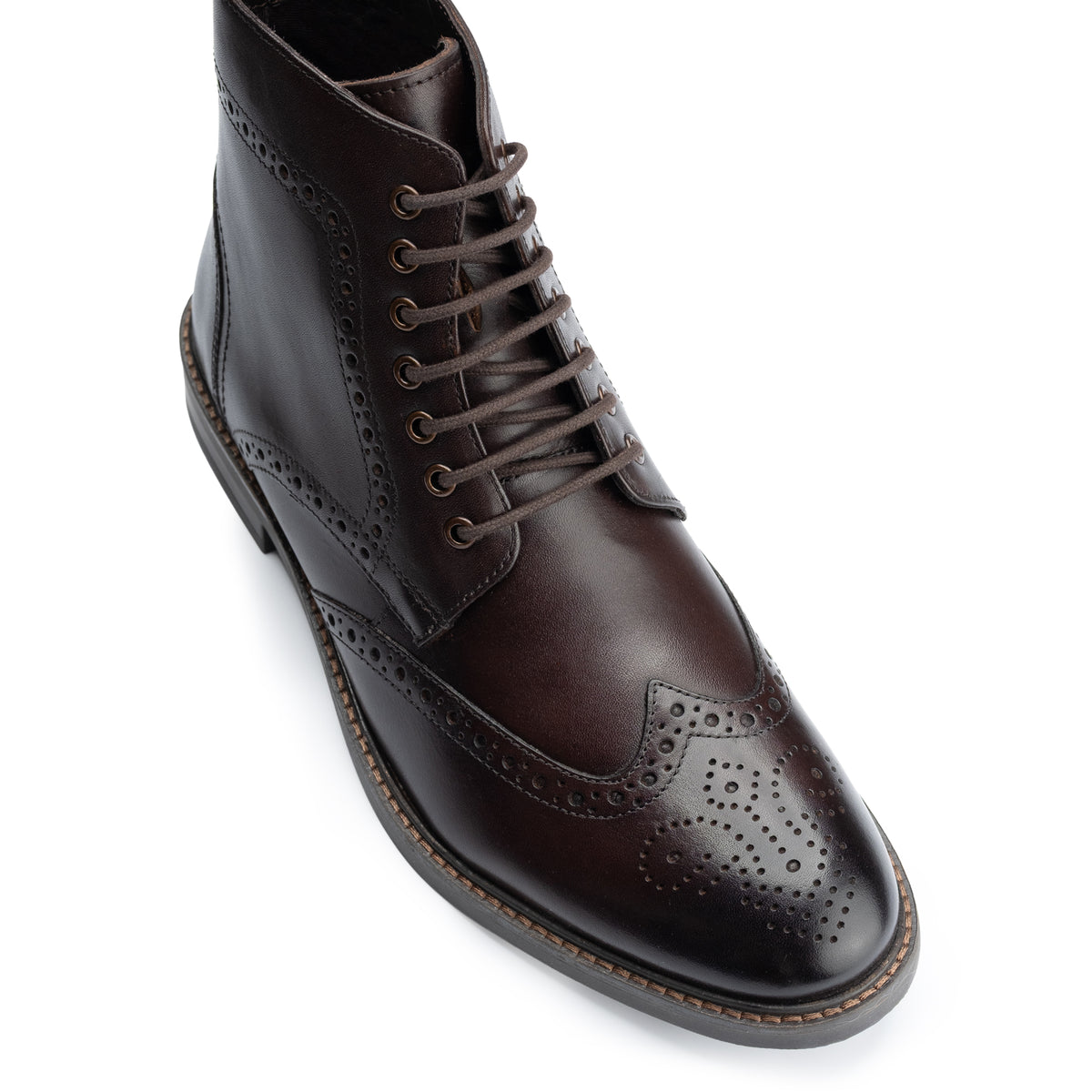
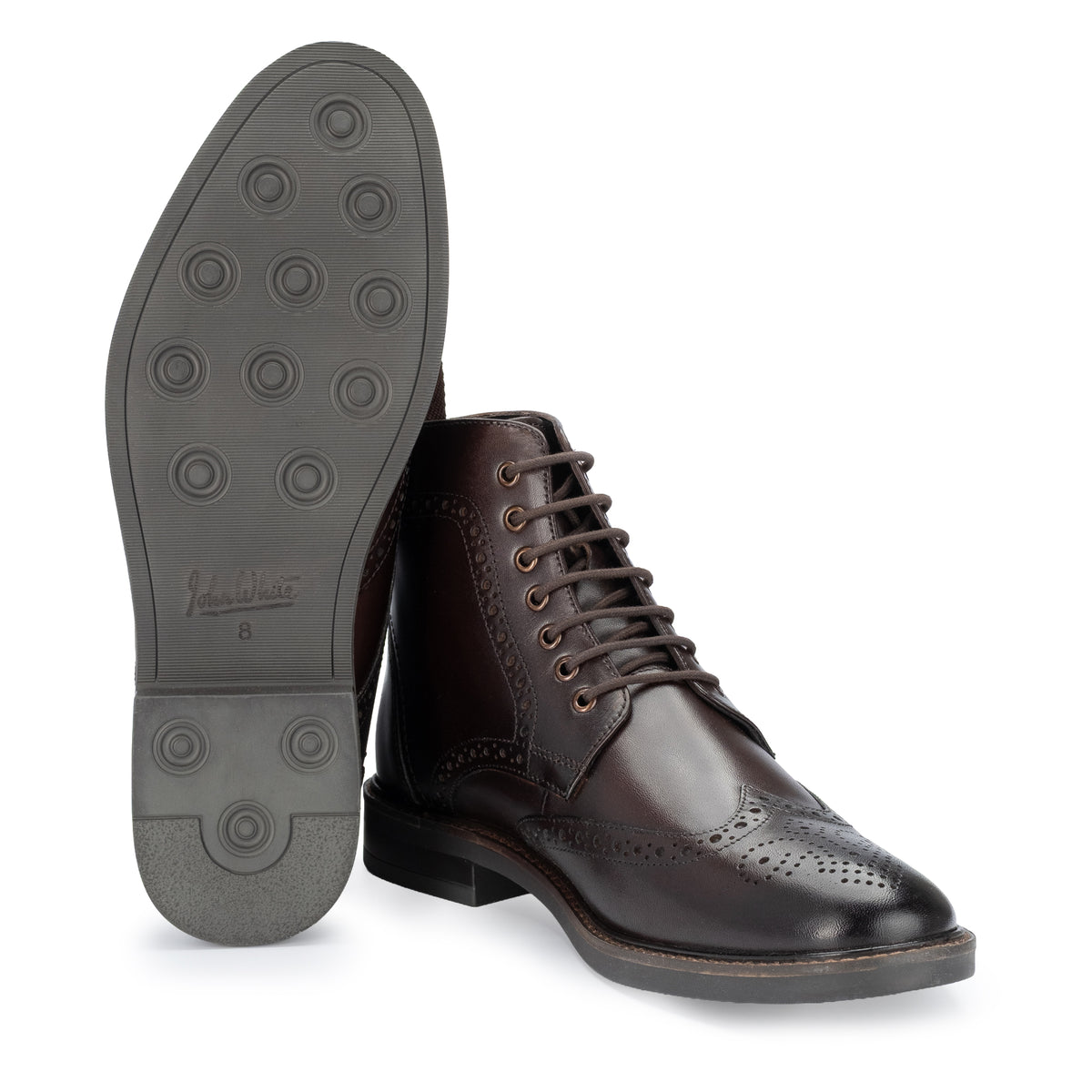
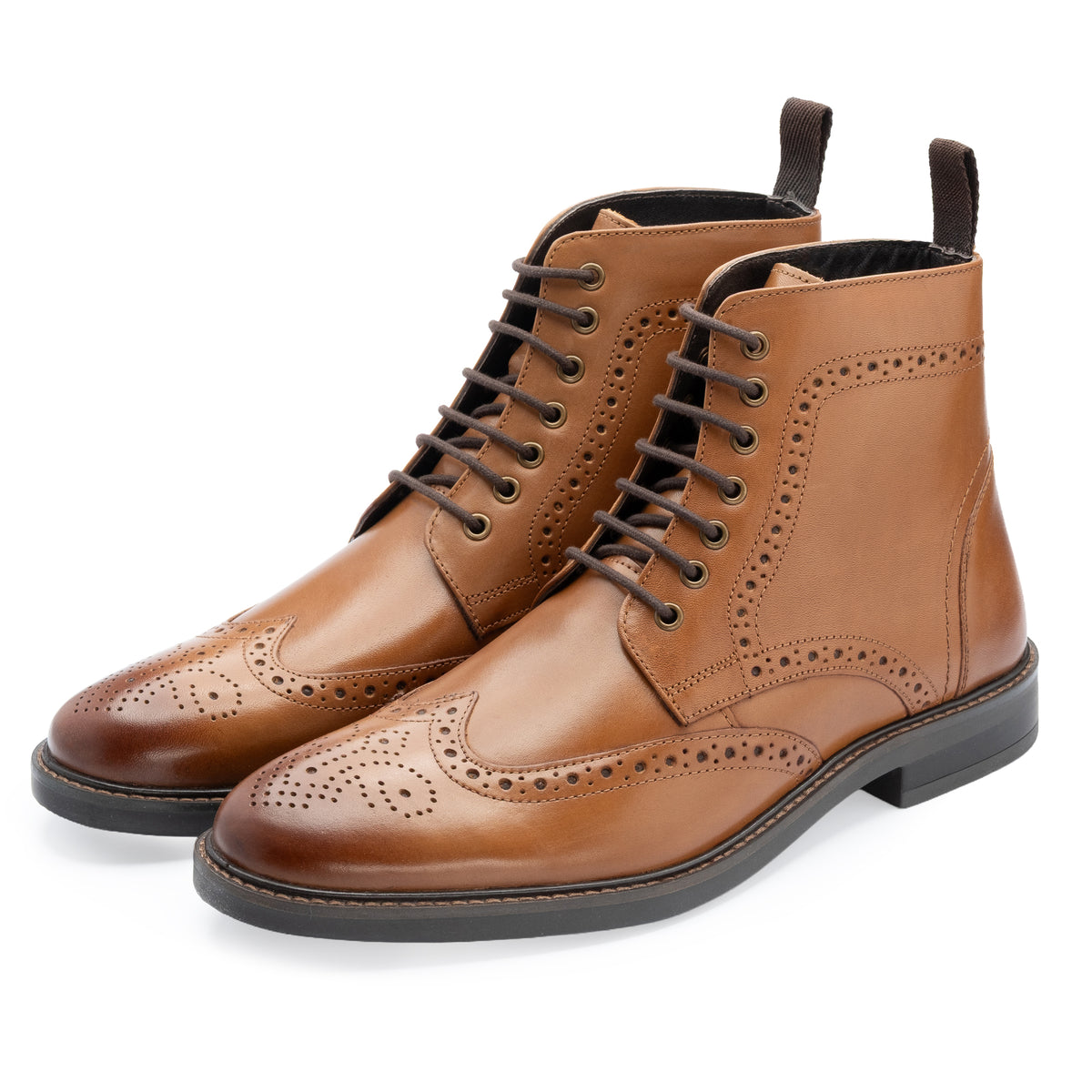
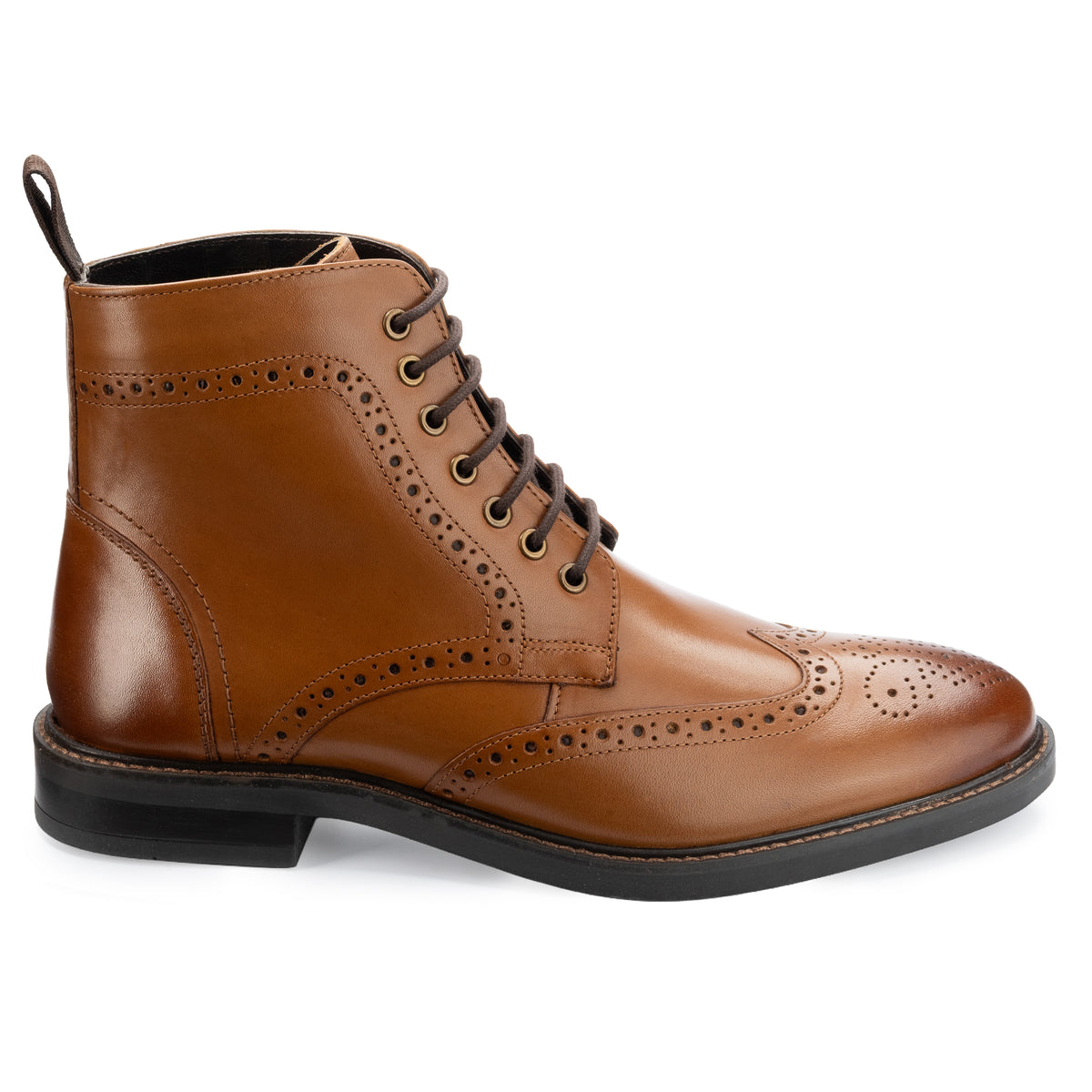
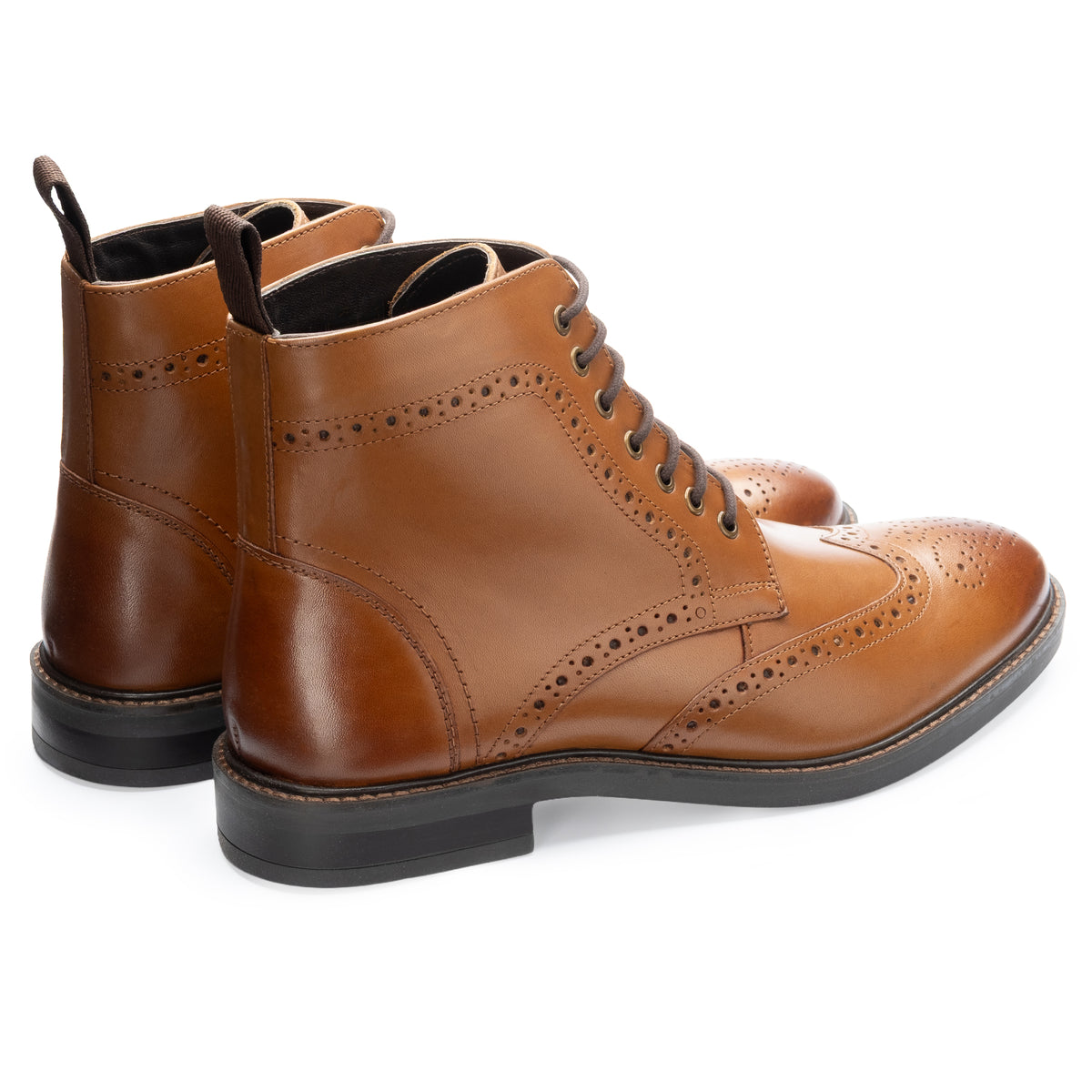
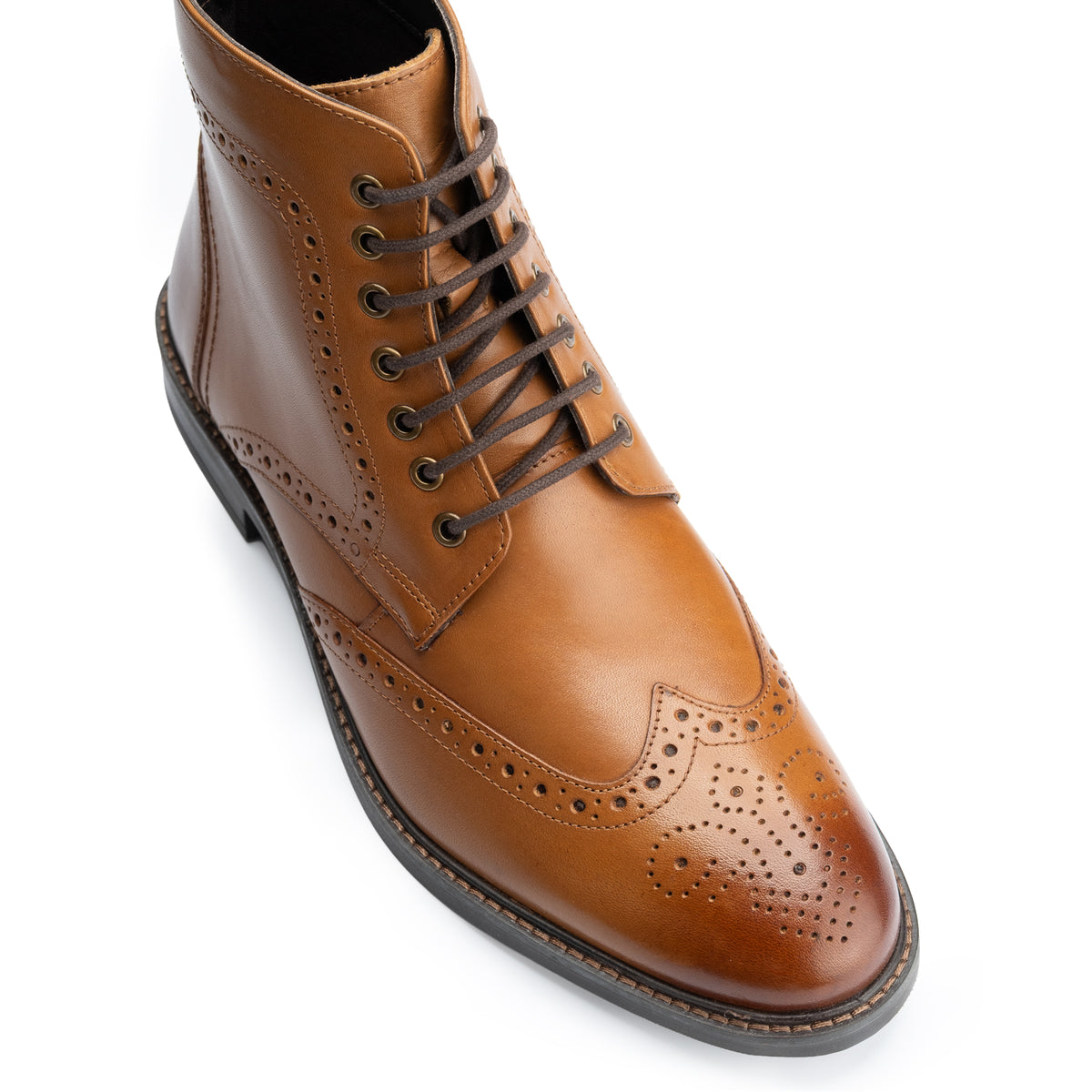
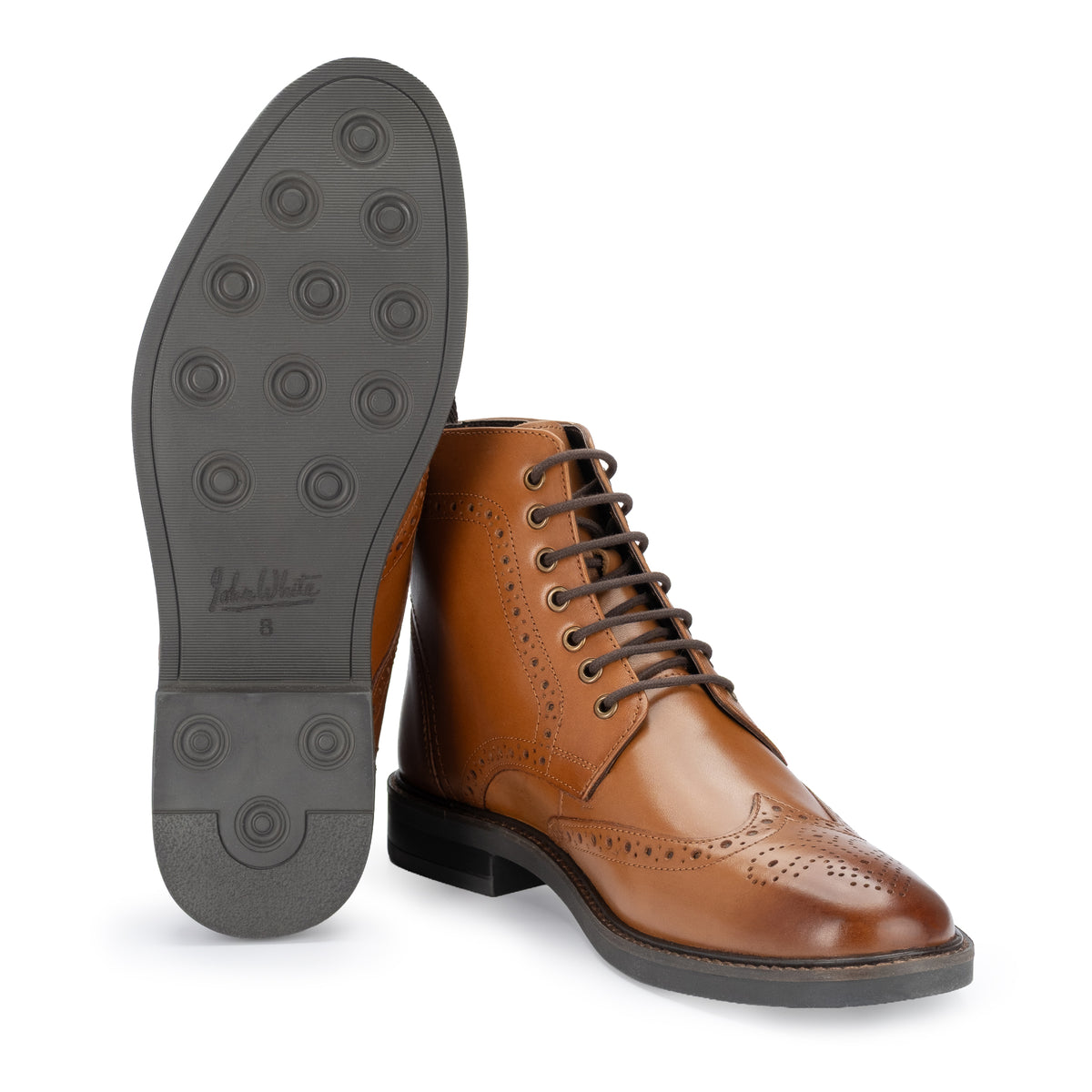
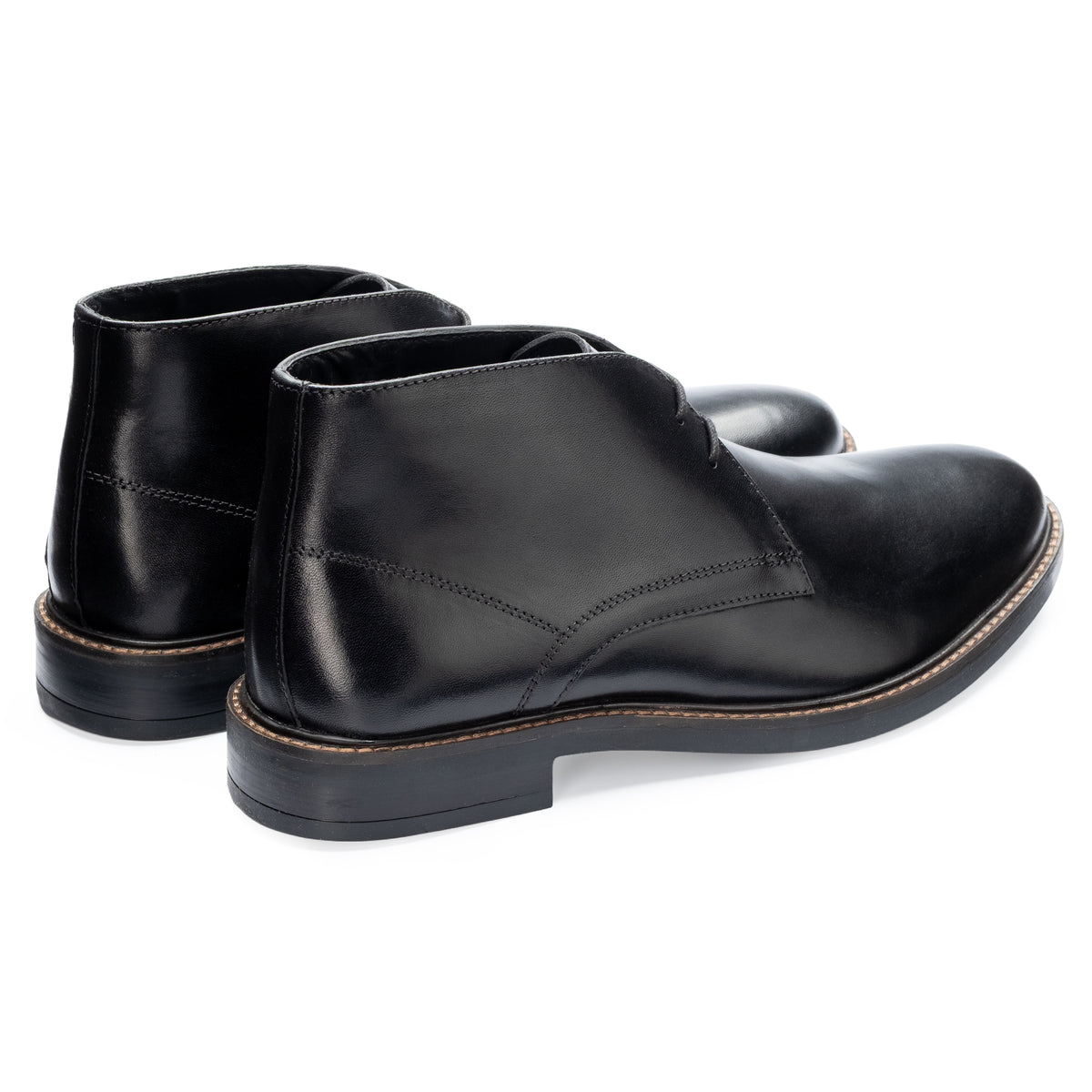
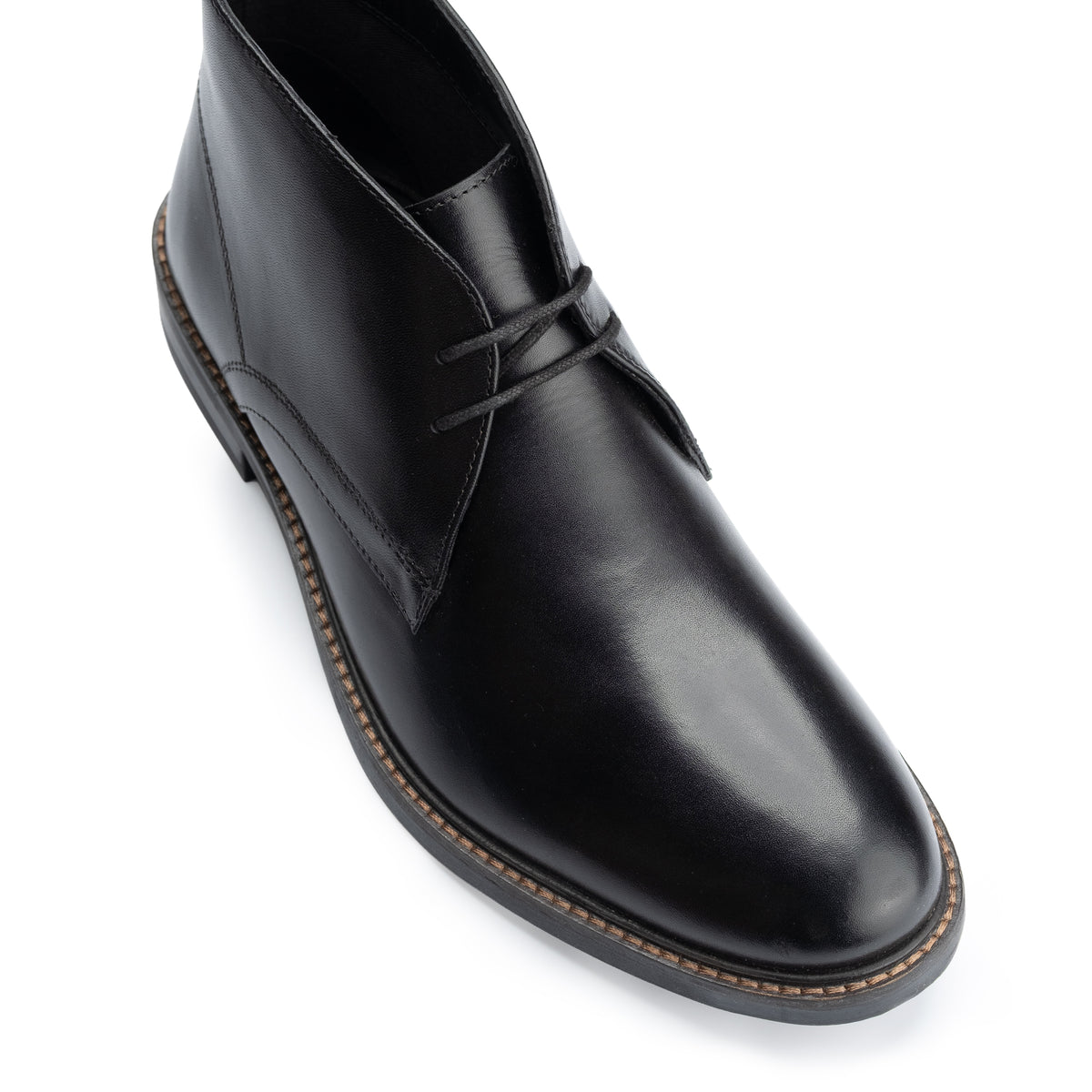
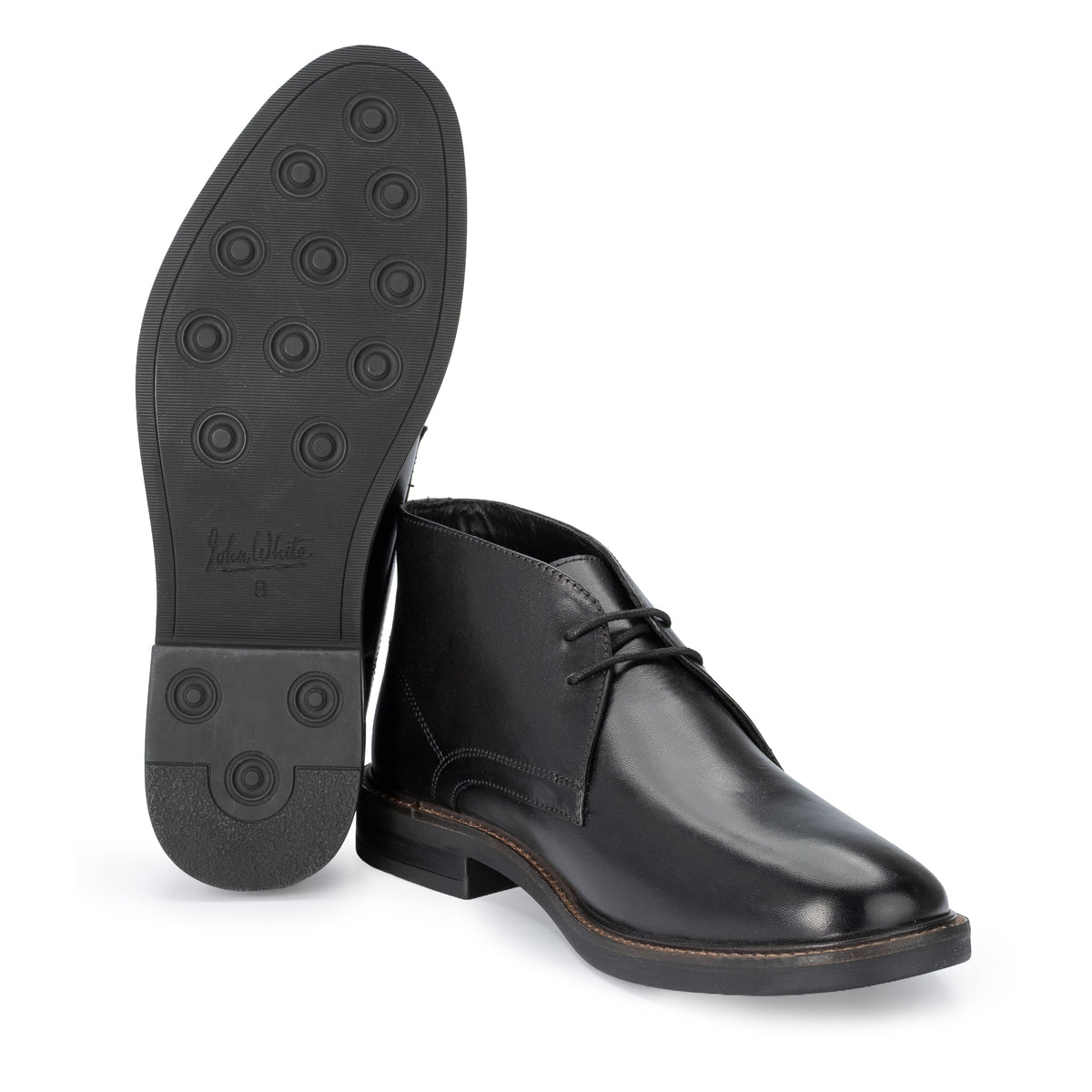
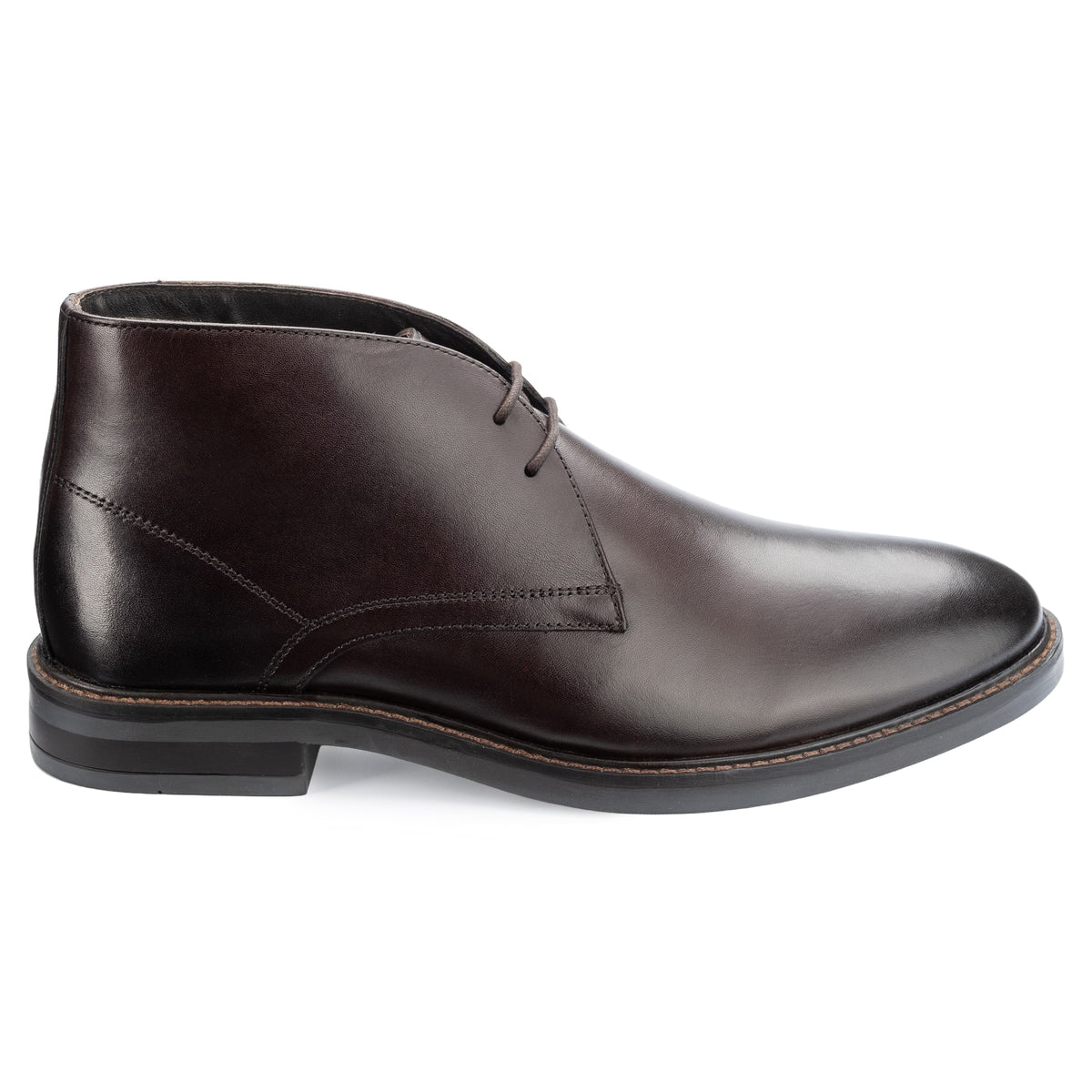
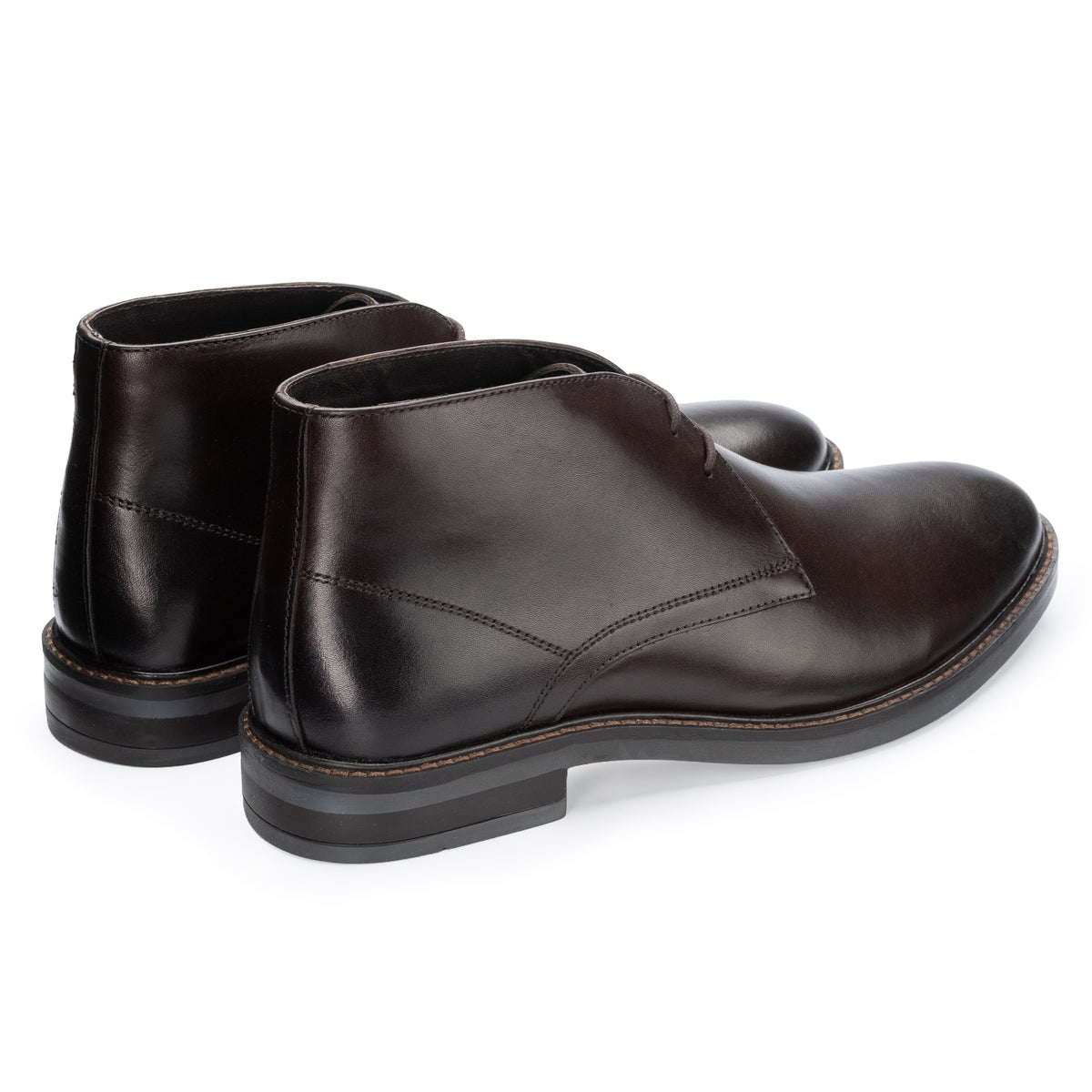
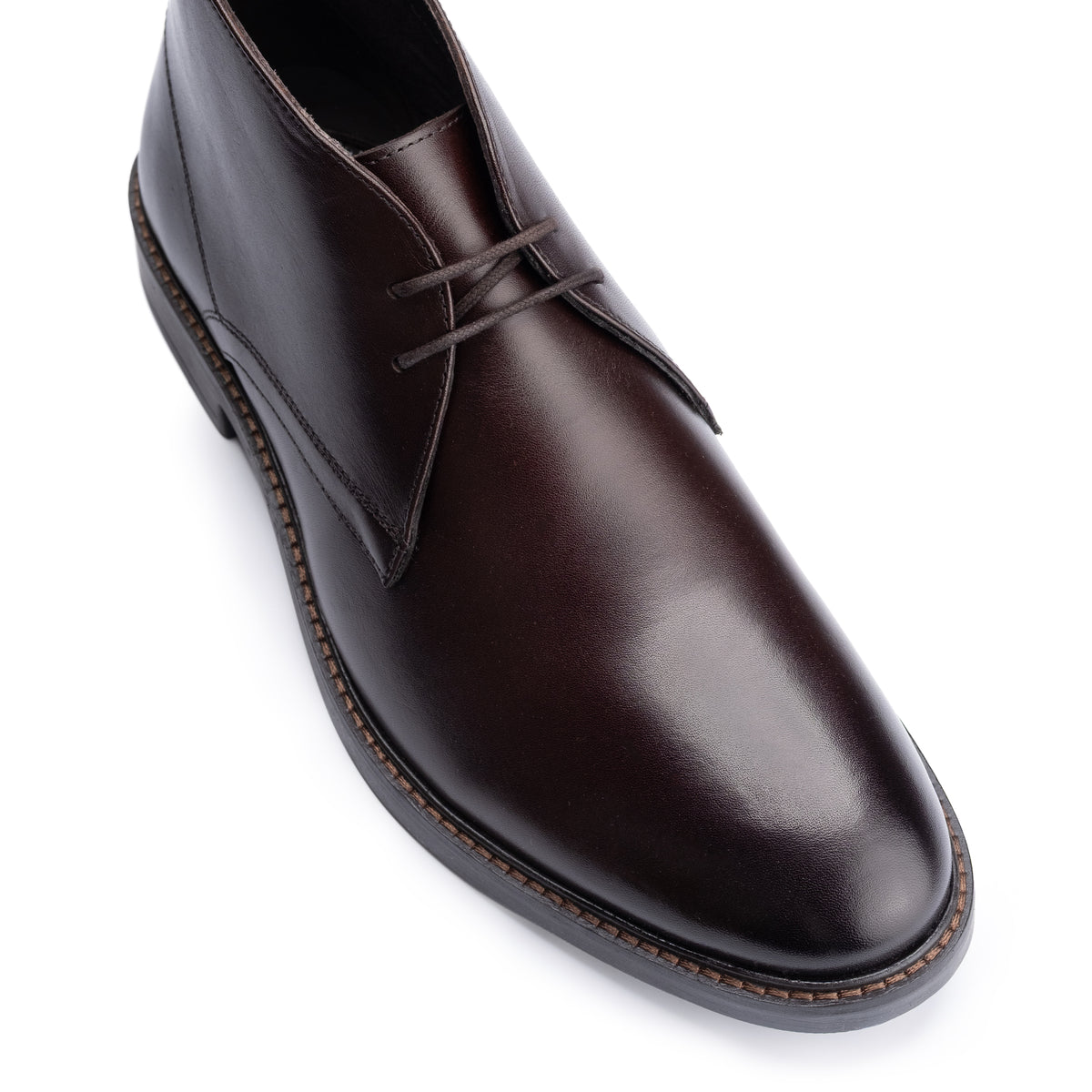
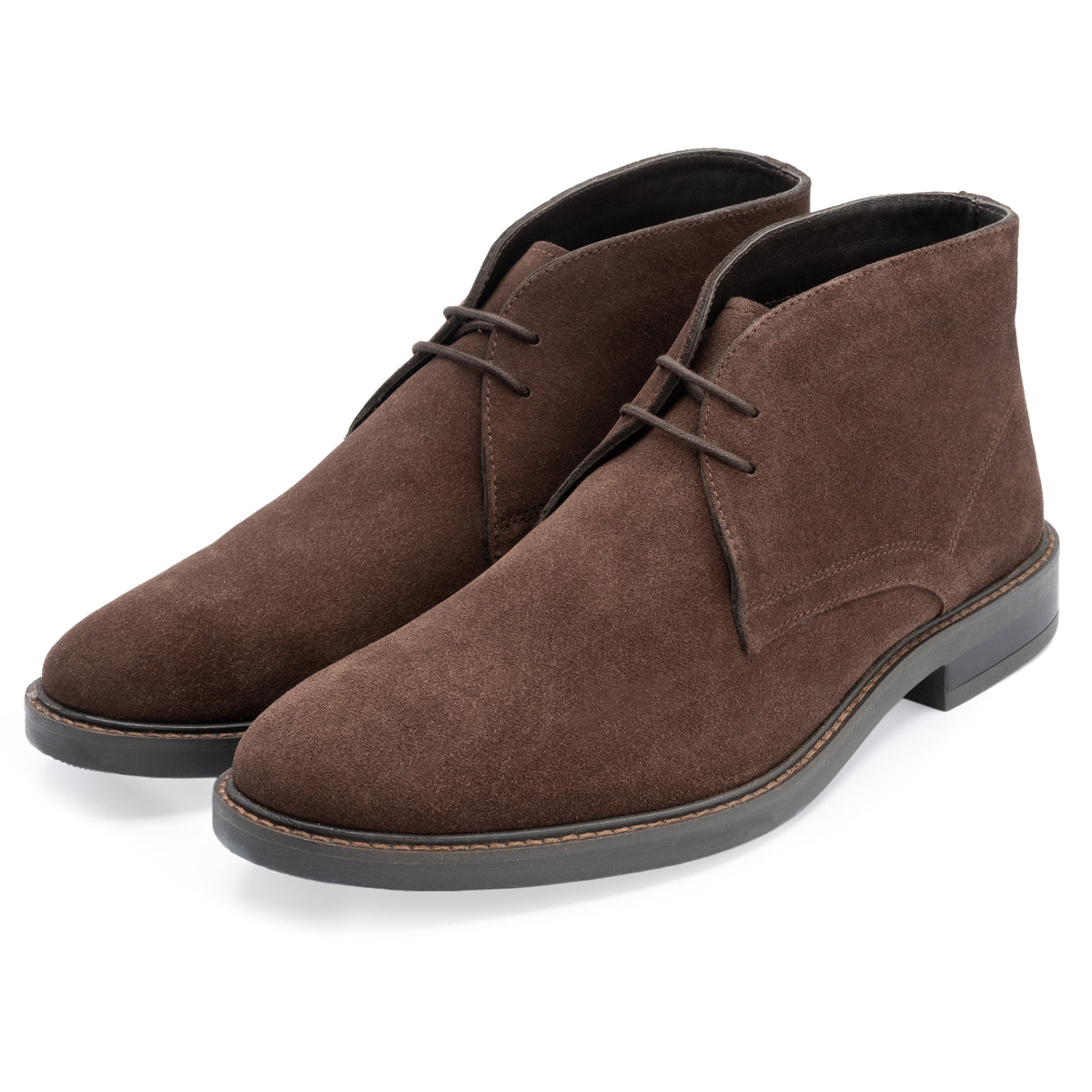
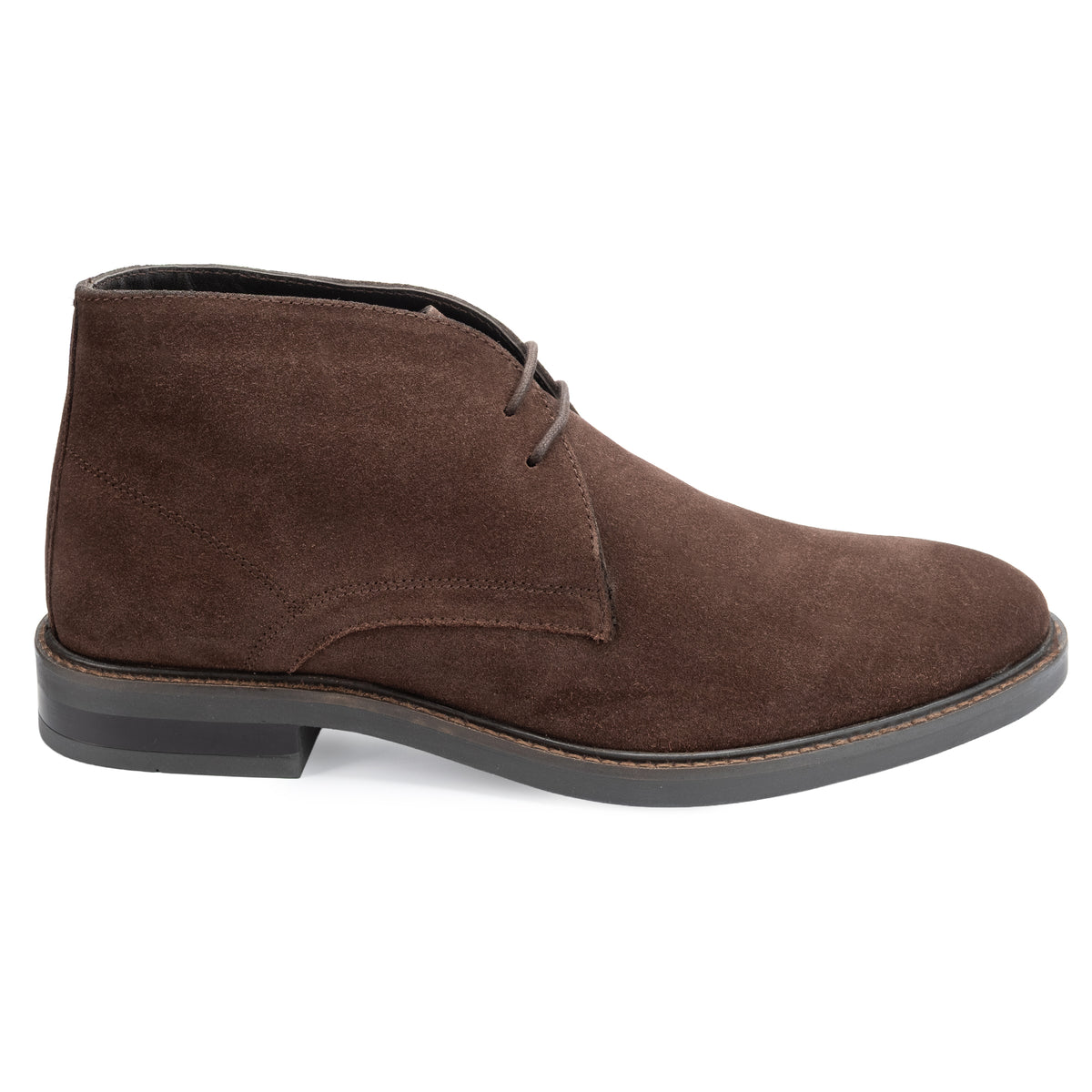
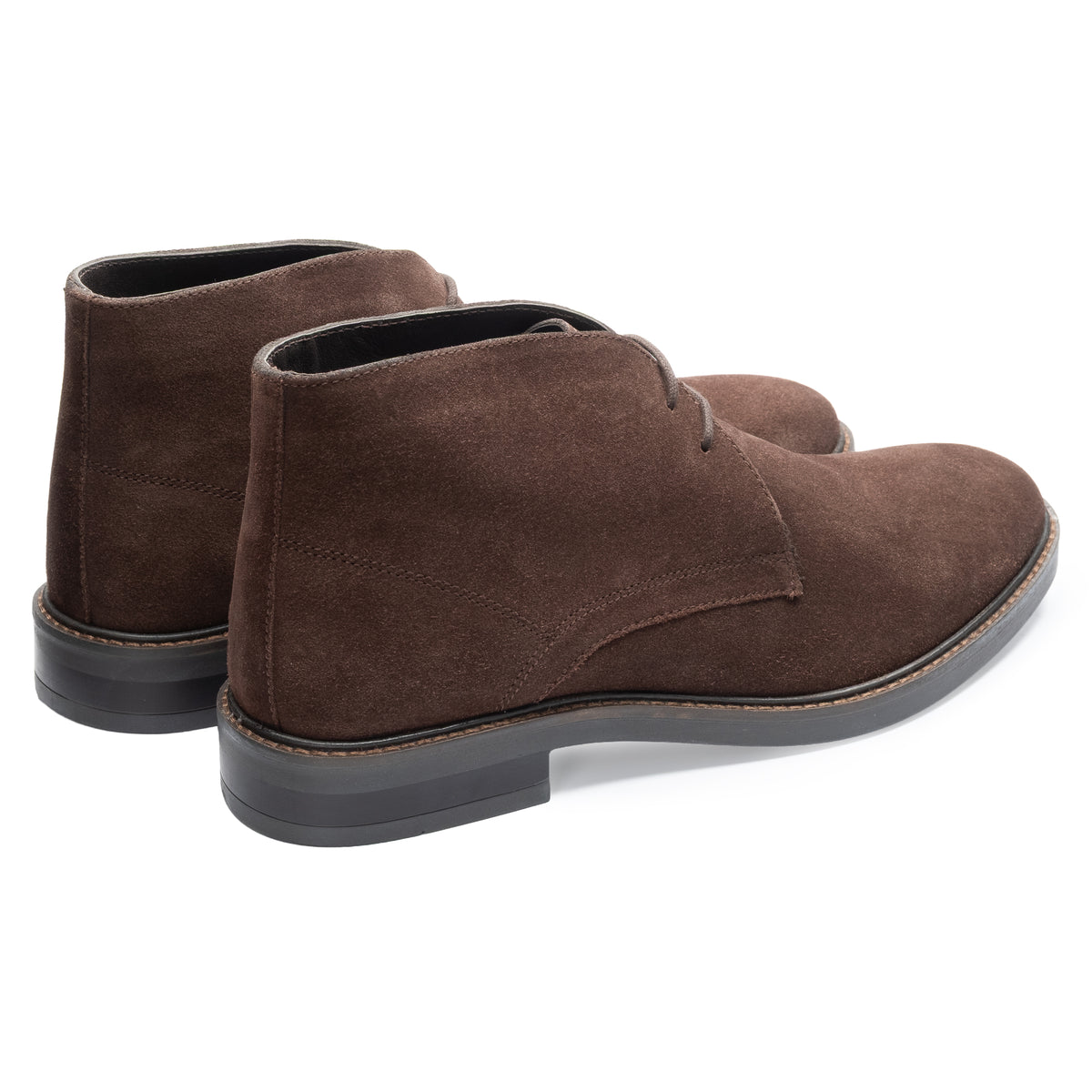
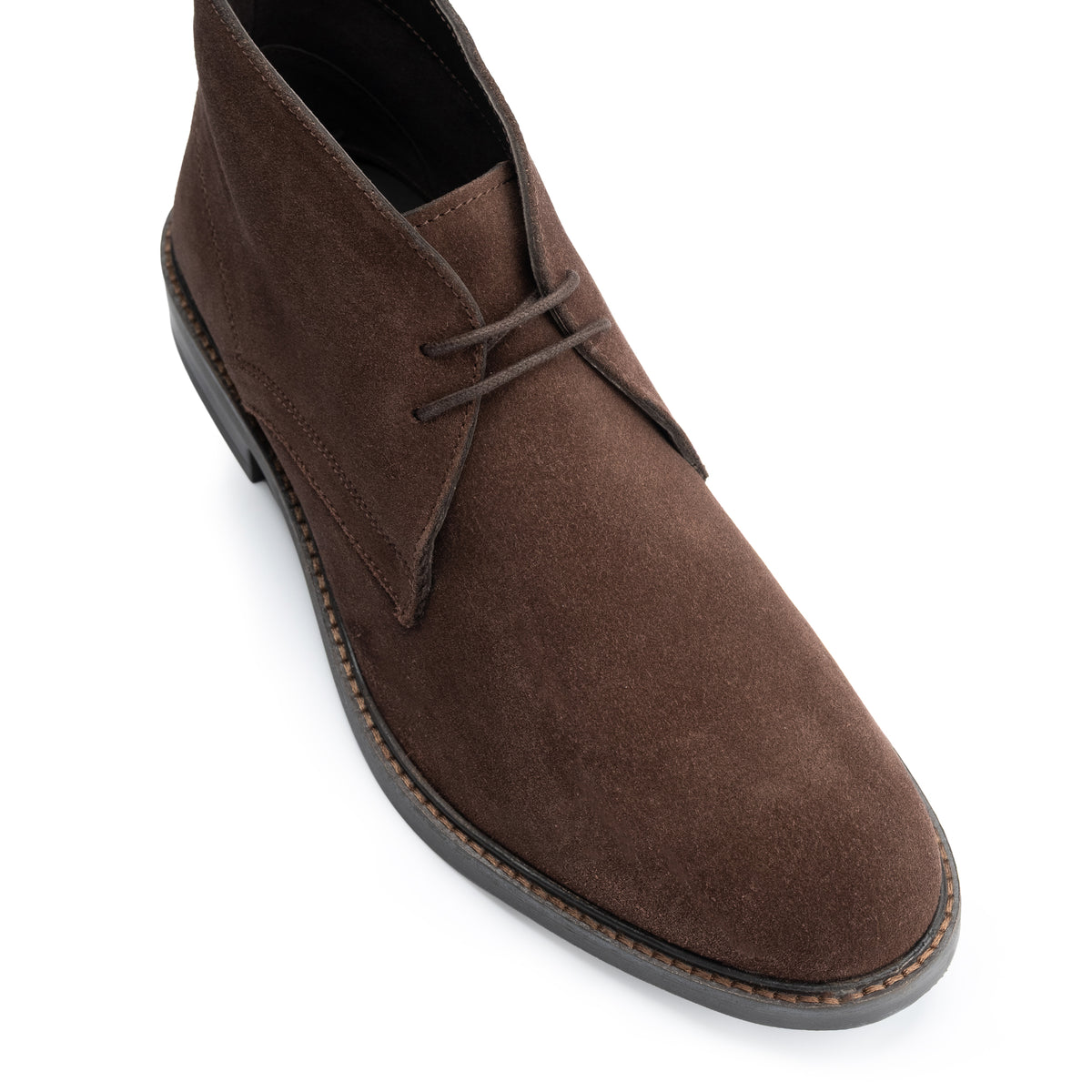
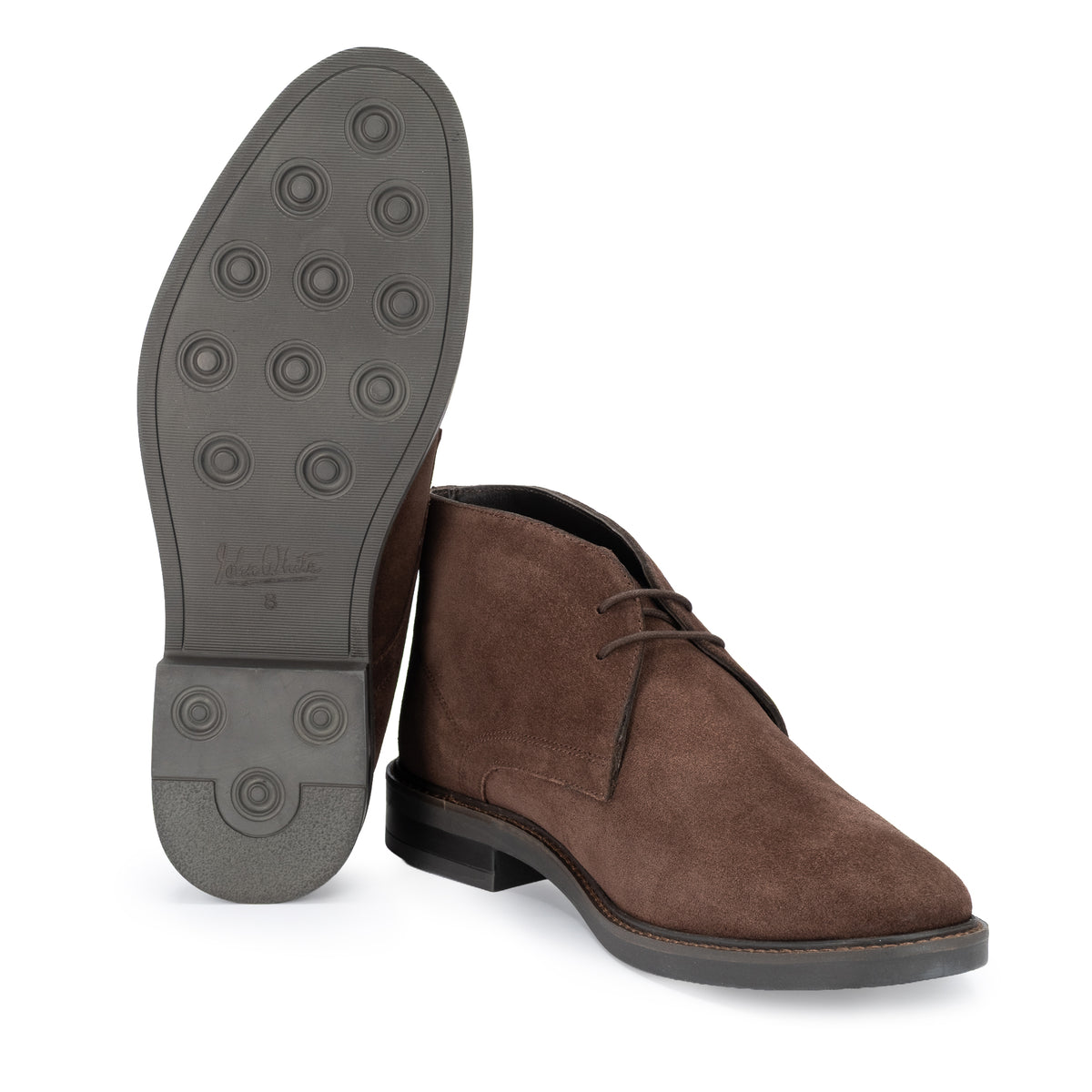
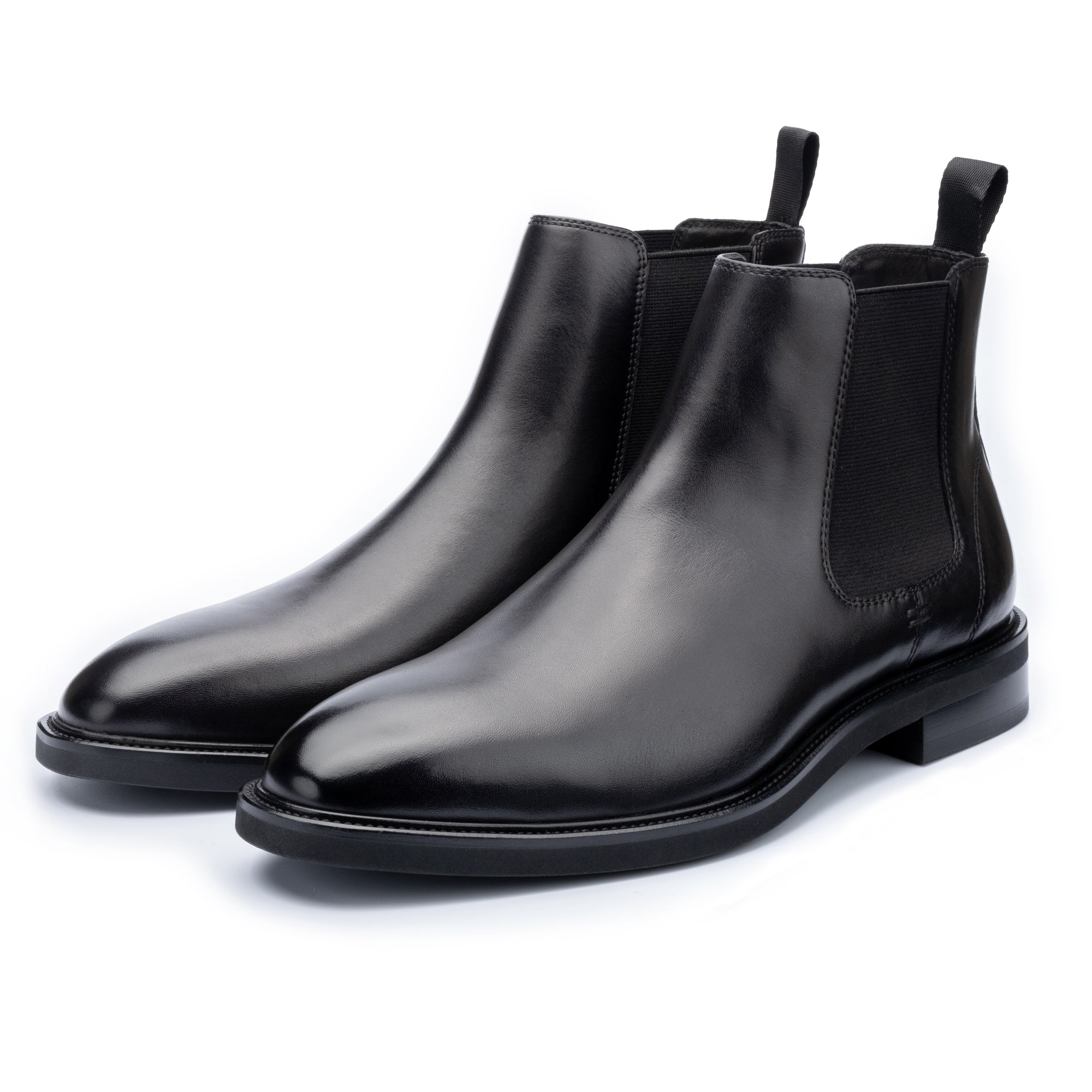
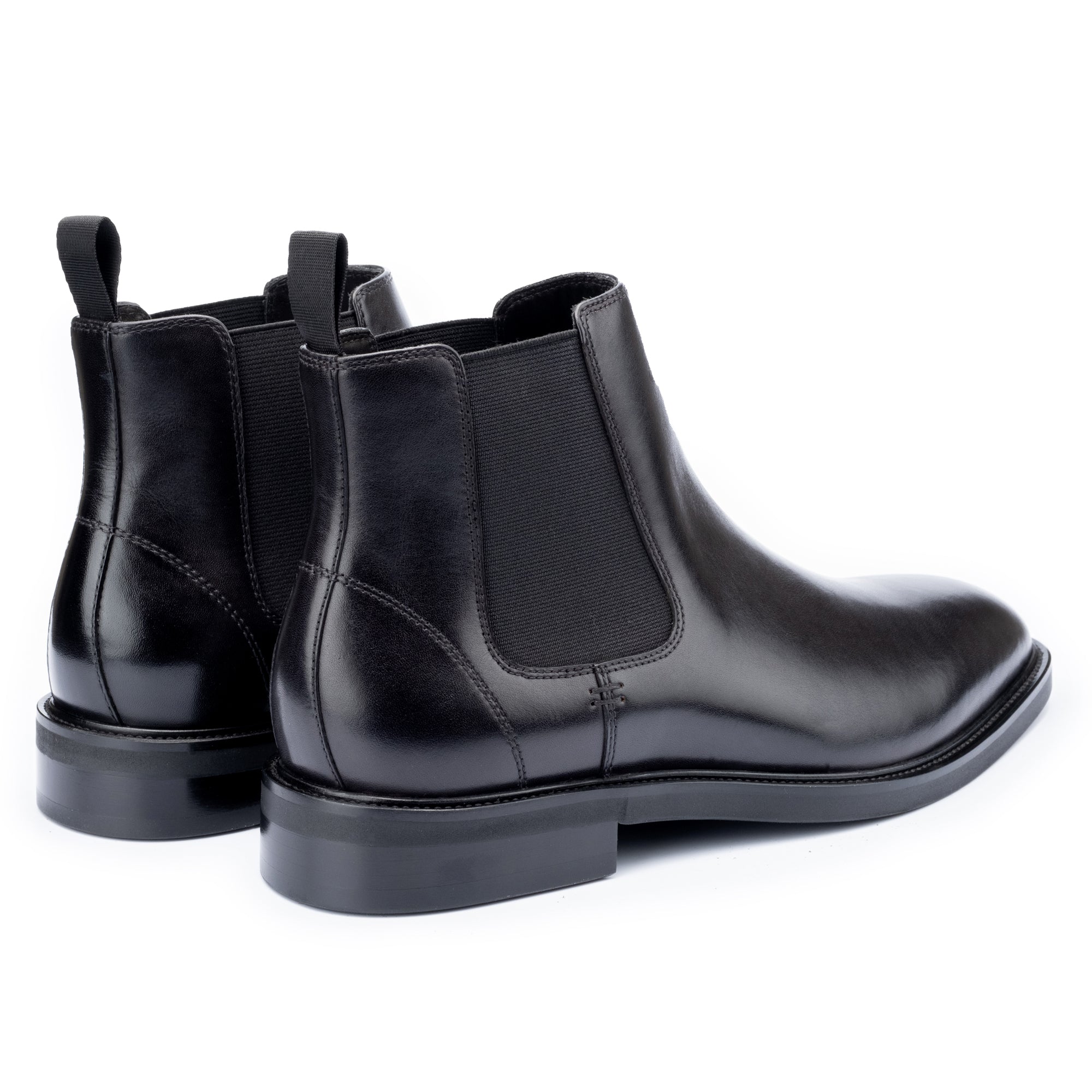
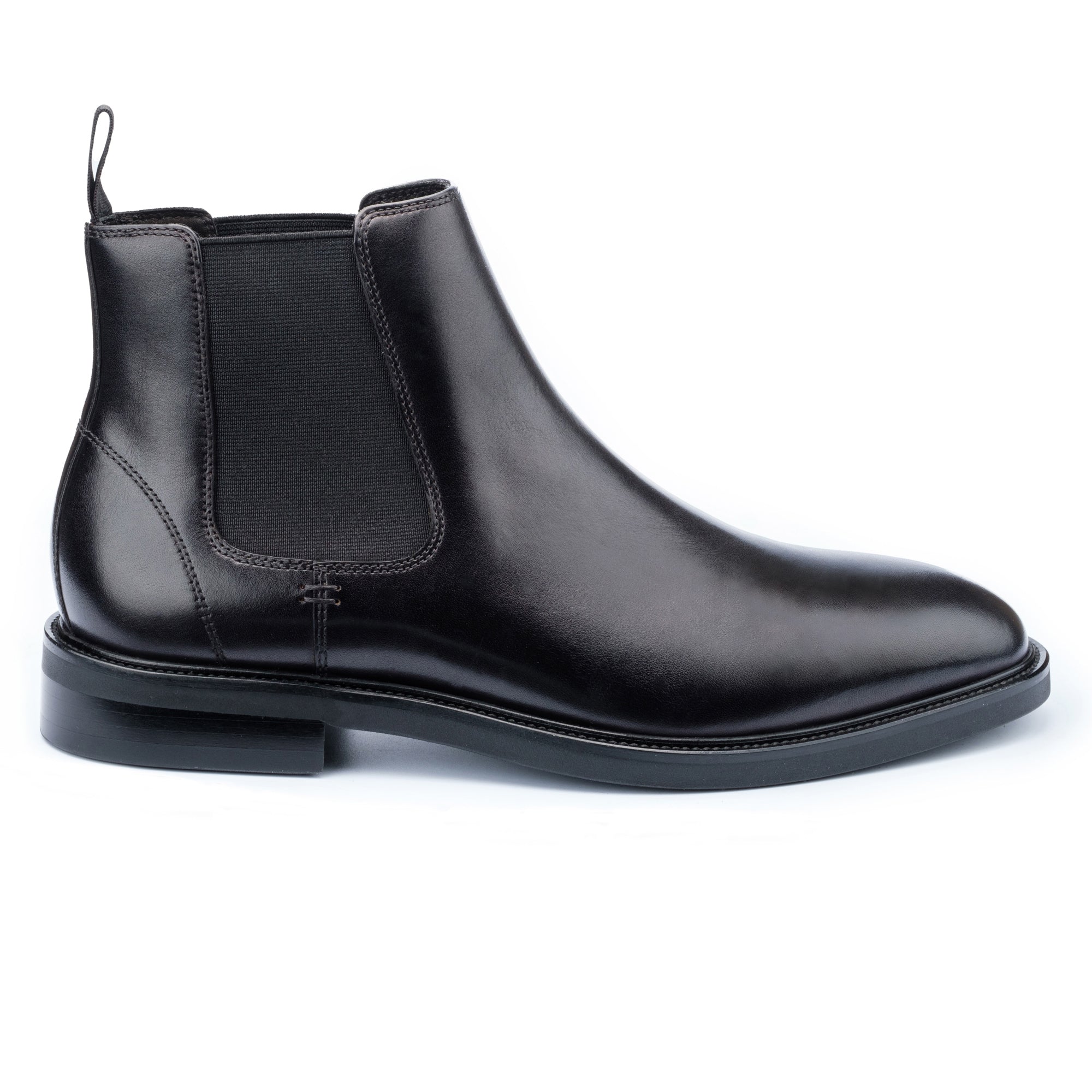
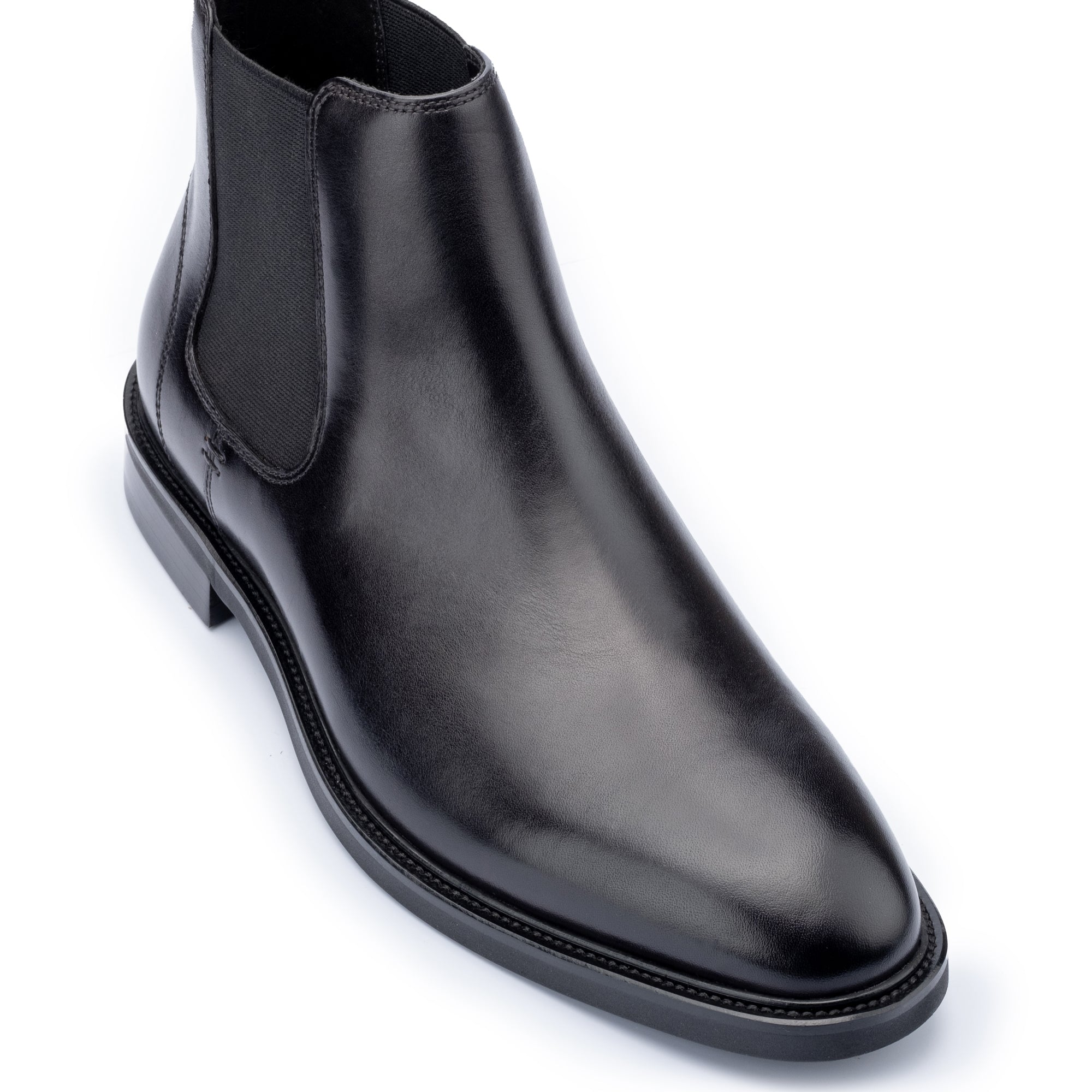
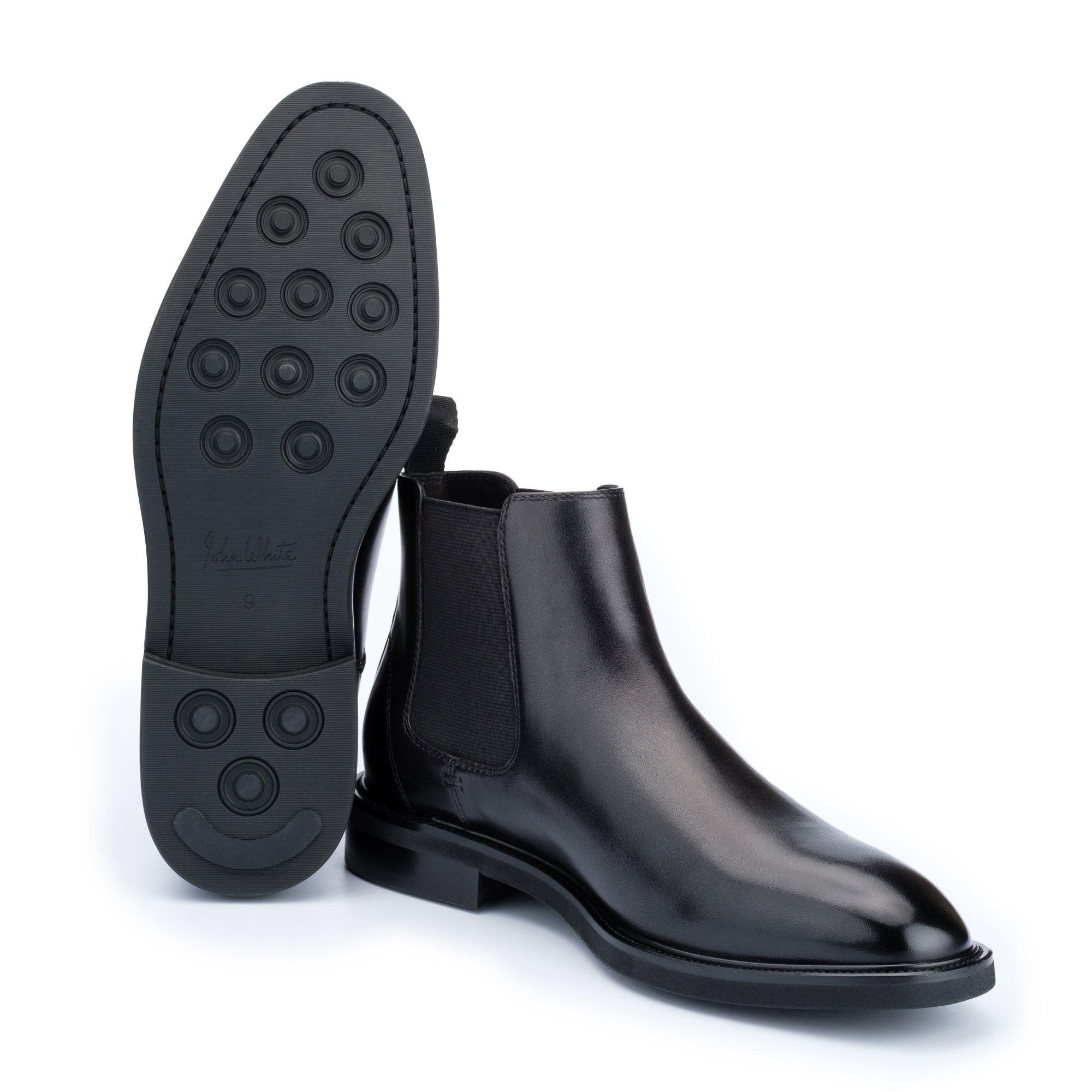
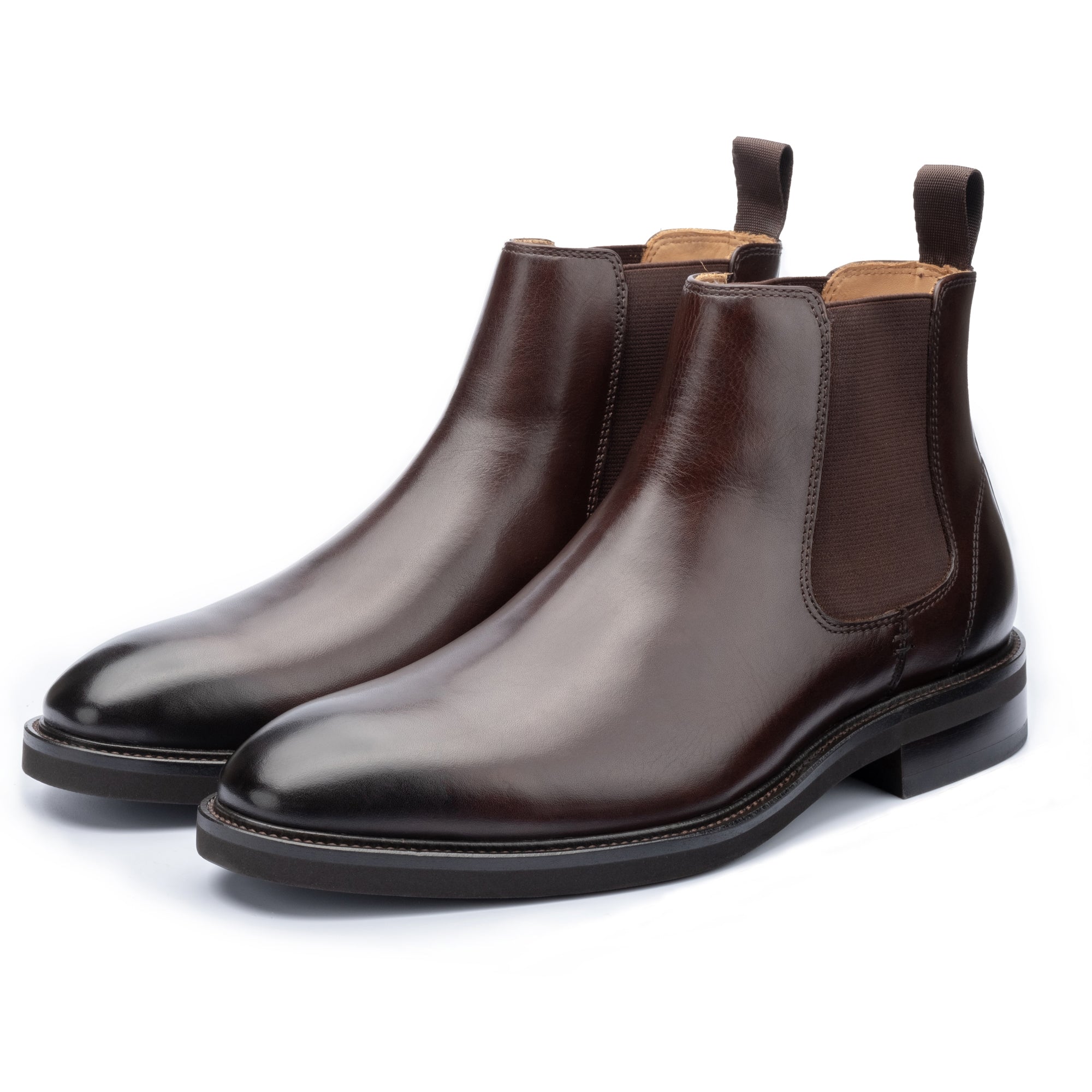
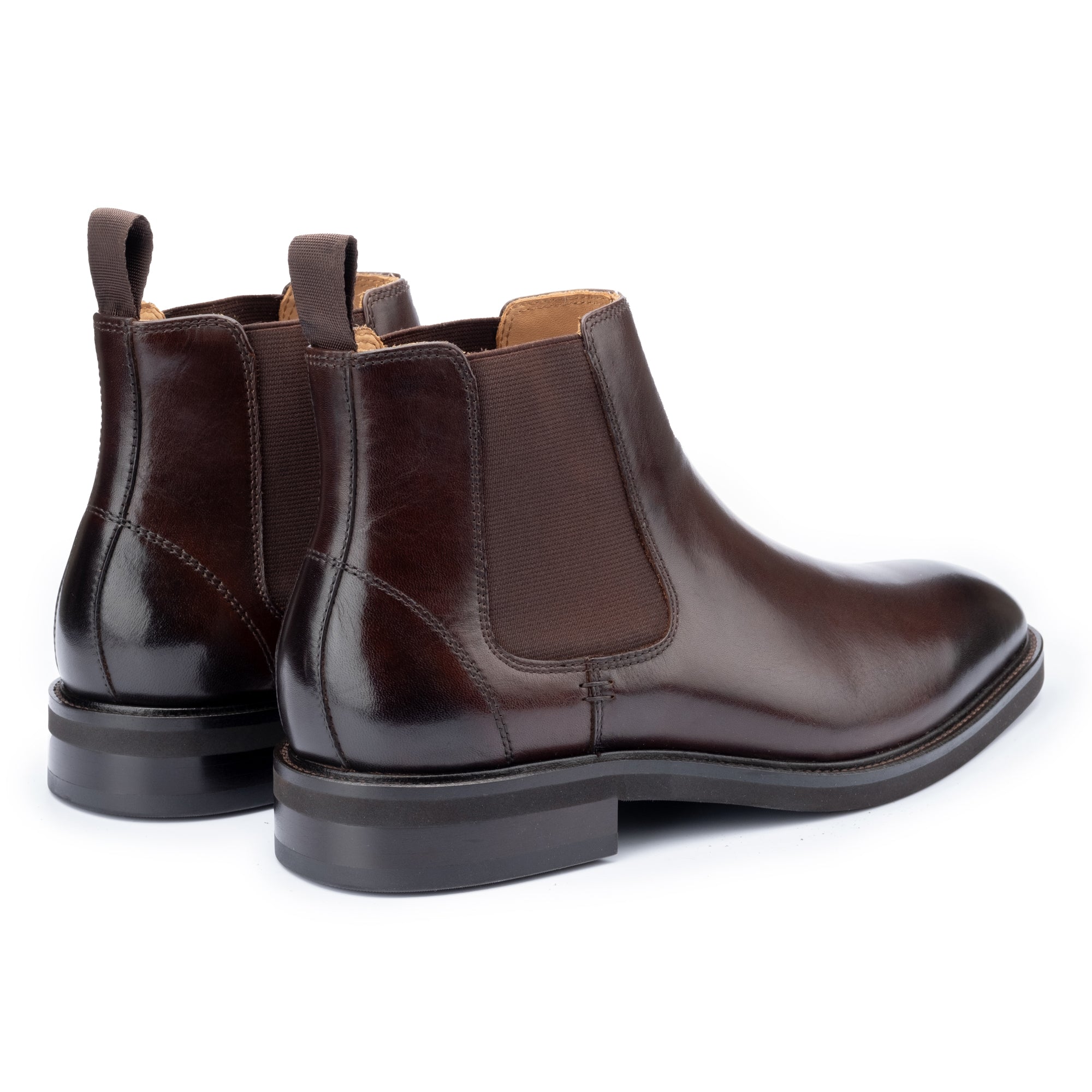
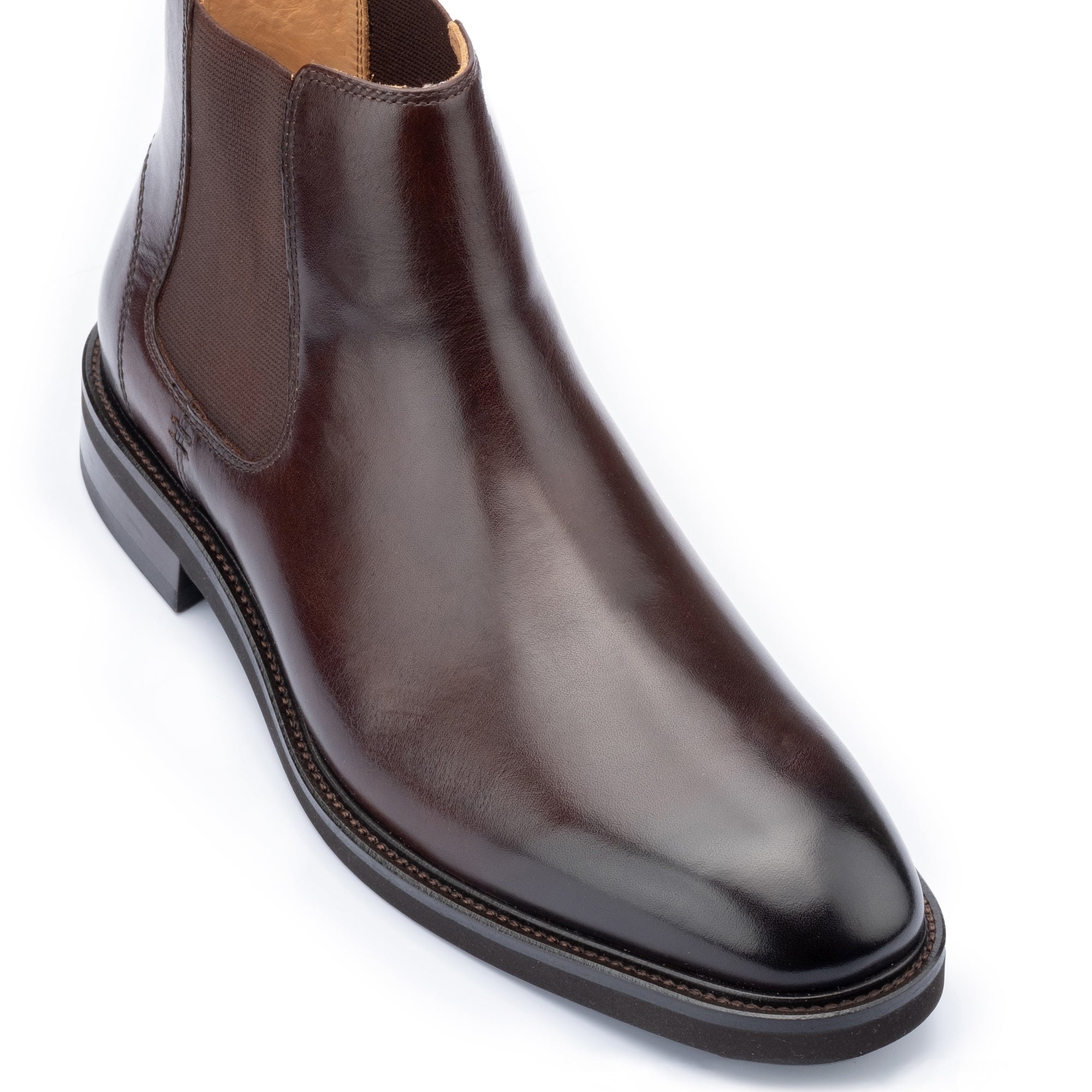
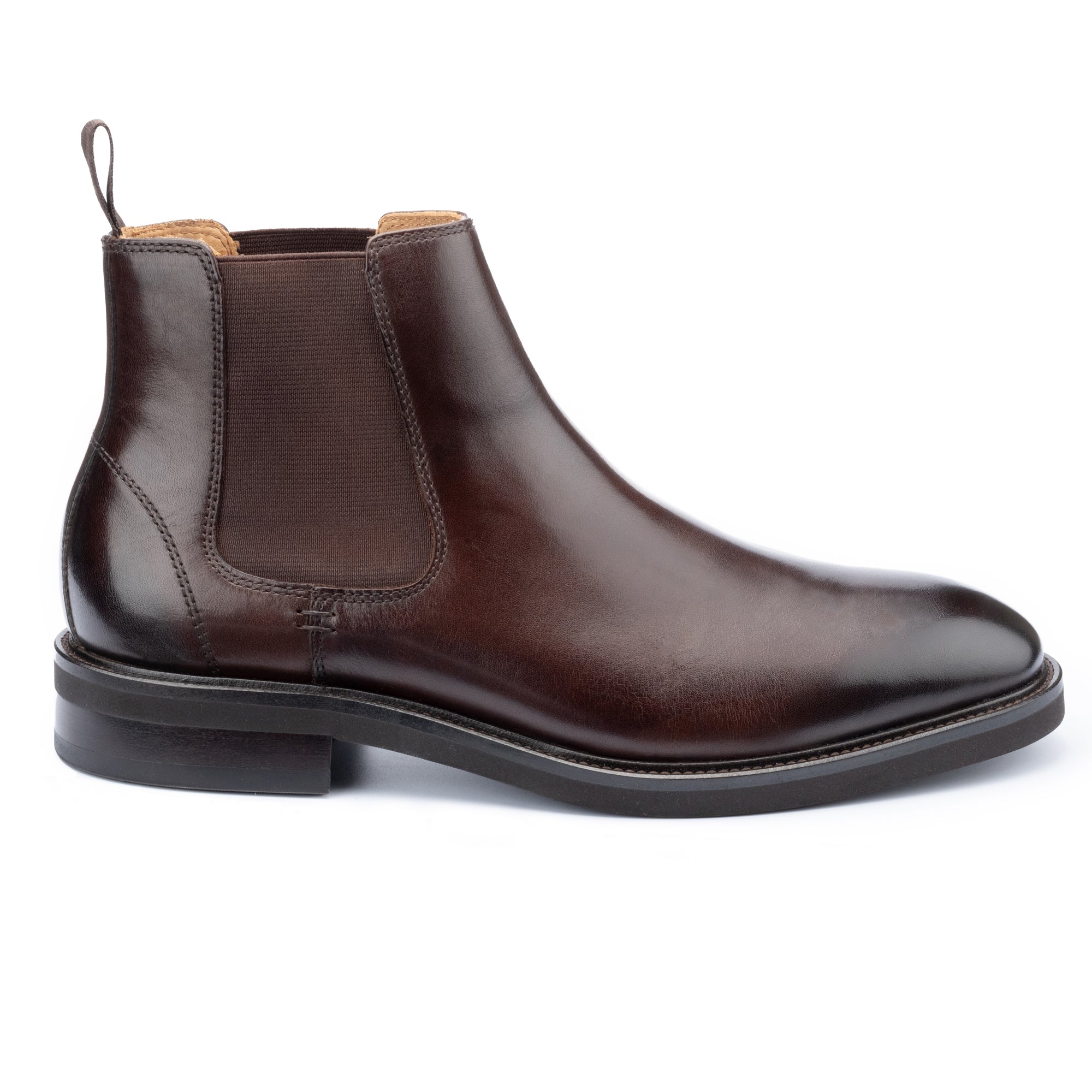
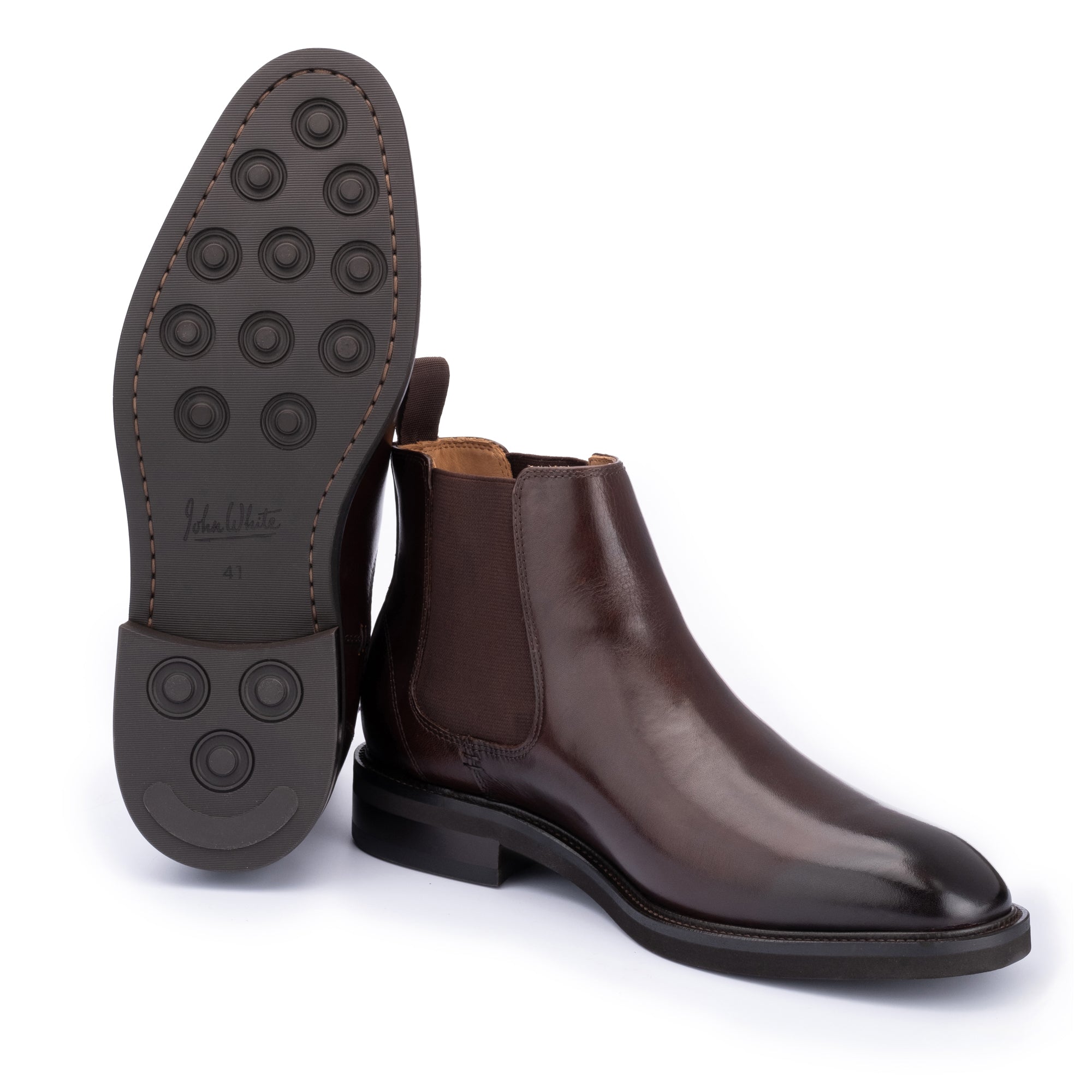
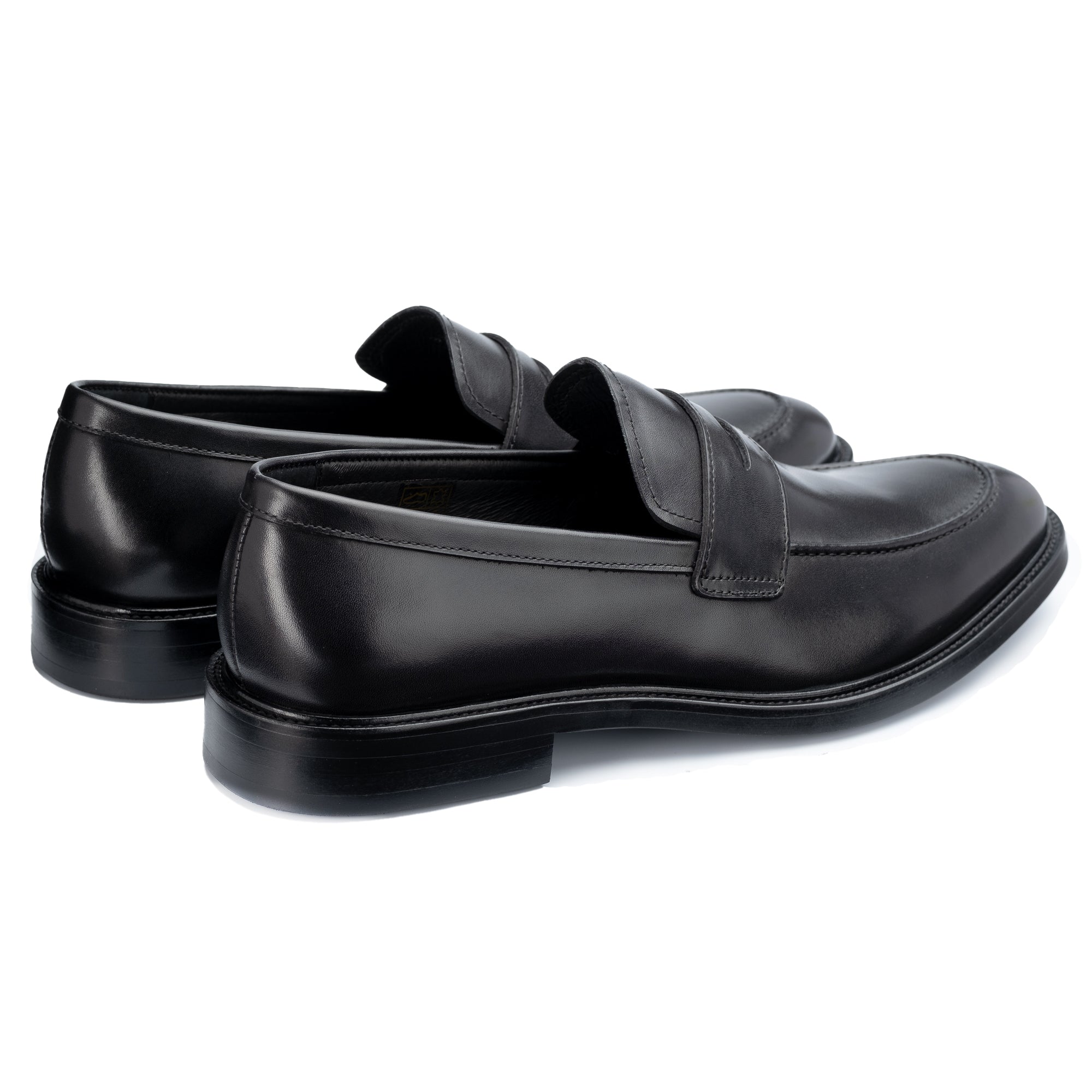
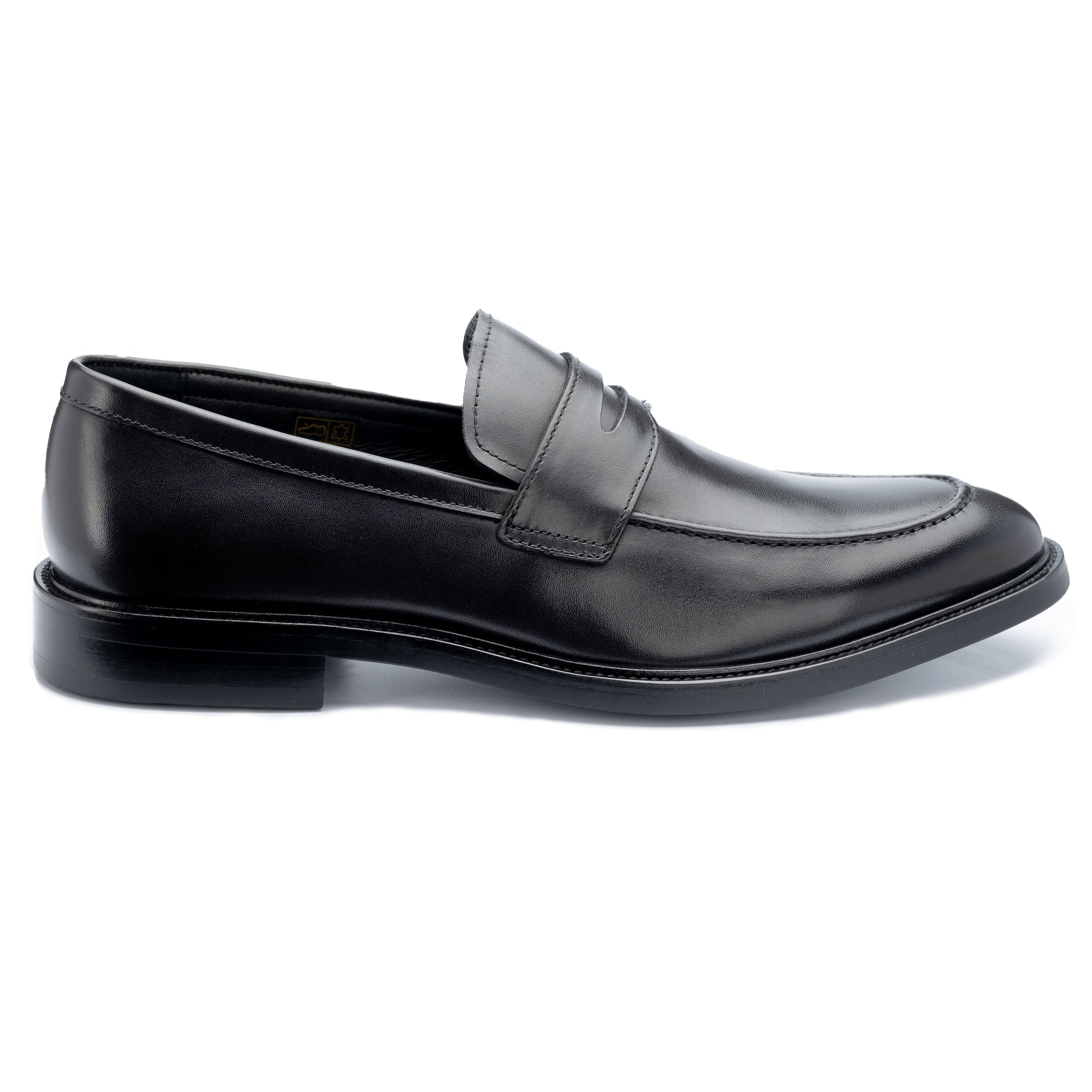
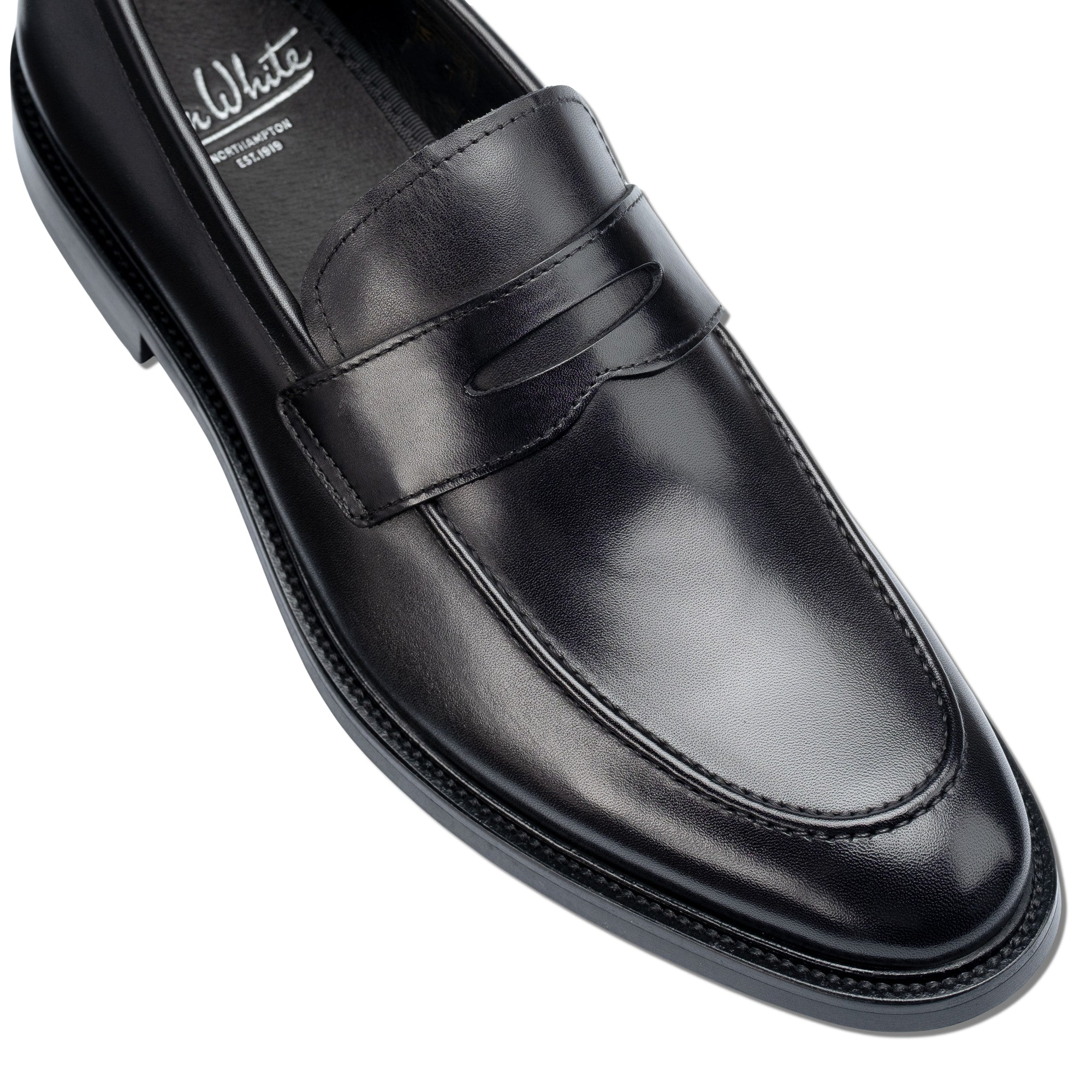
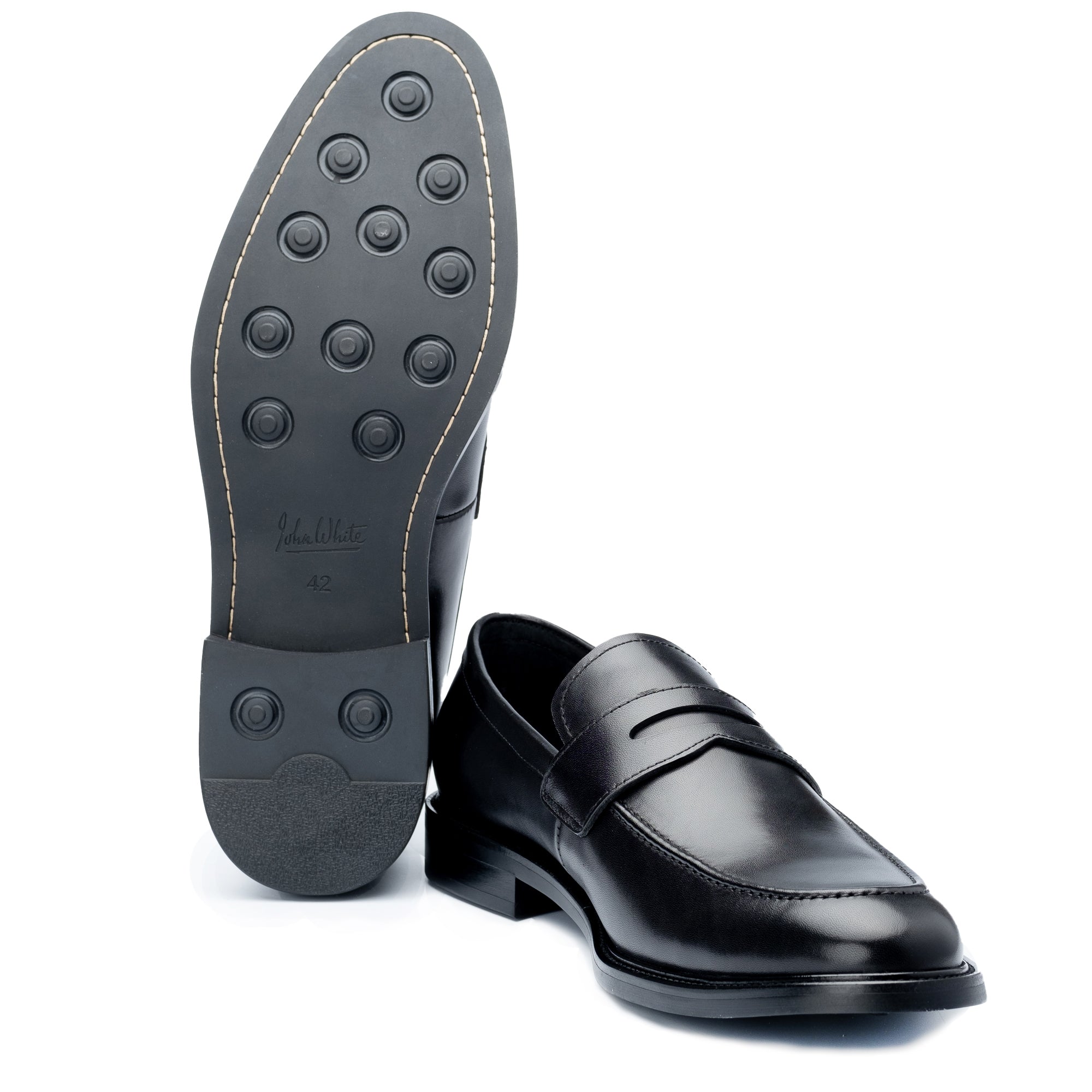
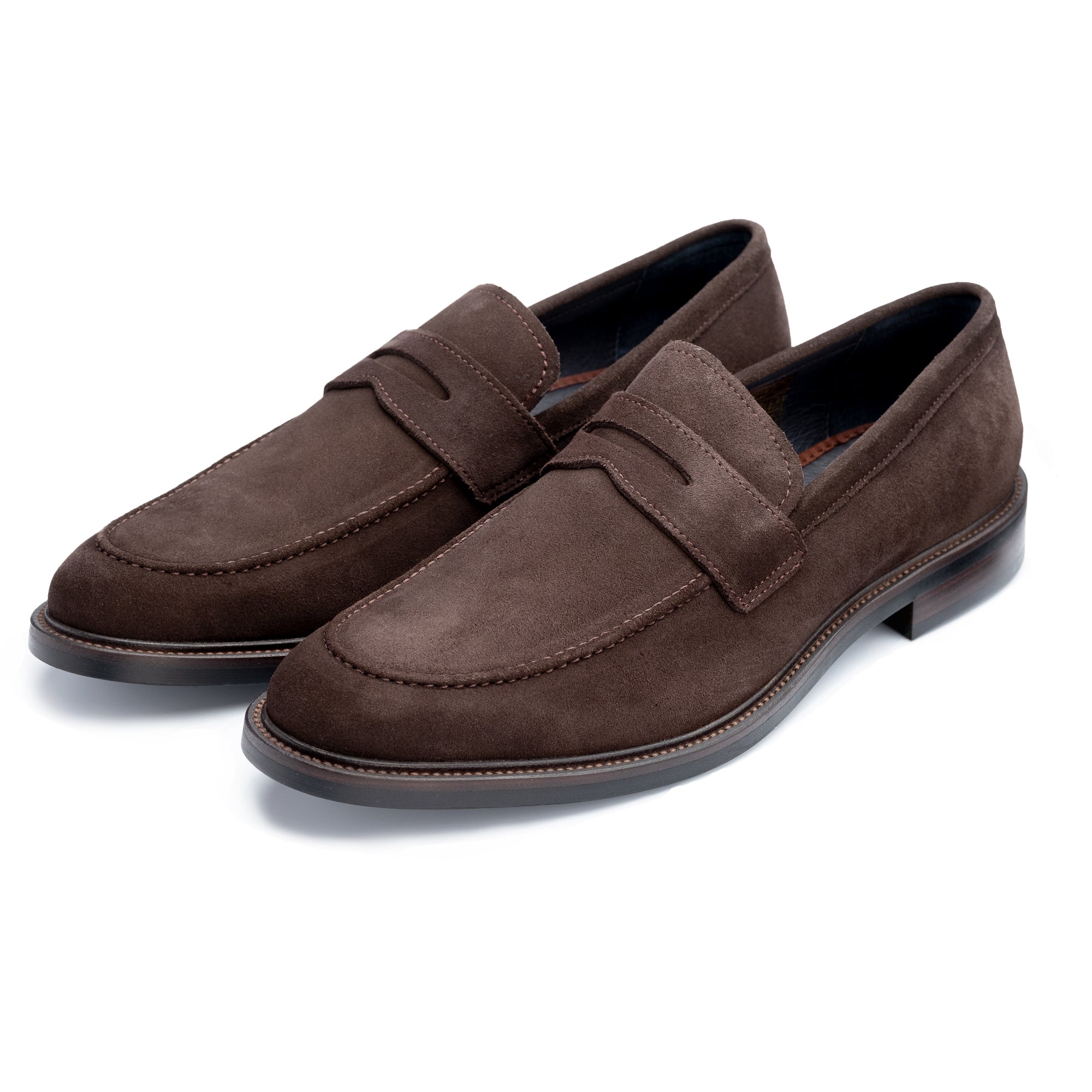
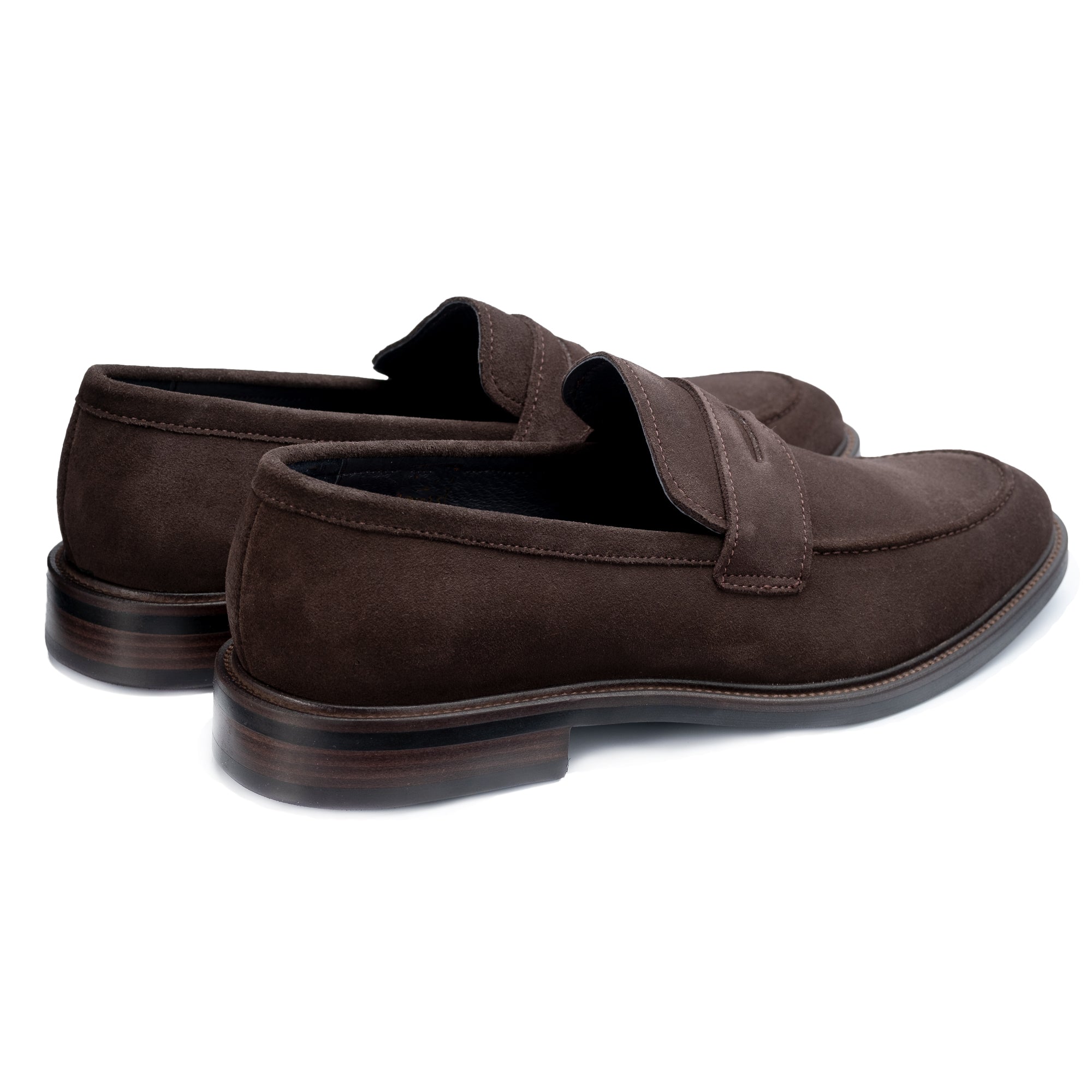
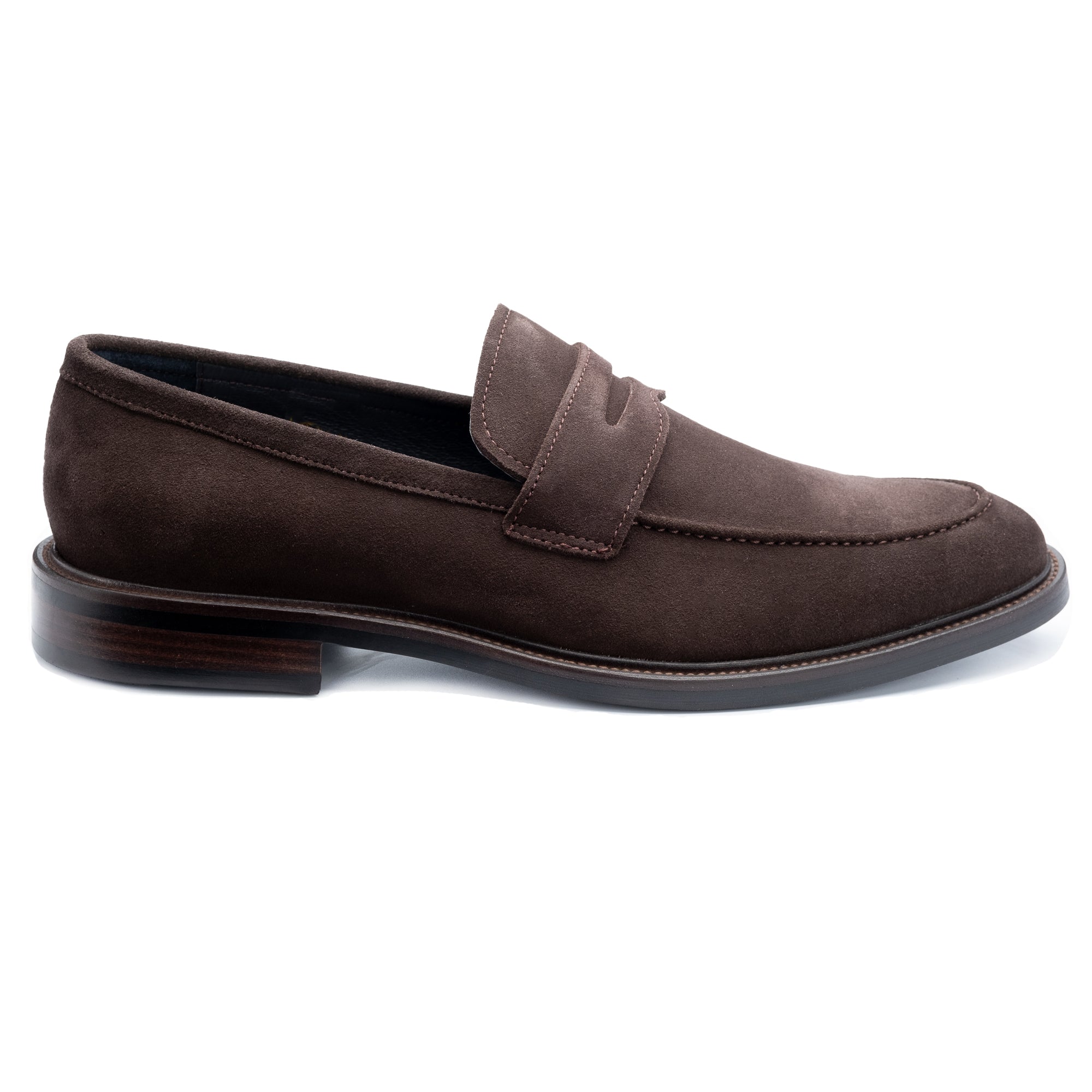
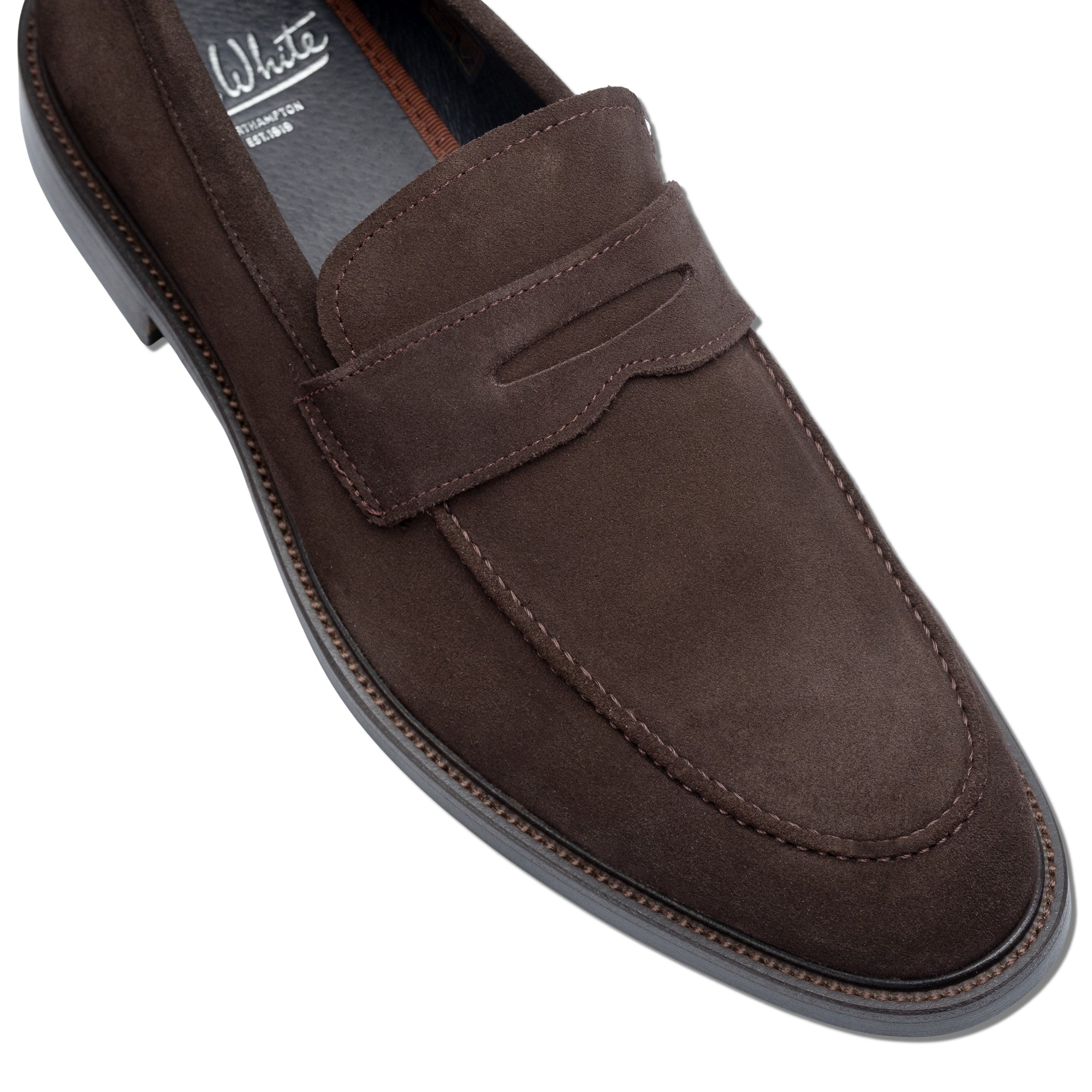
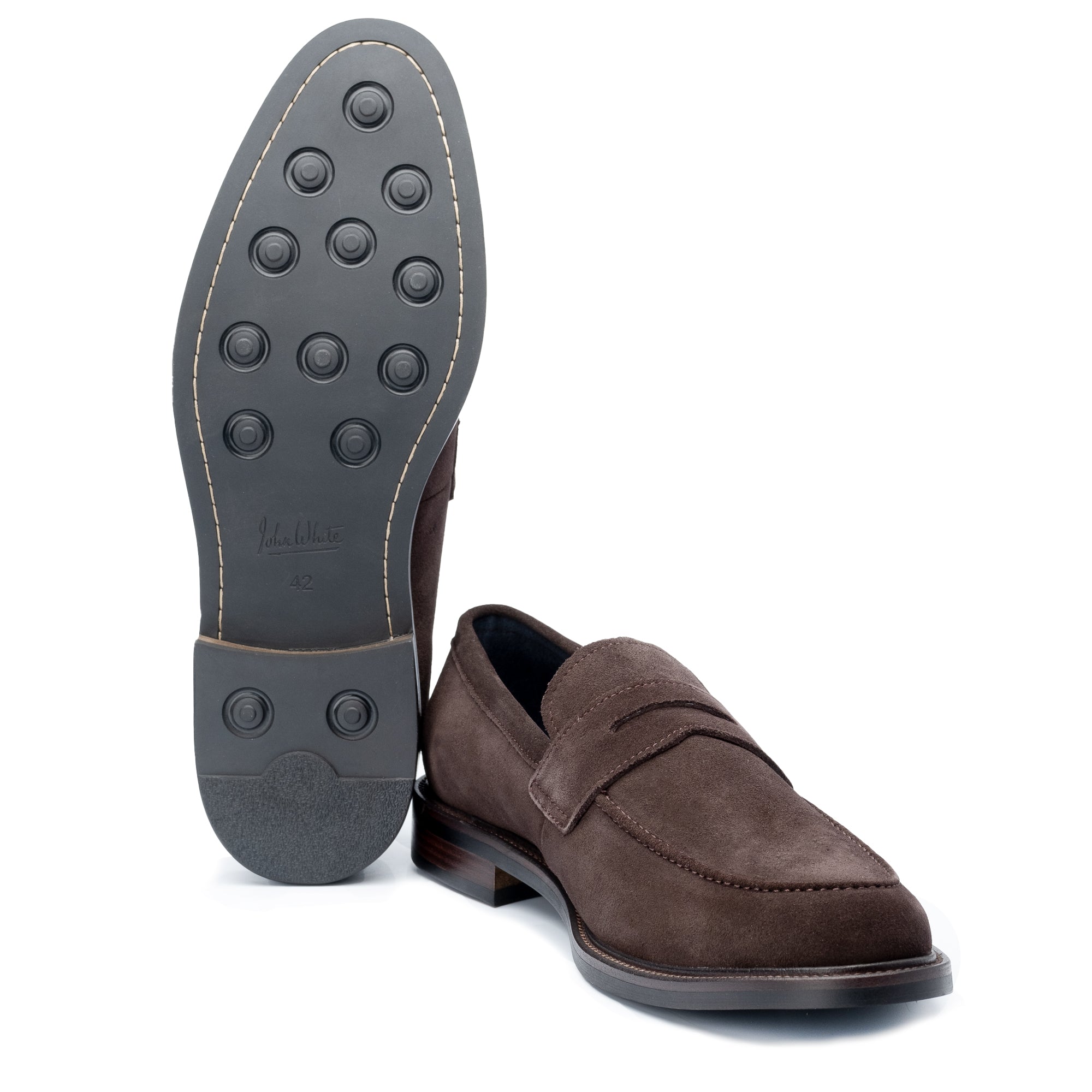
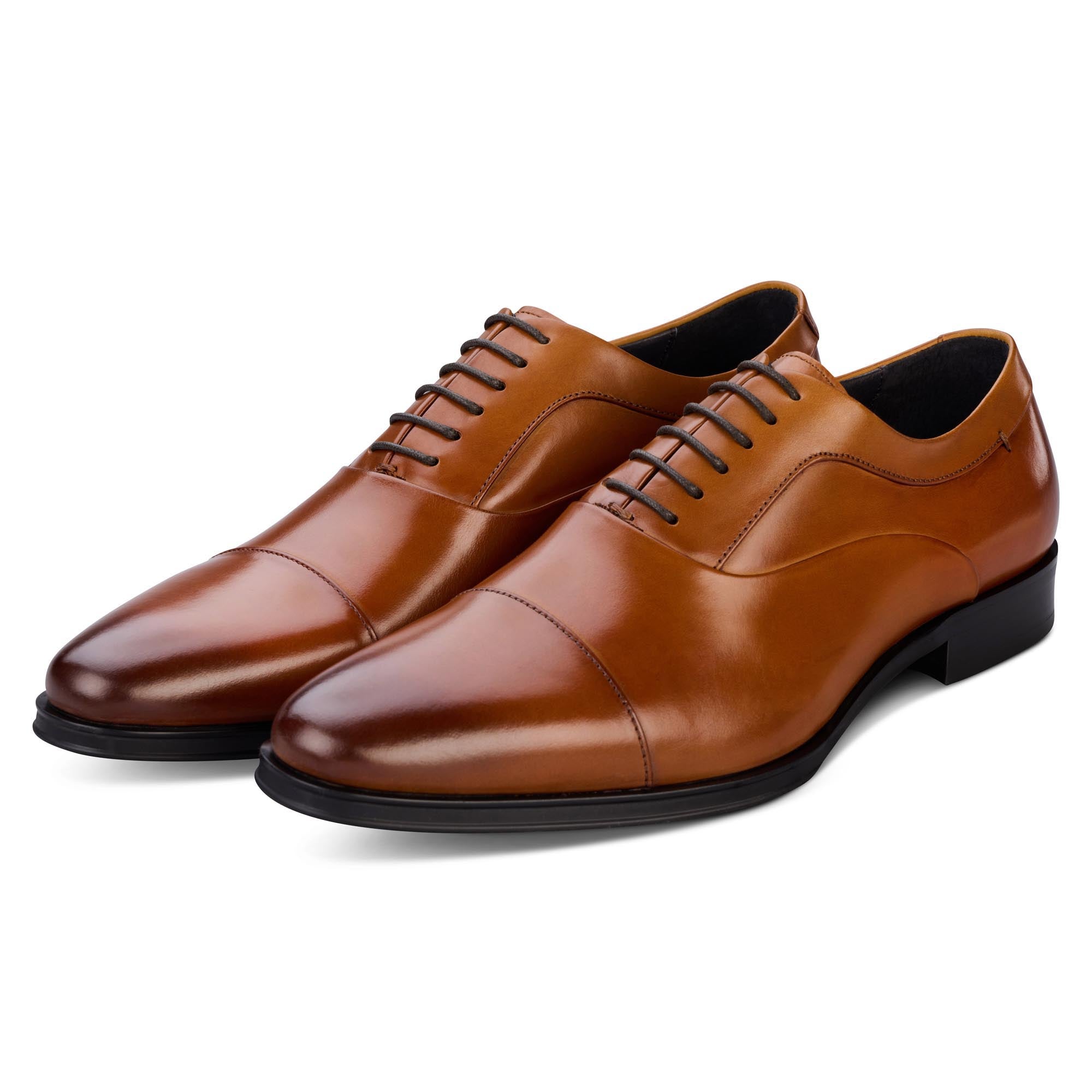
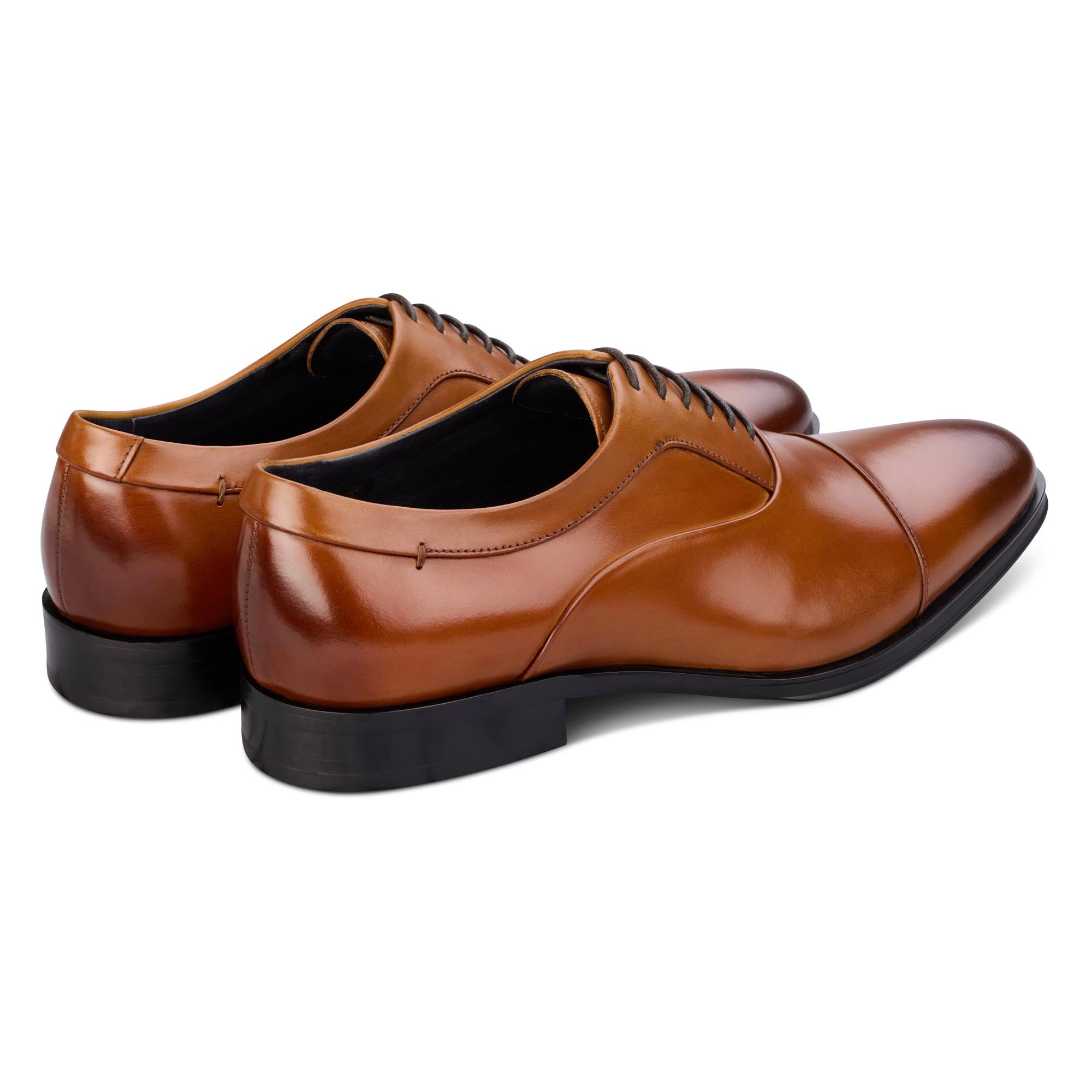
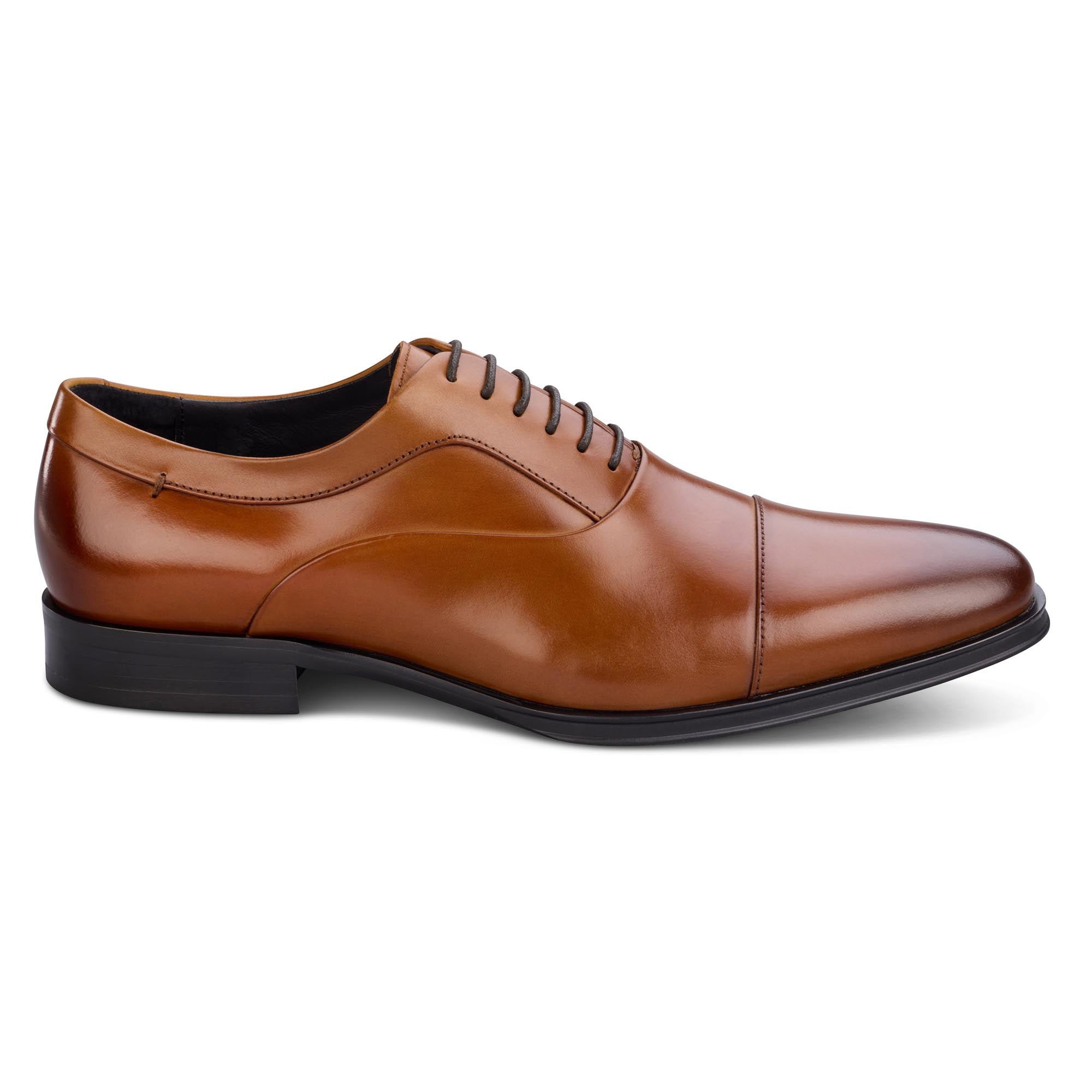
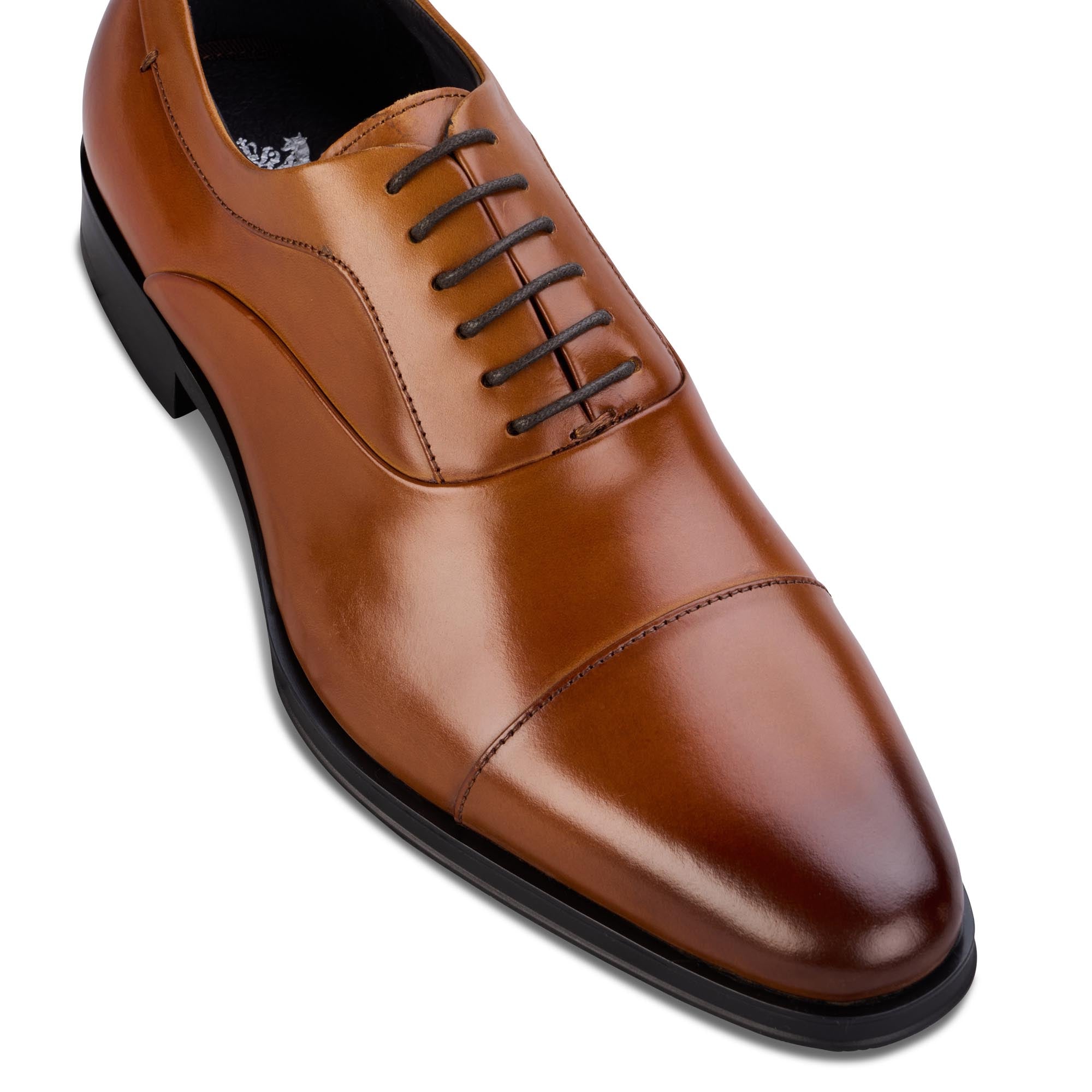
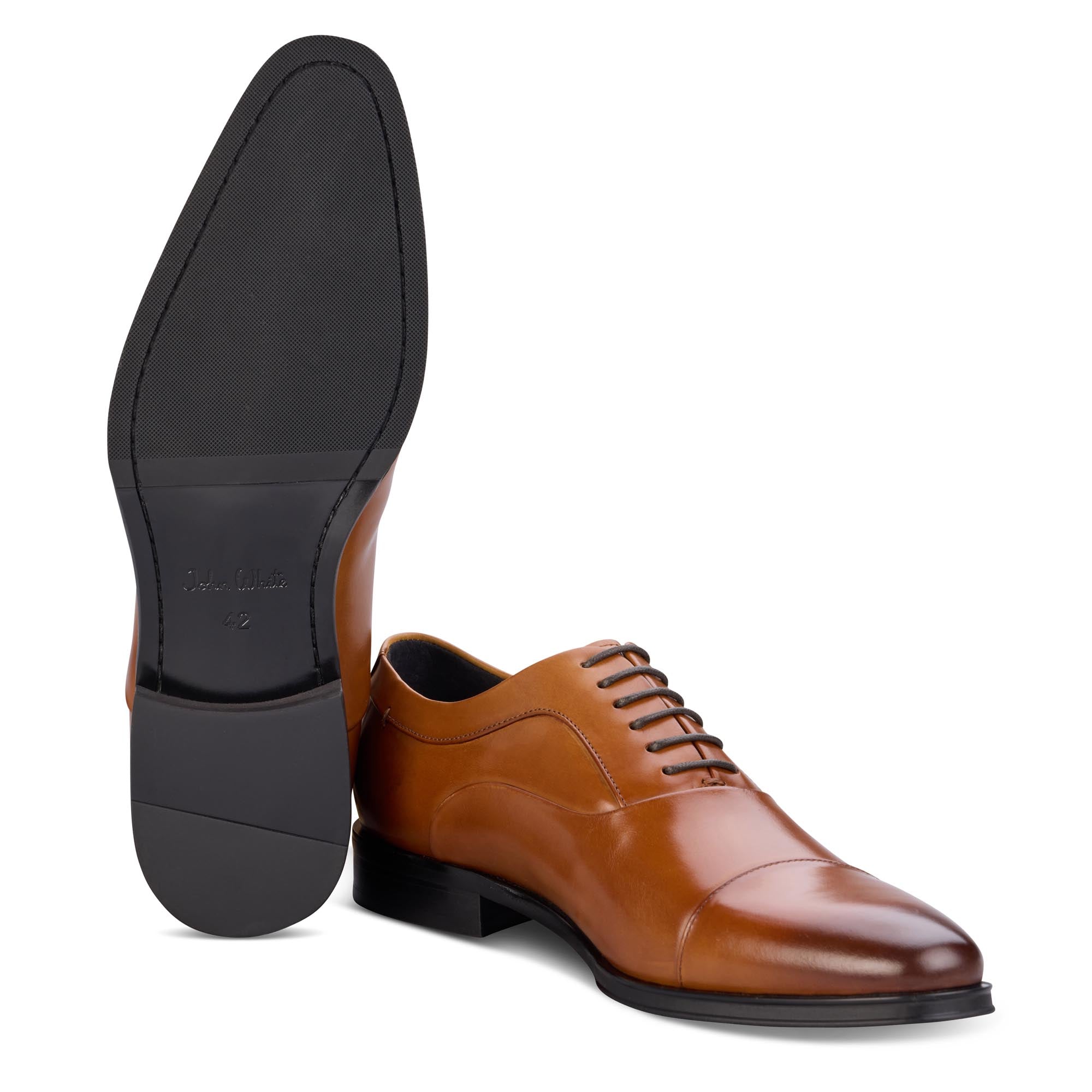
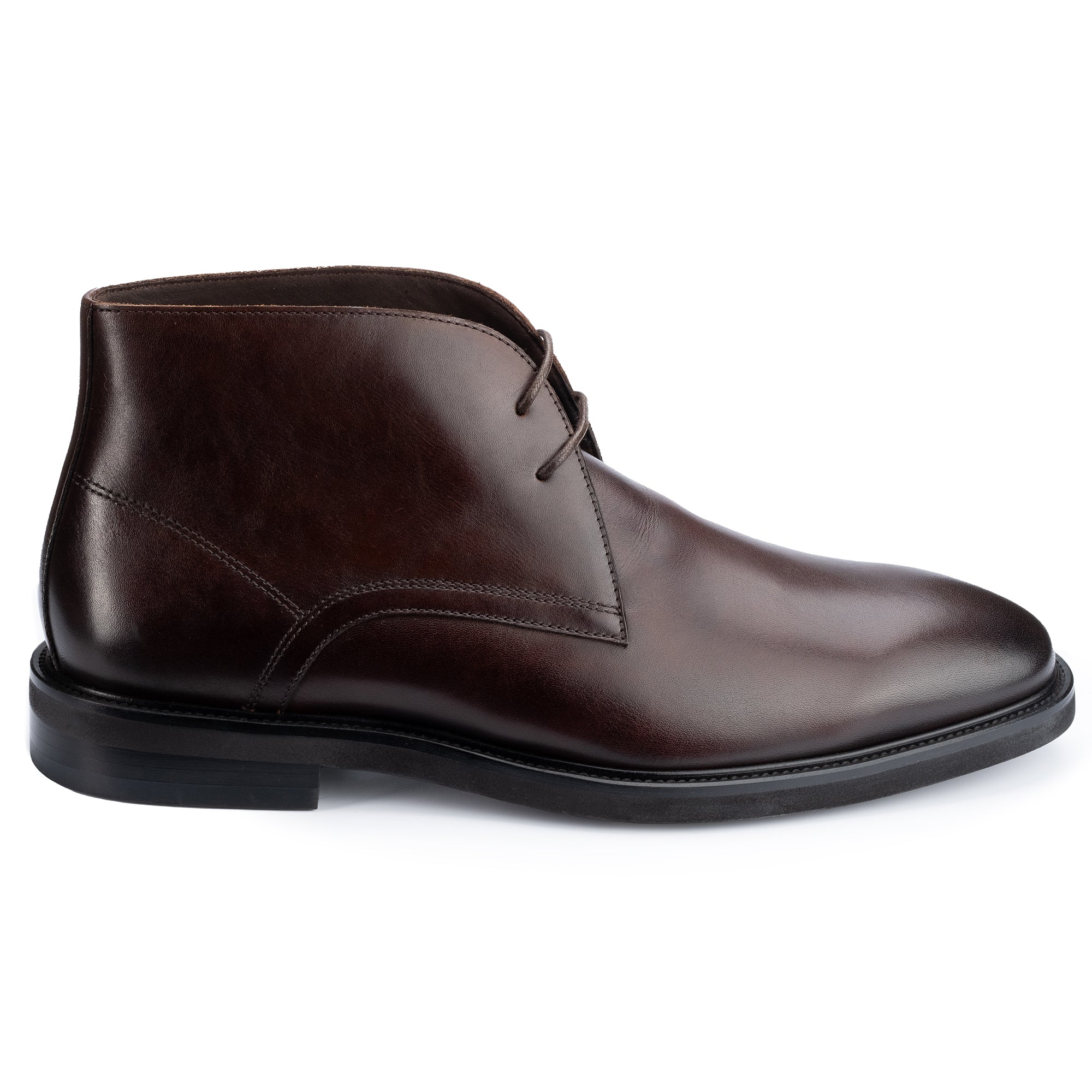
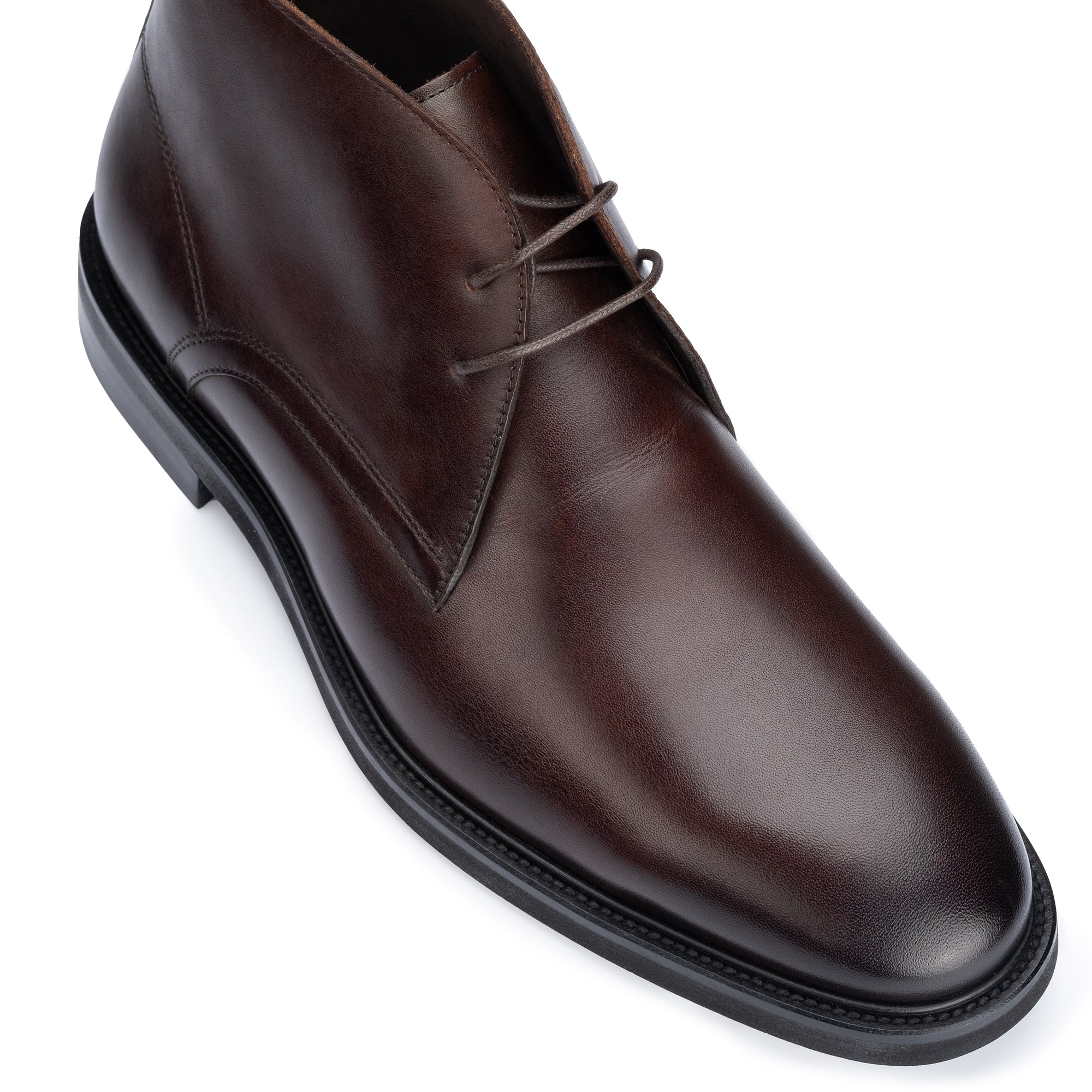
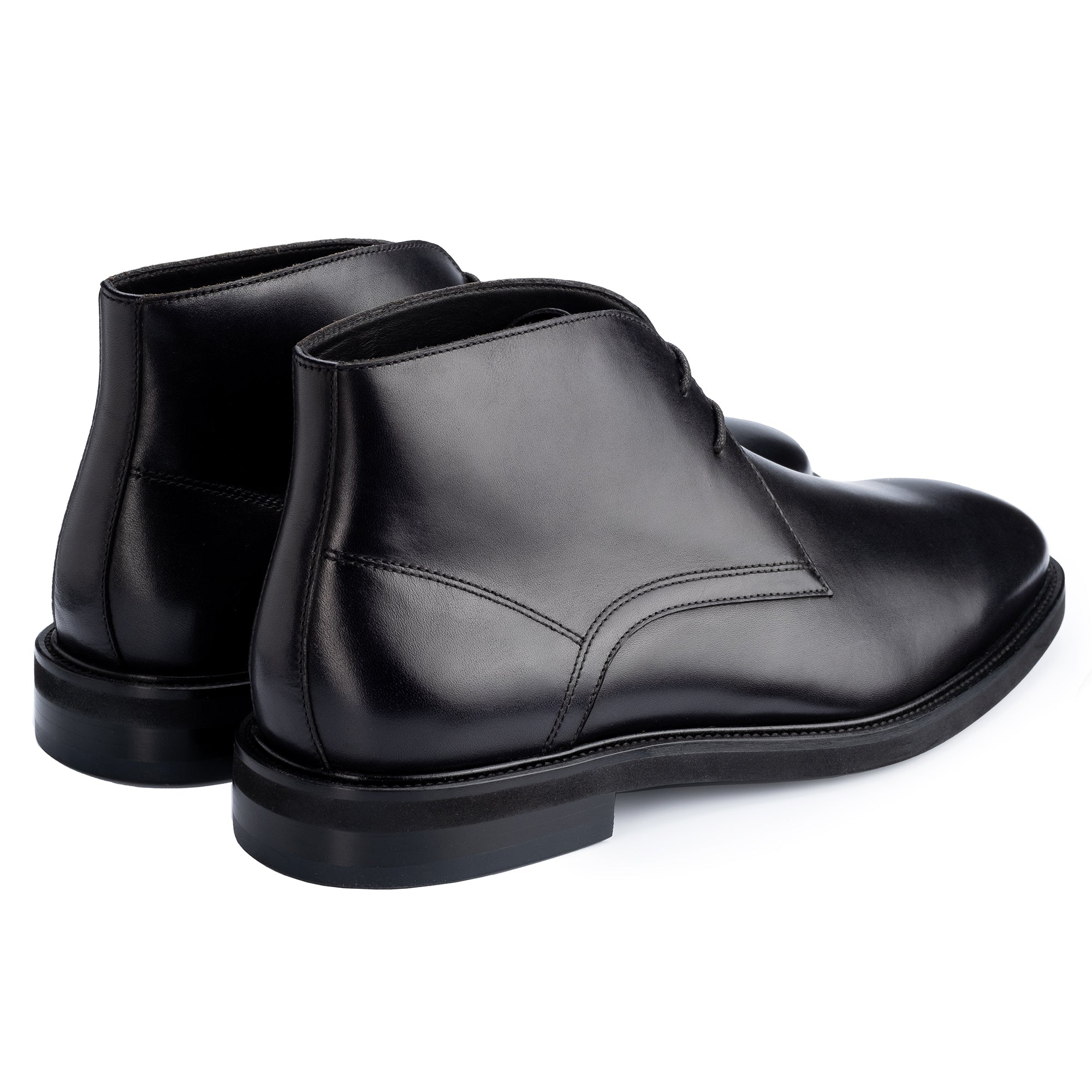
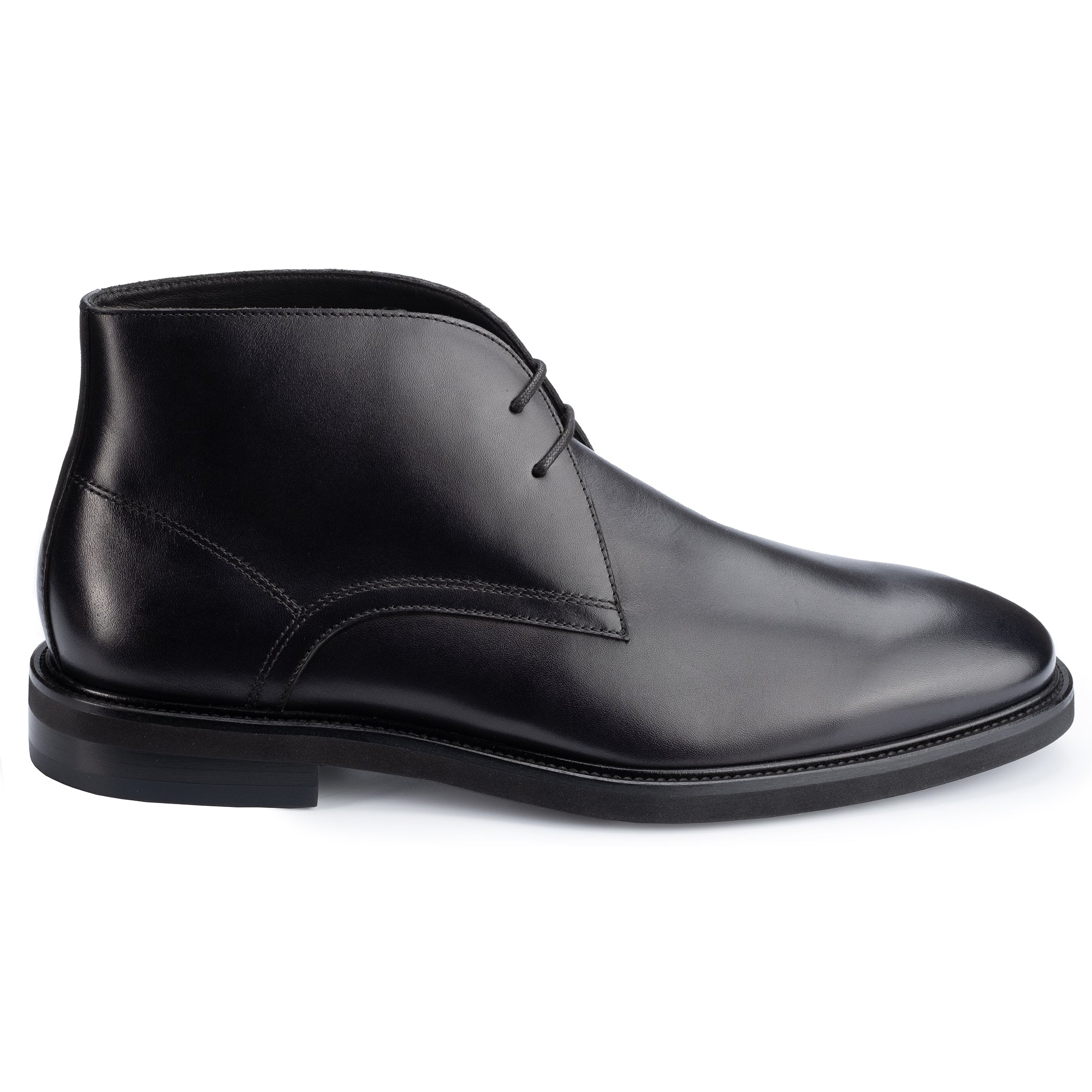
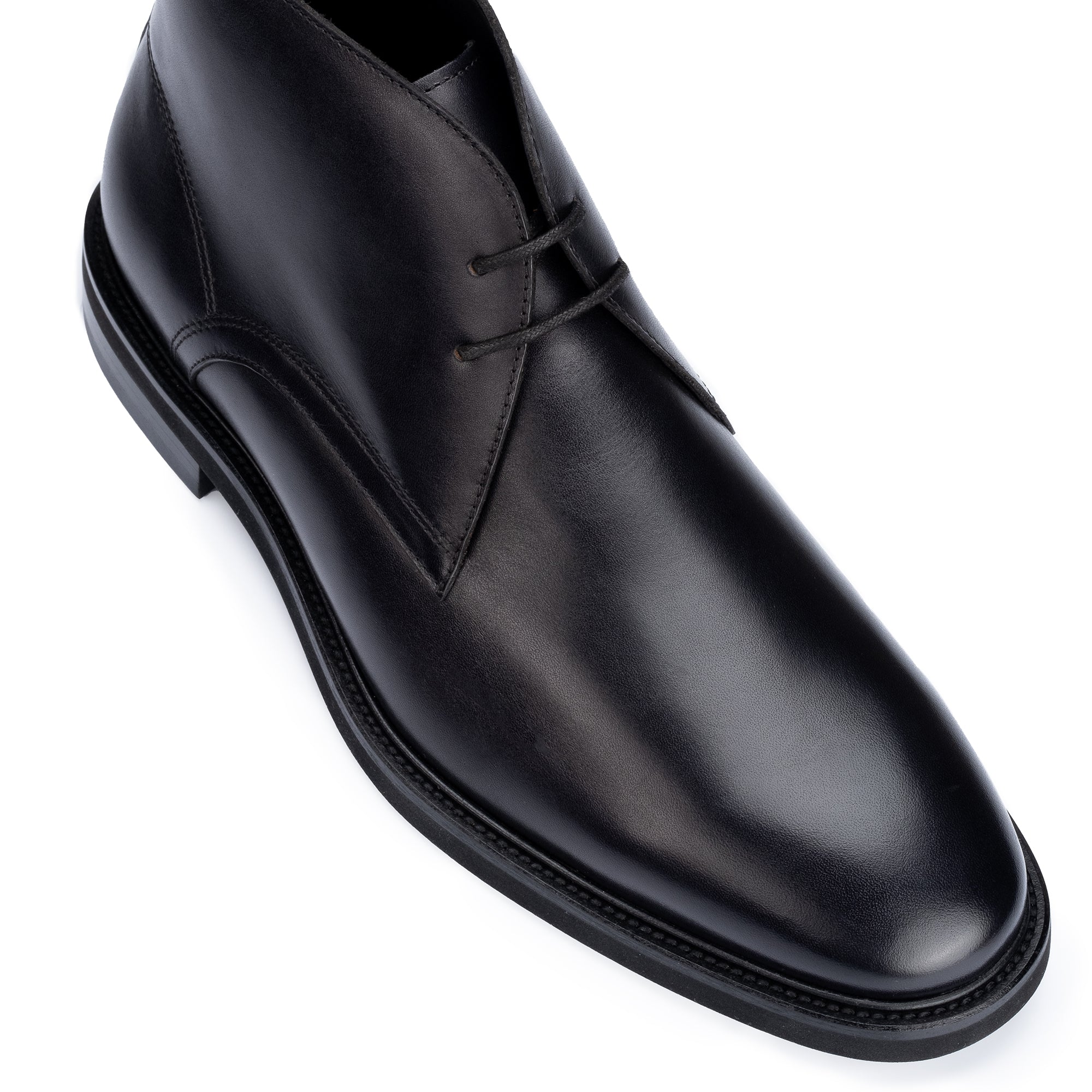
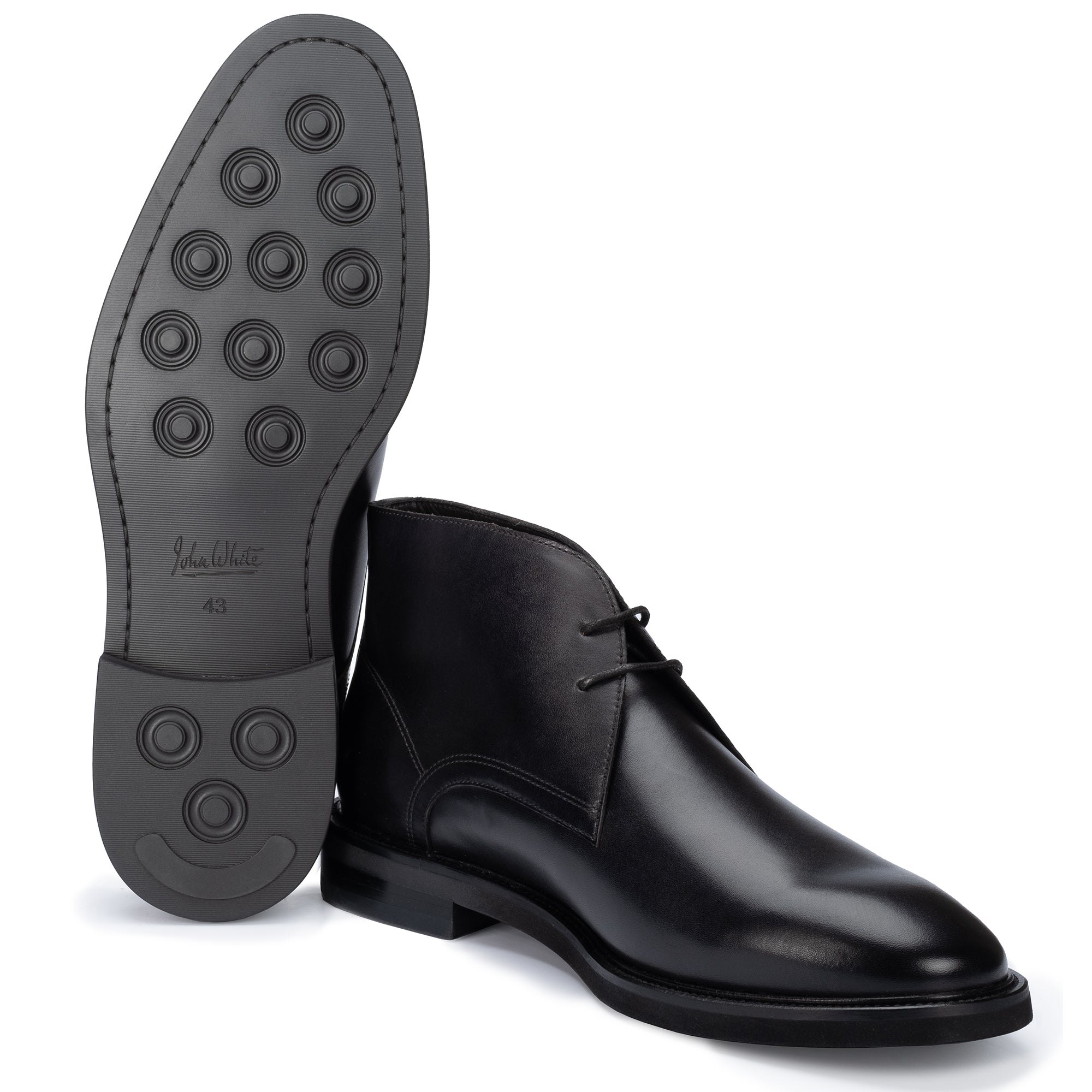
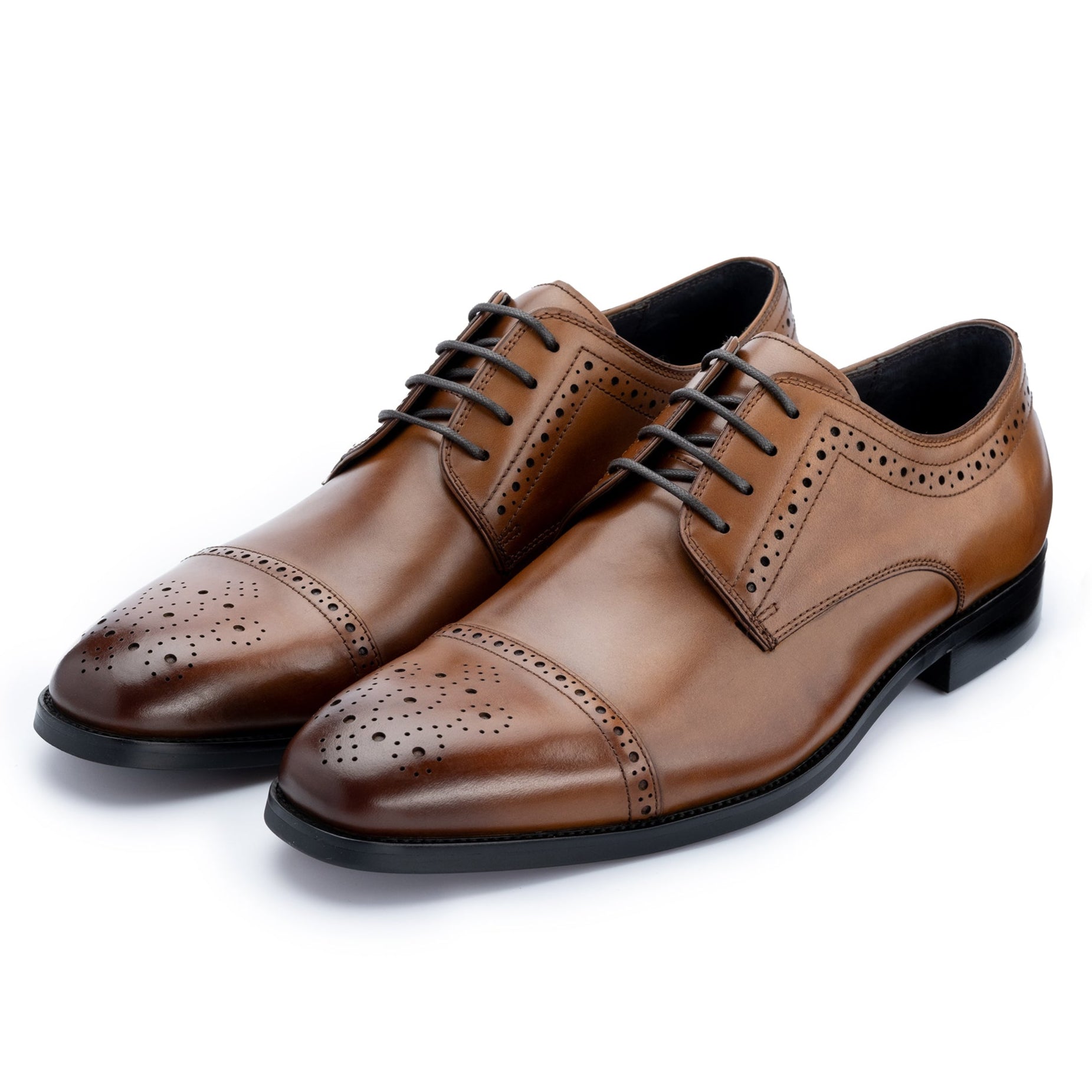
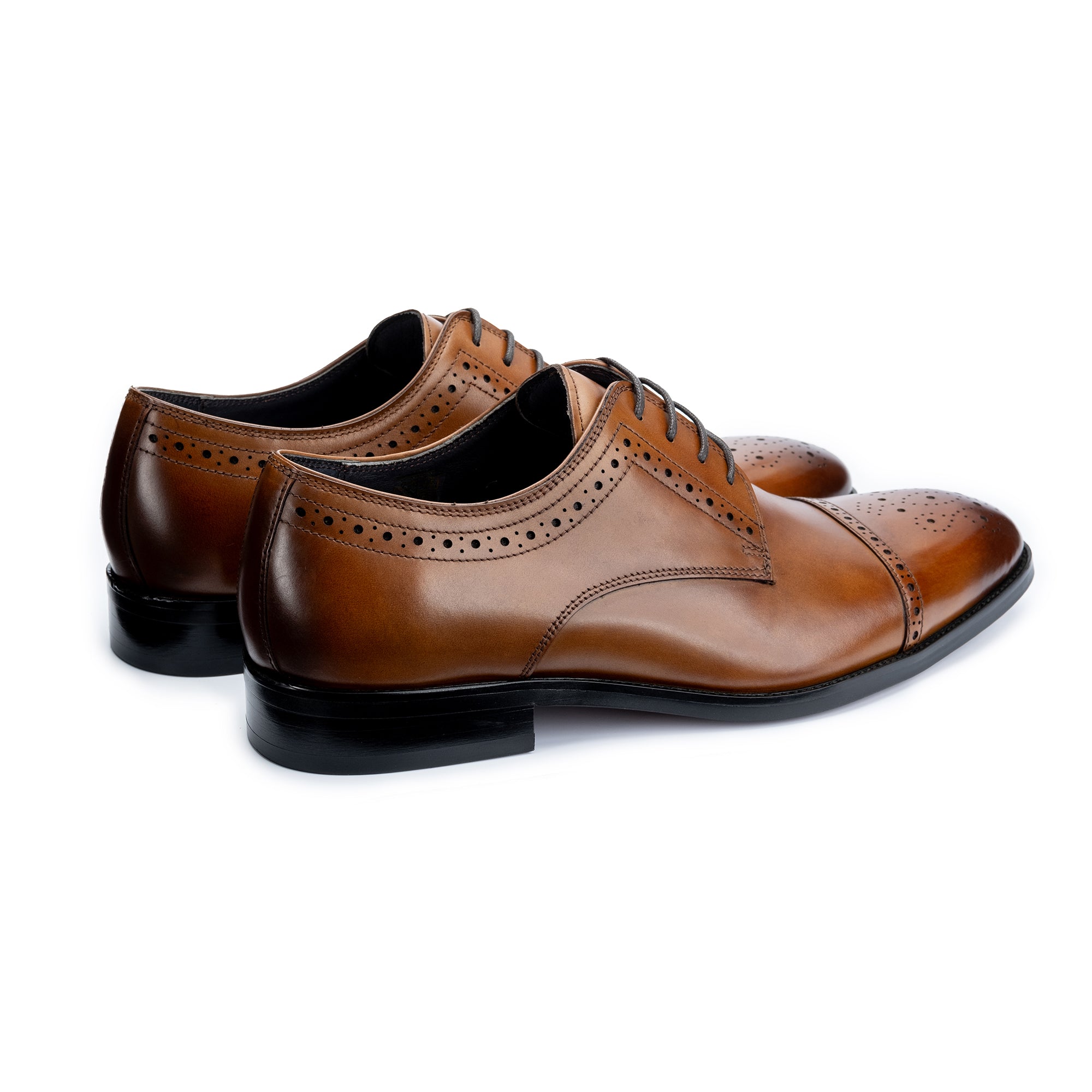
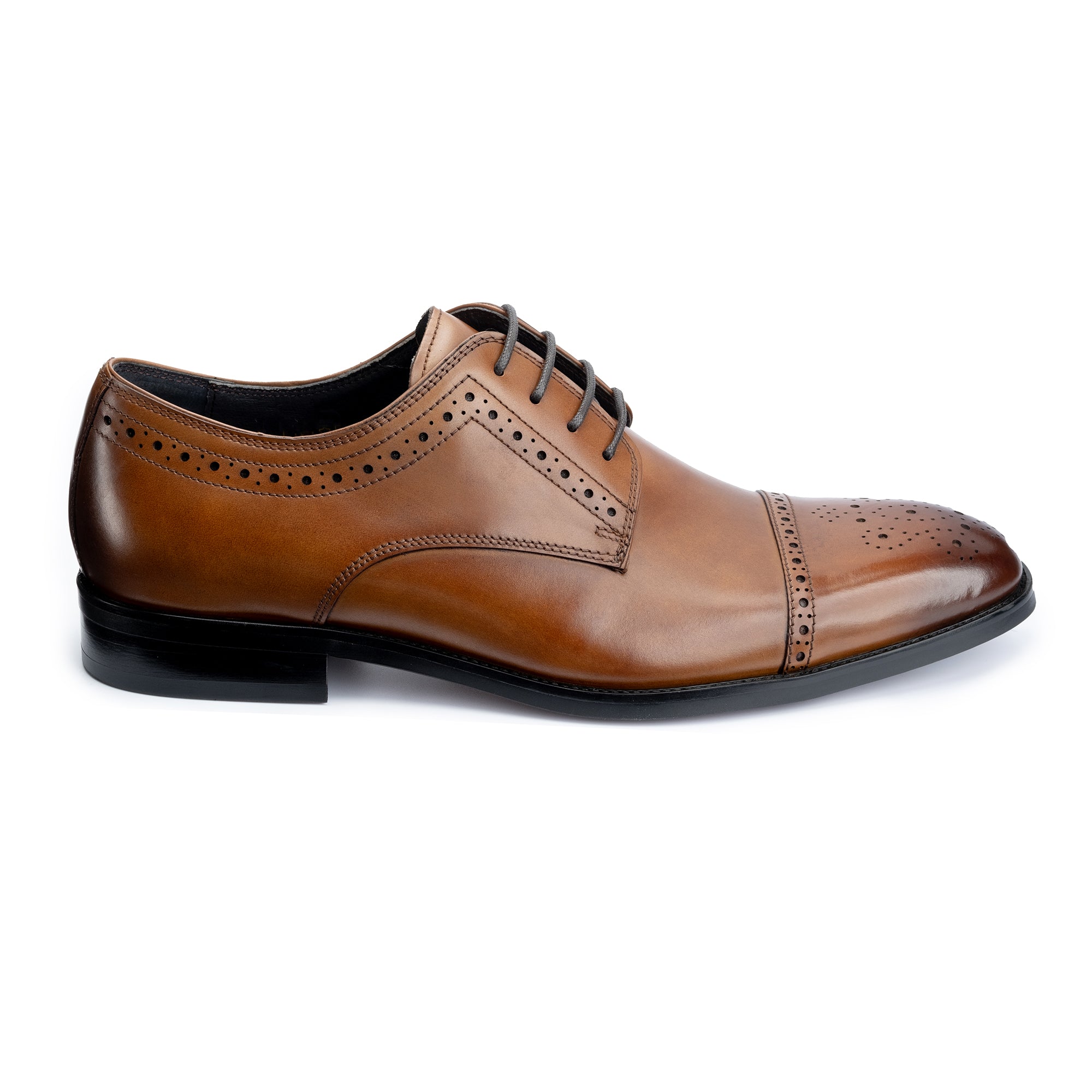
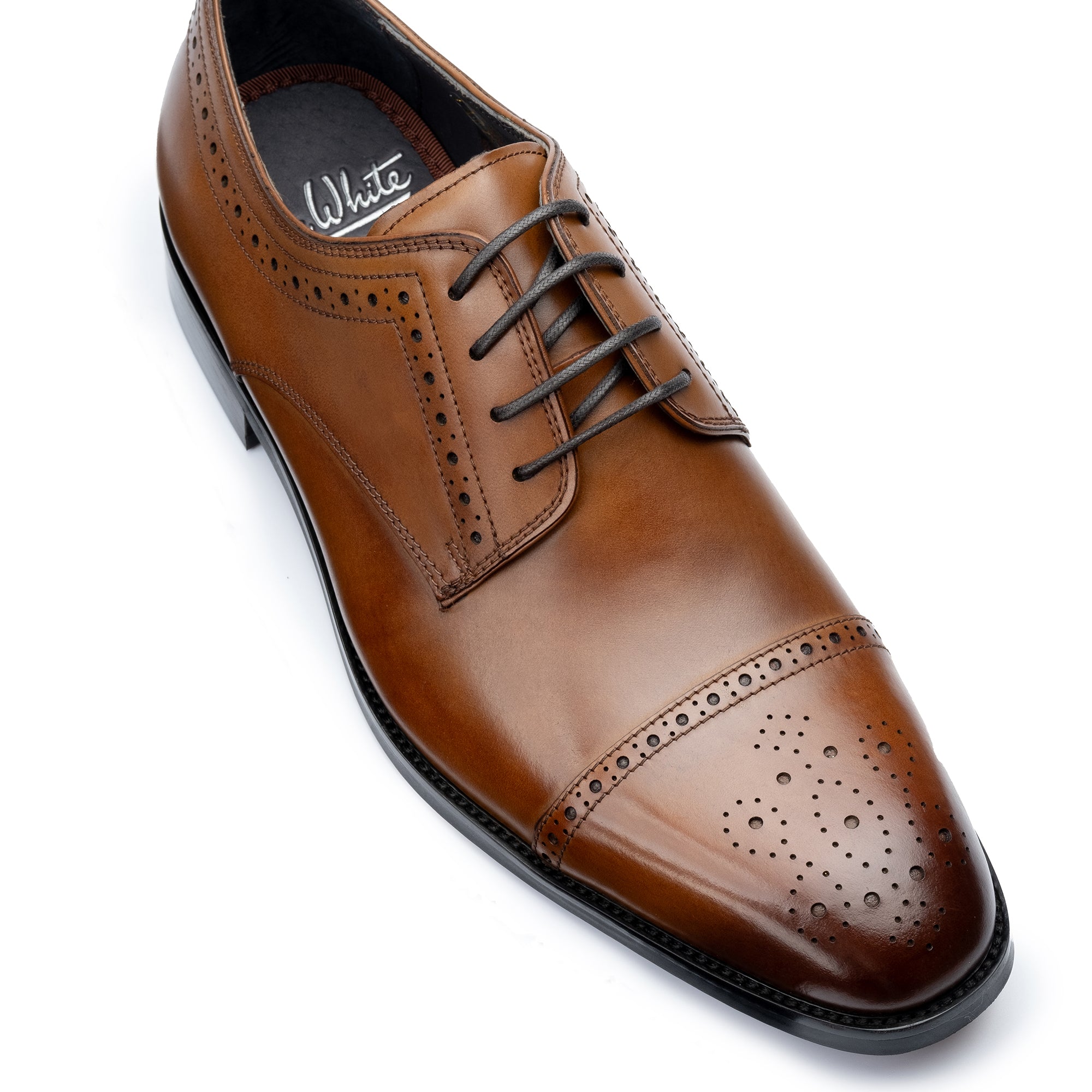
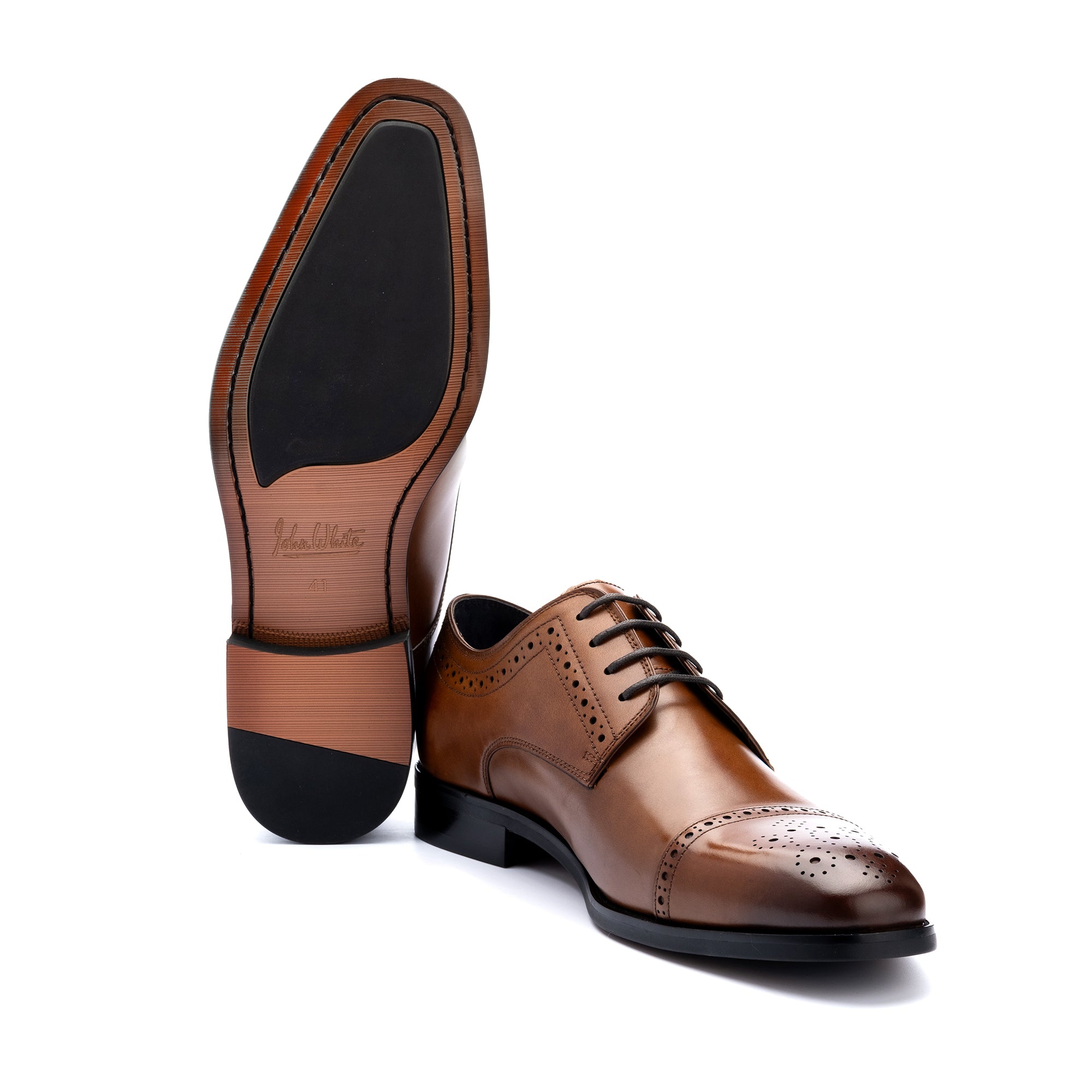
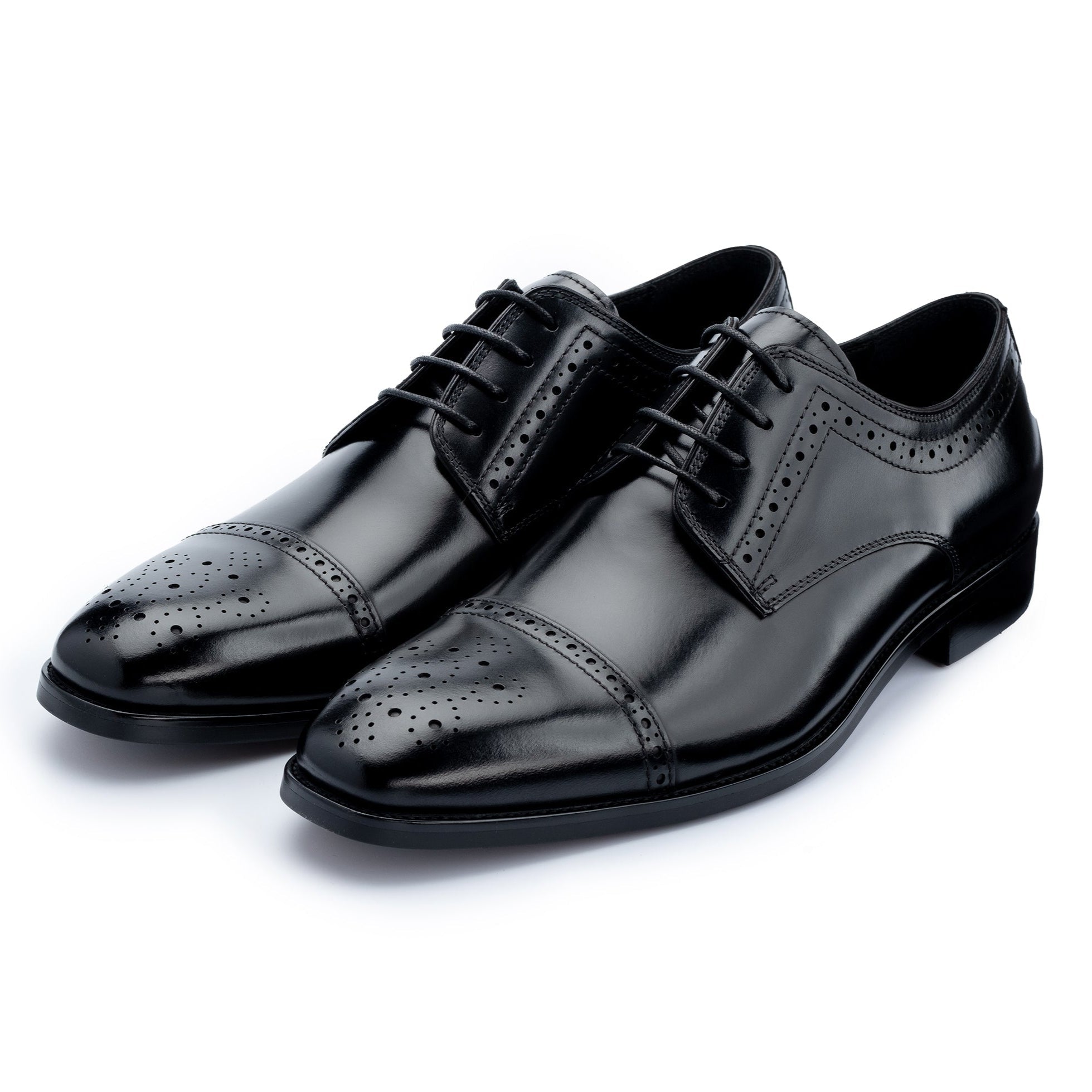
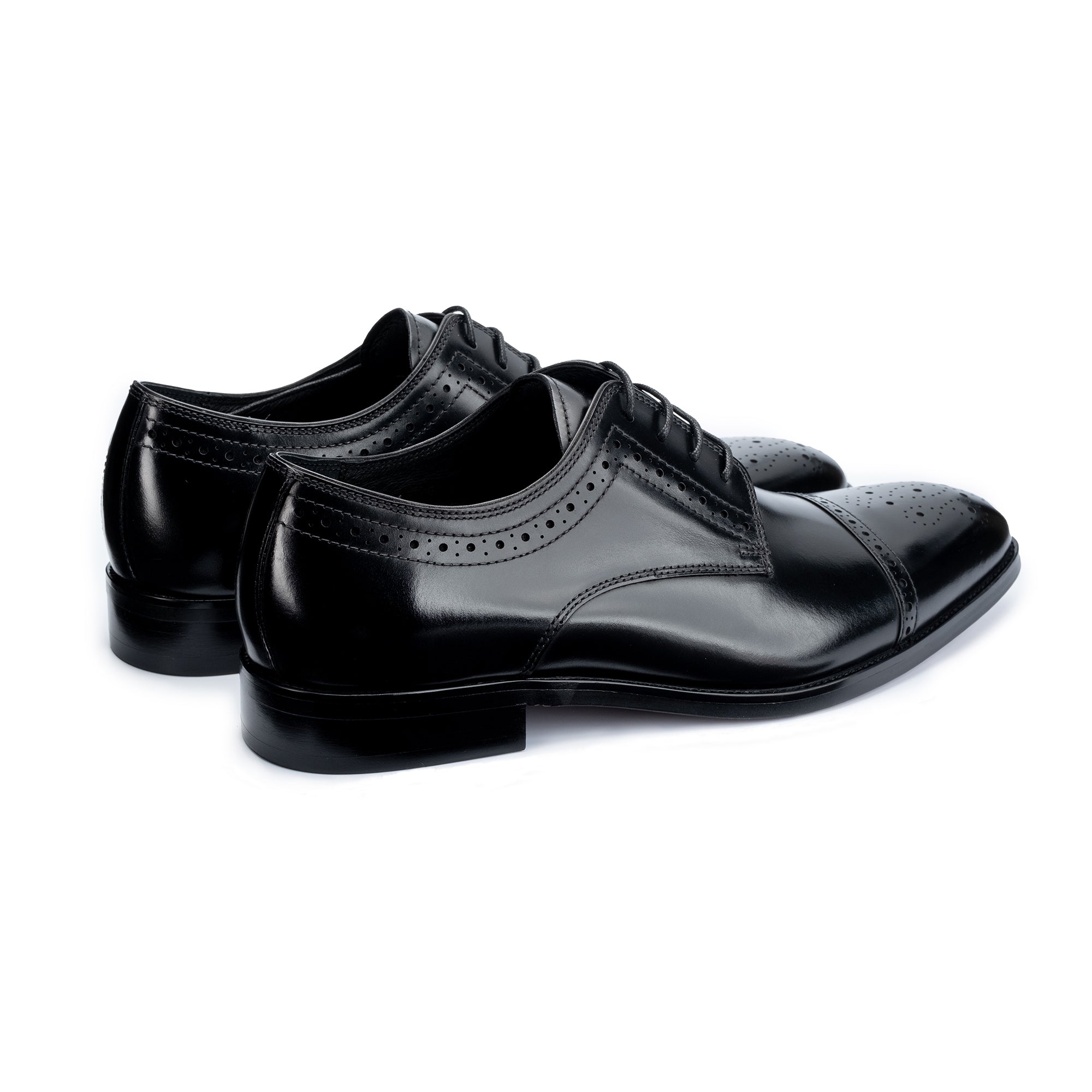
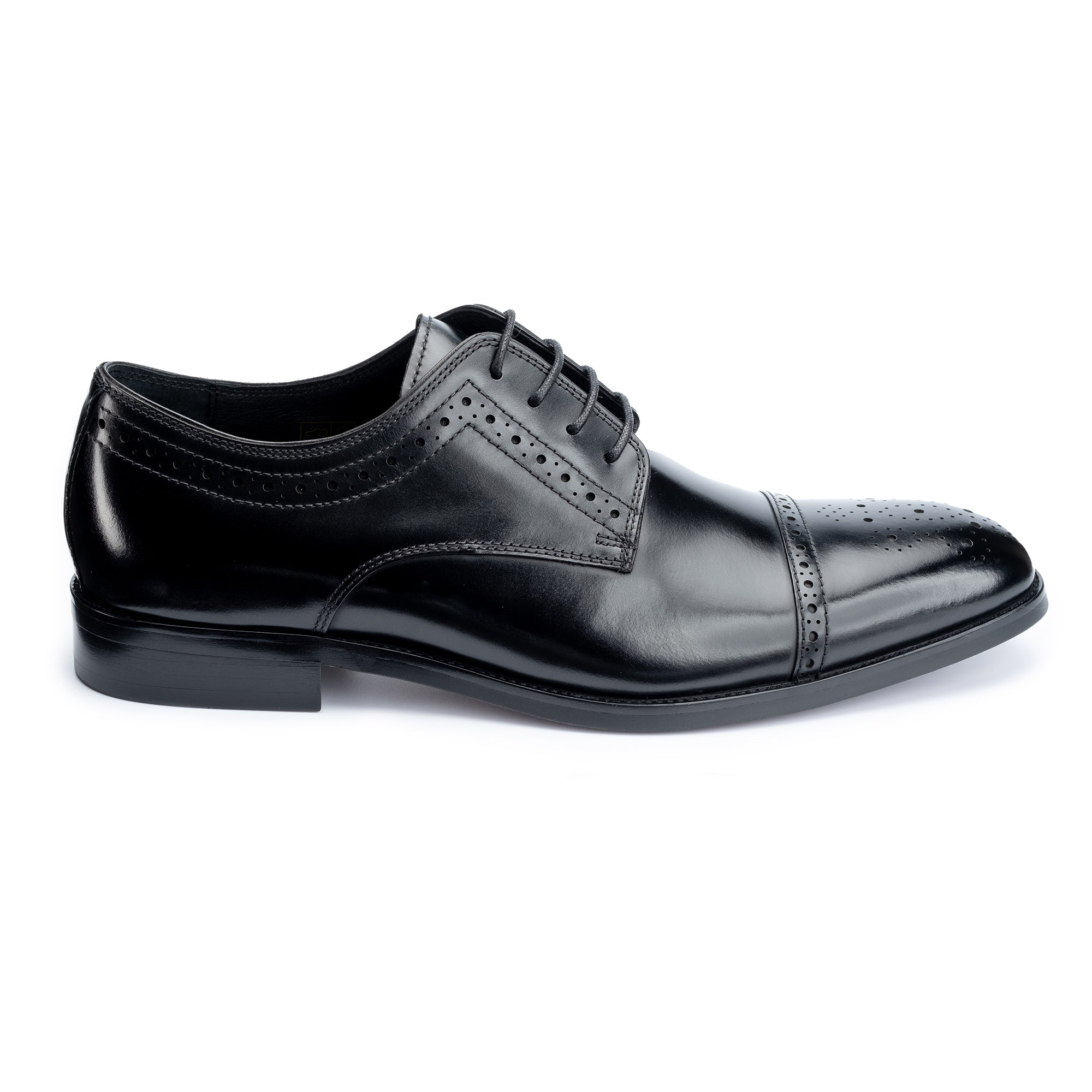
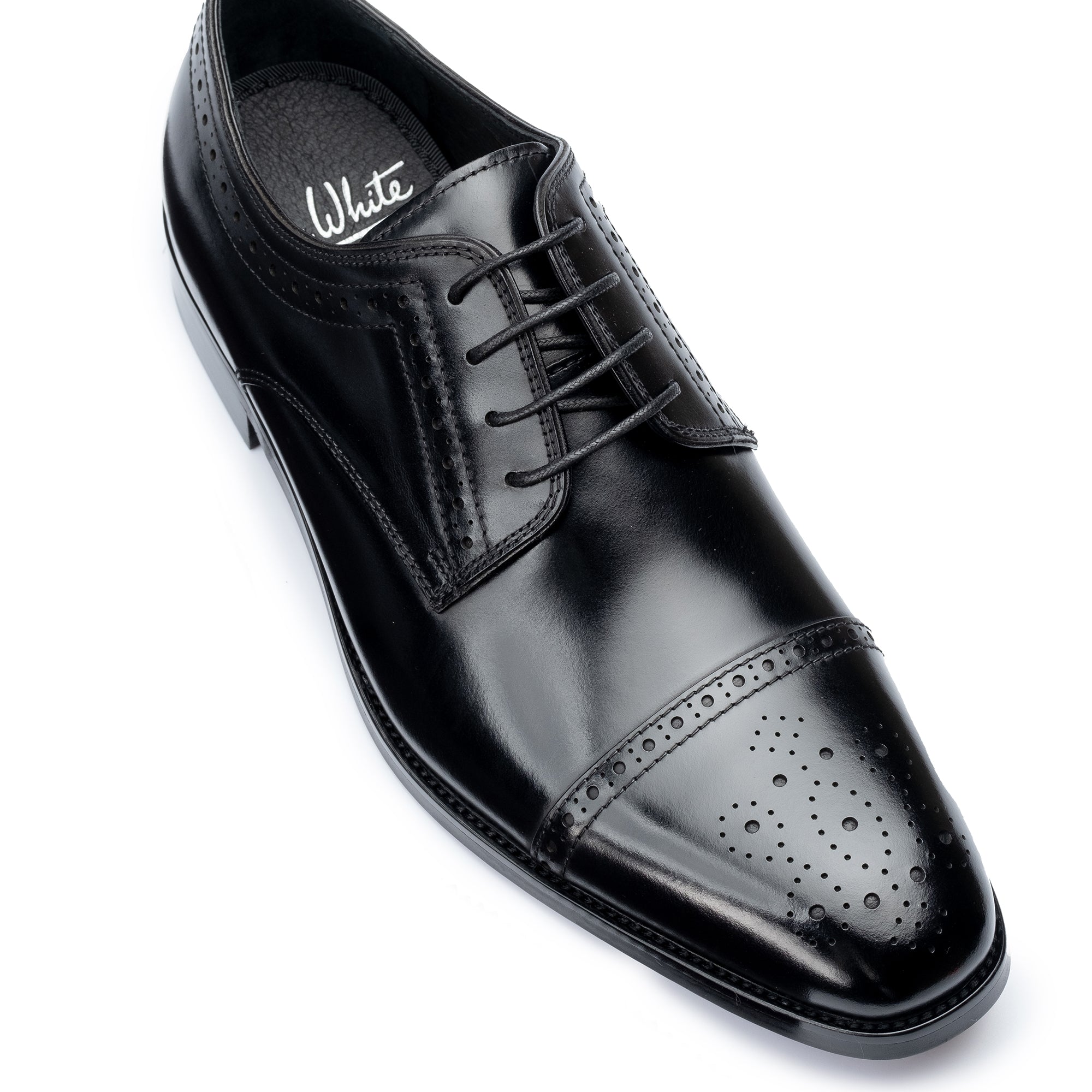
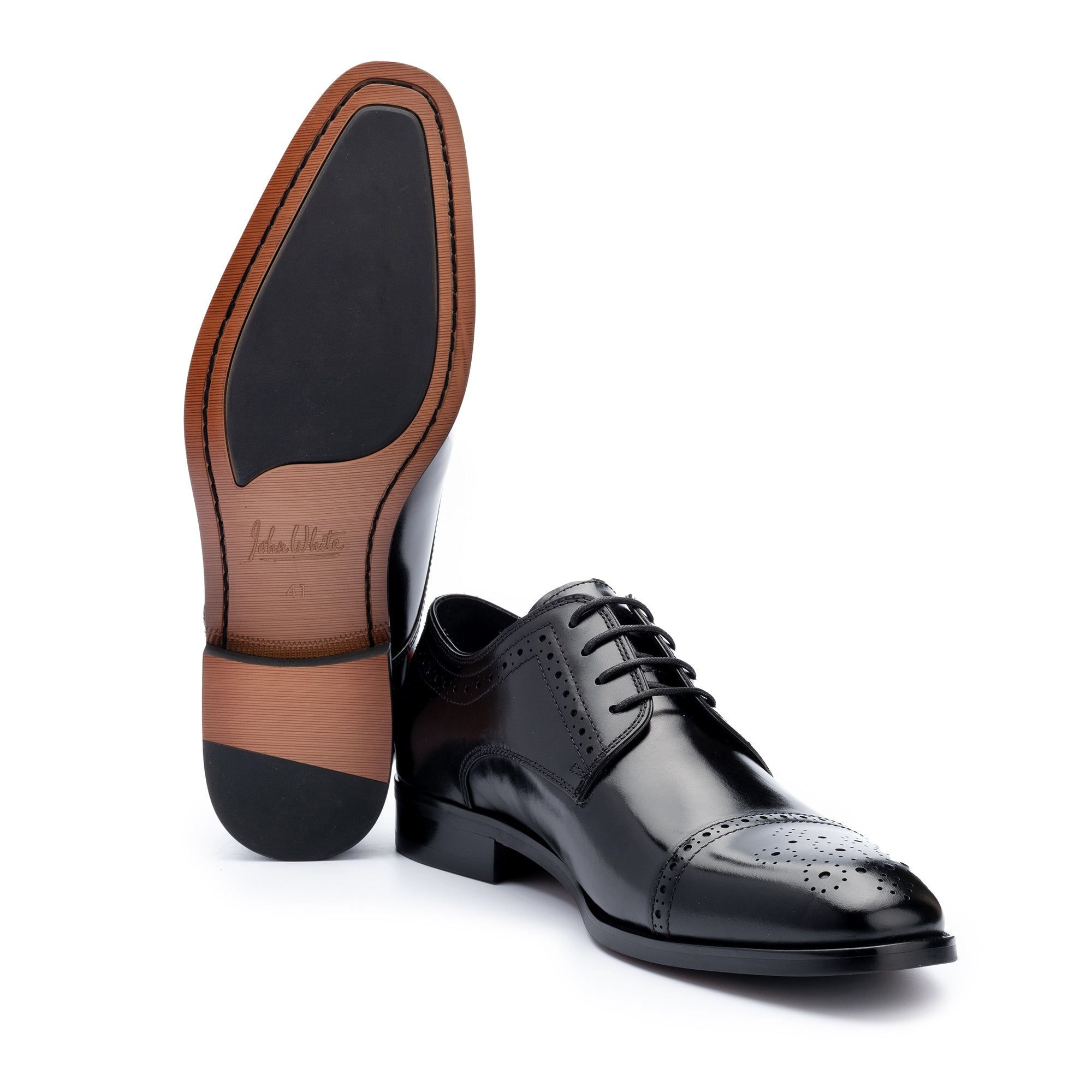
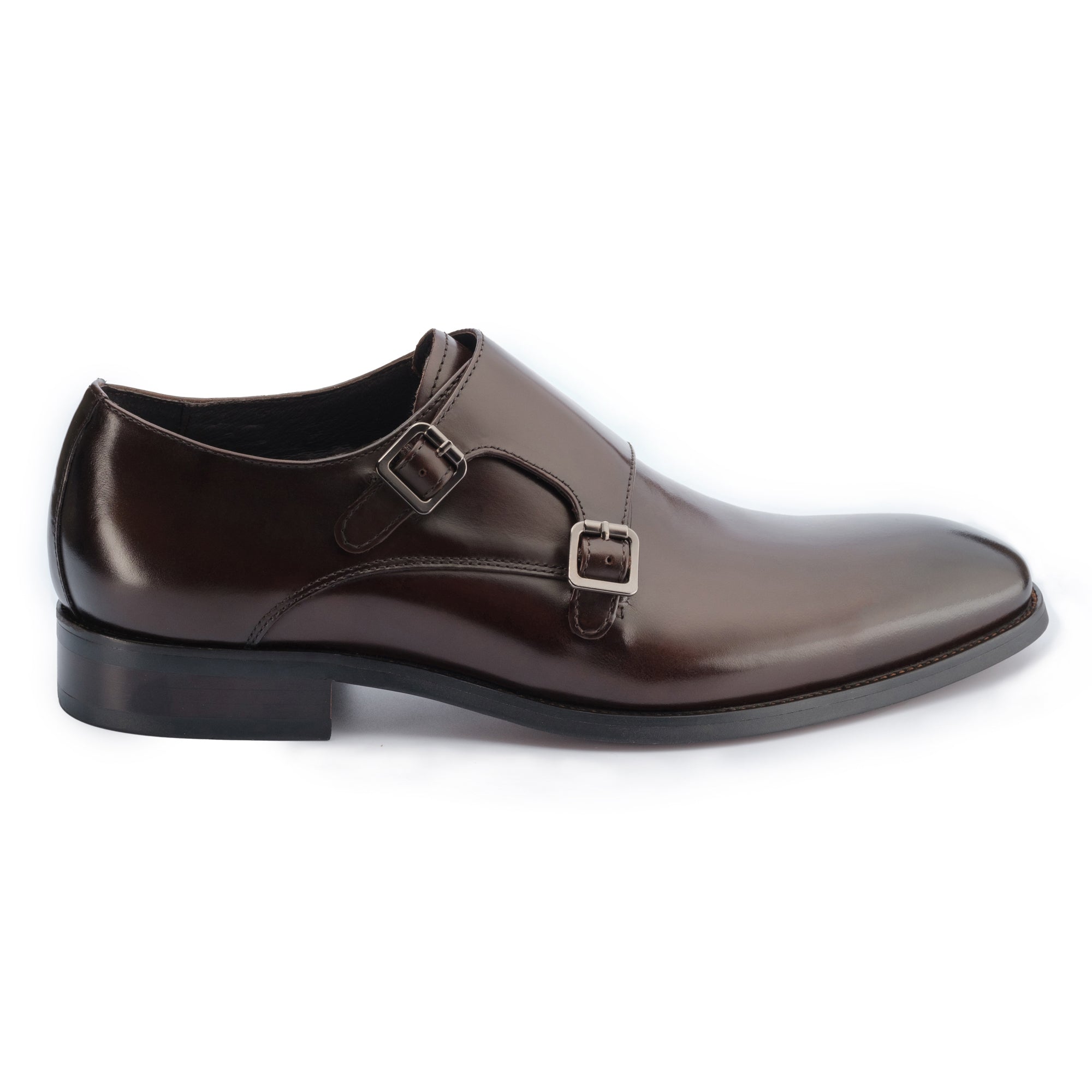
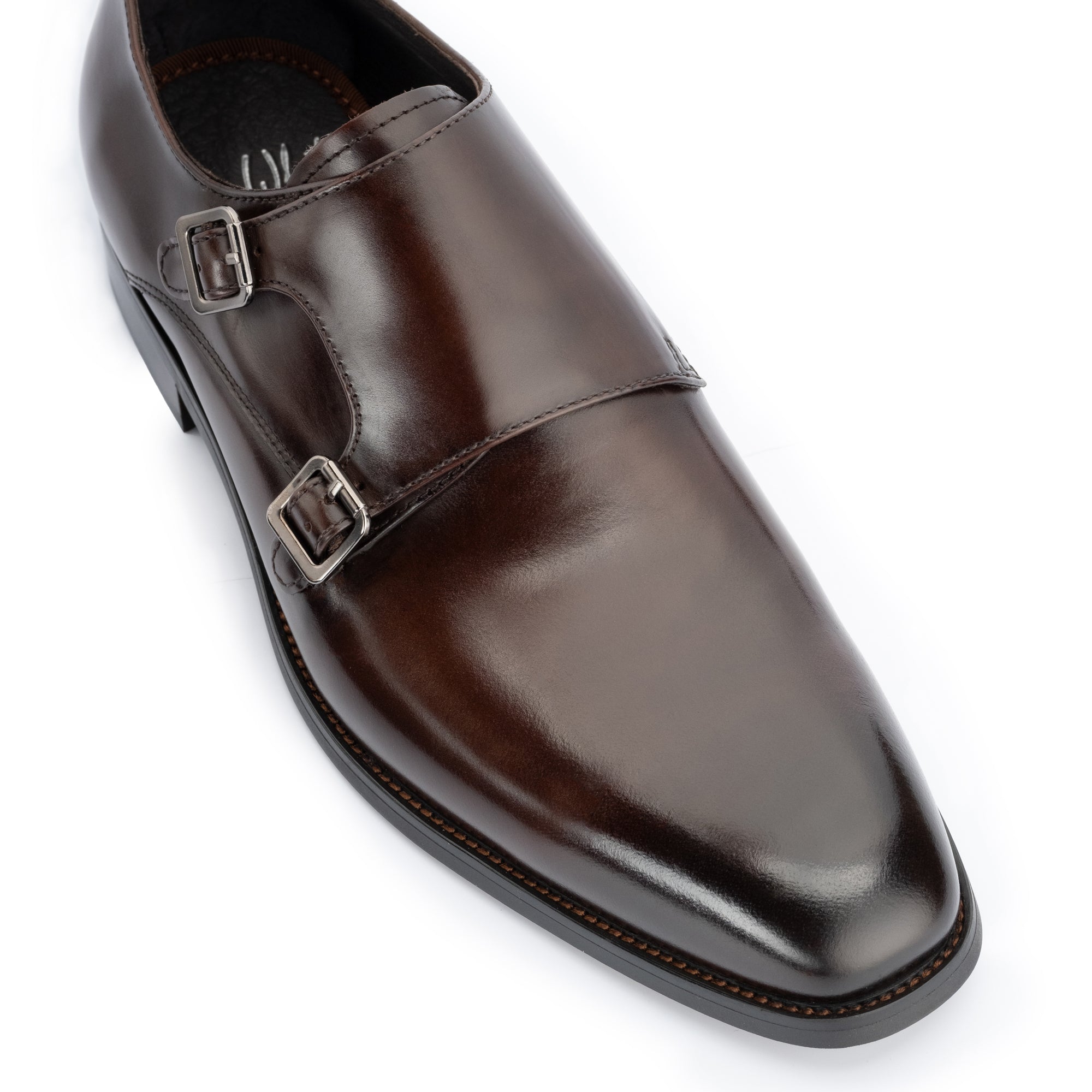
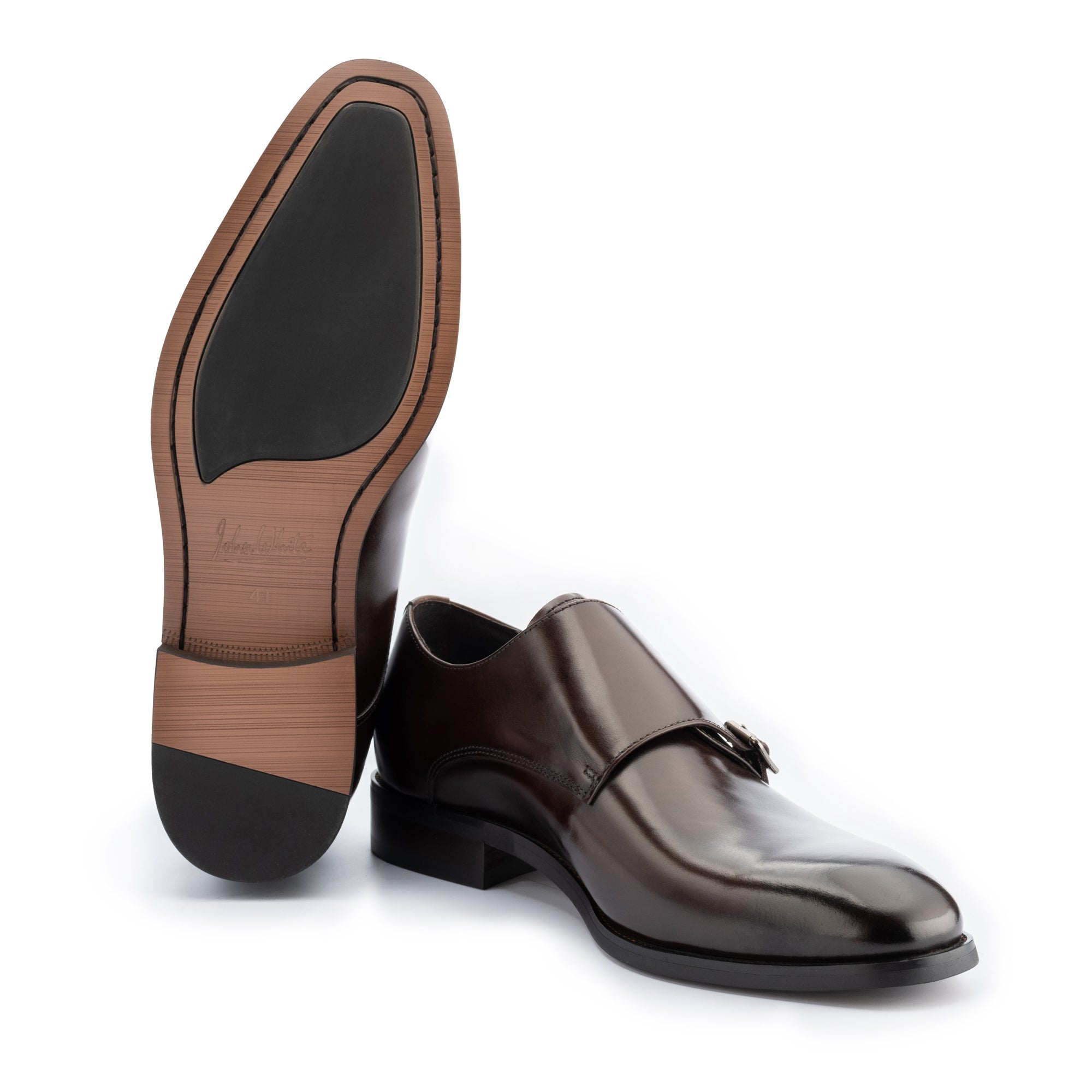
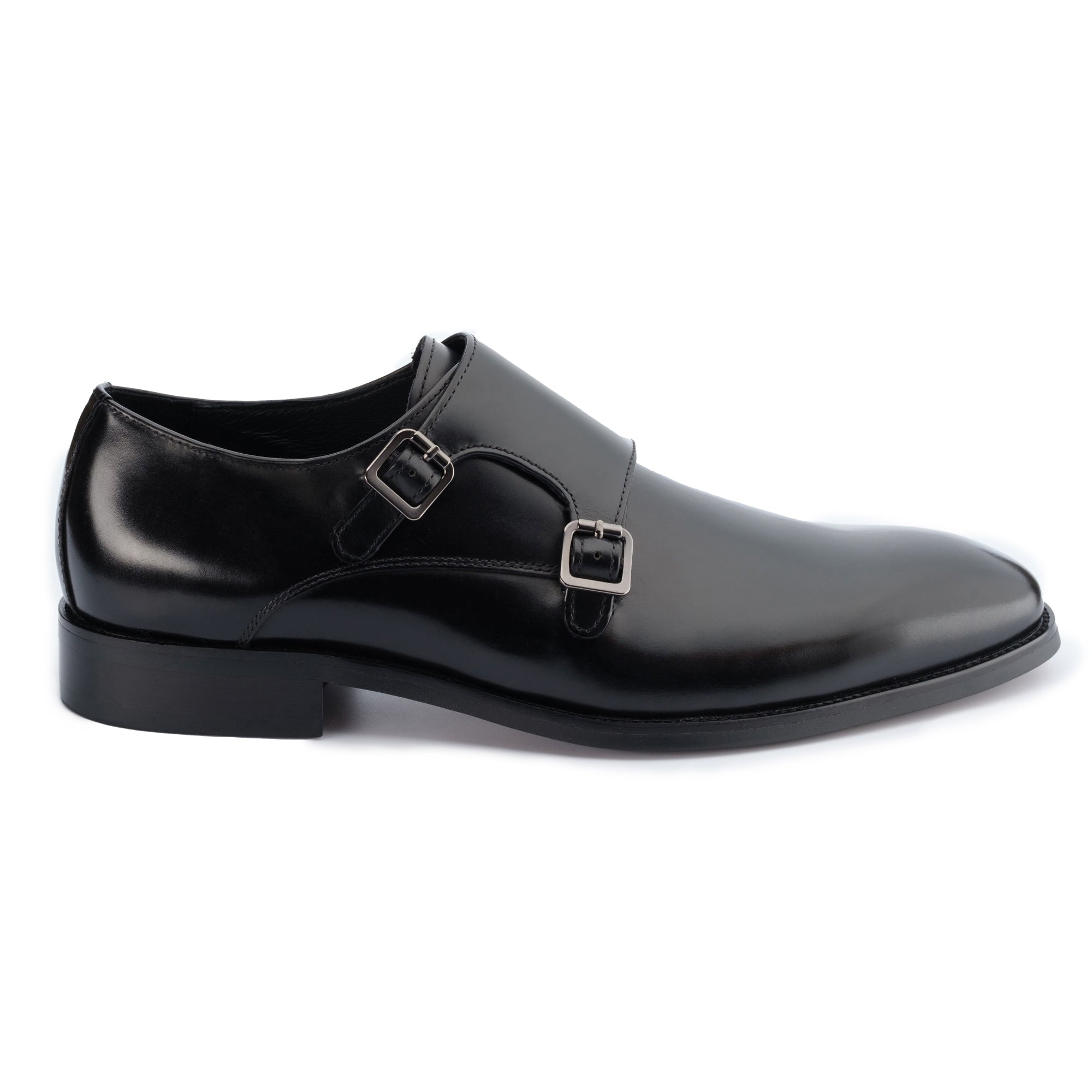
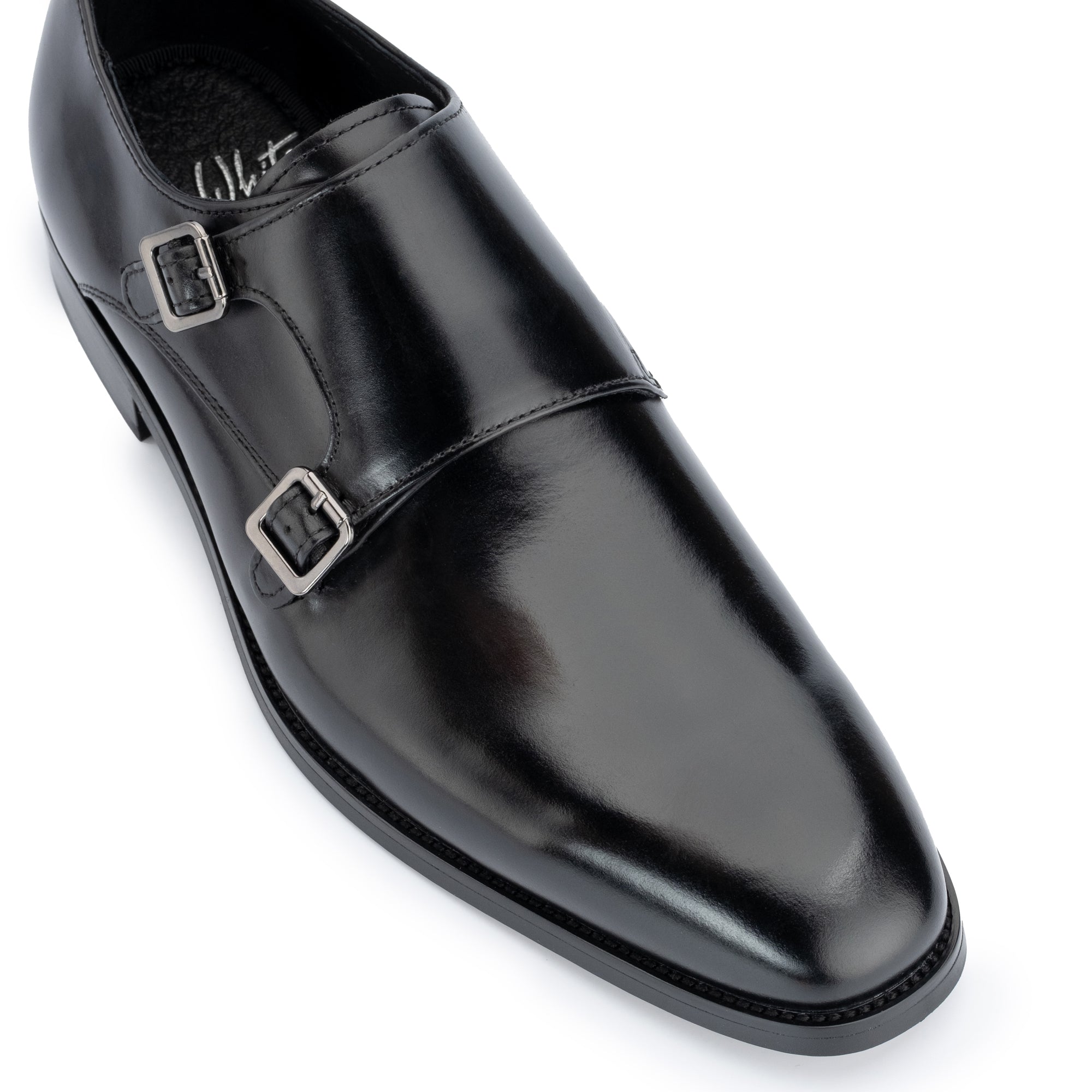
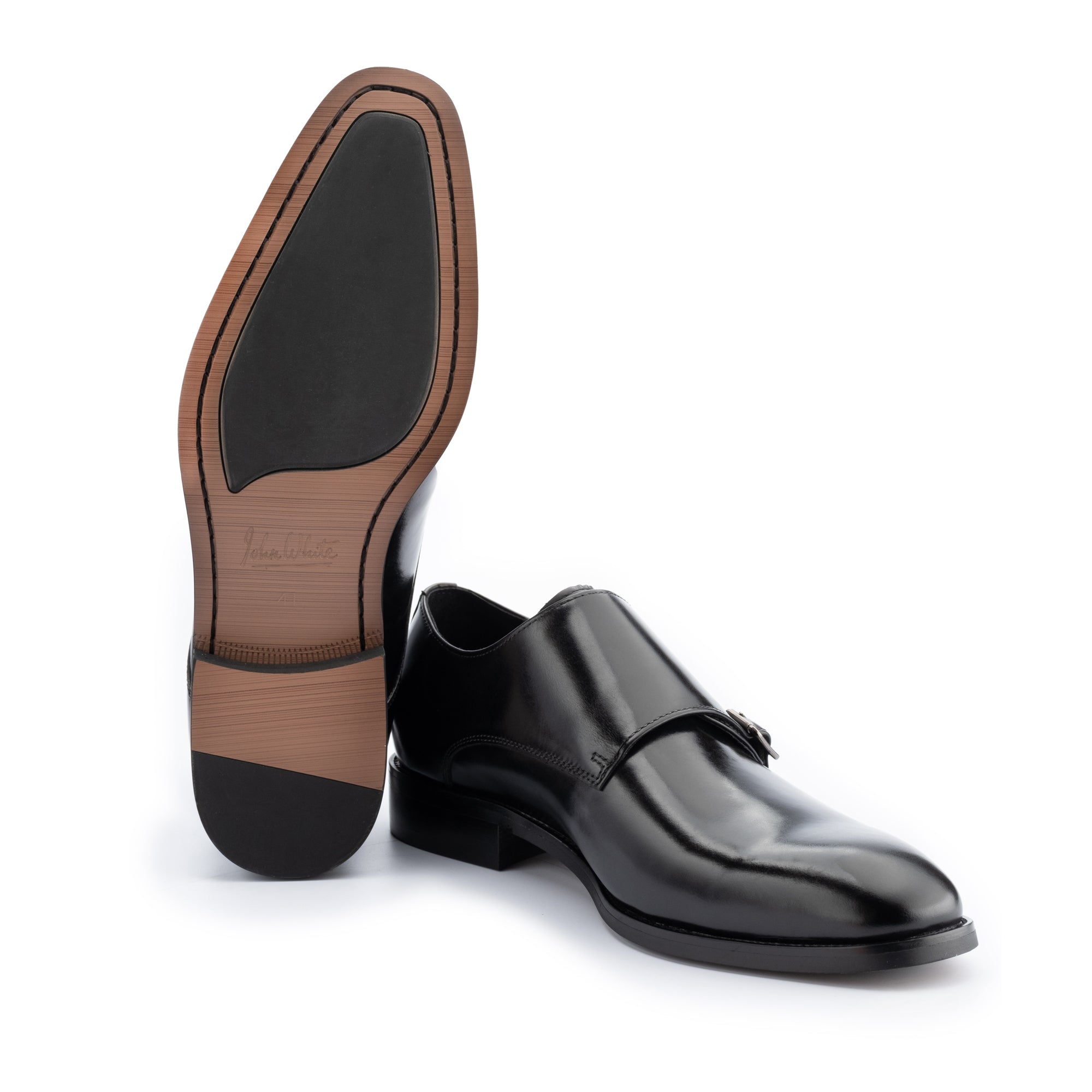
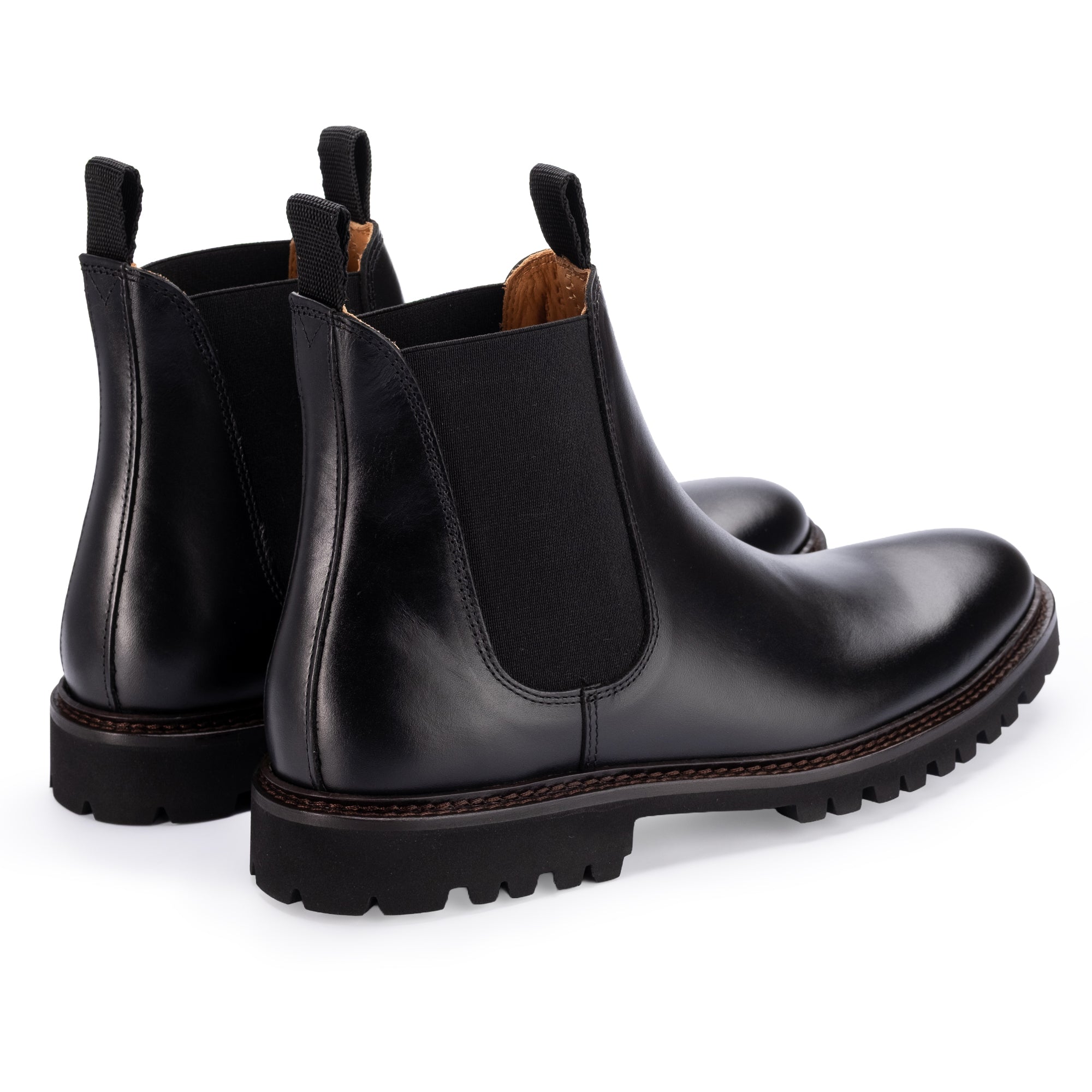
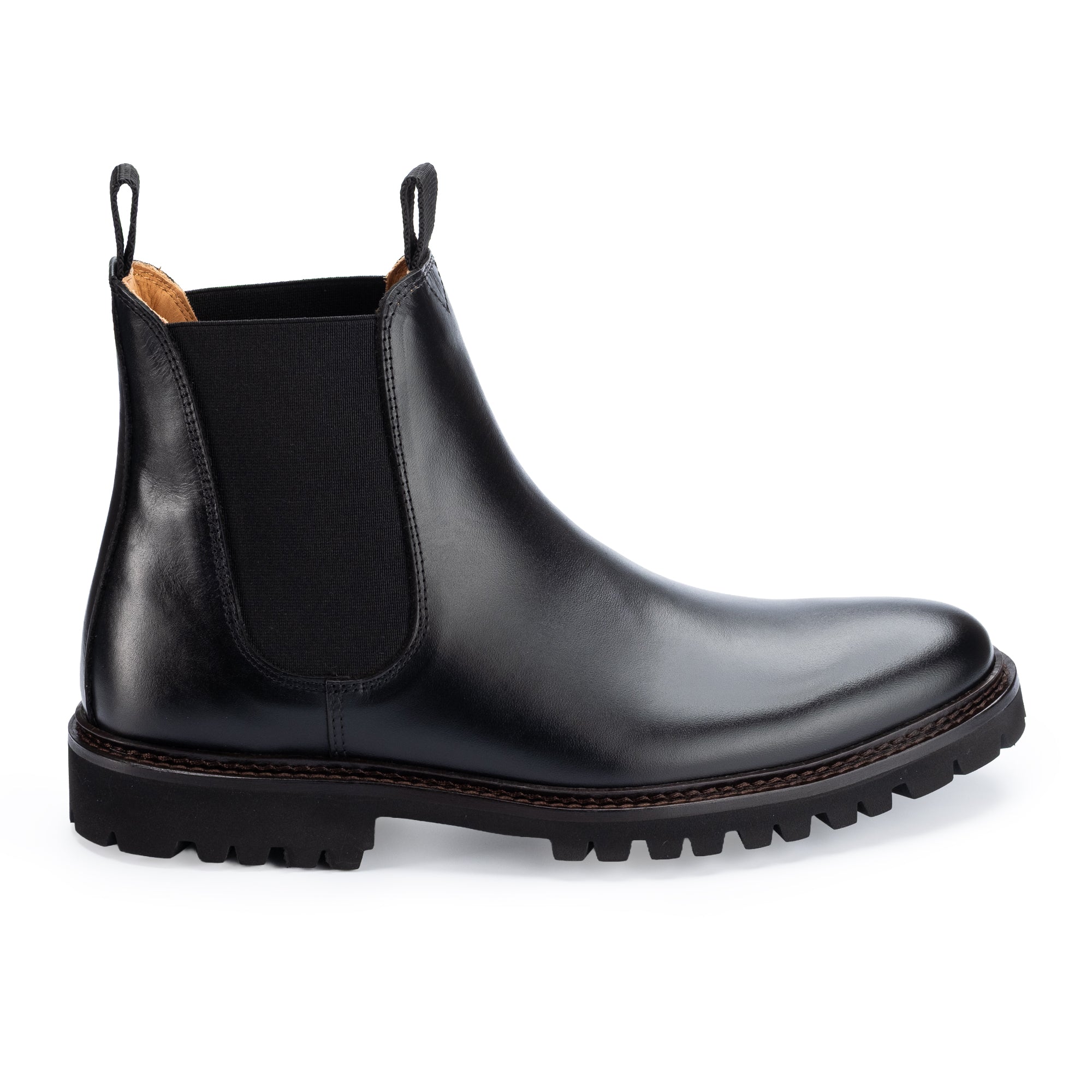
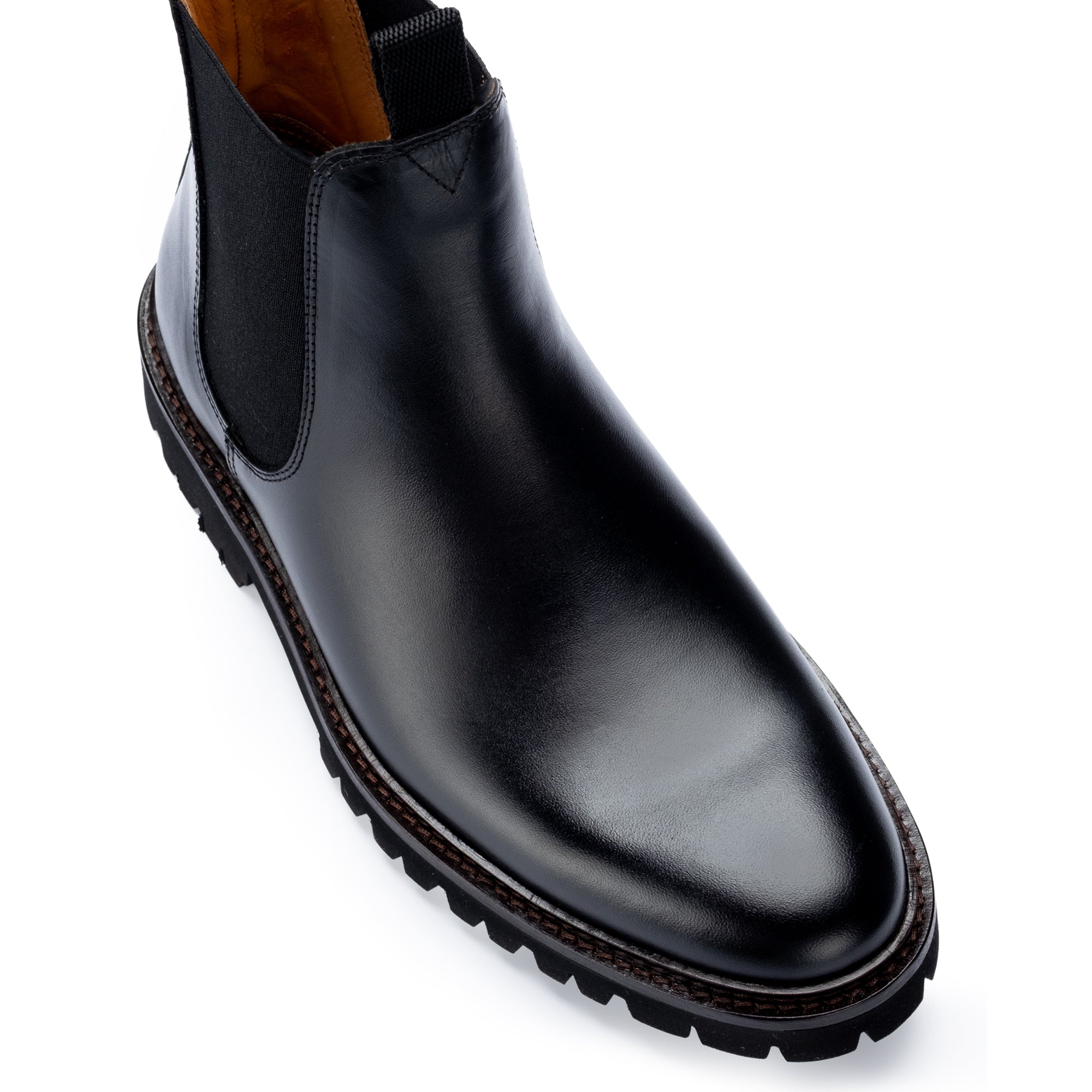
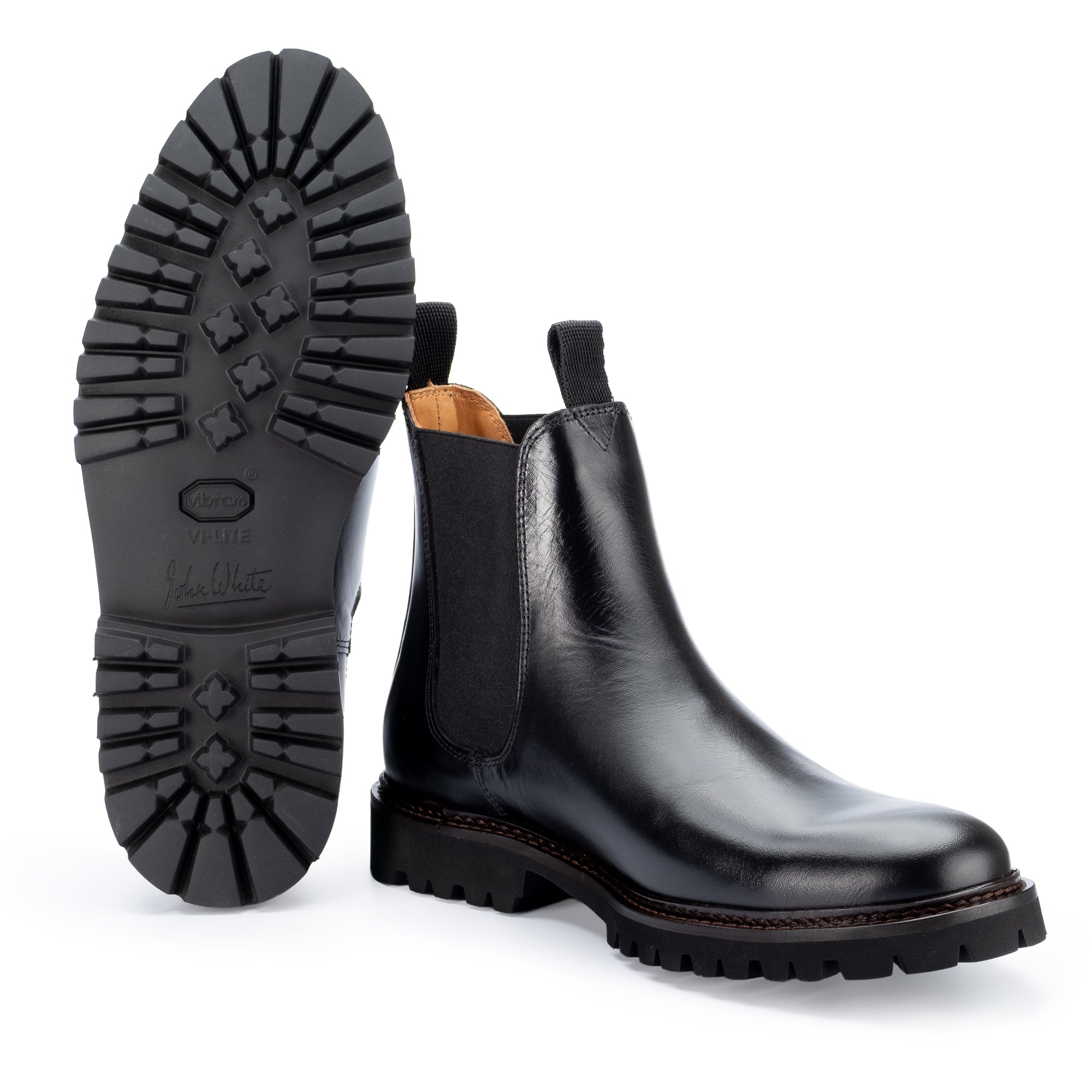
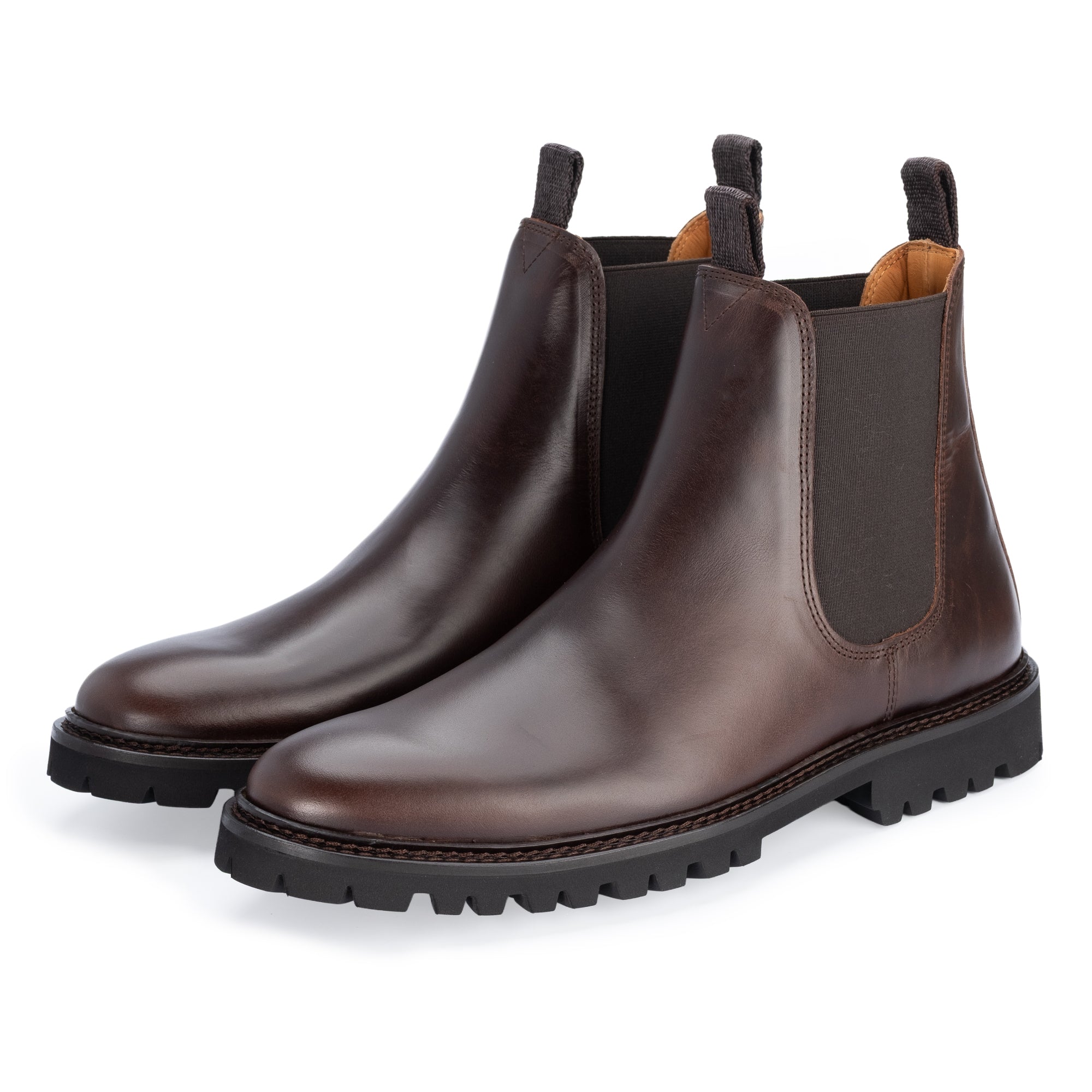
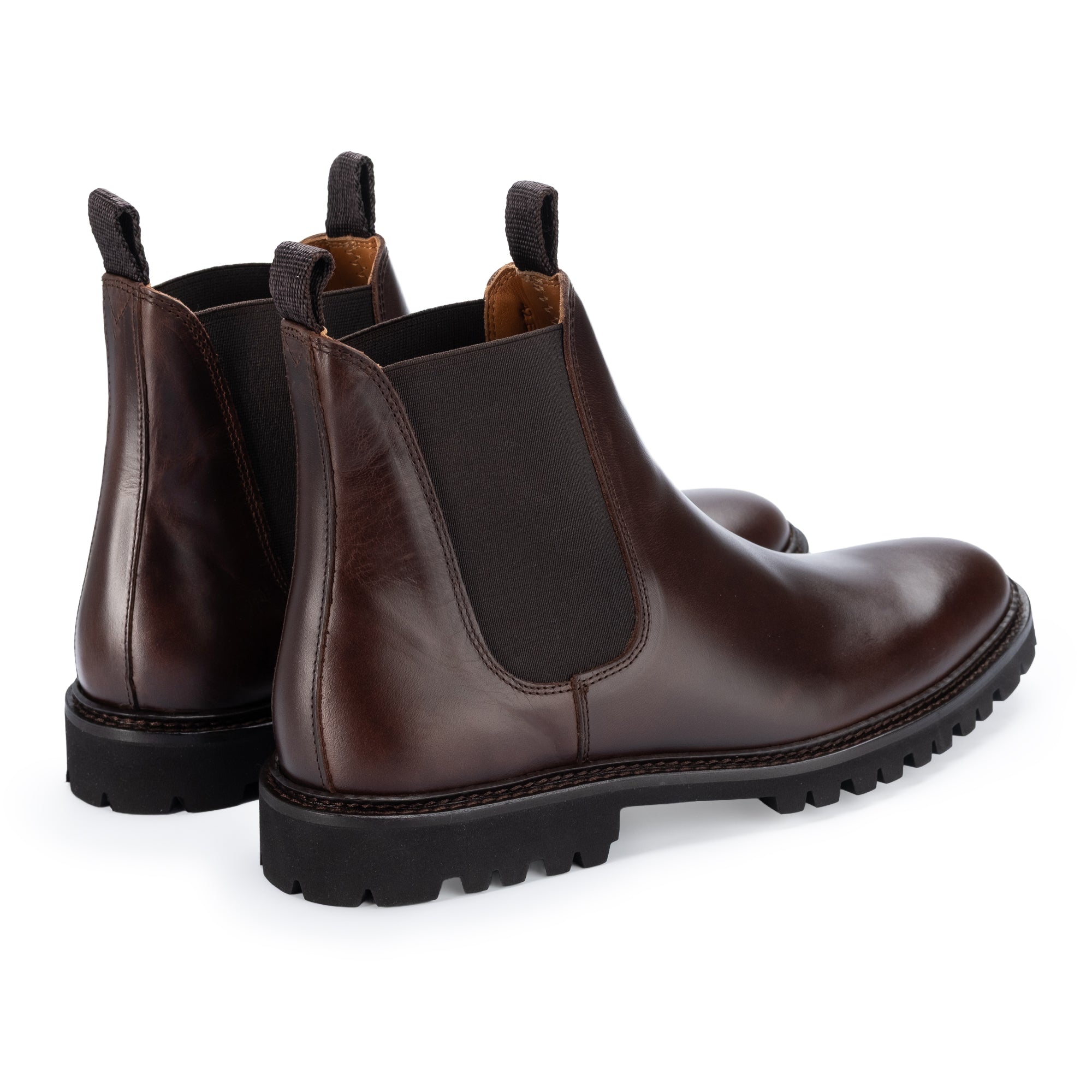
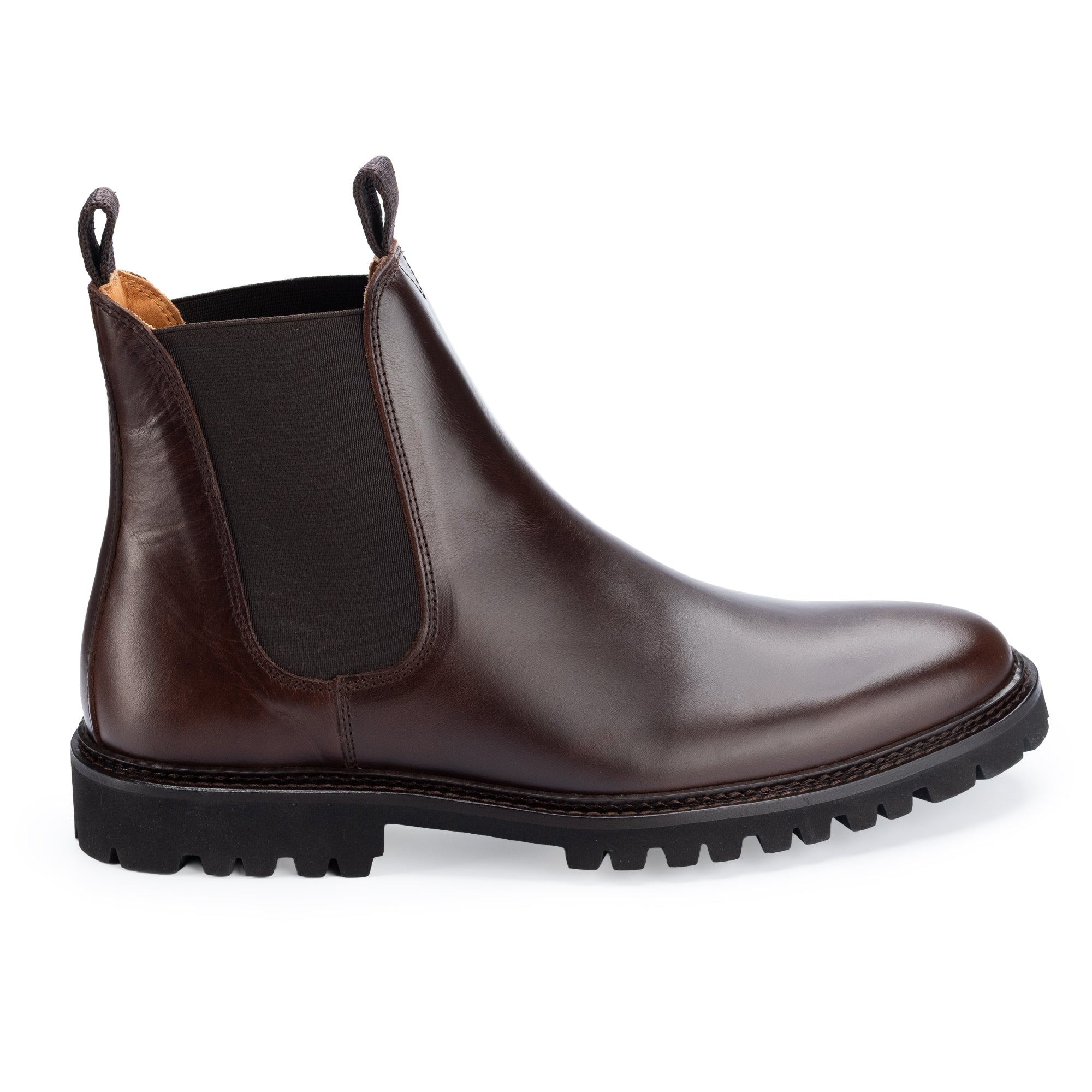
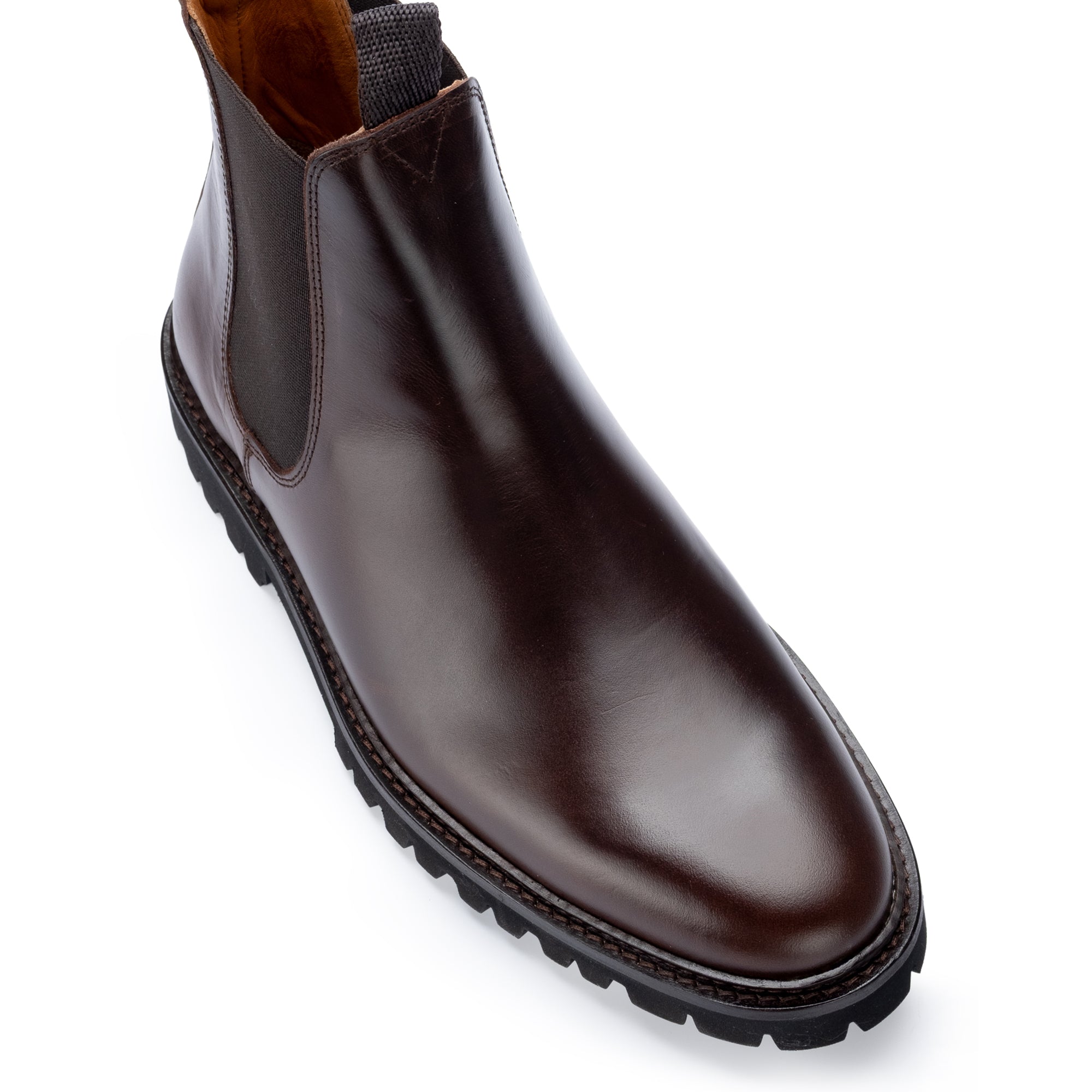
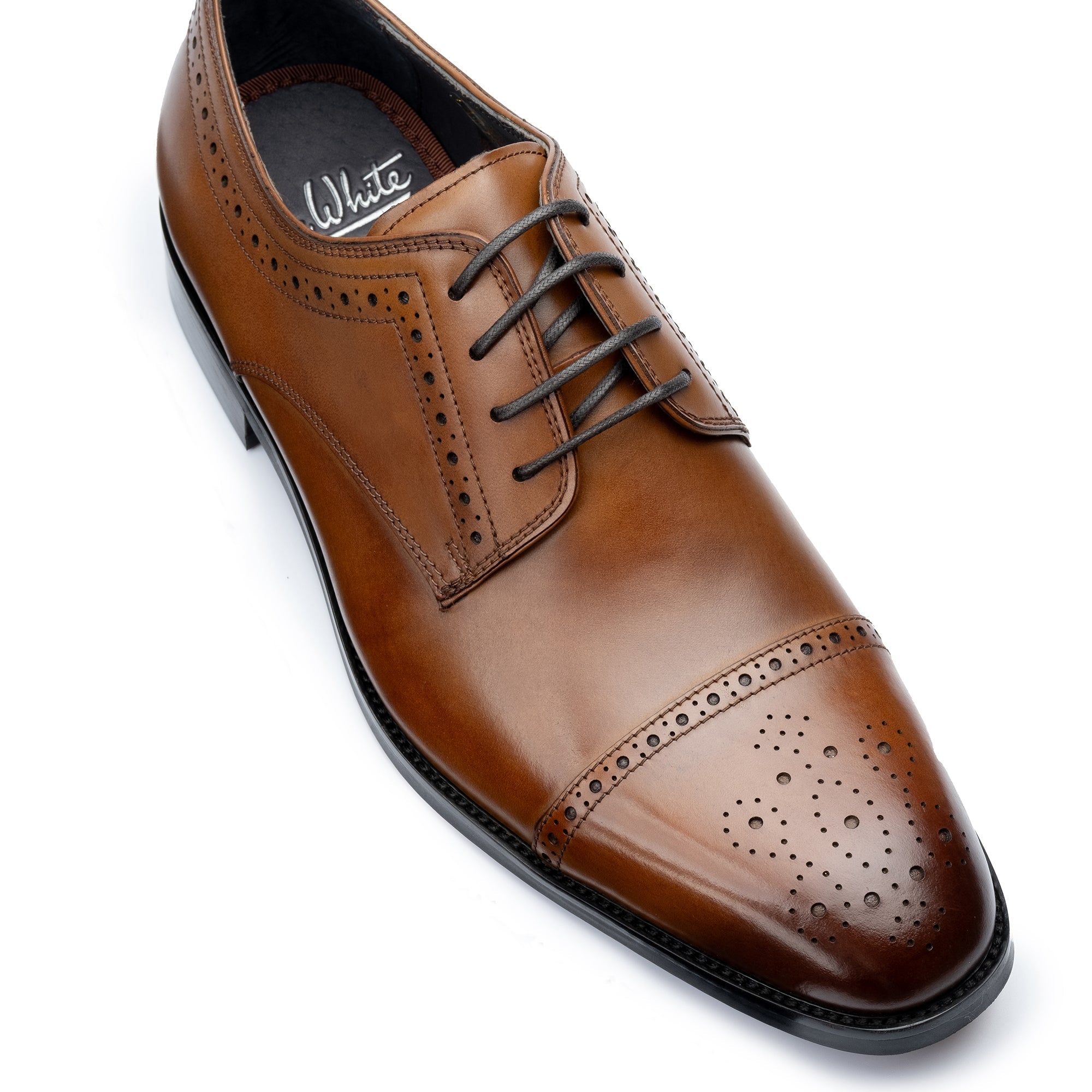
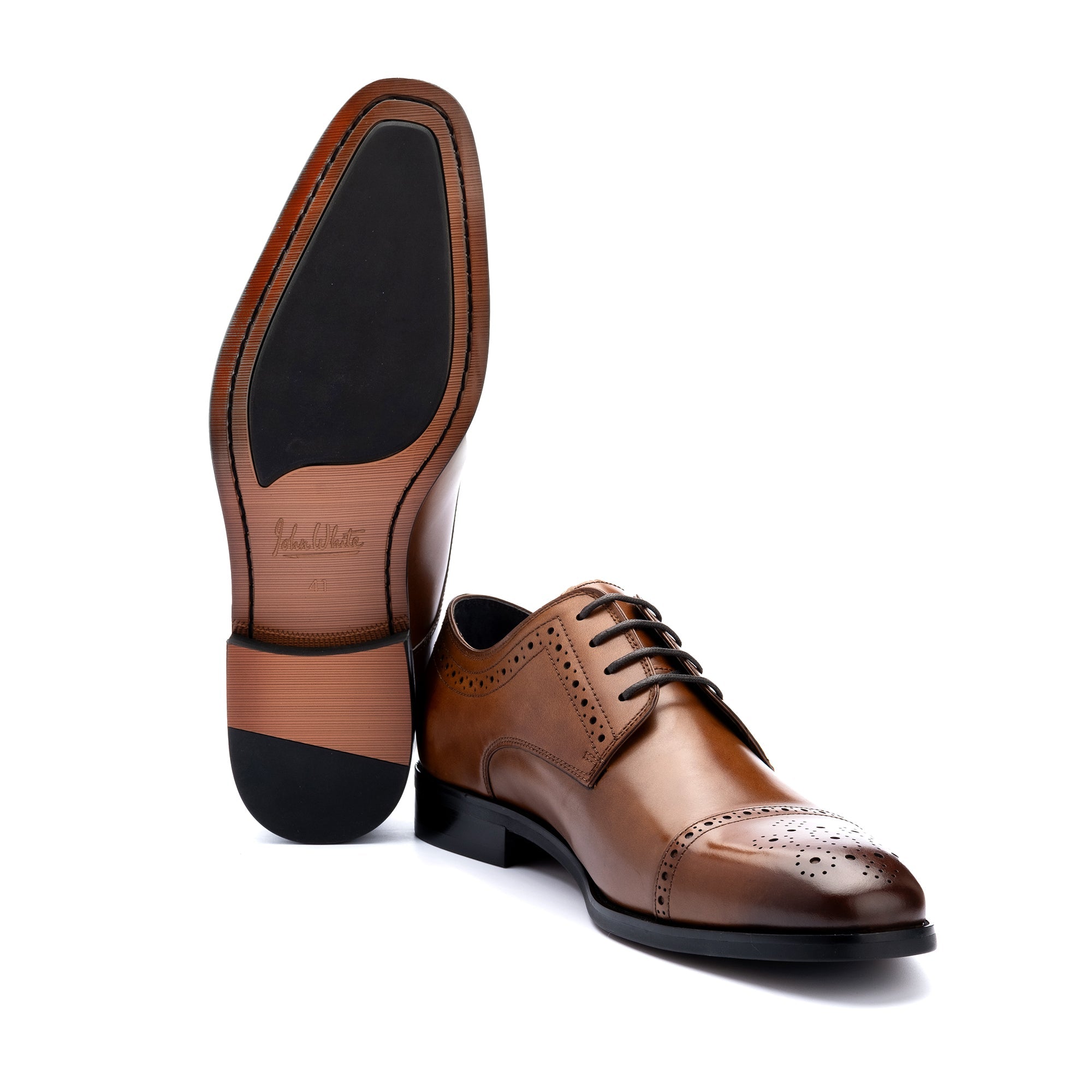
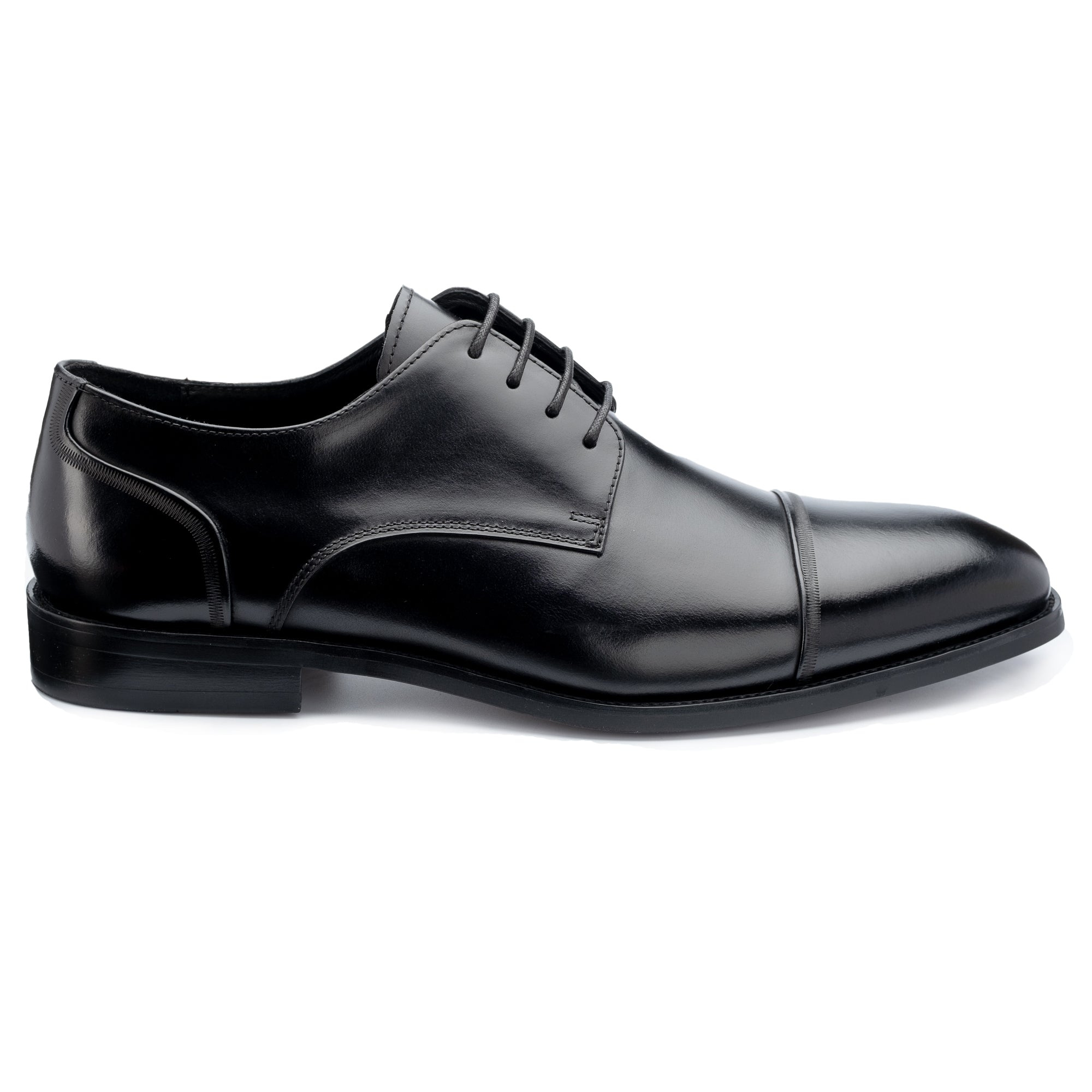
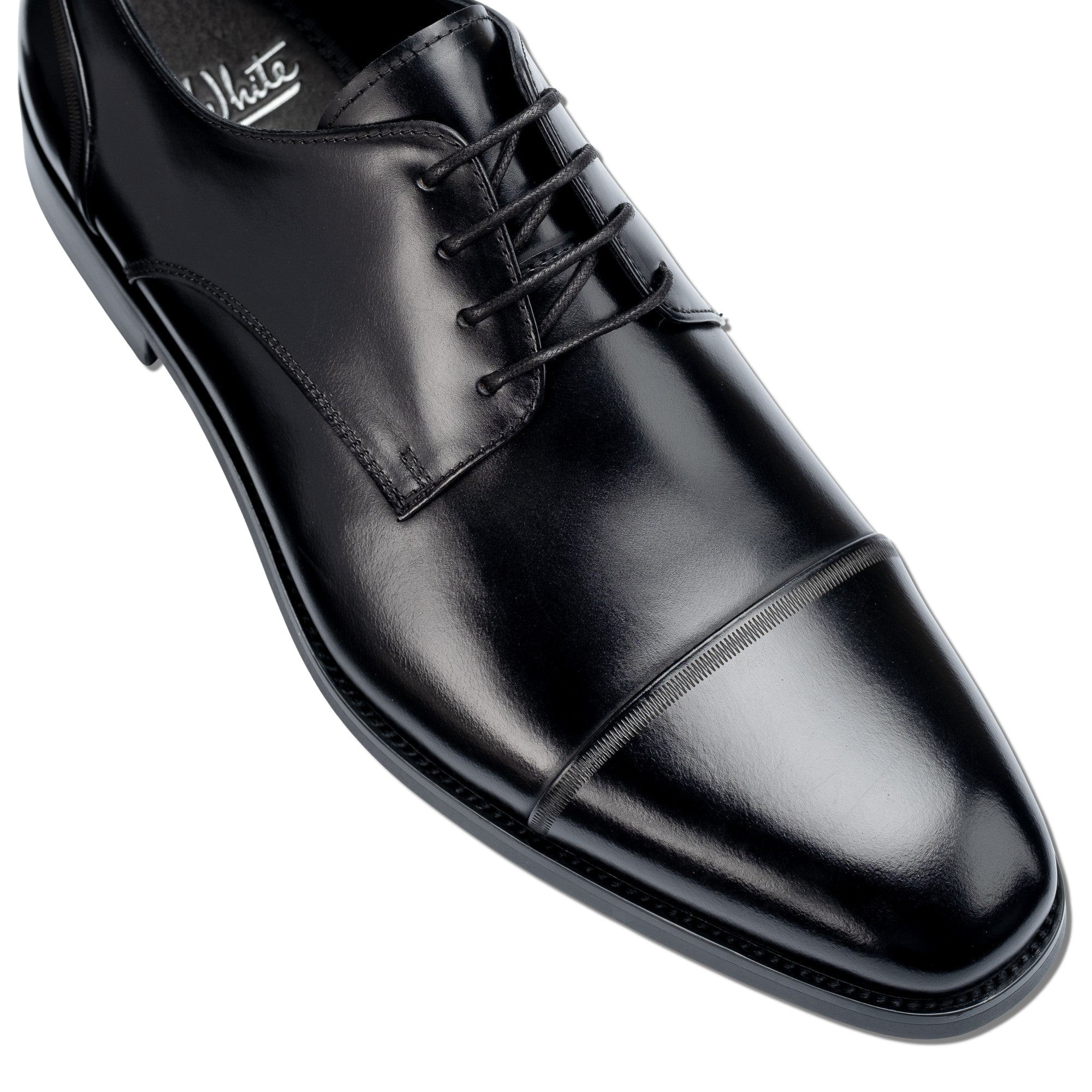
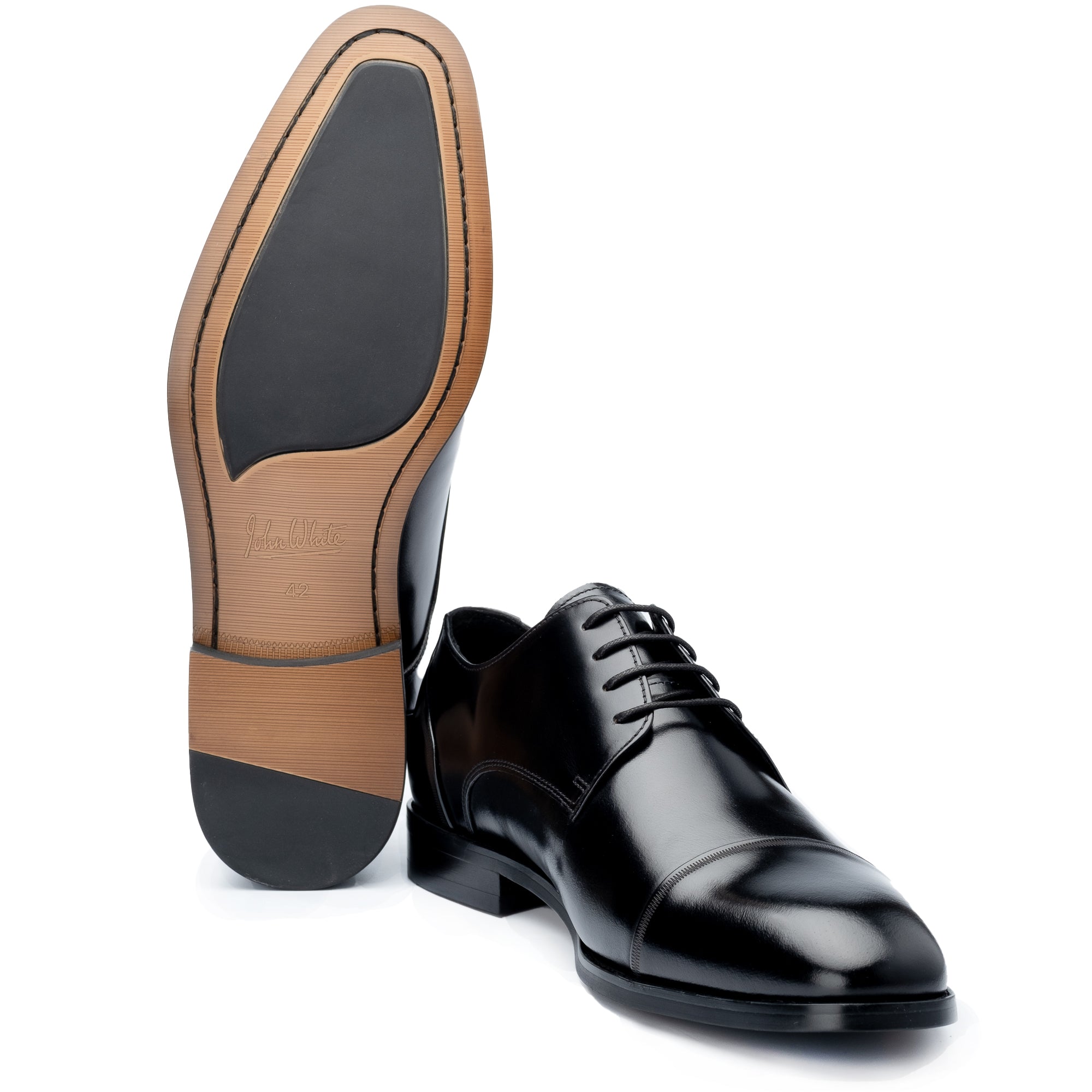
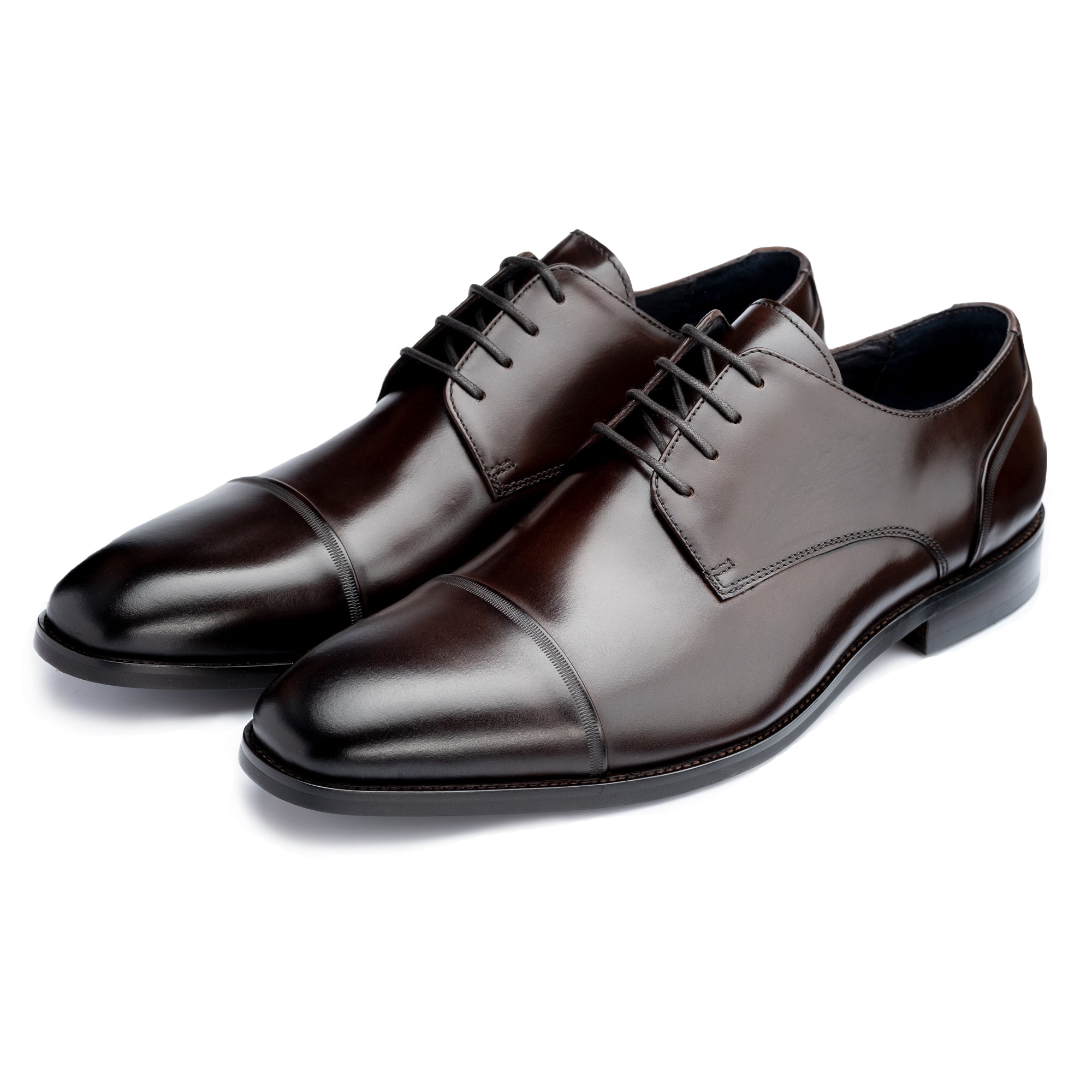
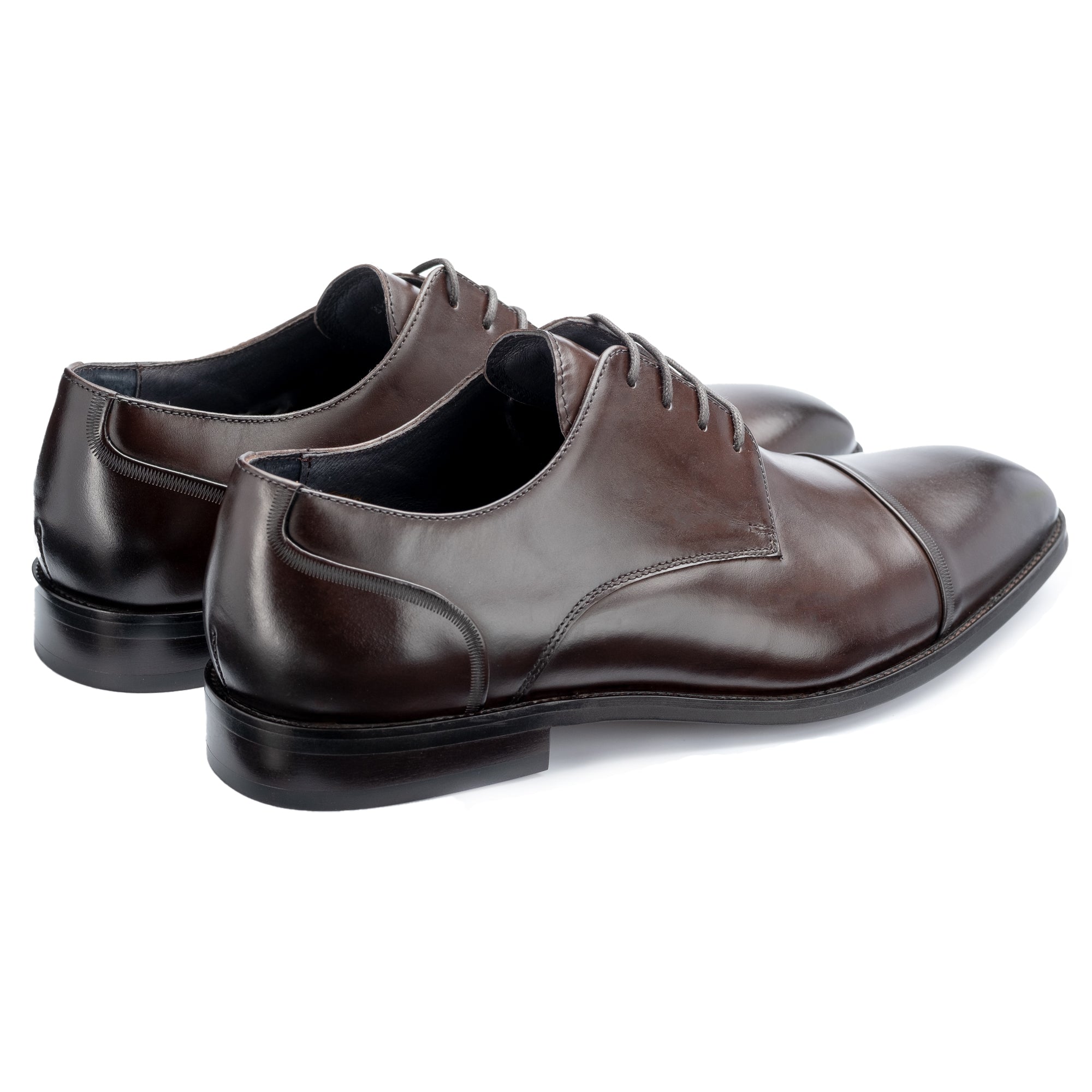
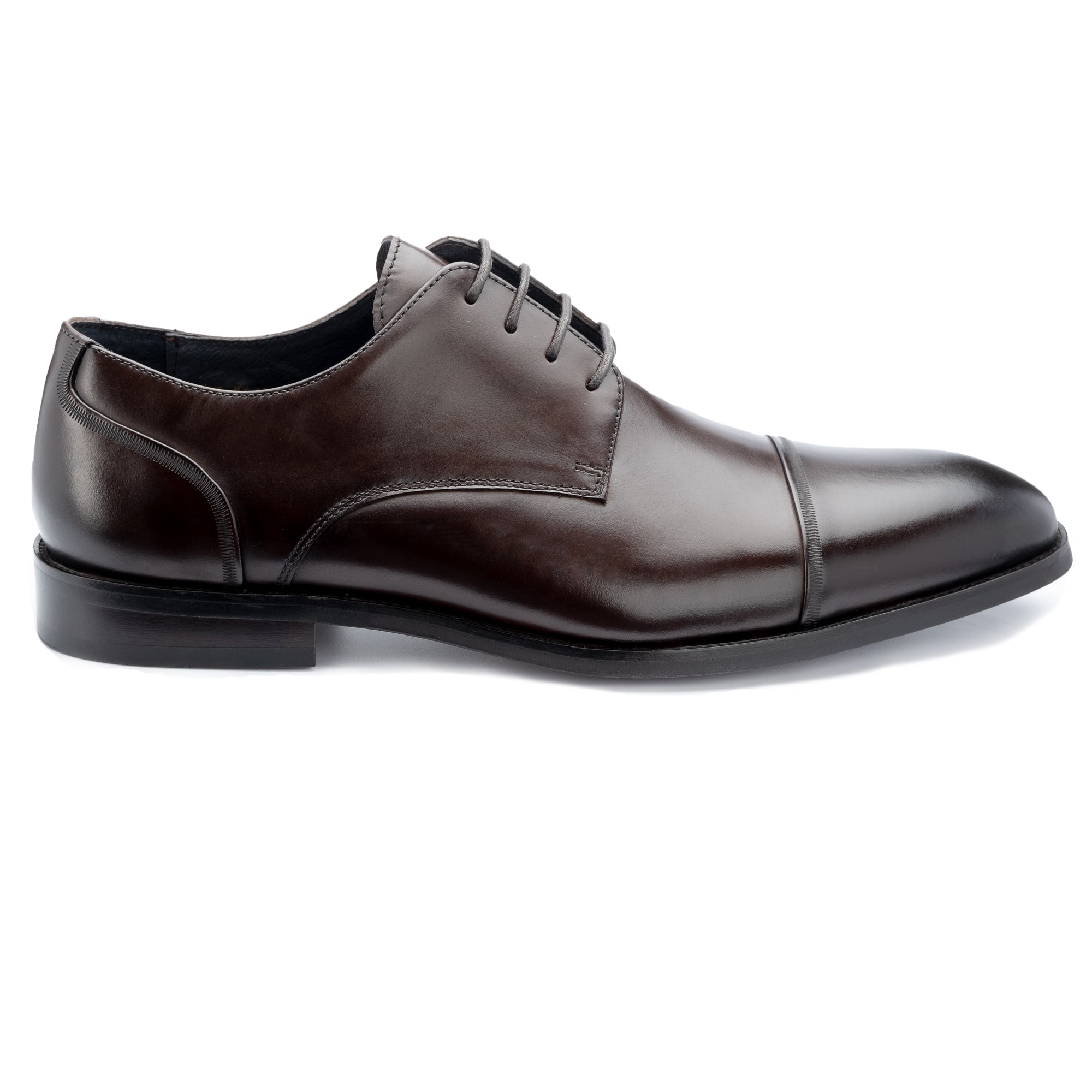
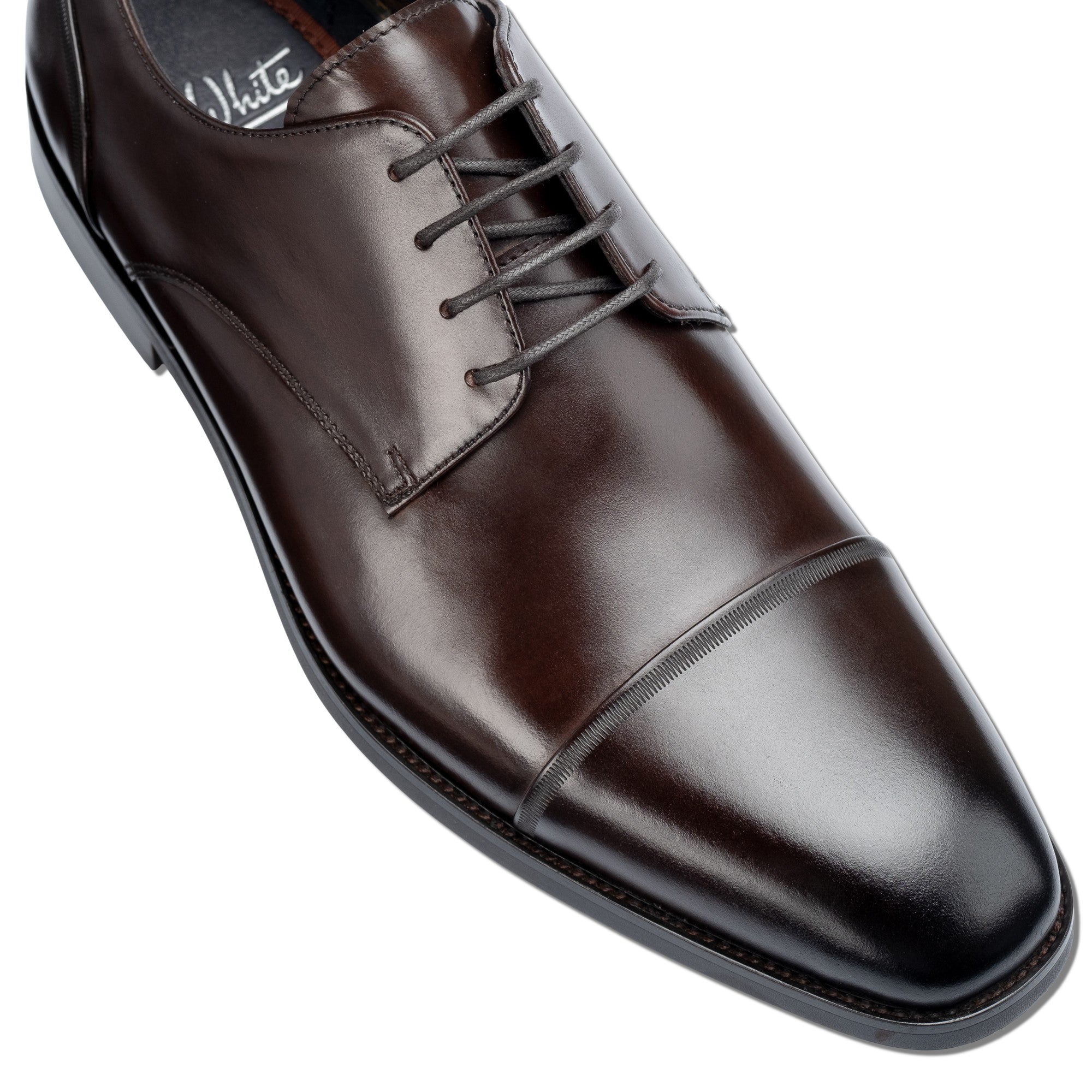
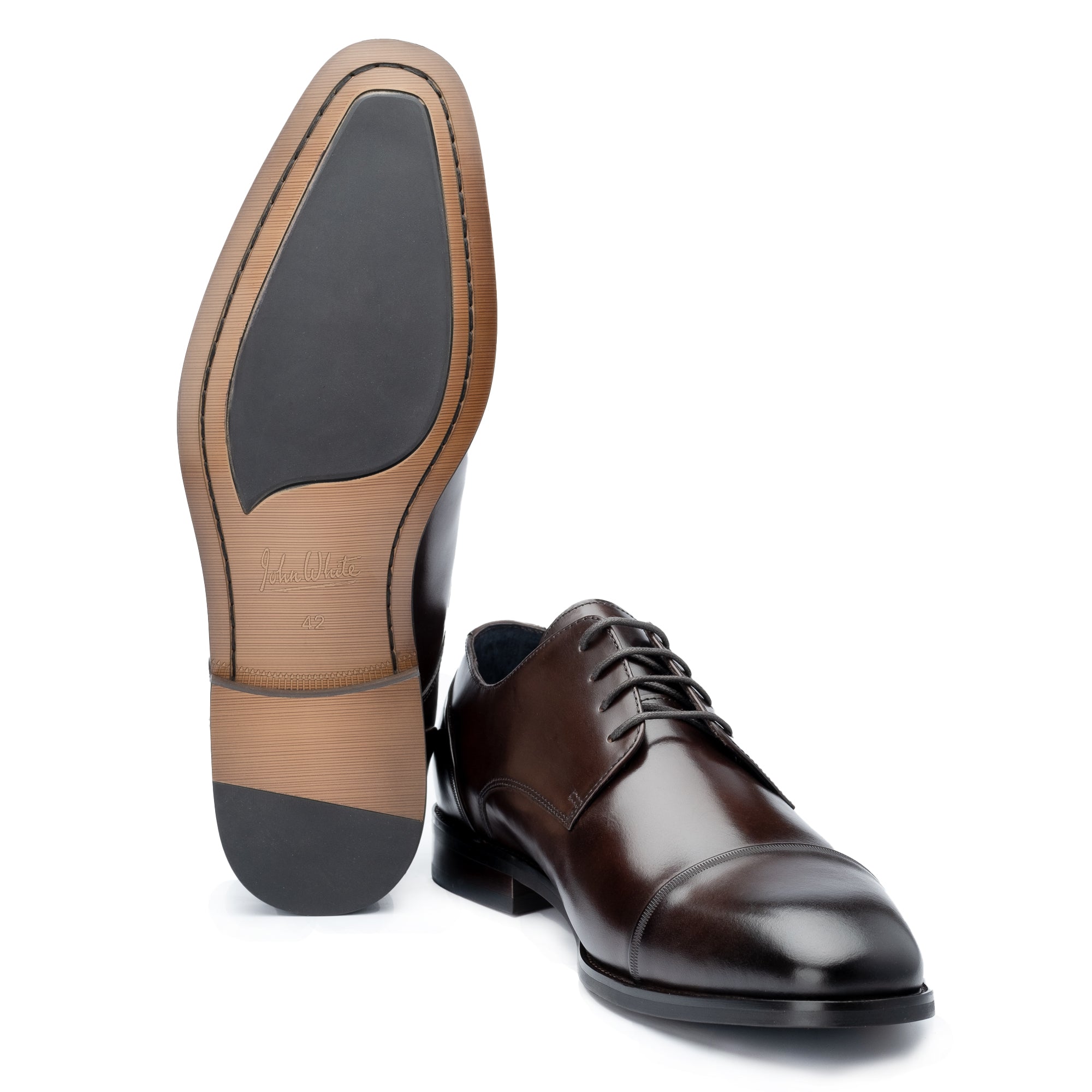
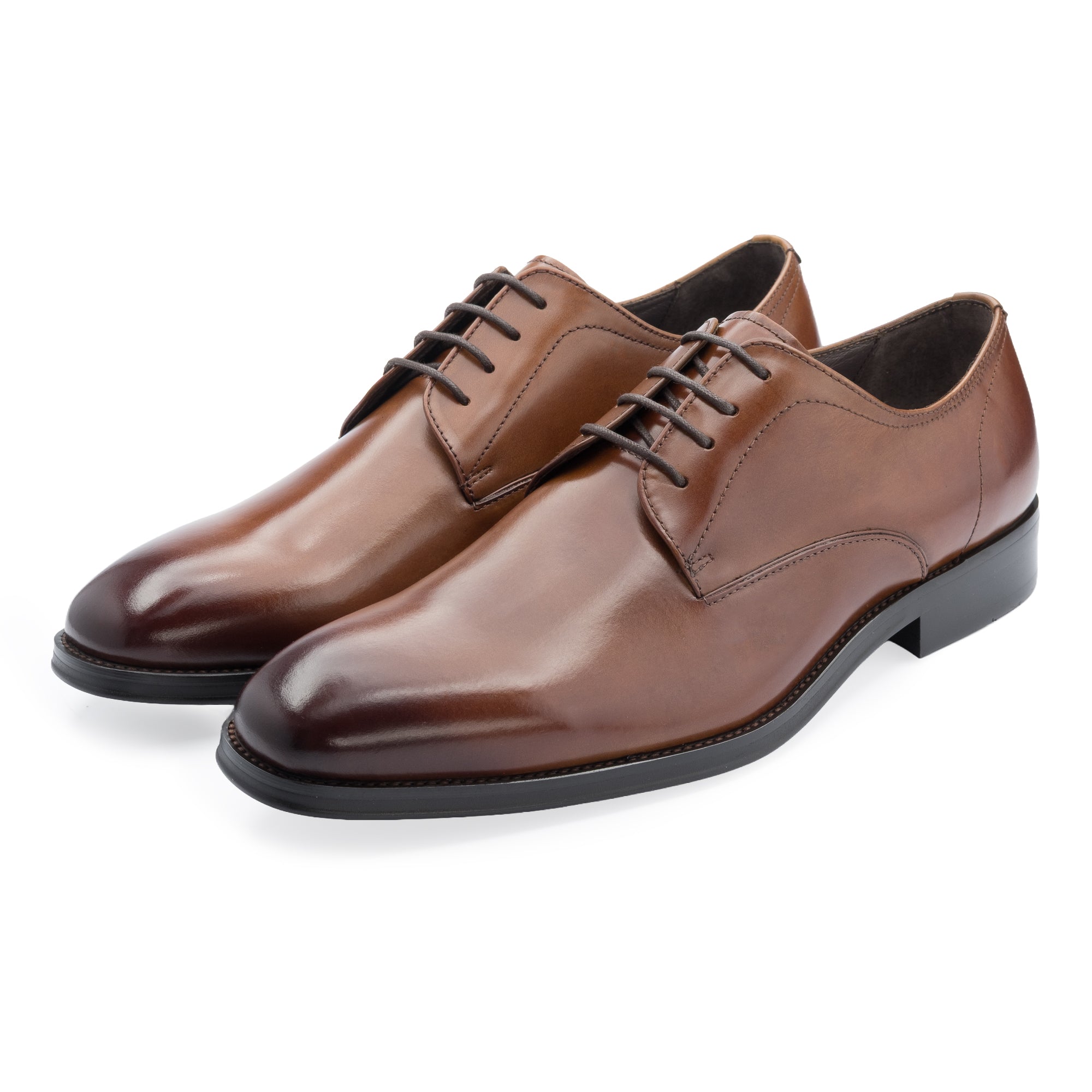
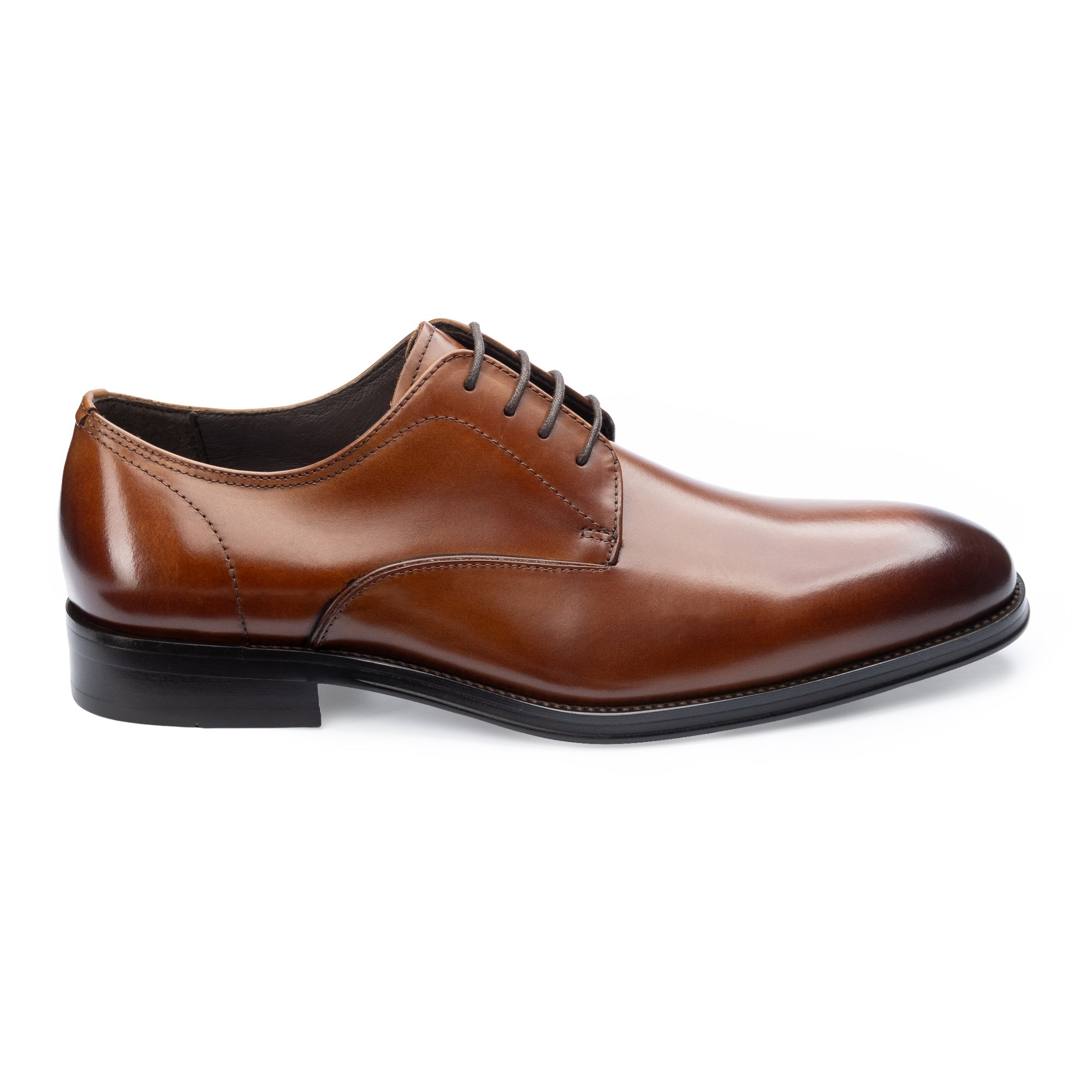
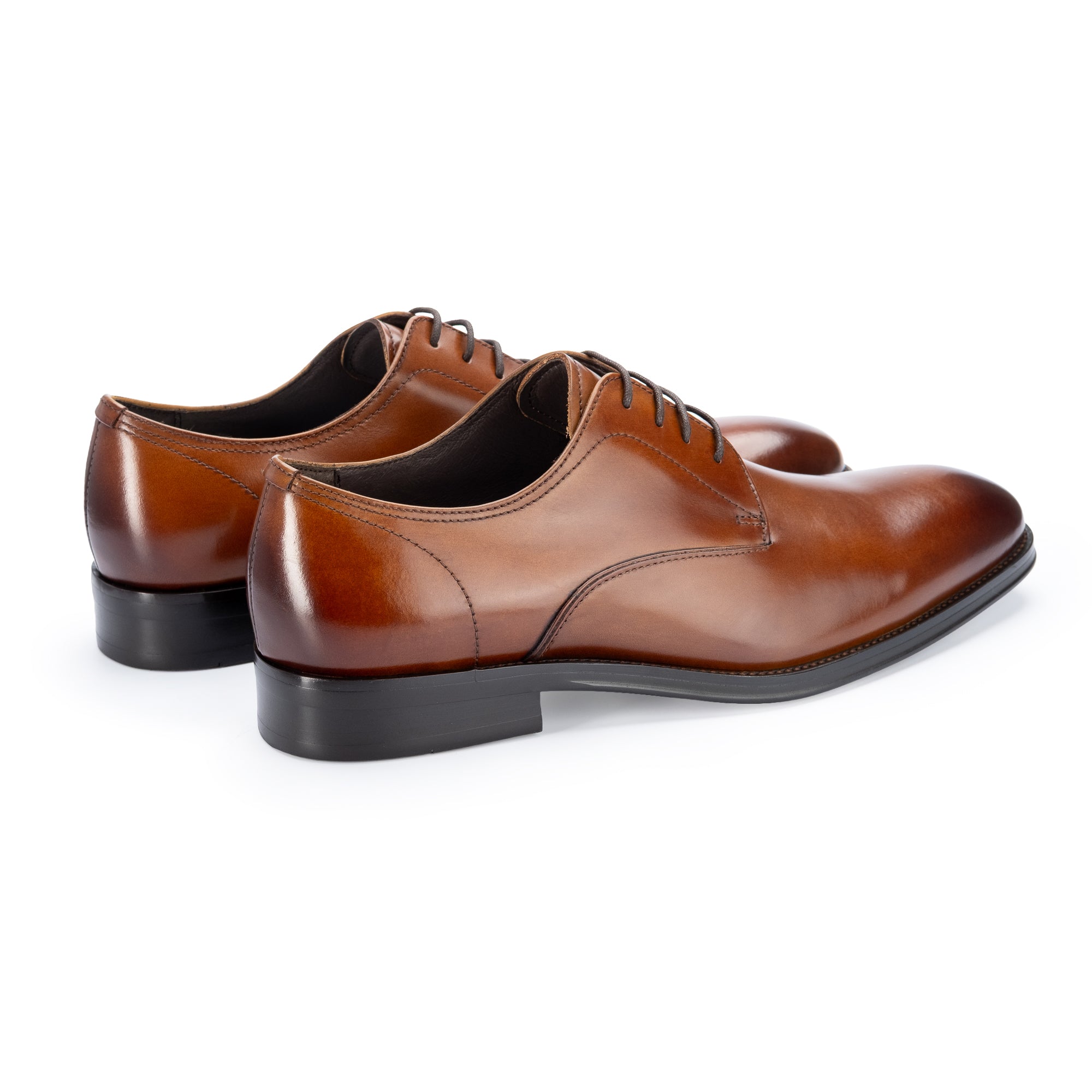
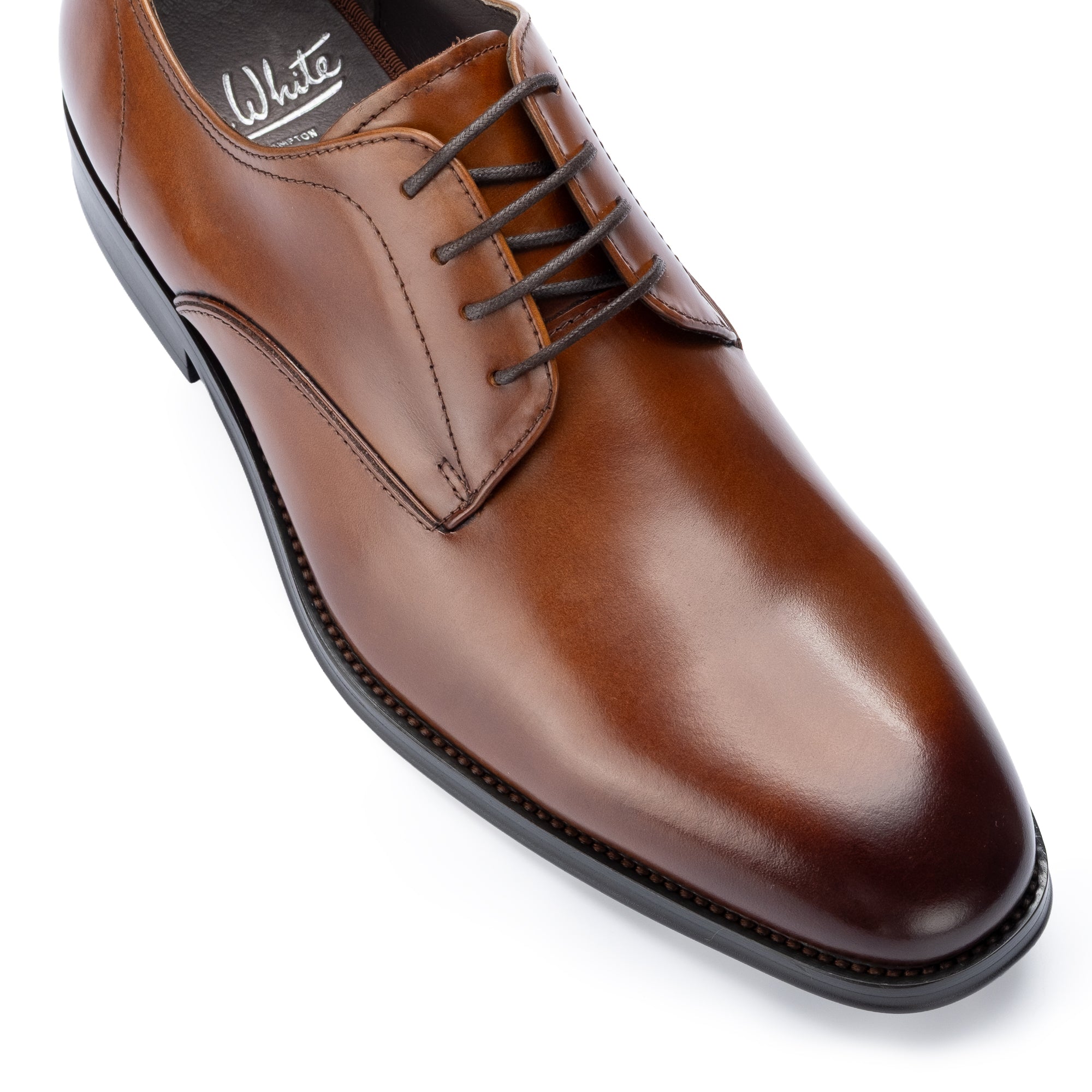
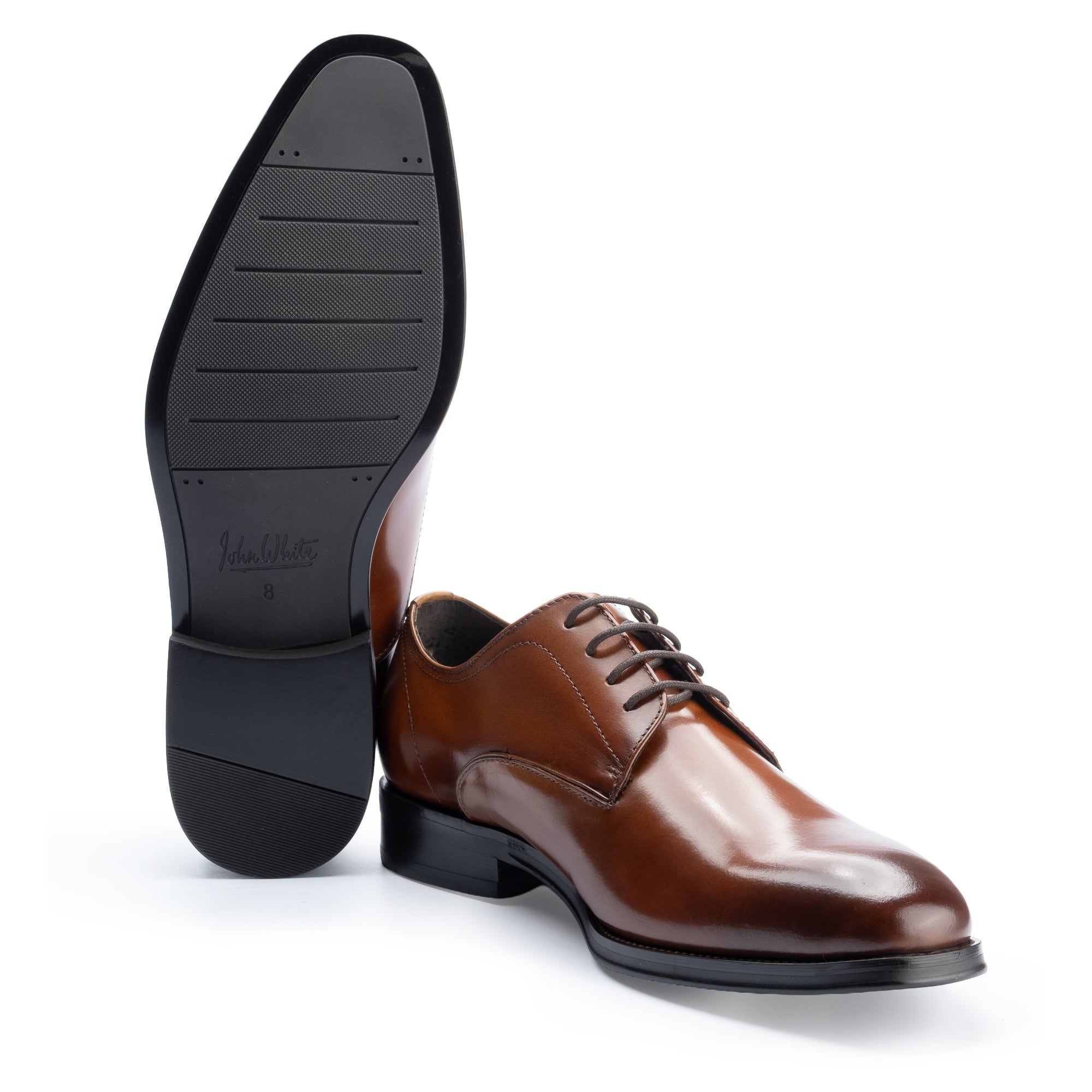
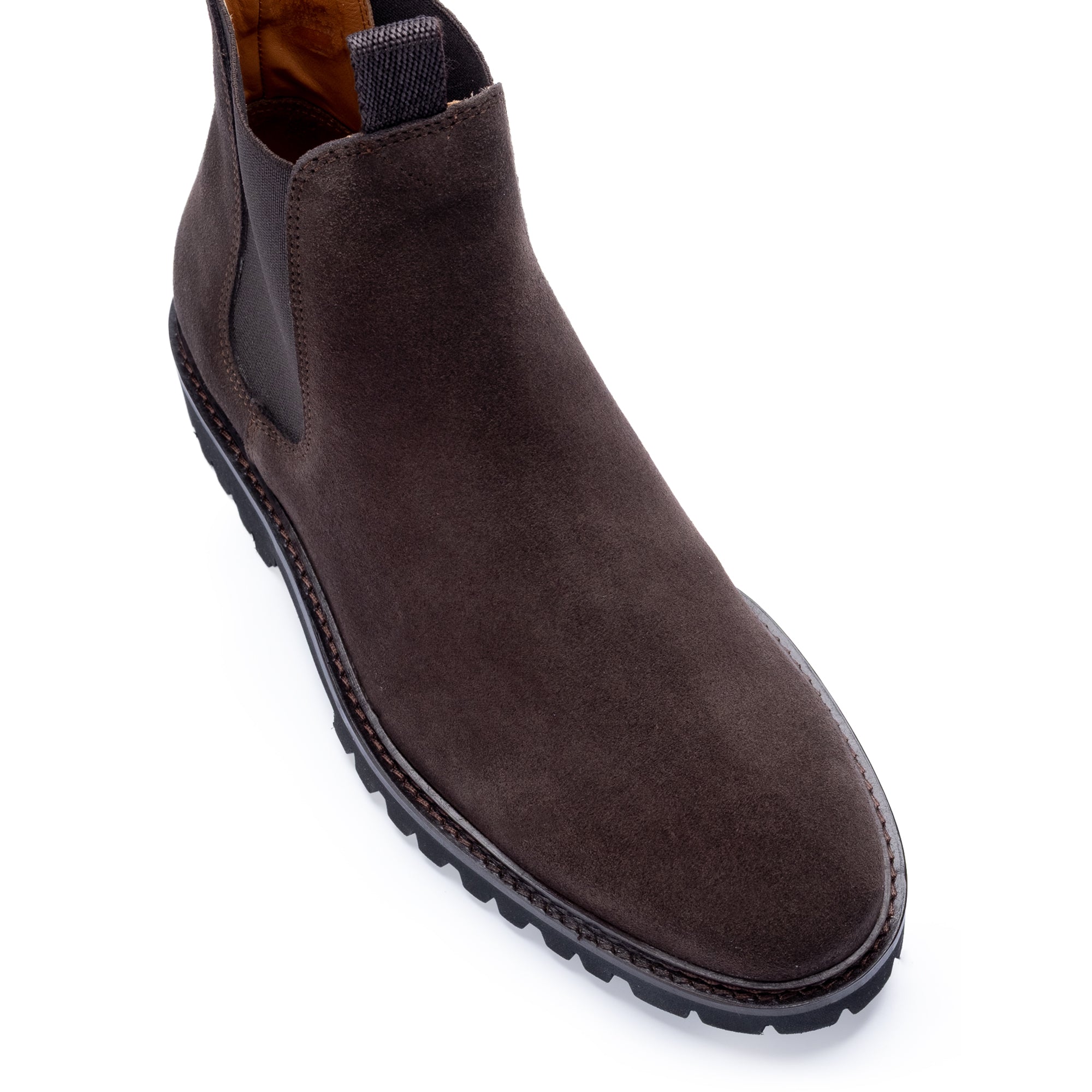
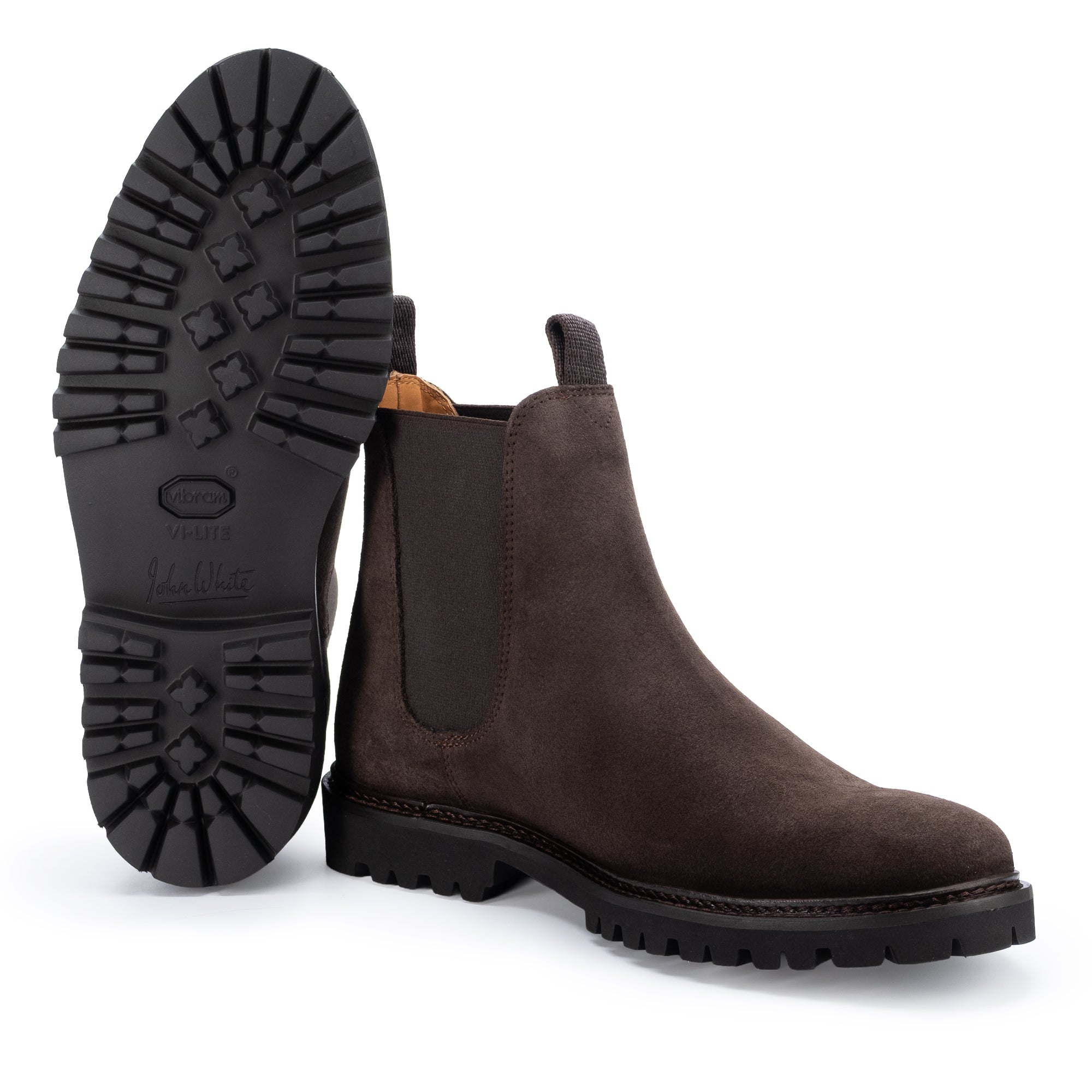
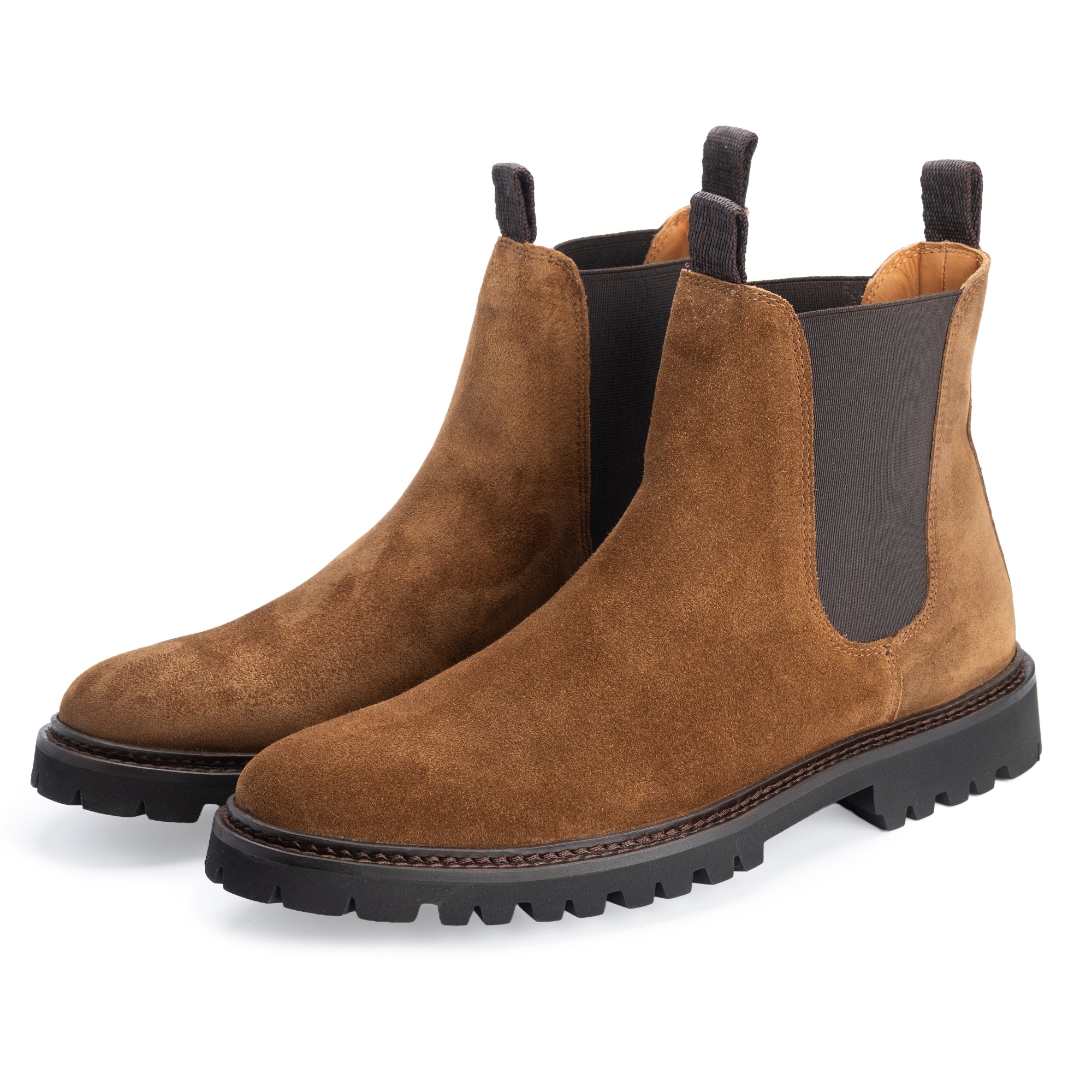
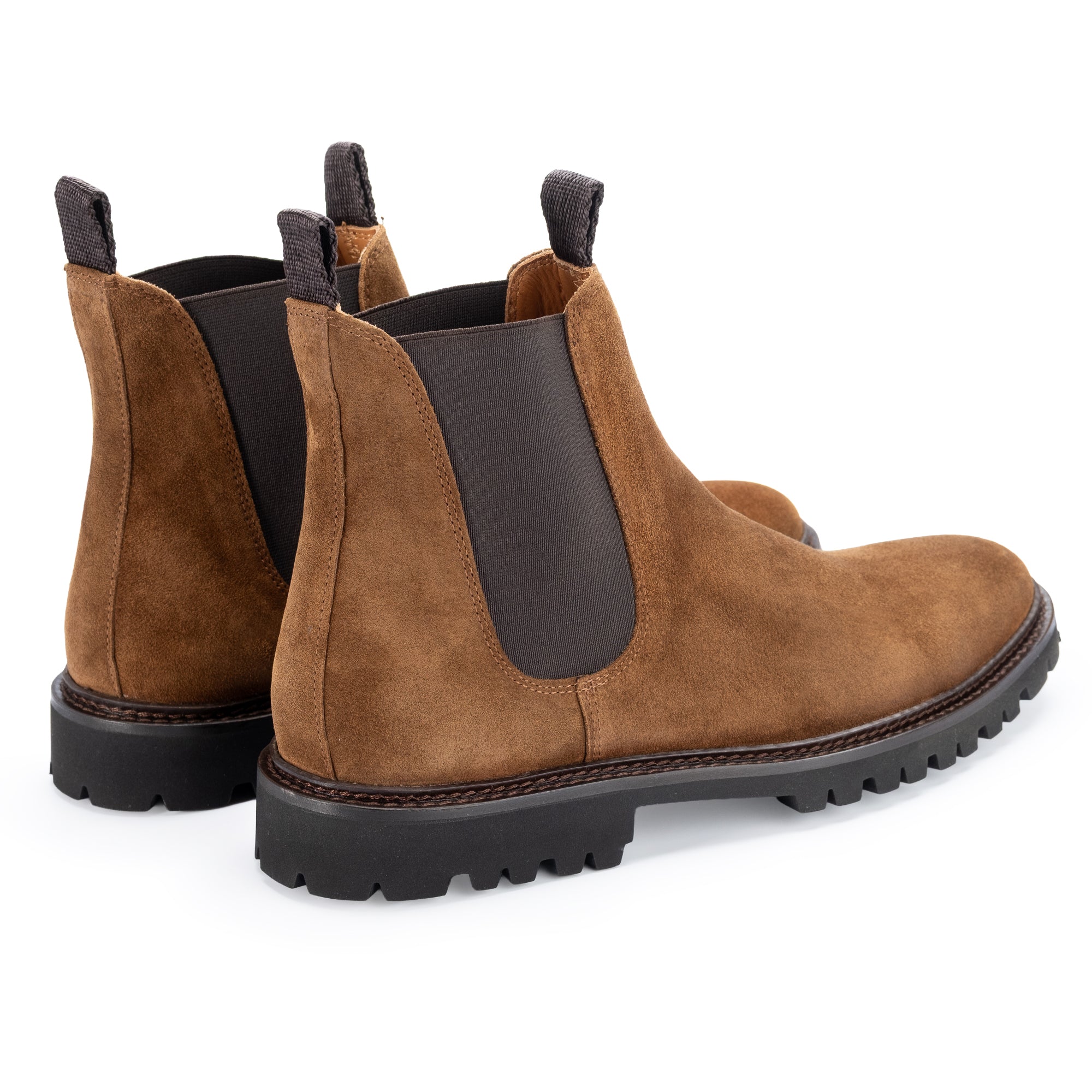
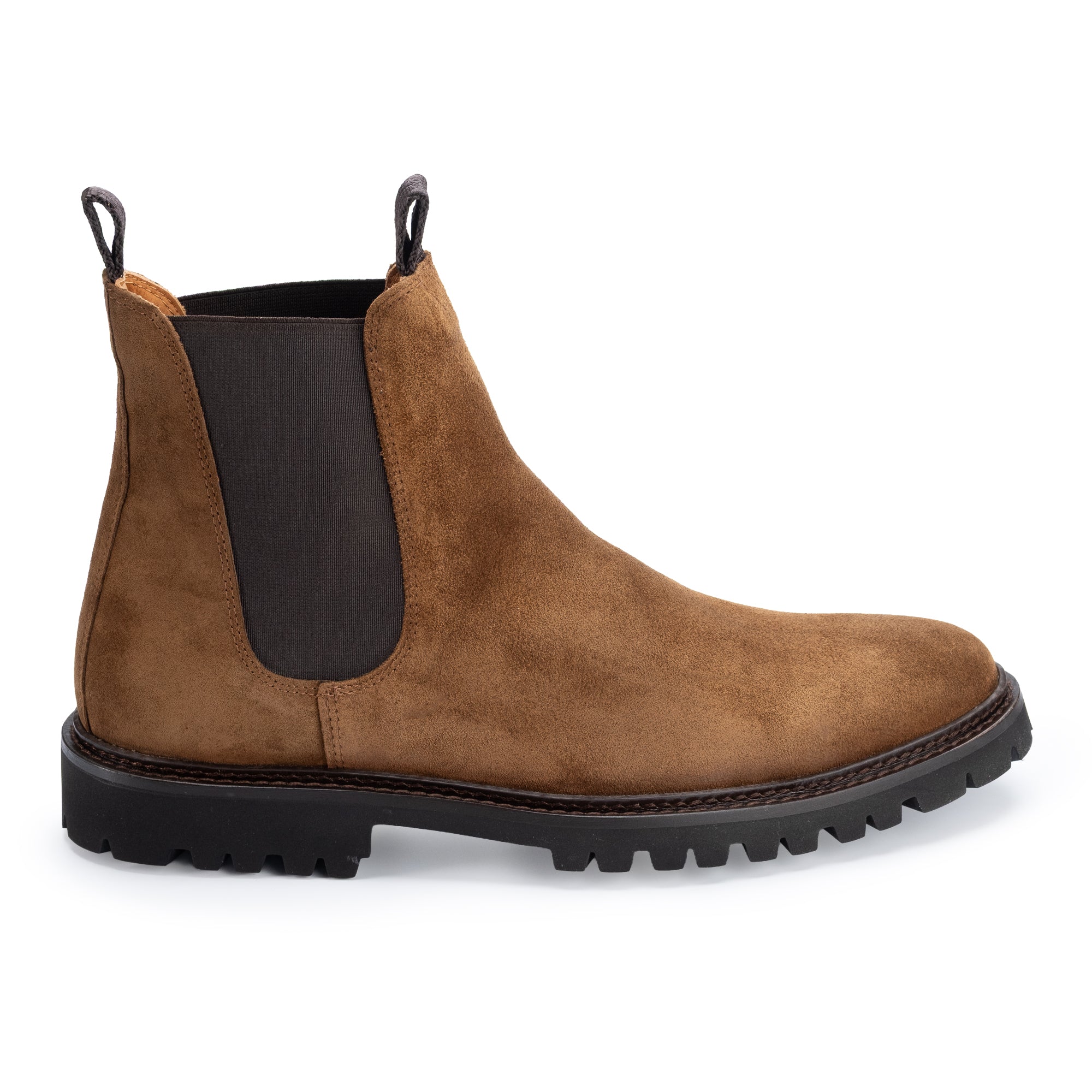
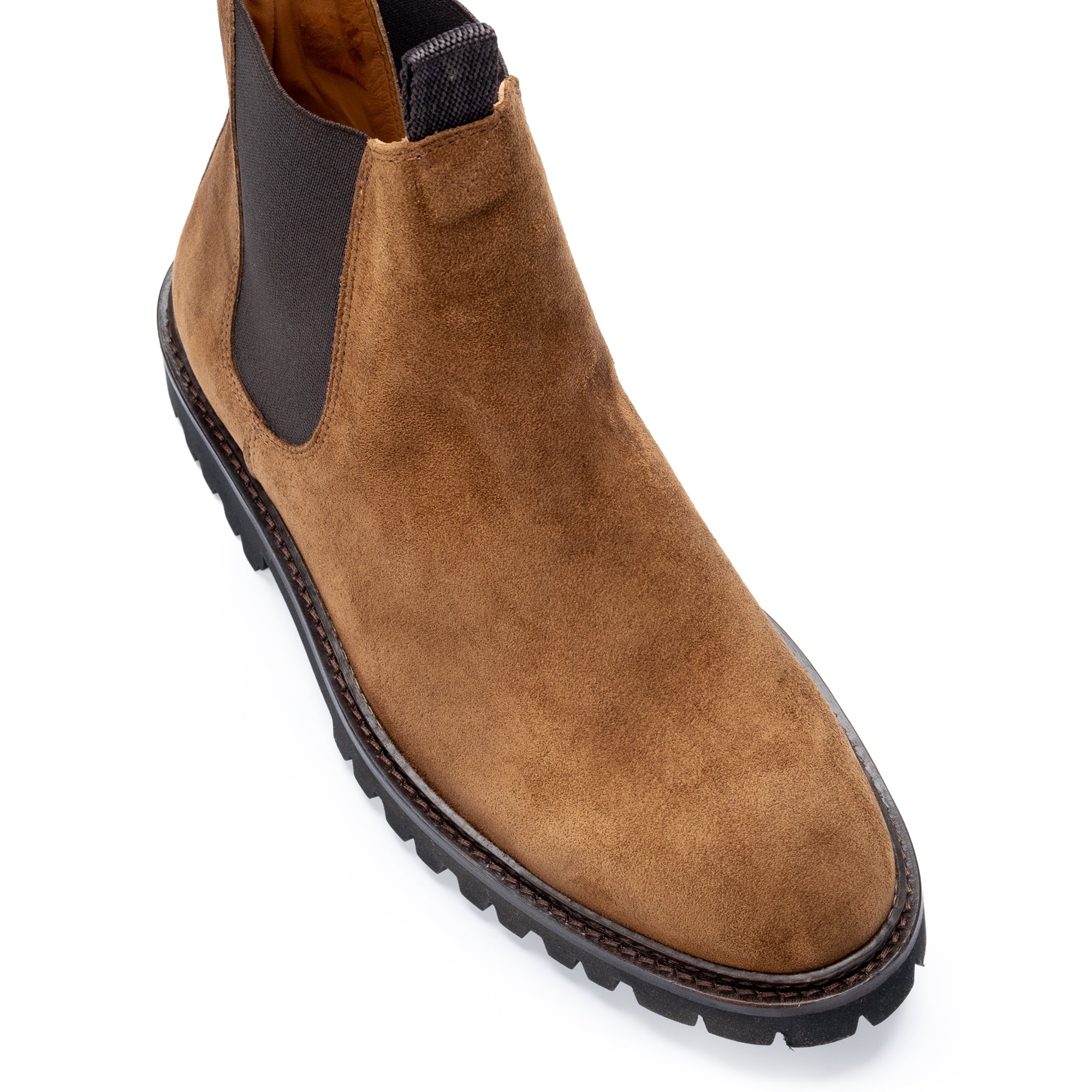
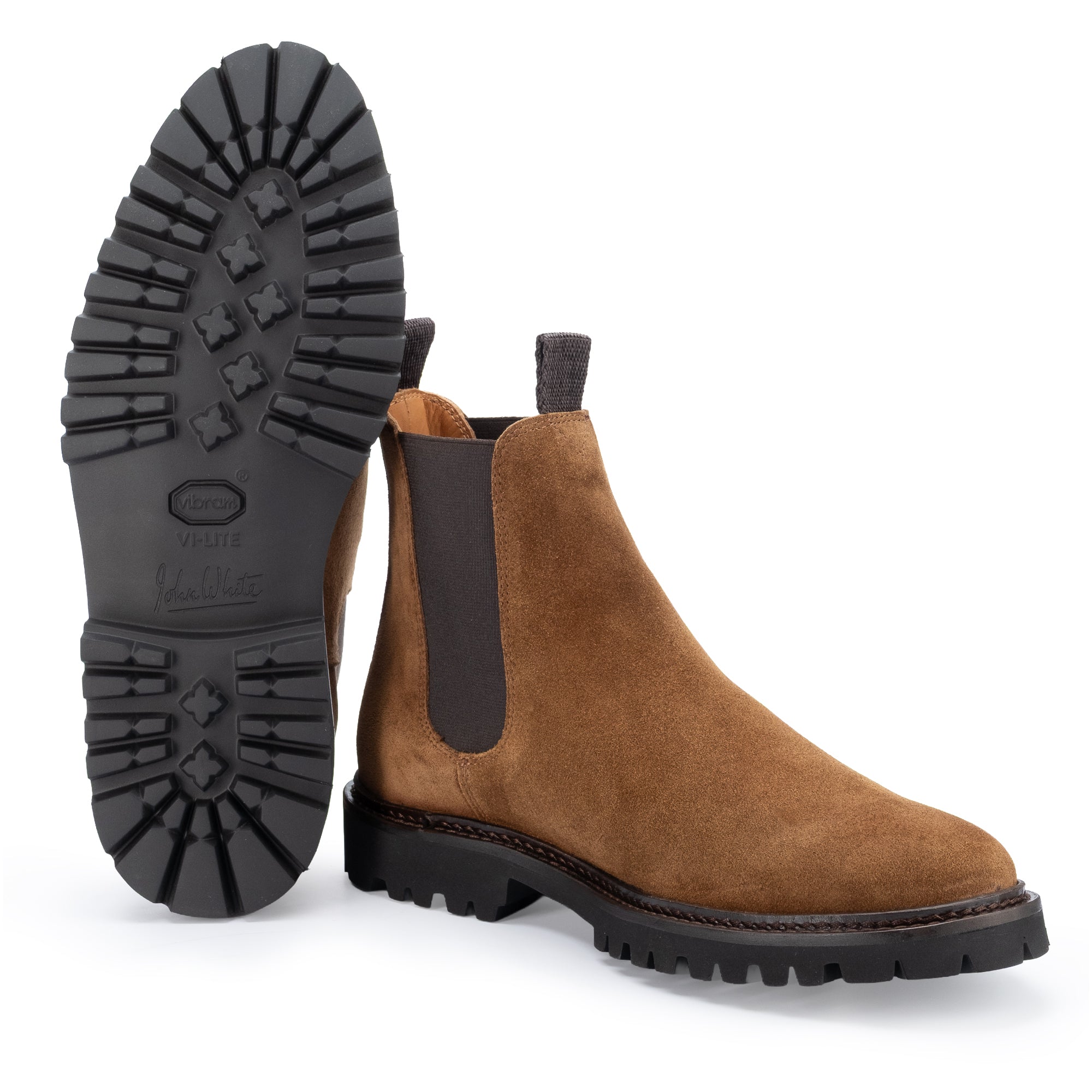
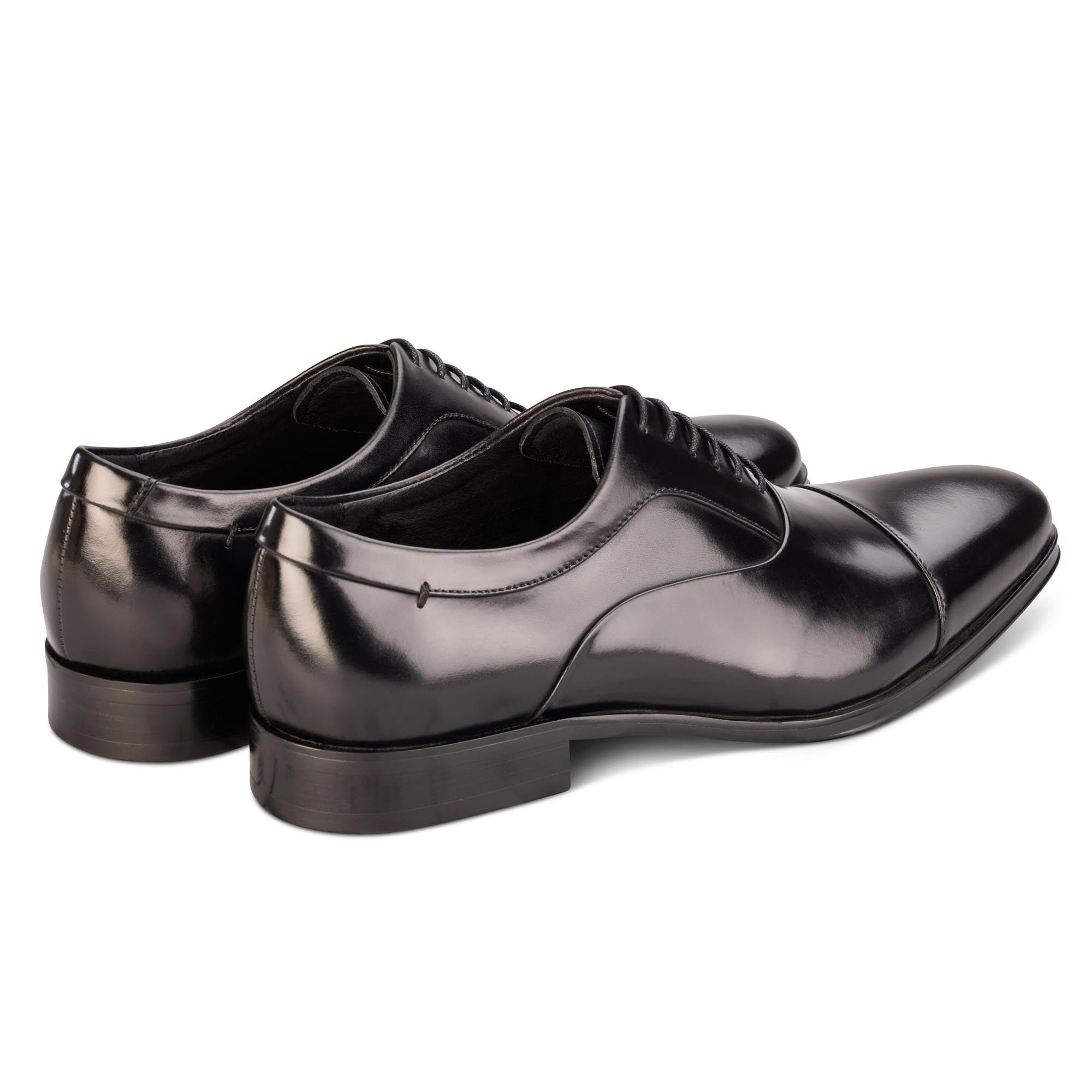
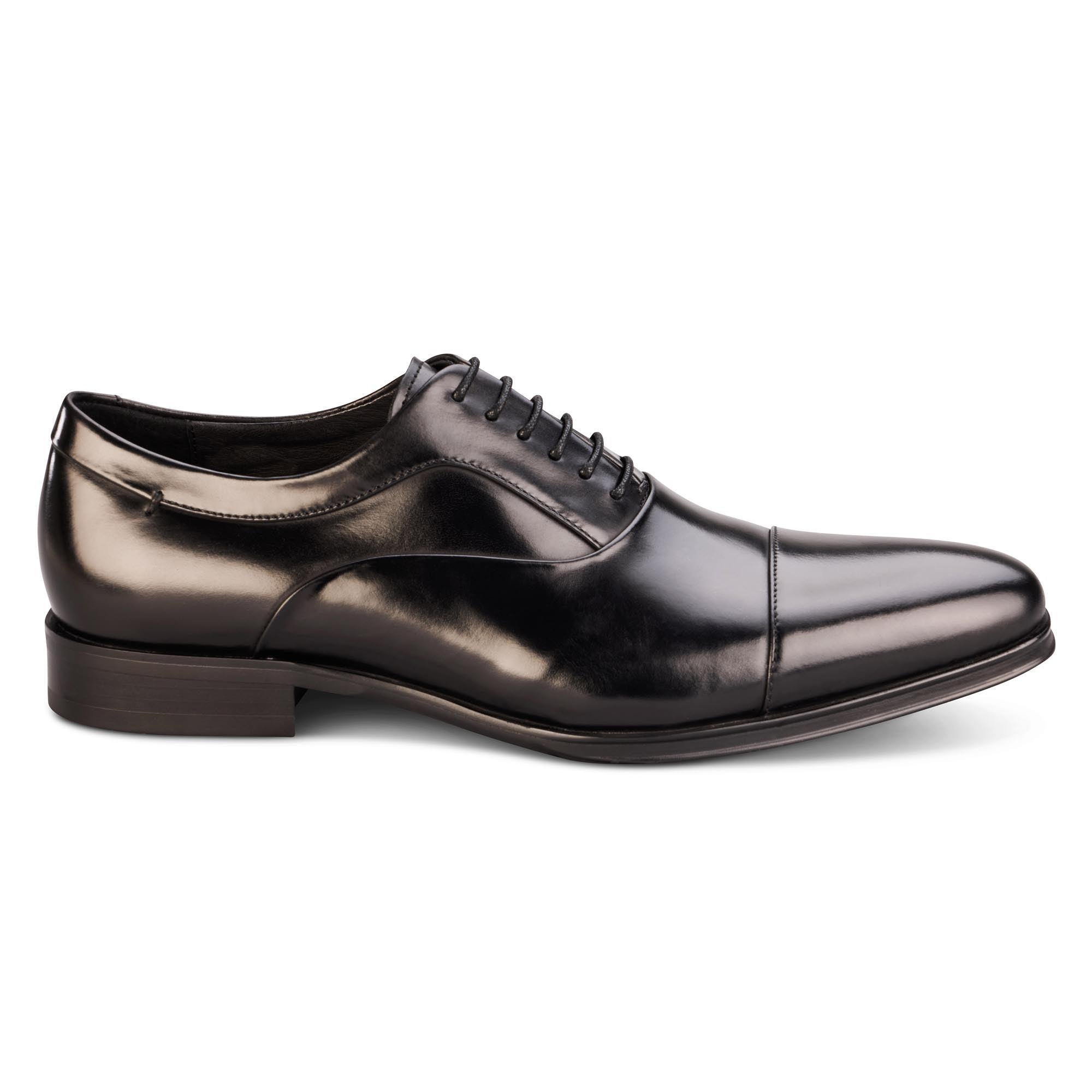
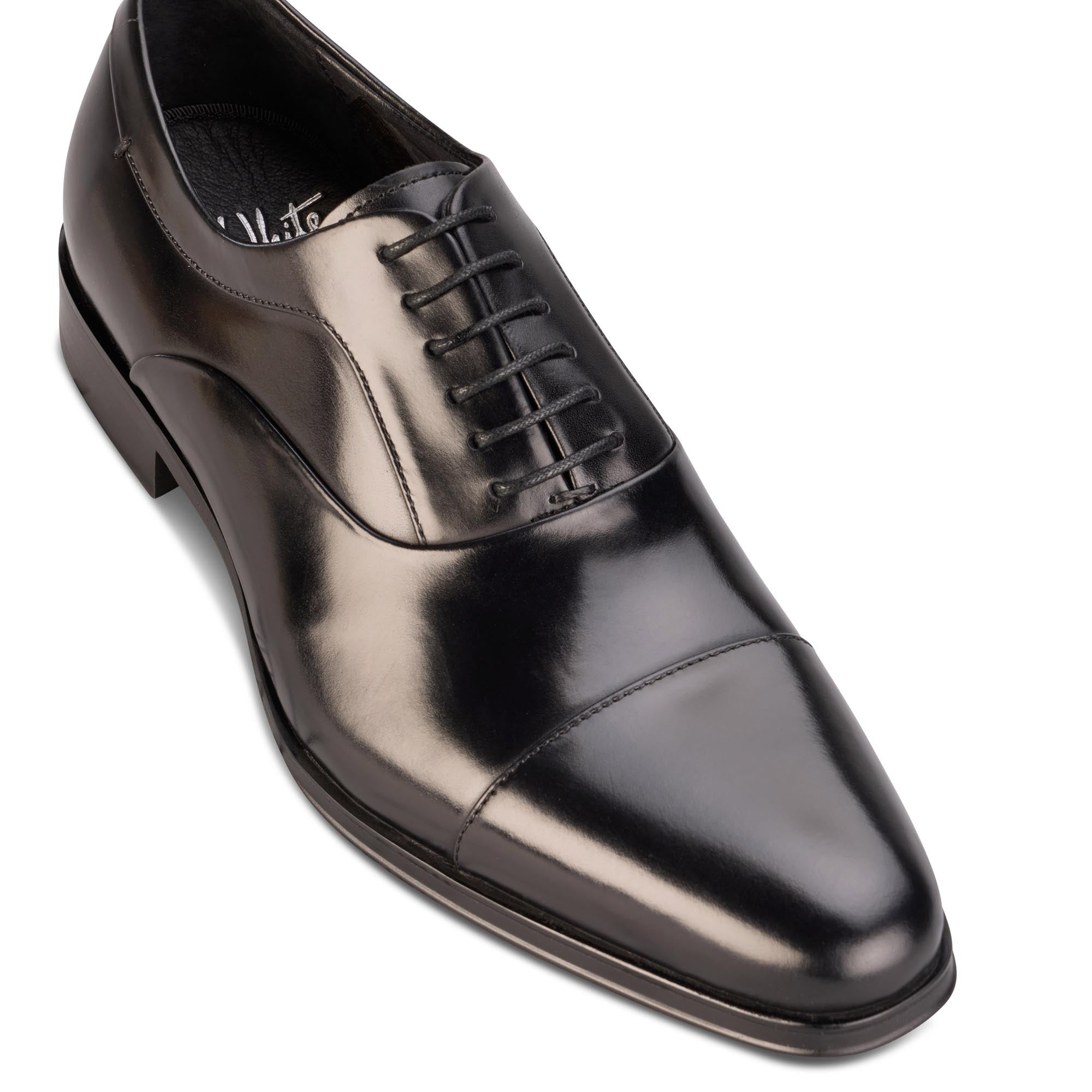
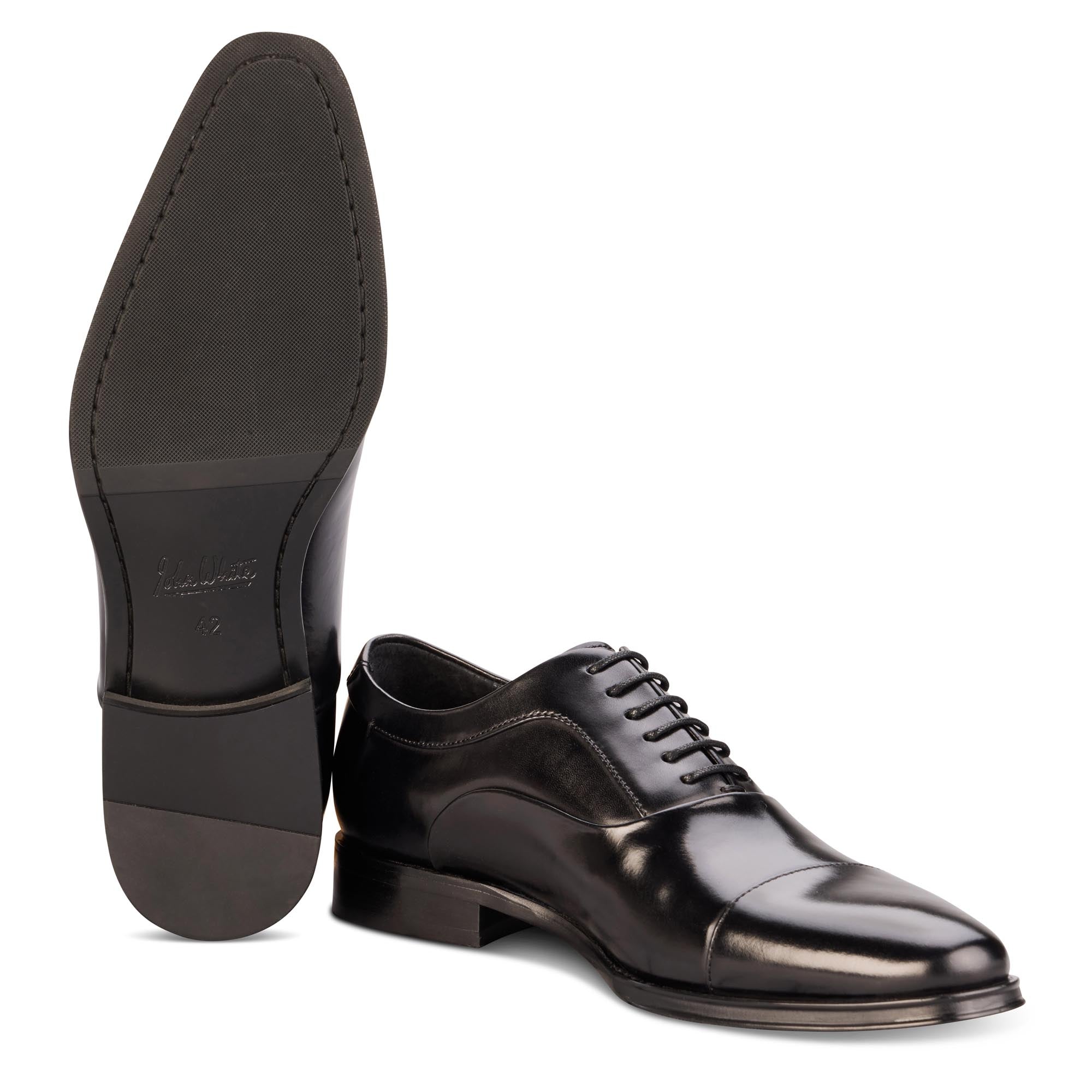
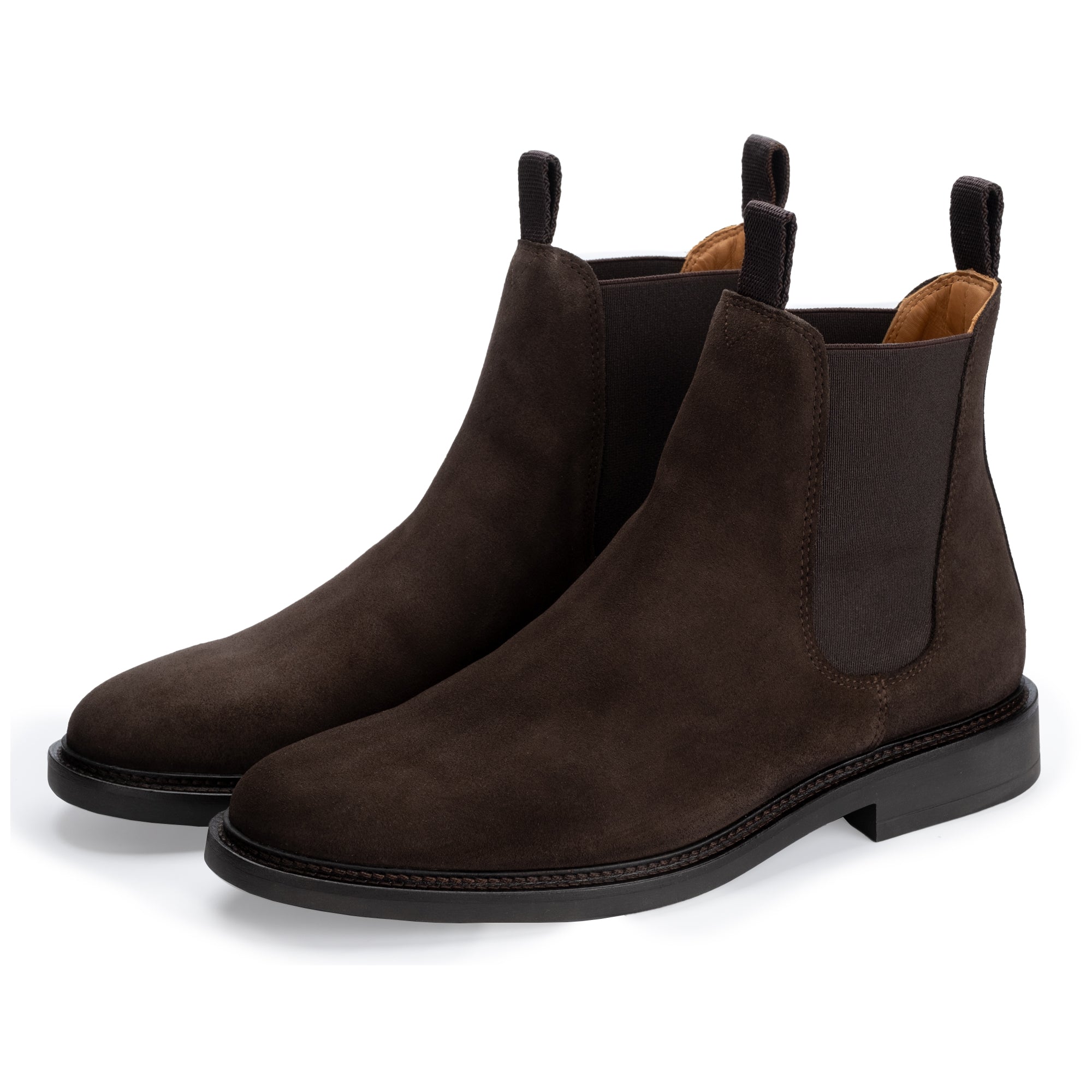
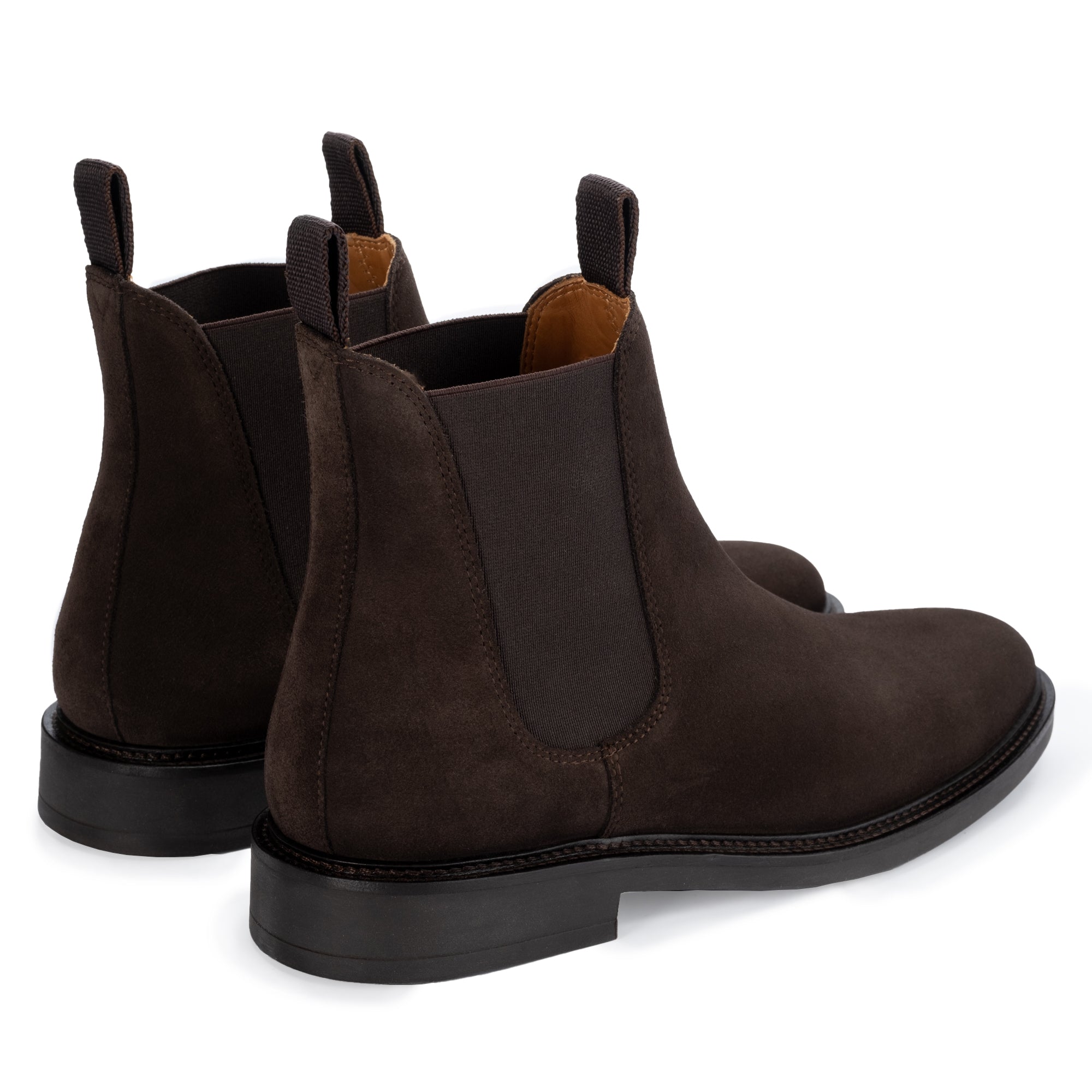
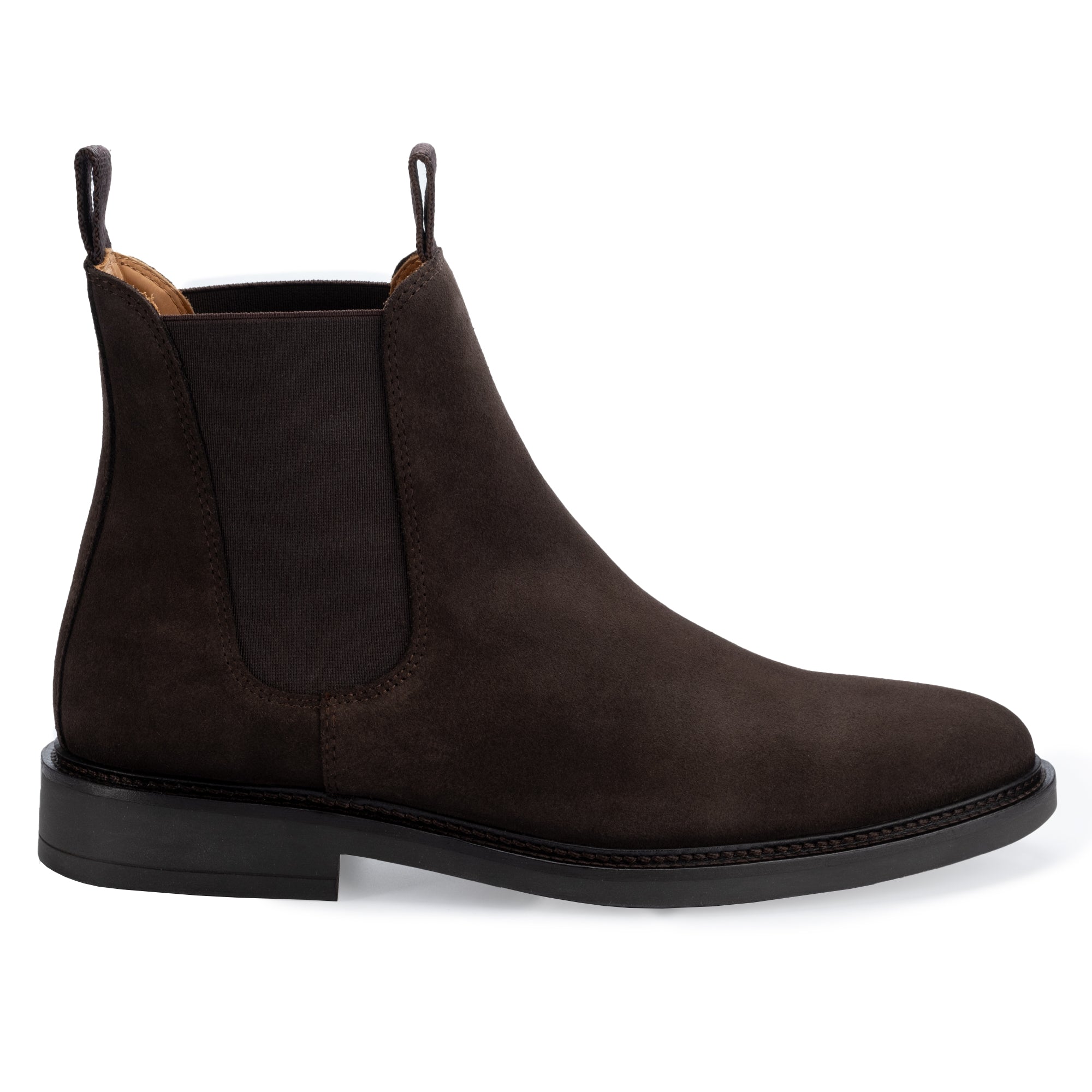
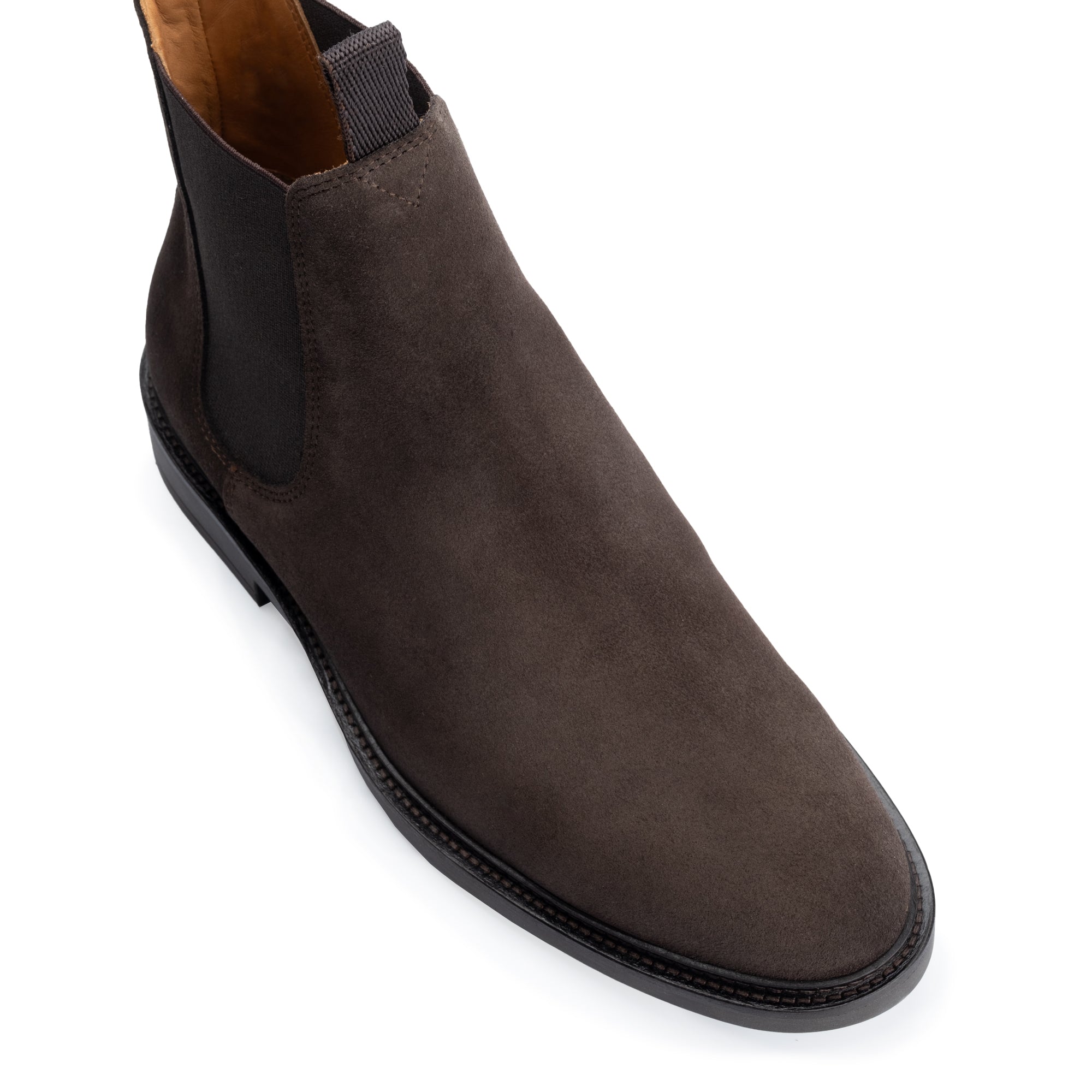
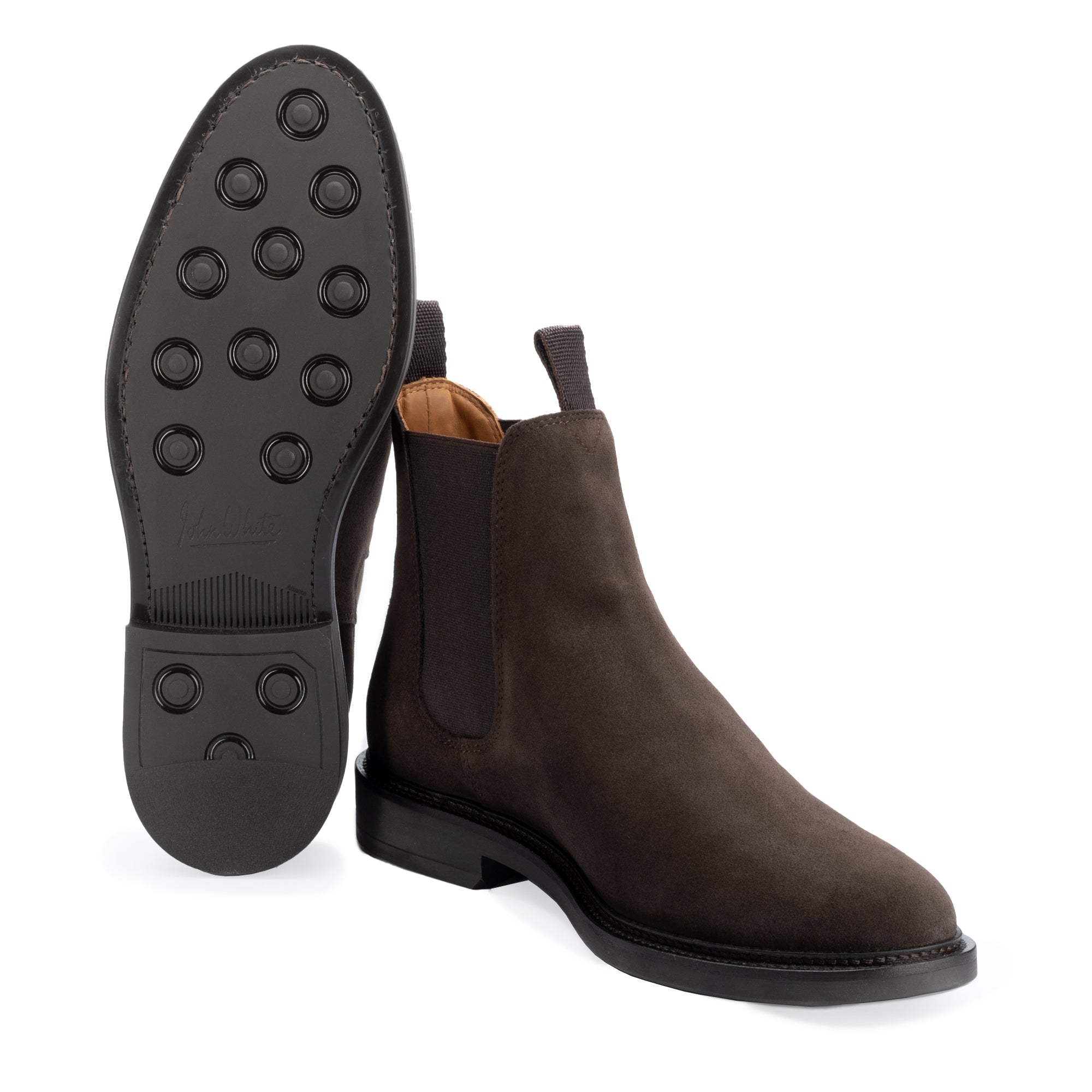
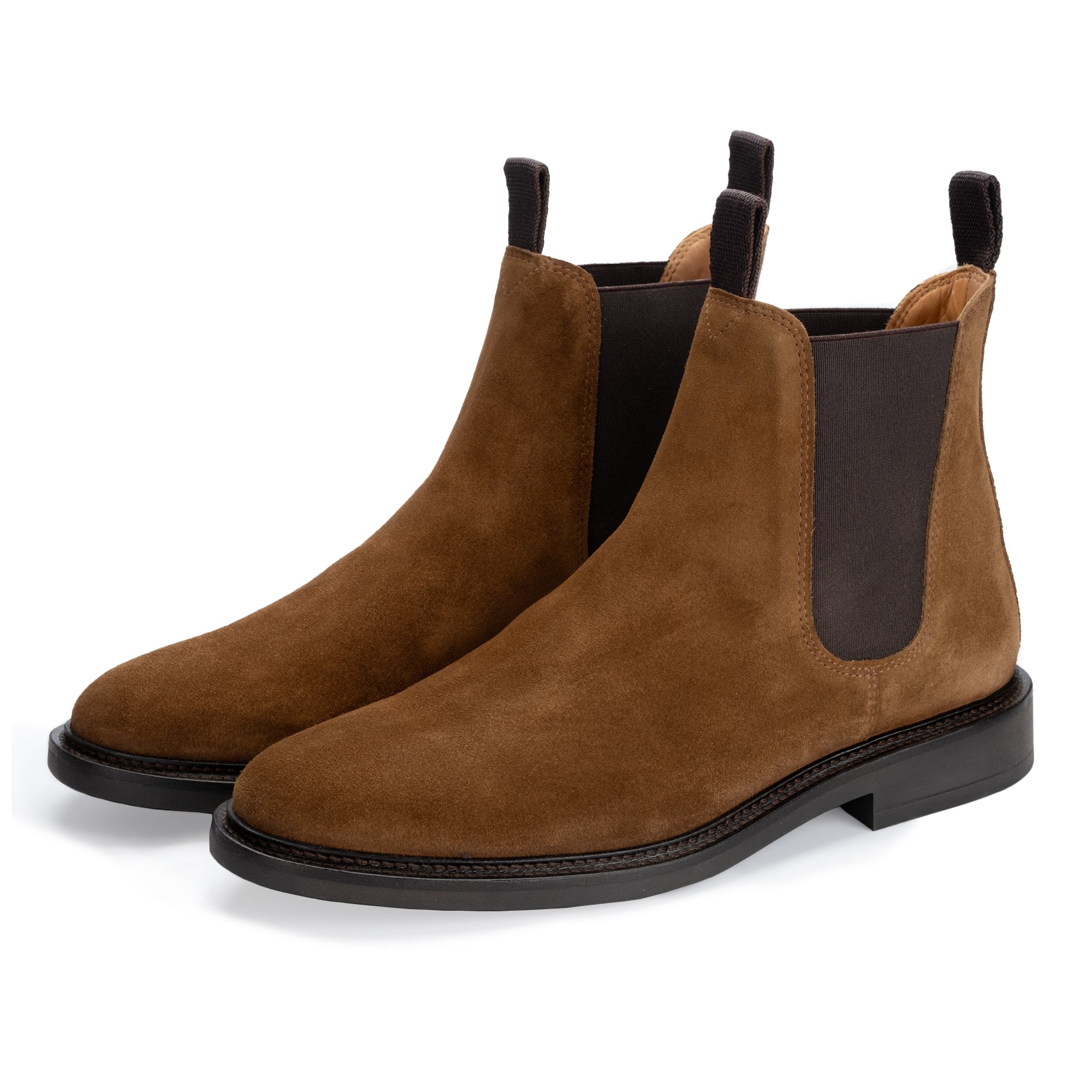
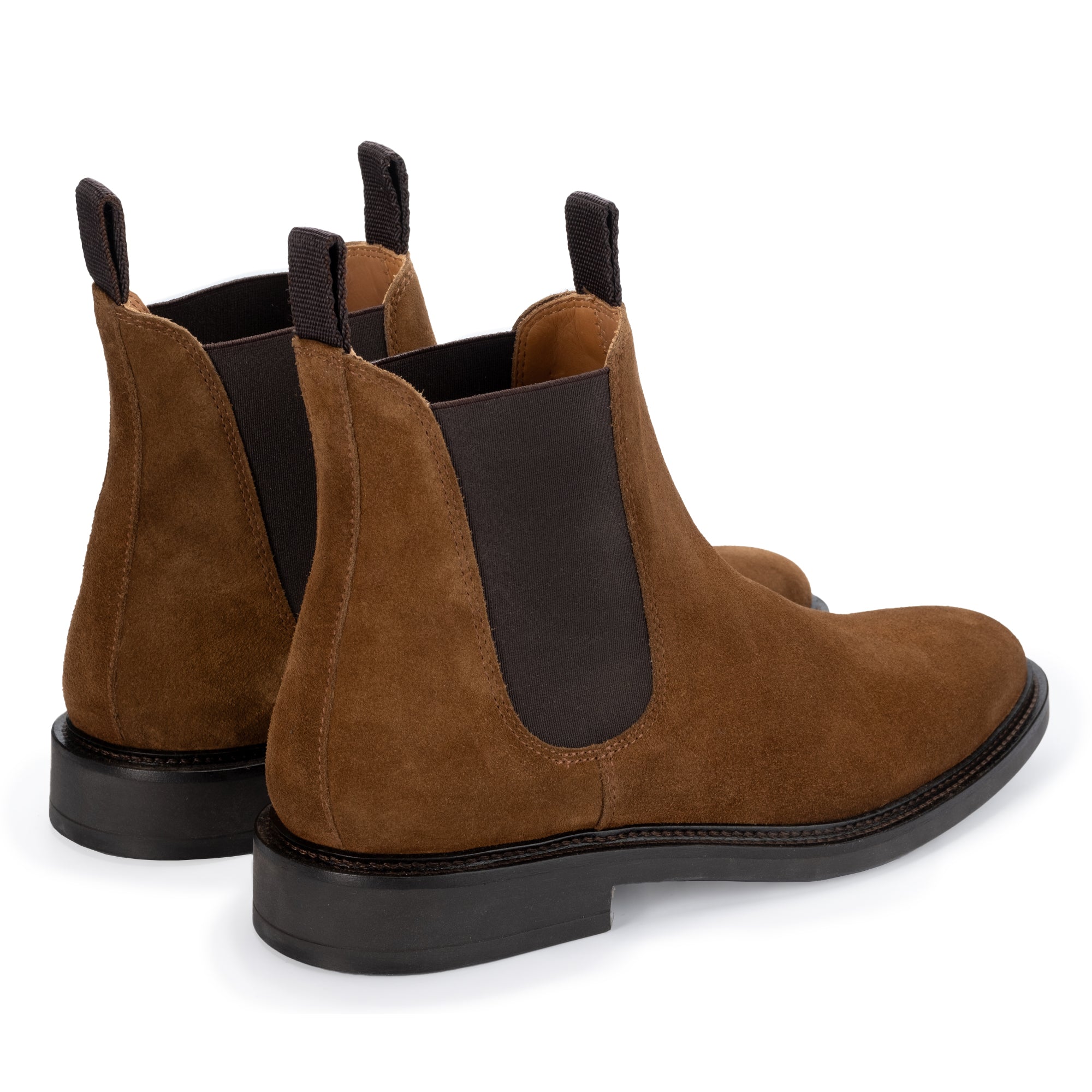
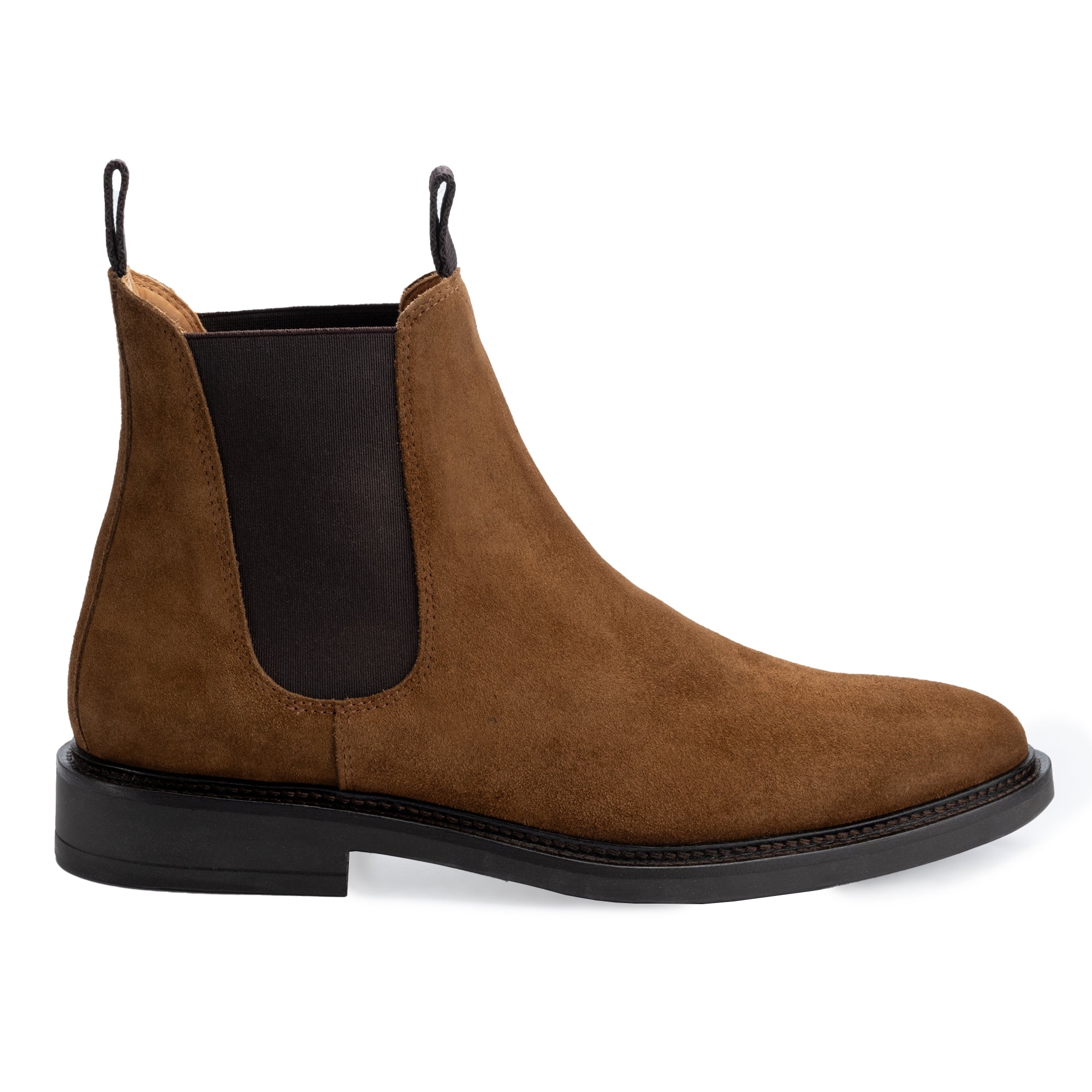
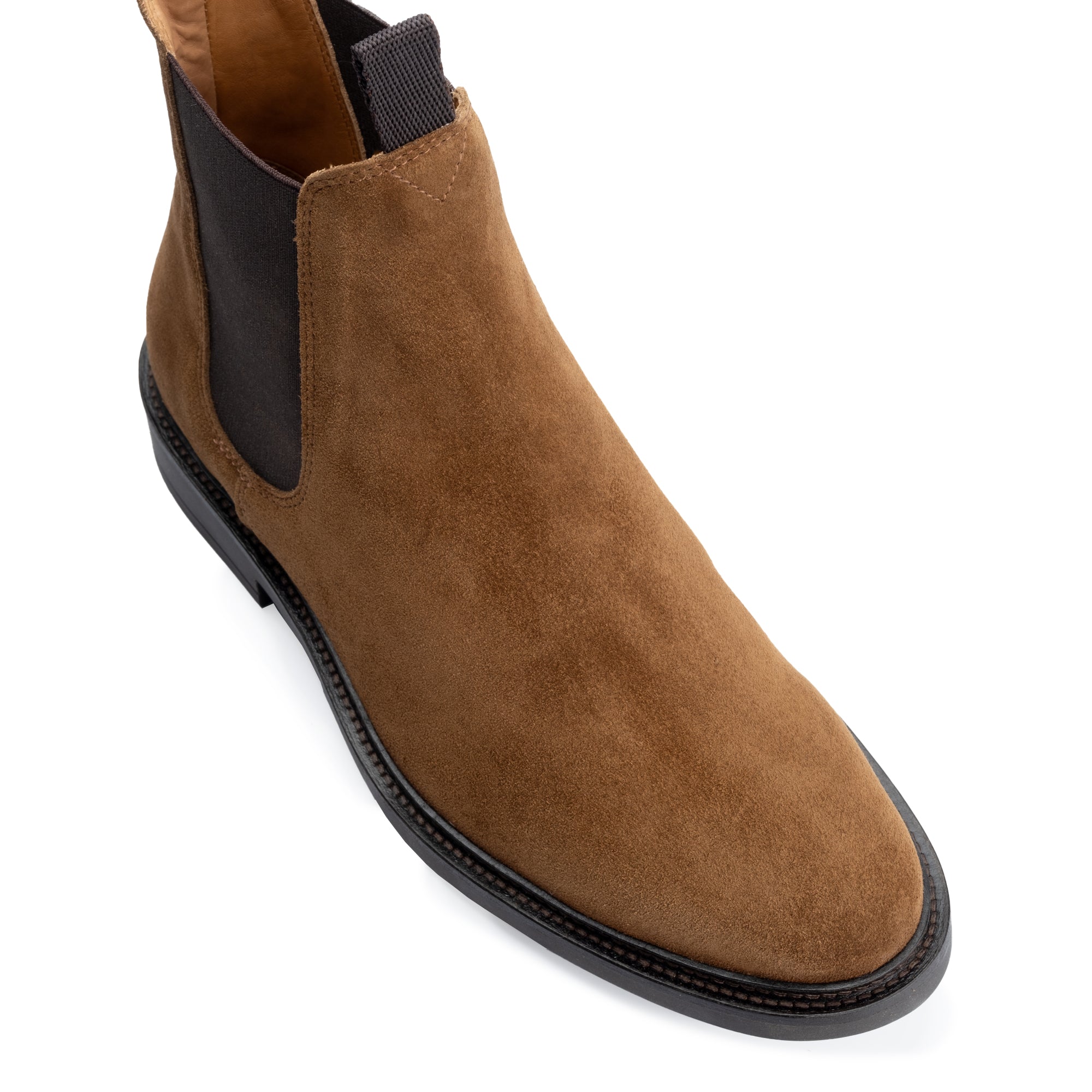
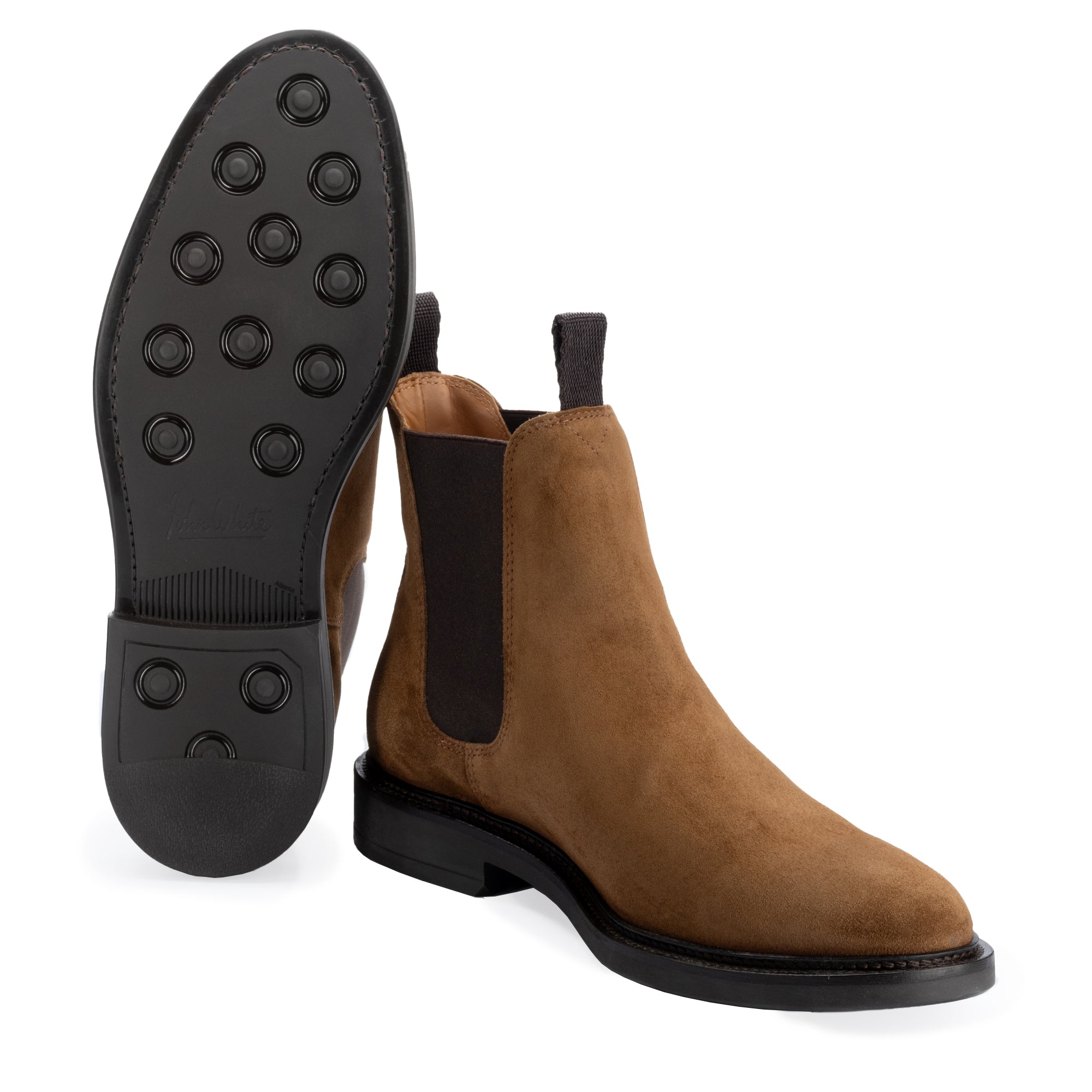
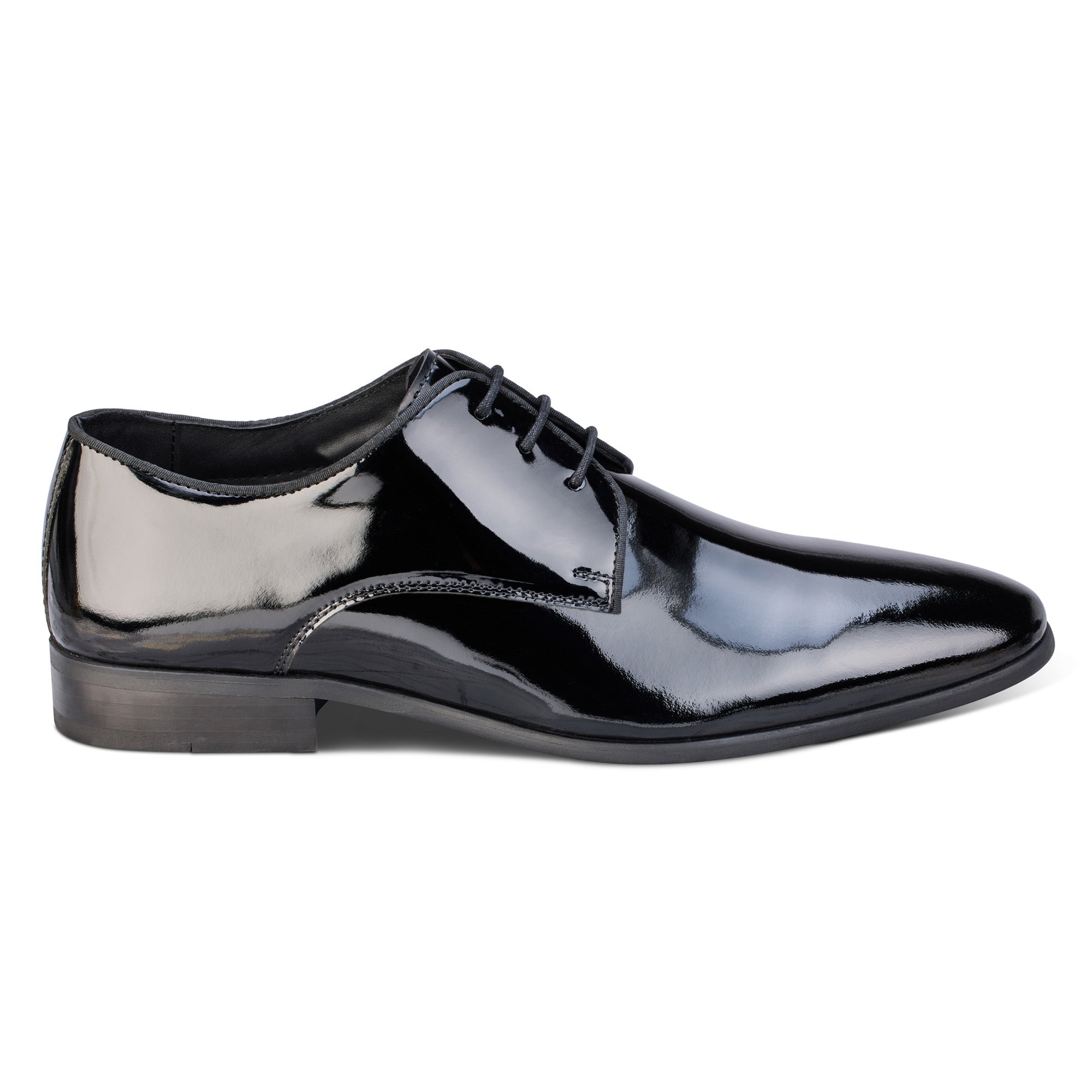
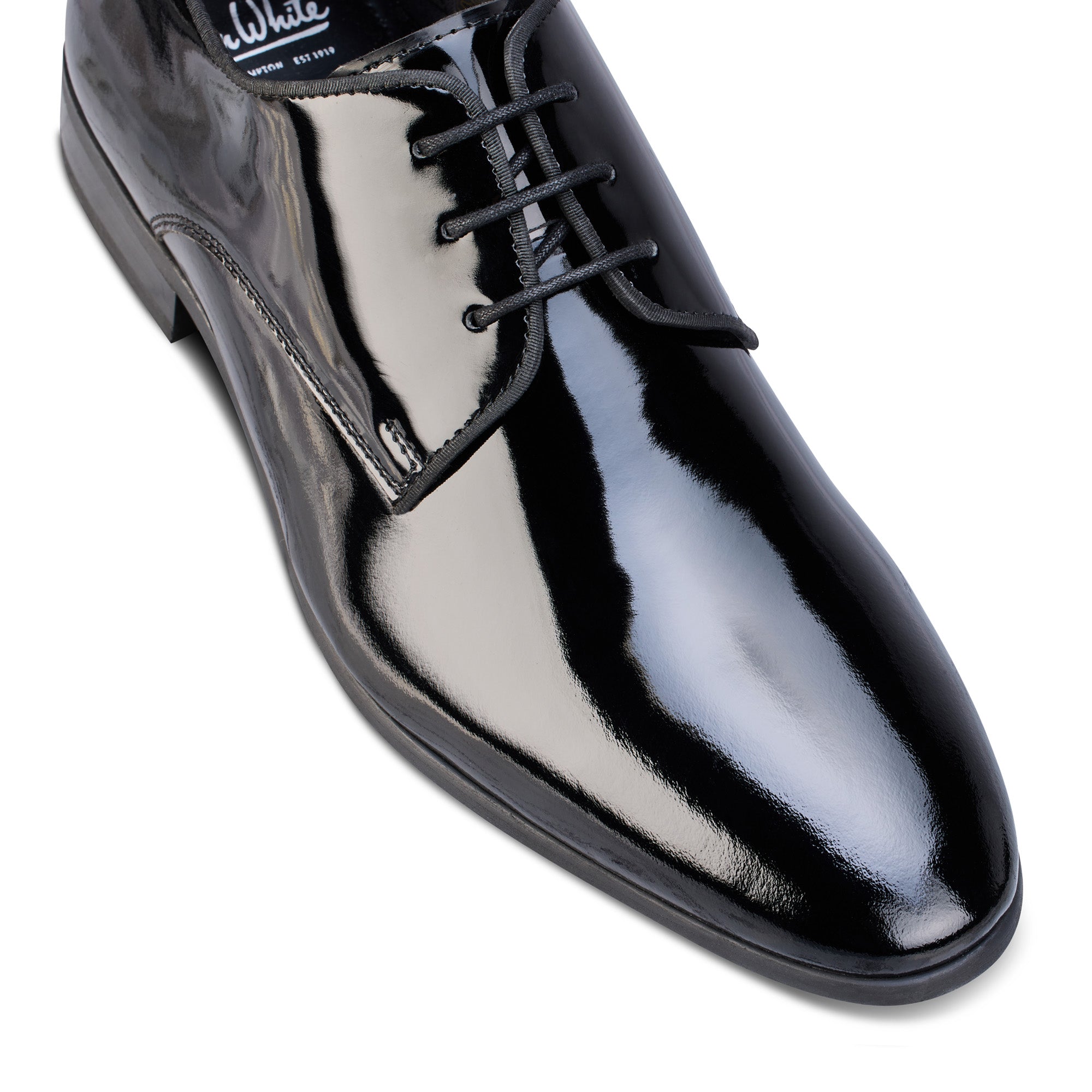
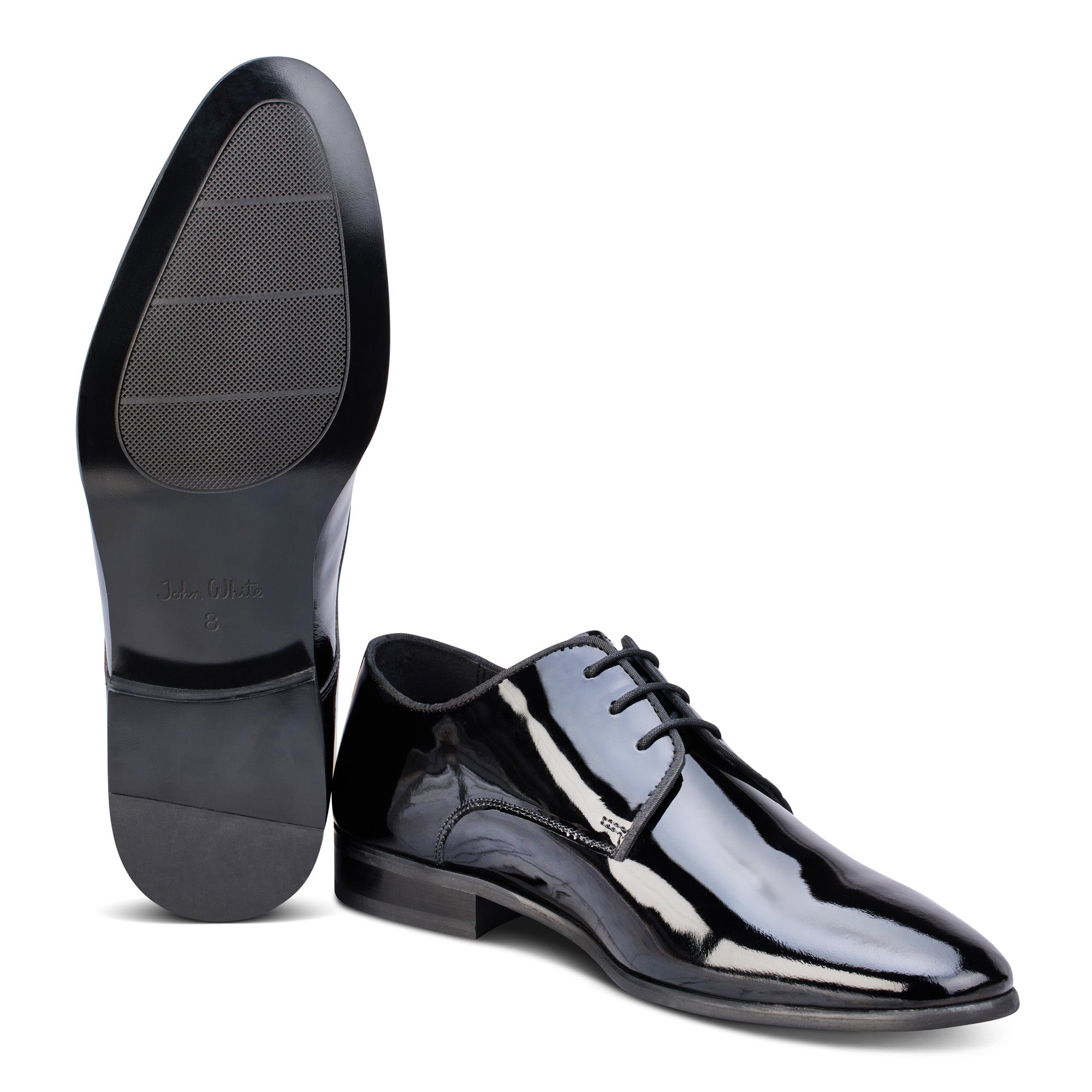
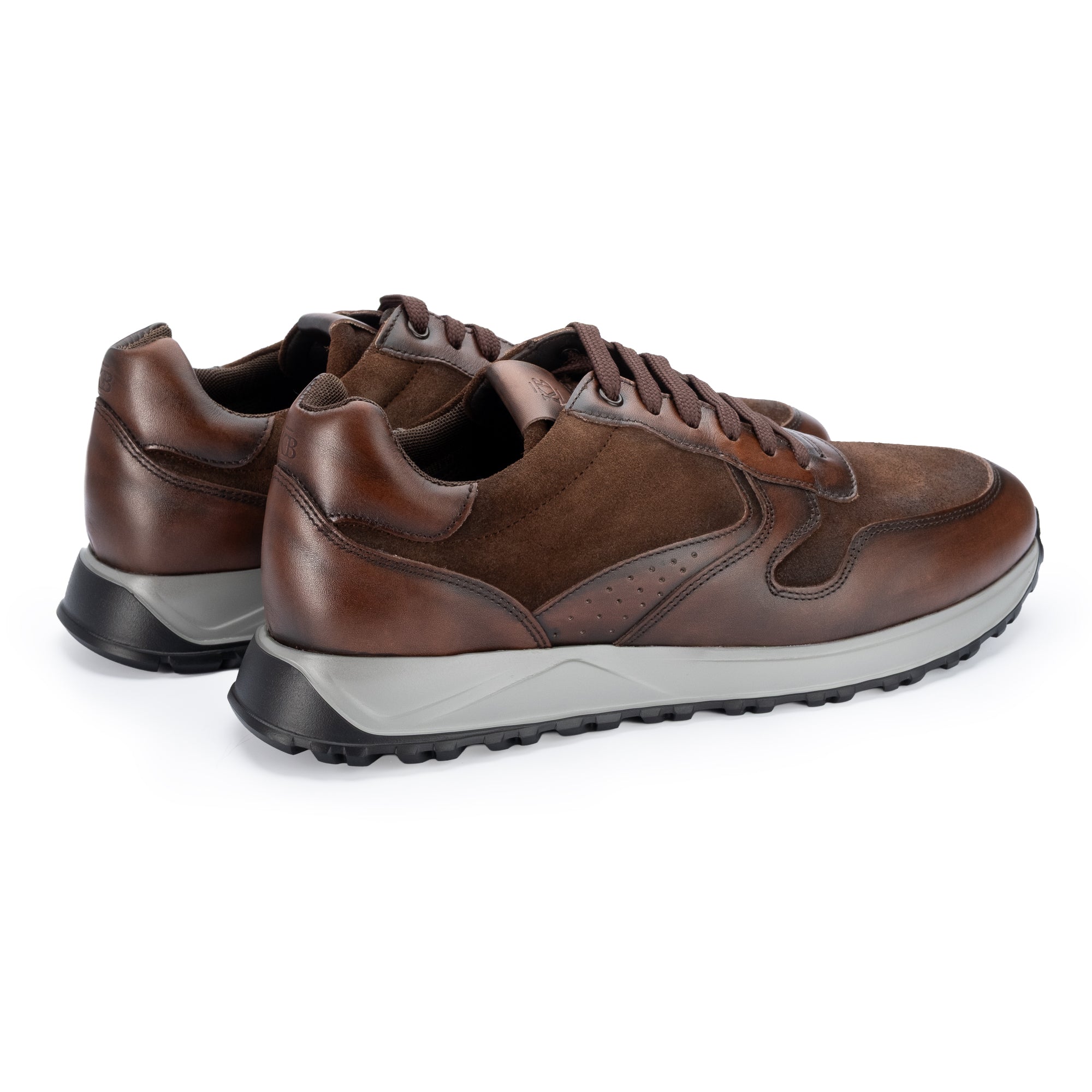
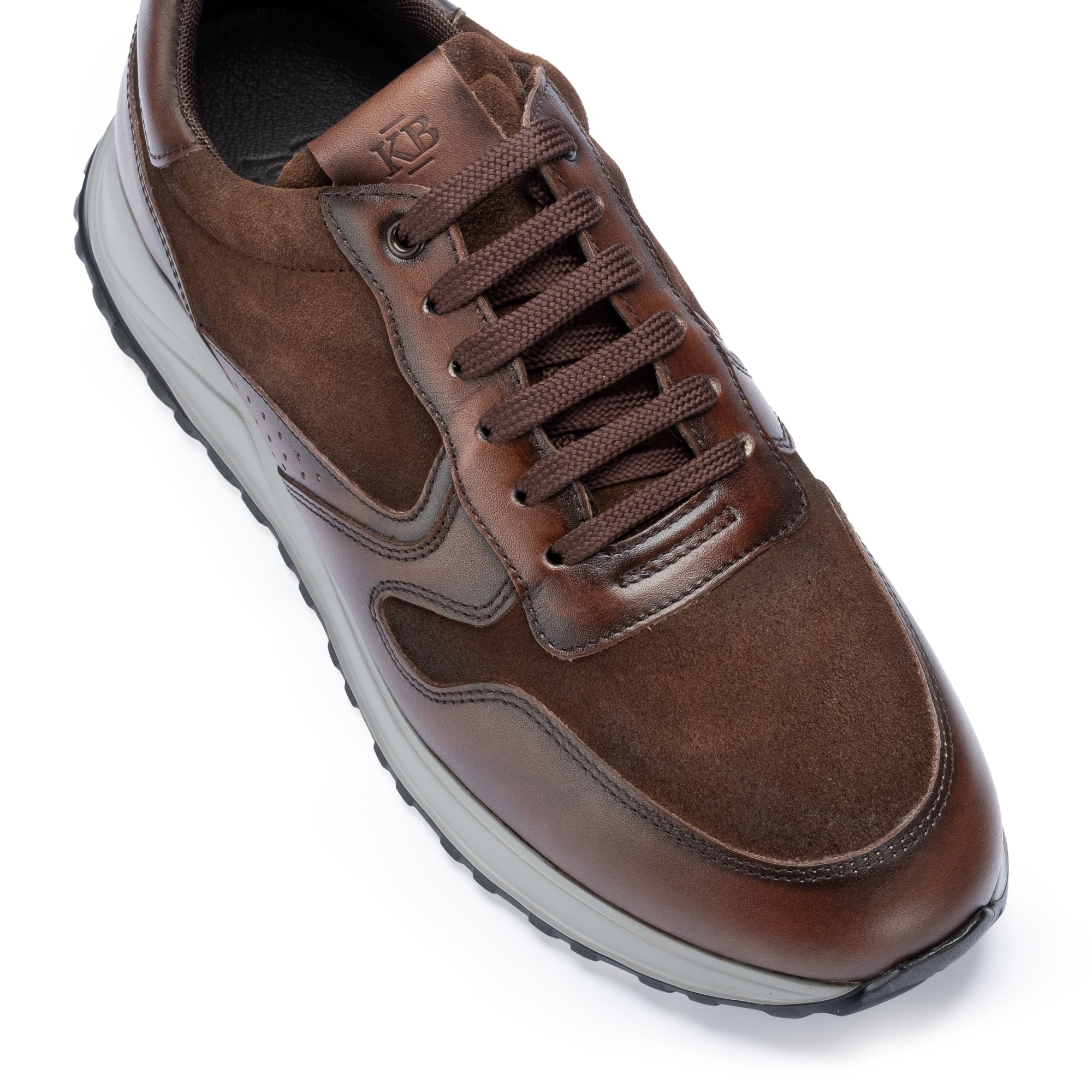
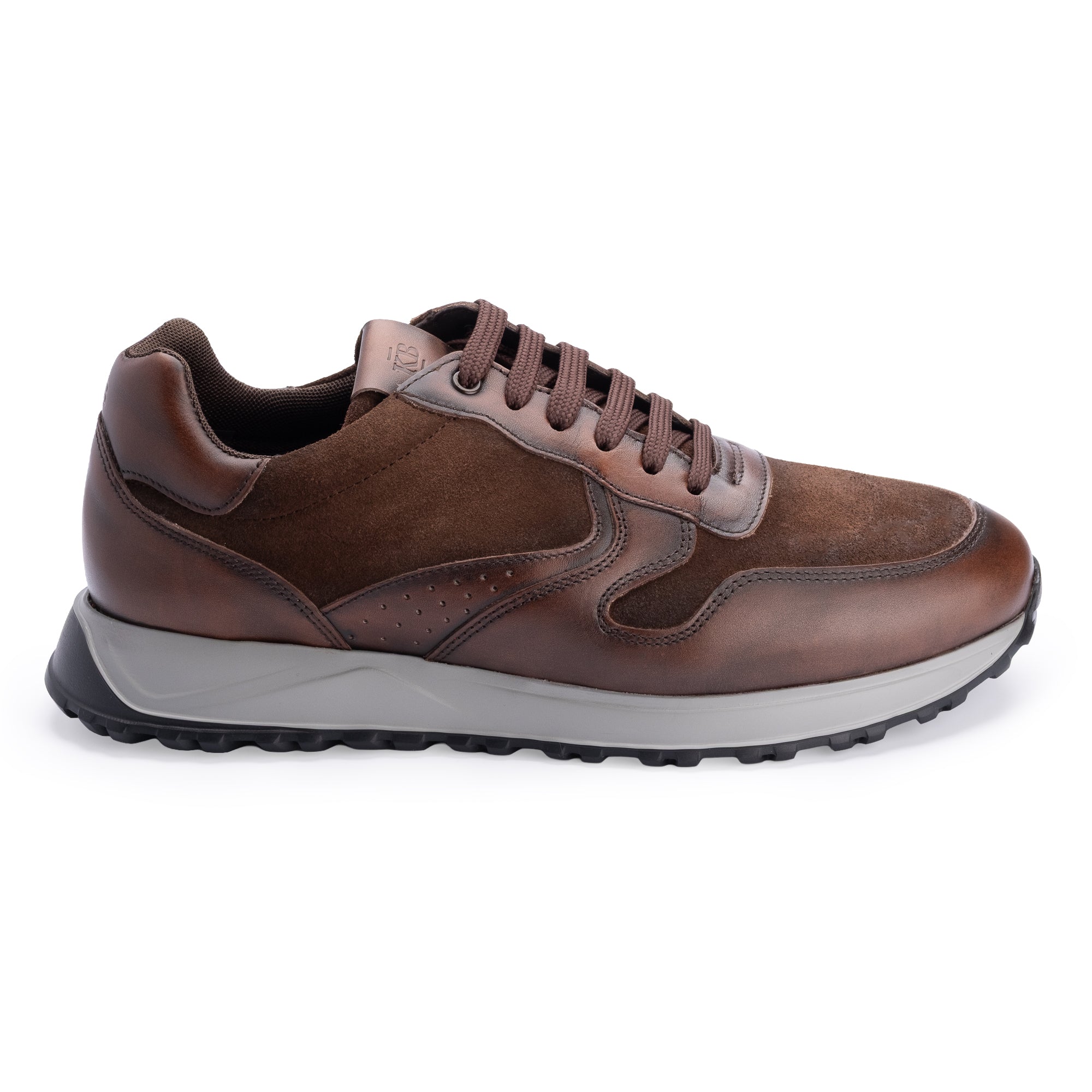
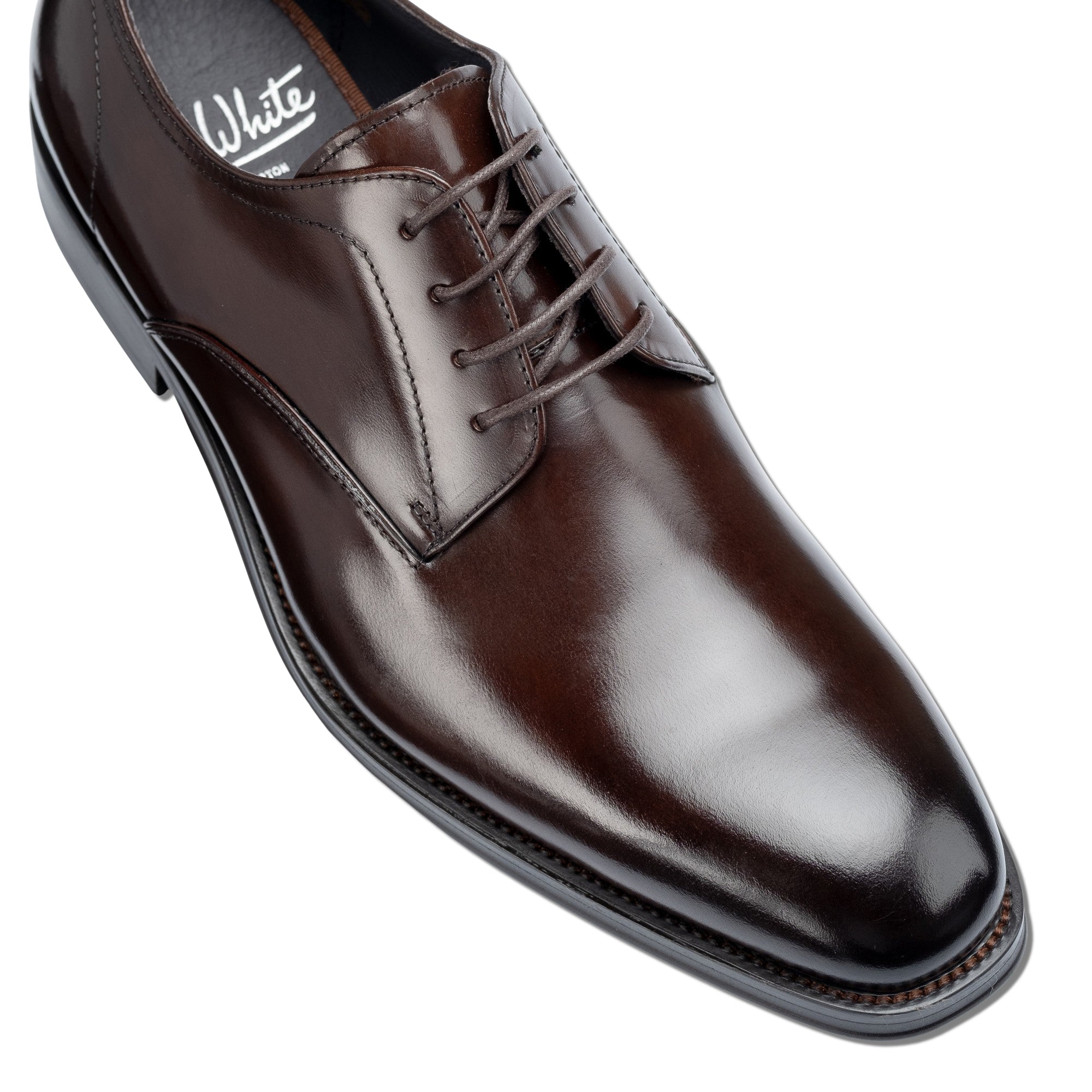
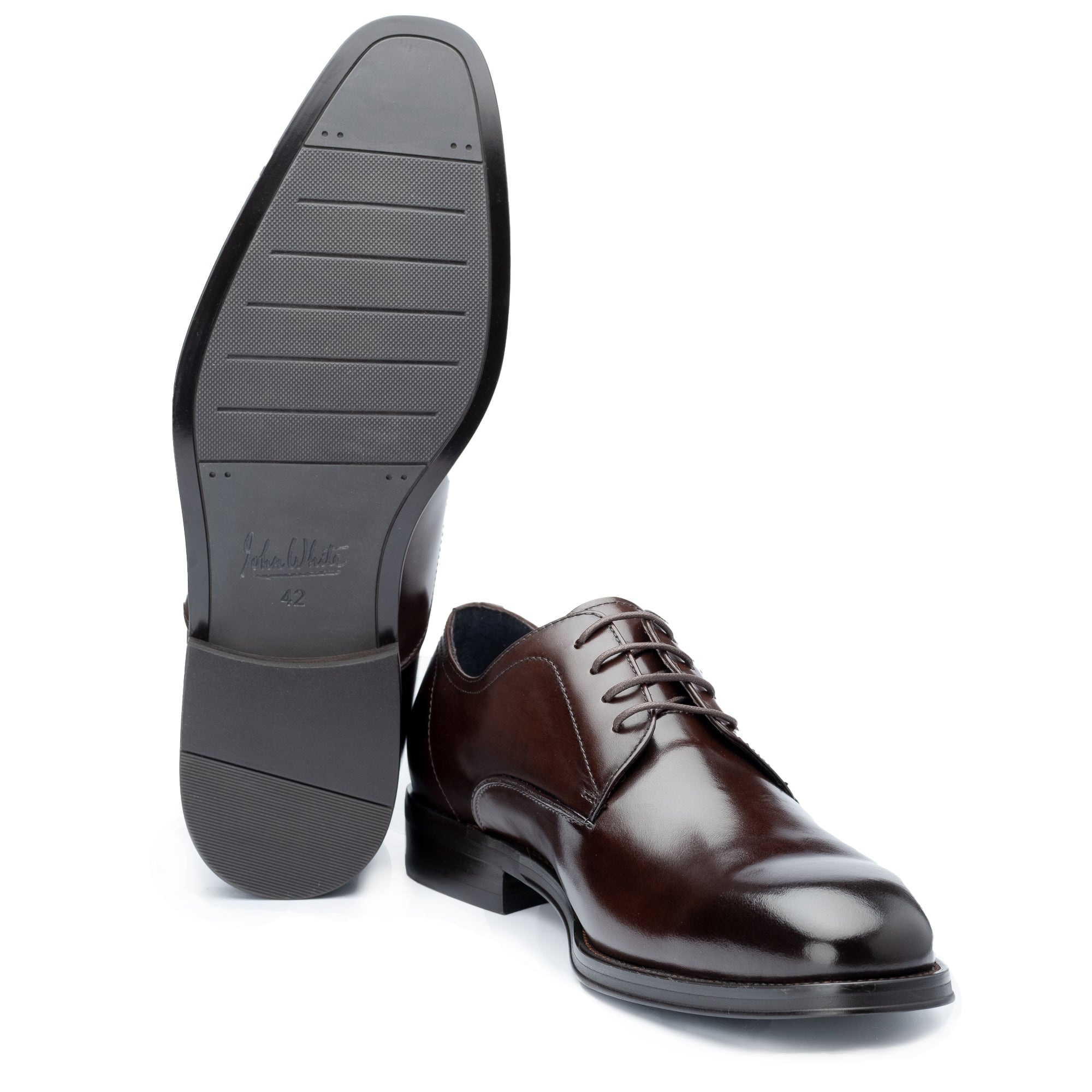
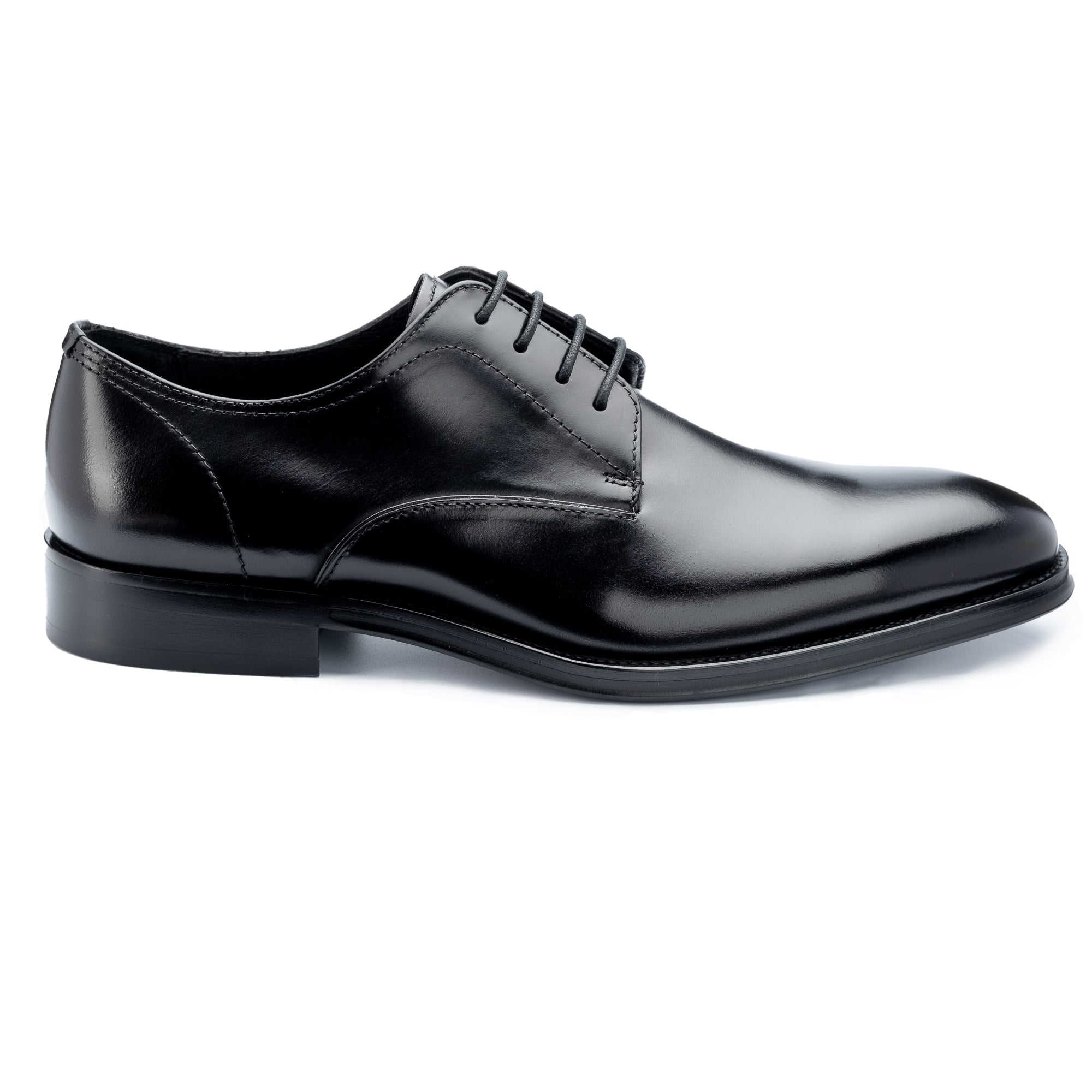
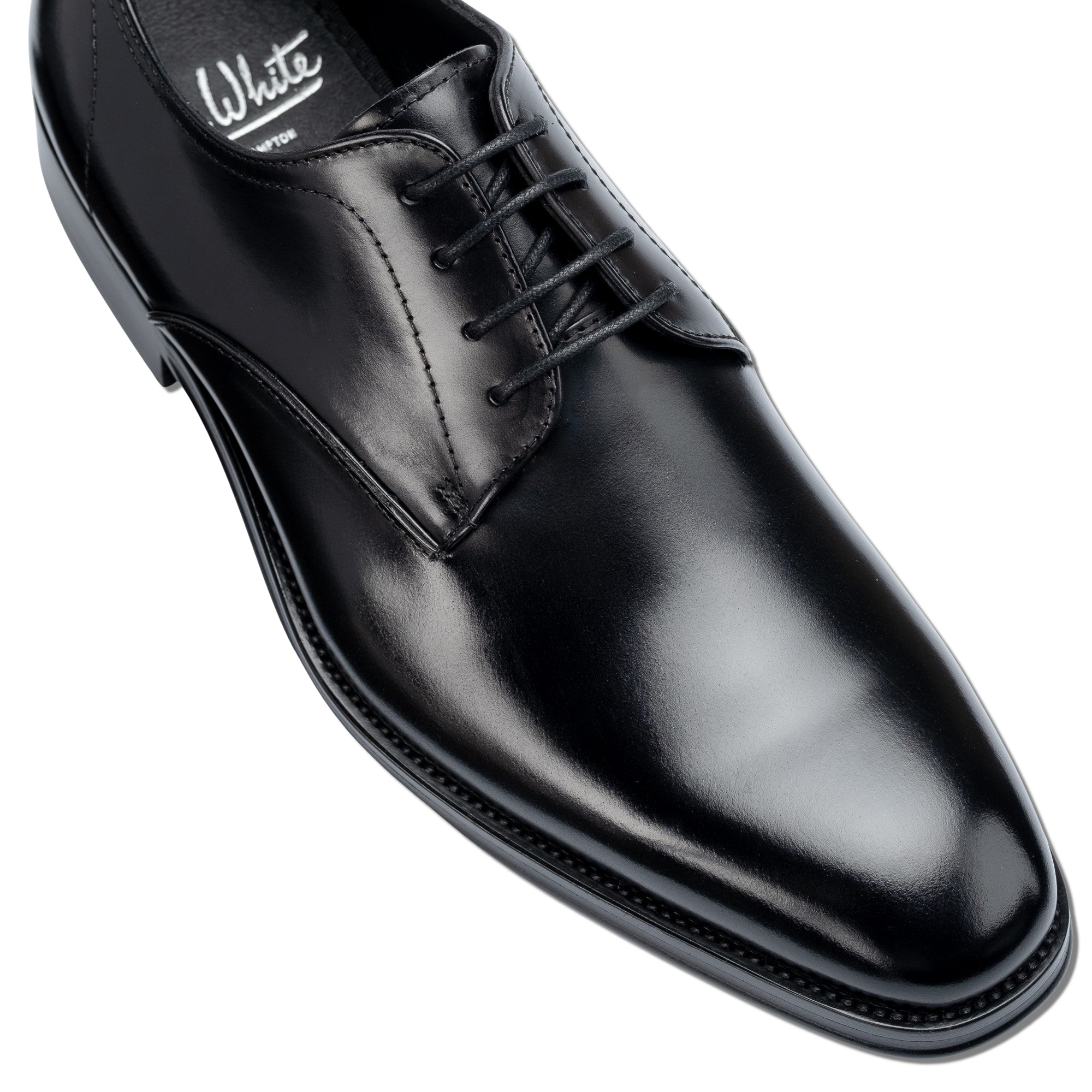
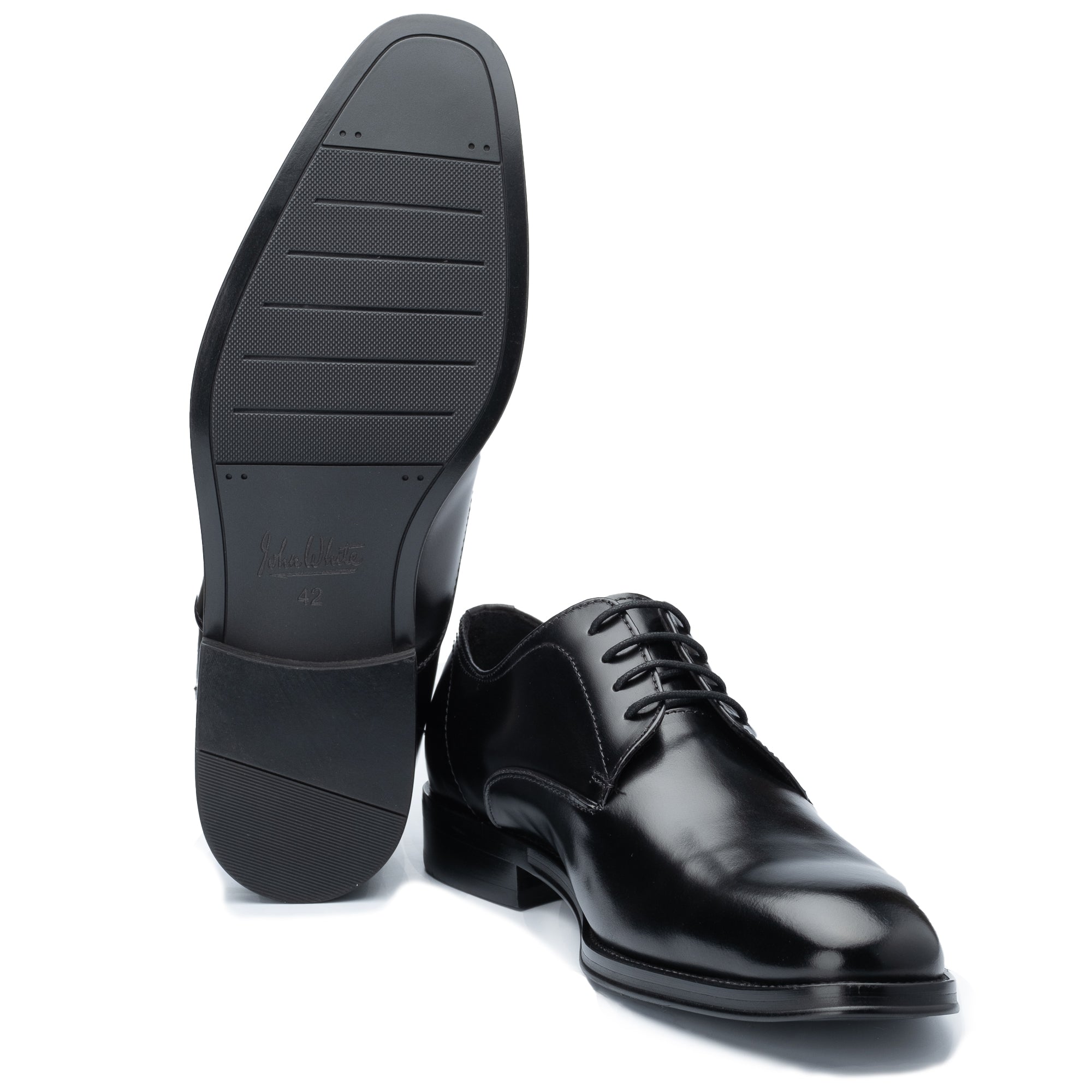
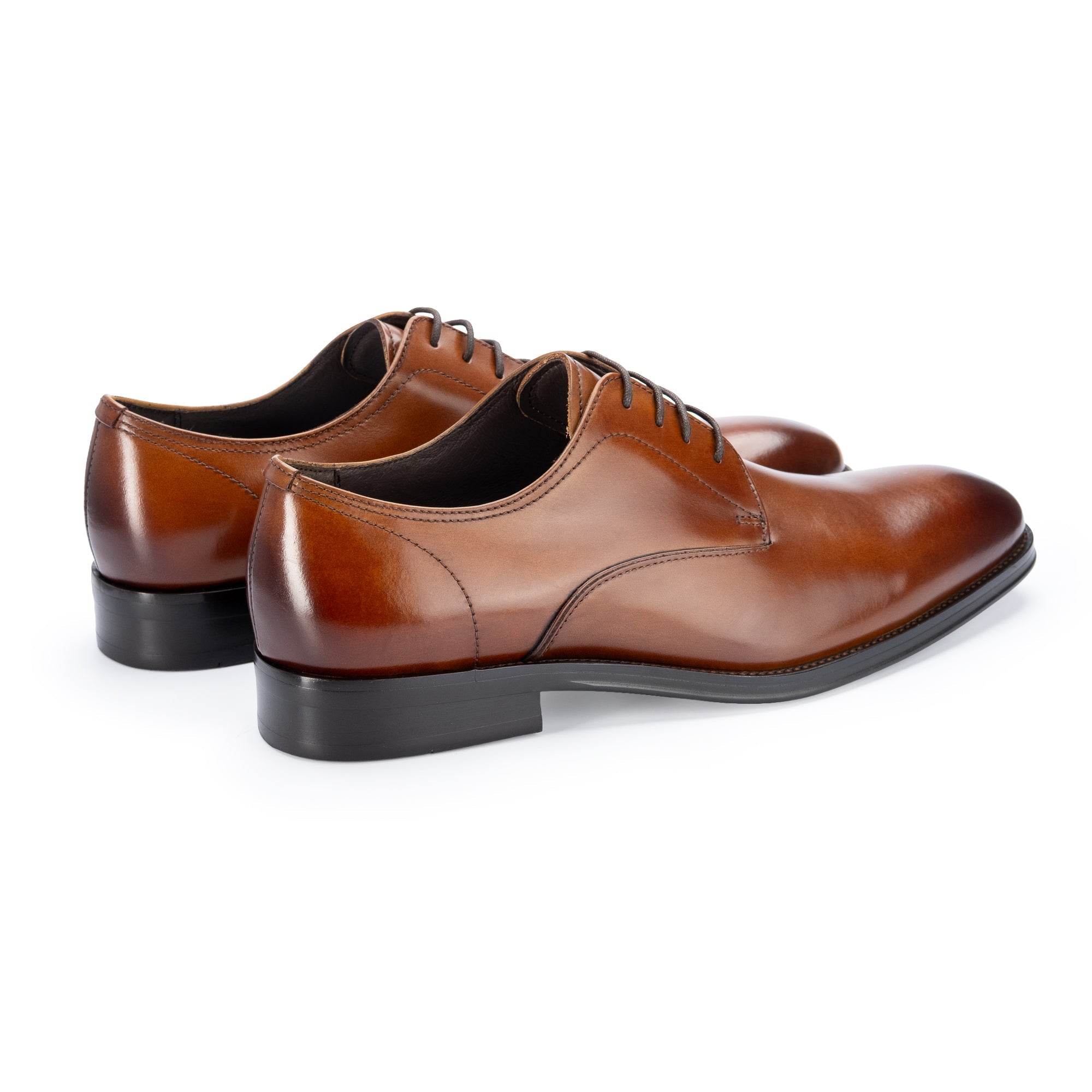
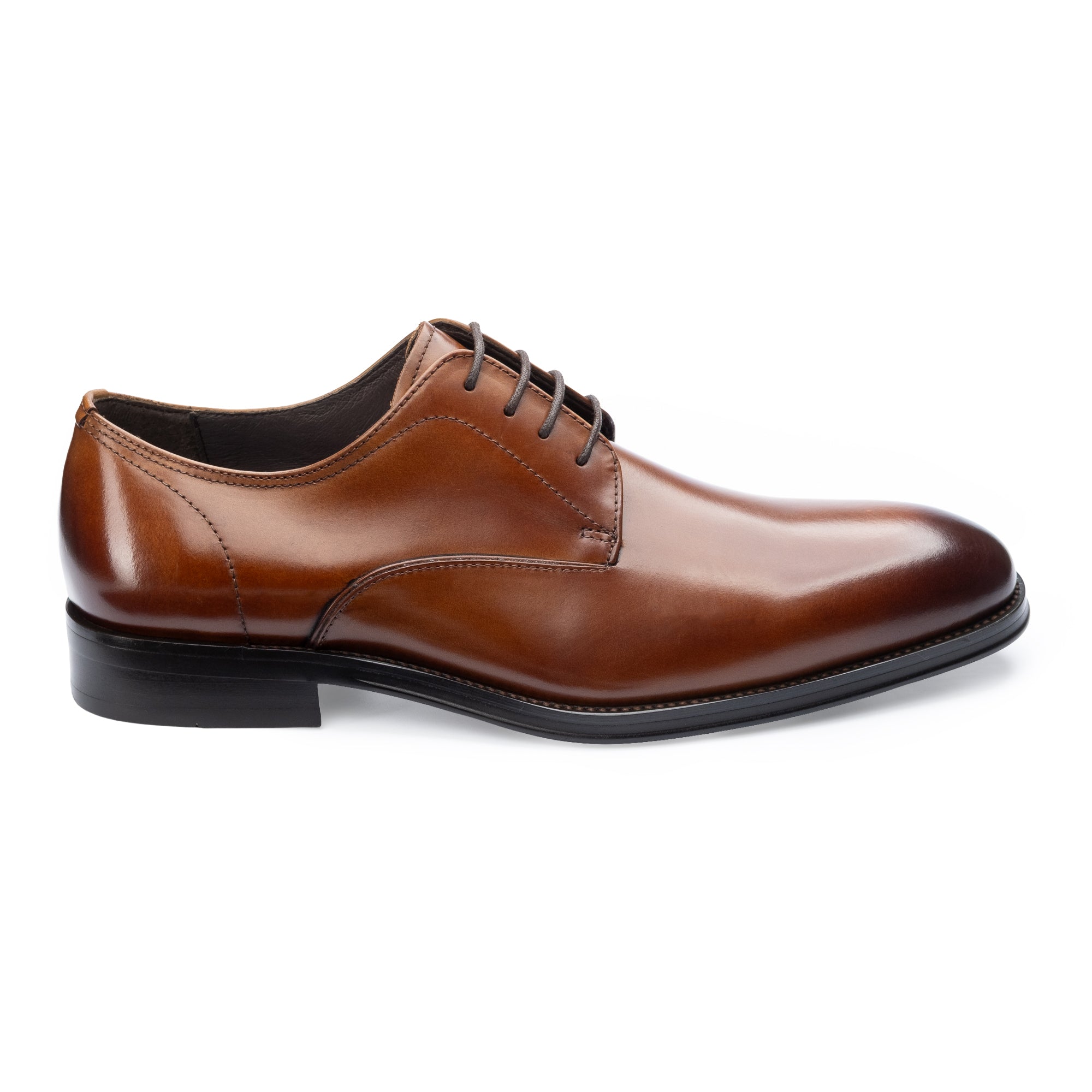
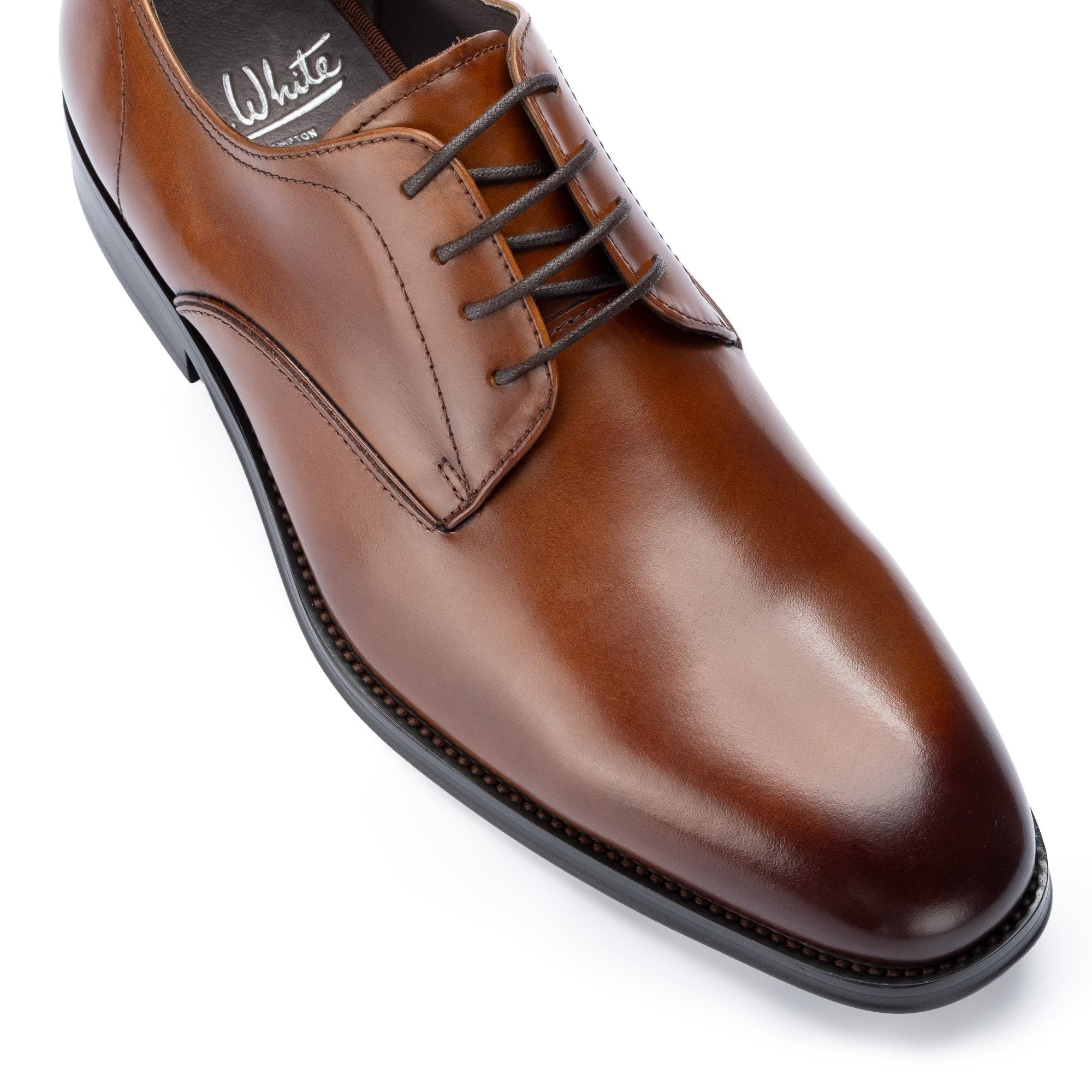
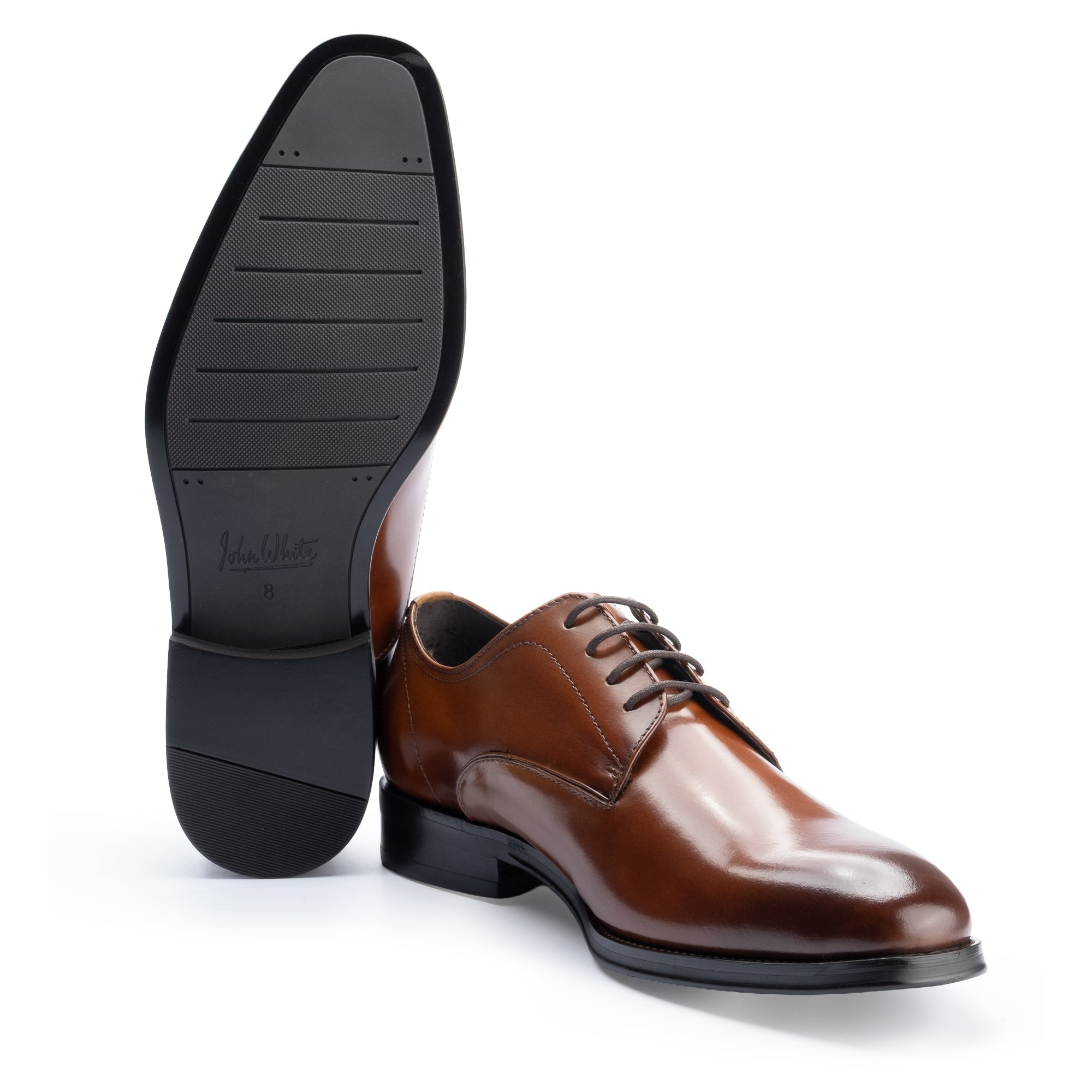
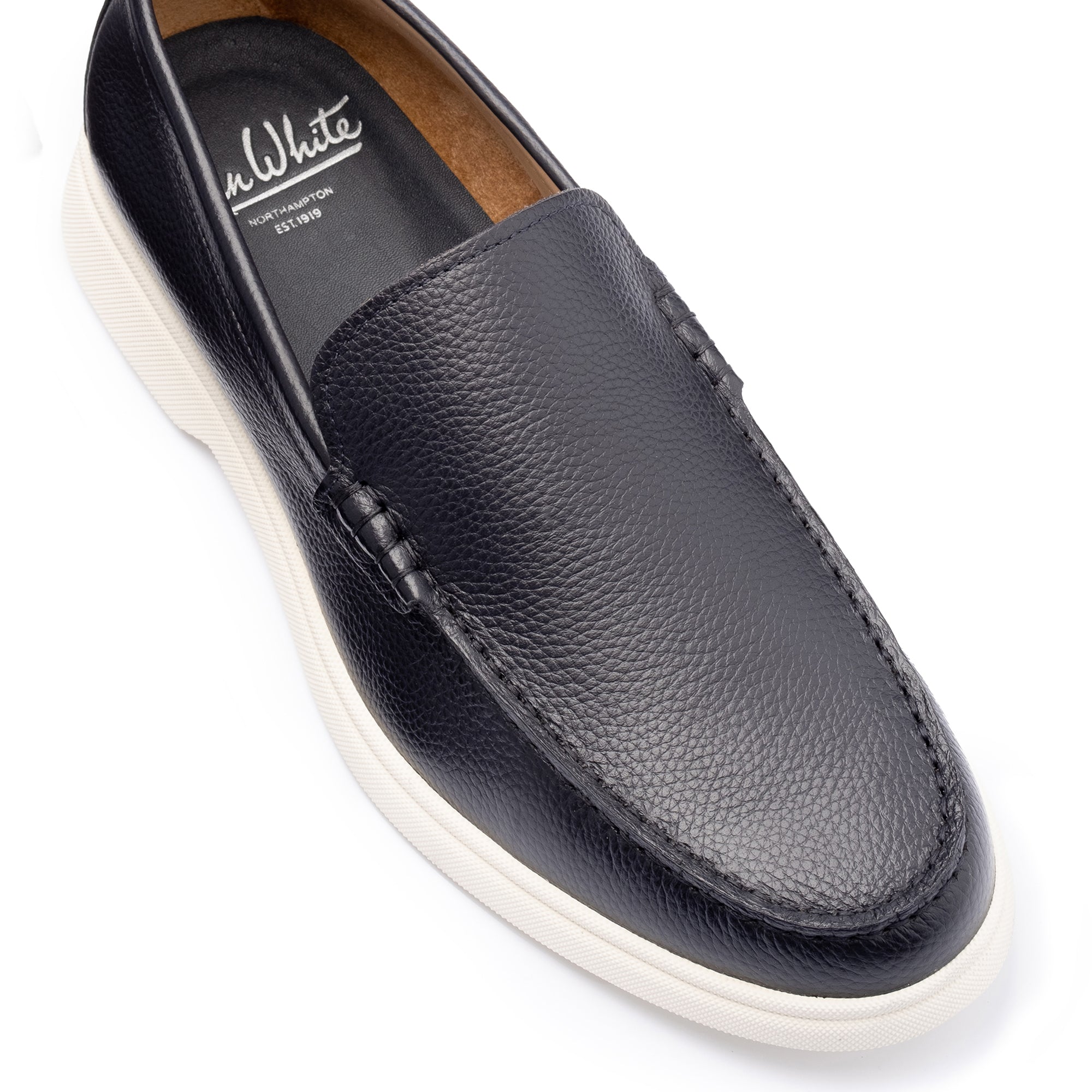
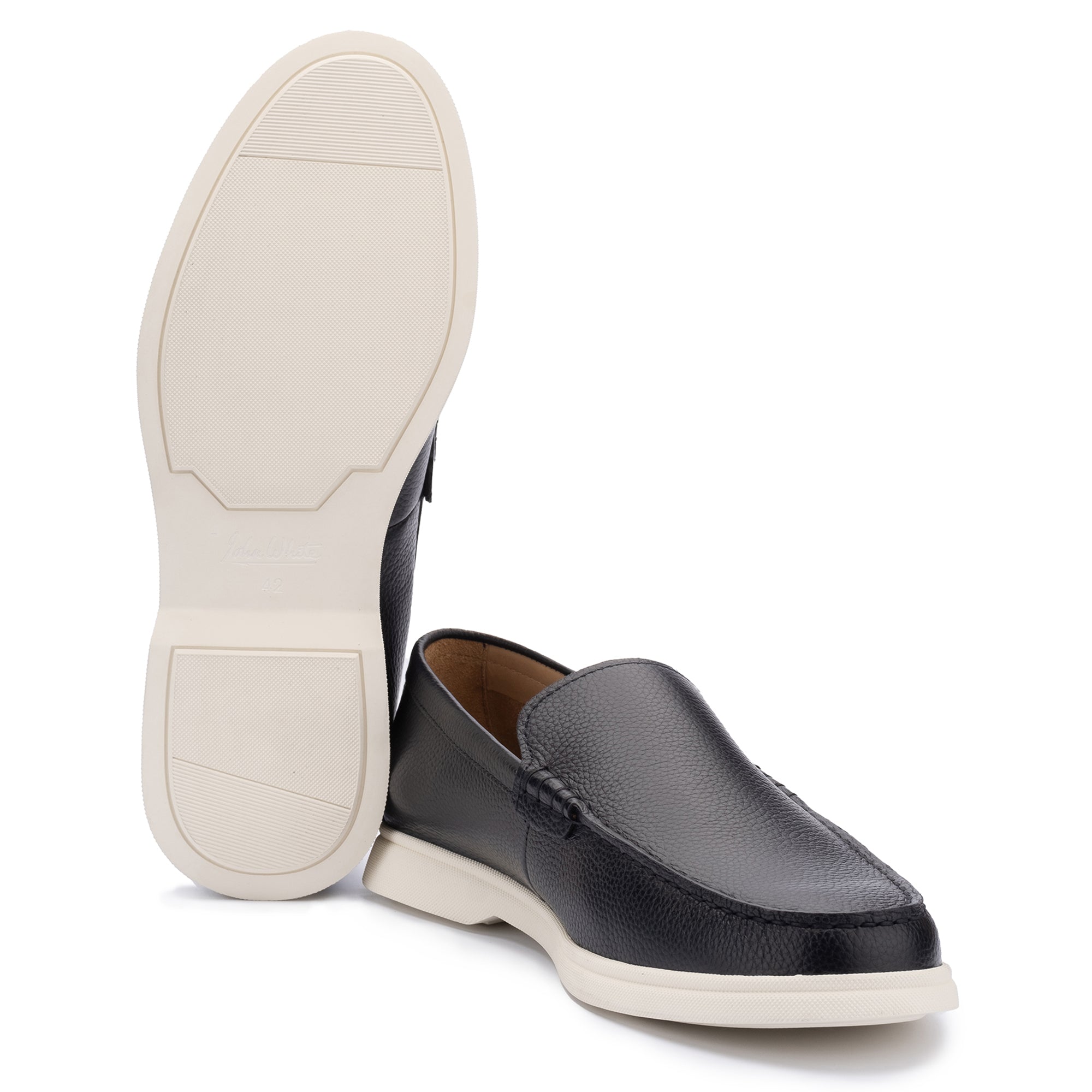
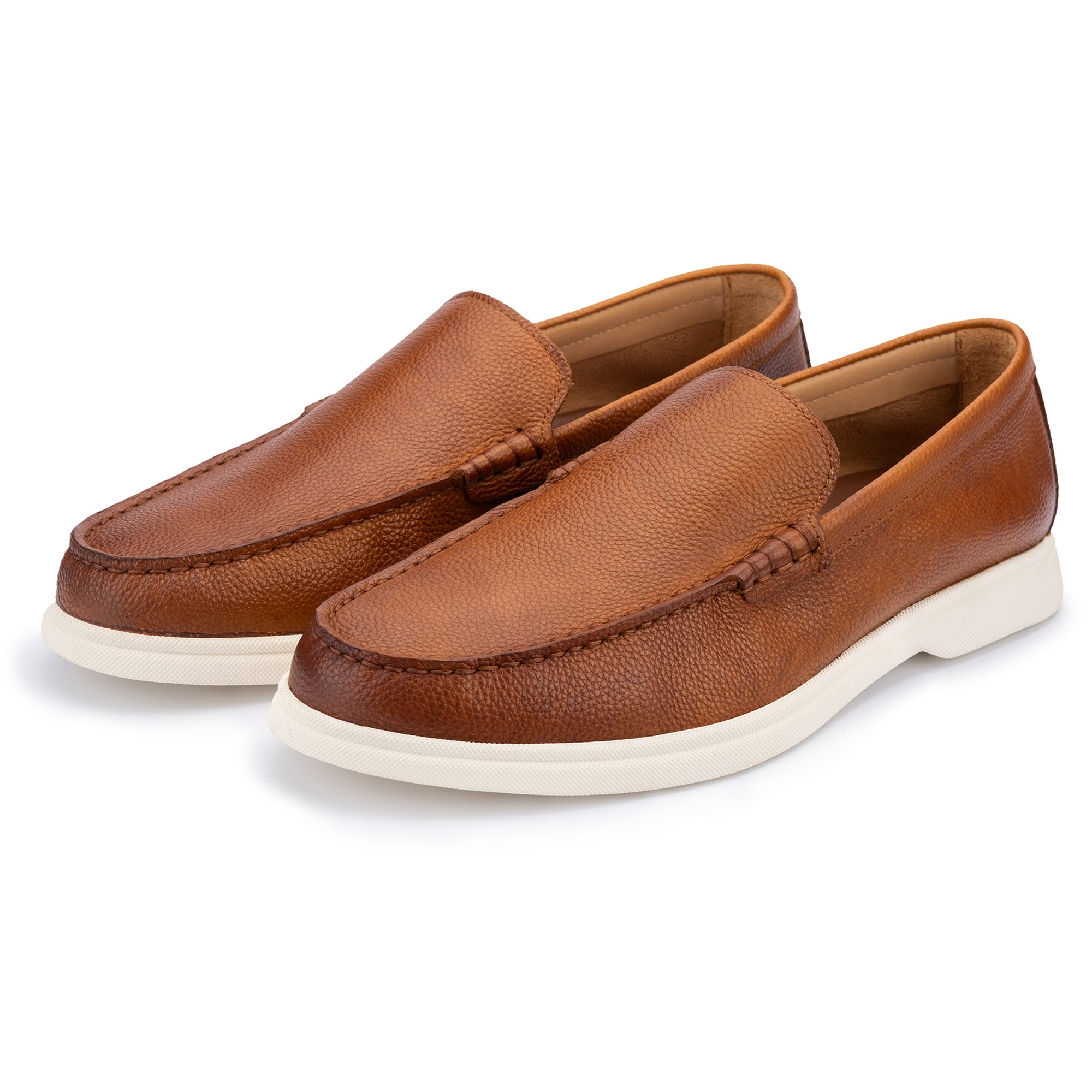
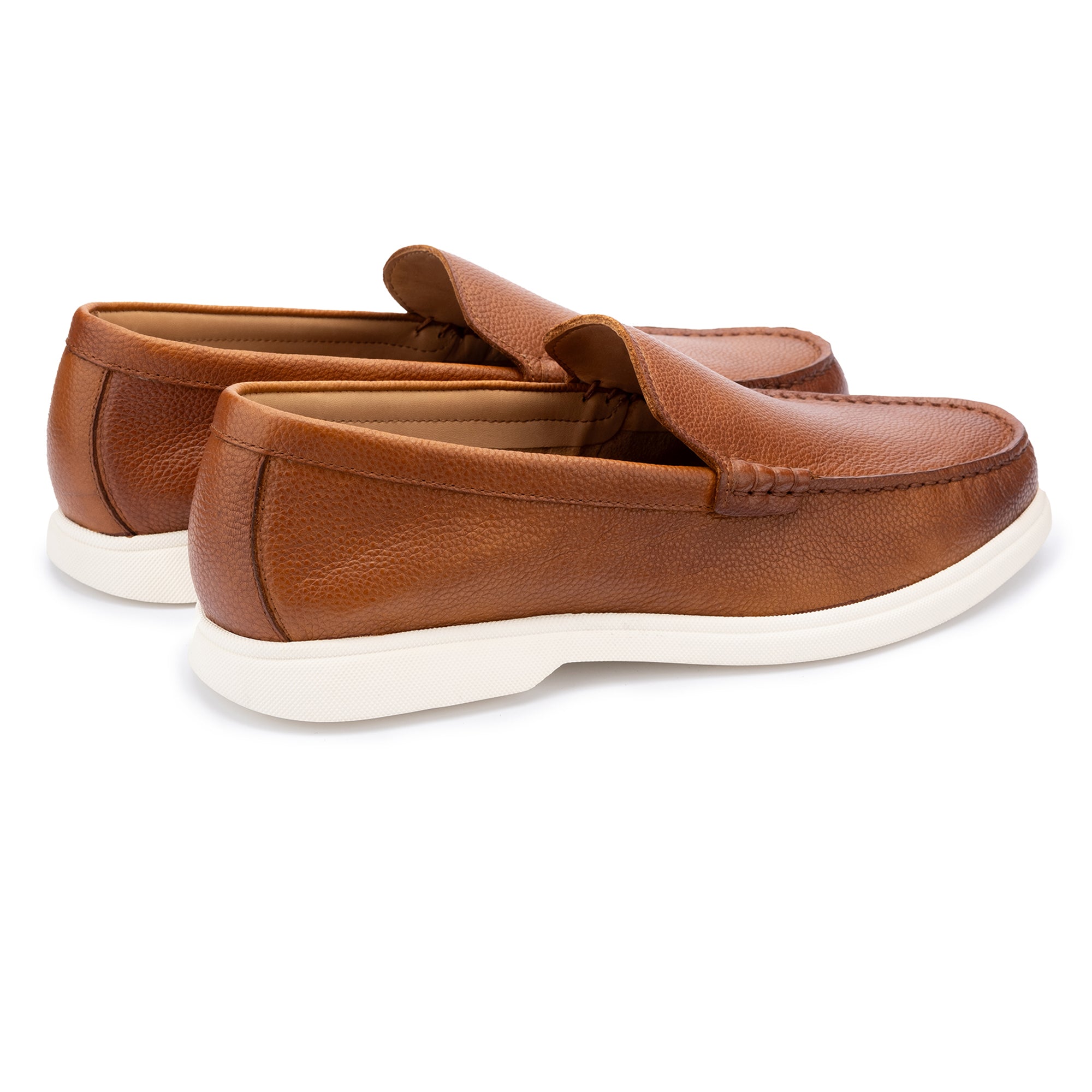
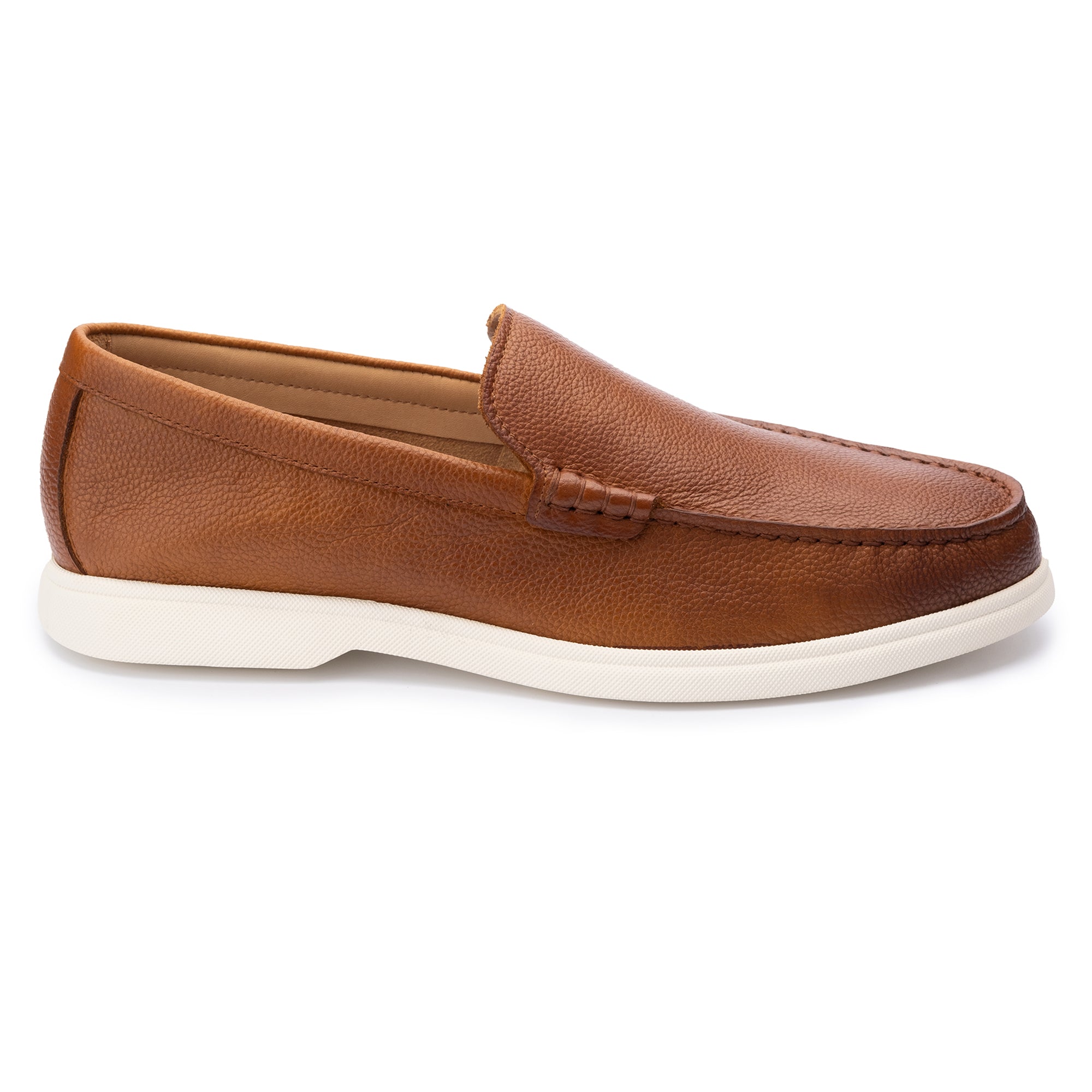
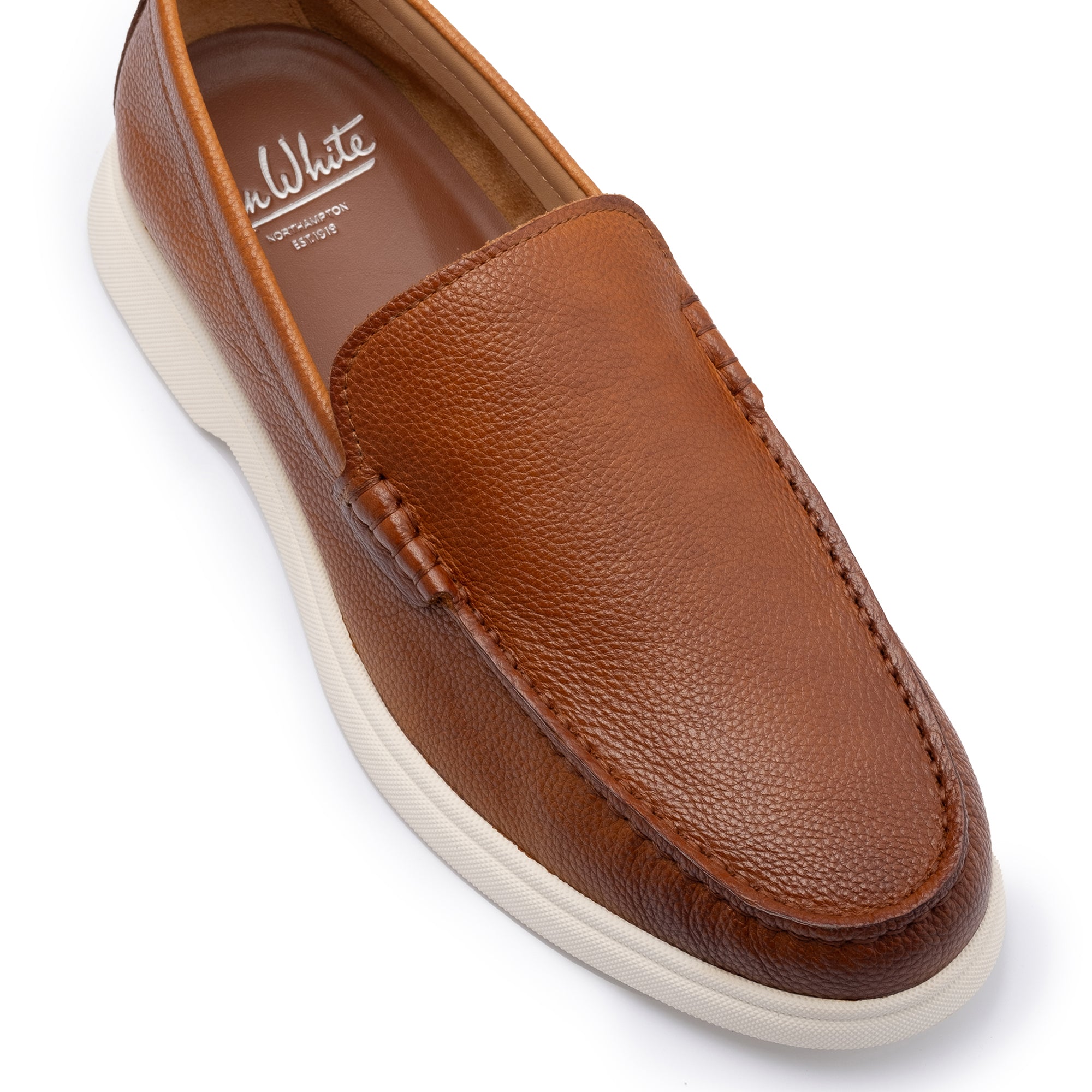
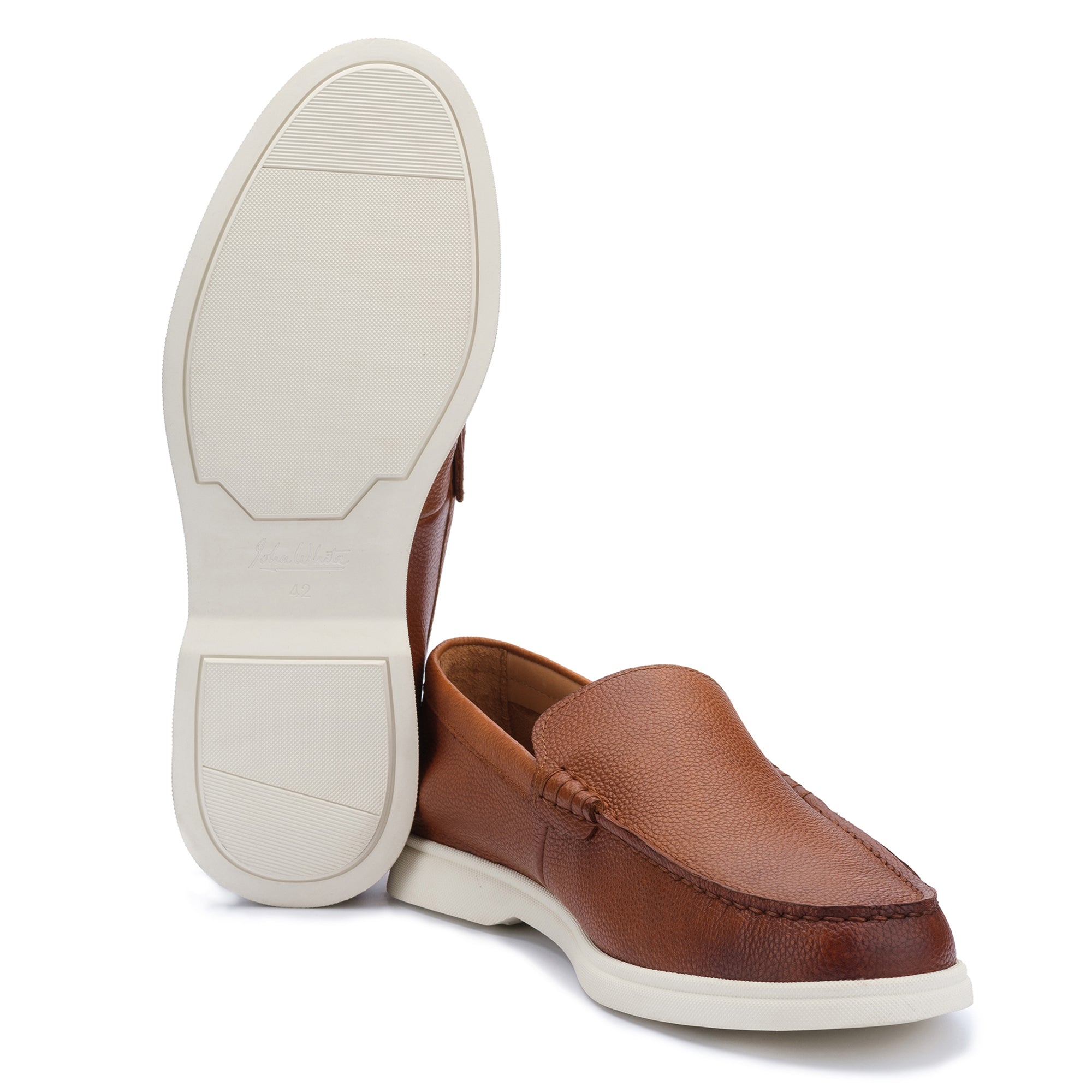
The welt is a narrow strip of leather — typically 8–10mm wide — that runs around the perimeter of a Goodyear welted shoe. It is the structural backbone of the shoe's construction, stitched on one side to the upper and insole, and on the other to the outsole. This double-stitch system is what gives Goodyear welted footwear its two defining qualities: resolability and long-term structural integrity.
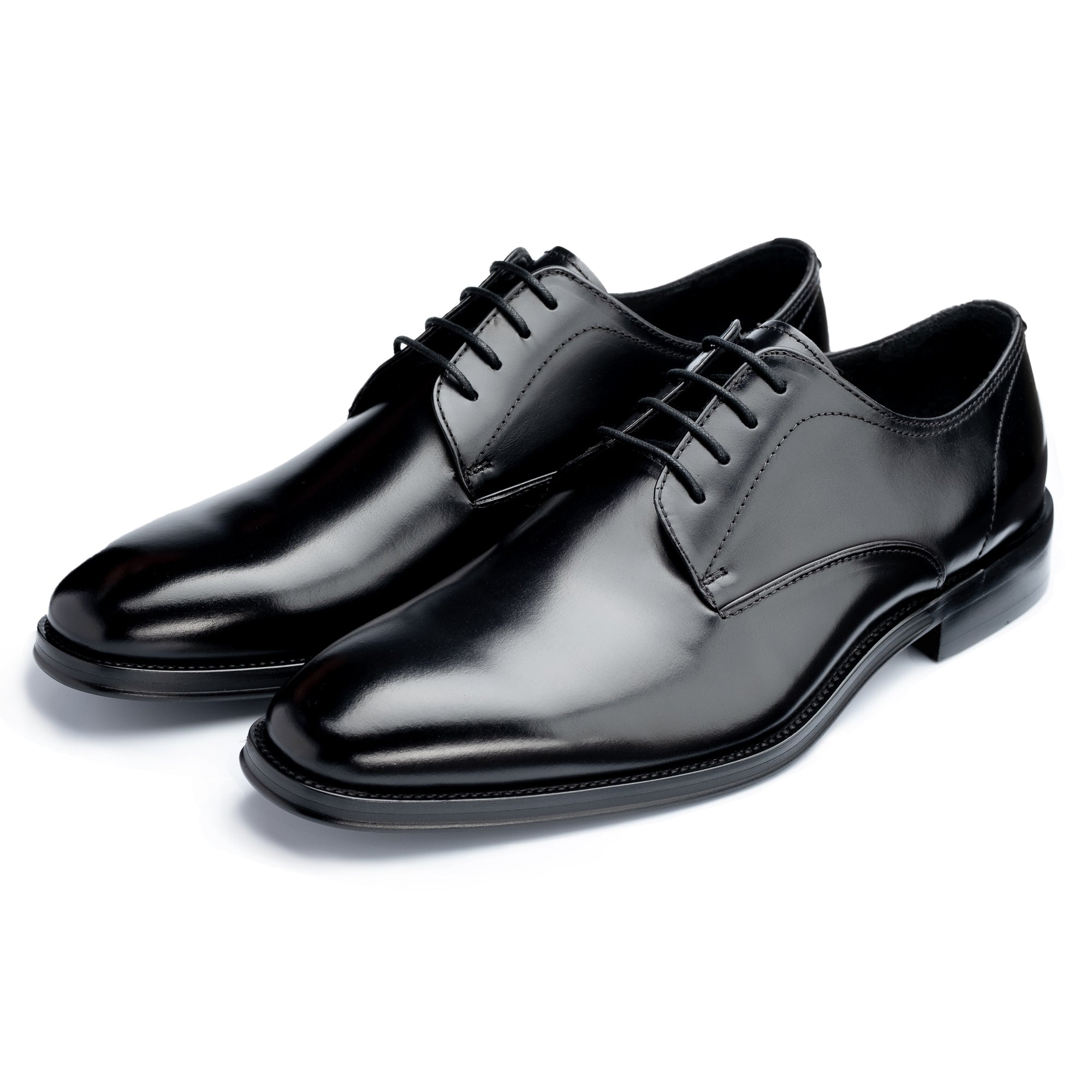
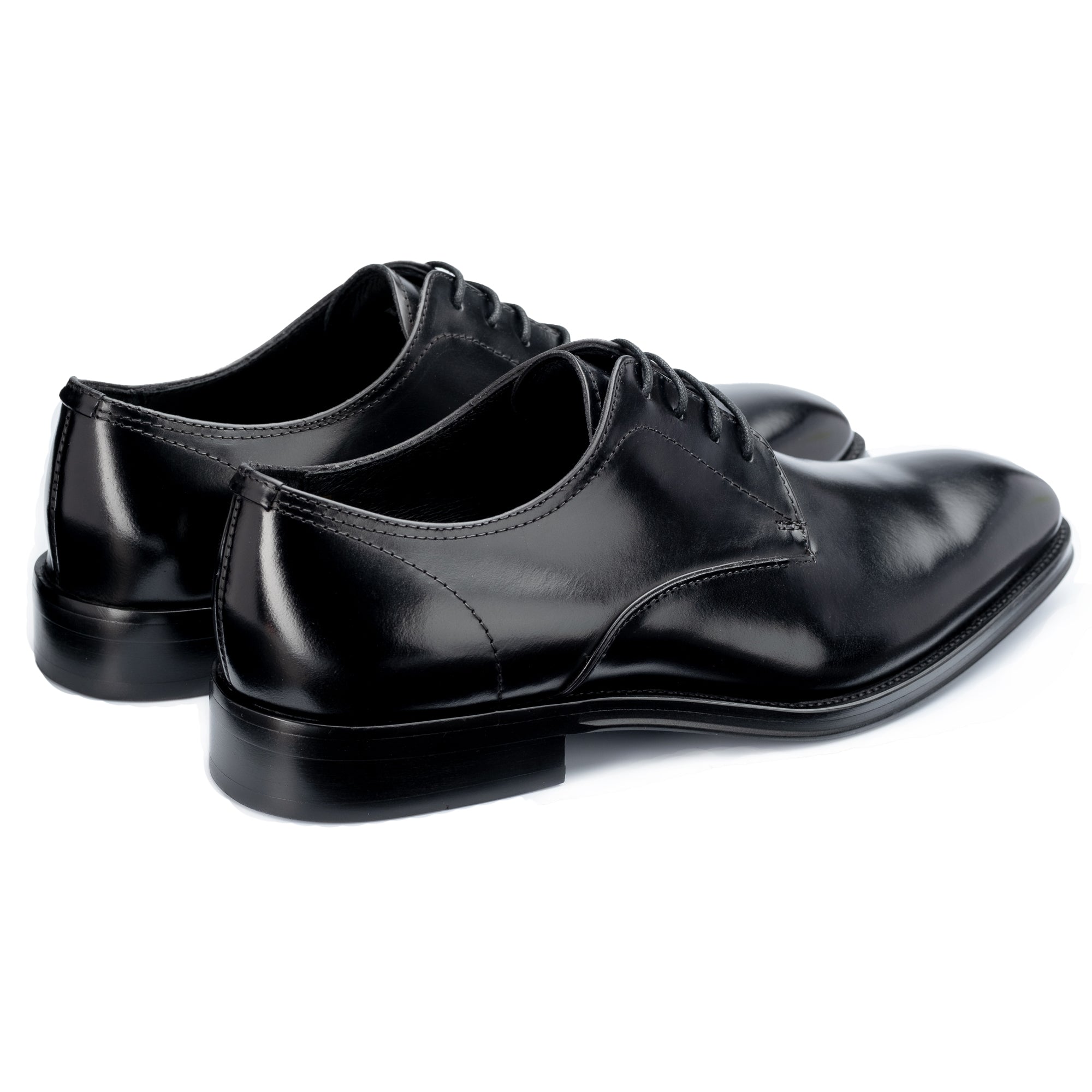
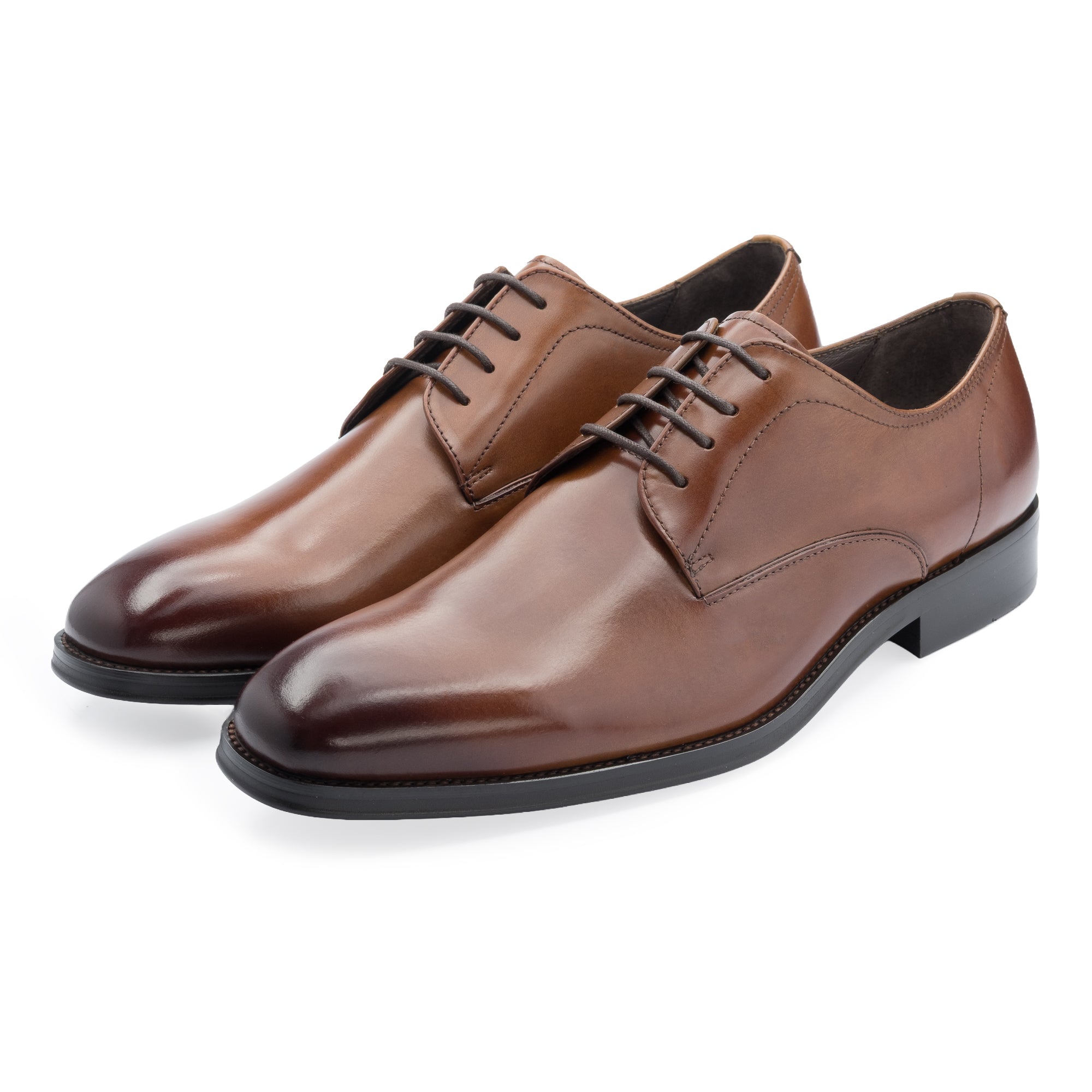
On a Goodyear welted shoe from John White Shoes, Loake, Barker, Grenson, Church's, or Crockett & Jones, the welt is not decorative. It is load-bearing. Every stride places flexion stress on that narrow strip. In wet British conditions, it absorbs moisture. In dry centrally-heated offices, it loses it. Both cycles, repeated without conditioning, cause the welt leather to harden, crack, and eventually fail at the stitching.
The Leather Conservation Centre states that leather left untreated loses critical oils and fats through everyday use, becoming brittle and susceptible to cracking — a process that accelerates in the welt due to its constant exposure to flexion stress and ground moisture, while remaining entirely invisible until the damage is structural.
The welt is the structural junction of a Goodyear welted shoe; its failure ends the shoe's life regardless of the condition of the upper.Why Is Welt Conditioning Neglected by Most Men?
Welt conditioning is neglected because the welt is not visually prominent. When a man polishes his shoes, attention goes to the upper — the surface that reflects, that catches the eye, that reads as cared-for in a meeting room. The welt, sitting in the crease between upper and sole, lies entirely outside the usual care circuit.
Senior repairers within the Society of Master Shoe Repairers have noted consistently that a polished shoe and a maintained shoe are not the same thing. The upper is polished. The welt is maintained. Neglecting one while attending to the other is the most common mistake made by men who otherwise take their footwear seriously.
Most shoe care guides address upper conditioning, polish application, and storage. The welt receives scant coverage. As a result, even men who maintain their shoes correctly can own a pair for years without ever treating the welt. By the time cracking is visible, the damage is often already structural.
The invisibility of the welt in standard care routines makes it the most common structural failure point in well-polished but inadequately maintained shoes.What Happens When the Welt Dries Out and Cracks?
Welt deterioration follows a clear, progressive sequence. Understanding it makes the case for conditioning irrefutable.
- Stage 1 — Desiccation: The welt loses its natural oils. It stiffens and loses flexibility. The leather begins to lighten slightly in colour along the outer edge.
- Stage 2 — Micro-cracking: Fine surface cracks appear along the welt perimeter, concentrated at the toe and heel where flexion stress is highest. These cracks are commonly dismissed as aesthetic at this stage.
- Stage 3 — Stitch exposure: As the welt cracks, the thread of the inseam (connecting welt to insole) and outseam (connecting welt to outsole) becomes exposed. Exposed thread is immediately vulnerable to abrasion and moisture penetration.
- Stage 4 — Sole separation: Once the outseam thread frays or the welt splits through, the outsole begins to detach. A skilled cobbler can repair the shoe at this stage — but at significantly higher cost than preventive conditioning would ever have been.
According to the British Footwear Association, Goodyear welted shoes are capable of lasting twenty years or more with proper maintenance, including welt care. Without it, sole separation can occur in as few as three to five years of regular wear — regardless of how well the upper has been polished.
Welt cracking is not an aesthetic problem: it is the beginning of structural failure, and it is entirely preventable with routine conditioning.How Often Should You Condition the Welt?
Welt conditioning frequency depends on how often the shoes are worn, the conditions they encounter, and whether they are exposed to rain or road salt. As a baseline, the welt should receive conditioning every time the upper is conditioned — which for regular wear means every four to six weeks.
The table below sets out a practical conditioning schedule based on usage pattern and conditions:
| Usage Pattern | Conditioning Frequency | Seasonal Priority | Notes |
|---|---|---|---|
| Daily wear (5+ days/week) | Every 3–4 weeks | Autumn/Winter focus | Condition after any wet day |
| Moderate wear (2–4 days/week) | Every 4–6 weeks | Pre-season conditioning | Standard schedule |
| Occasional wear (weekly or less) | Every 6–8 weeks | Before and after storage | Essential before long-term storage |
| Post salt or rain exposure | Immediately after cleaning | Any season | Salt accelerates desiccation rapidly |
For a full seasonal breakdown of how conditioning frequency should shift across the year — covering both upper and welt — see our guide to conditioning frequency for leather shoes across all four seasons.
The welt should be conditioned on the same schedule as the upper: every four to six weeks under regular wear, and immediately after any salt or rain exposure.What Products Work Best for Welt Conditioning?
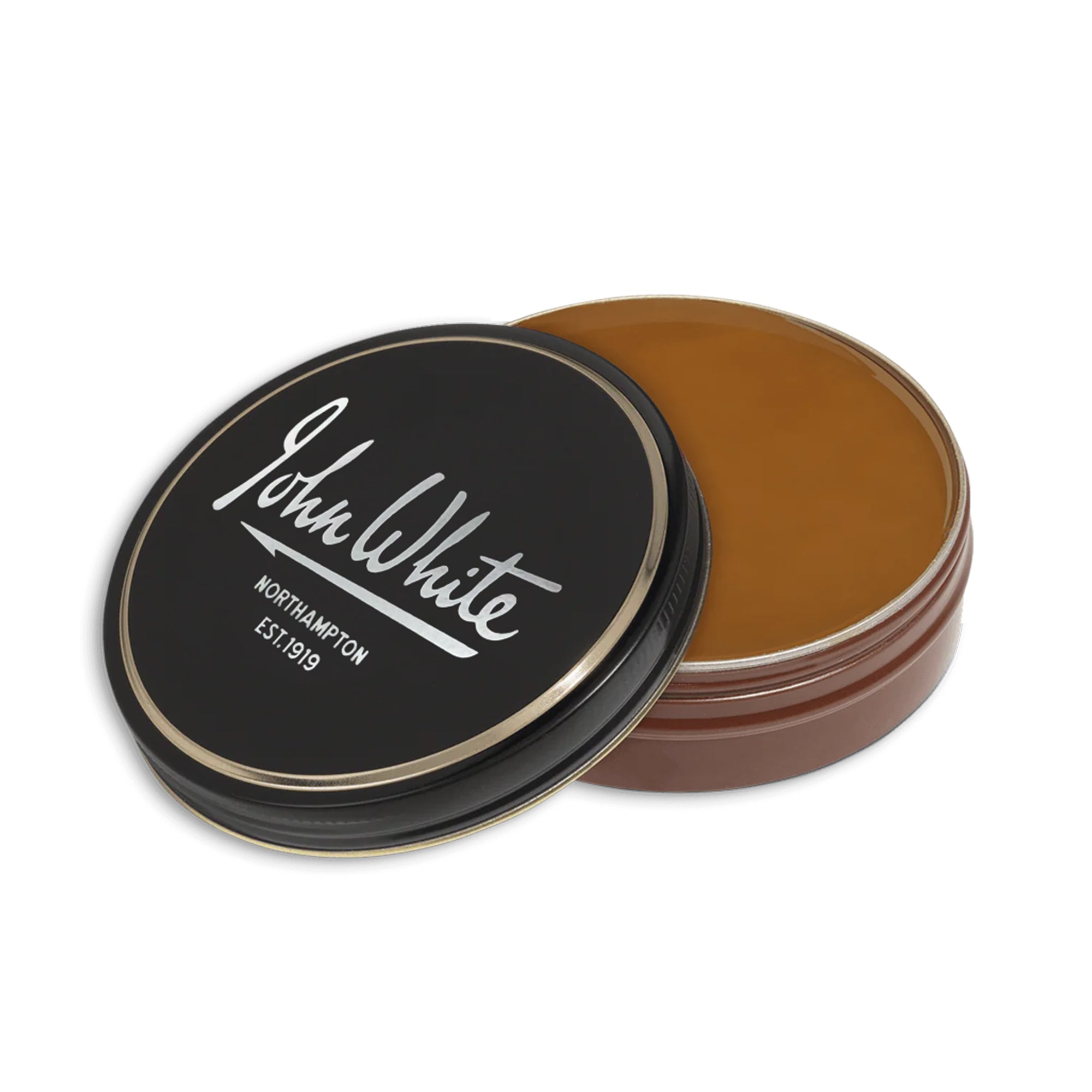
Welt conditioning products are those formulated for natural leather — a quality conditioner based on lanolin, beeswax, or neatsfoot oil. The same product used on the upper is correct for the welt. No specialist product is required.
- Lanolin-based conditioners — penetrate well, restore flexibility, and do not over-soften. The standard choice for full-grain calf welts.
- Beeswax conditioners — condition the leather and provide a degree of water repellence. Particularly suitable for welts on shoes worn regularly in wet weather.
- Neatsfoot oil — deep conditioning for very dry or neglected welts. Use sparingly; excess application can darken the welt leather and over-soften its structure.
Avoid silicone-based products, which coat the surface rather than penetrating the leather, and avoid petroleum-based conditioners, which can degrade welt stitching thread over time. The Leather Conservation Centre advises that mink oil, sometimes recommended for neglected leathers, can accelerate oxidation in certain hides over the long term and should be used selectively rather than as a routine conditioner.
The correct product for welt conditioning is any quality lanolin or beeswax leather conditioner — the same product used on the upper — applied with precision directly to the welt surface.How Do You Condition a Welt Correctly?
Welt conditioning is precise, methodical work that takes no more than five minutes and is best performed as part of the broader conditioning session rather than in isolation.
- Clean the welt first. Using a slightly damp cloth or a stiff brush, remove dirt, salt deposits, and old polish residue from the welt surface. Pay particular attention to the groove between the welt and the upper, where debris accumulates and traps moisture.
- Apply conditioner with precision. Use a cotton swab, a small detailing brush, or a tightly folded cloth to apply conditioner directly to the welt. A cotton swab gives the most control on the narrow surface. Work methodically around the full perimeter.
- Work the conditioner in gently. Use small circular pressure to encourage absorption. Allow the conditioner to penetrate the leather rather than sitting on the surface.
- Give extra attention to stress points. The toe and heel — where the shoe flexes with every step and where the welt is under highest strain — should receive a second pass of conditioner.
- Allow full absorption before polishing. Give the conditioner fifteen minutes to absorb before applying polish to the upper. This prevents the conditioner from contaminating the polish layer and compromising the finish.
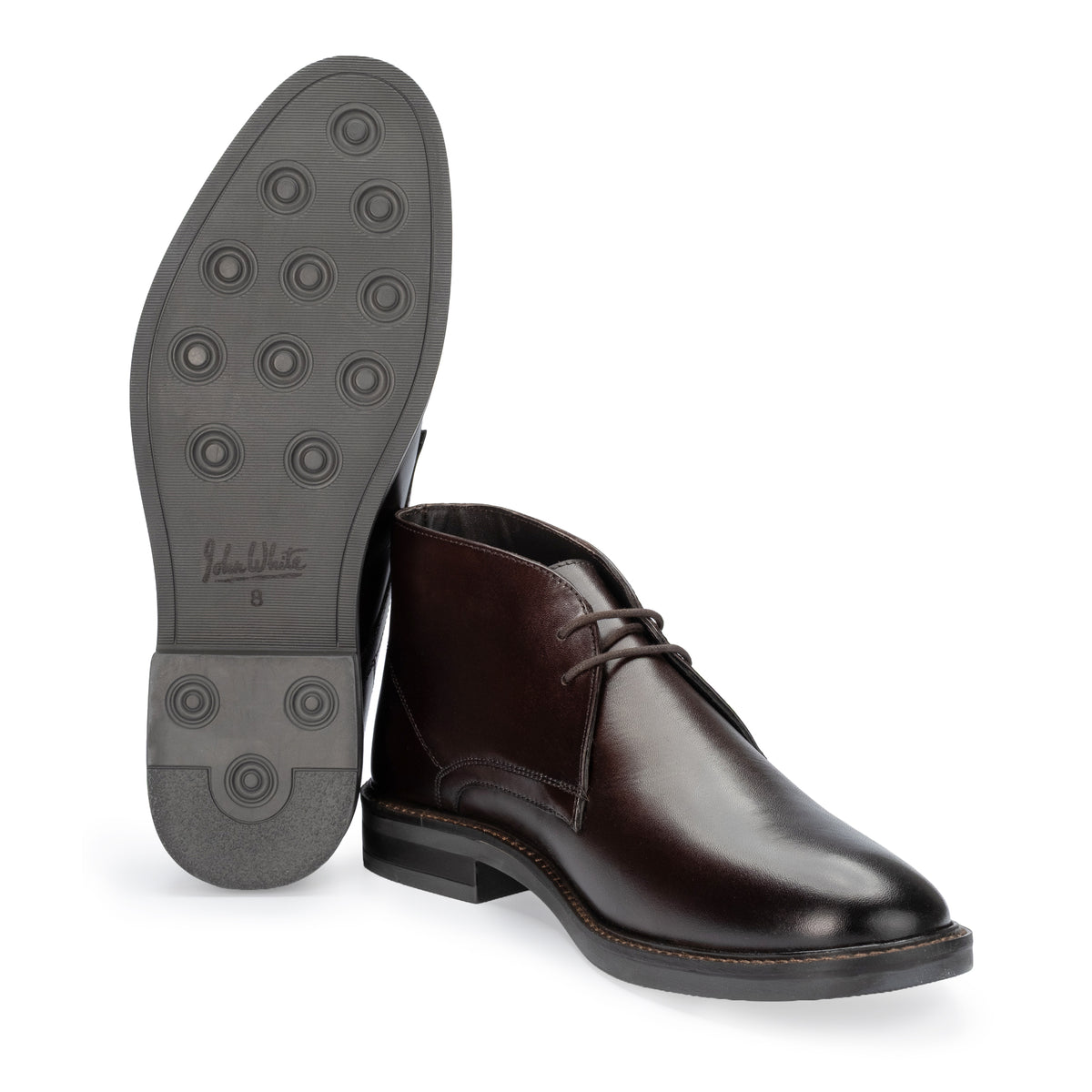
- Keep conditioner off the outsole thread. Apply to the welt leather only. Saturating the outseam thread can weaken it over time; the stitching is designed to remain dry.
Welt conditioning should feature as a dedicated step in any thorough annual maintenance session. Our complete maintenance checklist for a leather shoe collection covers every stage of that process, from deep cleaning to storage preparation.
Welt conditioning takes five minutes: clean the groove, apply conditioner with a cotton swab, focus additional product on the toe and heel, and allow full absorption before polishing the upper.Does the Welt Type Affect How You Should Condition It?
Welt type is a variable that affects both method and frequency. The two principal welt constructions — the flat welt and the storm welt — behave differently under weather exposure and require a slightly different approach to conditioning.
A flat welt sits flush against the upper. It presents less surface area to moisture ingress but is more susceptible to cracking at its outer edge under heavy use. Standard conditioning with a cotton swab, working carefully along the outer edge, is sufficient.
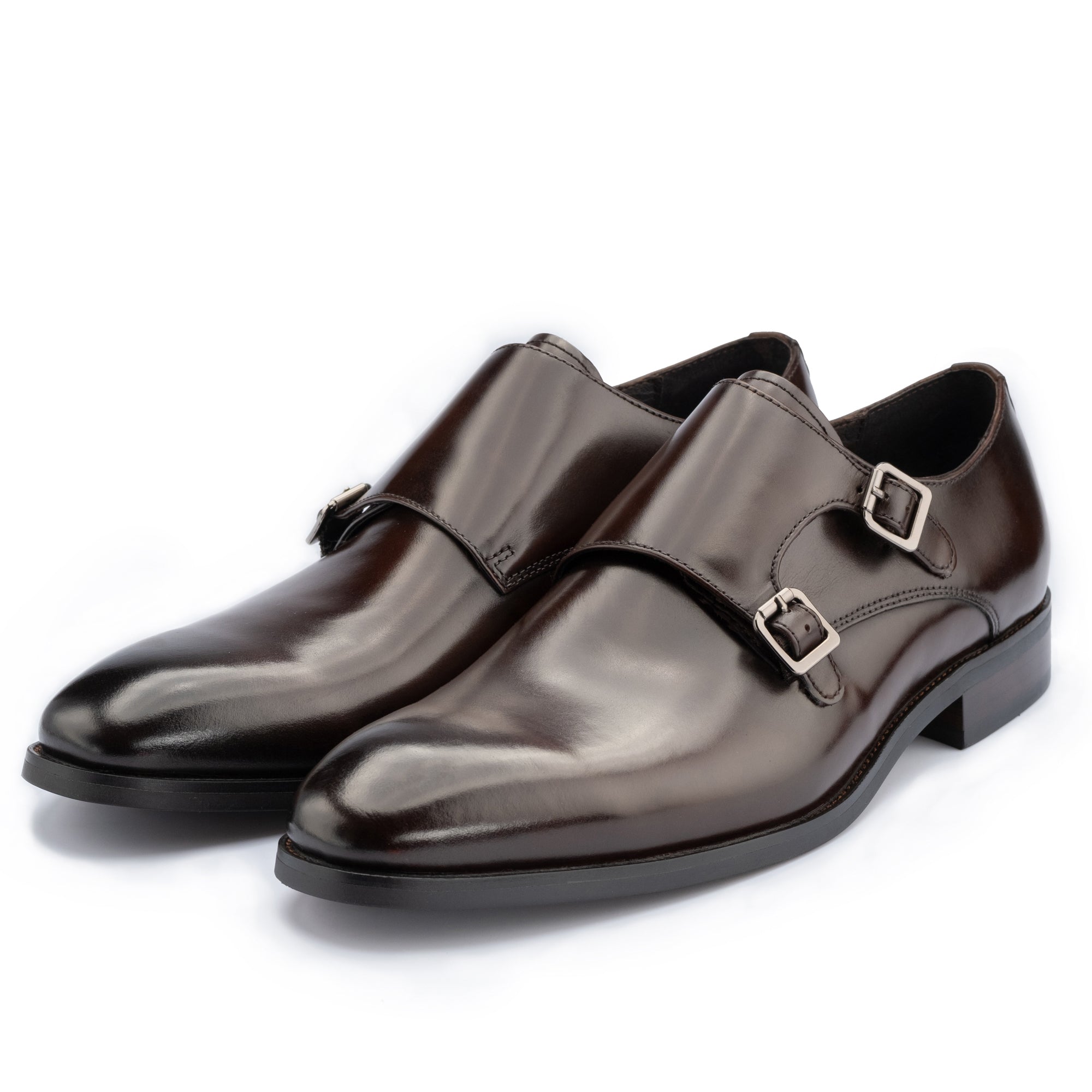
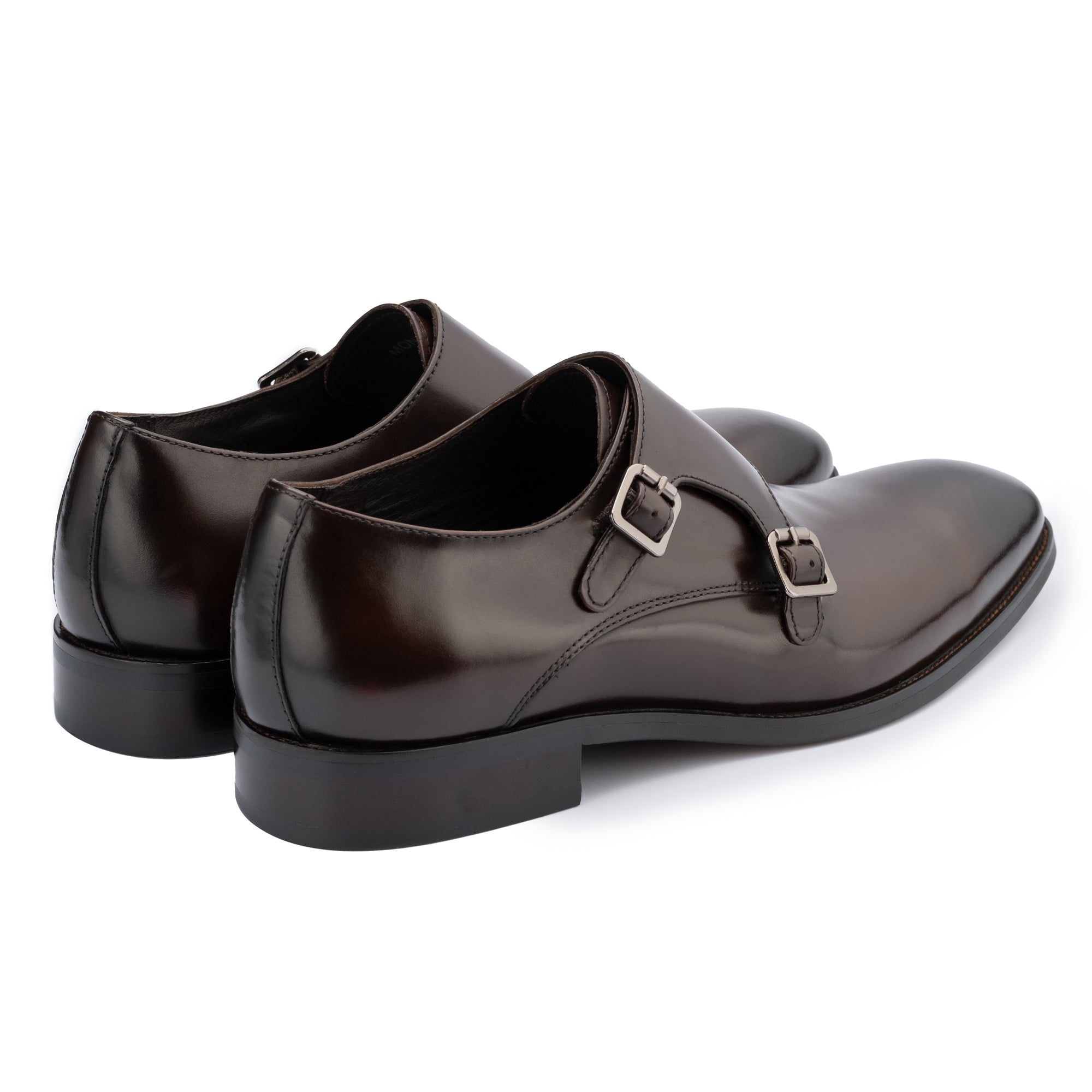
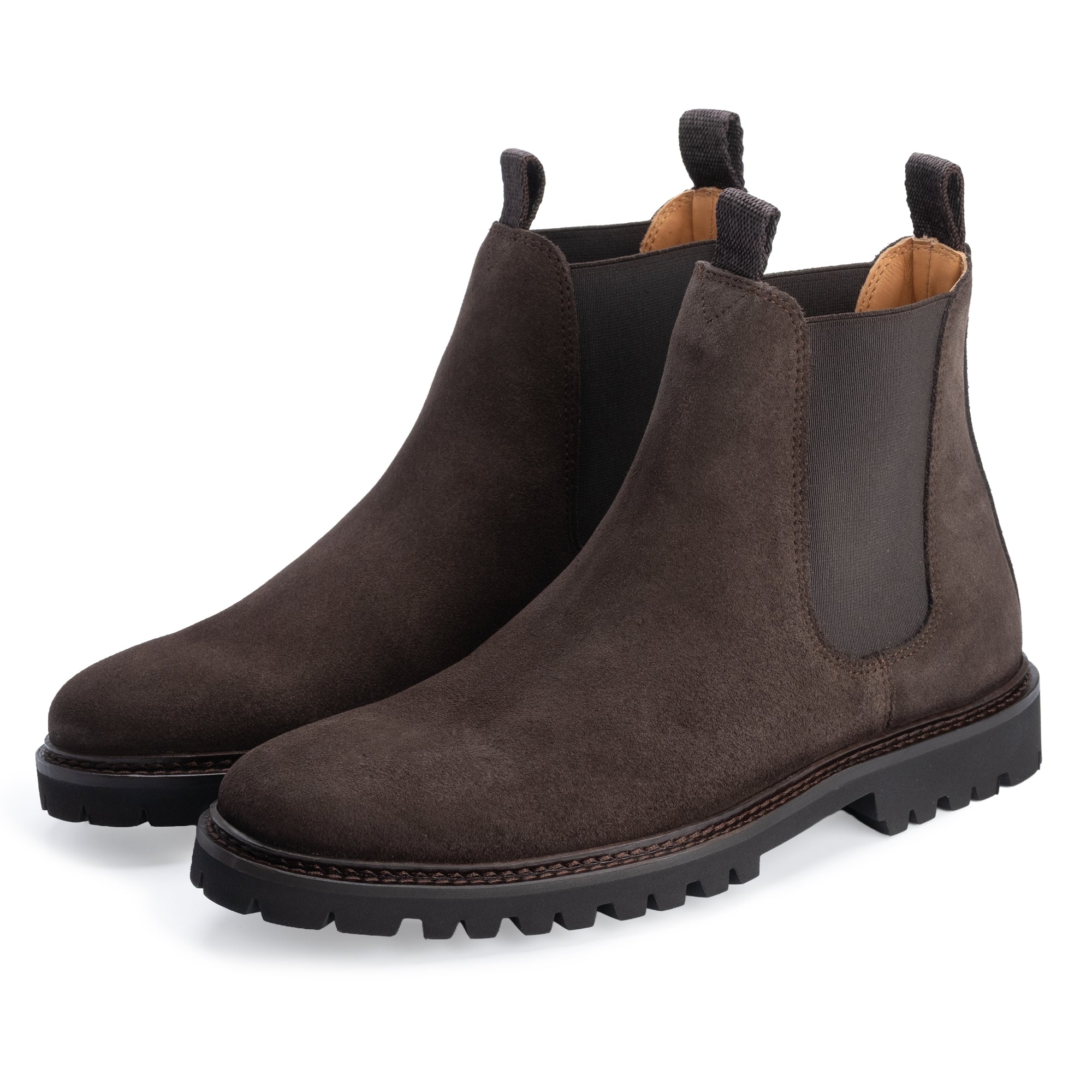
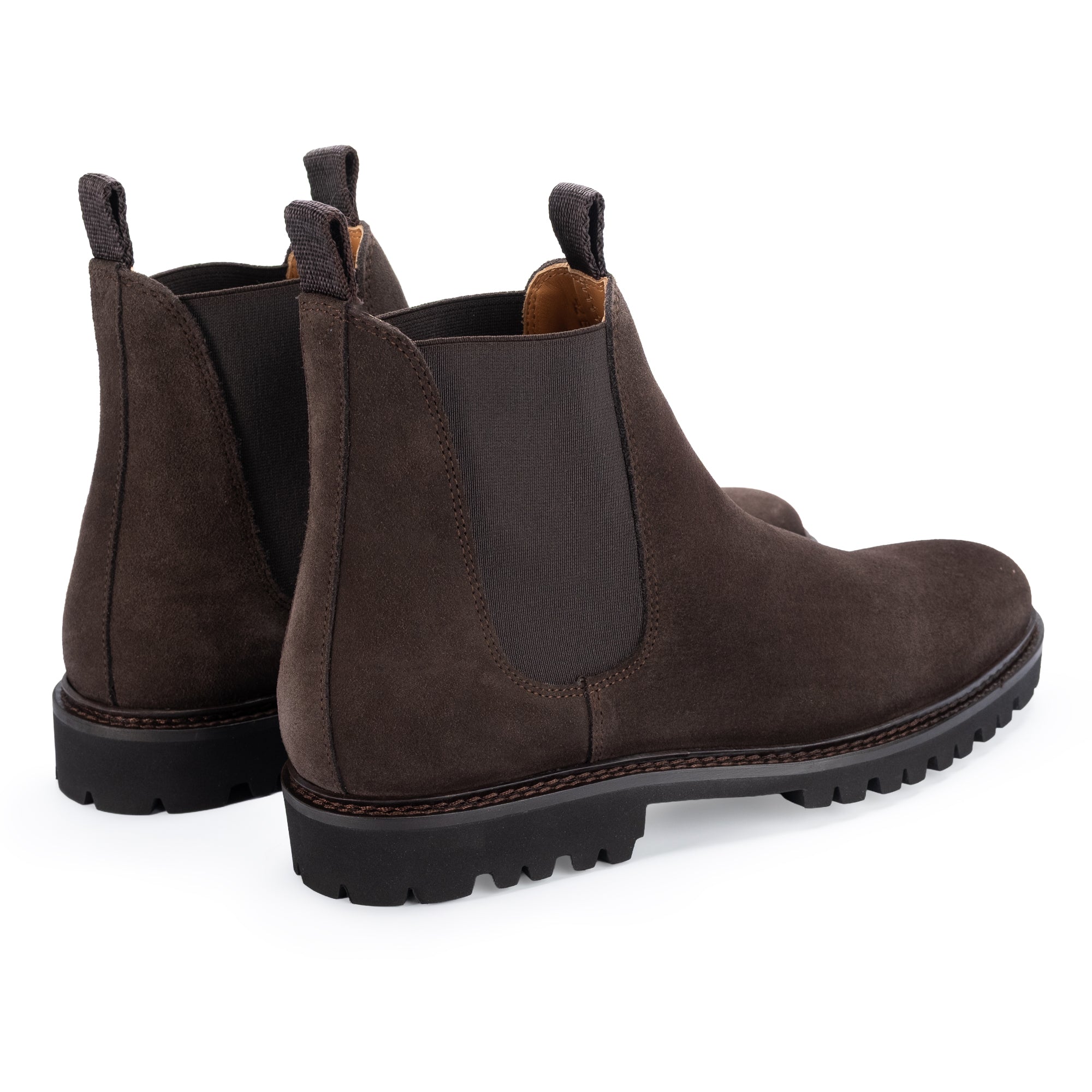
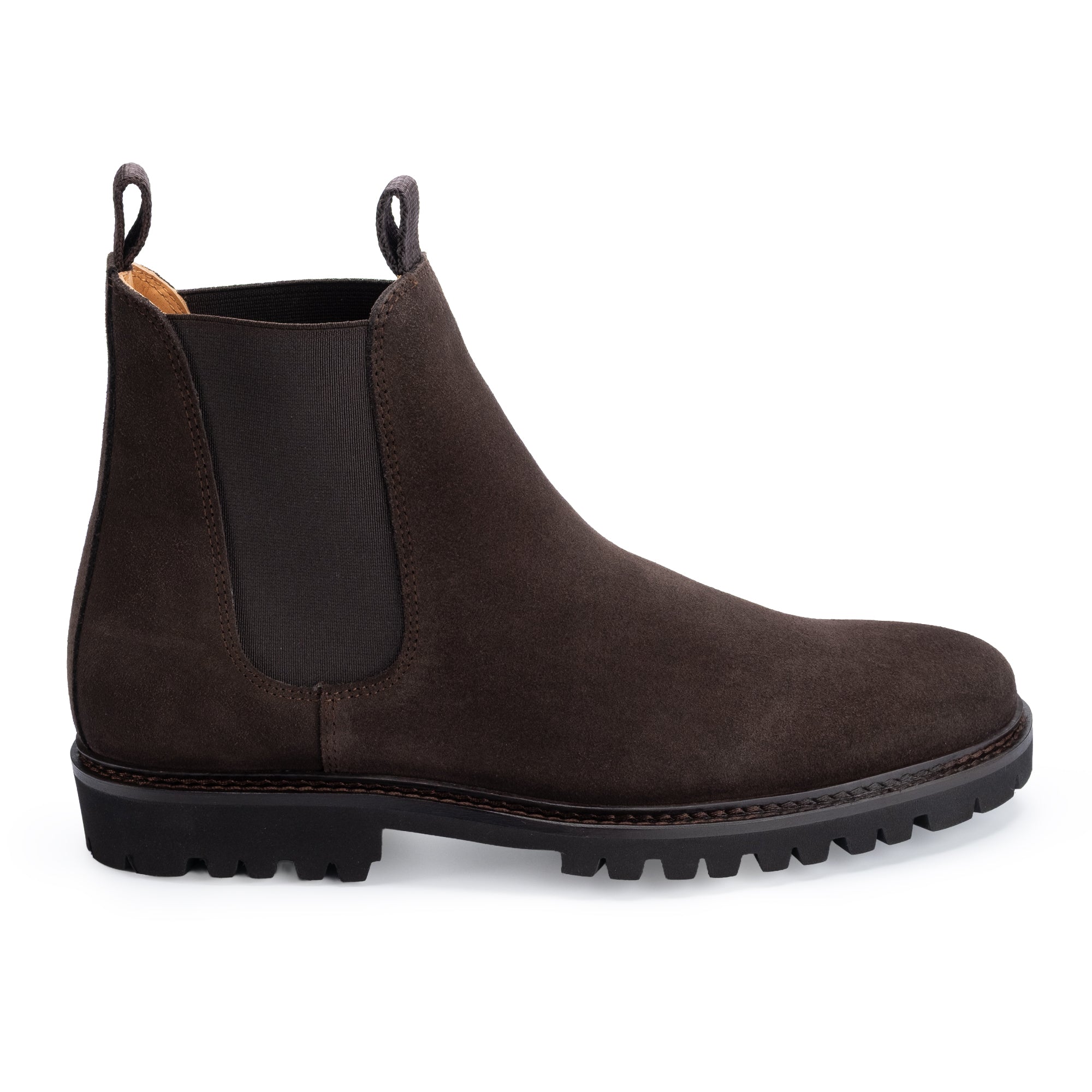
A storm welt — a raised, thicker welt that provides additional weather resistance — has a more prominent profile and a deeper groove between welt and upper. This groove traps moisture and debris more readily than a flat welt. Storm welts benefit from a more thorough cleaning of the groove with a stiff brush before conditioning, and a slightly more liberal application of conditioner to ensure the deeper leather surfaces are reached. For a full comparison of welt constructions and their respective weather properties, see our guide to storm welt versus flat welt construction.
Storm welts require thorough groove cleaning before conditioning; flat welts need careful attention to the outer edge where cracking is most likely to begin.Related Guides
- From Northampton to the World: The Story Behind British Shoemaking — our comprehensive guide
- The History of British Shoemaking — our comprehensive guide
- Conditioning Frequency for Leather Shoes: The Definitive Seasonal Schedule
- The Annual Ritual: A Complete Maintenance Checklist for Your Leather Shoe Collection
- Storm Welt vs. Flat Welt: A Definitive Guide to Weather Resistance and Refinement
TL;DR: The welt is the leather strip stitching the upper to the outsole on a Goodyear welted shoe. Left unconditioned, it dries, cracks, and fails — separating the sole and ending the shoe's life prematurely. Condition the welt every four to six weeks using the same lanolin or beeswax conditioner applied to the upper. Use a cotton swab for precision, focus on the toe and heel, and clean the welt groove before treating a storm welt. Five minutes per session. No specialist product required.
Frequently Asked Questions
Can you use the same conditioner on the welt as on the upper leather?
Yes. Any quality lanolin or beeswax leather conditioner used on the upper is suitable for the welt. On a quality Goodyear welted shoe, the welt is cut from the same full-grain leather as the upper. Avoid silicone-based products on either surface — they coat rather than condition.
How do you condition the welt without getting product on the outsole or the upper?
Use a cotton swab for precise application to the narrow welt surface. Work slowly and deliberately around the perimeter. Wipe away any product that transfers onto the upper or outsole with a clean dry cloth before it fully absorbs into those surfaces.
Is welt conditioning necessary on new shoes before first wear?
Yes. New Goodyear welted shoes benefit from a conditioning session before they are first worn. Factory finishing processes often leave the welt leather drier than ideal. A single conditioning application before wearing prepares the welt for the immediate flexion stress it will encounter from the first day.
What are the signs that a welt needs conditioning urgently?
Greyish or lighter discolouration along the welt edge, fine surface cracks running along the shoe's perimeter, stiffness when the shoe flexes, and any visible gap forming between welt and upper or welt and outsole are all clear indicators. At the first sign of any of these, condition immediately and allow full absorption before the shoe is worn again.
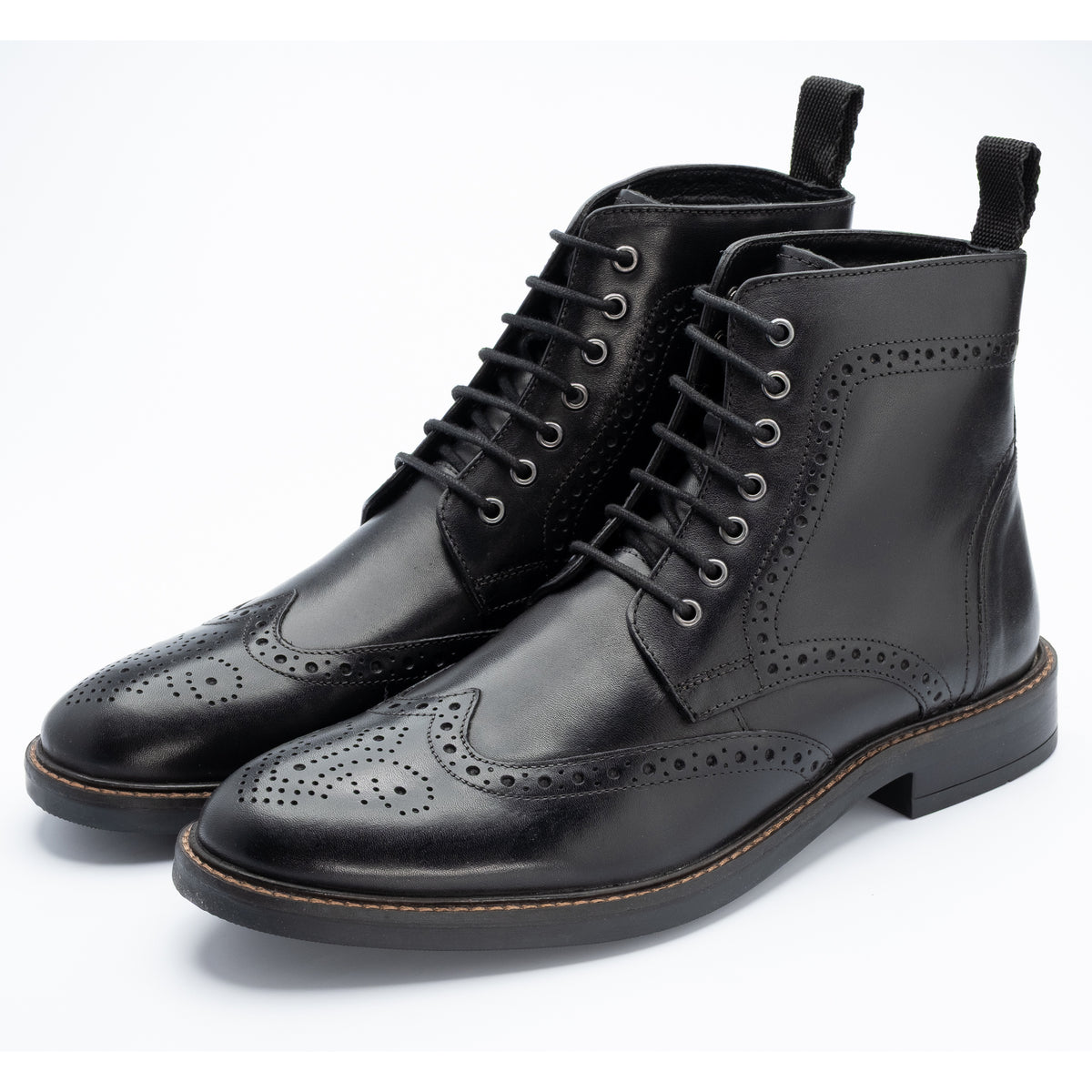
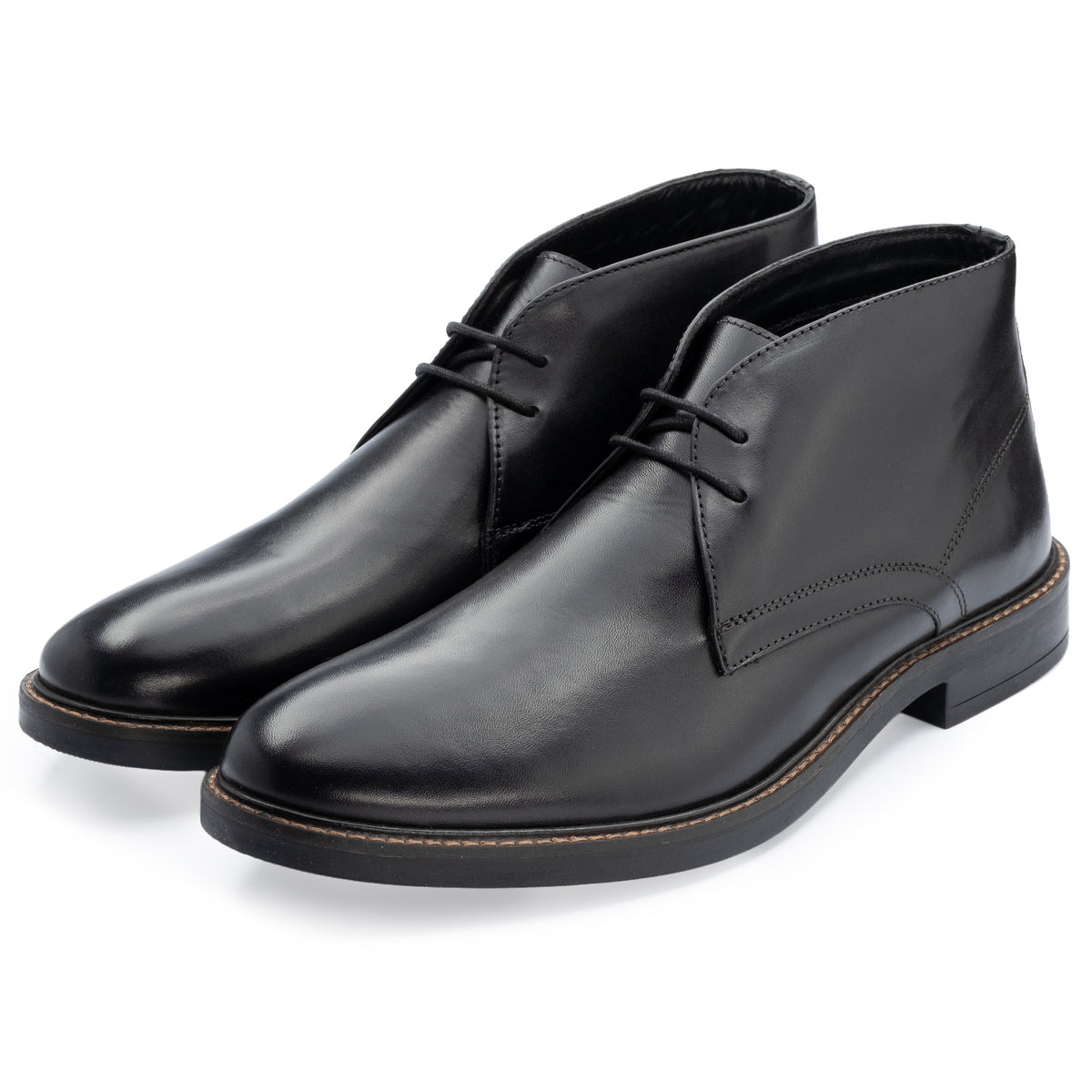
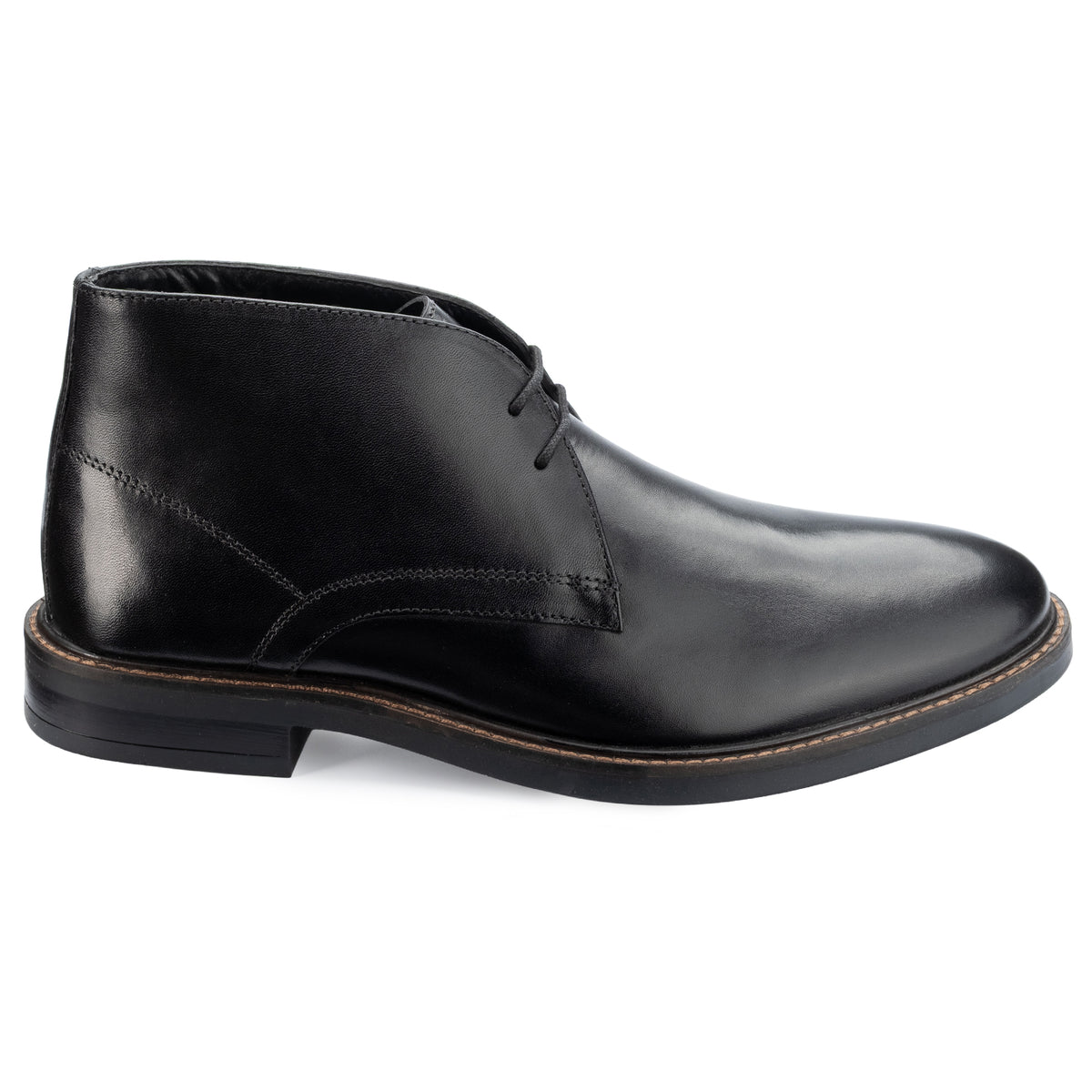
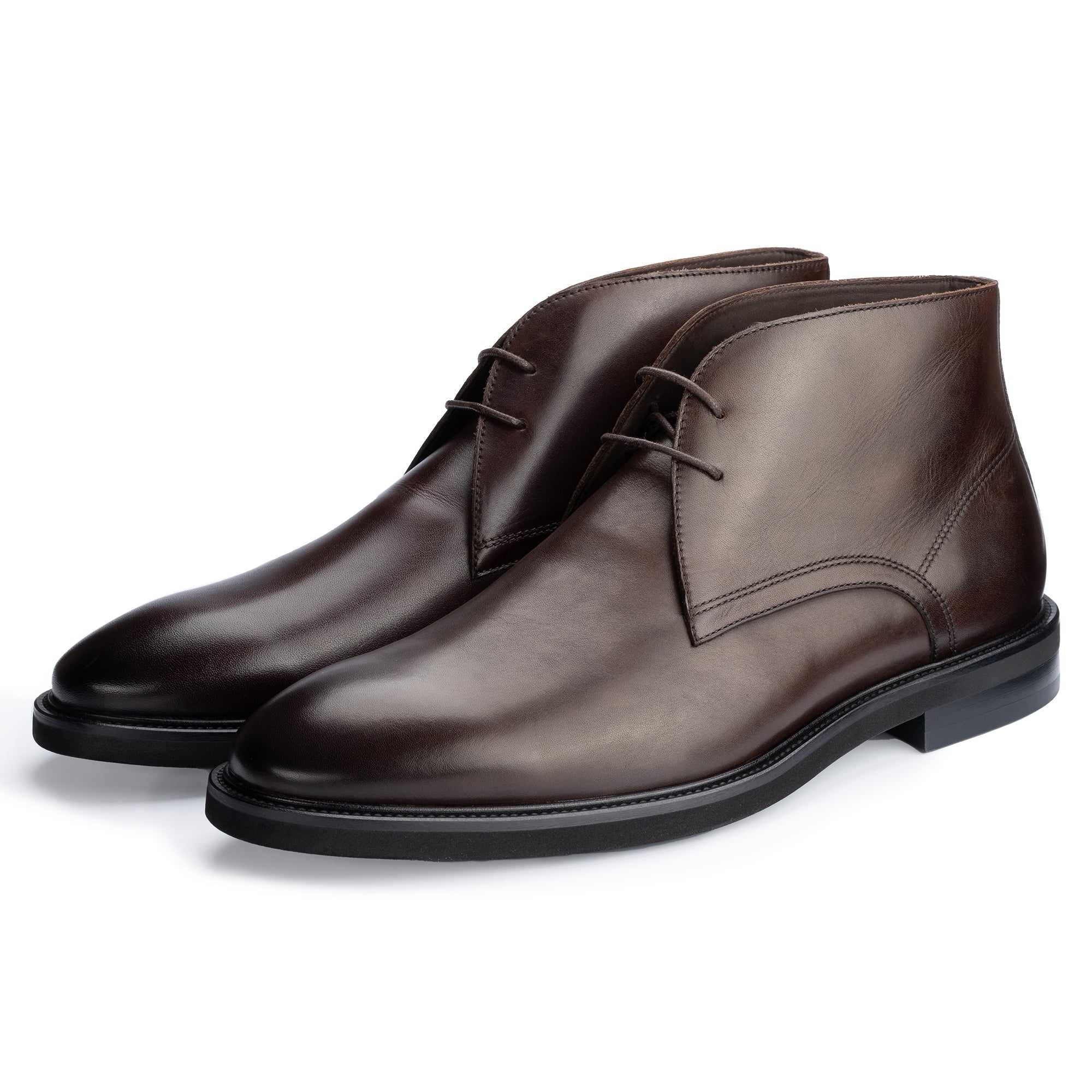
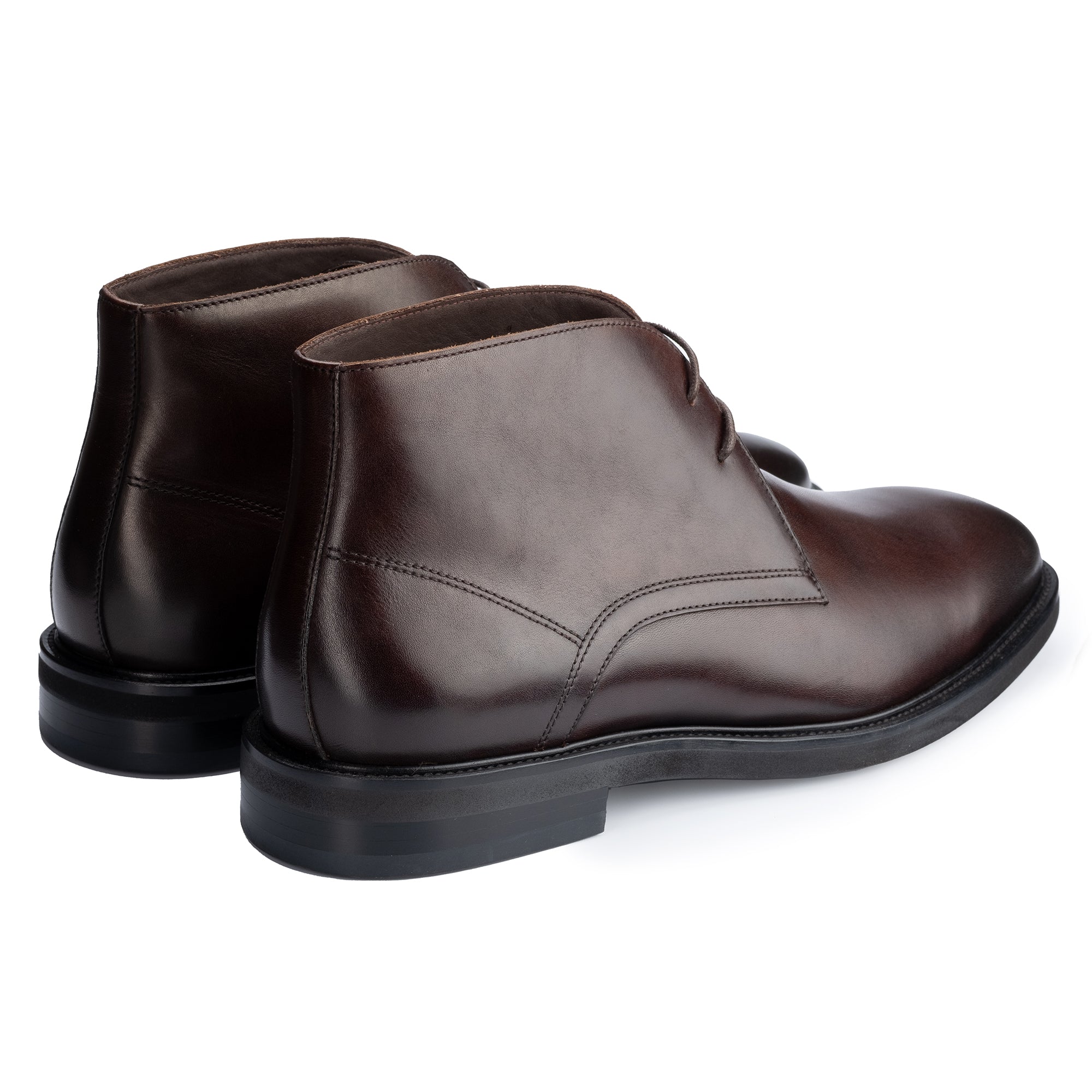
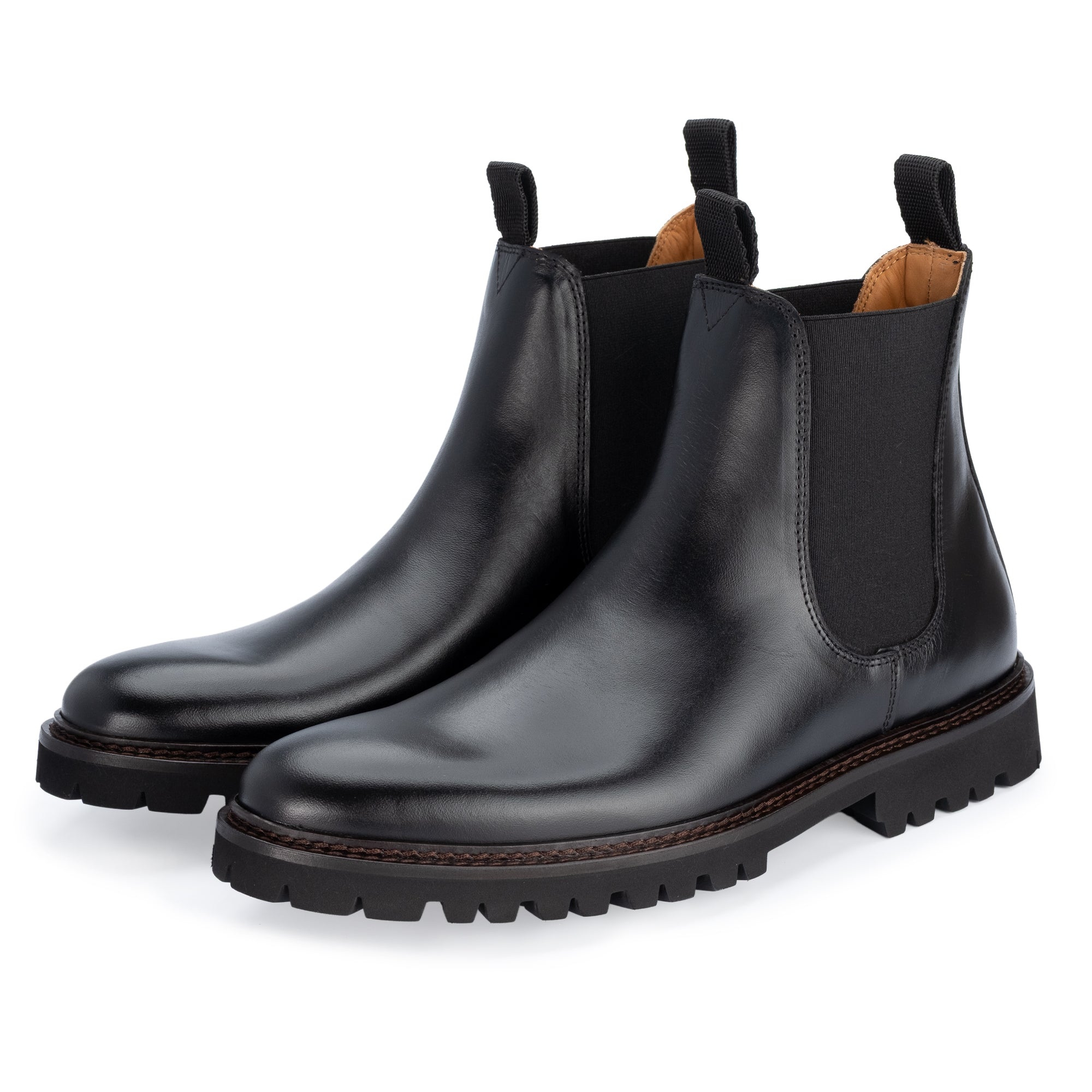
Explore the full John White Shoes collection — since 1919 construction designed to last decades with the care it deserves. For those who prefer a boot built to the same structural standard, the men's boots range carries Goodyear welt construction throughout.