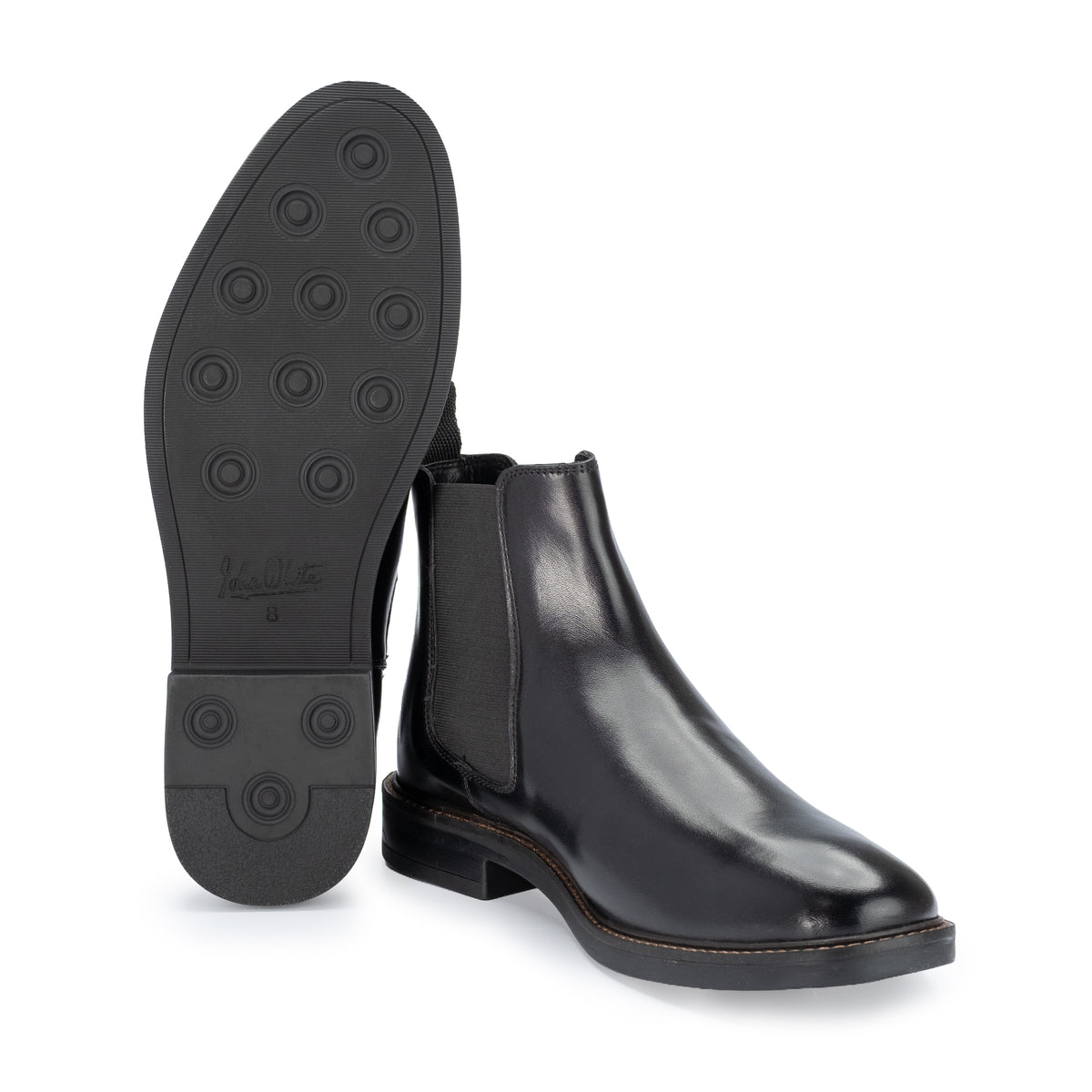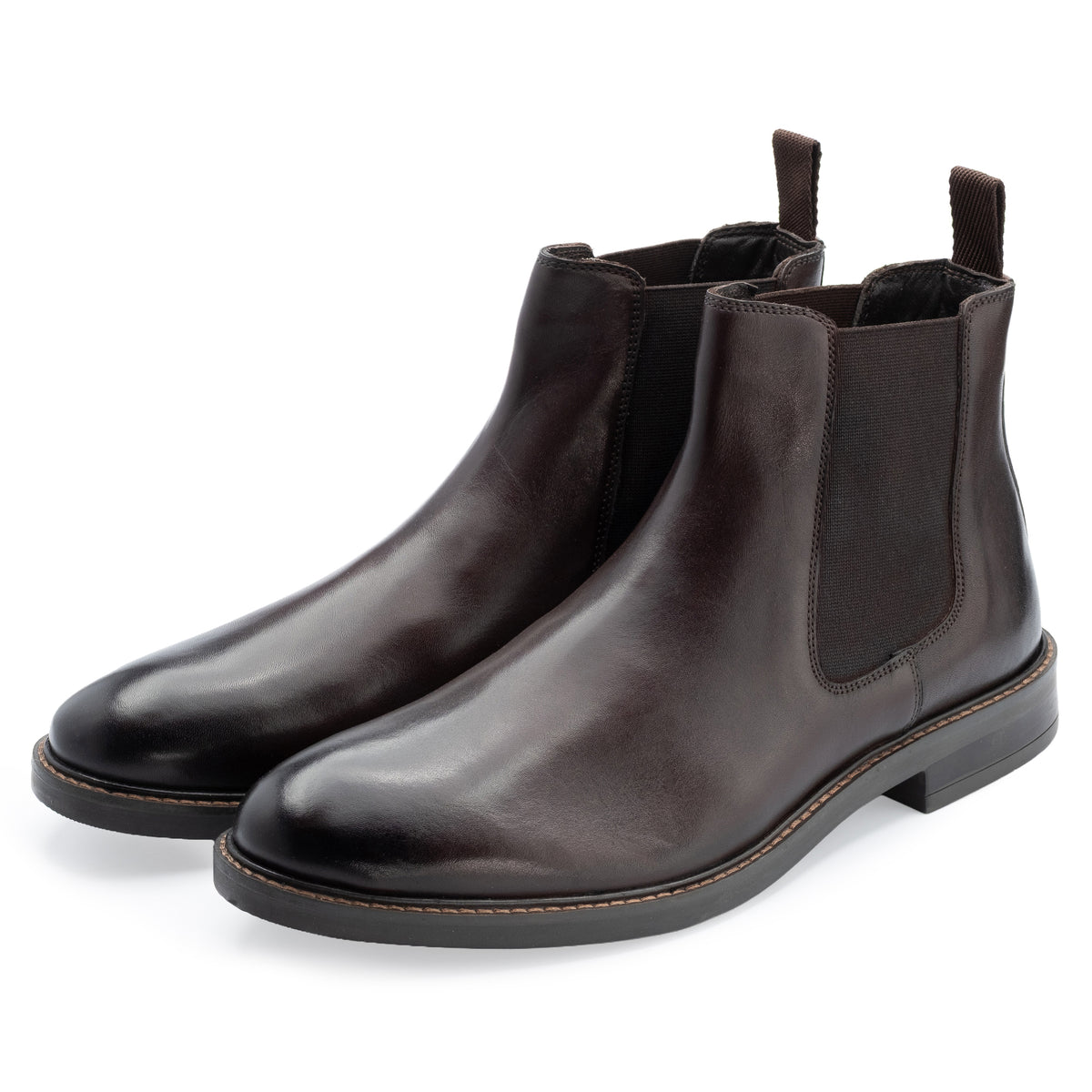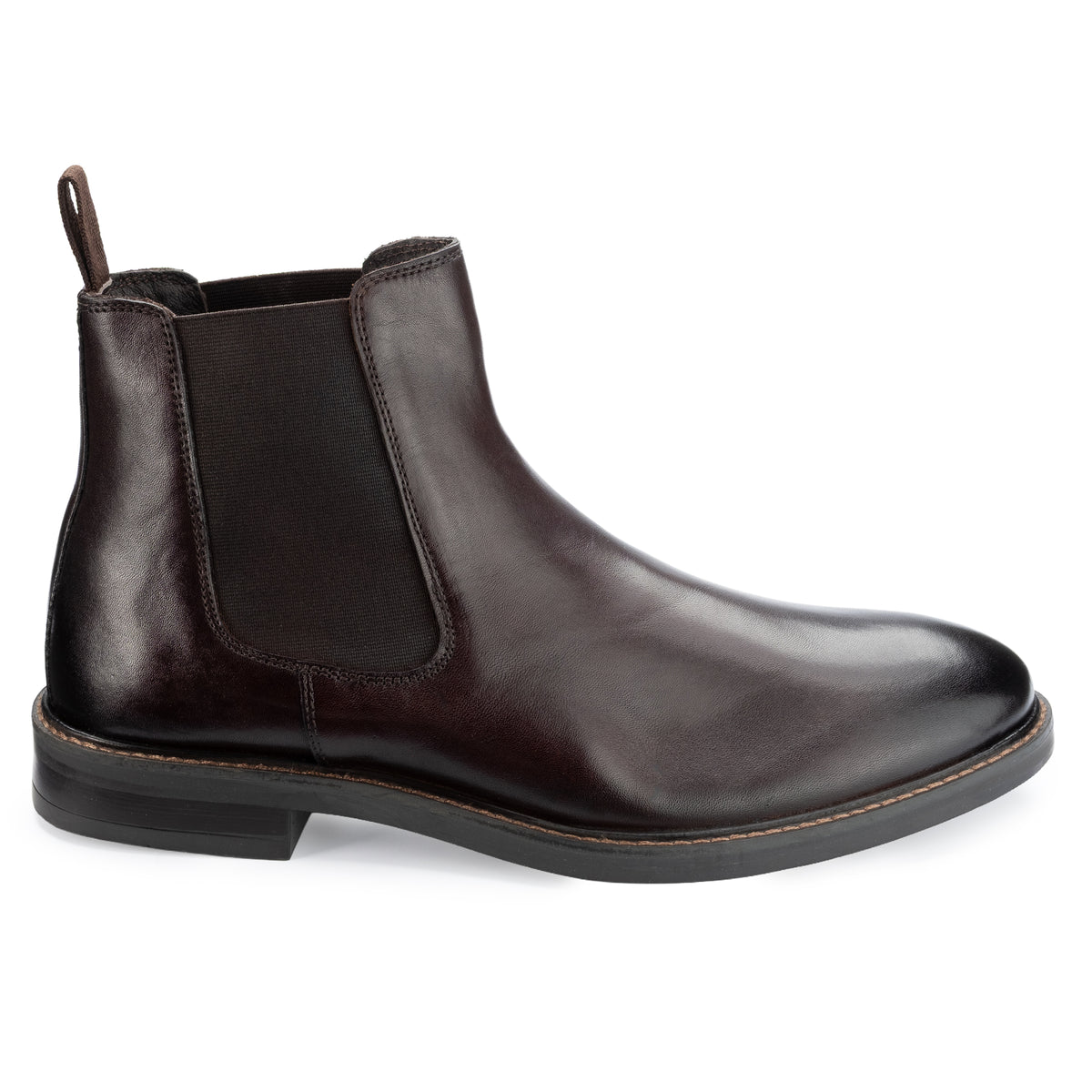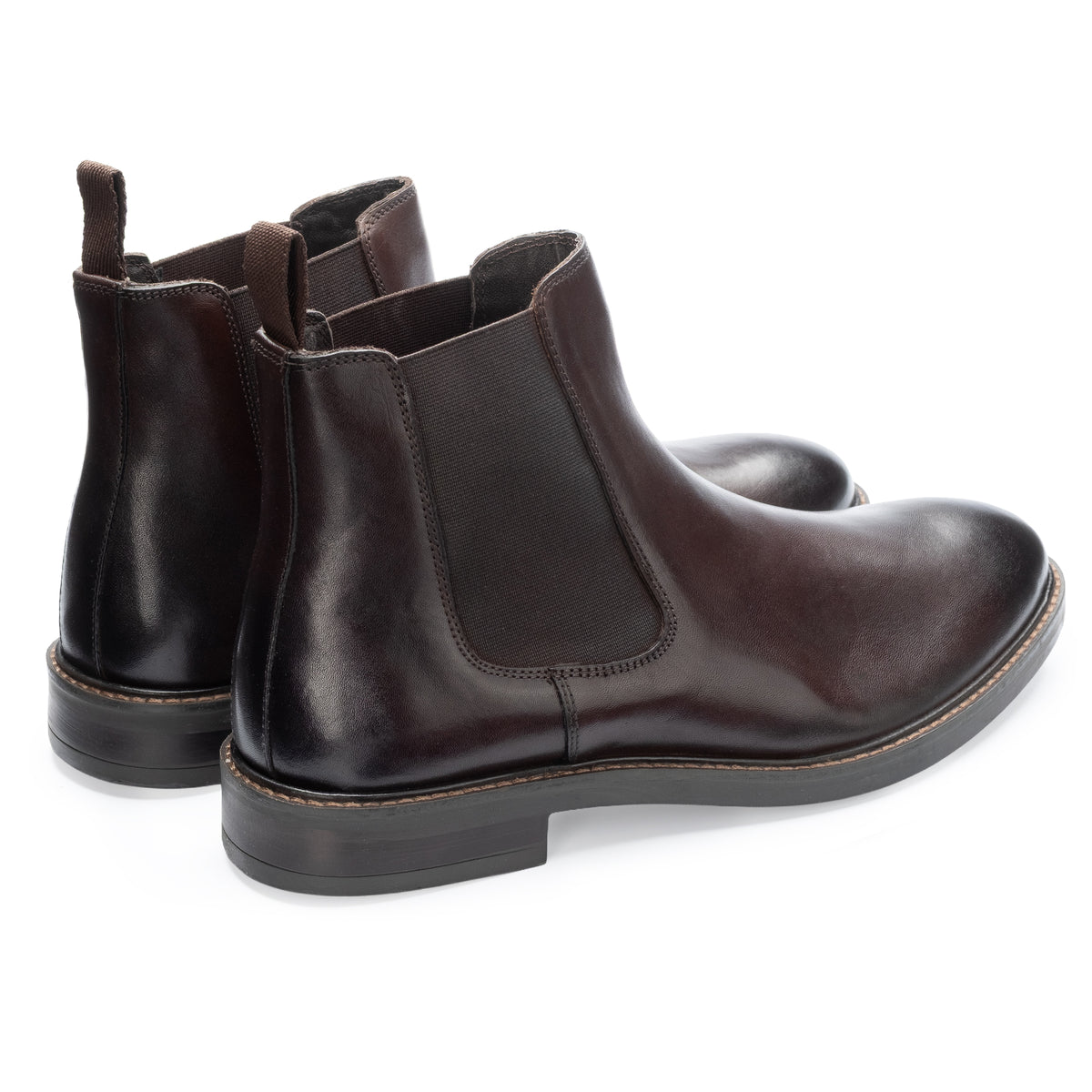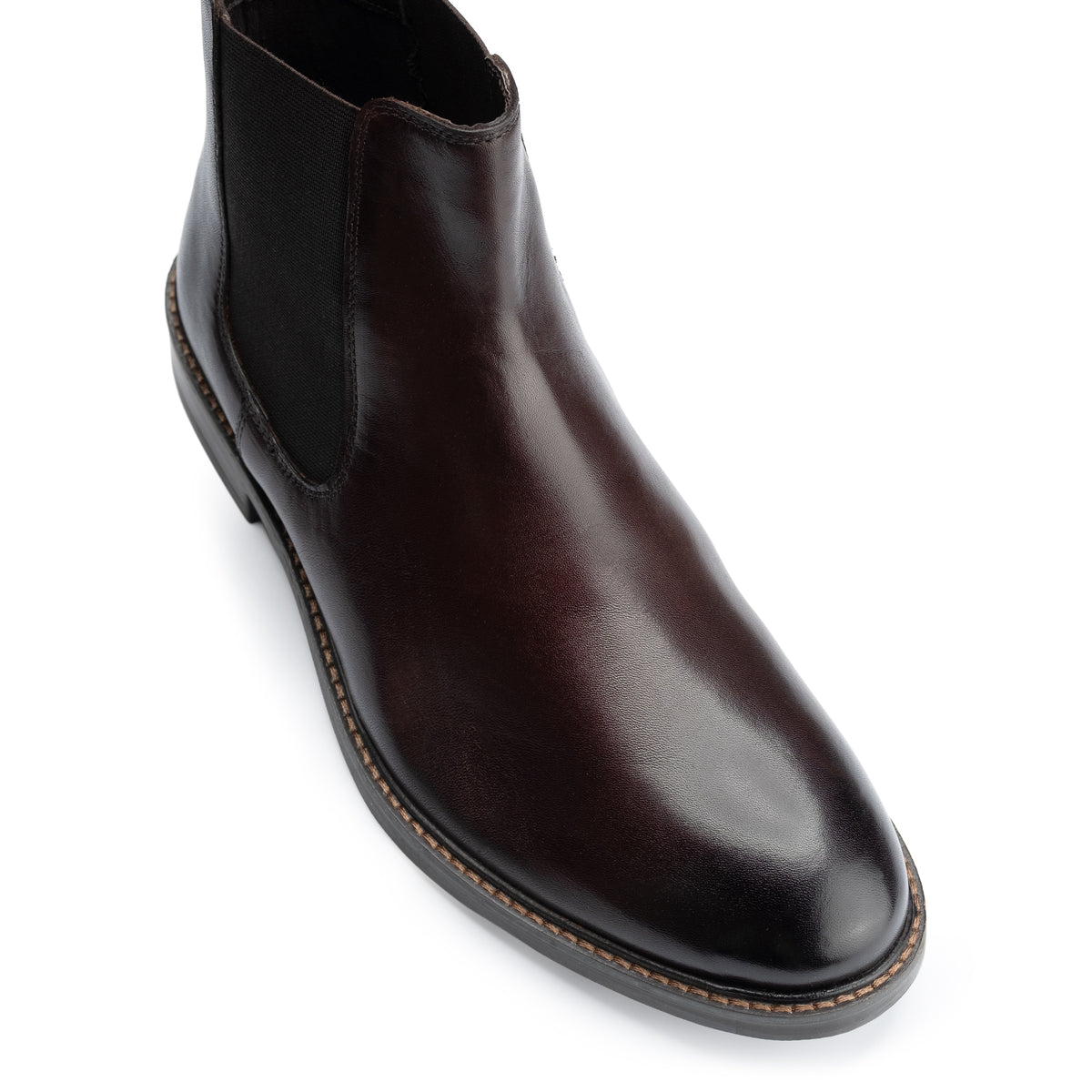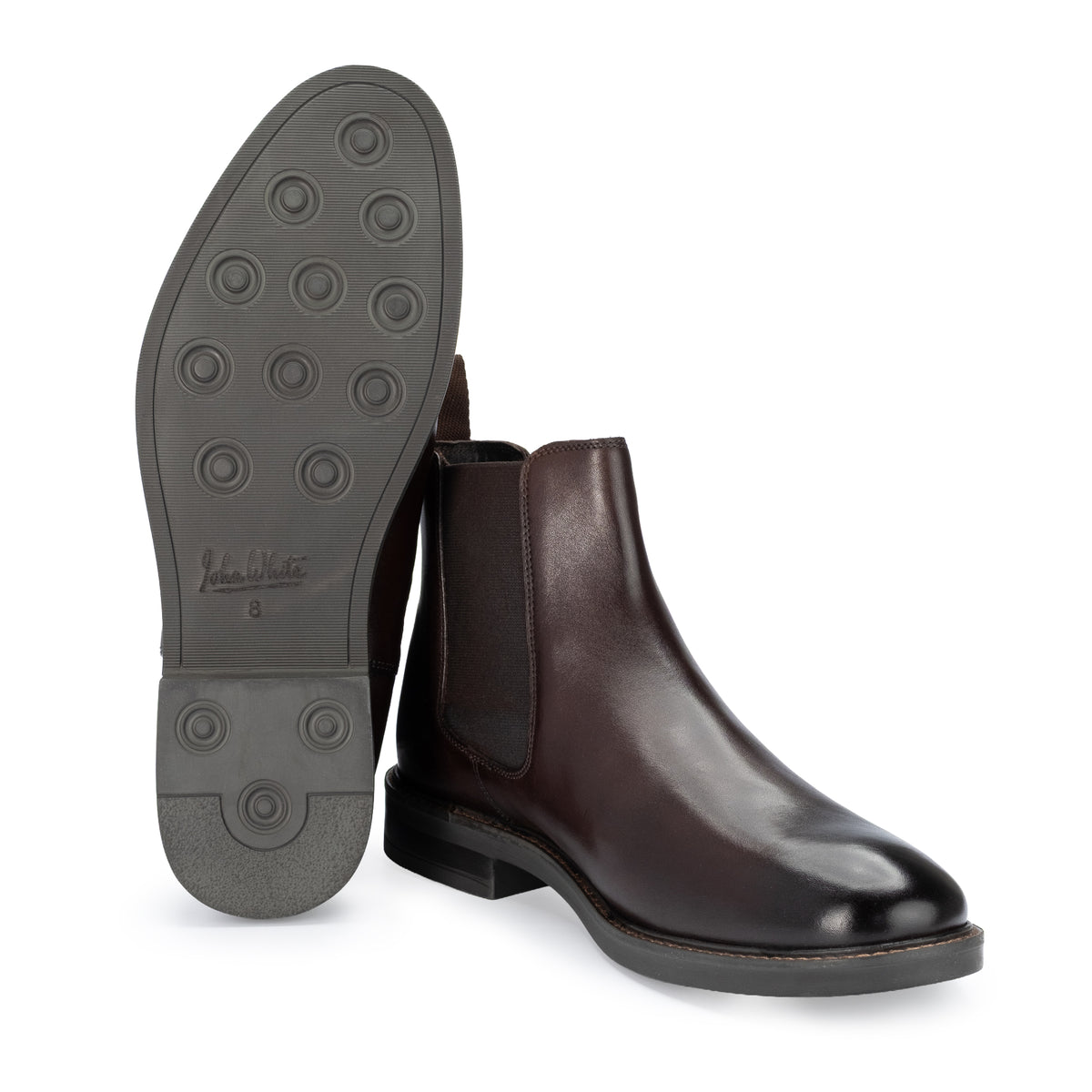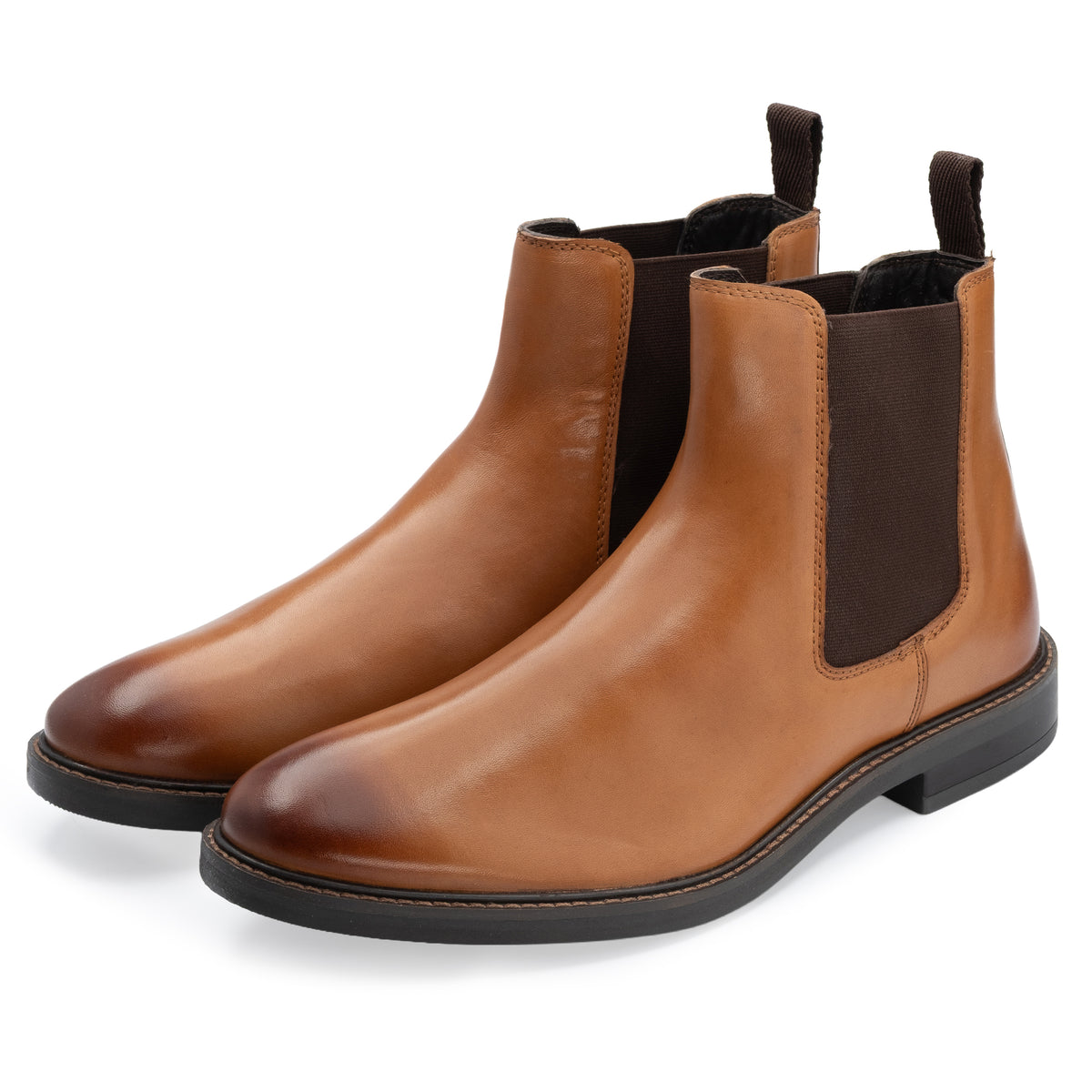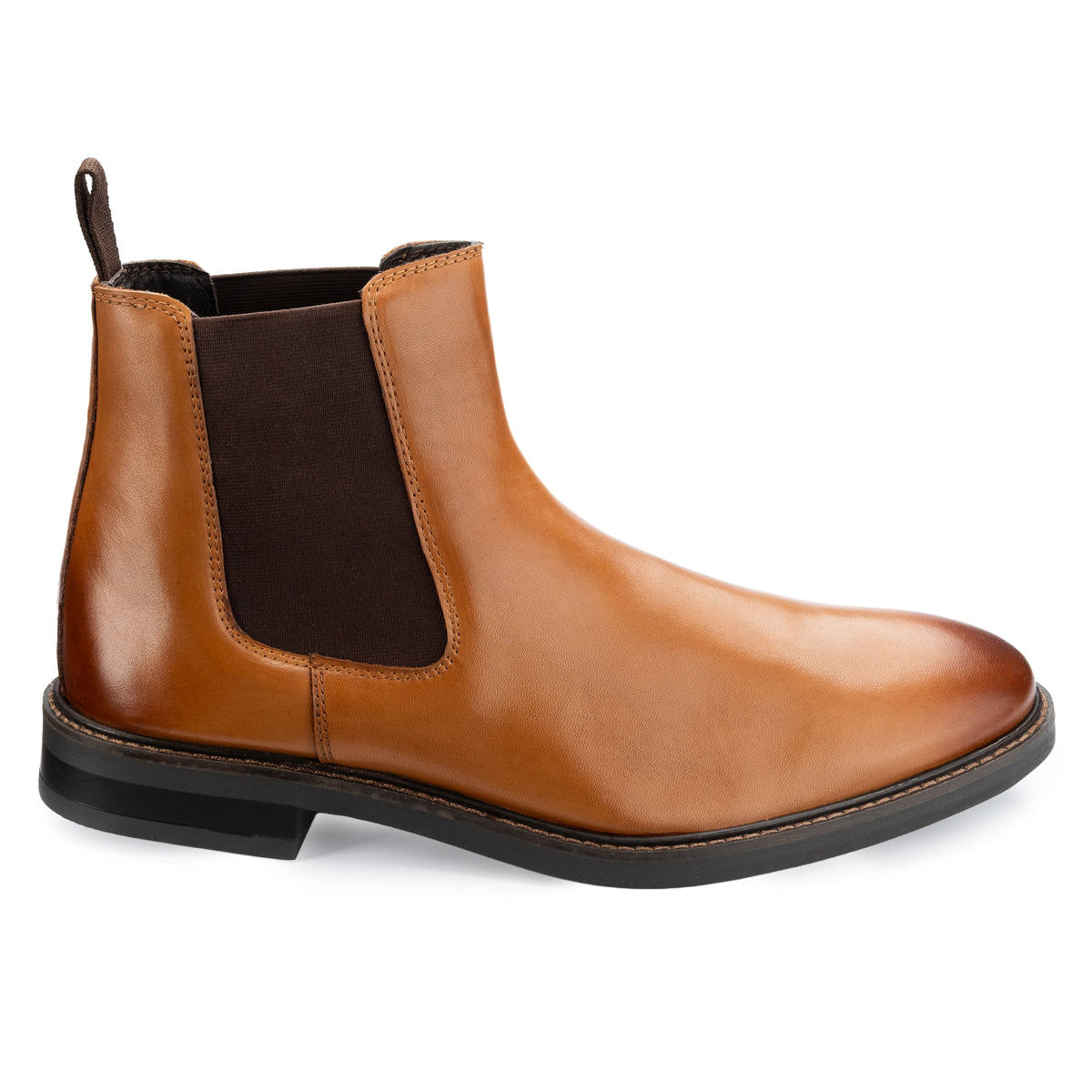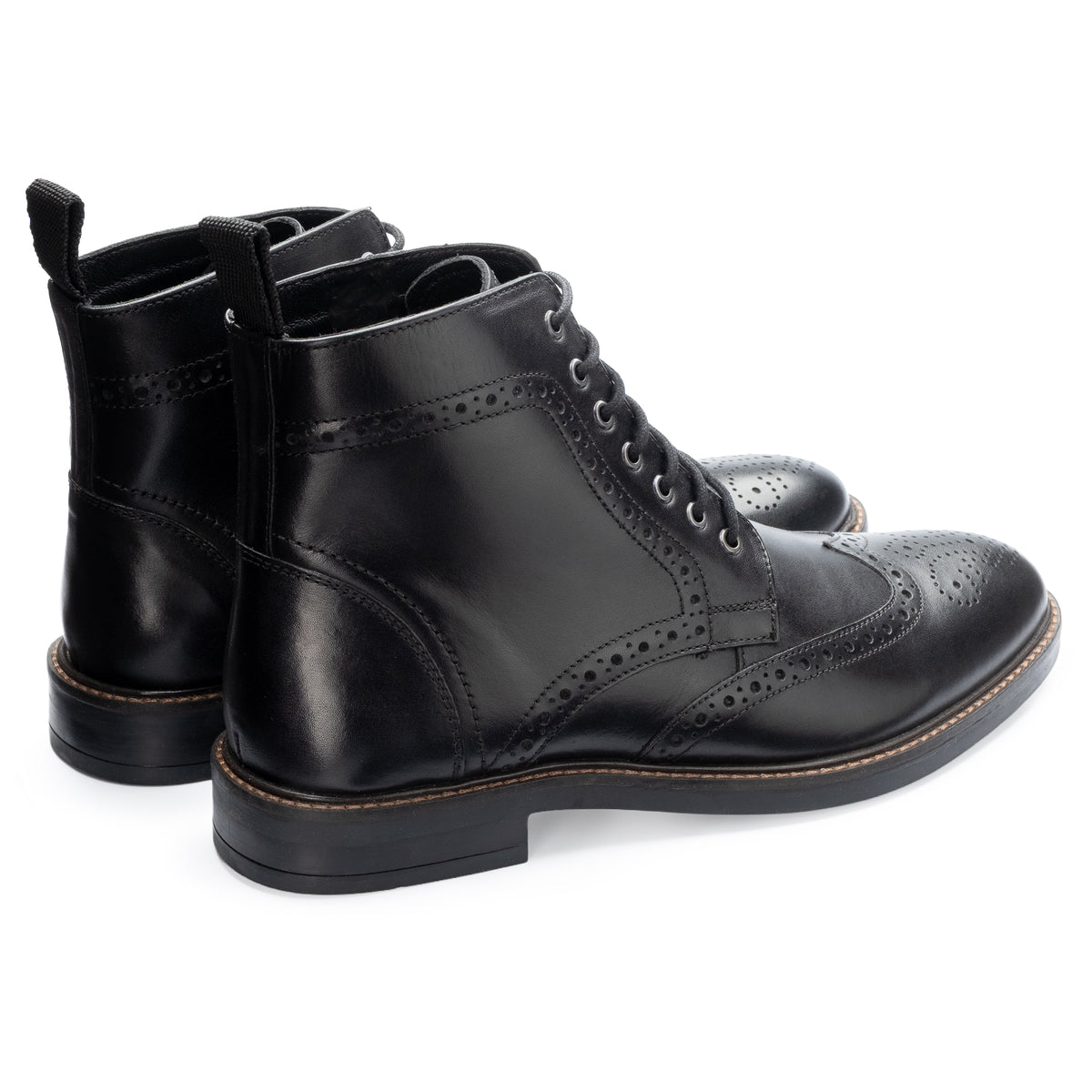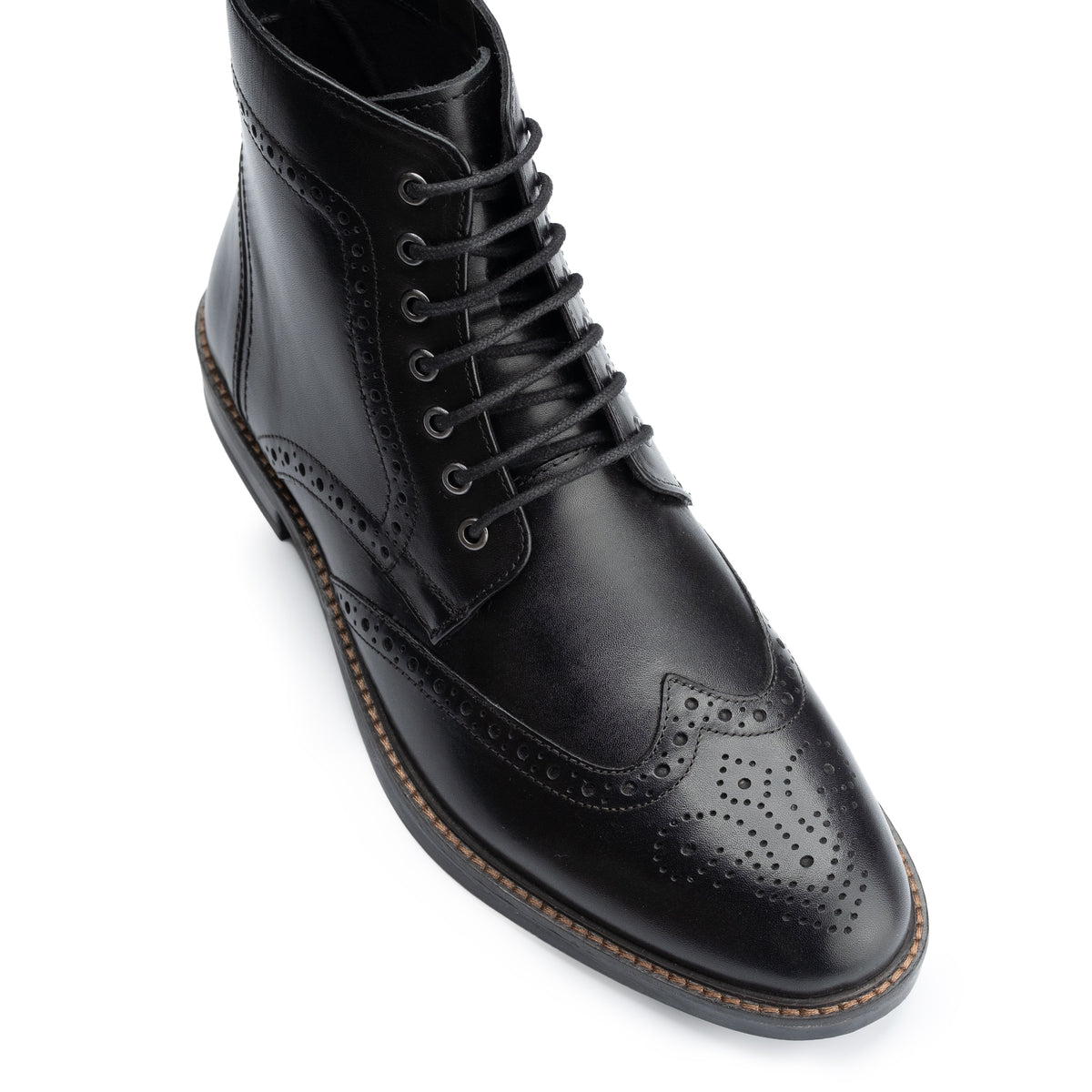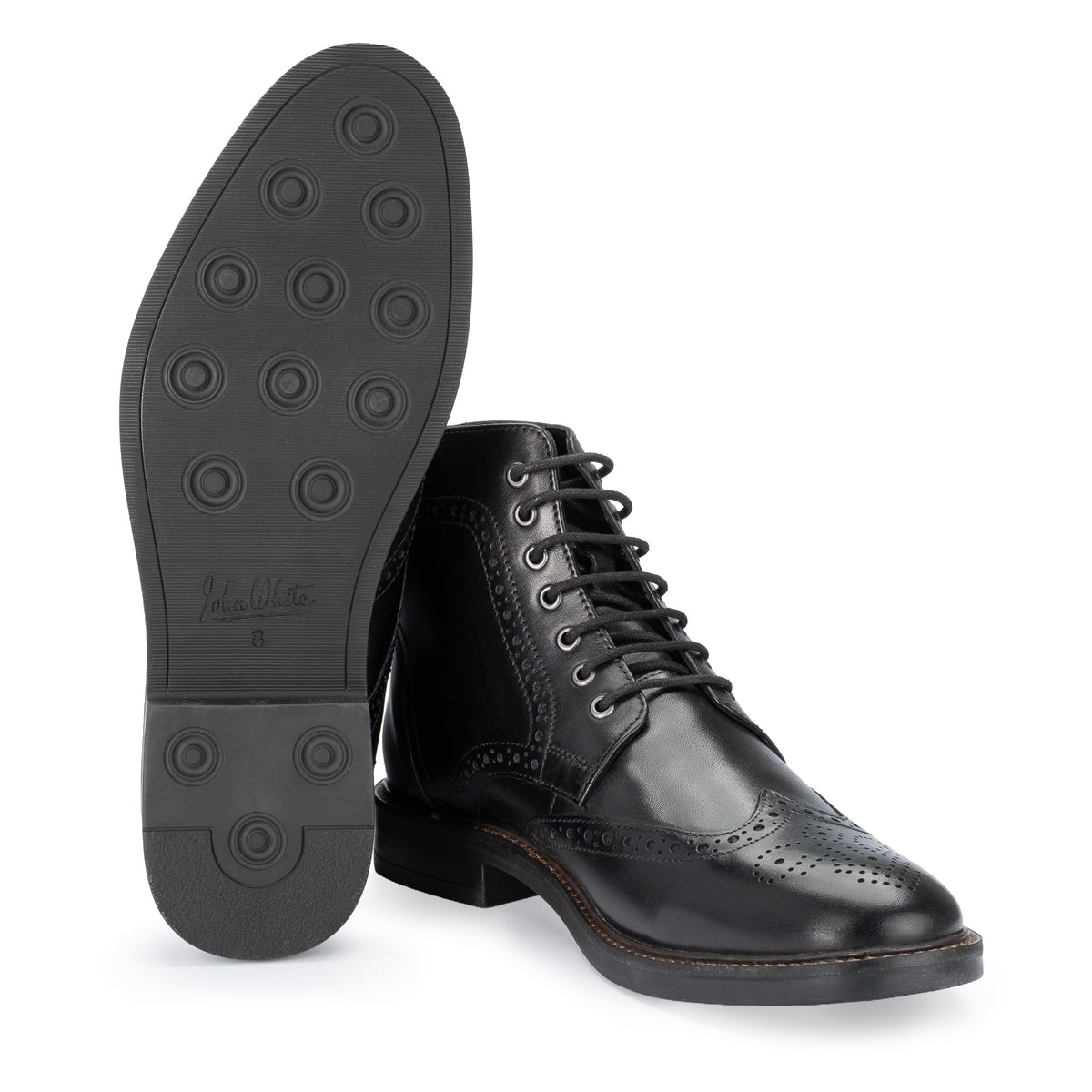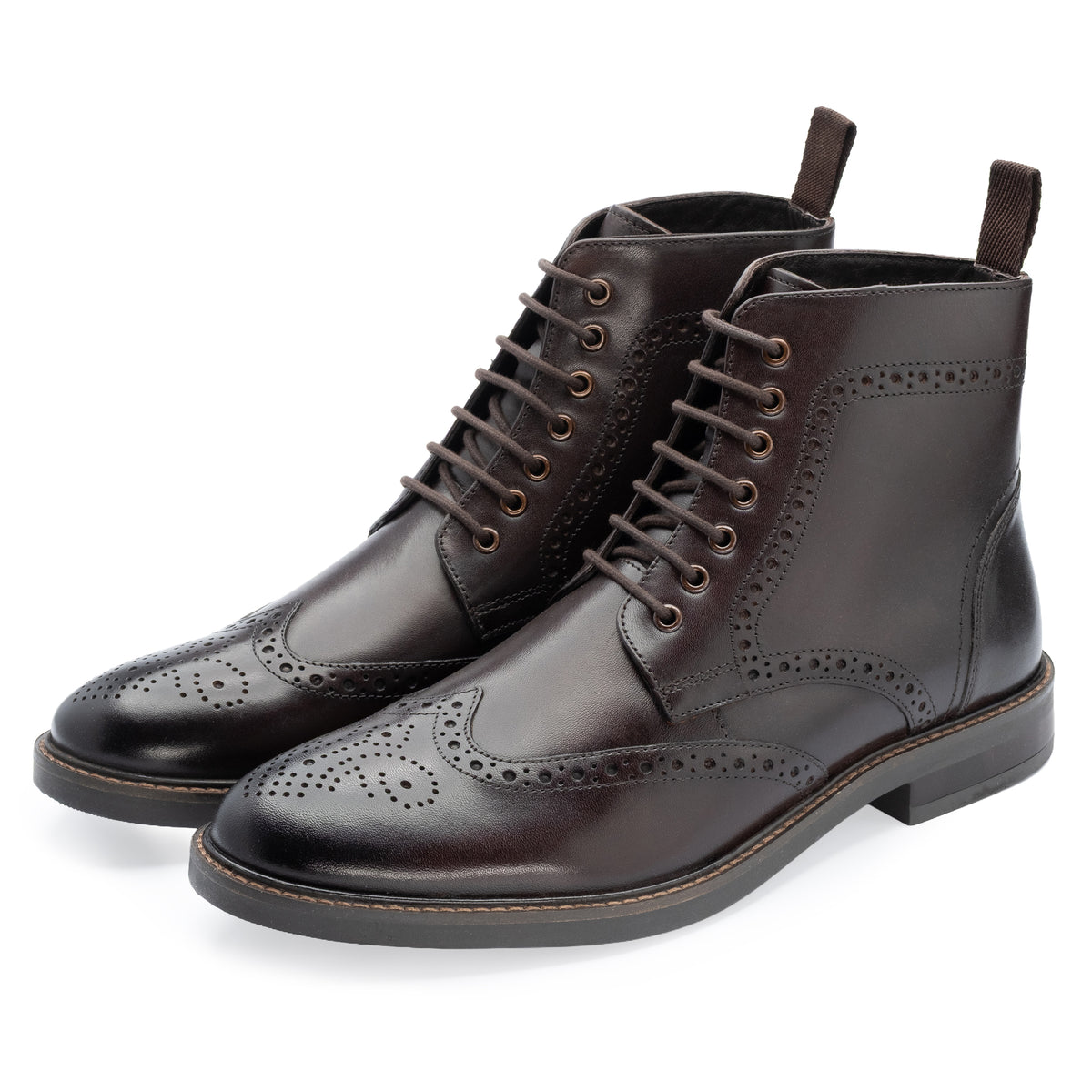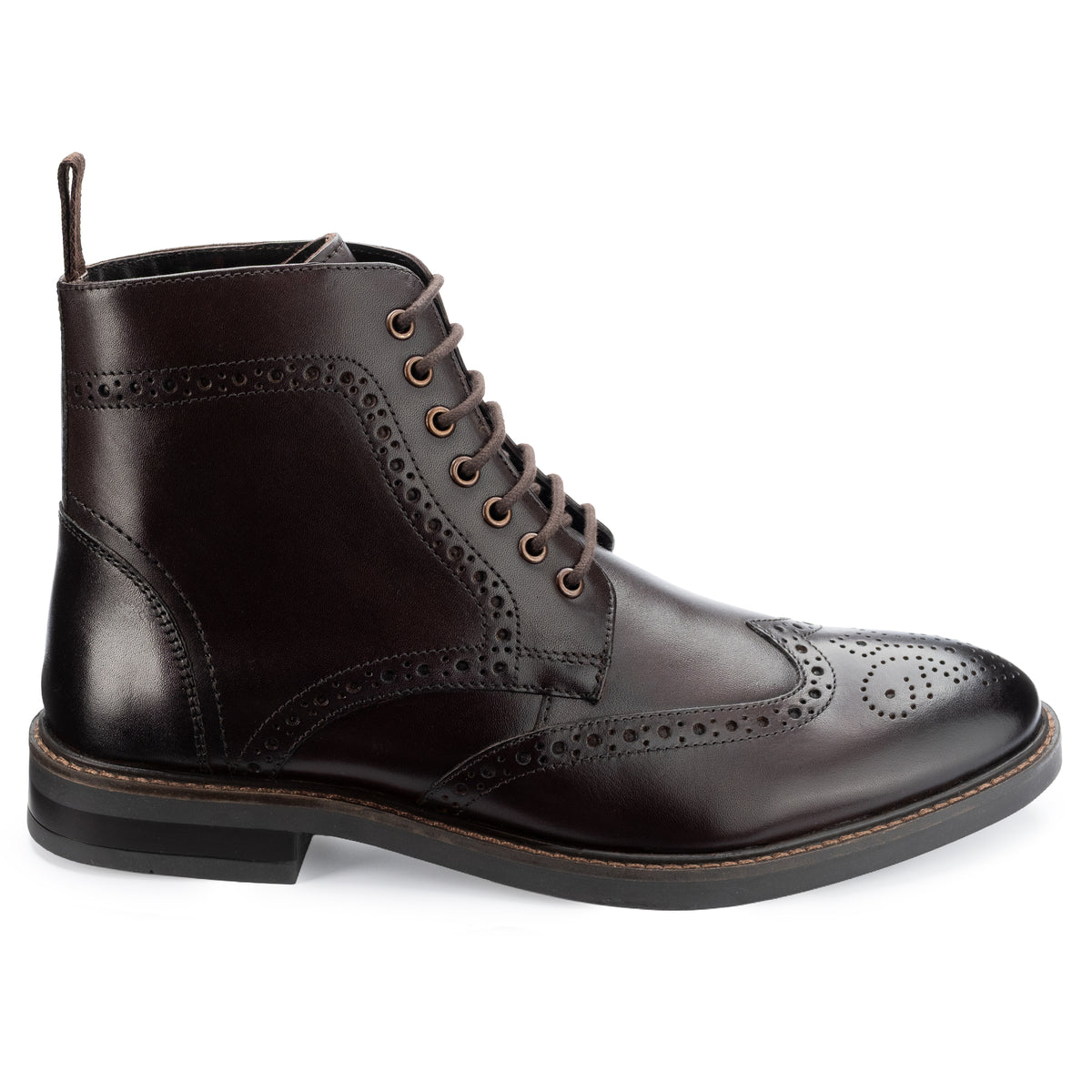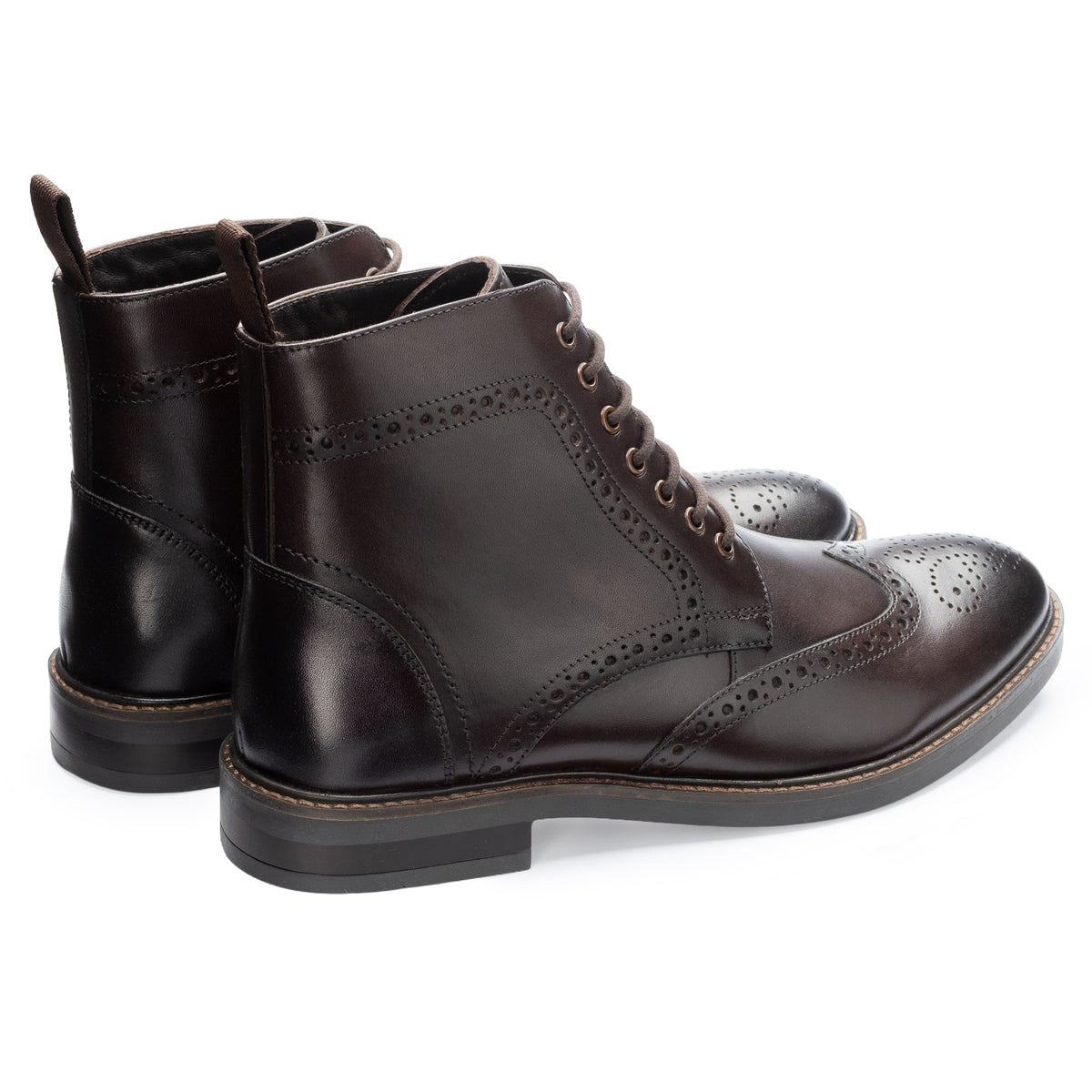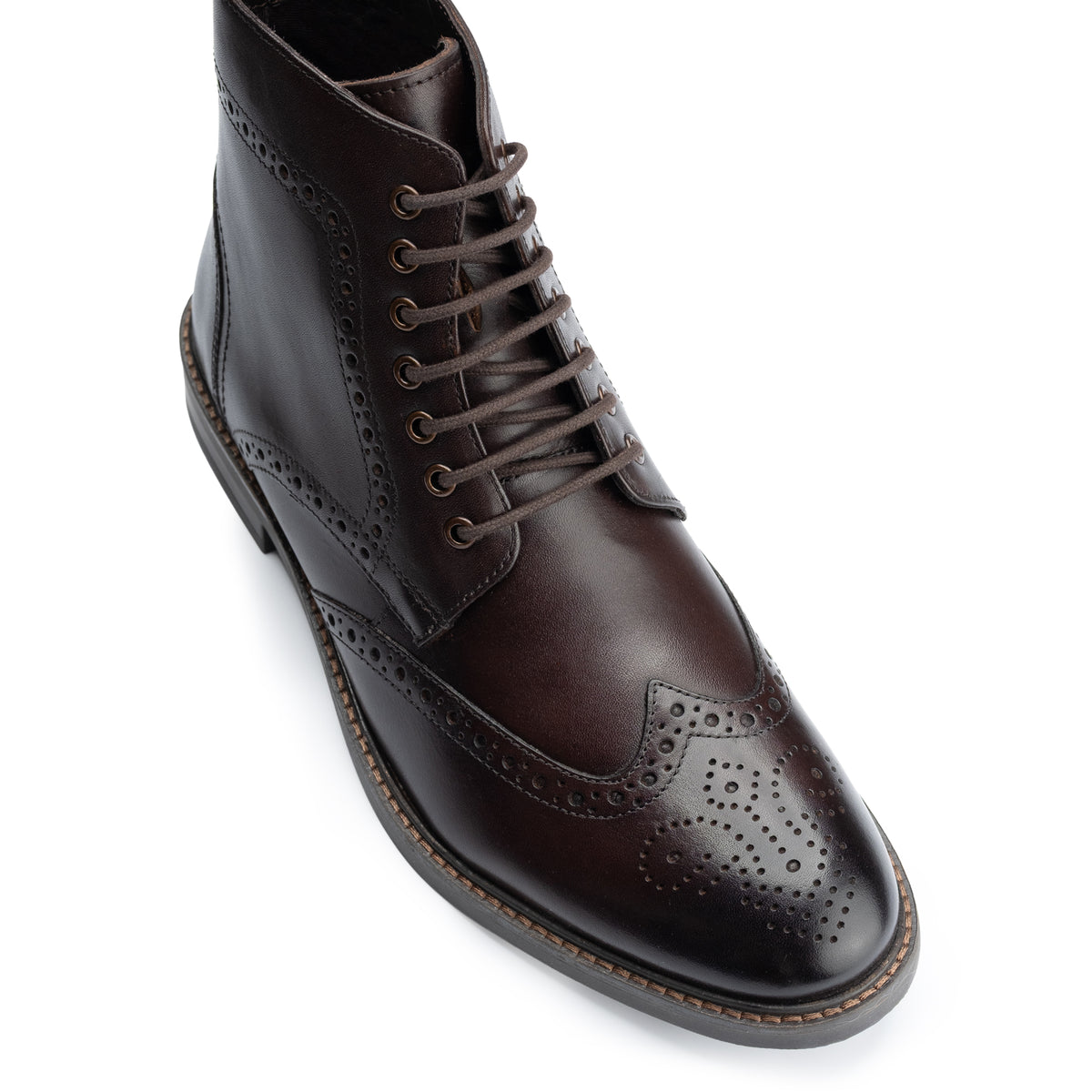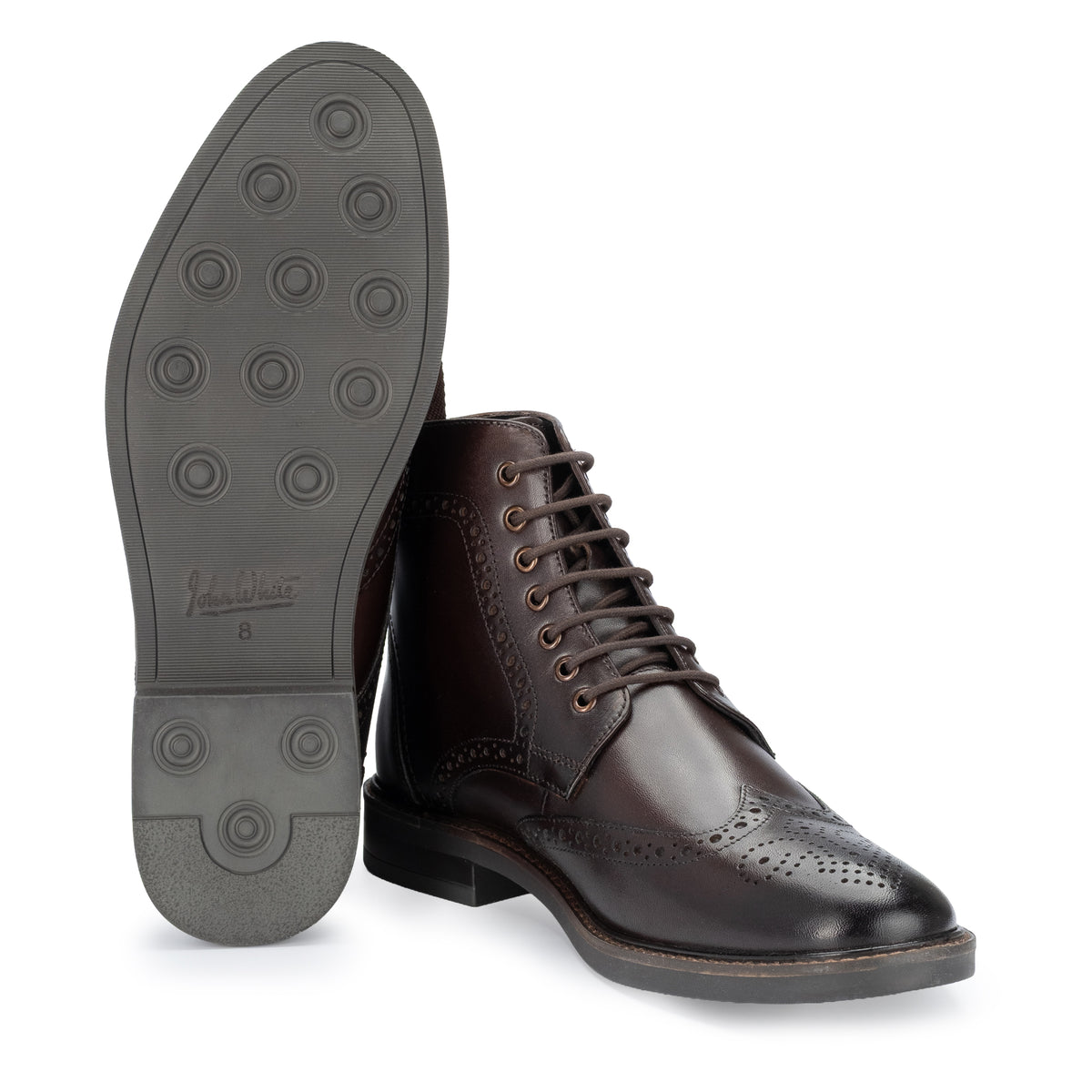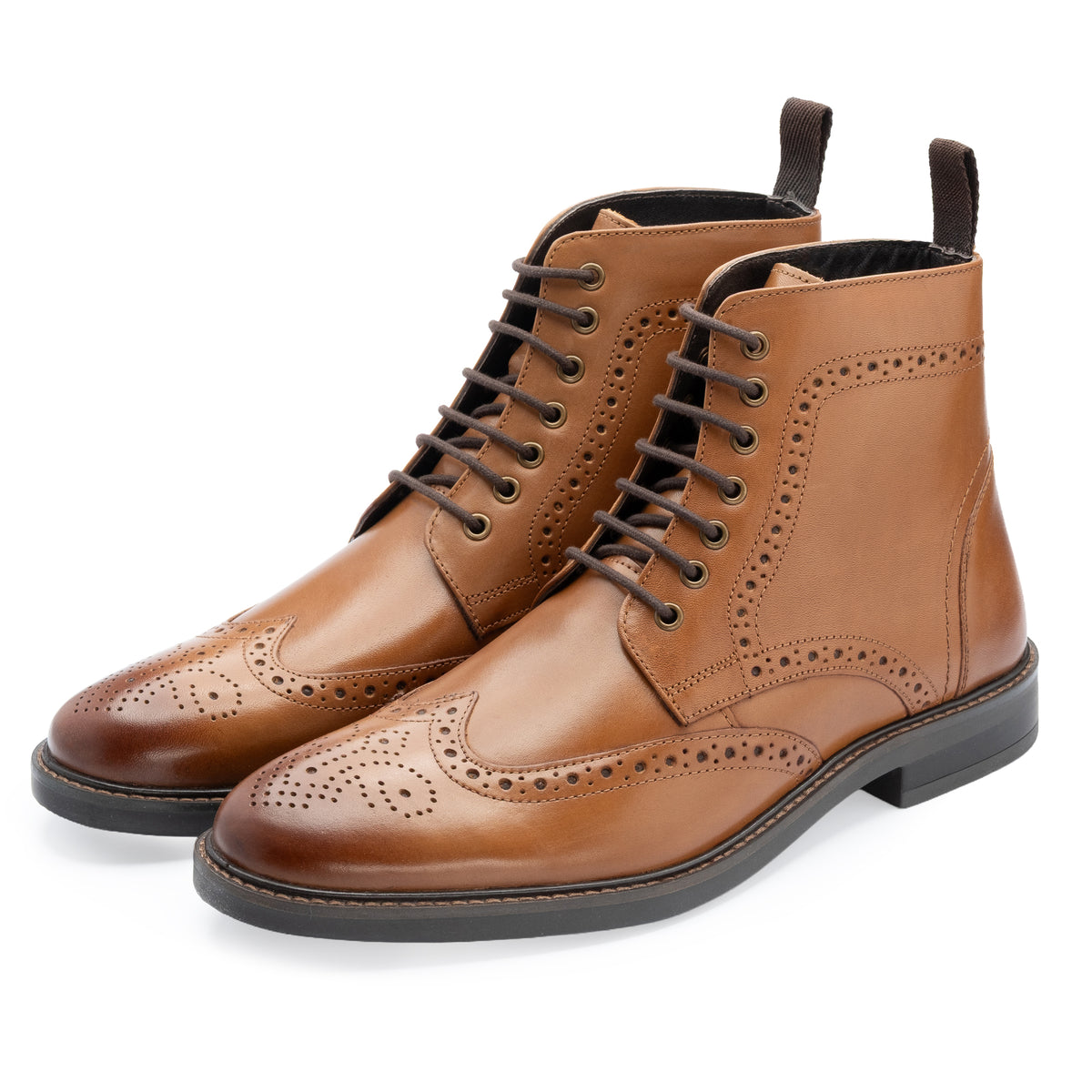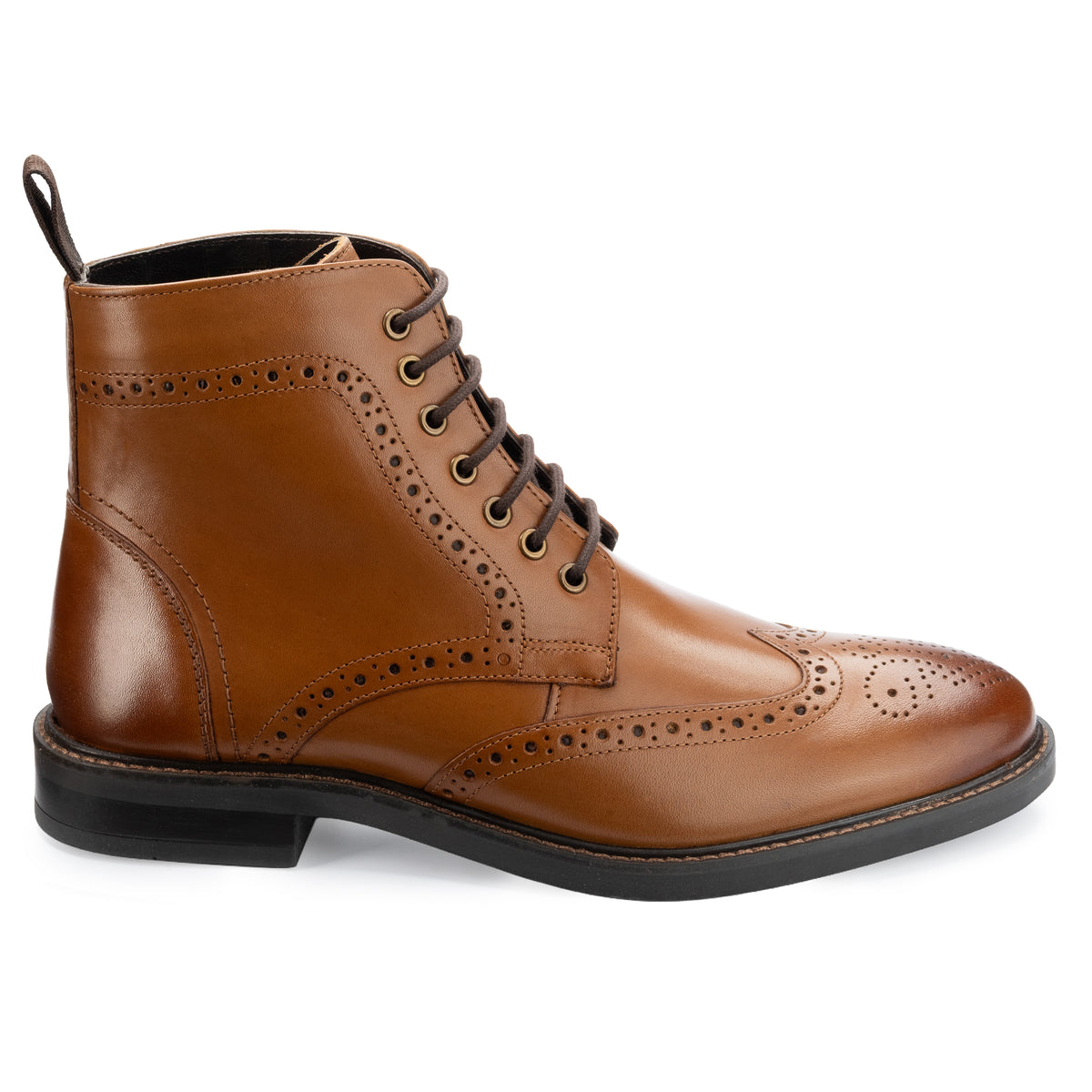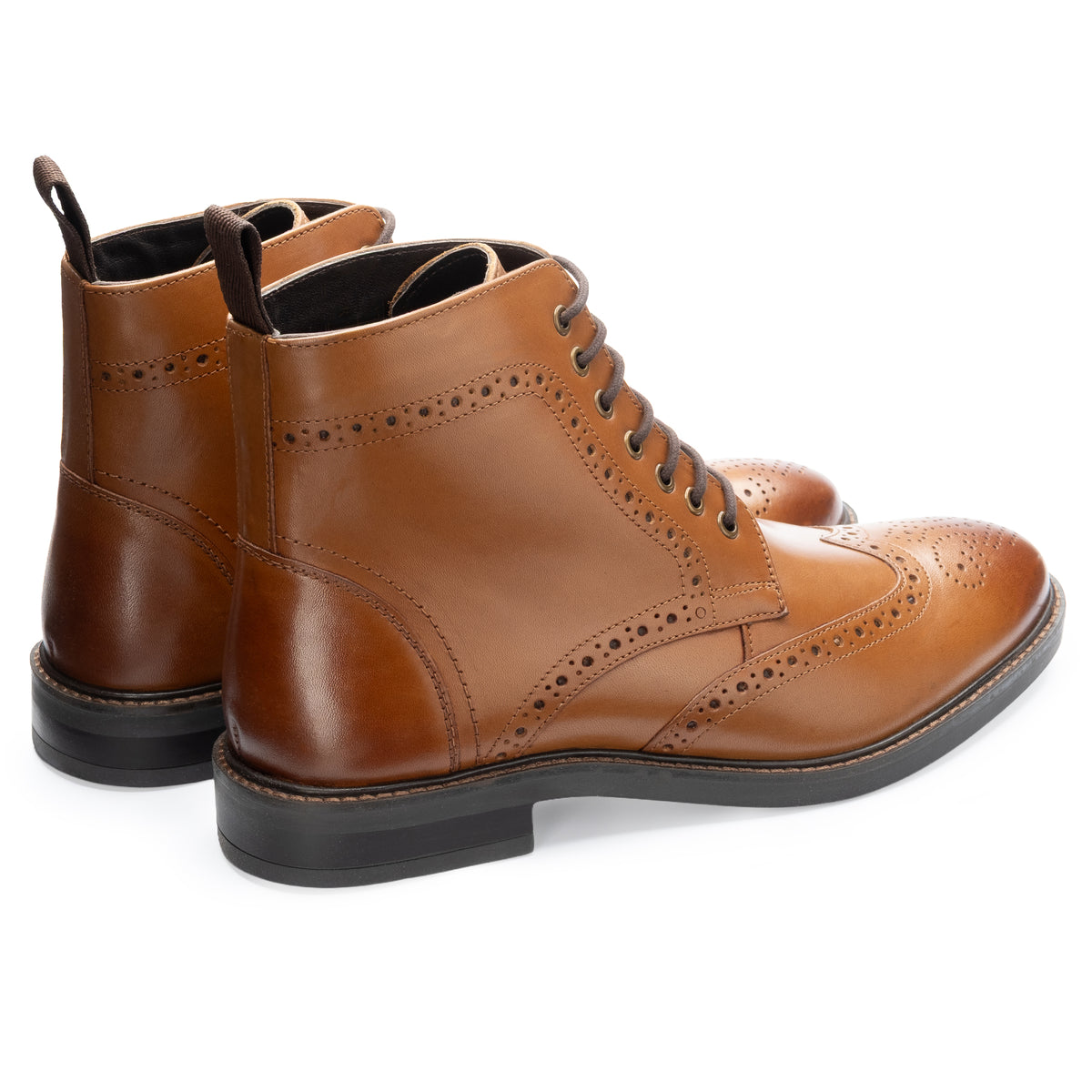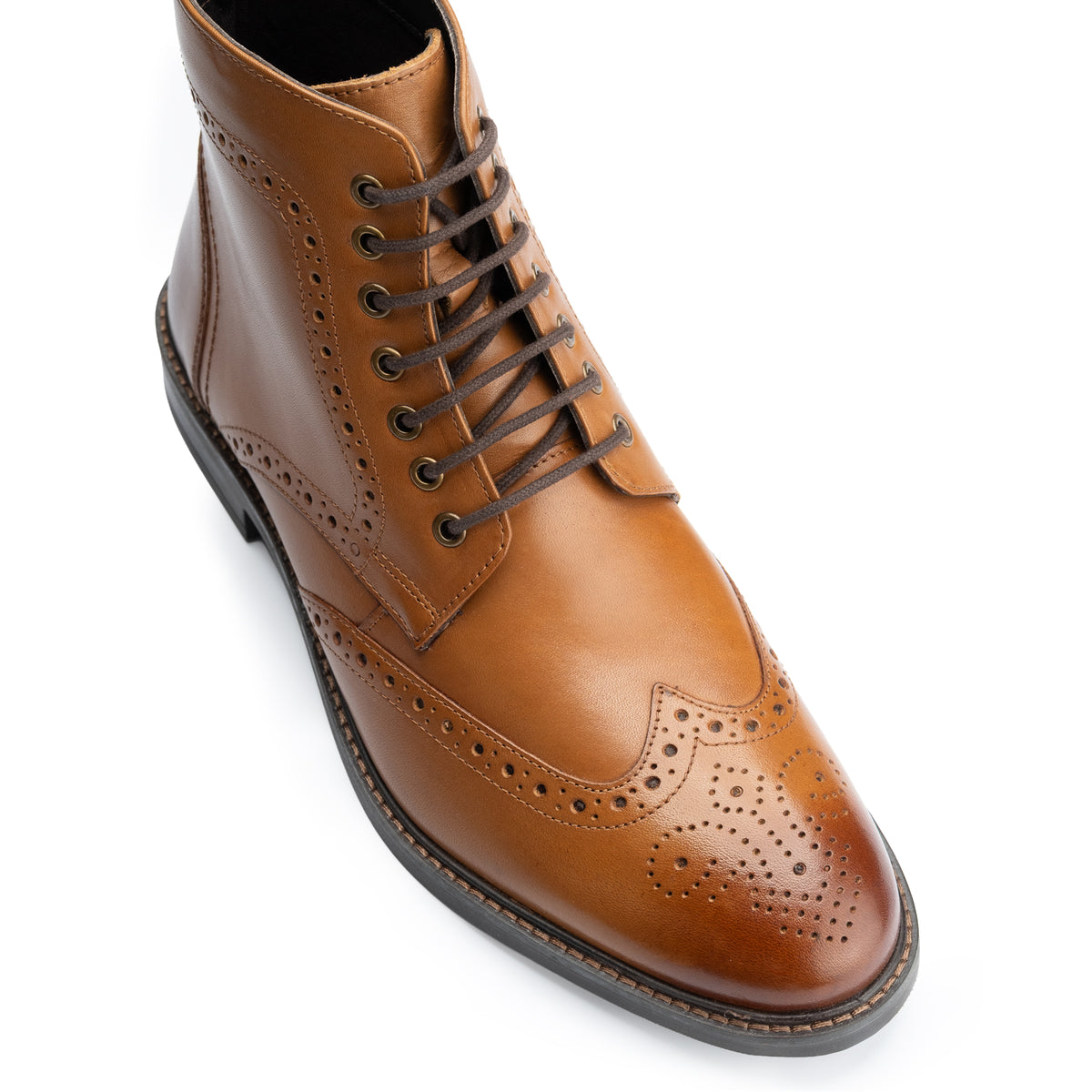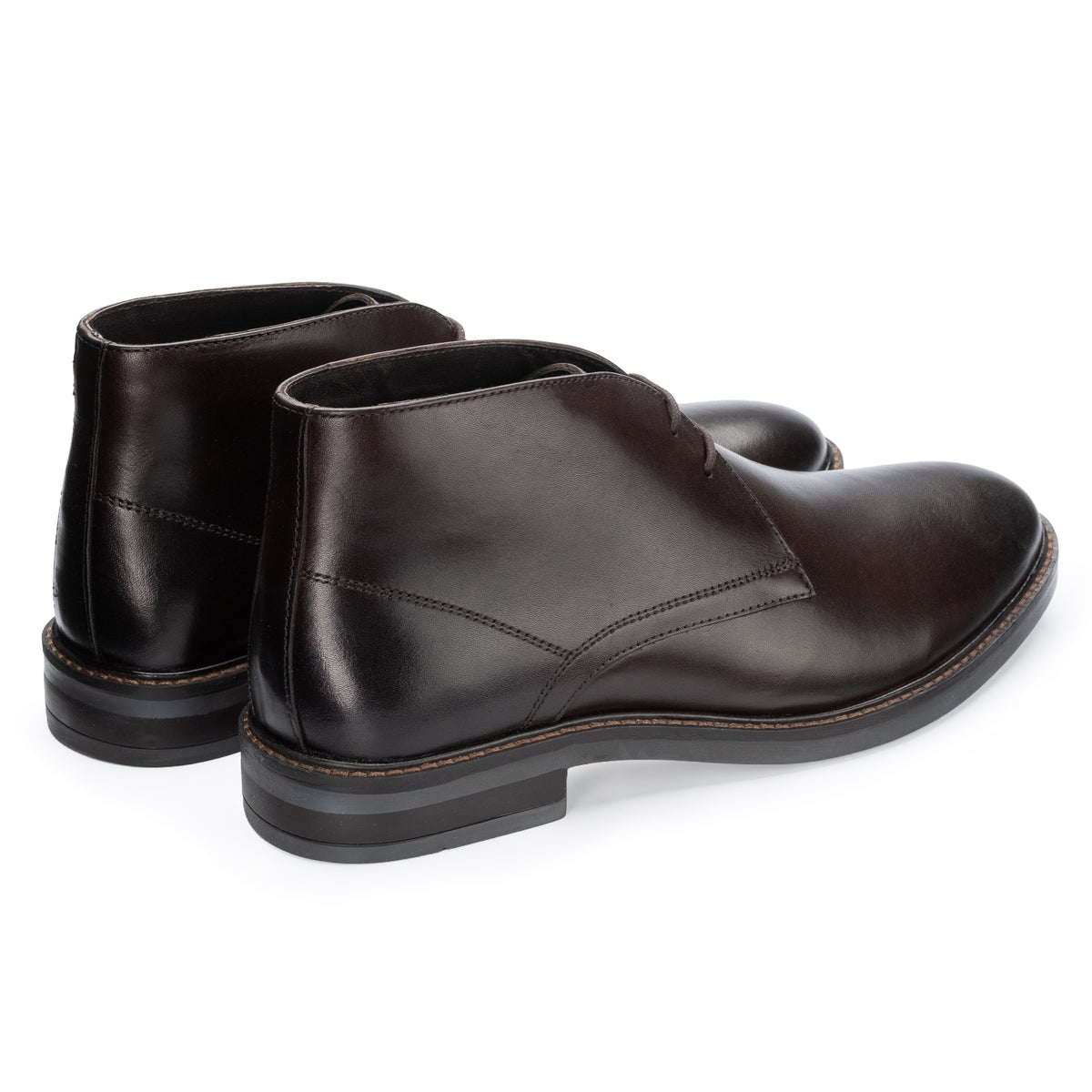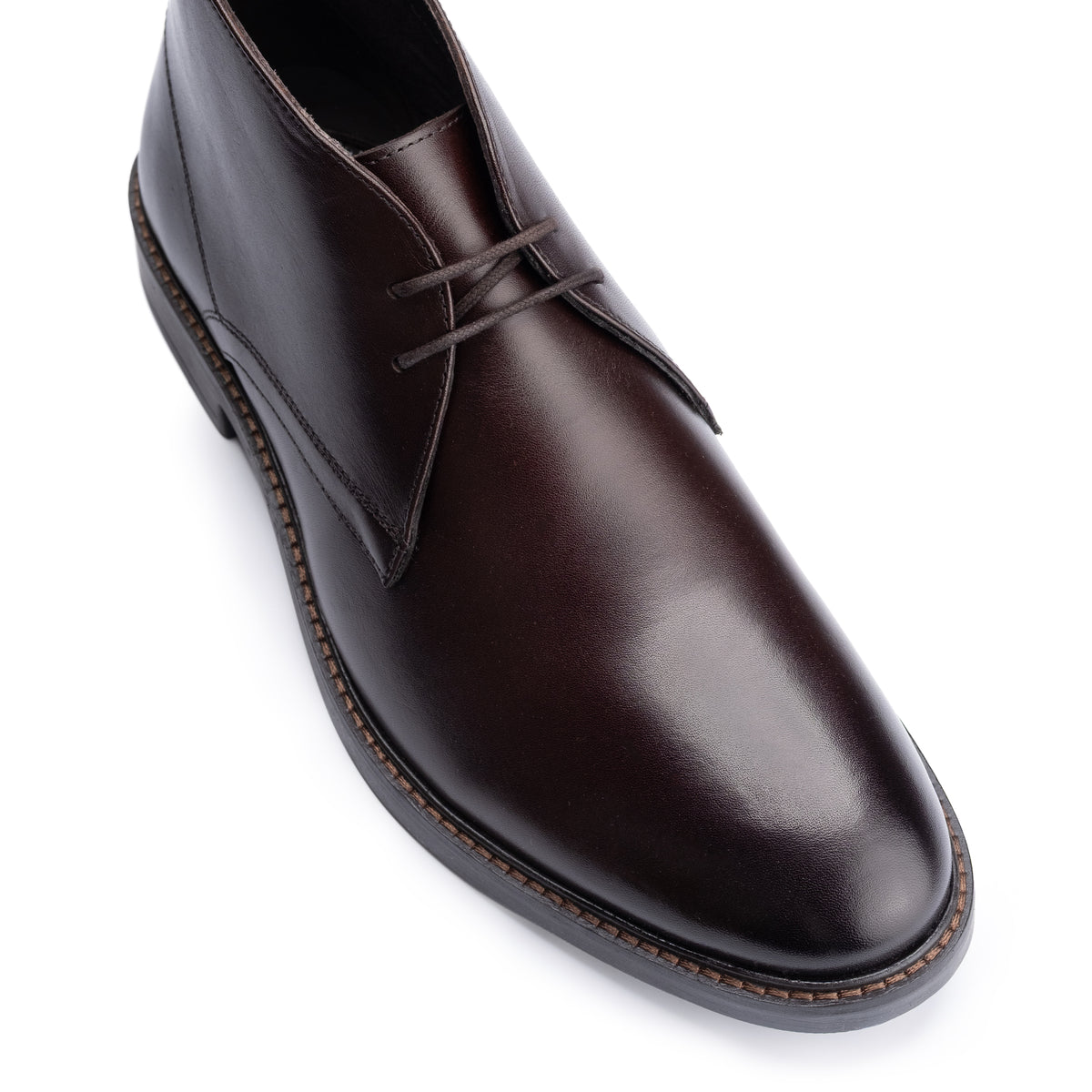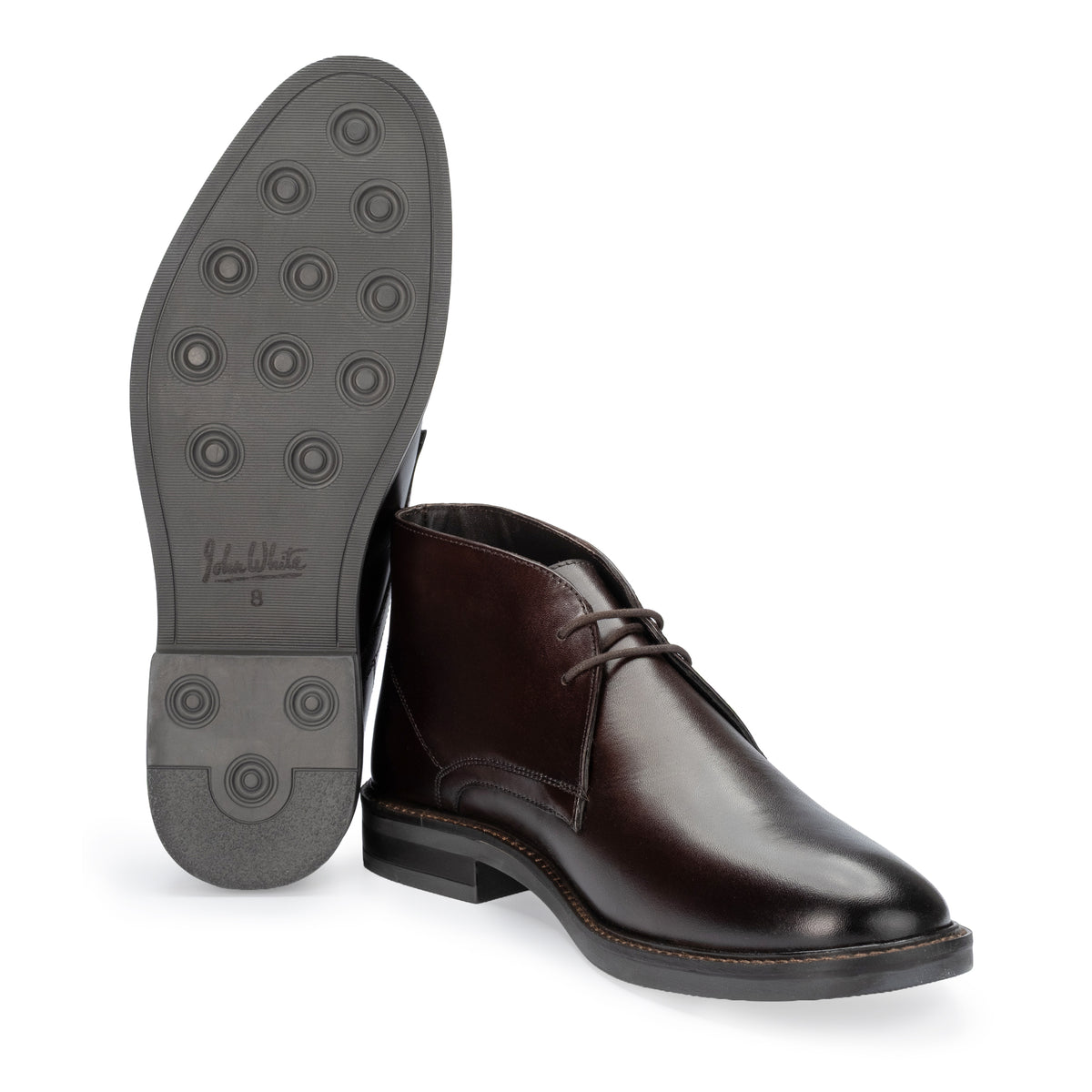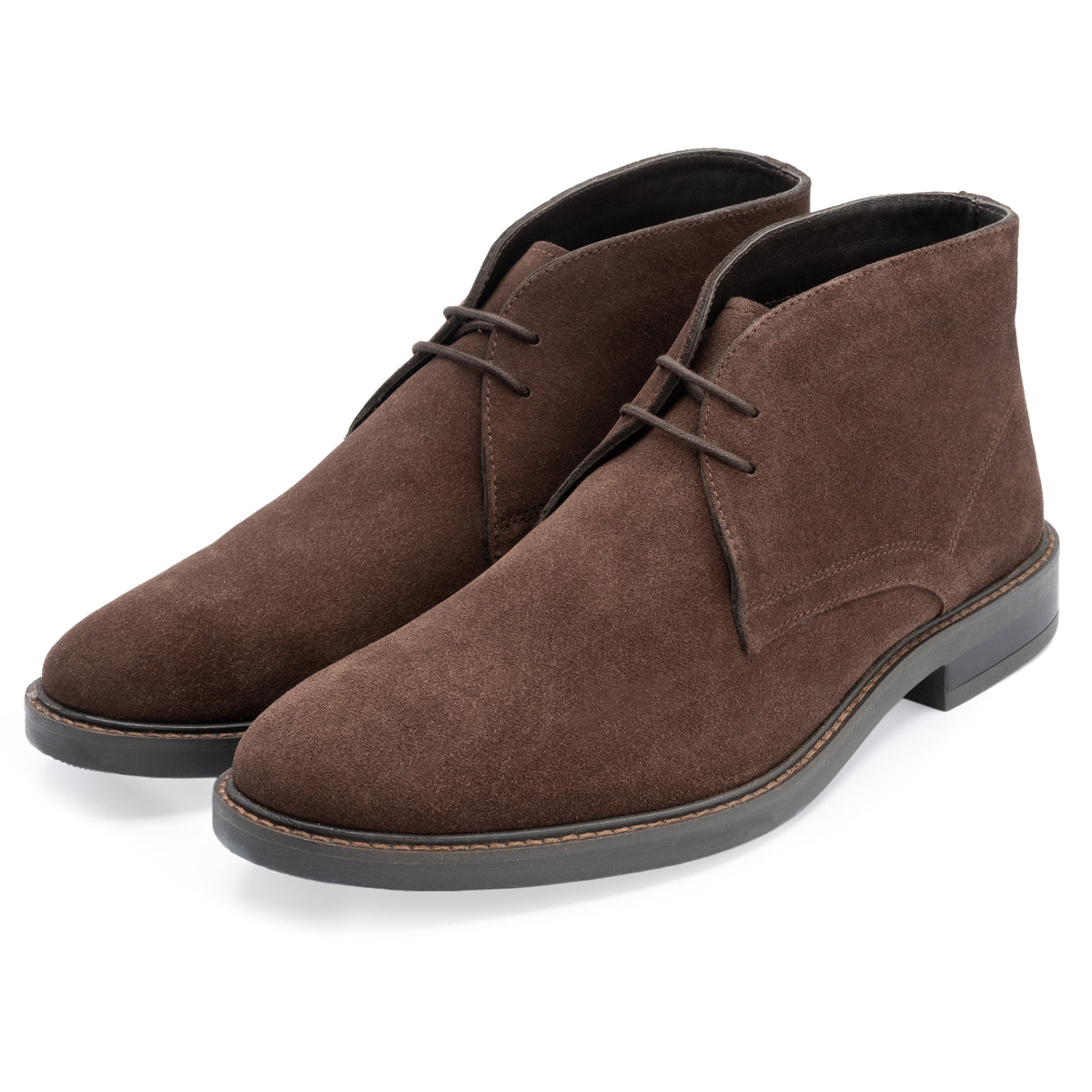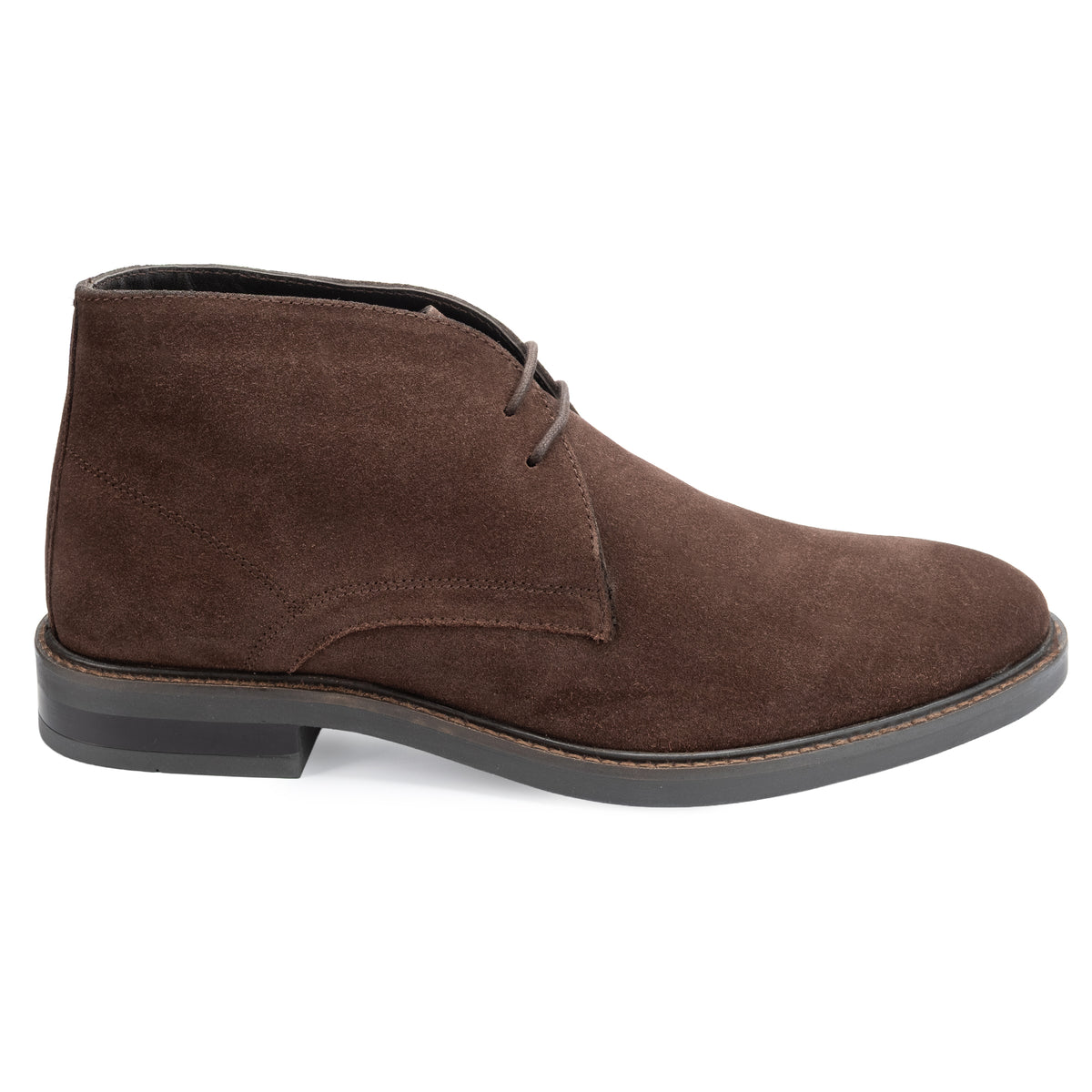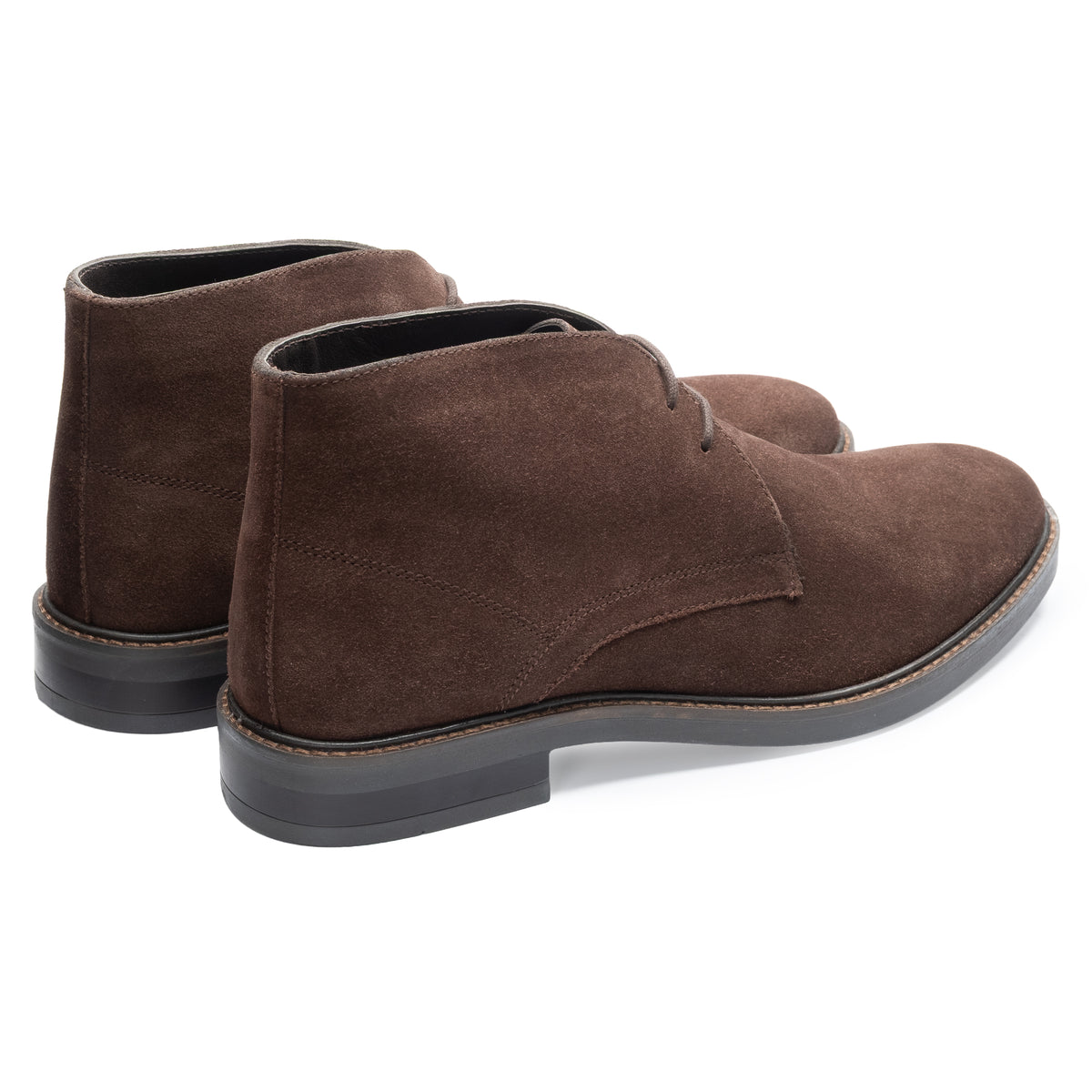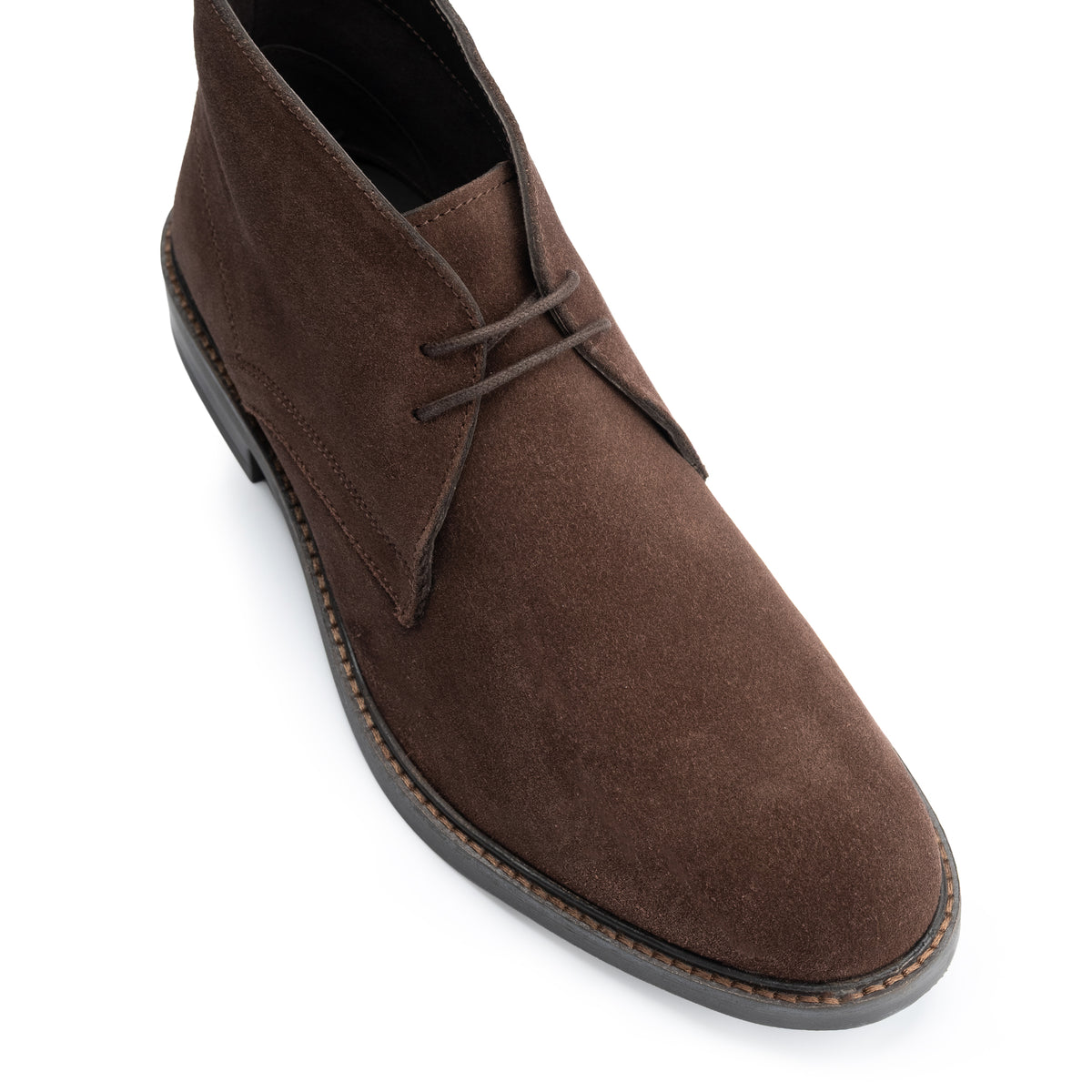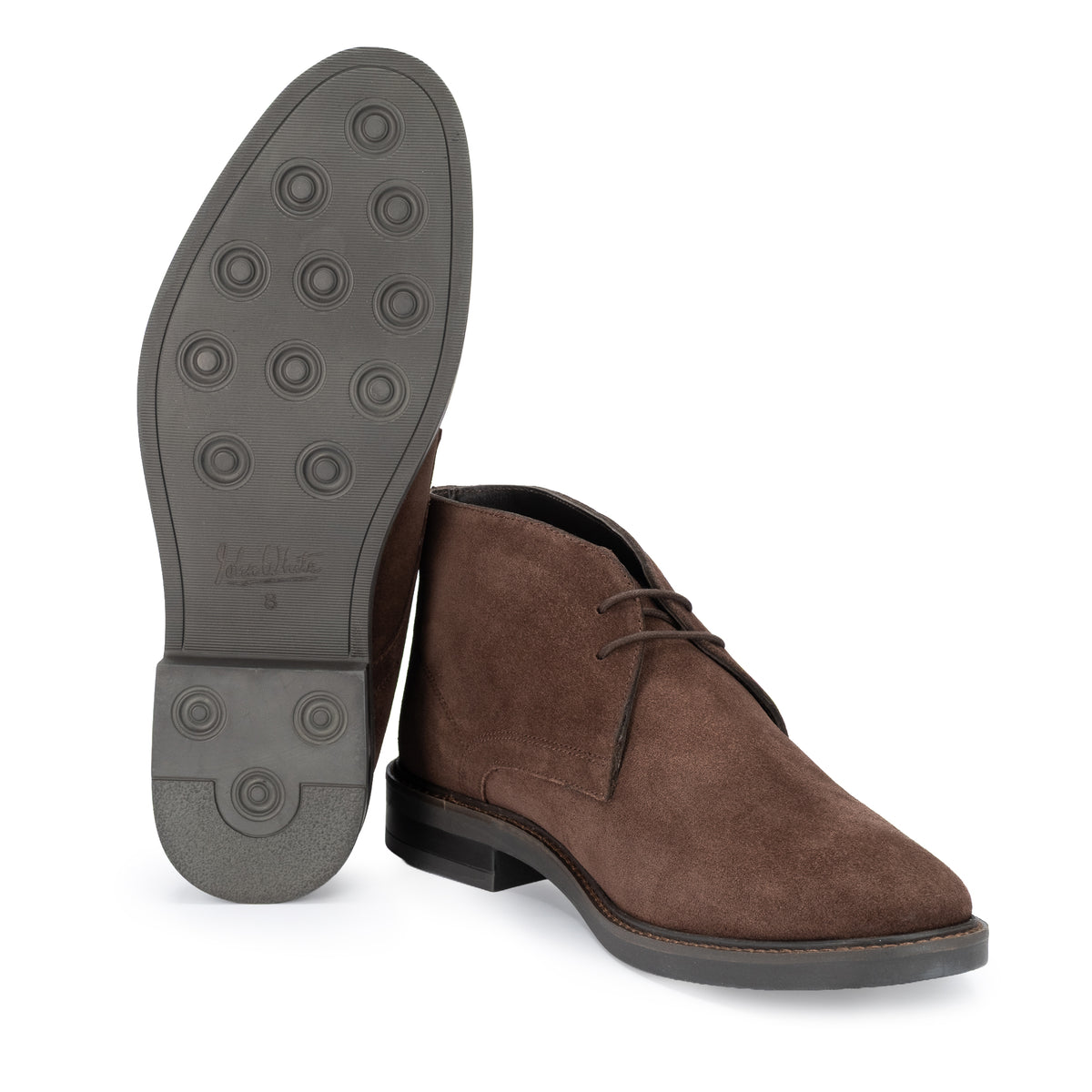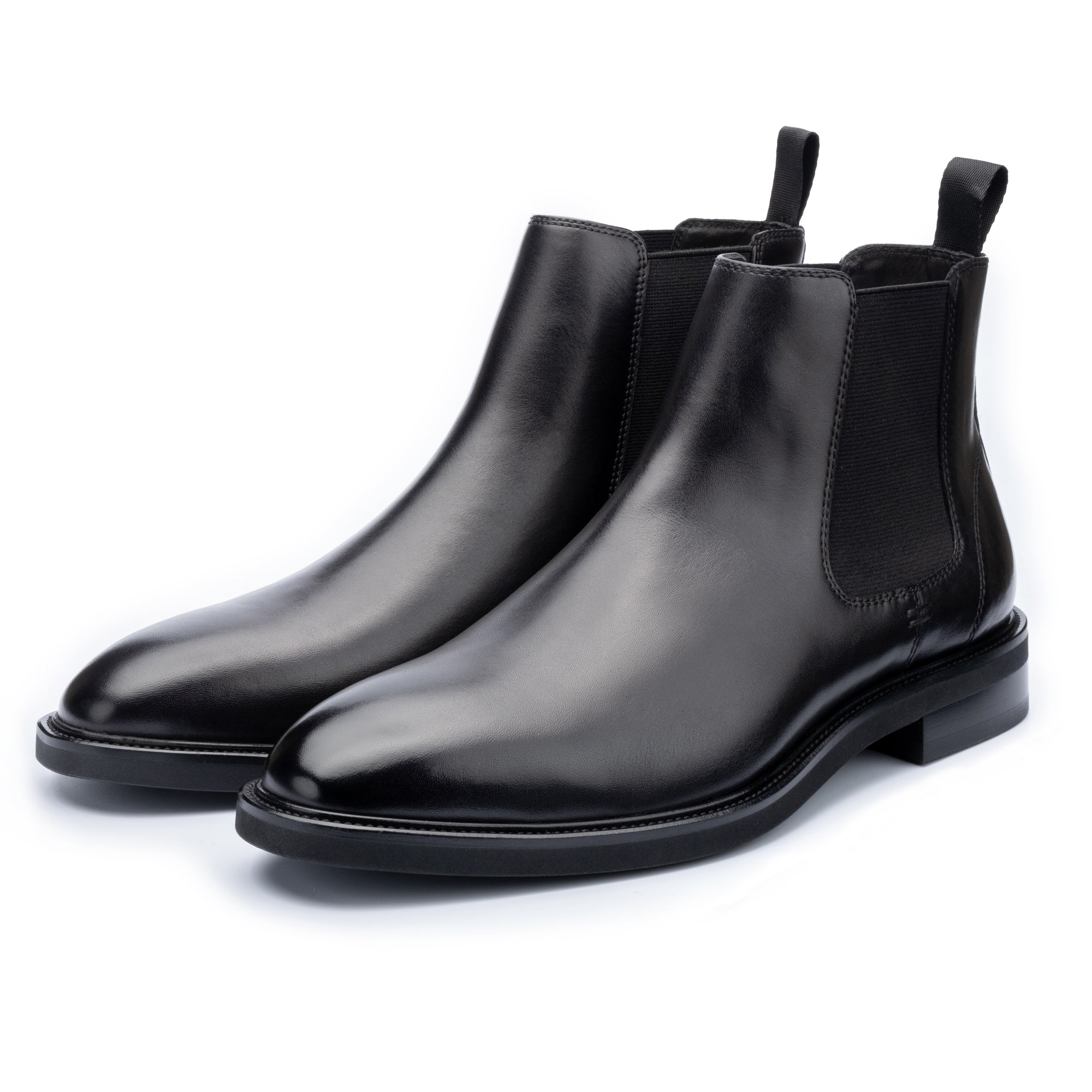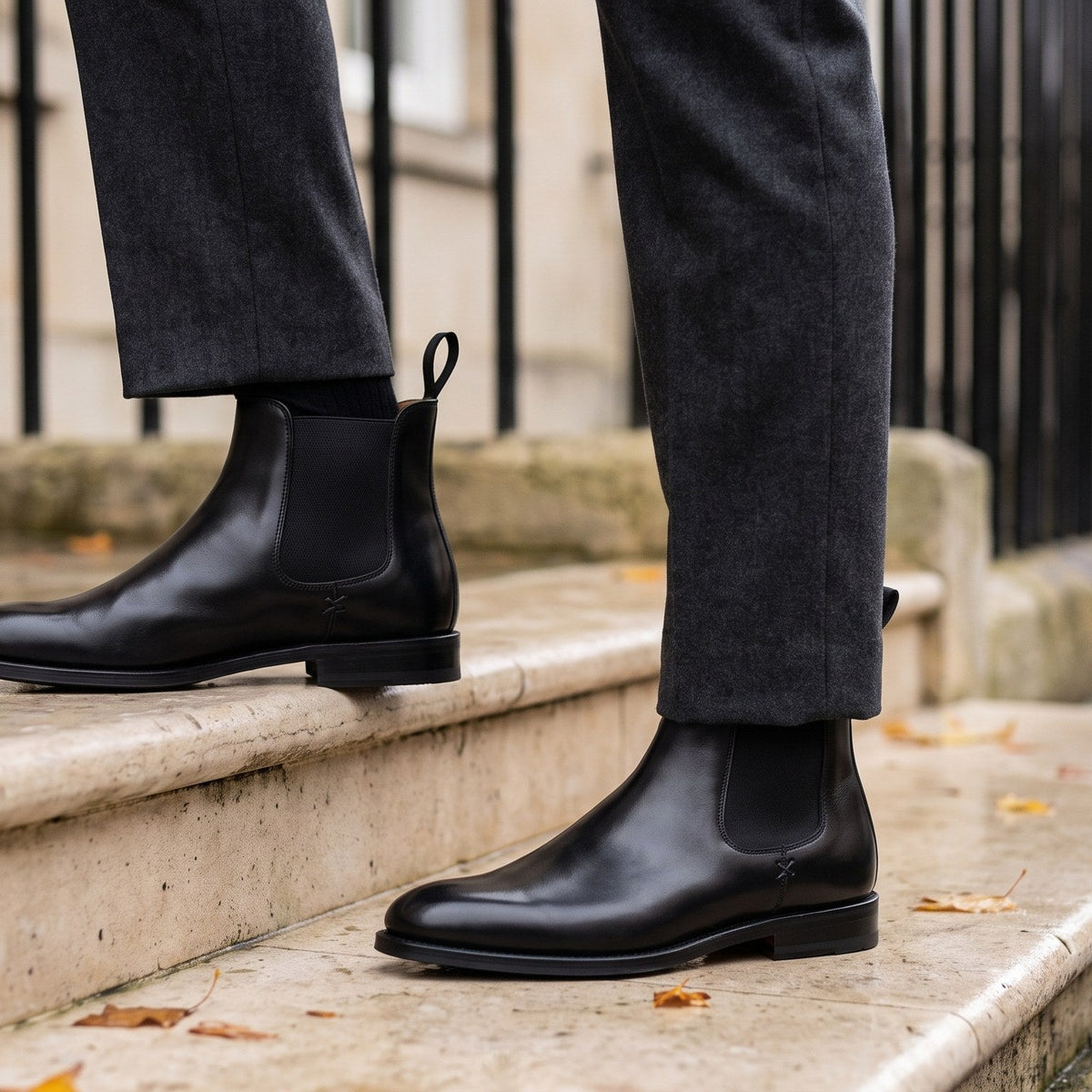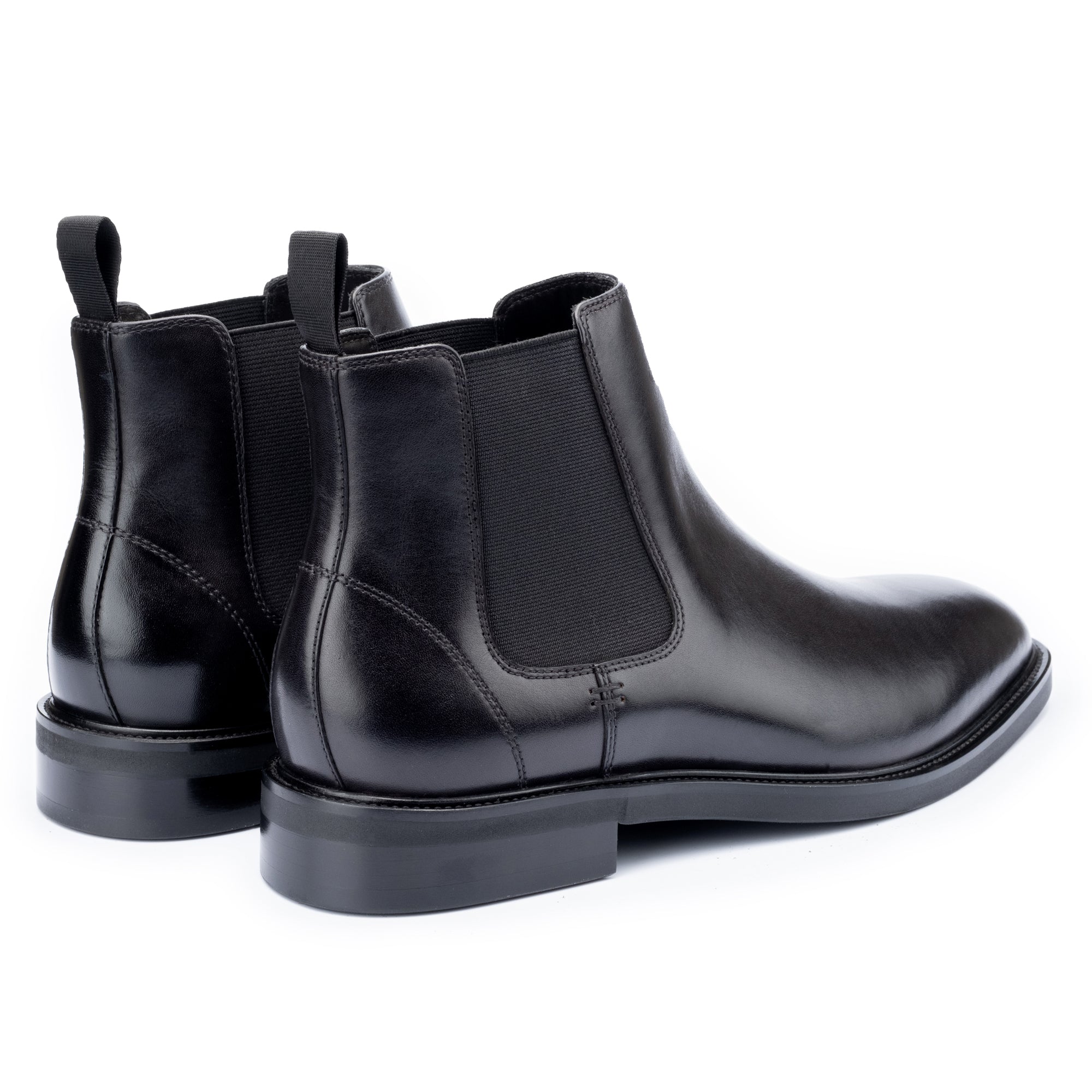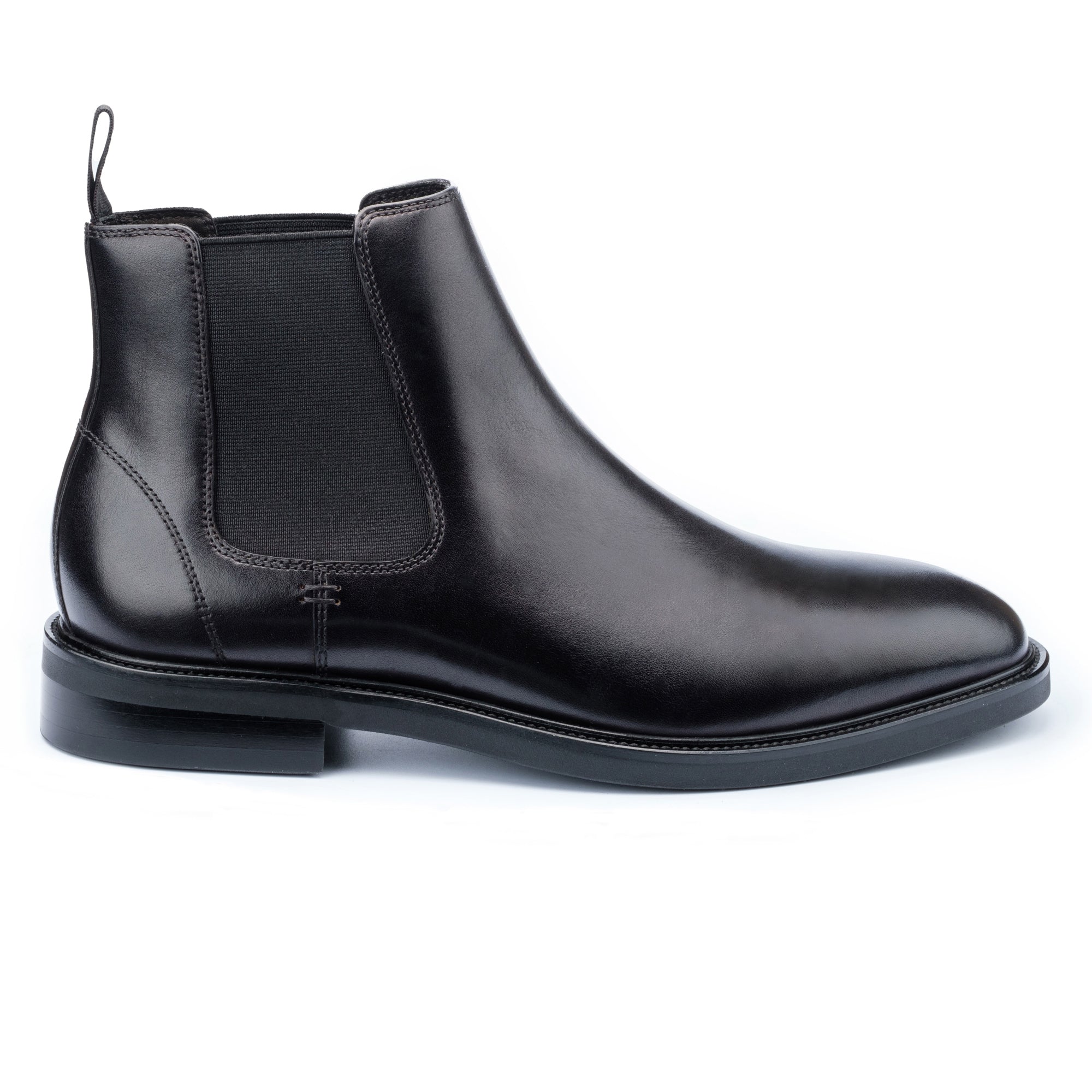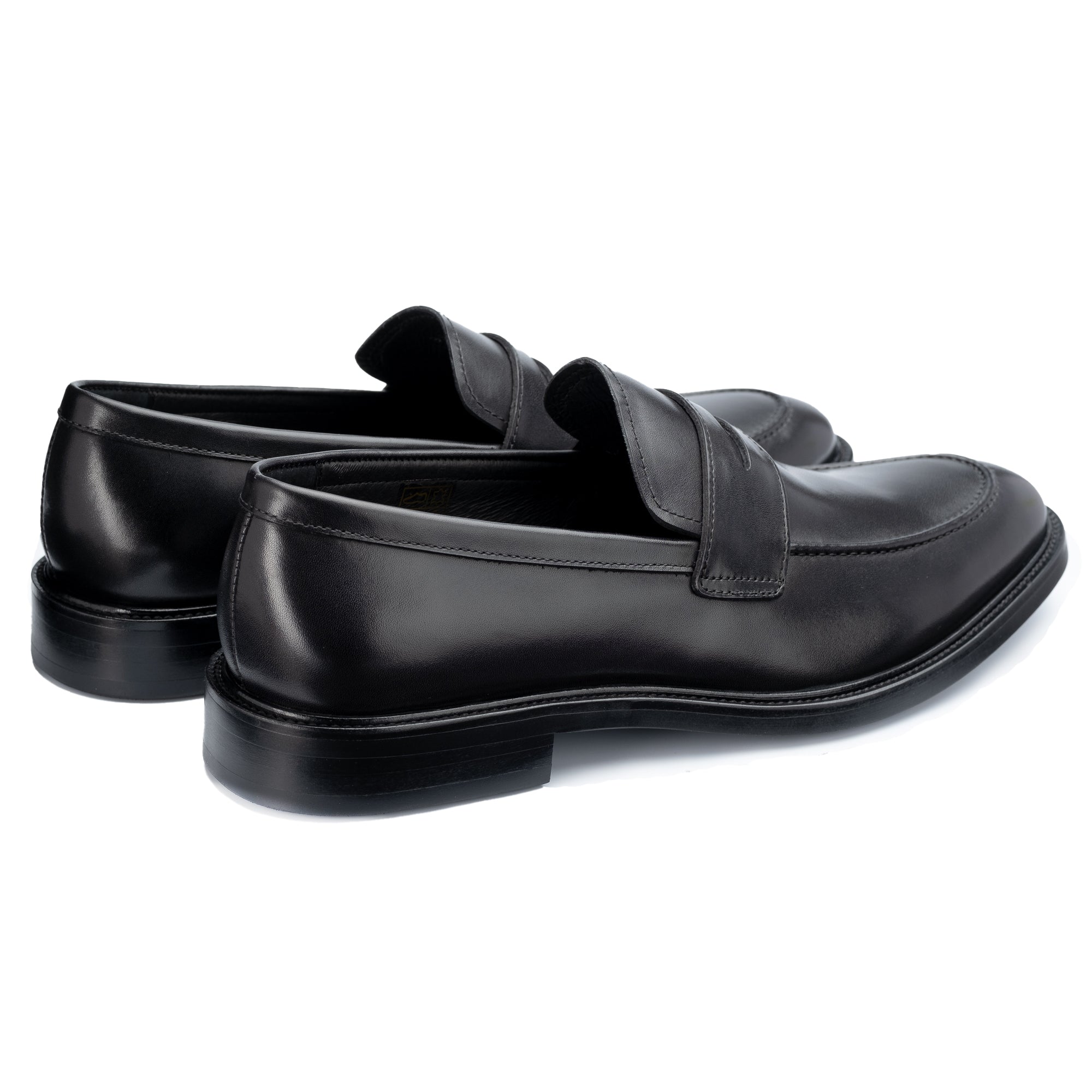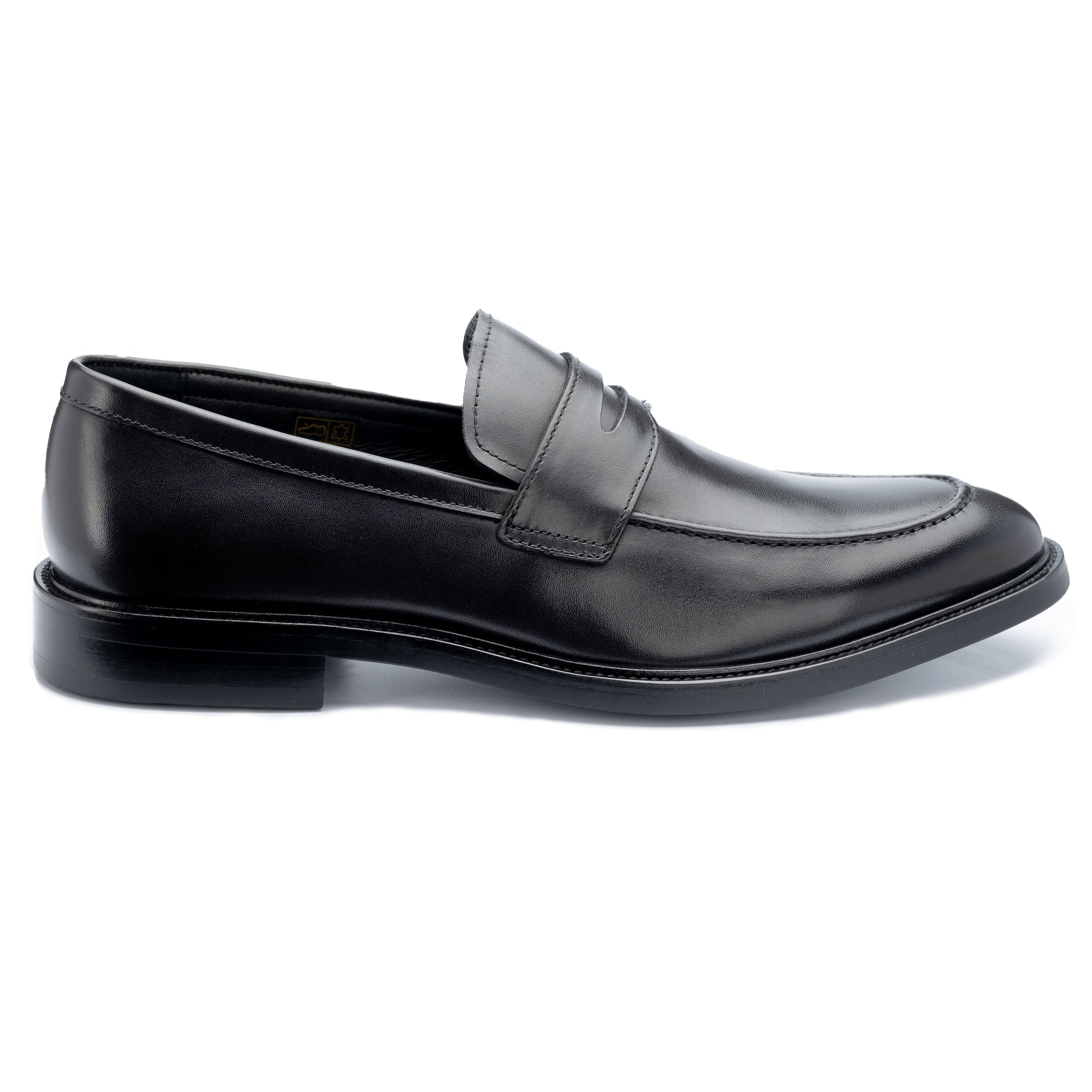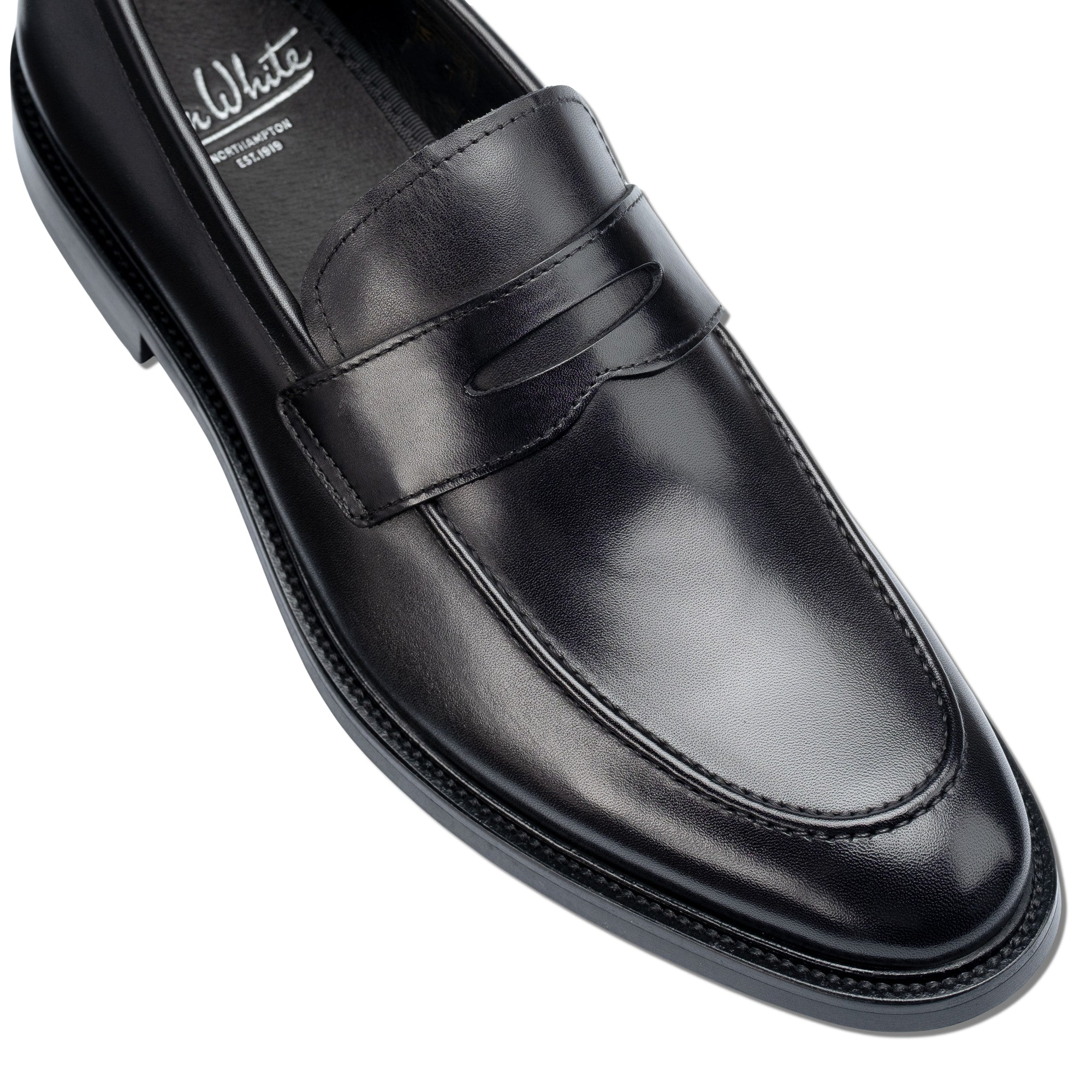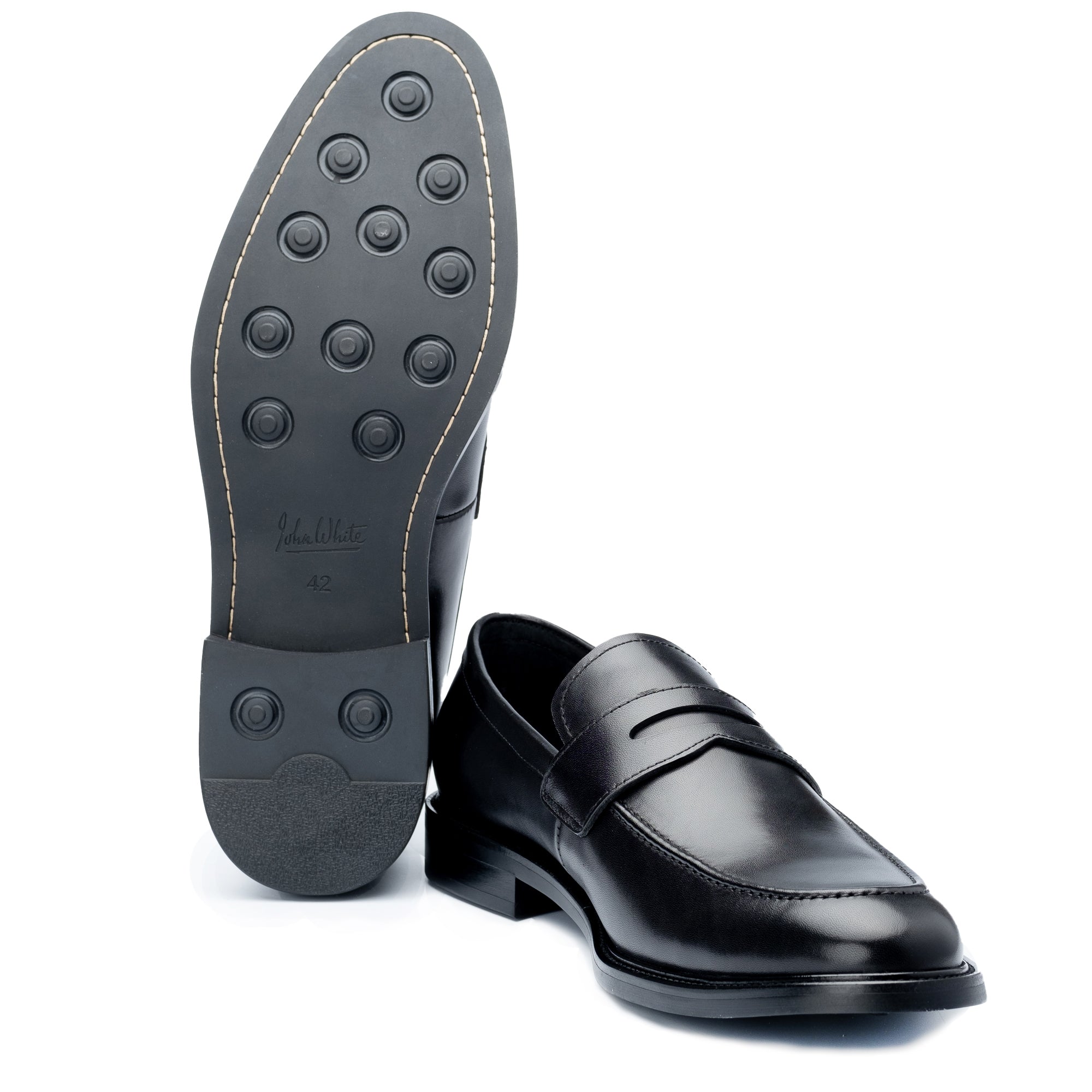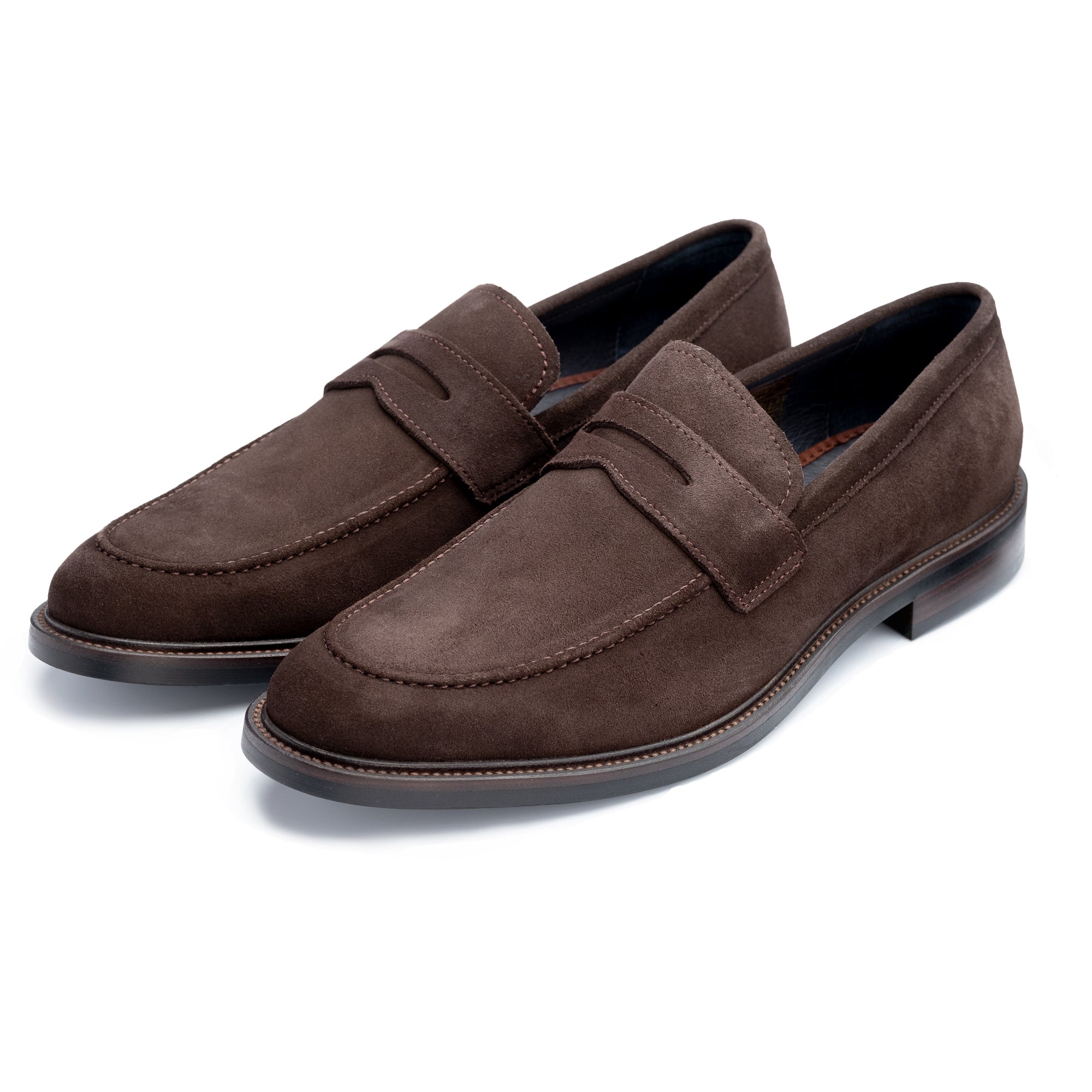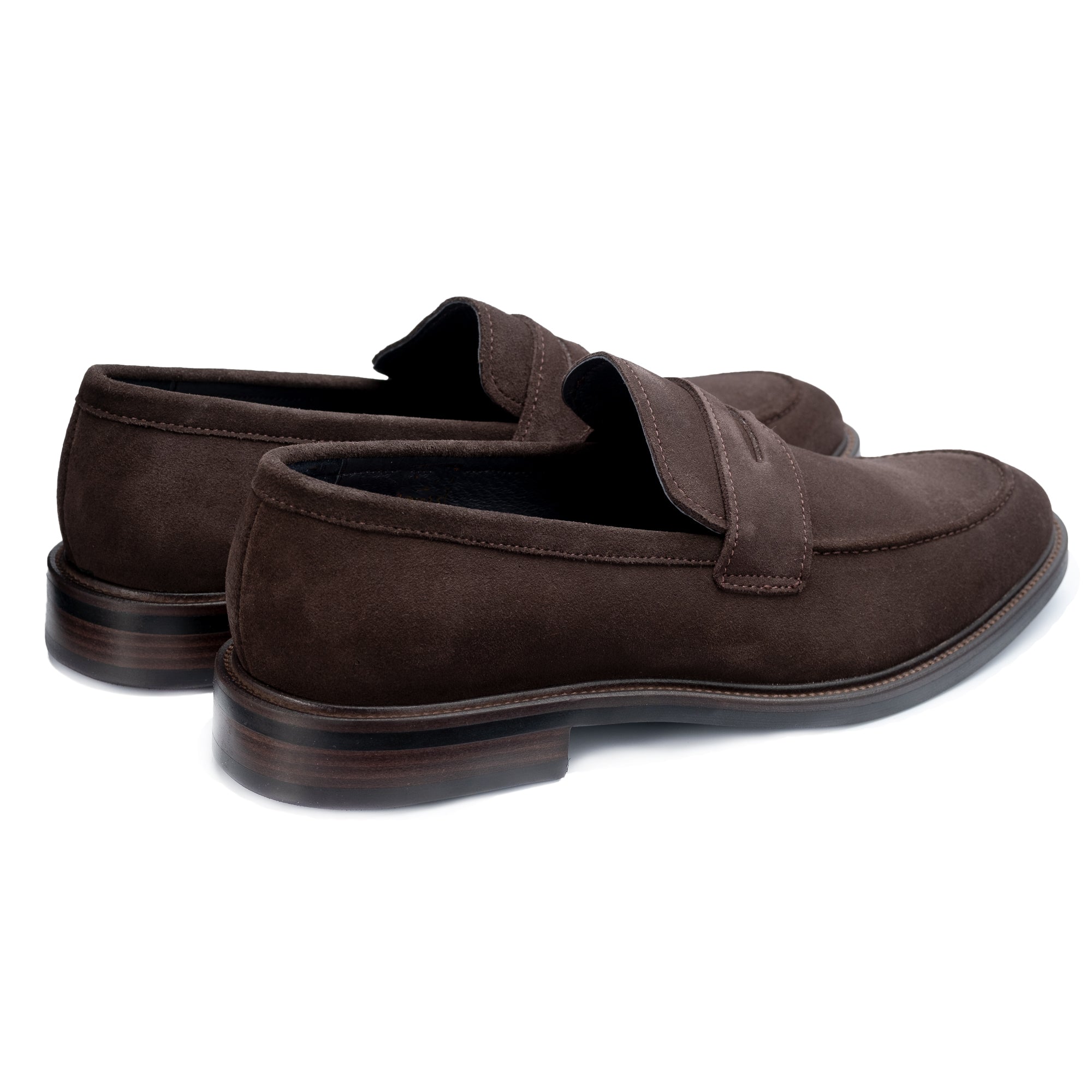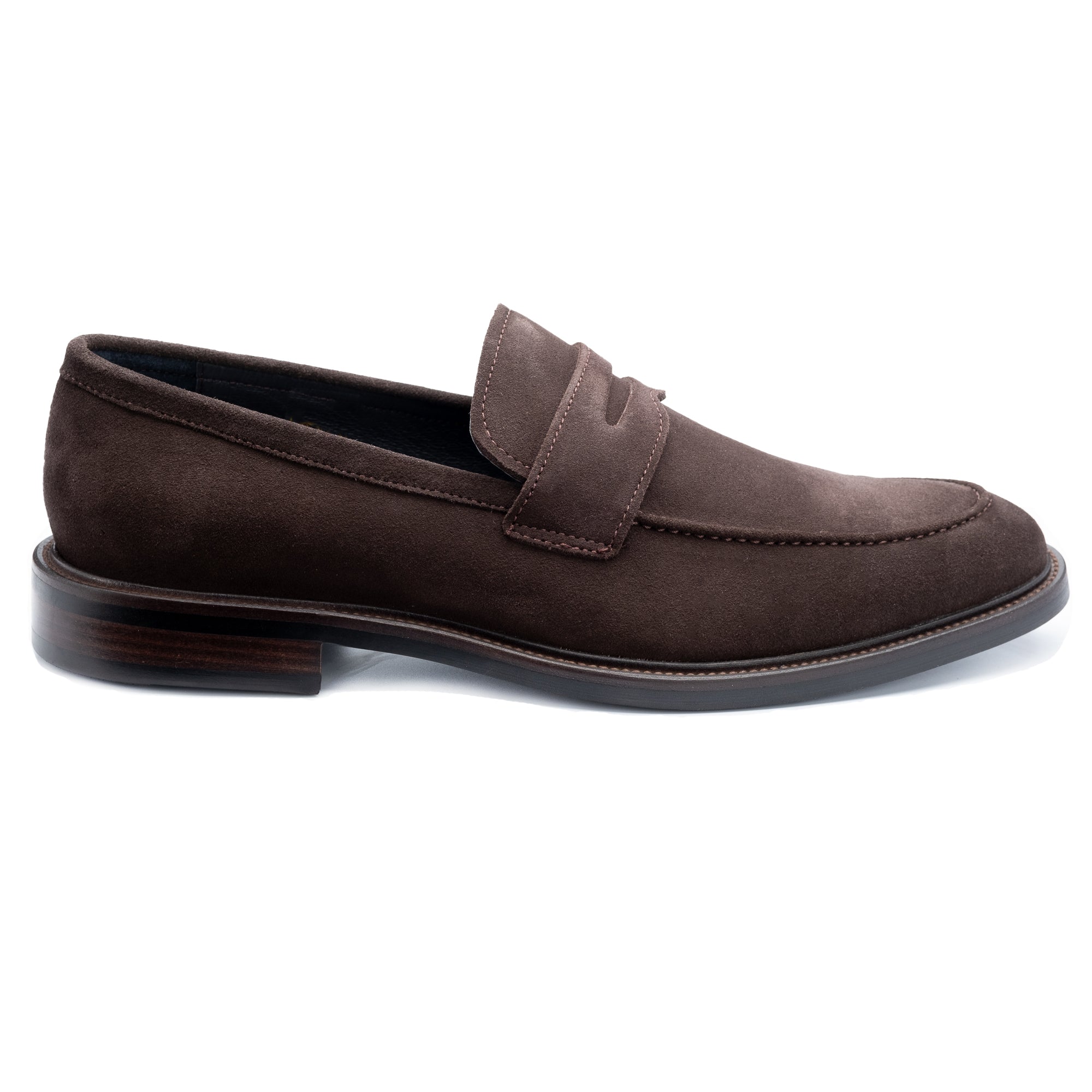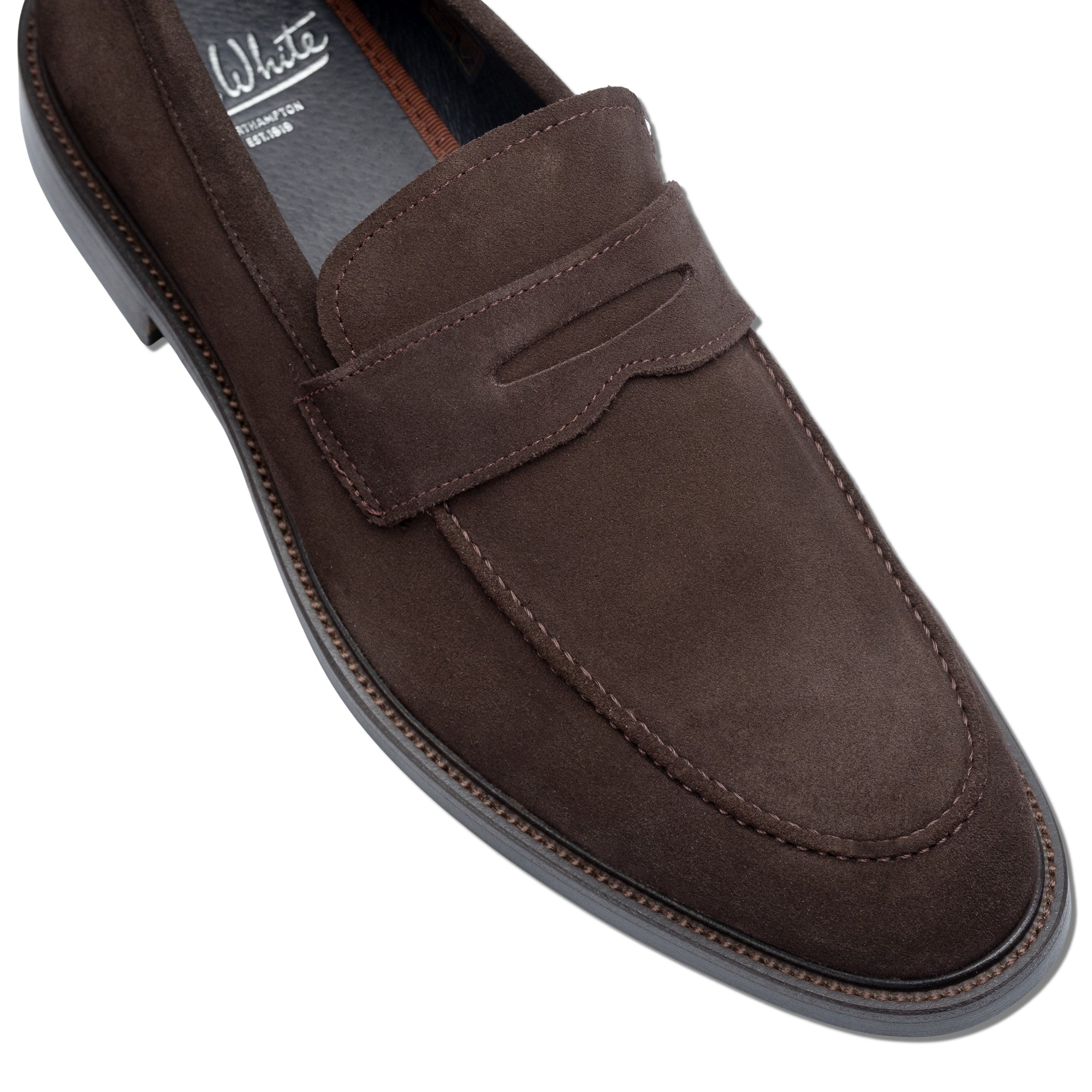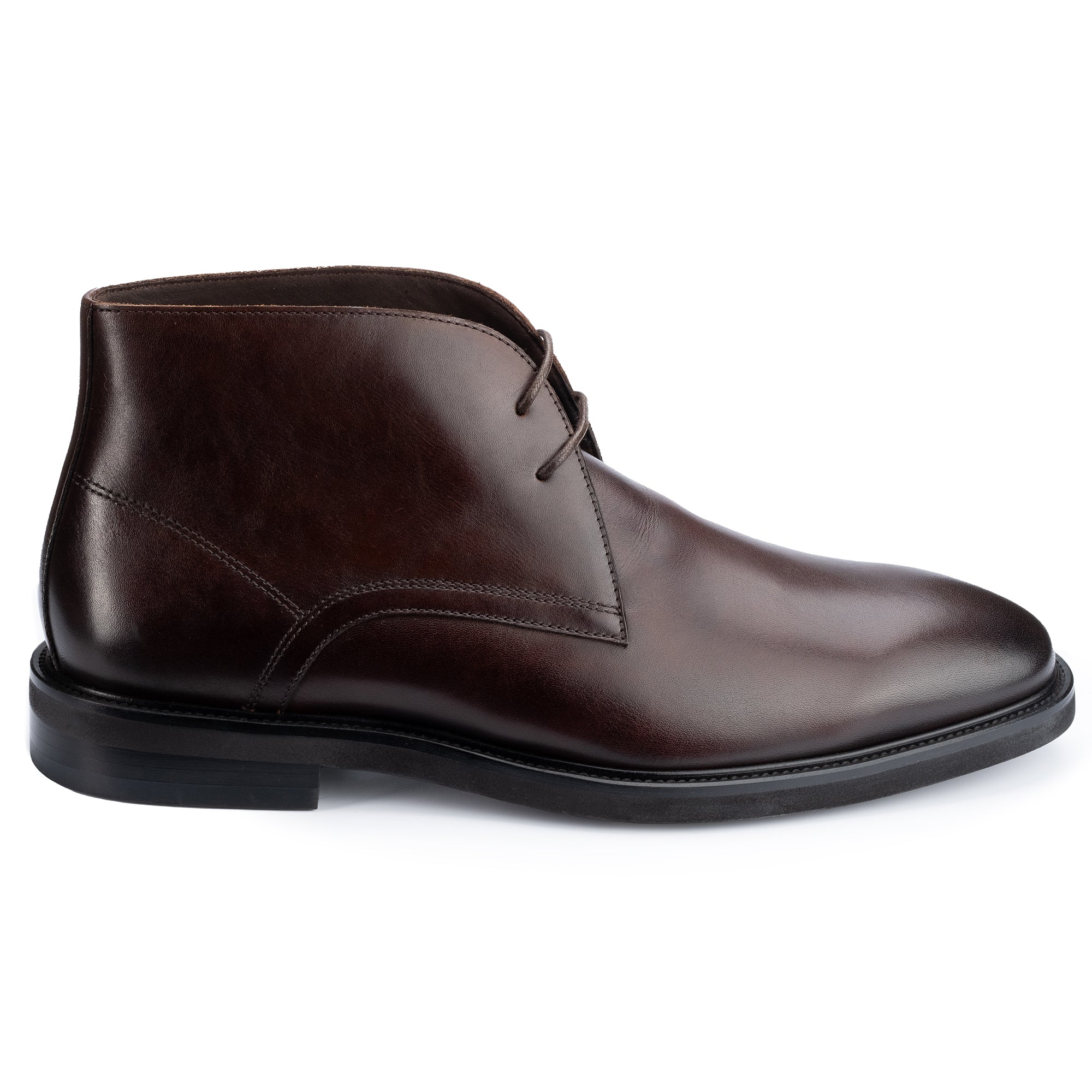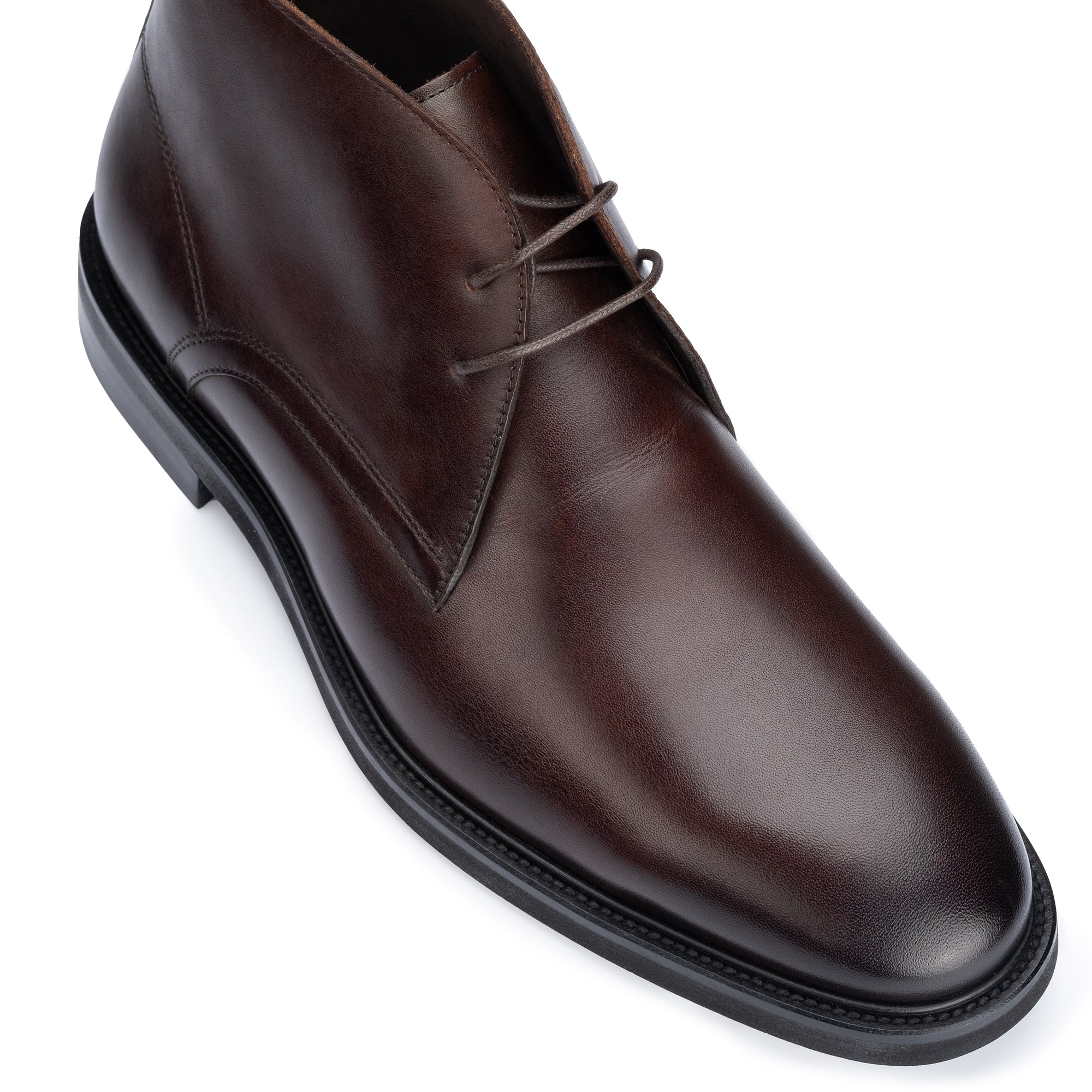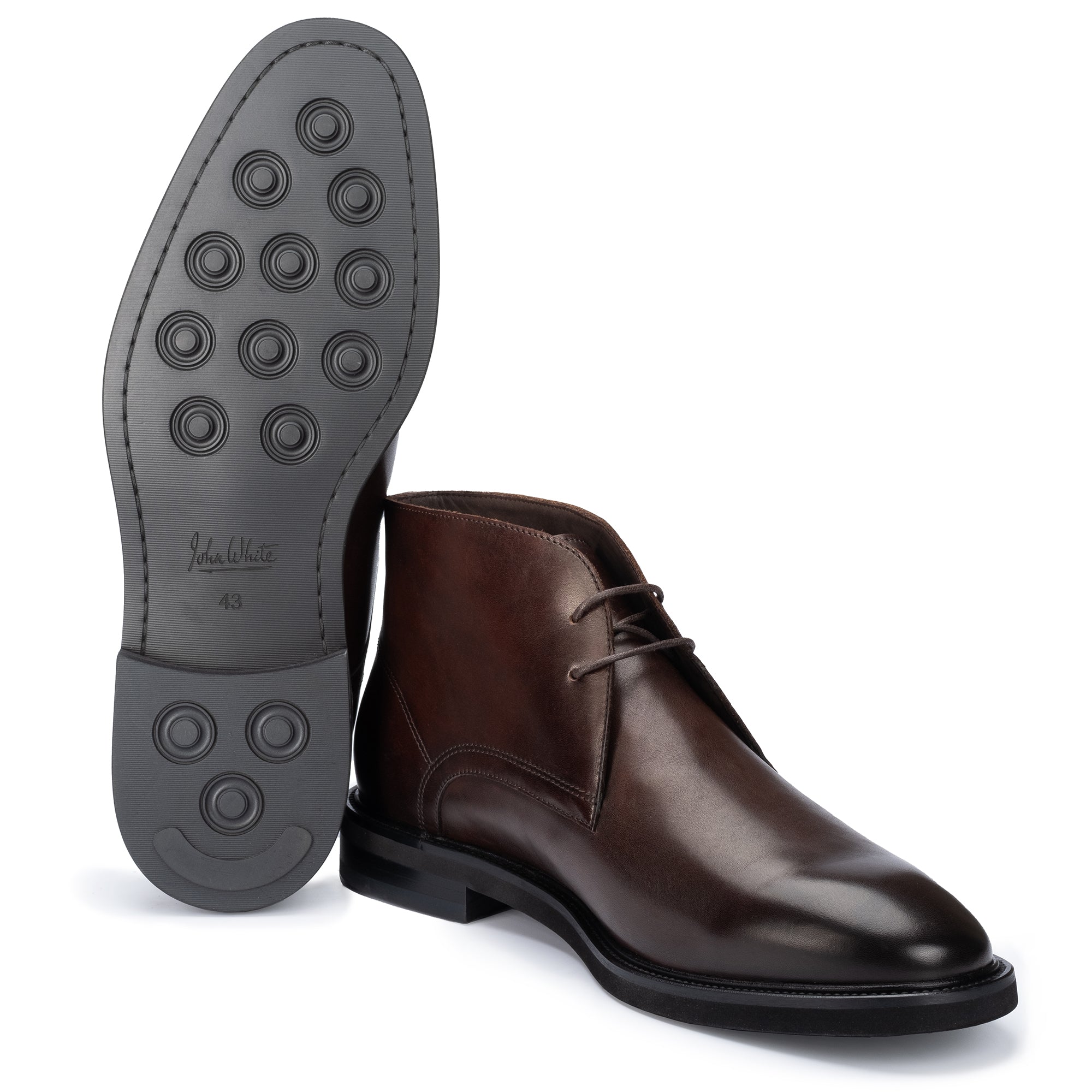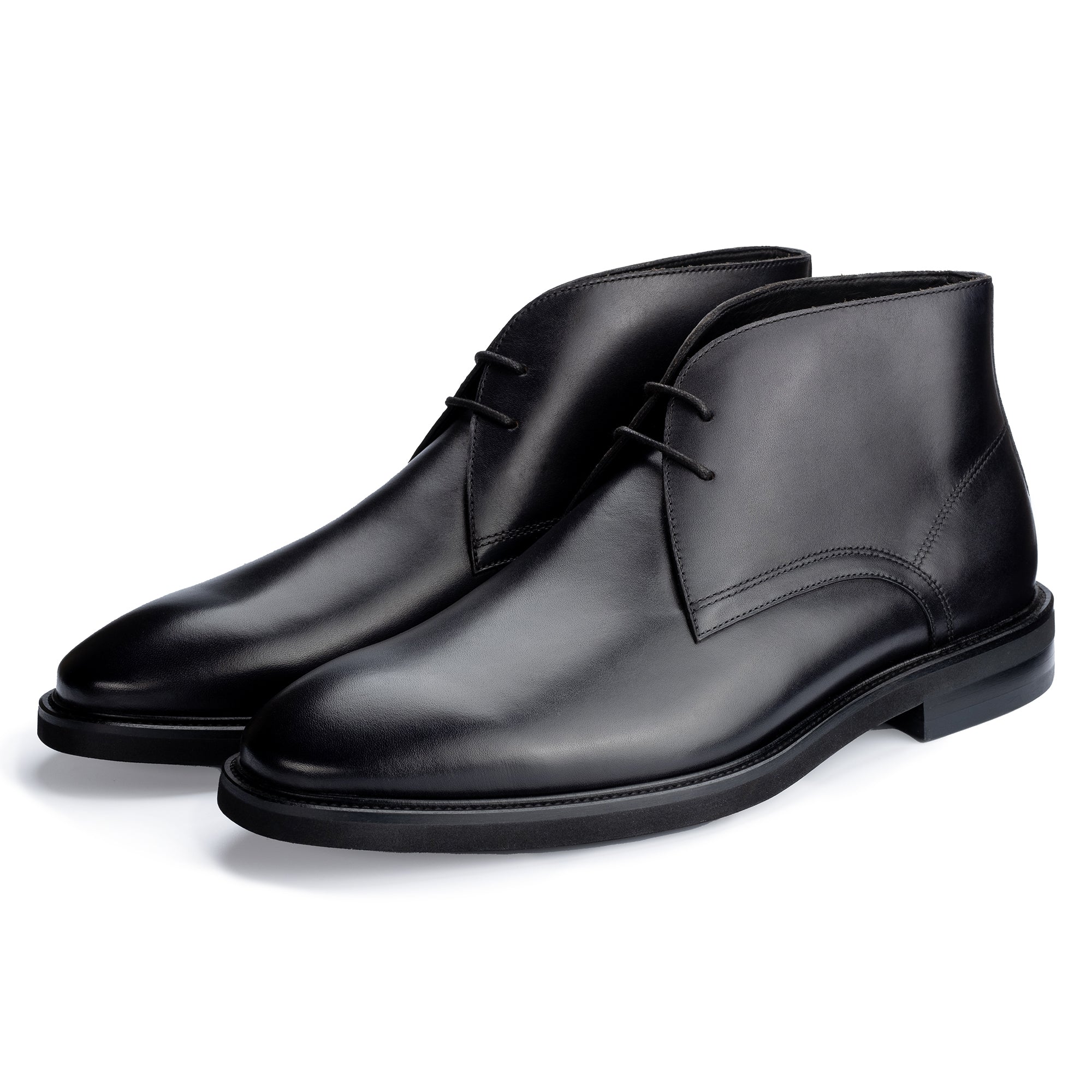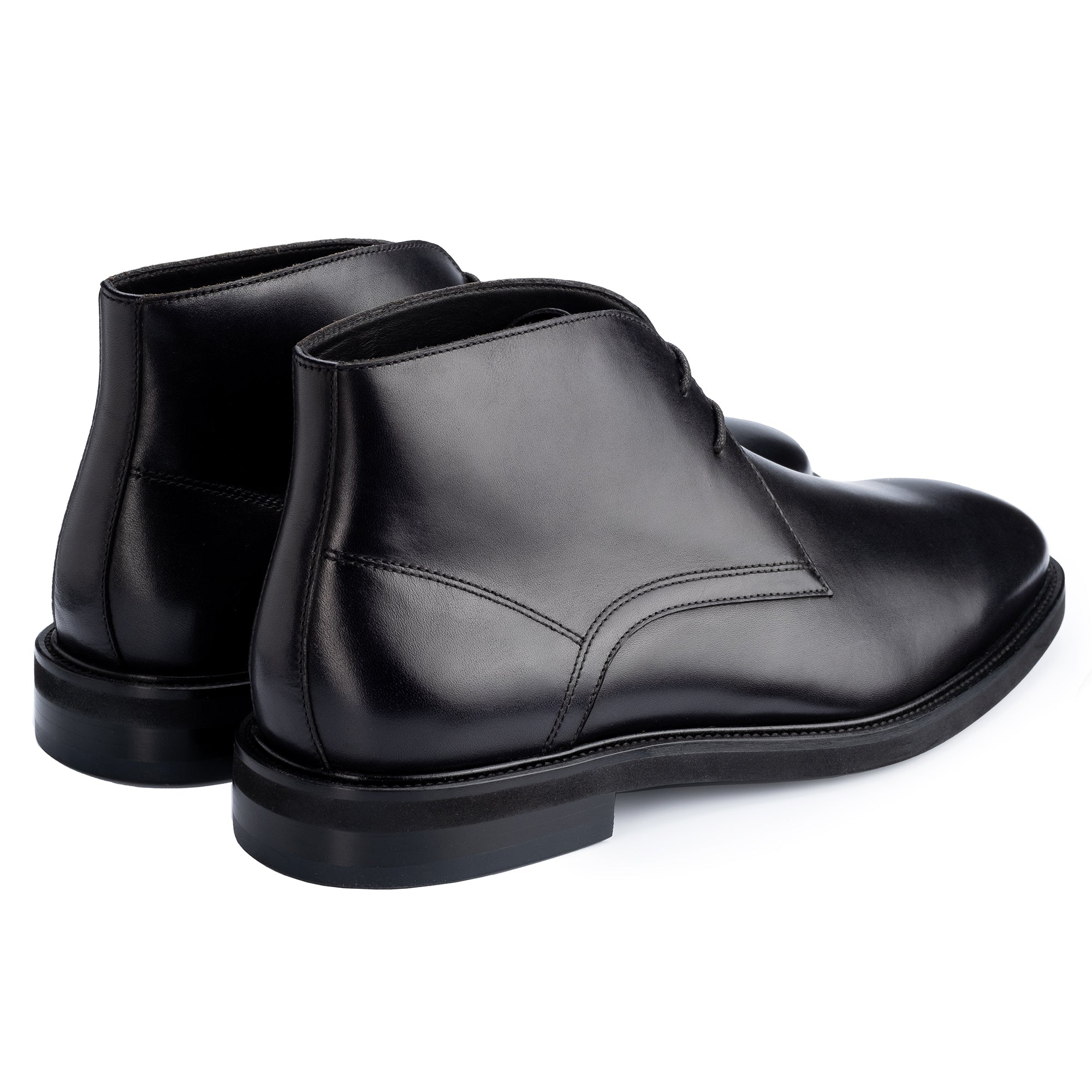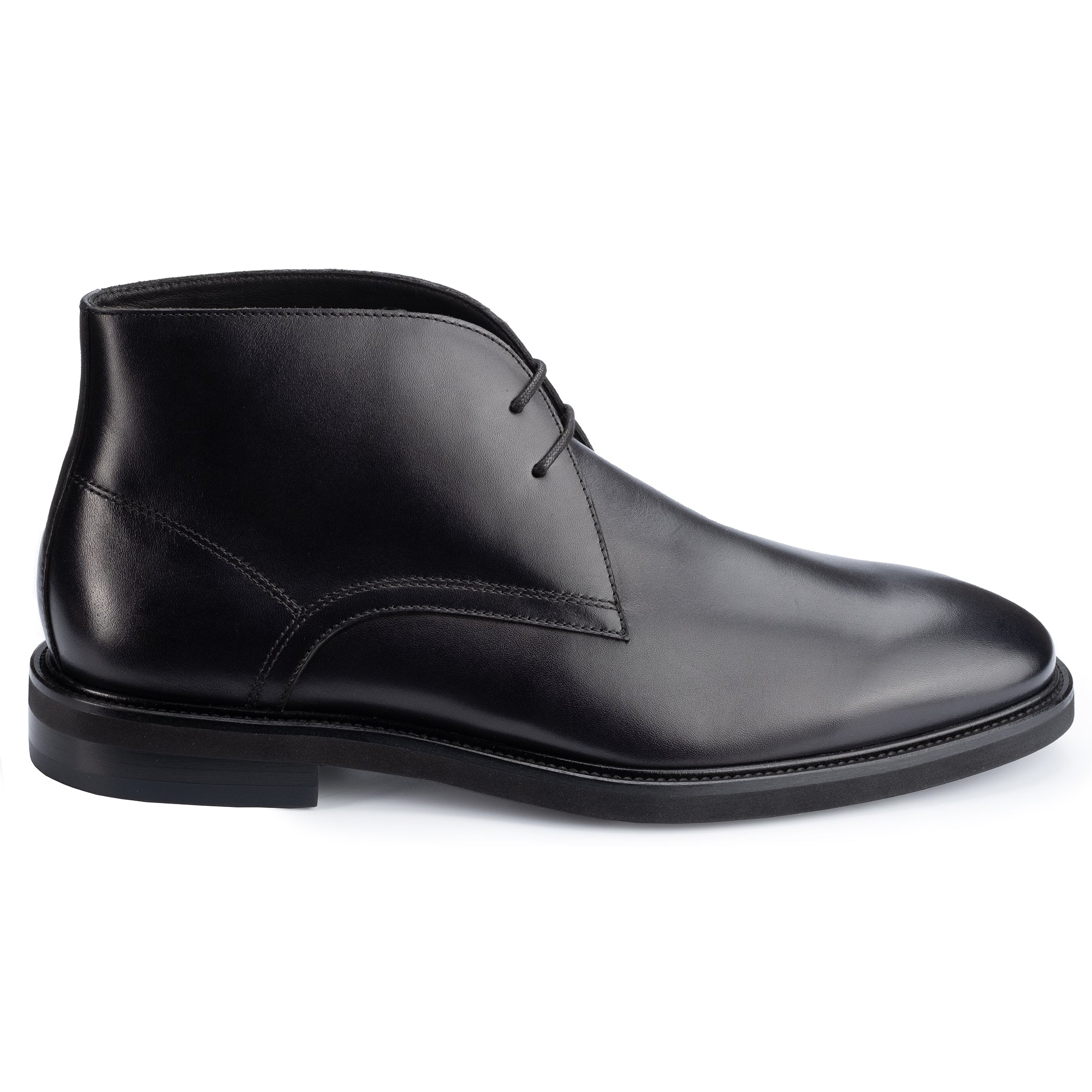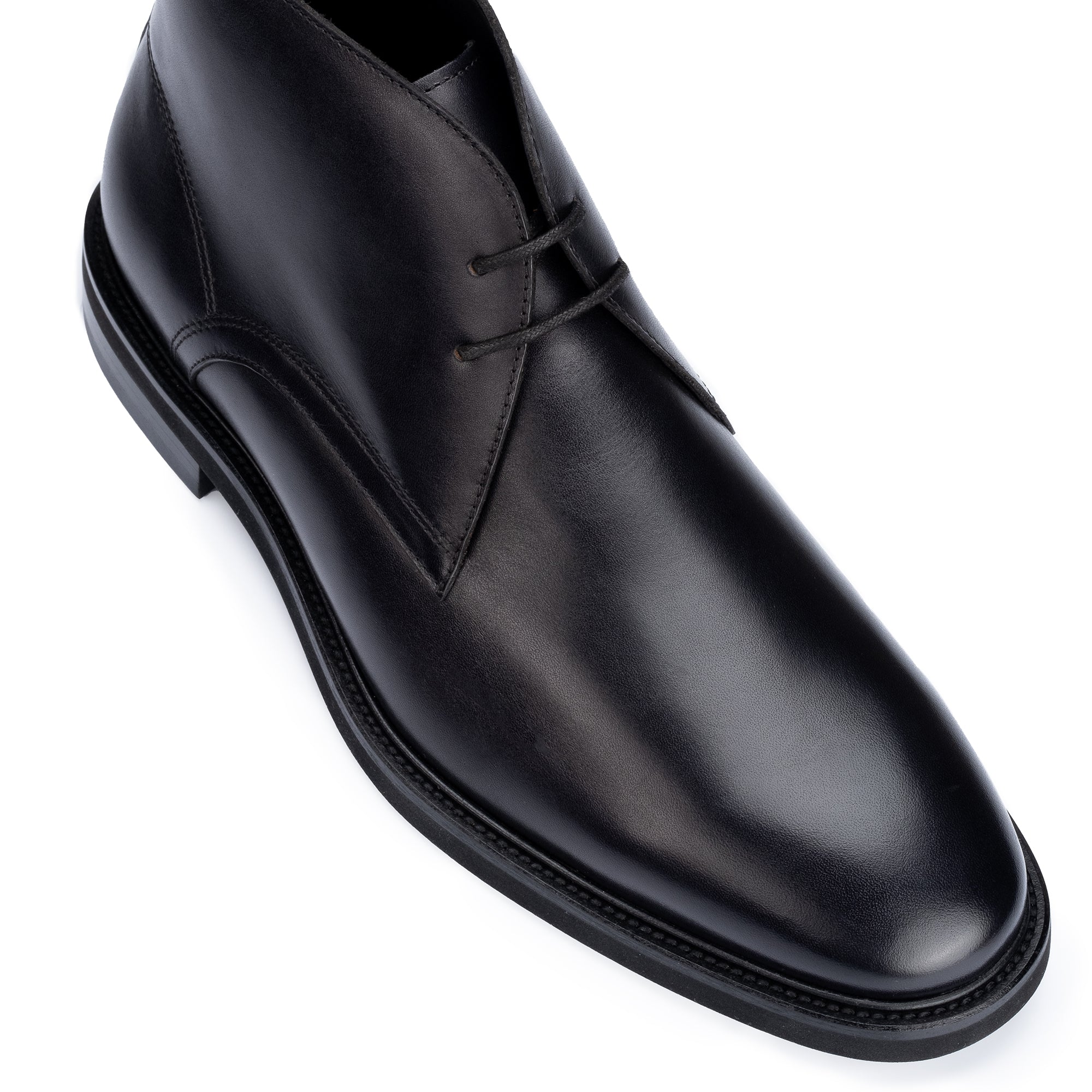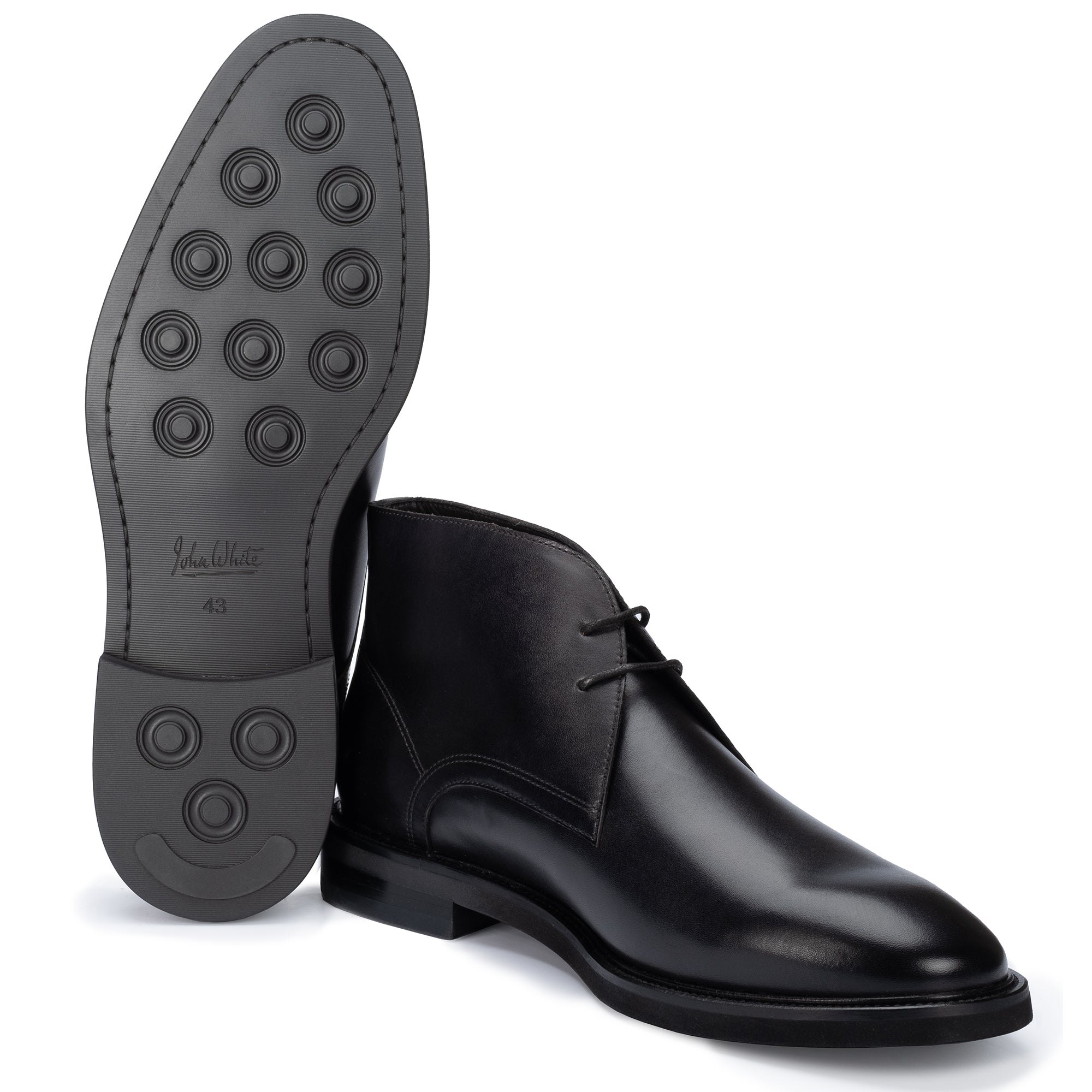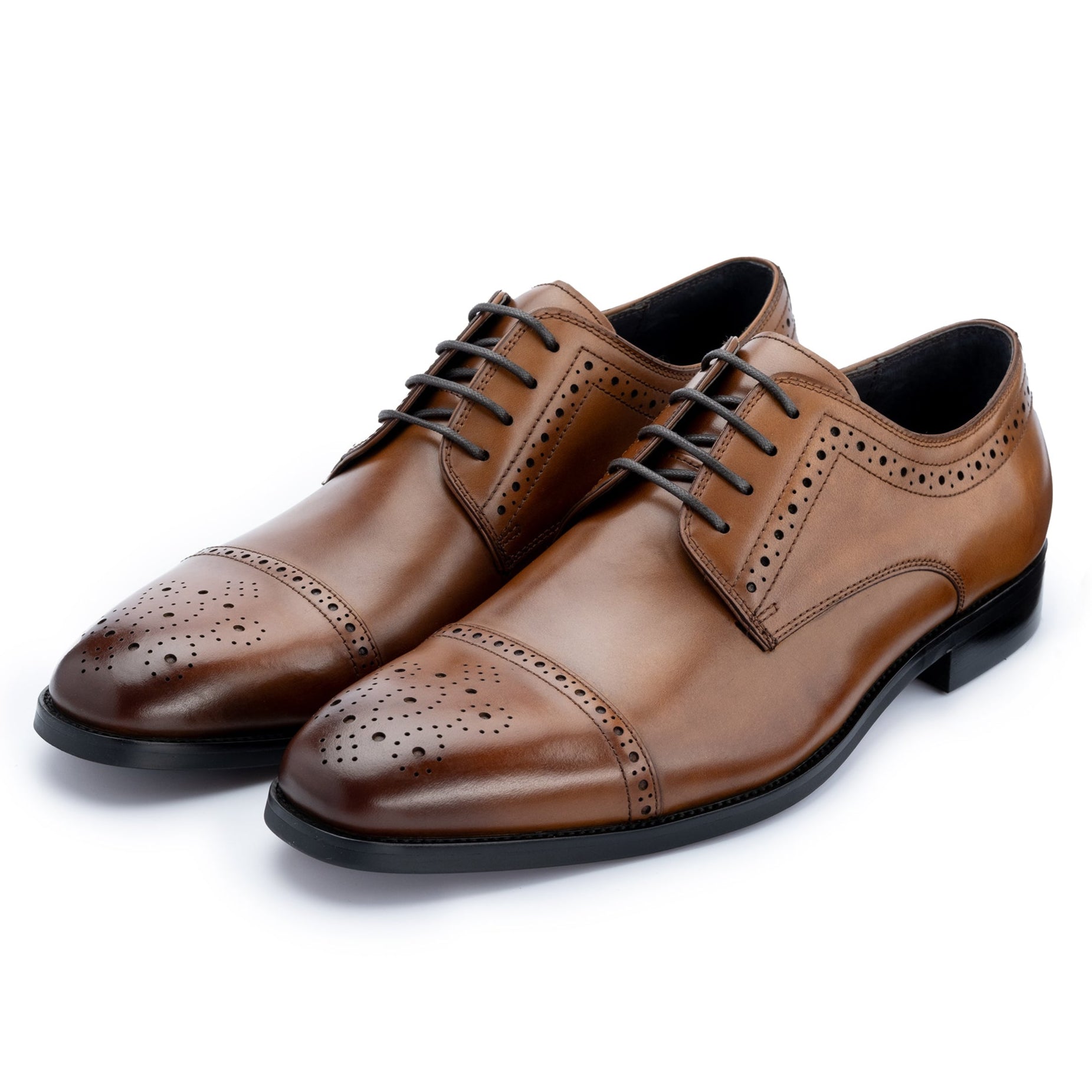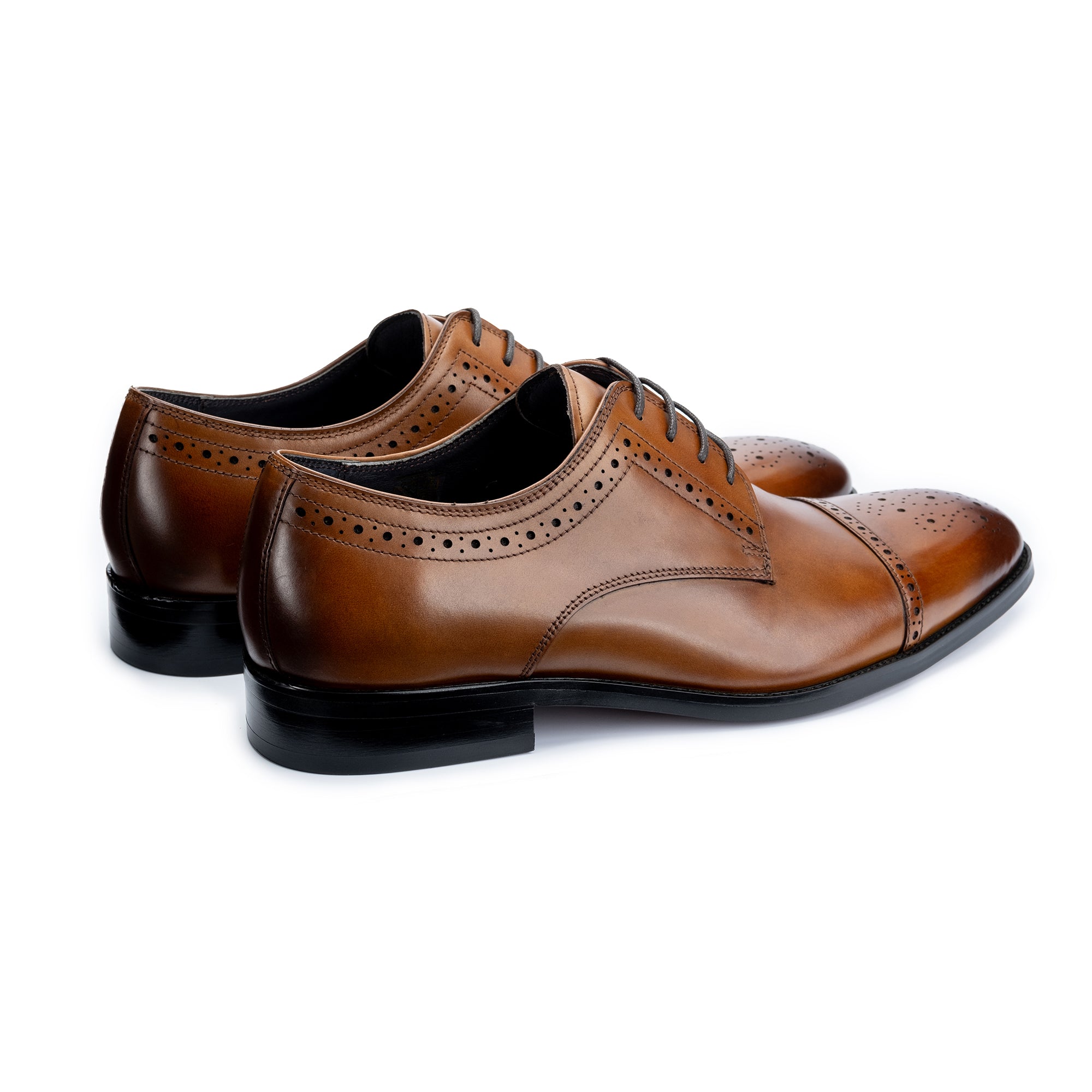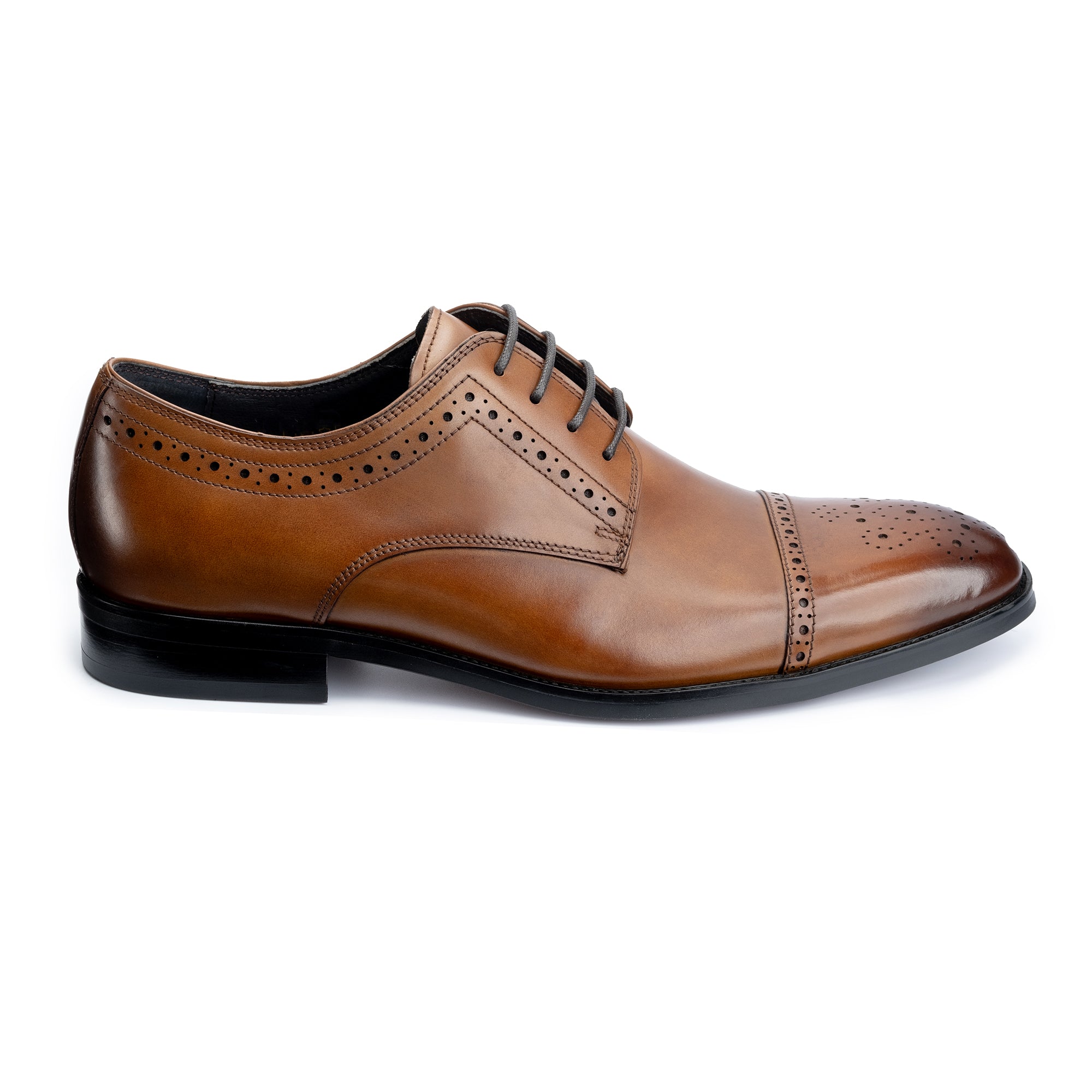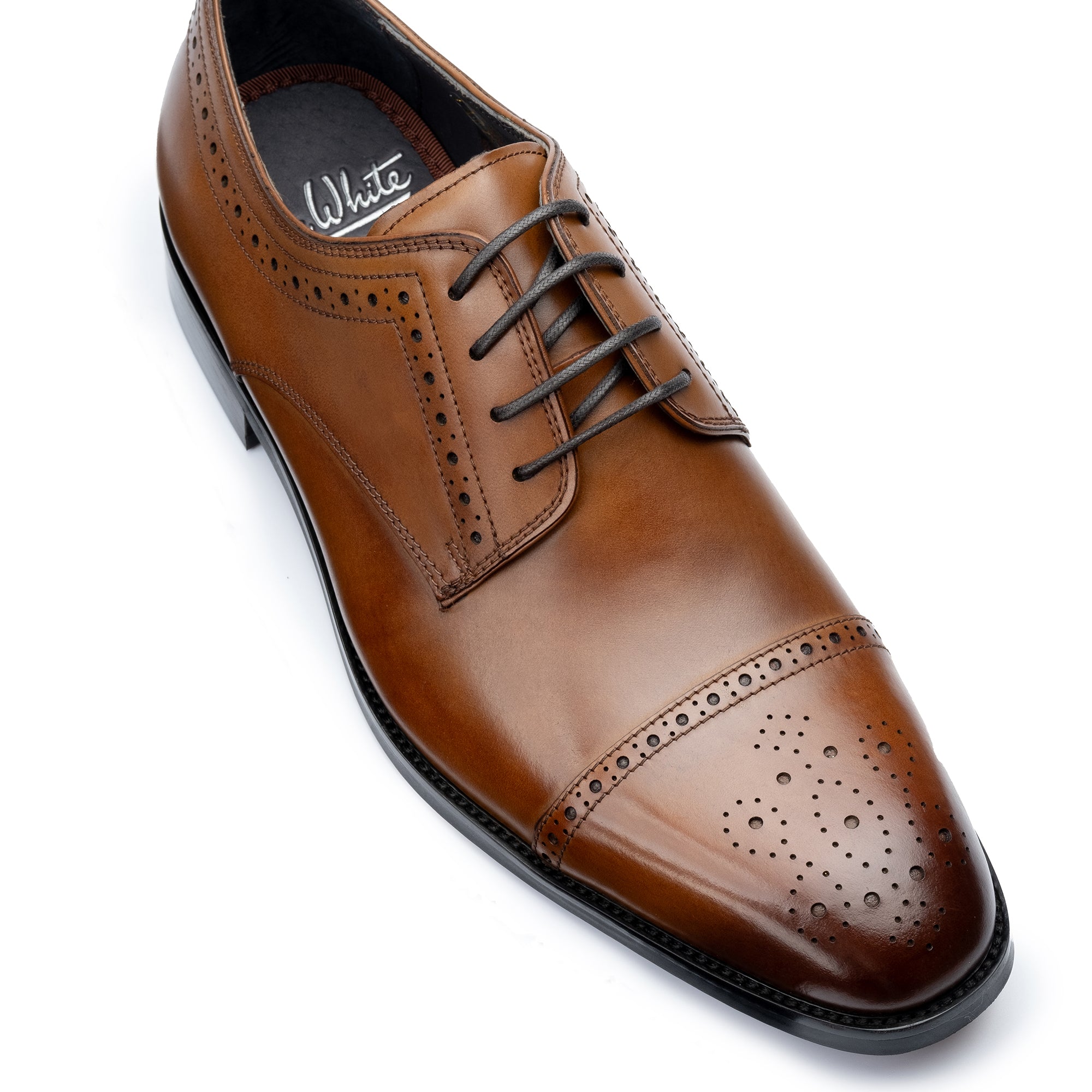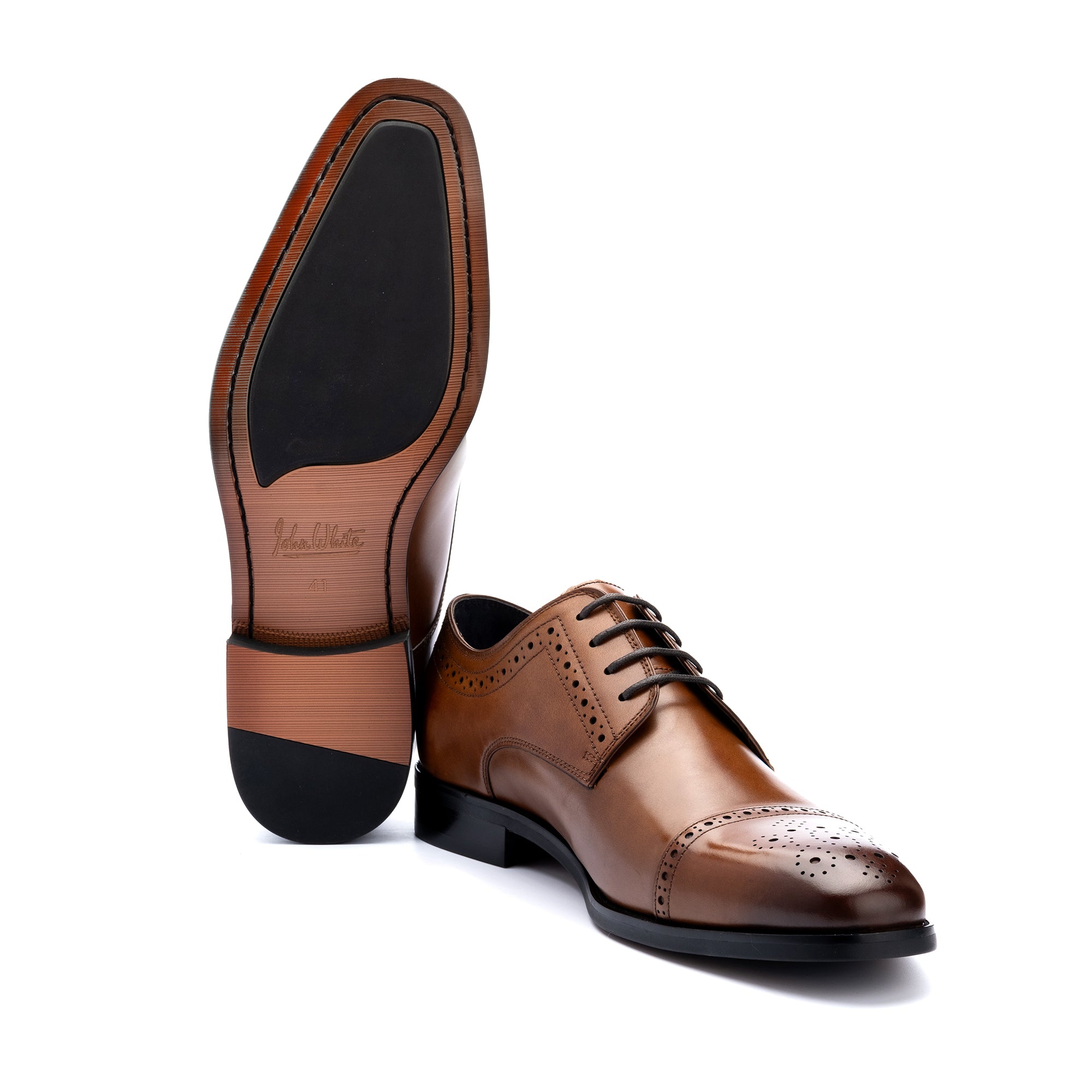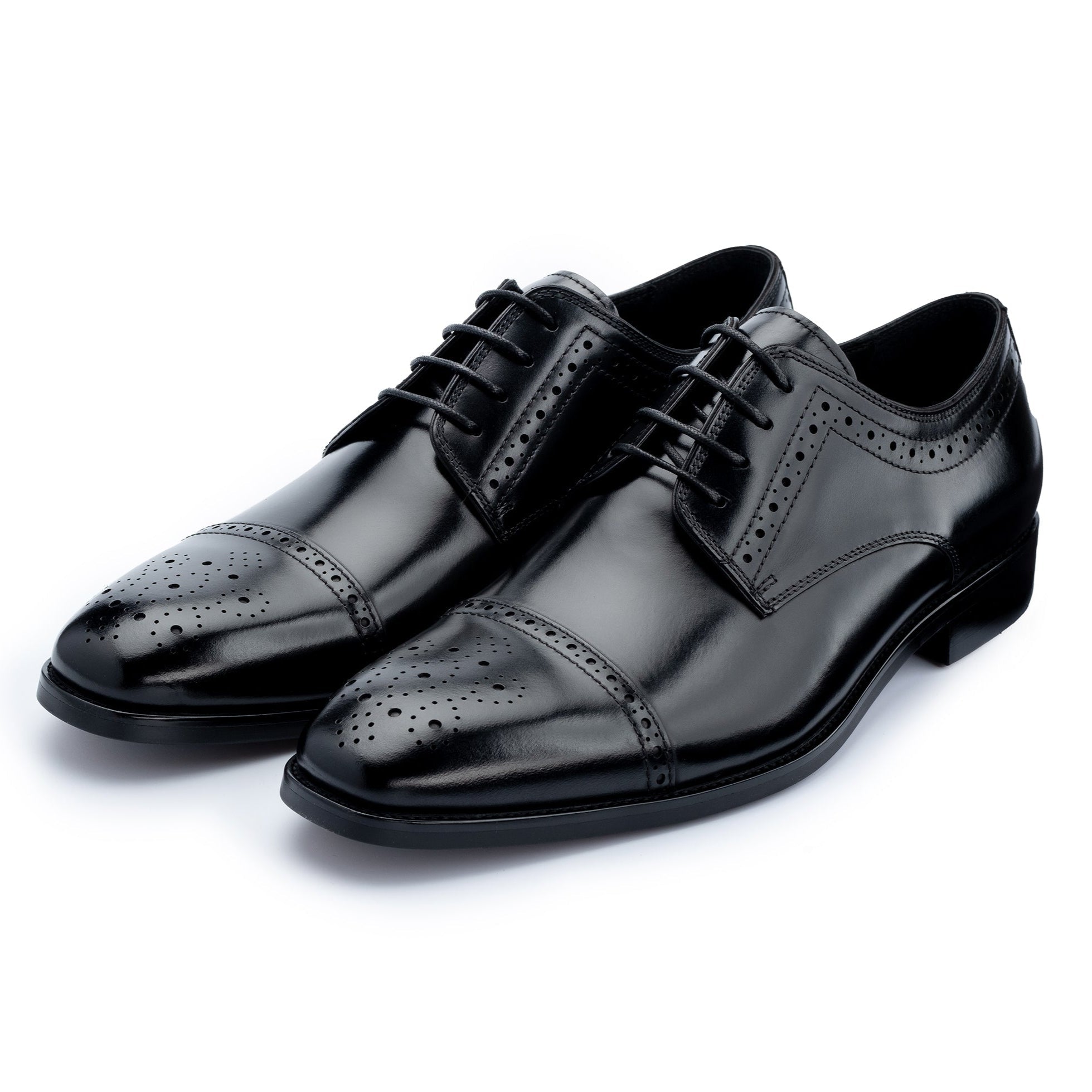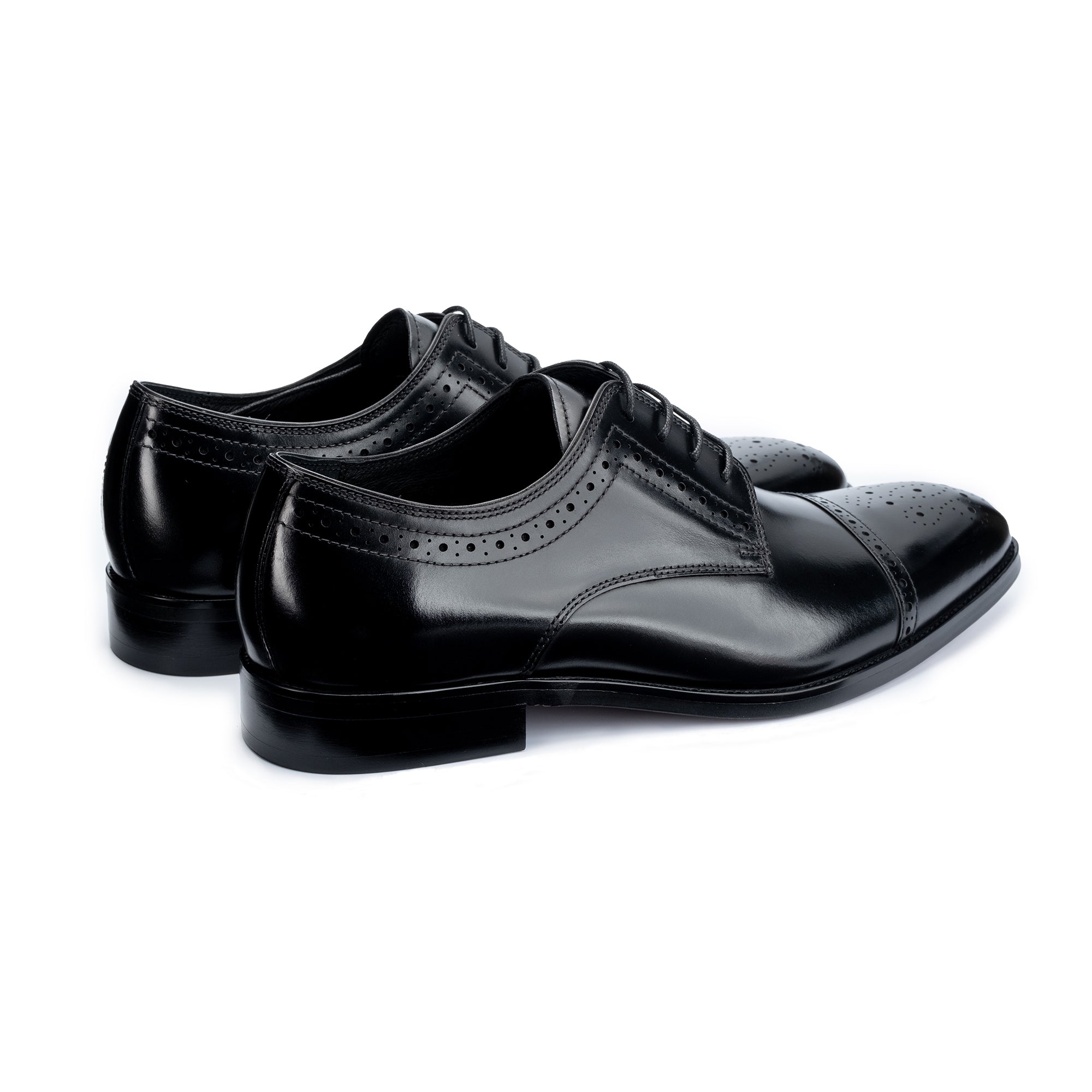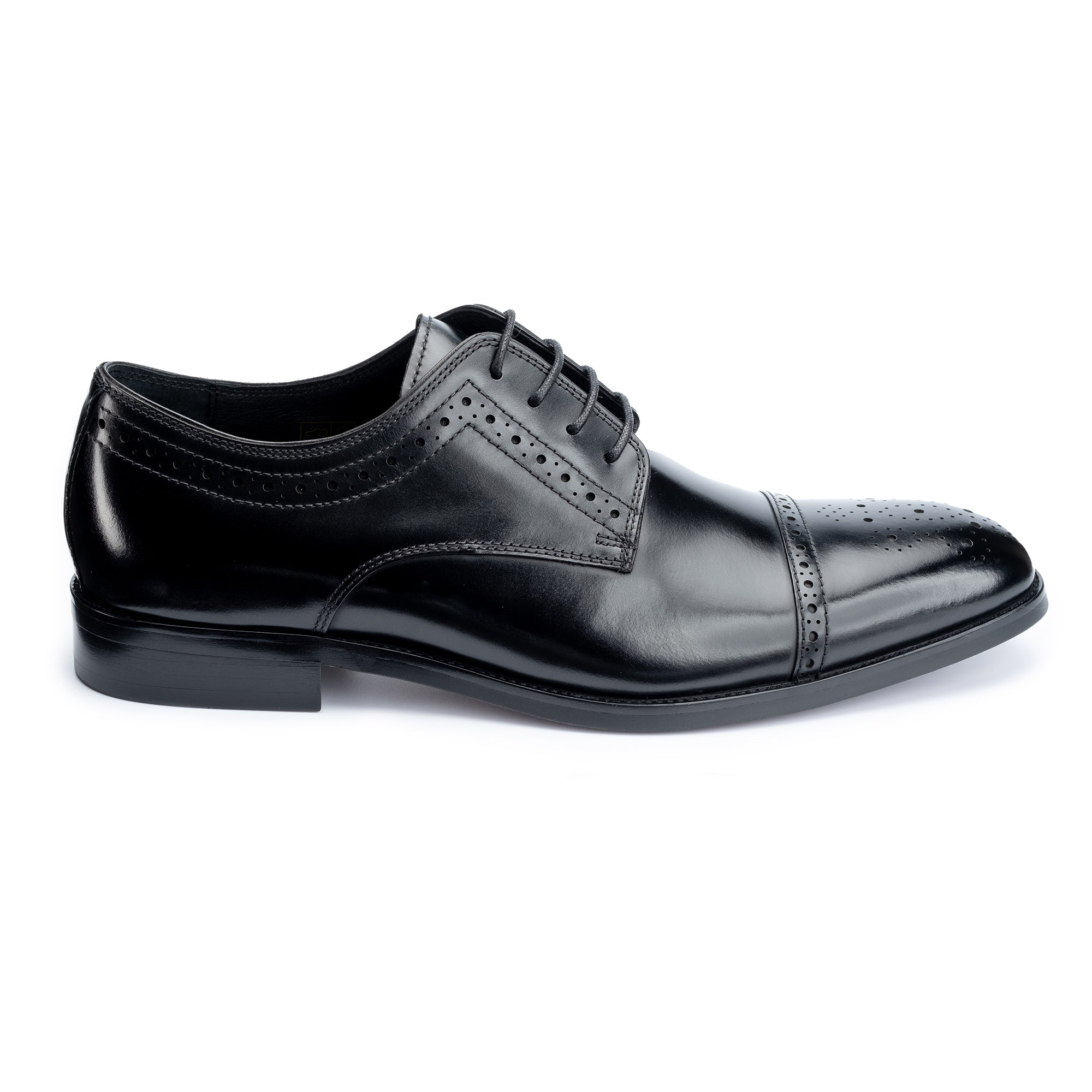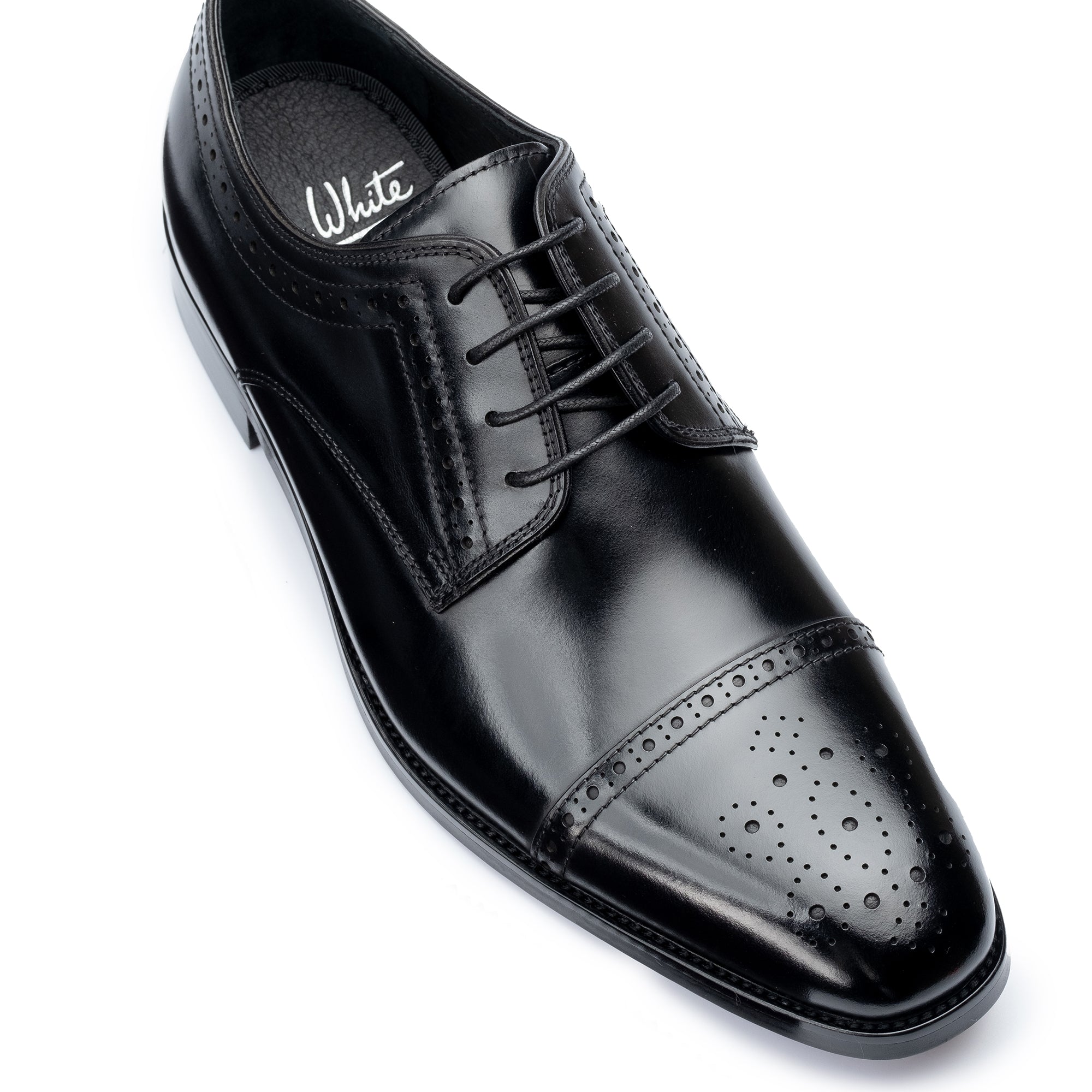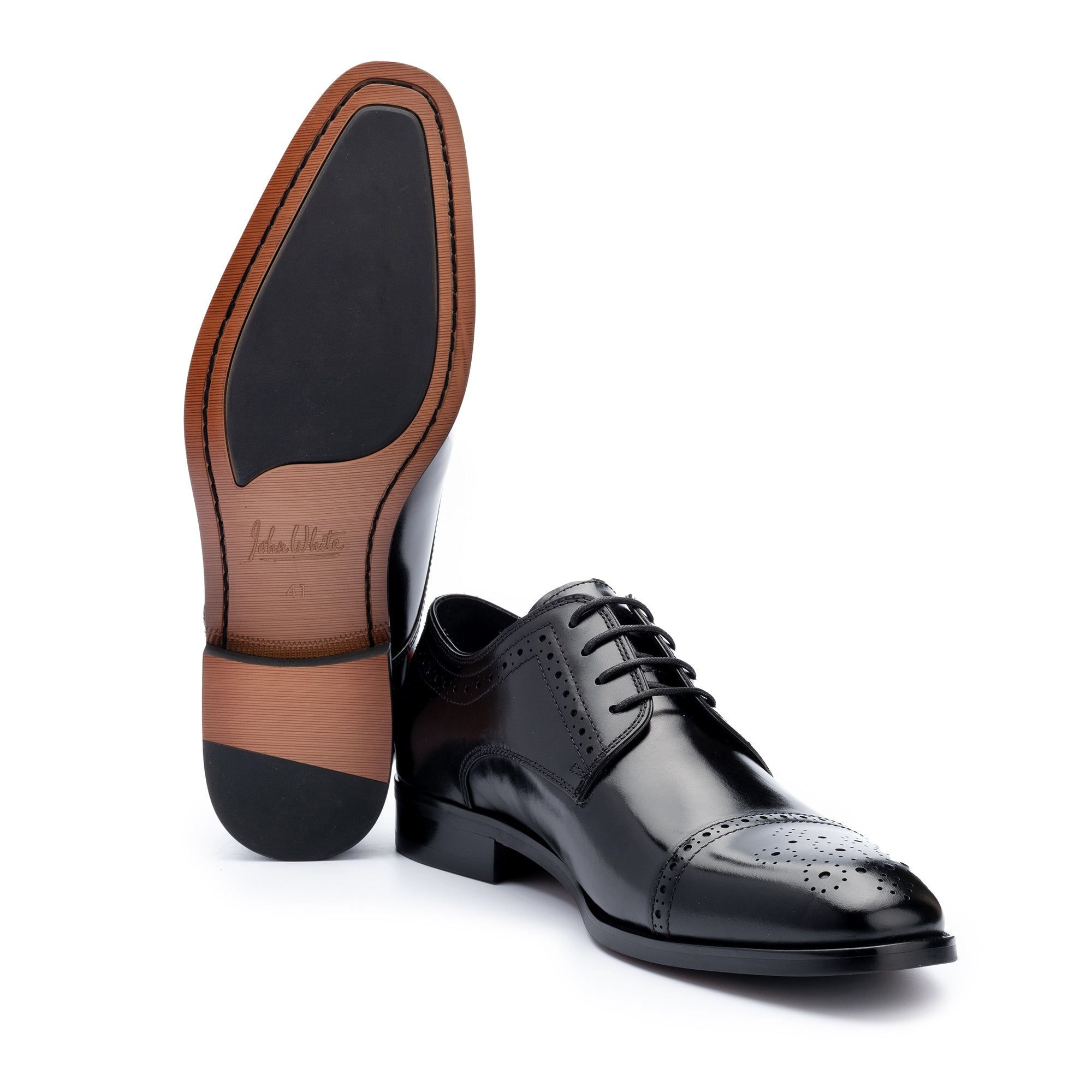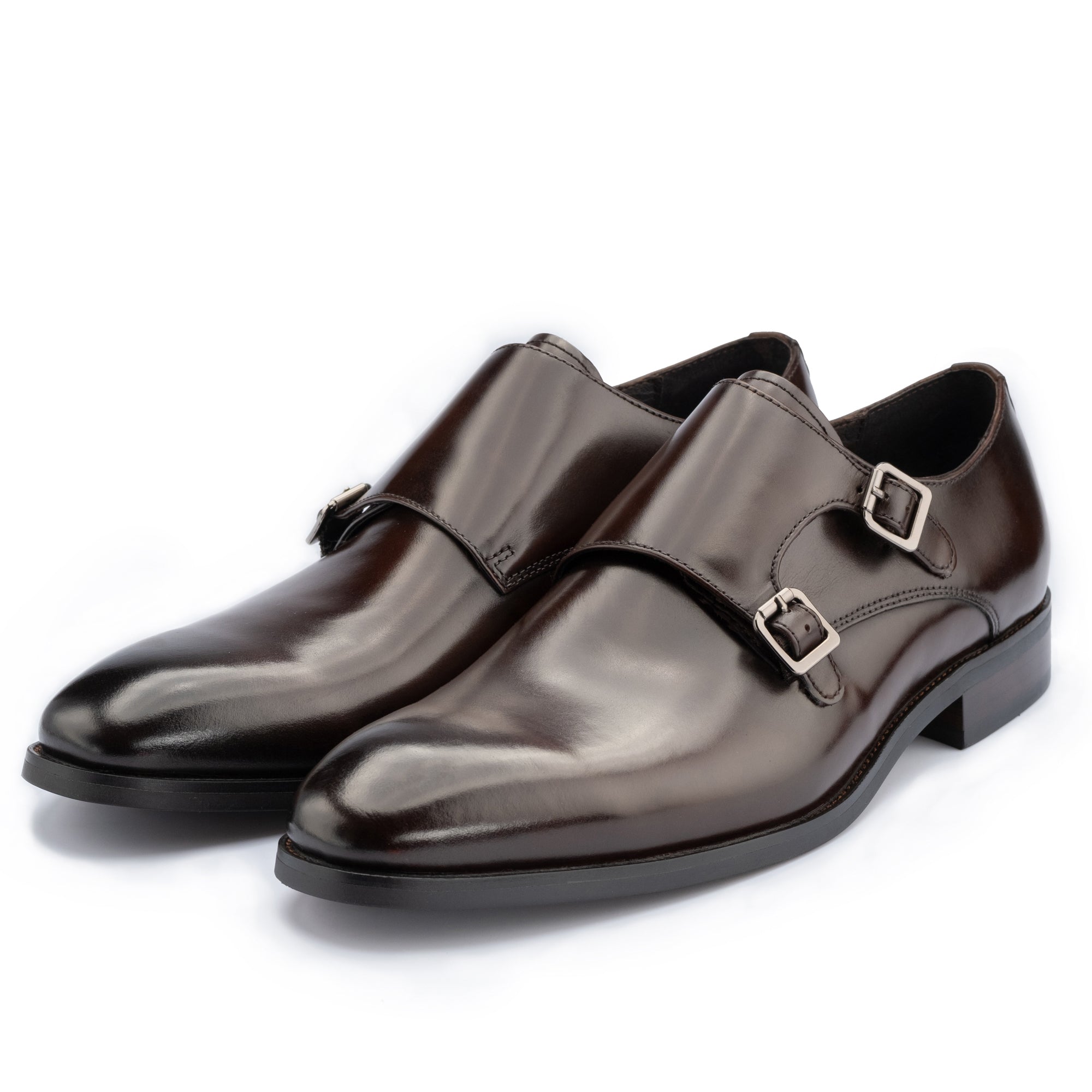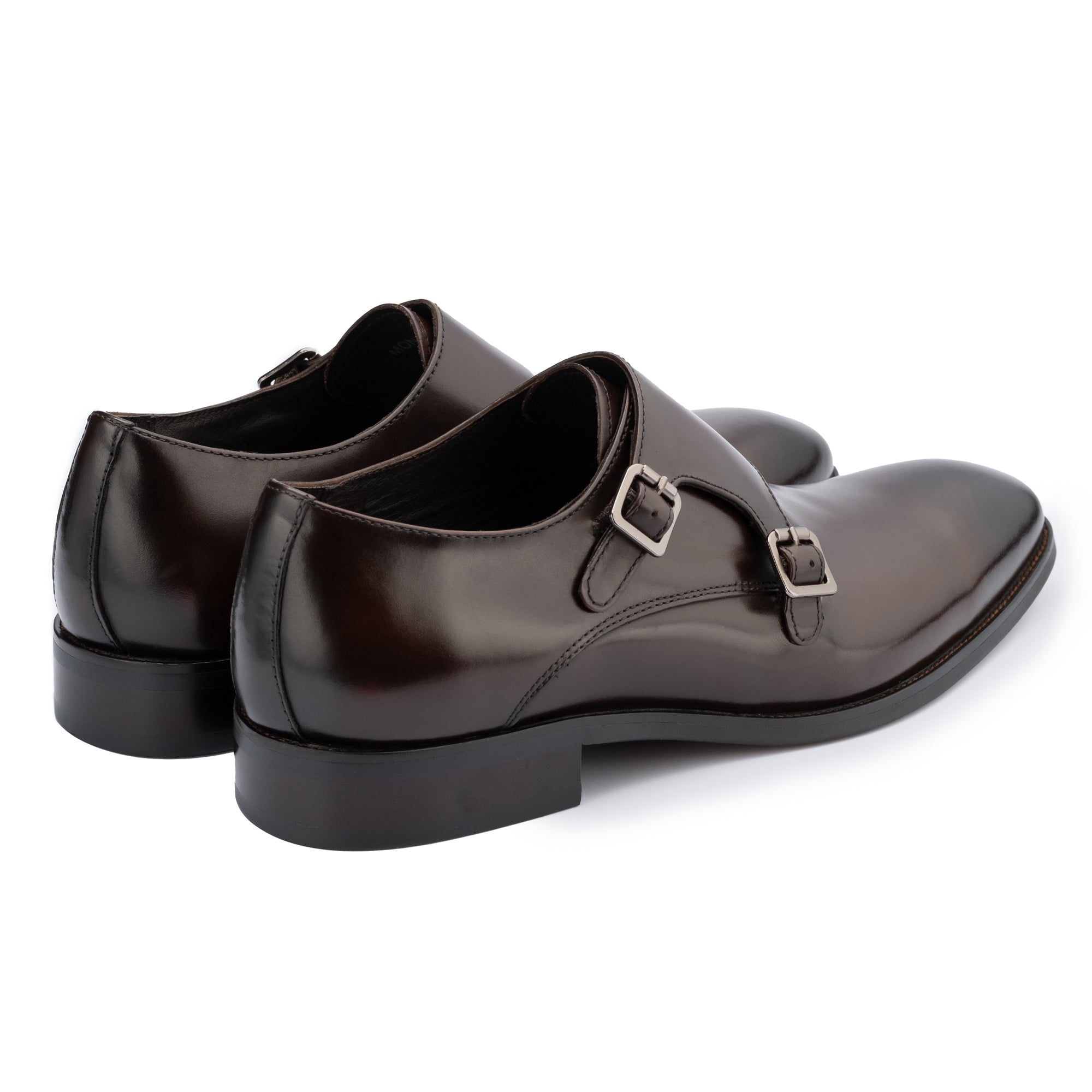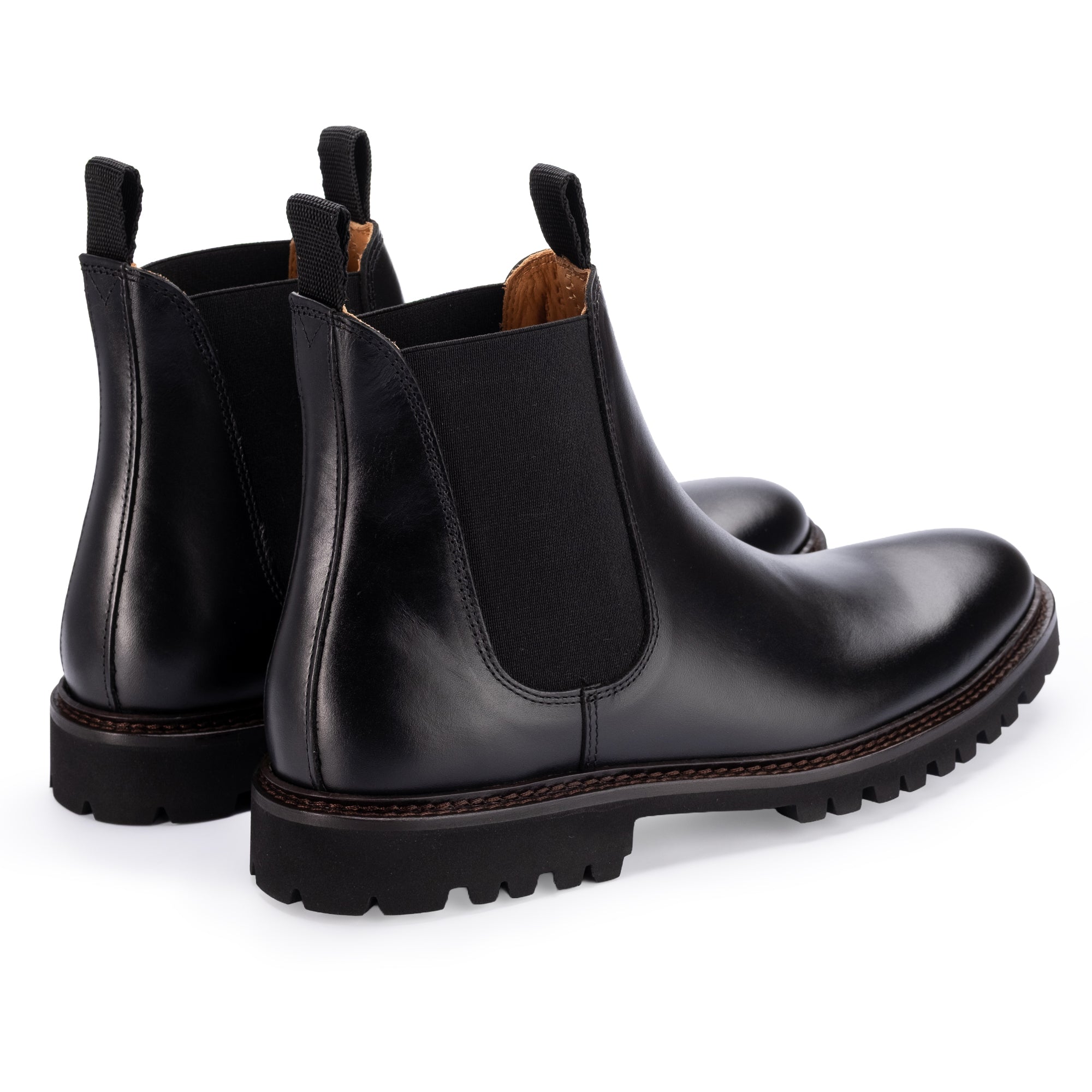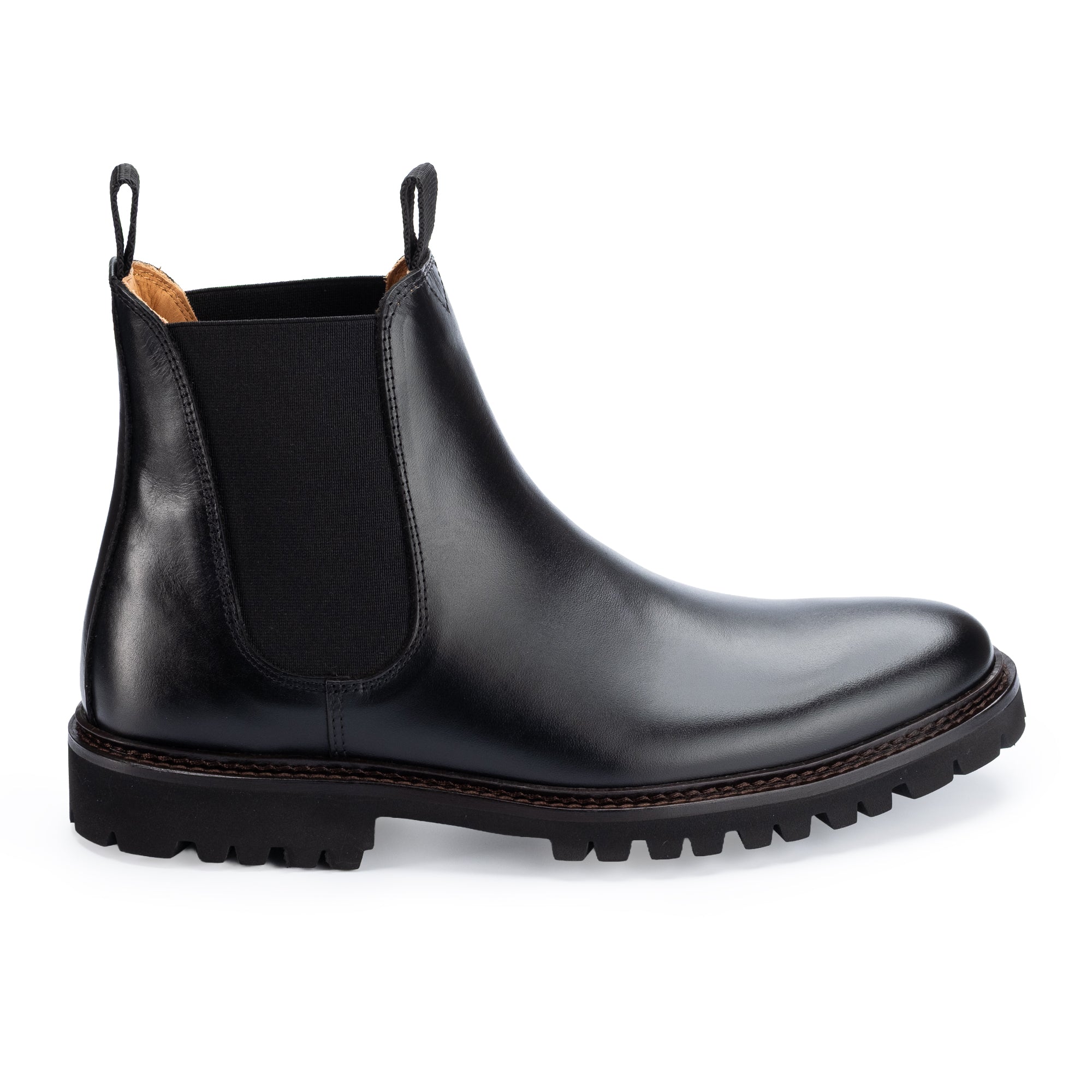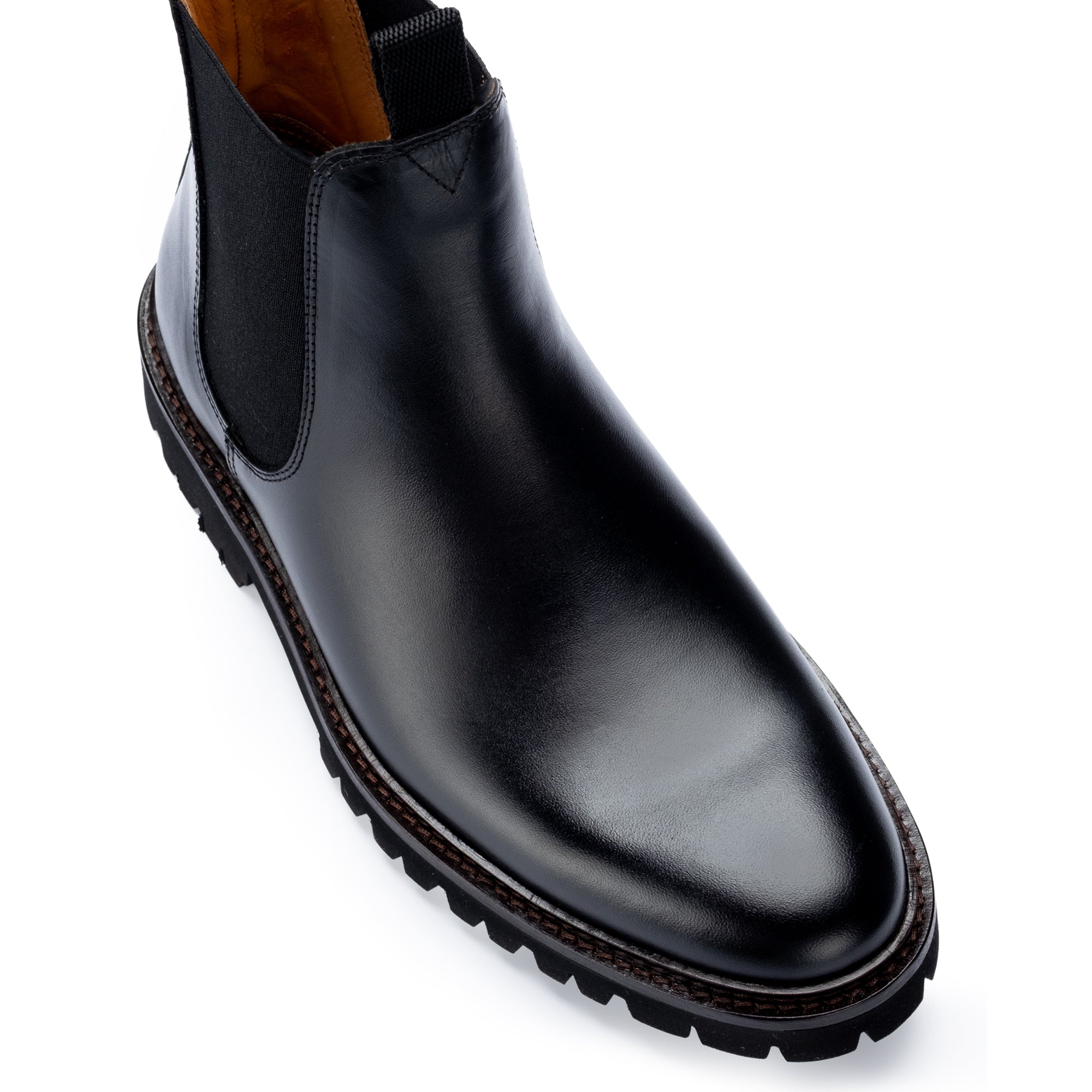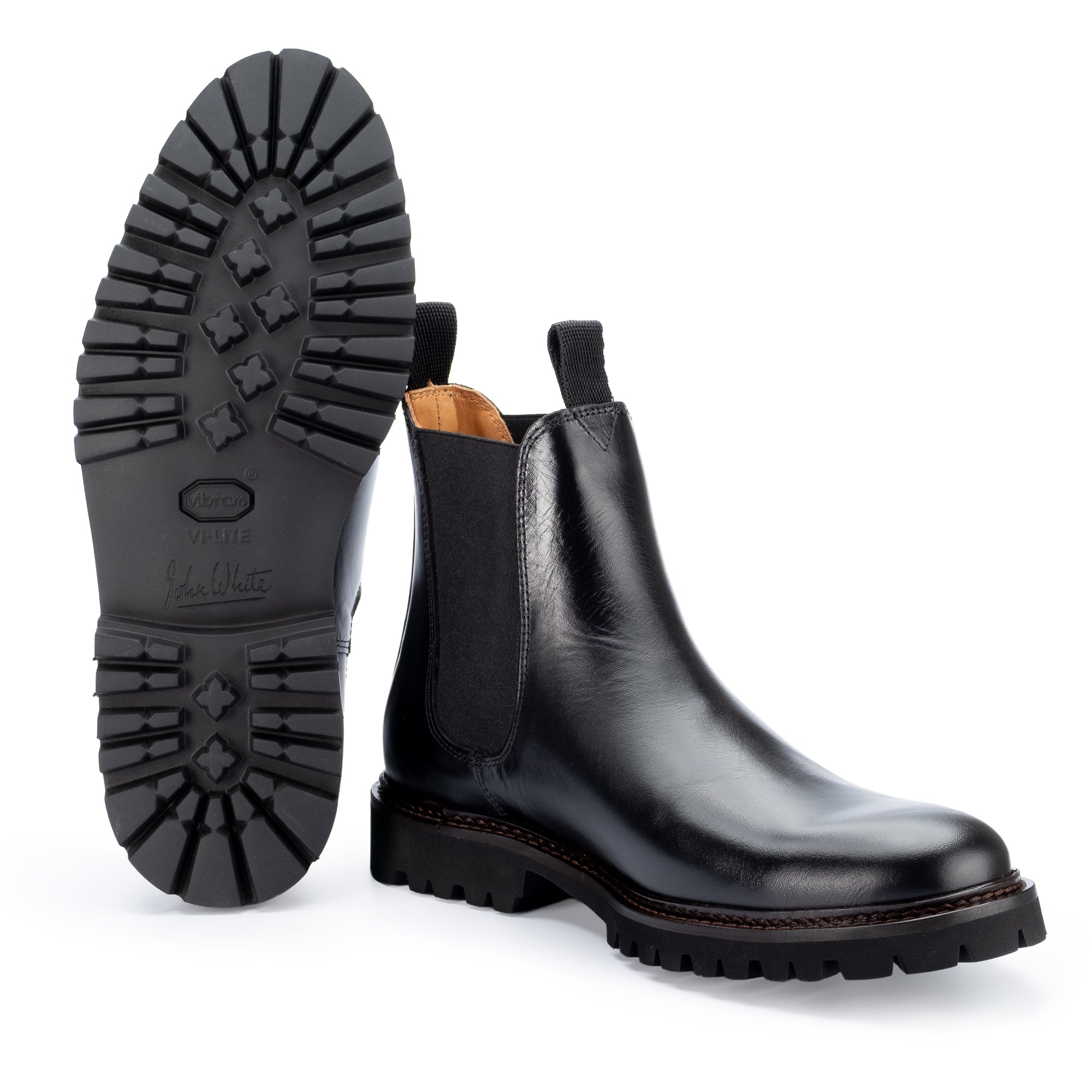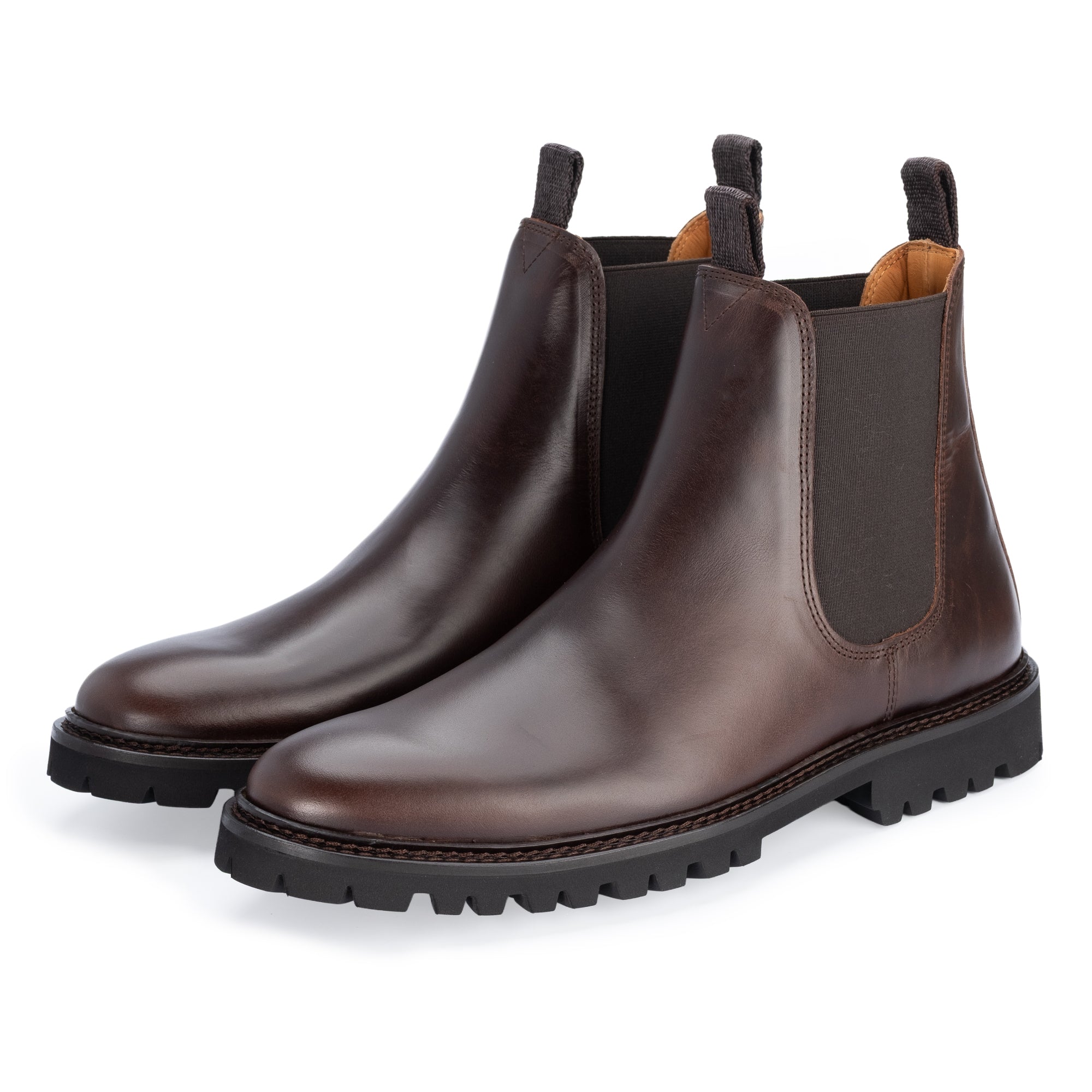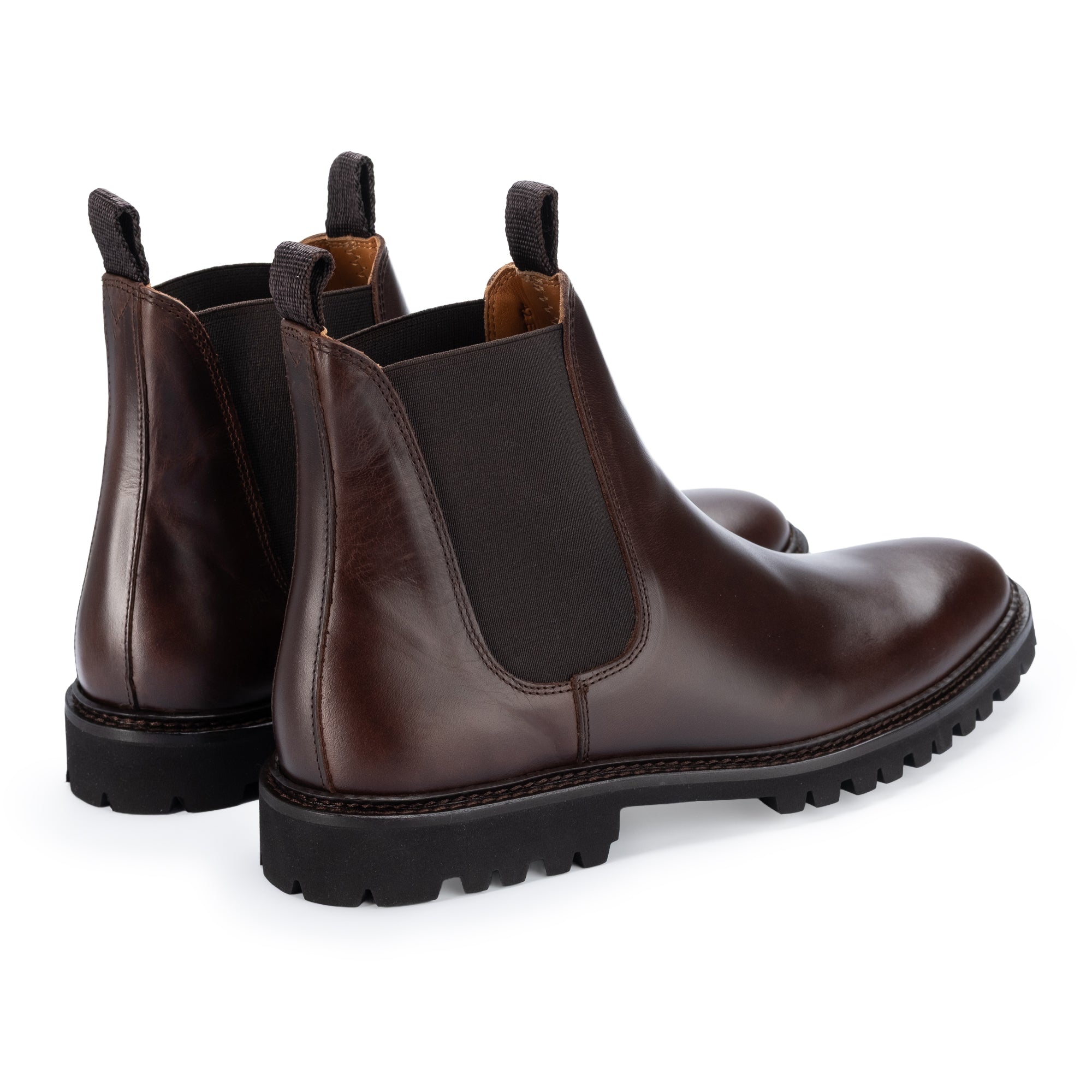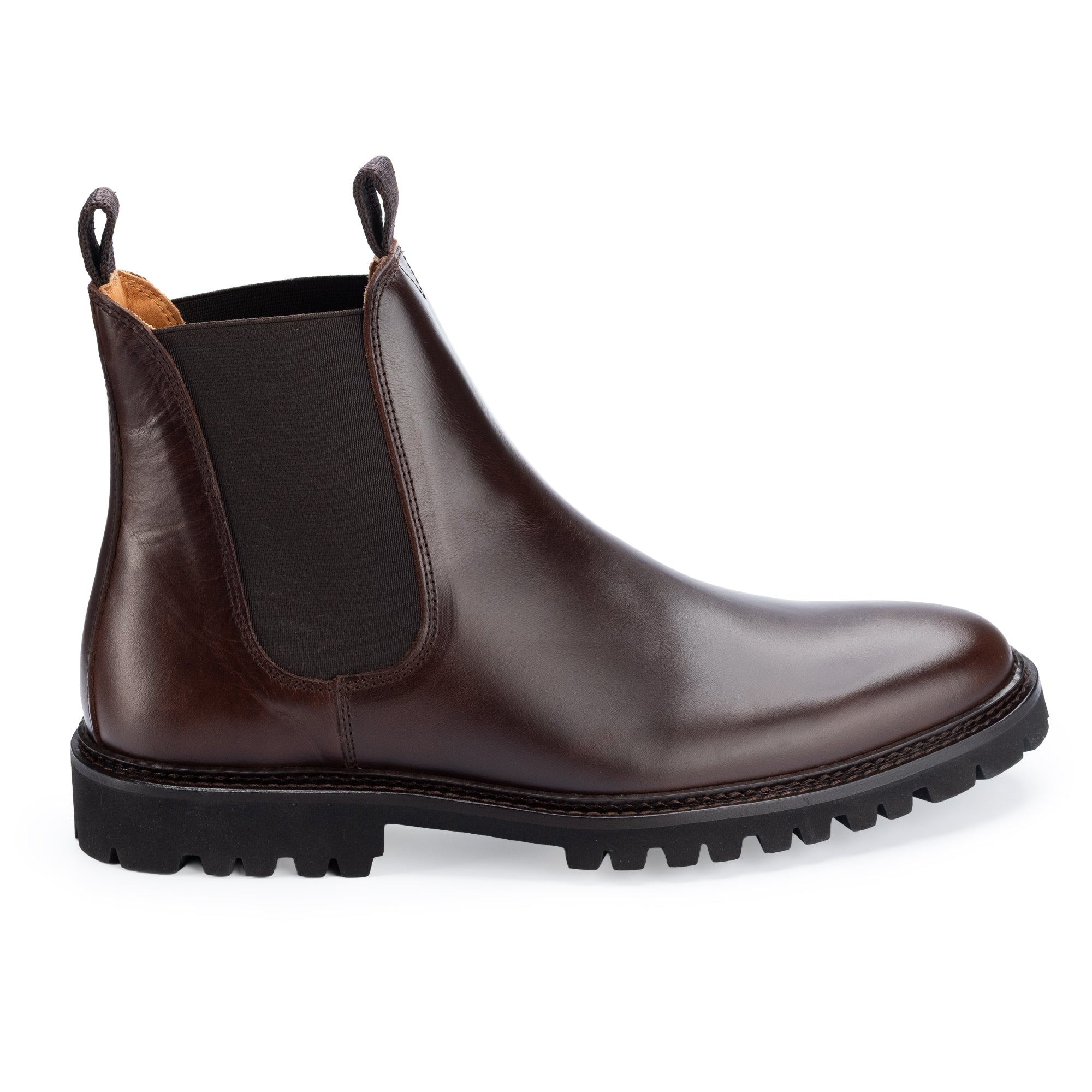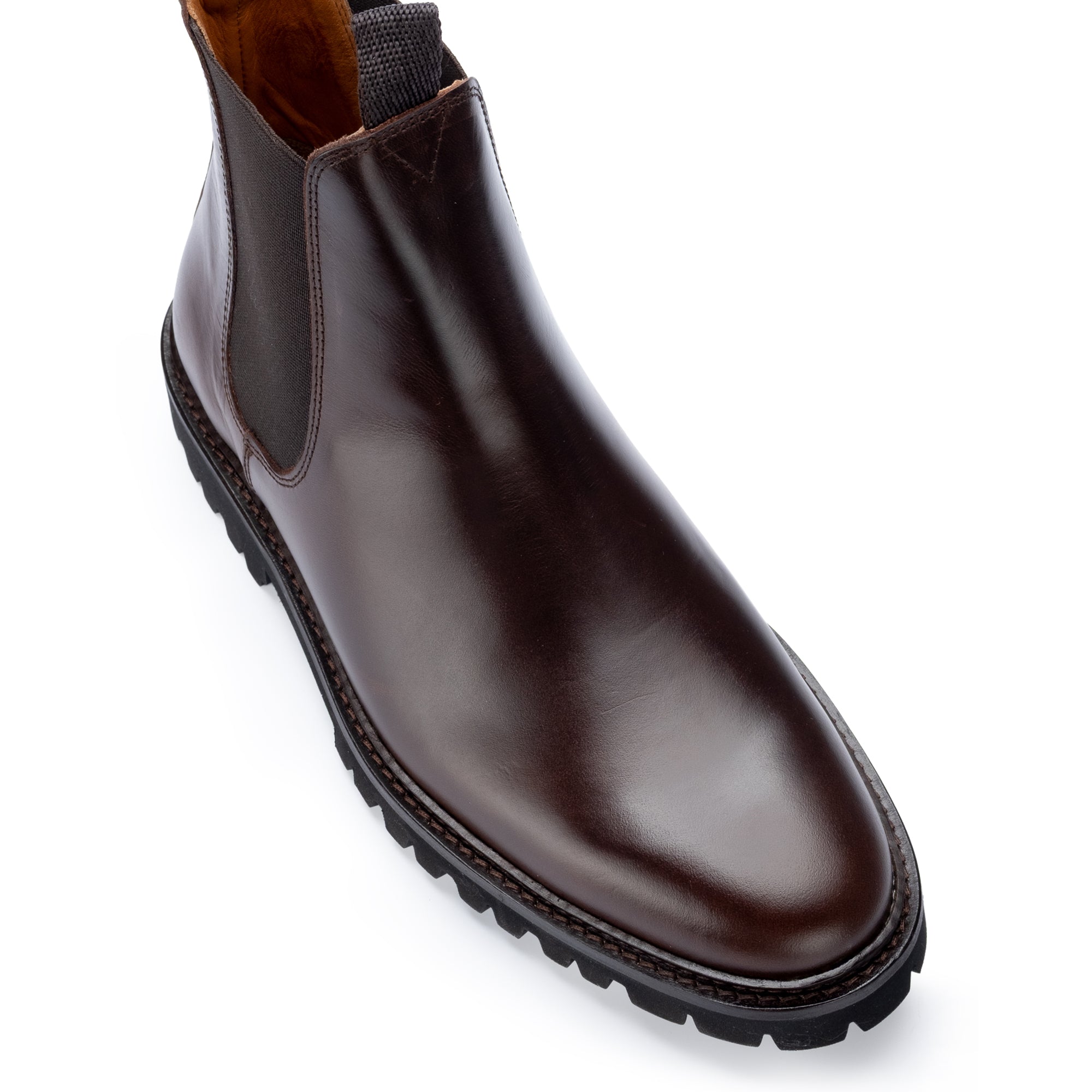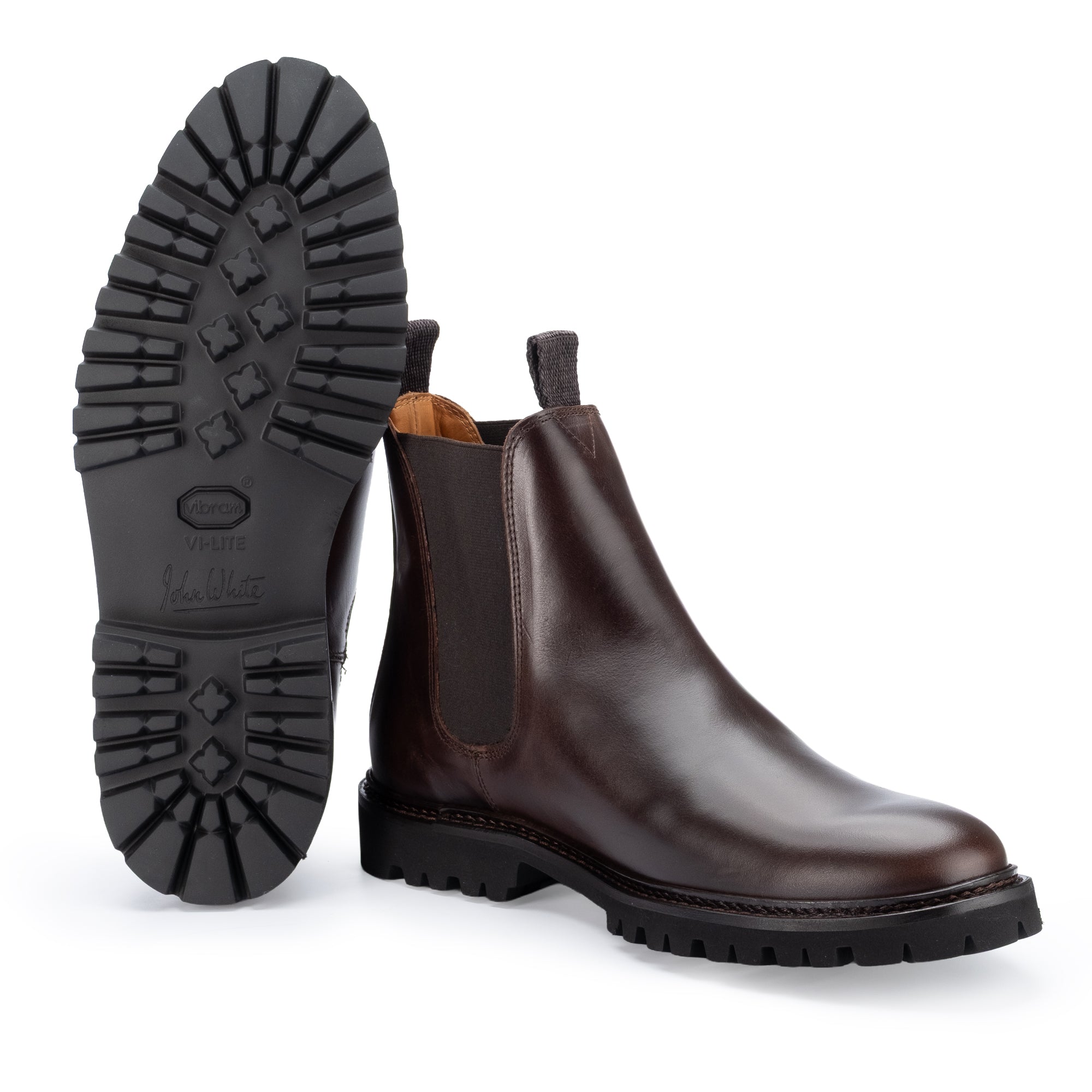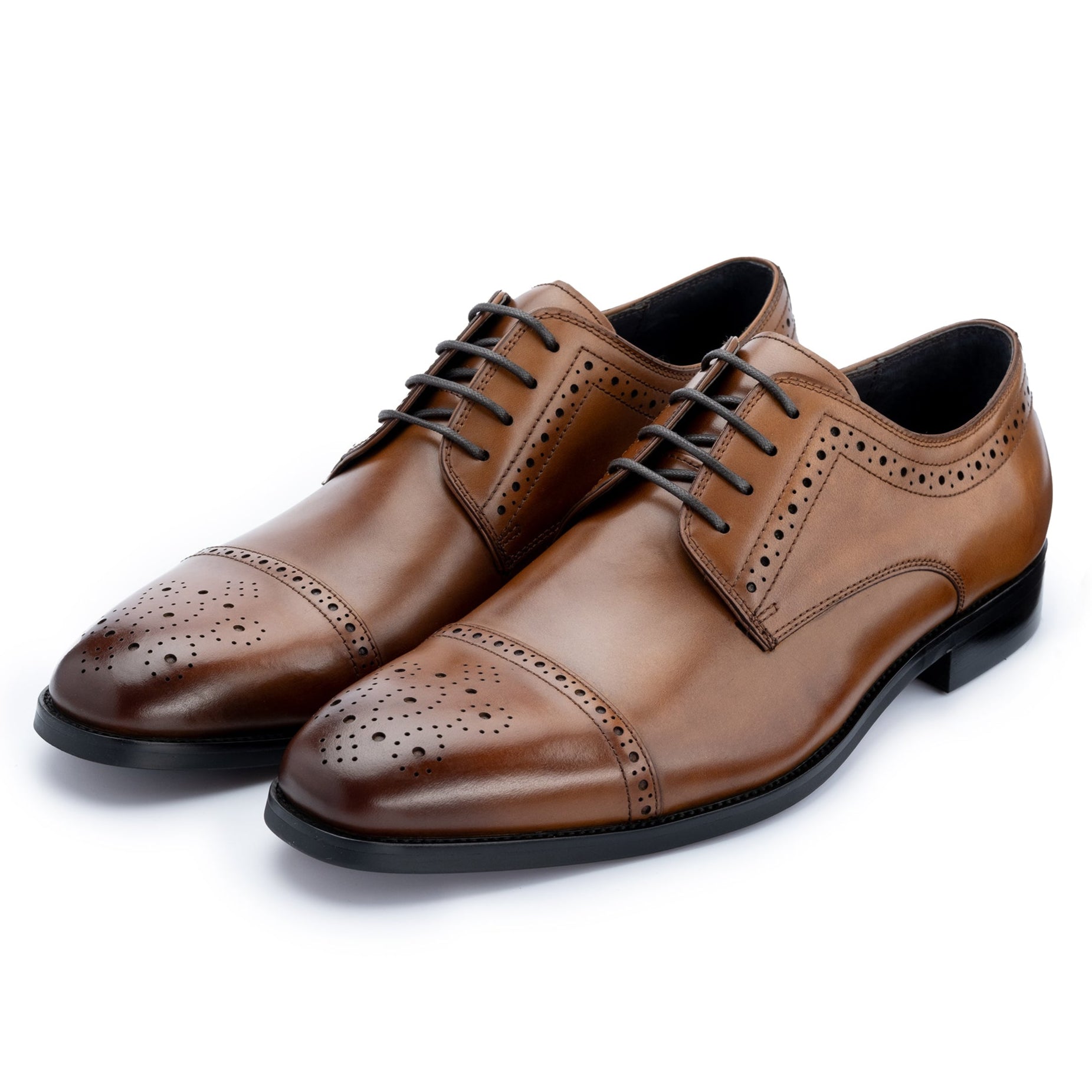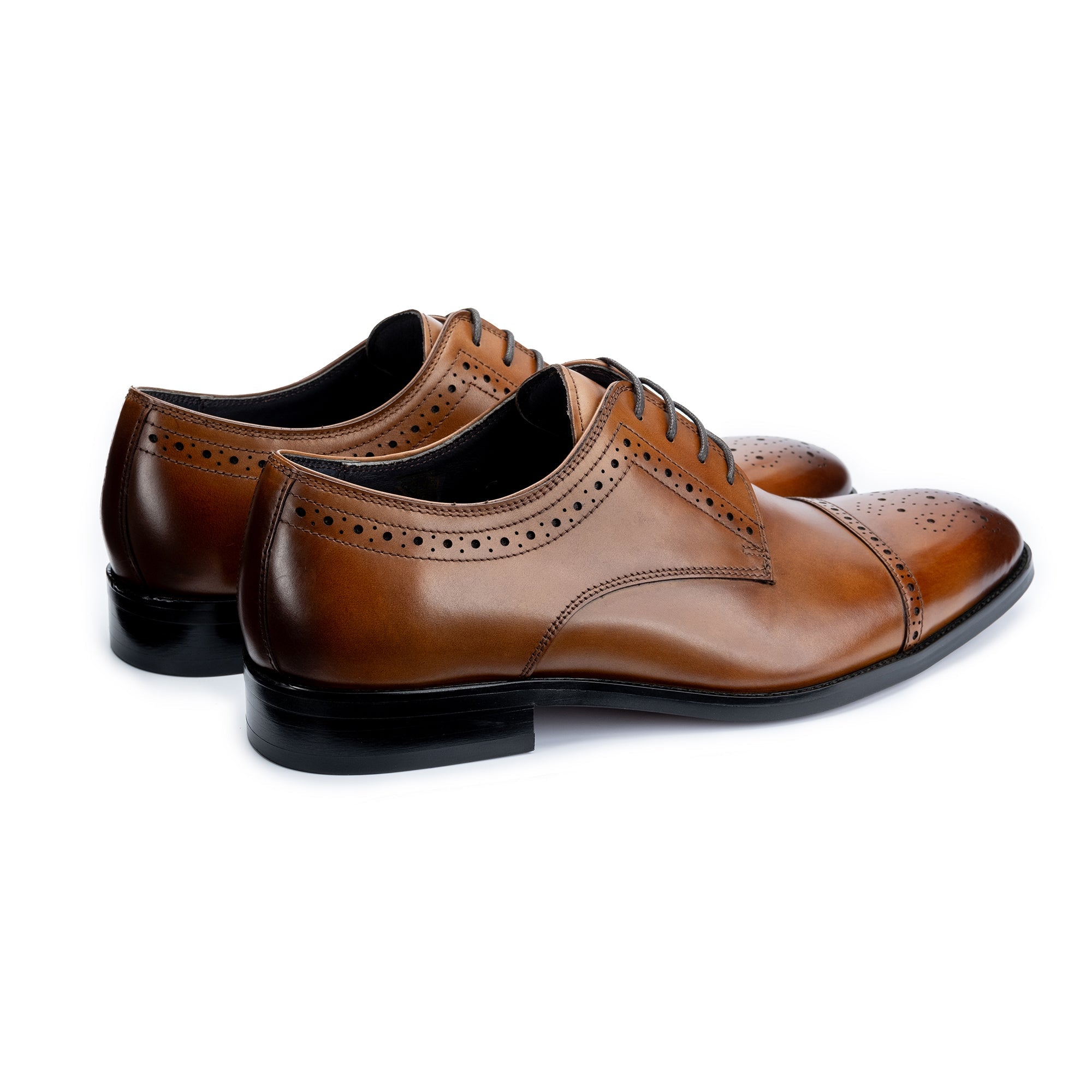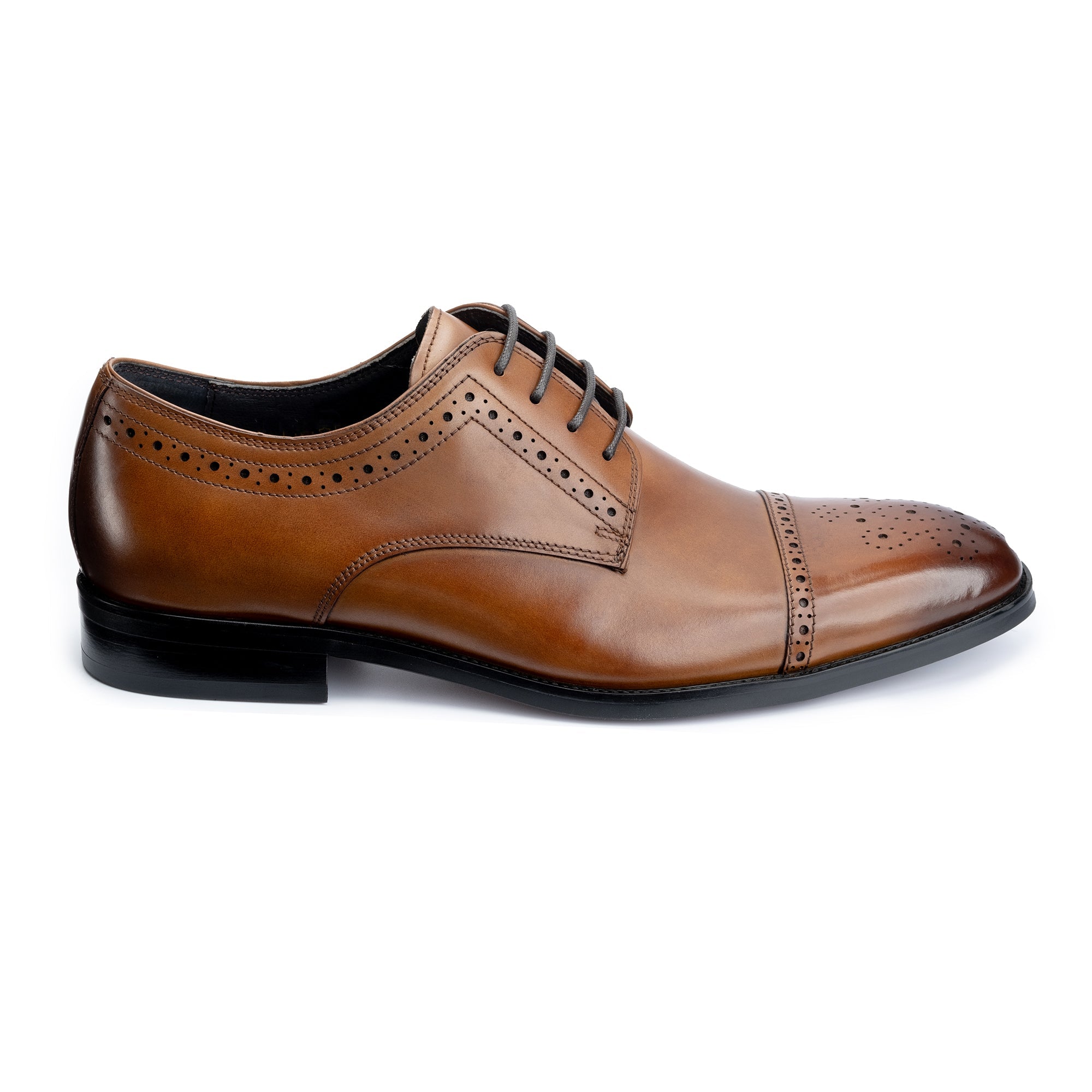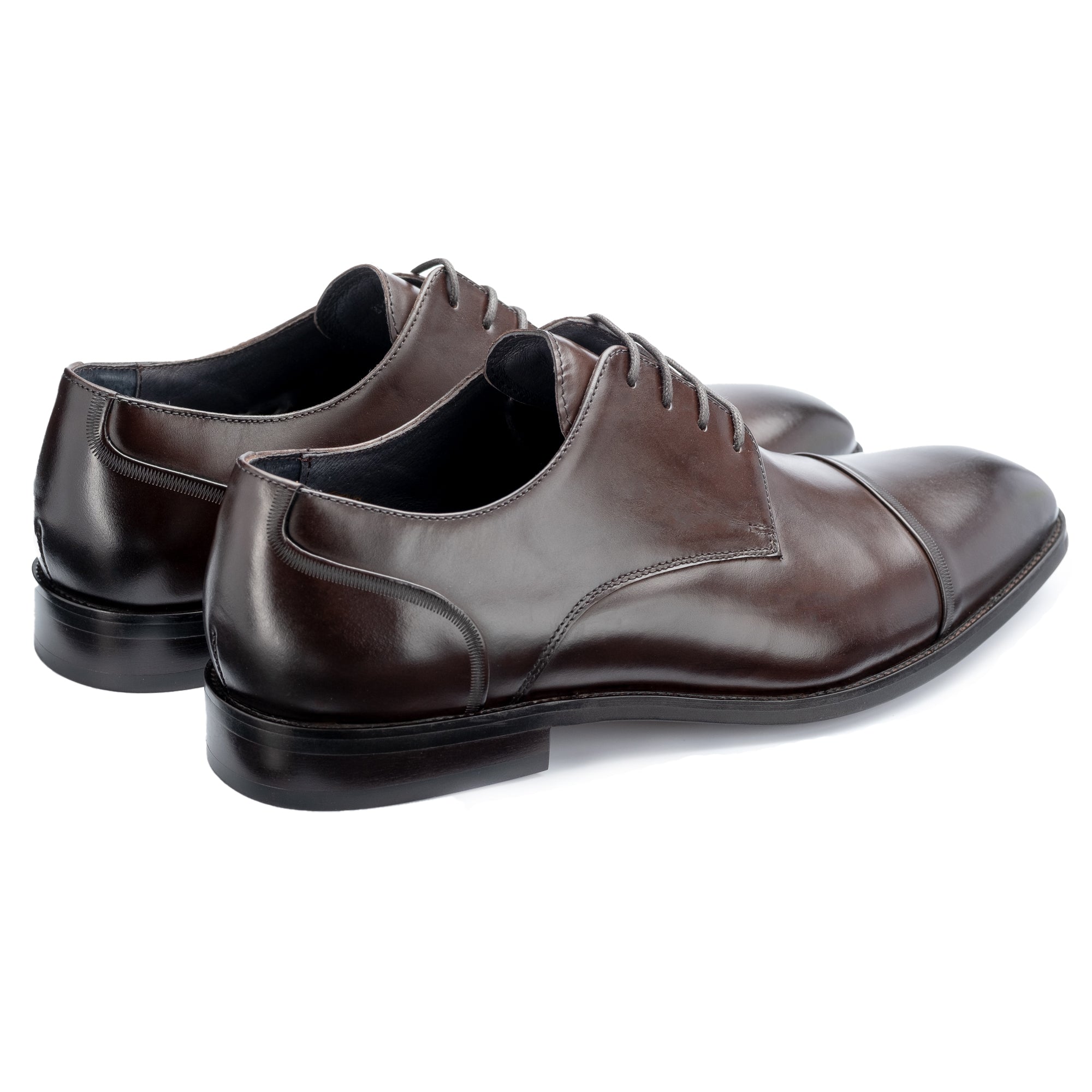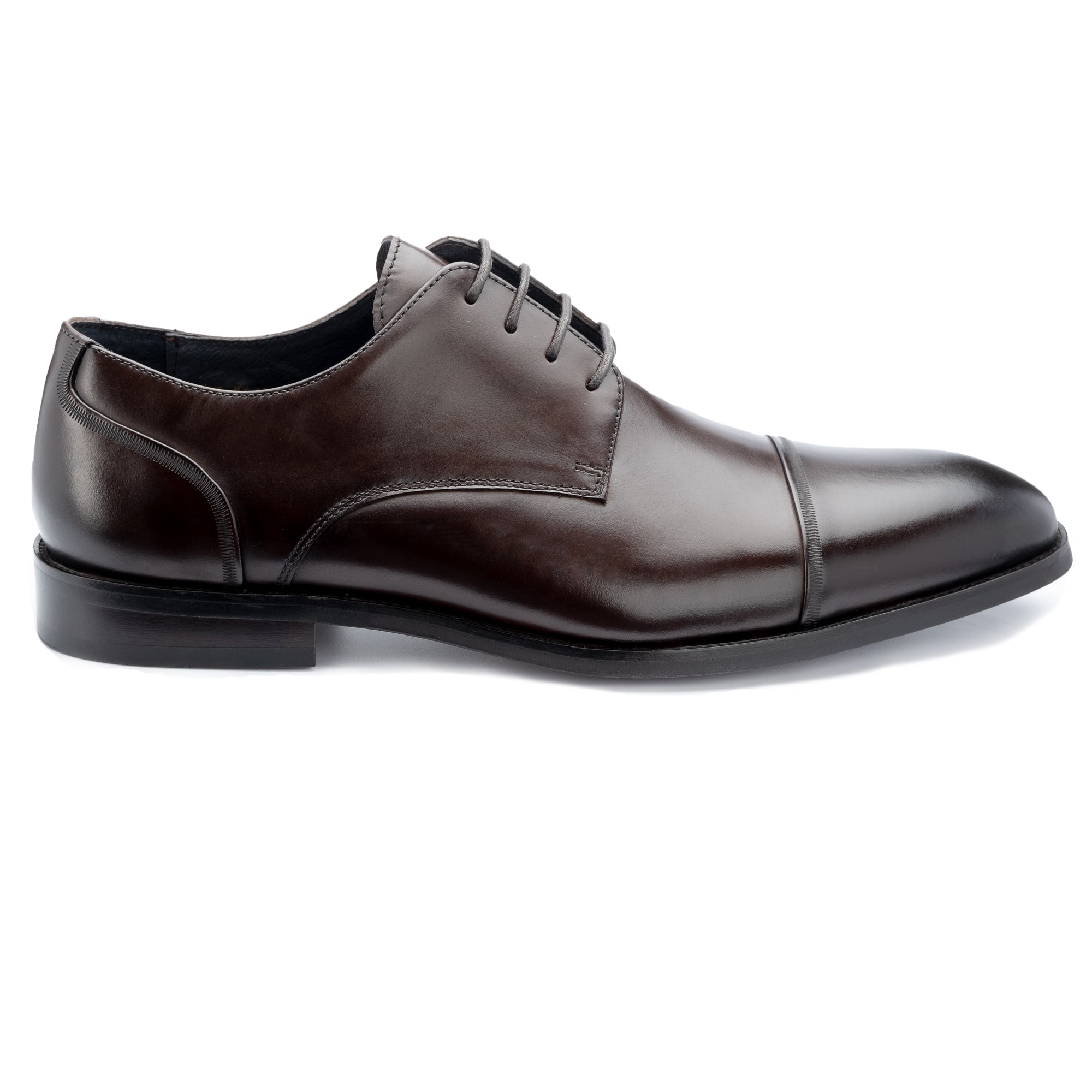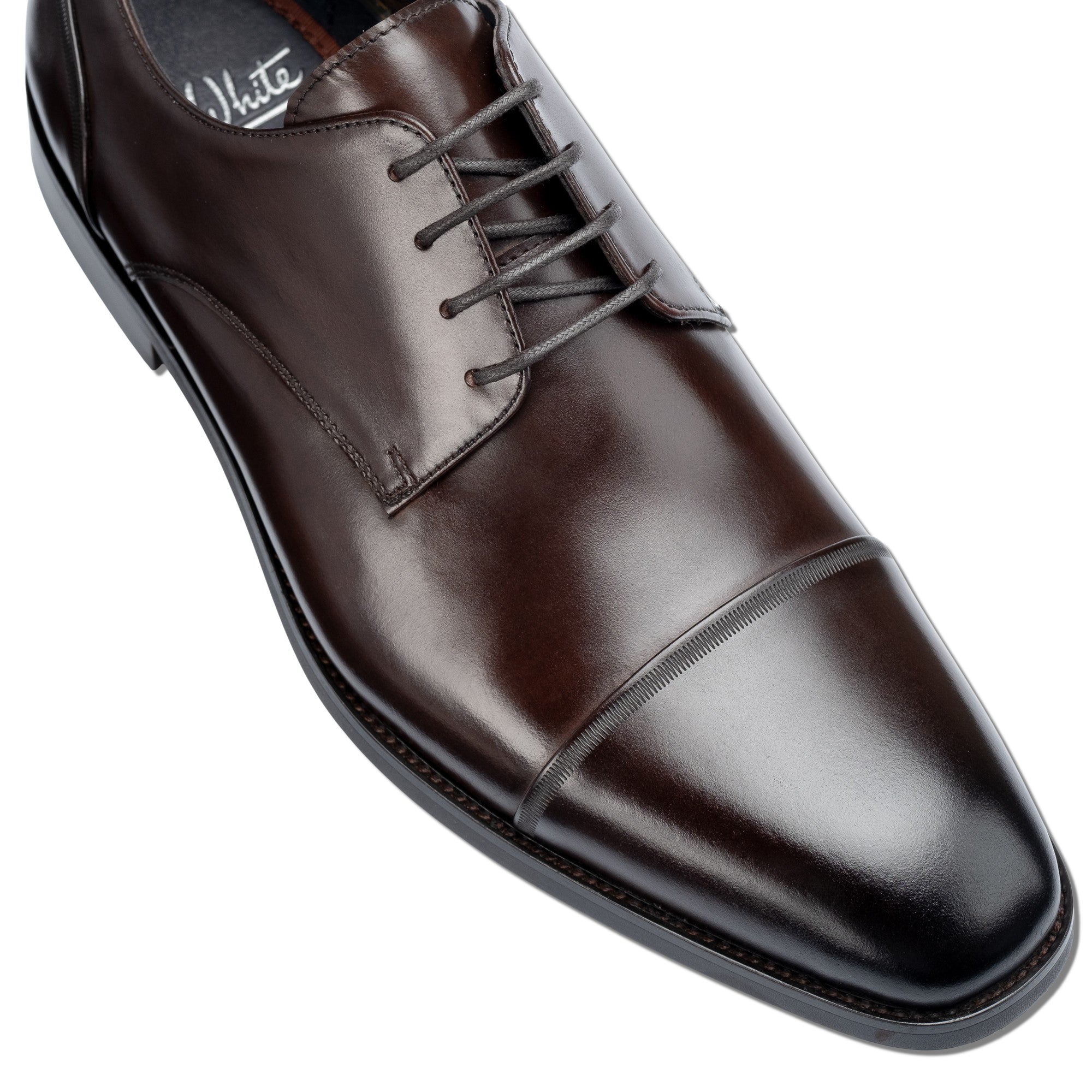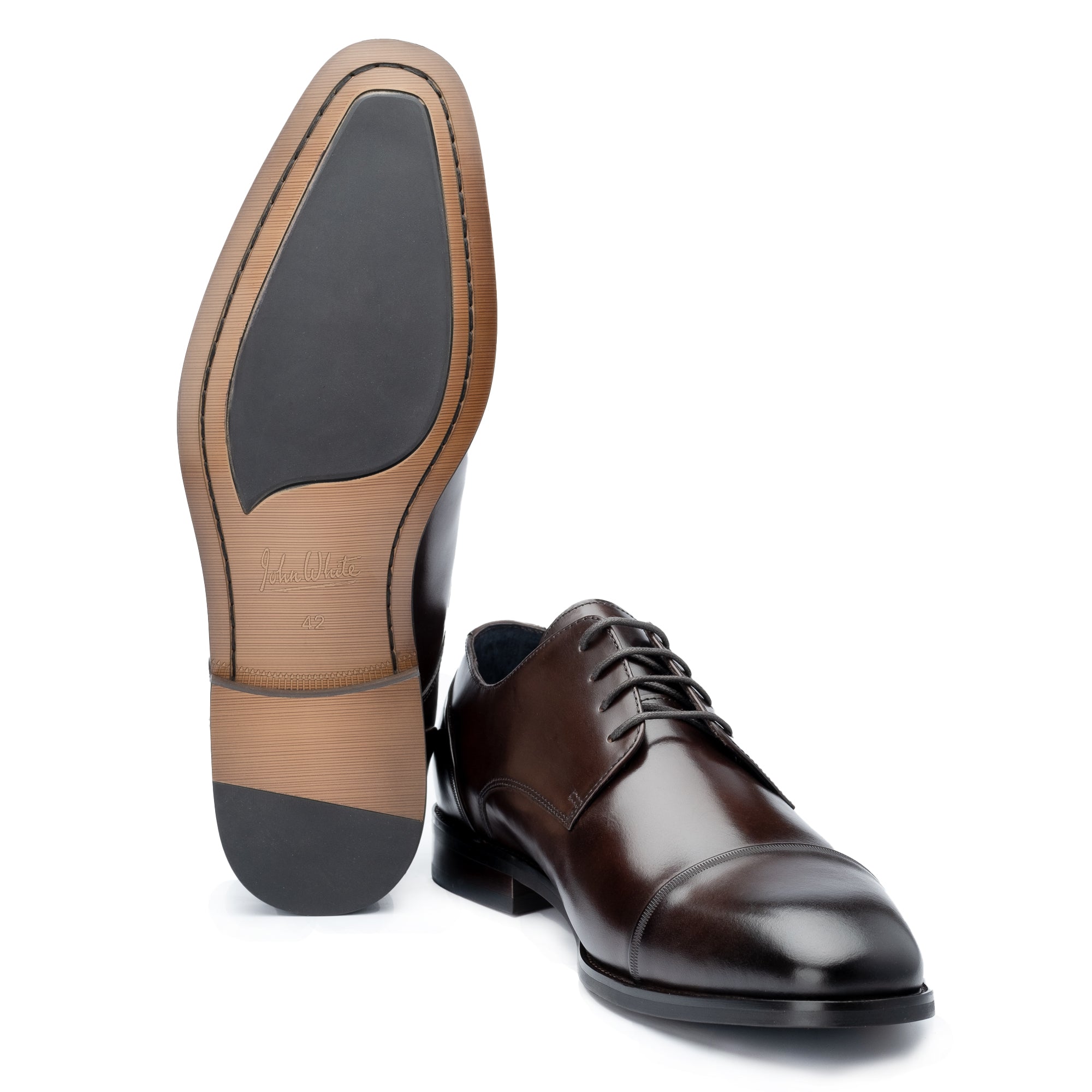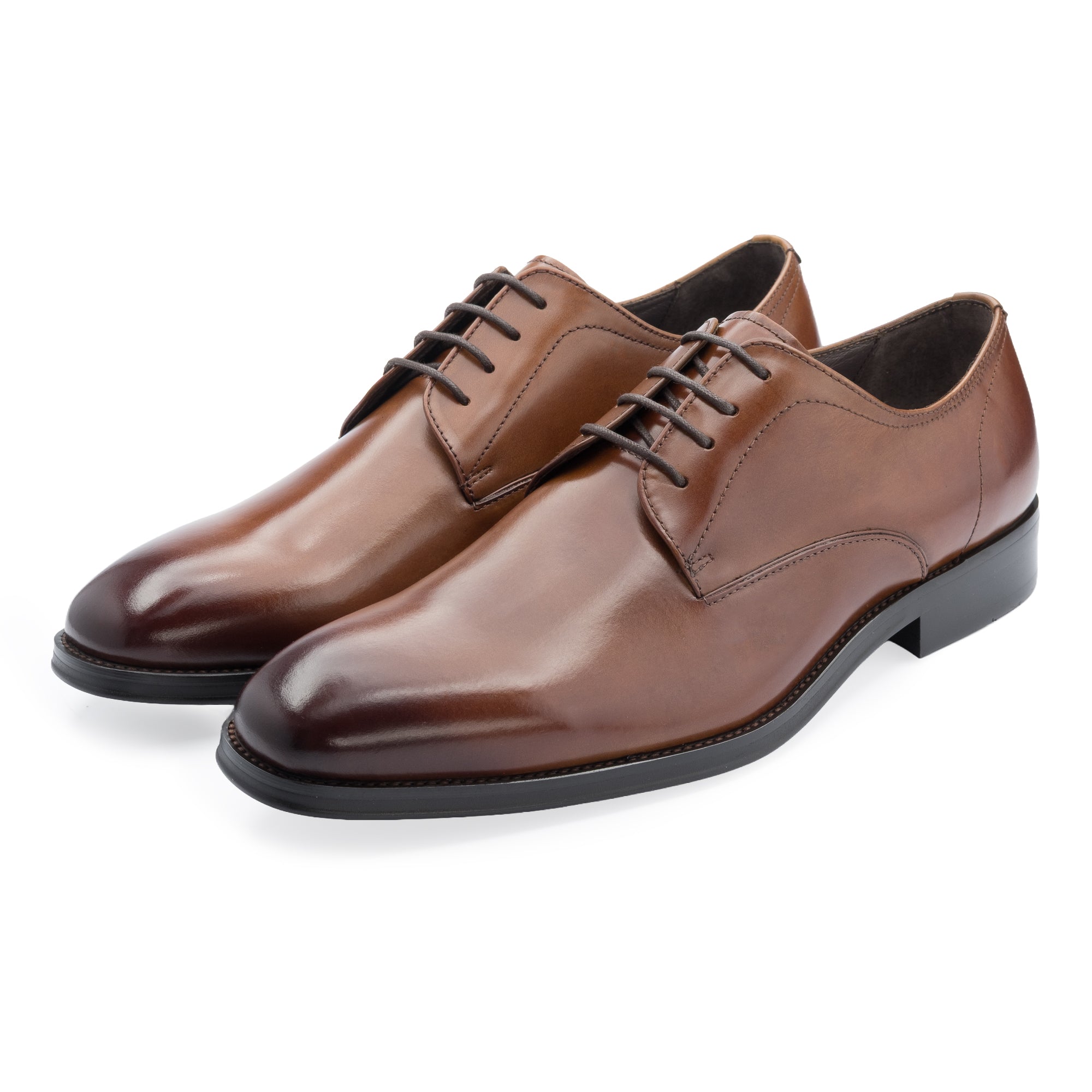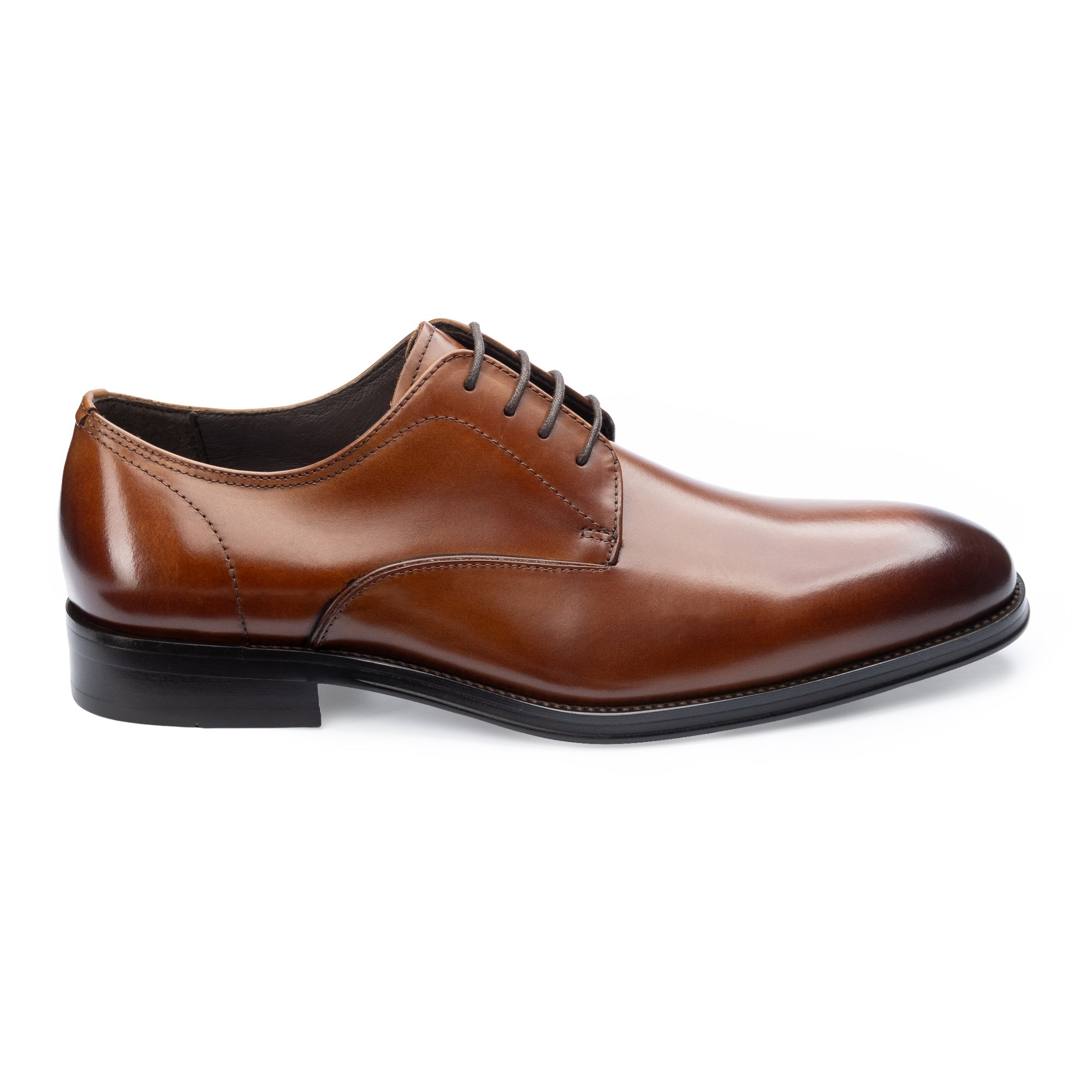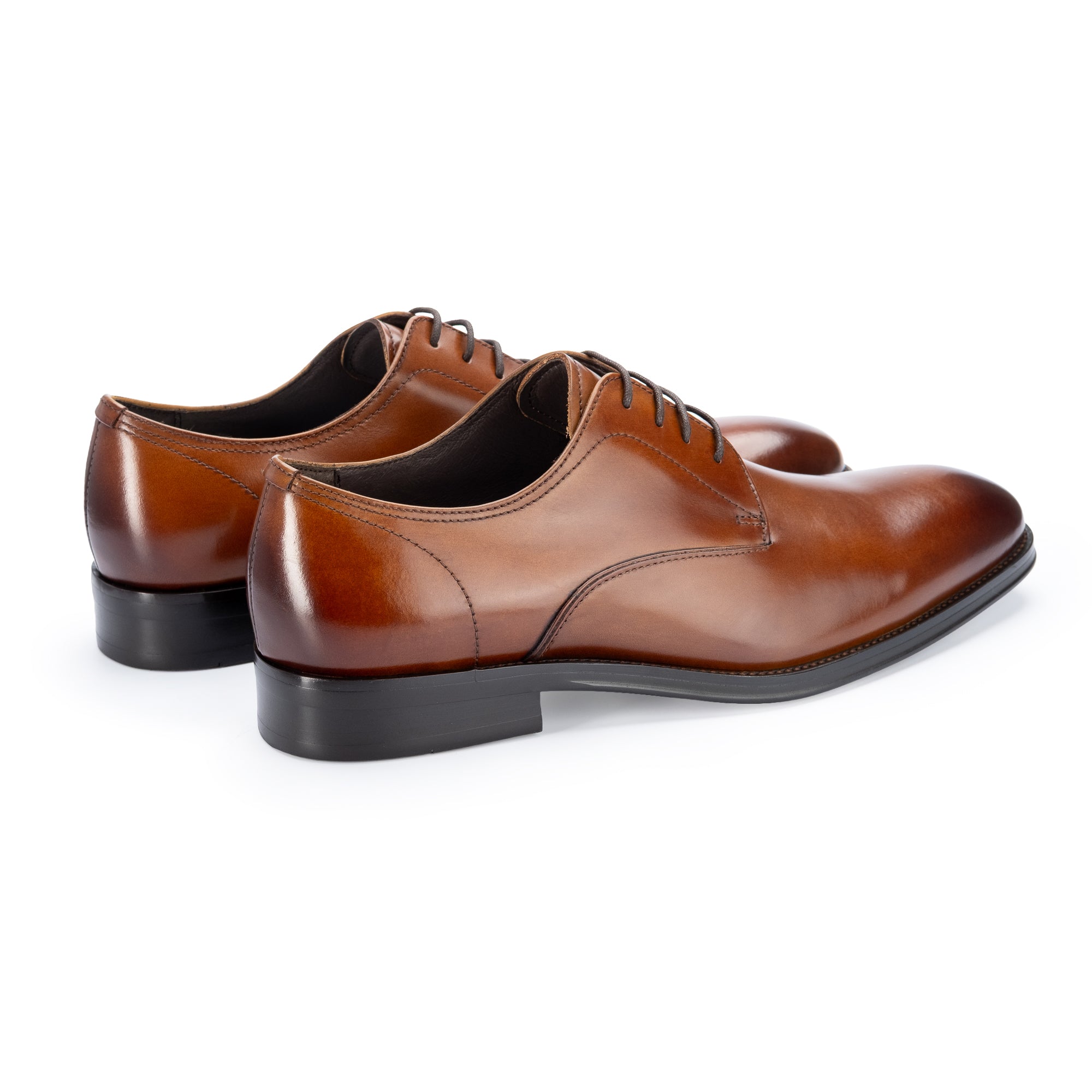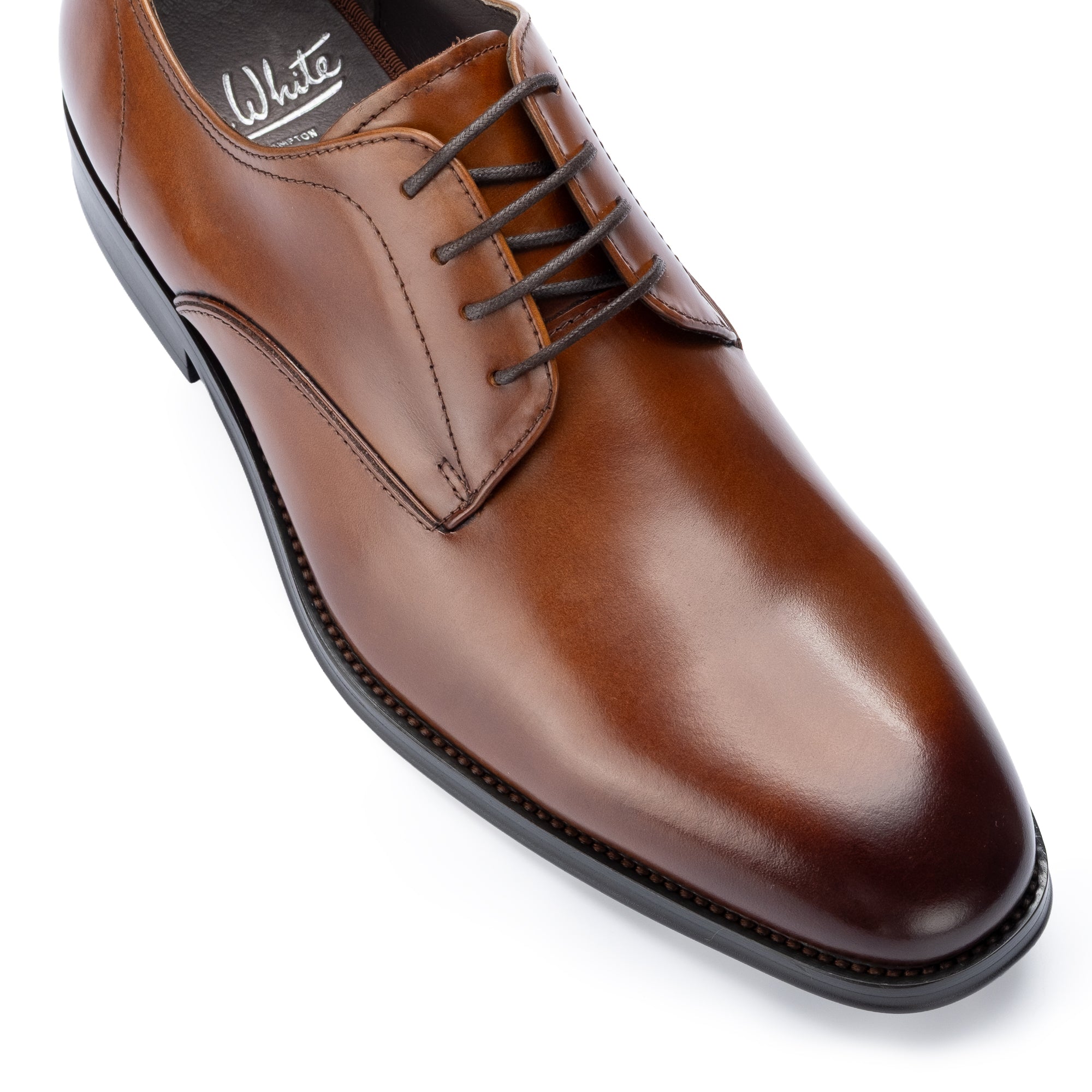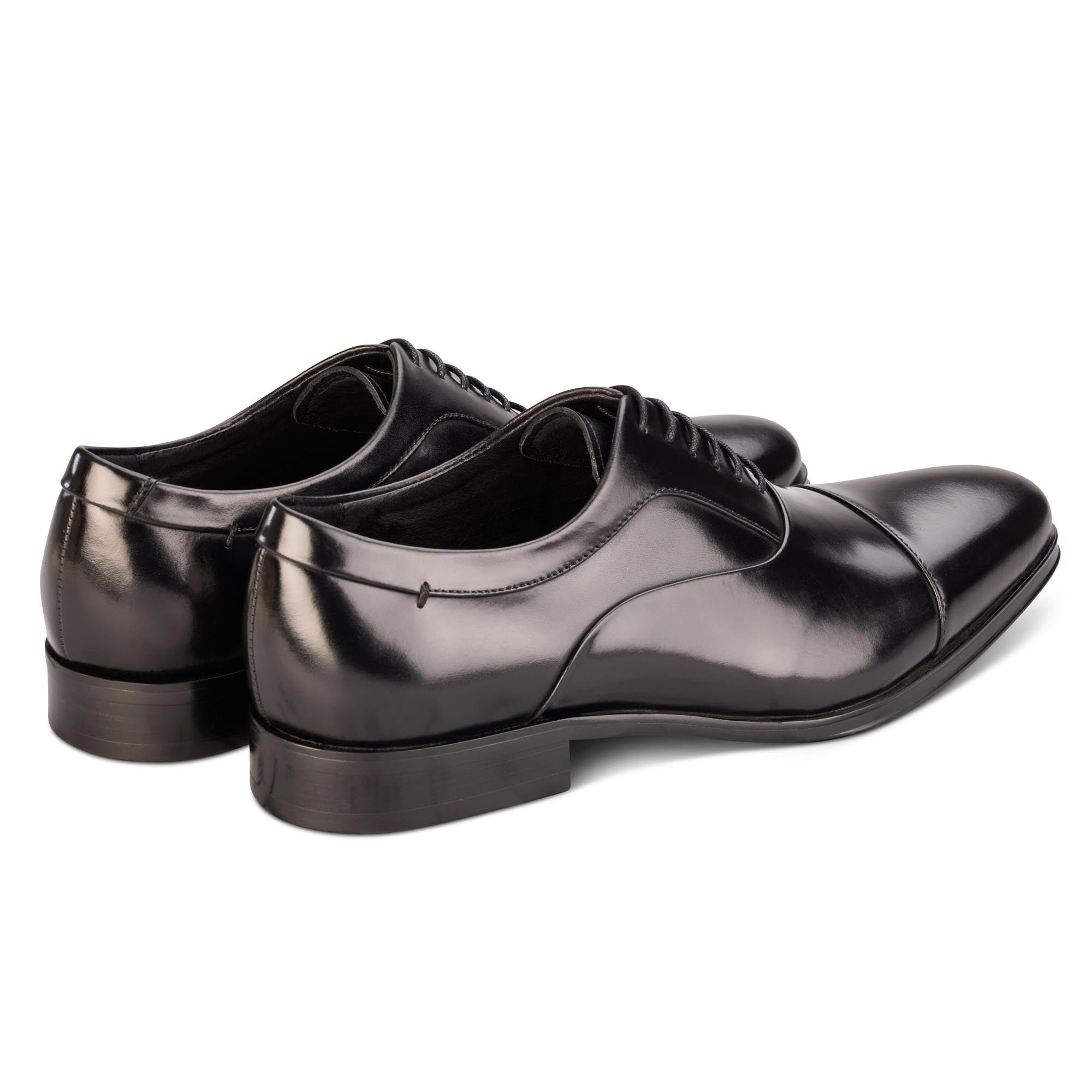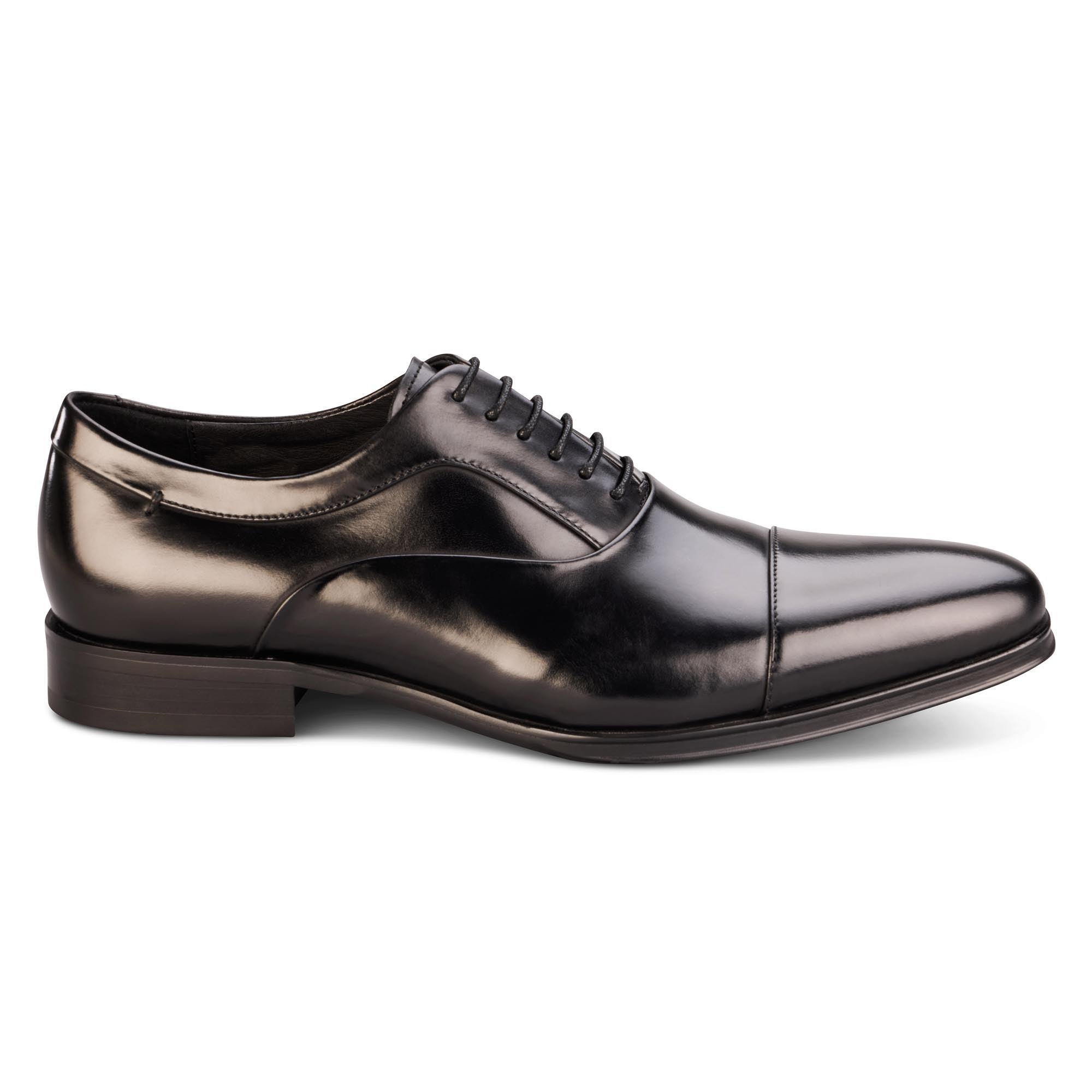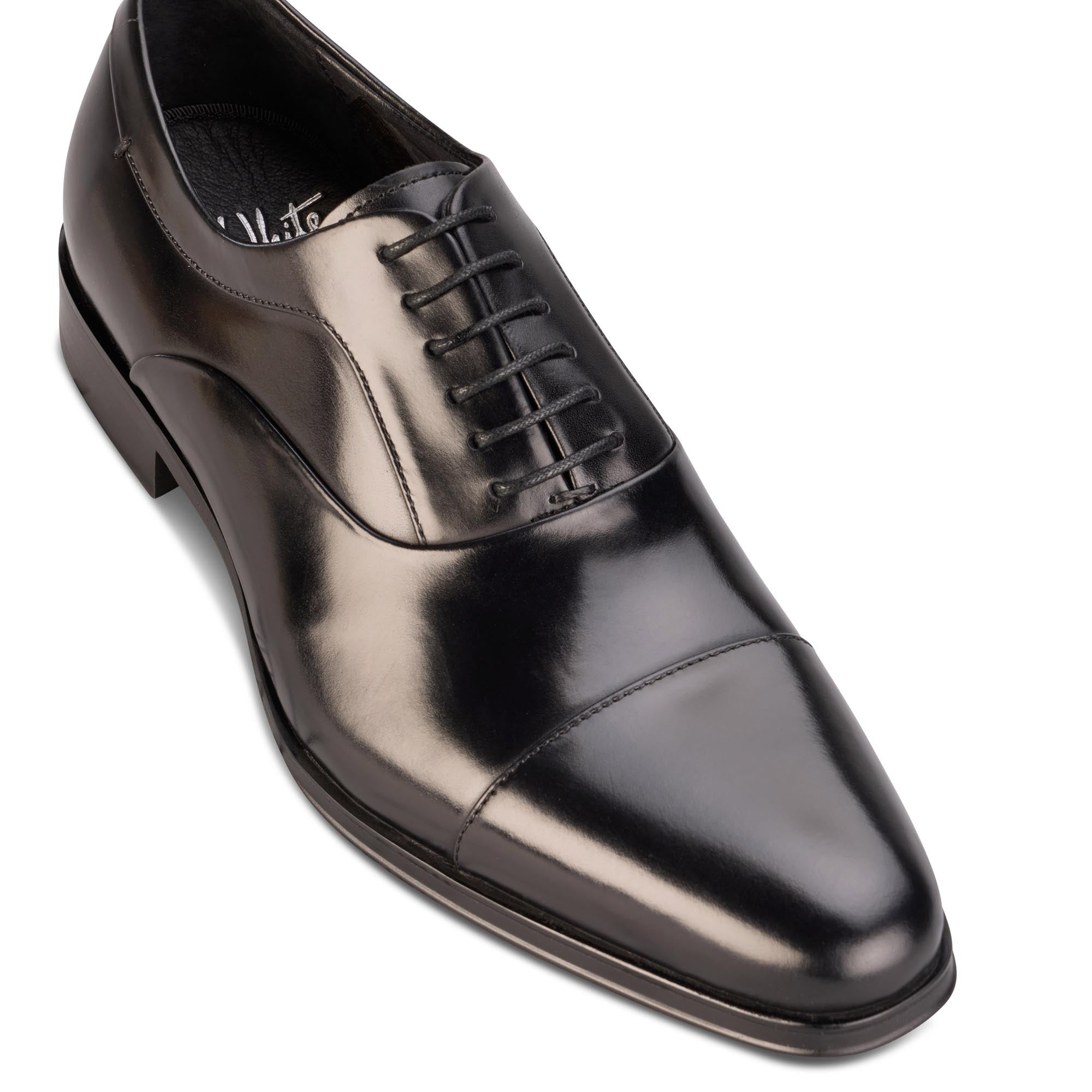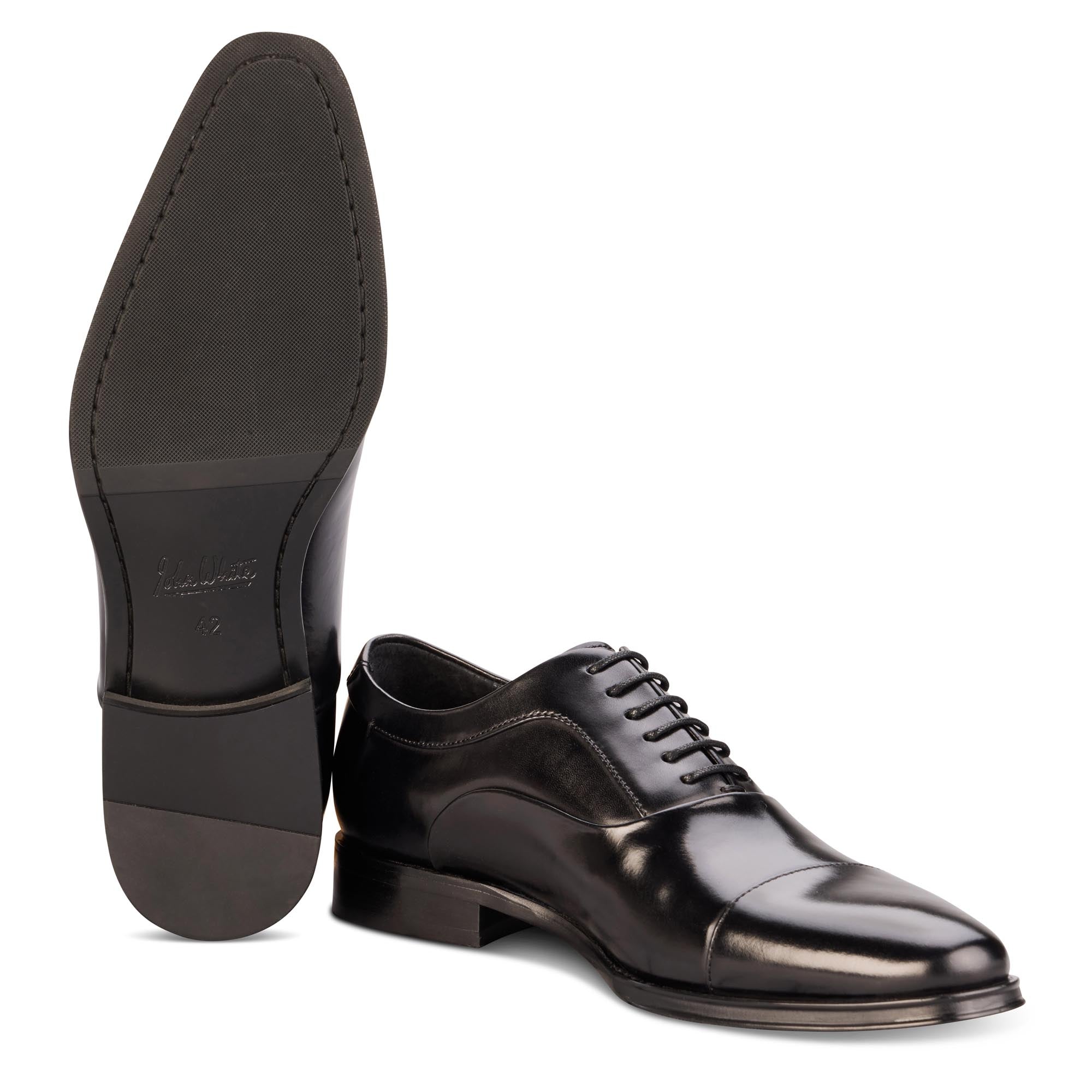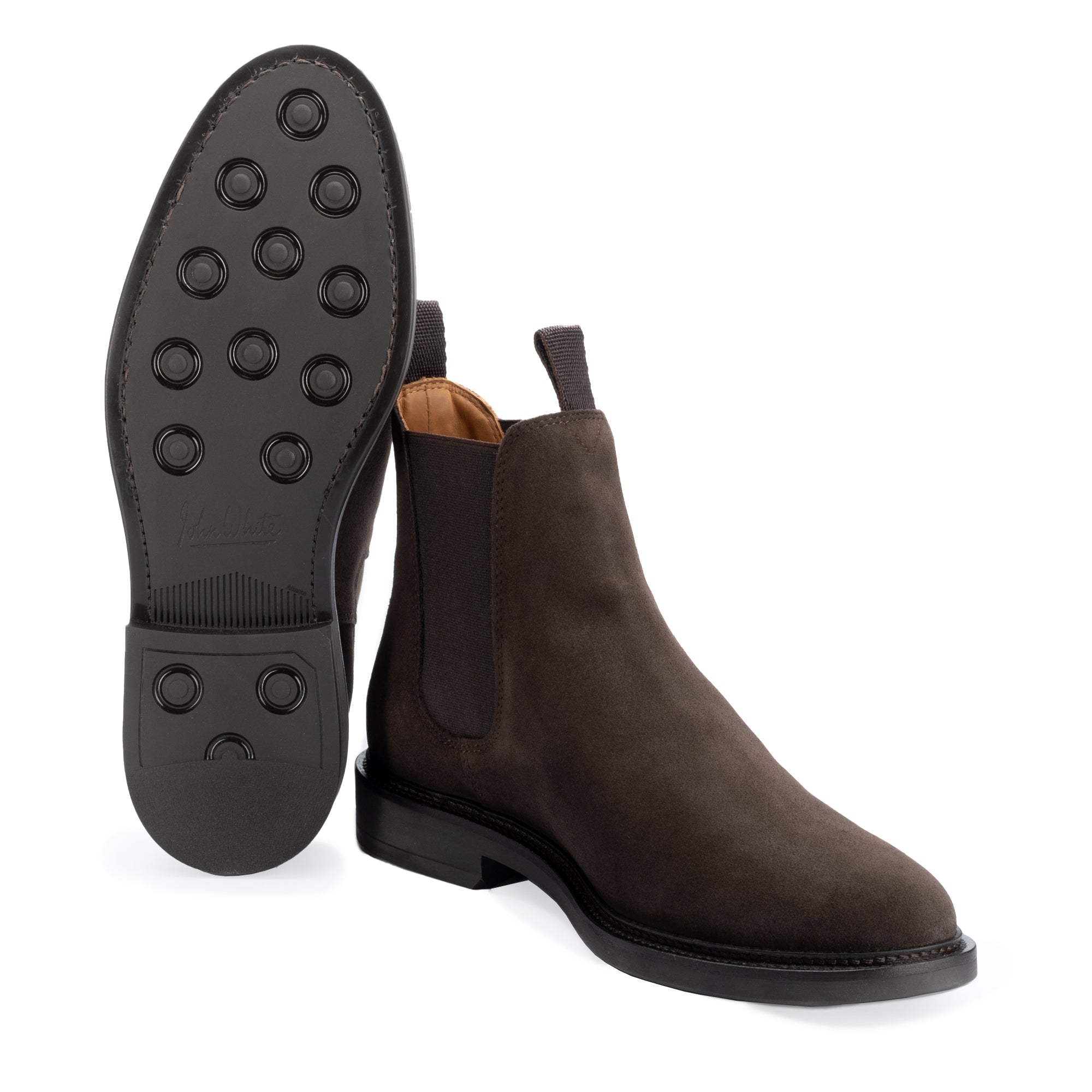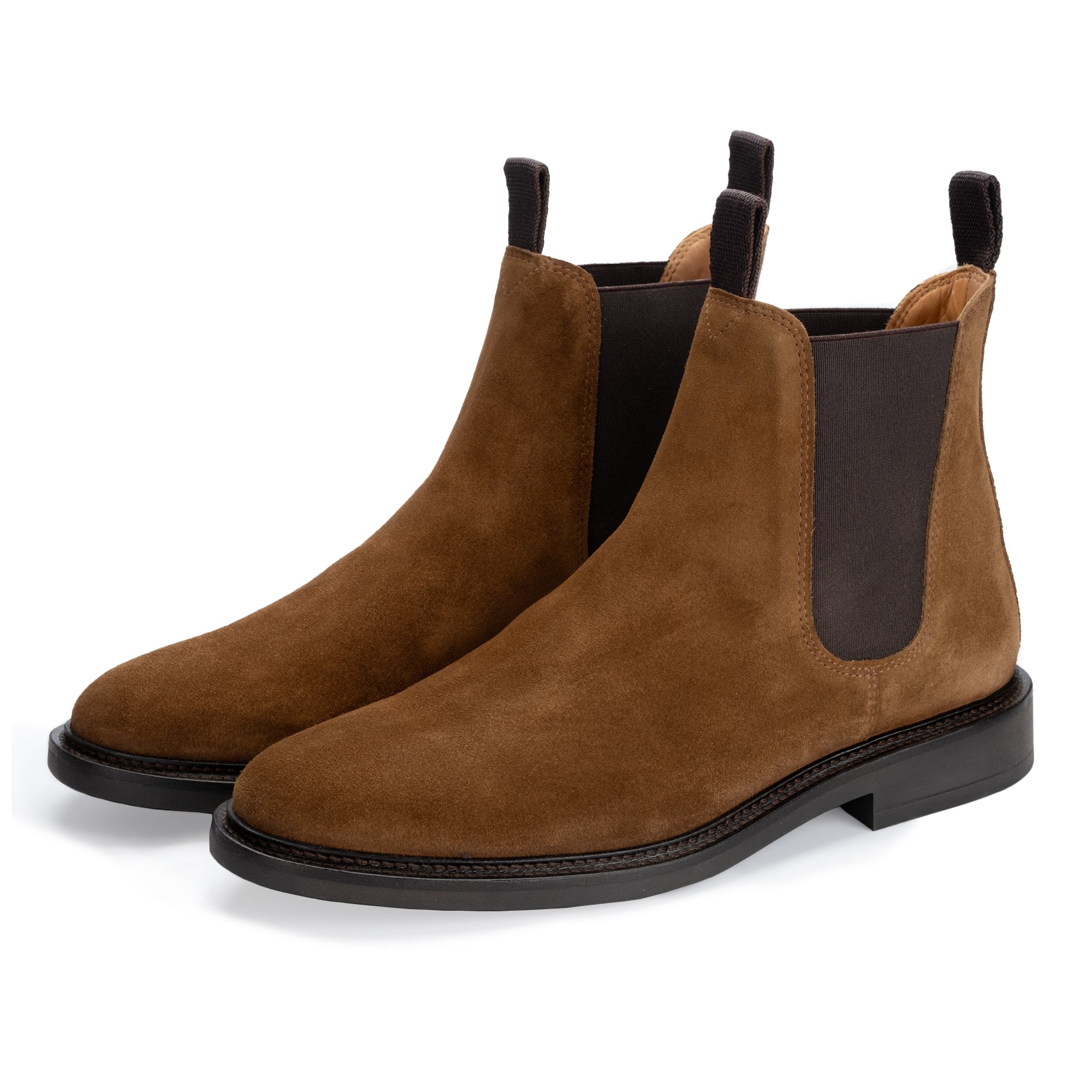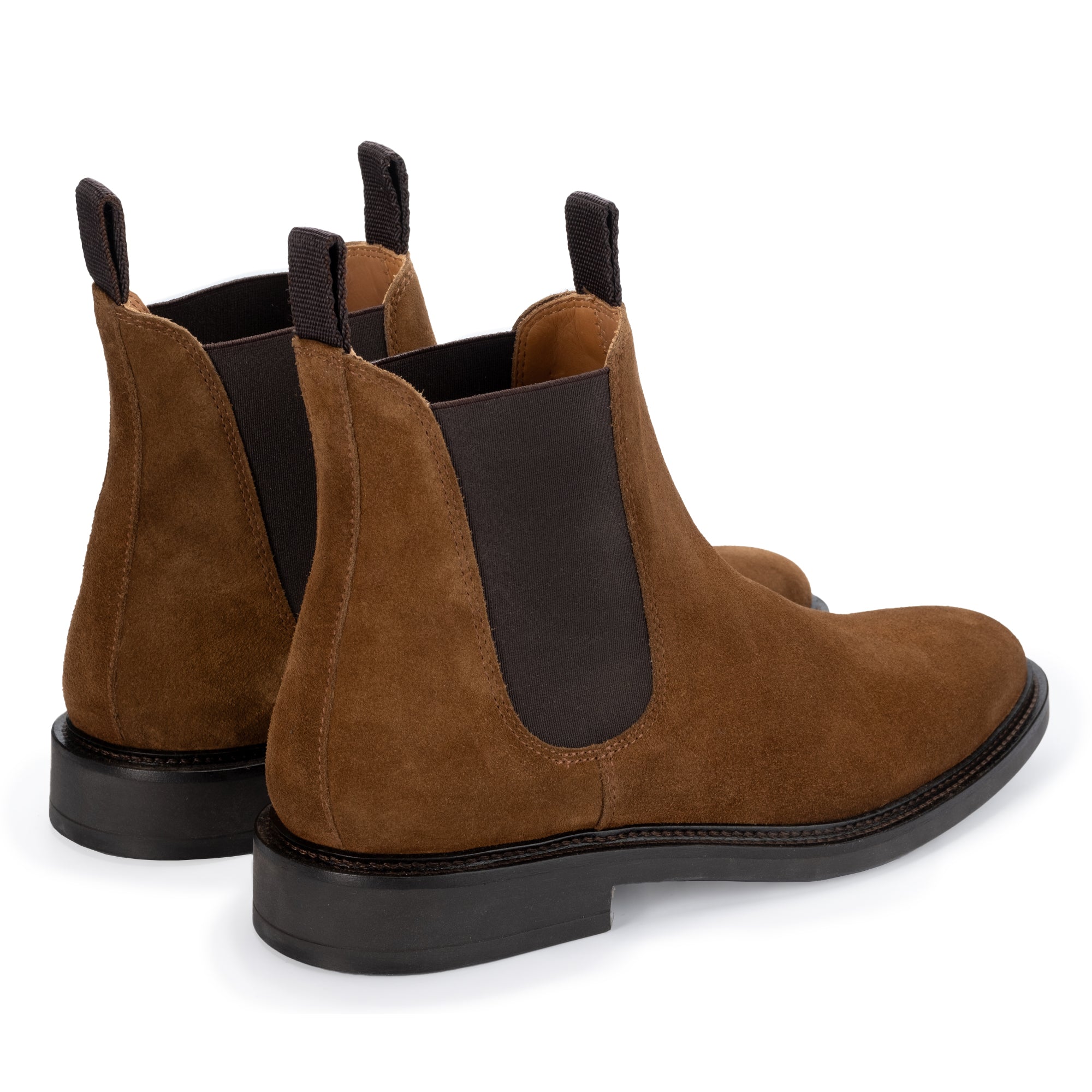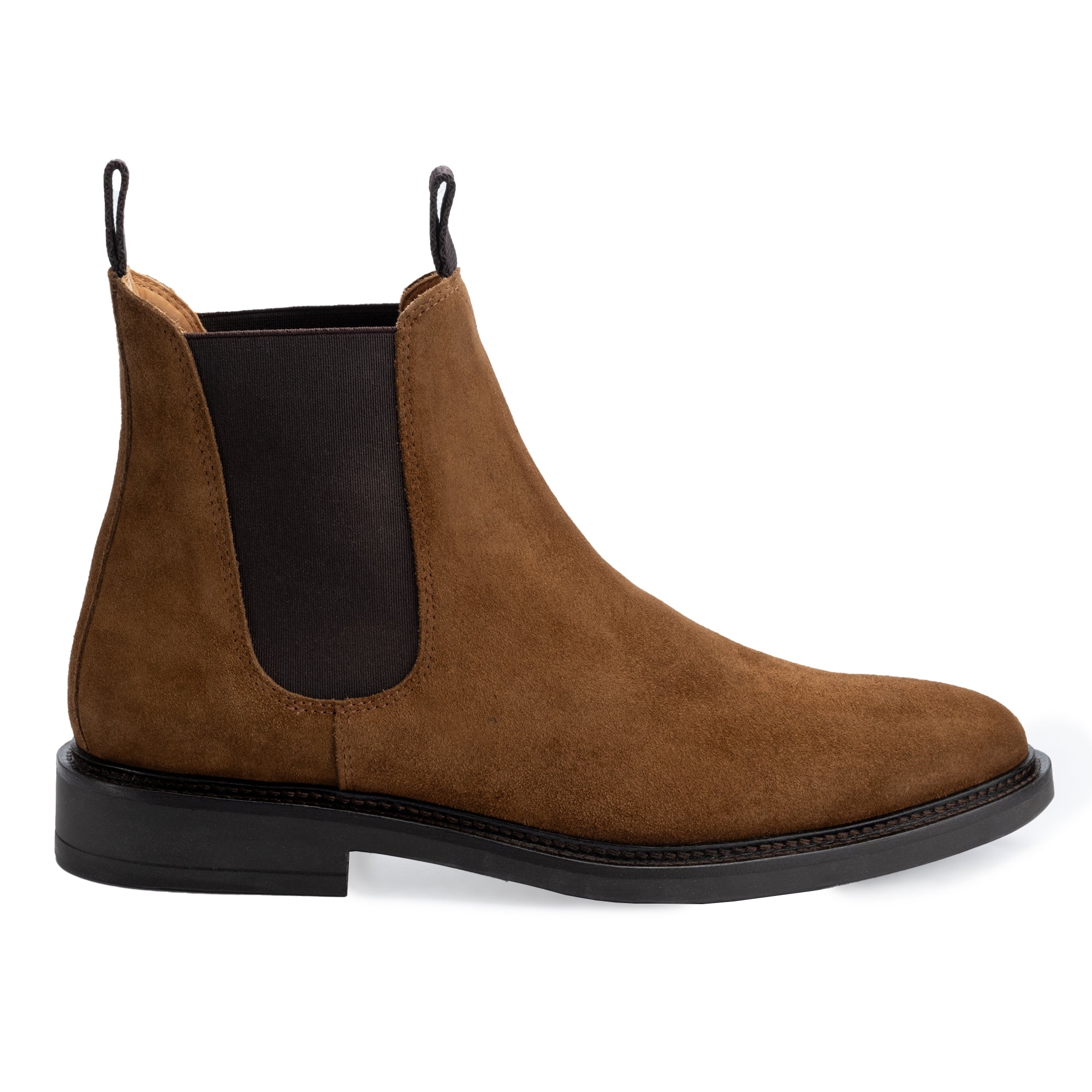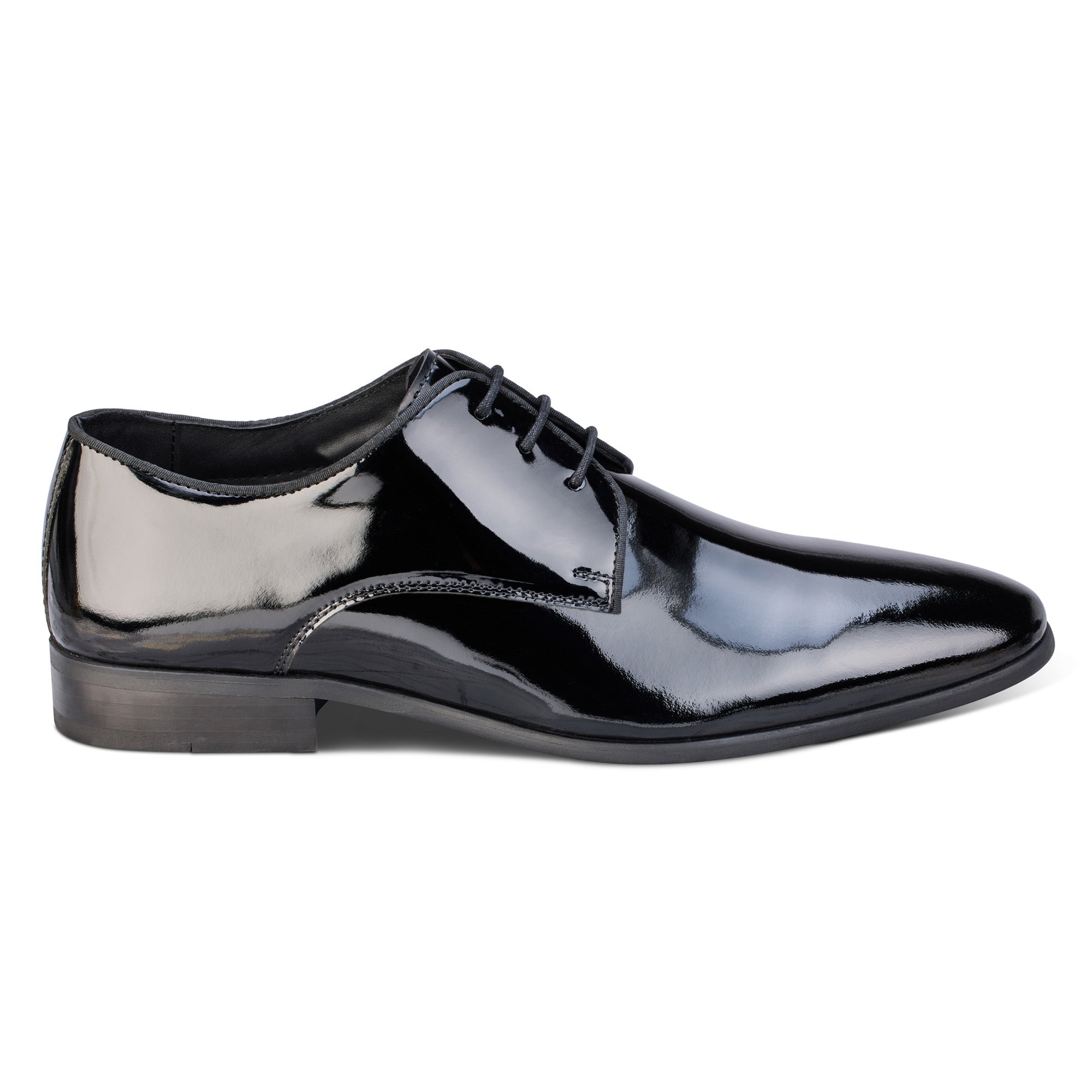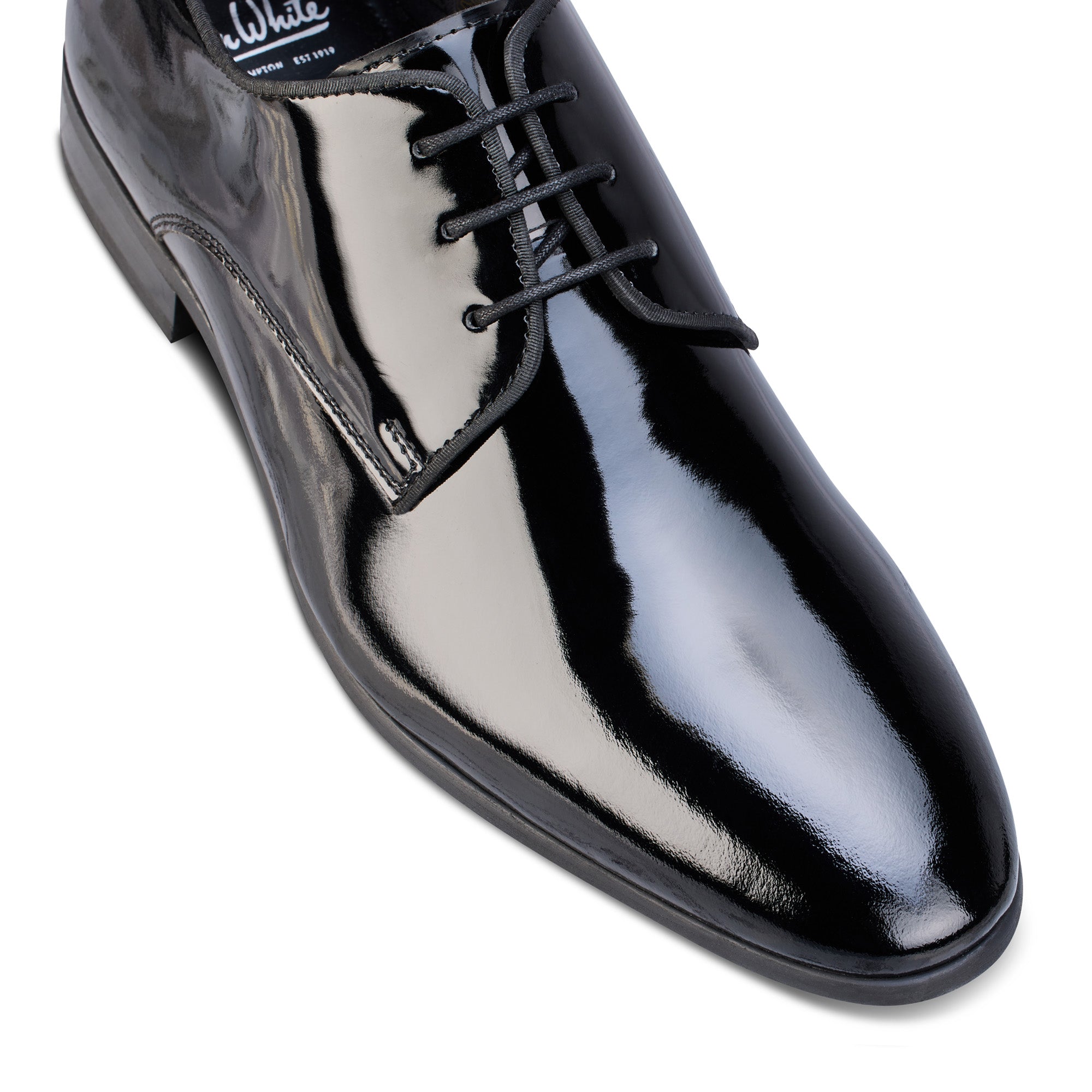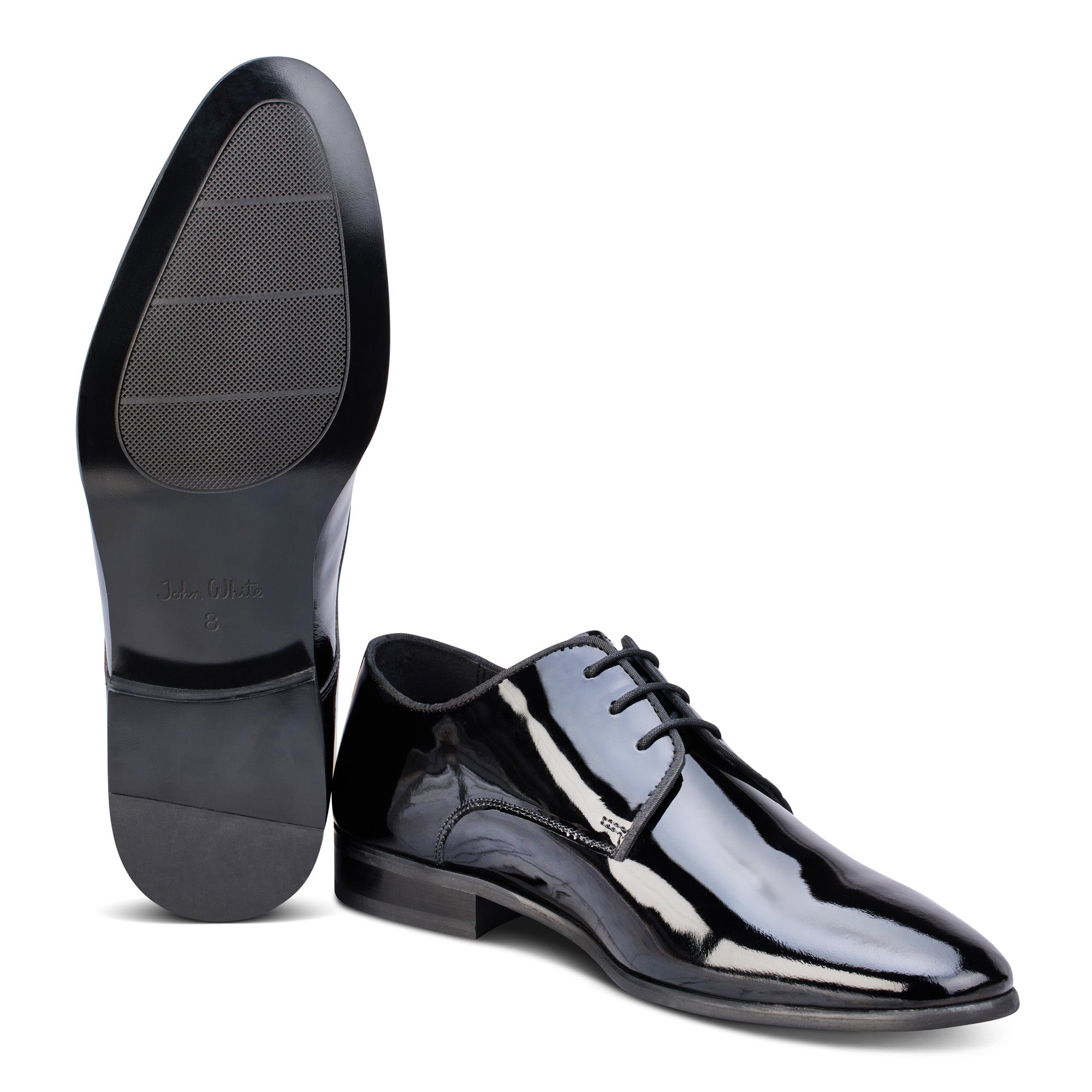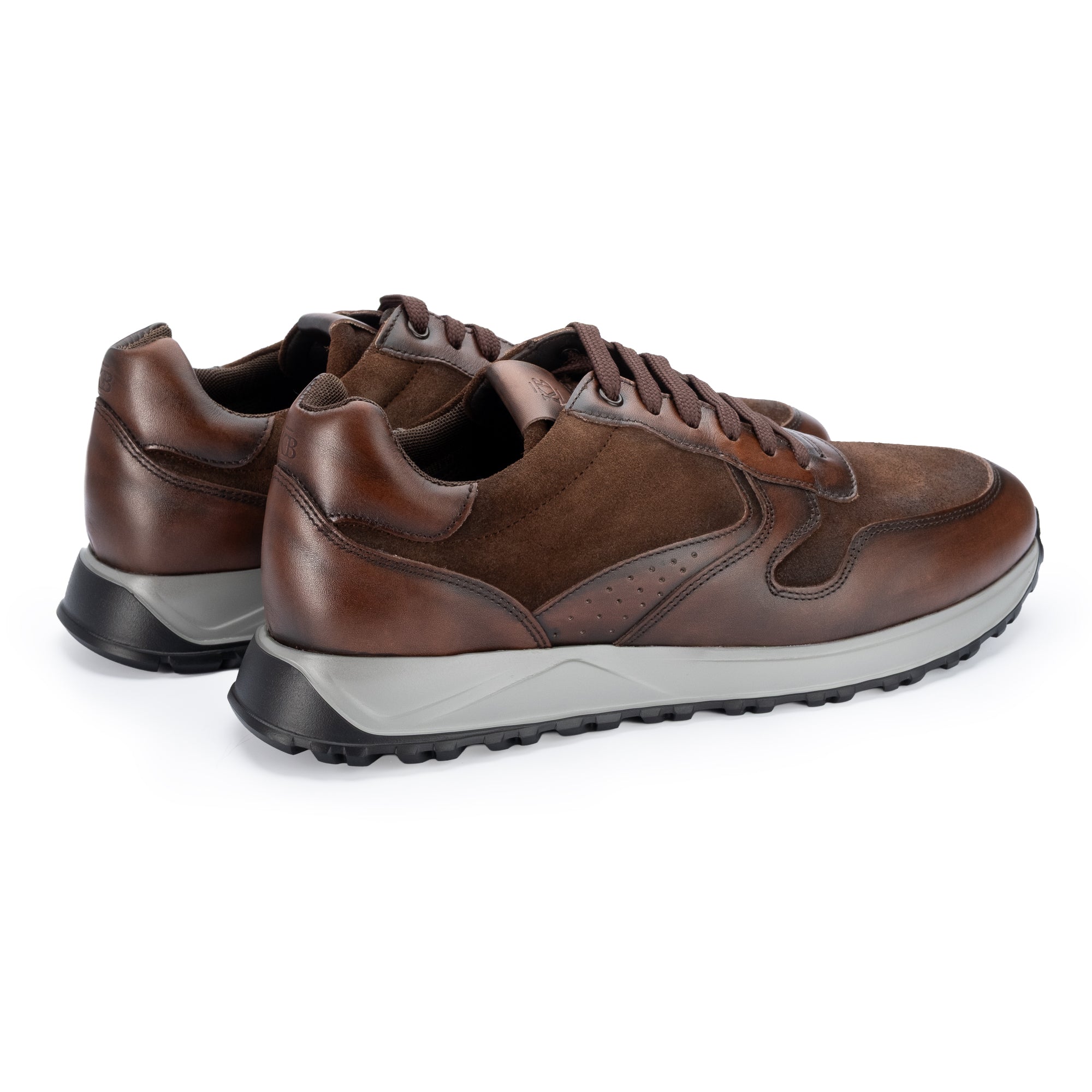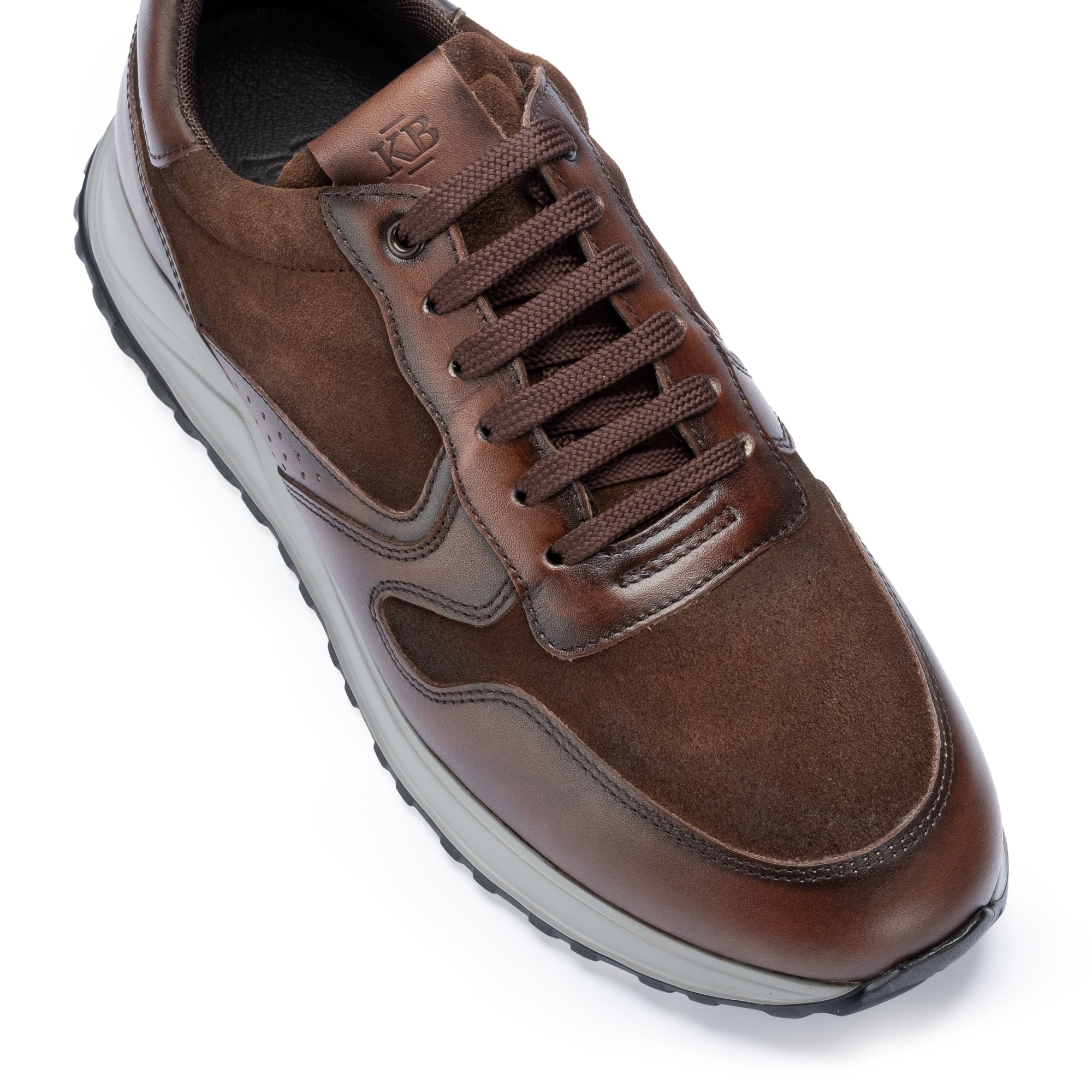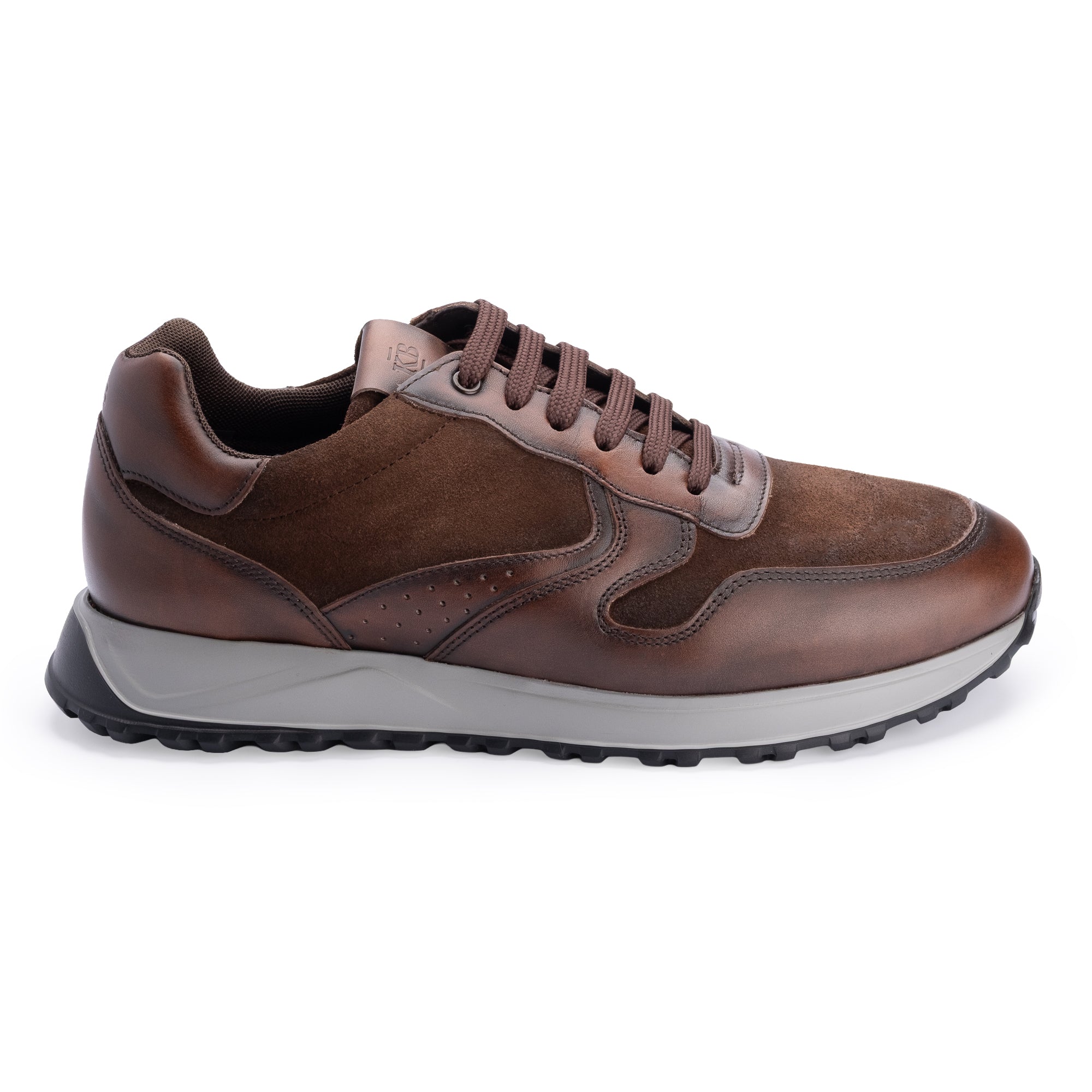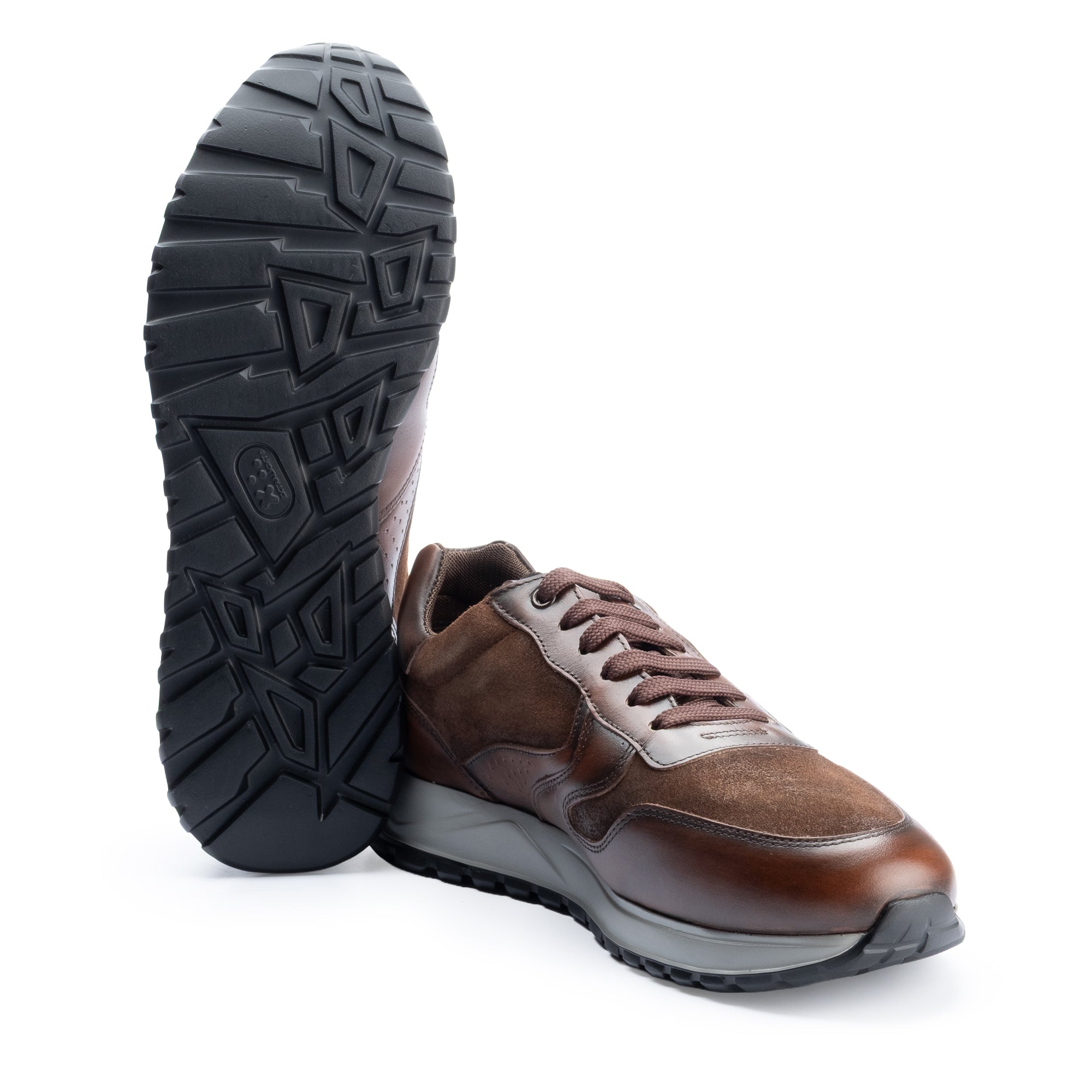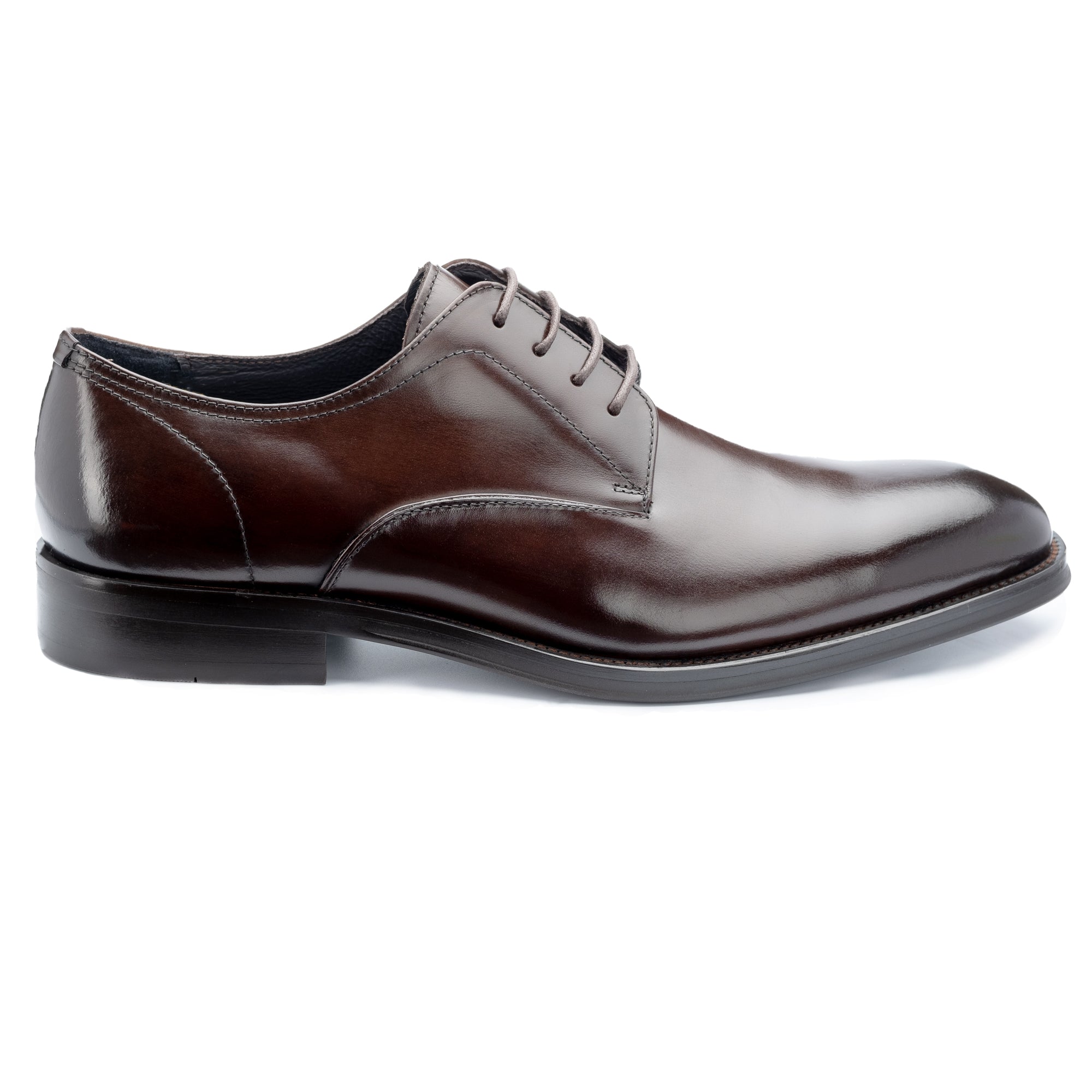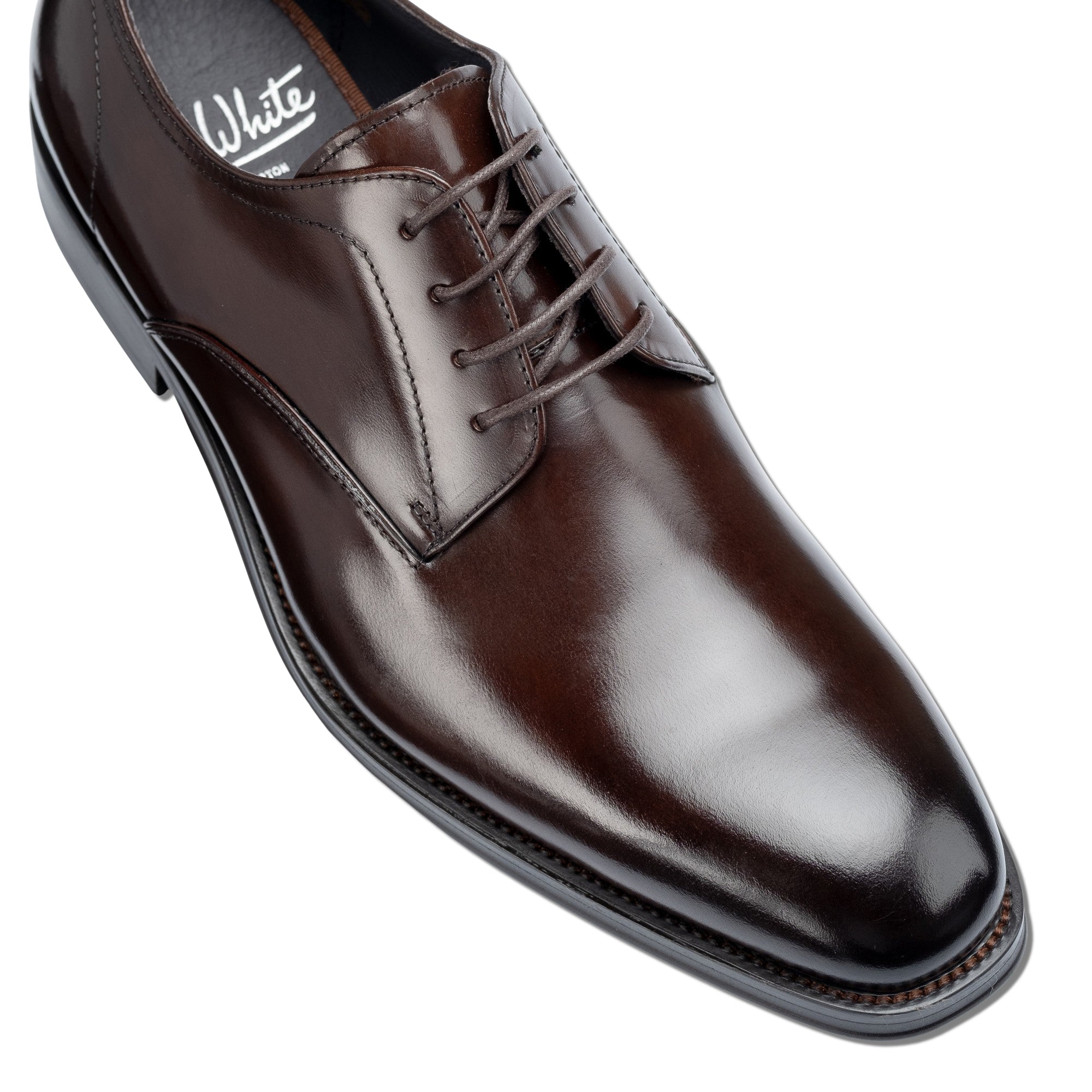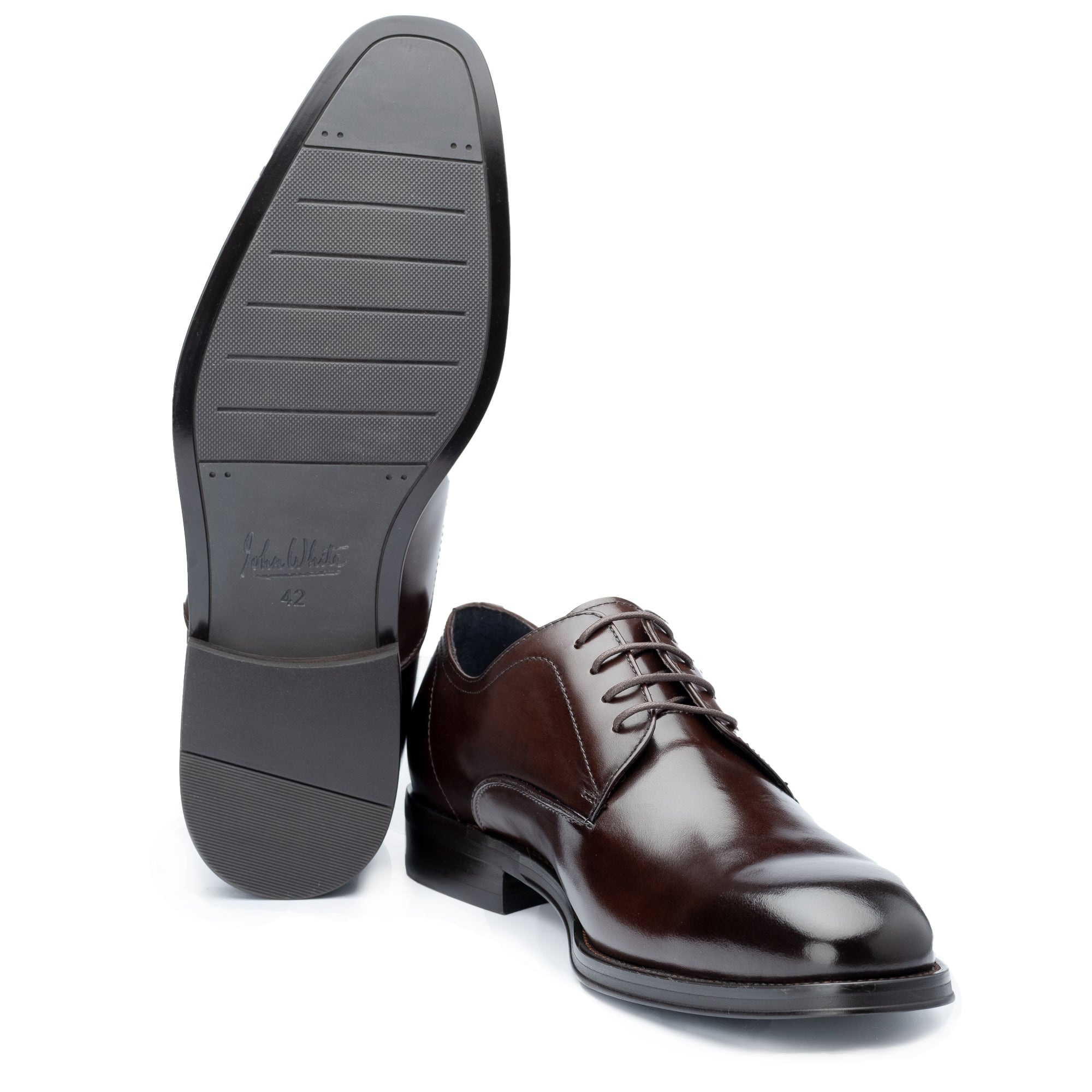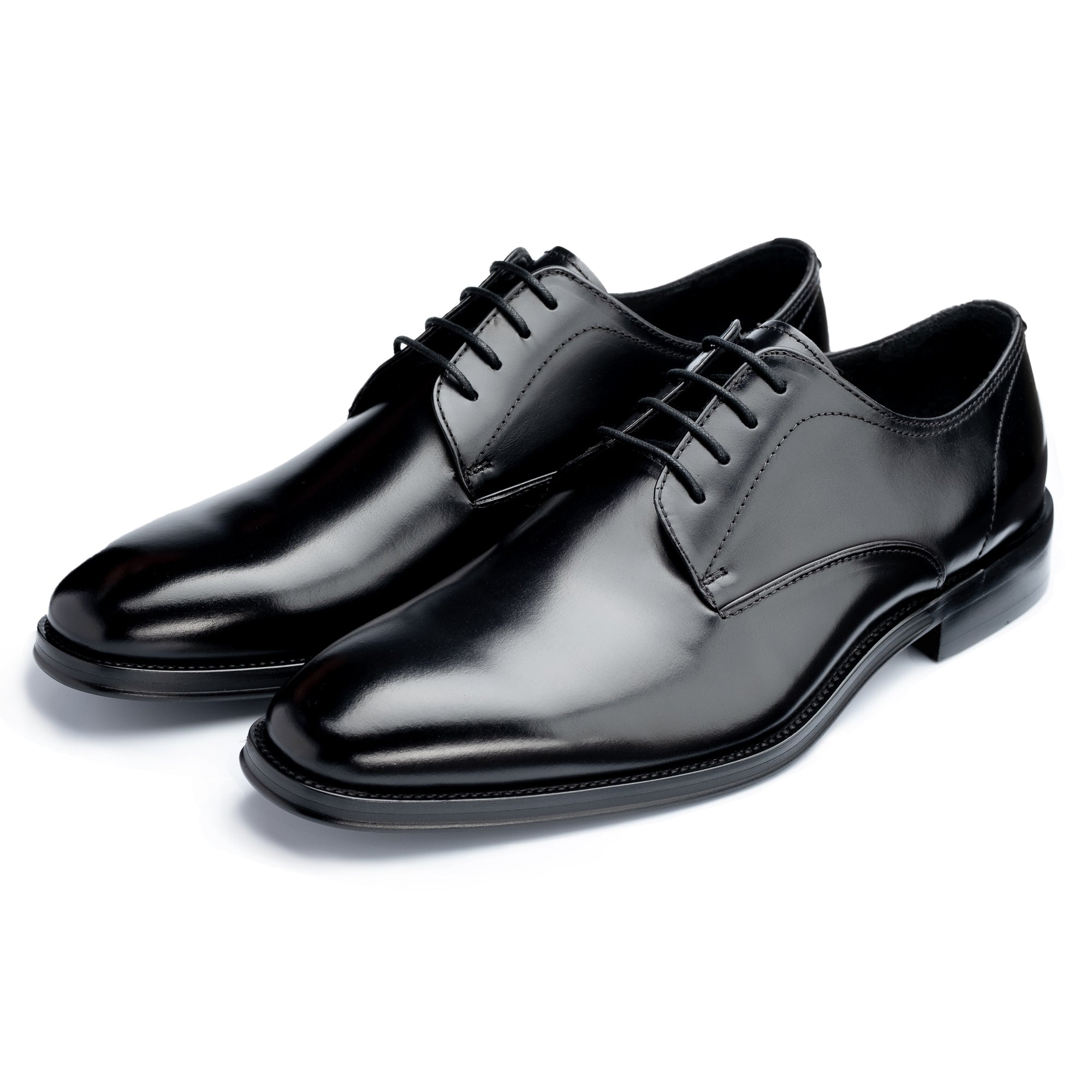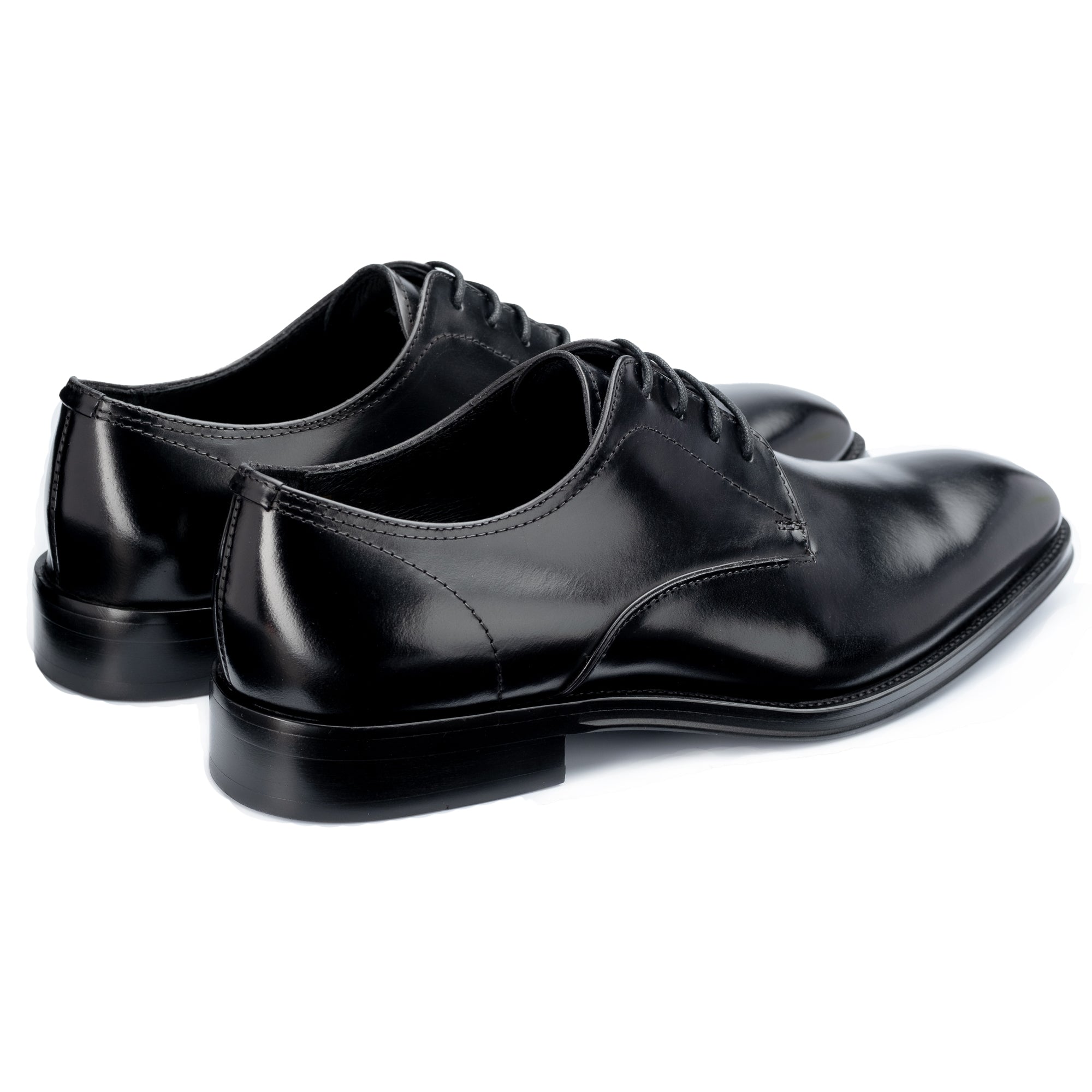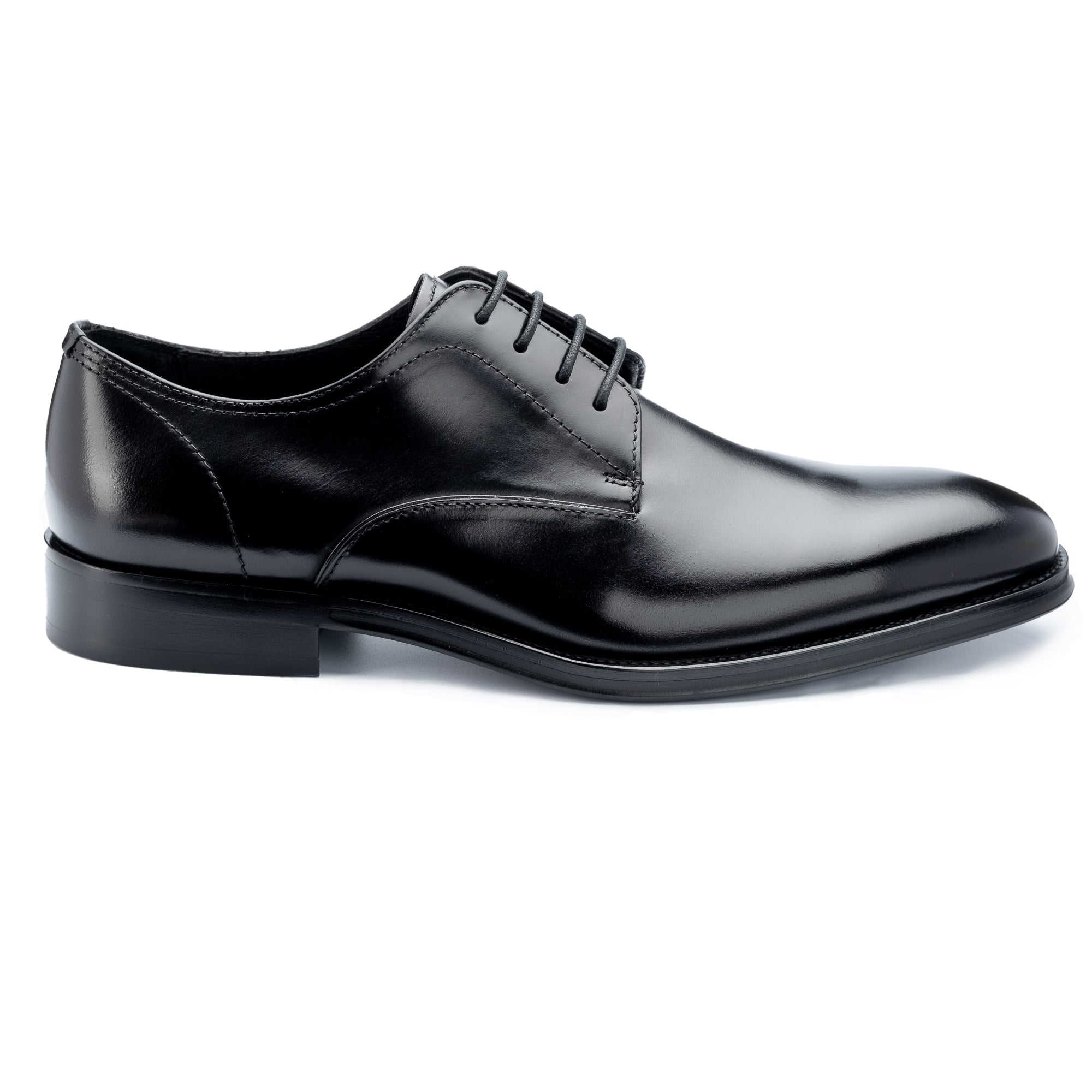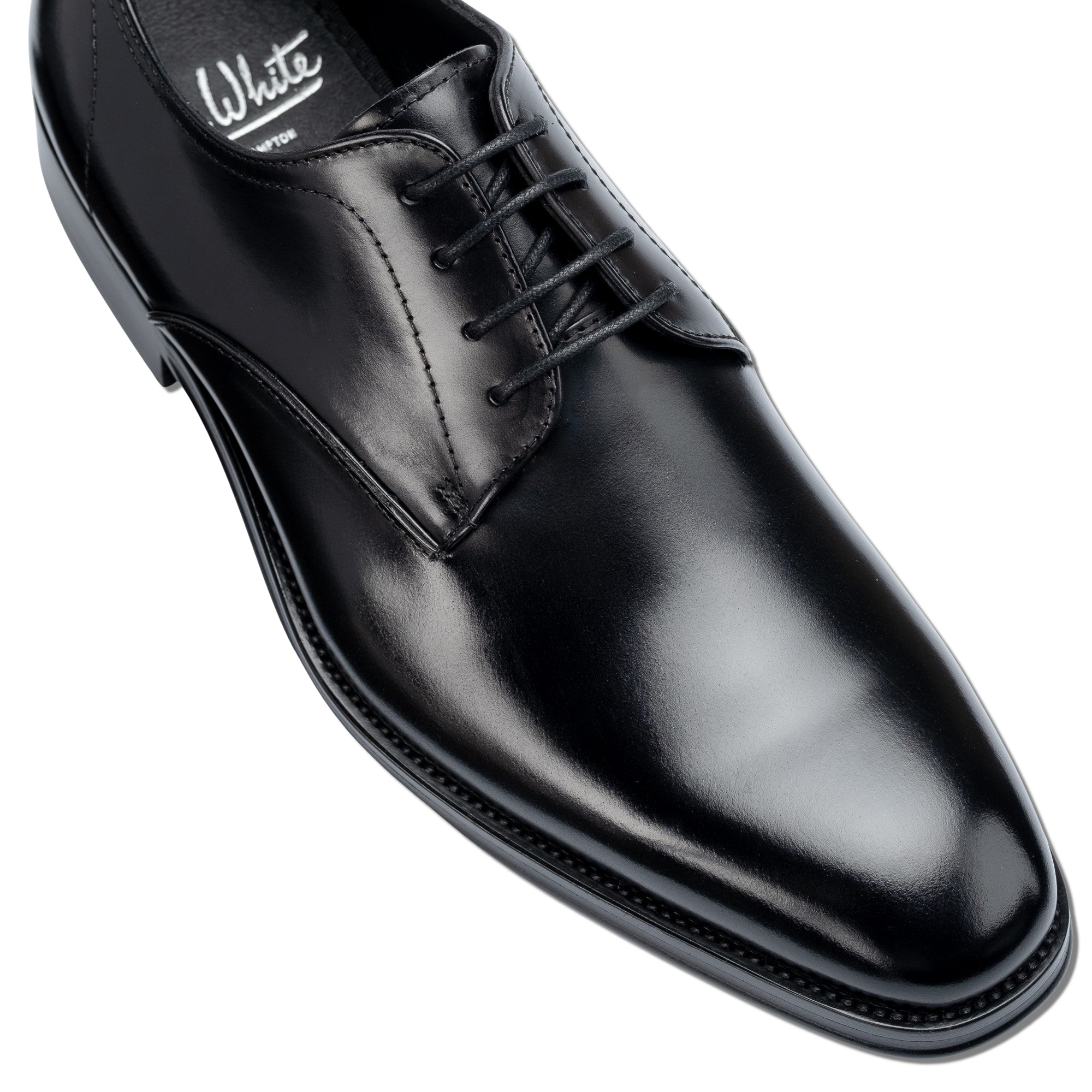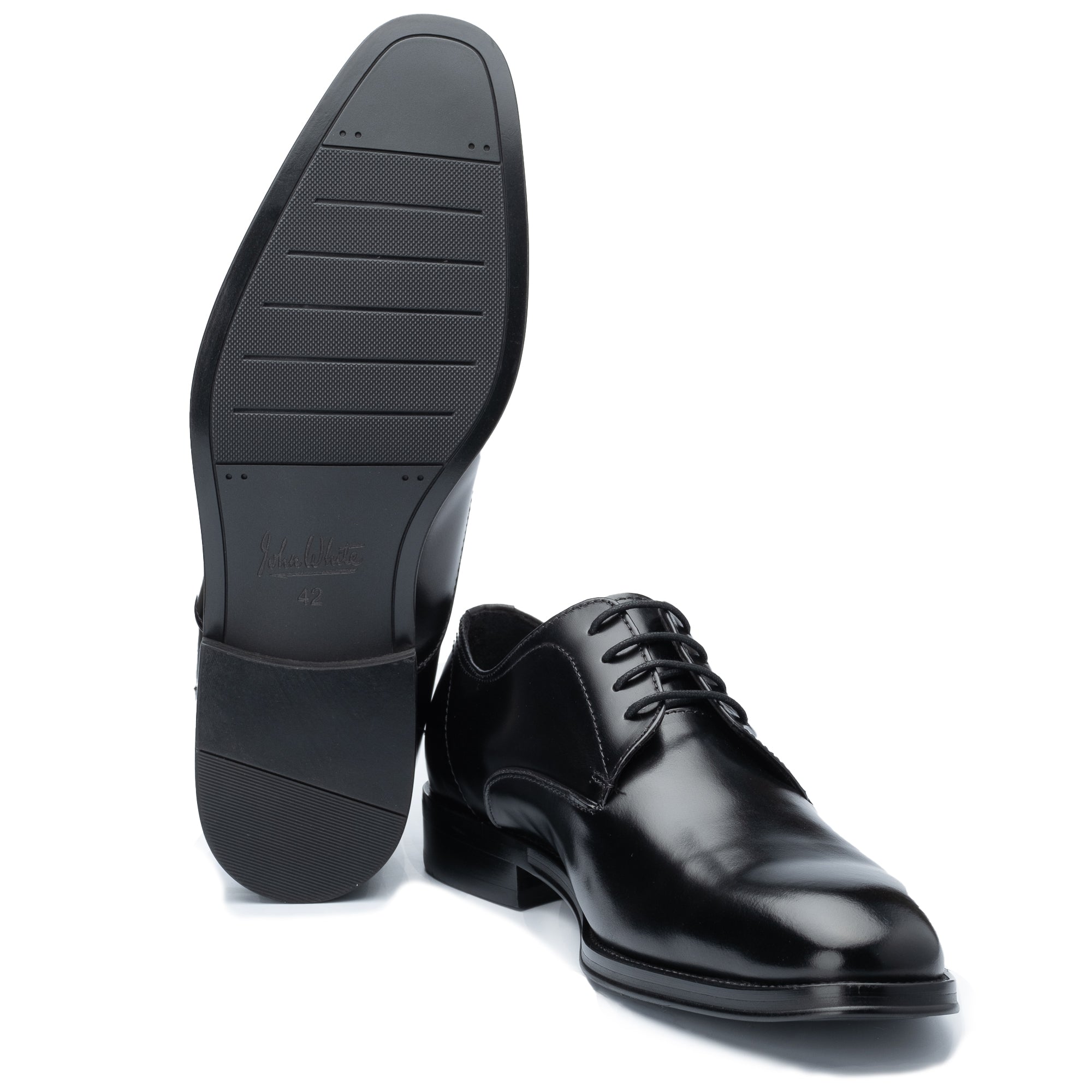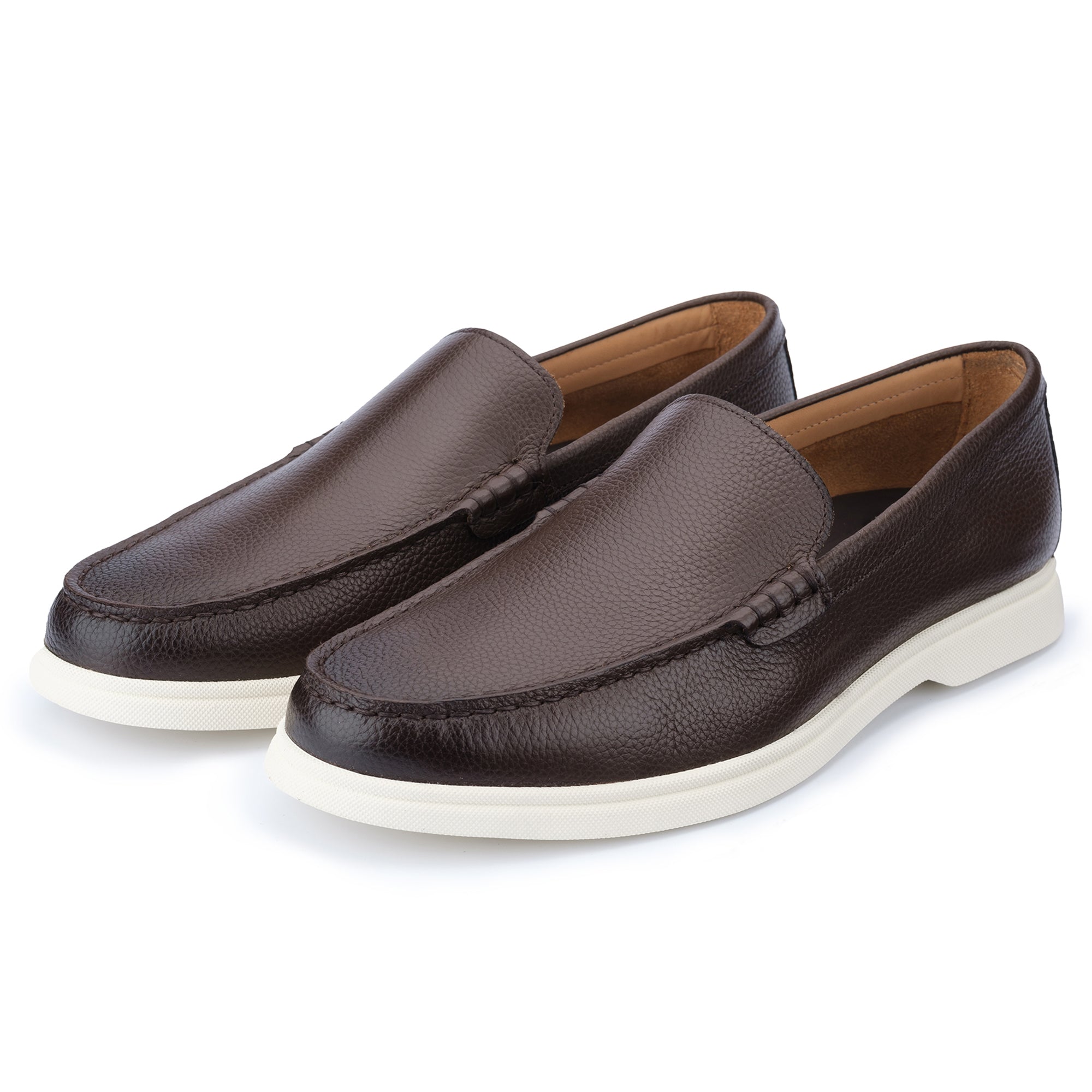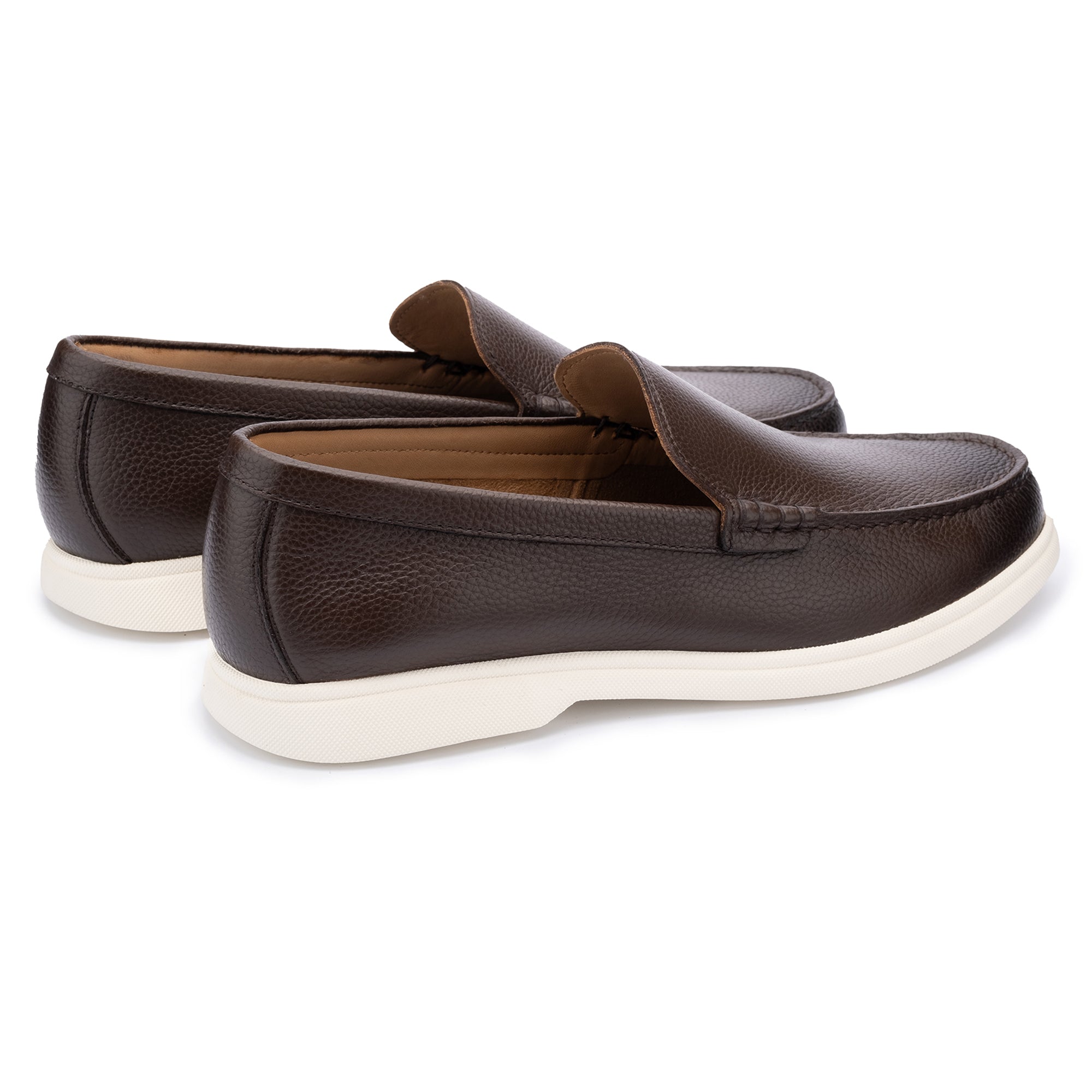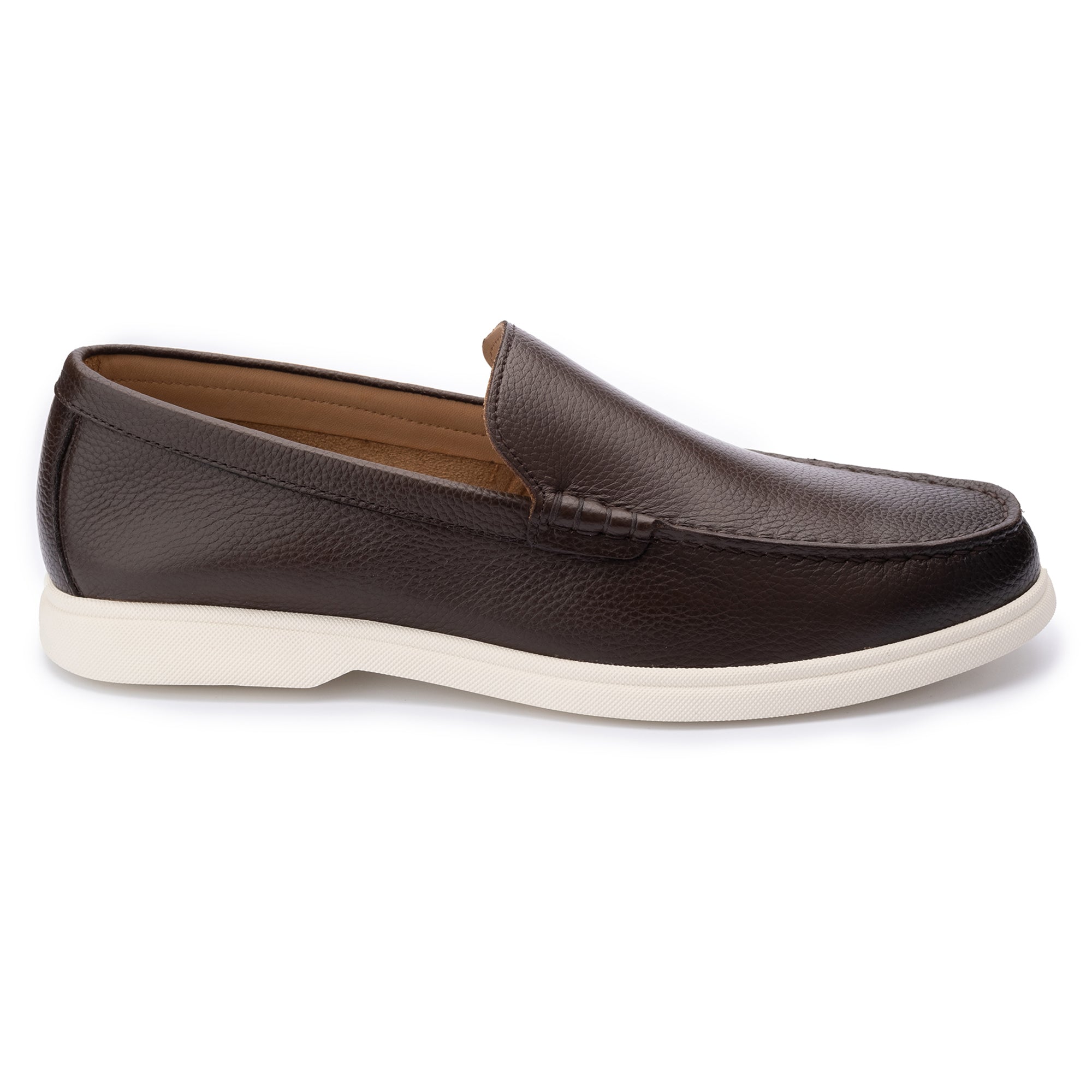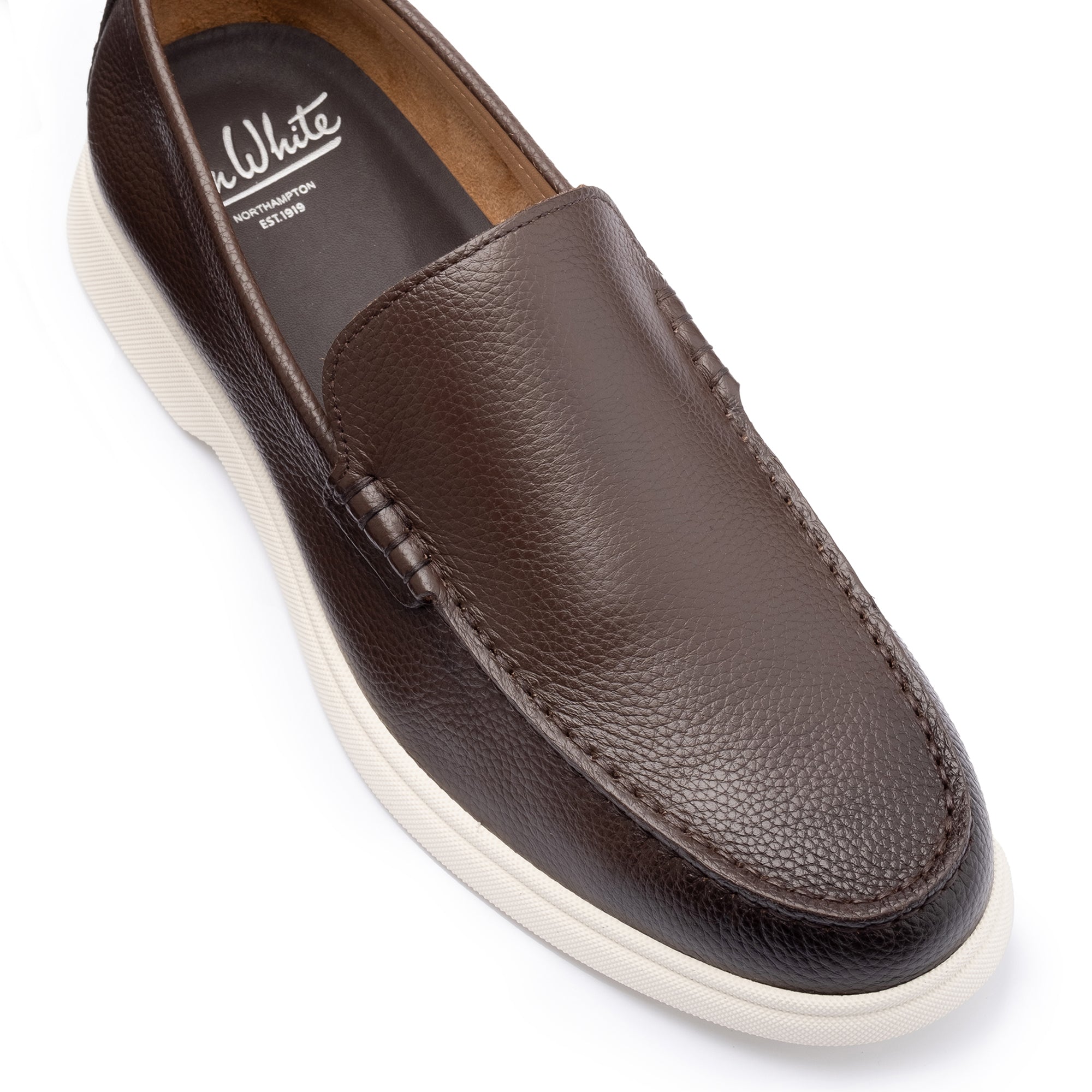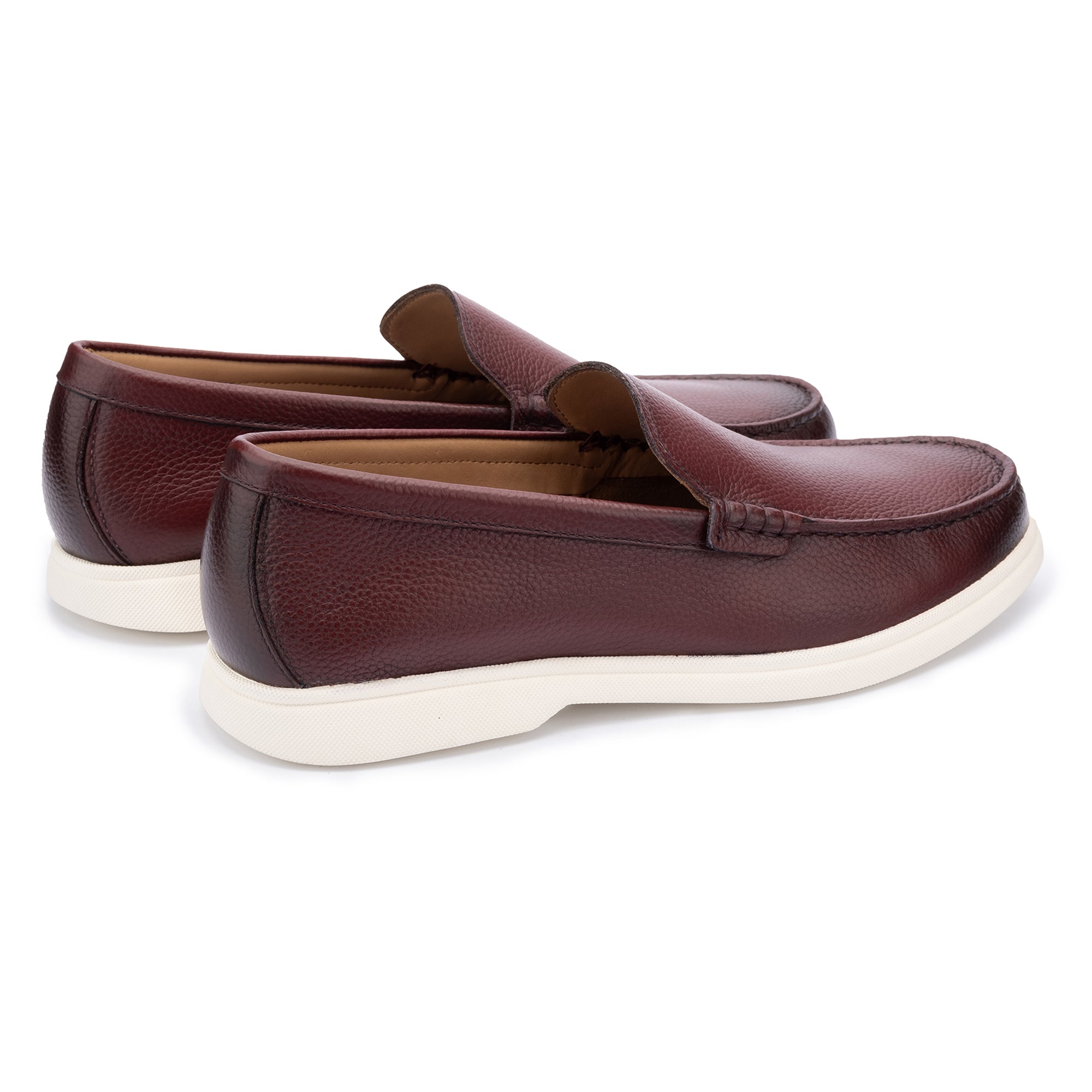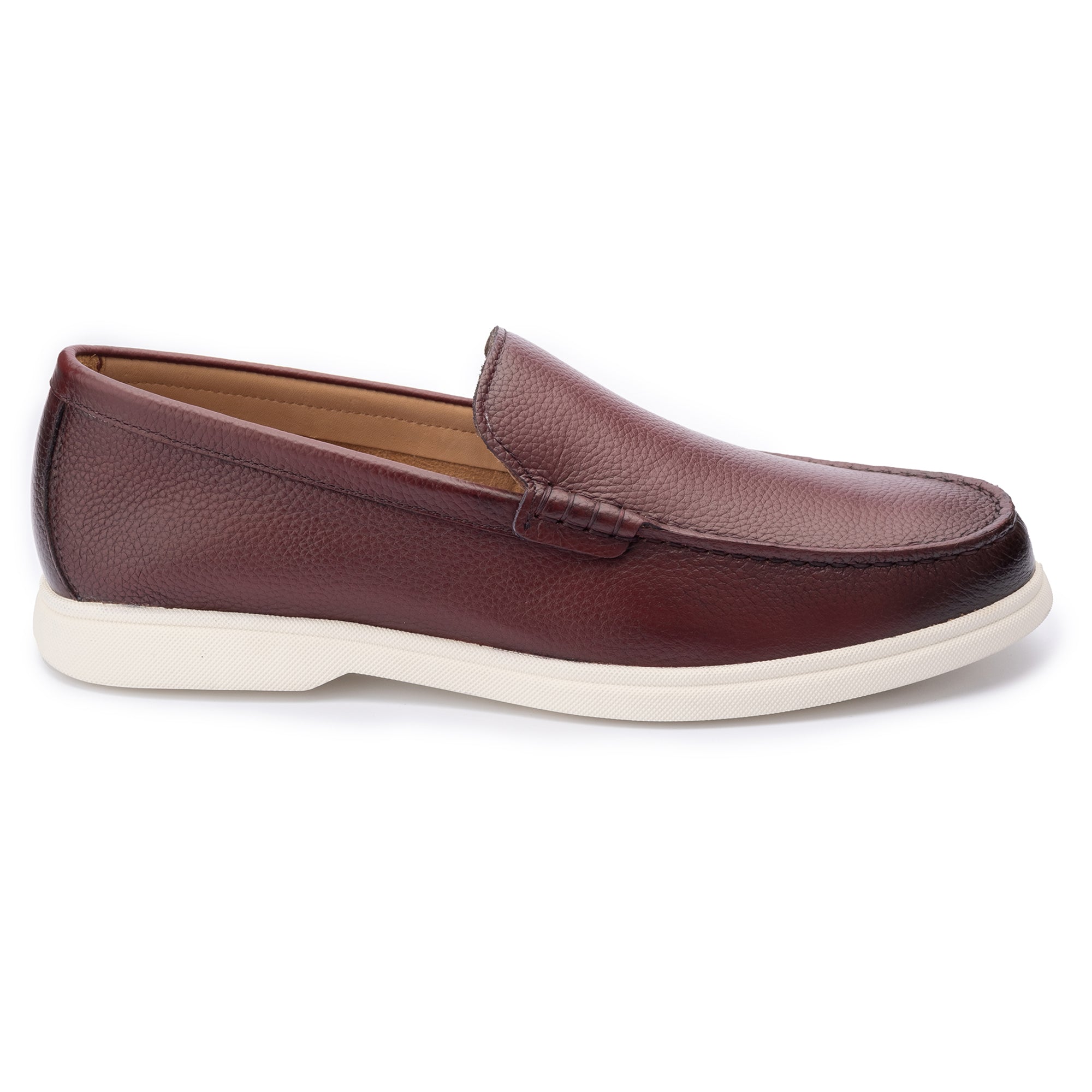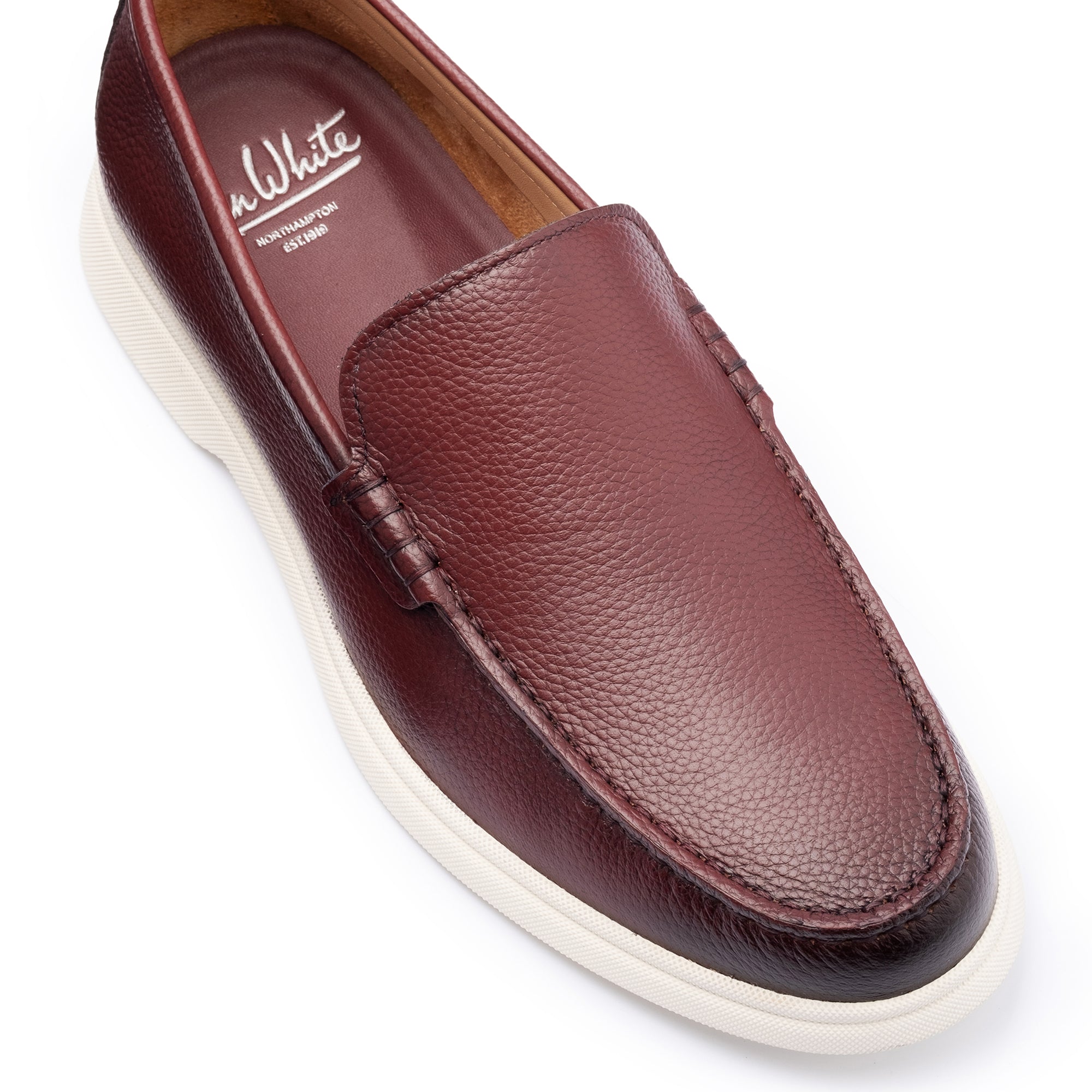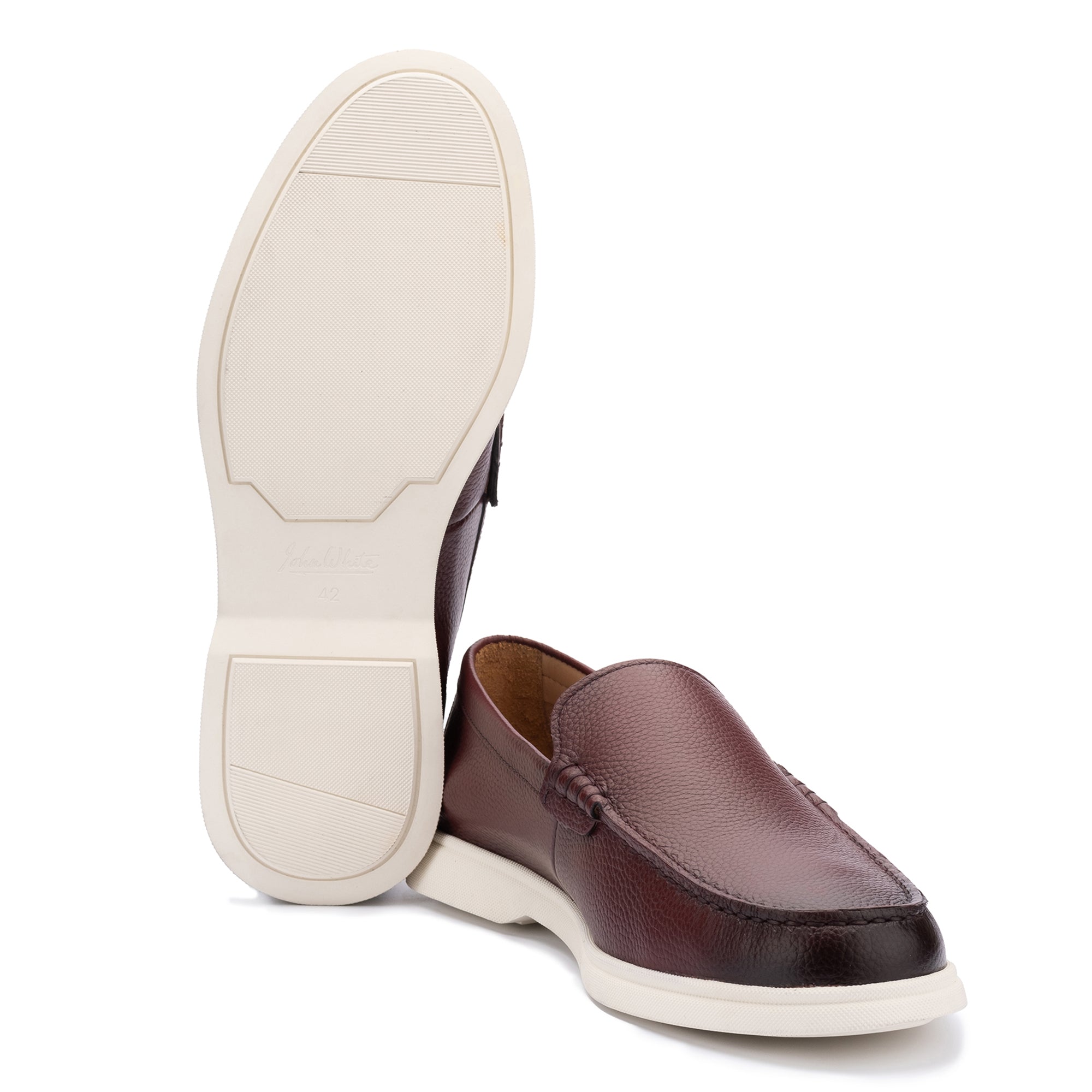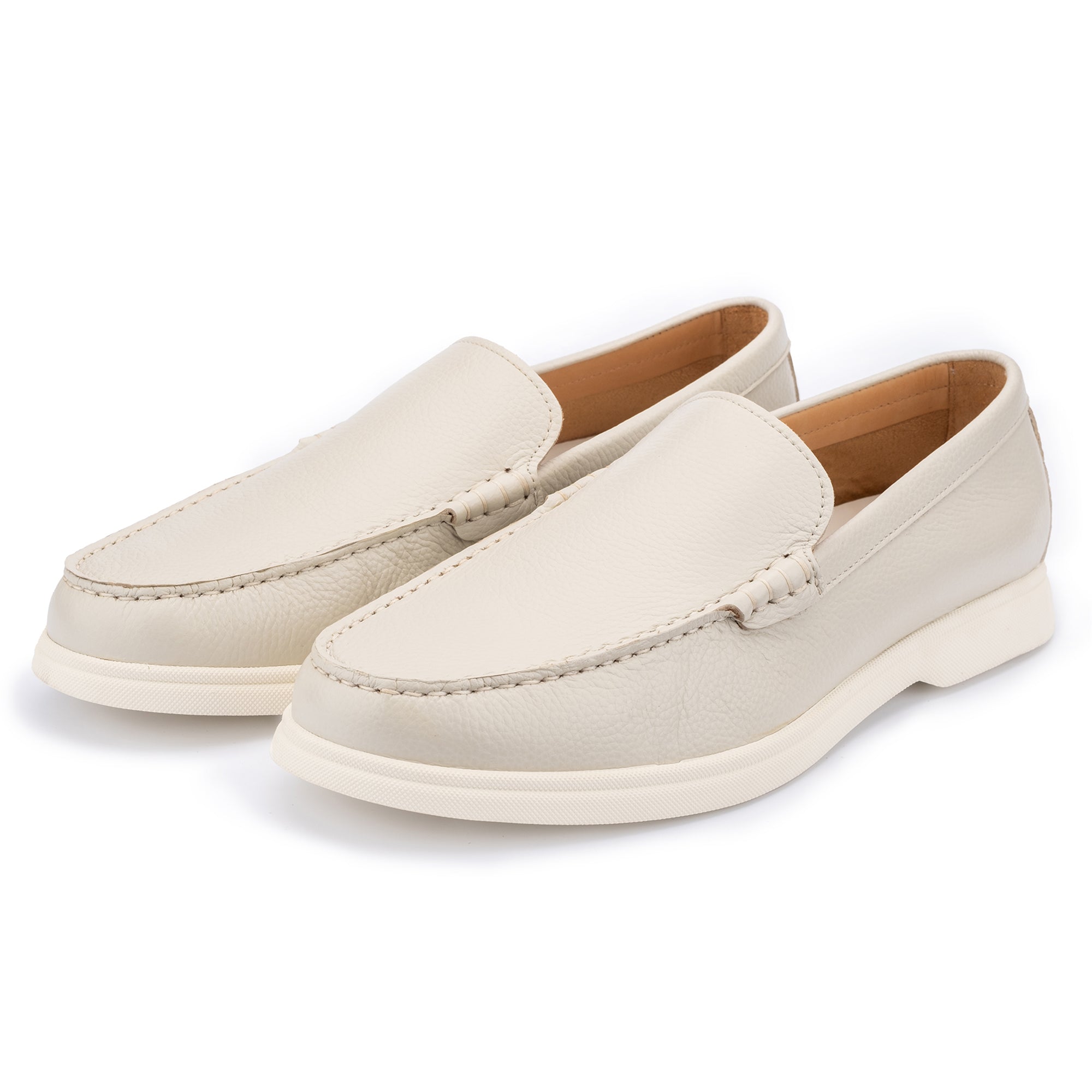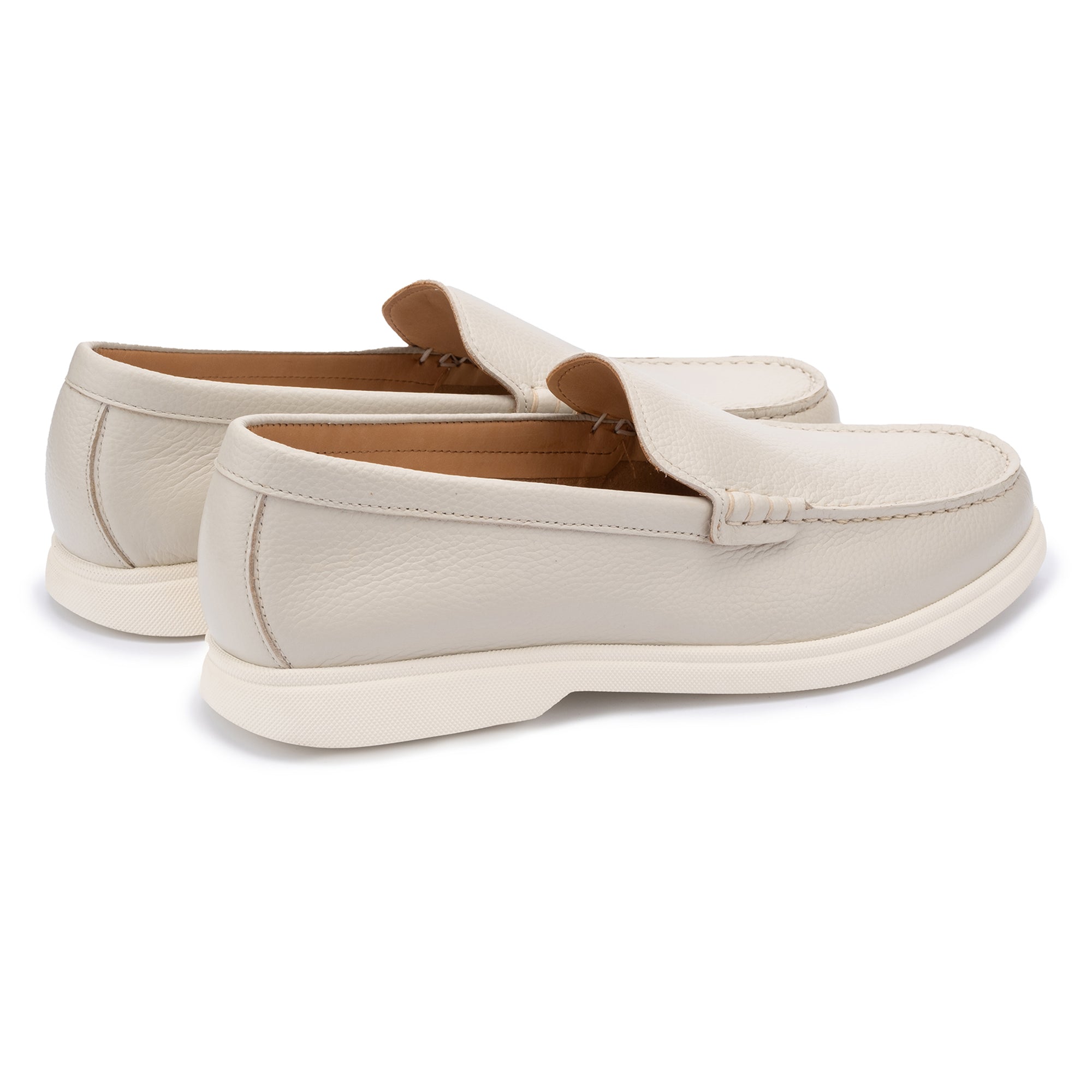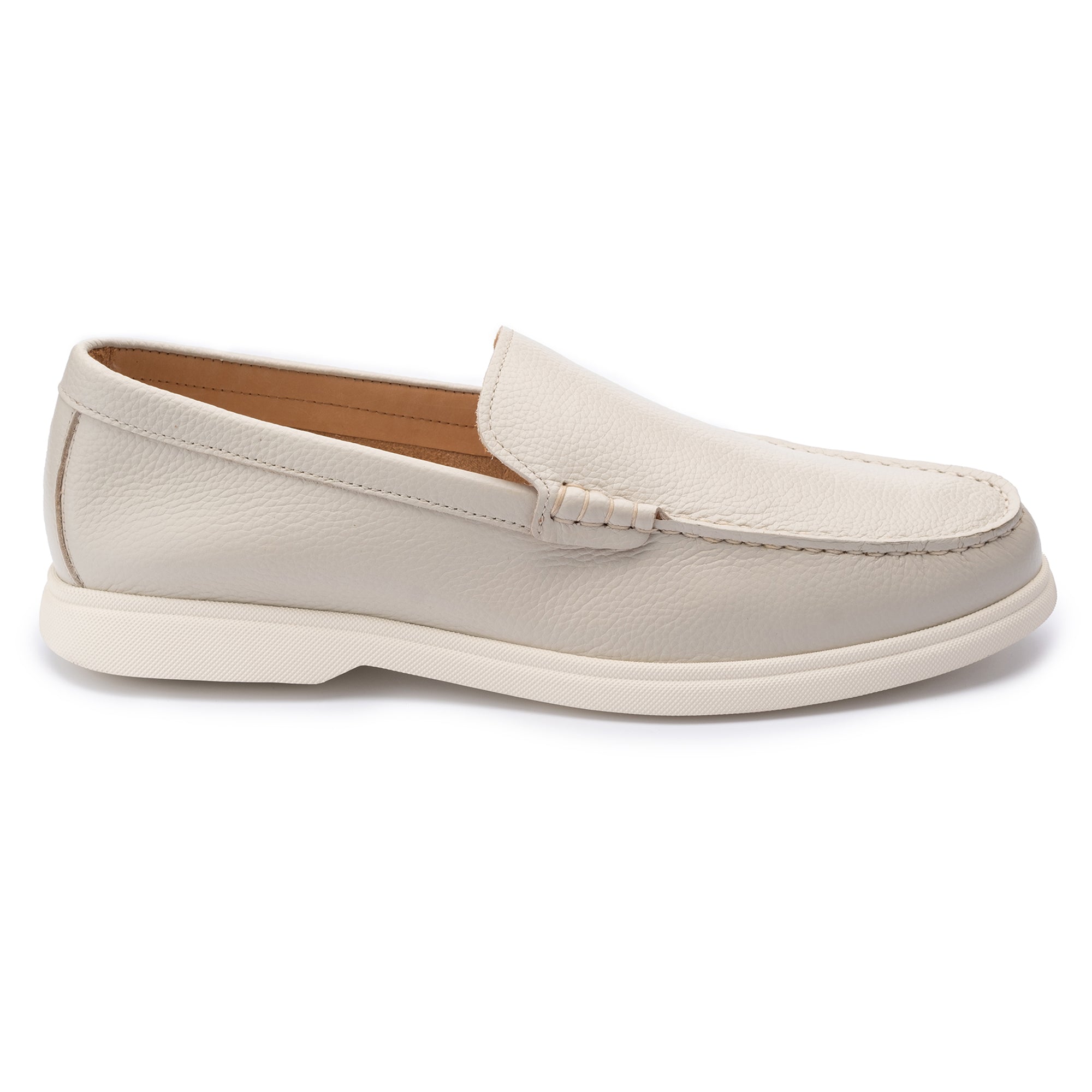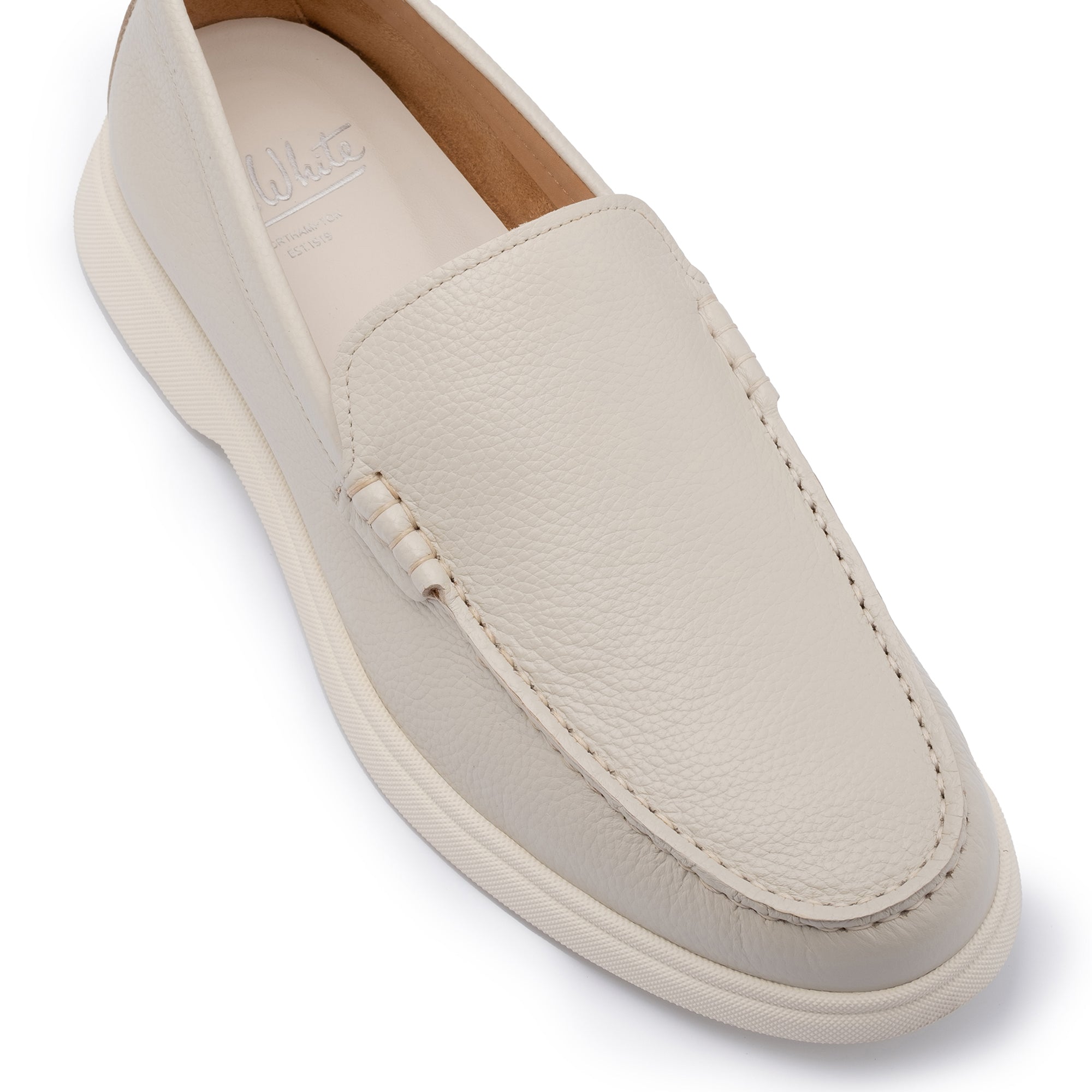

Storing Leather Shoes Long-Term: The Definitive Preparation and Preservation Method
To store leather shoes long-term, clean and condition the leather thoroughly, insert correctly sized cedar shoe trees, and place them in breathable cotton bags in a cool, dark environment at 45–55% relative humidity and 15–20°C. Inspect every three to six months and recondition annually. Correct preparation makes indefinite storage safe for premium leather footwear.
In This Guide
- Why Does Long-Term Storage Damage Leather Shoes?
- What Preparation Is Required Before Storing Leather Shoes Long-Term?
- What Are the Ideal Storage Conditions for Leather Shoes?
- What Should You Store Leather Shoes In?
- Long-Term Storage Conditions Reference
- How Long Can Leather Shoes Be Stored Without Wearing Them?
- How Do You Revive Leather Shoes After Long-Term Storage?
- Related Guides
- Frequently Asked Questions
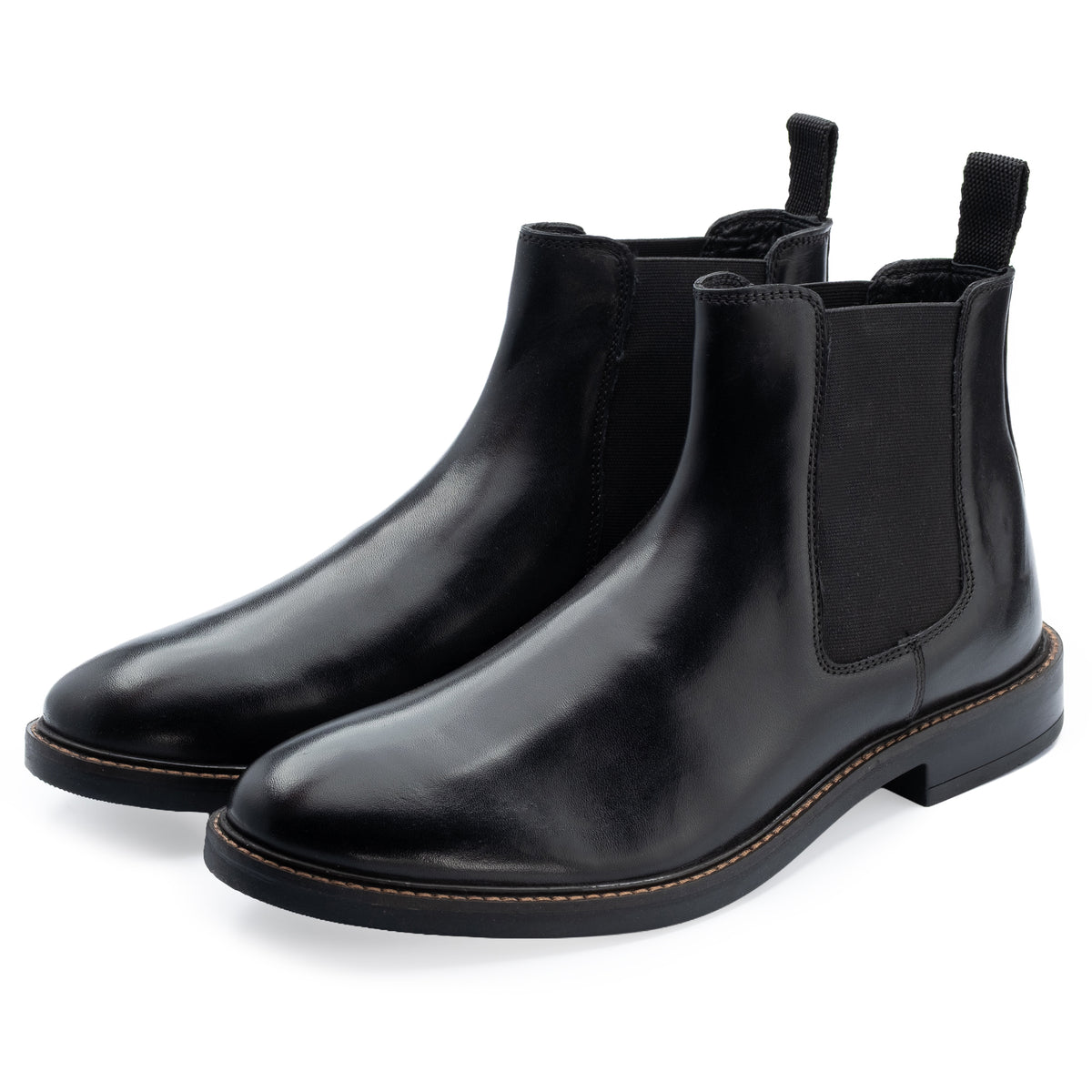
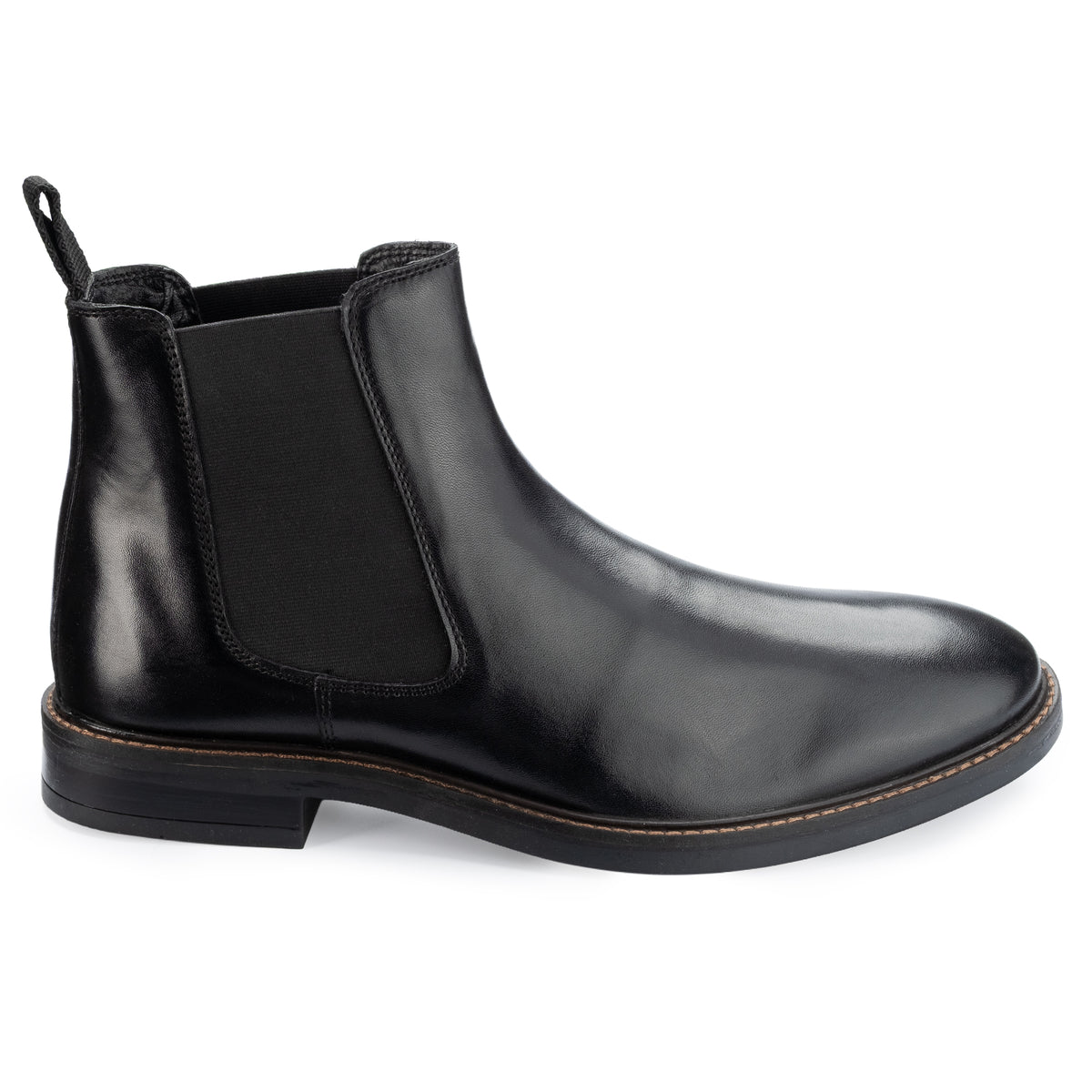
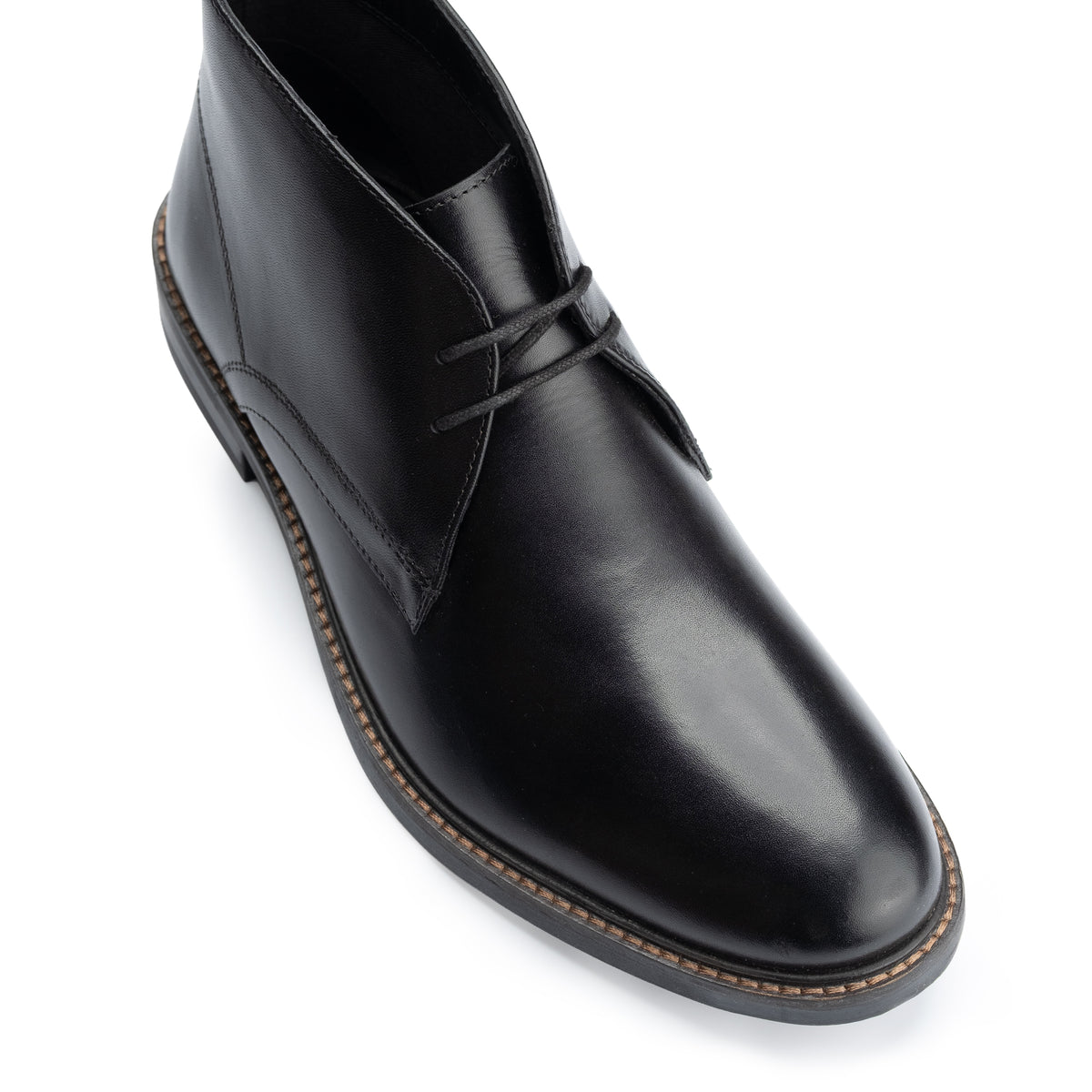
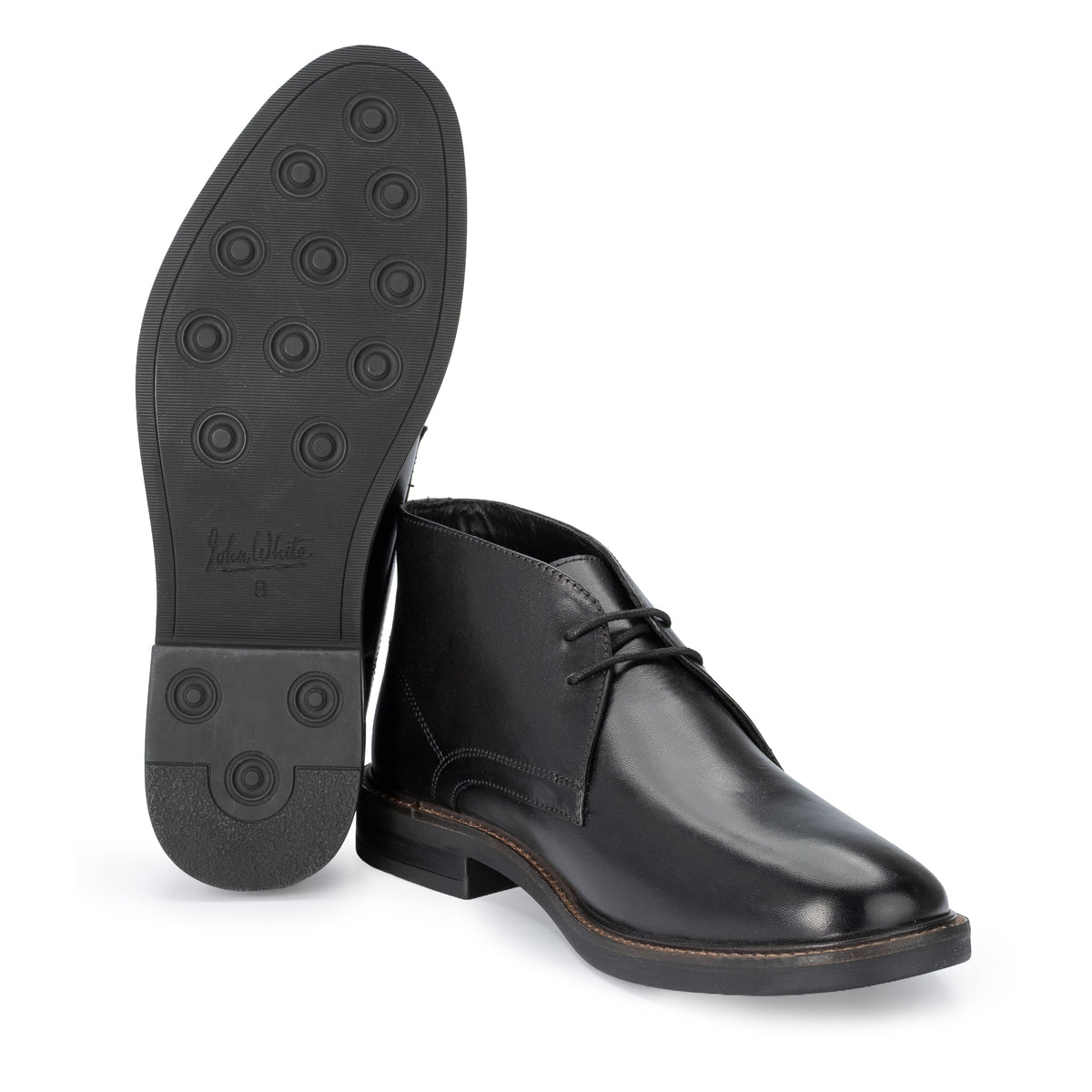
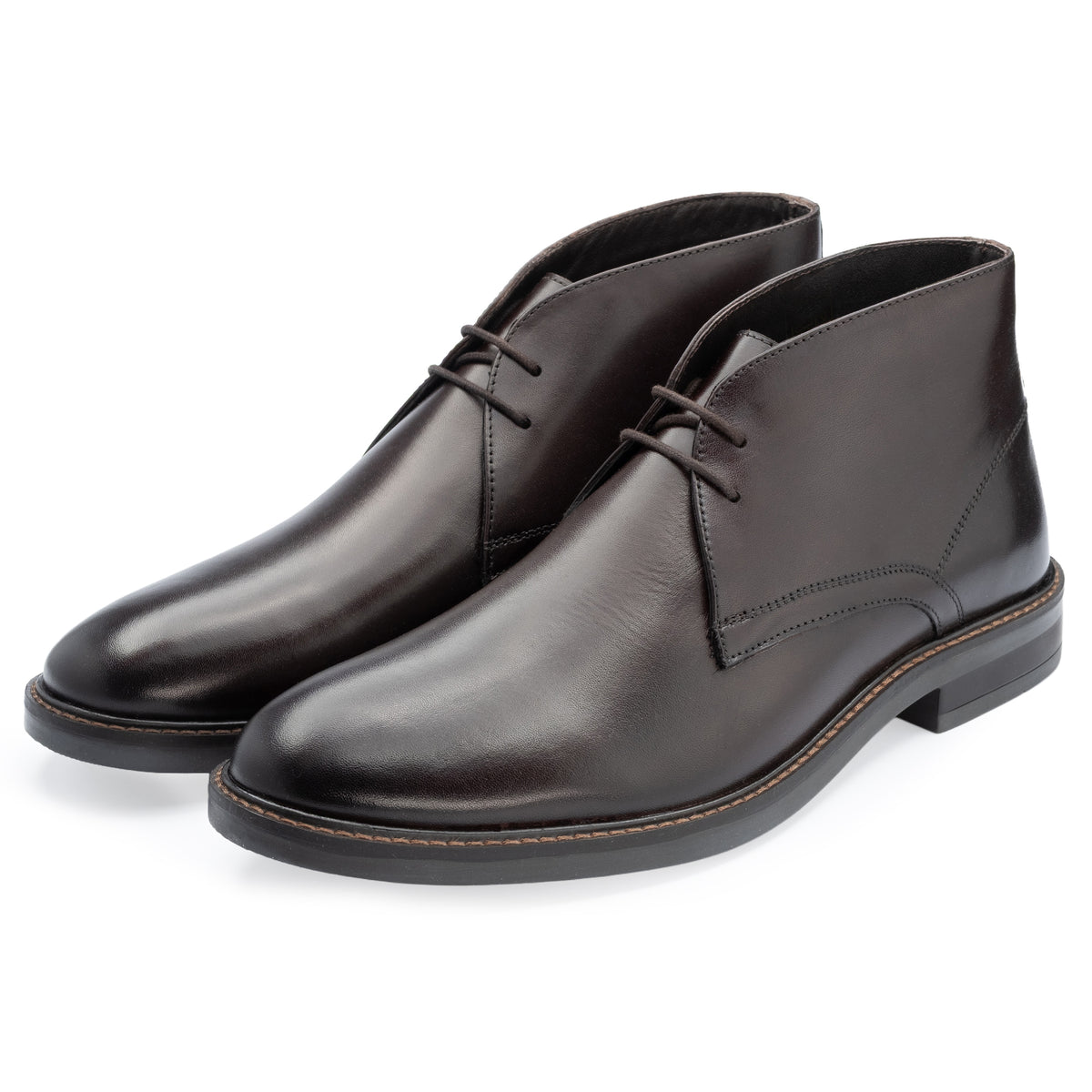
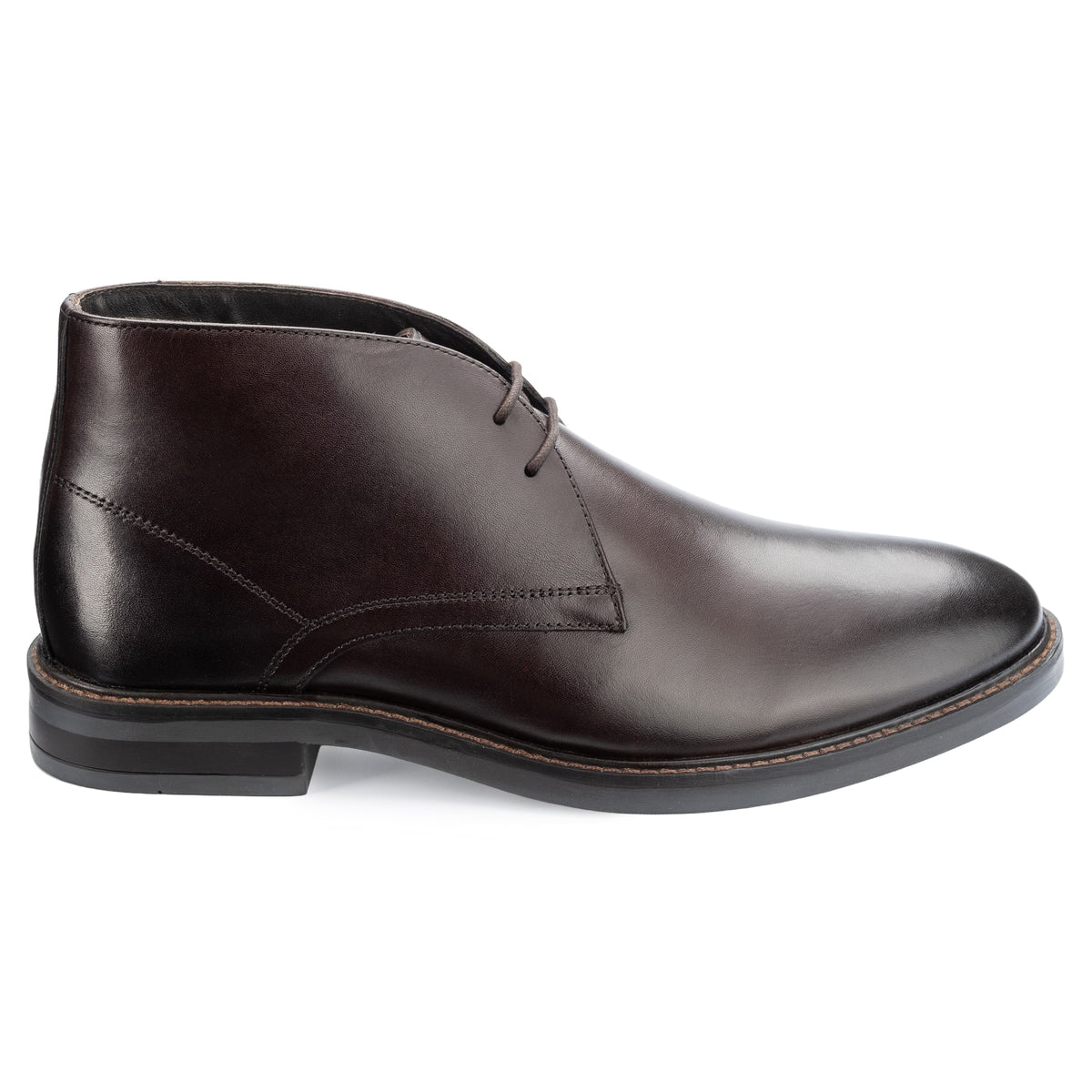
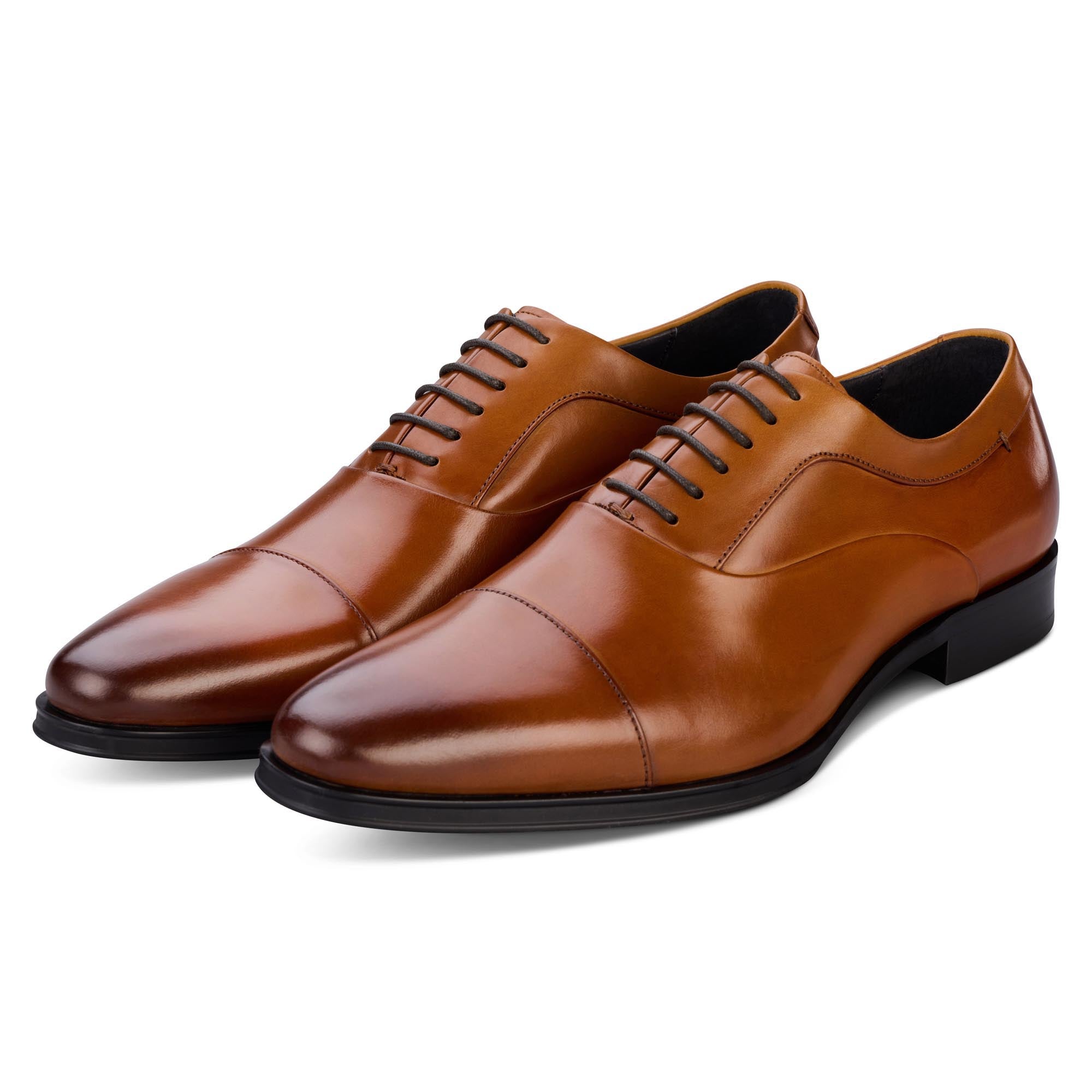
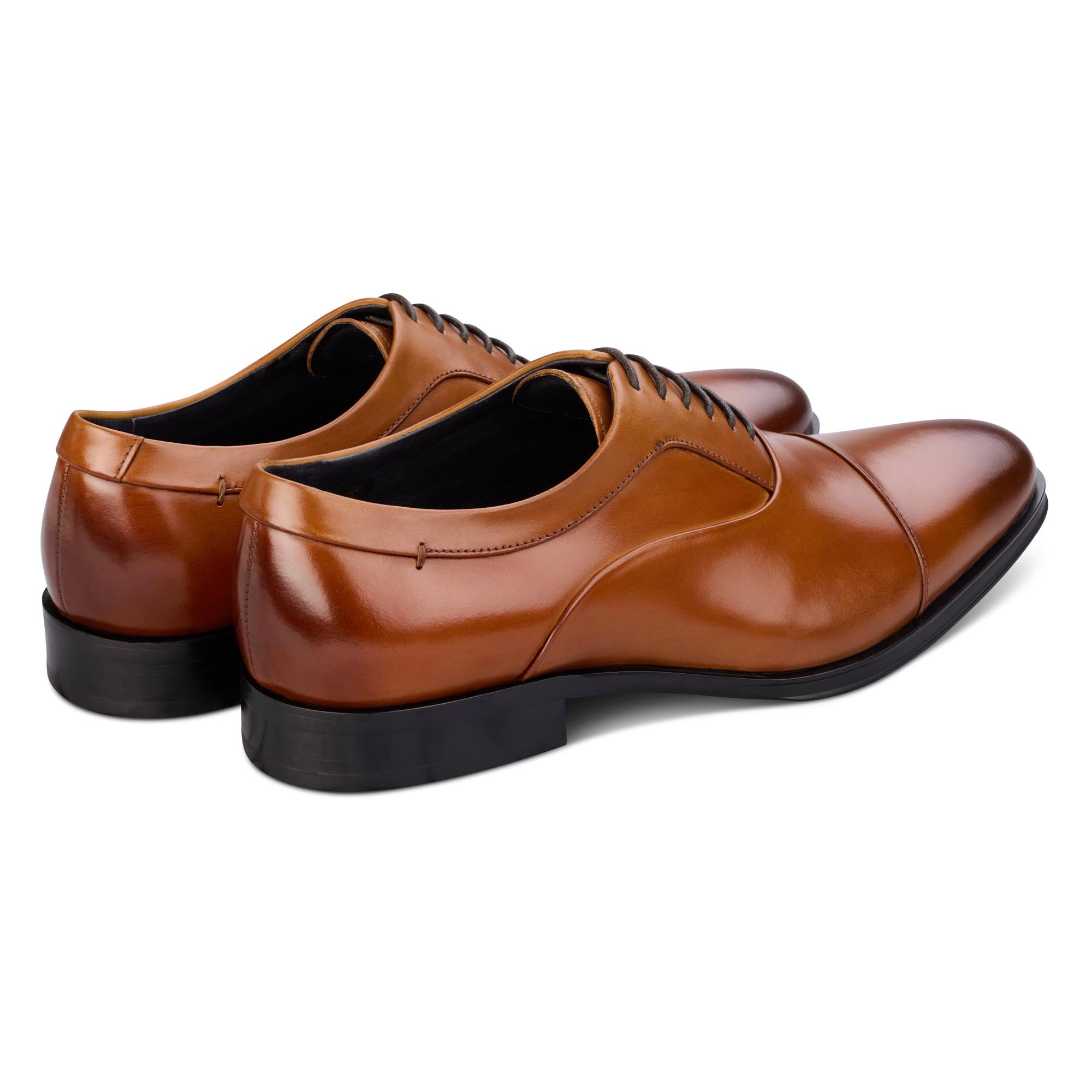
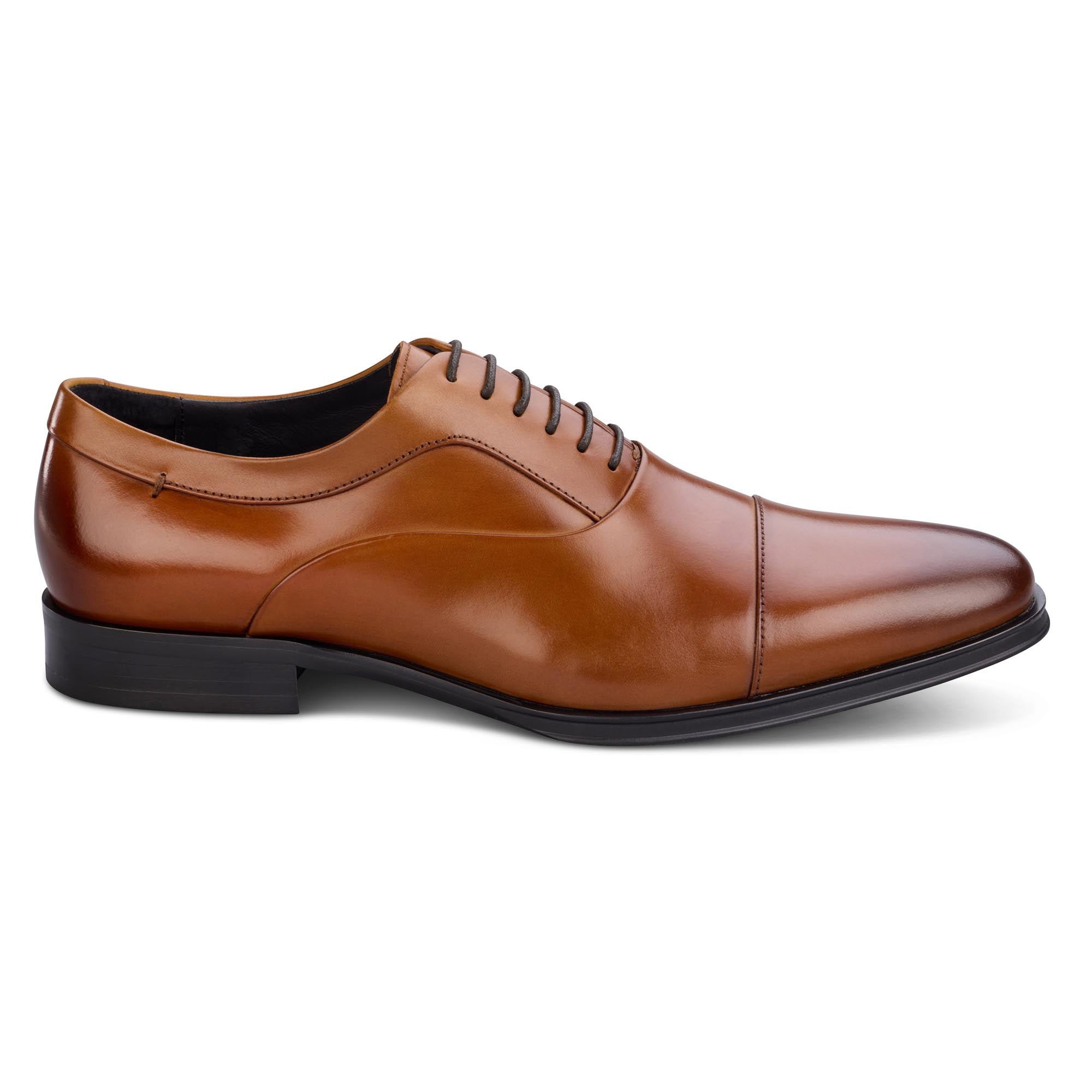
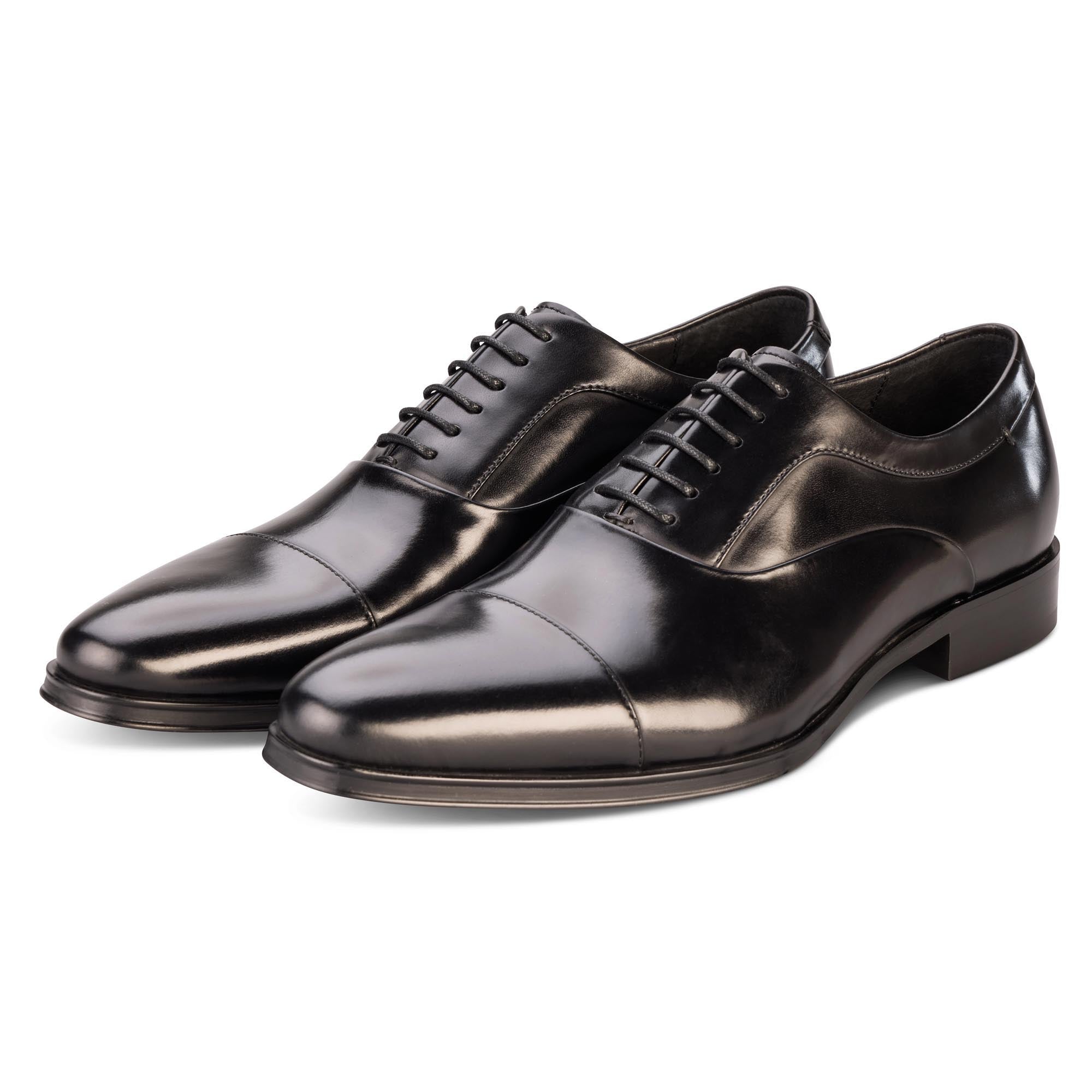
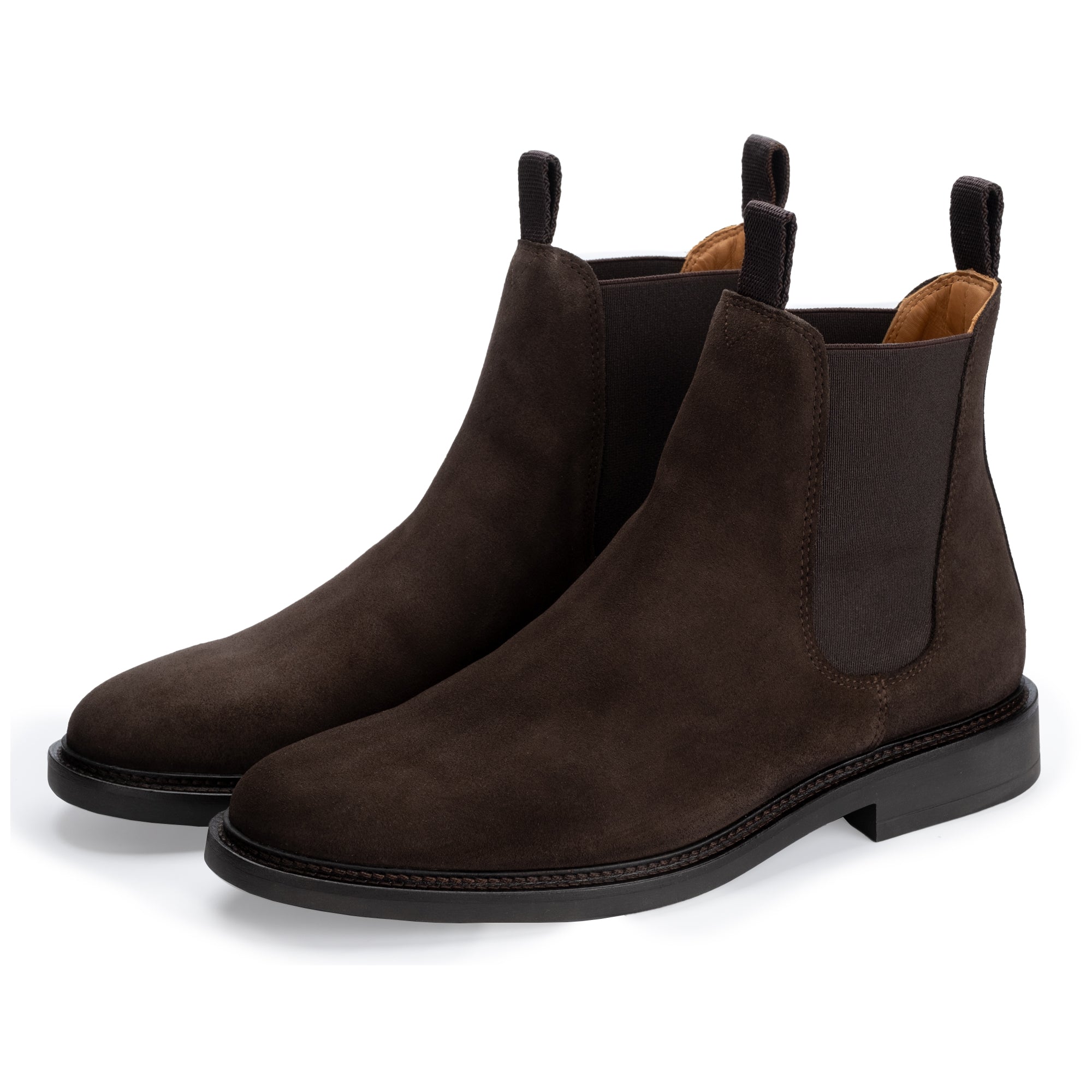
Storing leather shoes long-term is not simply a matter of putting them away. Leather is a natural material — it breathes, absorbs moisture, and deteriorates when neglected. Whether you are packing away a pair of black Oxfords until the season turns or archiving a prized collection, the preparation you carry out before closing the box determines what you find when you open it again.
Why Does Long-Term Storage Damage Leather Shoes?
Long-term leather shoe storage damage is almost always preventable. According to the Society of Master Shoe Repairers, improper storage — including exposure to excess humidity, airtight containment, and lack of structural support — is among the leading causes of premature upper cracking and sole separation in leather footwear.
Without air circulation, leather loses its natural oils and becomes brittle. Without a shoe tree, the insole compresses permanently and the heel counter collapses. In damp conditions, mould establishes itself within weeks and can penetrate the grain before any outward bloom is visible.
Research published by the British Leather Confederation indicates that untreated leather goods lose a significant proportion of their natural oils within the first year of storage without prior conditioning — a process that is far easier to prevent than to reverse.
Long-term storage without preparation does not preserve leather shoes — it accelerates their deterioration in the absence of the wear and maintenance that would otherwise sustain them.
What Preparation Is Required Before Storing Leather Shoes Long-Term?
Long-term leather shoe storage preparation is a sequential process. Each step conditions the leather for an extended period without active care. Skipping any stage compounds over months of inactivity.
The Seven-Step Preparation Method
- Remove surface dirt and dust. Use a horsehair brush or a slightly damp cloth across the upper, welt channel, and sole. Pay particular attention to the welt seam and toe box, where grit and salt residue accumulate.
- Clean the leather thoroughly. Apply a quality leather cleaner or saddle soap with a clean cloth, working in circular motions. Remove any salt residue from winter wear — salt is highly desiccating and will continue drawing moisture from the leather throughout storage.
- Allow to dry fully at room temperature. Never use direct heat. A residual damp interior is the ideal environment for mould. Twenty to thirty minutes of natural air-drying is the minimum.
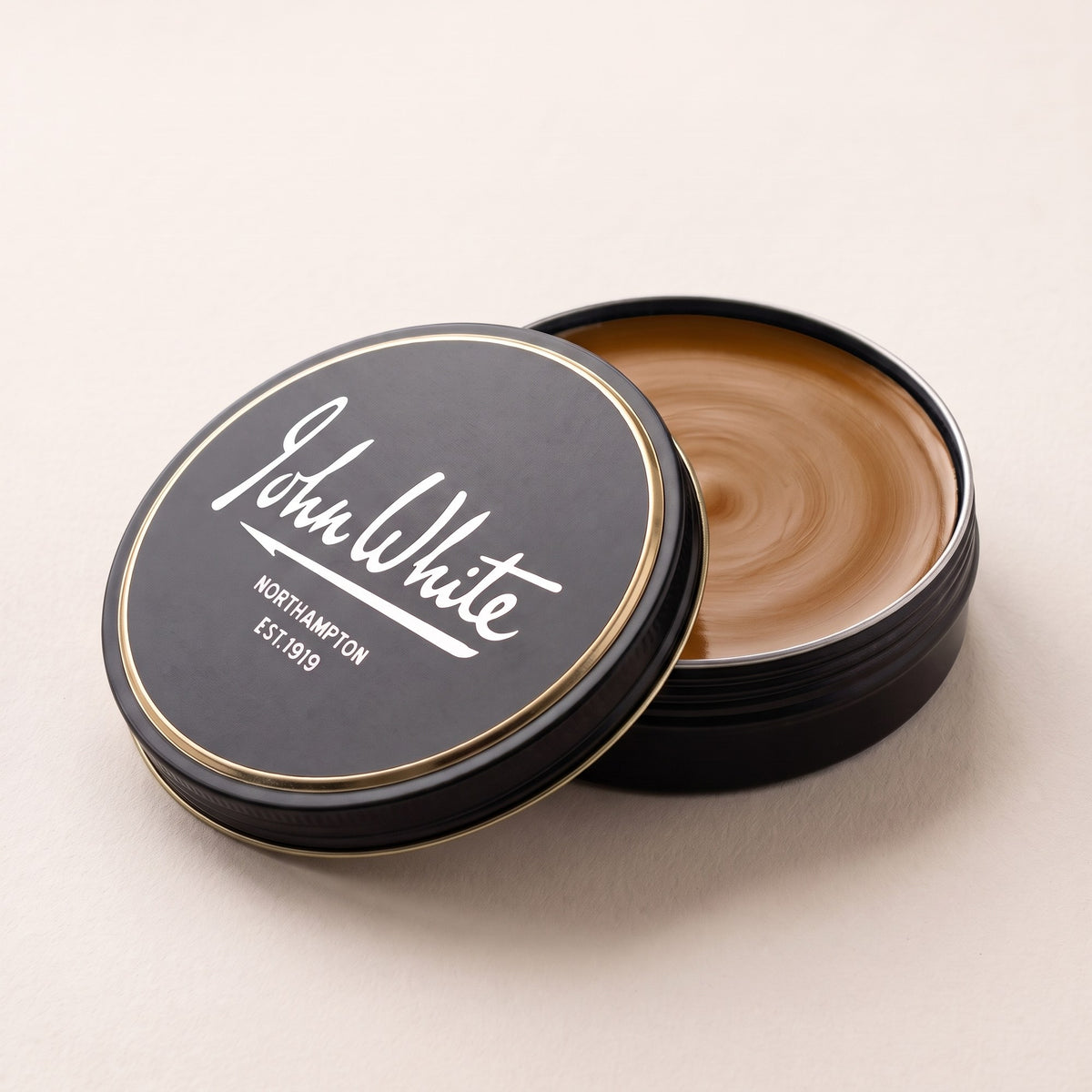
- Condition the leather. Apply a quality leather conditioner — not polish — to replenish the oils stripped by cleaning and previous wear. Work it in with a clean cloth and allow at least twenty minutes for full absorption. The Leather Conservation Centre recommends conditioning all leather goods before extended storage, particularly items that have seen regular use. As we covered in our guide to leather conditioner vs shoe polish, conditioning and polishing serve entirely distinct purposes — conditioning is the priority at this stage.
- Apply a protective coat of polish. A thin layer of wax or cream polish over the conditioned leather provides a sealing film that helps resist environmental fluctuation during storage. Do not apply polish directly to unconditioned leather.
- Buff to a satin finish. This removes excess polish that would otherwise oxidise and potentially stain fabric storage bags or the leather itself over an extended period.
- Insert cedar shoe trees immediately. Cedar shoe trees fulfil two critical functions during long-term storage: they maintain the last's shape — preventing toe spring, vamp creasing, and heel counter collapse — and they absorb residual moisture and inhibit odour. For guidance on sizing and fitting, see our guide on maximising shoe life through correct shoe tree use.
These seven steps, carried out in sequence, place the leather in the best possible condition to remain stable without active maintenance for an extended period.
What Are the Ideal Storage Conditions for Leather Shoes?
Long-term leather shoe storage environment is as consequential as the preparation that precedes it. The Leather Conservation Centre specifies that leather goods should be kept at a relative humidity of 45–55% and a temperature between 15–20°C. Both extremes cause damage: excess humidity promotes mould; excess dryness causes cracking and surface embrittlement.
- Temperature: 15–20°C. Avoid garages, lofts, and exterior storage where temperature swings across seasons are pronounced.
- Humidity: 45–55% relative humidity. A small silica gel sachet placed near — not touching — the shoes moderates moisture in enclosed spaces.
- Light: None. UV exposure degrades leather dyes, surface finishes, and wax polish over time. Dark storage is the standard.
- Airflow: Moderate. Leather must breathe. Airtight environments are harmful, not protective.
A bedroom wardrobe — cool, dark, and away from radiators — is the most suitable domestic storage environment for most households. Under-bed storage in a climate-controlled room is acceptable, provided the space is not prone to damp.
Shoes stored consistently within the correct temperature and humidity range retain their suppleness and structural integrity indefinitely, requiring only periodic maintenance rather than restoration.
What Should You Store Leather Shoes In?
Long-term leather shoe storage containers are not interchangeable. The choice directly affects whether the leather breathes or suffocates, and whether dust and abrasion are kept at bay.
Recommended Storage Options
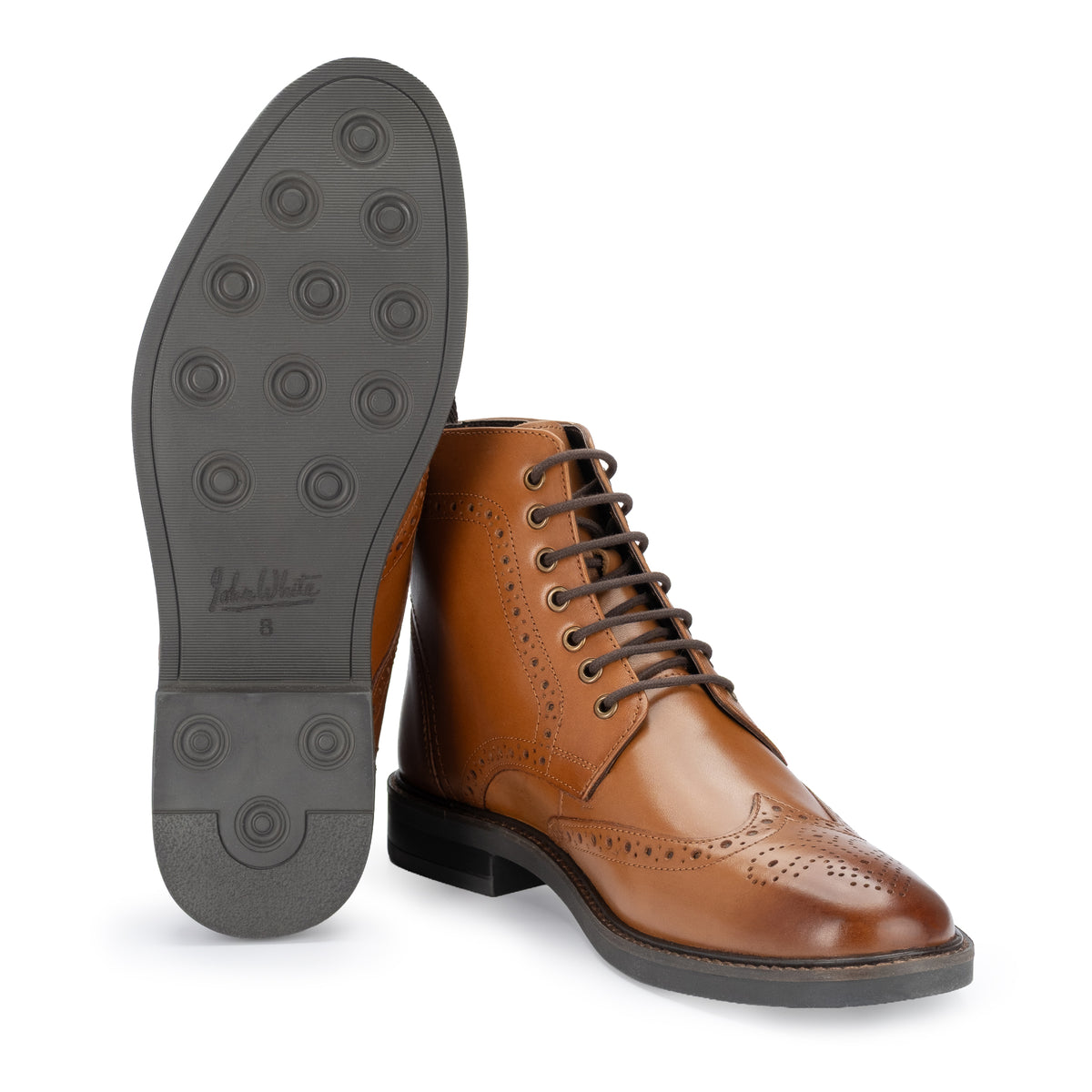
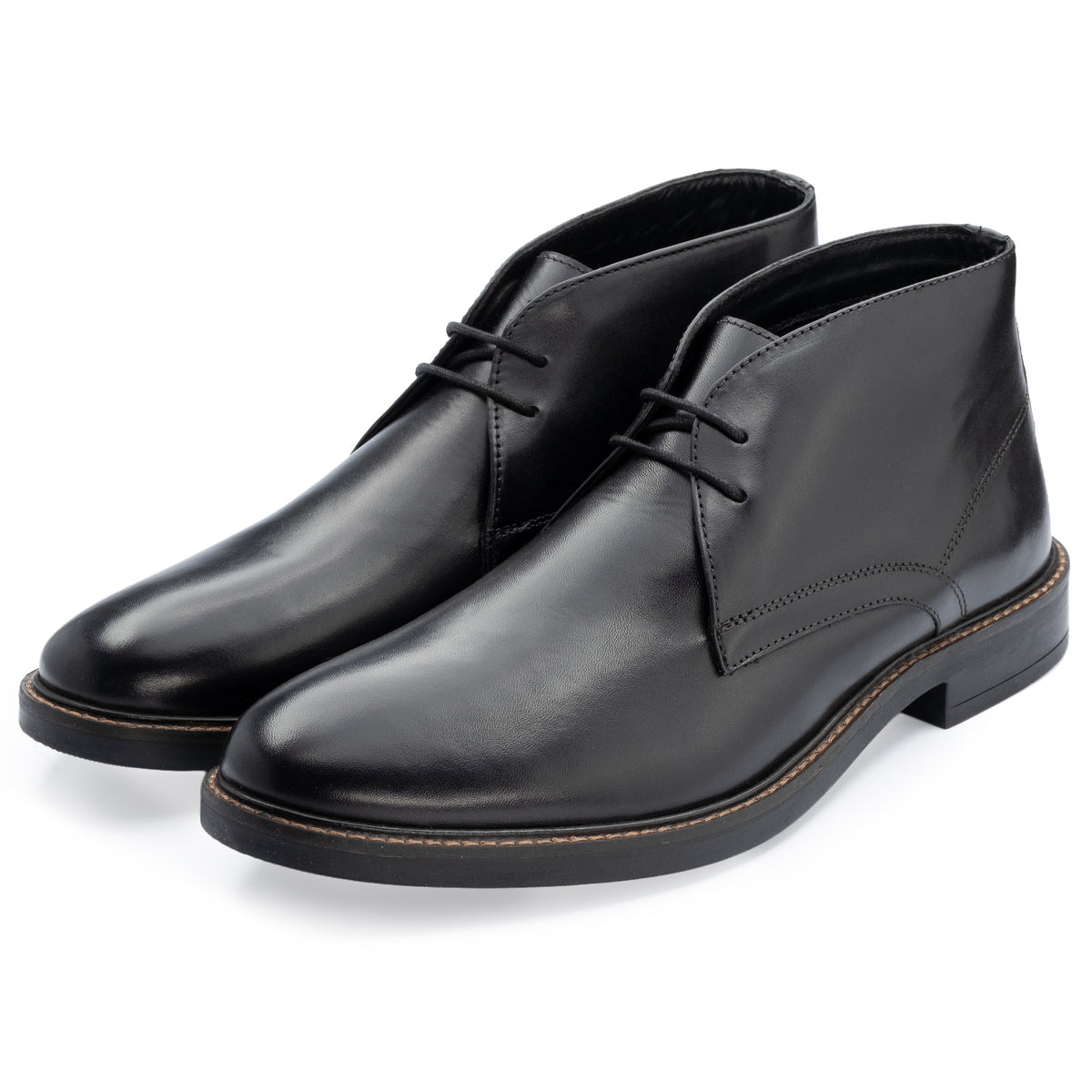
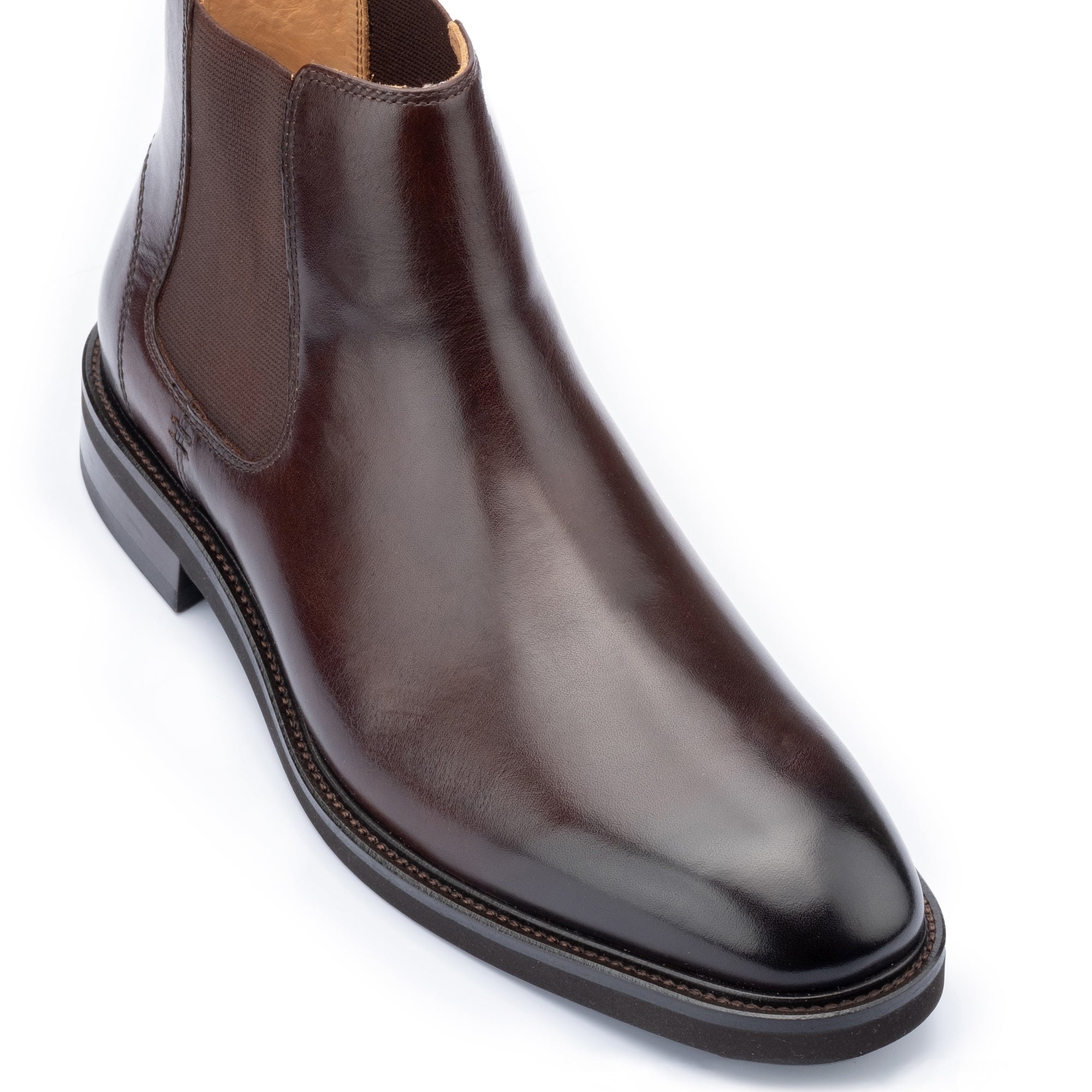
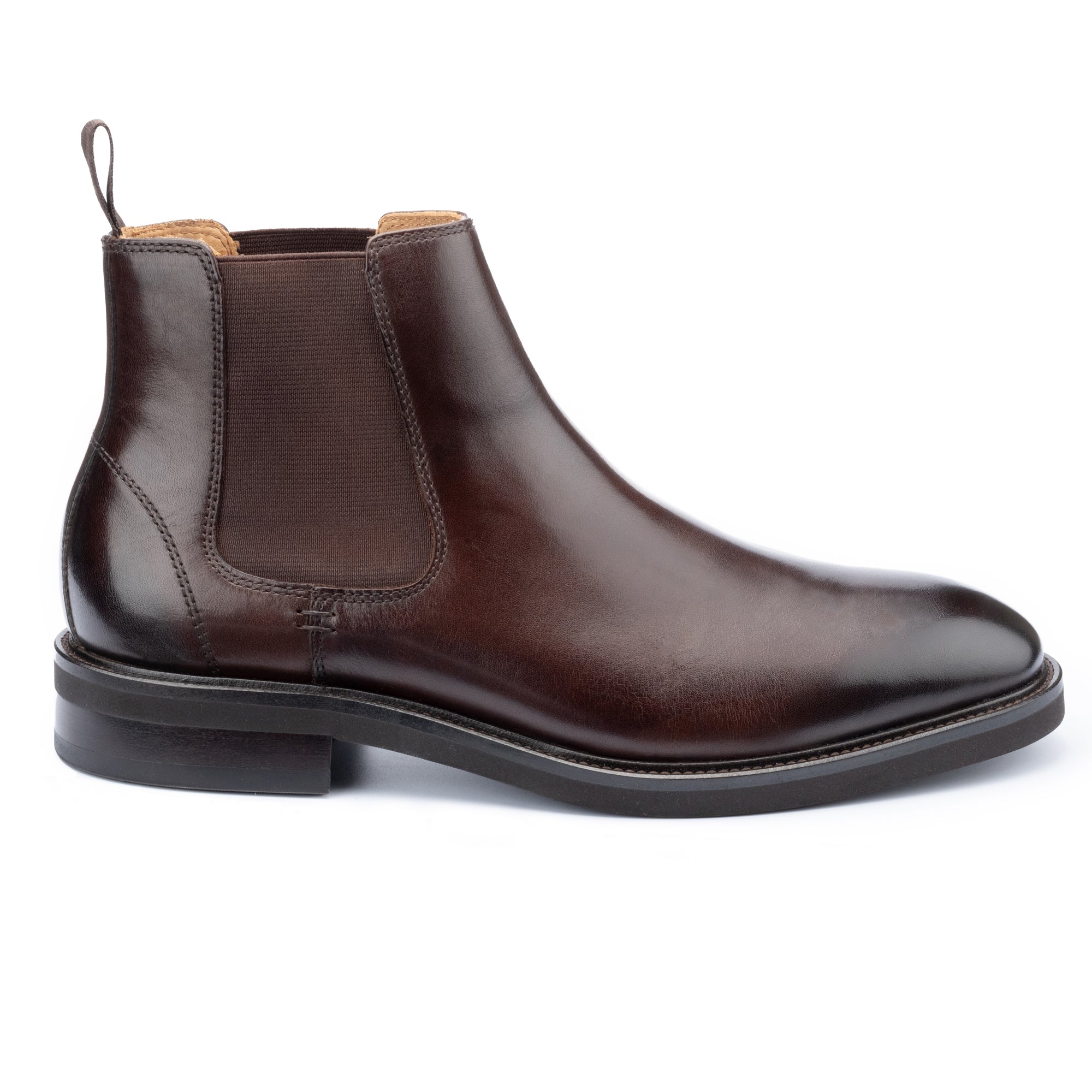
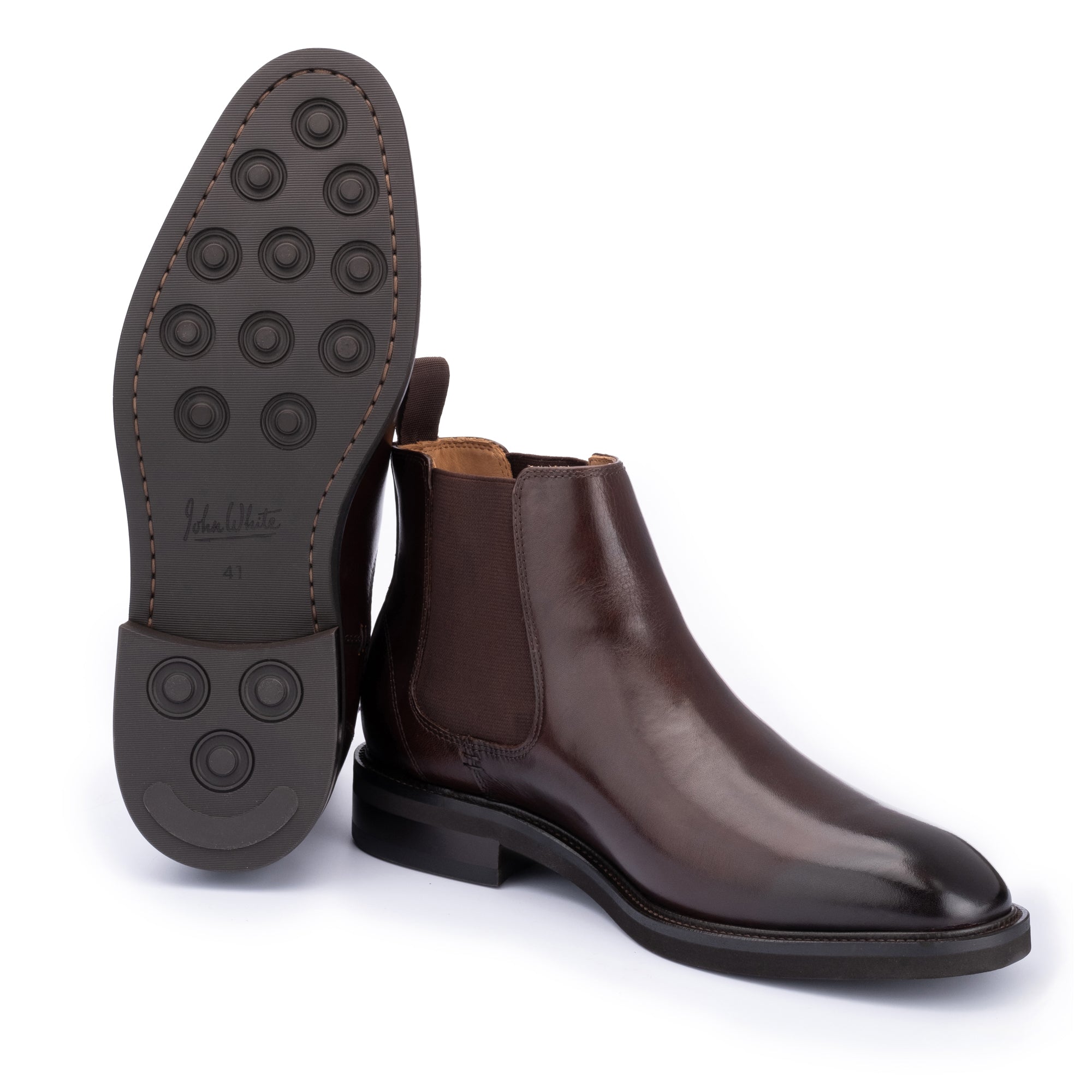
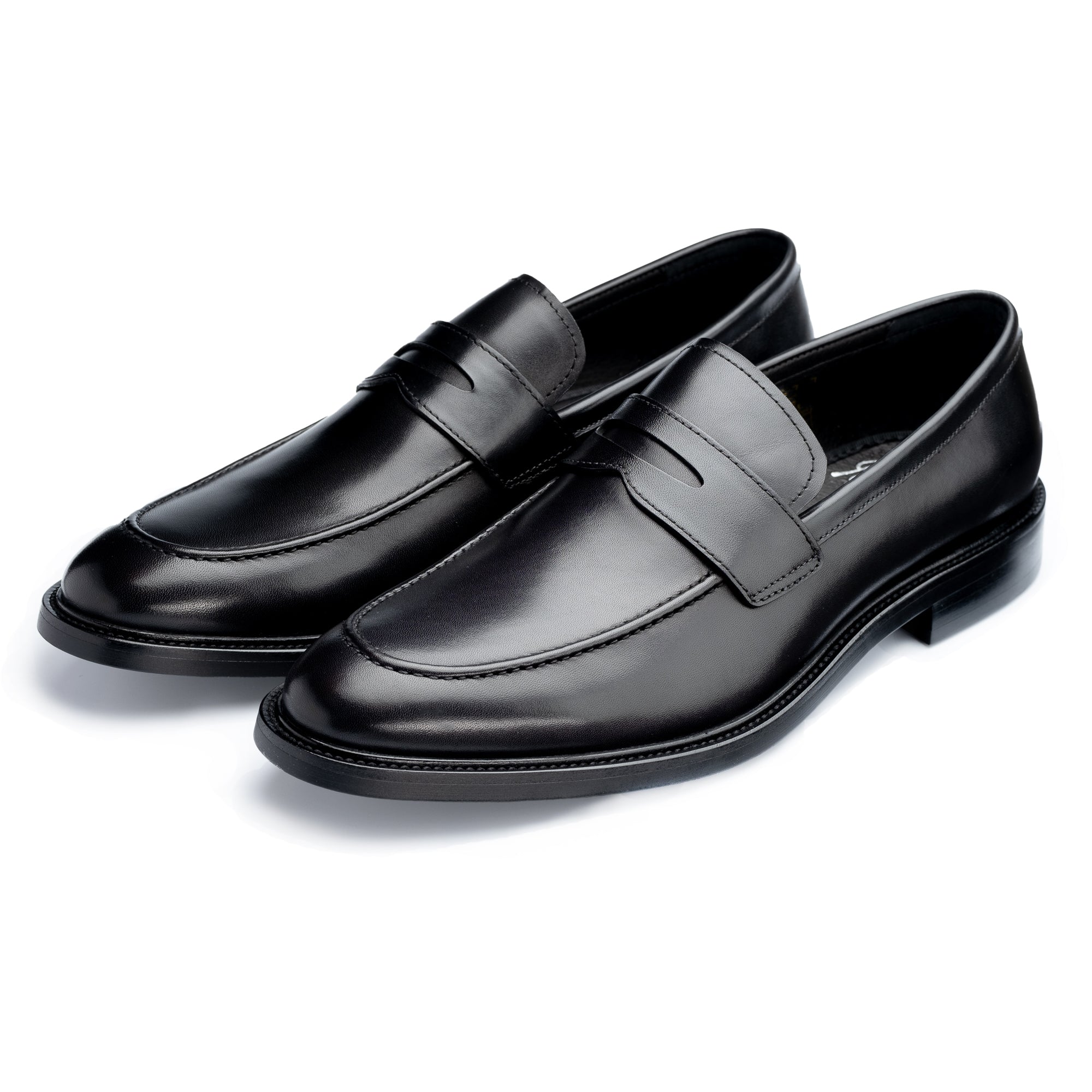
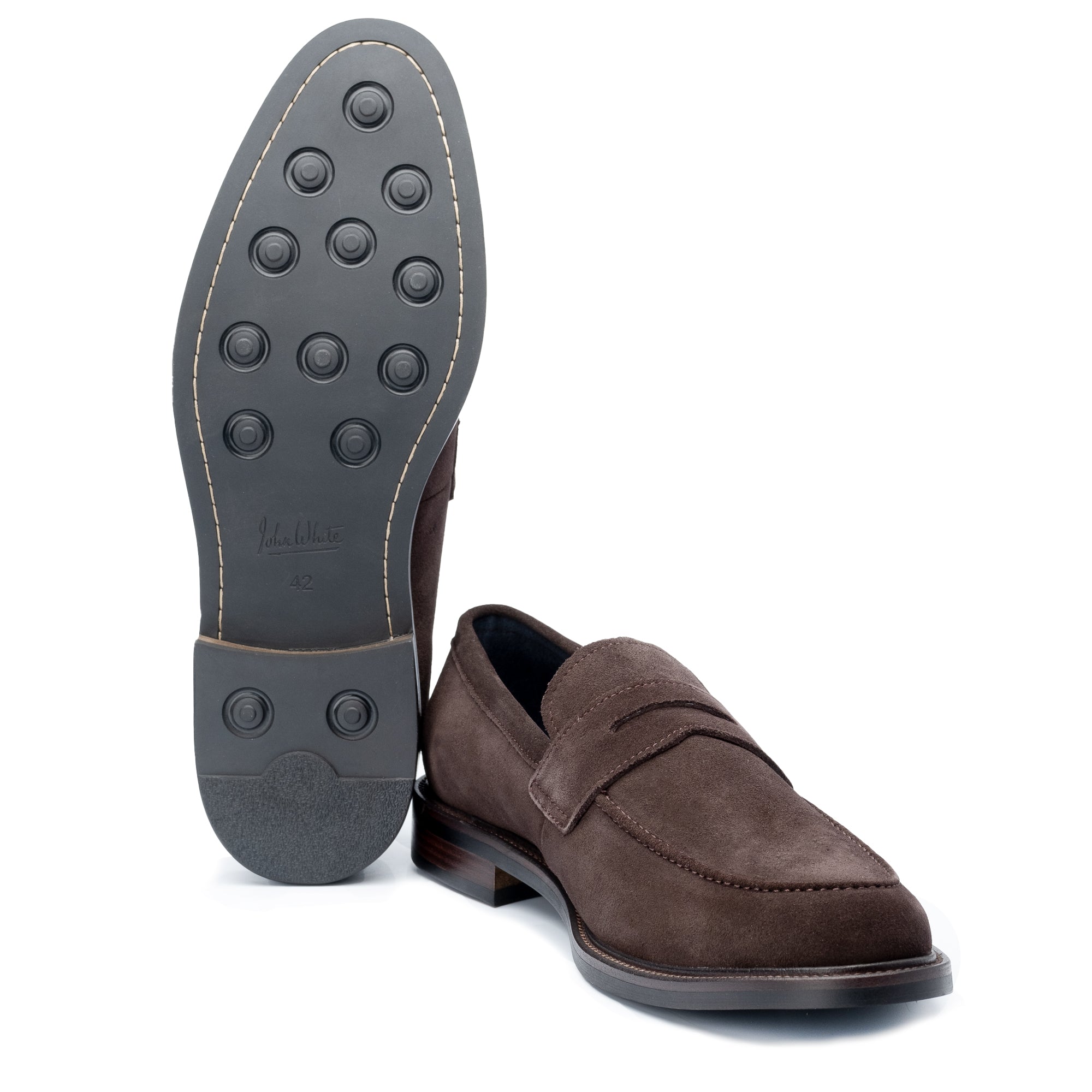
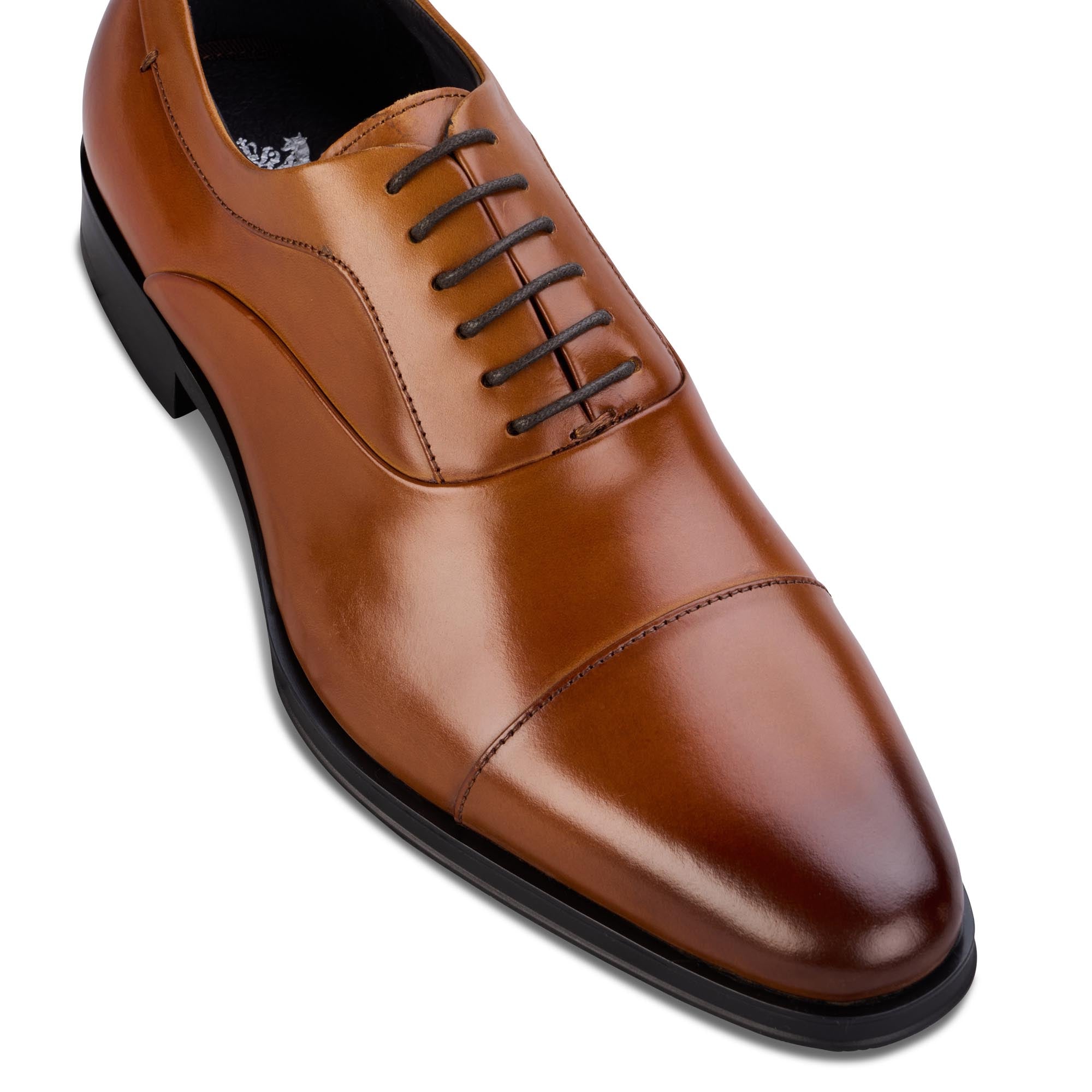
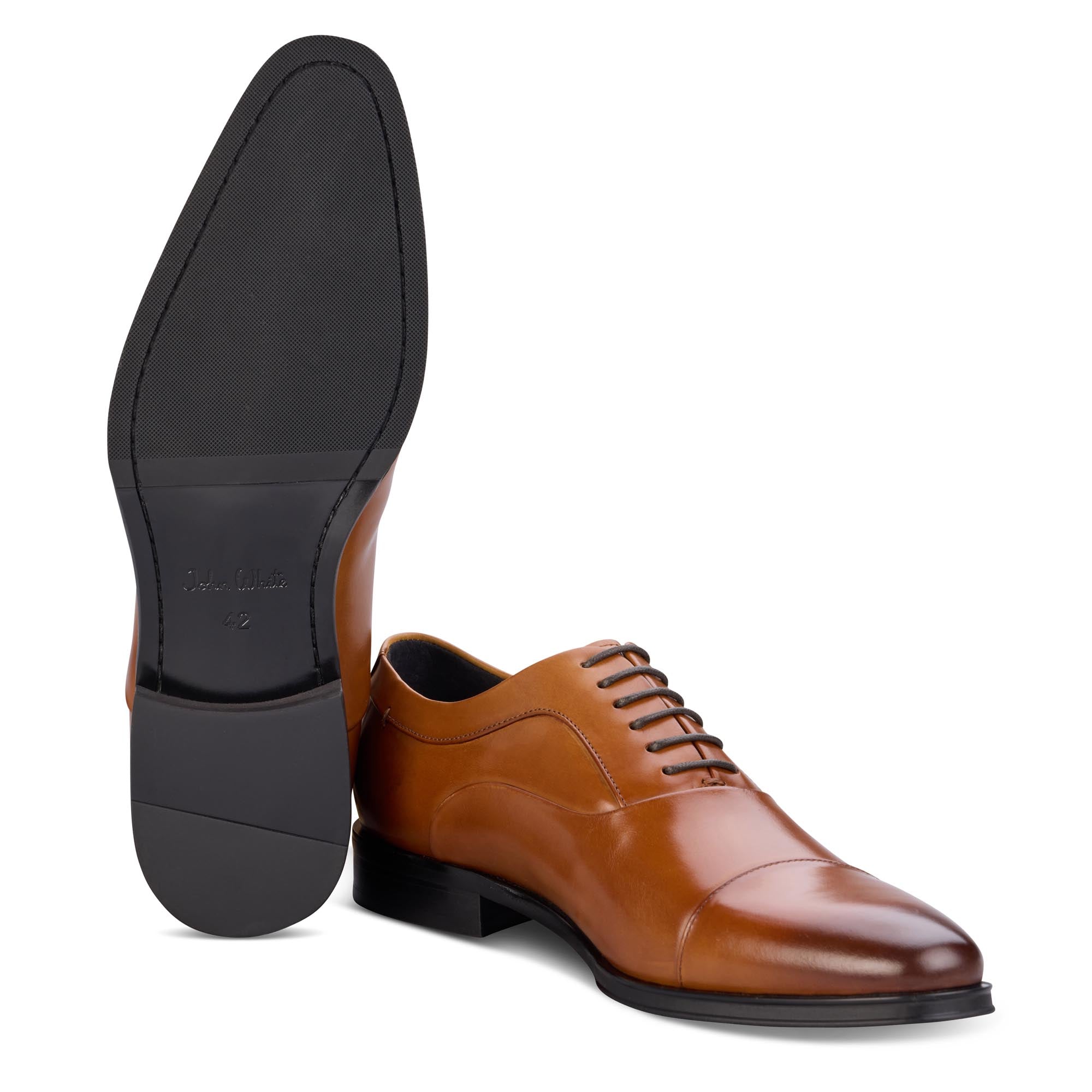
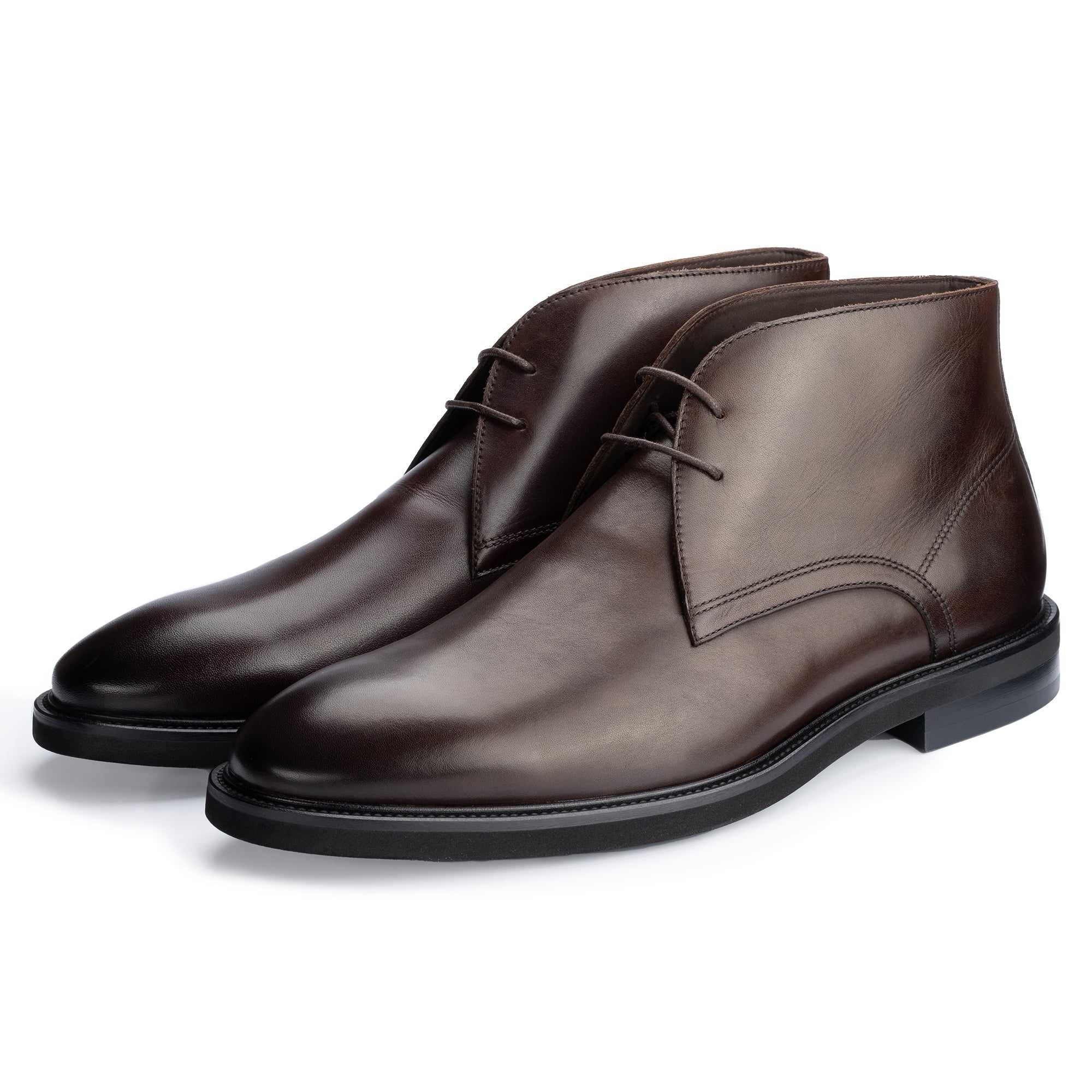
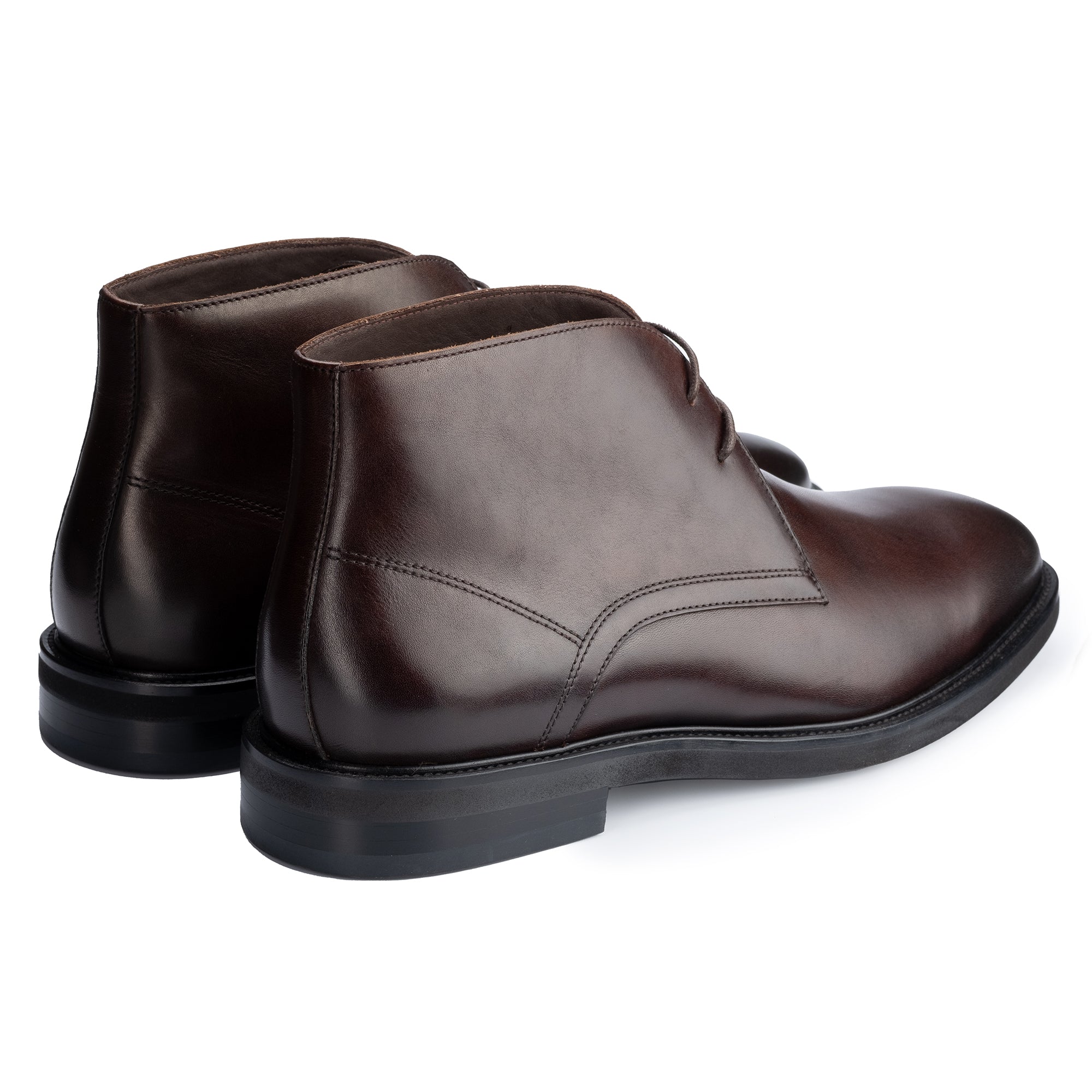
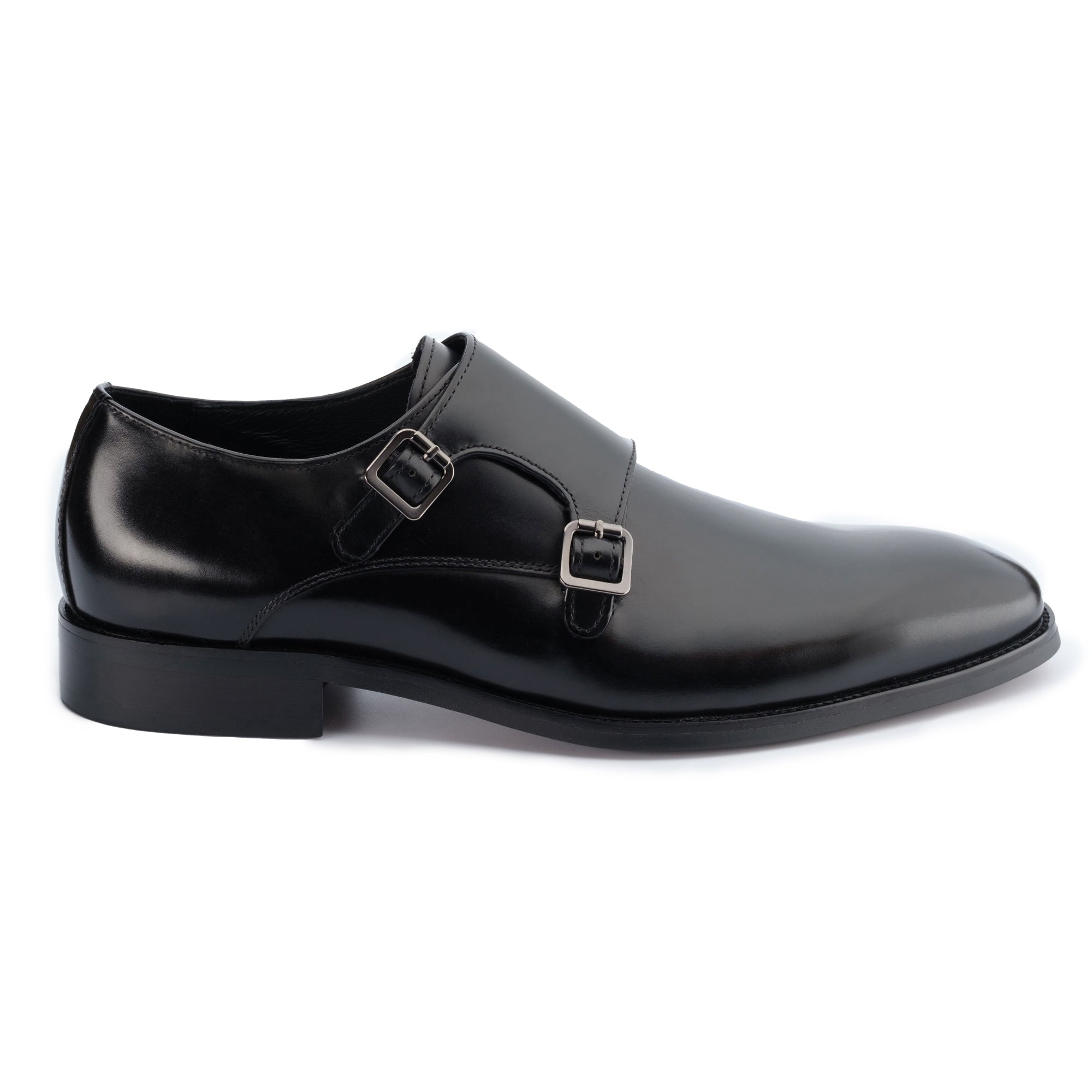
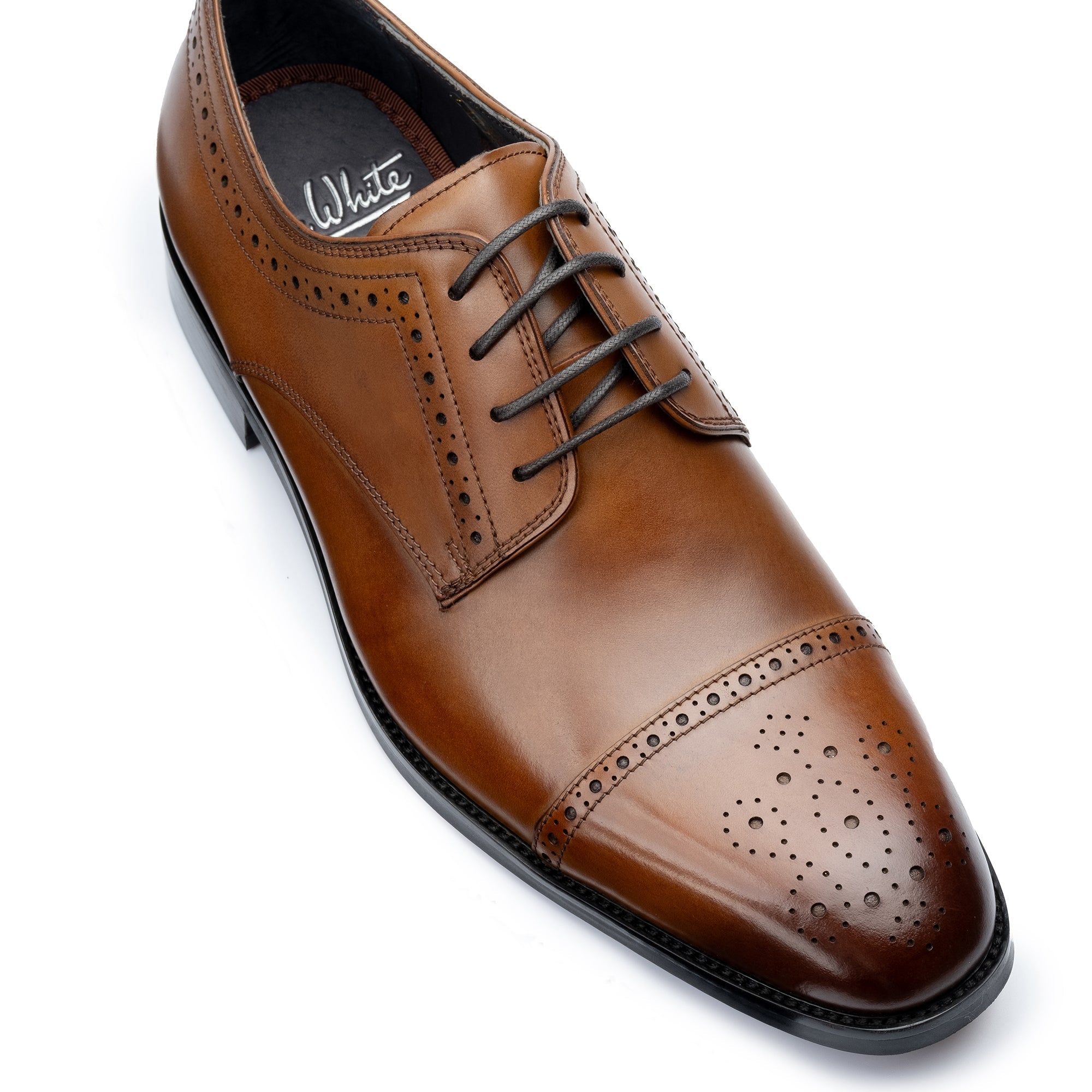
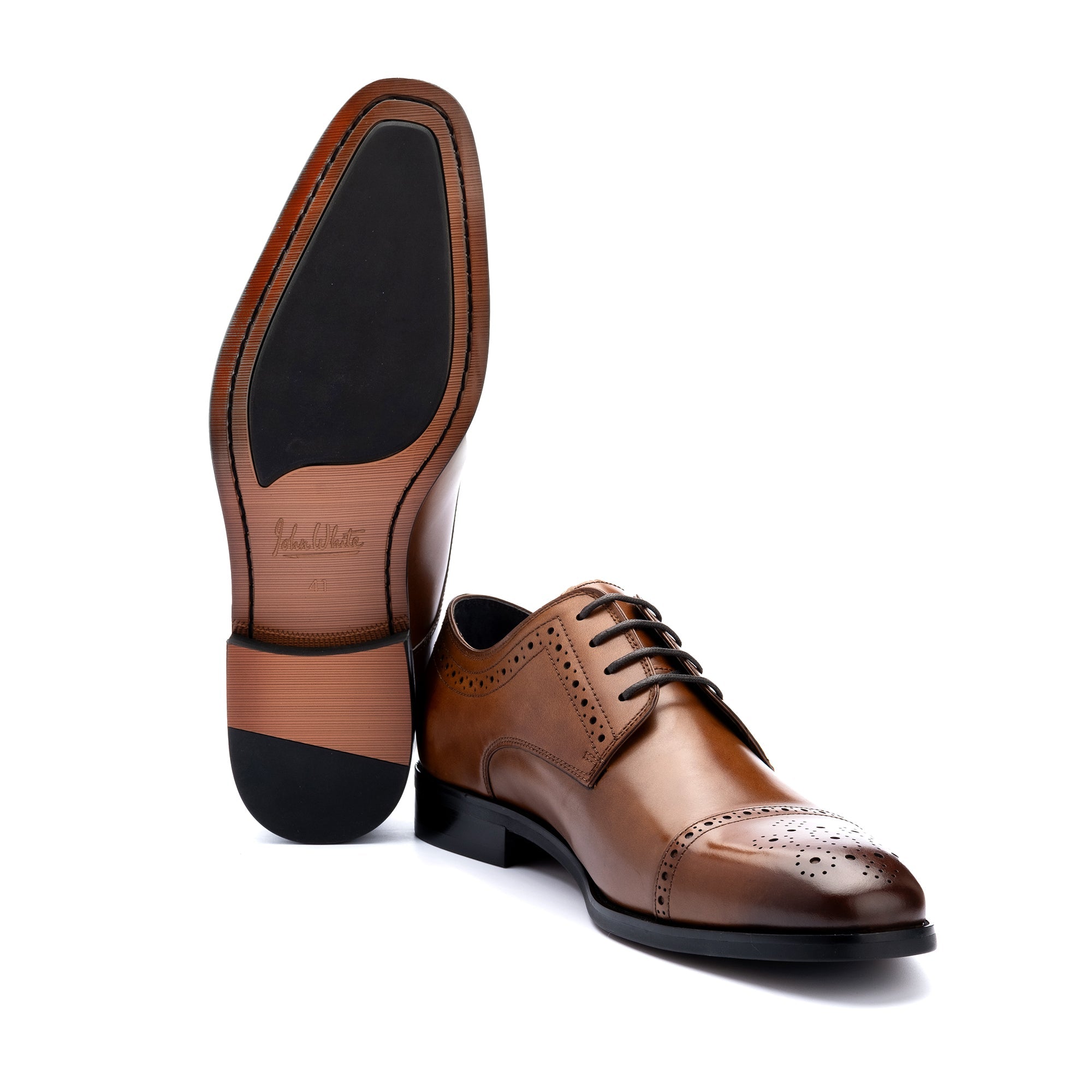
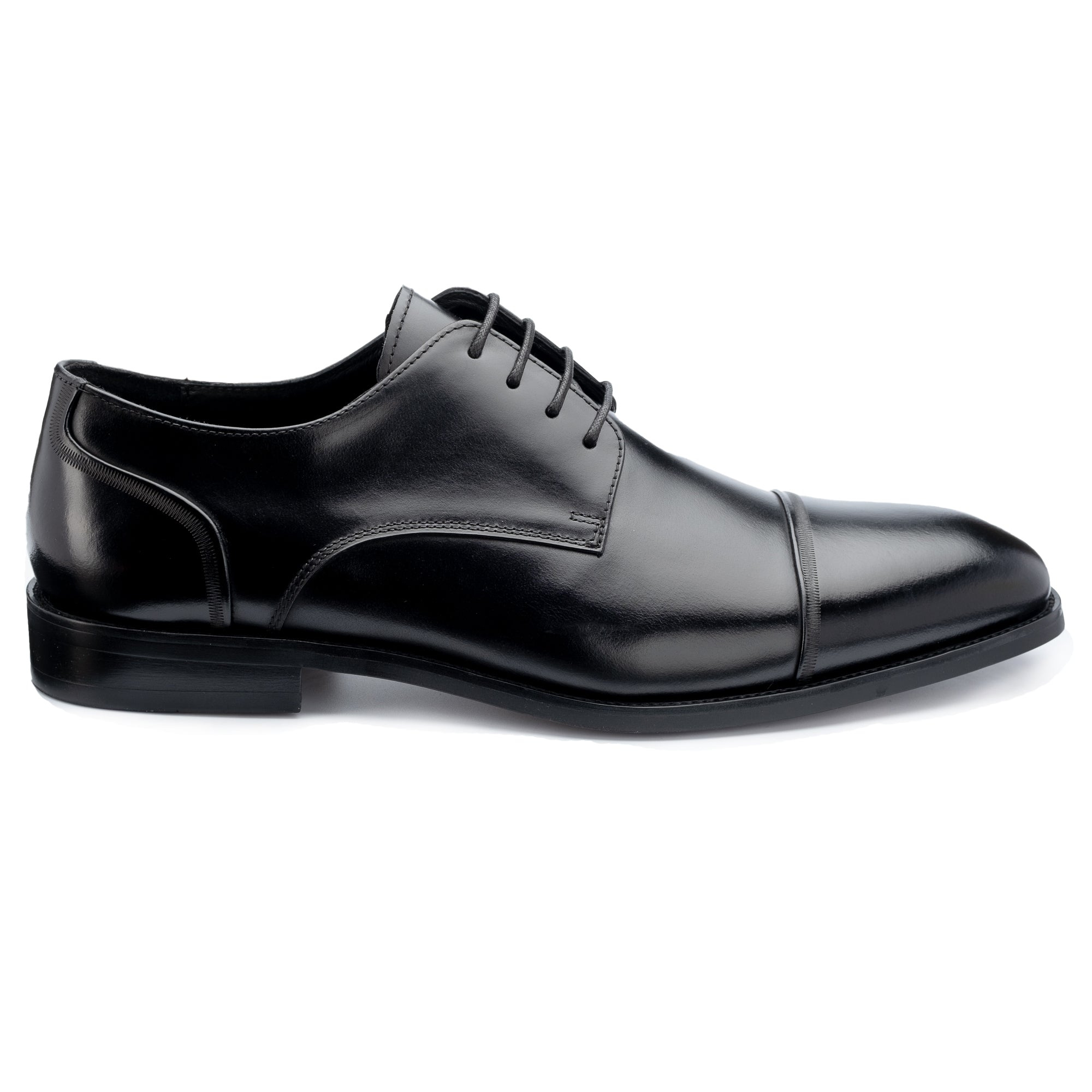
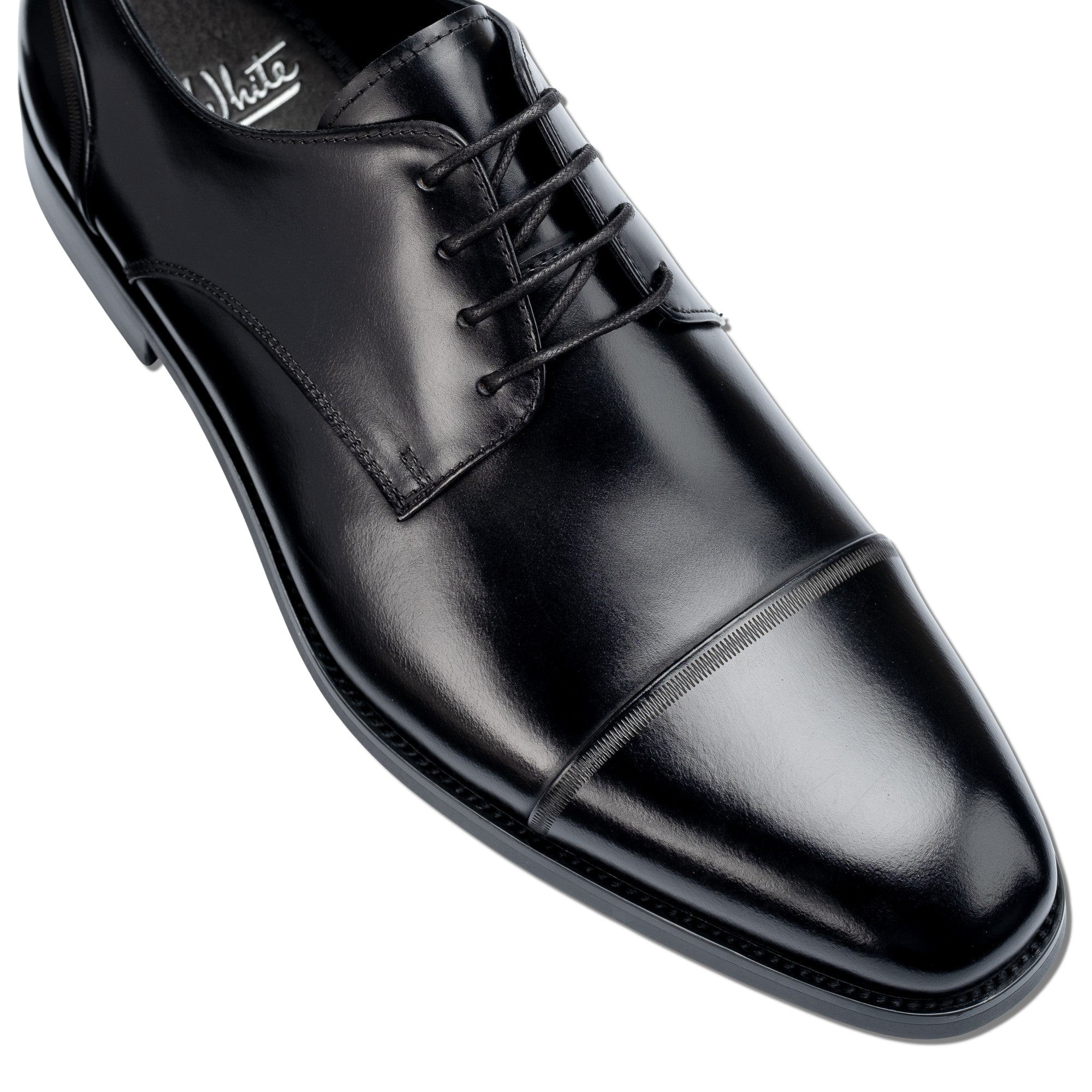
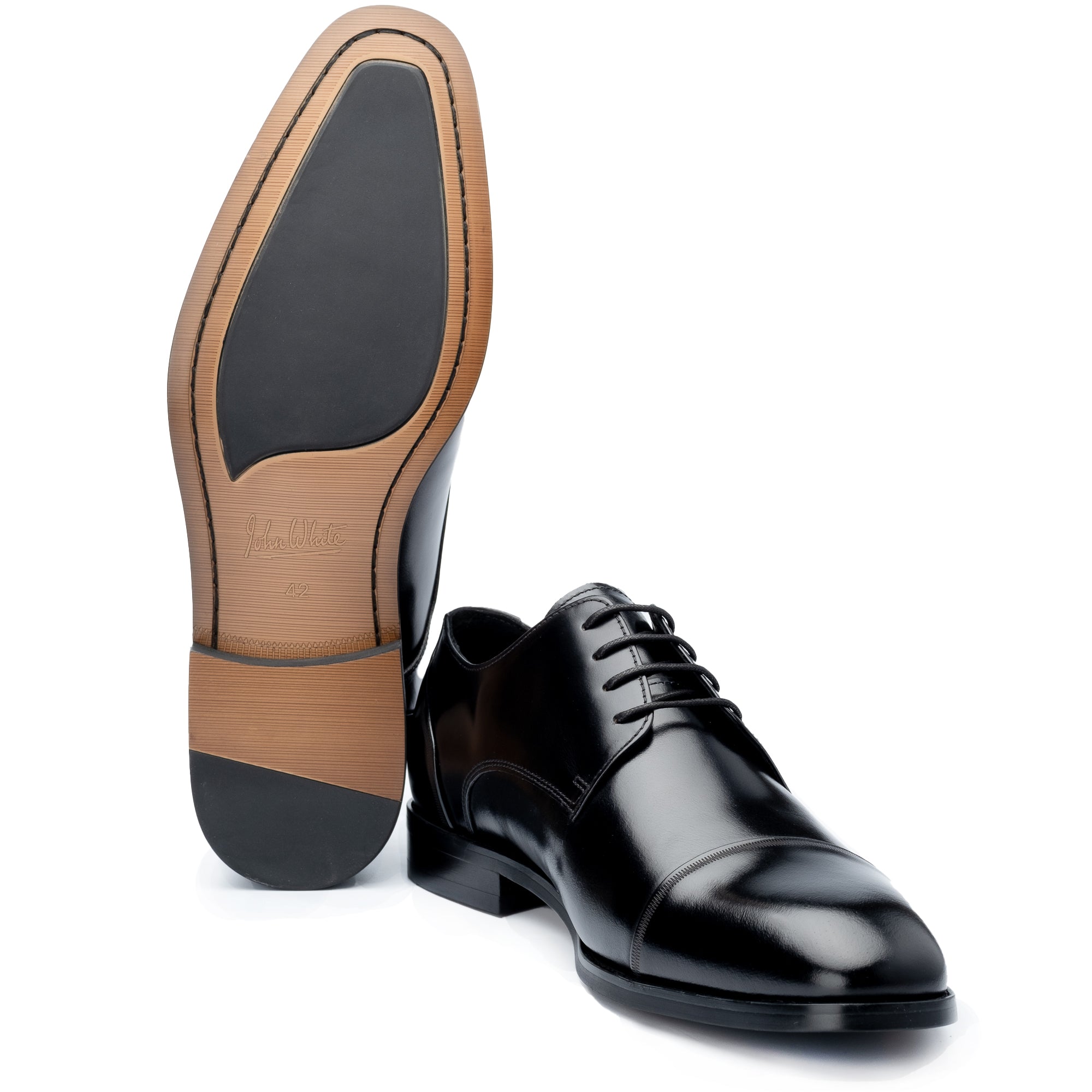
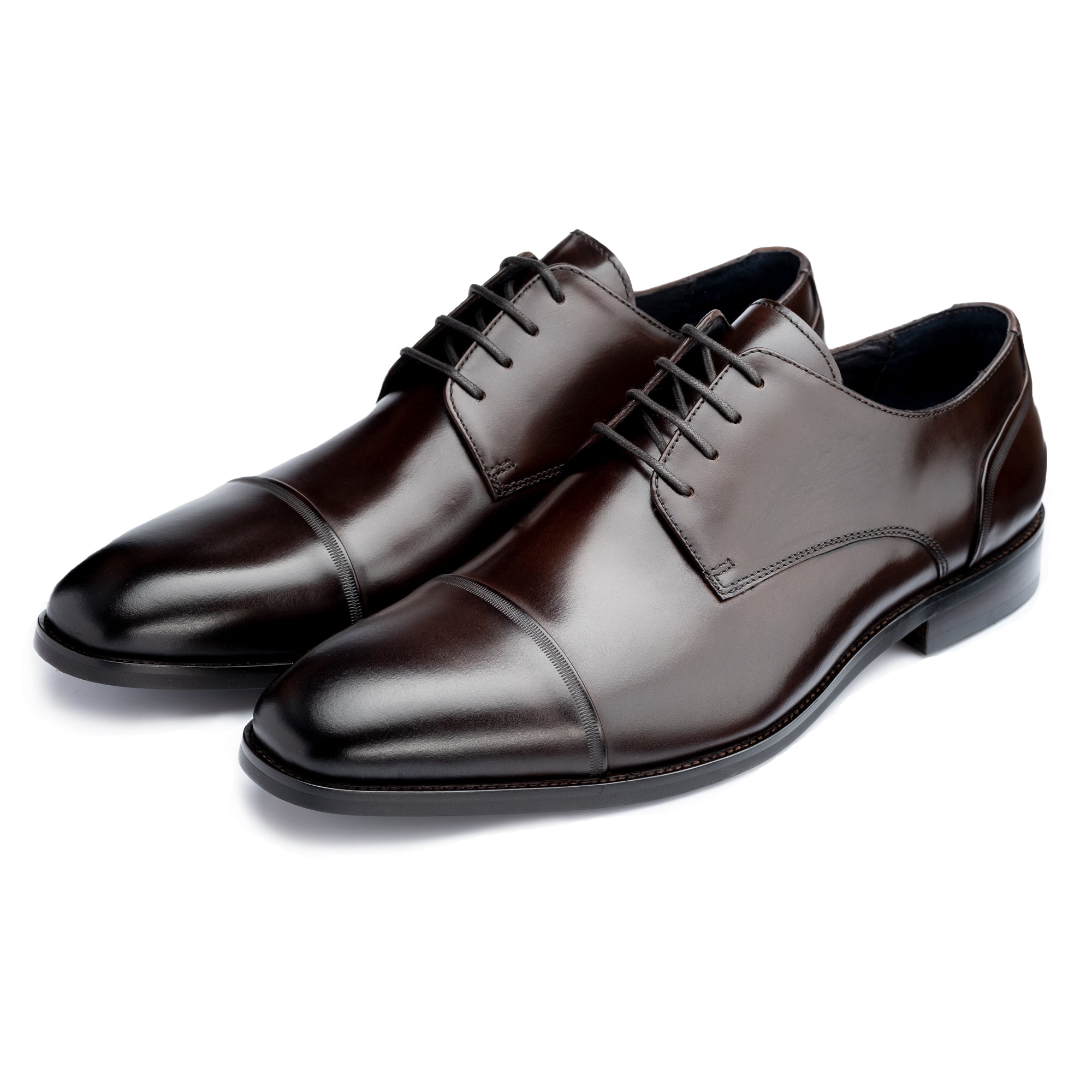
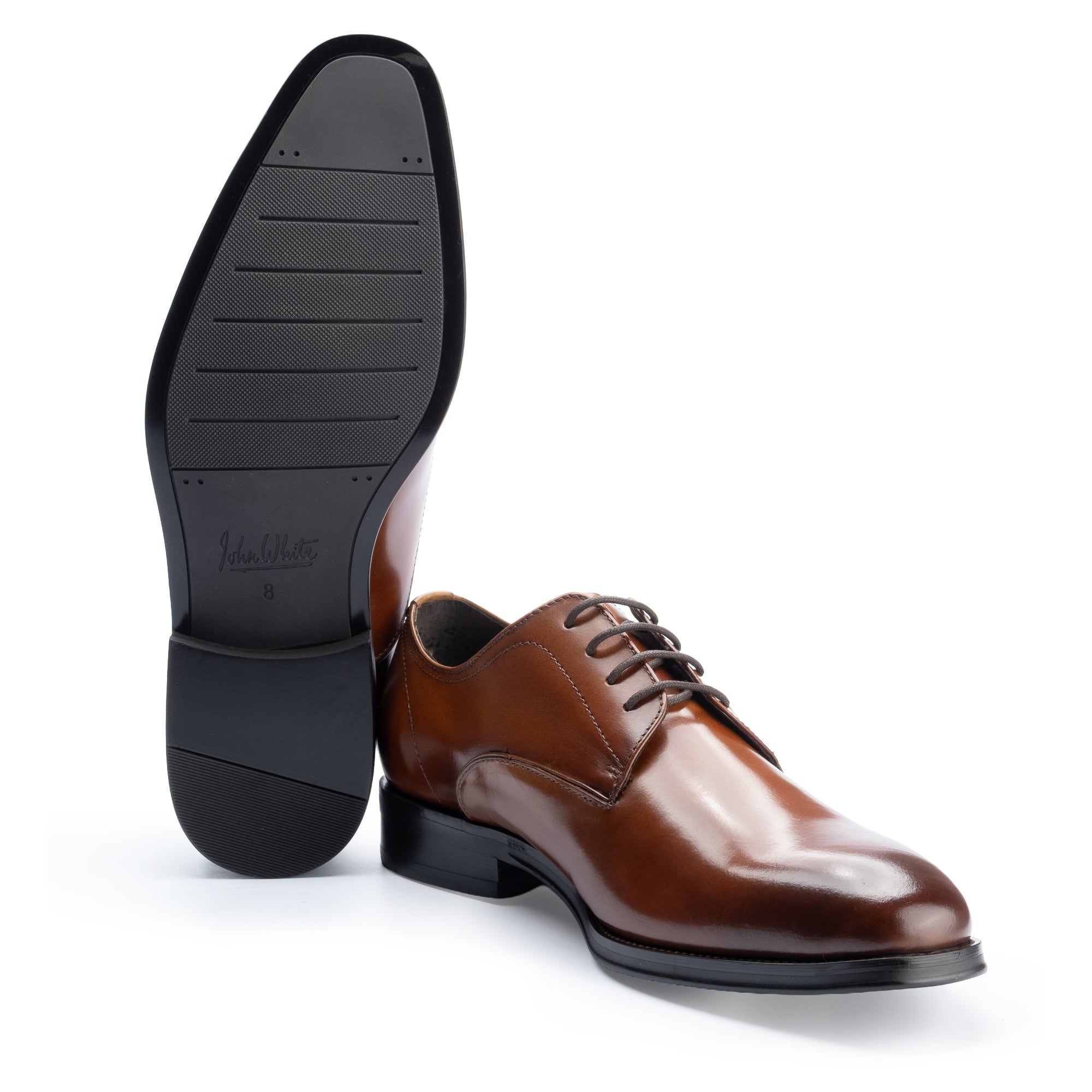
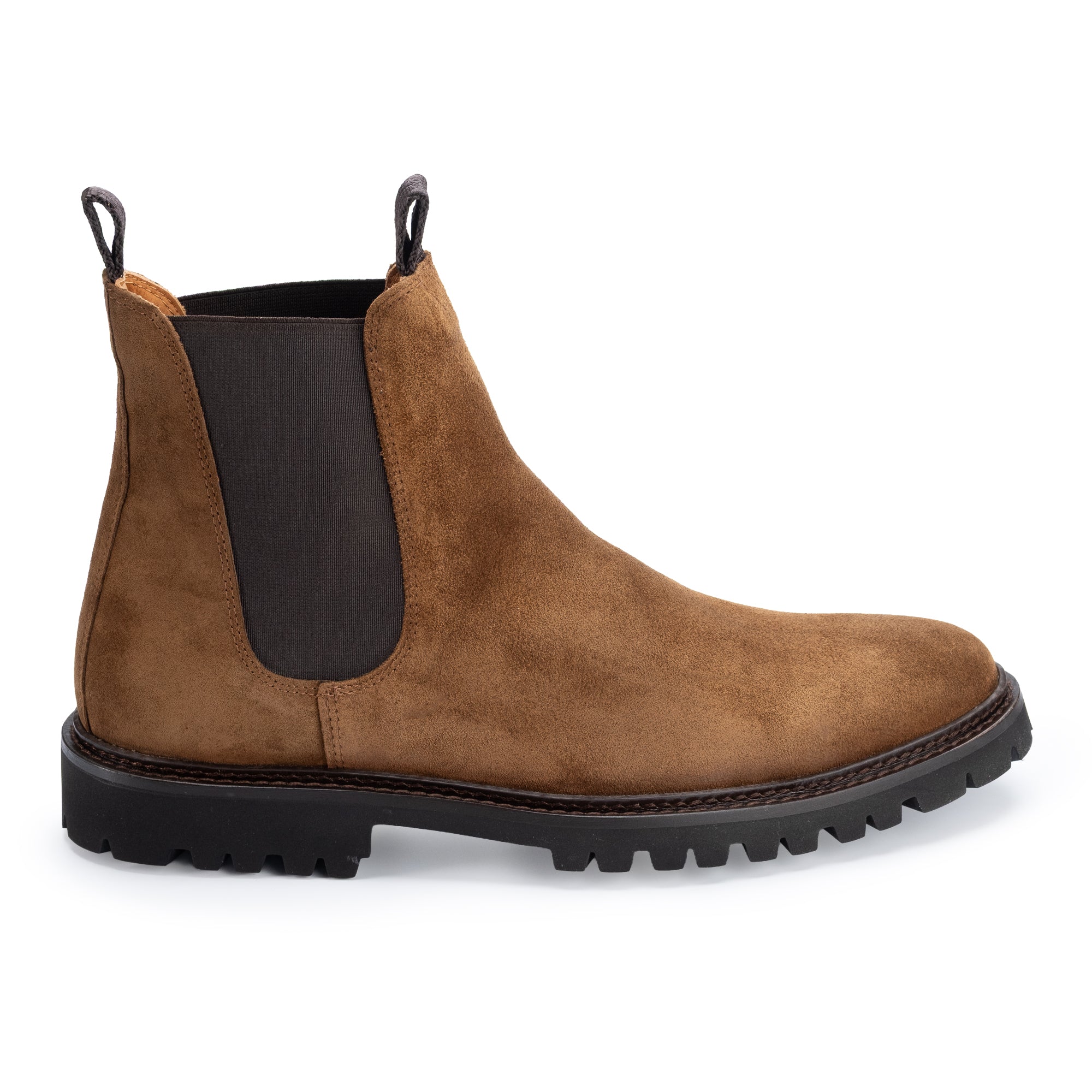
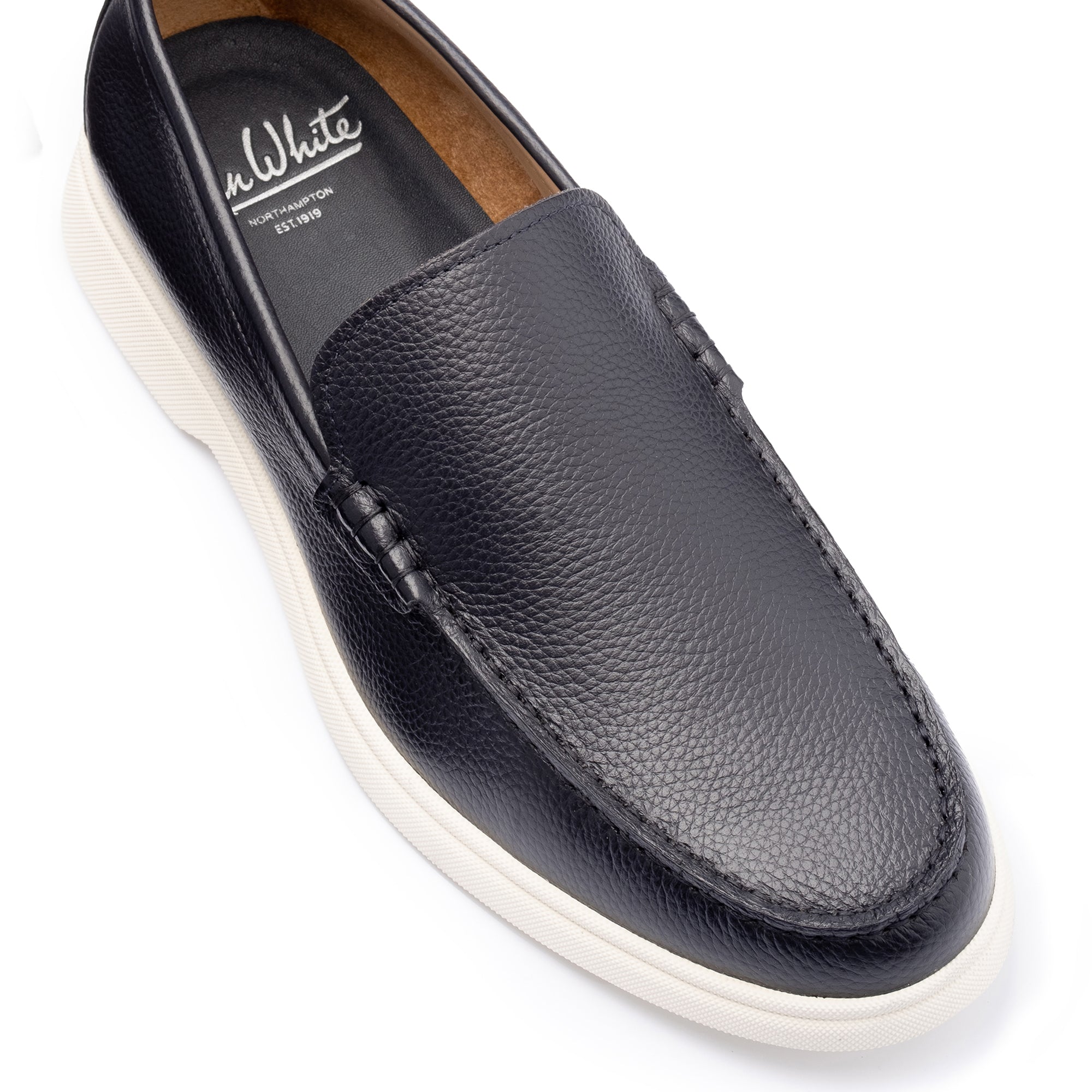
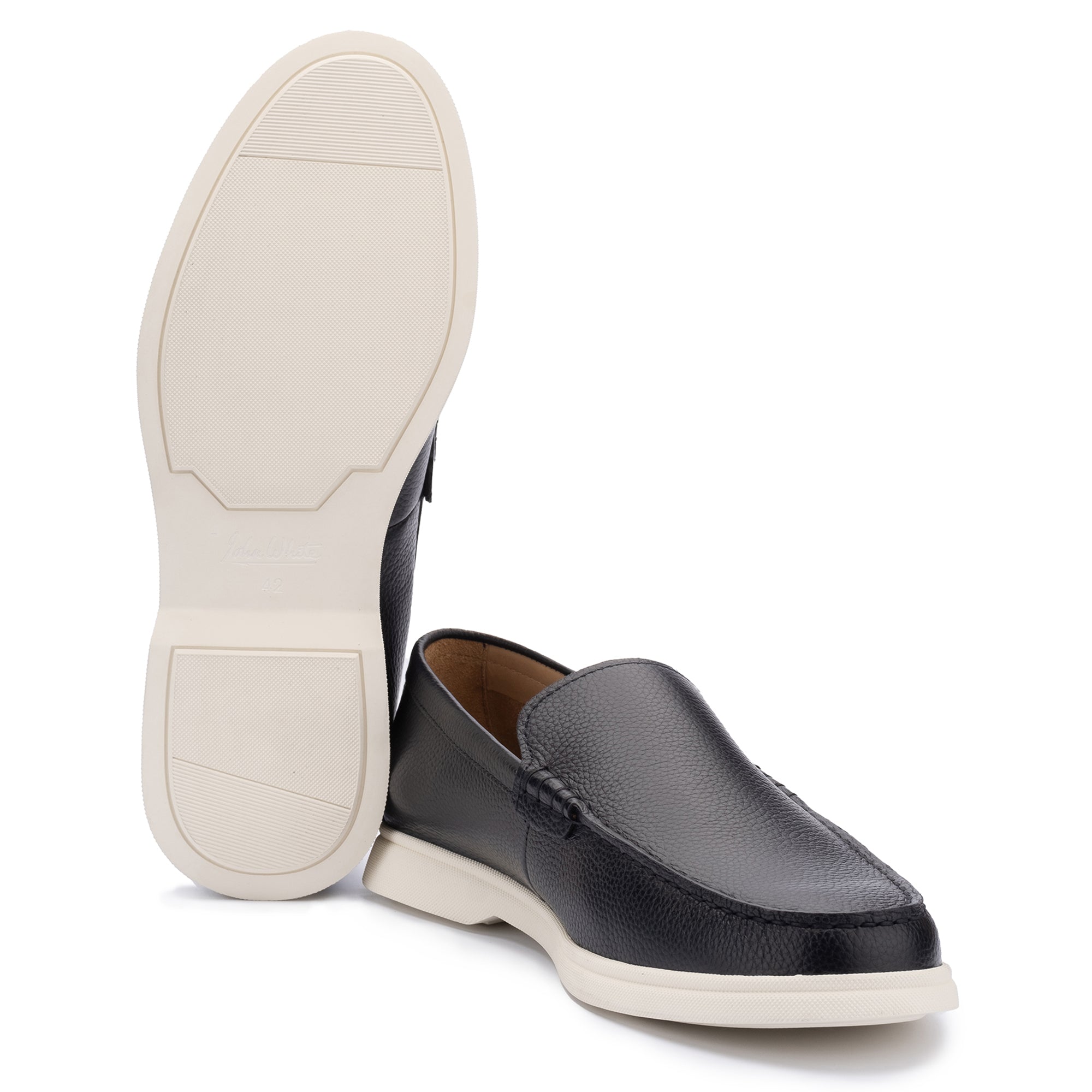
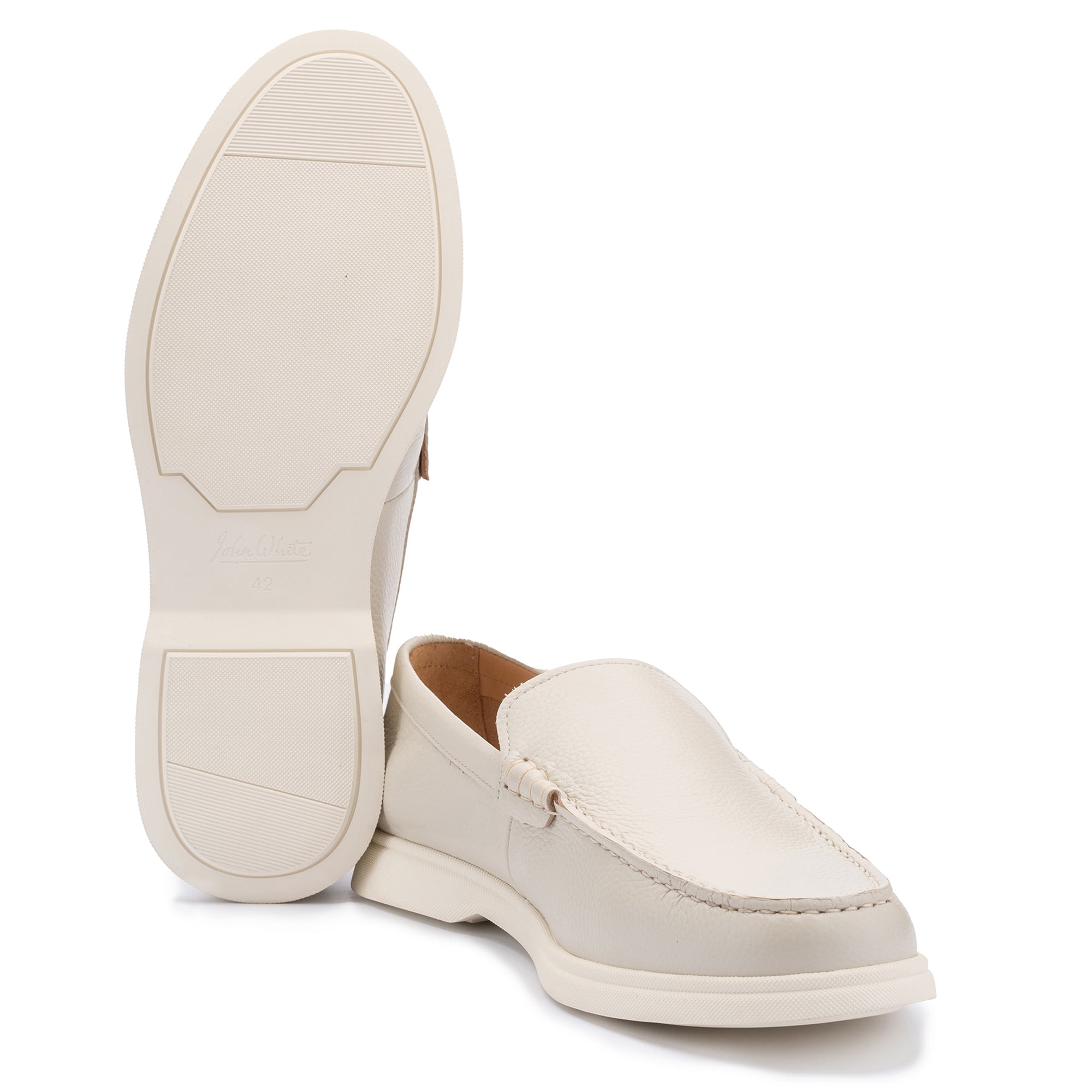
- Cotton or linen shoe bags — the standard across the industry. These allow the leather to breathe while protecting the surface from dust and physical contact. Makers including John White Shoes, Loake, Barker, Grenson, Church's, and Crockett & Jones supply cotton bags as standard with premium footwear for this reason.
- Original shoe boxes with ventilation — acceptable if the box is not sealed airtight. If the original cardboard box lacks ventilation, introduce small perforations. Stacking is fine provided the weight does not compress uppers.
- Open shelving with dust bags — ideal for dedicated shoe storage or larger wardrobes where regular inspection is practical. Provides optimal air circulation.
What to Avoid
- Airtight plastic containers or vacuum bags — these trap moisture and create conditions that accelerate mould growth and strip leather oils. They appear protective but are actively damaging.
- Newspaper stuffing in place of shoe trees — newsprint is acidic and will transfer ink and compounds to leather linings over extended periods. Use cedar only.
- Stacking shoes directly on each other — sustained pressure deforms the heel counter and creates permanent creases in the vamp.
Long-Term Storage Conditions Reference
| Condition | Ideal Range | Consequence If Wrong |
|---|---|---|
| Temperature | 15–20°C | Below 10°C: leather stiffens and cracks; above 25°C: dyes fade, adhesives weaken |
| Relative Humidity | 45–55% | Below 40%: desiccation and cracking; above 60%: mould establishes within weeks |
| Light Exposure | None (dark storage) | UV fades dyes and degrades surface finishes over time |
| Air Circulation | Moderate (breathable bag) | Airtight: moisture trap and mould; fully open and dusty: surface abrasion |
| Structural Support | Correctly sized cedar shoe tree | Toe spring, heel counter collapse, permanent vamp creasing |
| Inspection Interval | Every 3–6 months | Surface mould and desiccation progress unchecked; early intervention is critical |
How Long Can Leather Shoes Be Stored Without Wearing Them?
When preparation and storage conditions are correct, the duration is effectively indefinite. Premium Goodyear welted footwear has been recovered from decades in storage in excellent condition, requiring only reconditioning and re-polishing before returning to use.
That longevity depends entirely on the inspection interval. A restoration specialist cited by the Guild of Master Craftsmen noted: "Leather footwear stored without inspection for more than twelve months frequently presents with surface mould that, caught early, is entirely reversible — but if left, penetrates the grain and becomes permanent."
In practice, inspect stored men's leather shoes and leather boots every three to six months. Check for surface bloom, confirm the leather feels supple rather than dry, and verify shoe trees are correctly seated.
The quality of long-term storage is not determined by the container — it is determined by the preparation and the inspection regime that follows it.
How Do You Revive Leather Shoes After Long-Term Storage?
Leather shoe revival after storage is straightforward when the preparation was thorough. If it was not, the work required scales directly with the degree of neglect.
- Remove shoe trees and allow the shoes to breathe at room temperature for thirty minutes before handling.
- Inspect for mould. A white or pale grey bloom on the surface is typically surface mould and is removable with a cloth lightly dampened with a 1:1 dilution of white vinegar and water. Work gently and do not saturate the leather. Allow to dry fully before proceeding.
- Brush away any surface residue or dust with a horsehair brush.
- Condition the leather. Rehydration before polish is non-negotiable after any extended storage. Apply conditioner, allow full absorption.
- Polish and buff to restore the finish. Two thin coats of cream polish are more effective than one heavy application.
- Flex the sole gently and walk the shoes indoors briefly before returning them to full use, allowing the leather and sole structure to return to their natural movement pattern.
For a complete seasonal care routine integrating storage with in-use maintenance, refer to the annual maintenance checklist for your leather shoe collection — it covers every stage of the care cycle across a full year.
Related Guides
- The Complete Guide to Leather Shoe Care — our comprehensive guide
- Leather Shoe Care: The Definitive Guide — our comprehensive guide
- Leather Conditioner vs Shoe Polish: What to Use, When, and Why It Matters
- Maximizing Shoe Life: The Essential Role of Shoe Trees
- The Annual Ritual: A Complete Maintenance Checklist for Your Leather Shoe Collection
TL;DR: Storing leather shoes long-term requires cleaning and conditioning the leather before storage, inserting cedar shoe trees, placing the shoes in breathable cotton bags, and keeping them at 45–55% relative humidity and 15–20°C, away from light. Inspect every three to six months and recondition annually. With correct preparation, premium leather footwear can be stored indefinitely without deterioration.
Frequently Asked Questions
Can you store leather shoes in plastic boxes long-term?
No. Airtight plastic containers trap moisture and deprive leather of air circulation, accelerating mould growth and desiccation simultaneously. Use breathable cotton or linen shoe bags, or original cardboard boxes with ventilation holes introduced if necessary.
Do leather shoes need shoe trees during long-term storage?
Yes — cedar shoe trees are essential. Without structural support, leather uppers compress and crease permanently, and the heel counter collapses. Cedar also absorbs residual moisture and inhibits odour. Correctly sized, they maintain the last's shape through indefinite storage.
How often should you check leather shoes in long-term storage?
Every three to six months. Surface mould caught early is entirely reversible with gentle cleaning. Left without inspection, it penetrates the grain and causes permanent damage. At each inspection, confirm the leather is supple and recondition if it feels dry to the touch.
Should you condition leather shoes before putting them in storage?
Always. Conditioning before storage replenishes the natural oils that keep leather supple during extended inactivity. Clean first, allow to dry fully, apply conditioner and allow full absorption, then finish with a light protective coat of wax or cream polish before placing in storage bags.
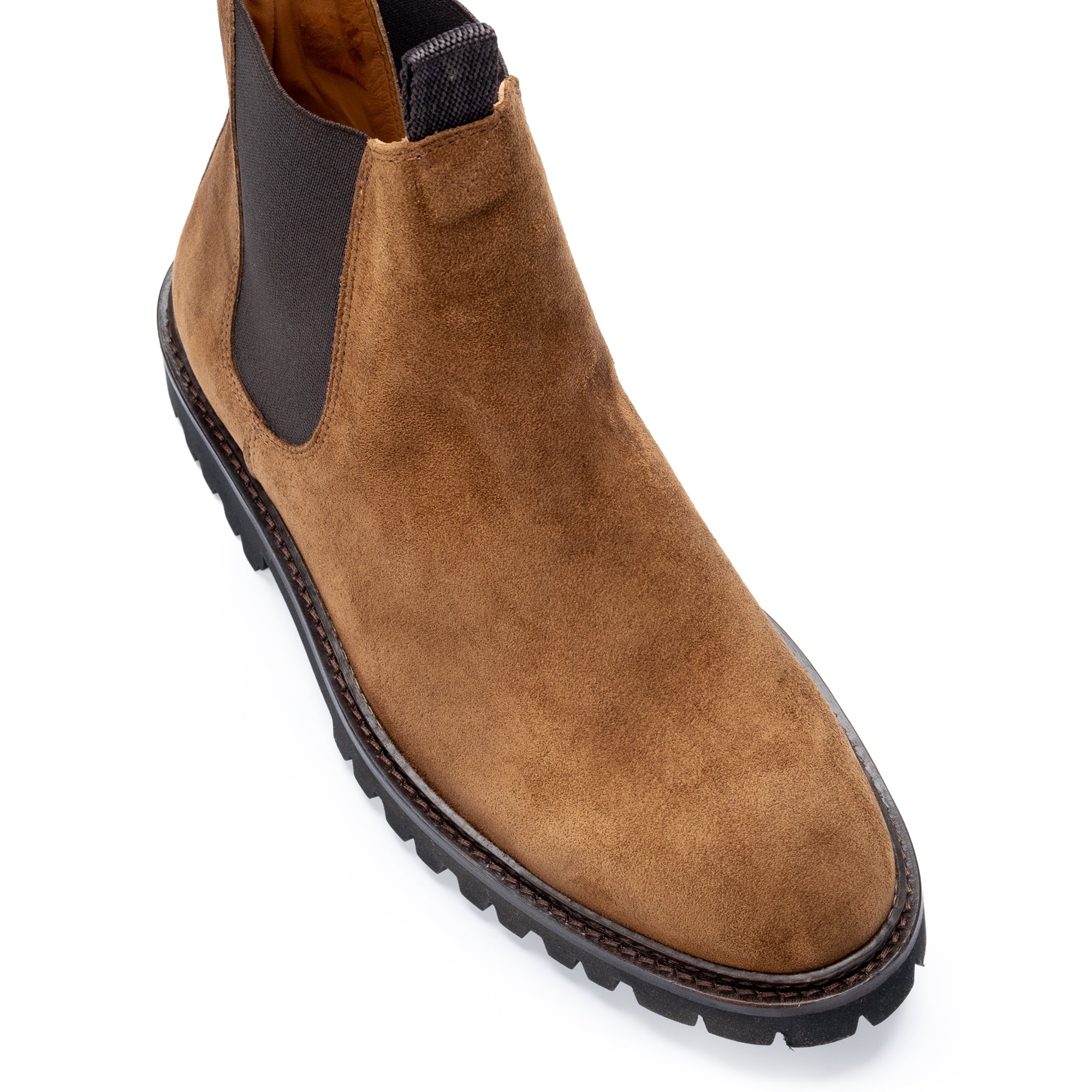
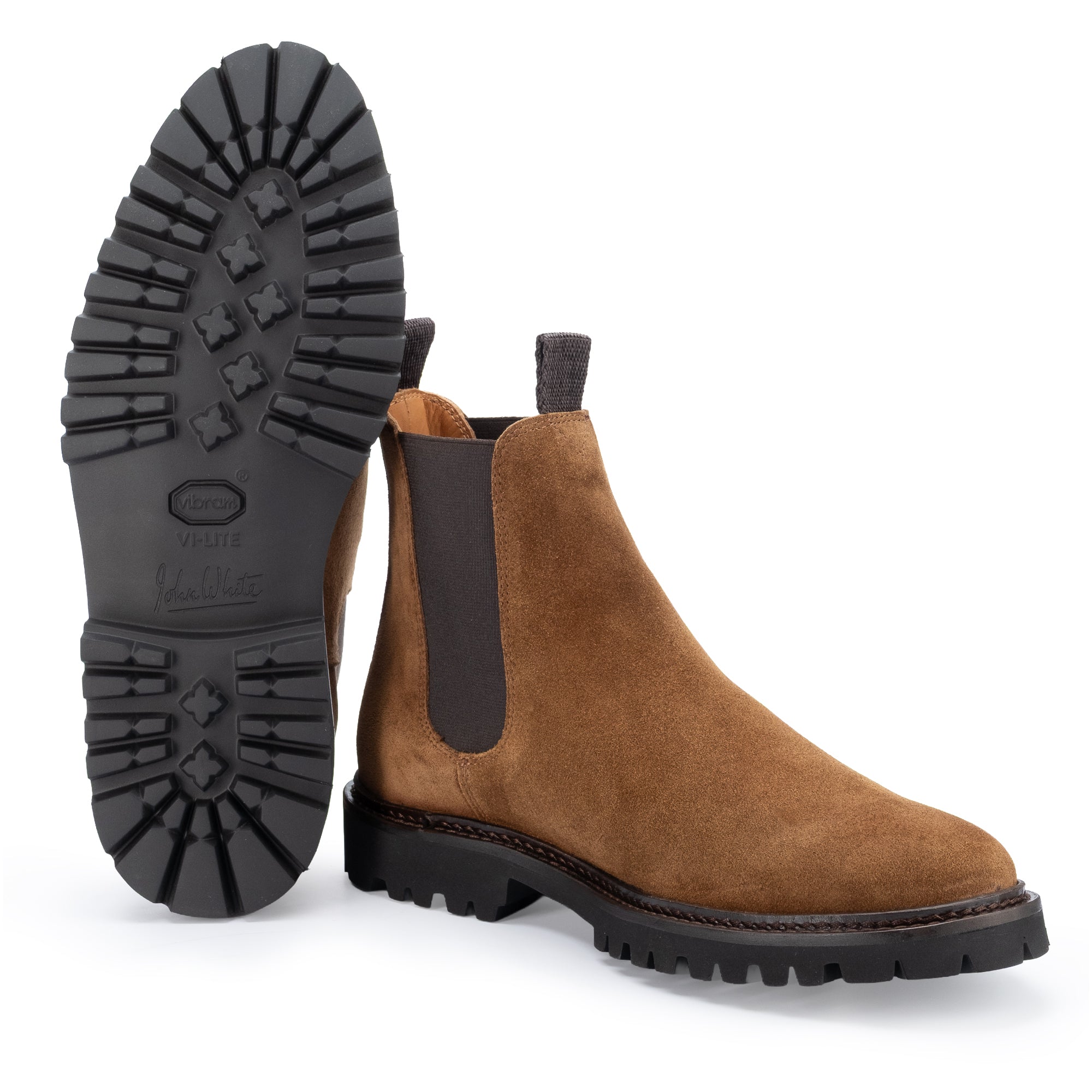
Browse the full men's shoe collection at John White Shoes, British Heritage Footwear, Est. 1919 — and the men's boot collection for footwear built to last, and stored to last longer.