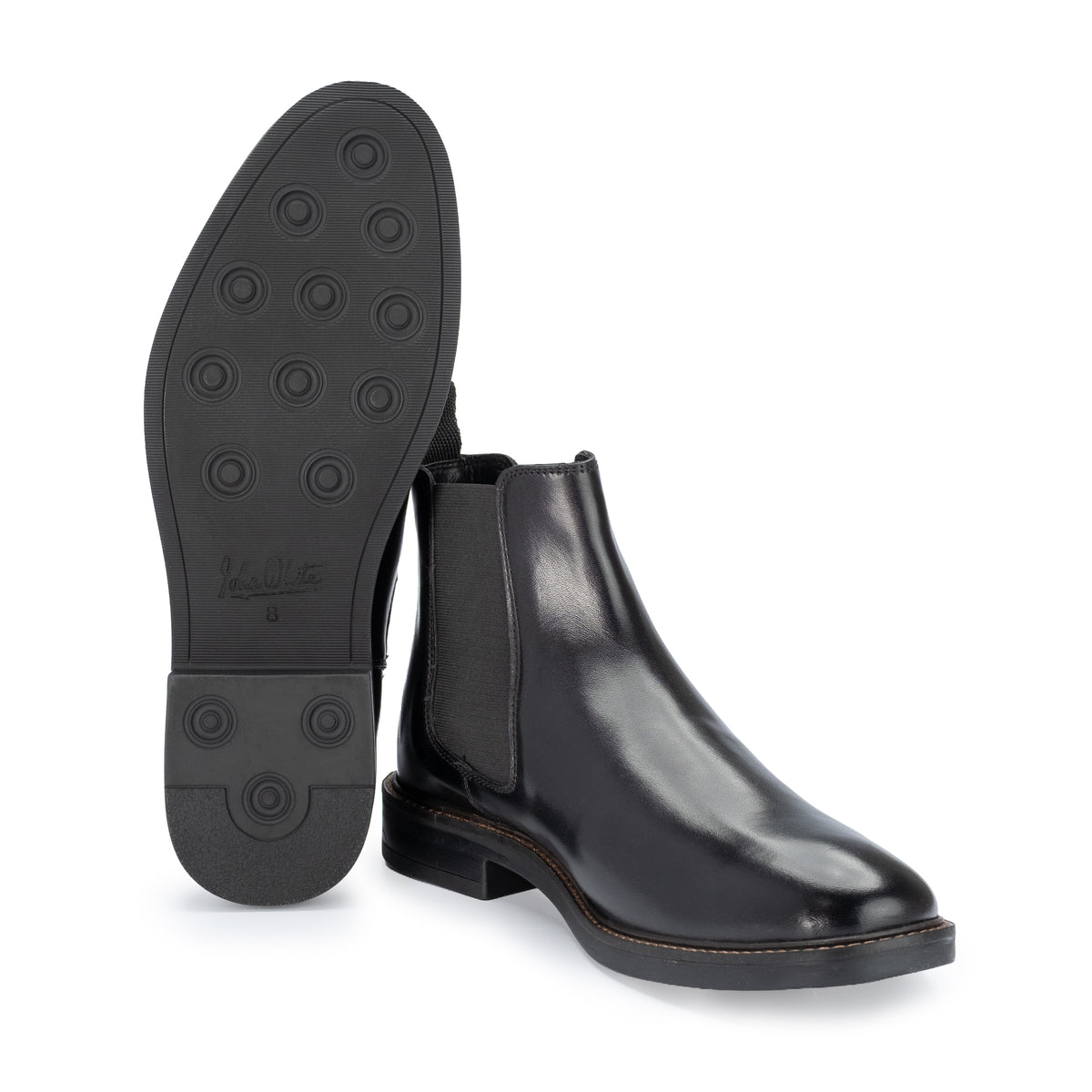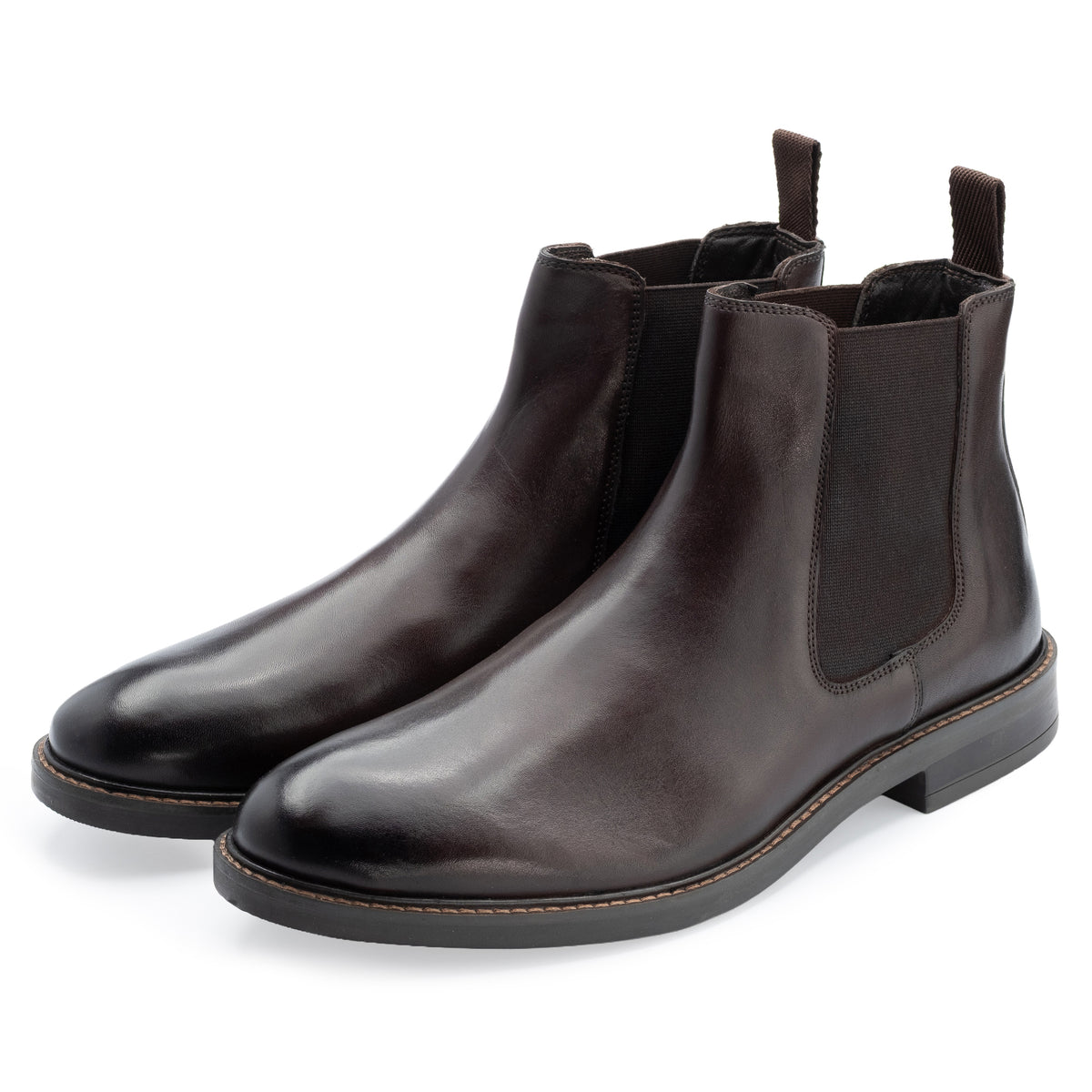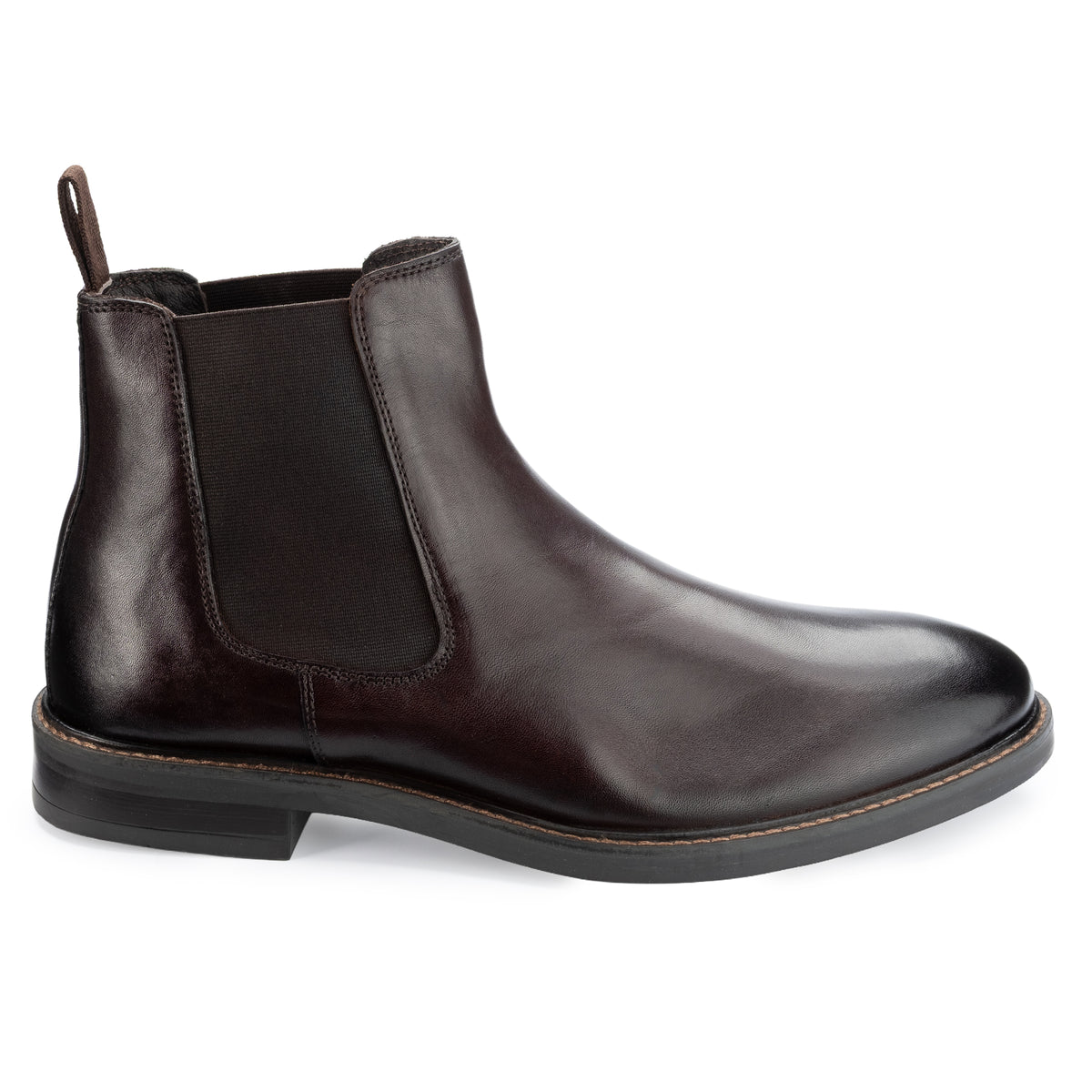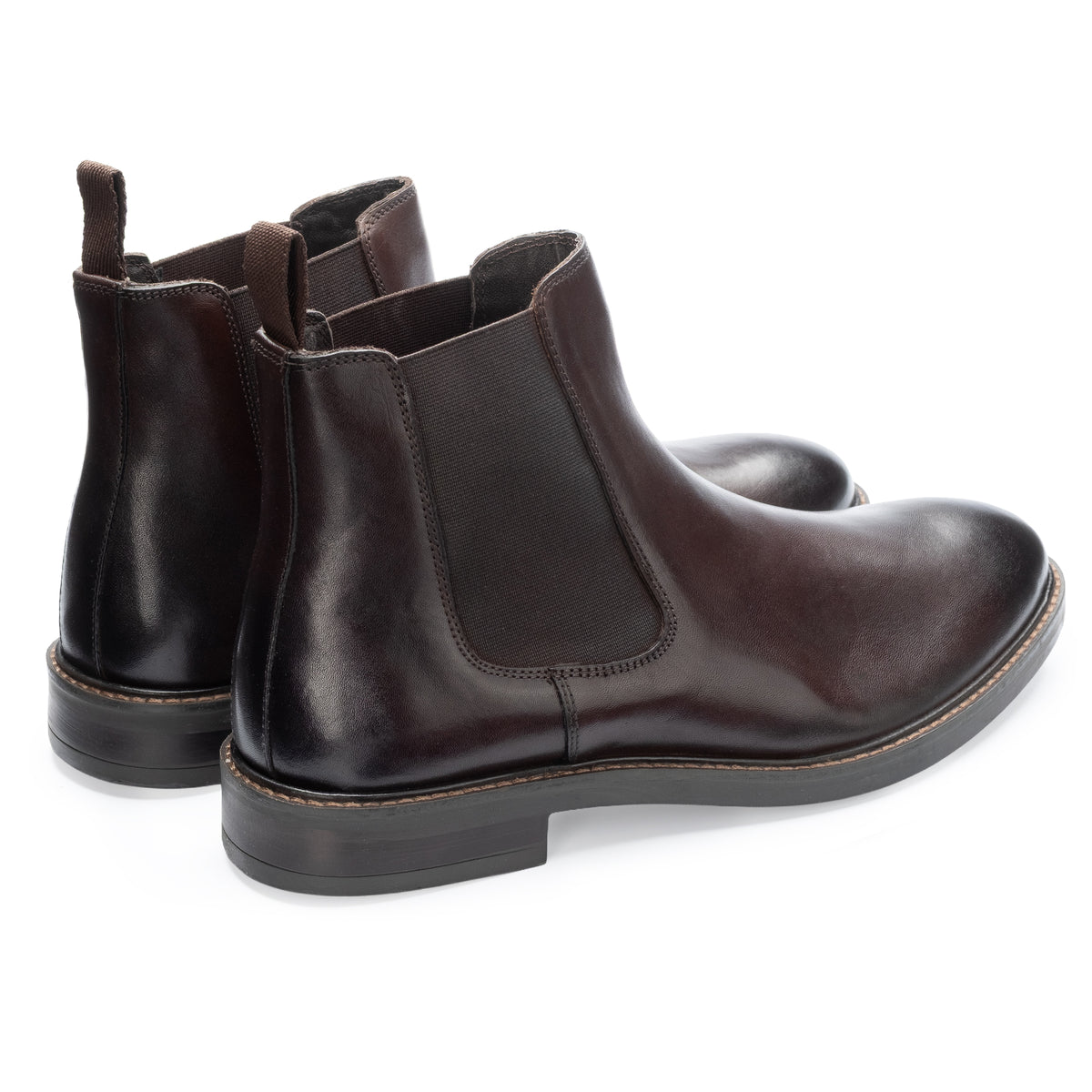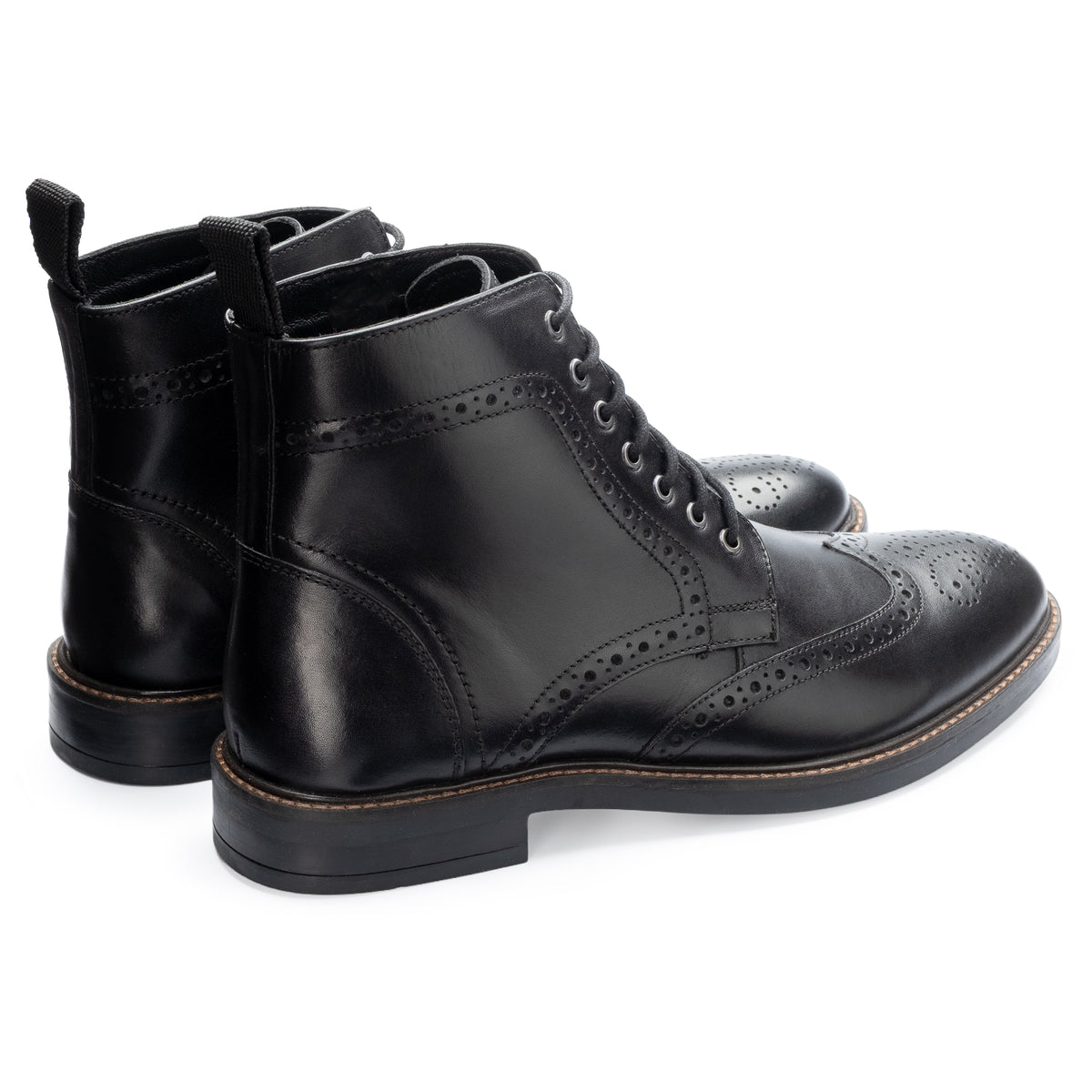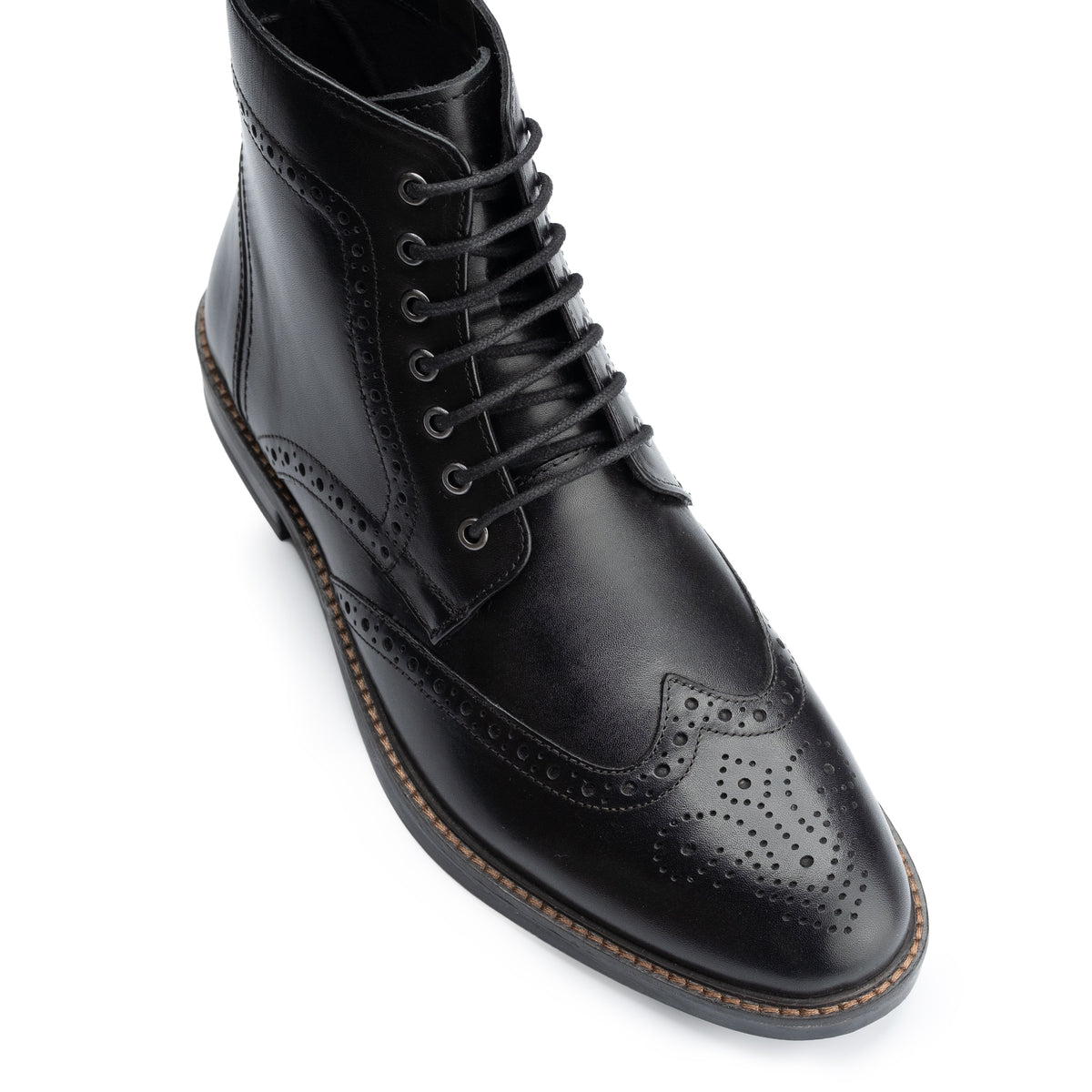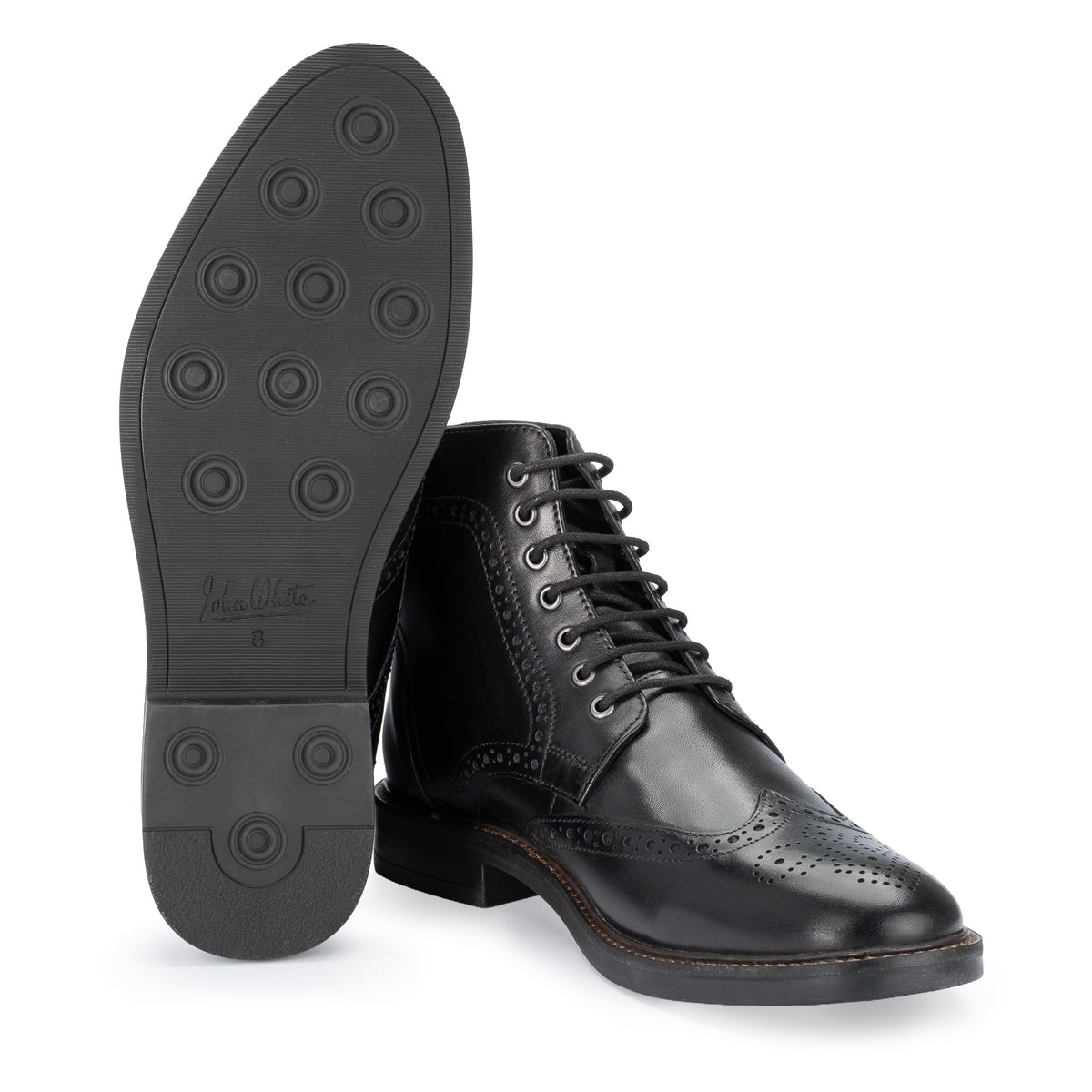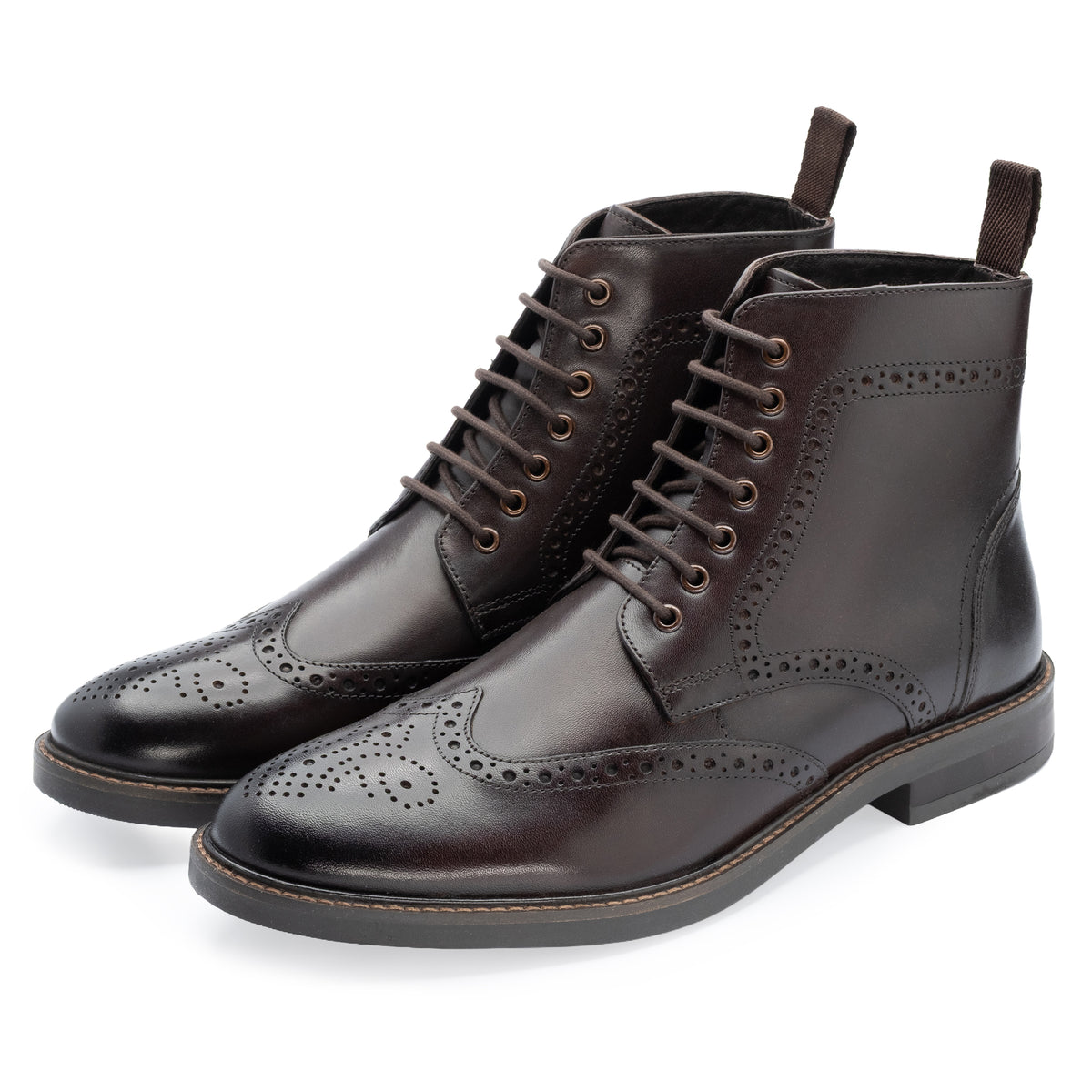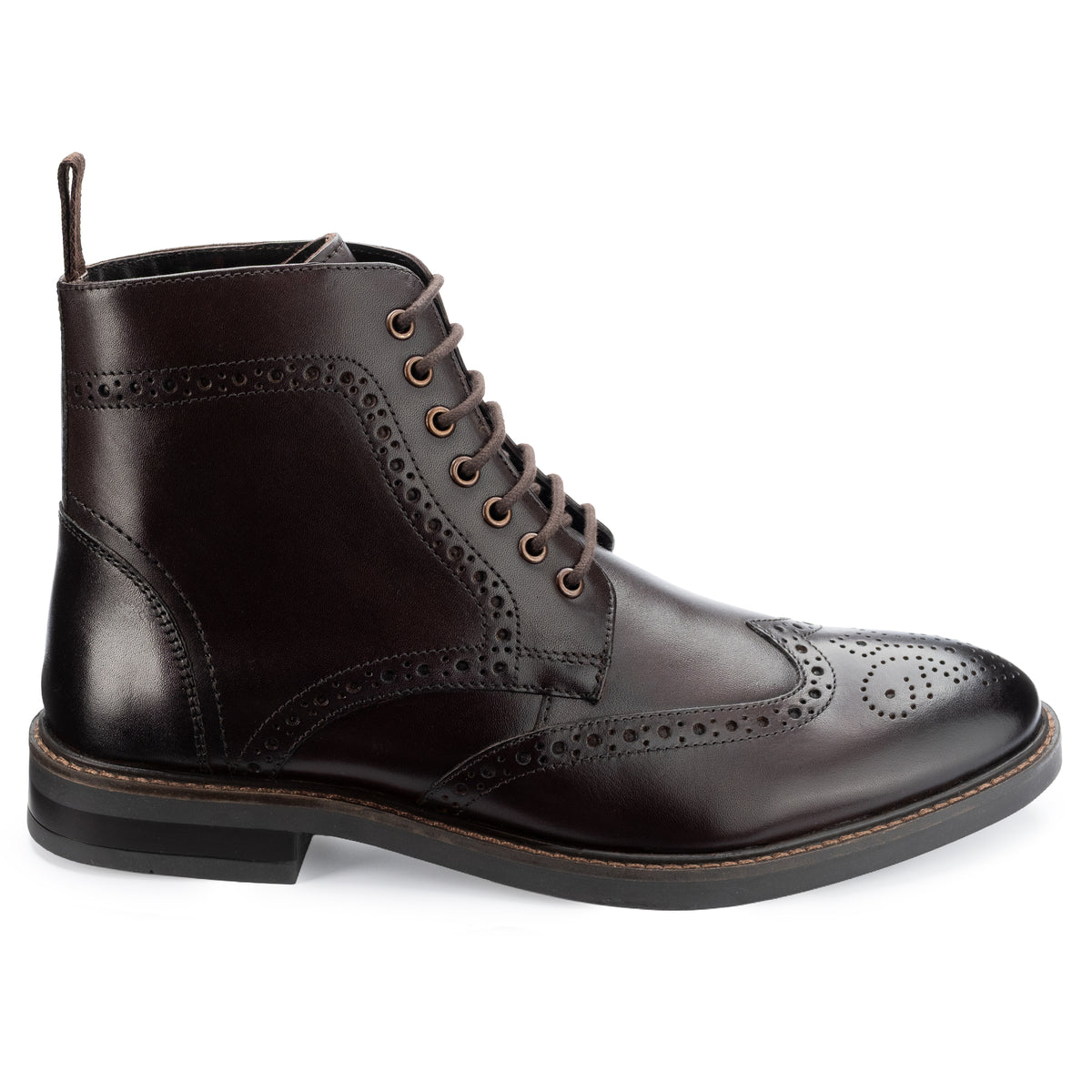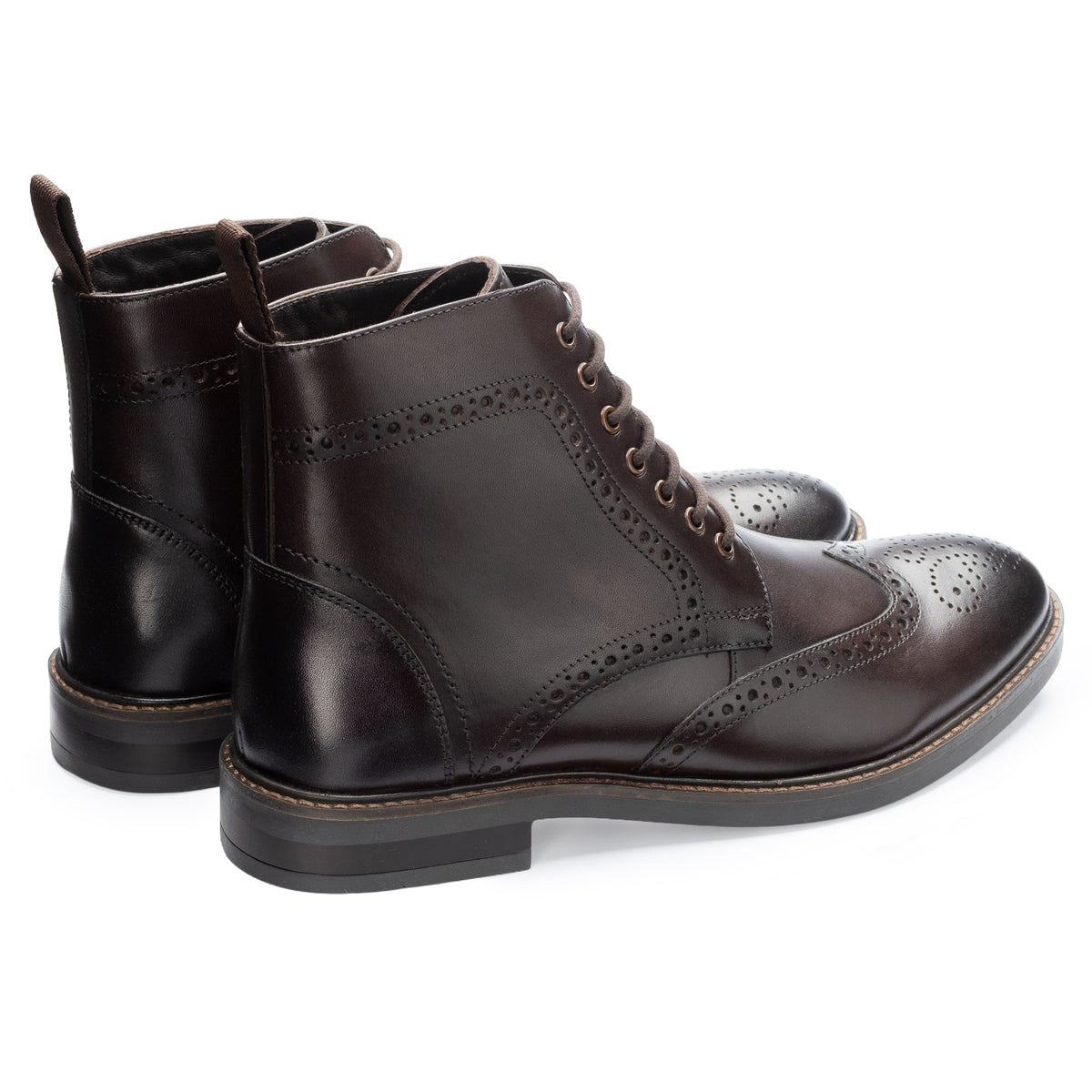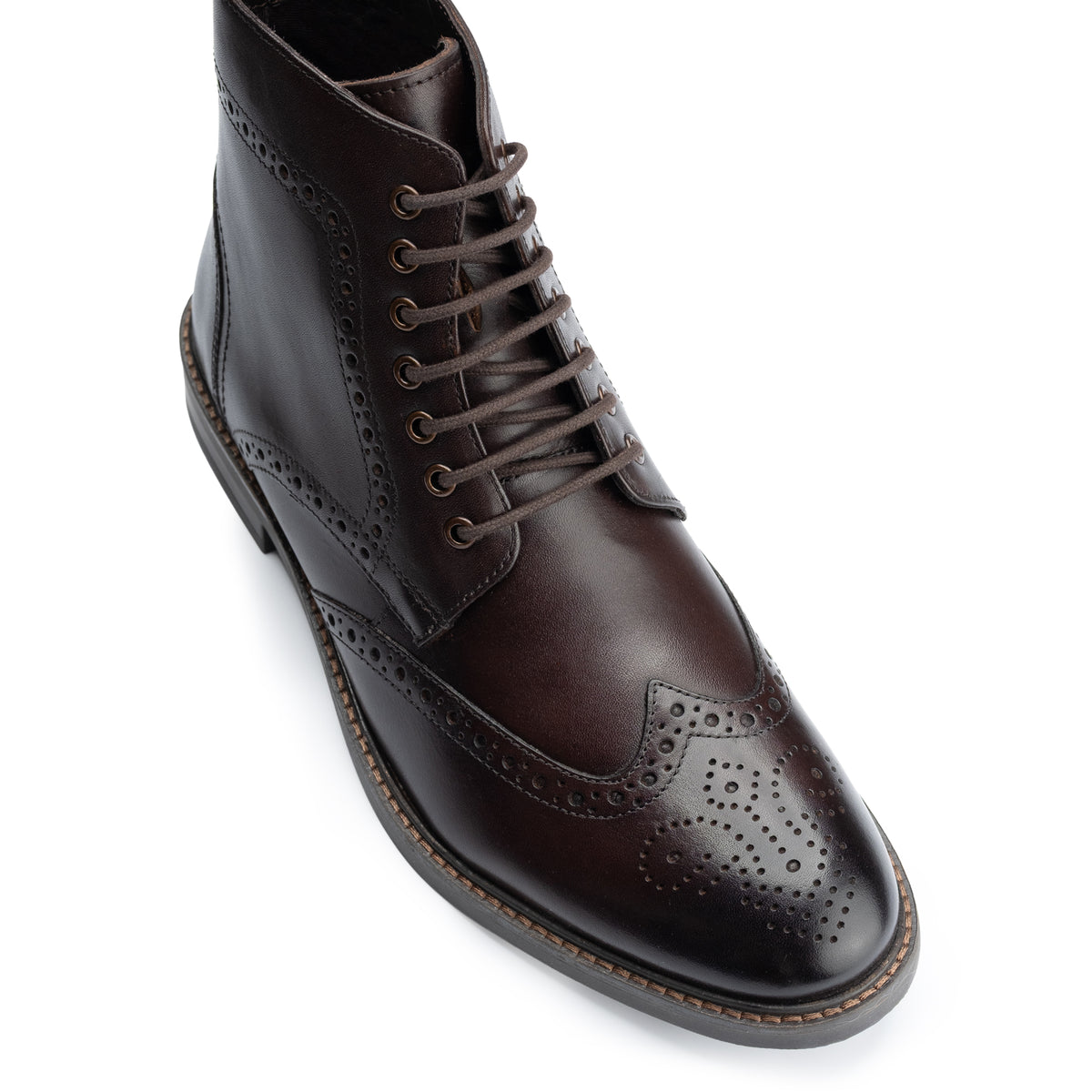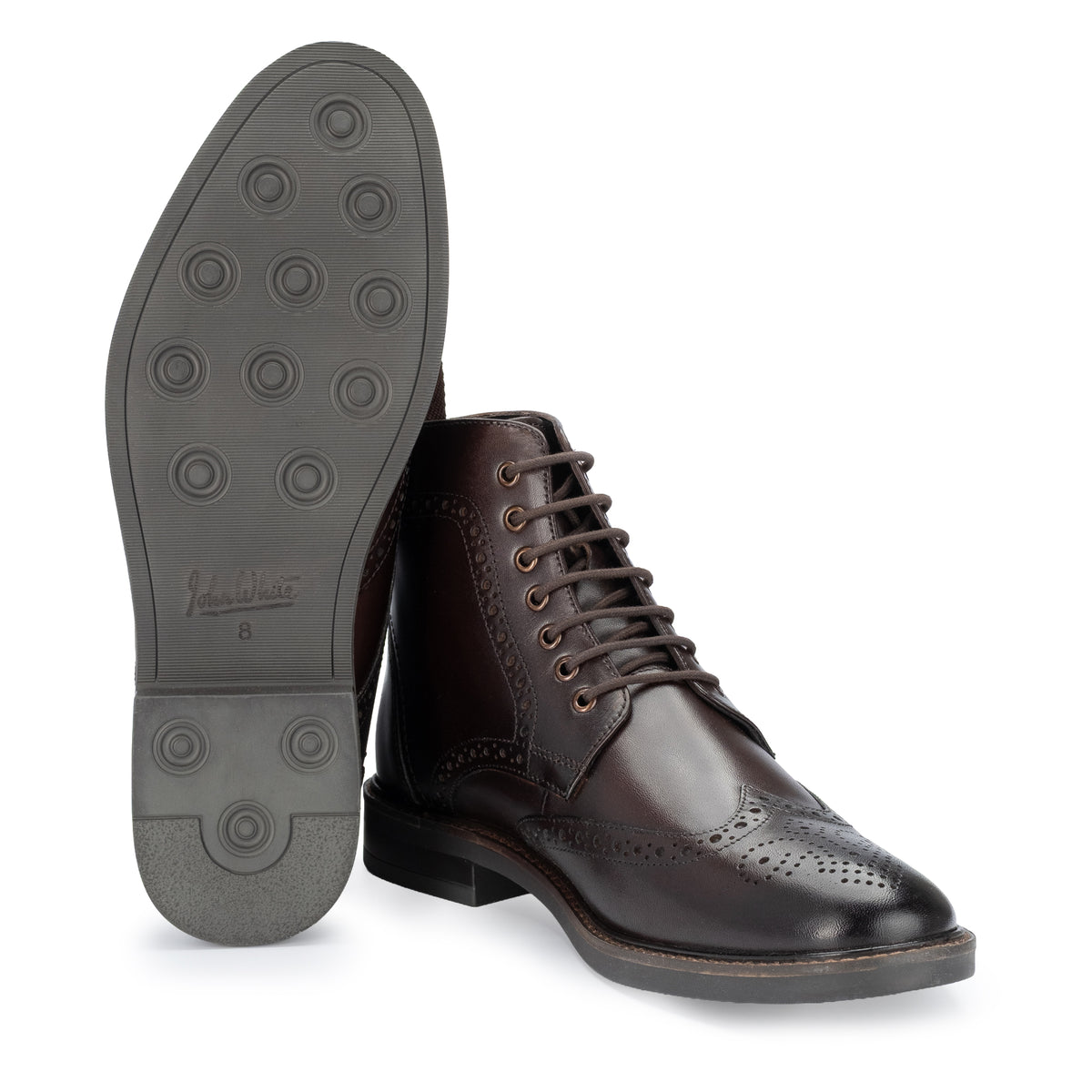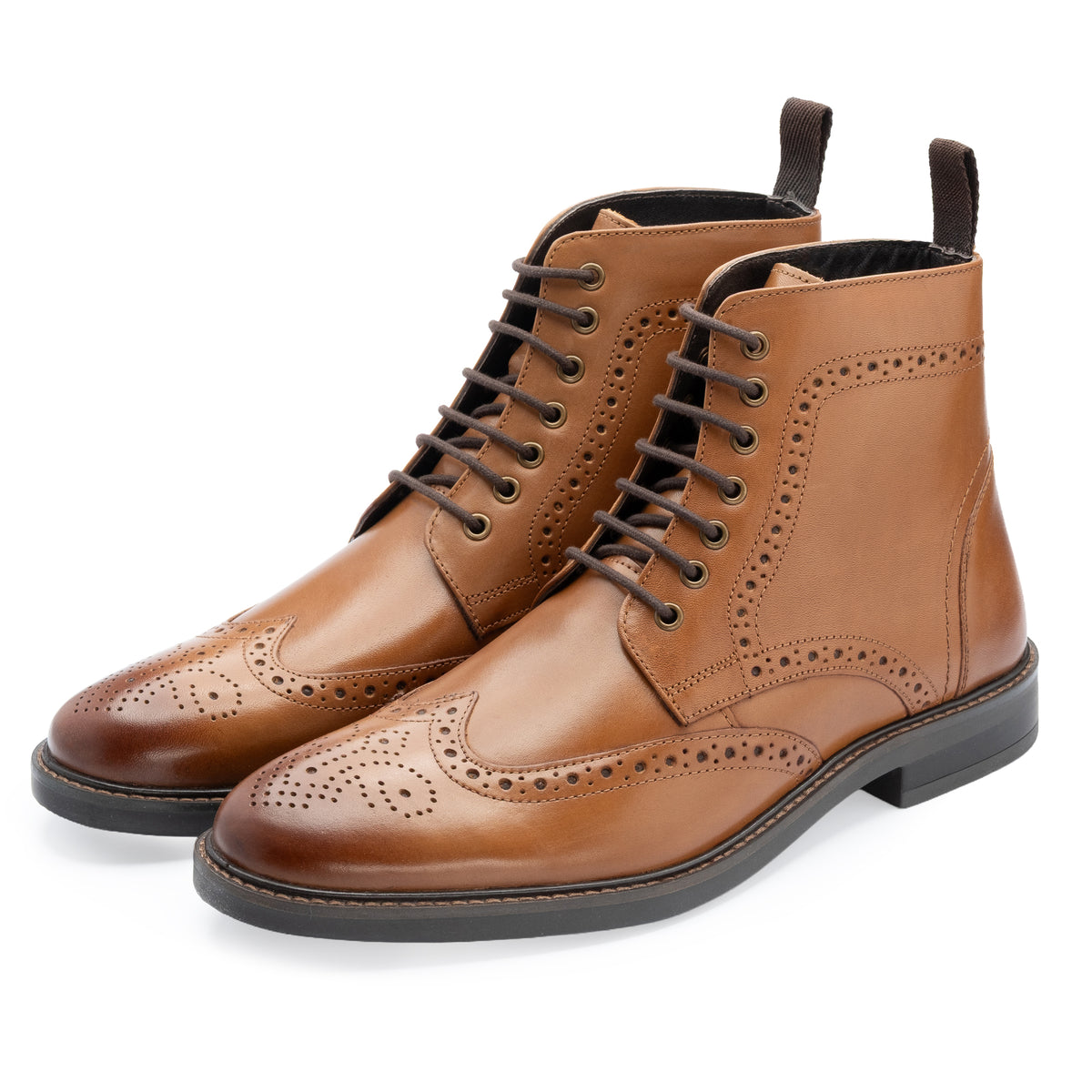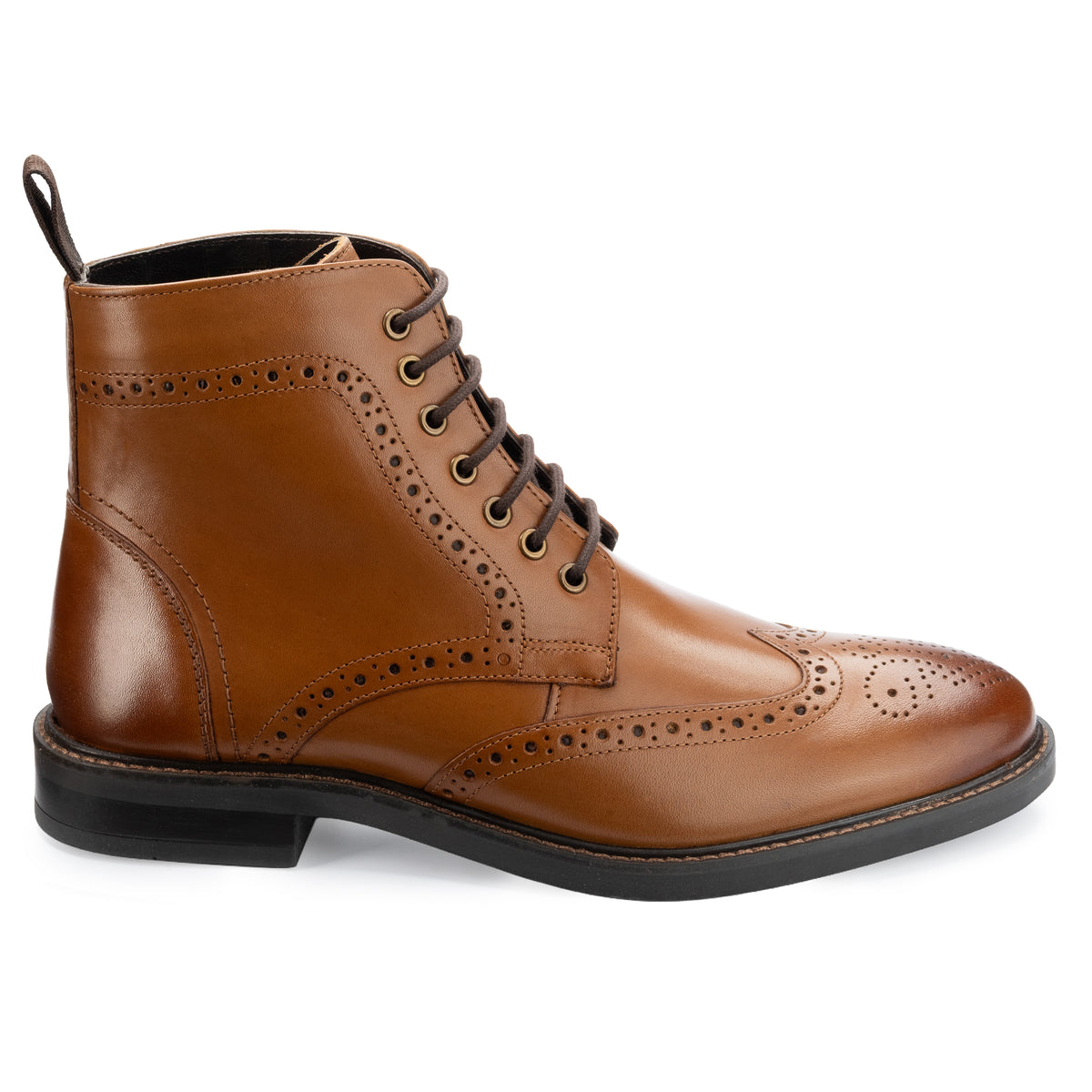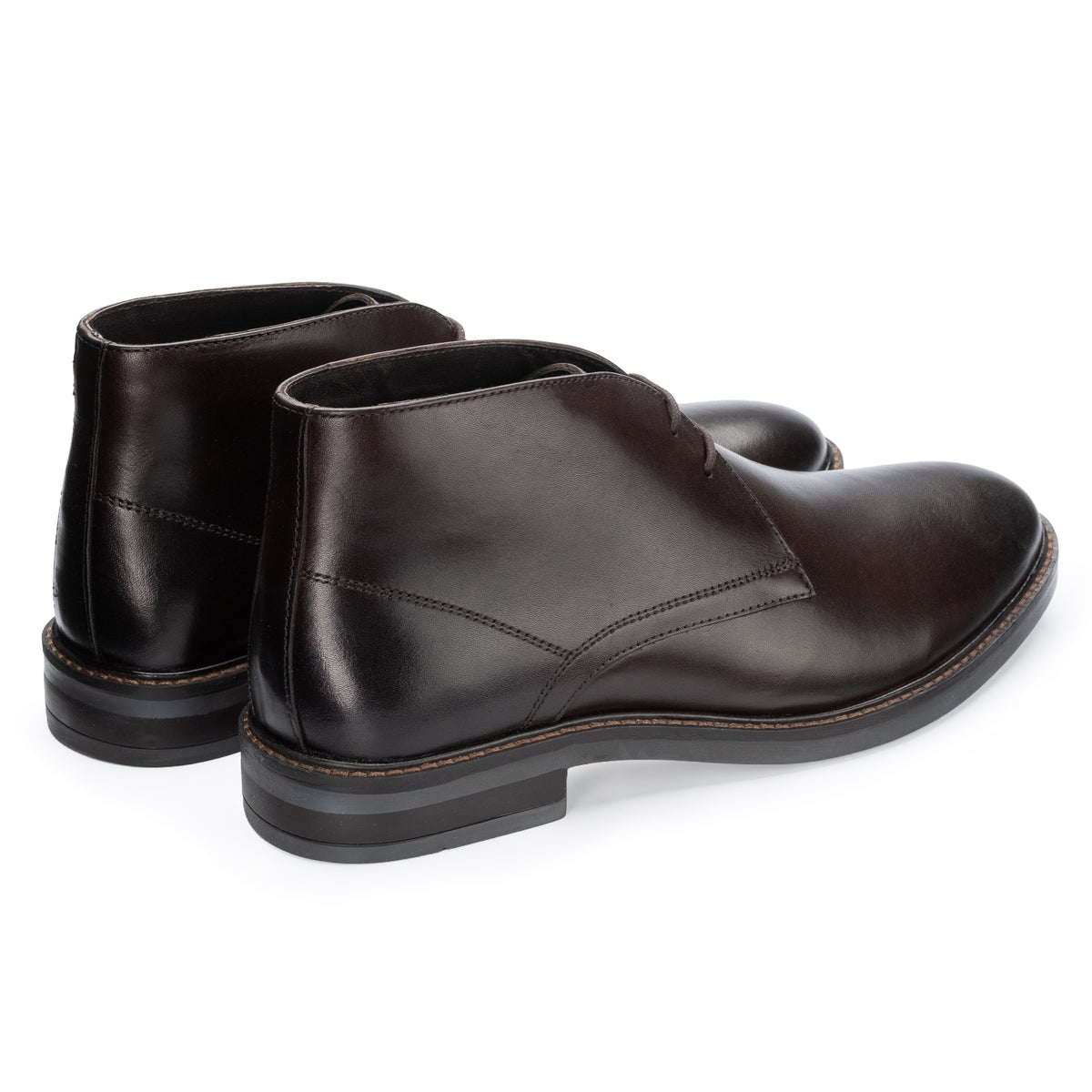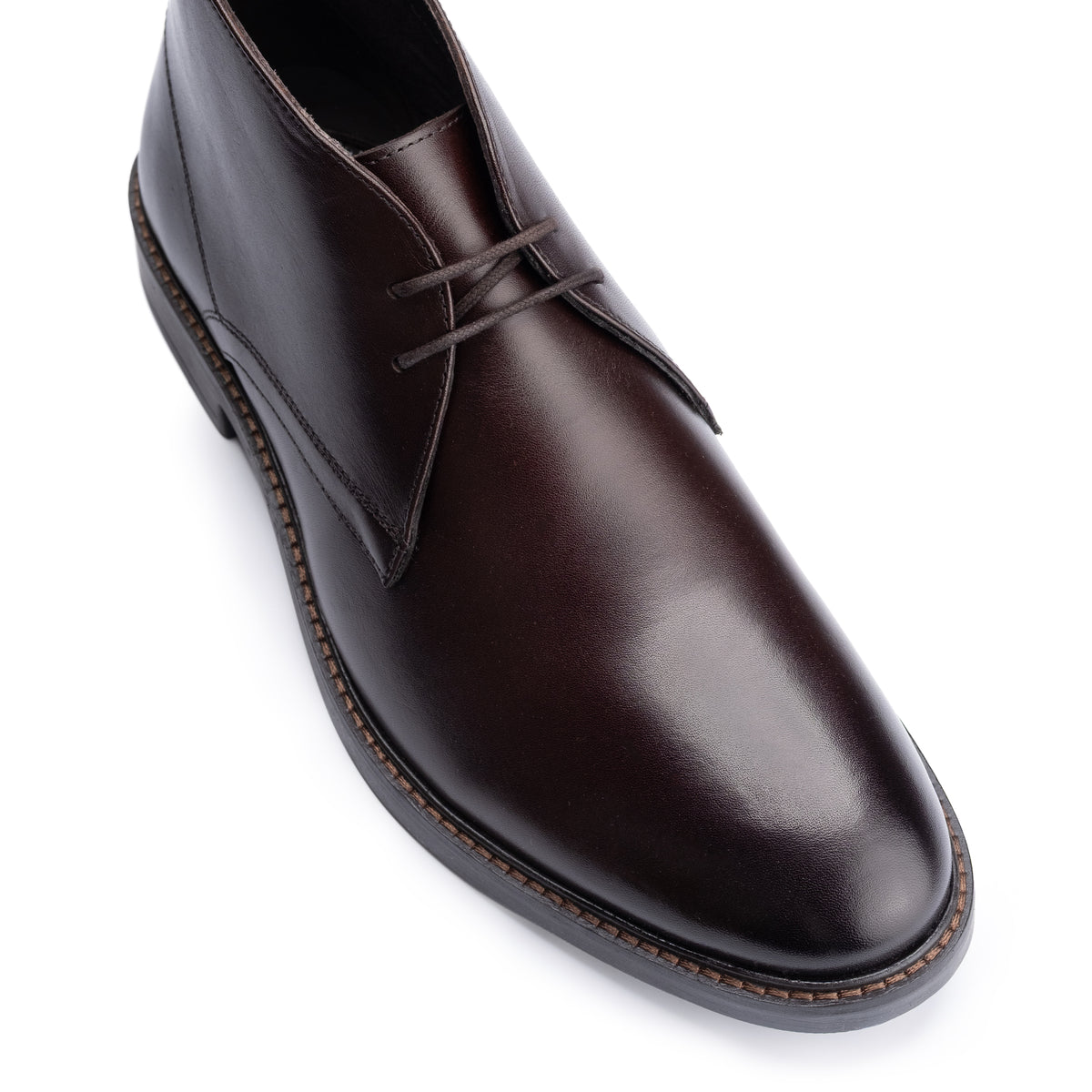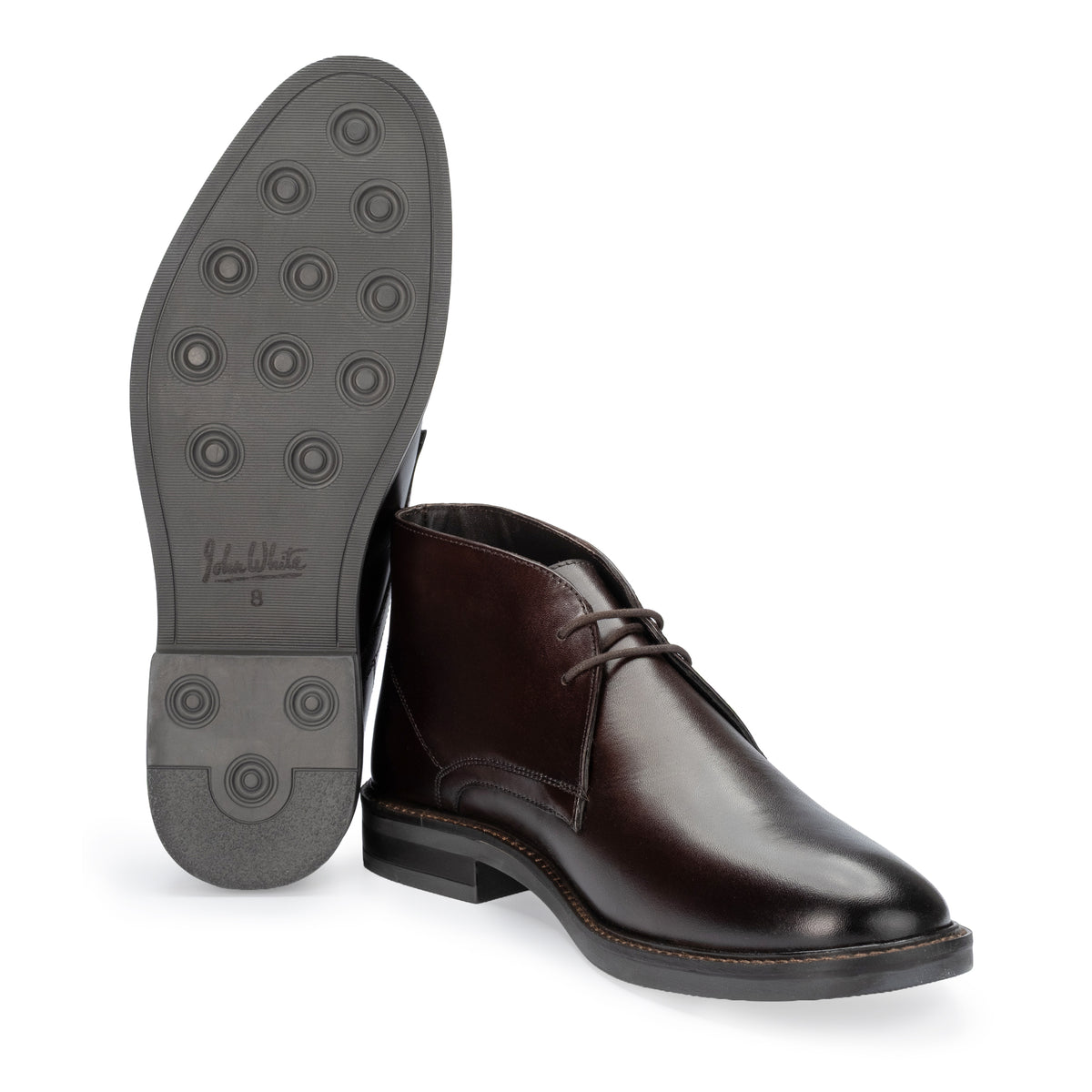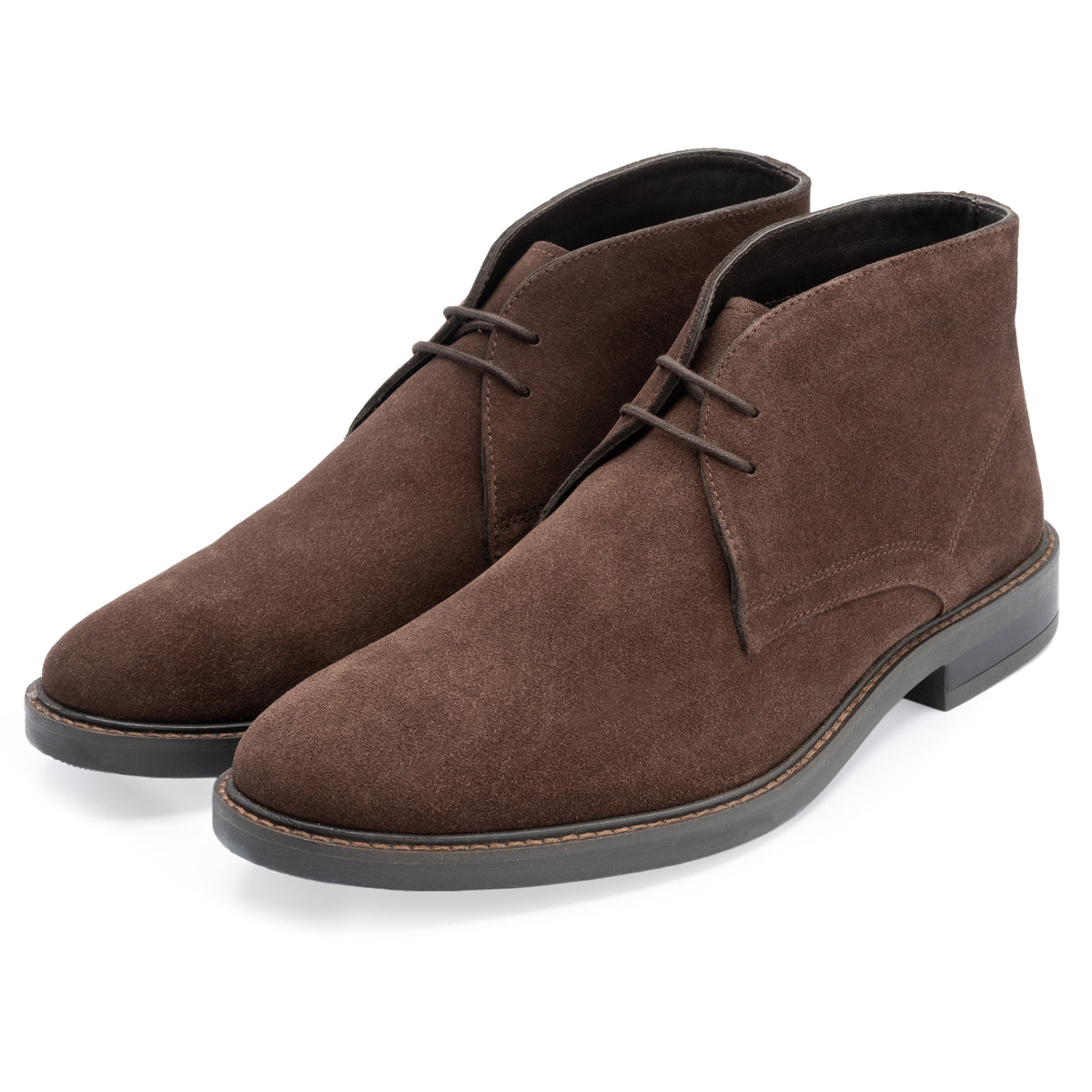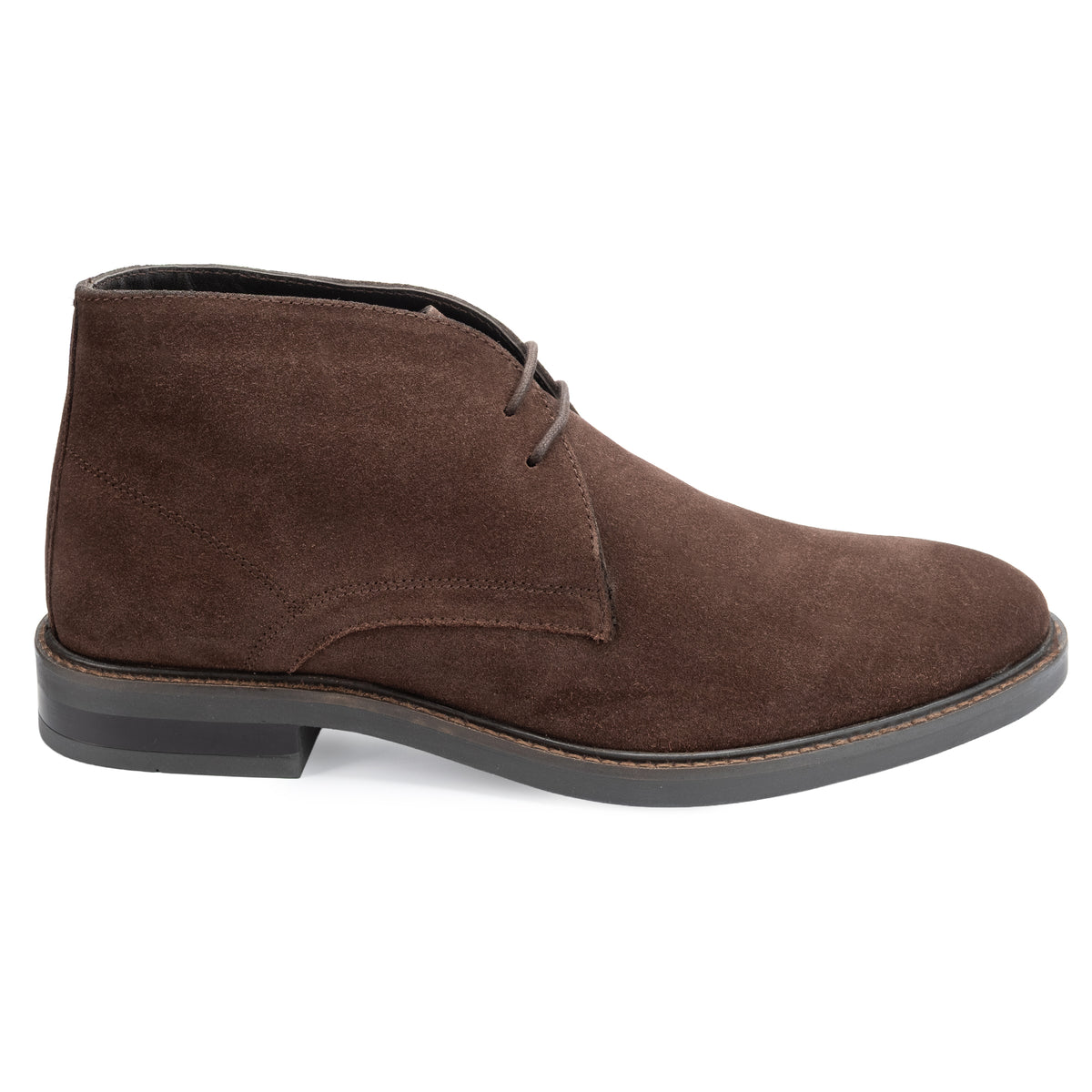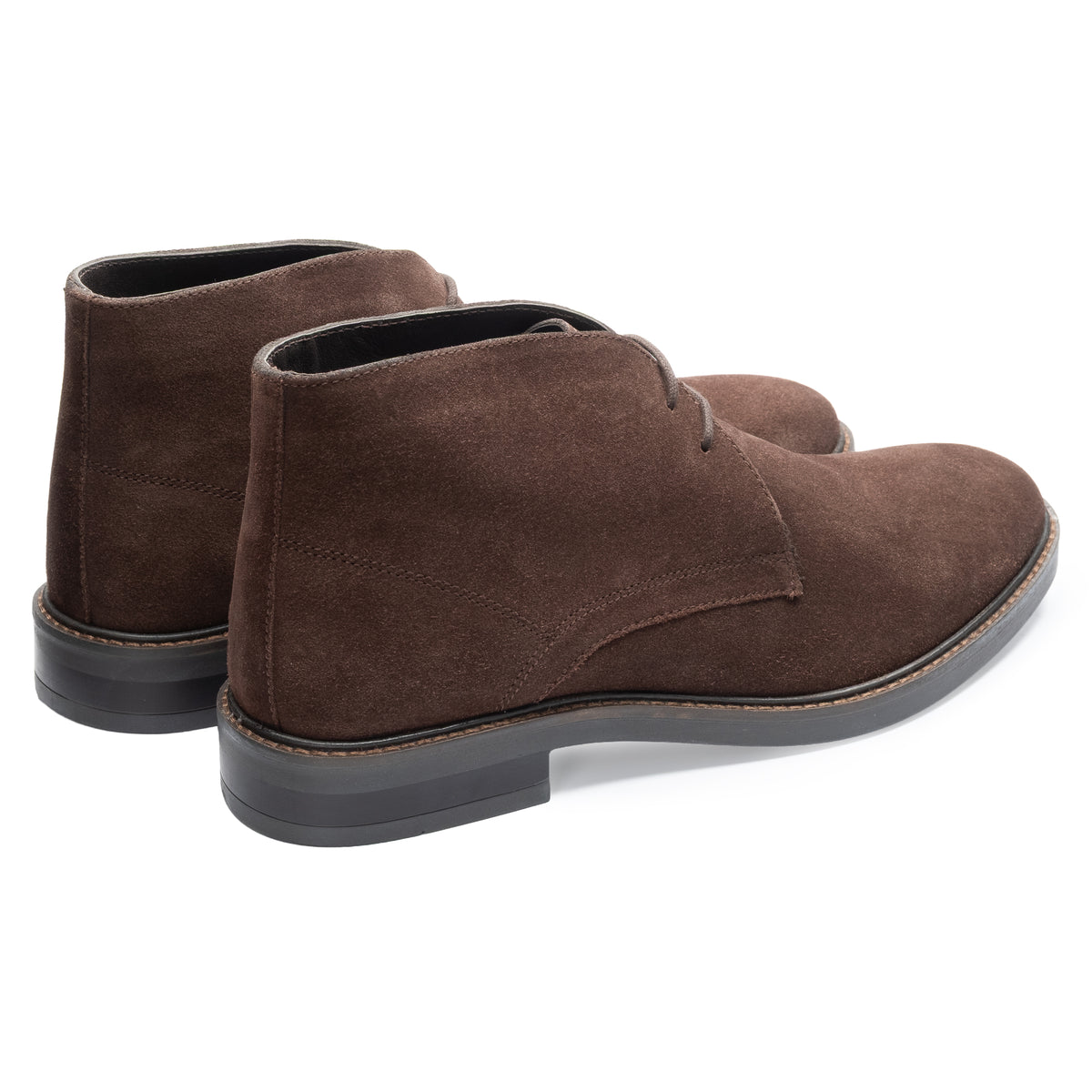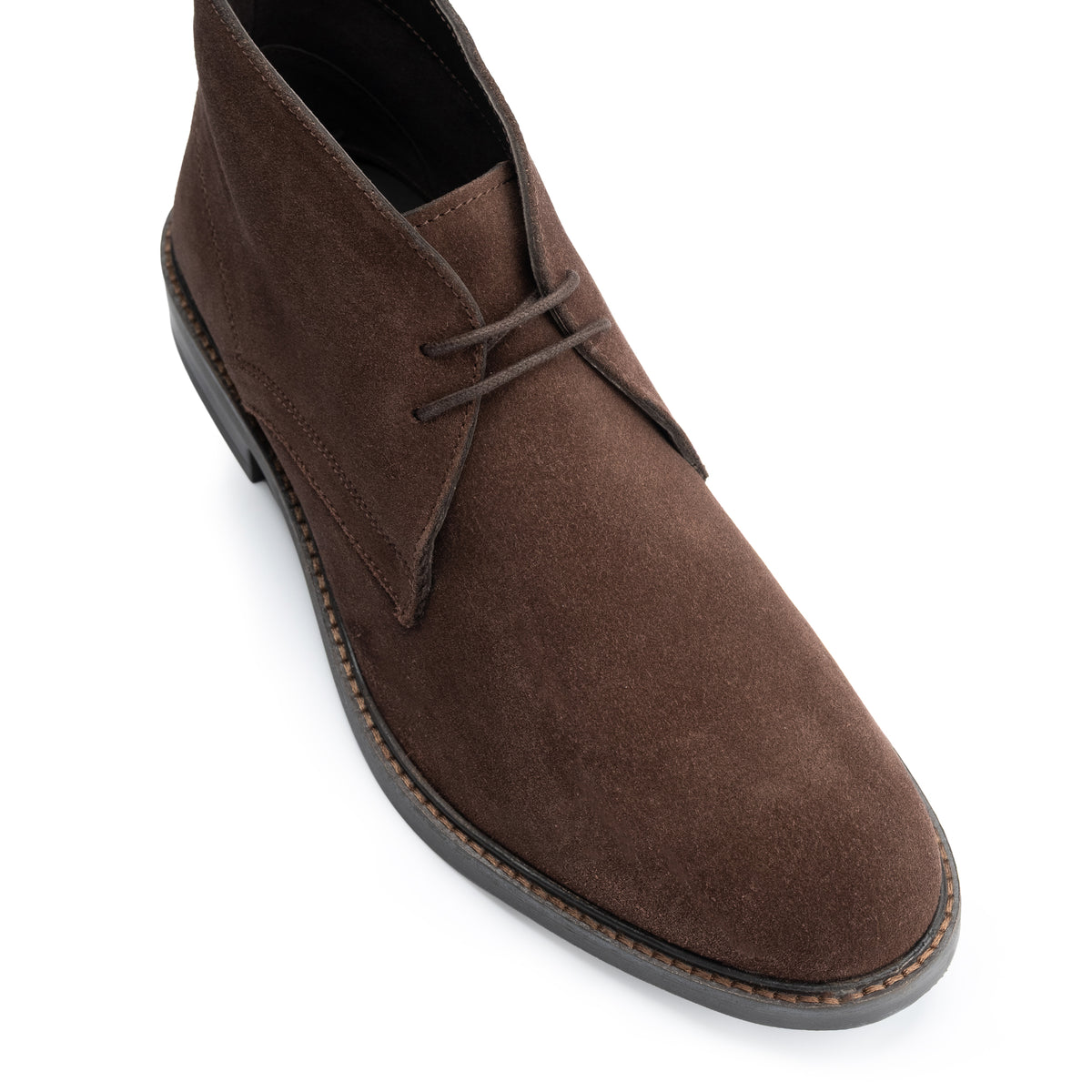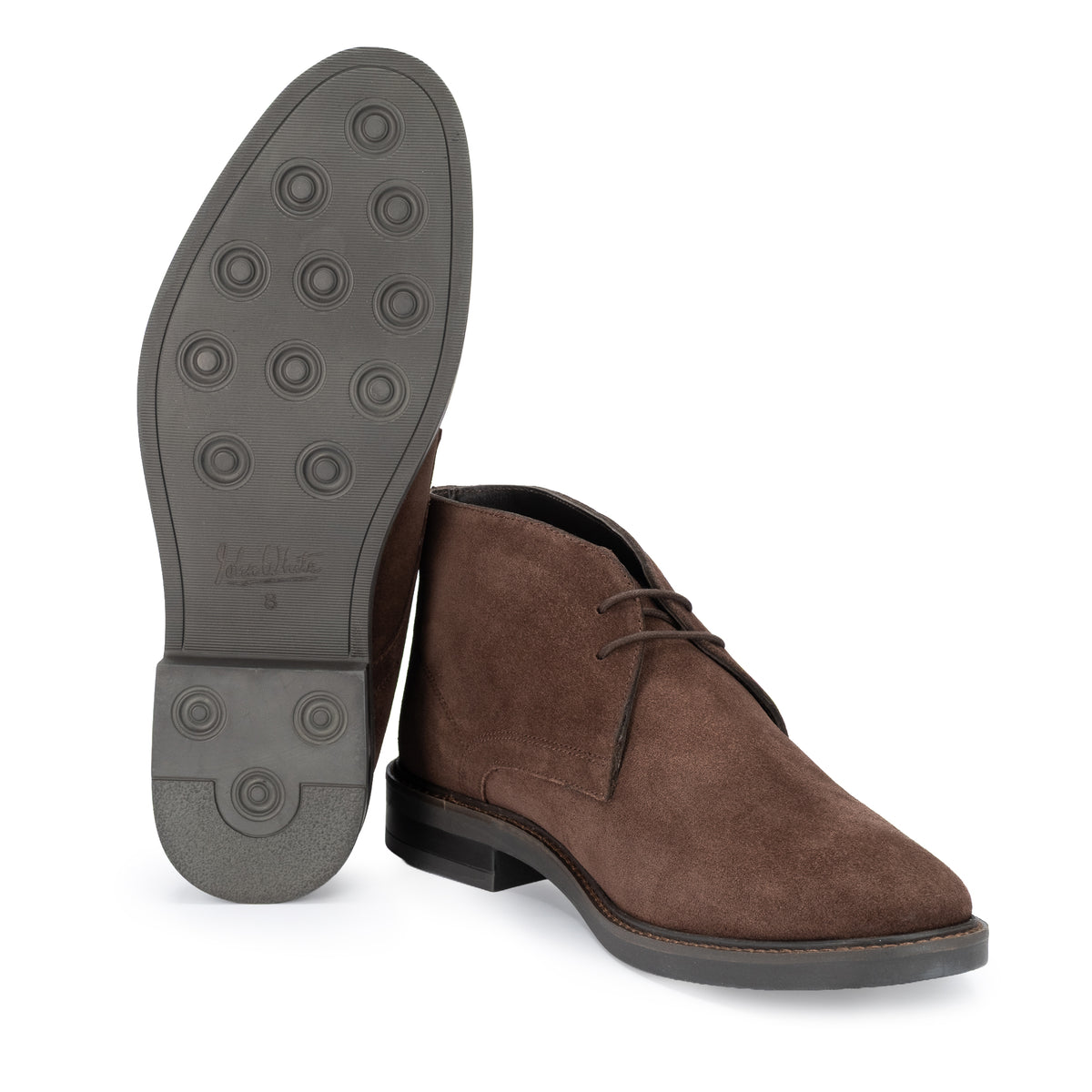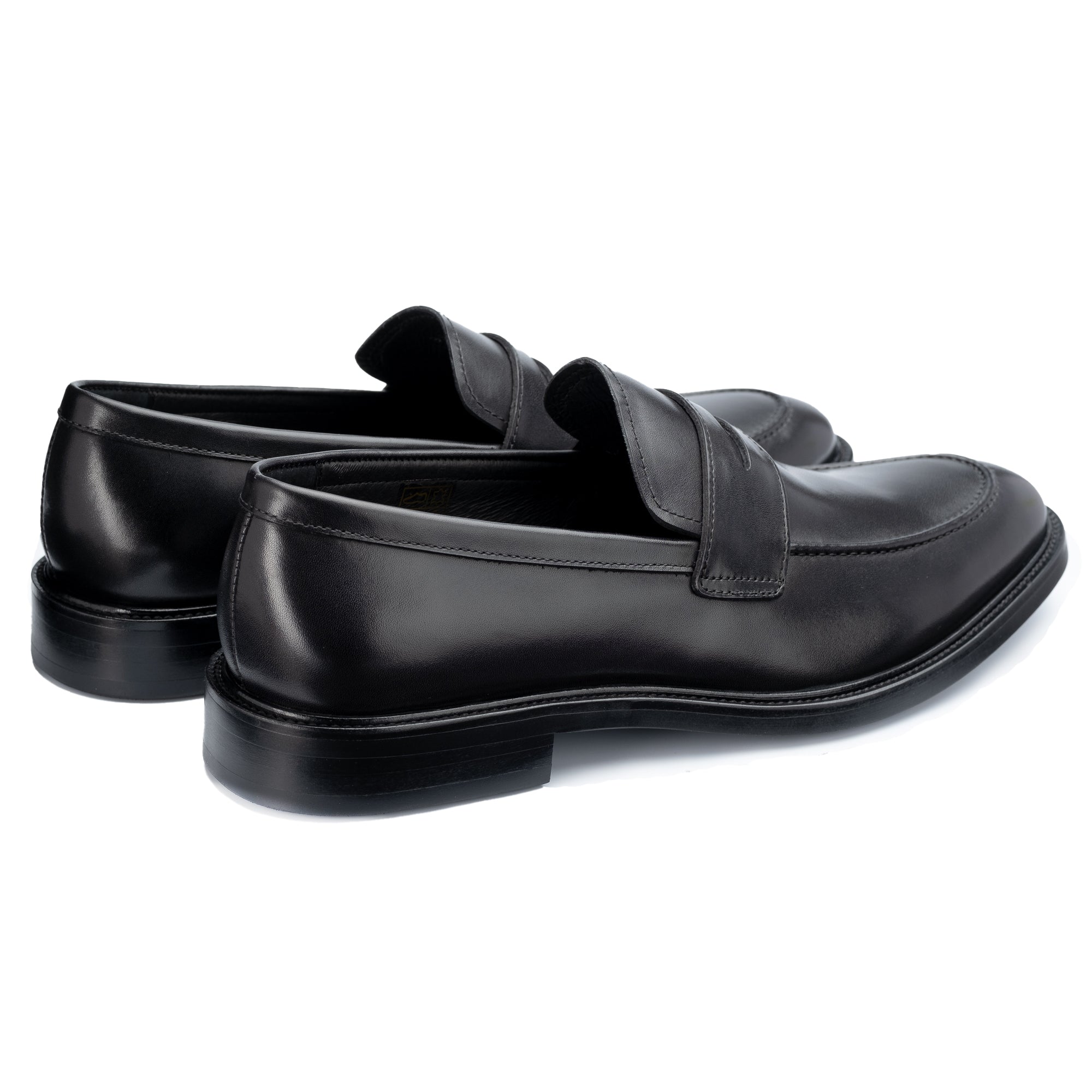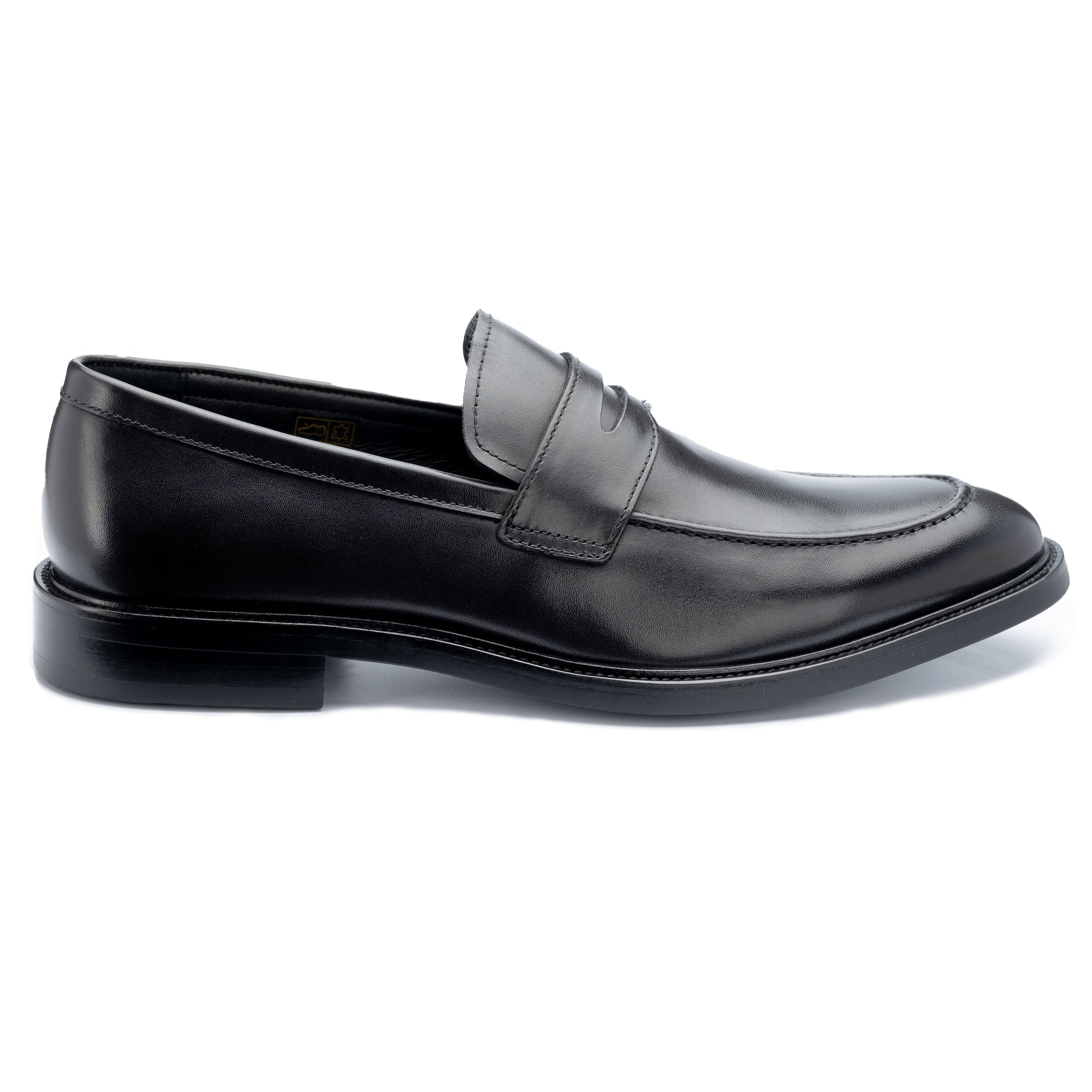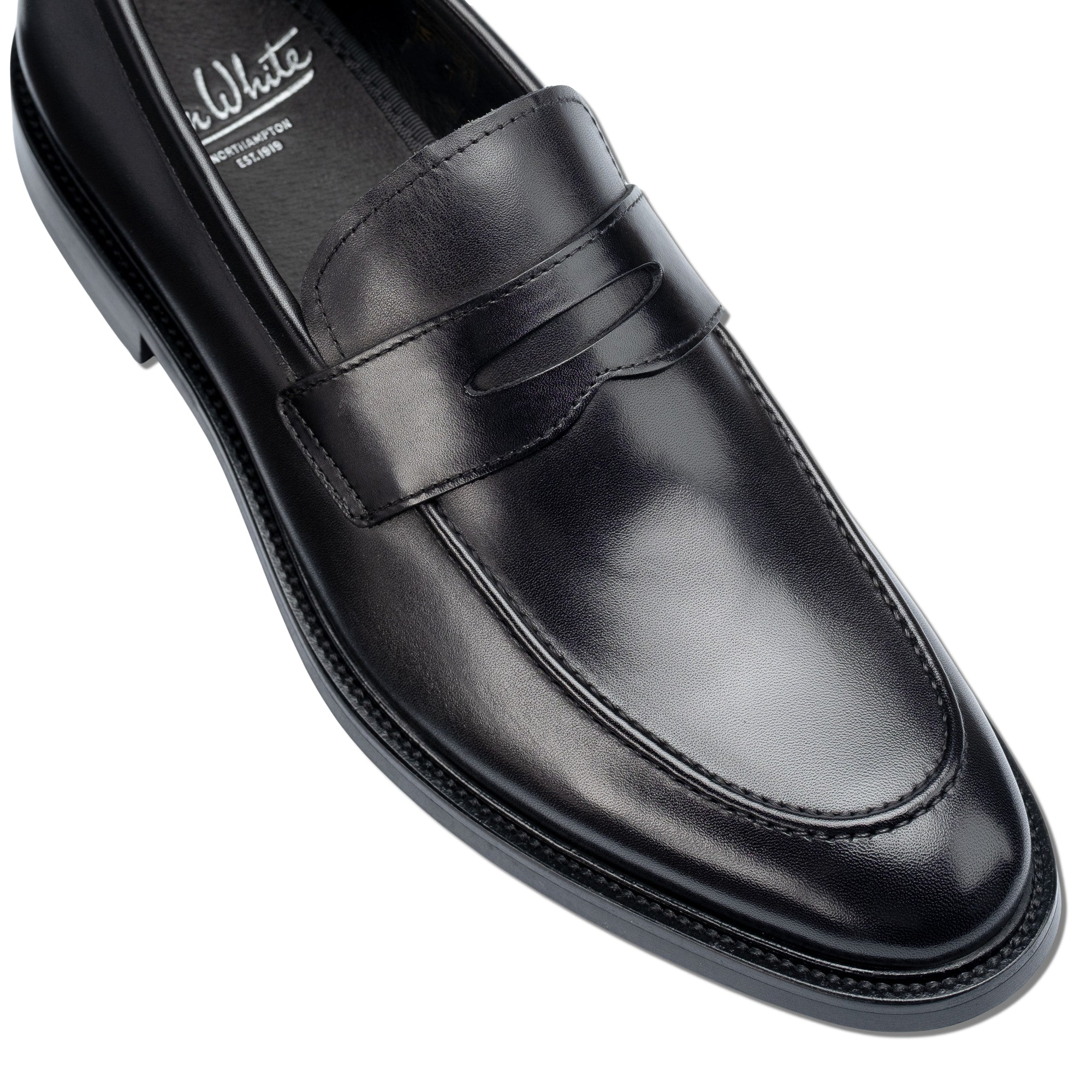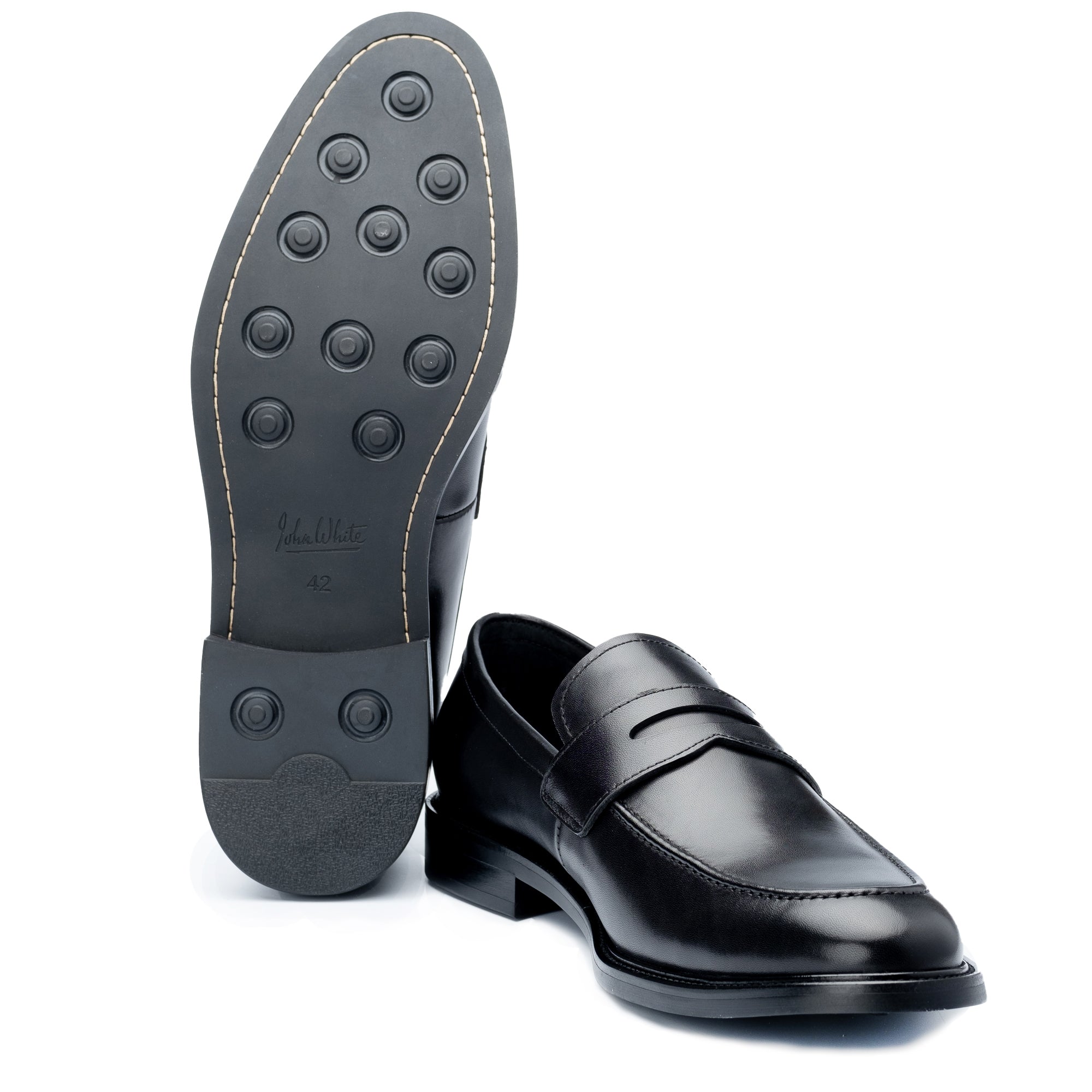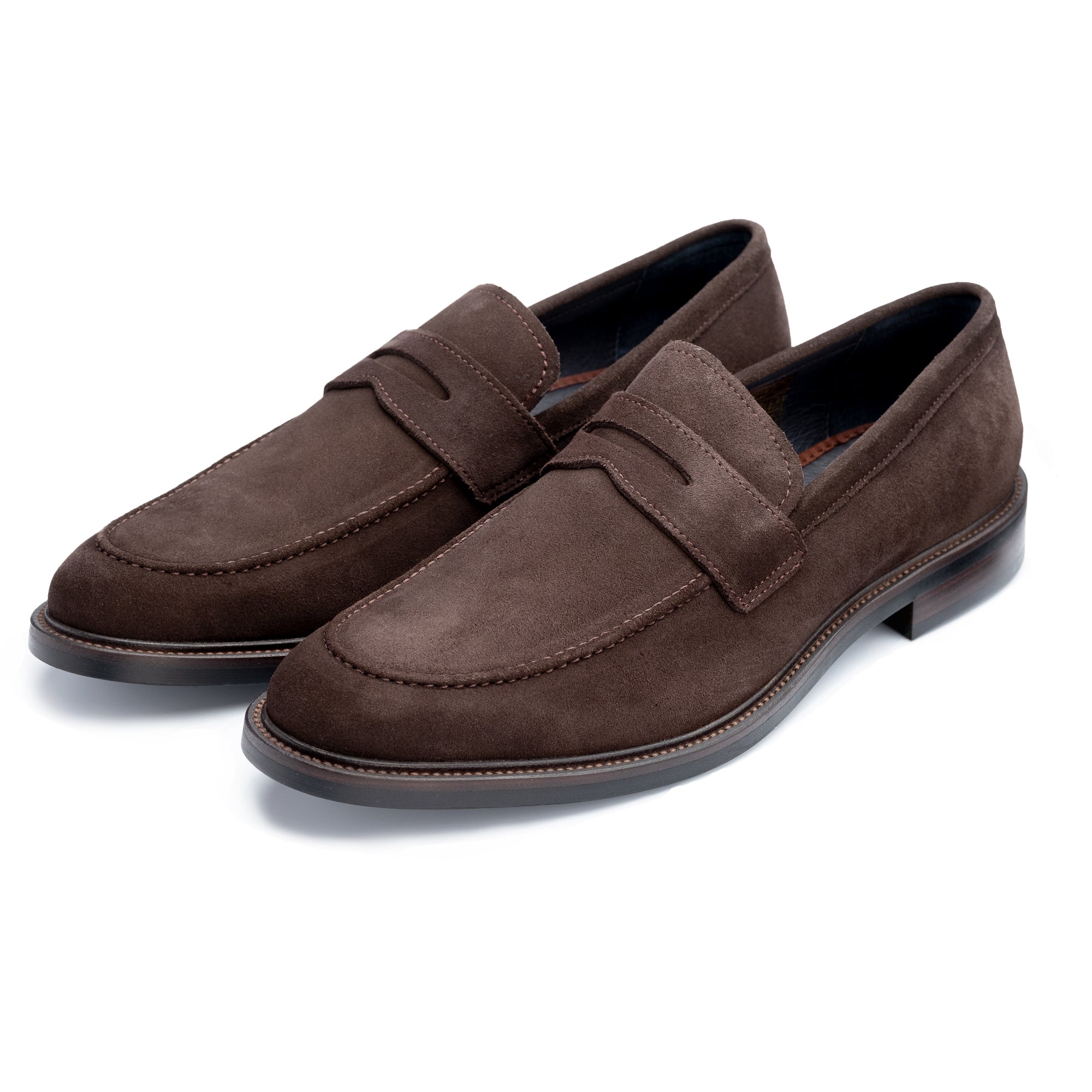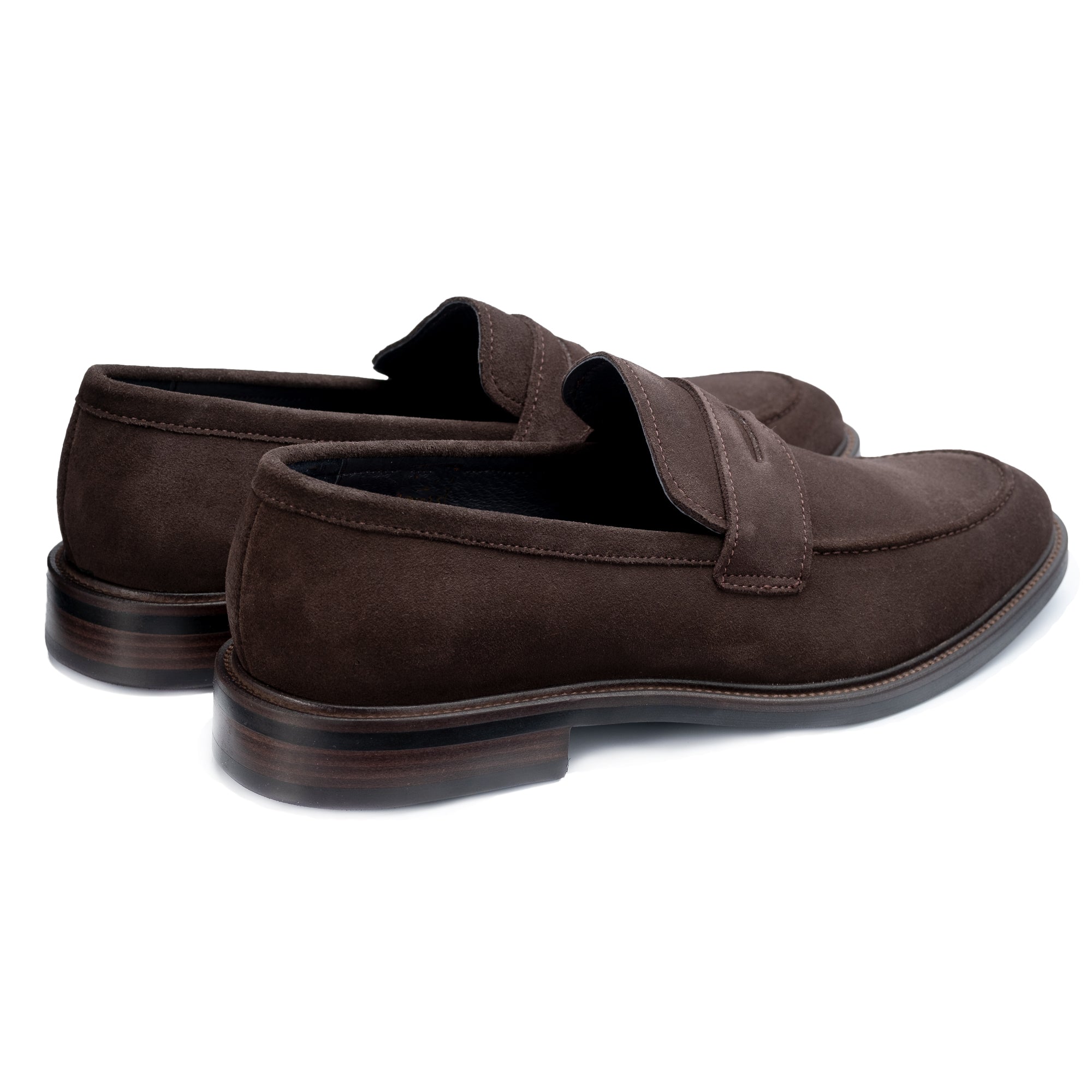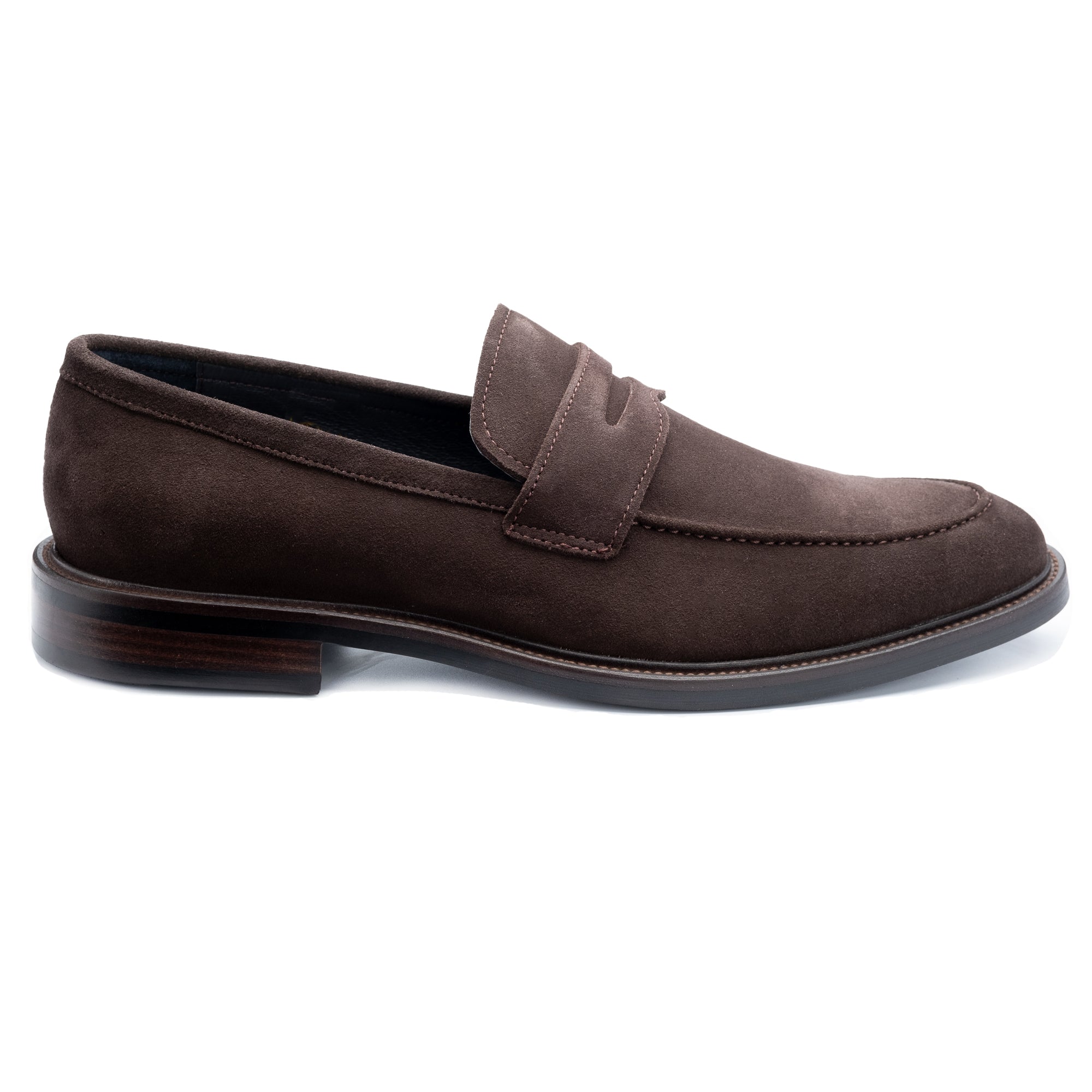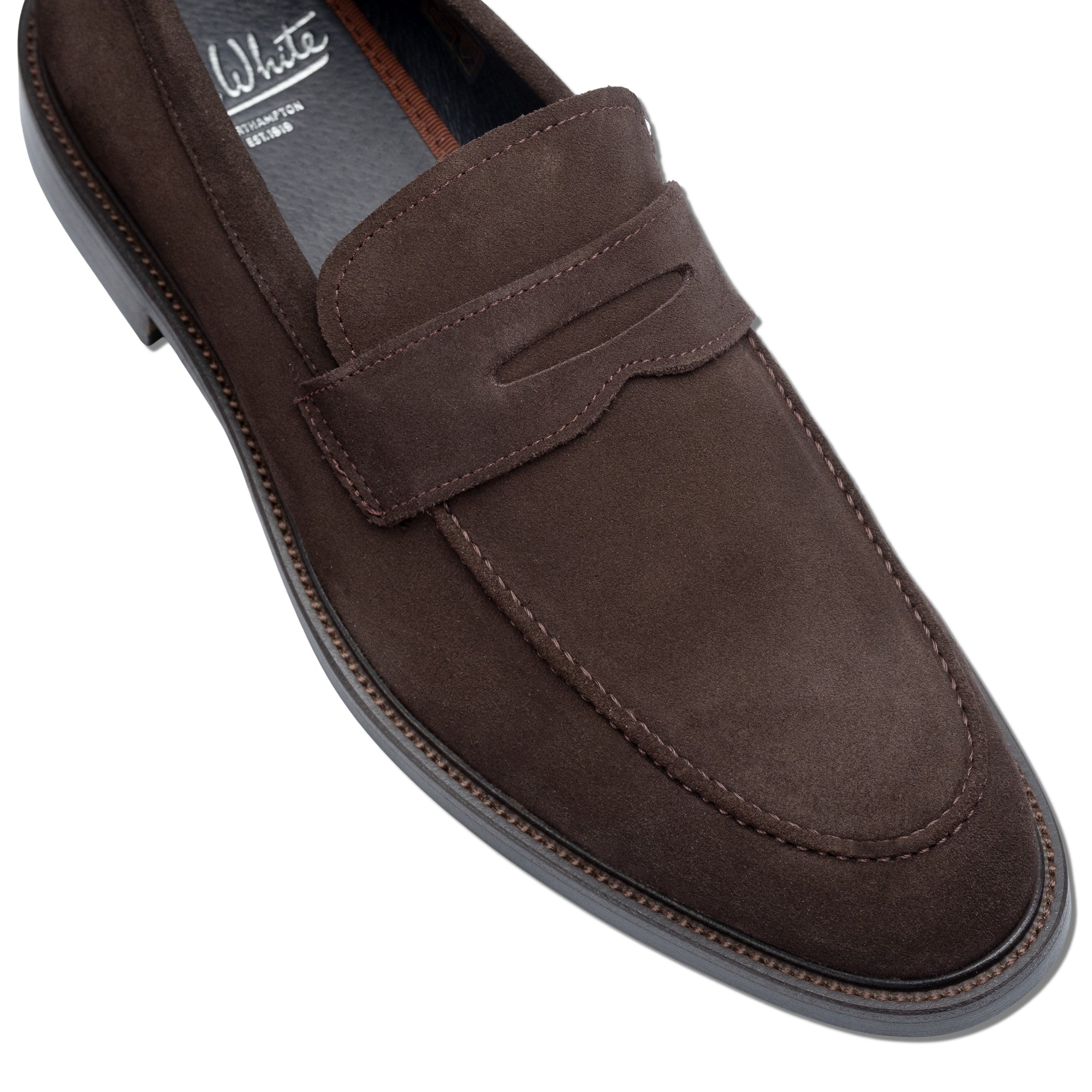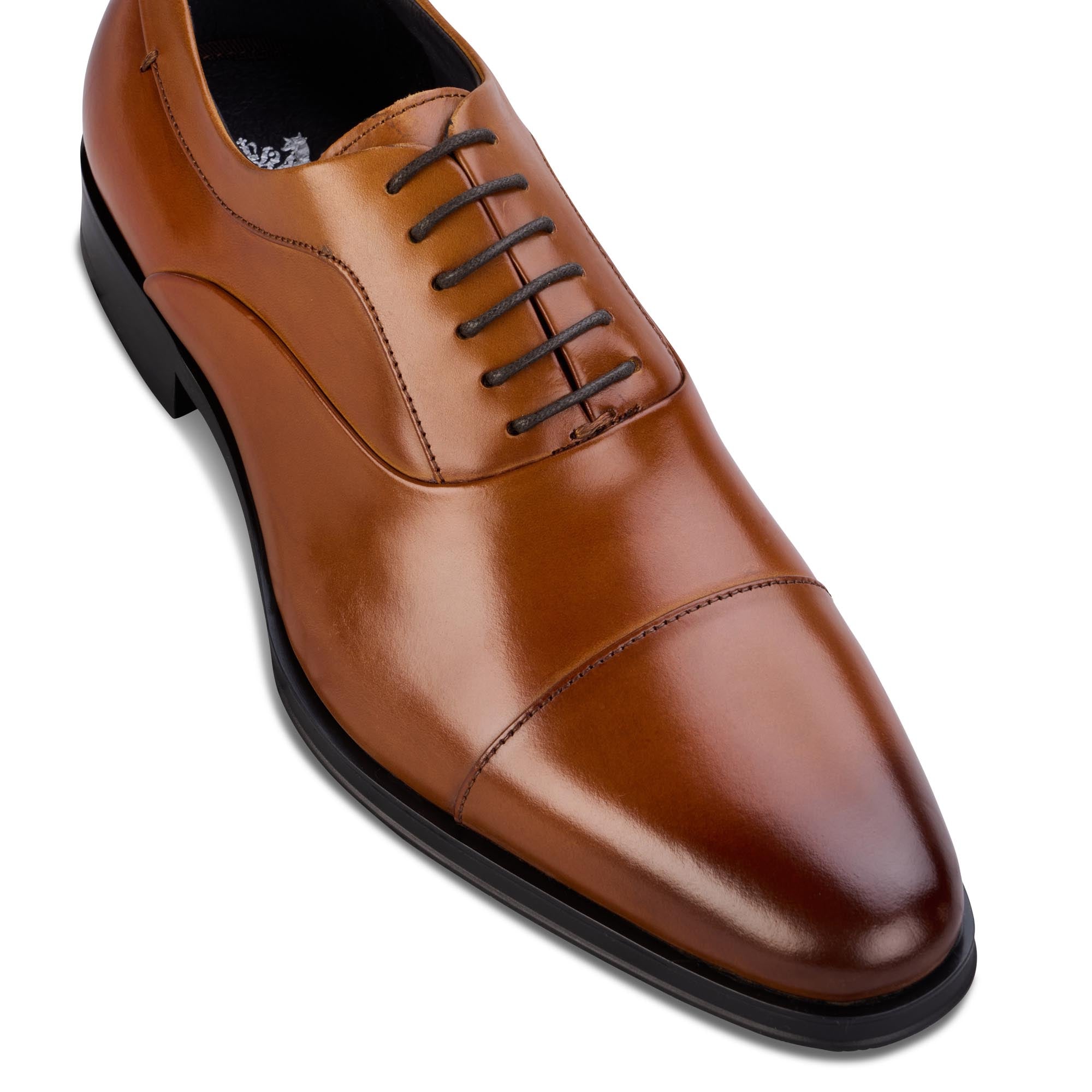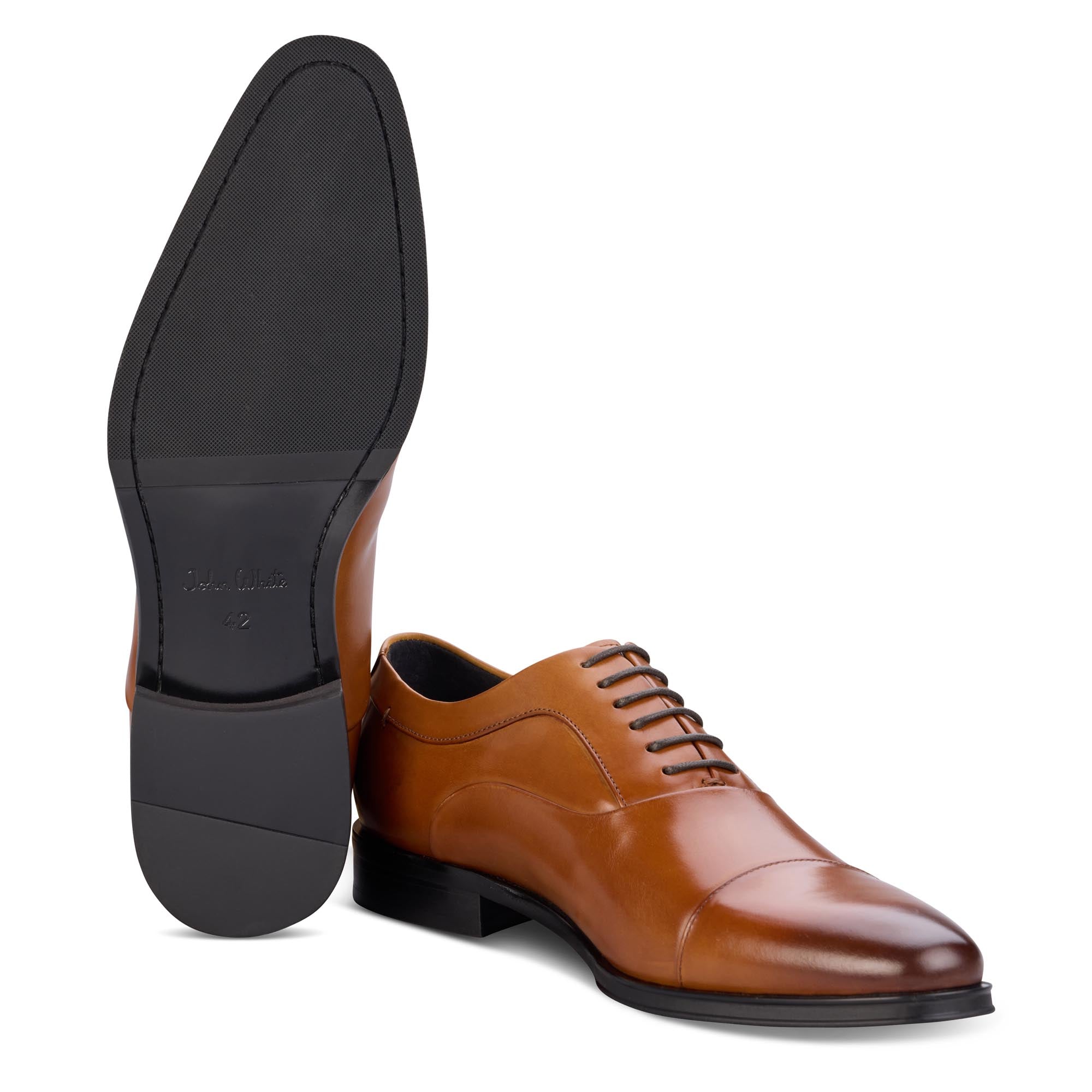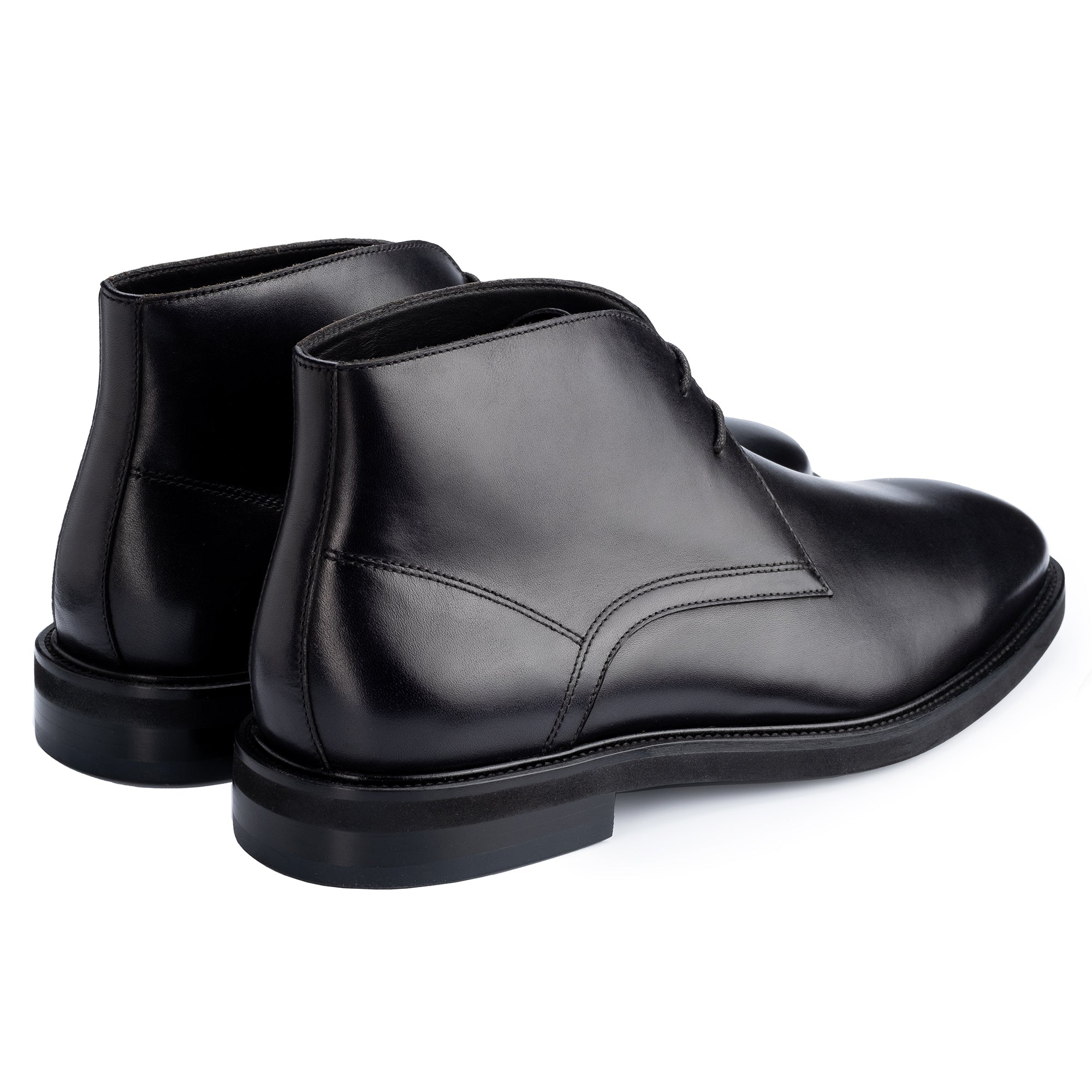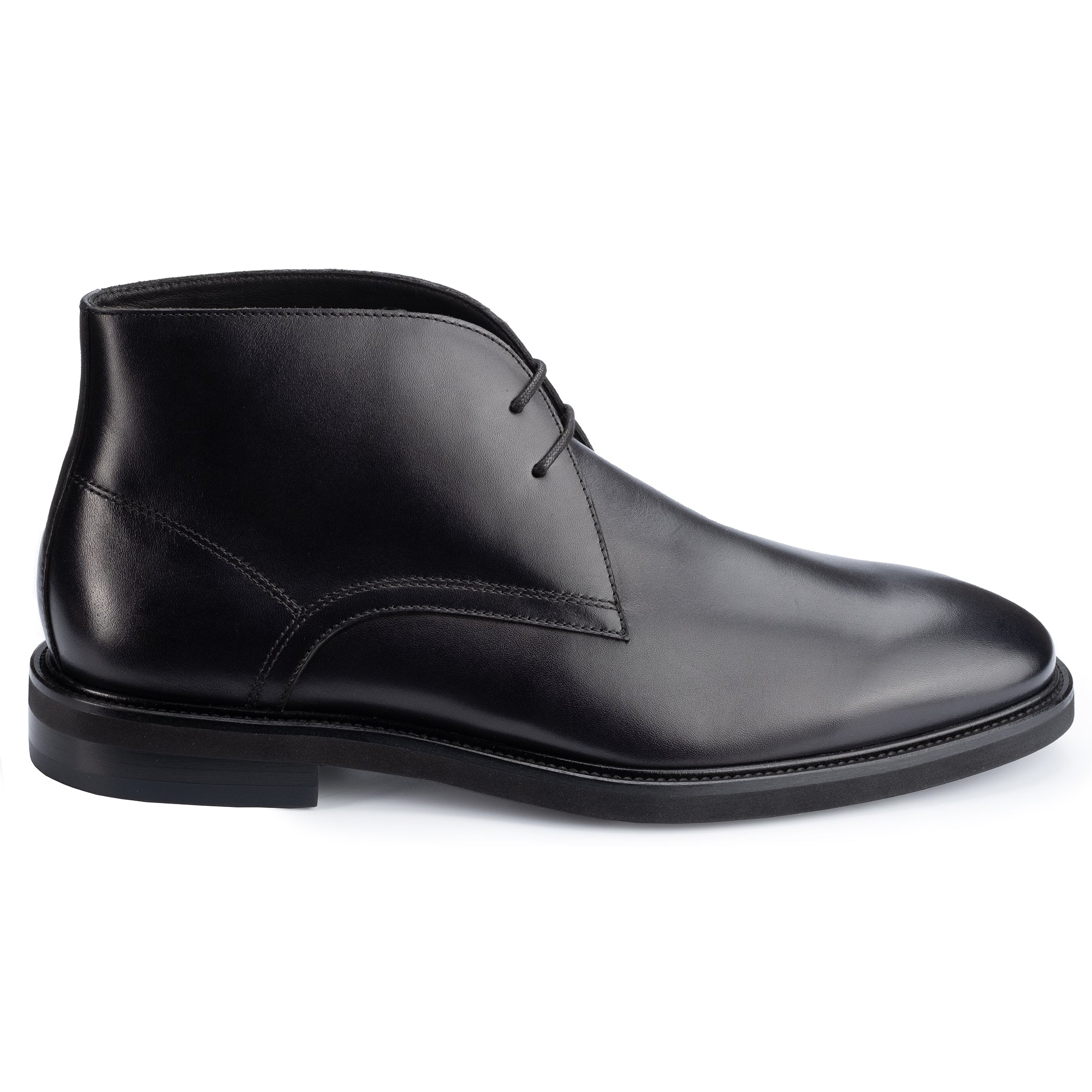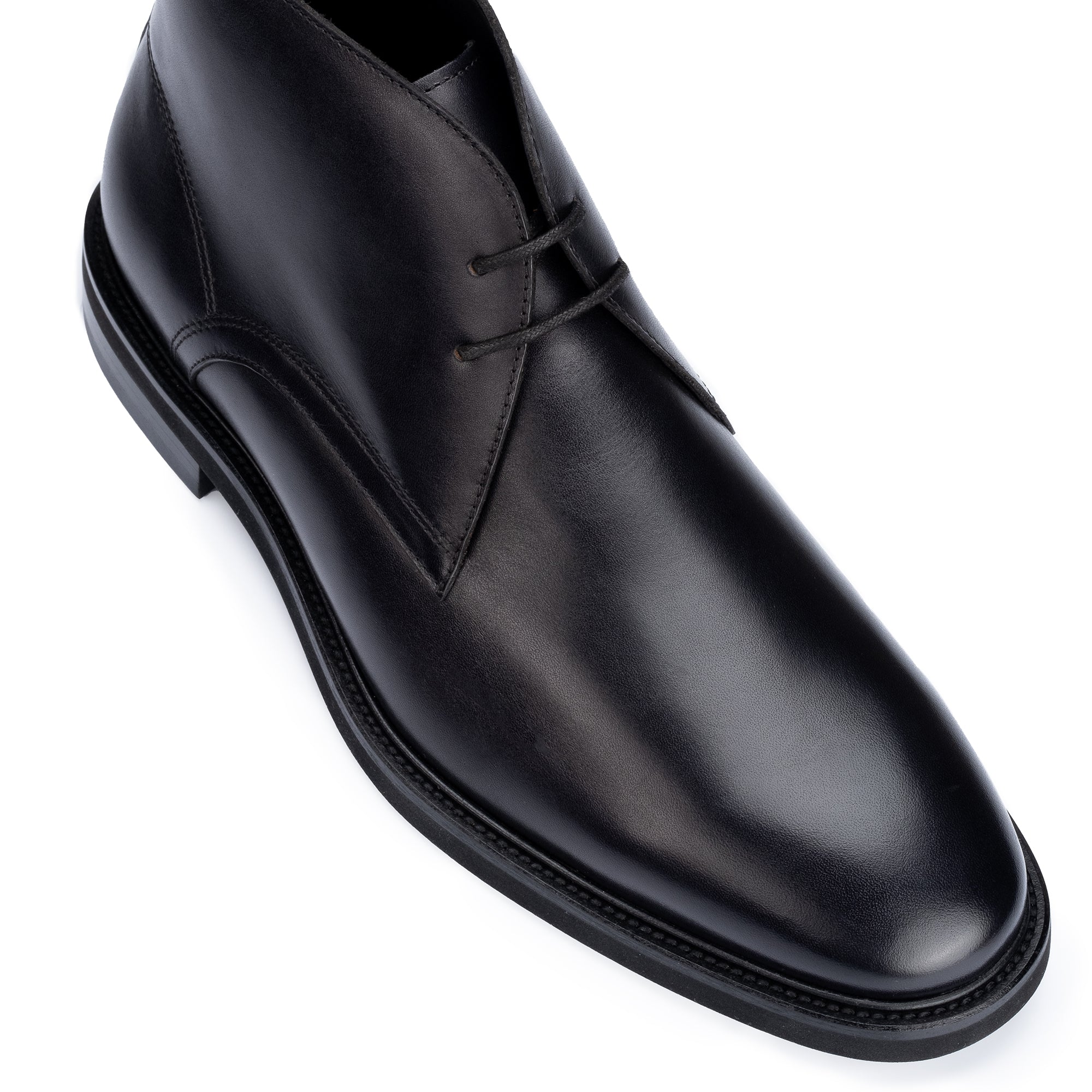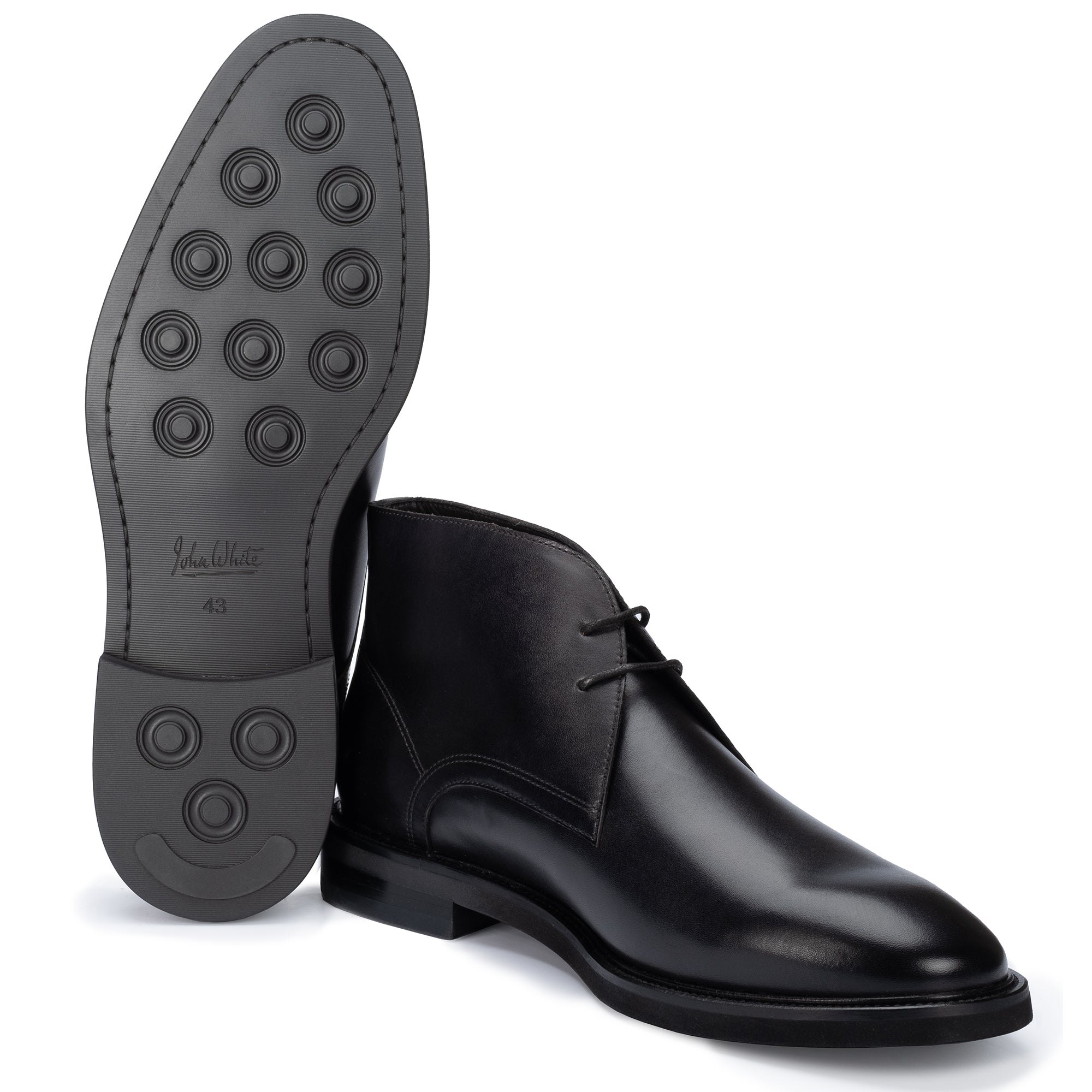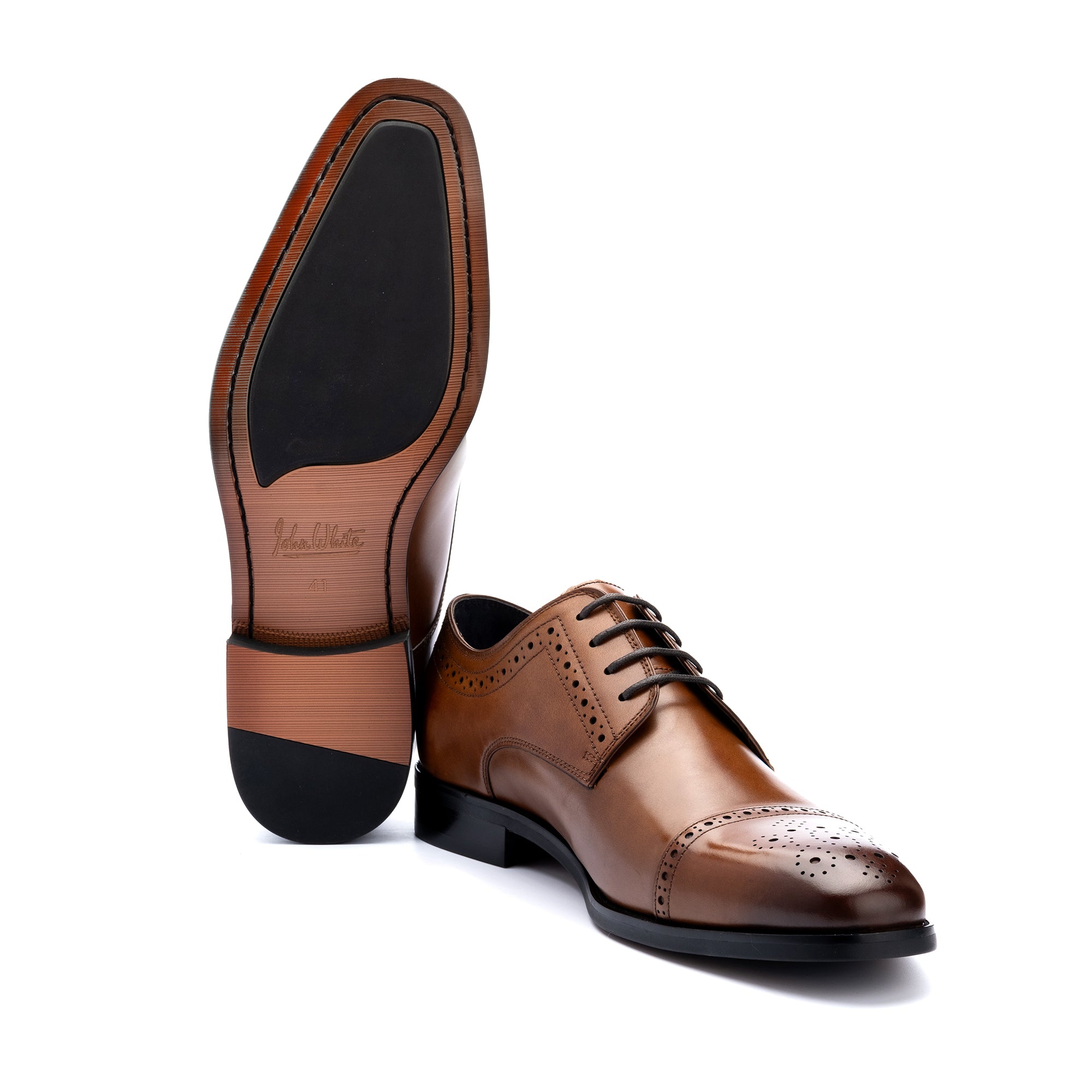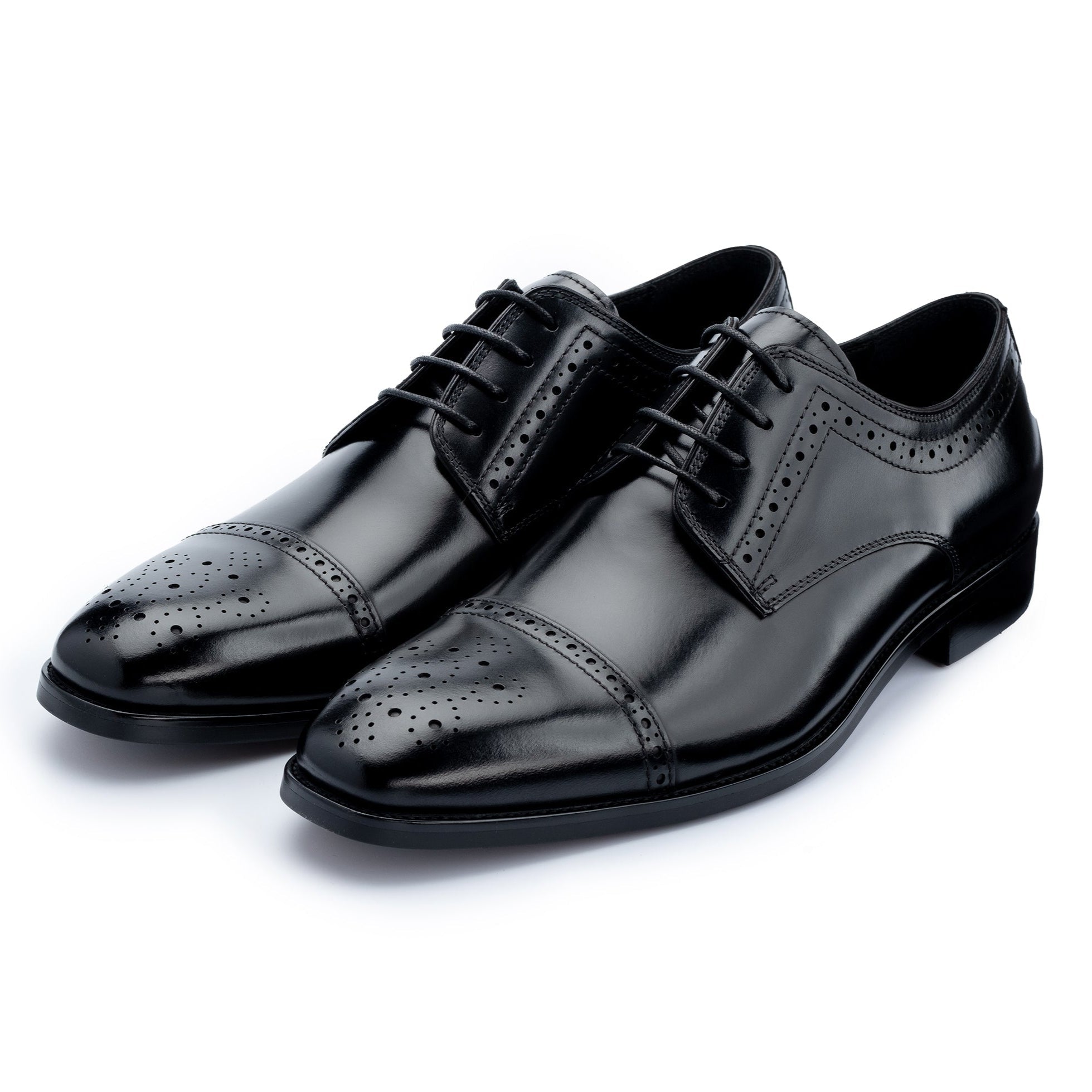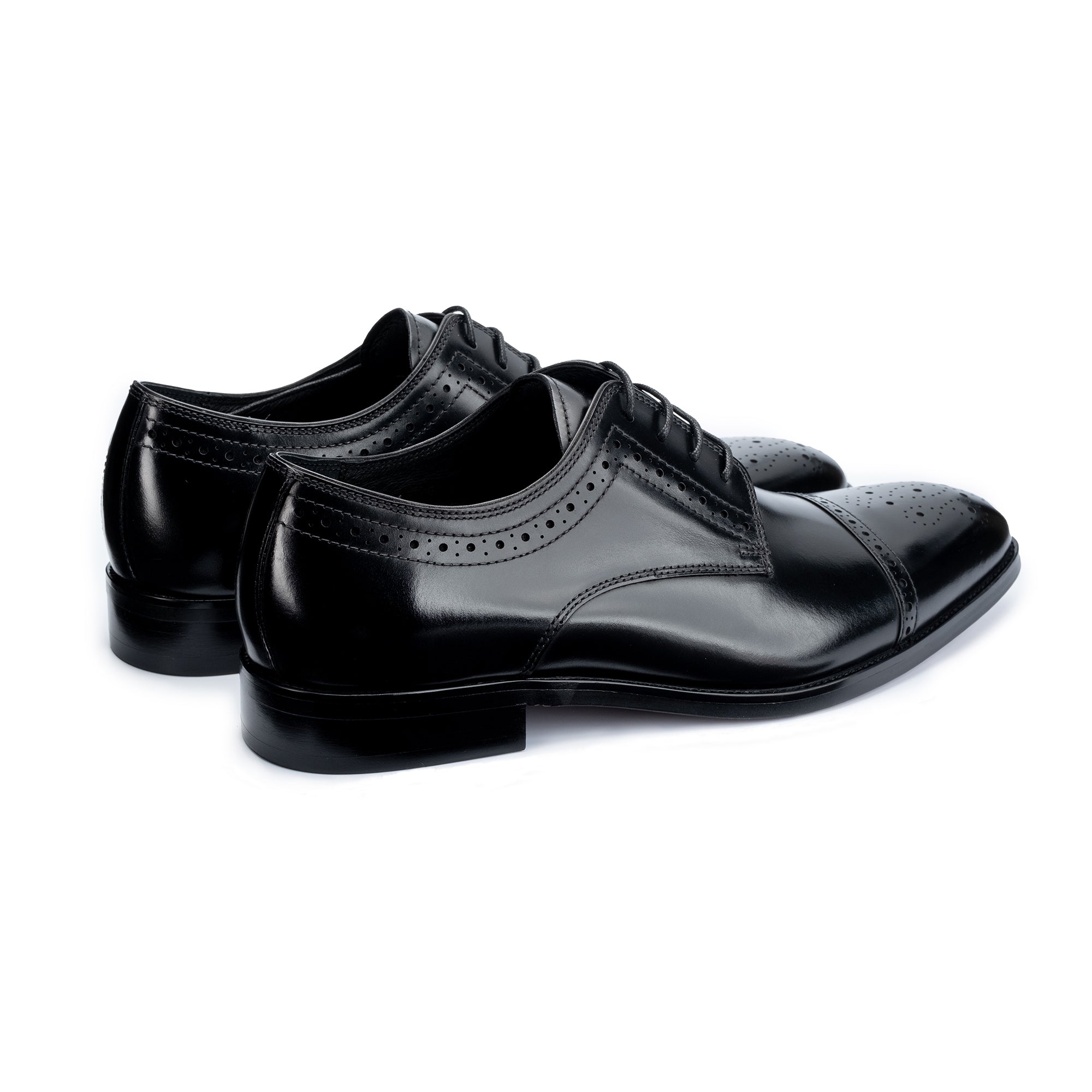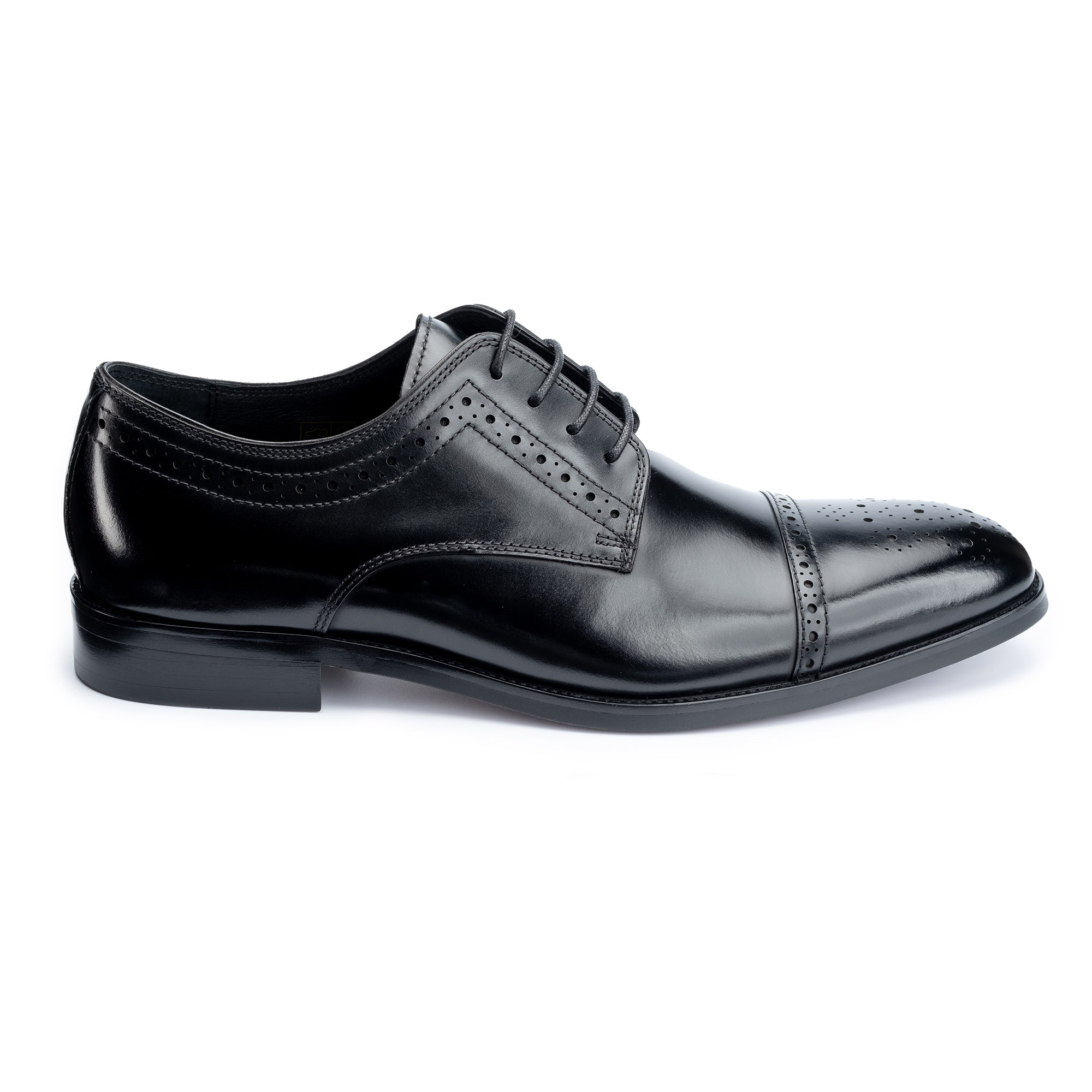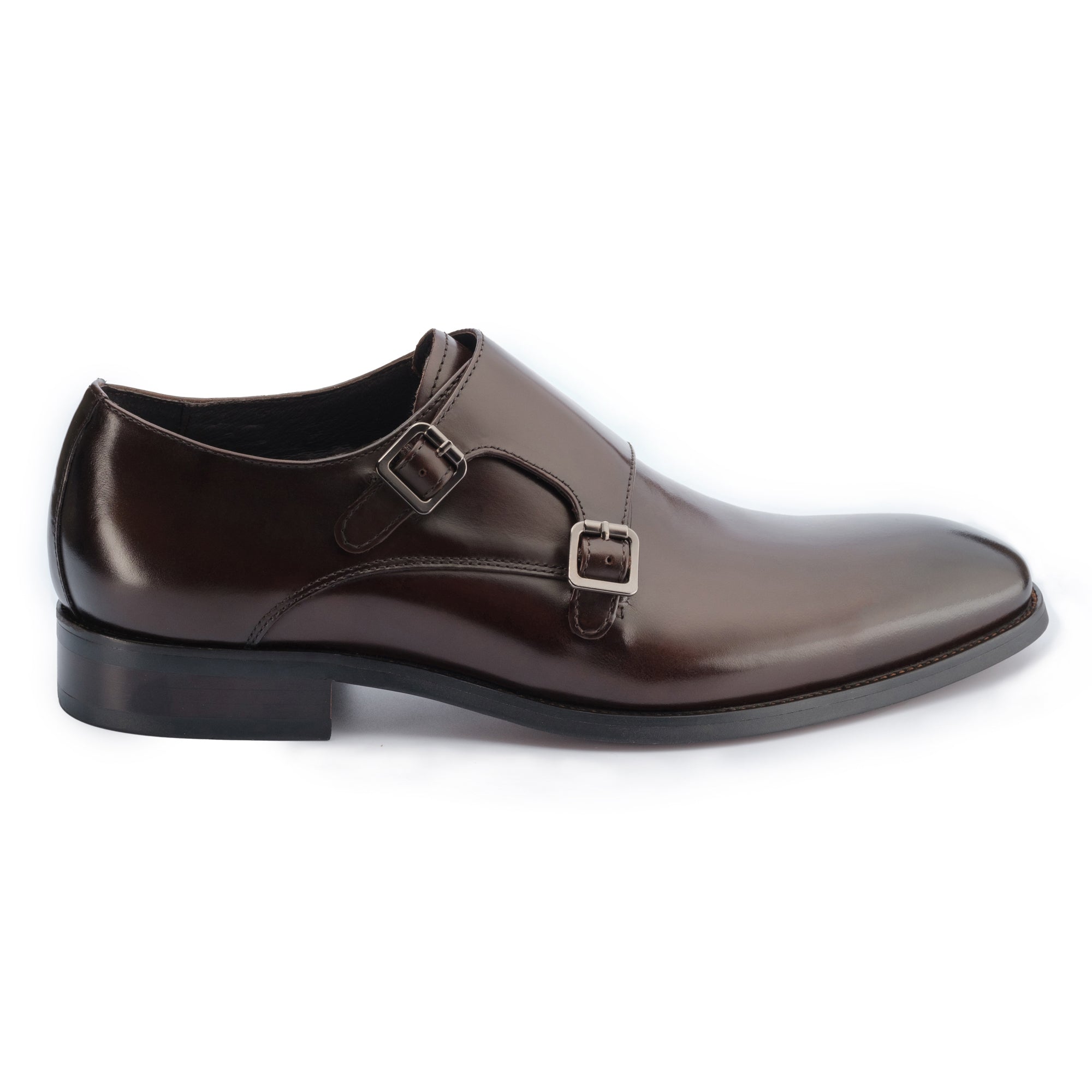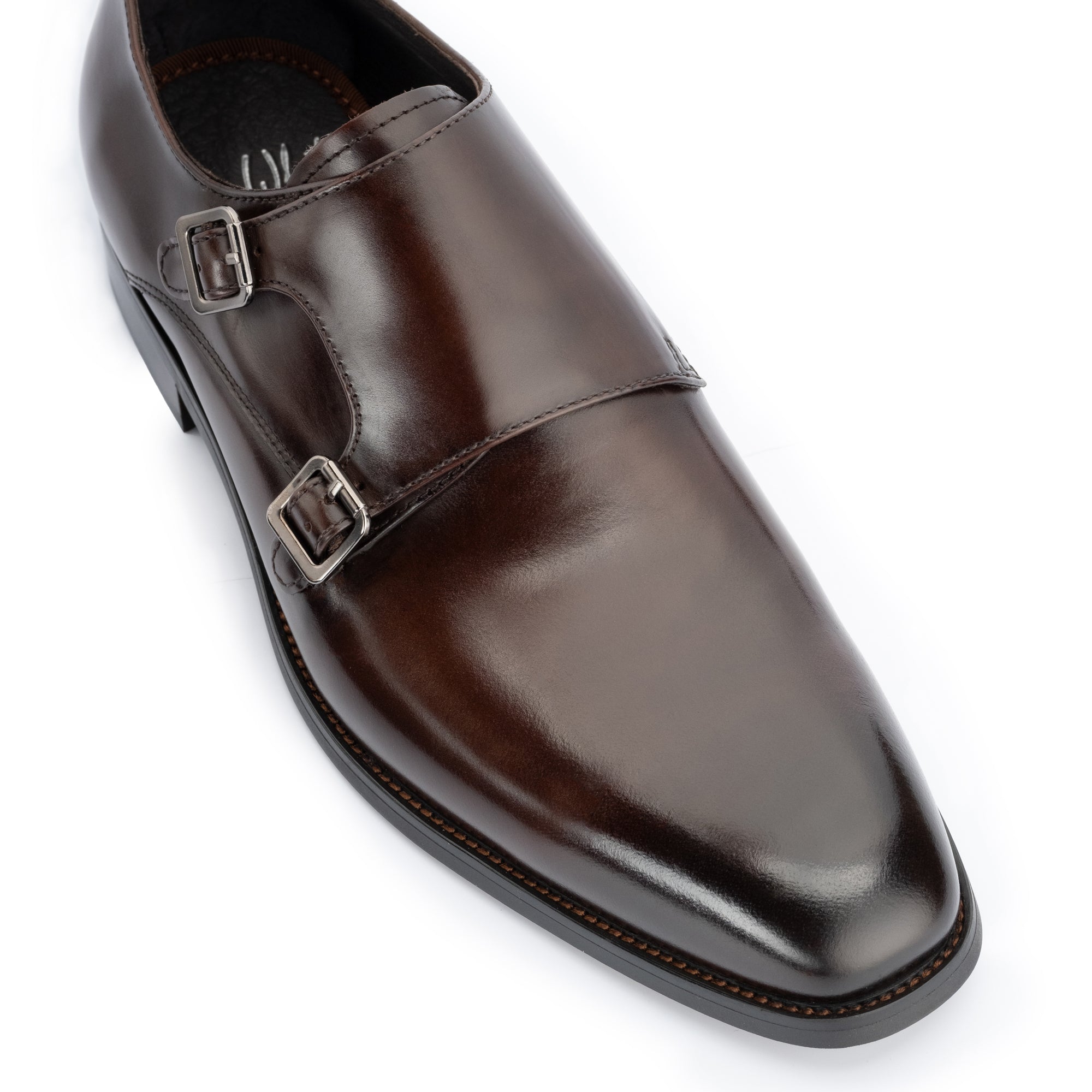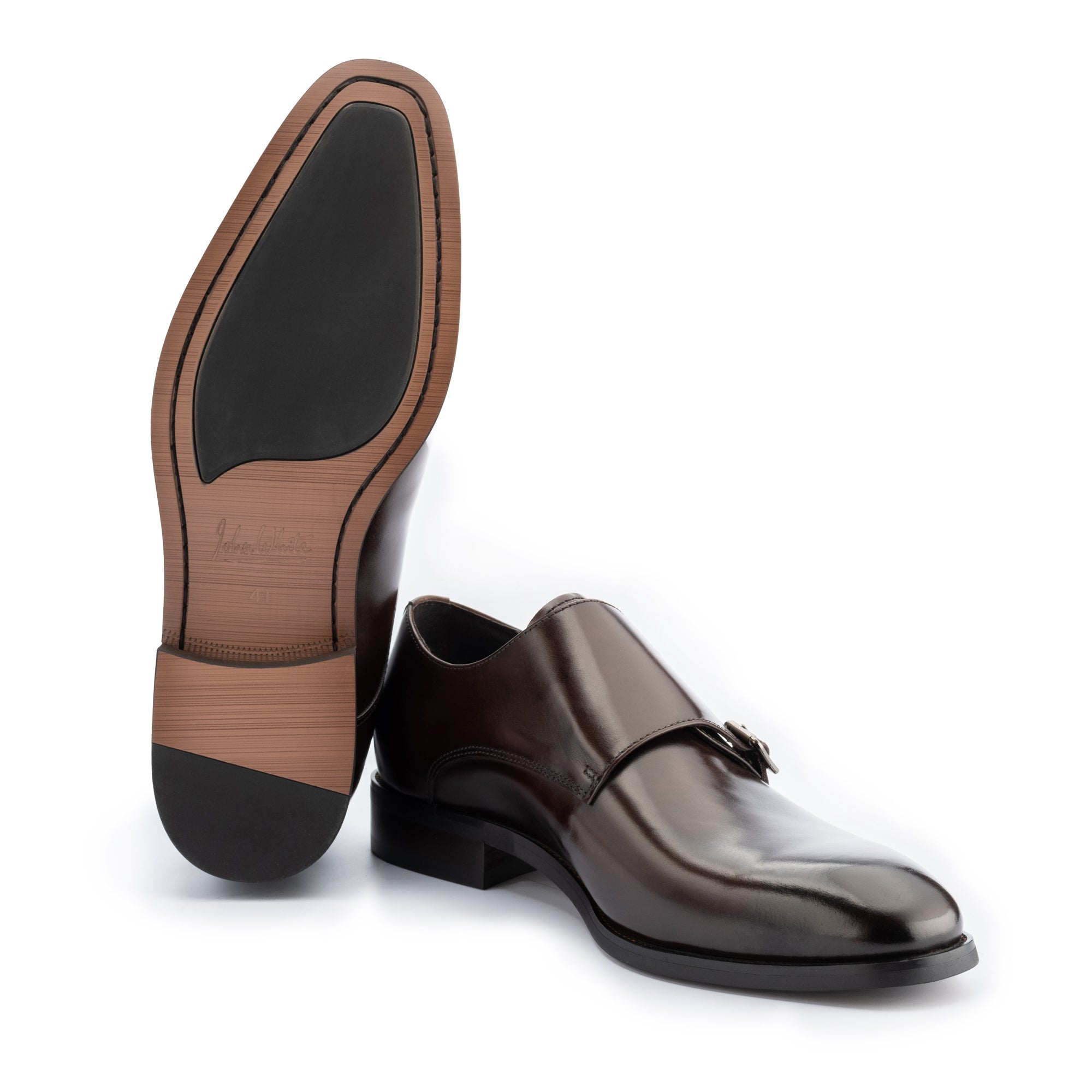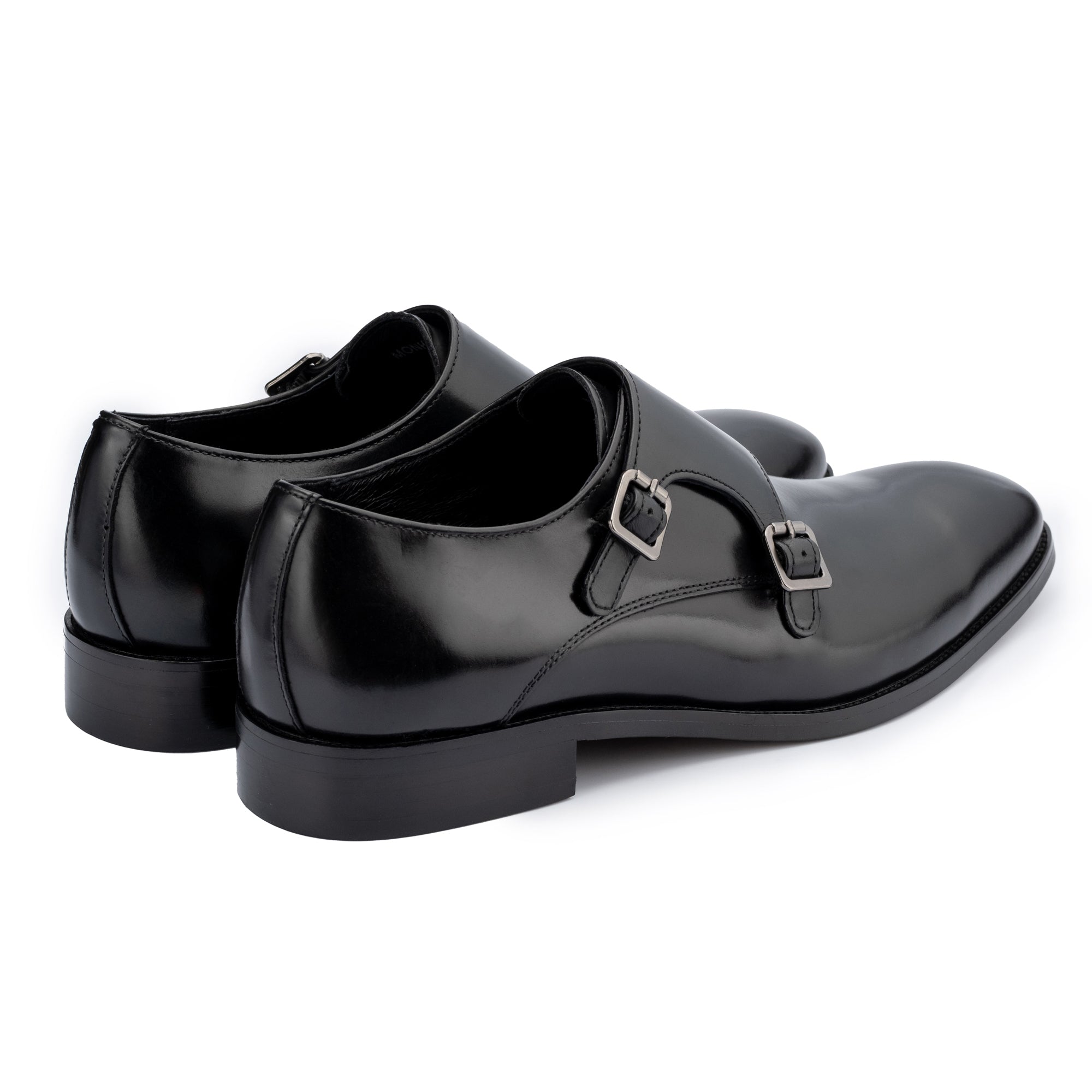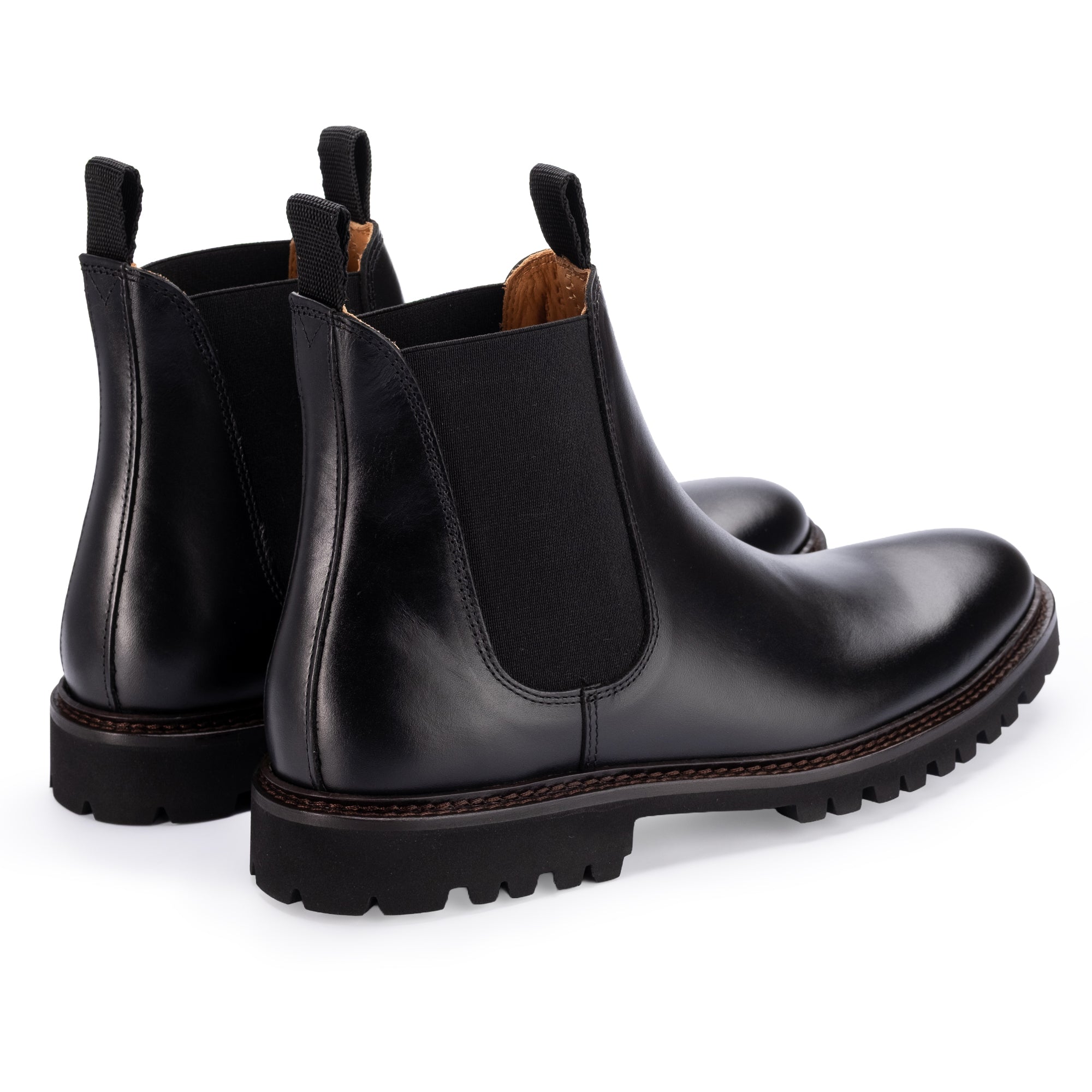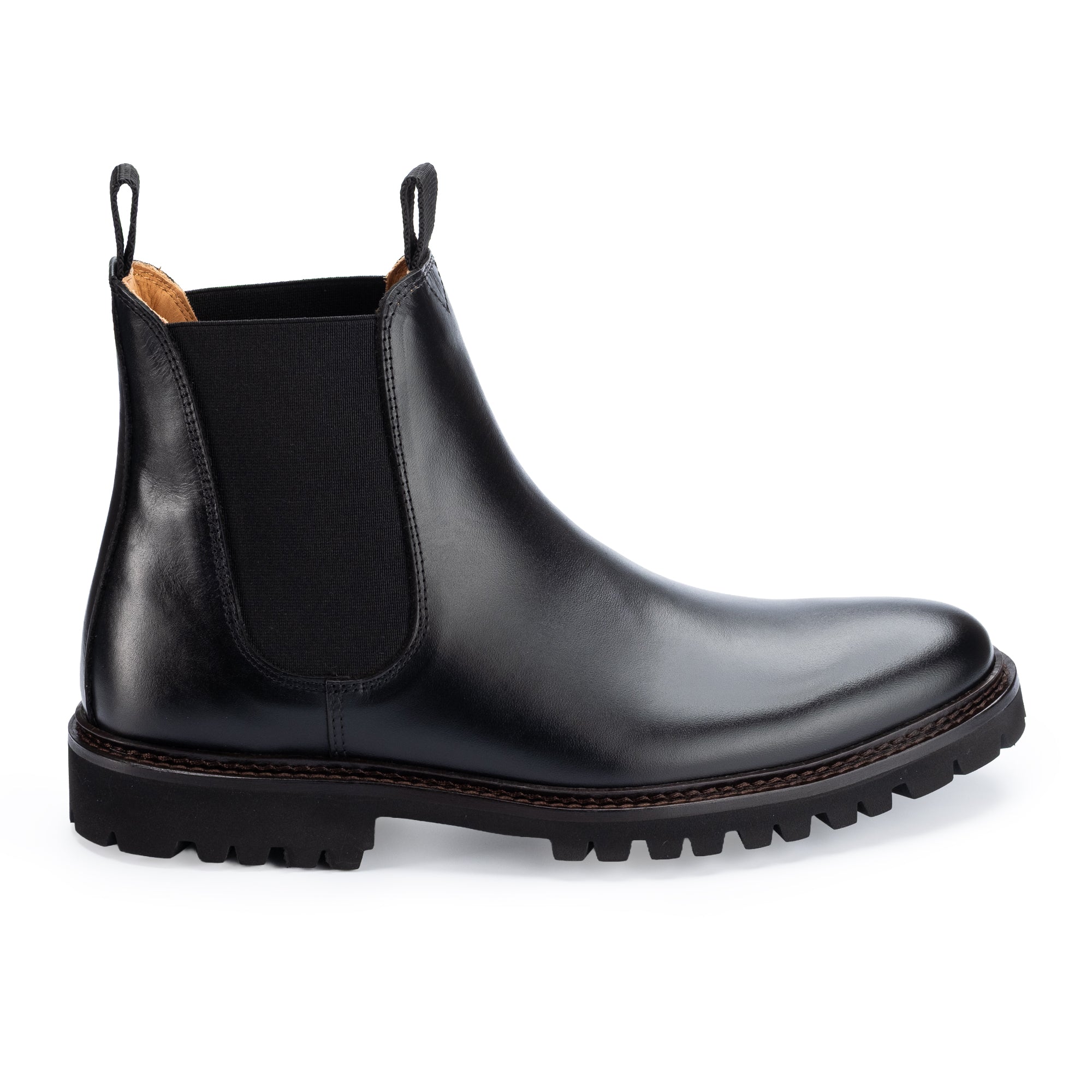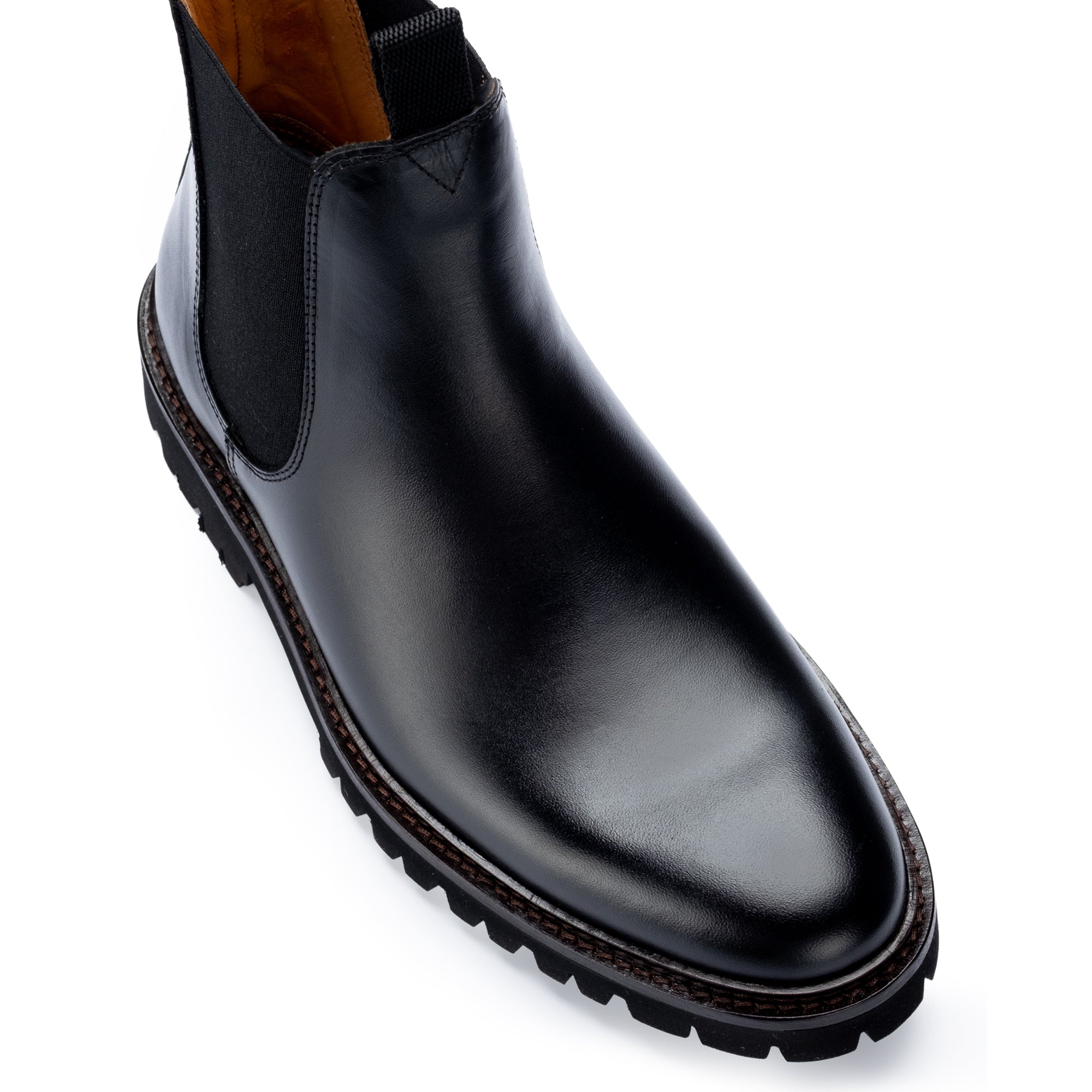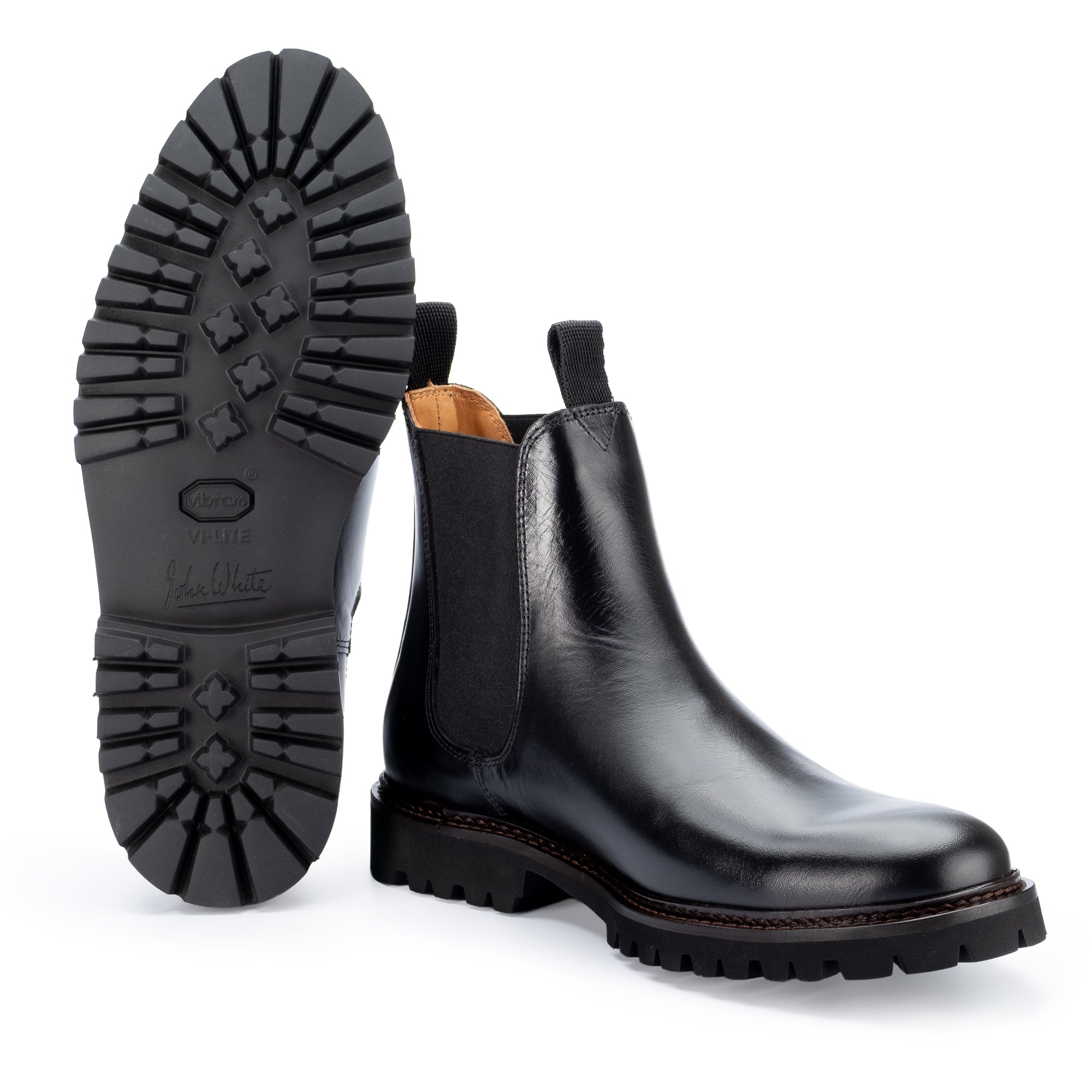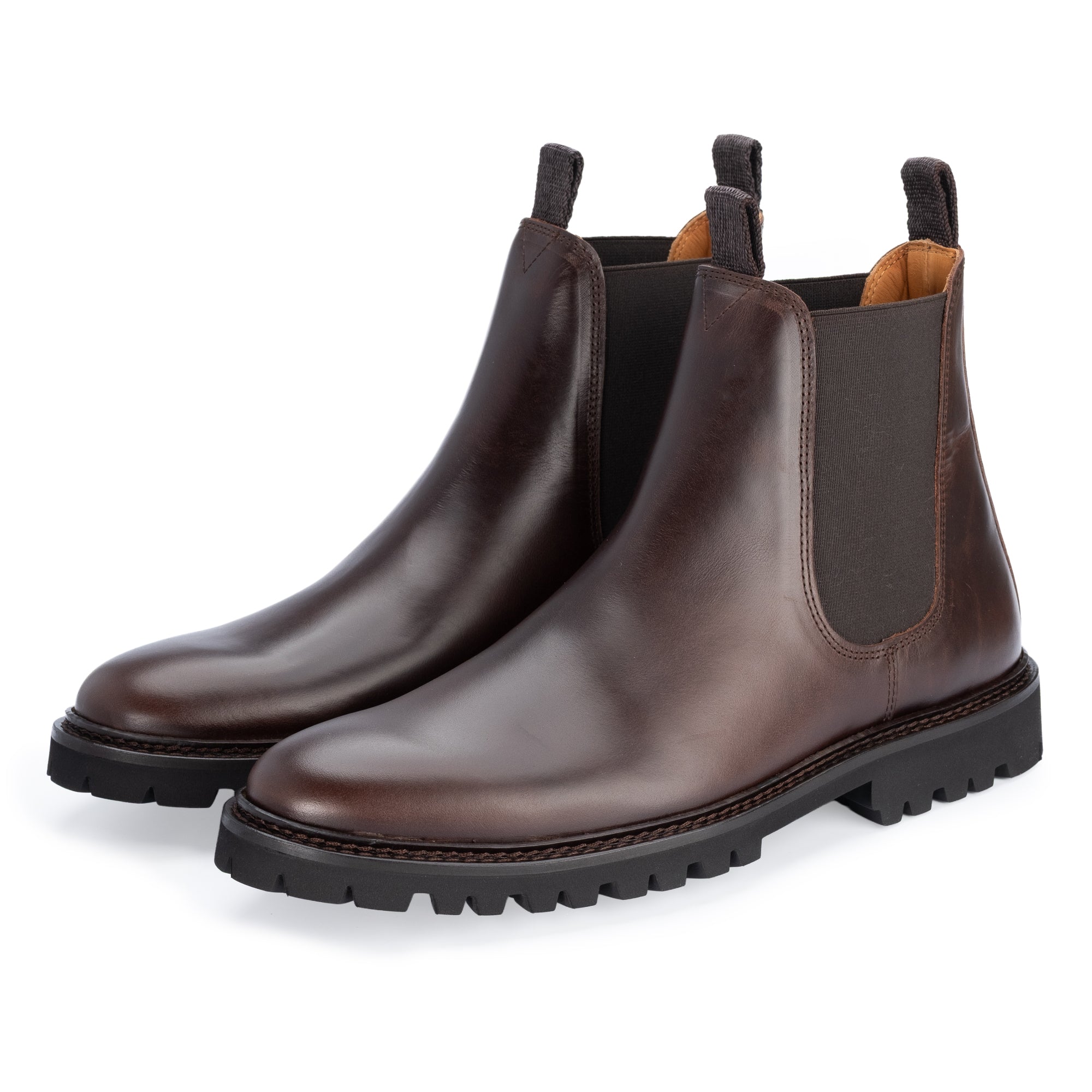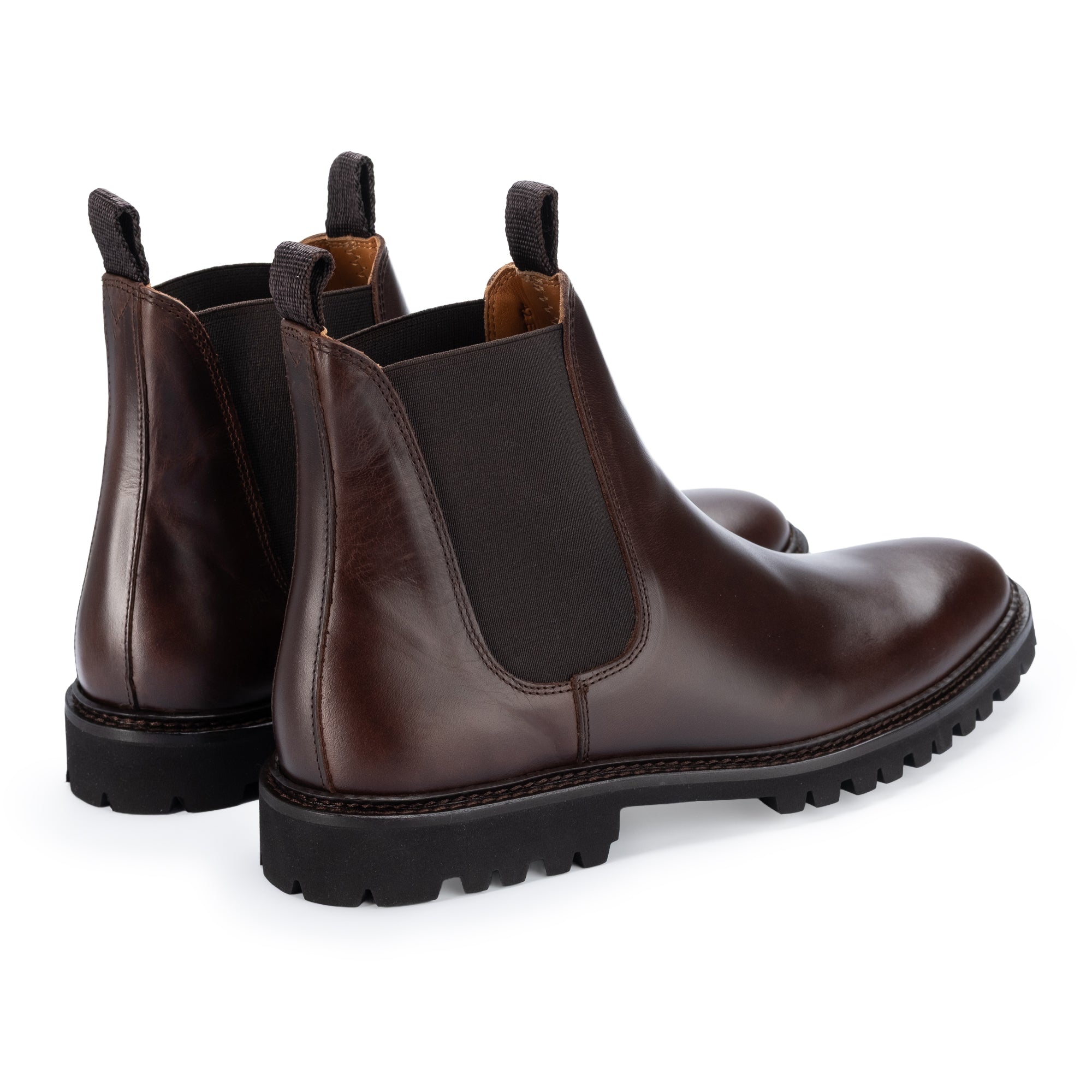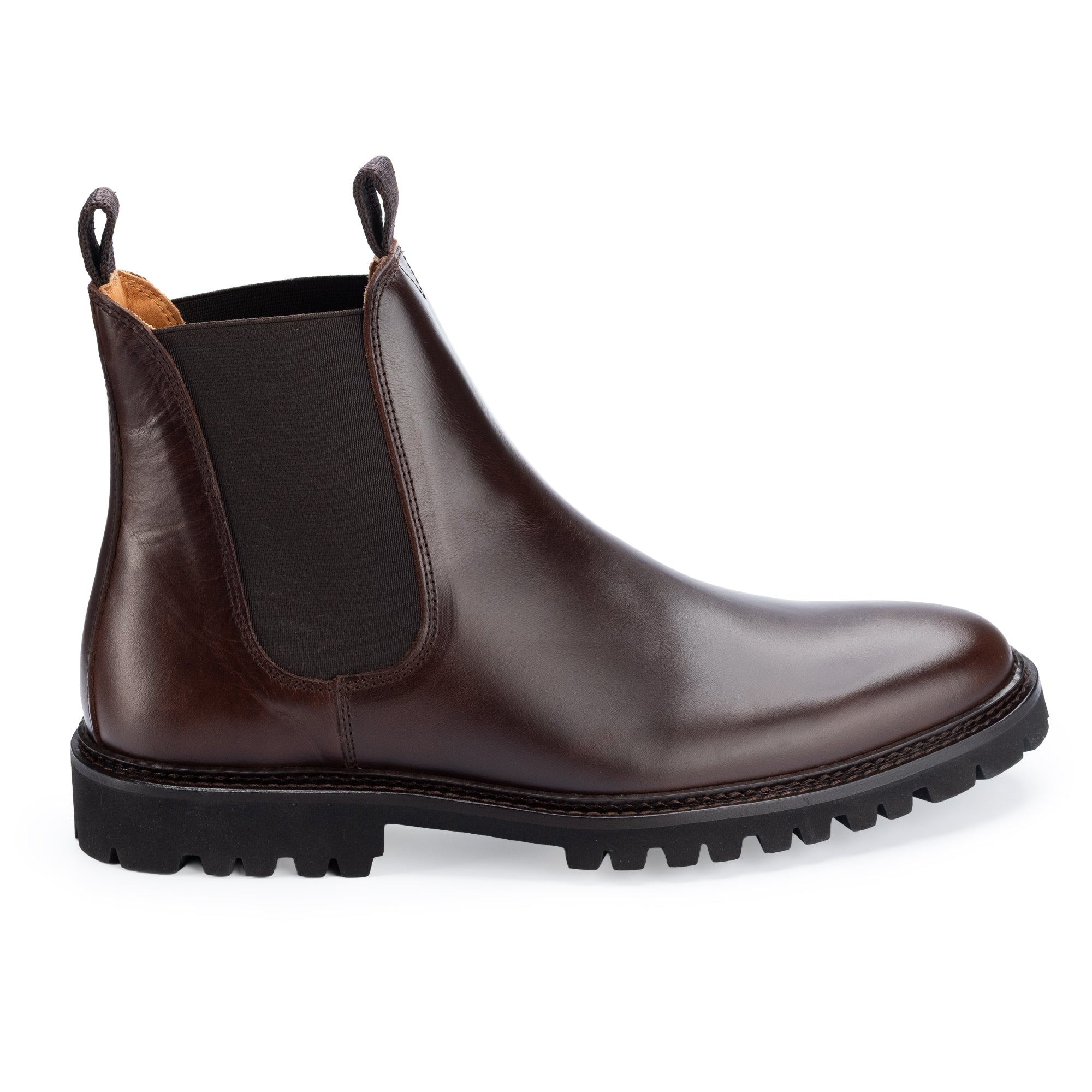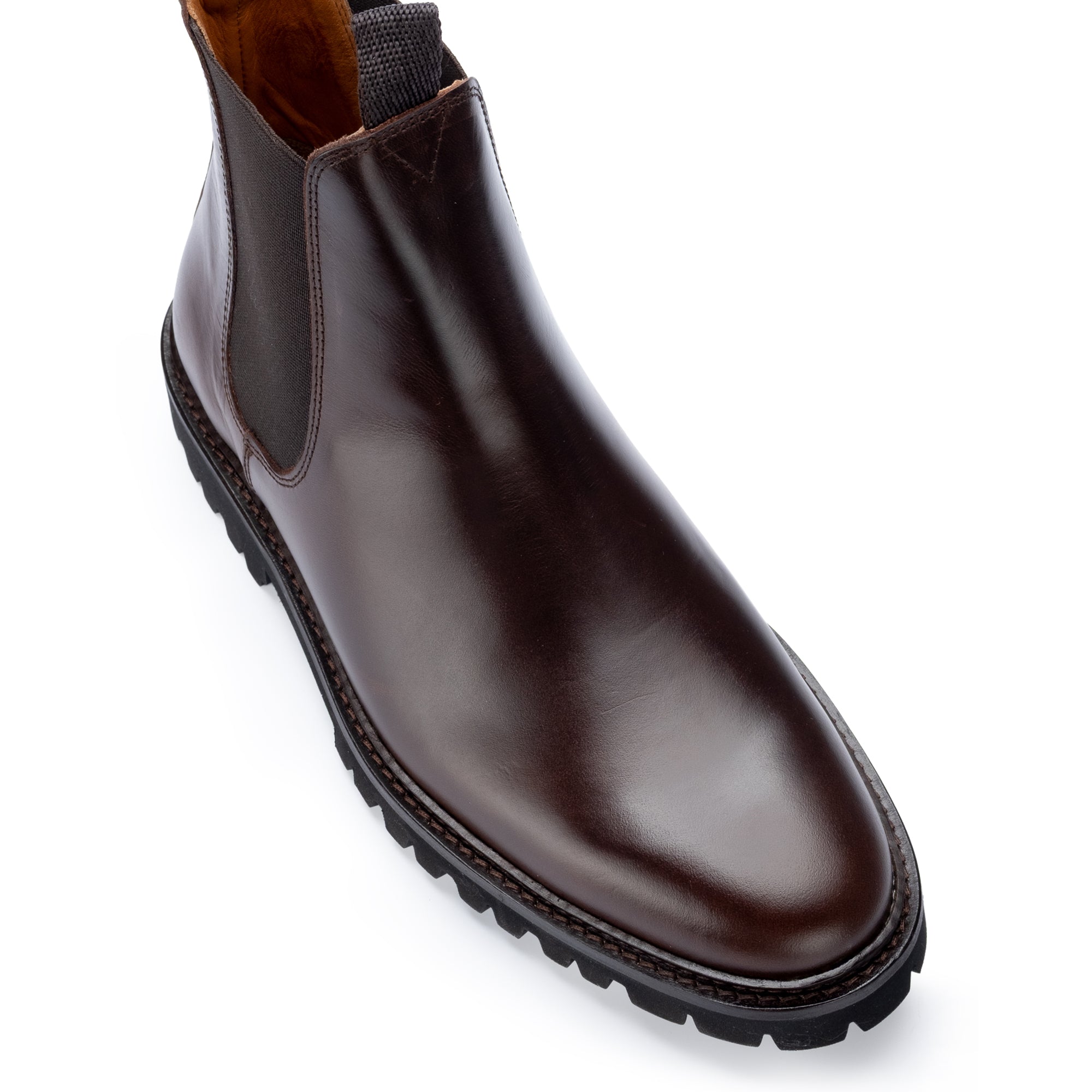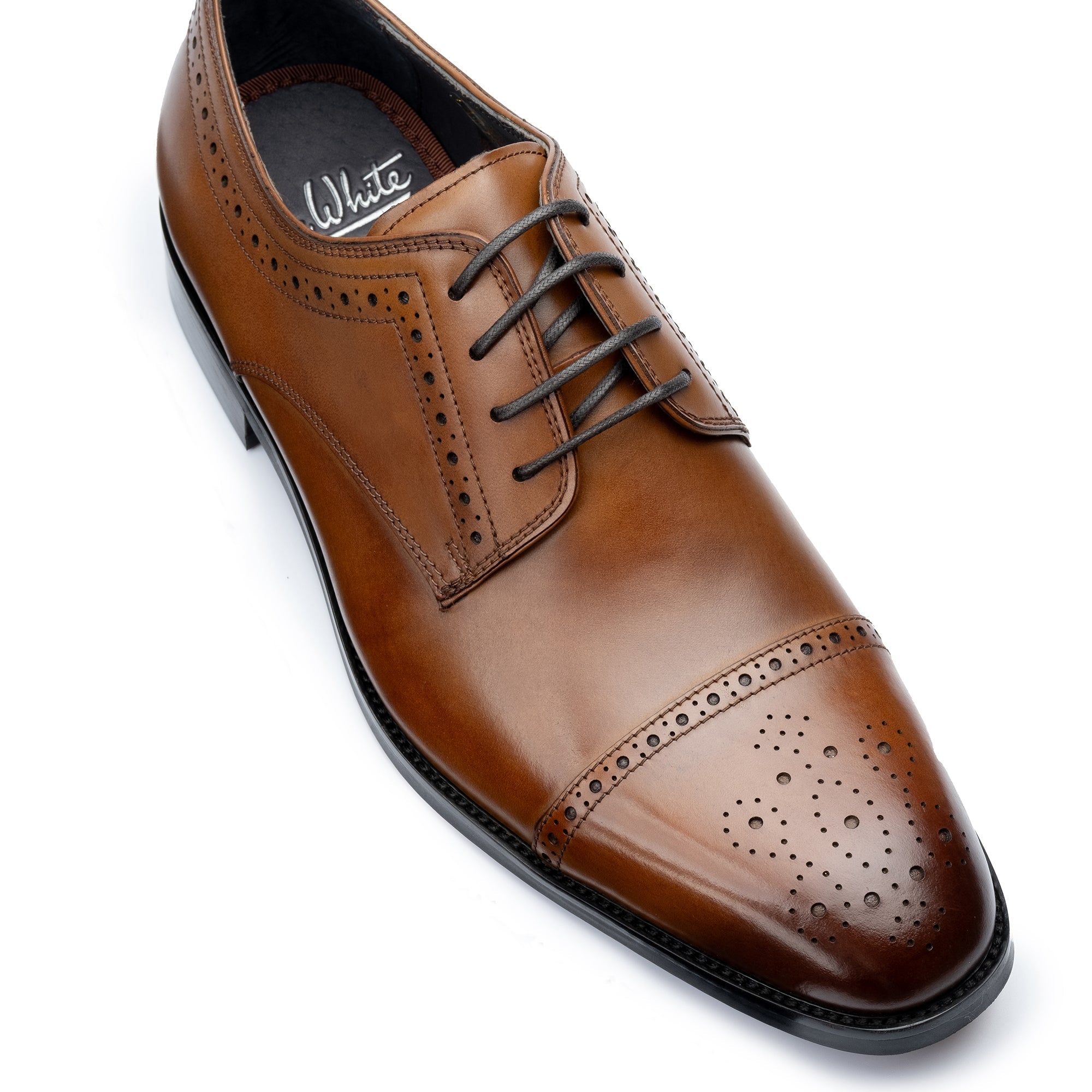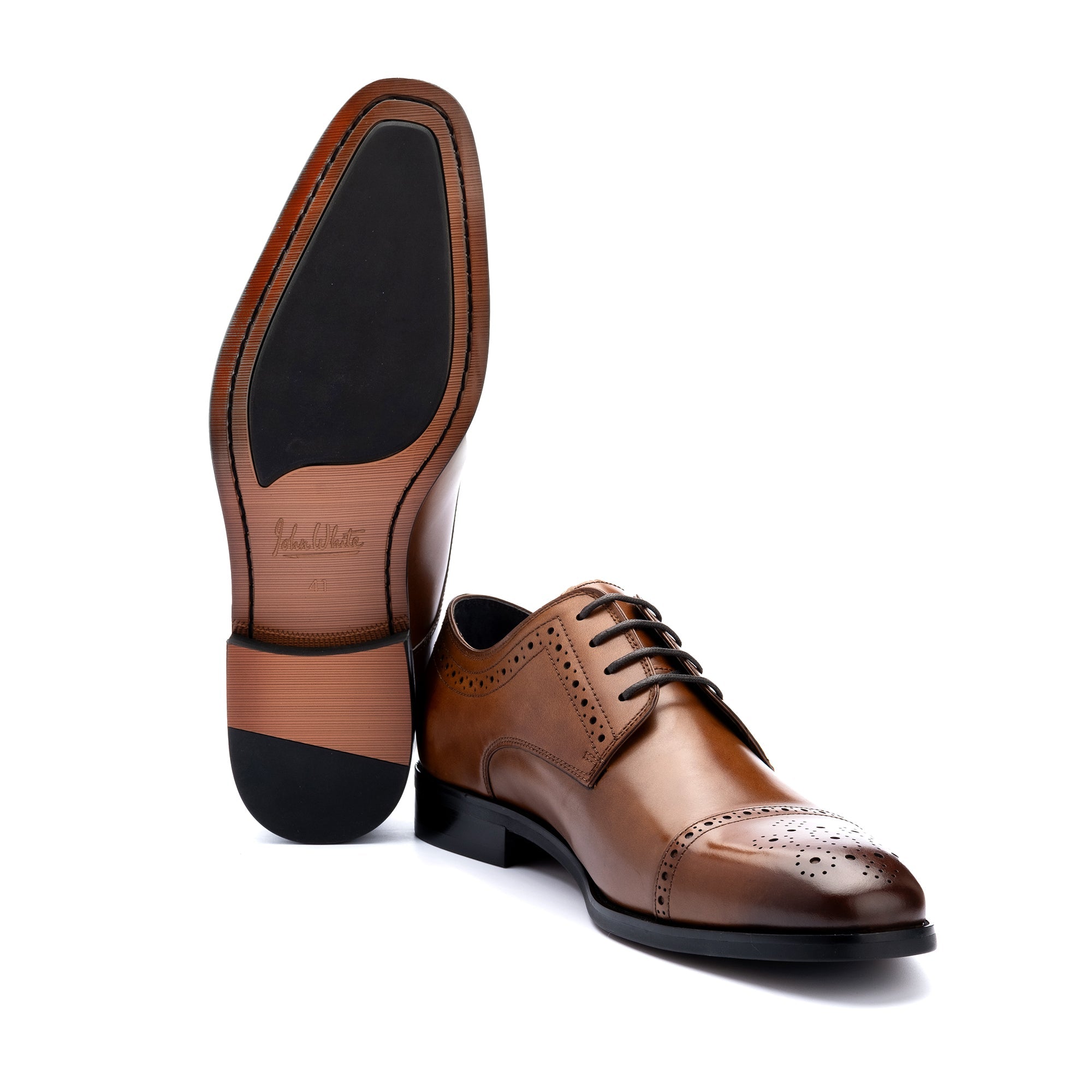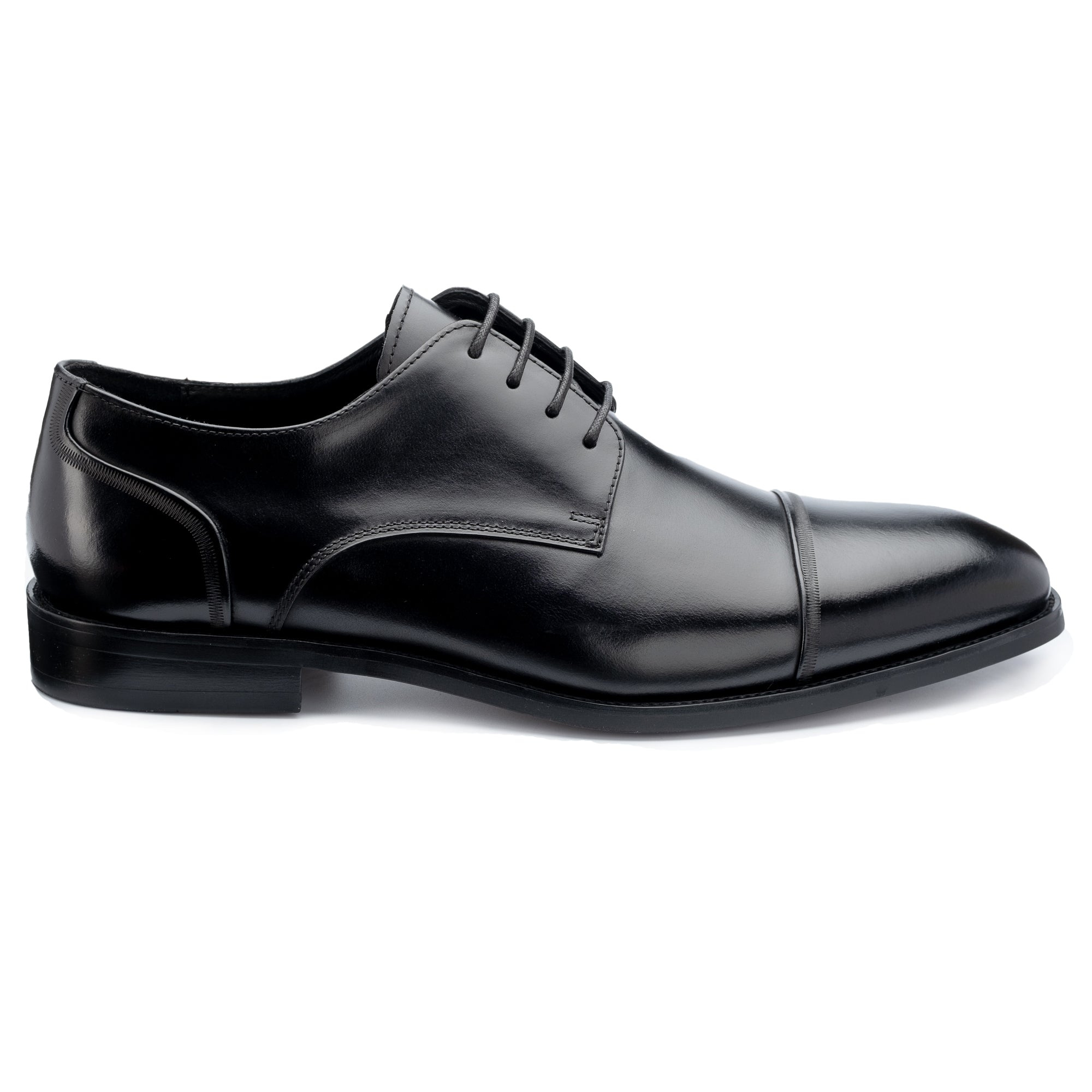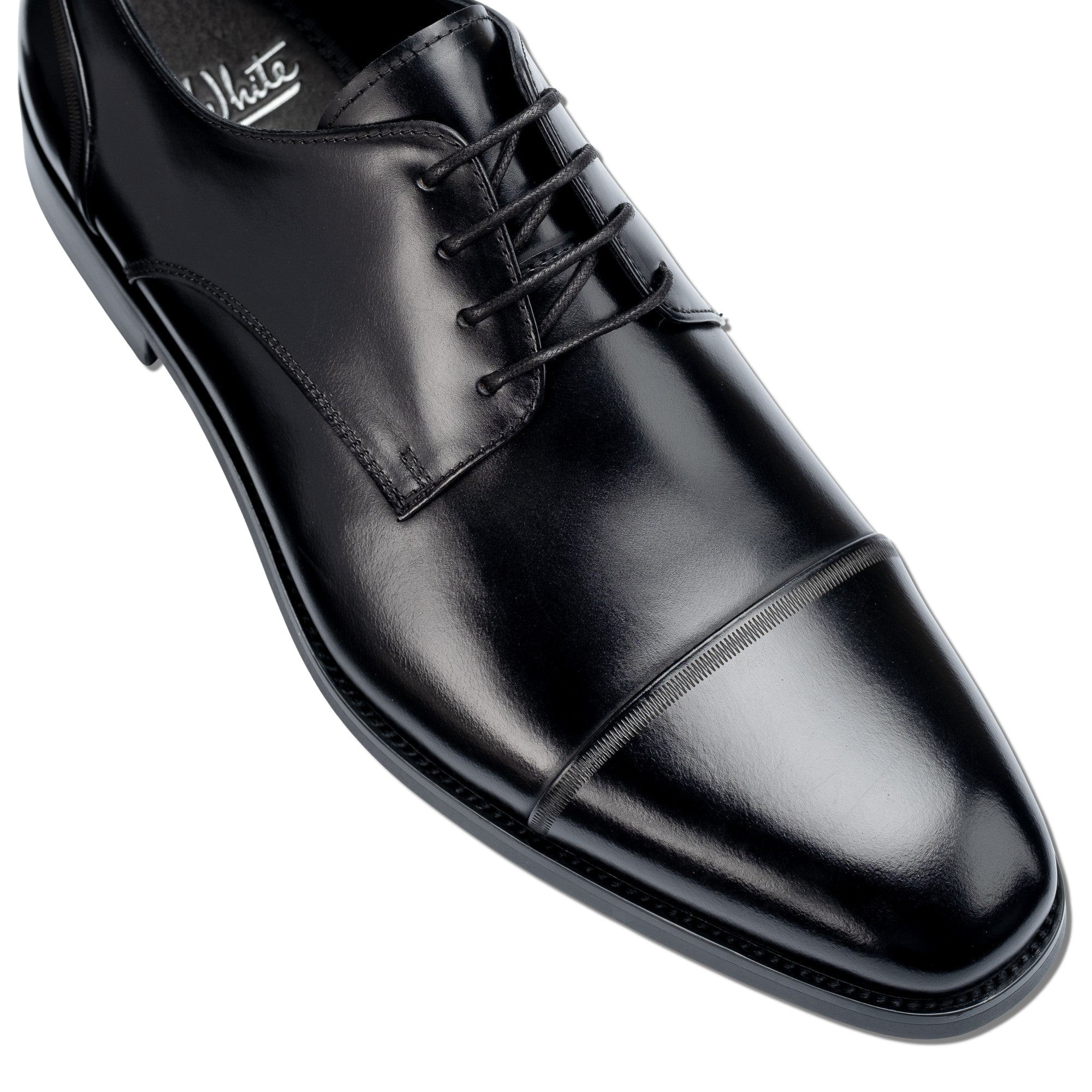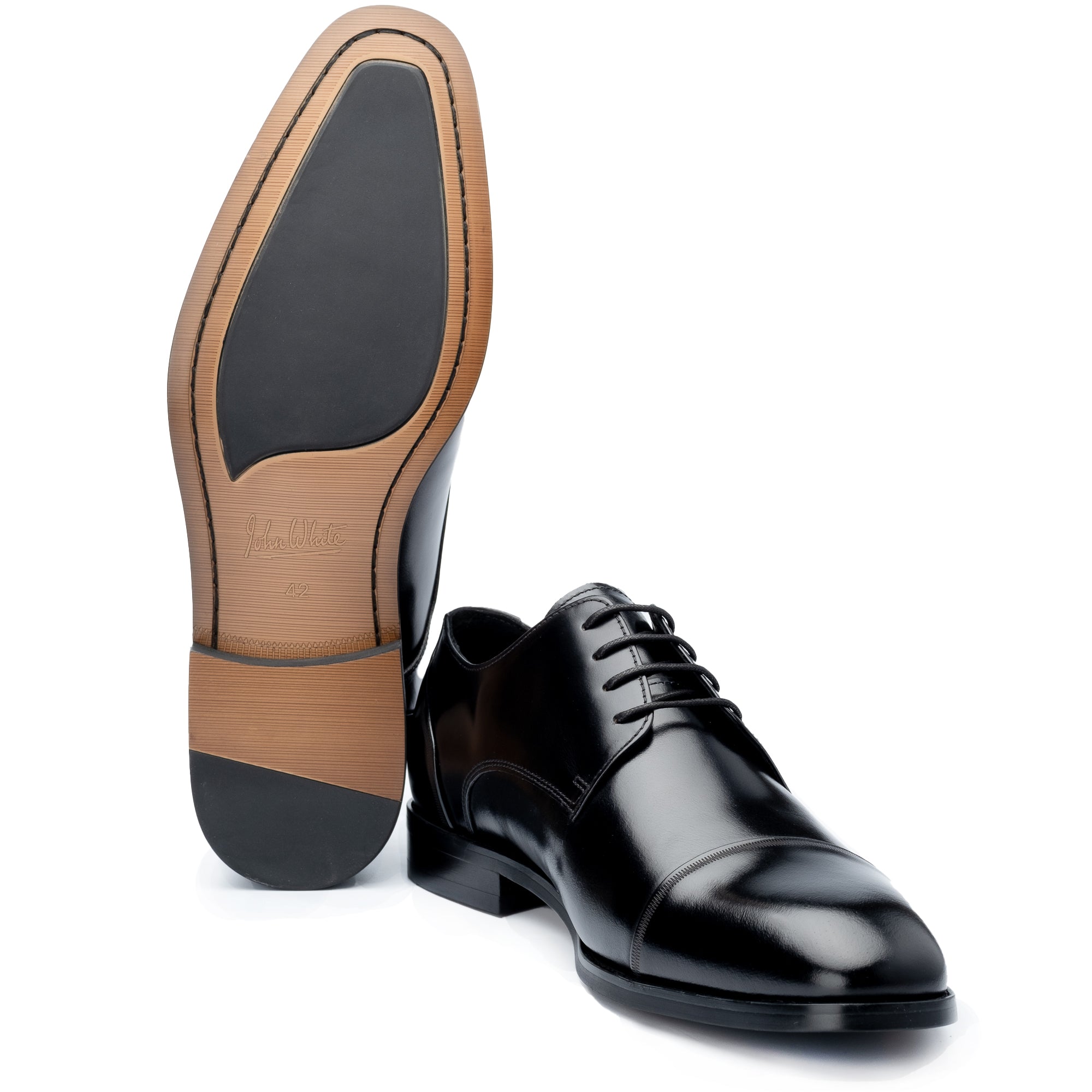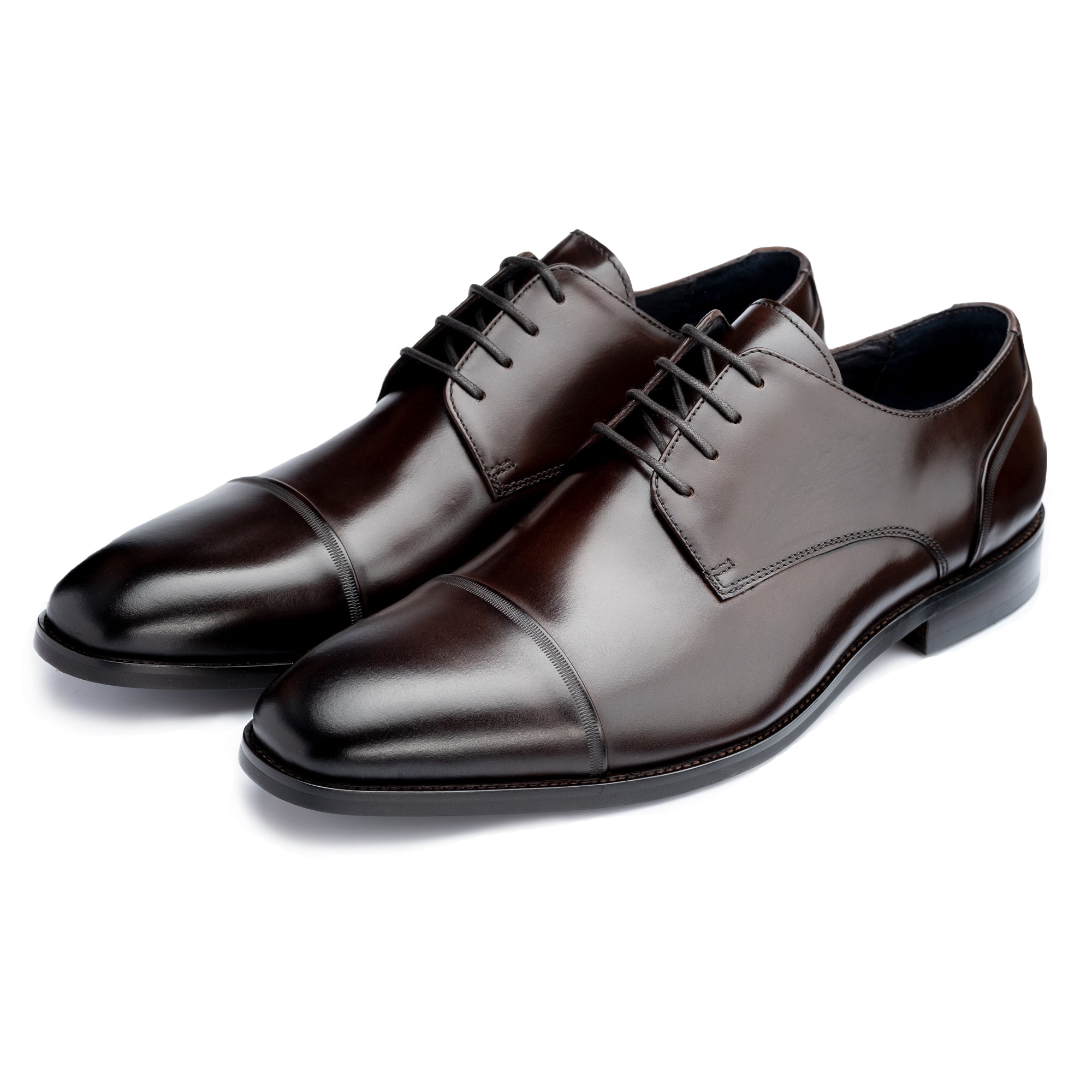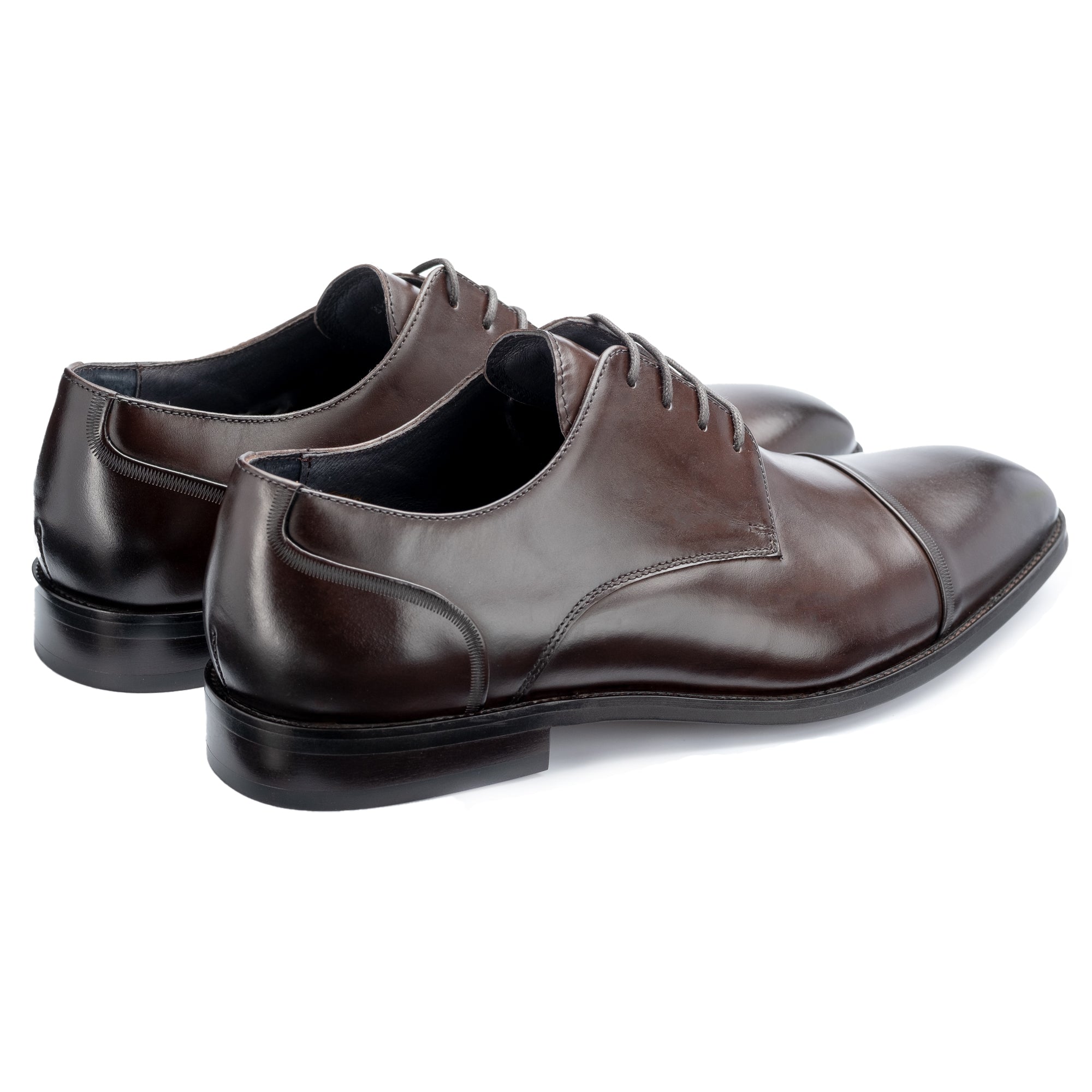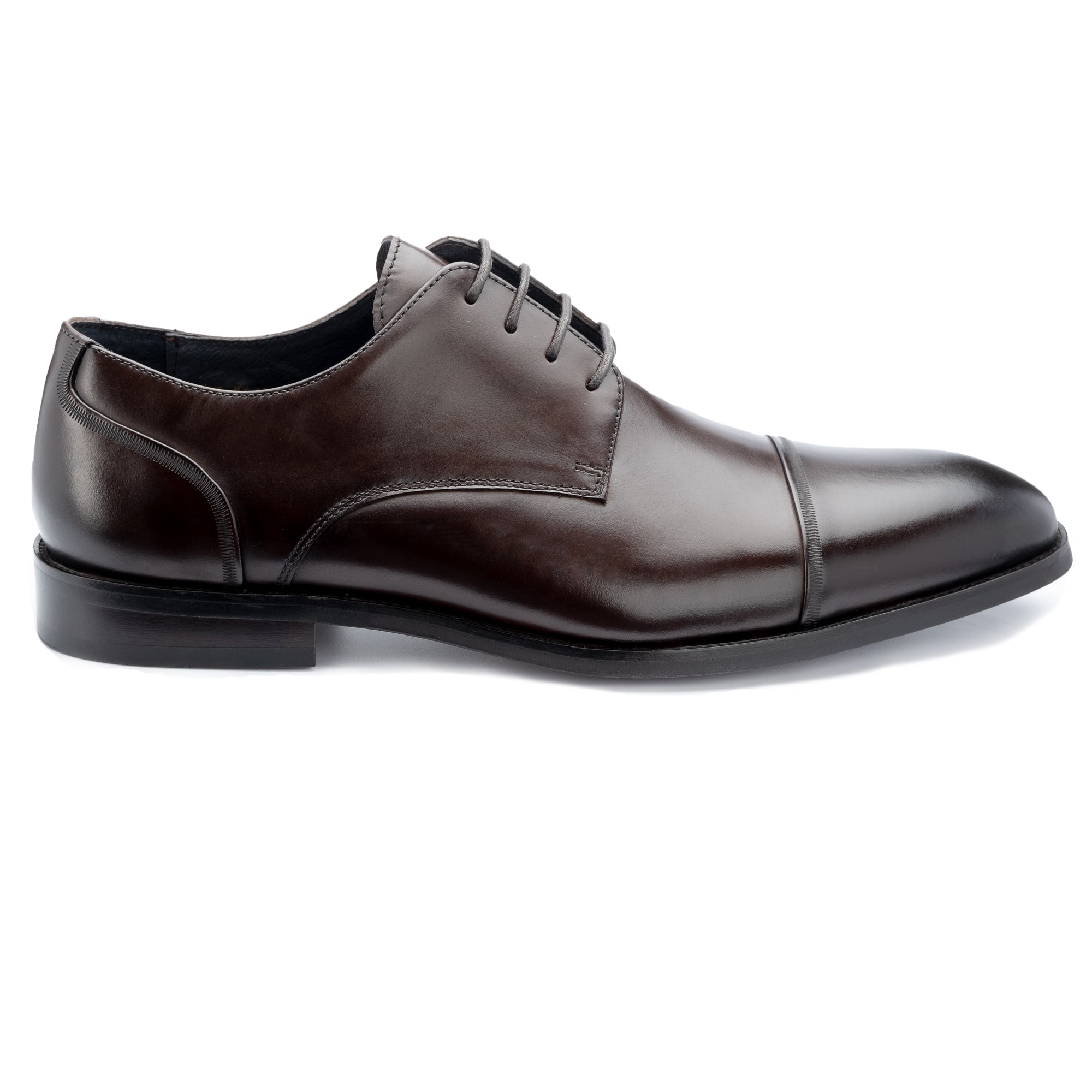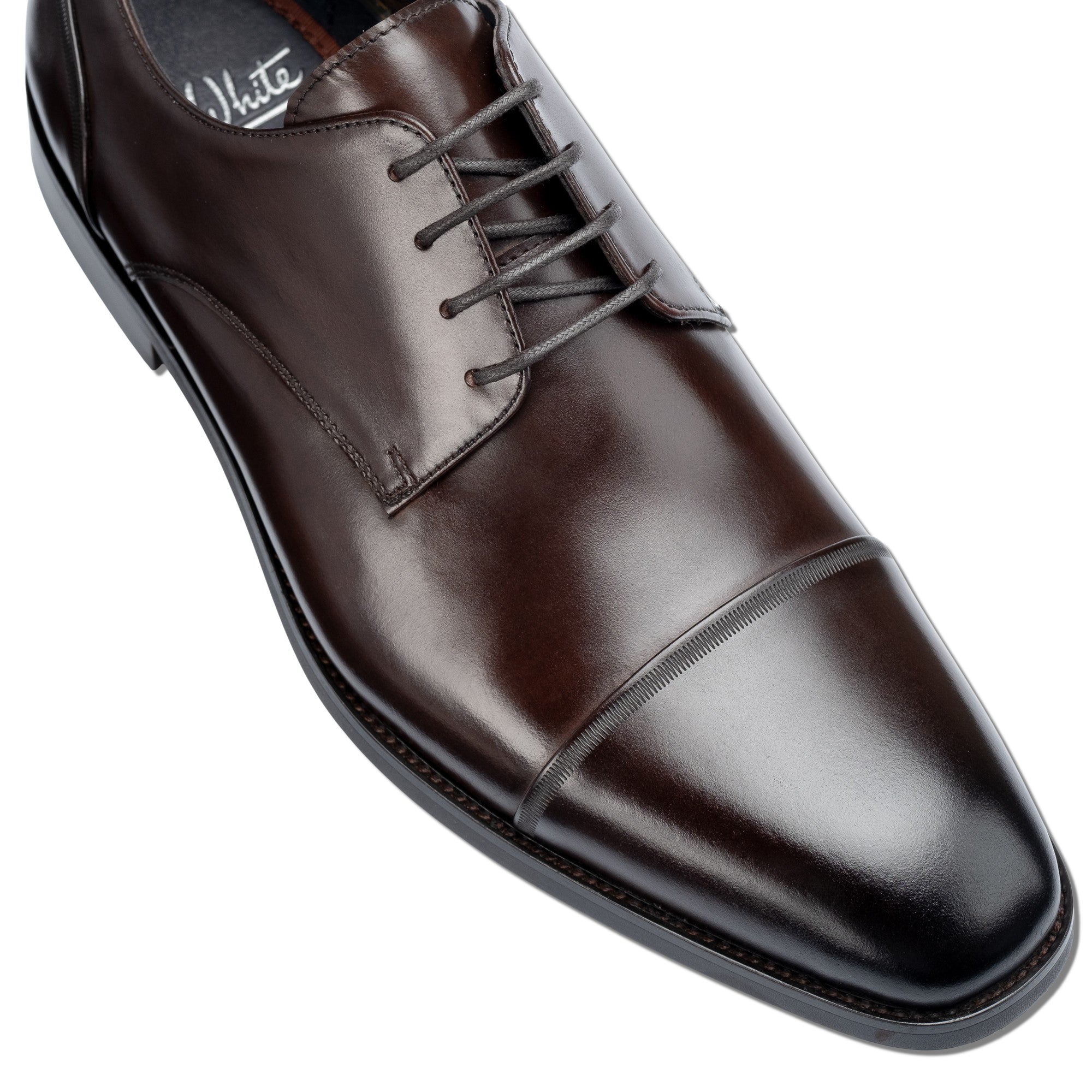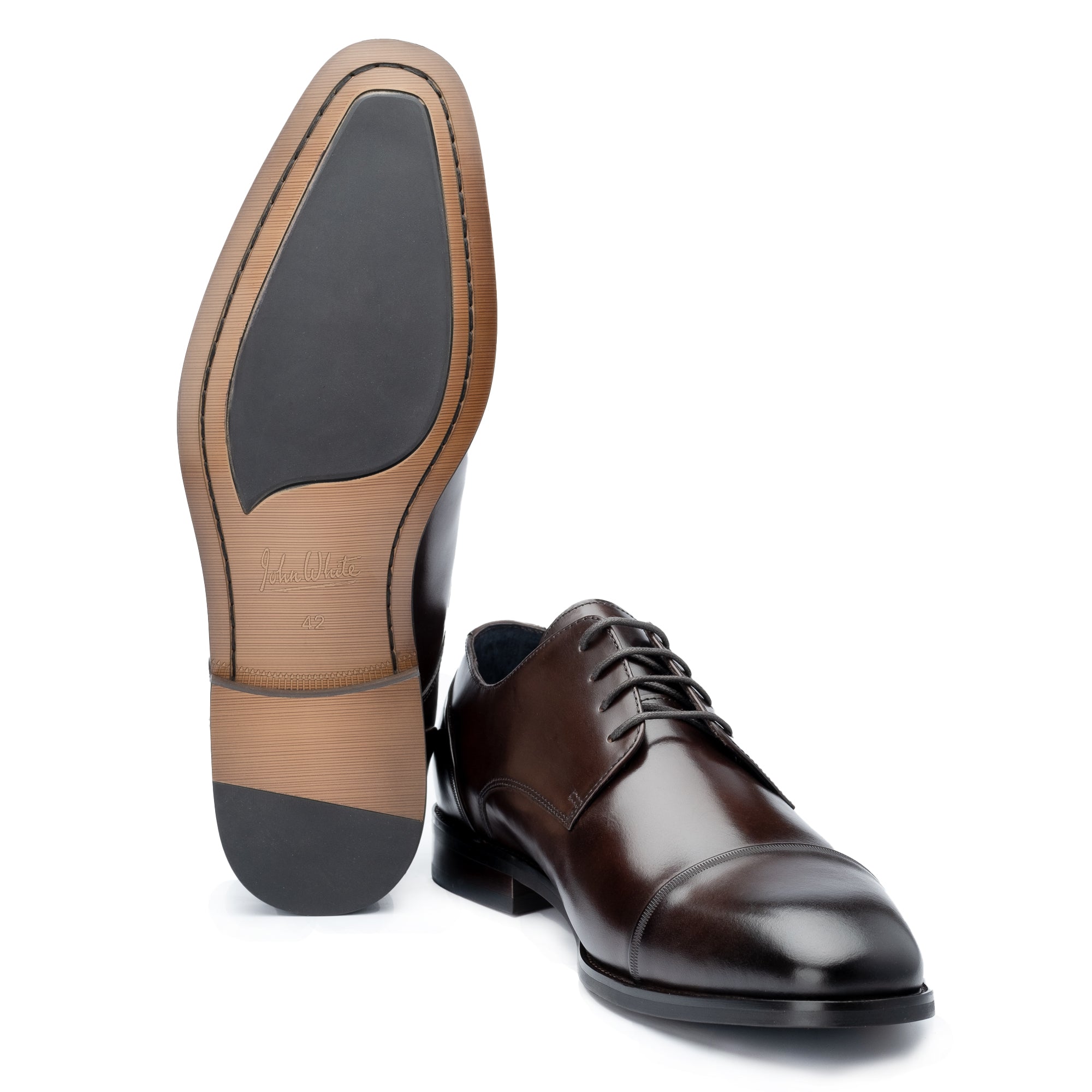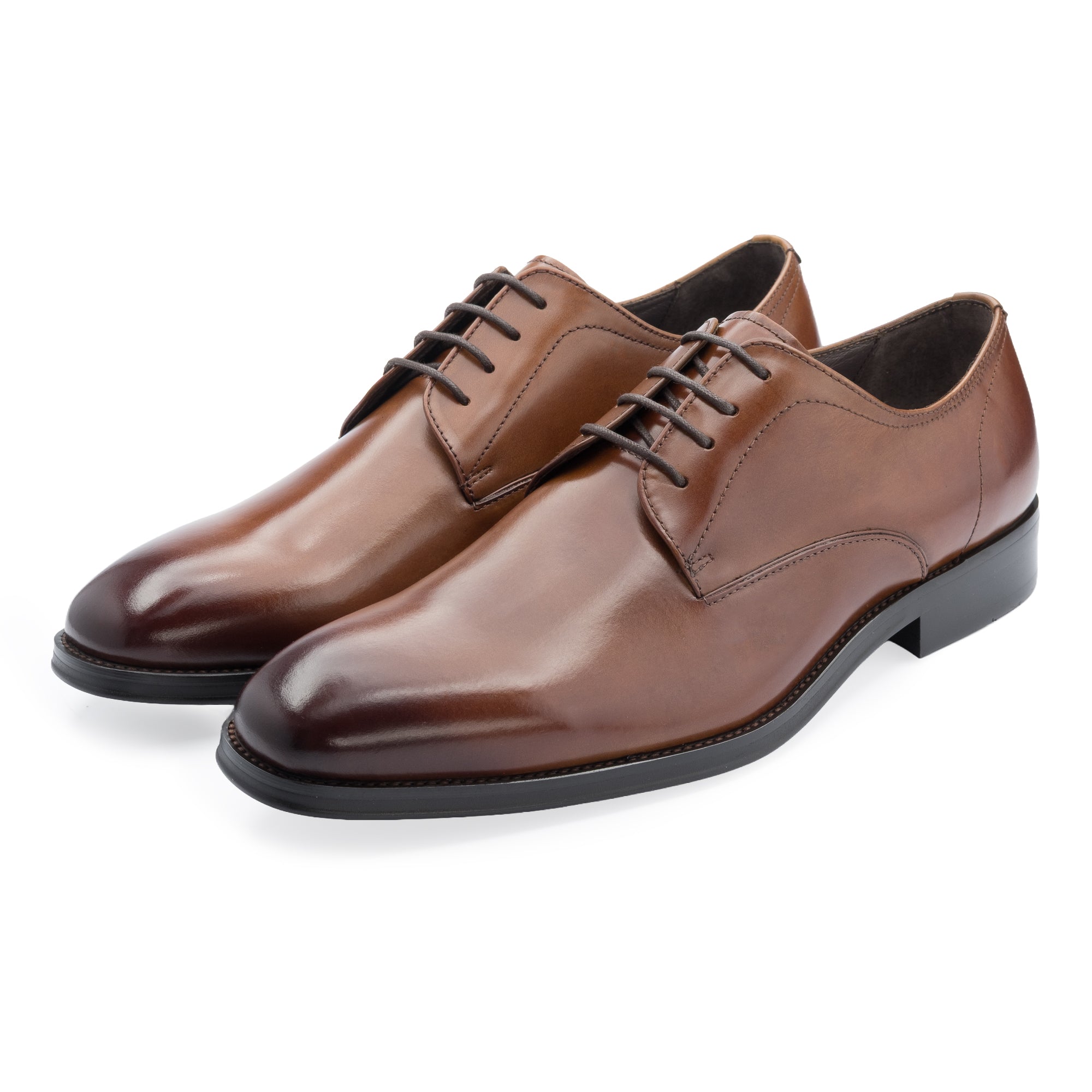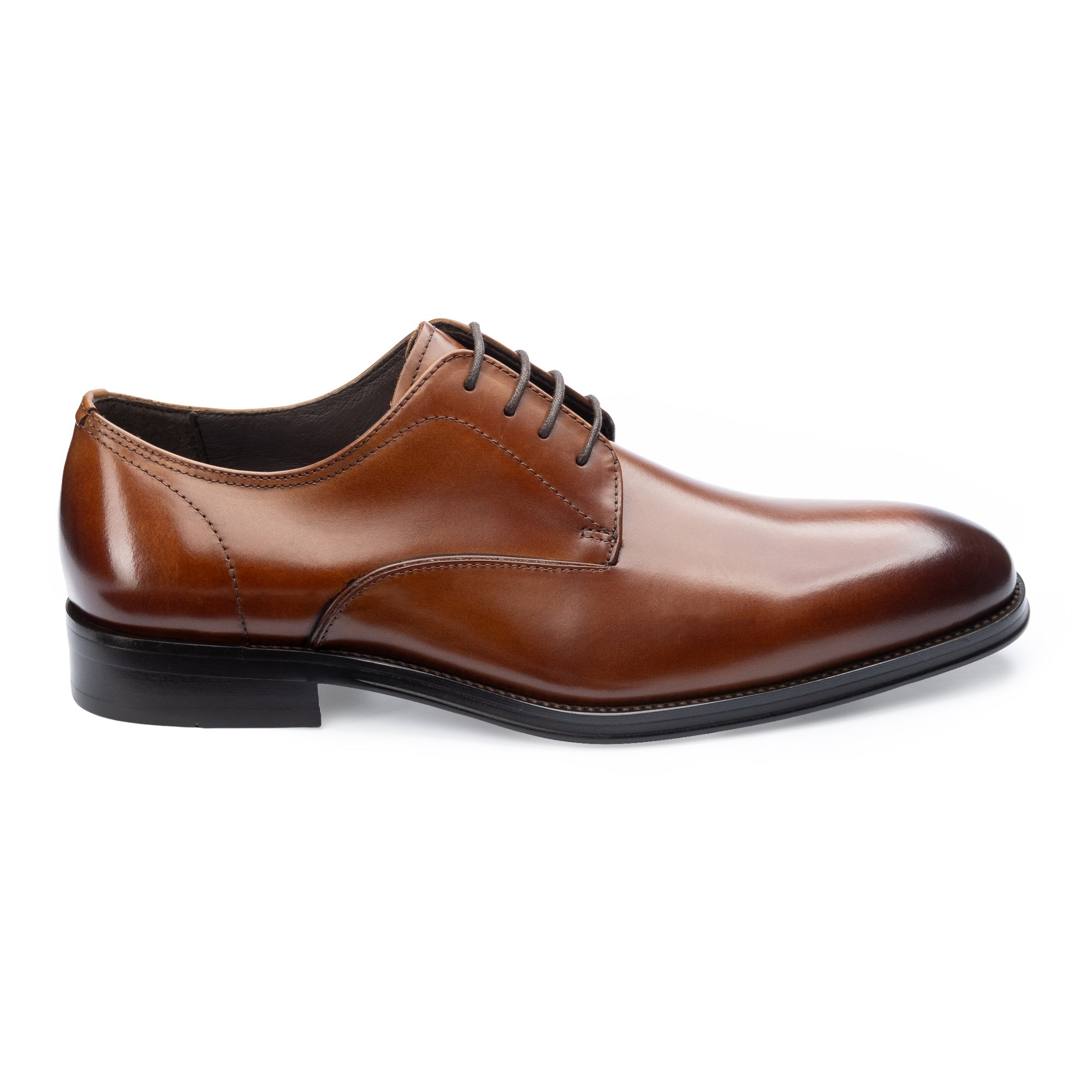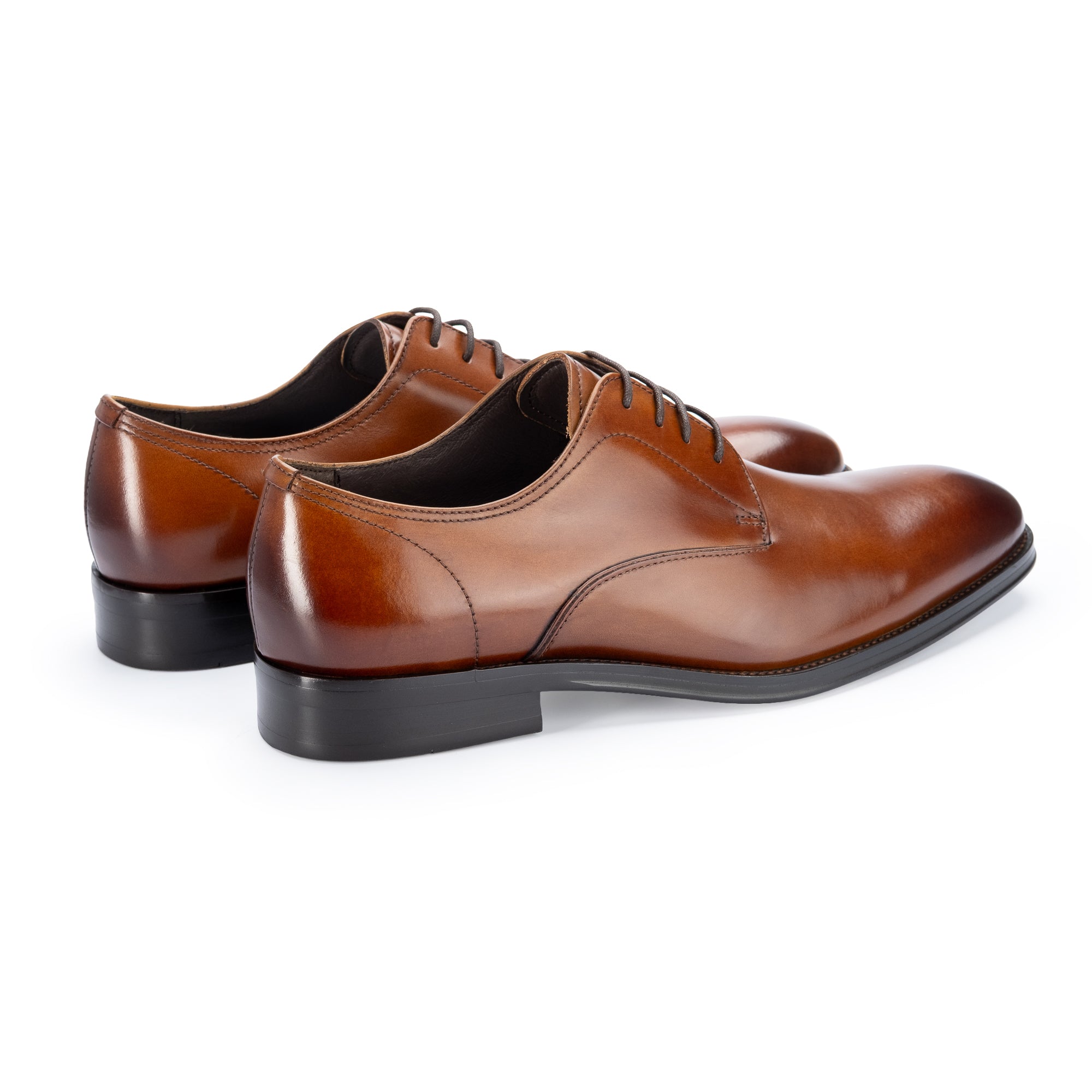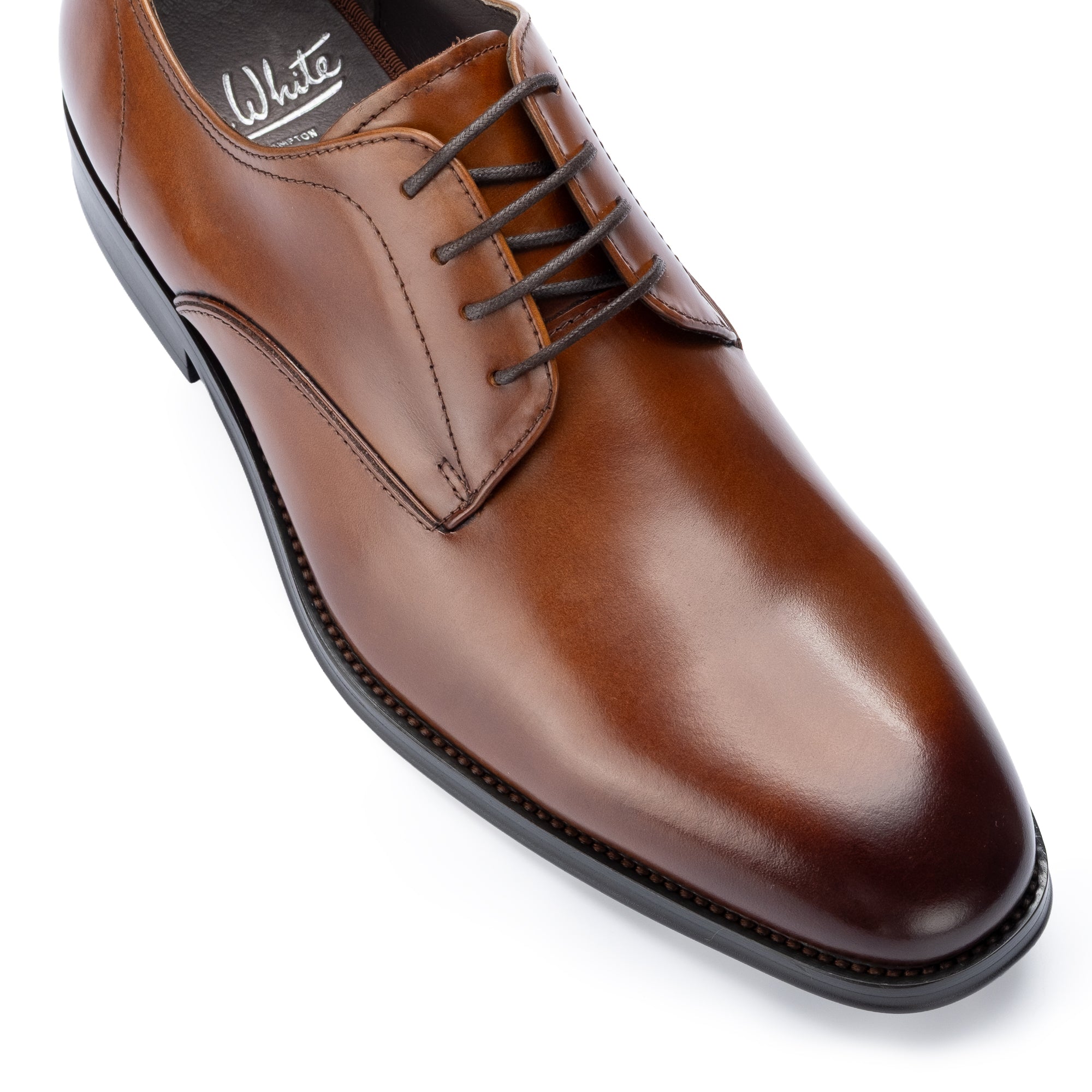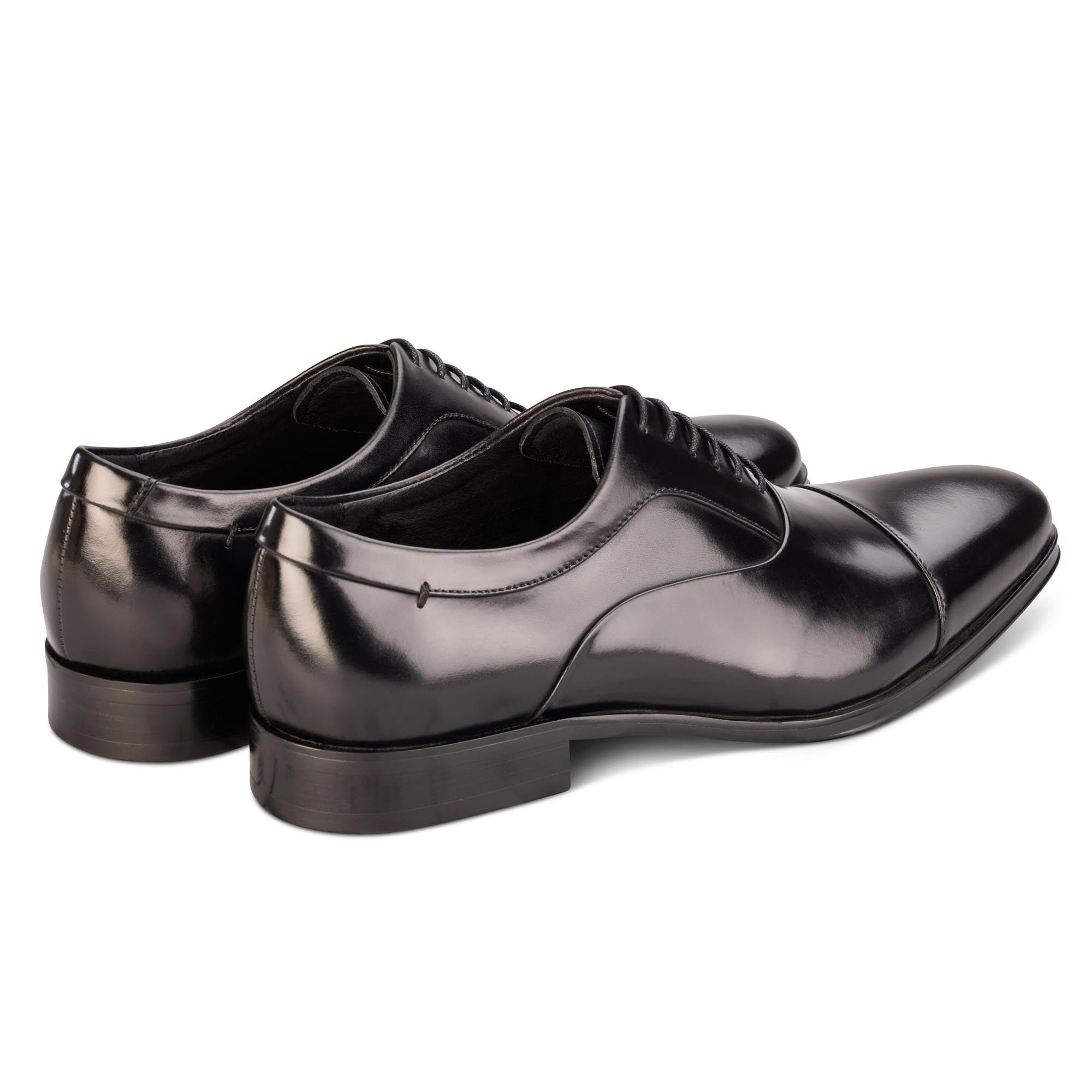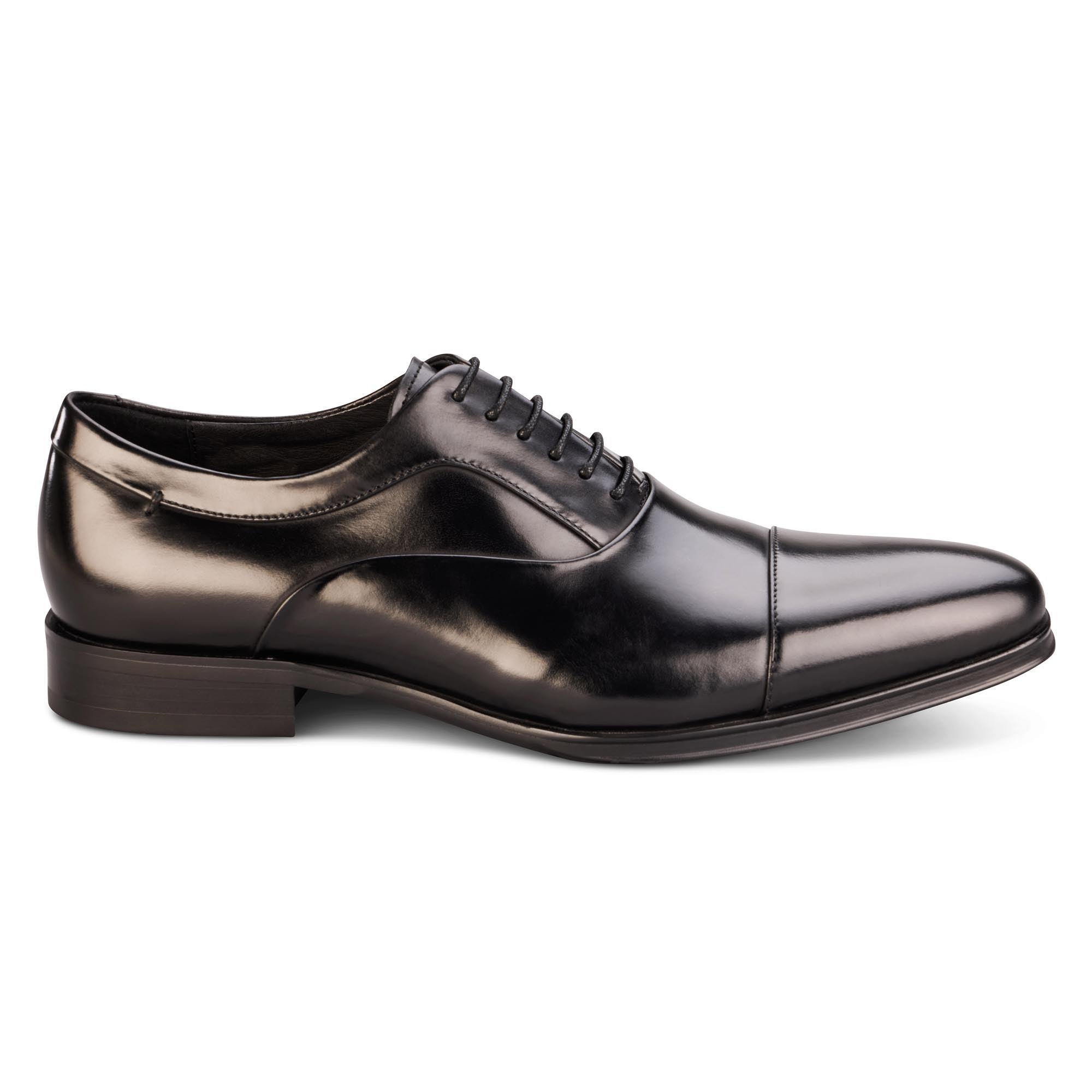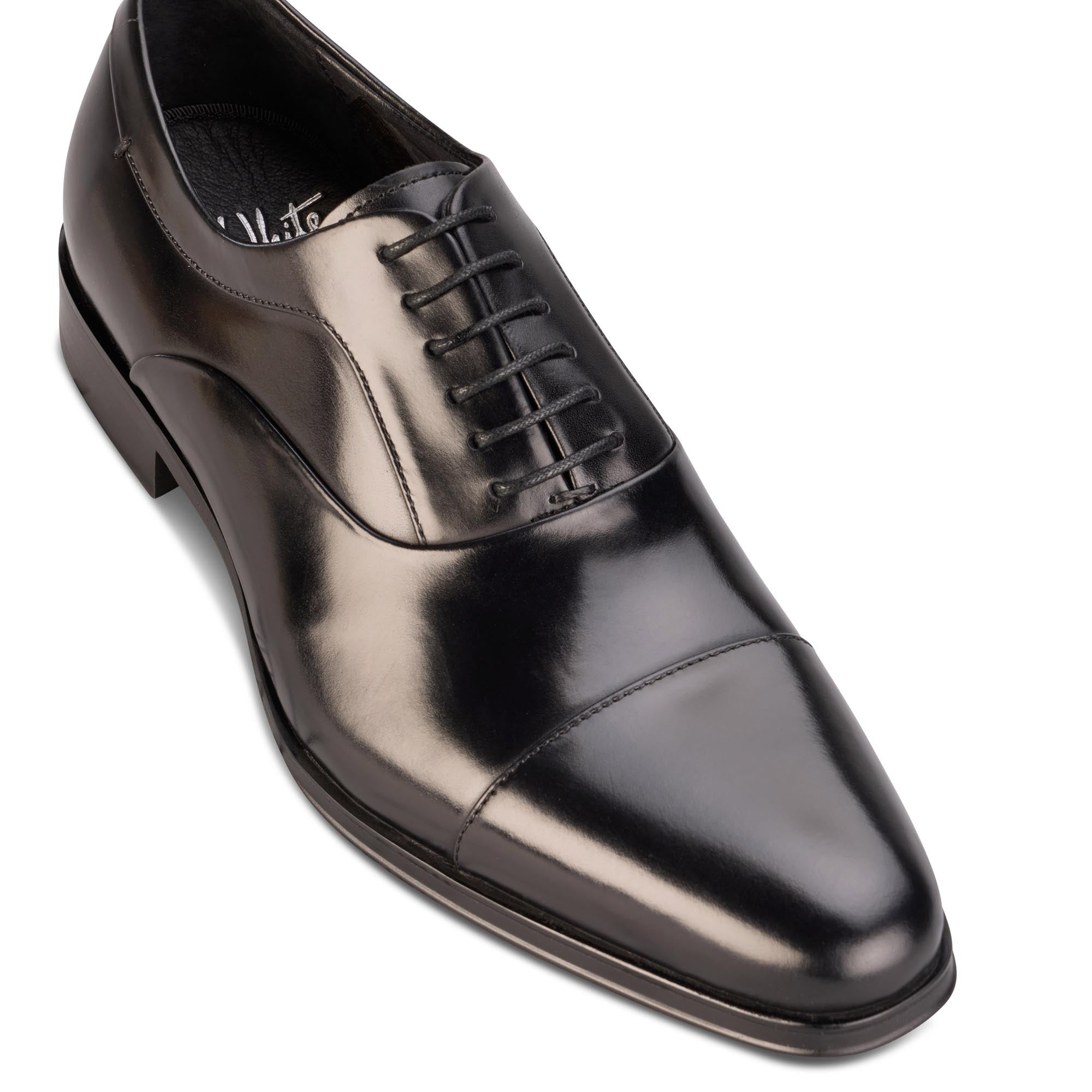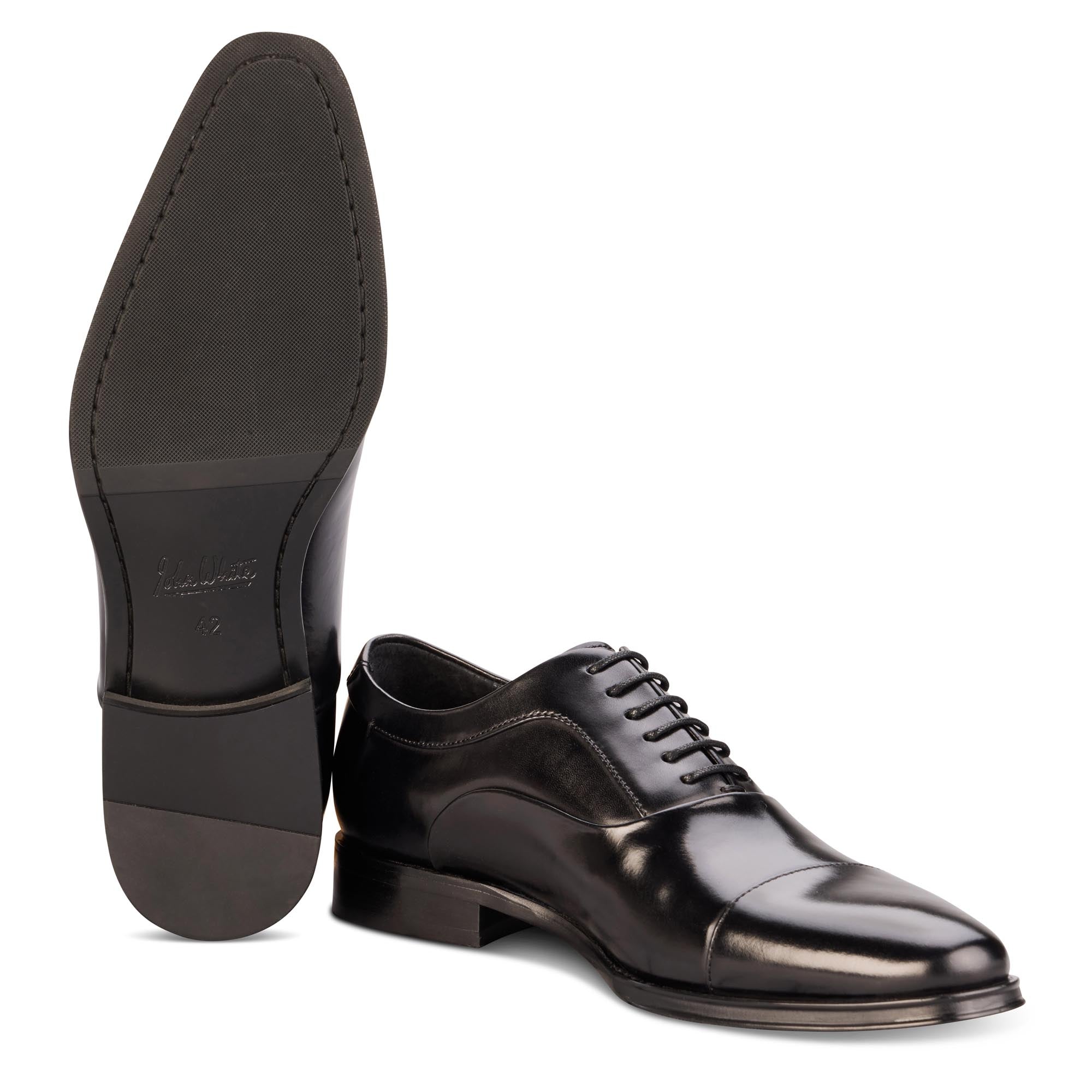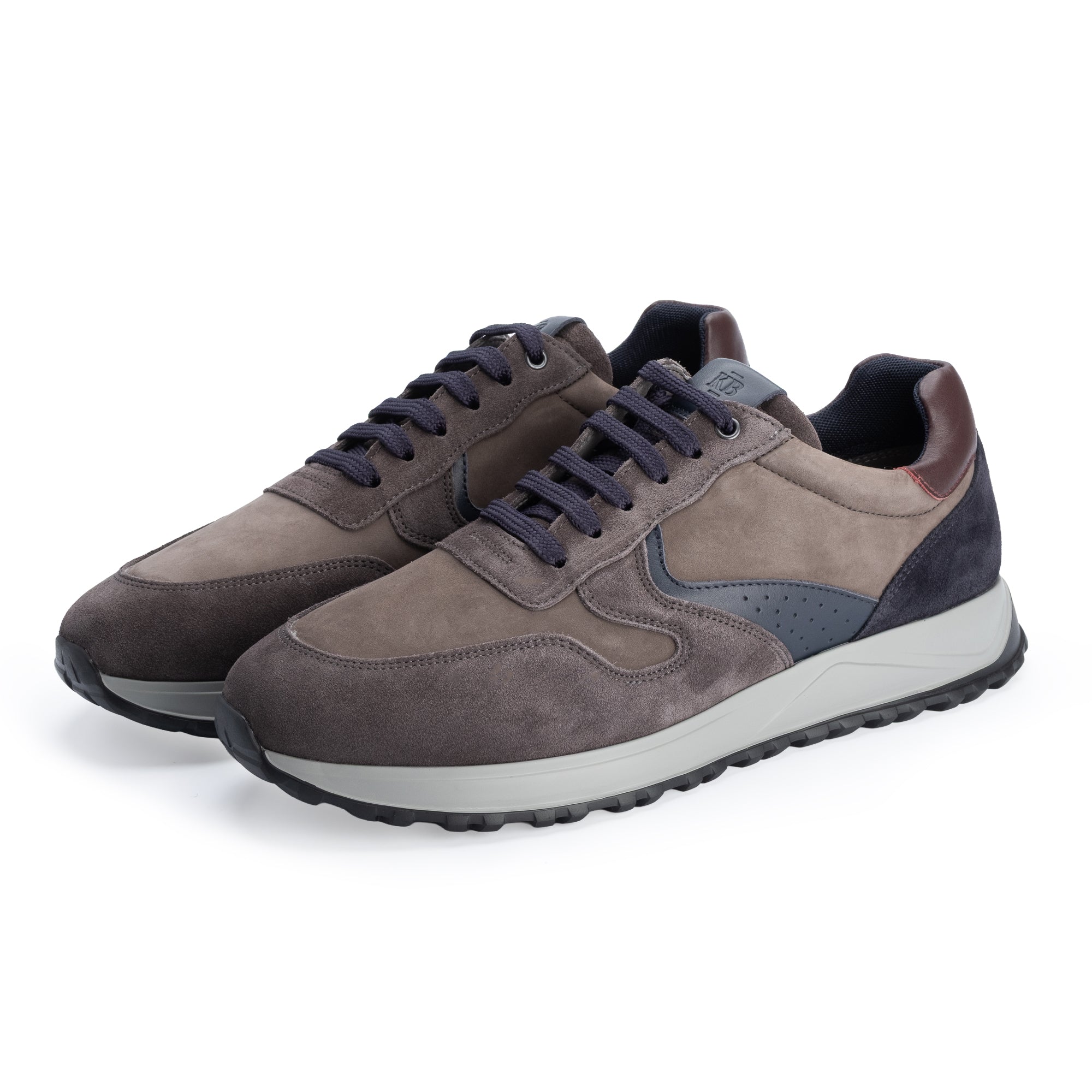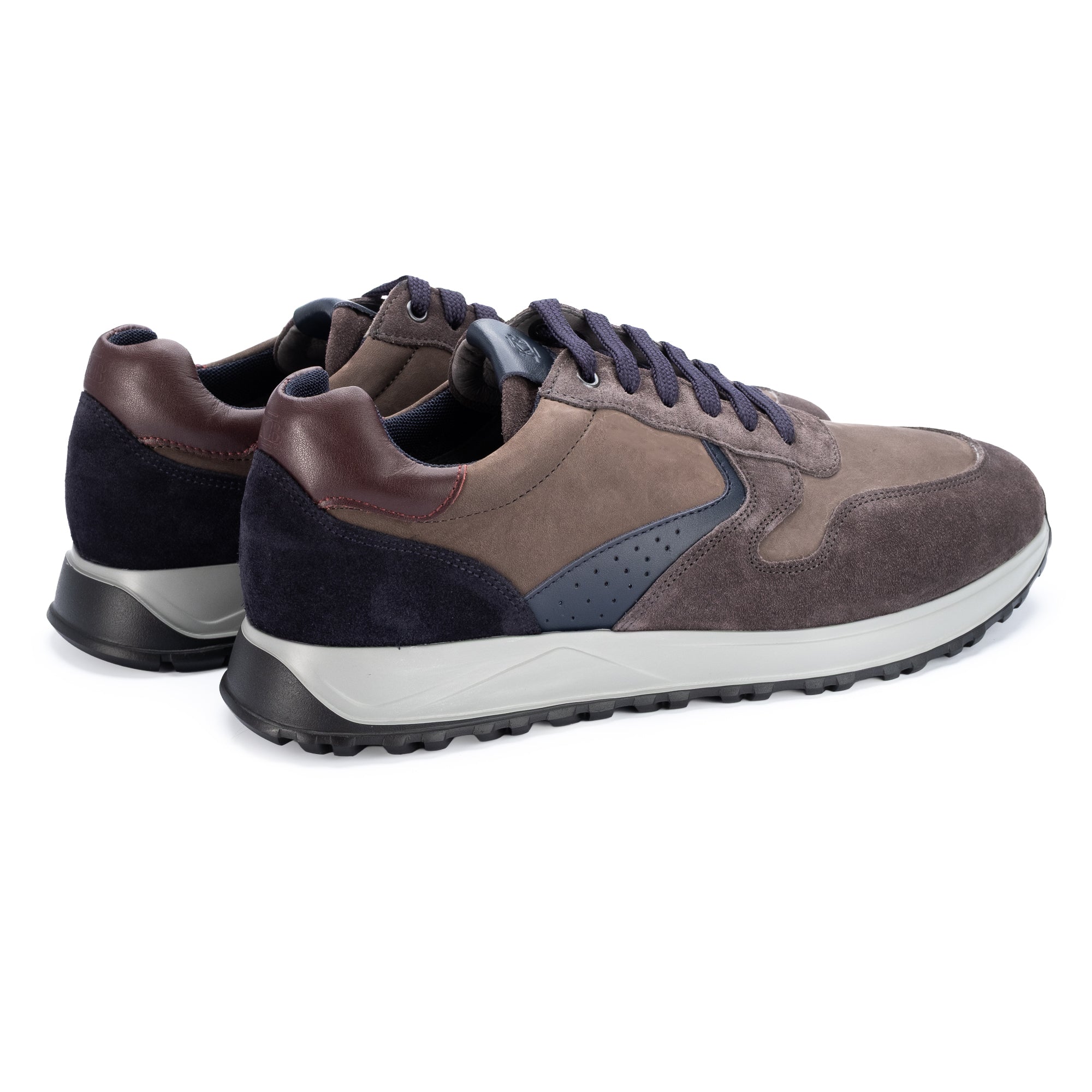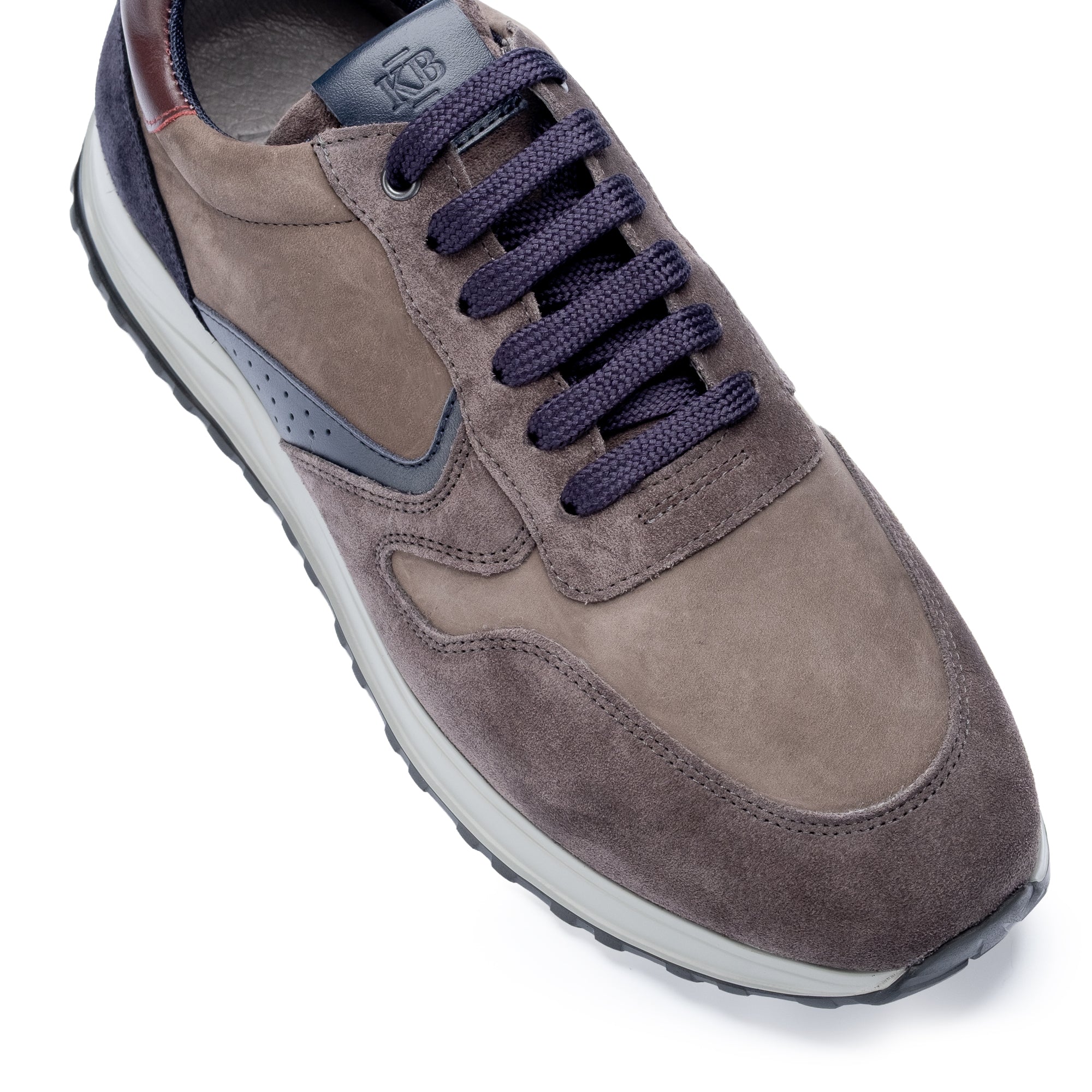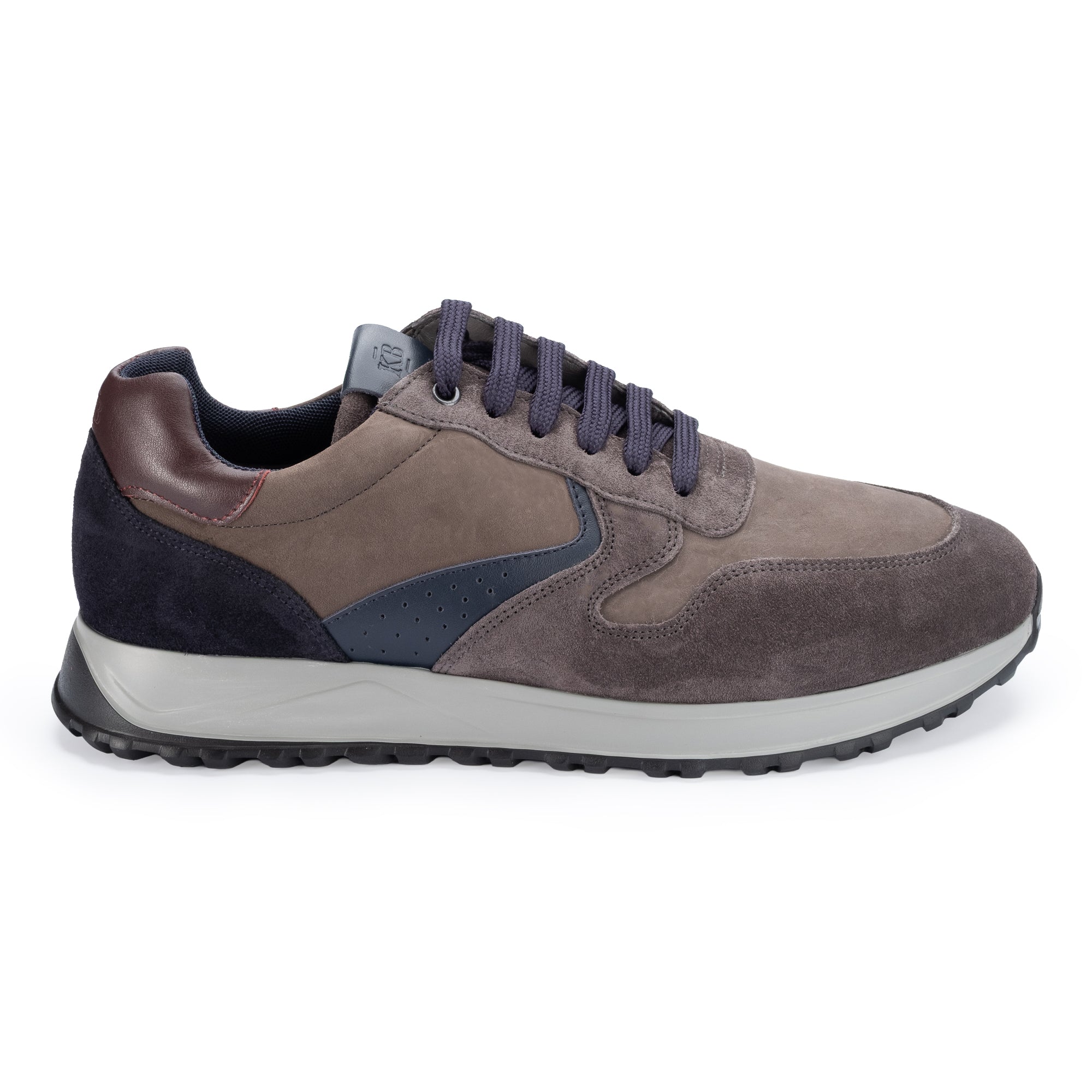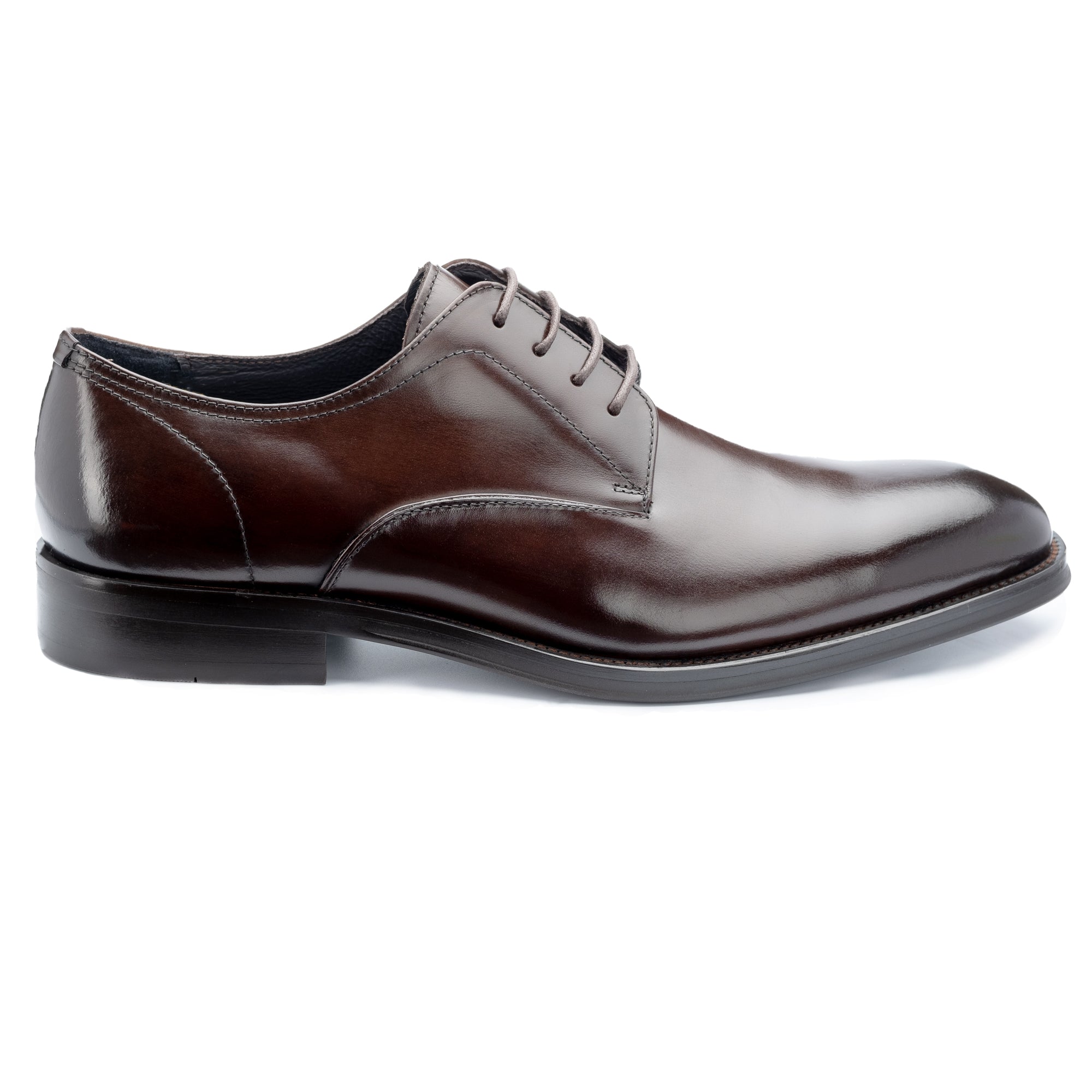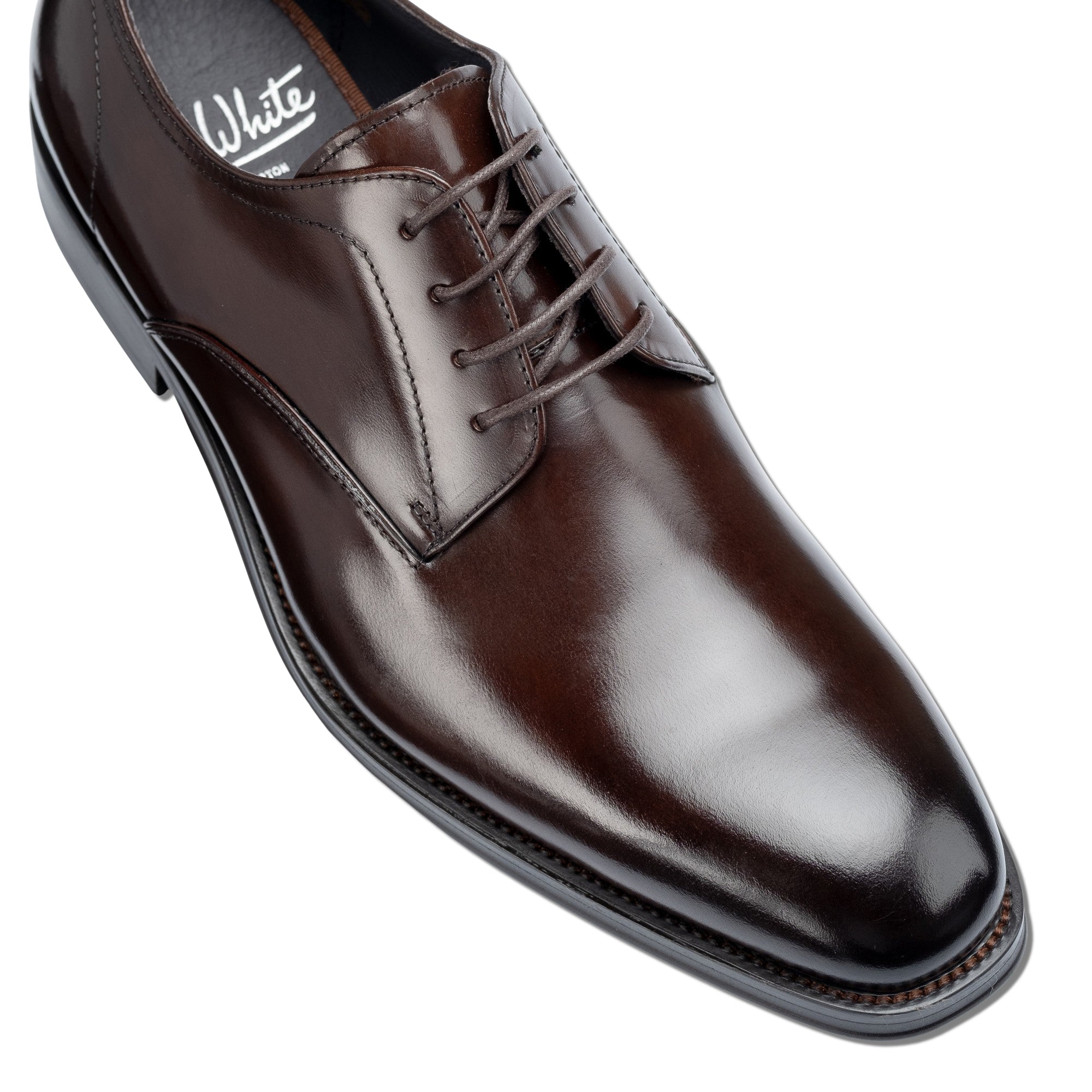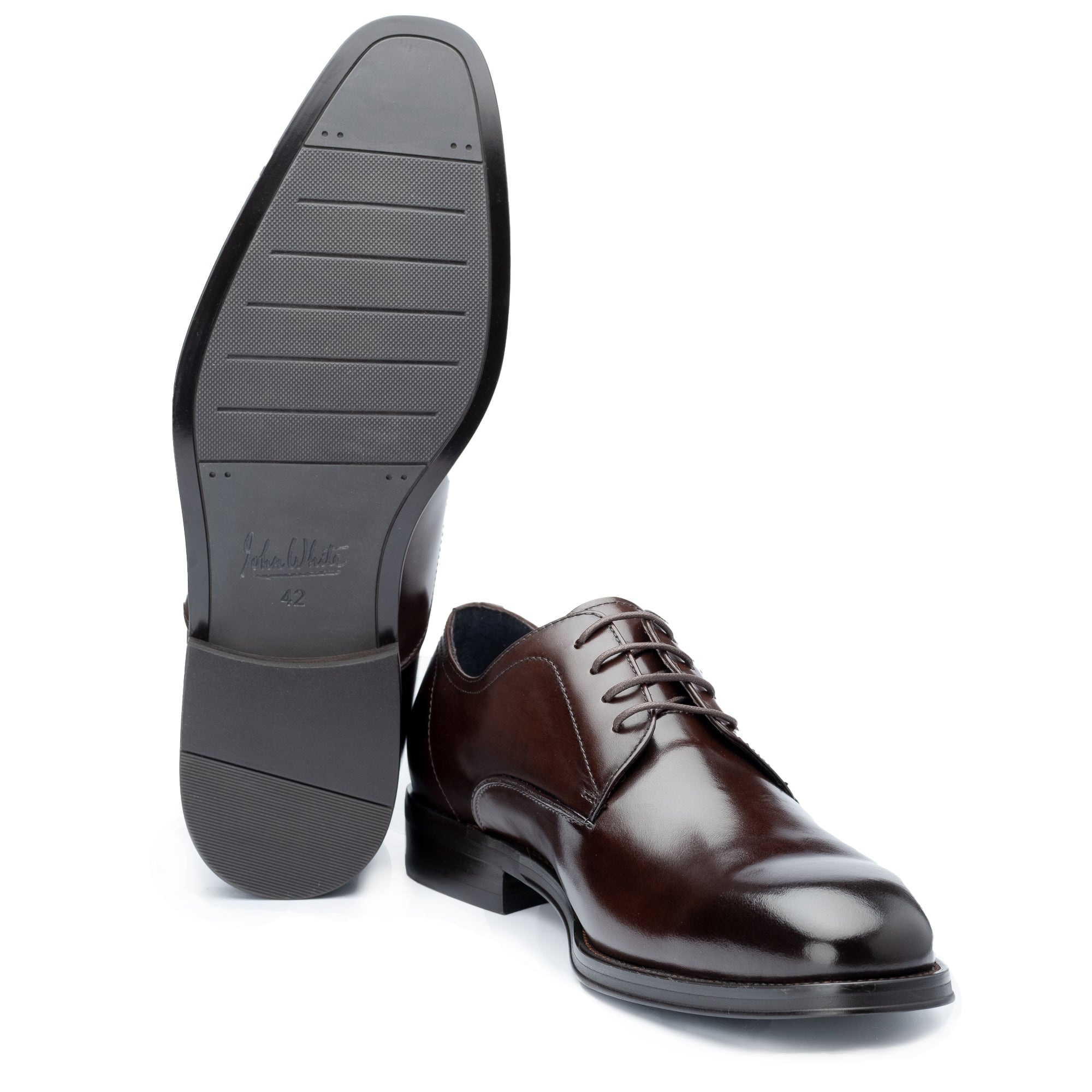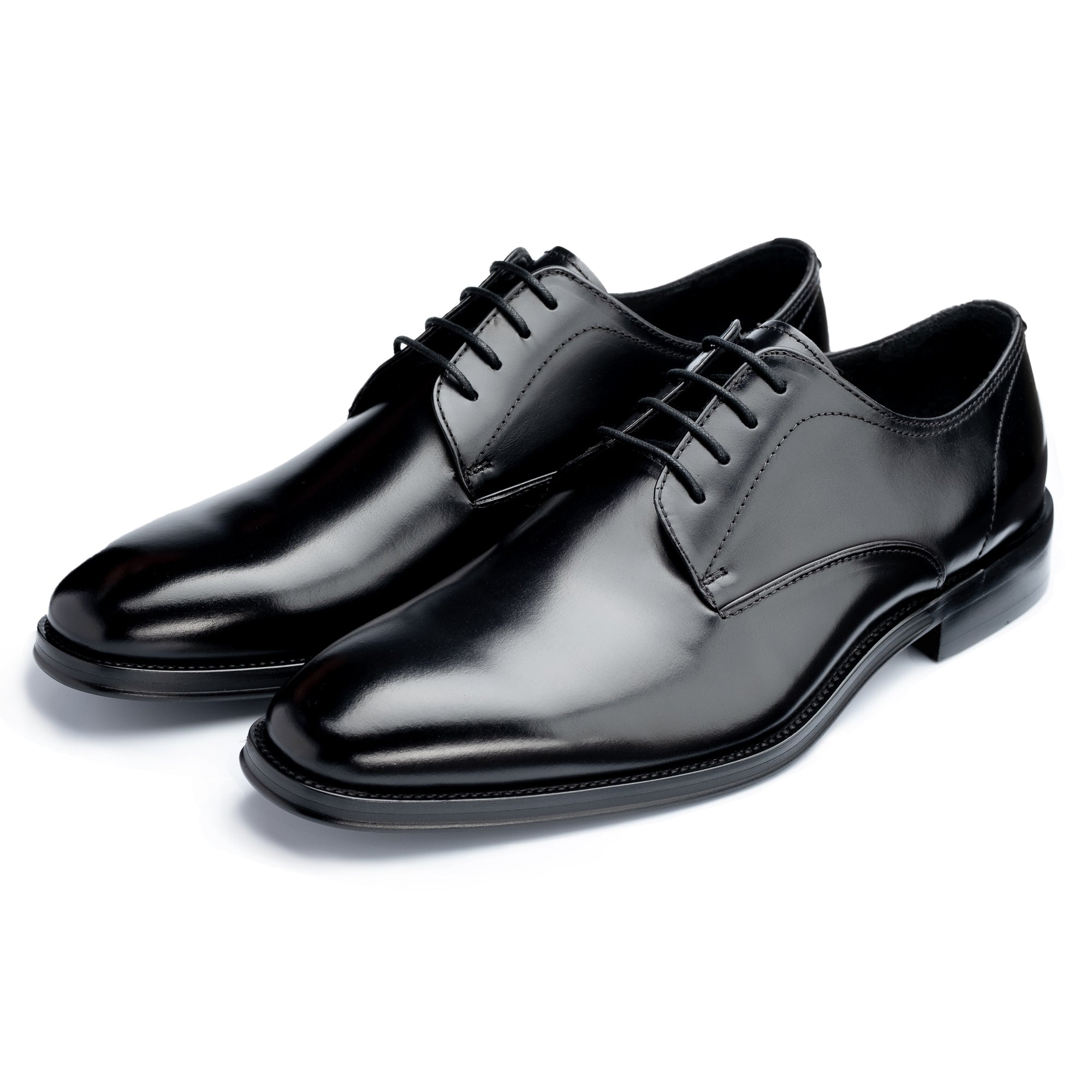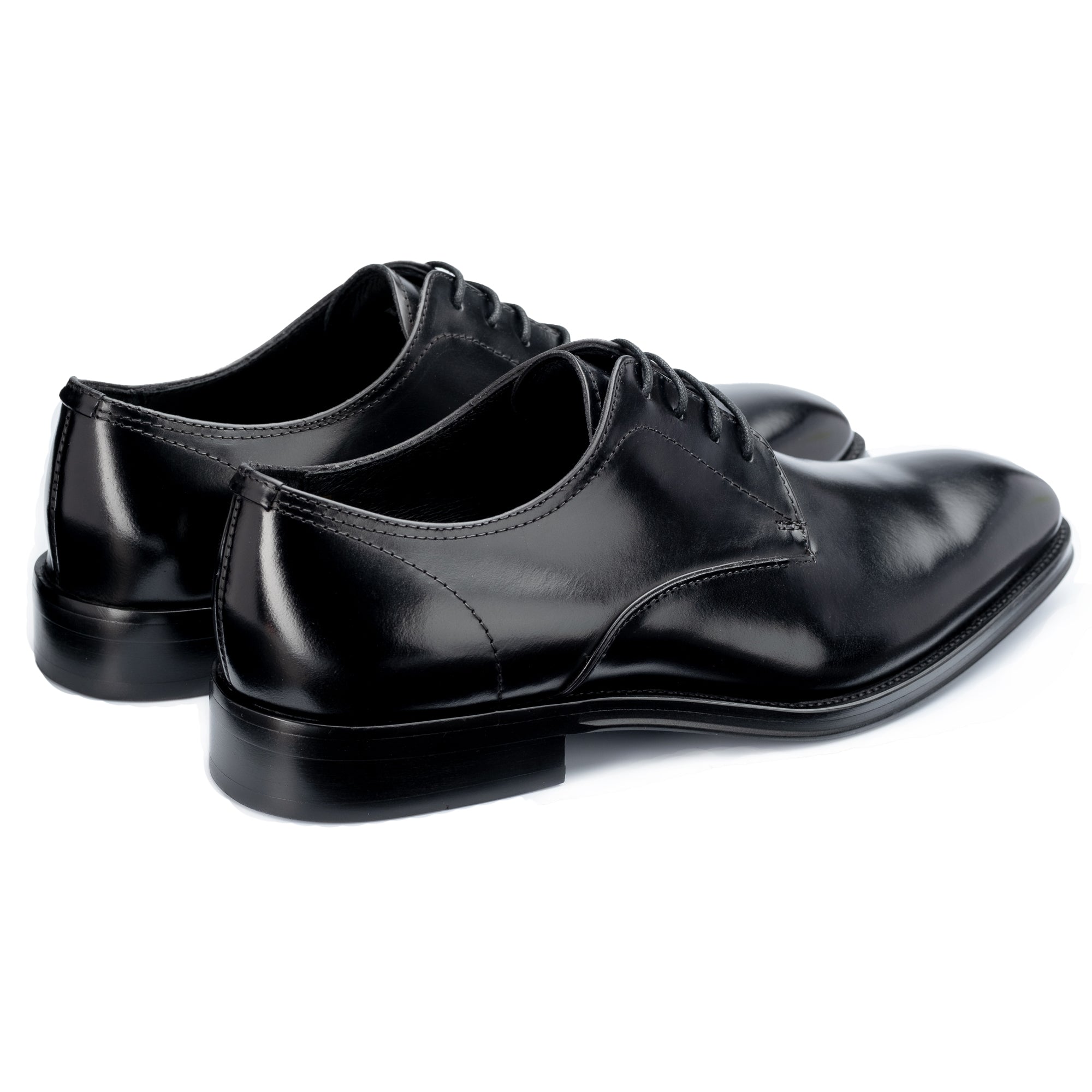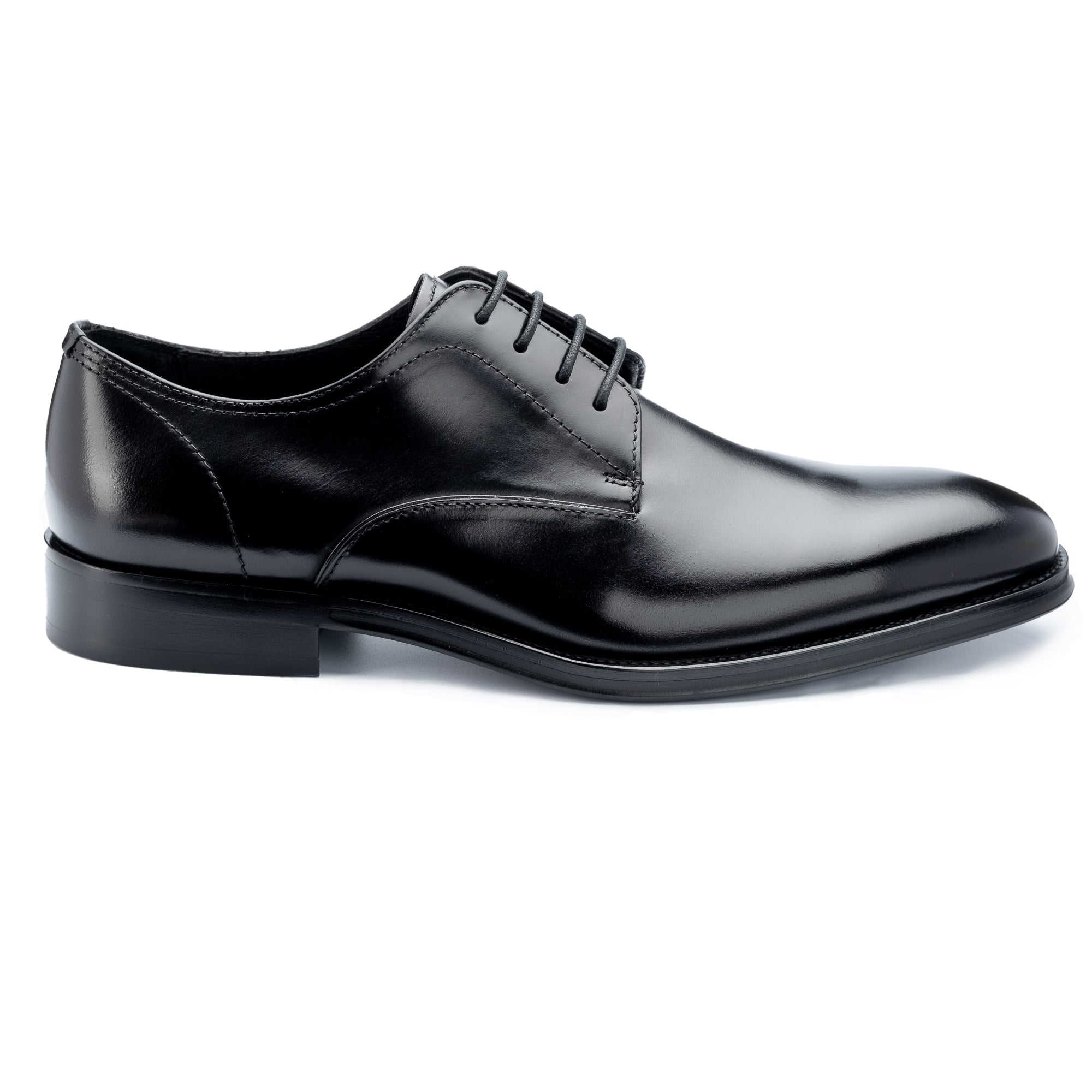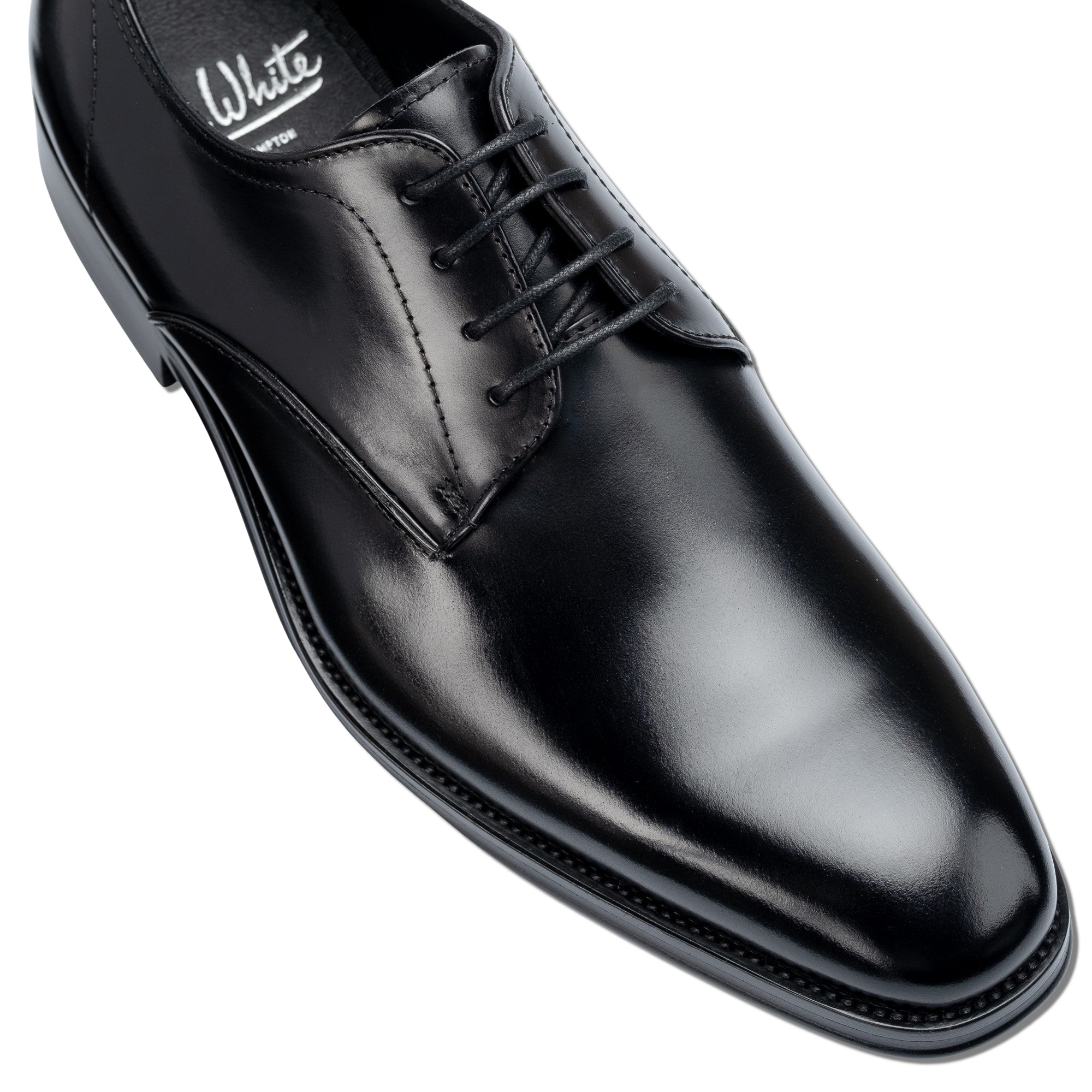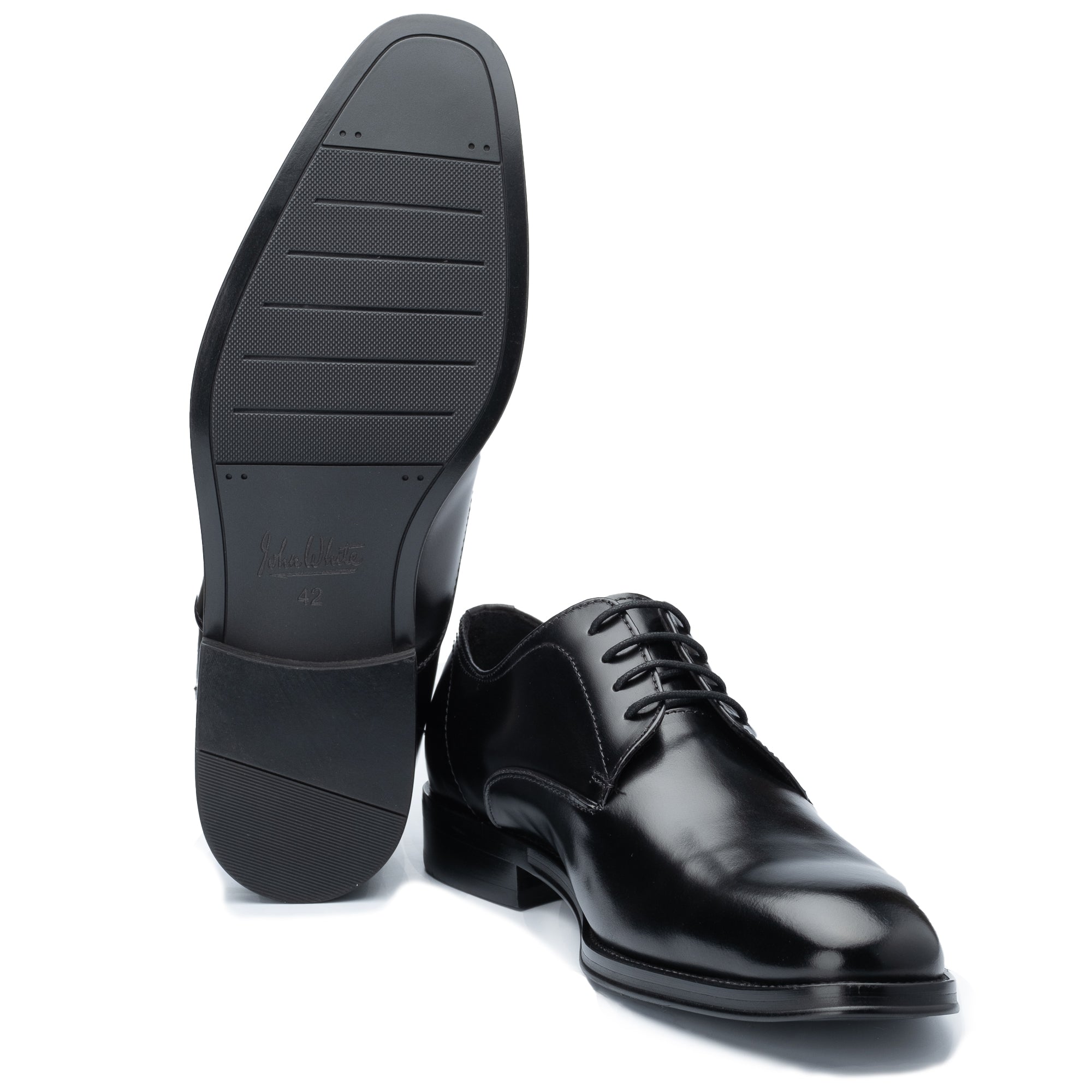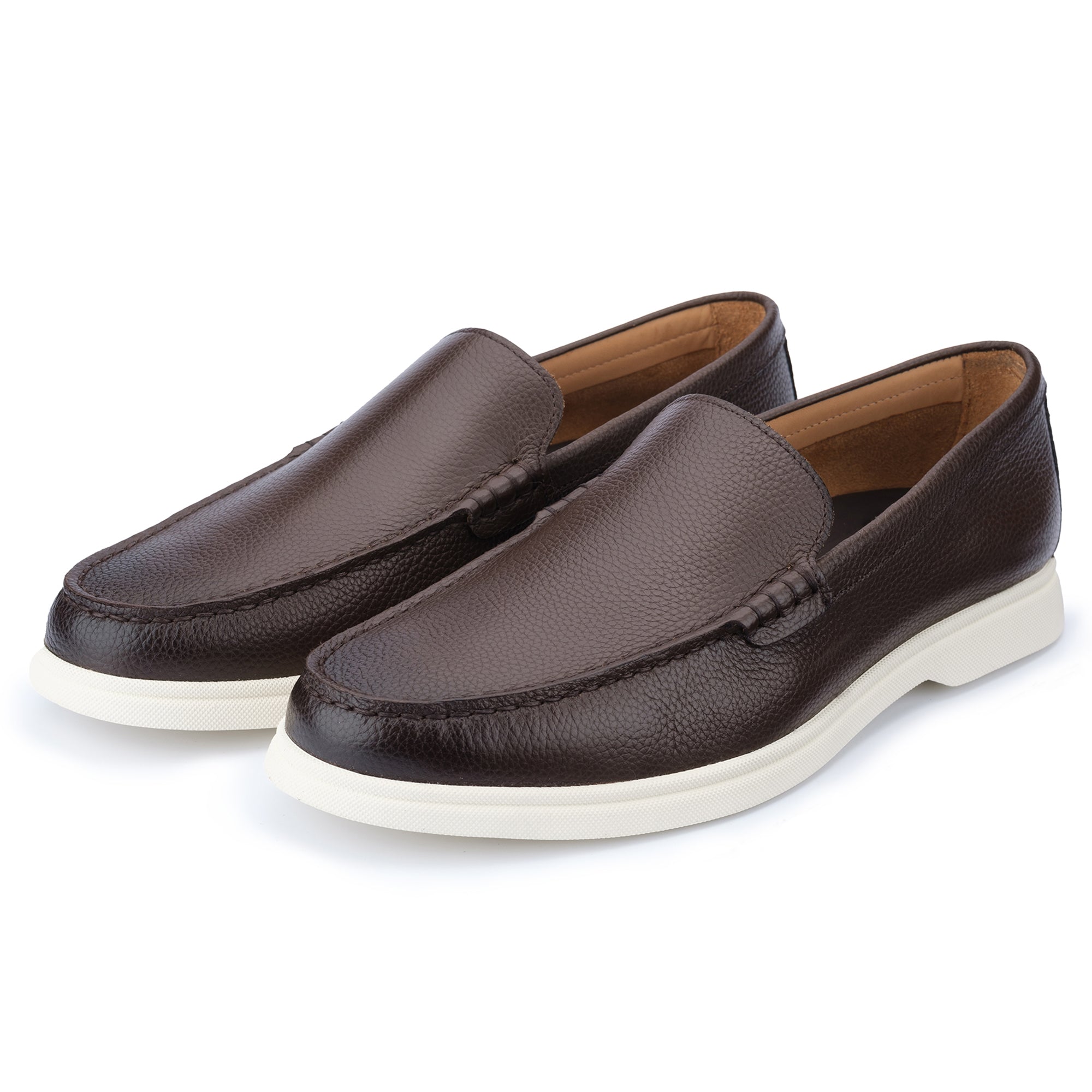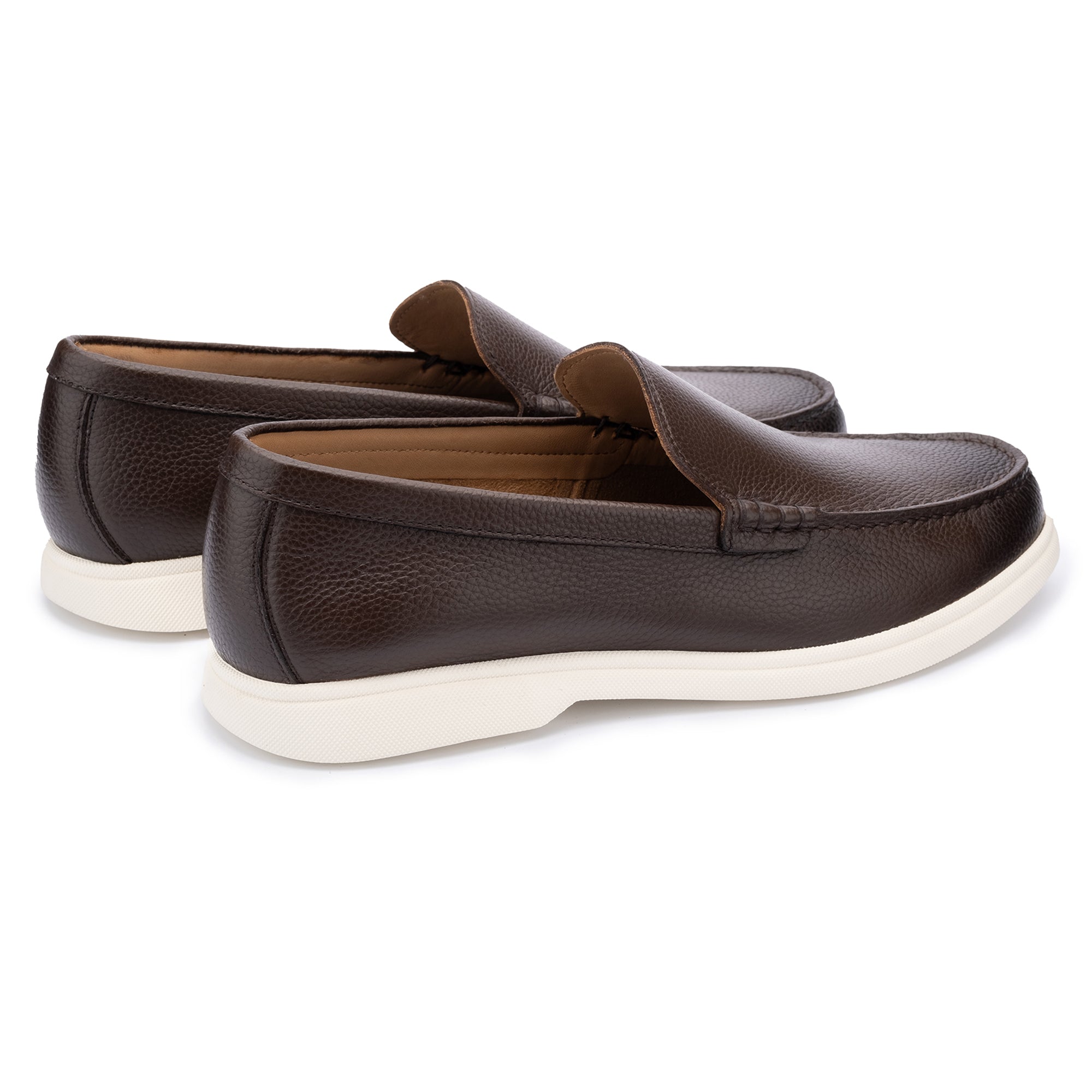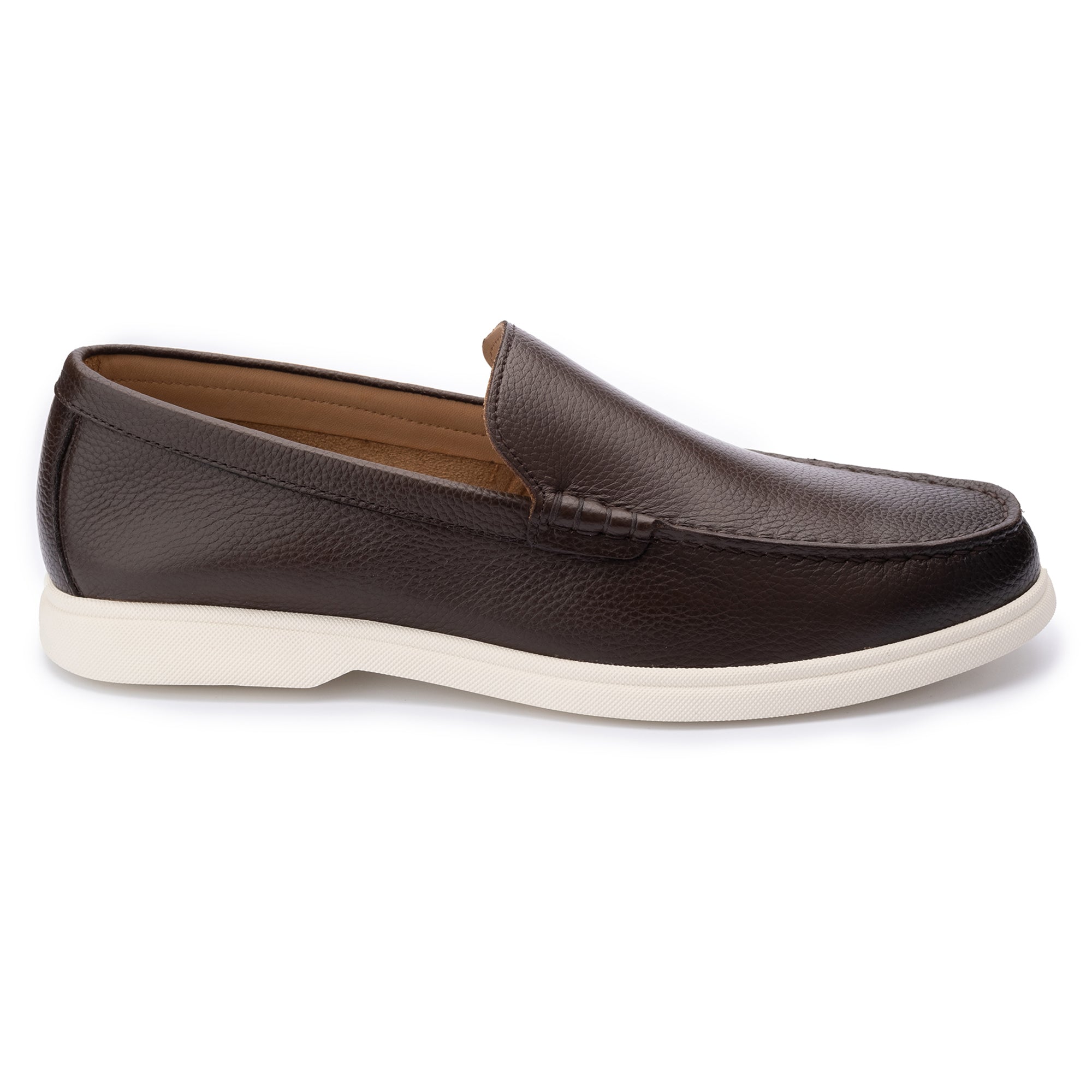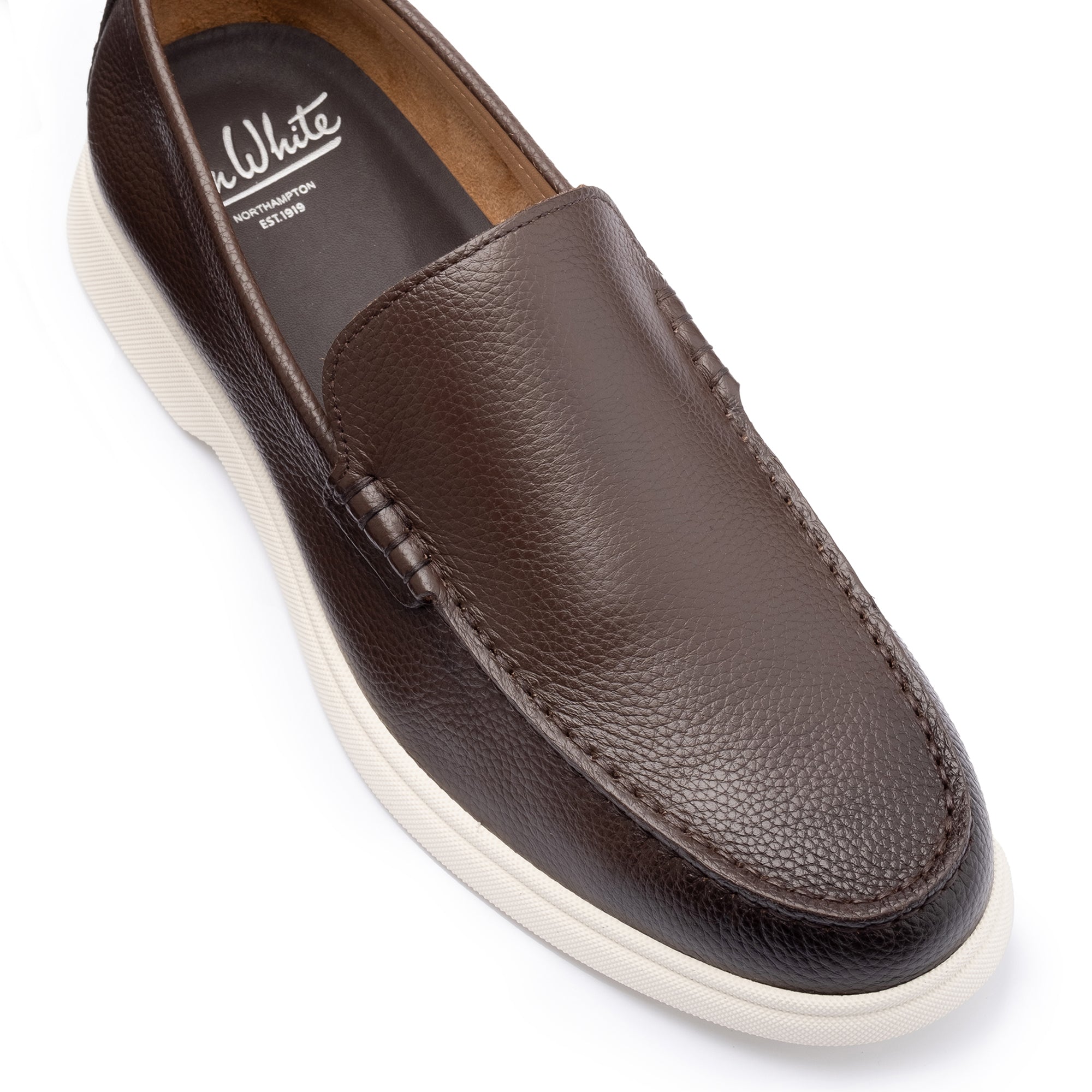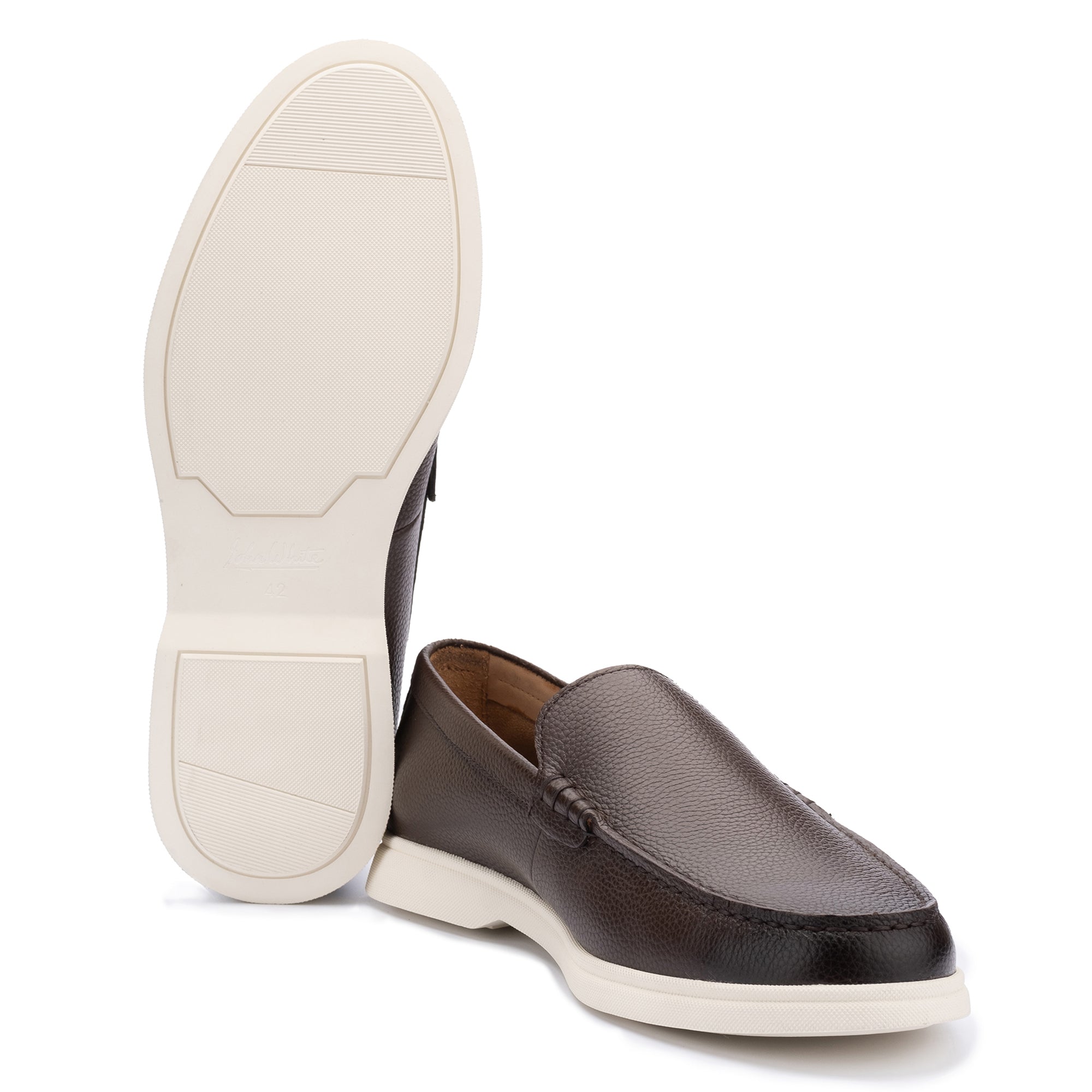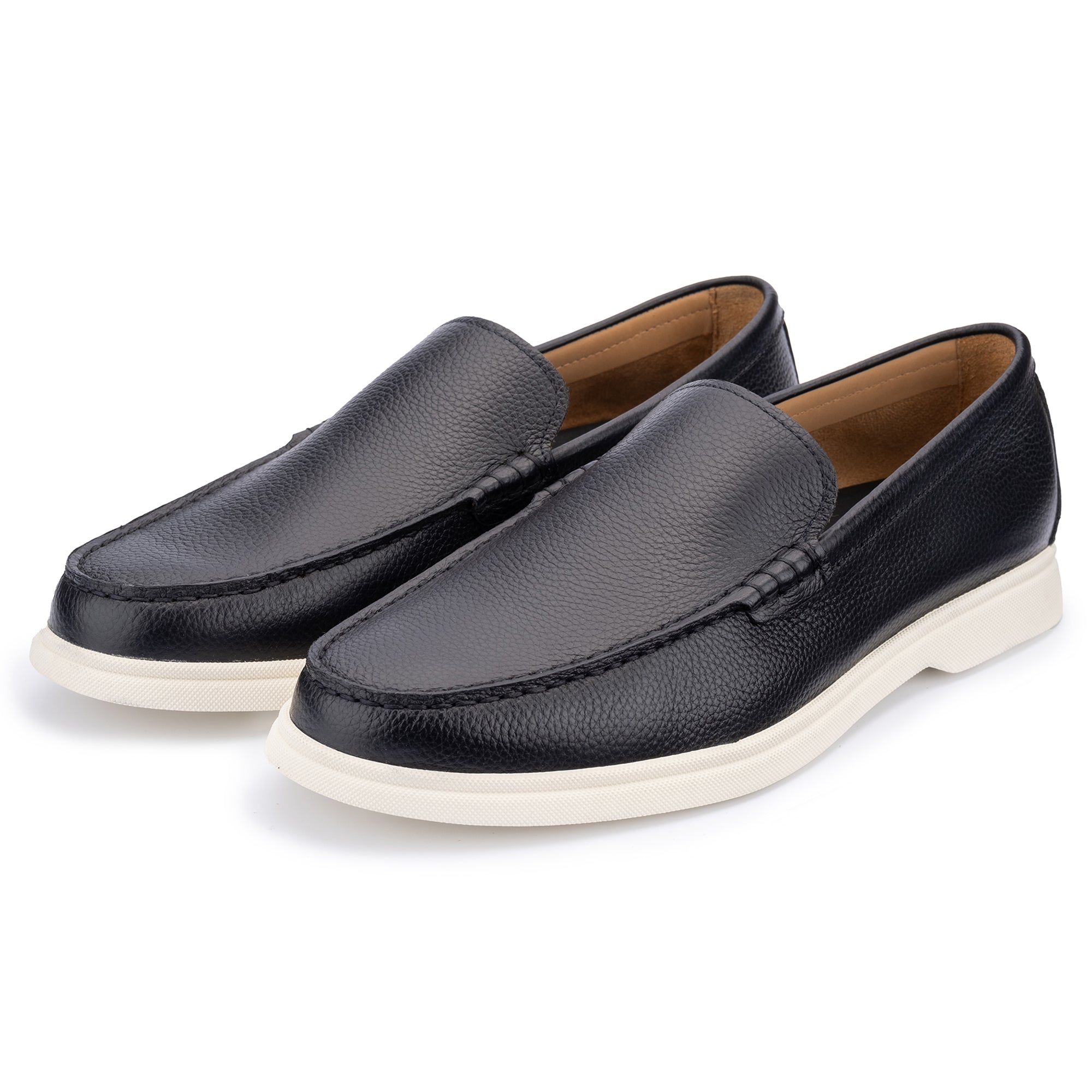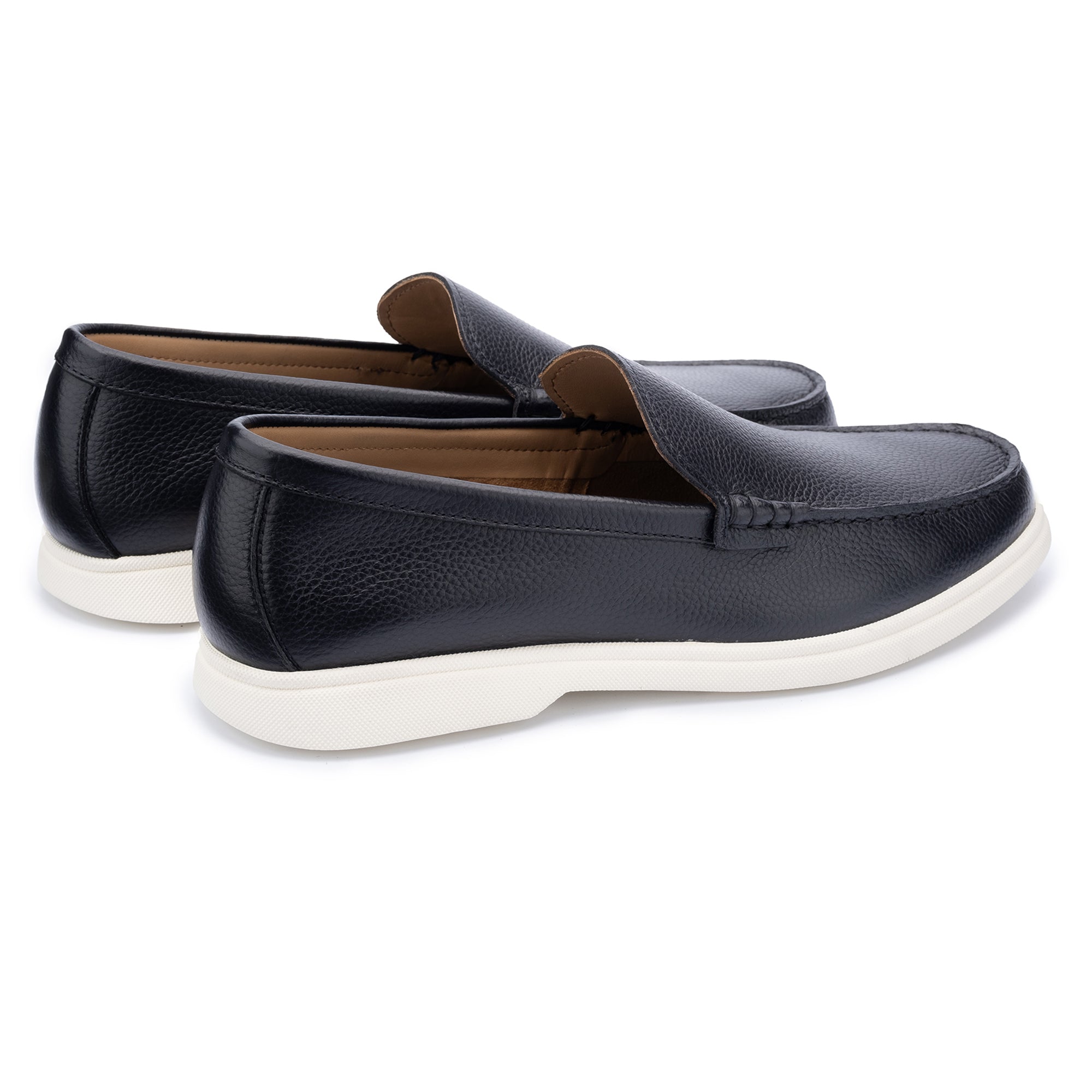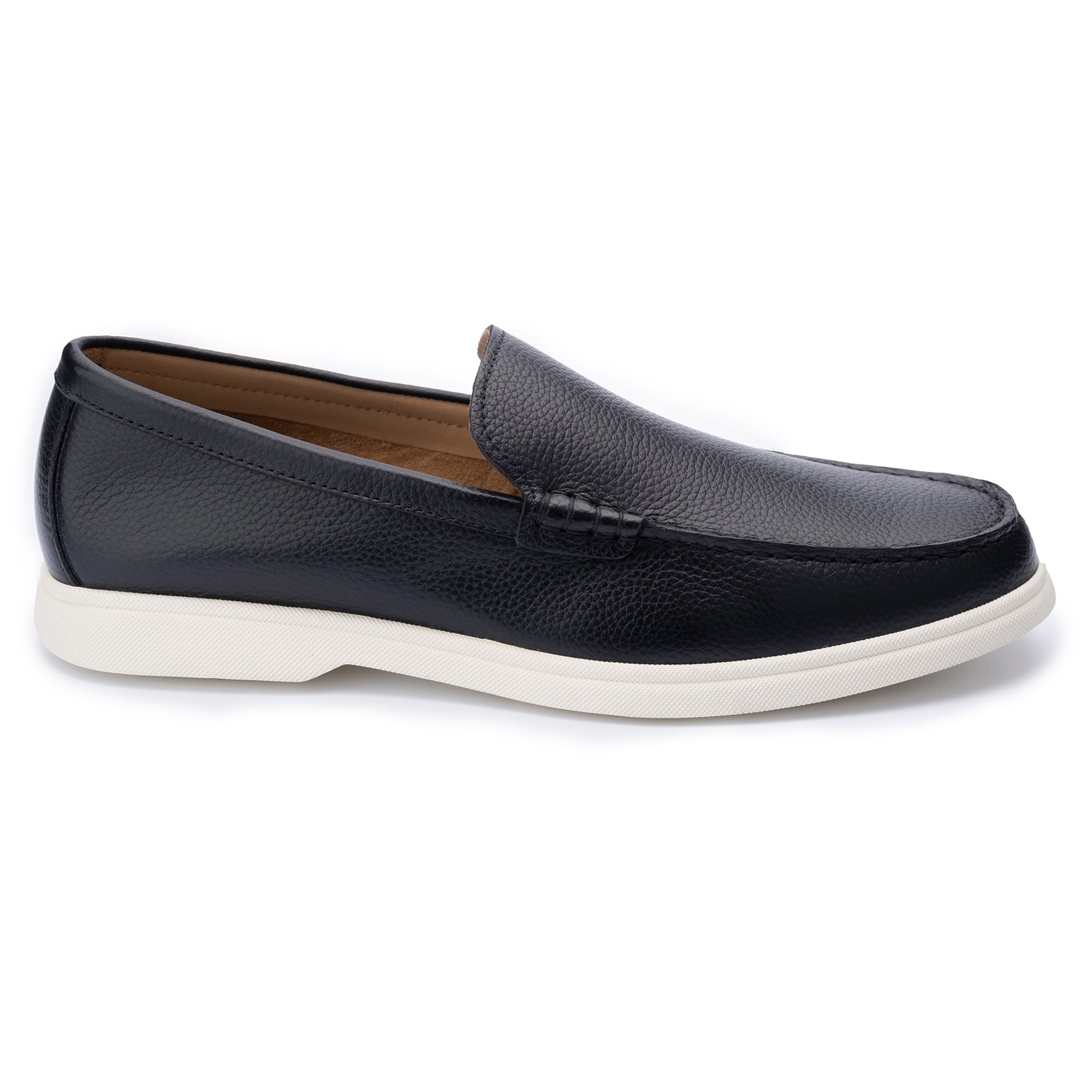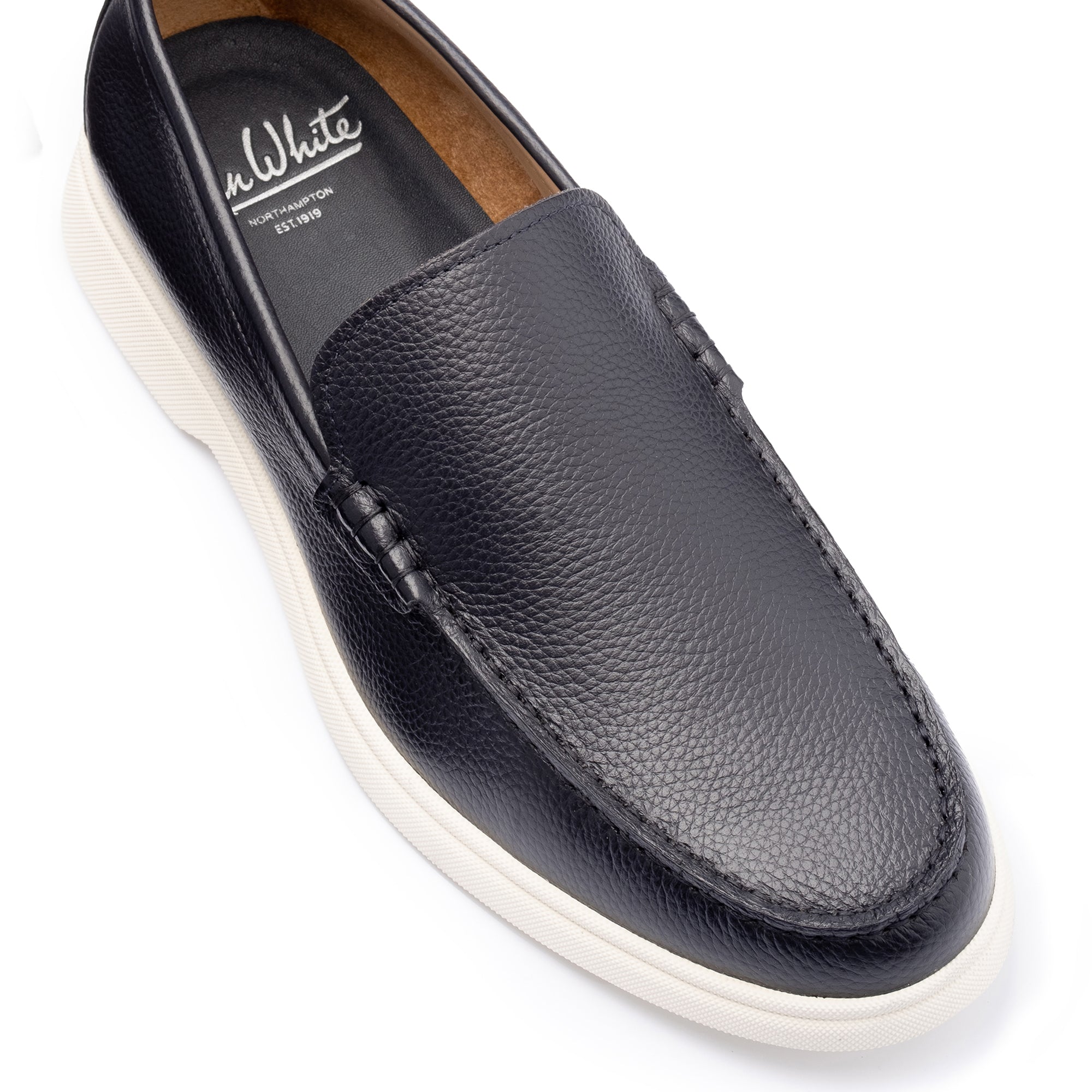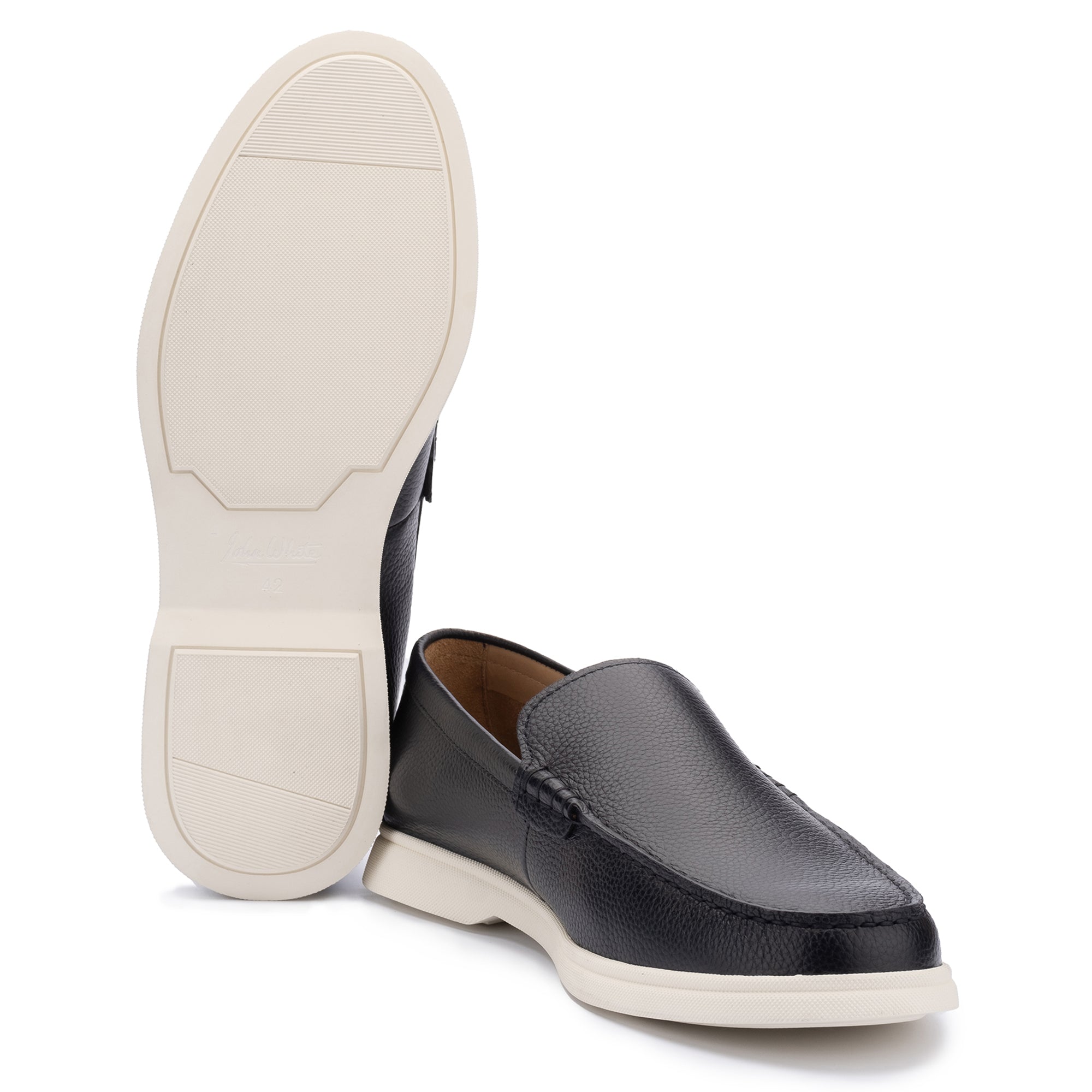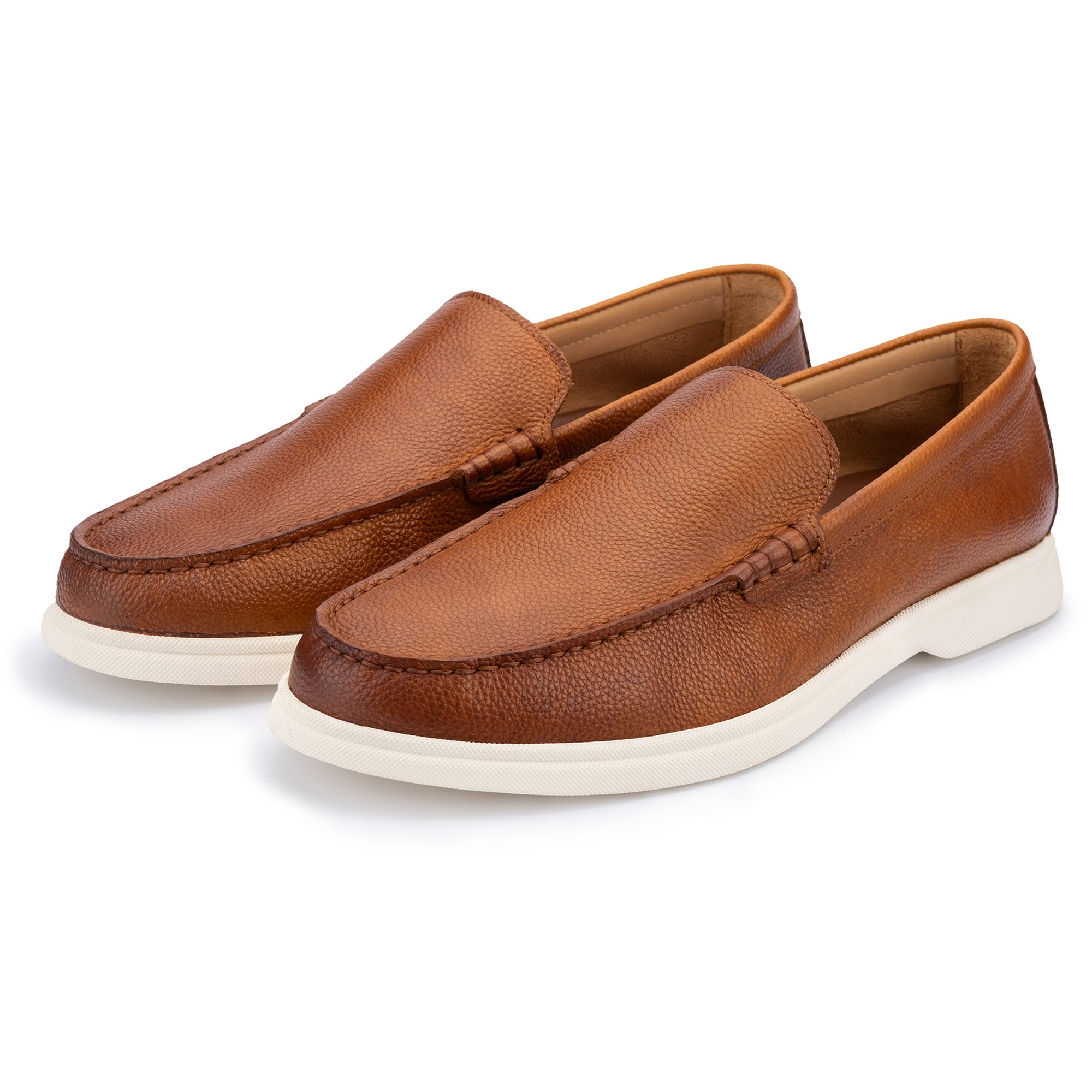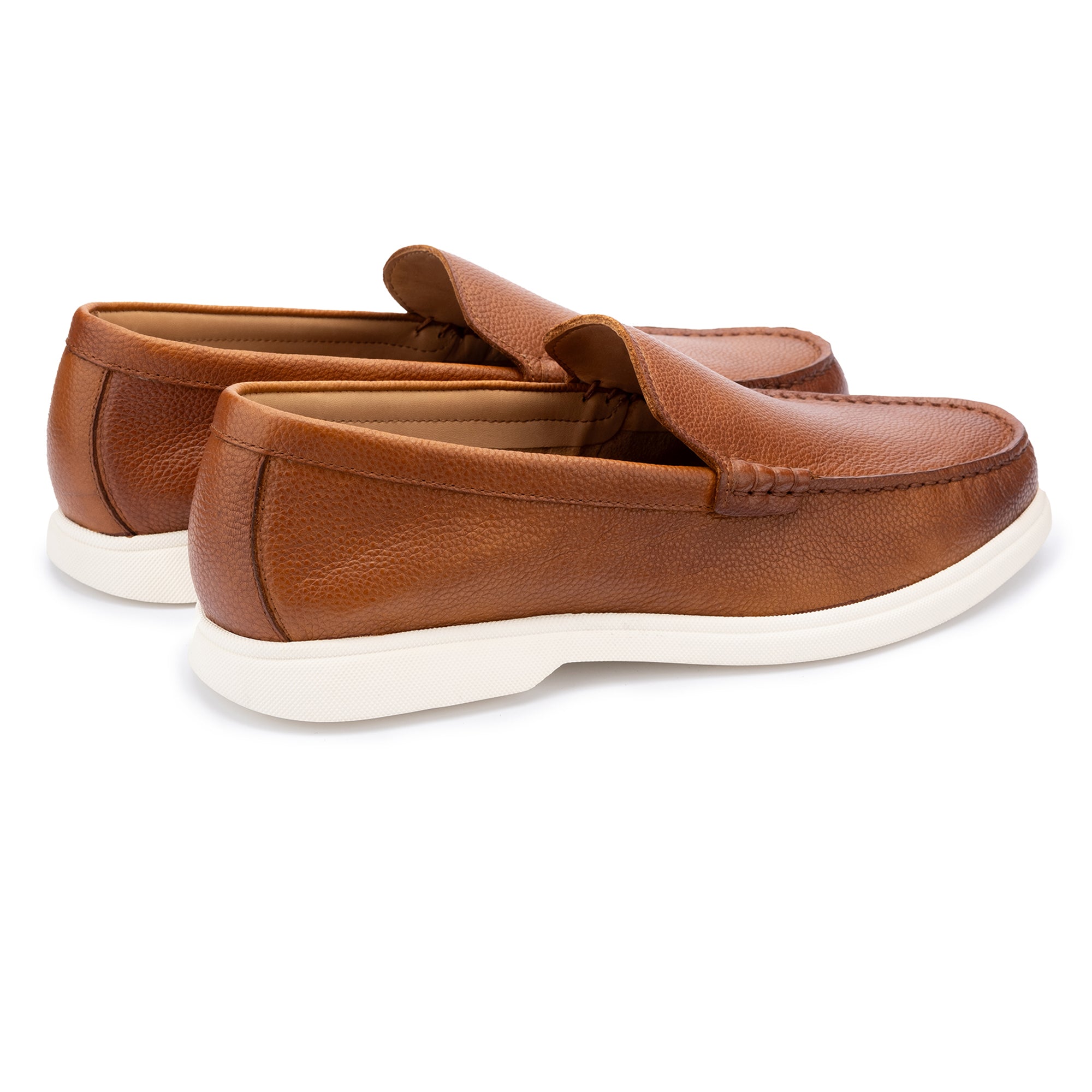

Leather shoe odour is caused by bacteria feeding on perspiration absorbed into the shoe's interior lining and insole. The most effective removal method combines complete drying, an overnight bicarbonate of soda treatment, and a dilute white vinegar wipe to eliminate bacteria at source. Consistent use of cedar shoe trees between wears prevents recurrence indefinitely.
In This Guide
- What Causes Odour Inside Leather Shoes?
- How Do You Remove Odour from Leather Shoes? The Correct Method
- What Are the Best Natural Remedies for Leather Shoe Odour?
- Do Cedar Shoe Trees Actually Remove Leather Shoe Odour?
- When Should You Replace the Insole Rather Than Clean It?
- How Do You Prevent Leather Shoe Odour from Returning?
- Related Guides
- Frequently Asked Questions
Leather shoe odour removal is a subject most men address only when the problem has become unavoidable. Yet the interior of a leather shoe — the sock lining, the insole, the welt channel — absorbs perspiration with every wear. Left unmanaged, that accumulated moisture creates the precise conditions for bacterial growth. Bacterial growth produces odour. Treating the exterior and ignoring the interior is the single most common error in leather shoe care.
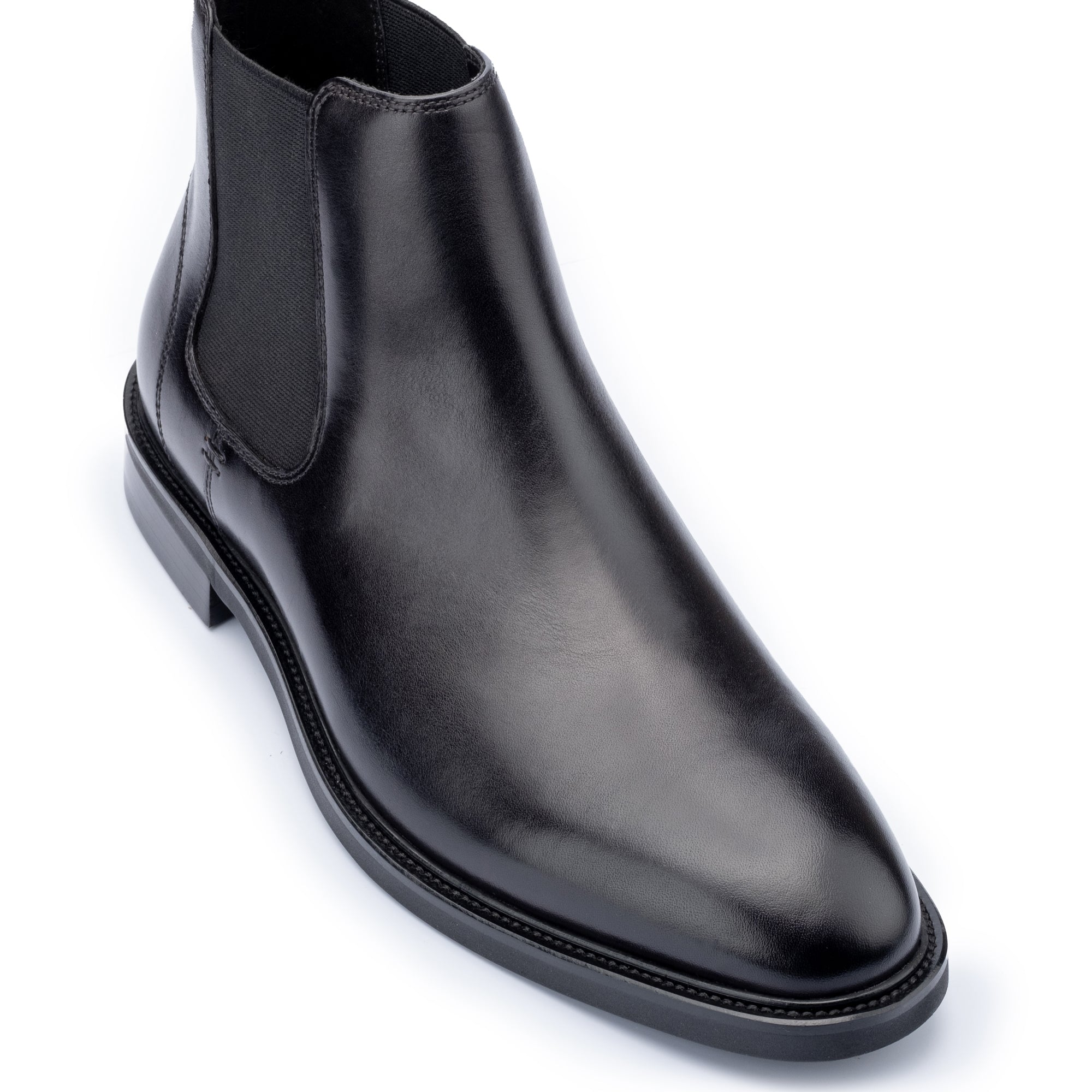
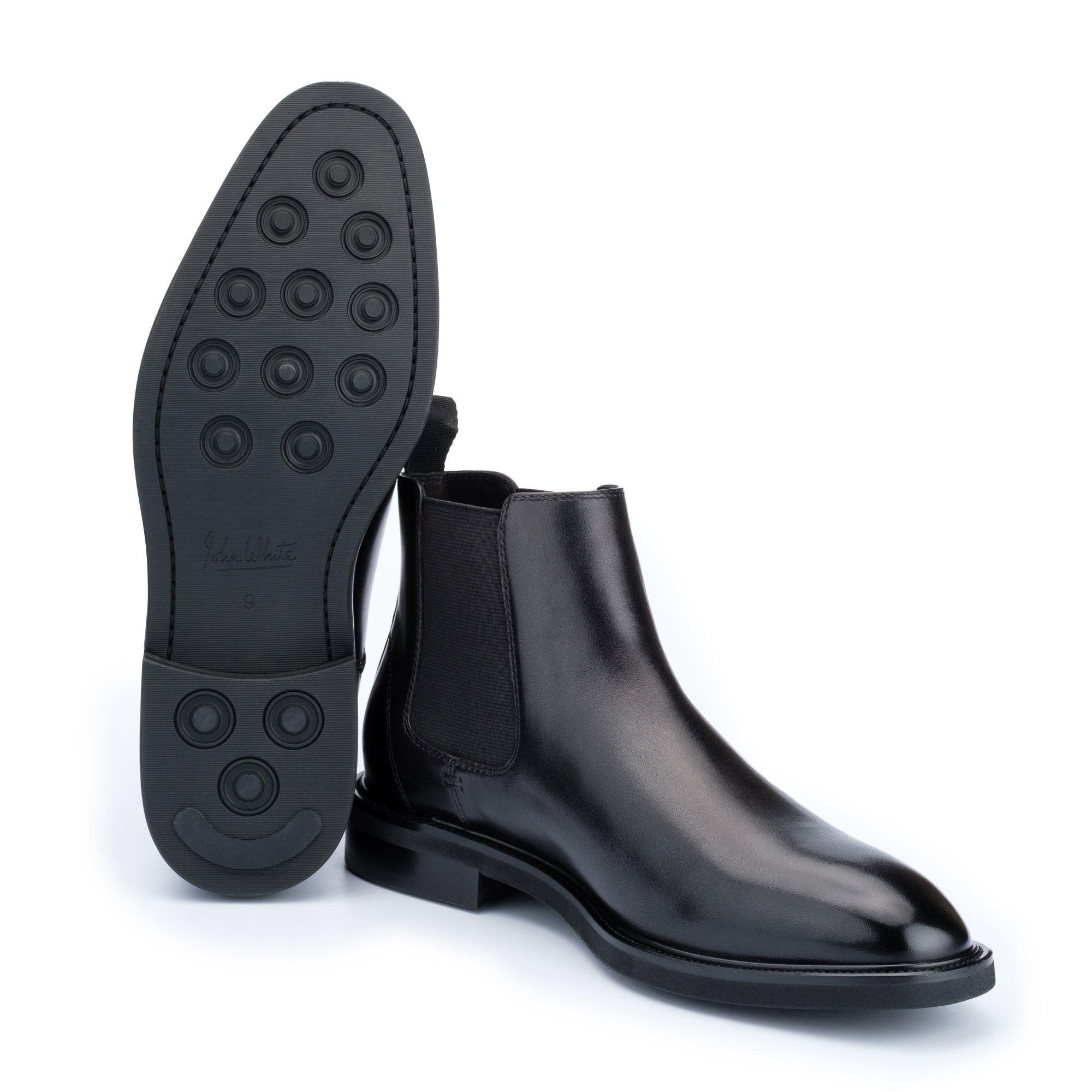
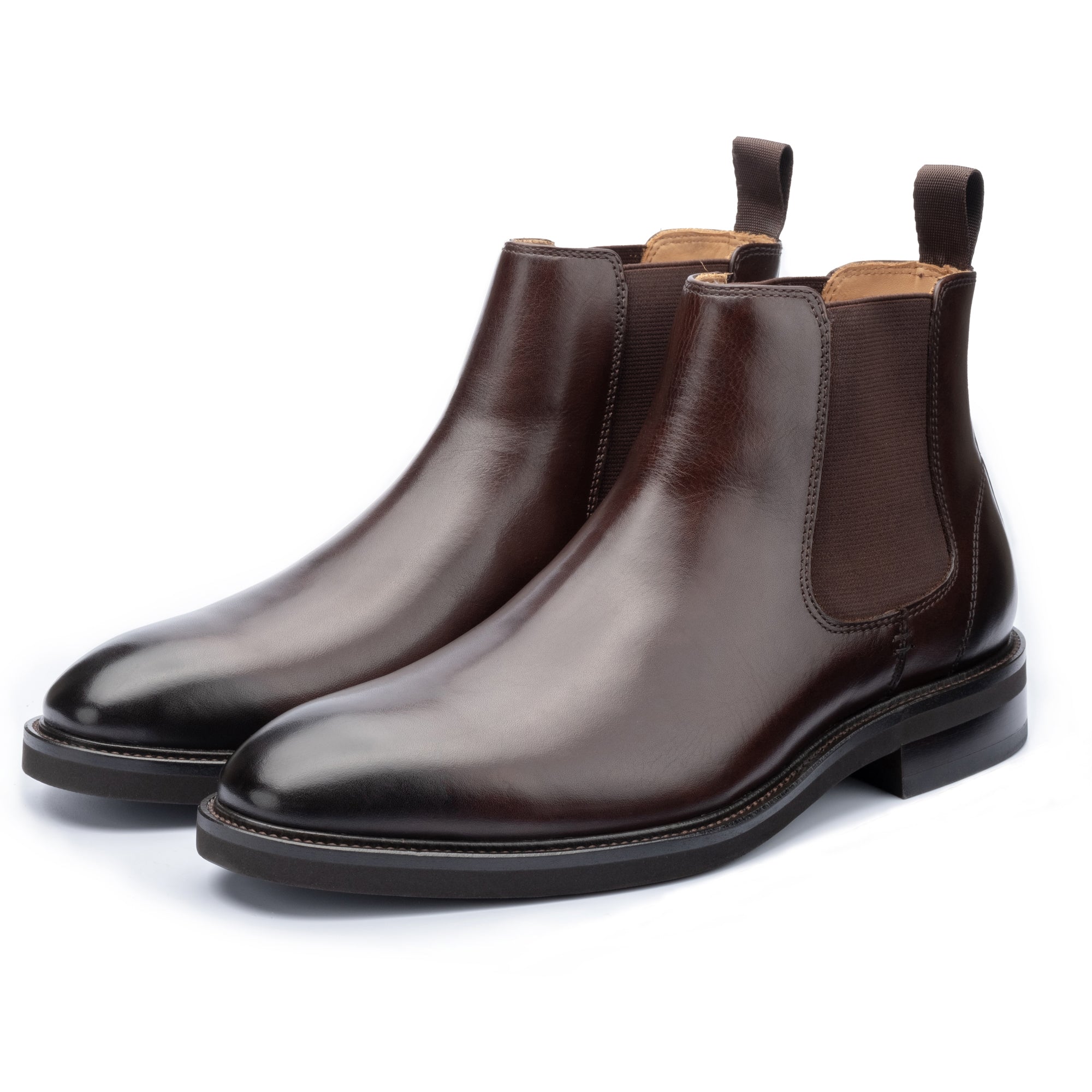
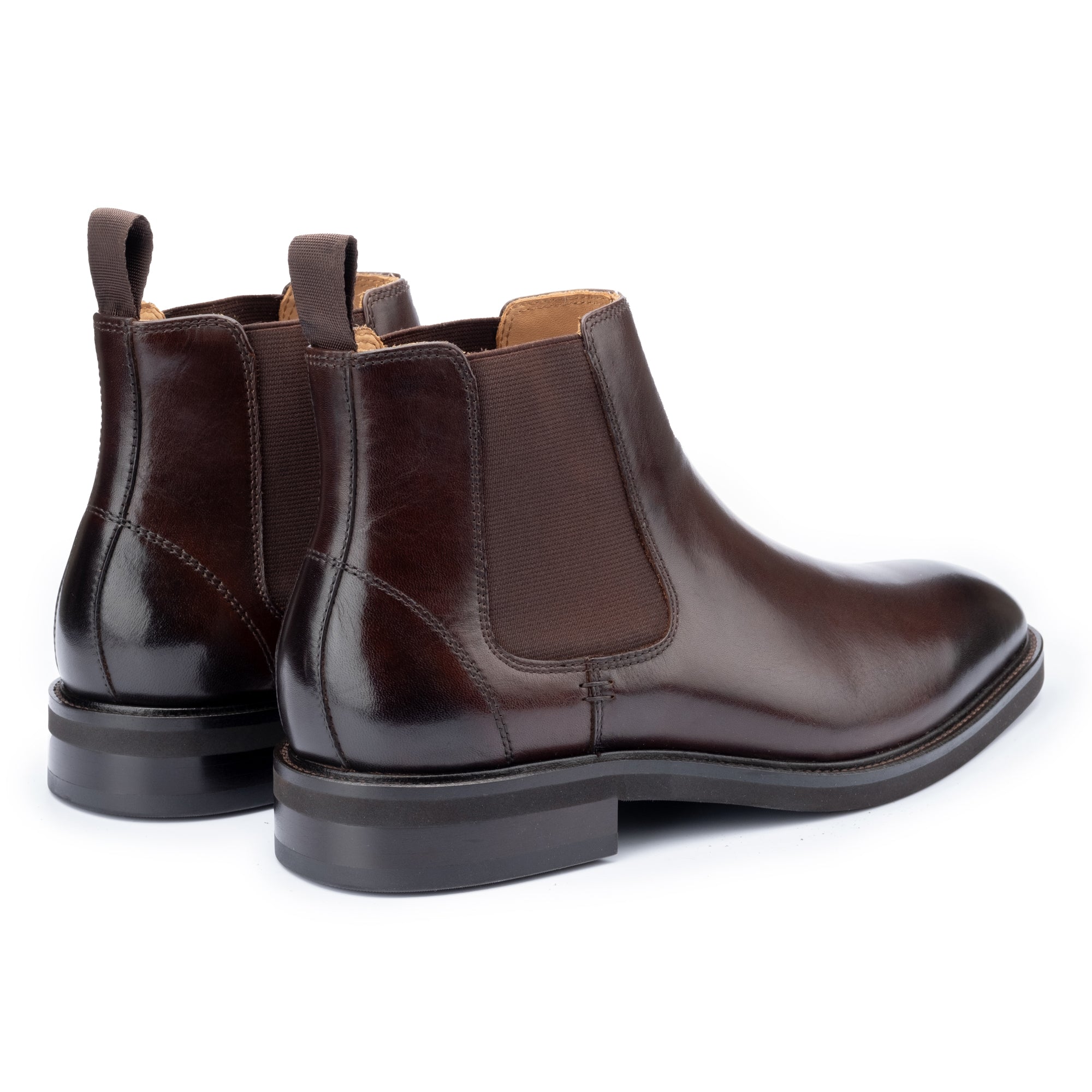
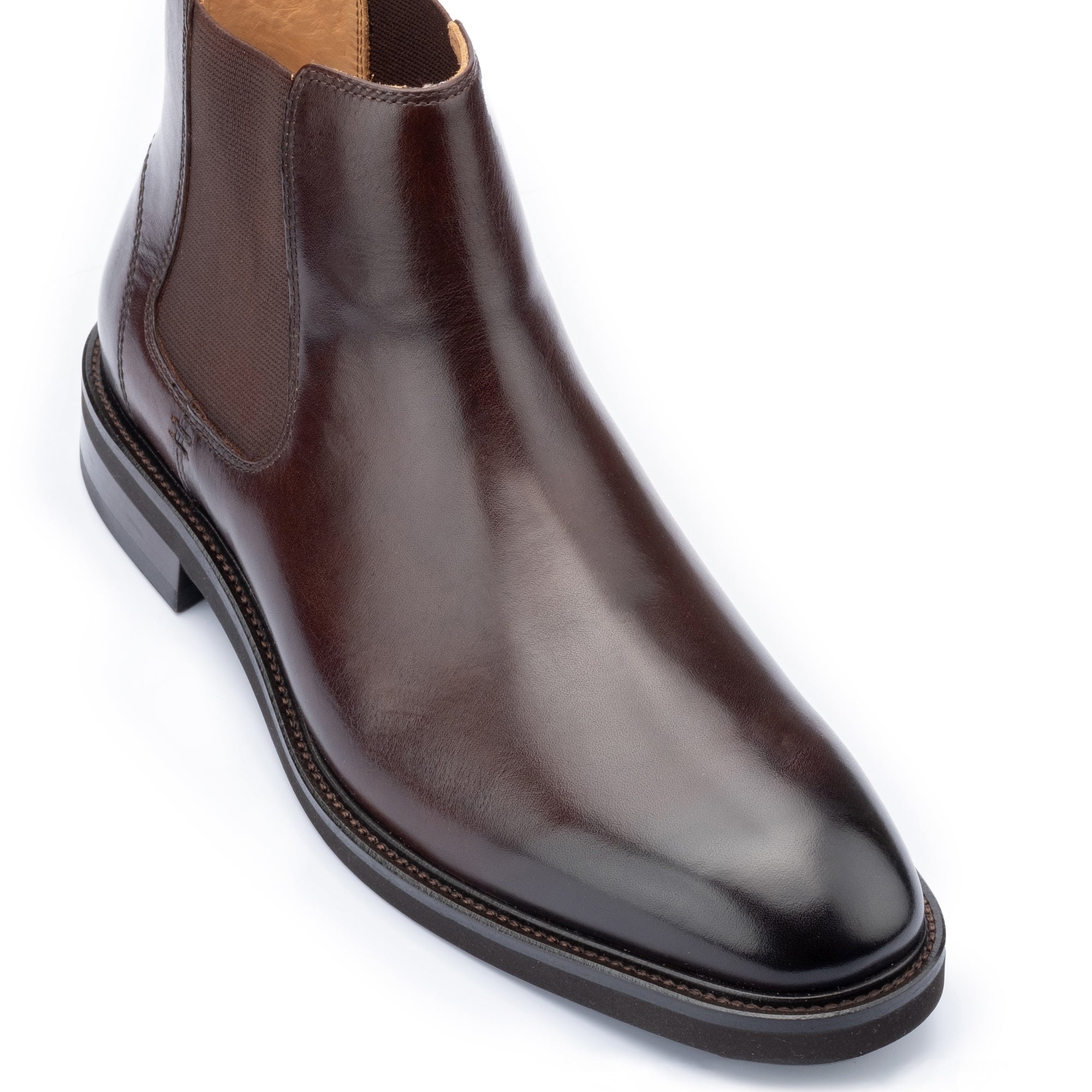
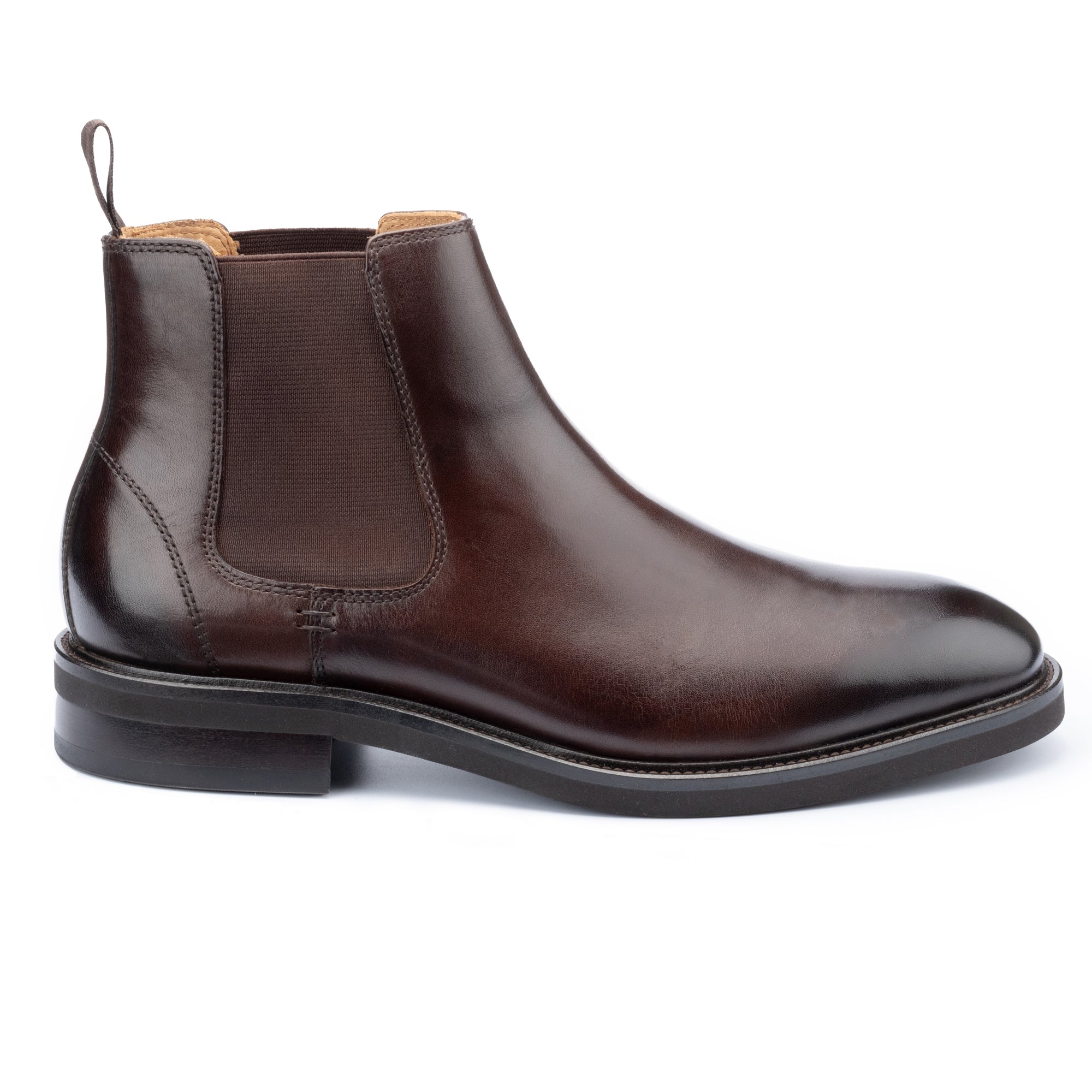
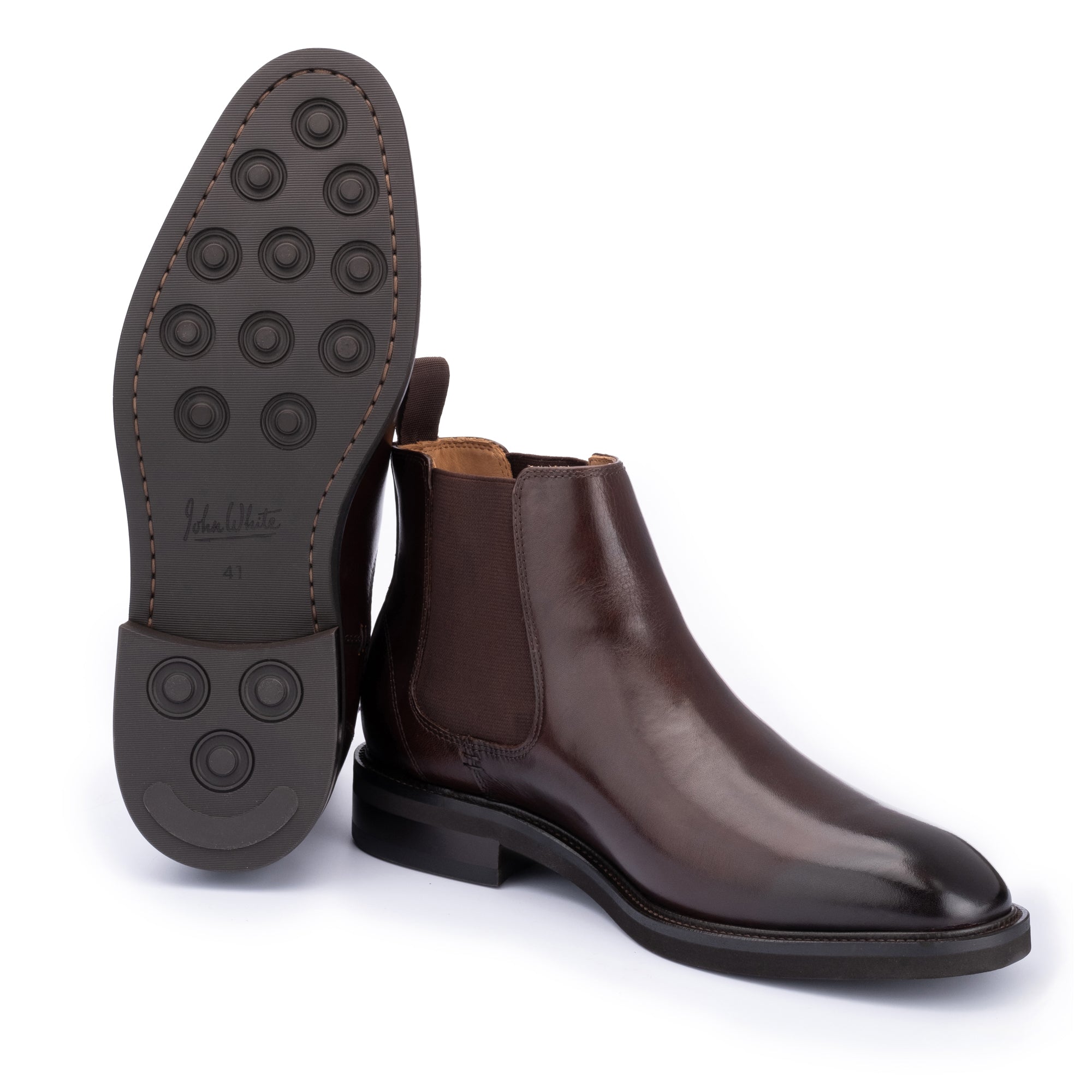
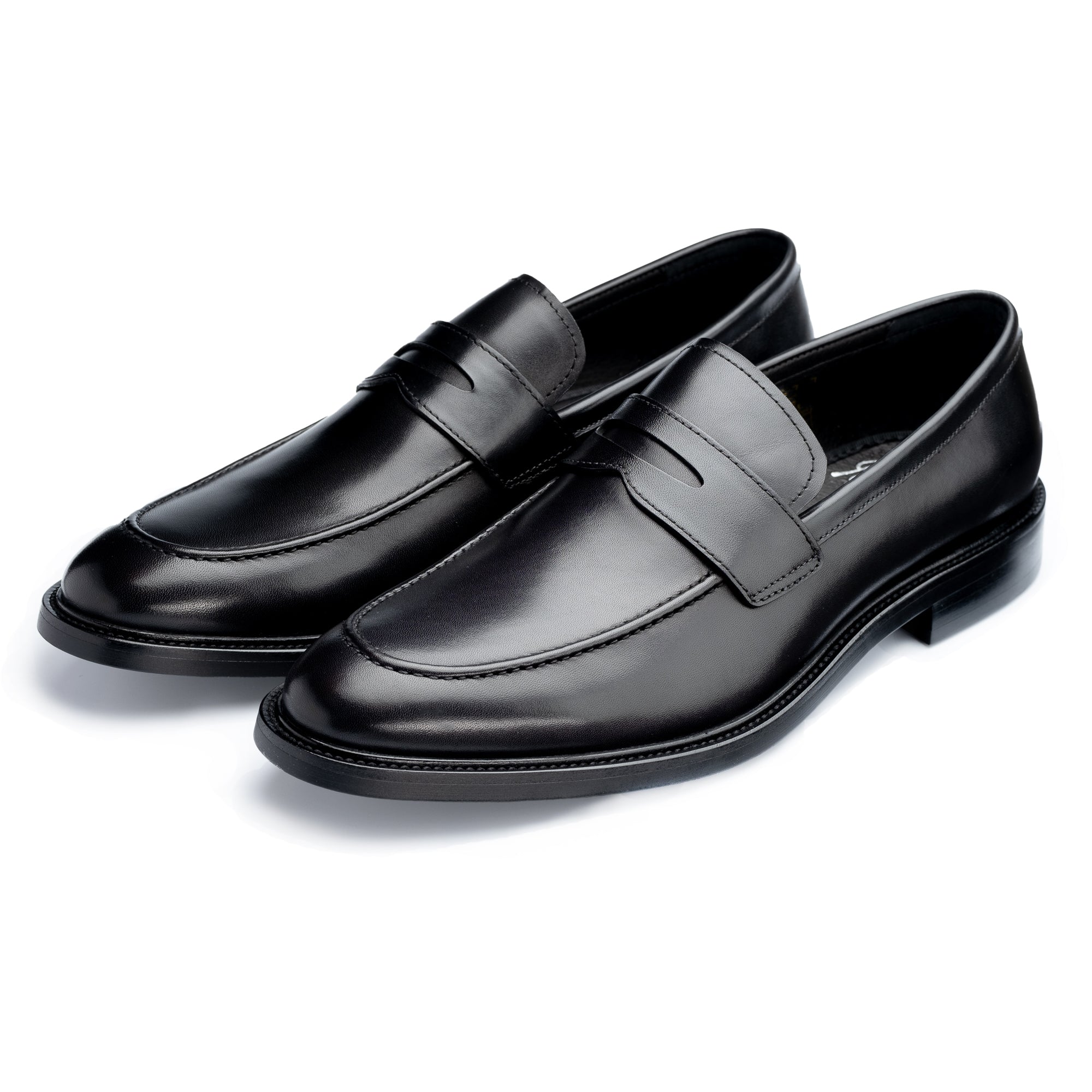
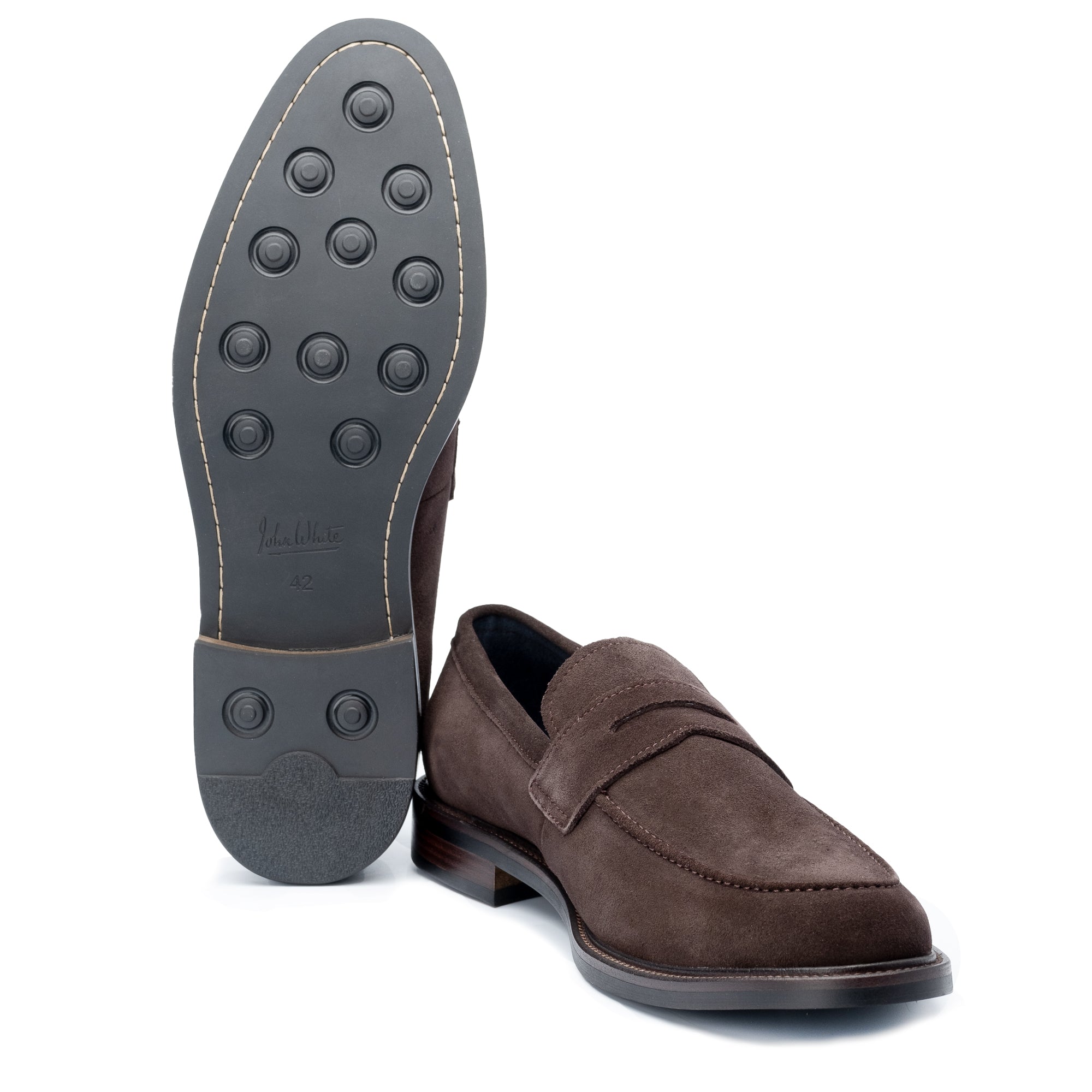
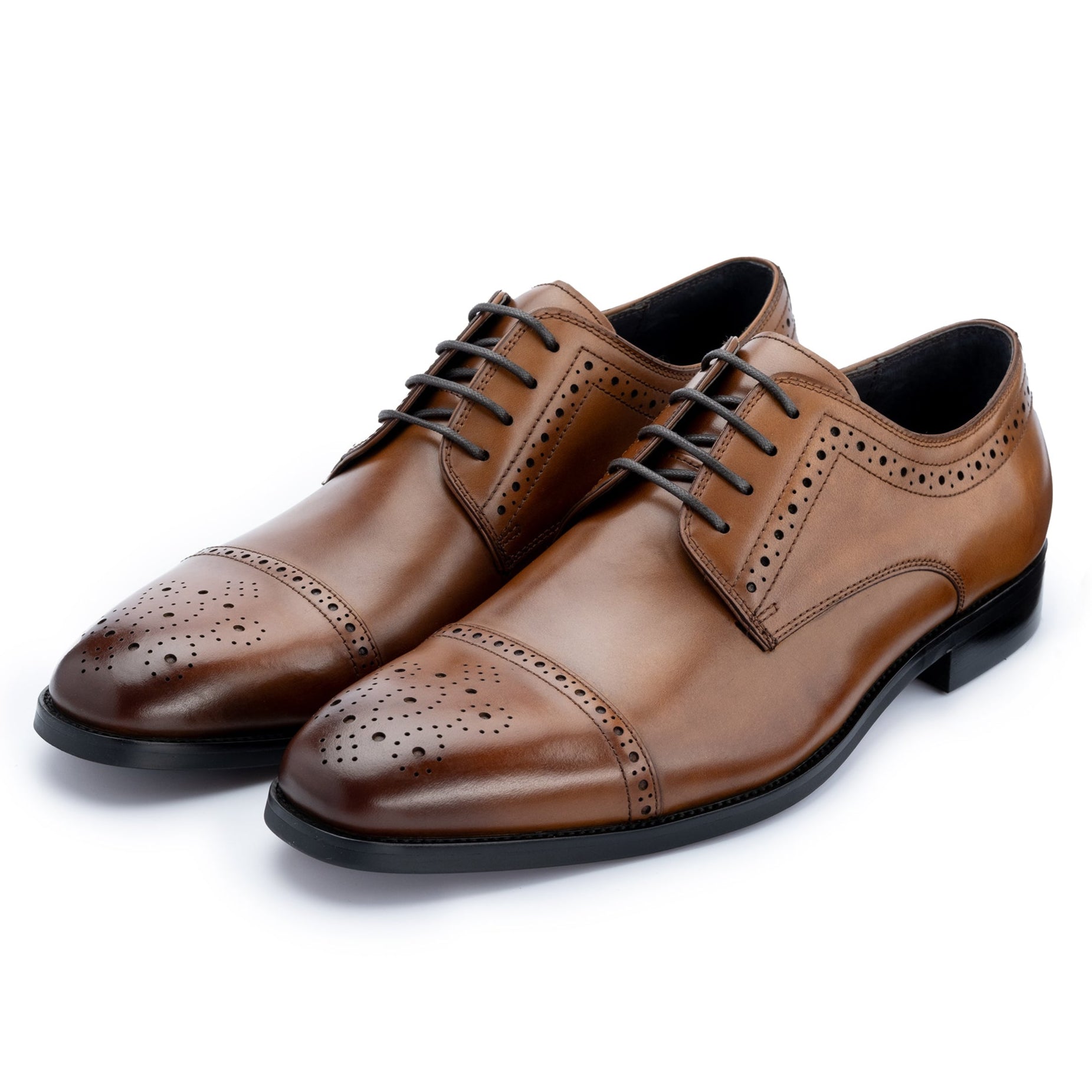
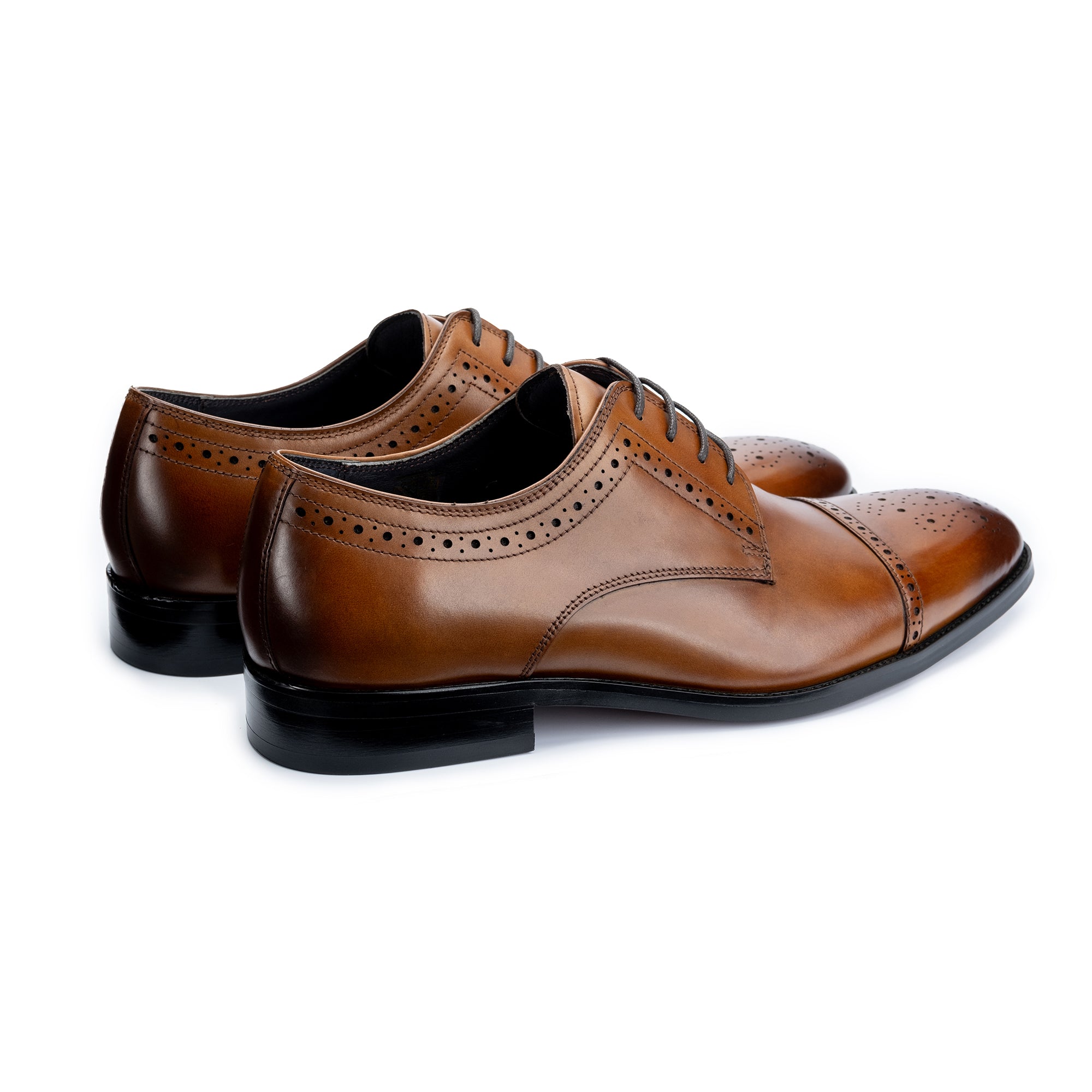
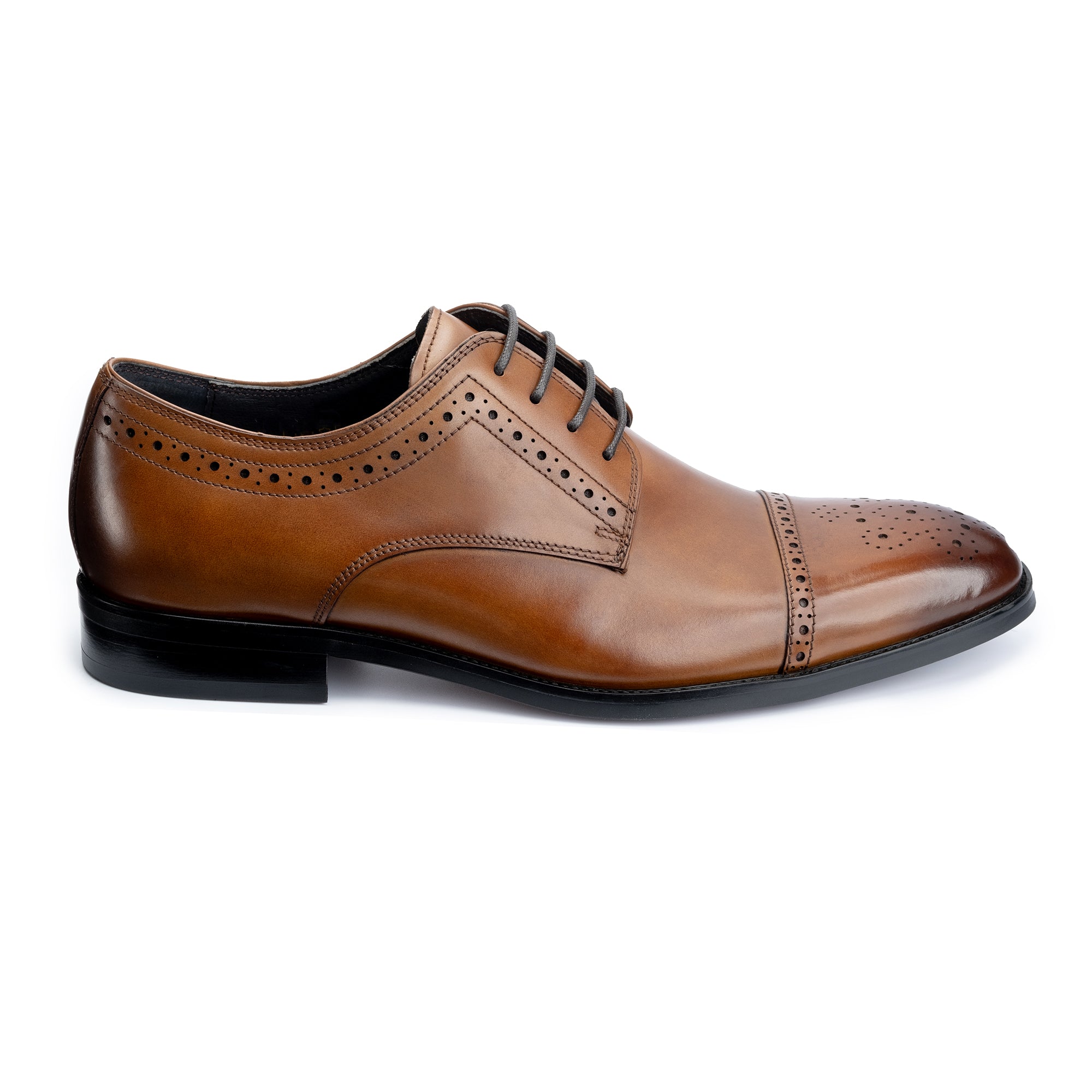
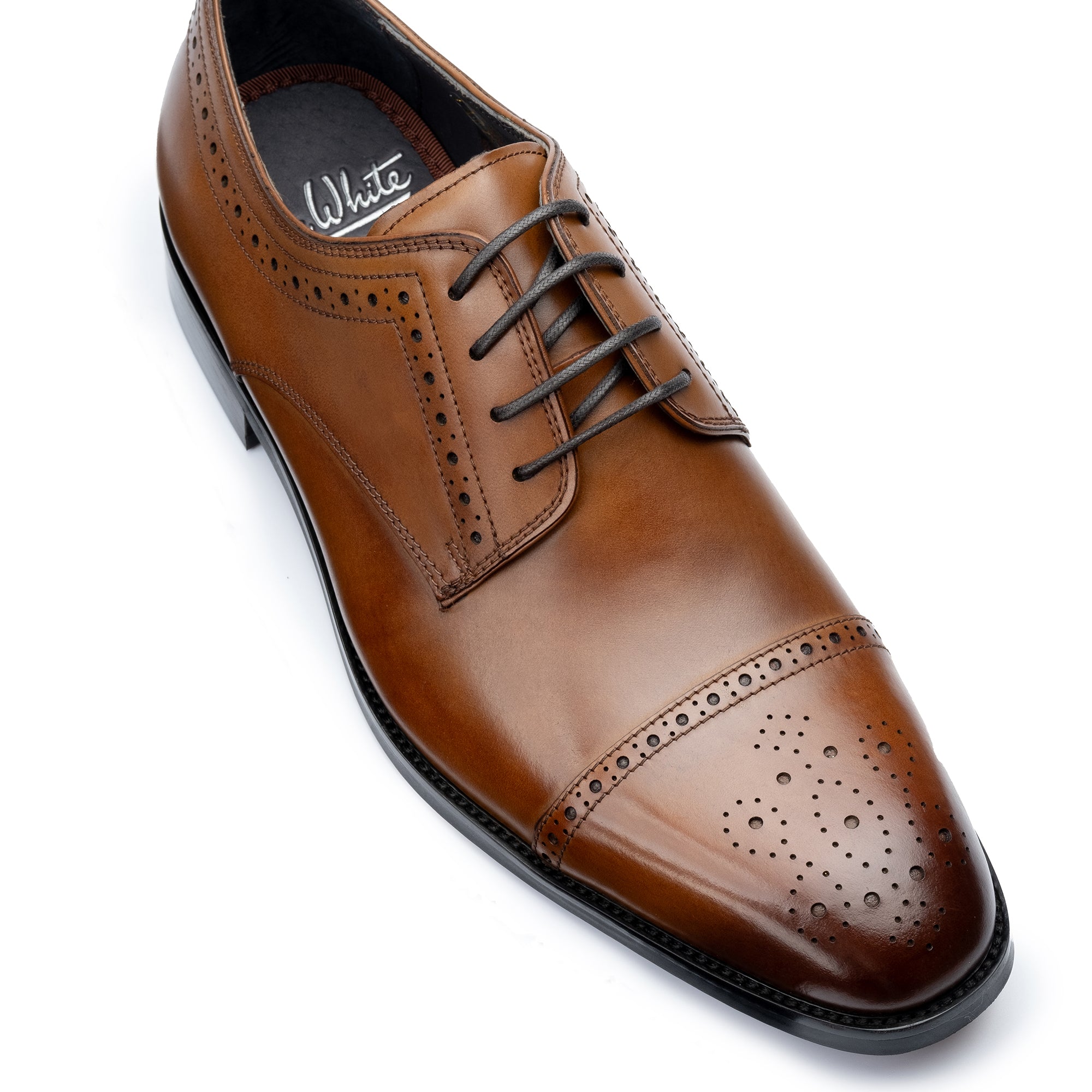
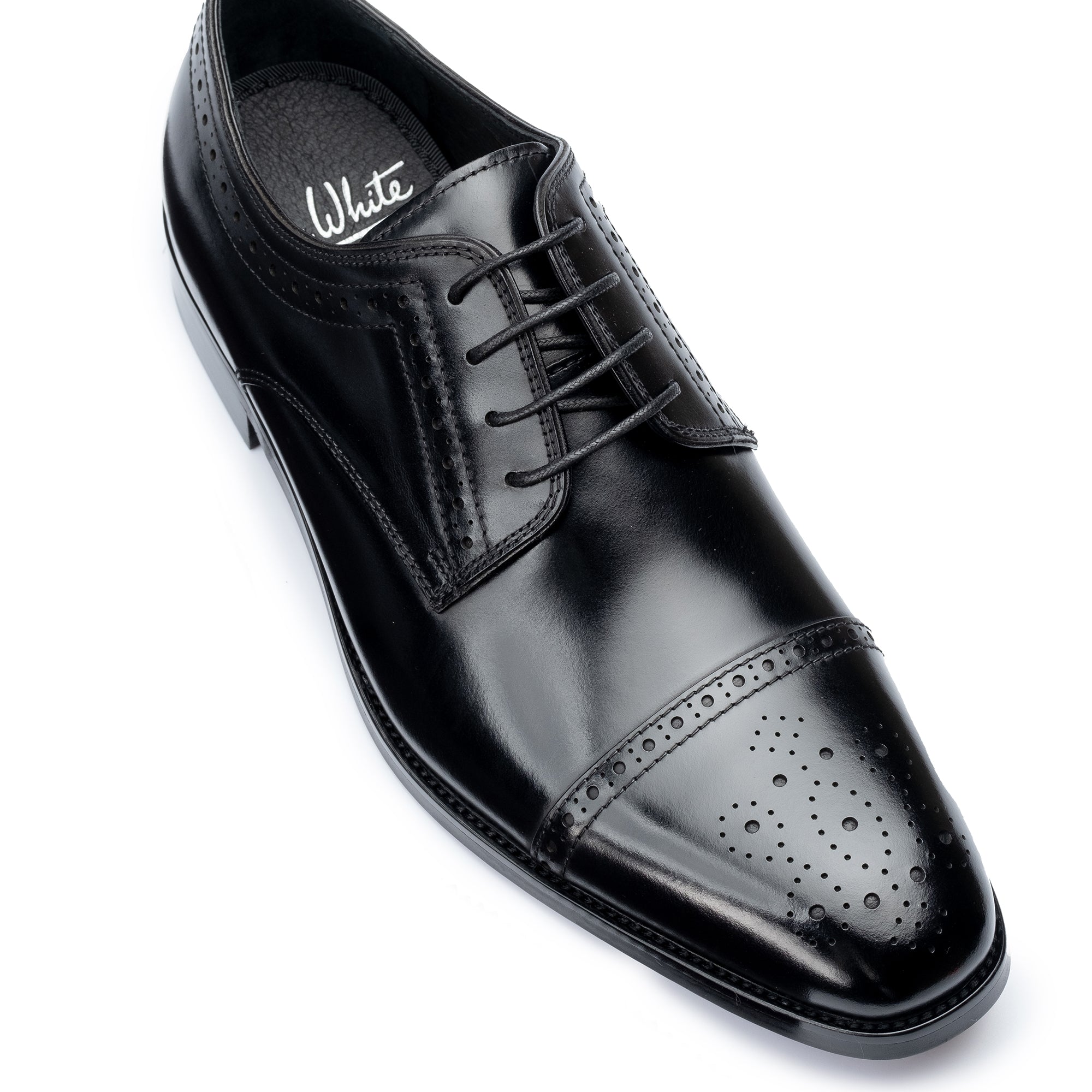
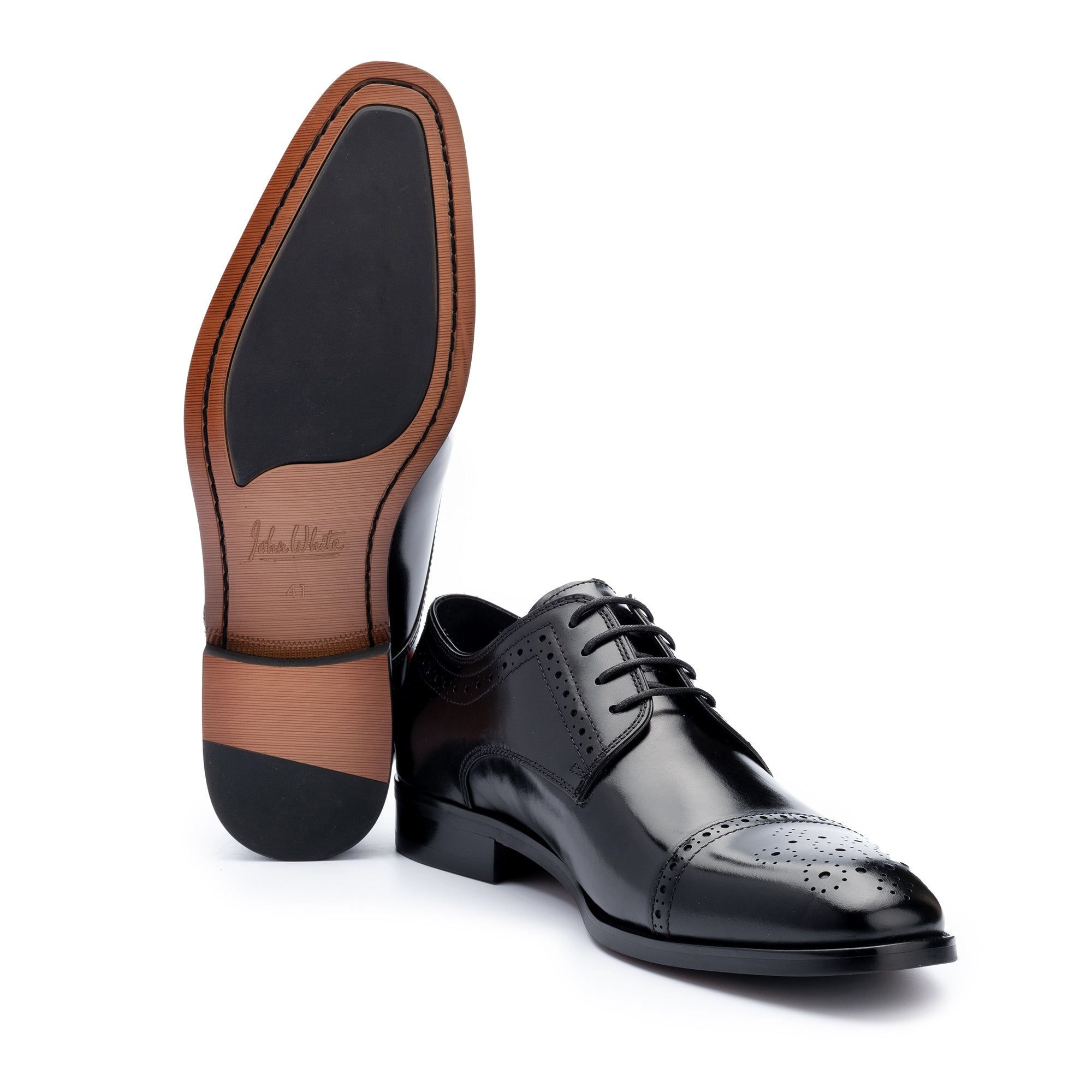
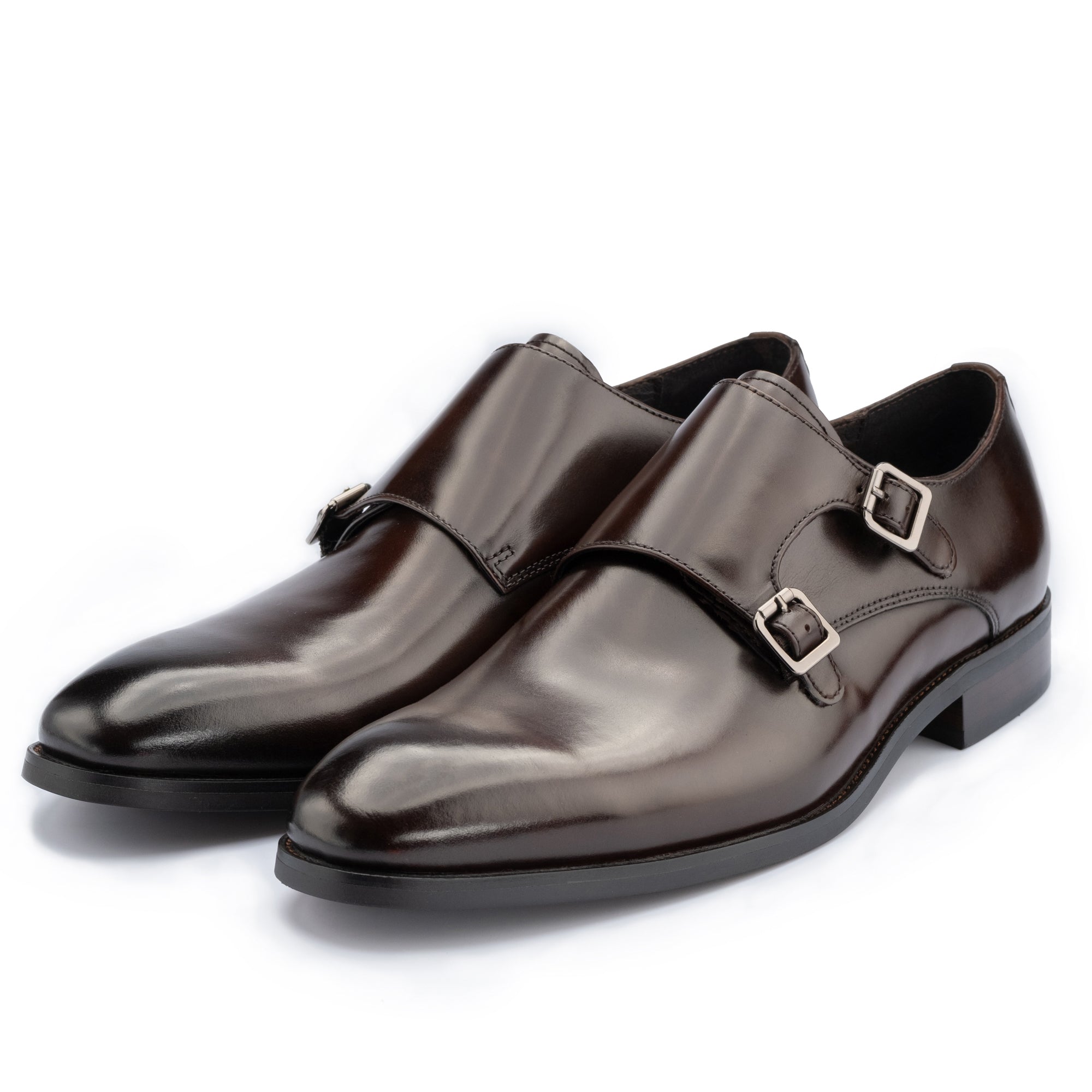
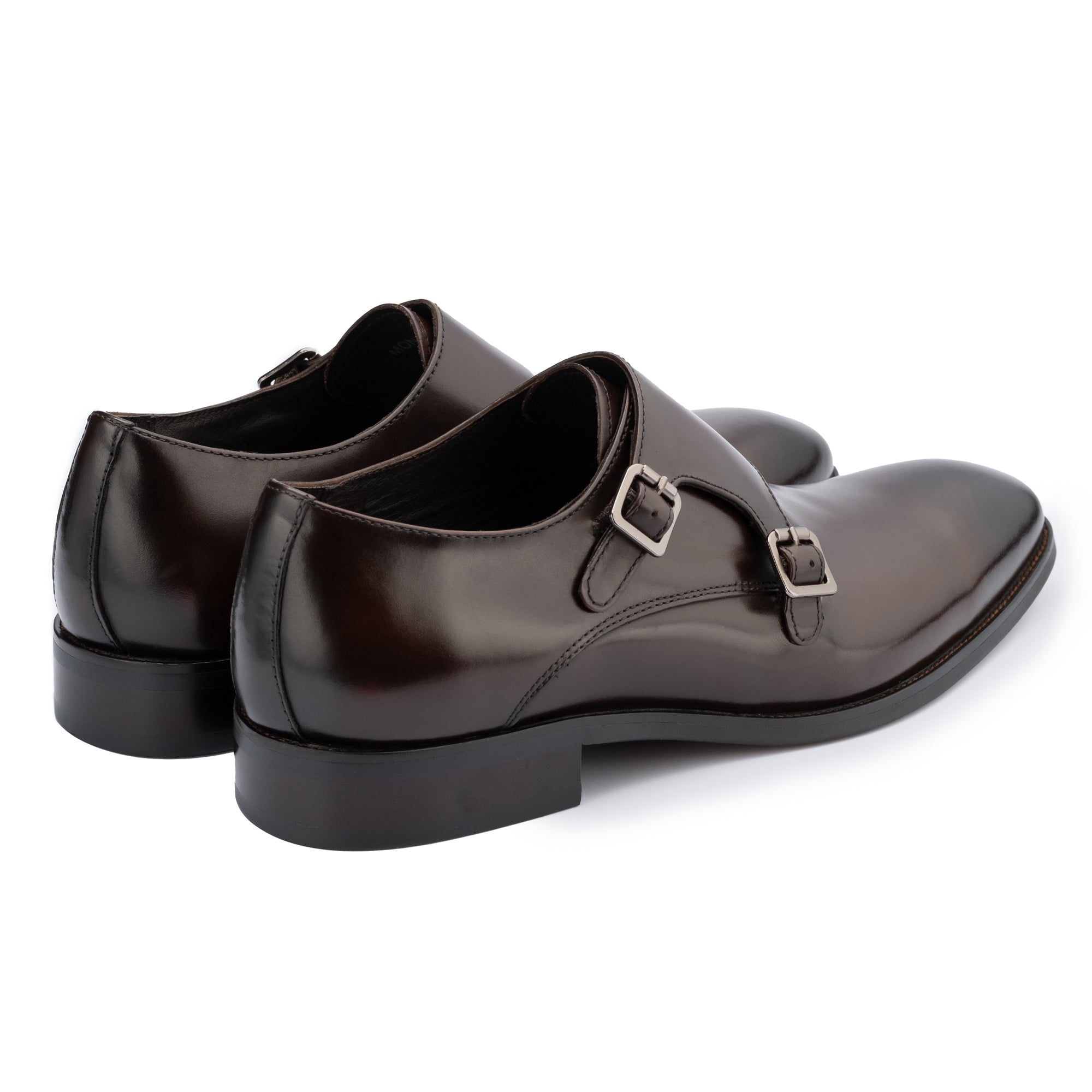
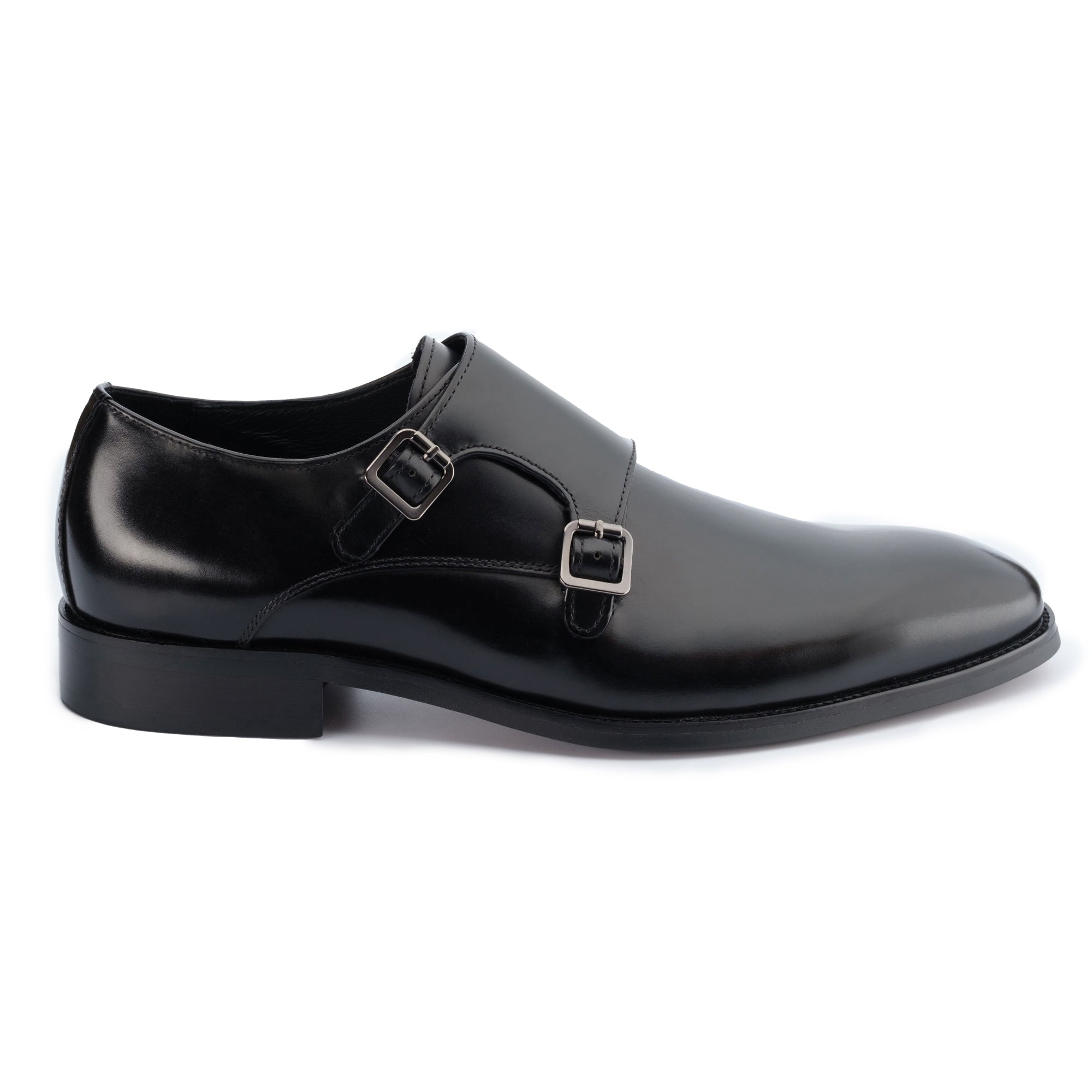
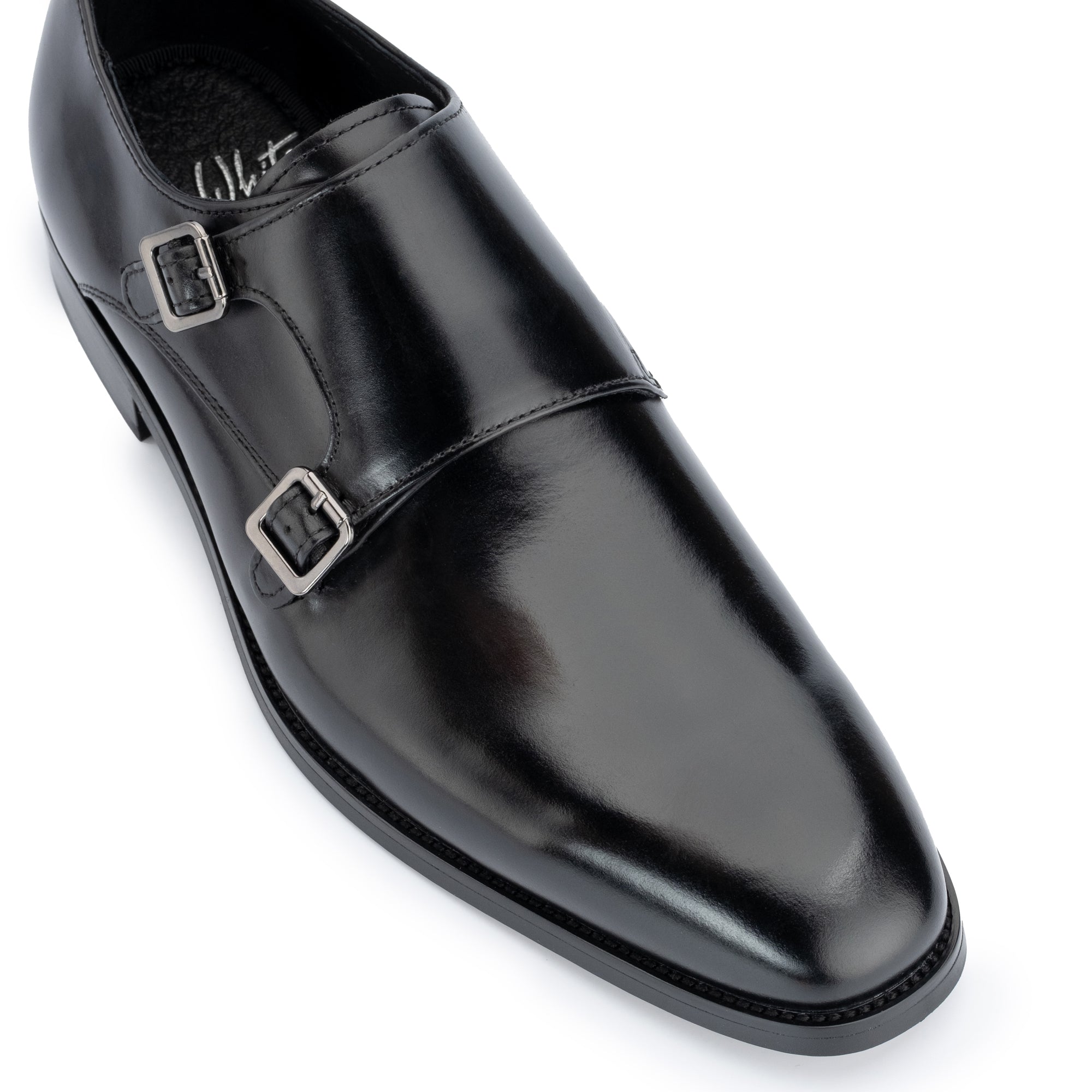
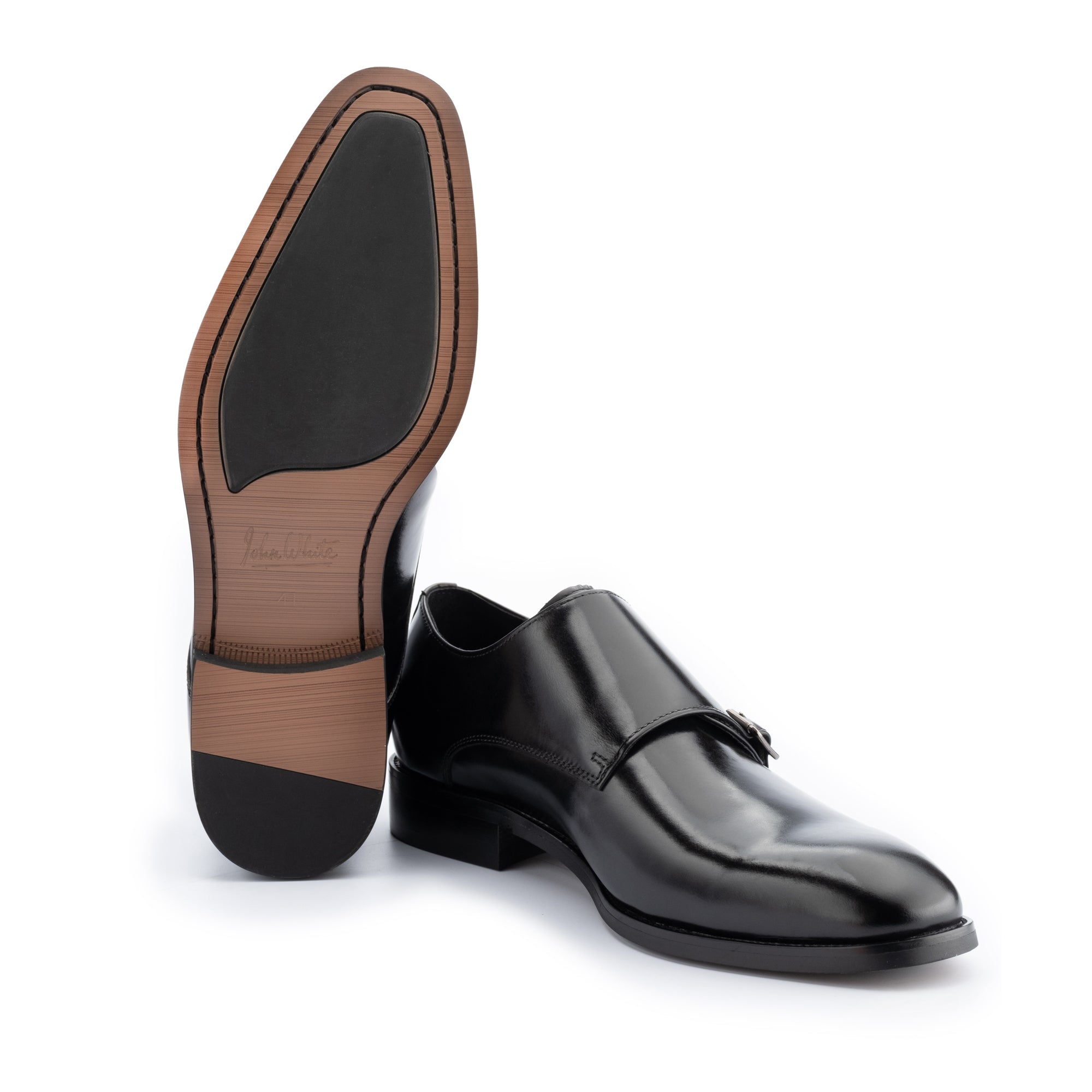
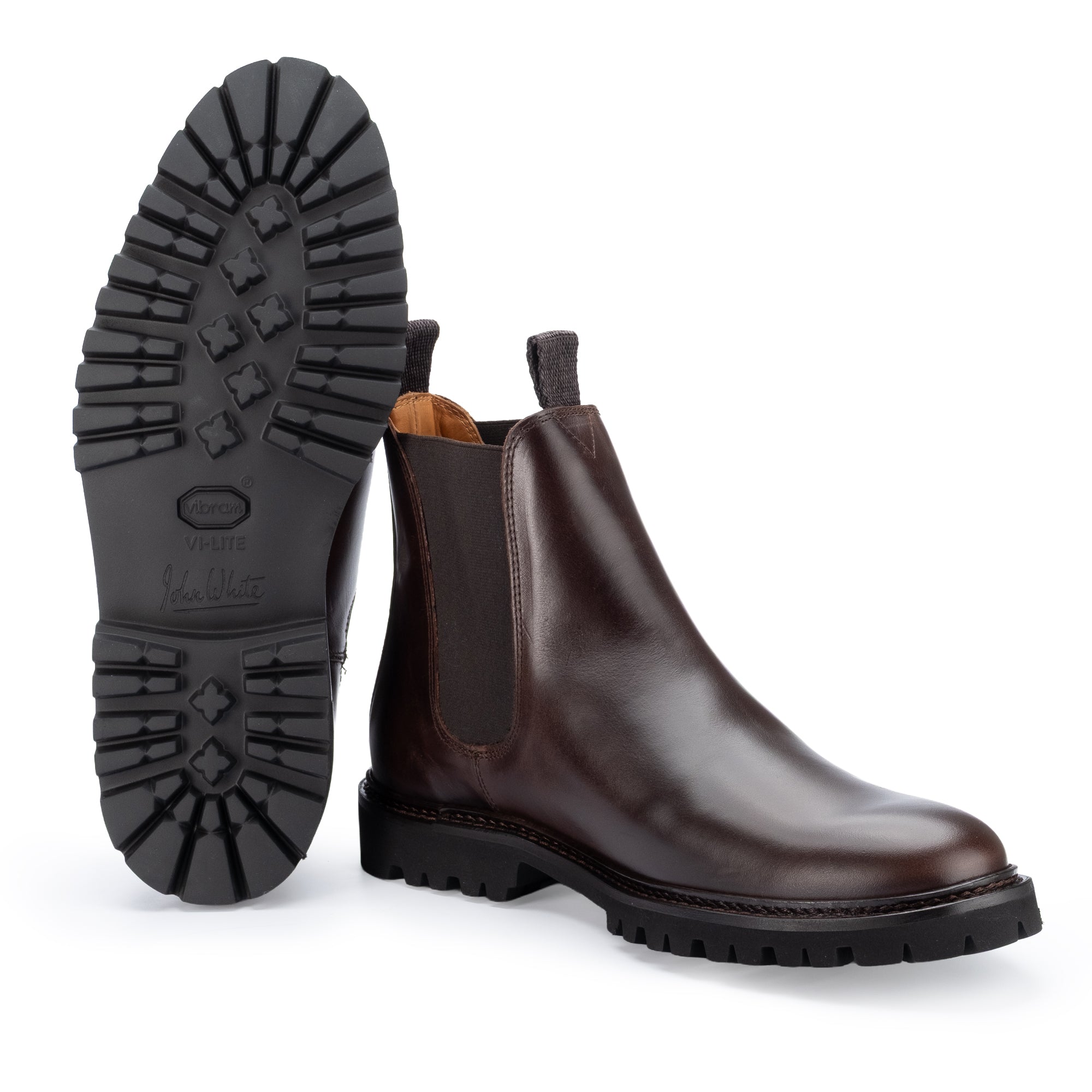
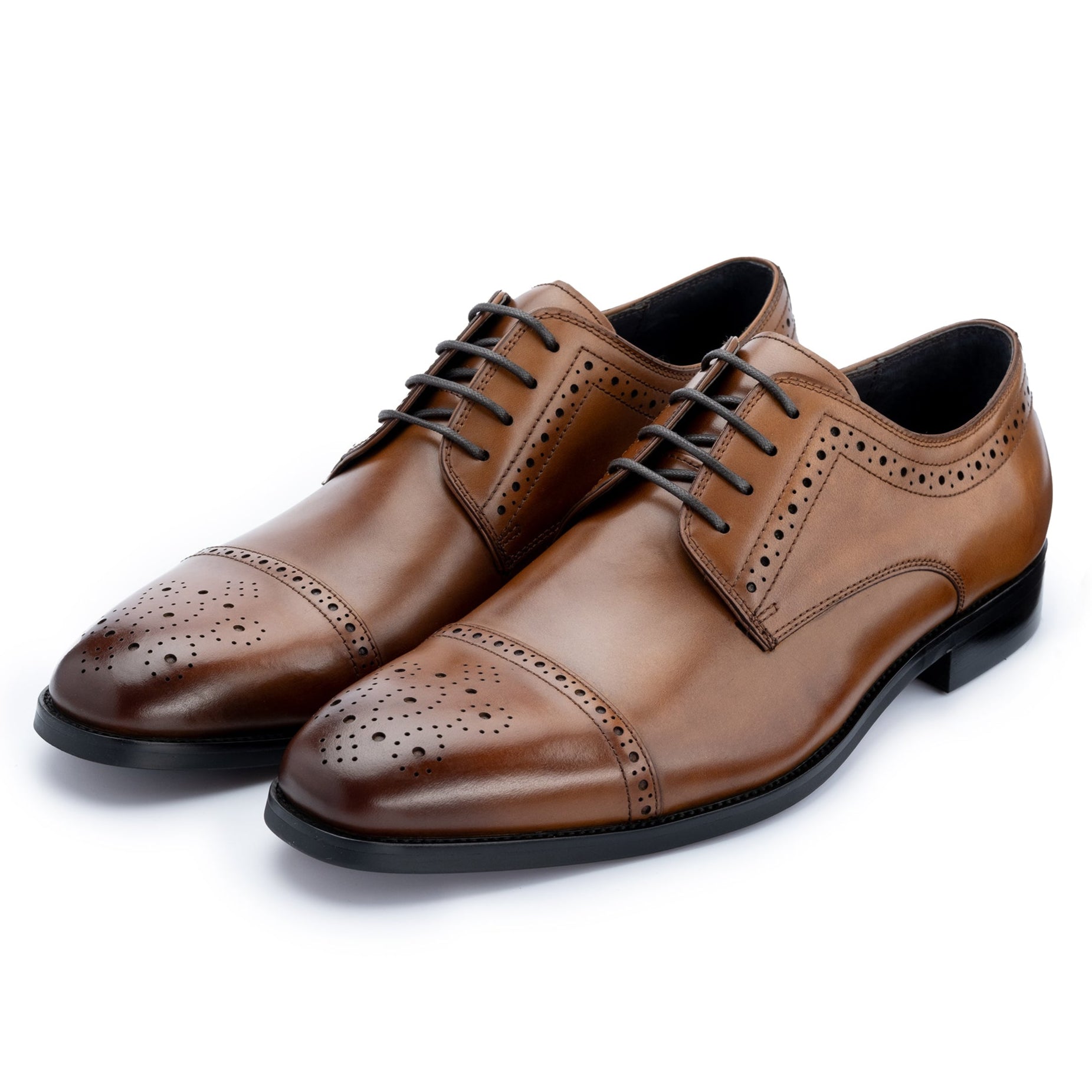
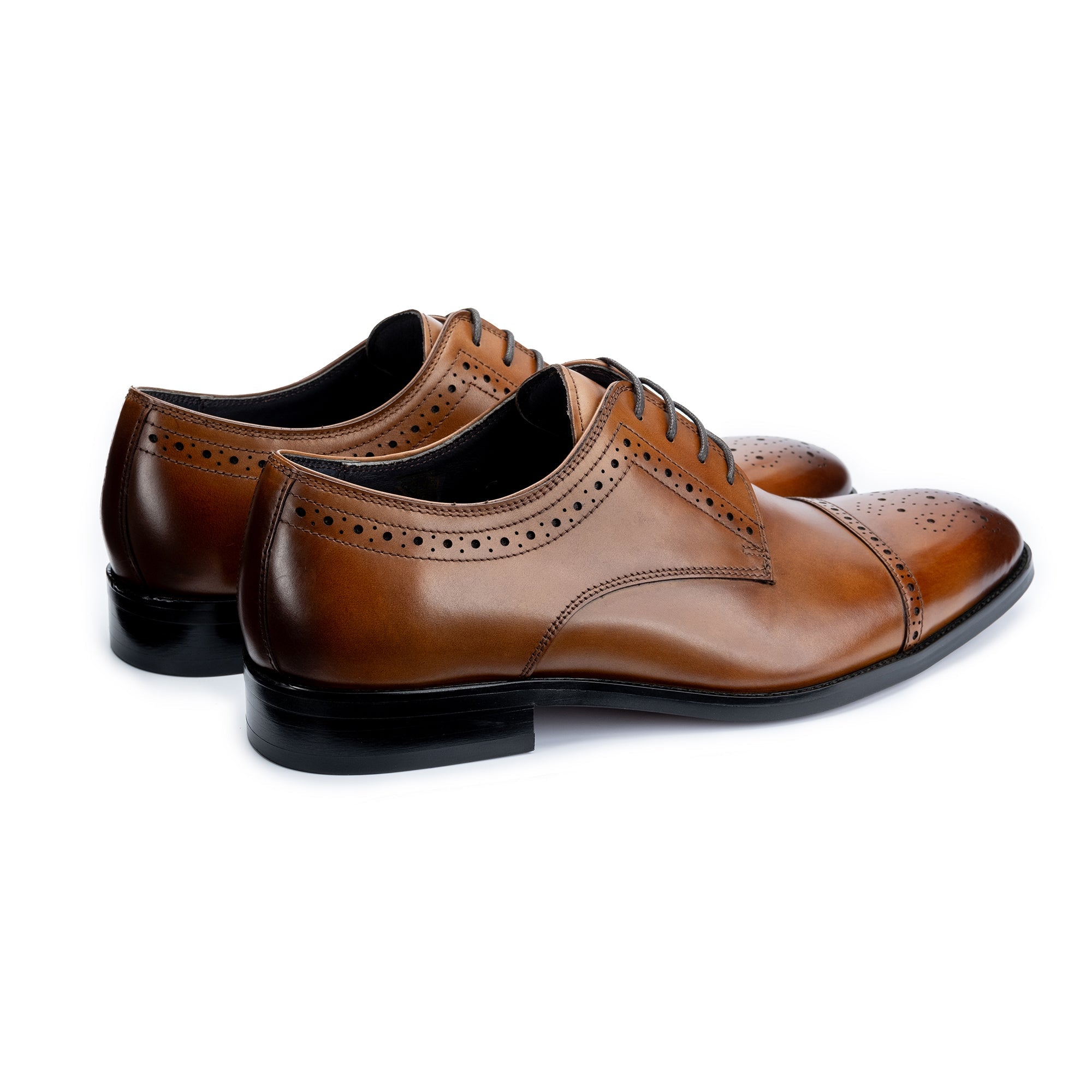
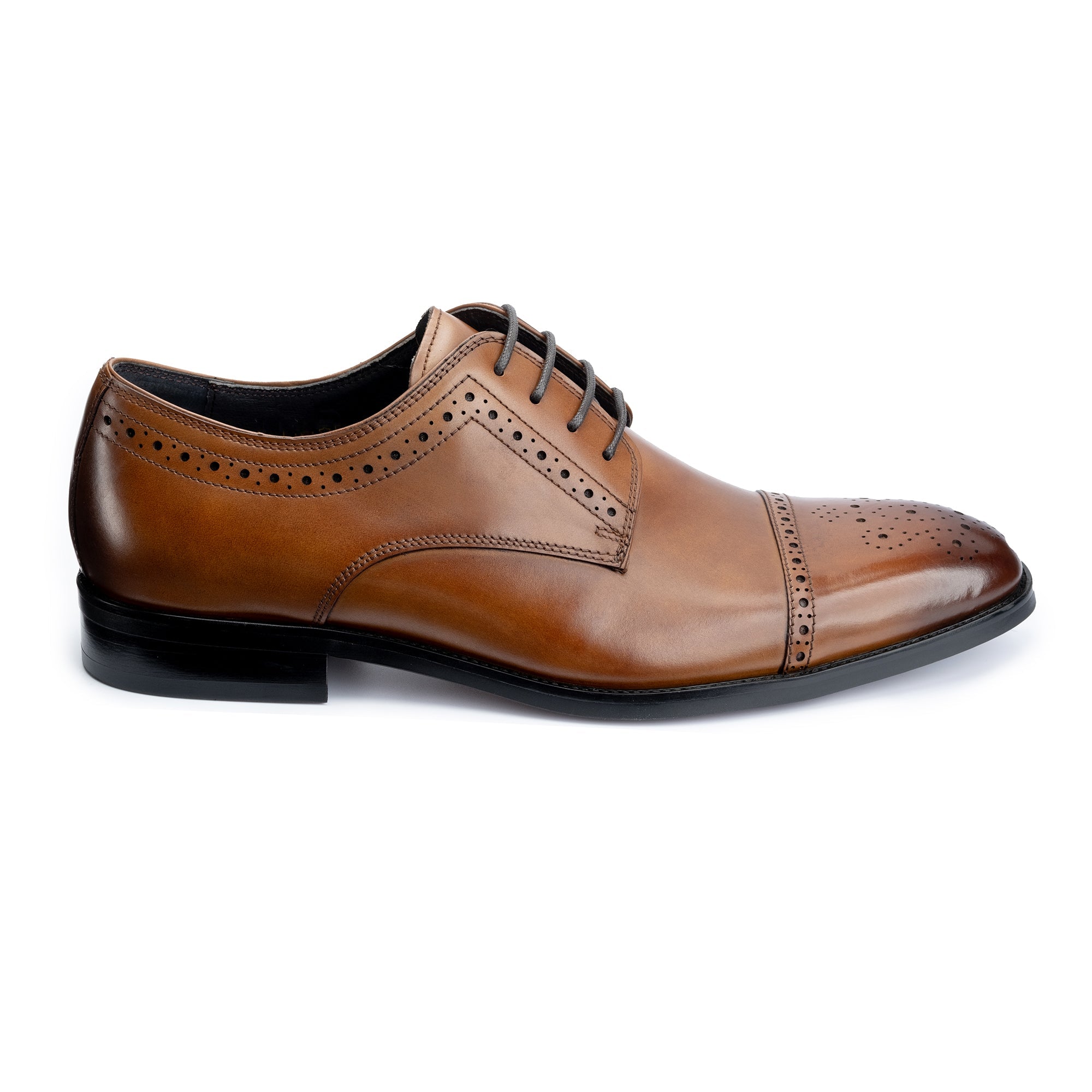
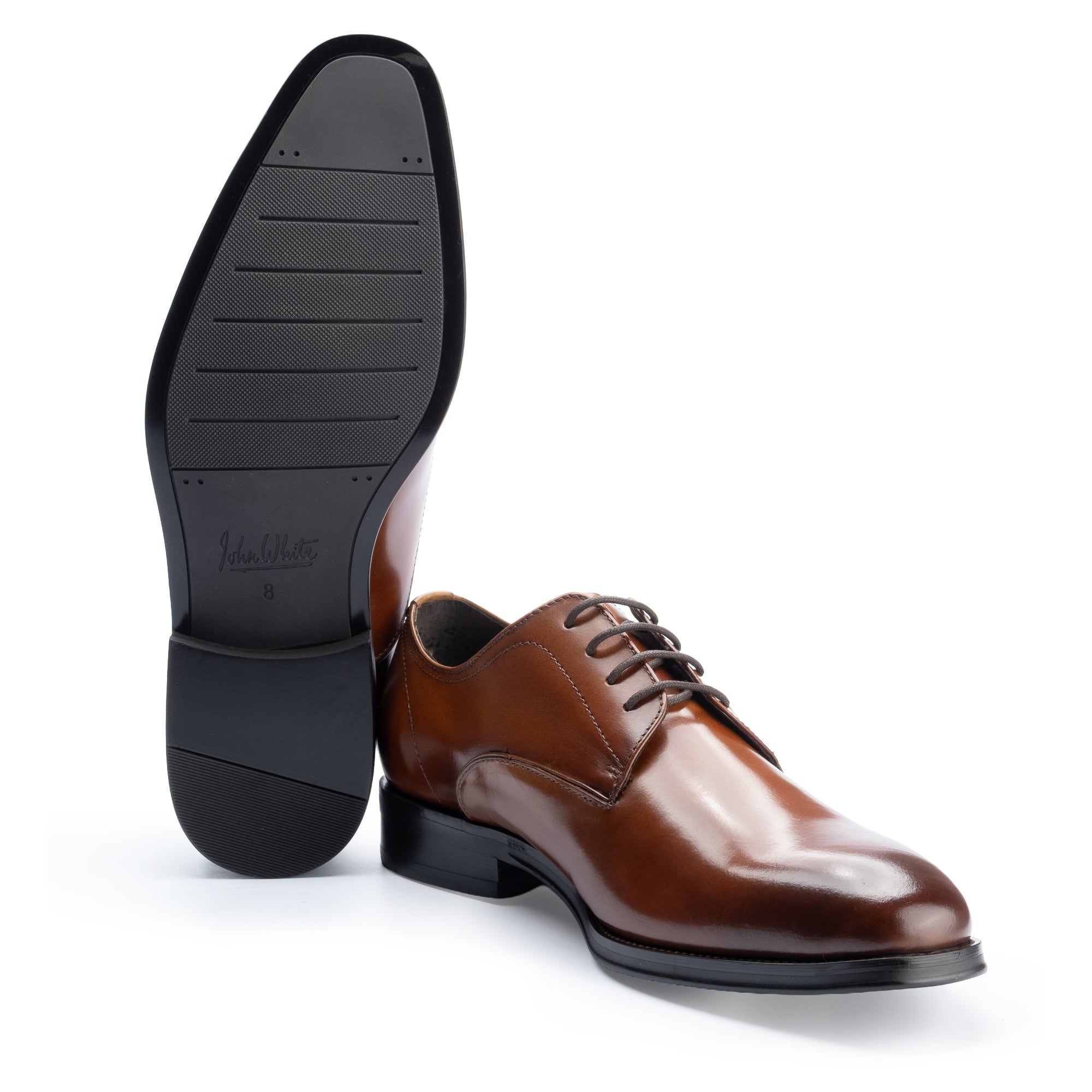
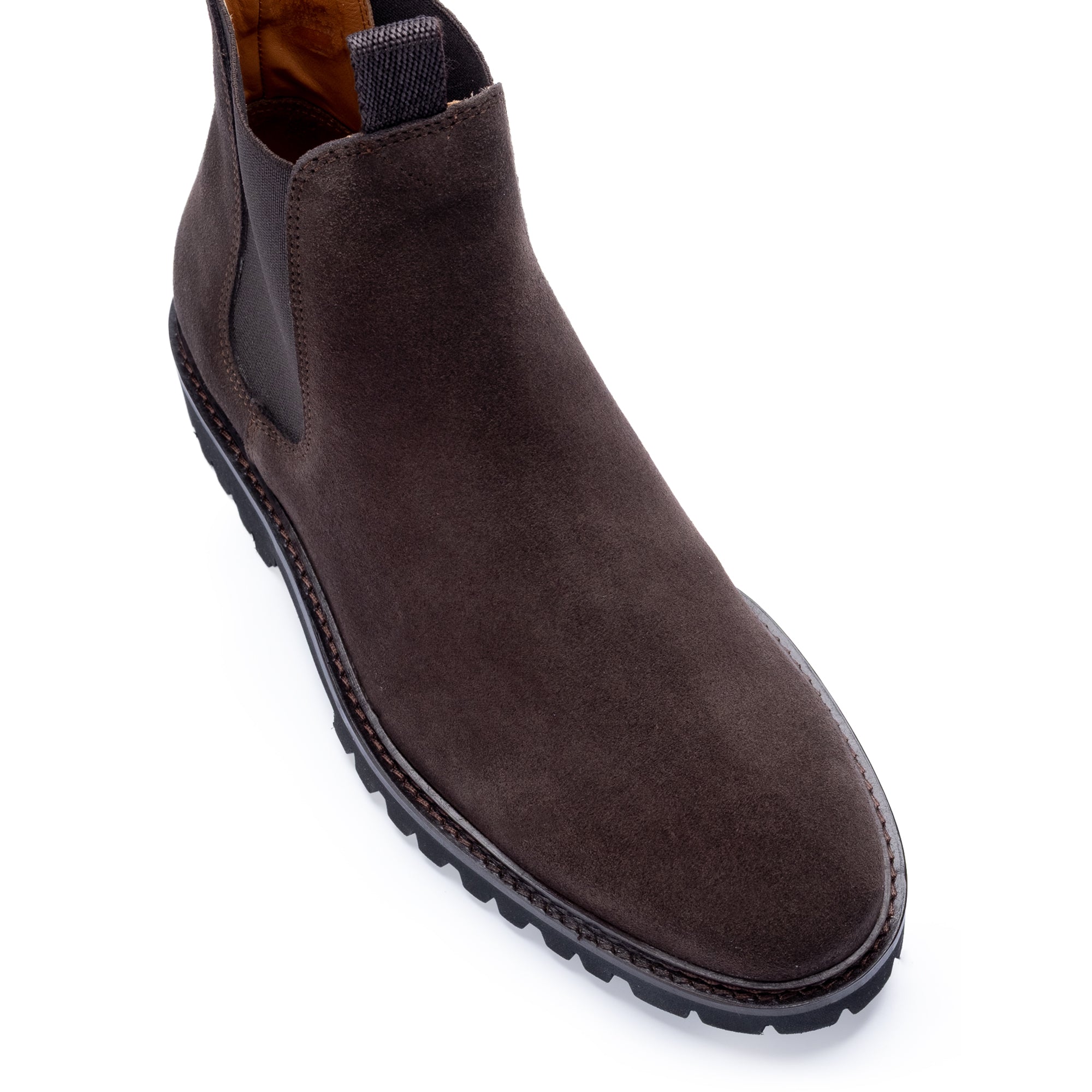
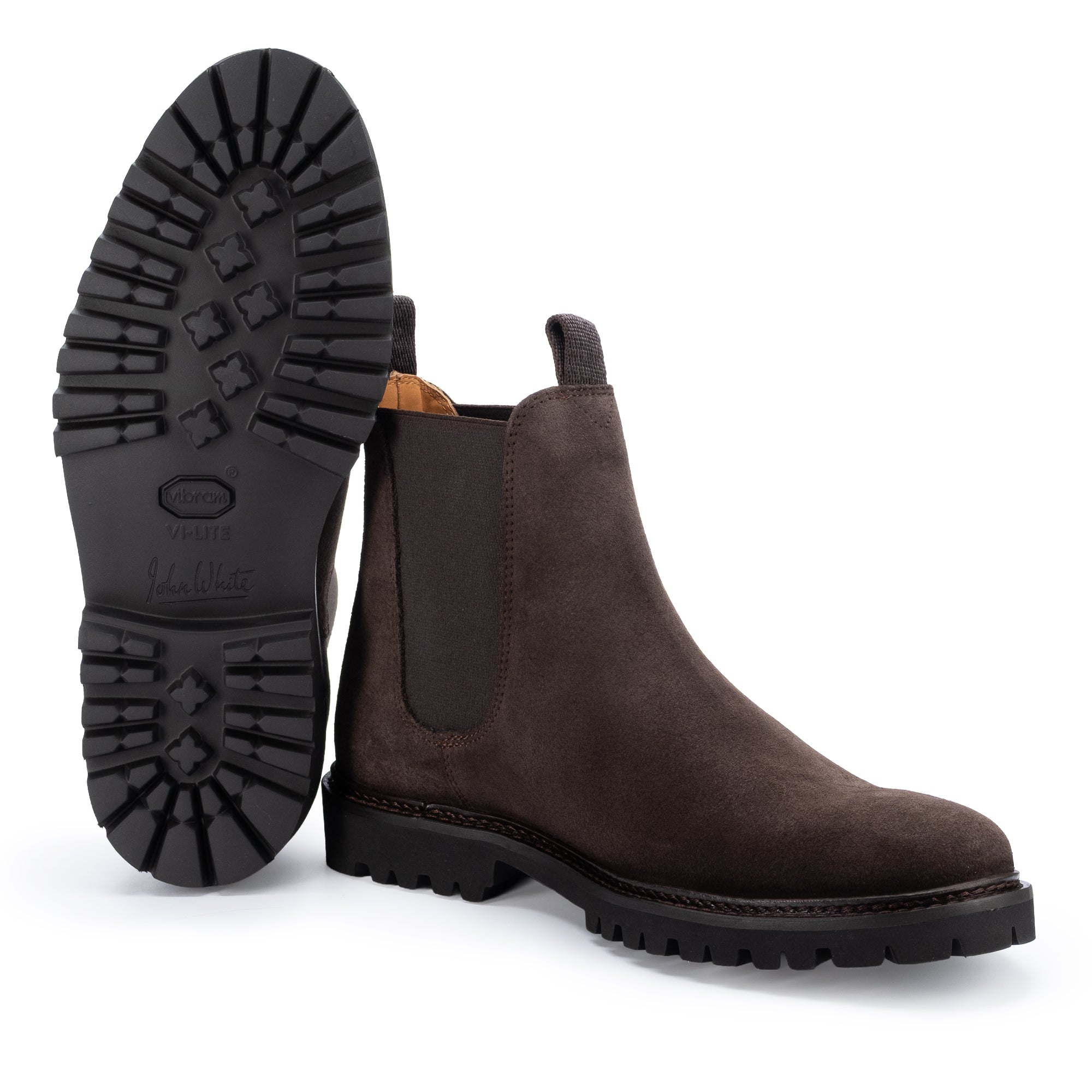
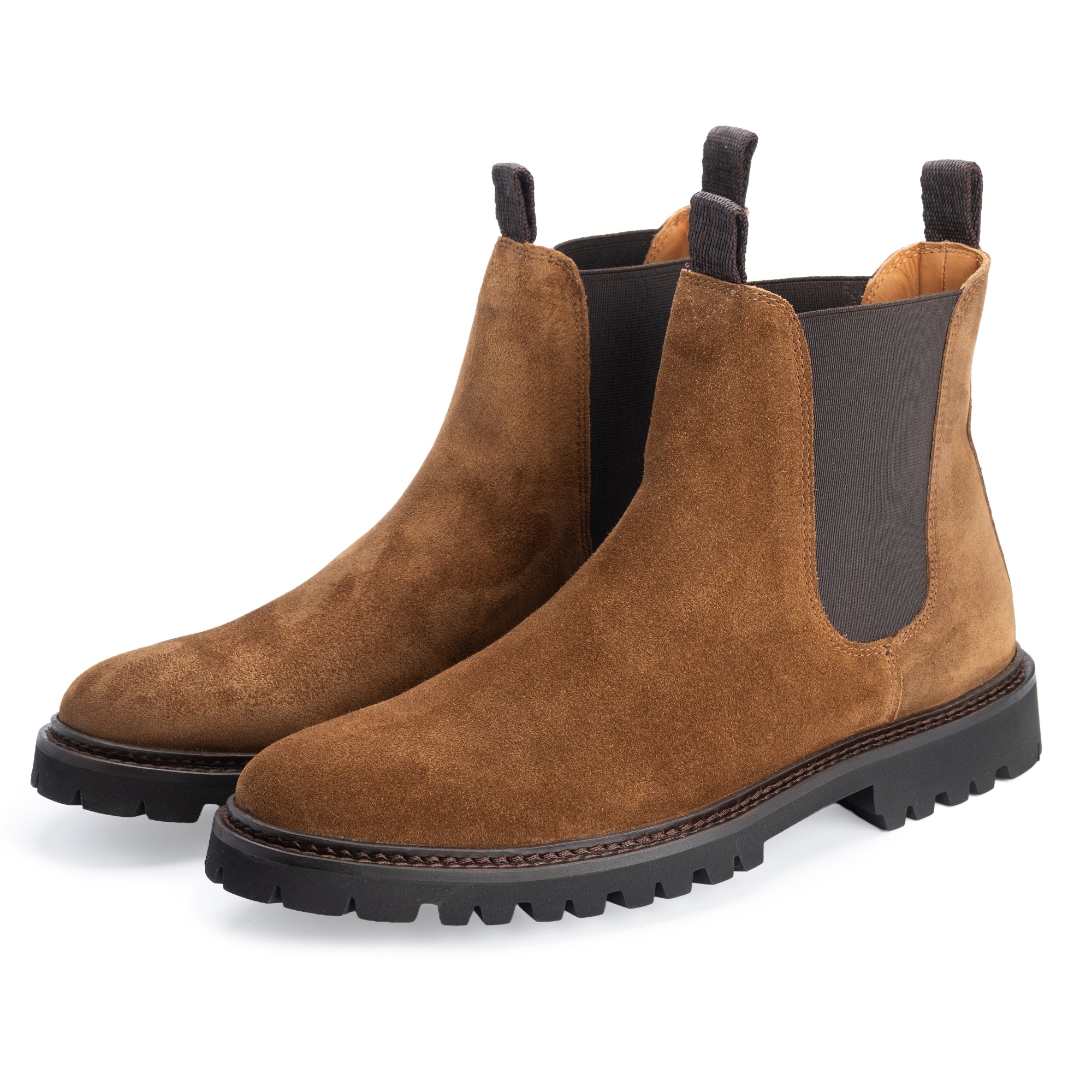
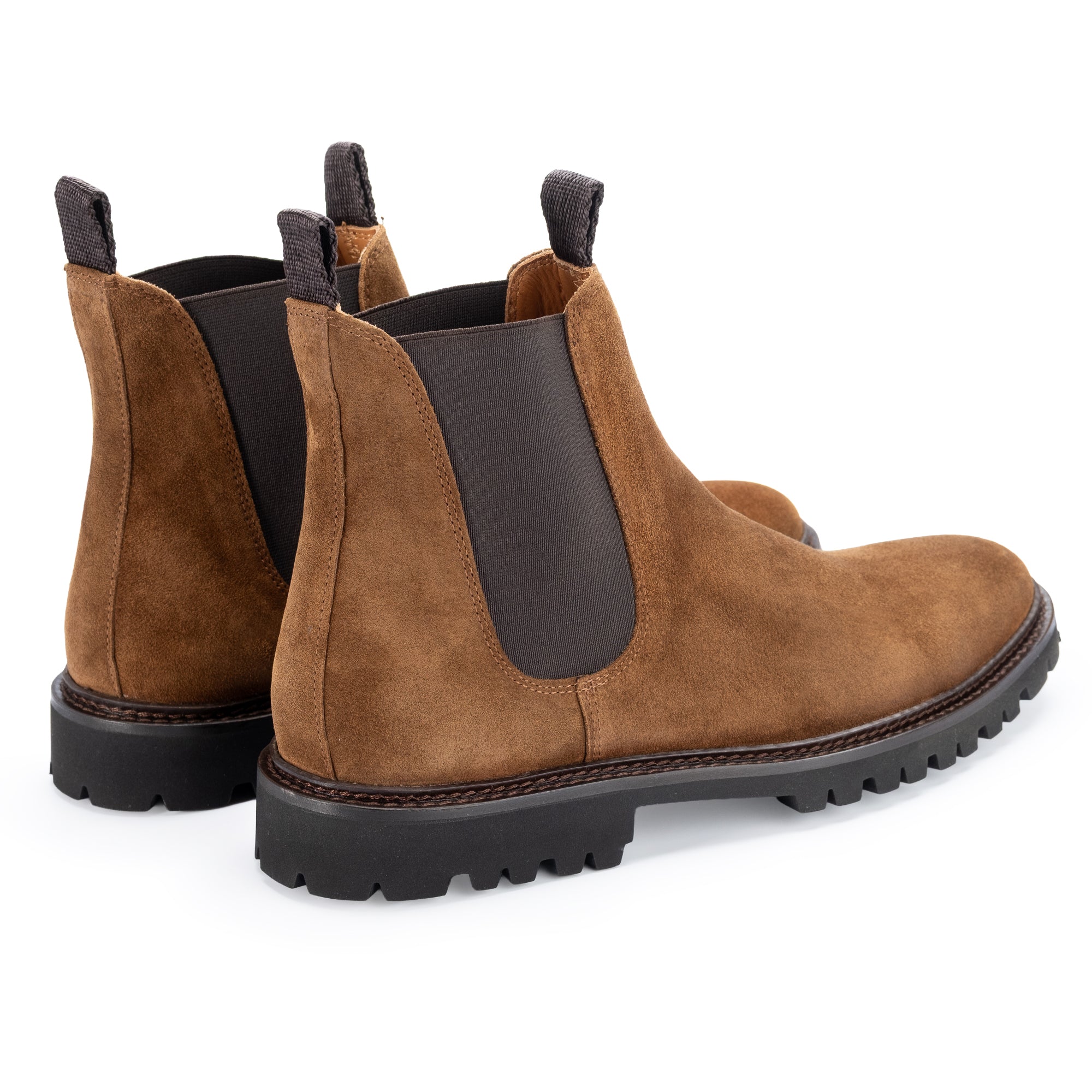
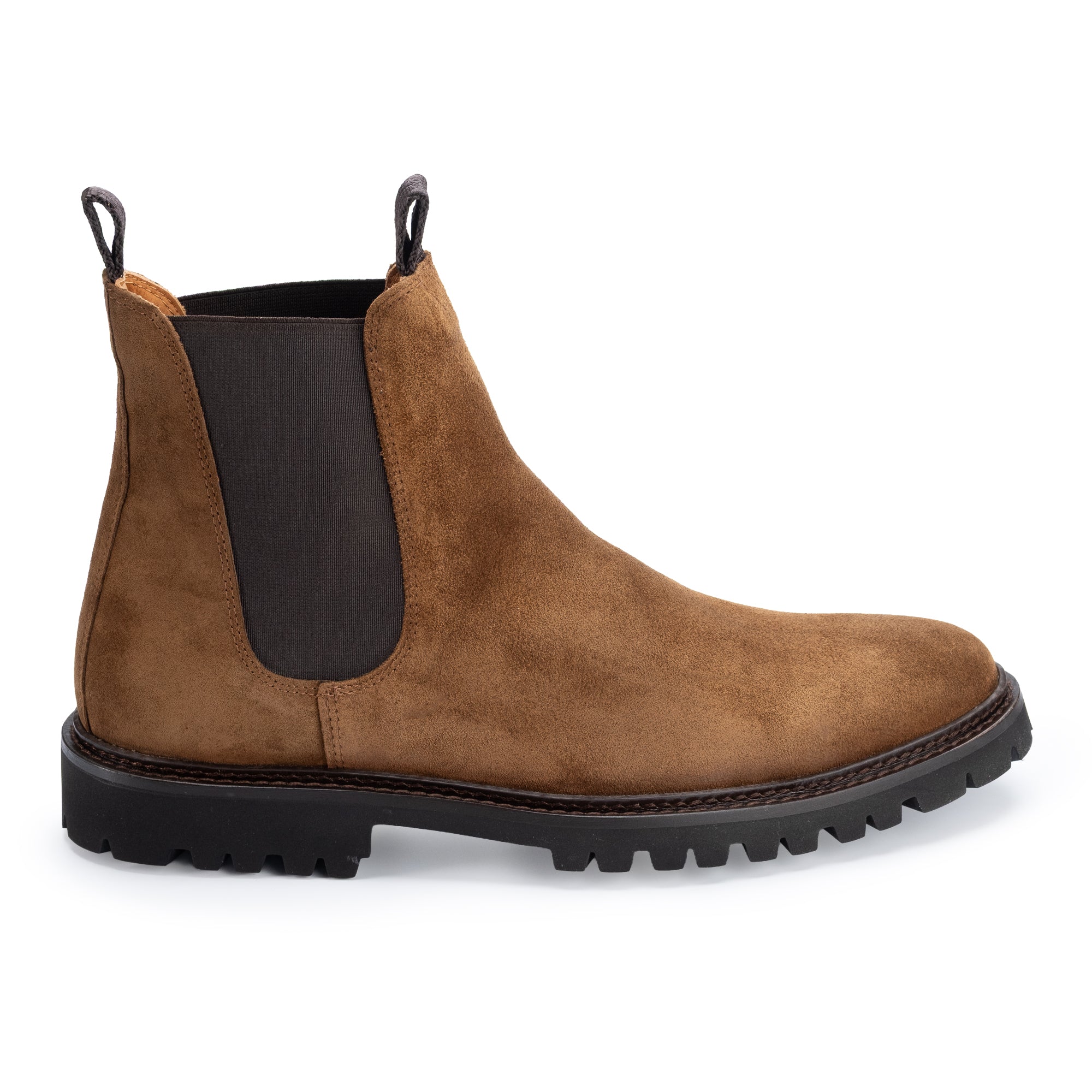
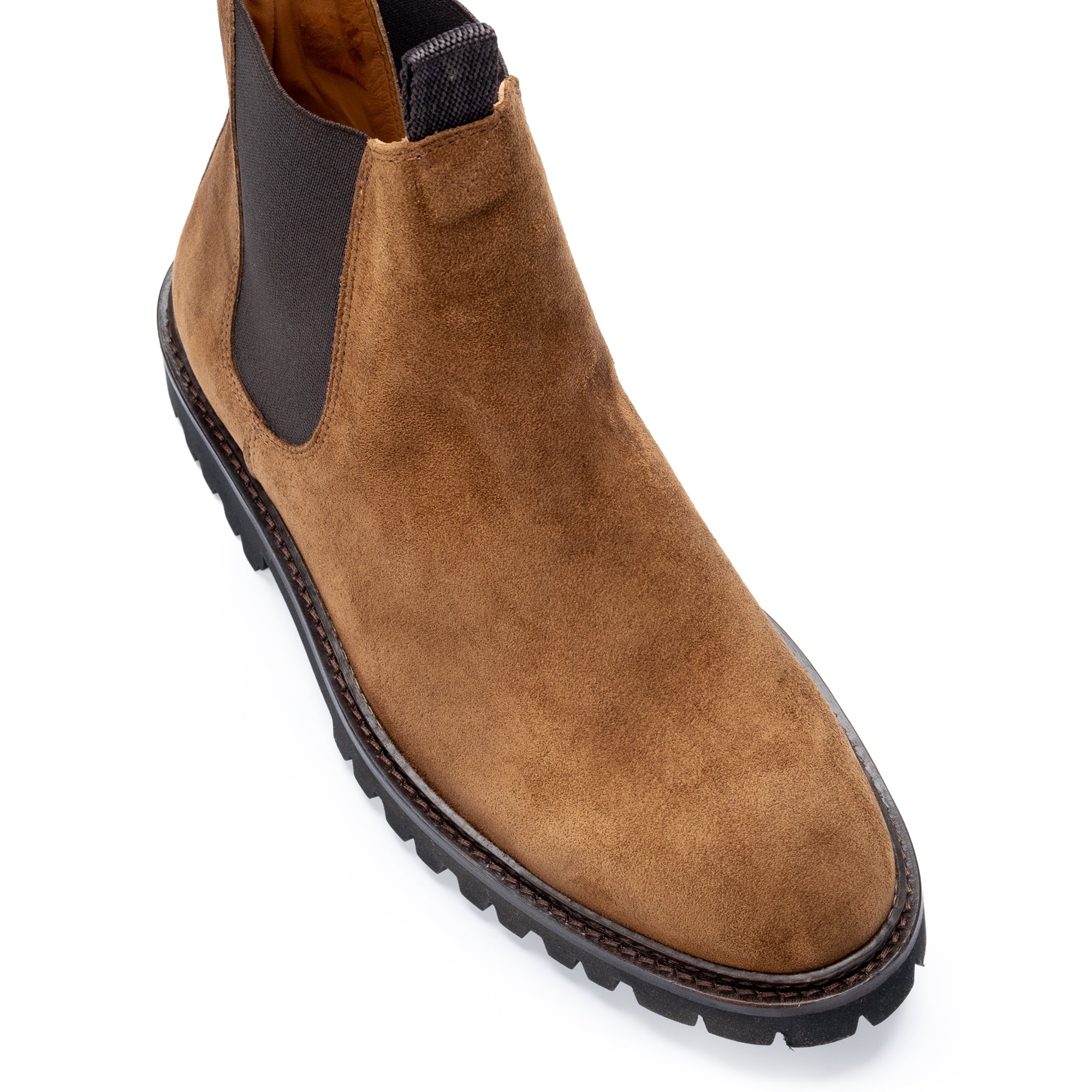
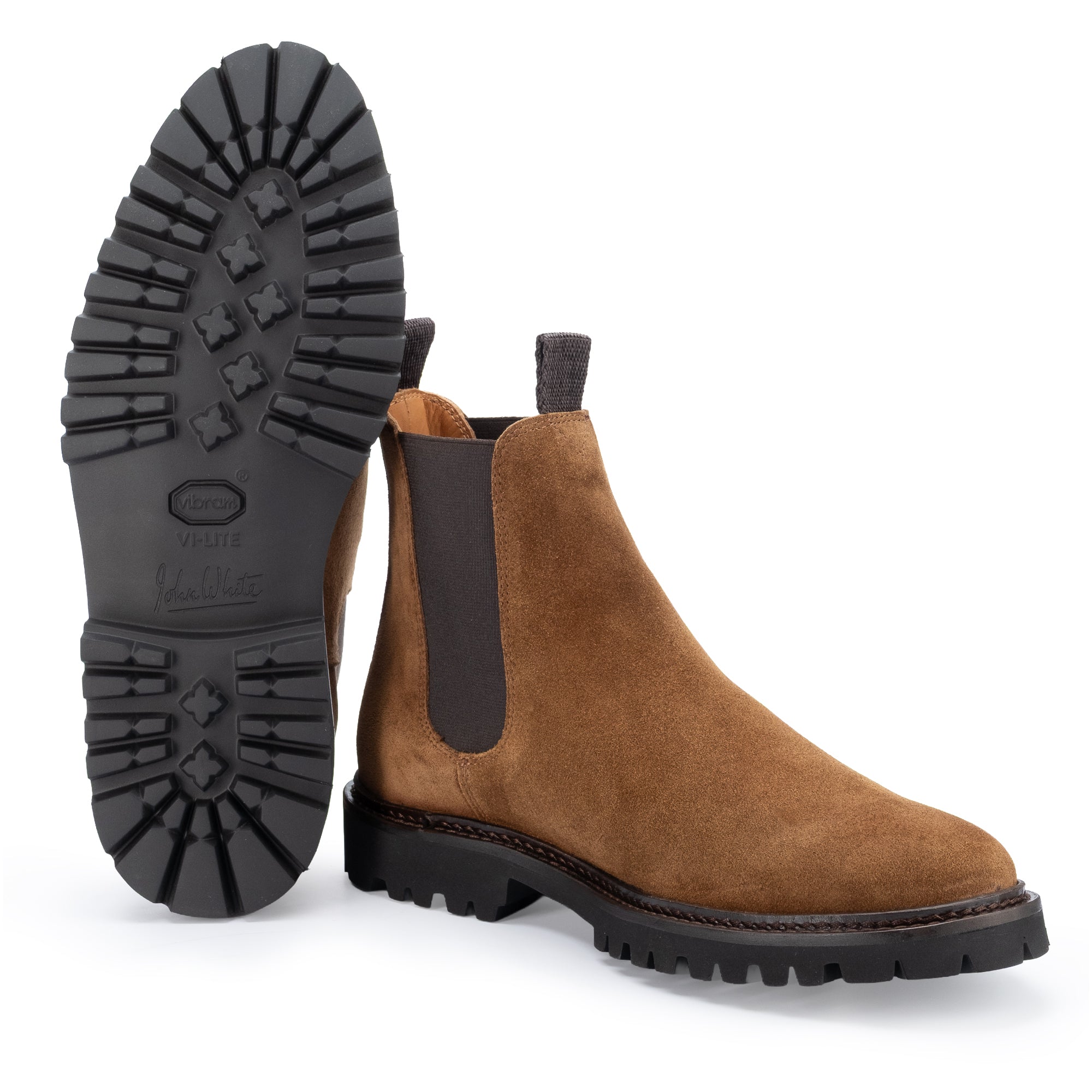
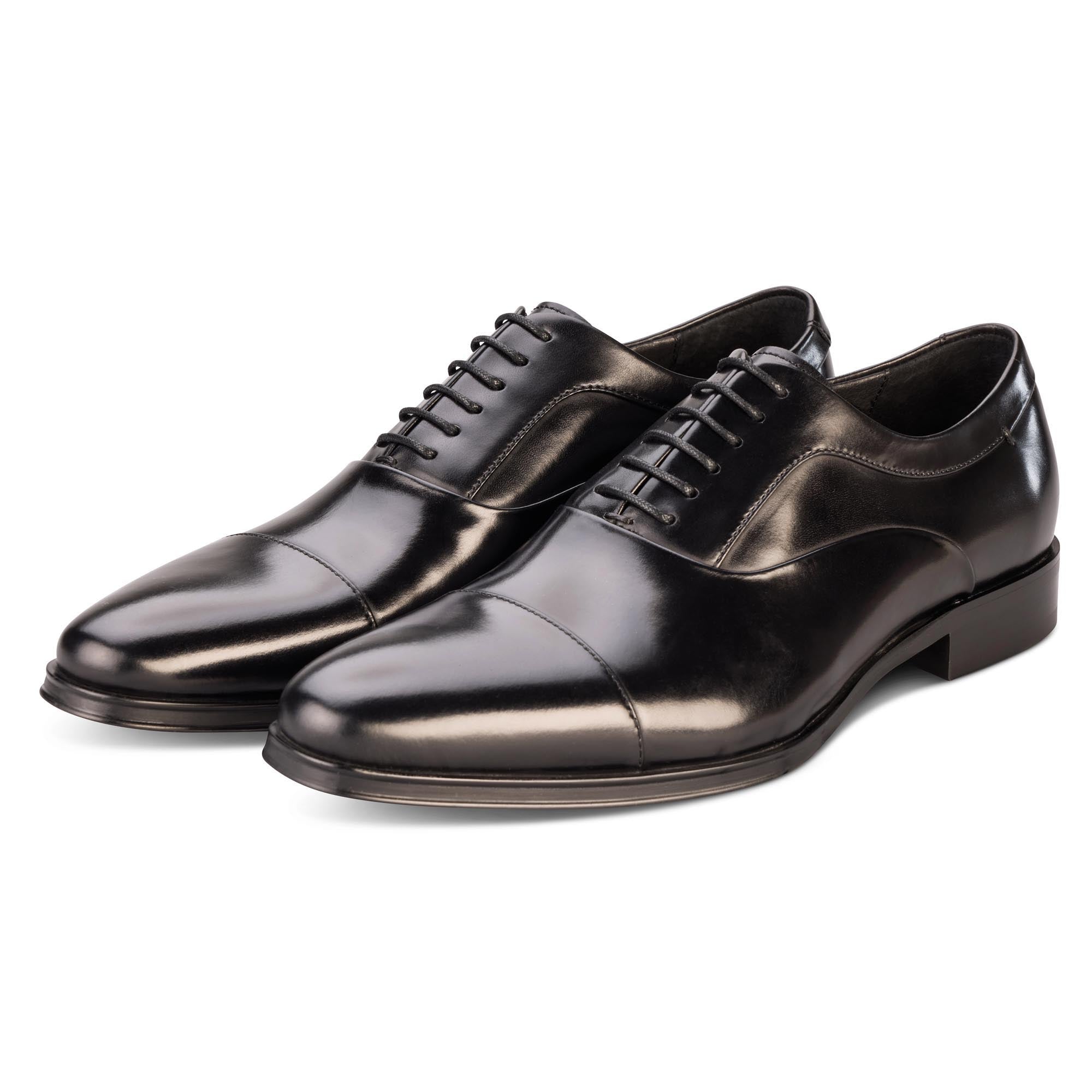
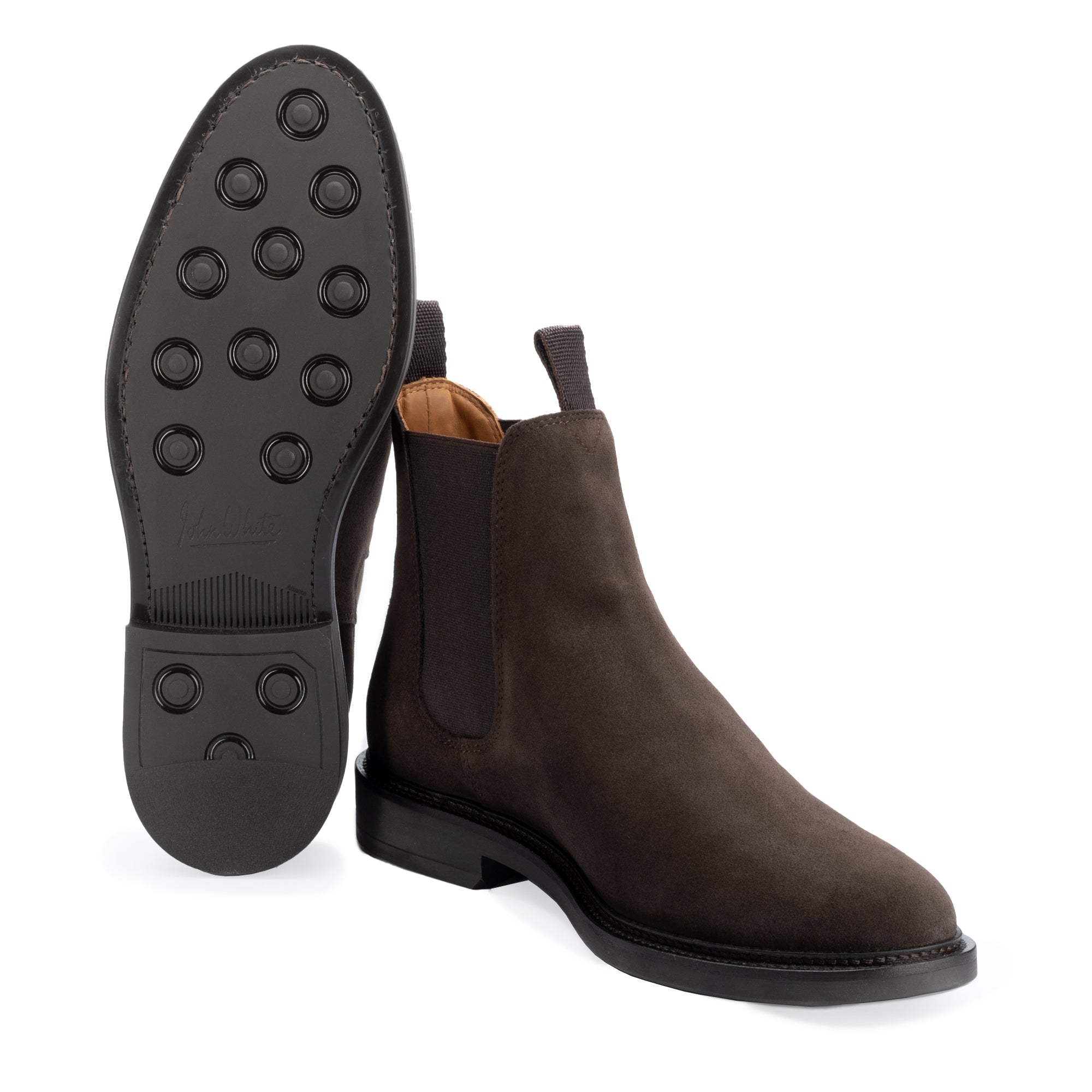
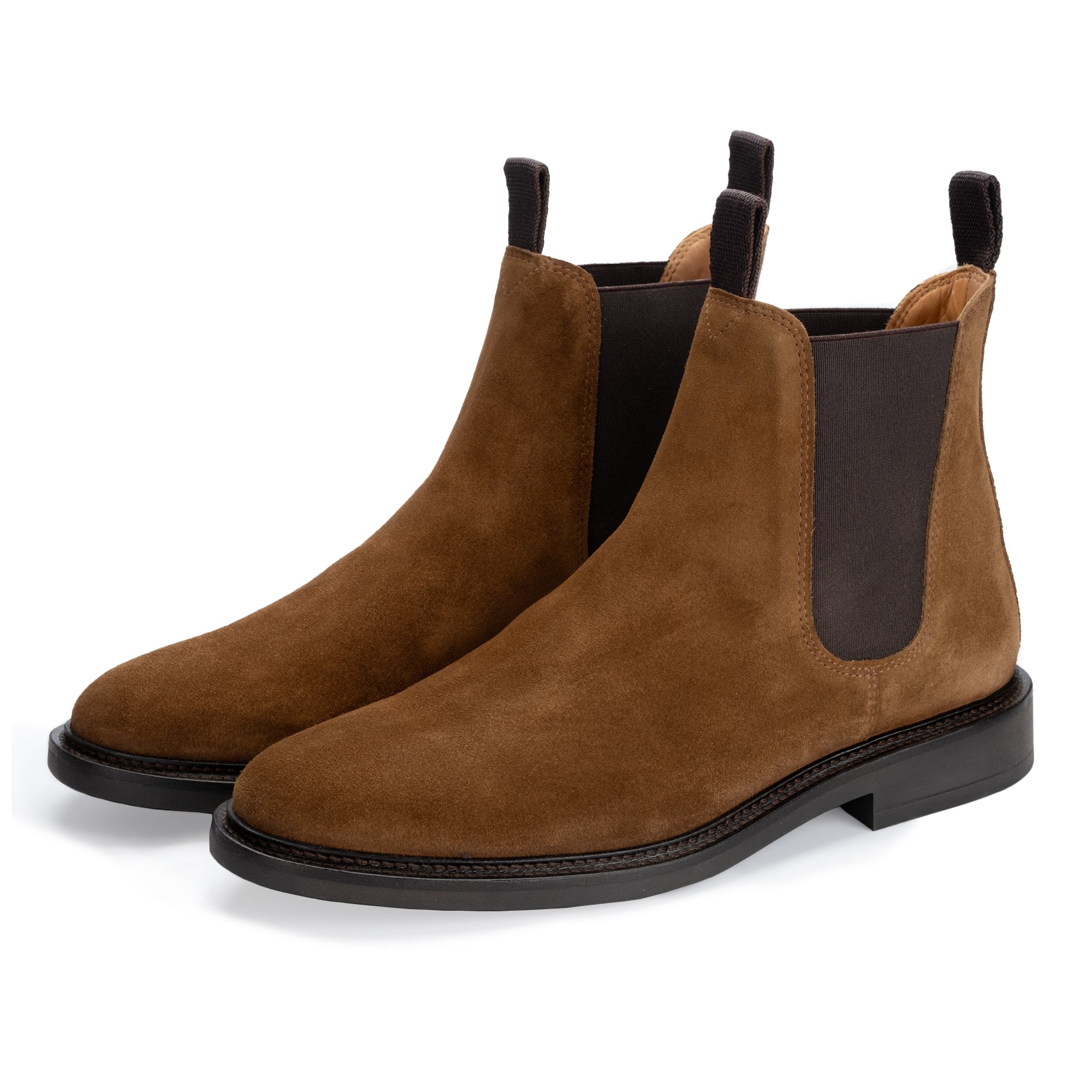
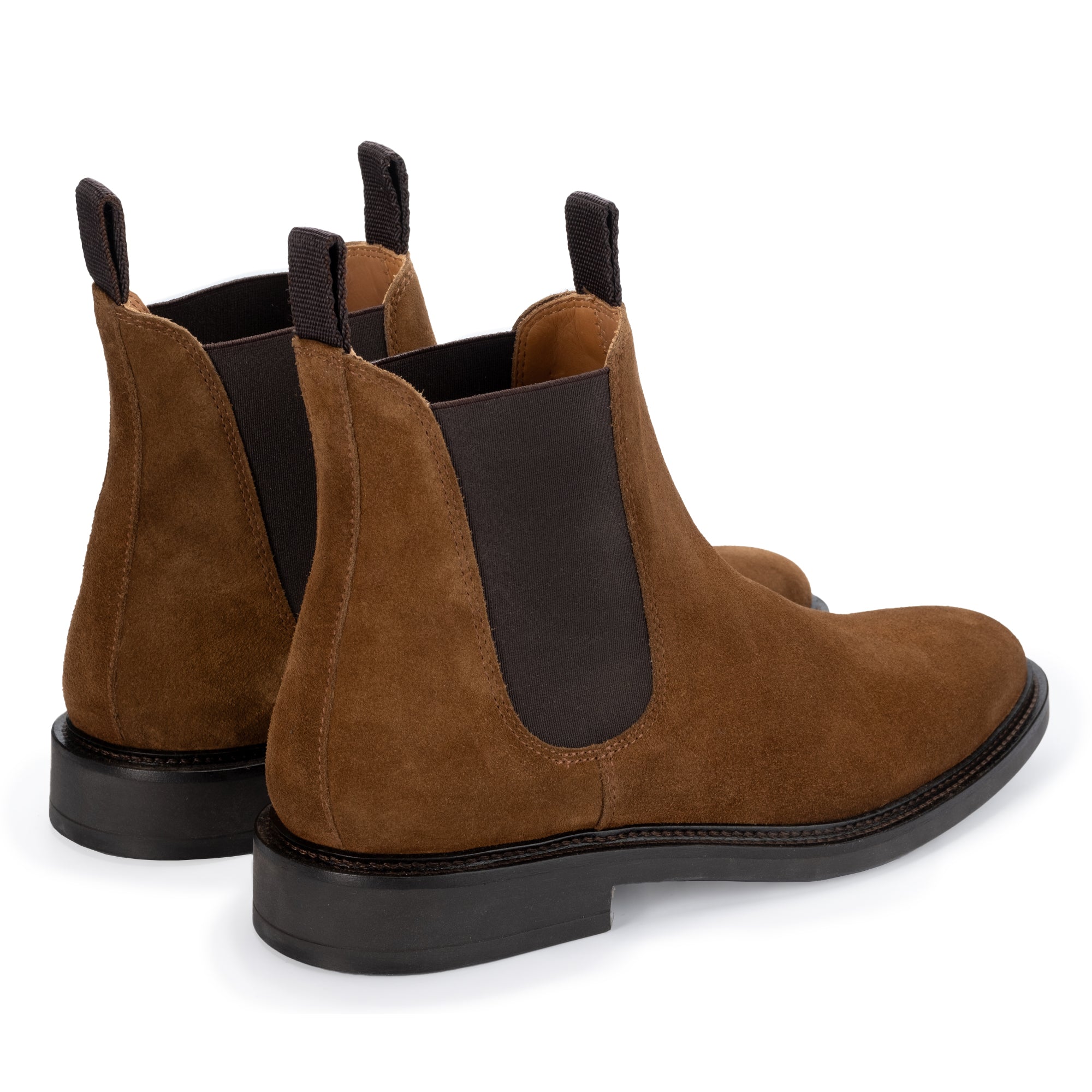
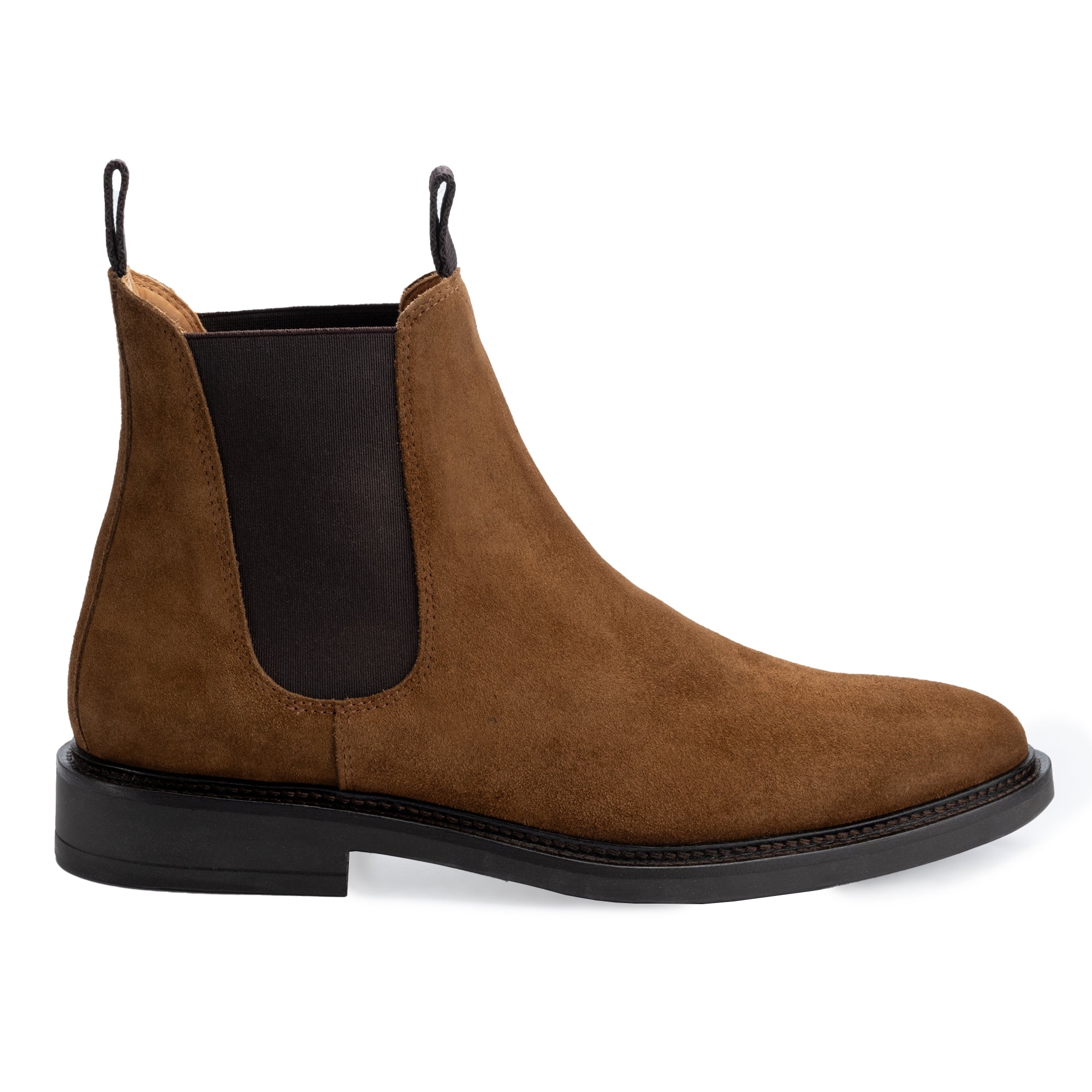
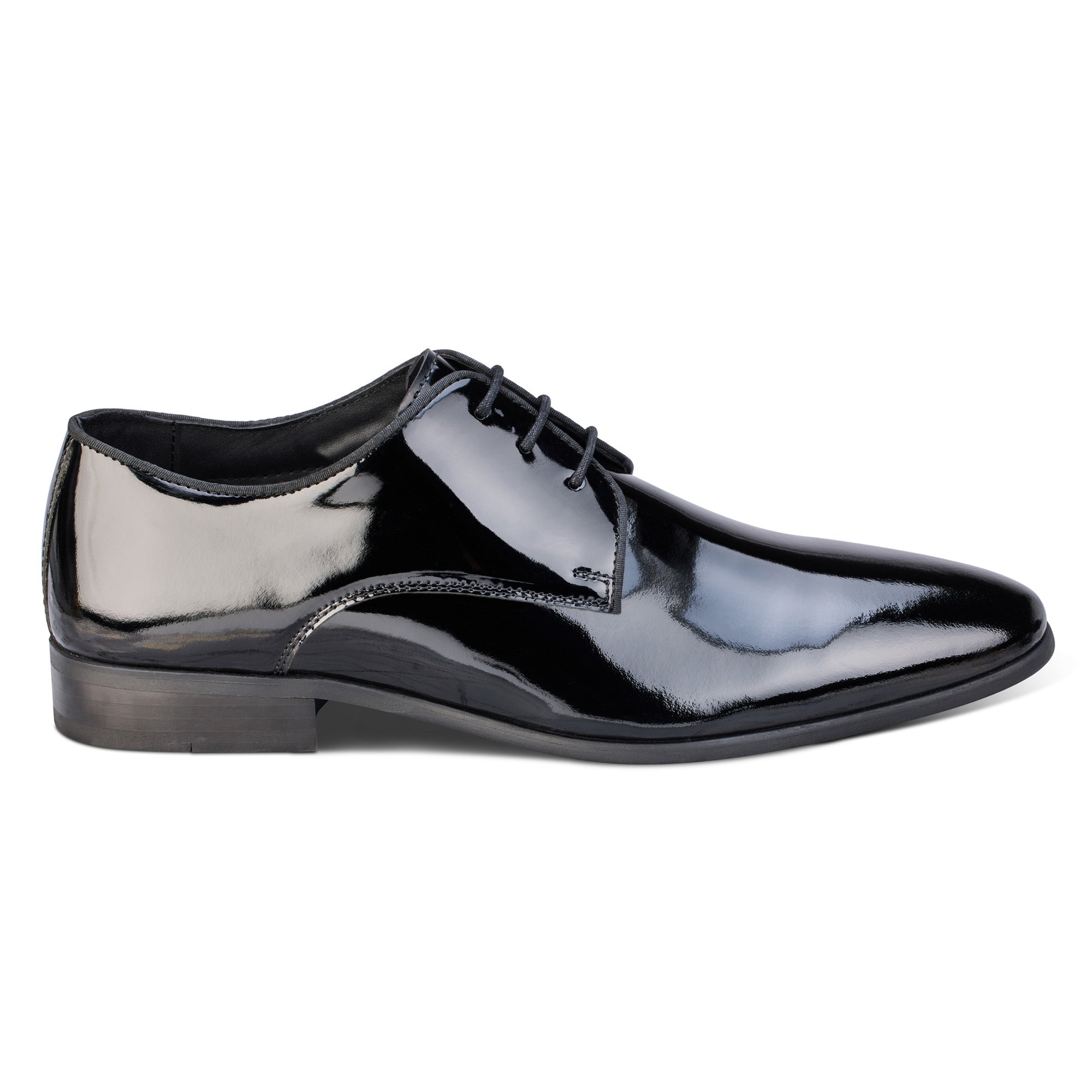
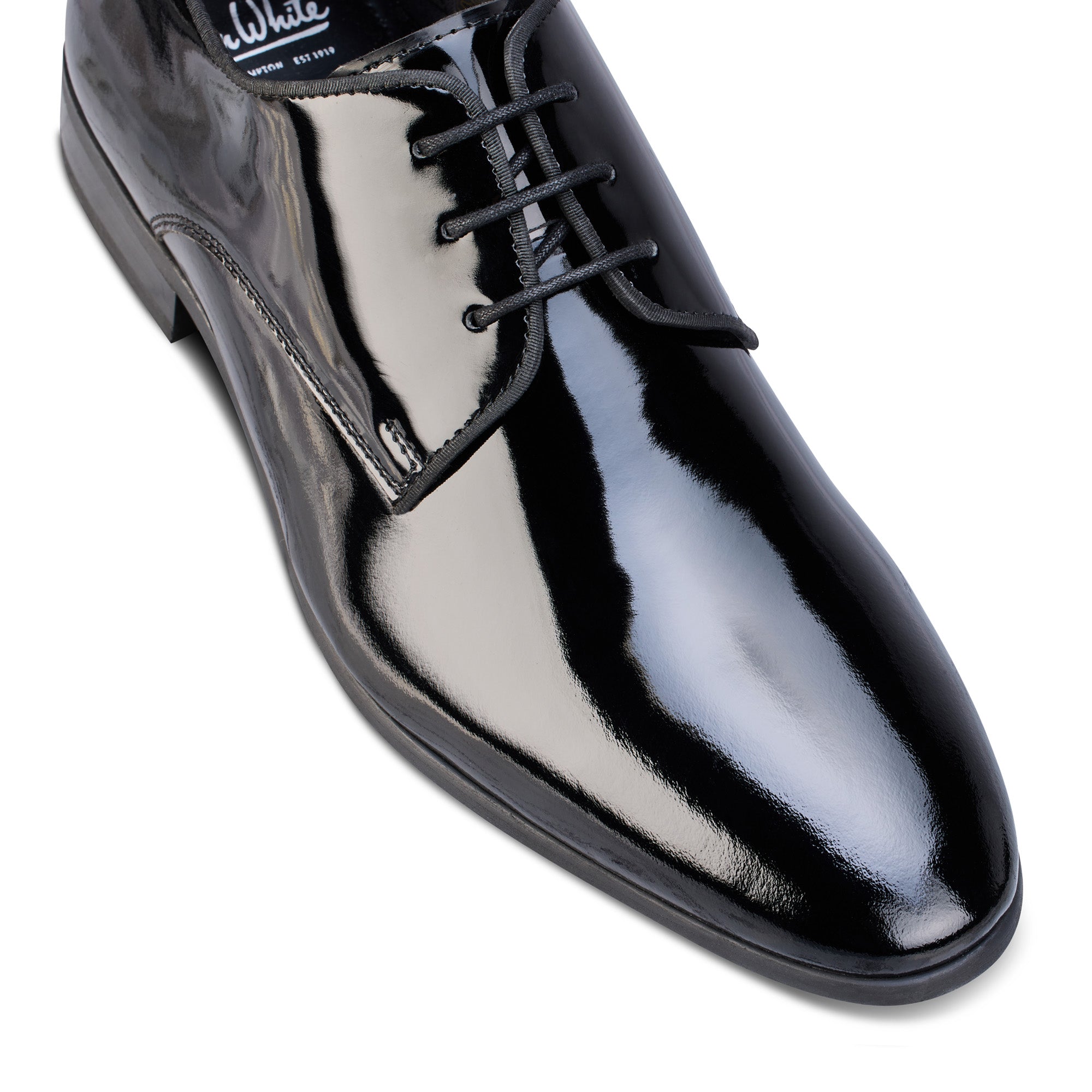
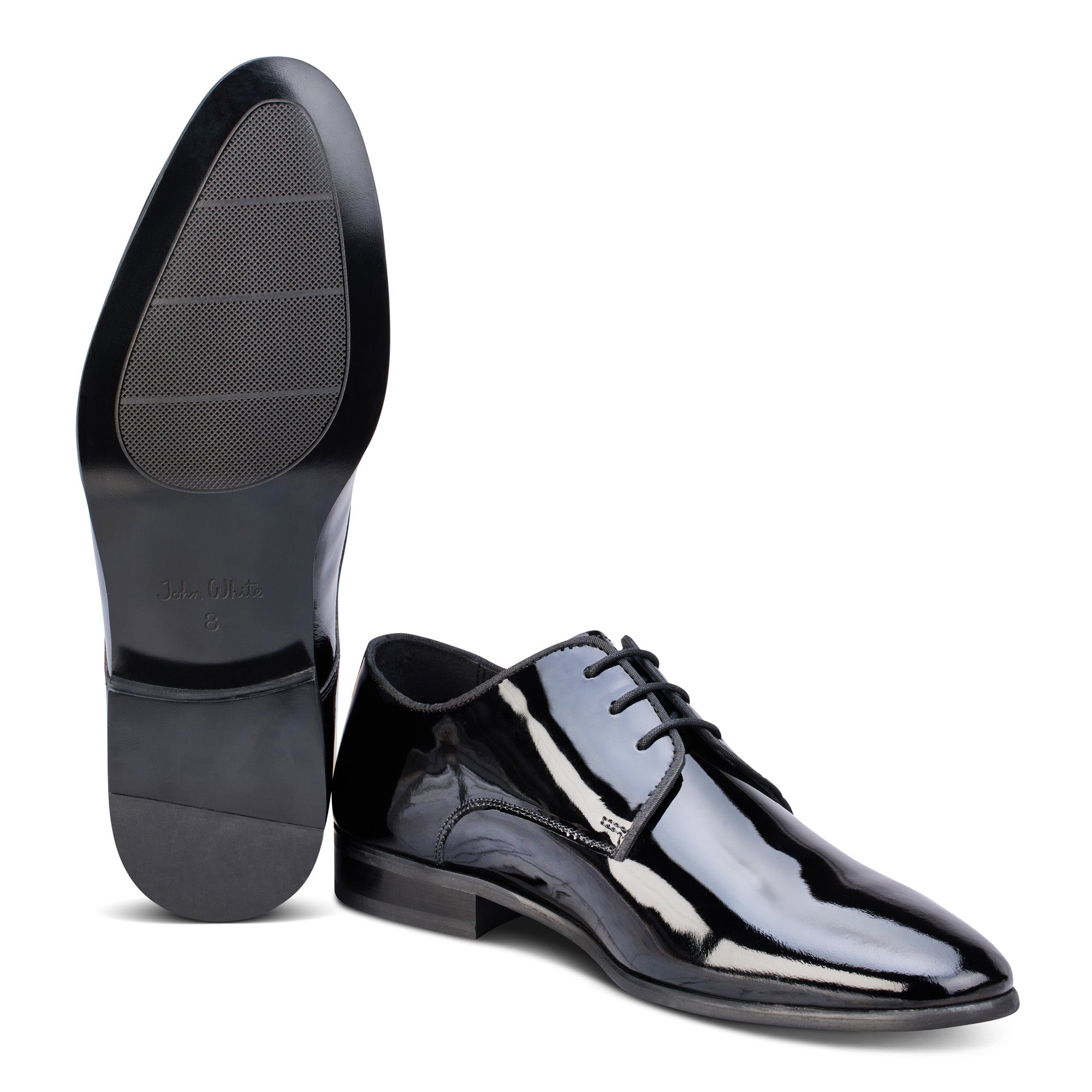
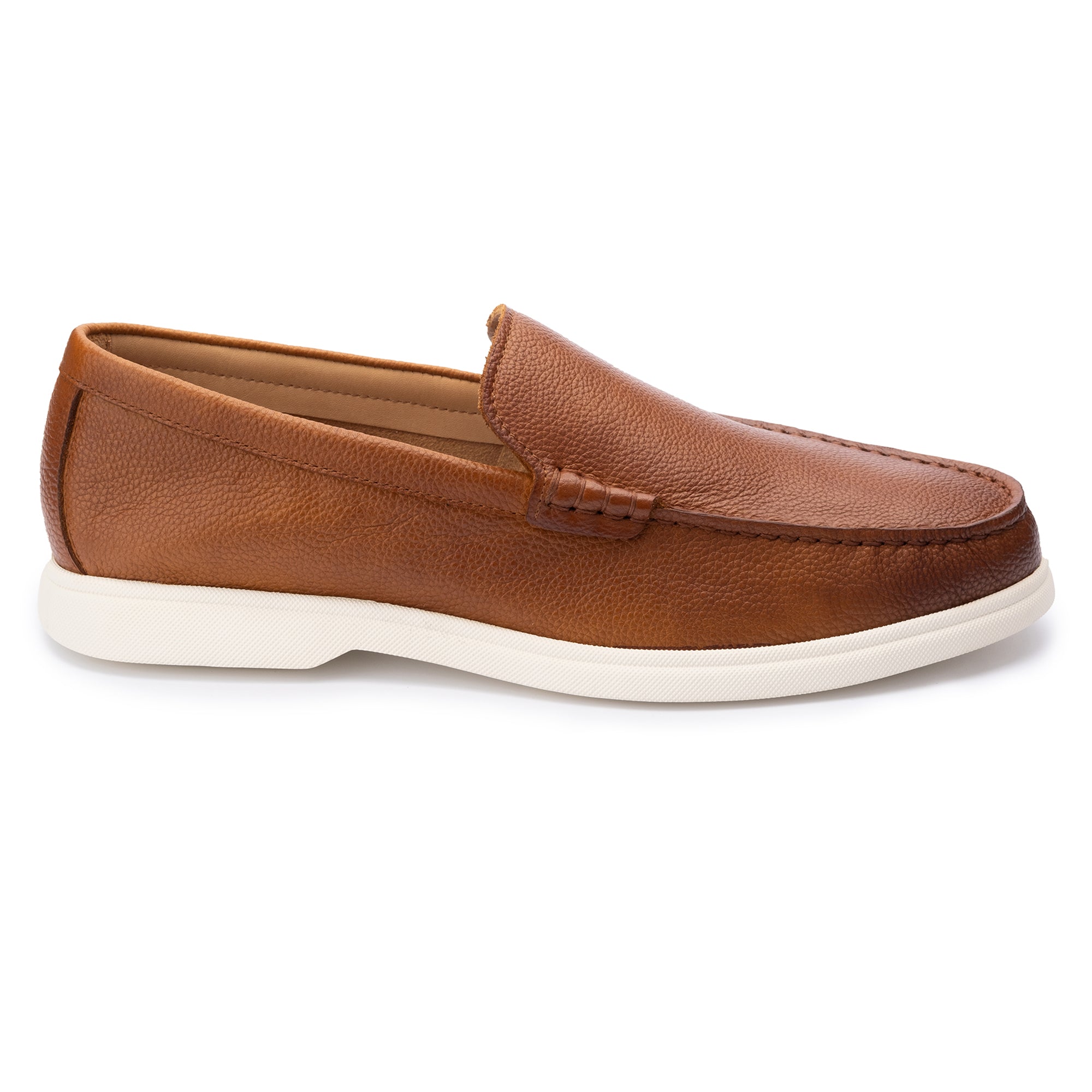
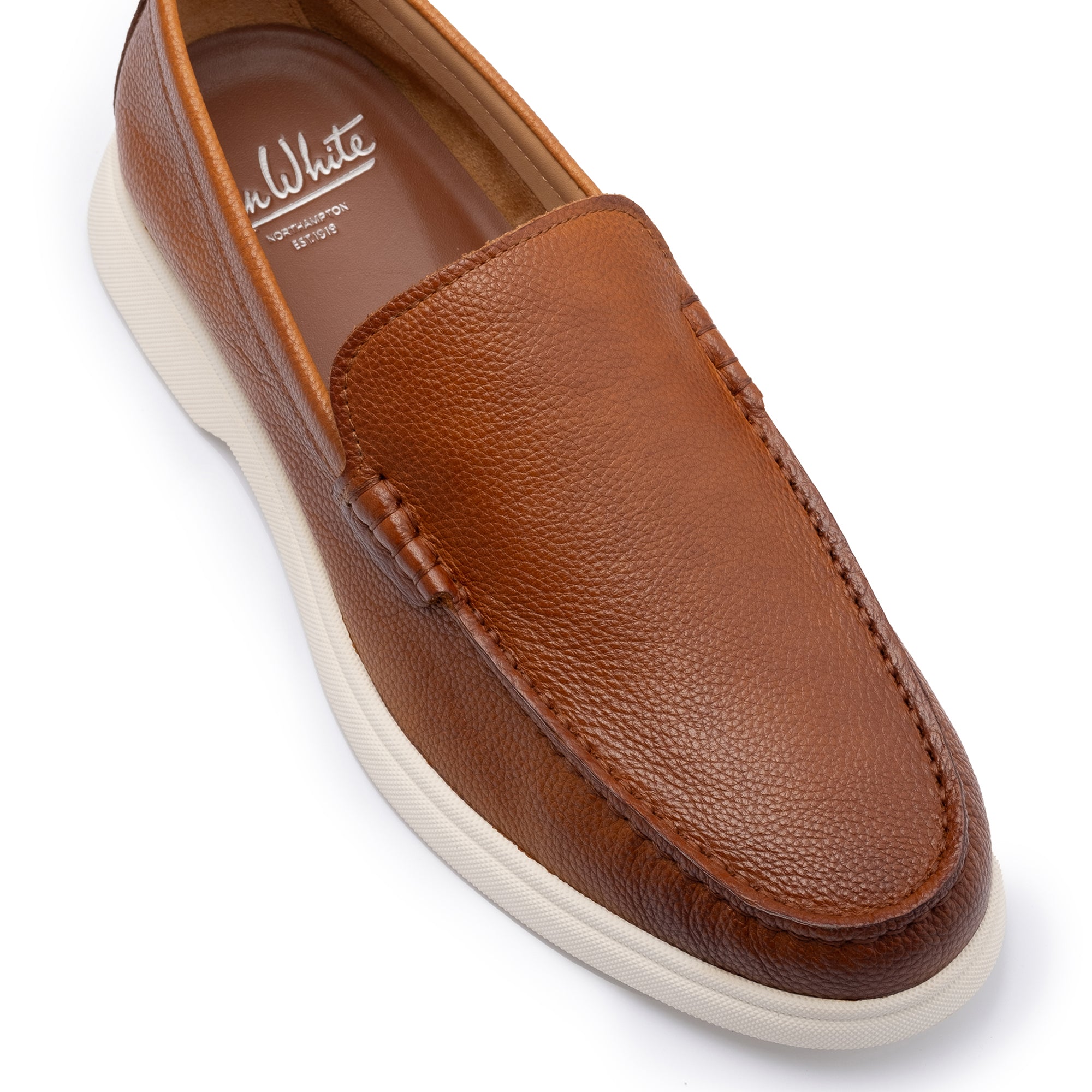
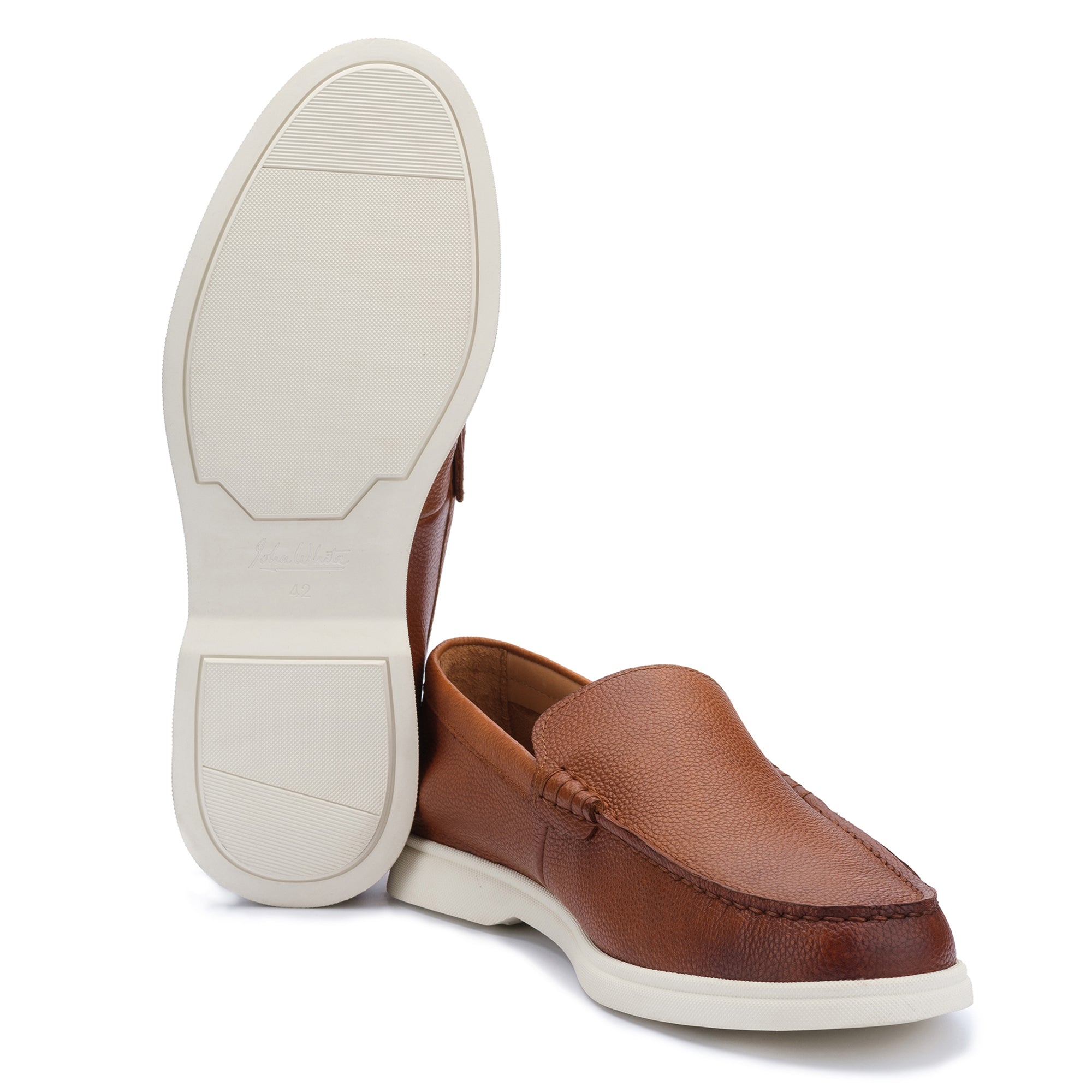
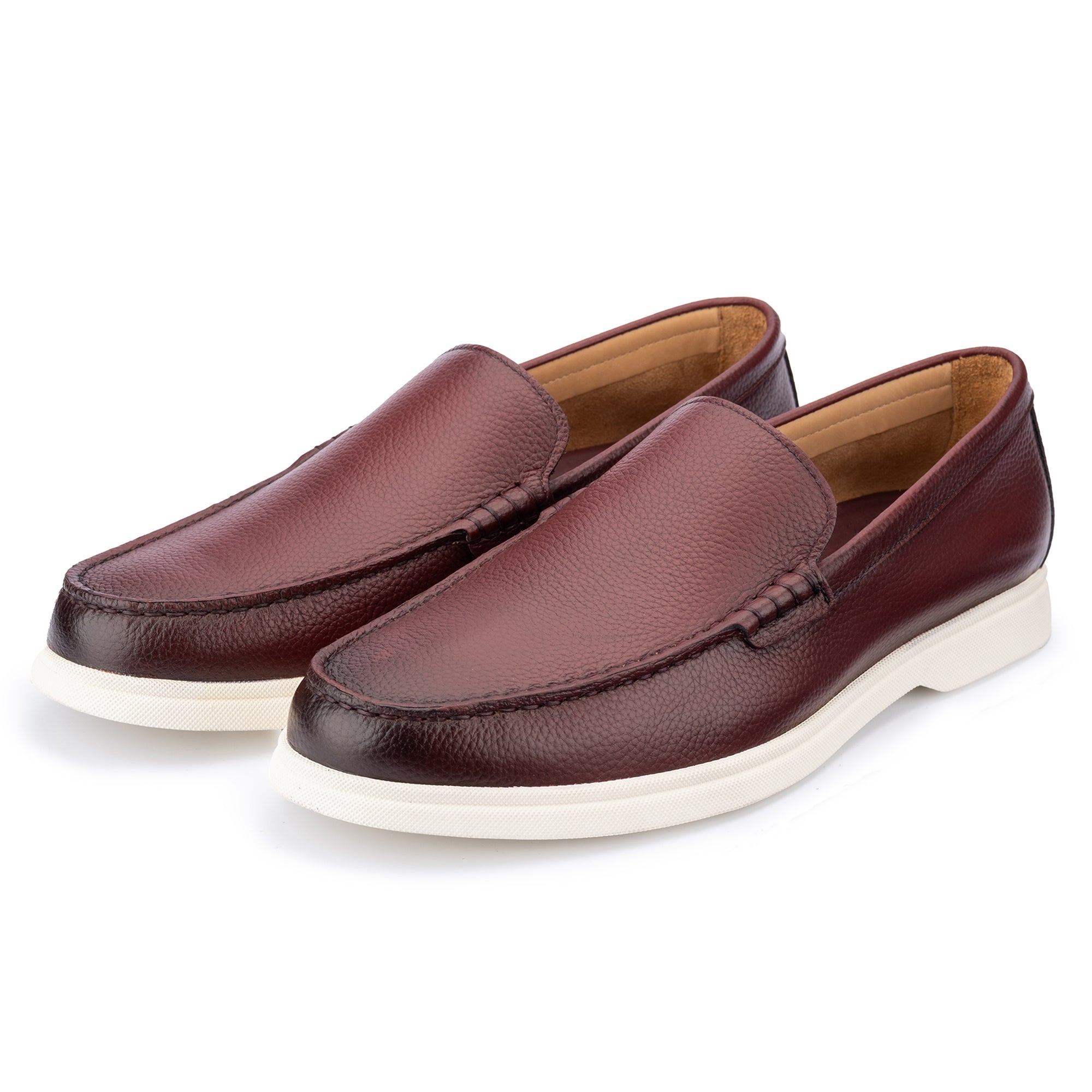
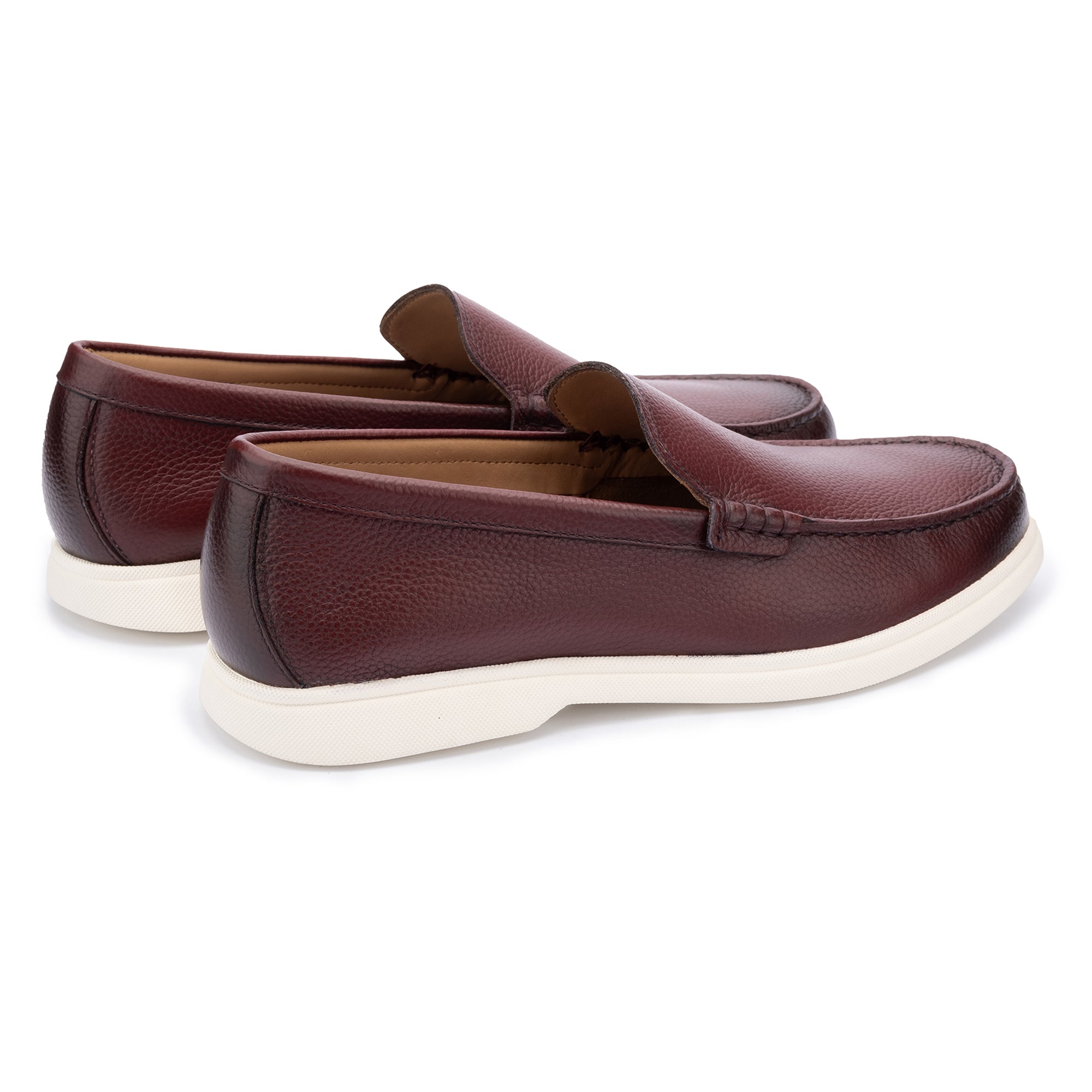
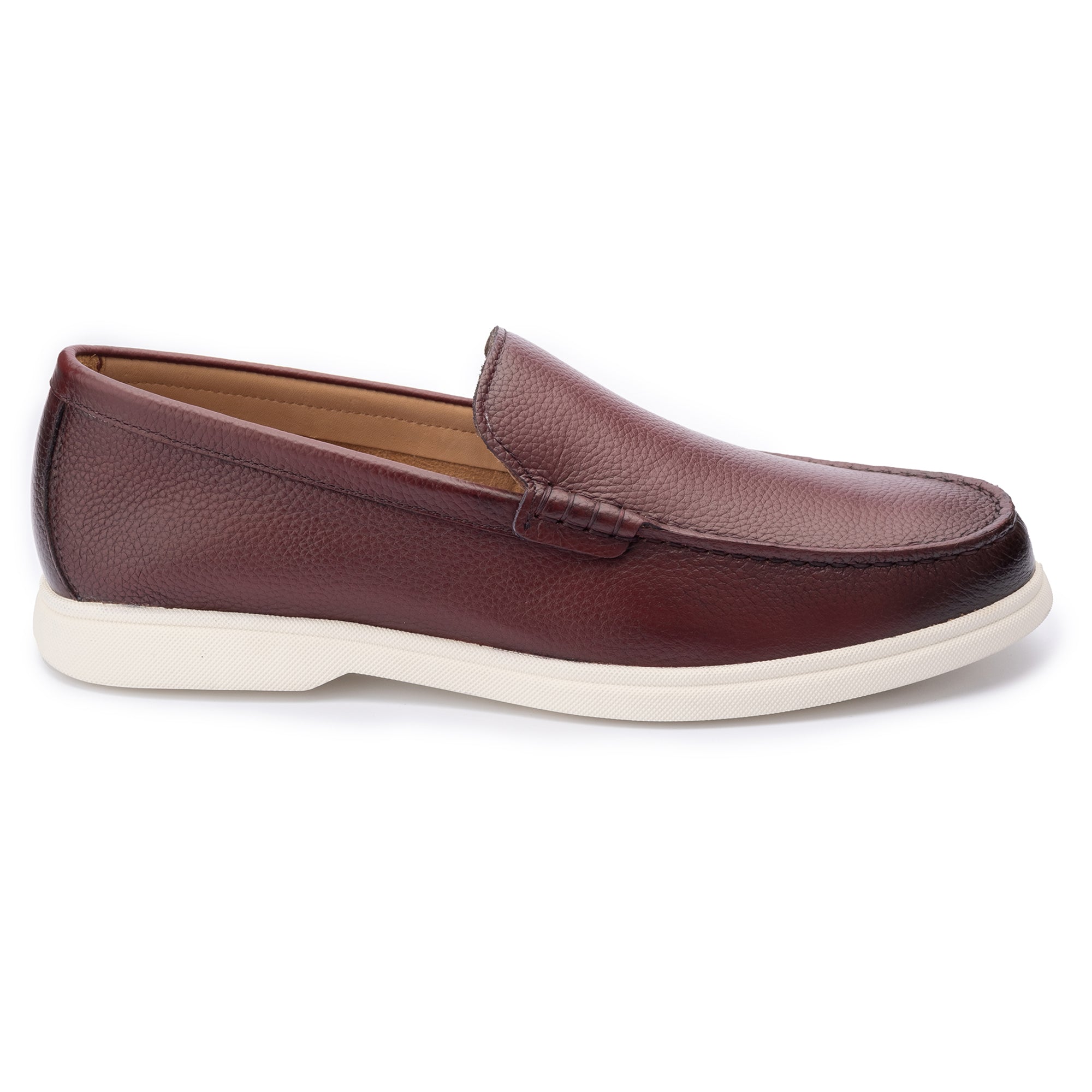
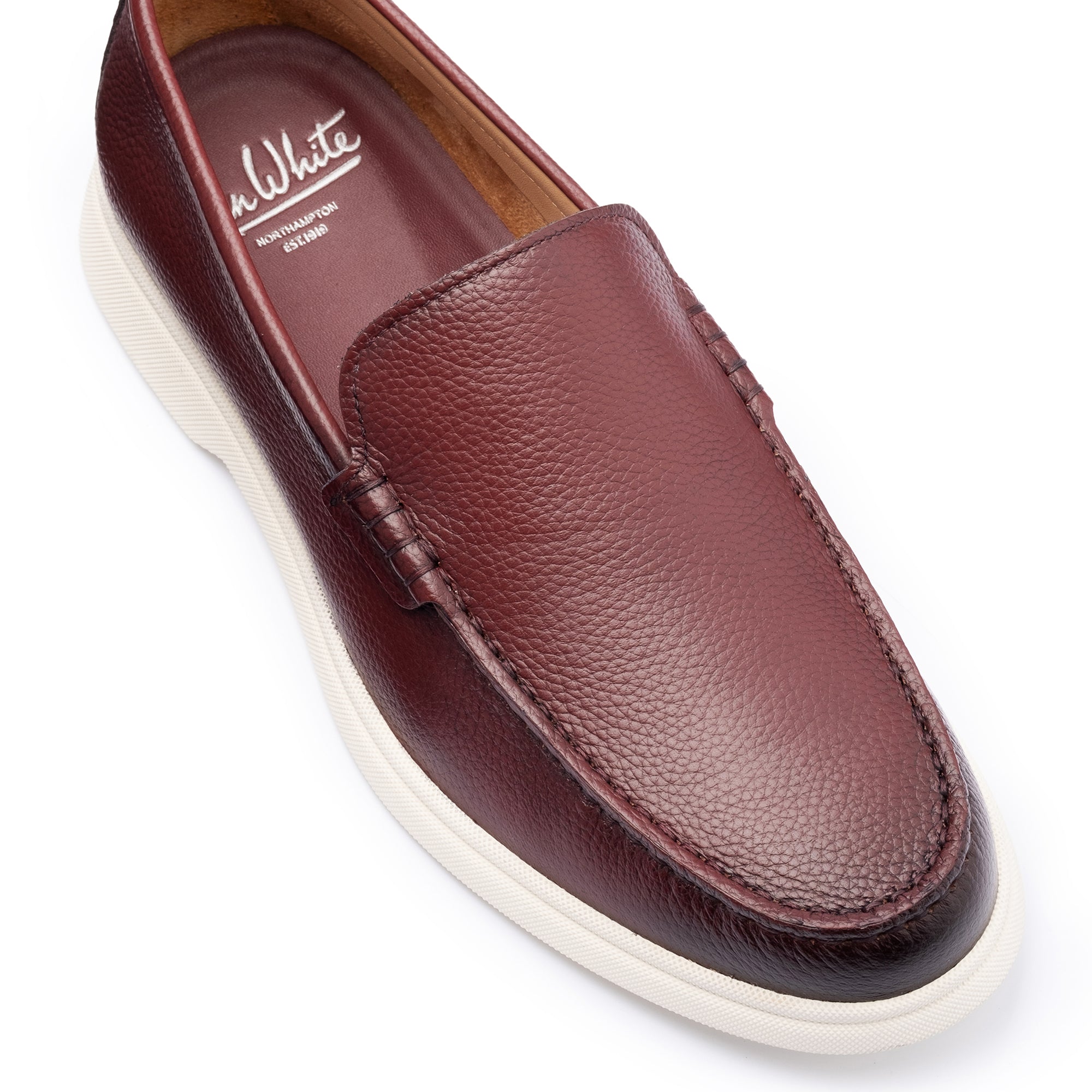
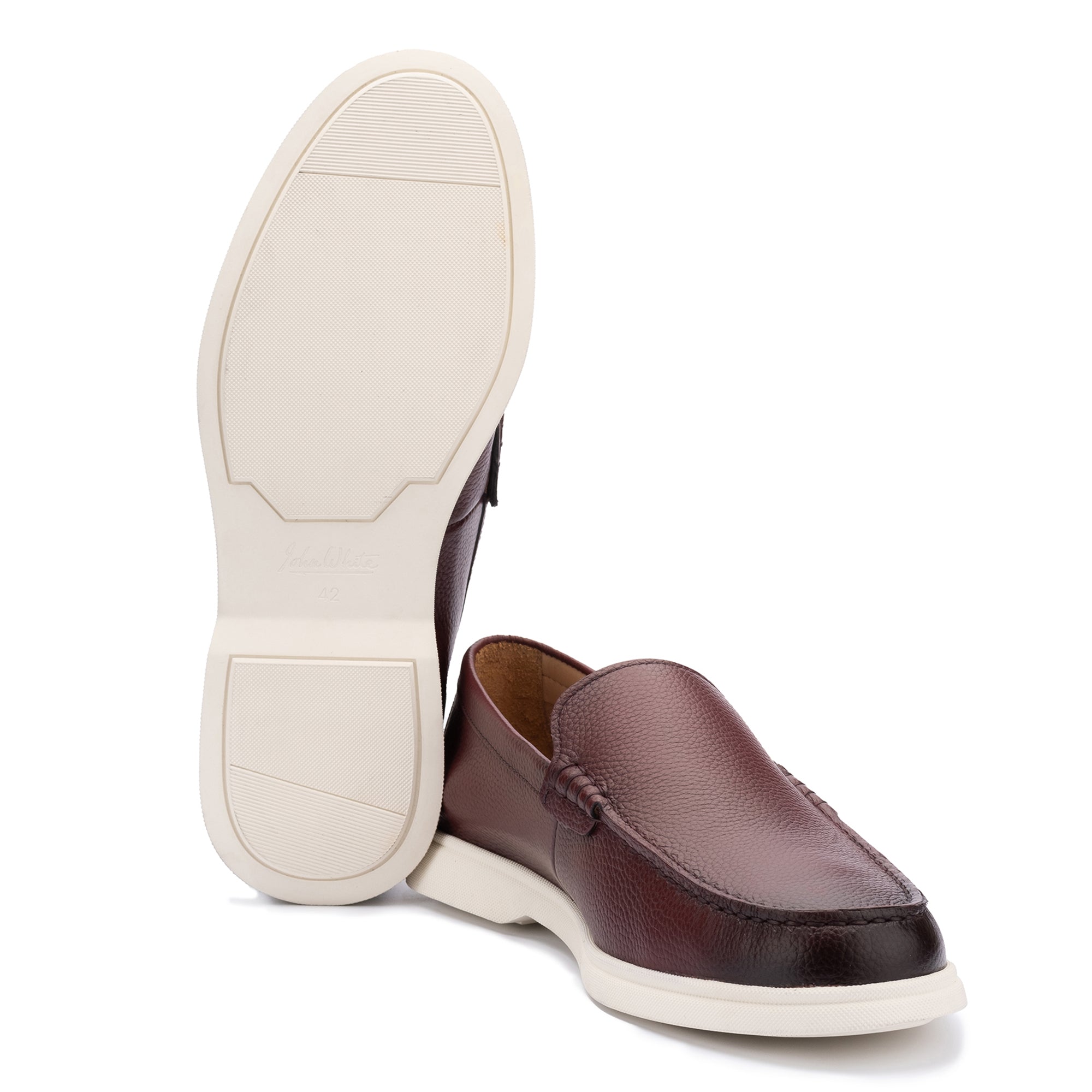
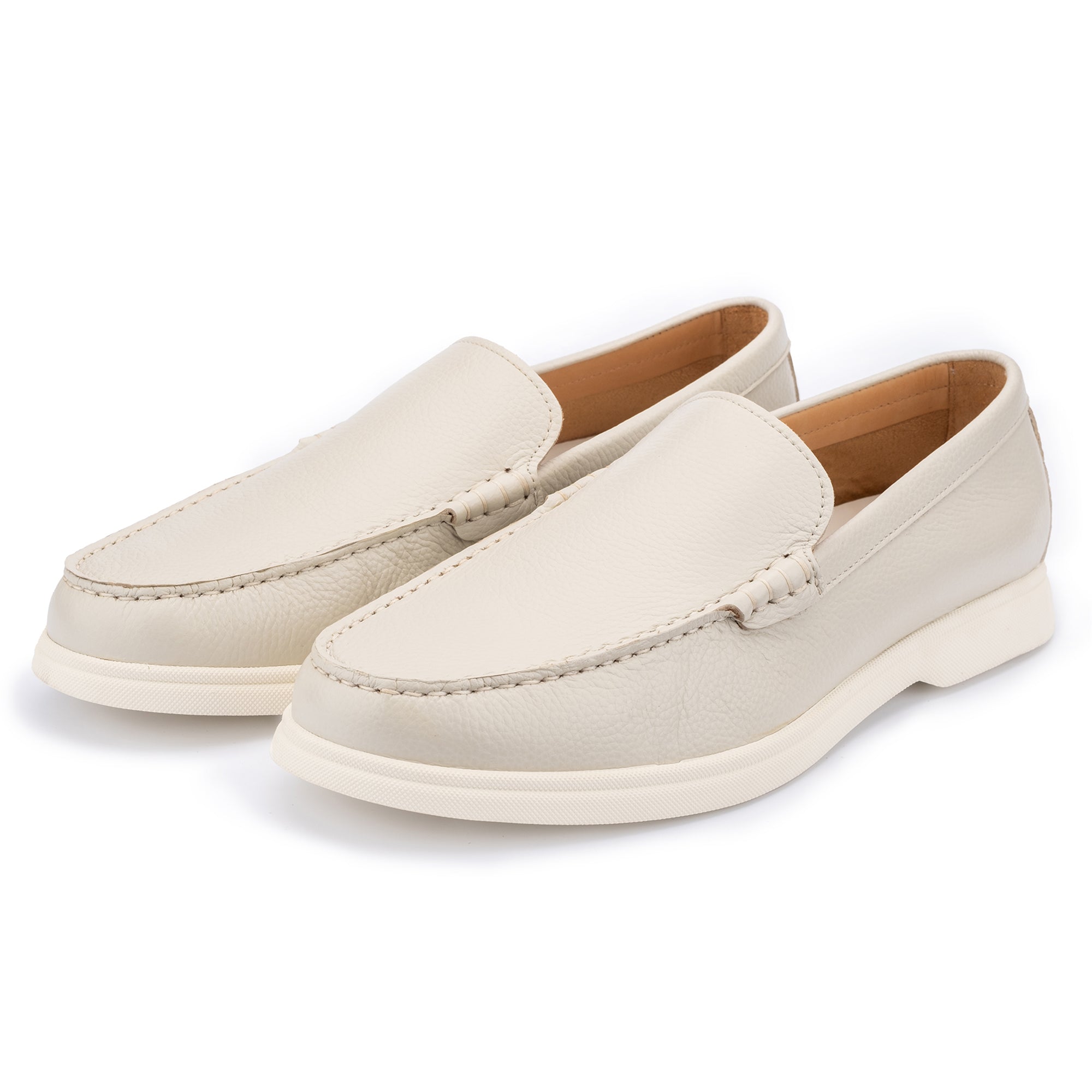
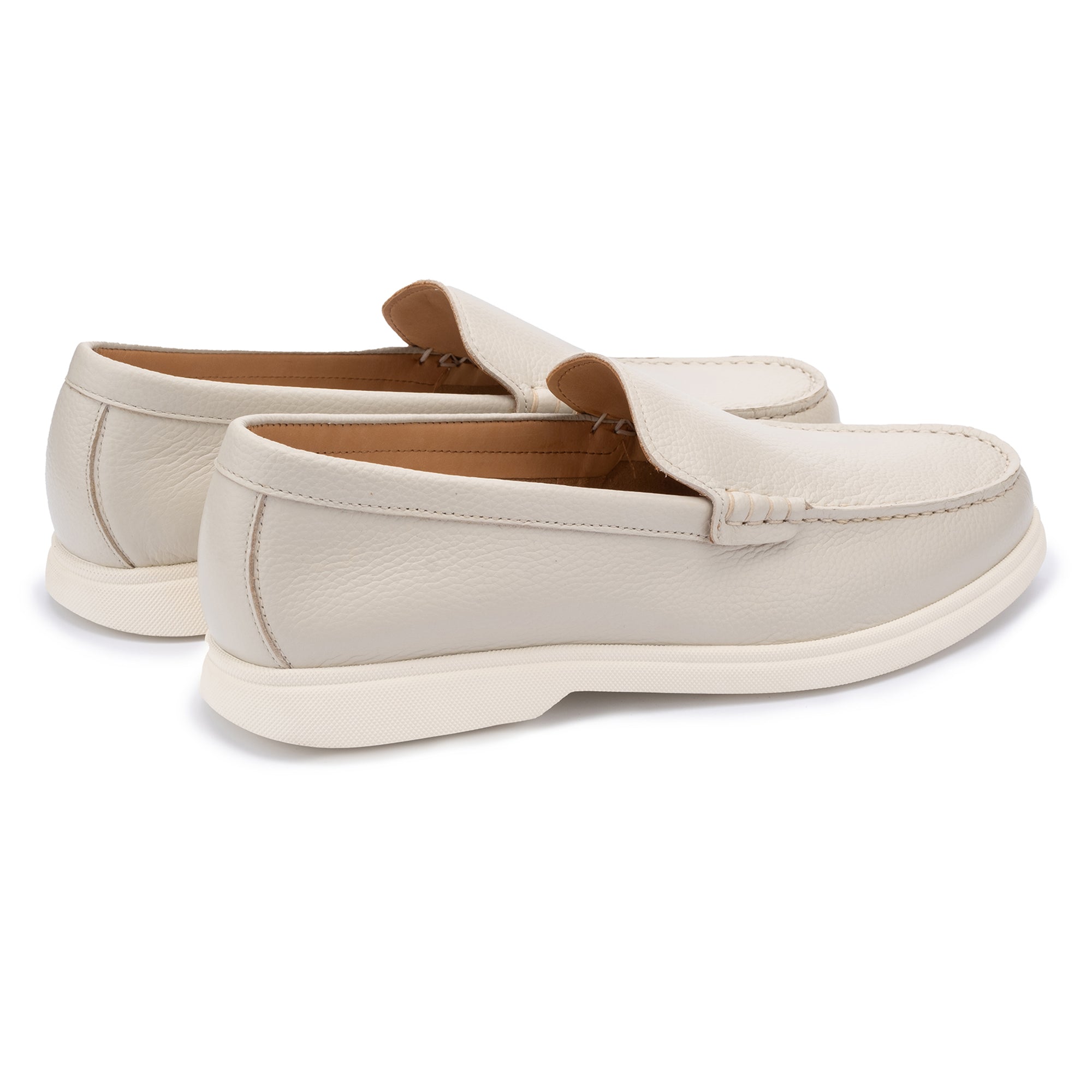
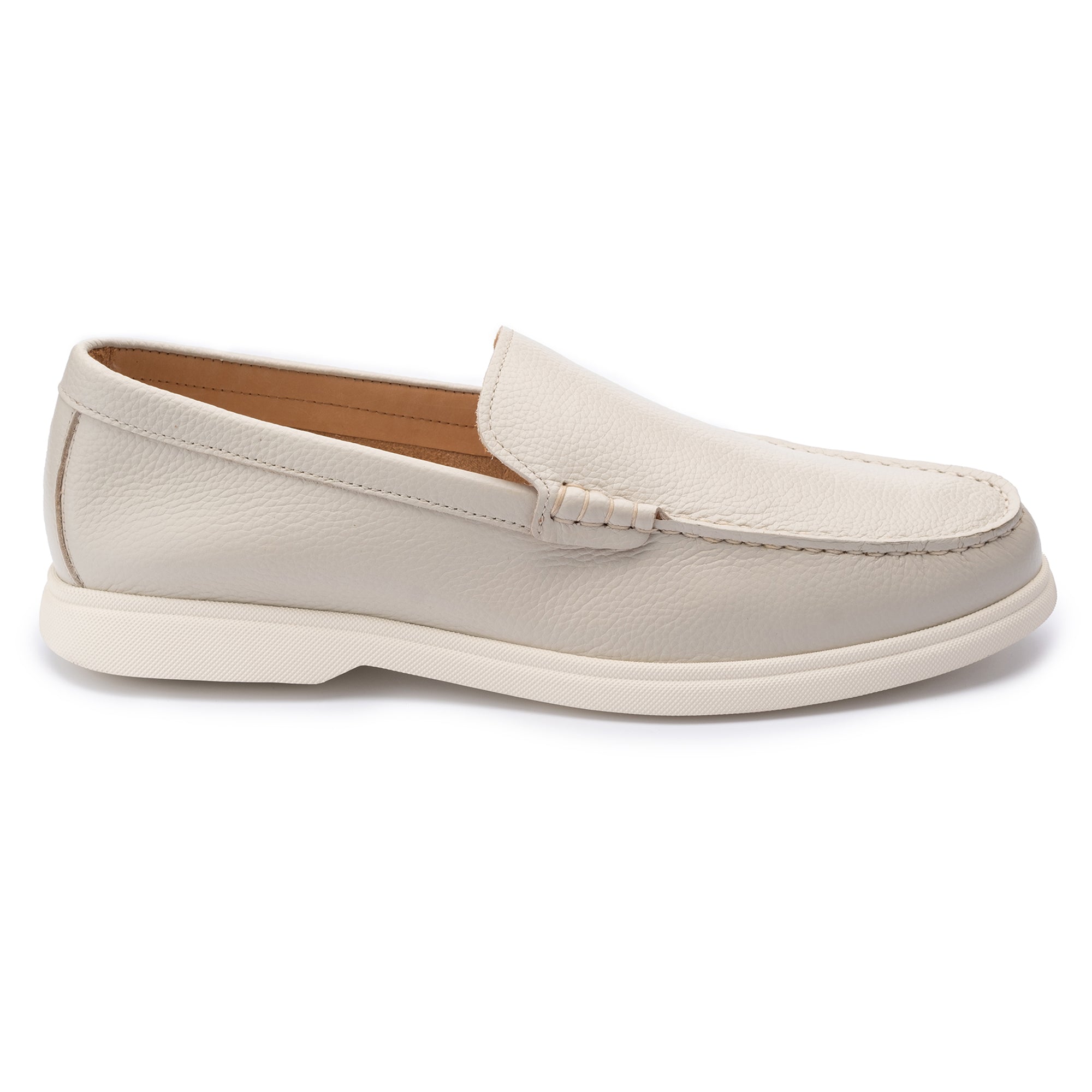
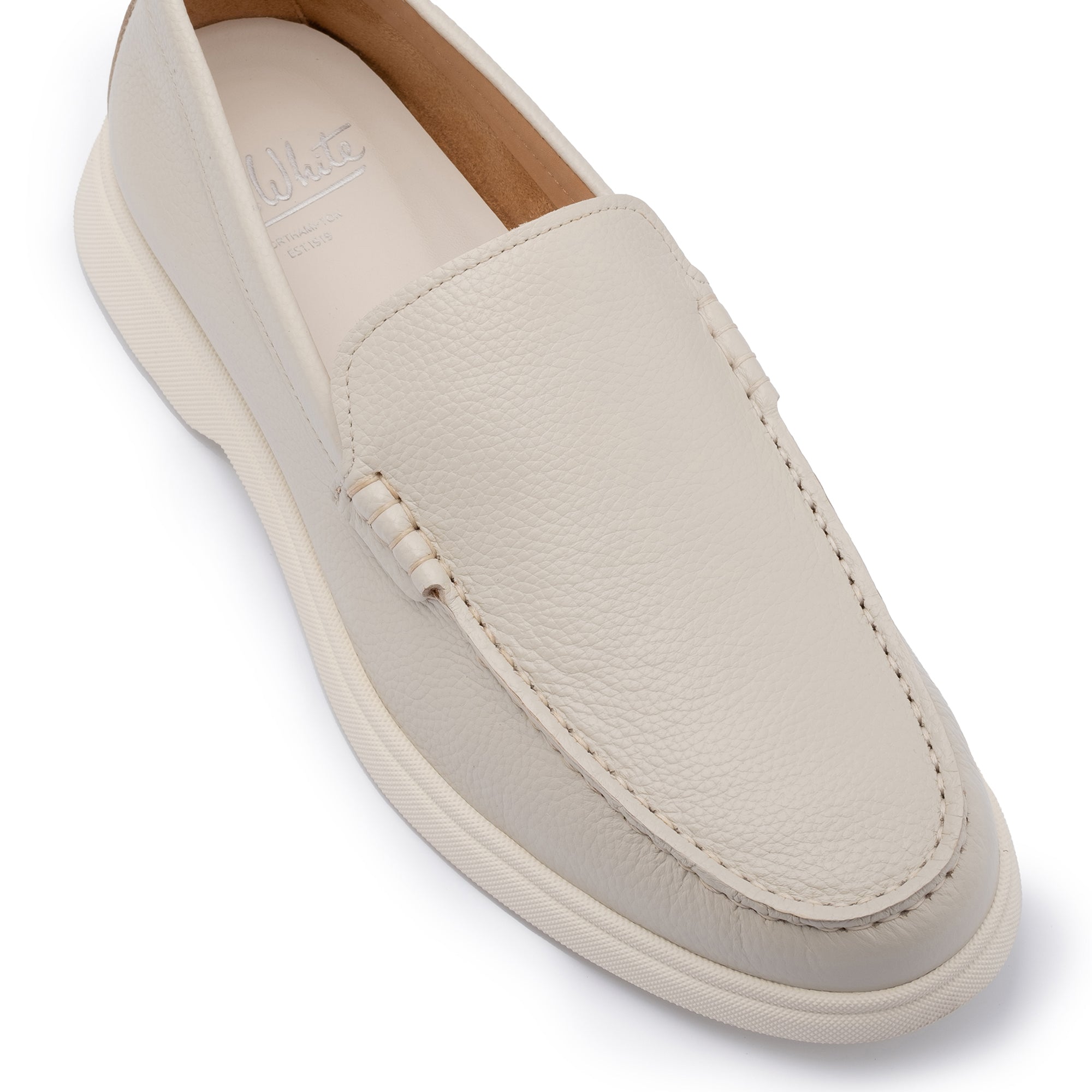
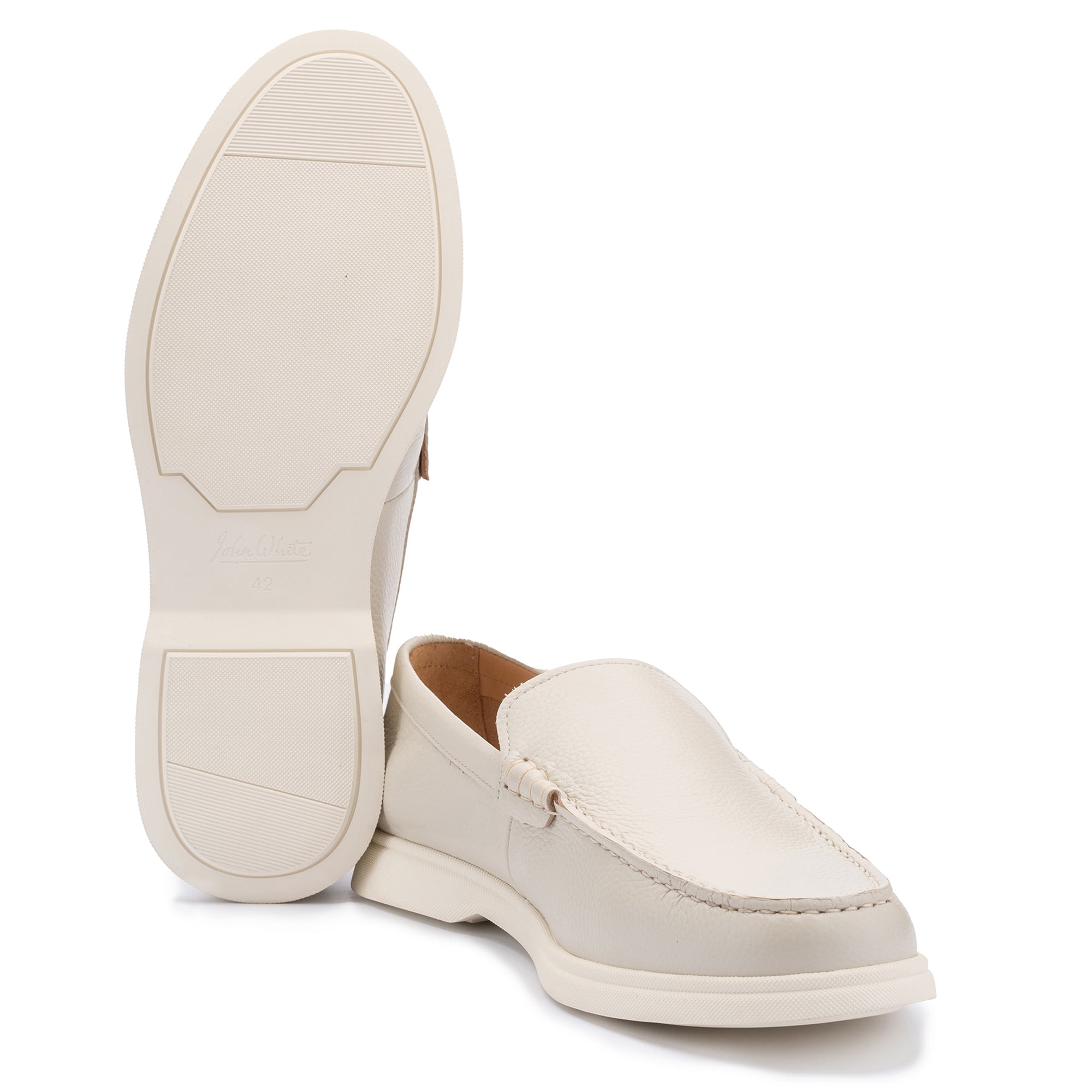
This guide covers the cause, the correct step-by-step removal process, the most effective natural treatments, and the preventive measures that stop the problem returning. Browse the full range of premium men's leather shoes at John White Shoes — each pair worth protecting properly.
What Causes Odour Inside Leather Shoes?
Leather shoe odour is not caused by perspiration itself — it is caused by the bacteria that thrive in the warm, moist environment perspiration creates. Understanding this distinction changes how you approach treatment.
According to the Society of Chiropodists and Podiatrists, the average foot produces up to 250ml of perspiration daily. Enclosed in a leather shoe, that moisture is absorbed directly into the insole and lining. The primary bacterial culprit is Brevibacterium linens — the same genus responsible for the distinctive sharpness of aged cheese — which metabolises skin cells and sweat, producing isovaleric acid as a byproduct. That acid is the source of the characteristic smell.
A full leather lining — standard in quality shoes from John White Shoes and from British makers such as Loake, Barker, Grenson, Church's, and Crockett & Jones — manages moisture better than synthetic alternatives, because genuine leather is naturally breathable. However, even premium leather linings require systematic interior care. As we explore in our guide to why a full leather lining is a non-negotiable mark of quality, breathability is the critical variable — and it requires maintenance to preserve.
The root cause of leather shoe odour is bacterial activity, not perspiration alone — which means eliminating bacteria, not masking odour, is the only solution that holds.
How Do You Remove Odour from Leather Shoes? The Correct Method
Leather shoe odour removal requires a systematic approach applied in sequence. A spray of commercial deodoriser does not address the bacterial colony residing in the insole — it masks it temporarily and achieves nothing beyond the next wear.
Follow these steps in order:
- Remove the insoles. If the insoles are removable, take them out and treat them separately. They absorb the greatest concentration of perspiration and are often the primary source of odour.
- Dry the interior completely. Insert rolled sheets of plain white paper — not newsprint, whose ink transfers — and leave the shoes in a well-ventilated spot for 24 hours. Replace the paper after 12 hours if it has become damp. Never use direct heat; it dries out and can crack the leather lining.
- Apply bicarbonate of soda. Once fully dry, pour a generous amount of bicarbonate of soda into each shoe. Tip the shoe to coat the entire interior, including the toe box. Leave for a minimum of eight hours — overnight is ideal. Bicarbonate of soda neutralises the acidic isovaleric acid compounds rather than masking them.
- Remove the bicarbonate of soda thoroughly. Invert the shoe and tap firmly to dislodge the powder. Use a dry cloth or soft brush to clear any residue from the interior. Powder left against the lining will dry out the leather over repeated applications.
- Wipe the interior with a dilute white vinegar solution. Mix one part white vinegar with two parts water. Dampen a cloth — do not saturate it — and wipe the interior lining. White vinegar kills bacteria and neutralises odour compounds at source. Allow to dry naturally for a minimum of four hours.
- Insert cedar shoe trees. Once the interior is completely dry, insert cedar wood shoe trees. Cedar is naturally antimicrobial and hygroscopic — it continues to absorb residual moisture and inhibit bacterial activity between wears.
For severe or long-established odour, repeat the bicarbonate of soda treatment on two consecutive nights before proceeding to the vinegar wipe.
What Are the Best Natural Remedies for Leather Shoe Odour?
Natural remedies for leather shoe odour removal vary considerably in their mechanism and effectiveness. Some address the bacterial cause; others address only the symptom.
| Remedy | Mechanism | Effectiveness | Risk to Leather Lining |
|---|---|---|---|
| Bicarbonate of soda | Neutralises acidic odour compounds | High | Low — remove thoroughly |
| Activated charcoal sachets | Adsorbs odour molecules and moisture | High (ongoing, preventive) | None |
| Dilute white vinegar | Kills bacteria, neutralises isovaleric acid | High | Low — dilute correctly |
| Cedar shoe trees | Absorbs moisture; antimicrobial cedar oils | Medium–High (preventive) | None |
| Dry unused tea bags | Tannins absorb some odour compounds | Low–Medium | None |
| Tea tree oil | Antimicrobial (surface only) | Low | Medium — can stain lining |
| Commercial deodoriser sprays | Masks odour | Low (temporary) | Variable |
The Leather Conservation Centre advises against using undiluted acids, alcohol-based sprays, or enzyme cleaners directly inside leather-lined shoes without first testing on an inconspicuous area. The lining, though durable, can discolour or stiffen under aggressive chemical treatment.
Bicarbonate of soda and dilute white vinegar, applied in sequence, represent the most effective natural approach to leather shoe odour removal with minimal risk to the interior.
Do Cedar Shoe Trees Actually Remove Leather Shoe Odour?
Cedar shoe trees are a preventive and maintenance tool, not a cure for established odour — but they are indispensable to a complete interior care regime.
Aromatic red cedar contains natural oils with documented antimicrobial properties. According to research published in the Journal of Essential Oil Research, cedar wood oil demonstrates measurable inhibitory effects against common bacterial strains, including those responsible for foot odour. In practice, cedar shoe trees slow the bacterial cycle that produces odour compounds between wears.
Cedar is also hygroscopic: it draws moisture from the interior rather than releasing it back into the shoe. A quality cedar shoe tree — split-toed, to reach into the toe box fully — can absorb several millilitres of residual moisture per wear. The trees require periodic light sanding with fine sandpaper to reactivate the wood surface and restore absorption capacity. Once the grain is smooth and no longer fragrant, the tree's deodorising work is largely spent.
For a full assessment of tree types and how to size them correctly, see our guide to leather shoe trees: sizing, wood type, and daily use.
Cedar shoe trees are the single most effective daily preventive measure against leather shoe odour — but they perform best when the interior has already been treated and dried.
When Should You Replace the Insole Rather Than Clean It?
Insole replacement is the correct course when deep-seated odour persists after thorough treatment. There is a point beyond which cleaning cannot reach.
A leather insole absorbs perspiration over years of wear. Bacteria colonise deep within the material, well beyond the reach of surface treatments. If a shoe smells immediately upon wearing — rather than developing odour gradually over the course of the day — the insole has reached saturation point and must be replaced, not retreated.
Replace the insole when you observe any of the following:
- Odour returns within hours of thorough treatment
- The insole surface has darkened uniformly and feels stiff or compressed
- The sock lining has worn through, exposing the midsole beneath
- The structural cushioning has flattened completely and no longer rebounds
Replacement leather insoles — full-length, vegetable-tanned — are available from cobblers and specialist shoe care suppliers. A quality replacement breathes well and accepts antimicrobial treatments in exactly the same way as the original. This is also the ideal moment to conduct a full interior assessment as part of your annual shoe care routine, as detailed in our complete maintenance checklist for your leather shoe collection.
If odour returns within 24 hours of thorough treatment, insole replacement is more effective than any further chemical intervention.
How Do You Prevent Leather Shoe Odour from Returning?
Prevention is a matter of consistent daily habits rather than periodic intervention. These measures, applied routinely, will maintain a fresh interior indefinitely.
- Rotate your shoes without exception. Never wear the same pair on consecutive days. The interior requires at least 24 hours to dry fully between wears. A working rotation of three pairs or more dramatically reduces the cumulative moisture load on any single shoe.
- Wear quality hosiery. Merino wool and bamboo fibre socks wick moisture away from the foot far more effectively than synthetic blends. They act as the first barrier between perspiration and the leather lining.
- Insert cedar shoe trees immediately after removing the shoes. Do not leave shoes sitting without trees. The longer moisture remains in the interior, the more time bacteria have to multiply.
- Allow shoes to air before boxing them. Leave the shoes open and unlaced for 20 to 30 minutes before inserting trees and returning them to storage.
- Apply a light bicarbonate of soda treatment monthly. Even shoes showing no signs of odour benefit from a monthly overnight bicarbonate reset. Prevention is easier than cure.
- Keep activated charcoal sachets in the storage box. Sachets placed inside the shoe box continue to manage residual moisture and odour compounds between wears.
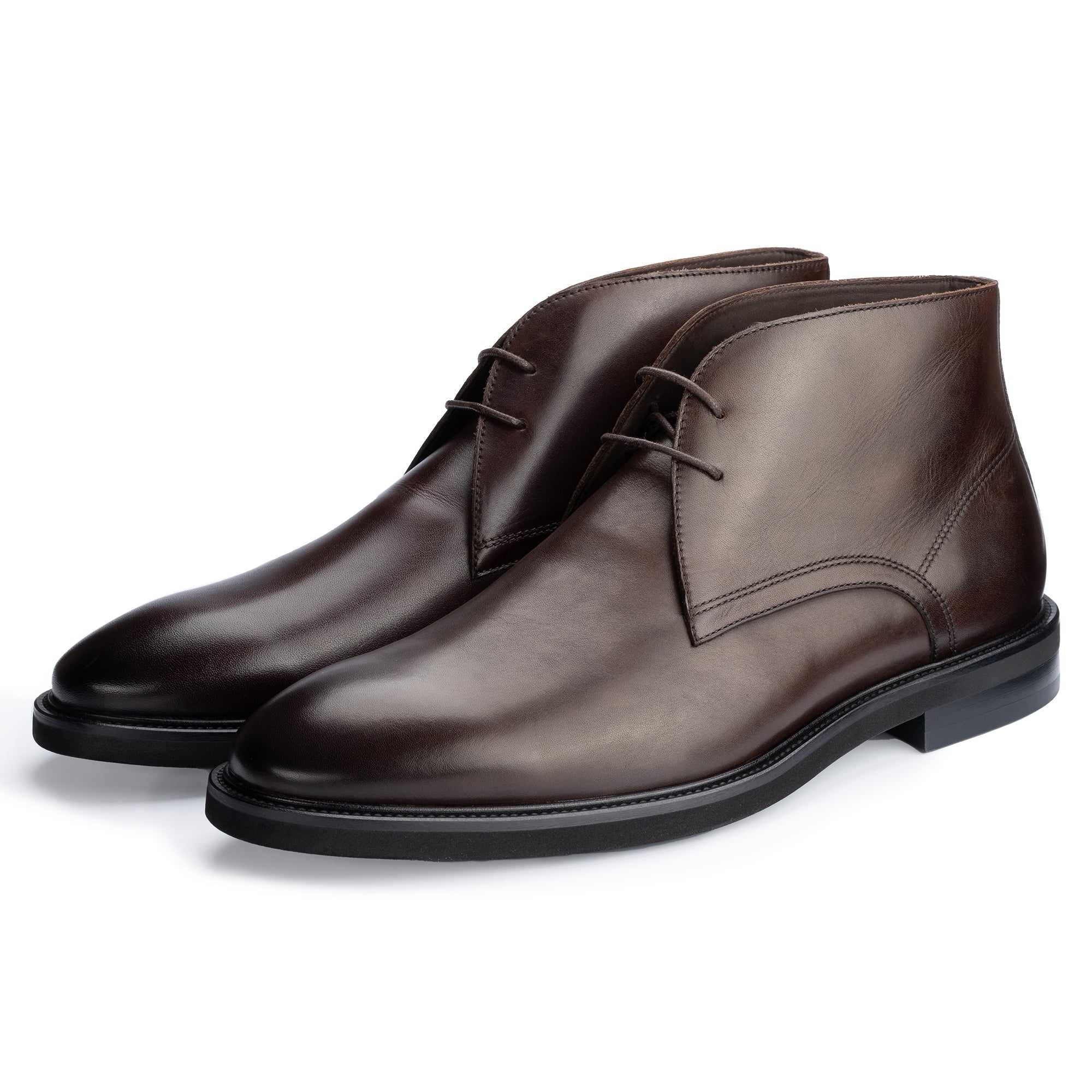
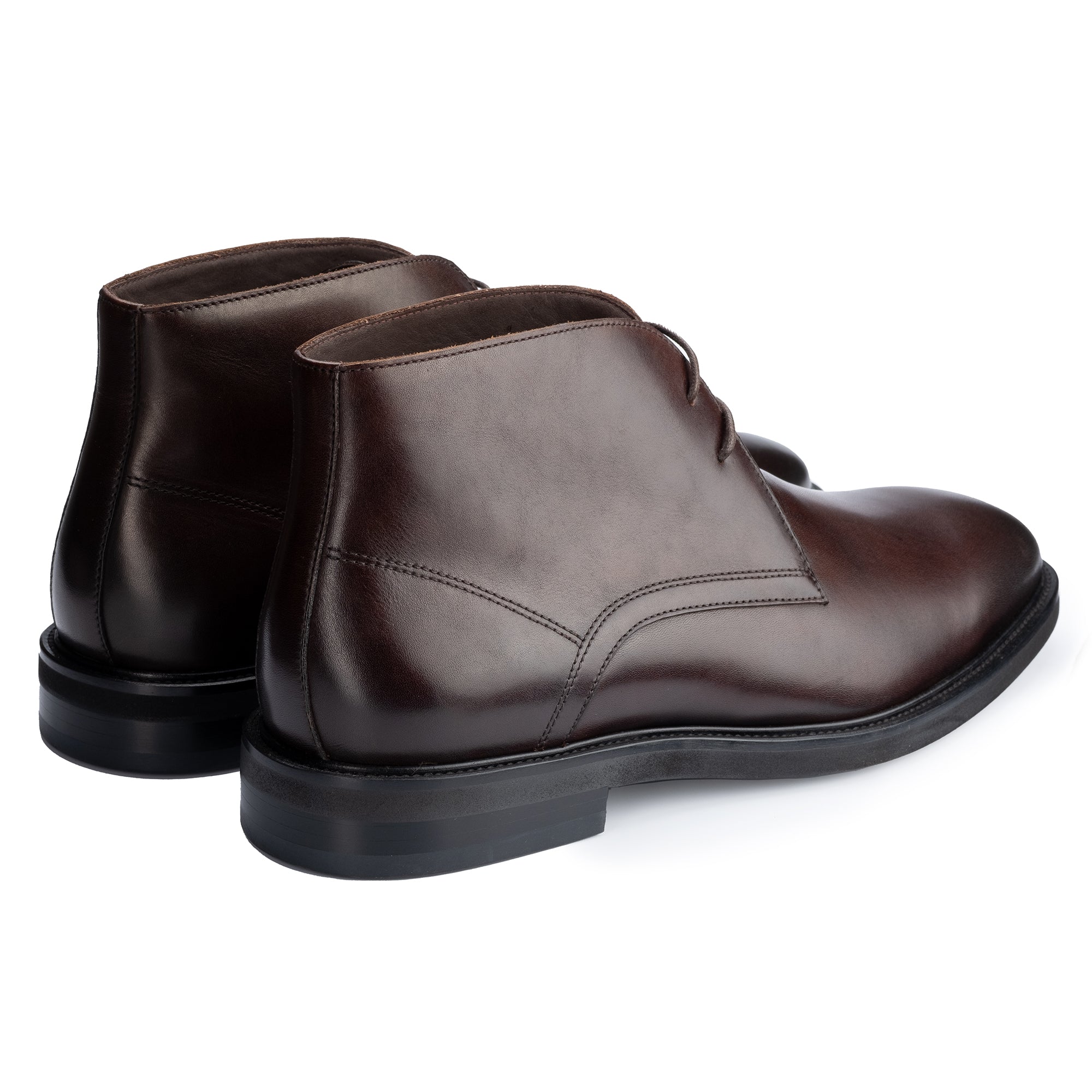
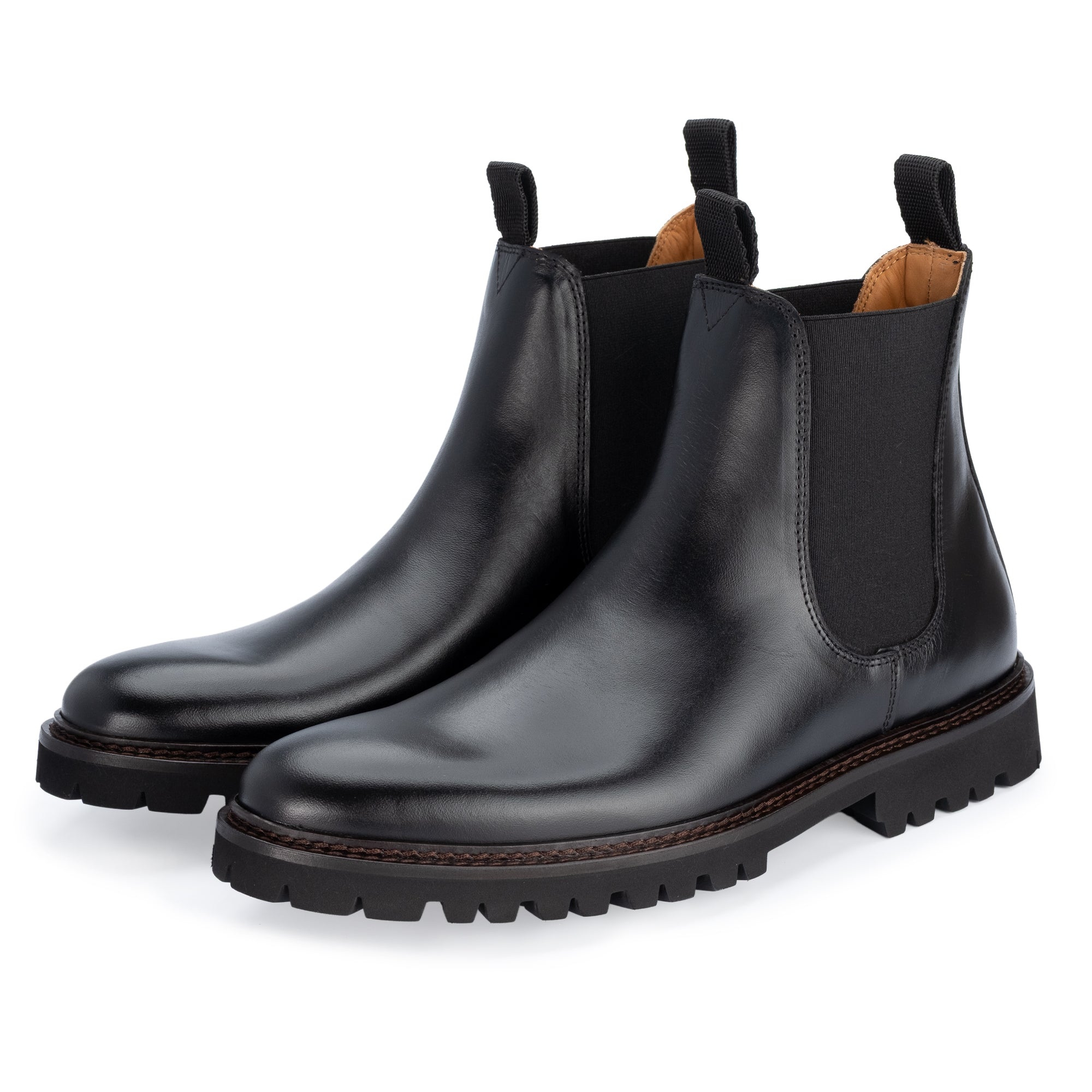
Explore the full John White Shoes men's shoe collection and the men's boots range — each pair engineered with a leather lining designed to breathe, and to reward exactly this kind of consistent care.
Rotation, cedar shoe trees, and a monthly bicarbonate reset form the minimum preventive protocol for any man serious about maintaining his leather shoes in lasting condition.
Related Guides
- Leather Shoe Trees: The Complete Guide to Sizing, Wood Type, and Daily Use
- The Annual Ritual: A Complete Maintenance Checklist for Your Leather Shoe Collection
- The Interior Standard: Why a Full Leather Lining Is a Non-Negotiable Mark of Quality
TL;DR: Leather shoe odour is caused by bacterial activity in perspiration-saturated insoles and linings, not perspiration itself. The correct removal process involves drying the shoe fully, treating with bicarbonate of soda overnight, wiping with dilute white vinegar, and finishing with cedar shoe trees. If odour persists after thorough treatment, the insole requires replacement. Daily cedar shoe trees, quality hosiery, and strict rotation prevent recurrence.
Frequently Asked Questions
Is bicarbonate of soda safe to use inside leather shoes?
Yes, bicarbonate of soda is safe for leather-lined interiors provided it is removed thoroughly afterwards. Pour it in, leave overnight, then invert the shoe and tap firmly to dislodge all powder. Use a dry cloth or soft brush to clear any residue. Any powder left against the lining will dry it out over repeated applications. Used correctly, it is the most effective and lowest-risk interior treatment available.
How long does it take to remove odour from leather shoes?
The complete process — initial drying, overnight bicarbonate treatment, vinegar wipe, and airing — takes approximately 36 to 48 hours end-to-end. For severe or long-standing odour, allow two consecutive overnight bicarbonate applications before proceeding to the vinegar step. The shoes should not be worn until the interior is completely dry at the end of the process.
Is white vinegar safe to use on the leather interior of a shoe?
Dilute white vinegar — one part vinegar to two parts water — is safe for leather-lined interiors when applied on a barely damp cloth rather than poured directly into the shoe. Do not saturate the lining. Allow the interior to dry fully before reinserting shoe trees or wearing the shoes. Undiluted vinegar risks stiffening or discolouring leather over time; dilution is non-negotiable.
Why does my shoe smell immediately when I put it on, even after cleaning?
Immediate odour upon wearing — rather than odour that develops gradually — indicates that the insole has reached bacterial saturation point beyond the reach of surface treatment. No amount of cleaning will resolve this. The insole must be replaced. A full-length leather replacement, combined with cedar shoe trees and a strict rotation schedule, will eliminate the problem. If the smell originates above the insole in the lining itself, the bicarbonate and vinegar treatment described in this guide should be repeated on consecutive nights before considering professional restoration.