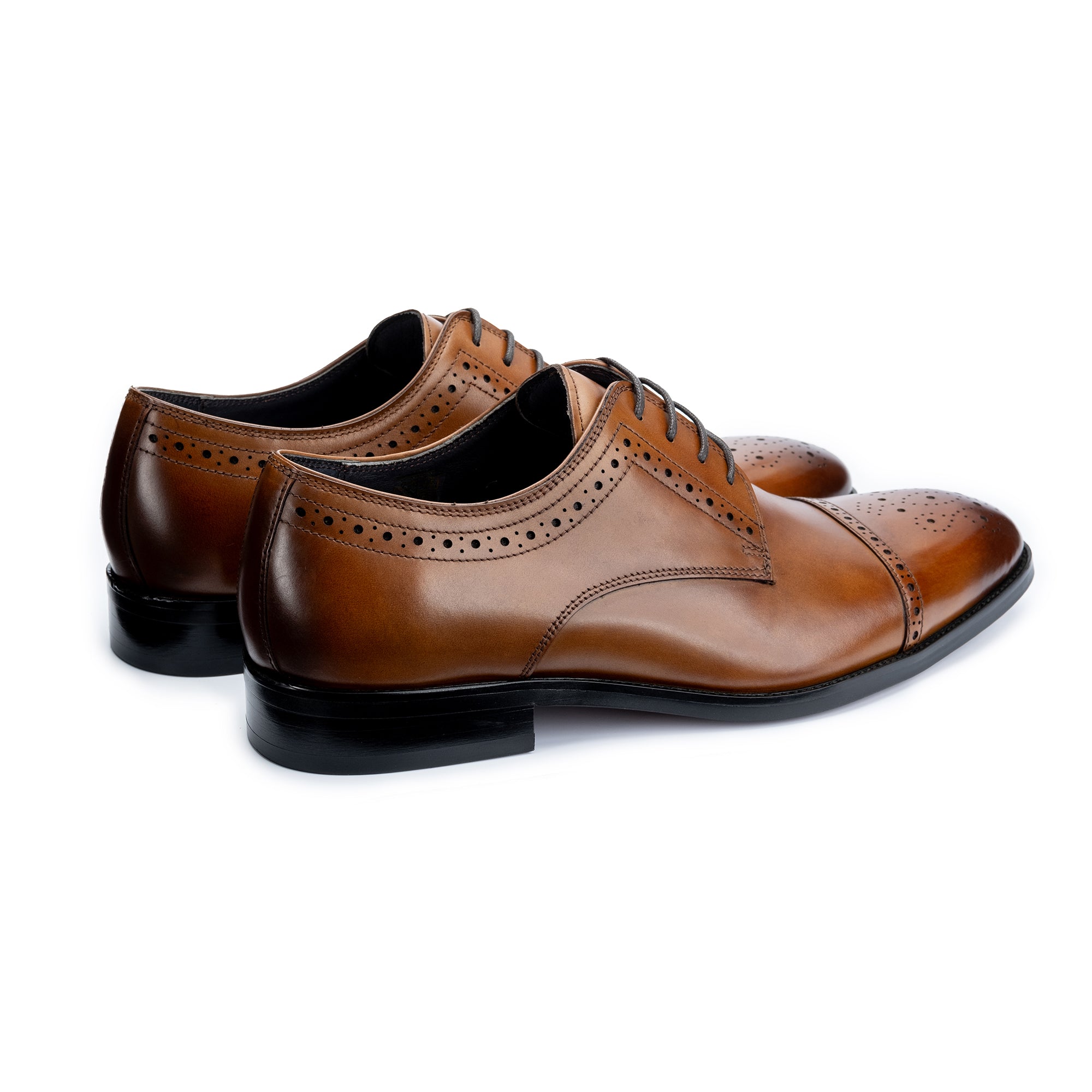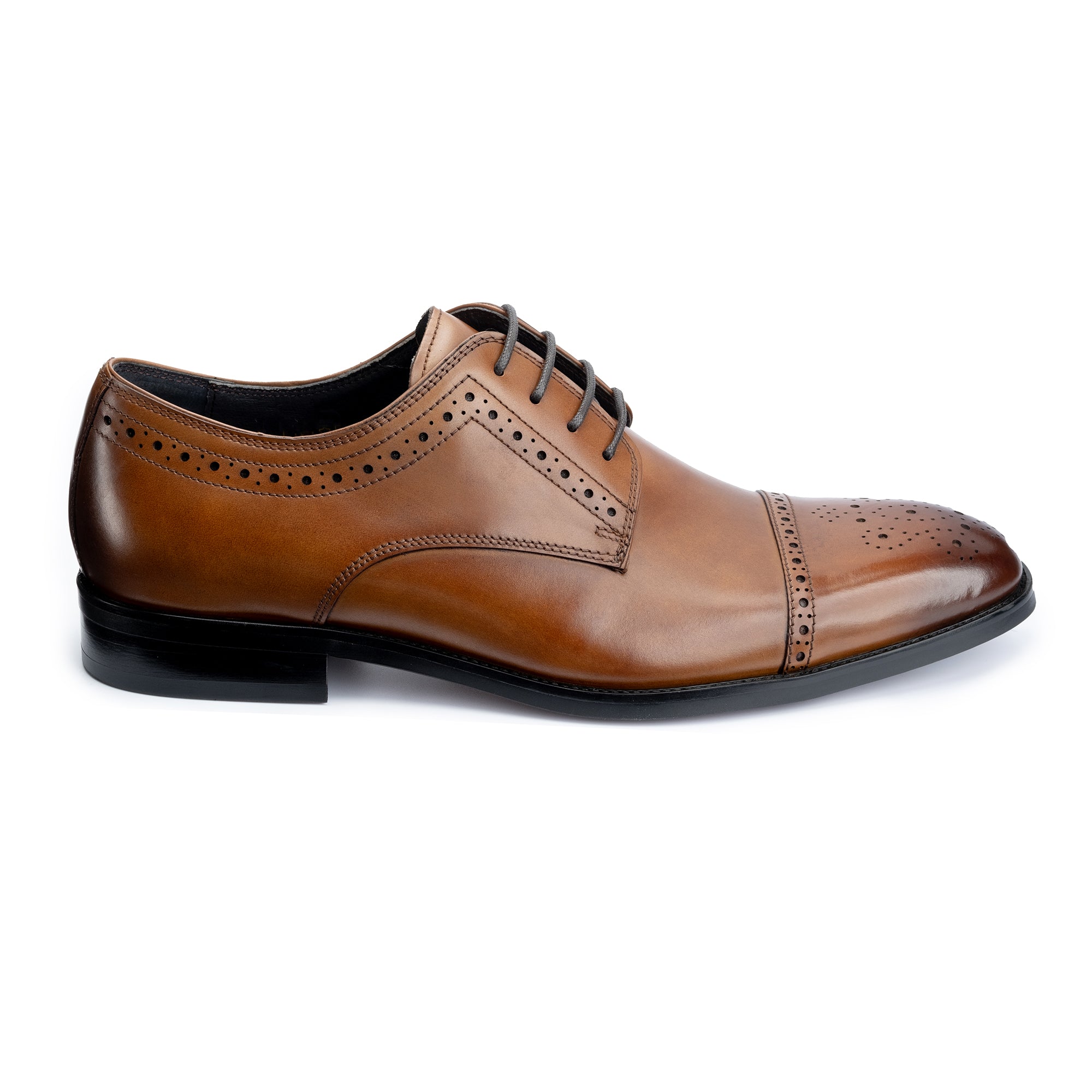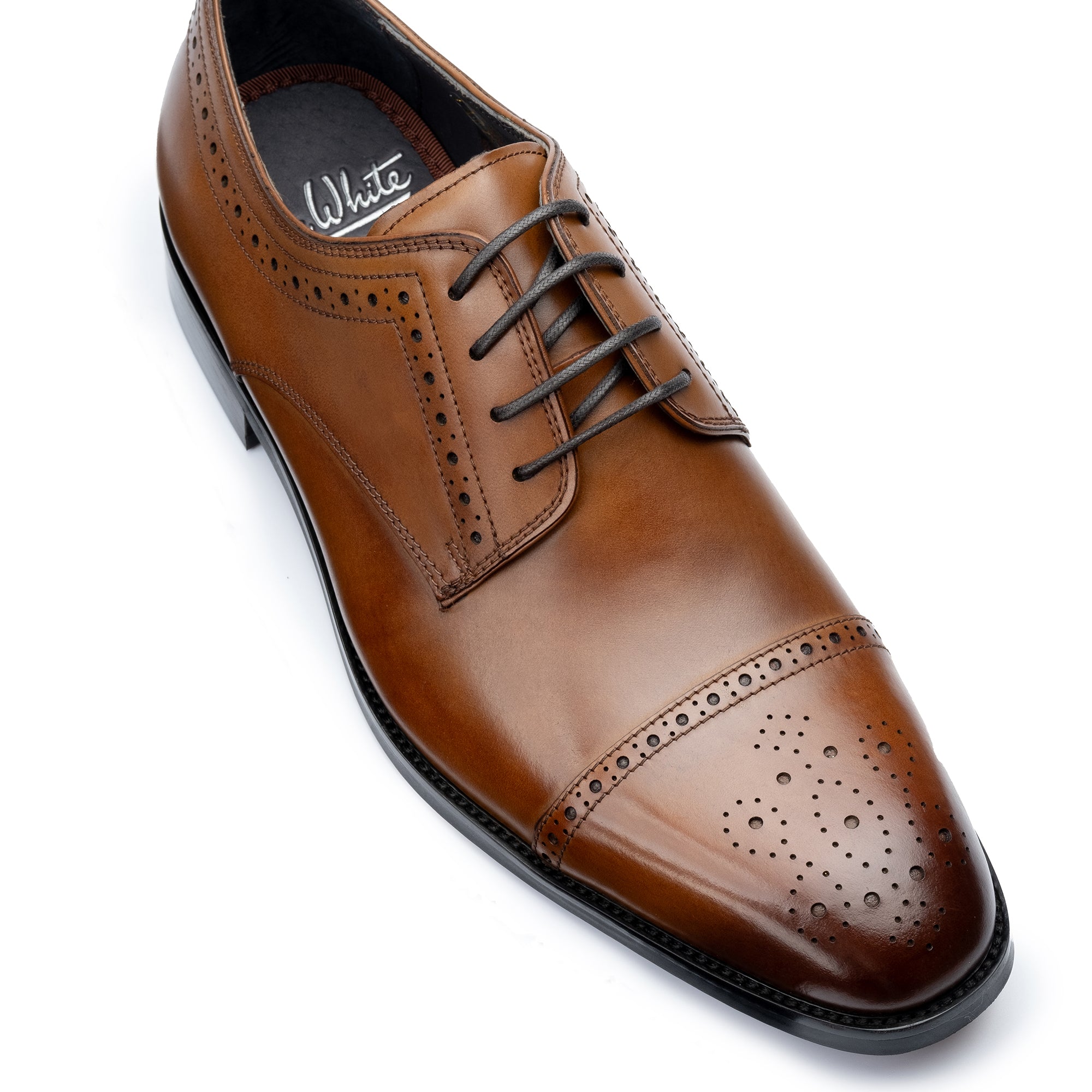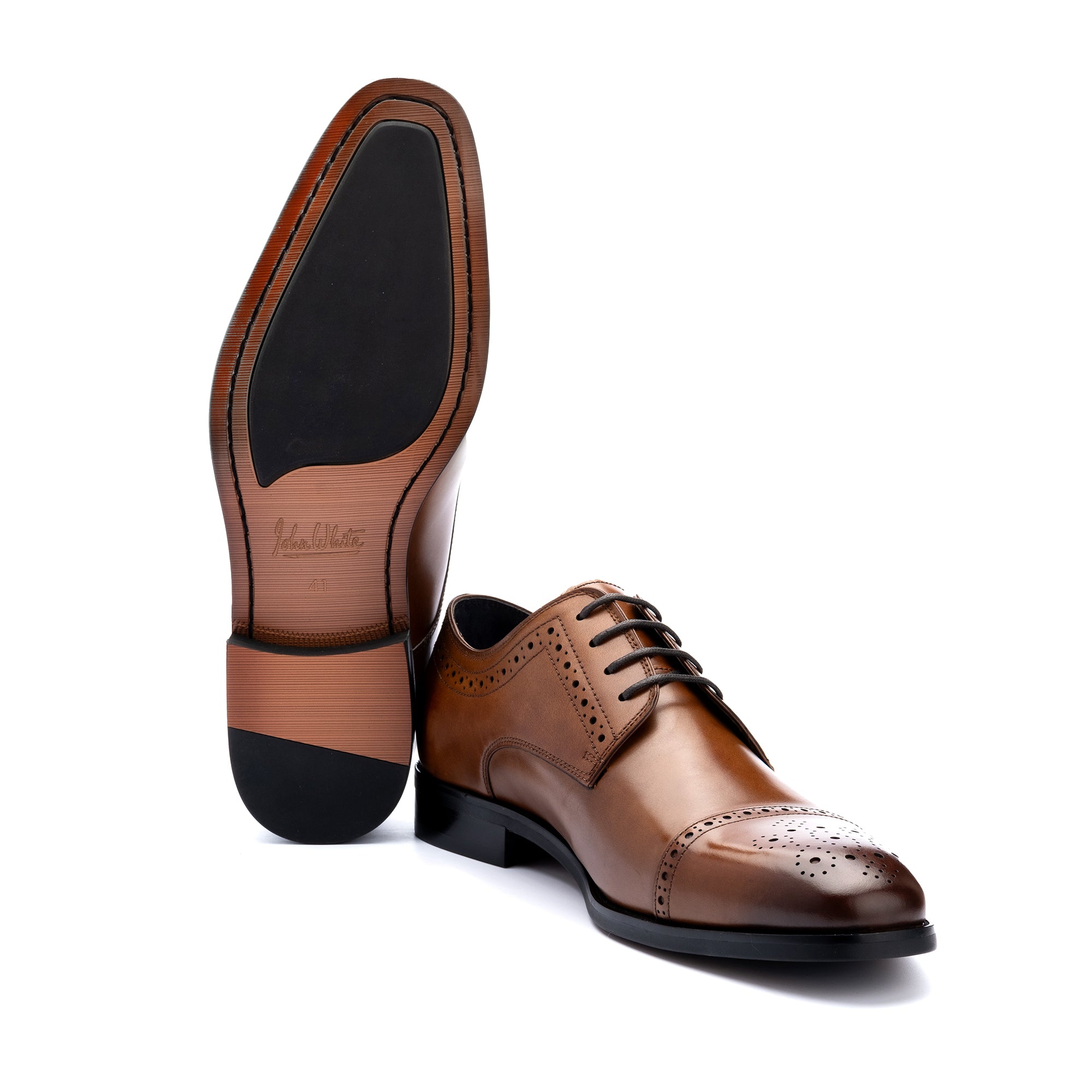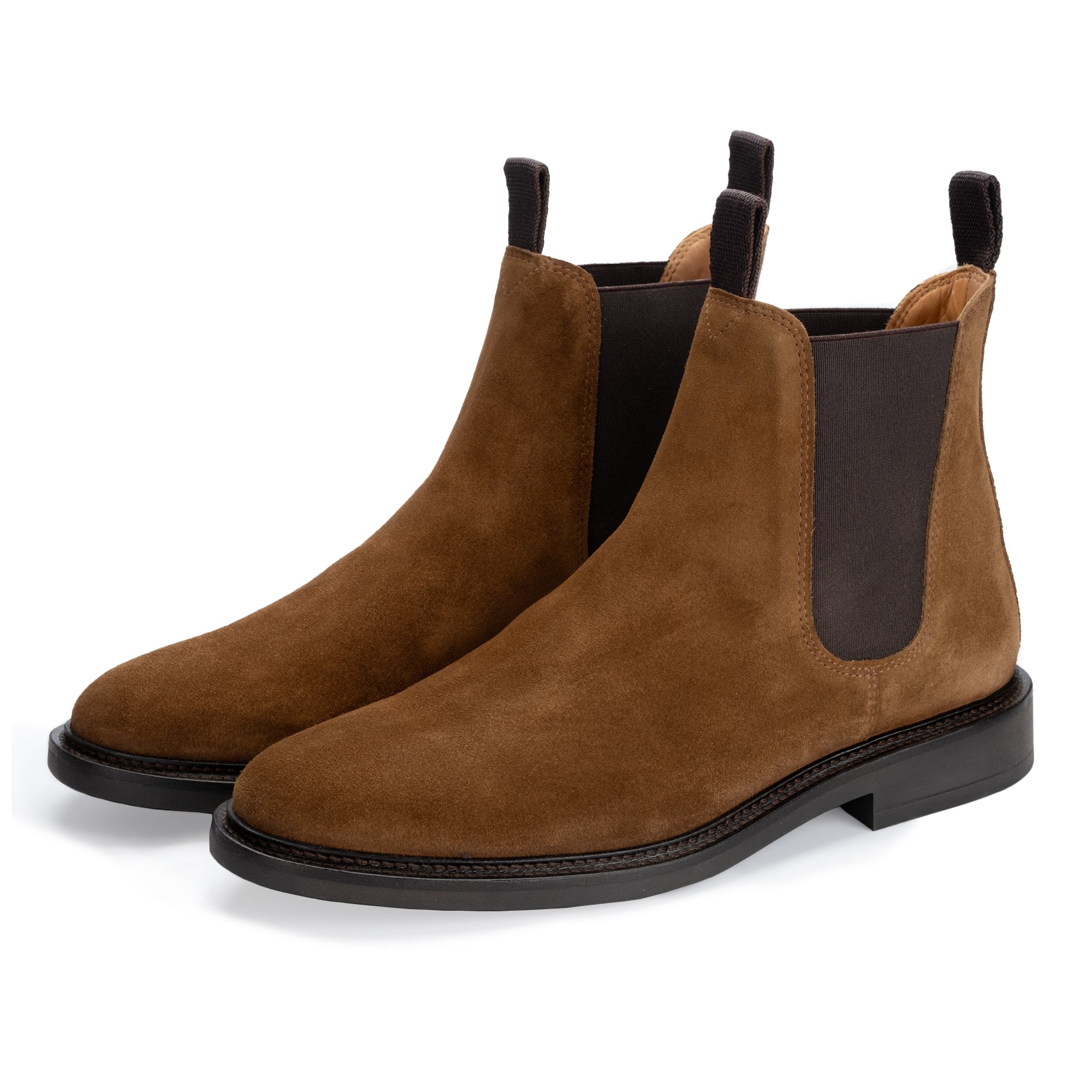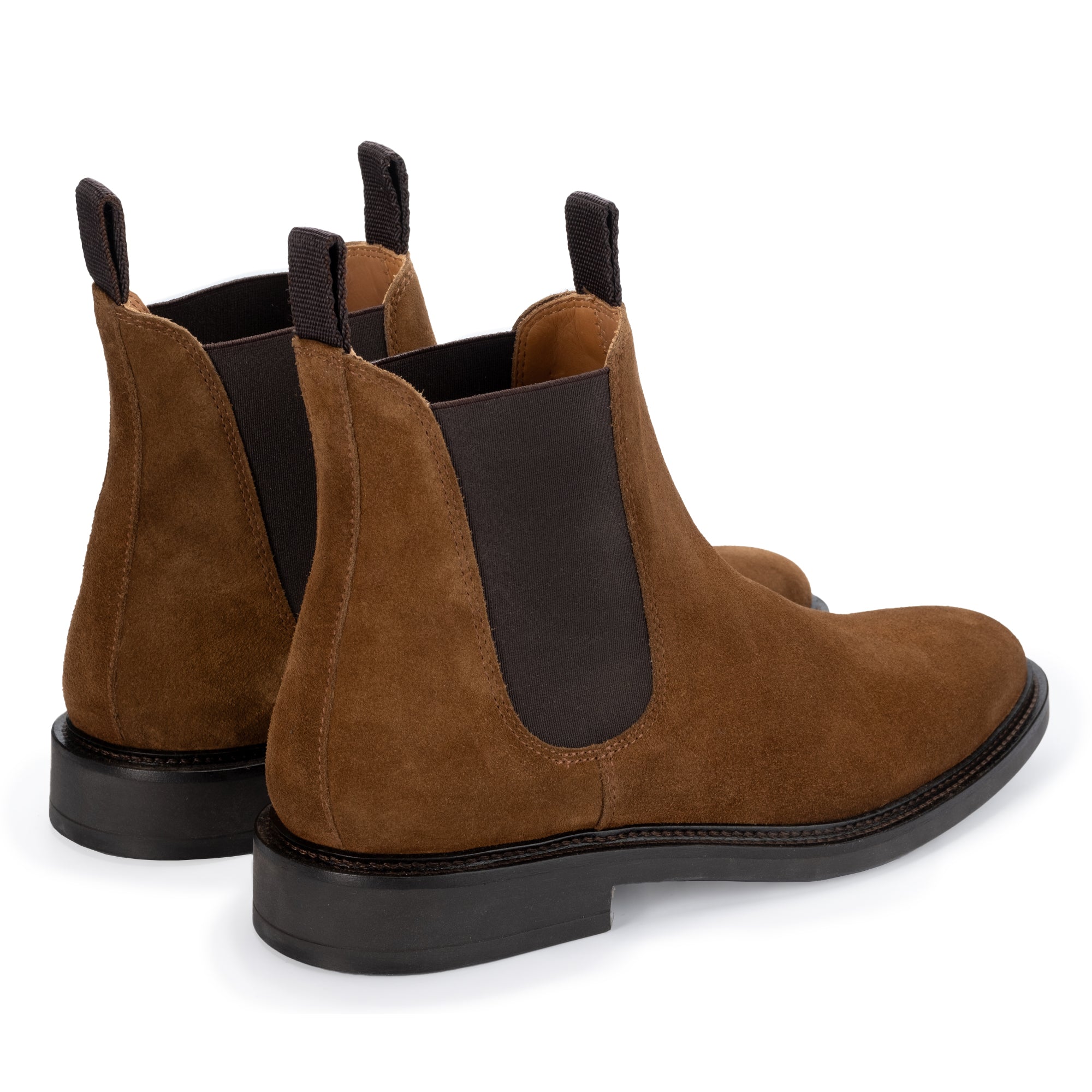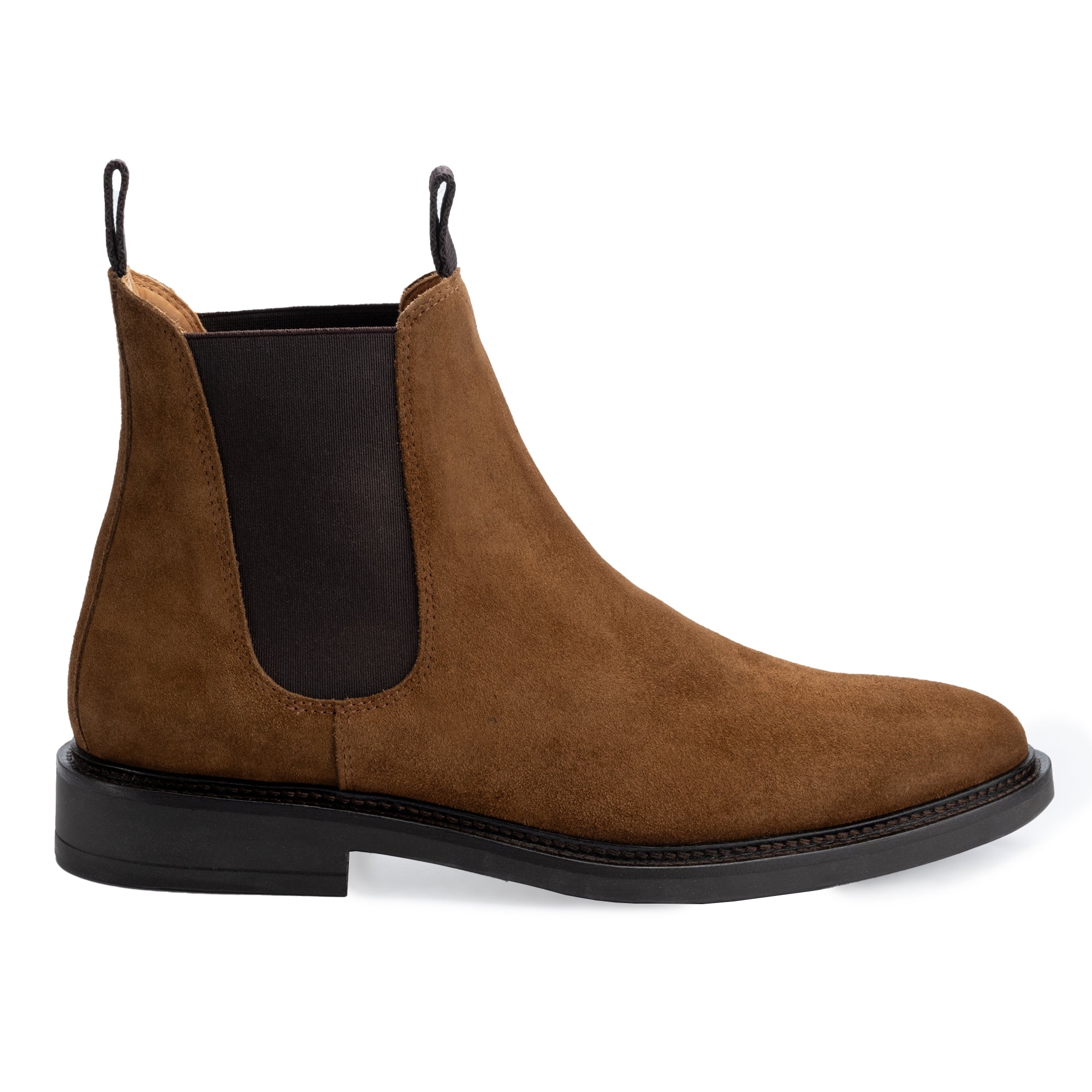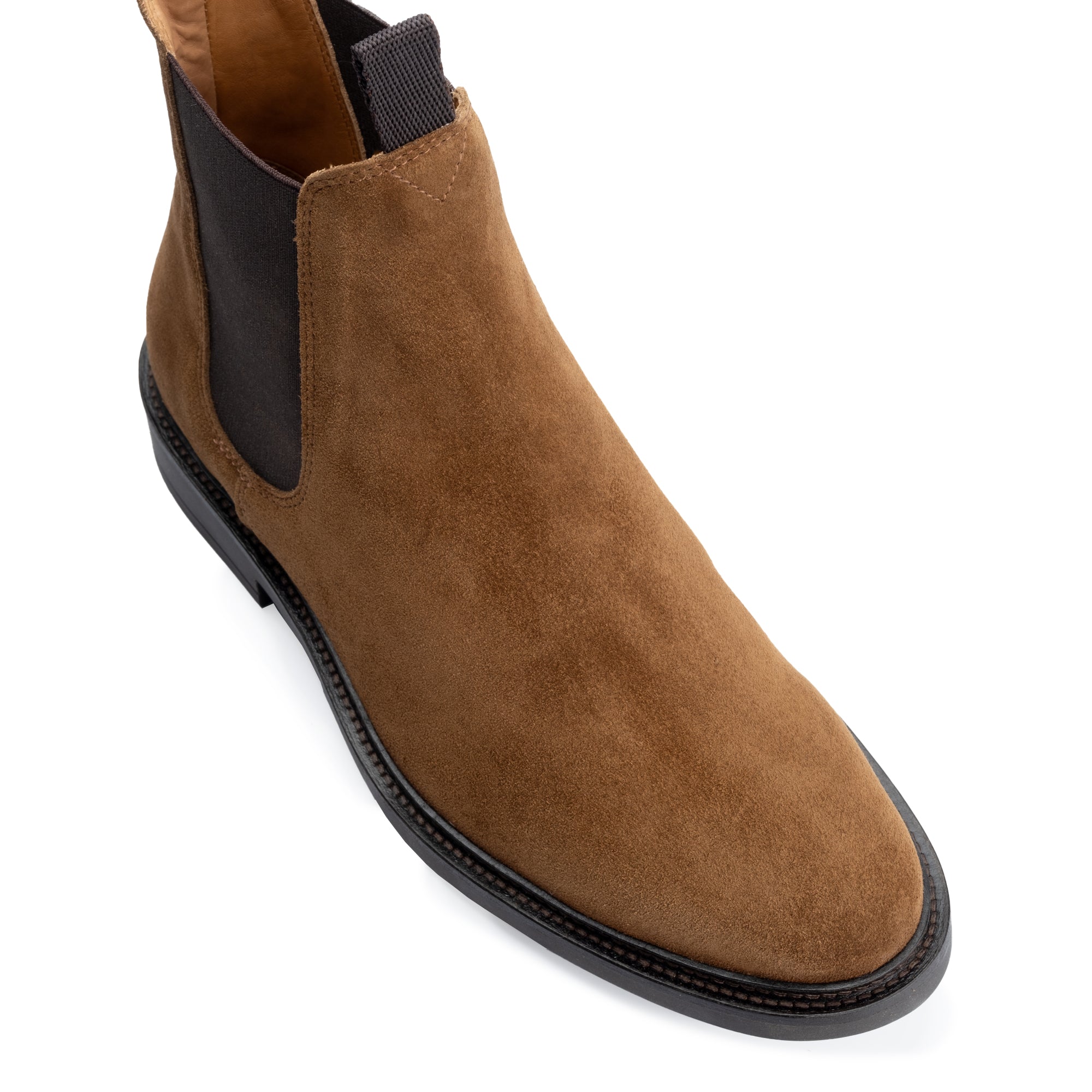

Leather Shoe Trees: The Complete Guide to Sizing, Wood Type, and Daily Use
The correct shoe tree for leather footwear is a full-lasted, split-toe cedar tree in your exact shoe size. Cedar absorbs moisture, neutralises odour, and restores the shoe's original shape between every wear. Insert it within 20-30 minutes of removing your shoes and leave it in place until the next time you put them on. Get this right, and you add years — sometimes decades — to the life of premium leather footwear.
In This Guide
- What Are Leather Shoe Trees and Why Does Every Quality Pair Need One?
- What Type of Wood Is Best for Leather Shoe Trees?
- How Do You Choose the Right Shoe Tree Size?
- How Should You Use Leather Shoe Trees Every Day?
- How Do You Maintain Shoe Trees Themselves?
- Related Guides
- TL;DR
- Frequently Asked Questions
Leather shoe trees are the most cost-effective tool in shoe care. A quality cedar tree used consistently does more to preserve the structure of a Goodyear welted leather shoe than any polish, conditioner, or cream. Yet sizing errors and incorrect technique remain remarkably common, and both undermine the results entirely.
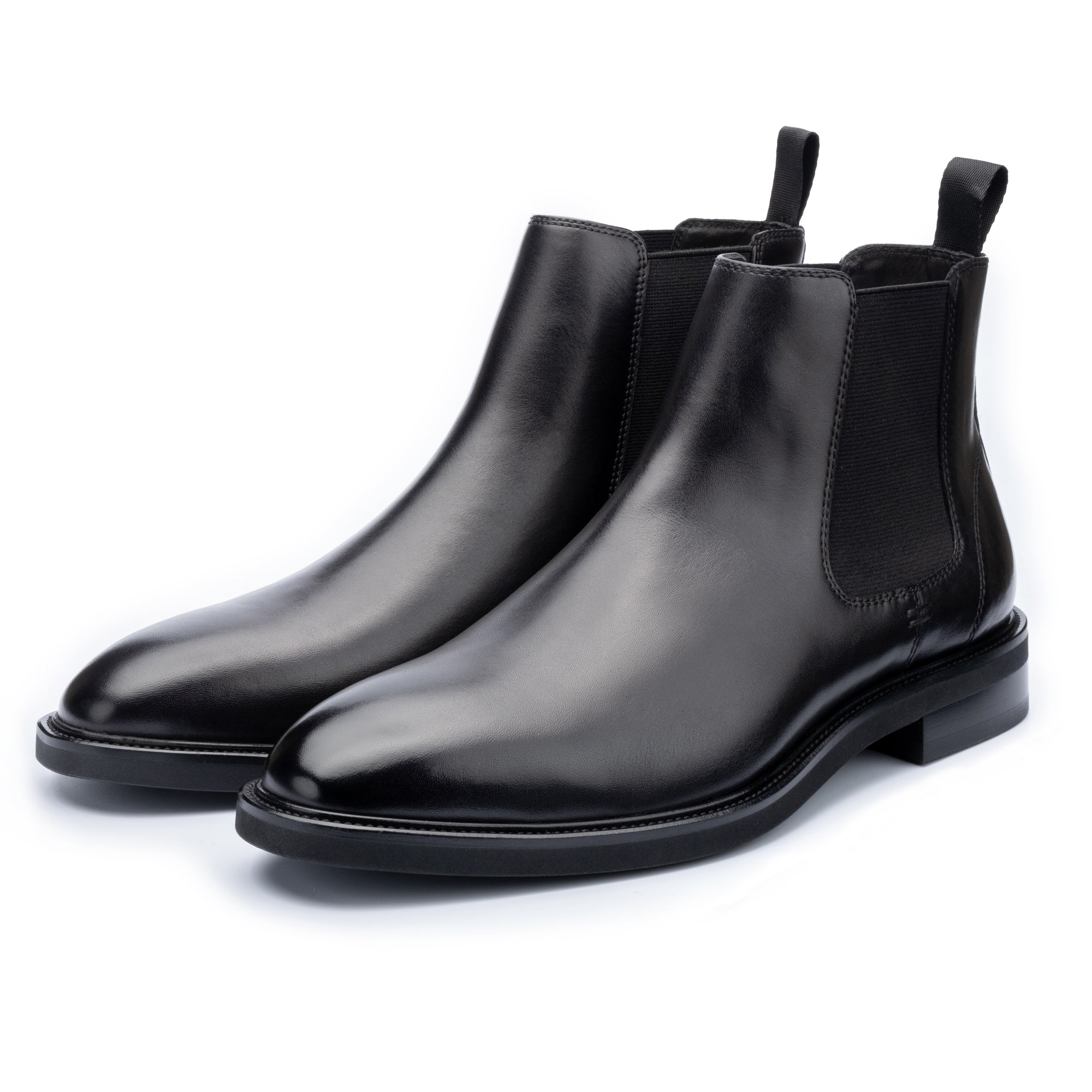
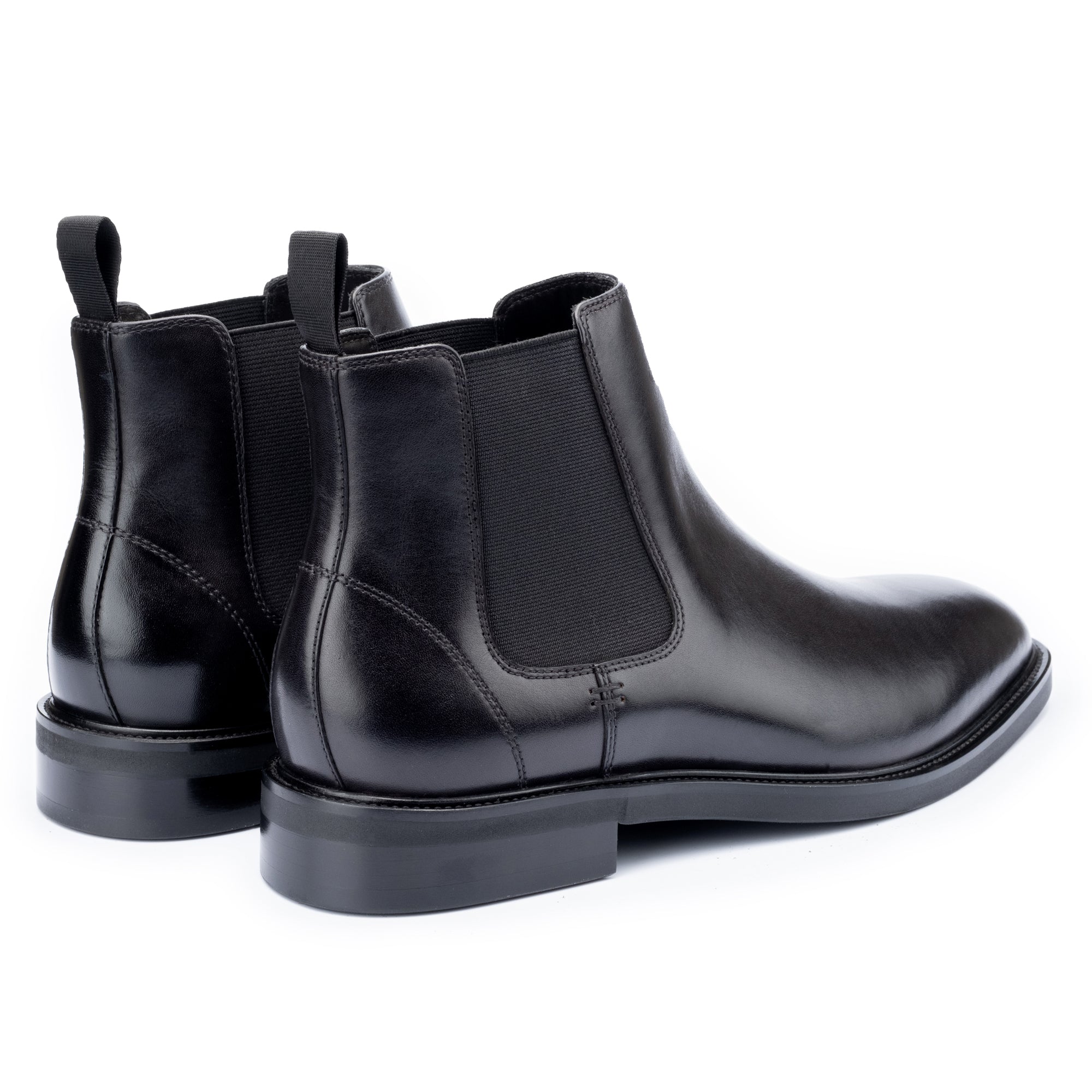
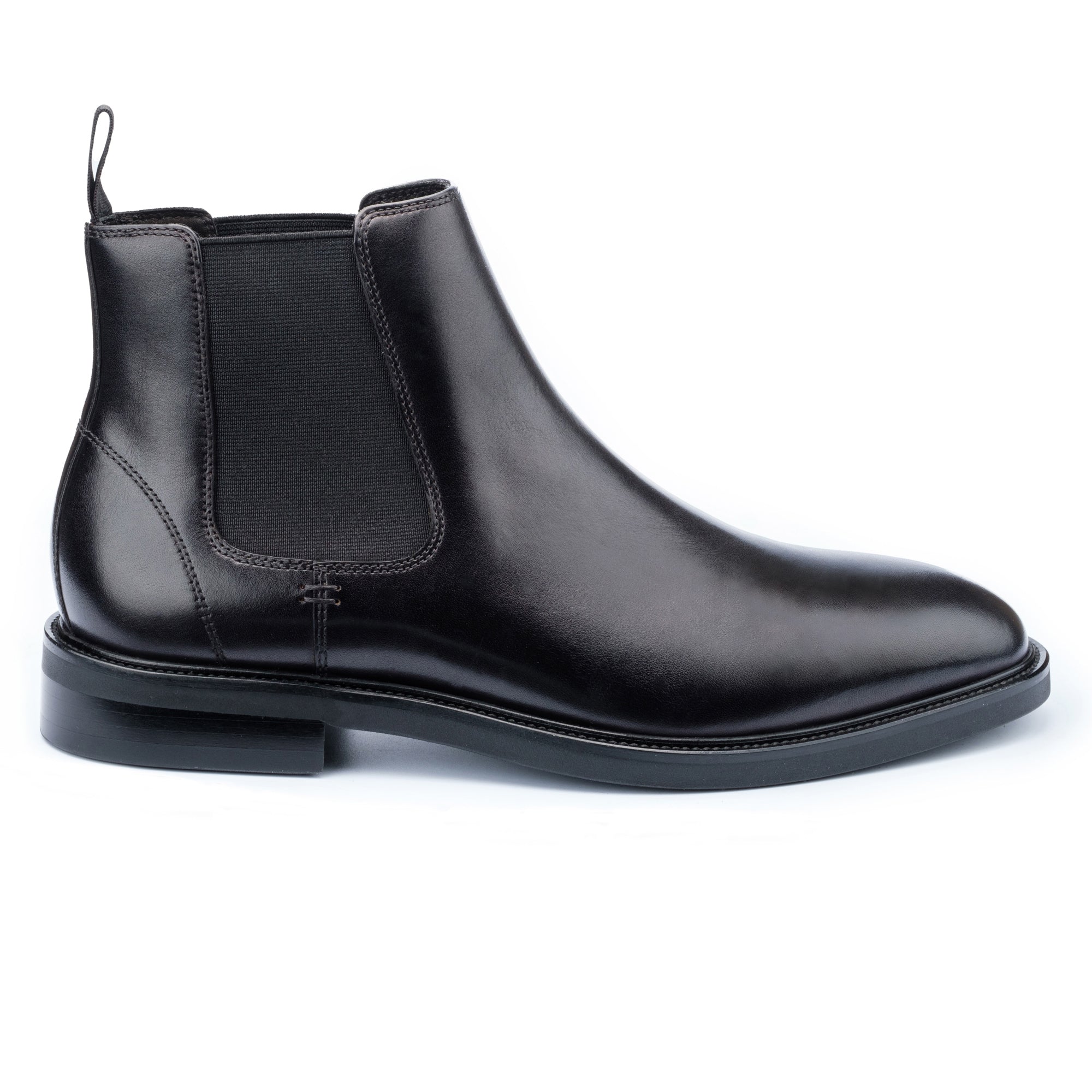
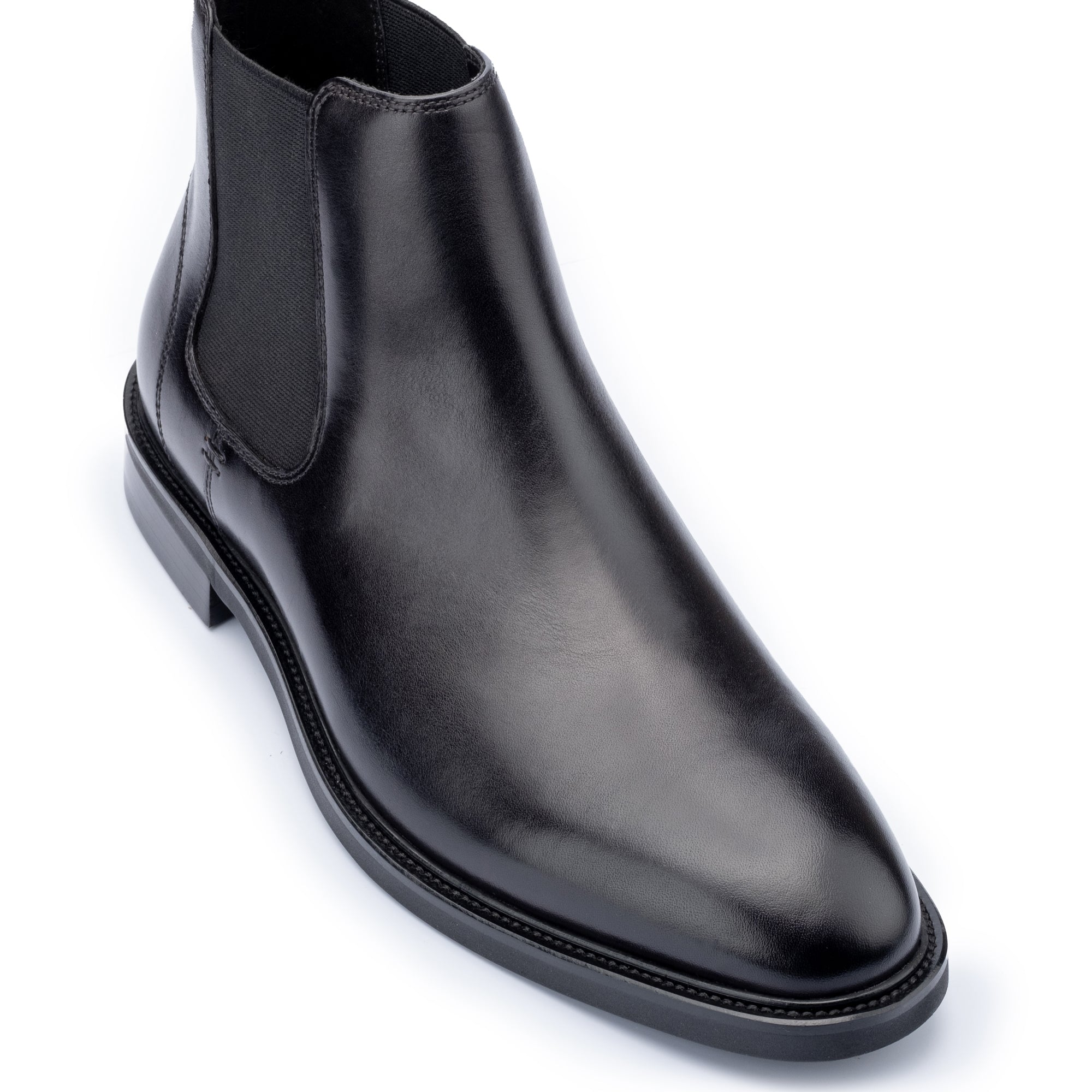
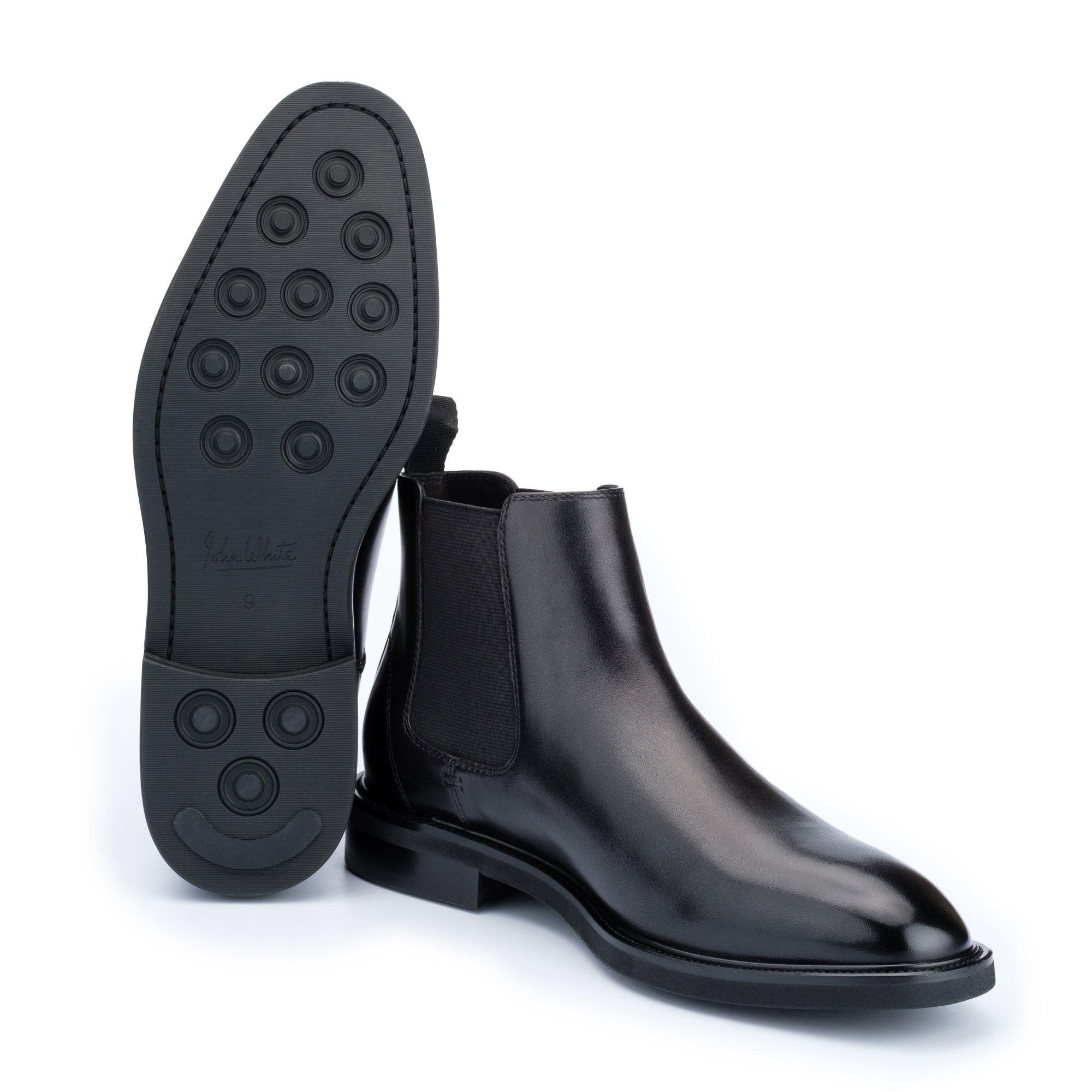
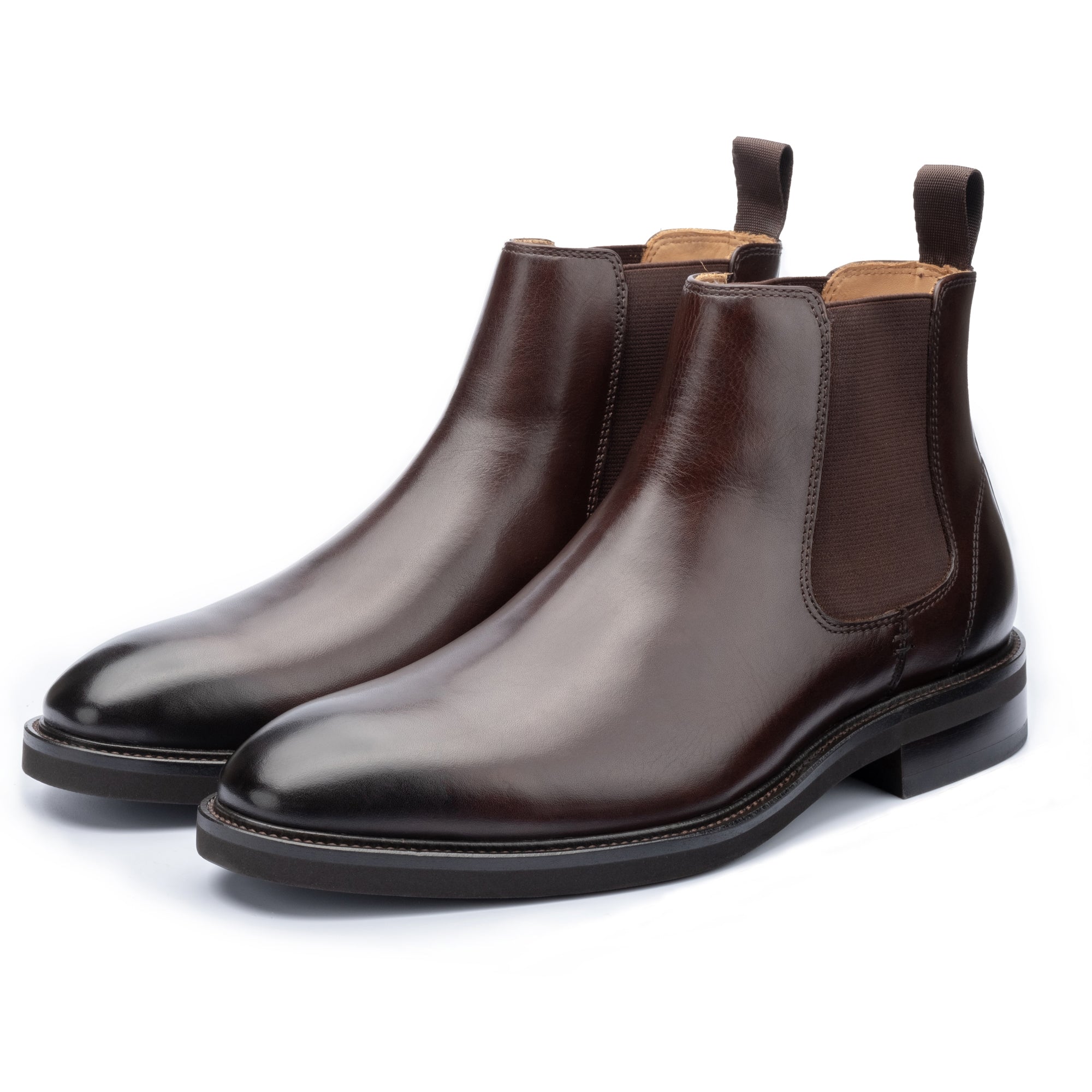
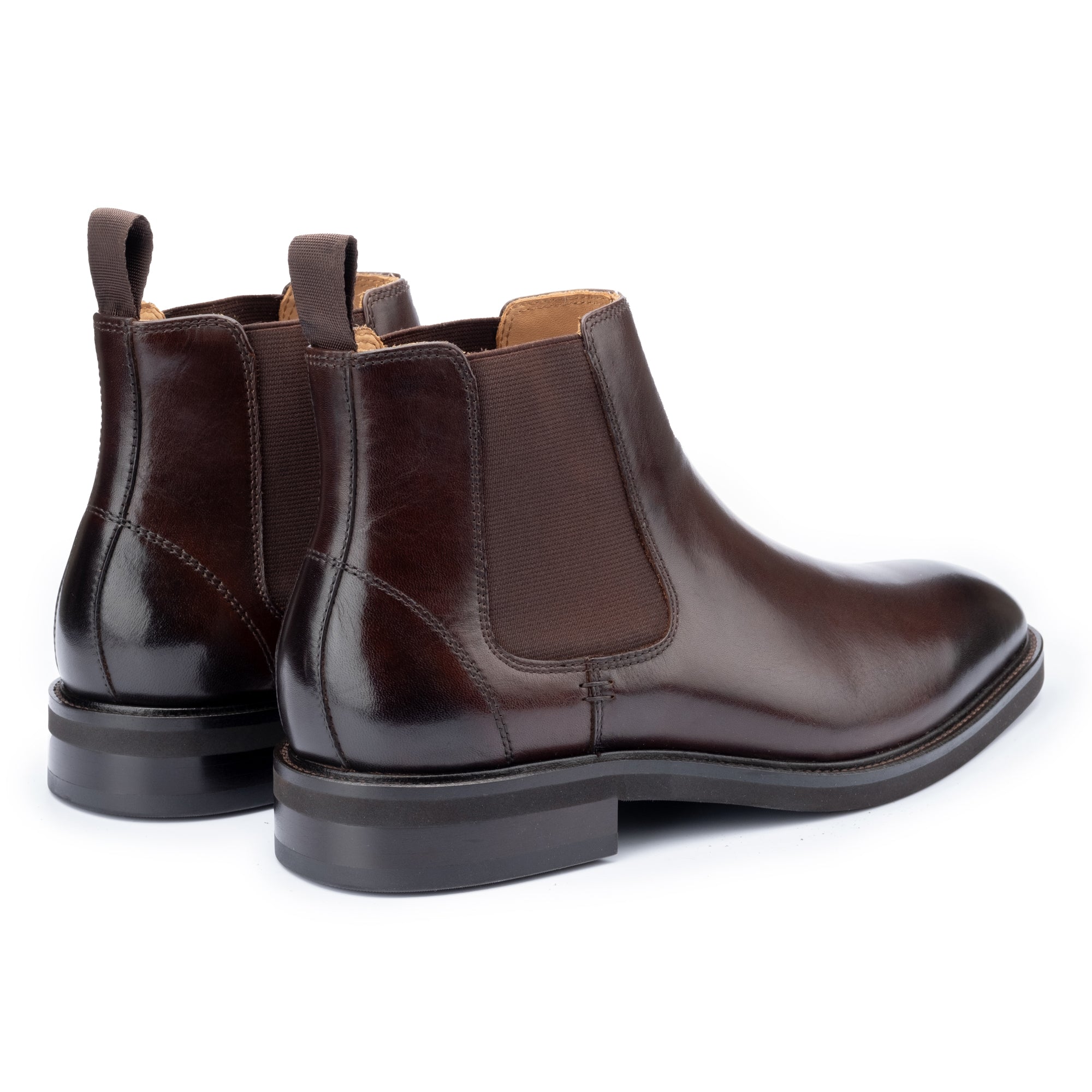
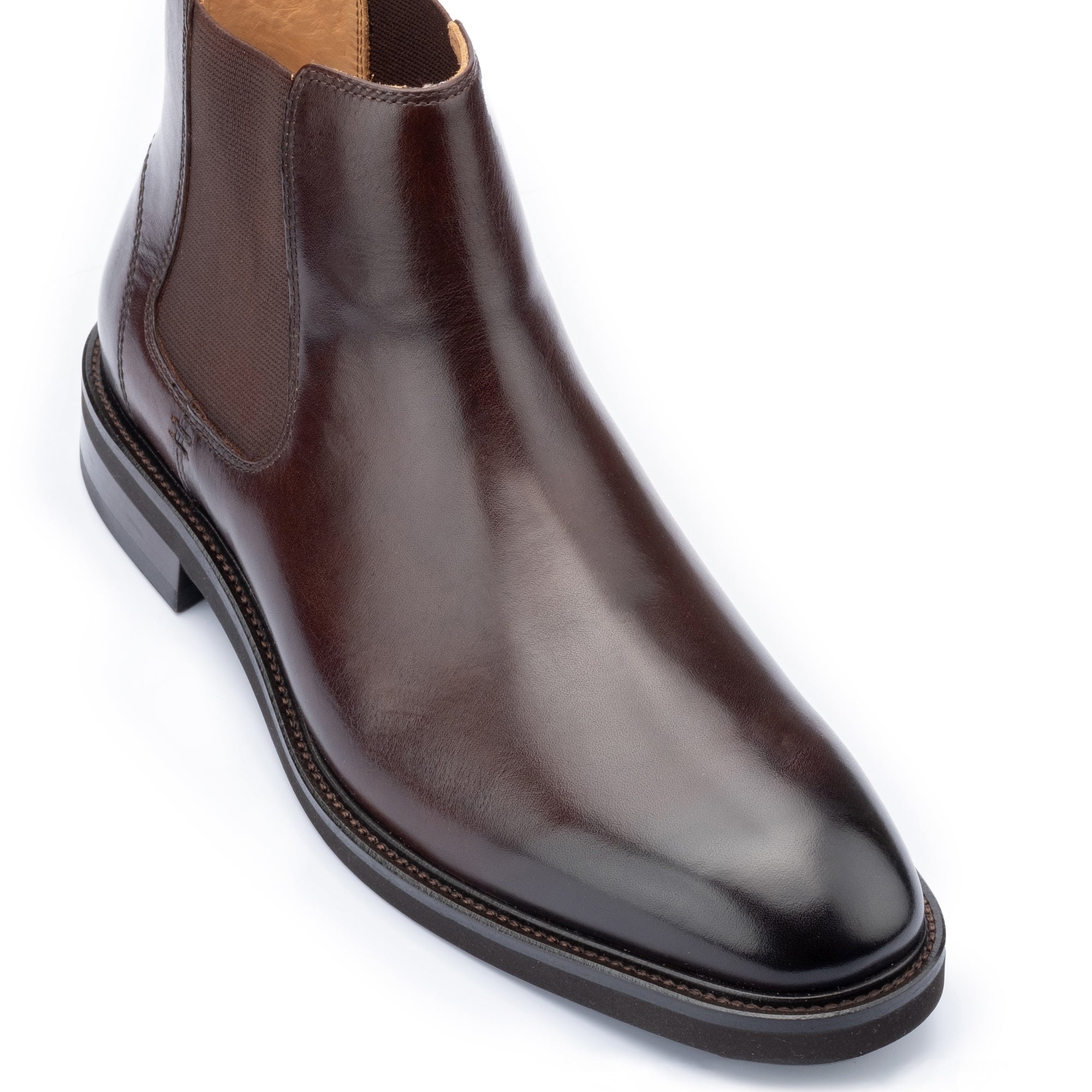
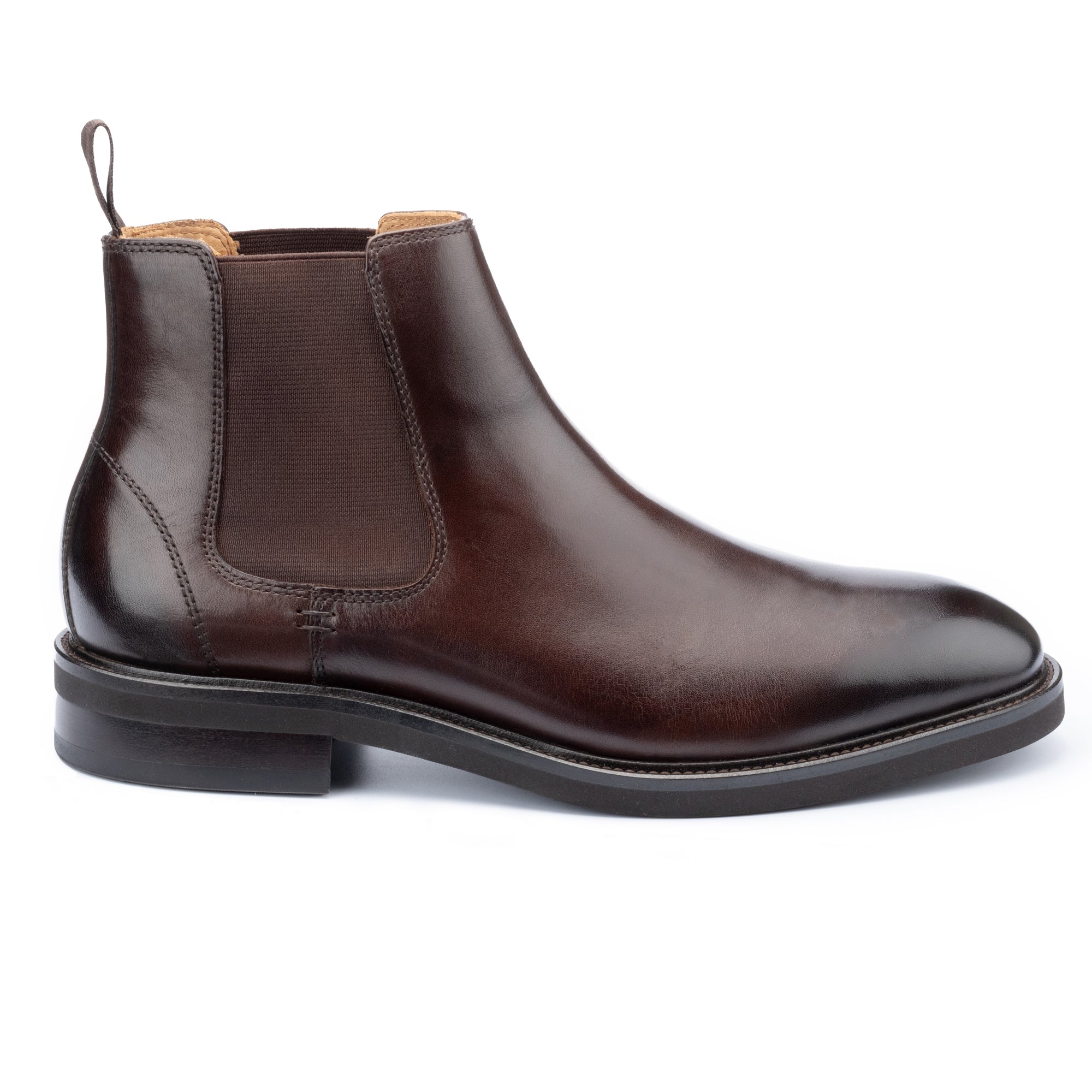
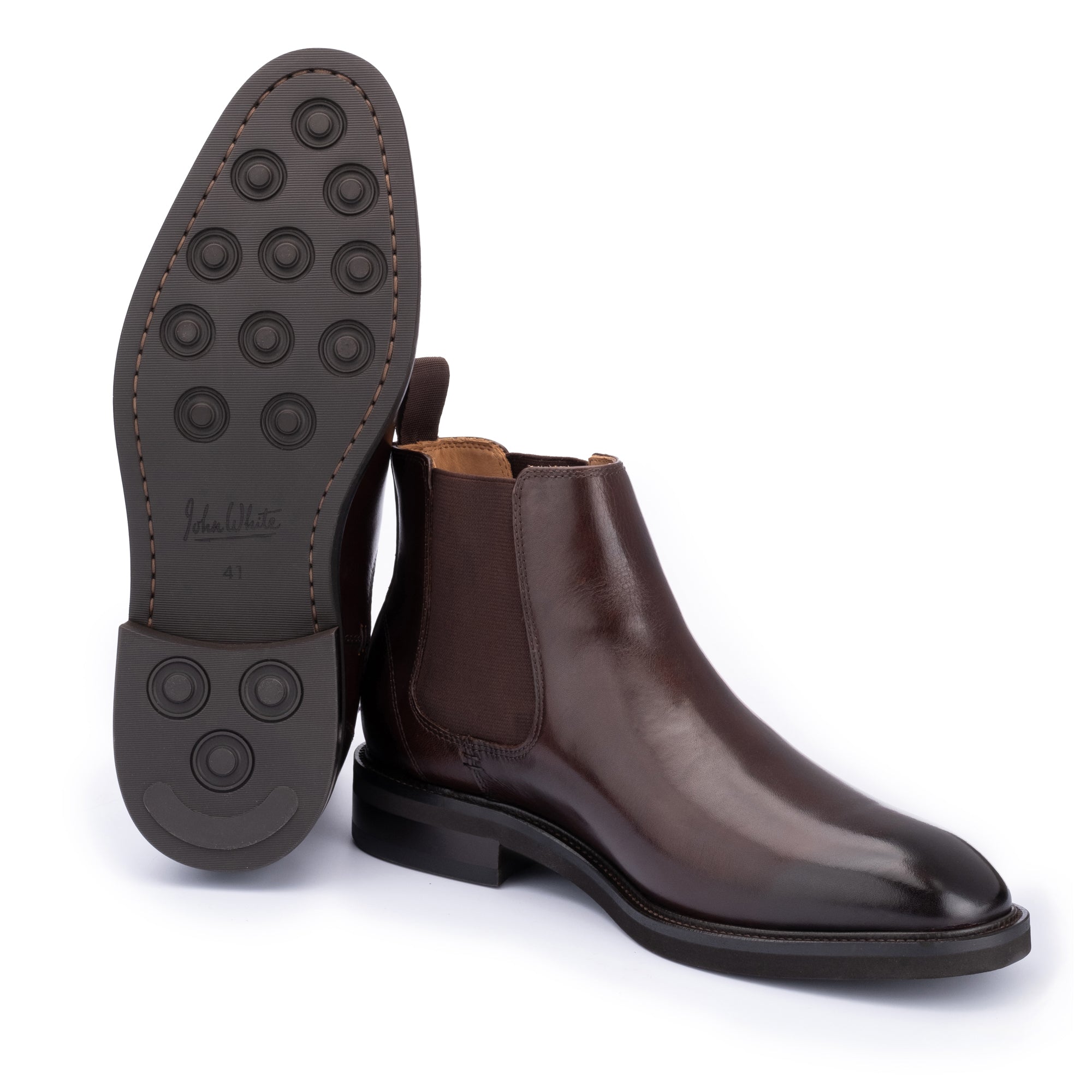
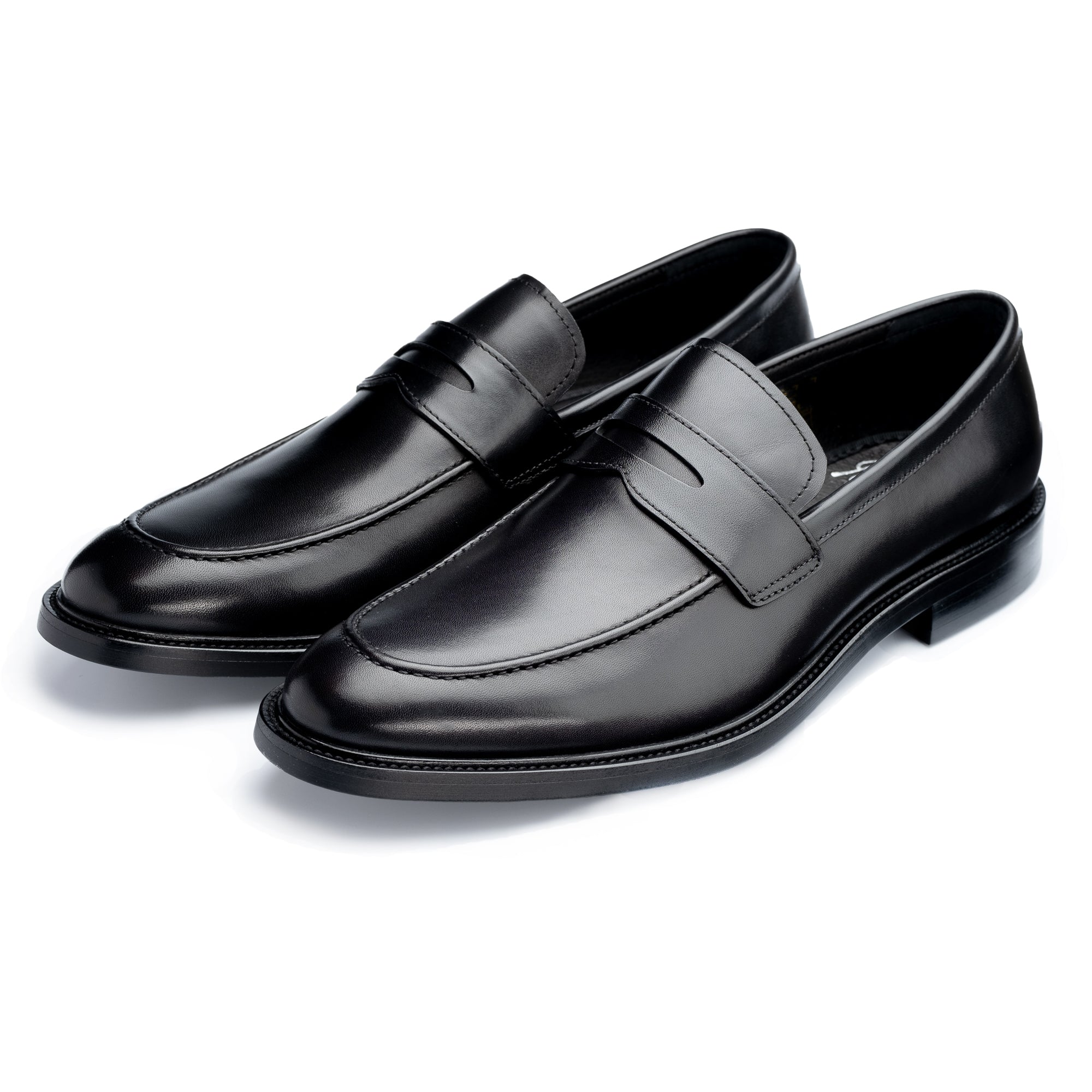
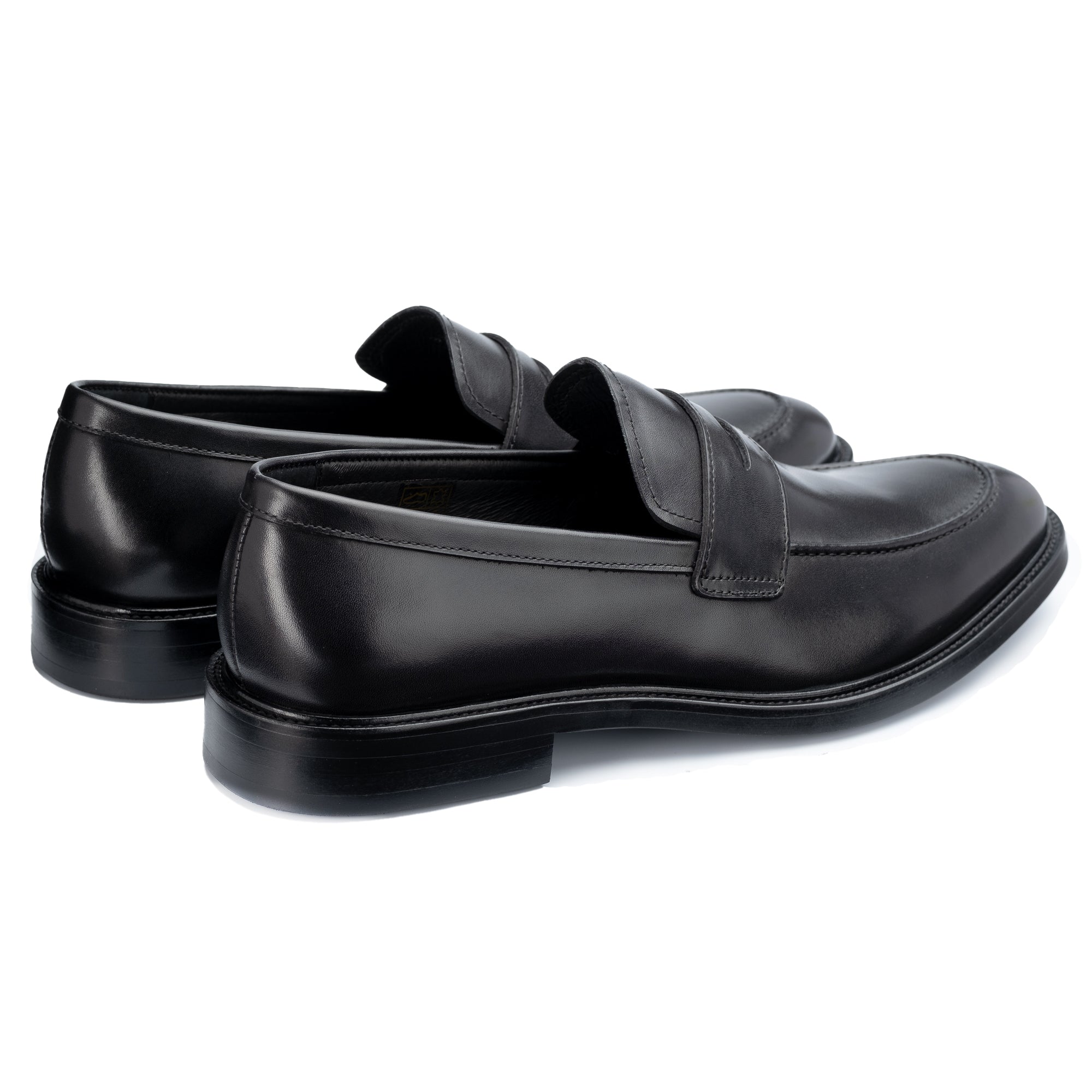
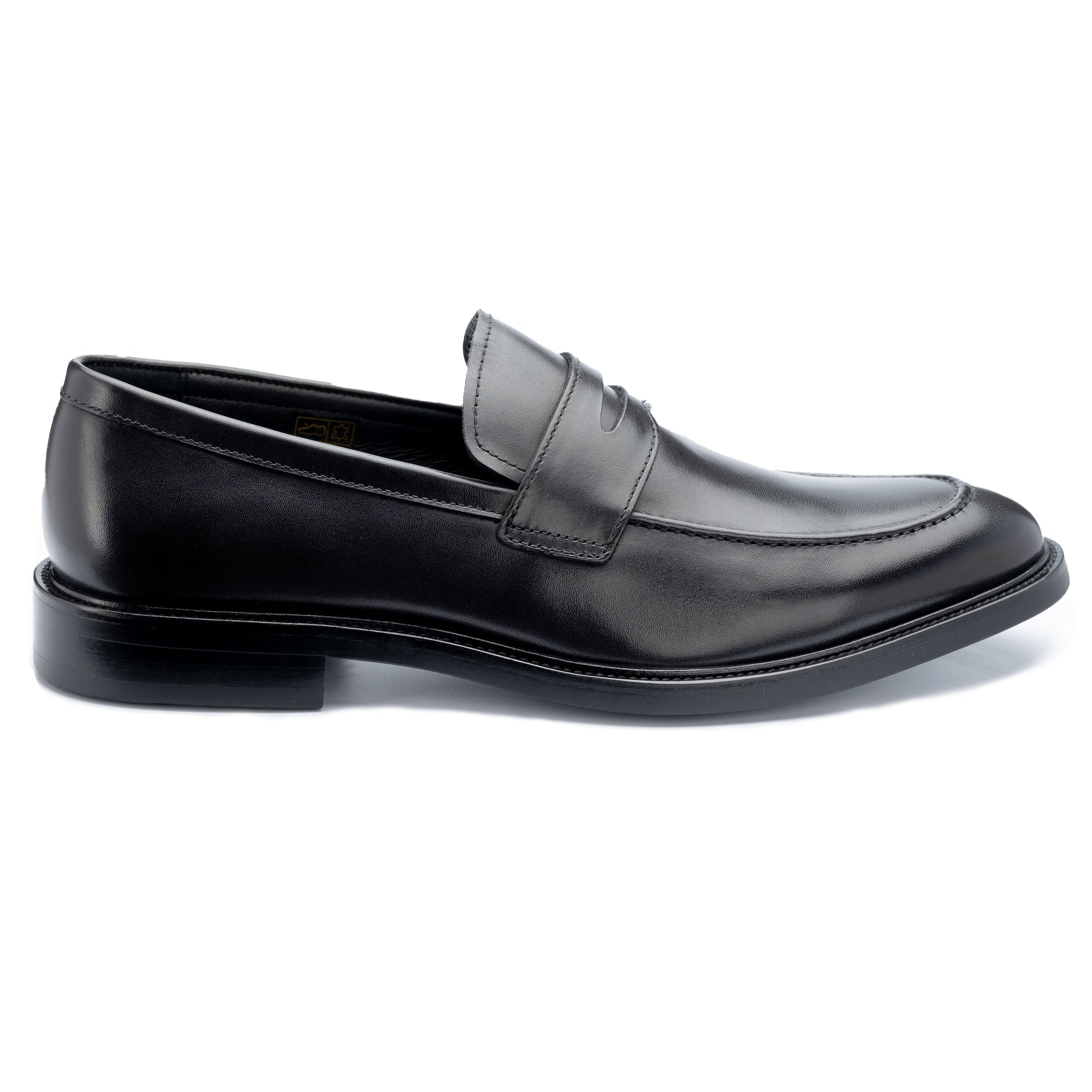
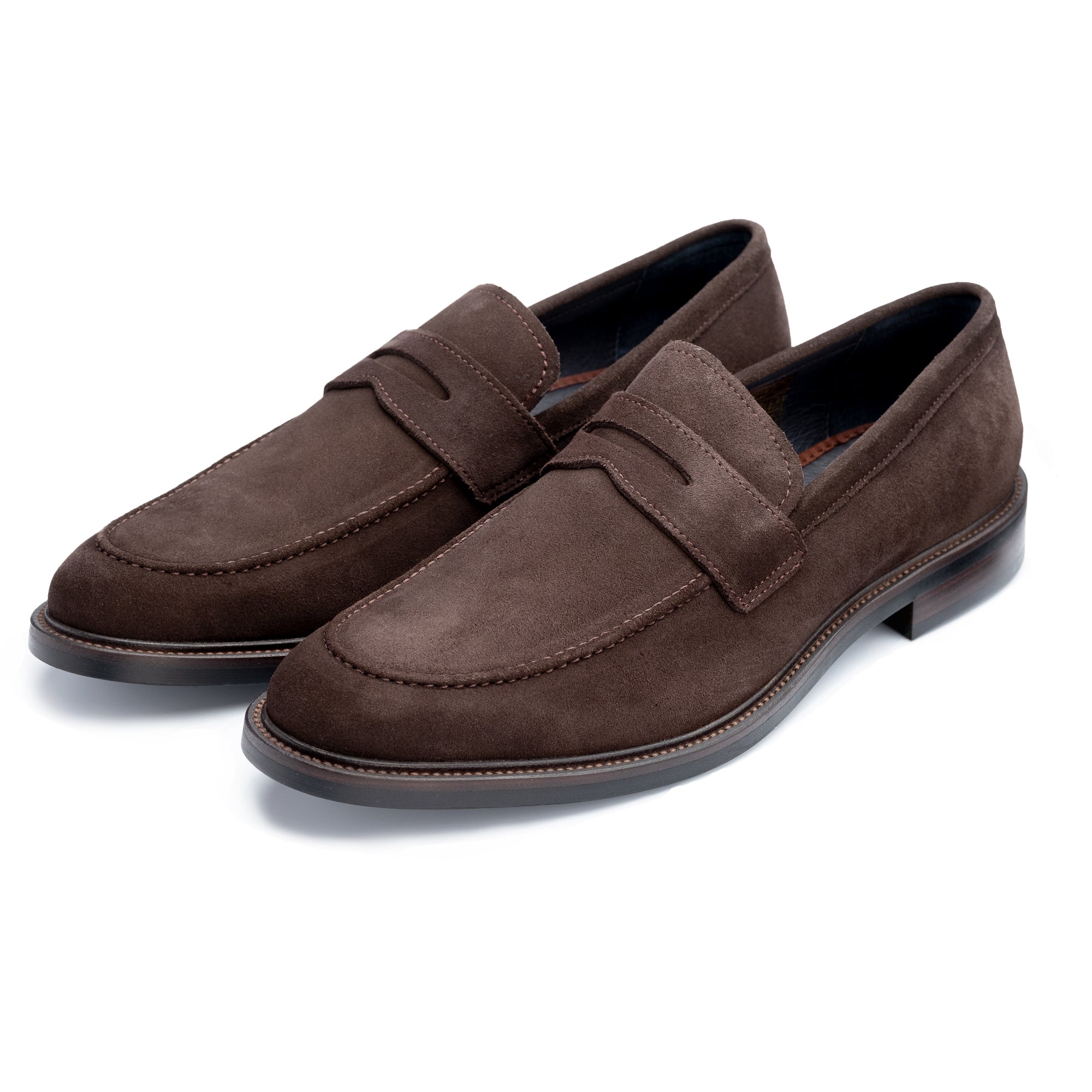
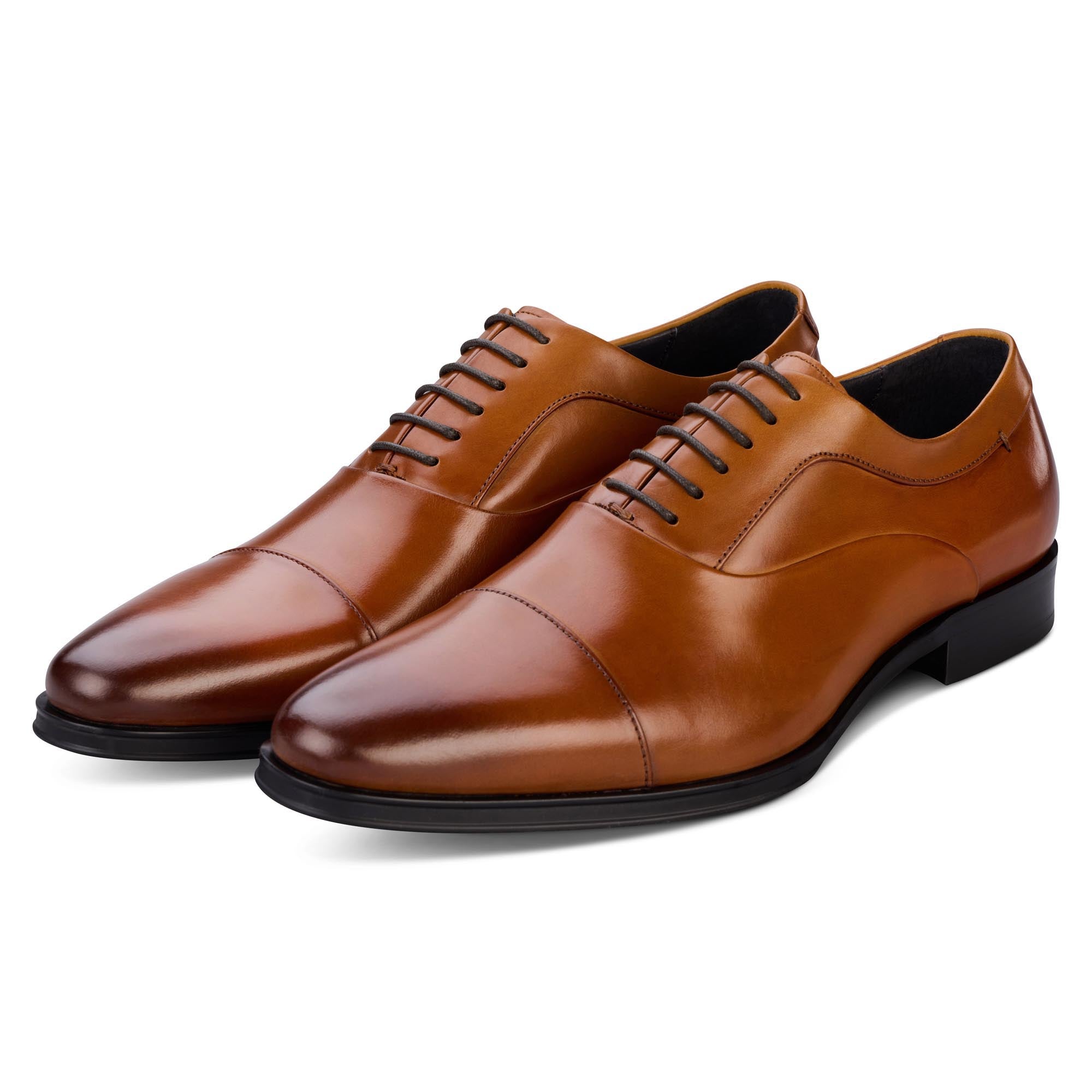
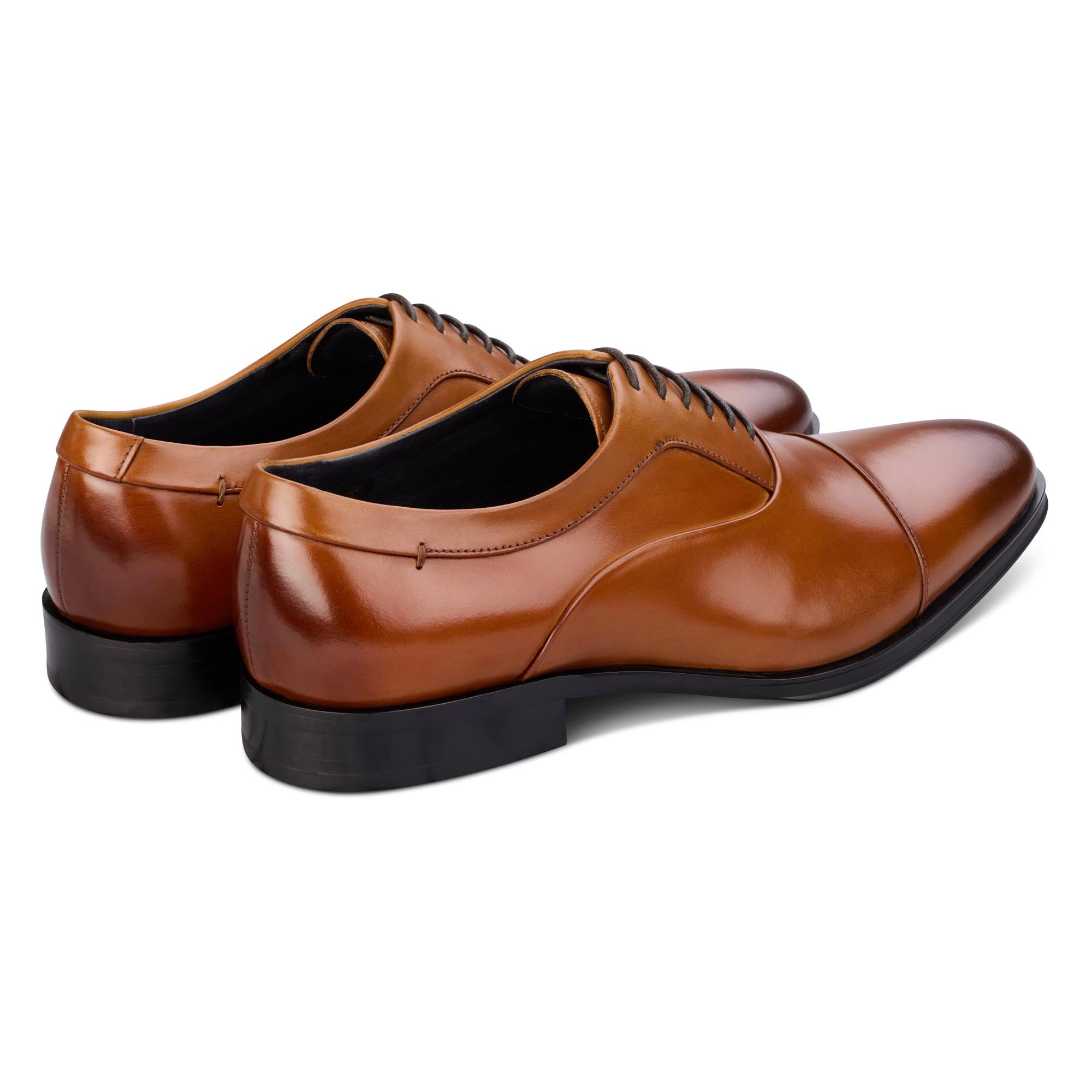
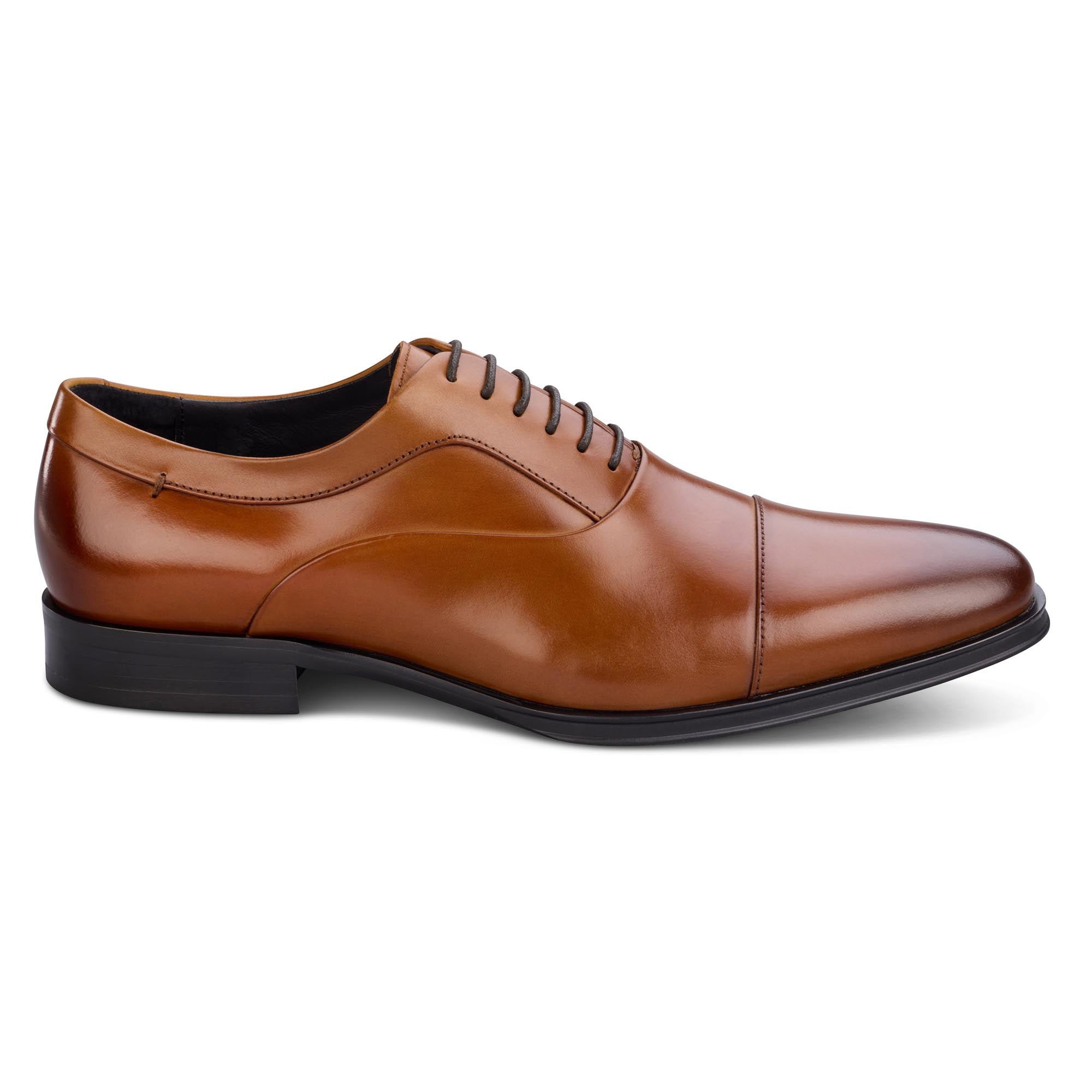
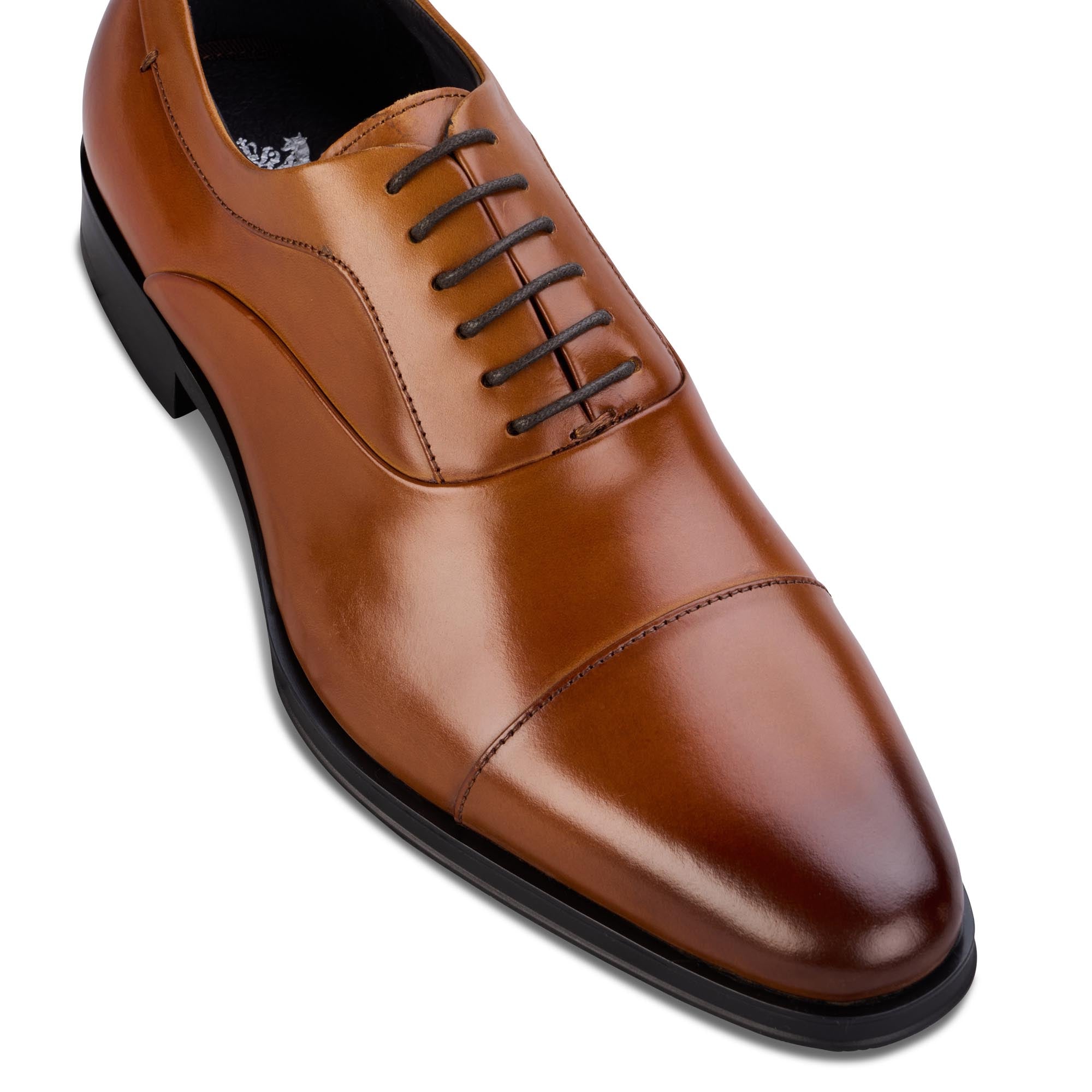
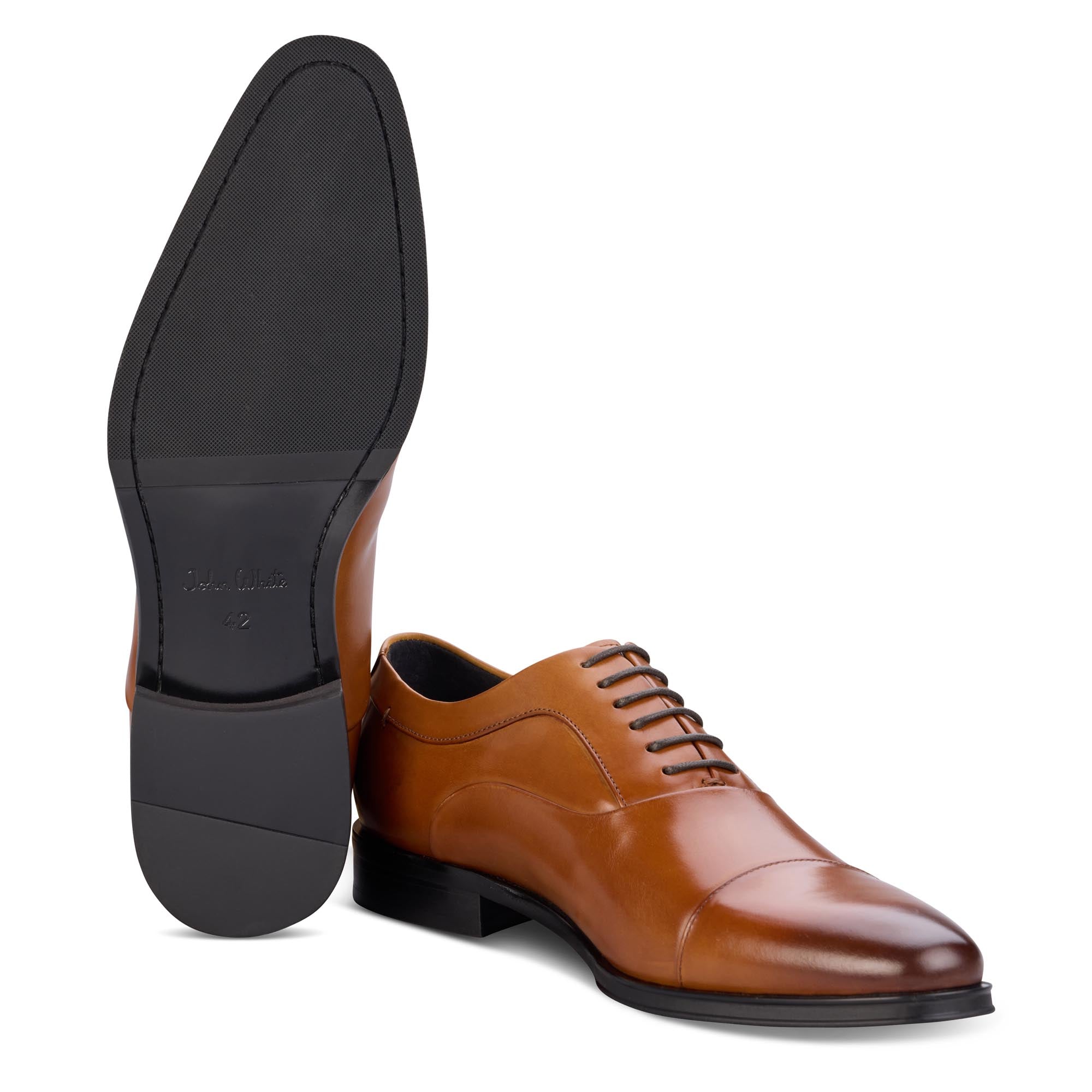
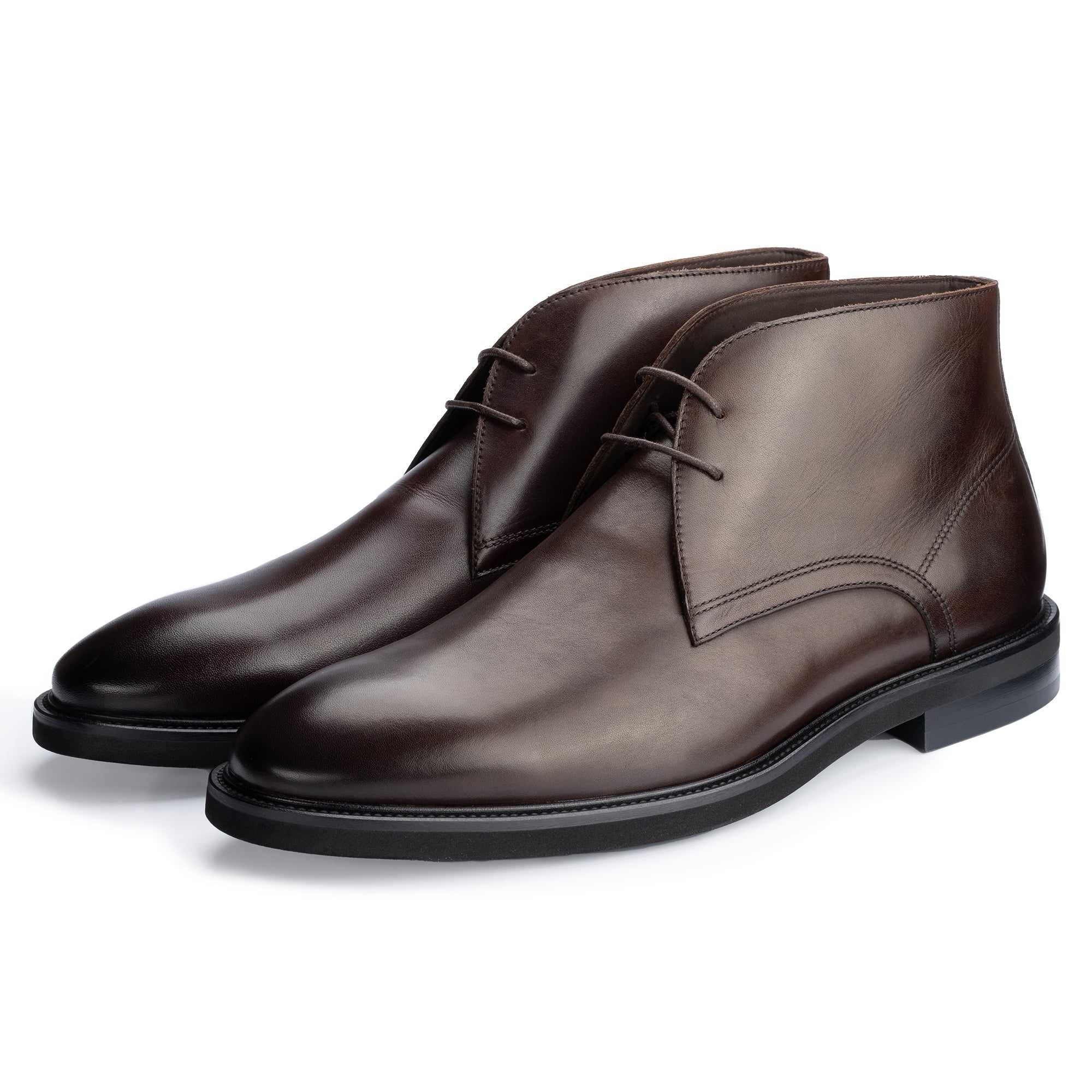
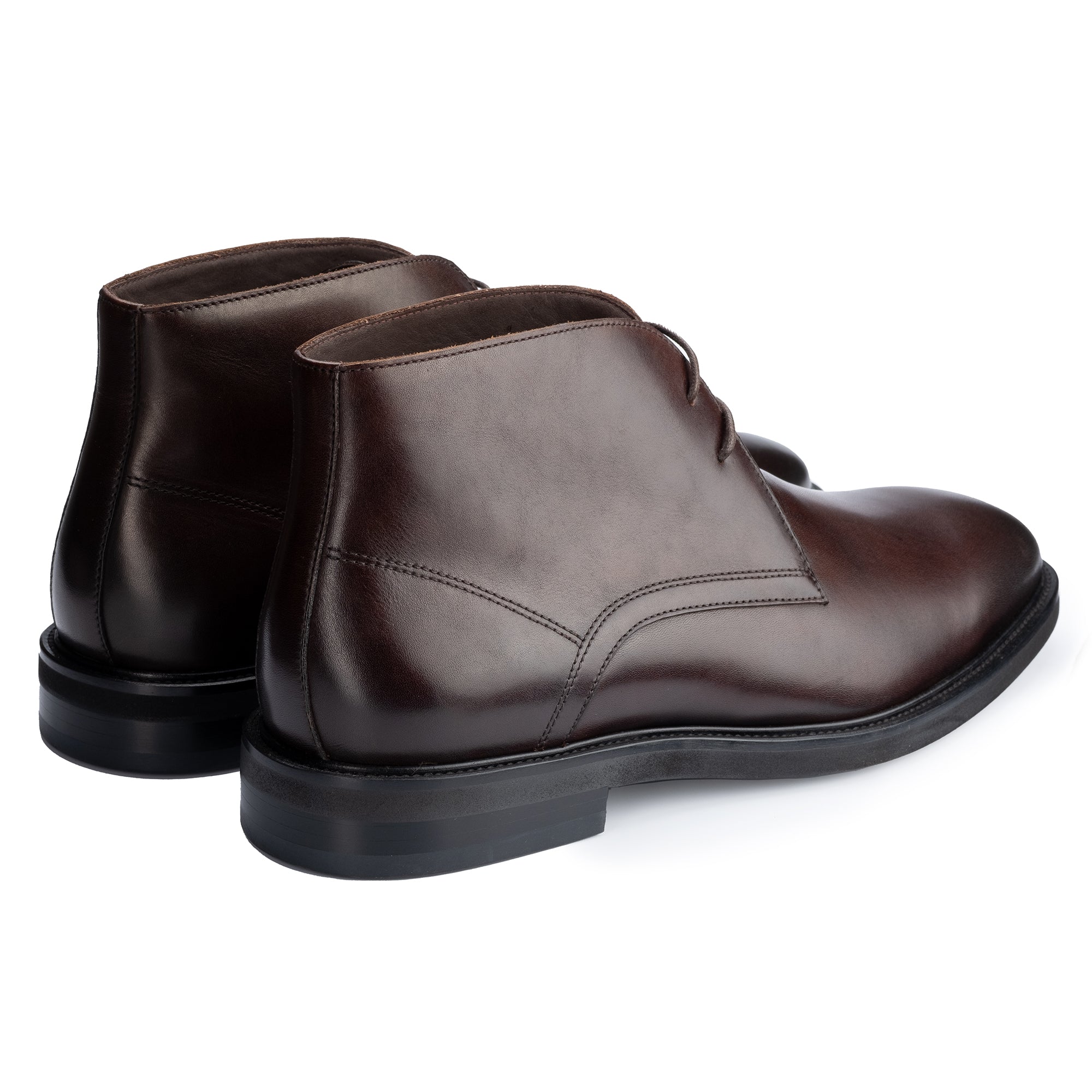
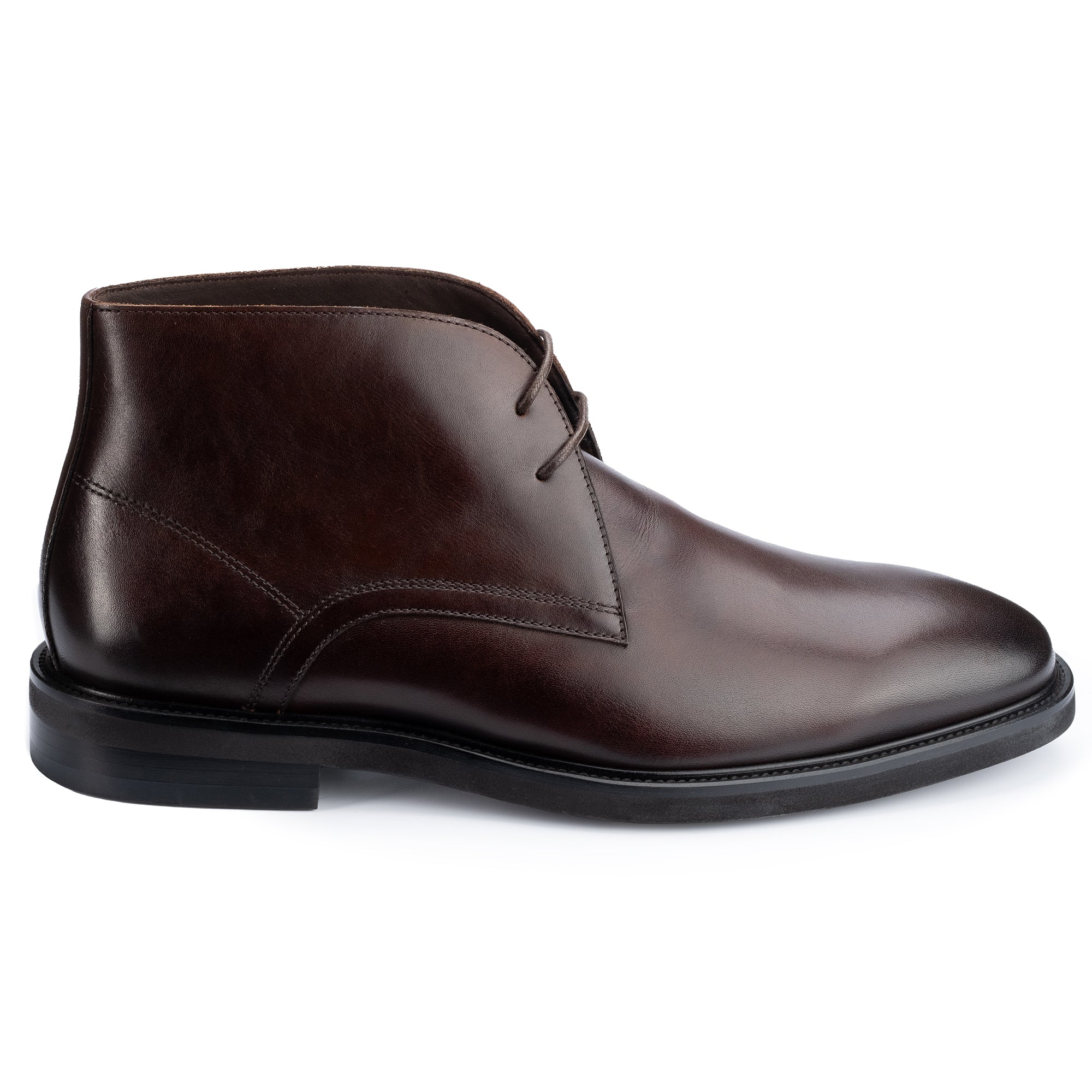
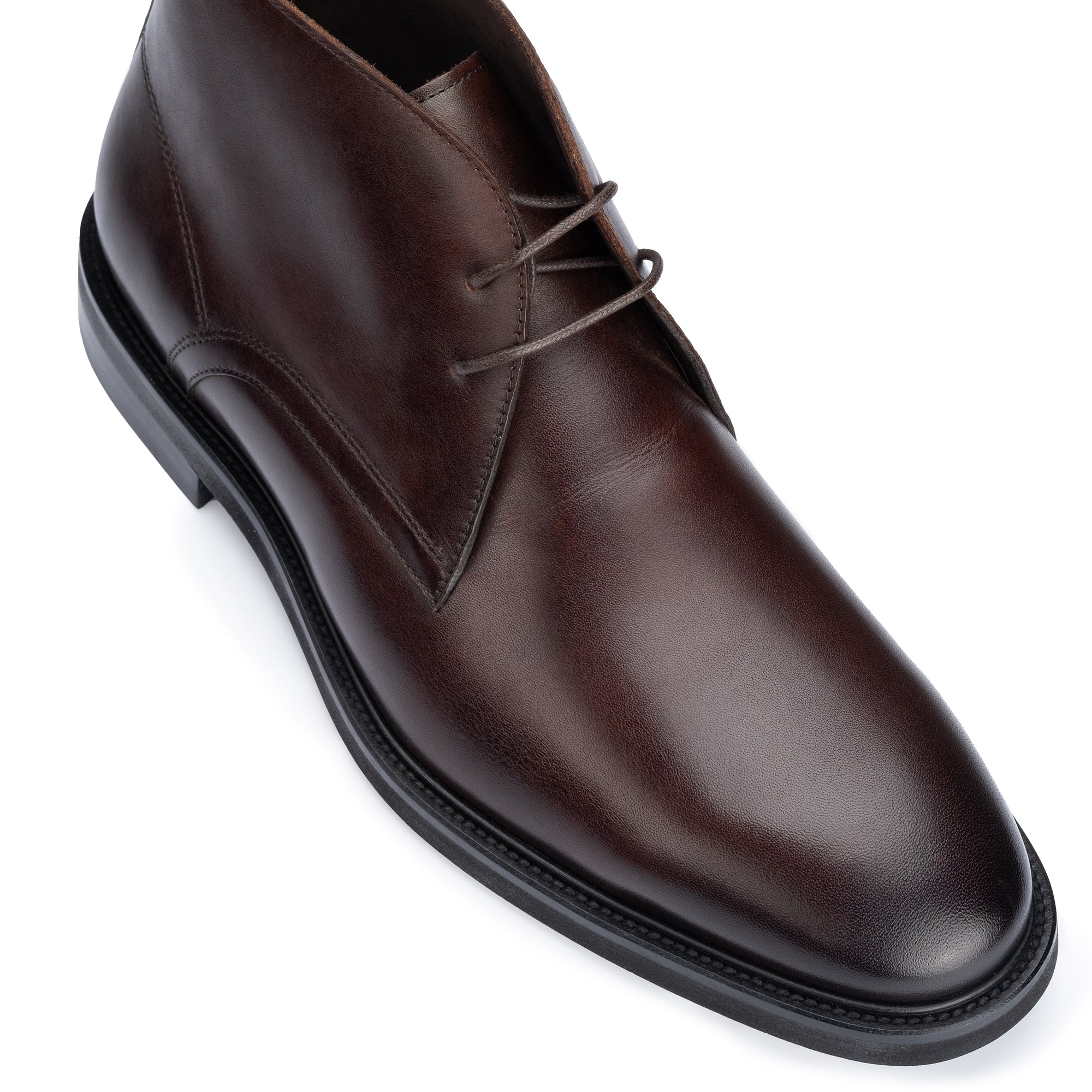
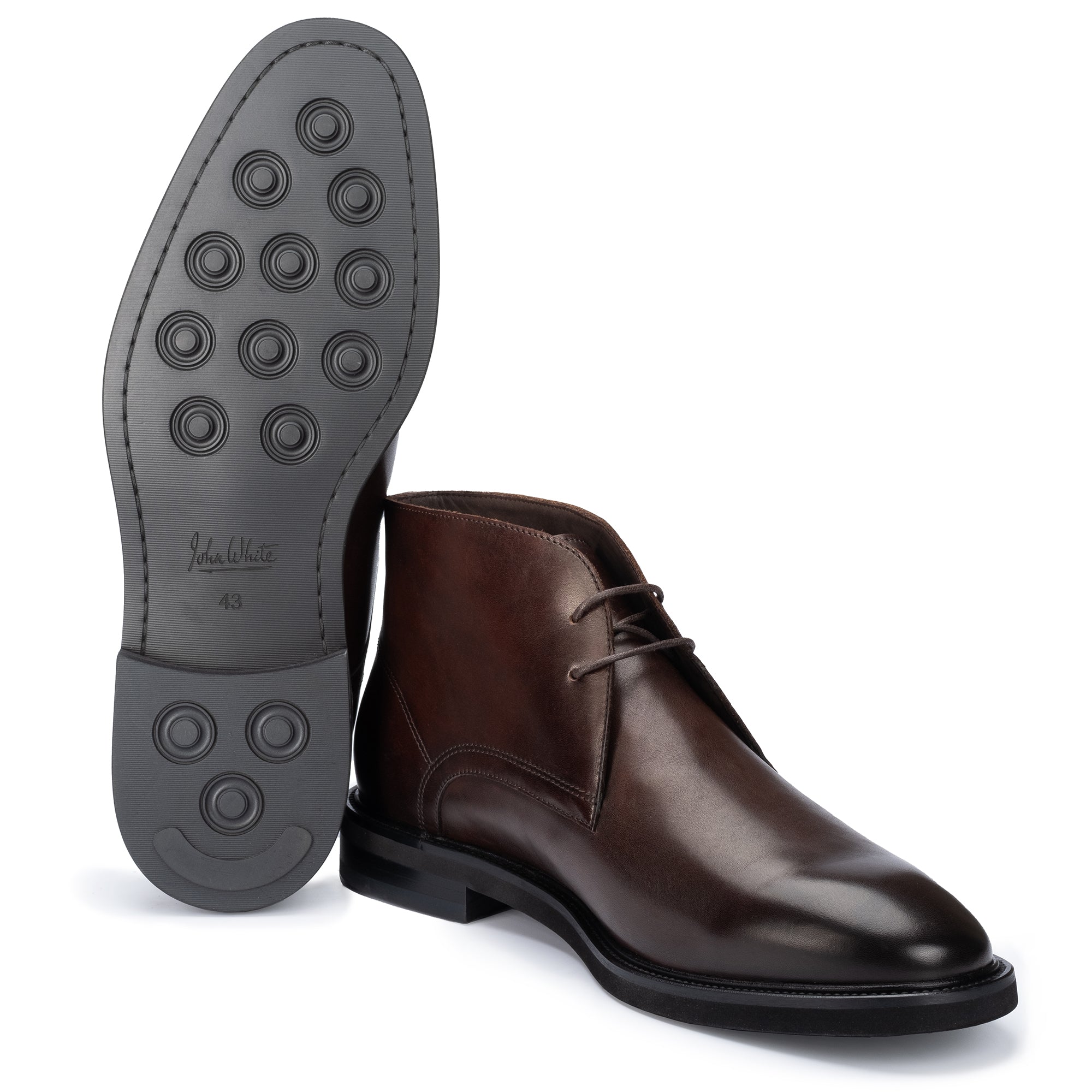
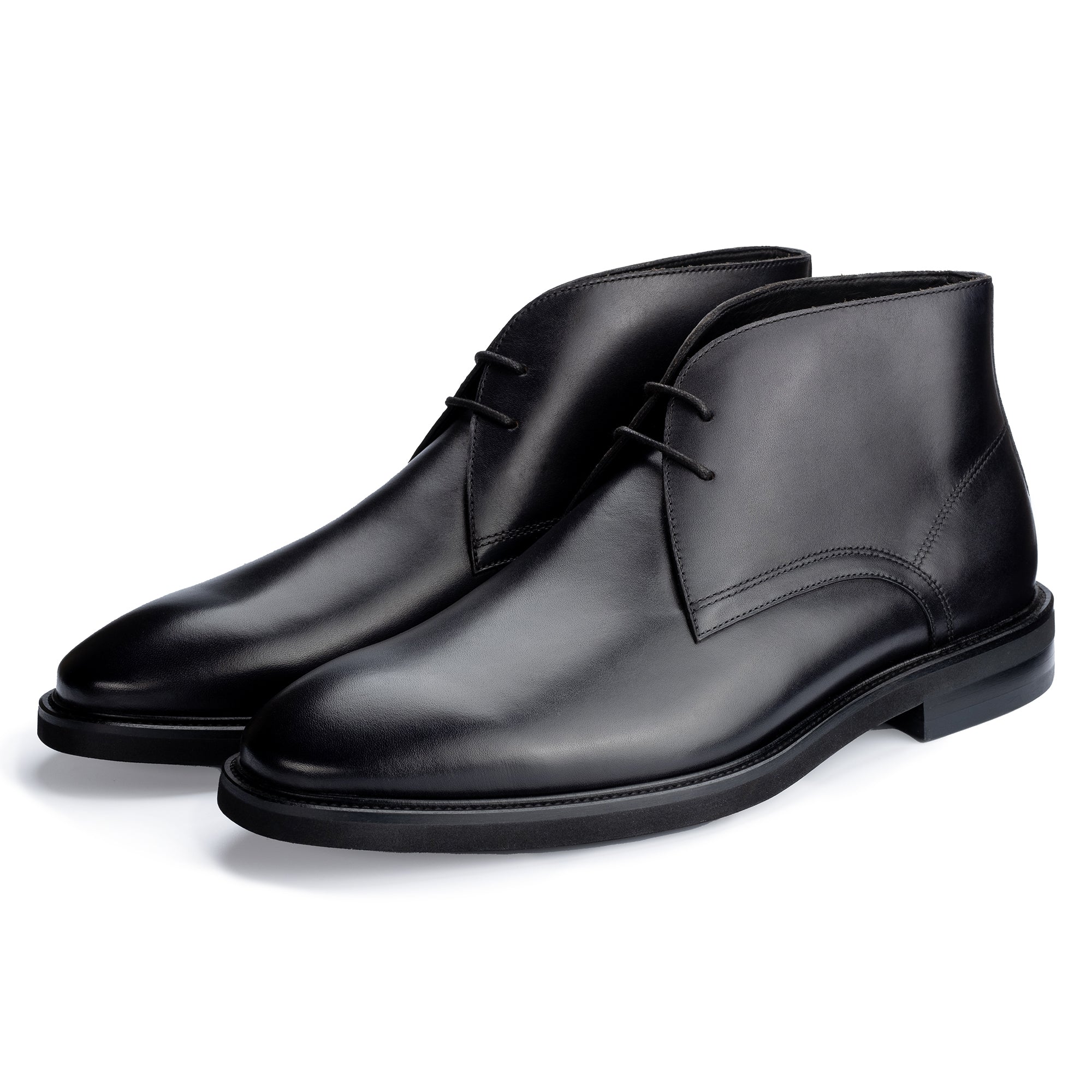
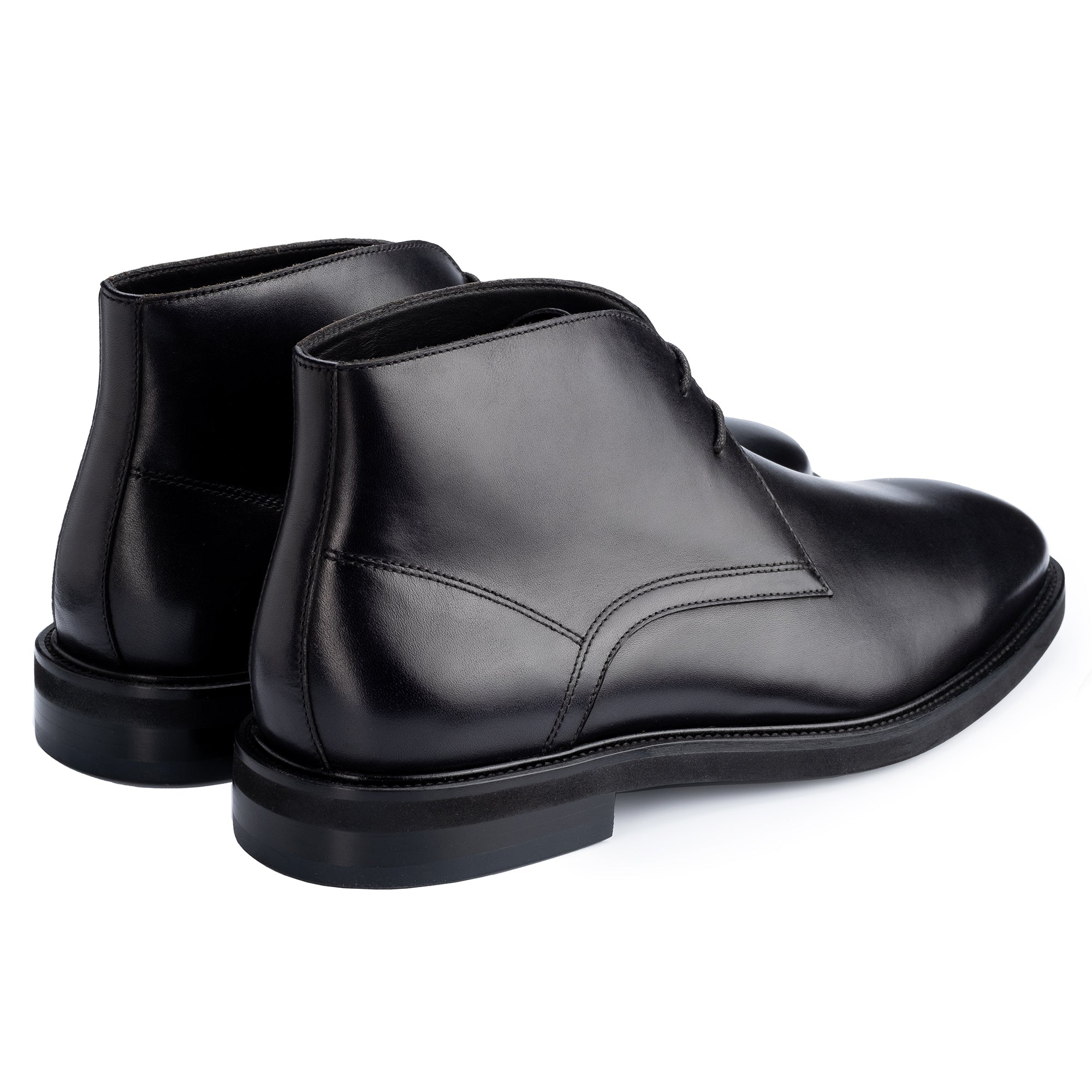
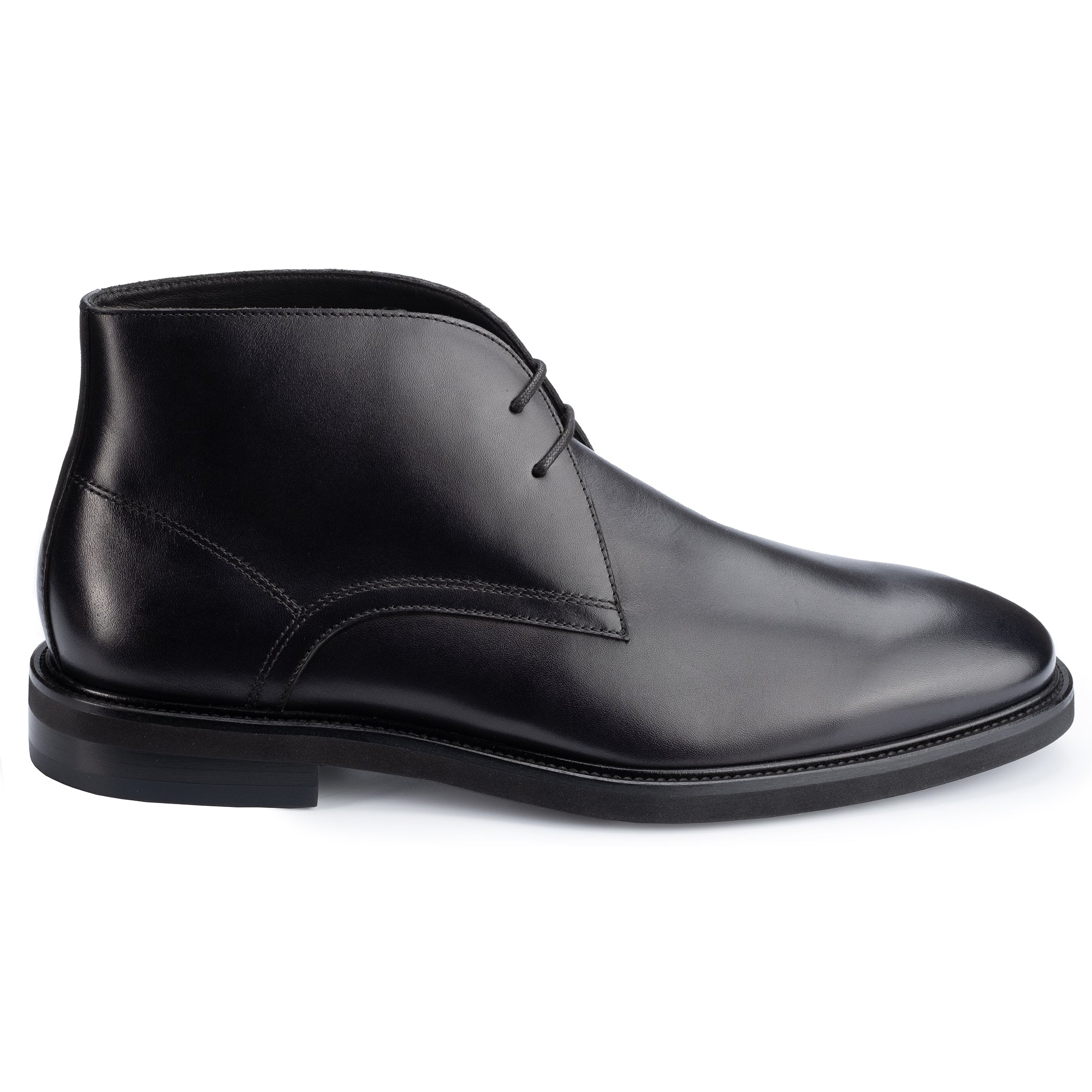
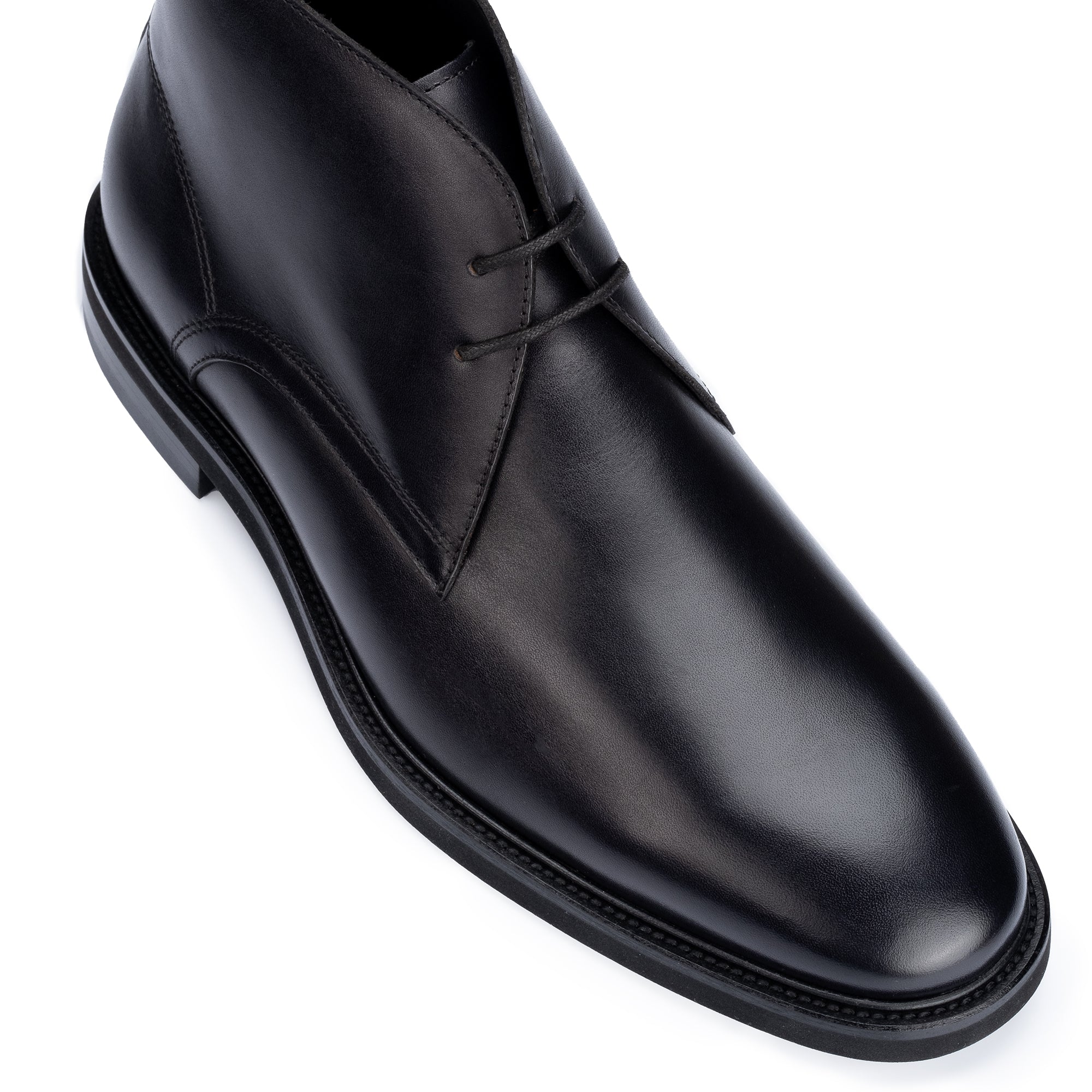
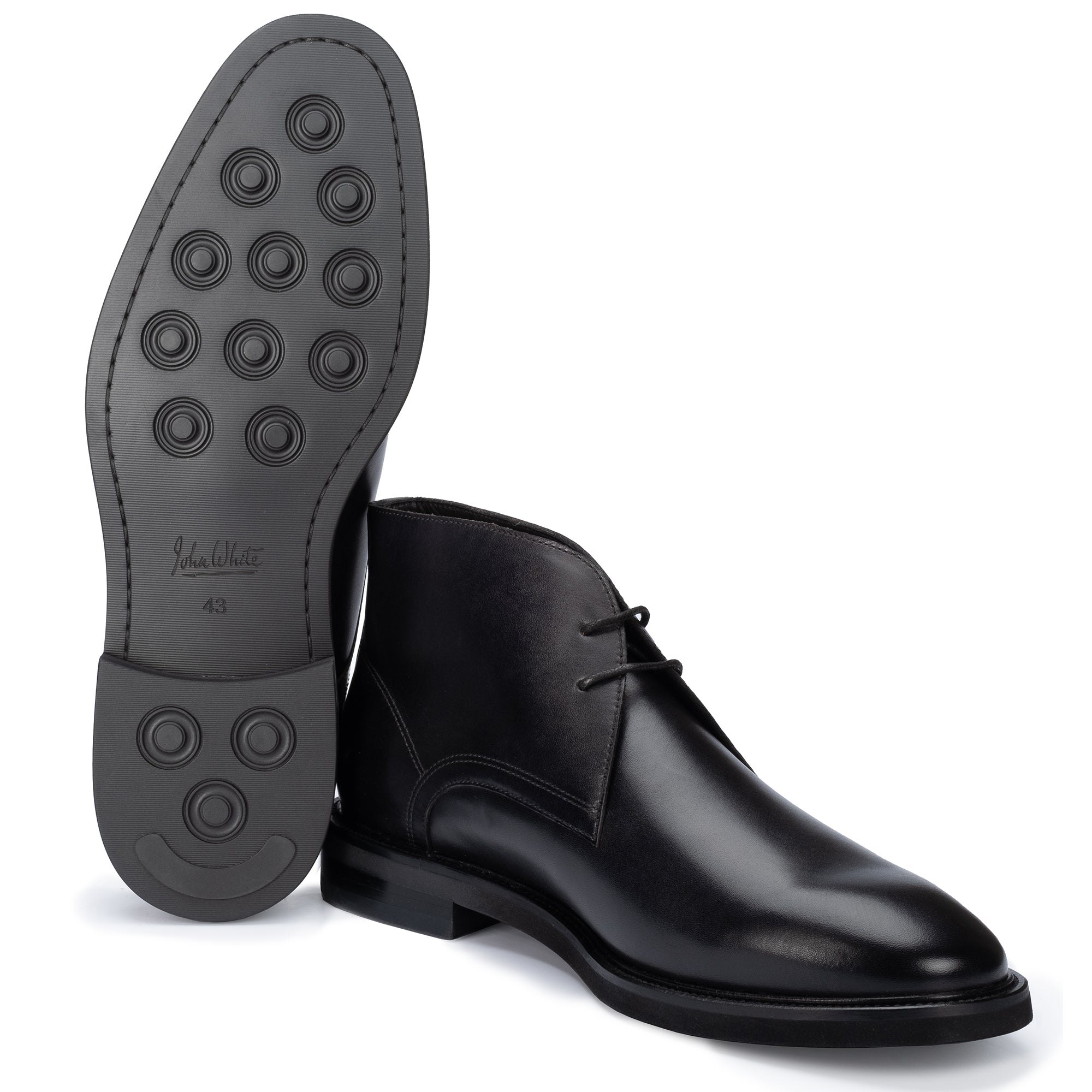
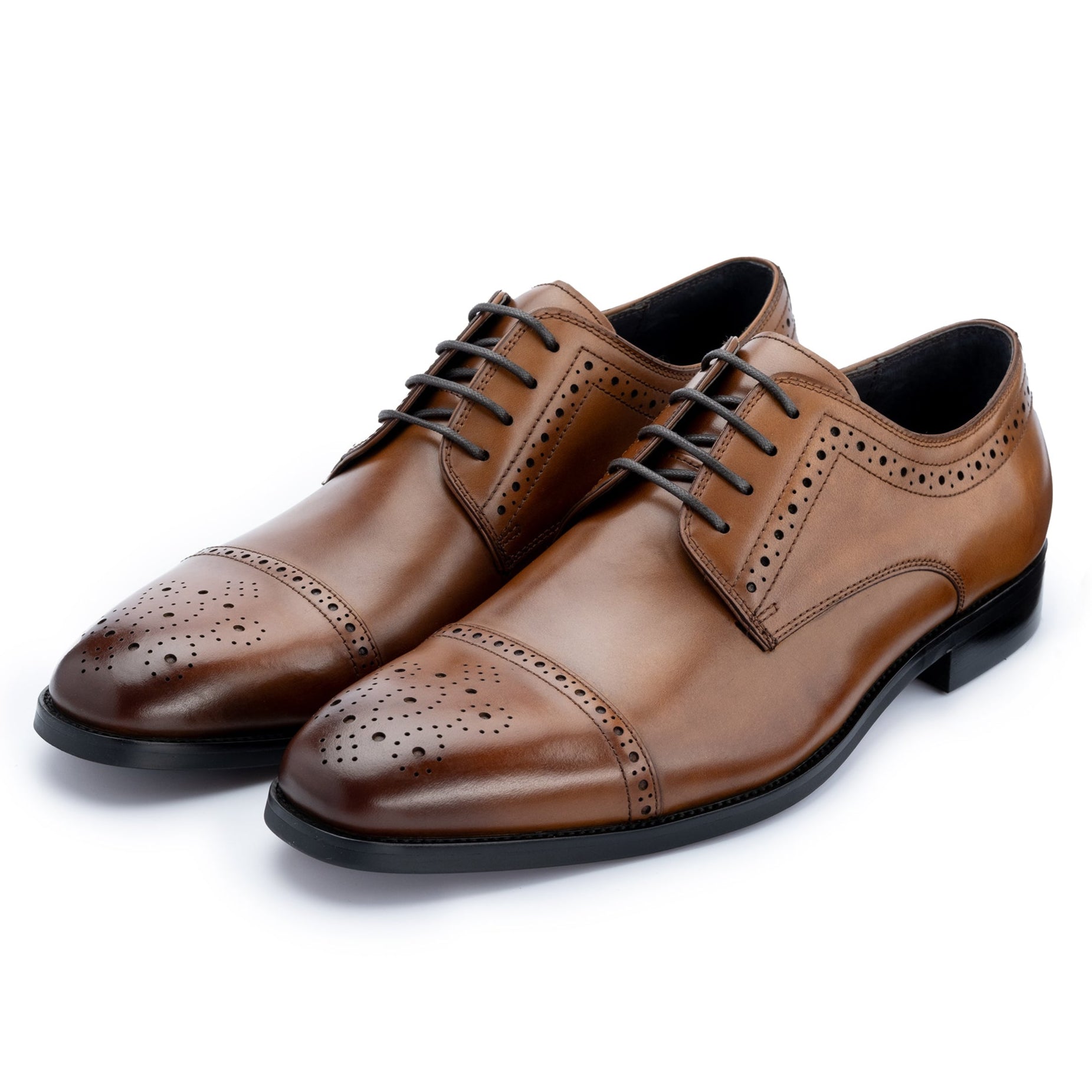
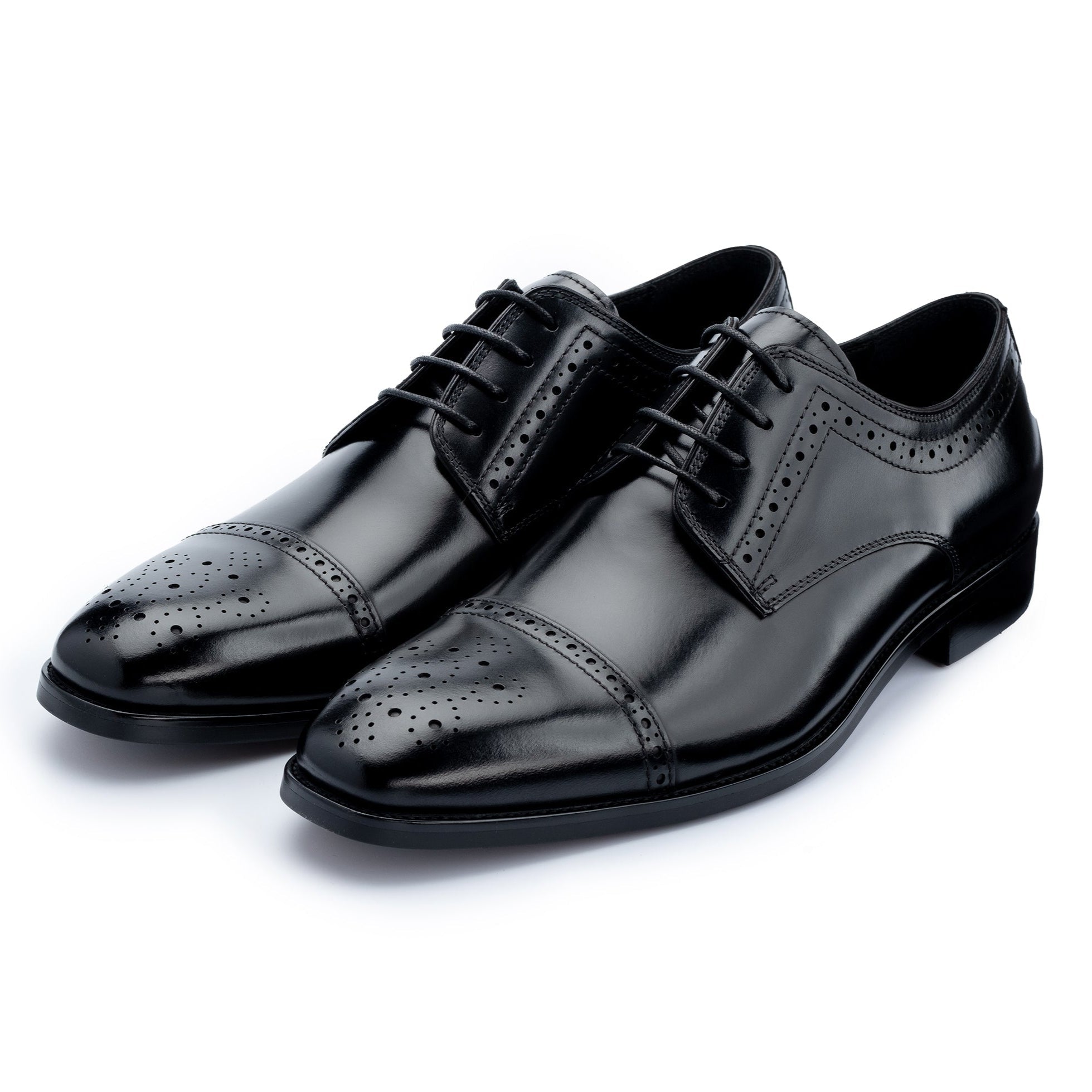
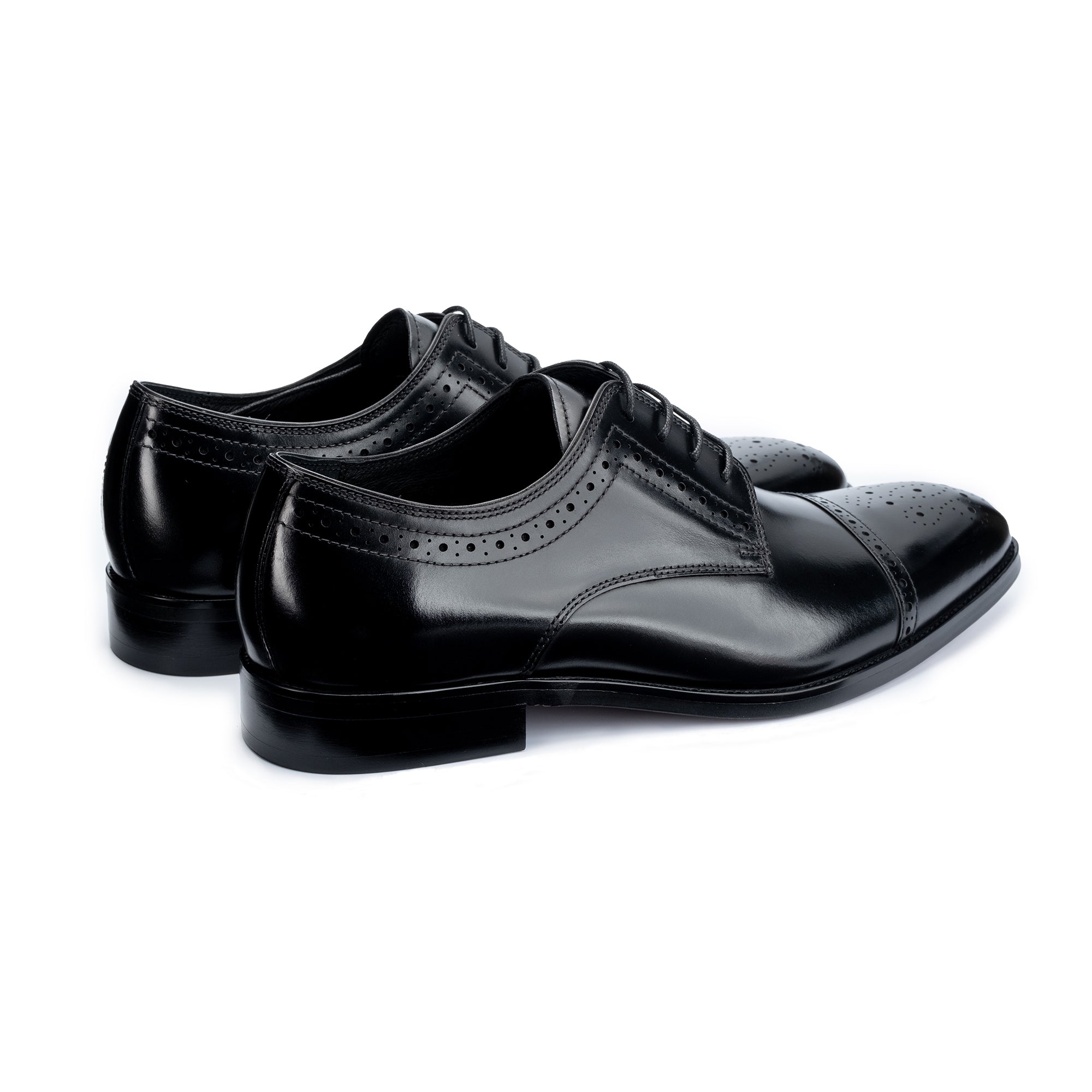
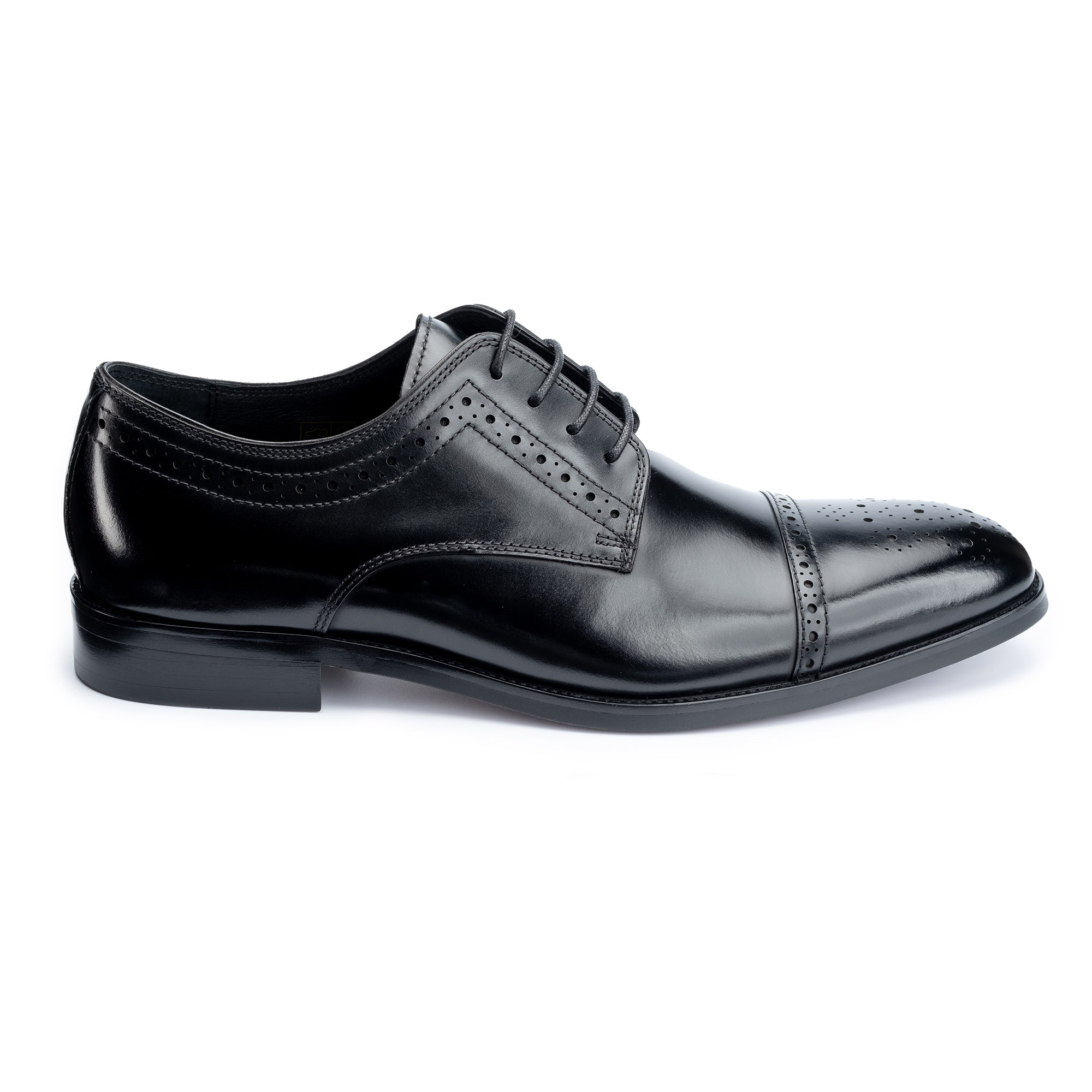
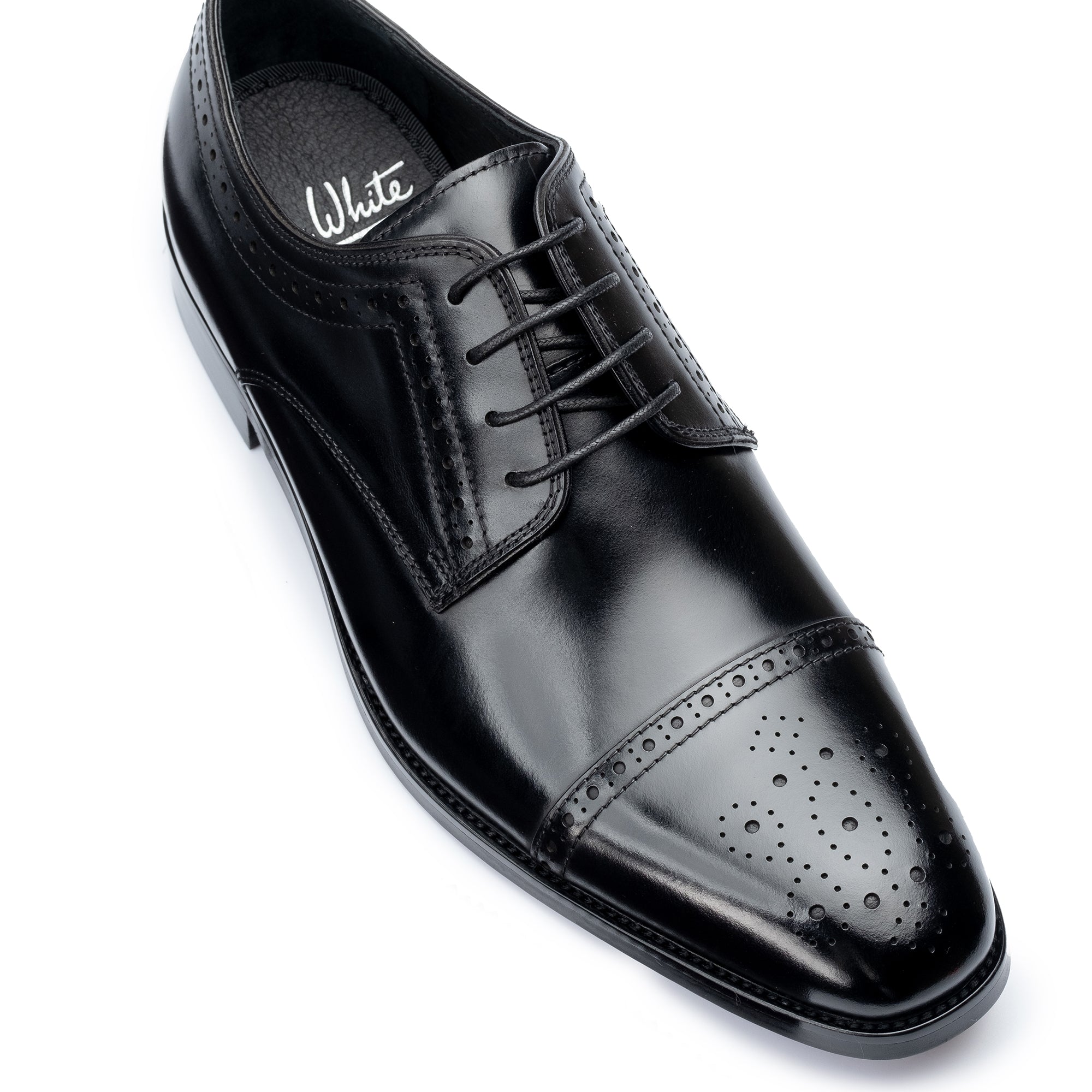
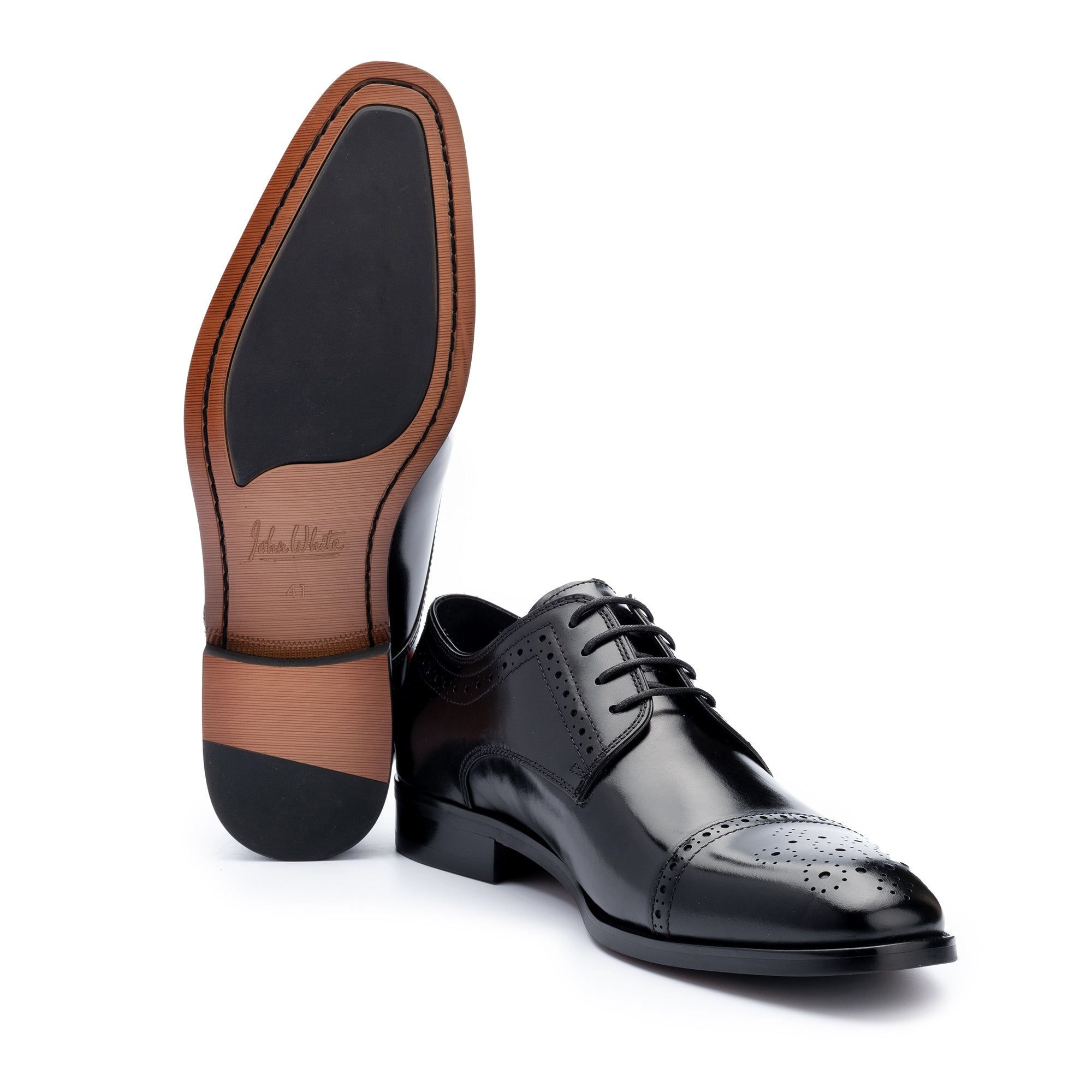
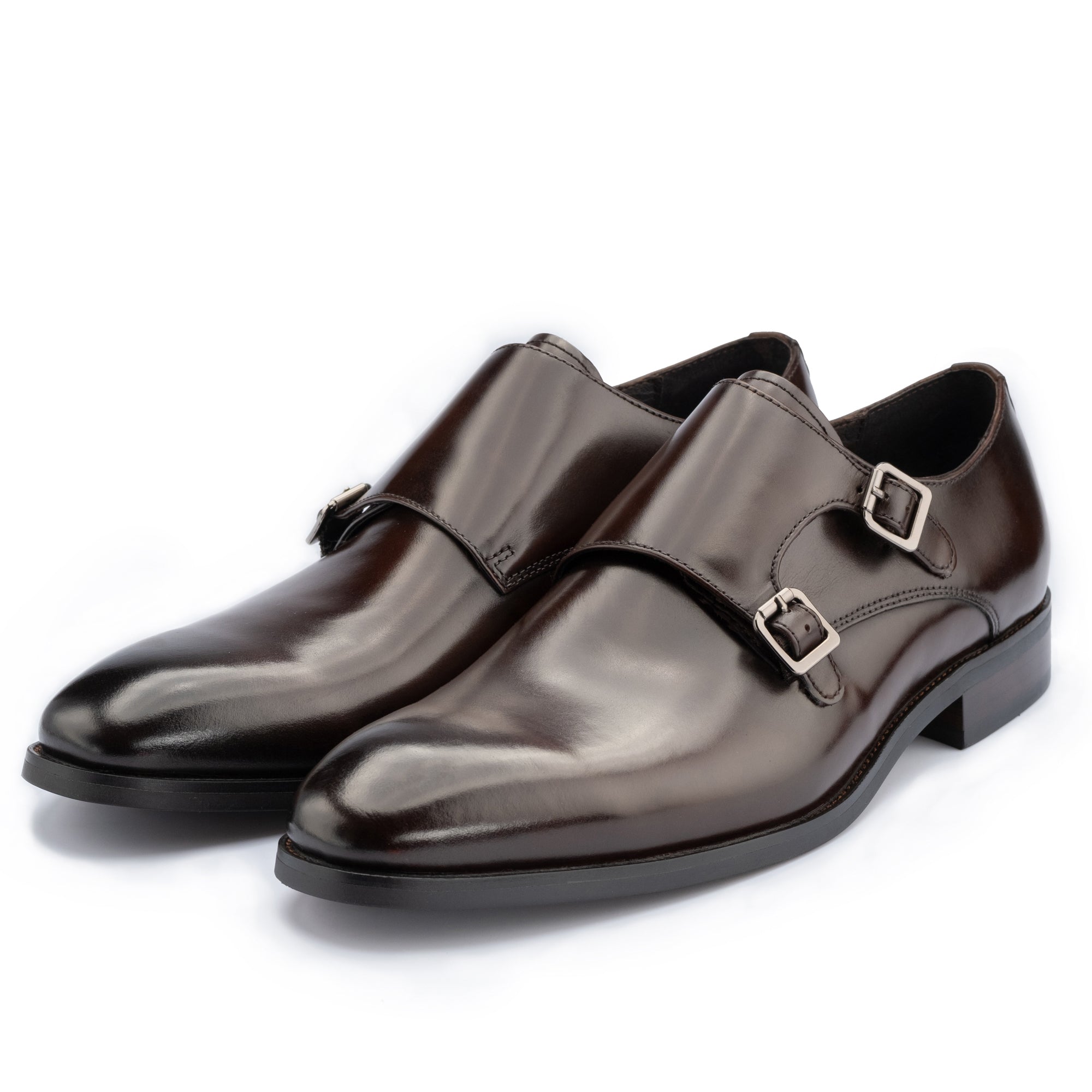
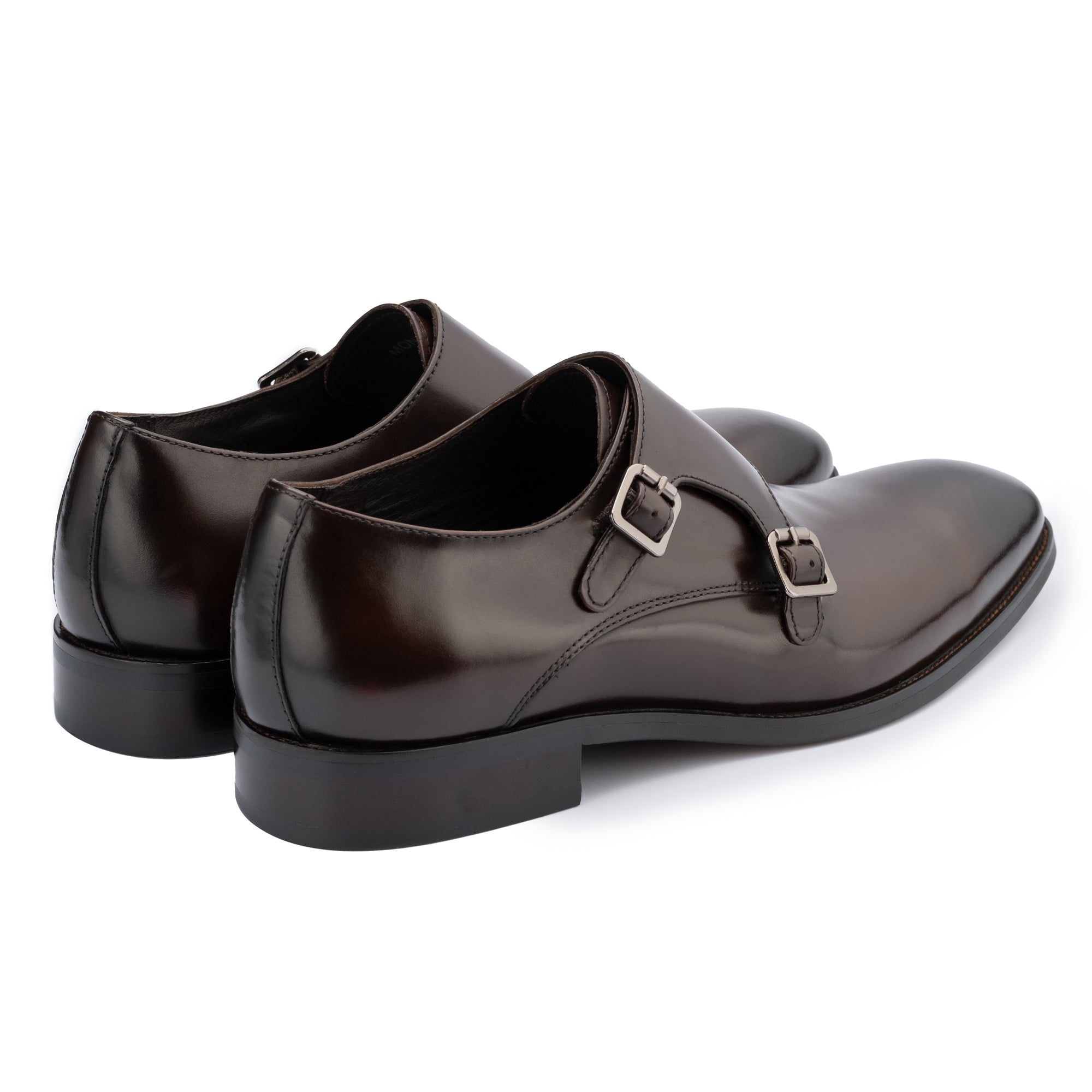
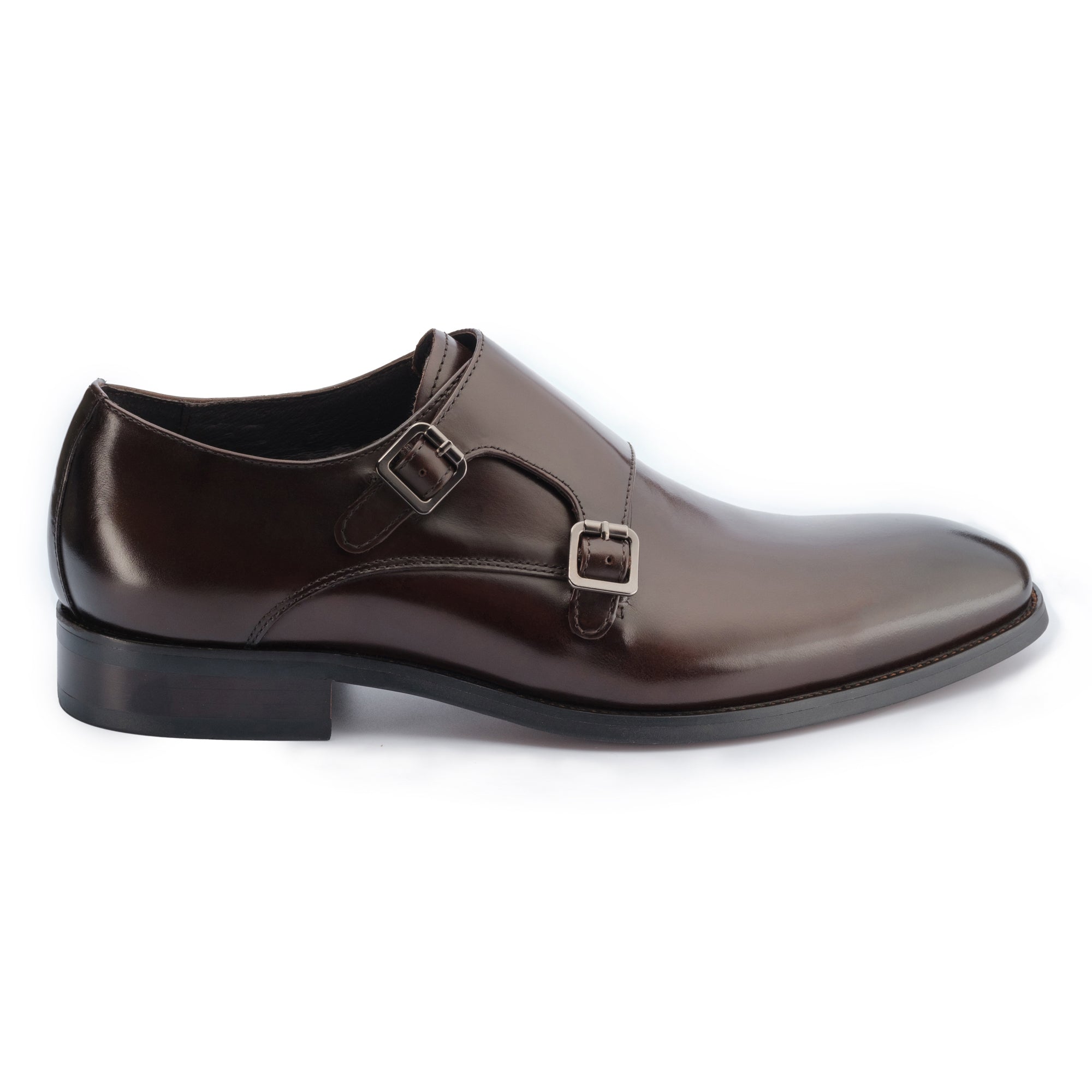
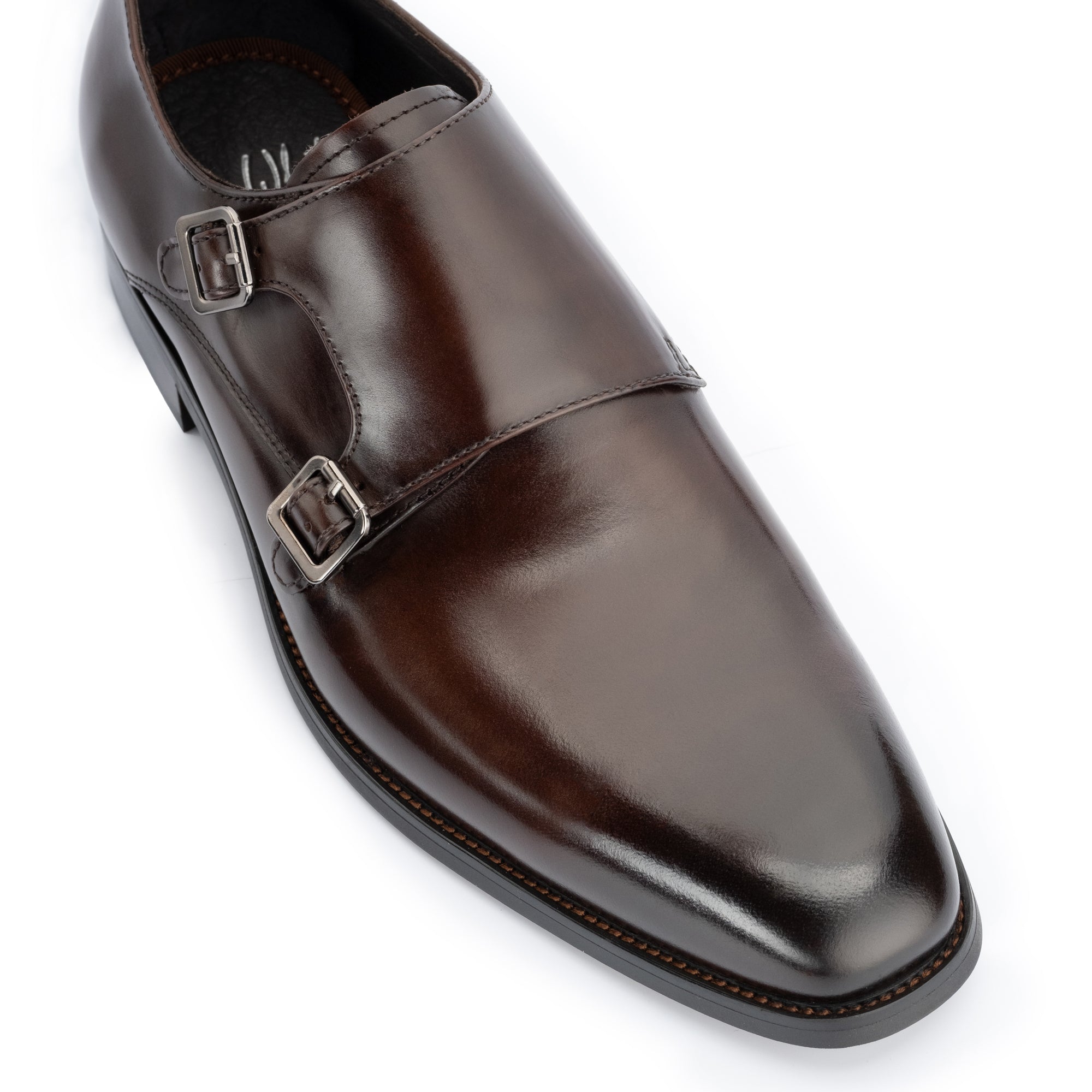
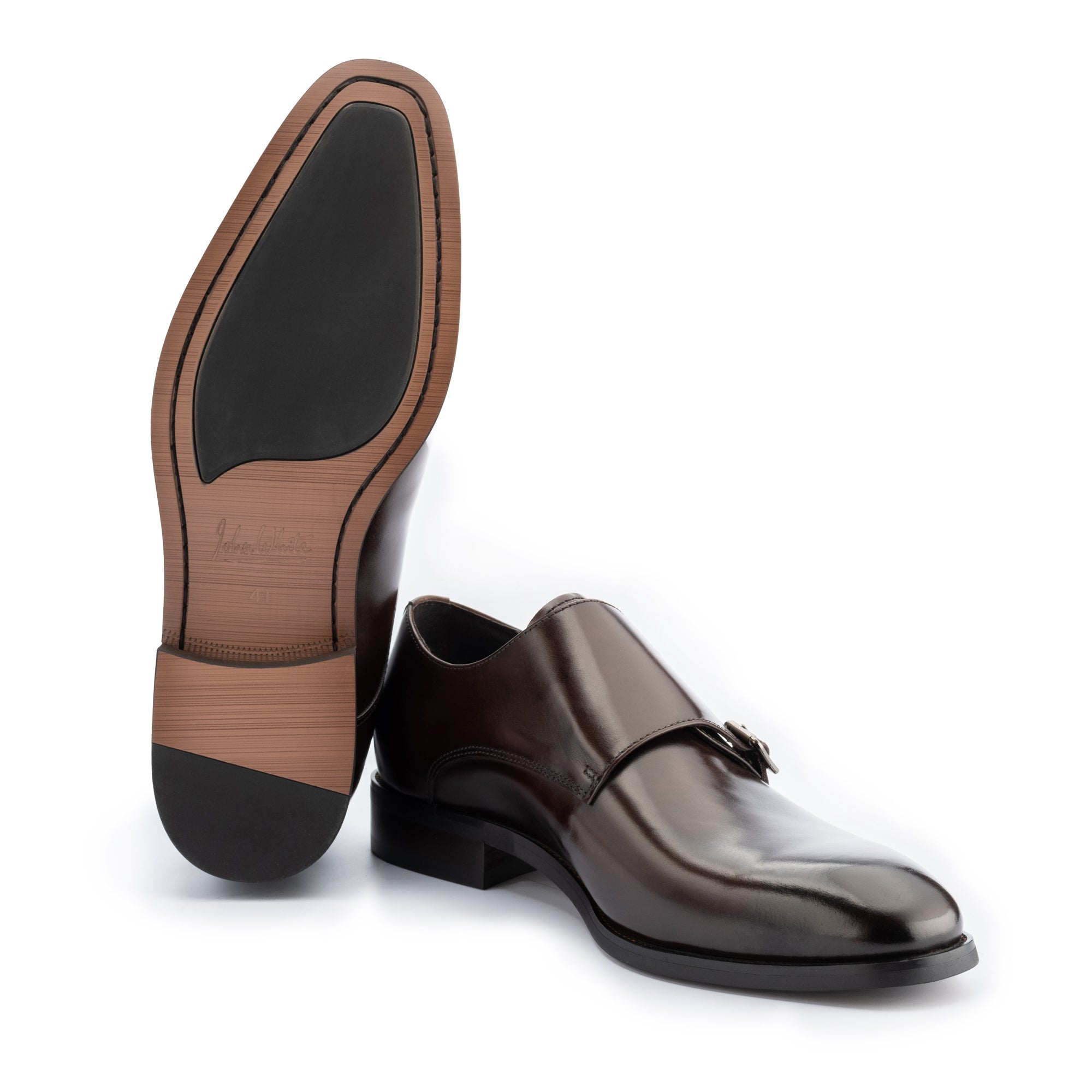
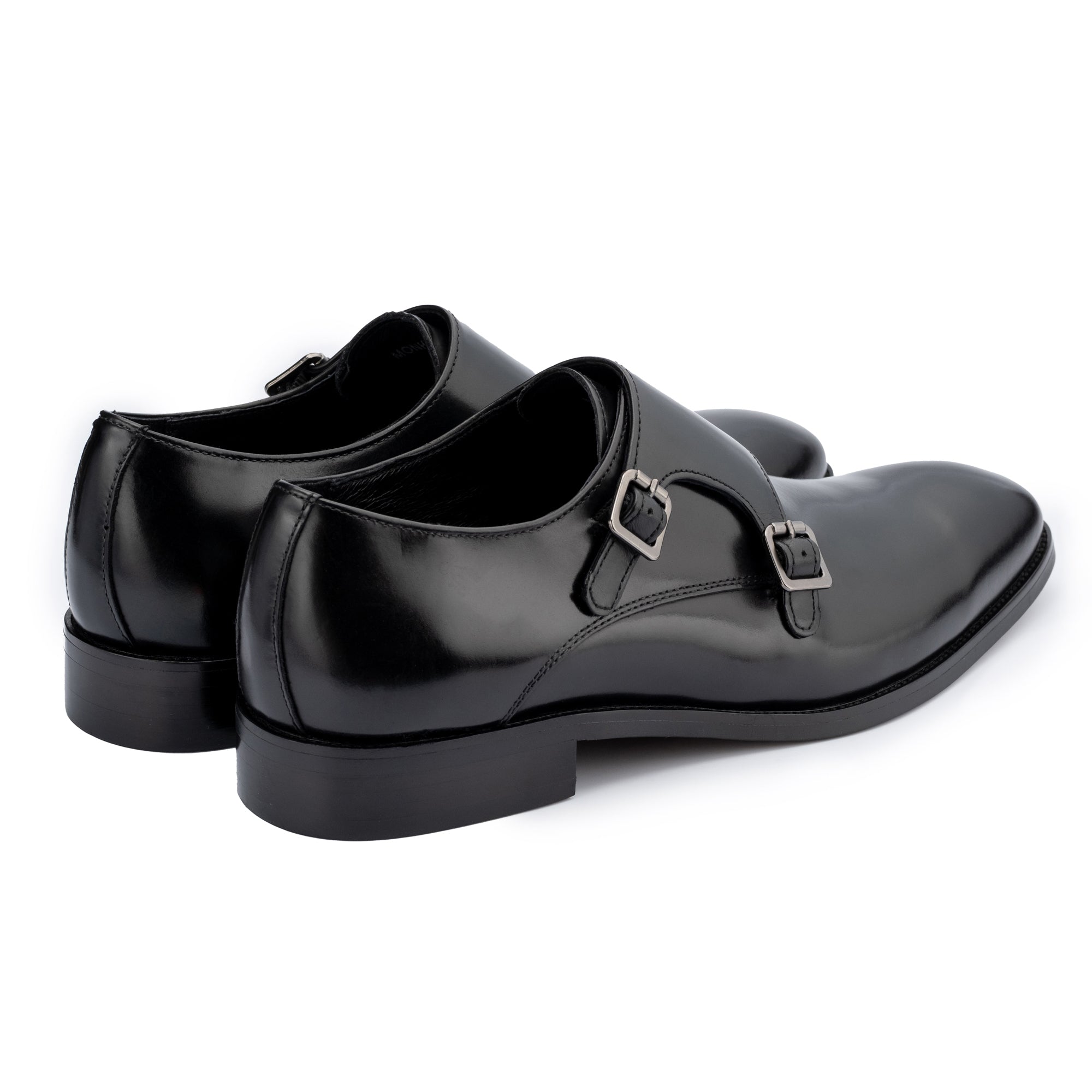
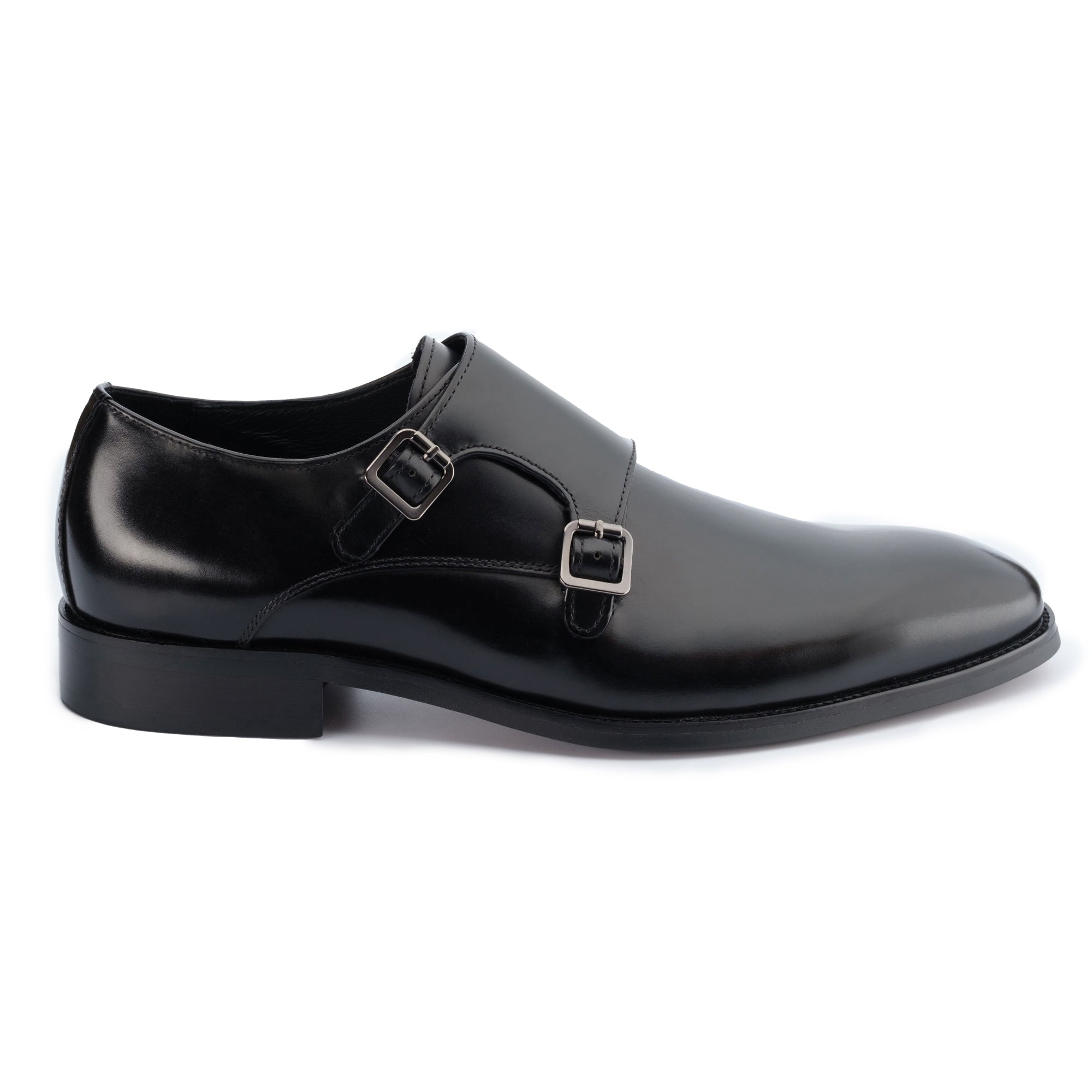
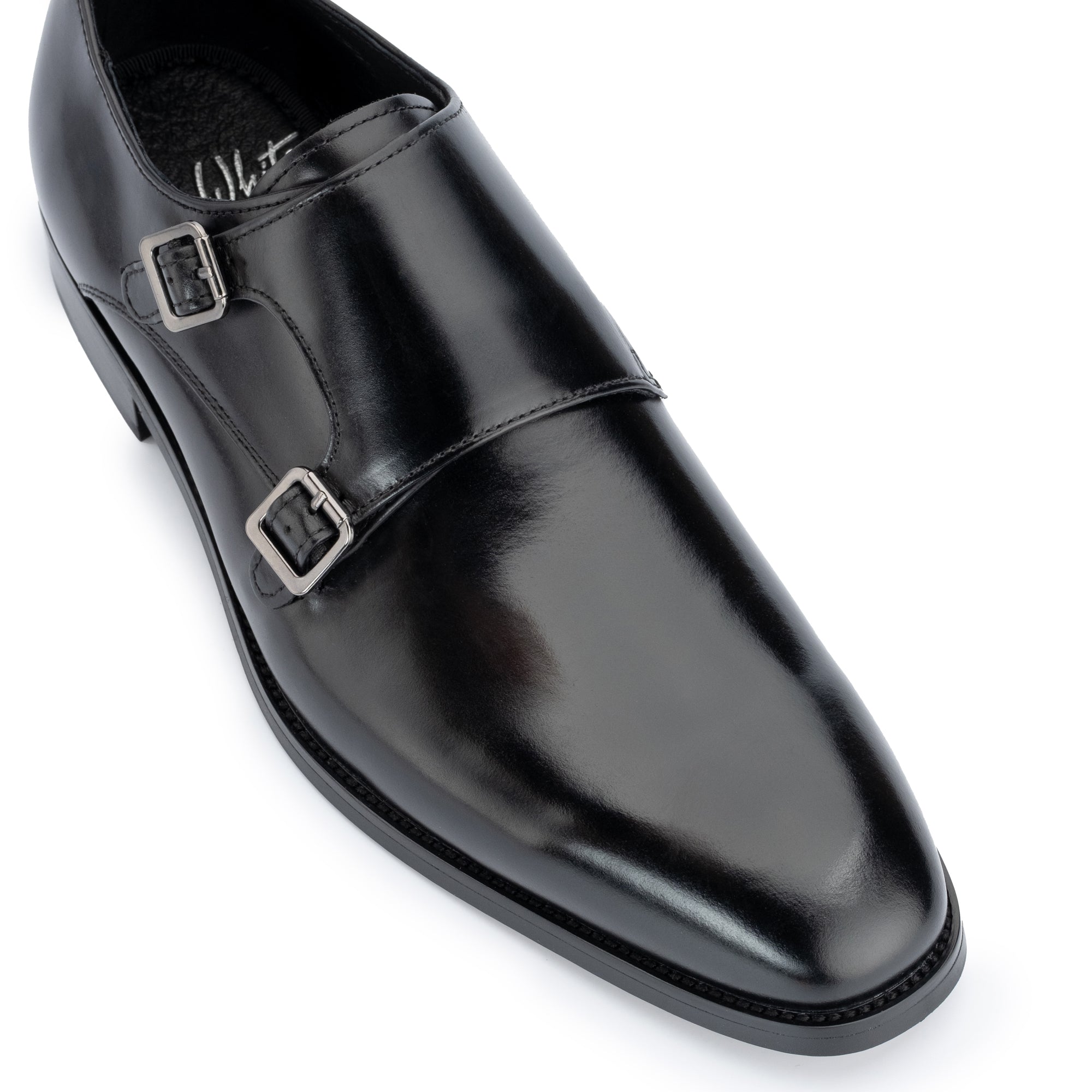
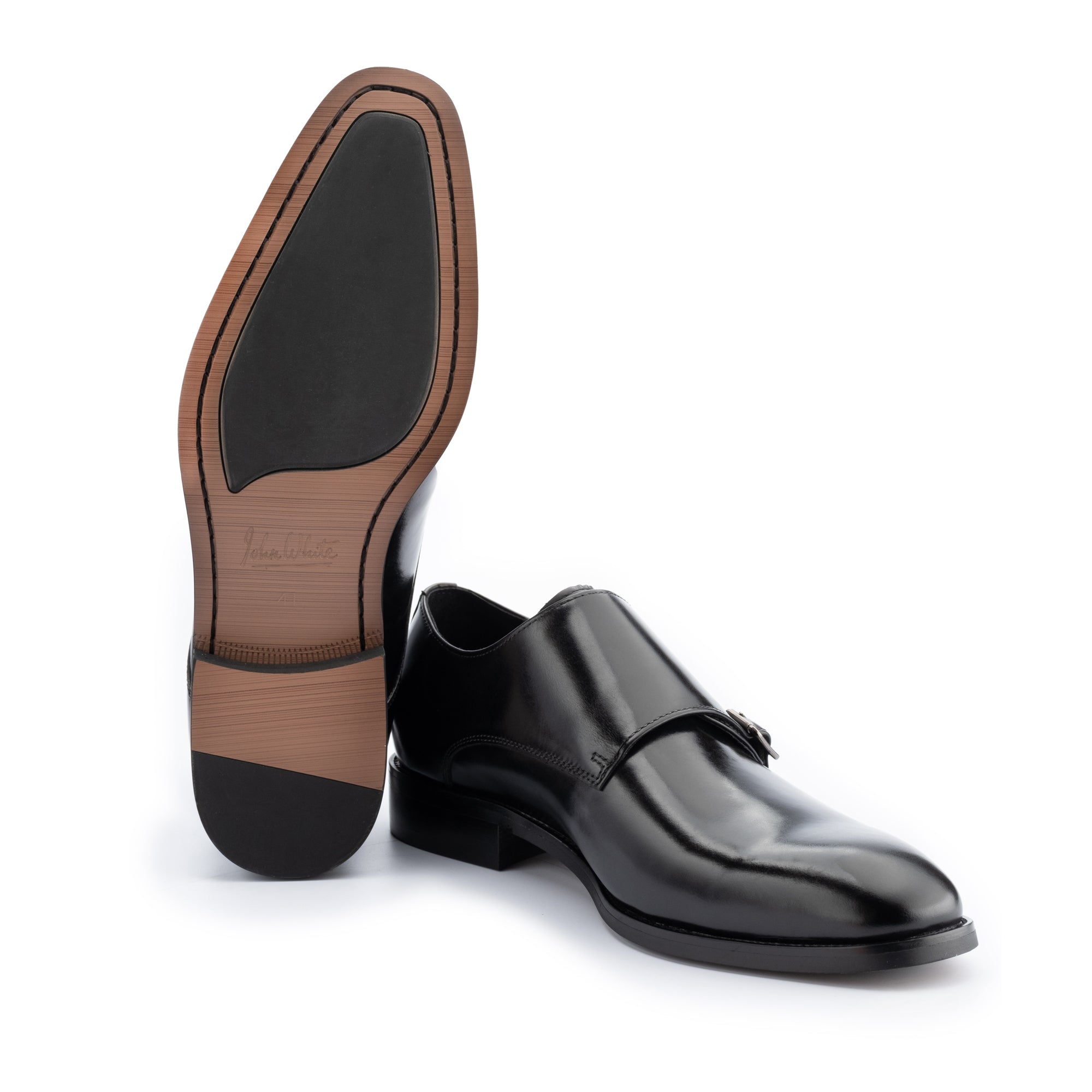
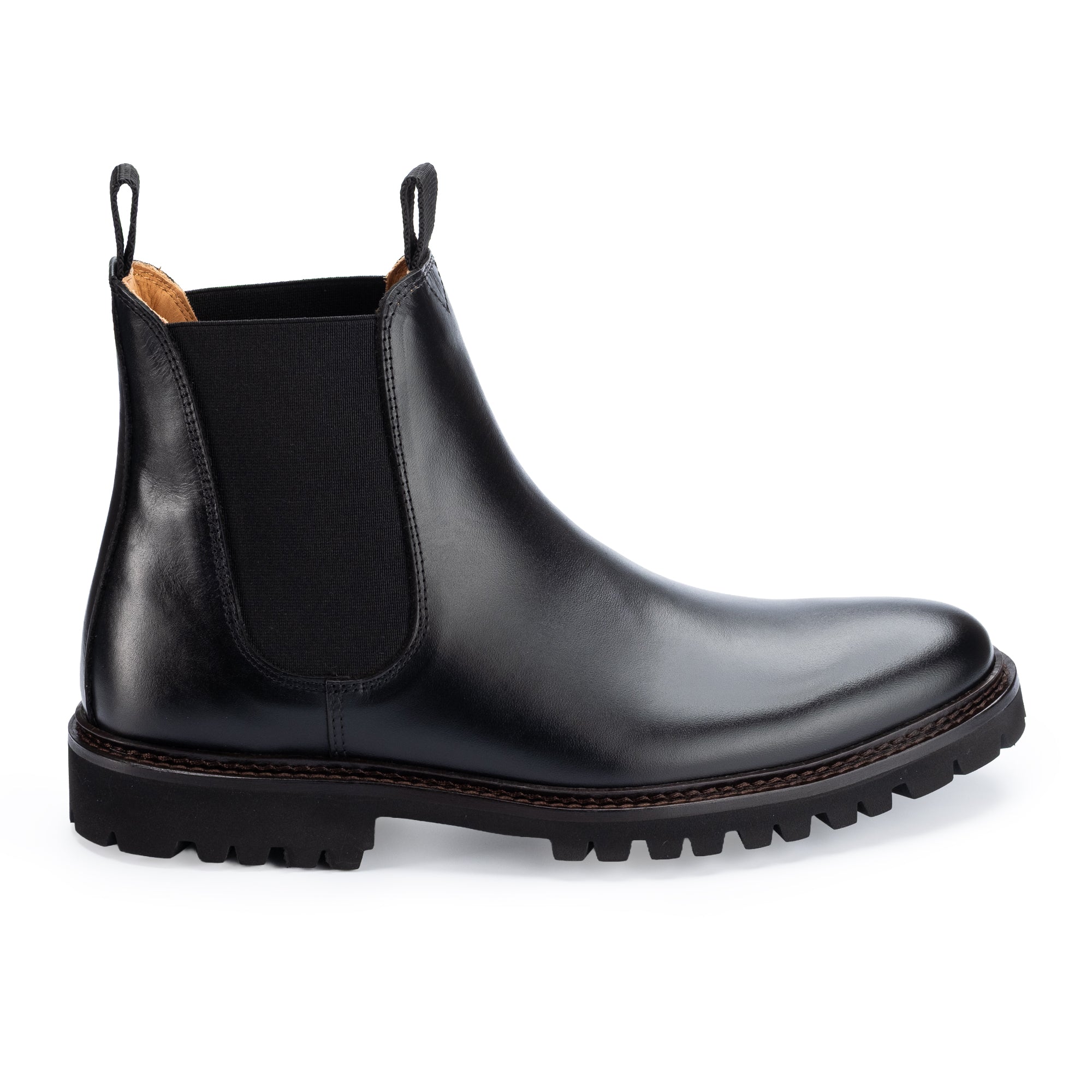
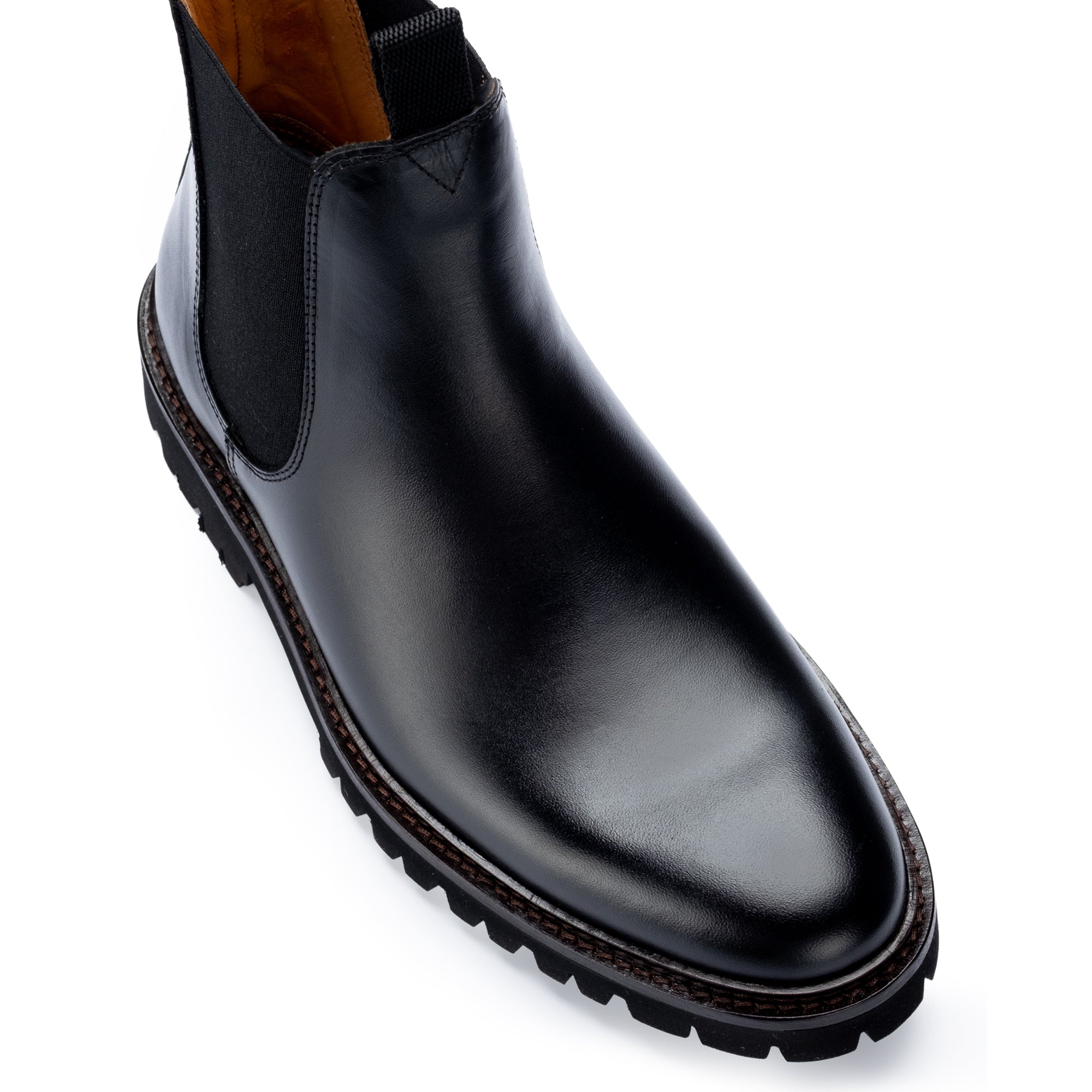
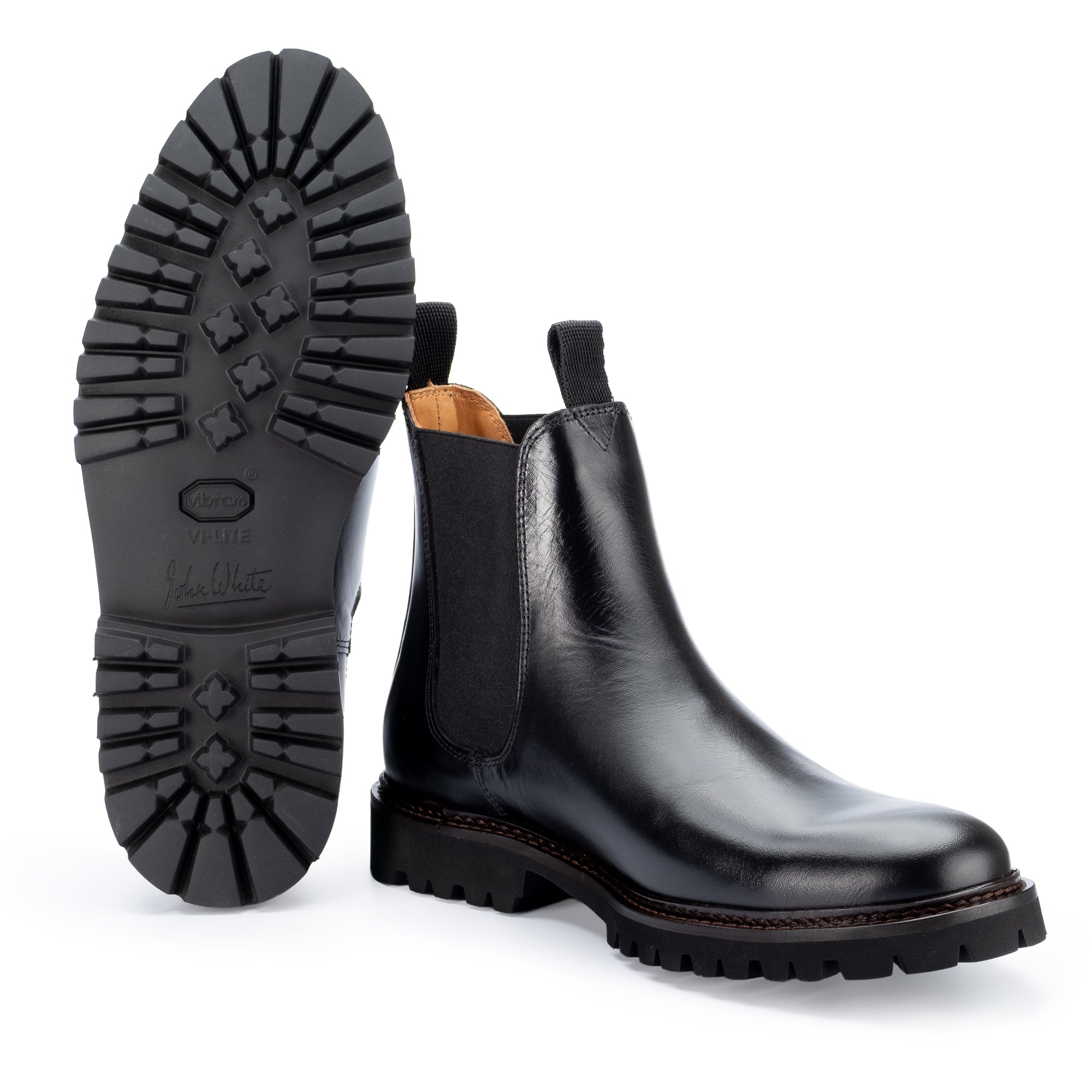
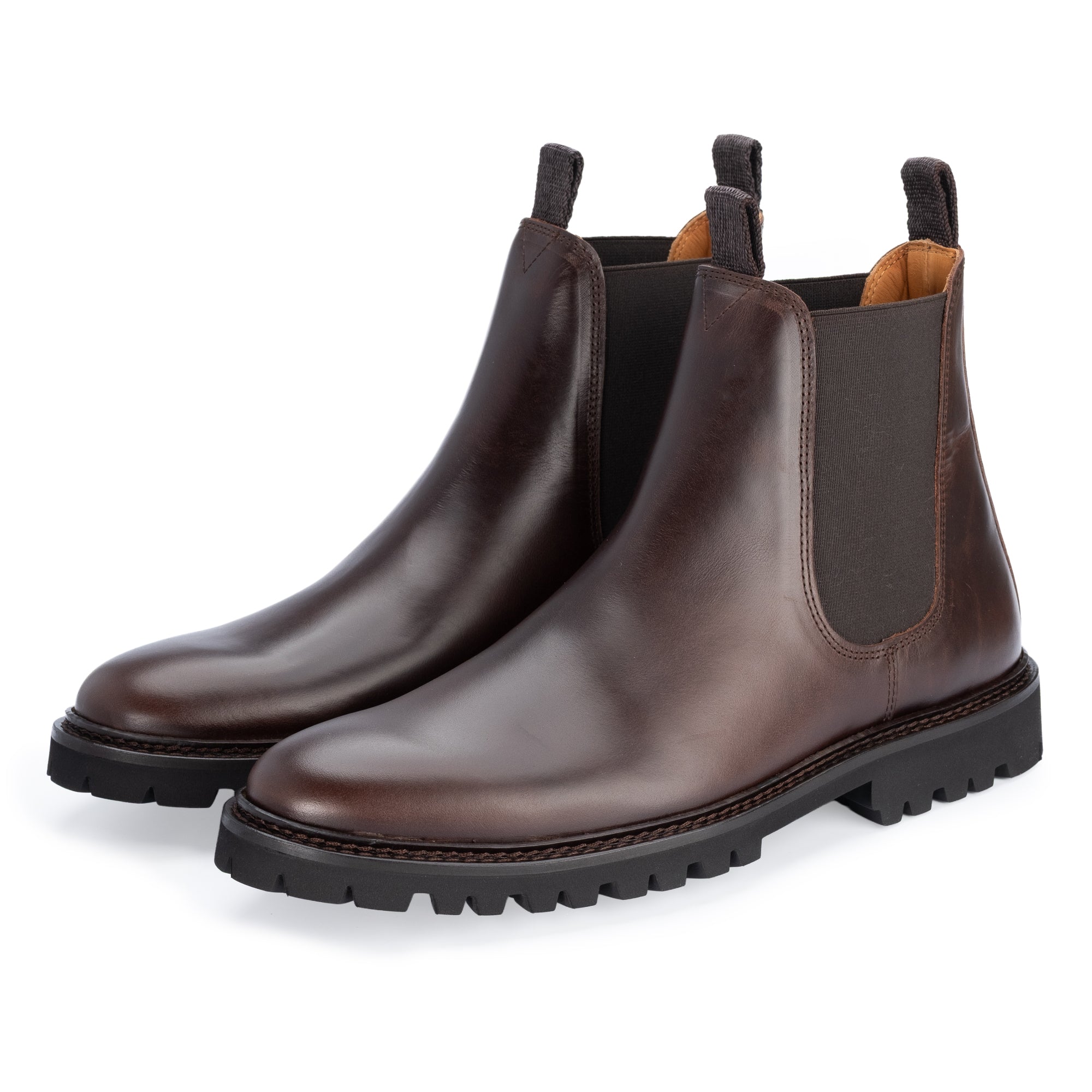
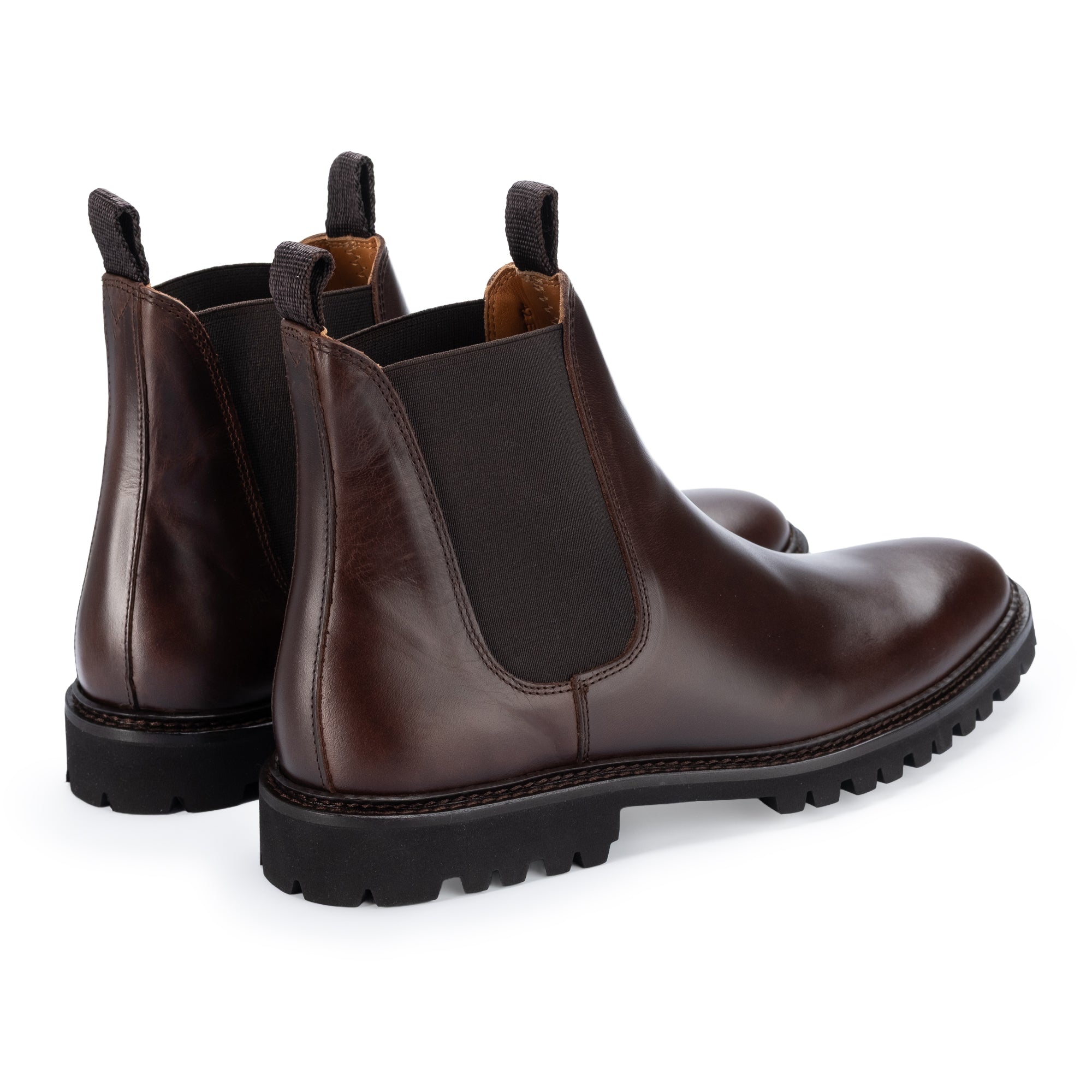
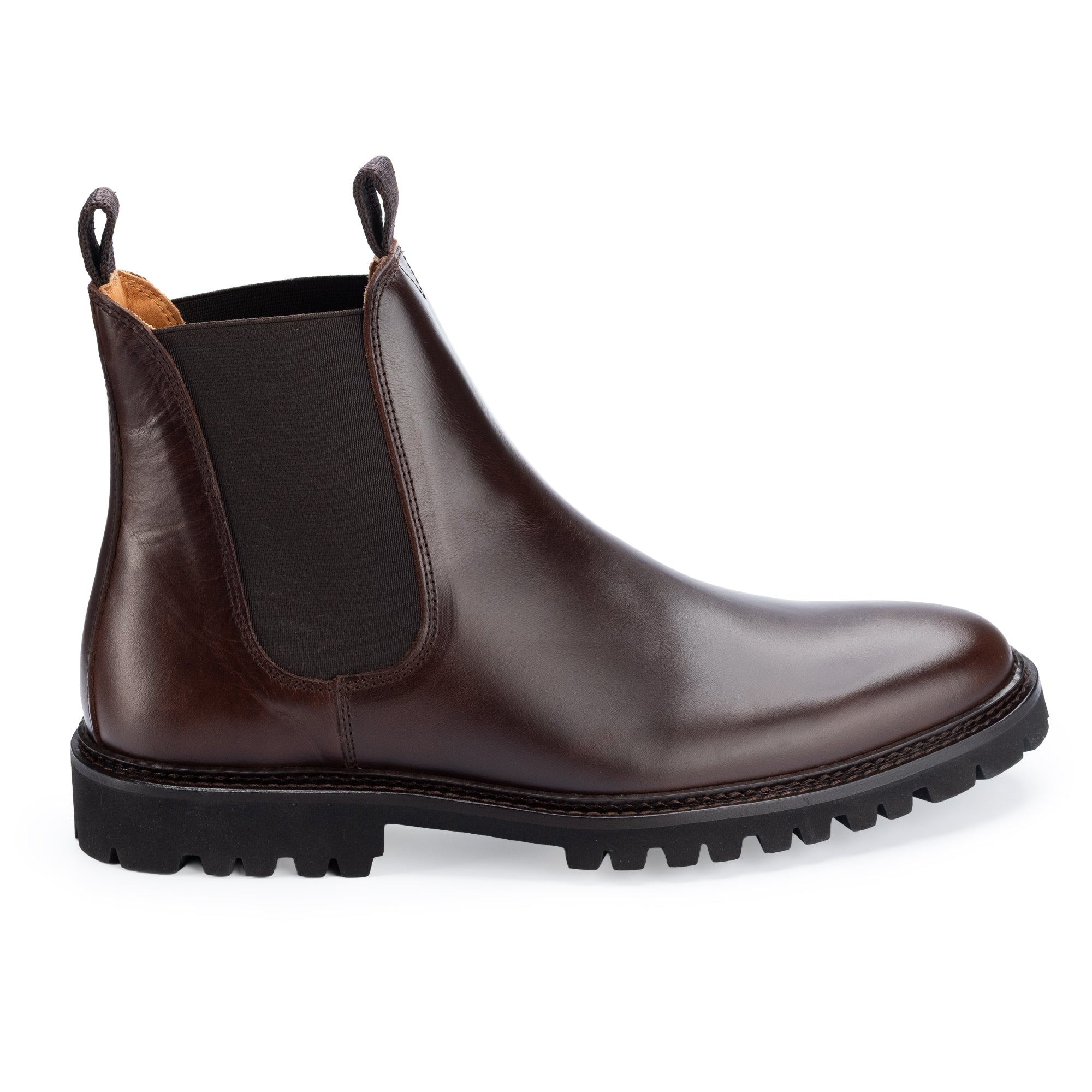
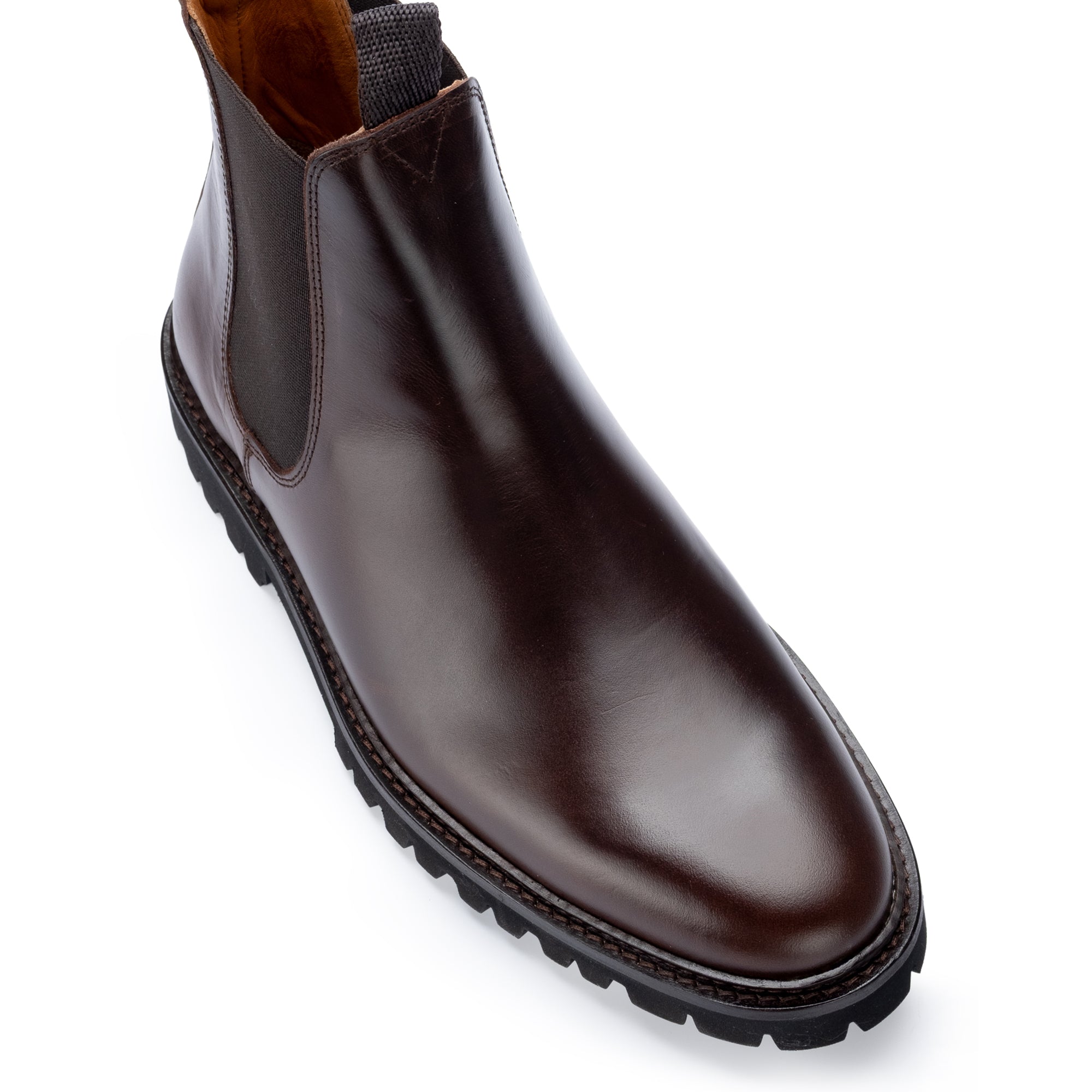
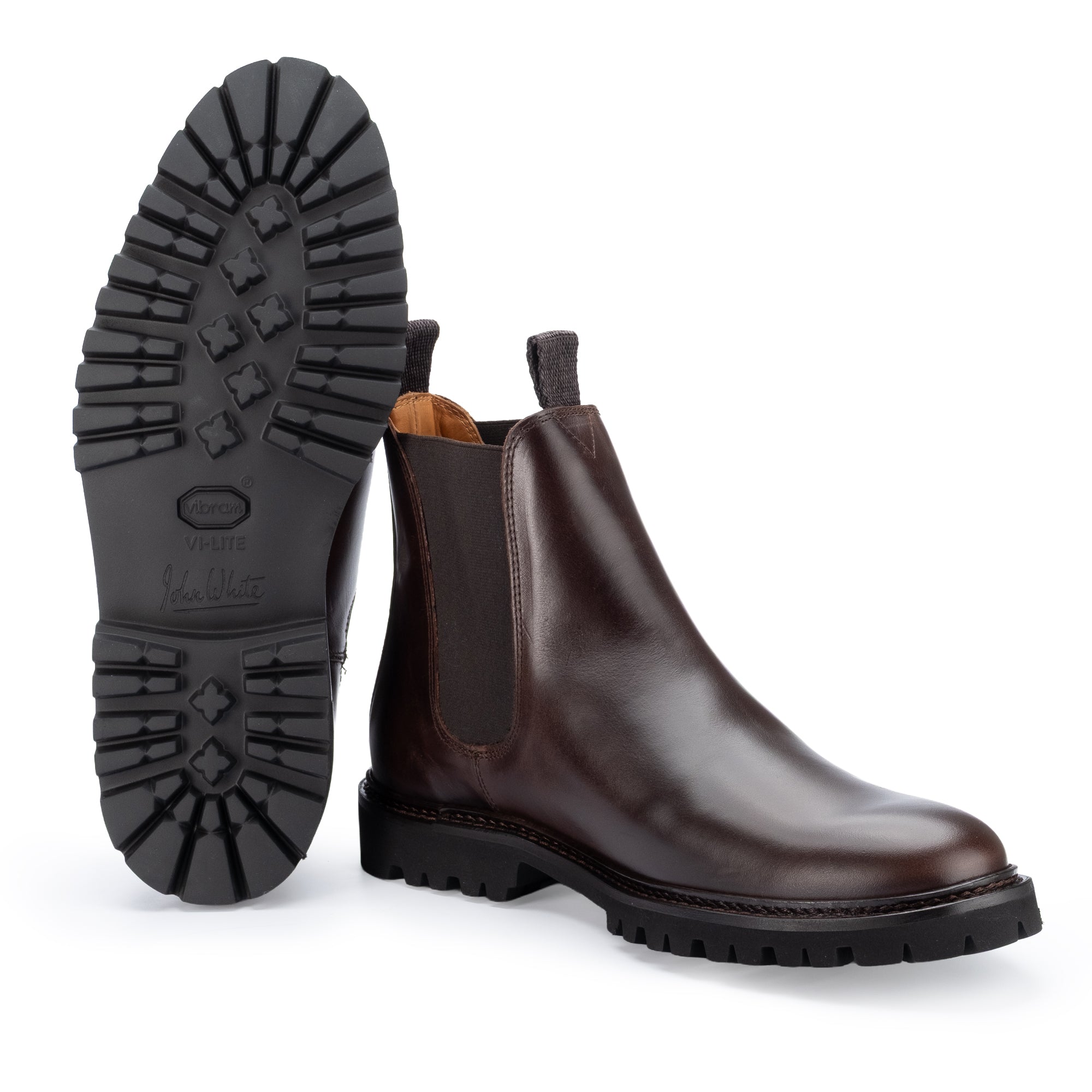
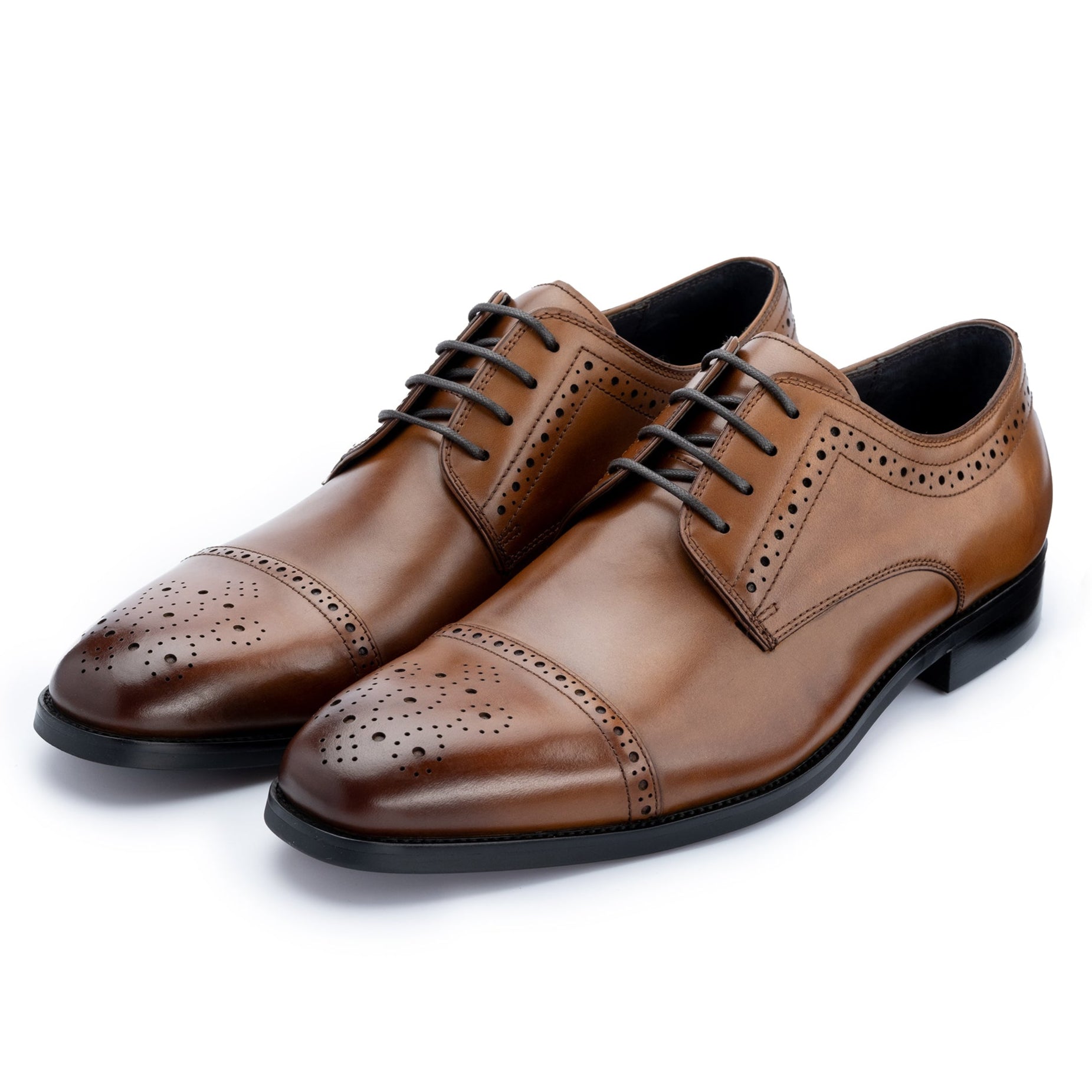
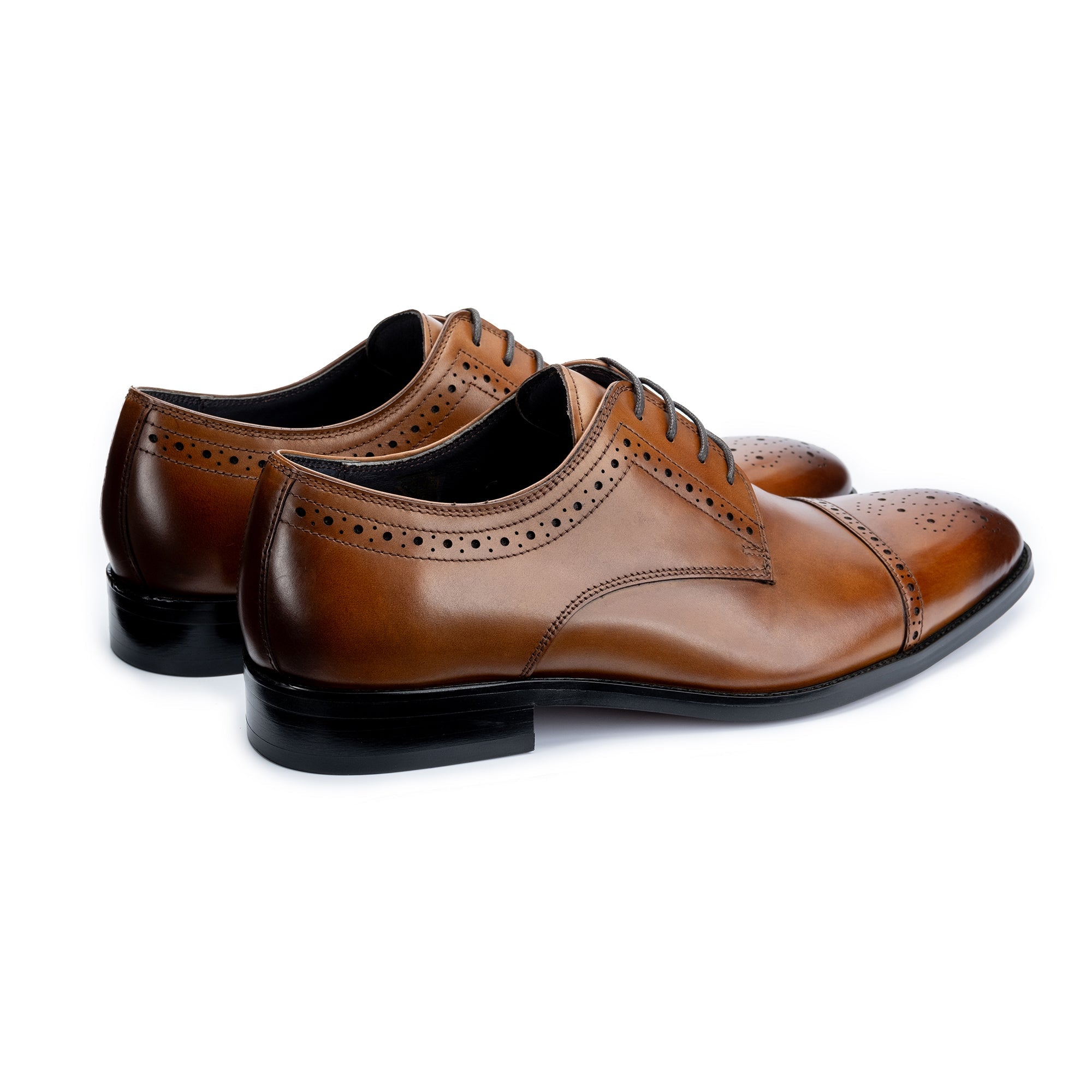
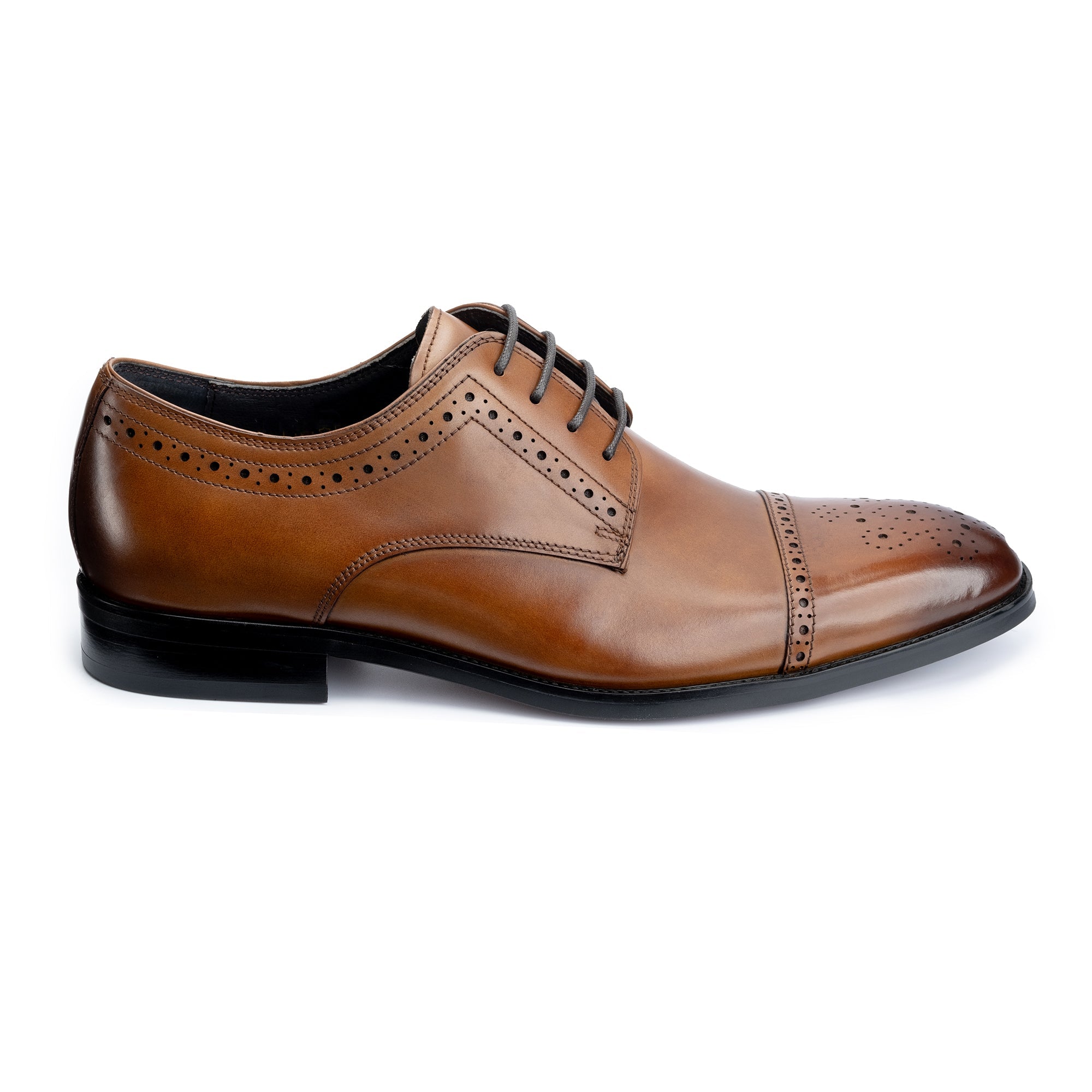
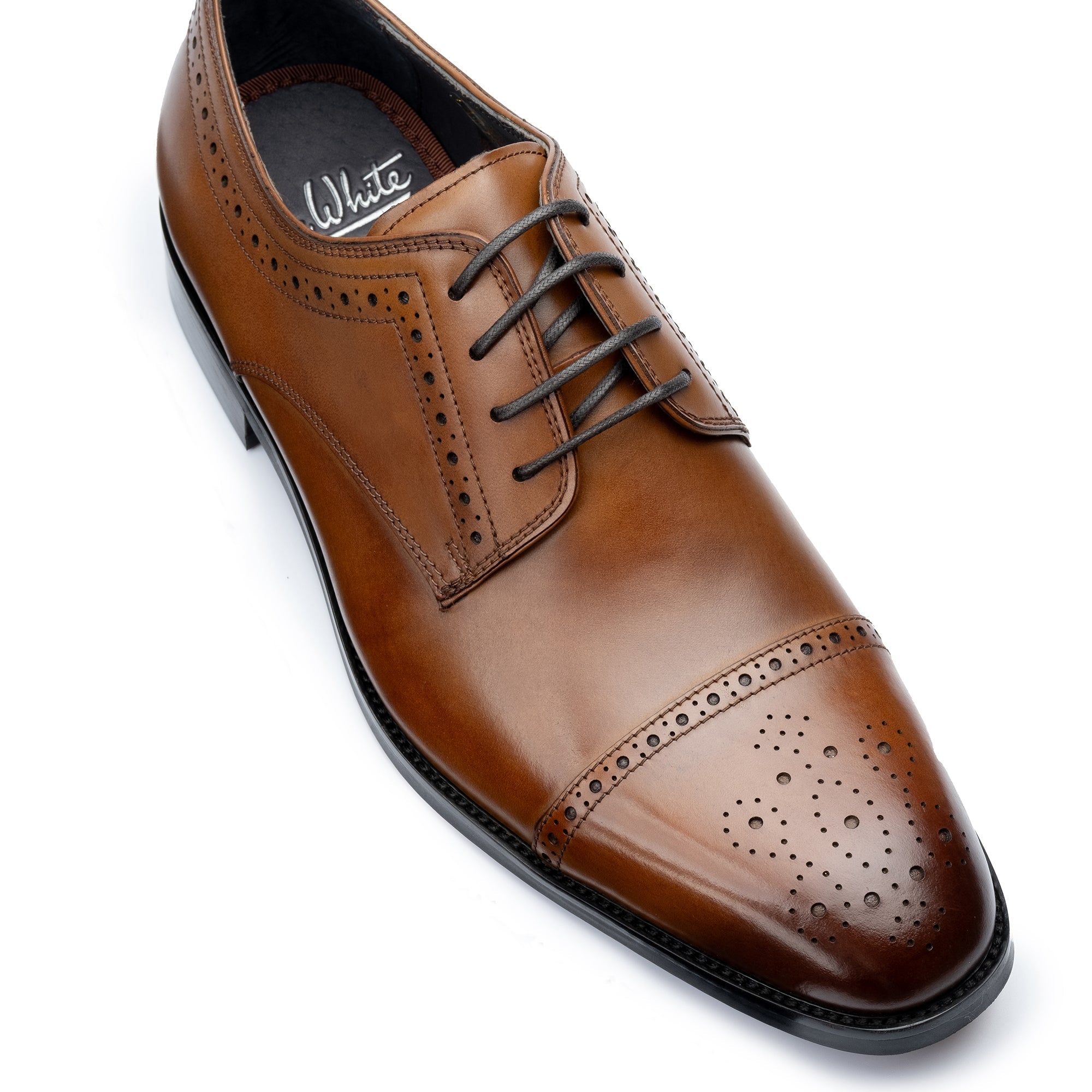
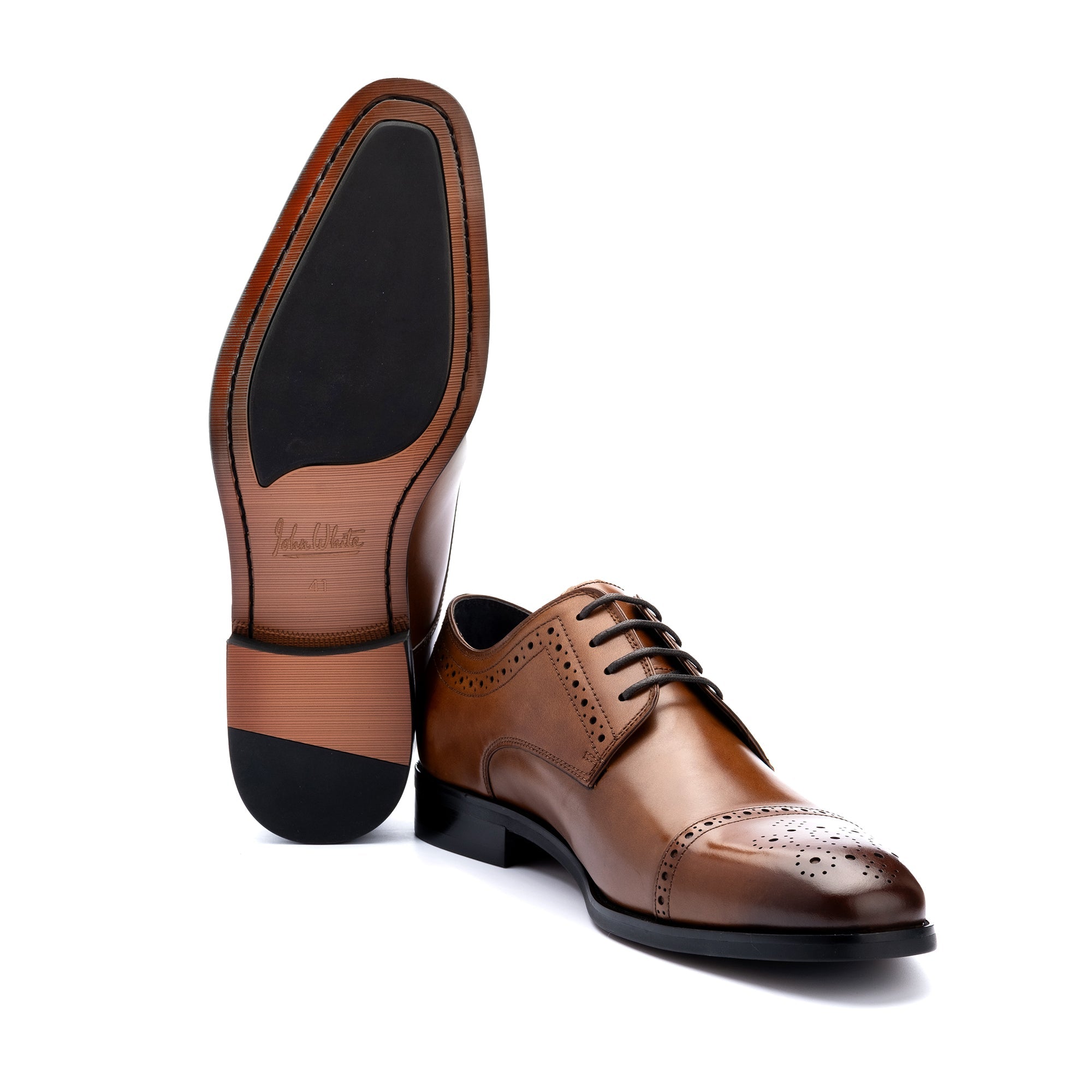
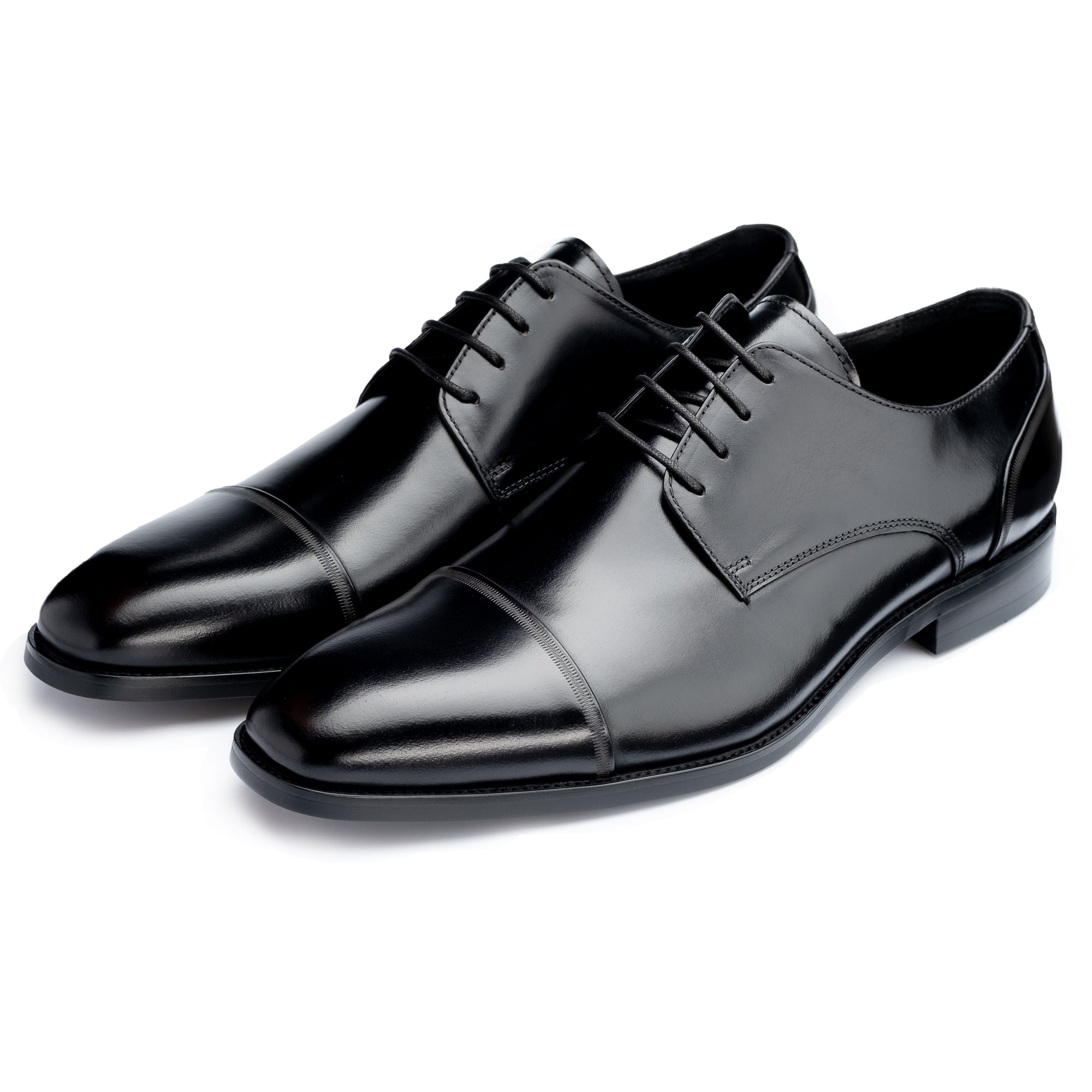
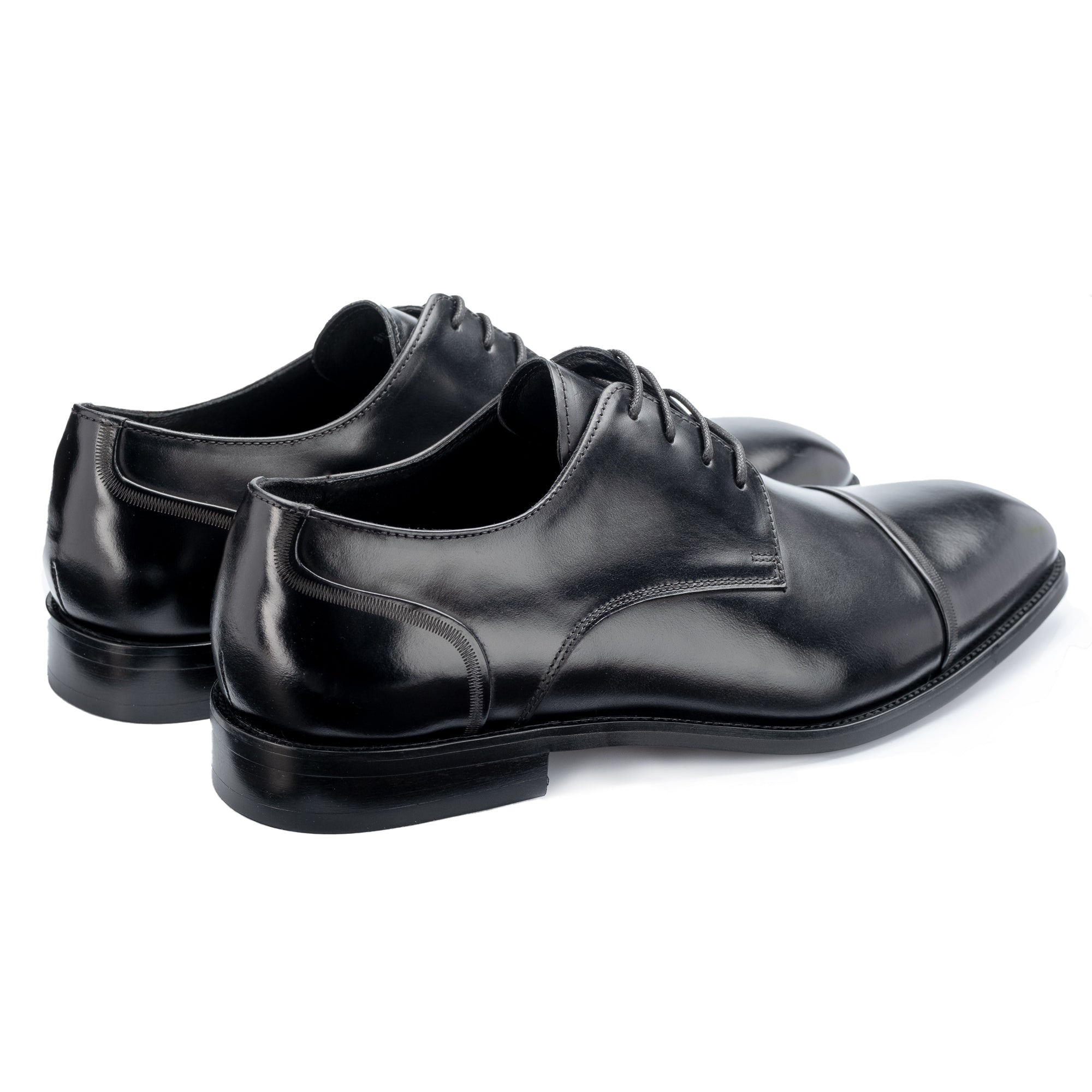
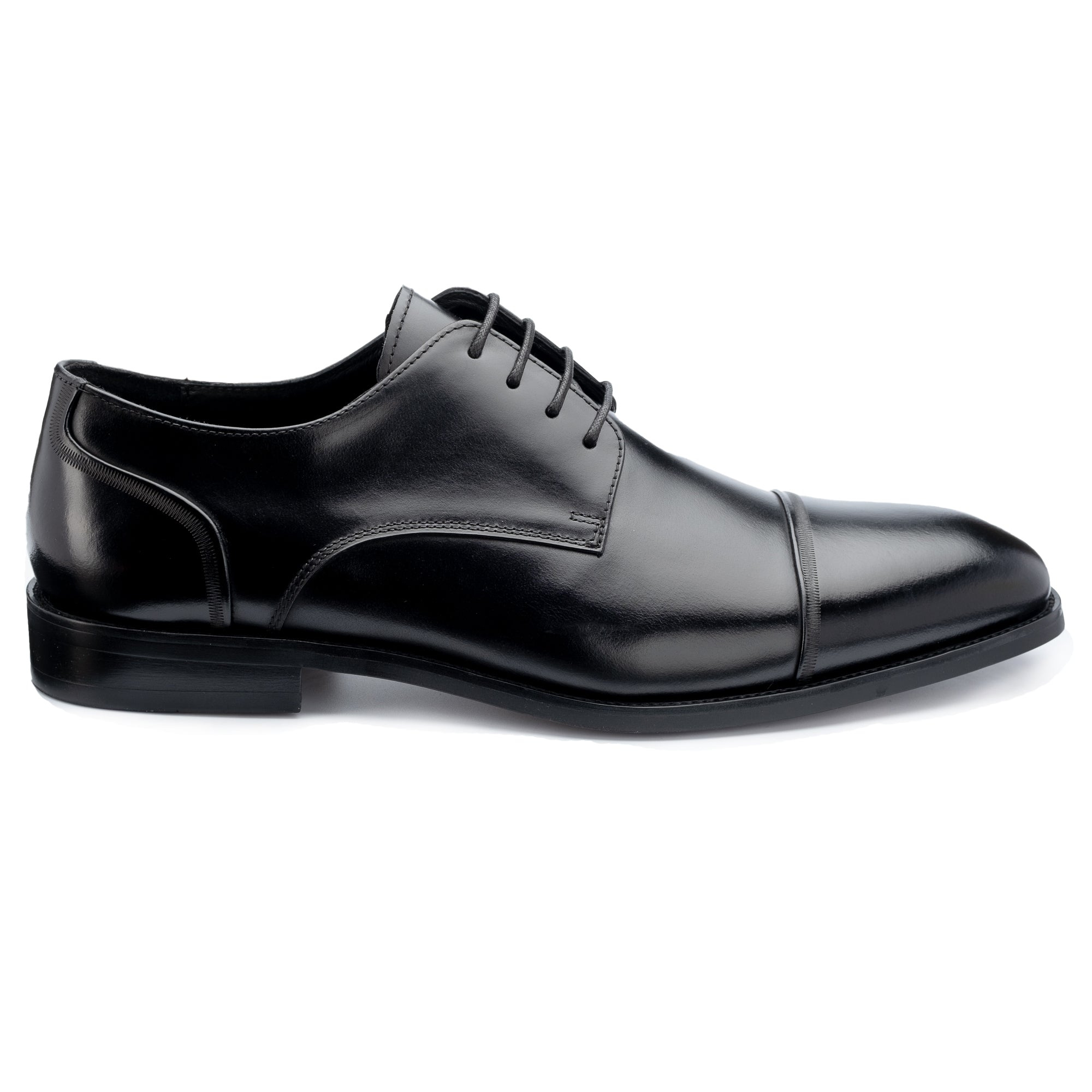
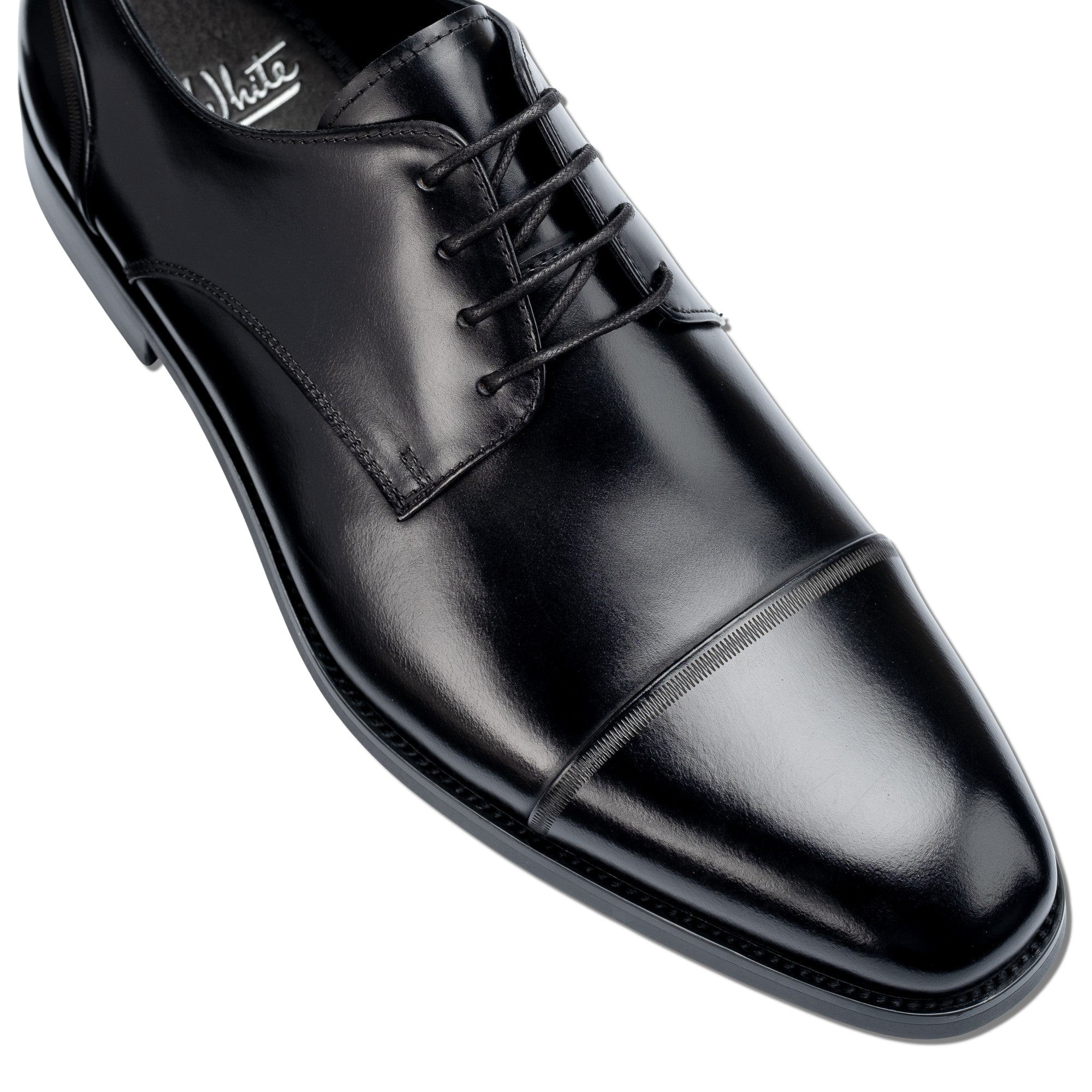
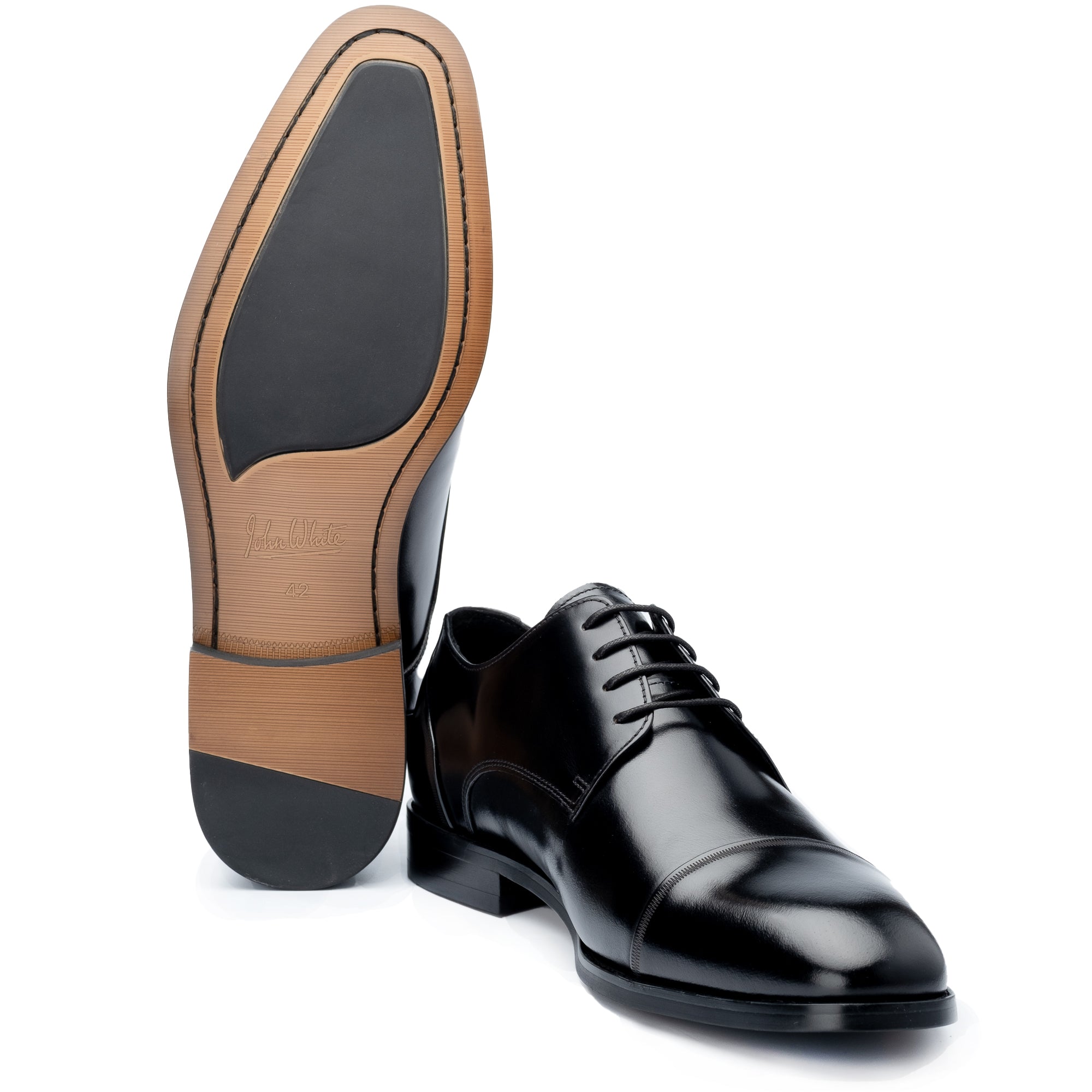
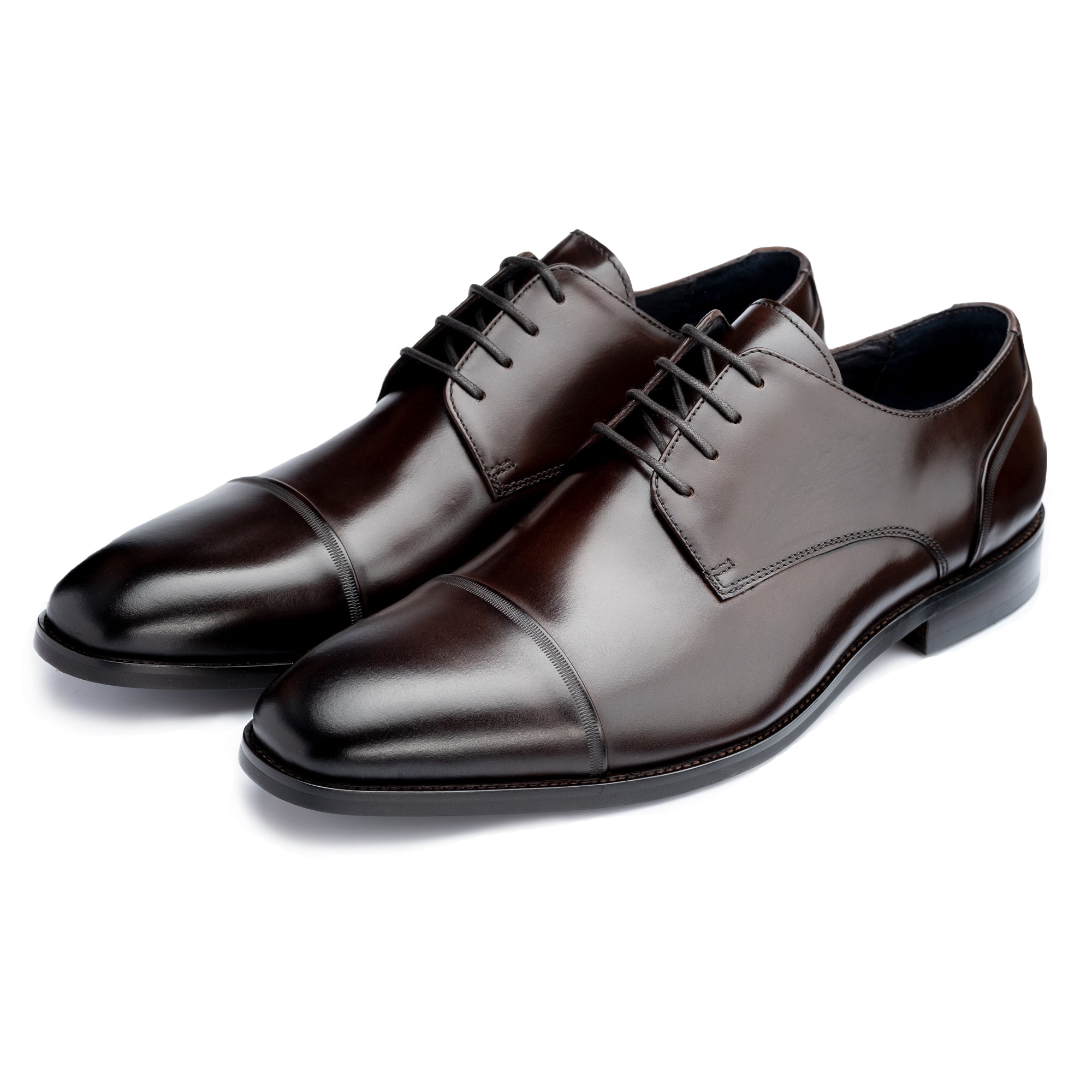
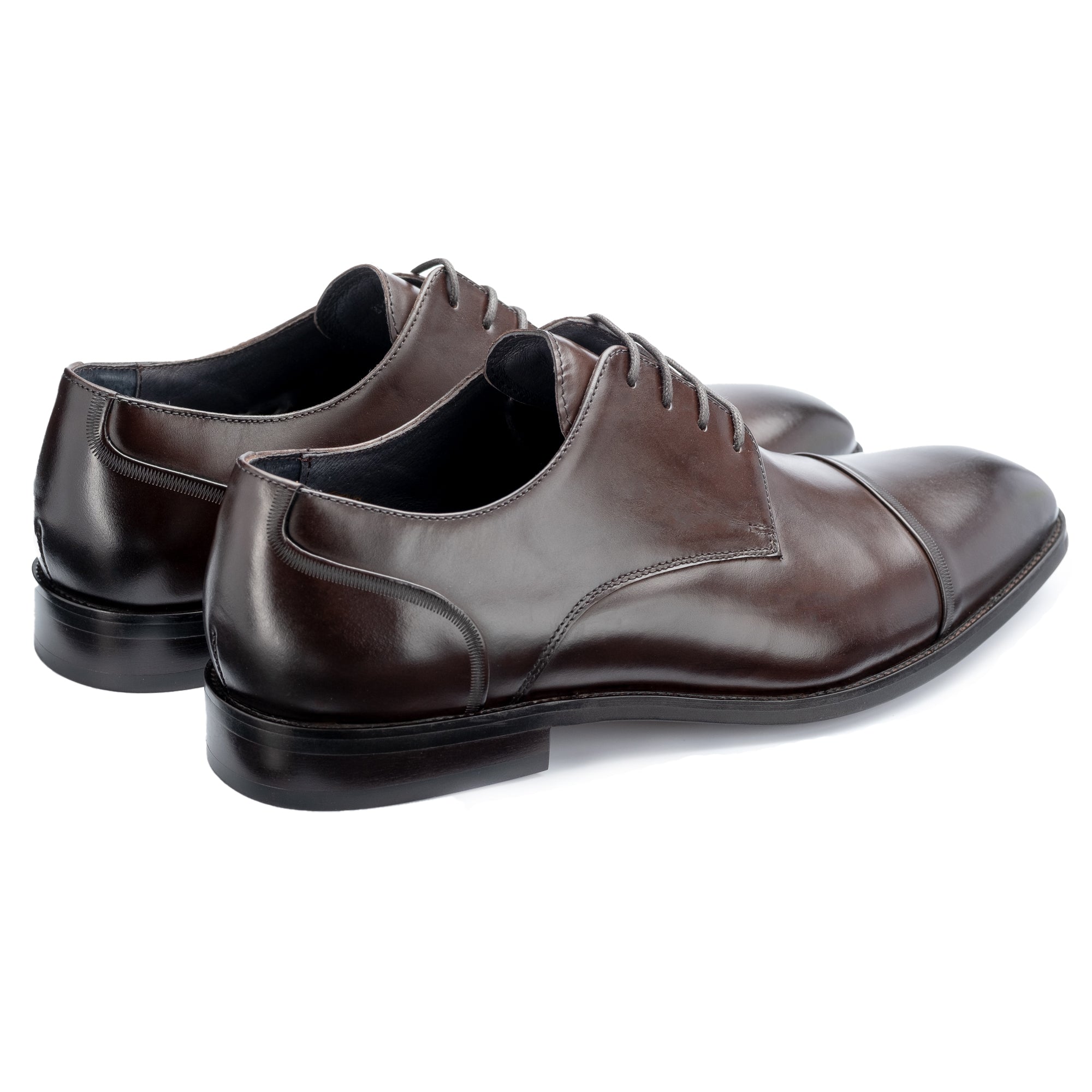
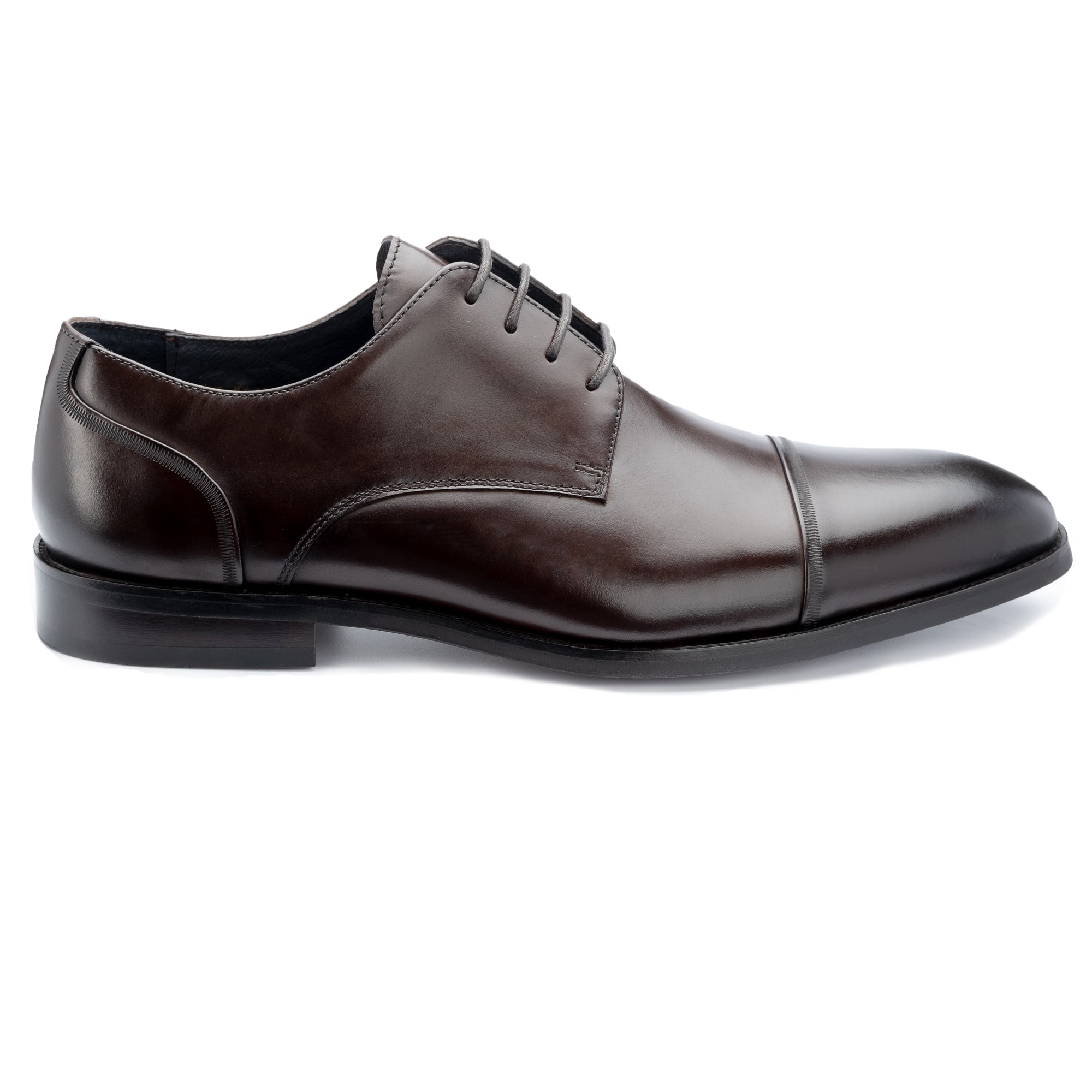
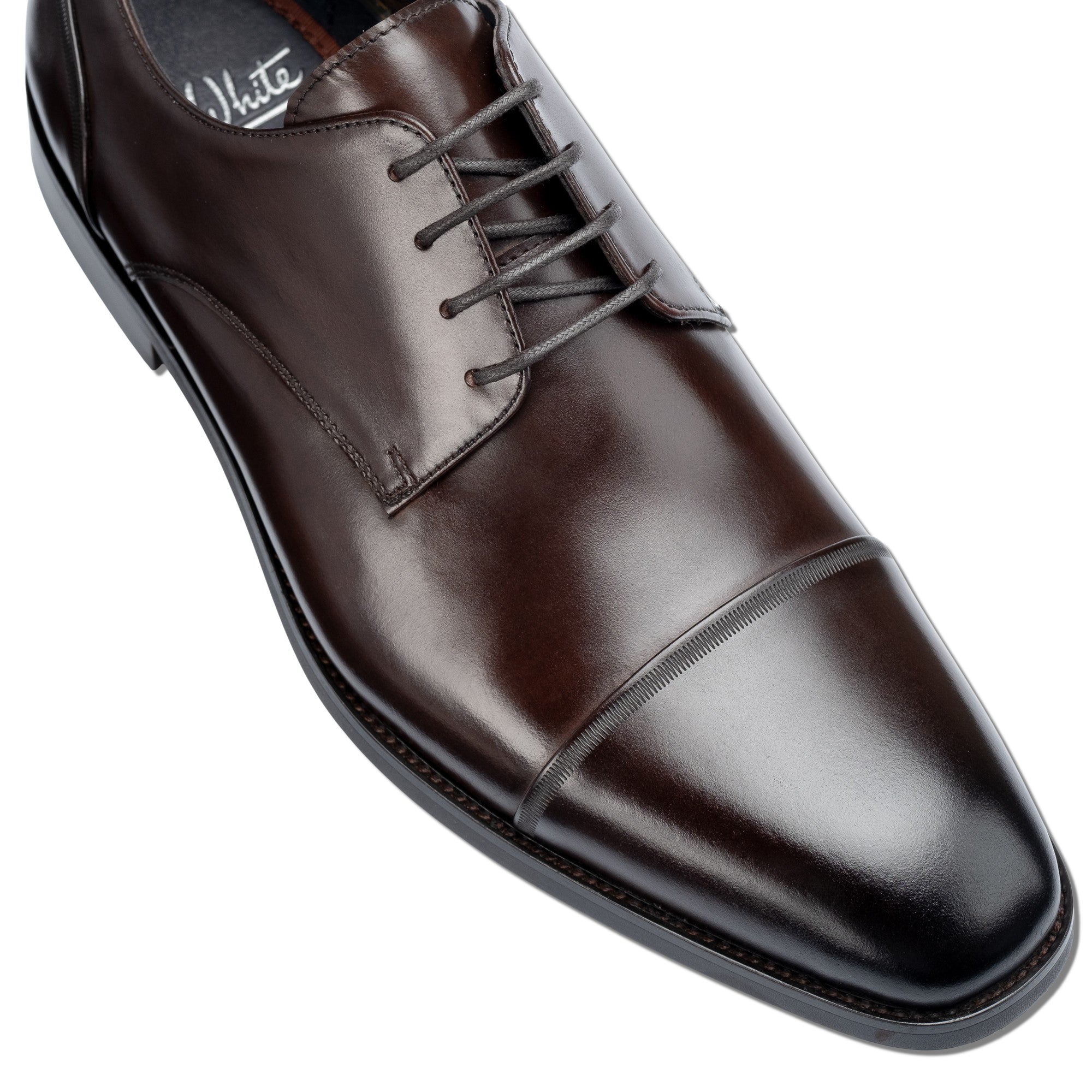
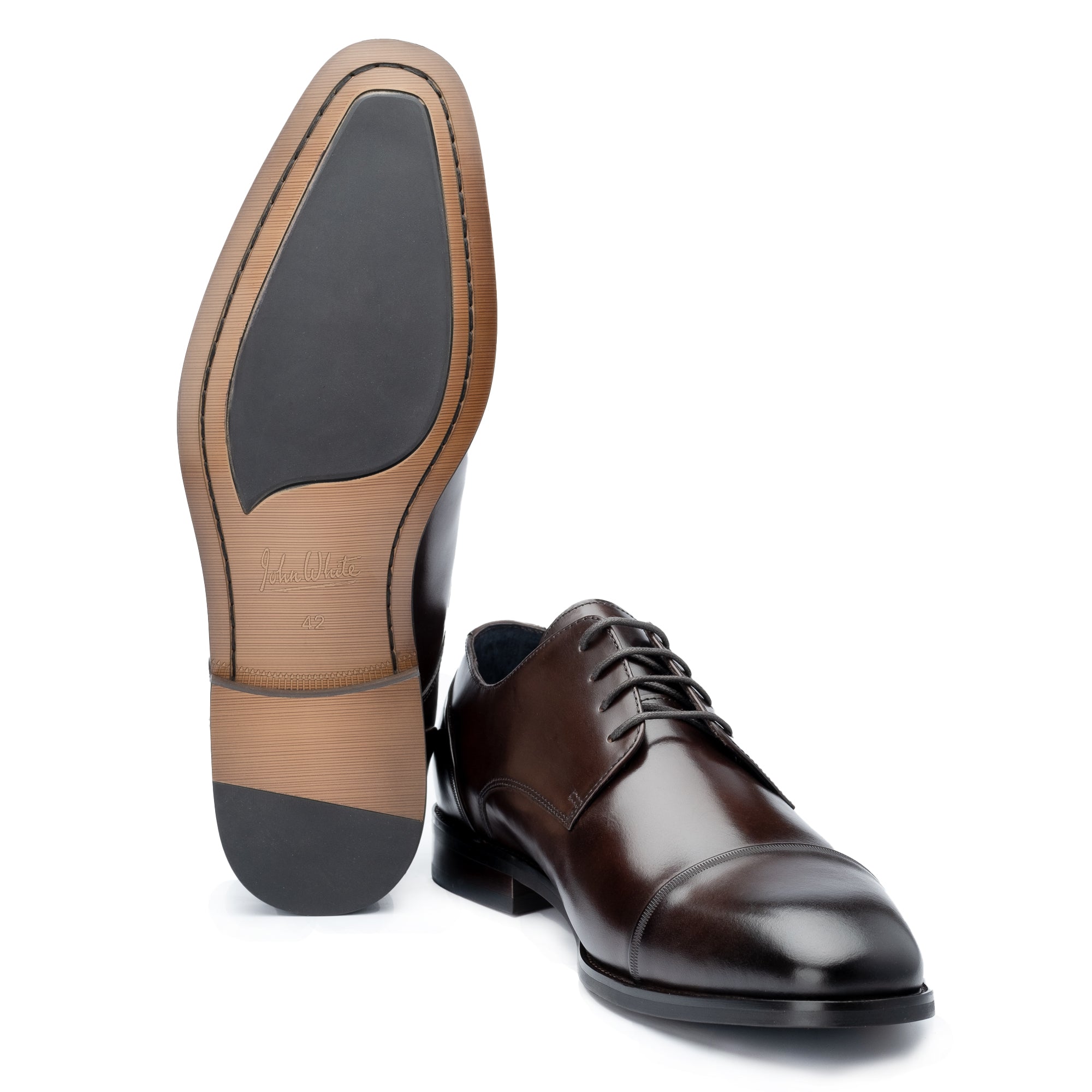
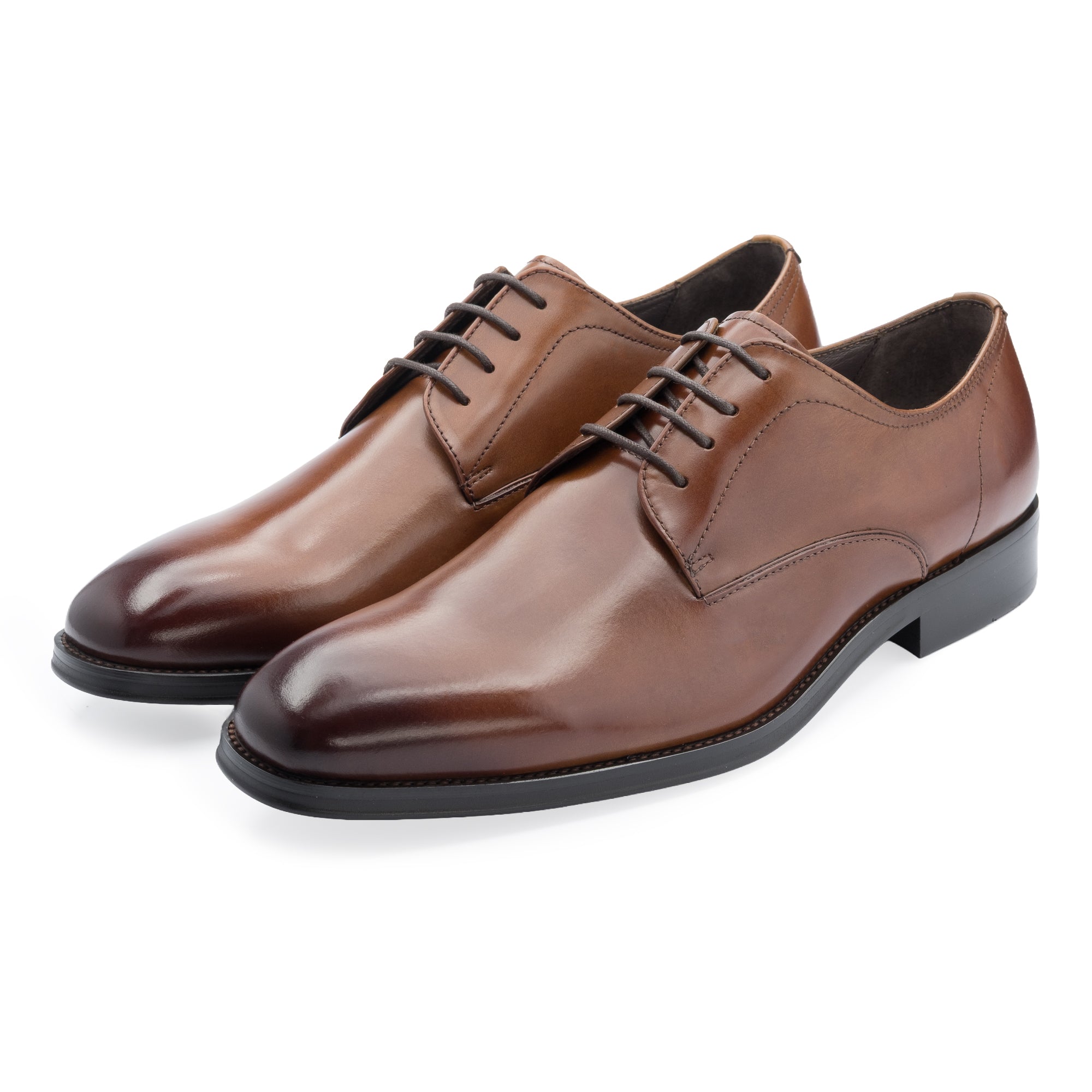
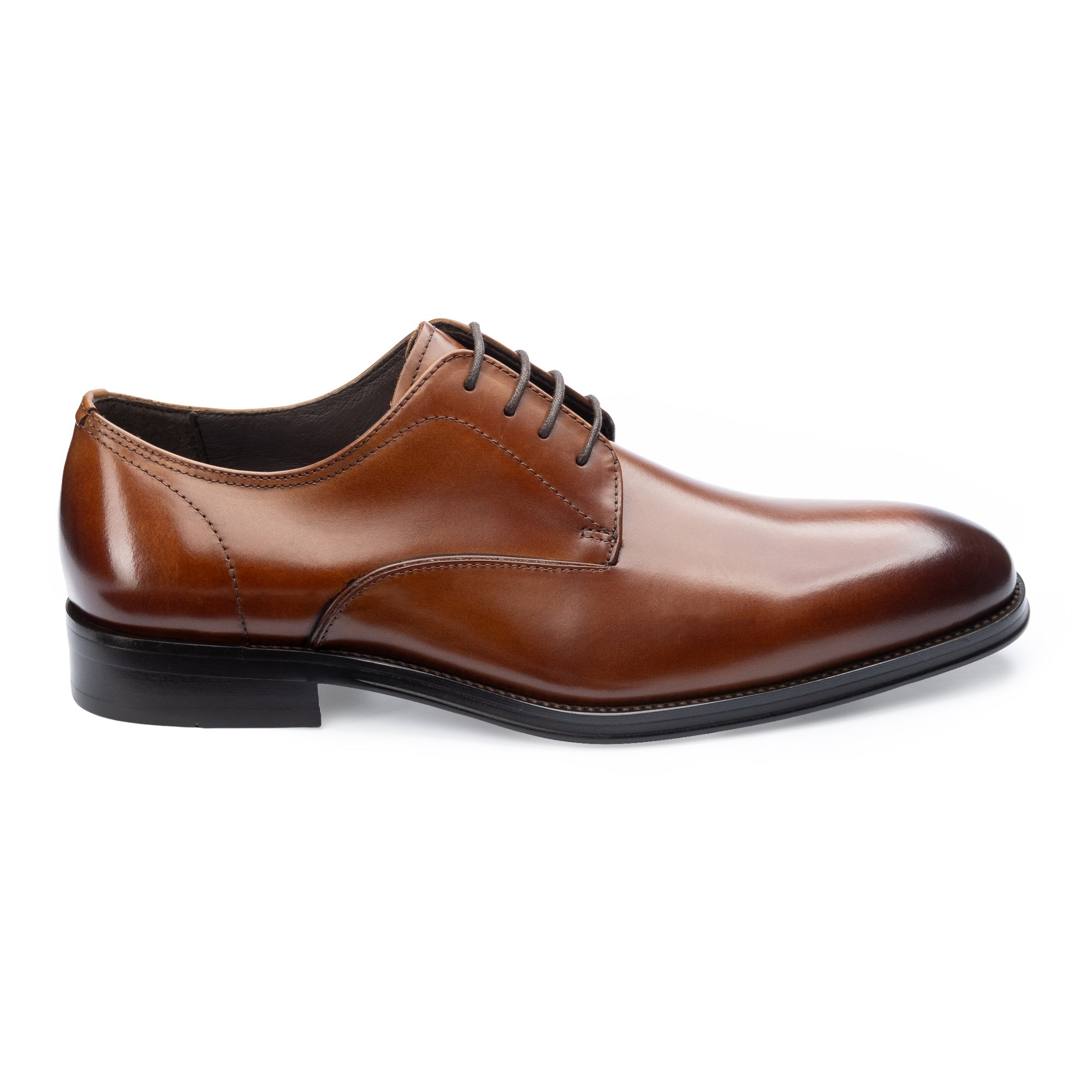
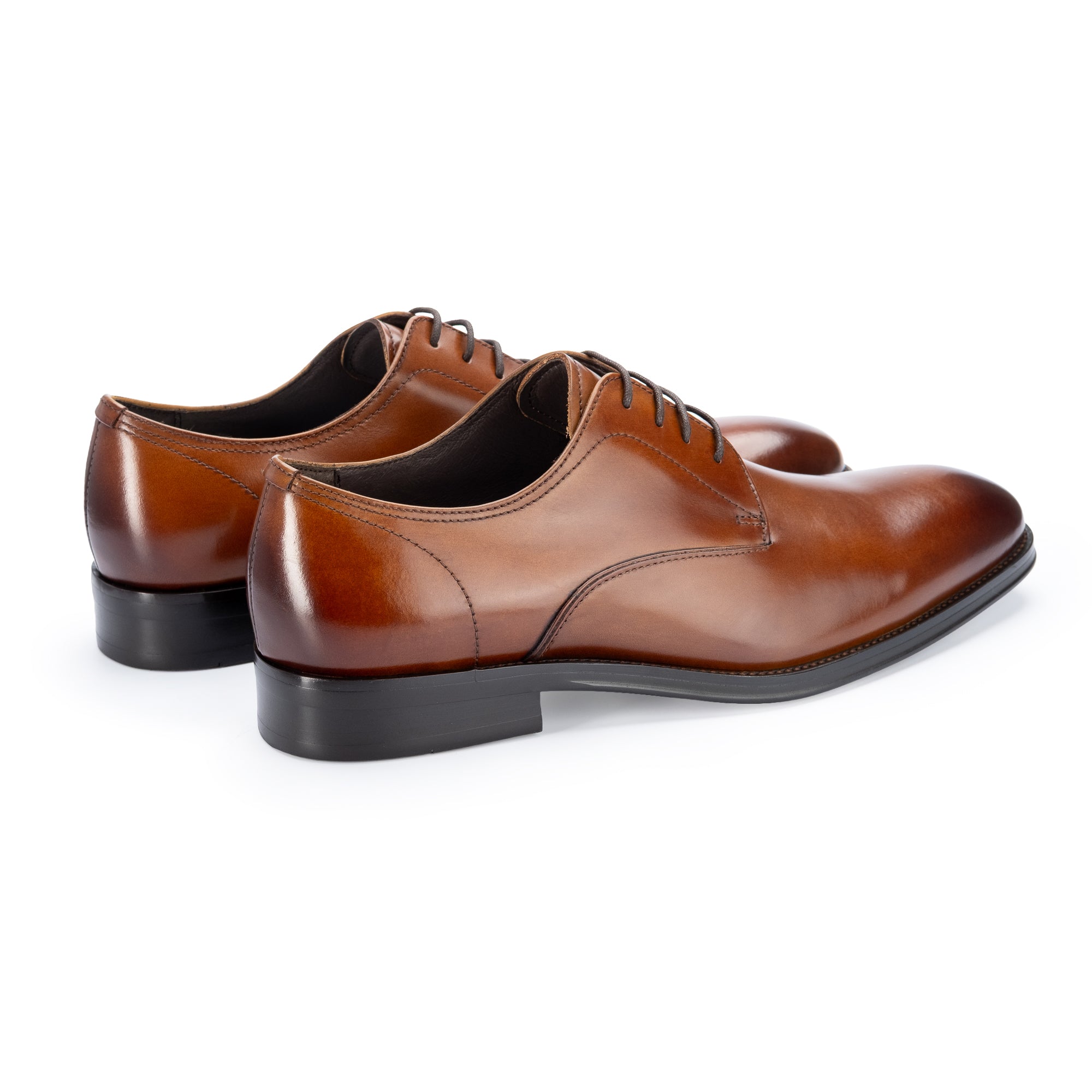
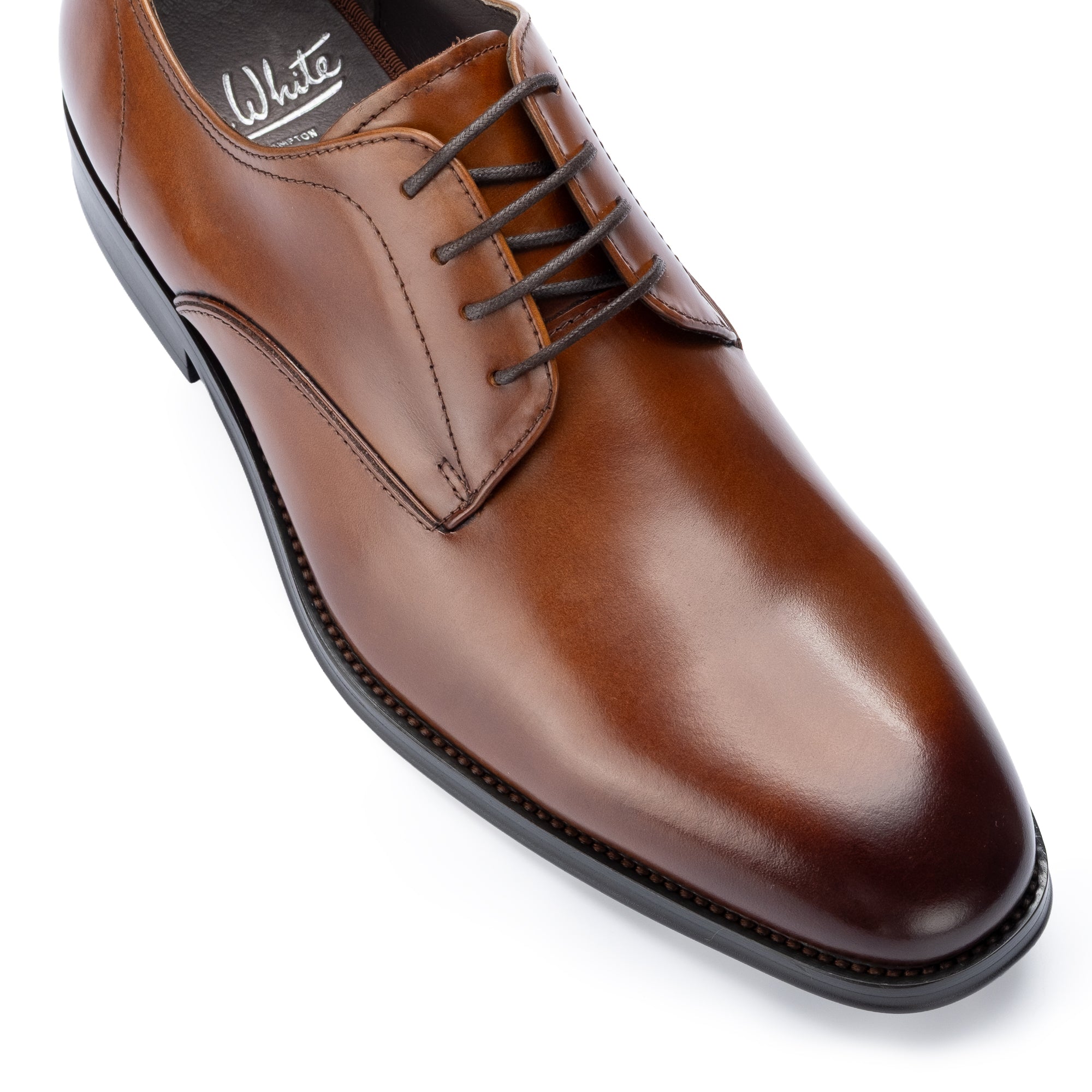
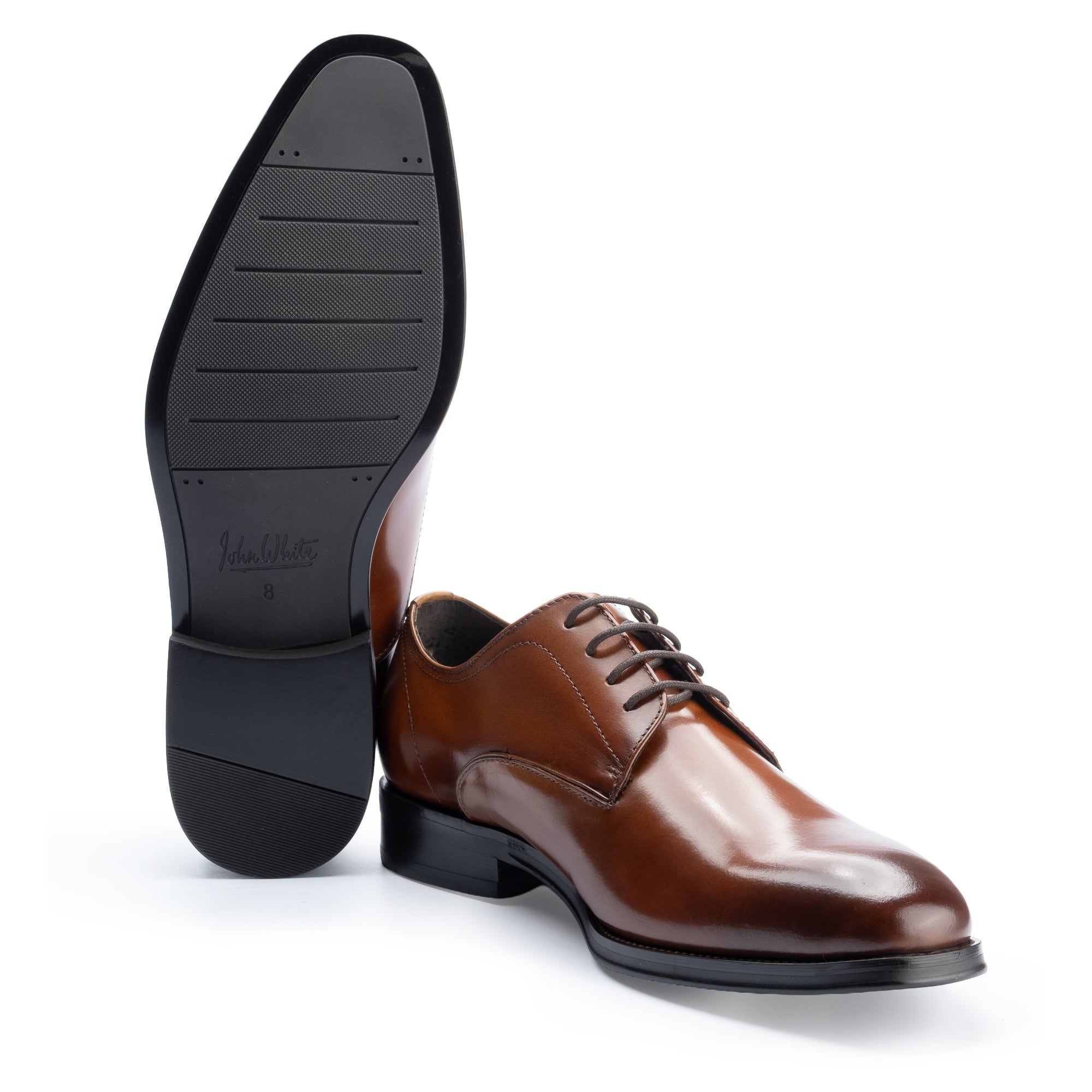
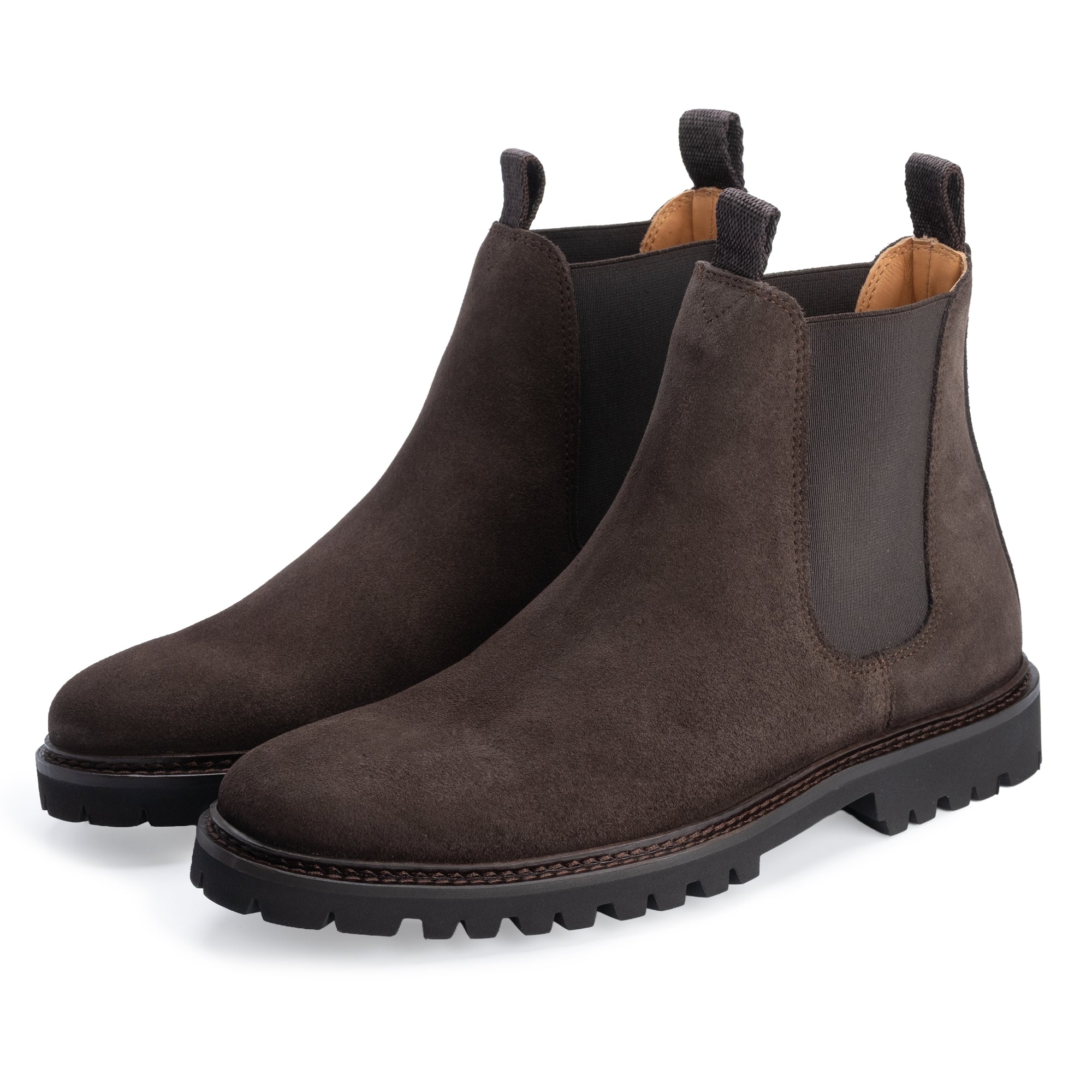
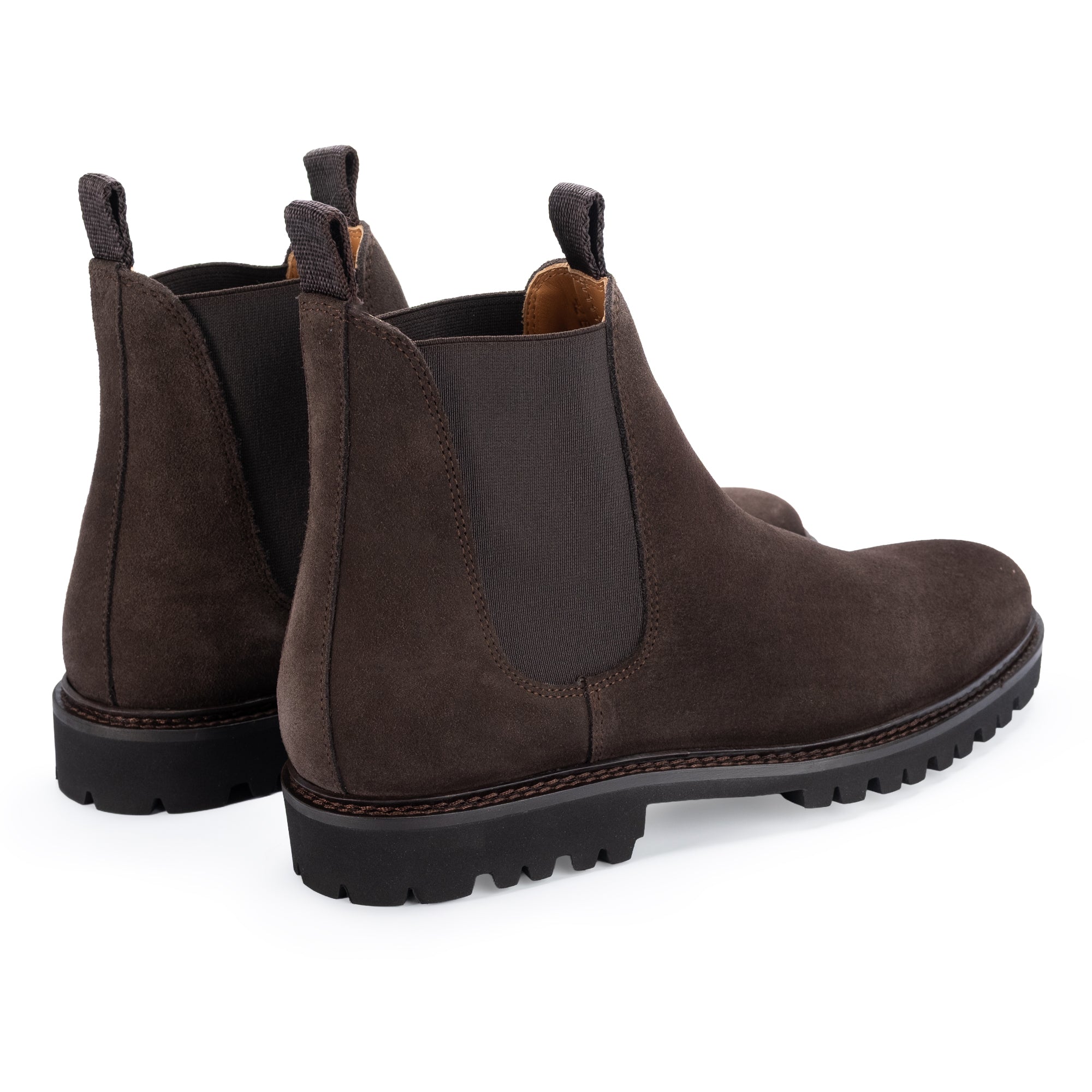
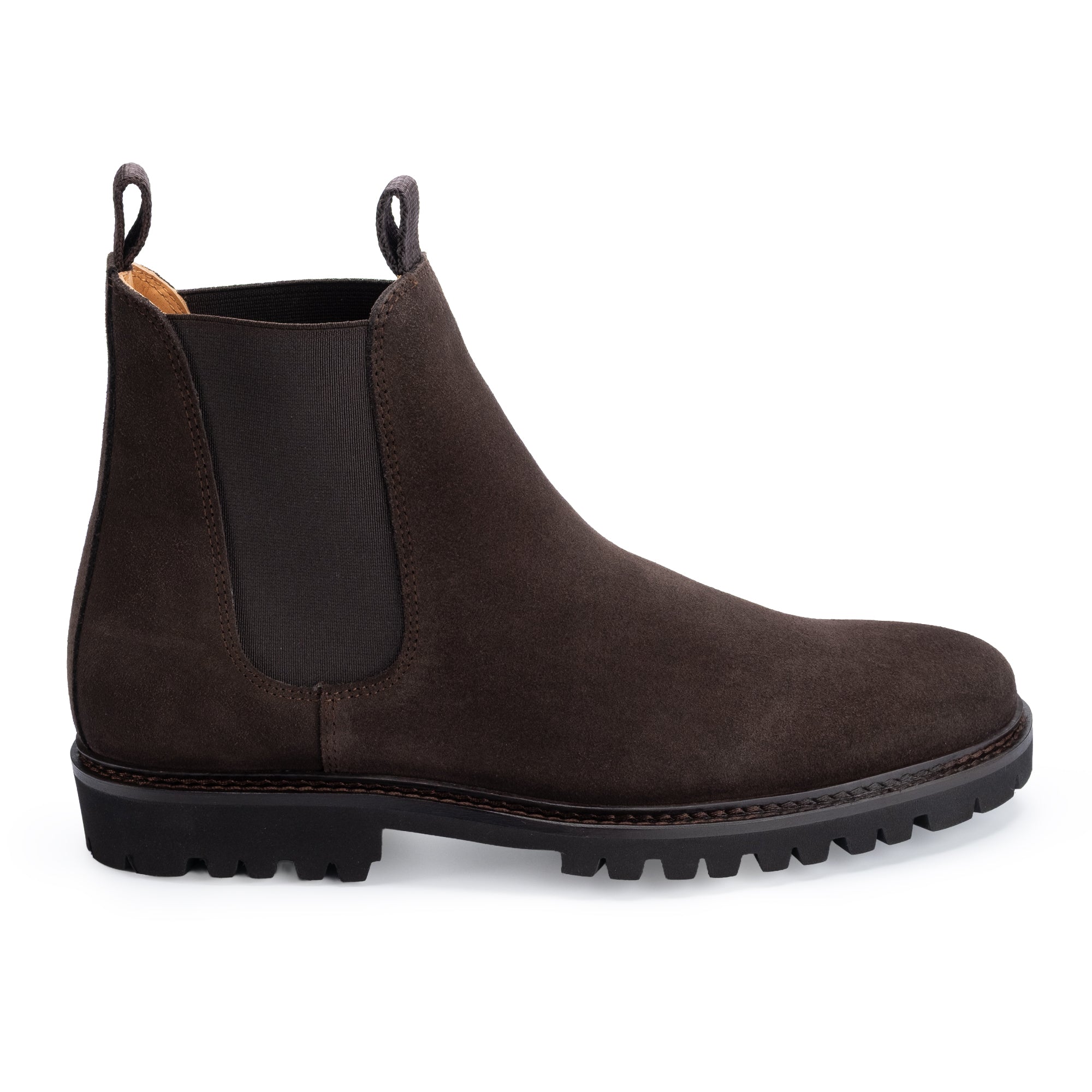
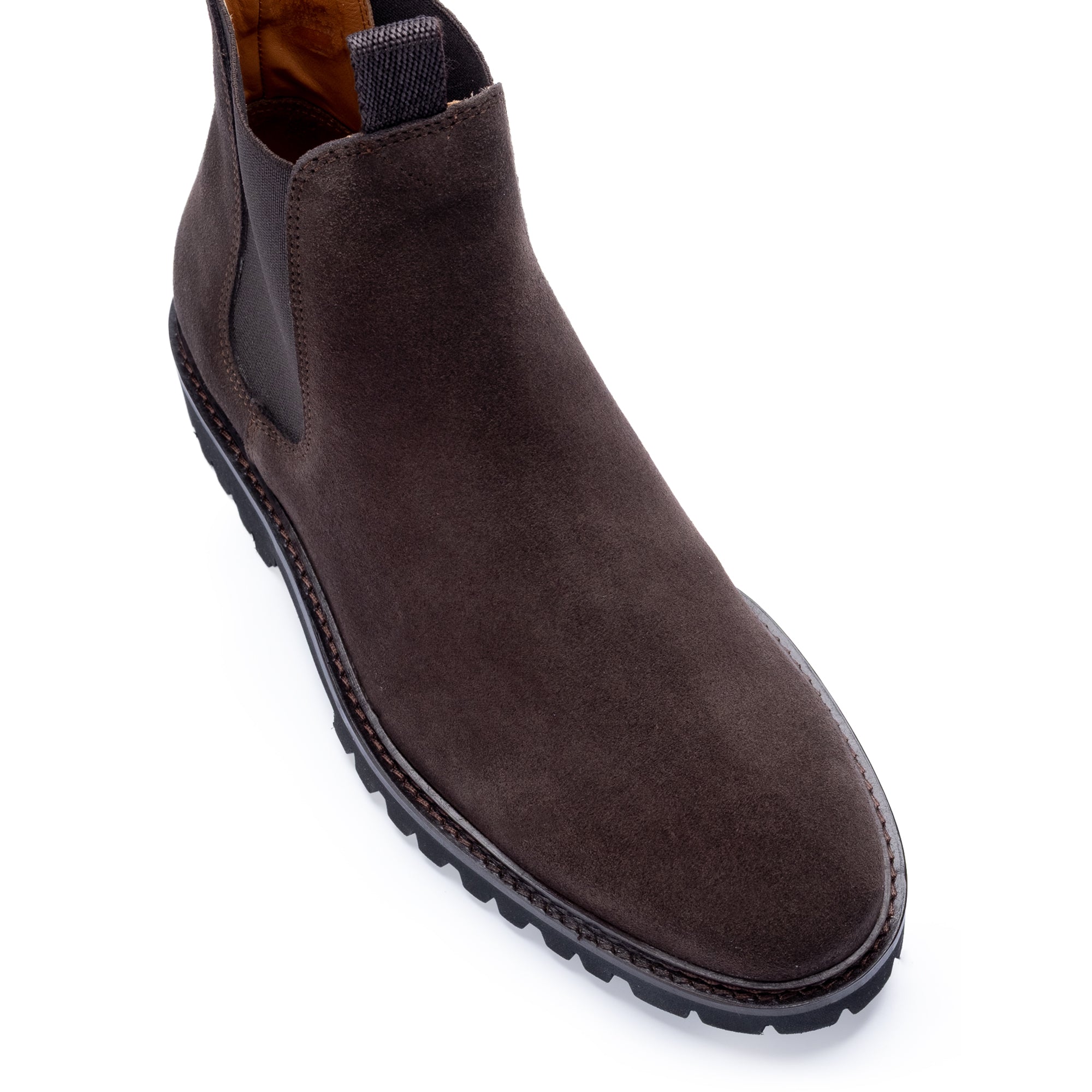
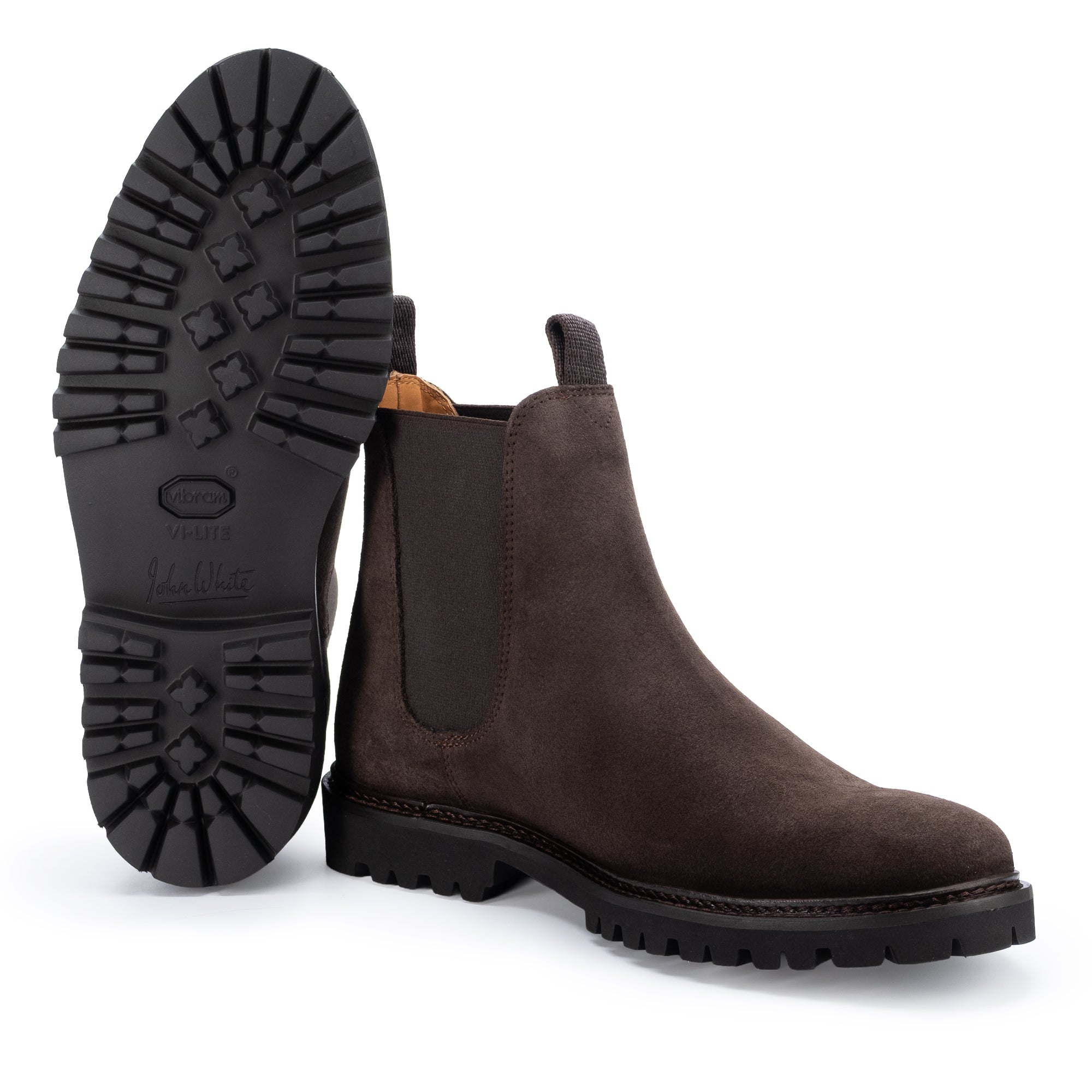
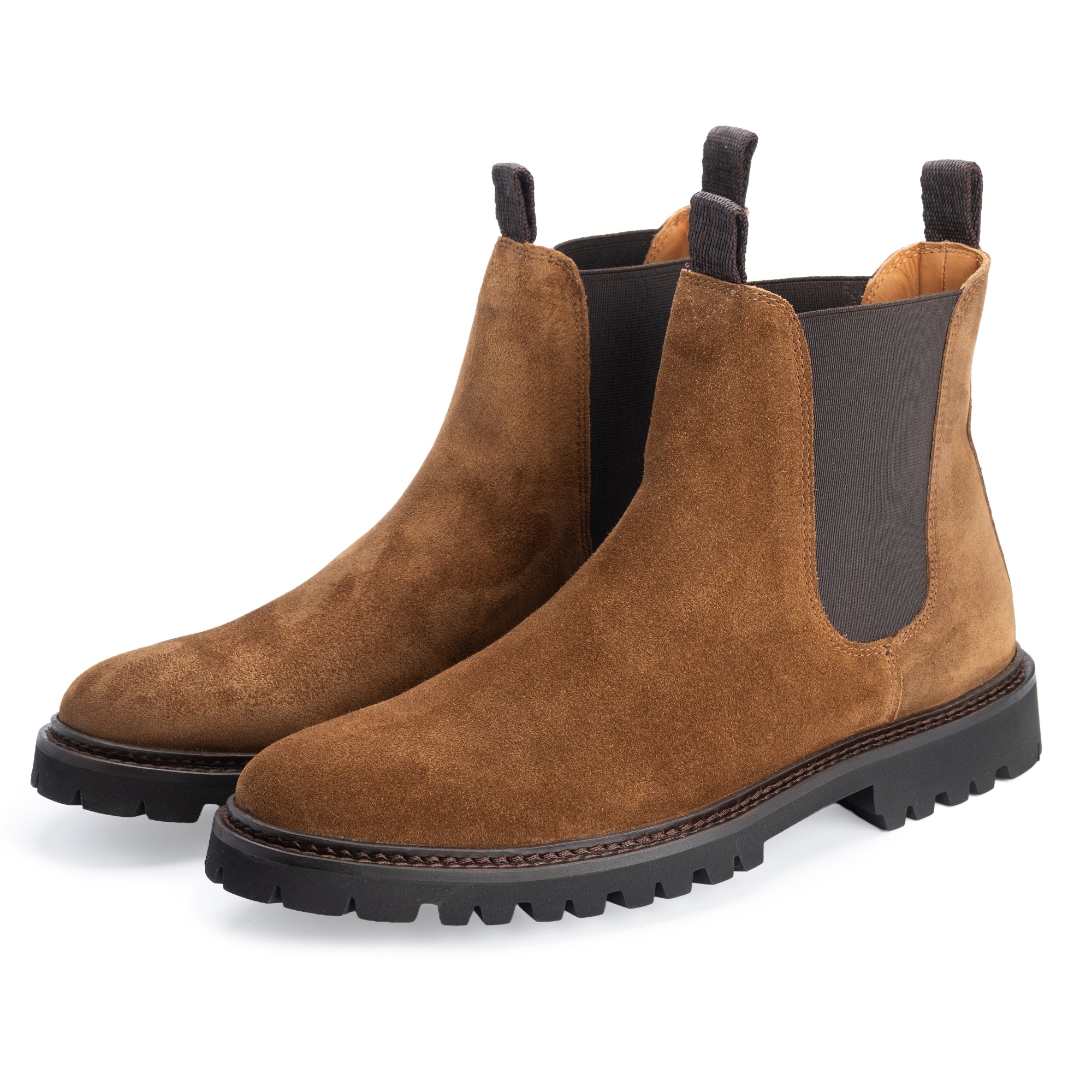
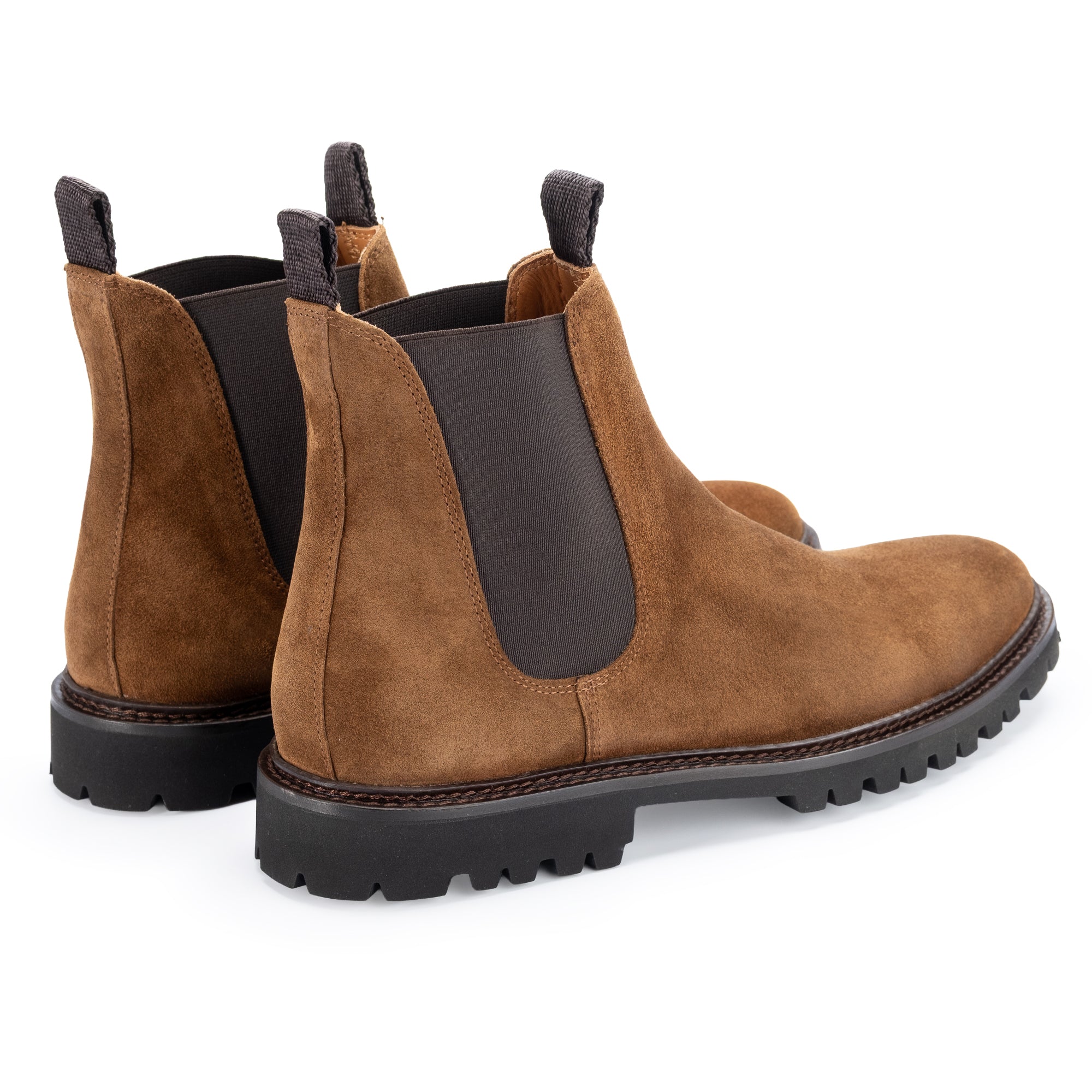
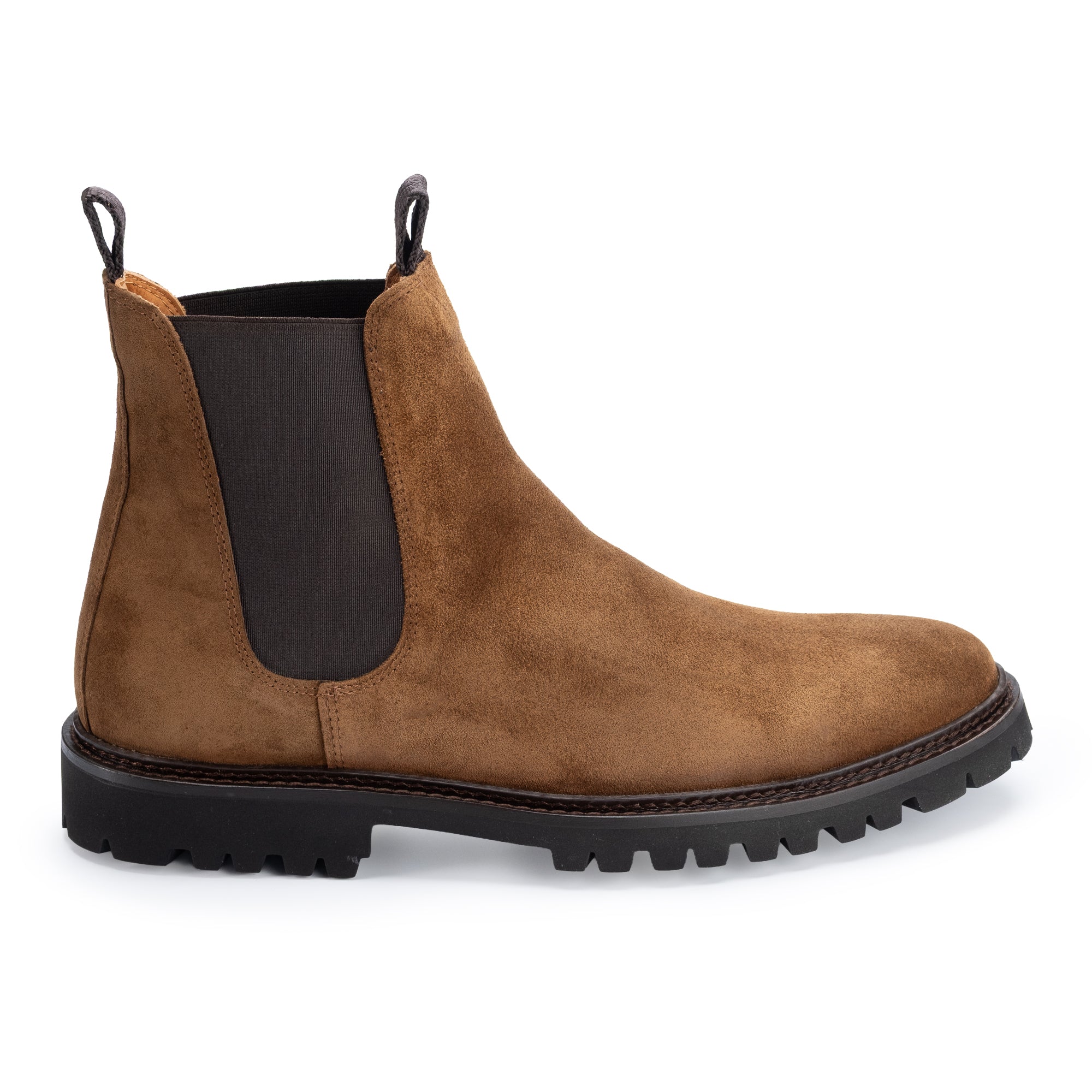
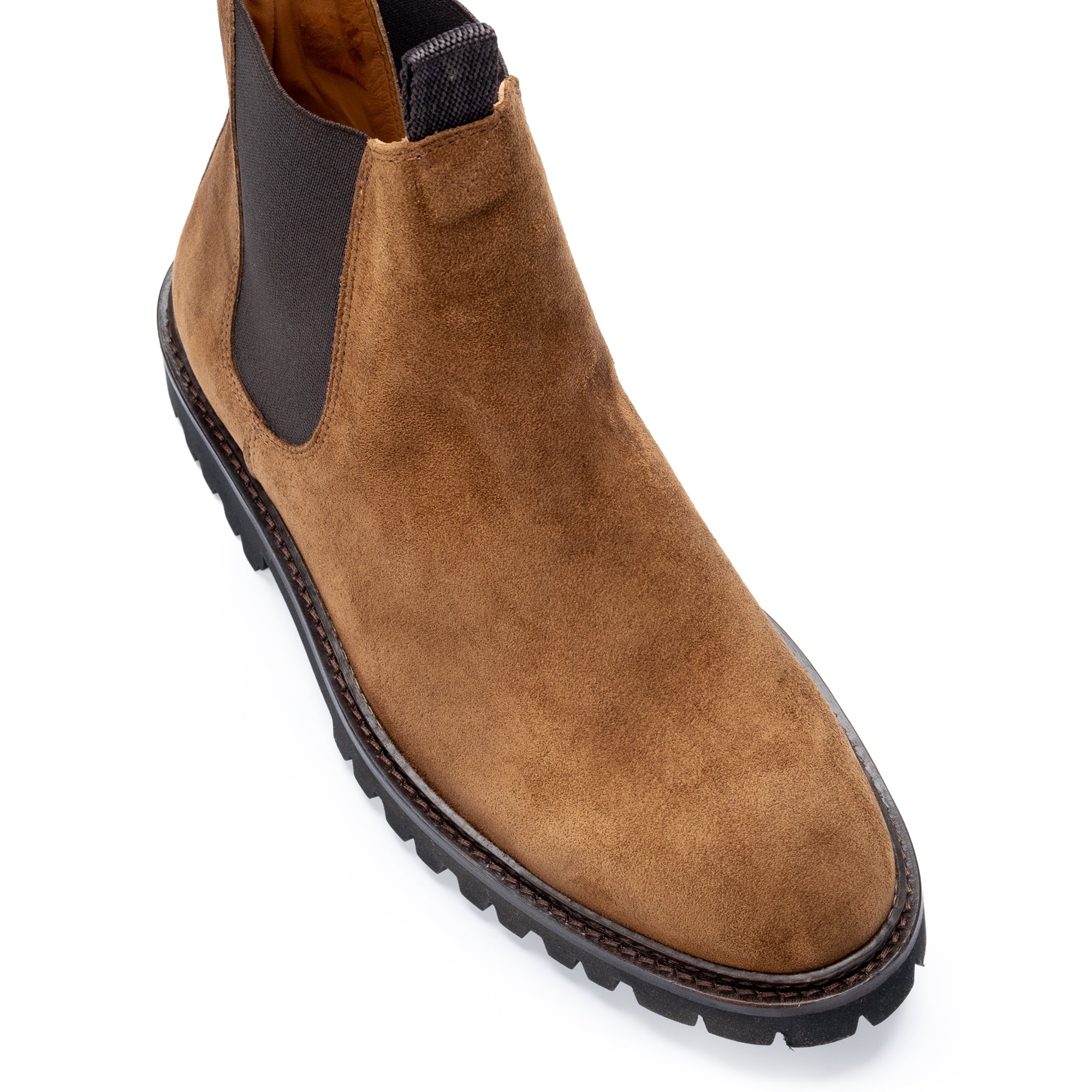
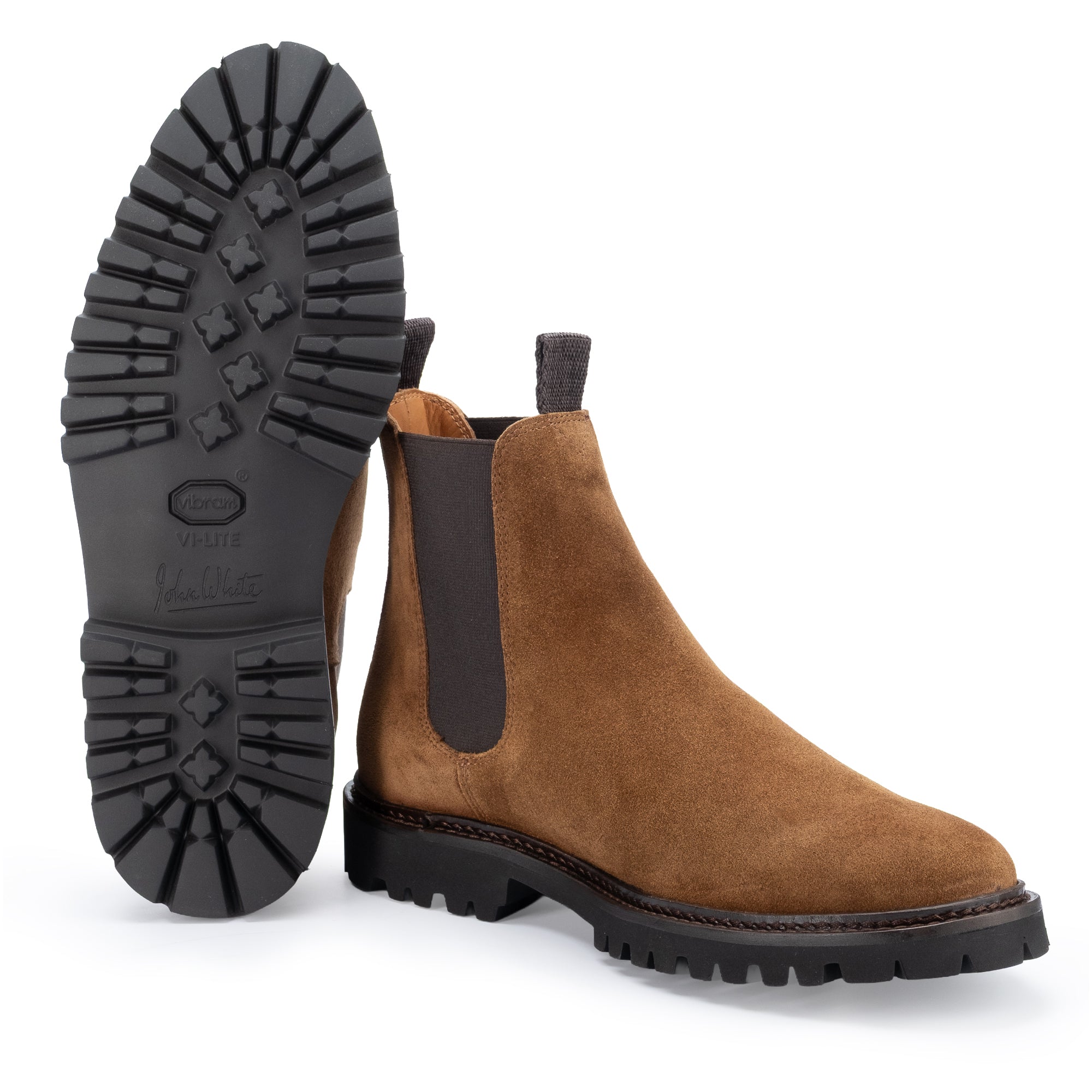
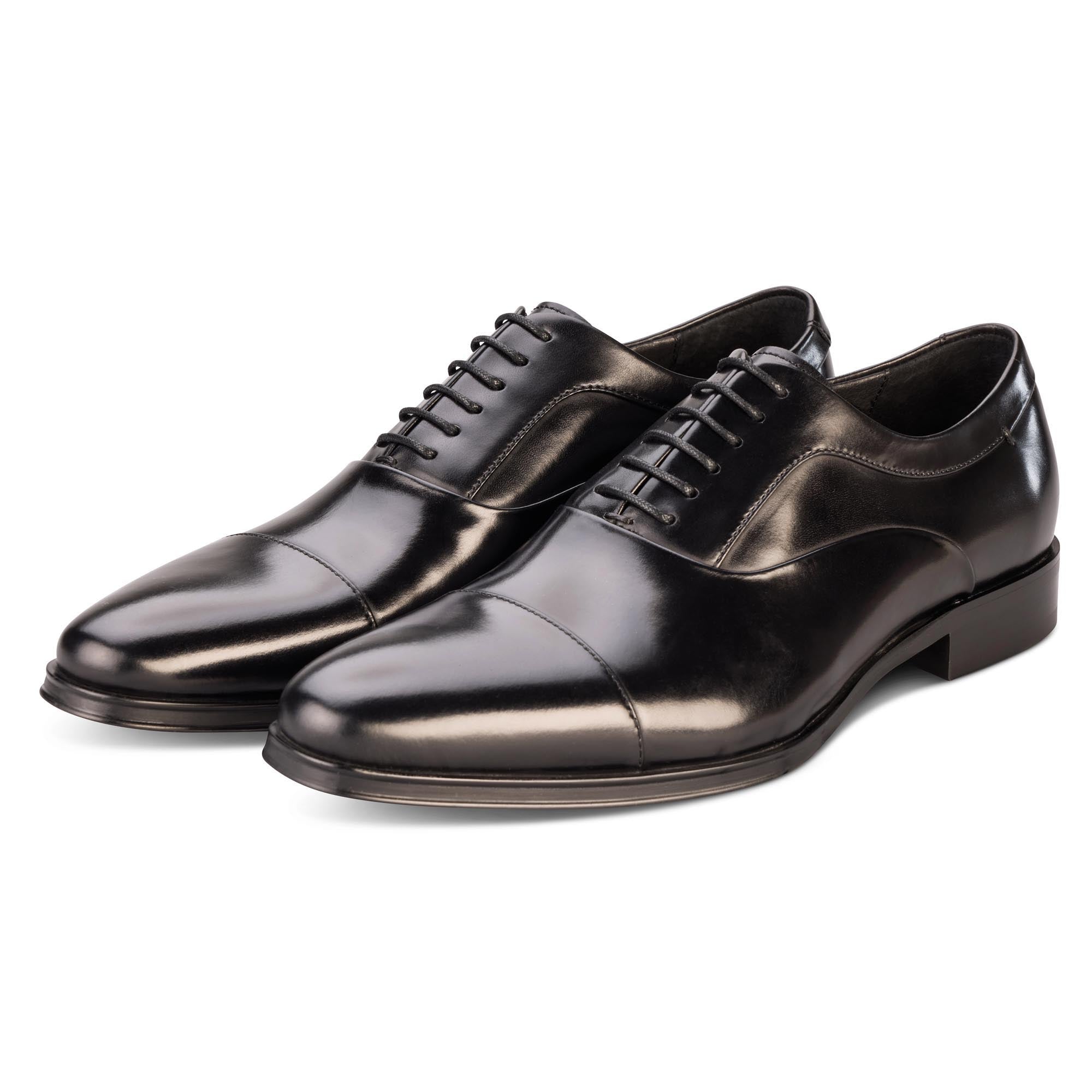
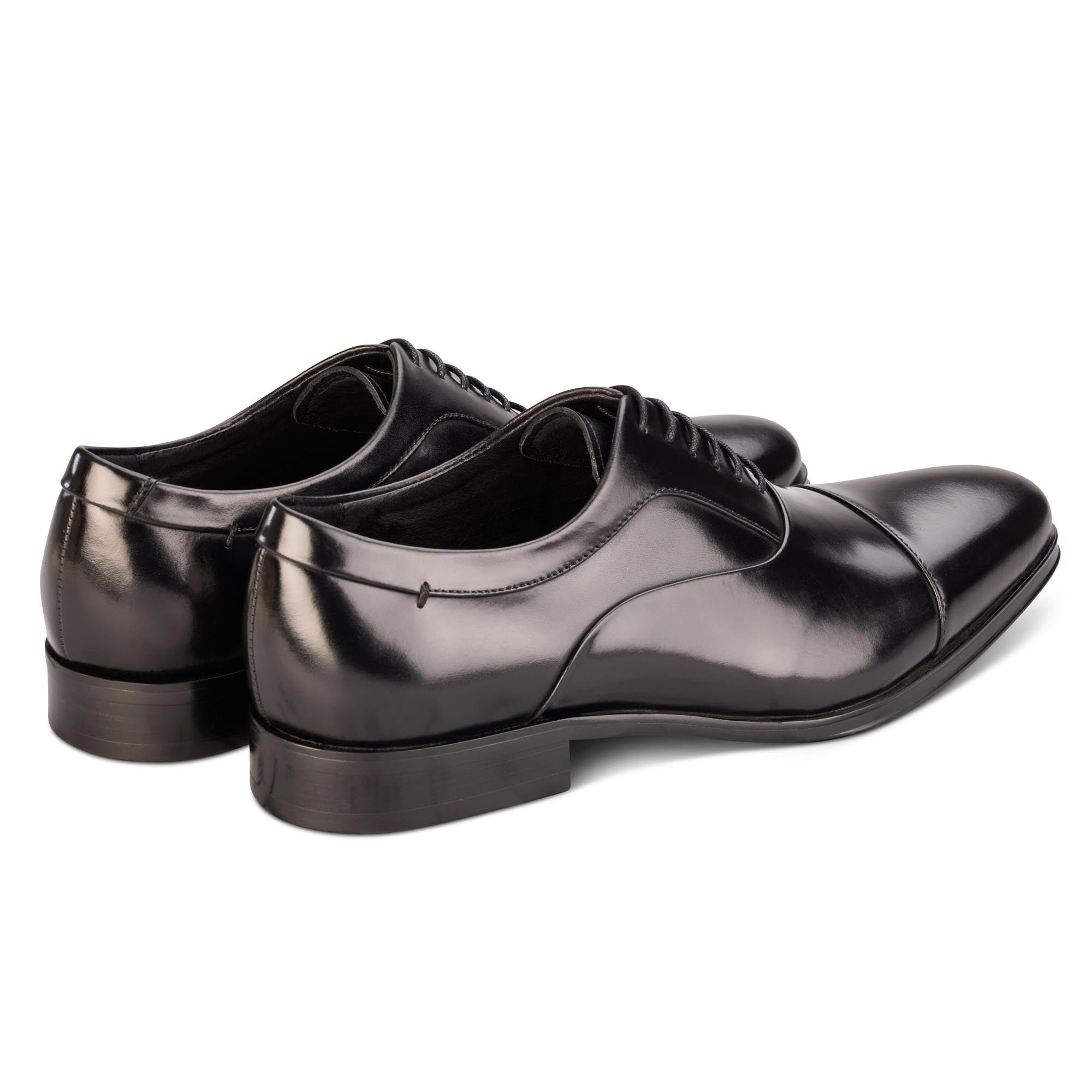
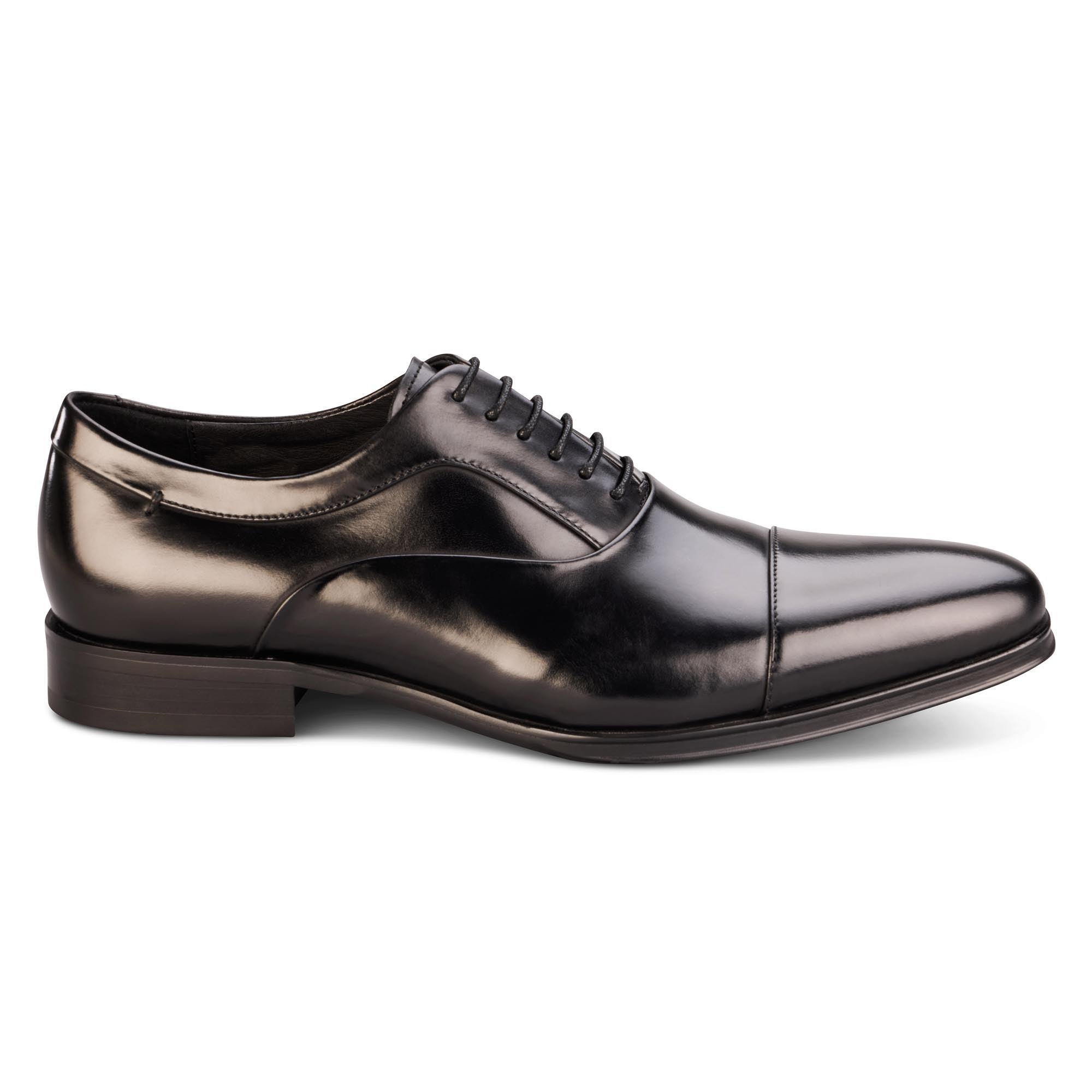
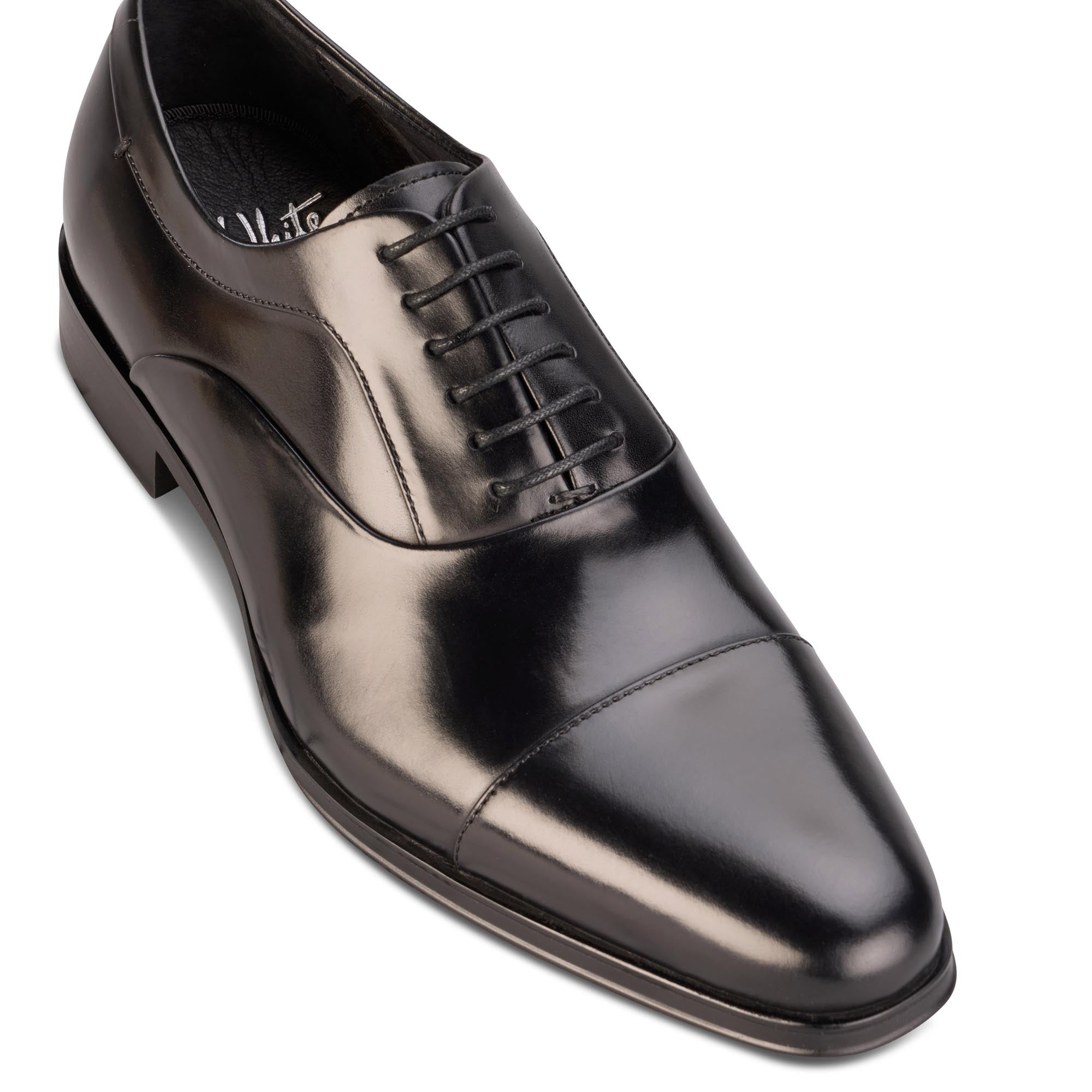
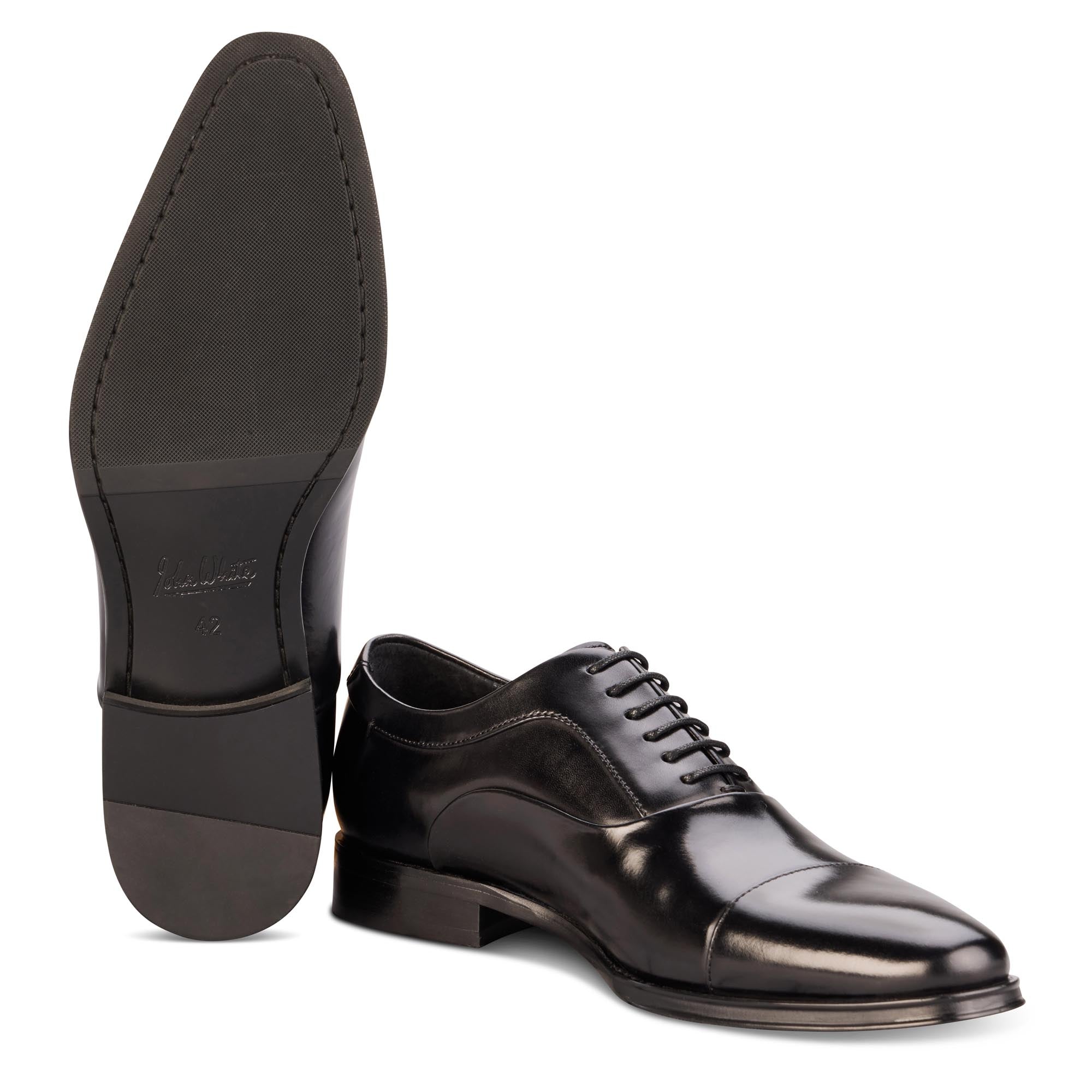
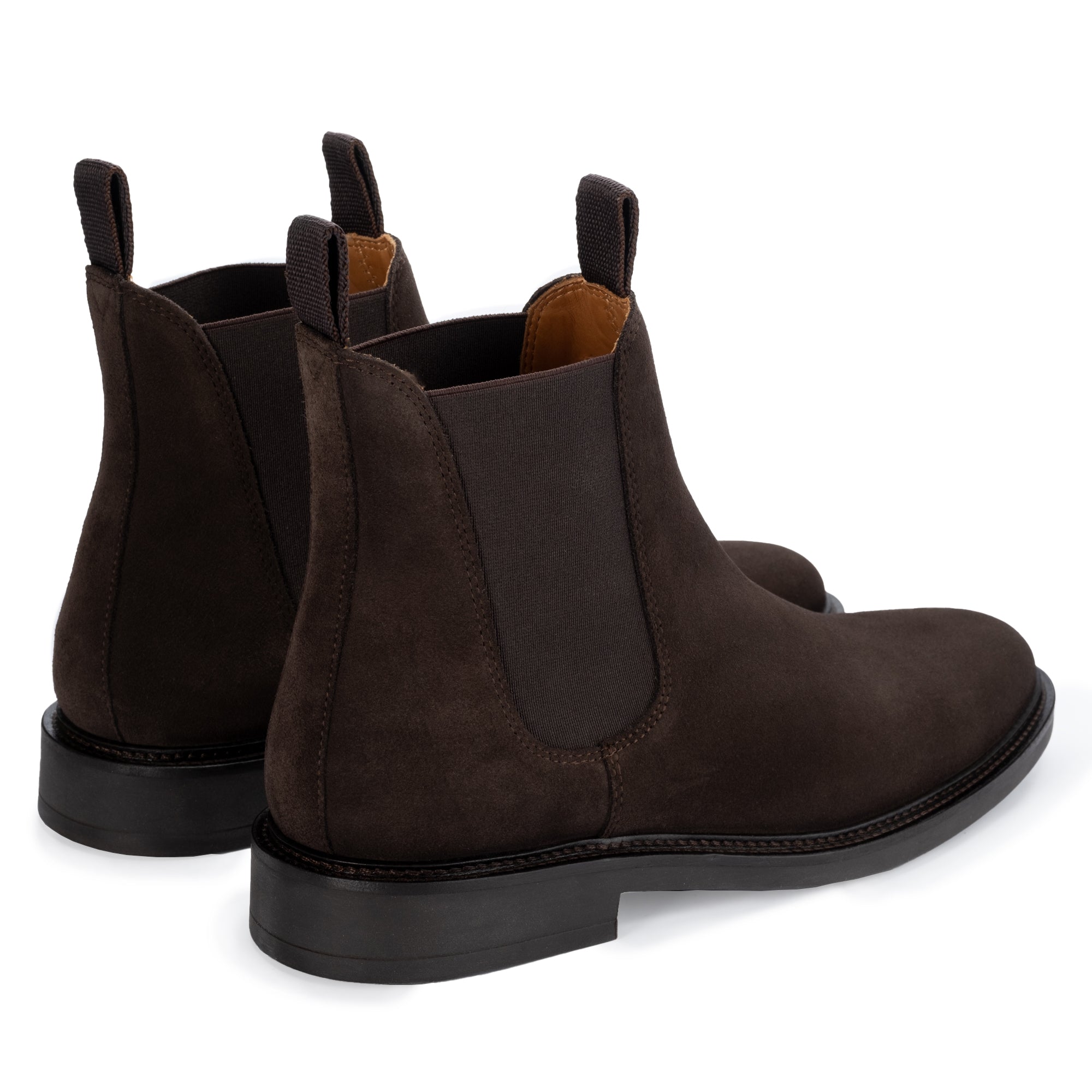
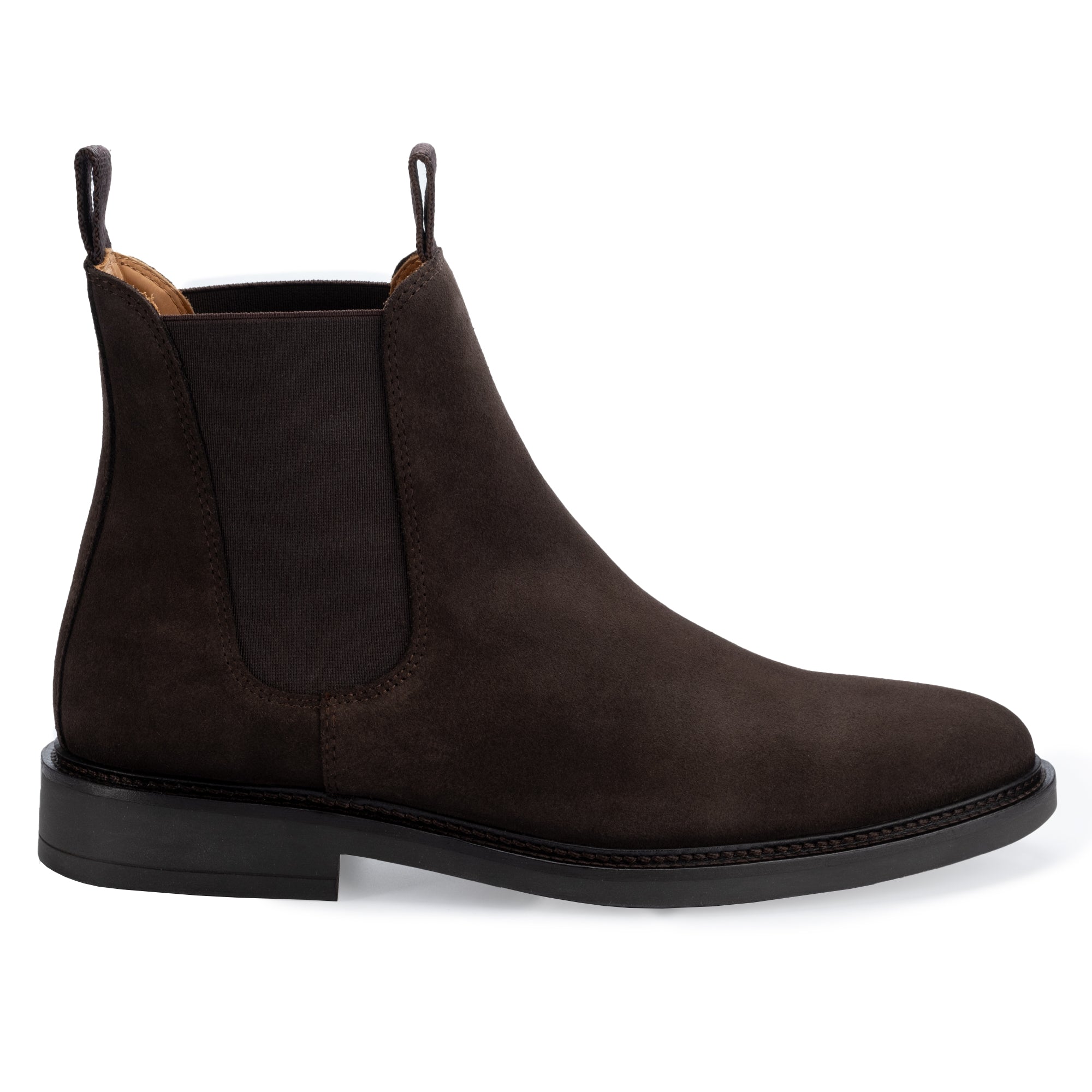
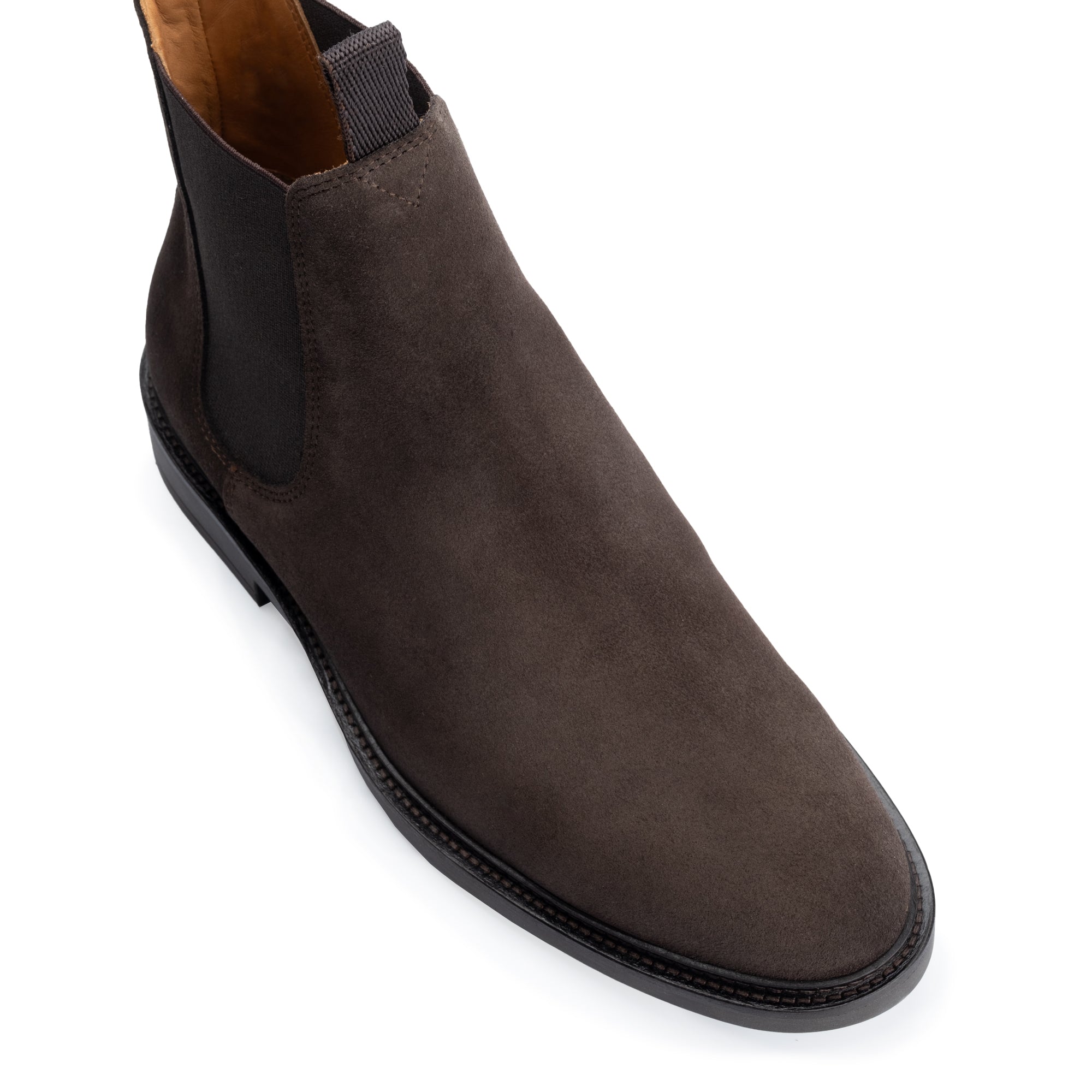
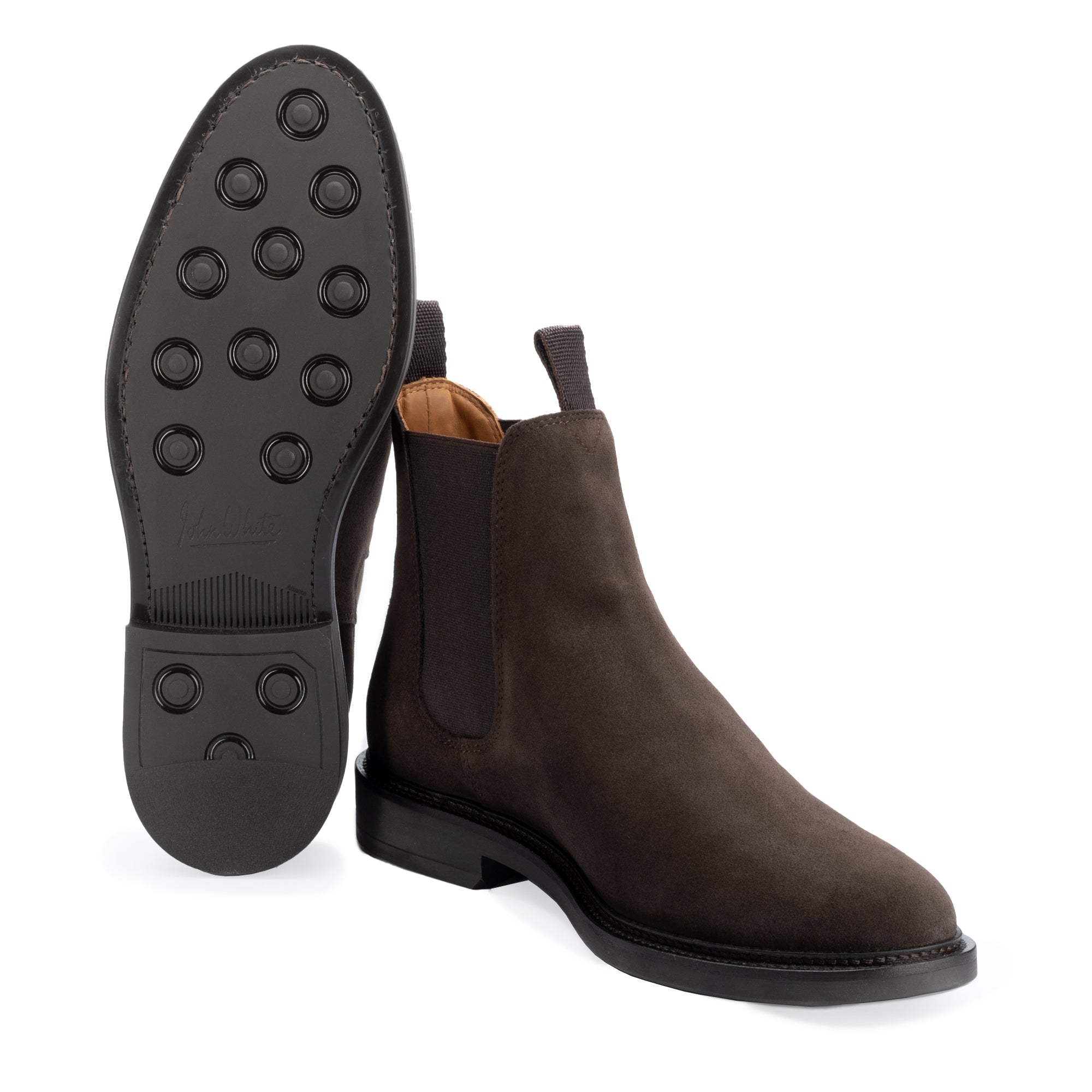
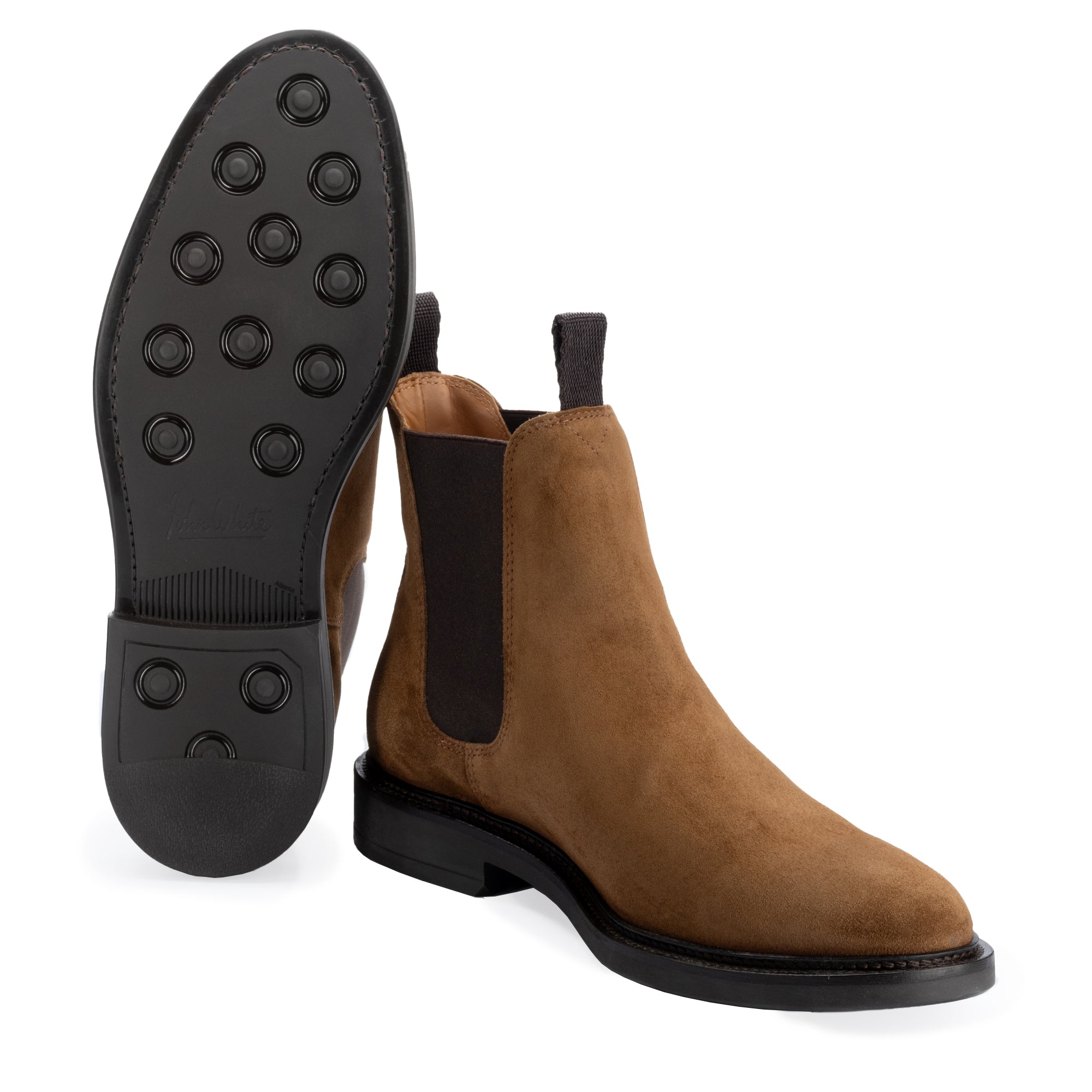
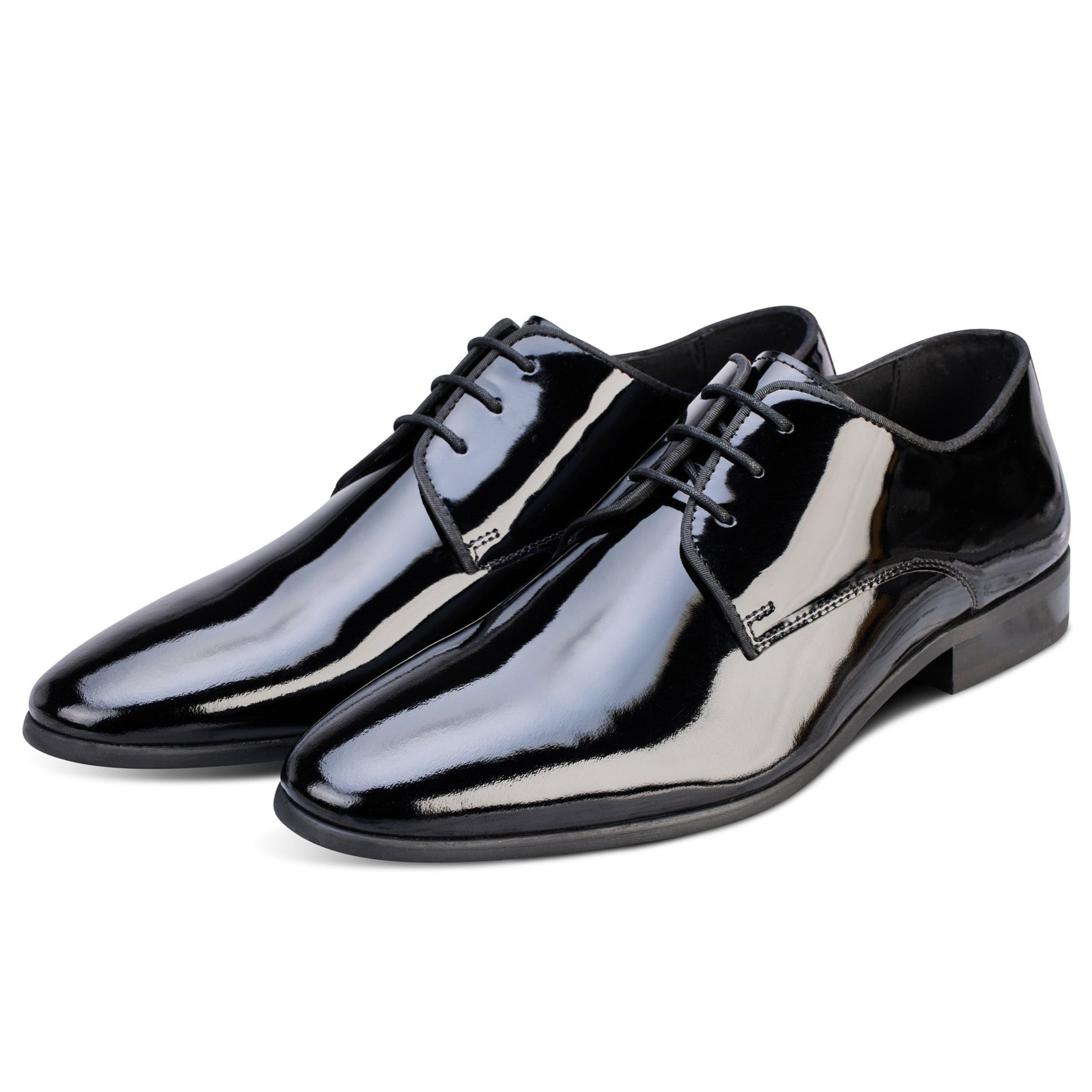
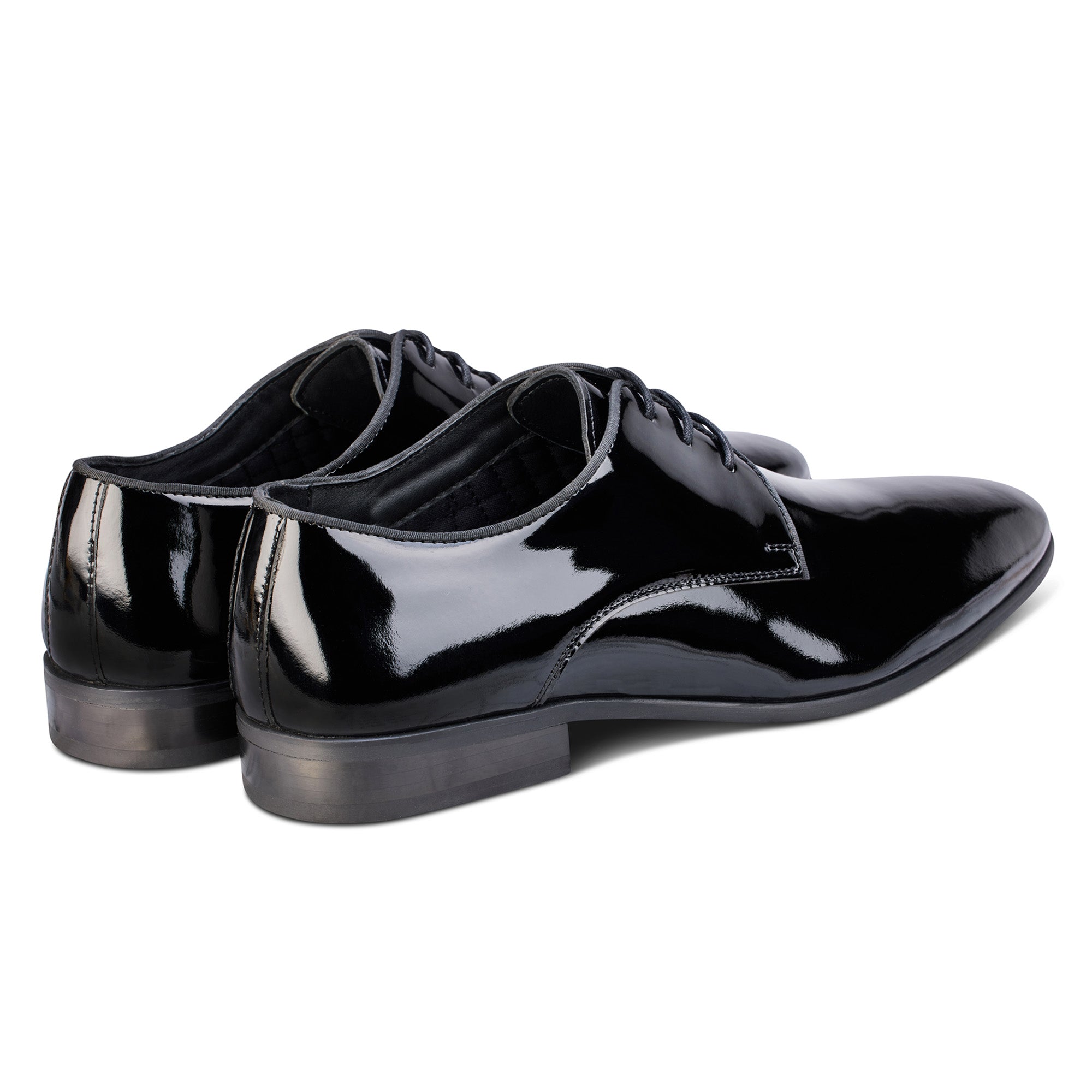
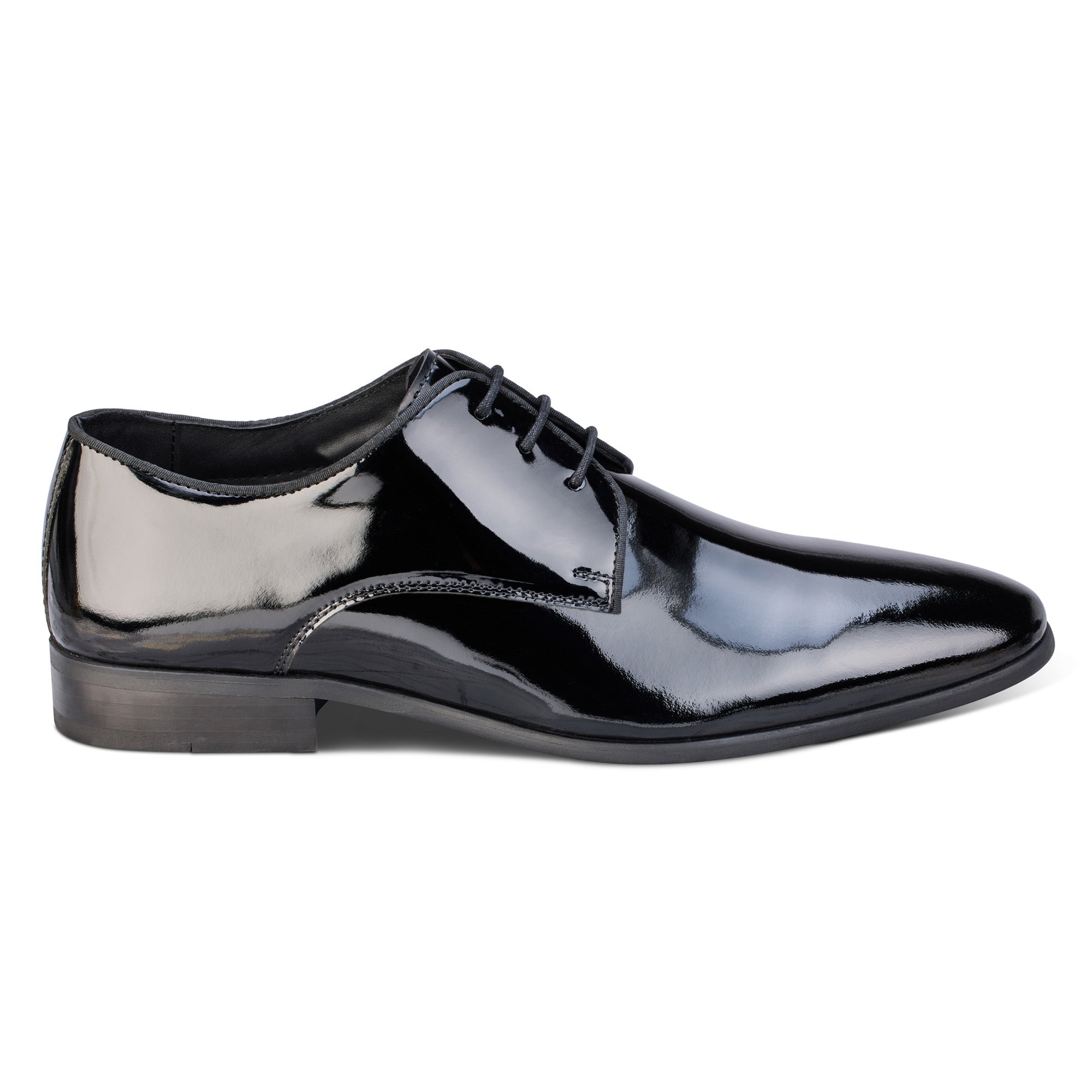
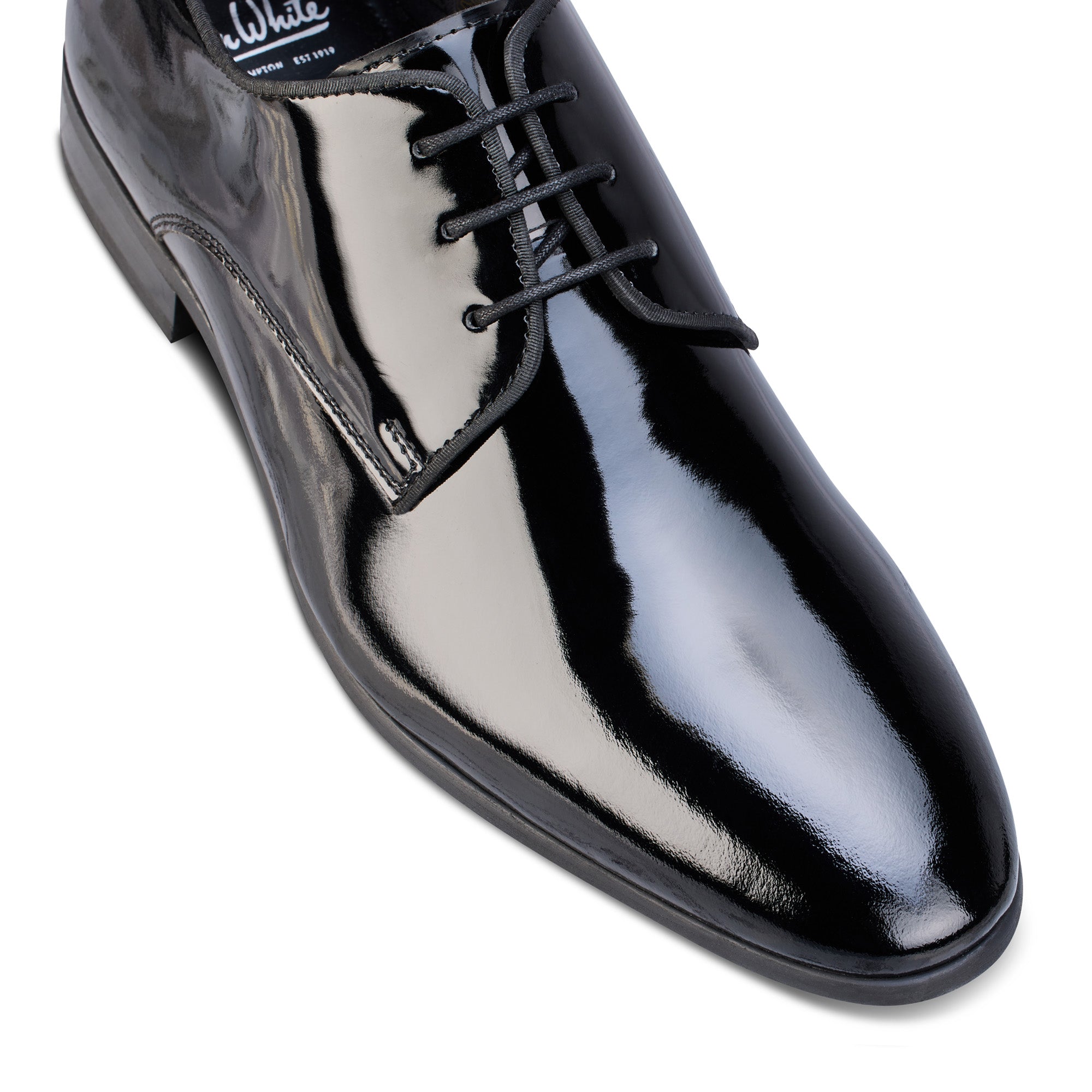
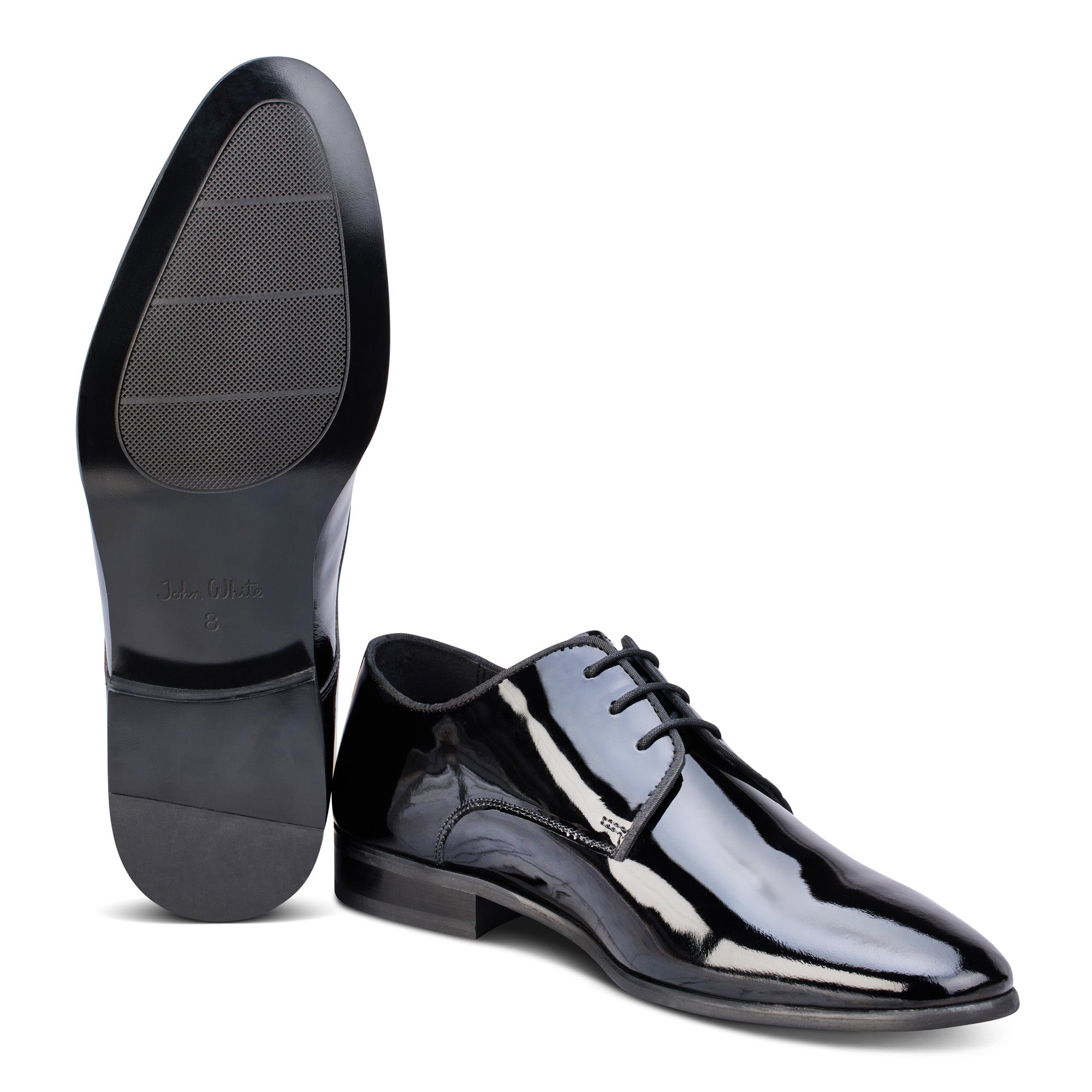
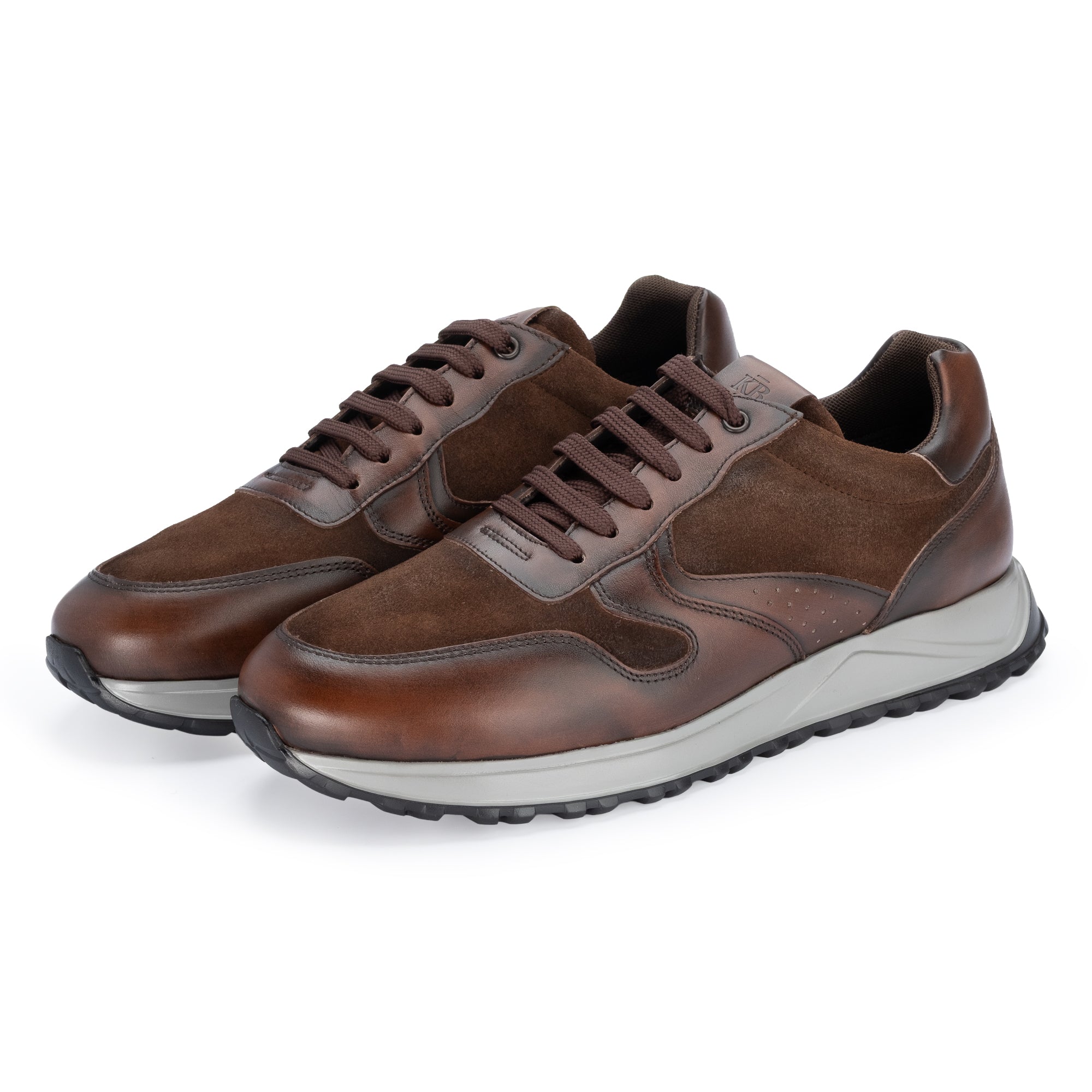
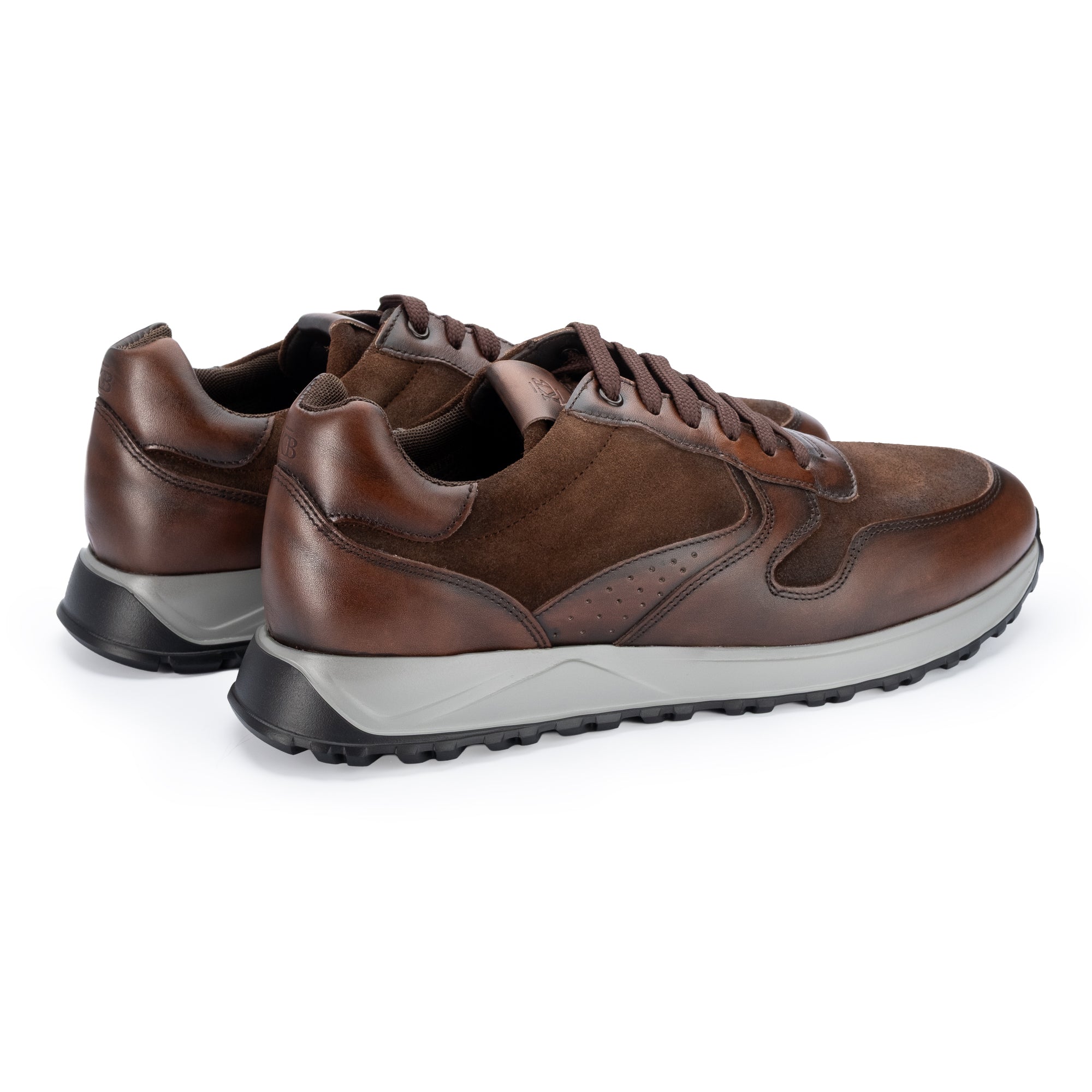
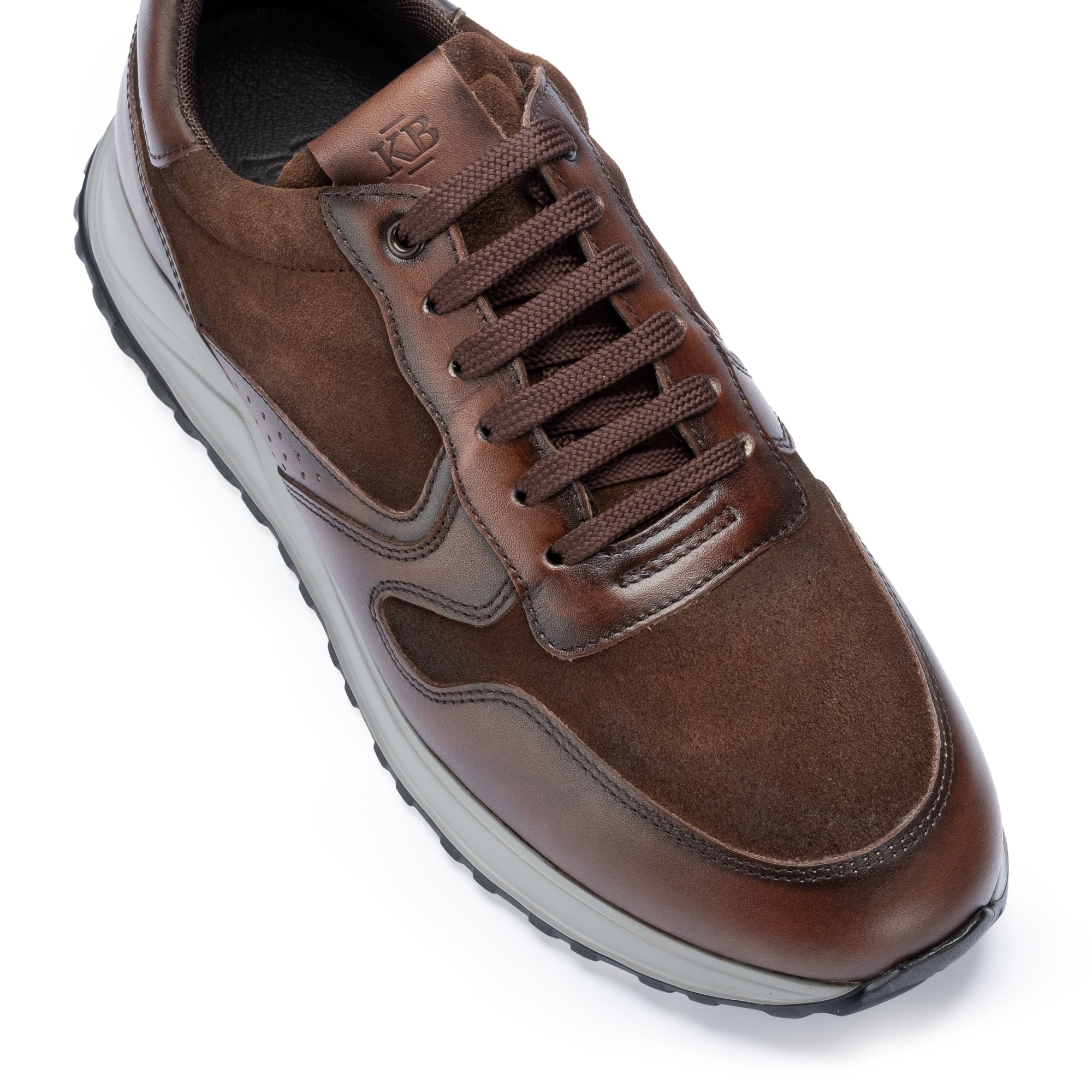
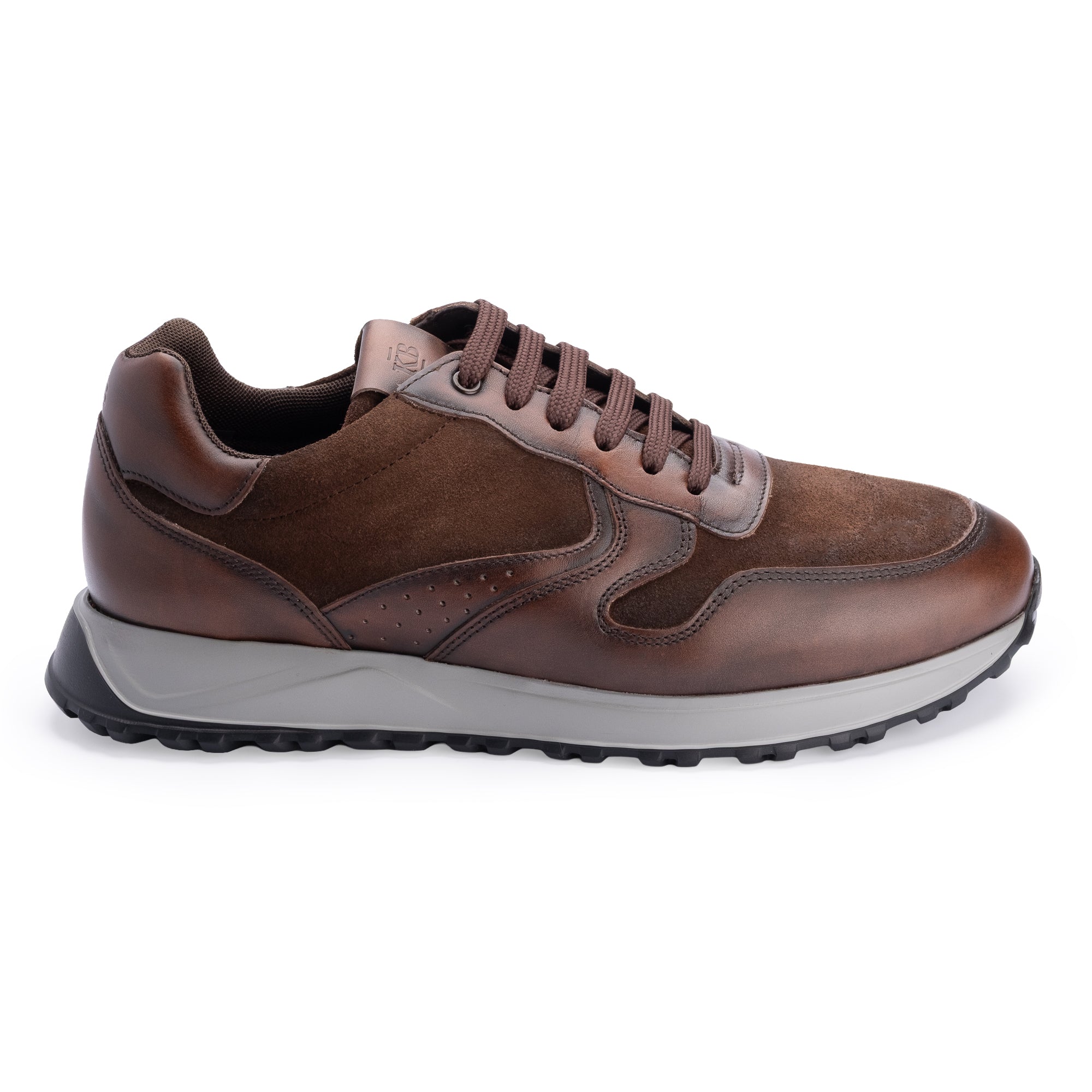
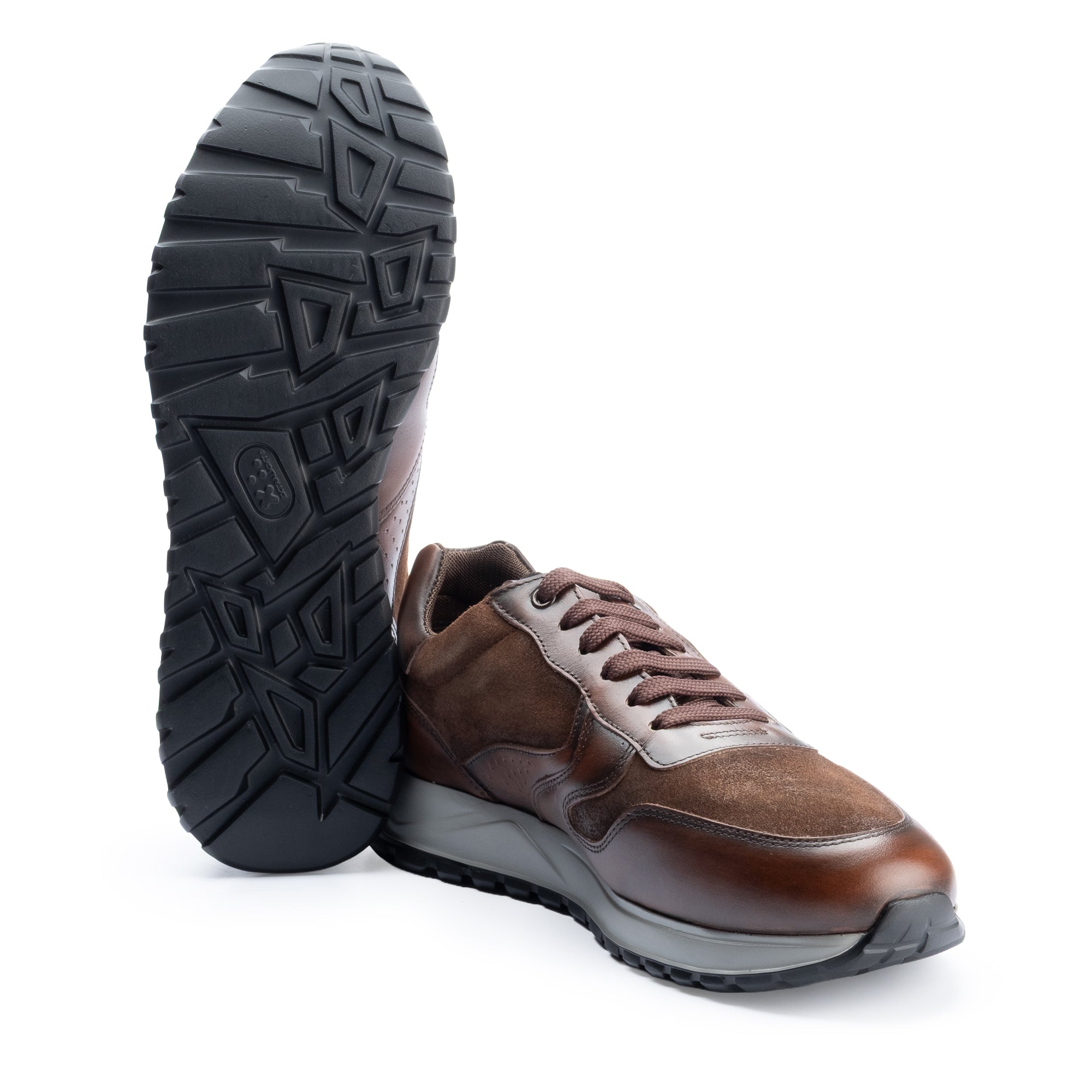
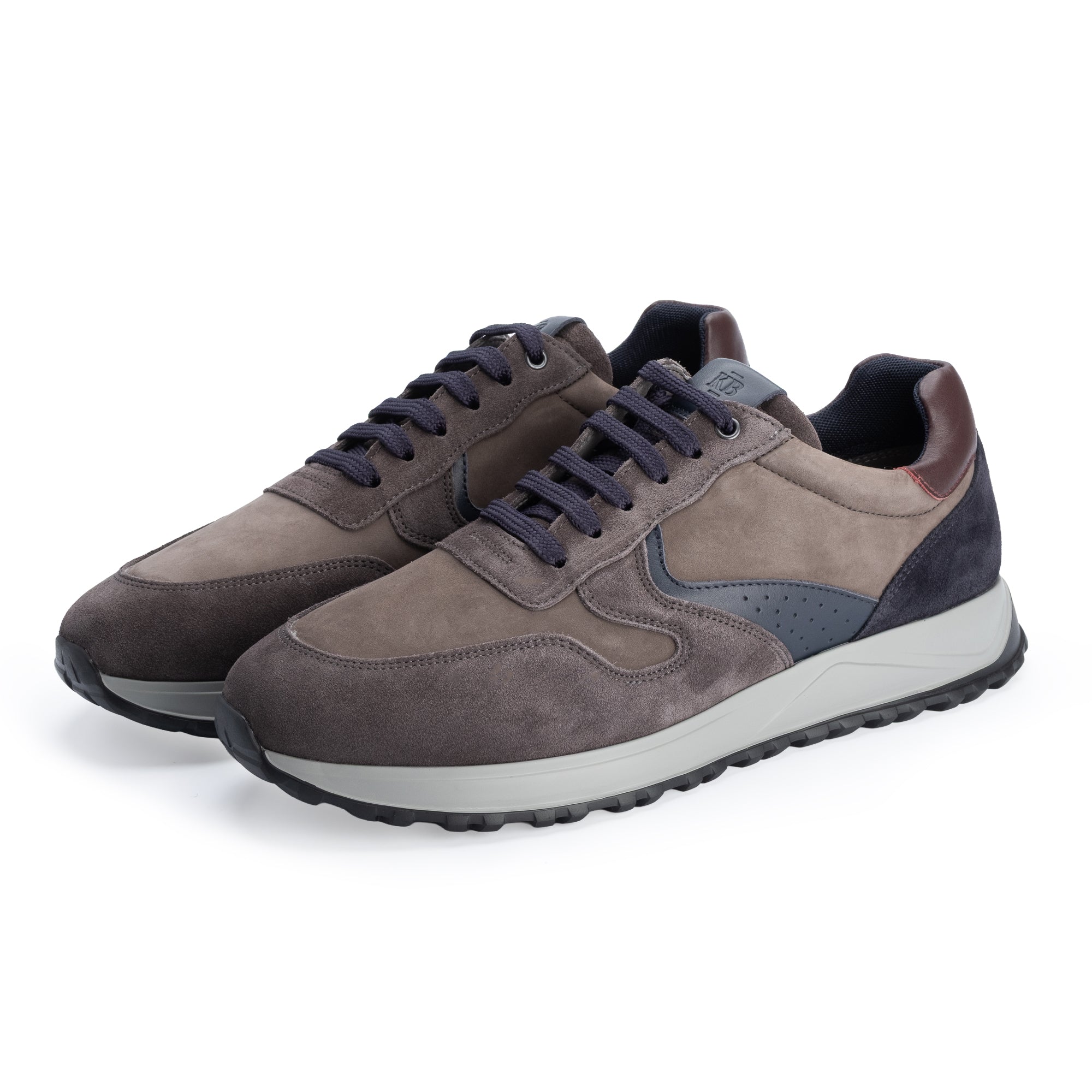
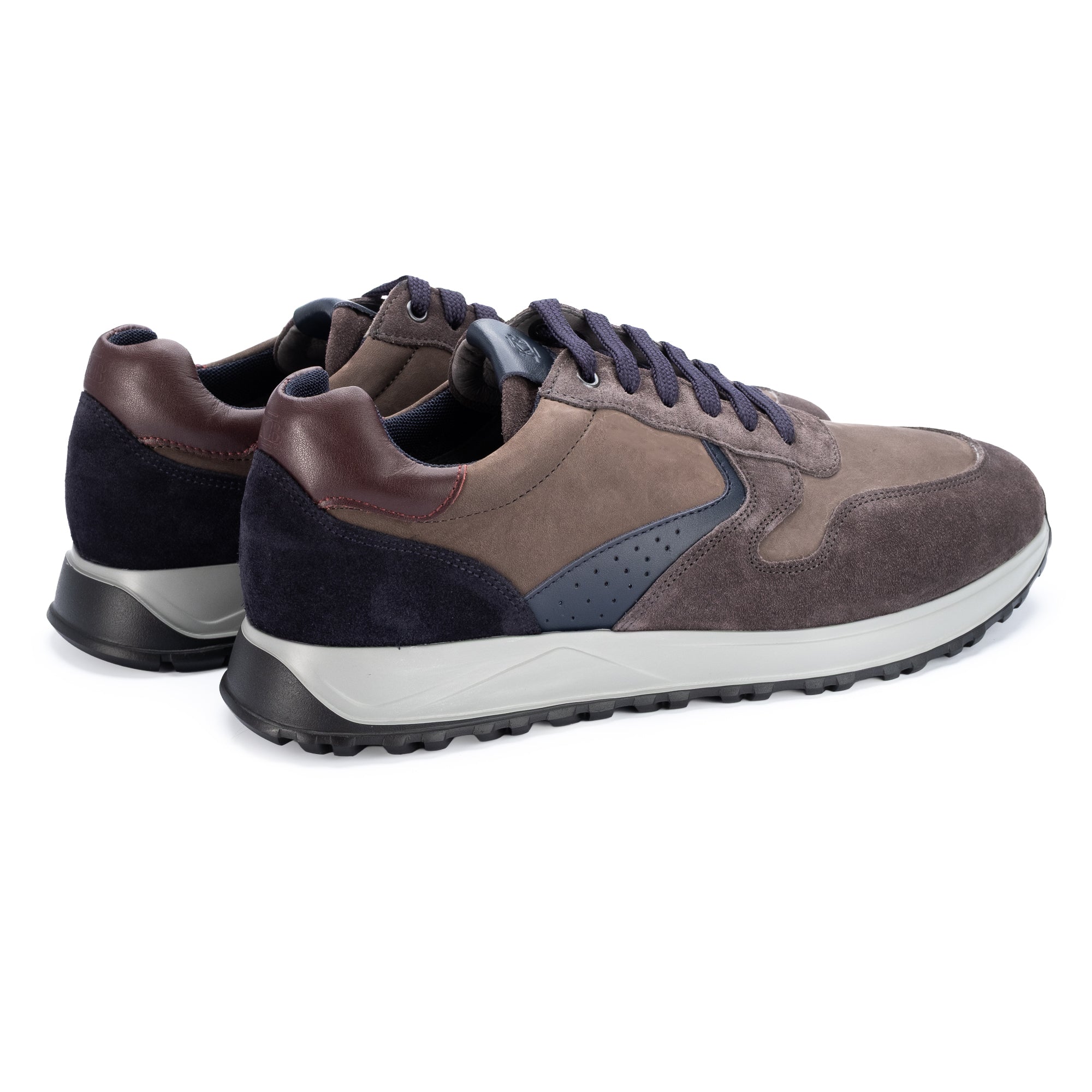
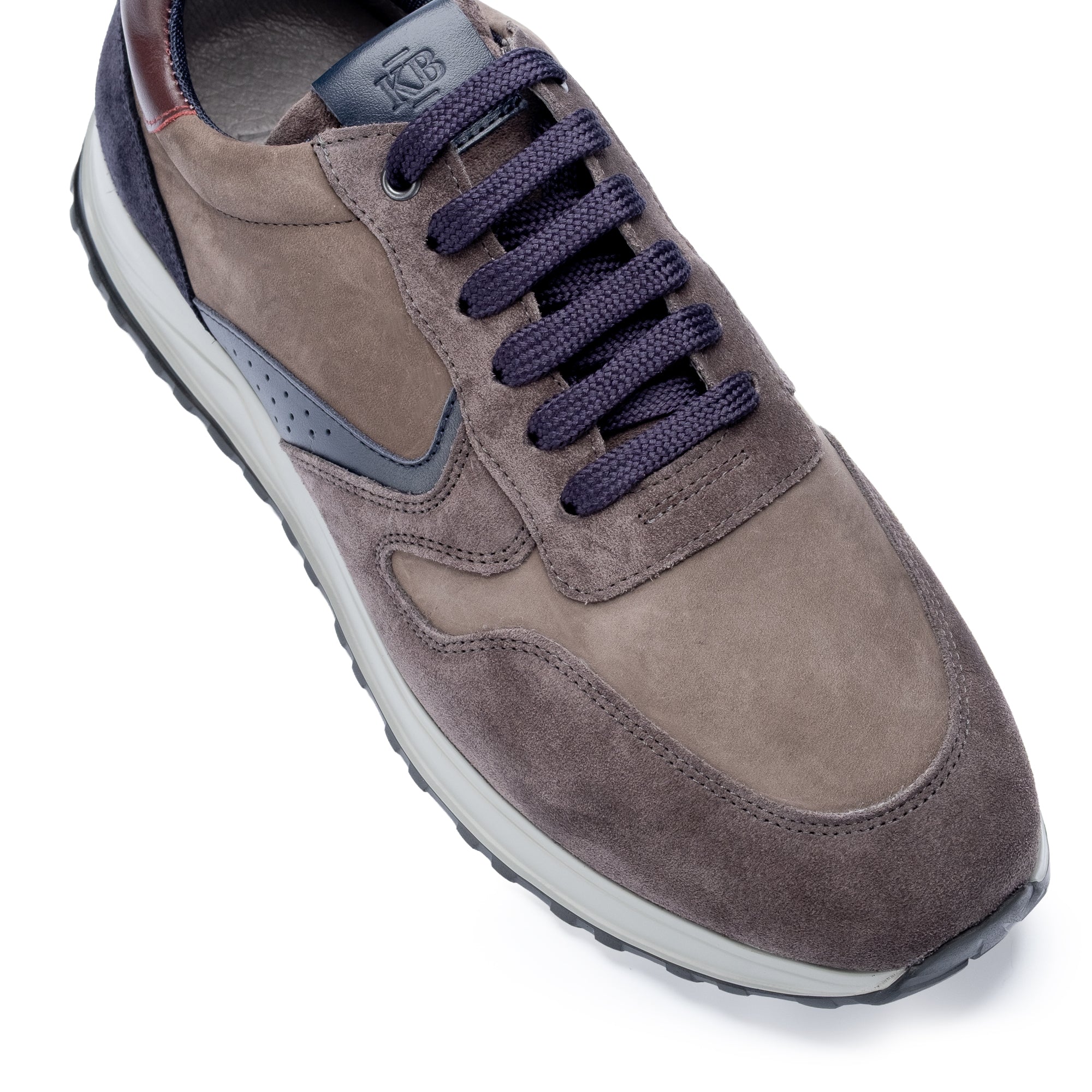
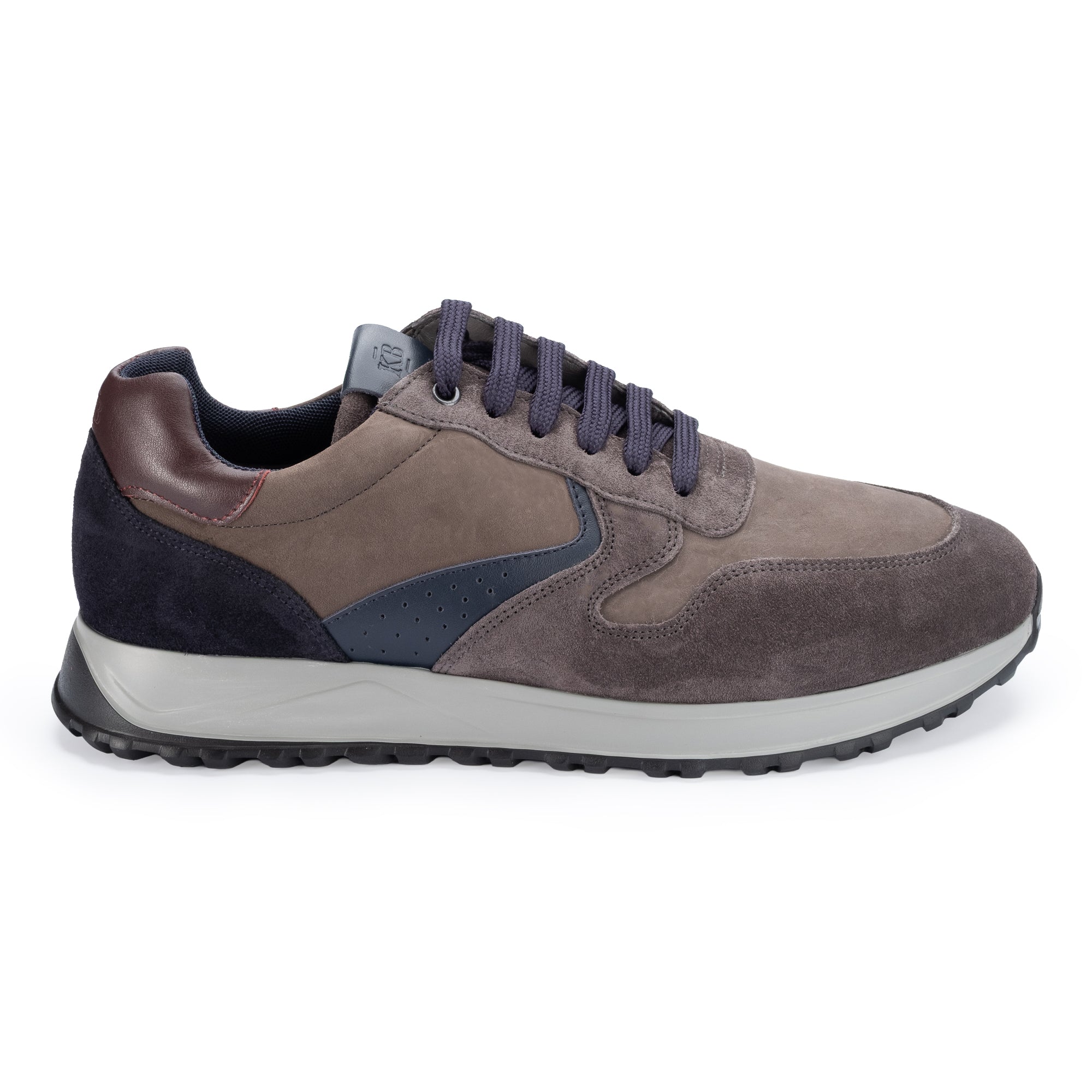
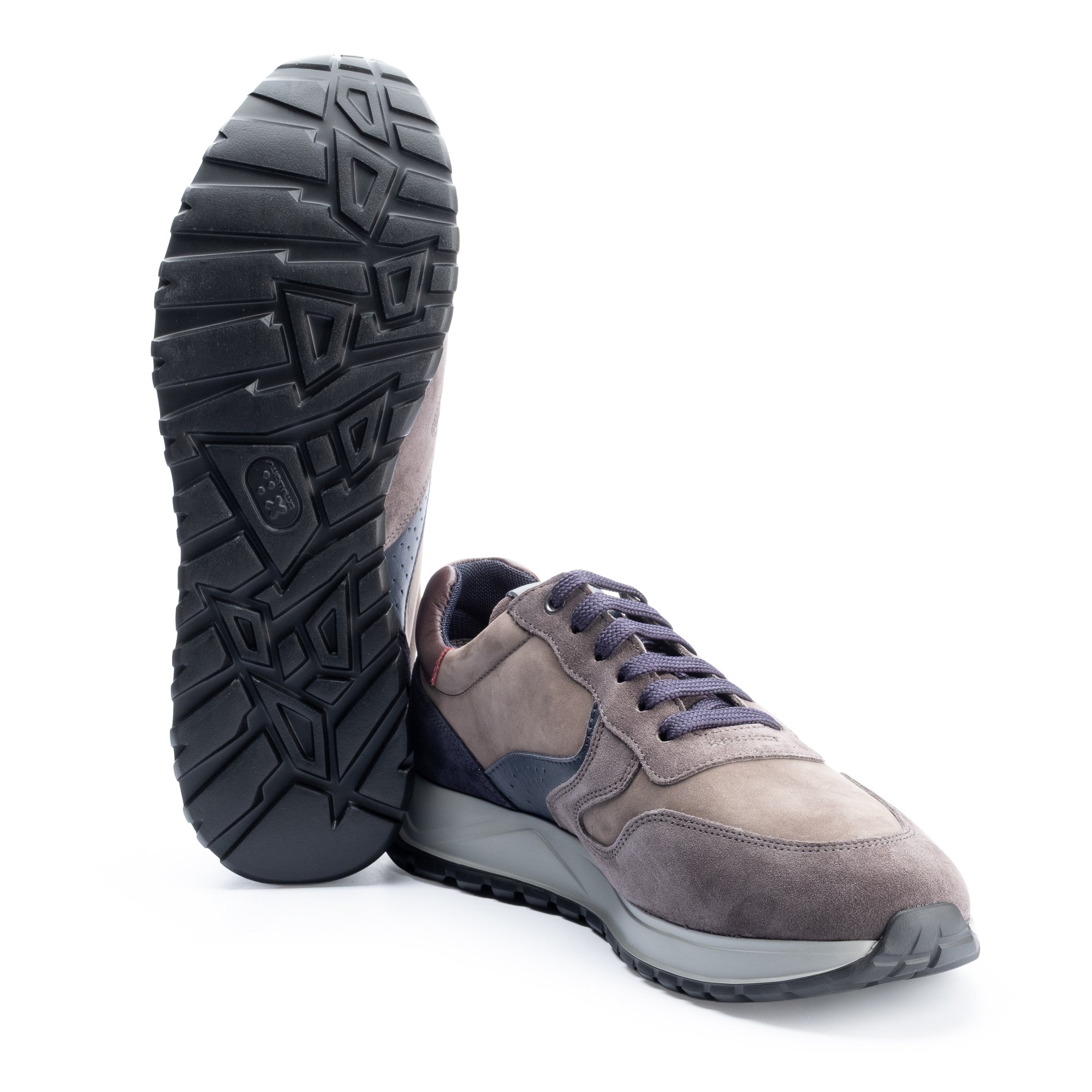
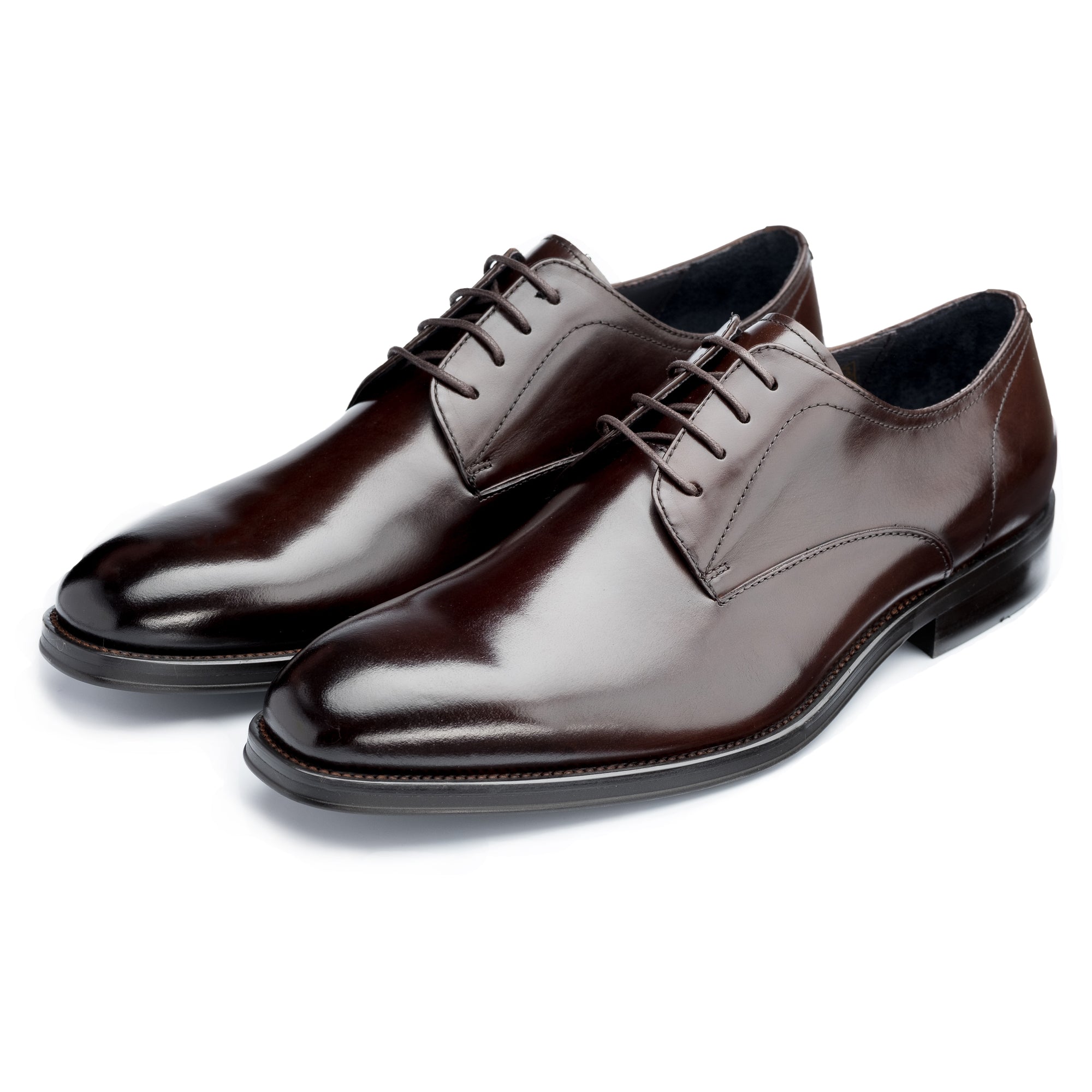
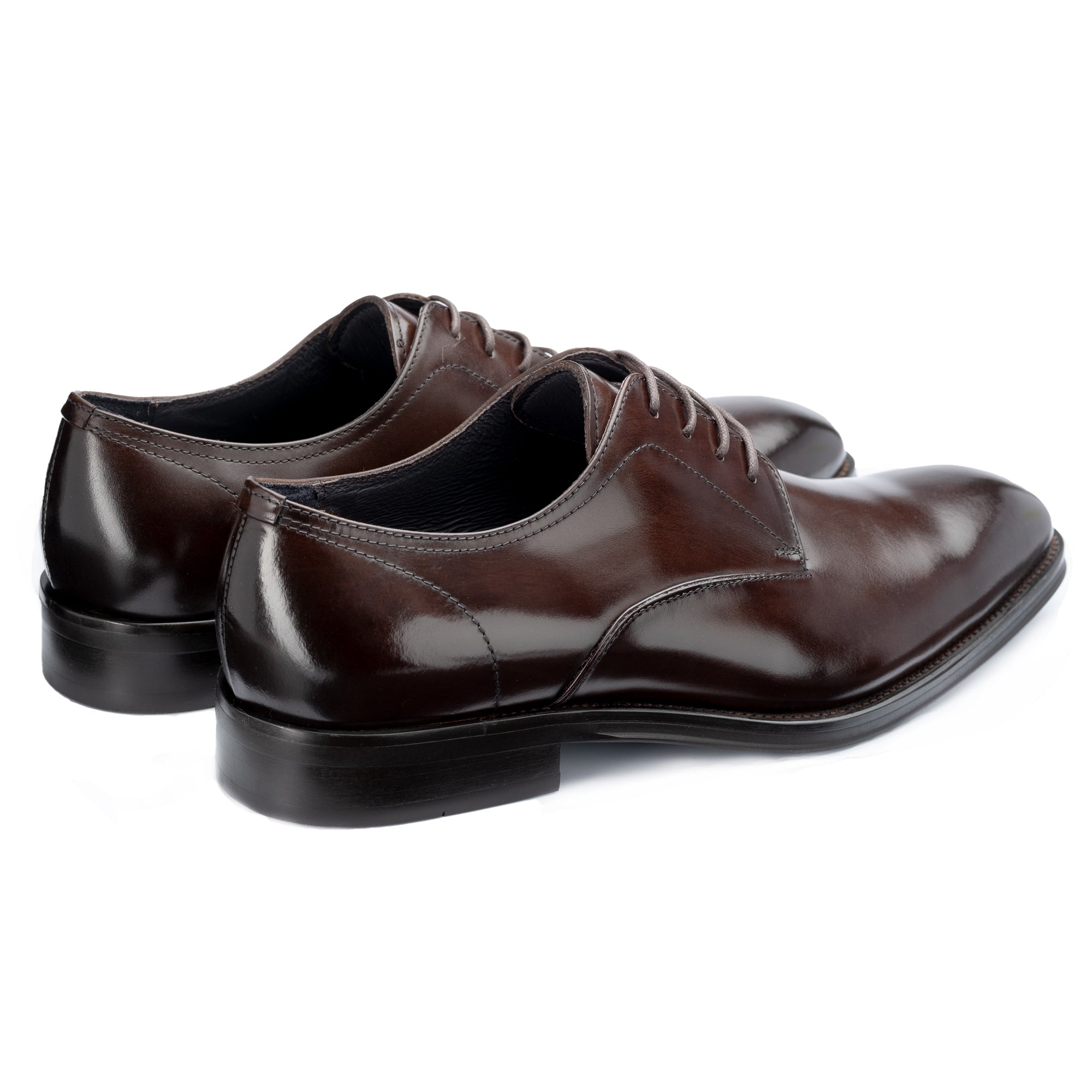
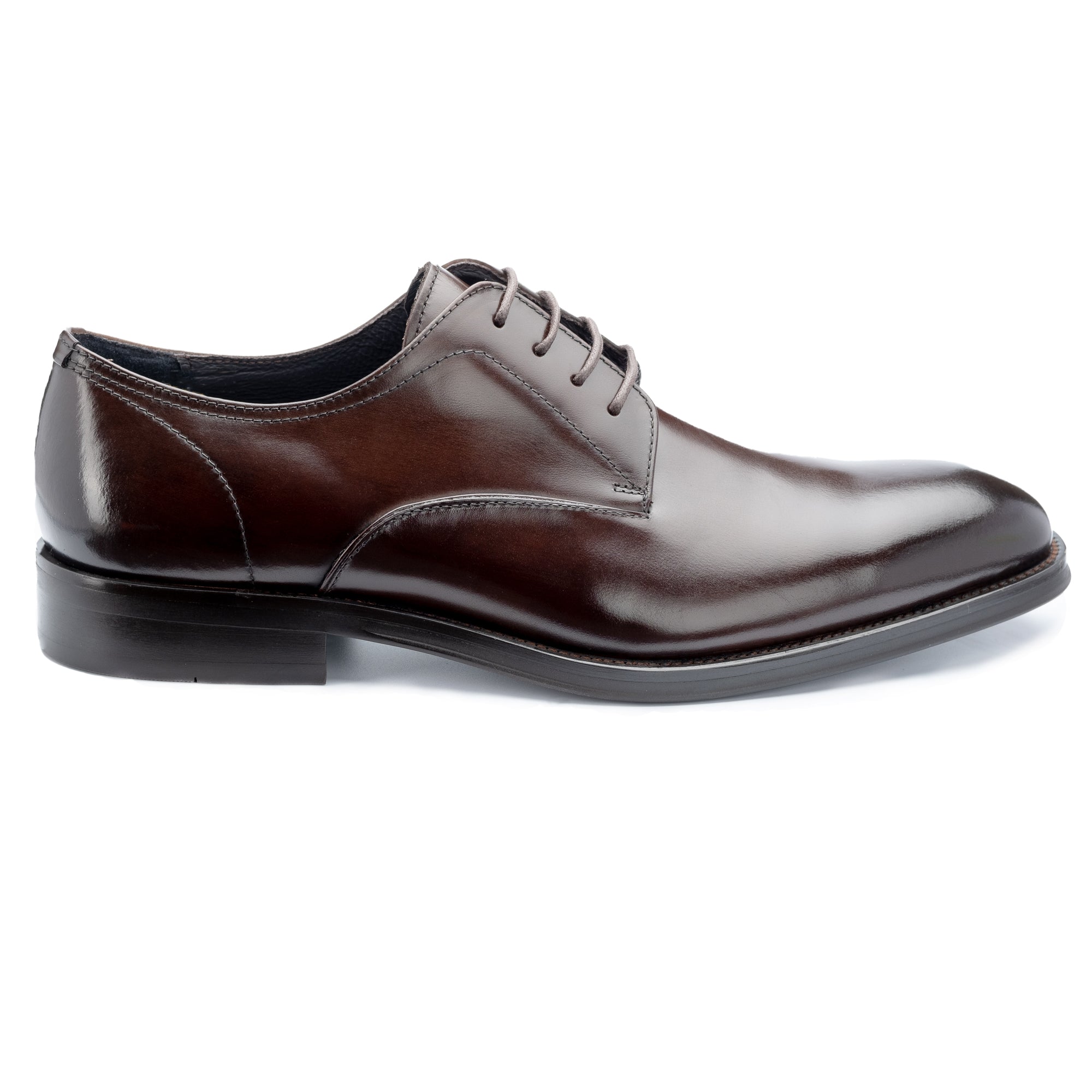
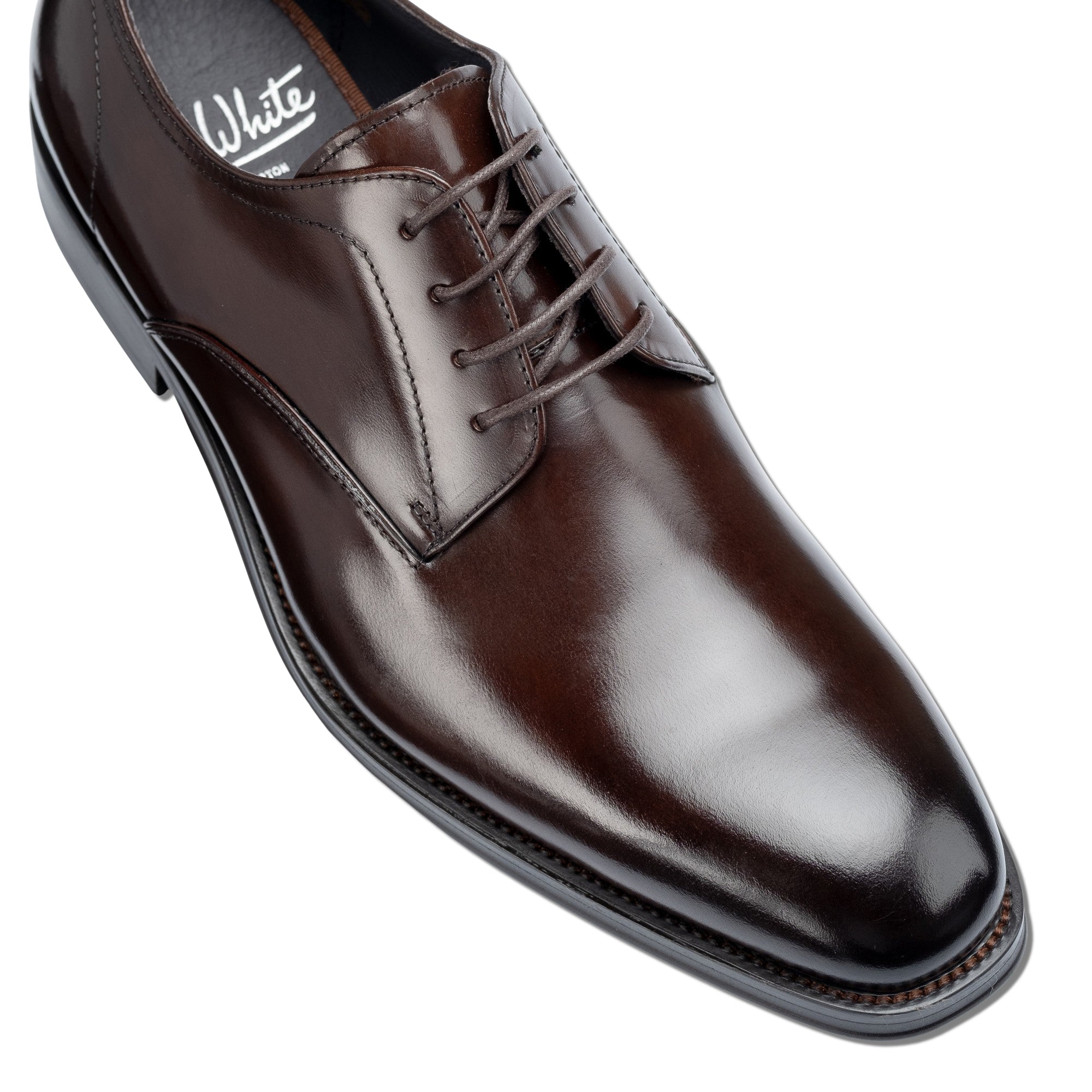
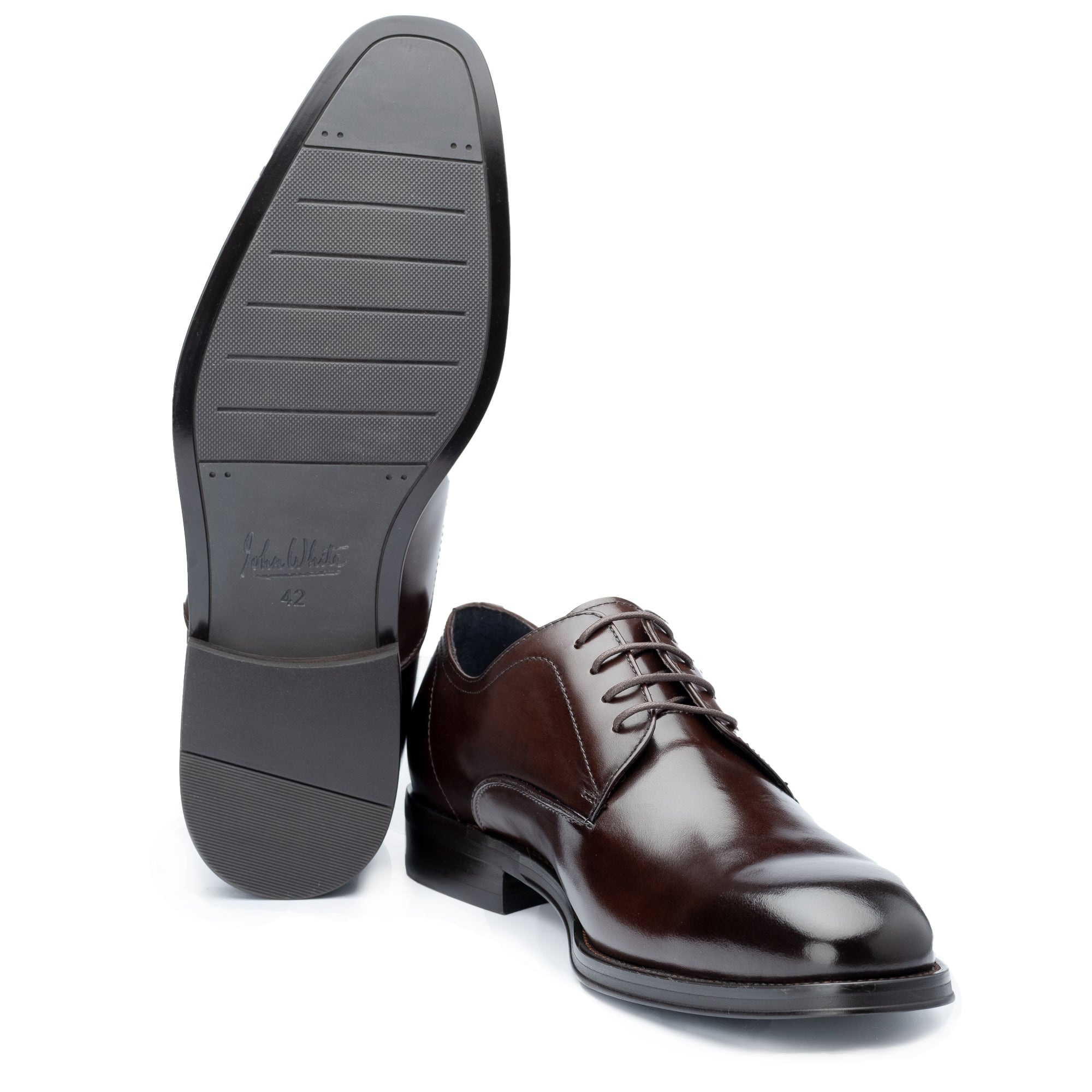
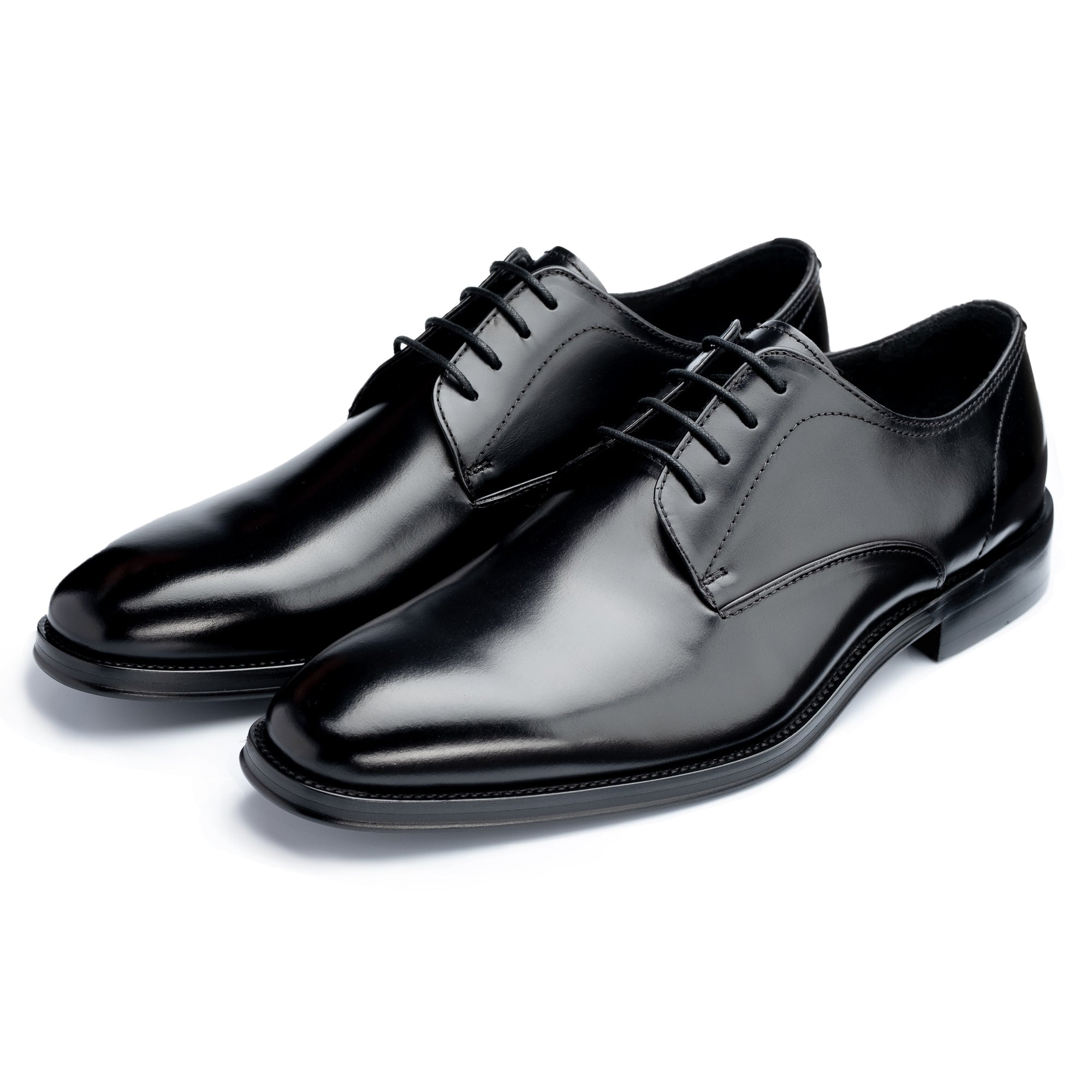
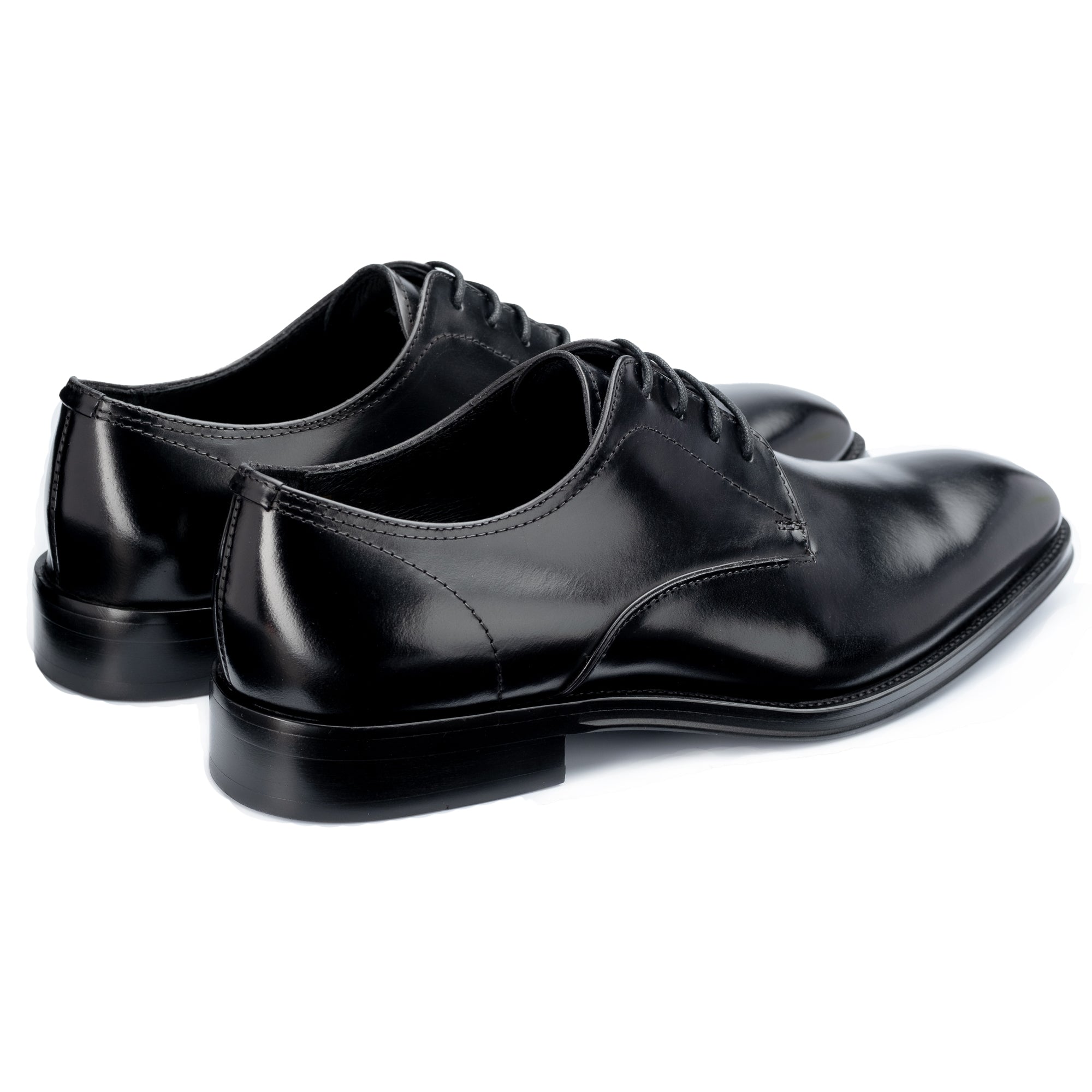
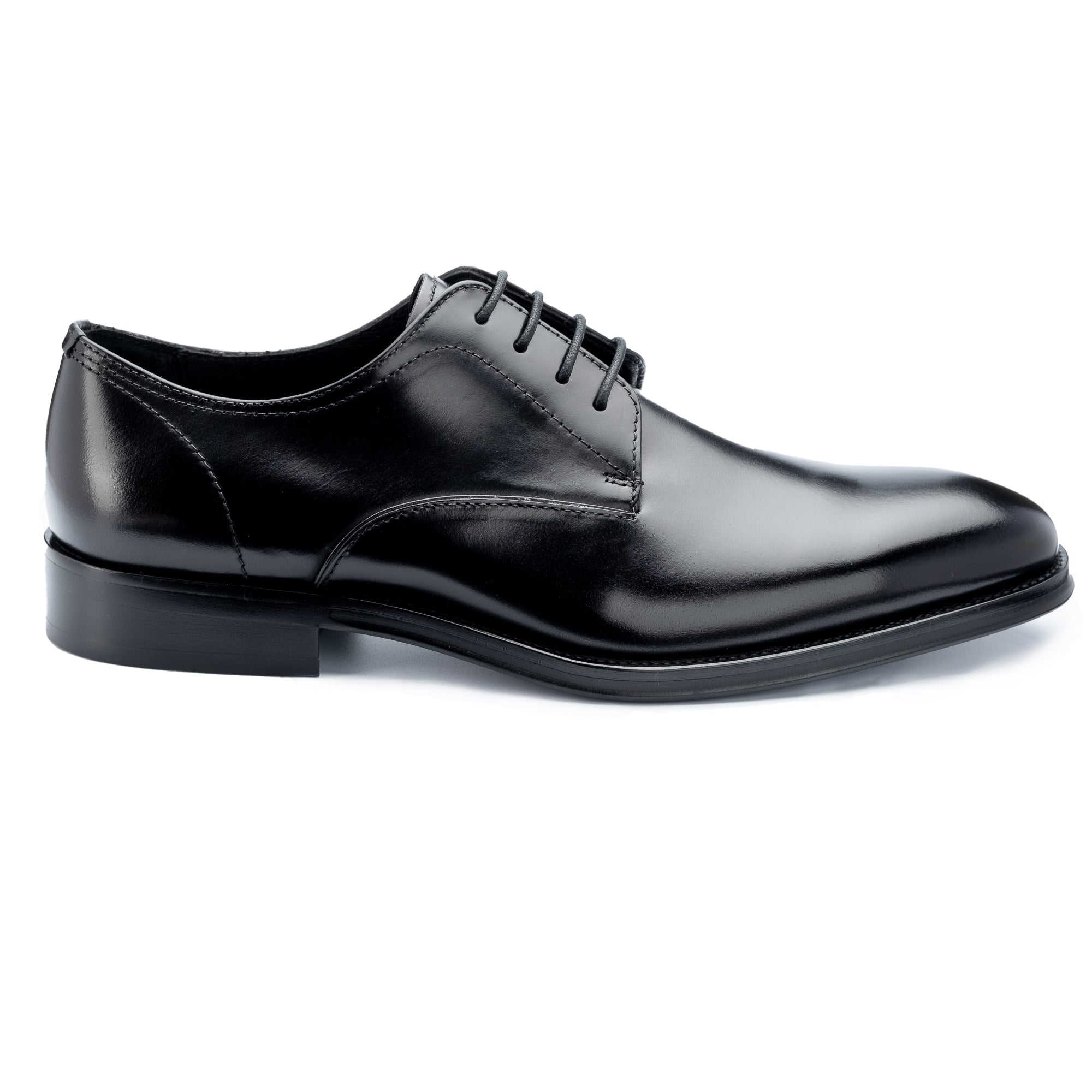
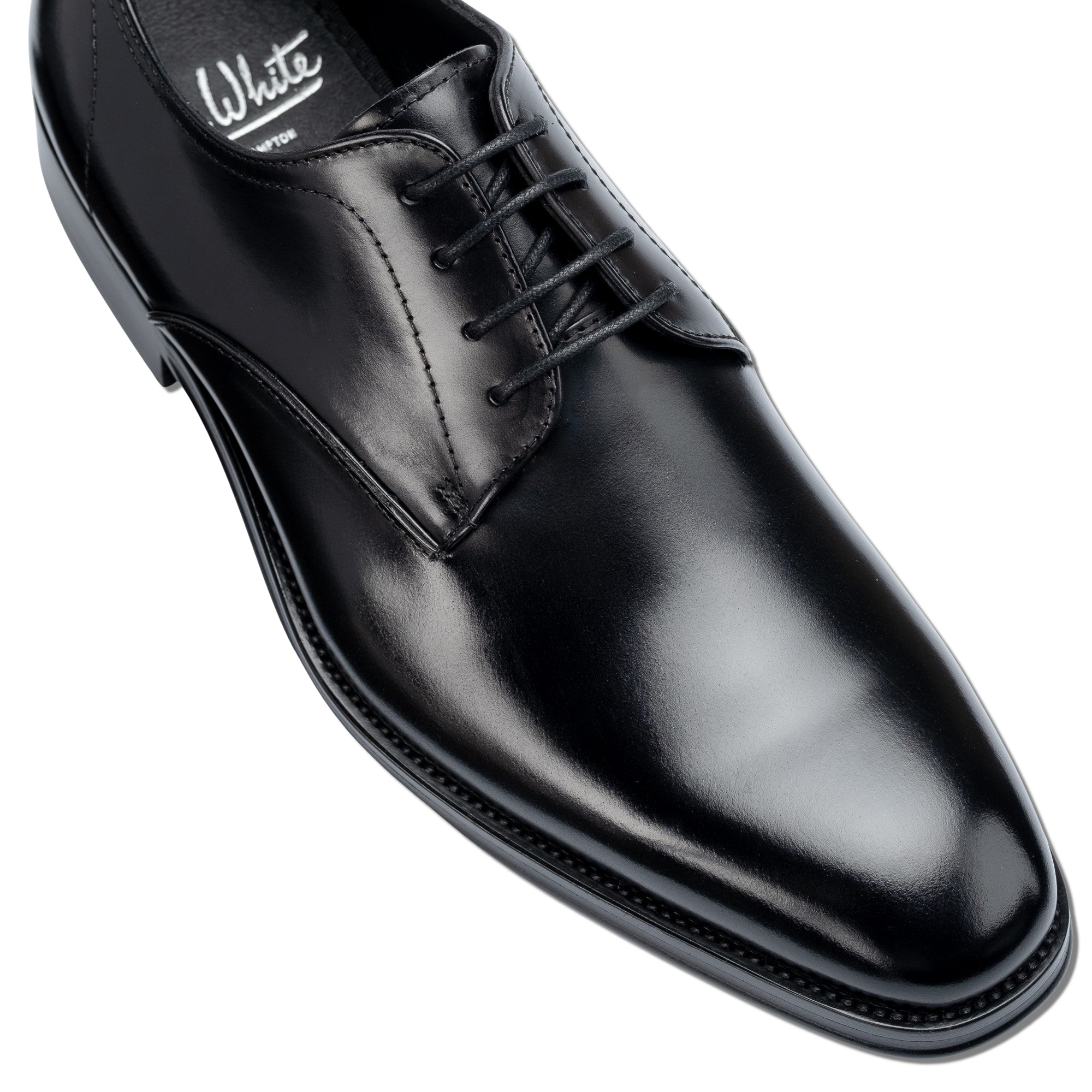
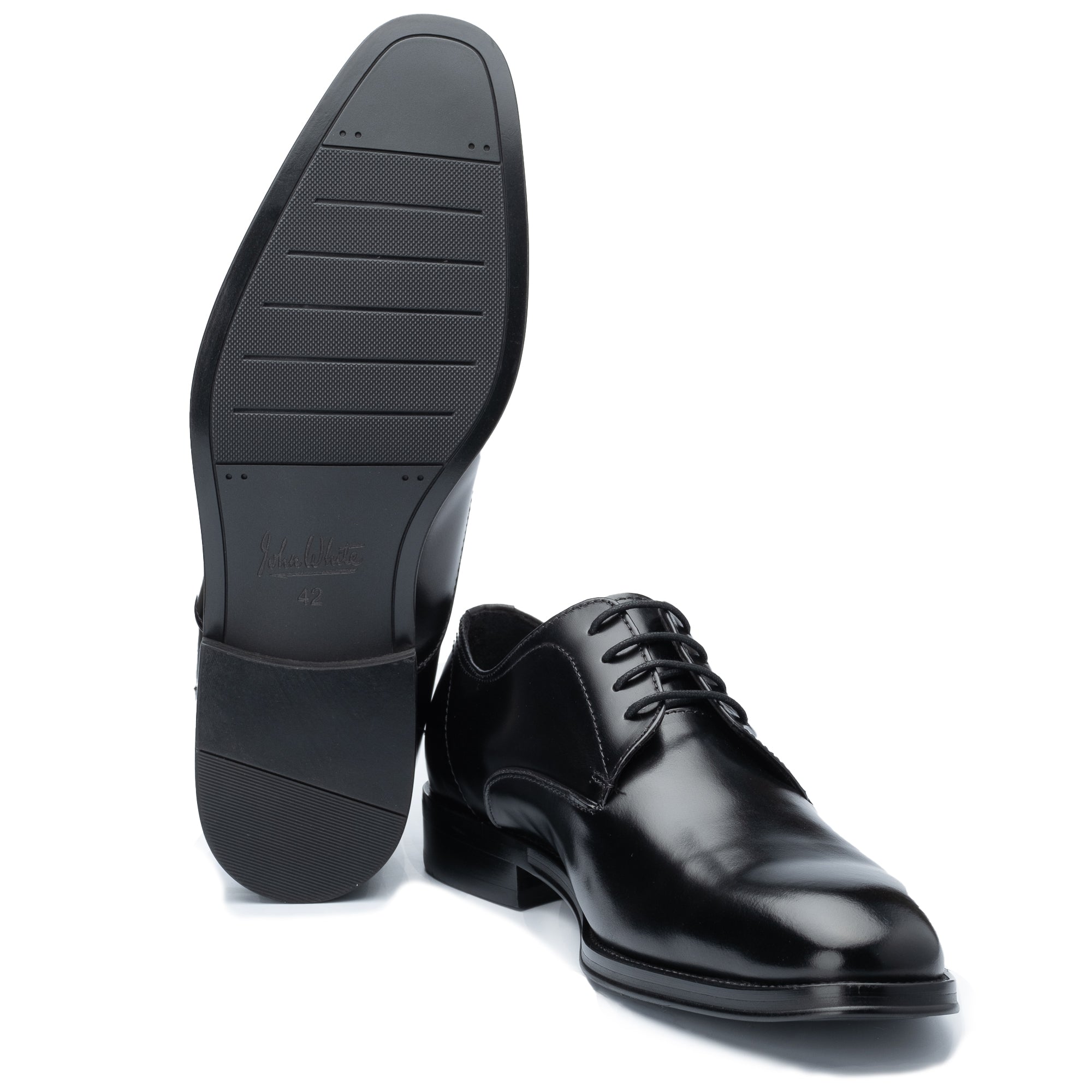
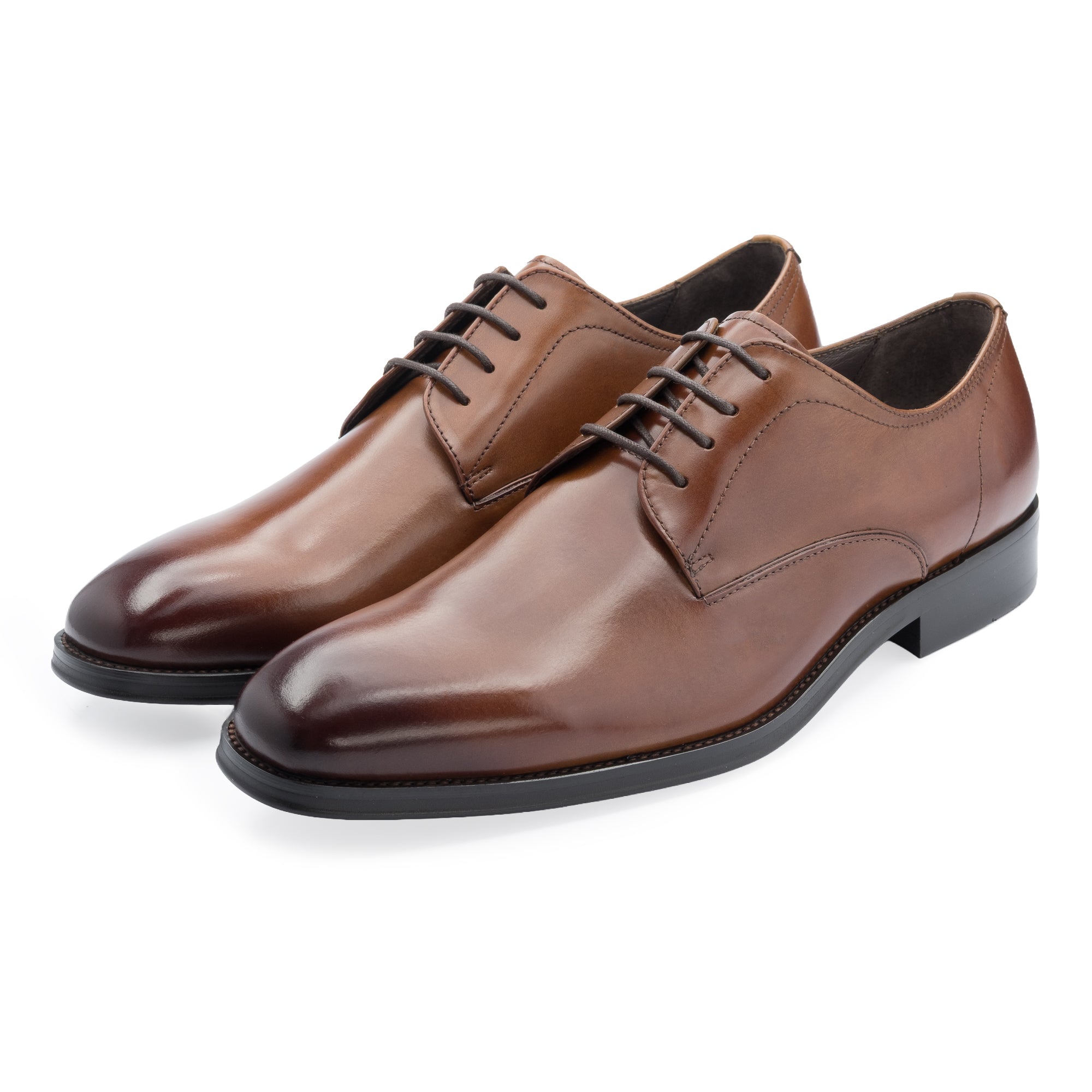
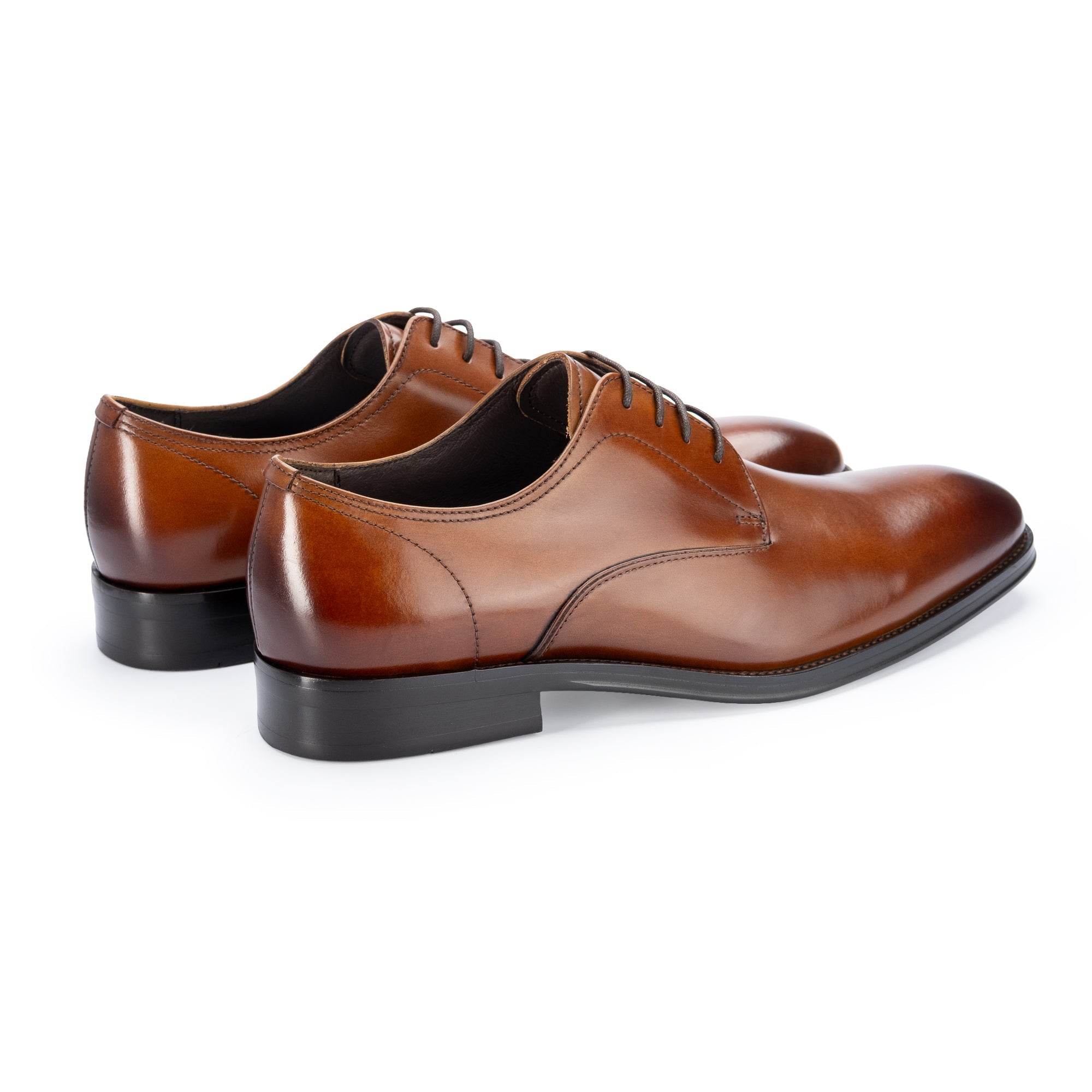
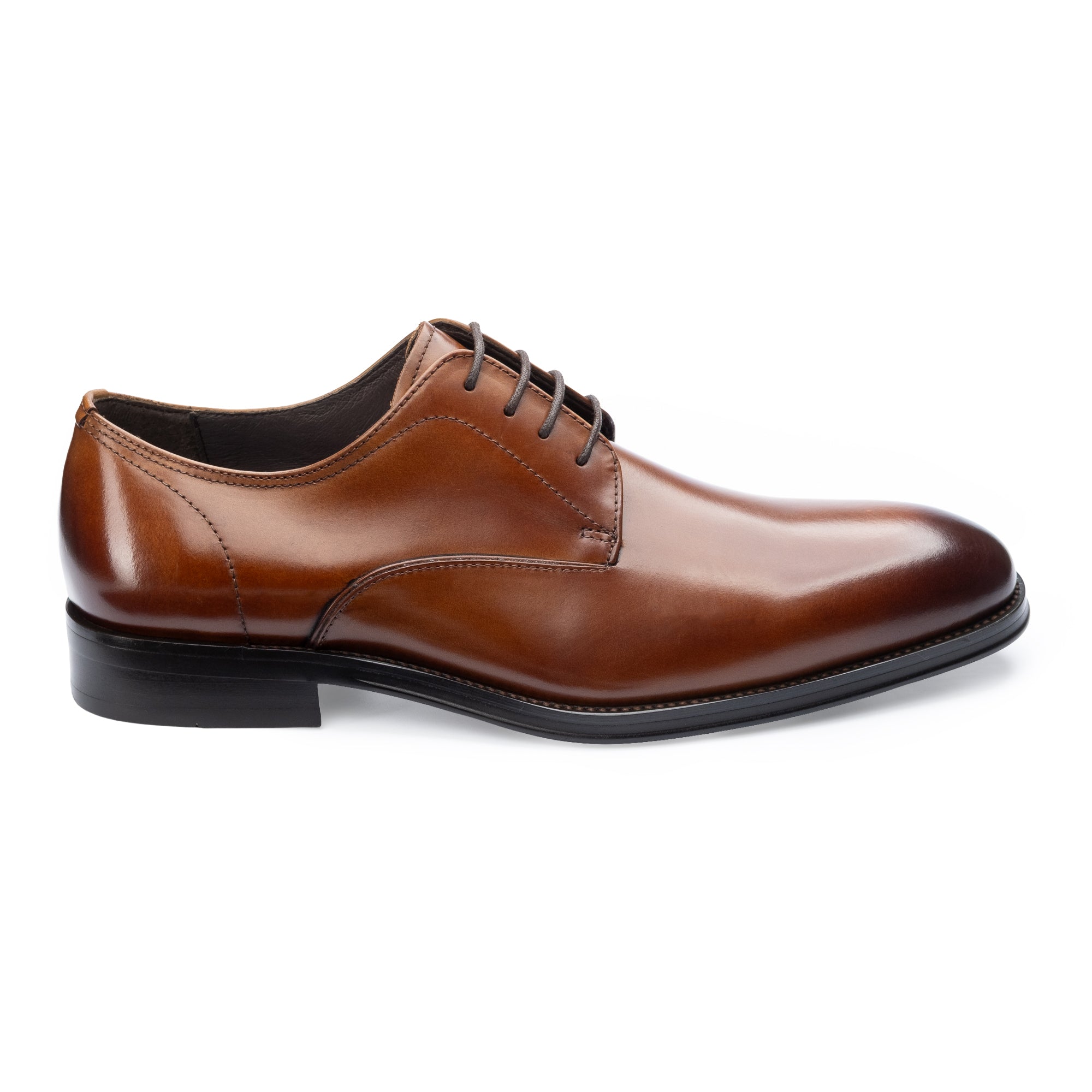
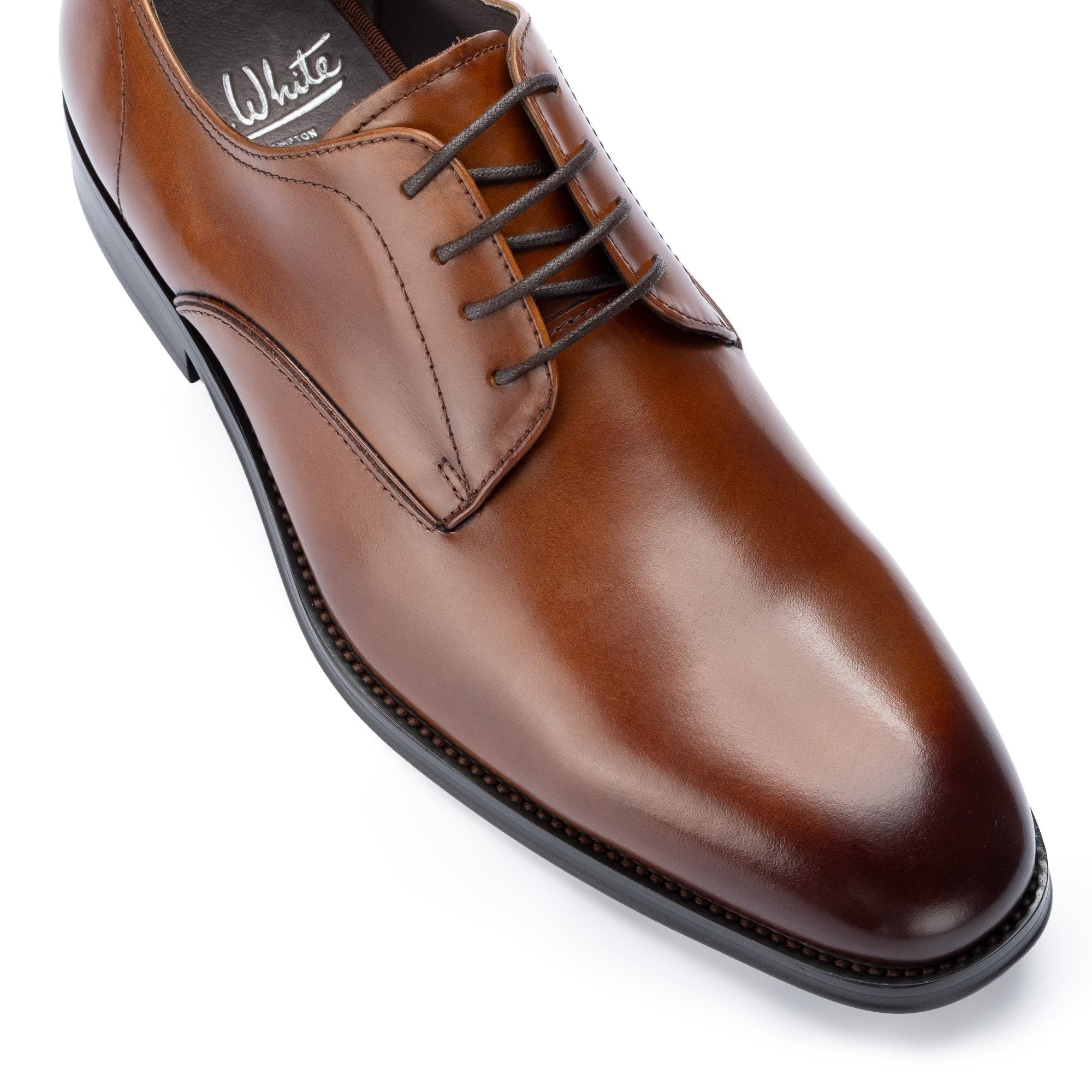
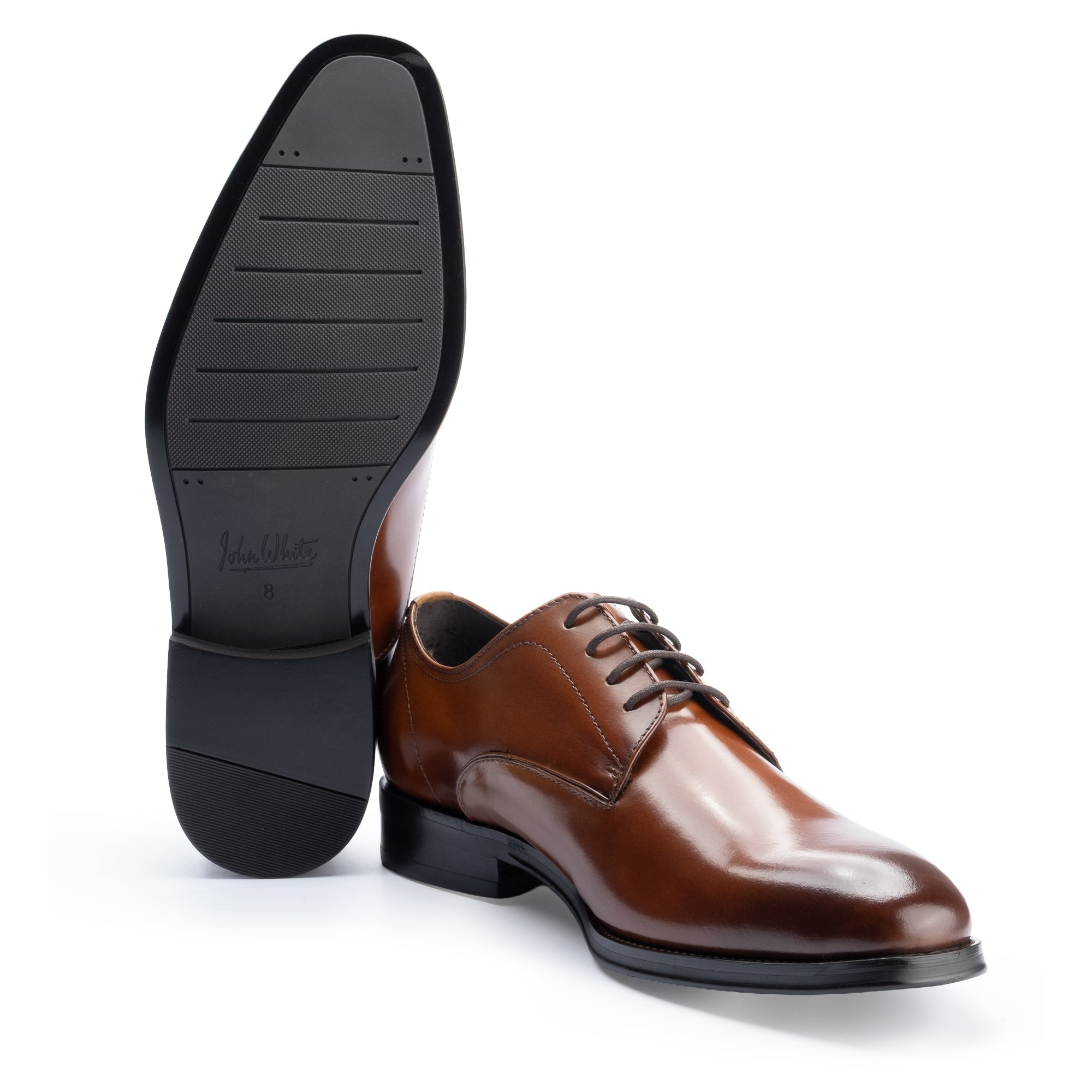
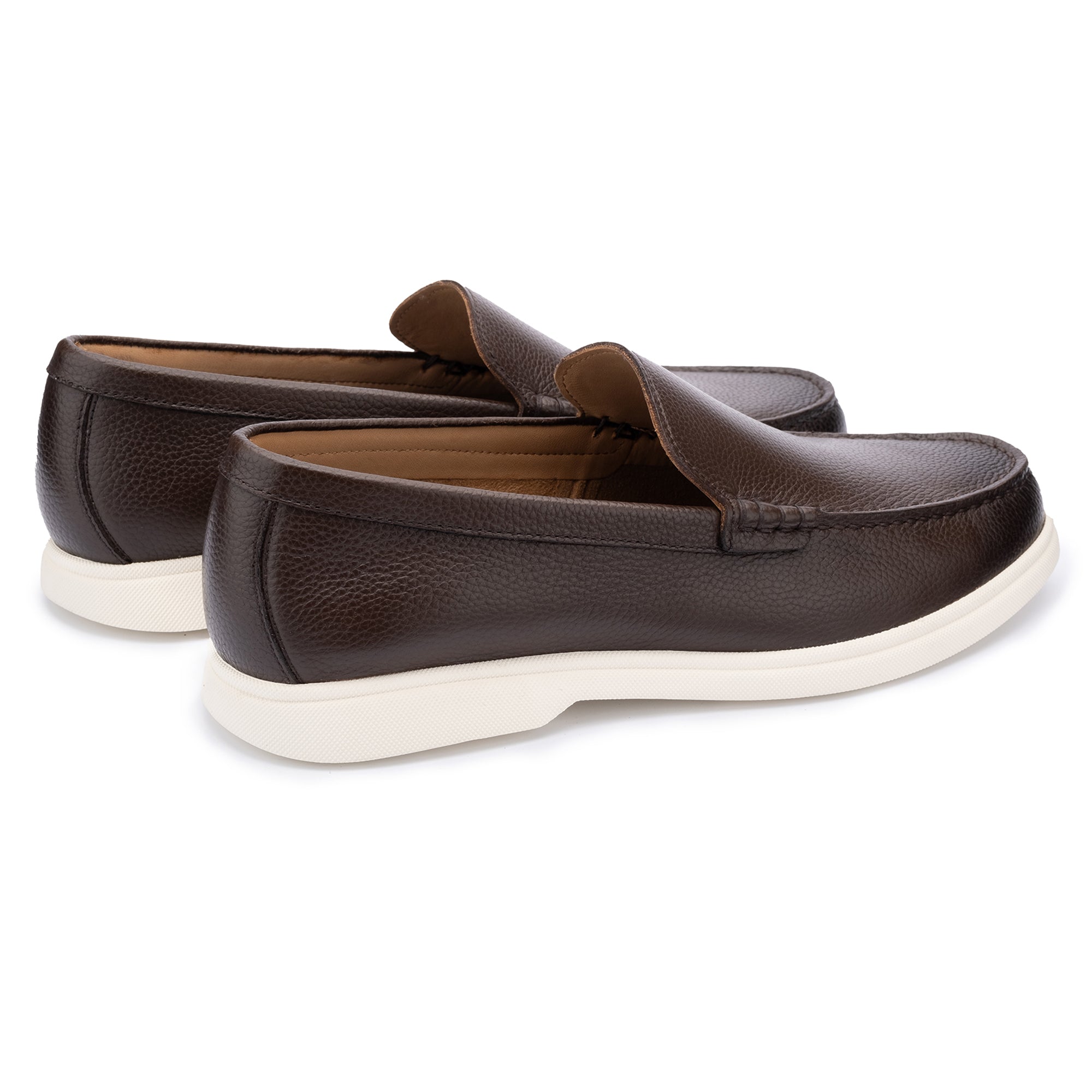
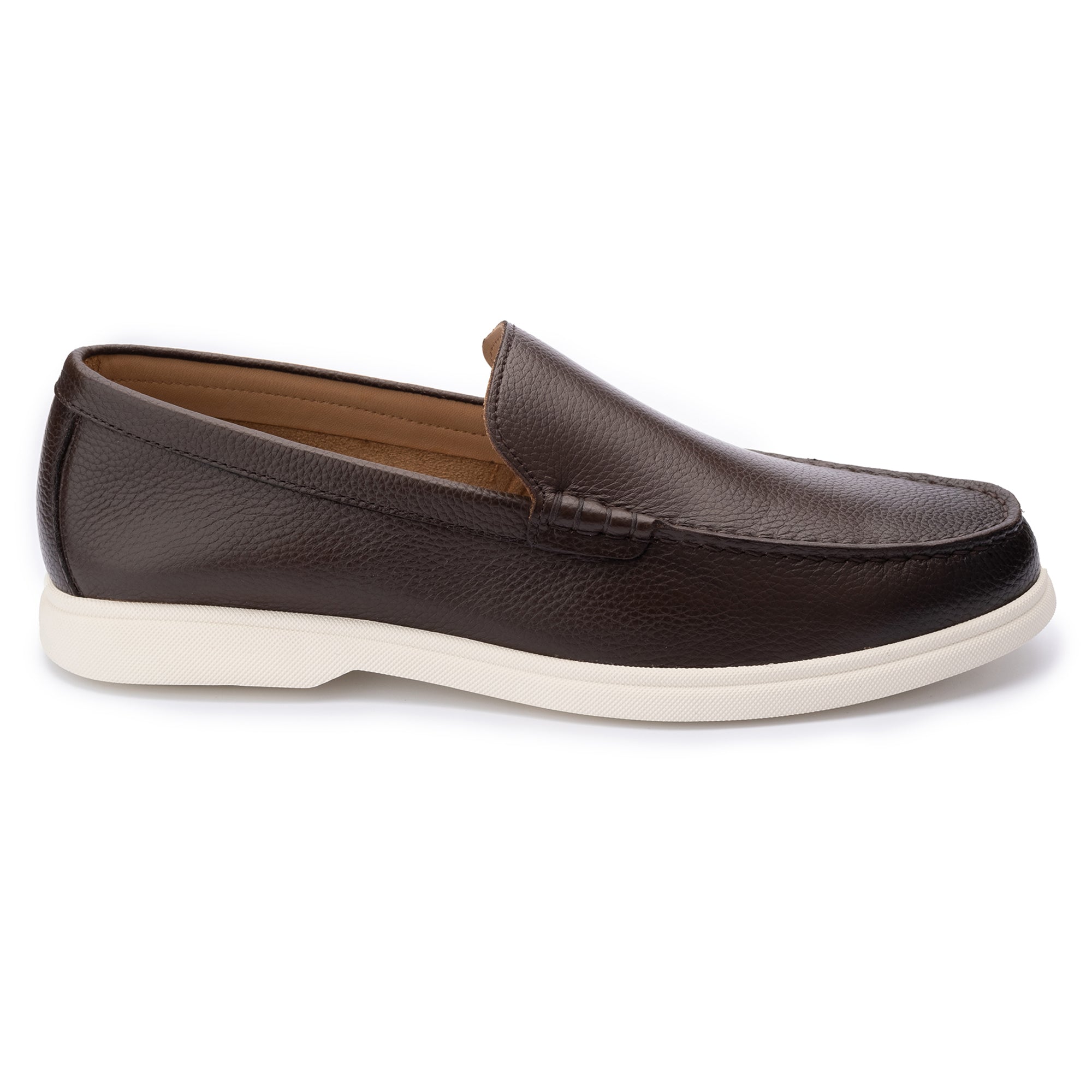
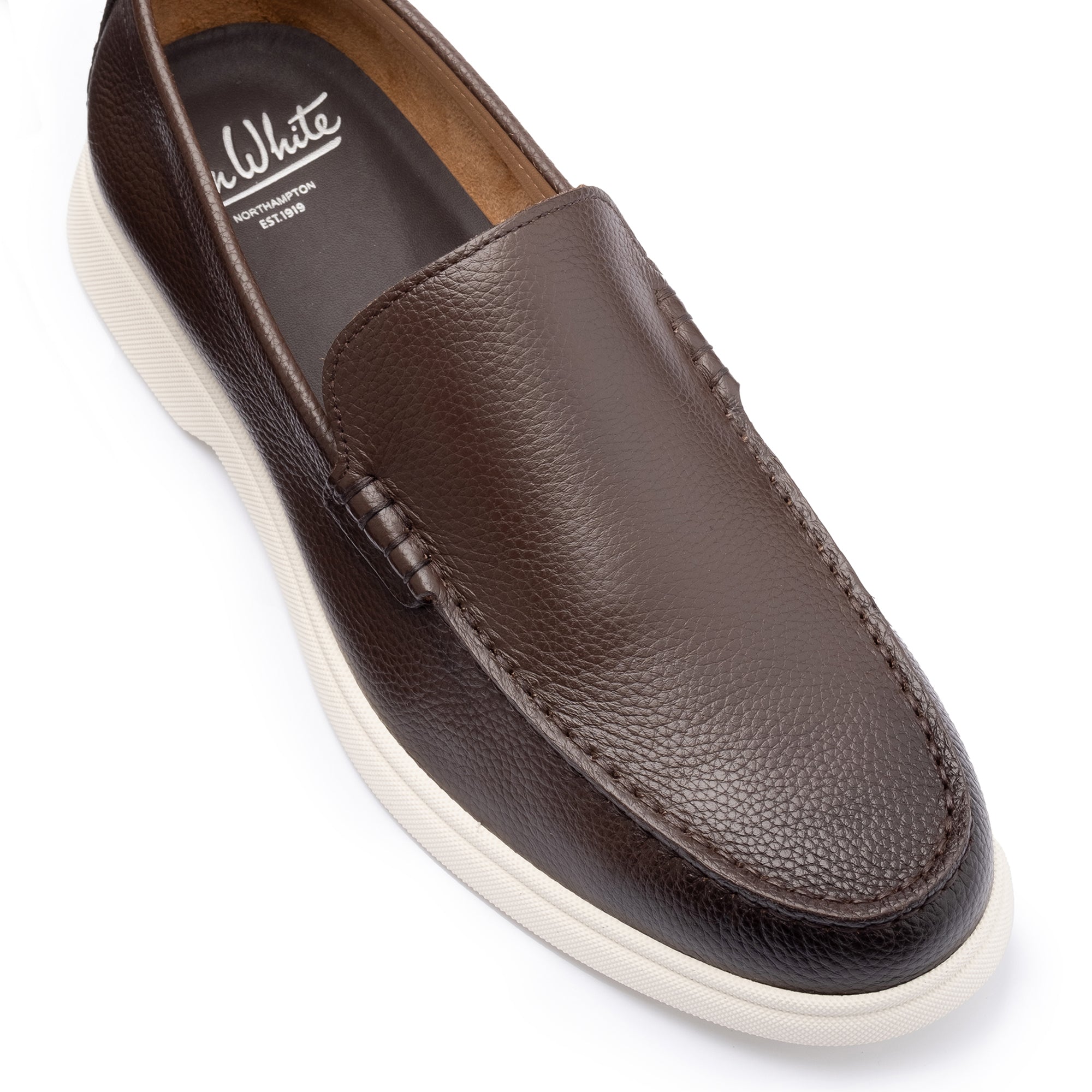
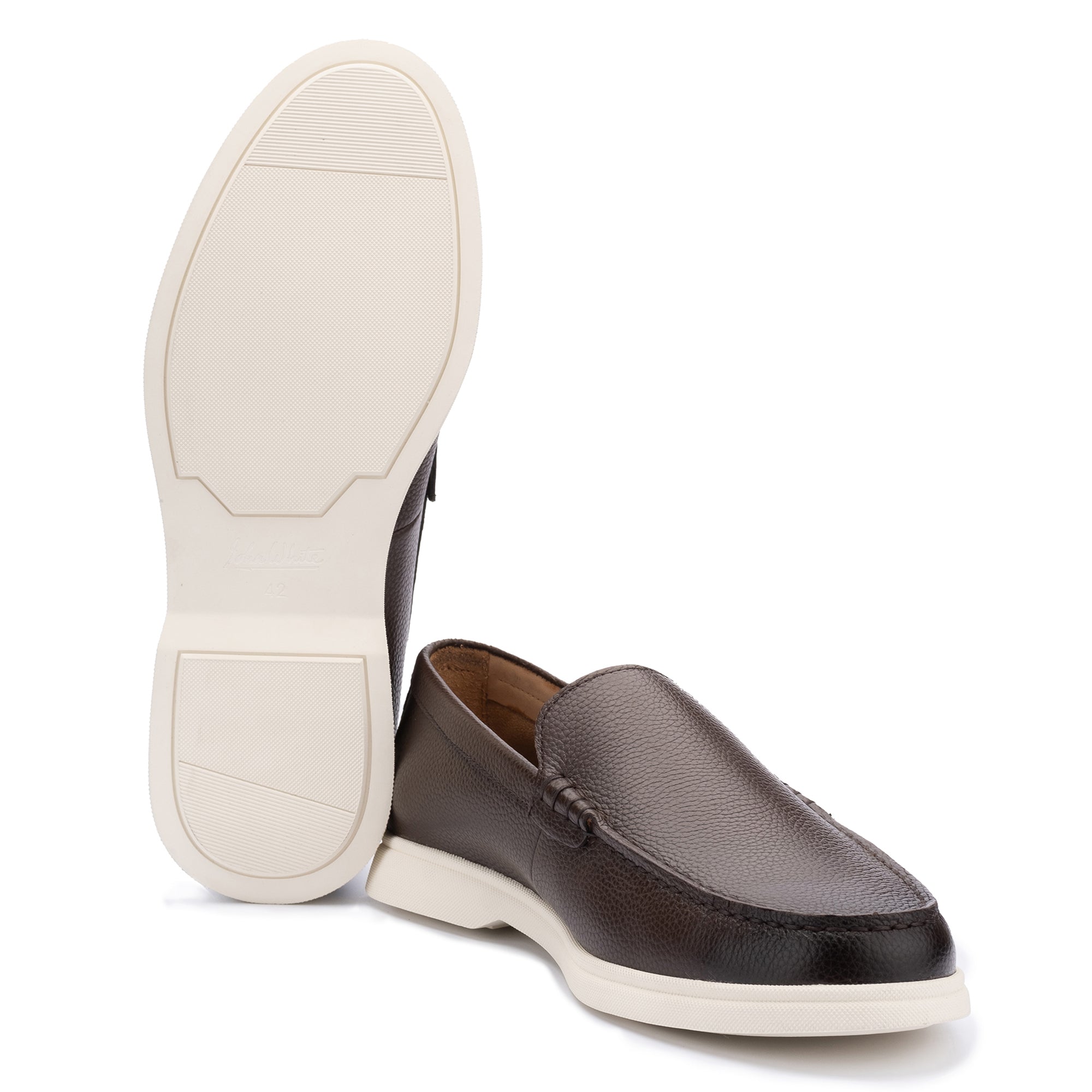
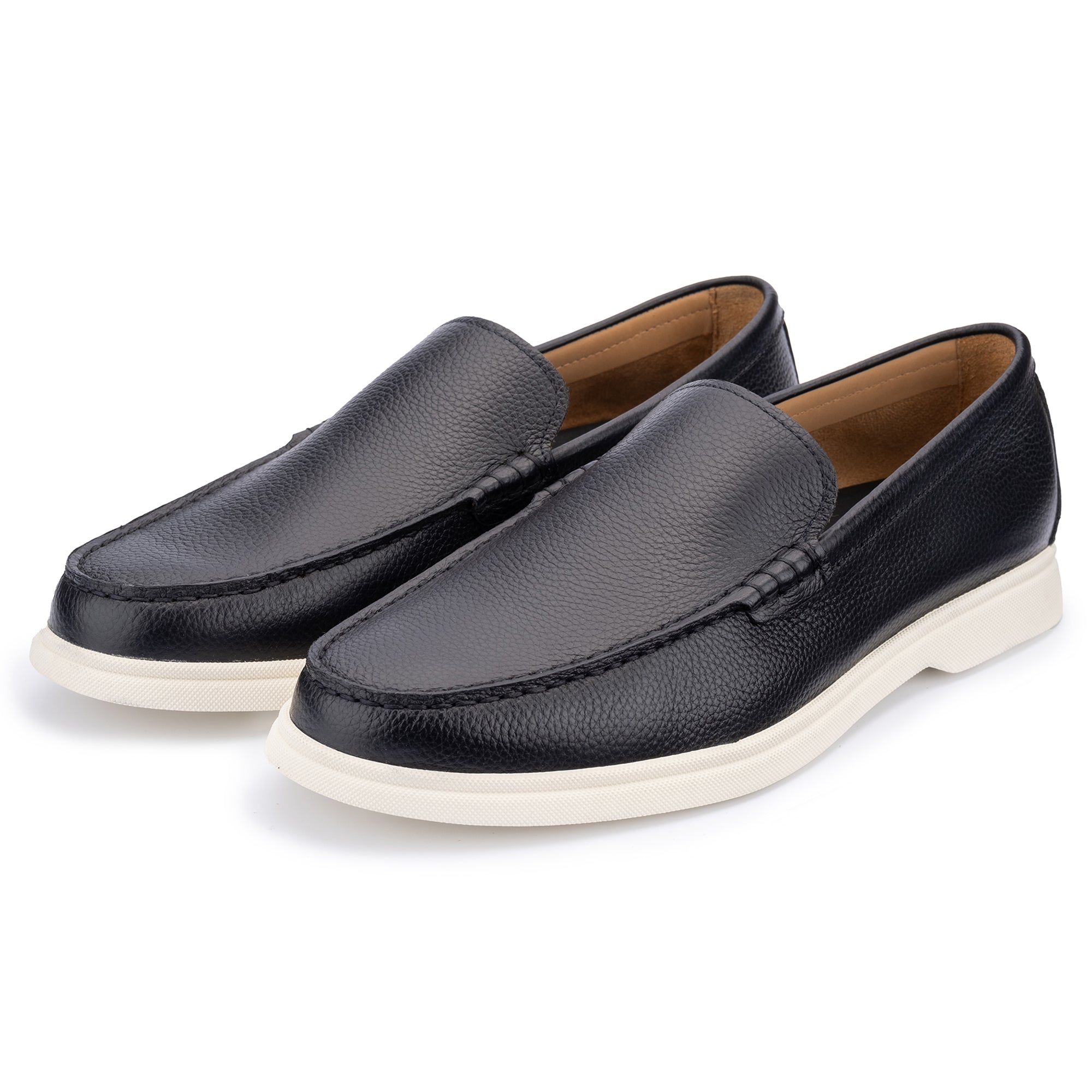
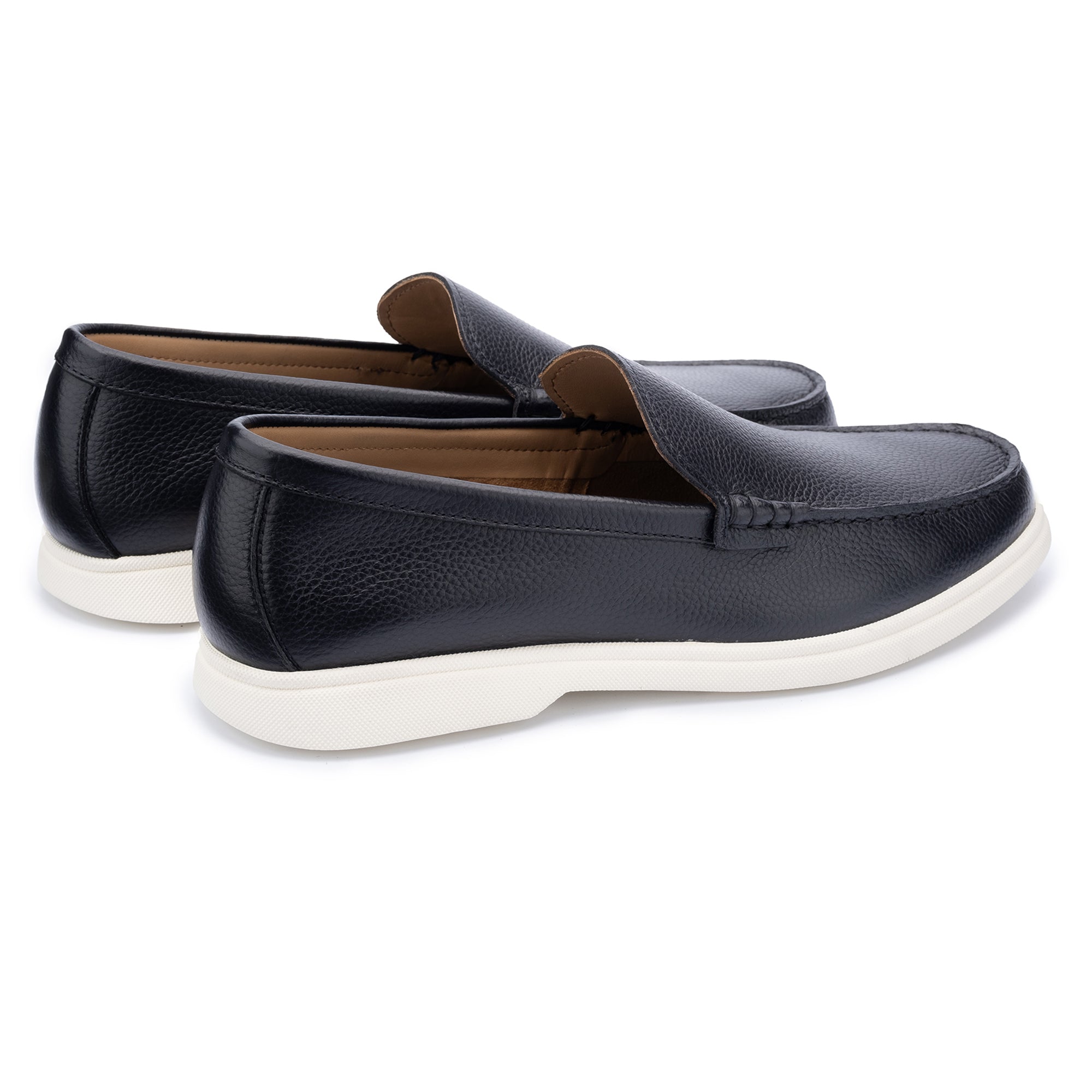
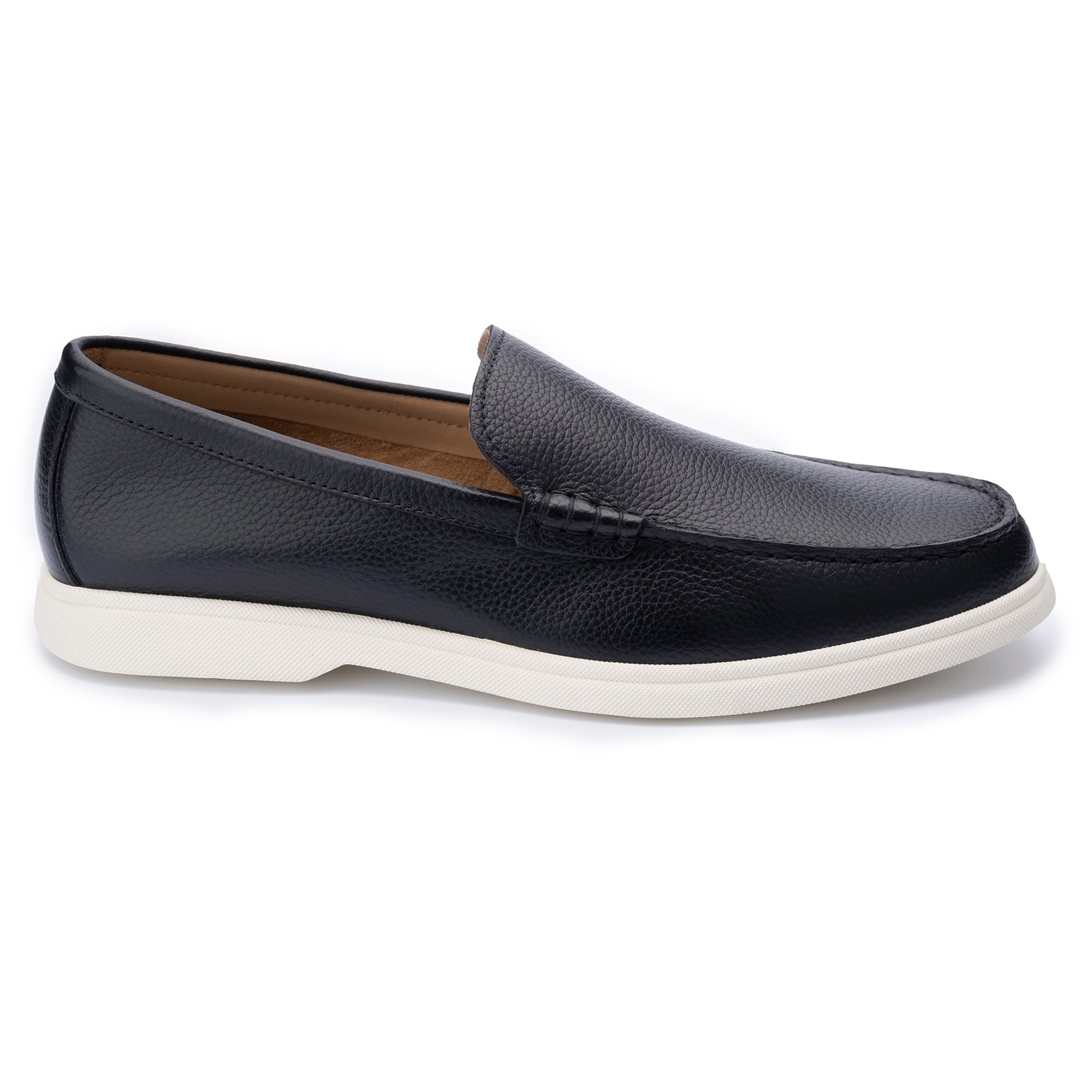
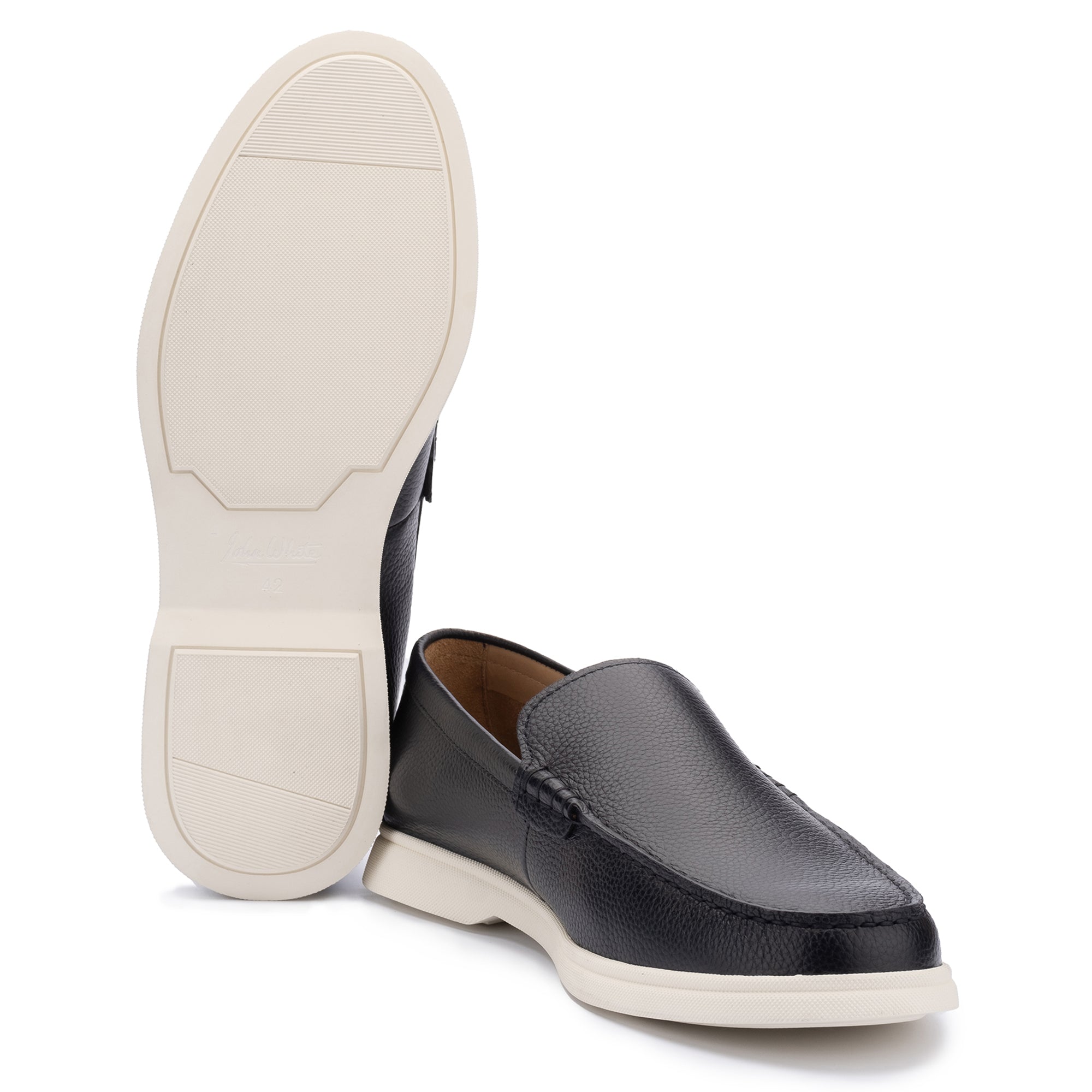
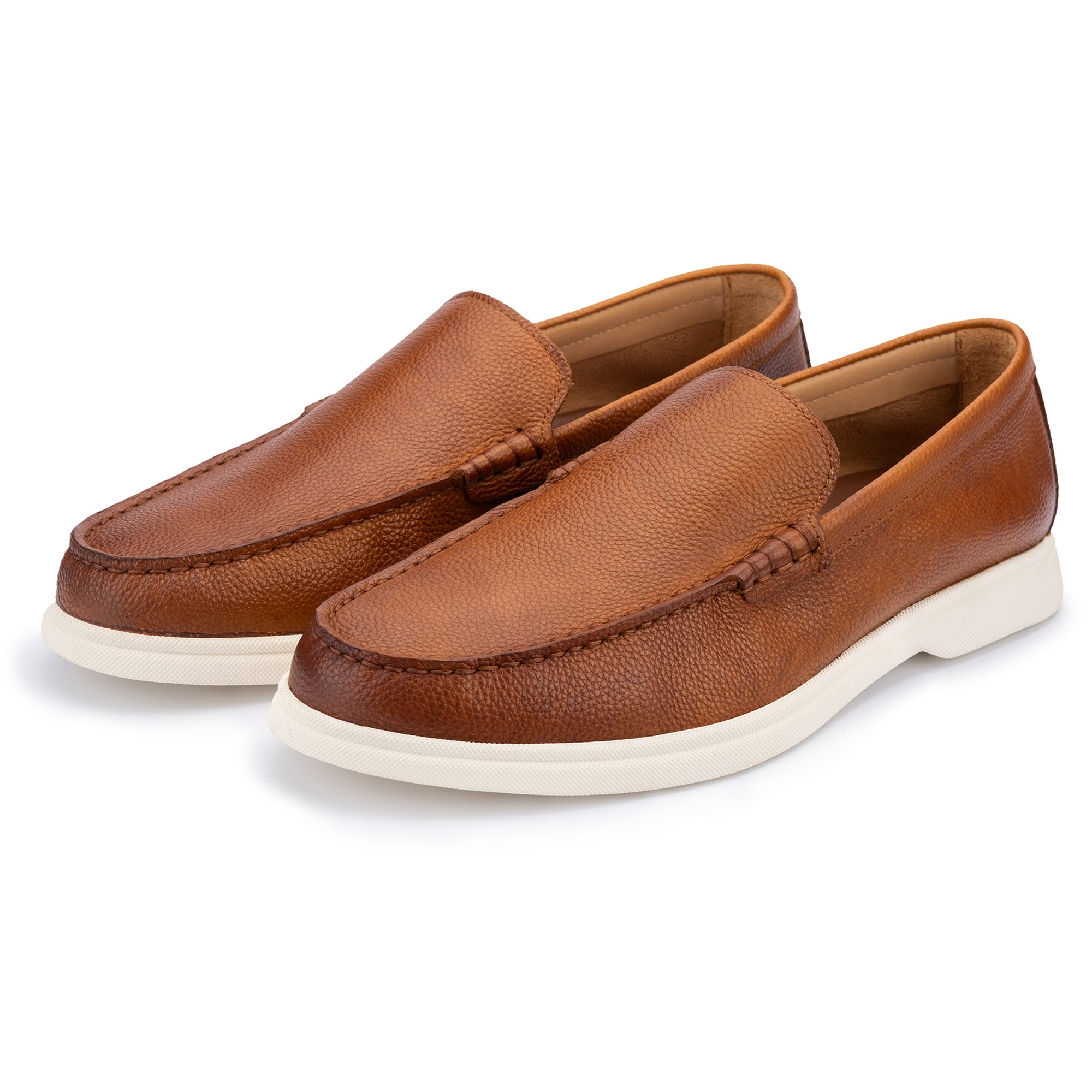
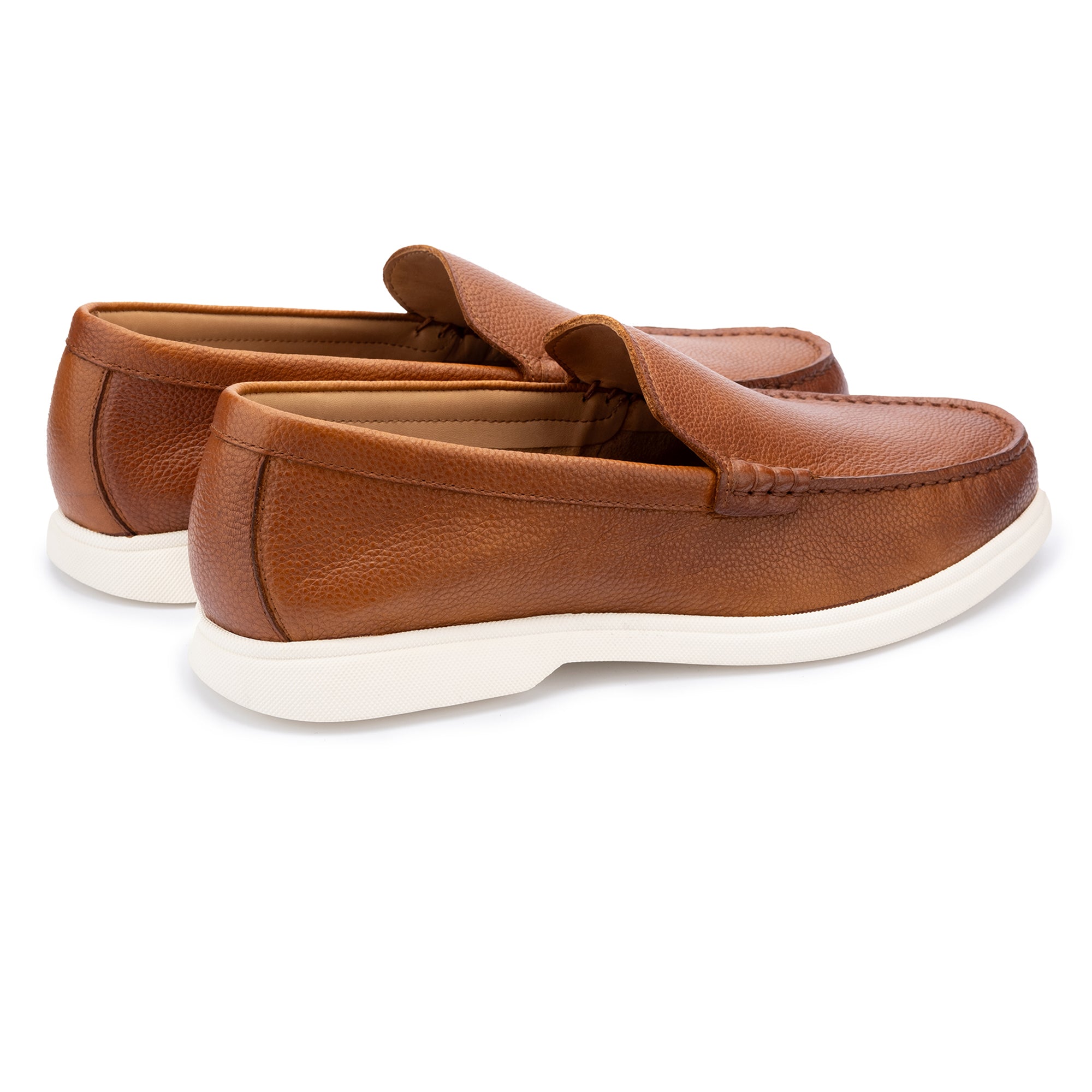
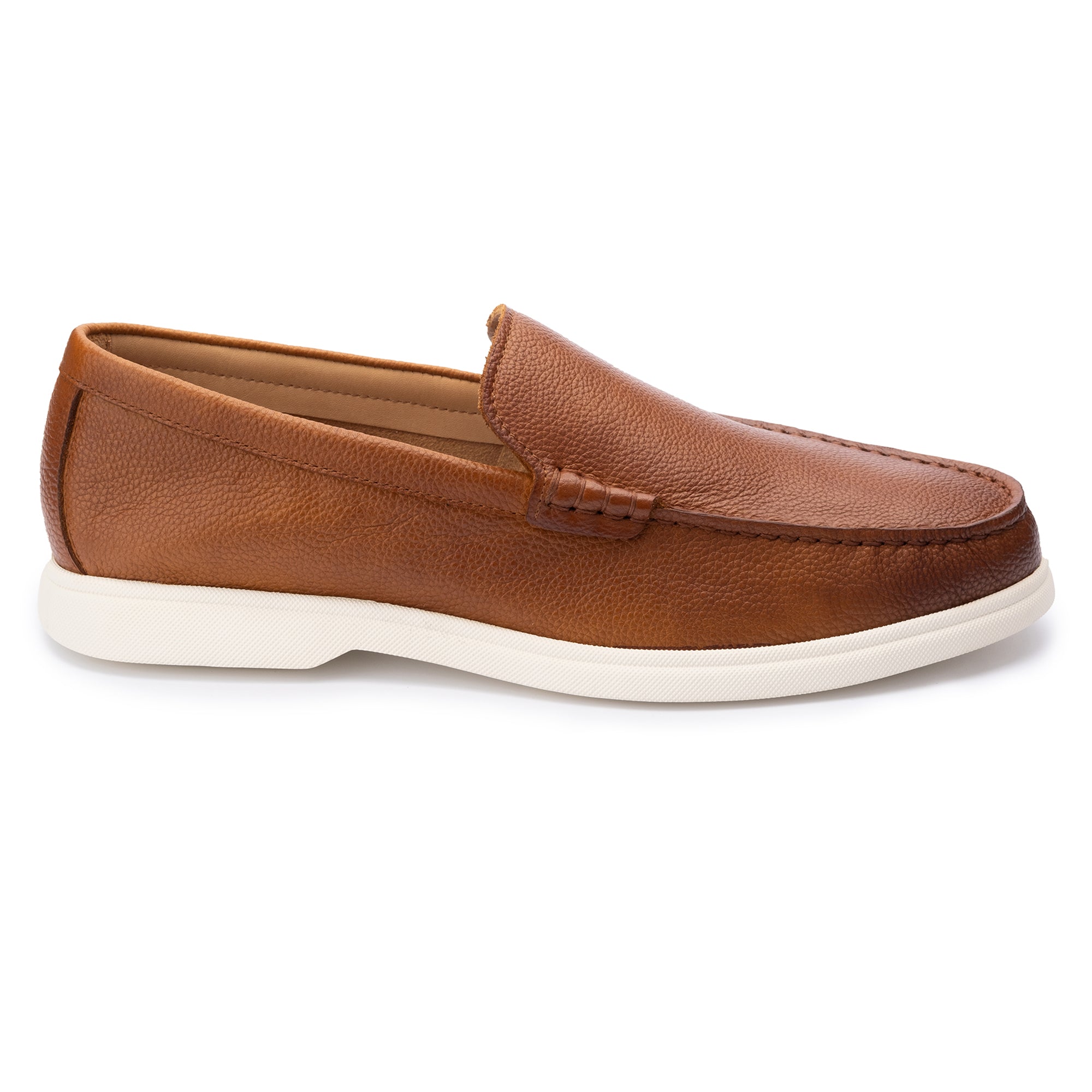
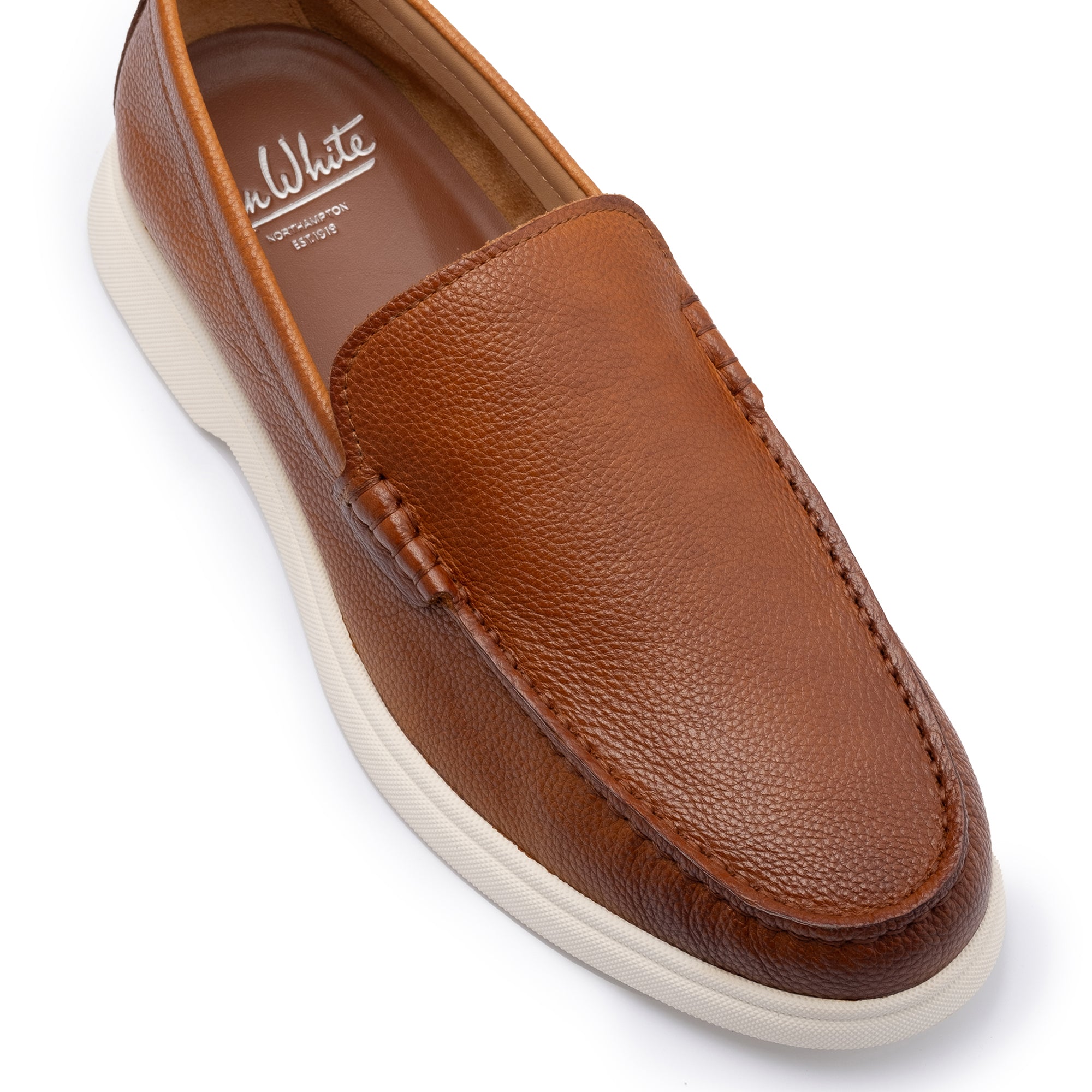
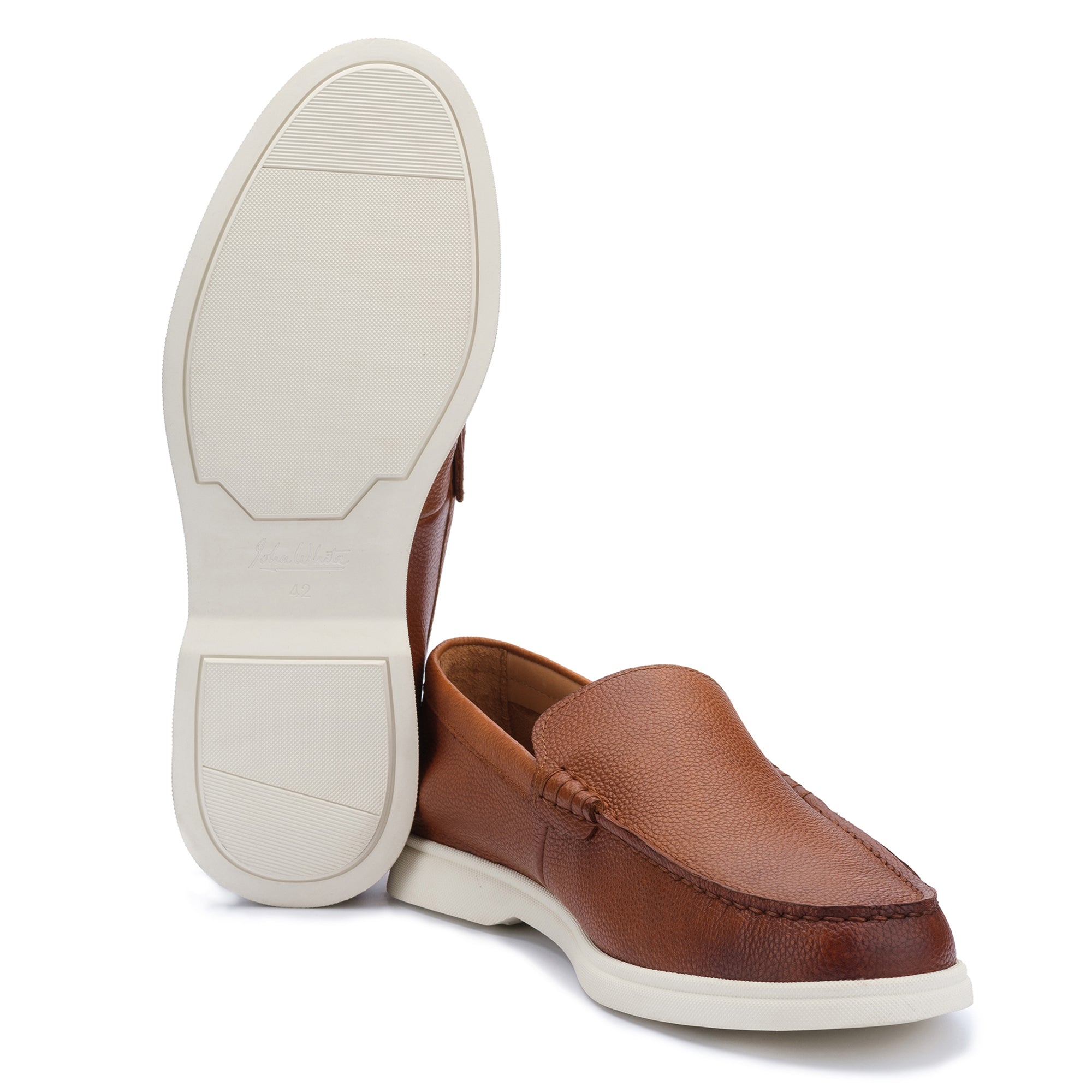
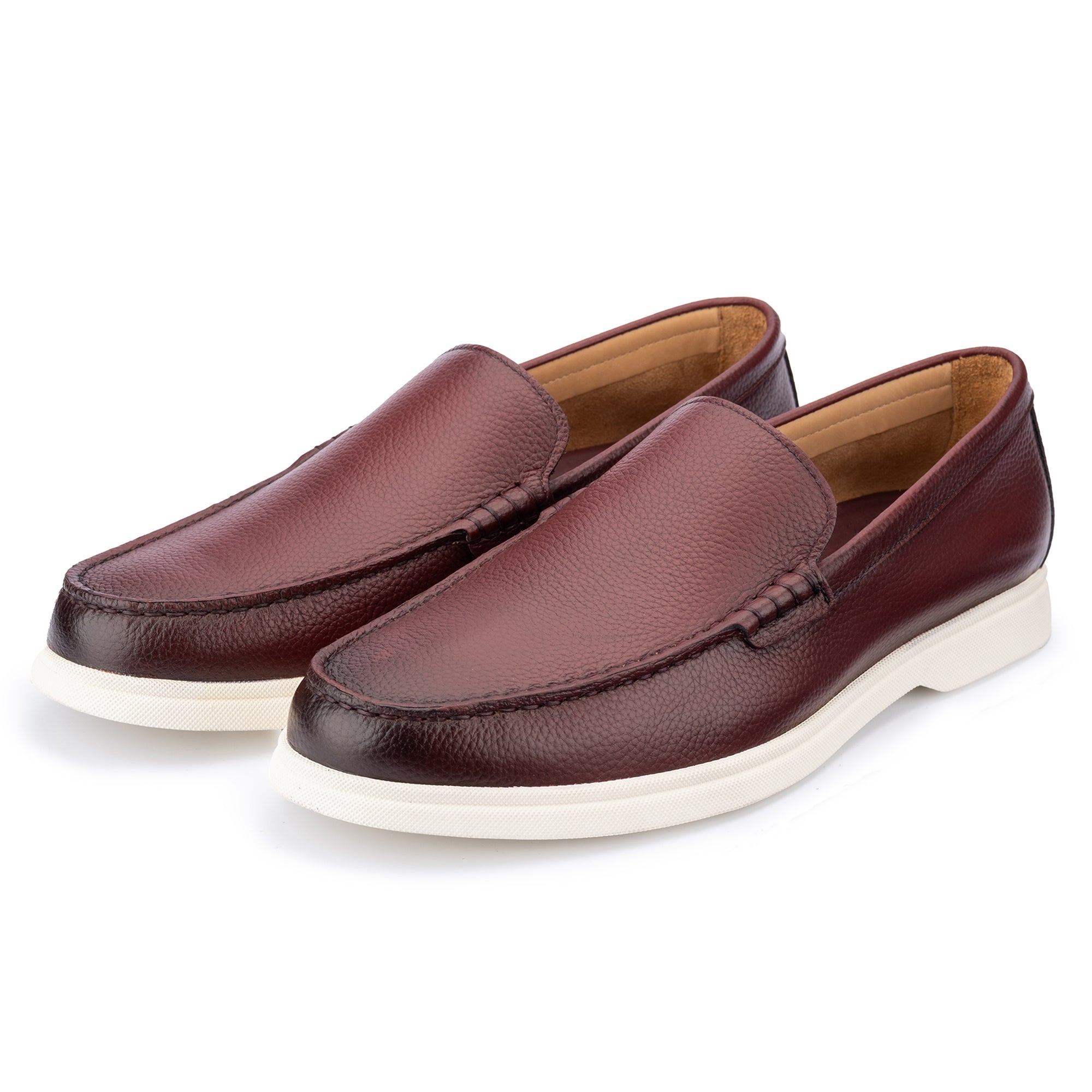
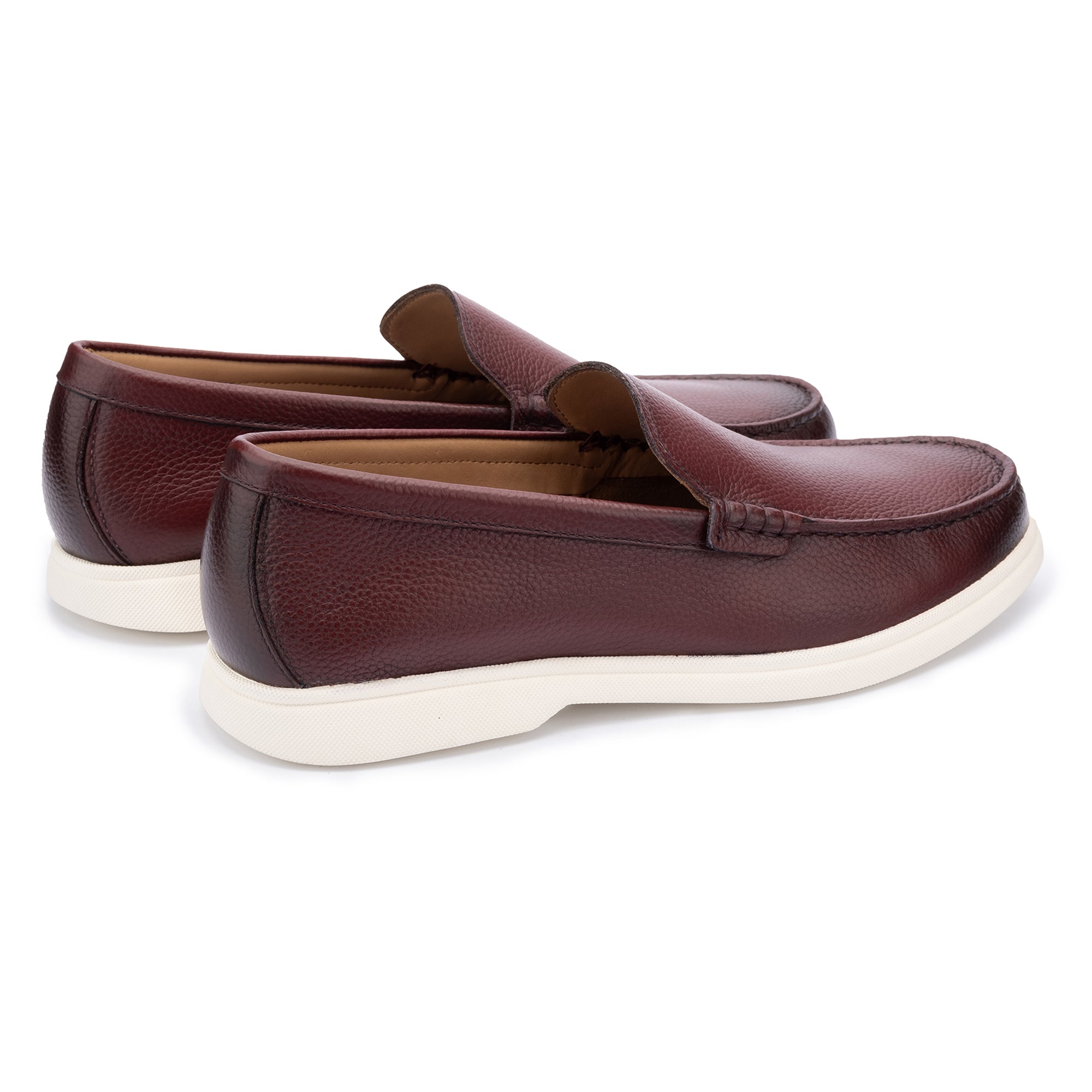
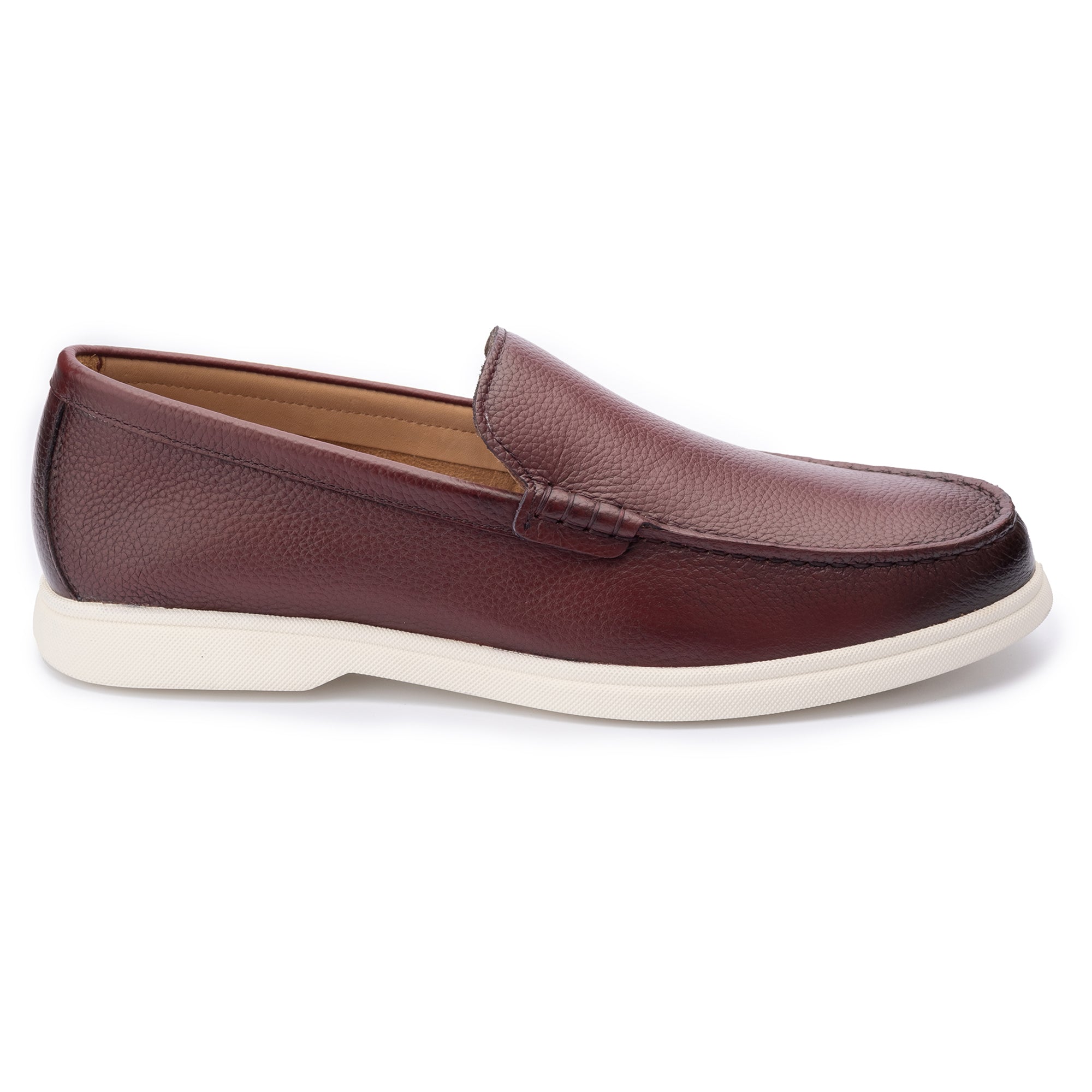
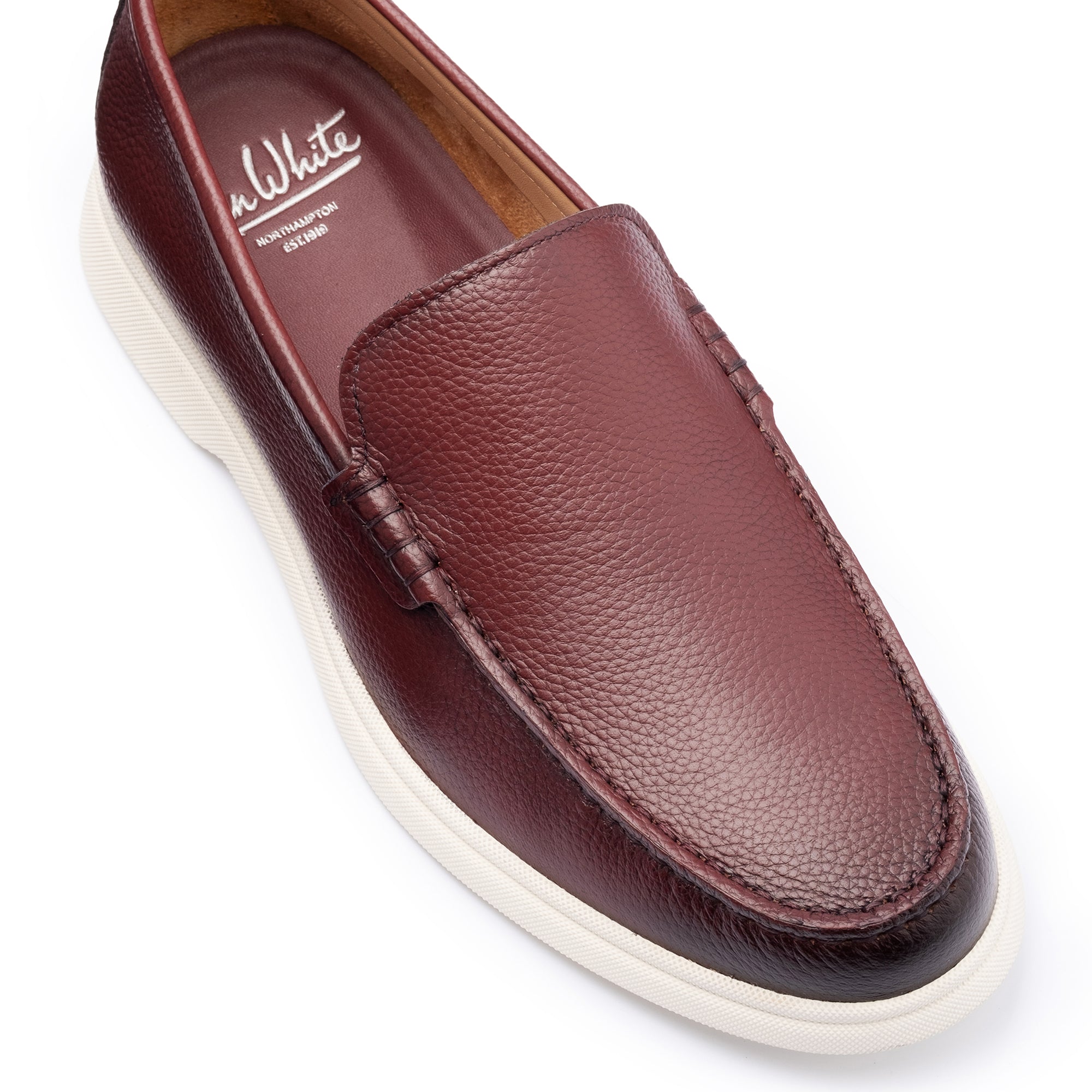
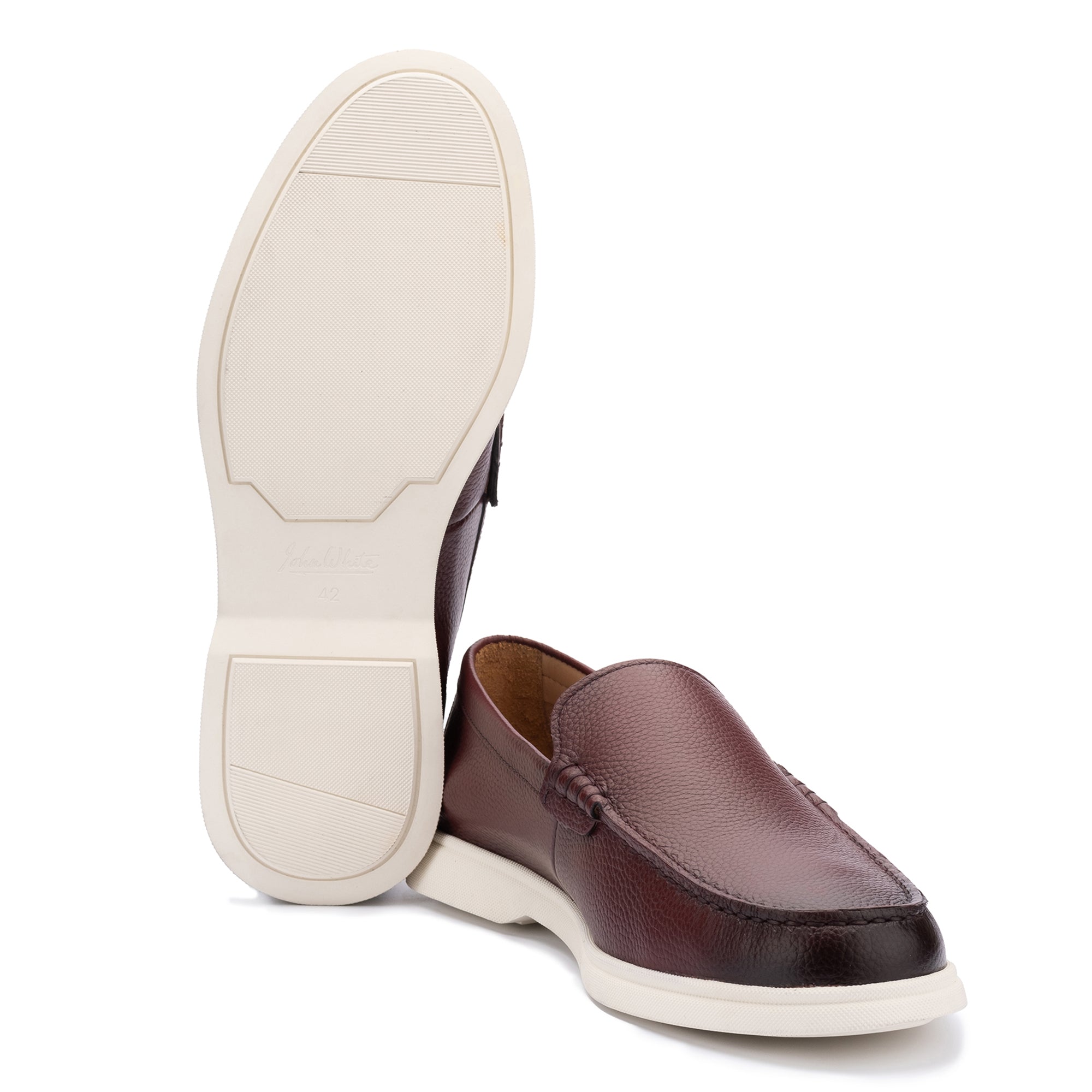
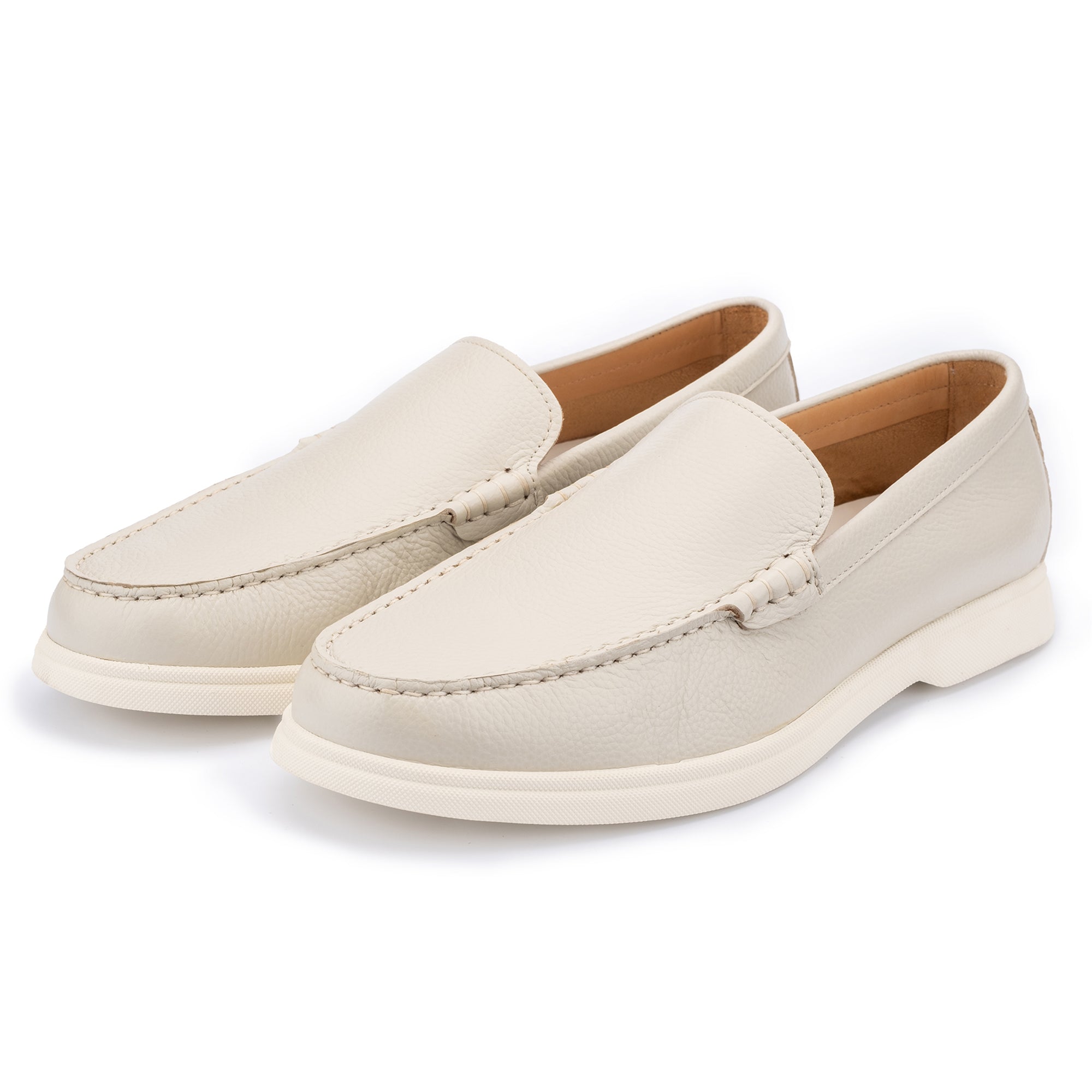
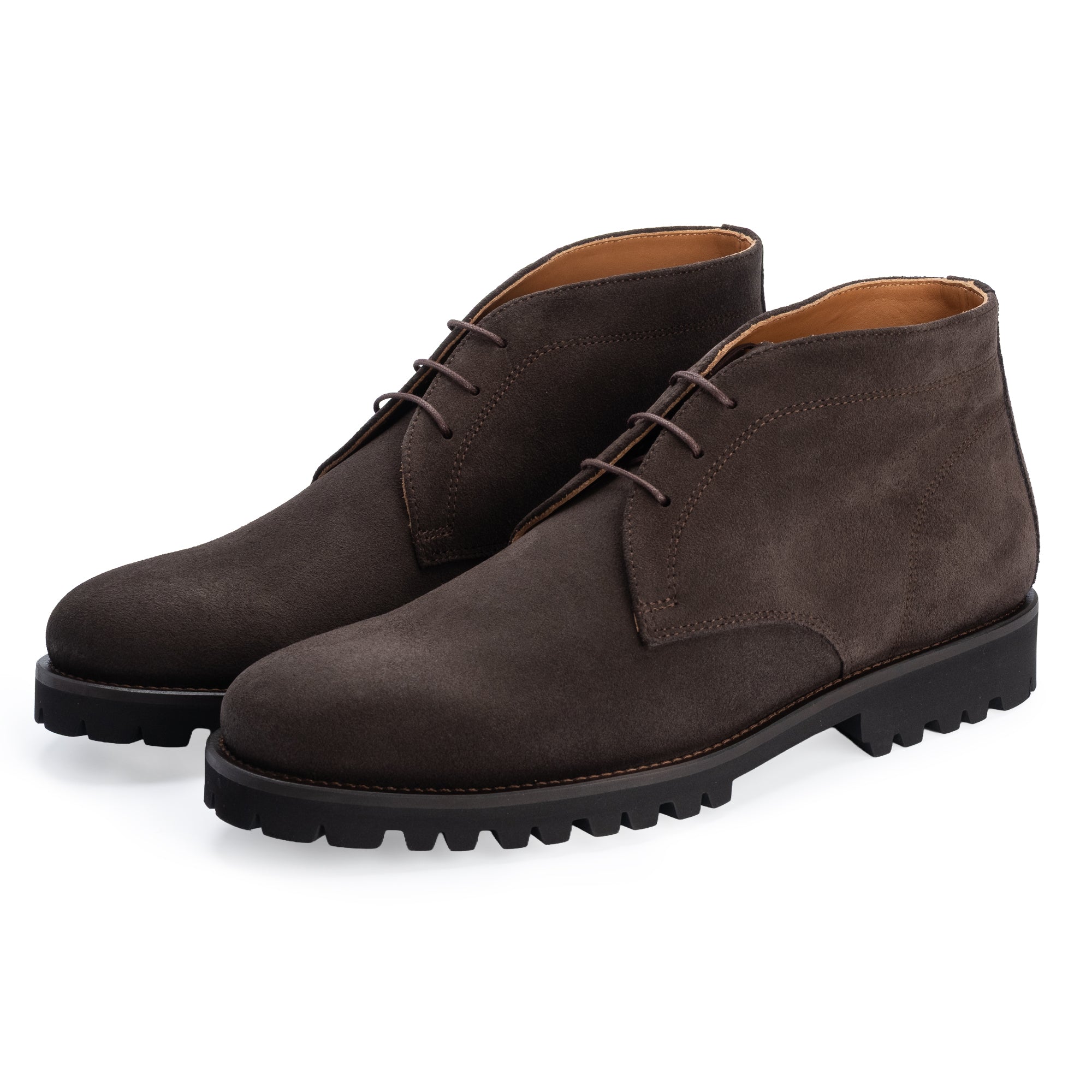
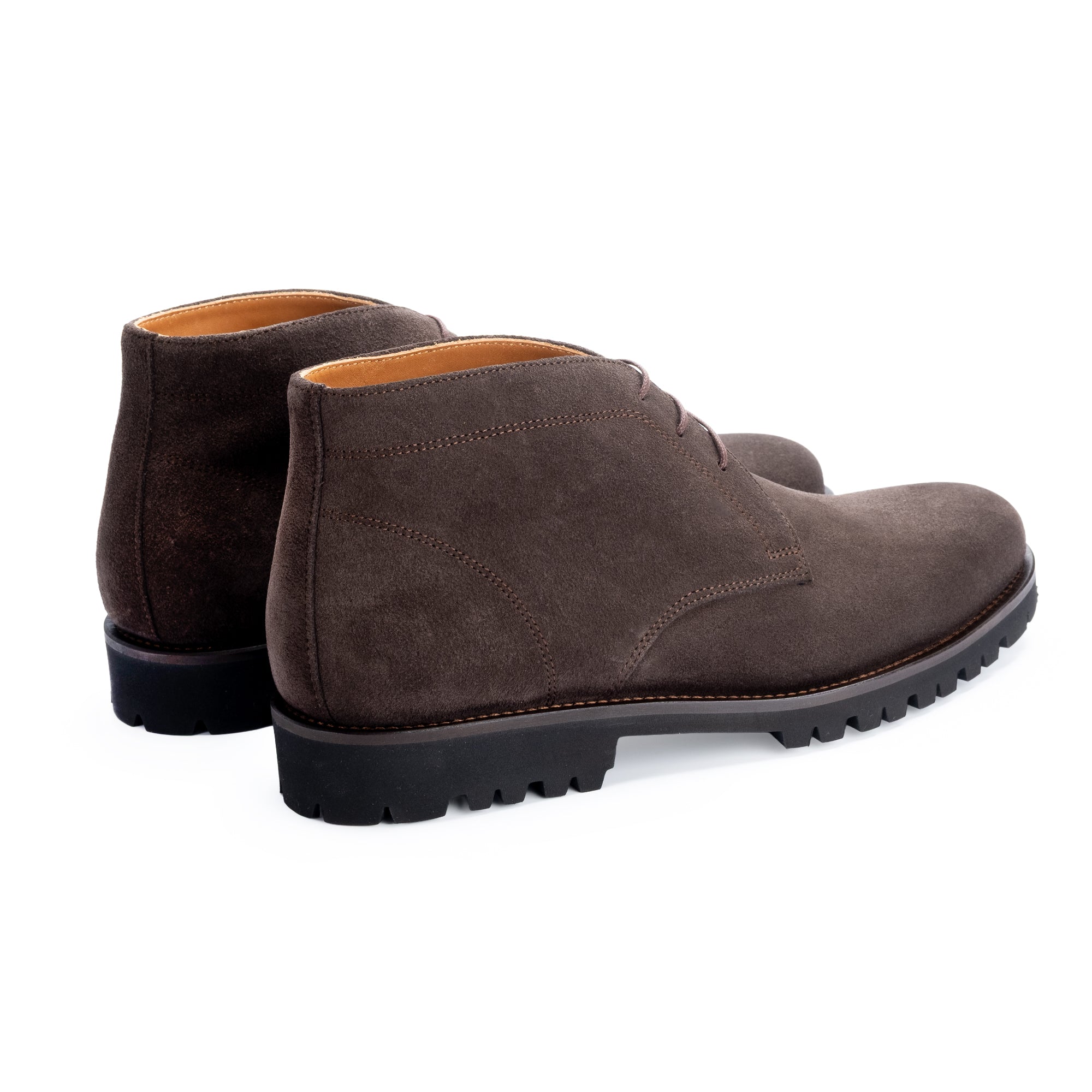
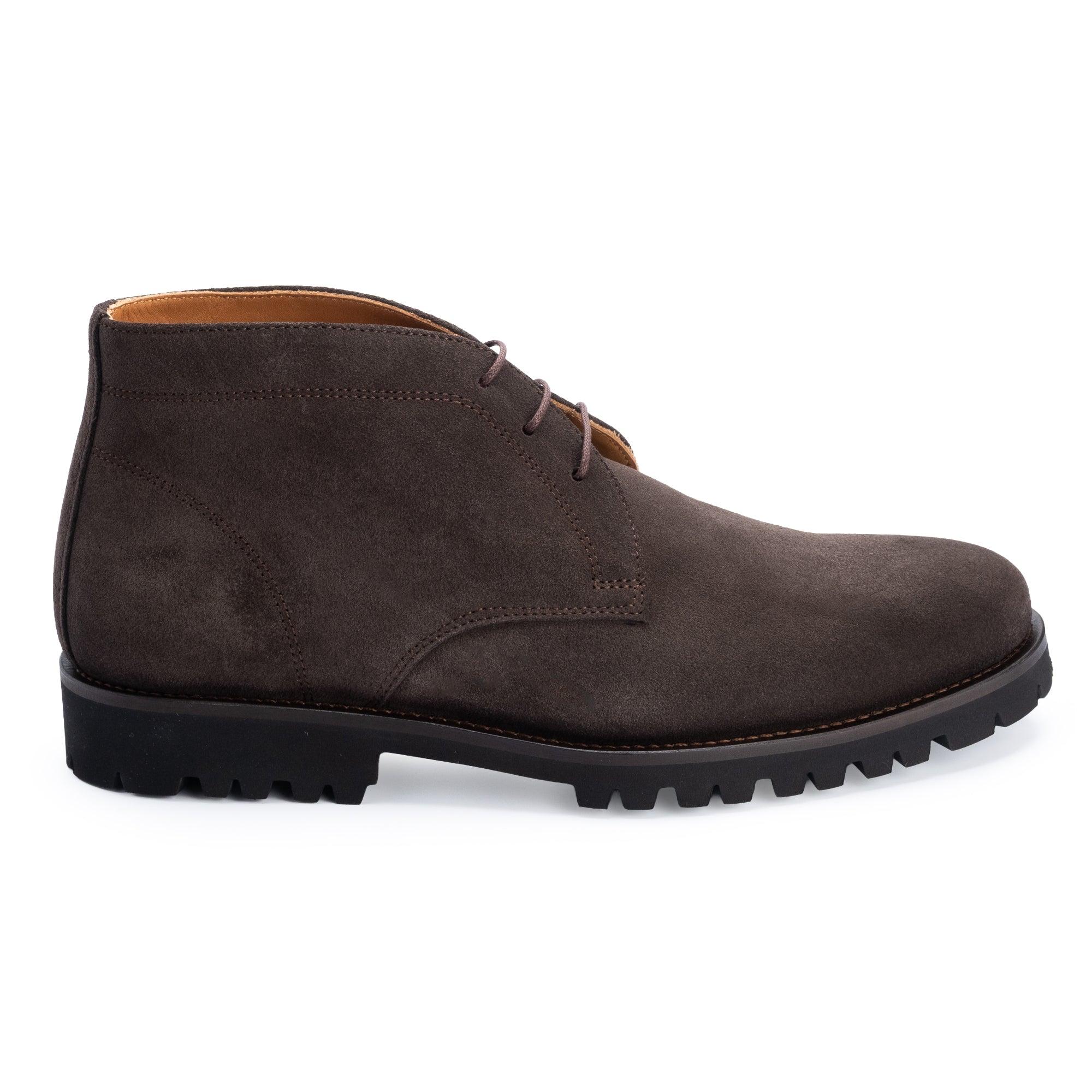
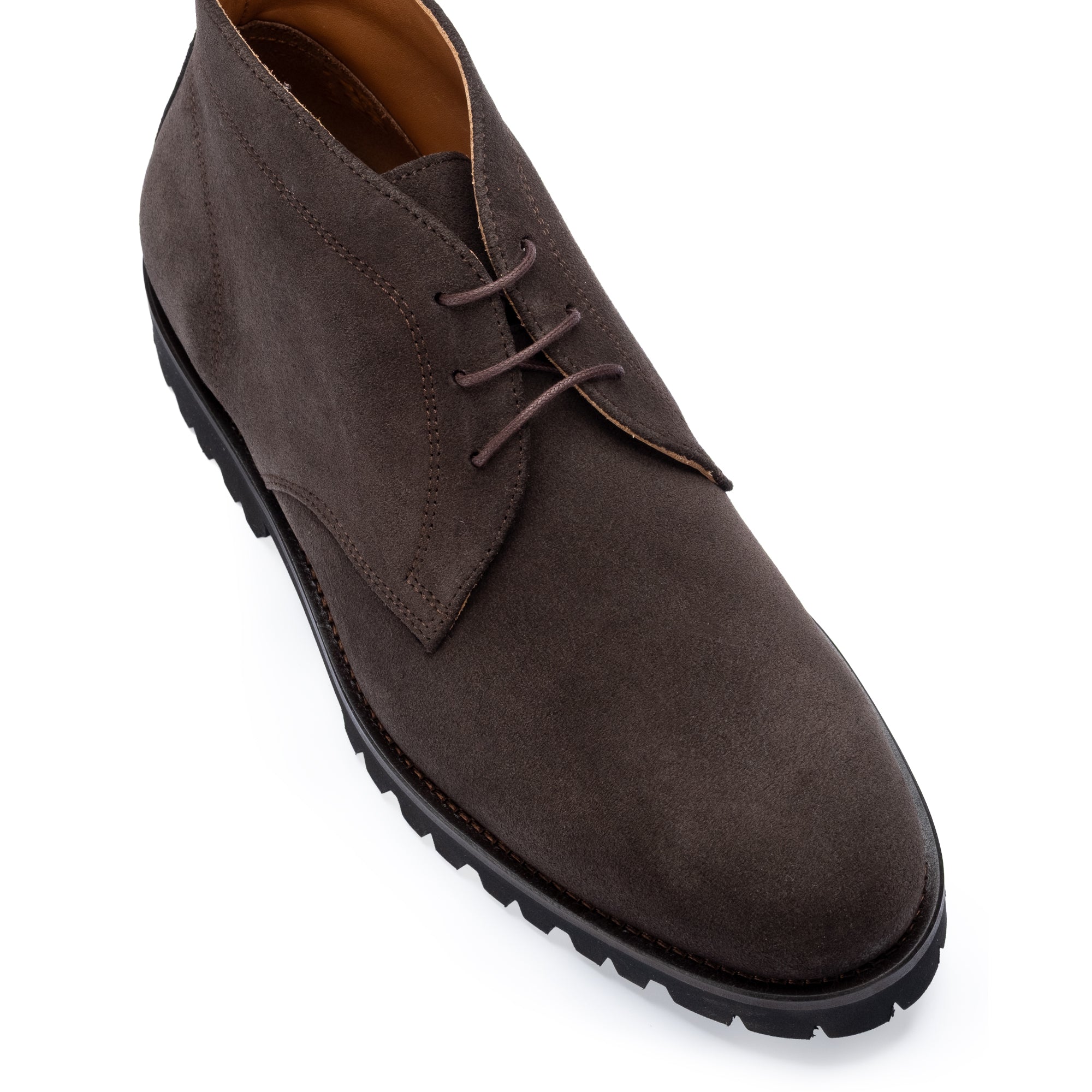
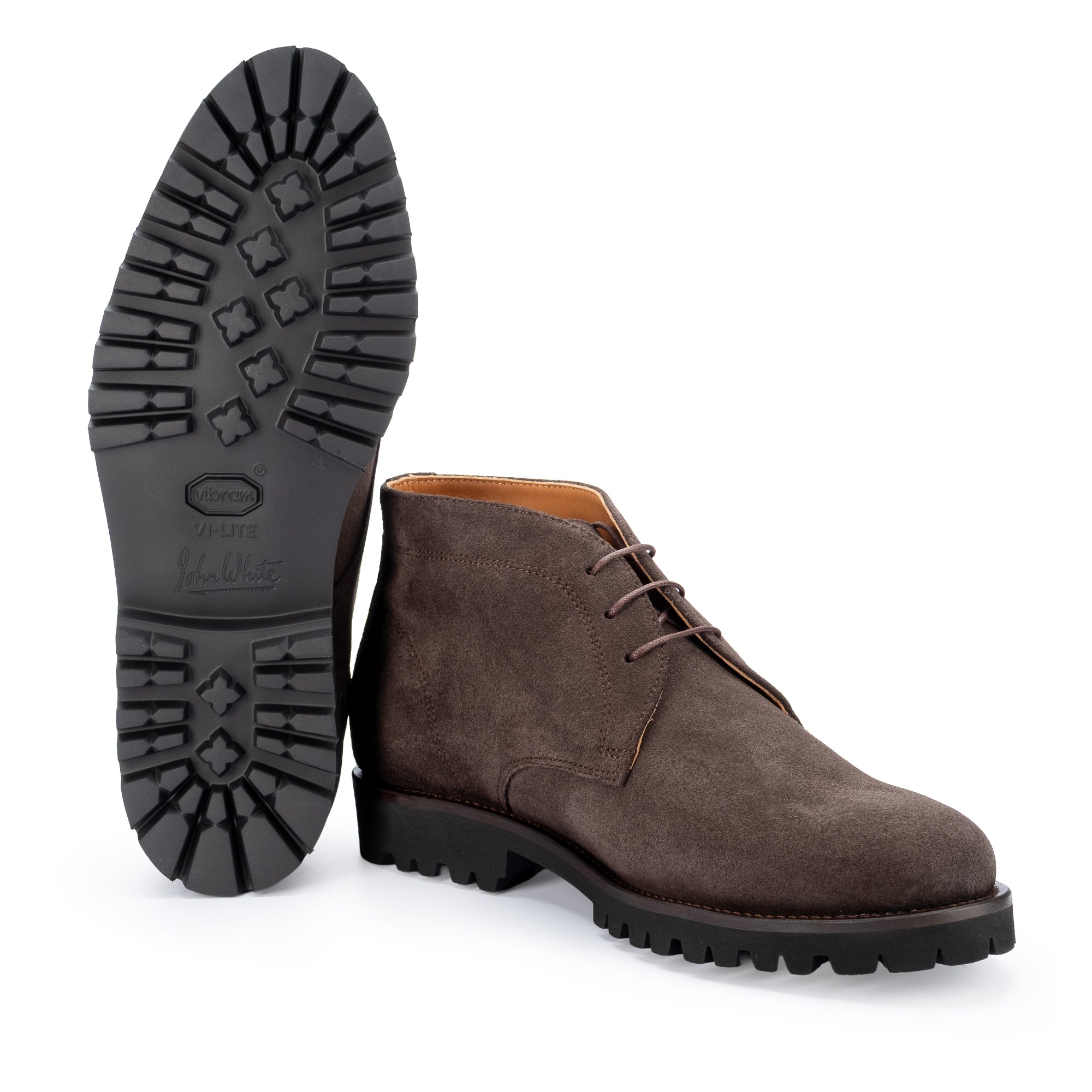
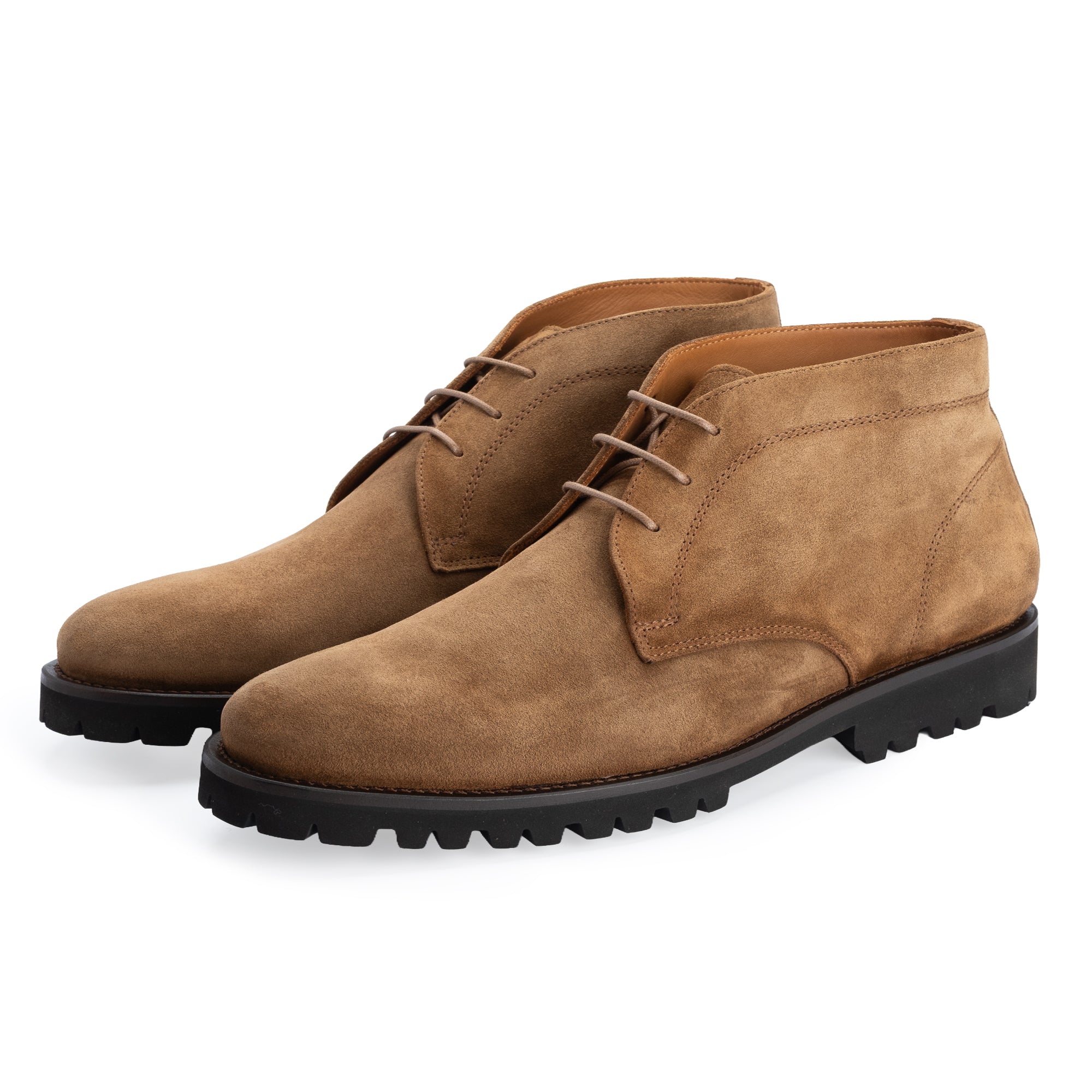
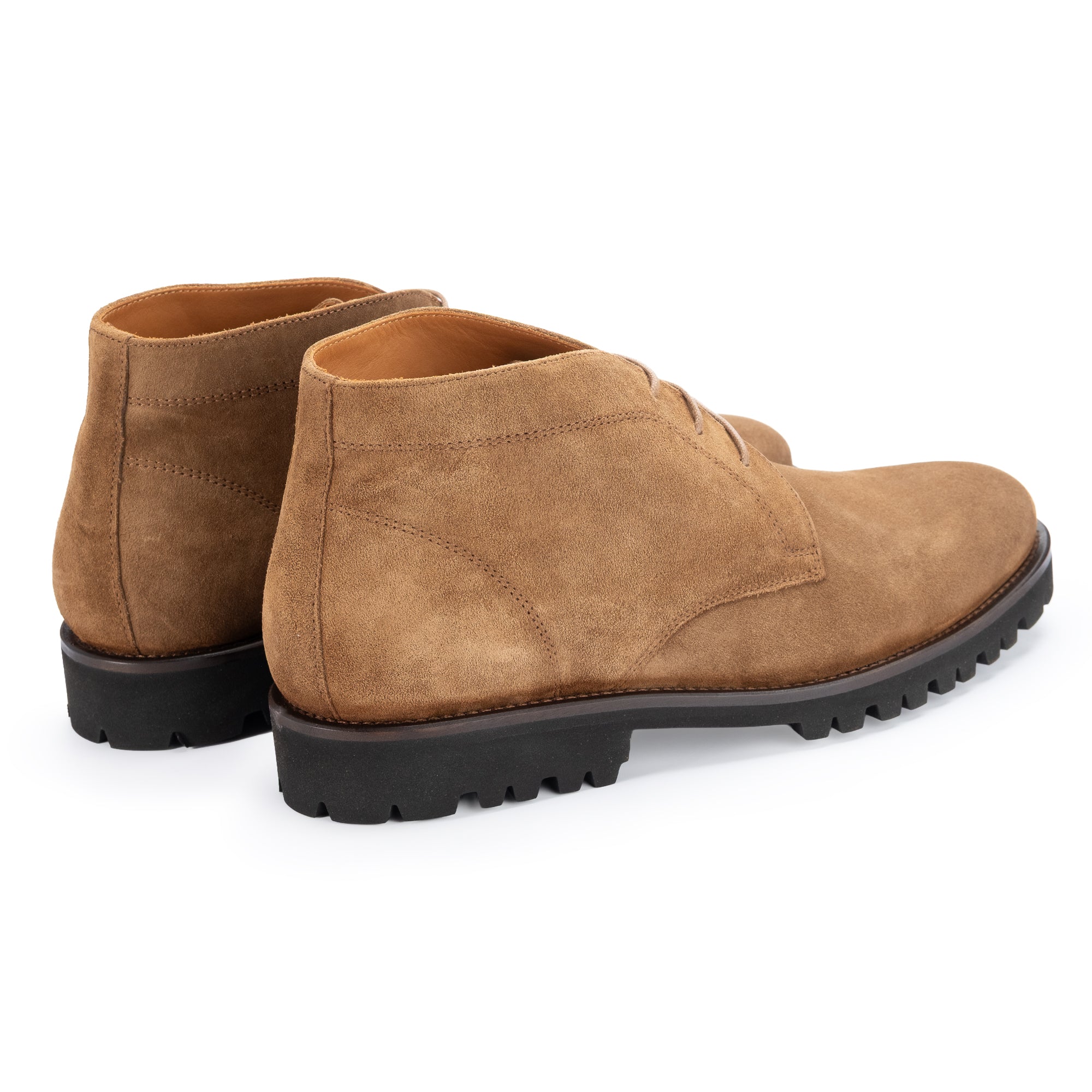
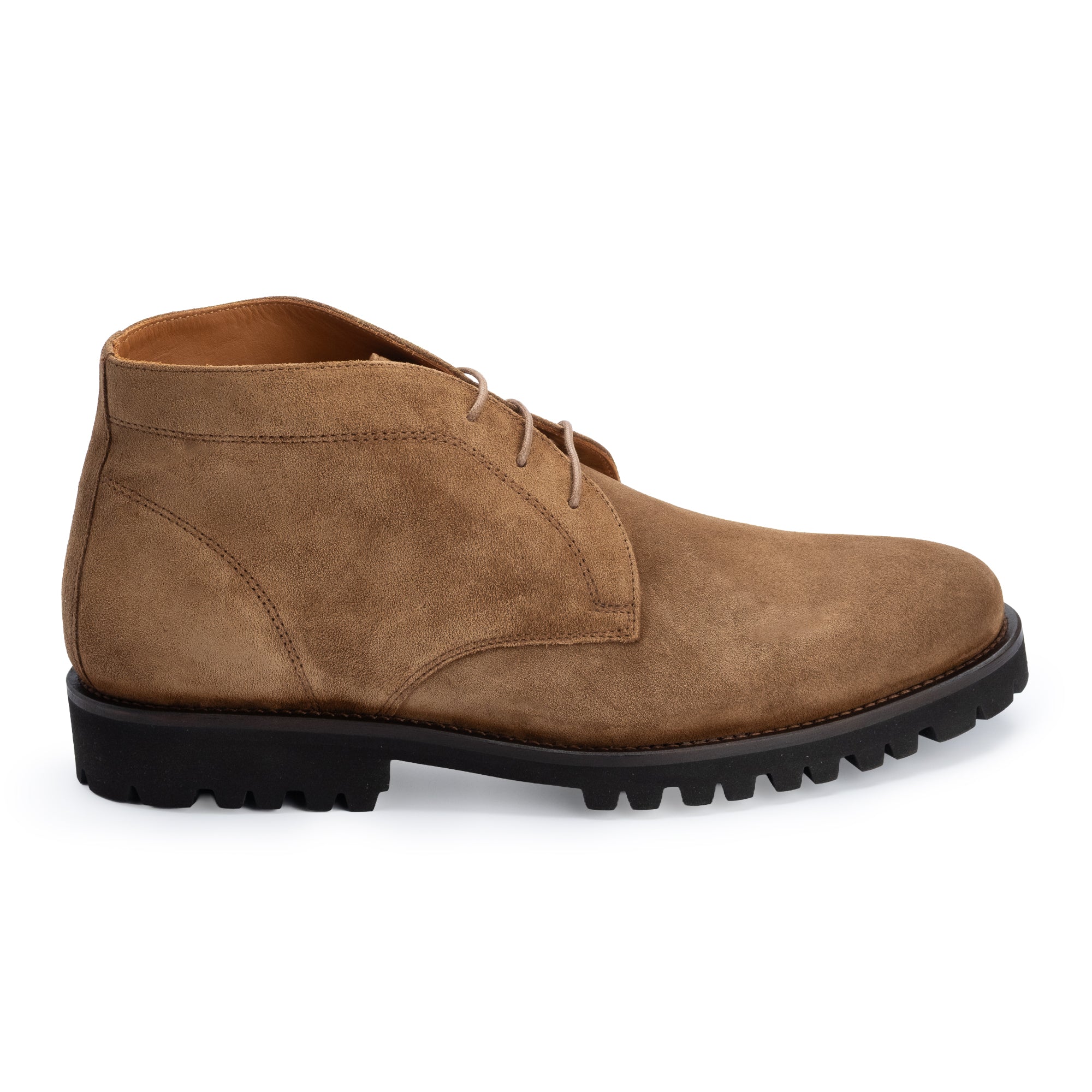
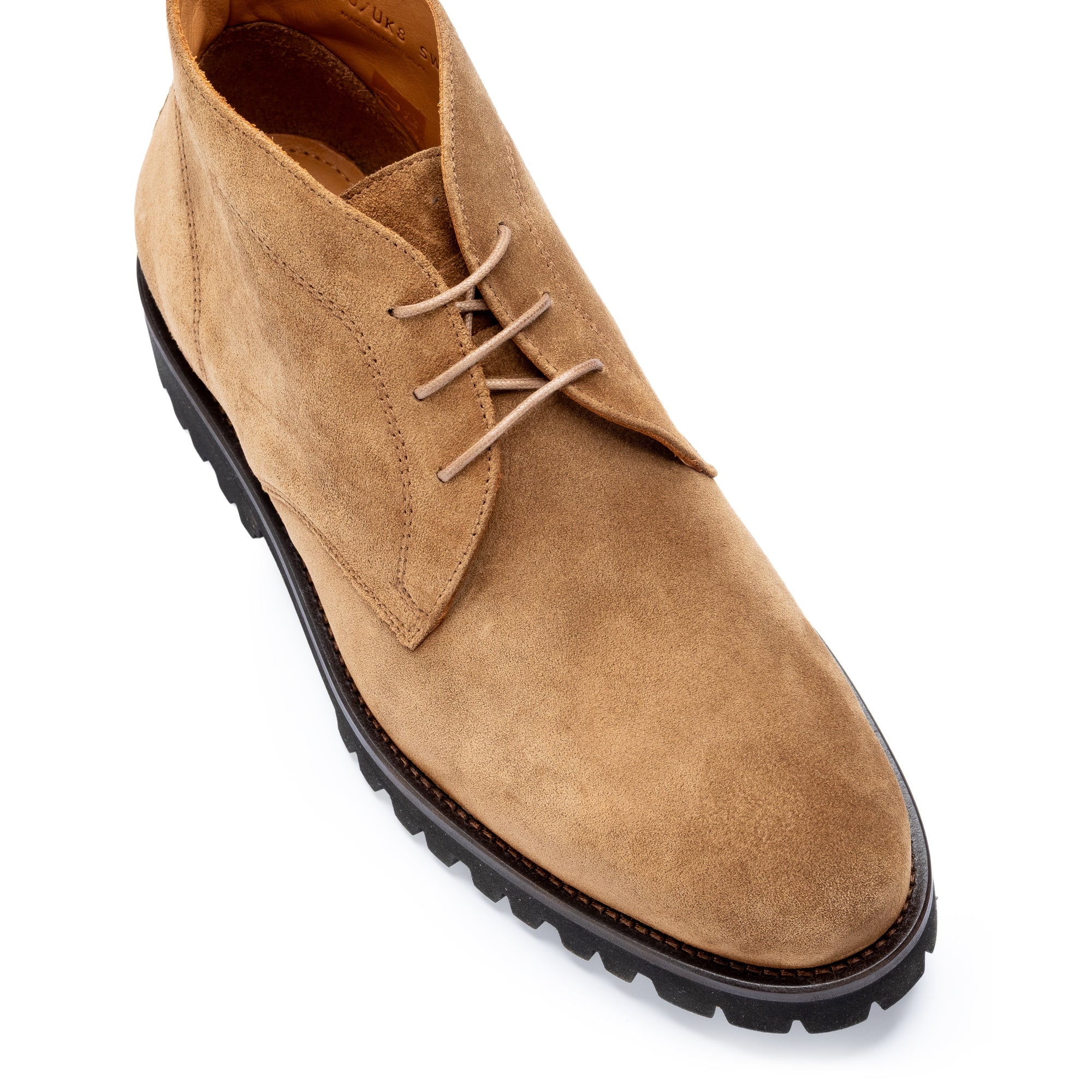
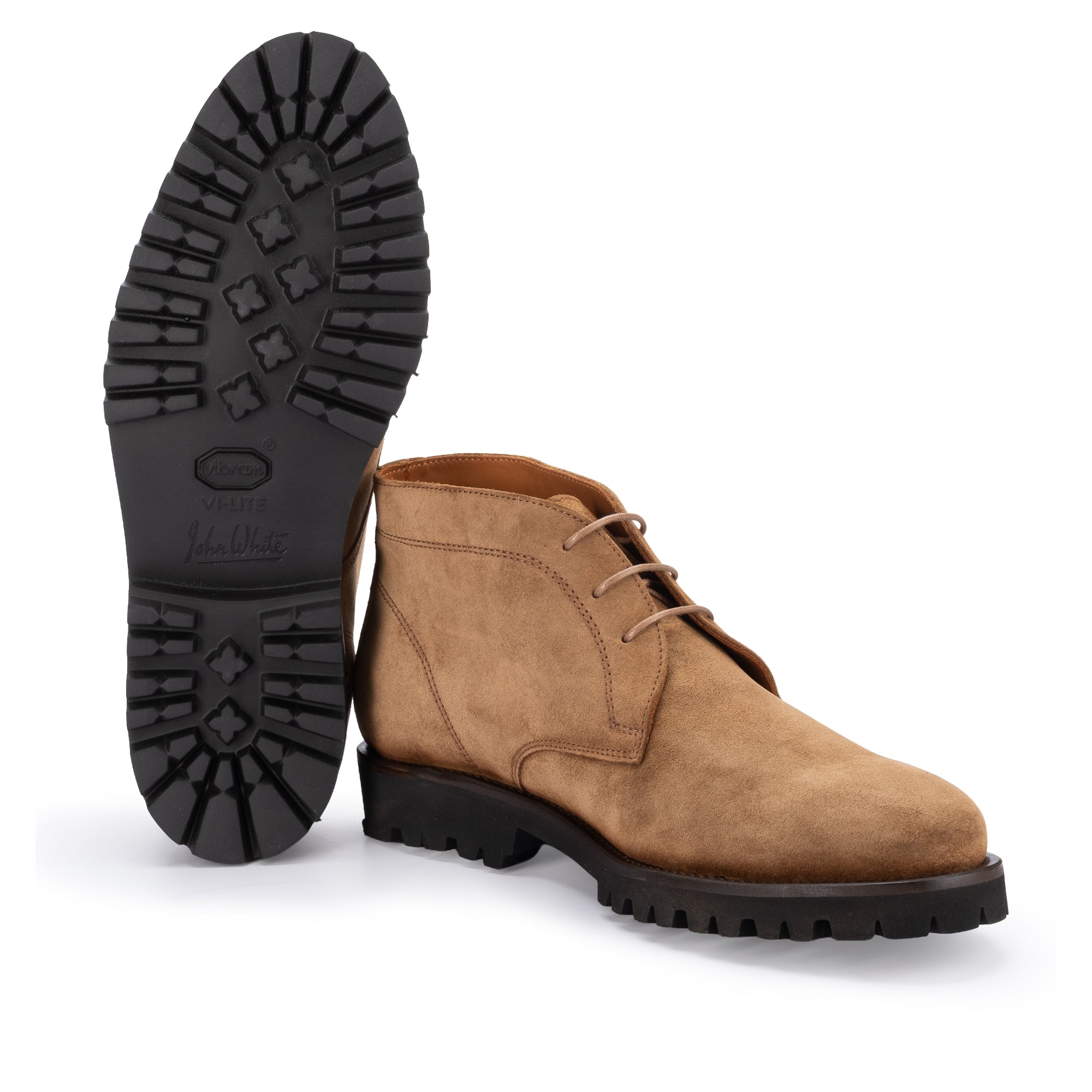
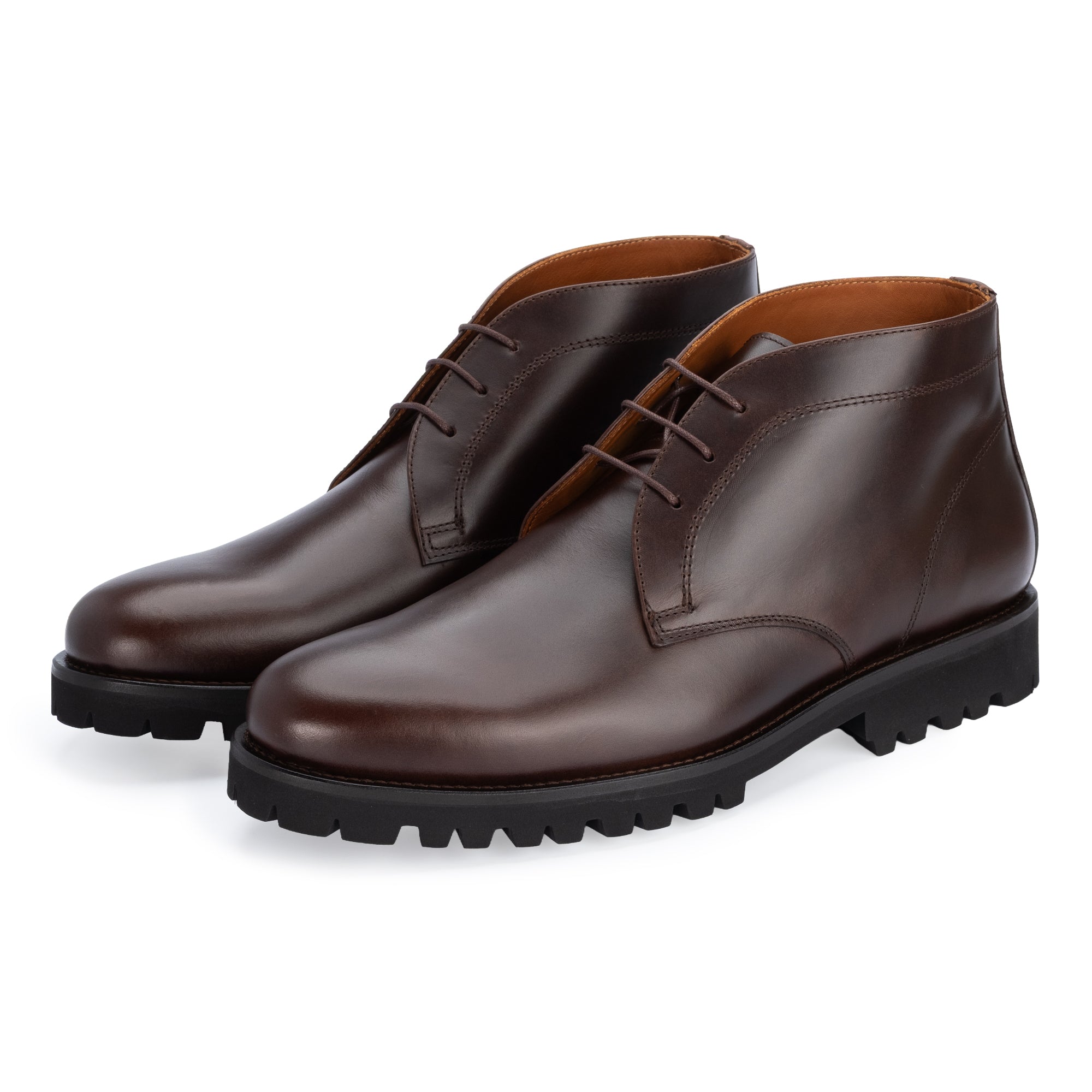
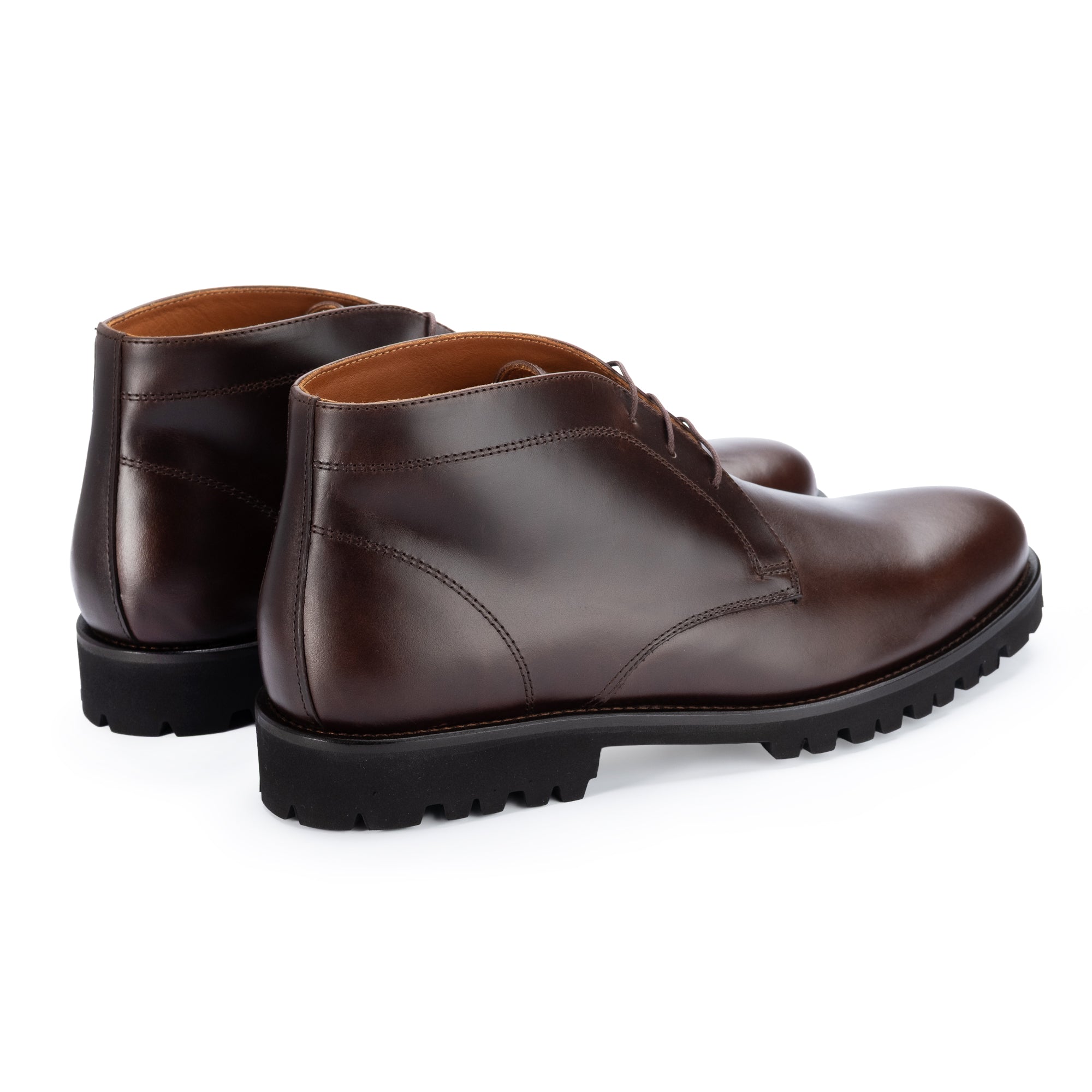
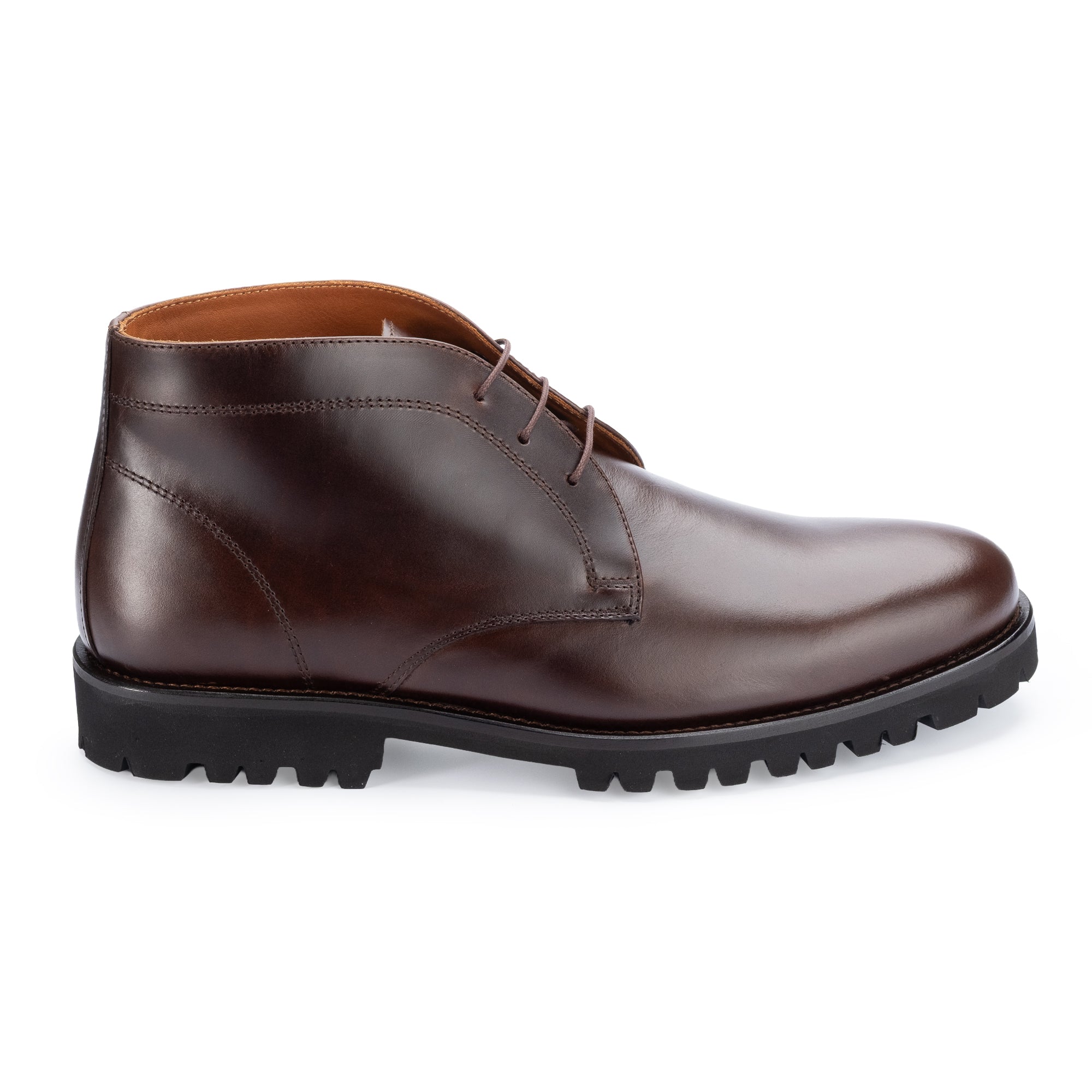
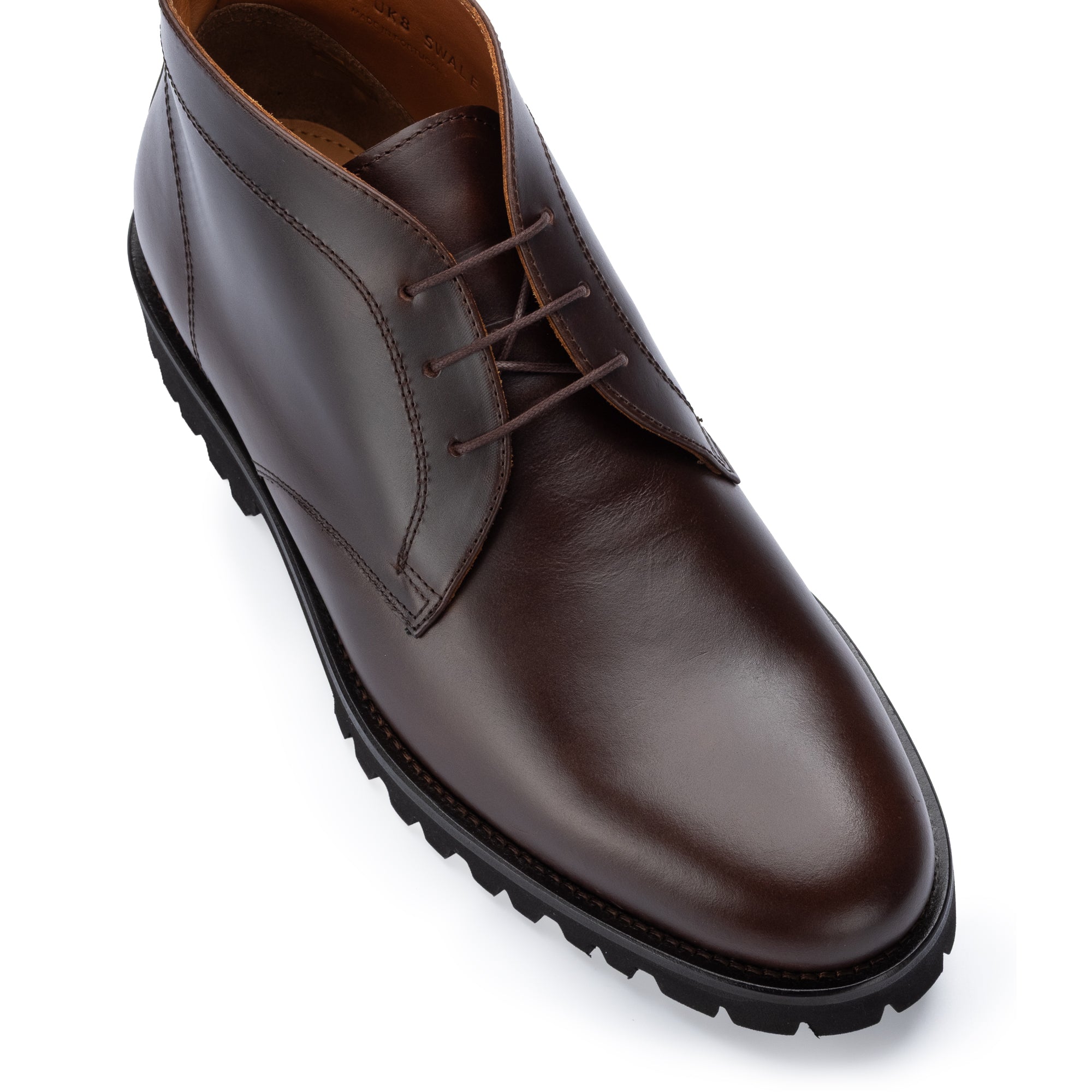
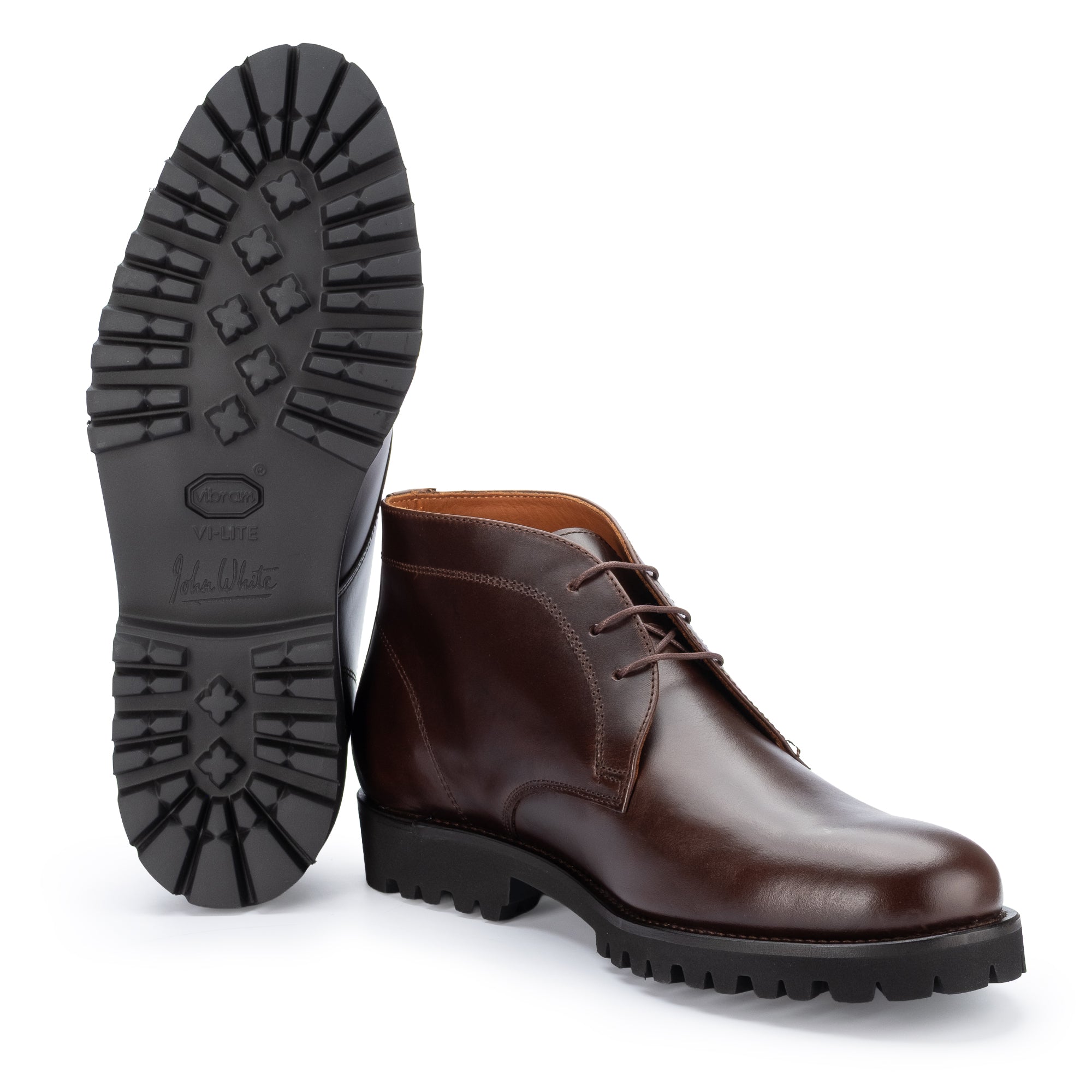
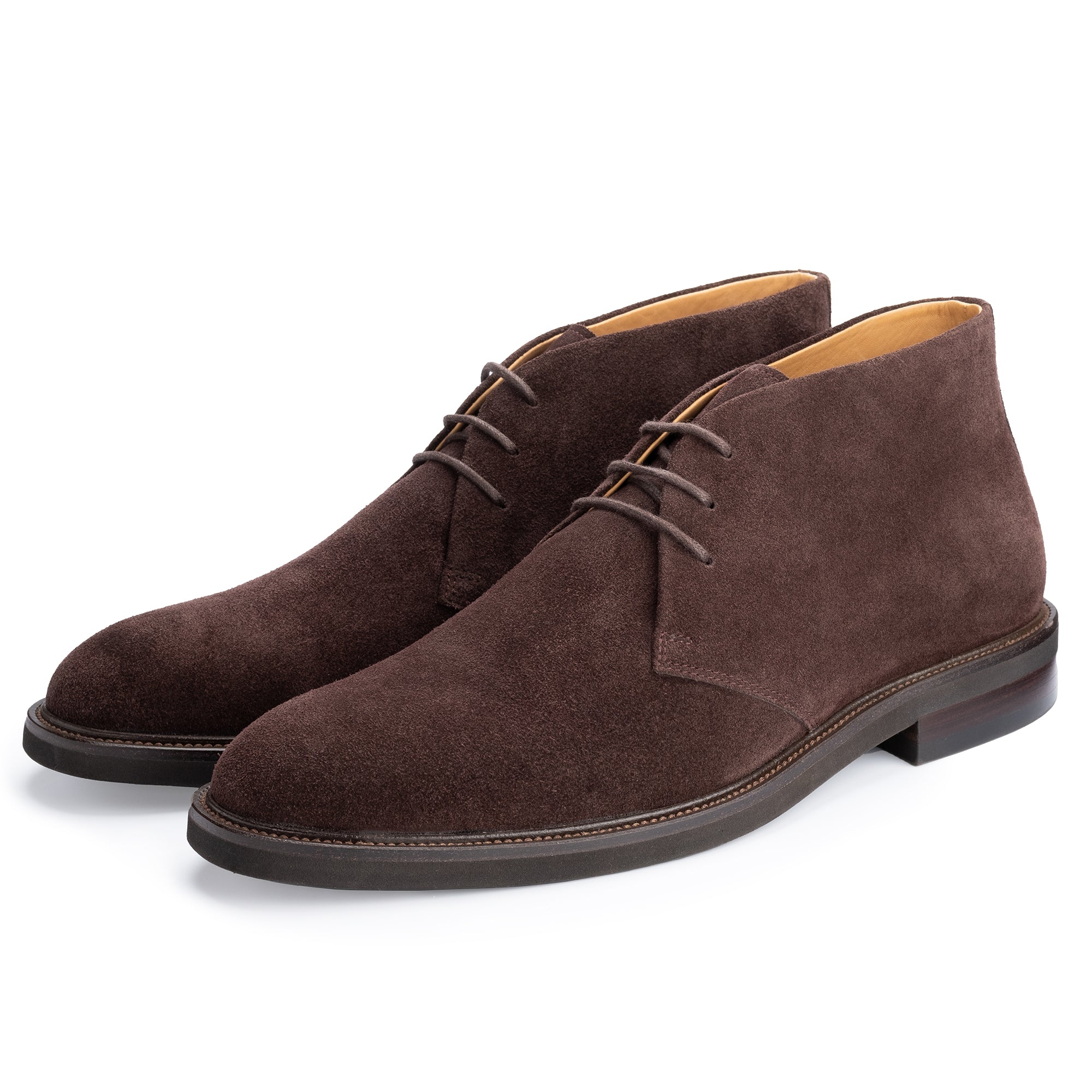
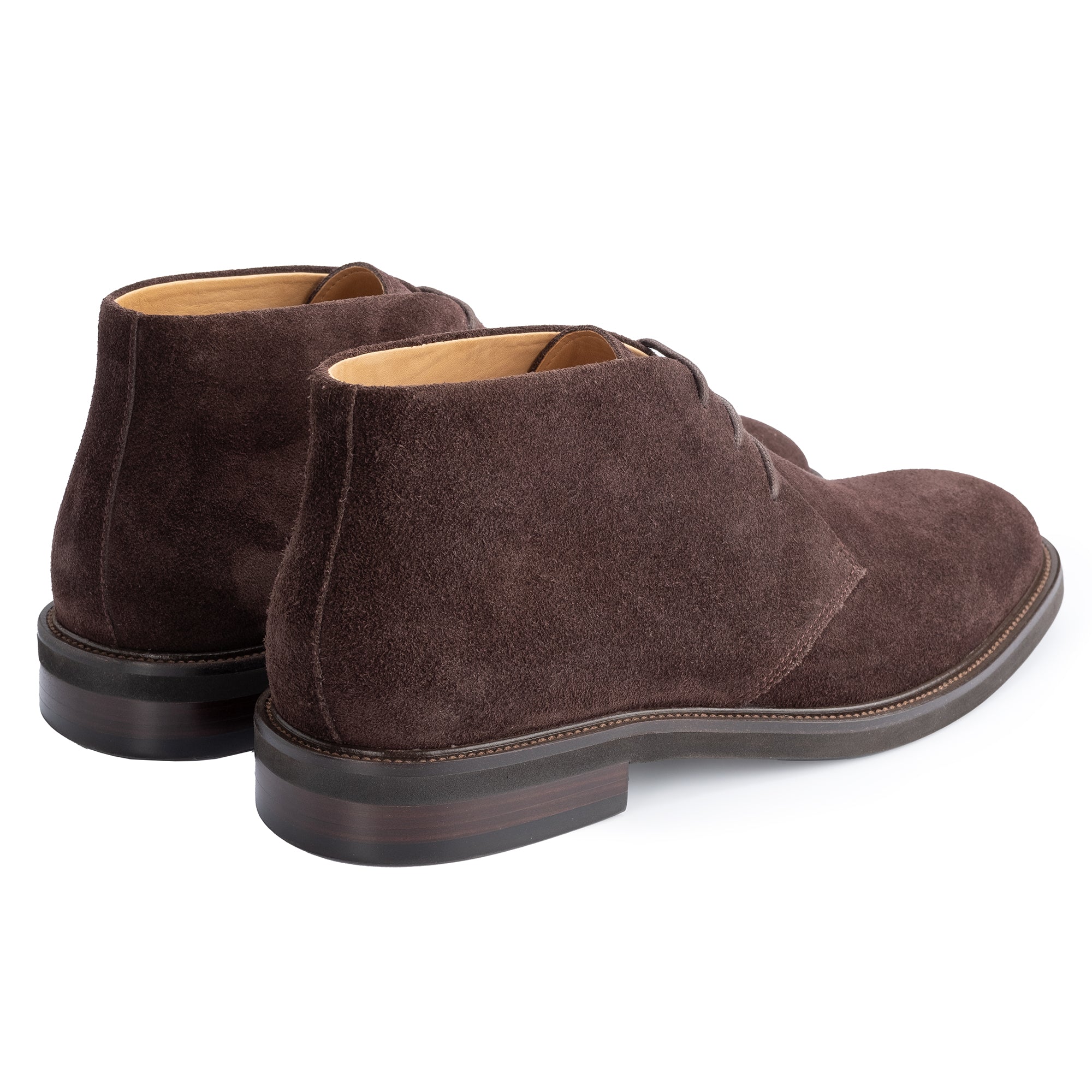
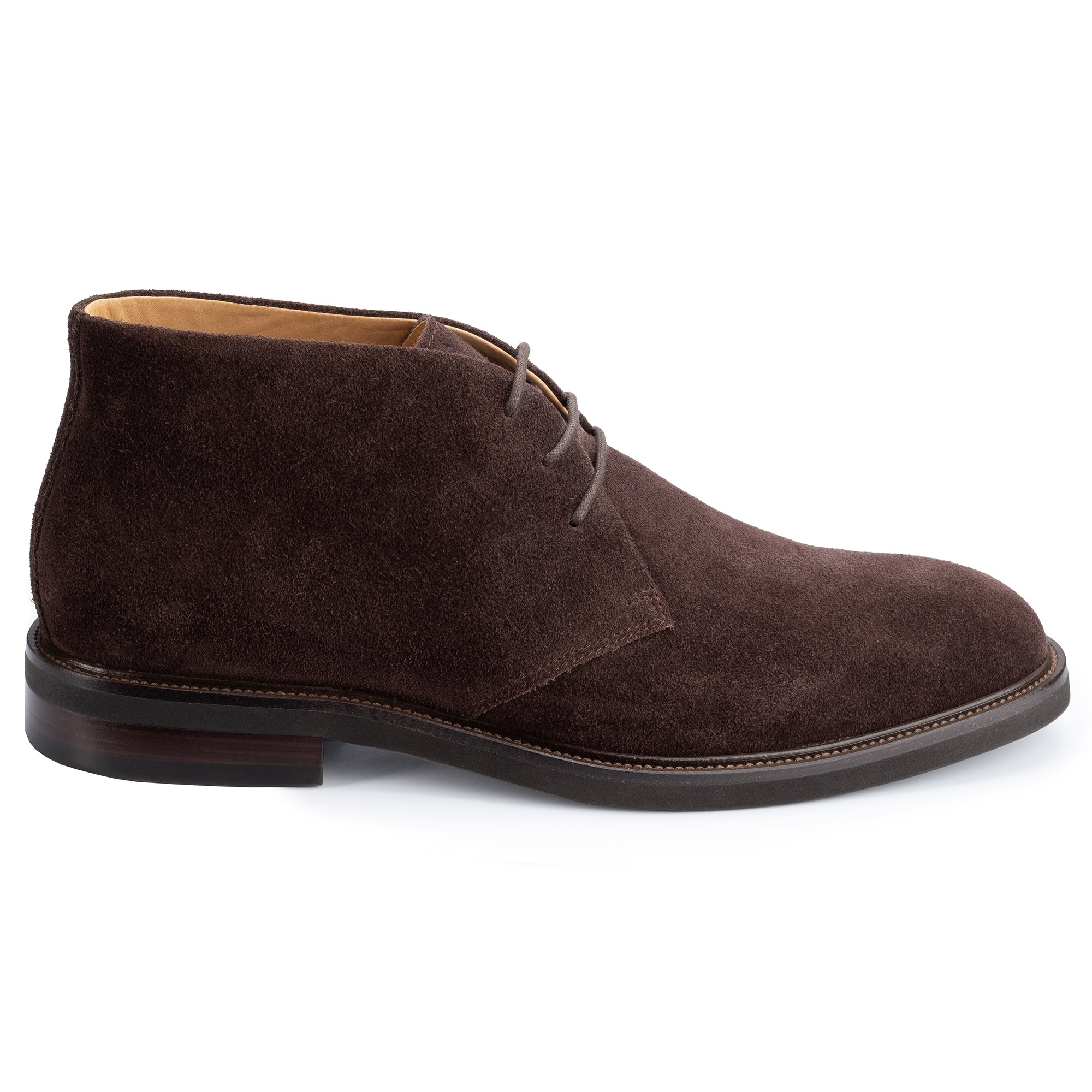
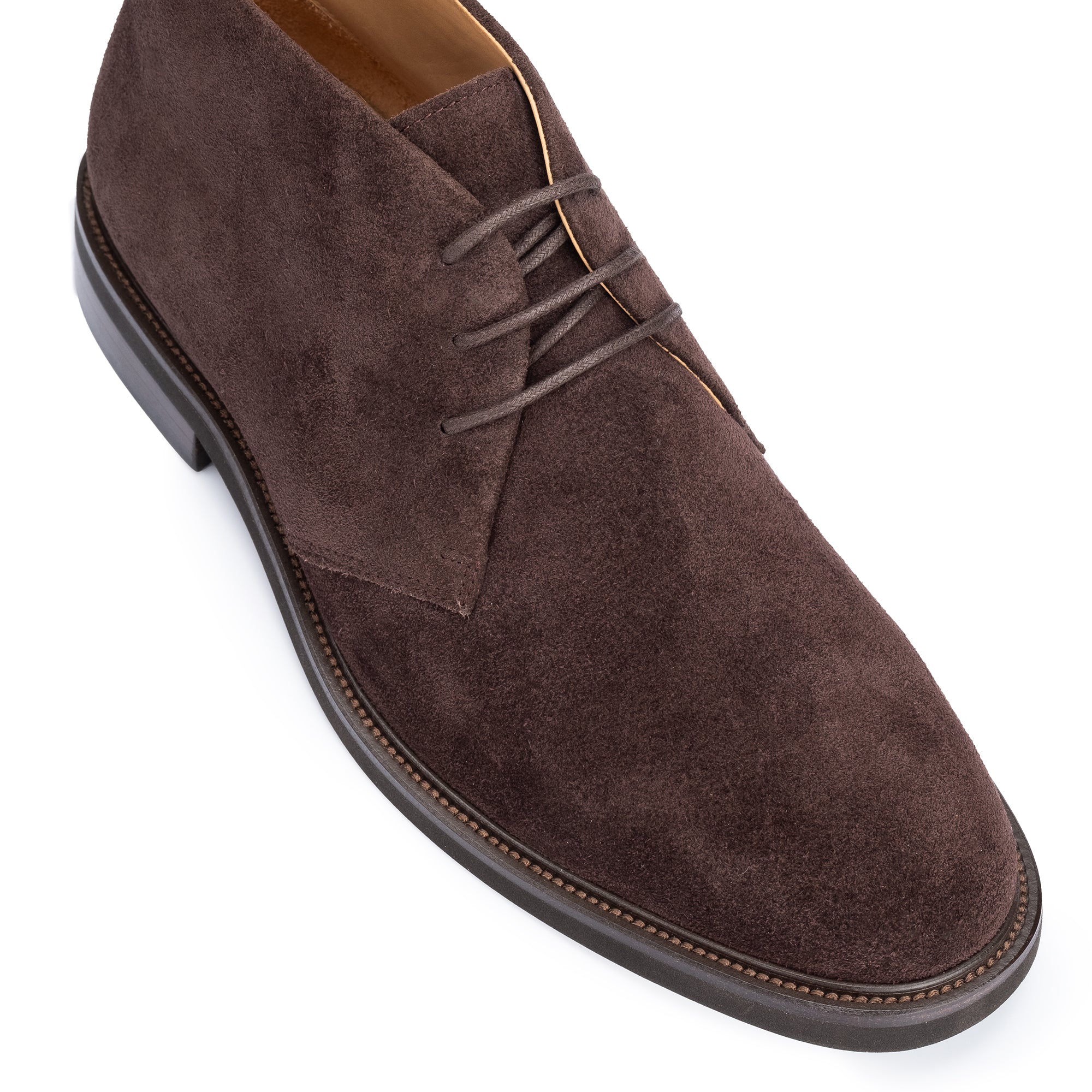
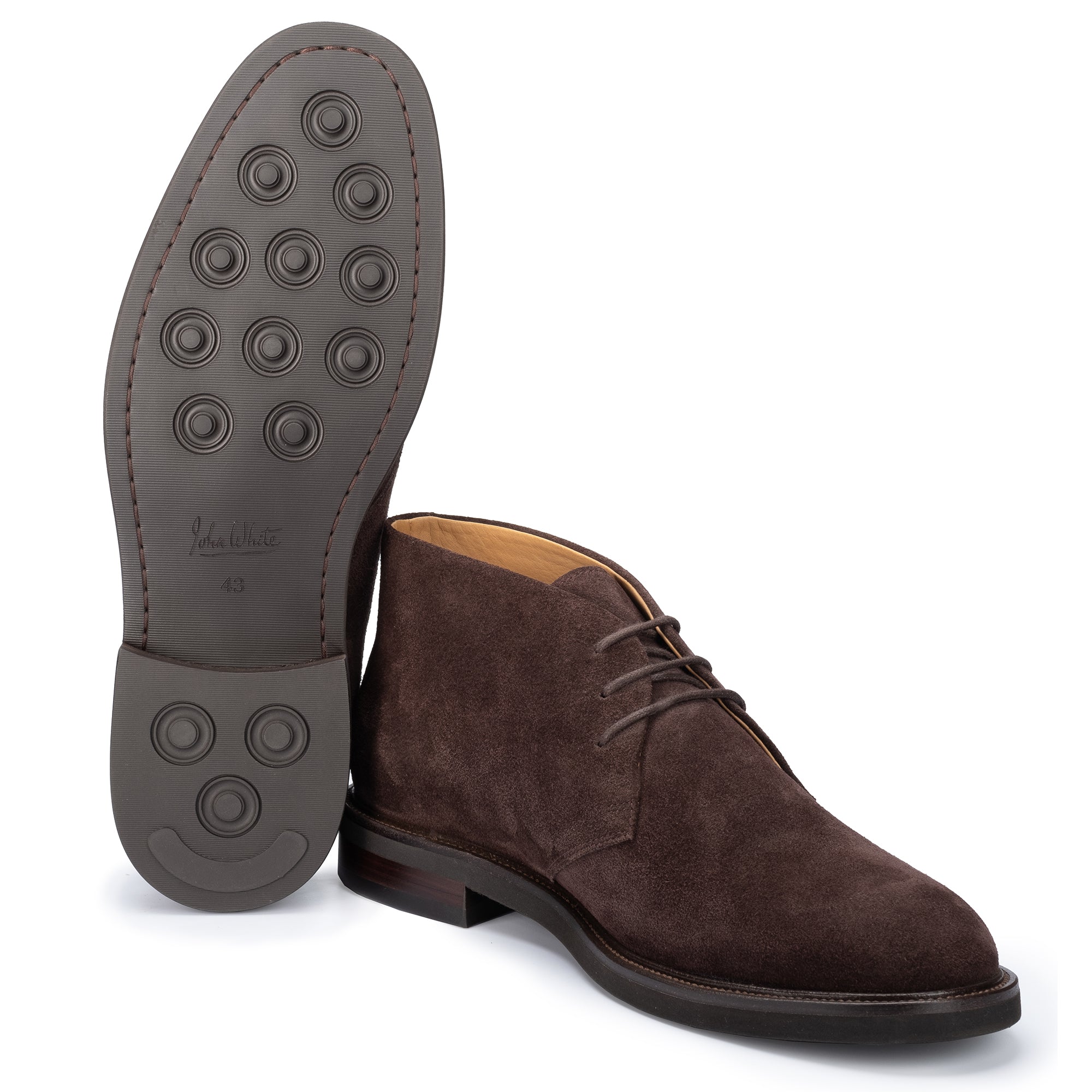
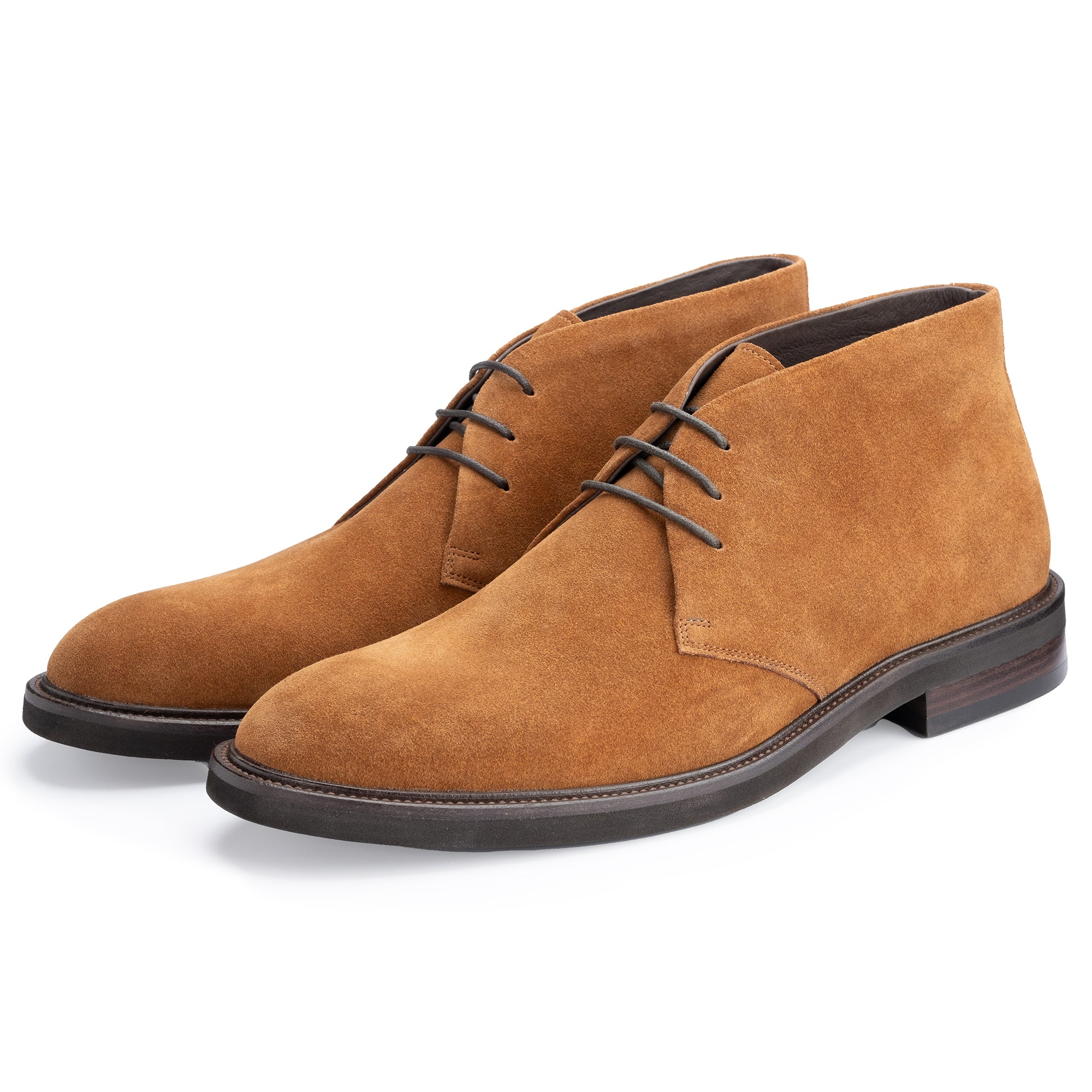
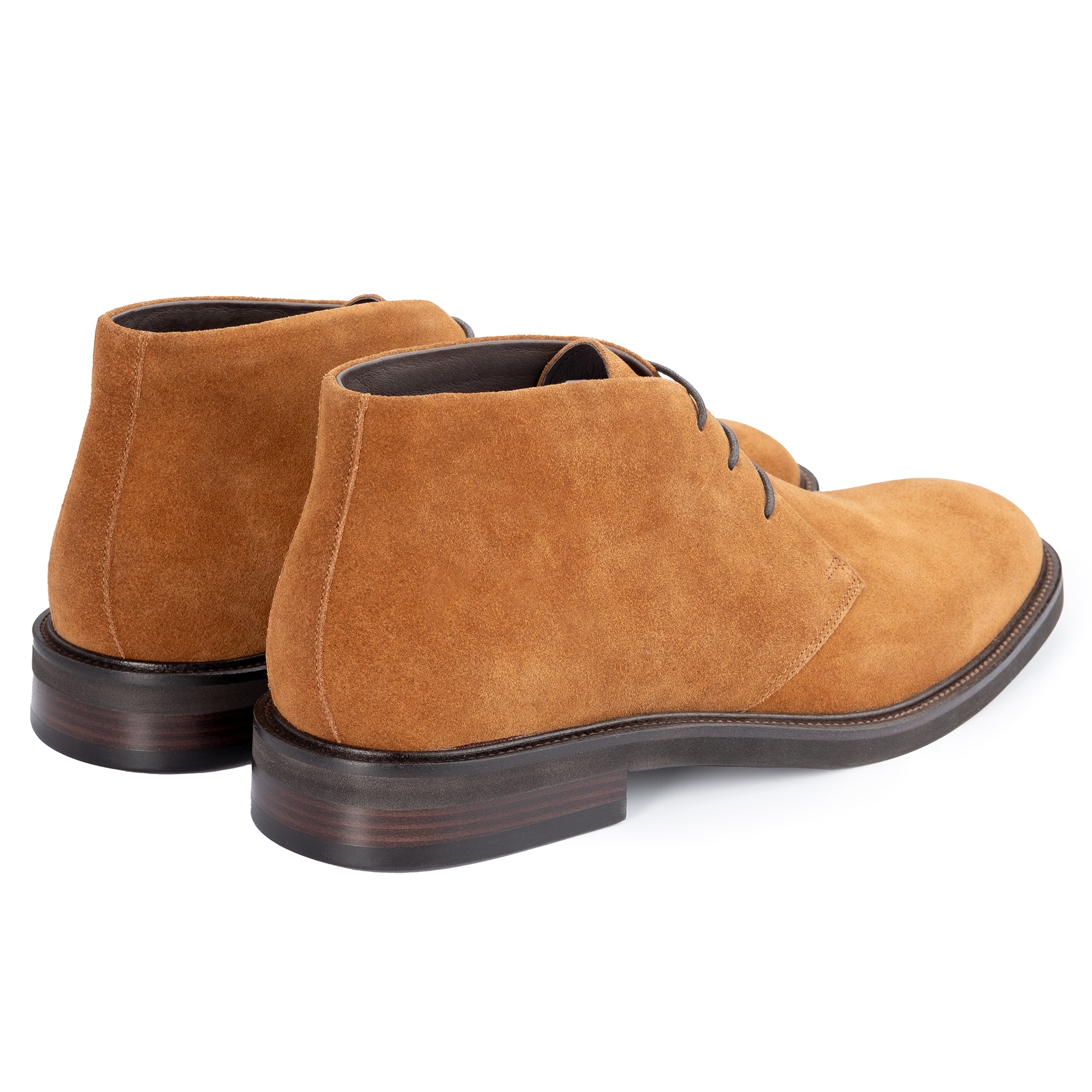
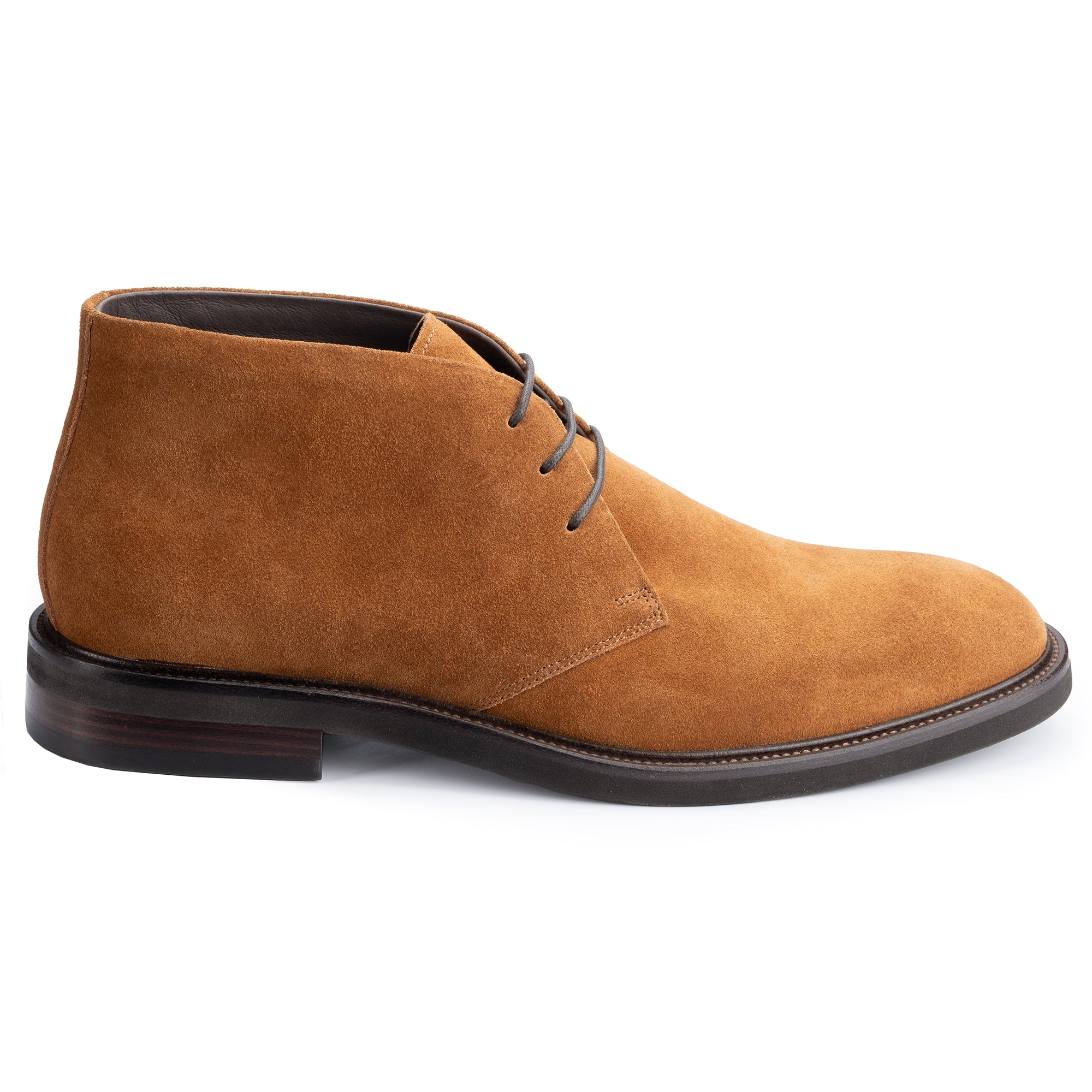
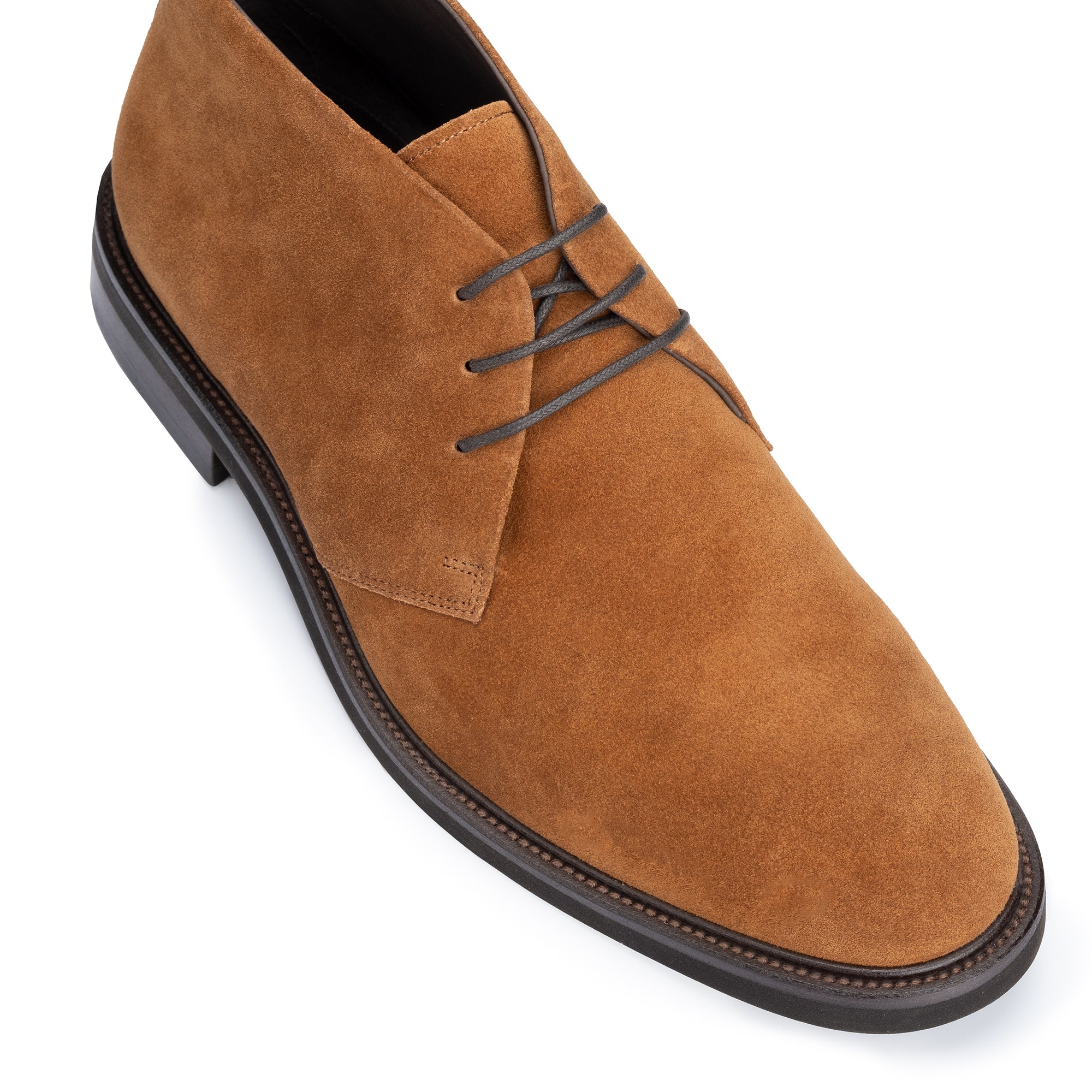
This guide covers every variable: which wood to choose, how to size correctly, the difference between split-toe and full-toe trees, and the precise daily protocol that protects your leather shoes from the inside out. Browse our full range of premium men's leather shoes — every pair in the collection benefits from the care principles set out below.
What Are Leather Shoe Trees and Why Does Every Quality Pair Need One?
A shoe tree is a last-shaped device inserted into a shoe to restore and maintain its original form after wear, actively counteracting the compression and moisture damage that accumulates during a full day of use.
Leather upper fibres stretch and compress with every step. A shoe's vamp, heel counter, and toe box absorb both mechanical stress and perspiration throughout the day. According to the Leather Conservation Centre, inserting shoe trees while the leather is still warm — within 20-30 minutes of removal — allows fibres to relax back into their correct position before they cool and set permanently in a distorted state.
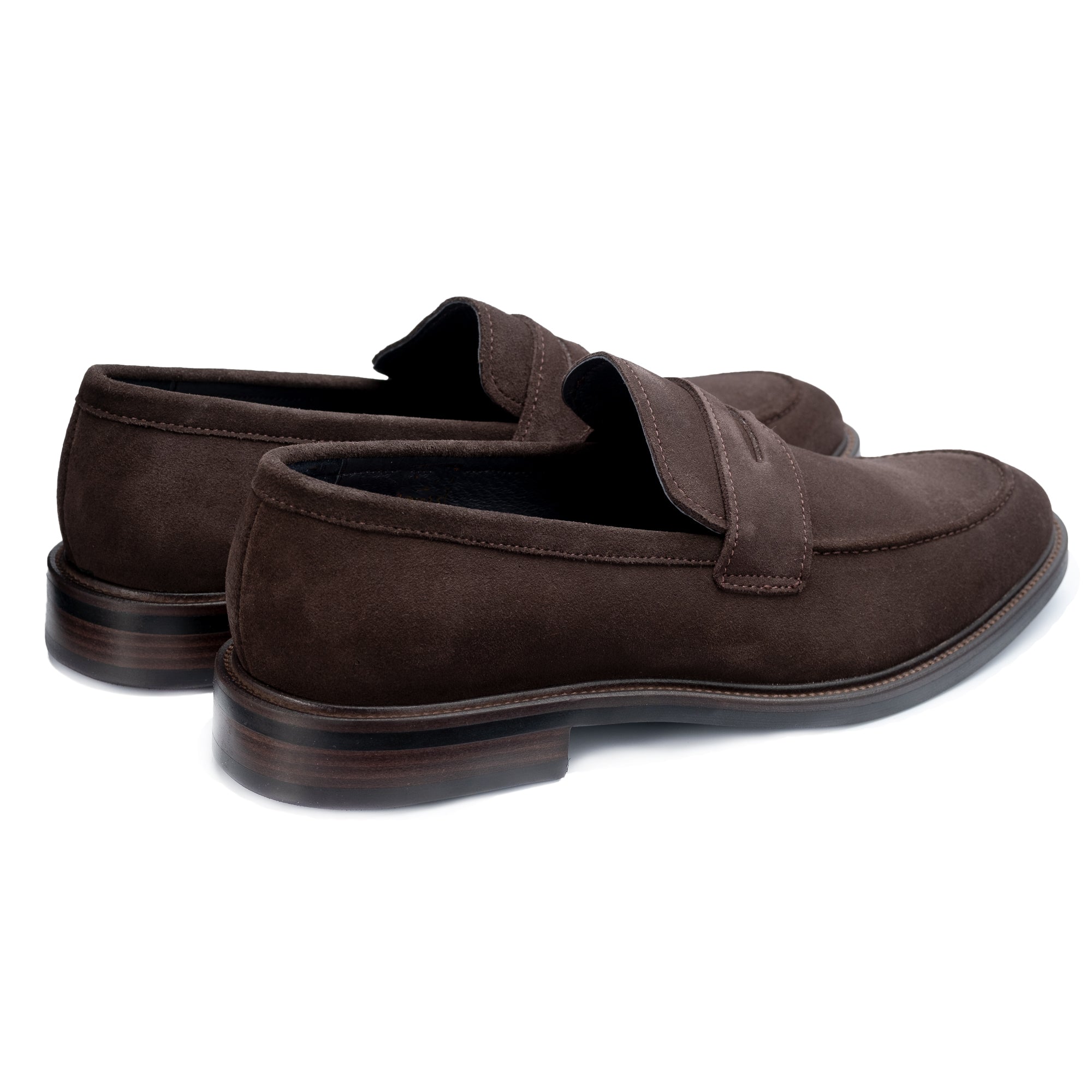
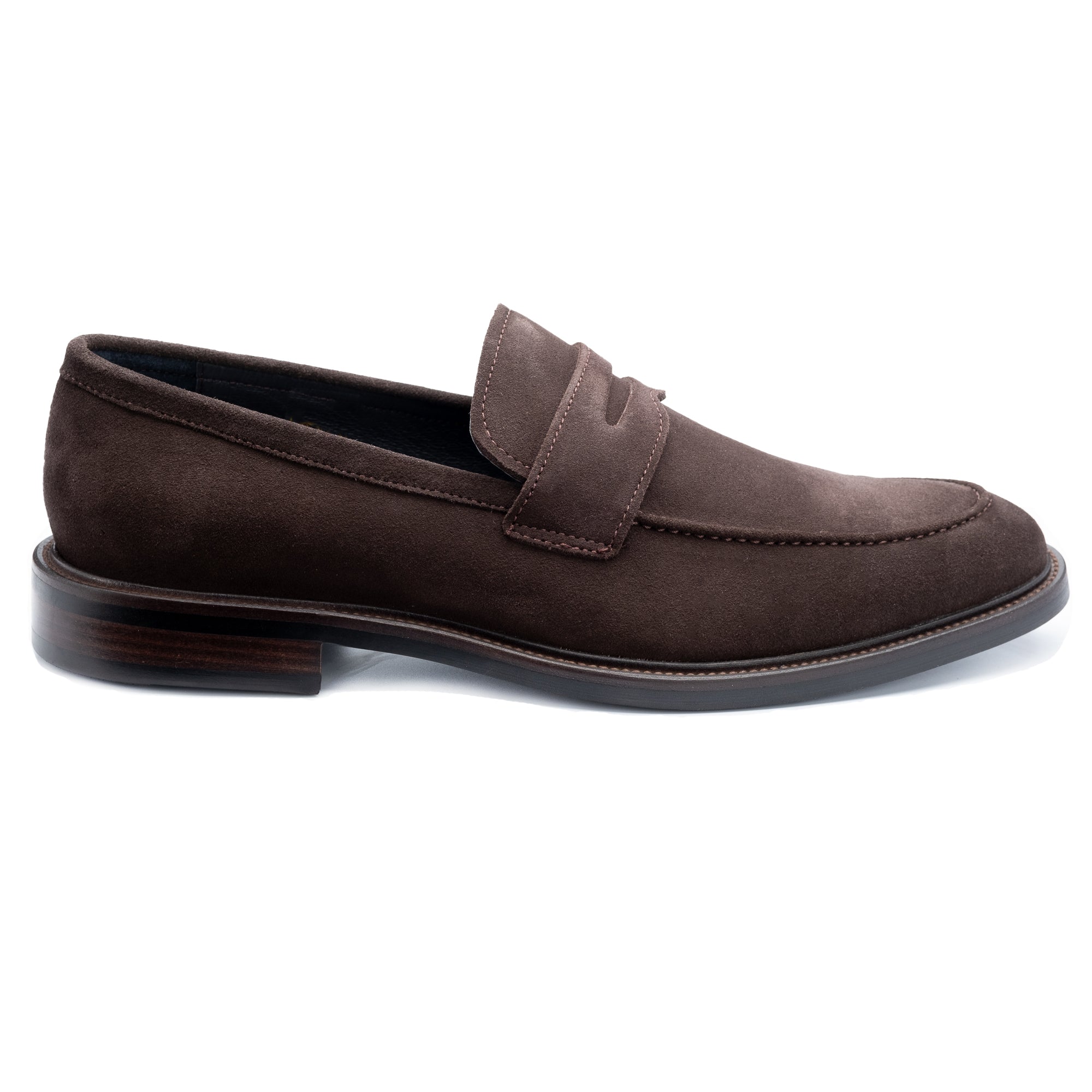
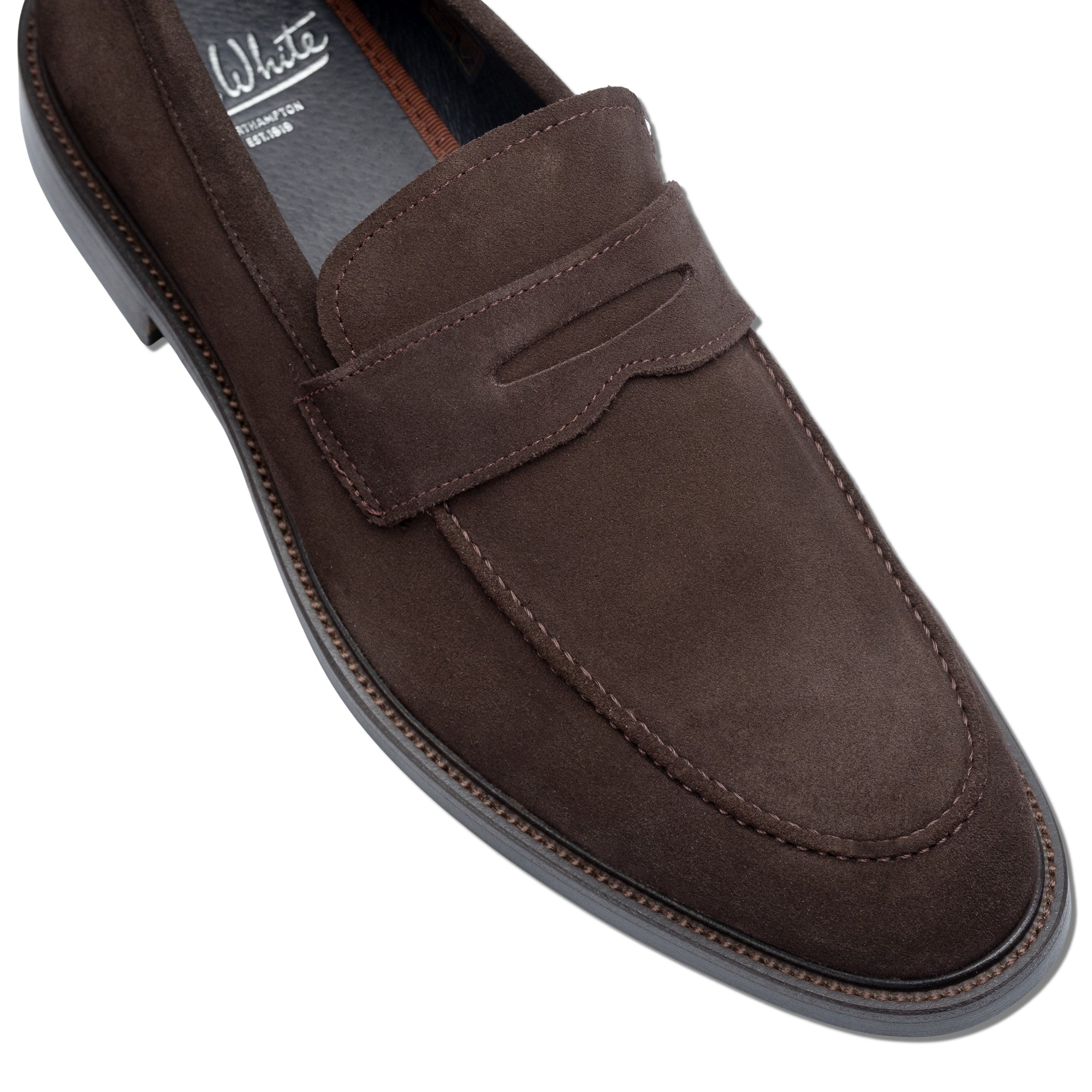
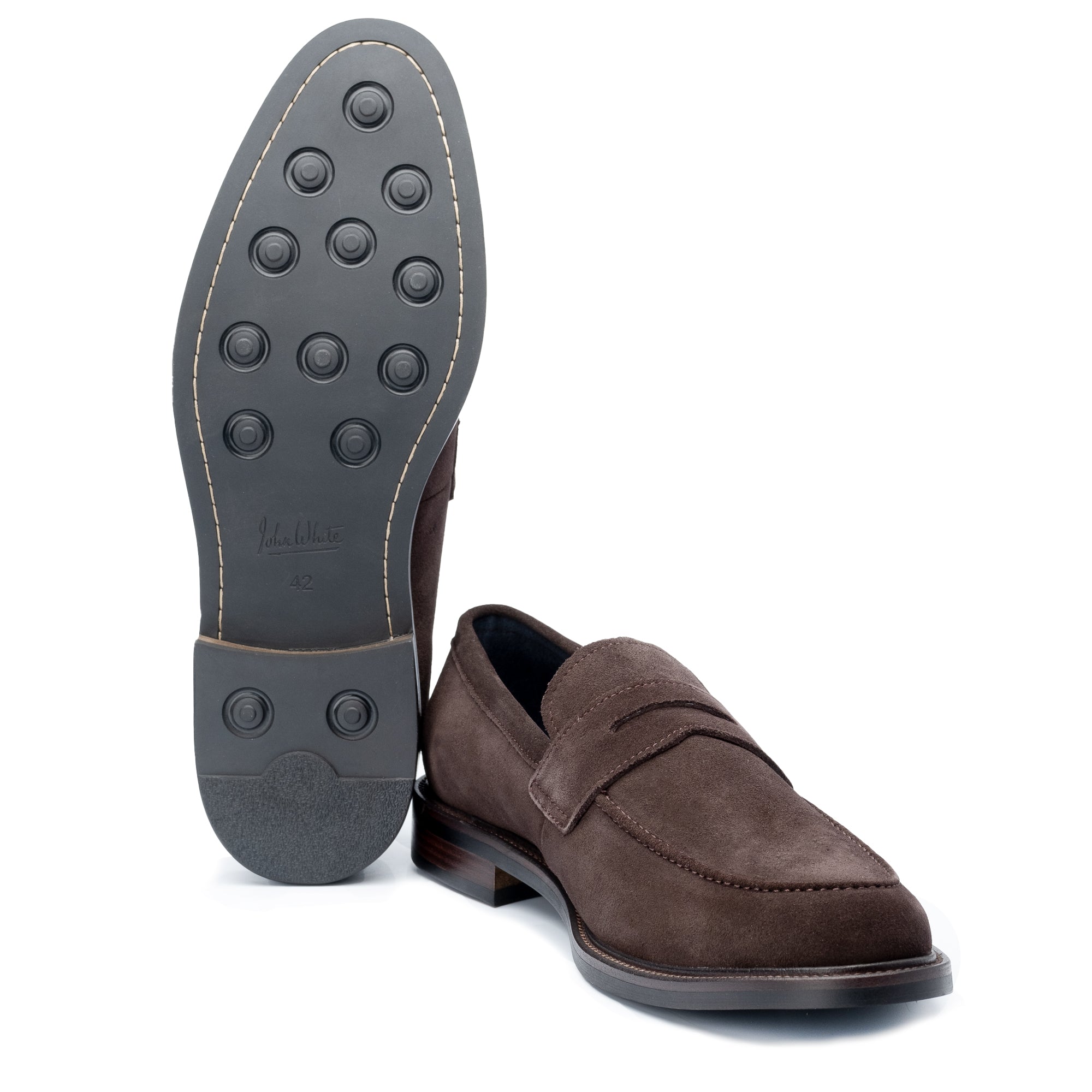
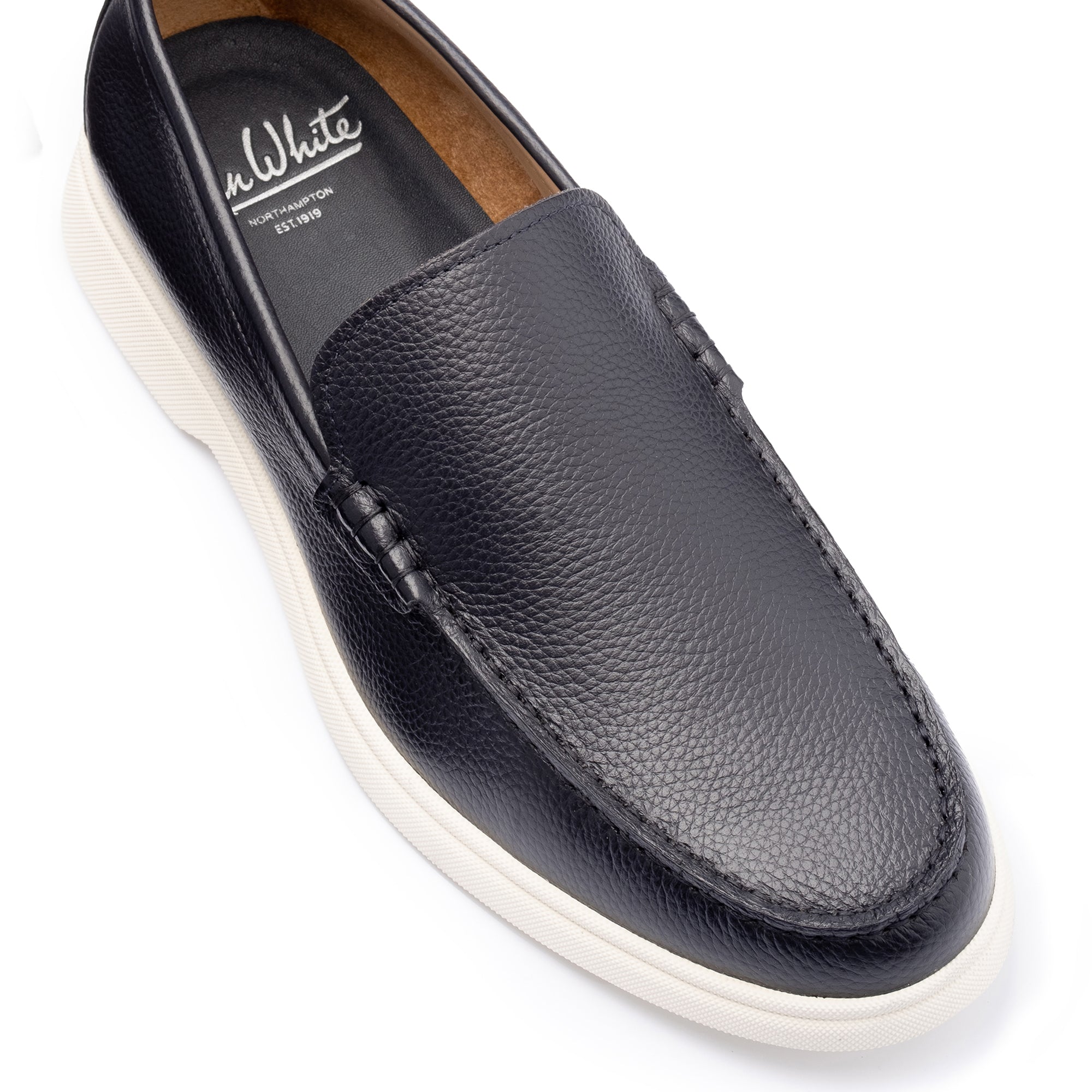
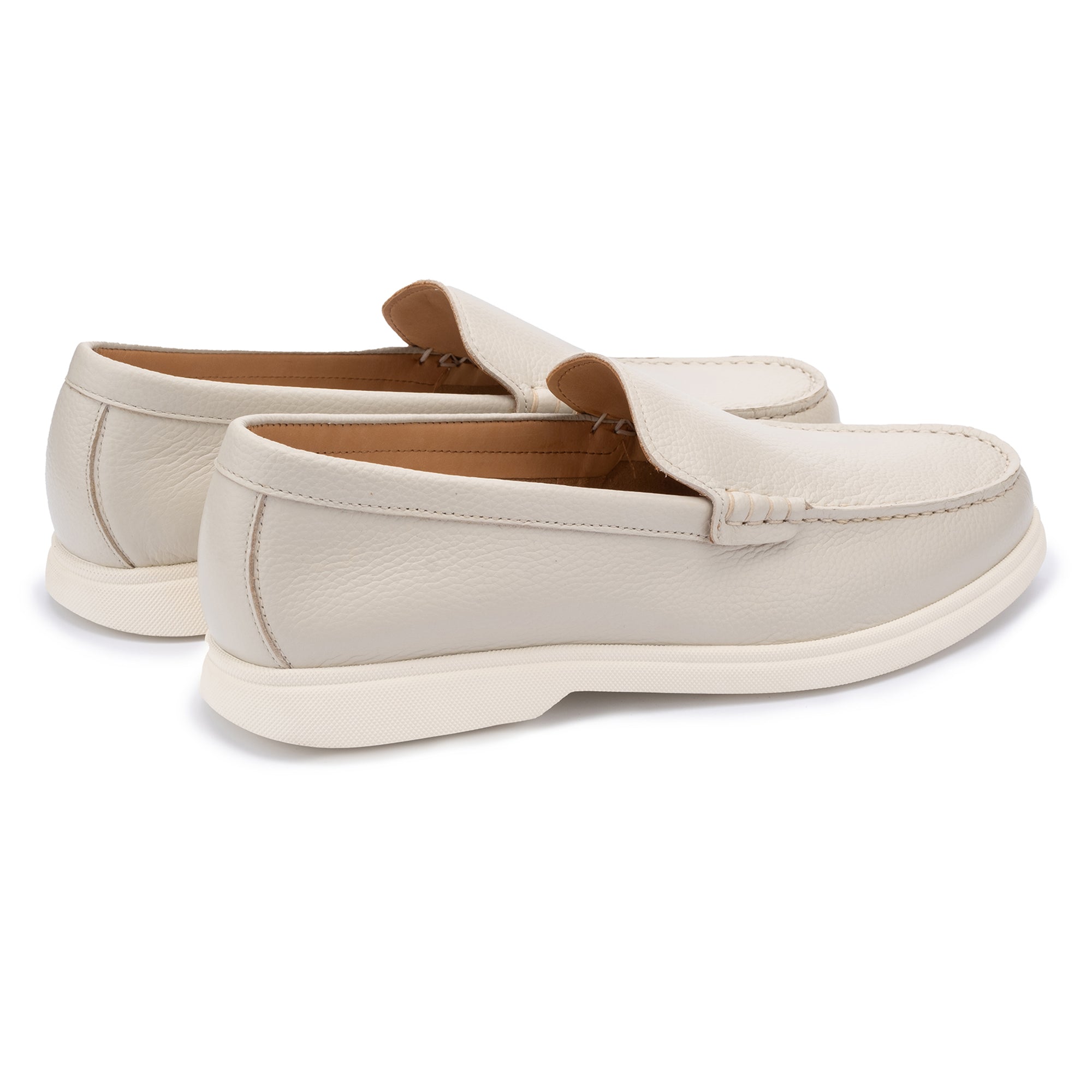
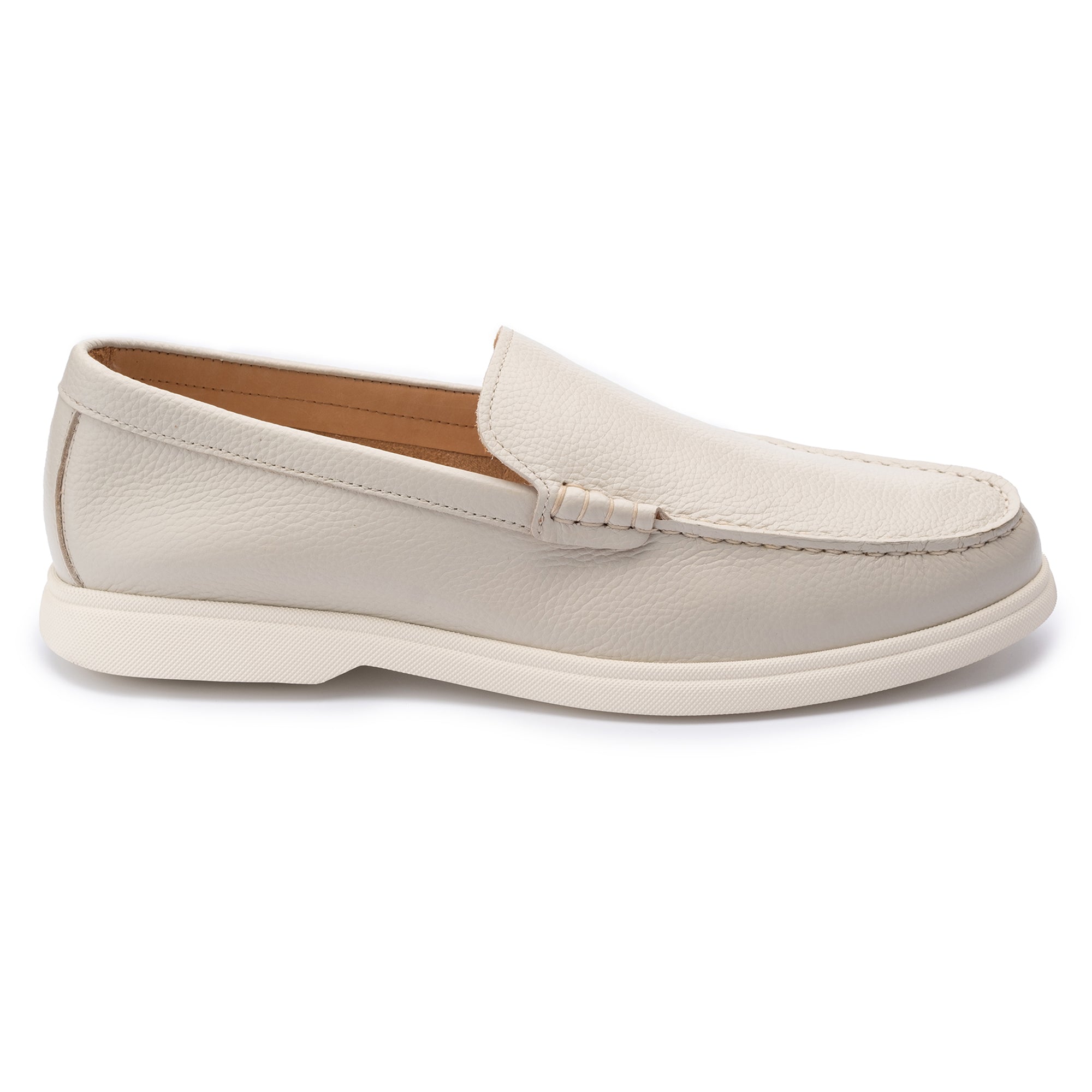
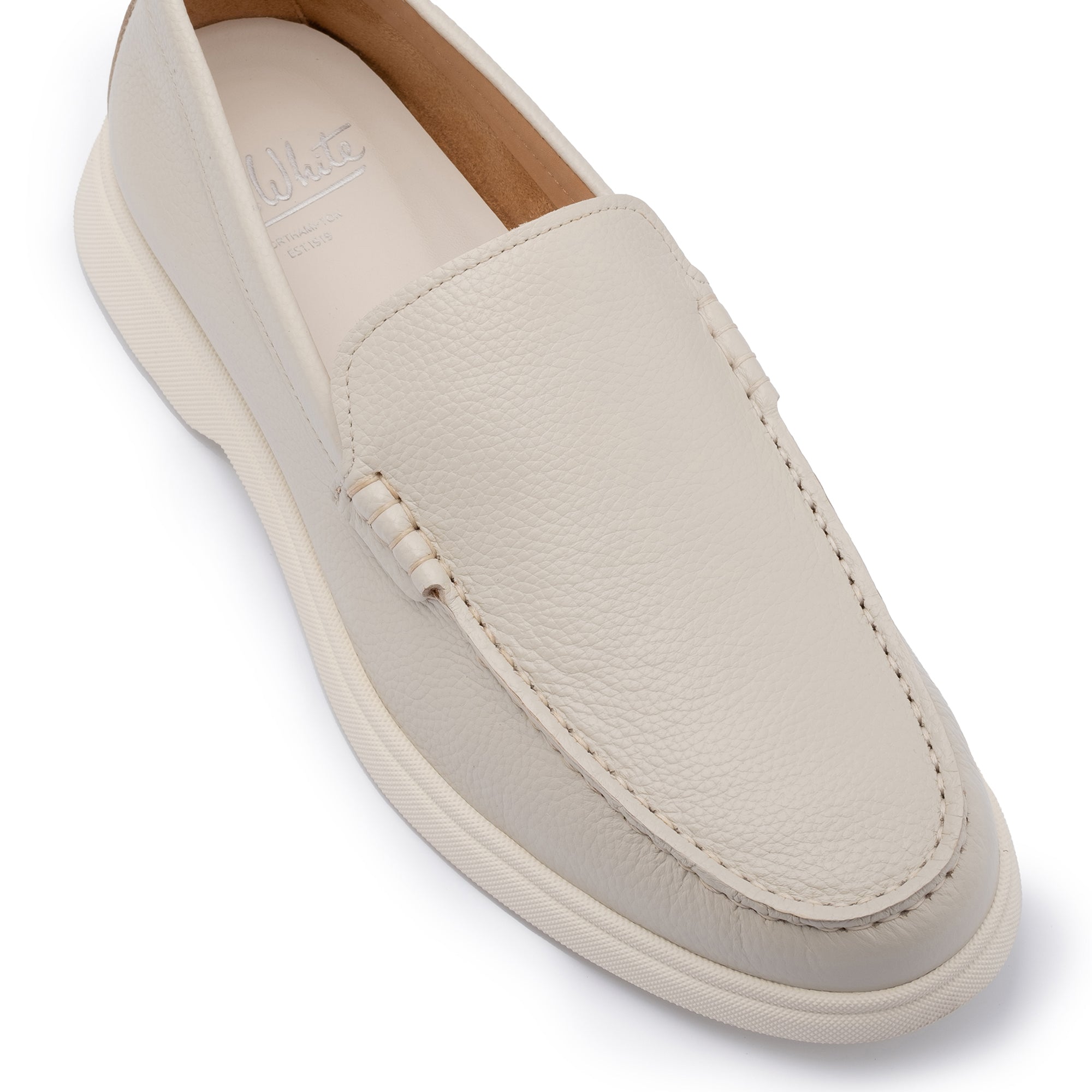
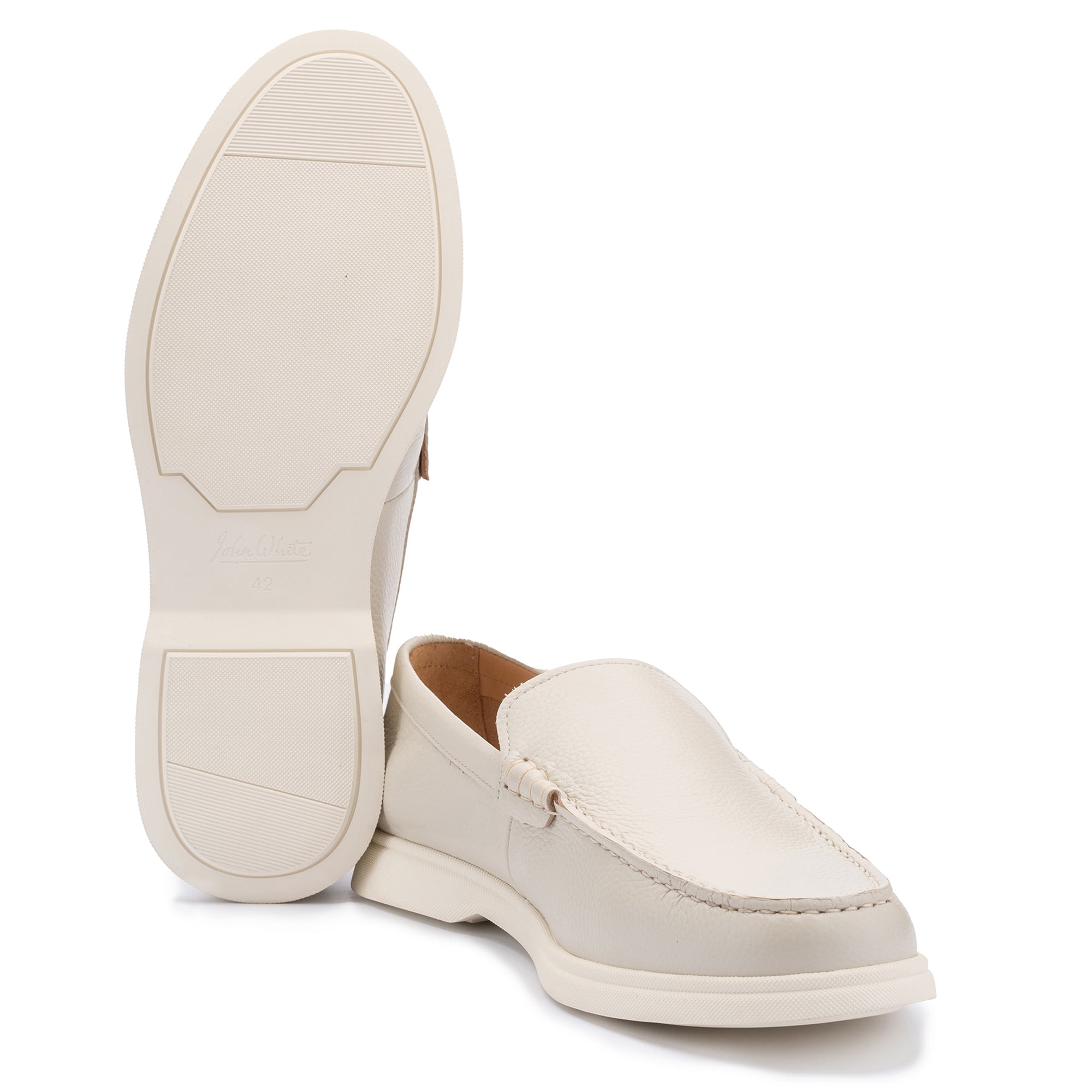
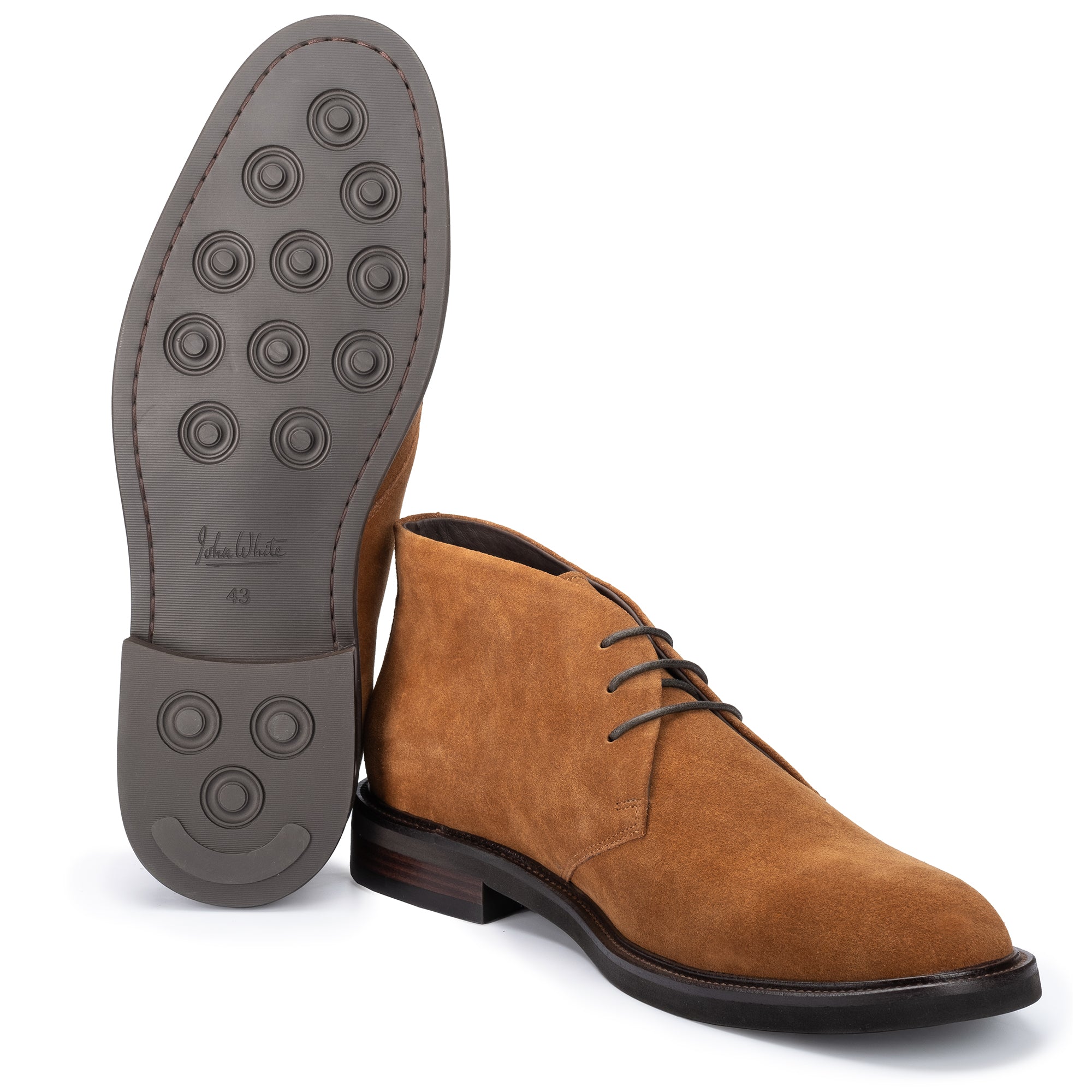
Premium shoemakers including Loake, Grenson, Church's, Barker, and Crockett & Jones have long recommended shoe trees as essential kit alongside Goodyear welted footwear. The same applies to any quality pair from the John White Shoes collection — built for longevity, but only with the care that longevity demands.
A shoe tree is not an optional accessory — it is an essential structural tool that keeps premium leather performing the way it was crafted to.
What Type of Wood Is Best for Leather Shoe Trees?
Wood type is the defining variable in a shoe tree's performance, determining its capacity to absorb moisture, maintain shape, and manage odour across years of daily use.
Why Cedar Is the Authoritative Choice
Aromatic red cedar is a hygroscopic wood that actively draws moisture out of leather and shoe linings — making it the standard choice among serious shoe care practitioners. According to the British Footwear Association, a foot generates substantial perspiration over a working day, much of which is absorbed directly into the leather lining and insole. Cedar draws this moisture out and allows it to evaporate rather than sitting in the leather, where it causes softening, mould, and eventual degradation of the upper.
Cedar also releases natural terpene oils that inhibit bacterial growth — the principal cause of odour in unworn shoes. These properties diminish gradually over time; lightly sanding the tree's surface every 12-18 months with 220-grit sandpaper restores the wood's aromatic capacity fully.
Beech and Maple: The Shape-First Alternative
Beech and maple are dense, stable hardwoods that provide excellent shape retention. They are common in well-regarded Continental European shoe trees and perform reliably where humidity is low and odour is less of a concern. Their moisture-absorbing capacity is moderate compared to cedar, however, making them a secondary choice for British conditions.
Plastic and Spring-Loaded Varieties
Plastic shoe trees provide shape retention but offer no moisture management whatsoever. The Society of Master Shoe Repairers acknowledges them as a practical travel option — compact and lightweight — but they should never substitute for cedar in regular daily use. Spring-loaded telescopic trees create tension but do not replicate the last's true contours. Better than nothing; significantly inferior to a full-lasted wooden tree.
| Material | Shape Retention | Moisture Absorption | Odour Control | Best Use |
|---|---|---|---|---|
| Aromatic Cedar | Excellent | Excellent | Excellent | Daily use — all leather shoes |
| Beech / Maple | Excellent | Moderate | Minimal | Shape-focused storage |
| Pine / Softwood | Good | Good | Some | Entry-level daily use |
| Plastic | Moderate | None | None | Travel only |
Aromatic cedar is the correct choice for daily-use leather shoe trees: it manages moisture, controls odour, and holds form in equal measure — the standard at every level of serious shoe care.
How Do You Choose the Right Shoe Tree Size?
Shoe tree sizing is one of the most common errors in leather shoe care — and both directions of error cause damage. A tree that is too small fails to tension the leather; a tree that is too large distorts the last and stresses the upper seams.
Matching Tree Size to Your Shoe
- Select a tree in your exact shoe size where the option exists
- For half sizes, size down — marginal undertension is preferable to overtension
- Width is as important as length: a narrow tree in a wide last leaves the vamp unsupported
- Where adjustable split-toe trees offer a width range, use it — set tension to match your shoe's last width precisely
How to Check the Fit
- Insert the tree and check that the heel cup sits fully within the heel counter with no visible gap
- The toe spring should press forward, filling the toe box without lifting the vamp away from the insole
- Side tension across the vamp should be firm and even — the leather under gentle, consistent pressure
- If the upper puckers or seams pull, the tree is too wide; if the vamp sags, it is too narrow
- Refit or resize — there is no benefit to a tree that does not contact the leather correctly
Split-Toe vs. Full-Toe Shoe Trees: Which Is Right for Your Shoes?
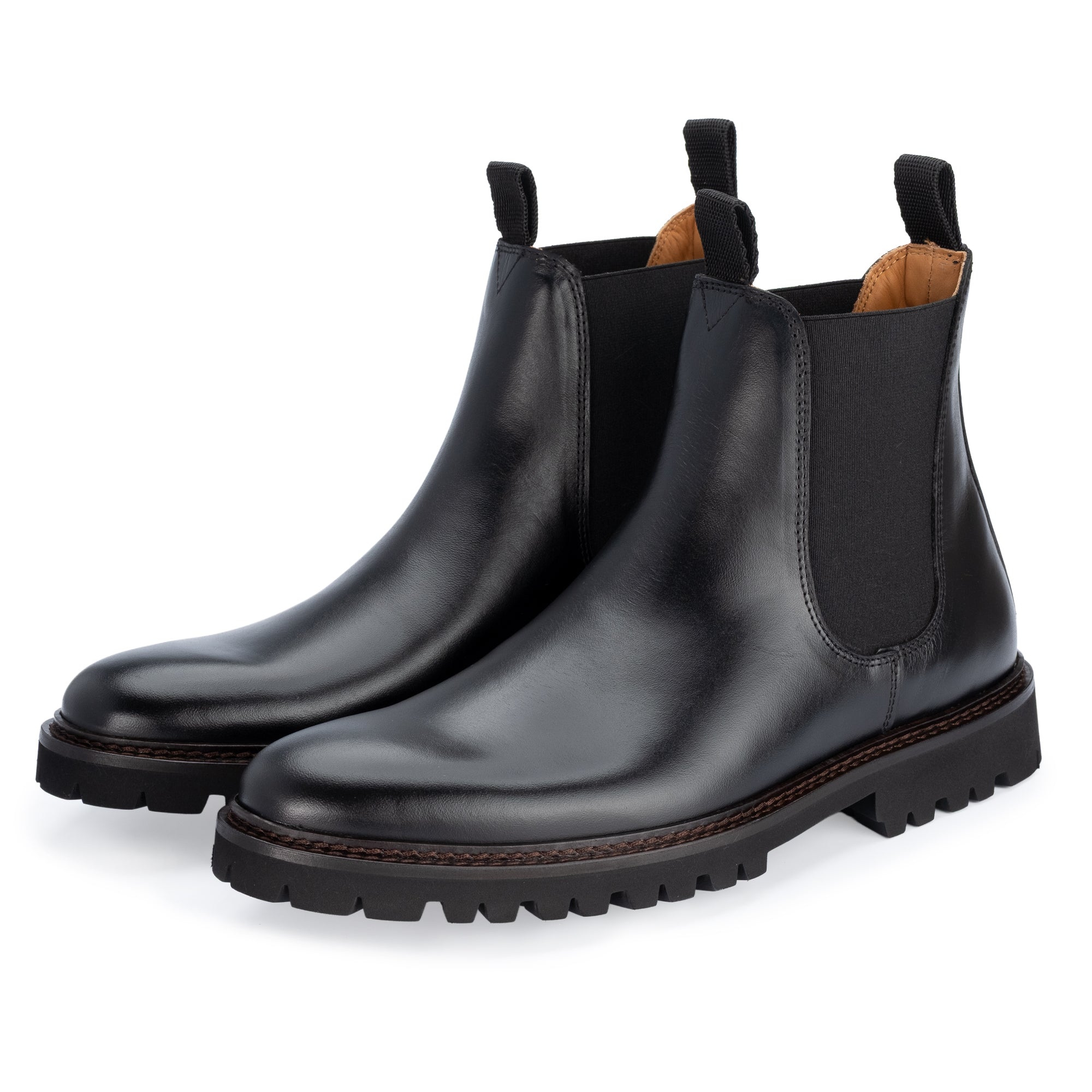
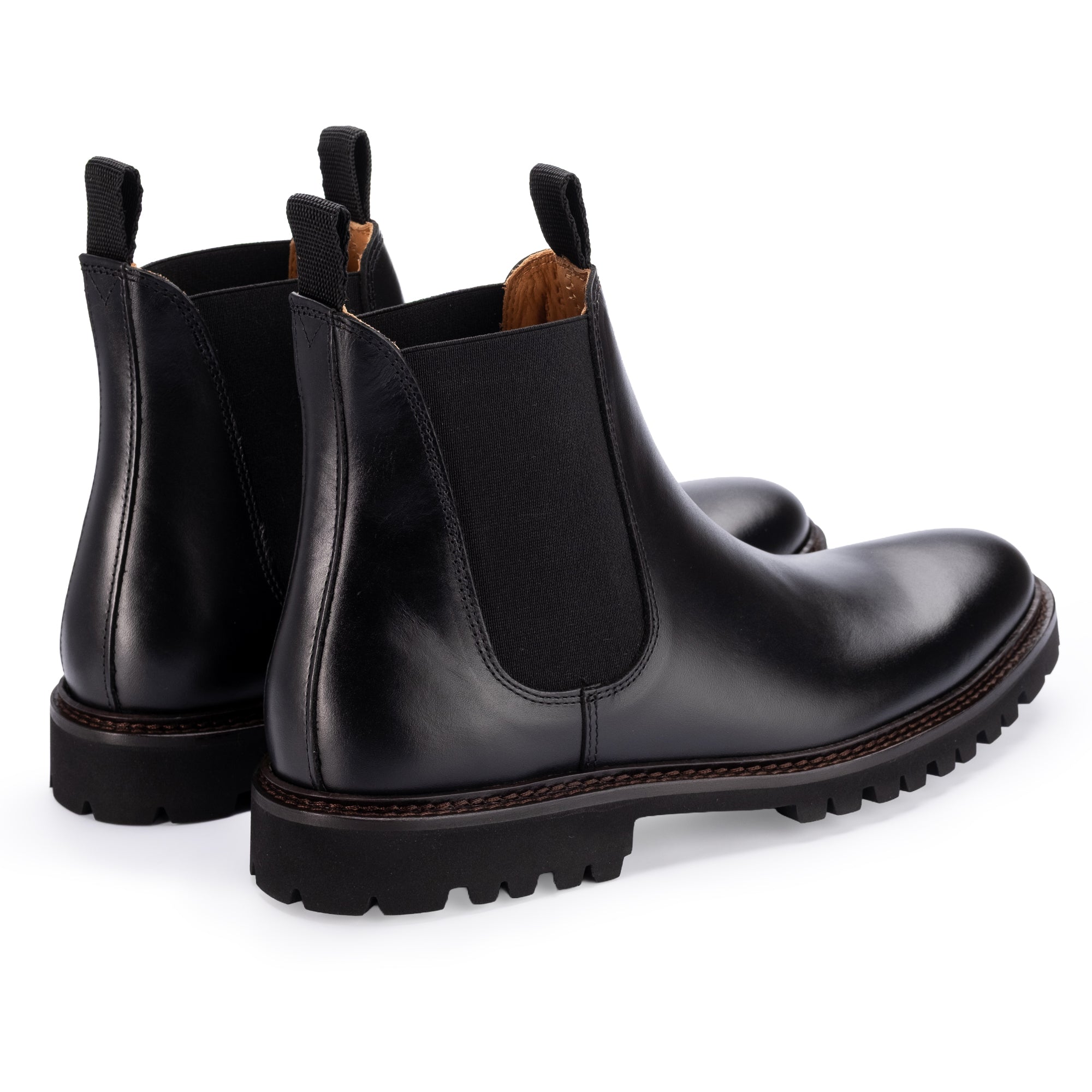
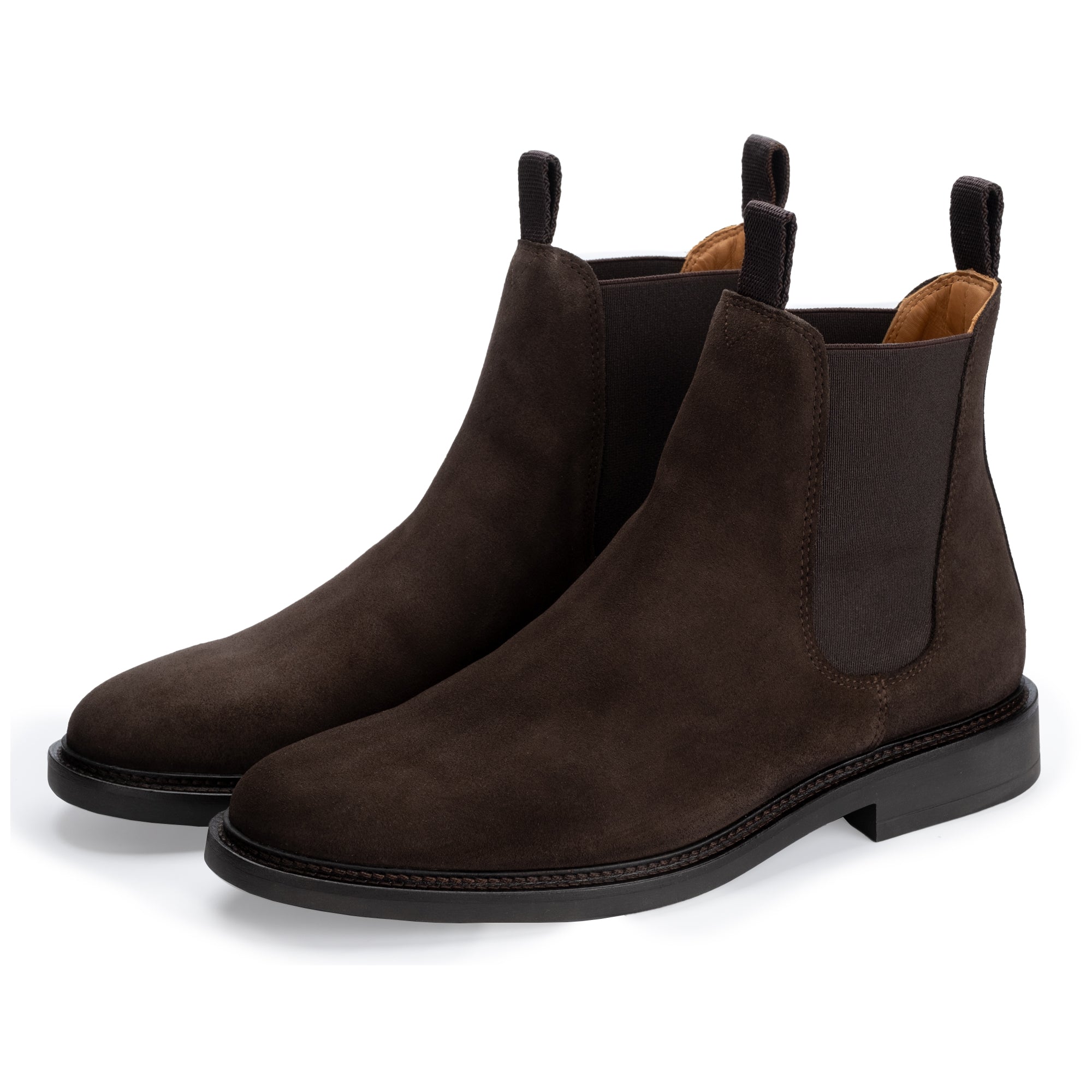
Split-toe trees divide the forepart into two adjustable sections, allowing the tree to accommodate varying last widths and conform naturally to the upper's flex zones. They are the correct choice for most formal leather shoes and men's leather boots.
Full-toe trees feature a single solid forepart providing the most anatomically precise shape retention — typically found in bespoke or made-to-measure trees cut from the same last as the shoe. For off-the-shelf purchase, split-toe offers greater versatility without compromising structural support.
The correctly sized shoe tree holds the upper under firm, even tension with the heel cup fully seated — if anything feels forced or strained, the fit is wrong and should be corrected before use.
How Should You Use Leather Shoe Trees Every Day?
Daily use protocol is what converts a sound purchase into a measurable difference. The routine requires consistency but takes under a minute.
The Daily Insertion Protocol
- Remove your shoes and allow them to breathe for 15-20 minutes — do not insert the tree immediately into a very warm shoe
- Hold the tree by the heel cup and compress the toe spring slightly
- Insert heel cup first, seating it firmly into the heel counter
- Guide the forepart into position and release — the spring engages the shoe under gentle forward tension
- Leave the tree in place until the next wear; do not remove it between uses
For shoes worn in wet conditions, allow the leather to begin drying naturally before inserting the tree. Forcing a saturated upper onto a rigid form can cause localised distortion at the toe box. For a complete protocol on handling wet footwear, see our guide to drying wet leather shoes correctly.
Should Shoe Trees Stay In During Long-Term Storage?
Yes — without question. For shoes entering seasonal or long-term storage, shoe trees are more critical than at any other point in the care cycle. As detailed in our guide to storing leather shoes long-term, footwear kept without trees slowly collapses: the heel counter softens, the toe box loses its architecture, and the vamp develops permanent creases at the flex points.
As craftsmen within the Northampton boot trade have long maintained: "A shoe left on a tree holds its shape the way a well-pressed suit holds its line — the structure is there when you need it." Cedar trees additionally regulate the humidity fluctuations common in British storage environments, guarding against the stiffening and cracking that affects leather left in variable conditions over months.
For long-term storage, leave cedar shoe trees in place: they hold form, absorb residual moisture, and protect against the humidity shifts that British conditions reliably produce.
How Do You Maintain Shoe Trees Themselves?
Cedar shoe trees are low-maintenance but not maintenance-free. A modest amount of annual attention keeps them performing at full capacity for years.
- Sand lightly every 12-18 months with 220-grit sandpaper to refresh aromatic properties and restore moisture absorption
- Wipe clean with a dry cloth if polish or cream transfers from the shoe onto the wood
- Inspect spring tension annually on adjustable trees — replace if the mechanism has weakened
- Replace immediately if the heel cup cracks or the forepart warps — a distorted tree causes the very damage it is designed to prevent
Properly maintained cedar trees do not wear out in the conventional sense. With correct care they will outlast multiple pairs of shoes — making them one of the most enduring investments in your shoe care kit. For a complete view of what else belongs in that kit, see our guide to the essential shoe care arsenal.
Related Guides
- From Northampton to the World: The Story Behind British Shoemaking — our comprehensive guide
- The History of British Shoemaking — our comprehensive guide
- Maximising Shoe Life: The Essential Role of Shoe Trees
- The Importance of Rotating Your Shoes: Why Your Leather Footwear Needs a Rest
- Storing Leather Shoes Long-Term: The Definitive Preparation and Preservation Guide
TL;DR
Choose aromatic cedar shoe trees in your correct shoe size — split-toe for versatility, full-lasted for precision. Insert heel-first within 20-30 minutes of removal and leave in place between every wear. For long-term storage, cedar trees hold shape, absorb moisture, and regulate humidity. Correctly used and lightly maintained, they are the most effective single investment in extending the life of premium leather footwear.
Frequently Asked Questions
Do shoe trees actually make a measurable difference to leather shoes?
Yes. A cedar shoe tree inserted after every wear counteracts the stretching, moisture absorption, and crease formation that occur during use. According to the Society of Master Shoe Repairers, shoes maintained with shoe trees consistently outlast those stored without them — the difference is most visible at the toe box, vamp, and heel counter. The investment in a quality pair of cedar trees is repaid many times over across the working life of a well-made leather shoe.
What is the difference between split-toe and full-toe shoe trees?
A split-toe tree divides the forepart into two adjustable sections, allowing it to accommodate different last widths and flex zones — the correct choice for most off-the-shelf leather shoes. A full-toe tree has a single solid forepart that matches one specific last shape precisely, making it ideal for bespoke or made-to-measure footwear where tree and last can be matched exactly. For most men buying ready-to-wear, split-toe is the practical and effective standard.
How do I know if my shoe tree is the correct size?
The heel cup should sit fully in the heel counter with no gap; the toe spring should fill the toe box without lifting the vamp away from the insole; and tension across the upper should be firm and even with no visible stress on the seams. If the leather puckers or the seams pull, the tree is too wide. If the vamp sags away from the tree, it is too narrow. Resize before continuing use — an ill-fitting tree provides little benefit and can cause lasting damage.
Can I move one pair of shoe trees between multiple pairs of shoes?
It is considerably better to have one dedicated pair of trees per active pair of shoes. Moving trees between pairs misses the critical 20-30 minute window after removal when warm leather is most receptive to reshaping. As covered in our guide to rotating your leather shoes, each pair in active rotation should have its own dedicated cedar trees — the cost is modest relative to the protection it provides.
Browse the full range of men's leather shoes at John White Shoes — heritage footwear built for decades of wear. Explore our men's leather boots, and visit the sale for current reductions across the collection.