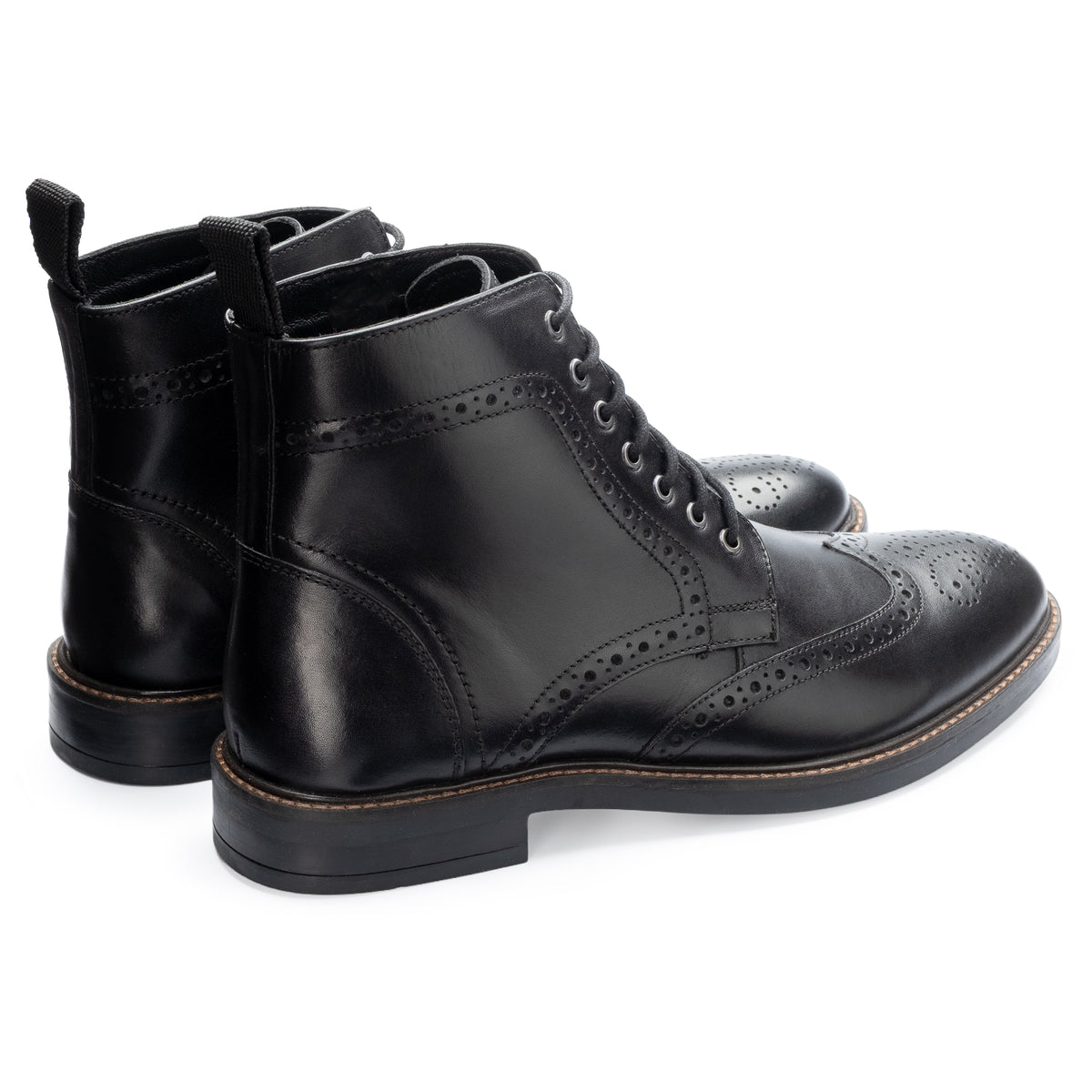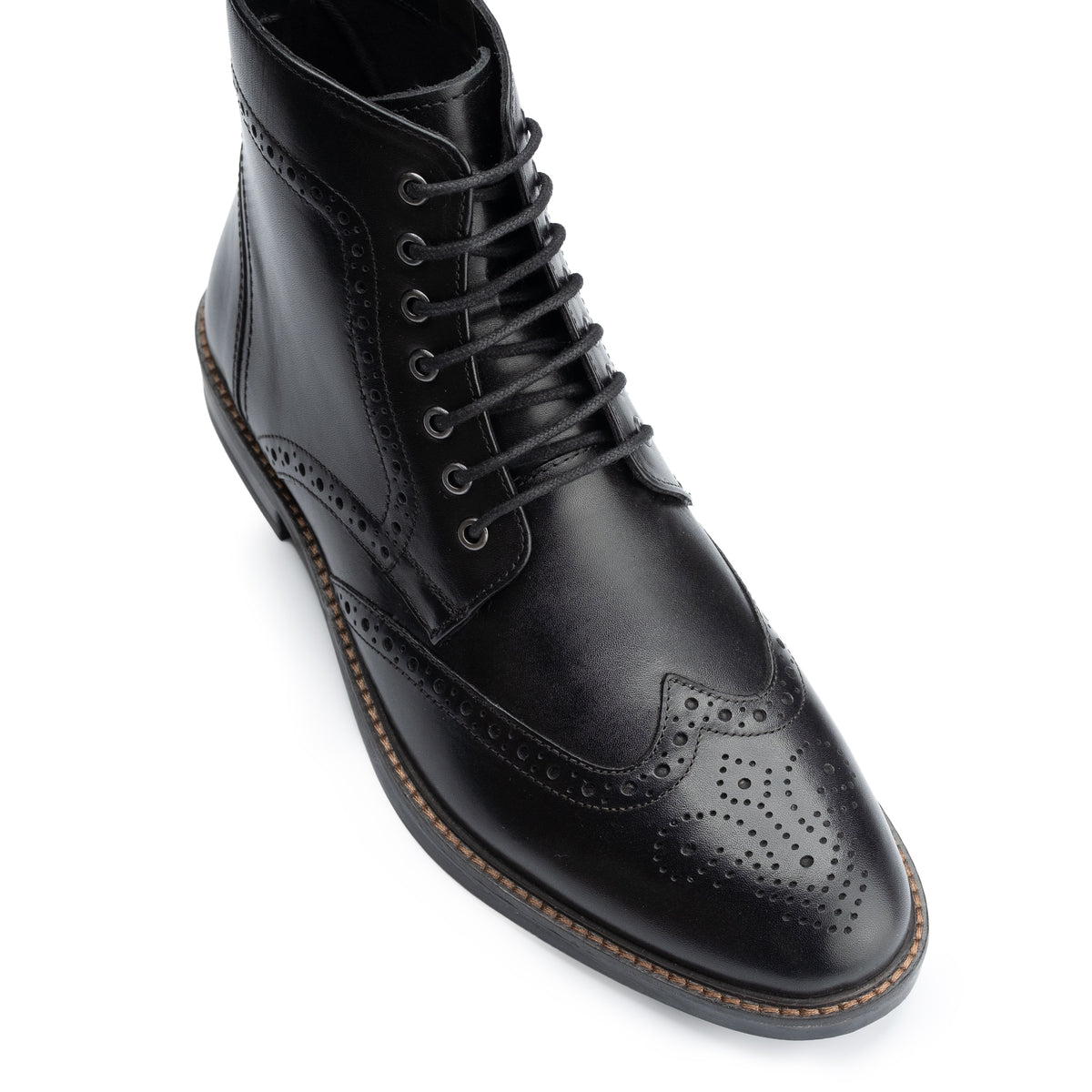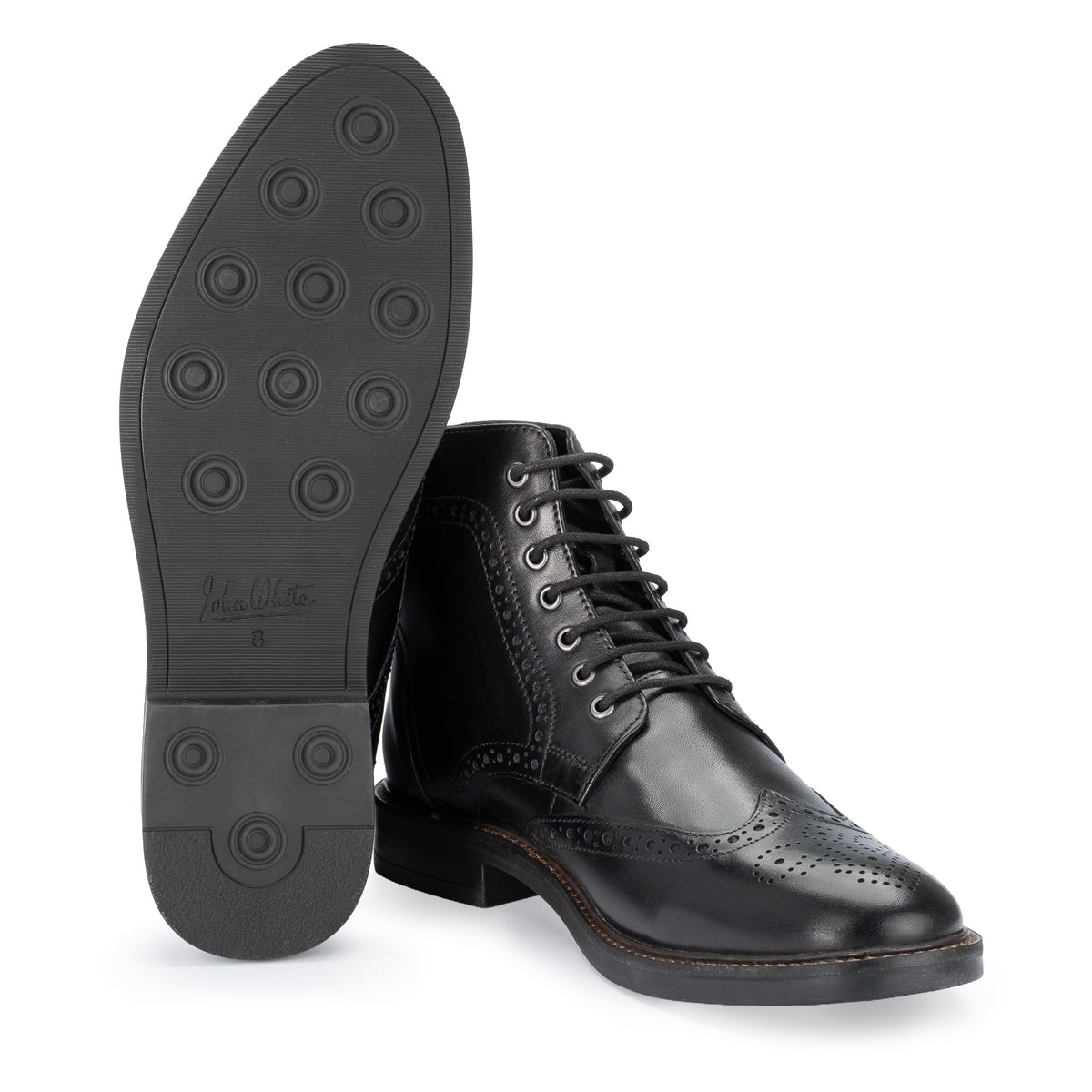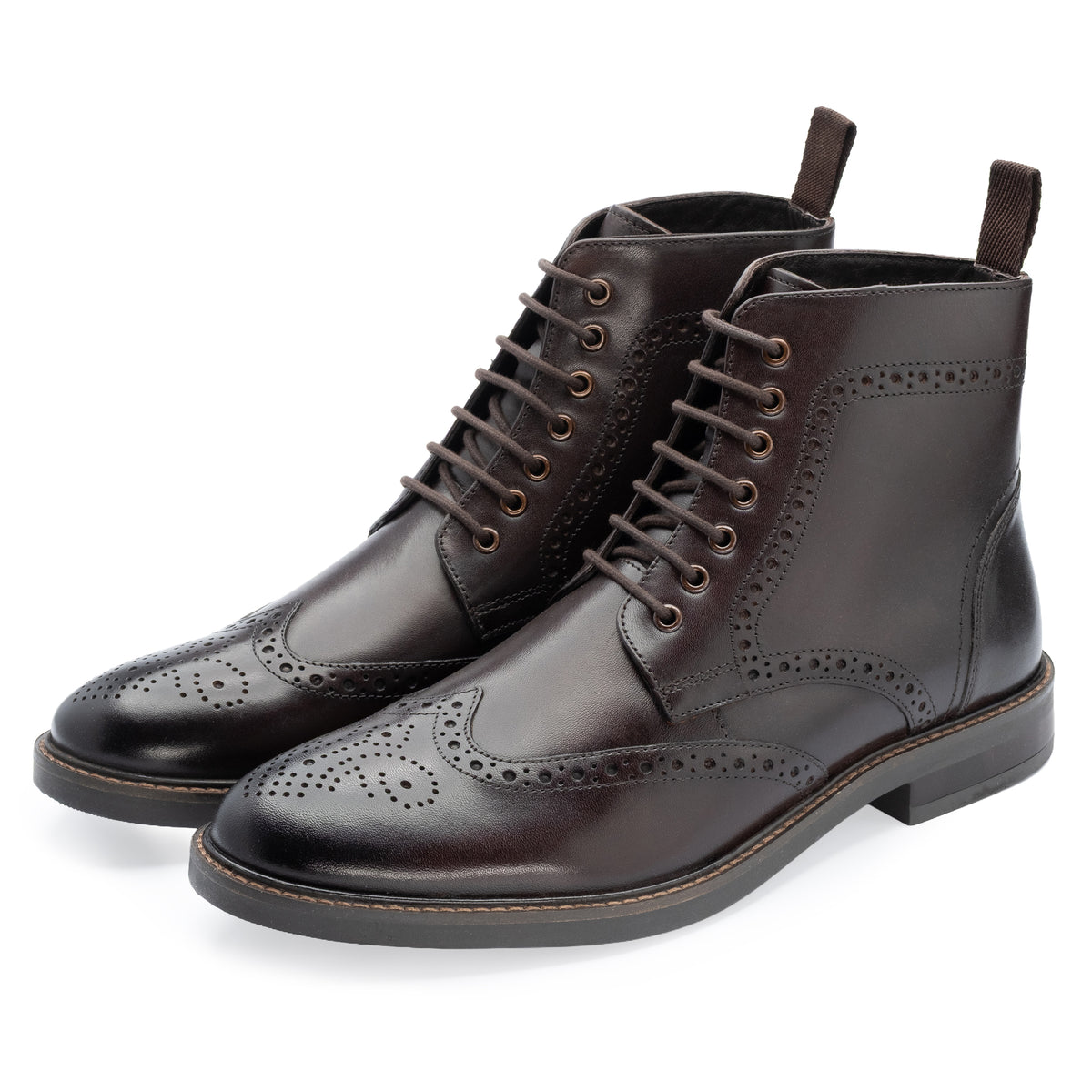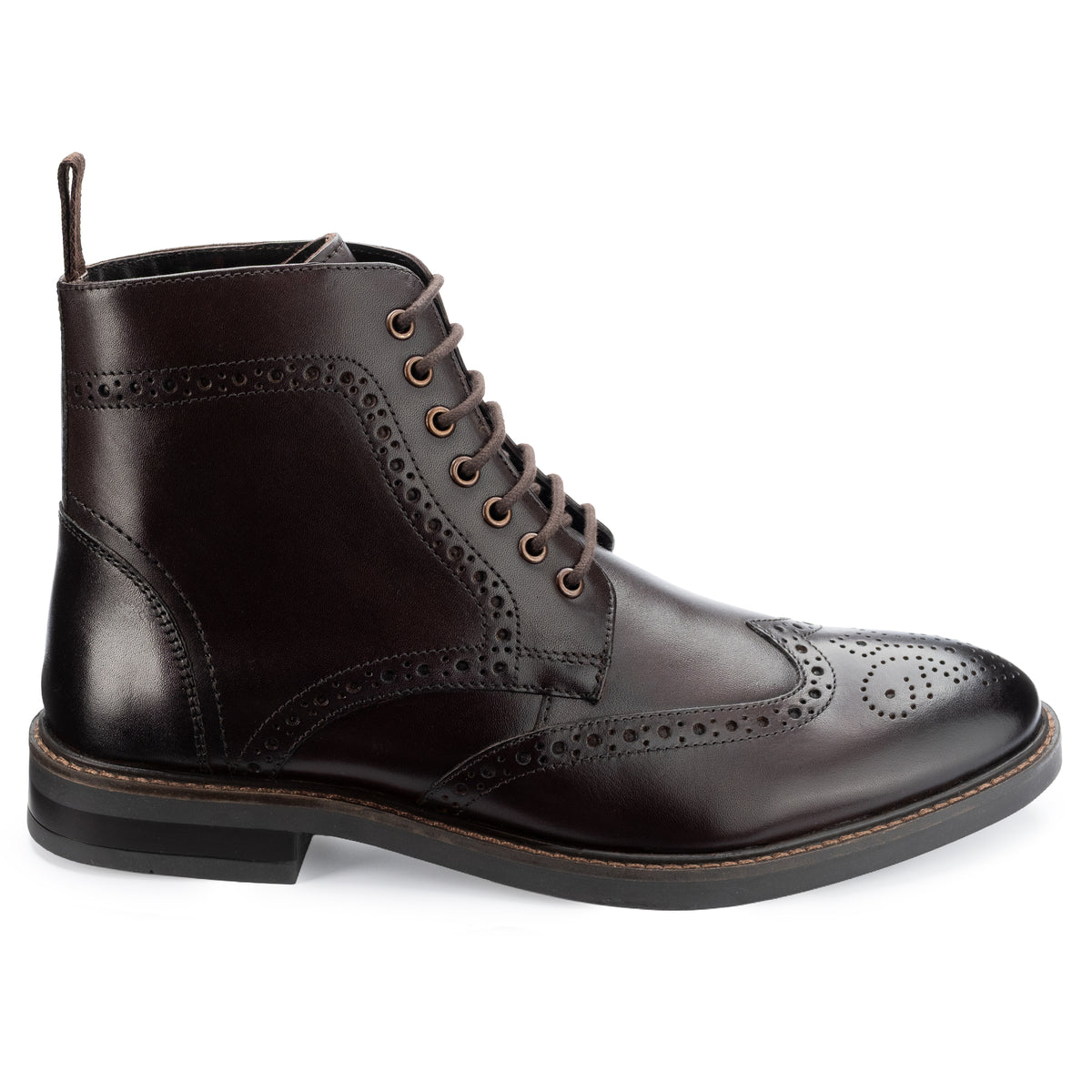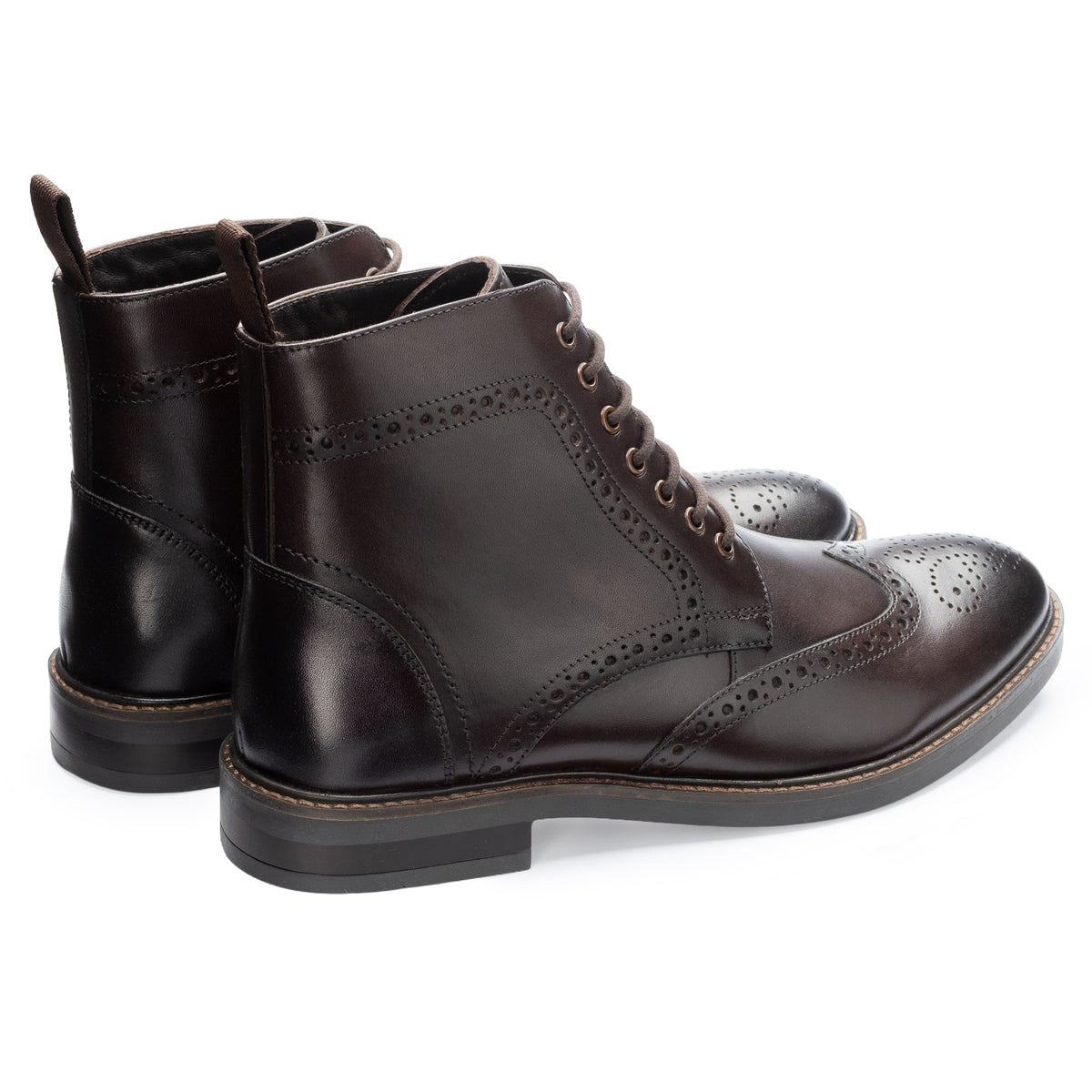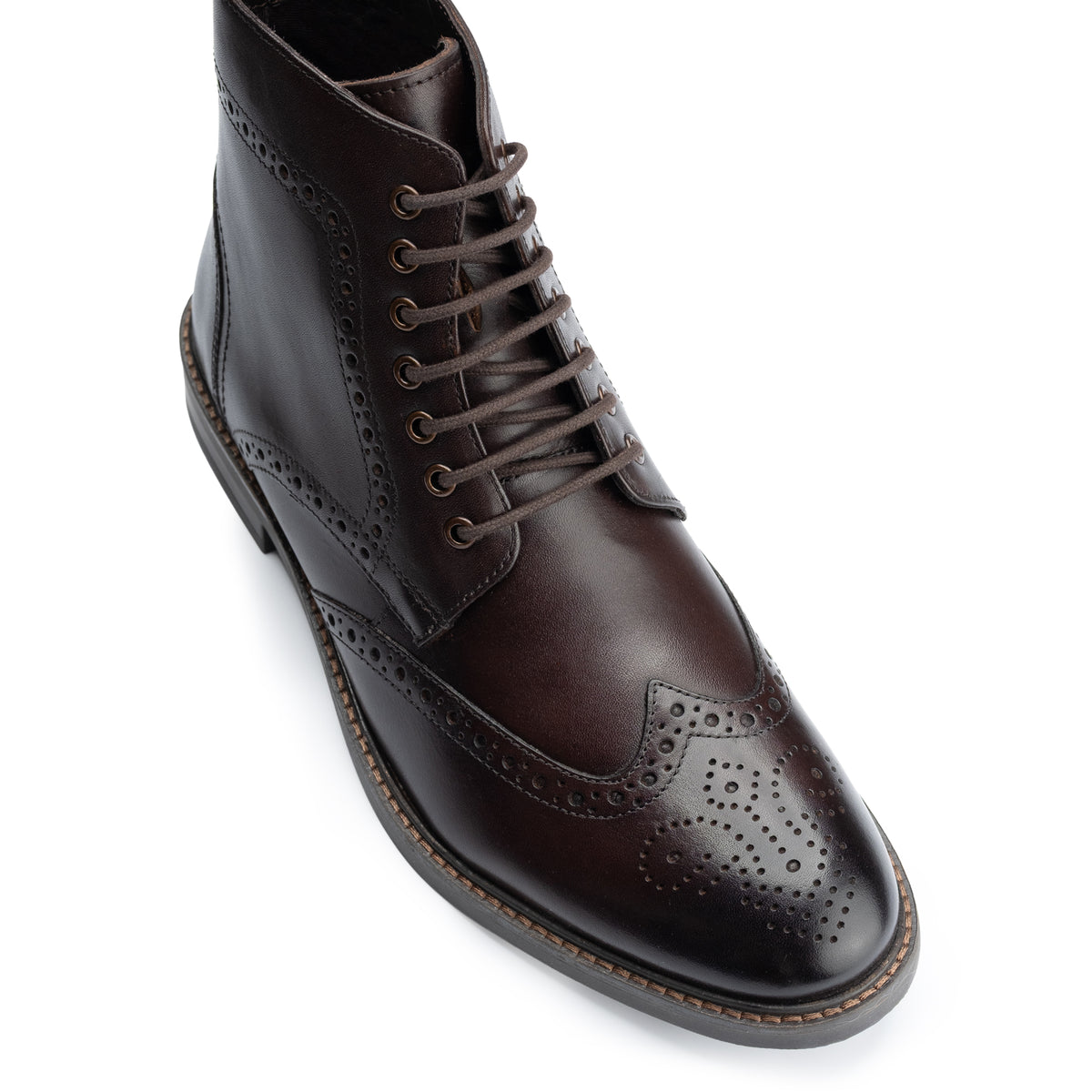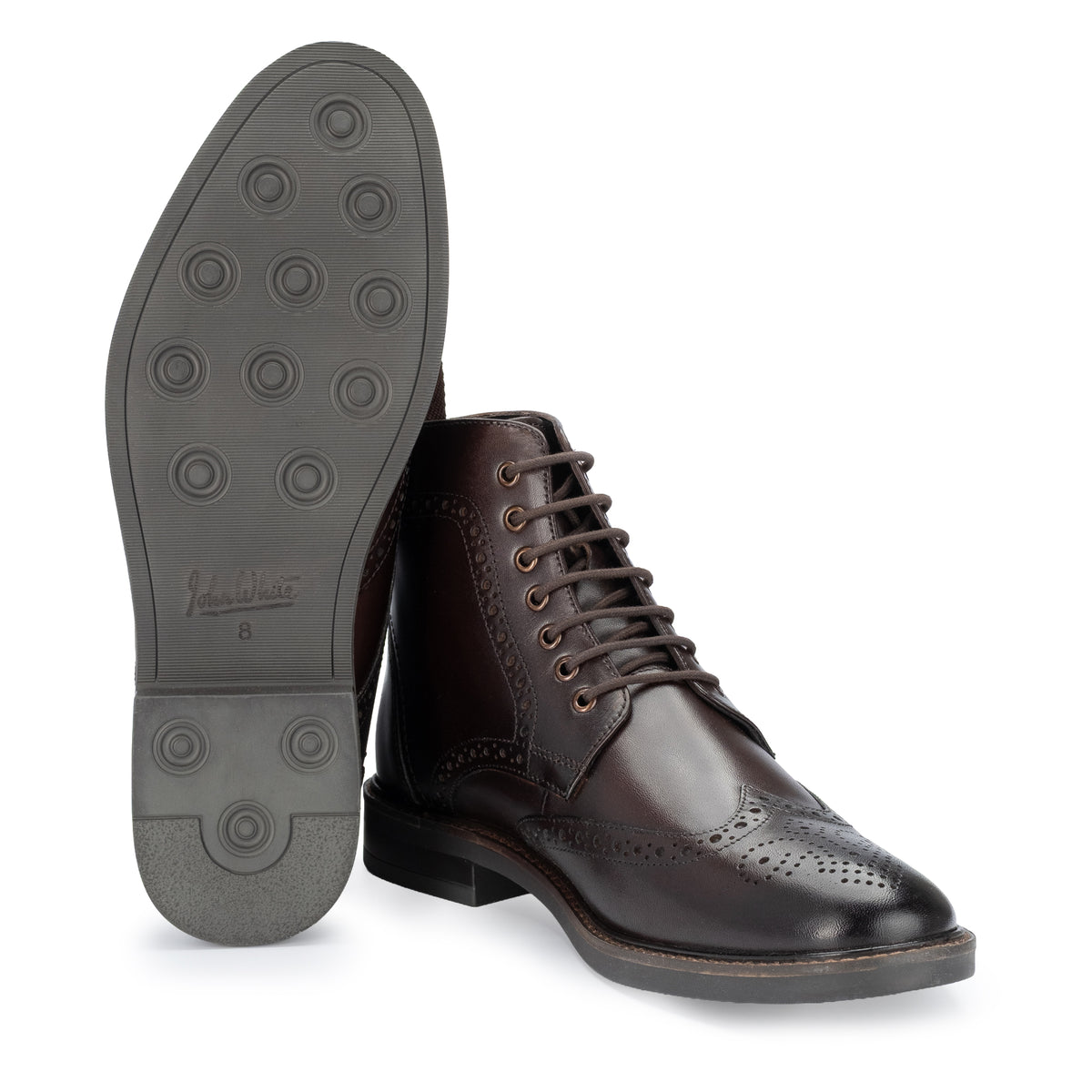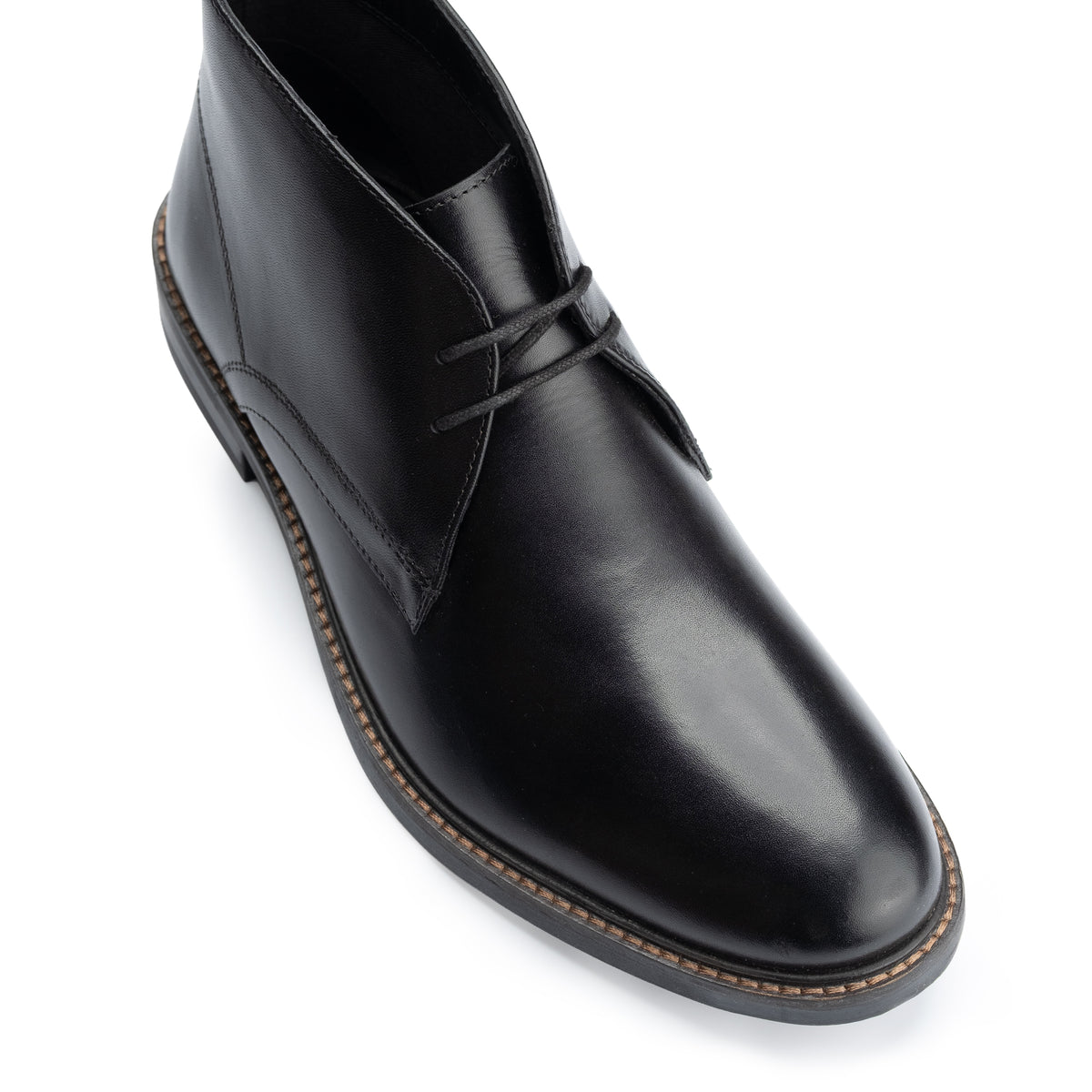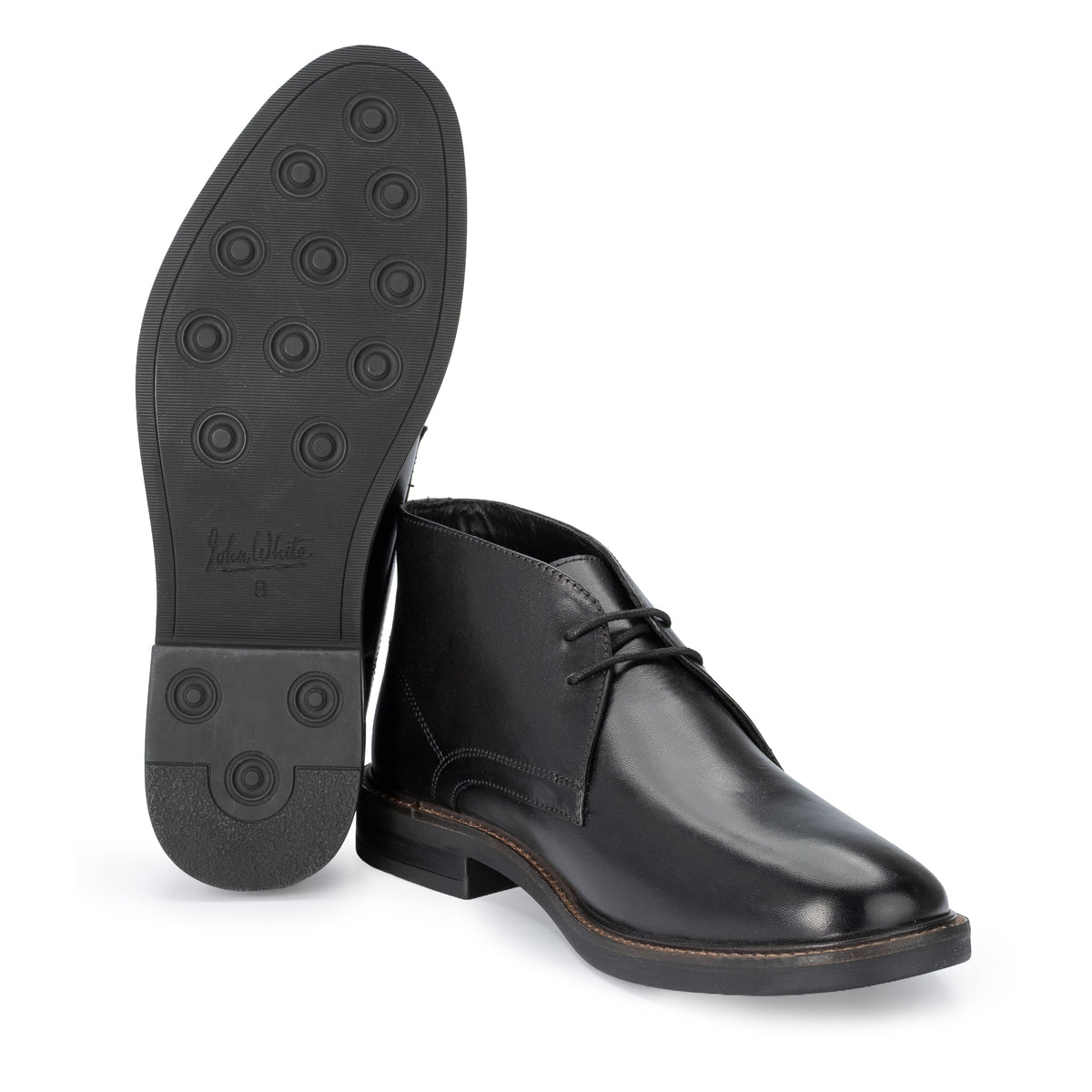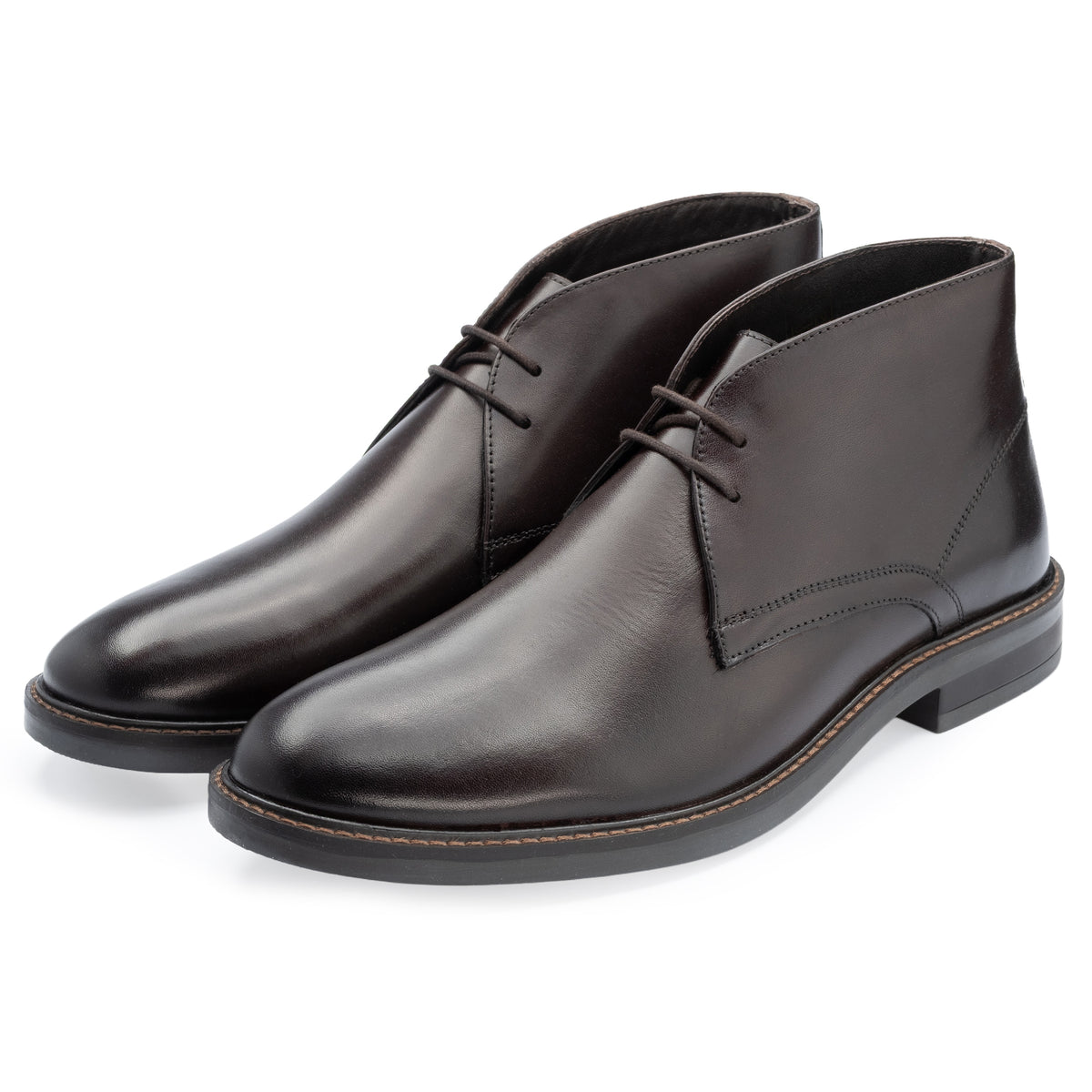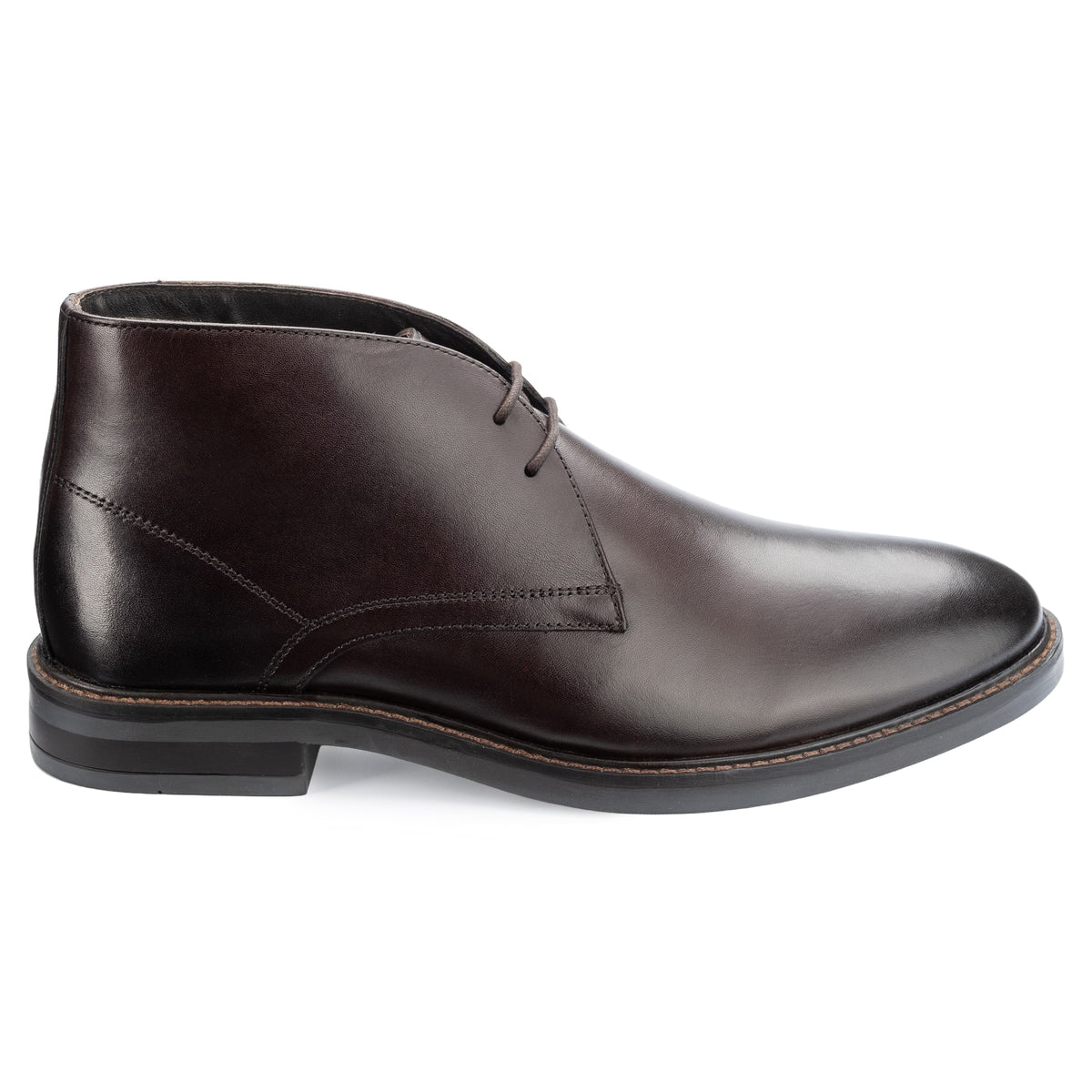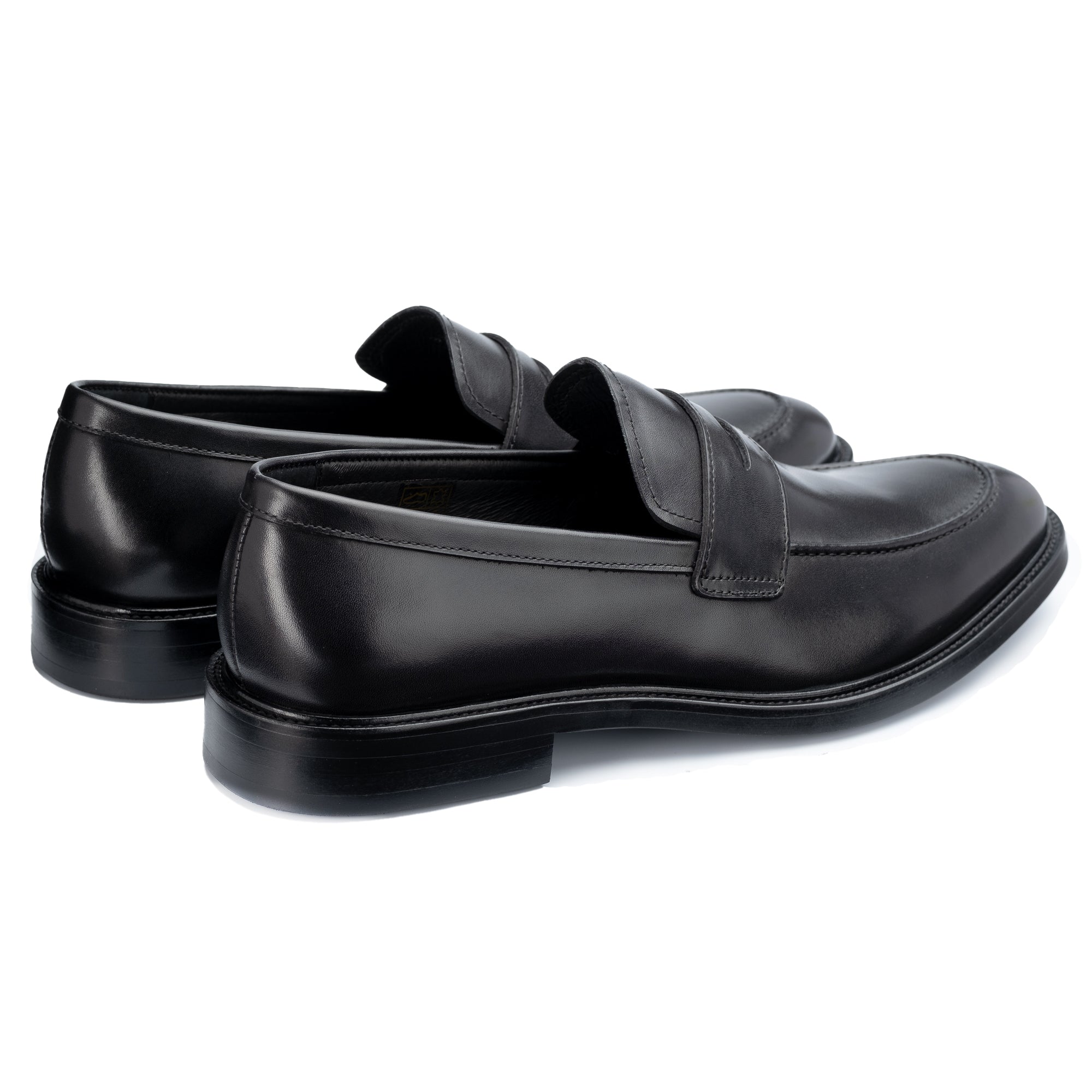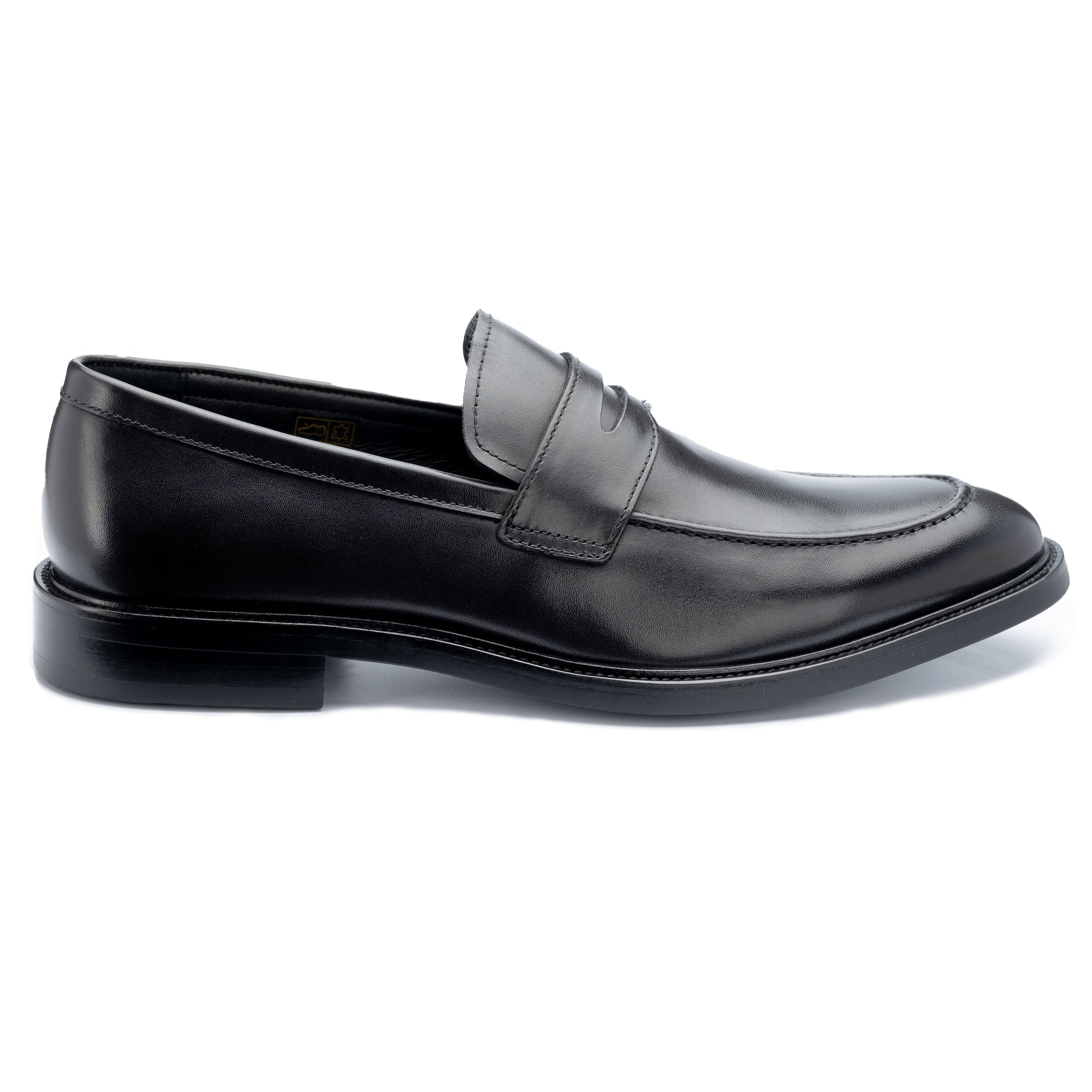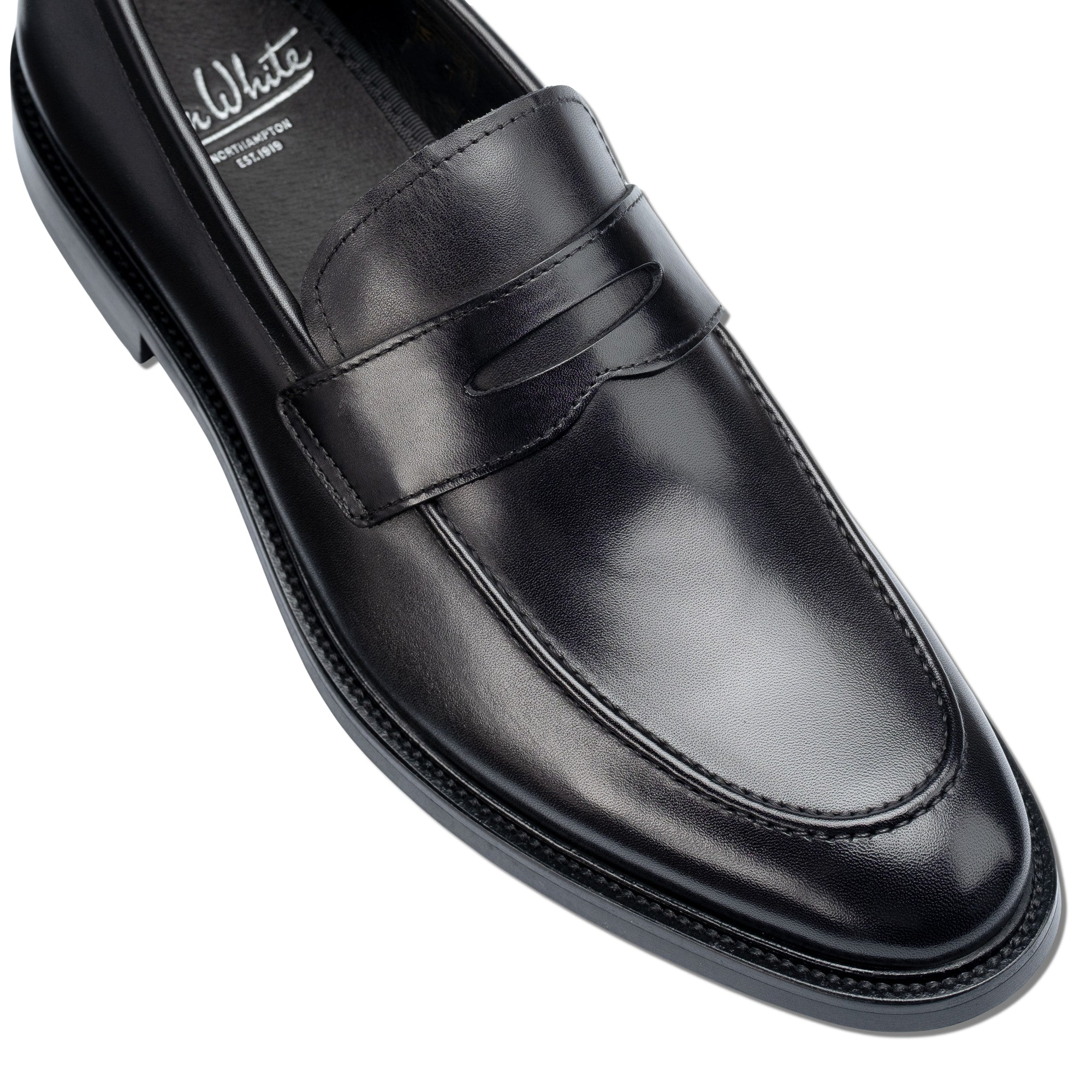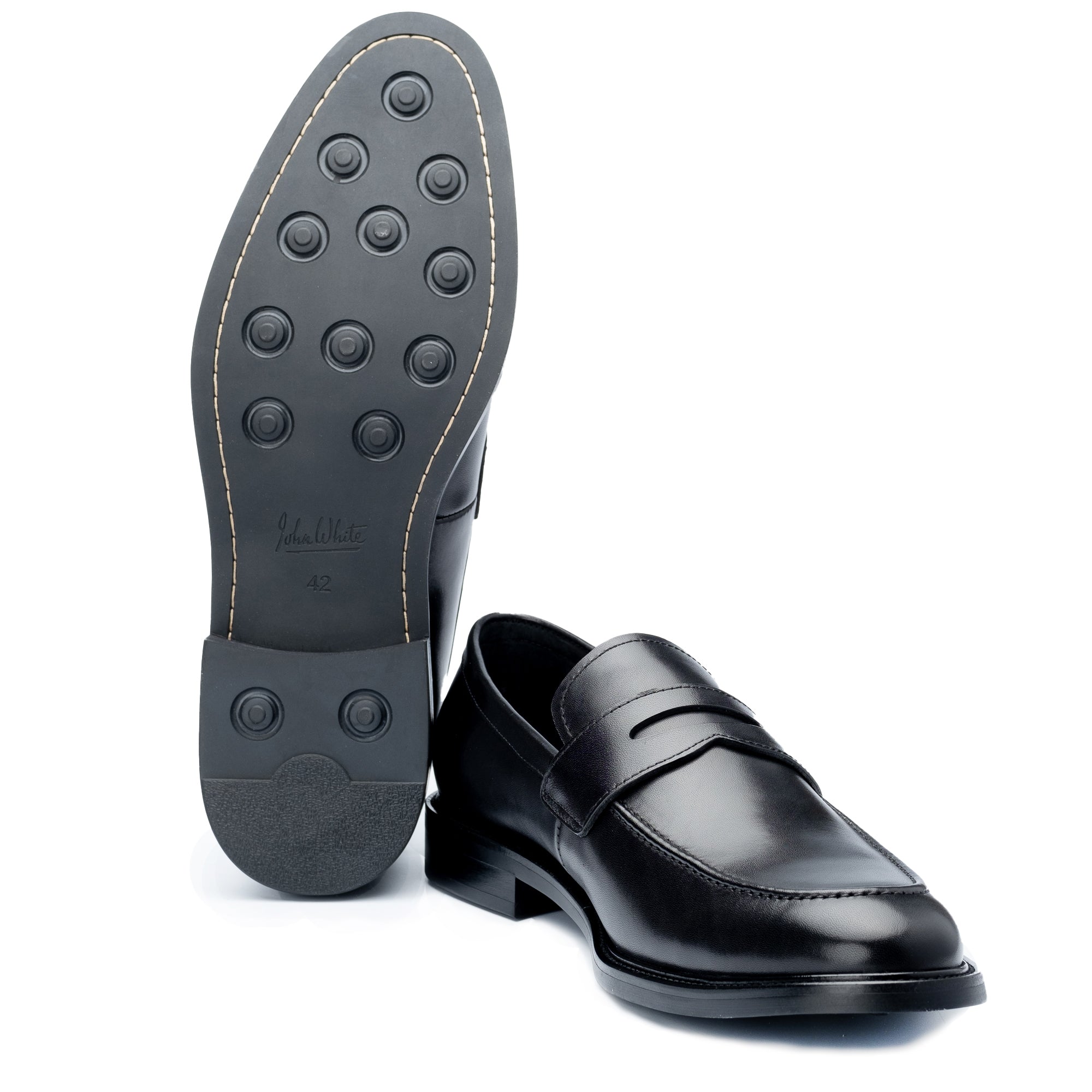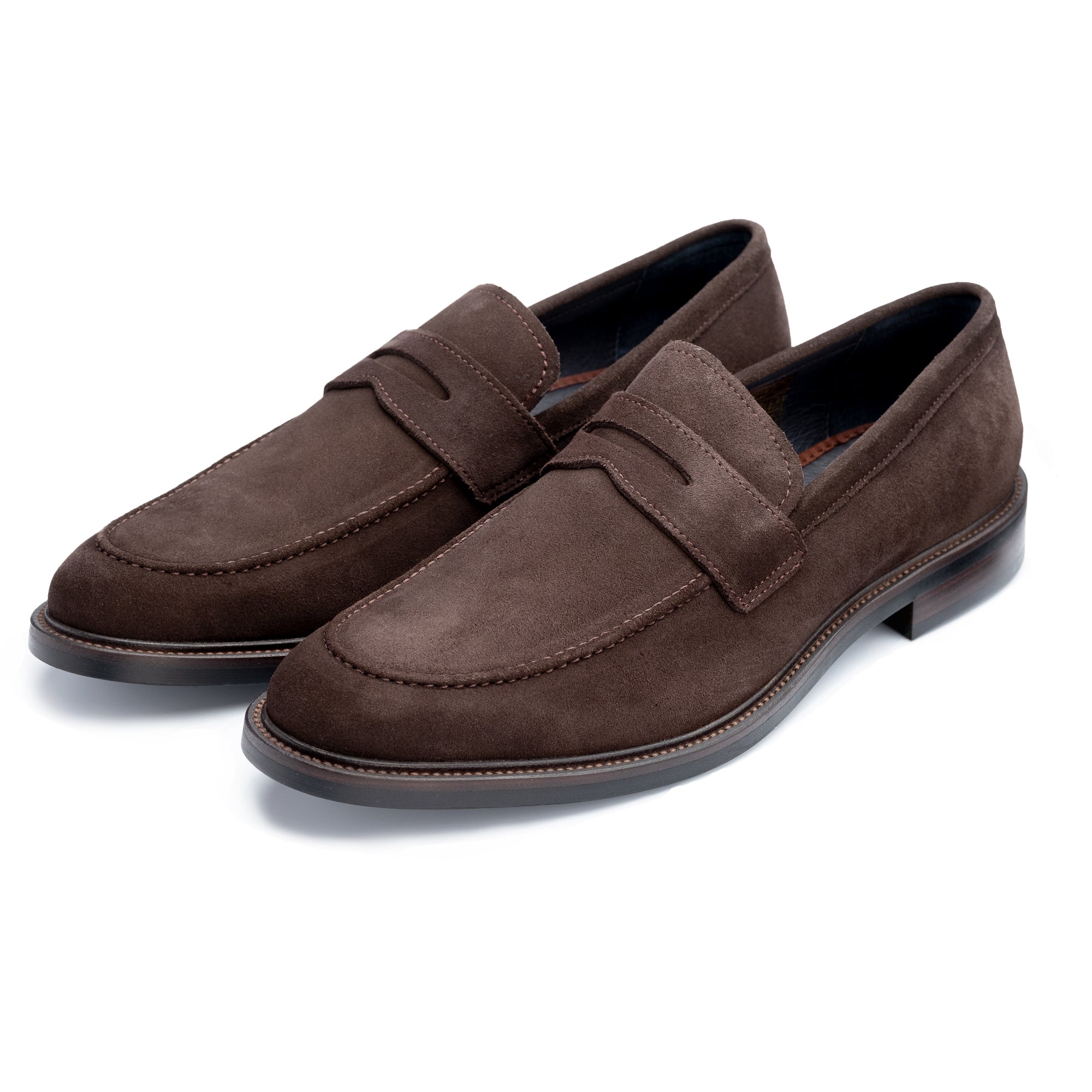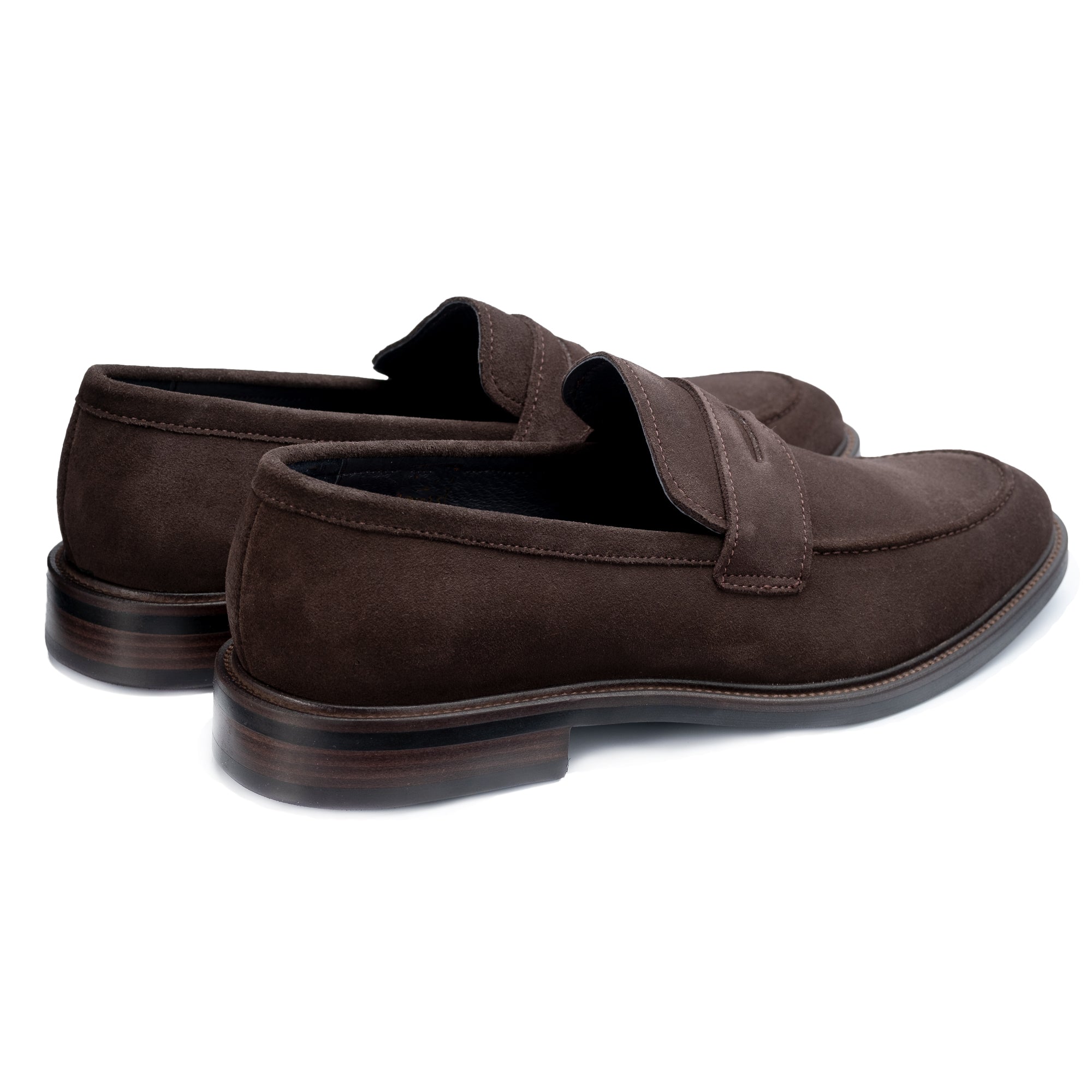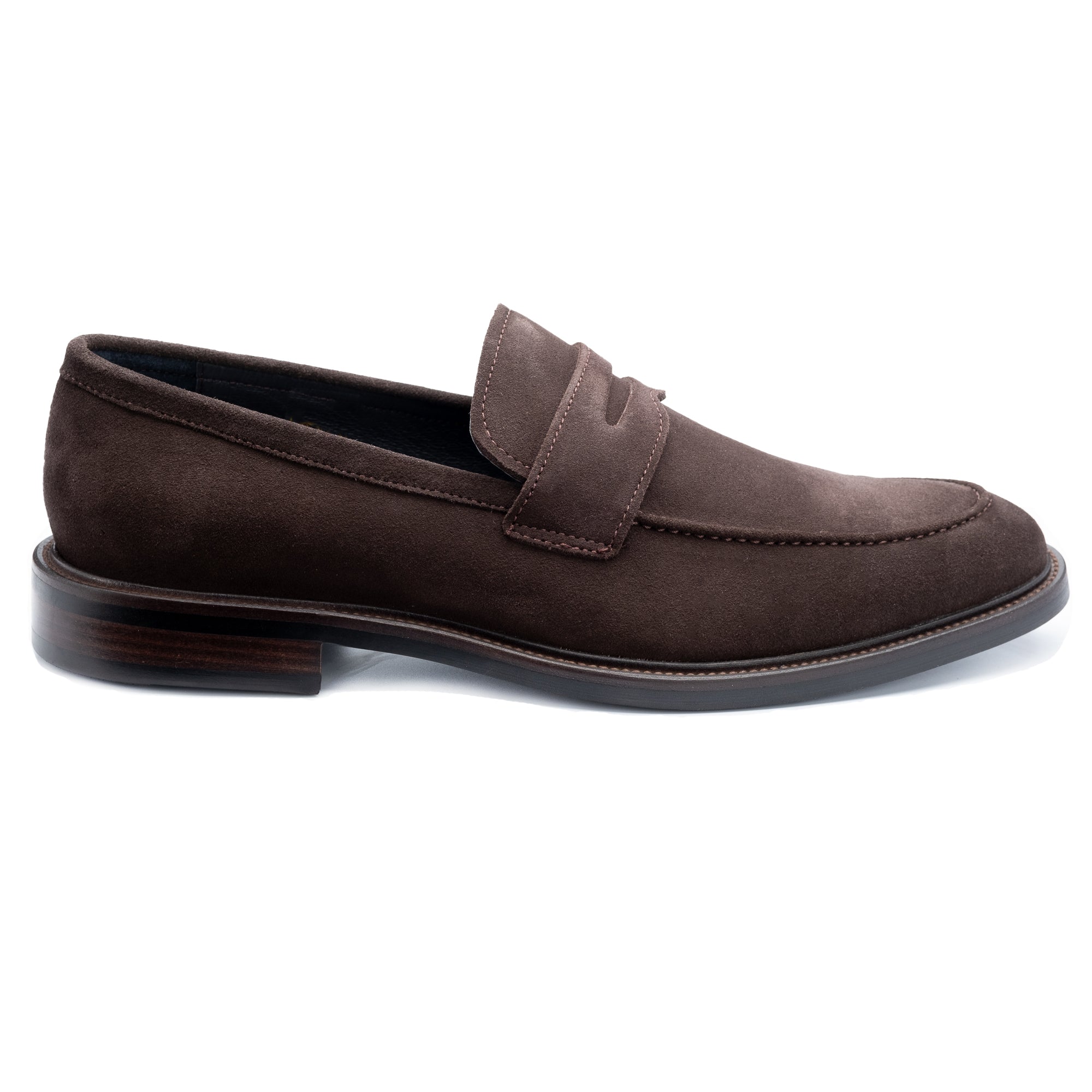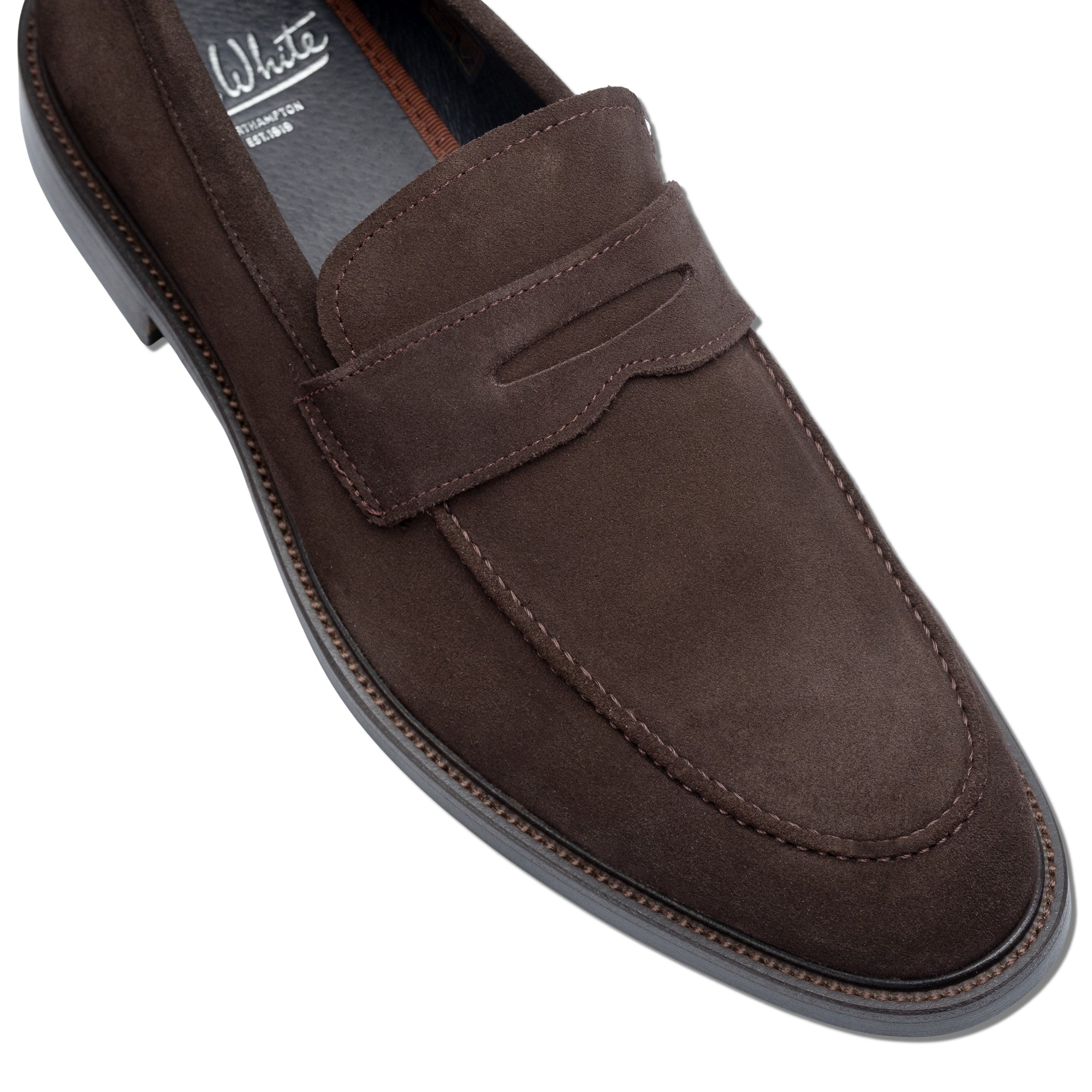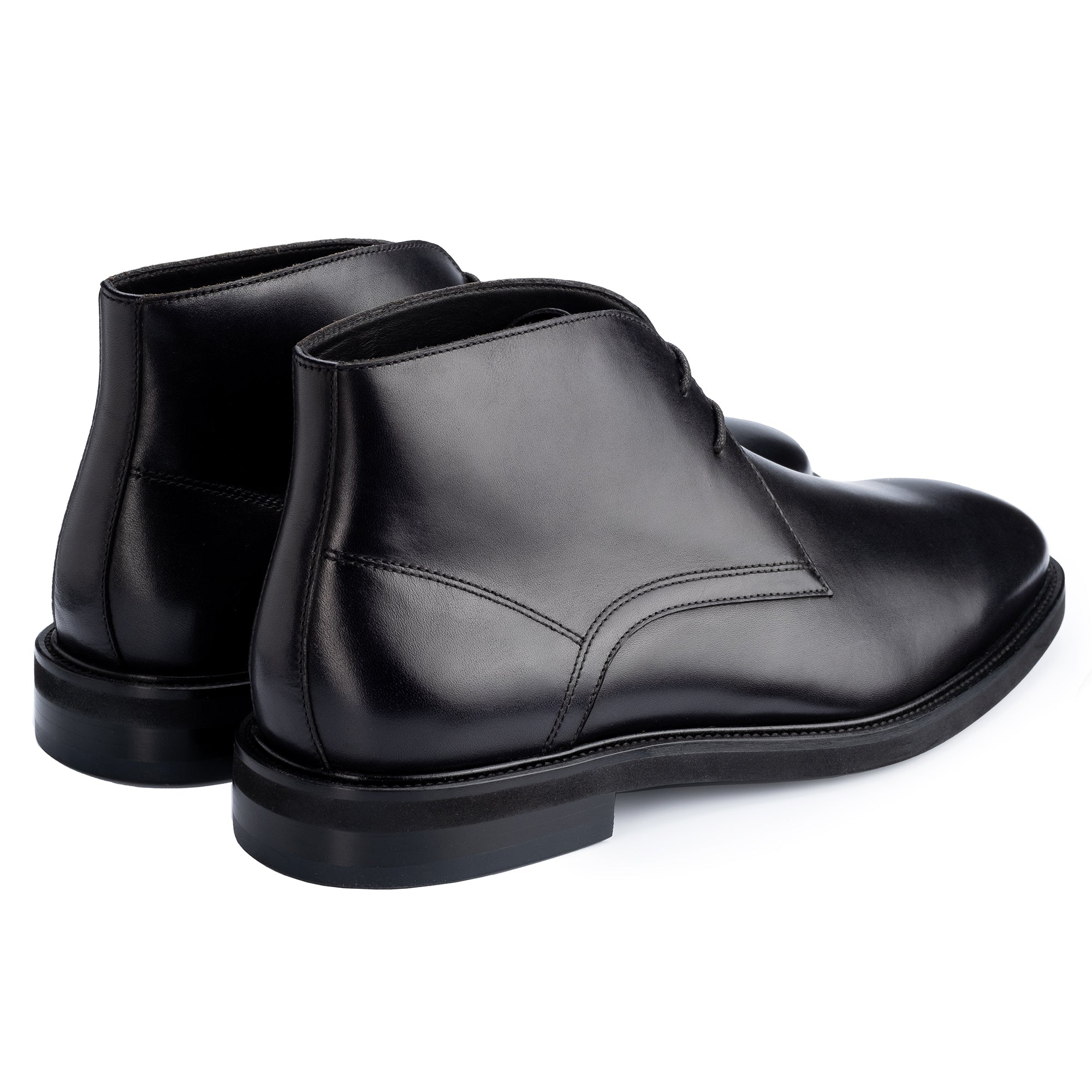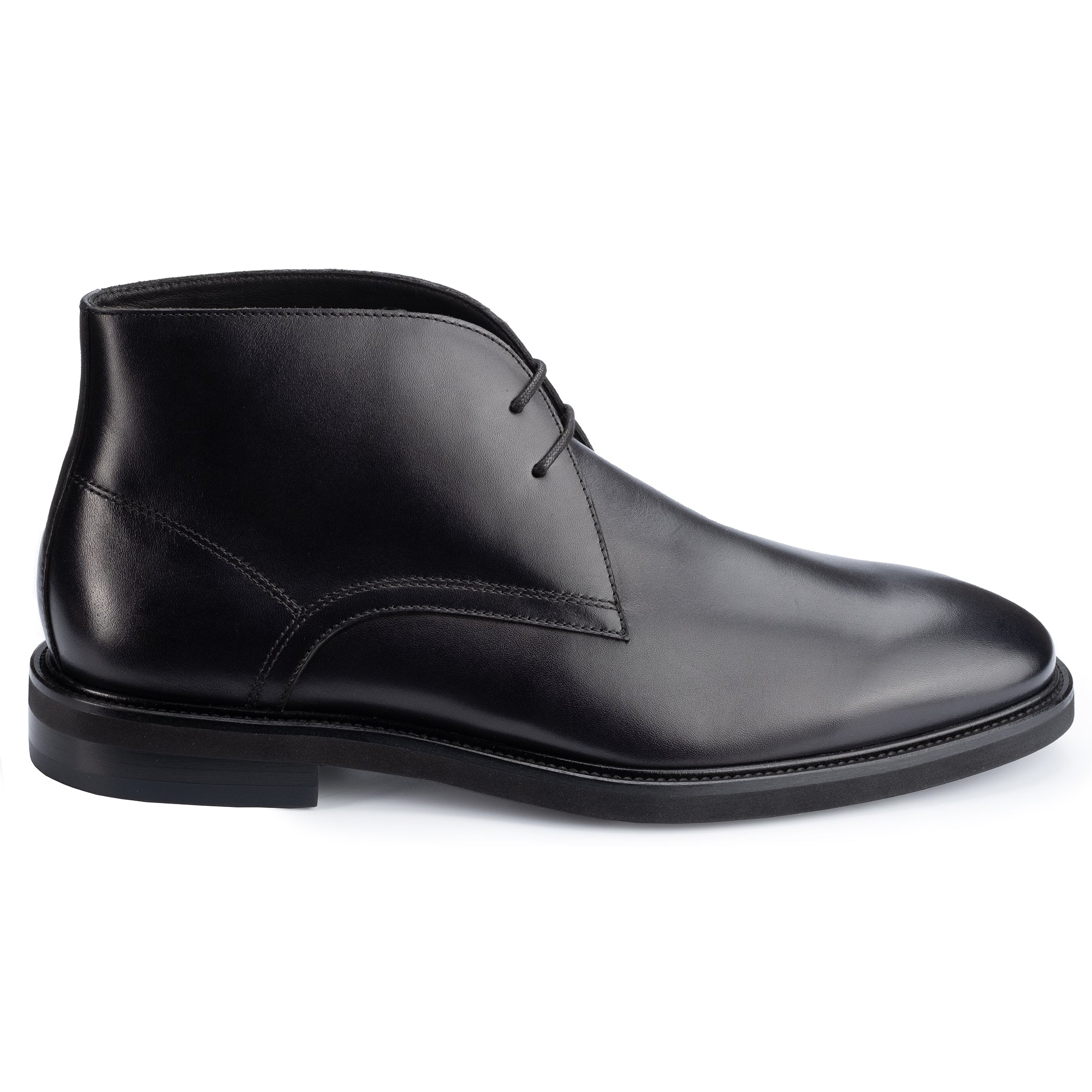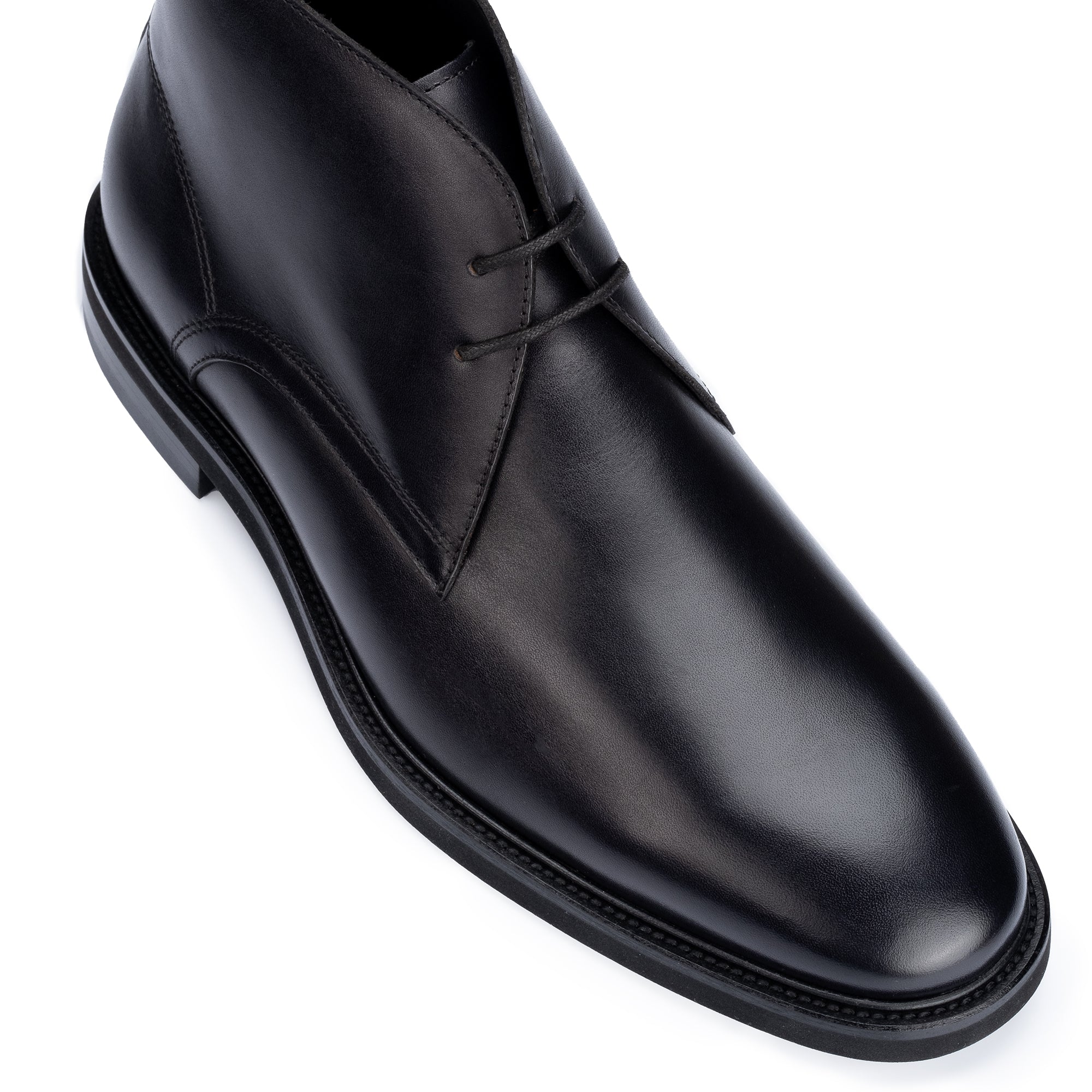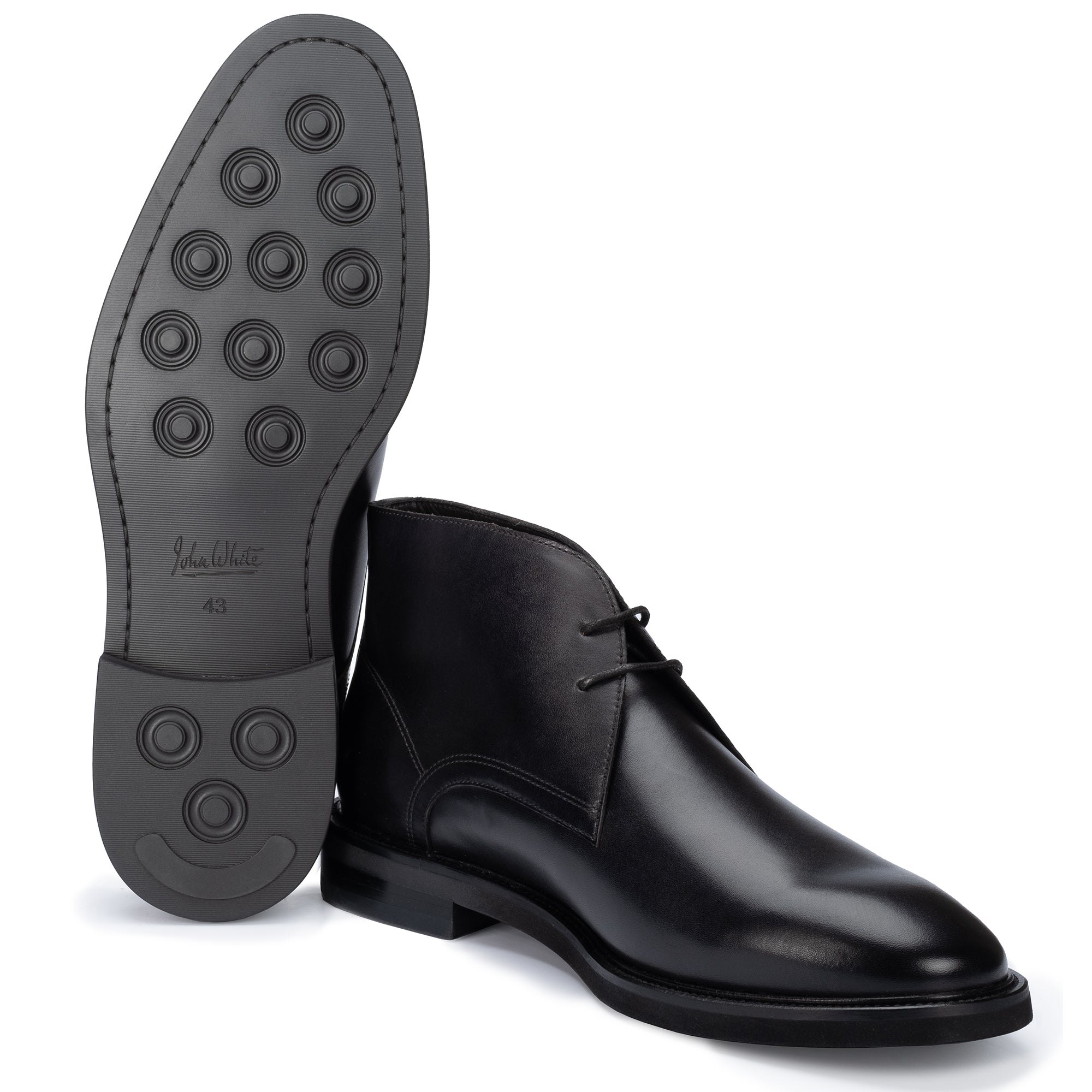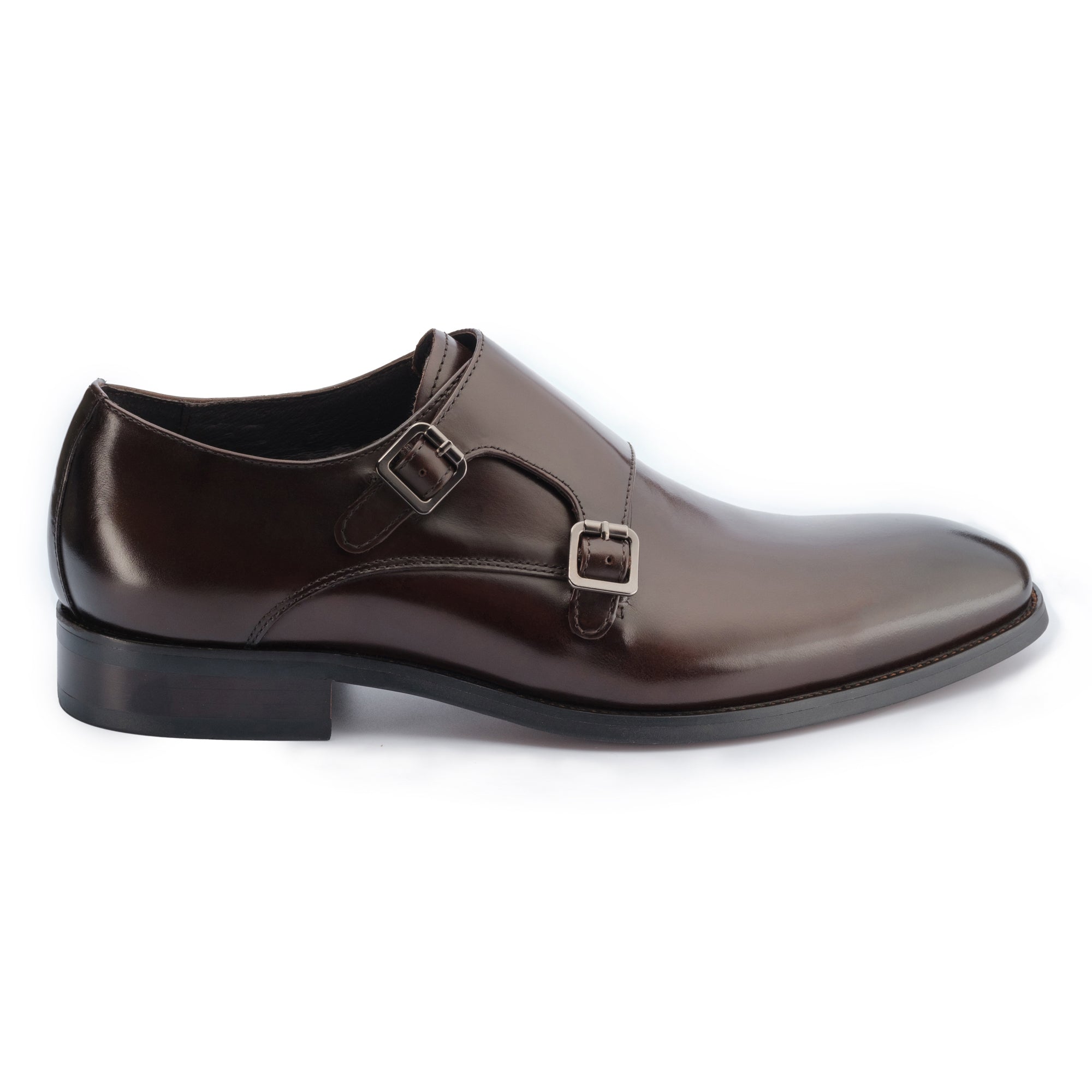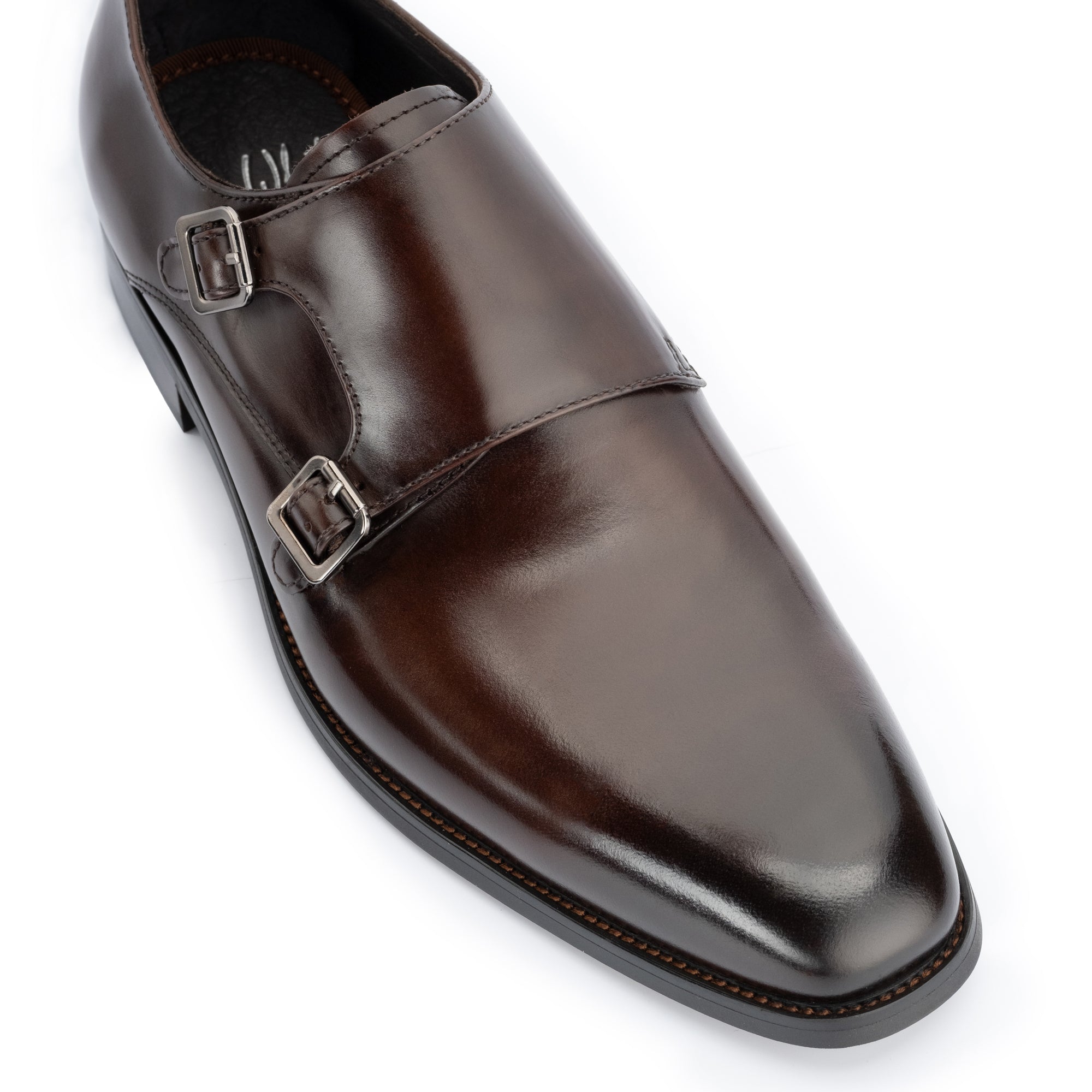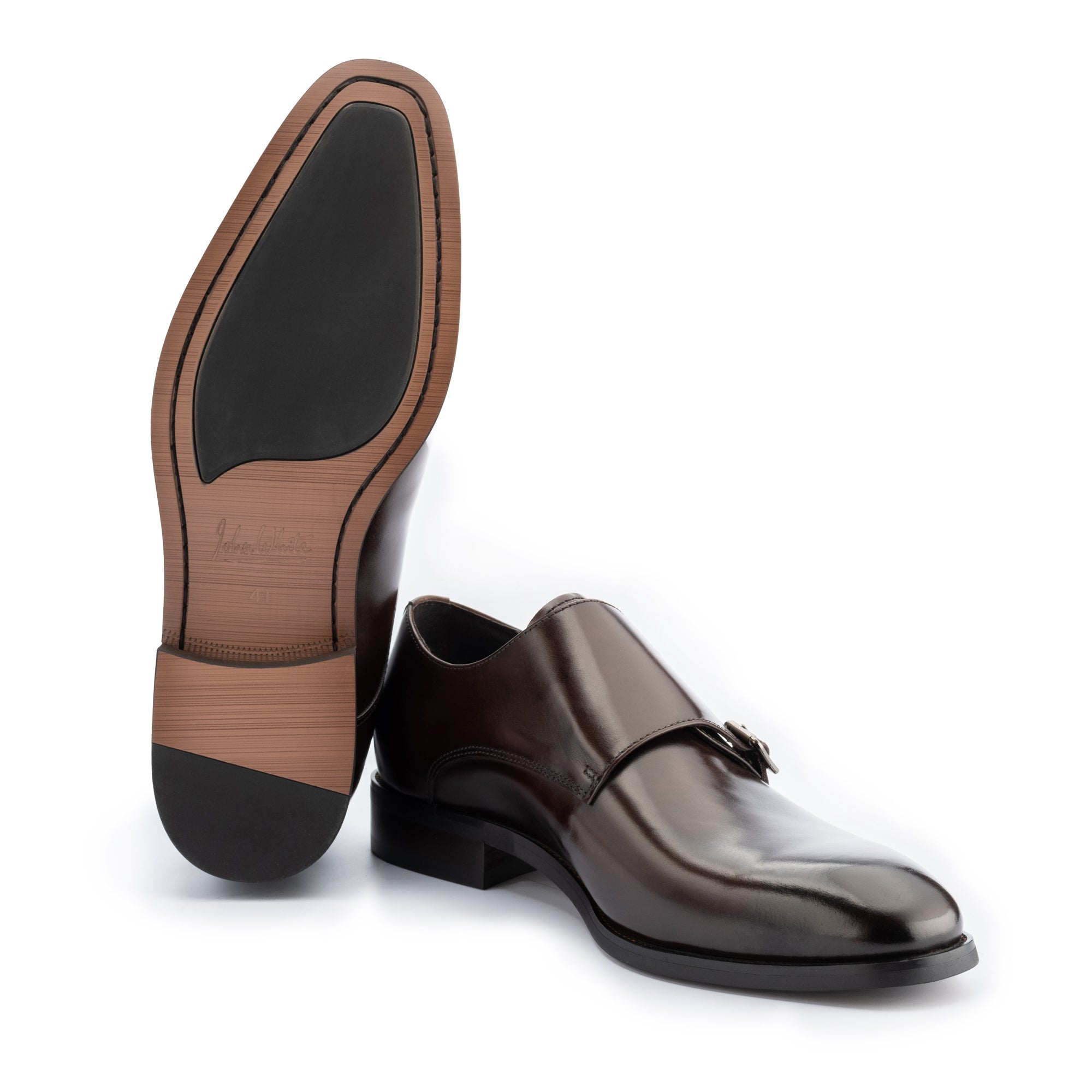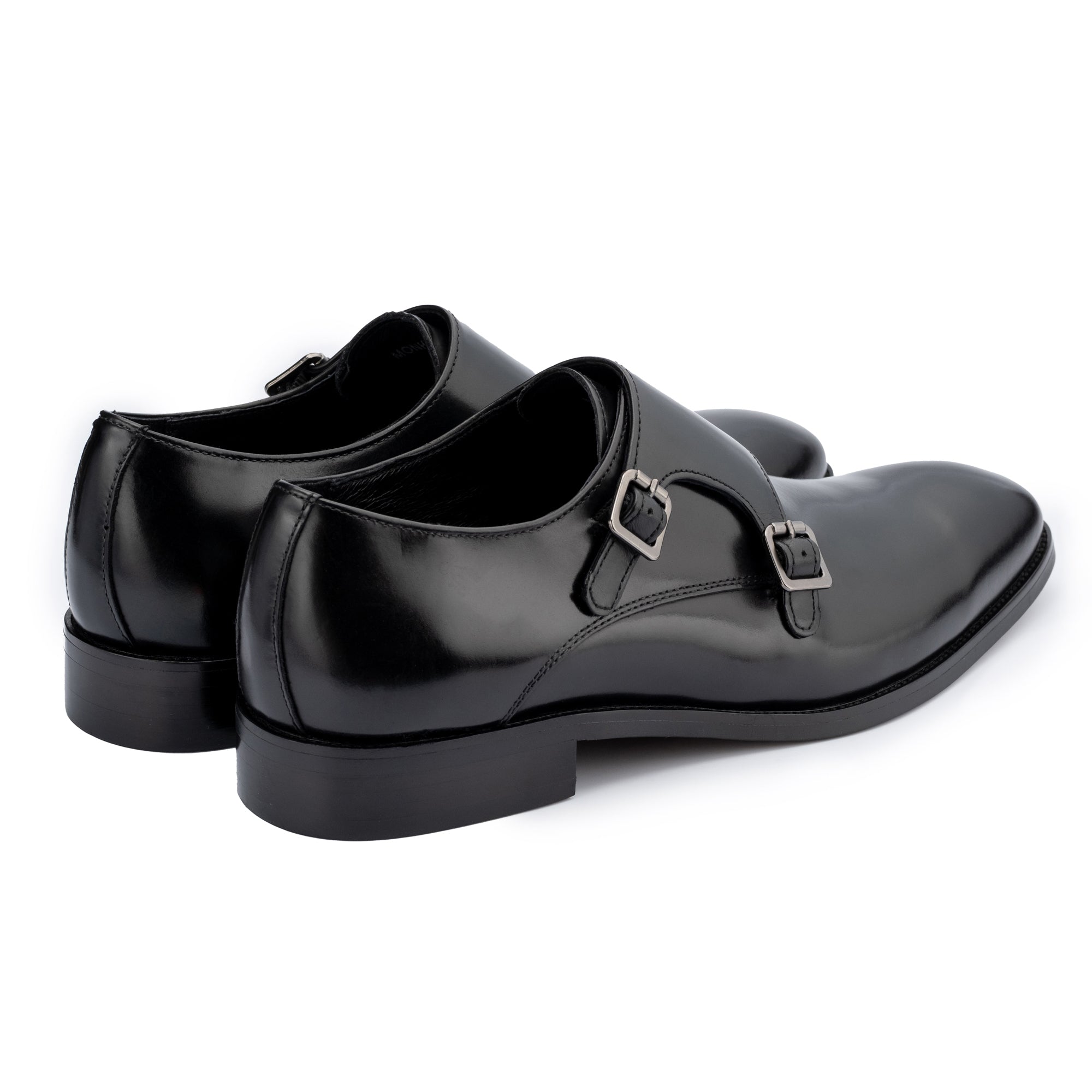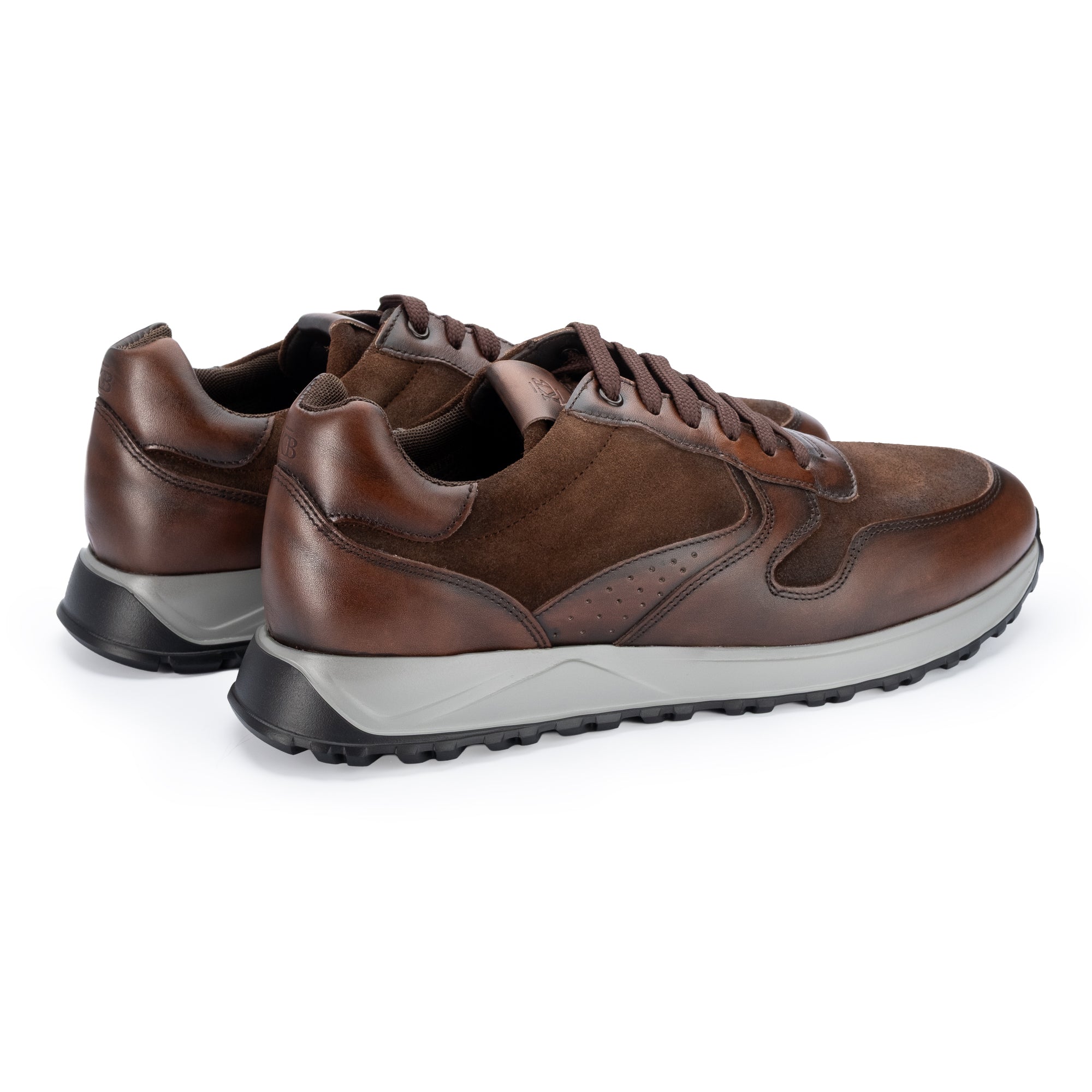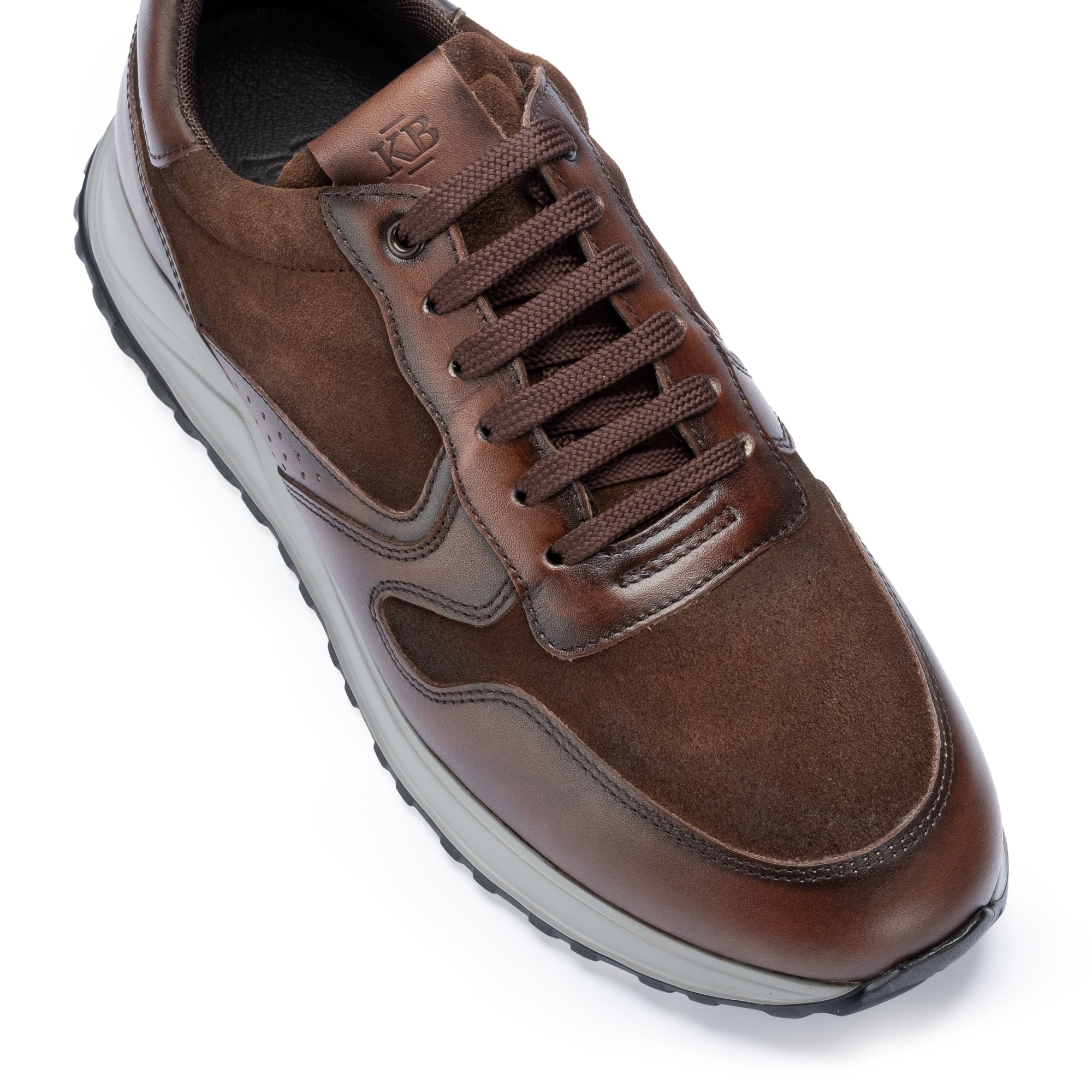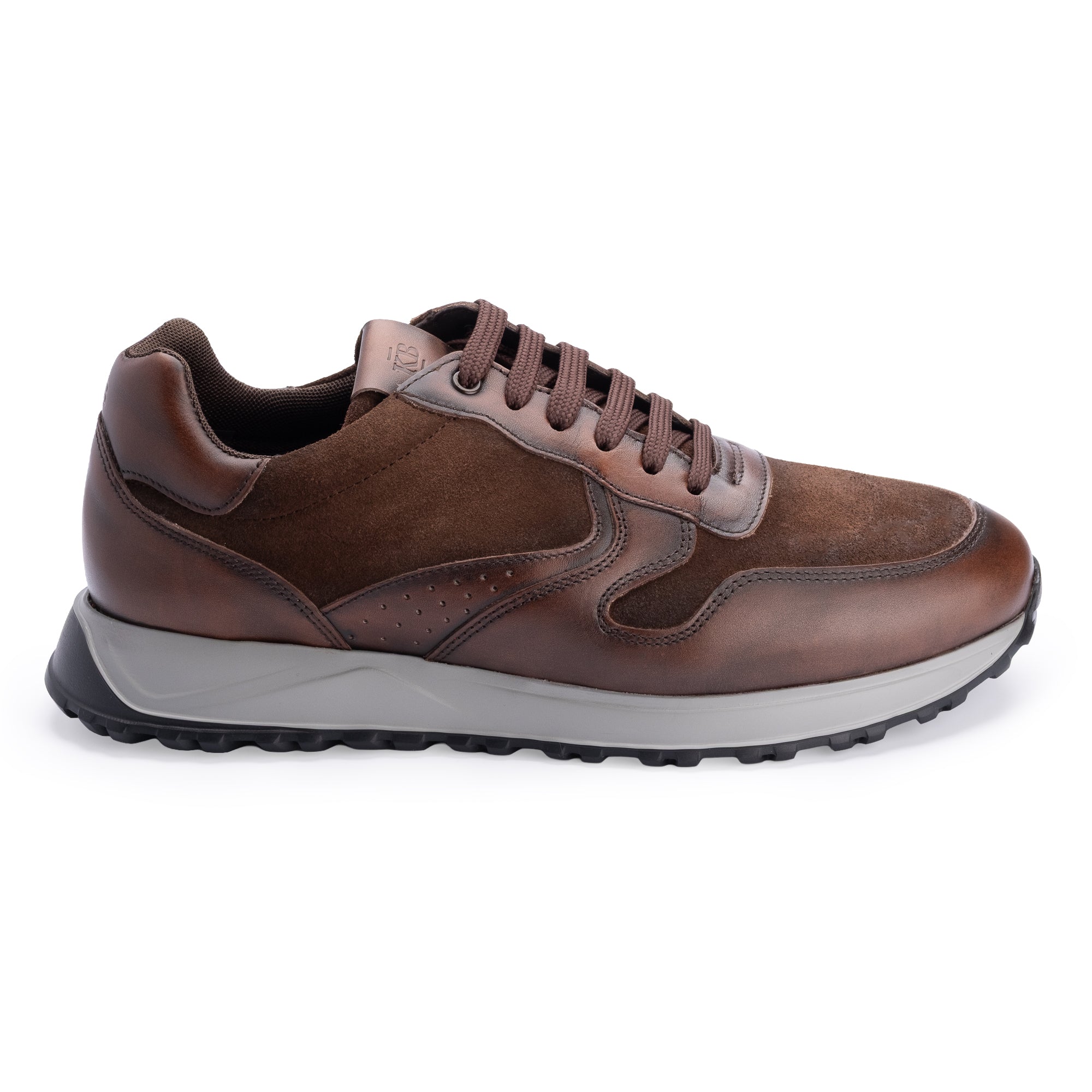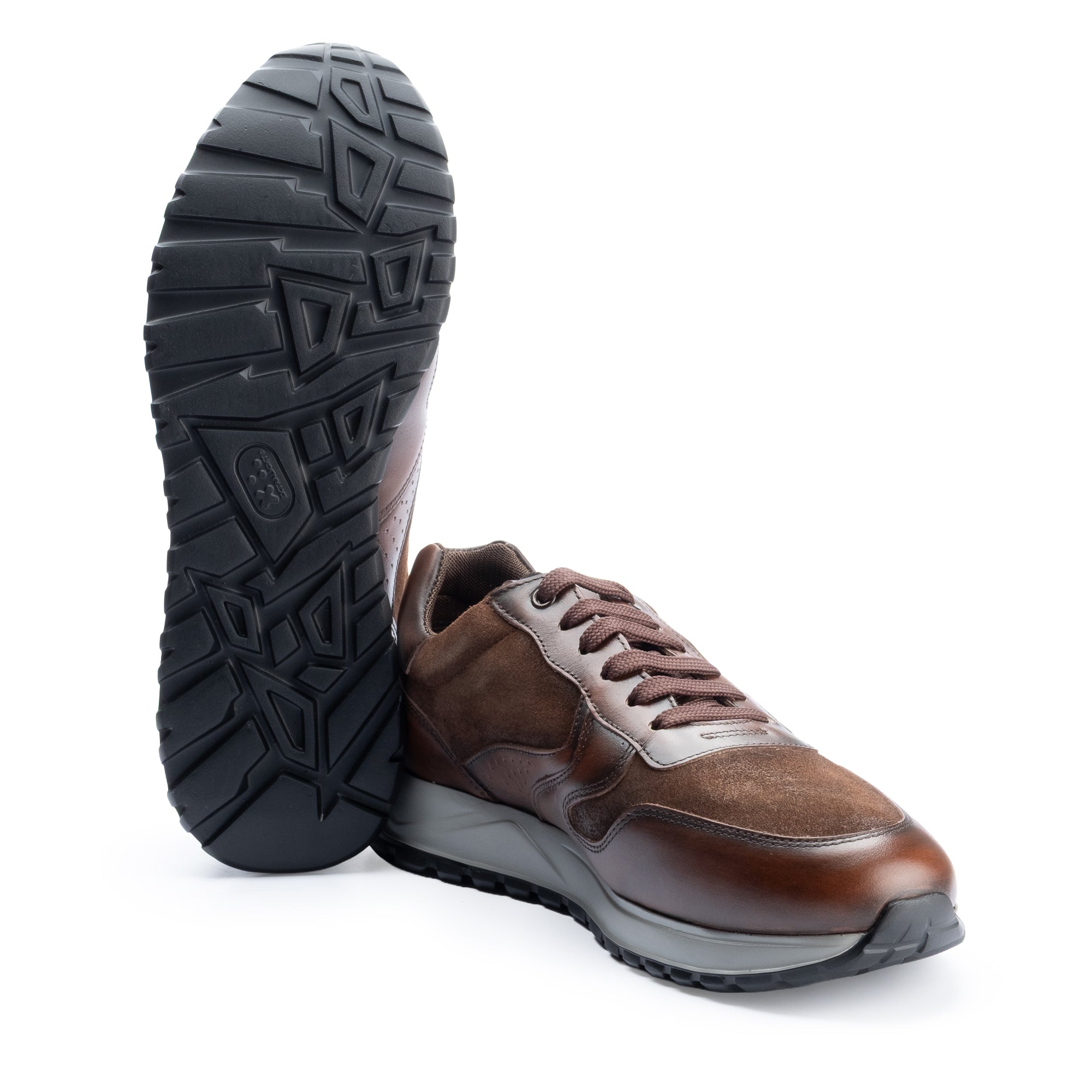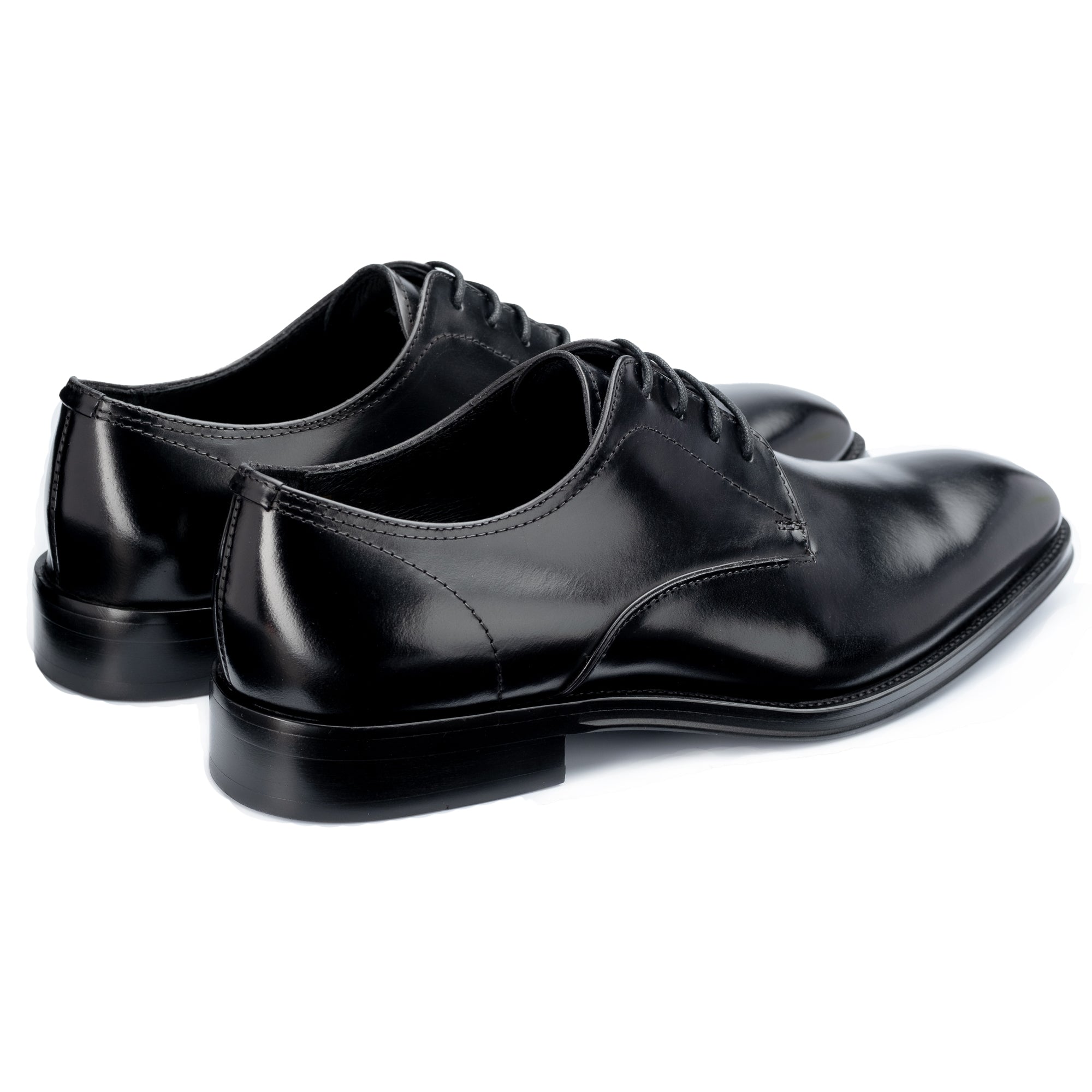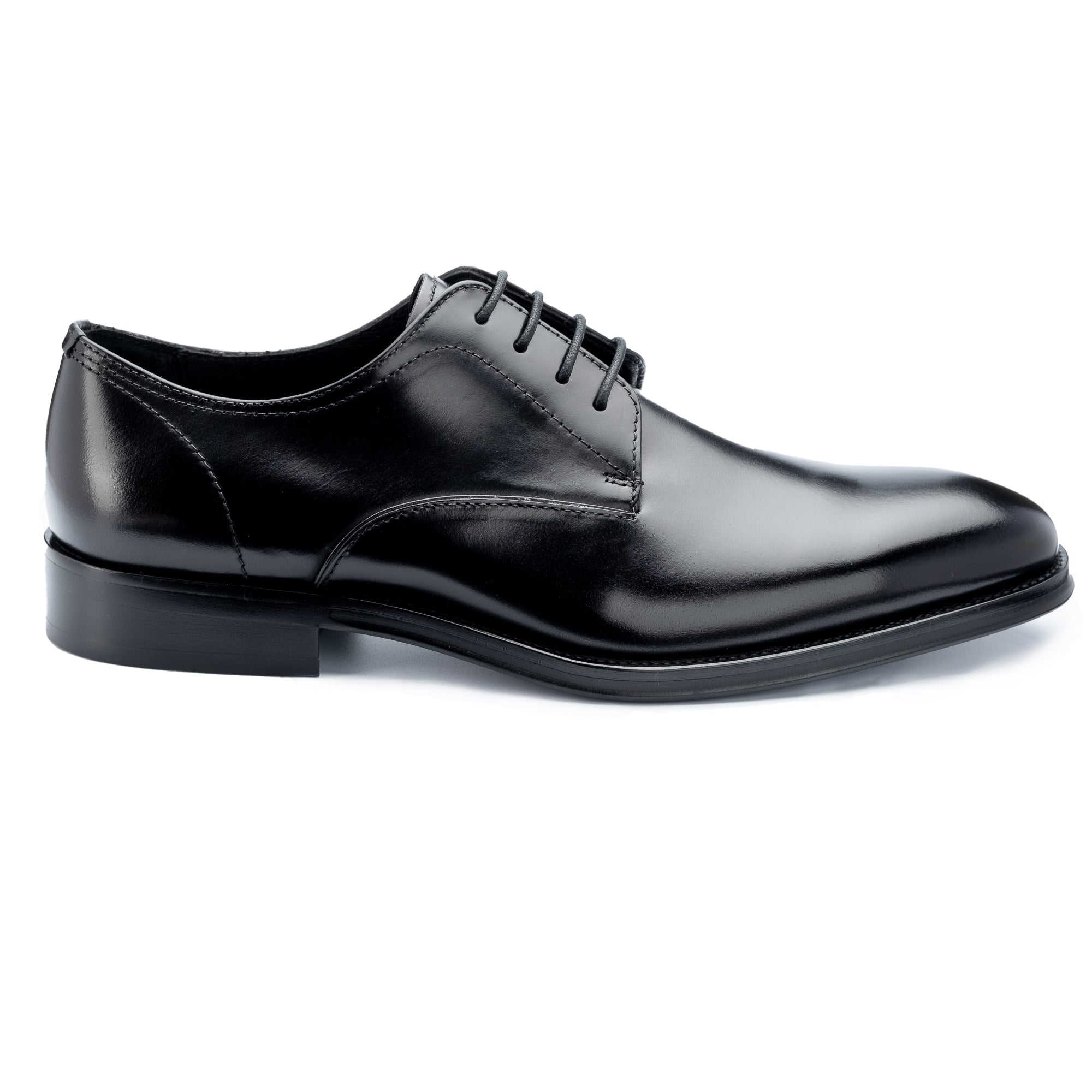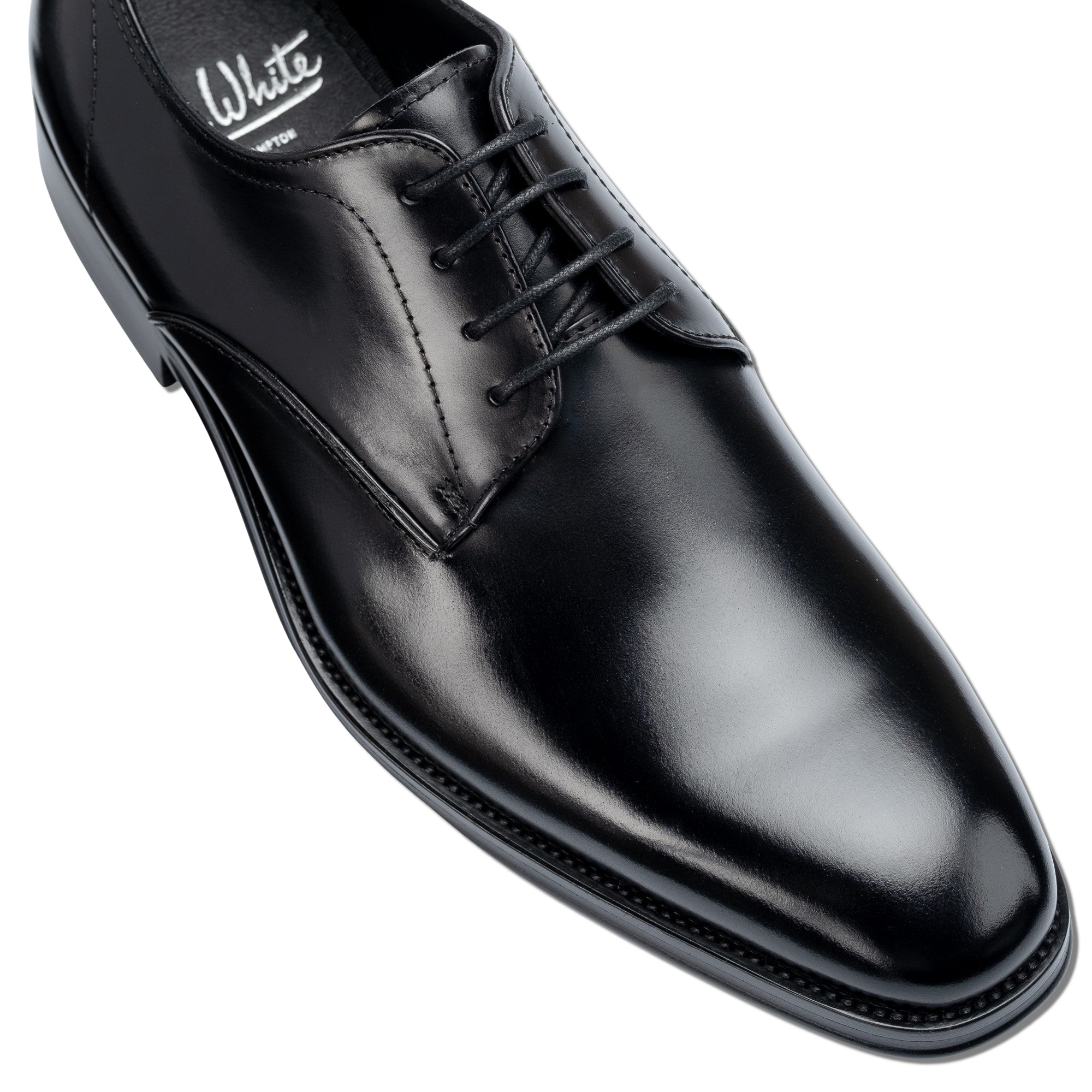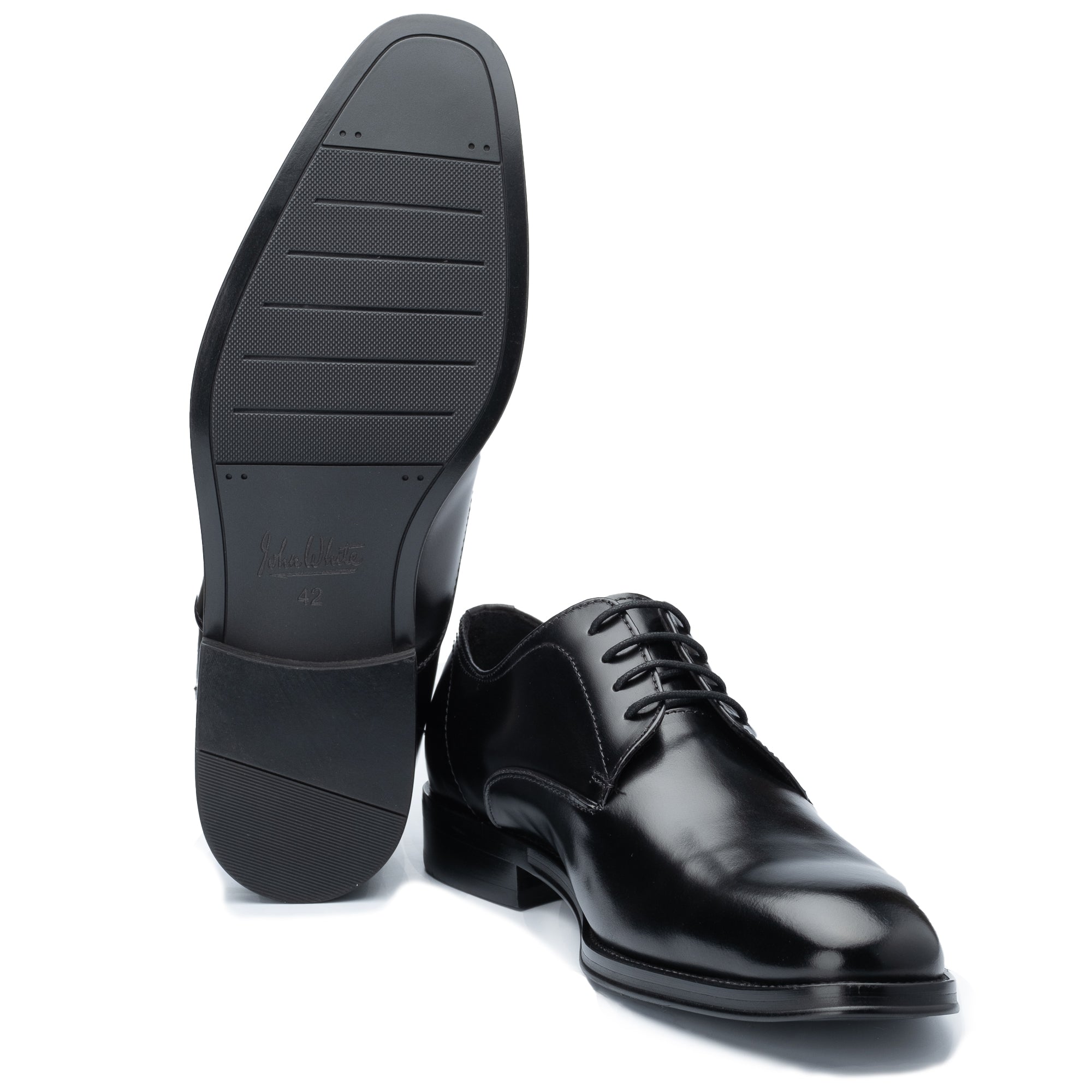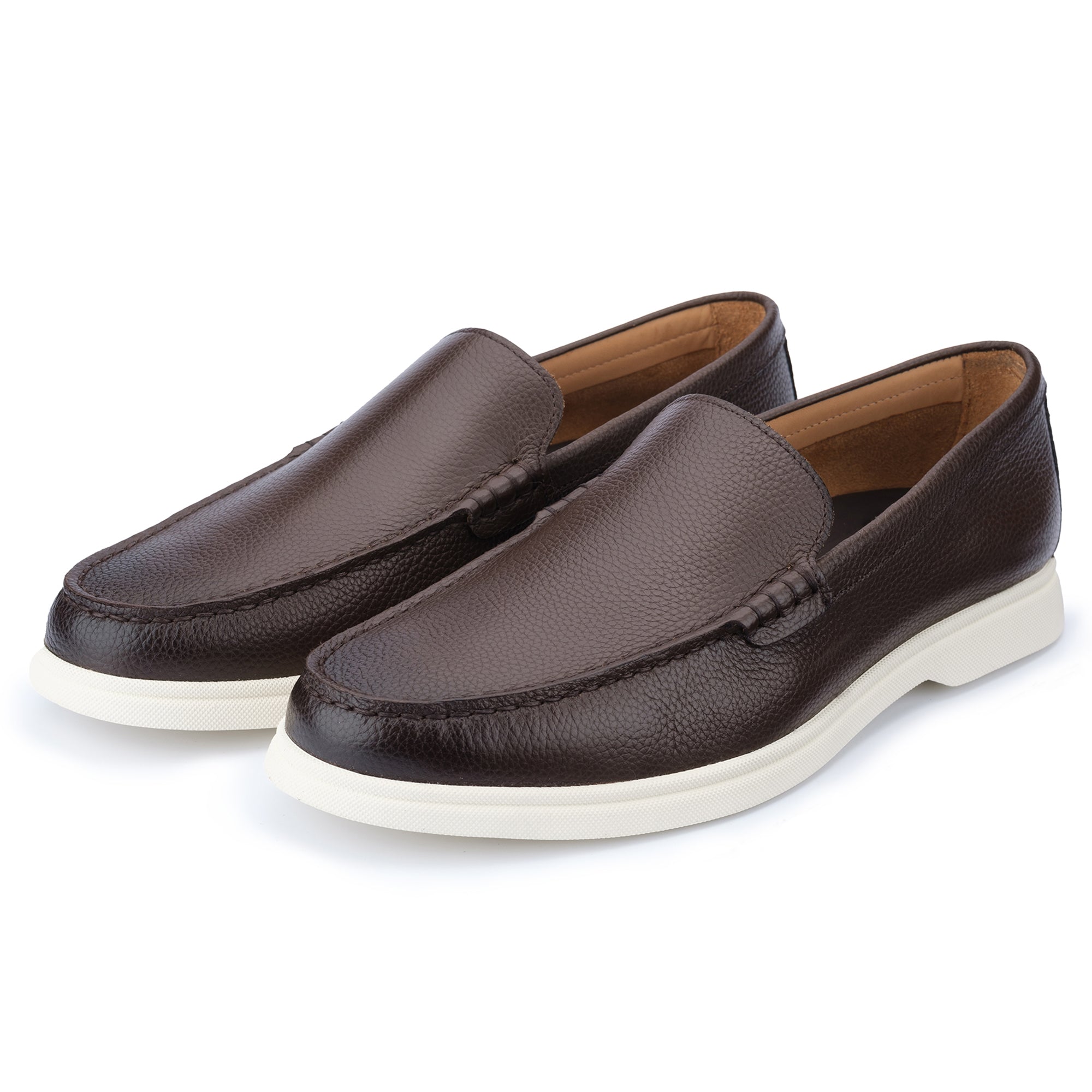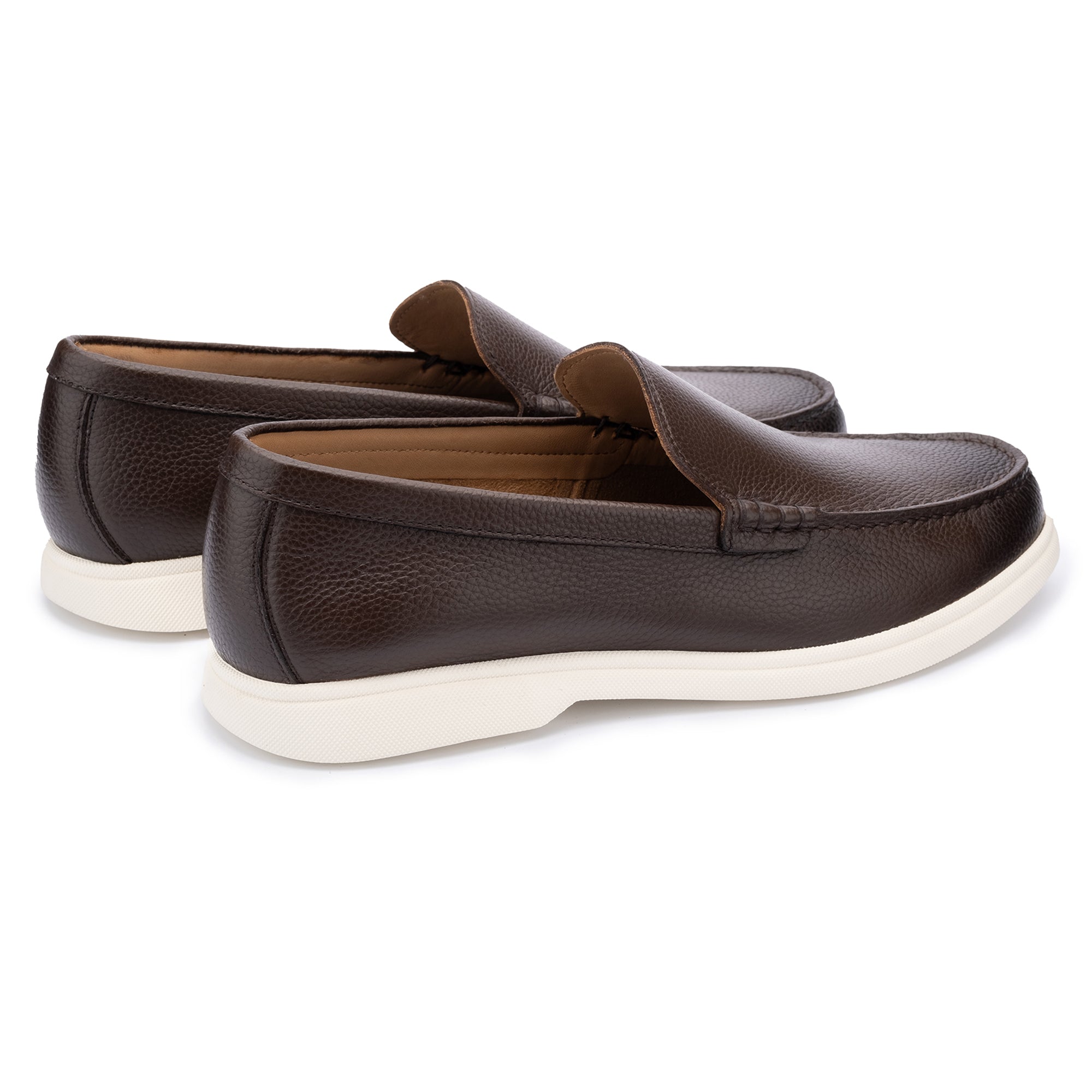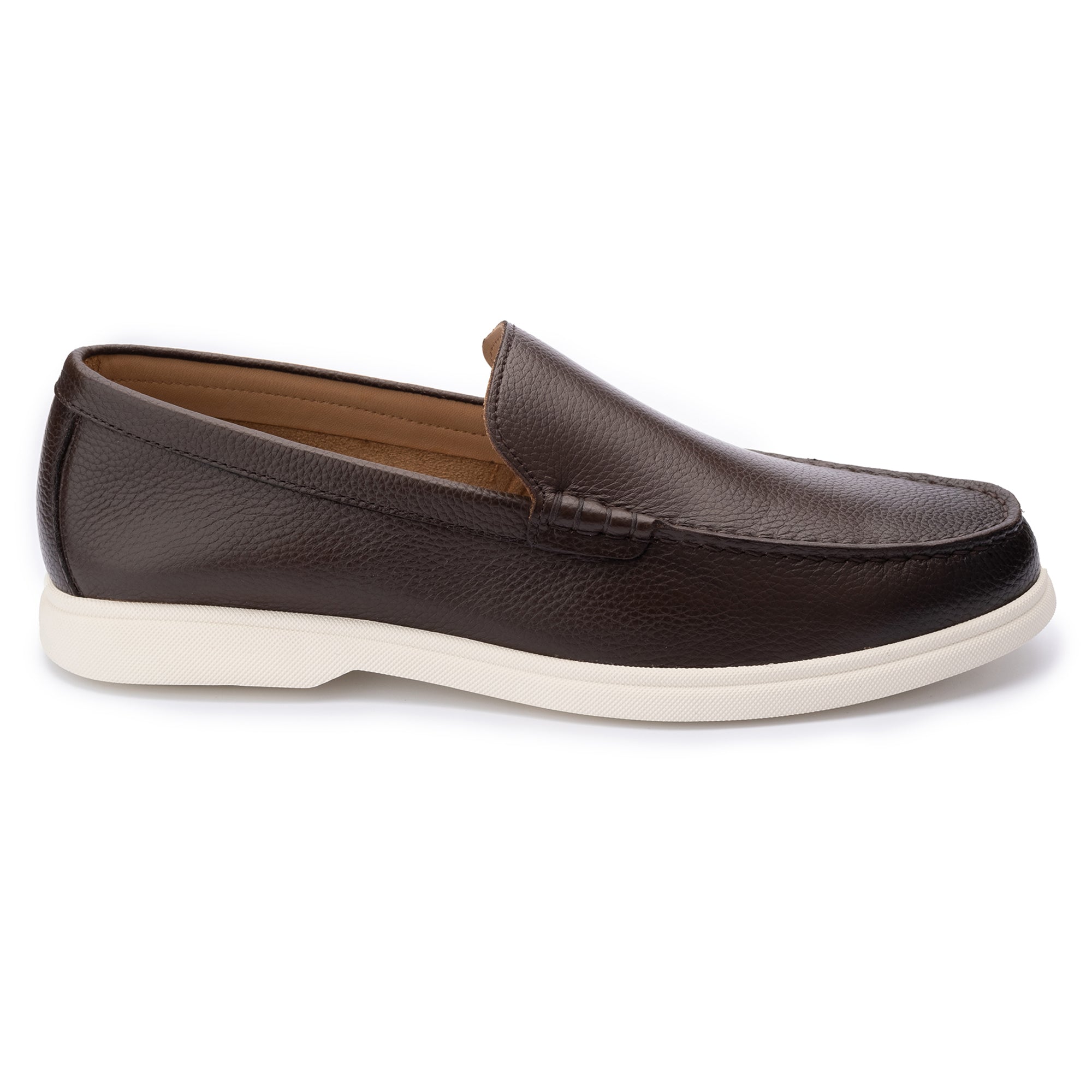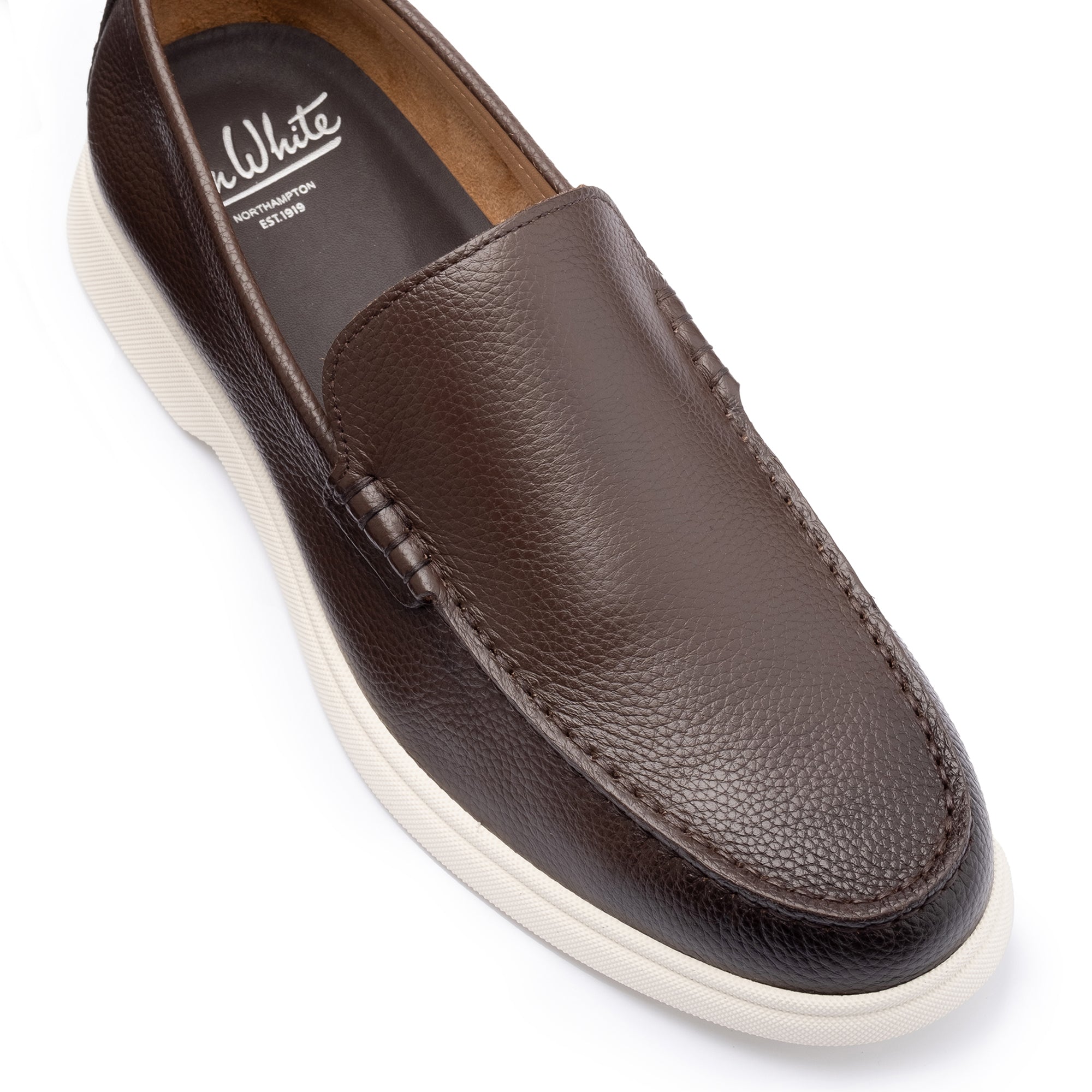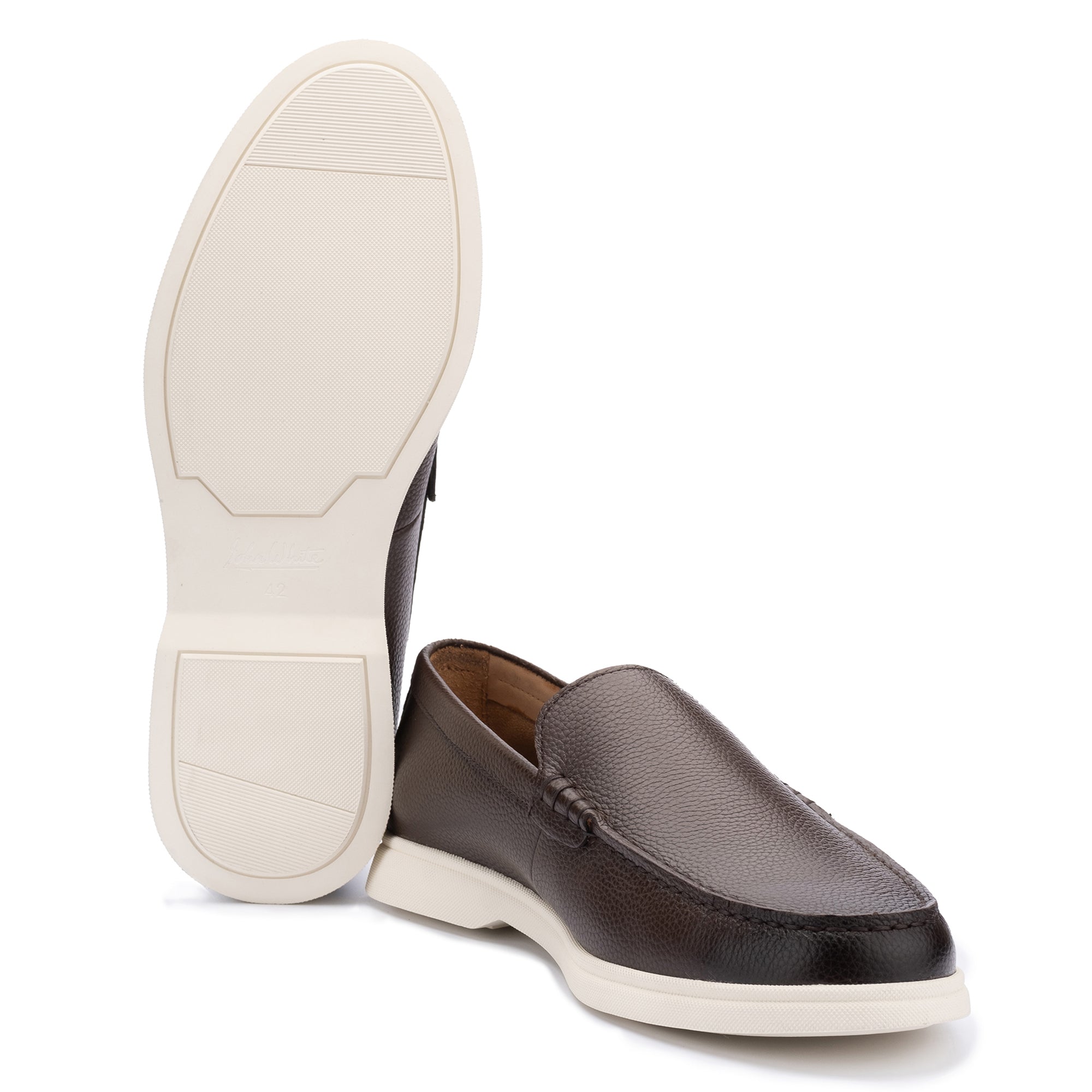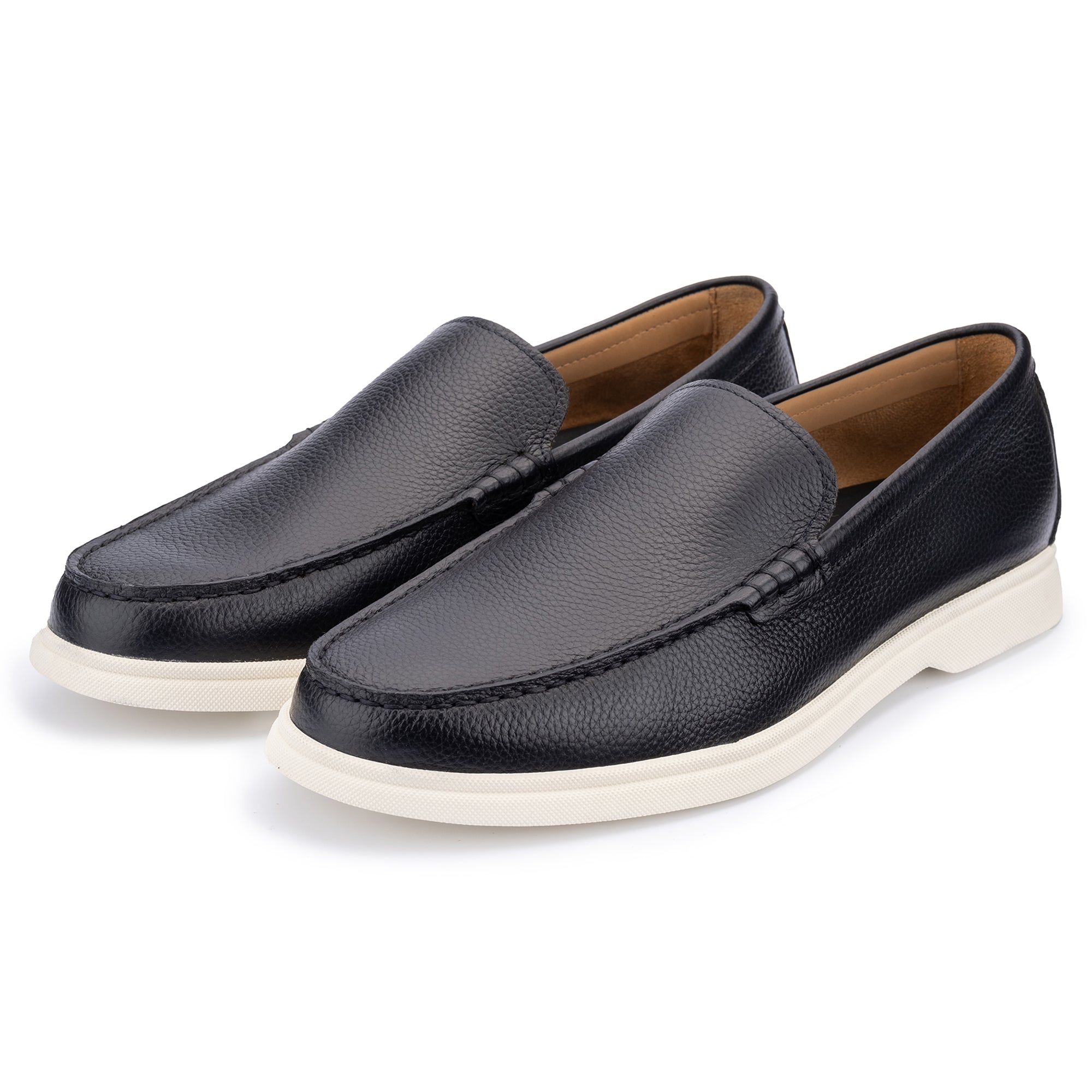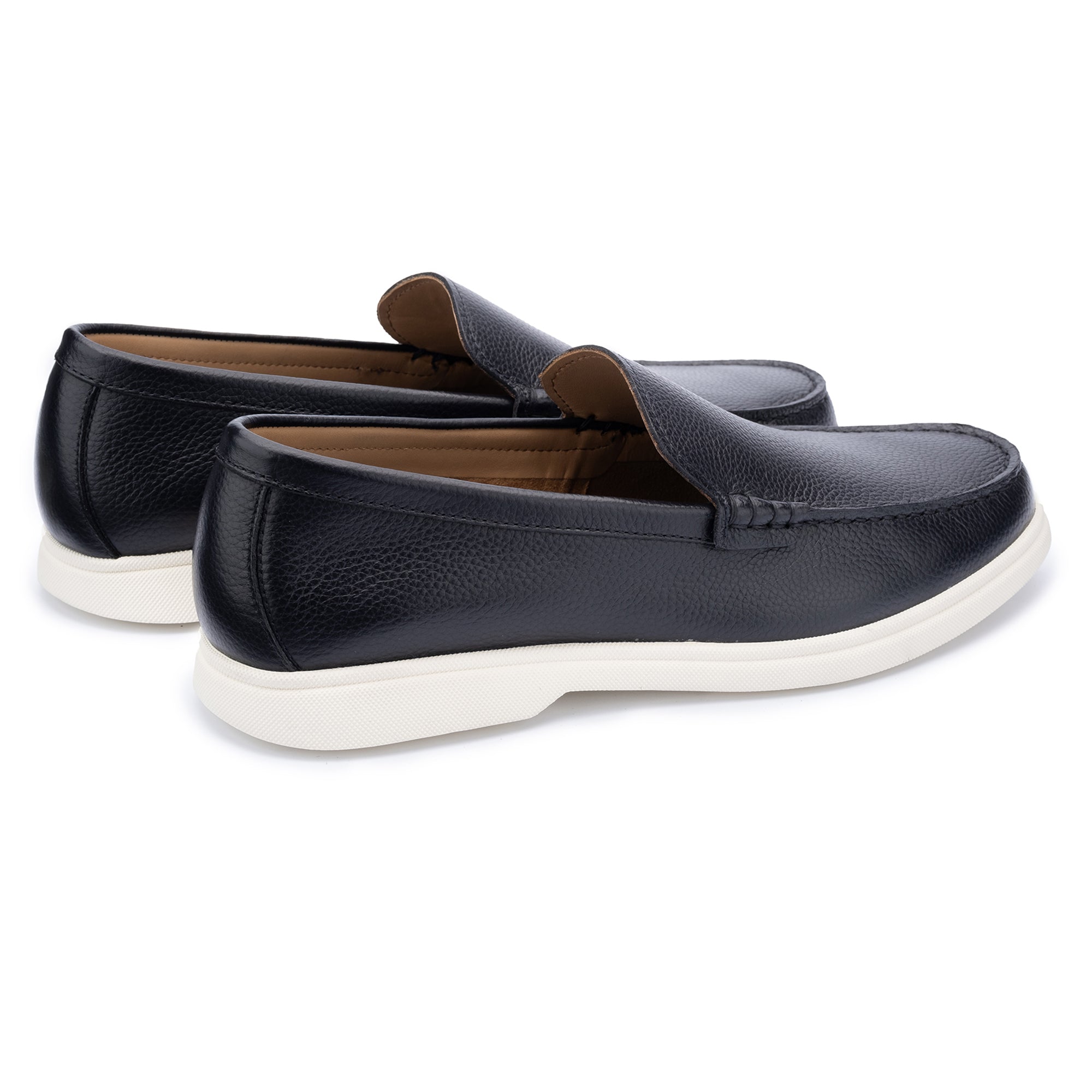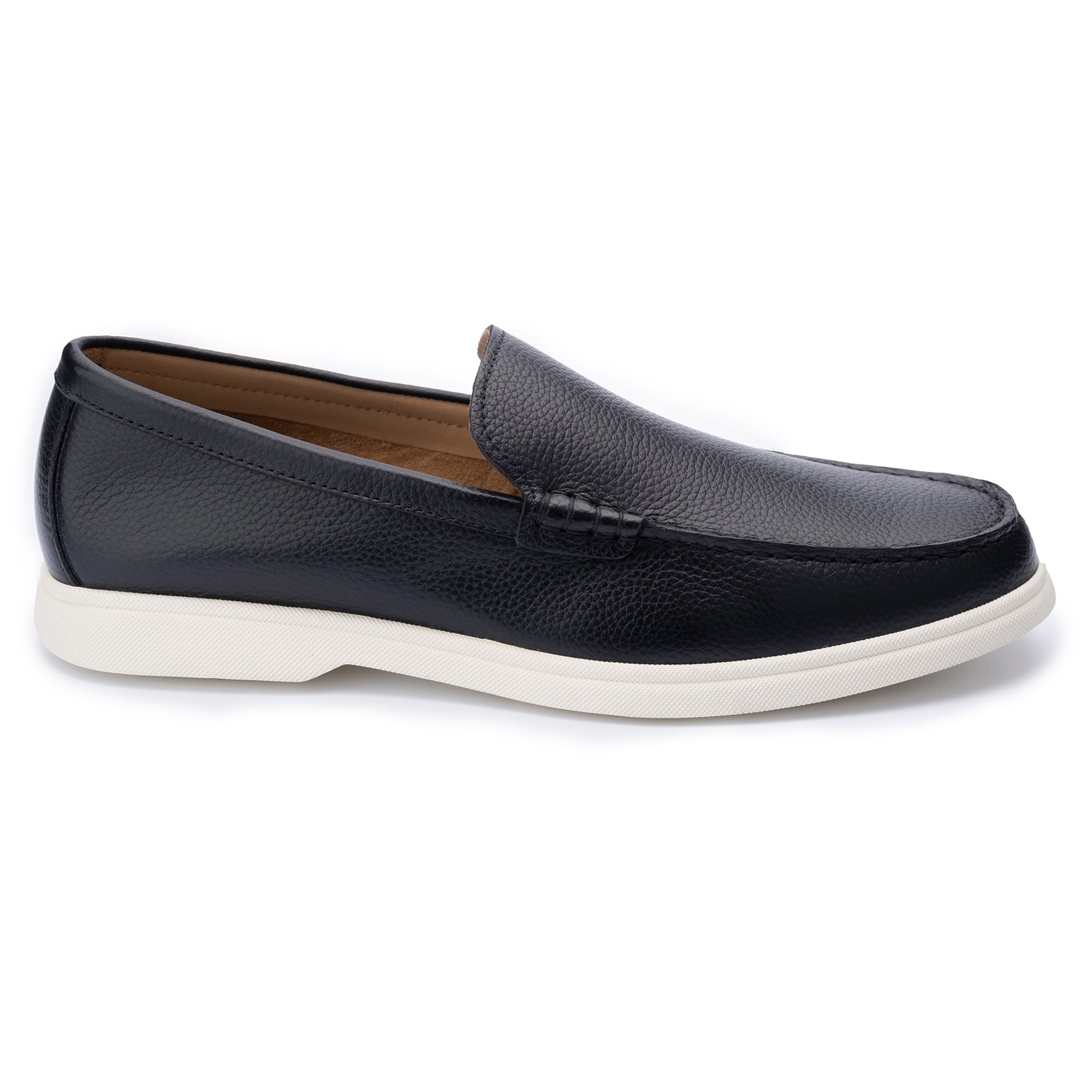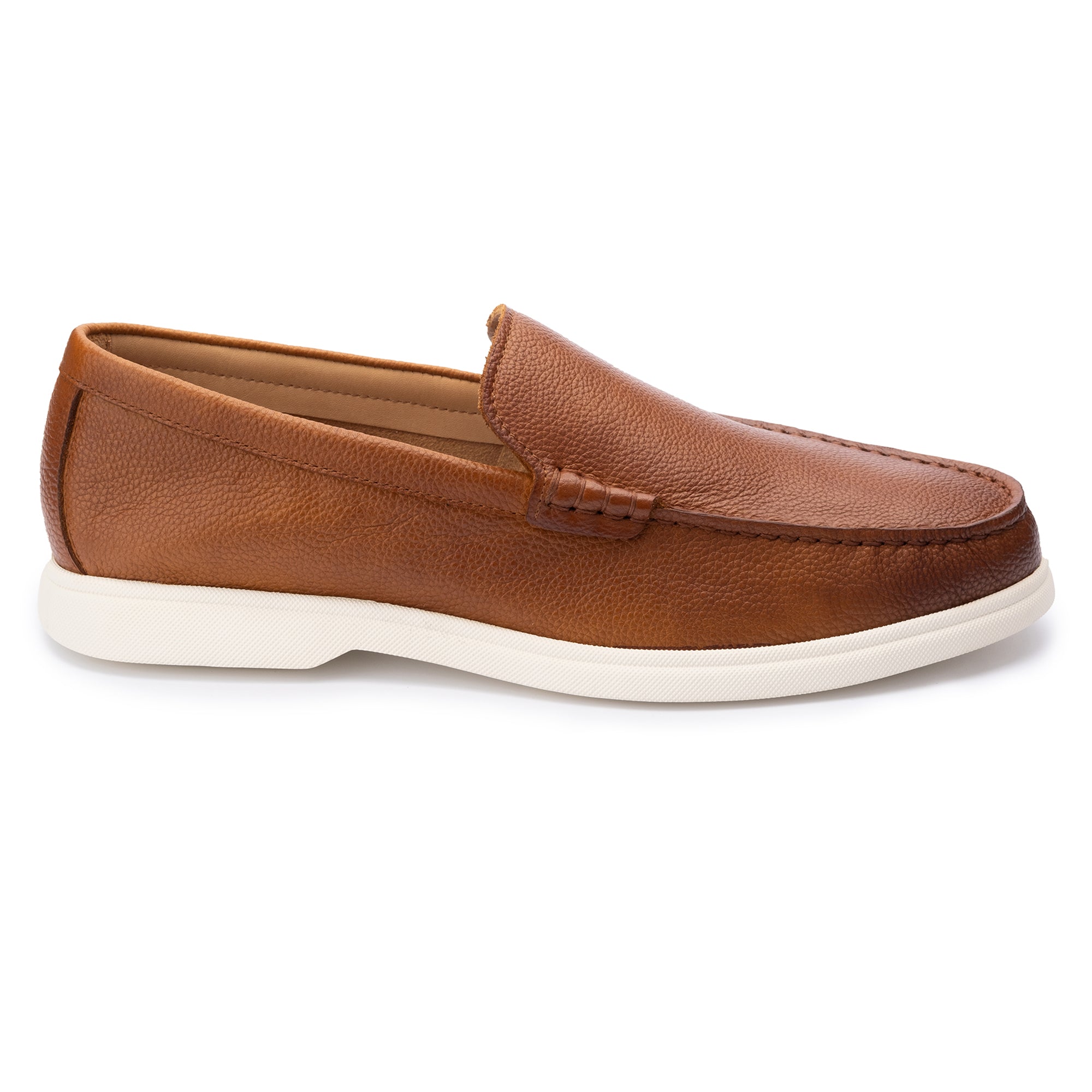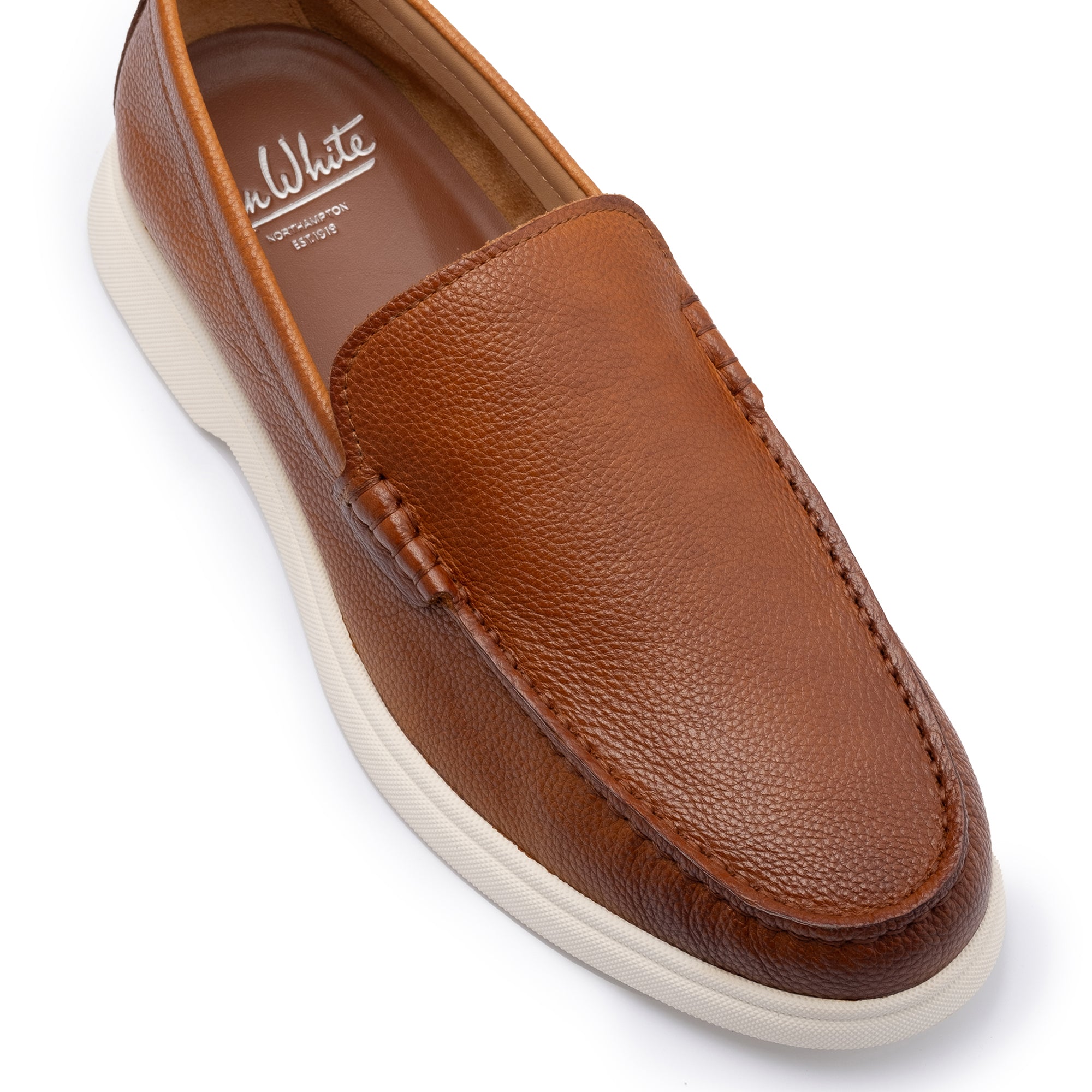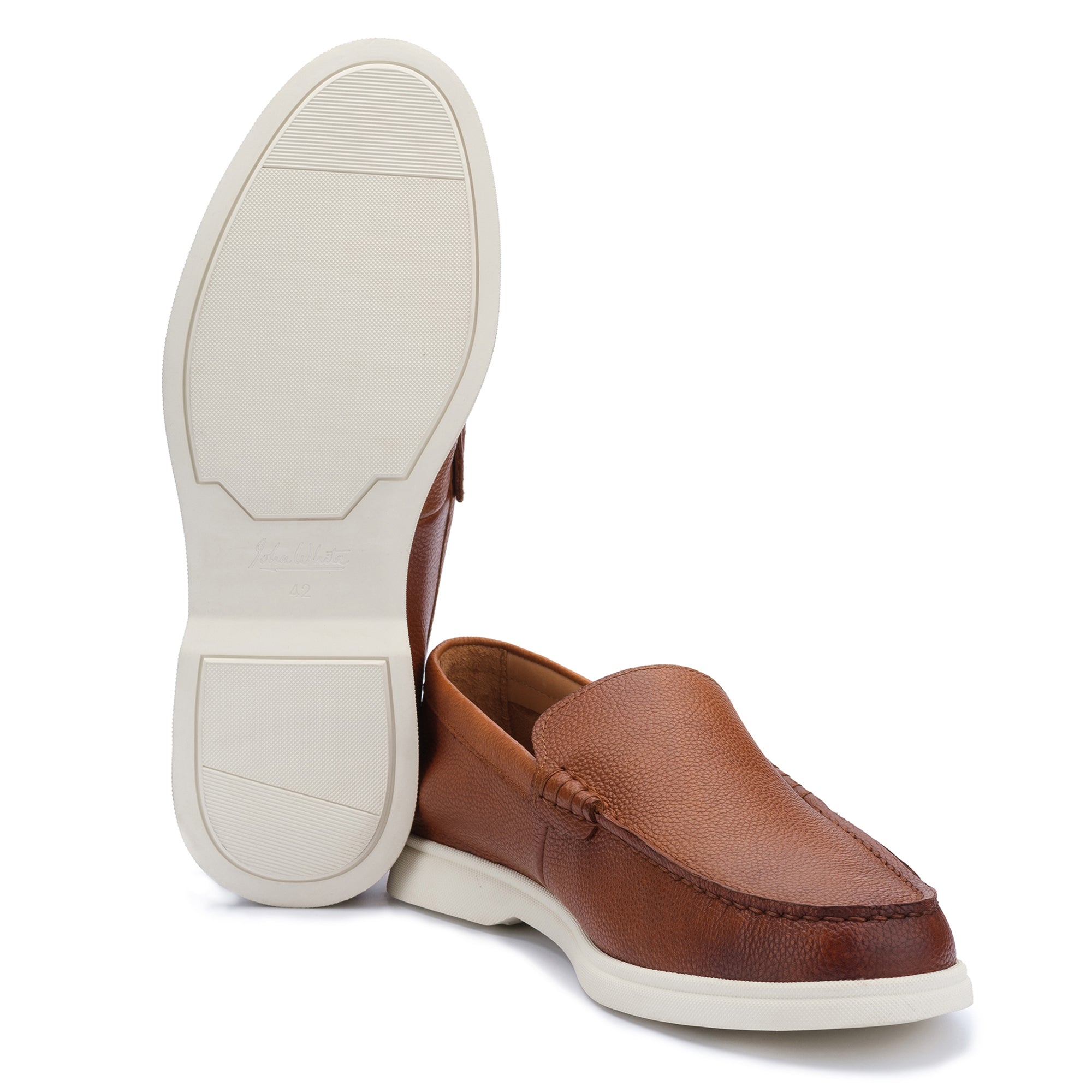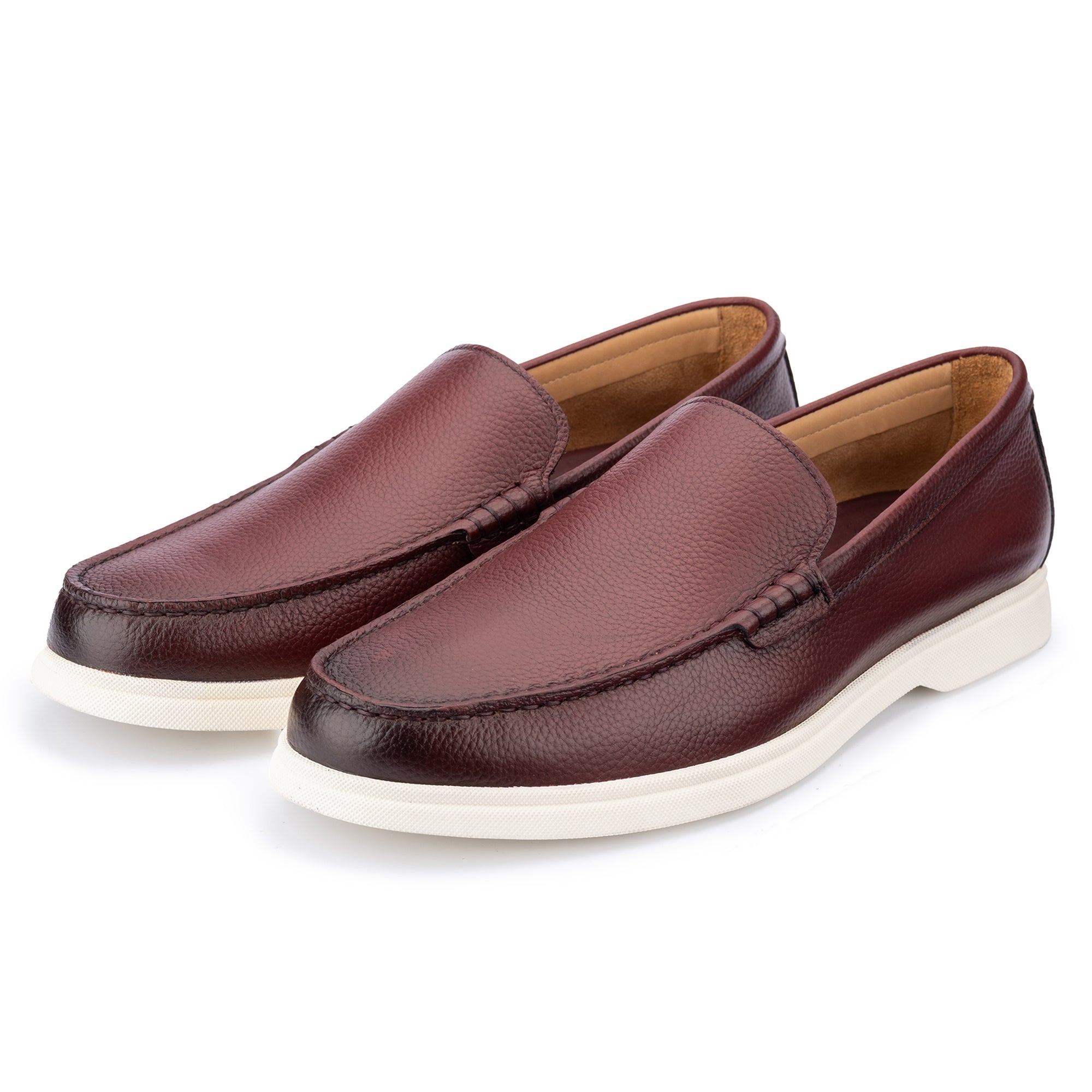

The Interior Standard: Why a Full Leather Lining Is a Non-Negotiable Mark of Quality
A full leather lining is the definitive hallmark of premium footwear, serving as a breathable, durable, and structural interior that manages moisture, moulds to the foot for a custom fit, and significantly extends the shoe's lifespan. Unlike fabric or synthetic alternatives, it represents a commitment to quality that prioritises long-term comfort and integrity over superficial appearance.
In This Guide
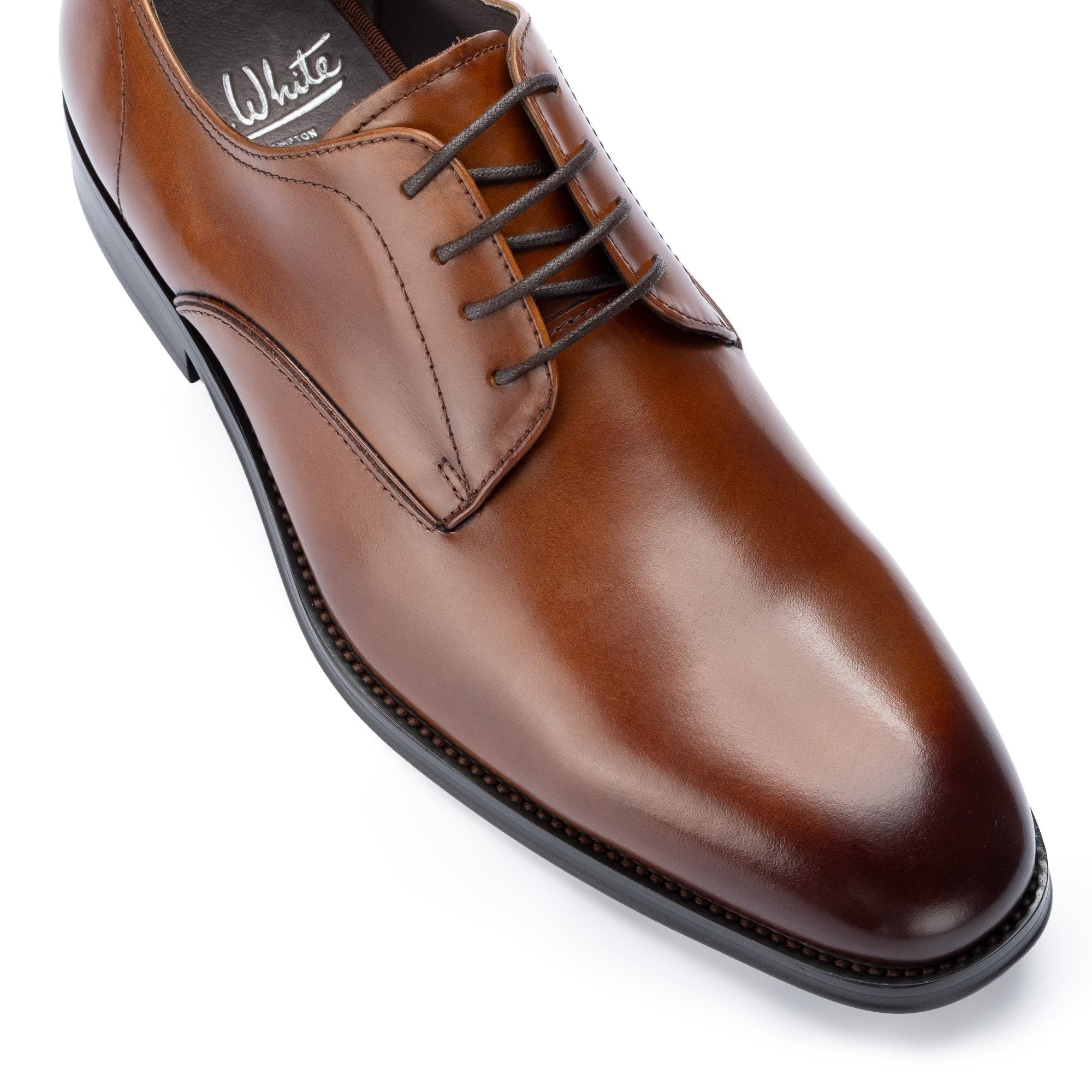
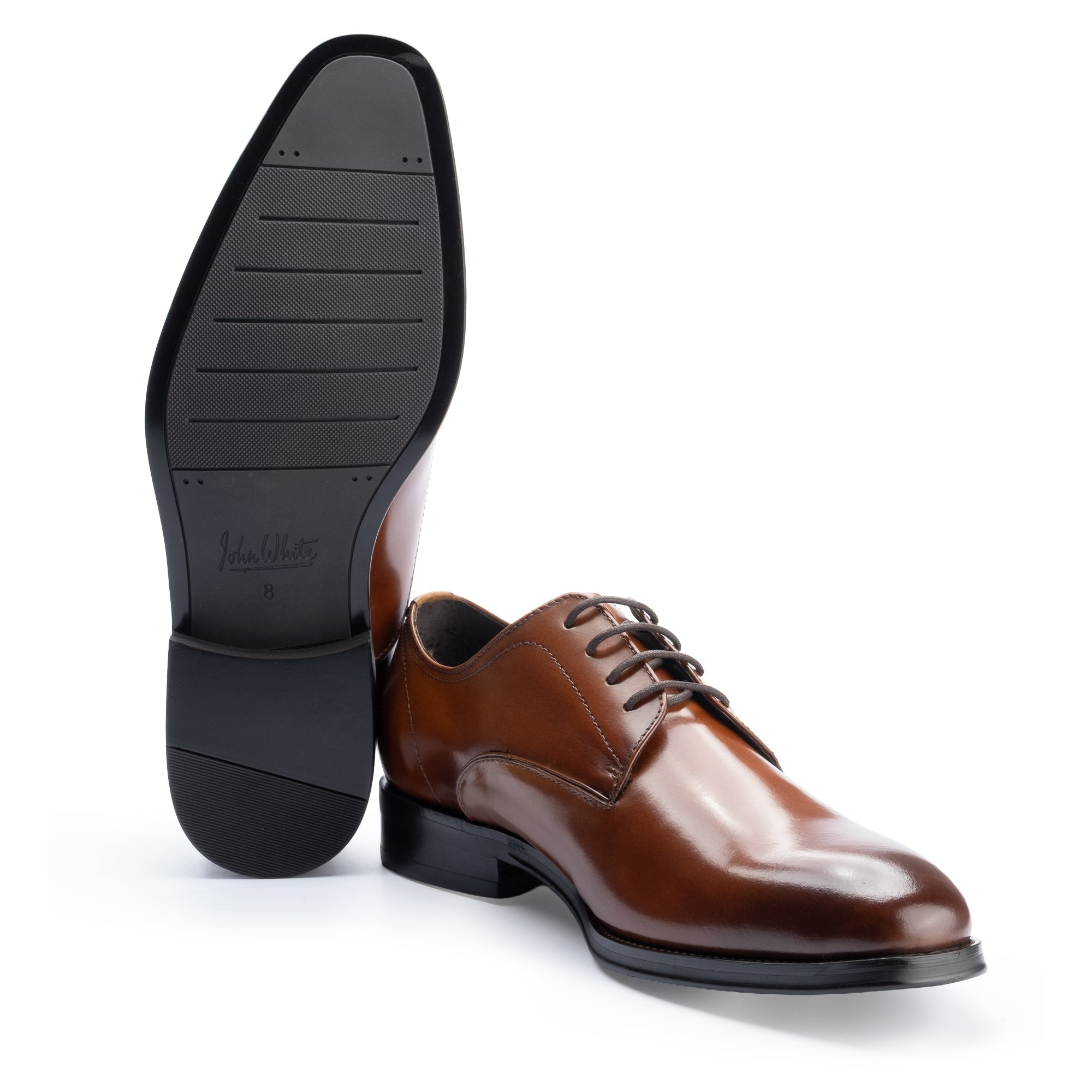
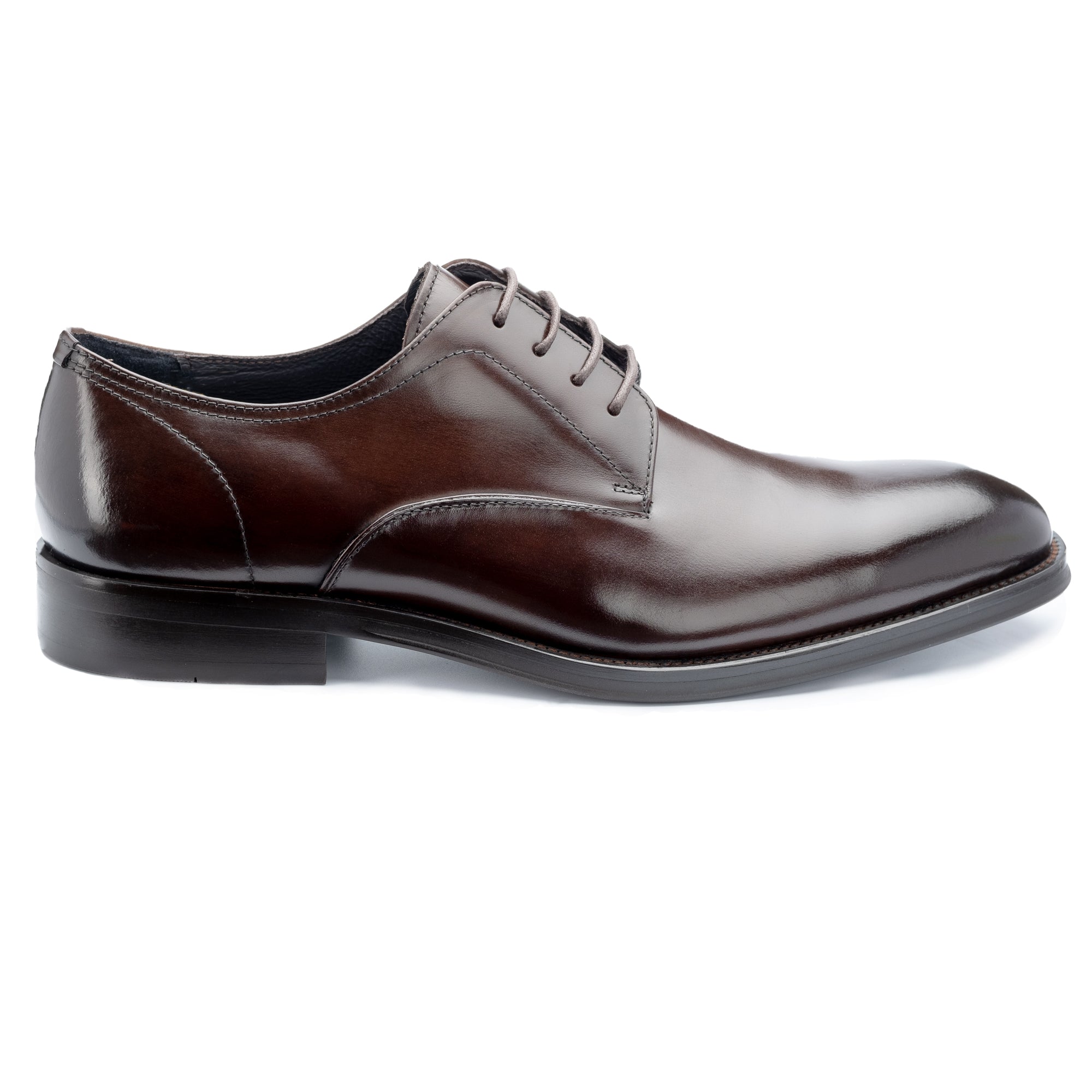
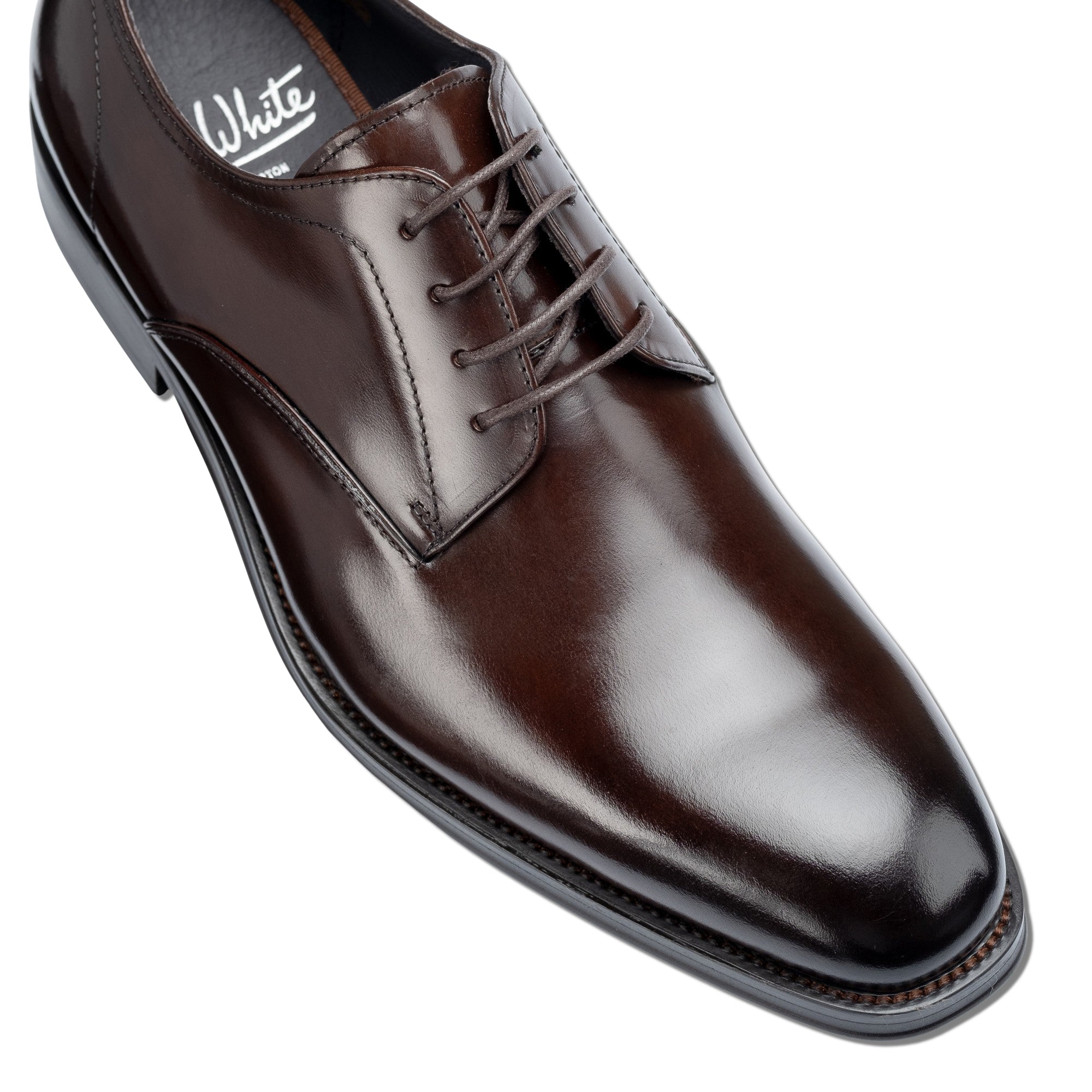
When assessing a pair of men's shoes, the eye is naturally drawn to the polished exterior—the burnishing on the toe, the quality of the stitching, the silhouette of the last. Yet, the true measure of craftsmanship lies within. What lines the shoe is not a minor detail; it is the foundation of its comfort, durability, and value. A full leather lining is the interior standard, a non-negotiable feature that separates truly premium footwear from the rest.
It's an investment in the entire wearing experience. While the upper leather presents the shoe to the world, the lining is what serves you, the wearer, day in and day out. Understanding its importance is key to building a collection of shoes that endure.
What Exactly Is a Full Leather Lining?
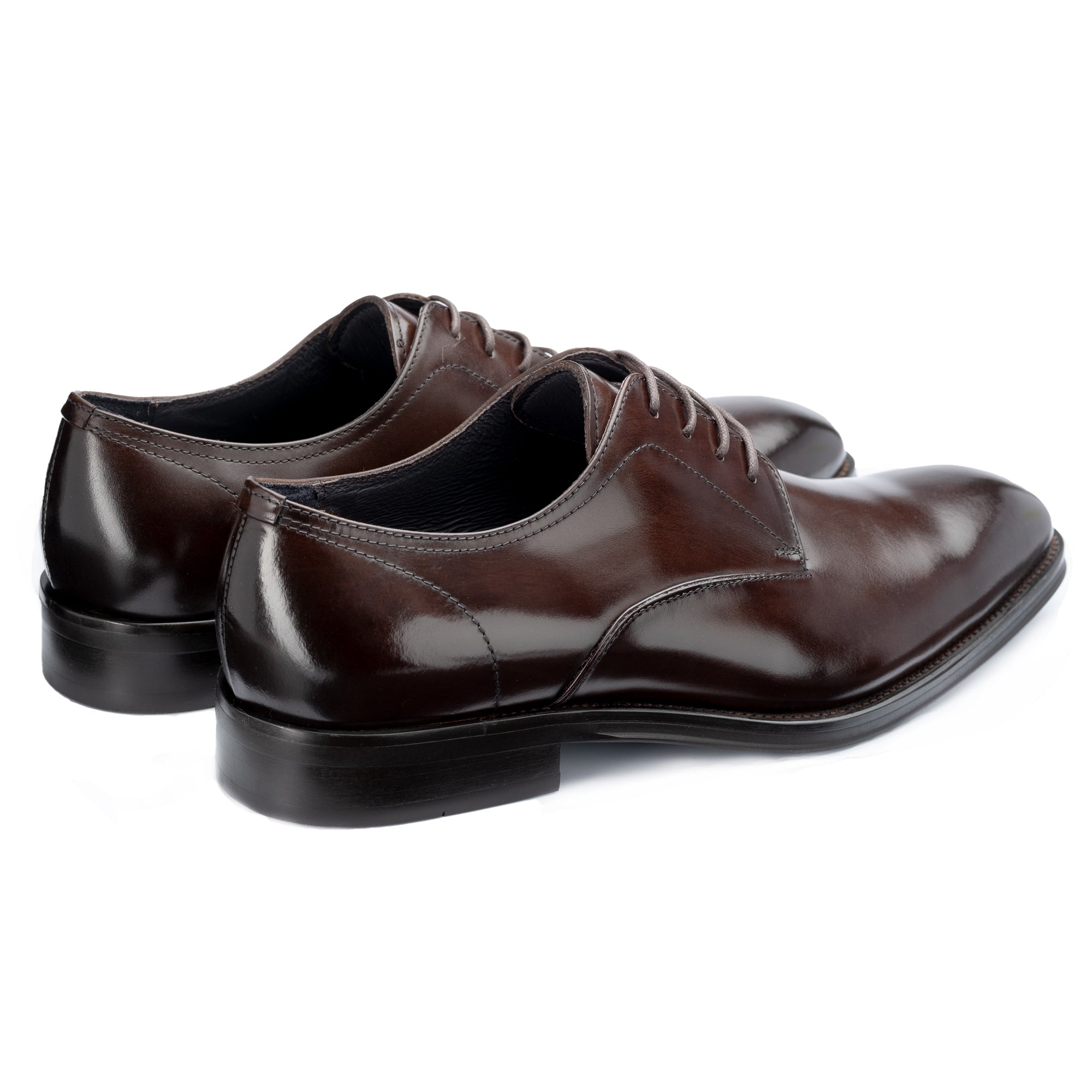
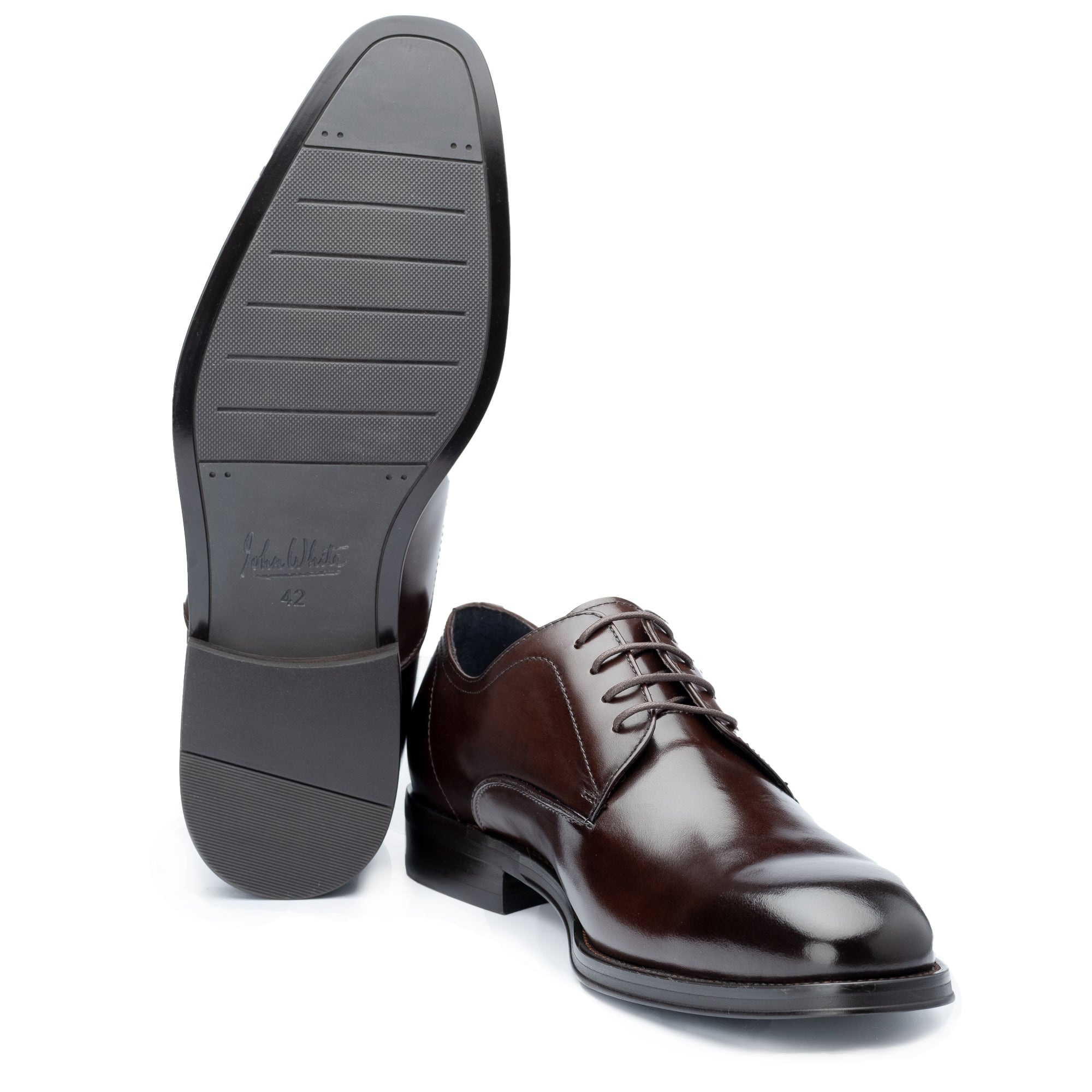
A full leather lining is an interior construction where the entire inside of the shoe that comes into contact with your foot—the vamp (top), the quarters (sides), and the heel counter—is lined with a secondary layer of high-quality leather. This creates a complete leather 'glove' for the foot.
This stands in contrast to other common methods:
- Partial Lining: Only certain sections, typically the heel and quarter, are lined with leather, while the forefoot is lined with canvas or another textile.
- Synthetic Lining: The interior is lined with man-made materials, which lack the essential properties of genuine leather.
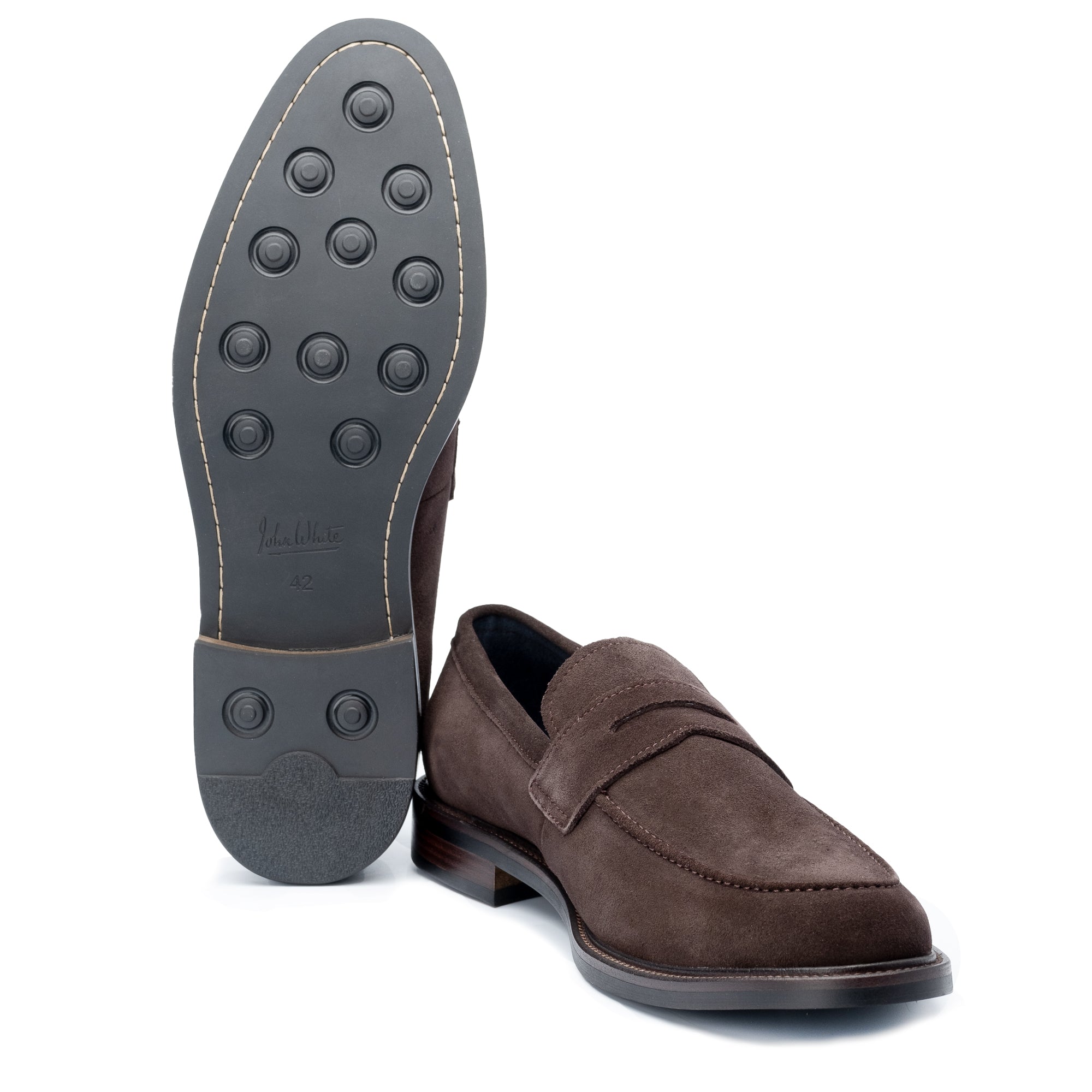
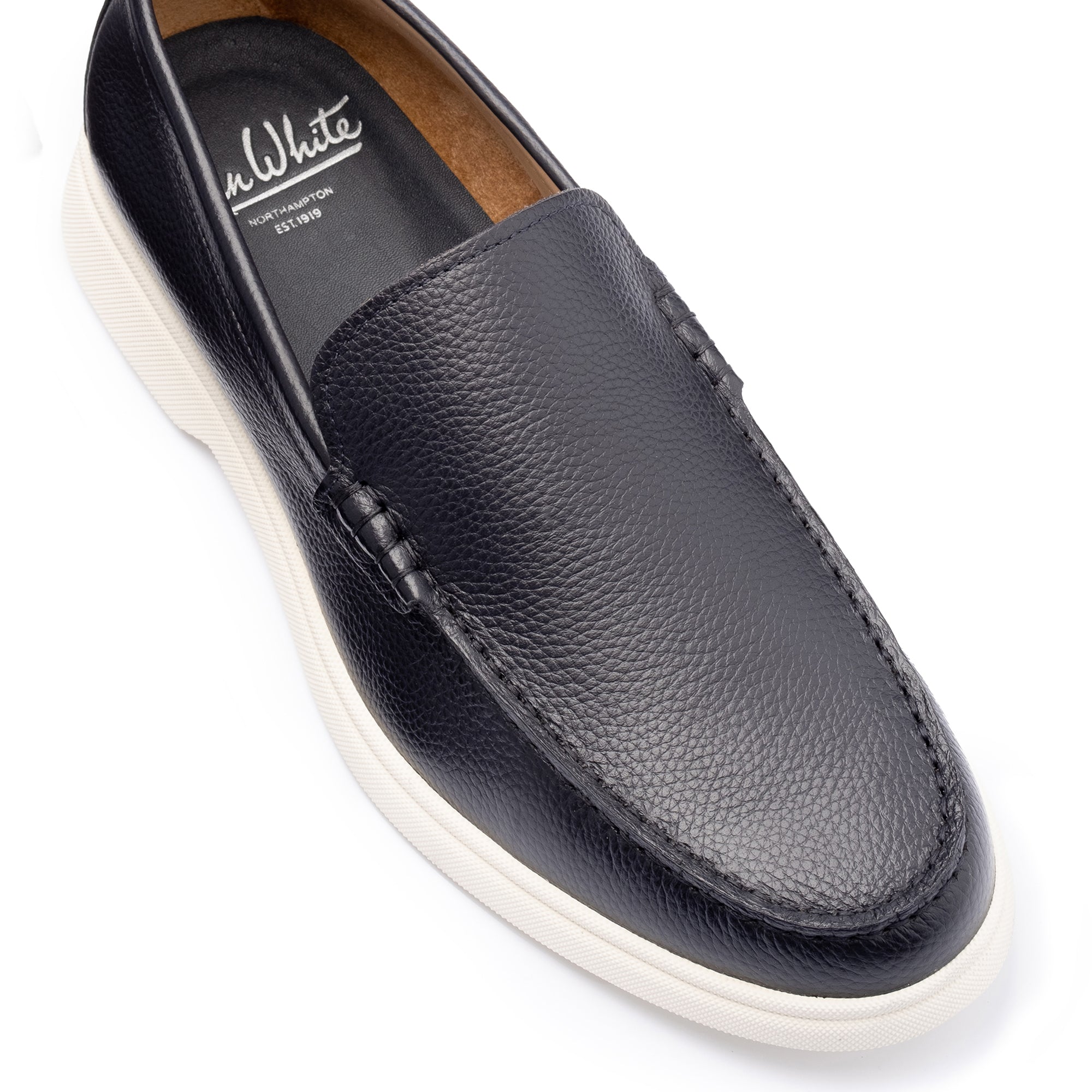
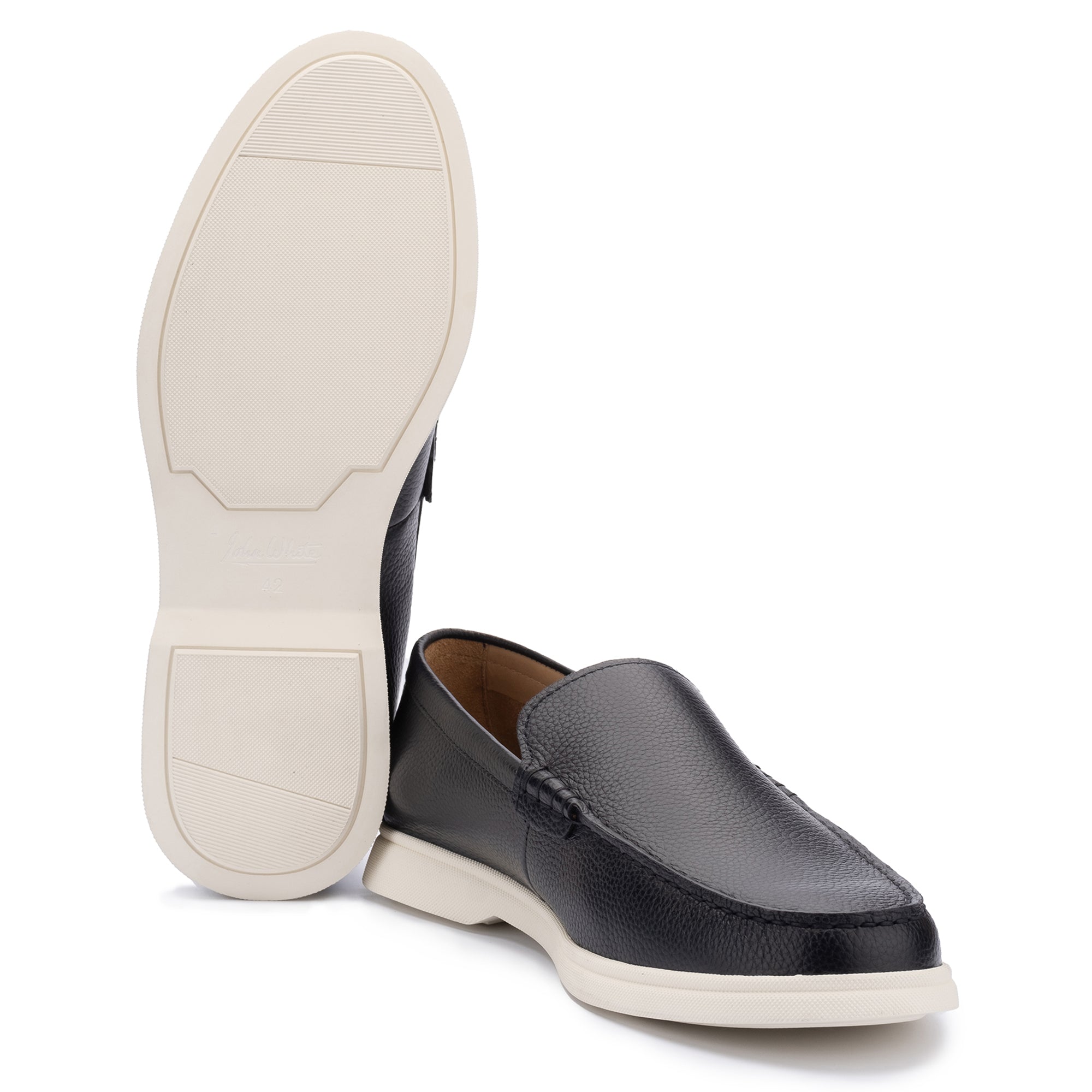
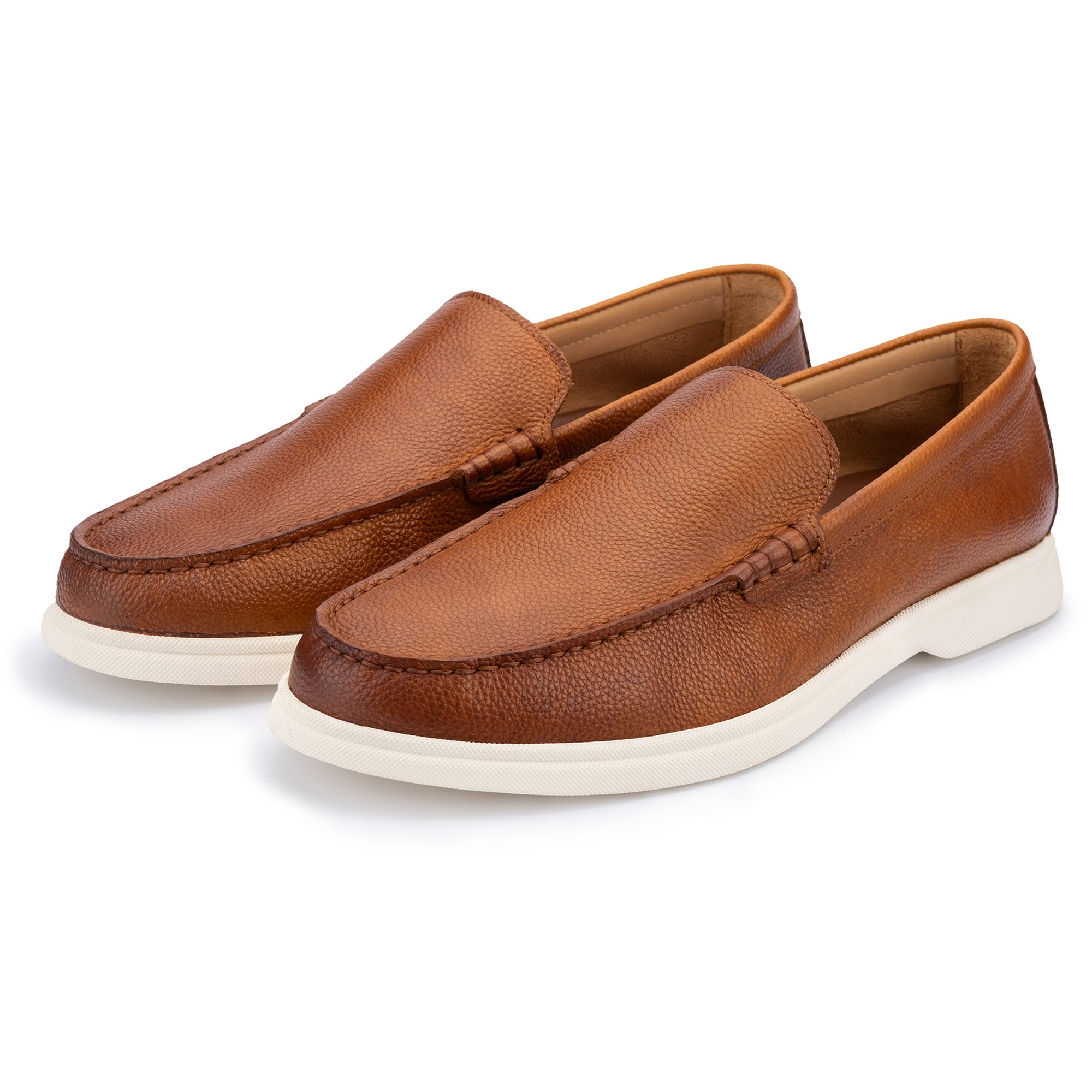
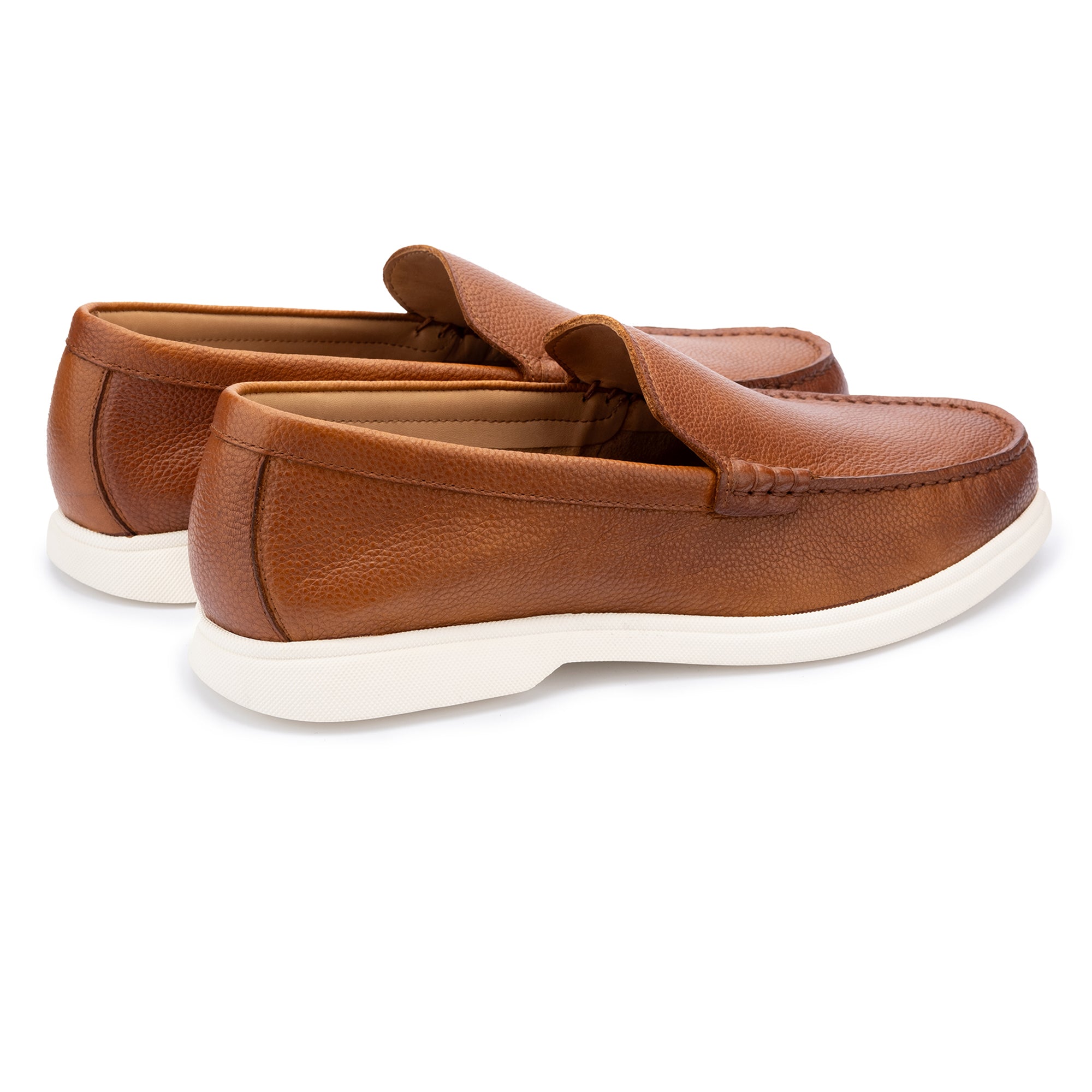
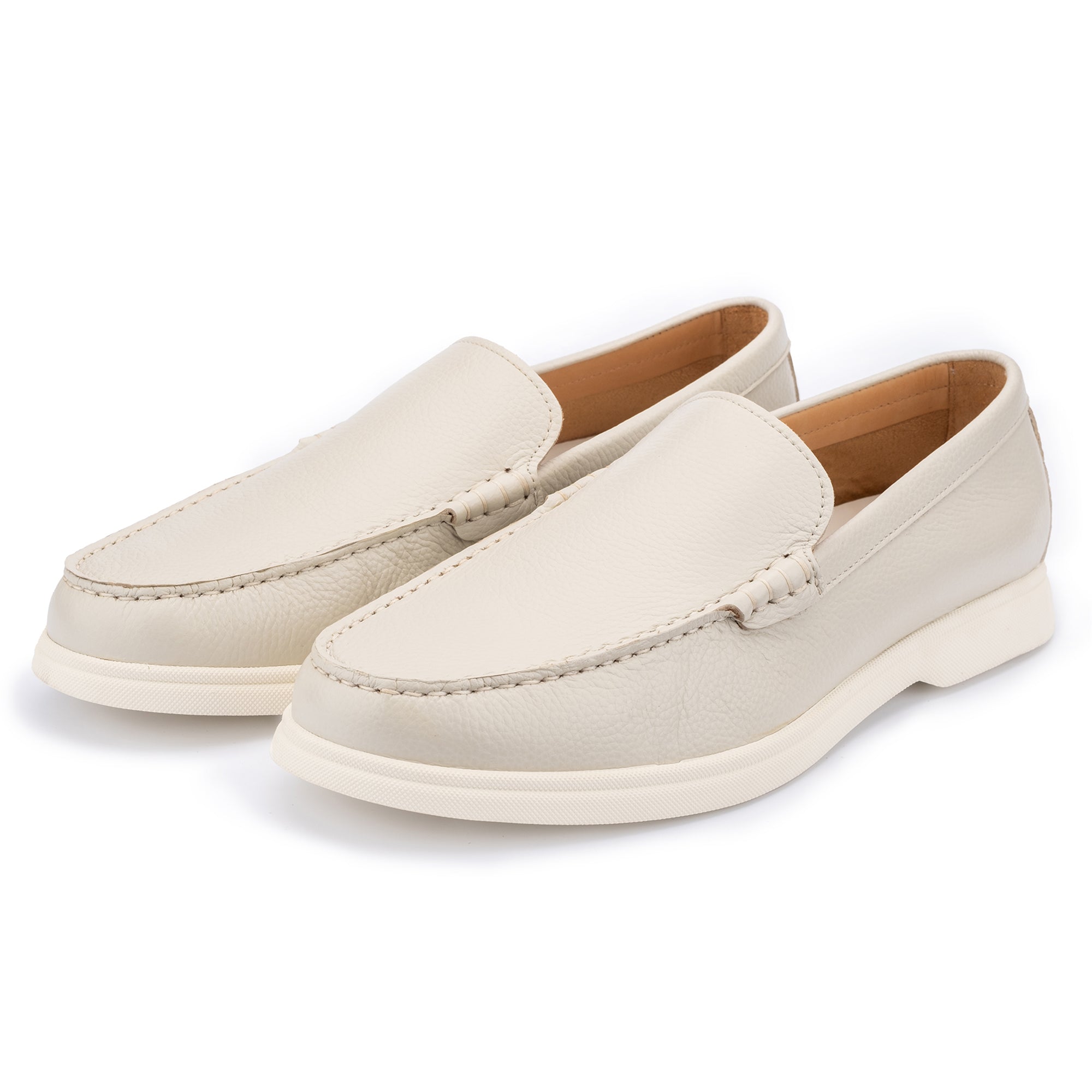
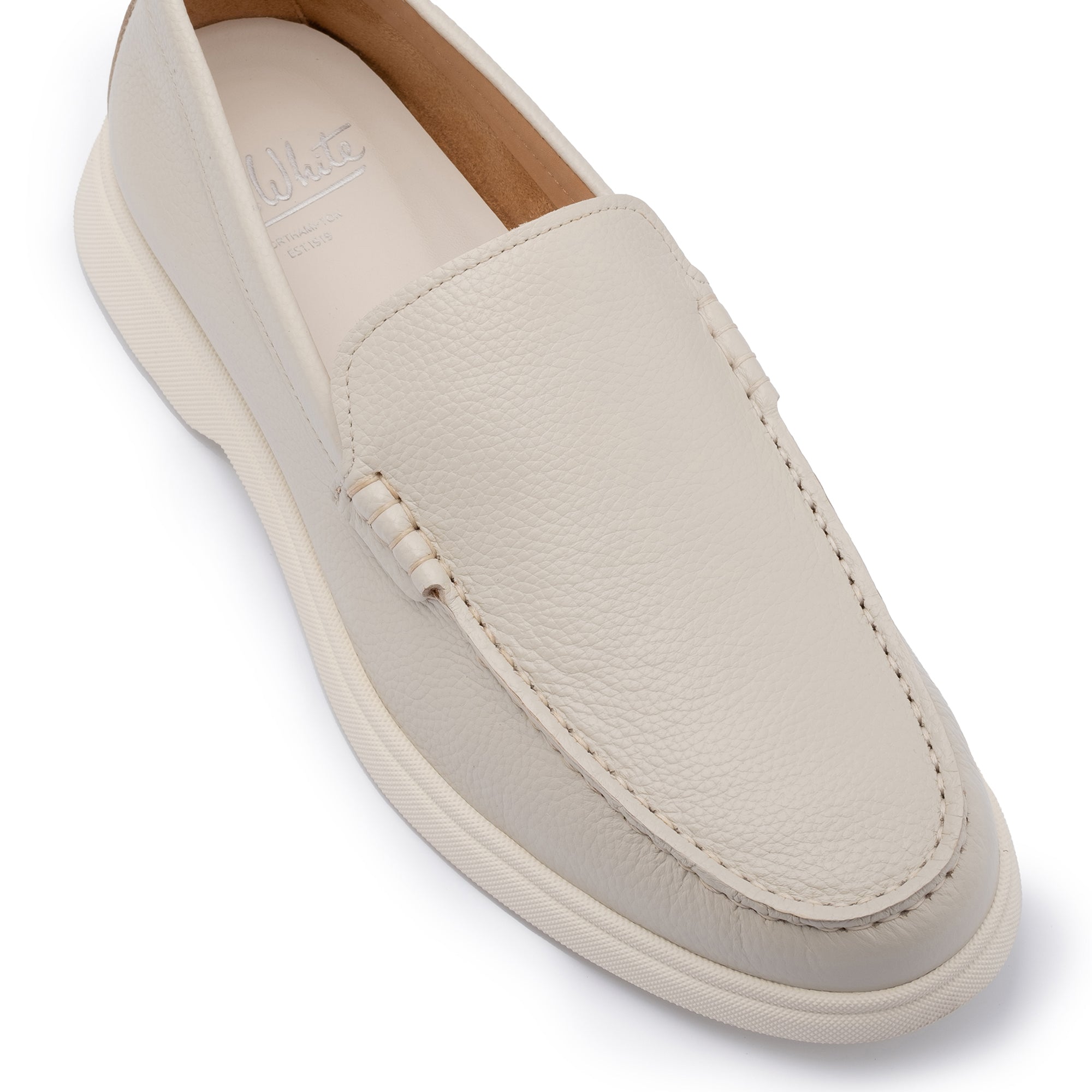
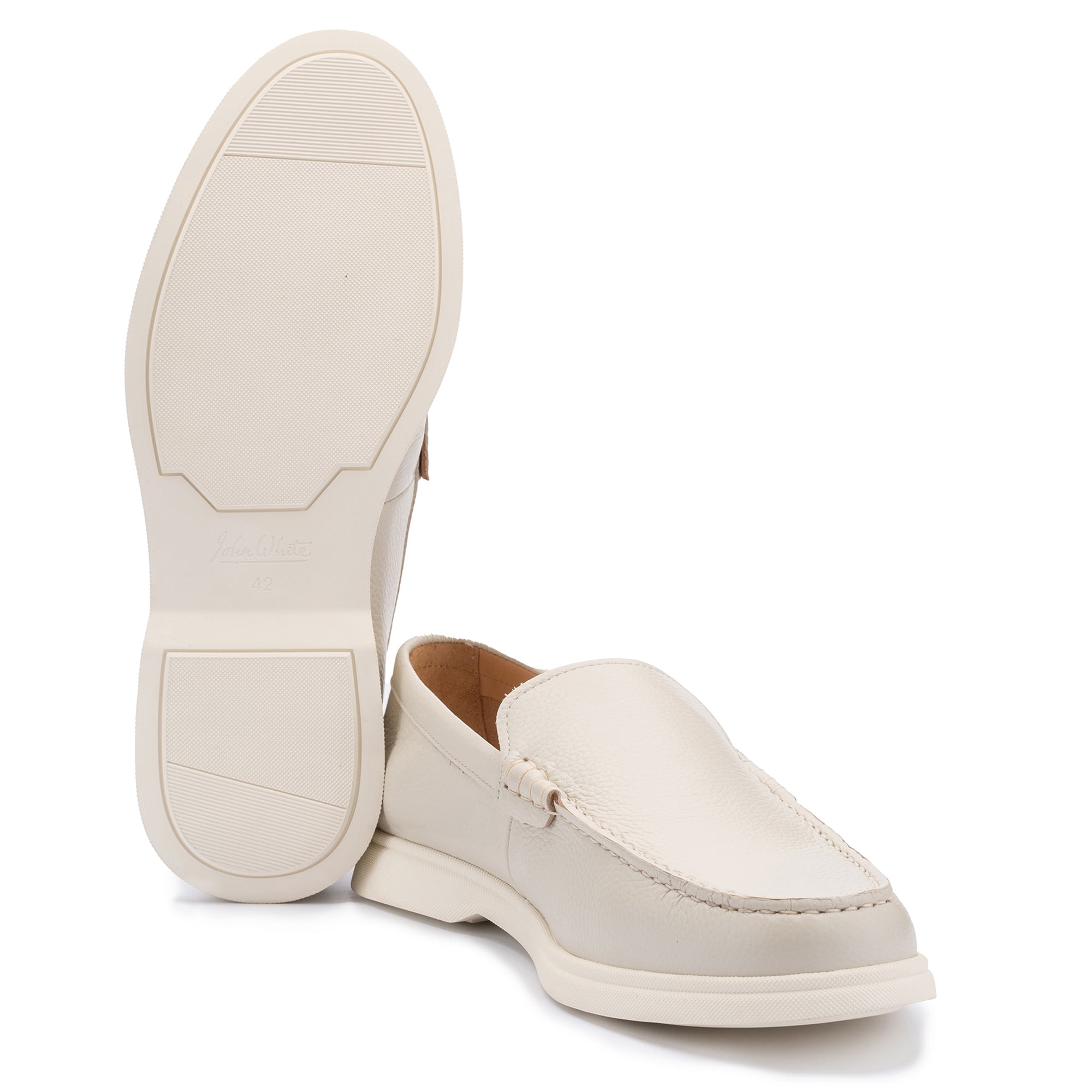
- Unlined: Often found in casual summer styles like loafers, where the reverse side of the upper leather serves as the interior.
While each has its place, only a full leather lining provides the comprehensive benefits expected of premium, year-round footwear. It is a deliberate design choice that signals a focus on quality from the inside out.
Why Does a Full Leather Lining Matter for Comfort and Fit?
The primary benefit of a full leather lining is its exceptional breathability. Leather is a natural, porous material that allows air to circulate and moisture to escape. According to the College of Podiatry, the average foot can perspire up to half a pint of moisture each day. A leather lining helps to manage this by wicking it away from the skin, keeping your feet drier and more comfortable.
Synthetics, by contrast, are non-porous. They trap heat and moisture, creating a damp environment that can lead to discomfort and odour. This is the fundamental difference: natural materials work with your body, while synthetics work against it.
Furthermore, a leather lining conforms to the unique shape of your foot over time. This moulding process creates a personalised, almost bespoke fit that cannot be replicated by rigid, unchanging synthetic materials. The result is a shoe that becomes more comfortable with every wear, as we detail in our guide to how to break in new leather shoes properly.
A quality leather lining directly translates to superior all-day comfort and a fit that becomes uniquely your own.
How Does a Leather Lining Enhance a Shoe's Durability?
A full leather lining is as much about structural integrity as it is about comfort. It provides a robust internal framework that supports the outer upper, helping the shoe retain its carefully designed shape over years of wear. It prevents the primary leather from stretching excessively and losing its form.
Moreover, the lining acts as a protective barrier. It absorbs the perspiration and natural oils from your feet, preventing them from degrading the more delicate upper leather from the inside. As noted by the Society of Master Shoe Repairers, a quality leather lining is crucial for protecting the upper and maintaining the shoe's structure, which is essential for longevity.
A well-lined shoe is a shoe designed to last. It’s a core component discussed in The Anatomy of a Quality Shoe, reinforcing that unseen elements are vital. This internal strength is what allows a shoe to be worn, enjoyed, and maintained for a decade or more, rather than just a season.
The structural support and protective qualities of a full leather lining are fundamental to a shoe's longevity.
How Can You Identify a Quality Leather Lining?
Discerning a quality leather lining is a straightforward process involving sight, touch, and smell. When you inspect a pair of potential shoes, perform these simple checks:
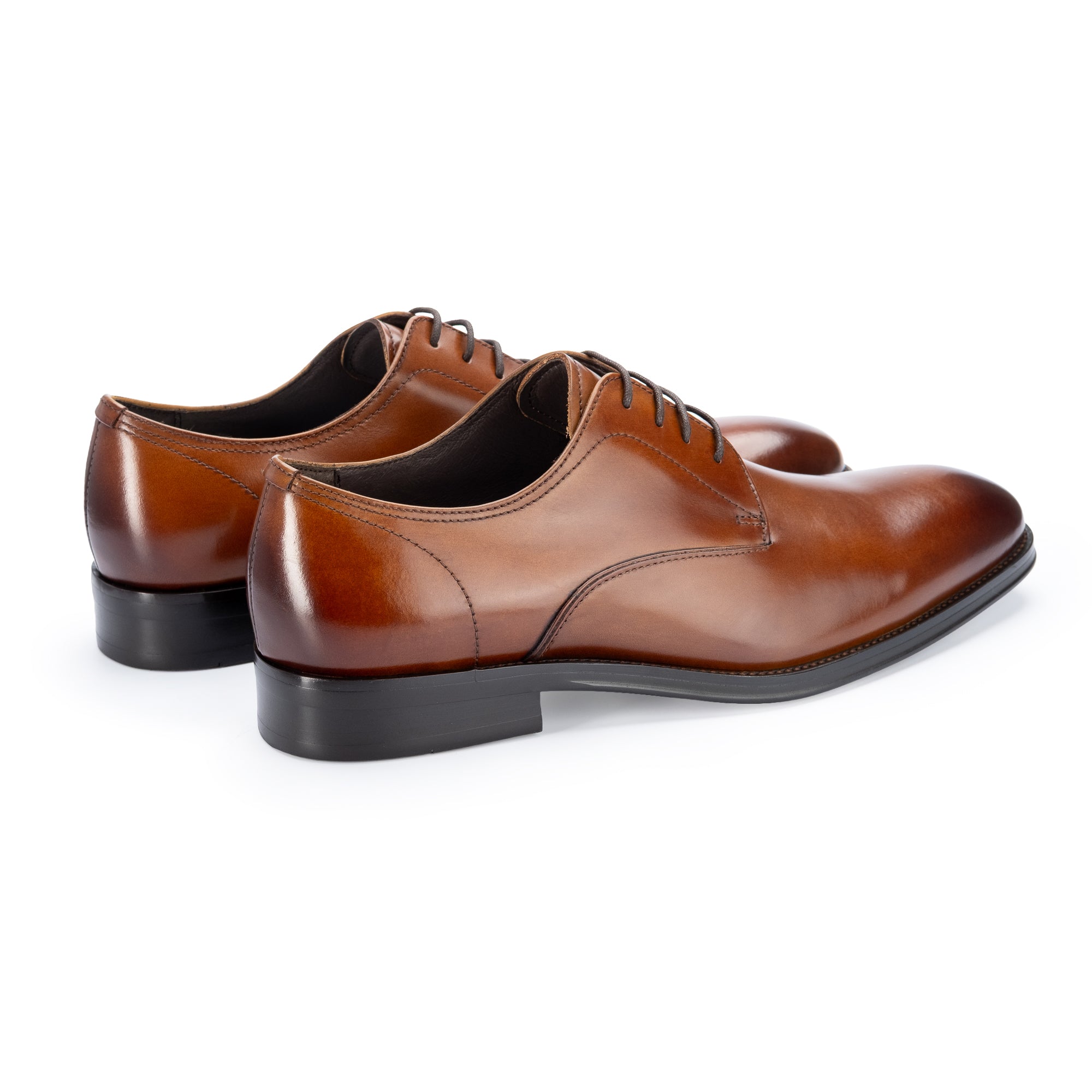
- Look Inside: Peer into the shoe with good light. A quality leather lining will have a visible, natural grain. It should look like leather, not a uniform, plastic-like sheet.
- Feel the Interior: Reach inside and run your fingers along the sides and top. The leather should feel smooth, soft, and supple. Synthetic materials often feel slick, cold, or slightly coarse.
- The Smell Test: A leather-lined shoe will have the rich, earthy aroma of genuine leather. A synthetic lining will either be odourless or have a distinct chemical smell.
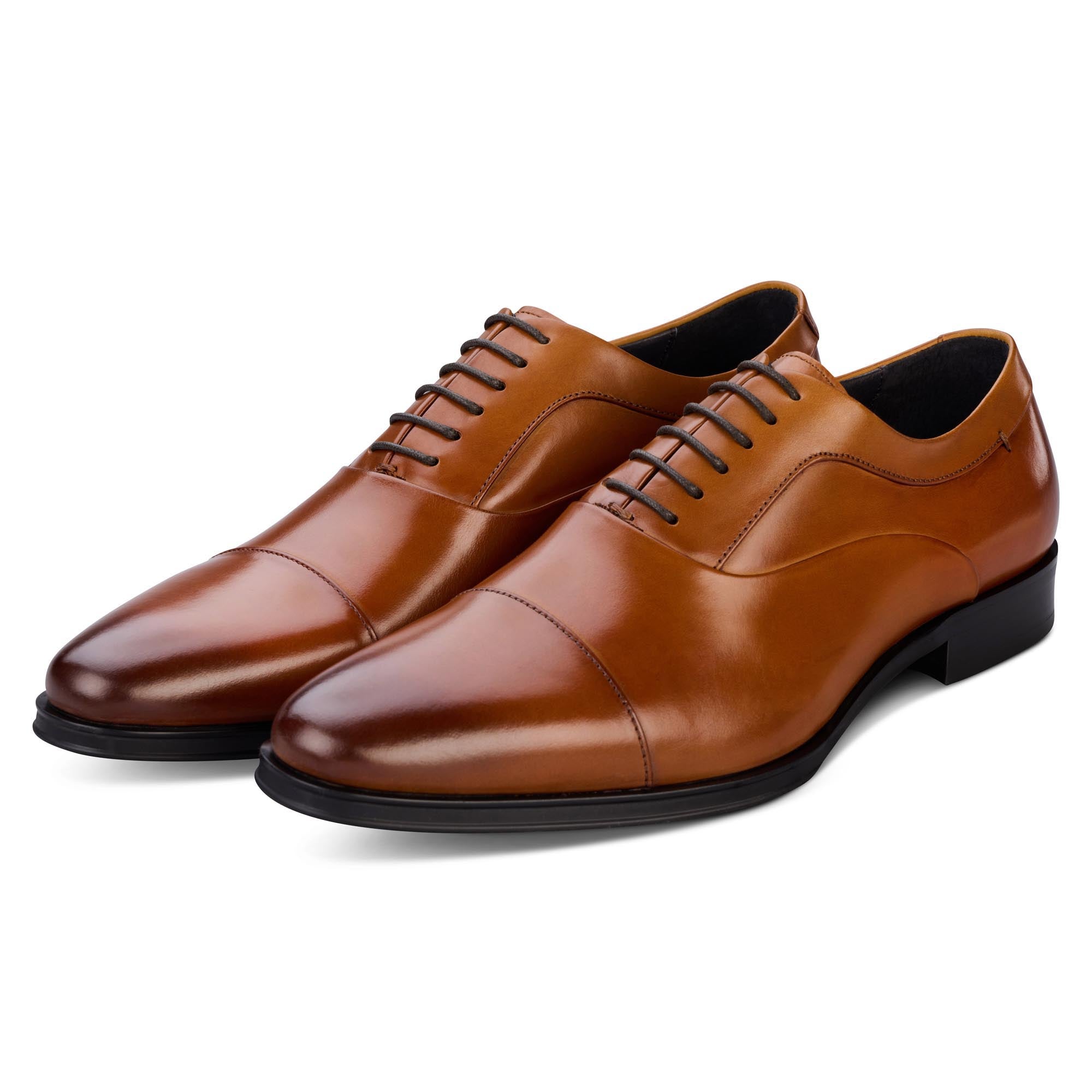
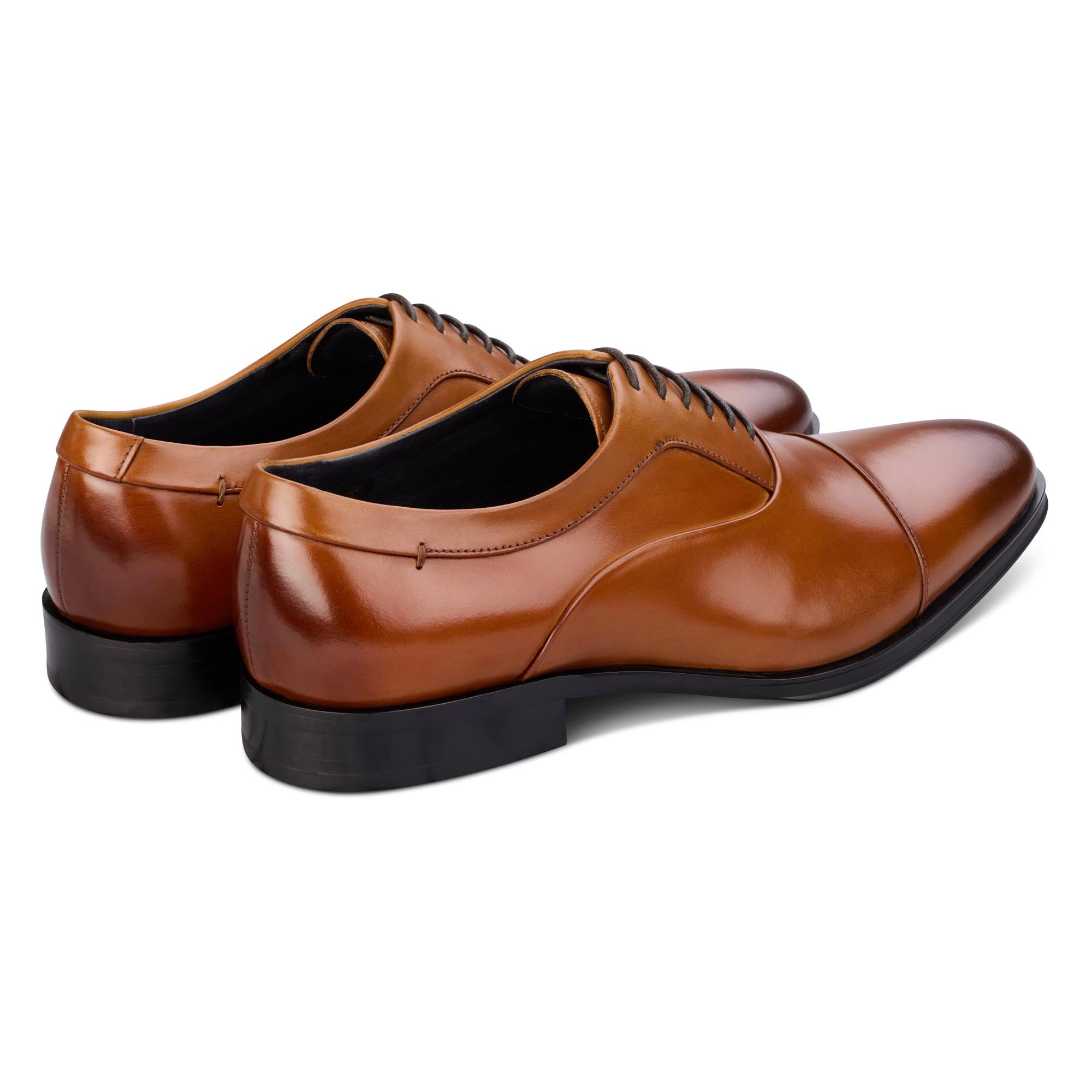
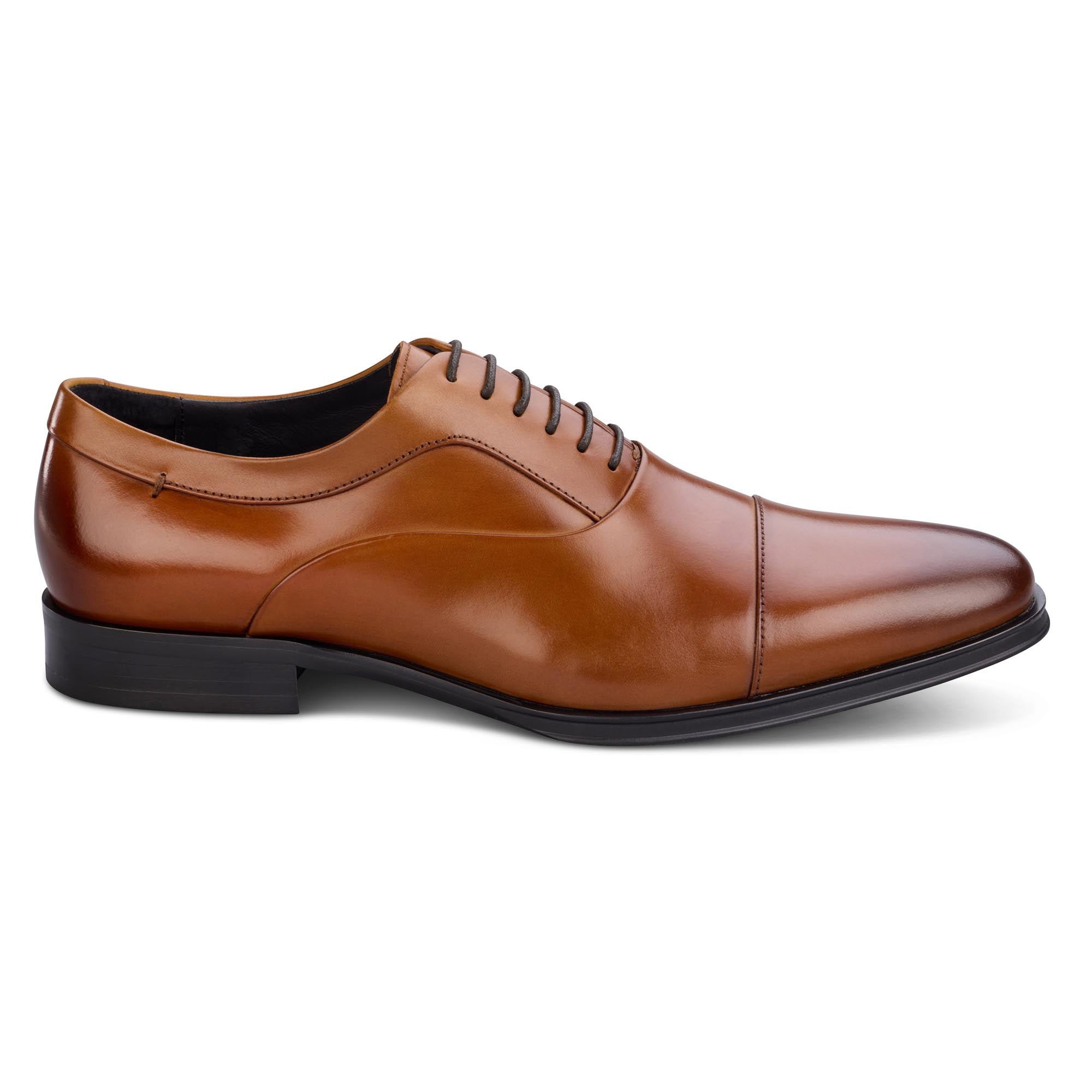
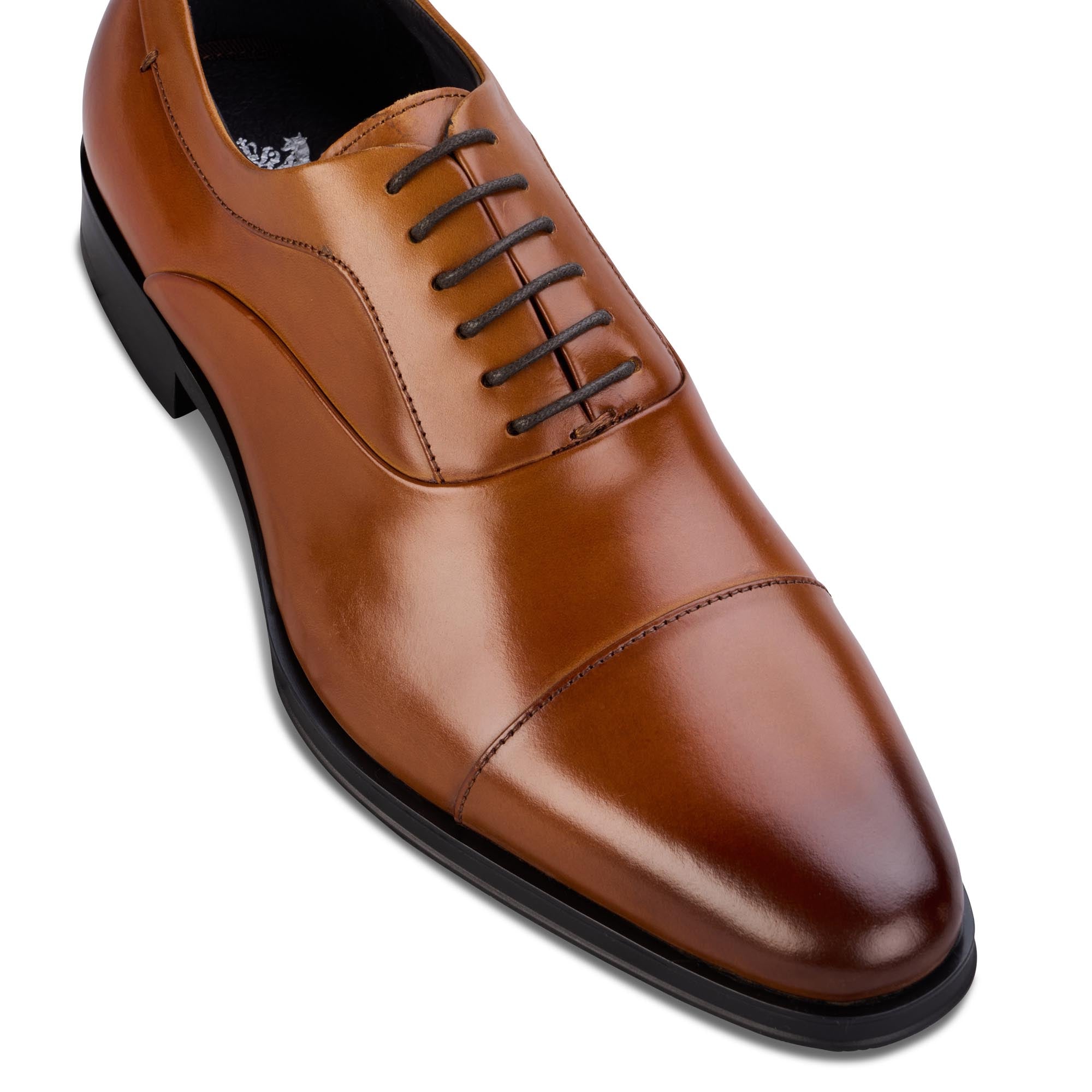
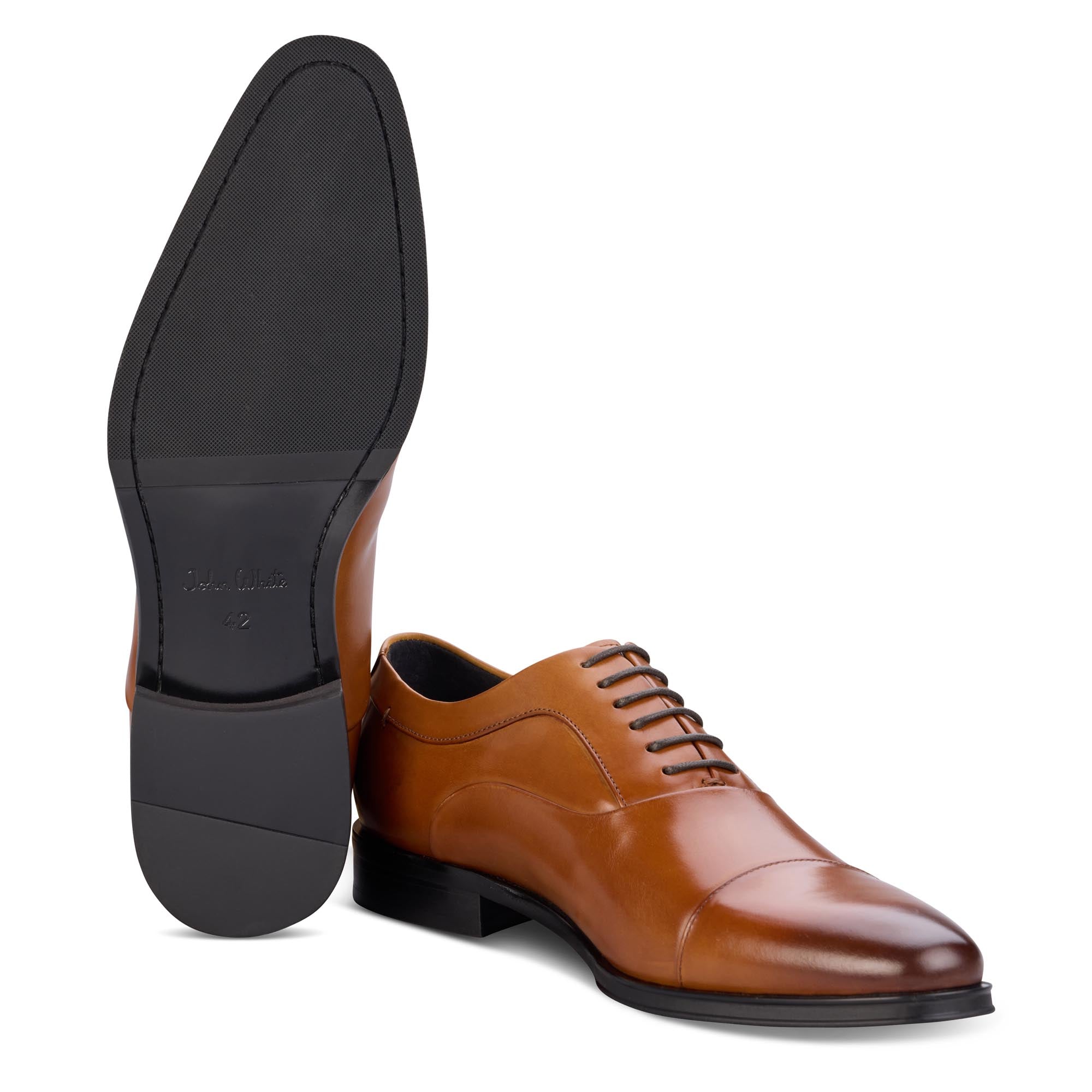
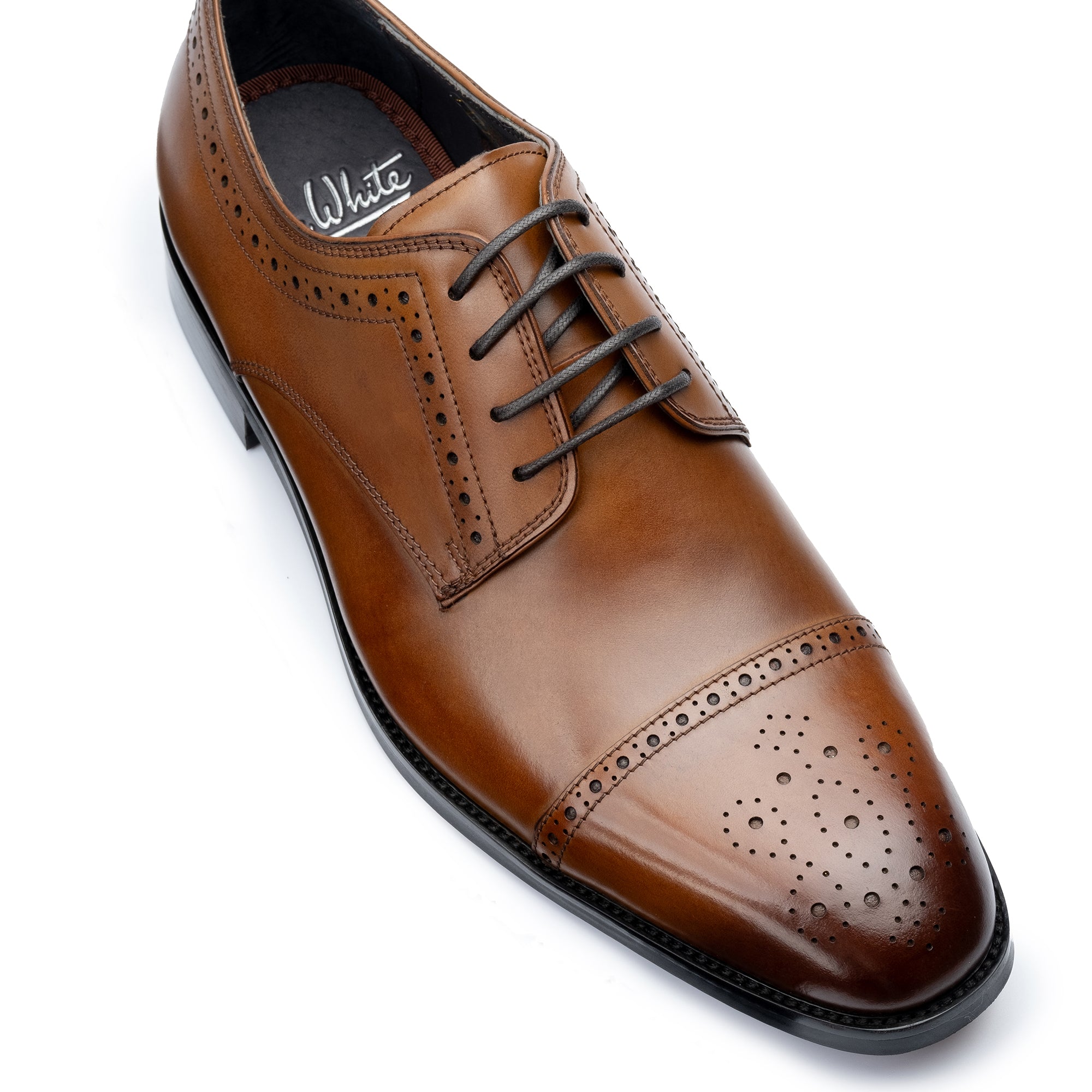
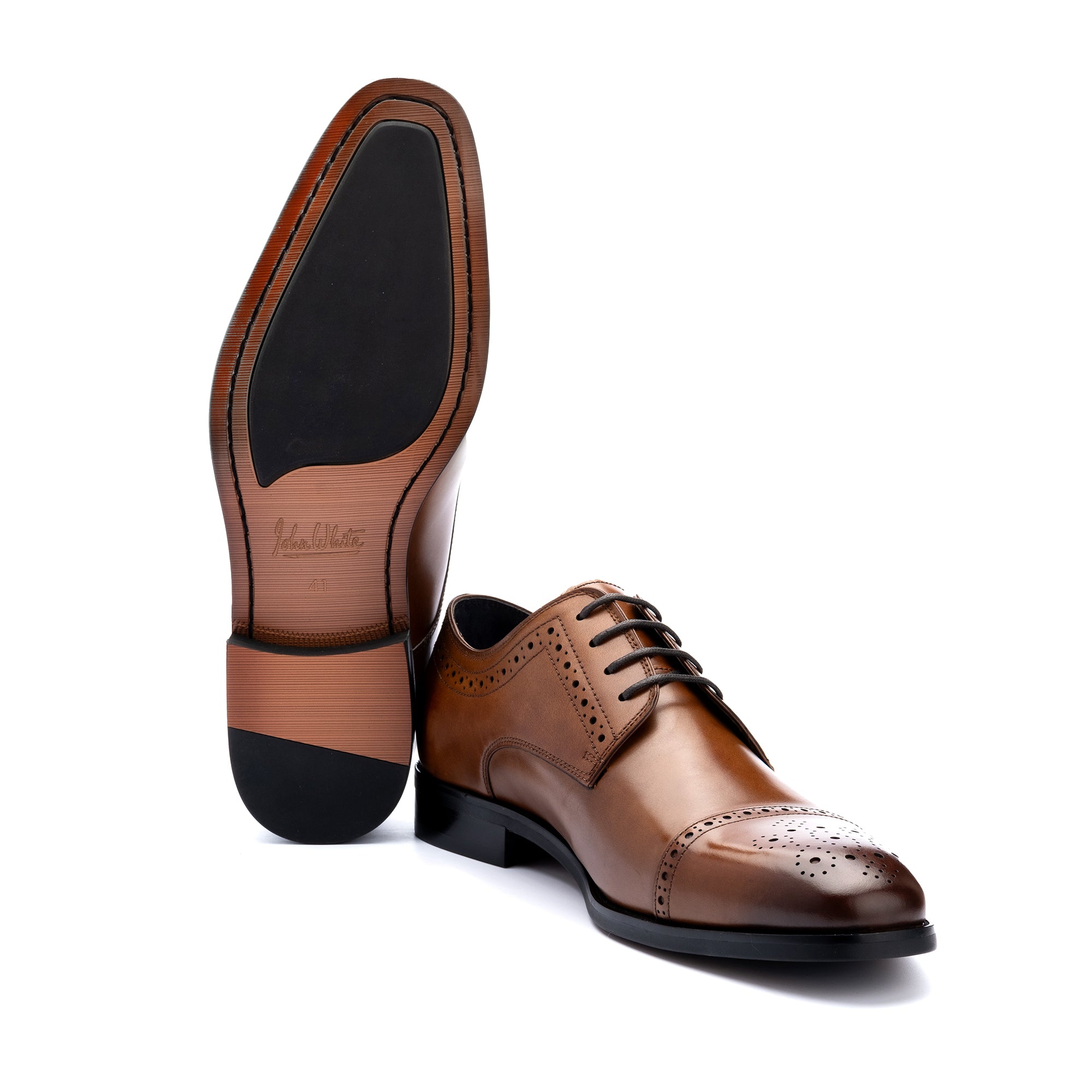
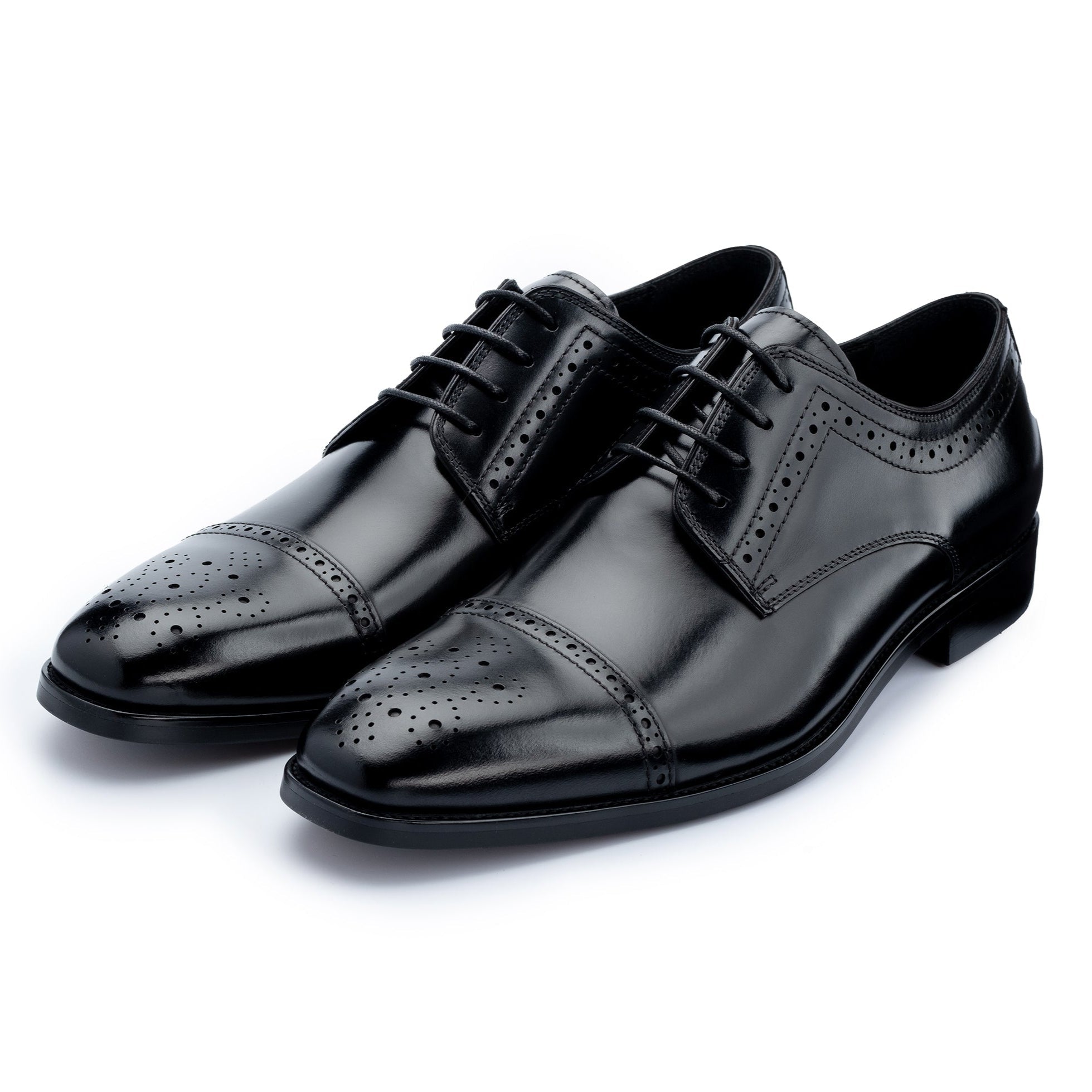
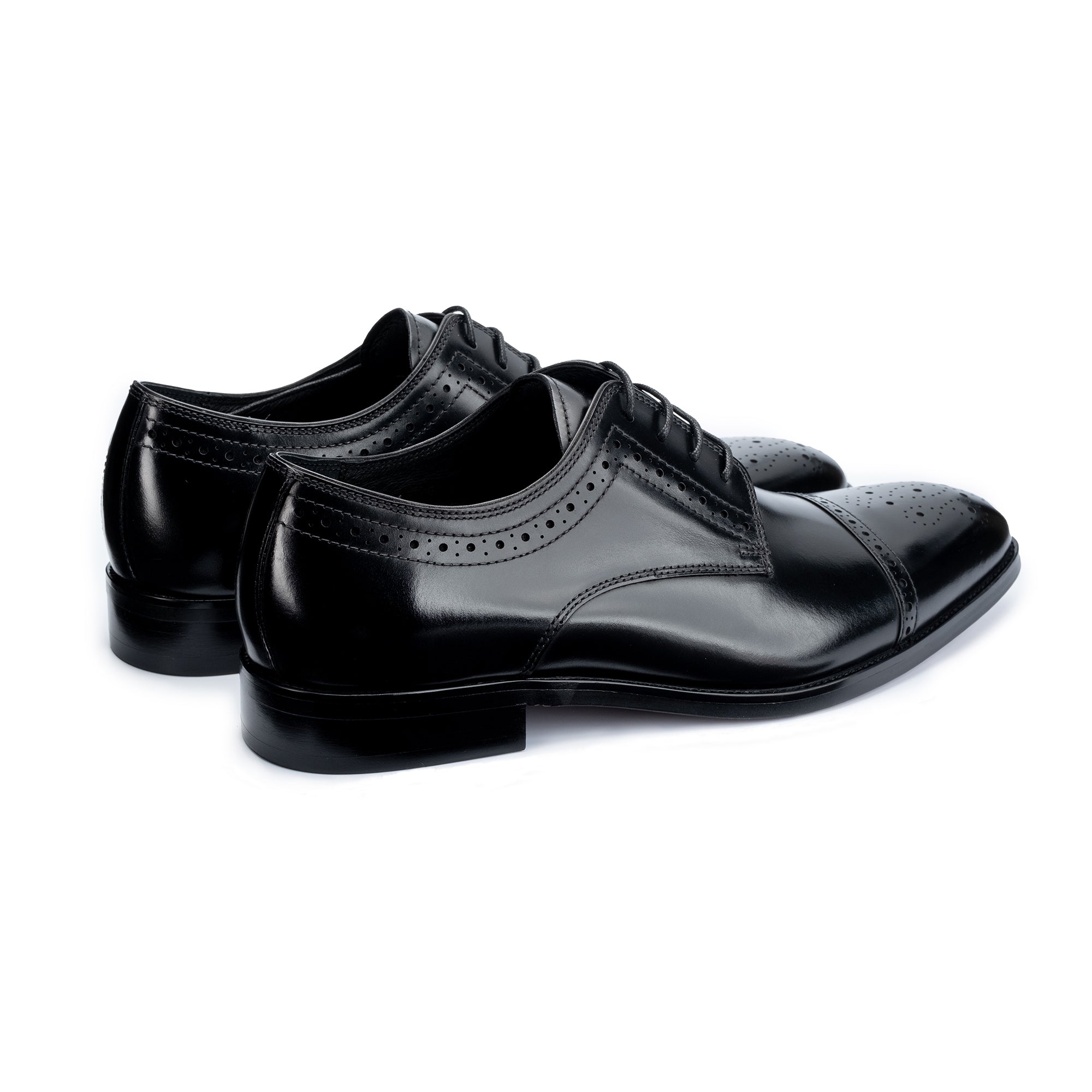
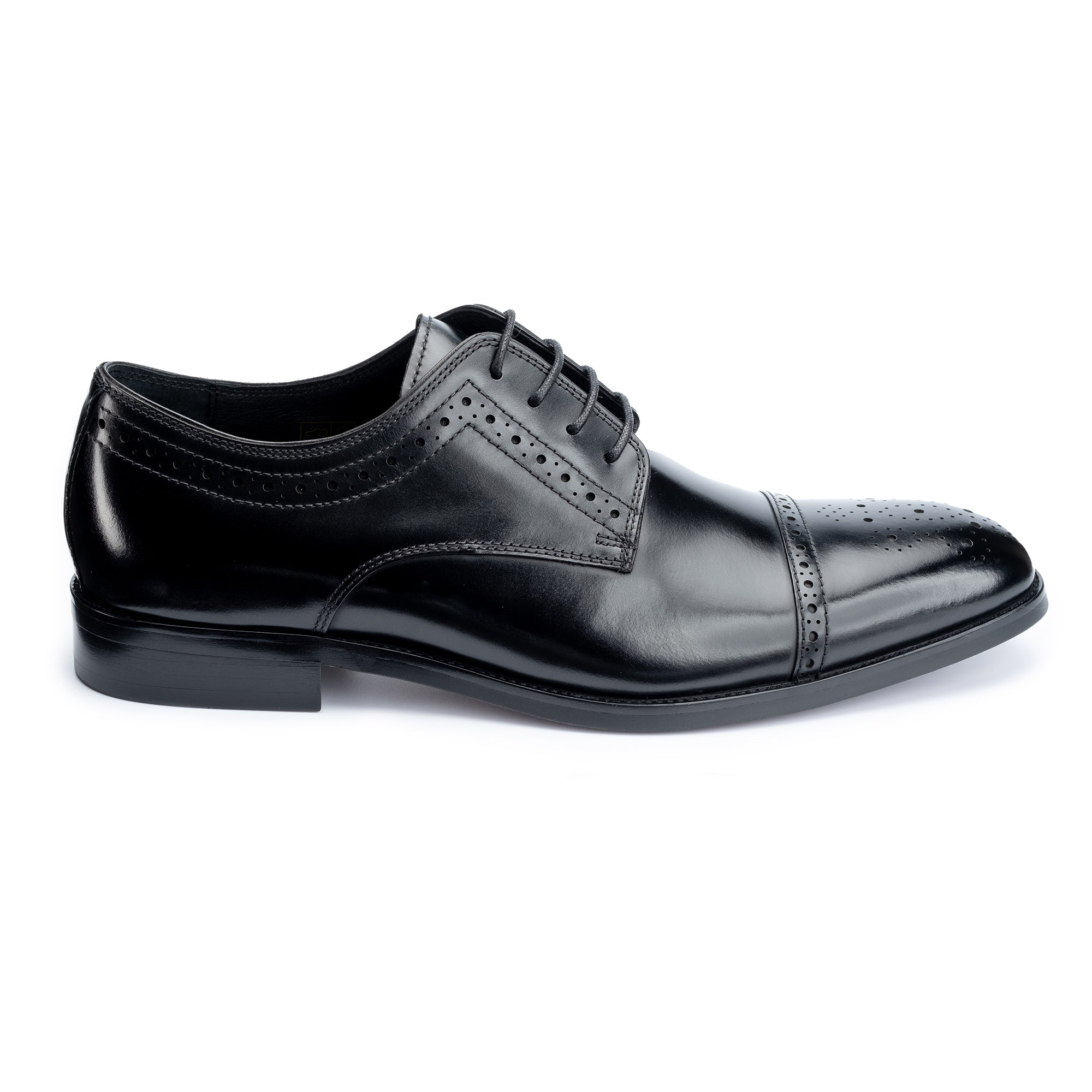
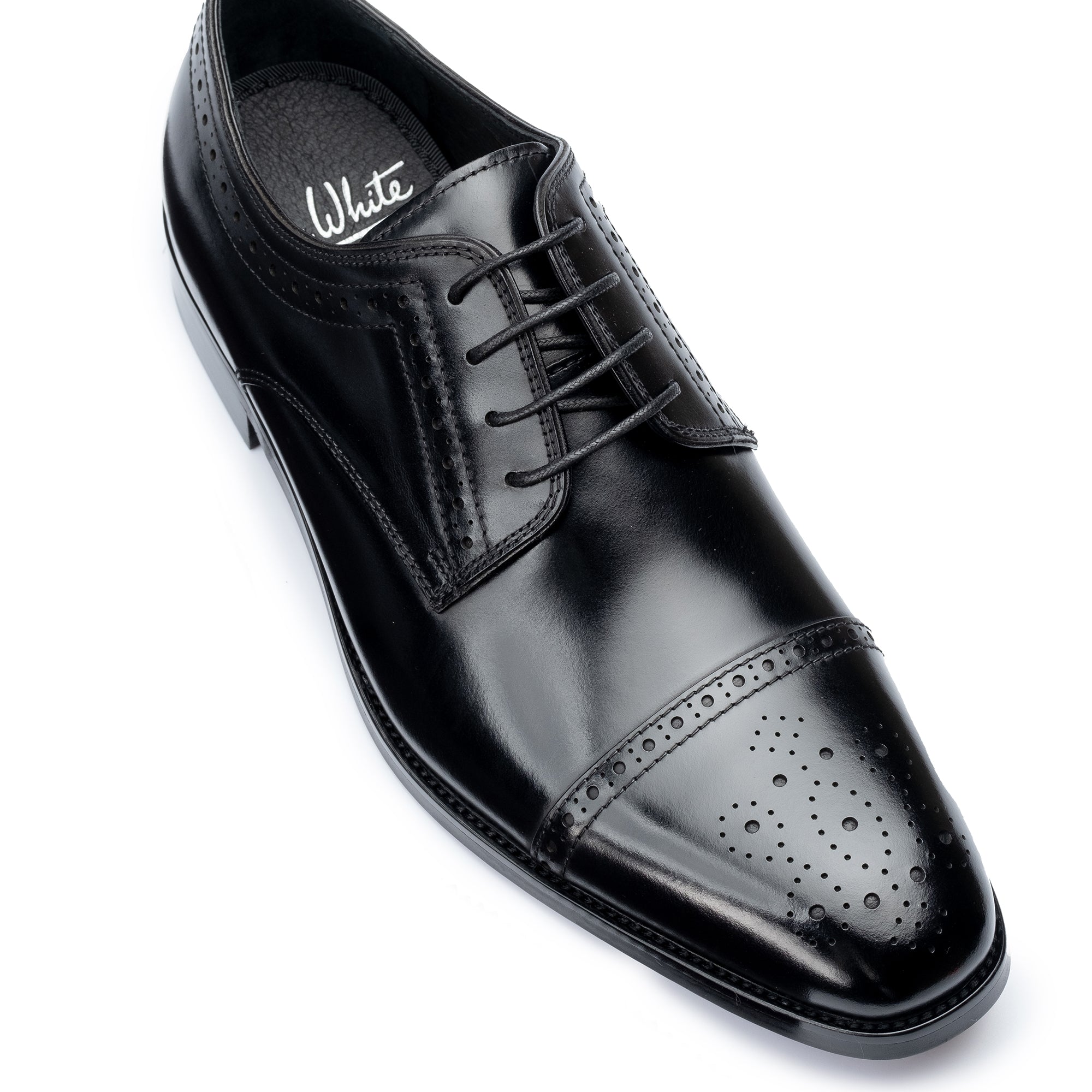
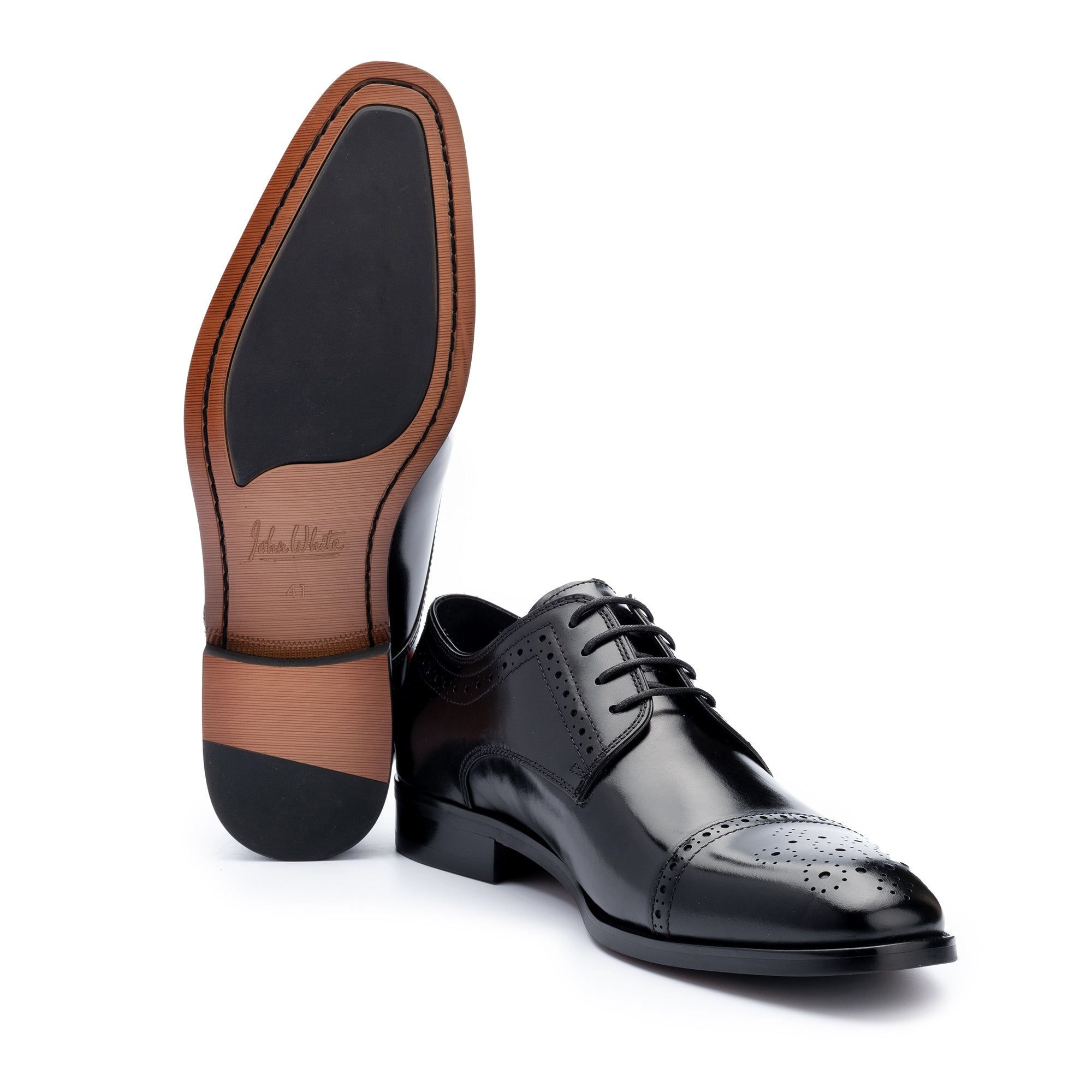
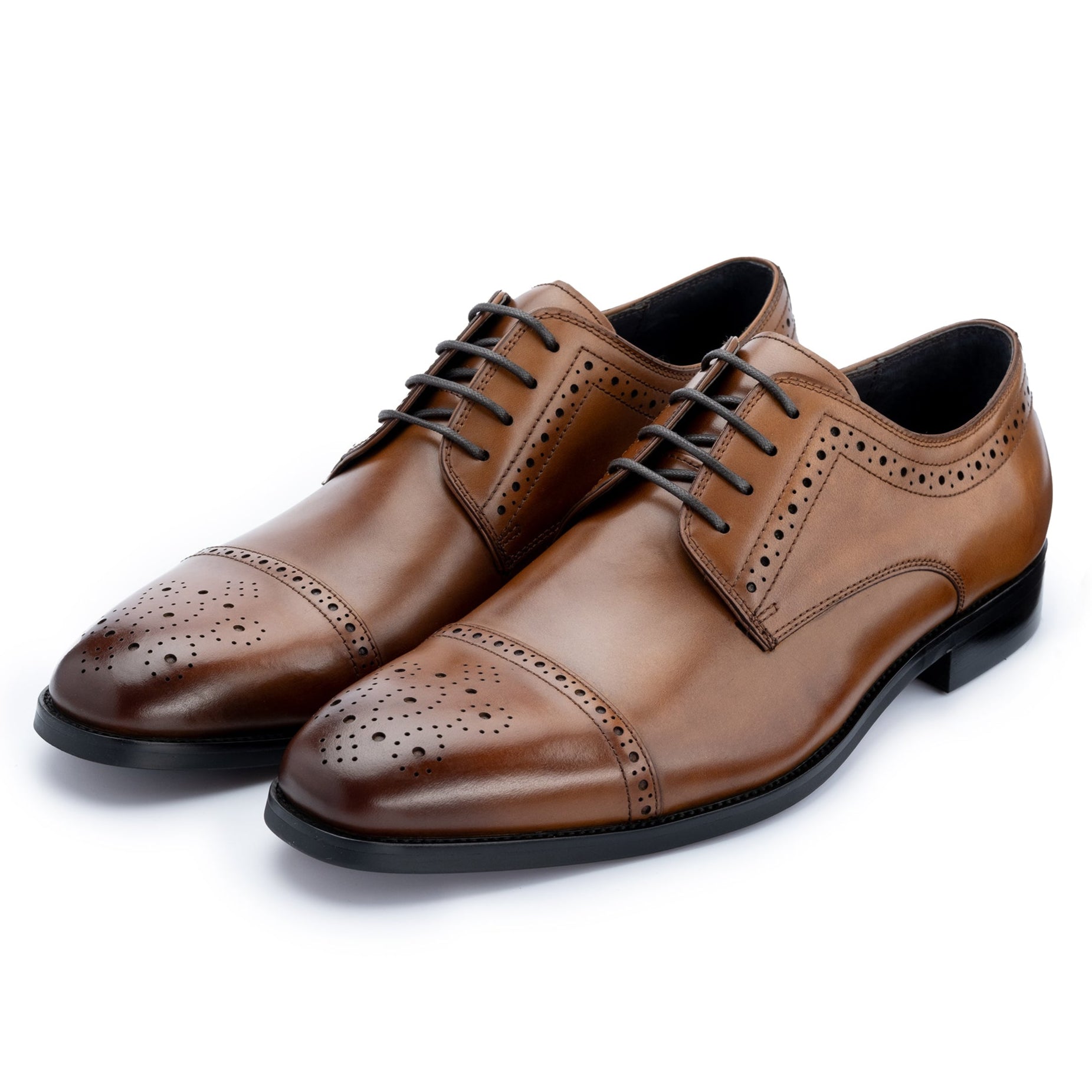
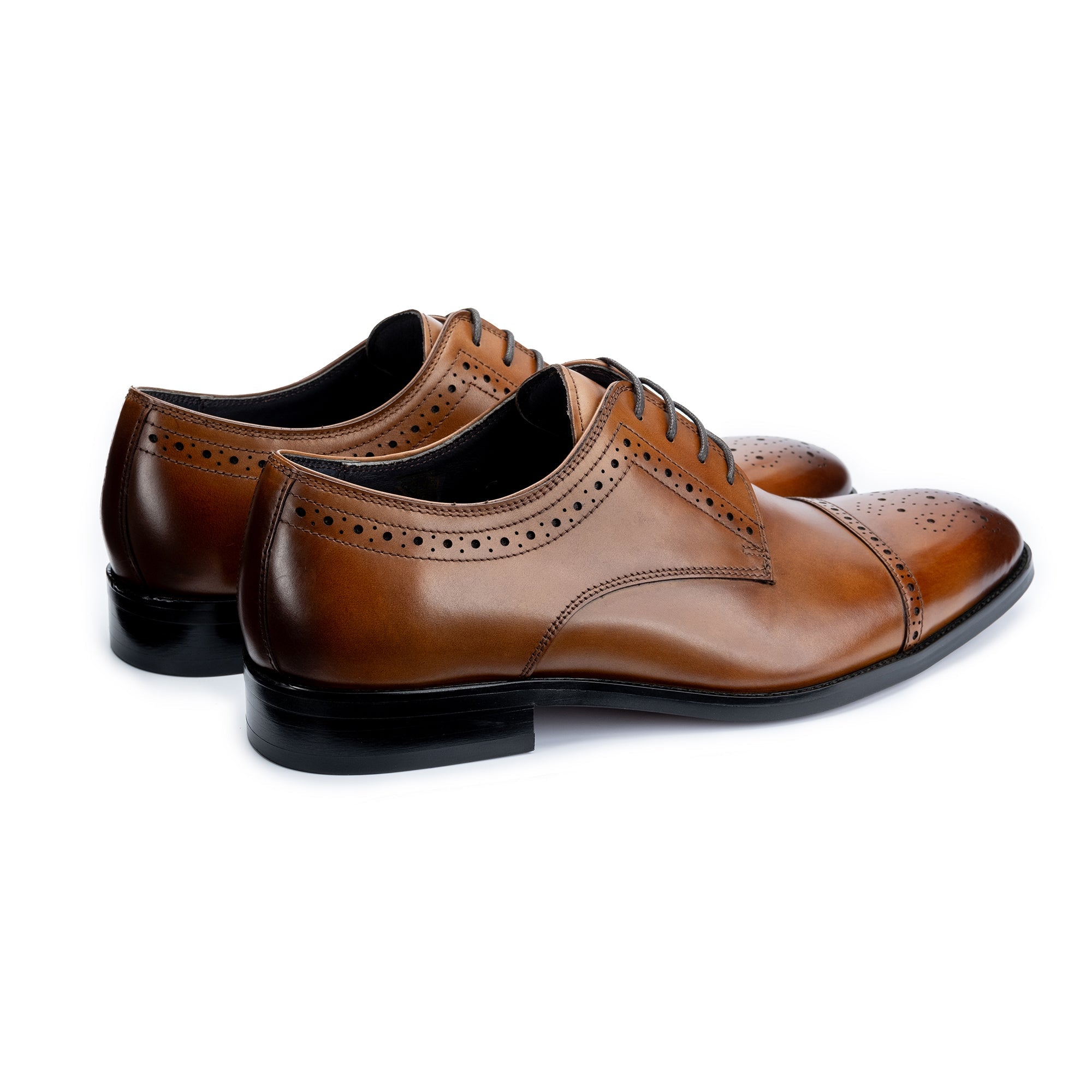
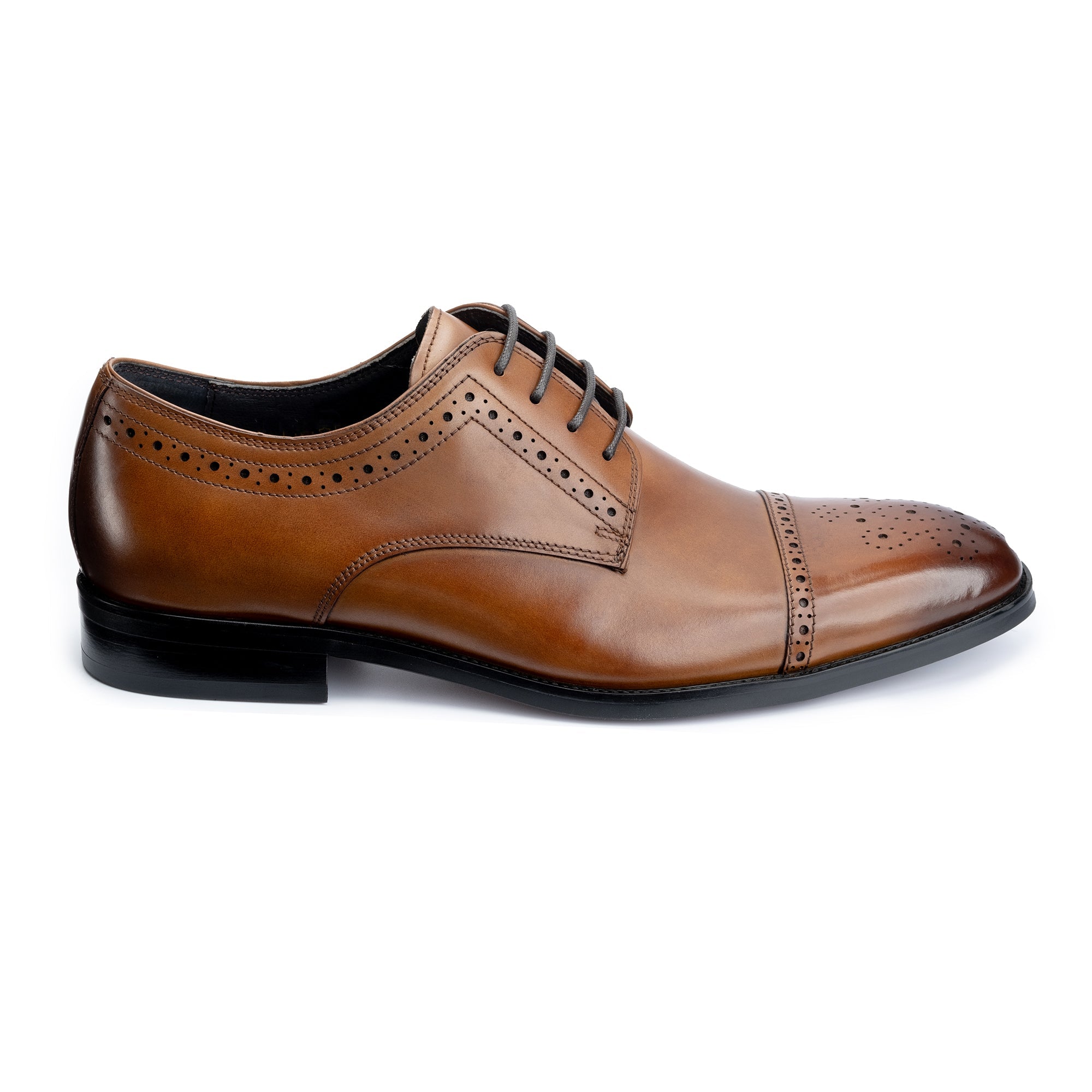
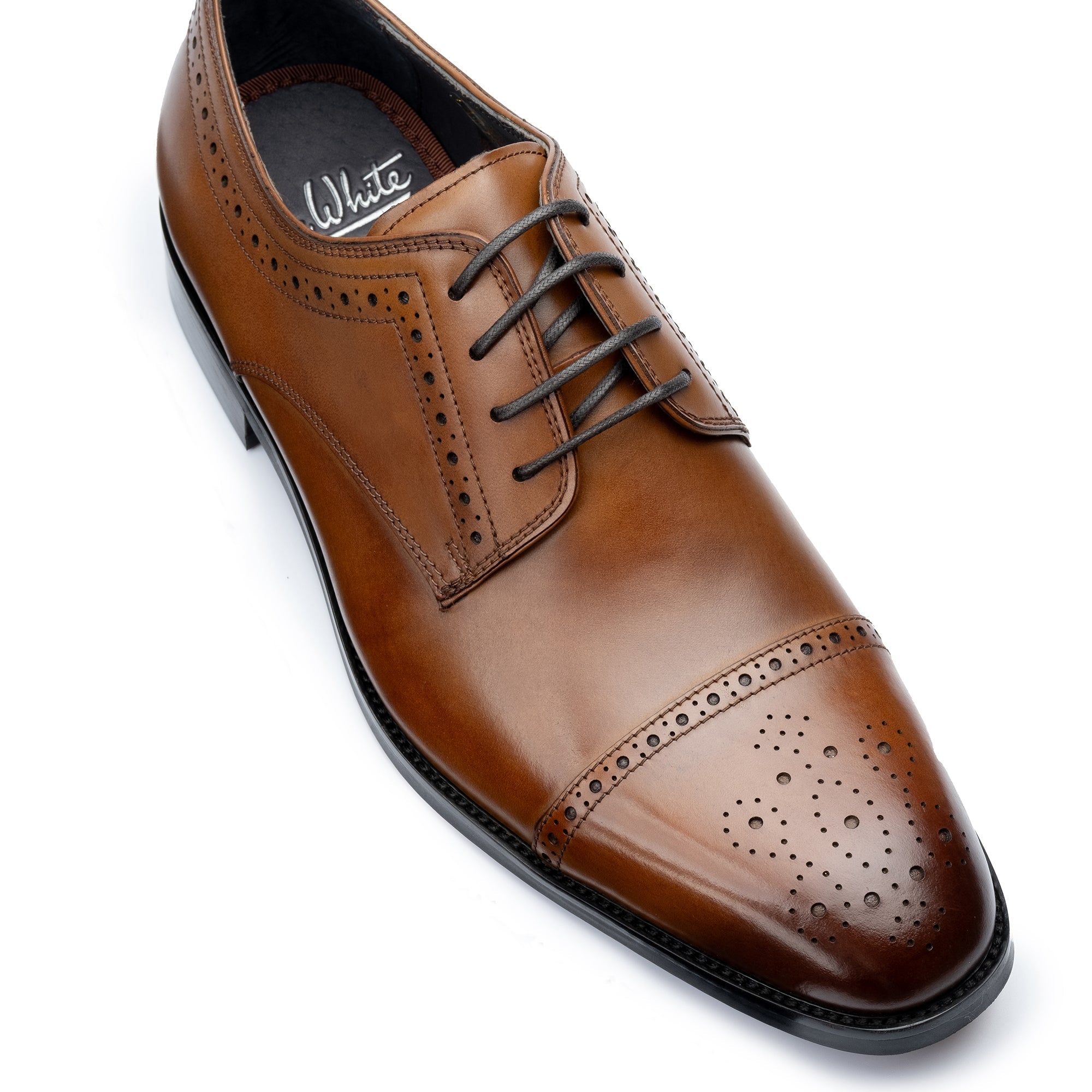
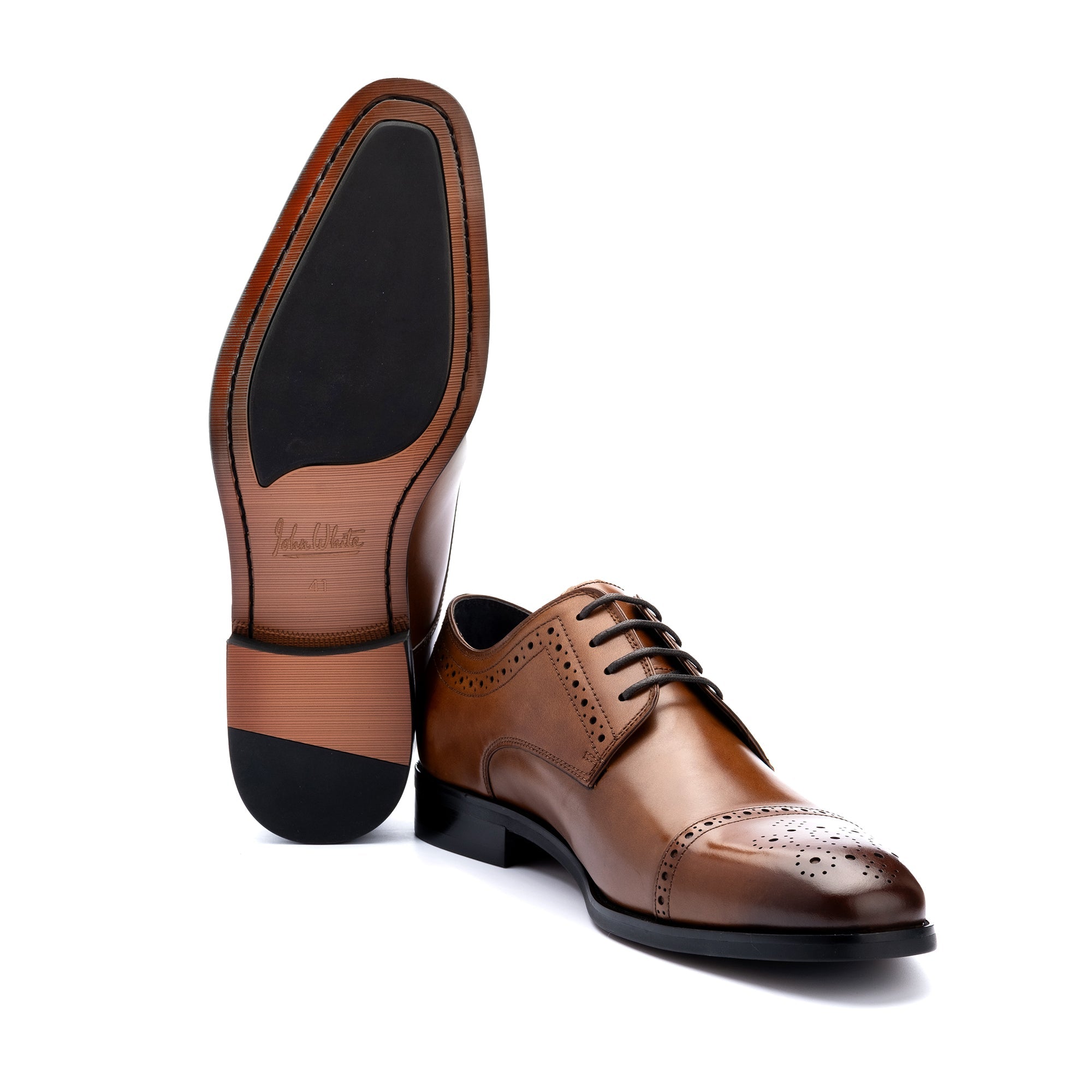
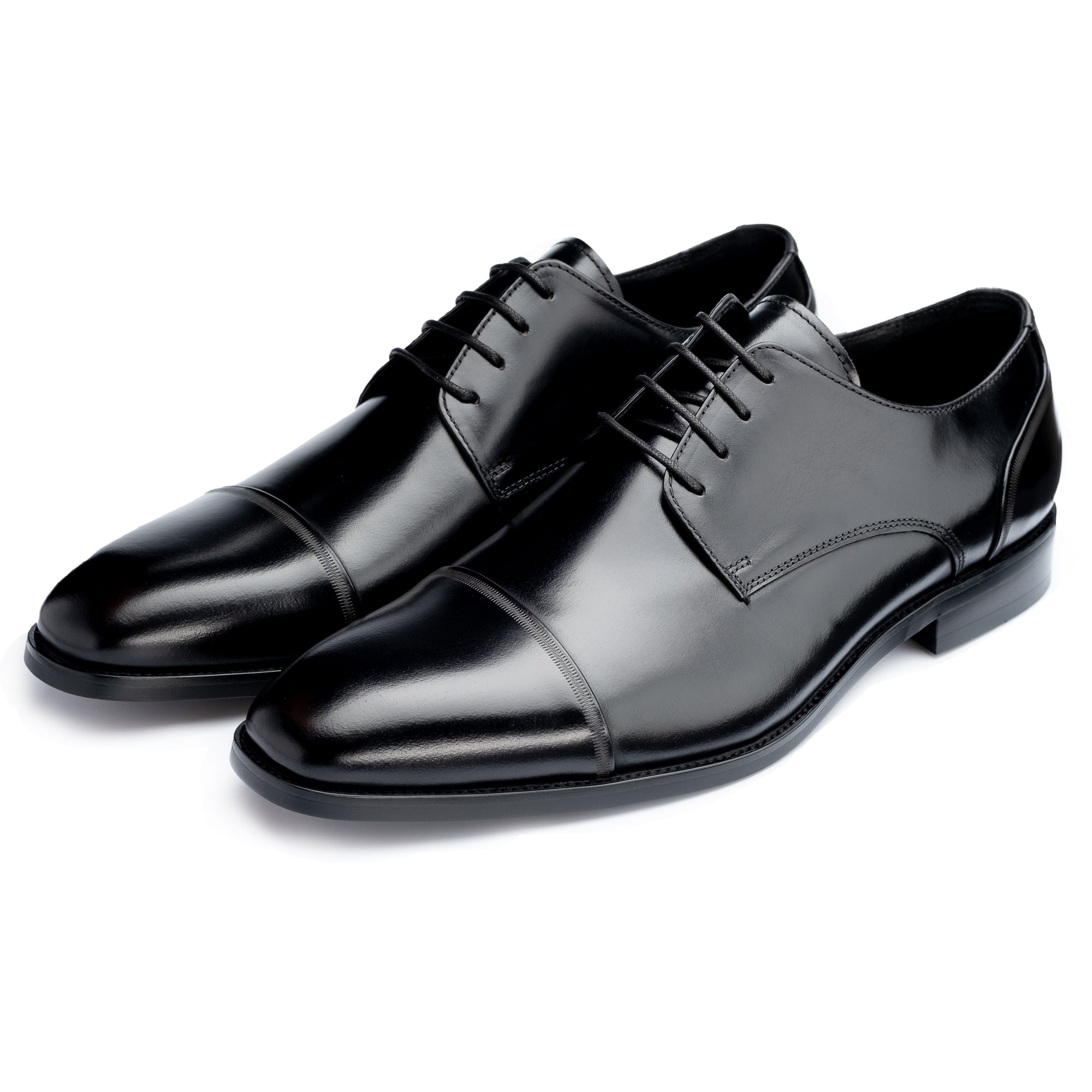
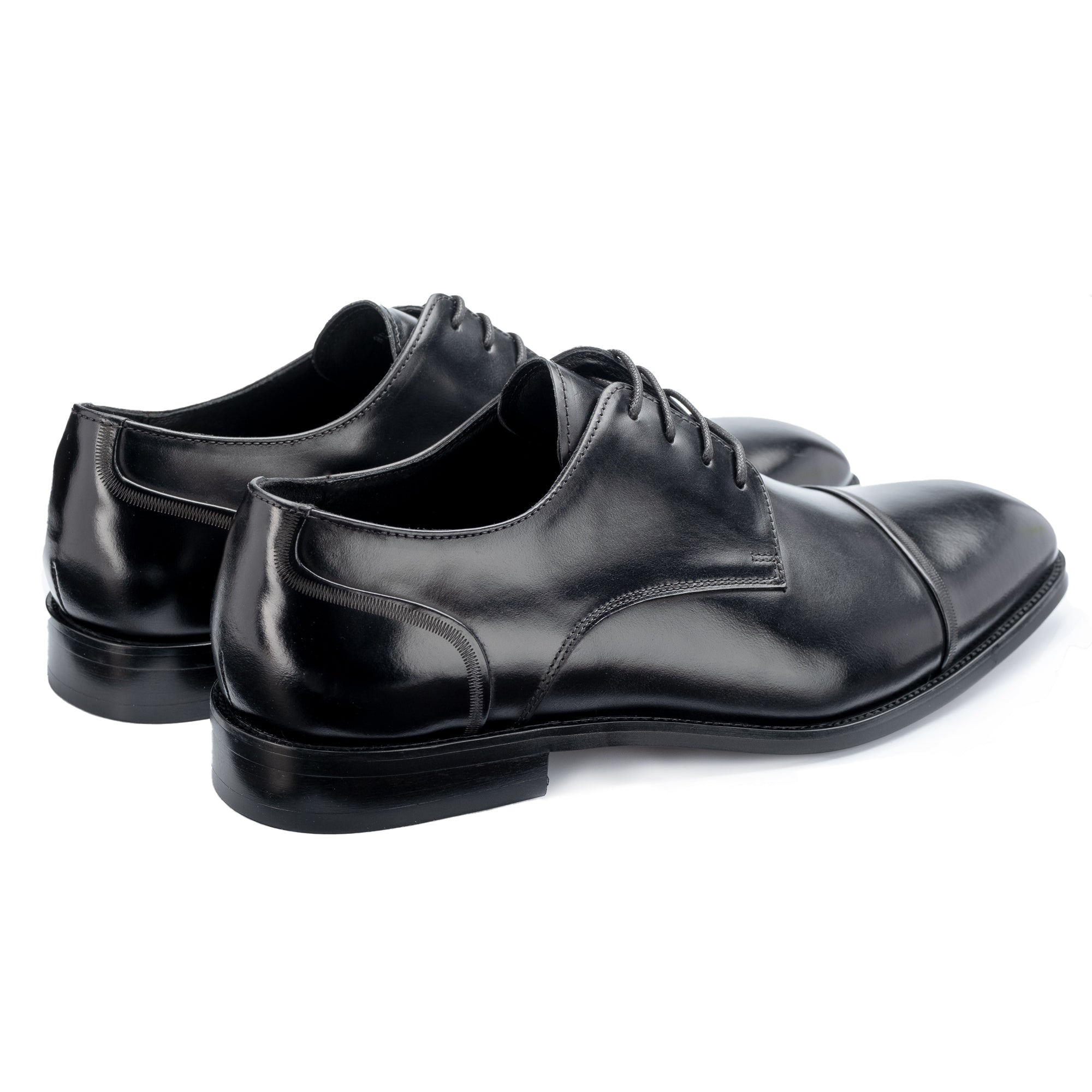
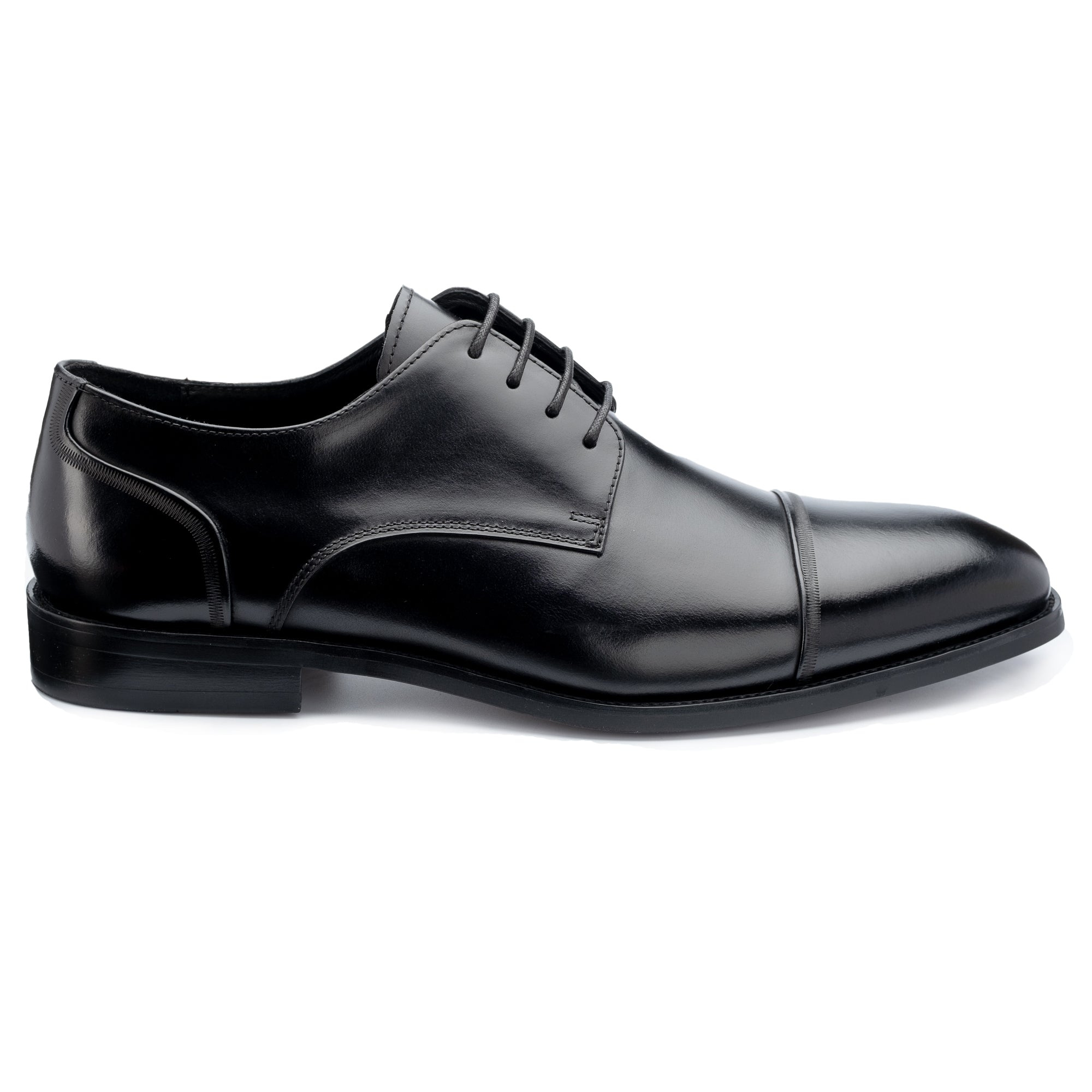
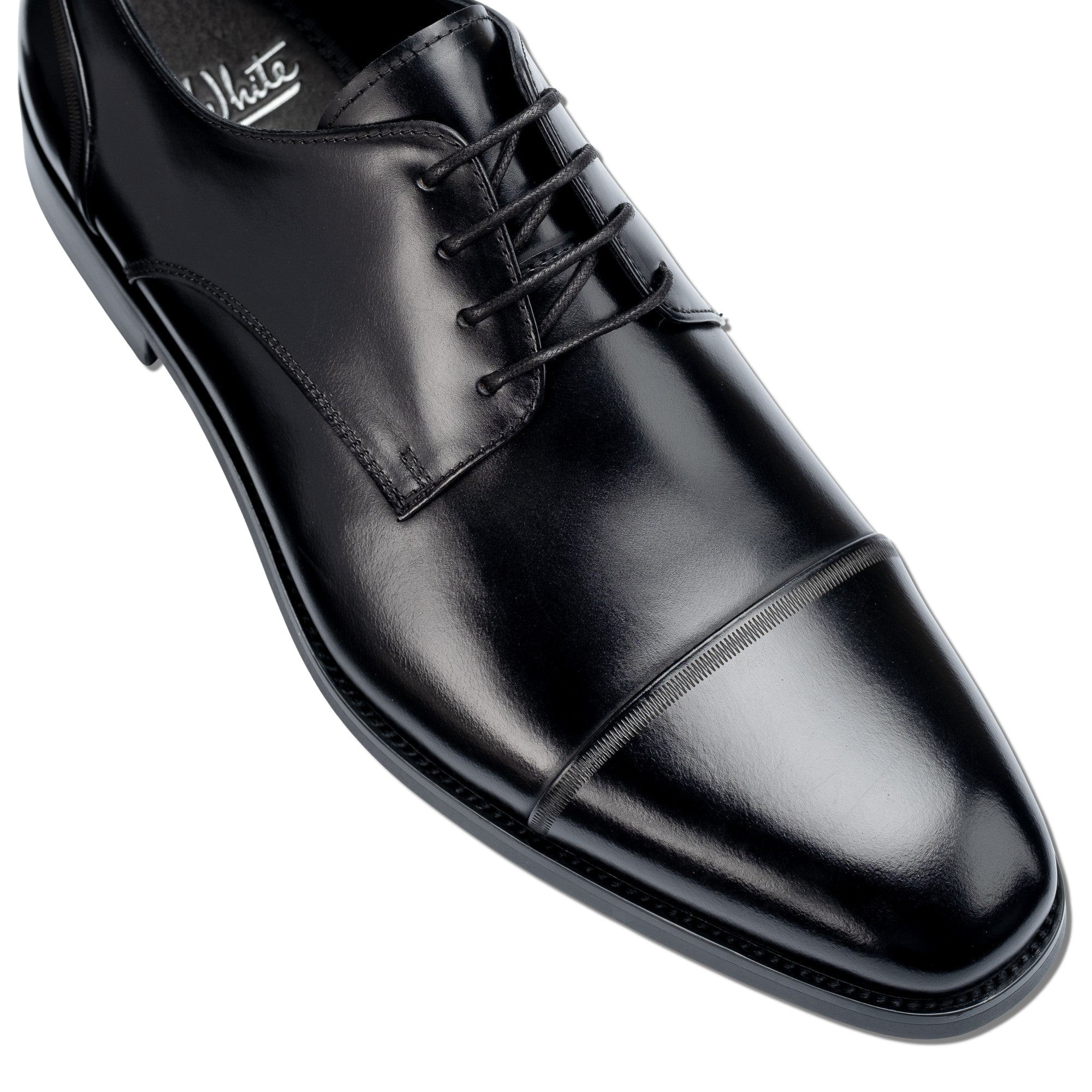
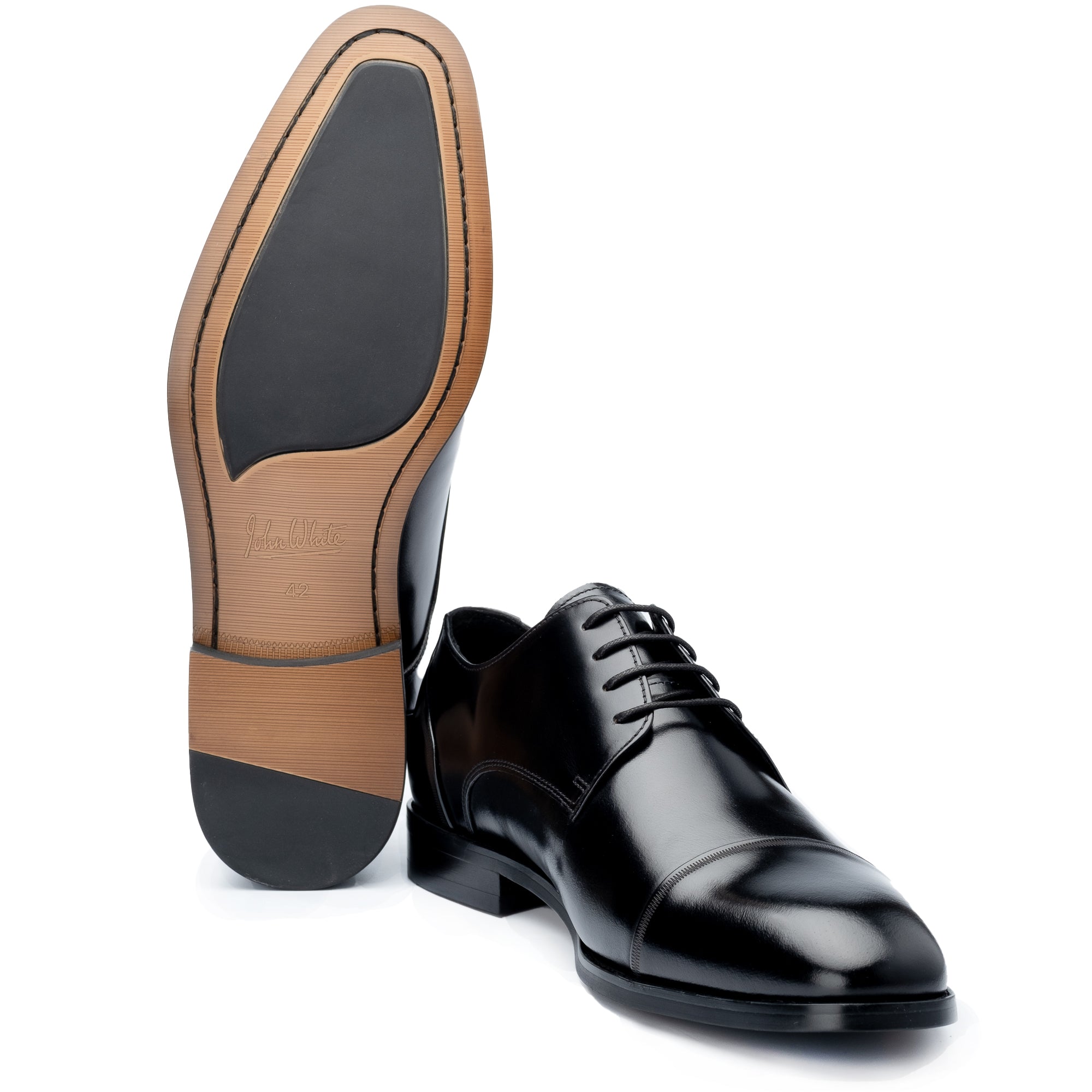
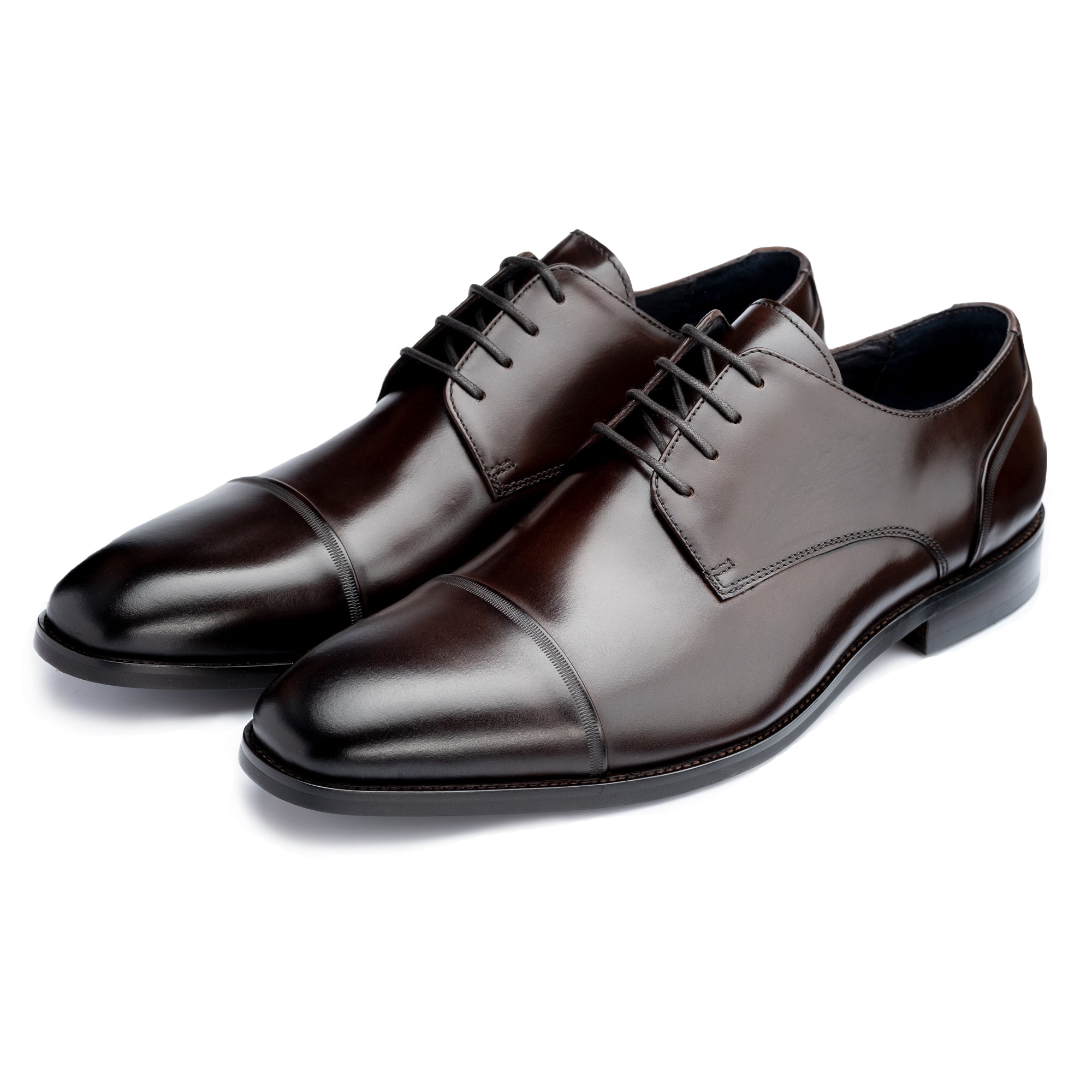
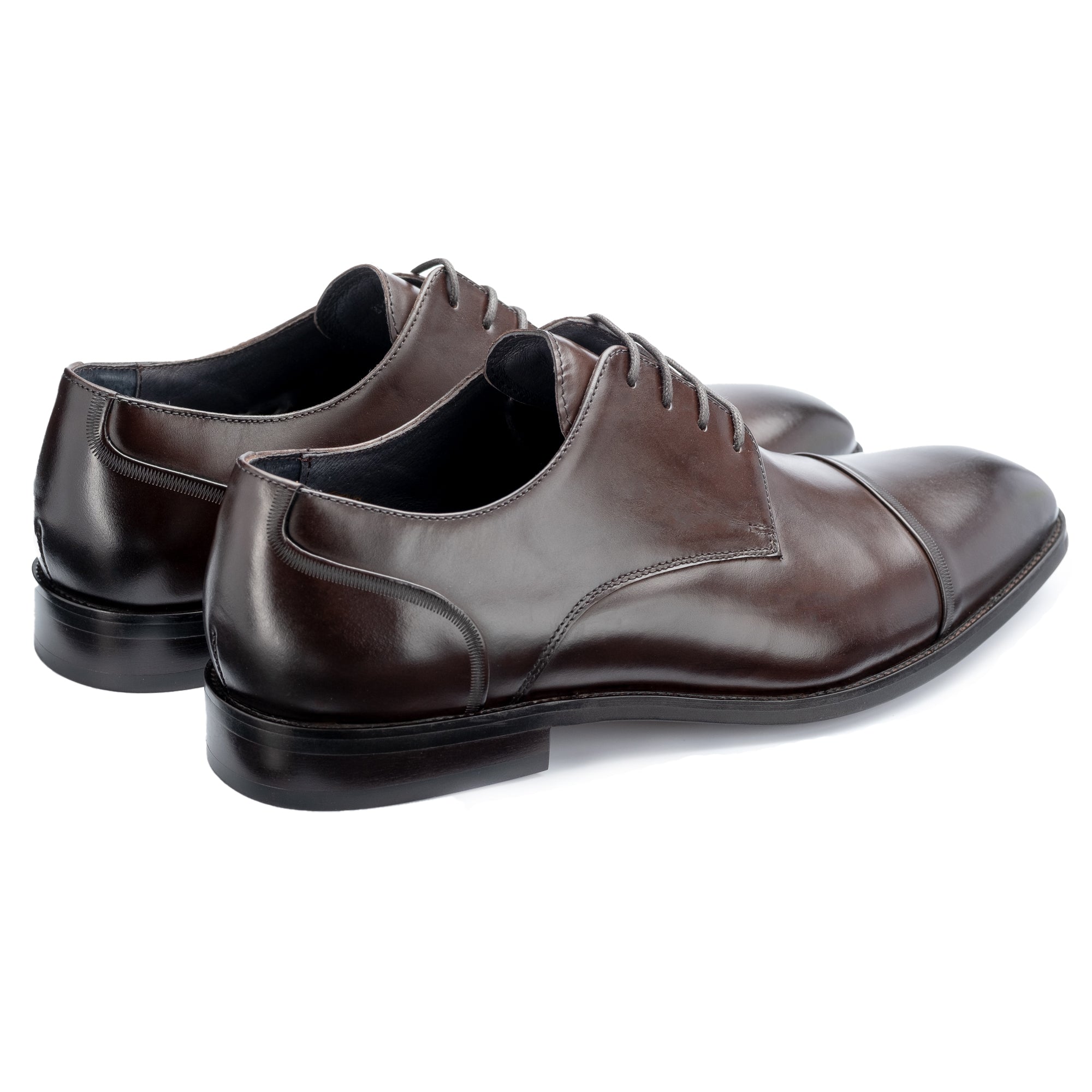
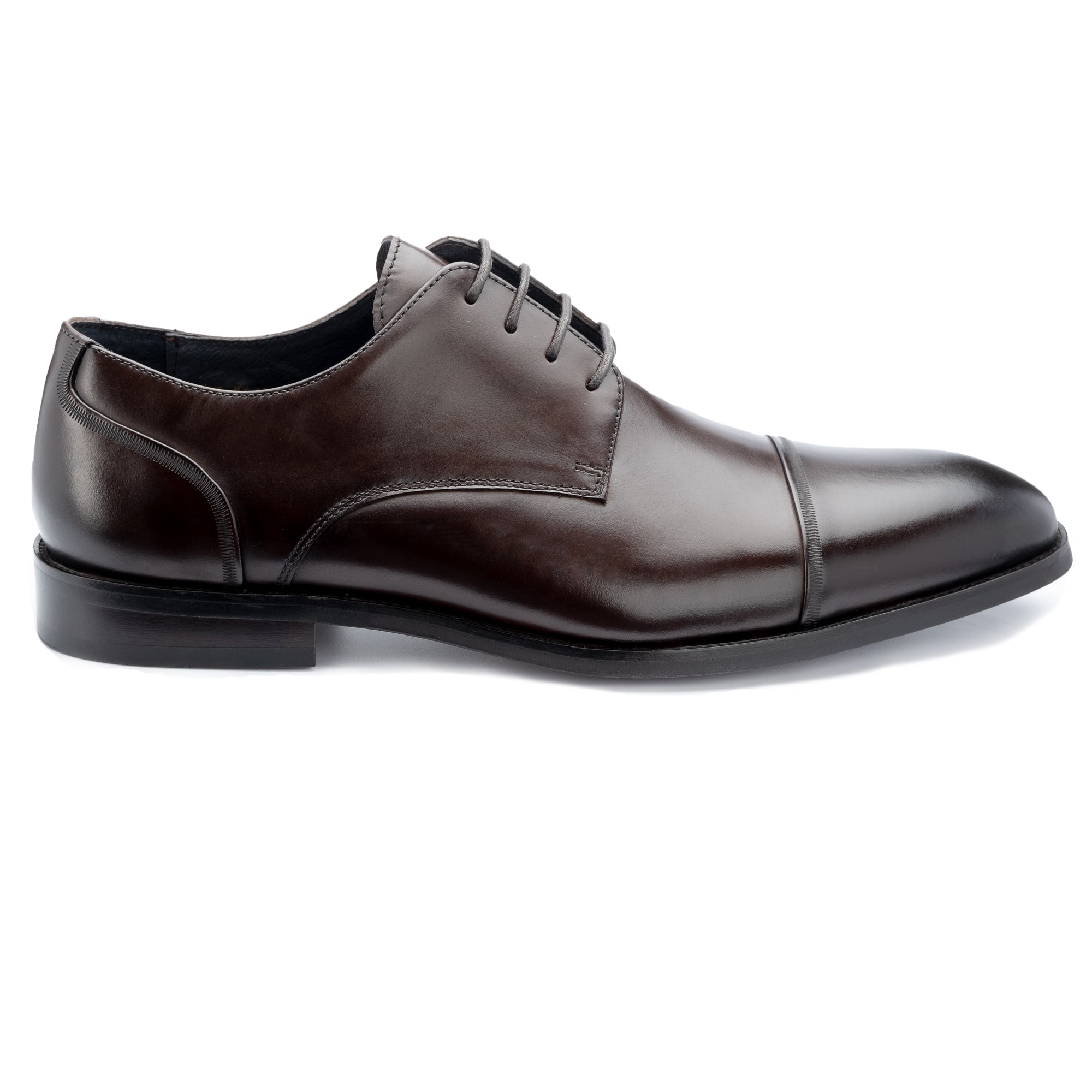
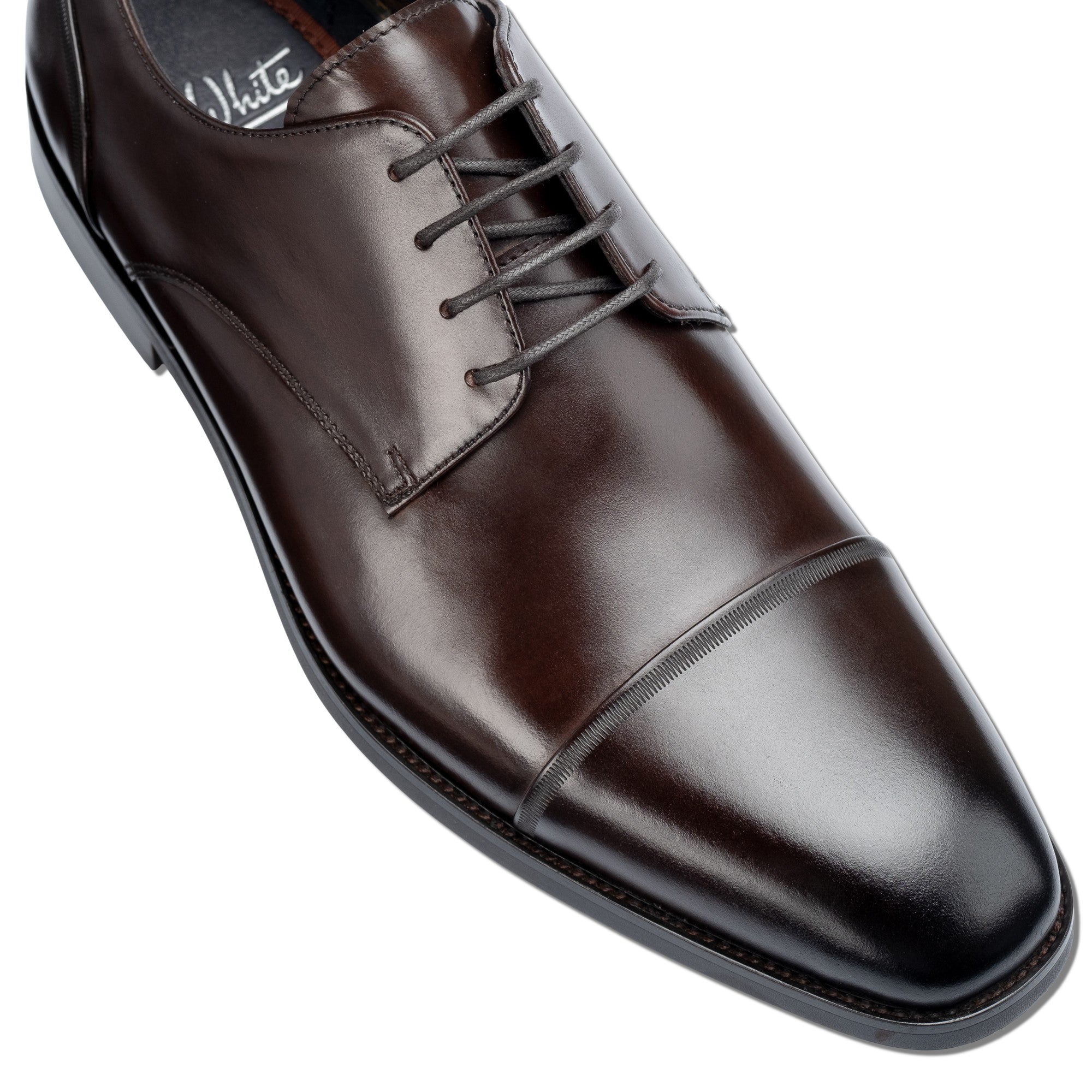
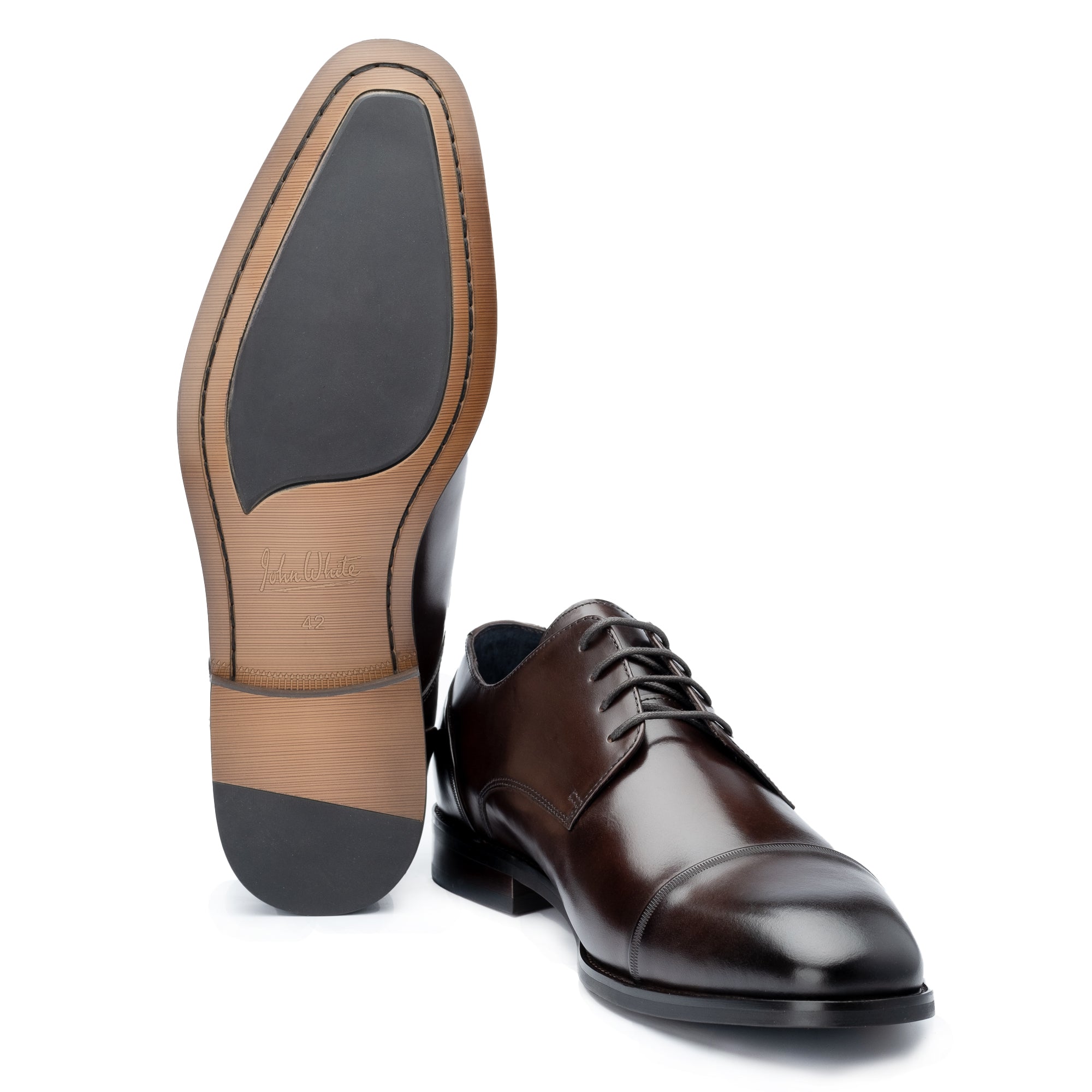
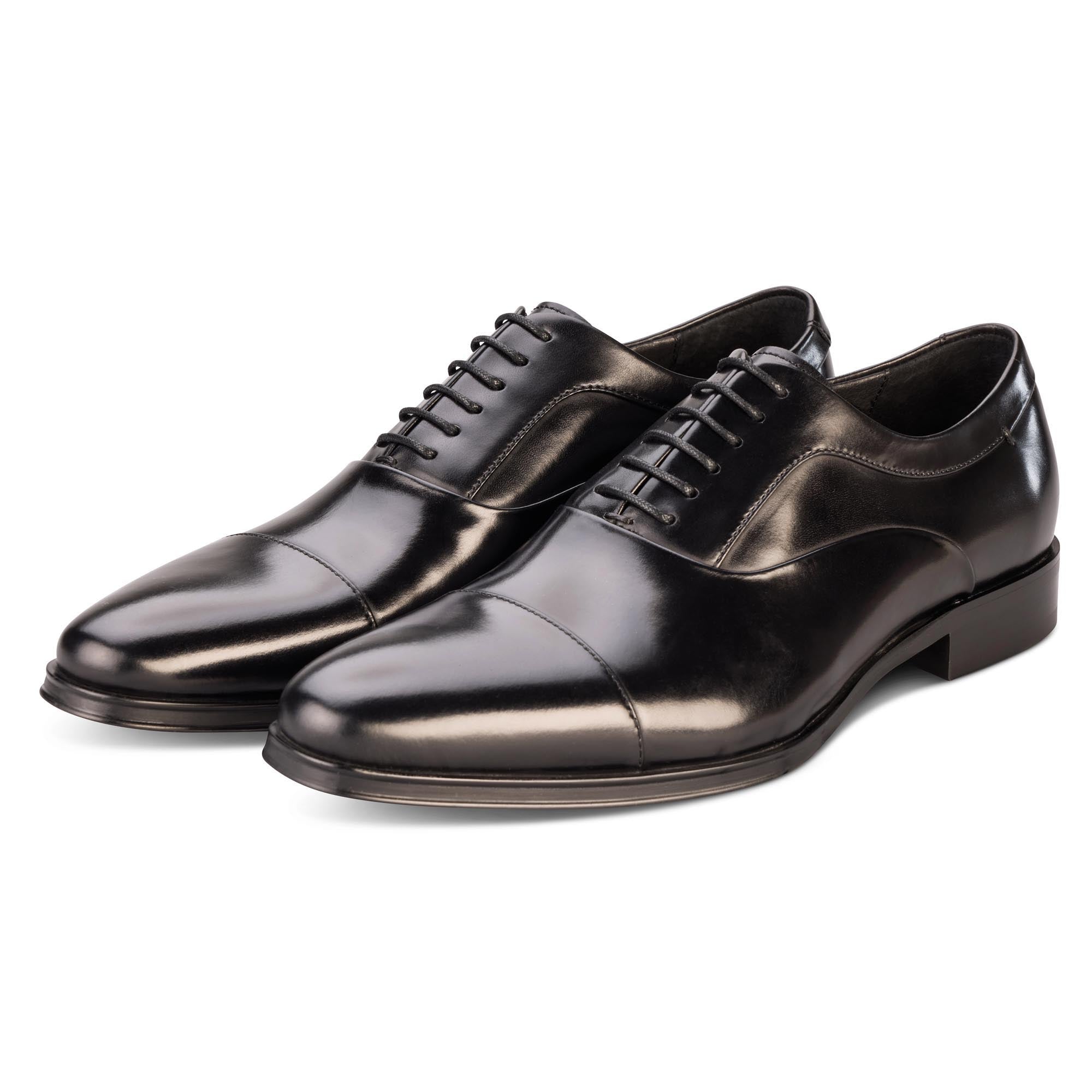
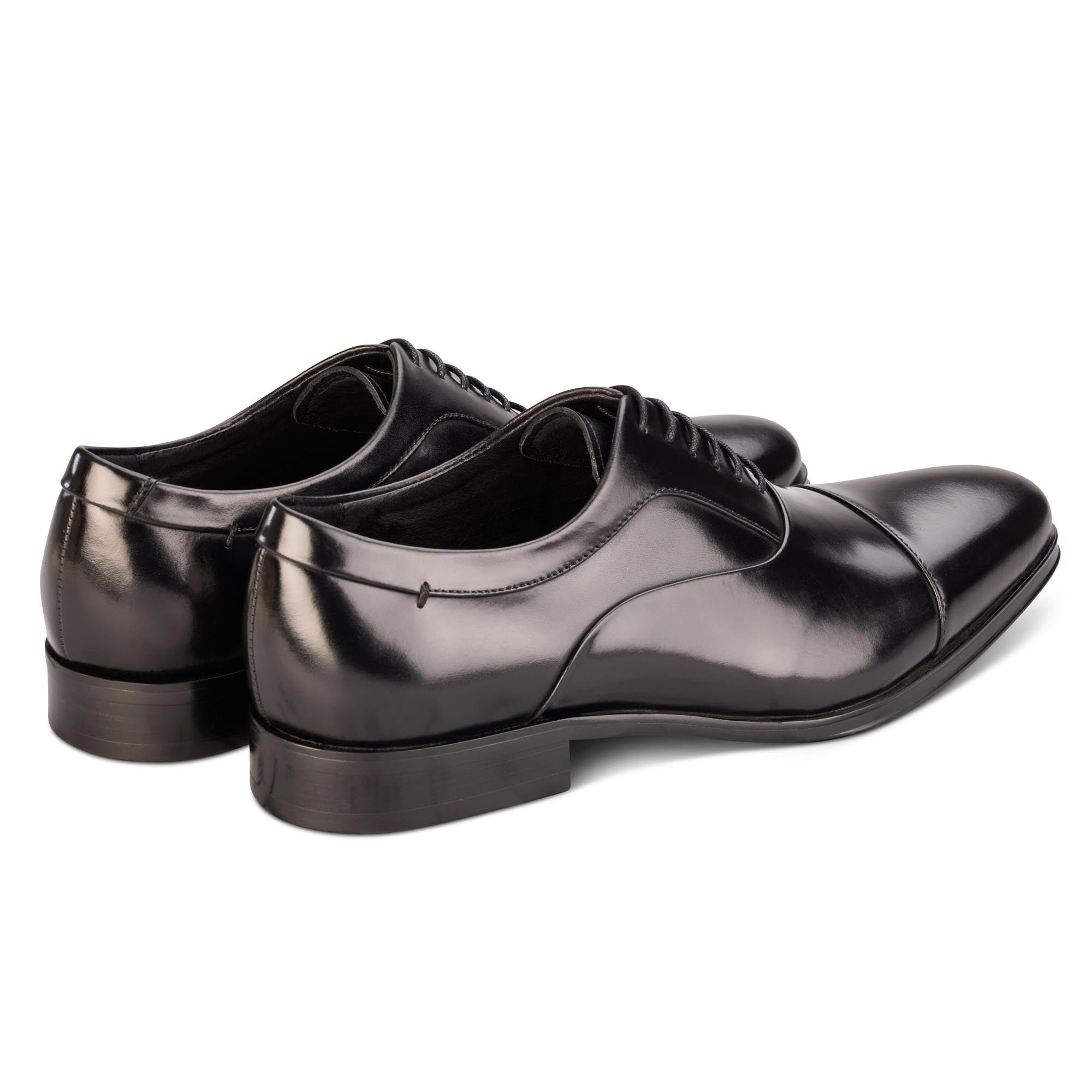
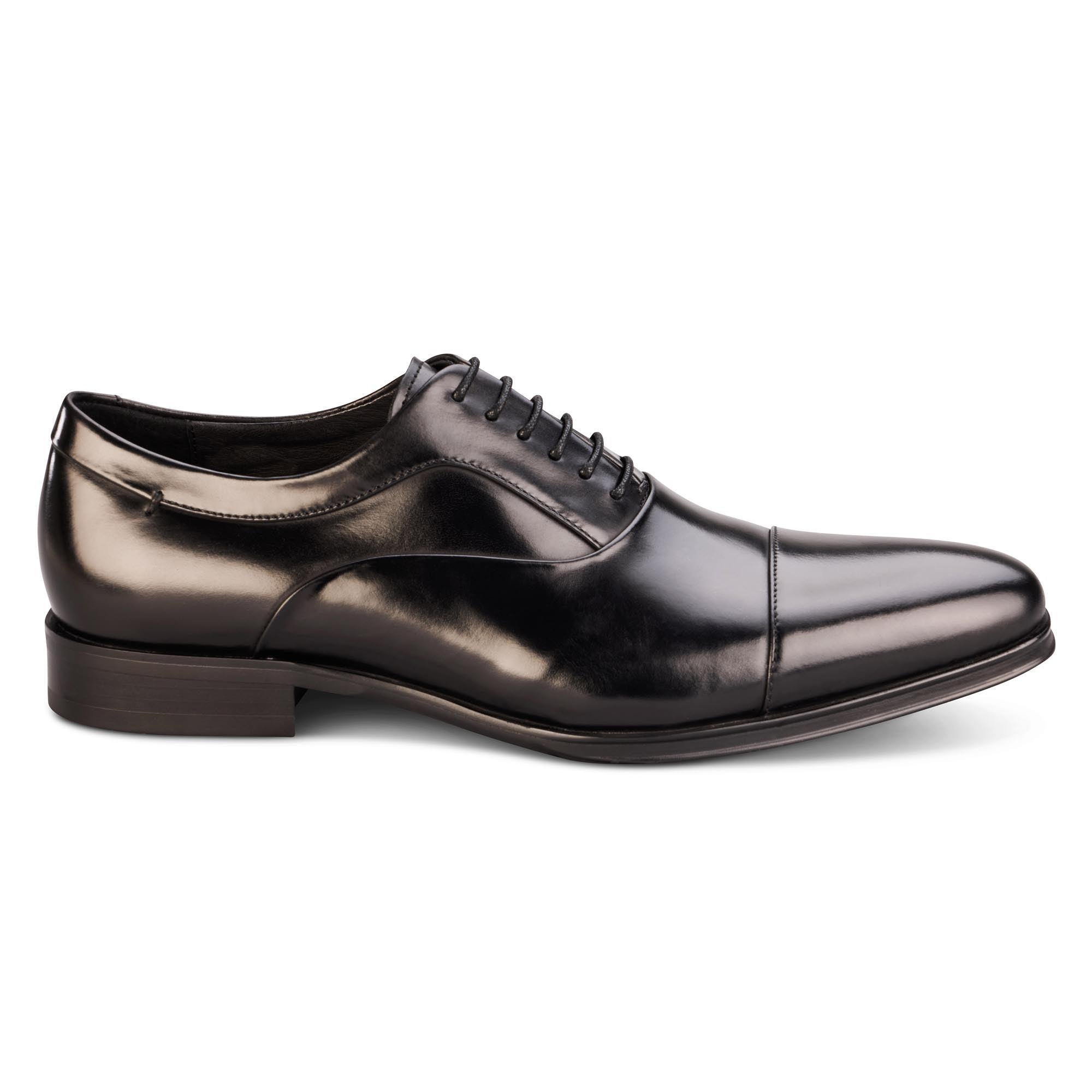
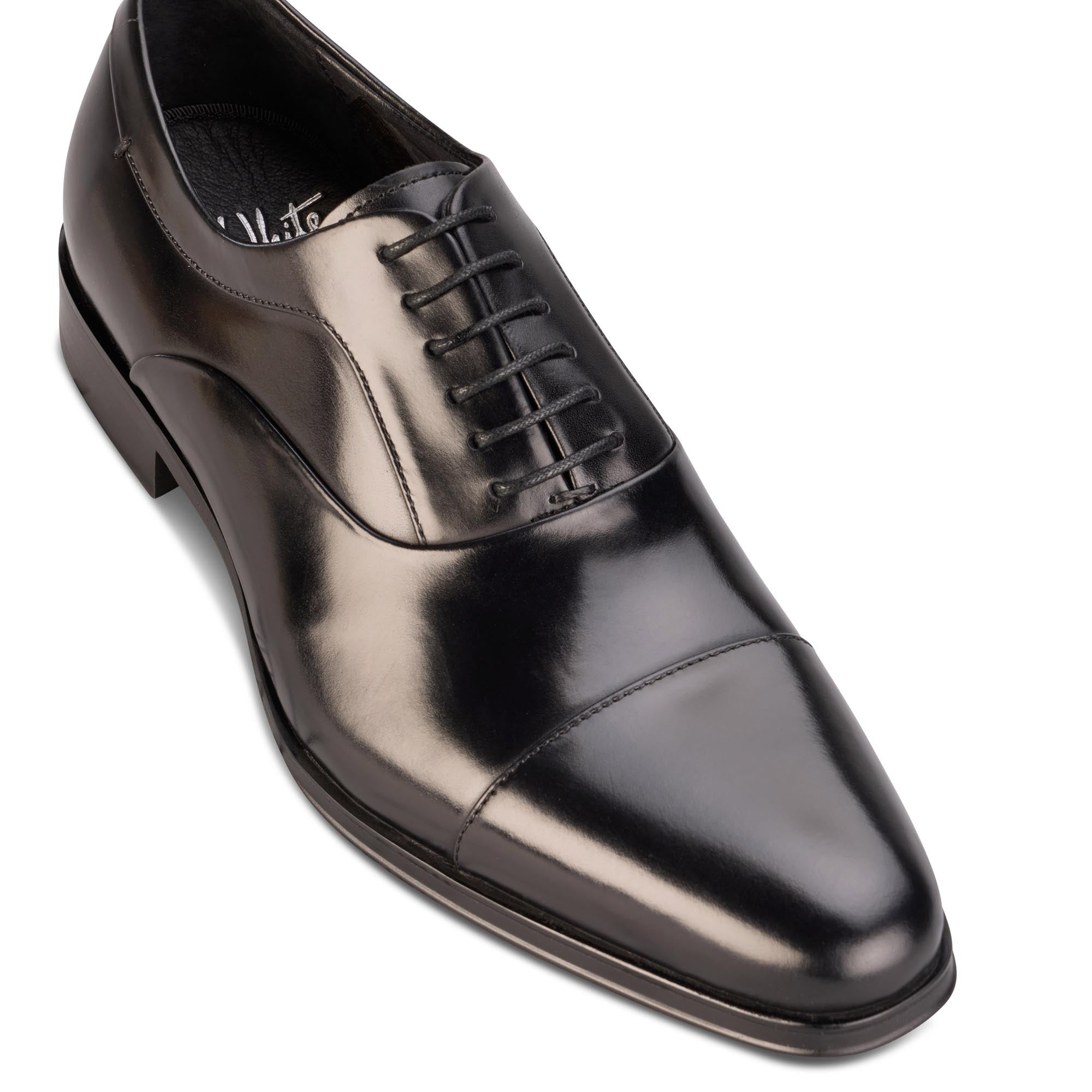
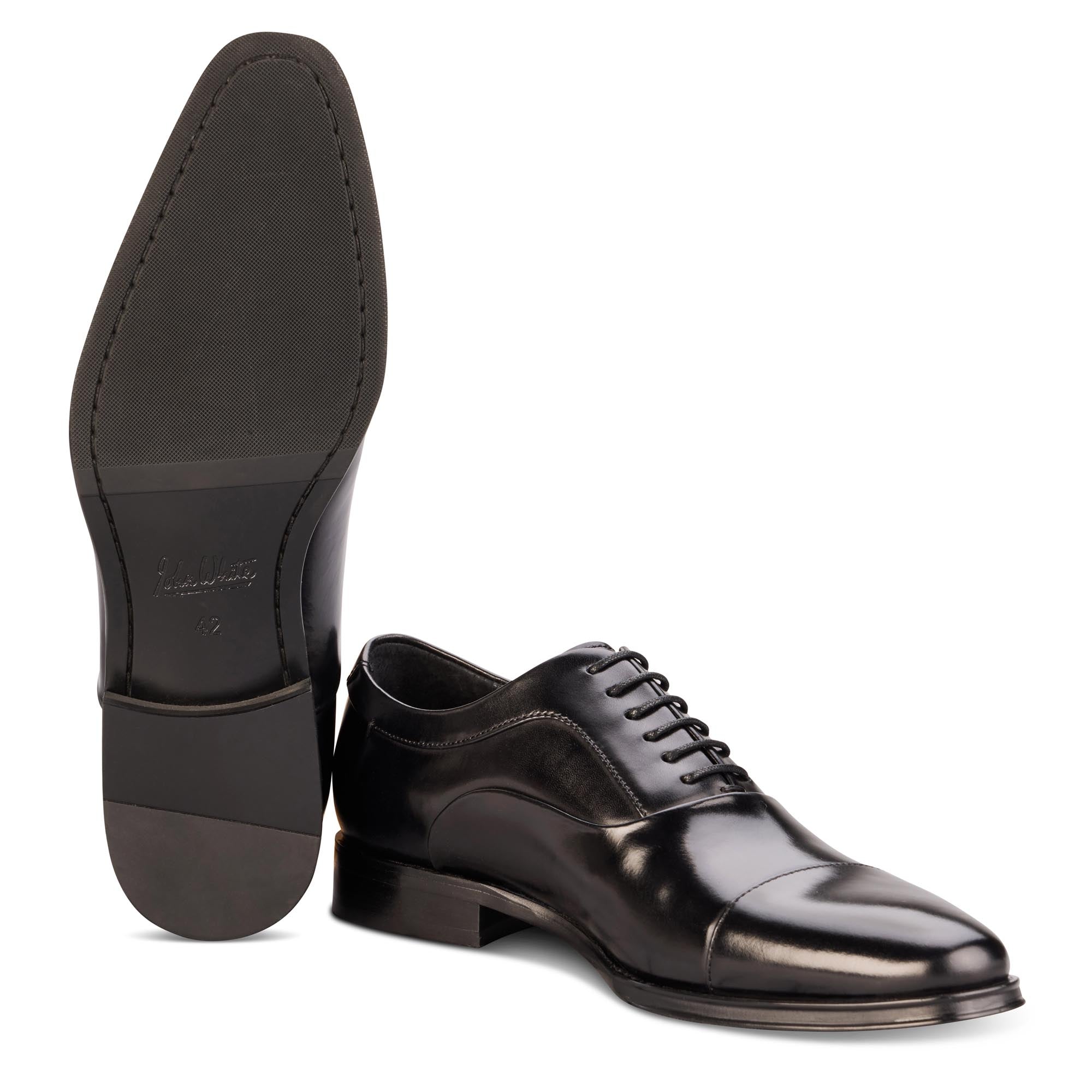
This simple, three-step inspection is one of the fastest ways to assess the overall quality of a shoe before you even try it on. This is particularly true for timeless styles like our Guildhall Capped Oxfords, where interior quality matches the classic exterior.
| Feature | Full Leather Lining | Synthetic/Partial Lining |
|---|---|---|
| Breathability | Excellent; wicks moisture away. | Poor; traps heat and sweat. |
| Durability | High; provides structural support. | Low; can crack and offers little support. |
| Fit & Comfort | Moulds to the foot for a custom fit. | Static and rigid; can cause friction. |
| Odour Control | Naturally manages odour. | Promotes bacterial growth and odour. |
| Longevity | Significantly extends the life of the shoe. | Often the first part of the shoe to fail. |
Are There Different Types of Lining Leather?
Yes, the type of leather used for the lining also indicates the shoe's quality. While many types exist, the most common in premium footwear are calfskin and kidskin. Calfskin is prized for its soft yet durable nature, providing a perfect balance of comfort and strength. Kidskin, from goats, is exceptionally soft and supple, often found in very high-end footwear.
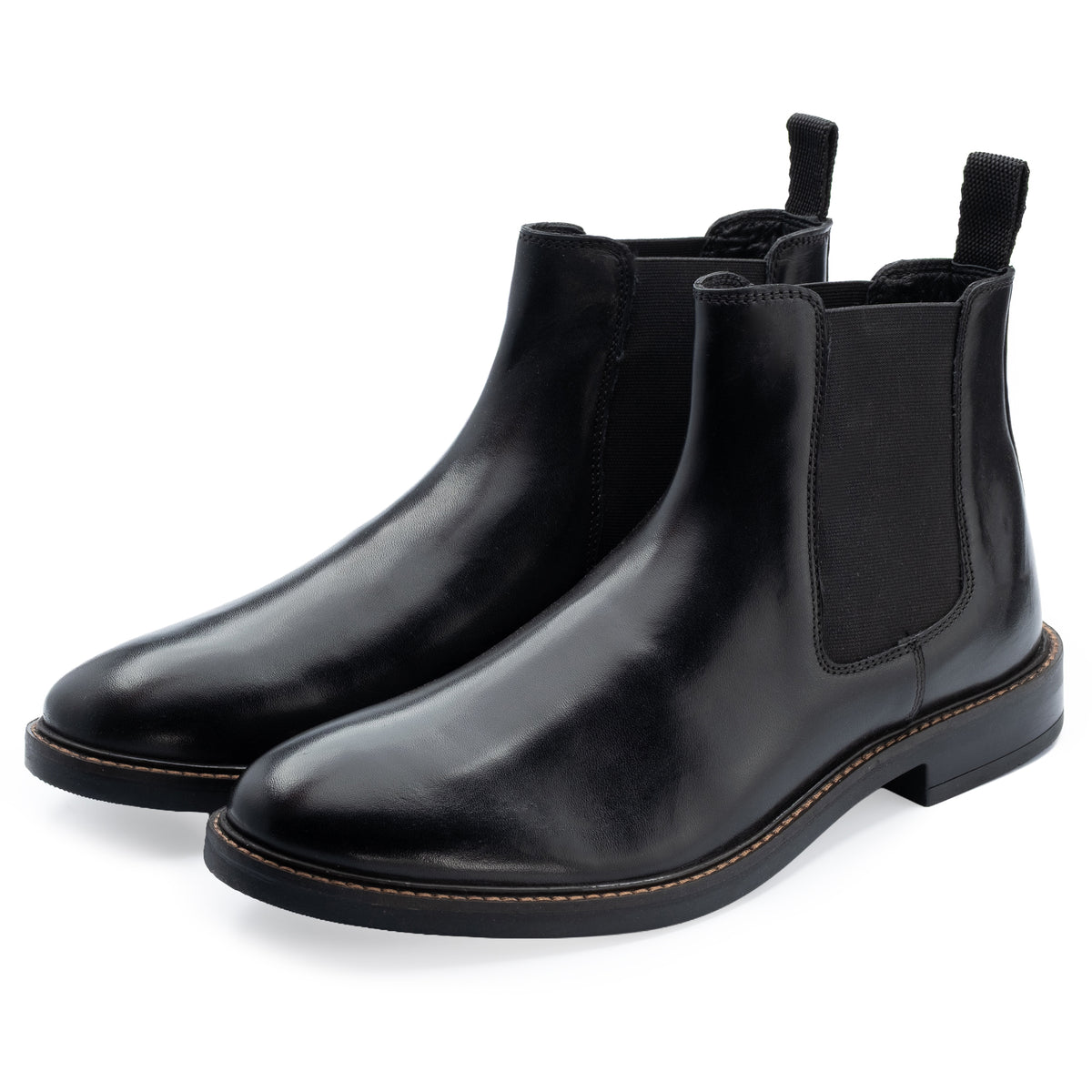
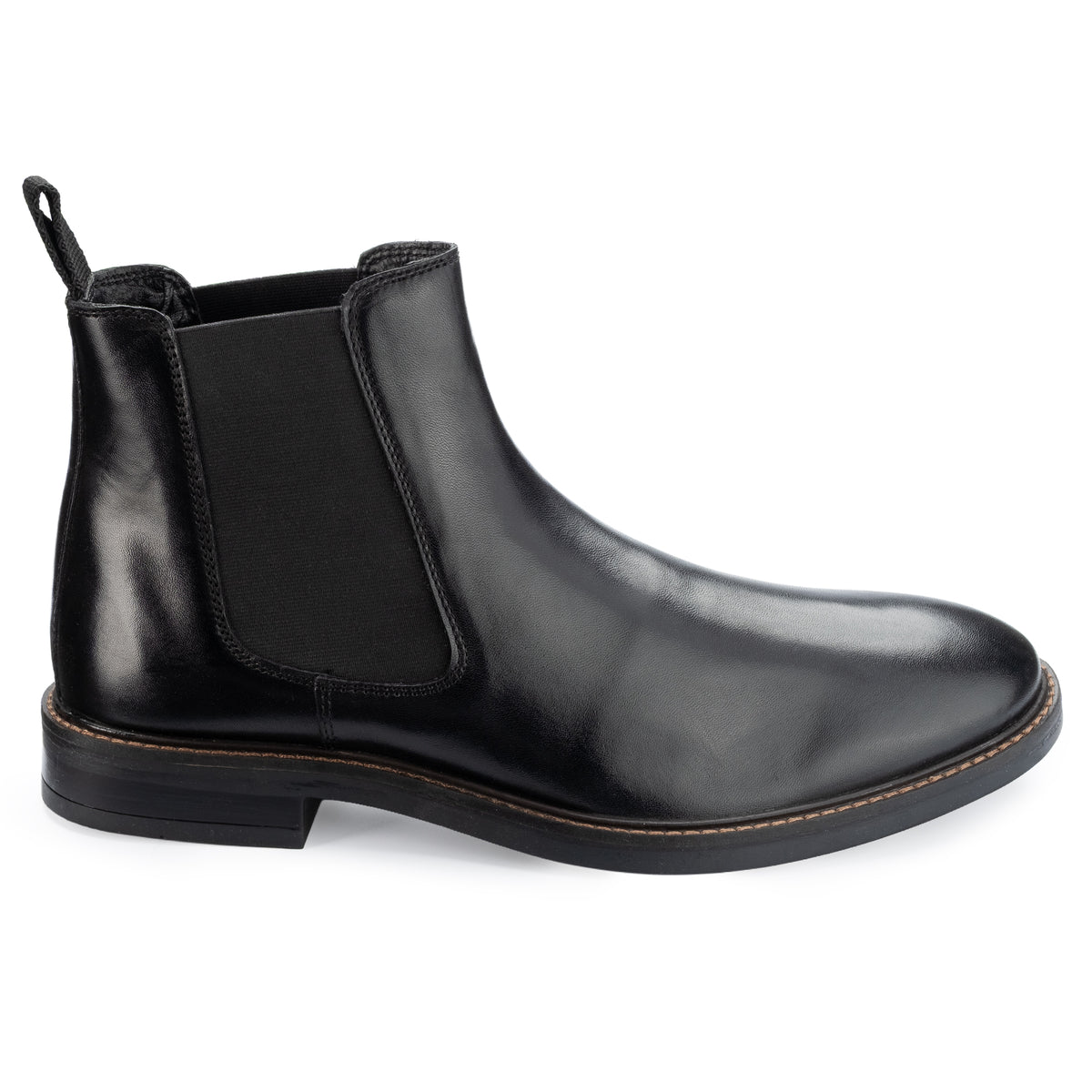
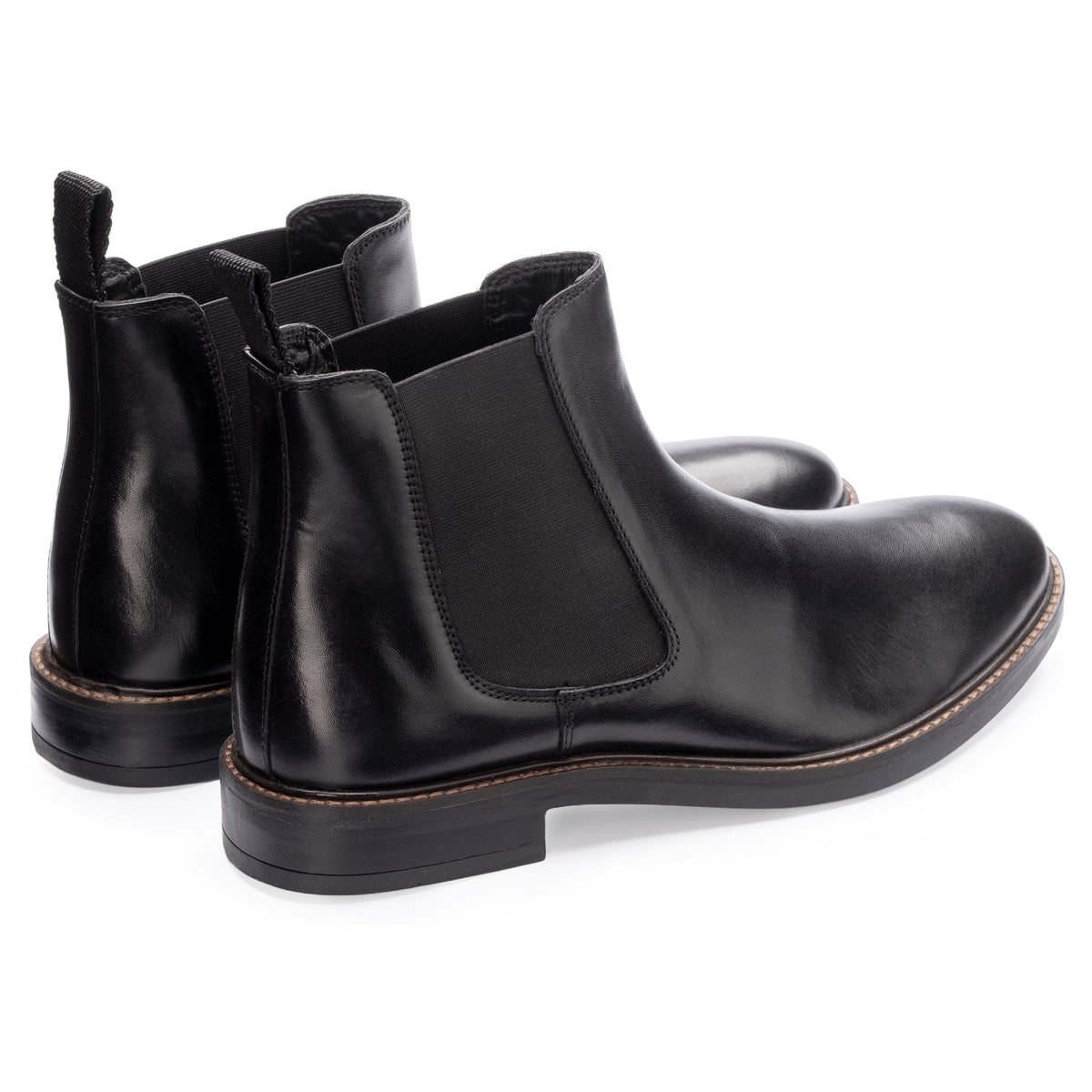
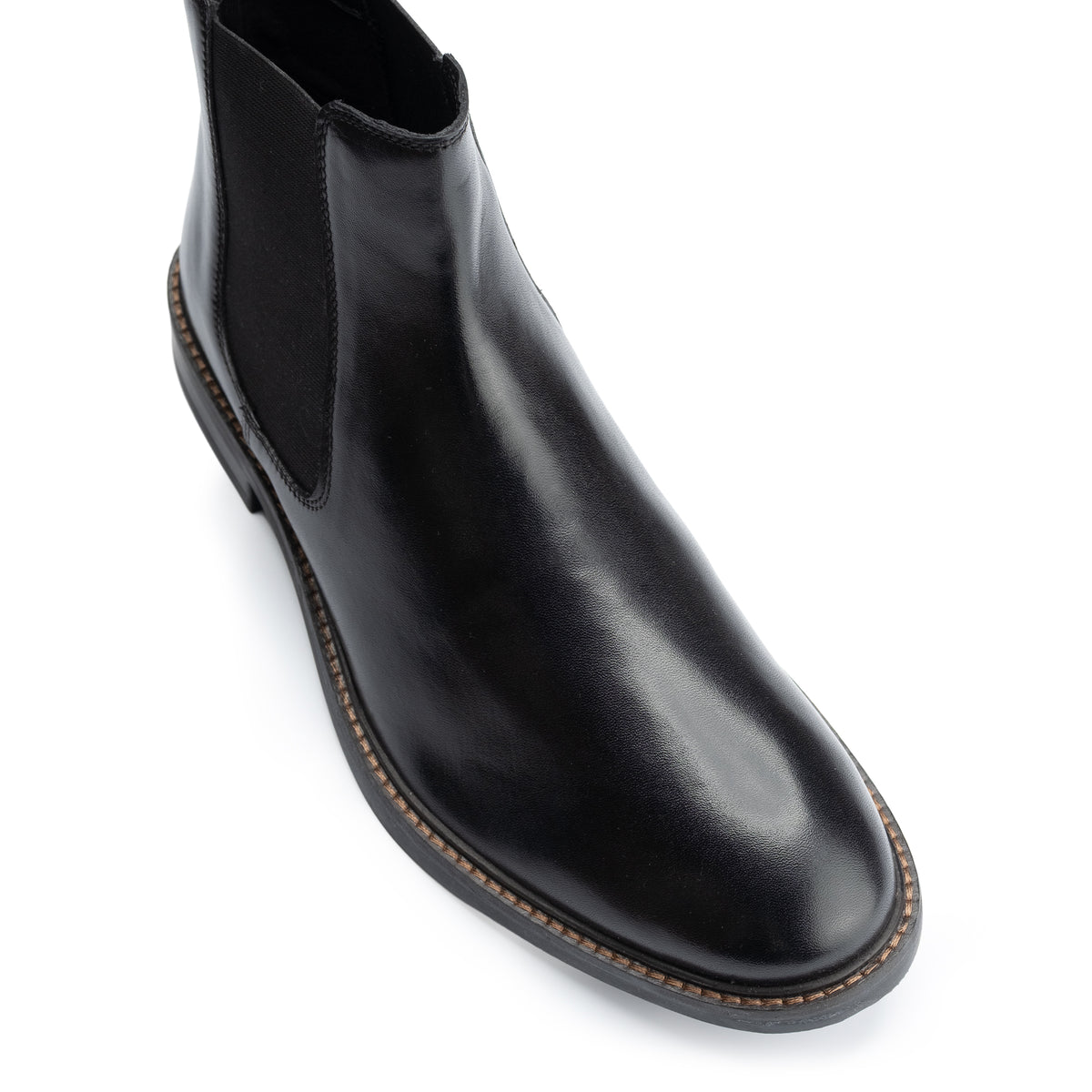
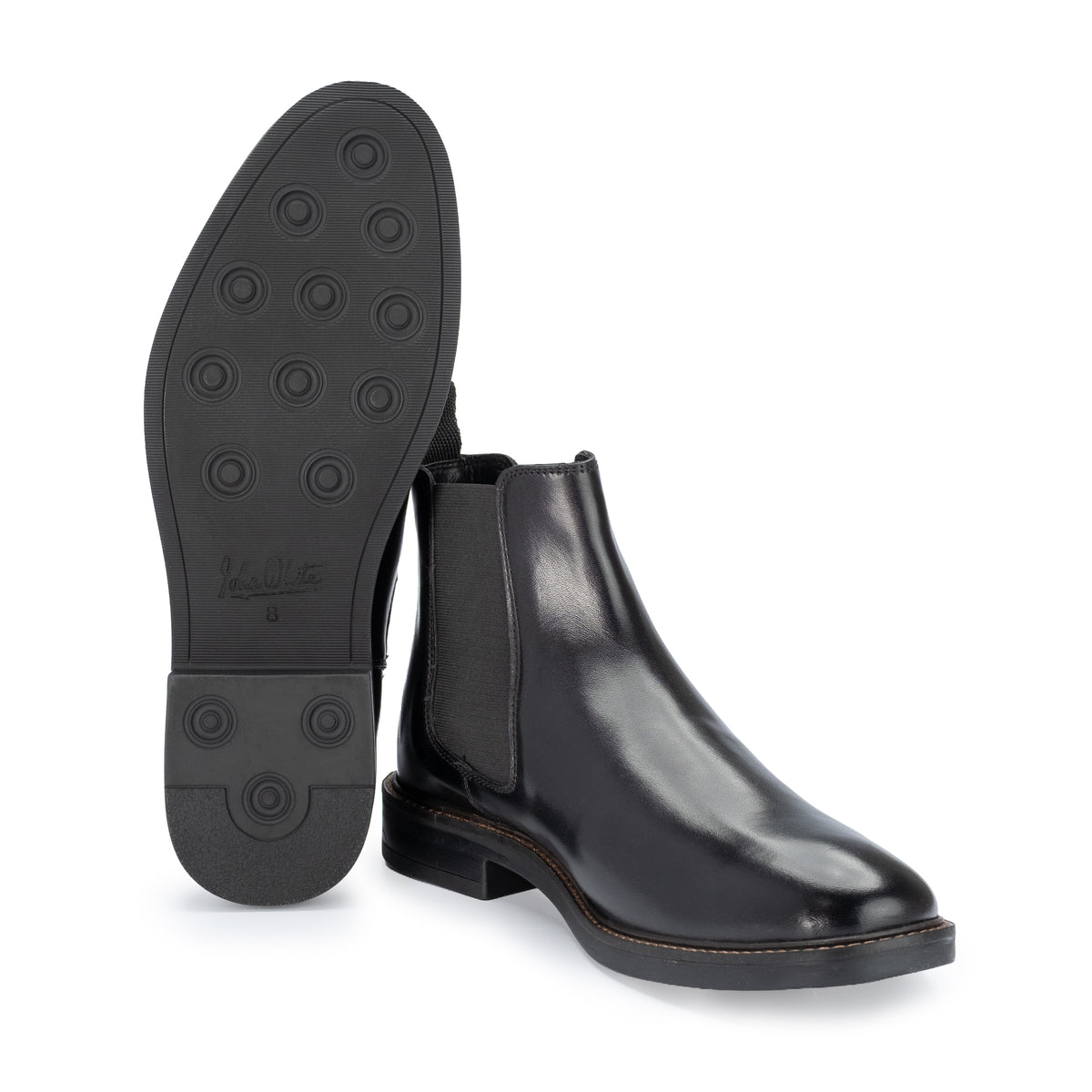
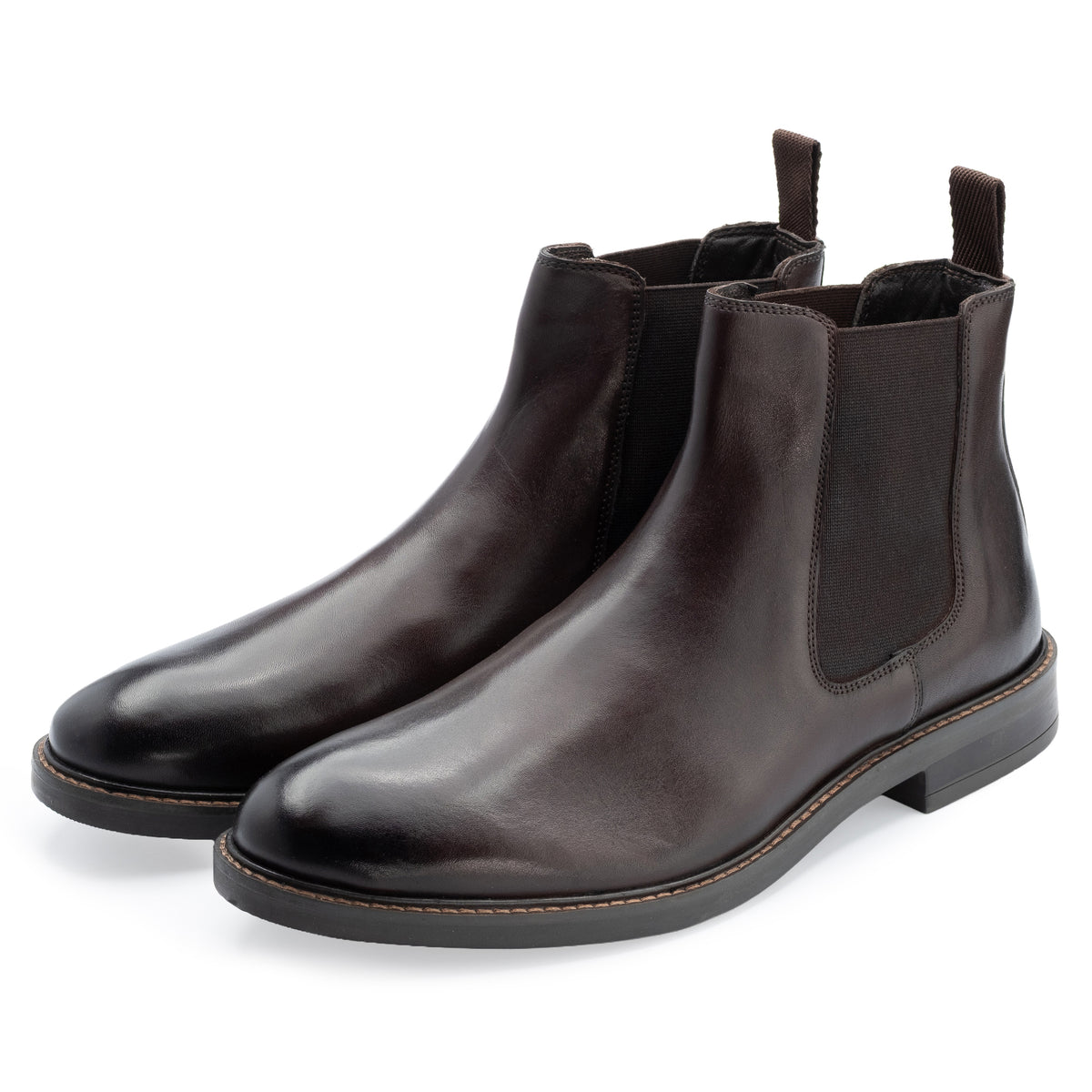
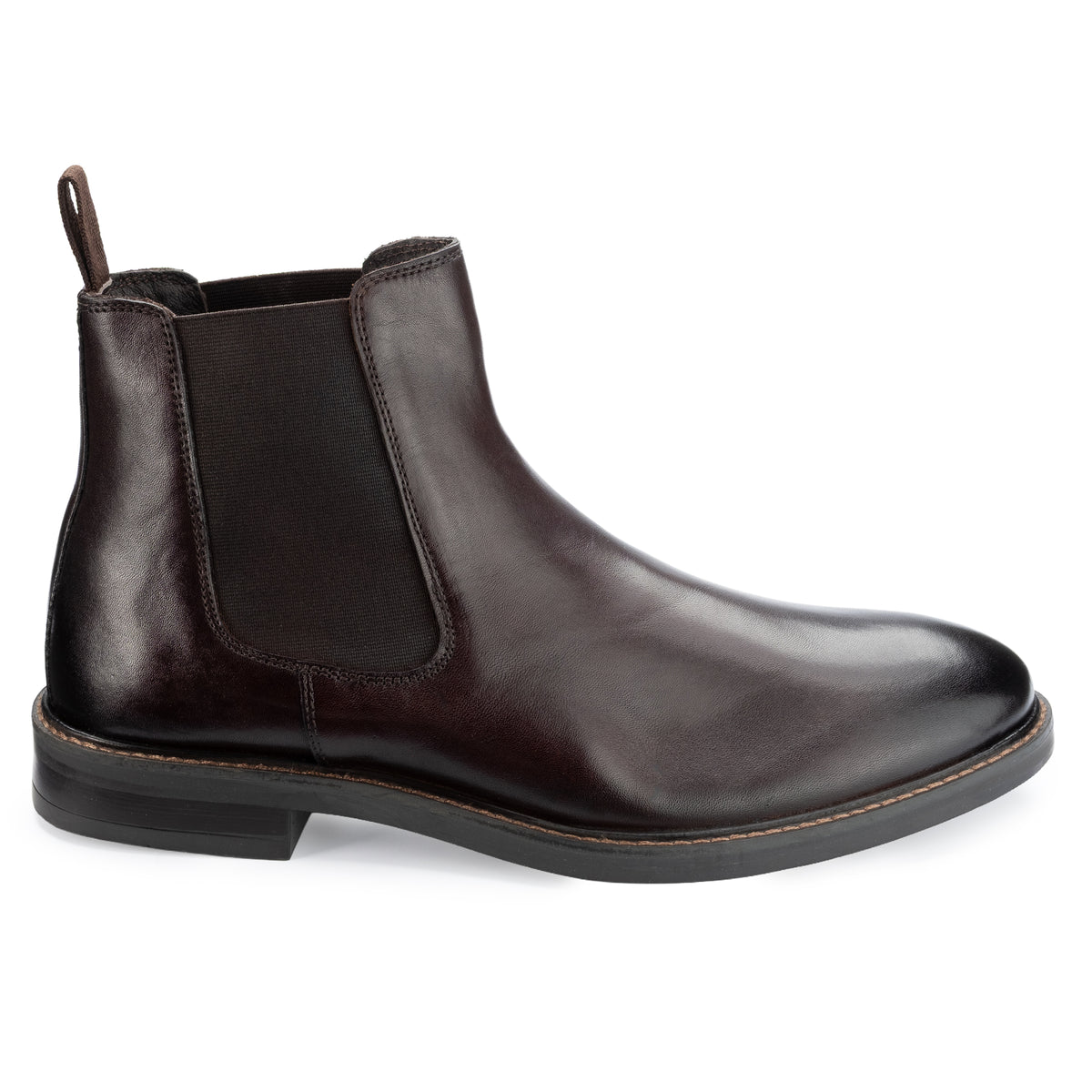
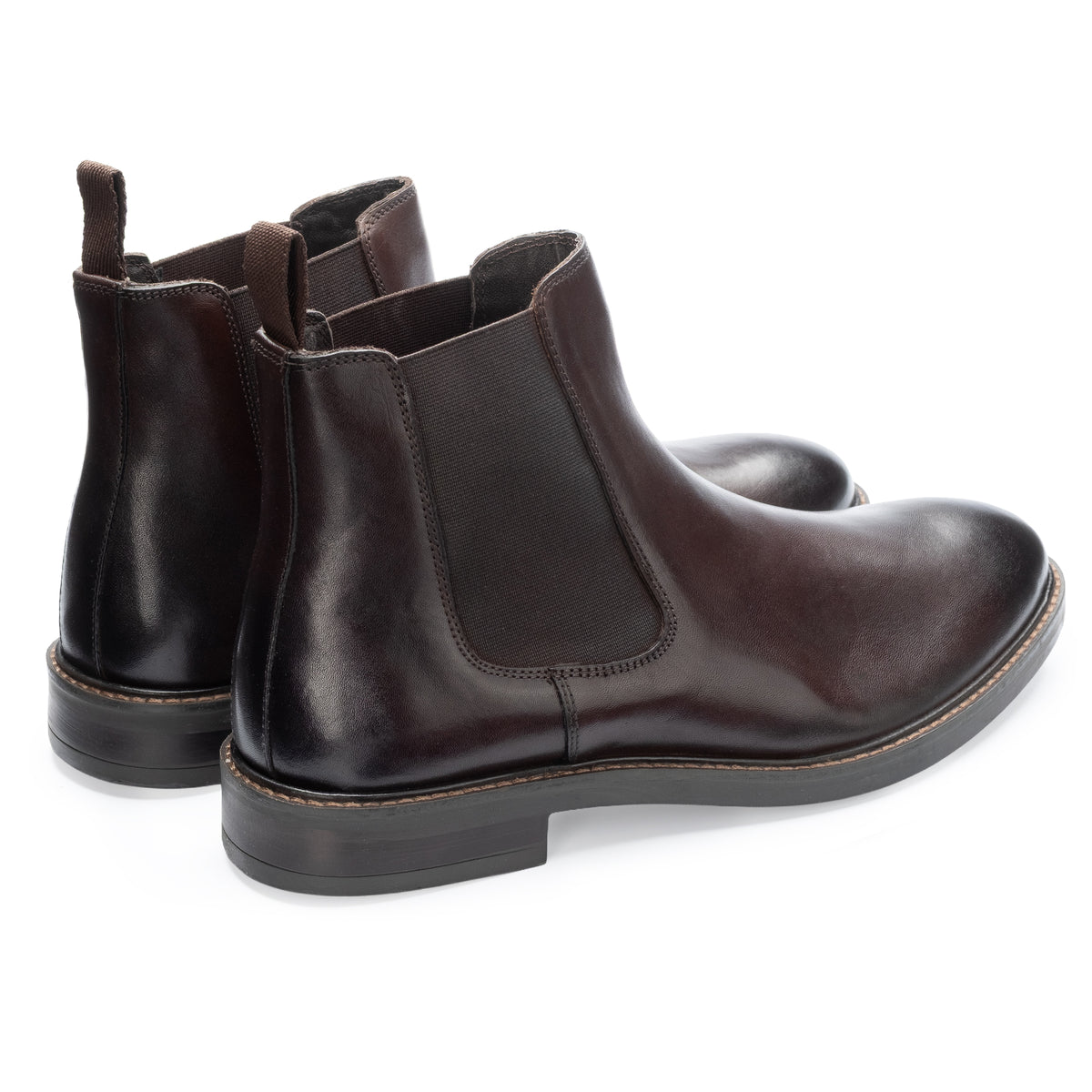
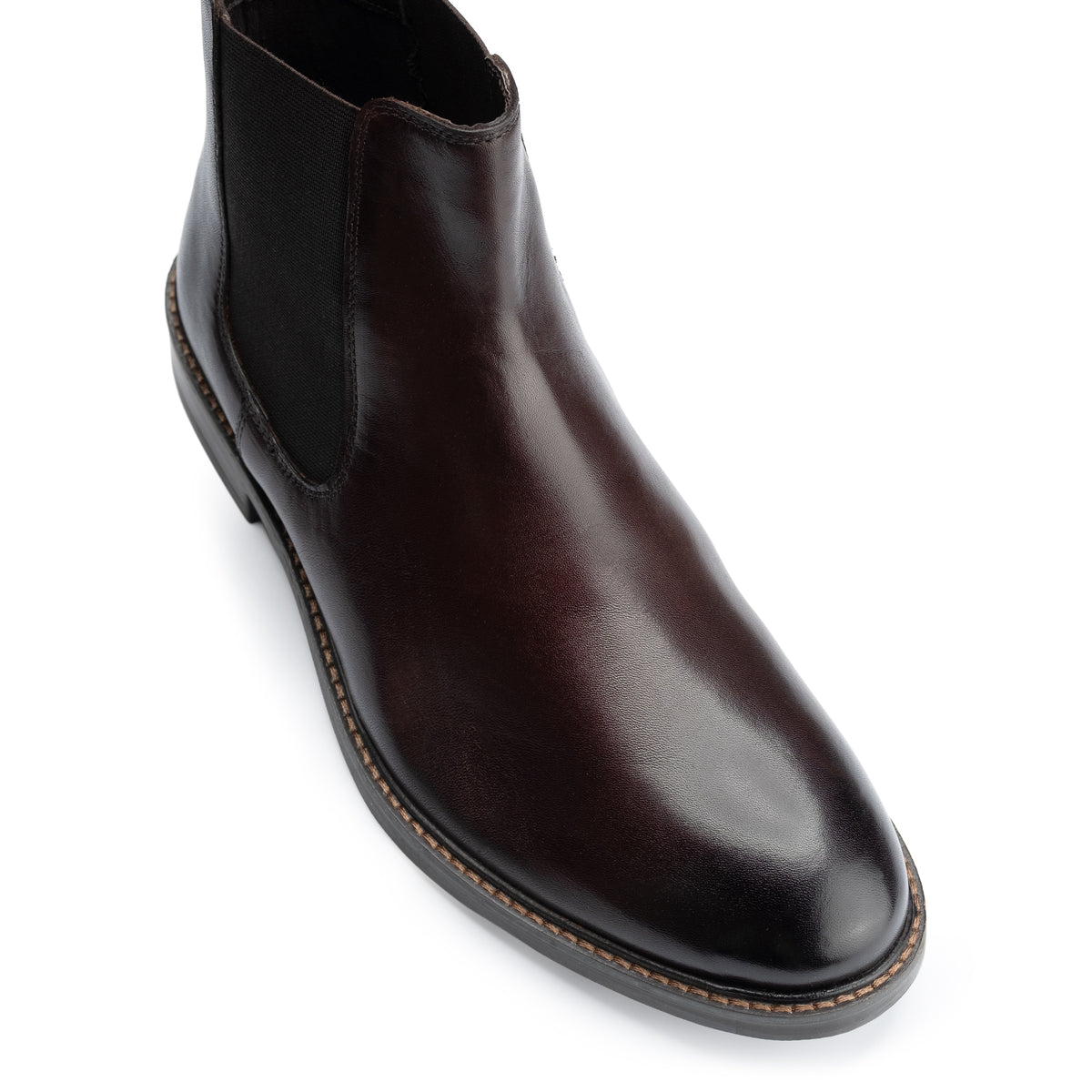
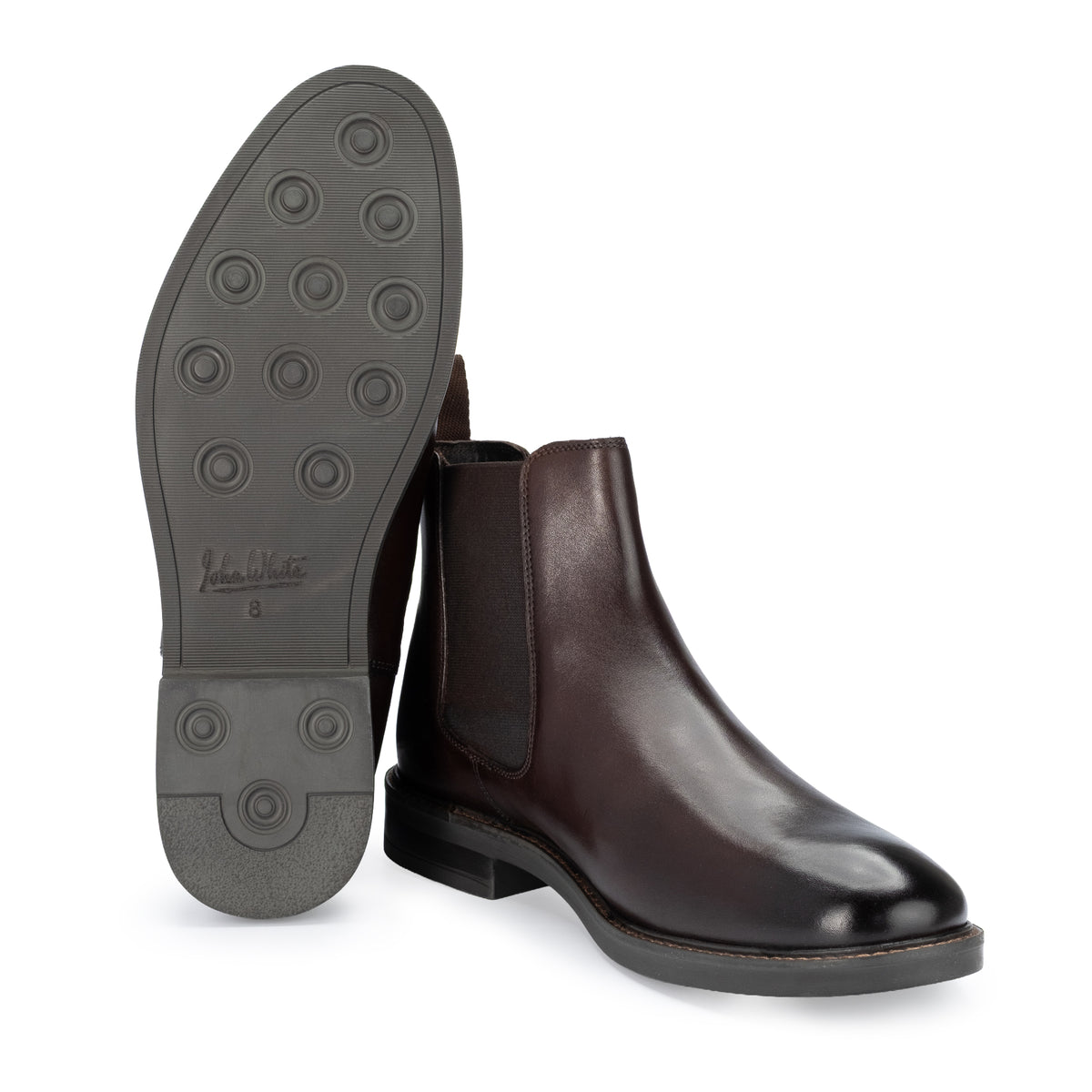
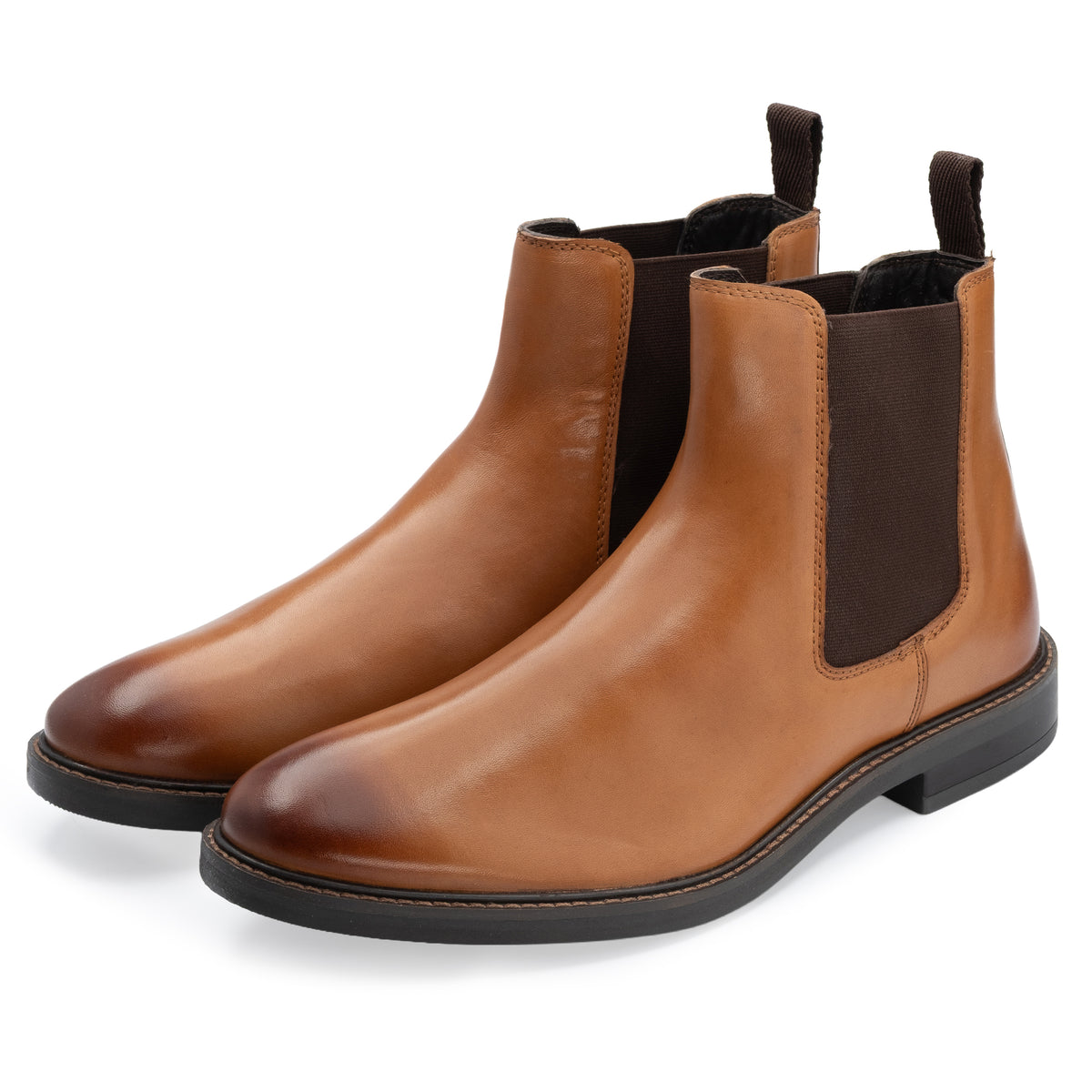
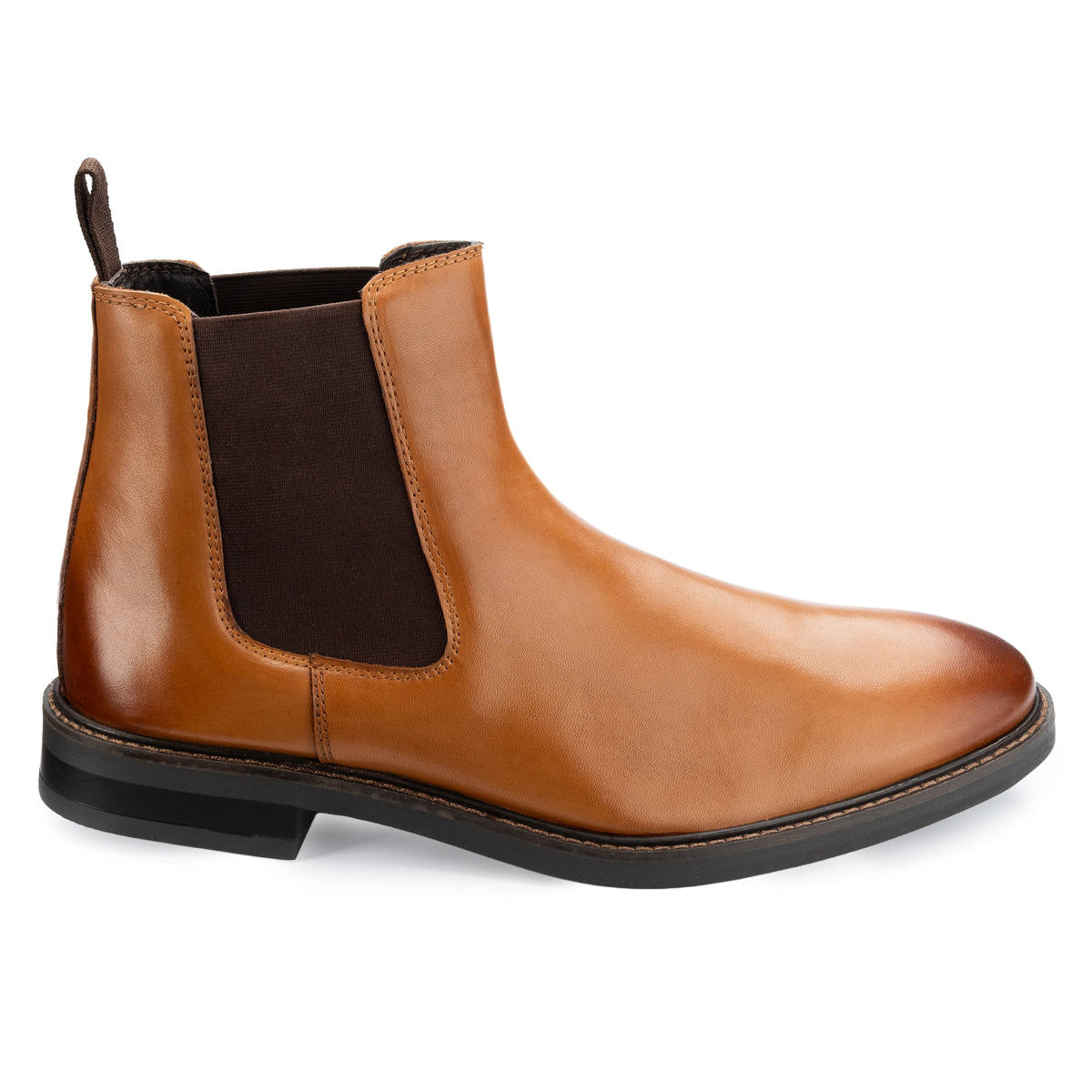
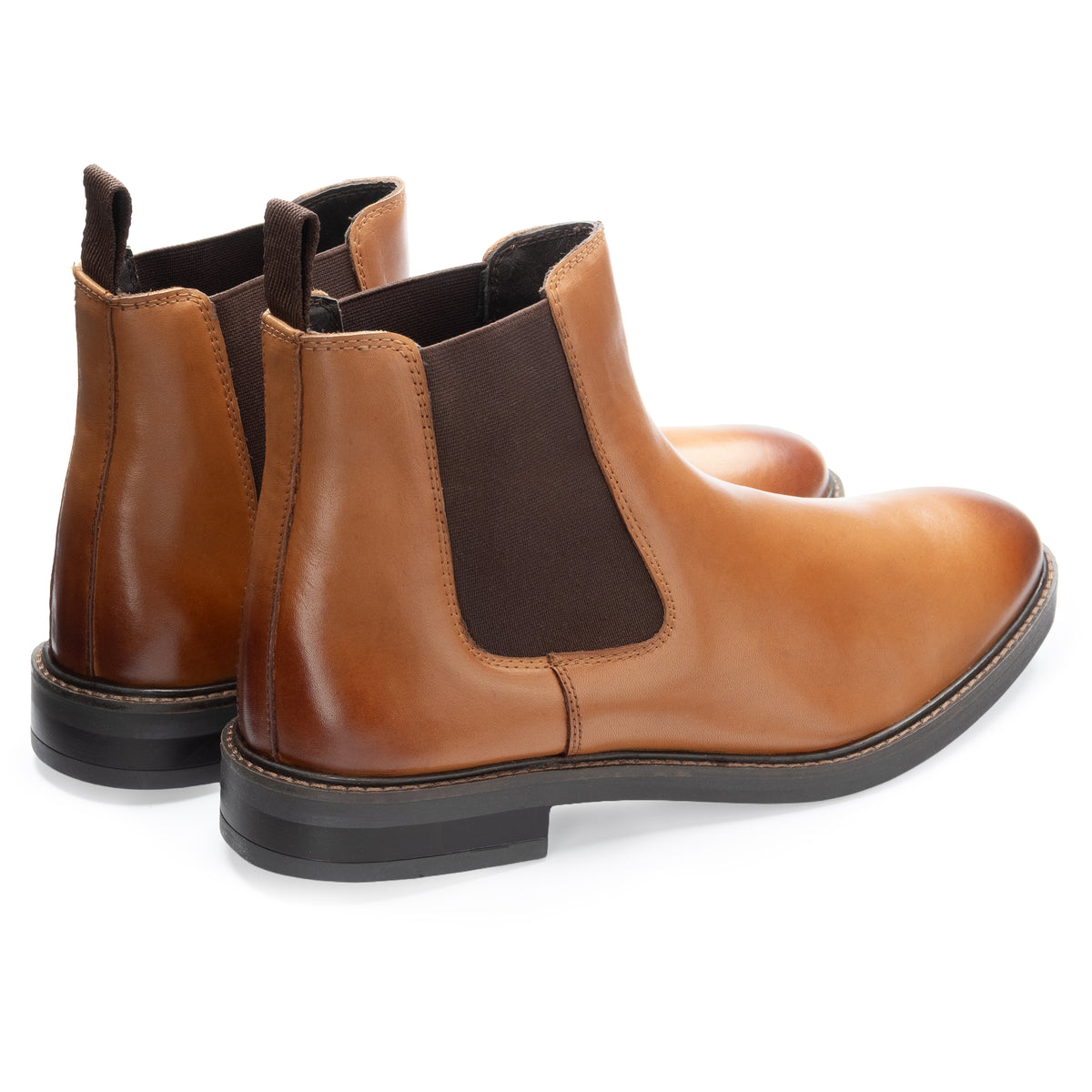
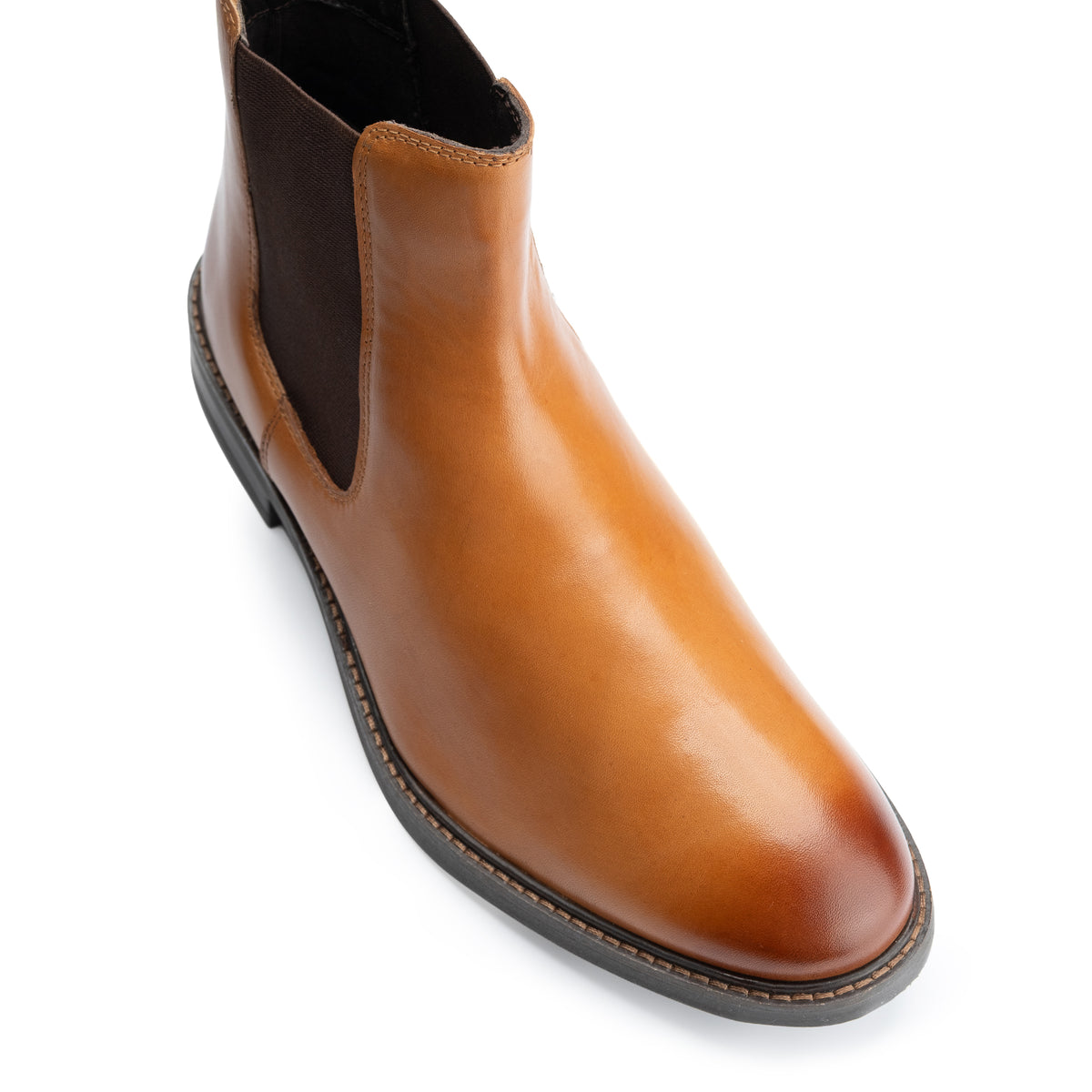
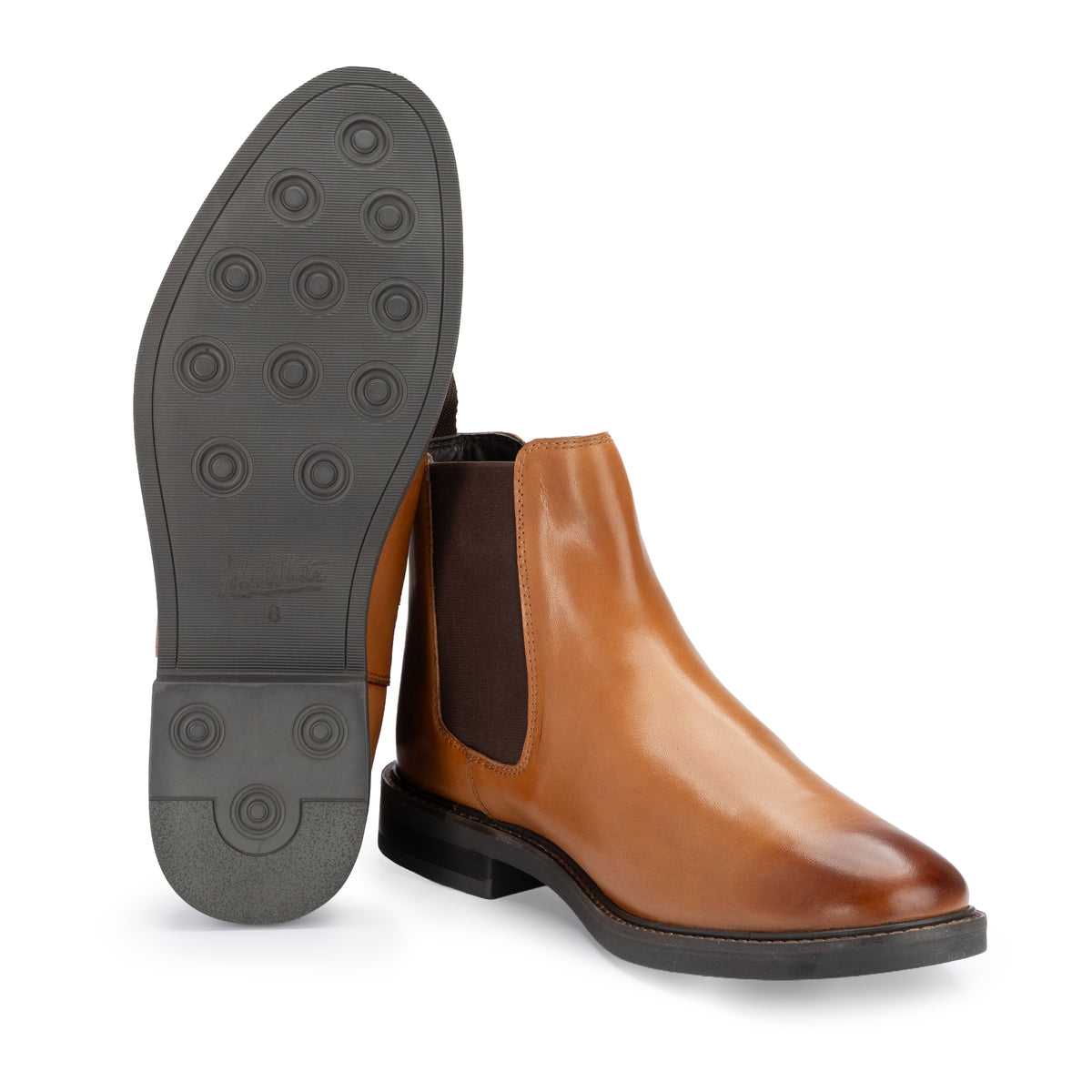
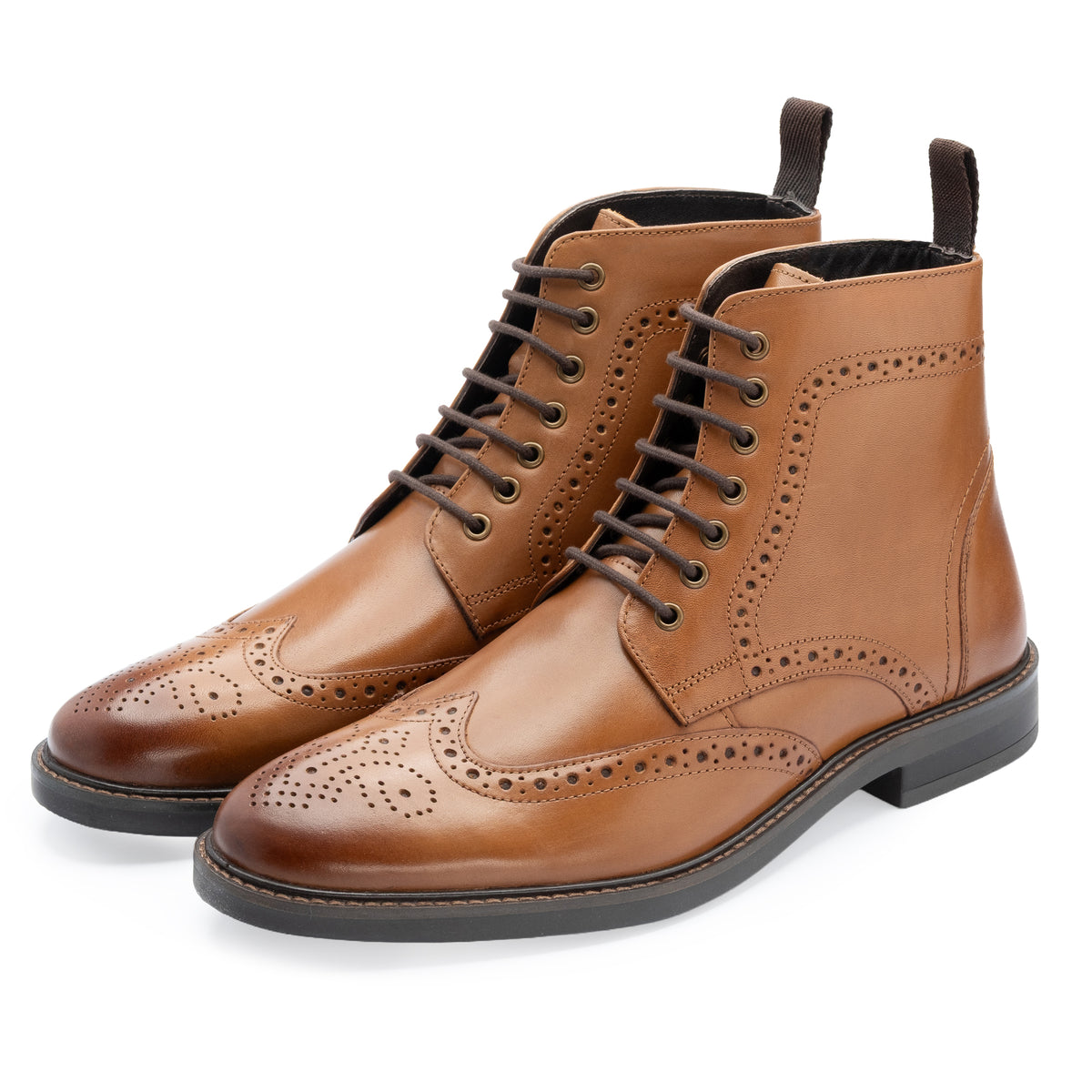
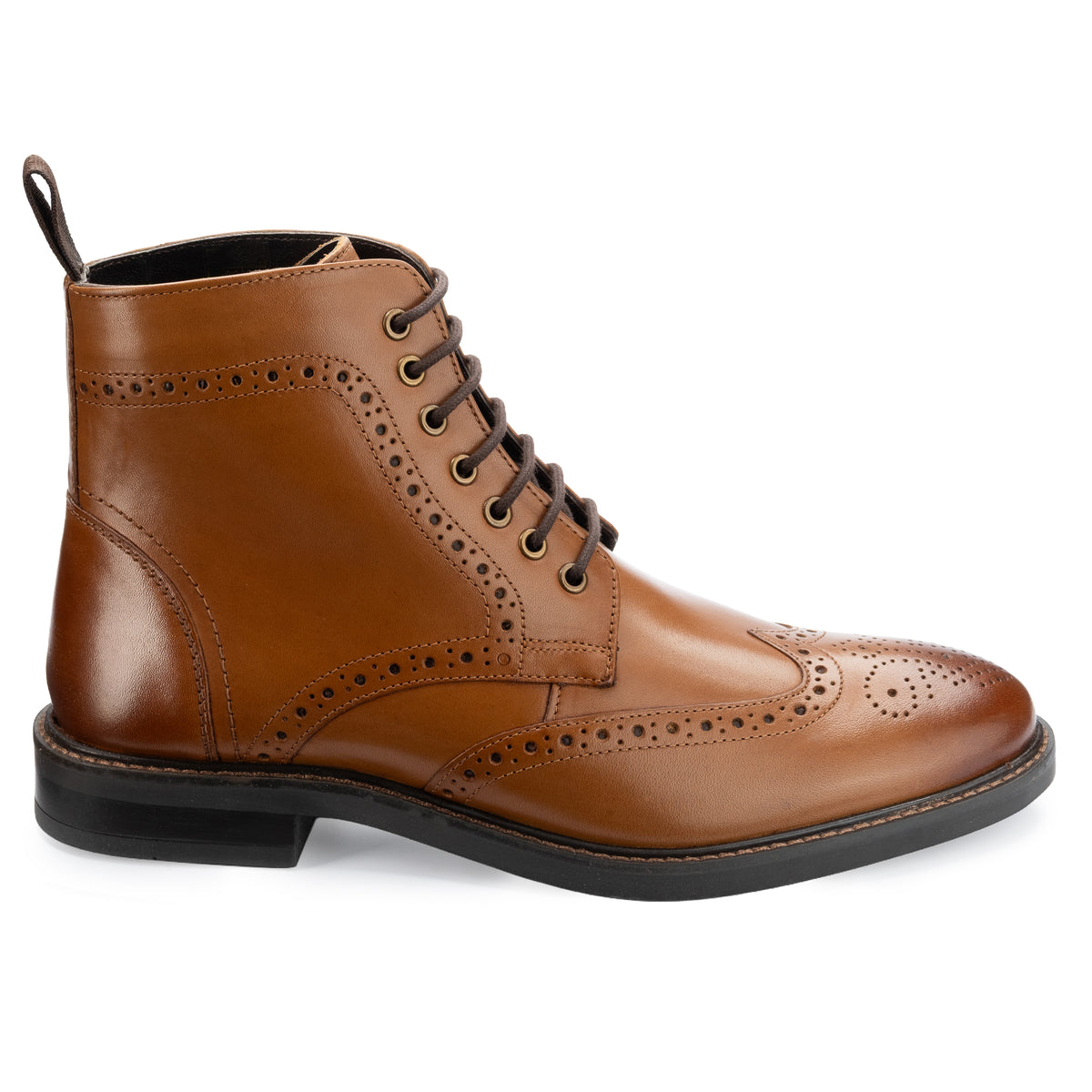
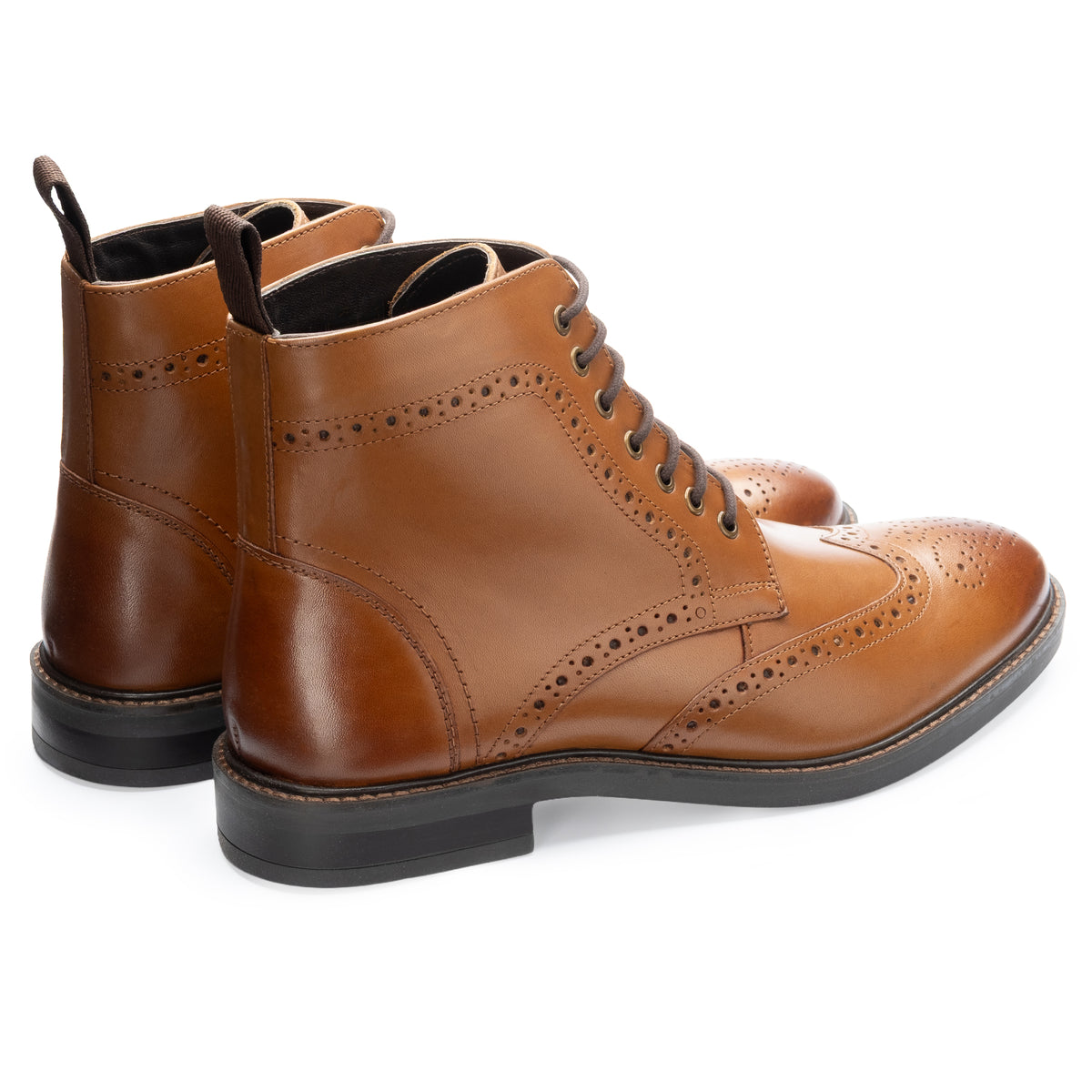
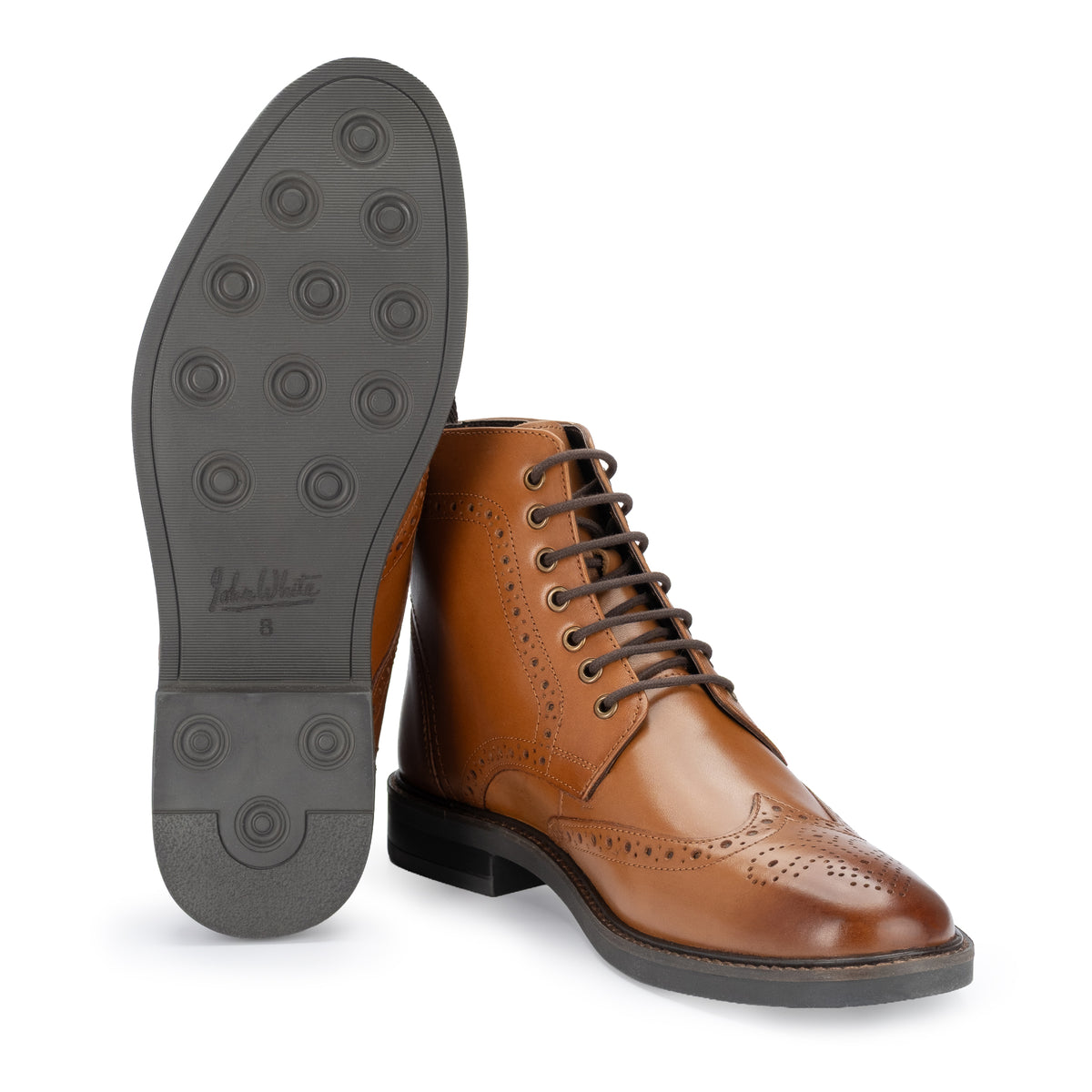
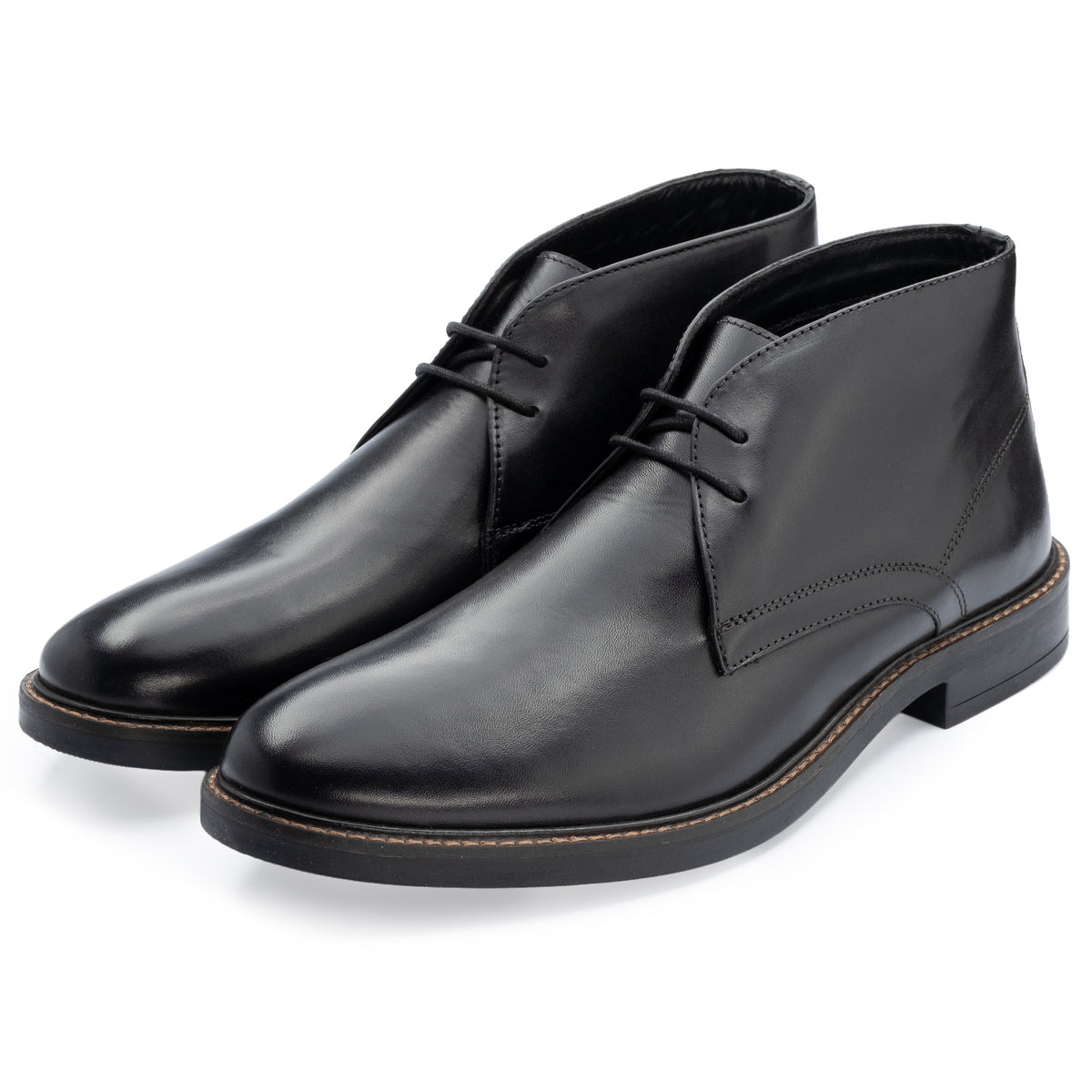
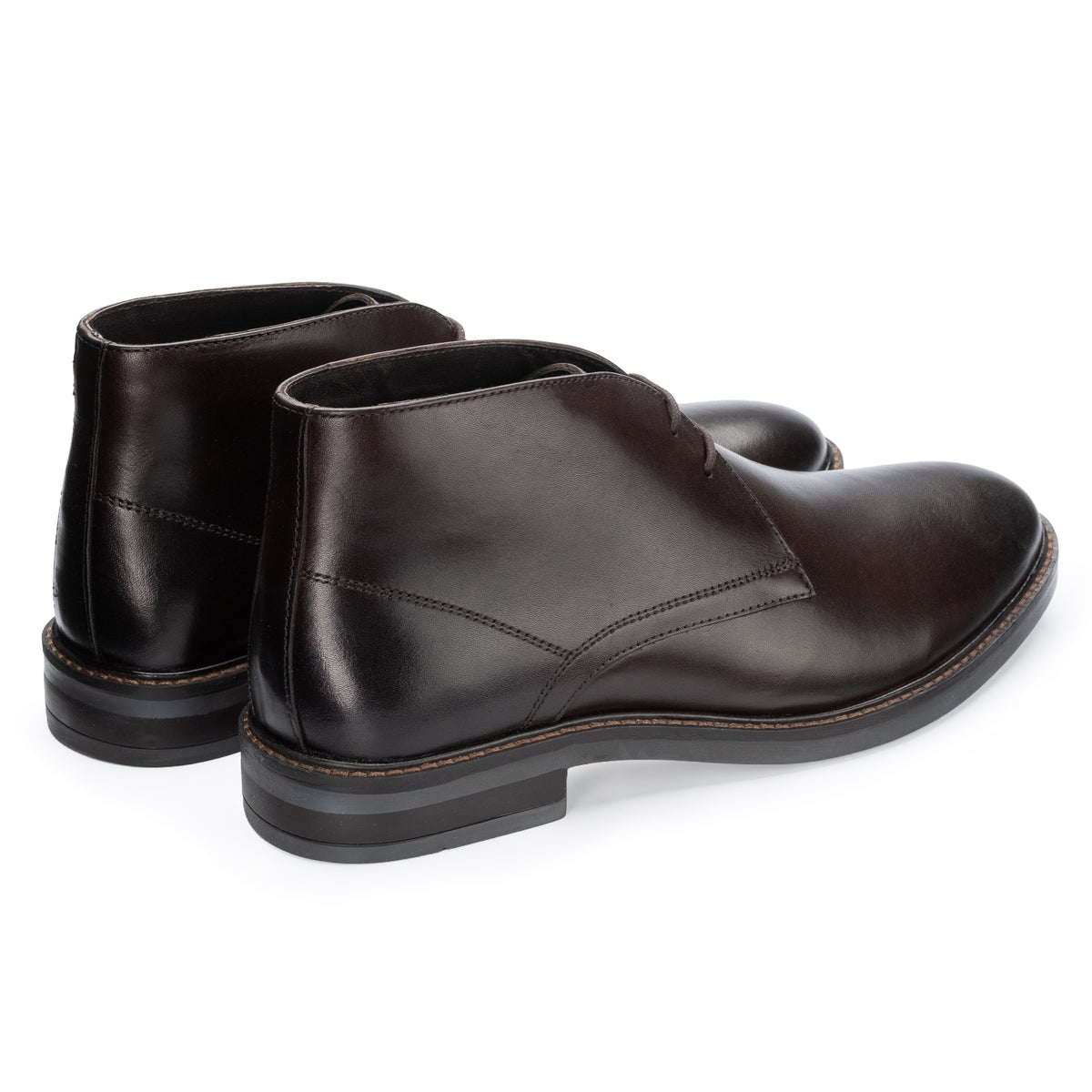
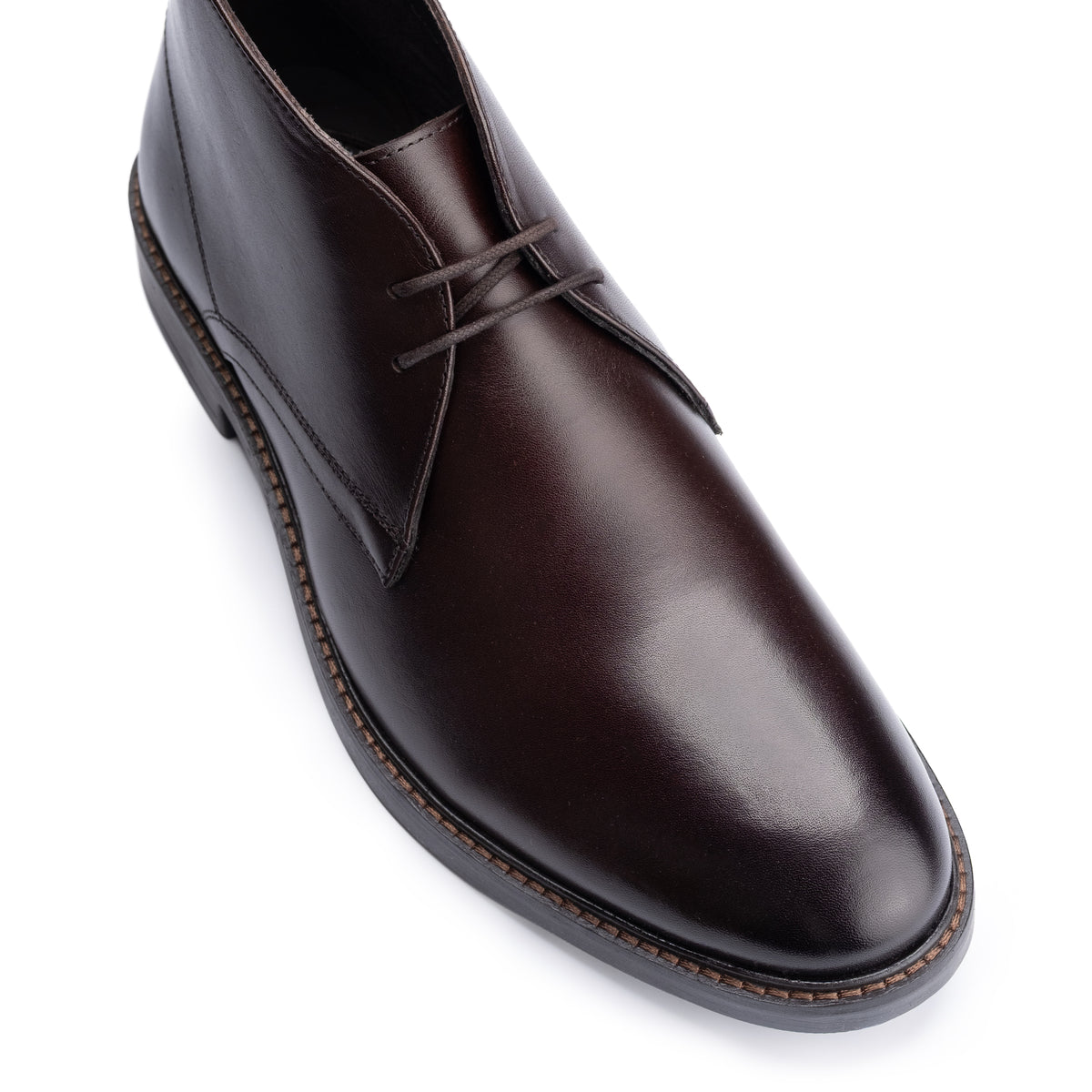
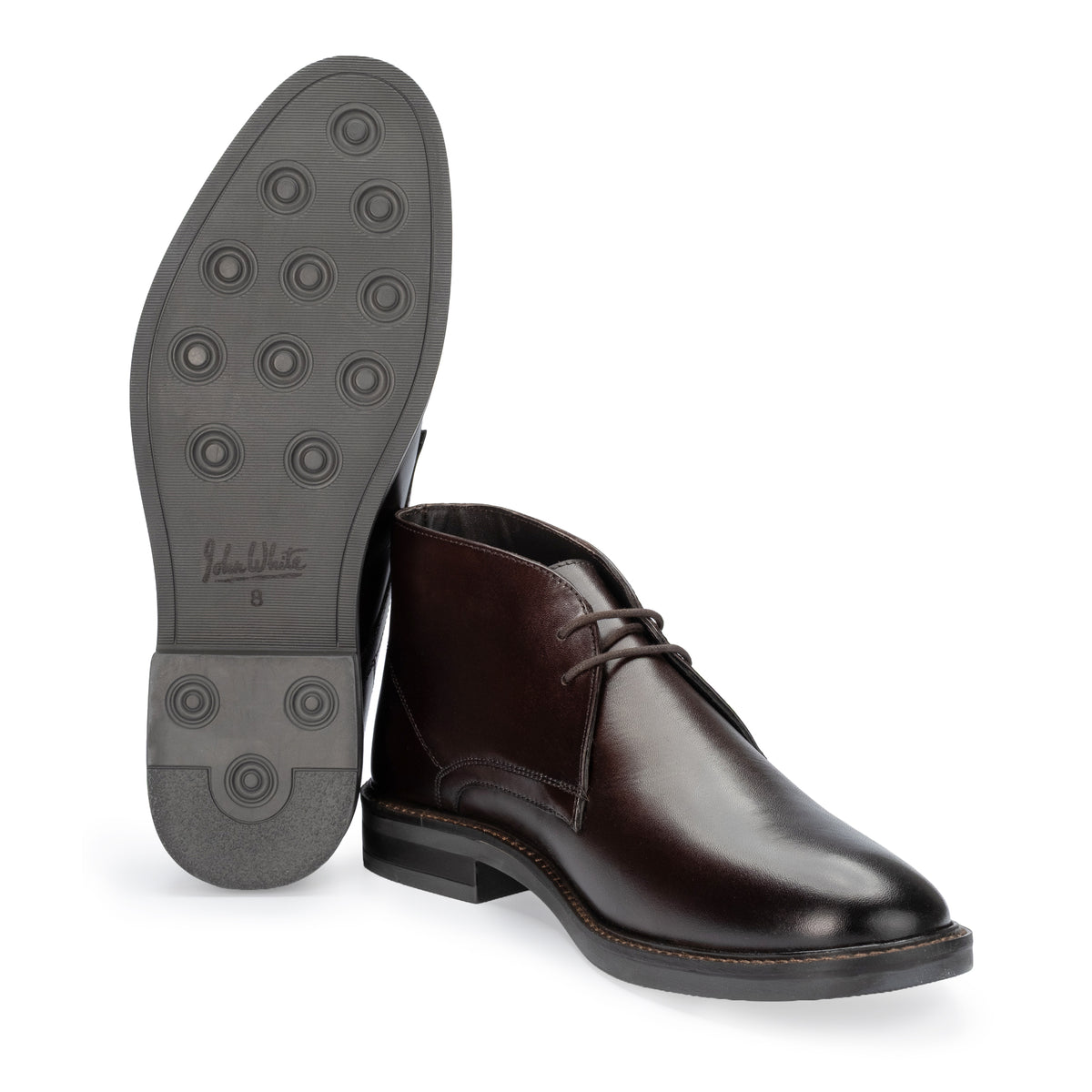
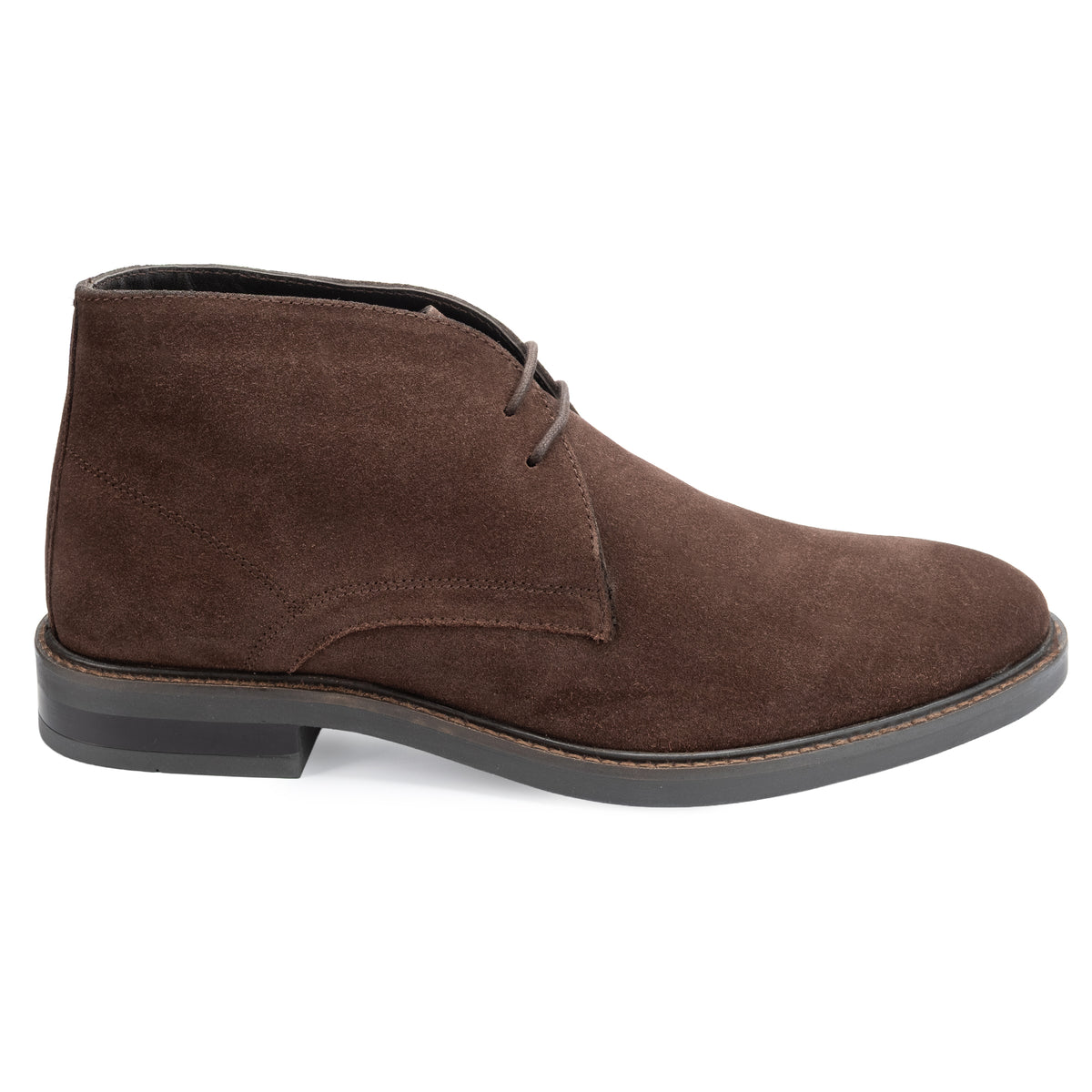
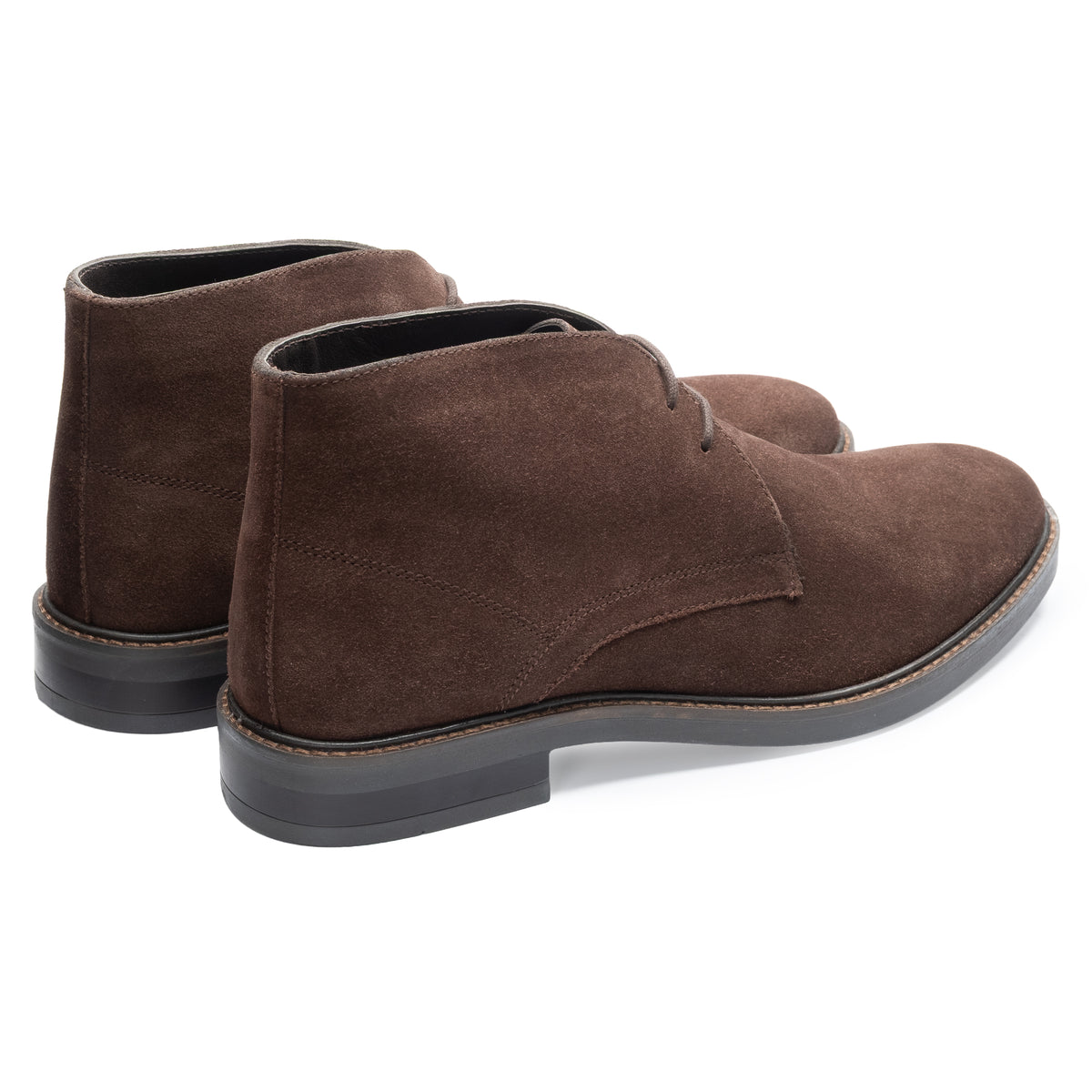
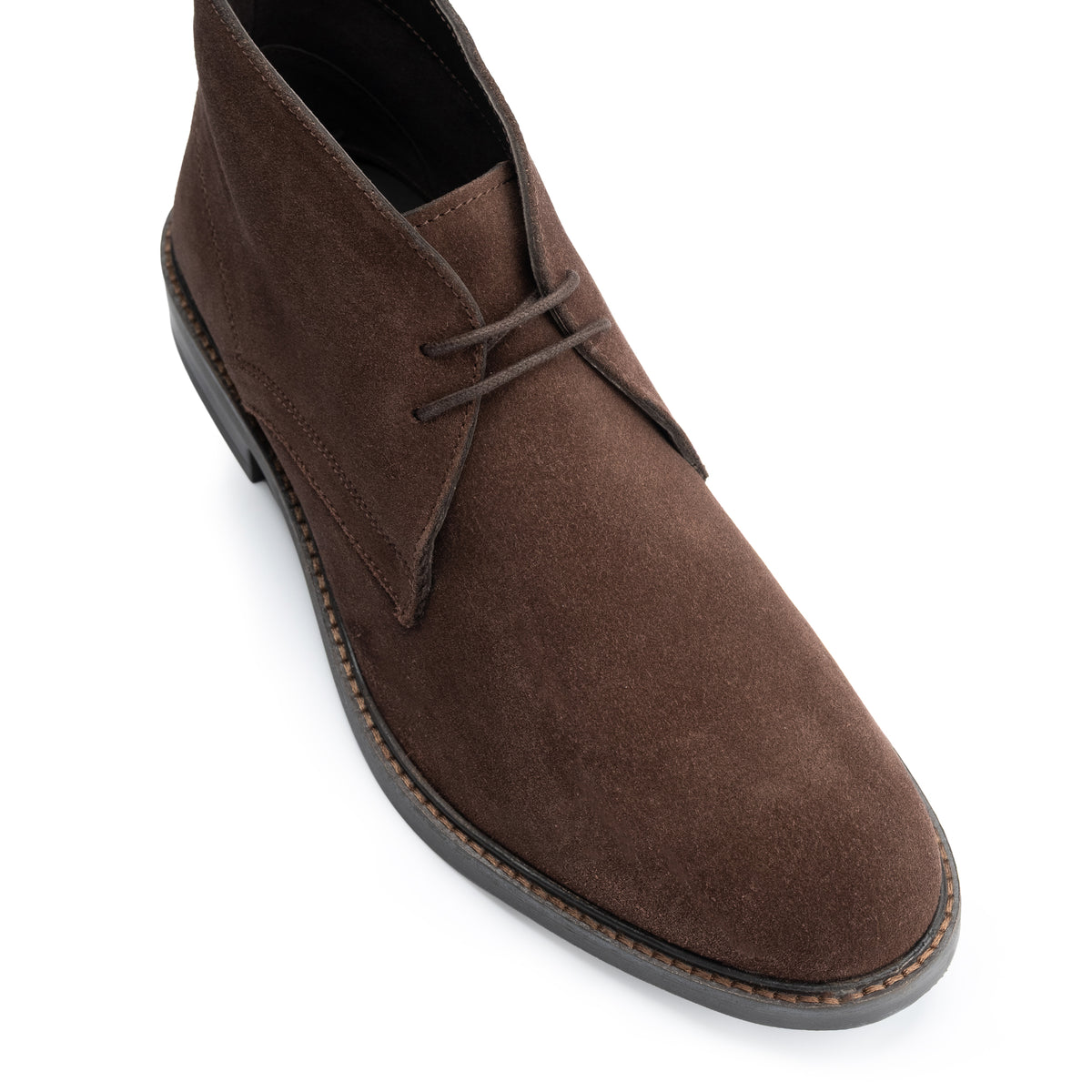
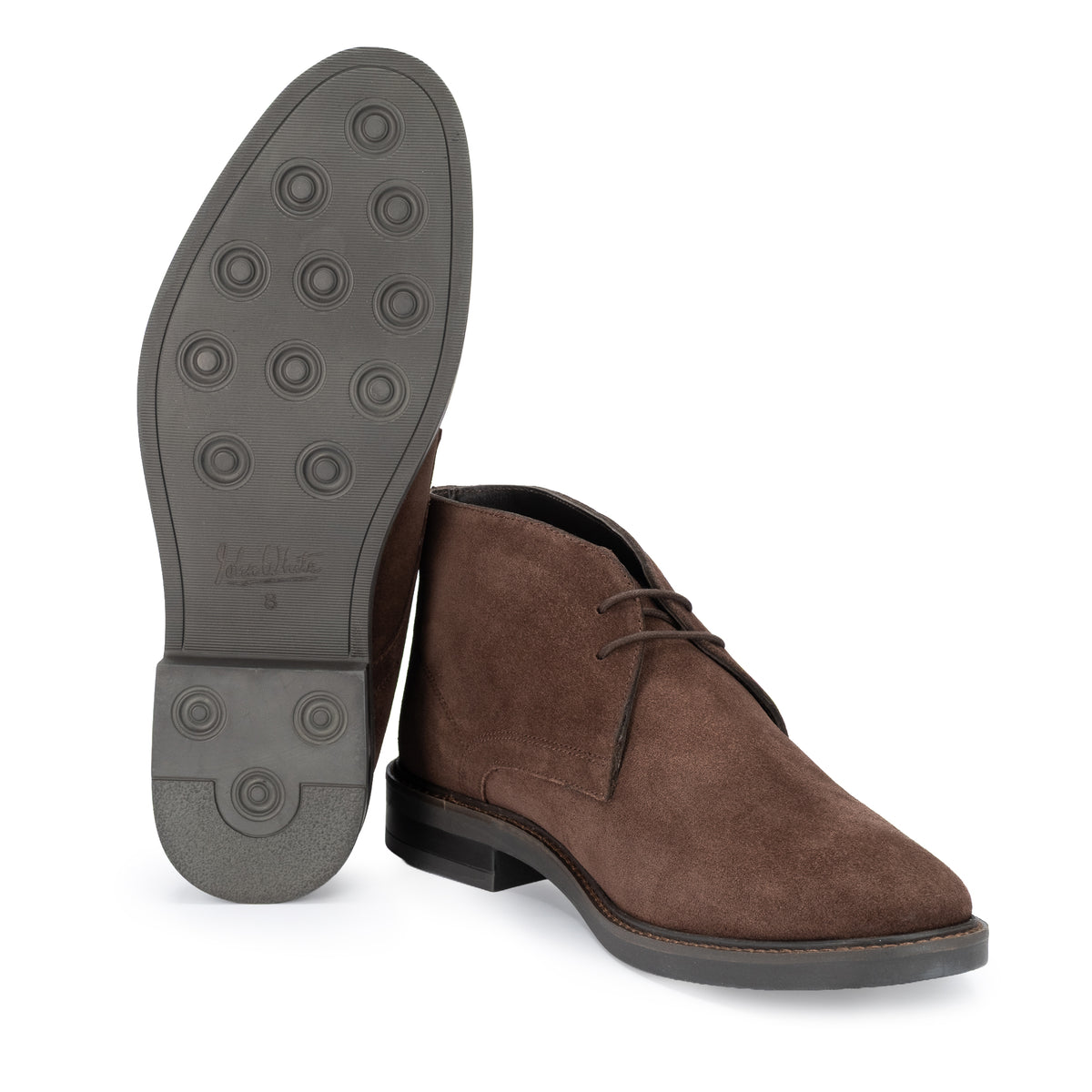
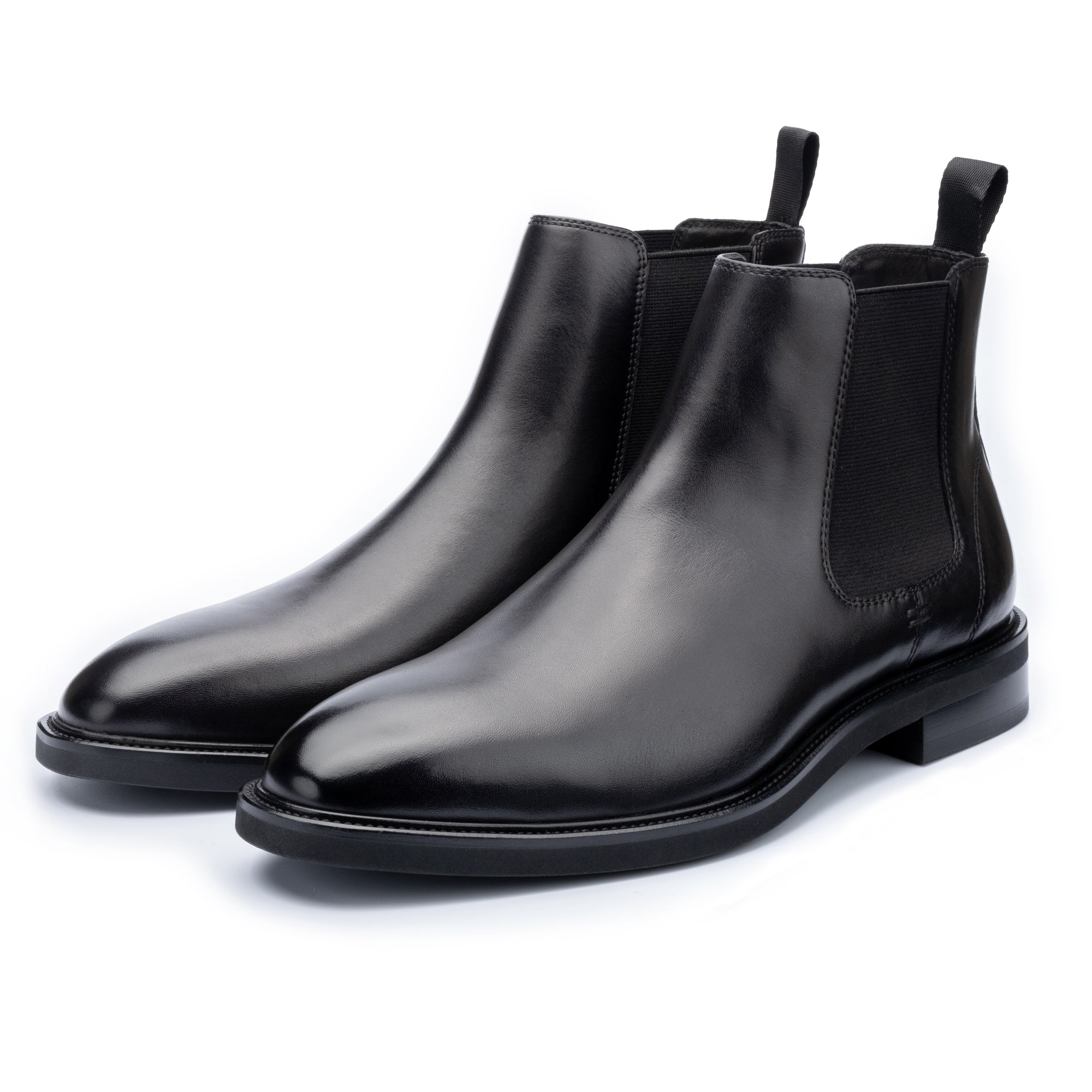
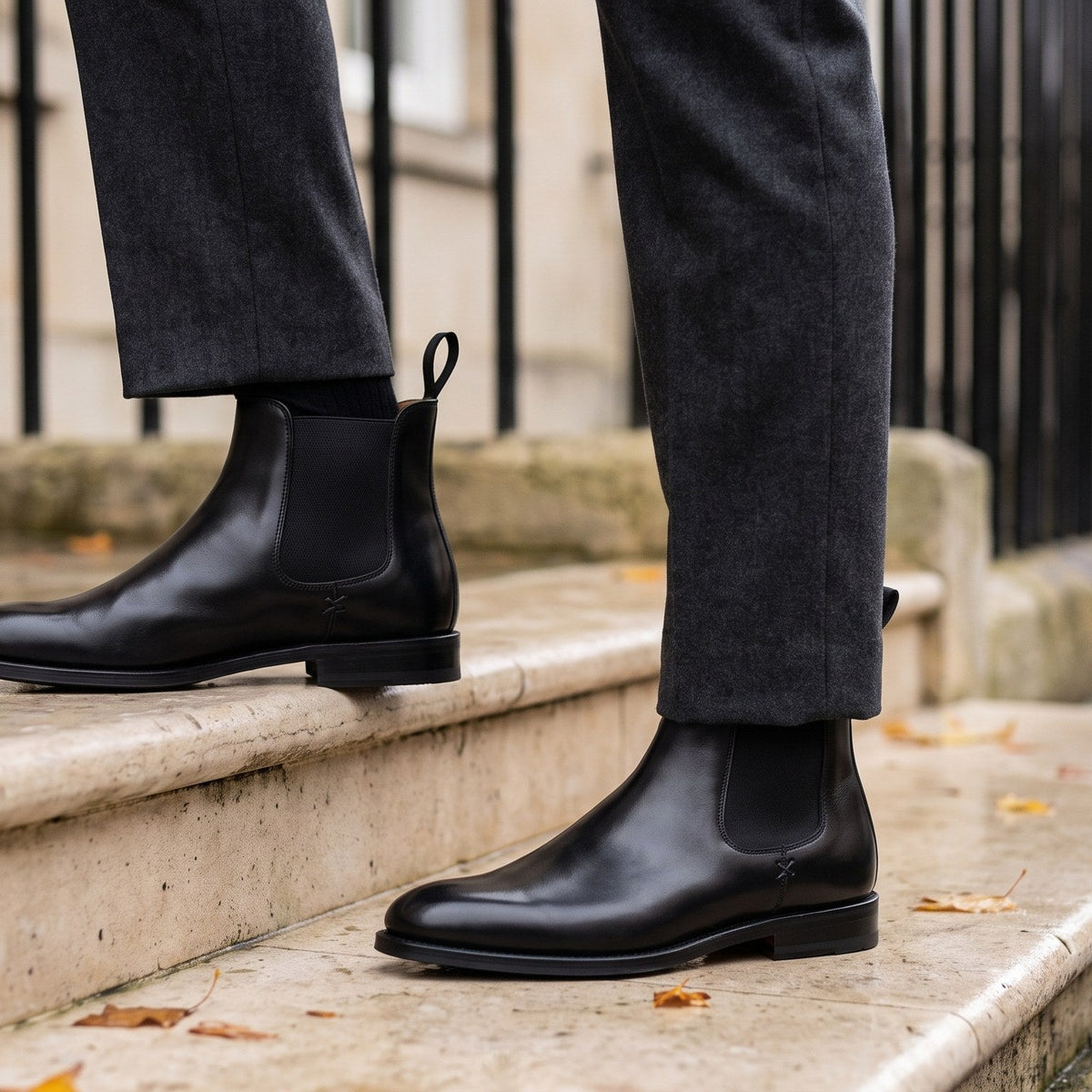
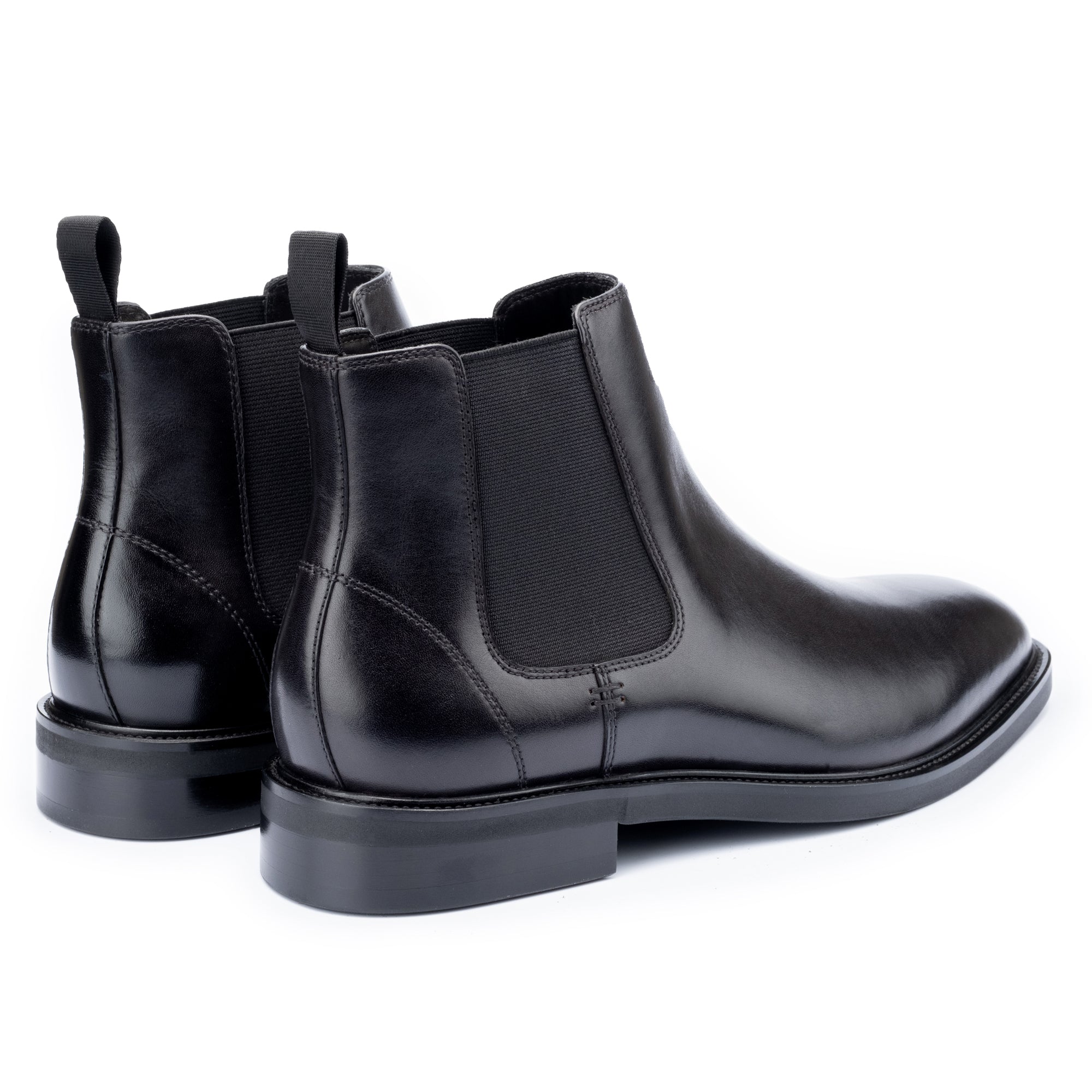
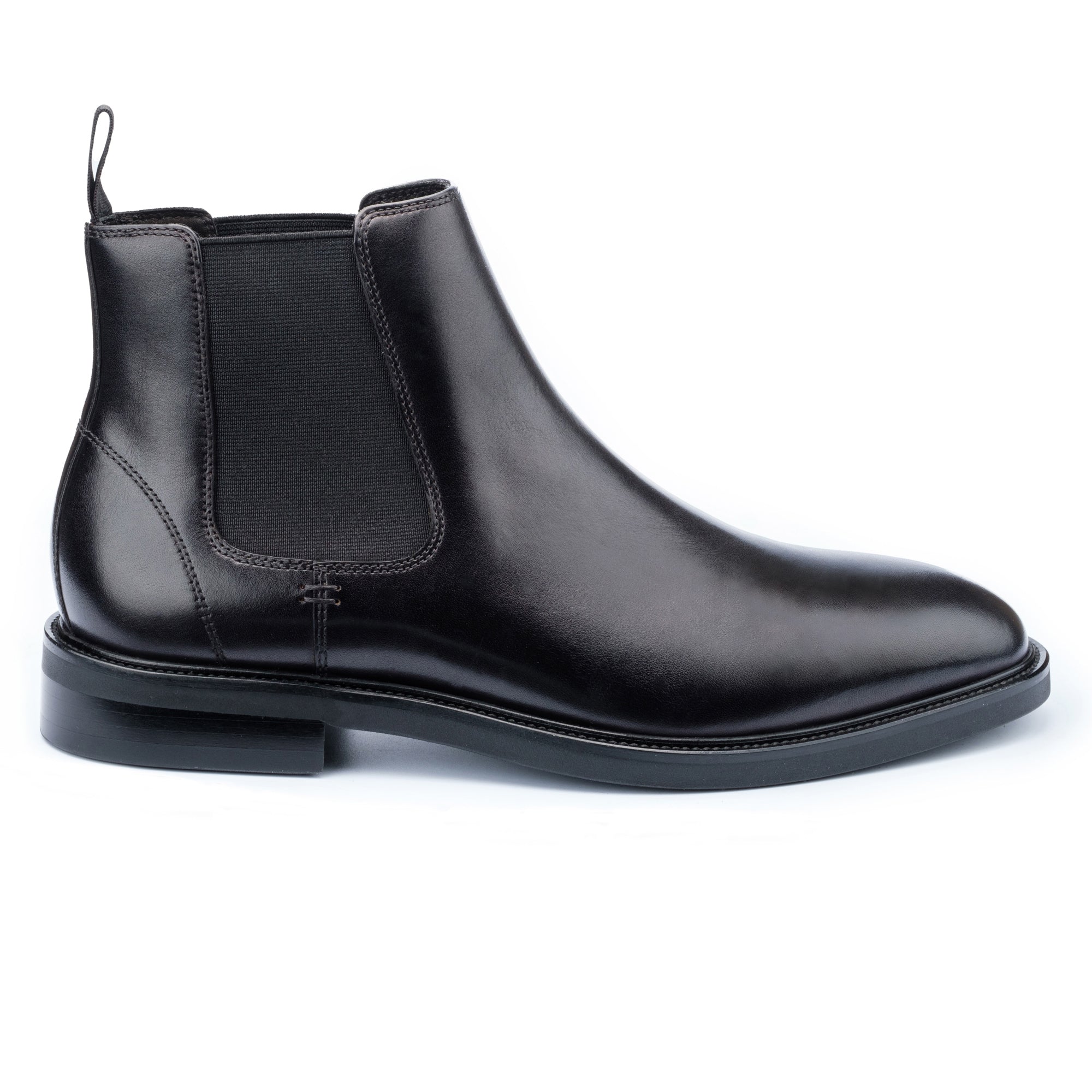
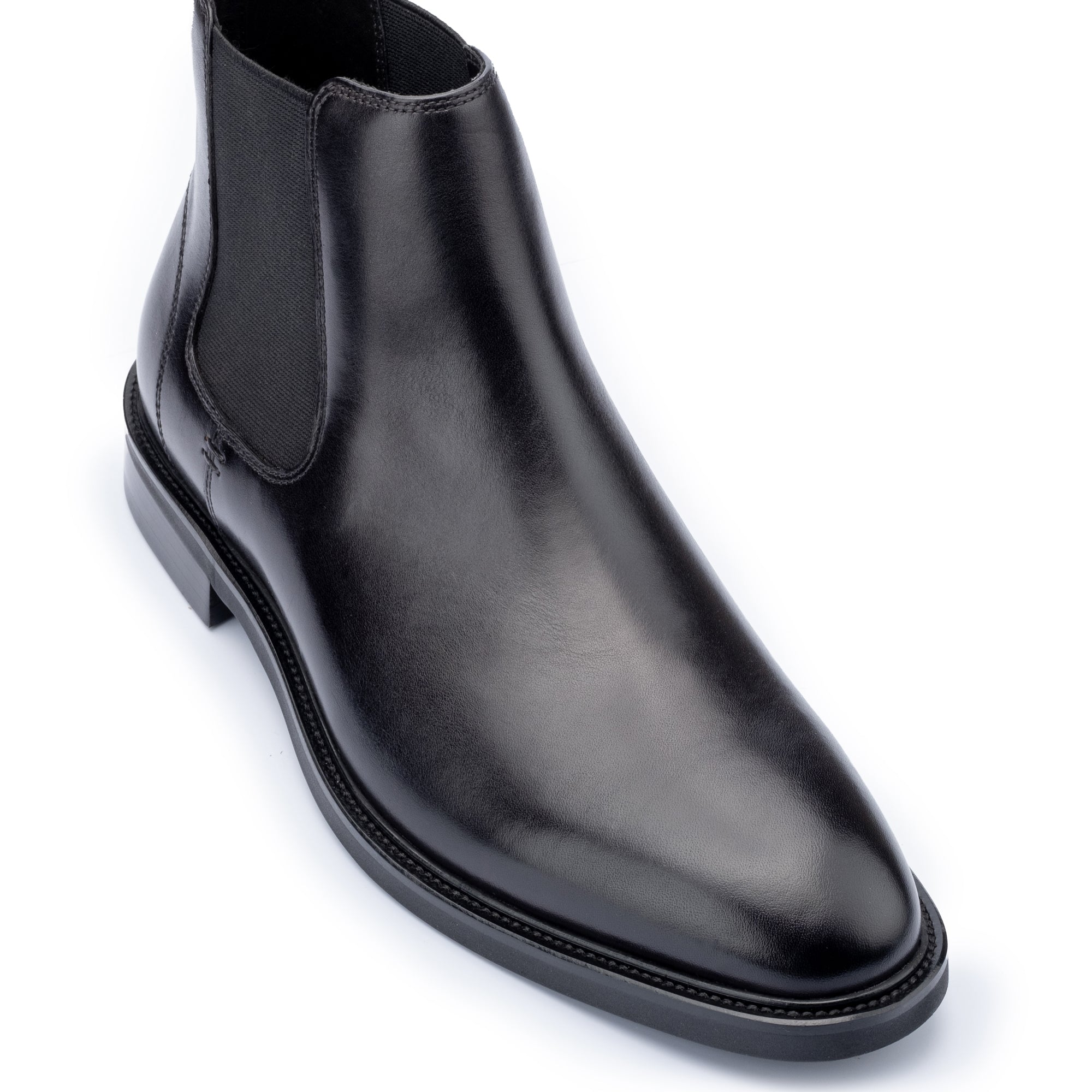
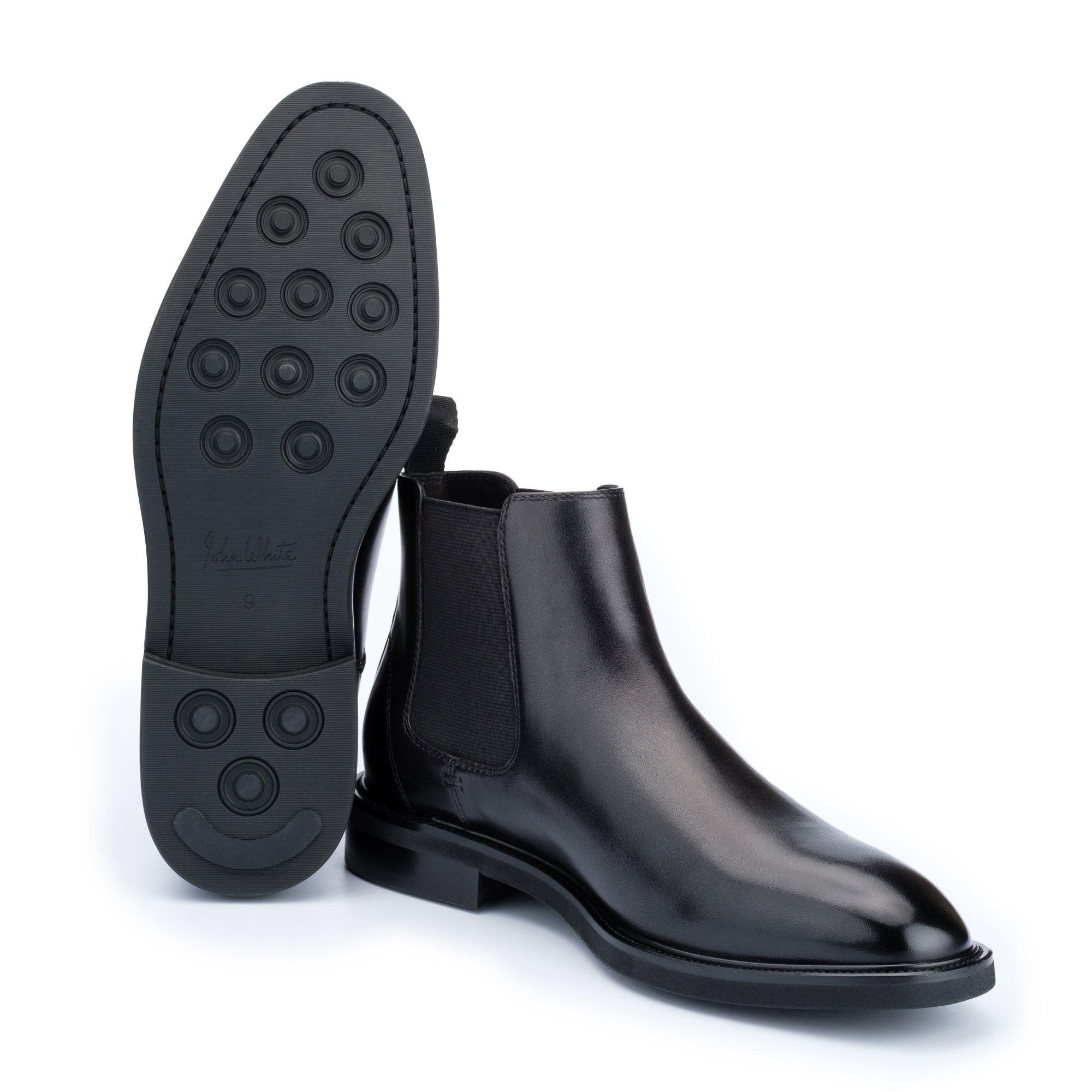
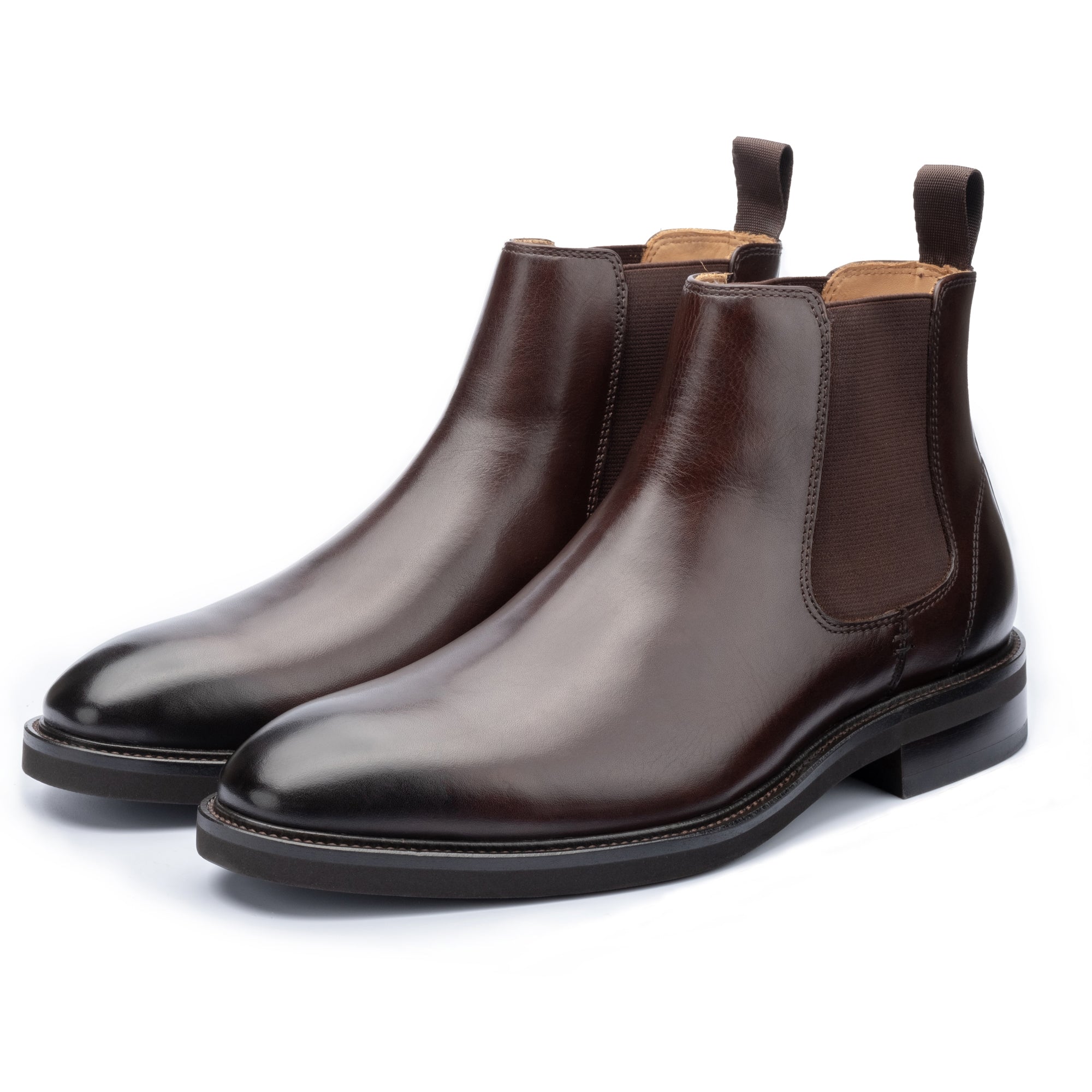
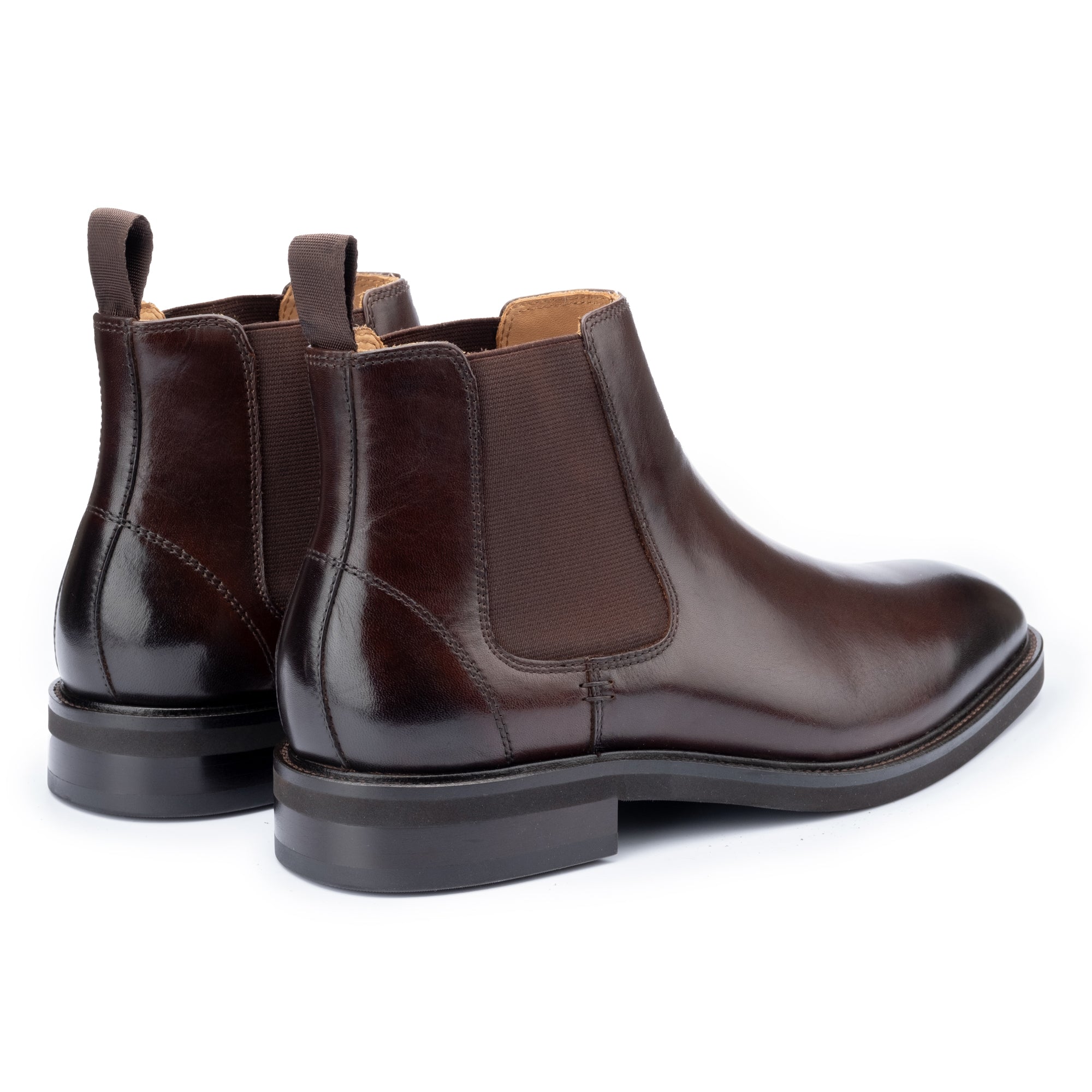
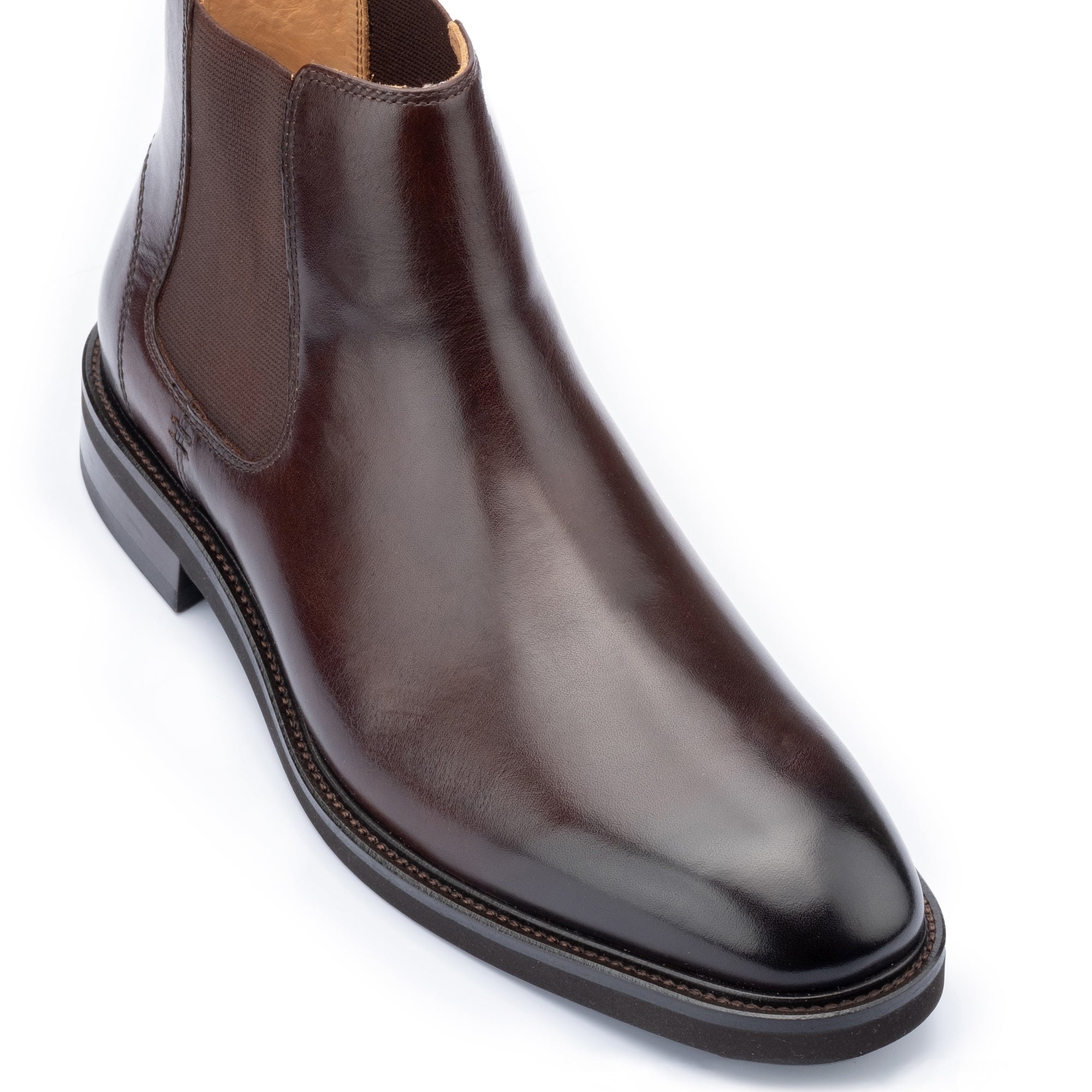
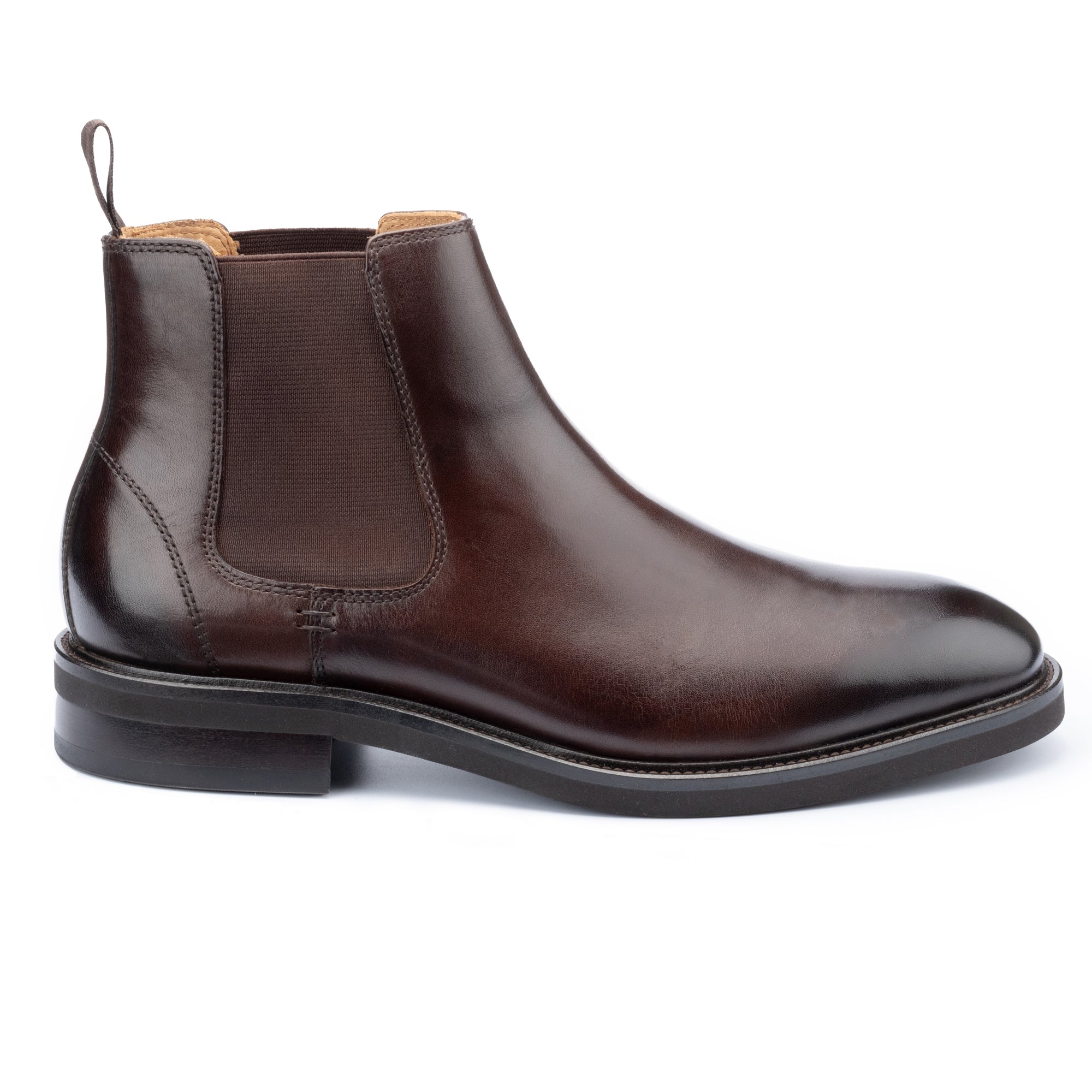
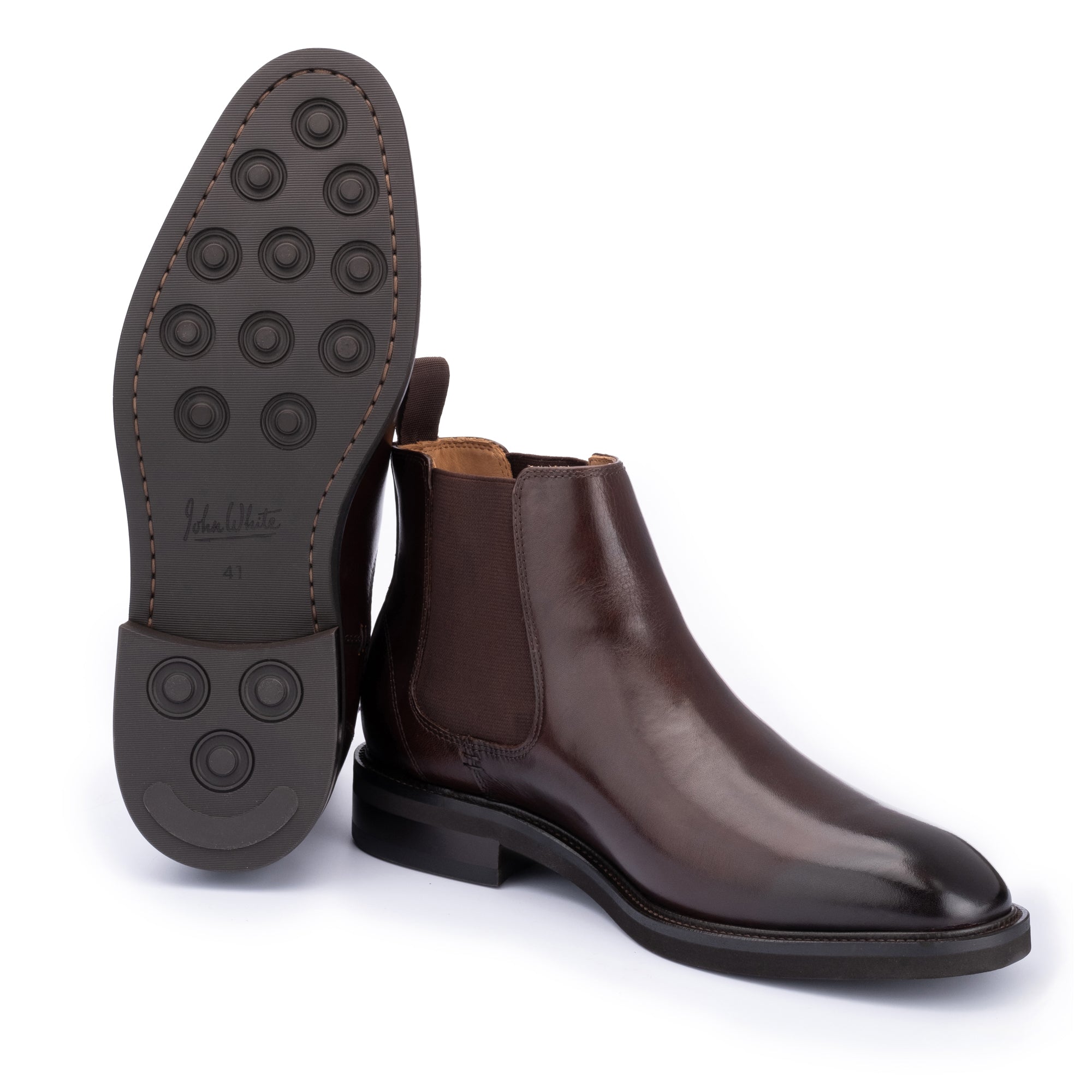
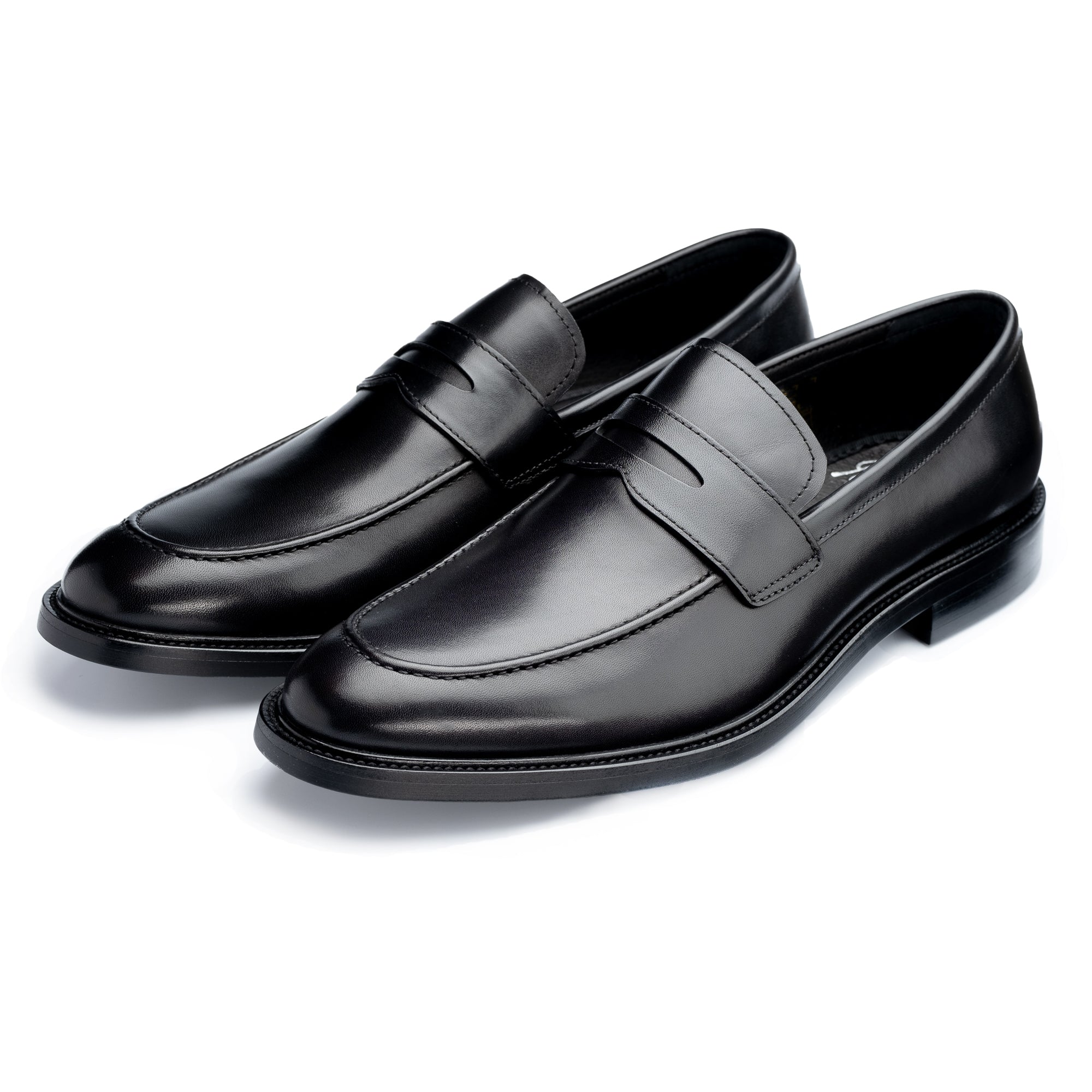
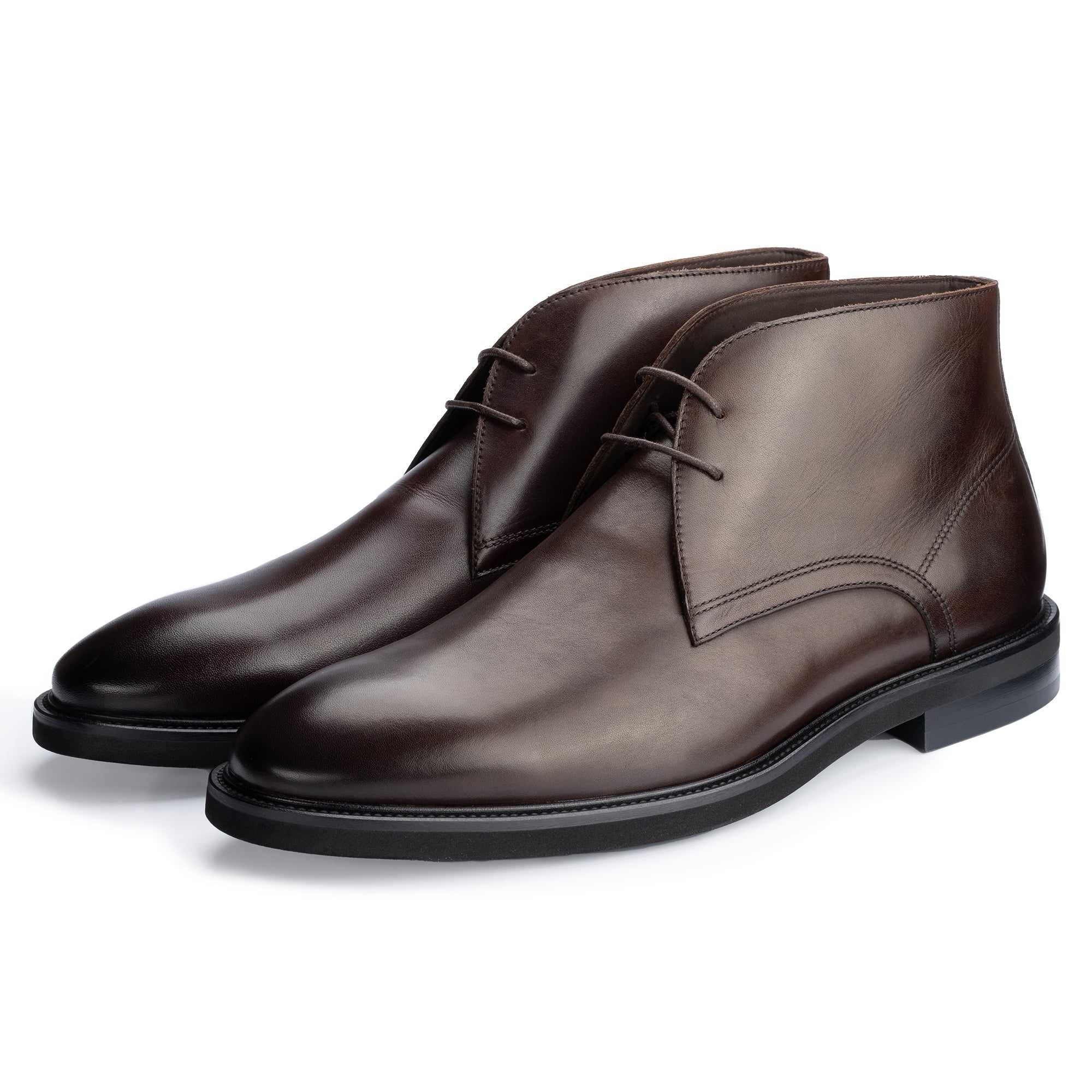
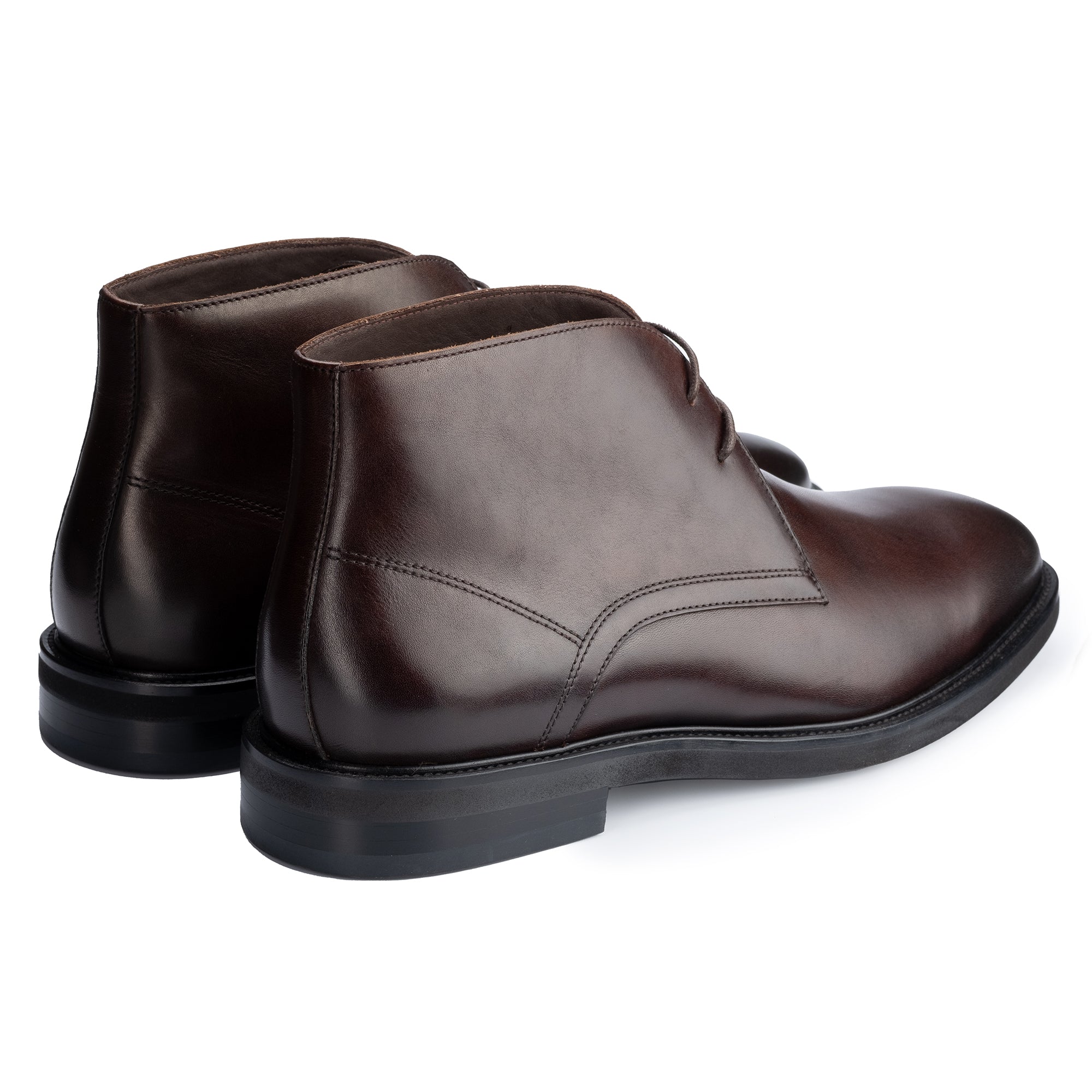
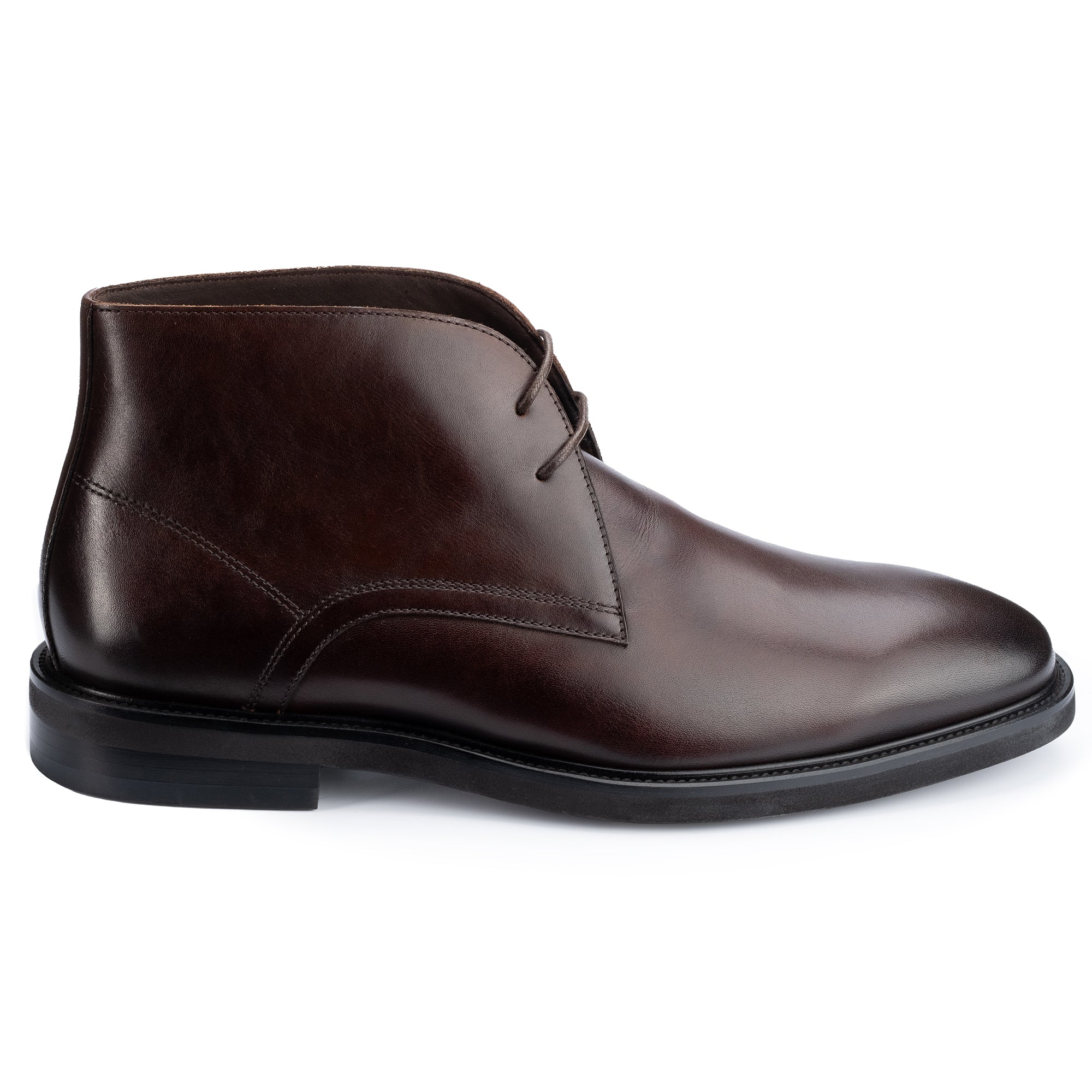
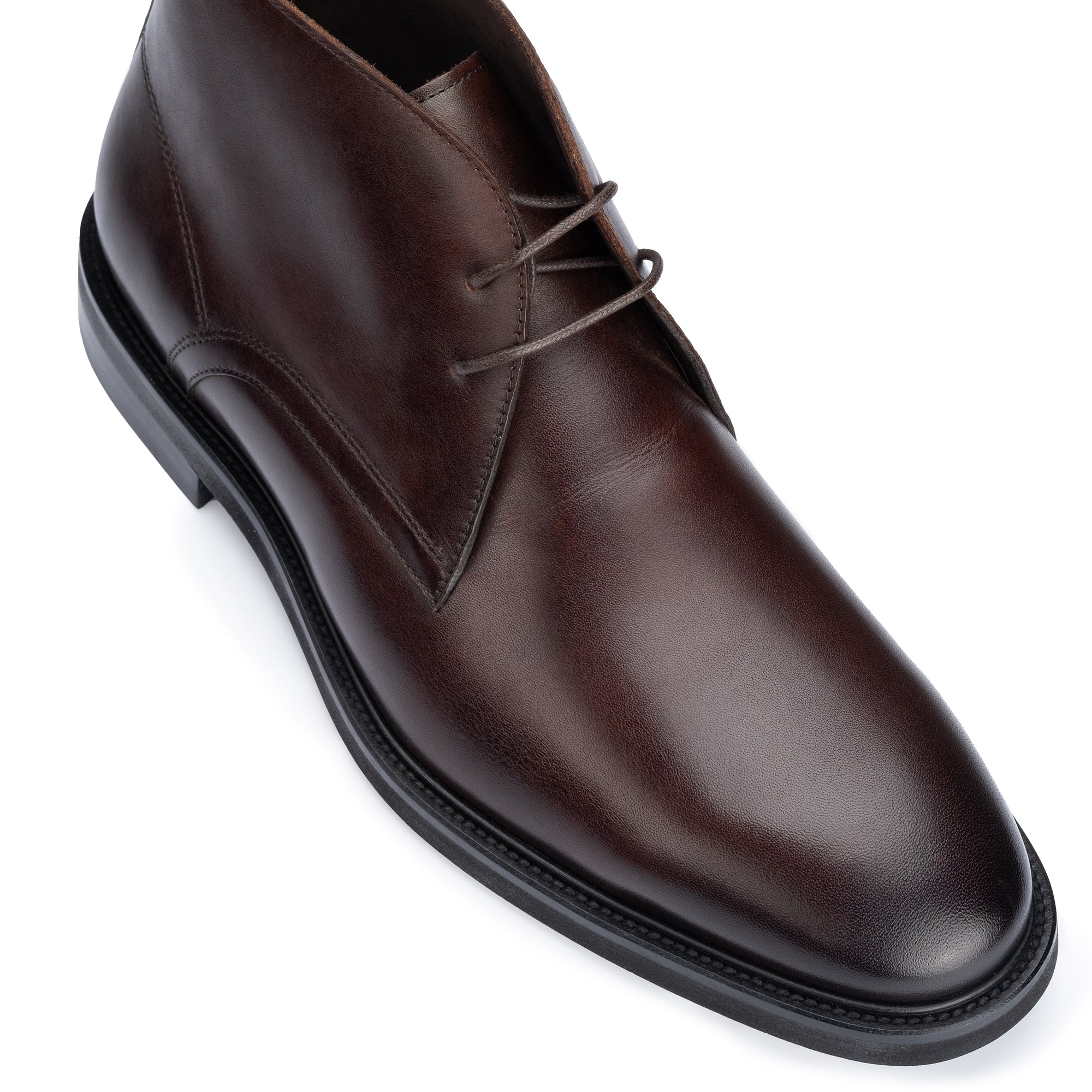
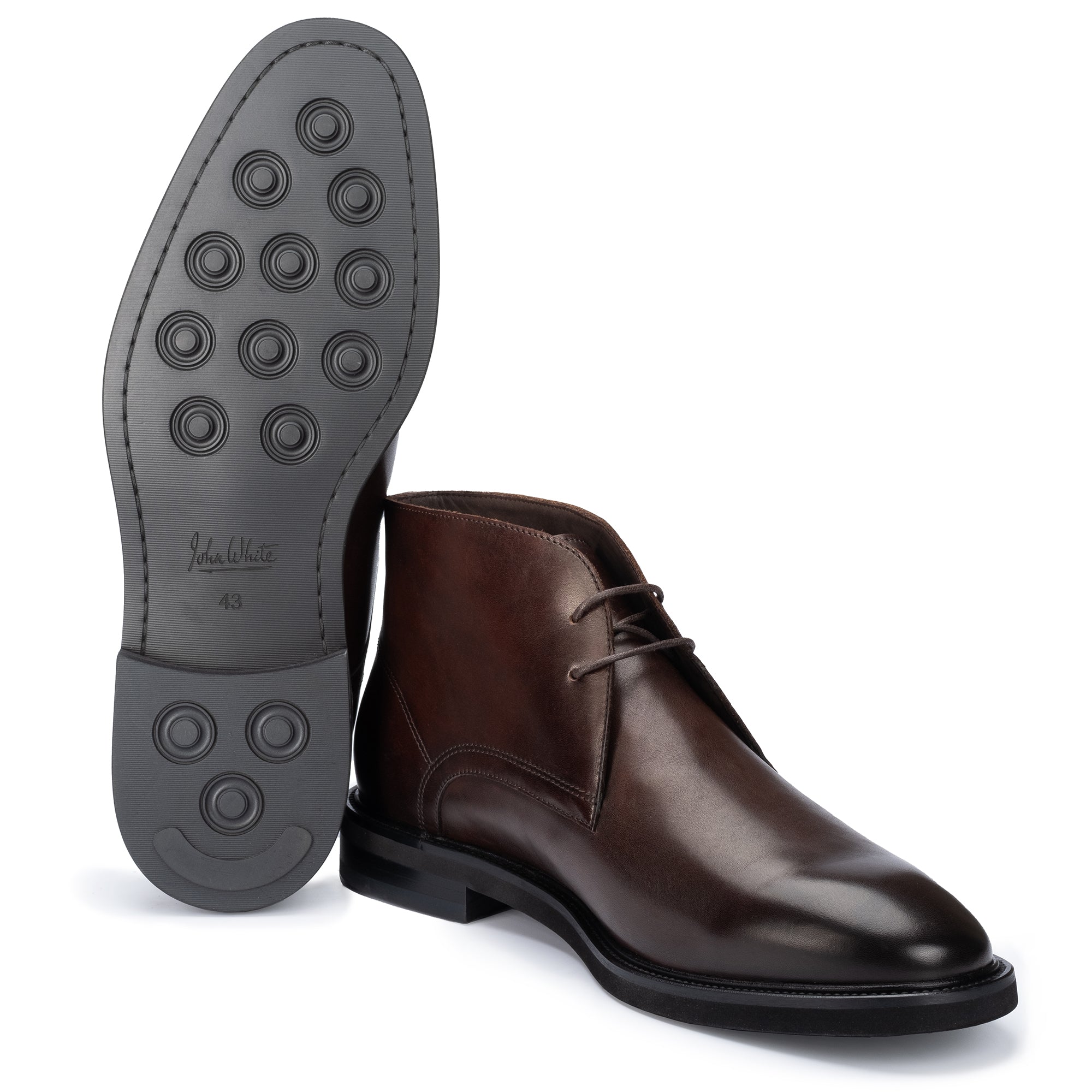
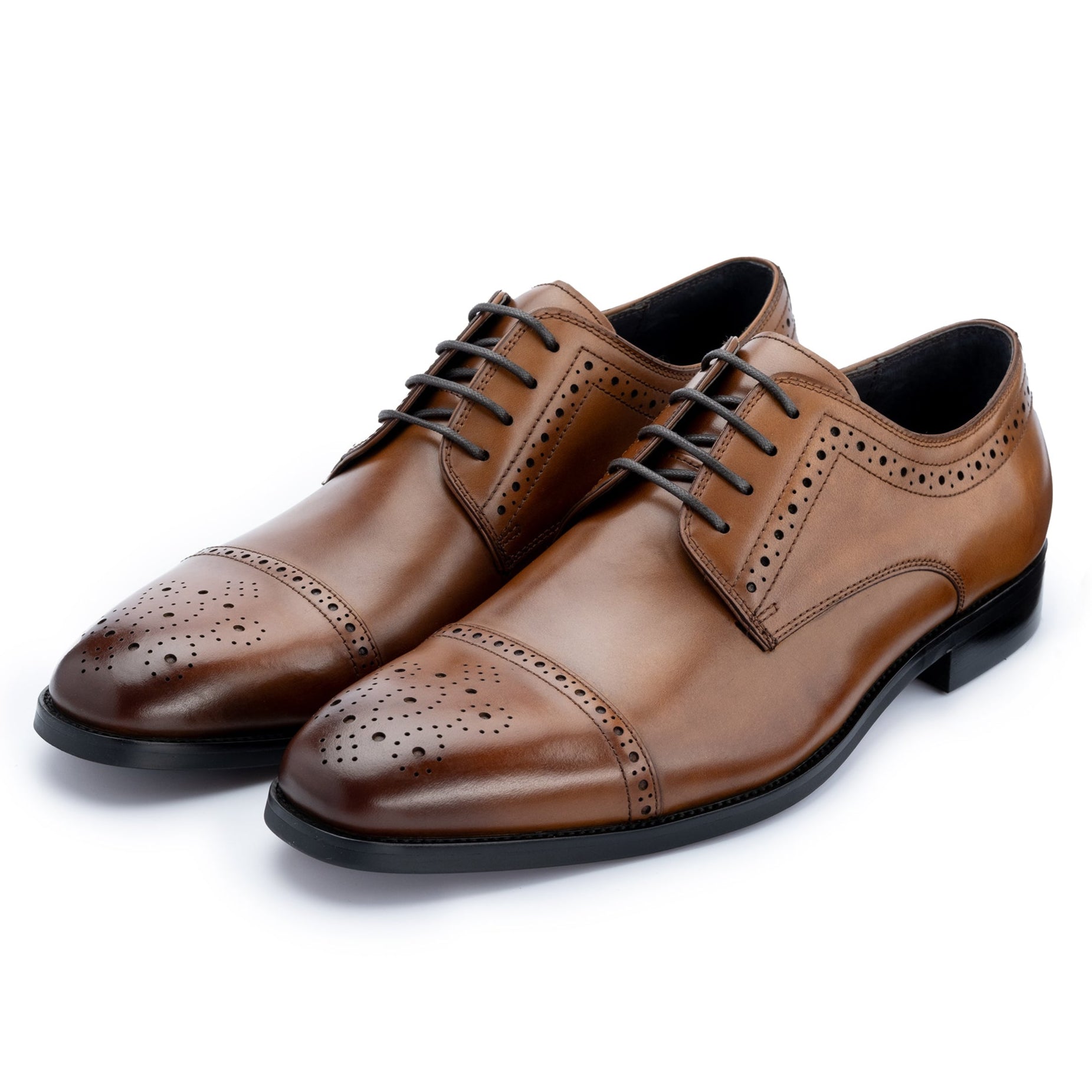
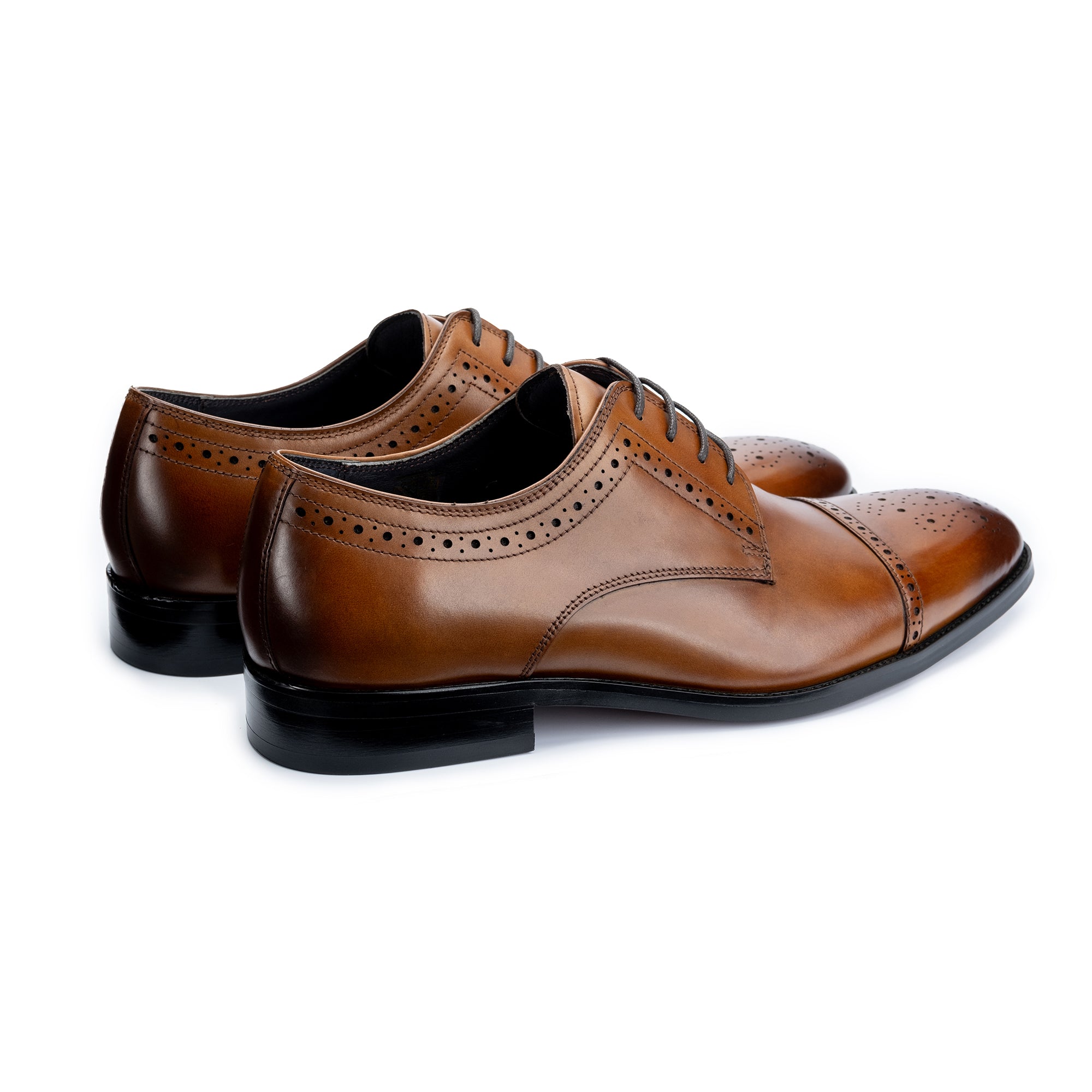
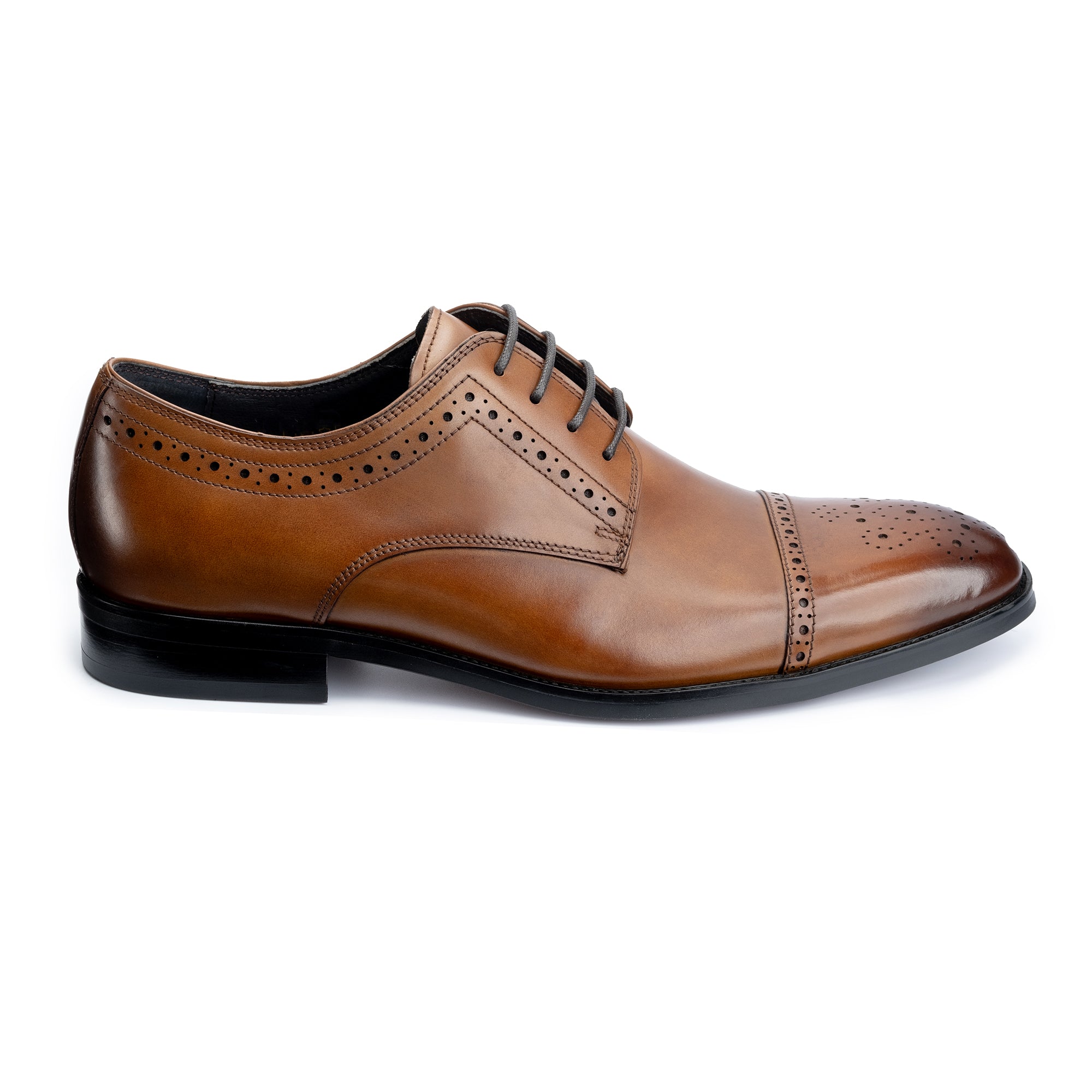
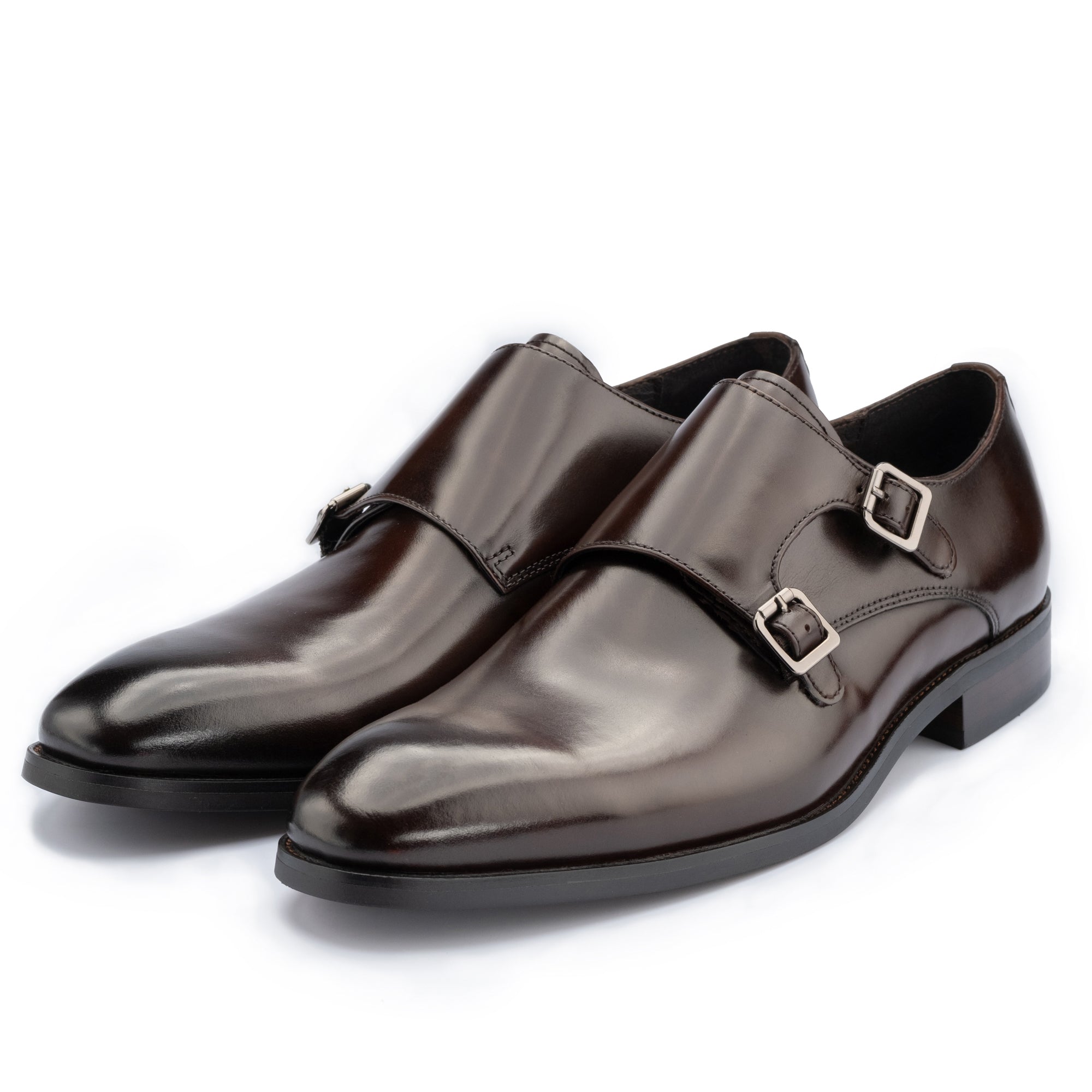
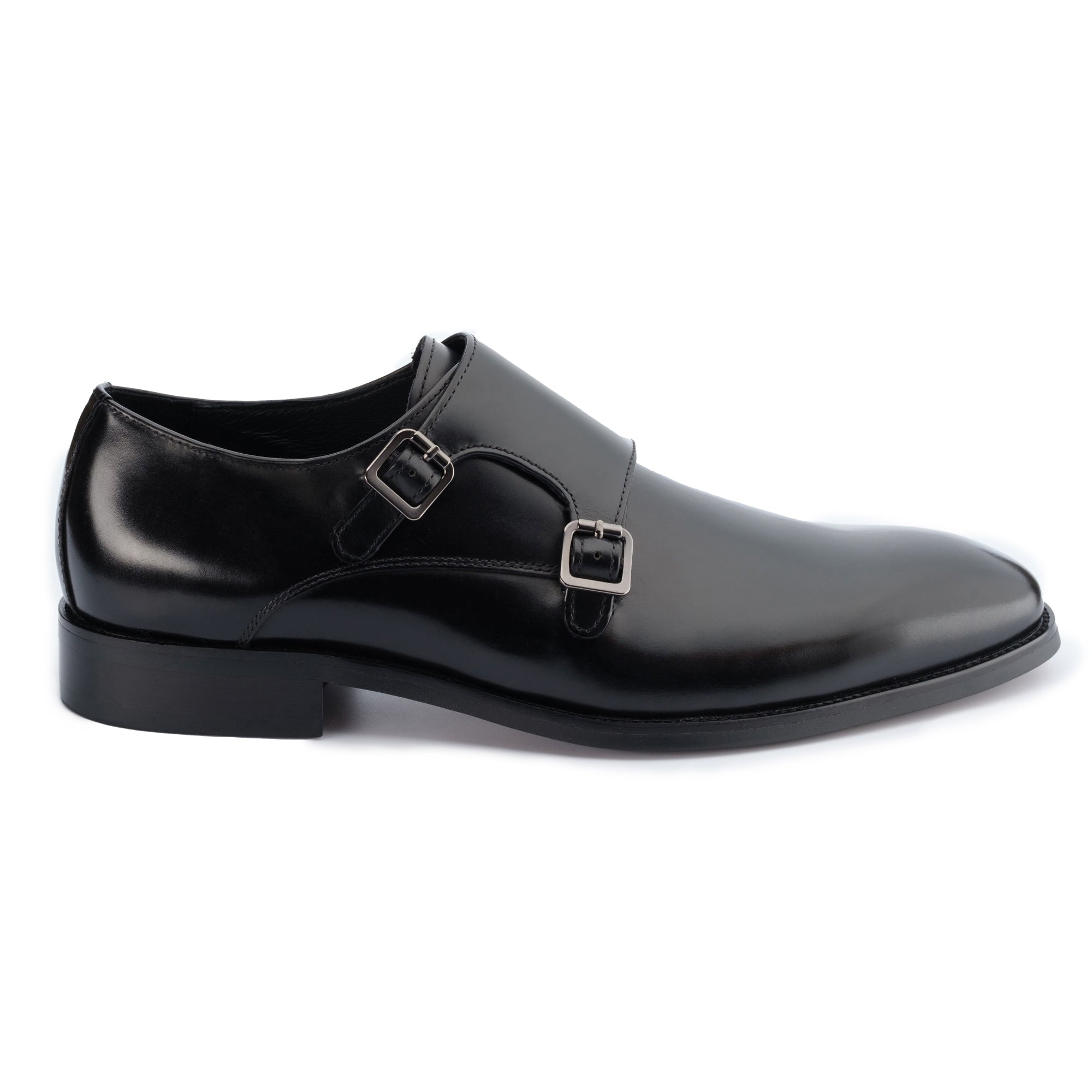
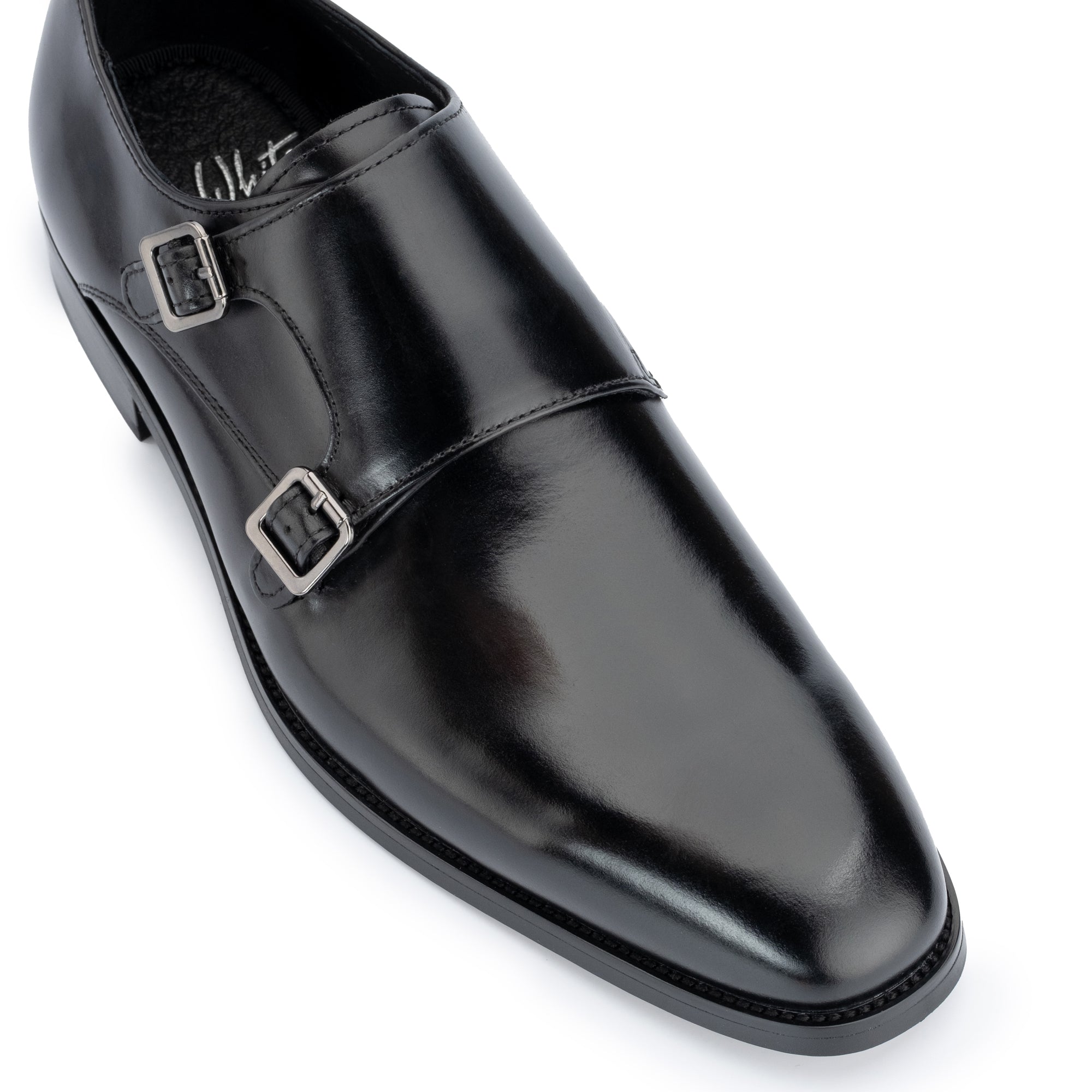
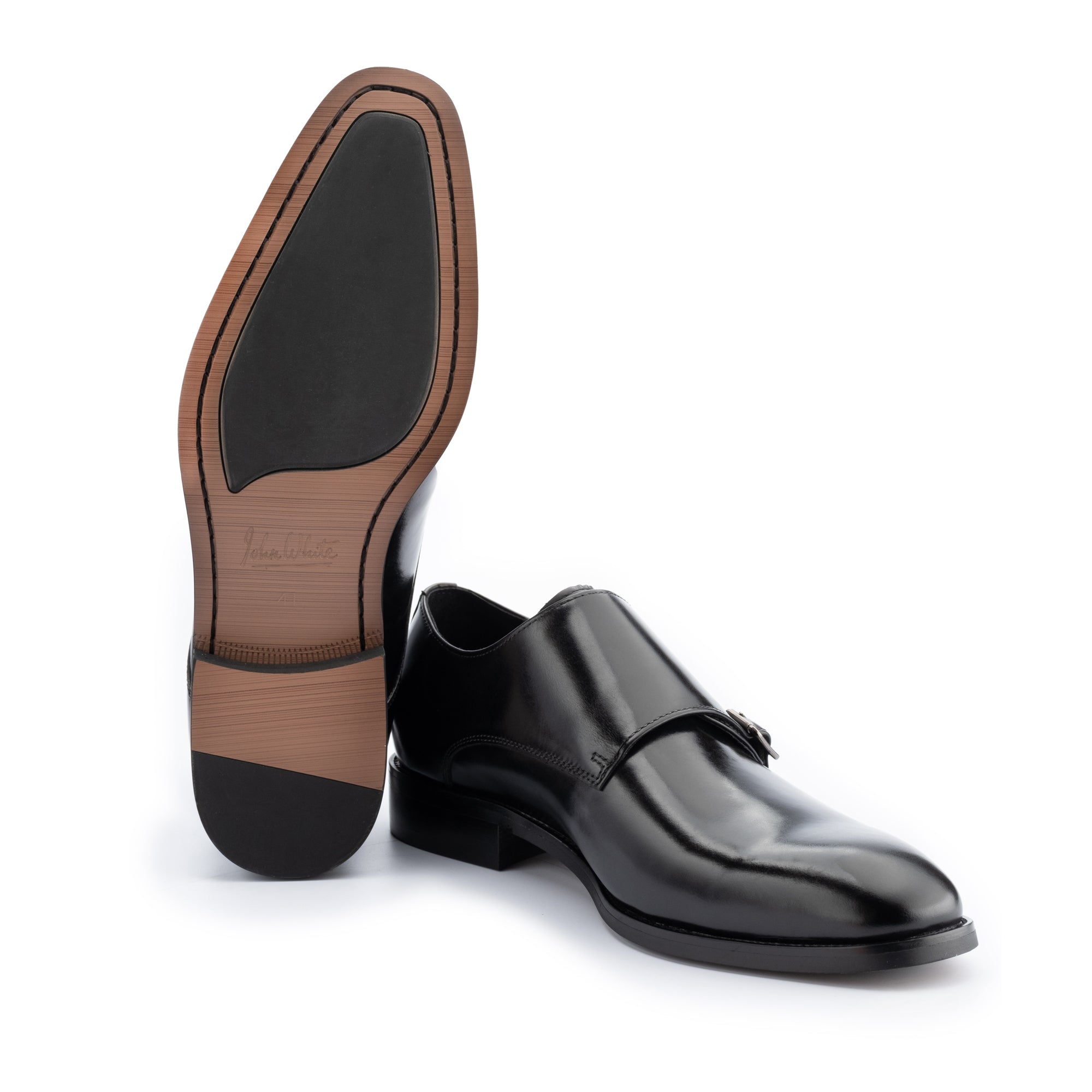
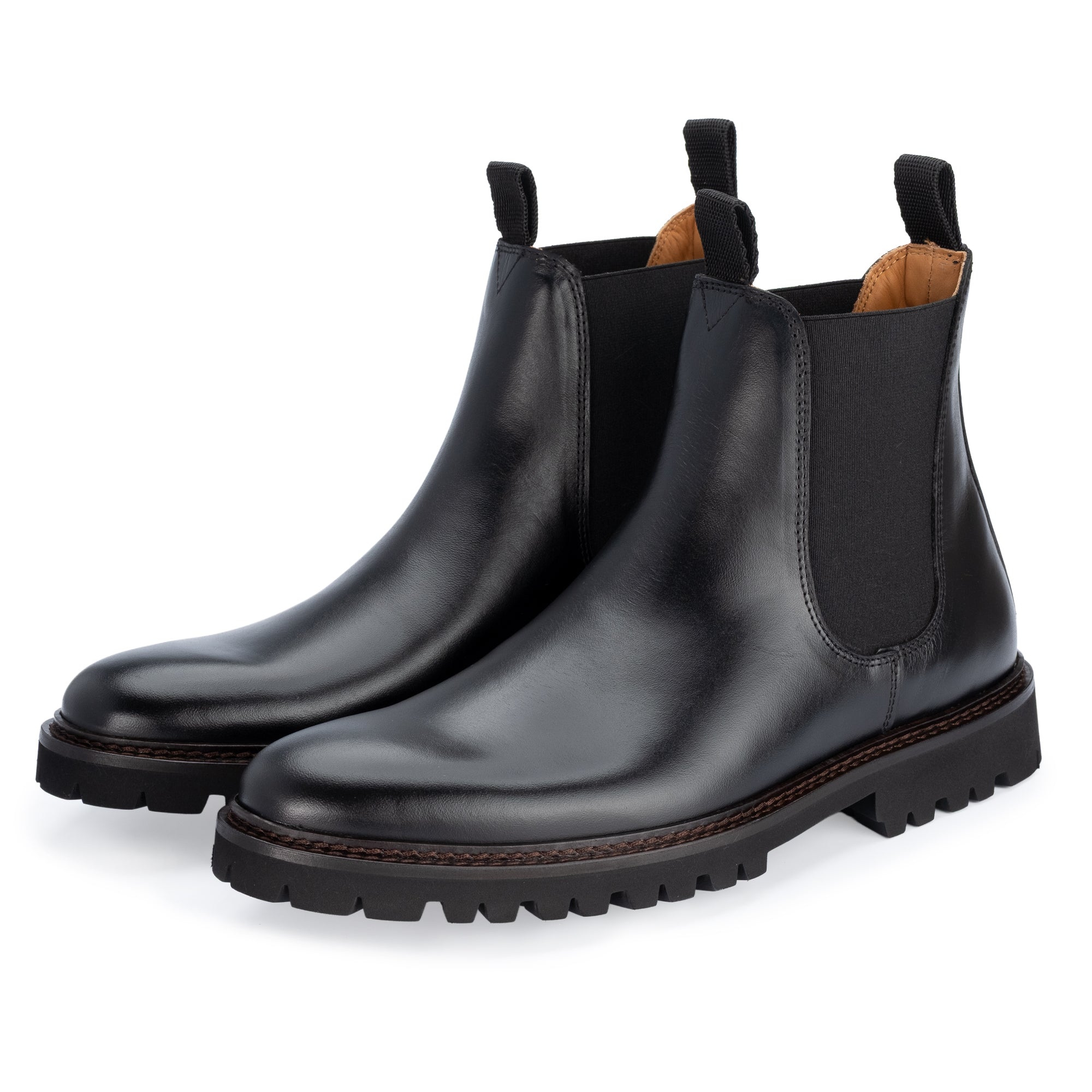
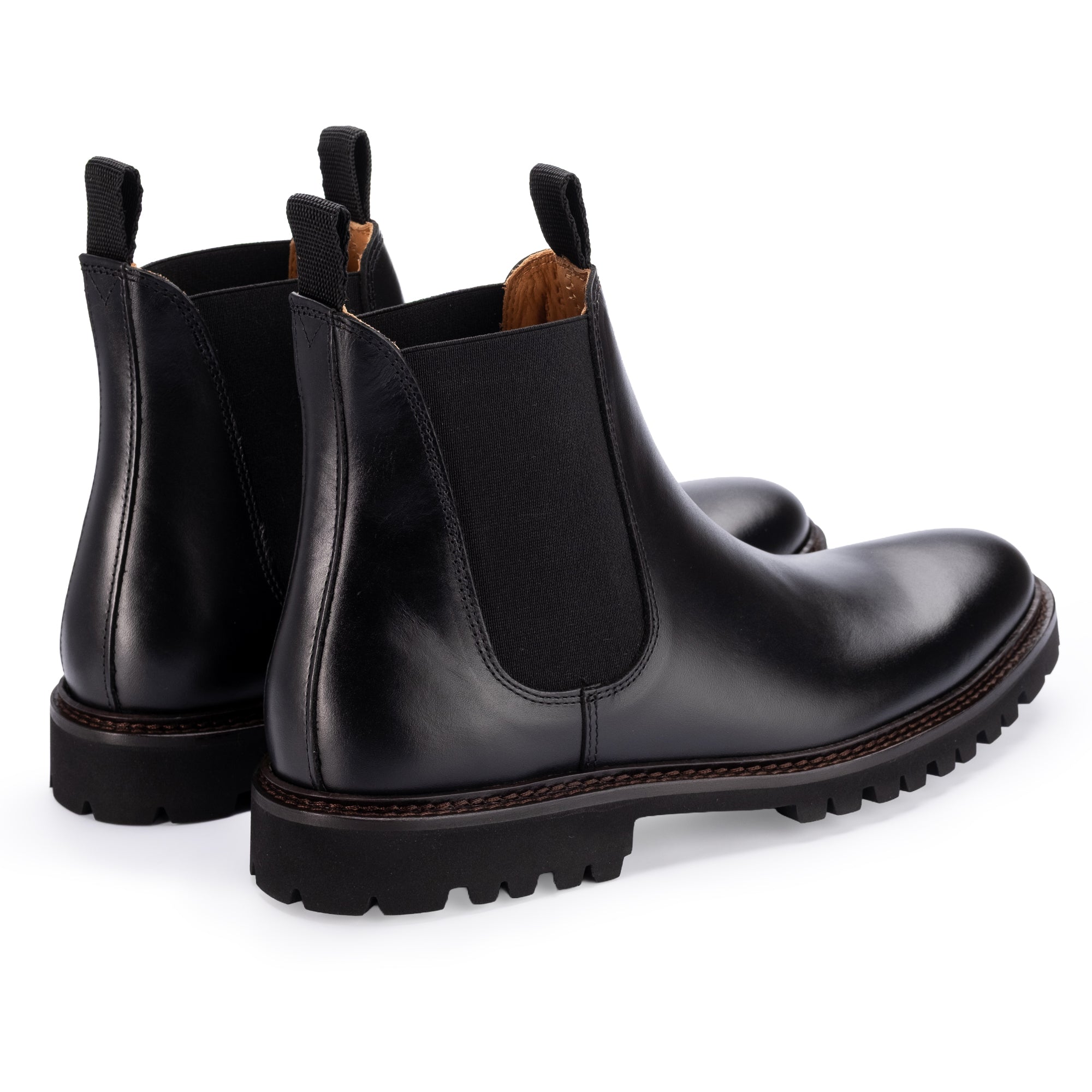
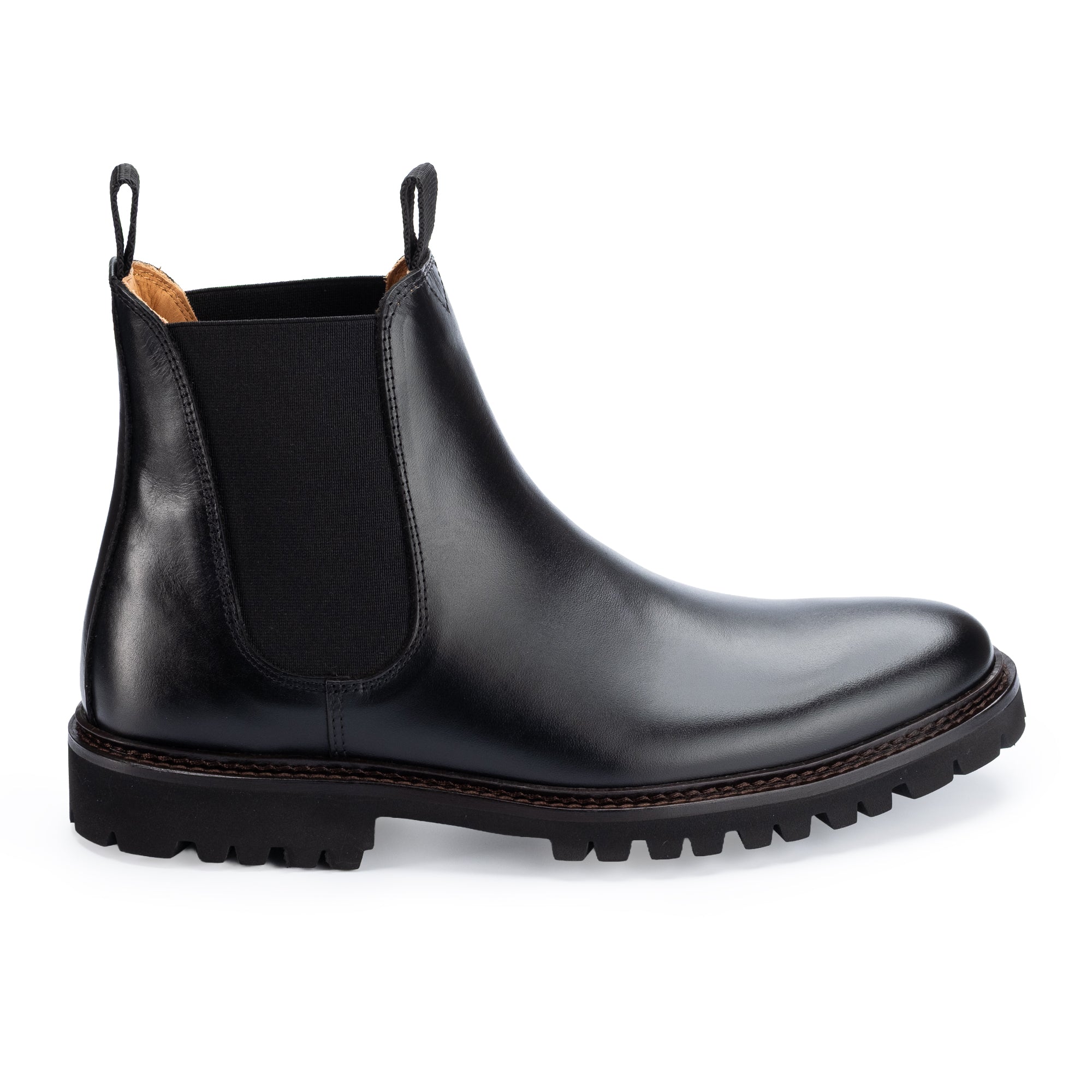
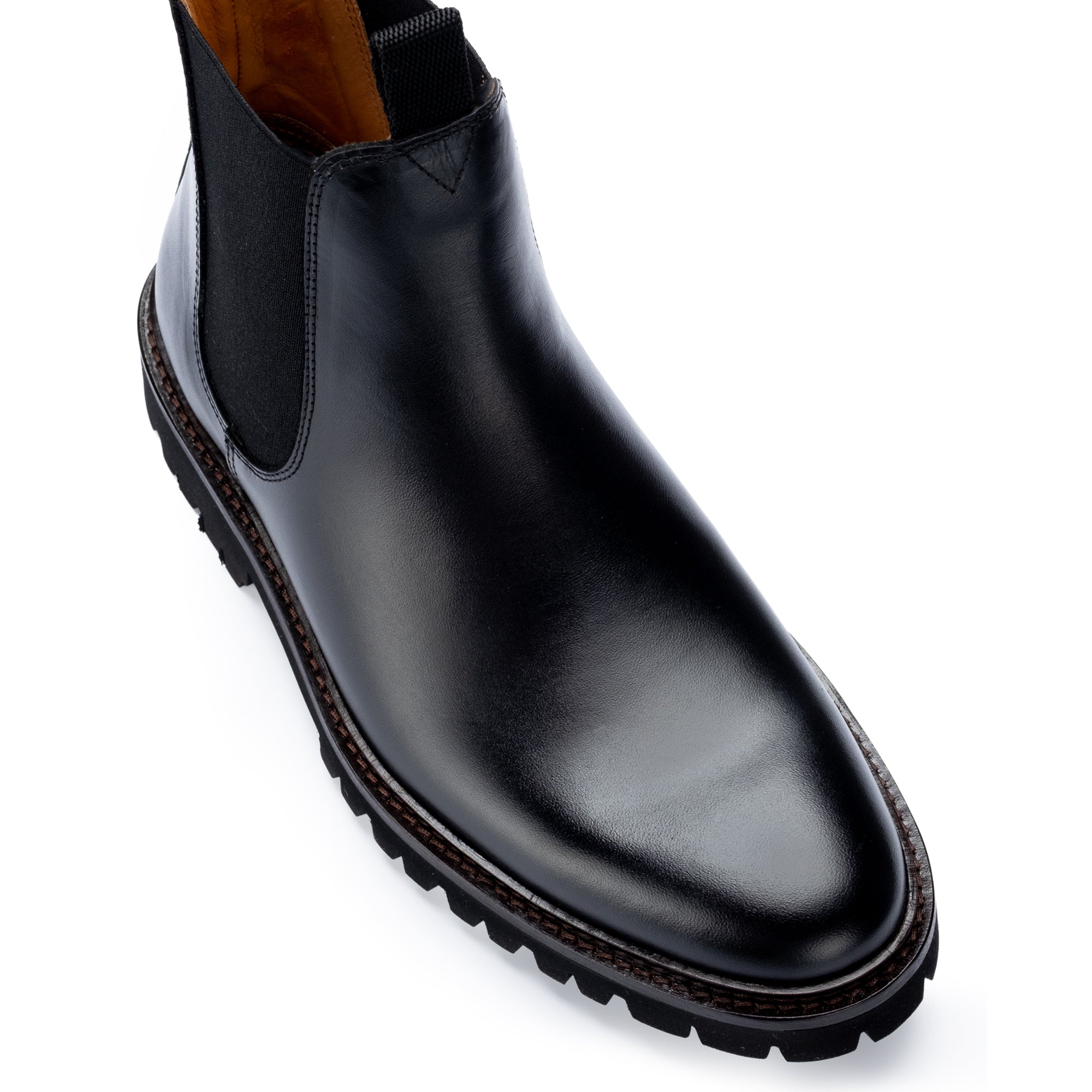
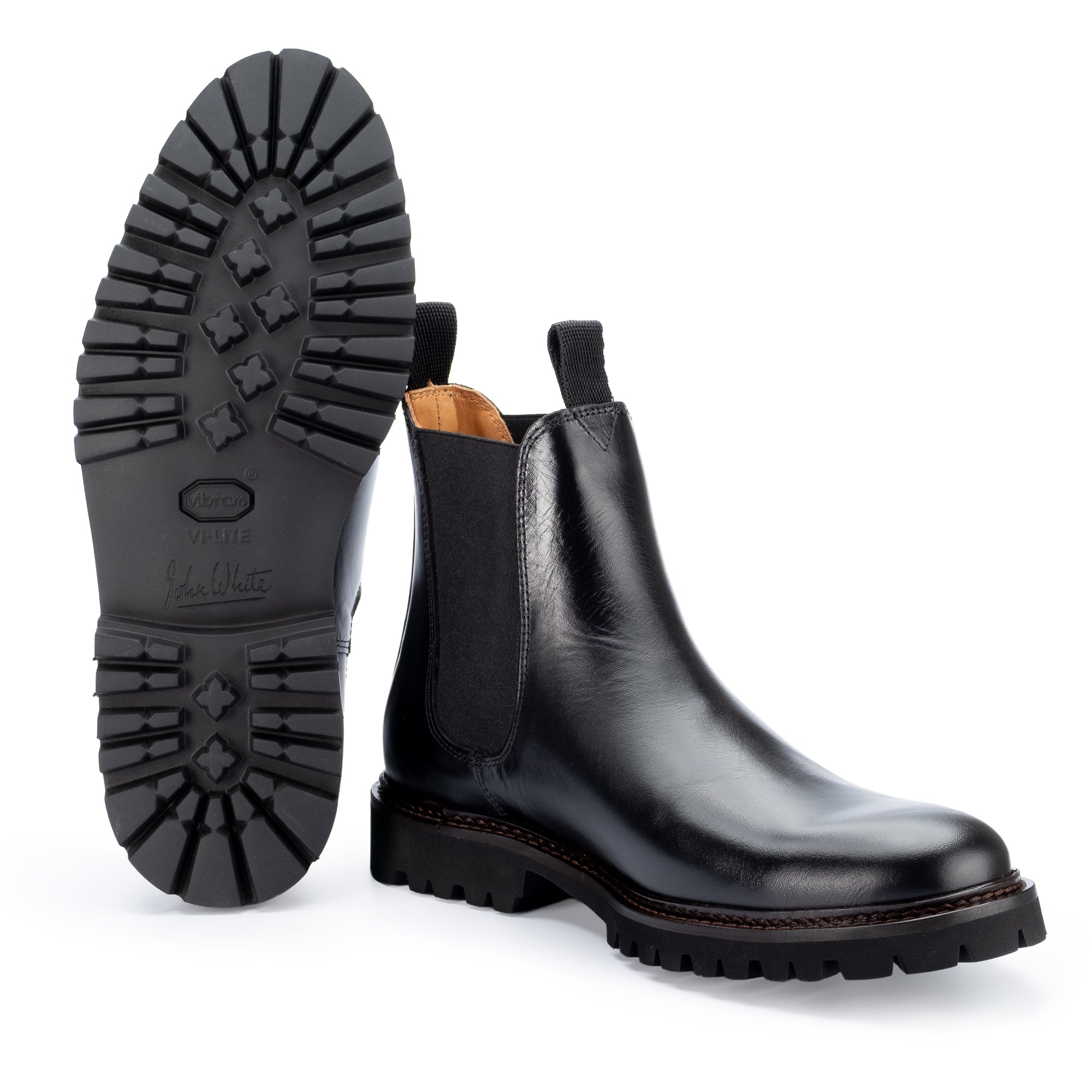
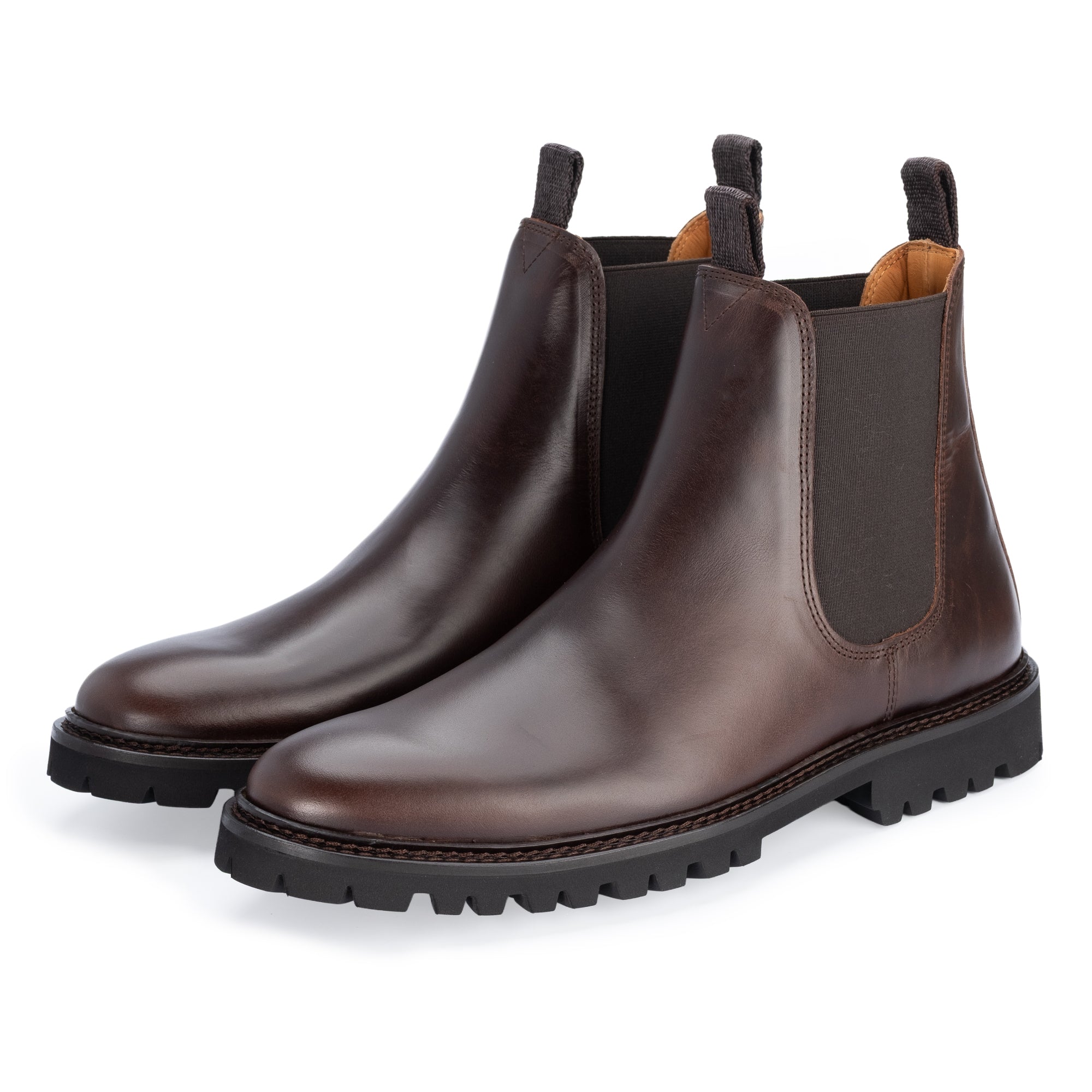
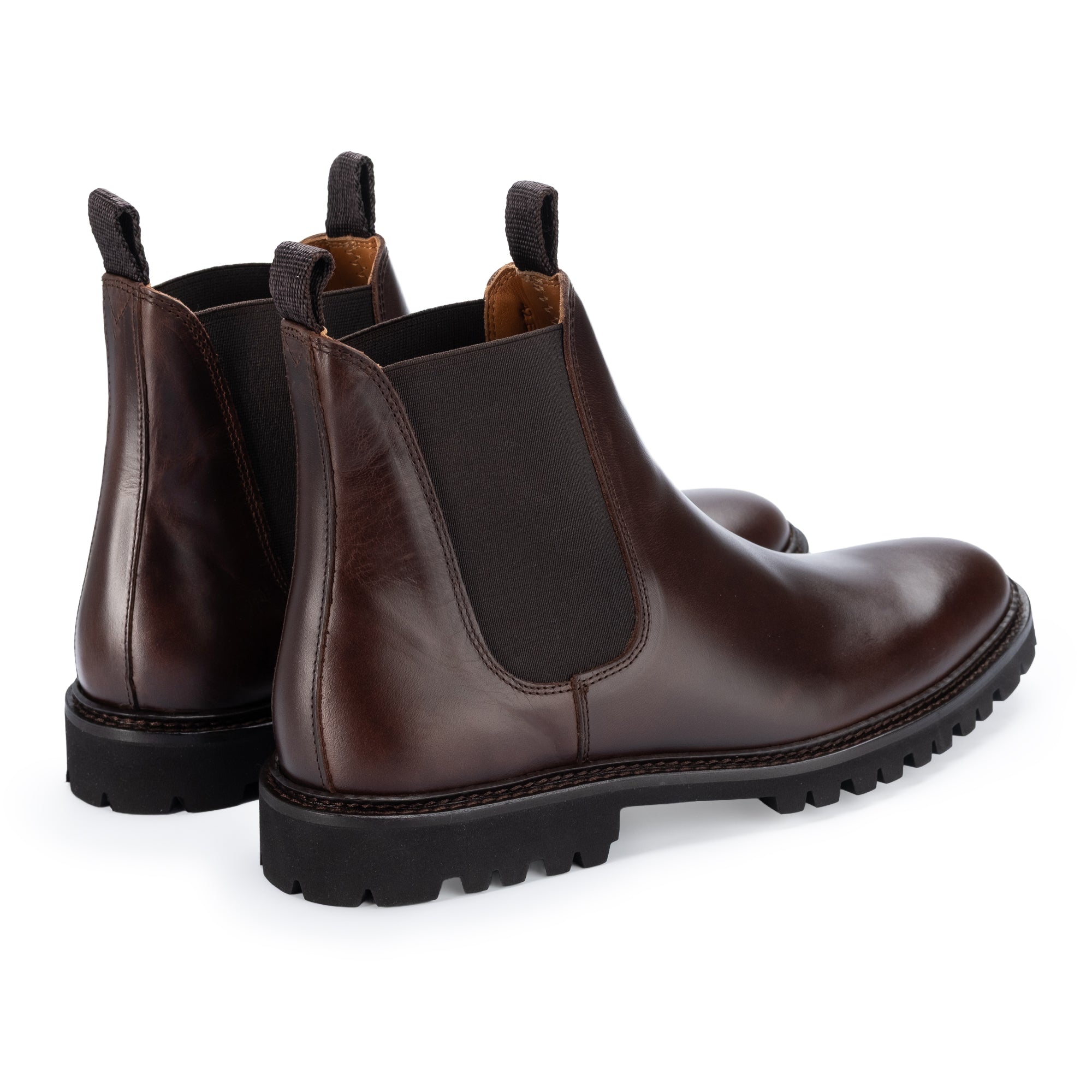
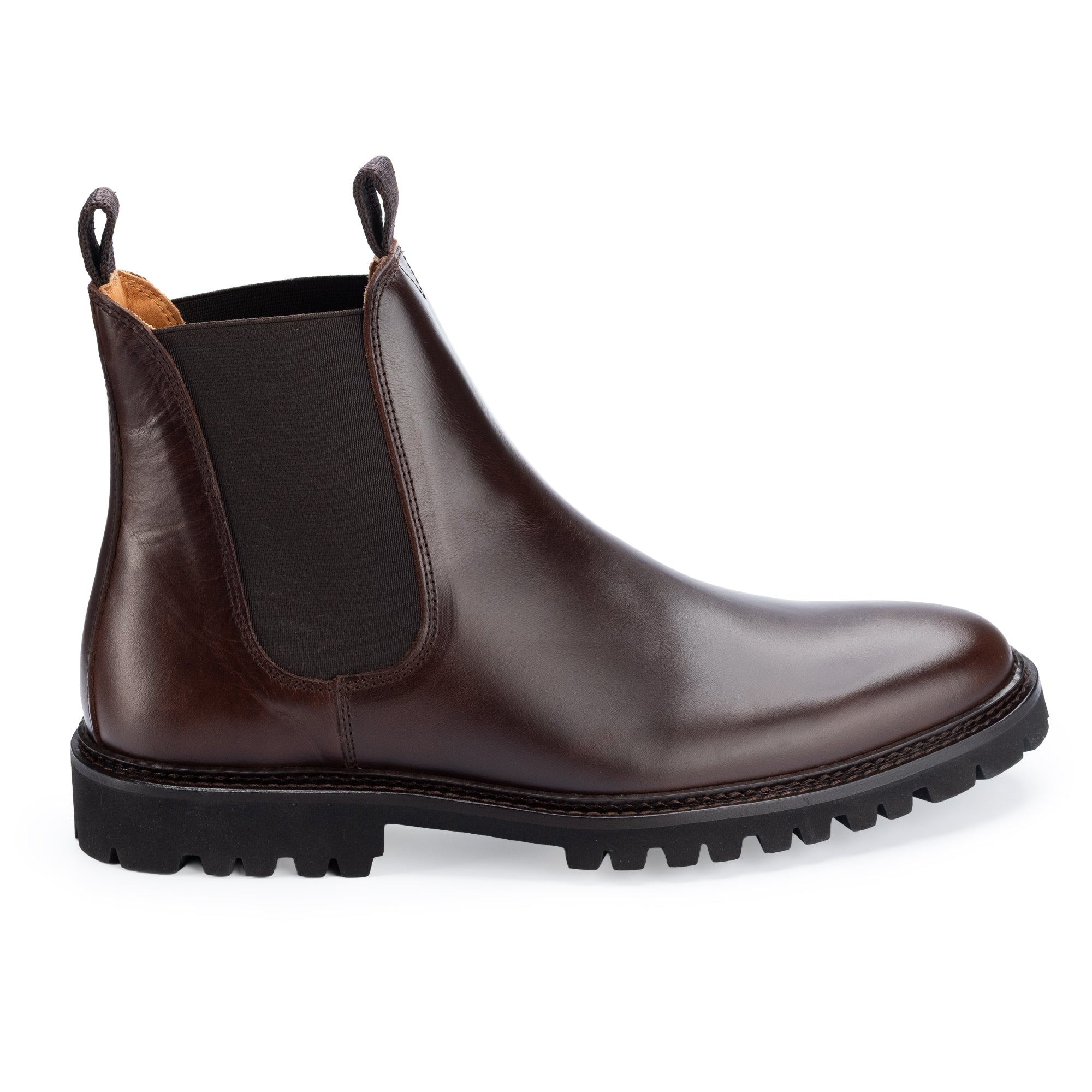
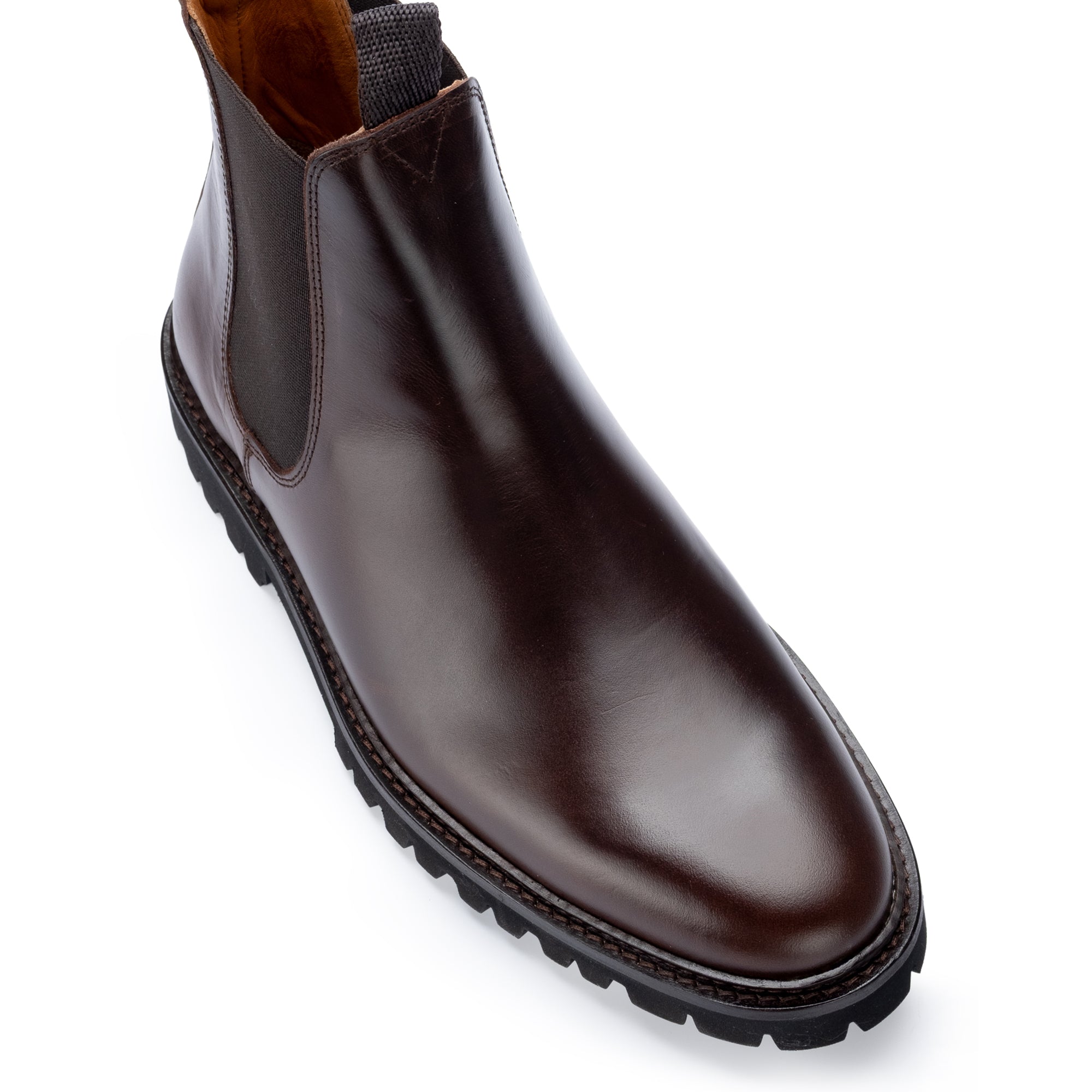
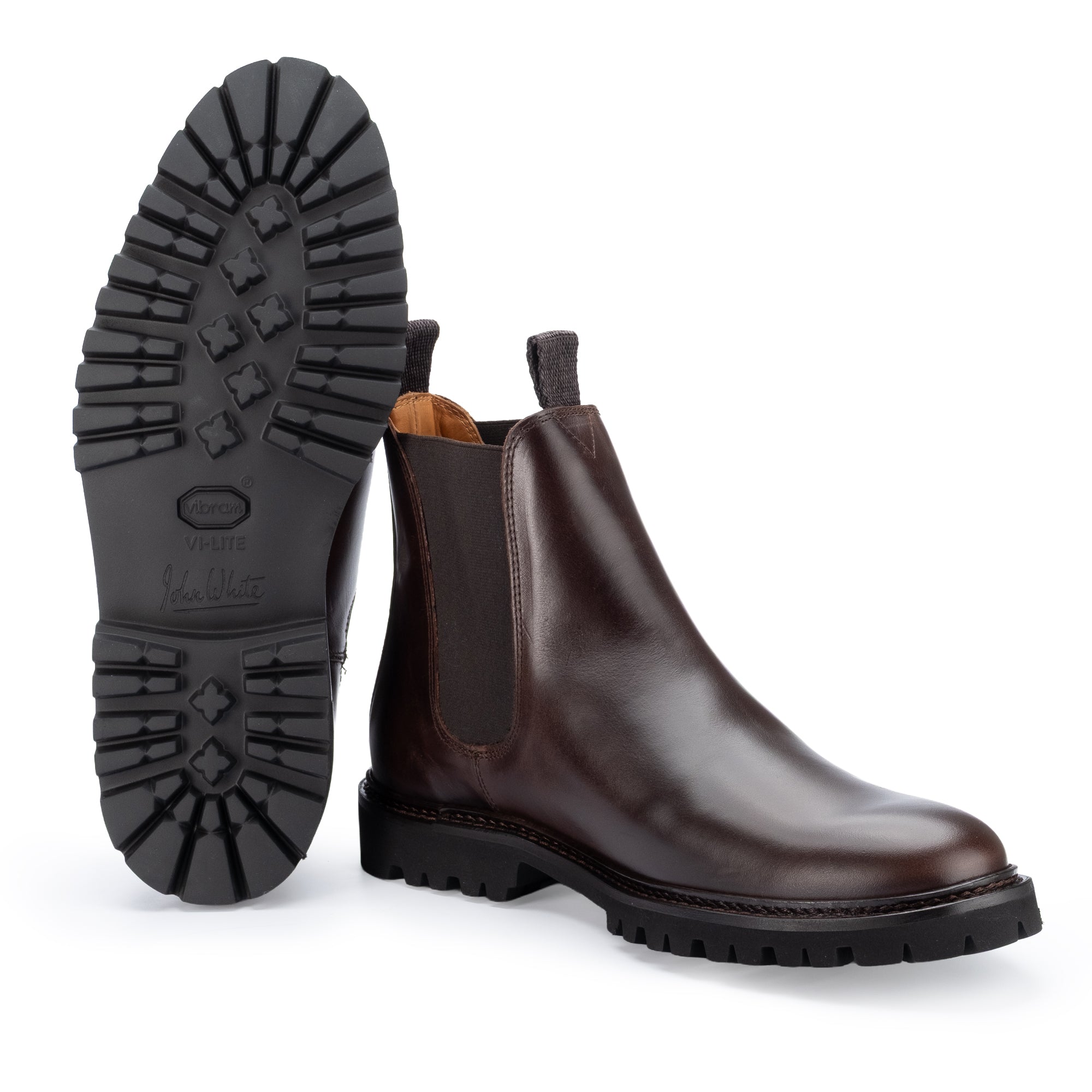
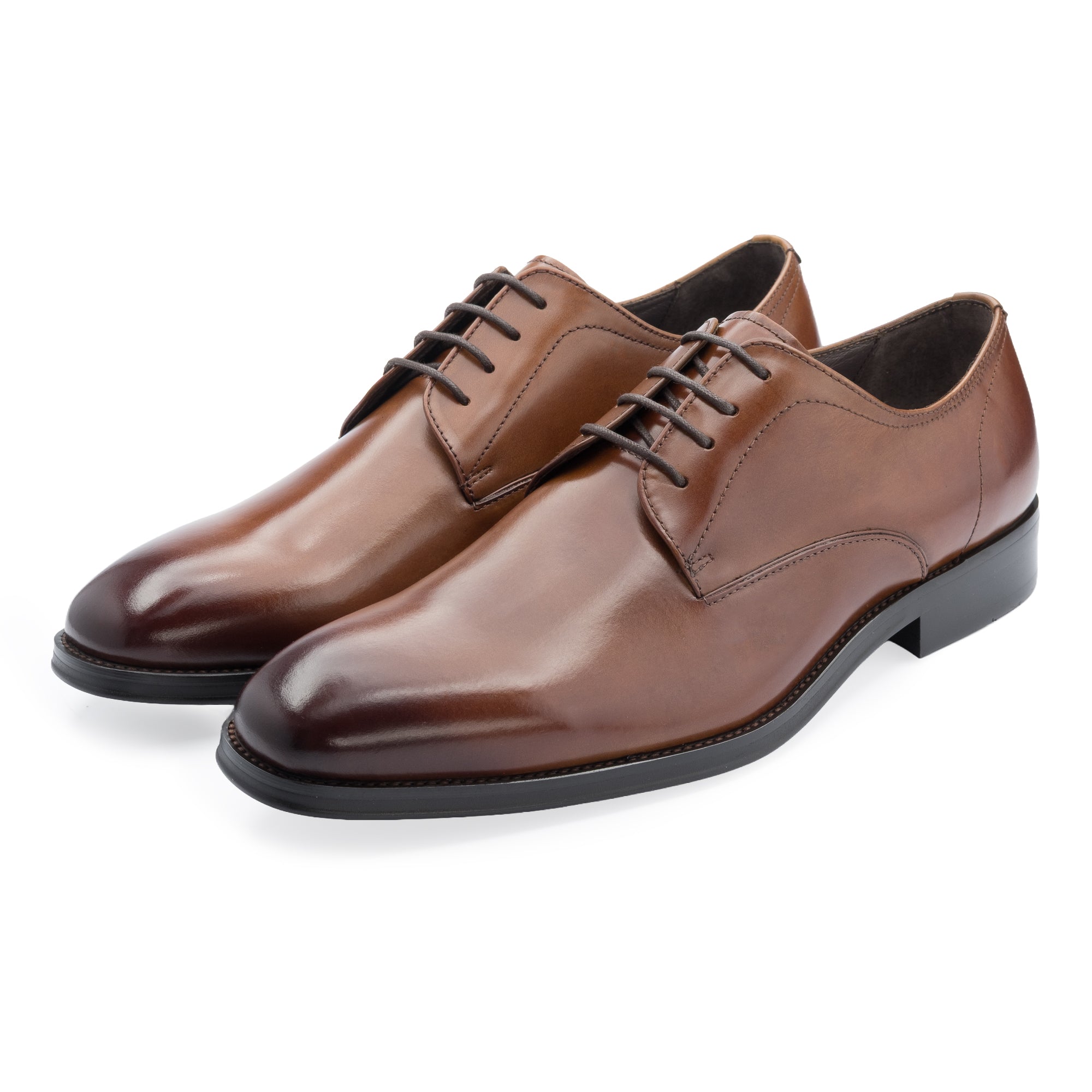
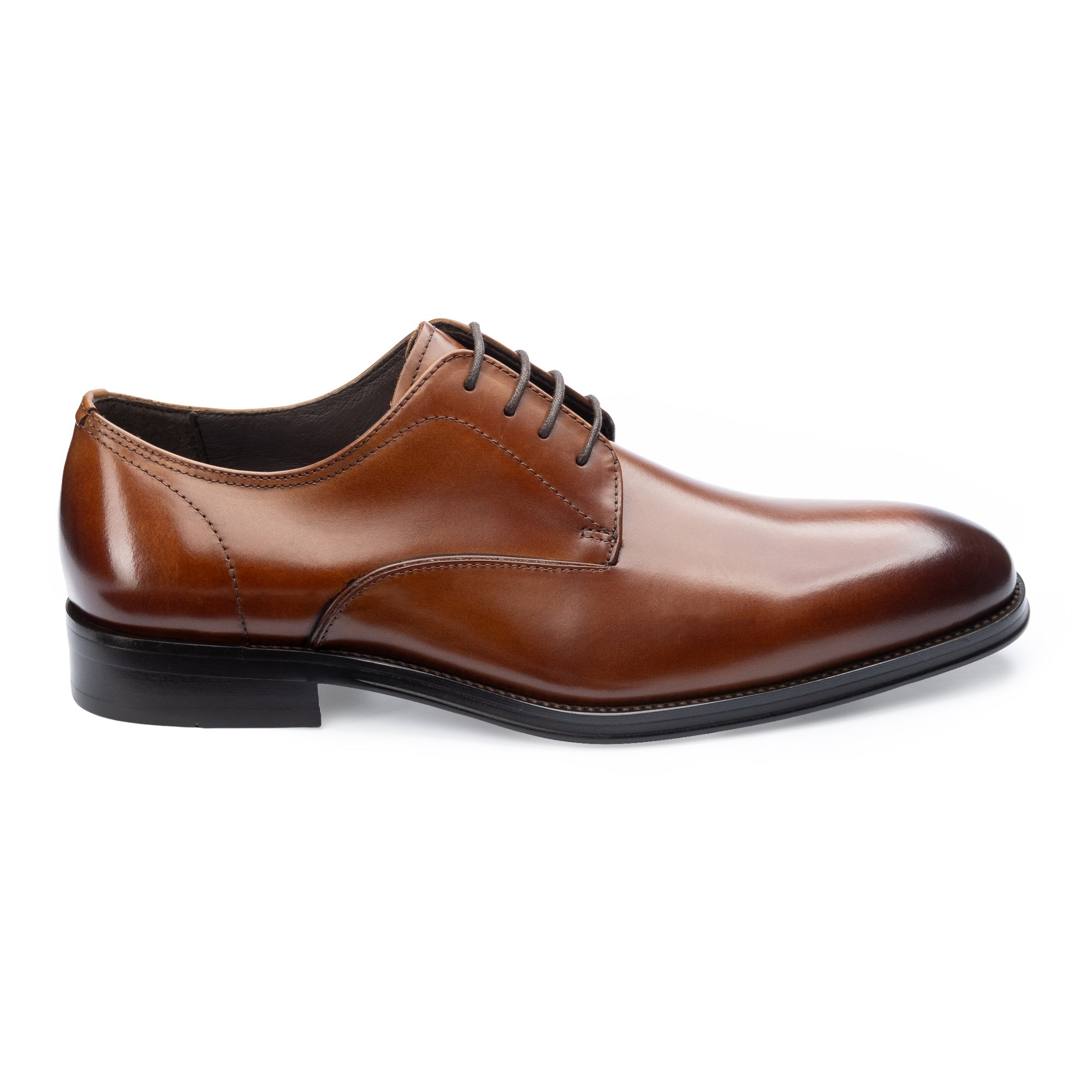
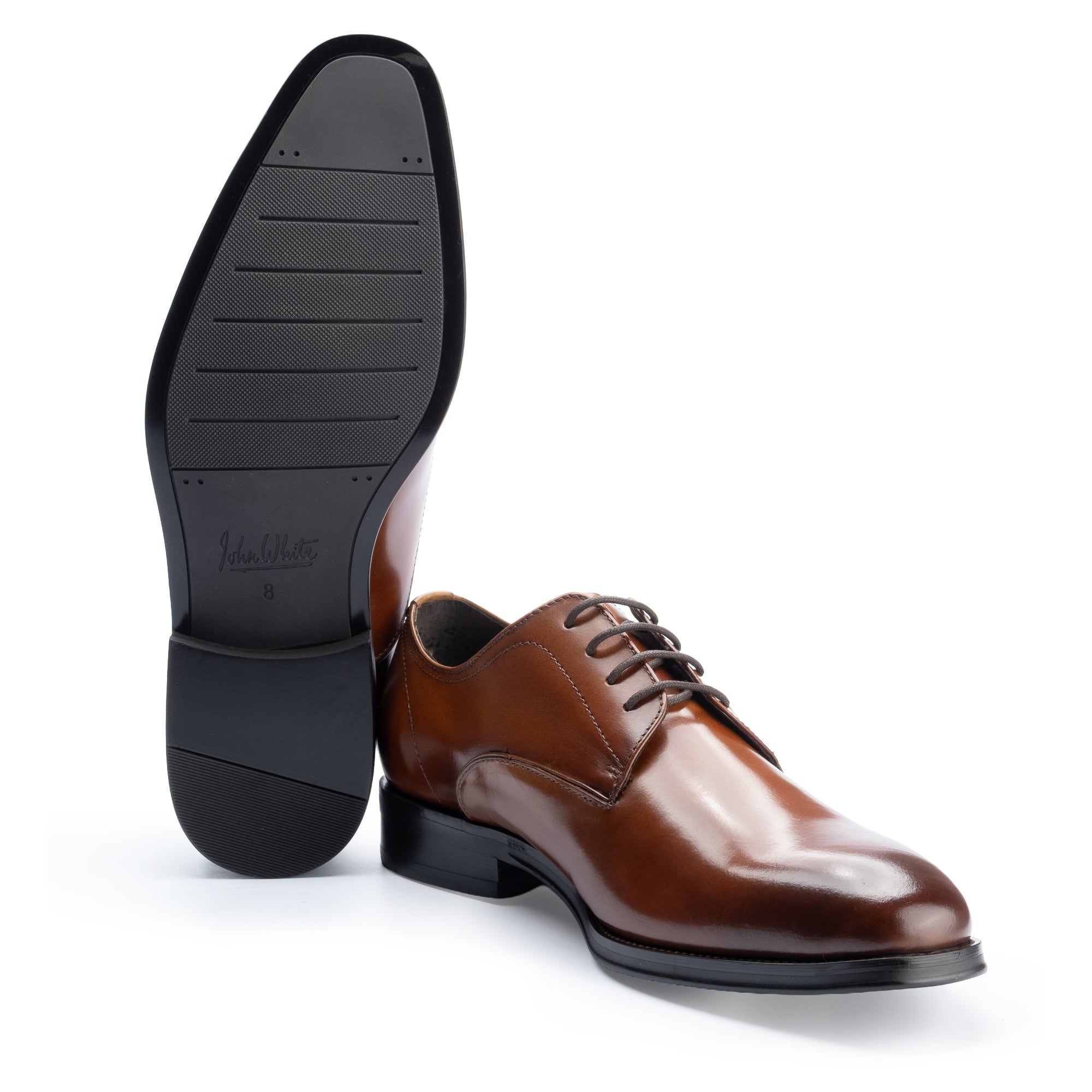
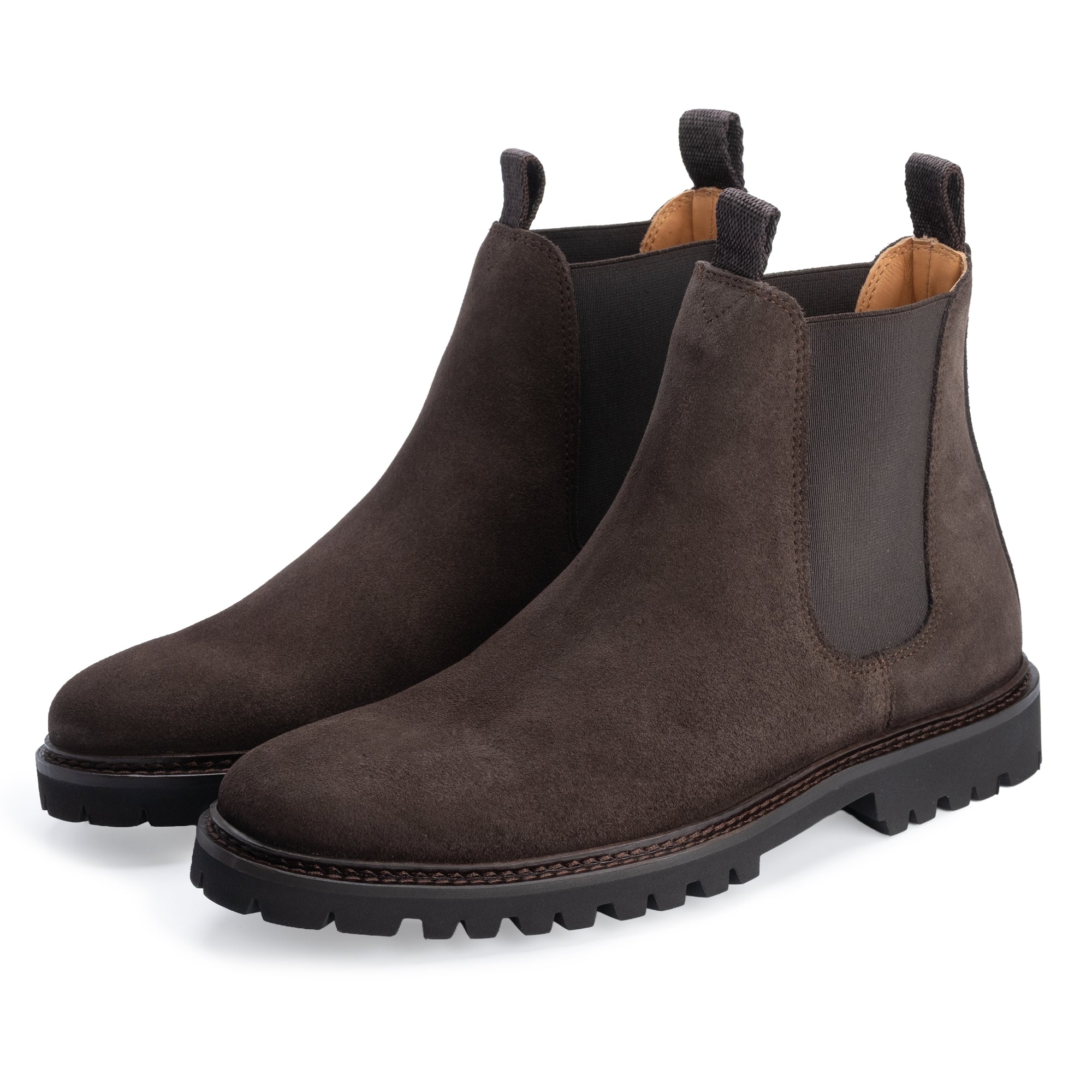
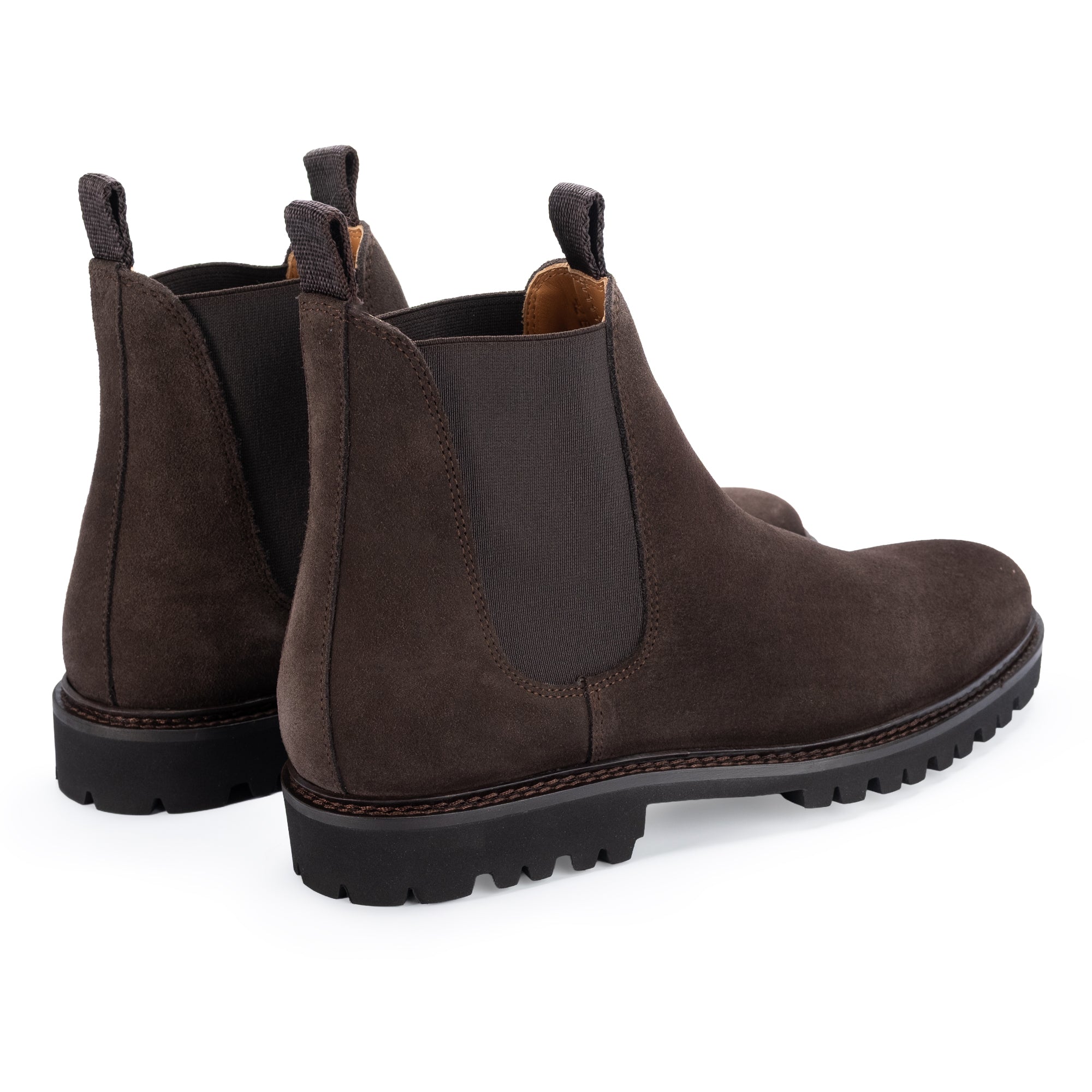
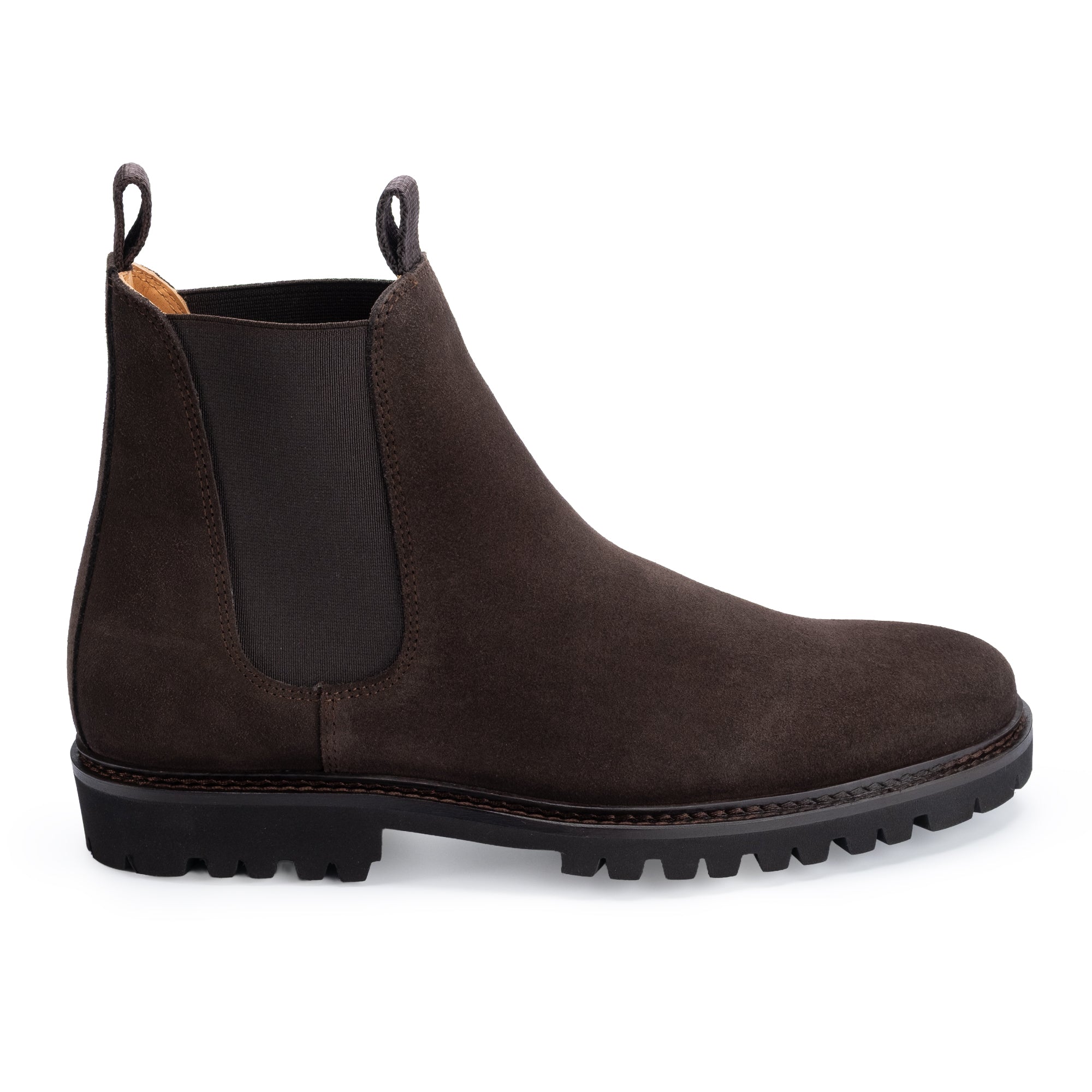
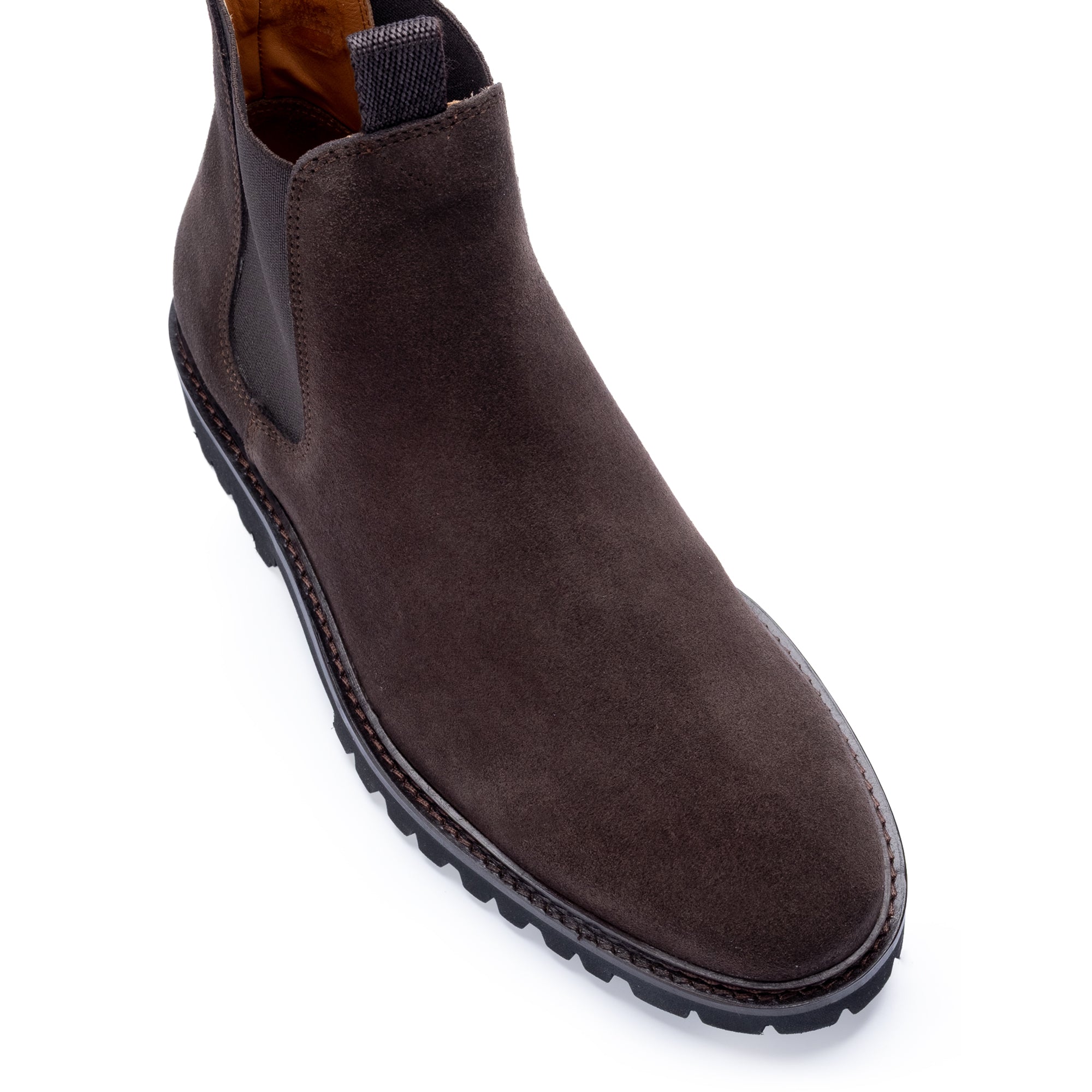
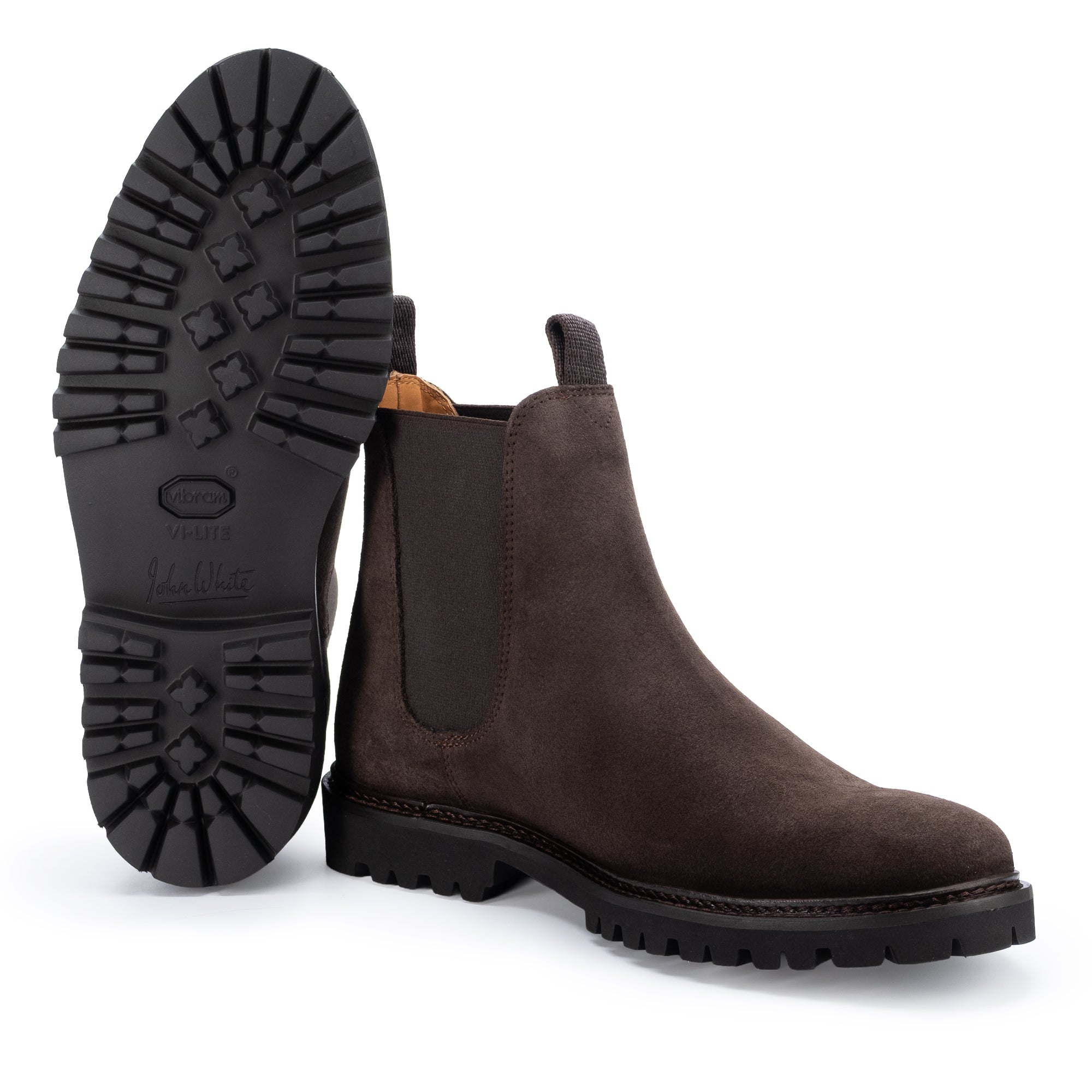
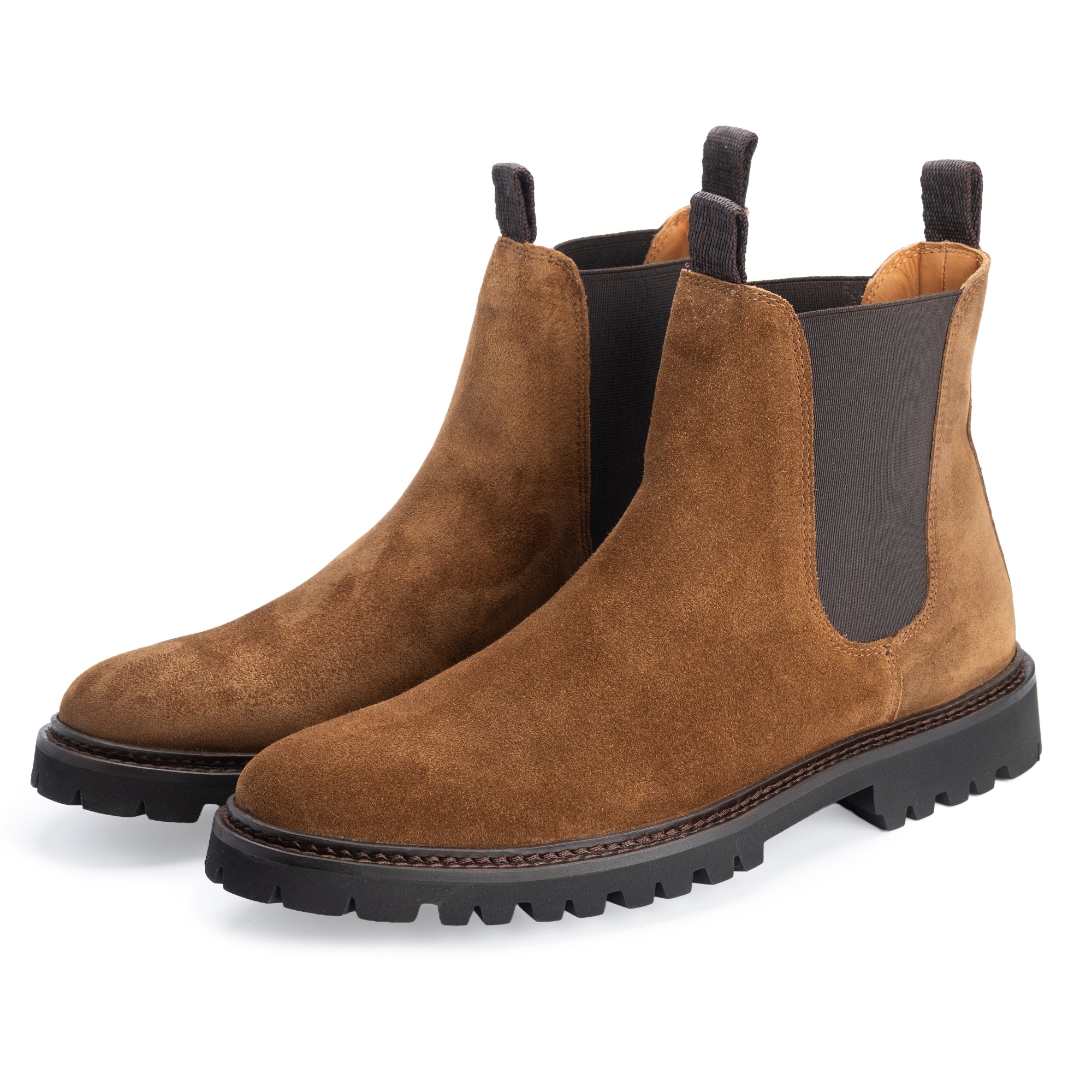
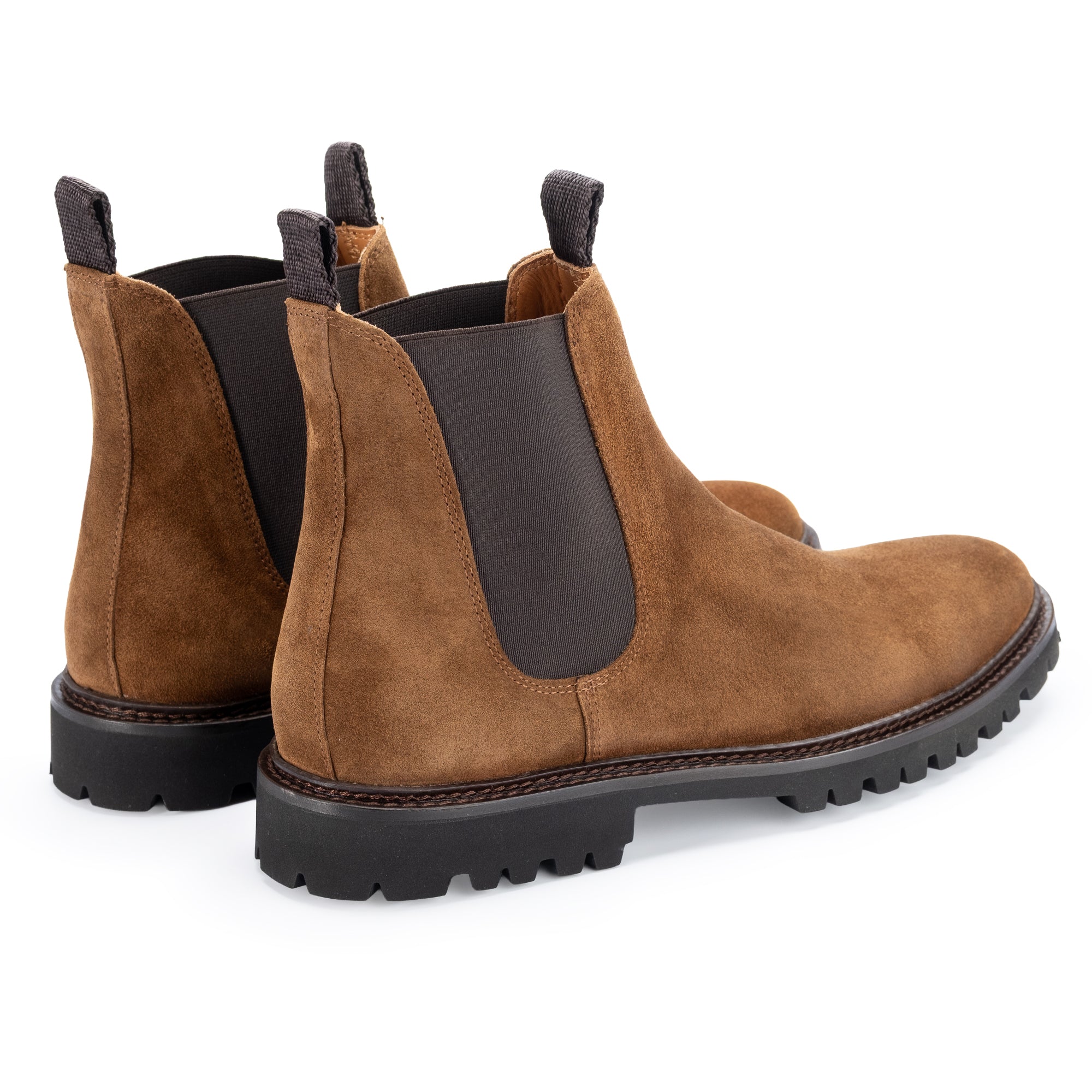
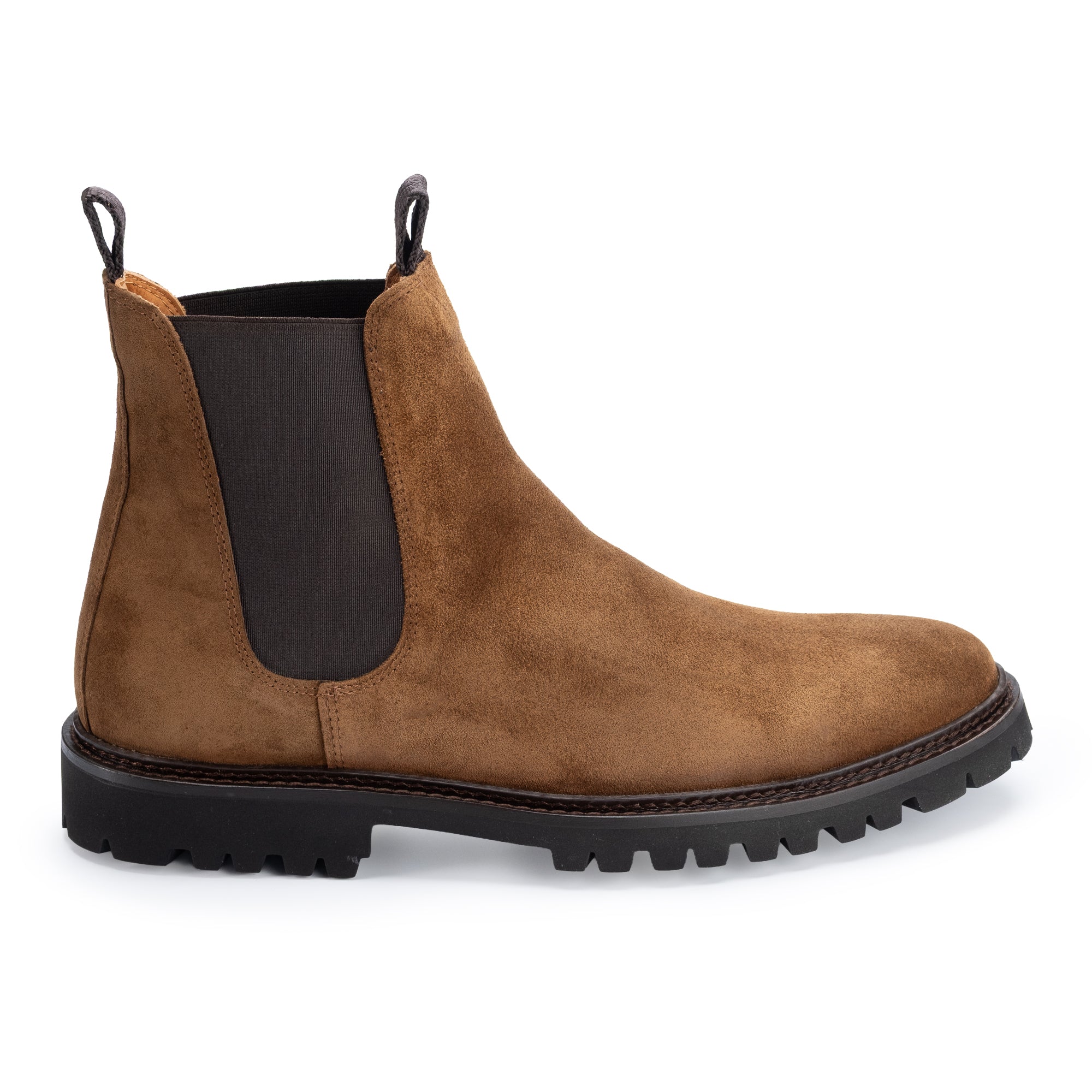
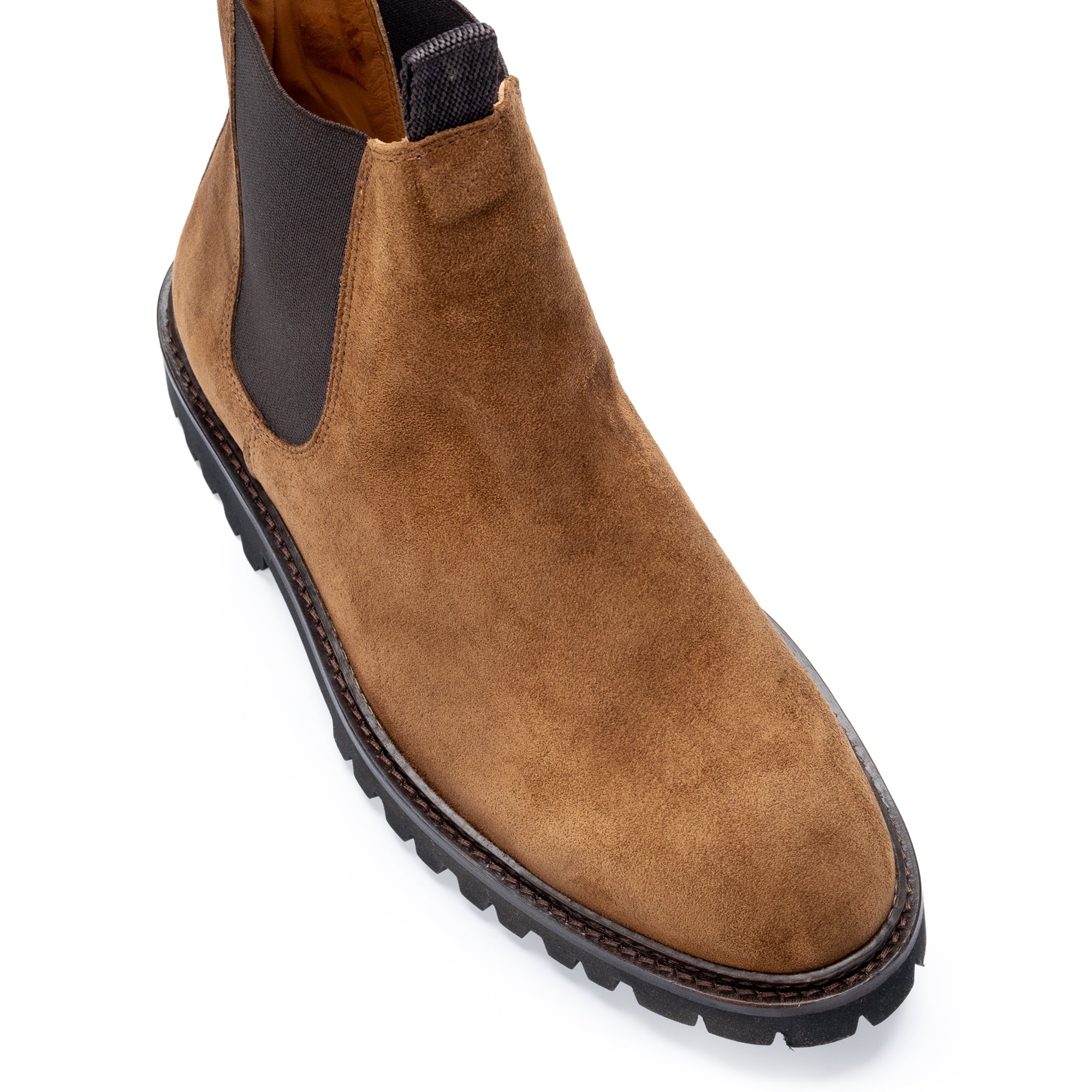
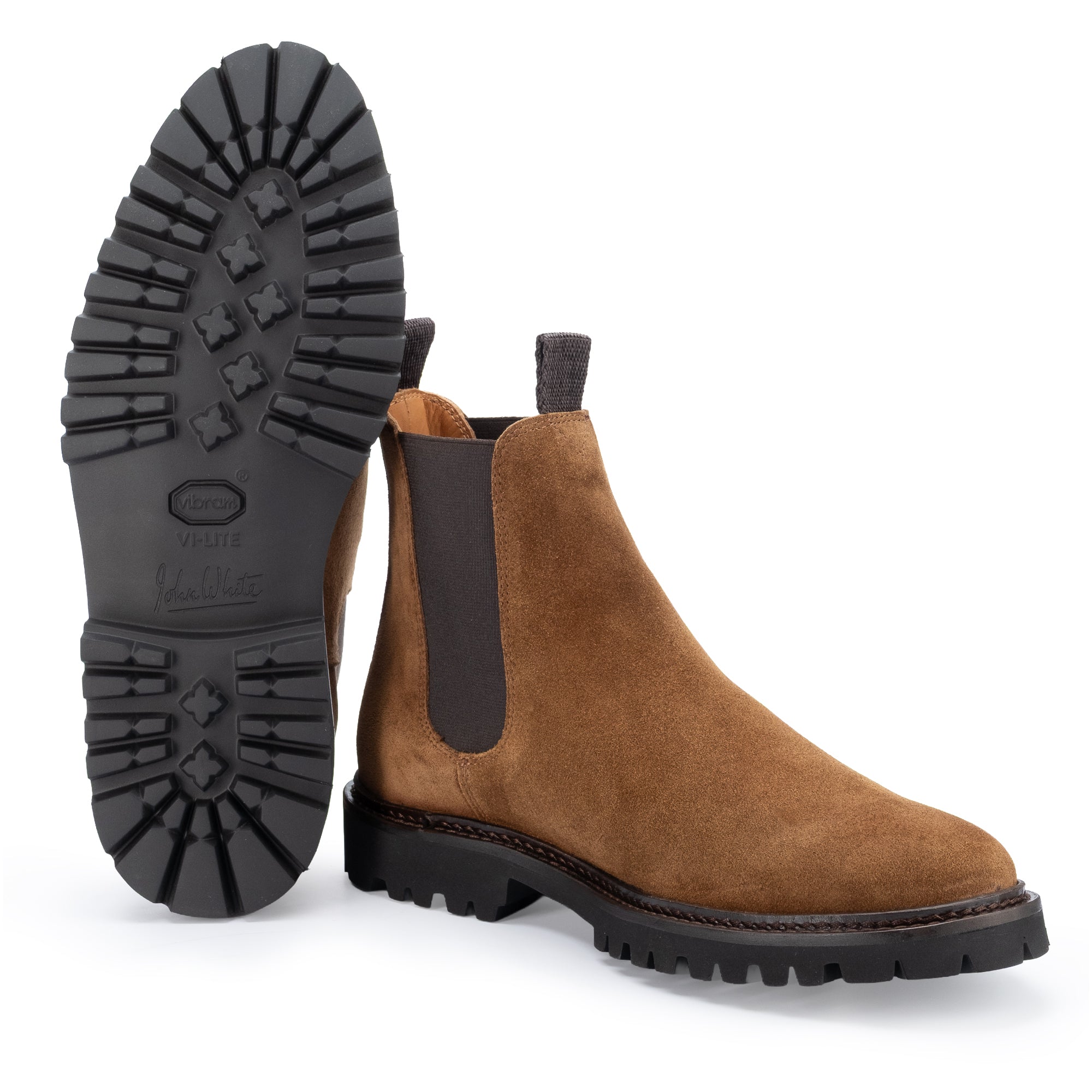
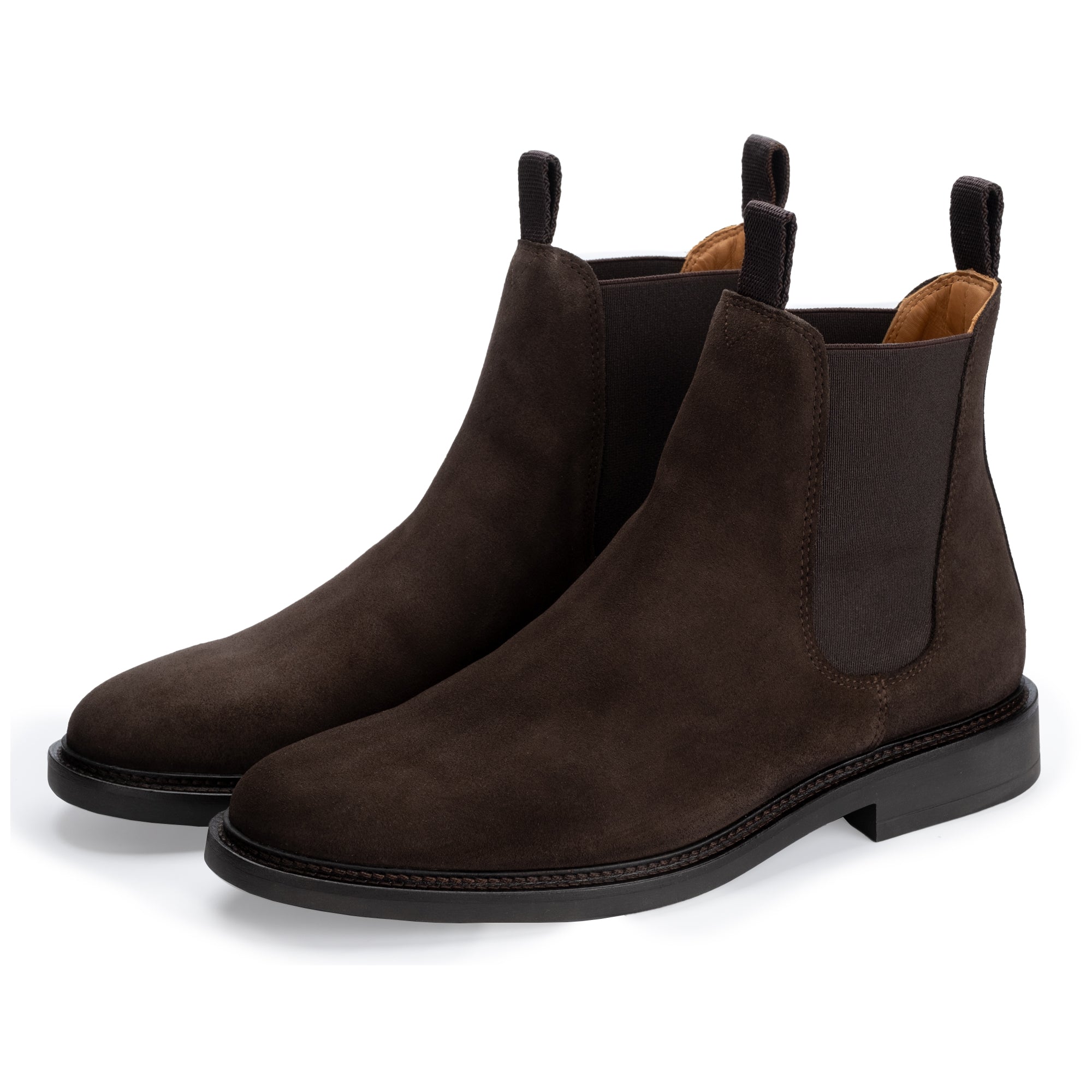
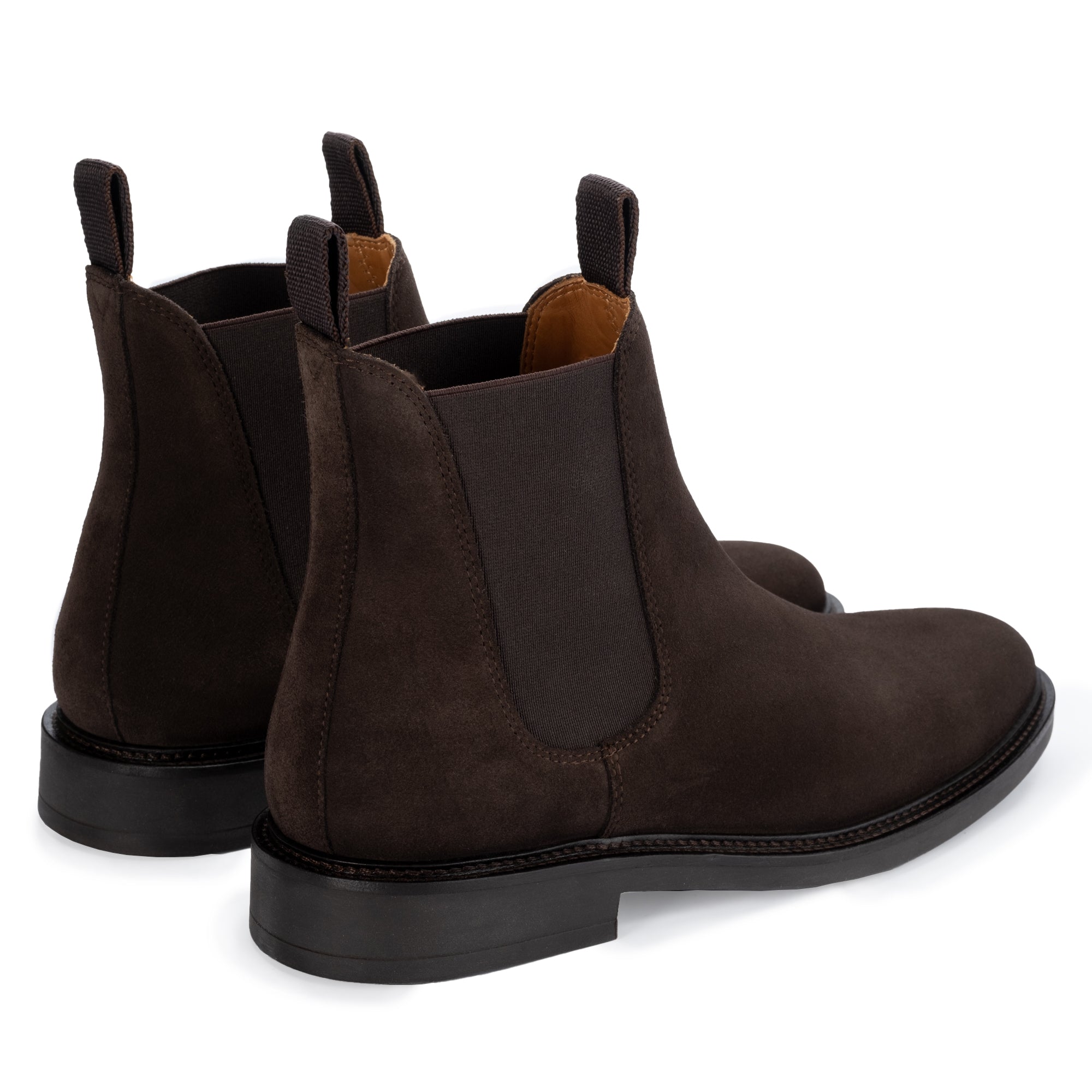
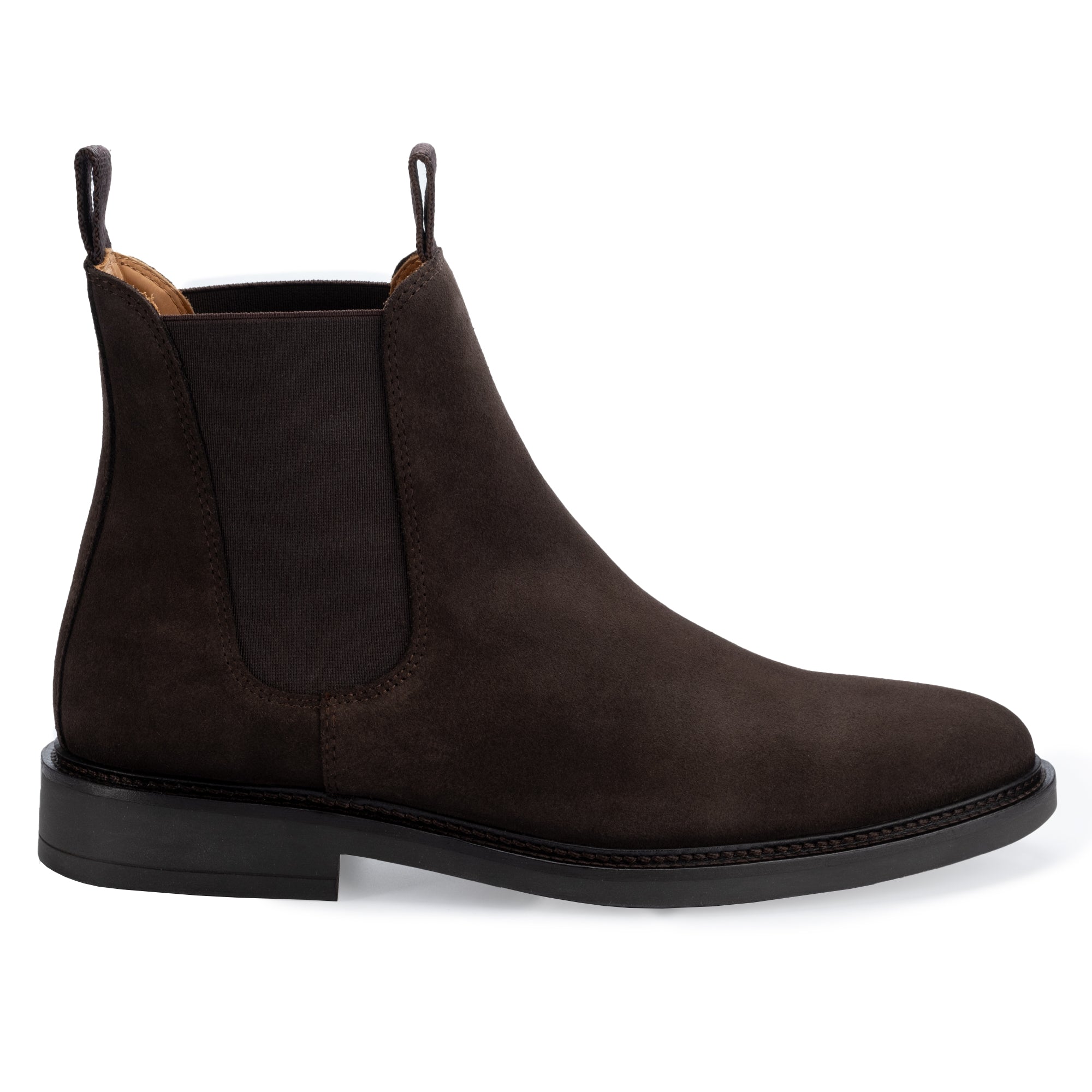
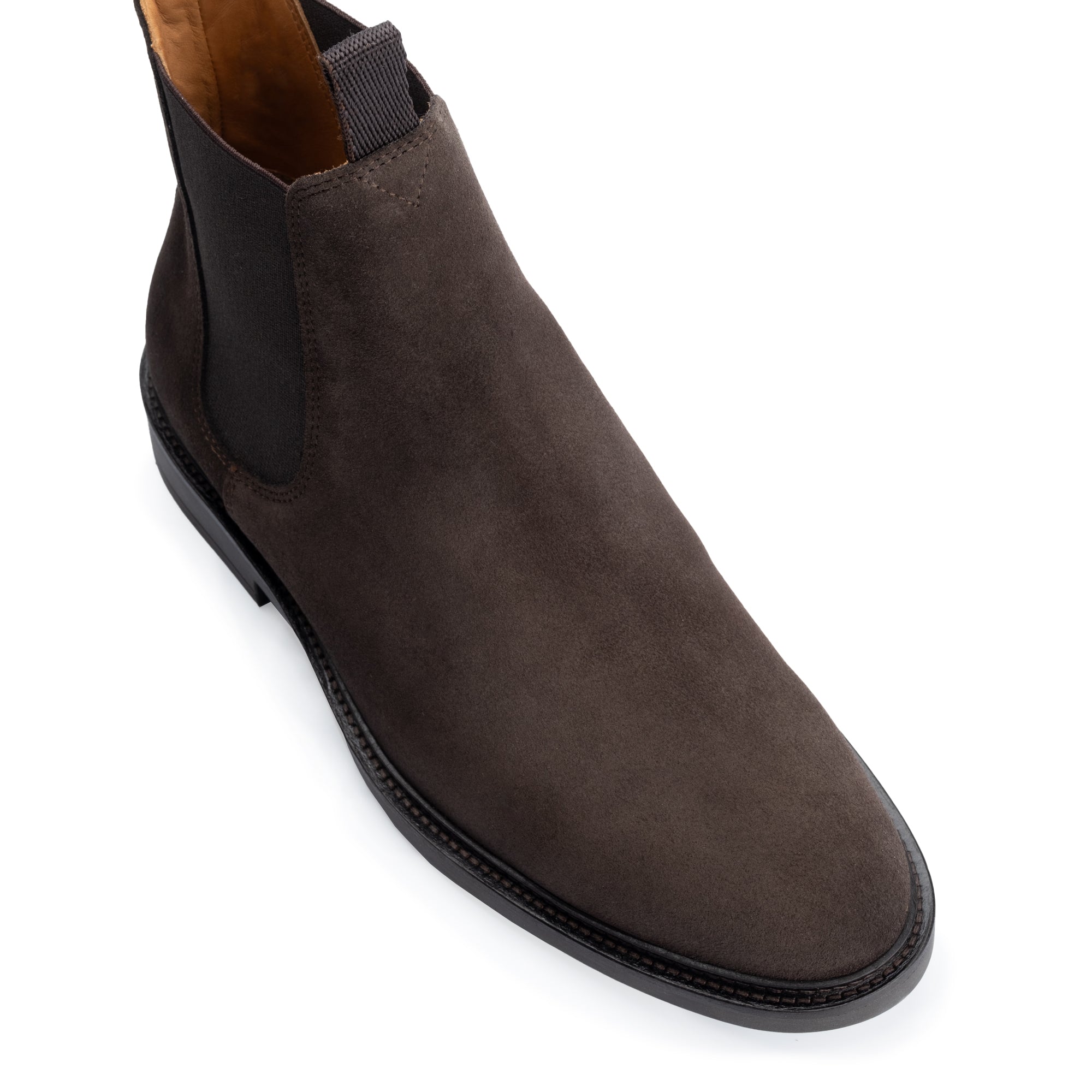
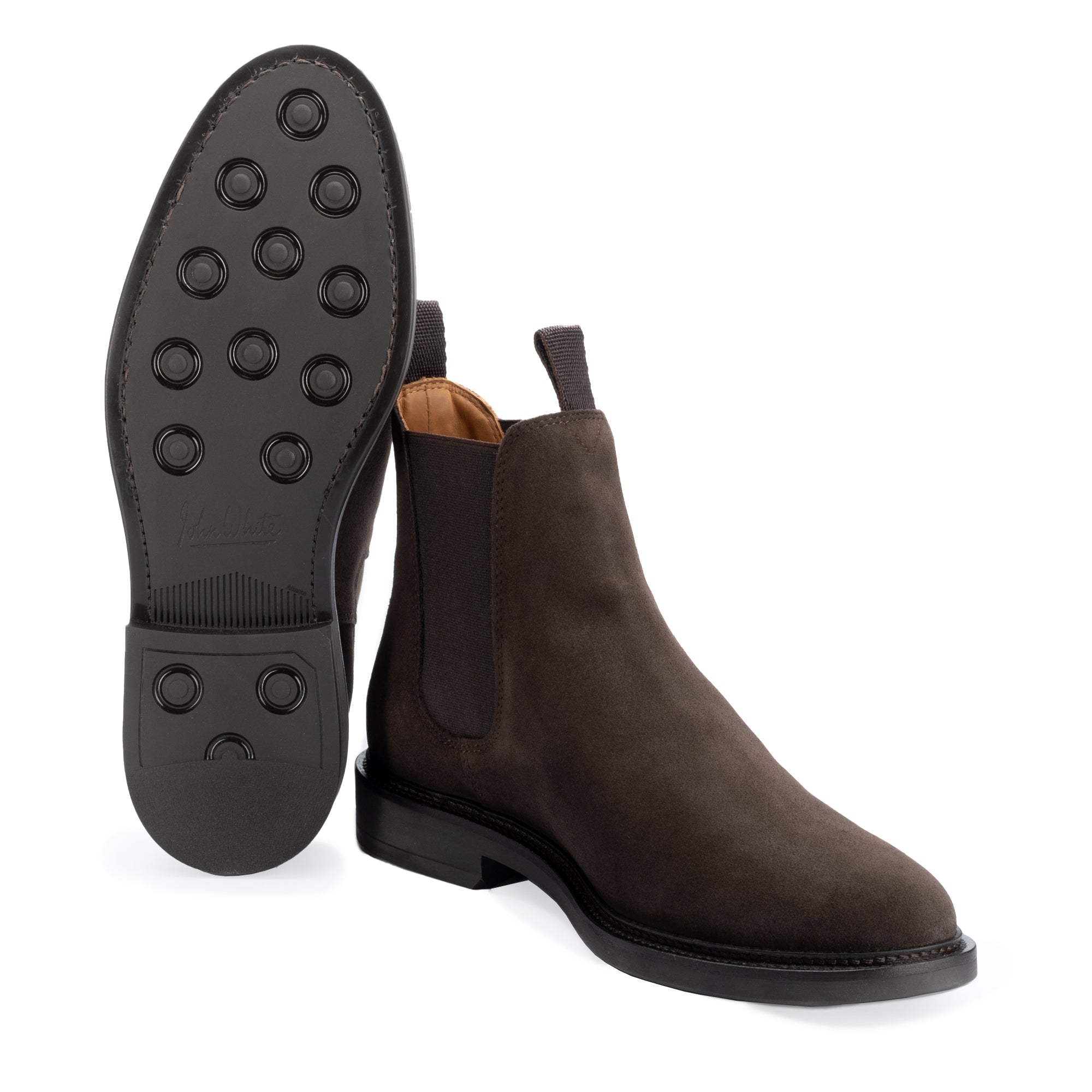
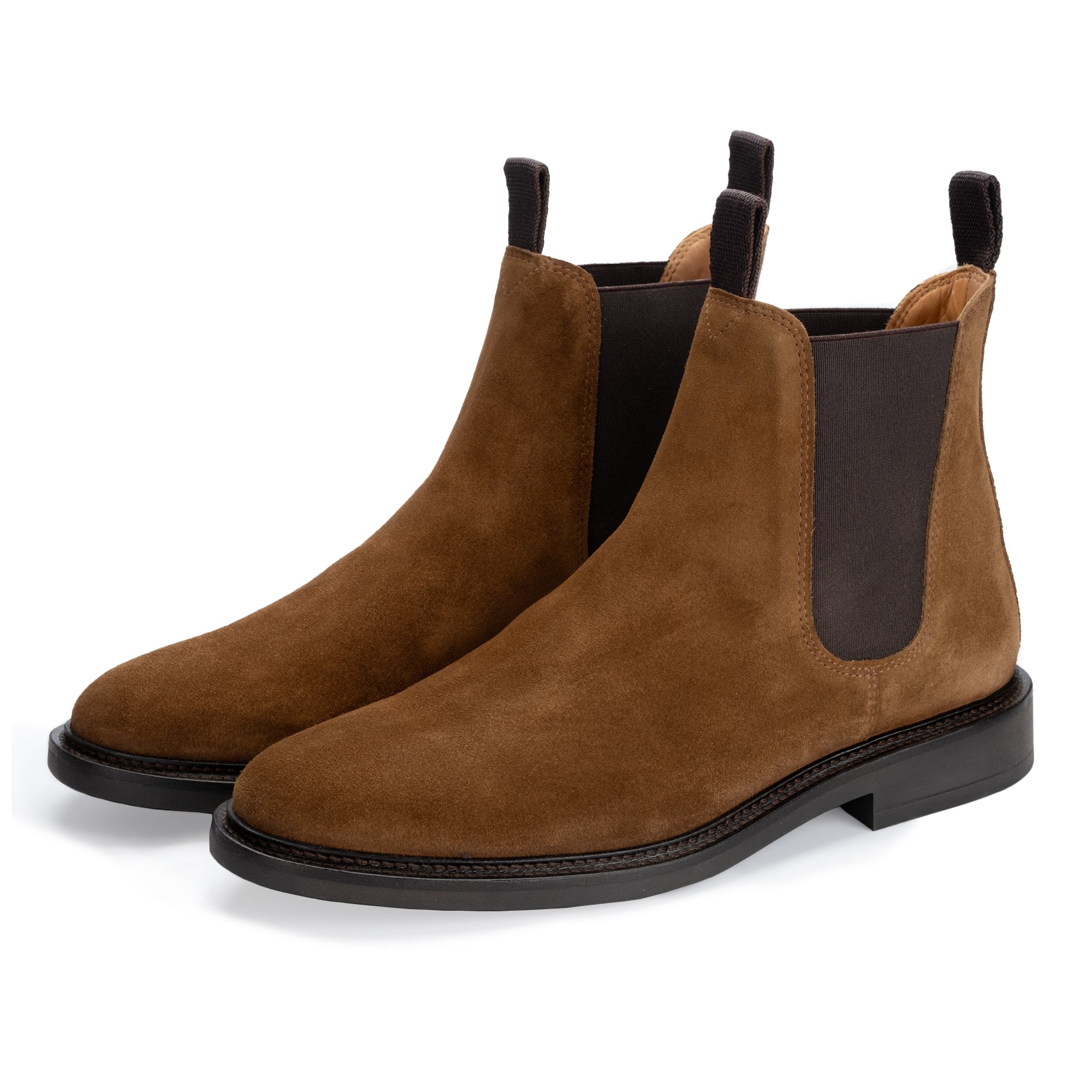
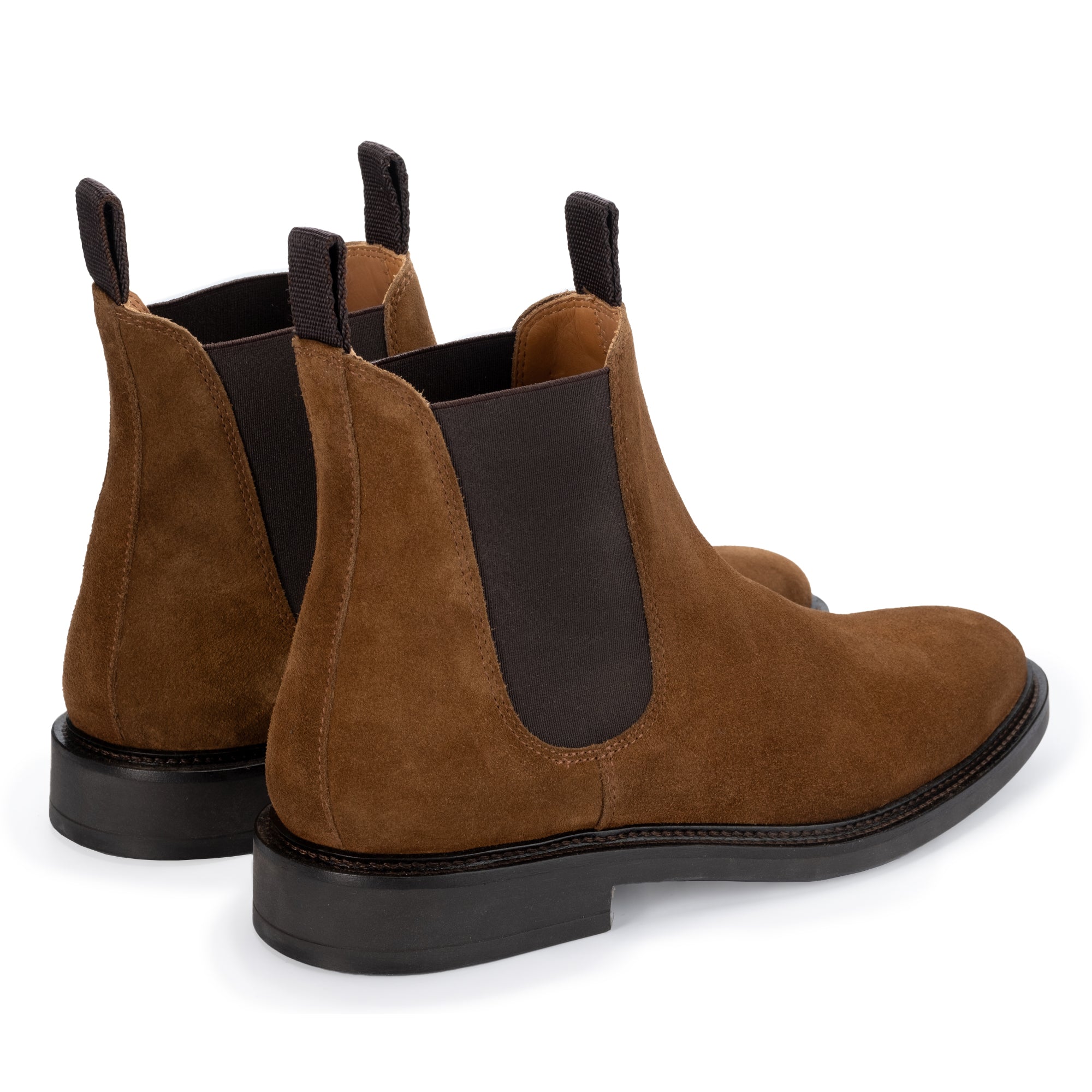
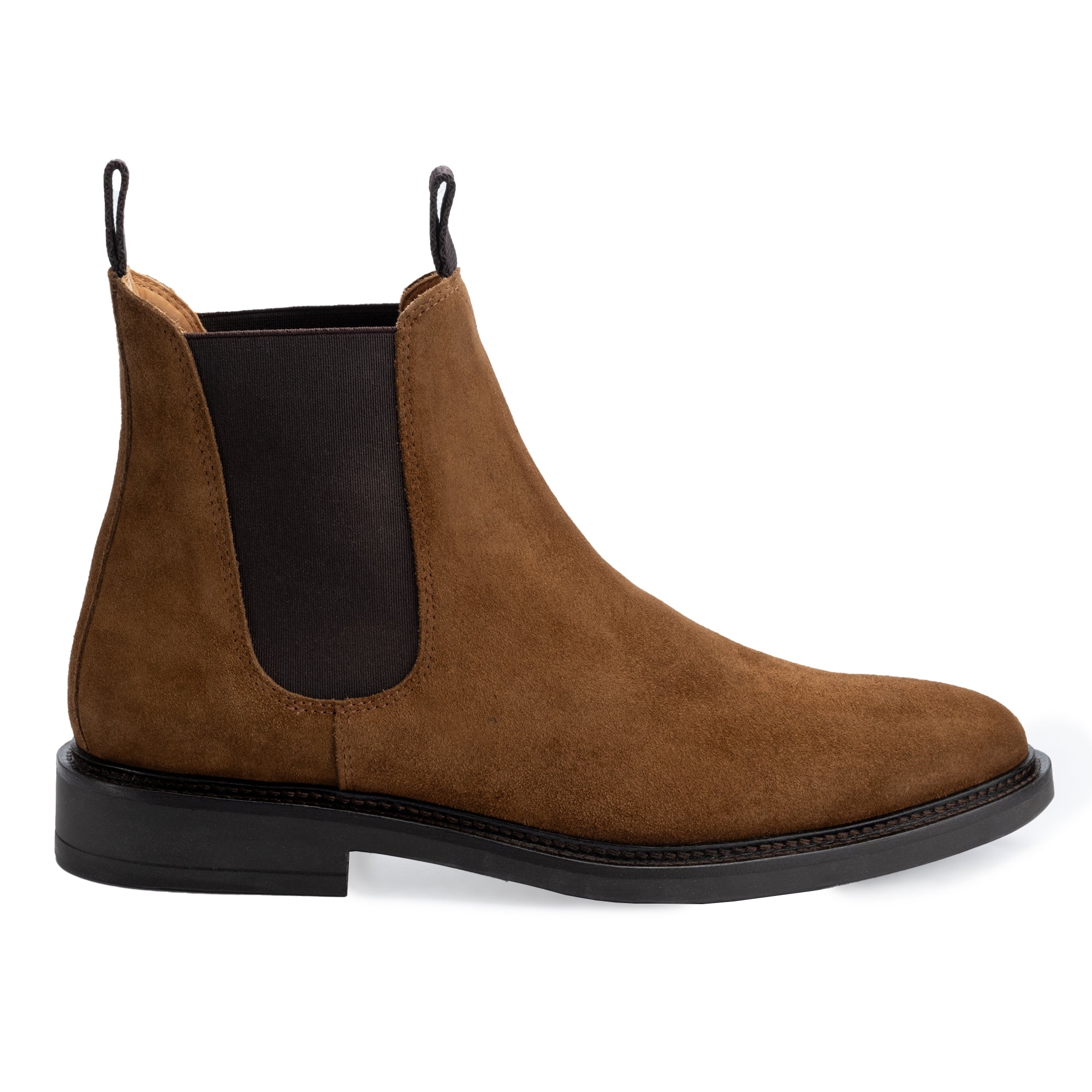
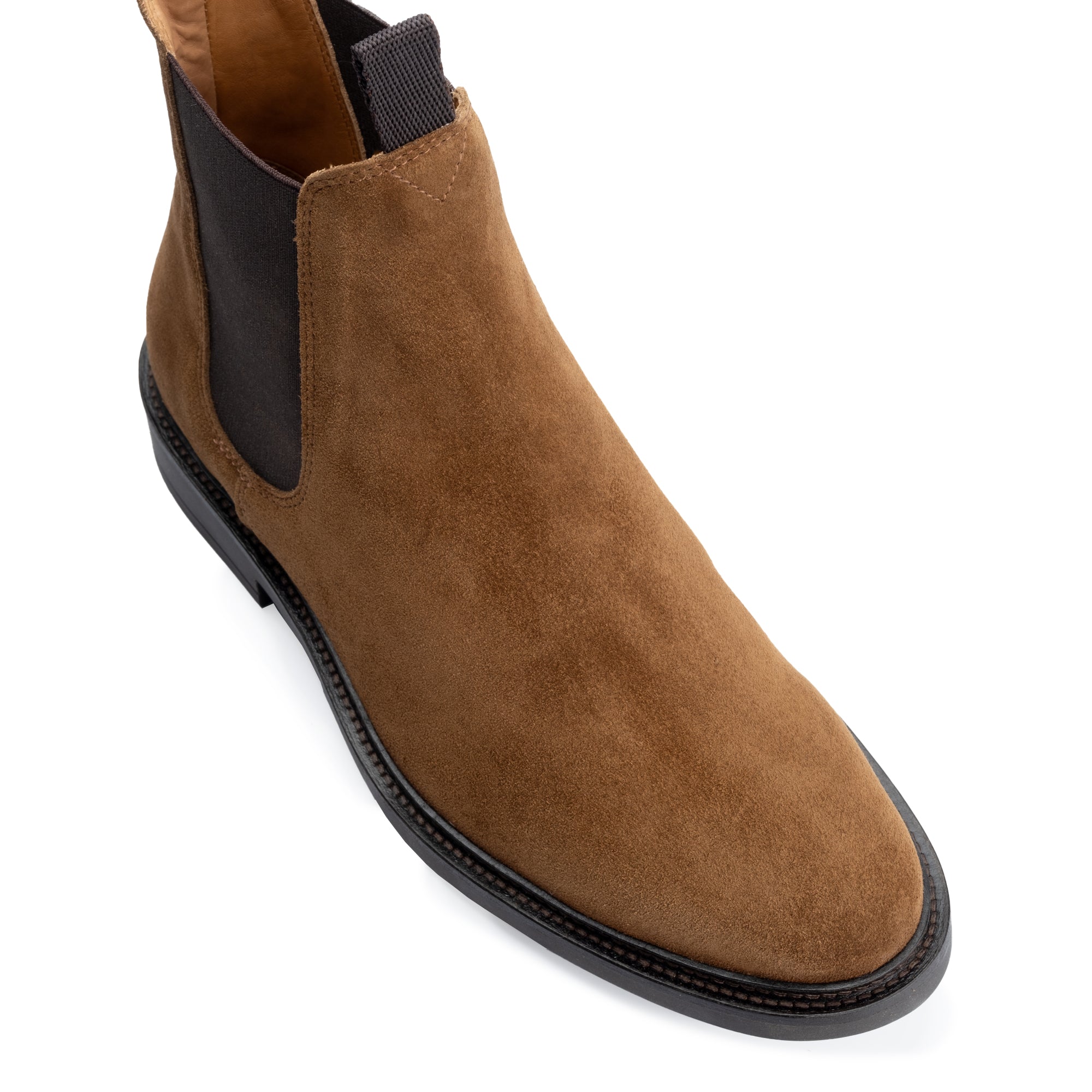
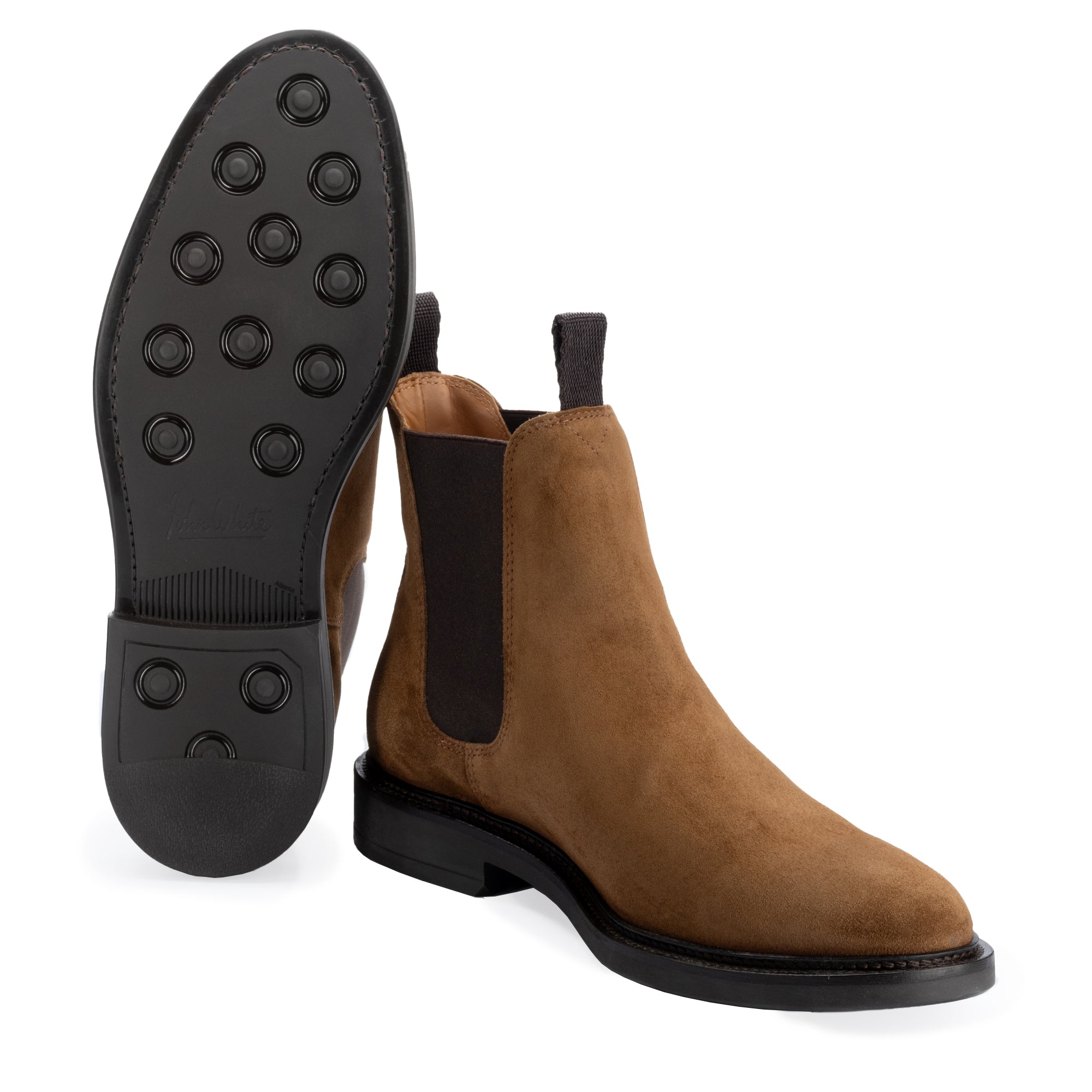
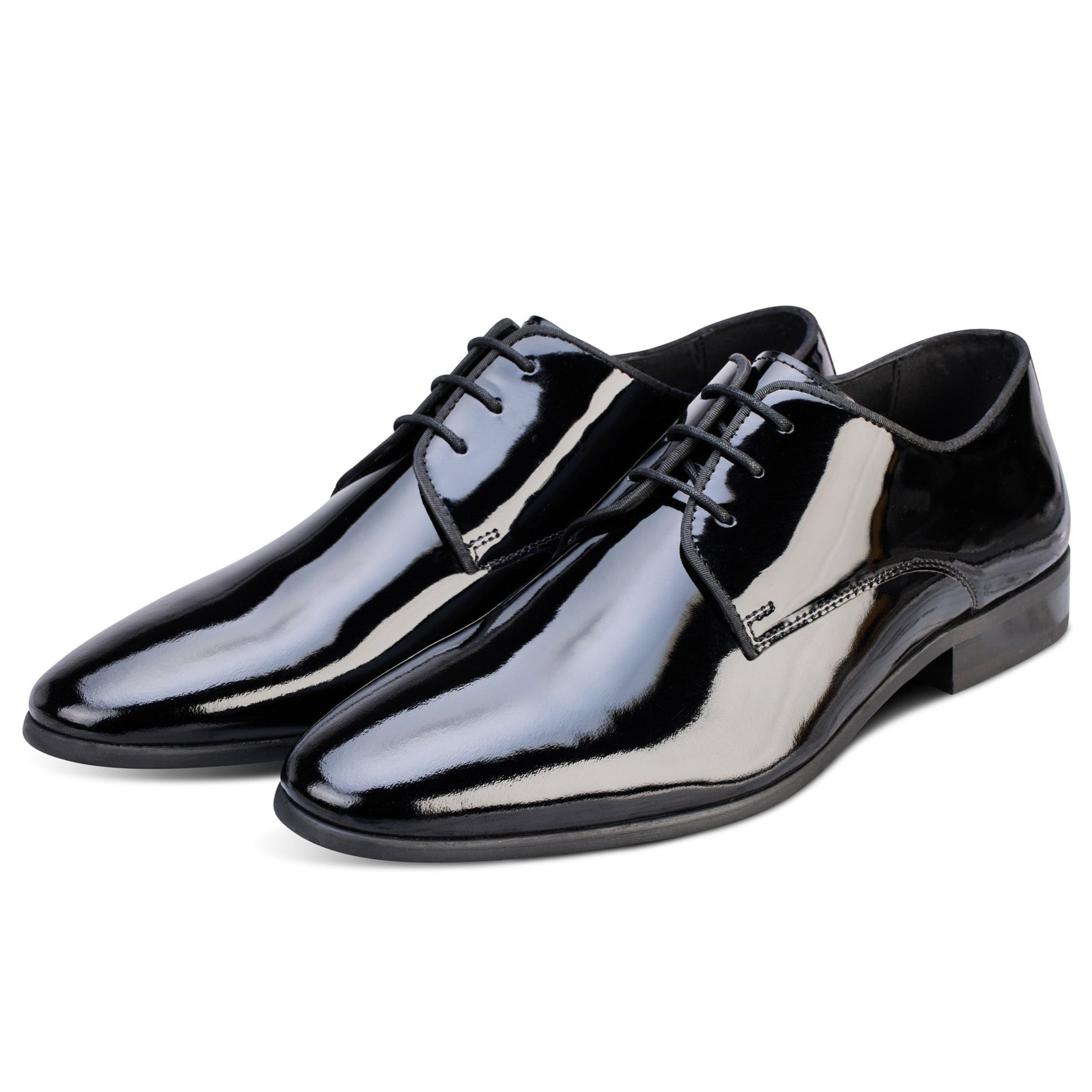
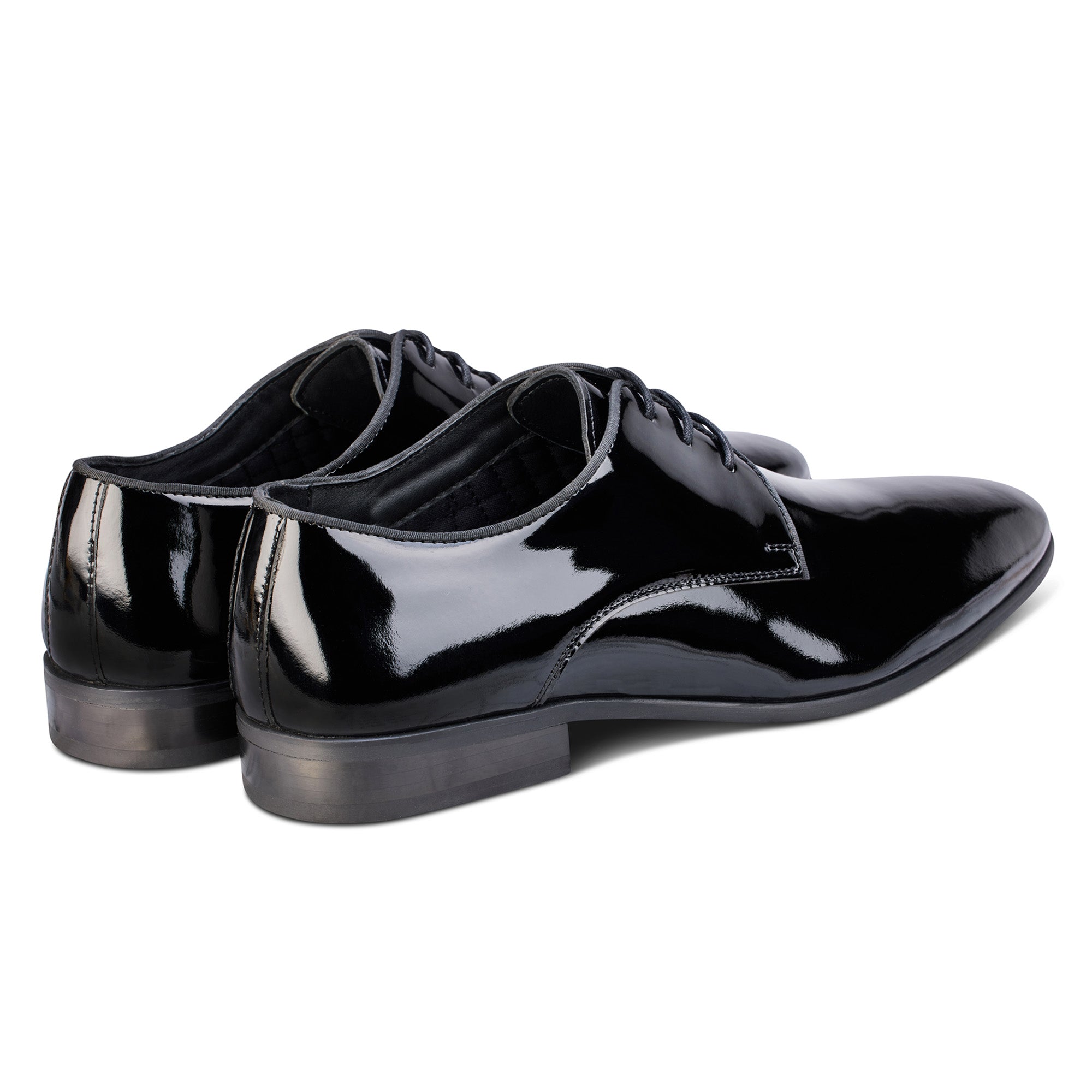
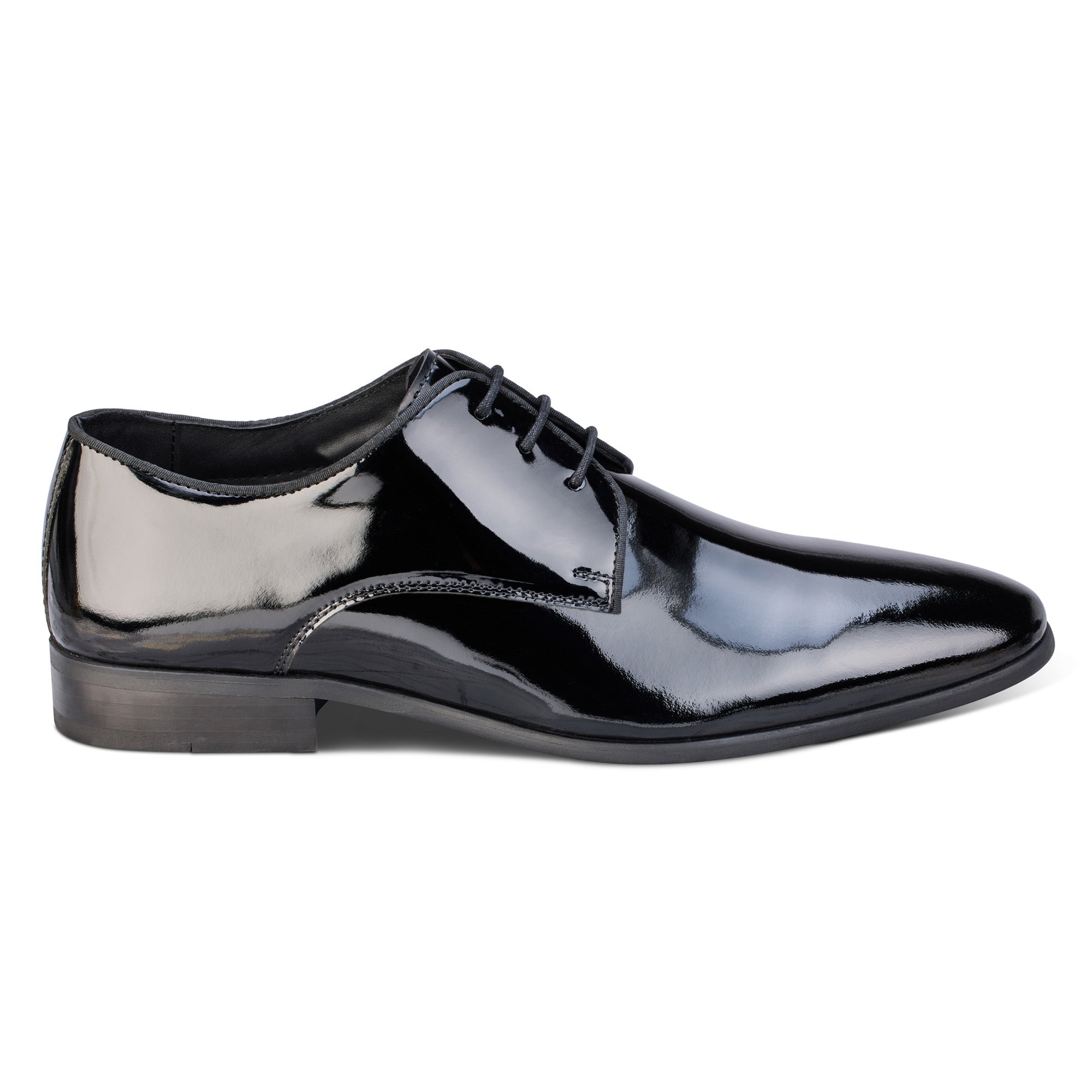
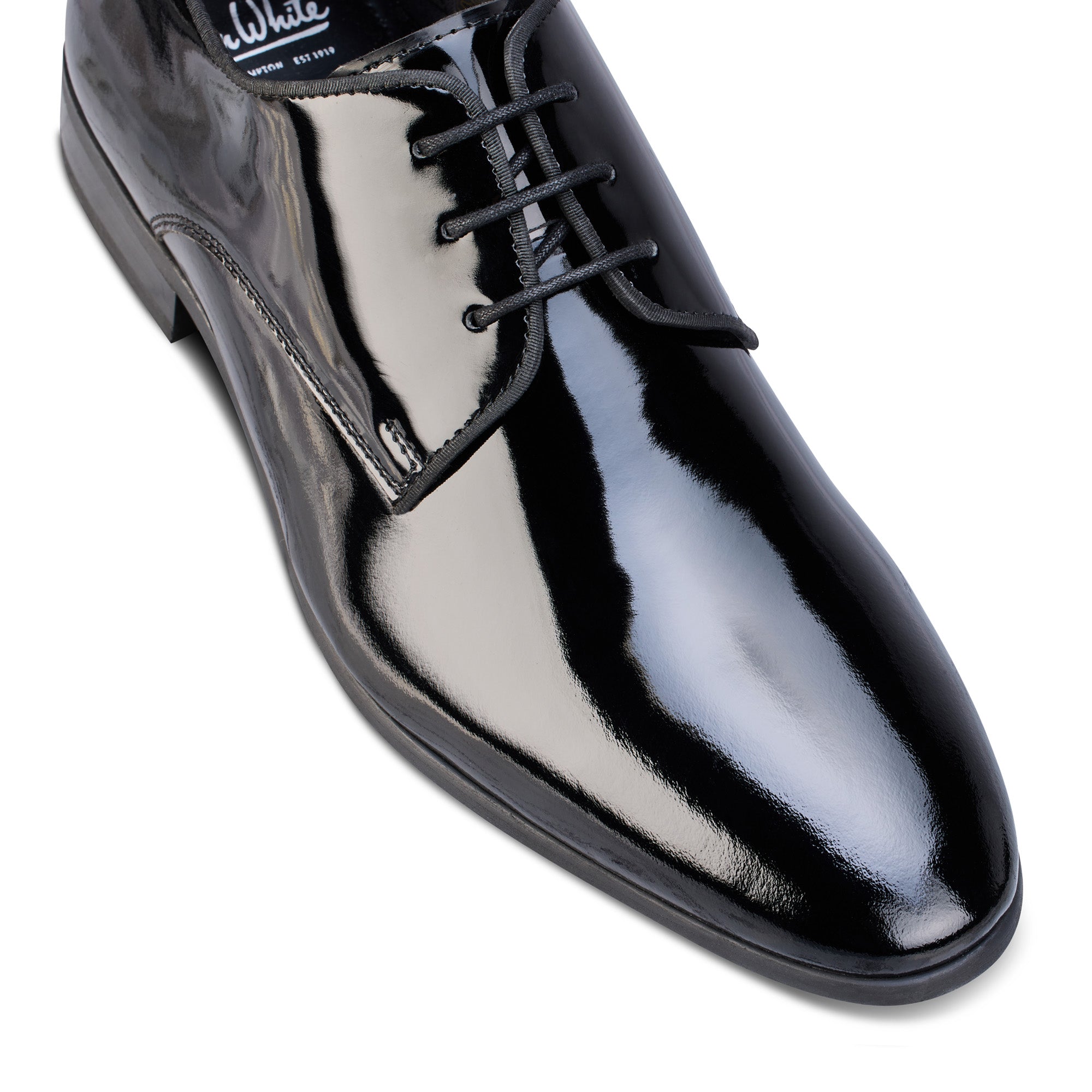
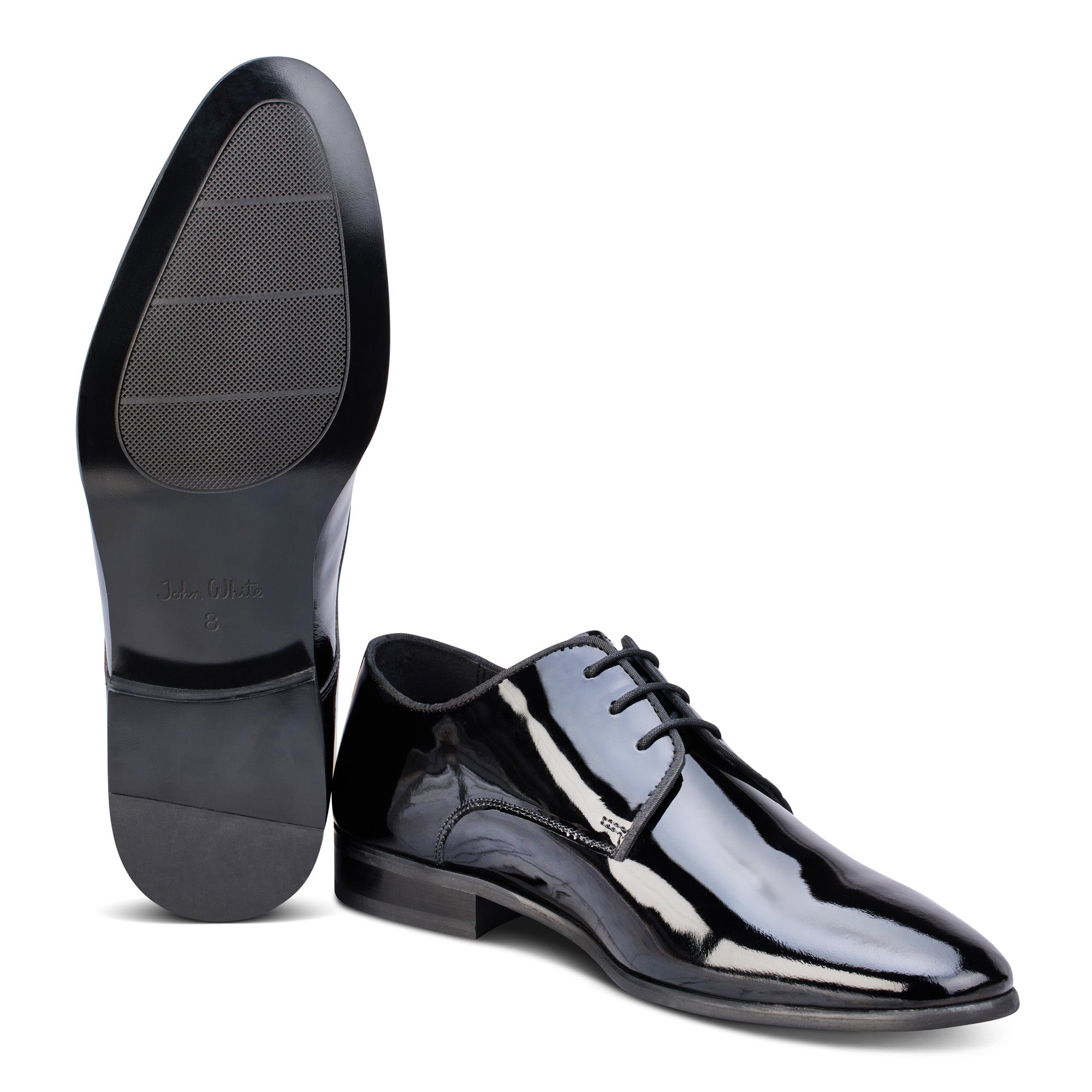
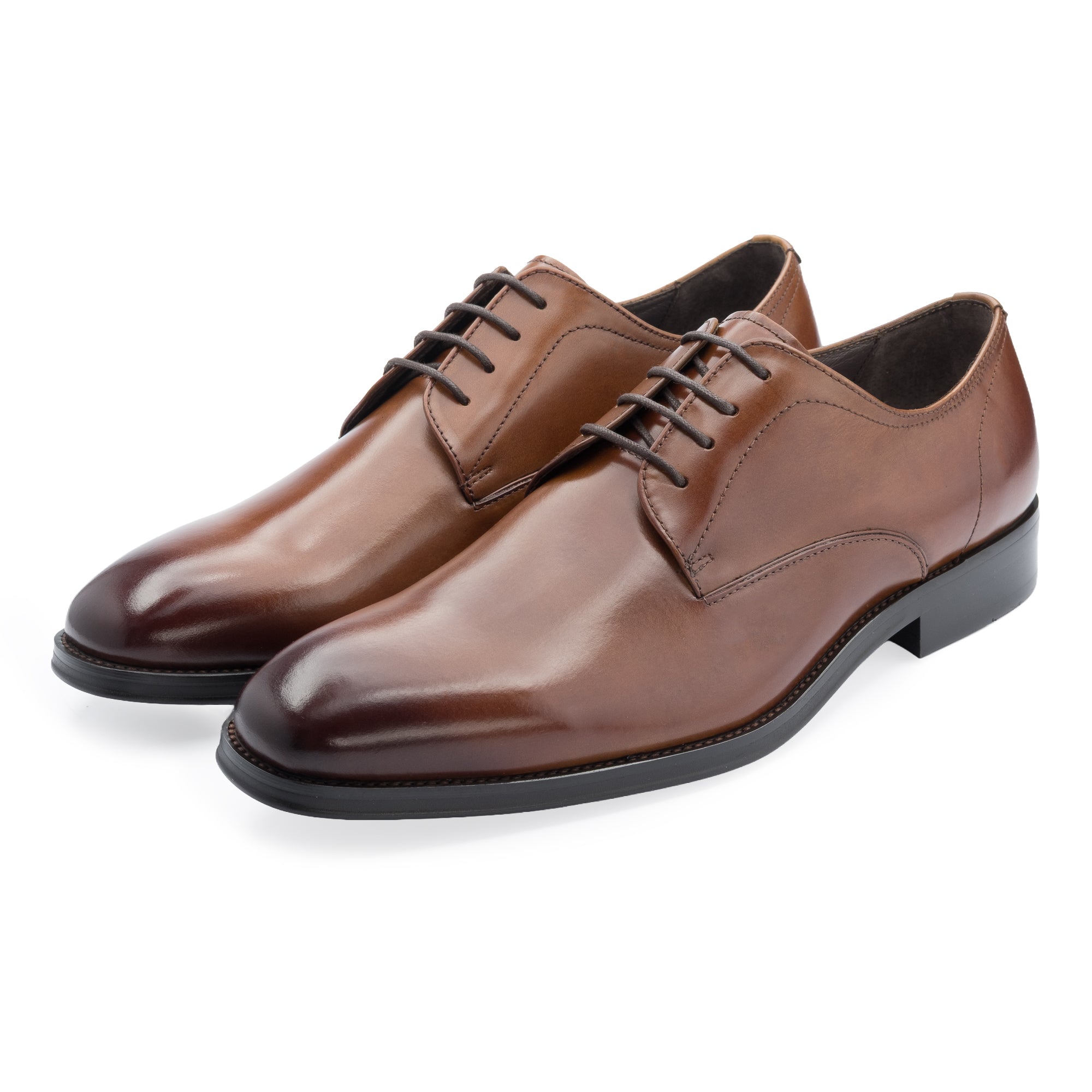
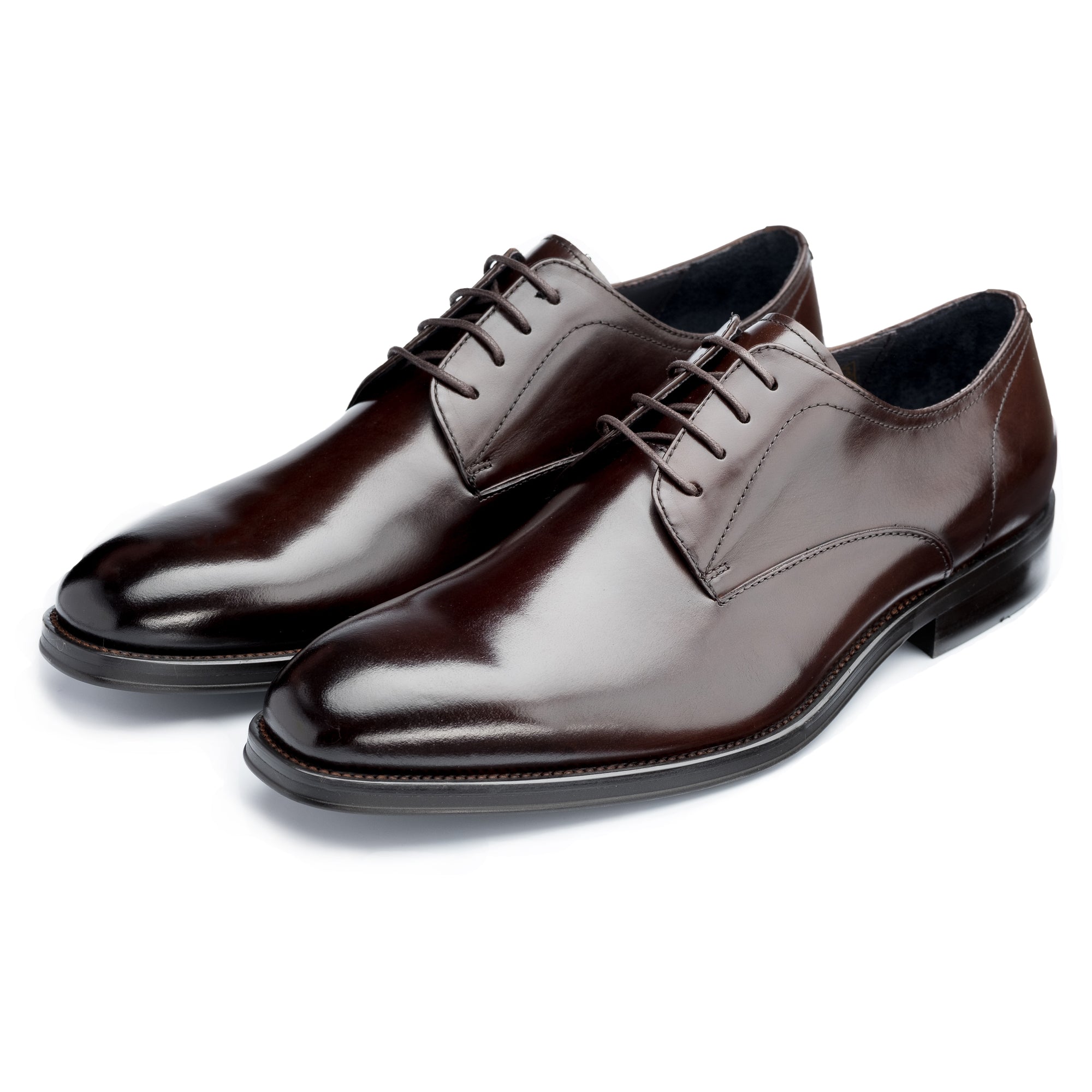
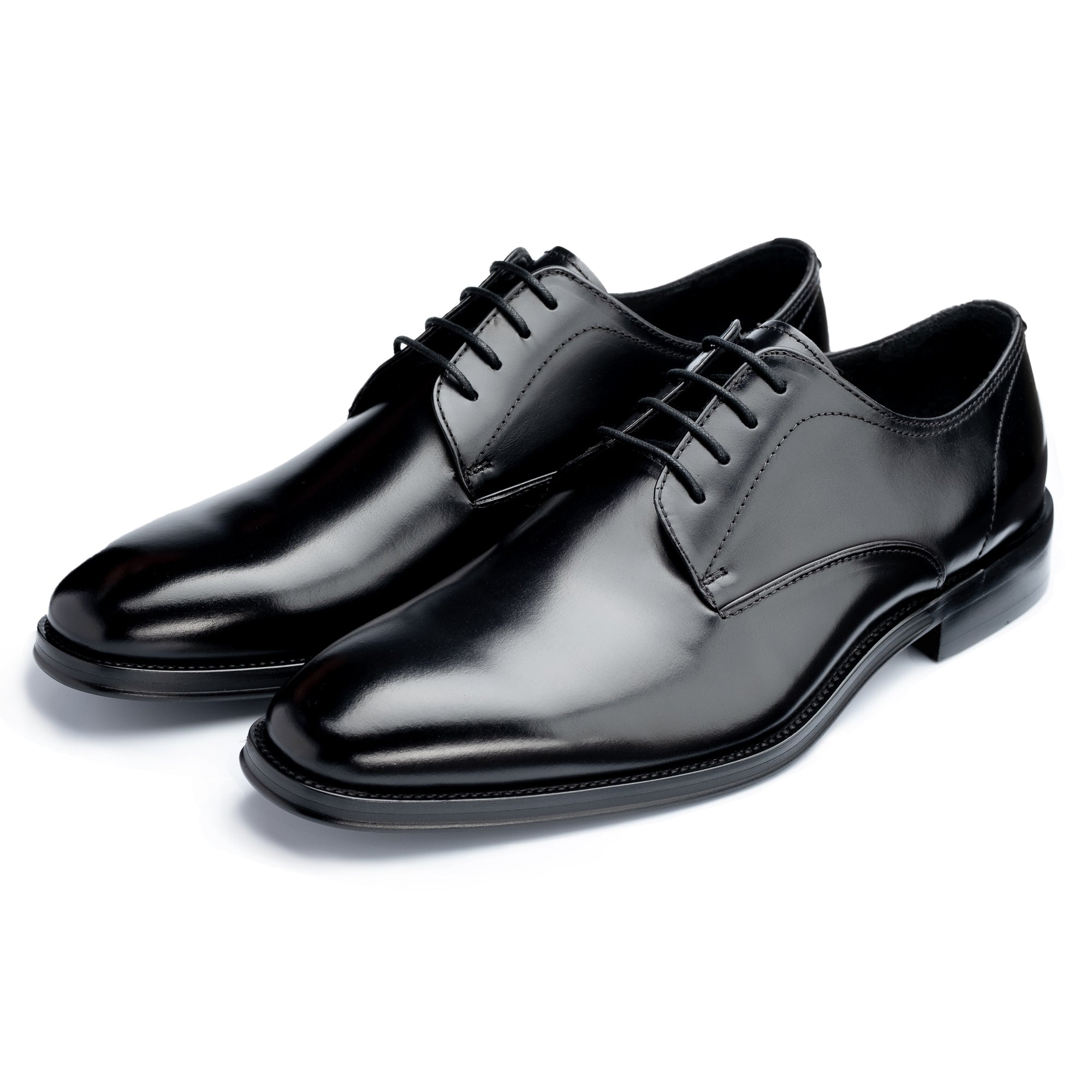
For generations, respected names in Northamptonshire shoemaking have understood that interior construction is as vital as the polished exterior, a standard John White Shoes also values in its curated range of premium men's shoes. Whether it’s a formal Derby or a versatile Brecon Chelsea Boot, the principle remains the same: quality must run through and through.
A discerning eye for materials is crucial, a topic we explore further in our guide to Full-Grain vs Corrected-Grain Leather. The quality of the lining leather should be considered with the same scrutiny as the upper.
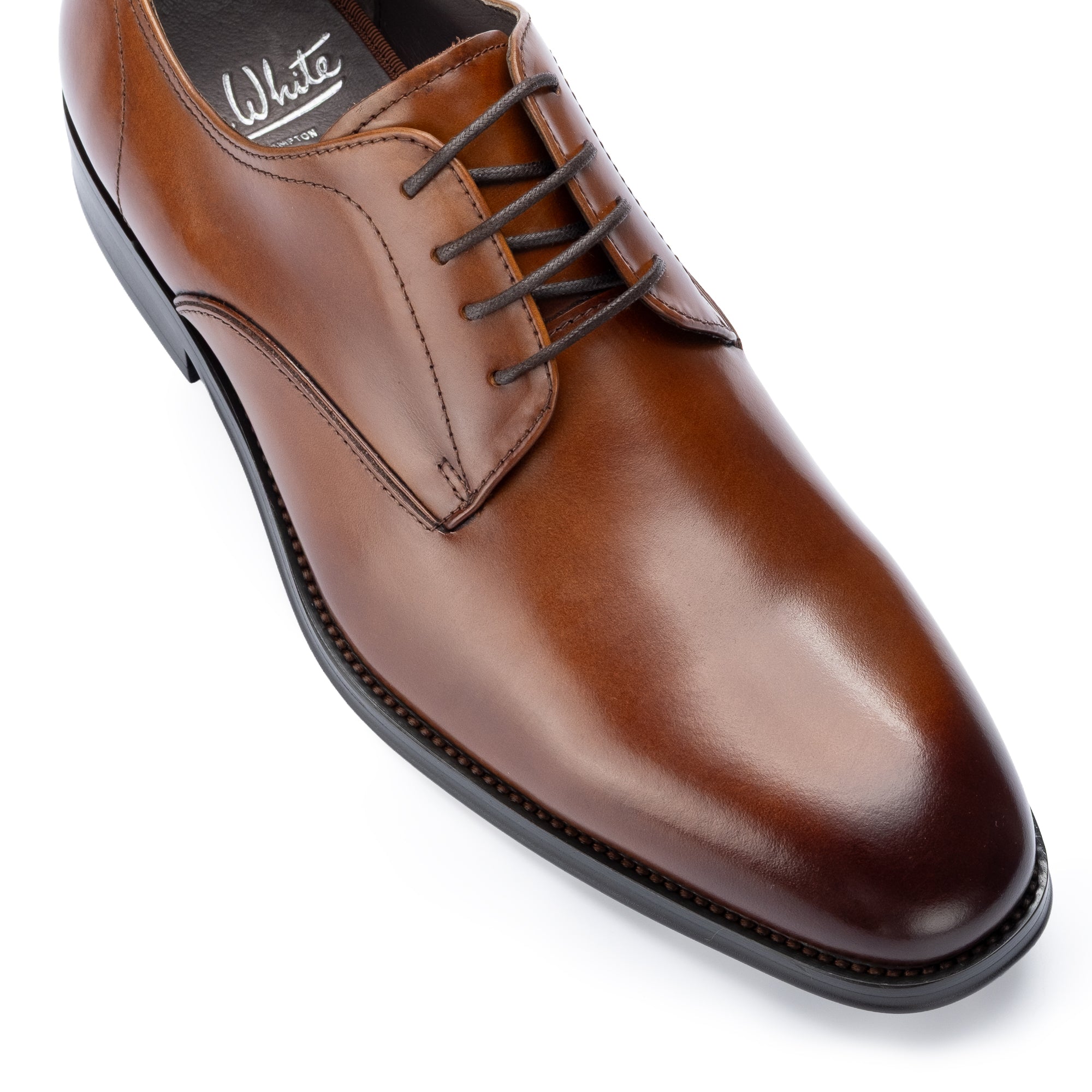
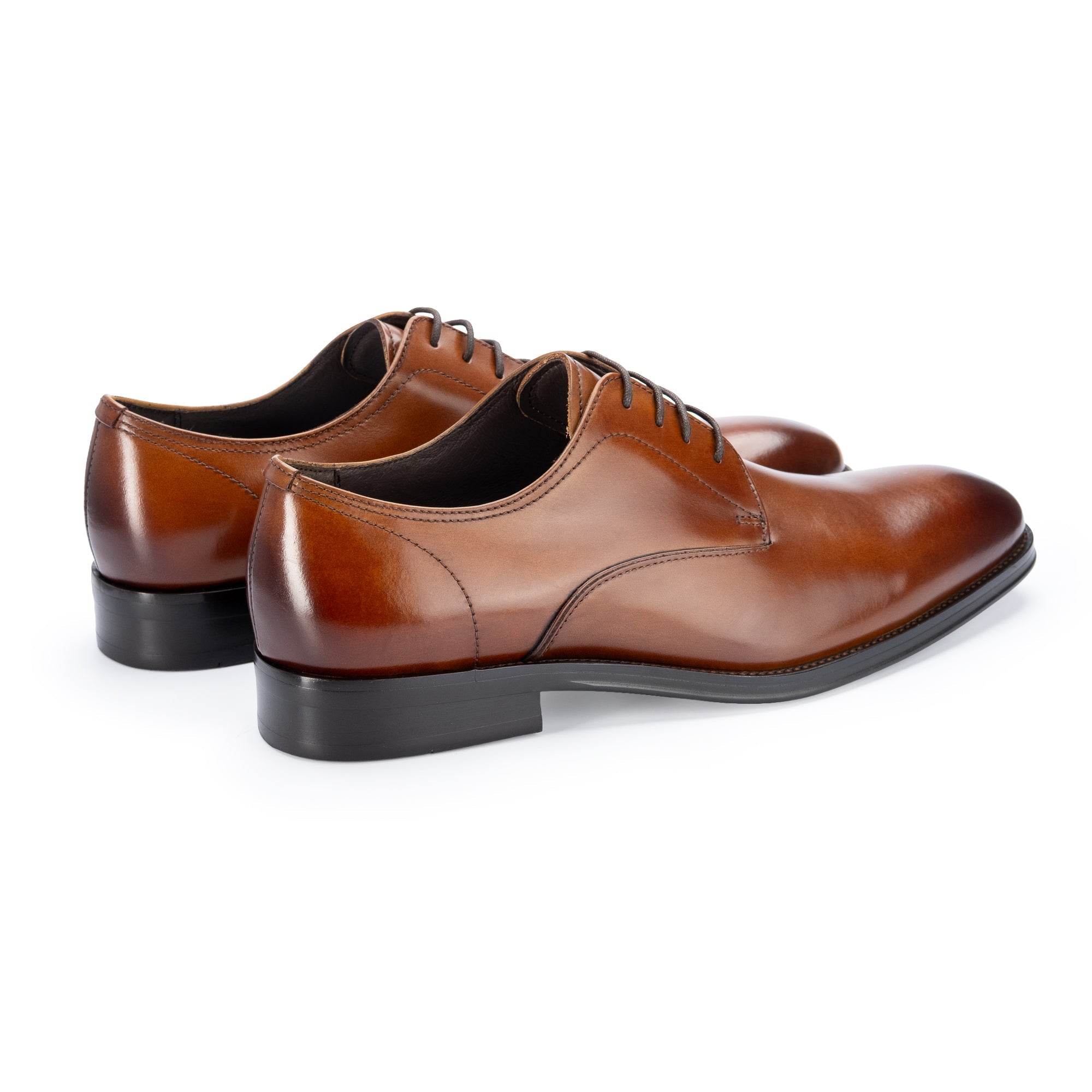
The choice of lining material—typically soft calfskin—is a final confirmation of a commitment to quality.
In Summary
The polished leather upper of a shoe makes the first impression, but the full leather lining defines the lasting relationship you'll have with it. It is the unseen engine of comfort, the hidden framework of durability, and the truest indicator of quality craftsmanship. When you invest in a pair of shoes, you're investing in how they feel and perform over hundreds of wears, not just how they look in the box. Never overlook the interior—it’s where true quality resides.
Related Guides
- The History of British Shoemaking — our comprehensive guide
- The Complete Guide to Leather Shoe Care
- The Anatomy of a Quality Shoe: What Goes Into Every Pair
- Maximizing Shoe Life: The Essential Role of Shoe Trees
Frequently Asked Questions
Is a leather lining necessary for all types of shoes?
For closed-toe formal and smart-casual footwear intended for all-day wear, a full leather lining is essential for breathability, comfort, and structure. For seasonal shoes like summer loafers or boat shoes, an unlined or partially lined construction can be acceptable for greater flexibility and a lighter feel, but it comes at the expense of long-term structural integrity.
Do leather-lined shoes require special care?
They don't require special care, but they benefit immensely from correct care. The most important practice is to allow them to dry out completely between wears, as the lining absorbs moisture. Using cedar shoe trees is non-negotiable; they absorb moisture, deodorise the shoe, and help maintain its shape as the lining dries.
How does a leather lining affect the break-in period?
A full leather lining contributes to a more structured break-in process. While it may feel firmer initially compared to an unlined shoe, the leather will gradually soften and mould perfectly to your foot's contours. This creates a superior, personalised fit that provides better support and comfort in the long run.