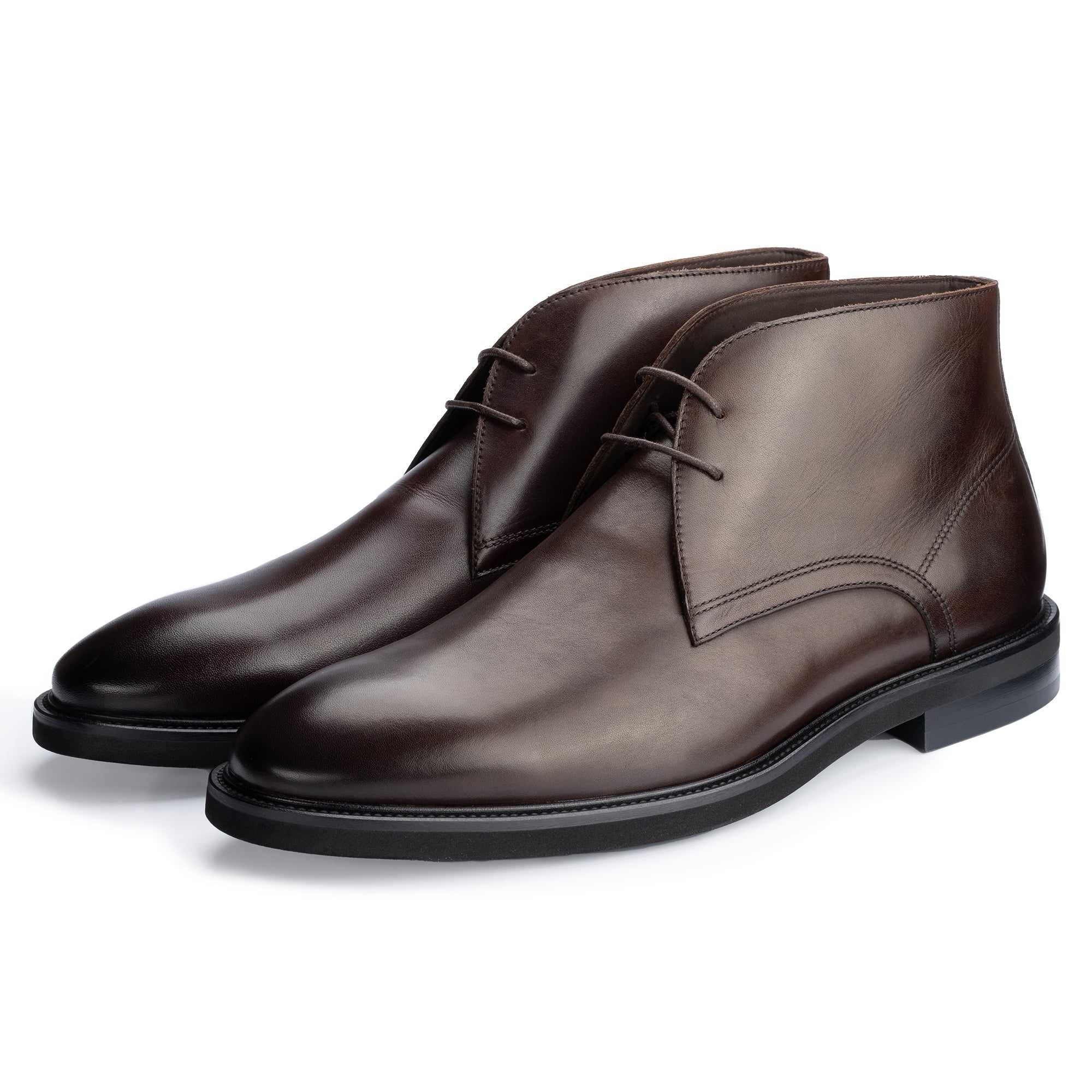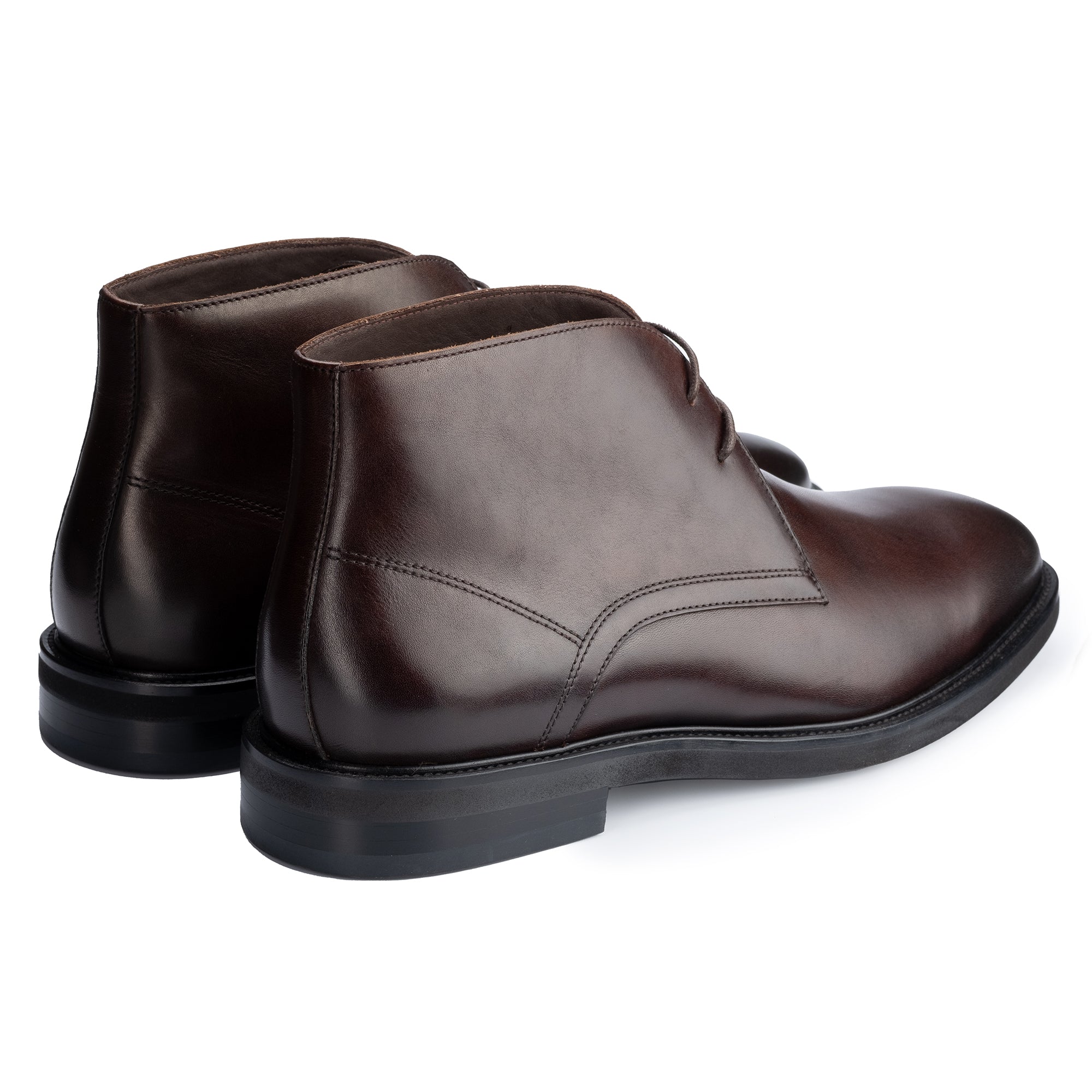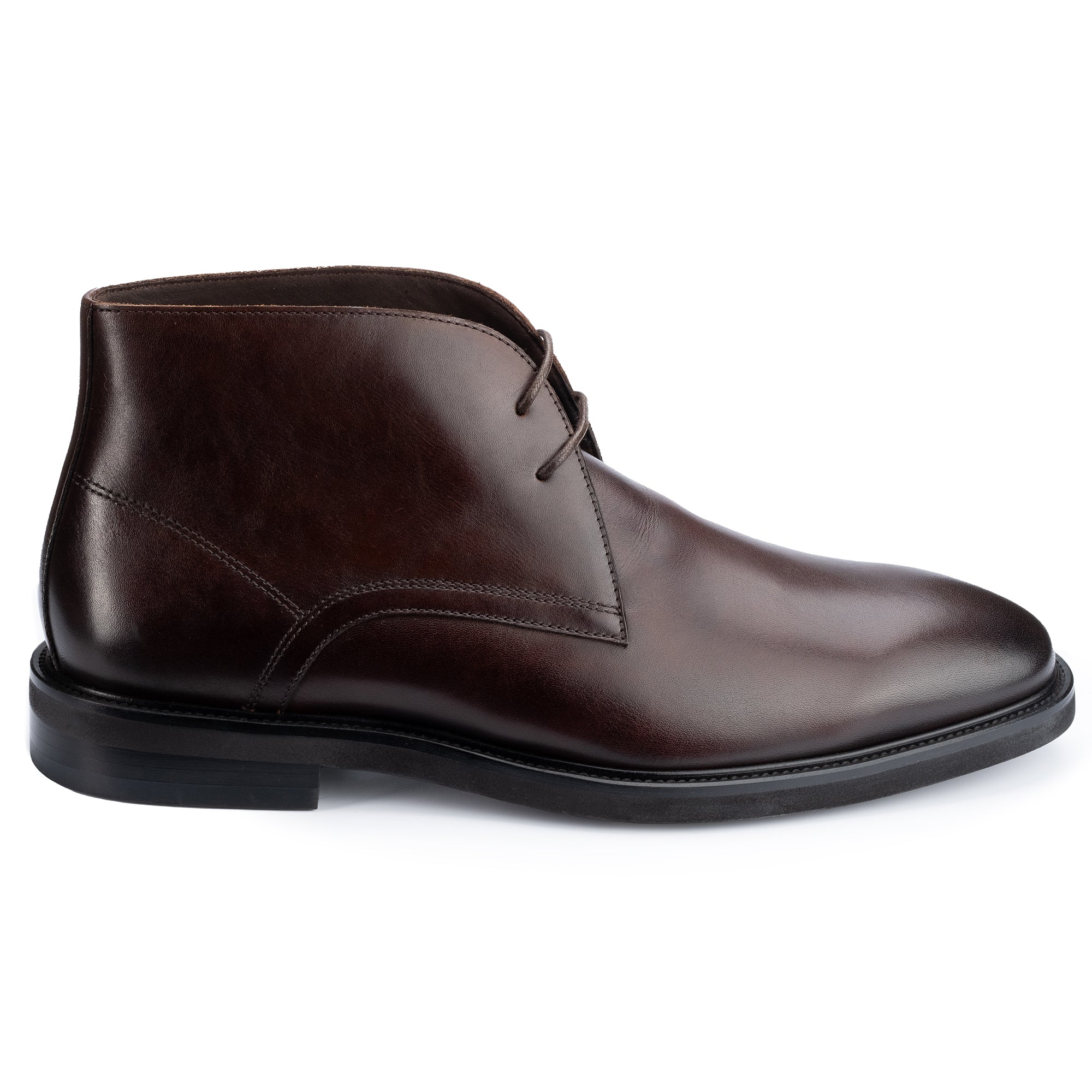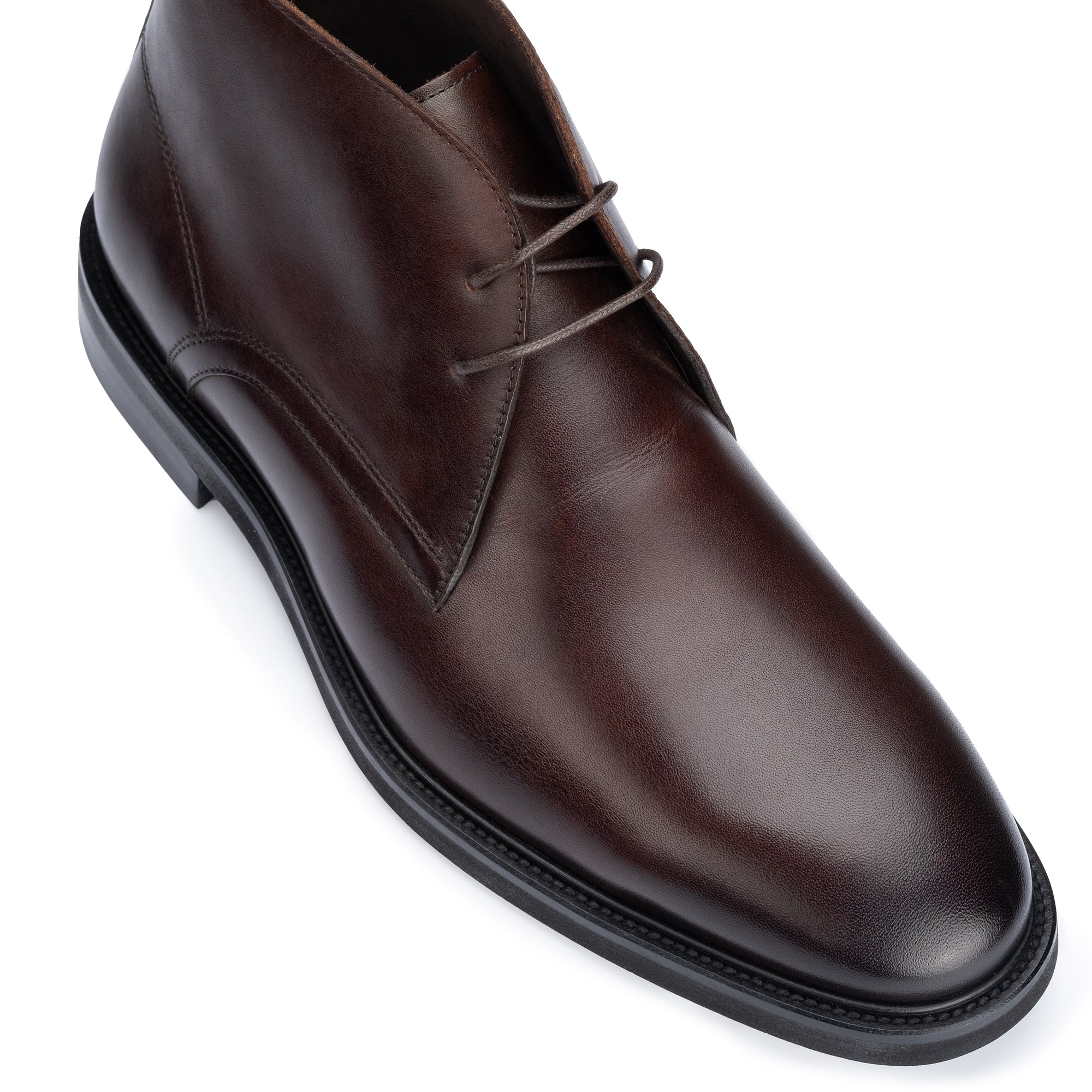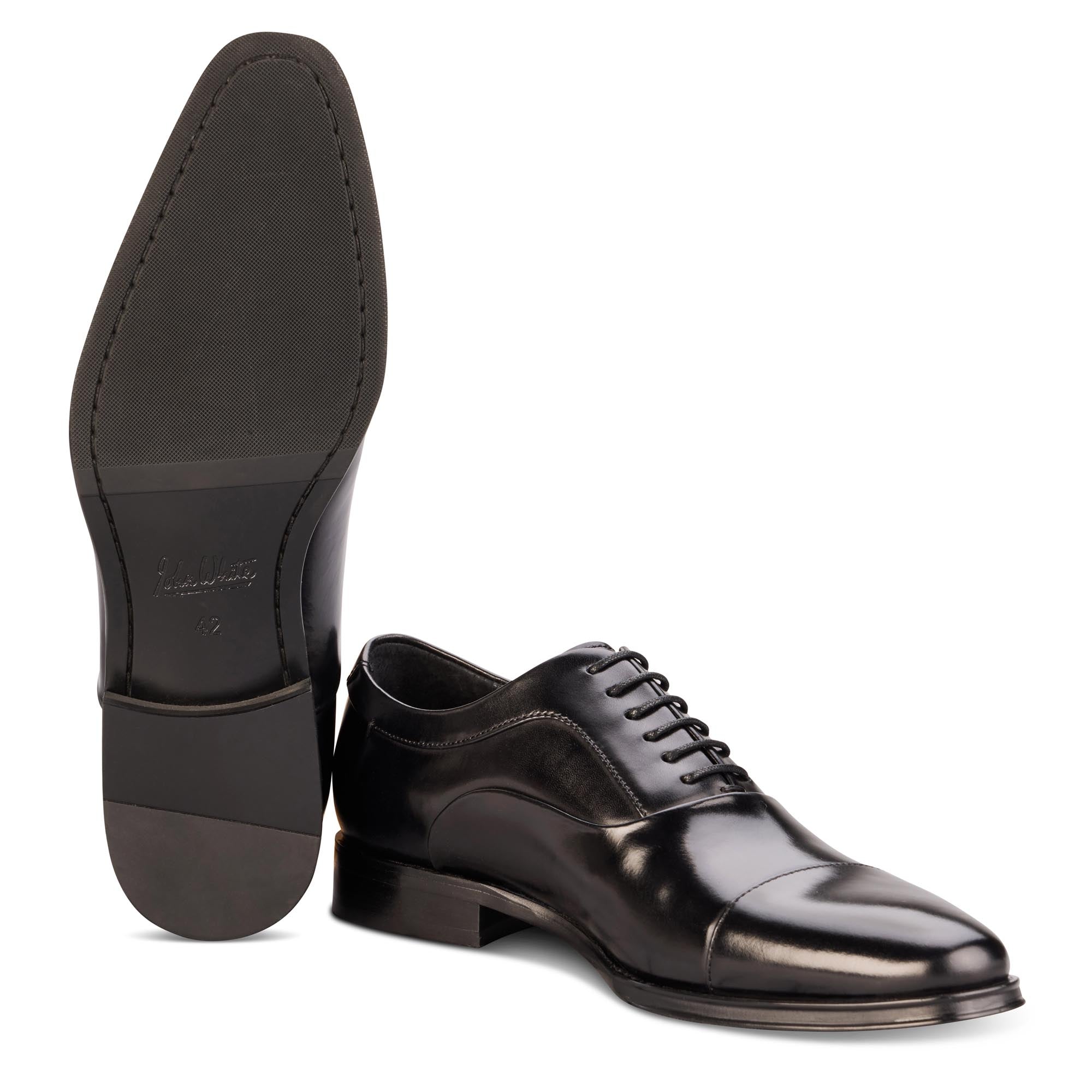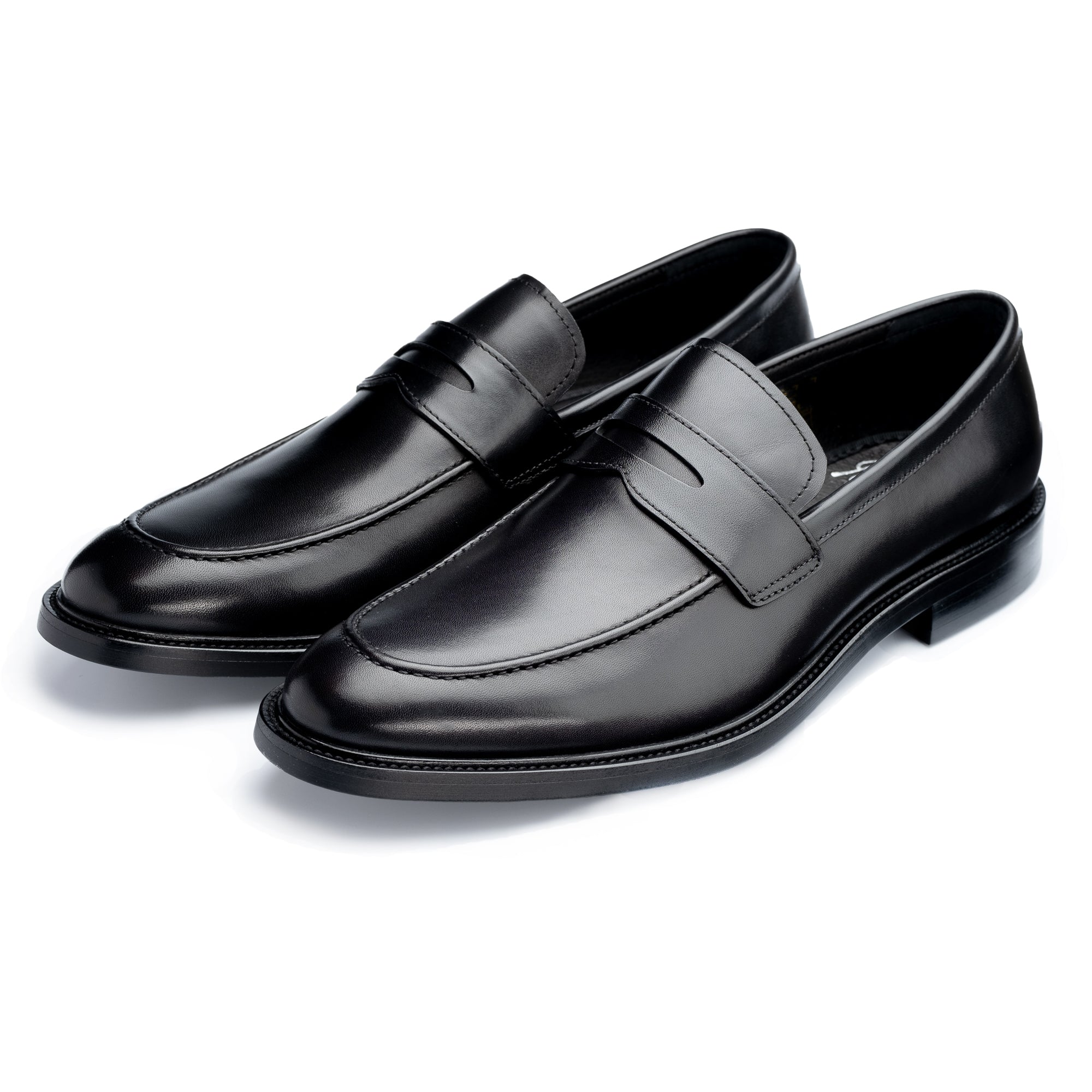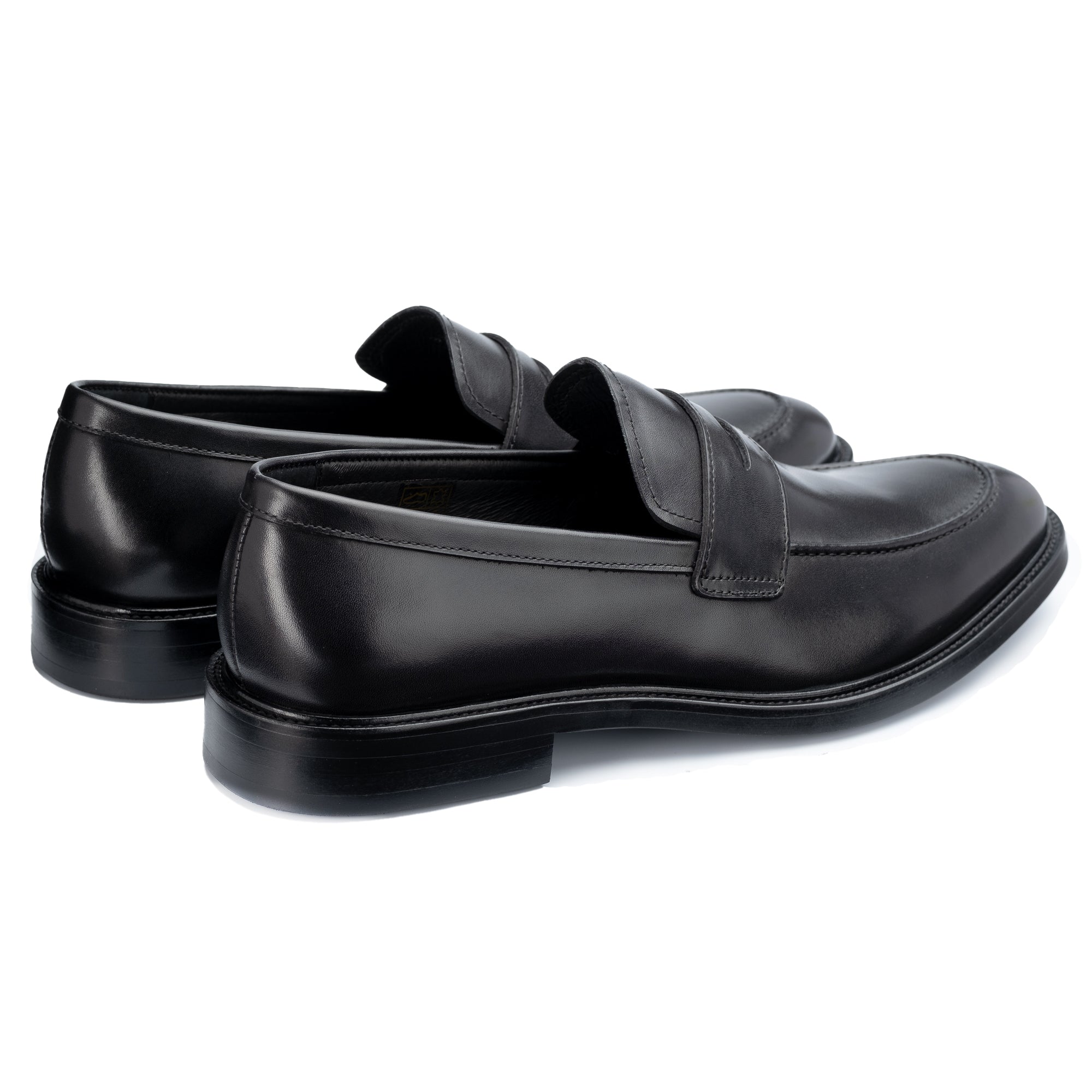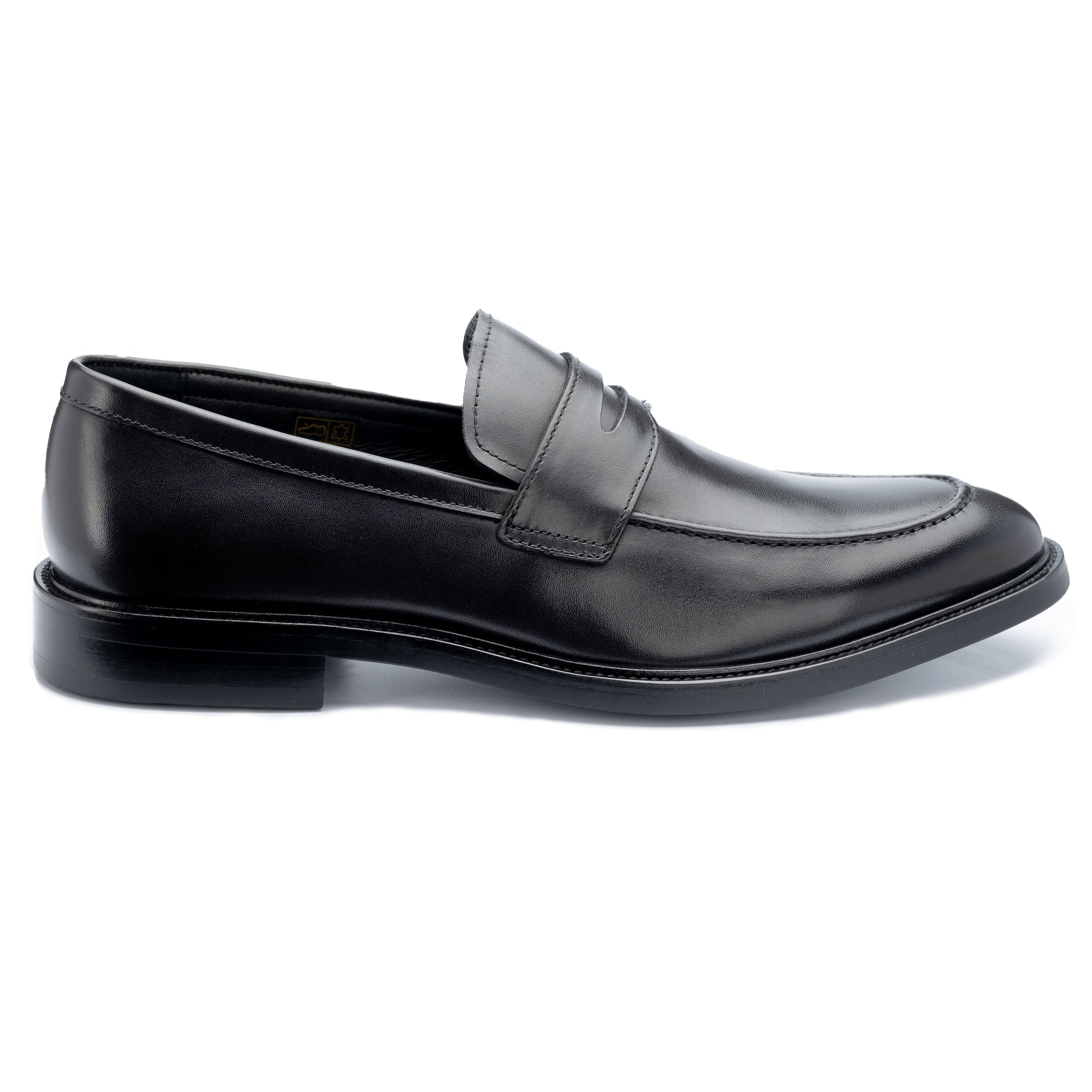

Leather Conditioner vs Shoe Polish: What to Use, When, and Why It Matters
Leather conditioner and shoe polish serve distinct purposes: conditioner replenishes the natural oils that keep leather supple and prevent cracking, while polish restores colour, adds surface shine, and provides weather protection. Both are essential to a complete care routine. Conditioner always comes first; polish follows. Skipping either shortens the working life of your shoes considerably.
In This Guide
- What Is Leather Conditioner?
- What Is Shoe Polish?
- What Is the Difference Between Leather Conditioner and Shoe Polish?
- Which Should You Apply First — Conditioner or Polish?
- When Should You Use Leather Conditioner?
- When Should You Use Shoe Polish?
- Does Leather Type Change What You Should Use?
- Related Guides
- TL;DR
- Frequently Asked Questions
The two products sit side by side in every well-stocked shoe care kit, yet most men use them interchangeably — or reach for one at the expense of the other. Understanding what each product actually does, and in what sequence, is the most consequential decision in premium leather shoe care. For the full picture of maintaining leather footwear from purchase to long-term upkeep, see our definitive guide to leather shoe care.
What Is Leather Conditioner?
Leather conditioner is a penetrating treatment formulated to restore the natural oils and moisture that leather loses over time through regular wear, heat exposure, and contact with water. Without it, leather dries out, becomes brittle, and eventually cracks — a process that is largely irreversible once it progresses beyond the surface.
Quality conditioners are typically formulated from lanolin, beeswax, mink oil, or plant-based alternatives. They work beneath the surface, maintaining the flexibility of the leather's fibres and preventing the structural degradation that ends the life of an otherwise sound shoe.
The Leather Conservation Centre recommends conditioning leather footwear every six to eight weeks under regular wear conditions — and more frequently in centrally heated environments or during dry winter months, where ambient moisture levels drop significantly.
Leather conditioner is maintenance, not cosmetic — it preserves the structural integrity of the leather from within, at a level no amount of polishing can reach.
What Is Shoe Polish?
Shoe polish is a surface treatment that restores colour, builds shine, and creates a protective barrier against moisture and surface scuffing. Unlike conditioner, it does not penetrate the leather — it layers over it, building depth and lustre with each application.
There are three principal types worth understanding:
- Wax polish (paste or solid): The traditional choice for premium footwear. Produces the highest shine, best water resistance, and most durable colour restoration. Requires more effort but delivers superior results.
- Cream polish: More nourishing than wax, less glossy. Well suited to regular maintenance between full wax applications, and gentler on the leather's surface over time.
- Liquid polish: Convenient for quick touch-ups but superficial. Not a substitute for a proper care routine — the shine it produces is short-lived and the coverage uneven.
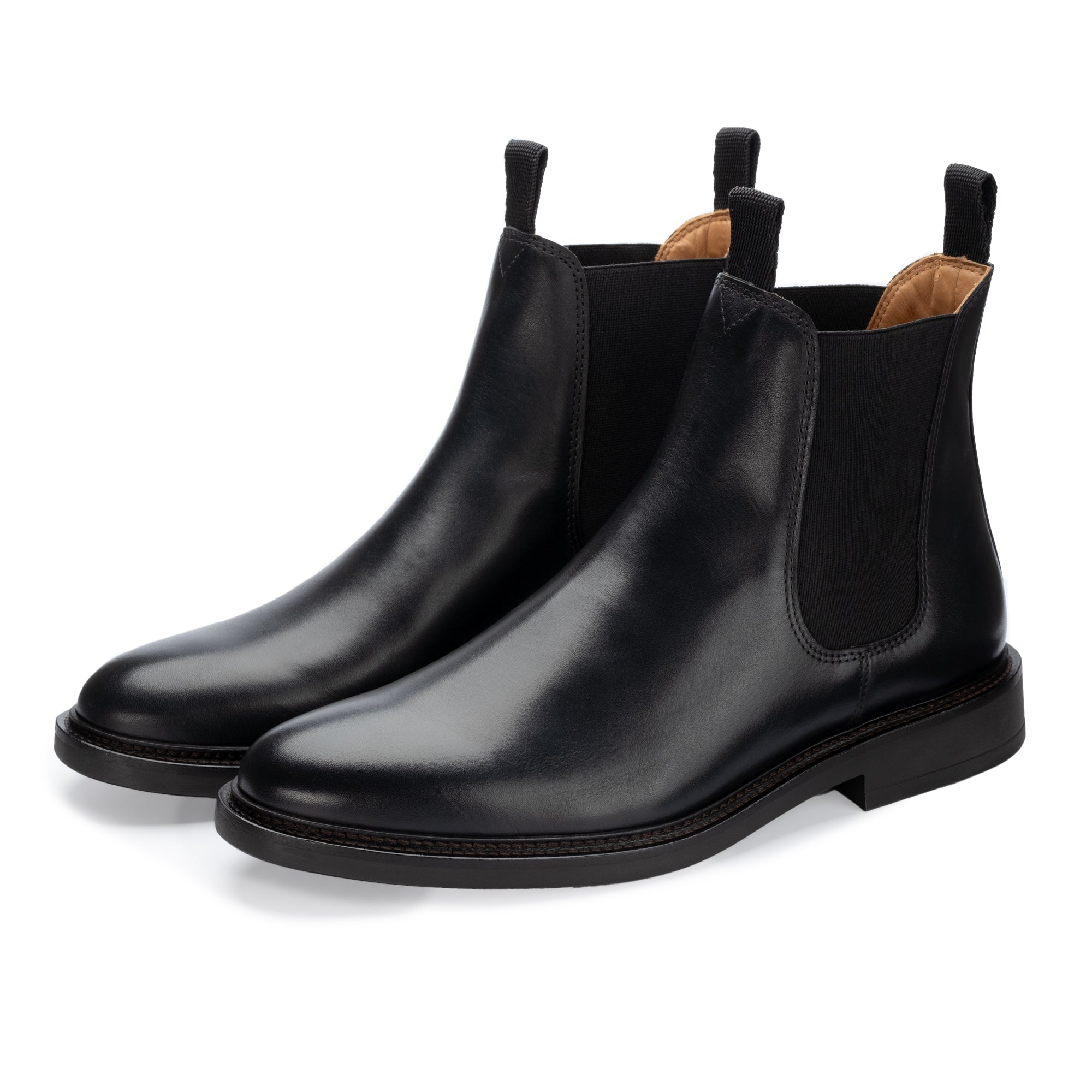
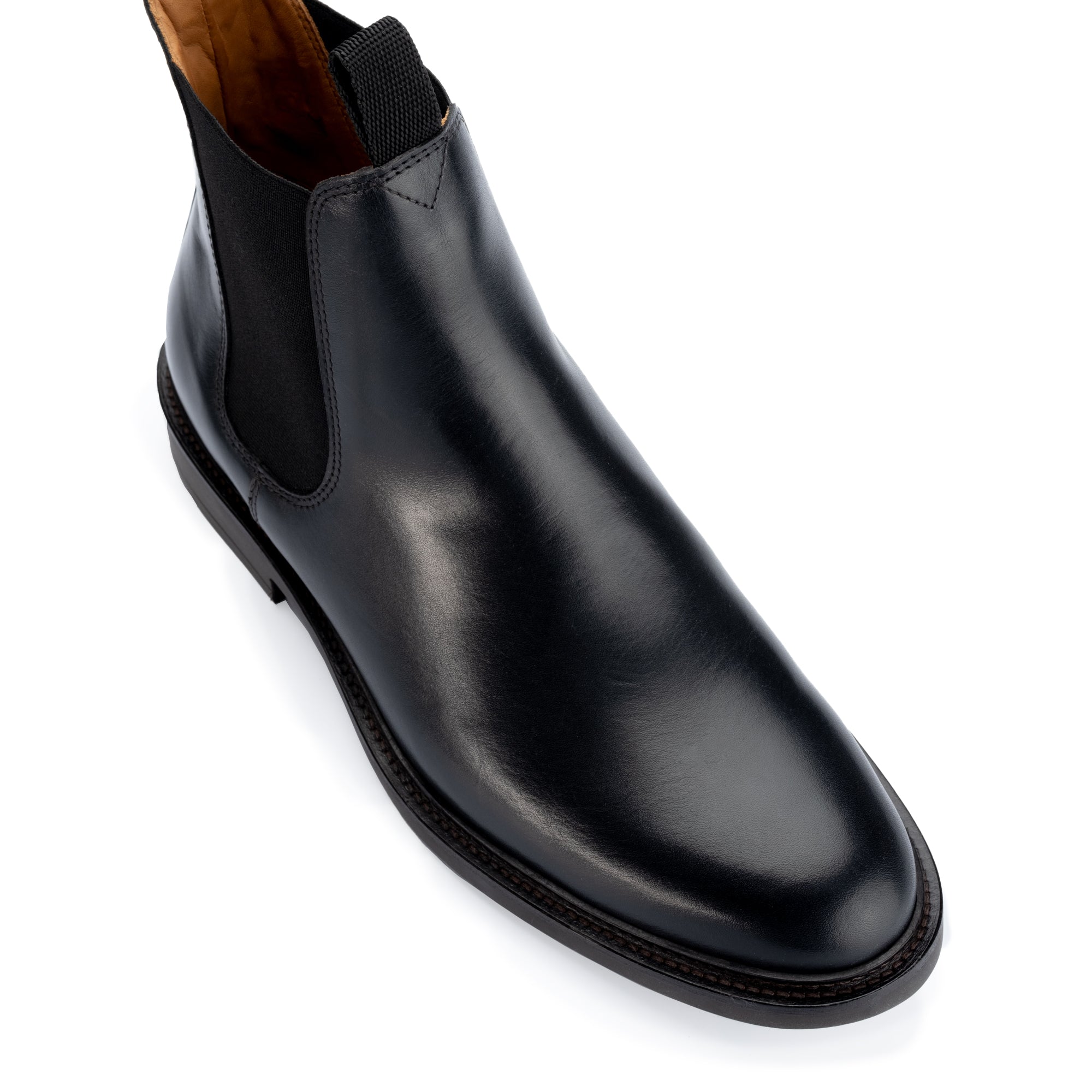
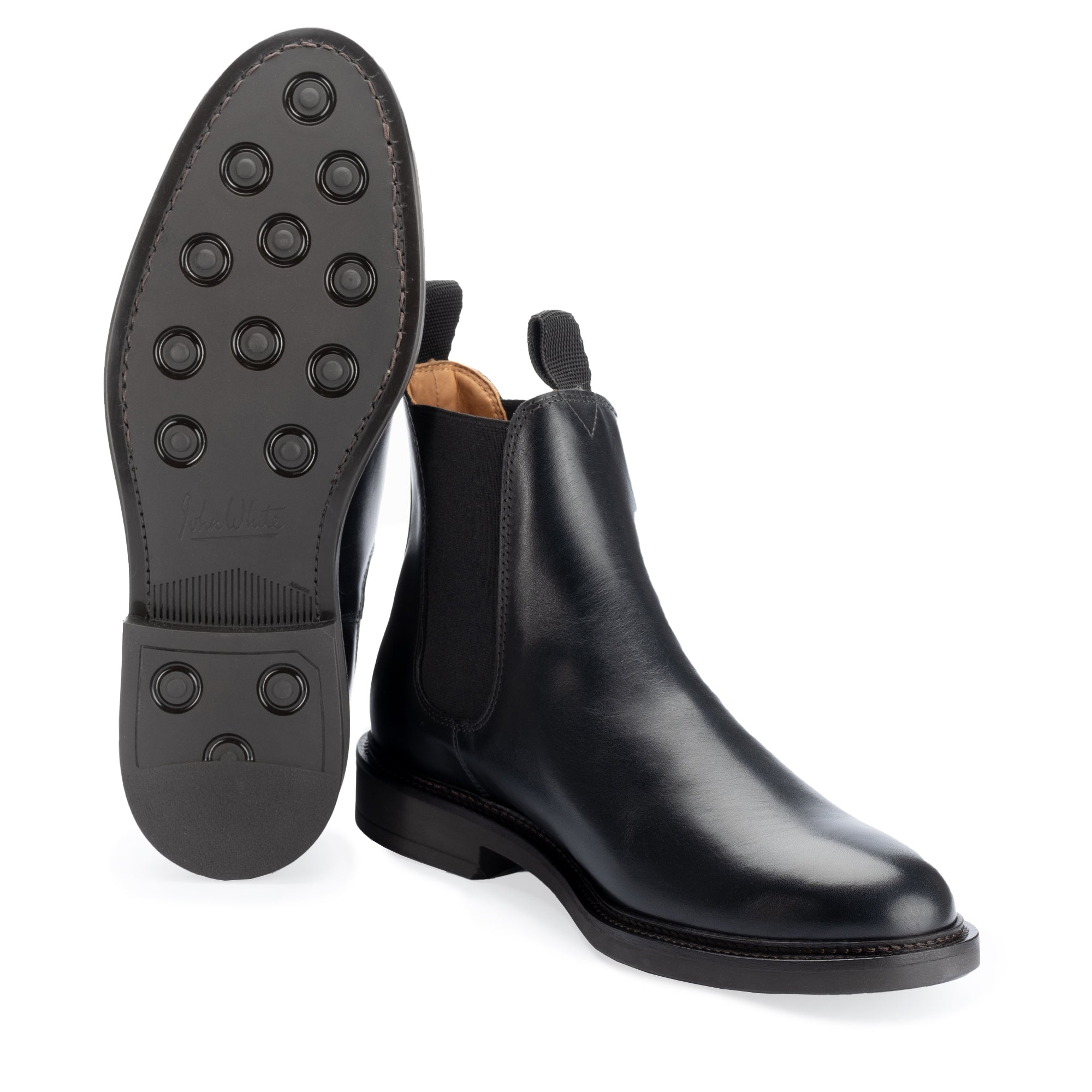
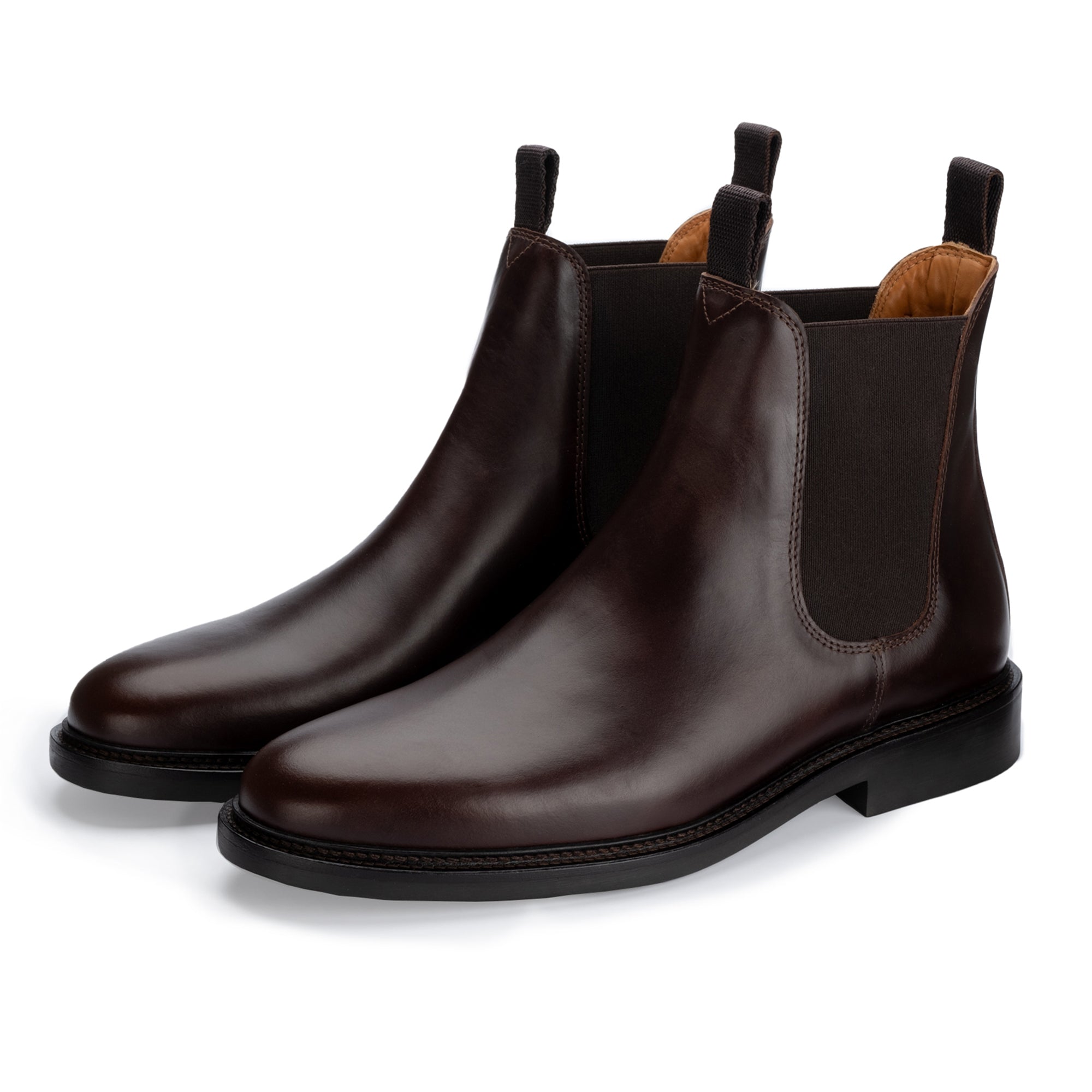
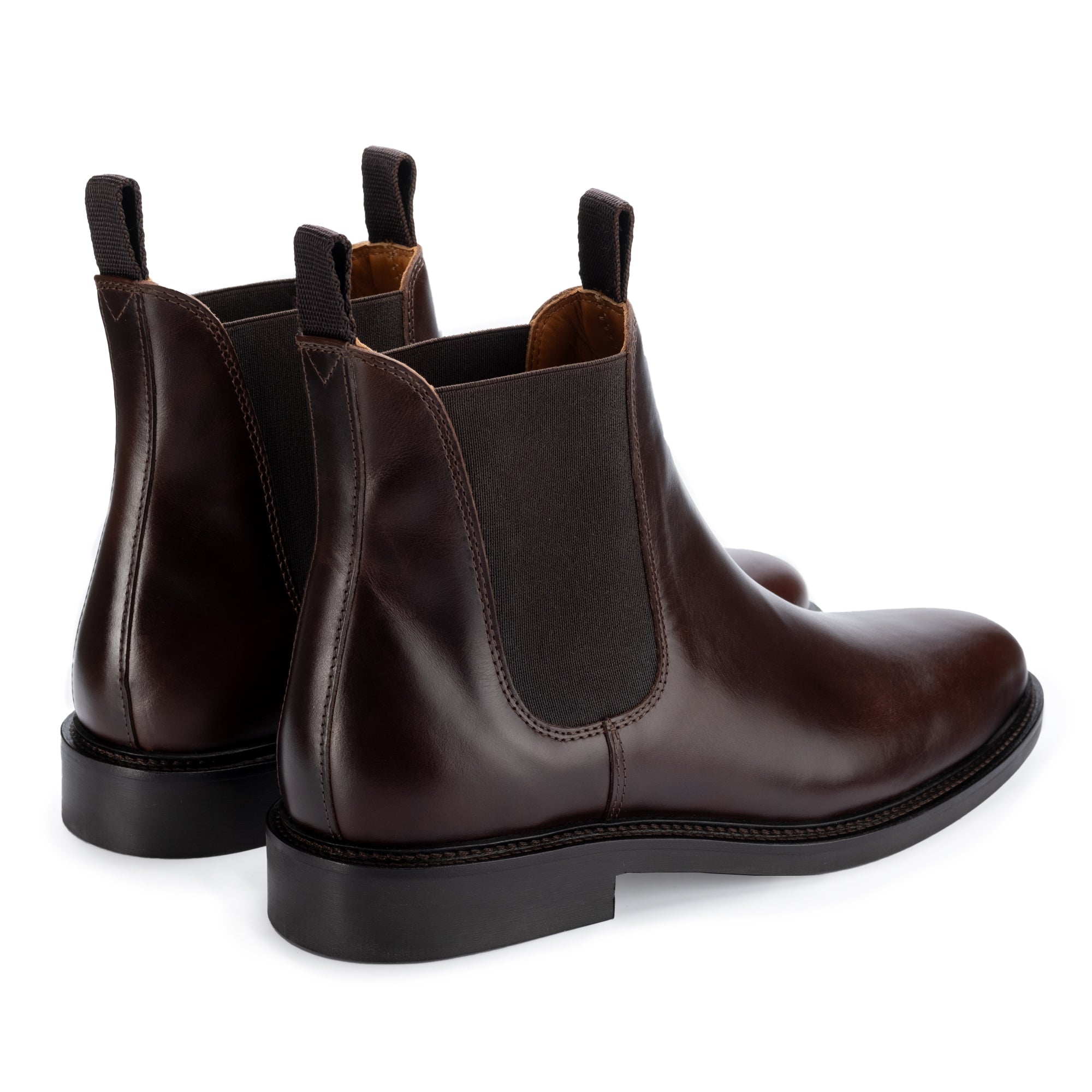
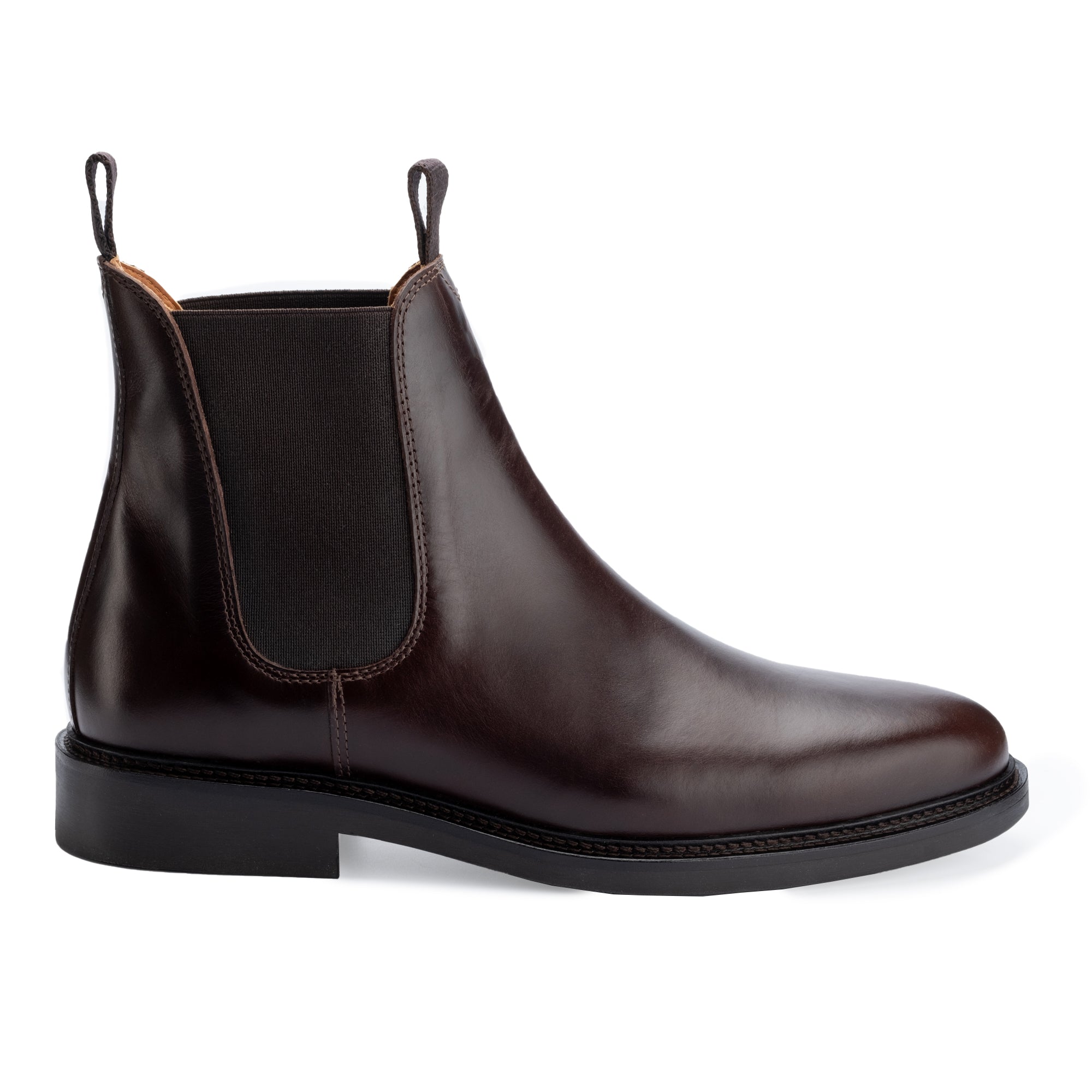
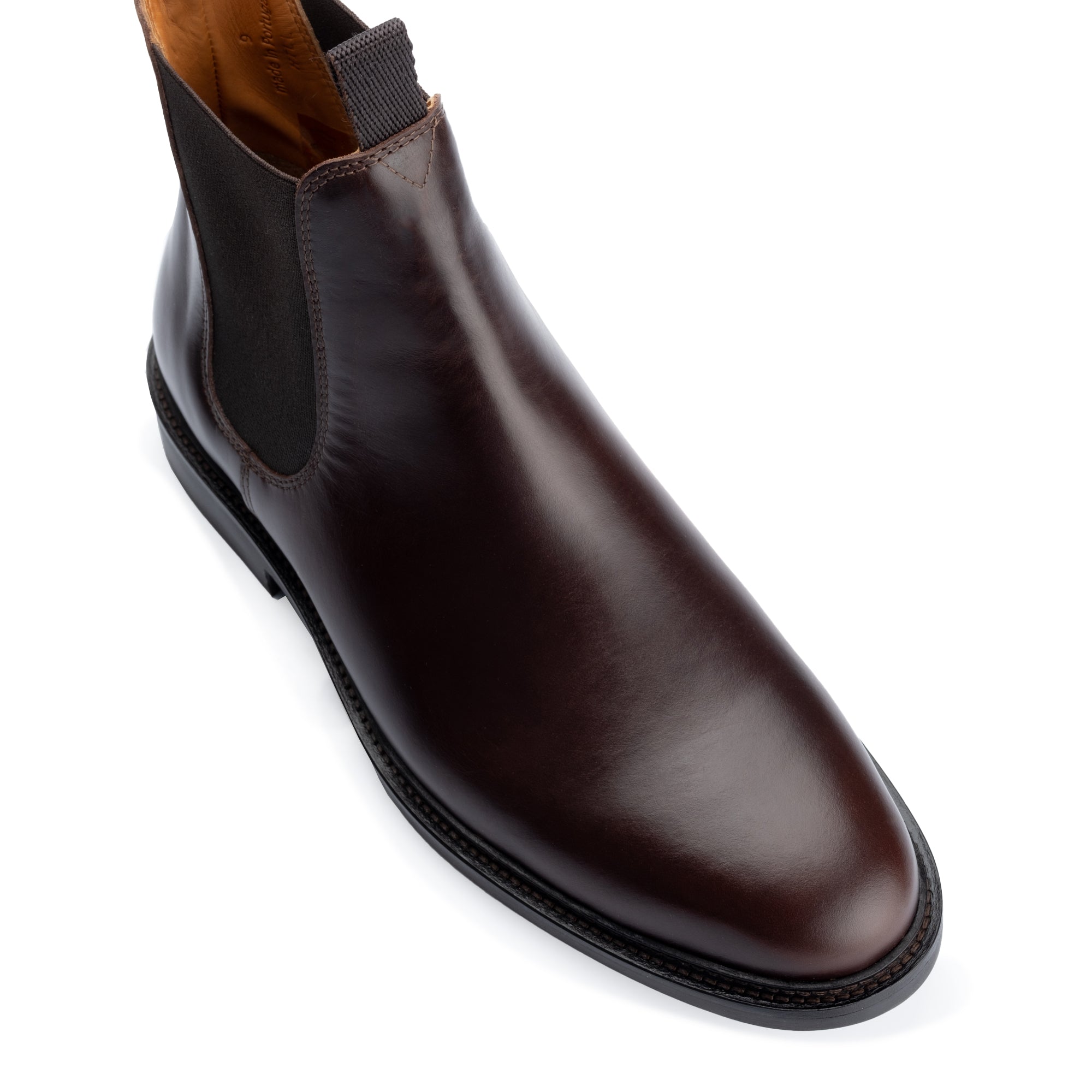
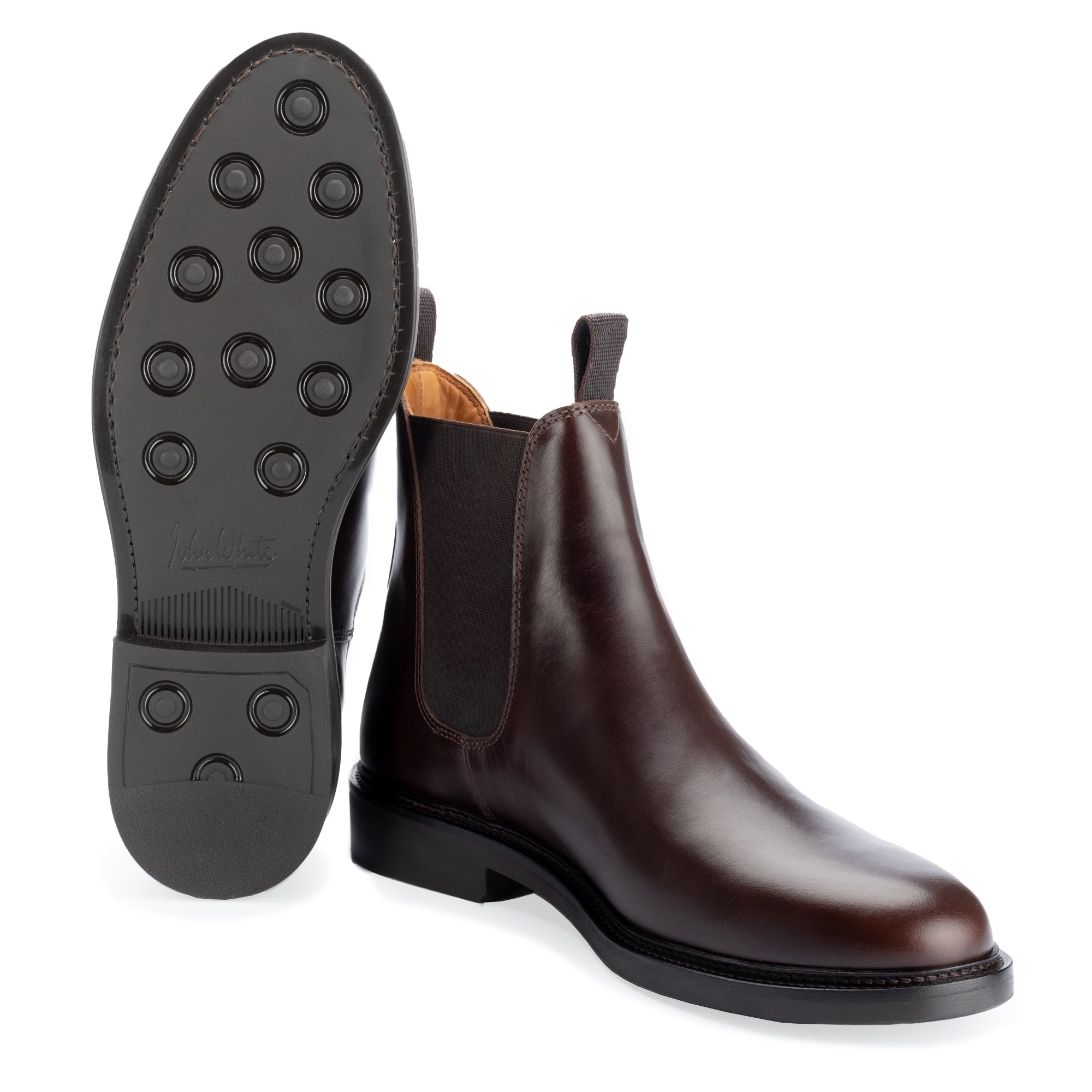
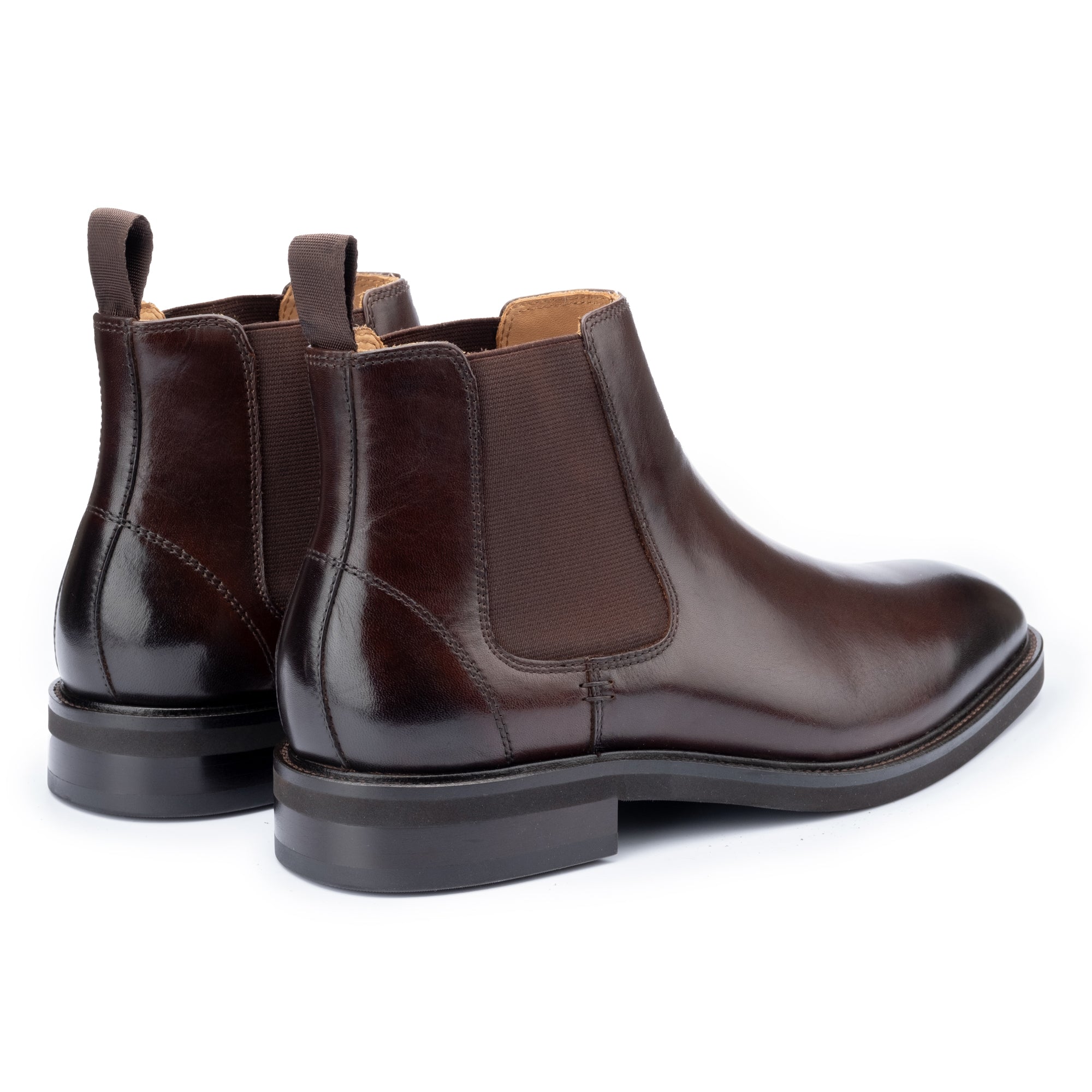
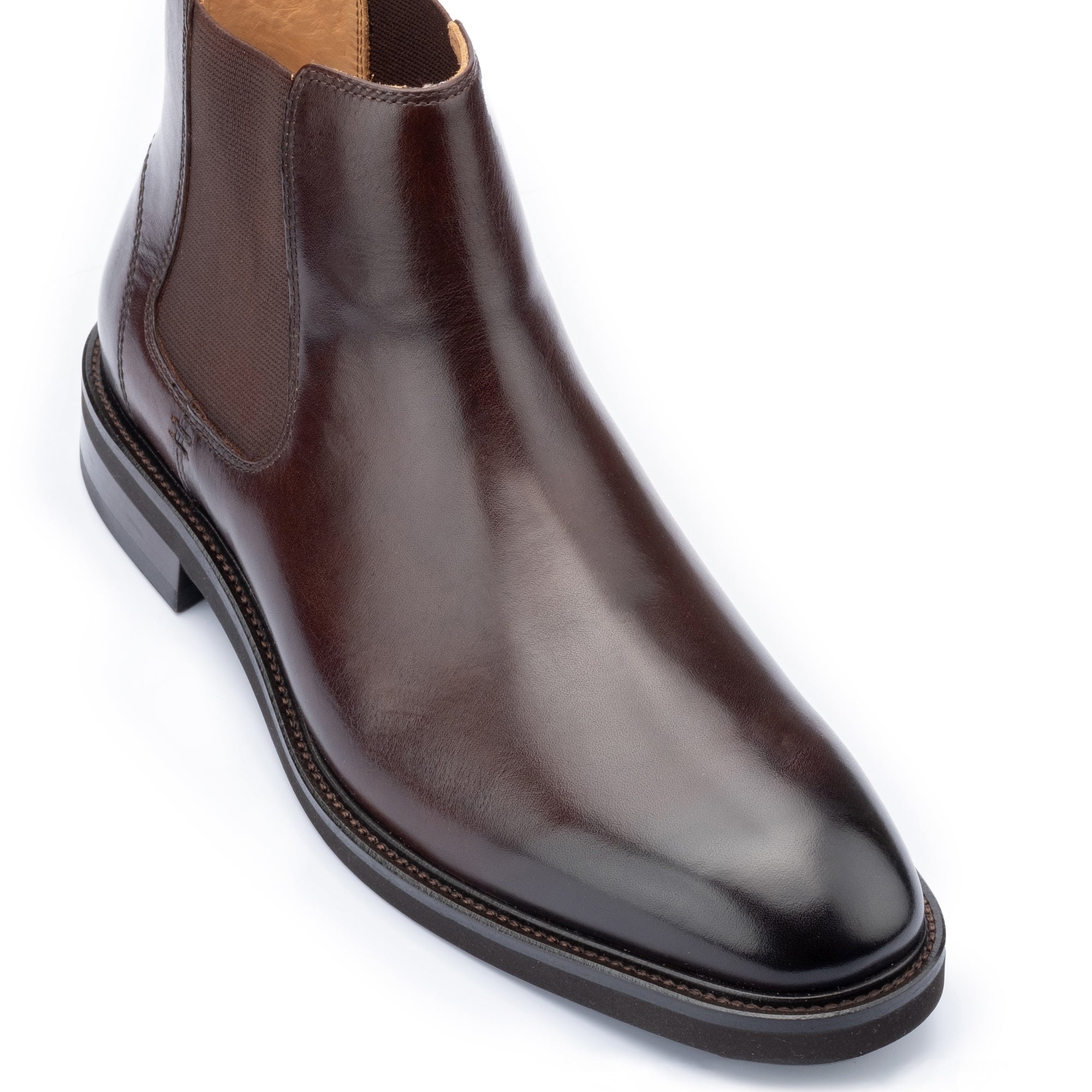
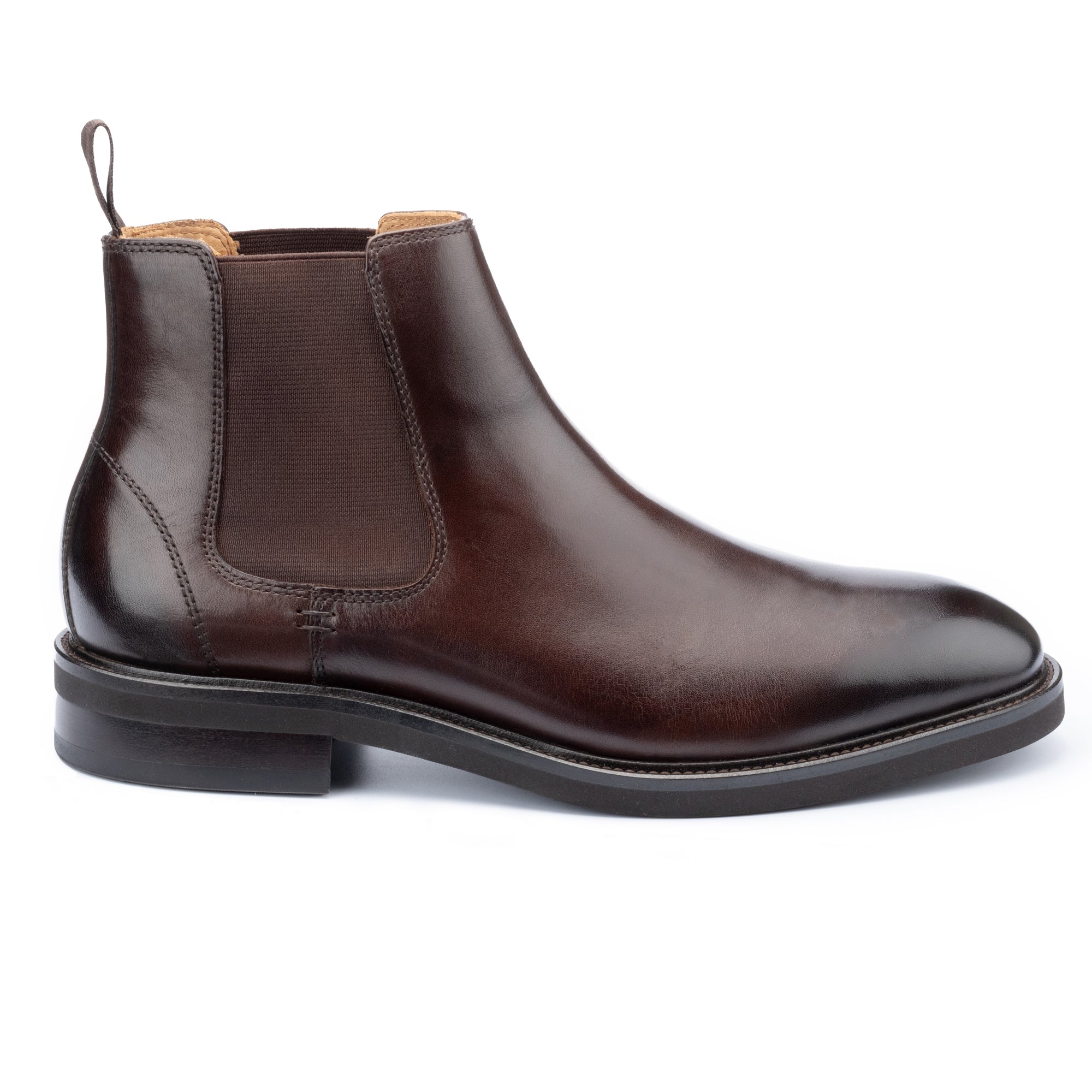
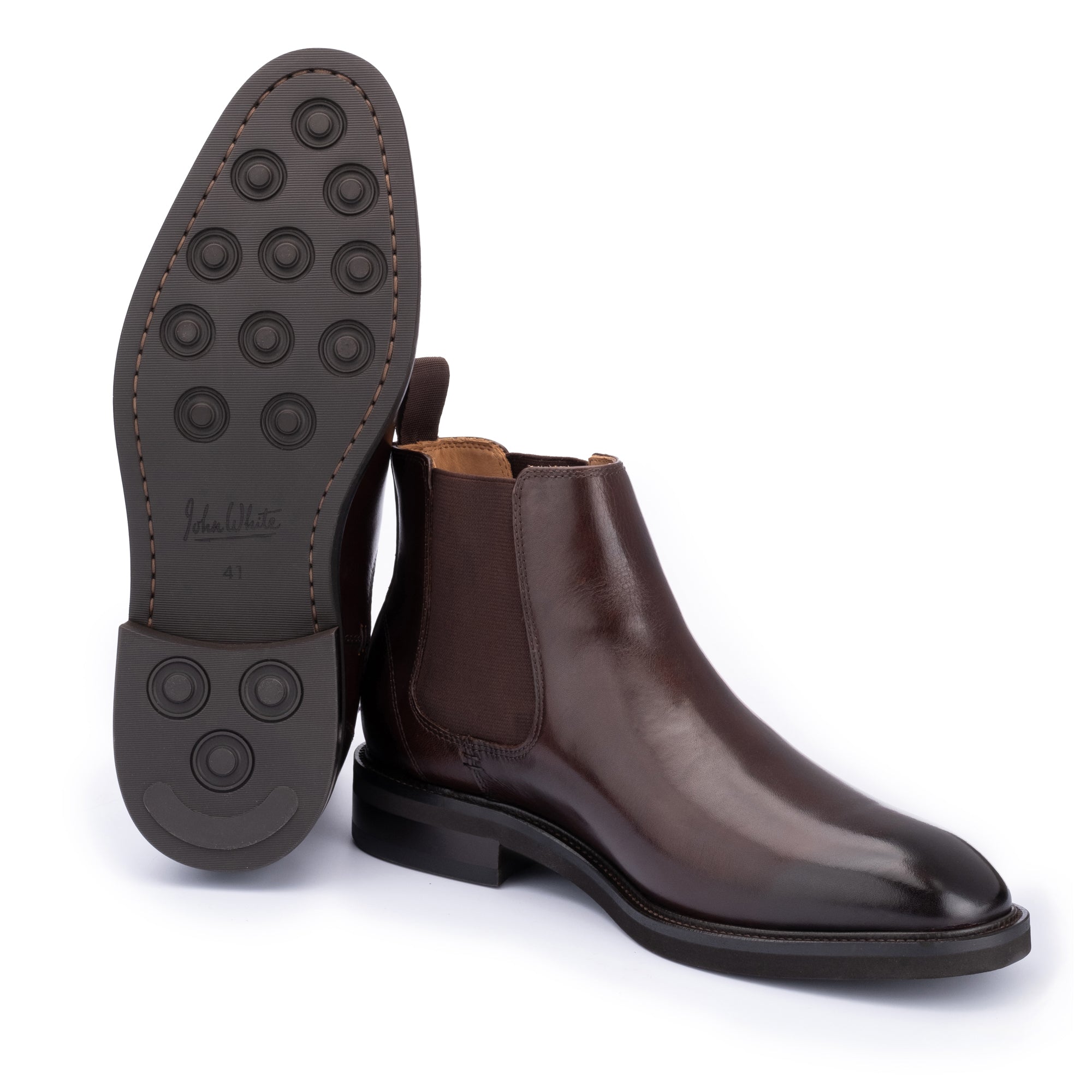
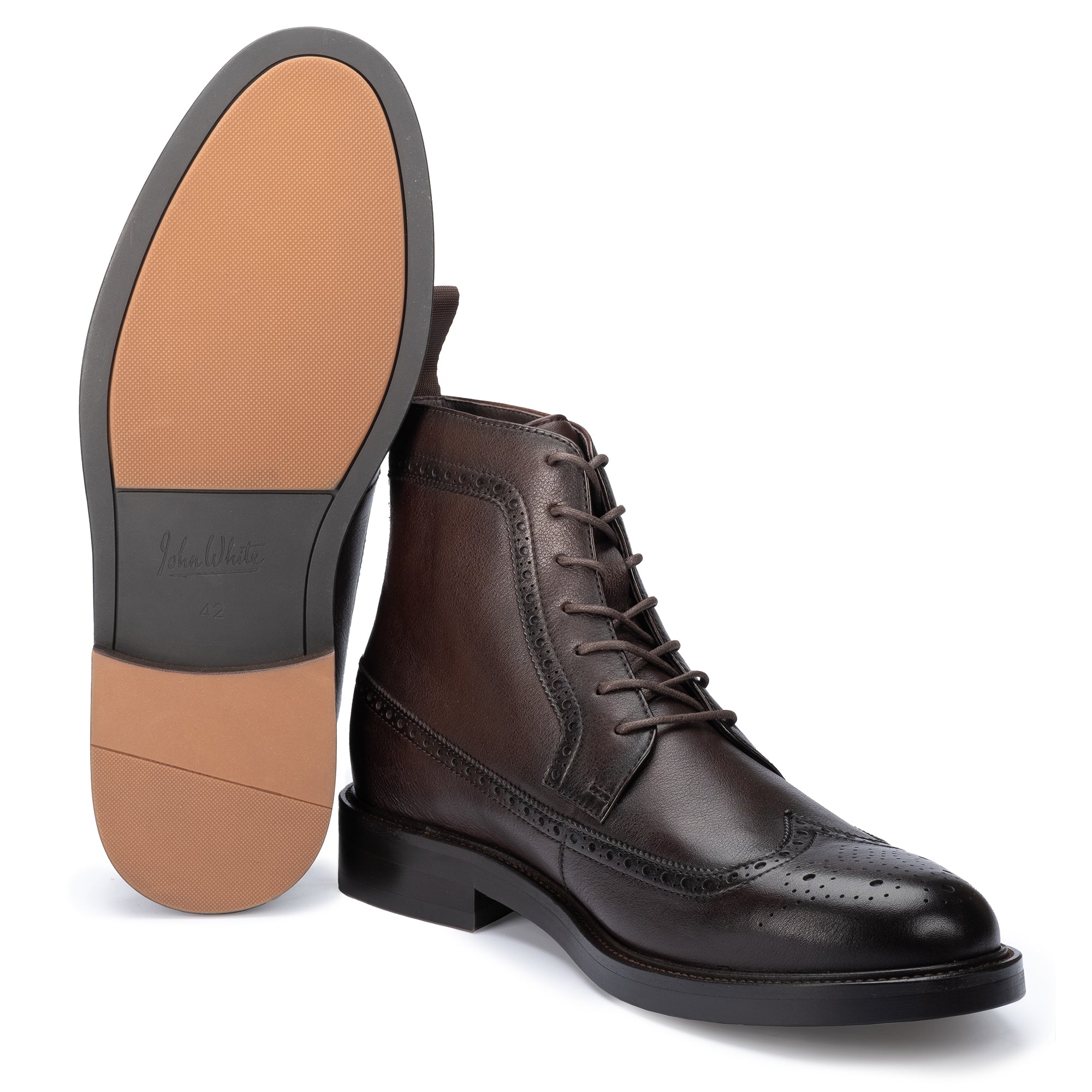
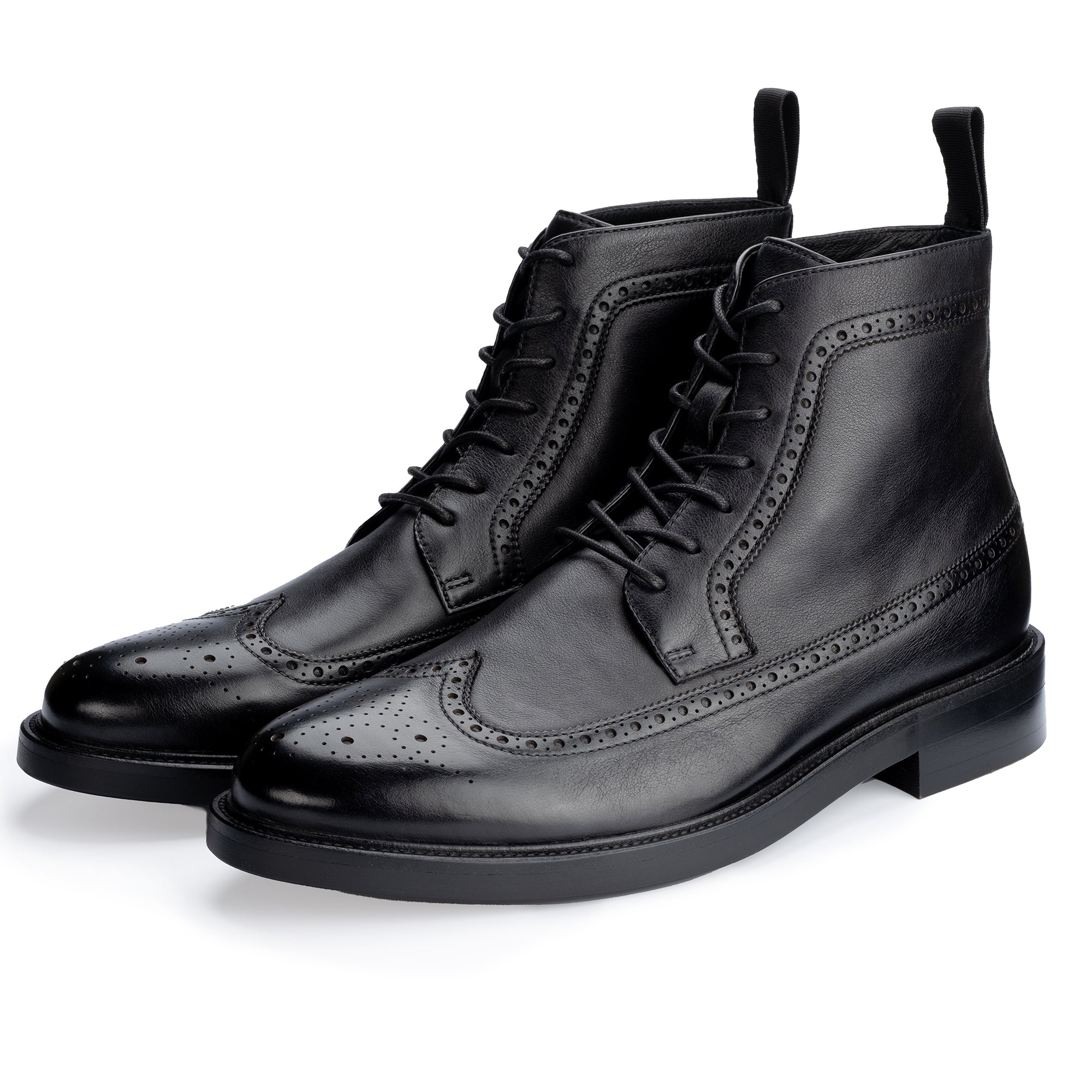
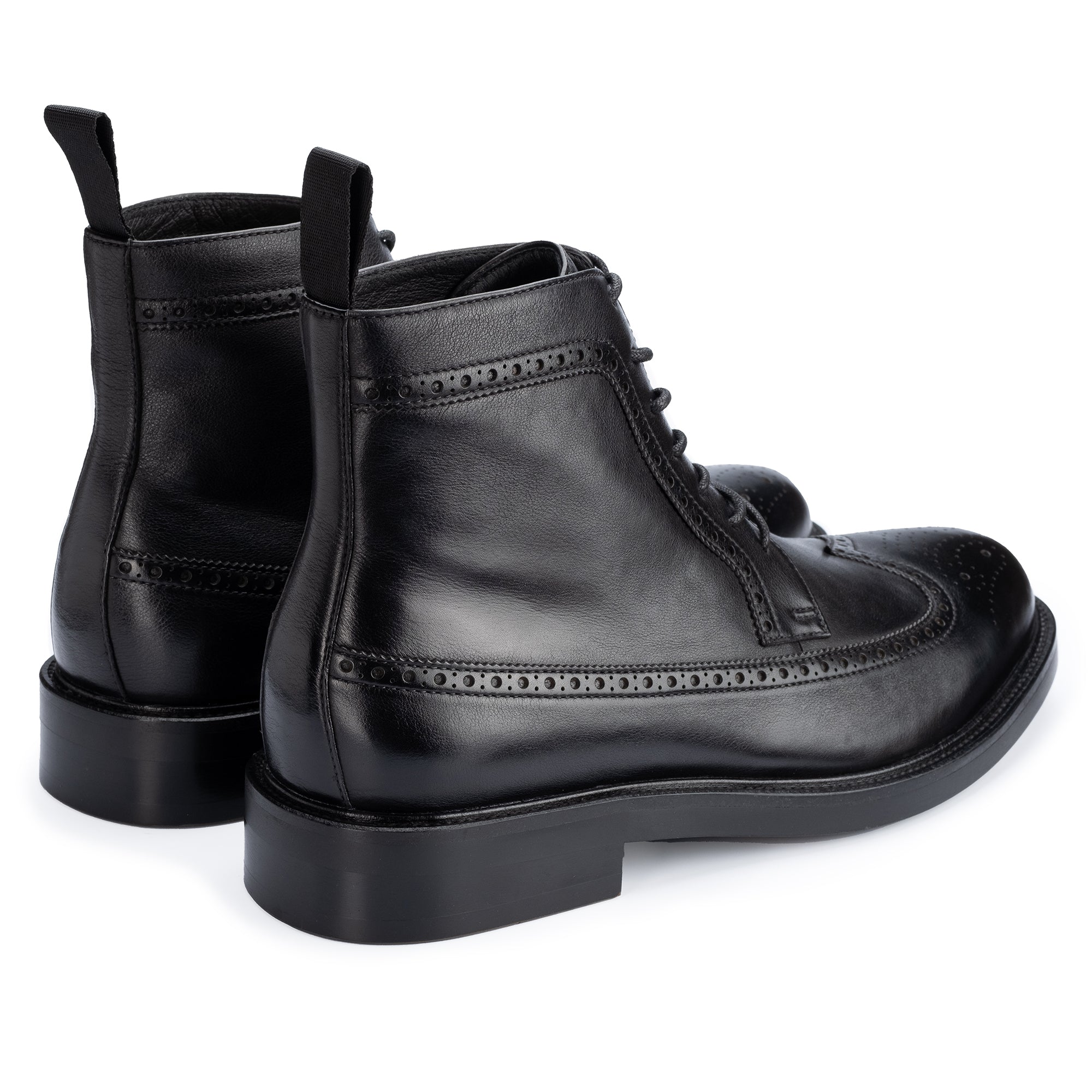
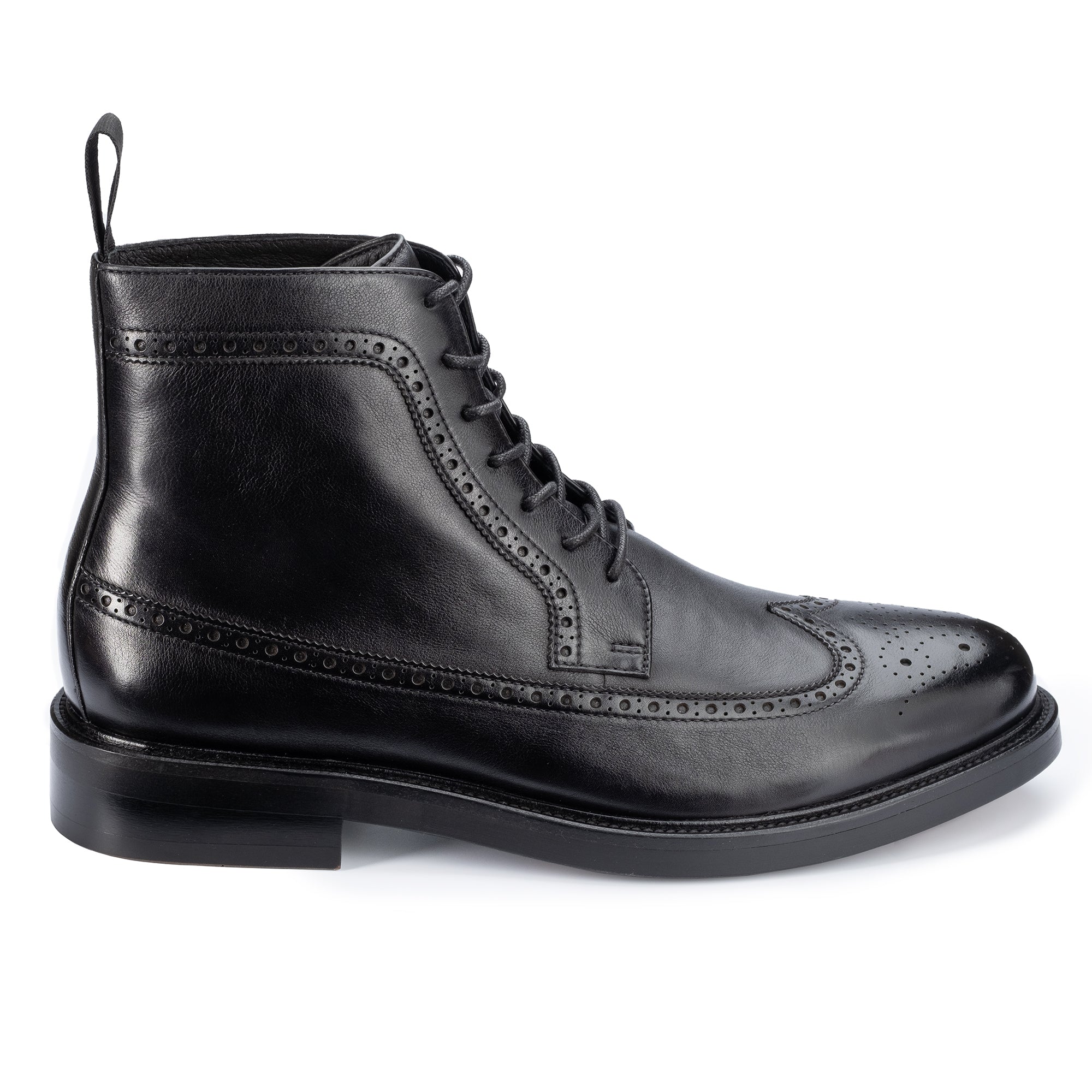
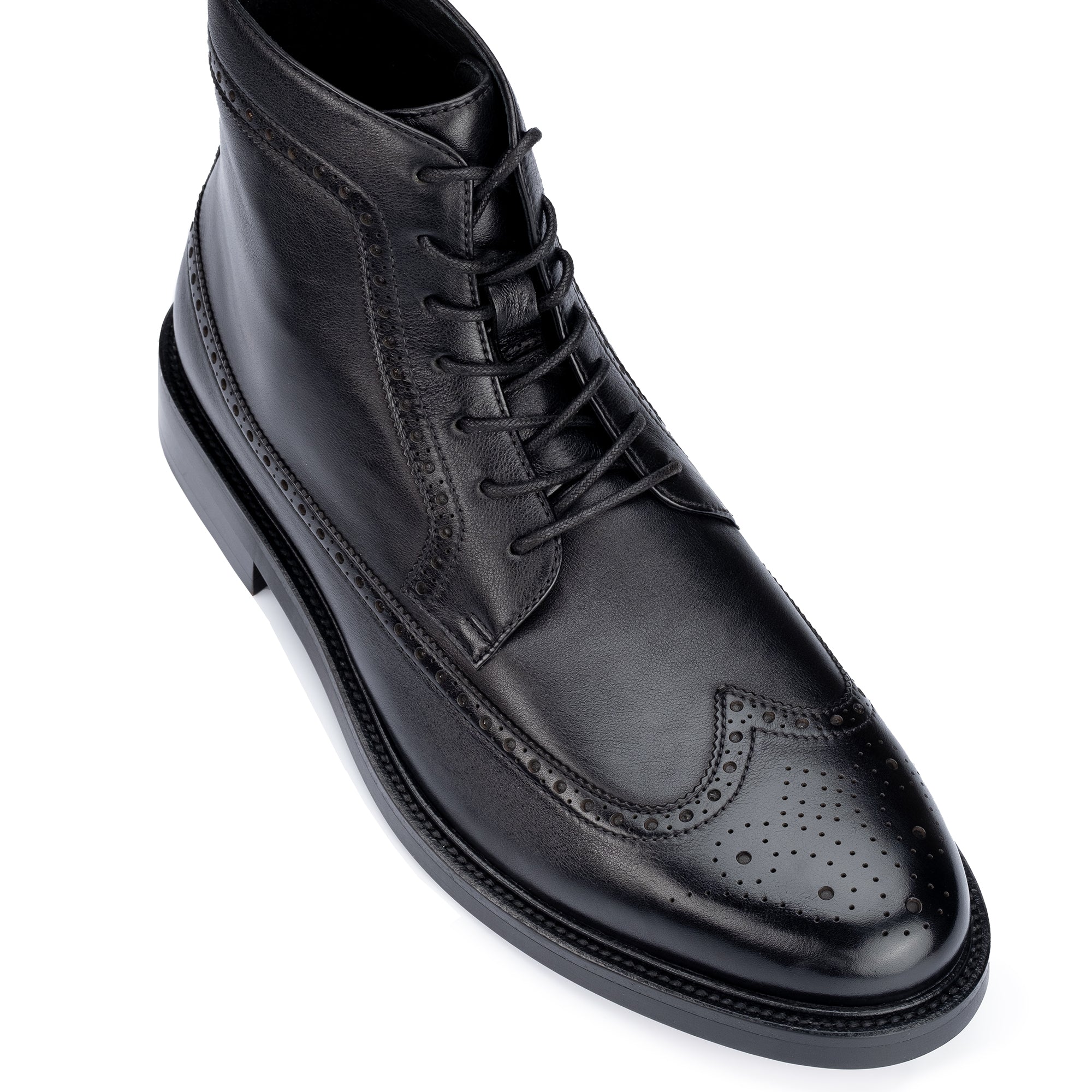
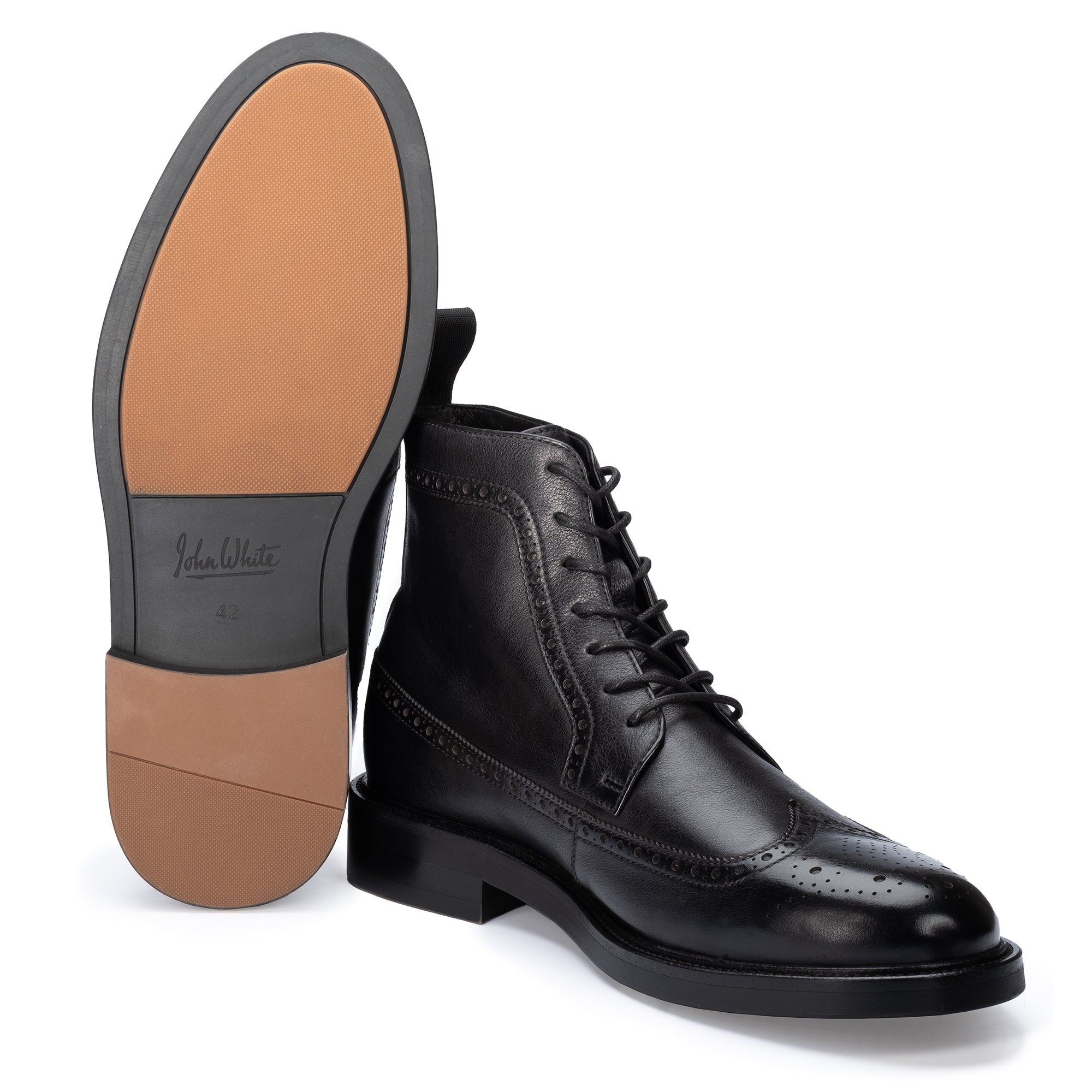
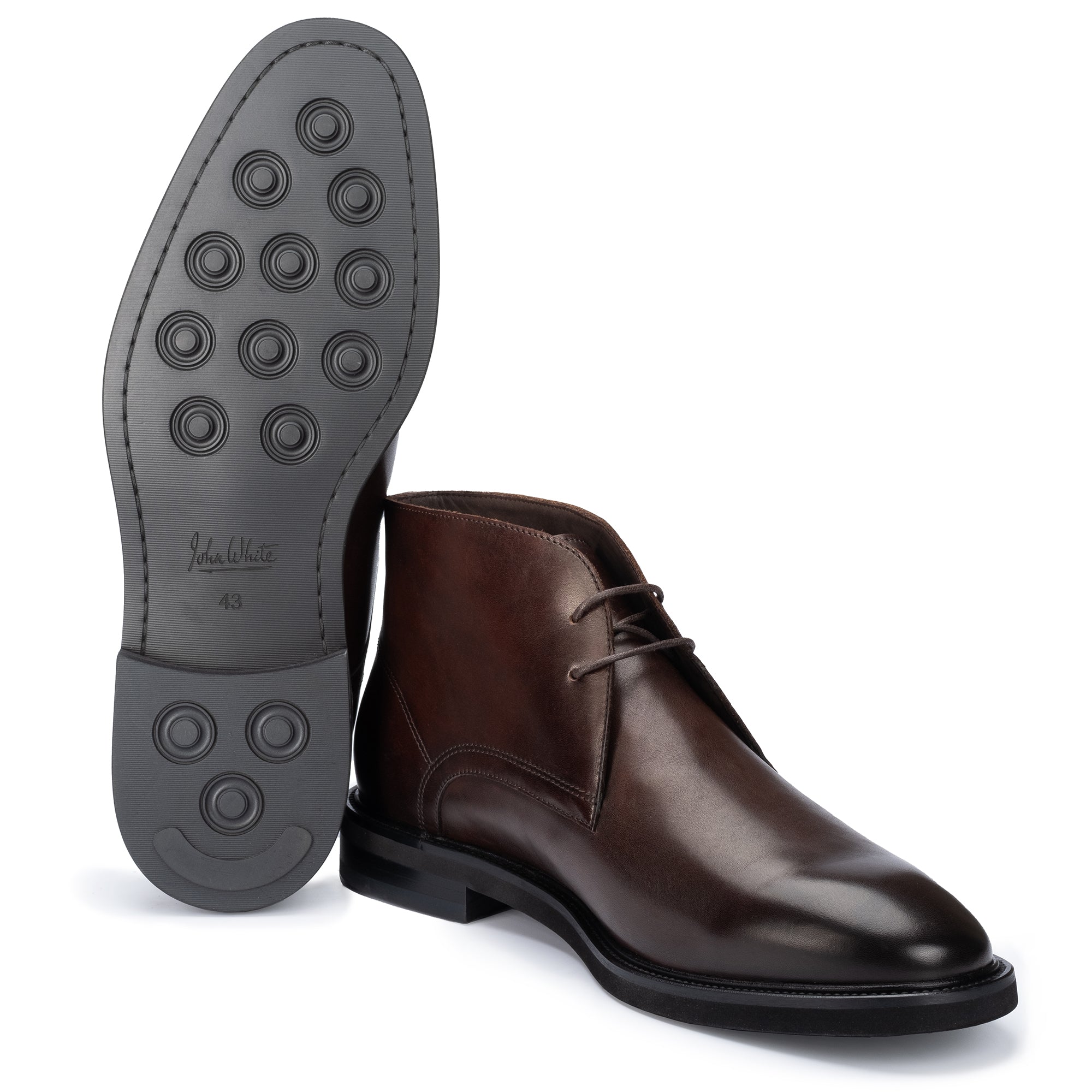
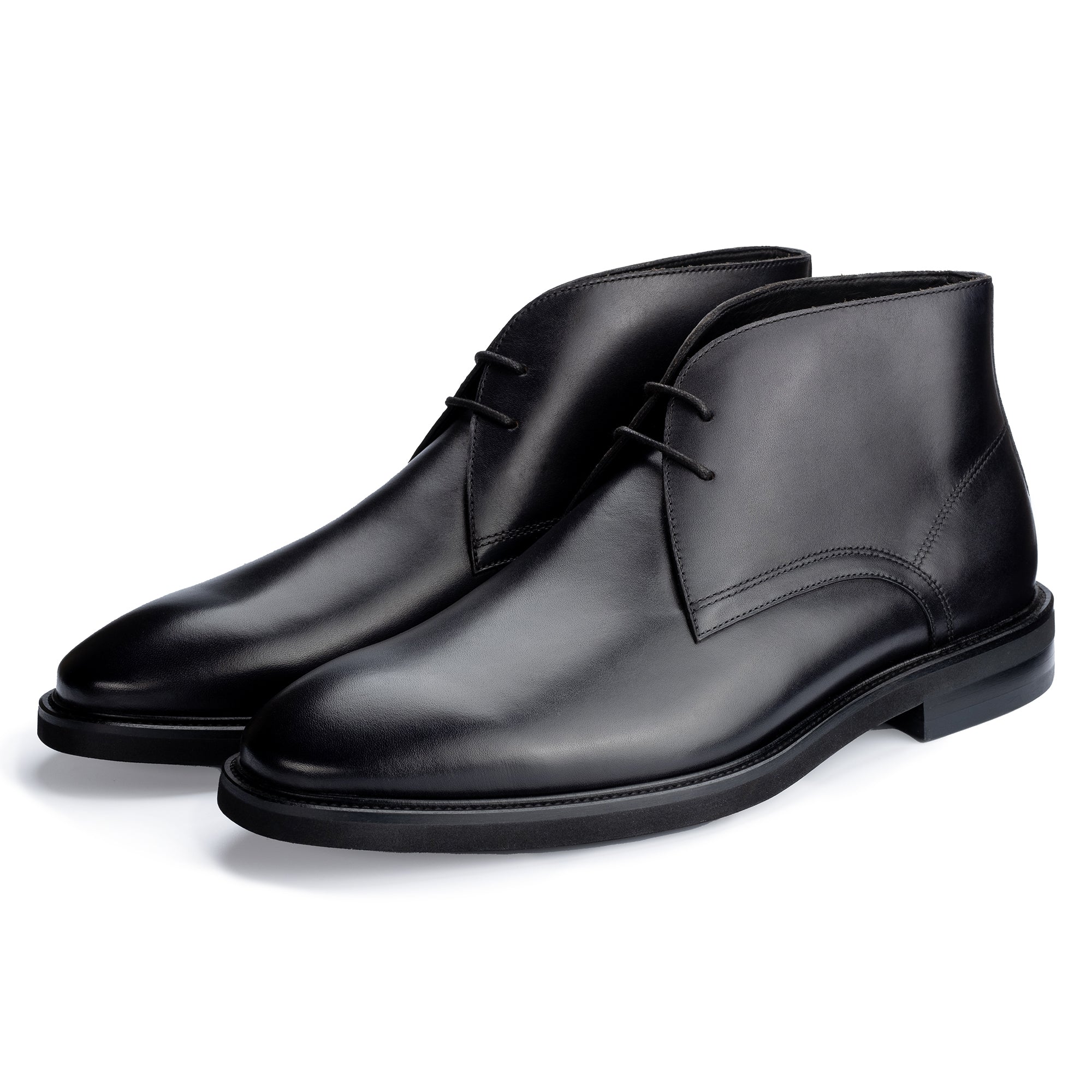
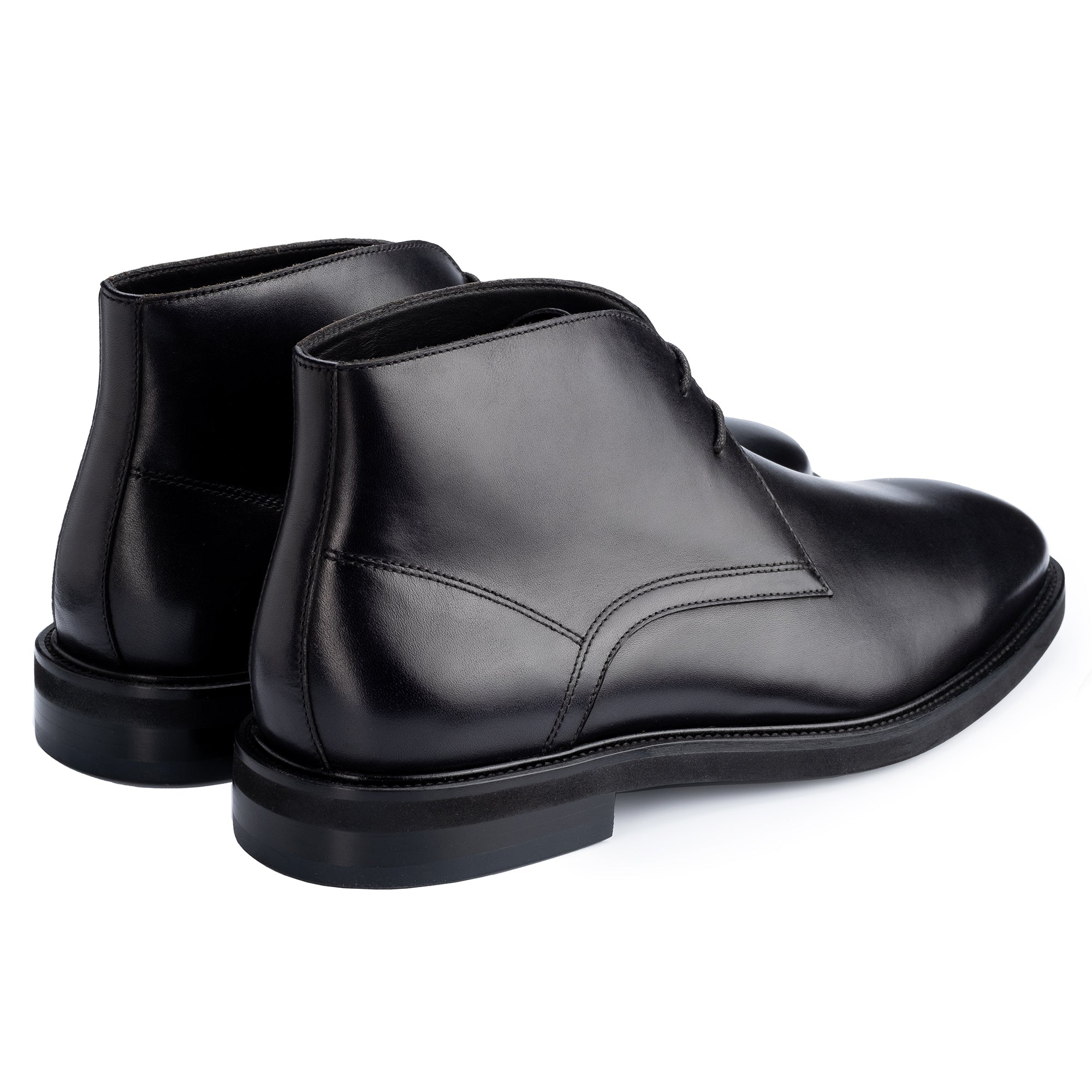
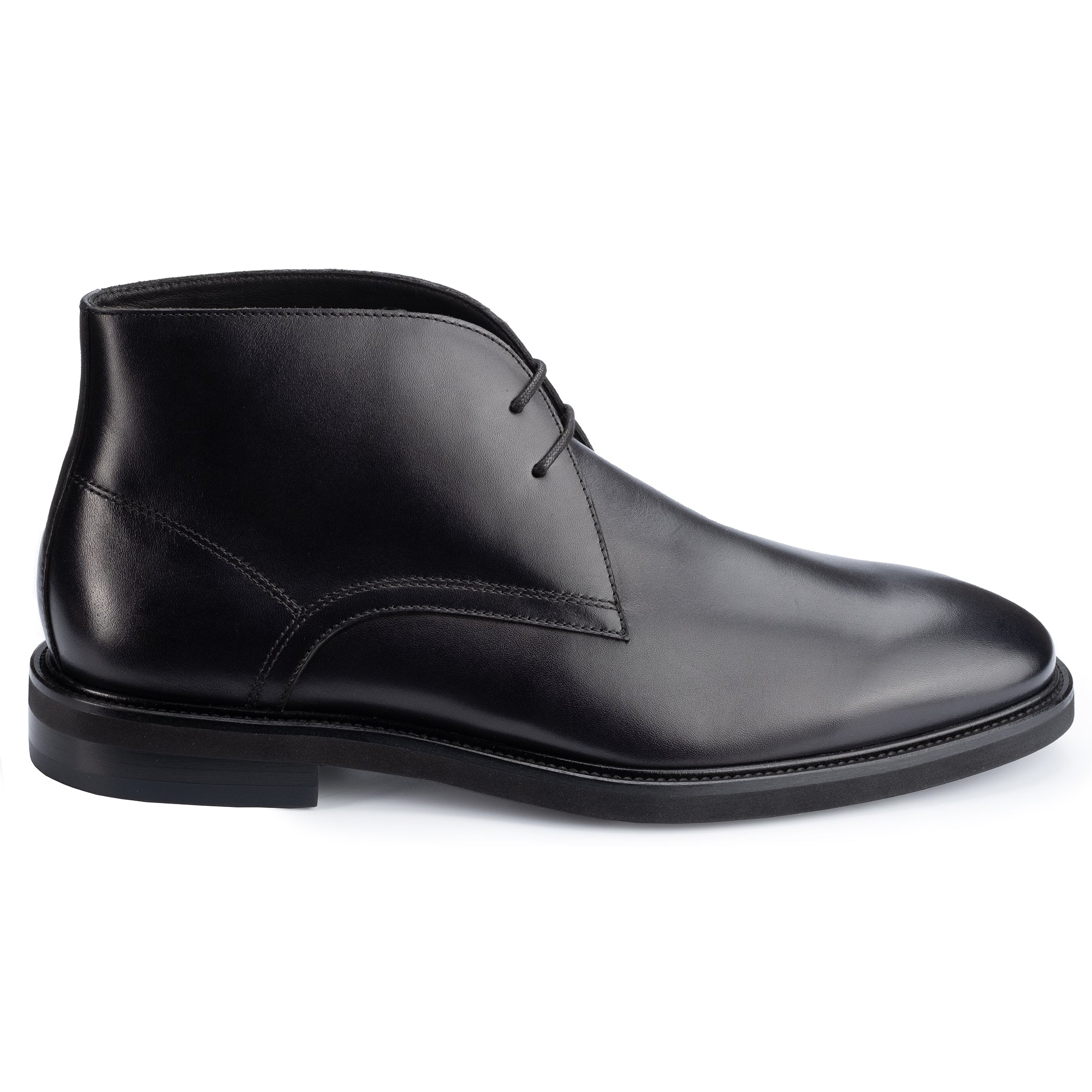
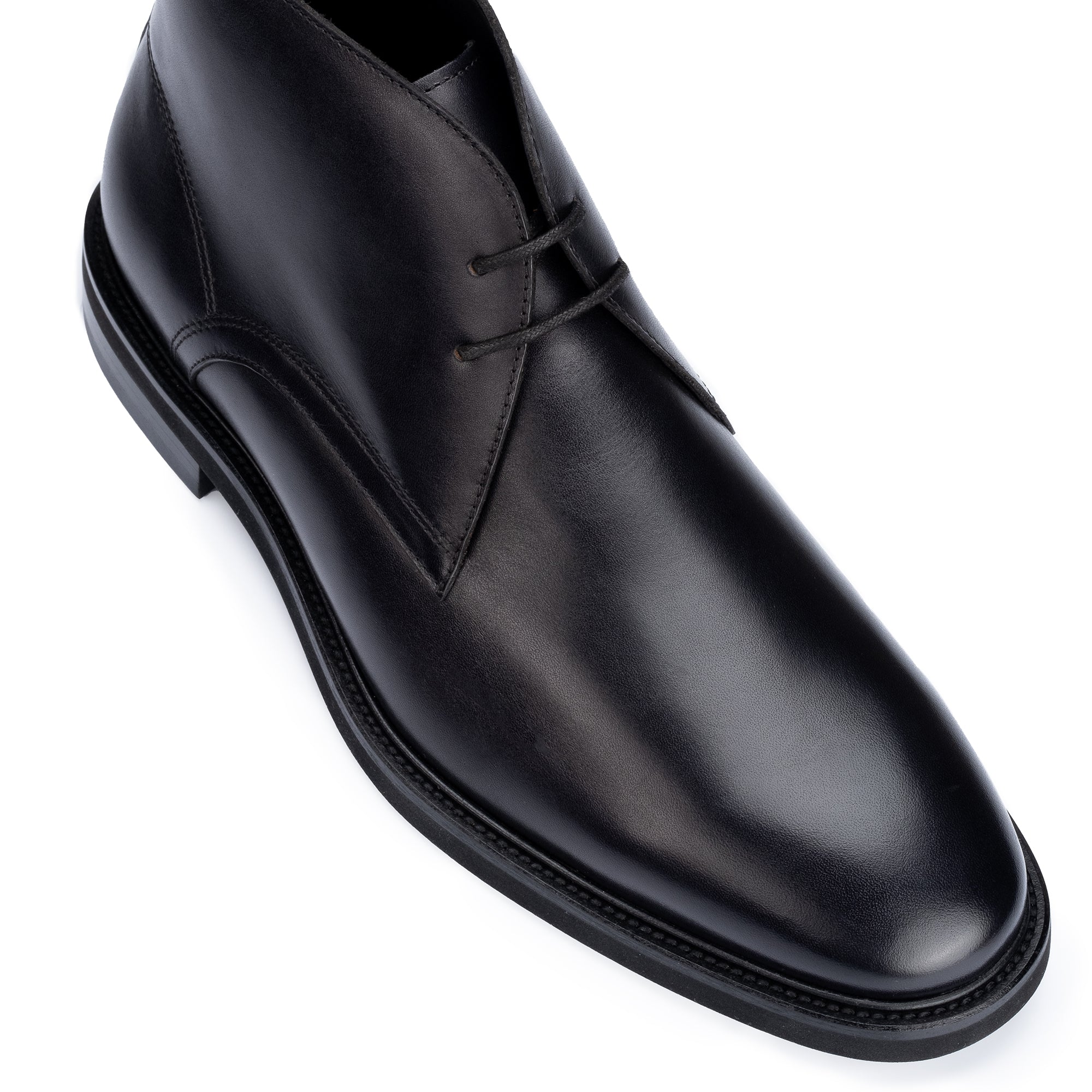
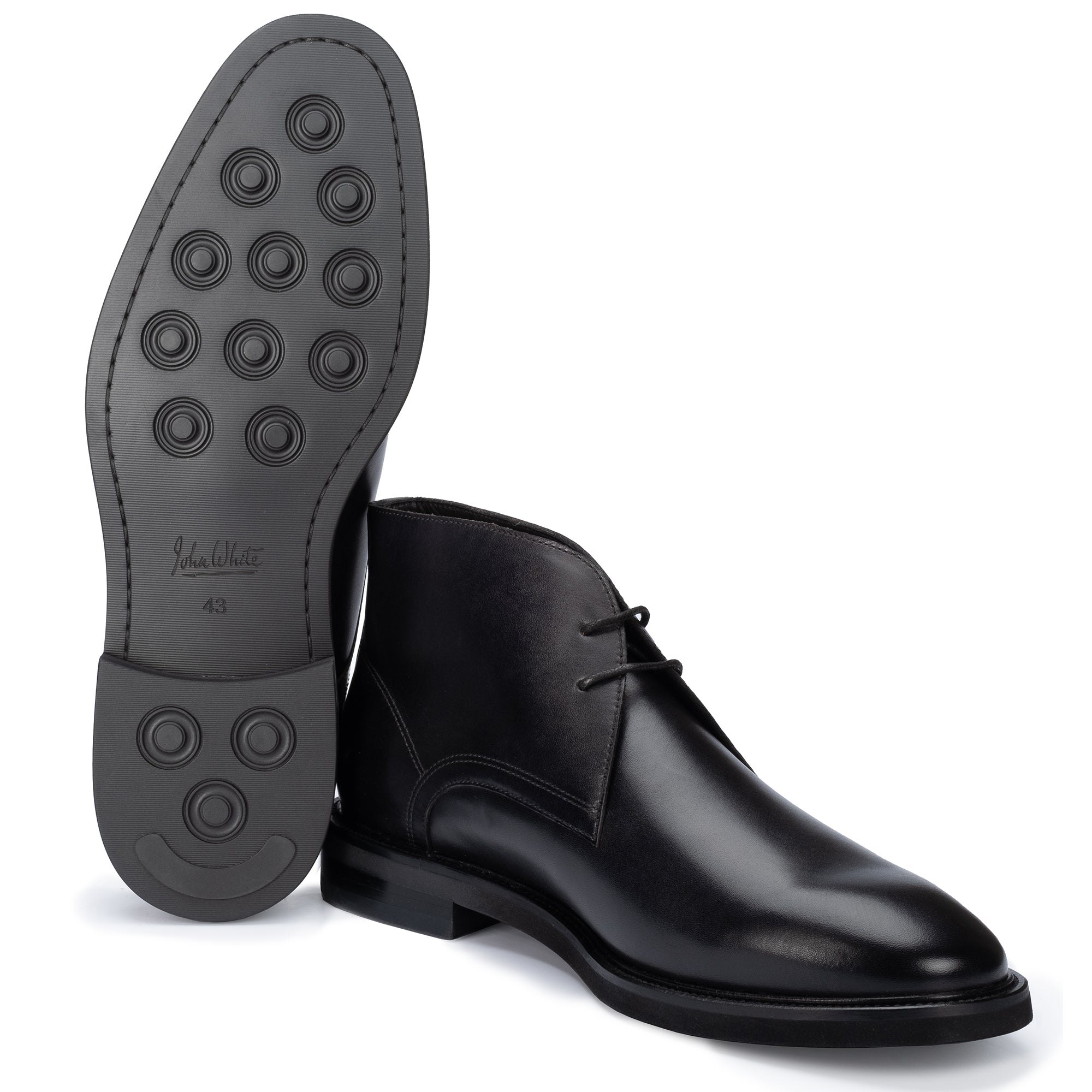
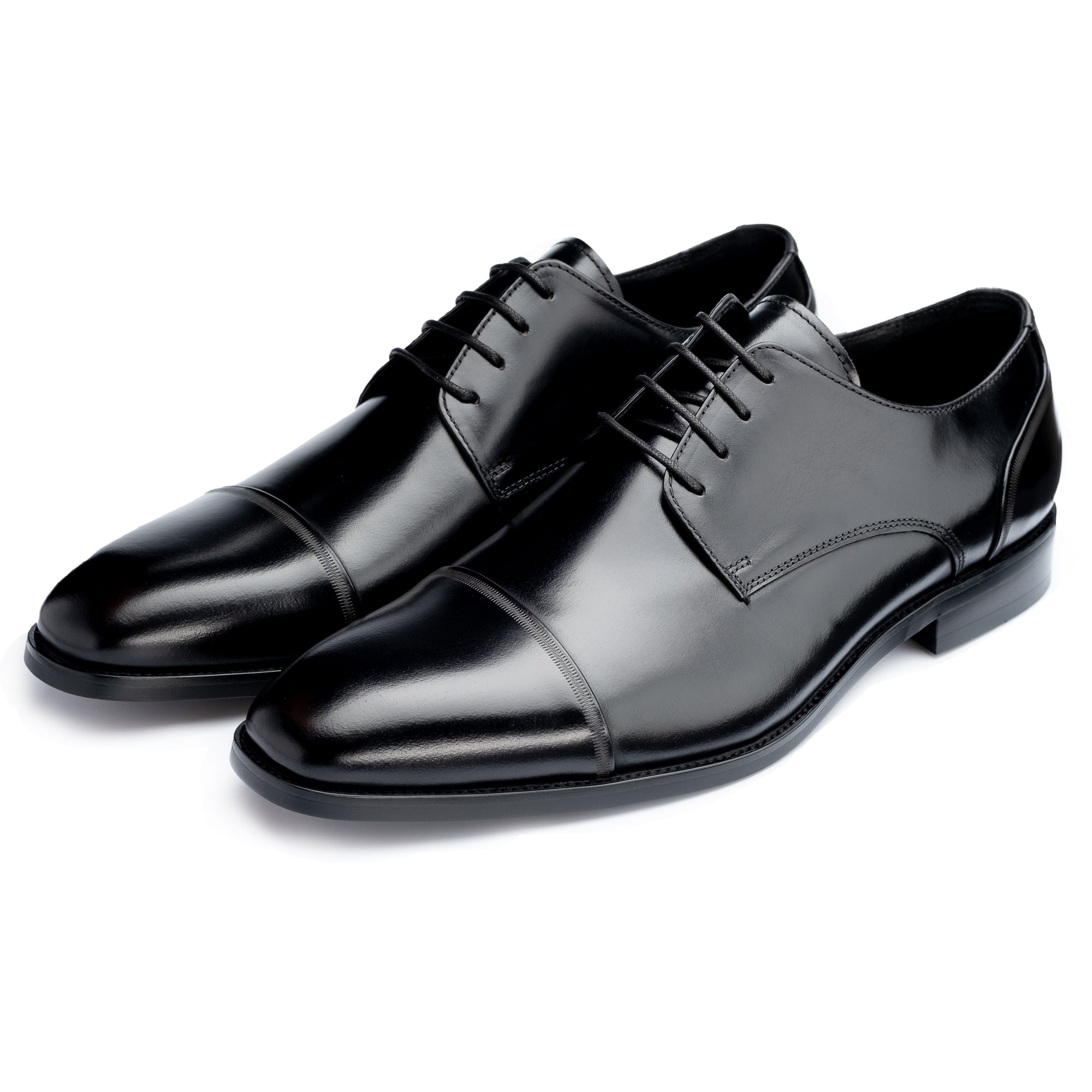
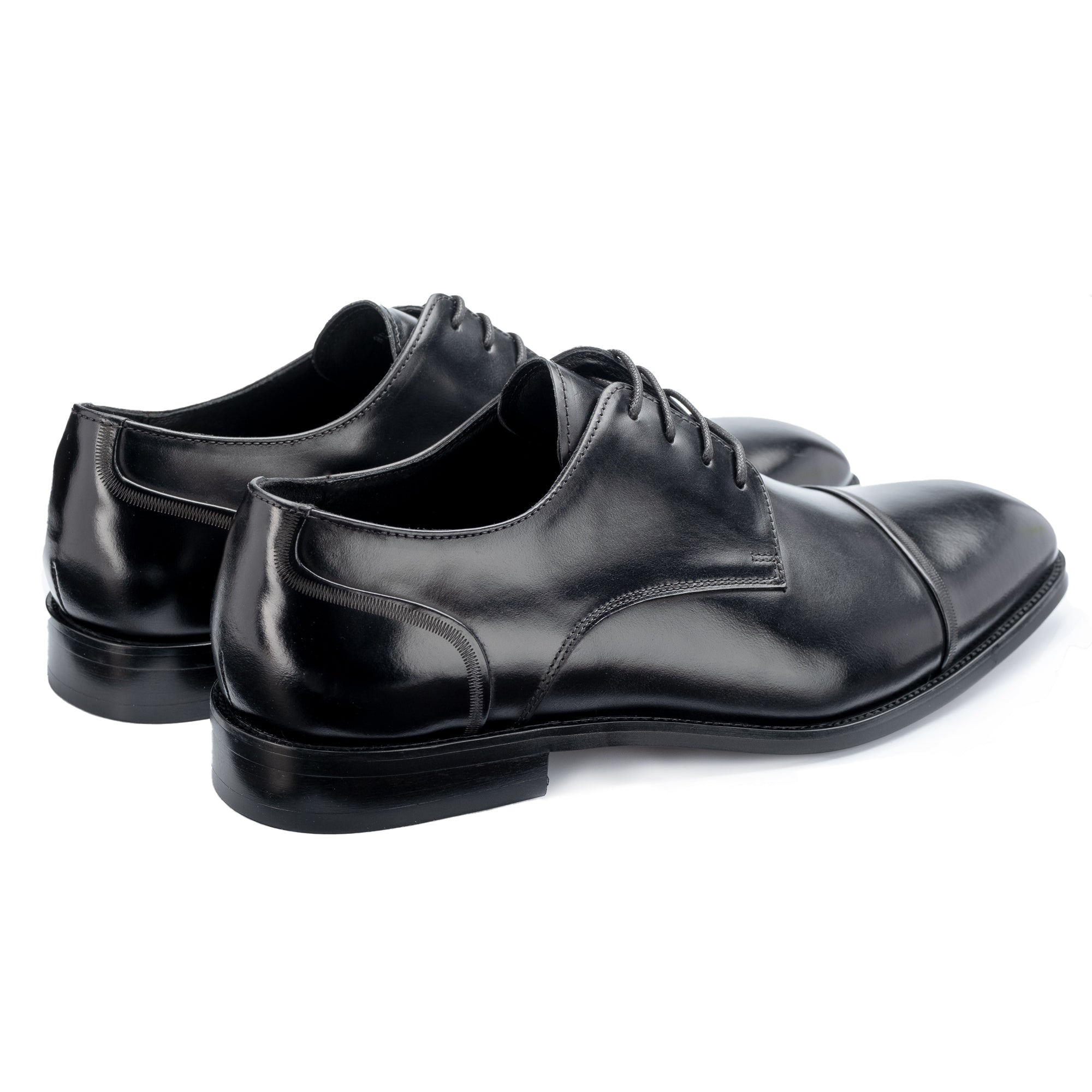
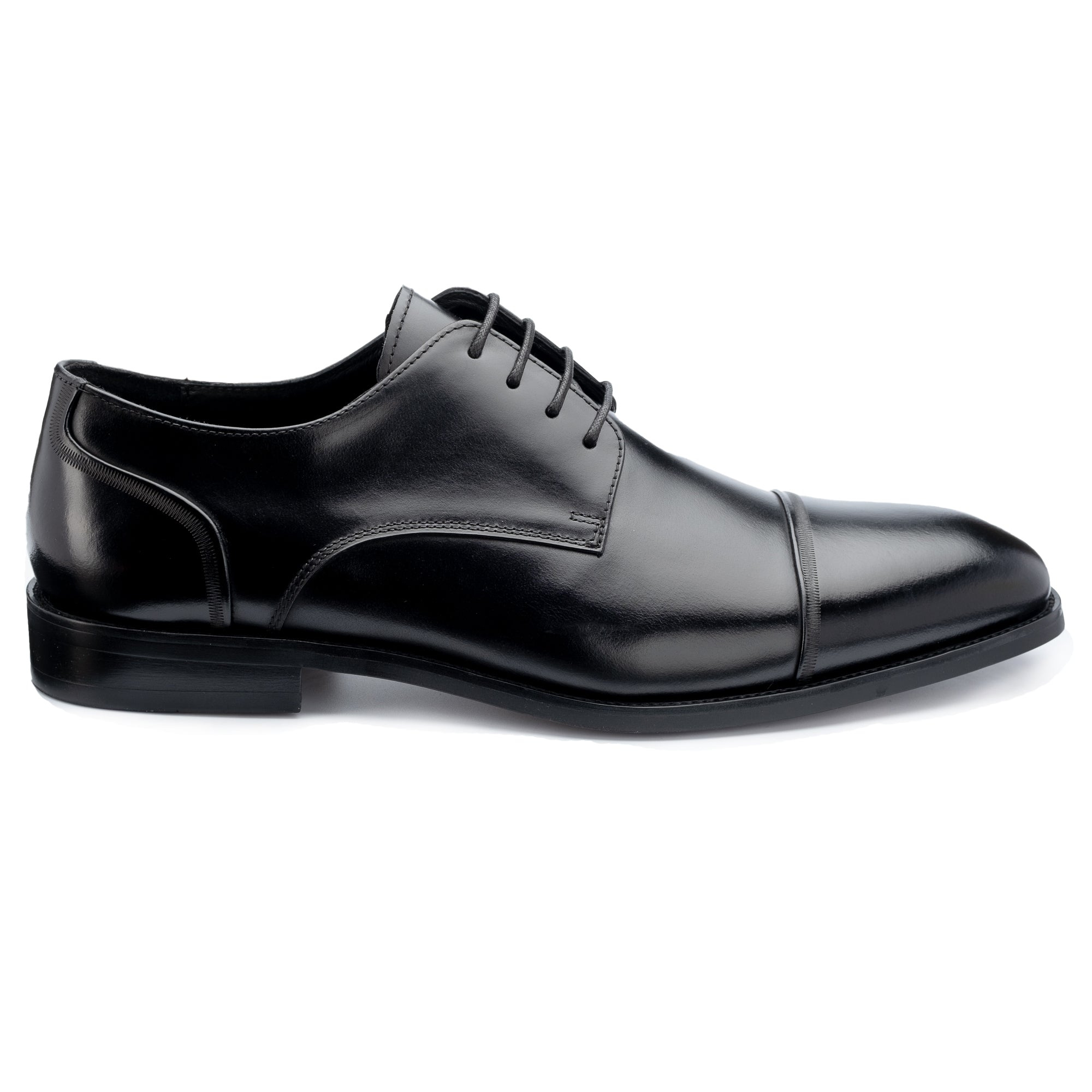
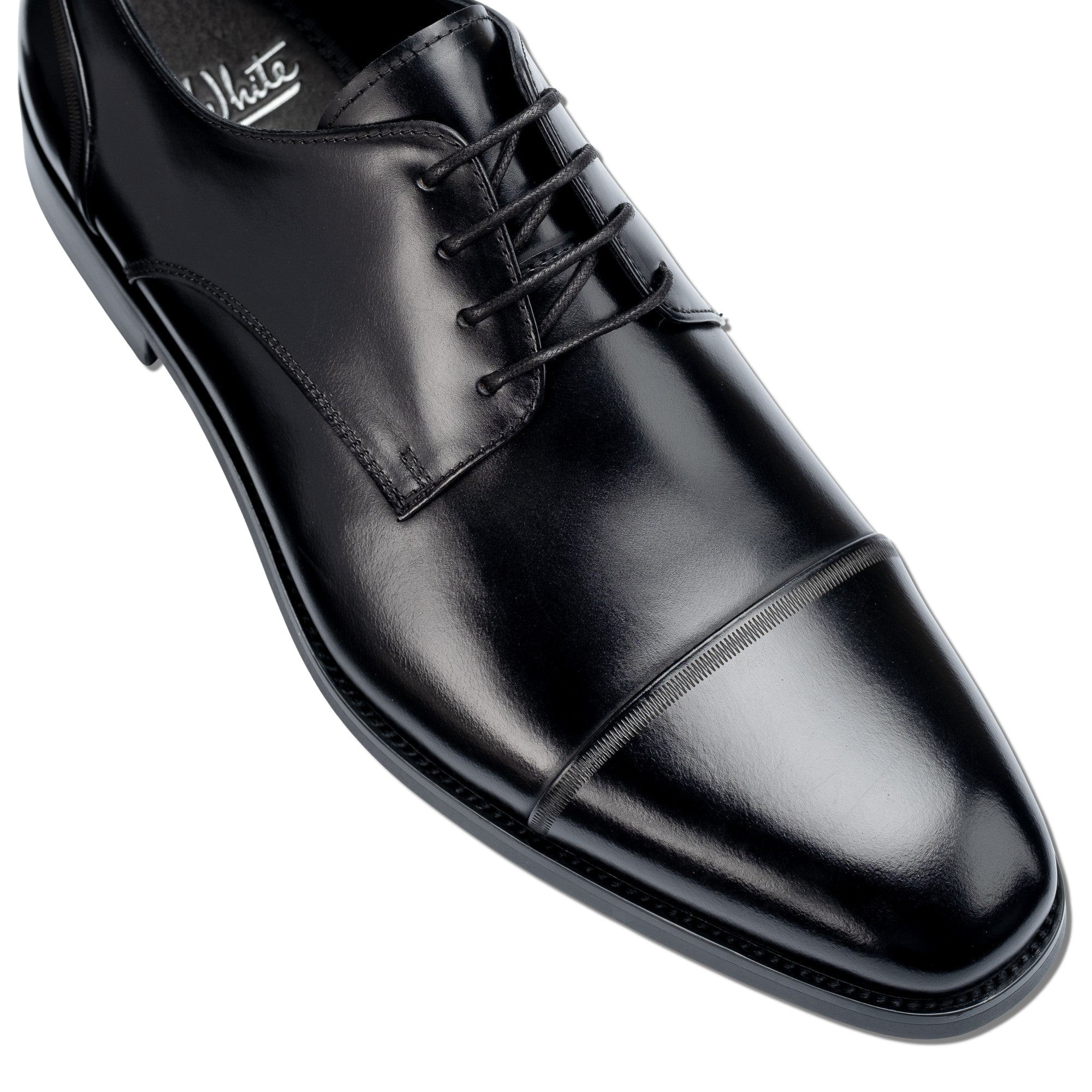
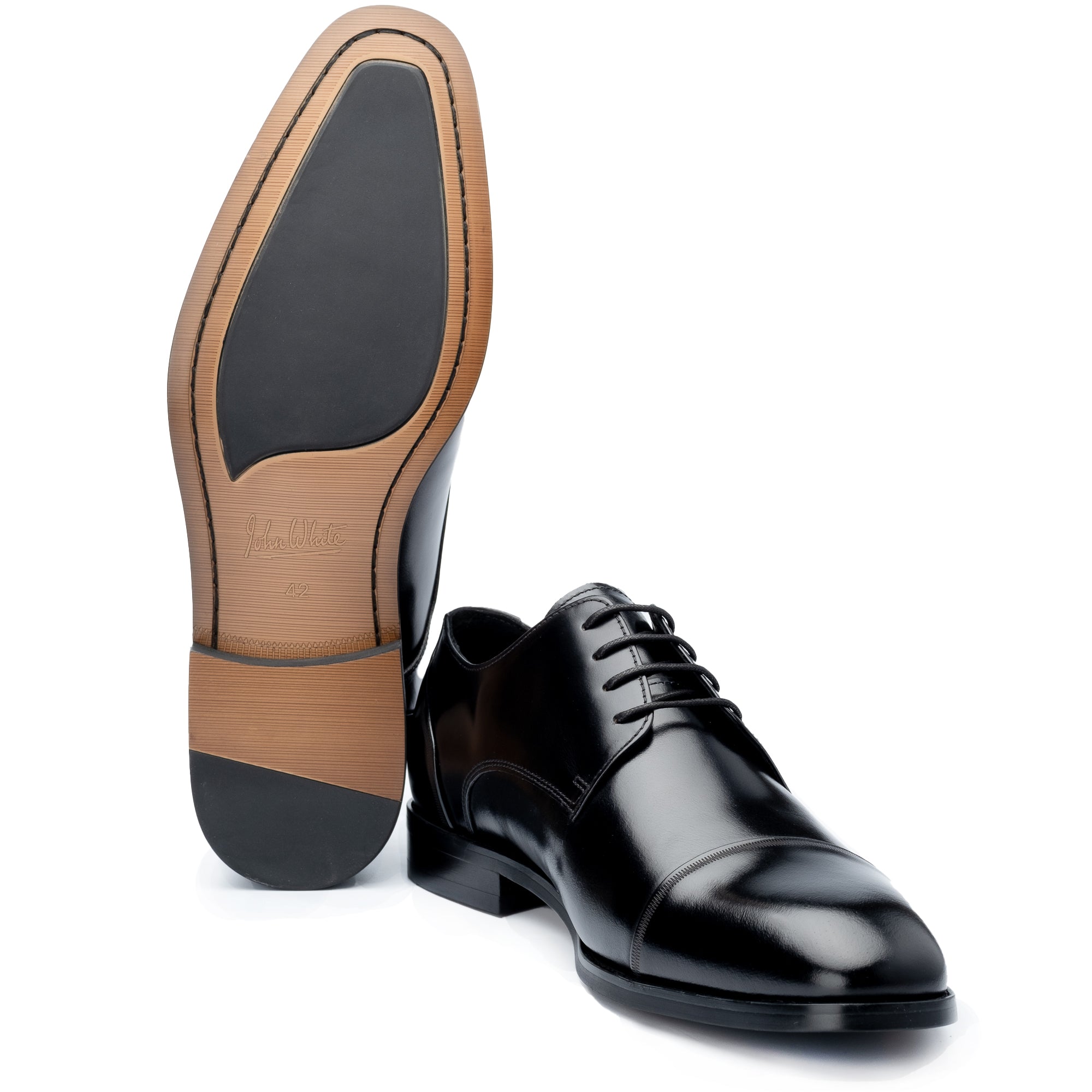
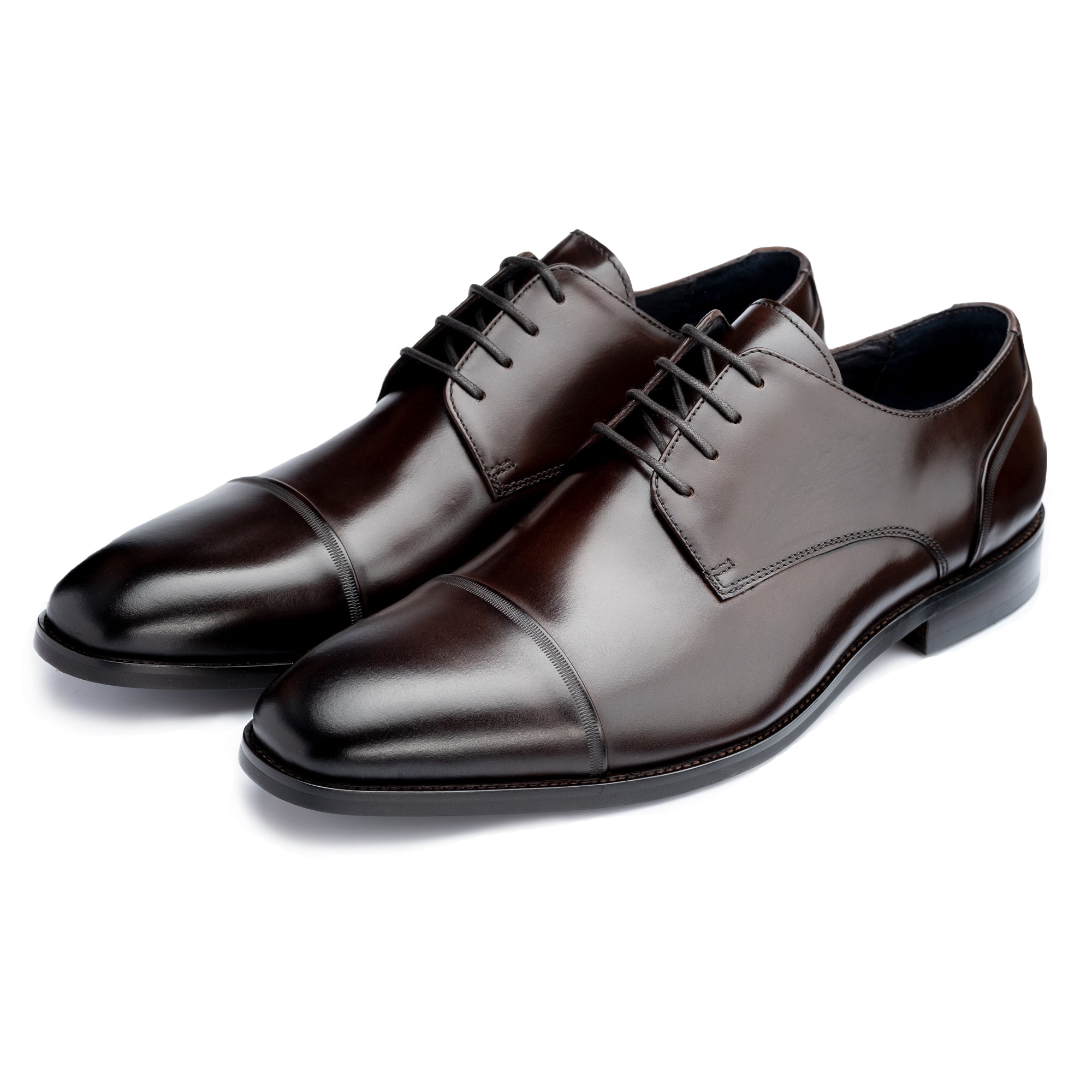
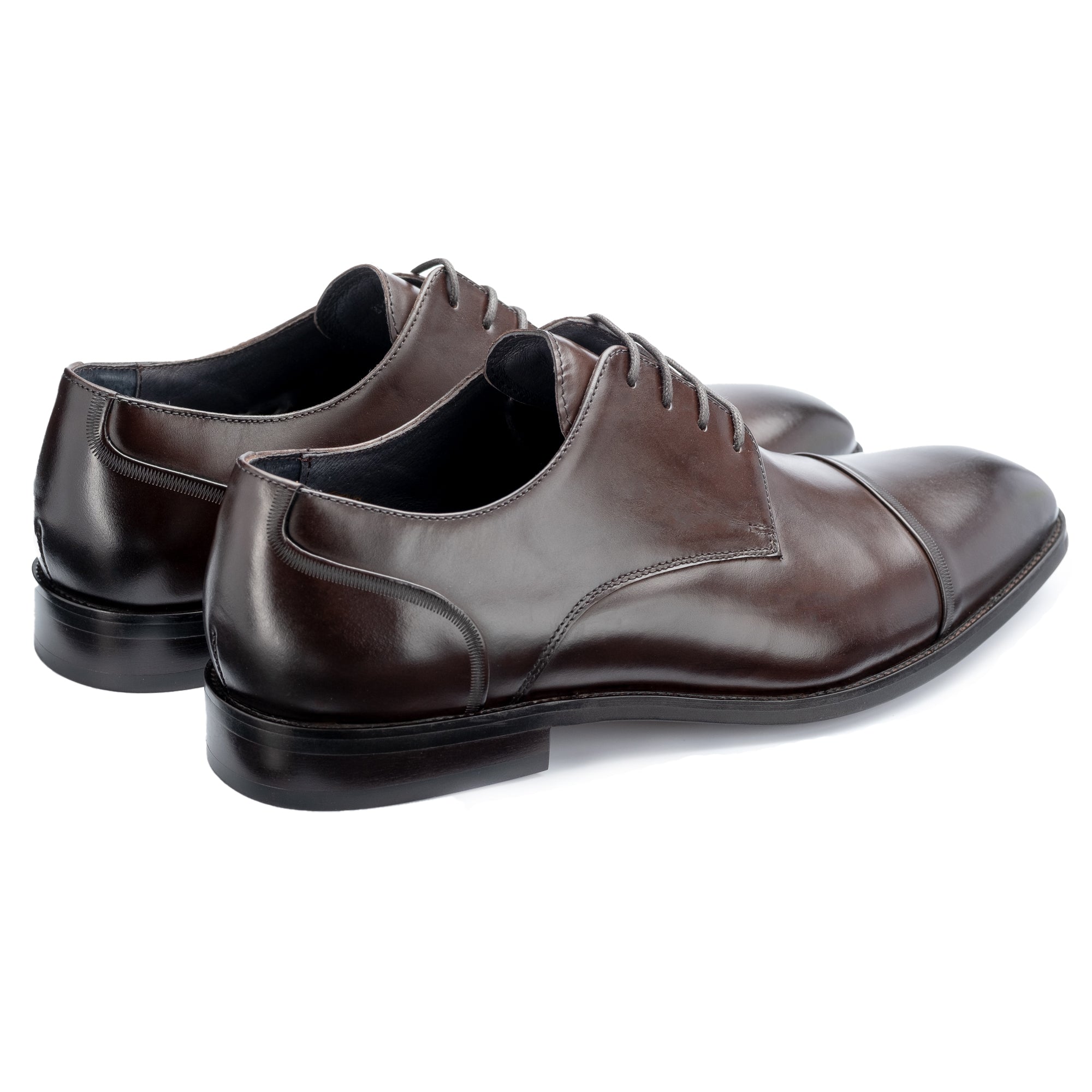
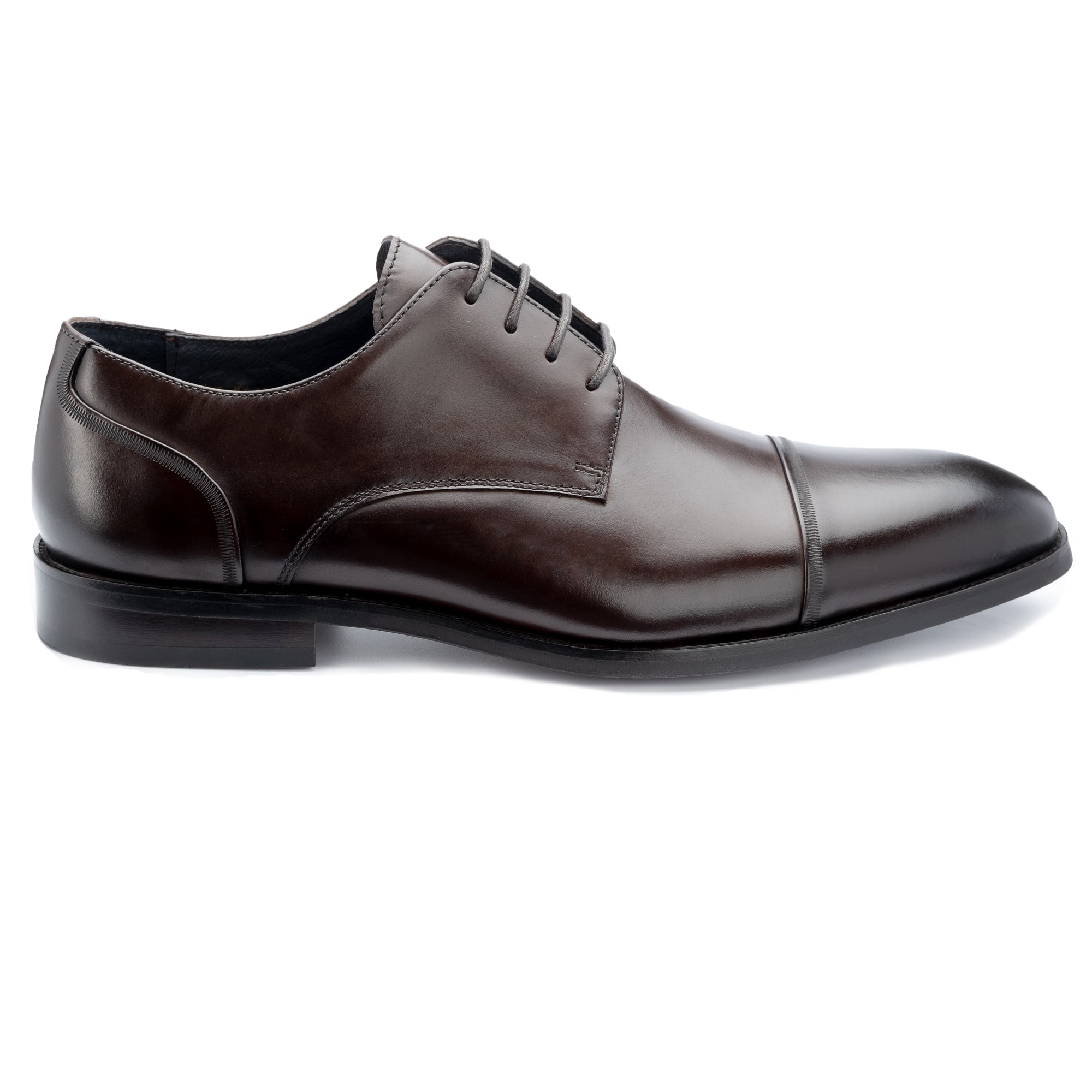
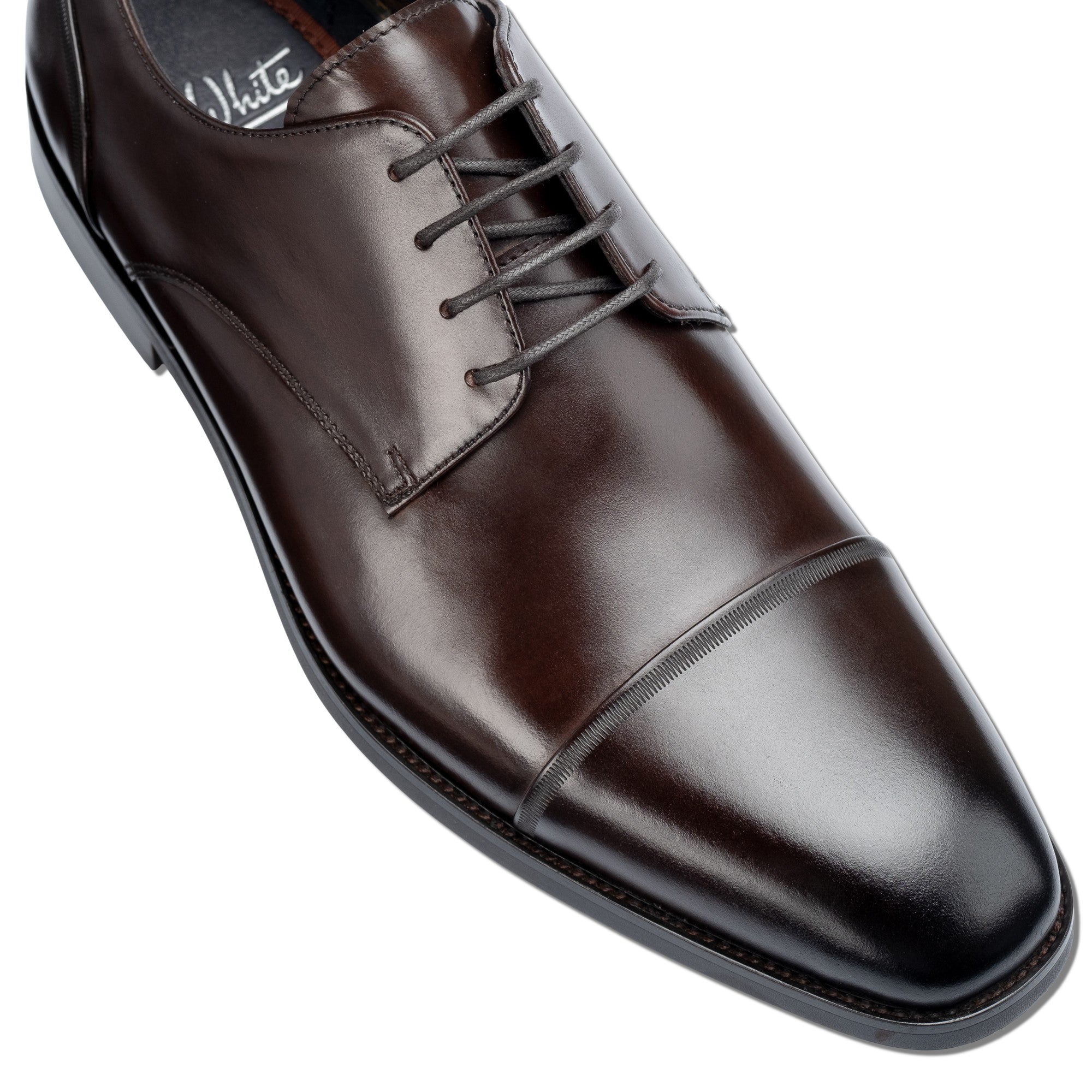
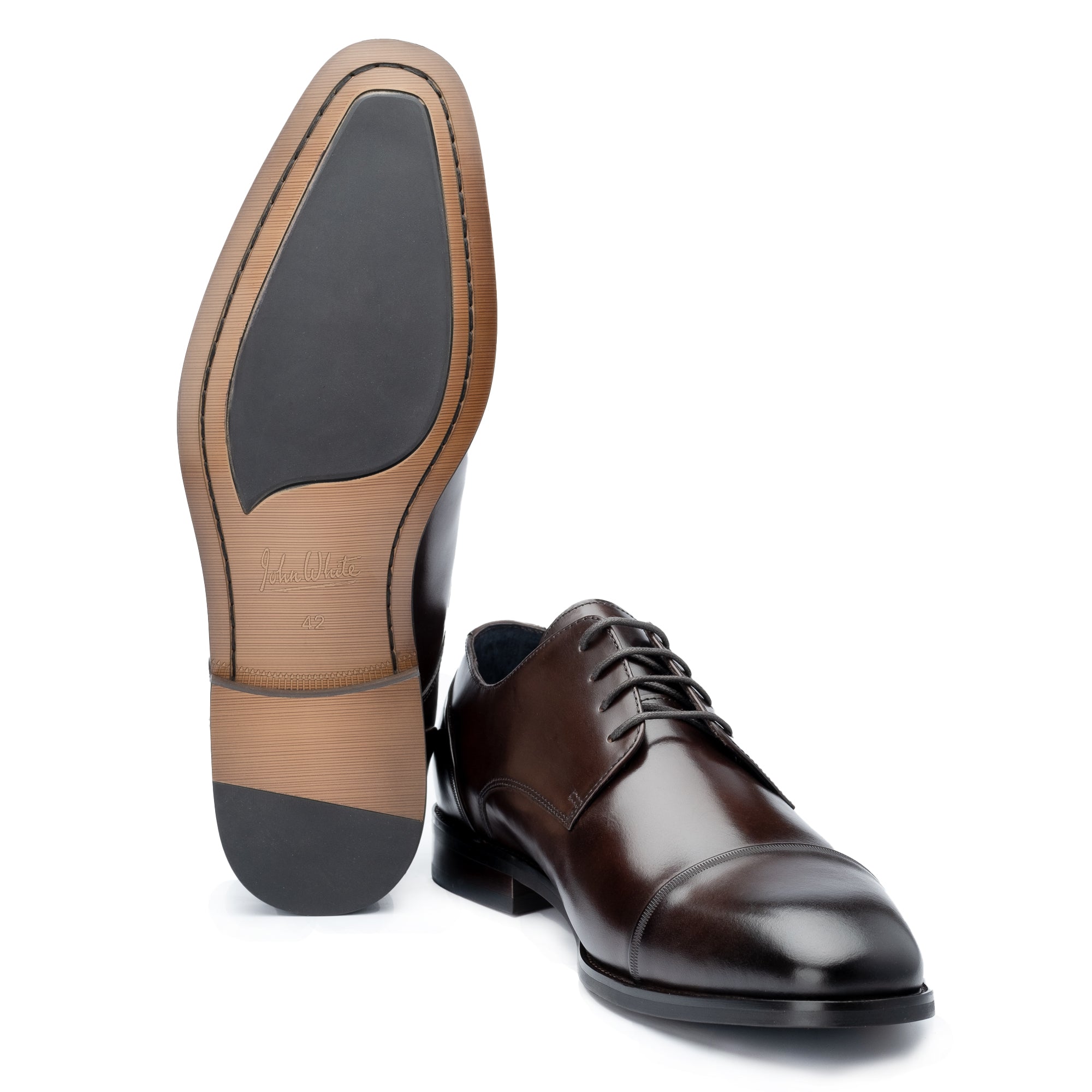
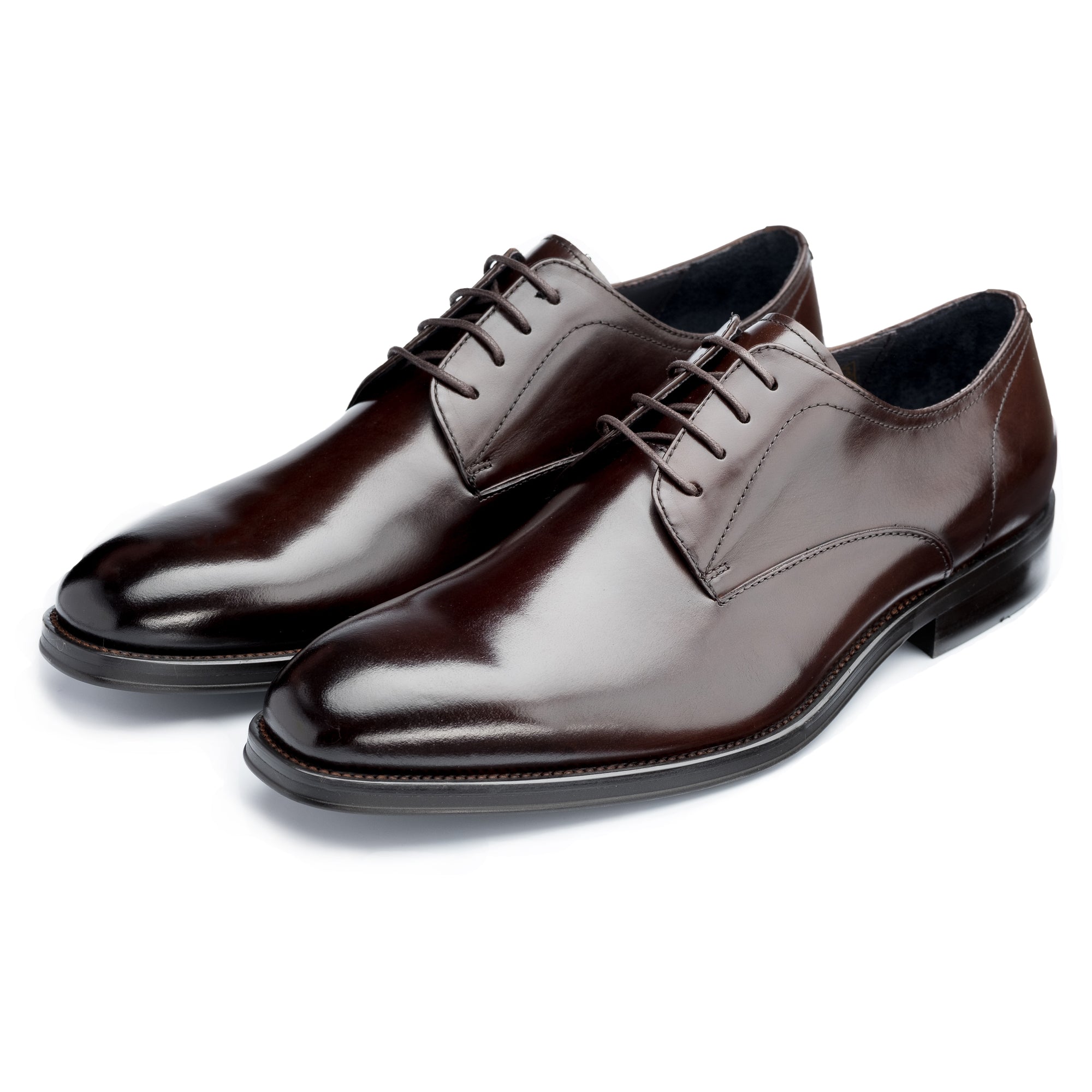
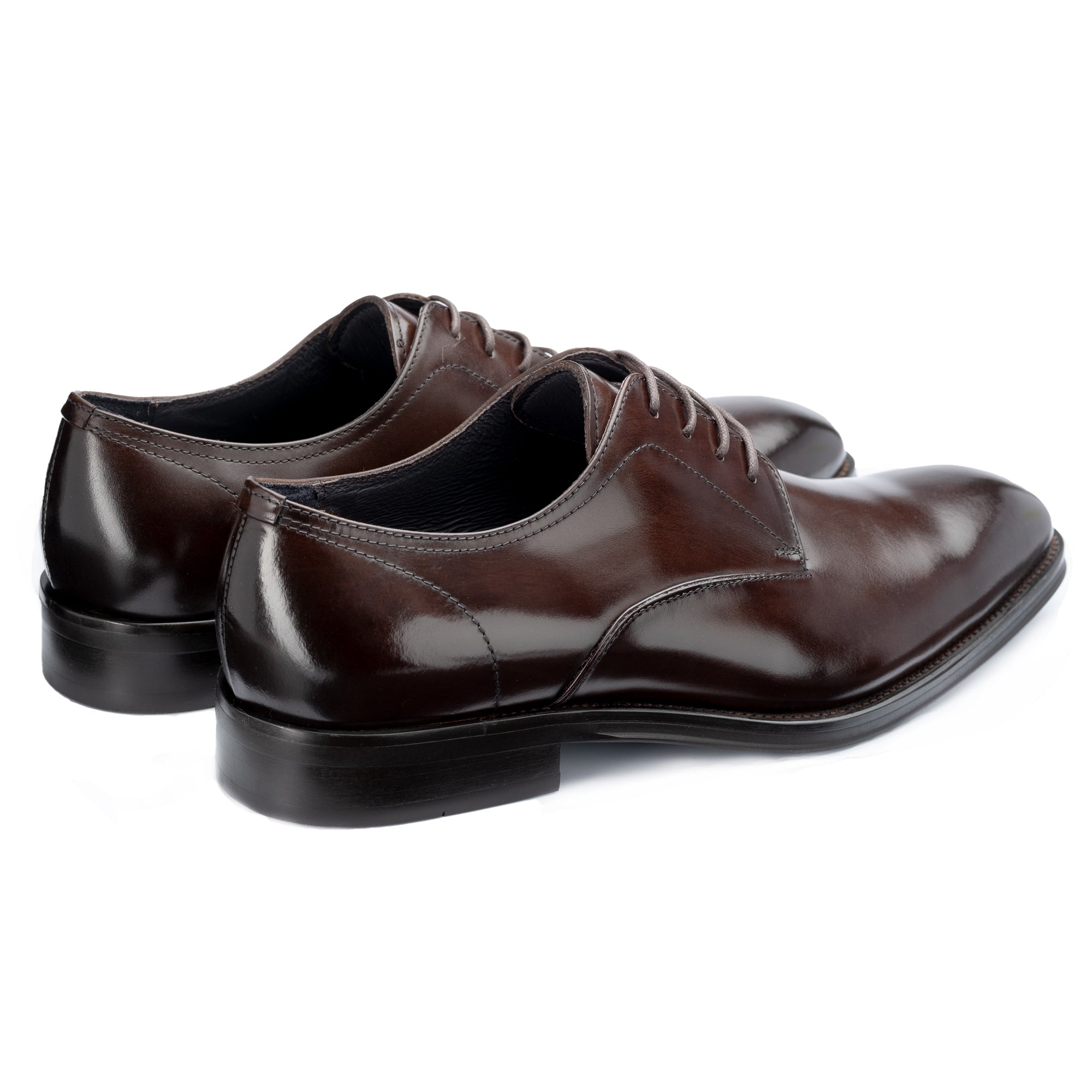
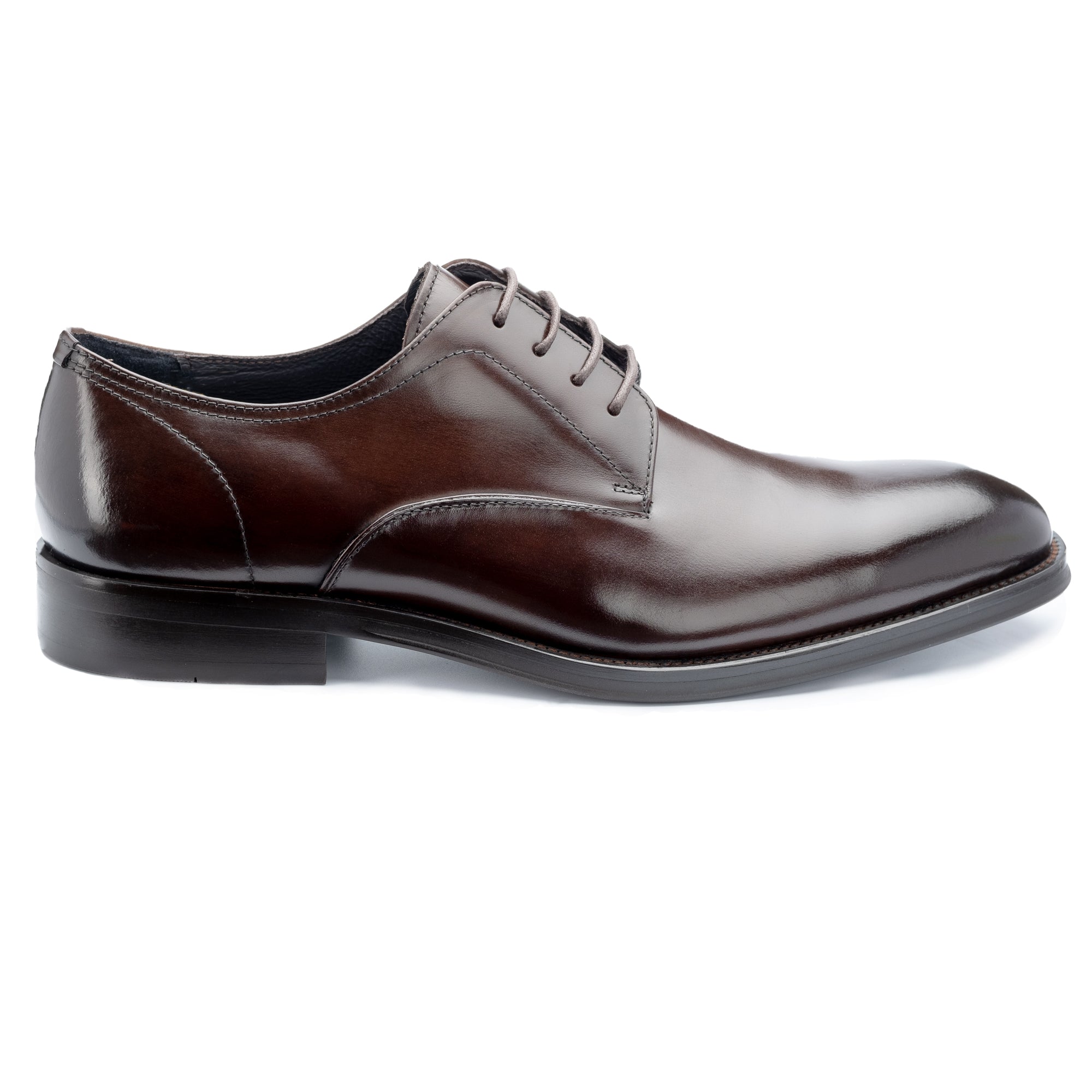
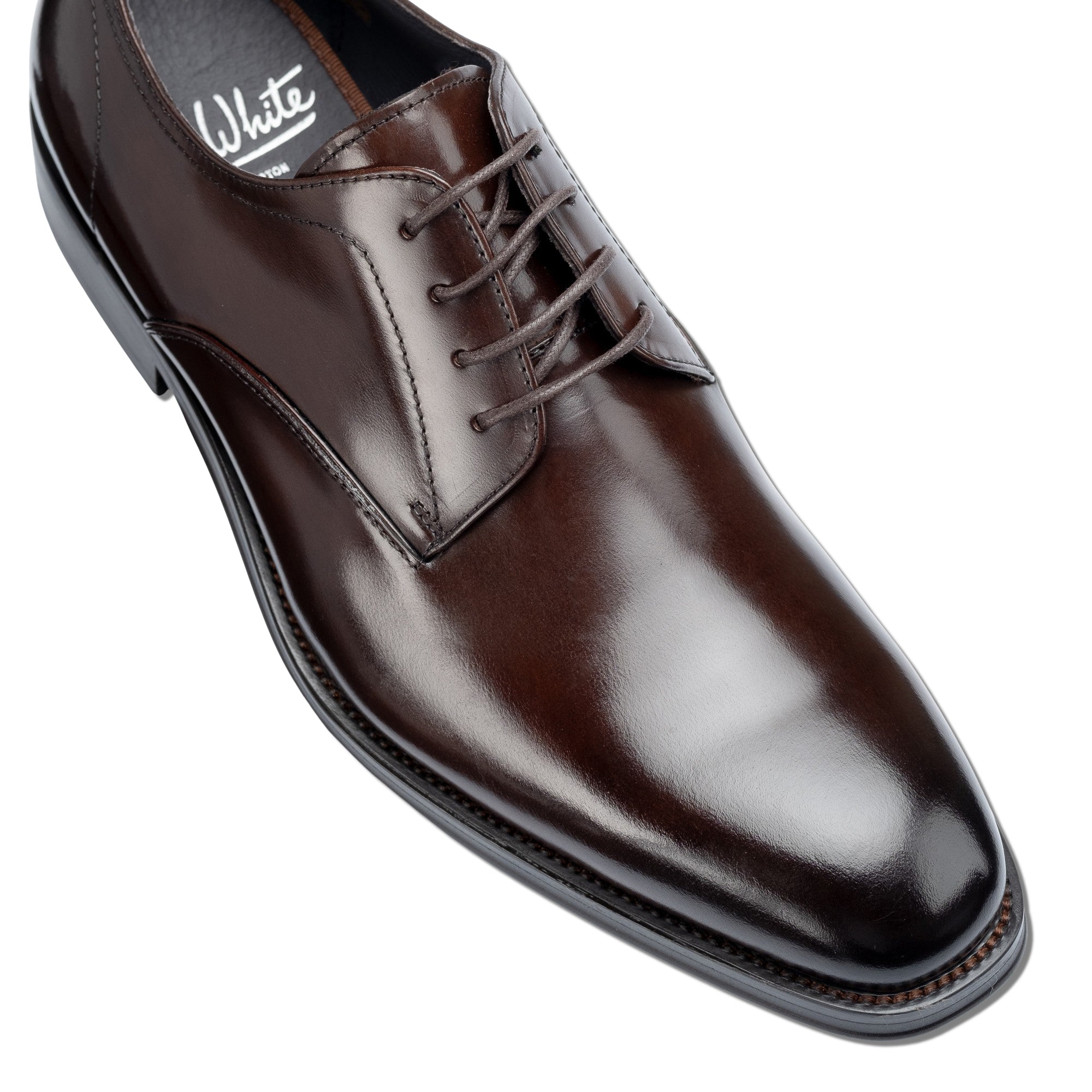
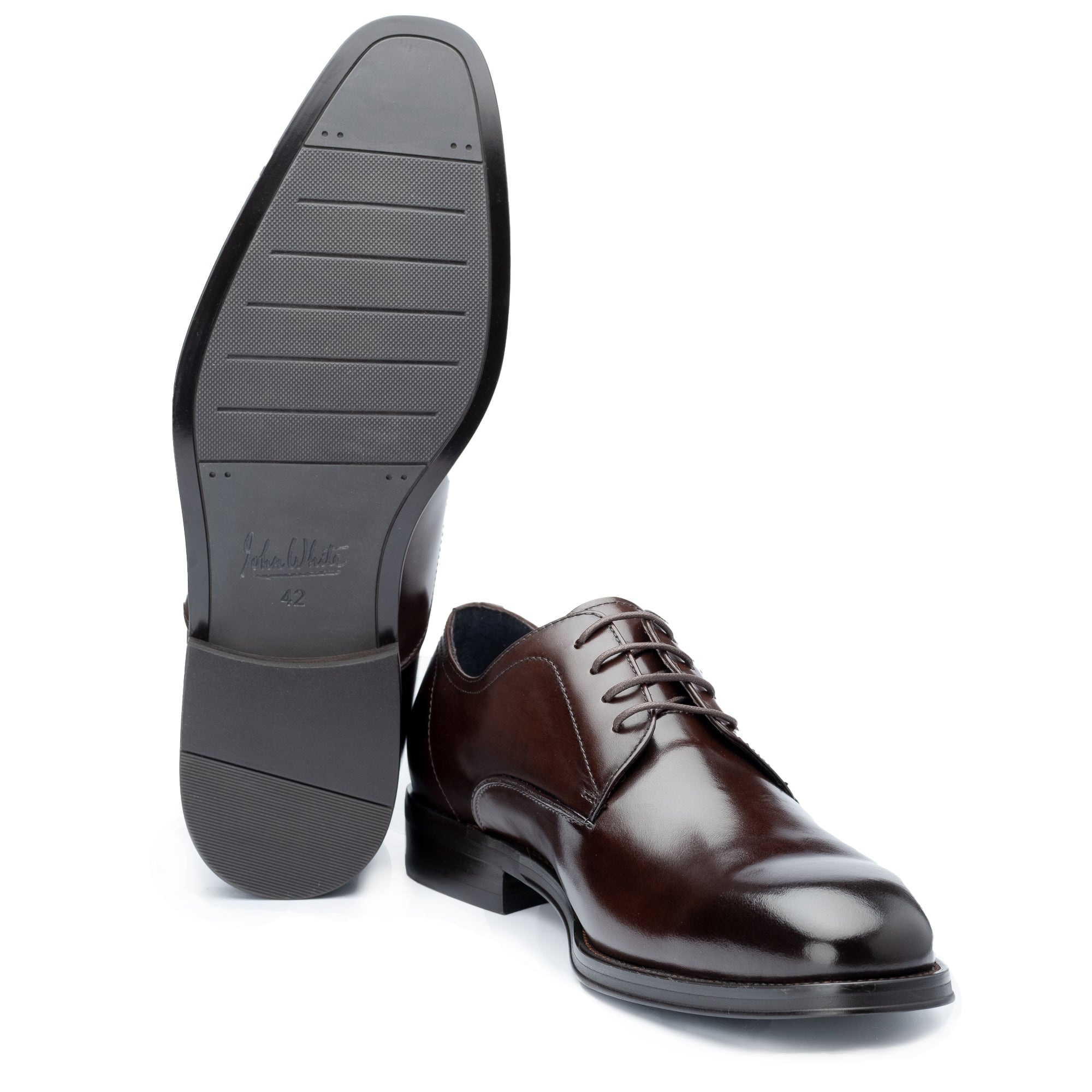
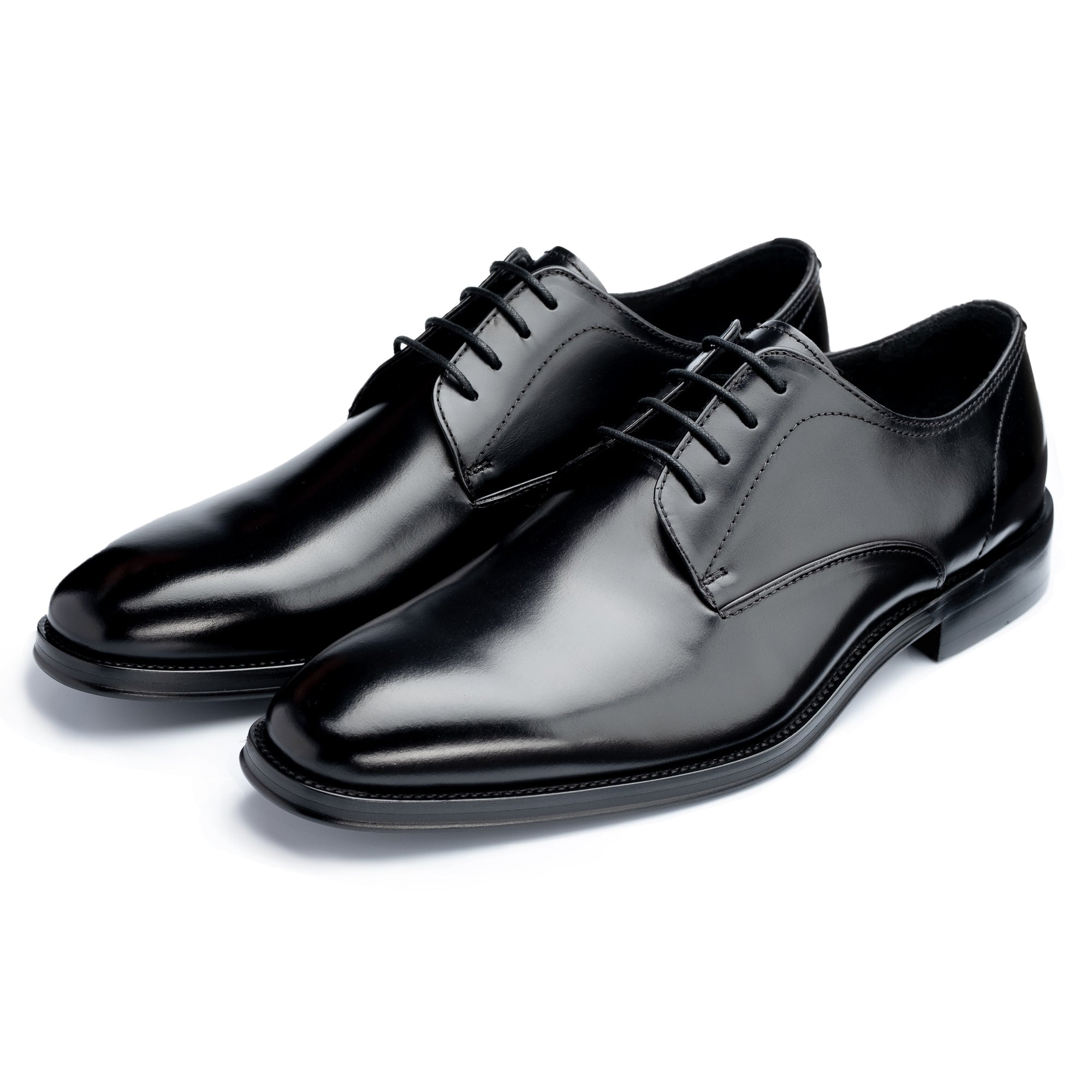
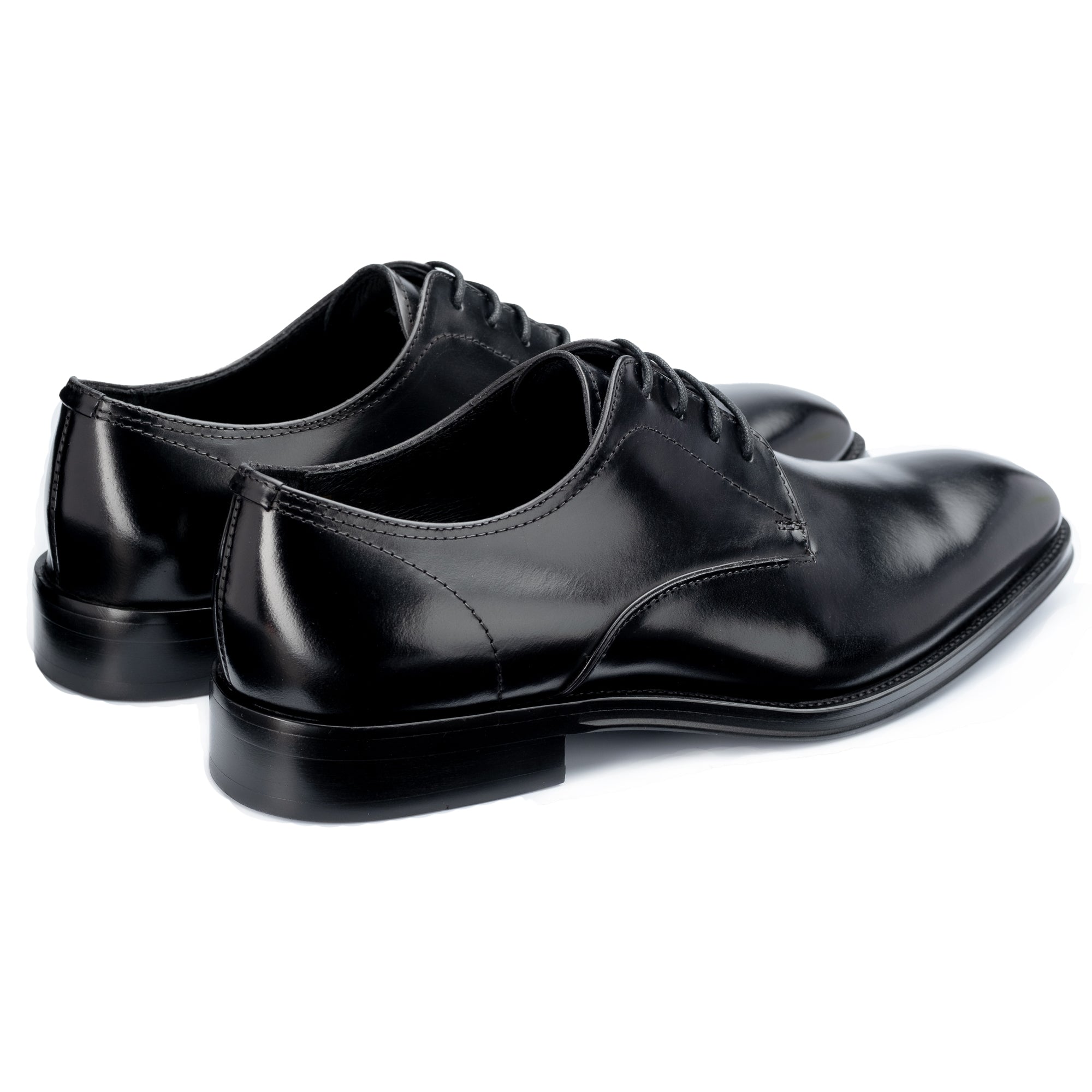
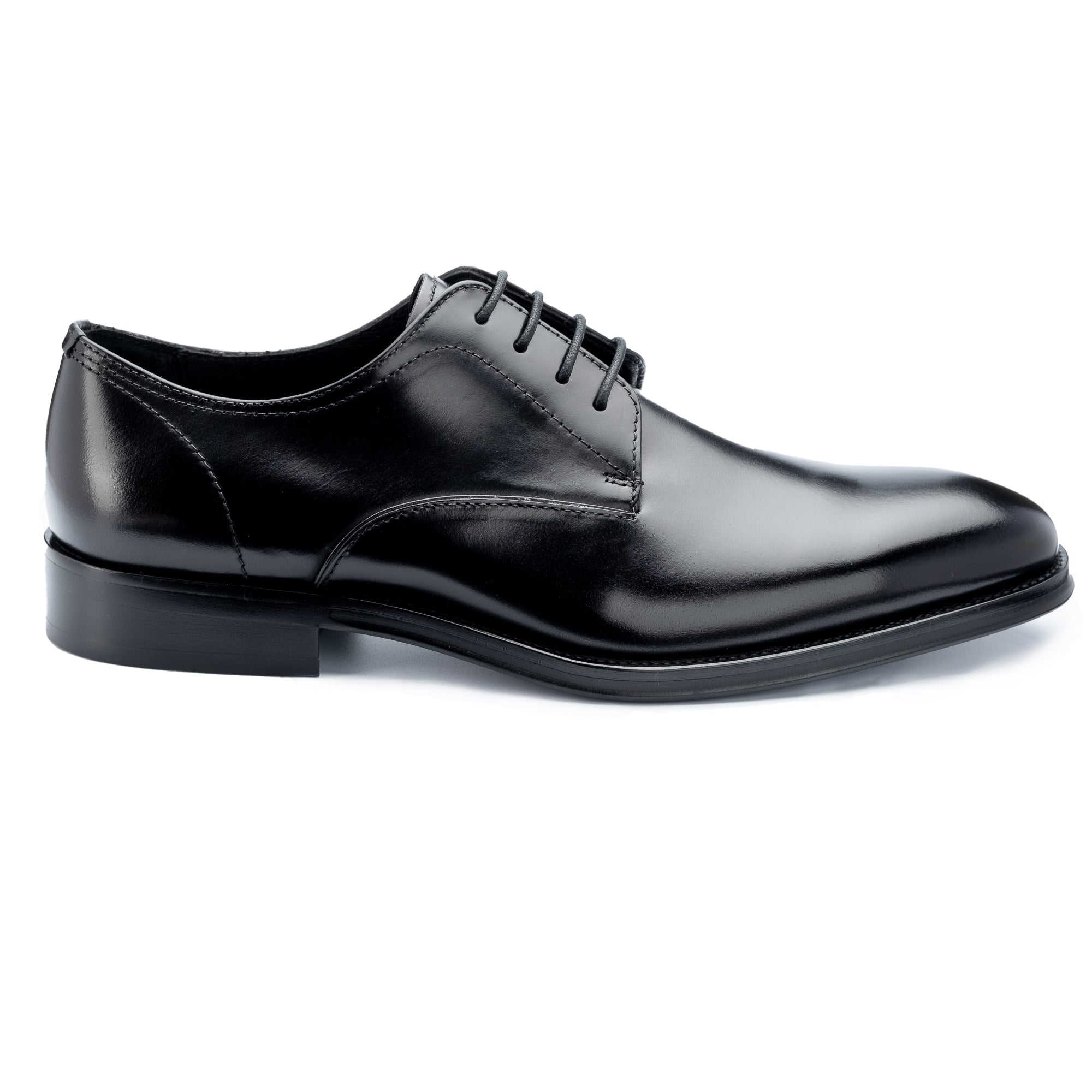
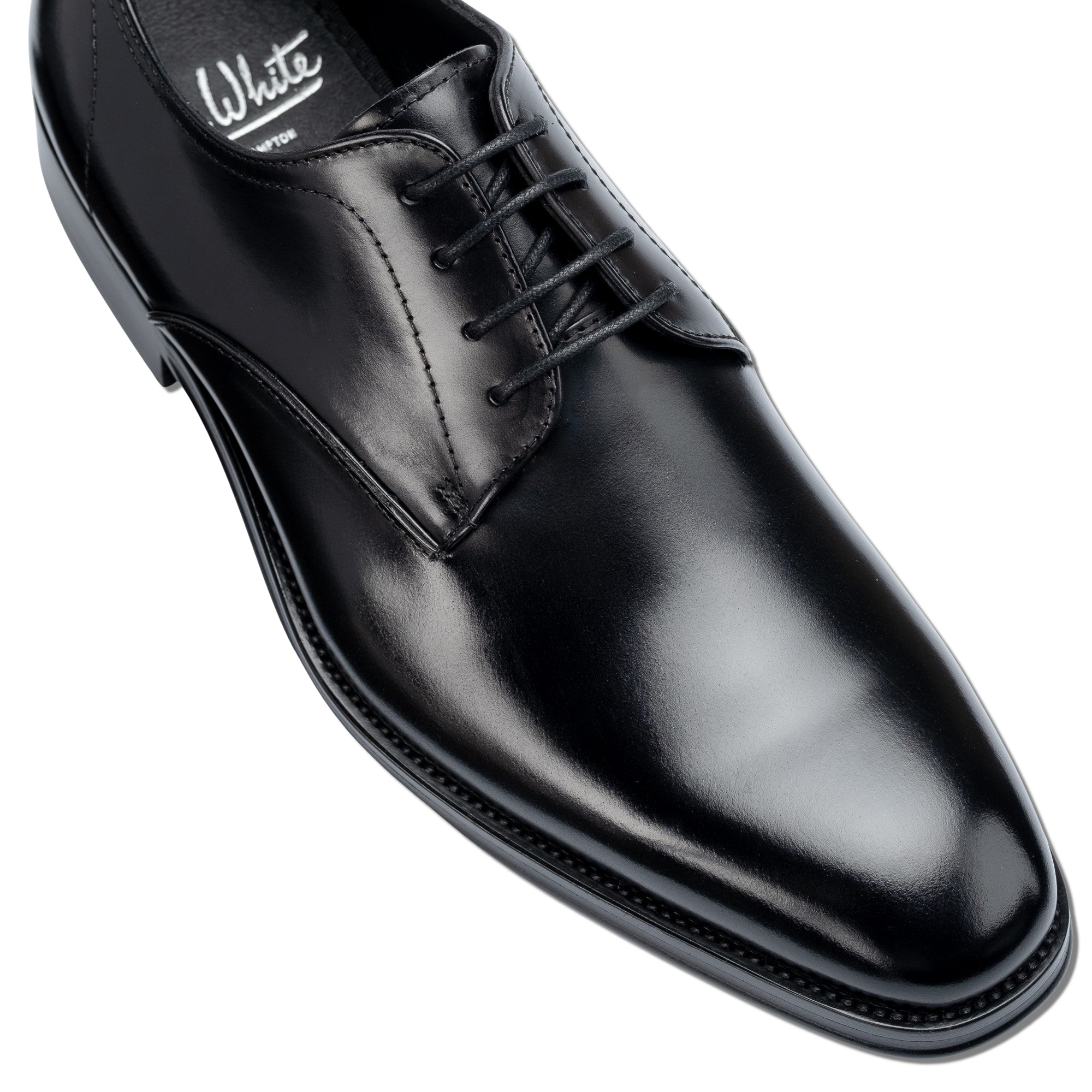
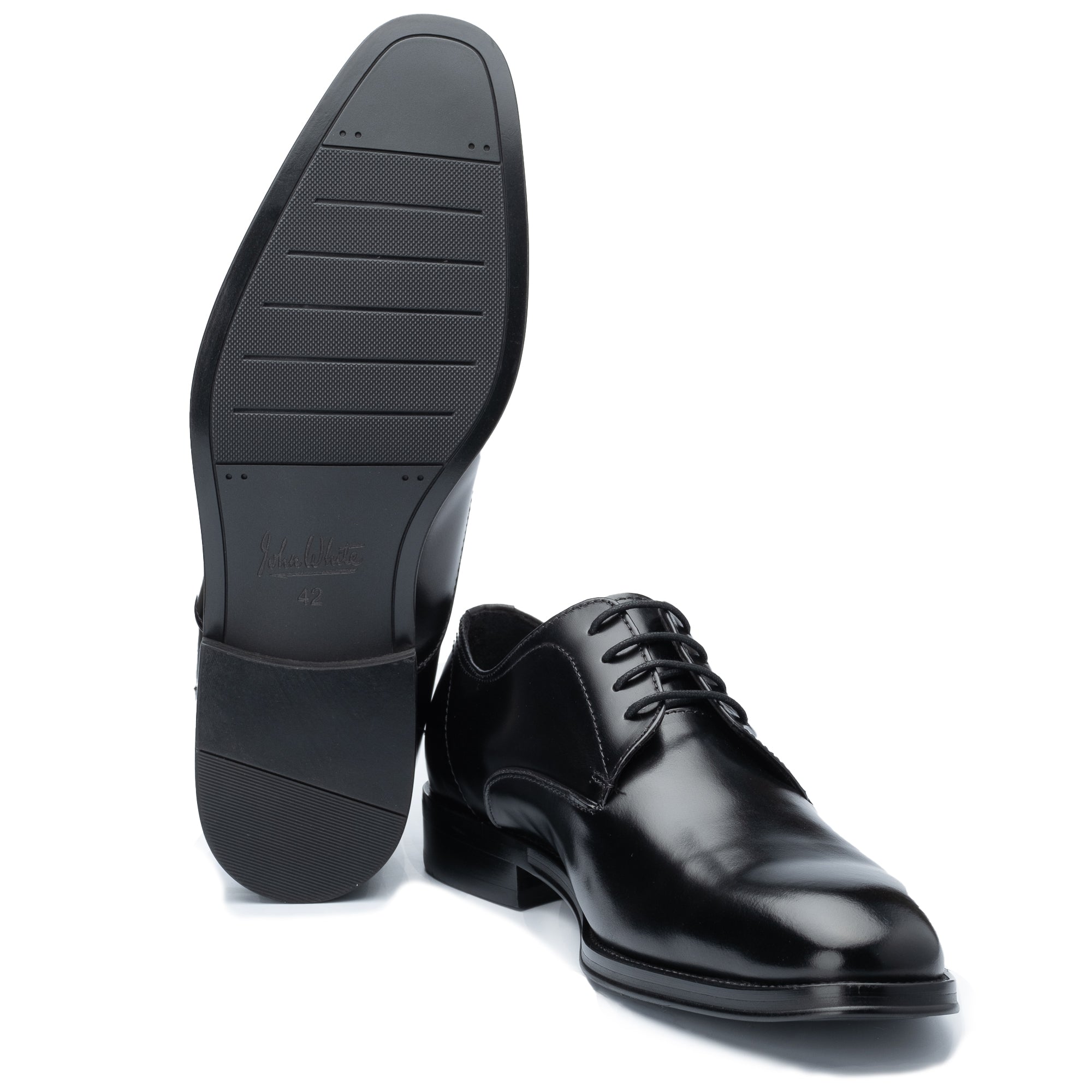
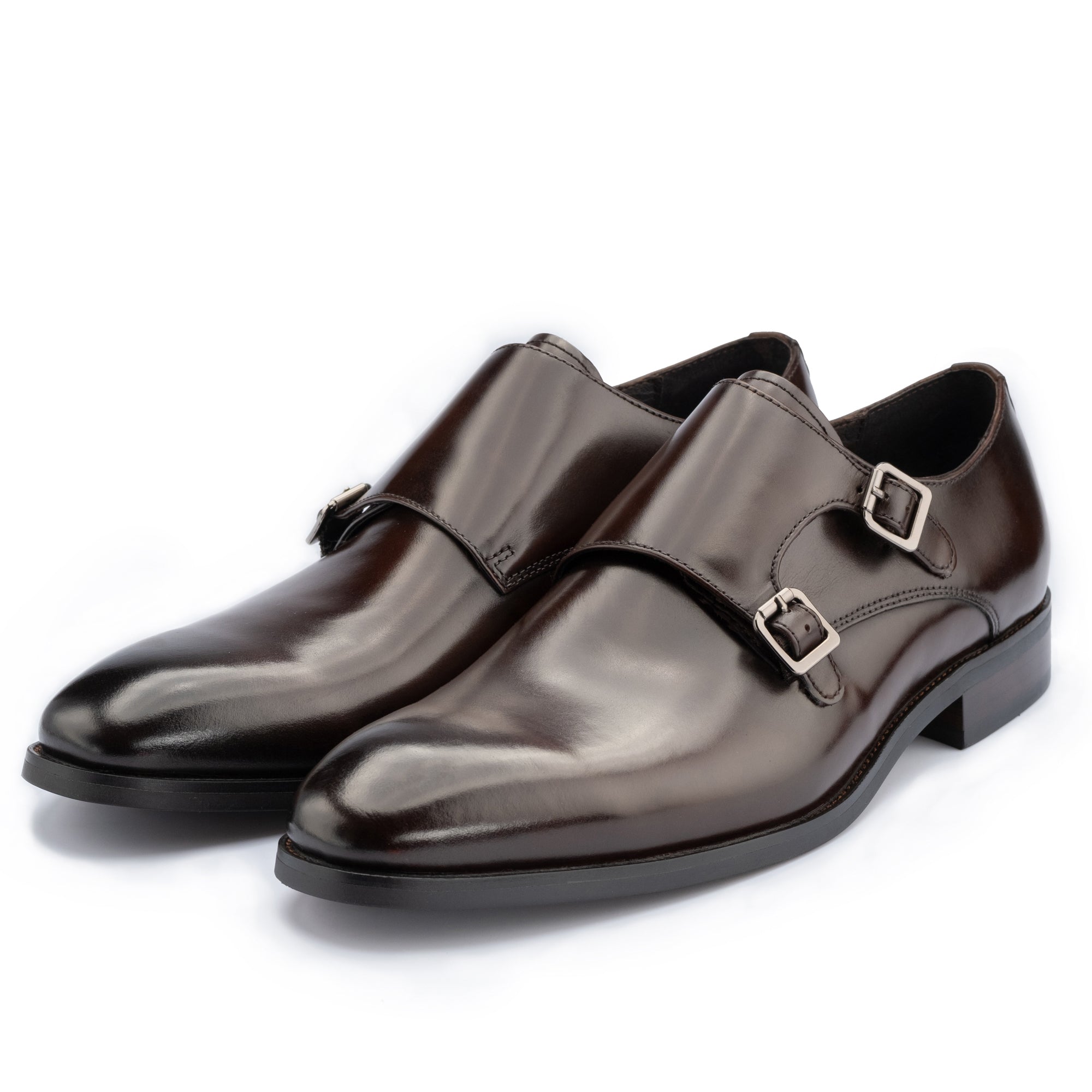
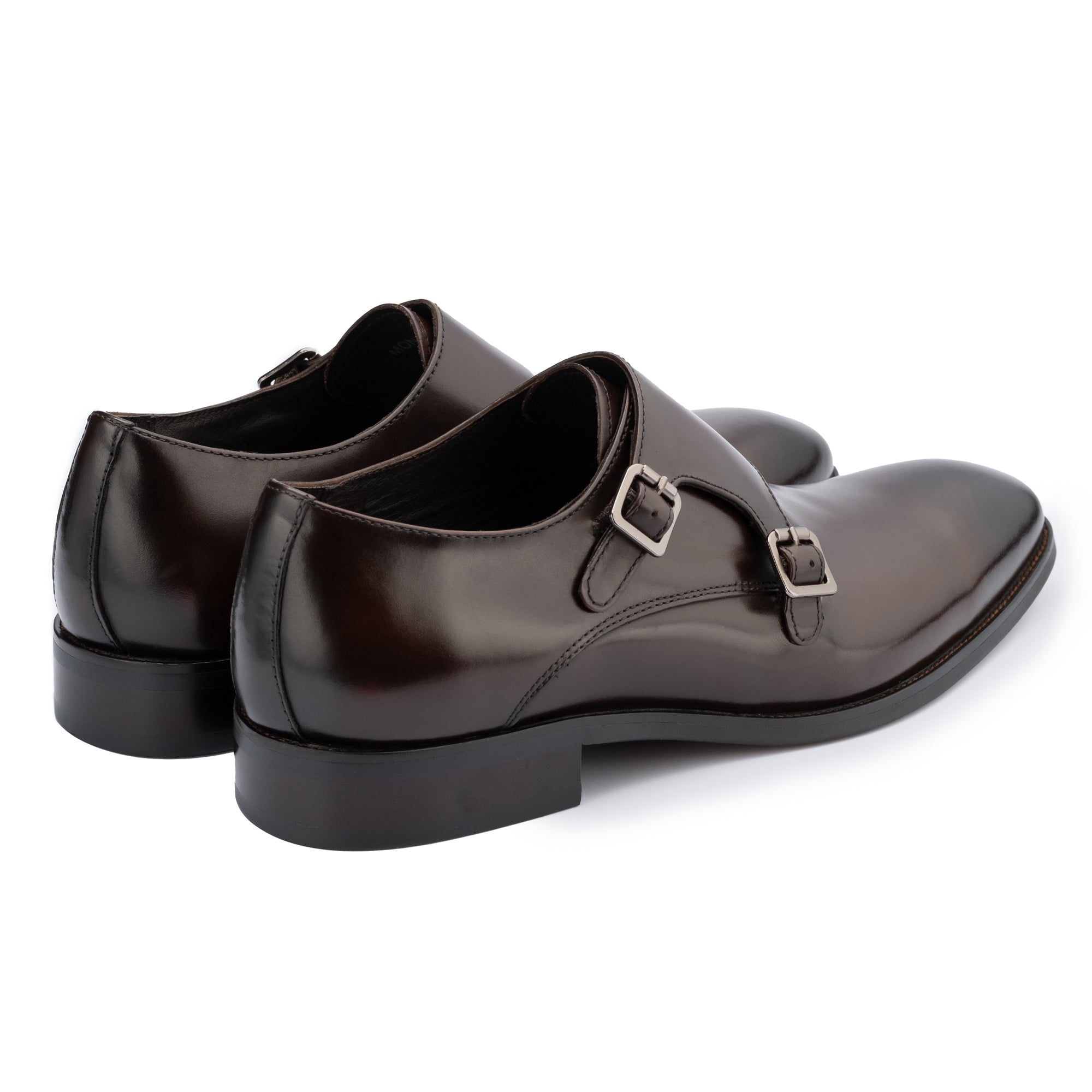
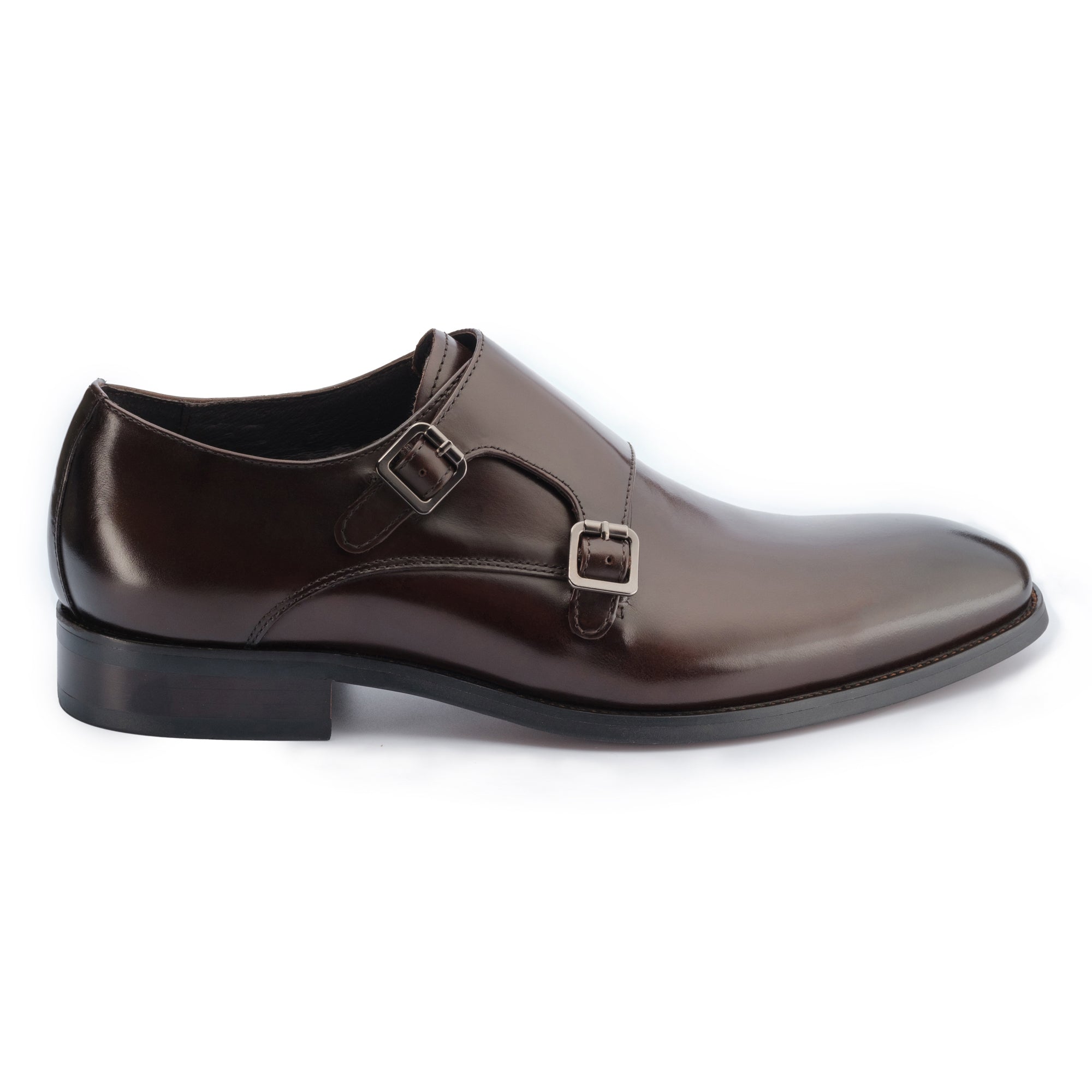
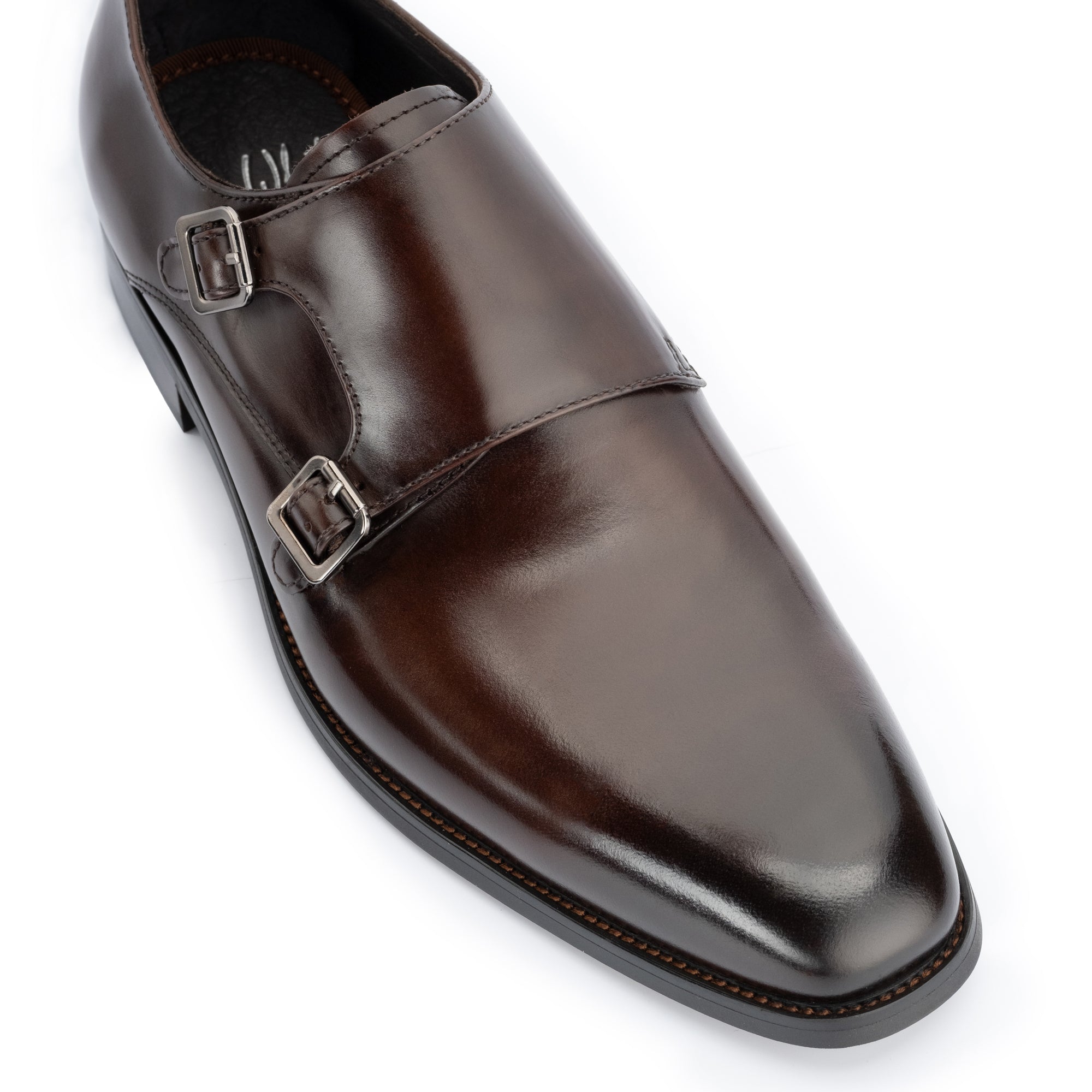
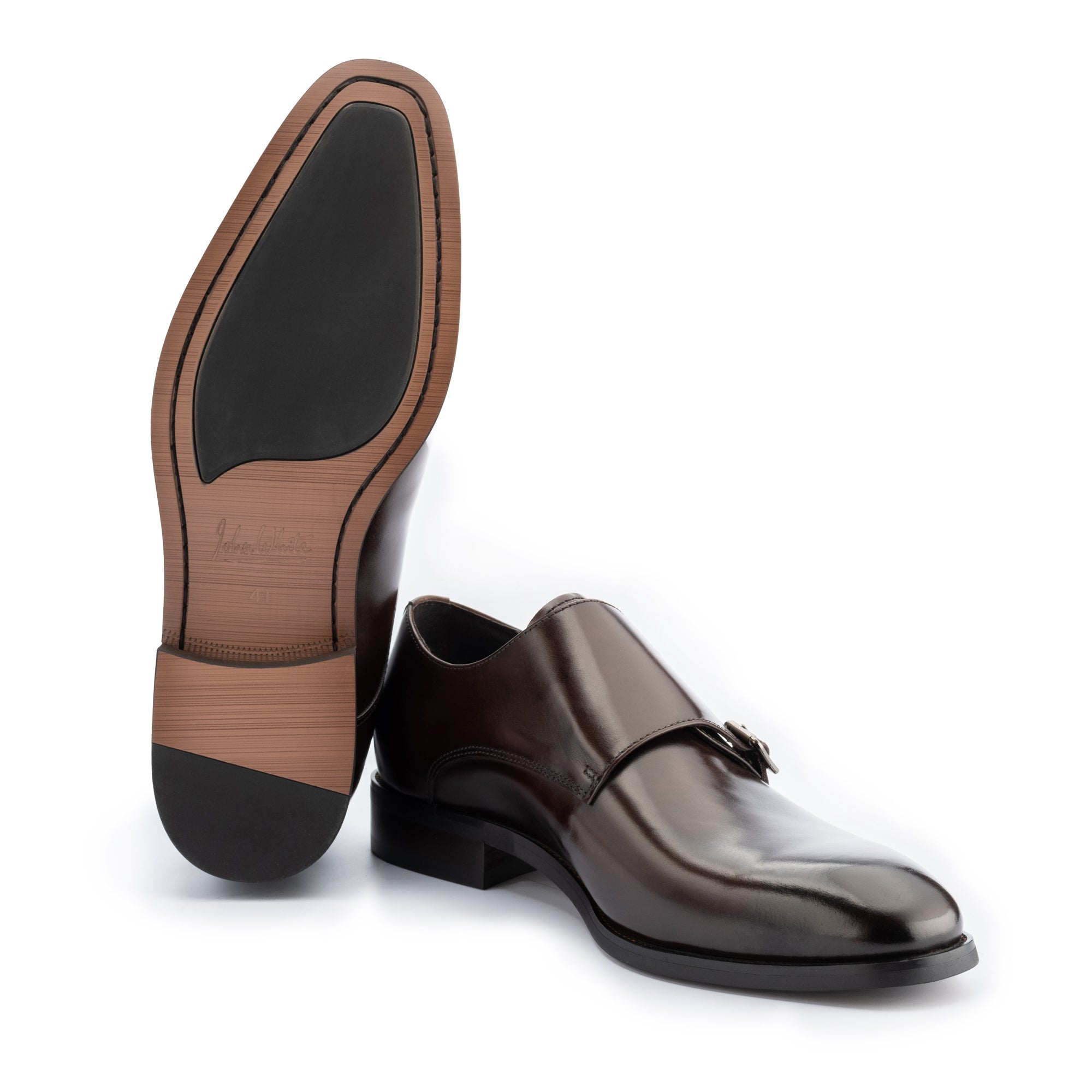
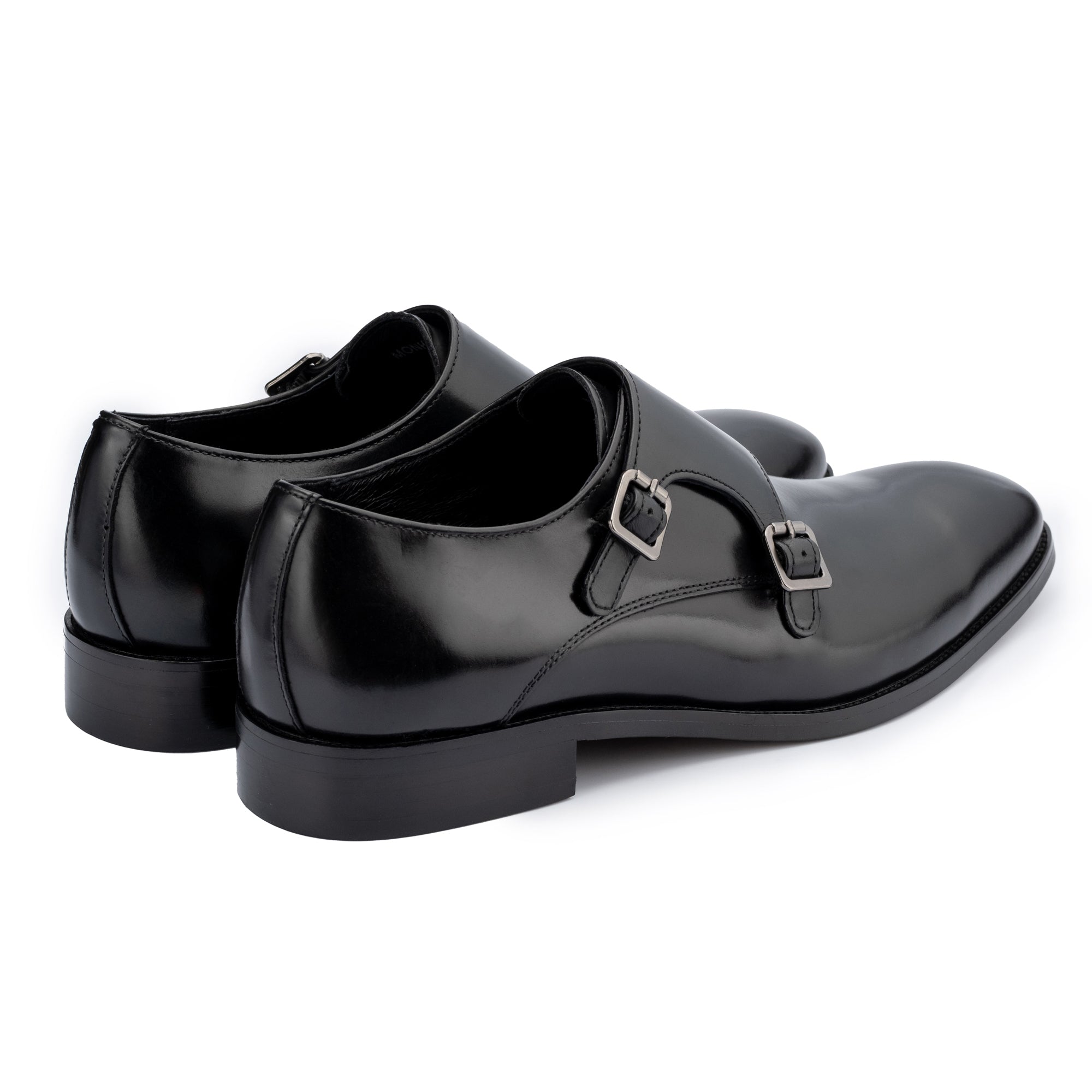
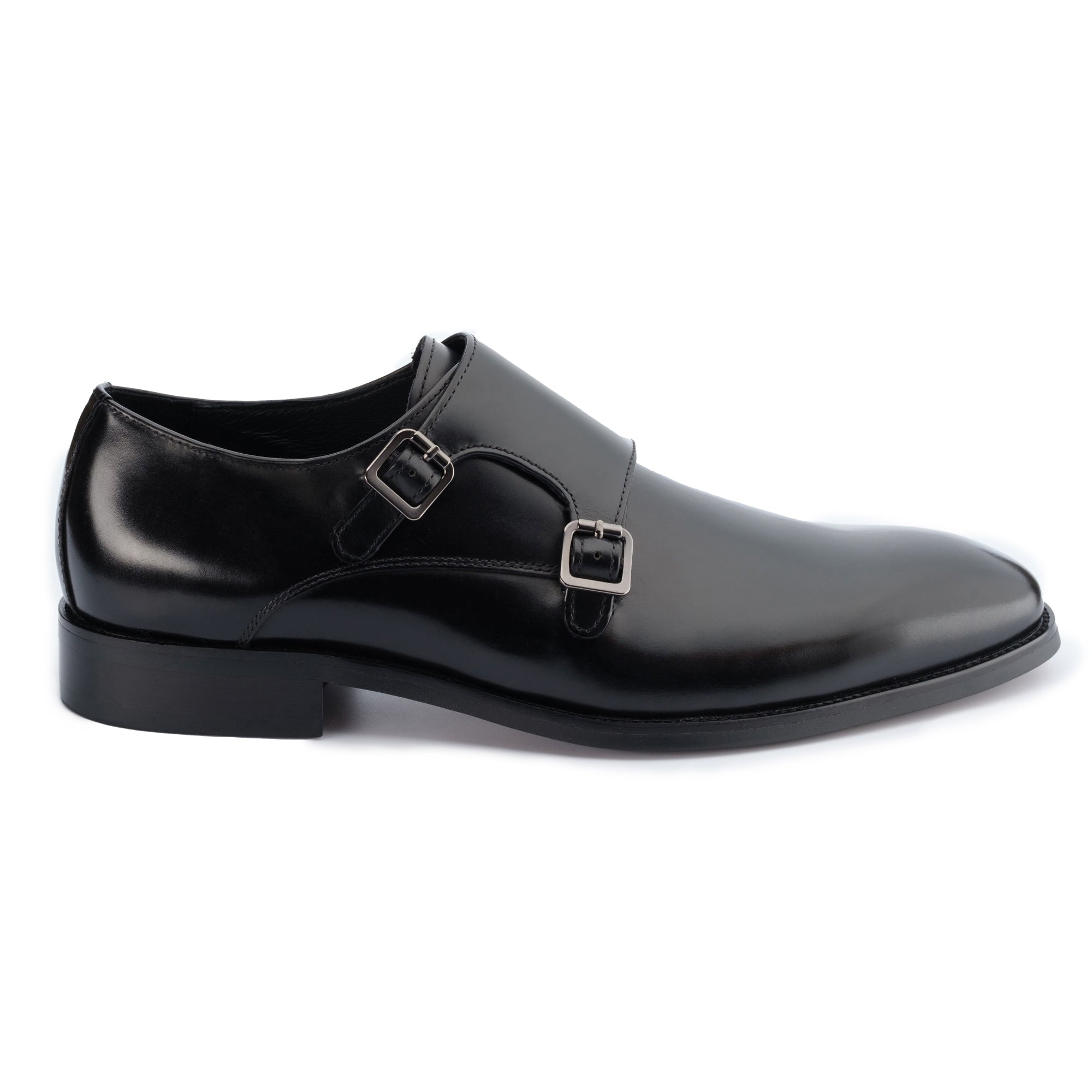
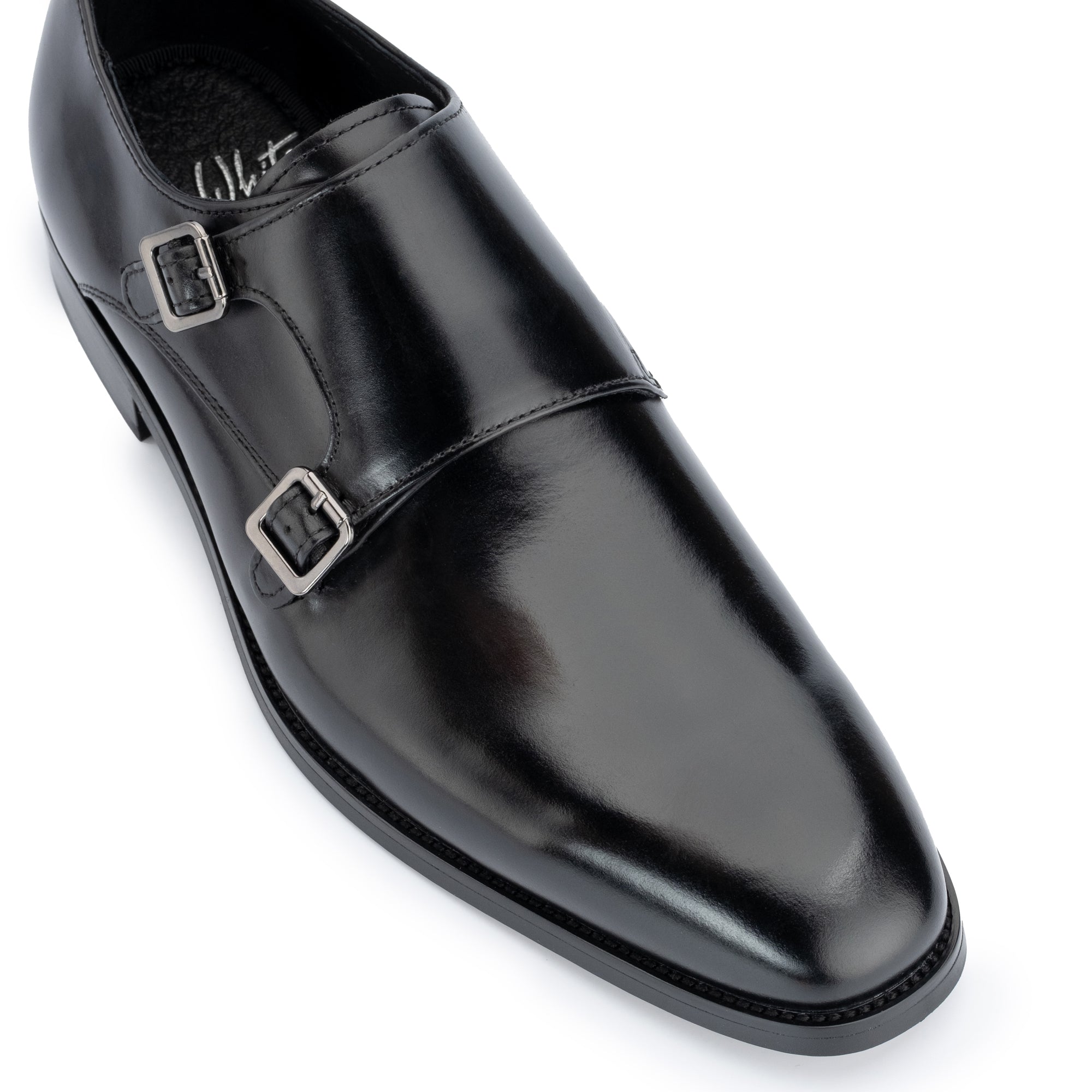
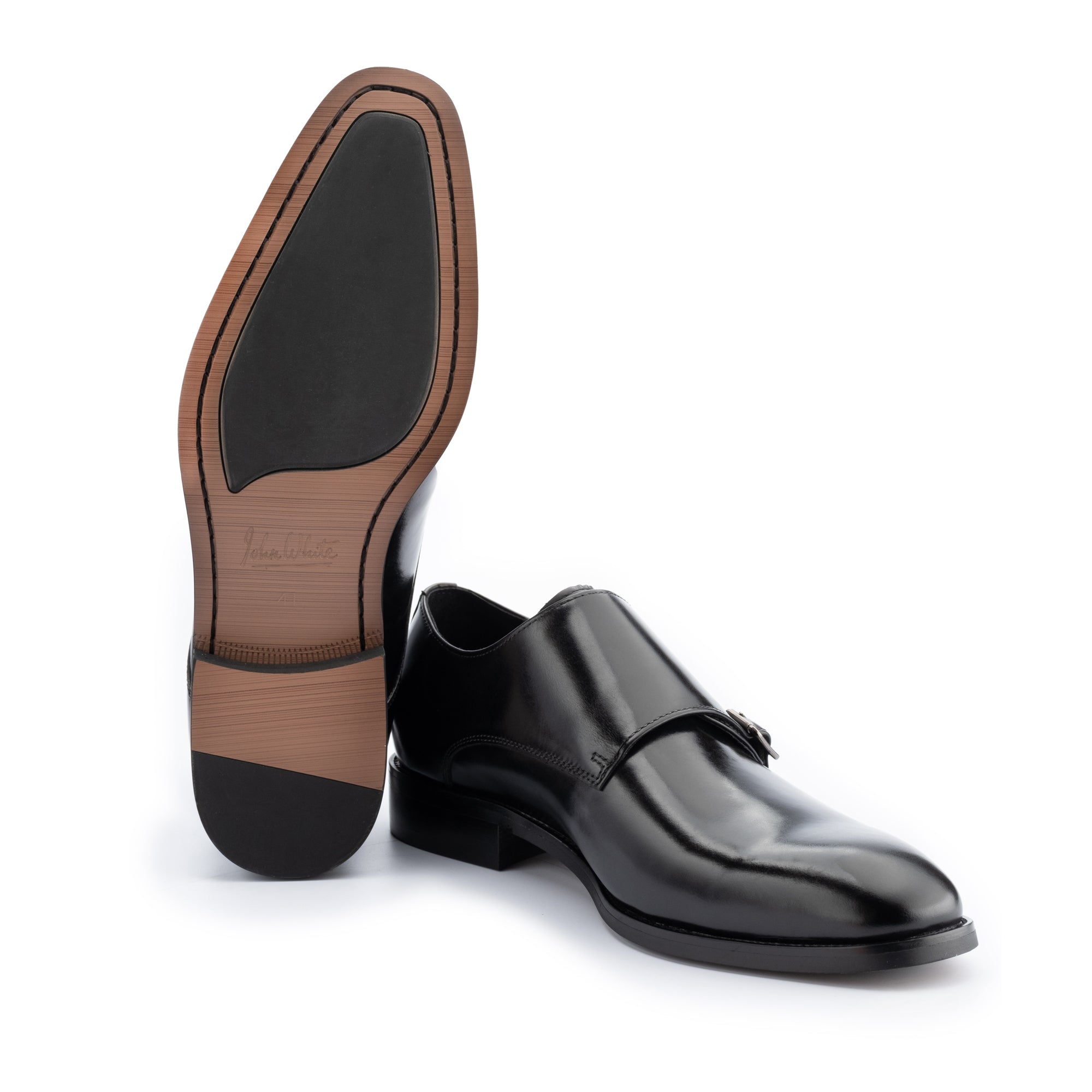
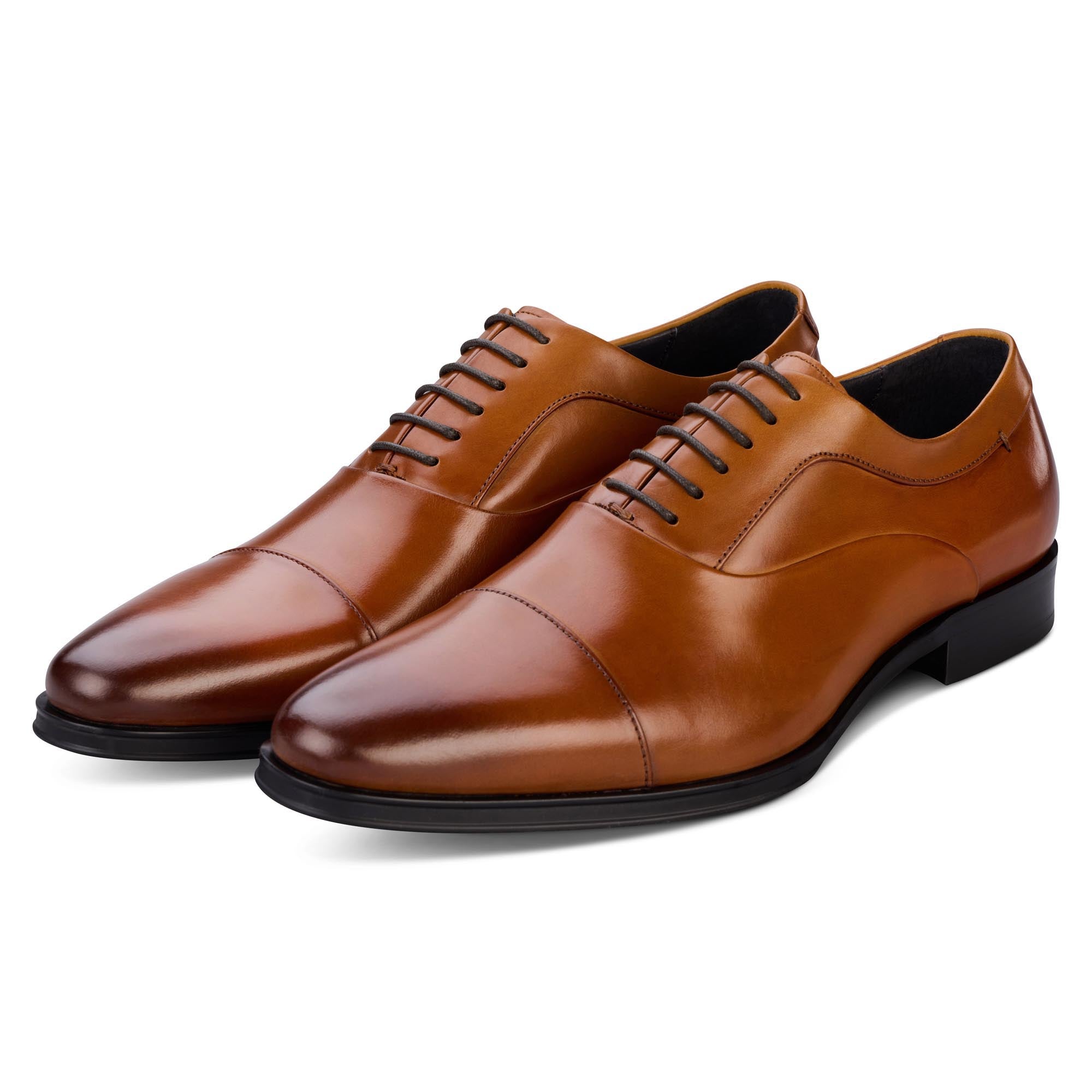
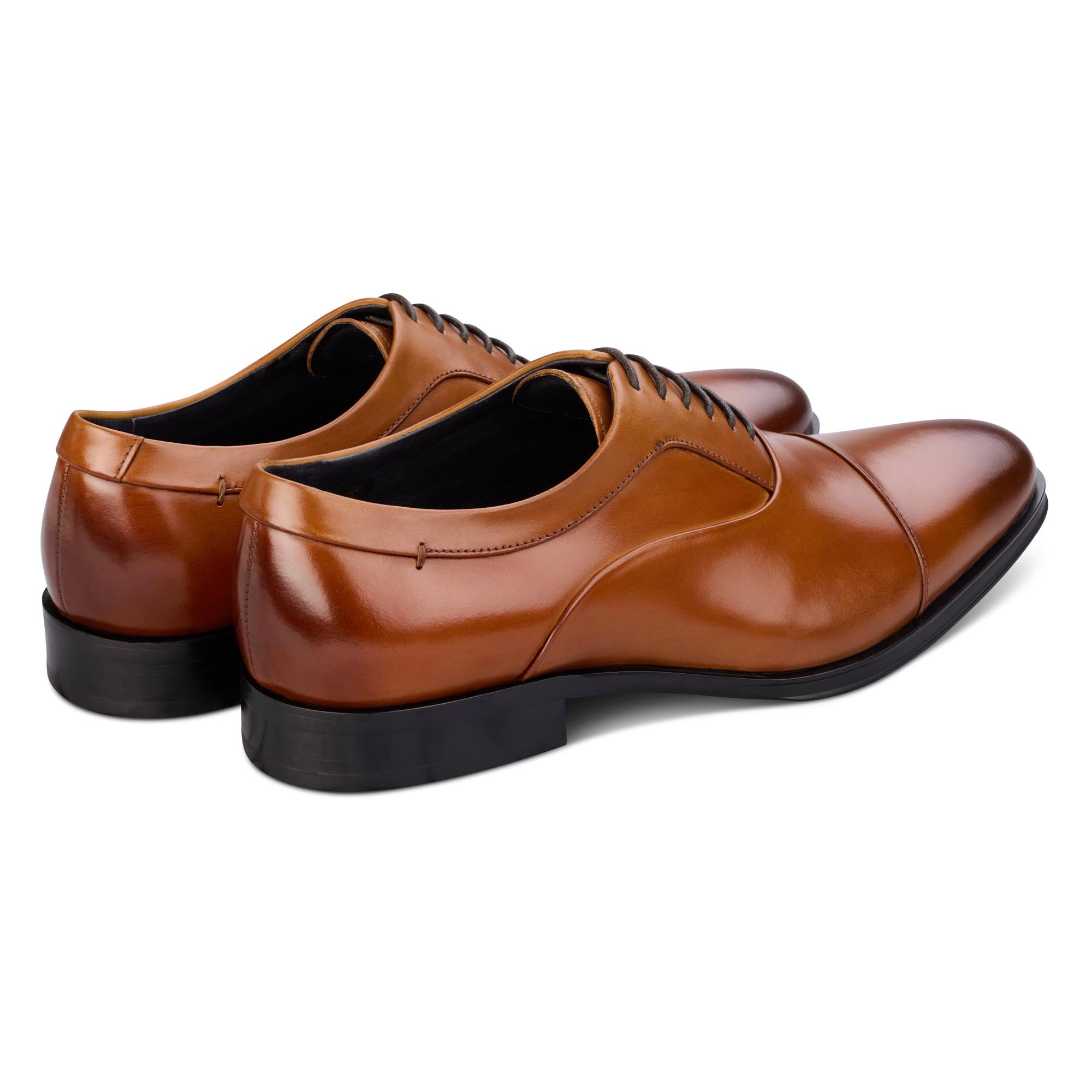
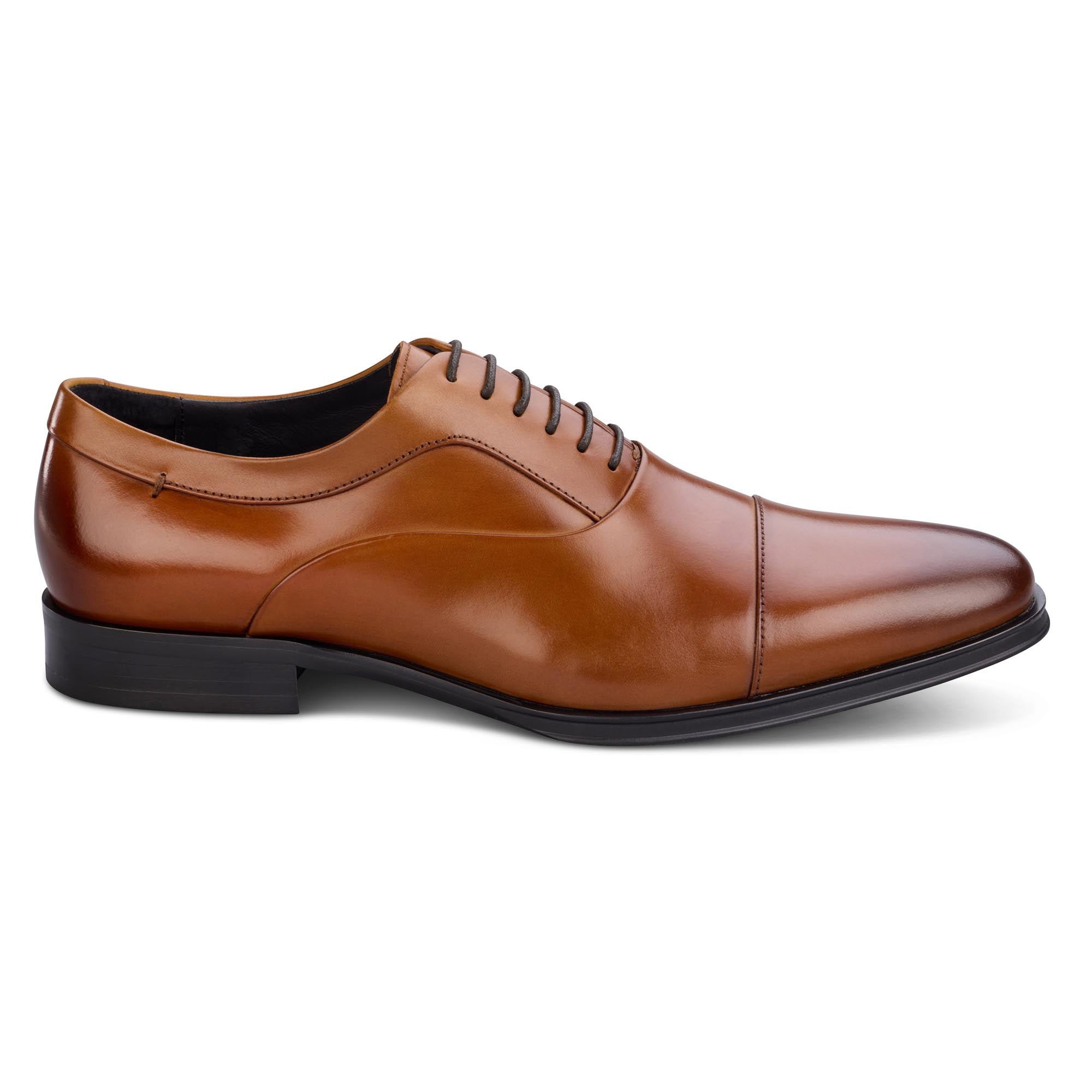
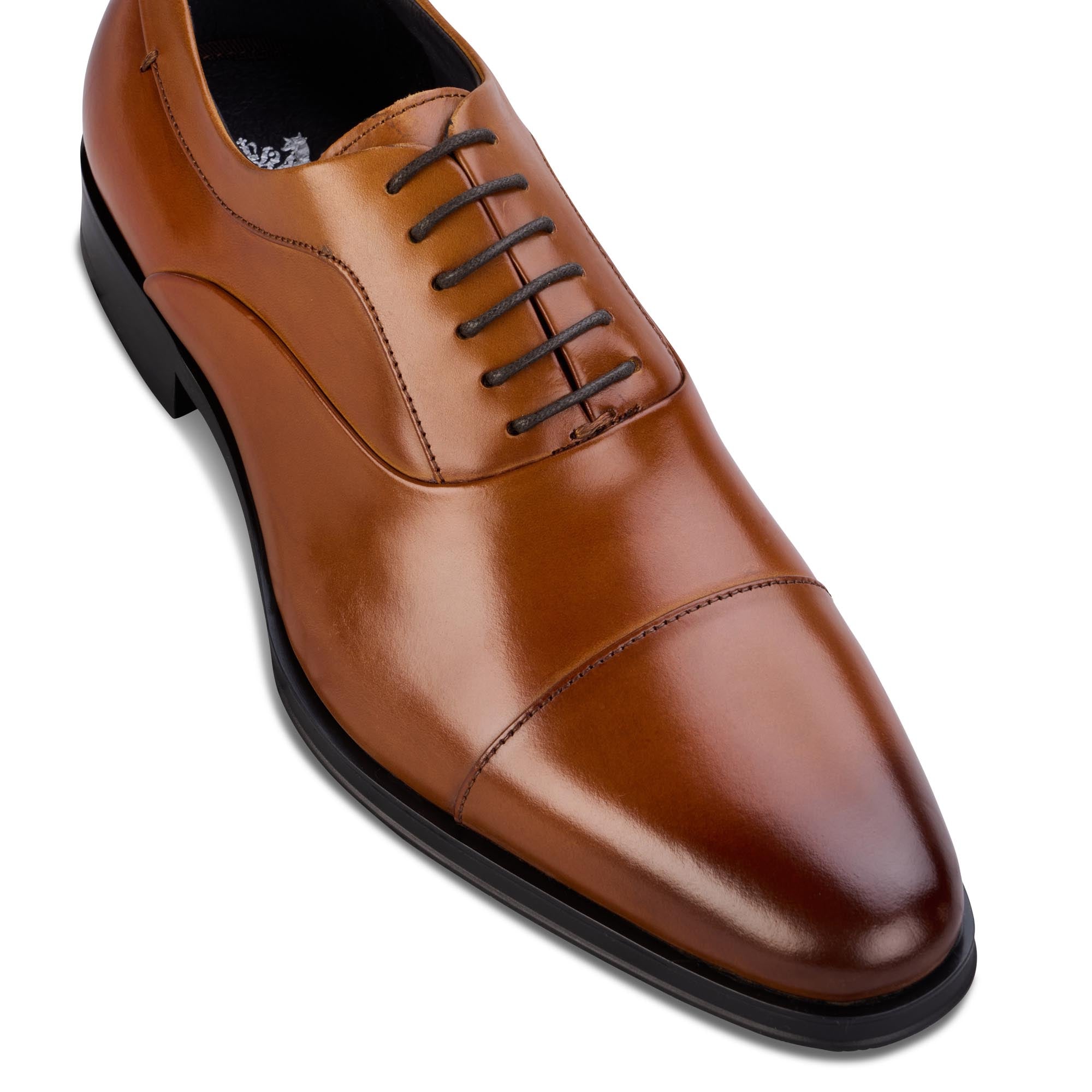
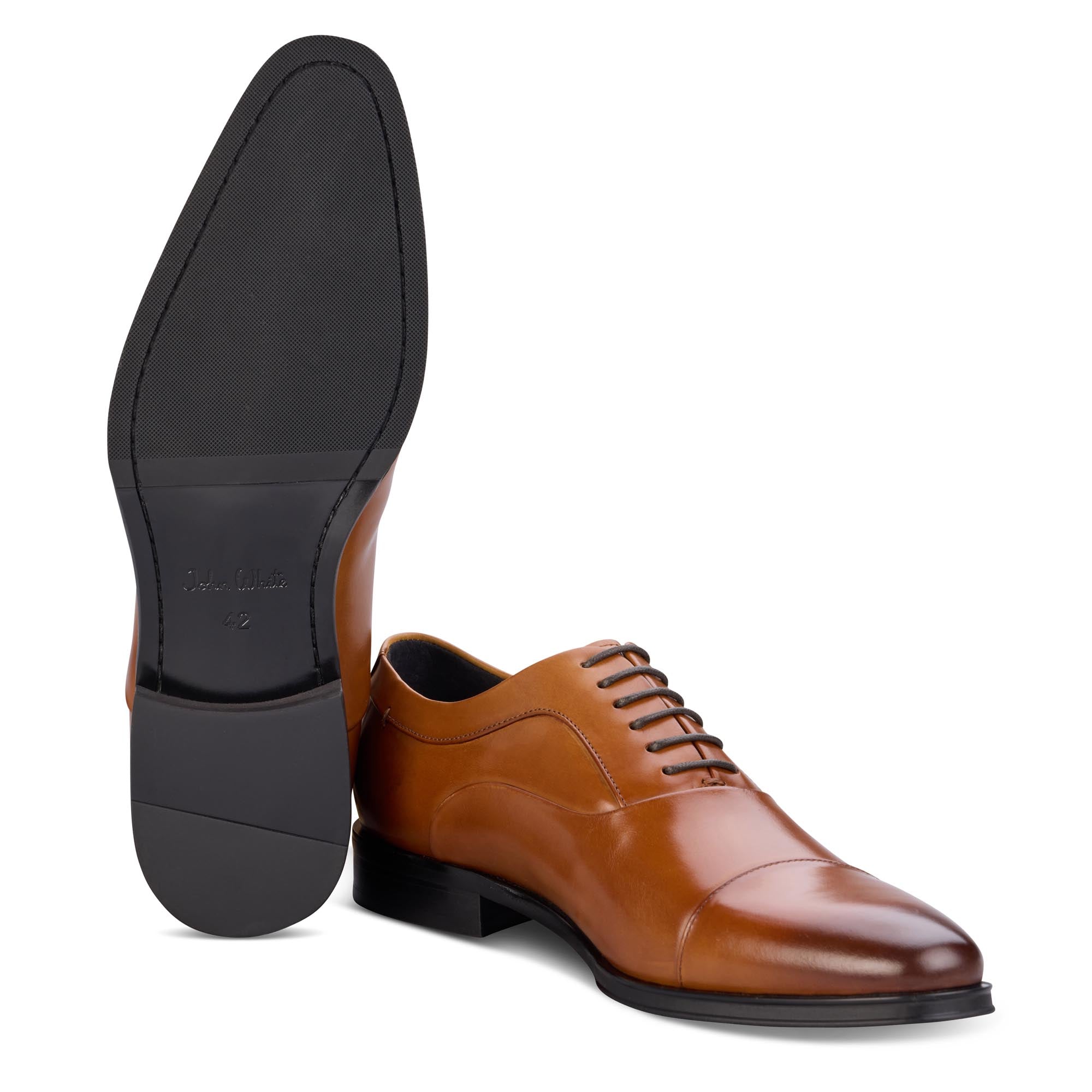
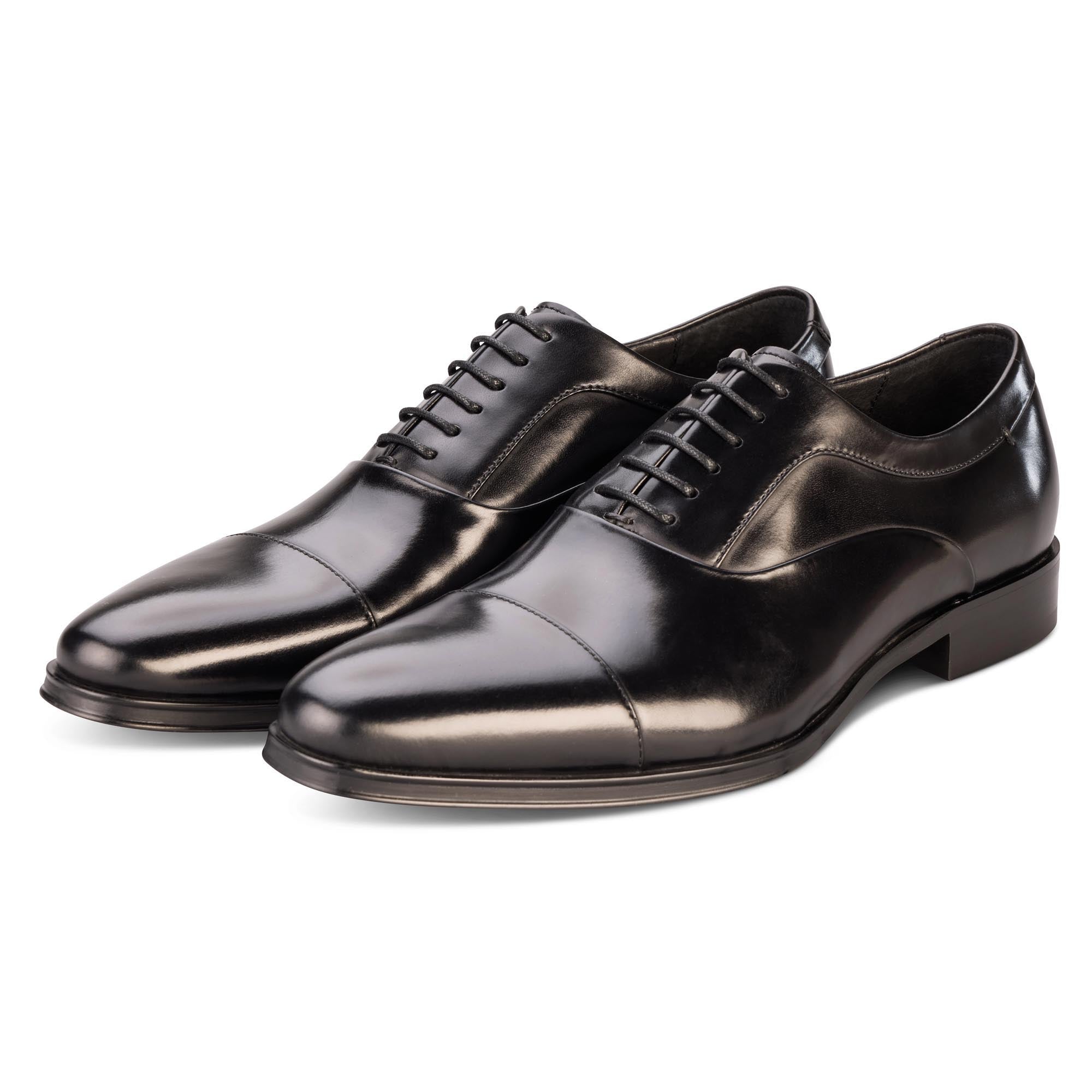
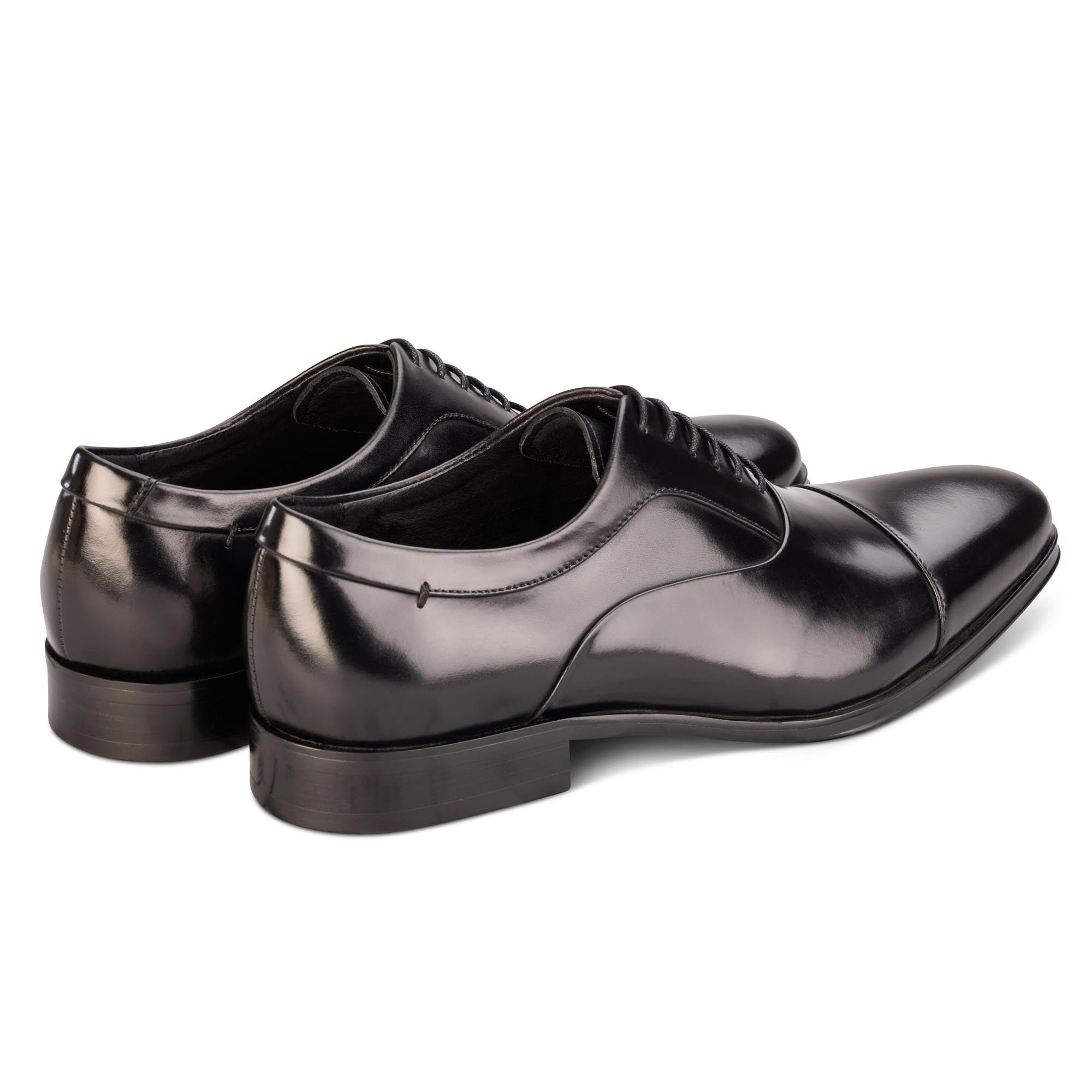
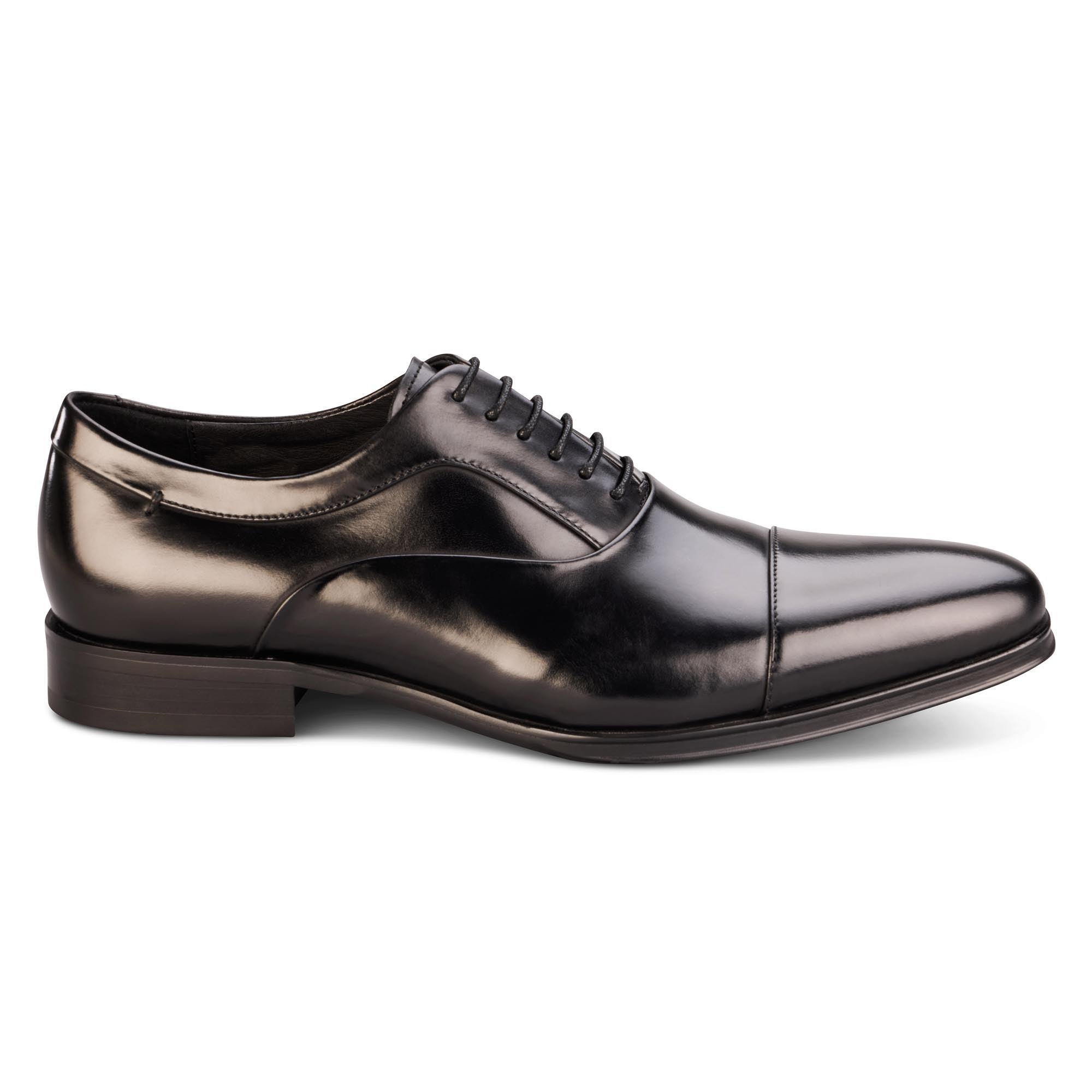
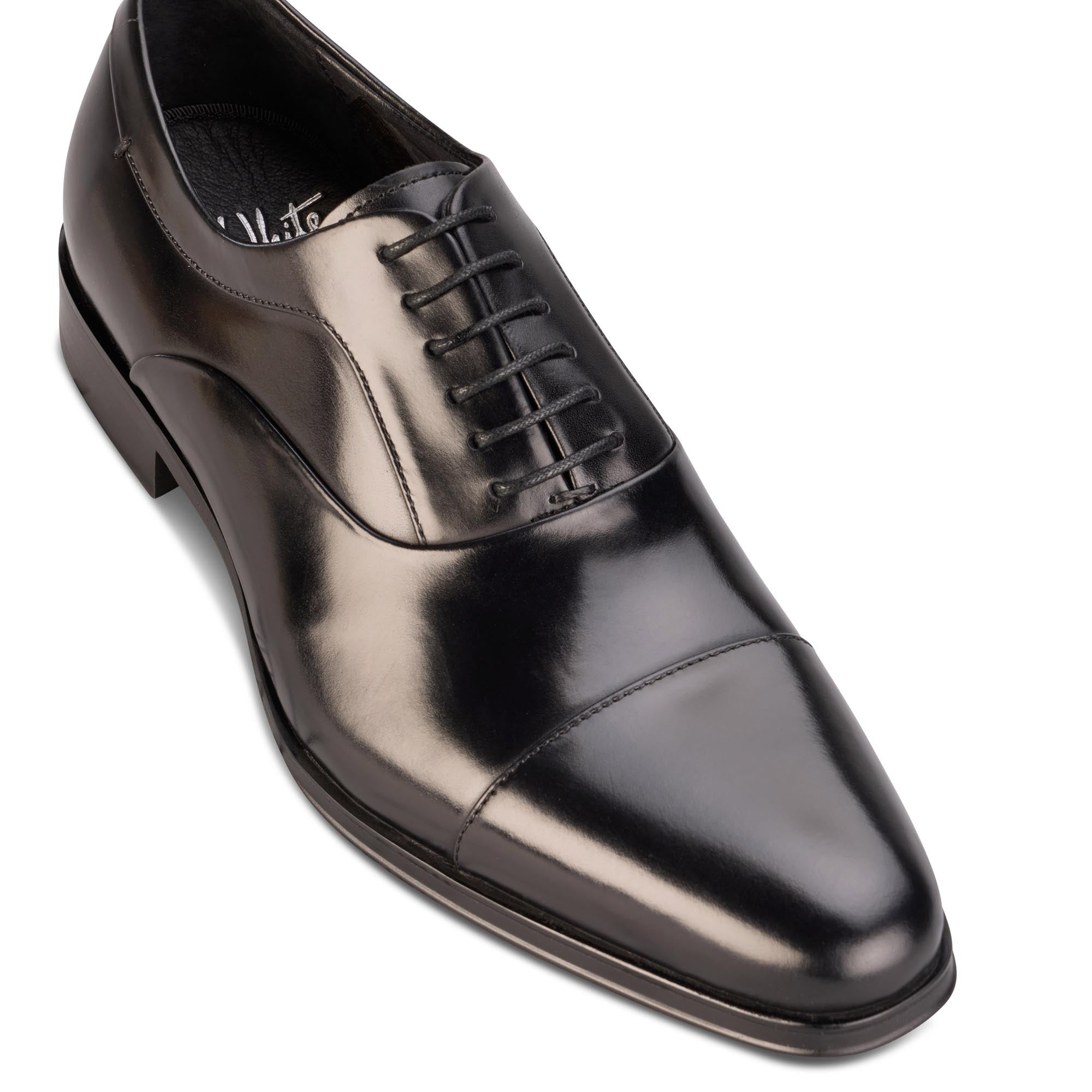
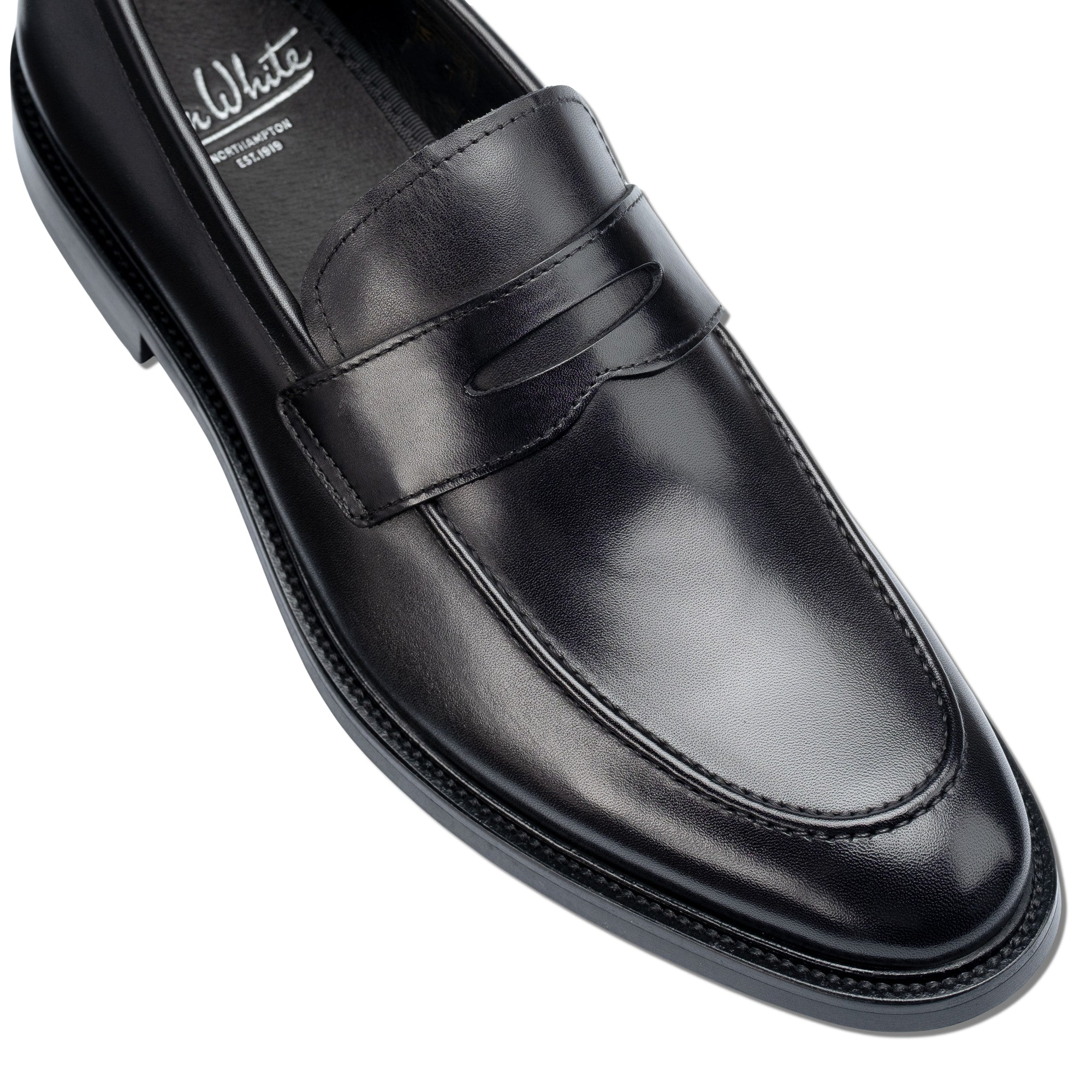
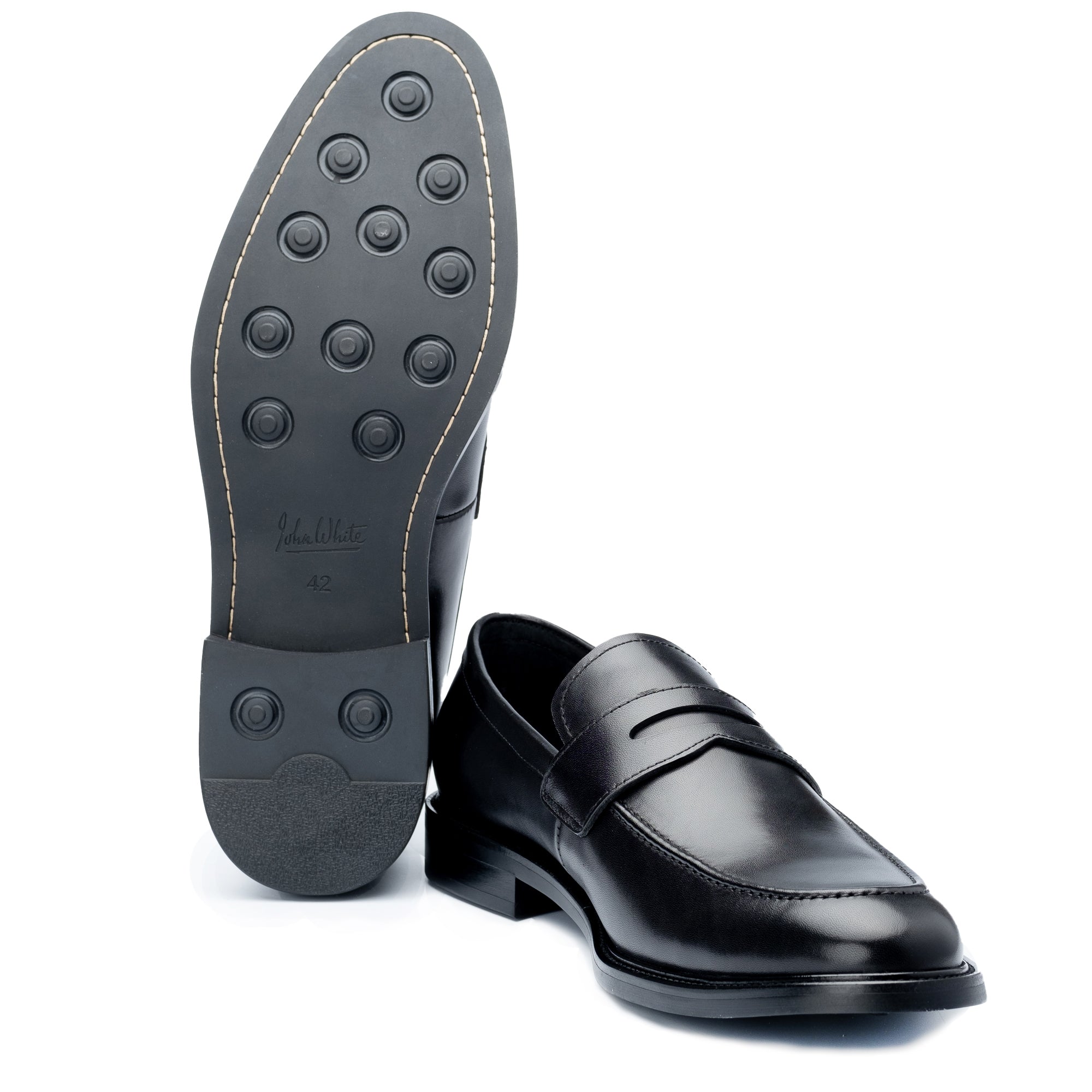
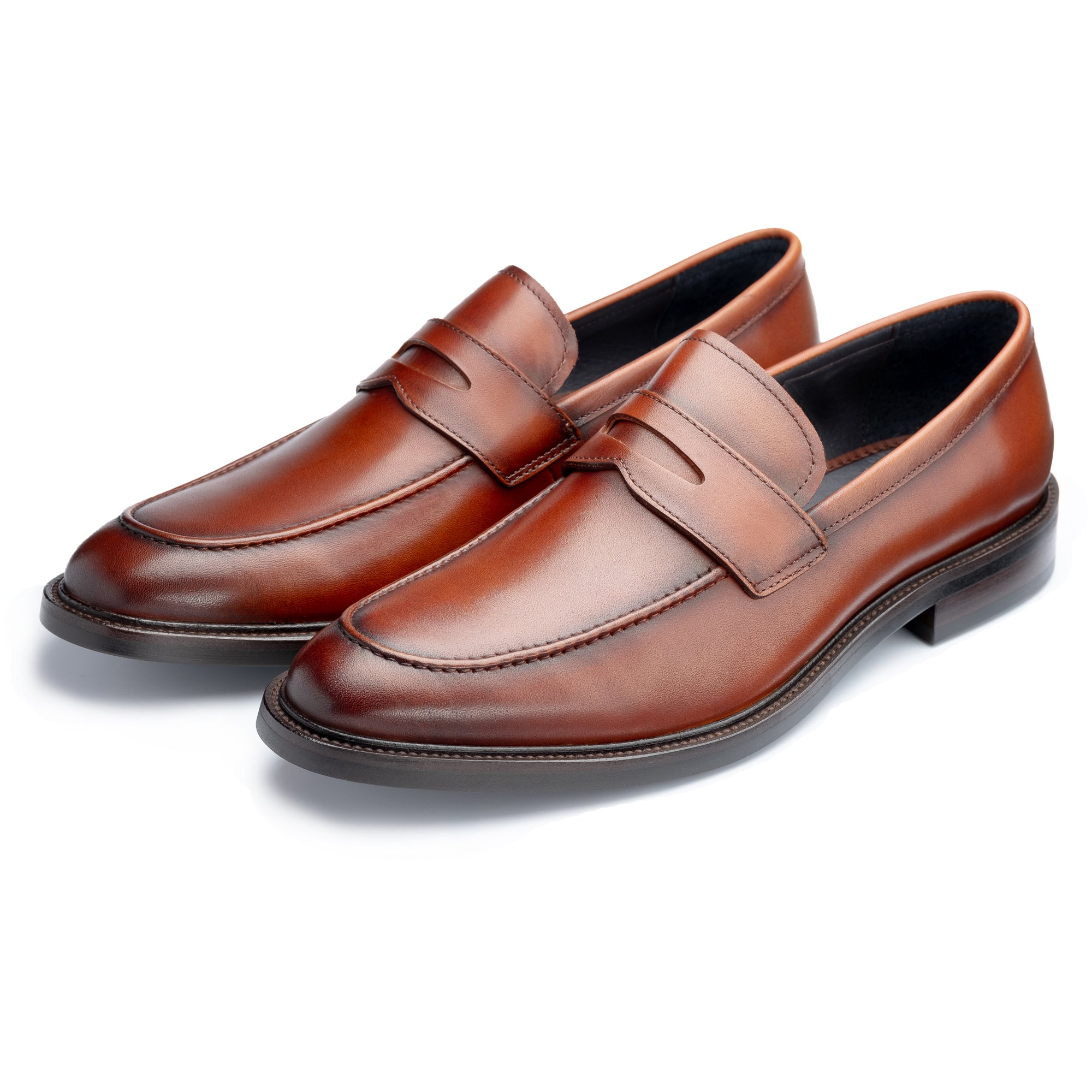
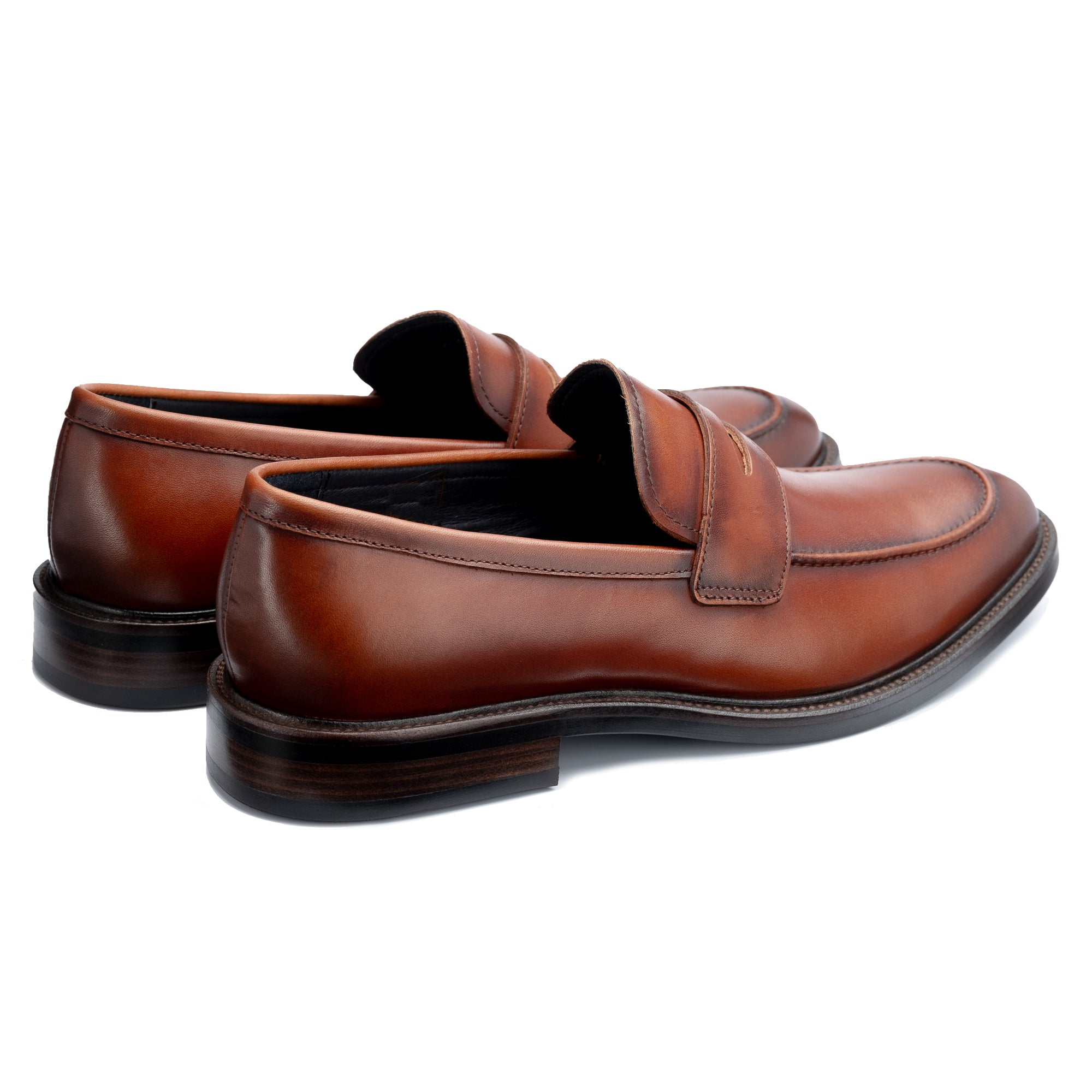
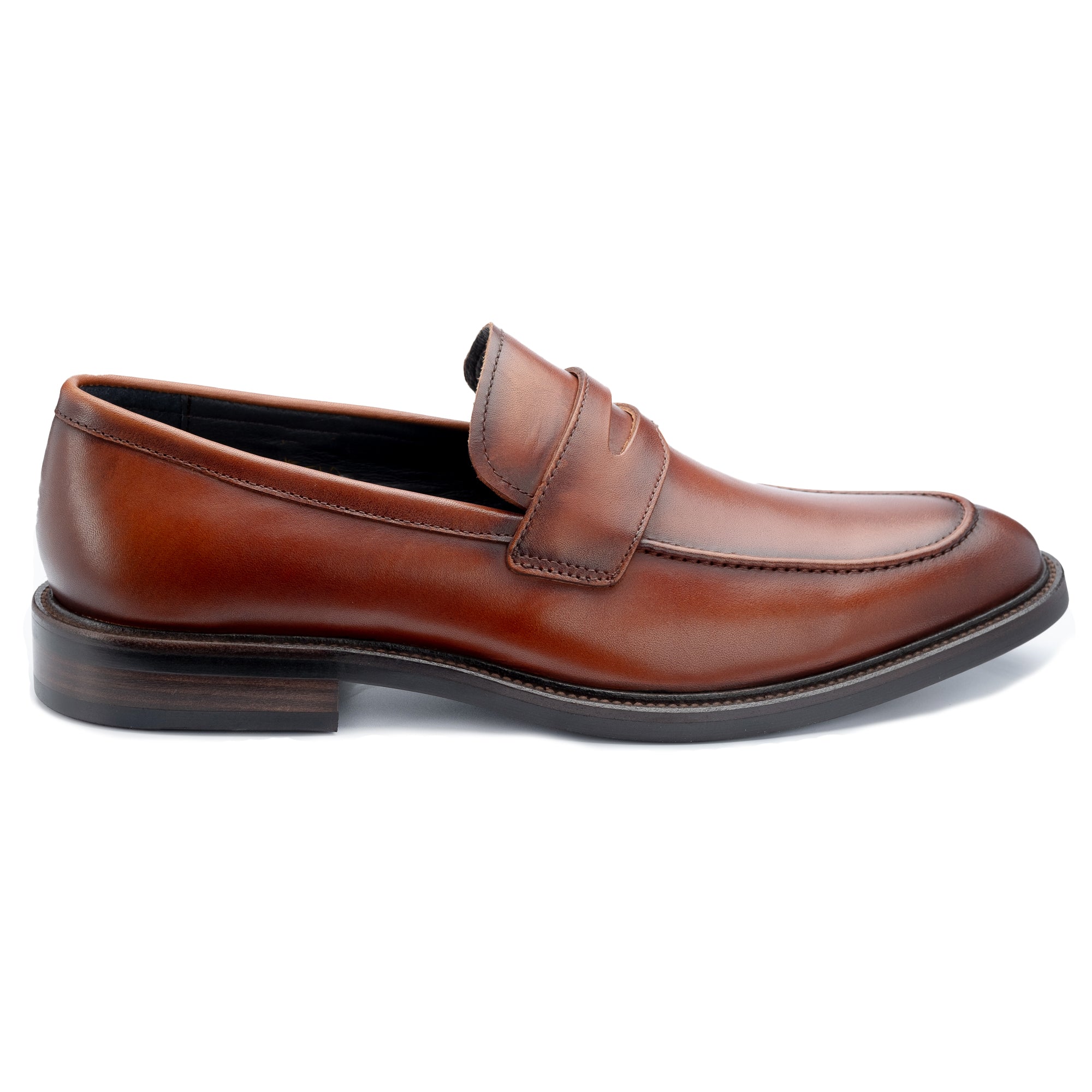
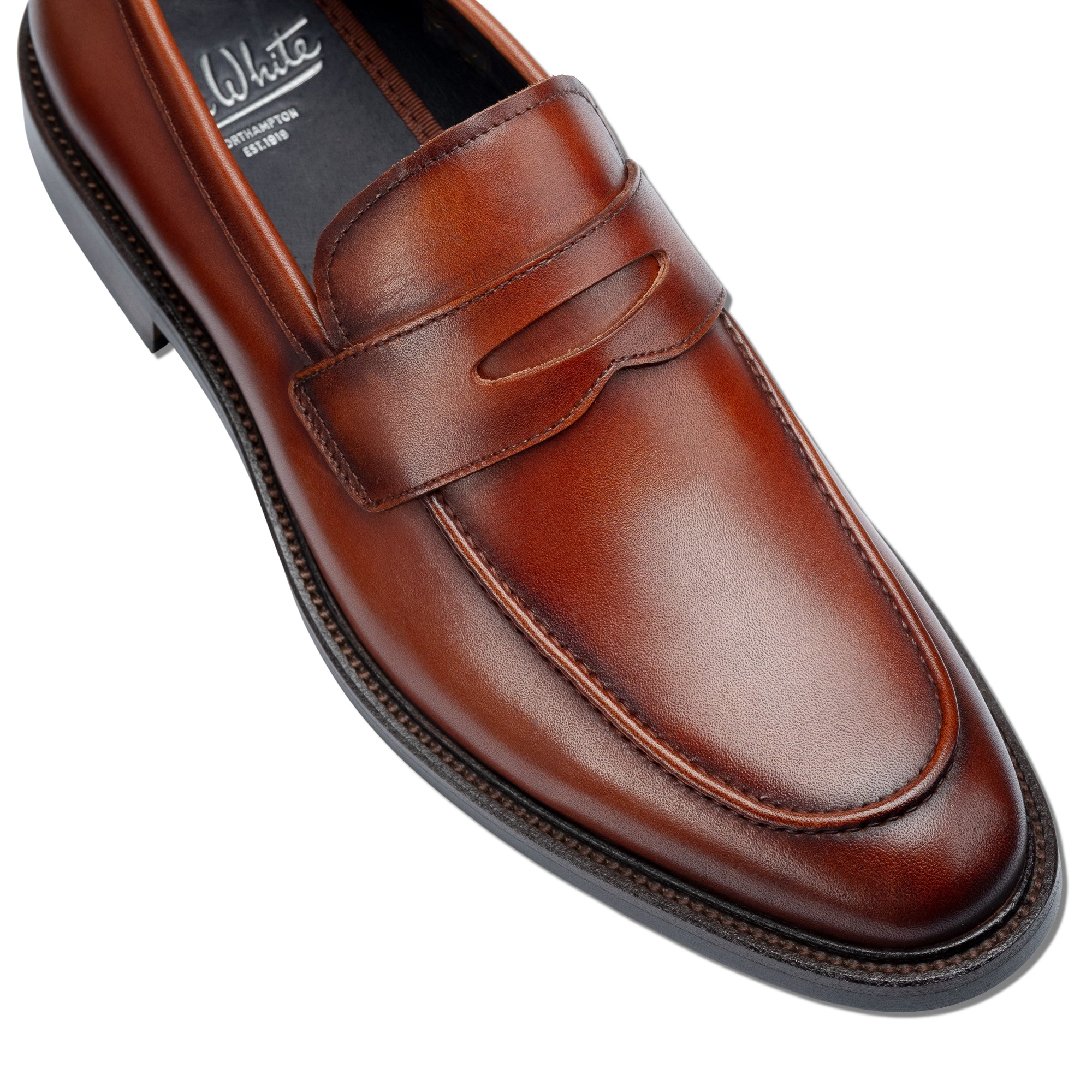
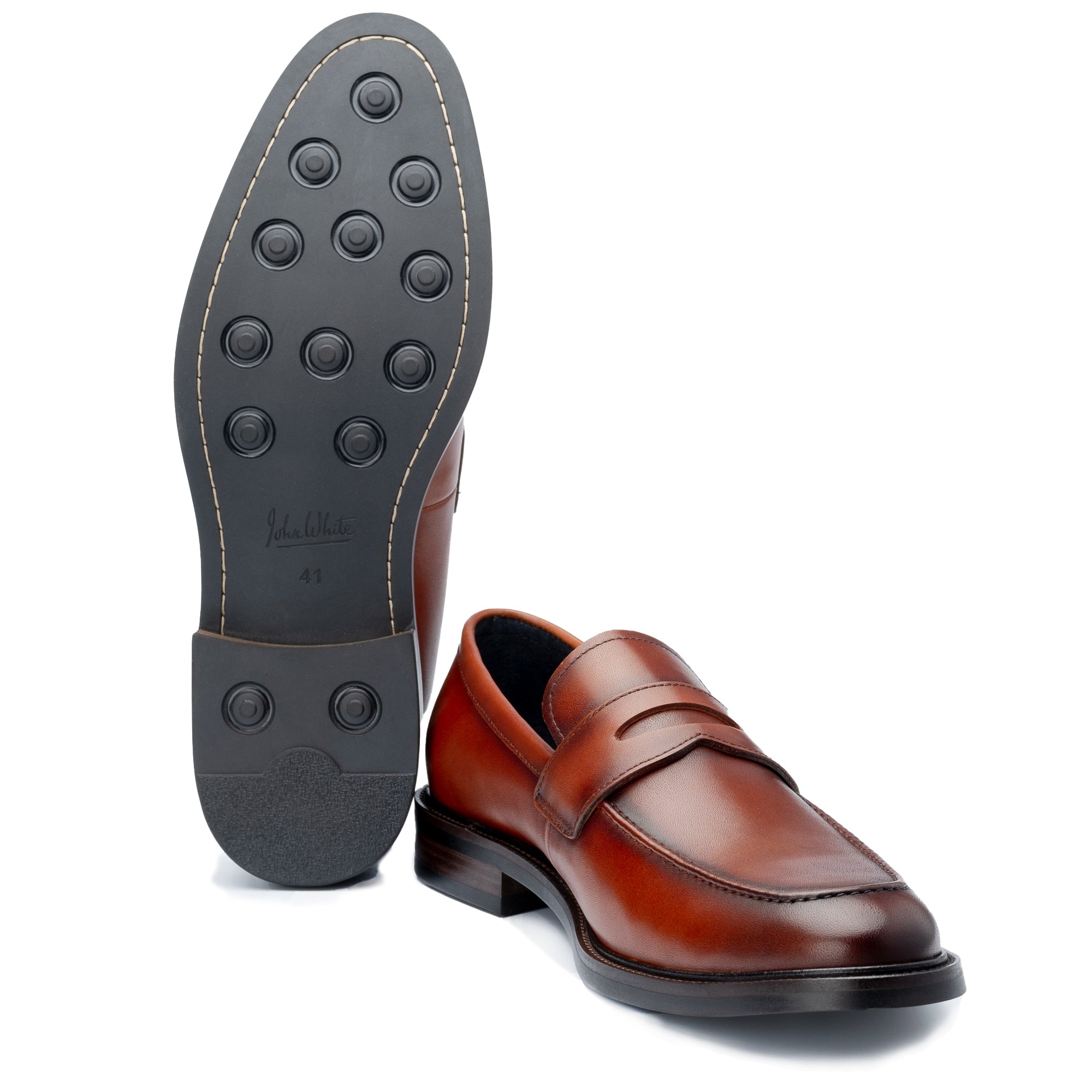
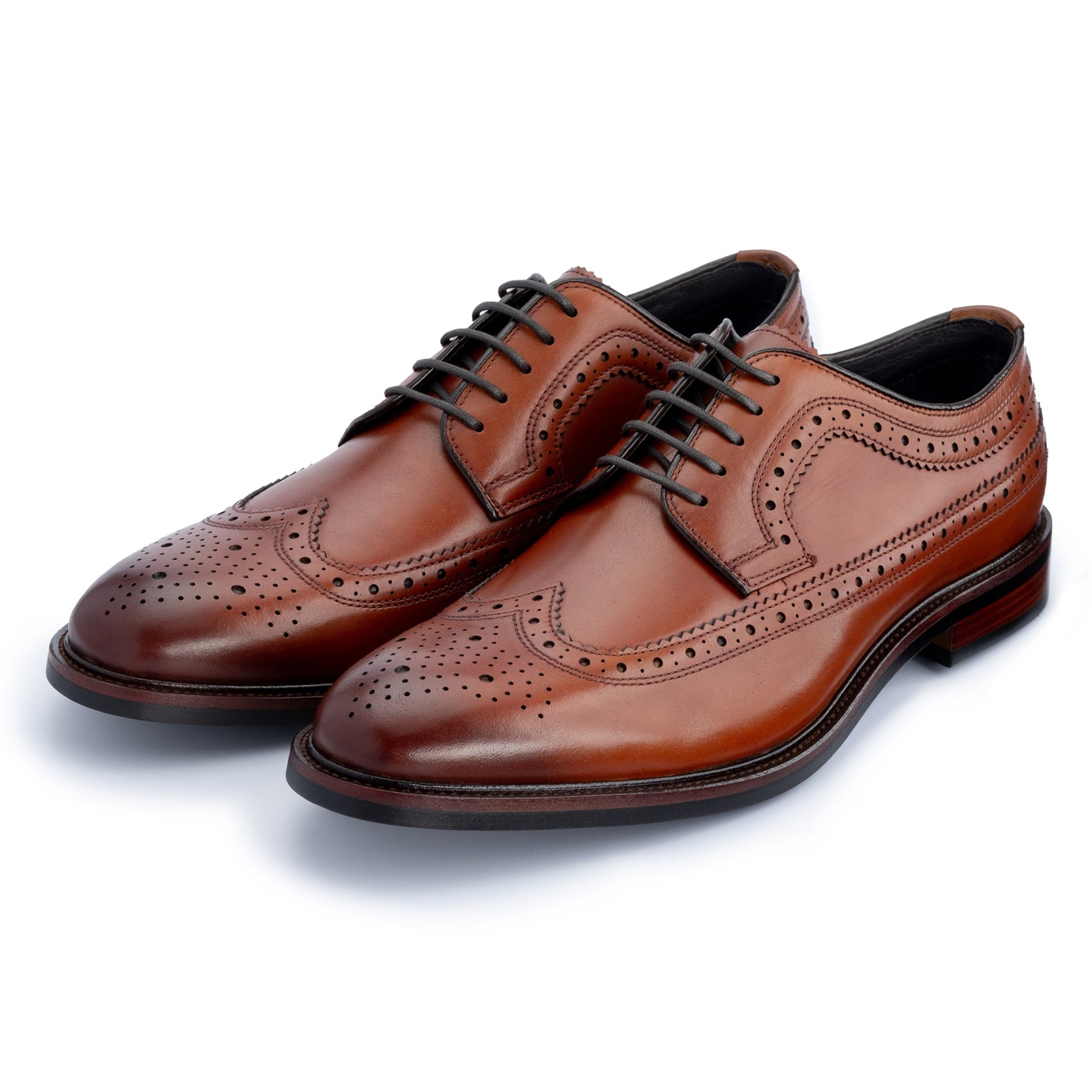
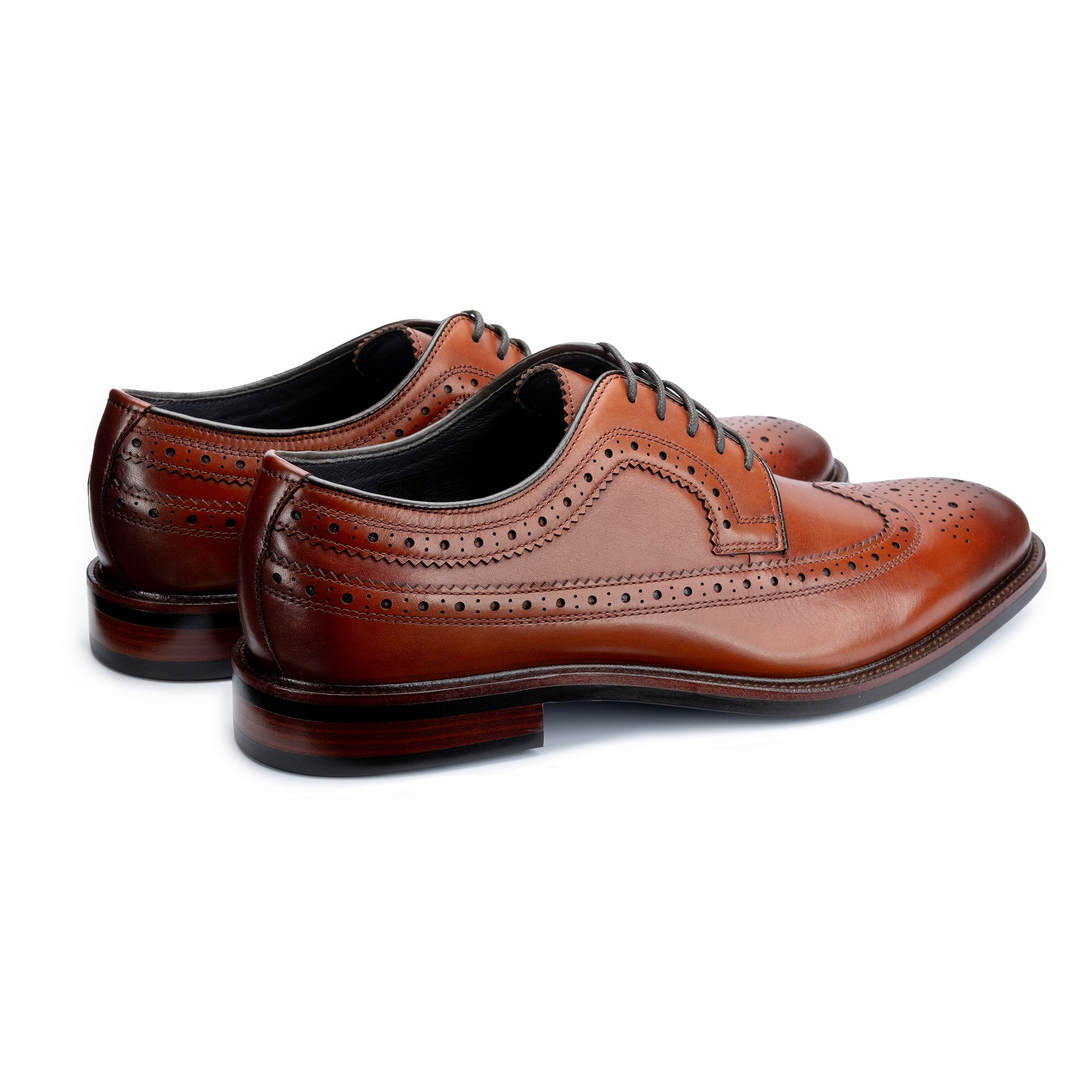
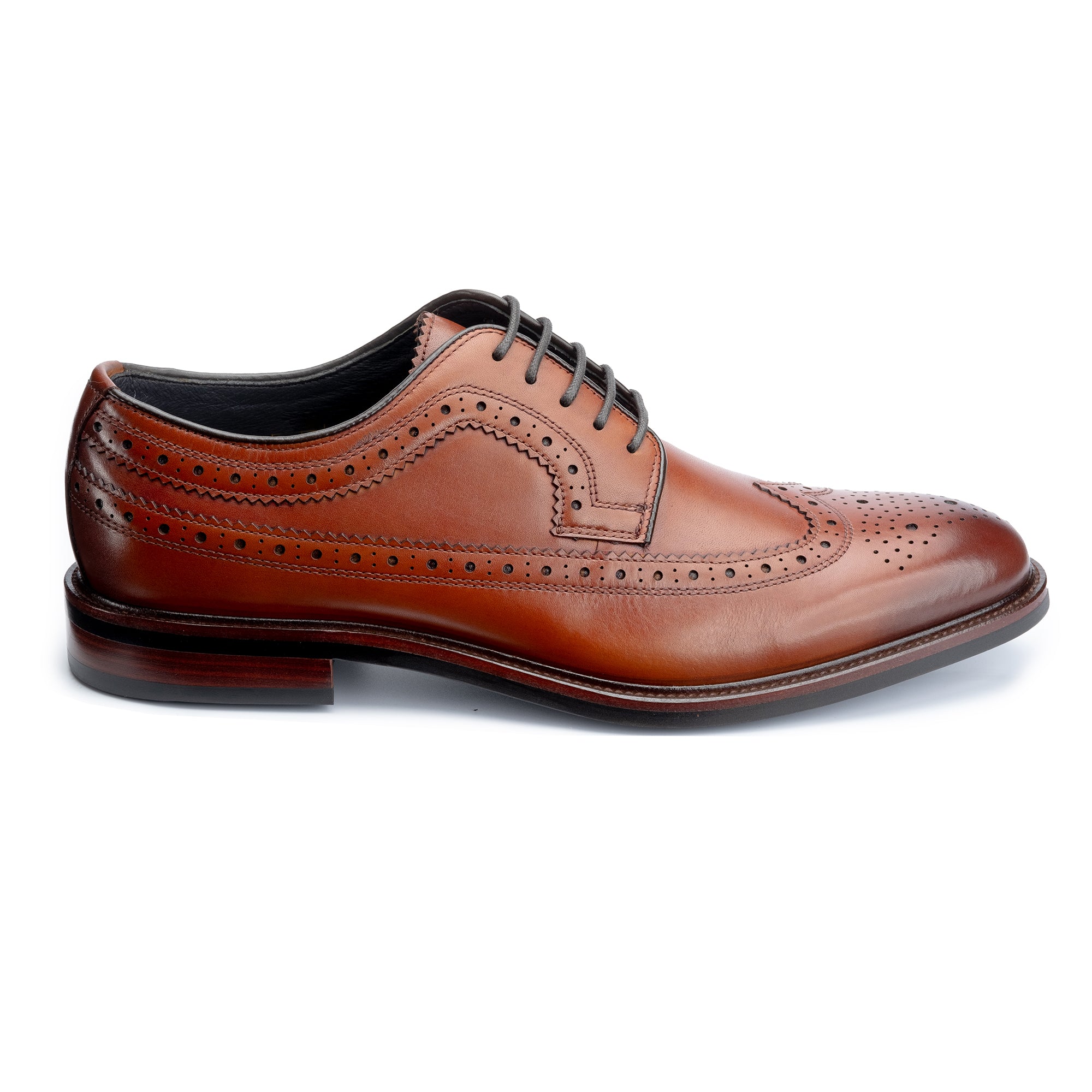
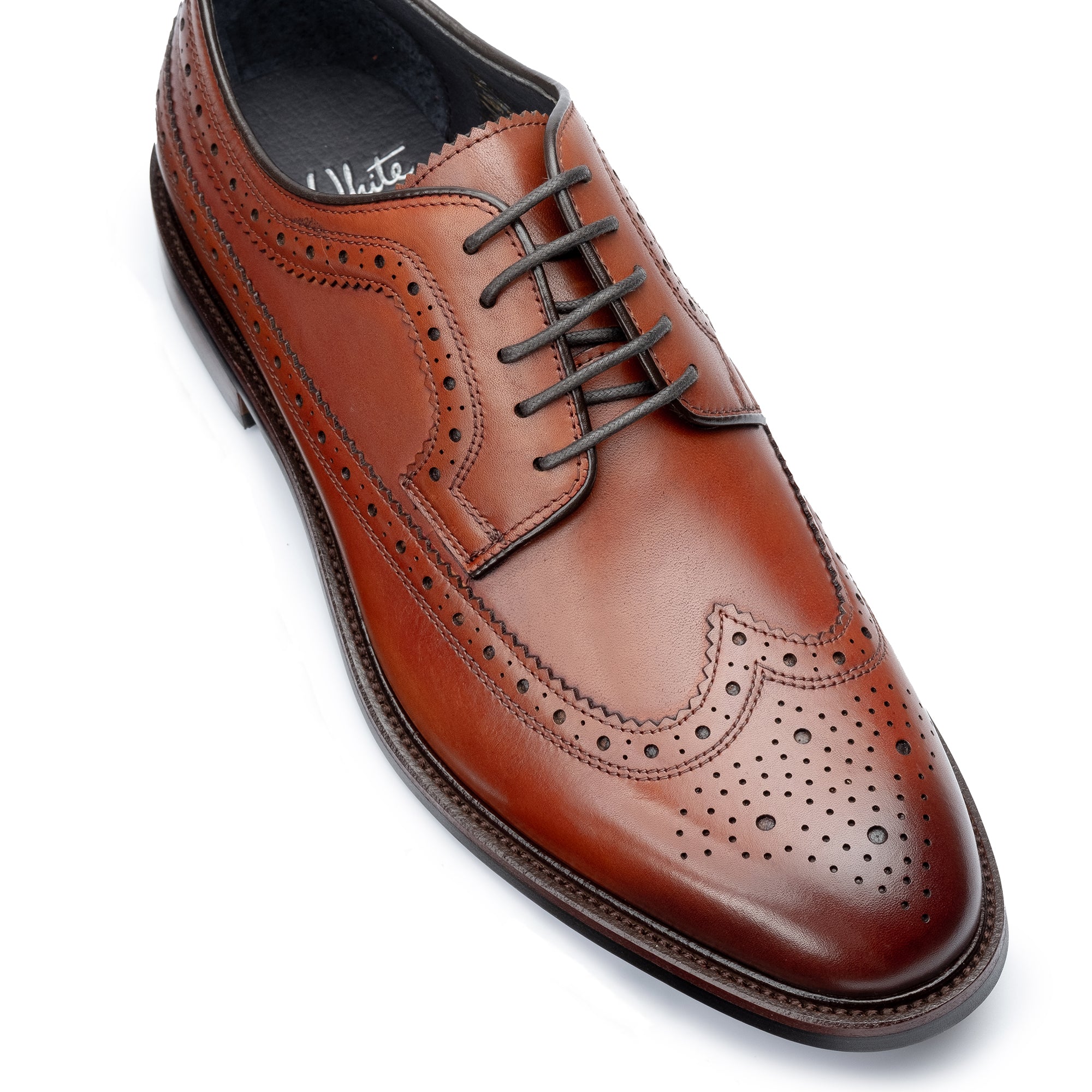
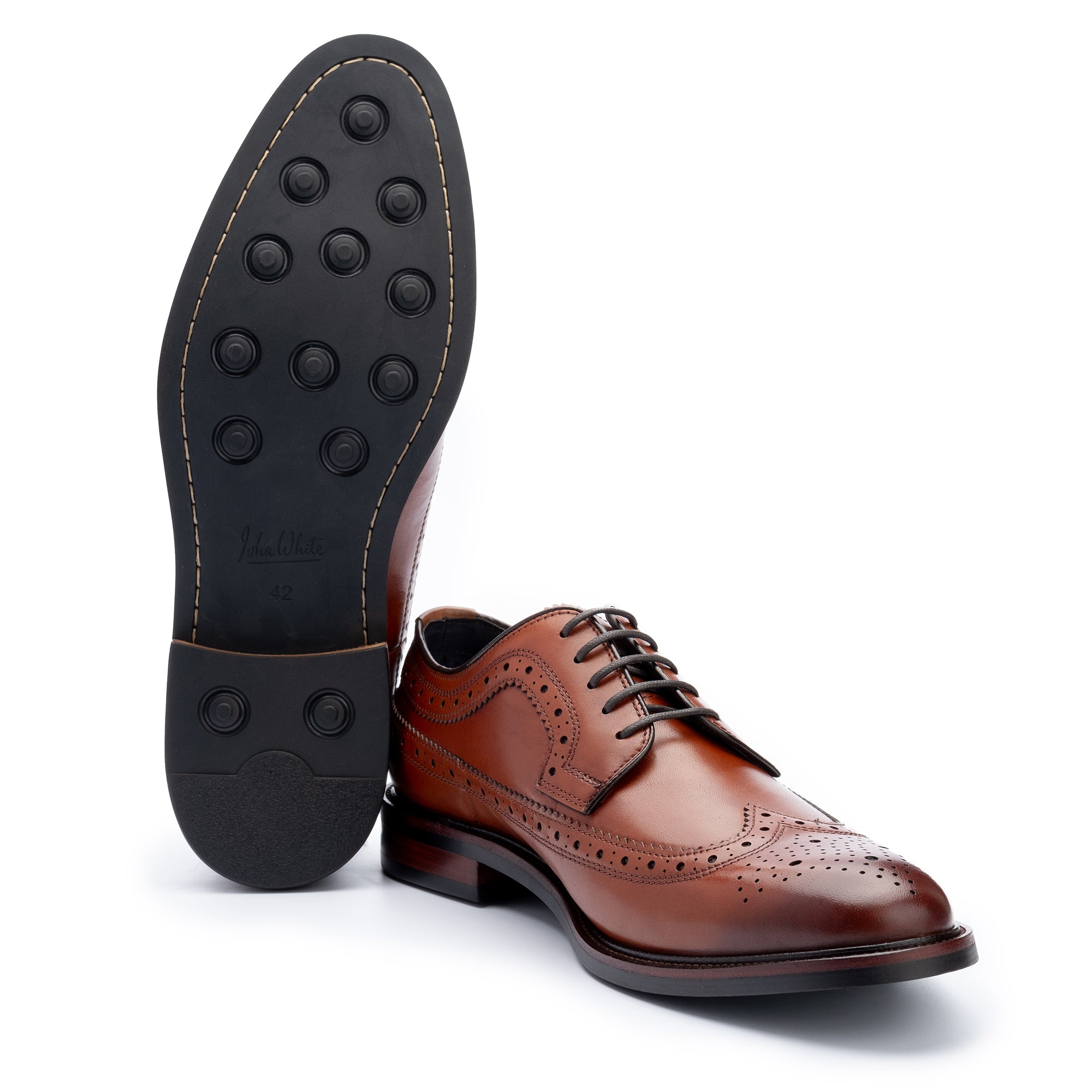
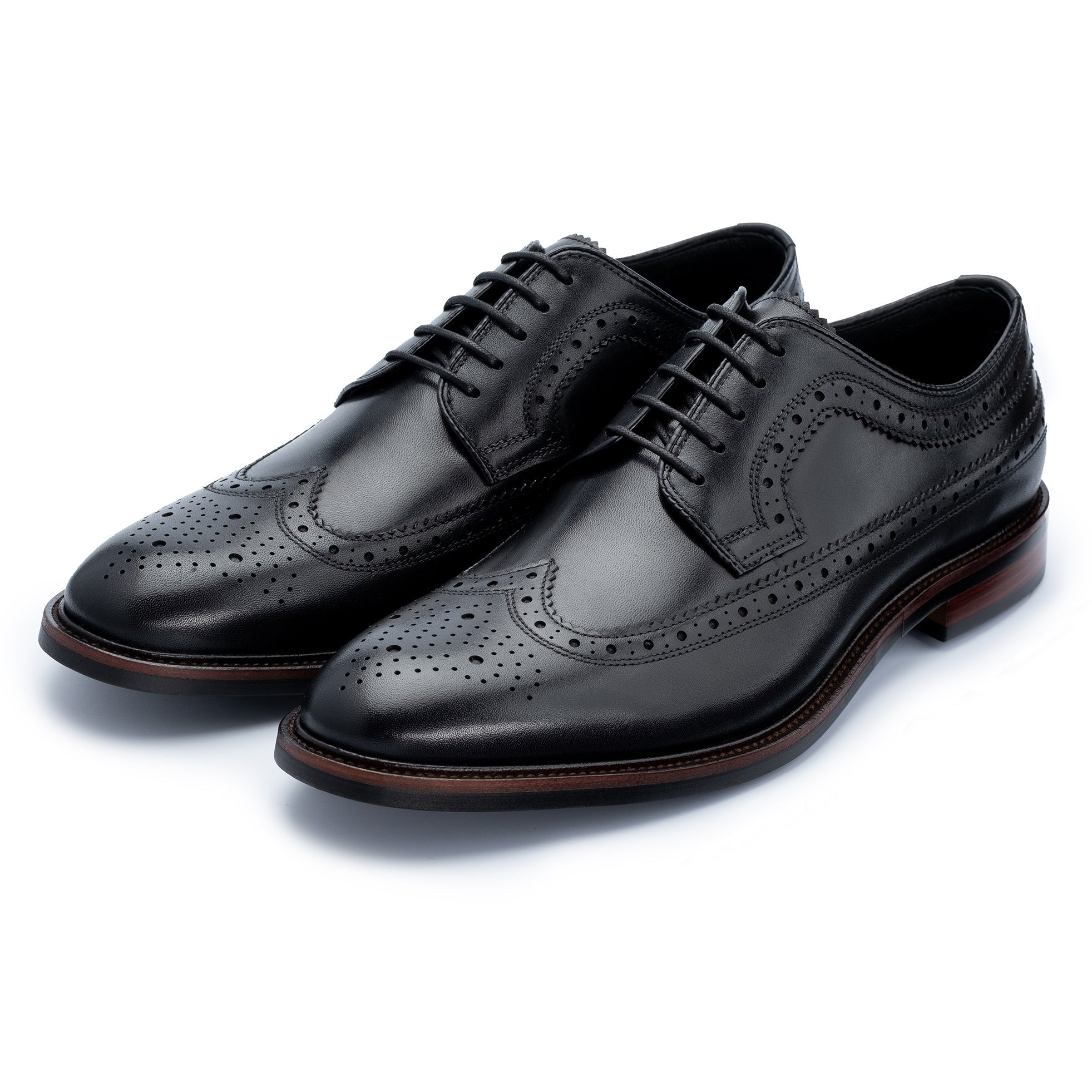
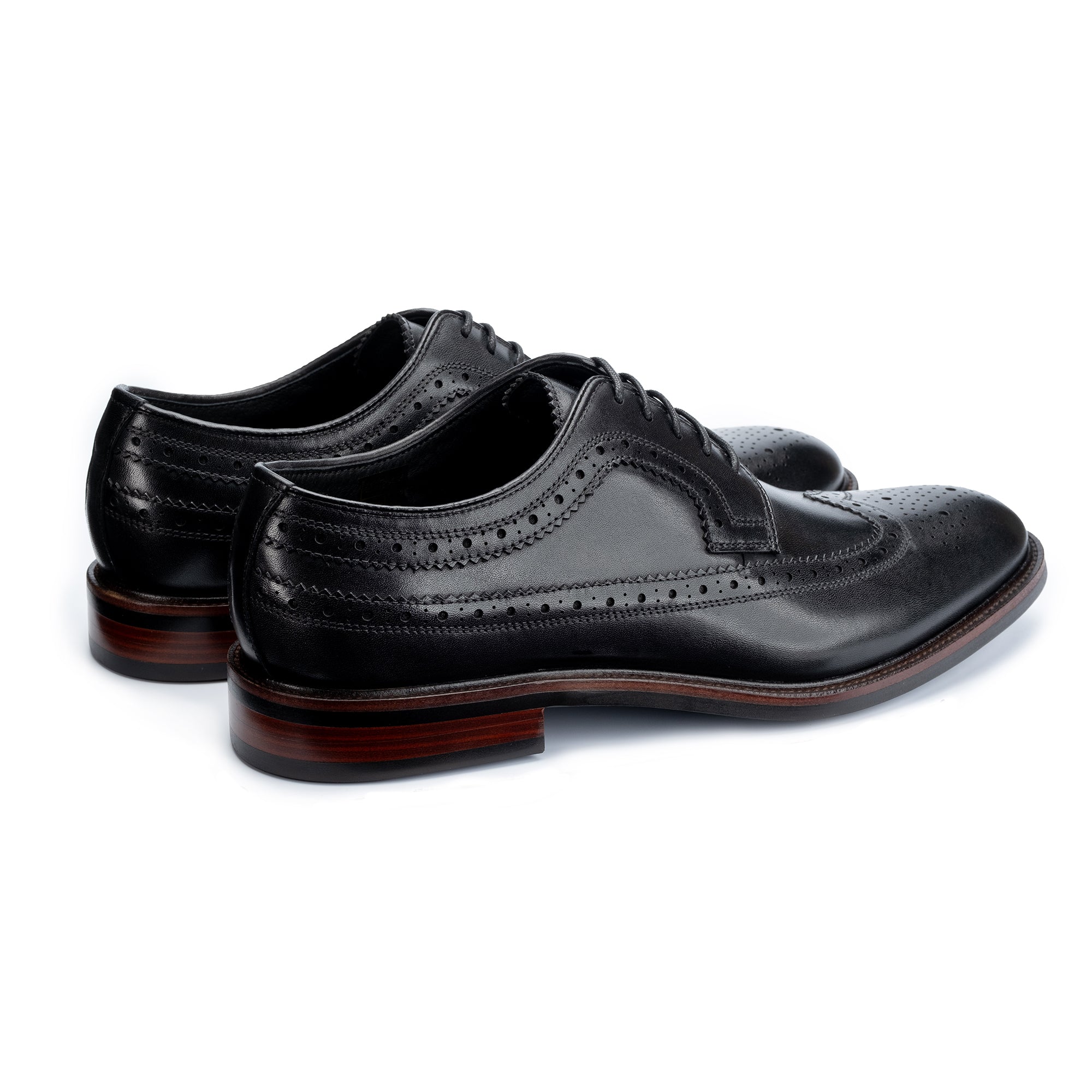
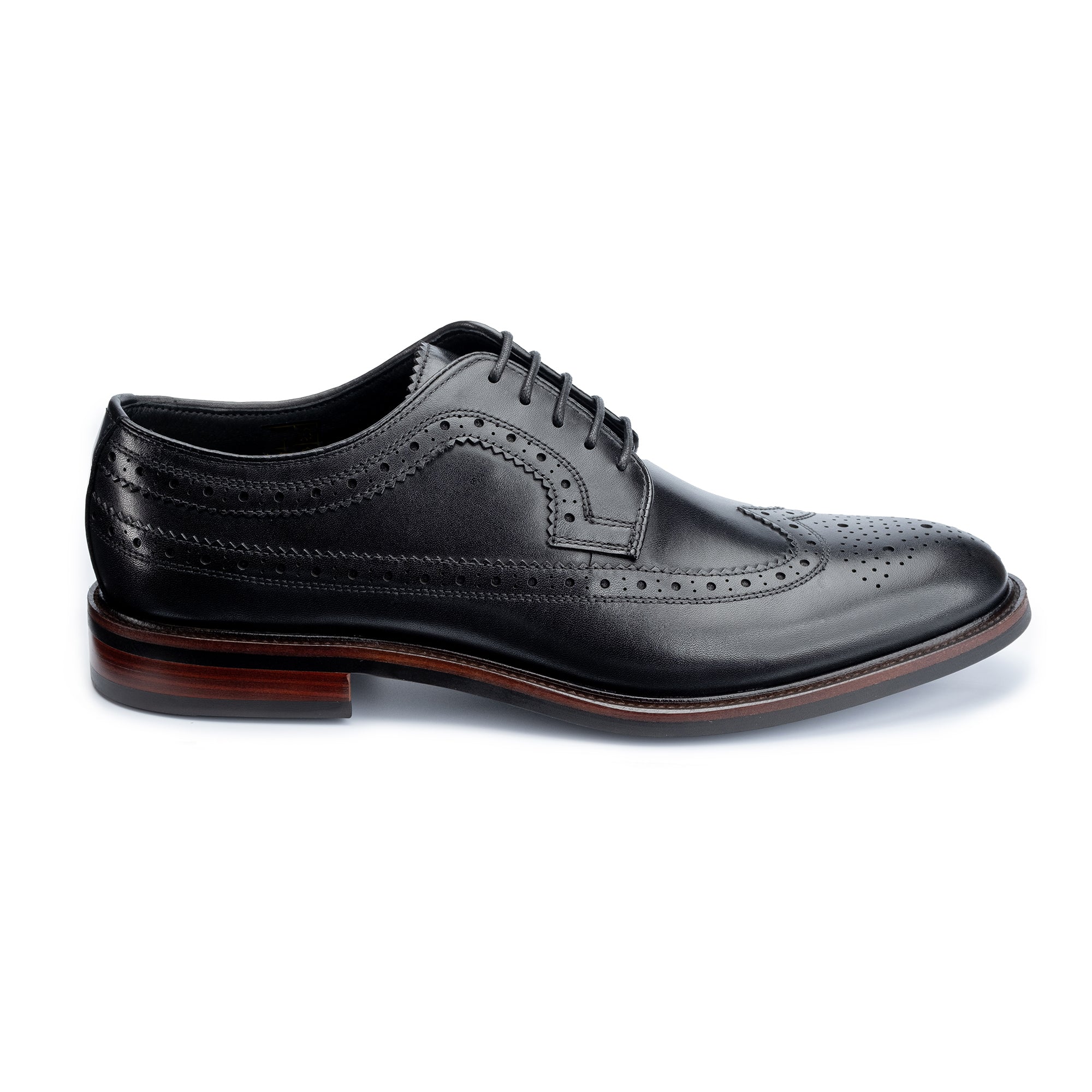
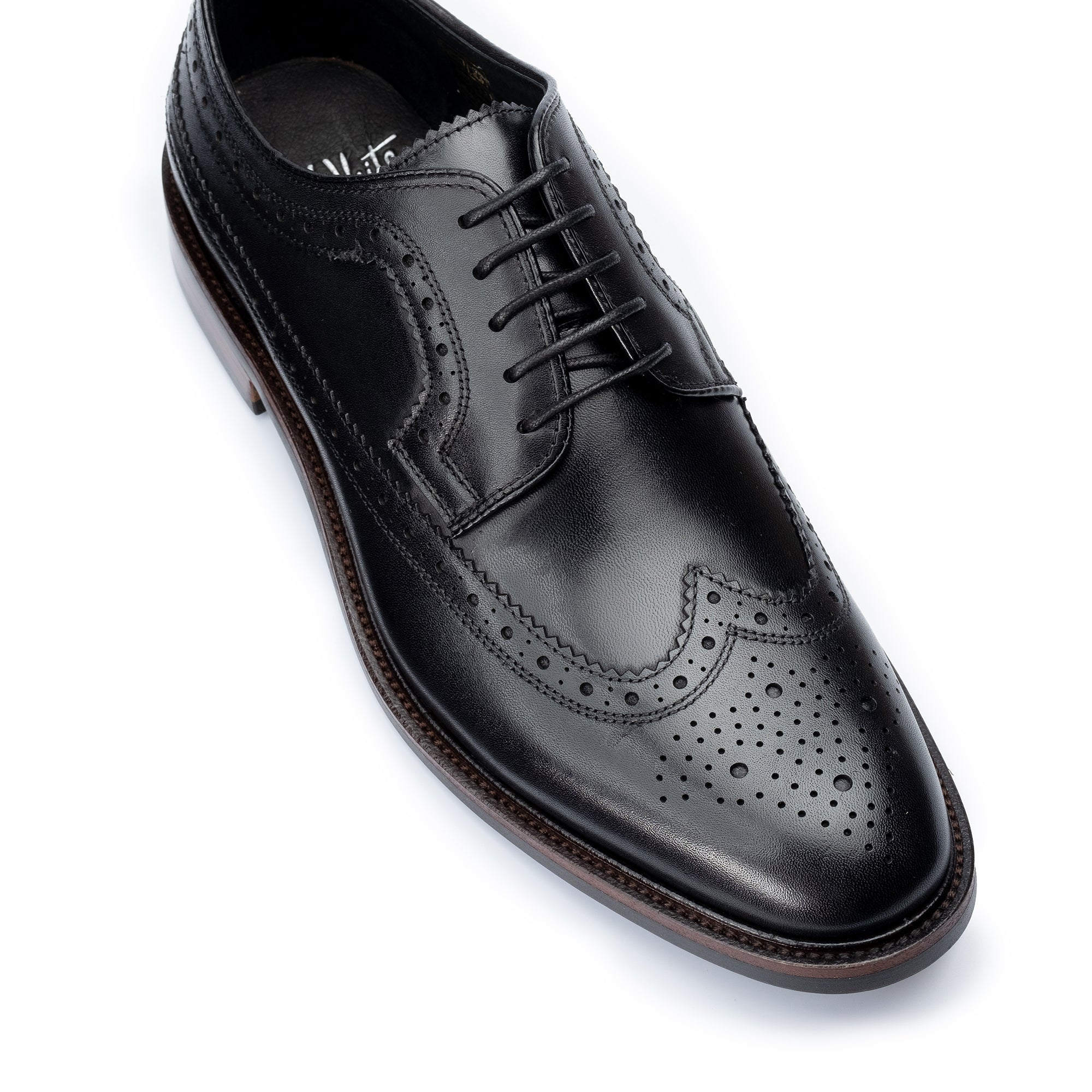
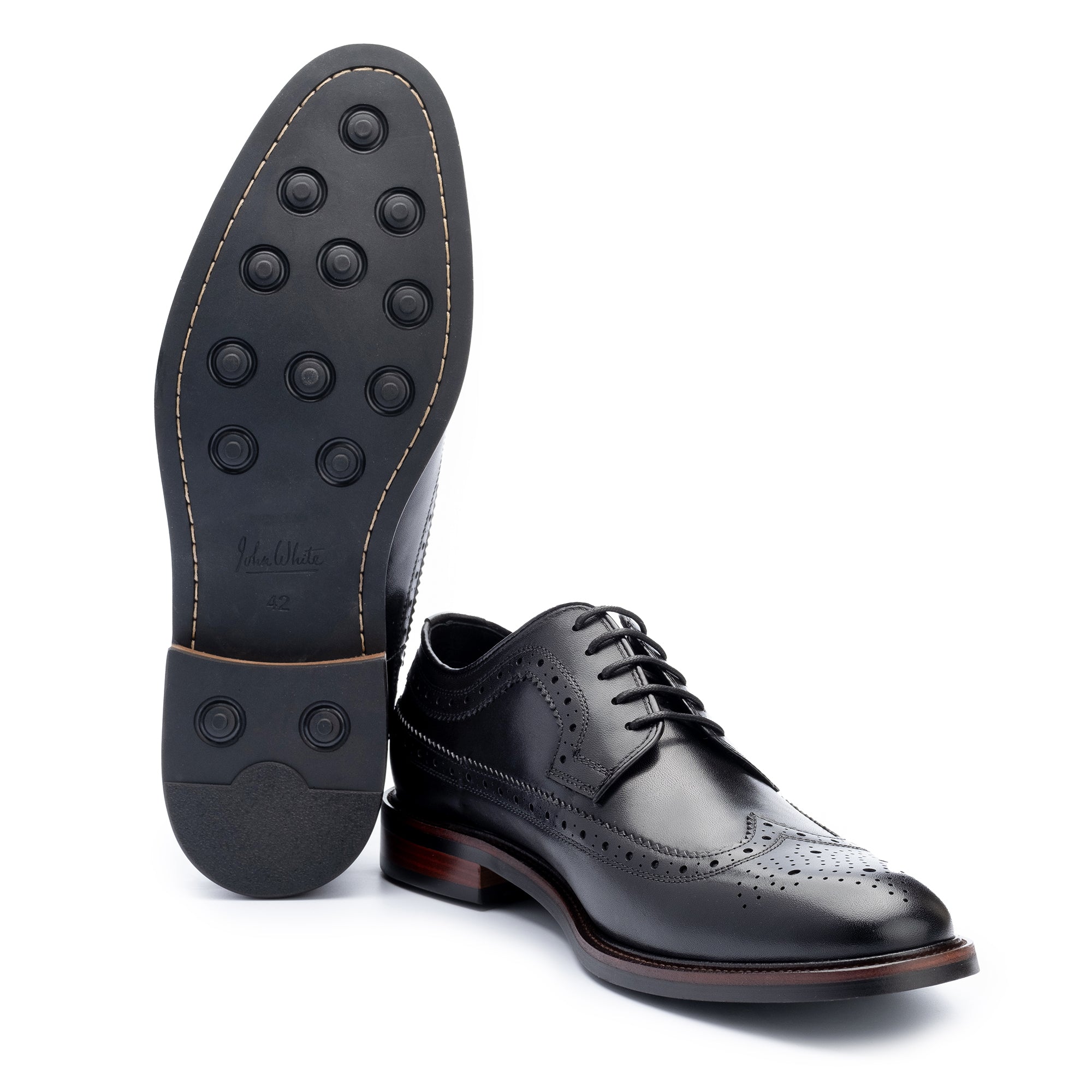
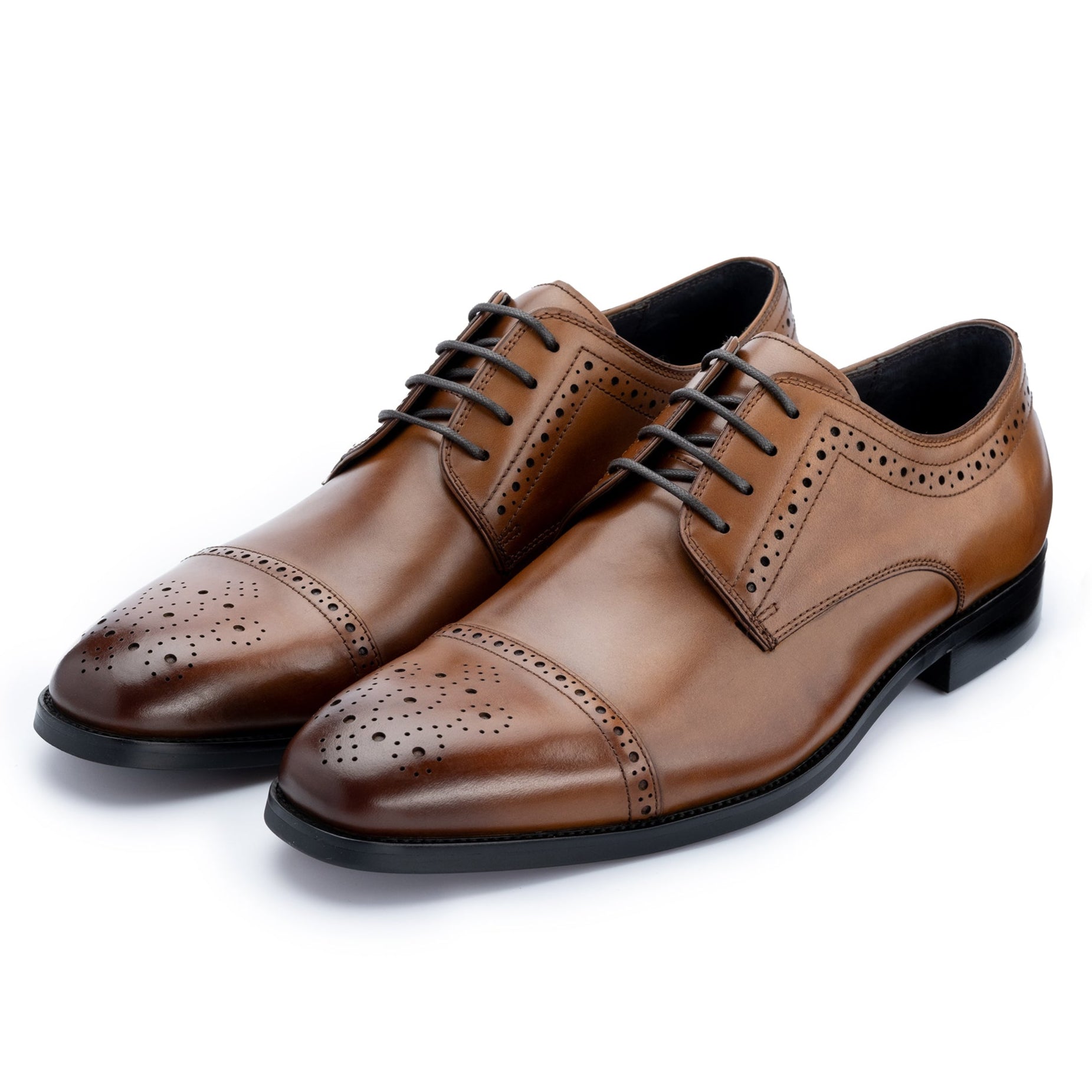
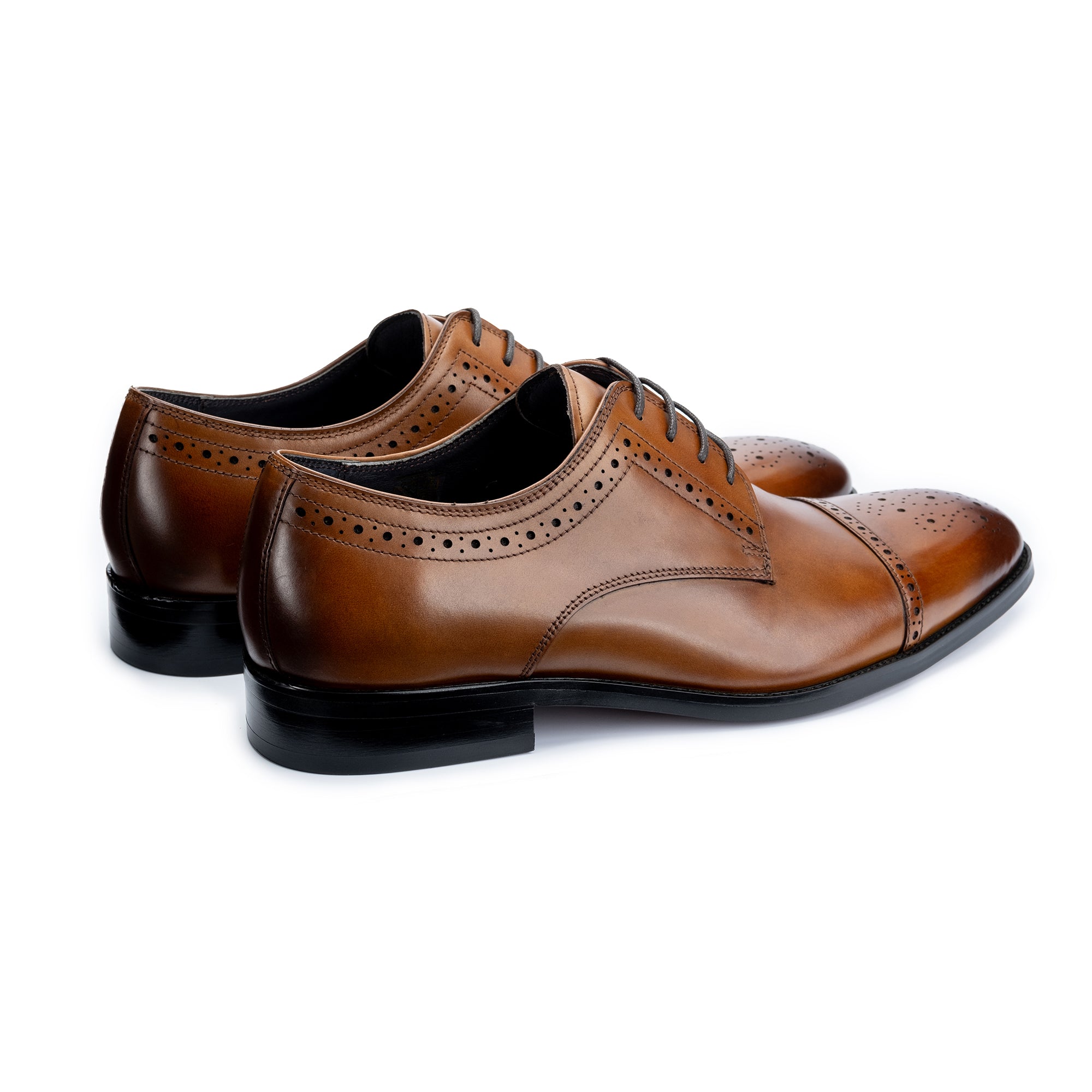
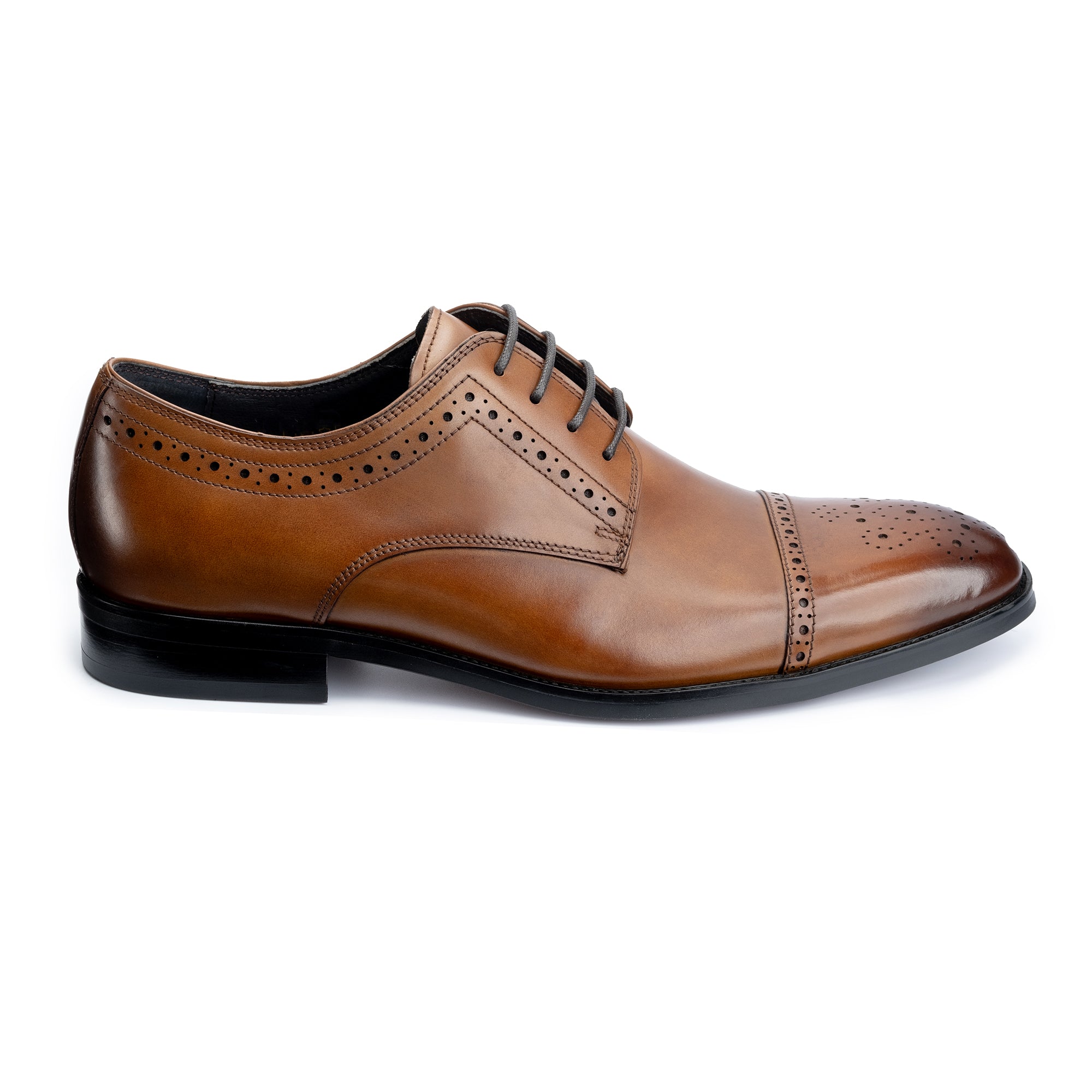
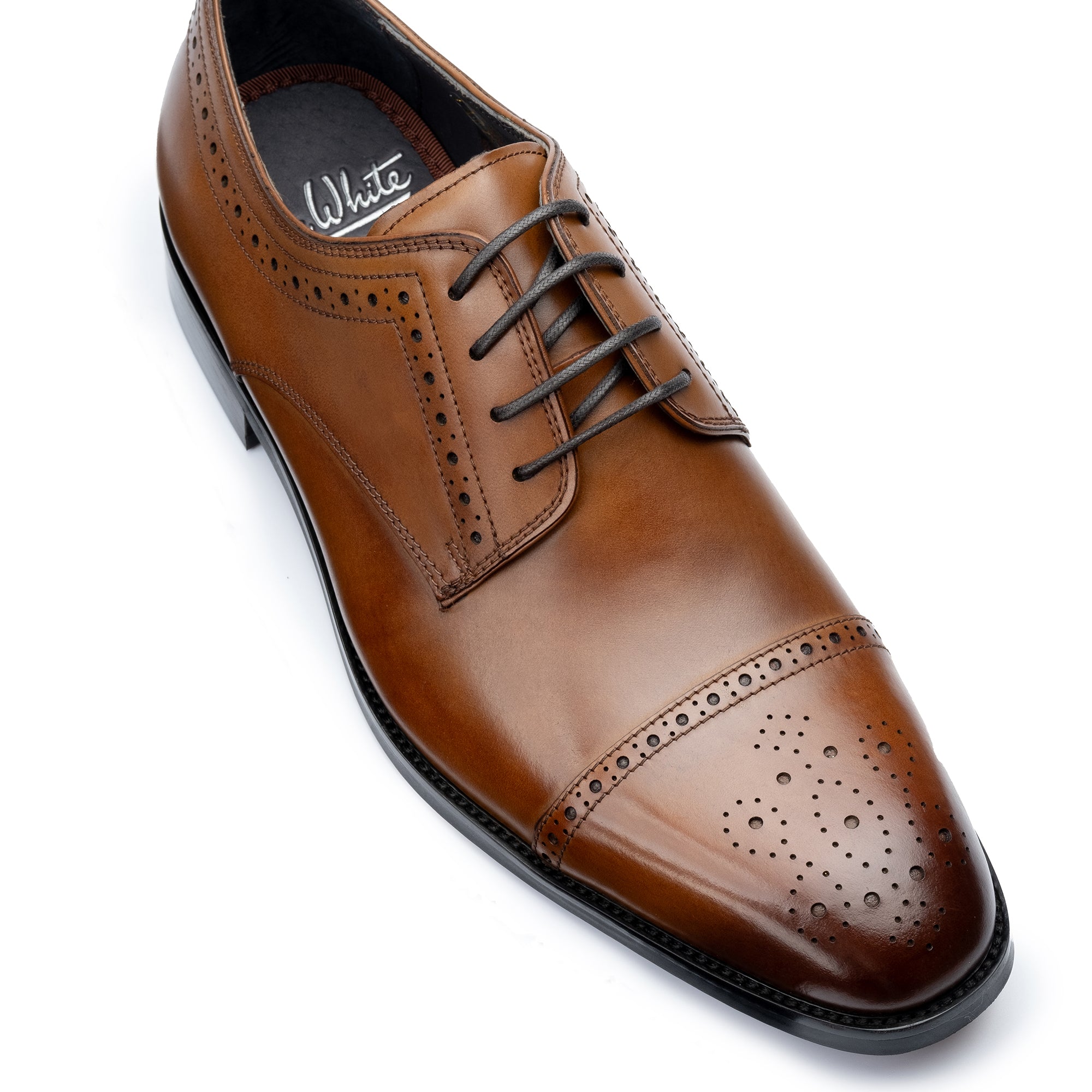
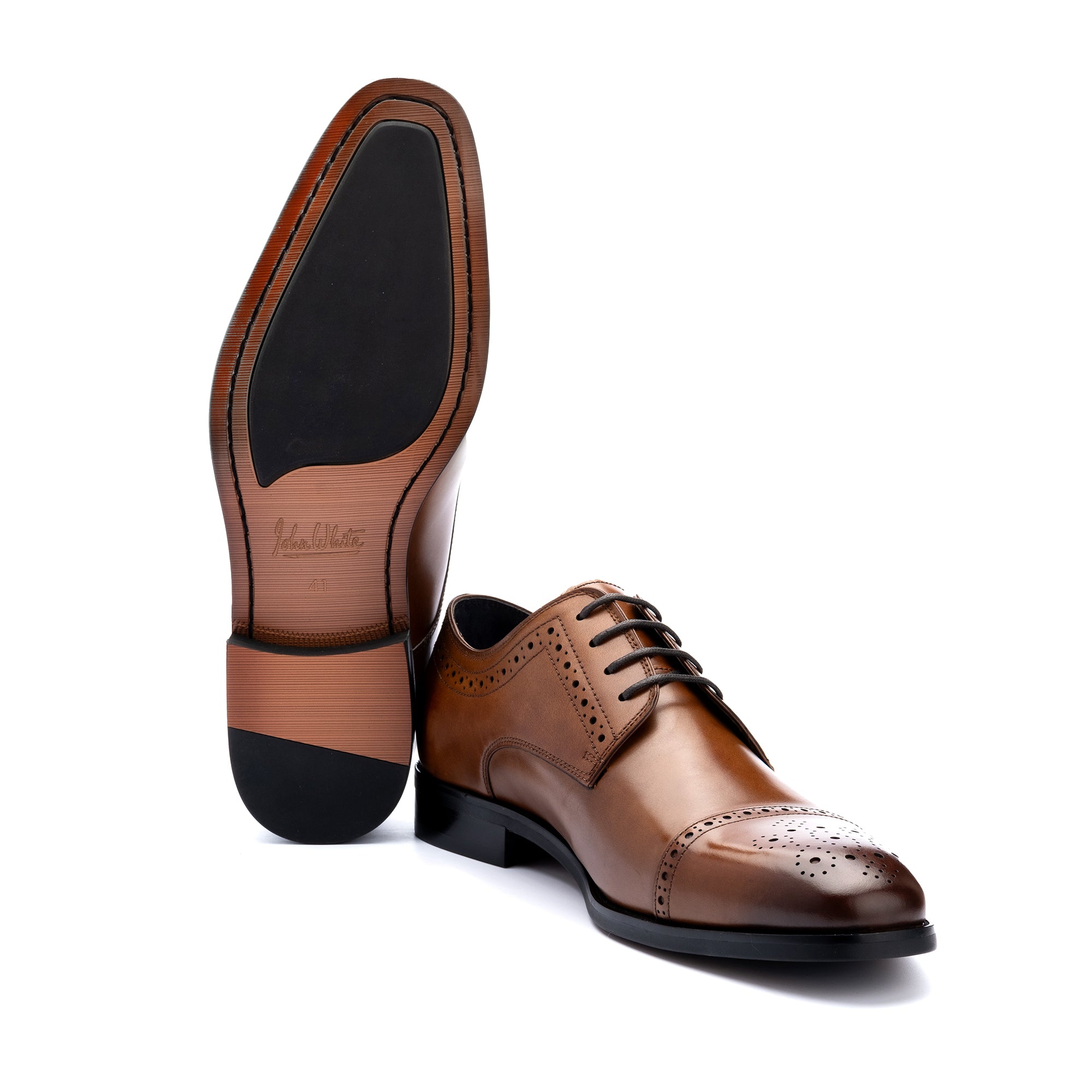
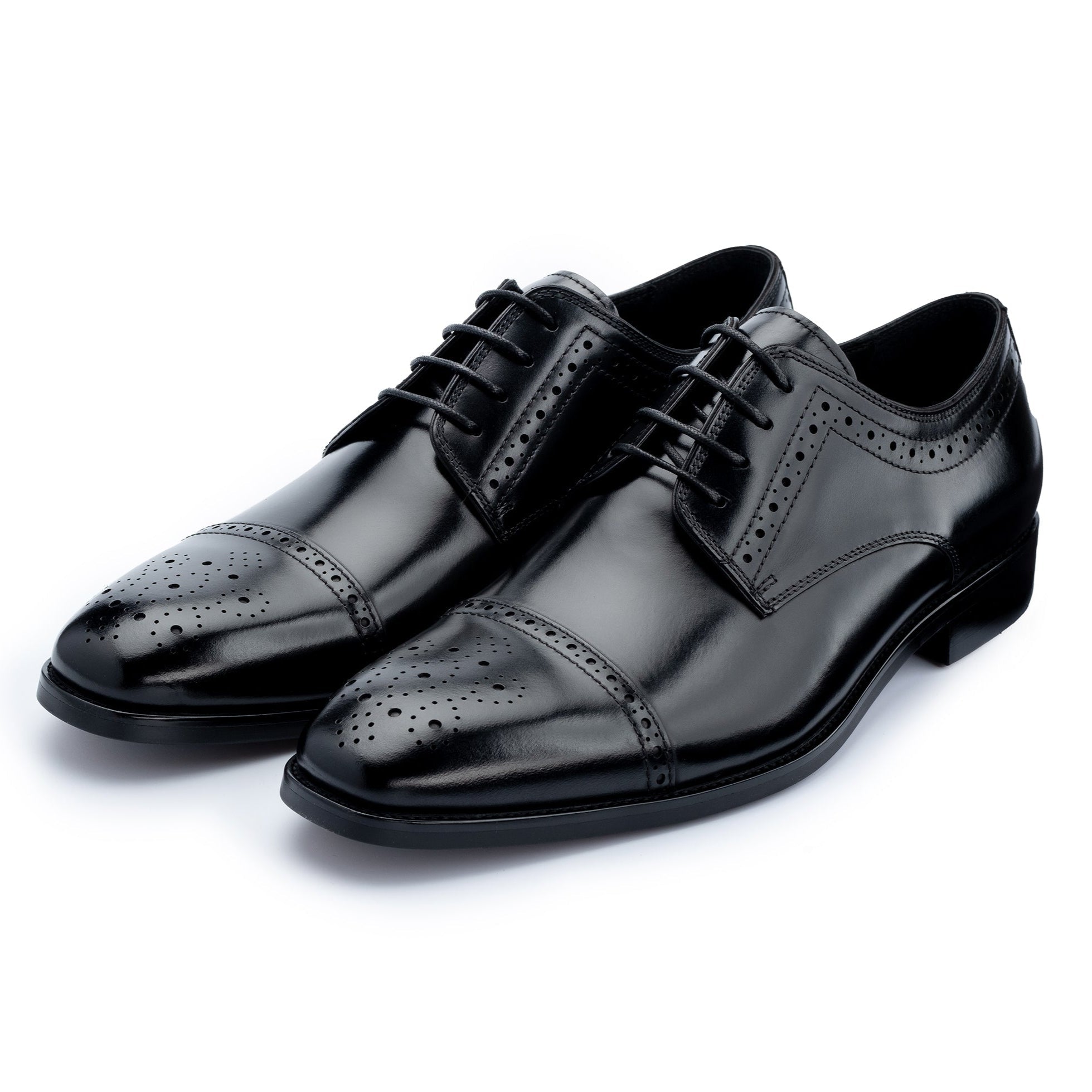
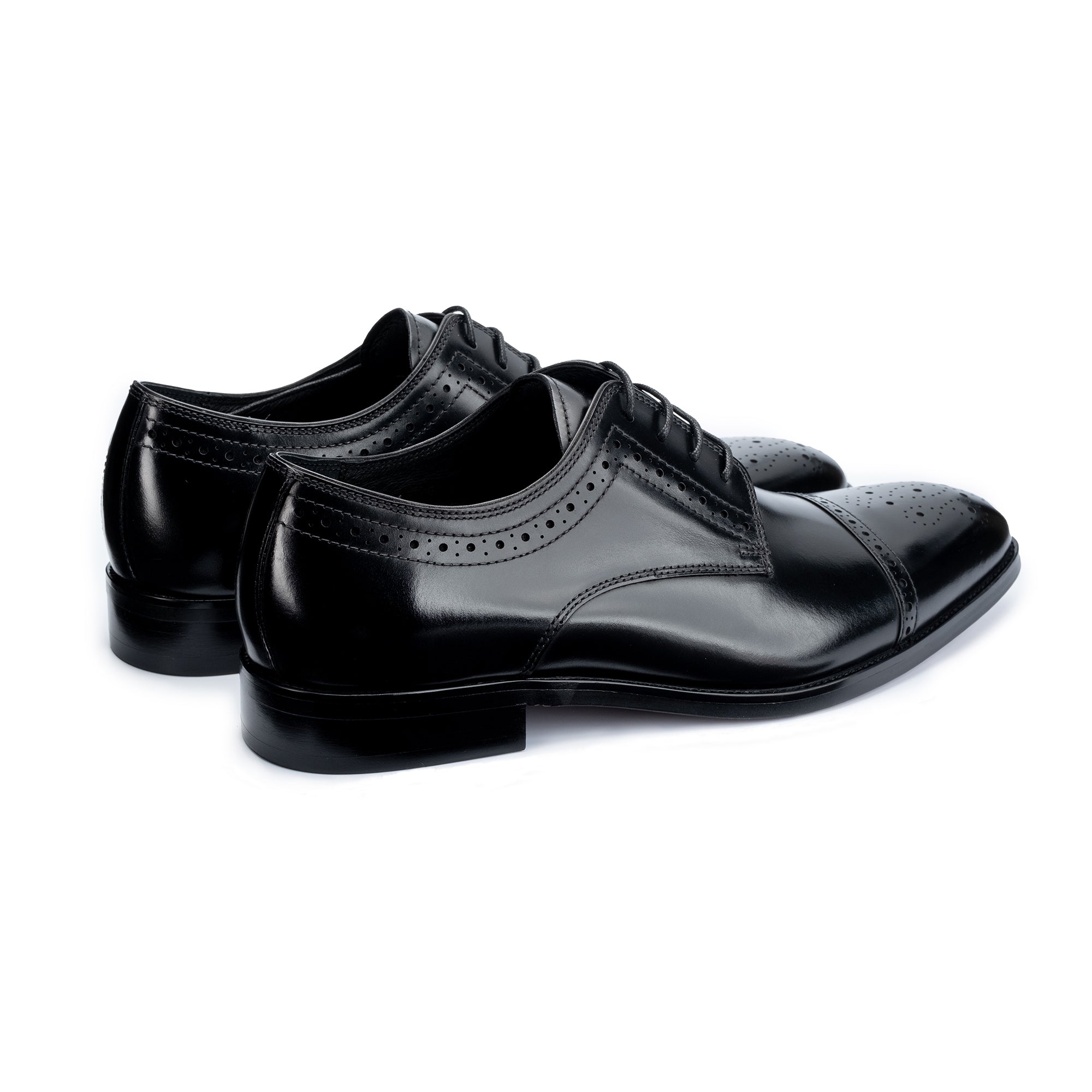
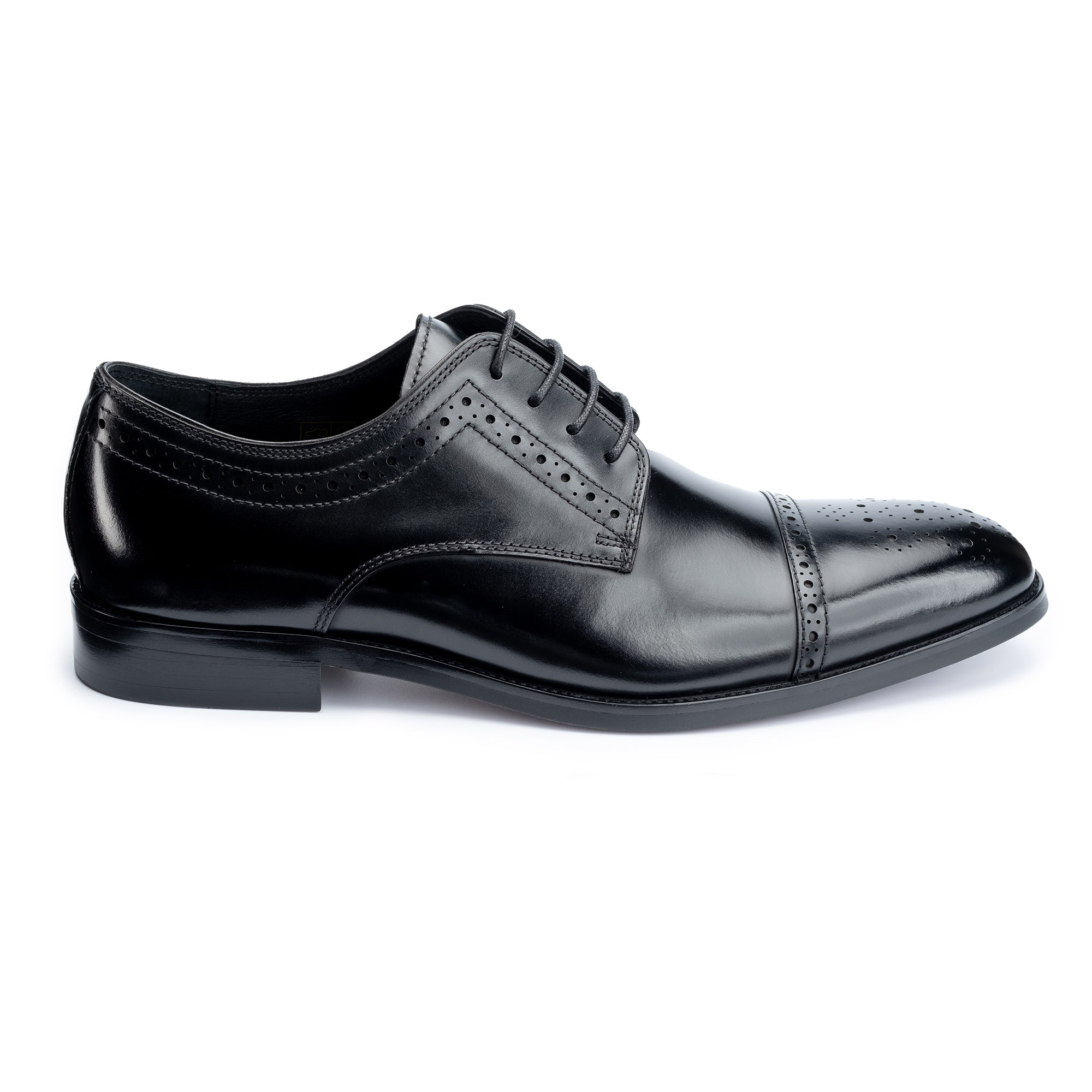
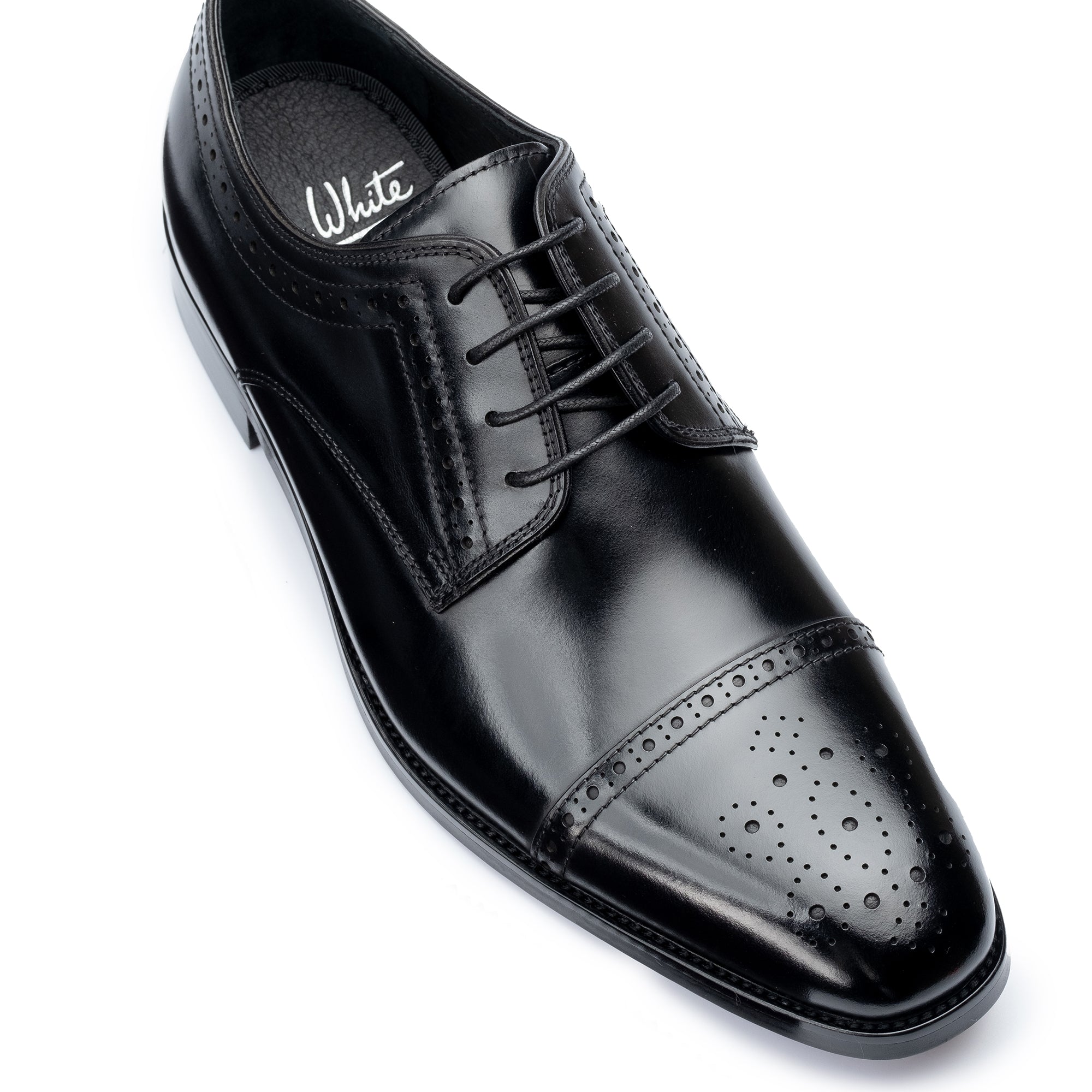
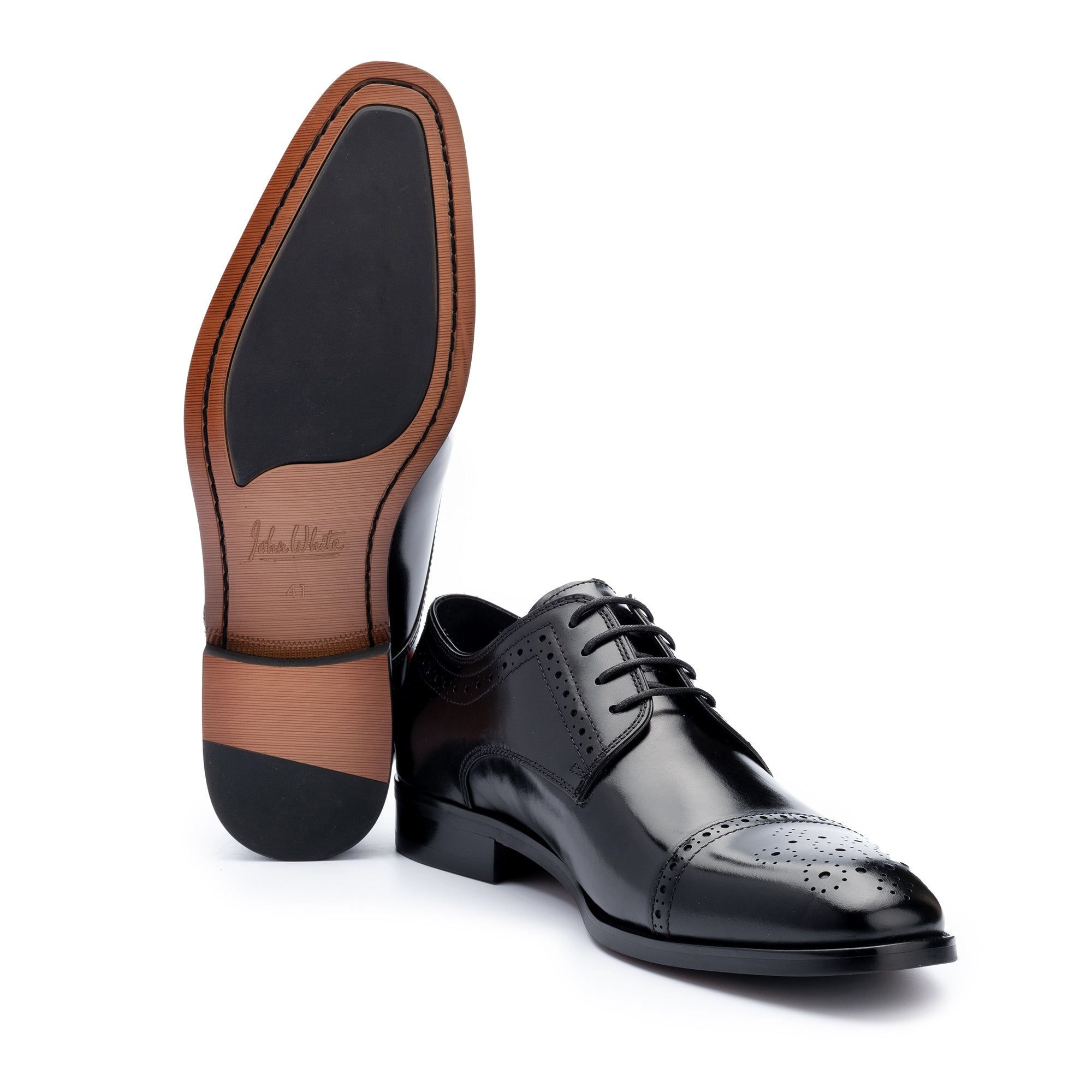
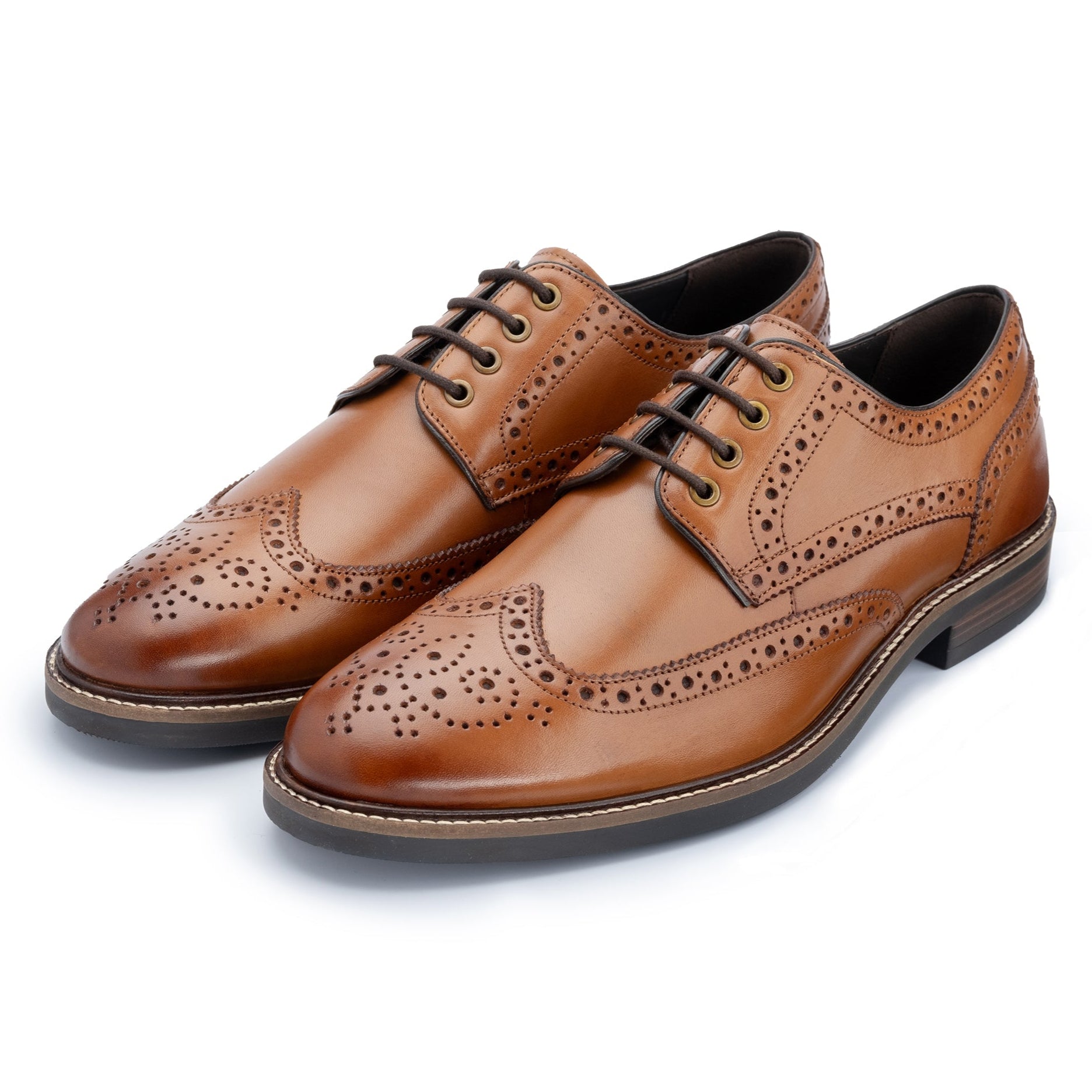
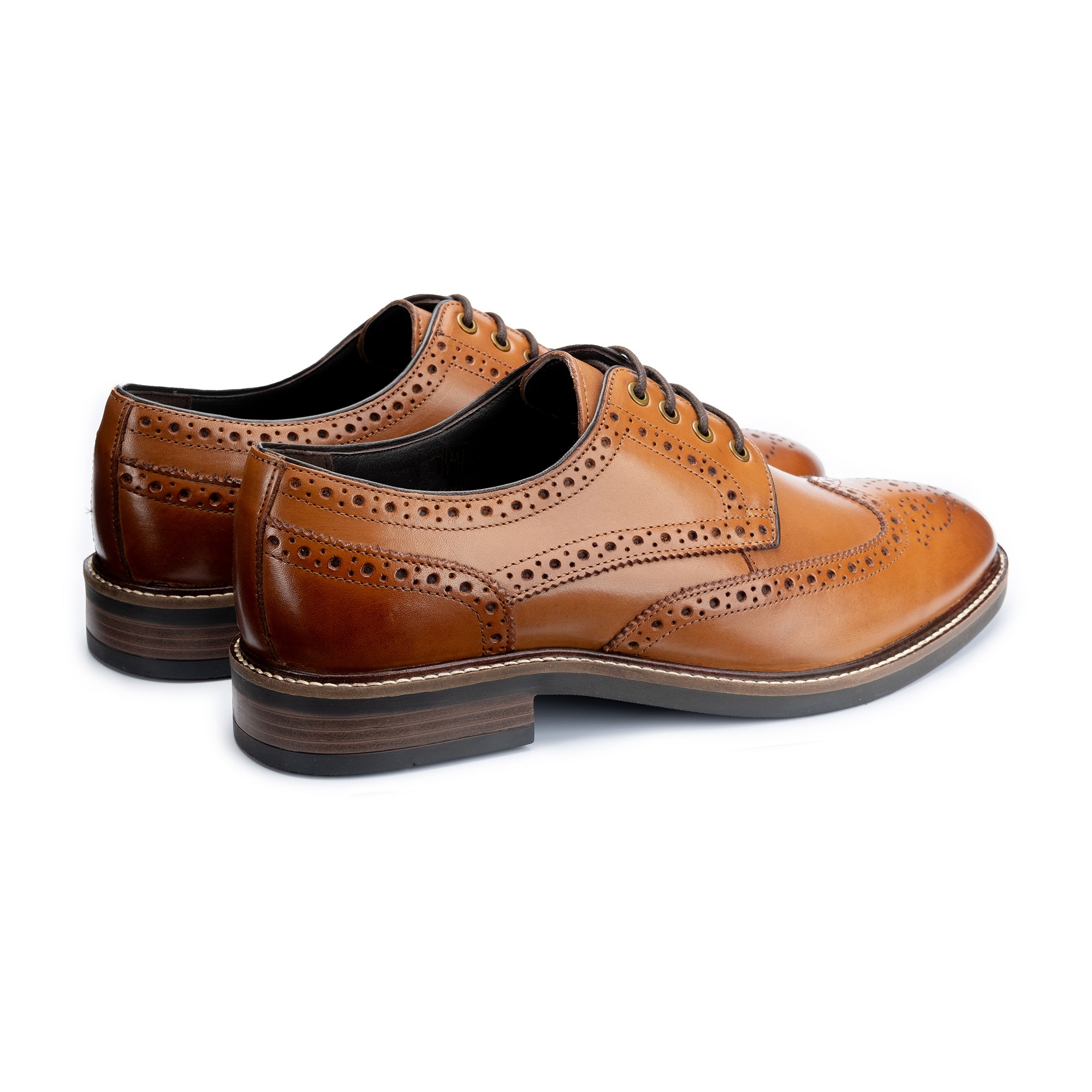
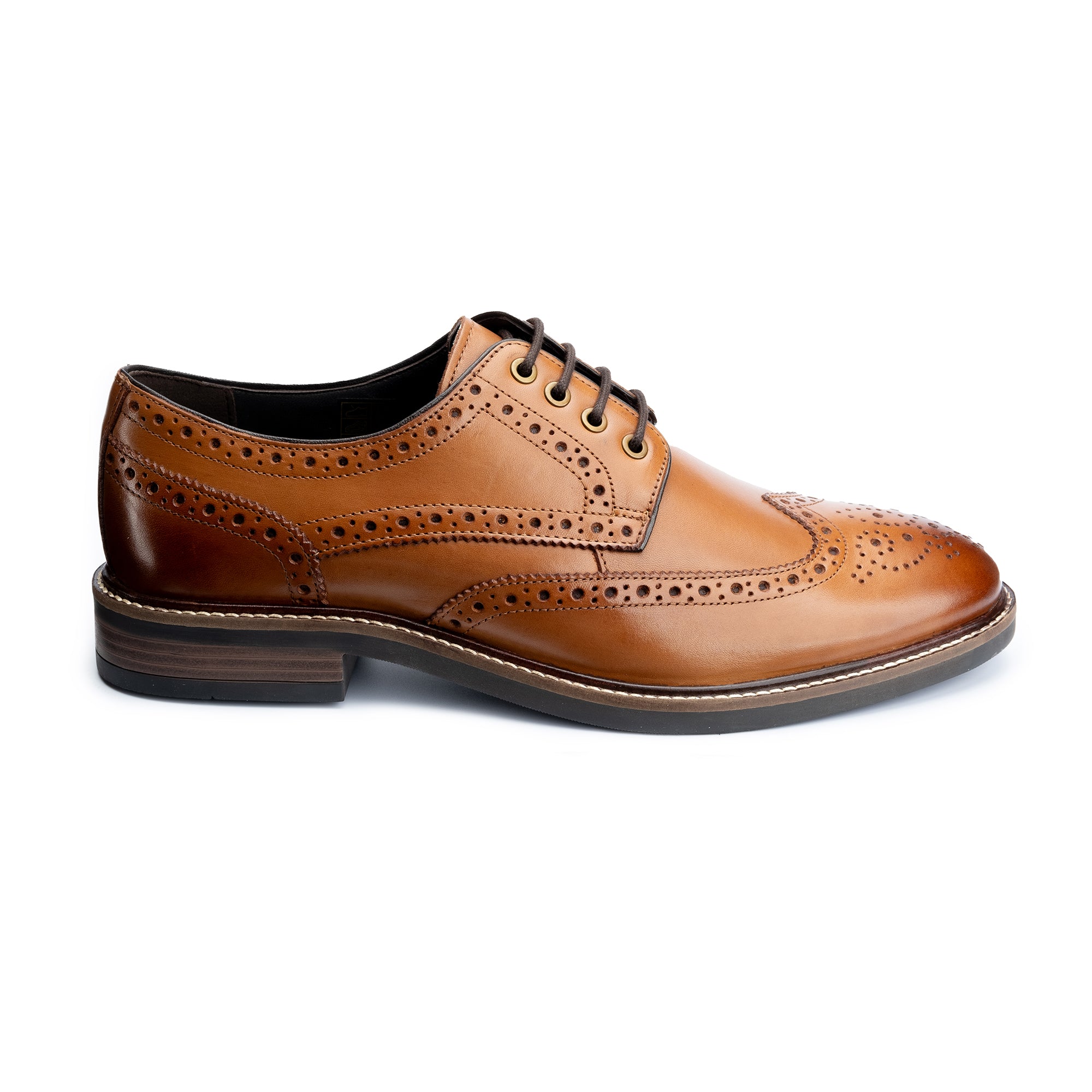
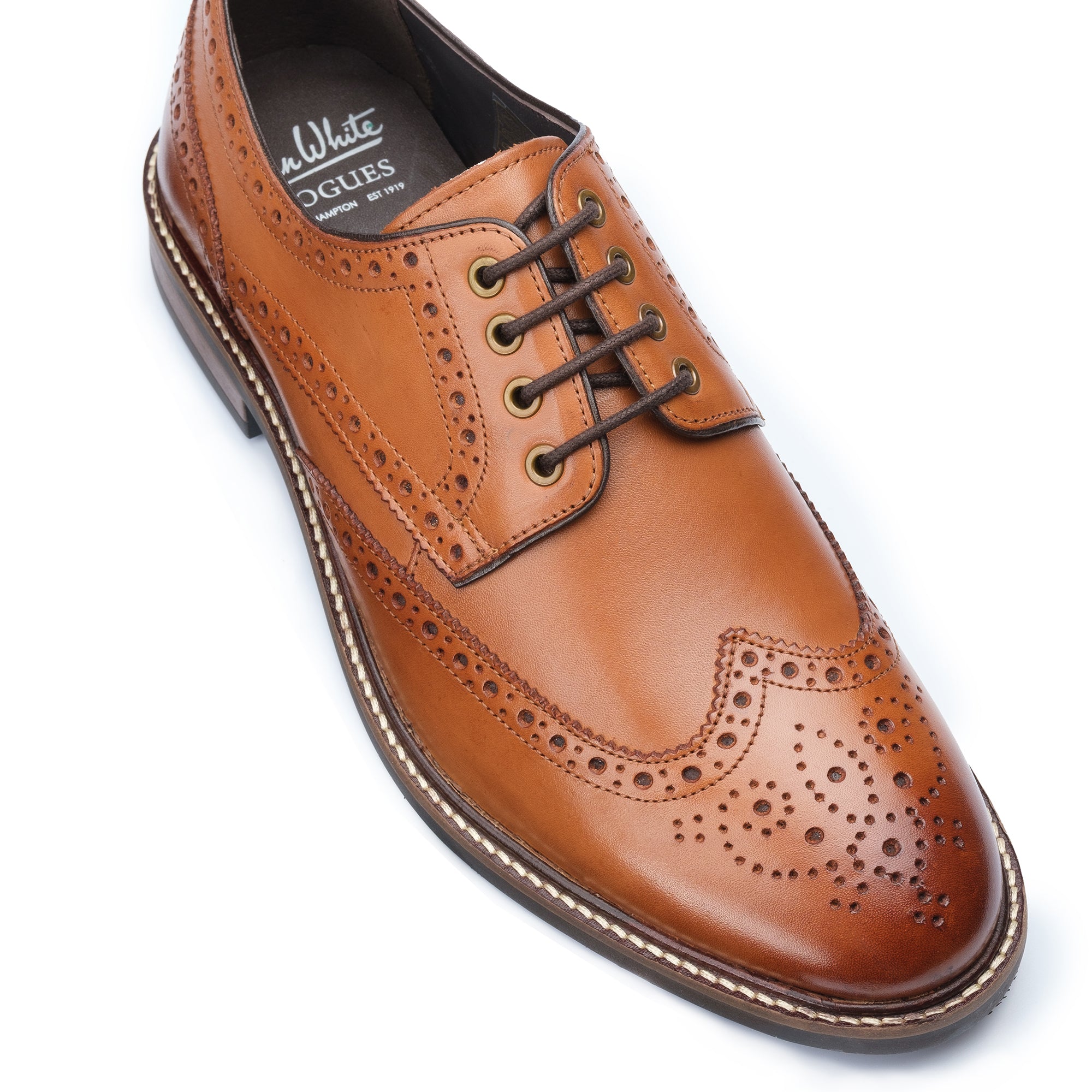
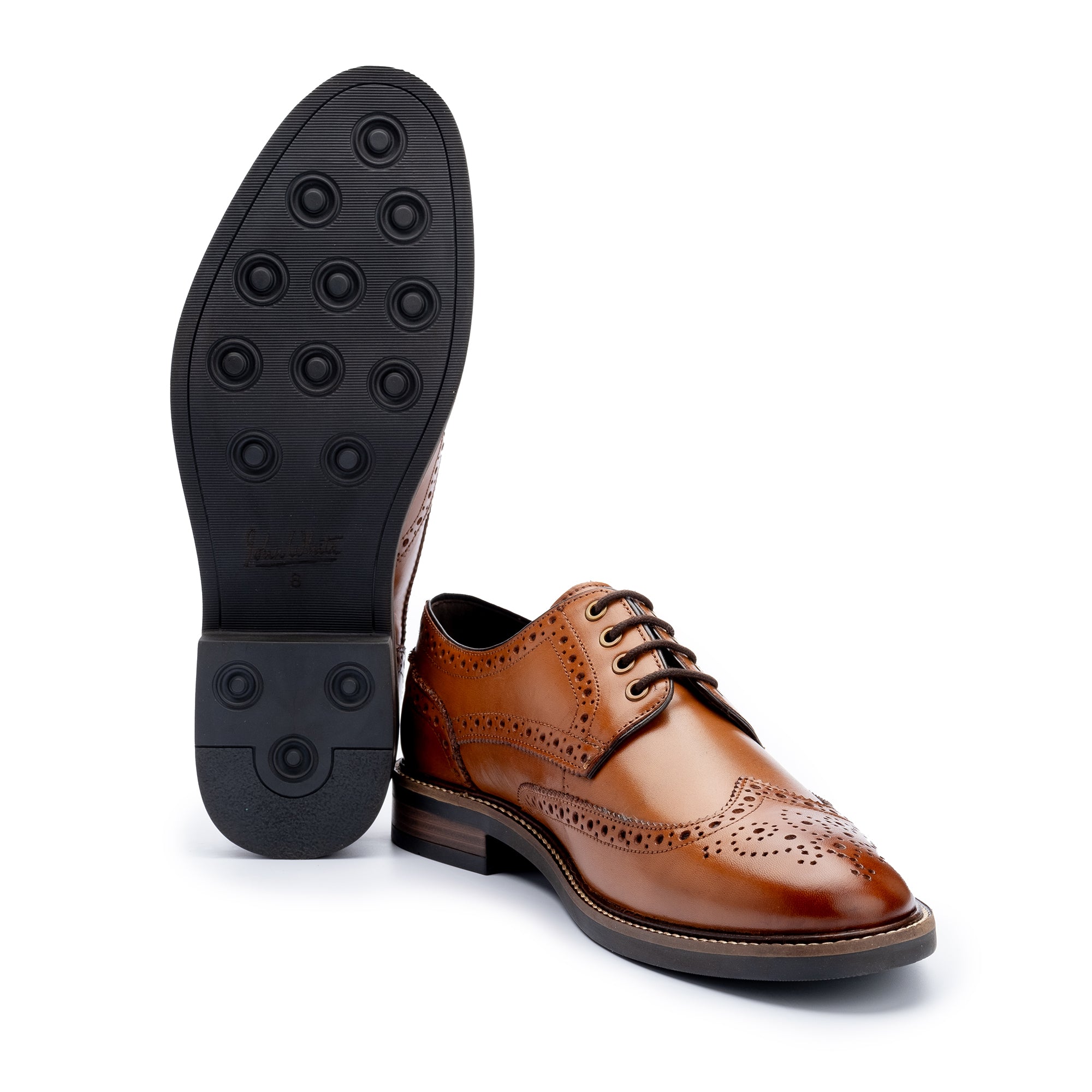
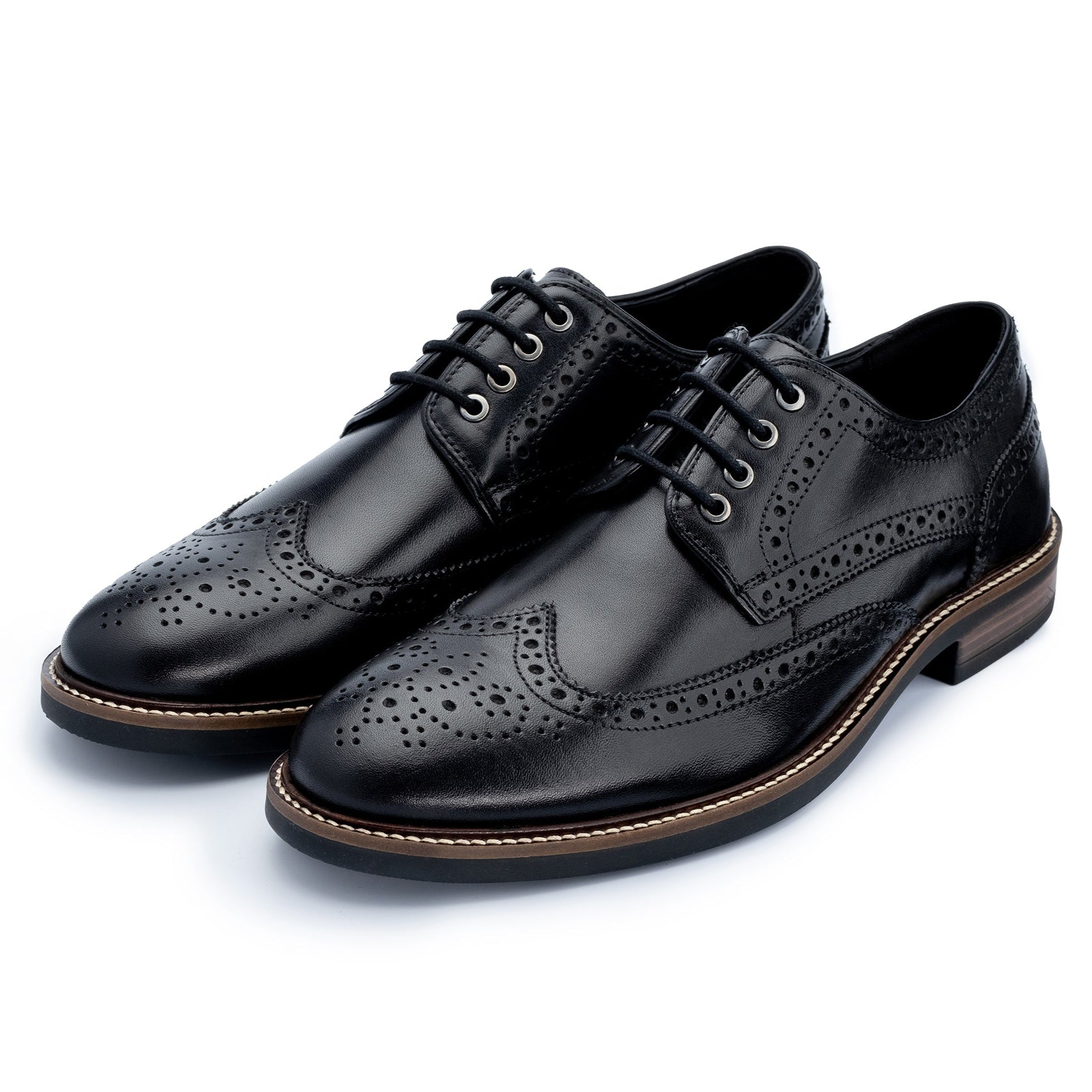
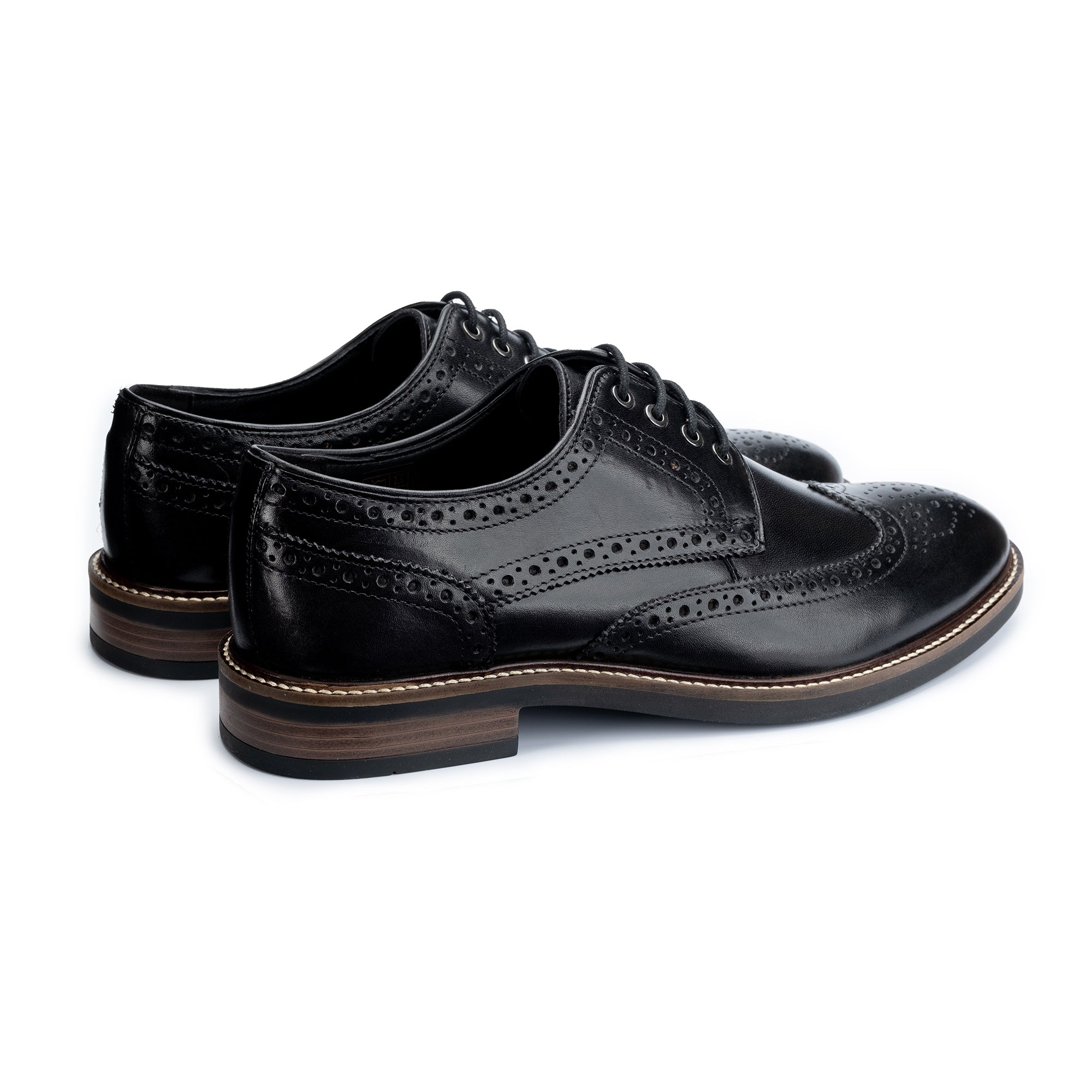
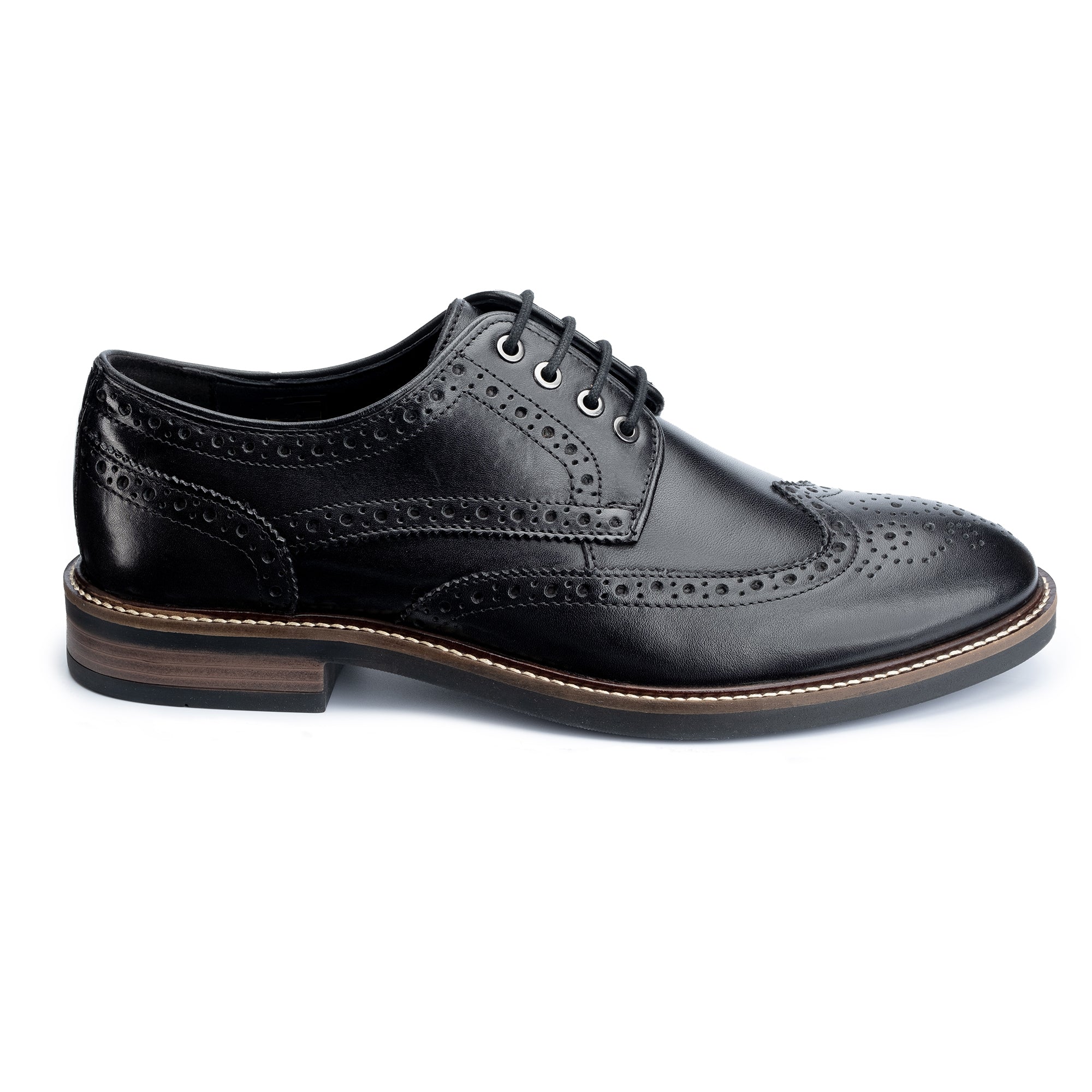
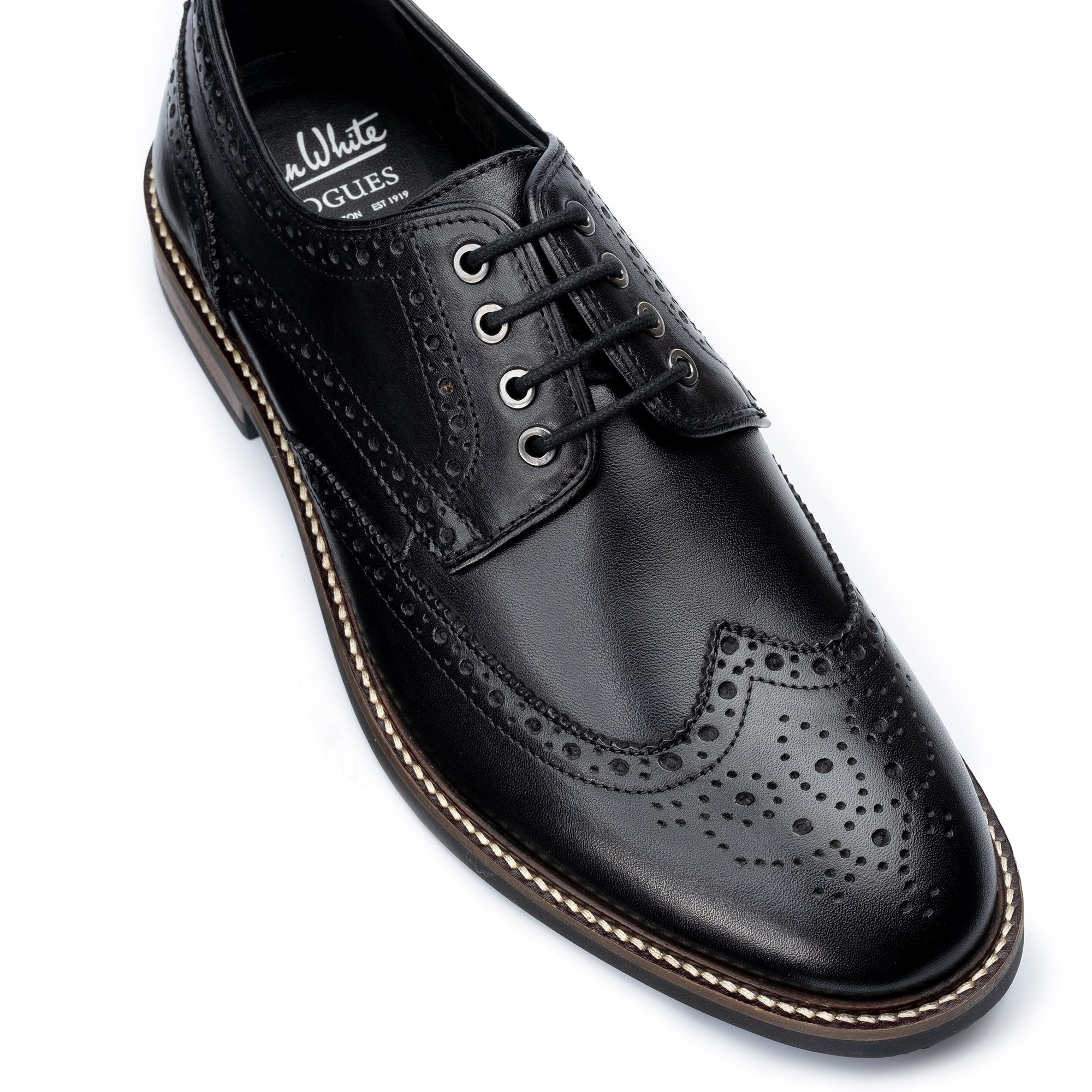
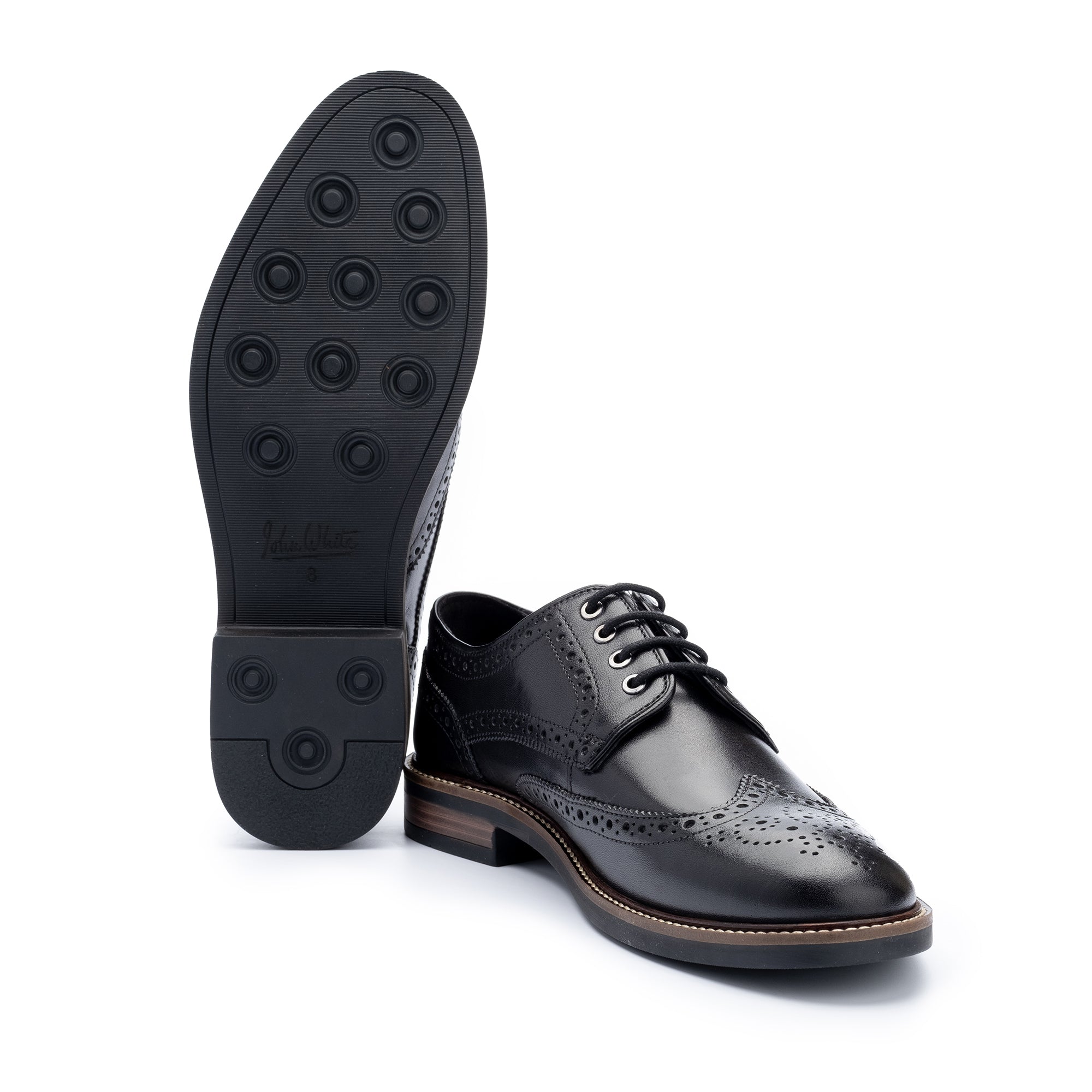
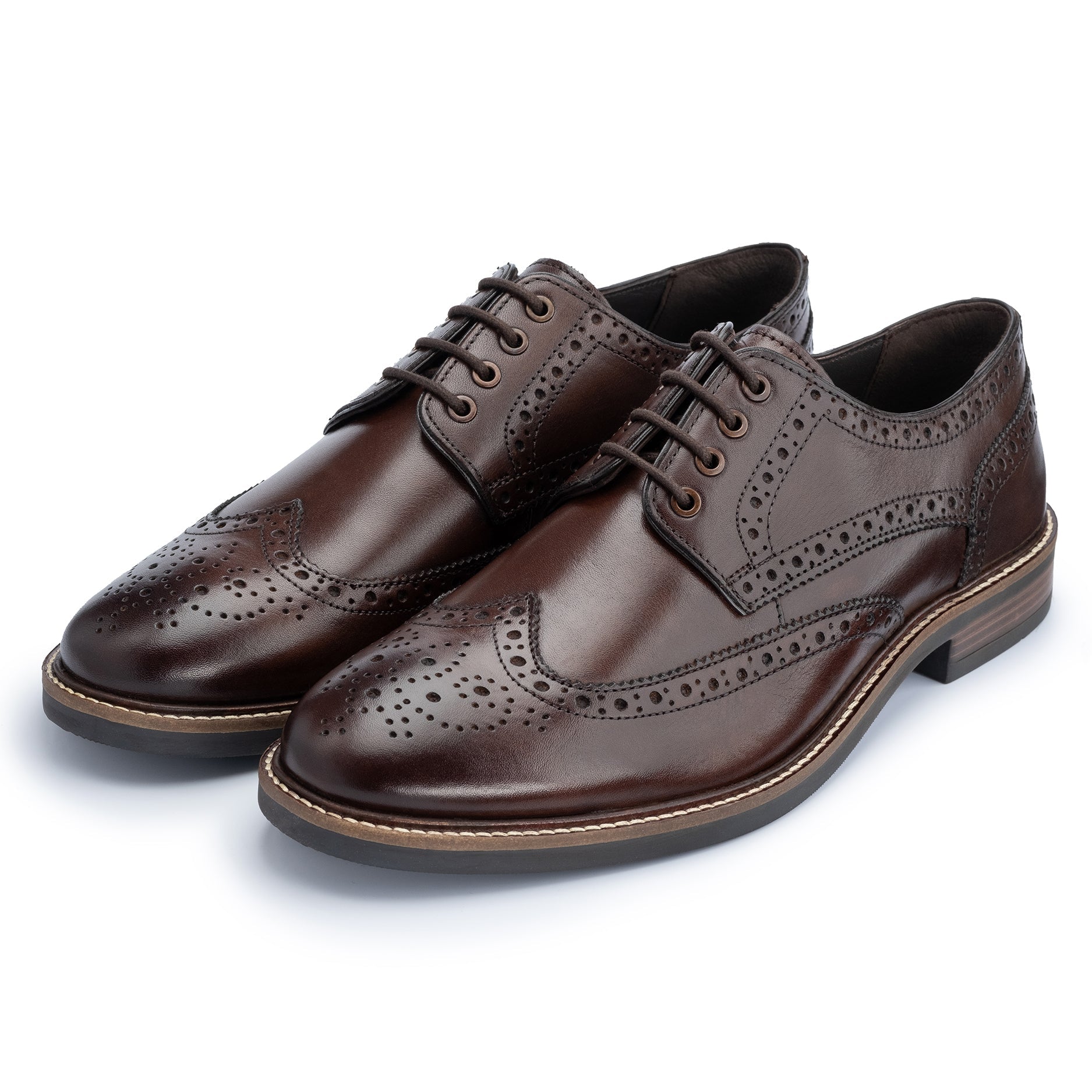
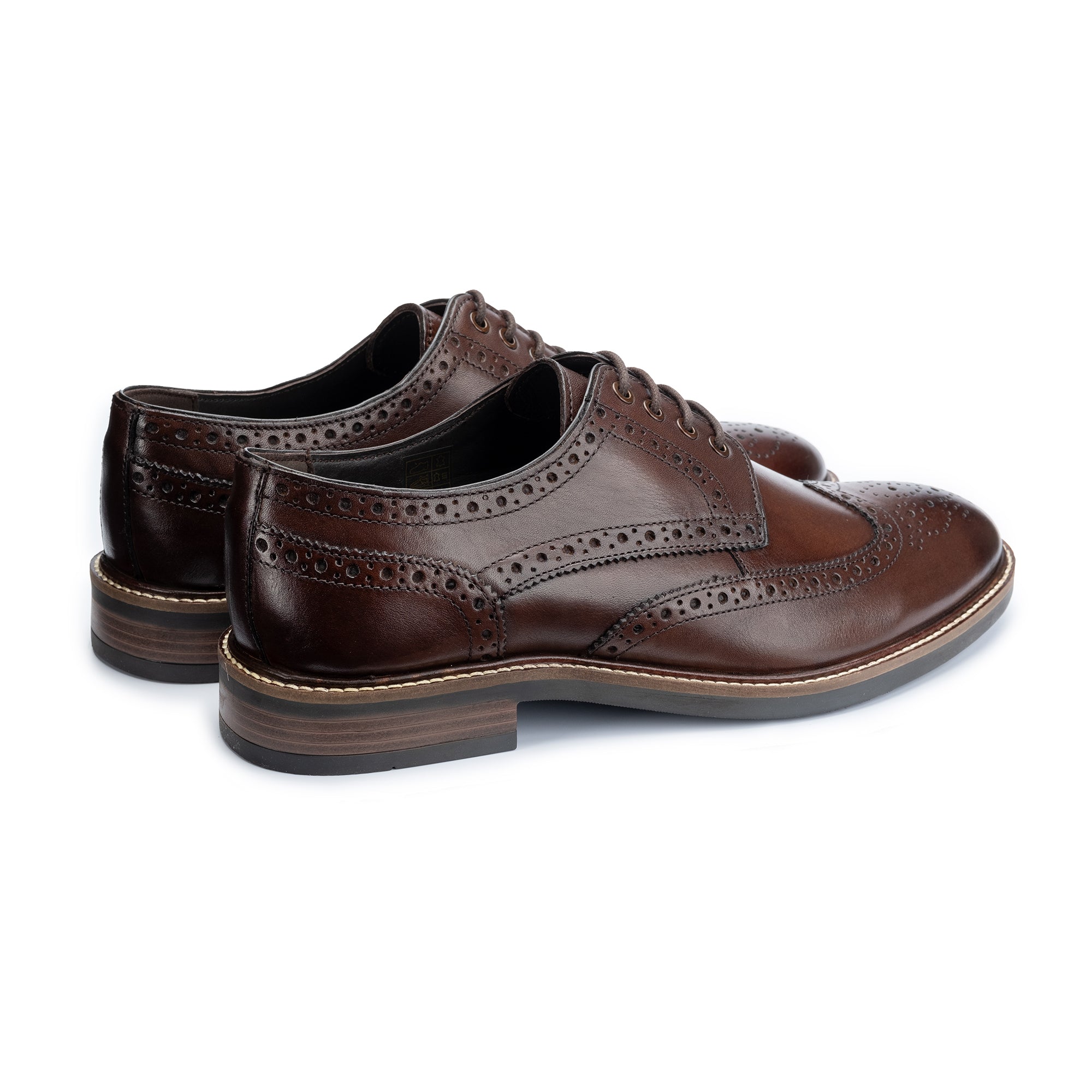
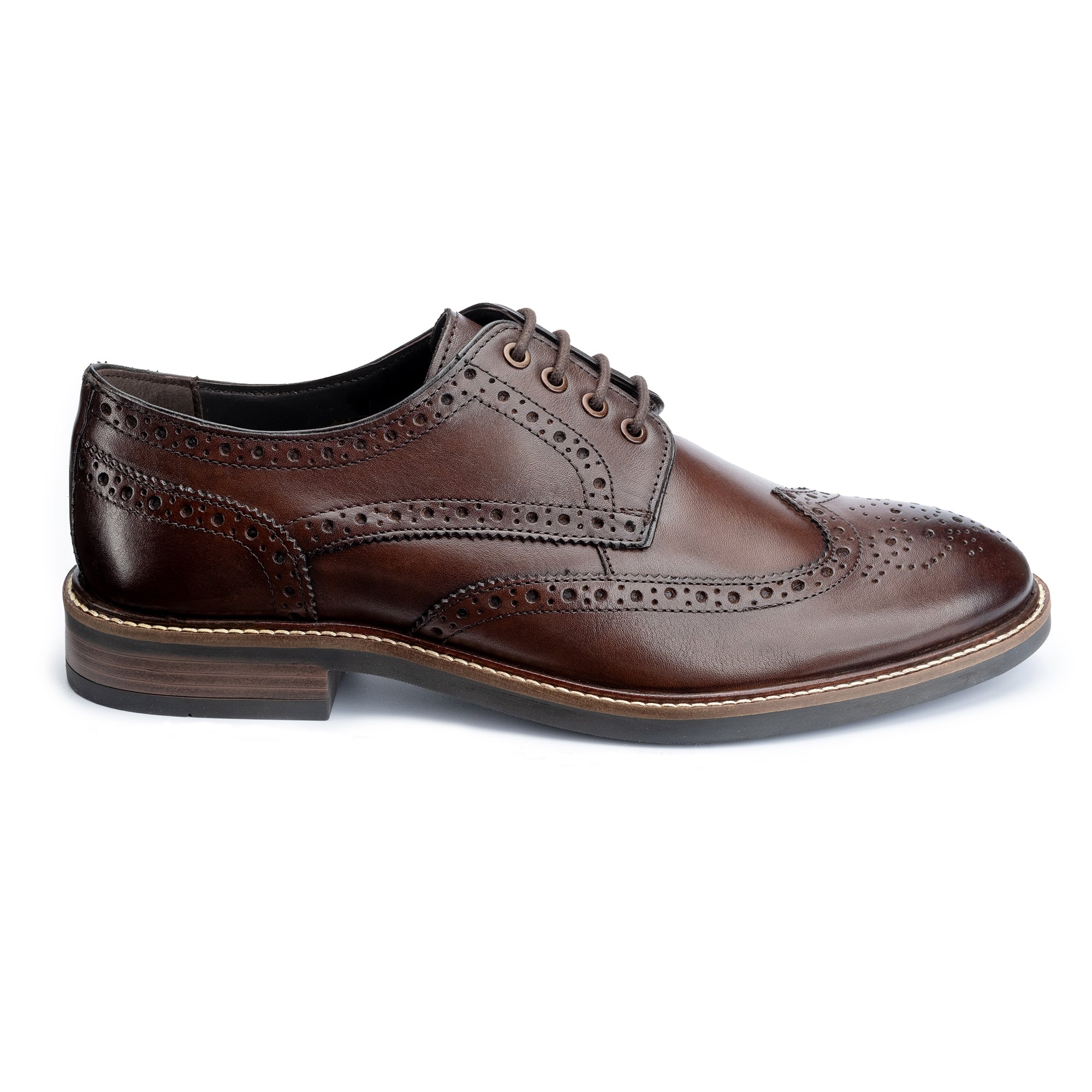
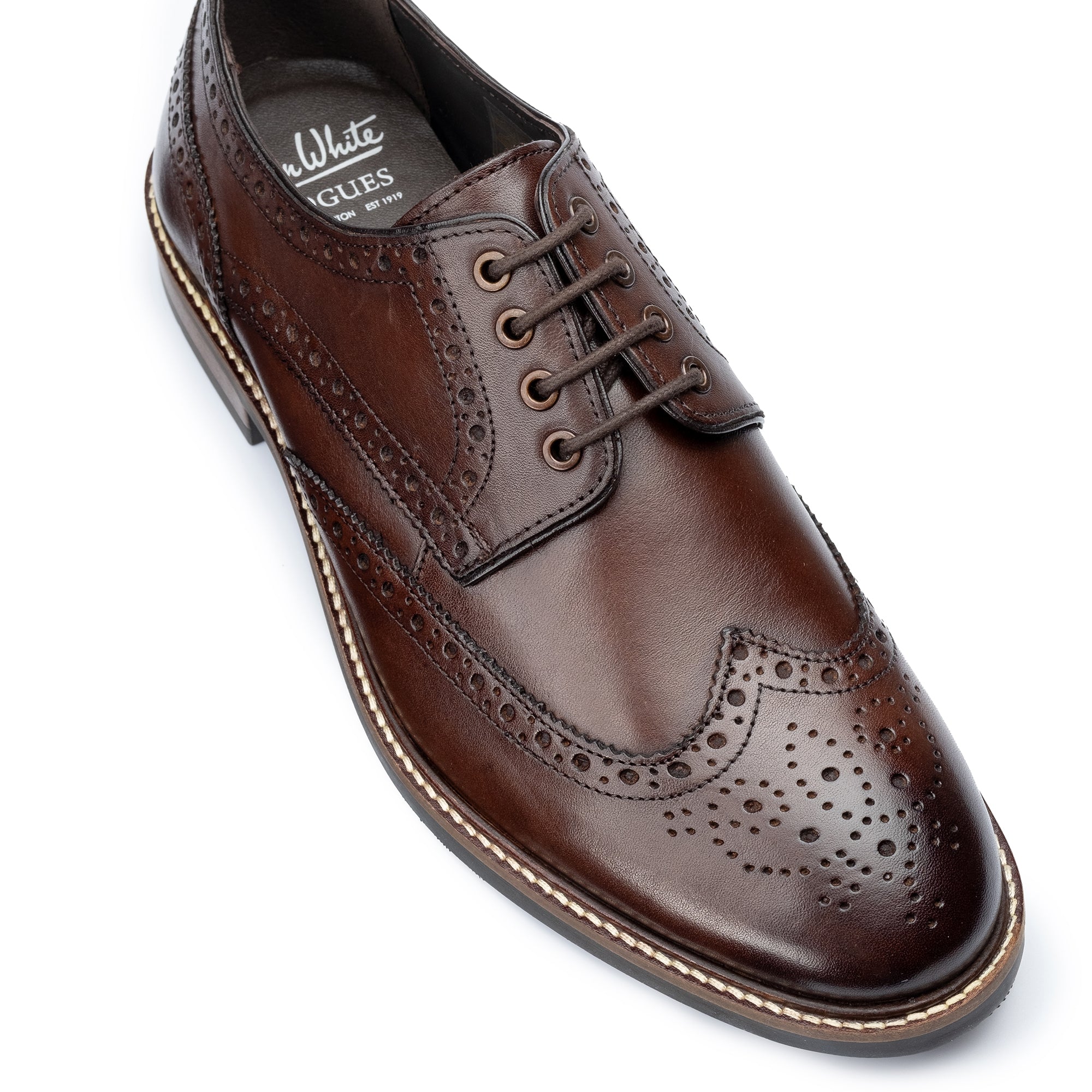
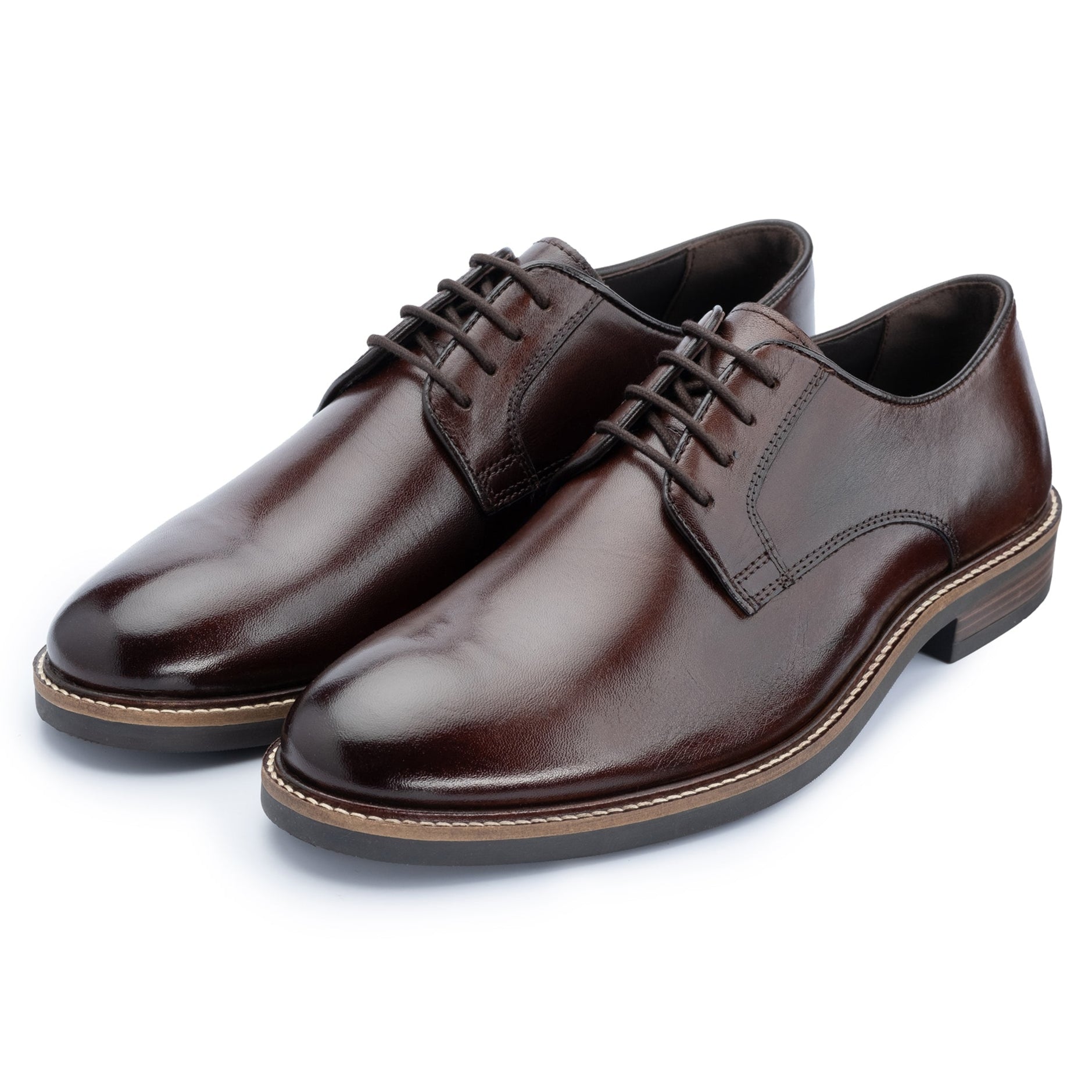
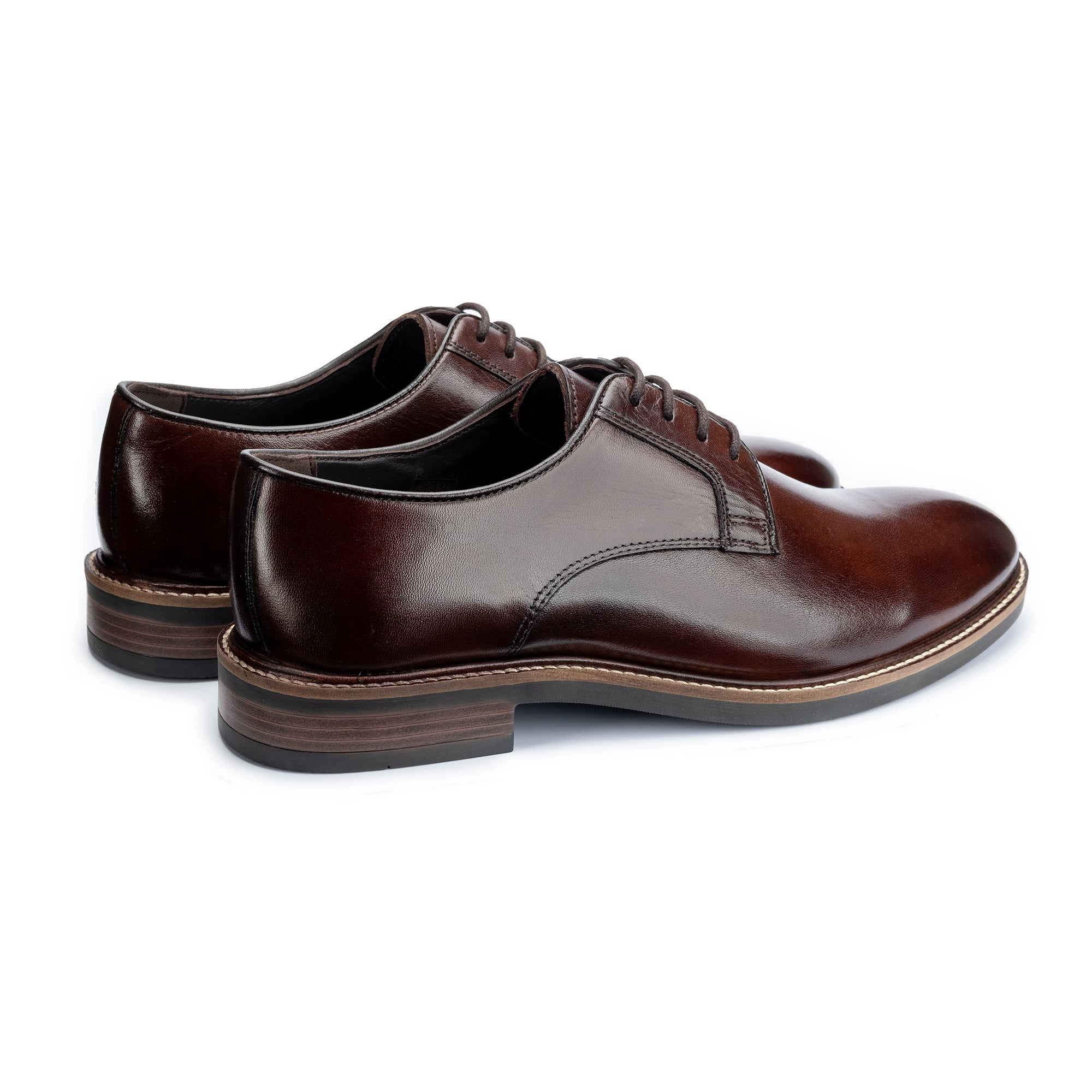
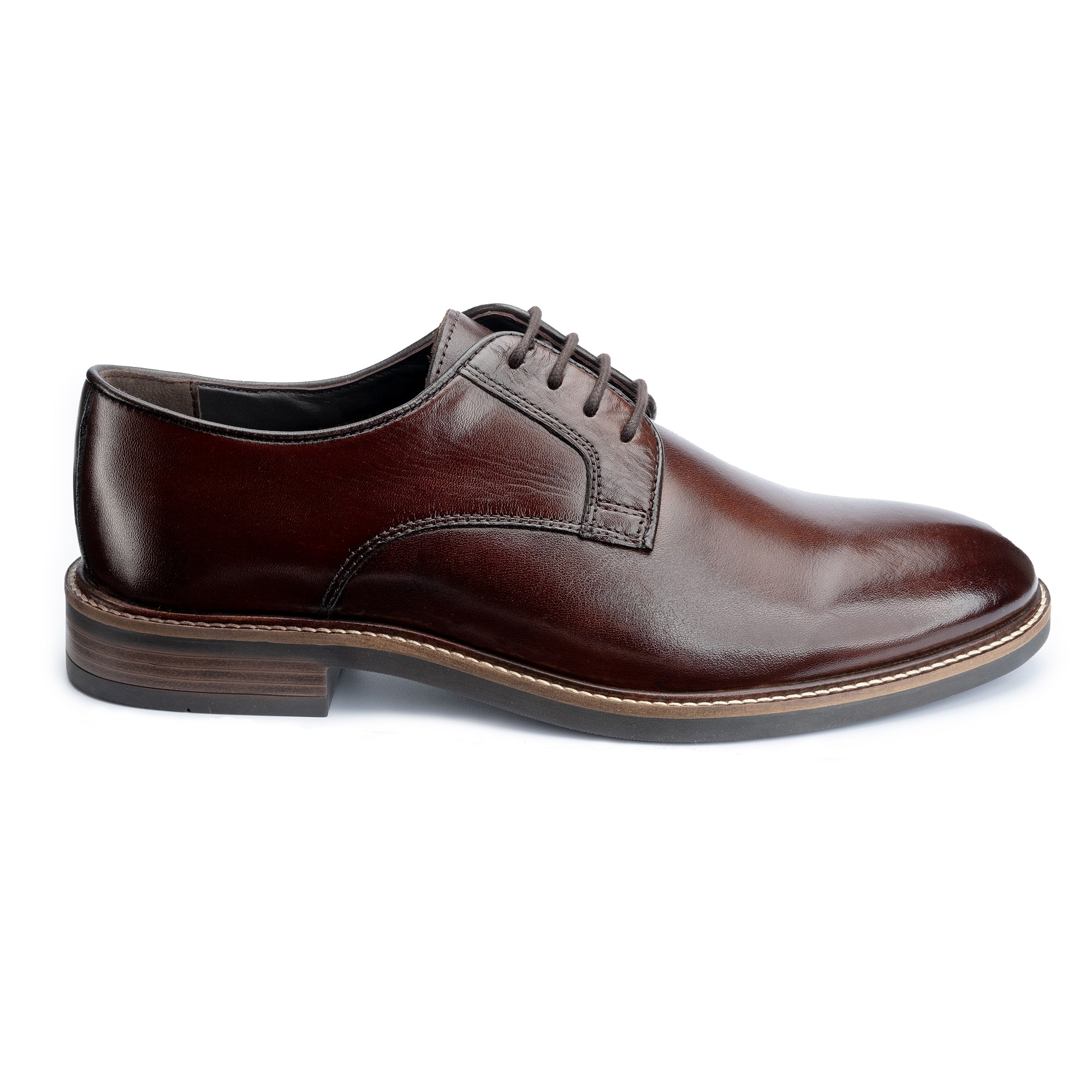
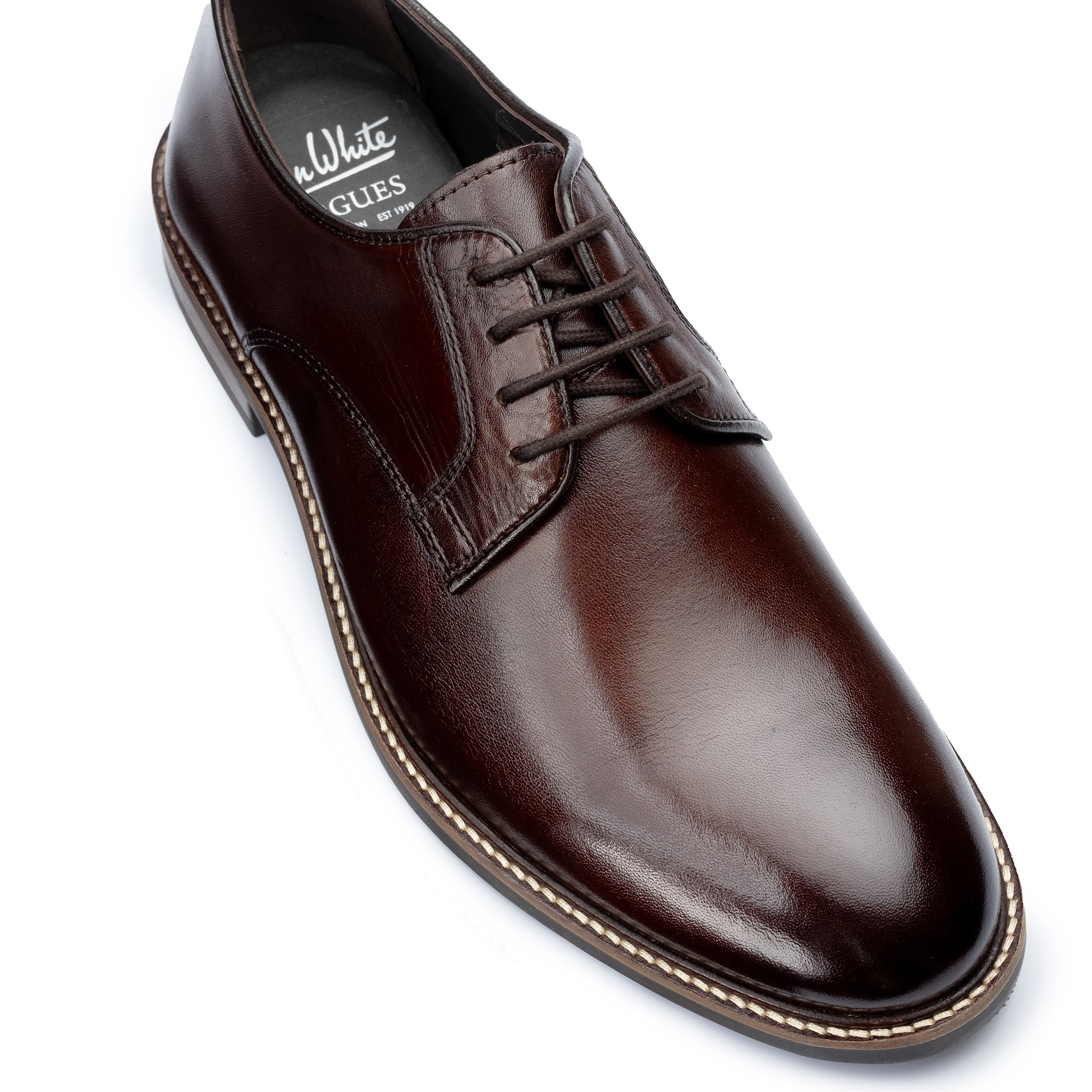
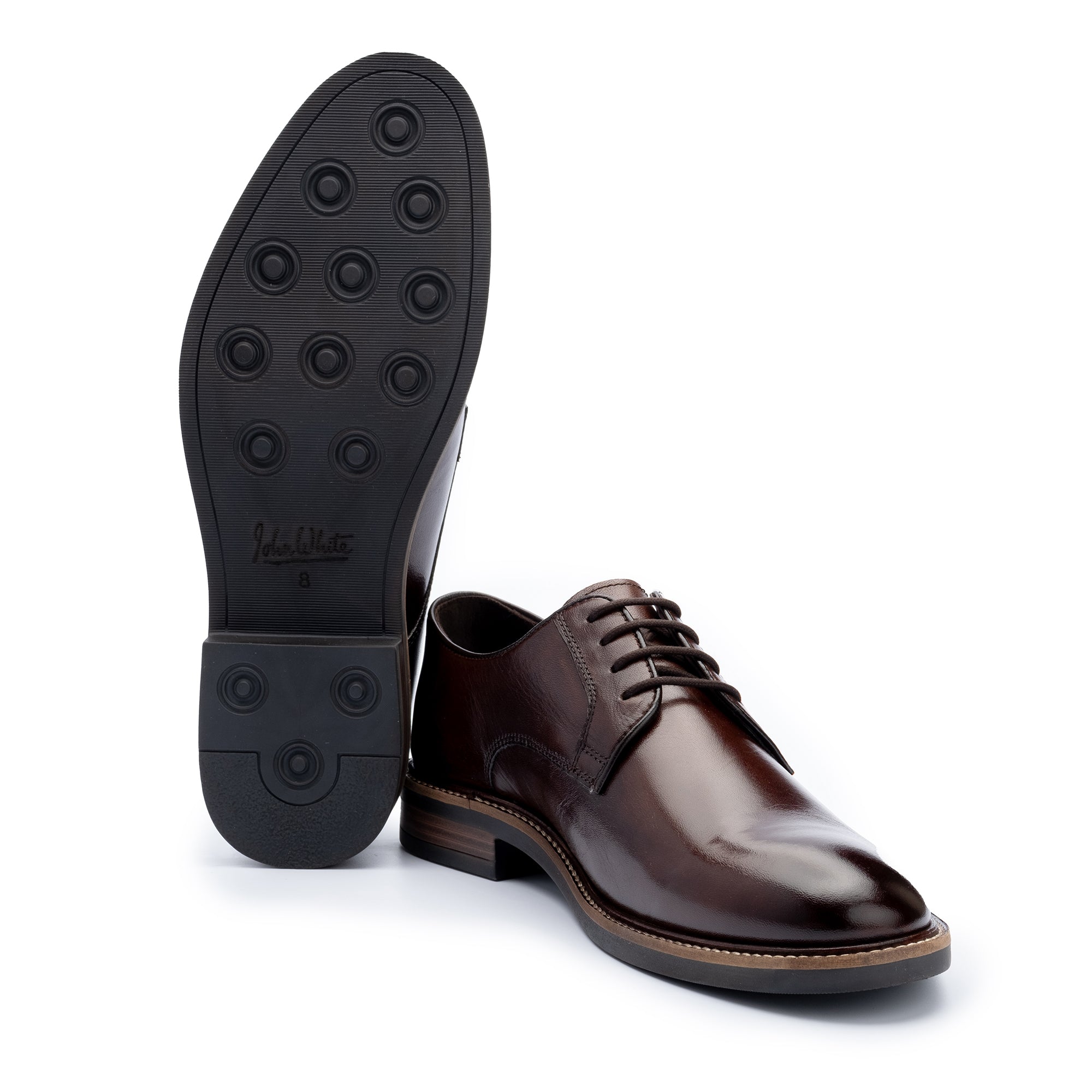
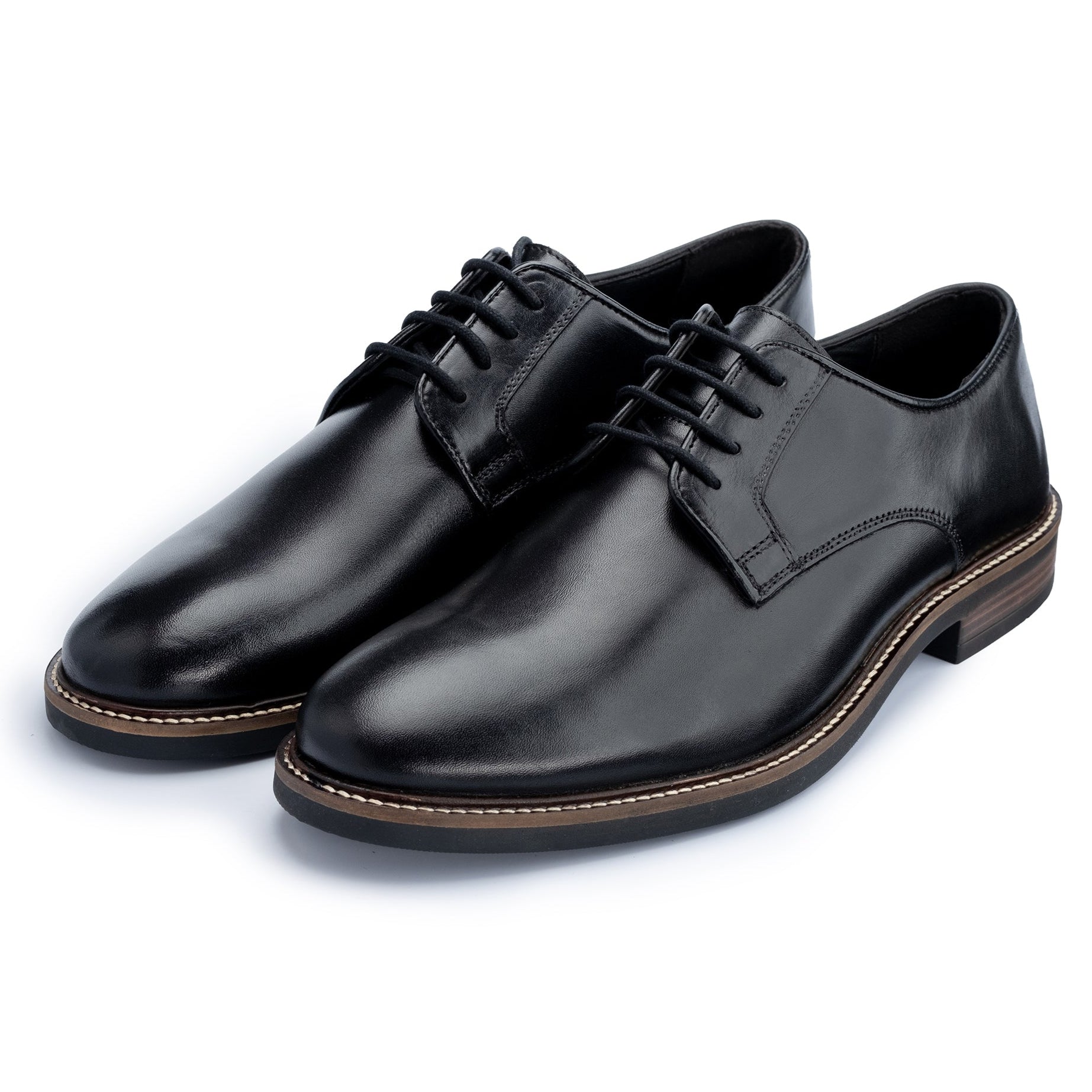
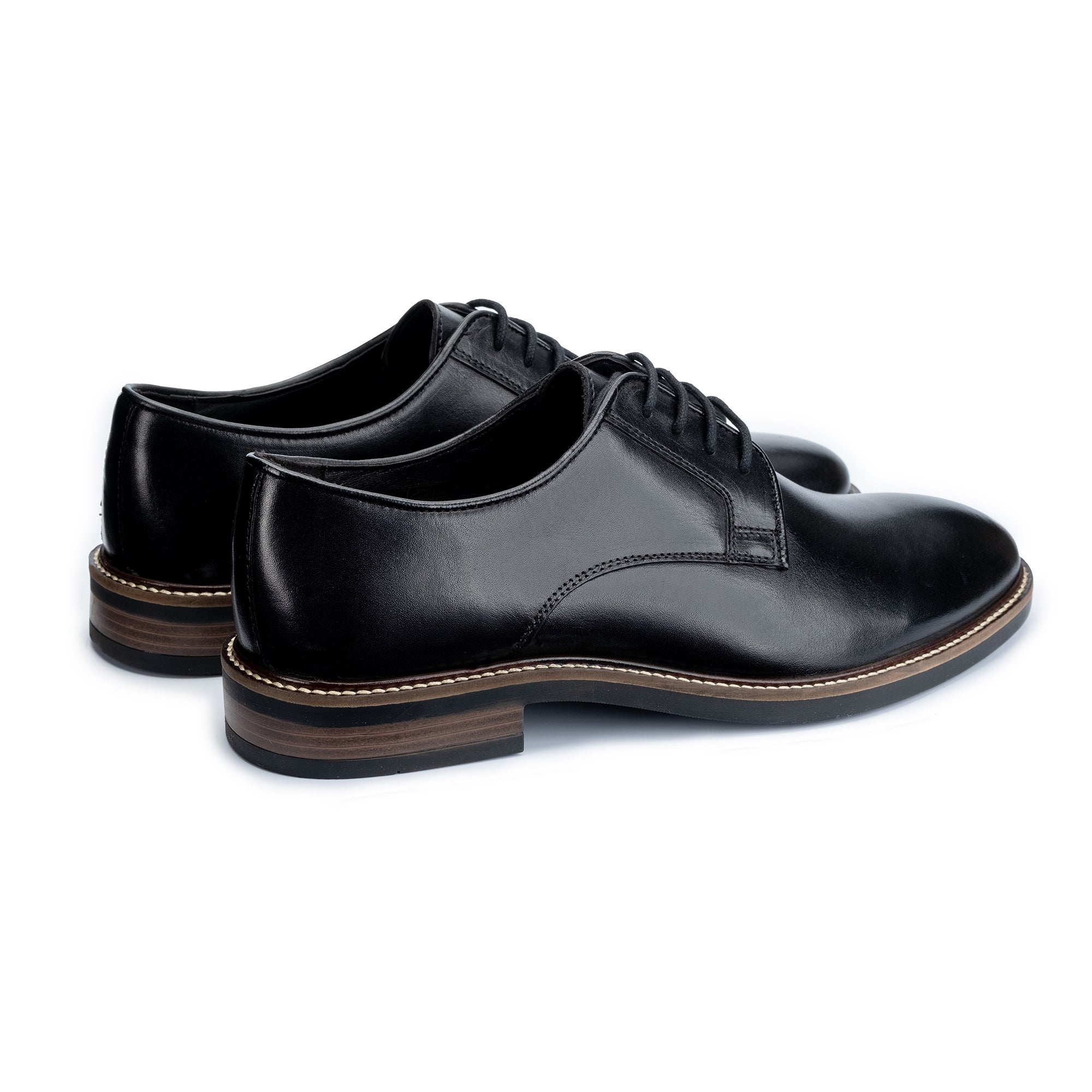
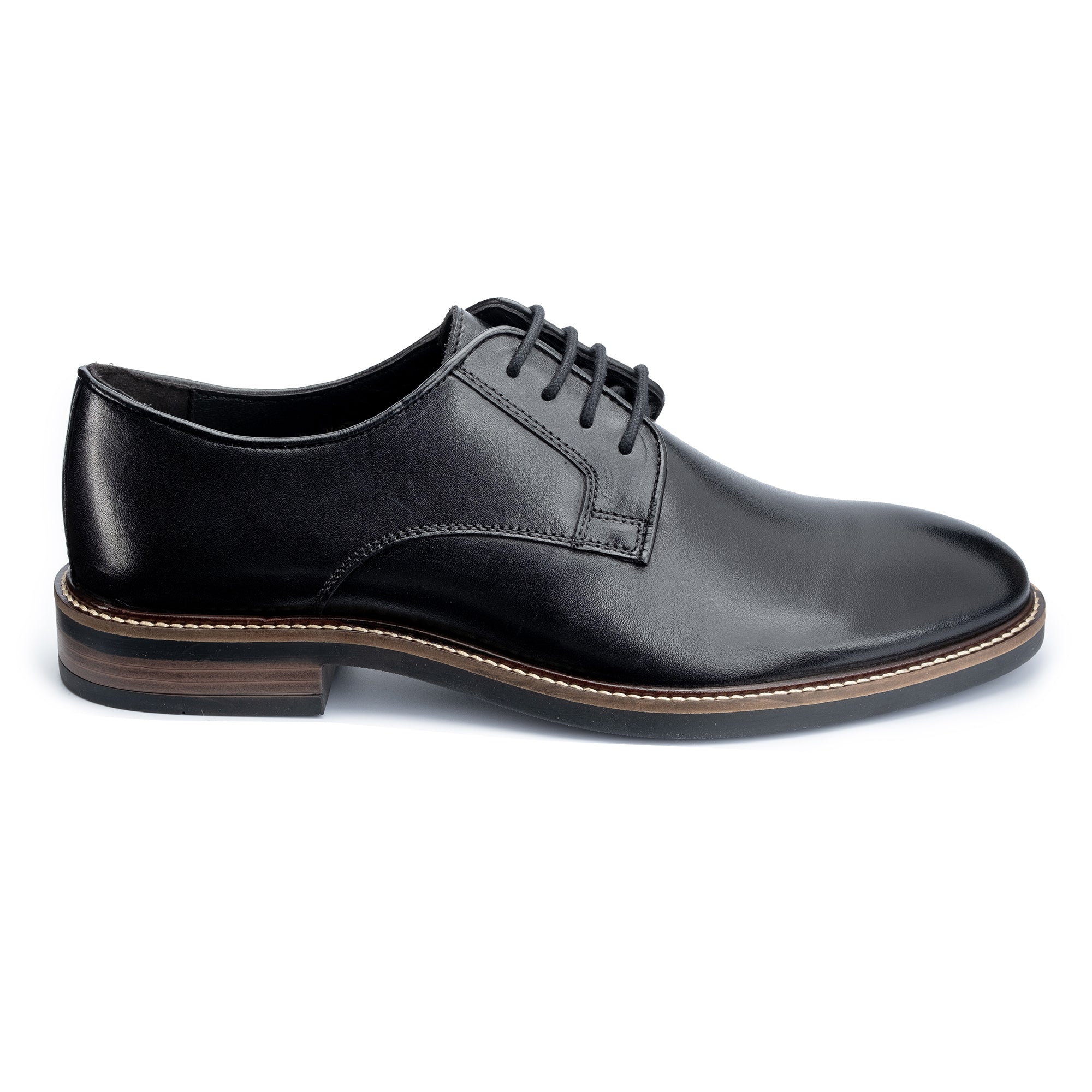
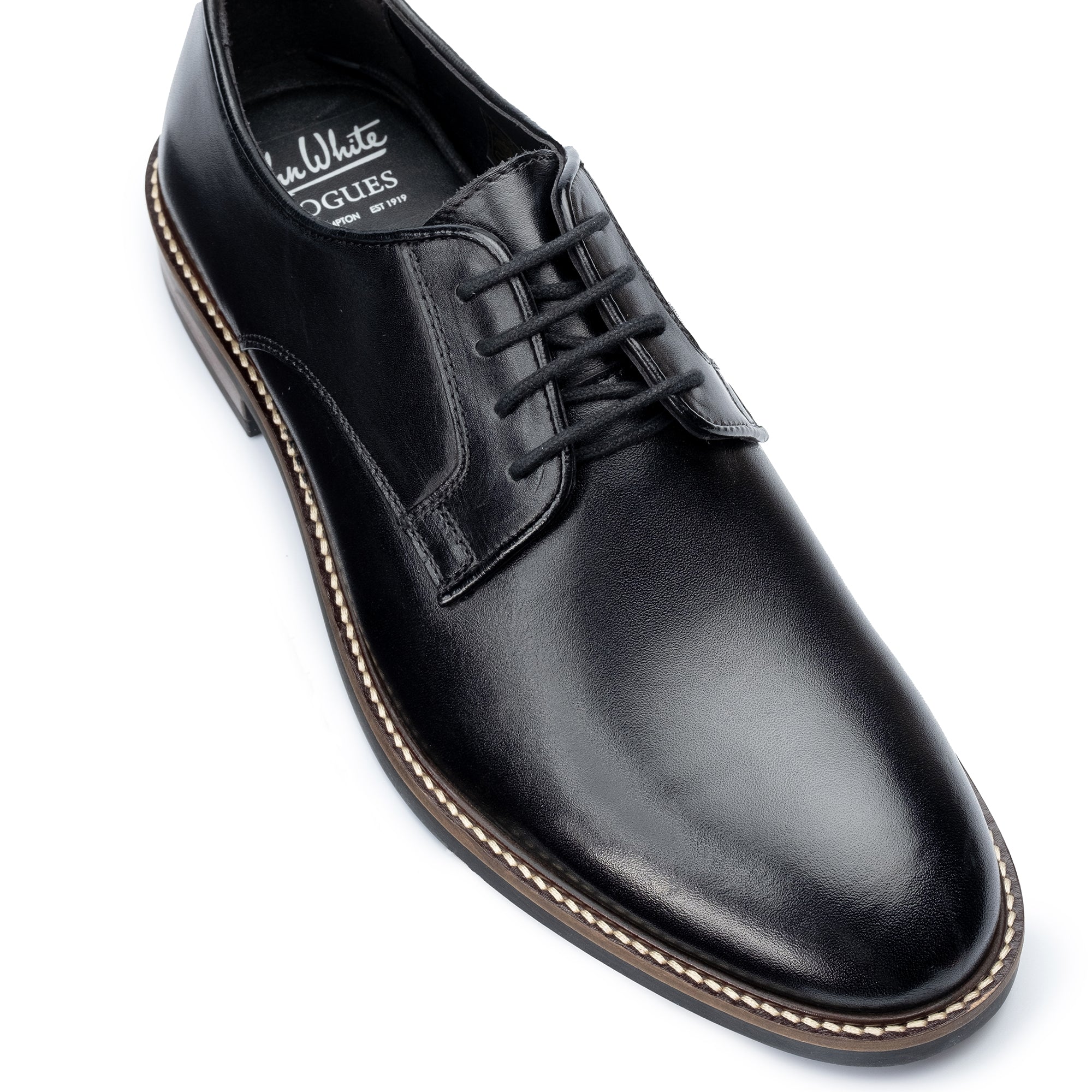
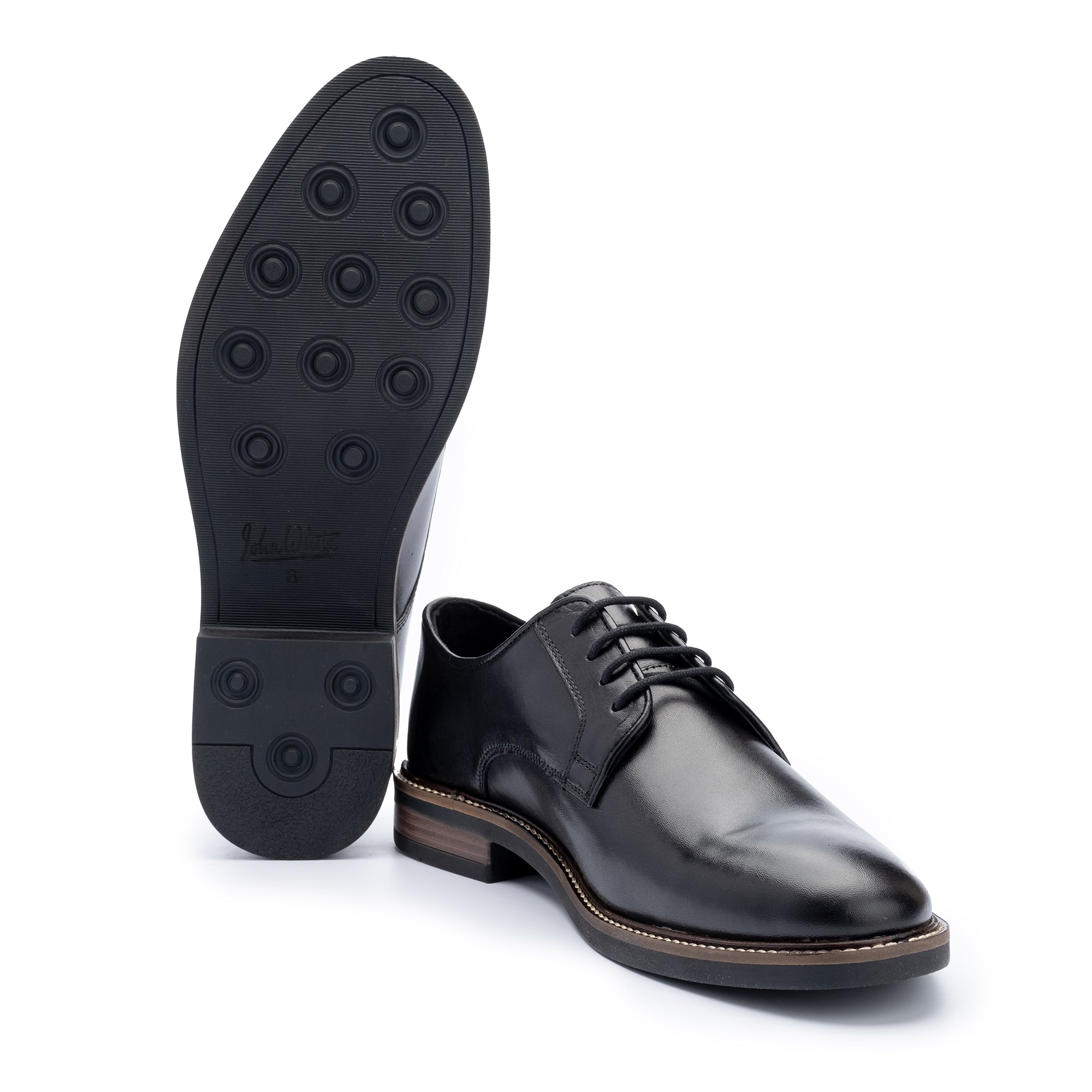
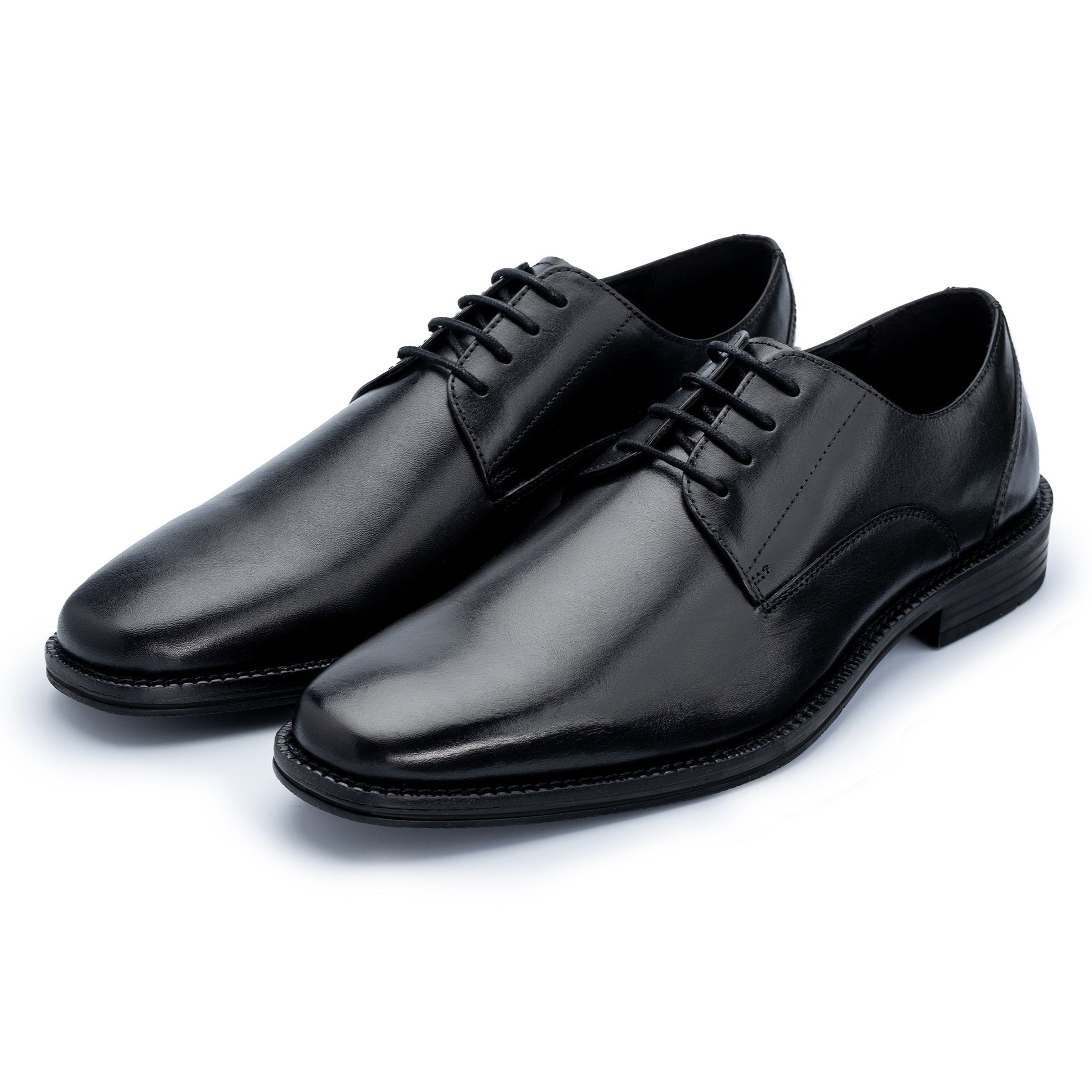
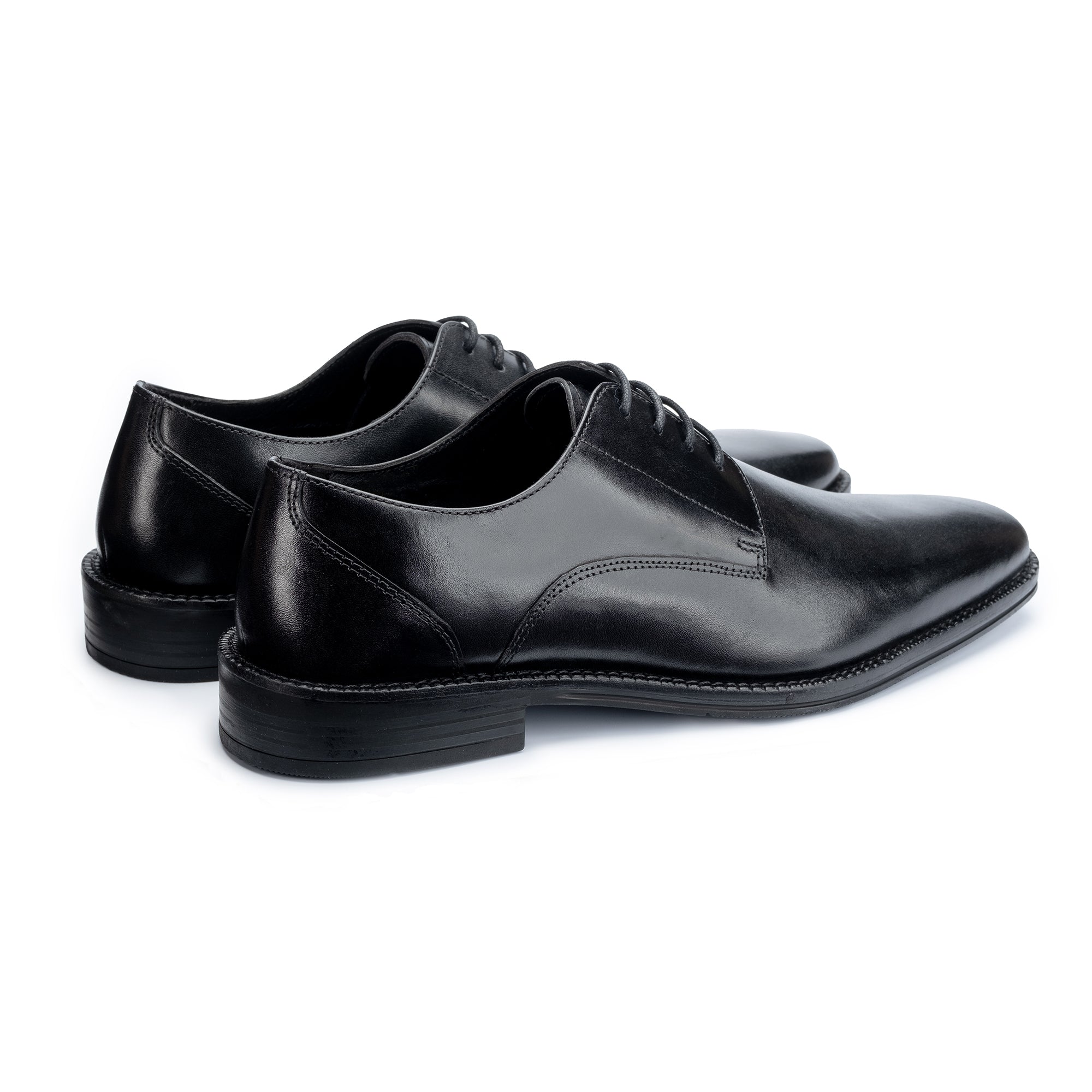
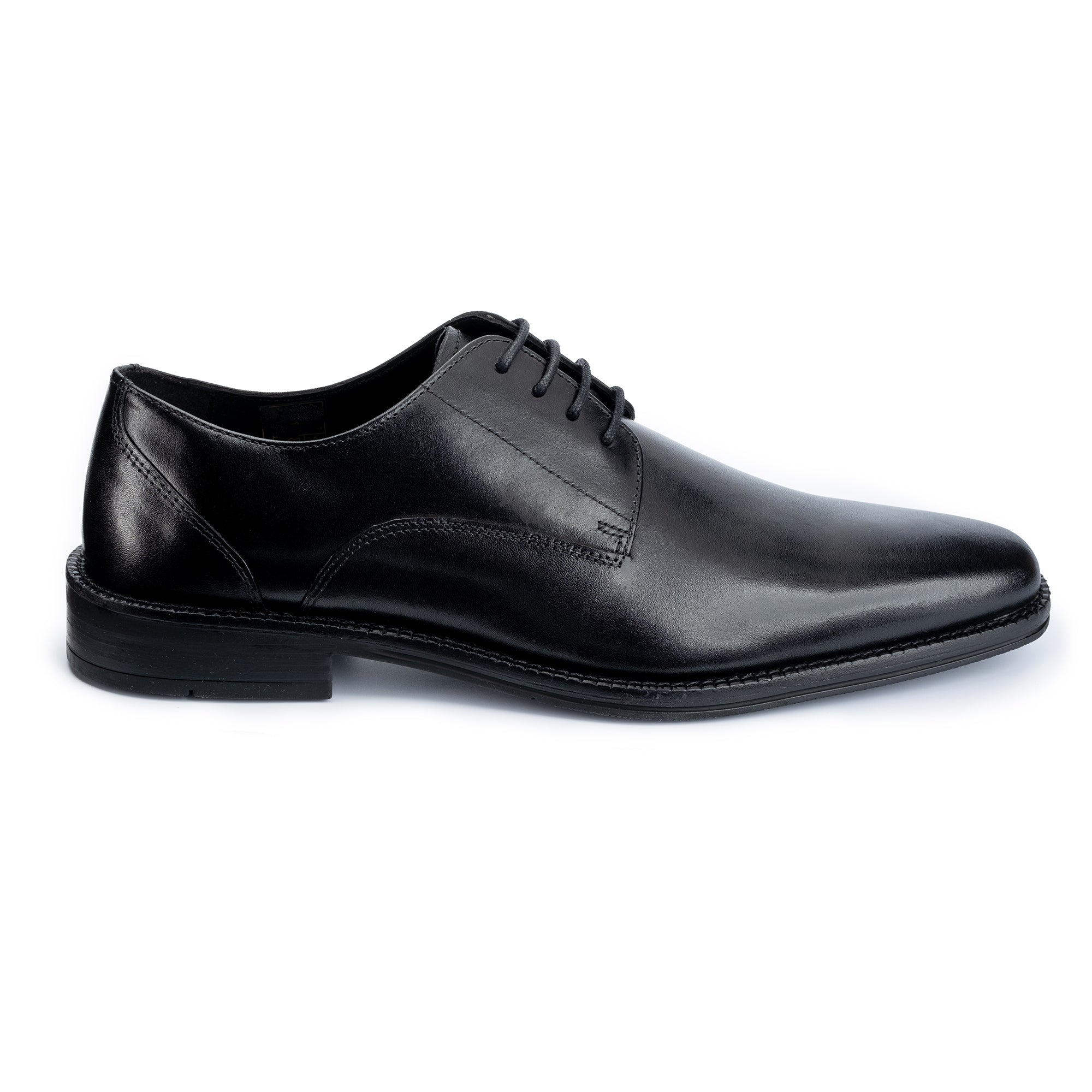
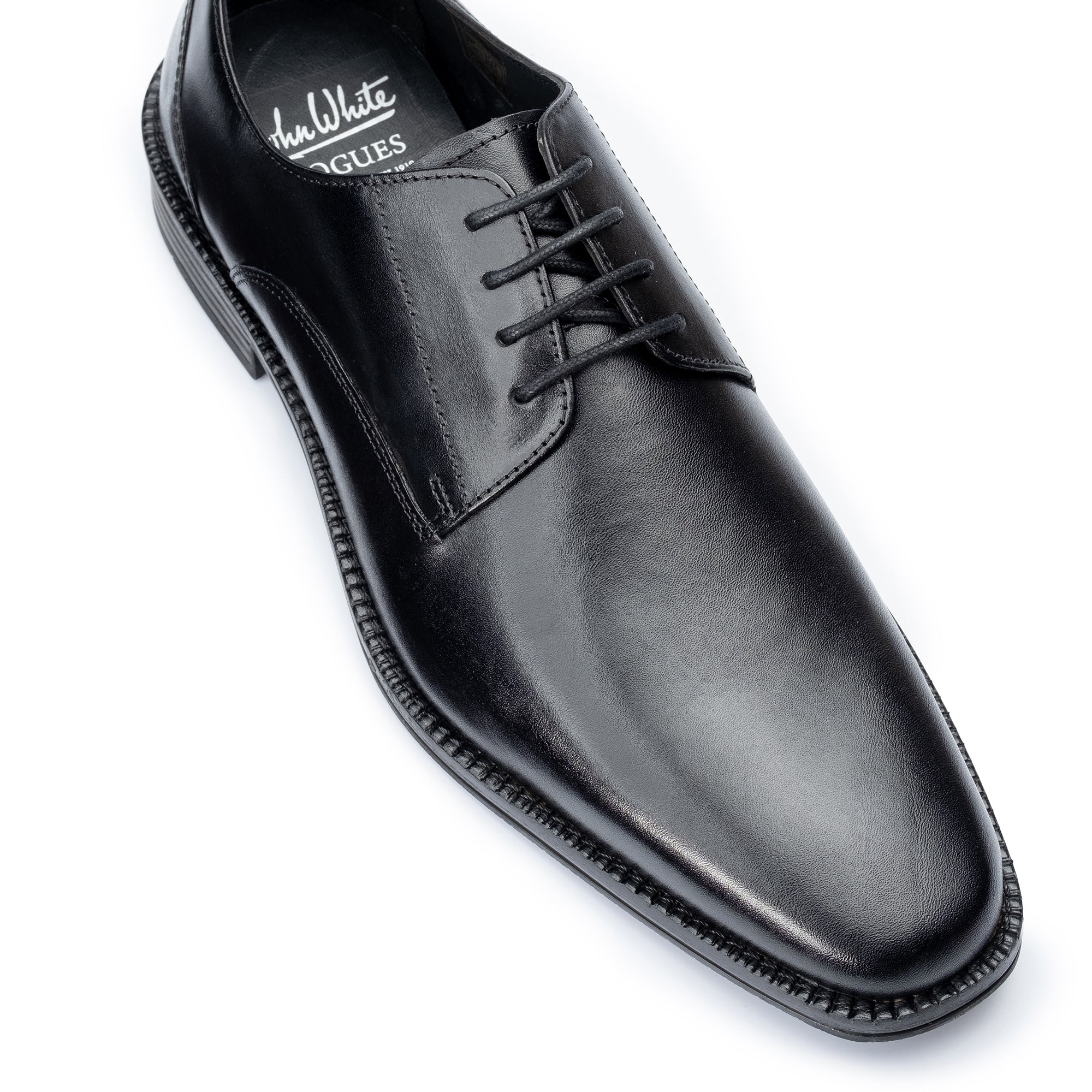
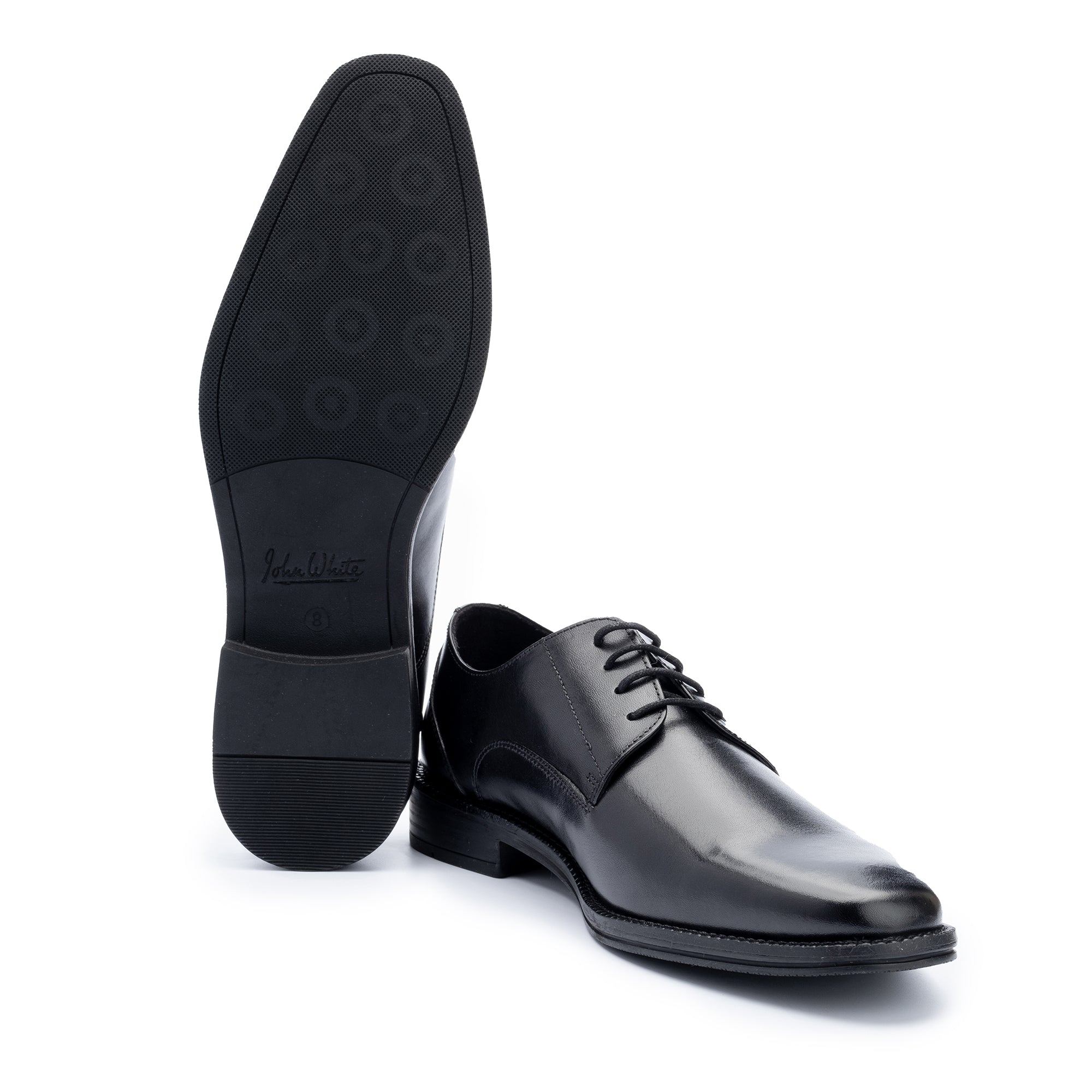
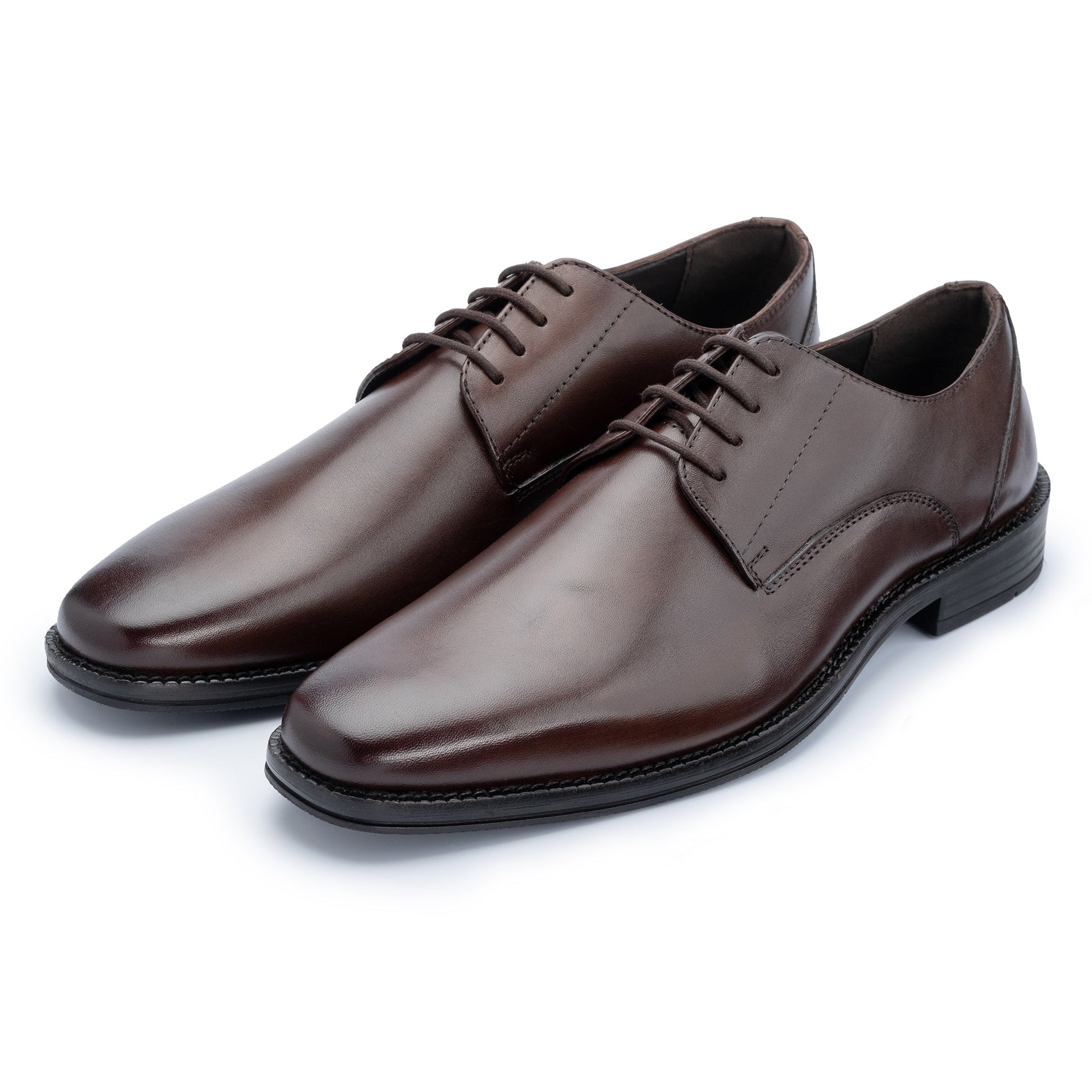
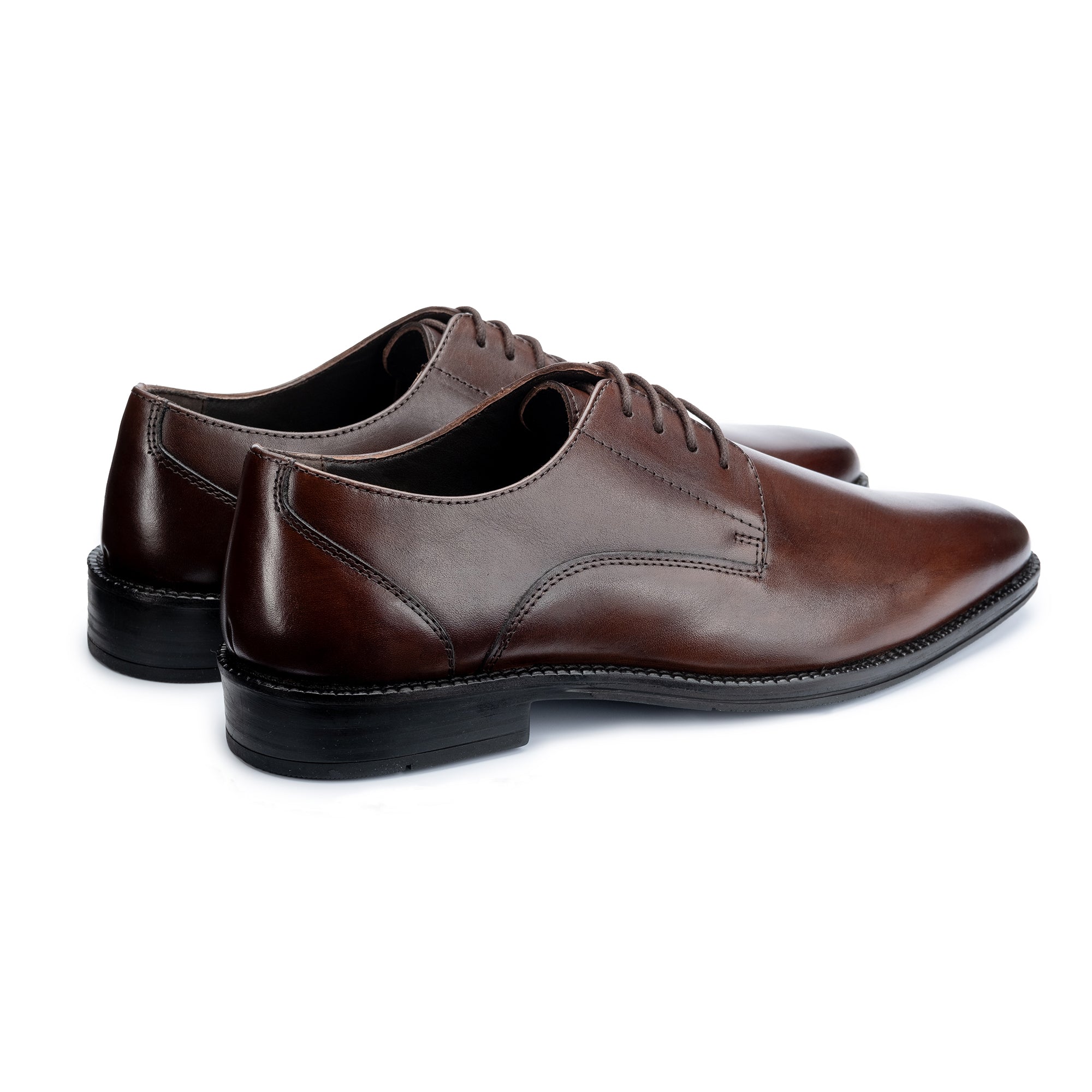
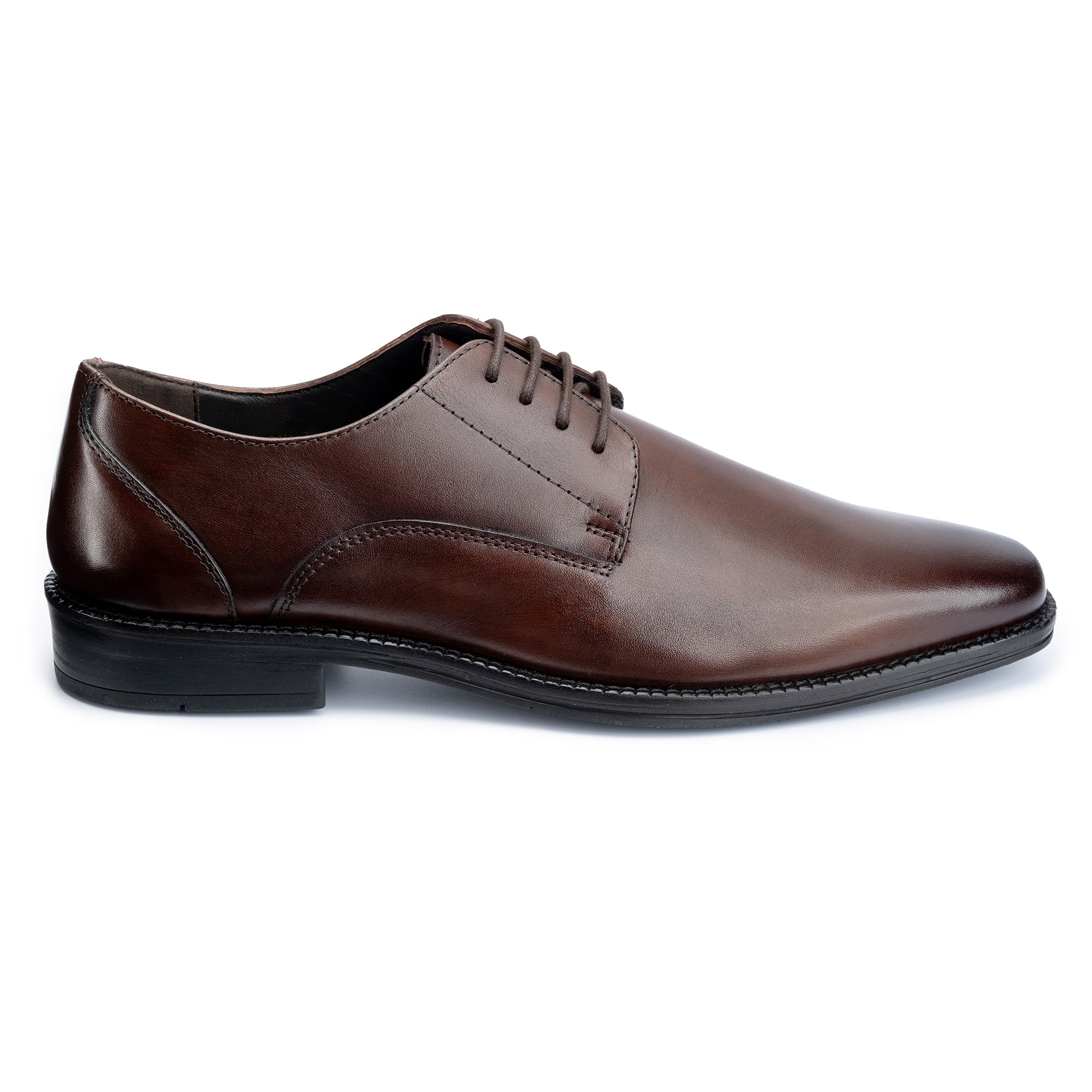
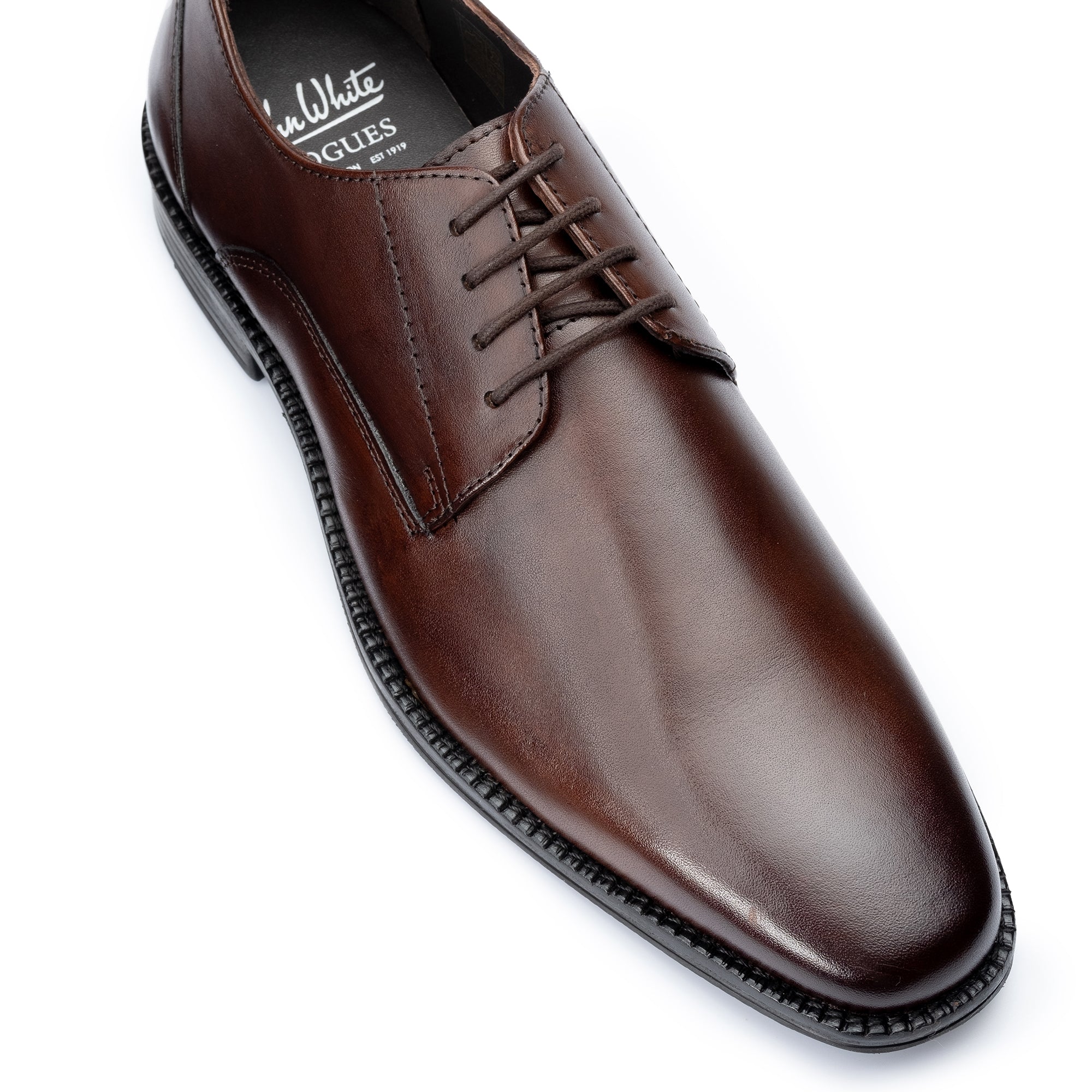
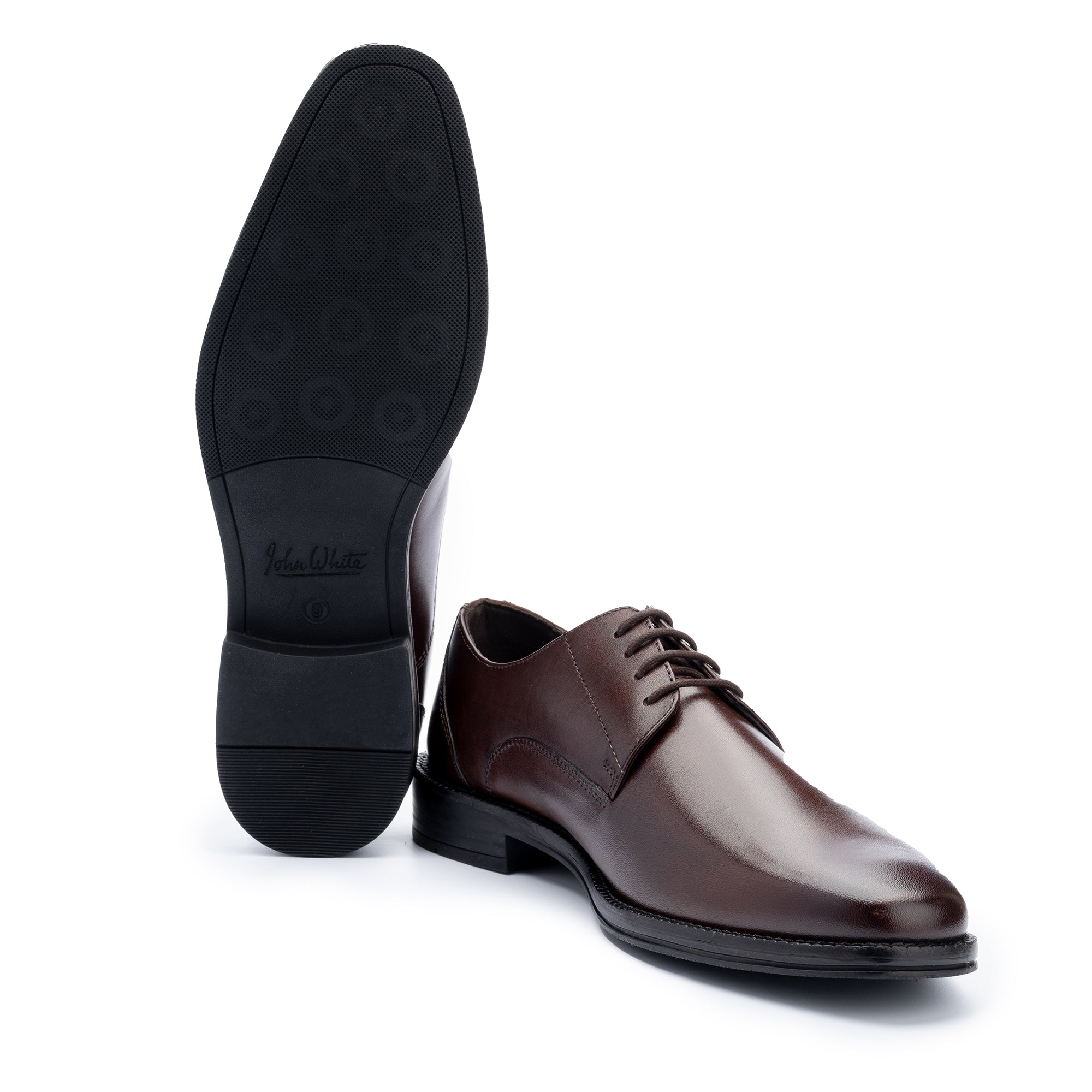
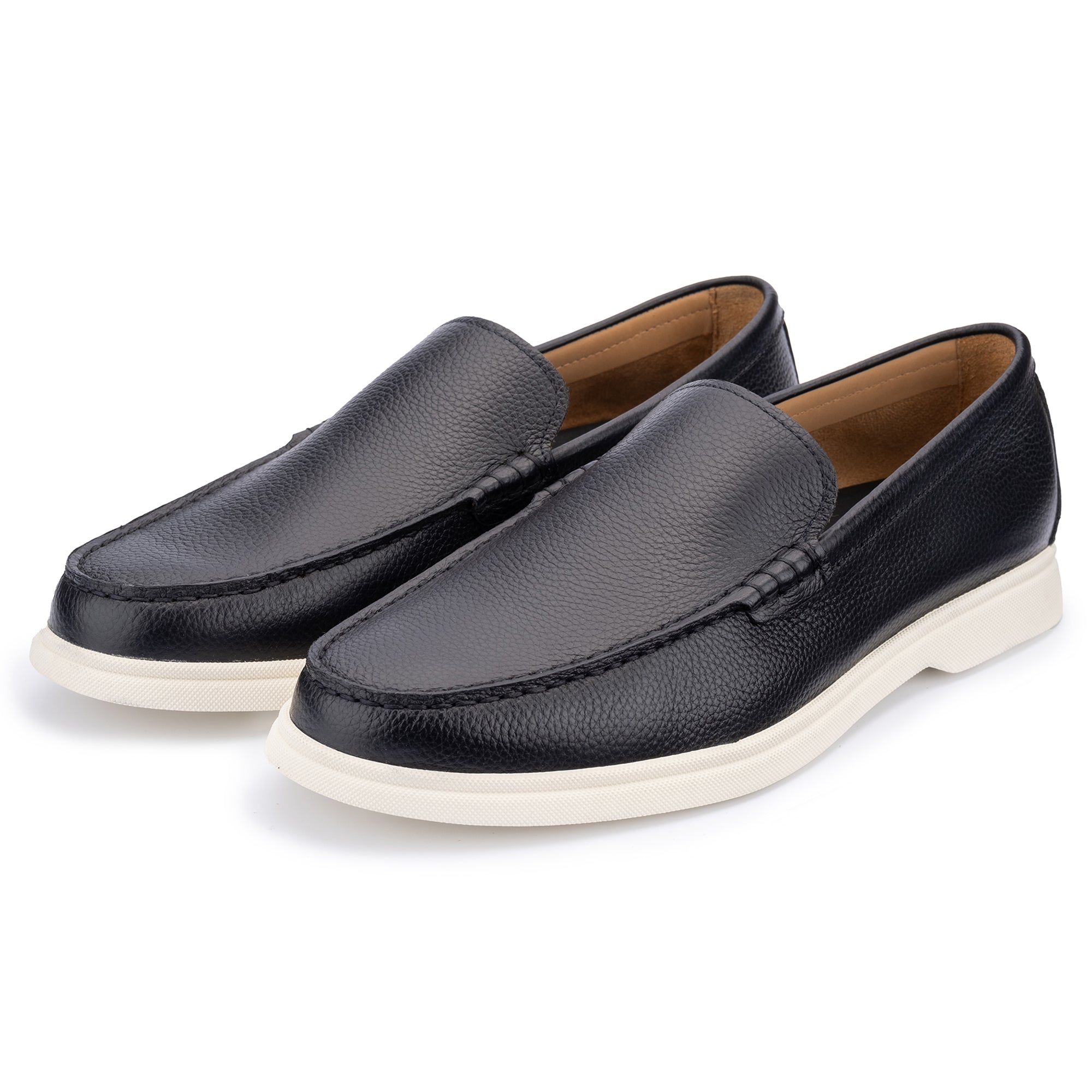
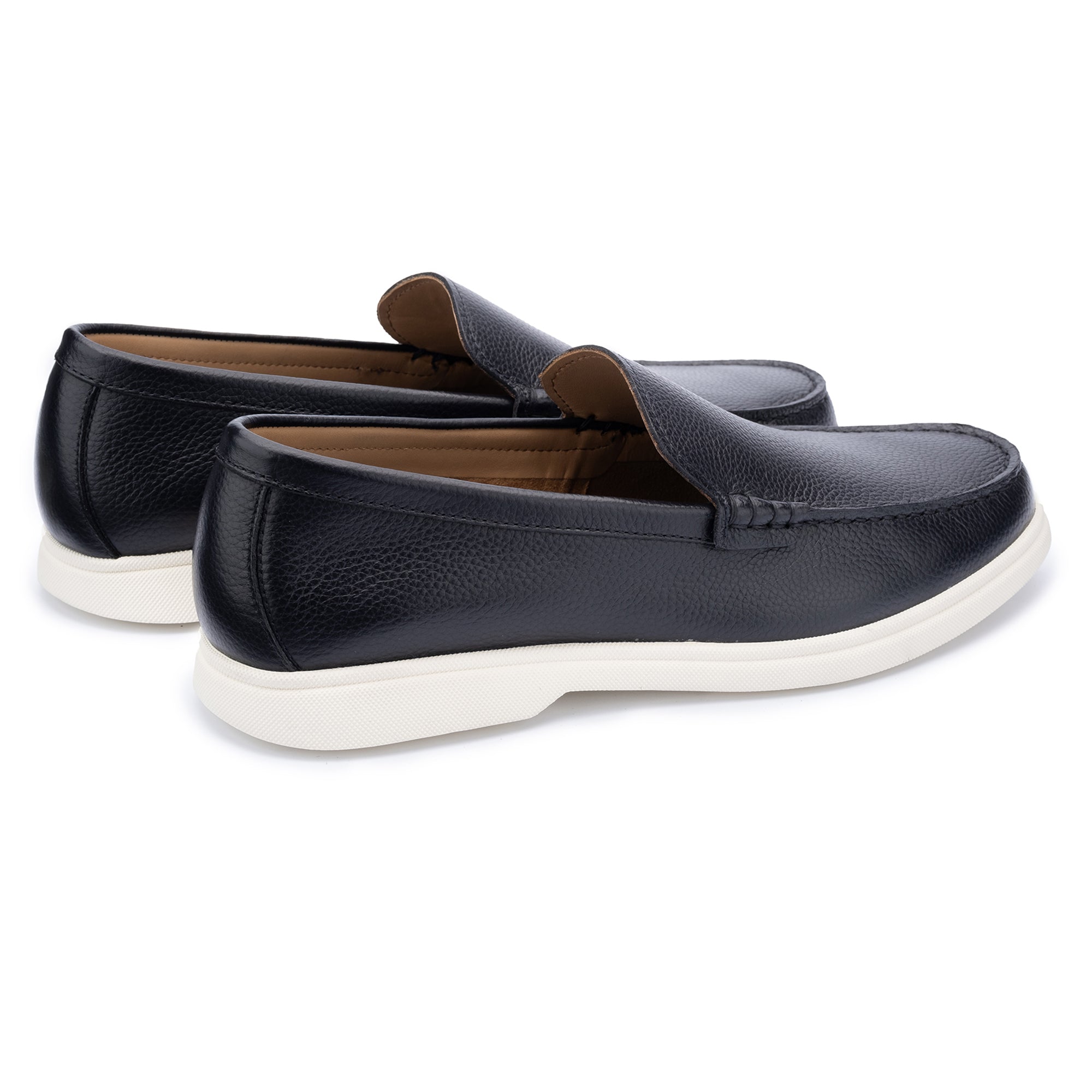
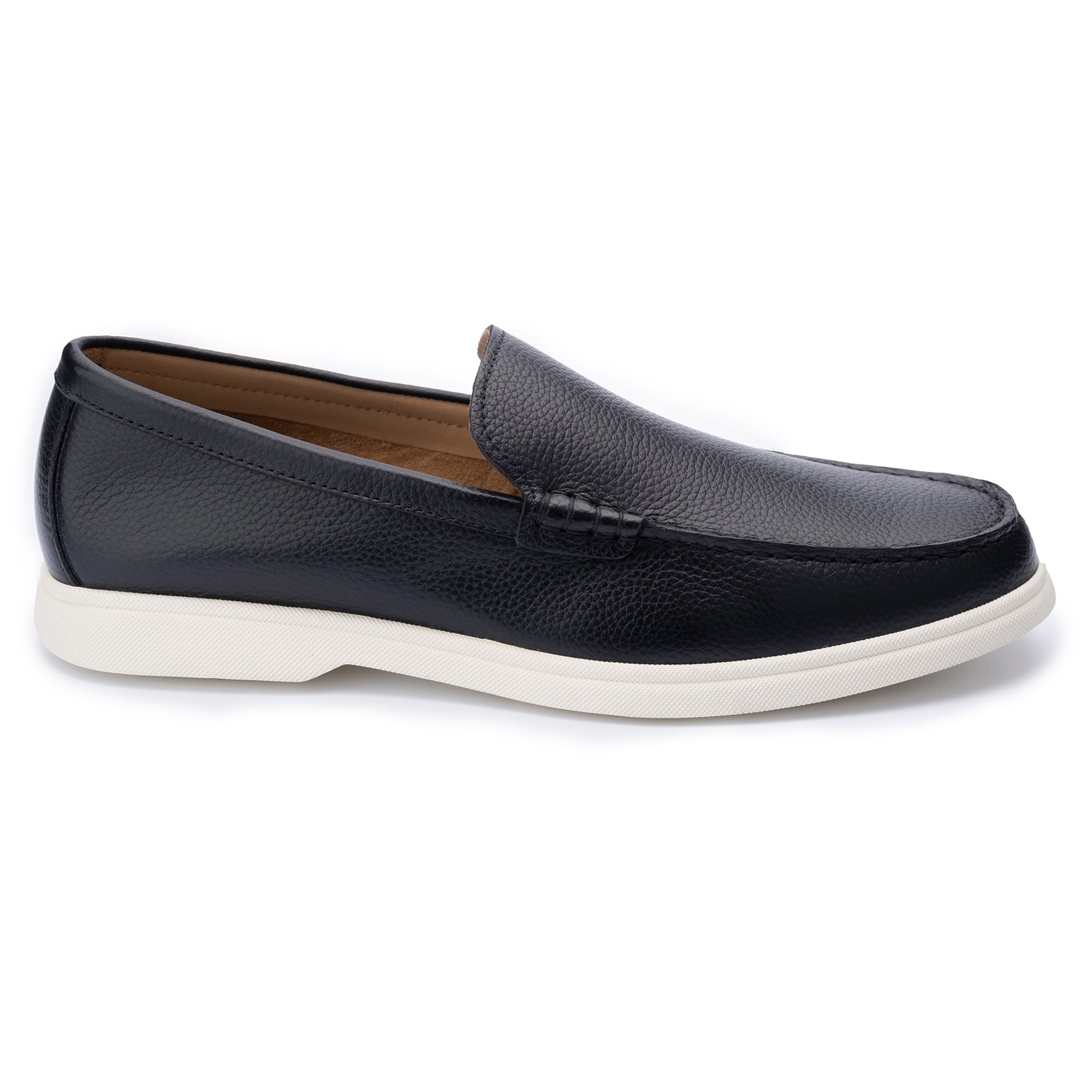
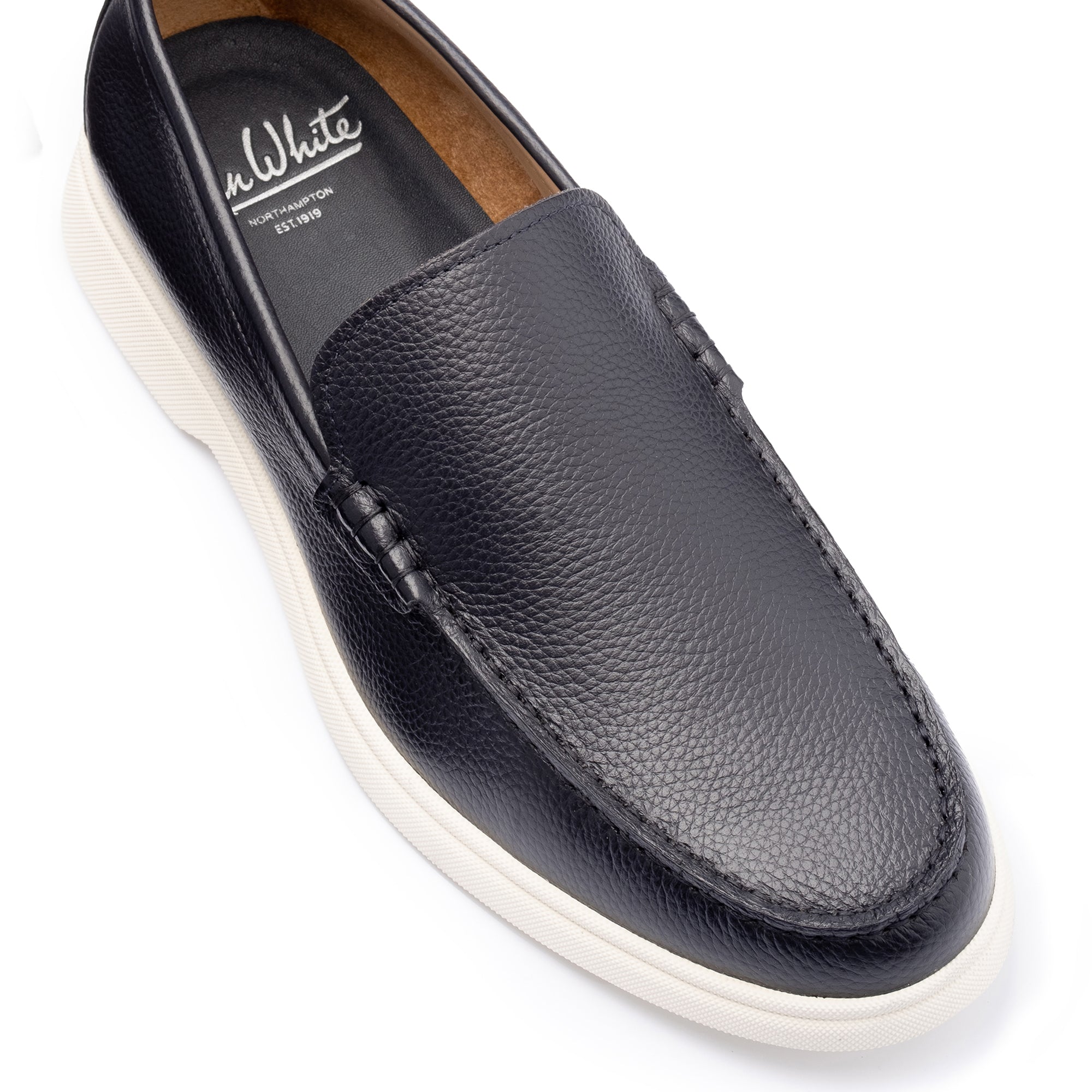
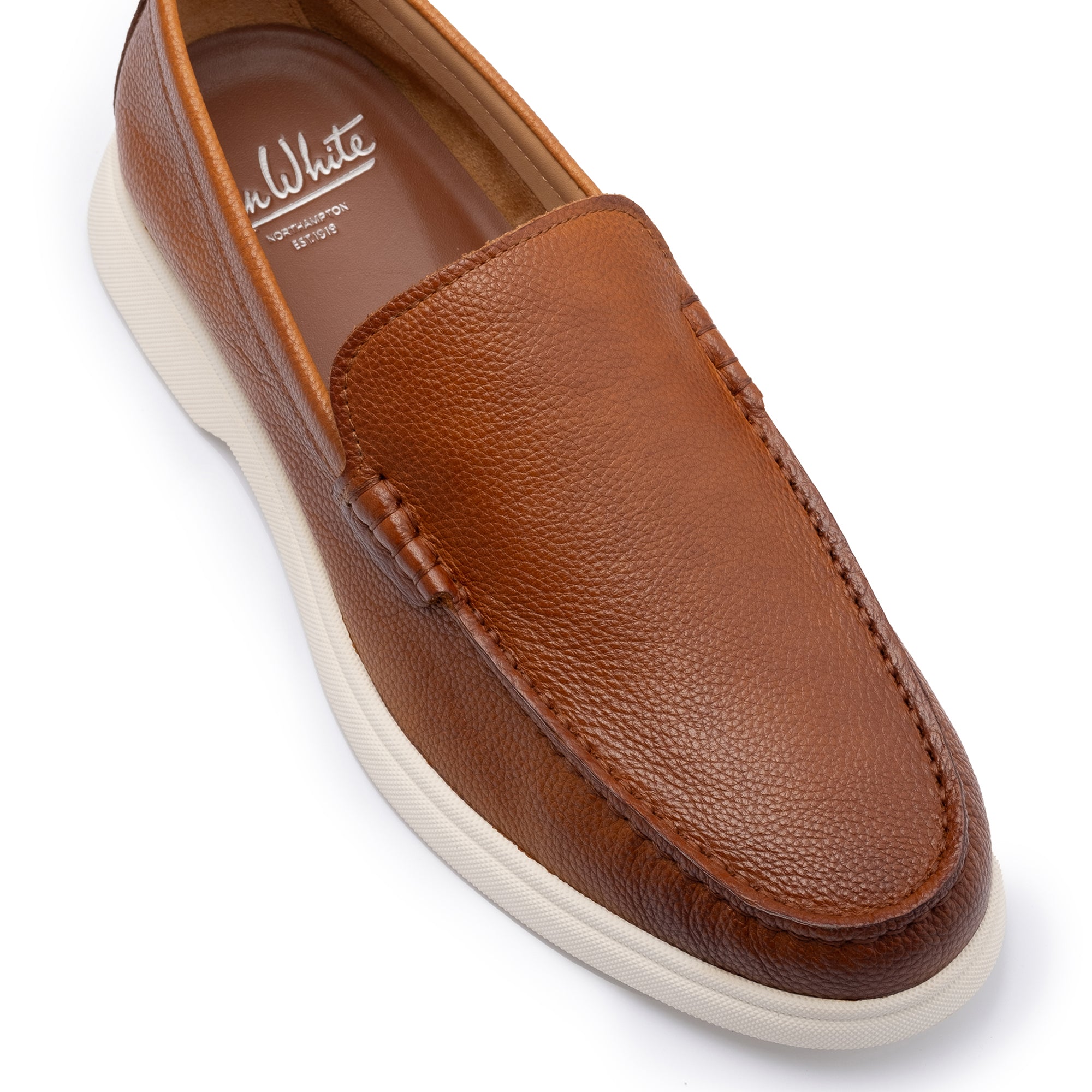
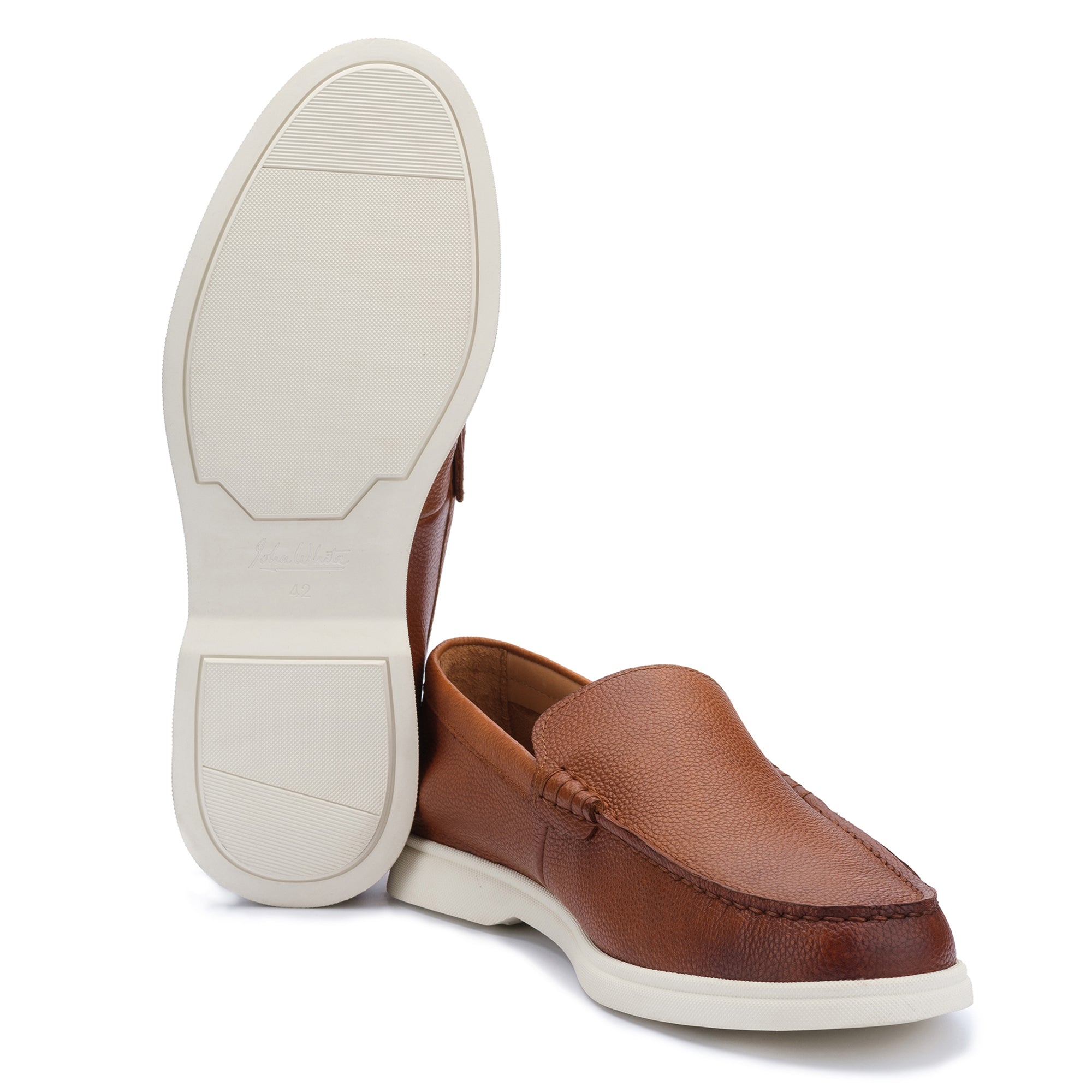
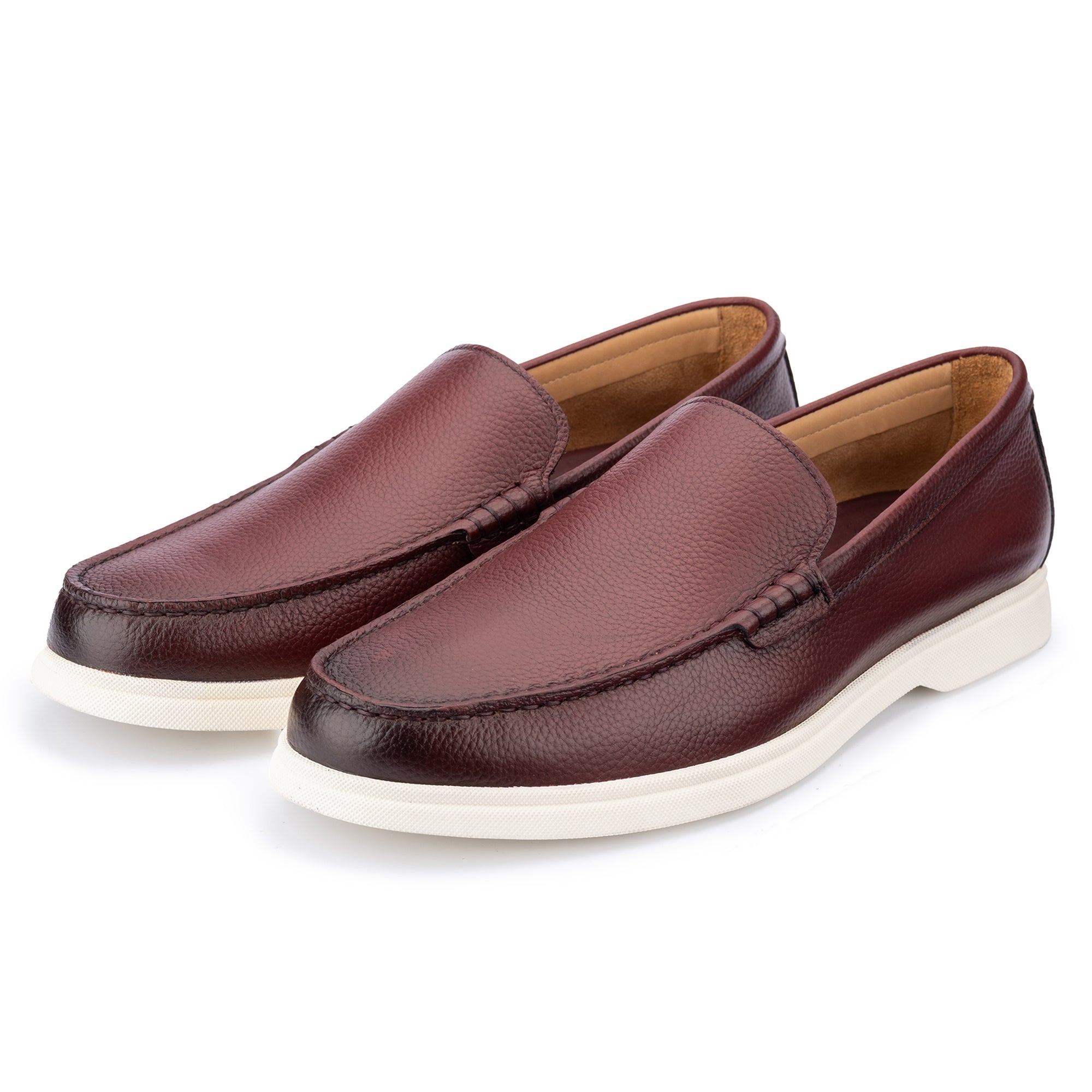
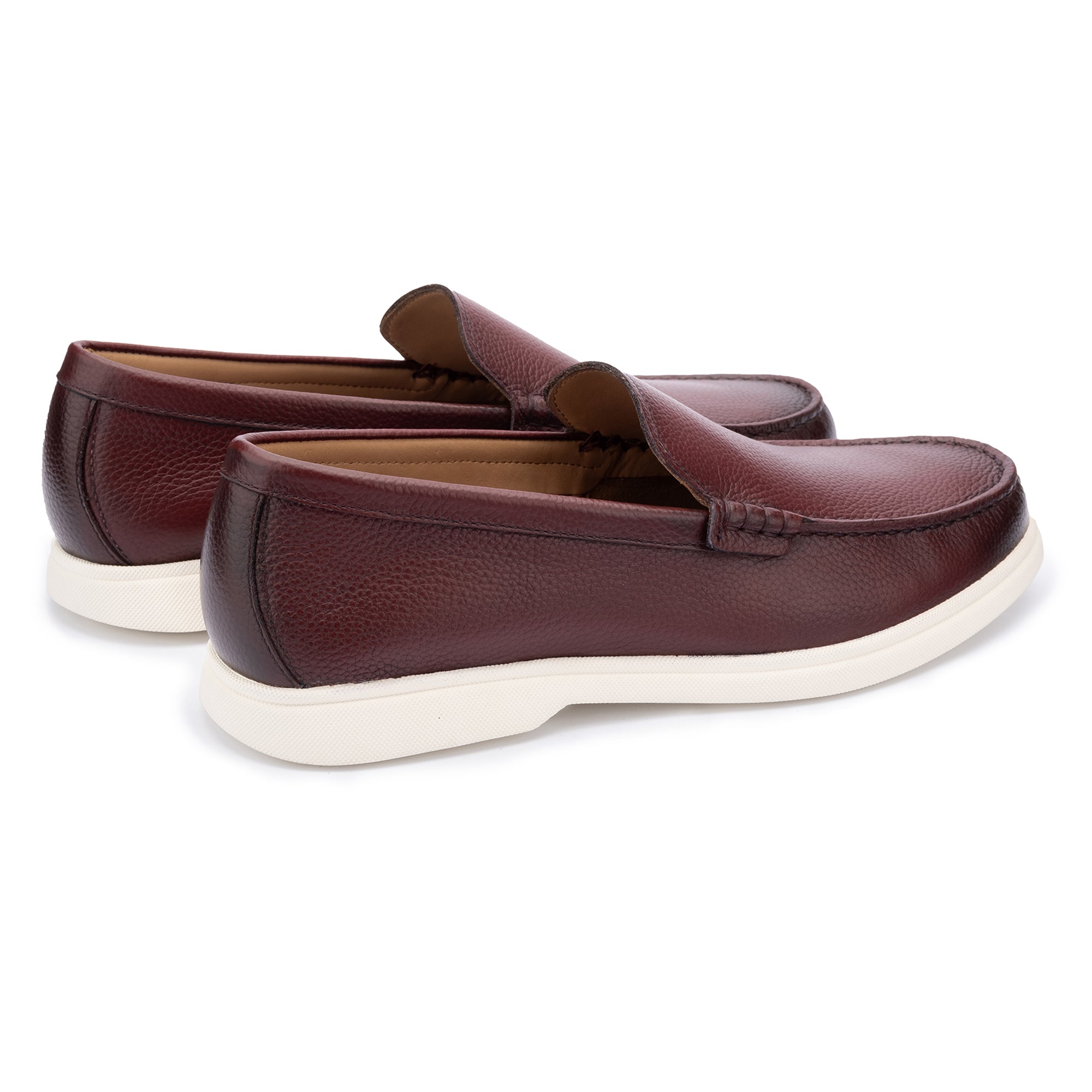
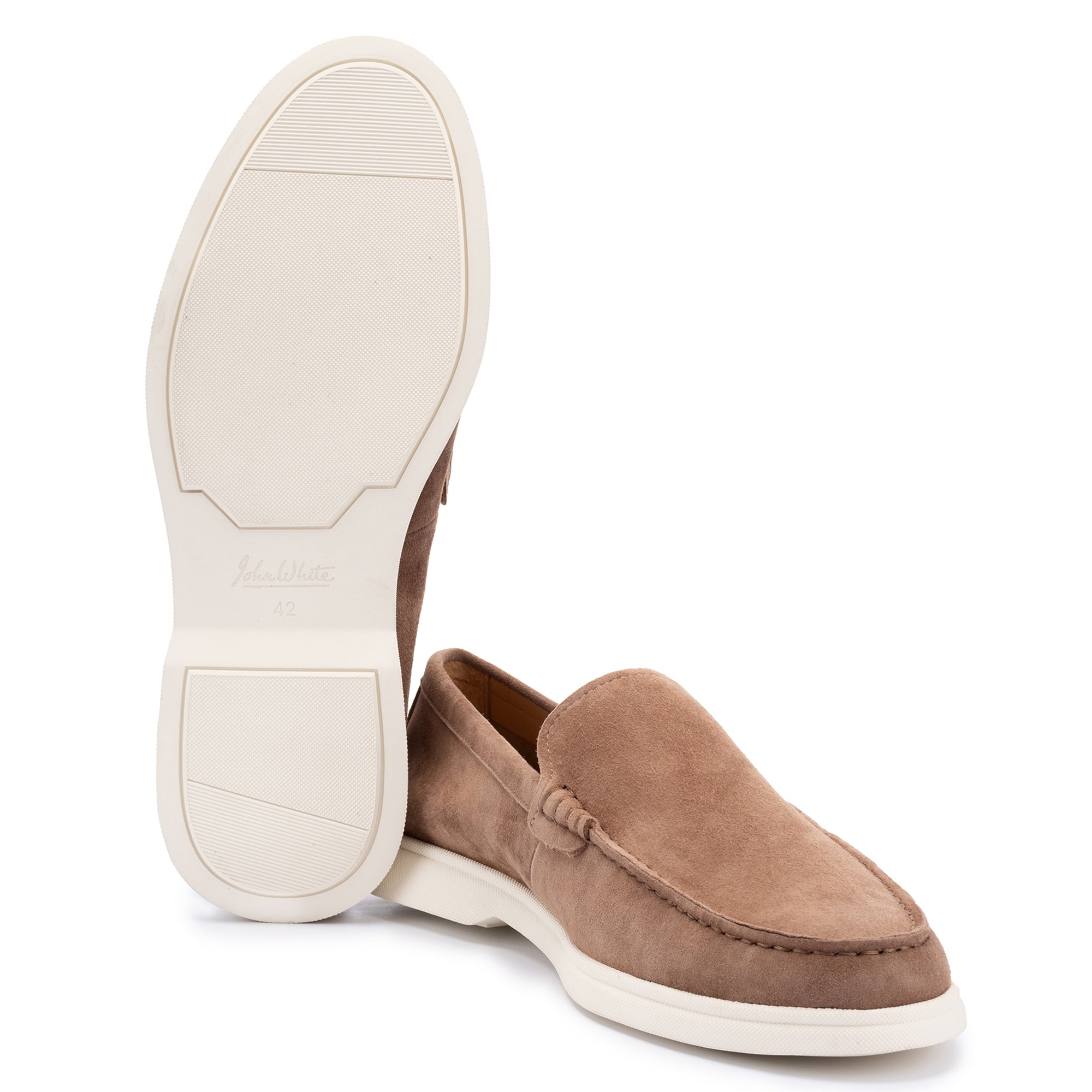
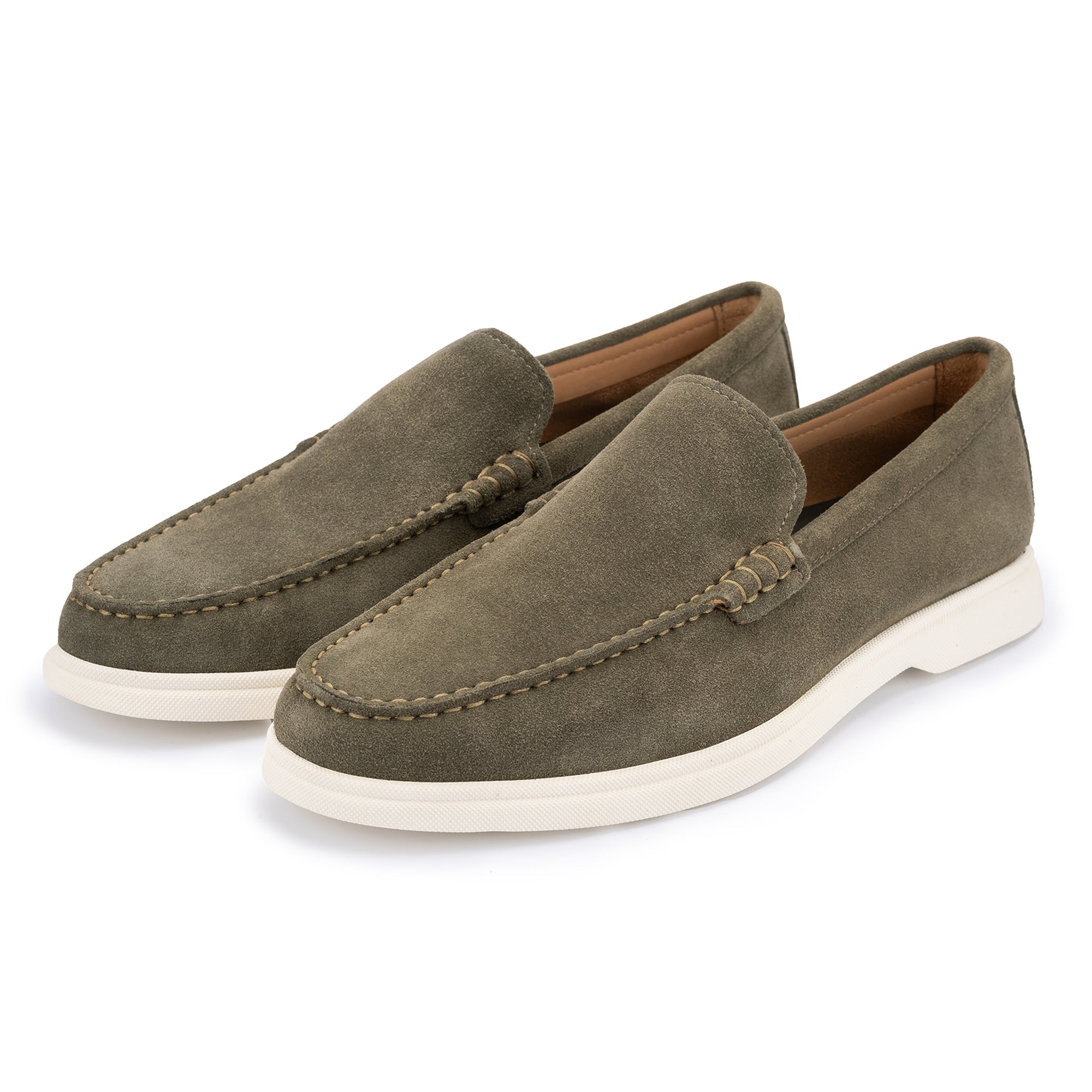
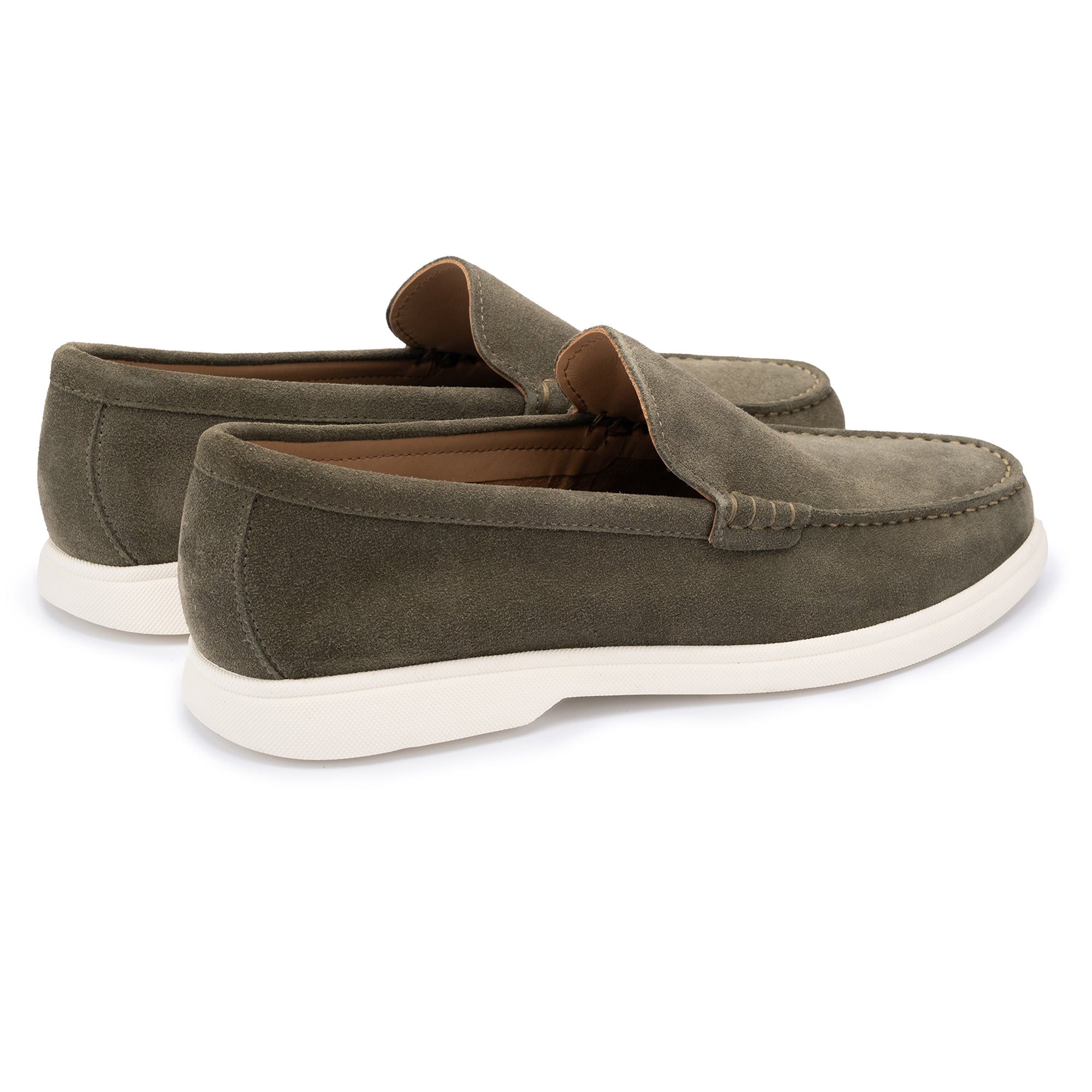
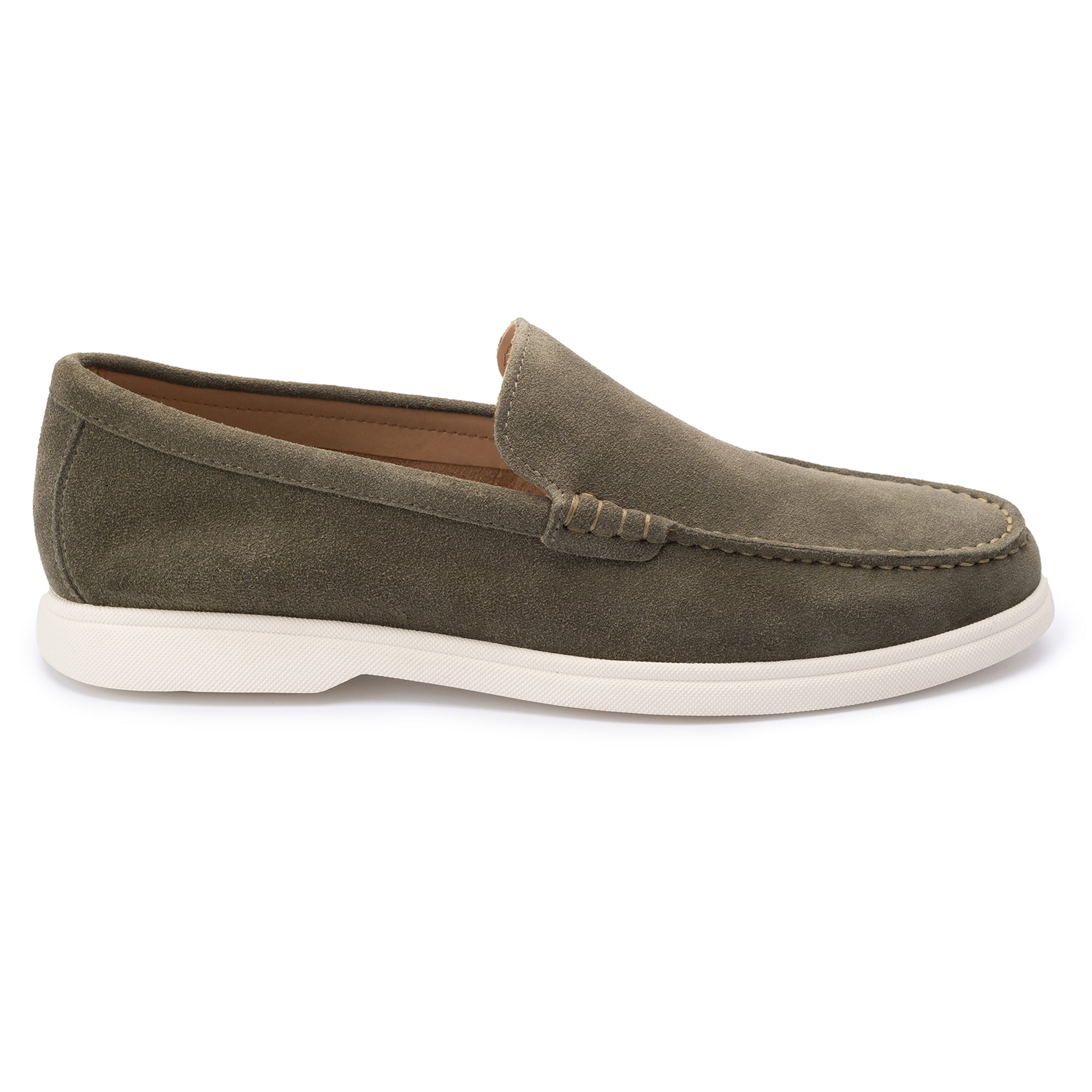
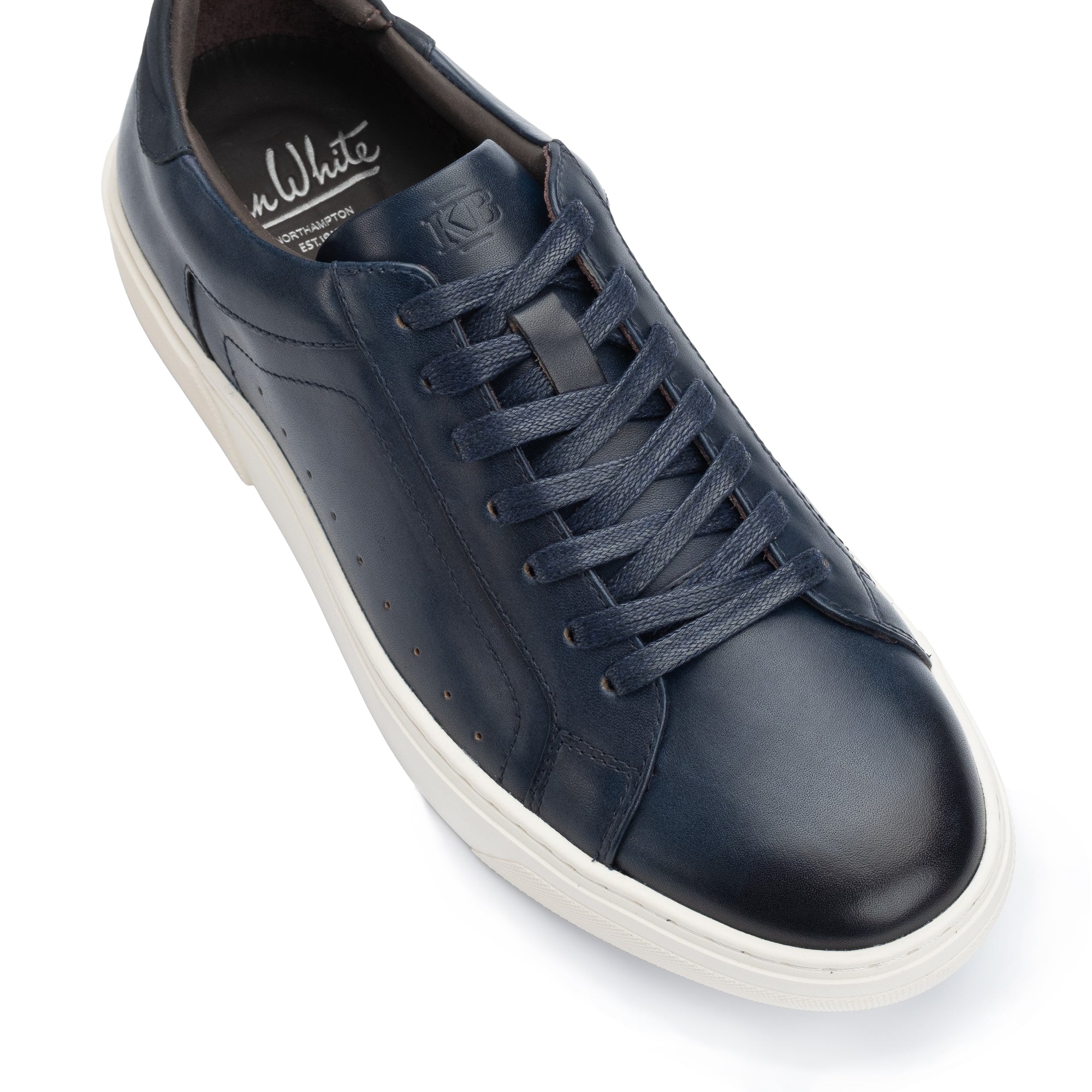
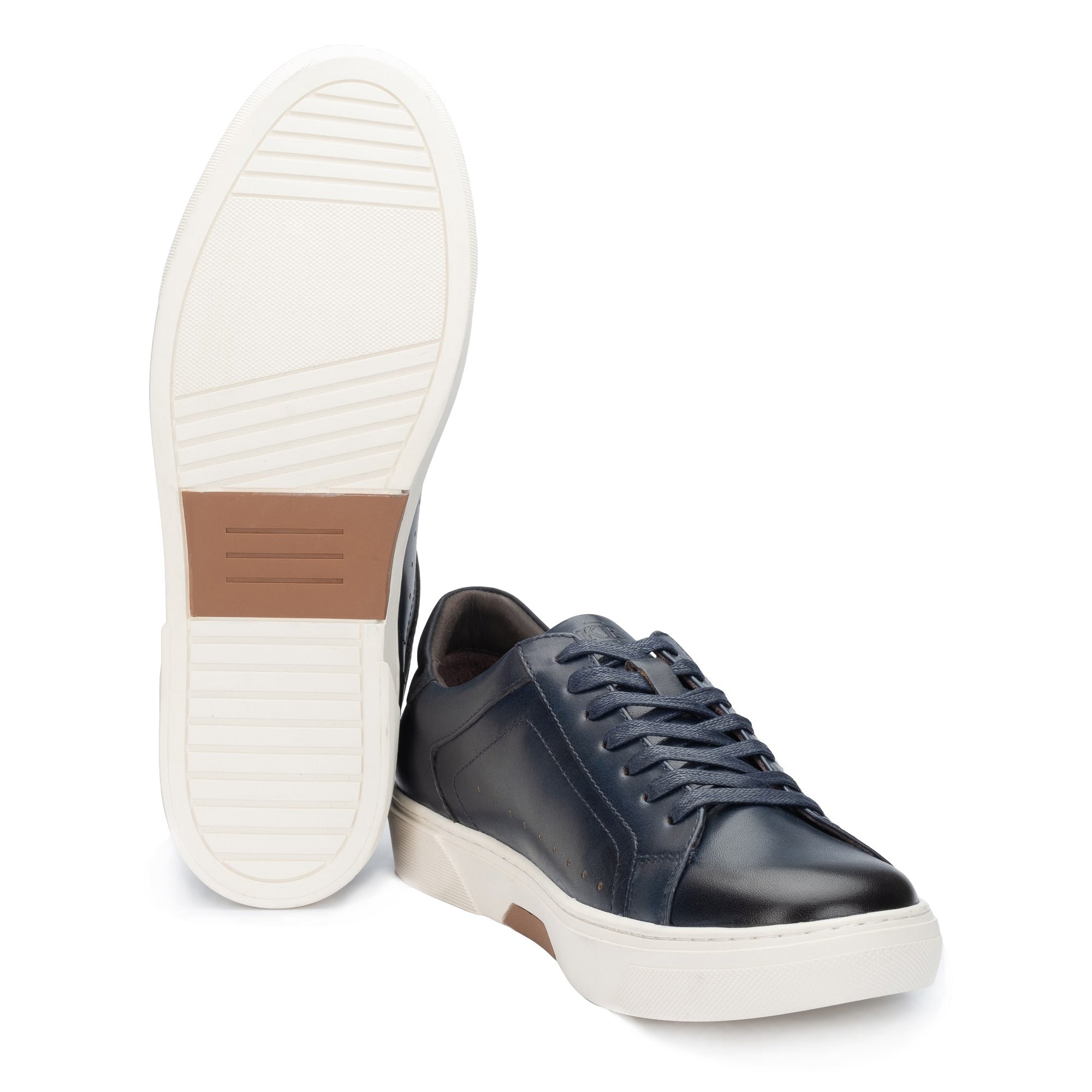
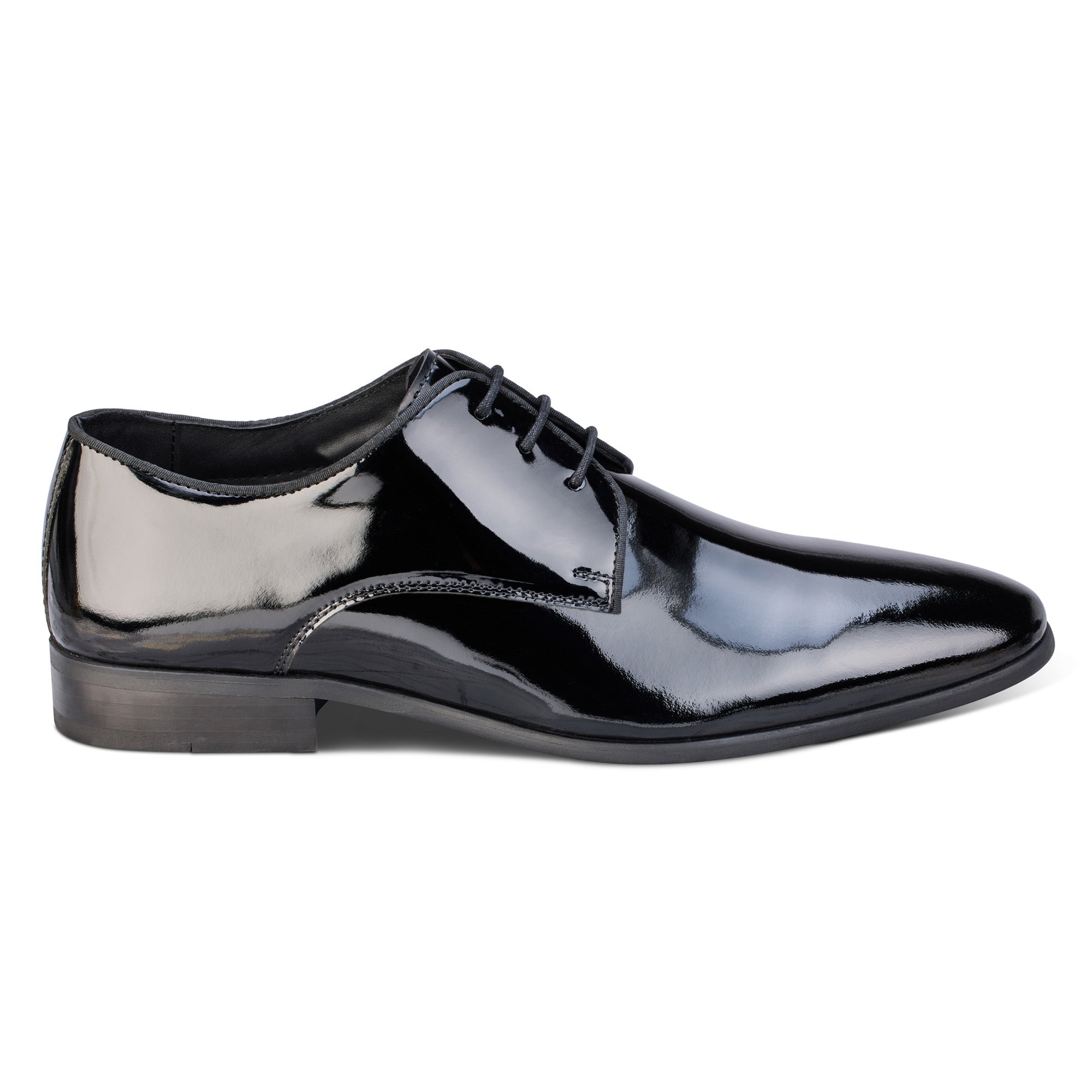
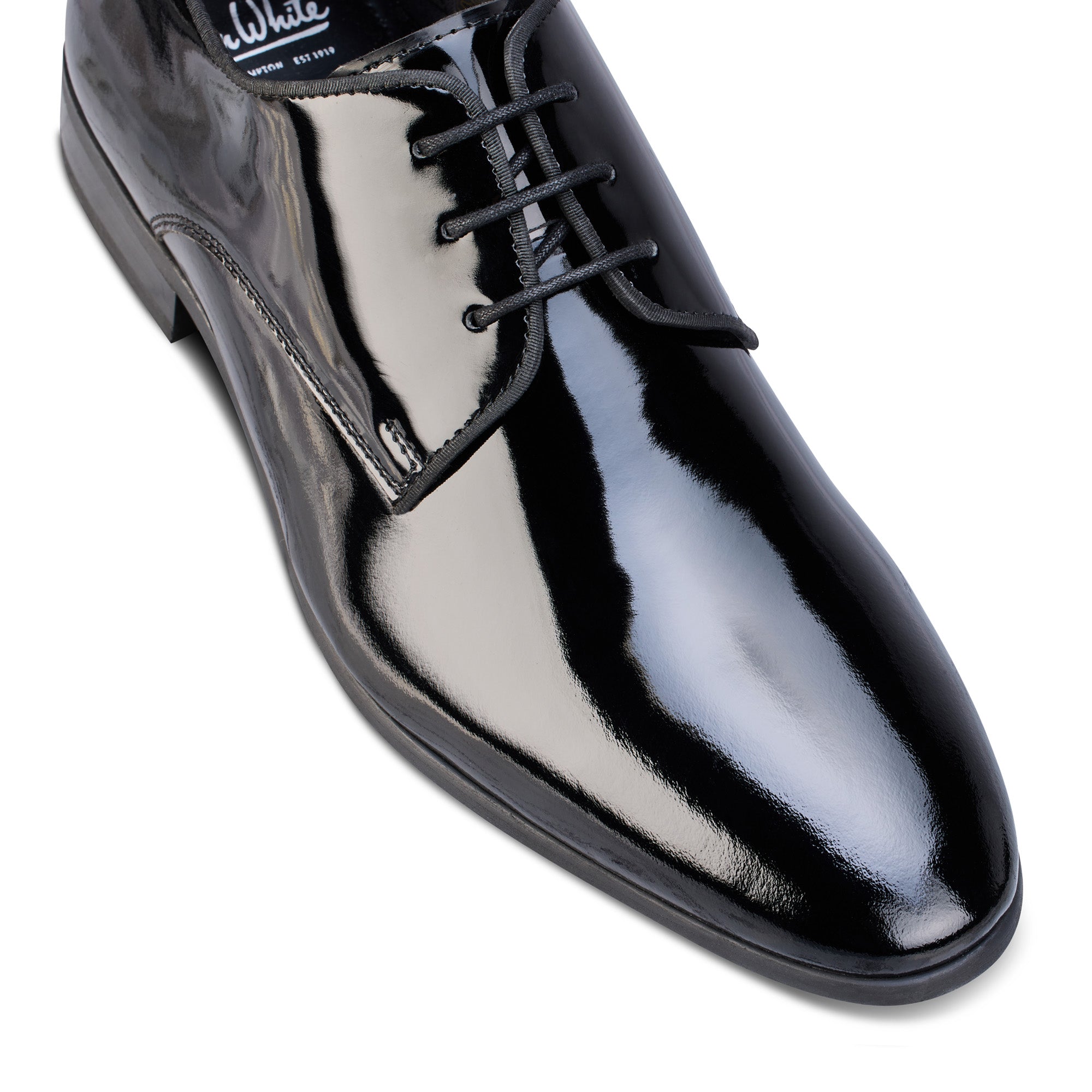
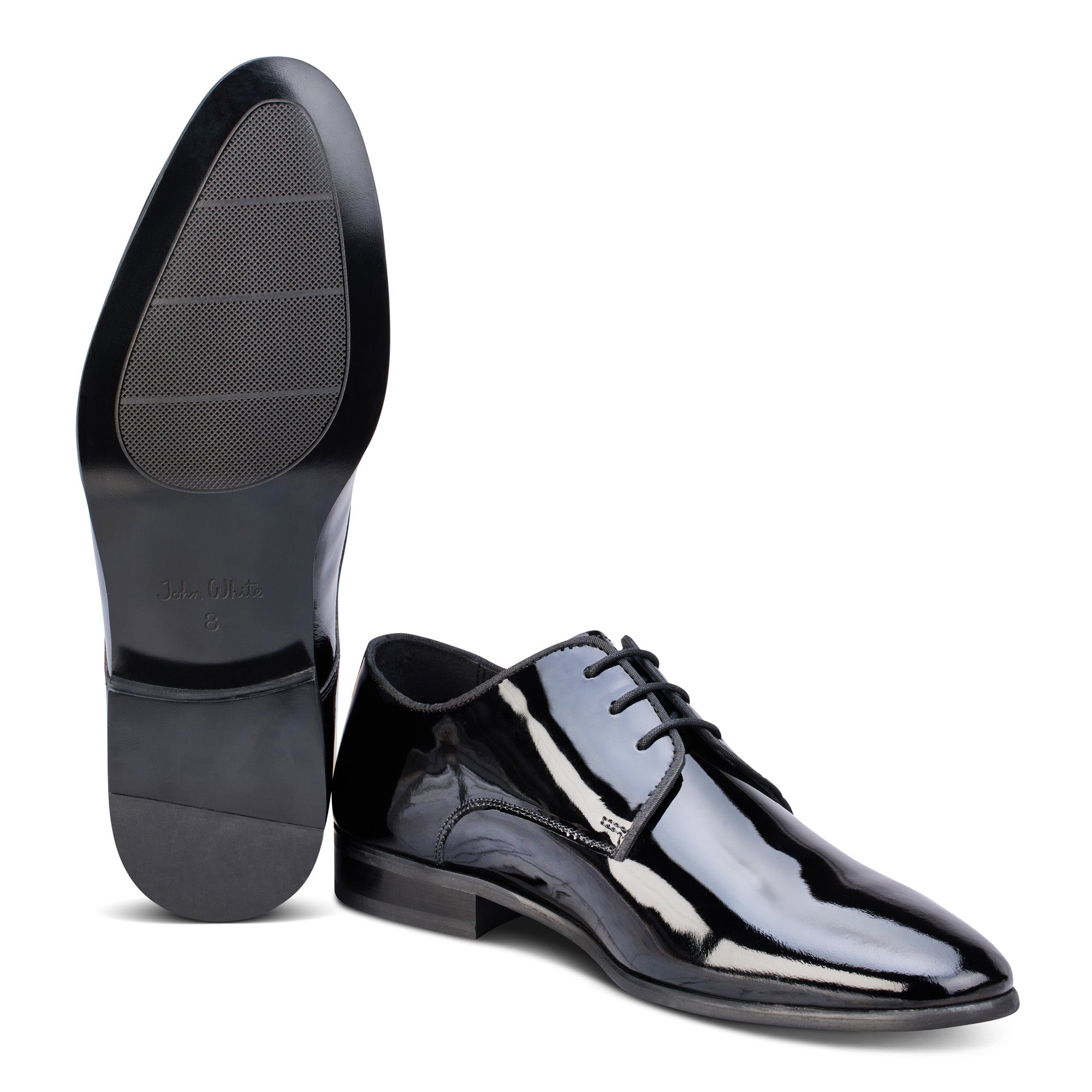
For premium calfskin leather — the standard for quality dress shoes from heritage makers such as Loake, Barker, Grenson, Church's, Crockett & Jones, and John White Shoes — a high-quality wax paste polish remains the benchmark for formal footwear maintenance.
Shoe polish works at the surface: it enhances appearance and provides protection, but does nothing to nourish the leather beneath it.
What Is the Difference Between Leather Conditioner and Shoe Polish?
Leather conditioner is a penetrating treatment that feeds the leather from within; shoe polish is a surface coating that improves appearance and provides weather protection. The two products operate at different levels of the leather and perform entirely different functions.
The distinction matters in practice. Applying wax polish to dry, un-conditioned leather can seal the surface, trapping dryness inside and accelerating the cracking it was meant to prevent.
| Leather Conditioner | Shoe Polish | |
|---|---|---|
| Primary purpose | Nourish and preserve internal structure | Restore colour, add shine, protect surface |
| How it works | Penetrates the leather | Sits on the surface |
| Application order | Always first | Always after conditioning |
| Frequency | Every 6–8 weeks | Every 2–4 weeks |
| Effect on appearance | None — invisible when dry | Adds gloss and colour depth |
| Water resistance | Moderate | High (wax polish) |
| Risk if misapplied | Low — excess simply absorbs | High — seals dry leather if applied without conditioning first |
Conditioner and polish are not interchangeable — they serve different functions at different layers of the leather, and a complete care routine requires both.
Which Should You Apply First — Conditioner or Polish?
Condition before you polish, without exception. This is the sequence followed by every master cobbler, leather conservator, and serious shoe care practitioner — and there is a sound technical reason for it.
Conditioner applied to clean, un-polished leather penetrates the fibres freely. Polish applied first creates a surface barrier that prevents subsequent conditioning from reaching the leather at all, negating its purpose entirely.
The correct sequence:
- Clean — remove dirt and old polish residue with a slightly damp cloth or dedicated leather cleaner. Allow to dry fully before proceeding.
- Condition — apply a small amount of conditioner with a soft cloth, working it into the leather with circular motions. Allow a minimum of 15–20 minutes for full absorption.
- Polish — once the conditioner has dried, apply polish with a horsehair brush or application cloth. For wax polish, build in thin, even layers rather than one heavy coat.
- Buff — finish with a clean, dry horsehair brush or buffing cloth to raise the shine and remove any surplus product.
Saphir, one of Europe's foremost leather care specialists, recommends this precise four-step sequence across their entire product range, noting that polish applied over properly conditioned leather achieves greater depth of colour and more uniform coverage than the same polish applied to dry leather.
The order is non-negotiable: clean, condition, polish — every time, without exception.
When Should You Use Leather Conditioner?
Conditioning should be routine, not reactive. Most men wait until leather begins to look dull or shows surface cracks — by which point some structural damage has already occurred and cannot be fully reversed.
Condition your leather shoes:
- Every six to eight weeks as standard maintenance
- After heavy rain or any significant water exposure
- Before and after any extended period of storage
- When leather feels stiff or loses its natural suppleness
- More frequently in autumn and winter, when central heating strips moisture from the air
The Leather Conservation Centre notes that leather stored or worn in centrally heated rooms loses moisture significantly faster than leather kept in naturally ventilated environments — a particularly relevant consideration in British winters, when heating systems run continuously for months at a time.
According to the Society of Master Shoe Repairers, a consistent care routine combining cleaning, conditioning, and polishing can extend the working life of a well-constructed shoe by eight to ten years beyond what neglect would allow.
Condition proactively: by the time visible deterioration appears, preventable damage has already begun.
When Should You Use Shoe Polish?
Polish every two to four weeks for shoes worn regularly, or whenever the surface lustre has noticeably dulled. Before any formal occasion — a job interview, a client meeting, a wedding — a thorough polish is not discretionary.
Apply polish:
- Before formal occasions, where a clean, deep shine signals considered attention to detail
- After scuffing or surface abrasion — for deeper damage, our guide to removing scuffs from leather shoes at home covers the full restoration process
- When colour has faded unevenly, particularly on the toe cap and heel counter where wear concentrates
- At the start of each season, as part of a thorough preparation and inspection routine
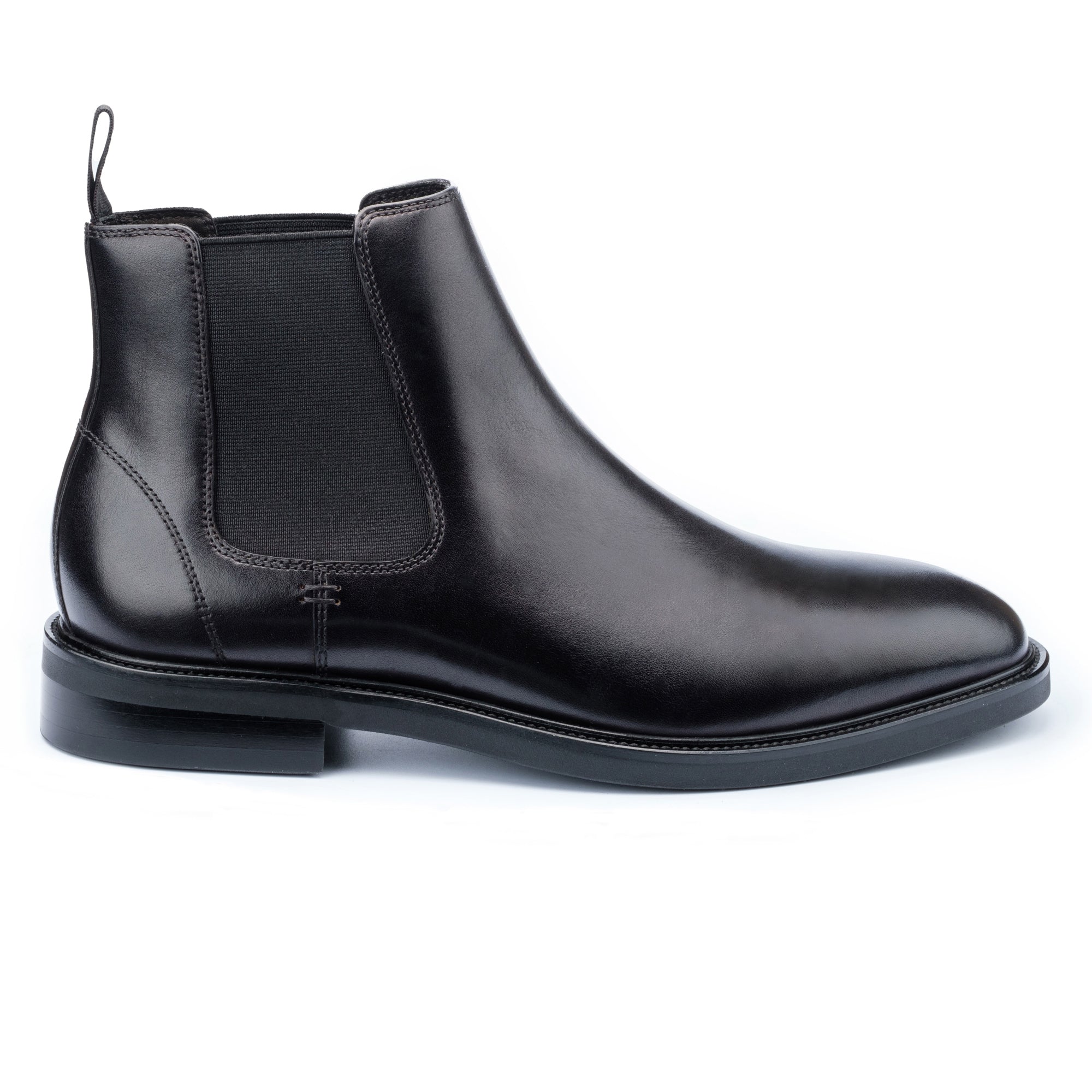
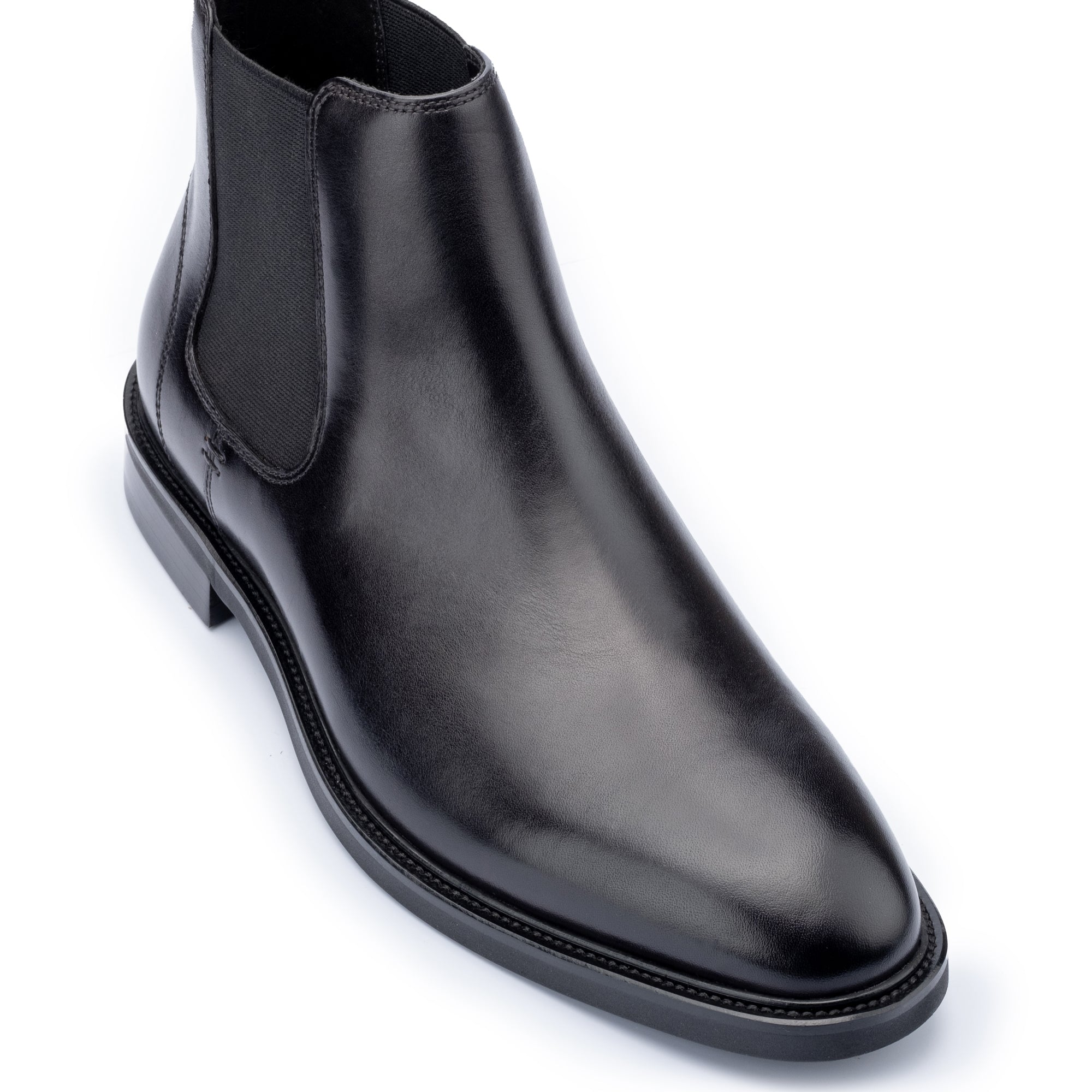
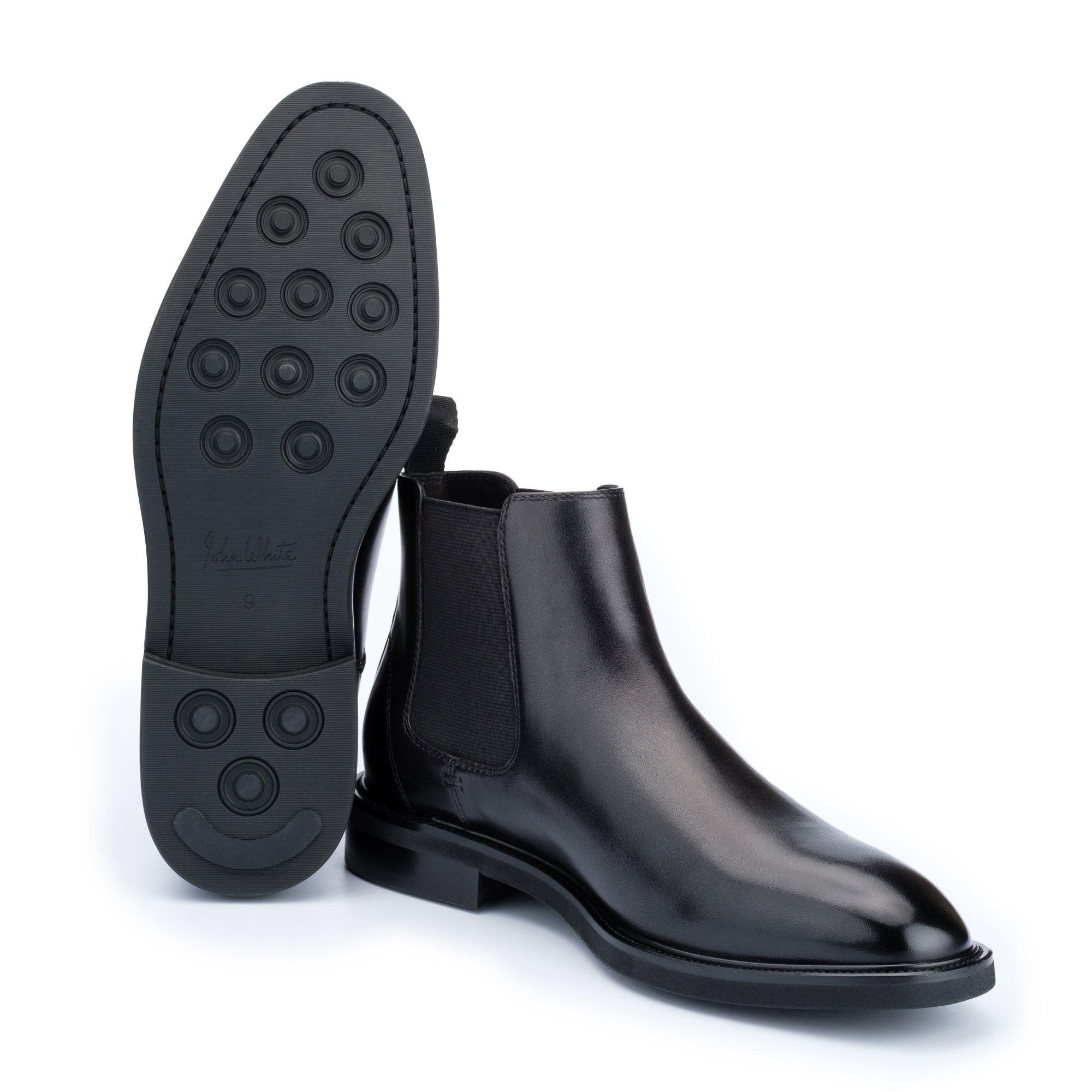
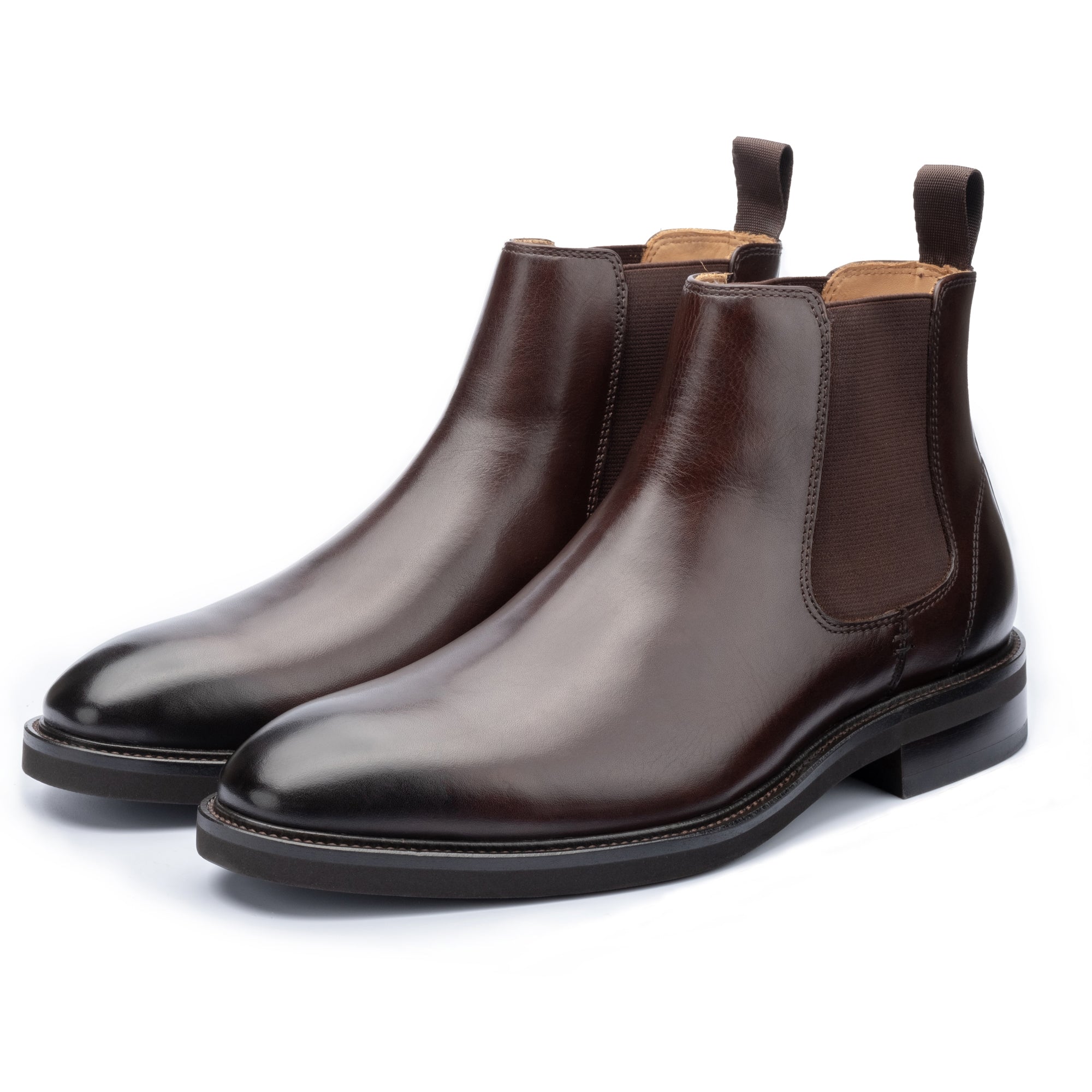
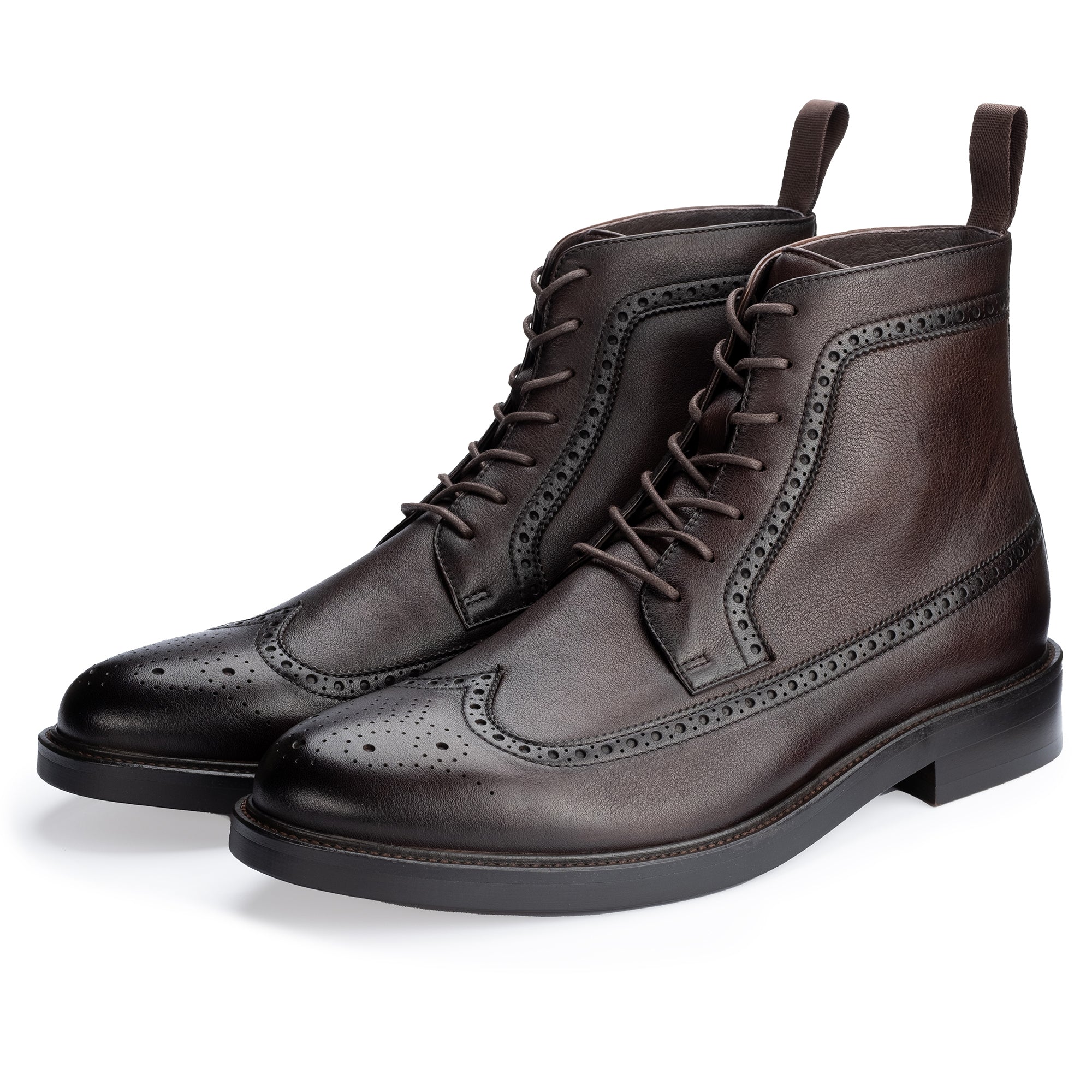
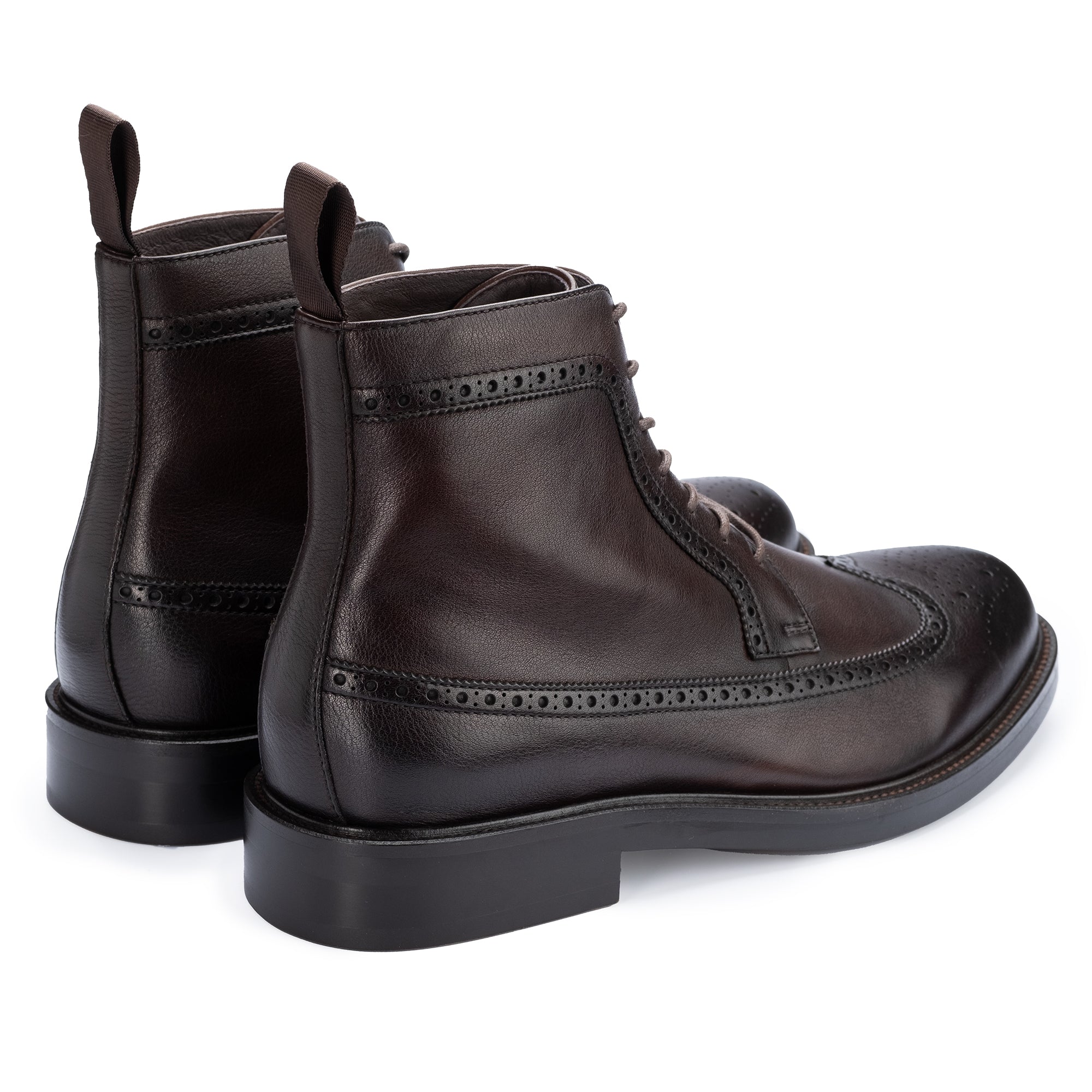
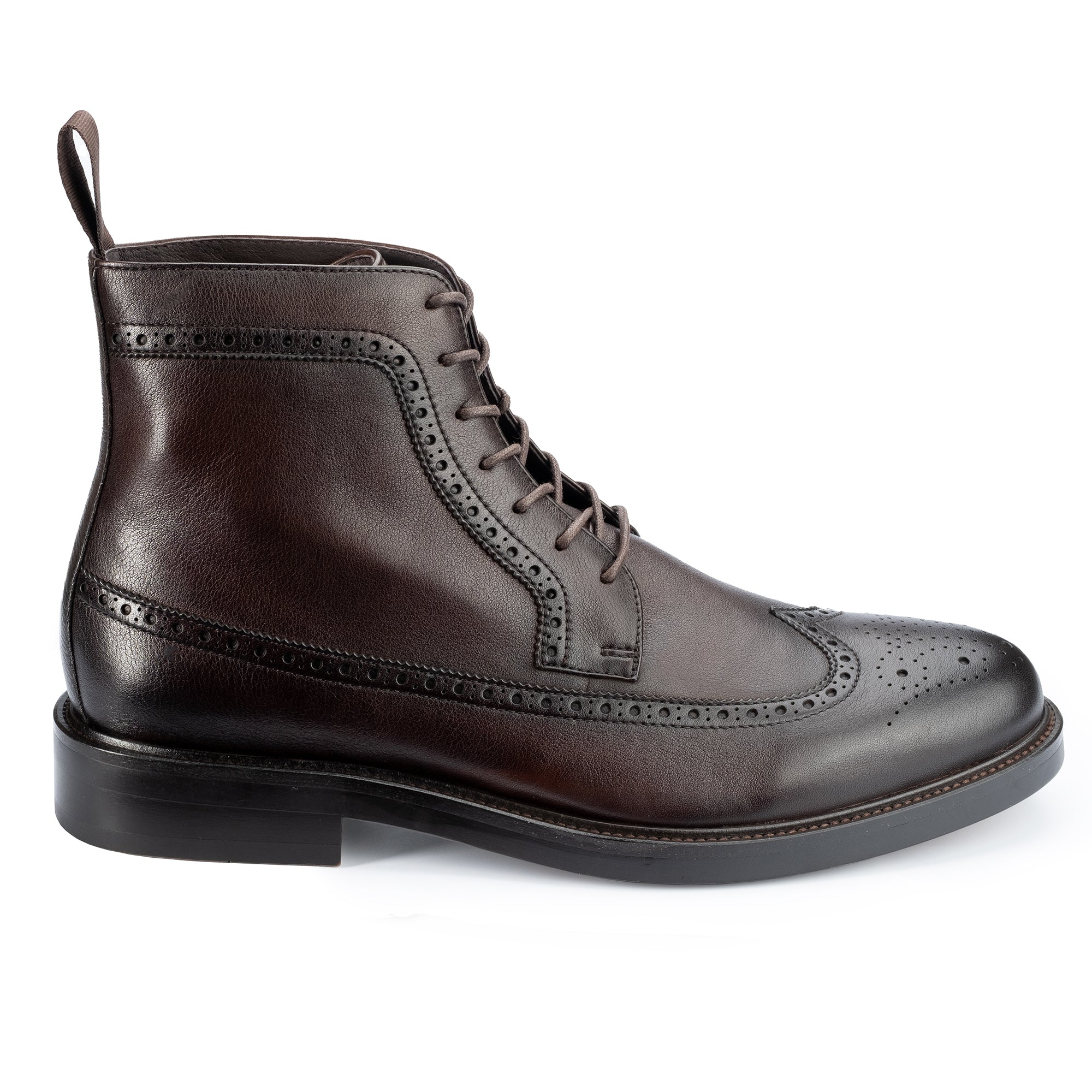
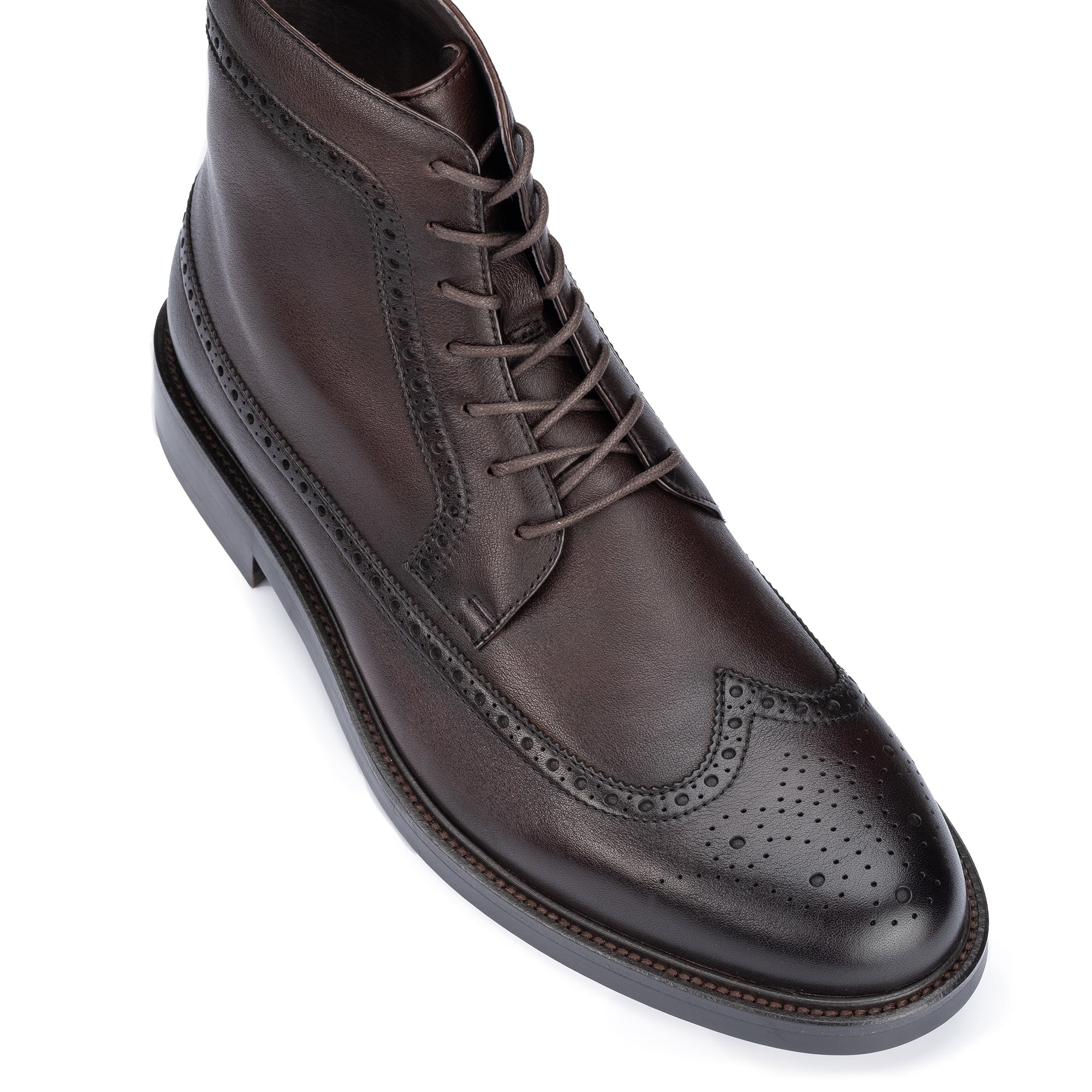
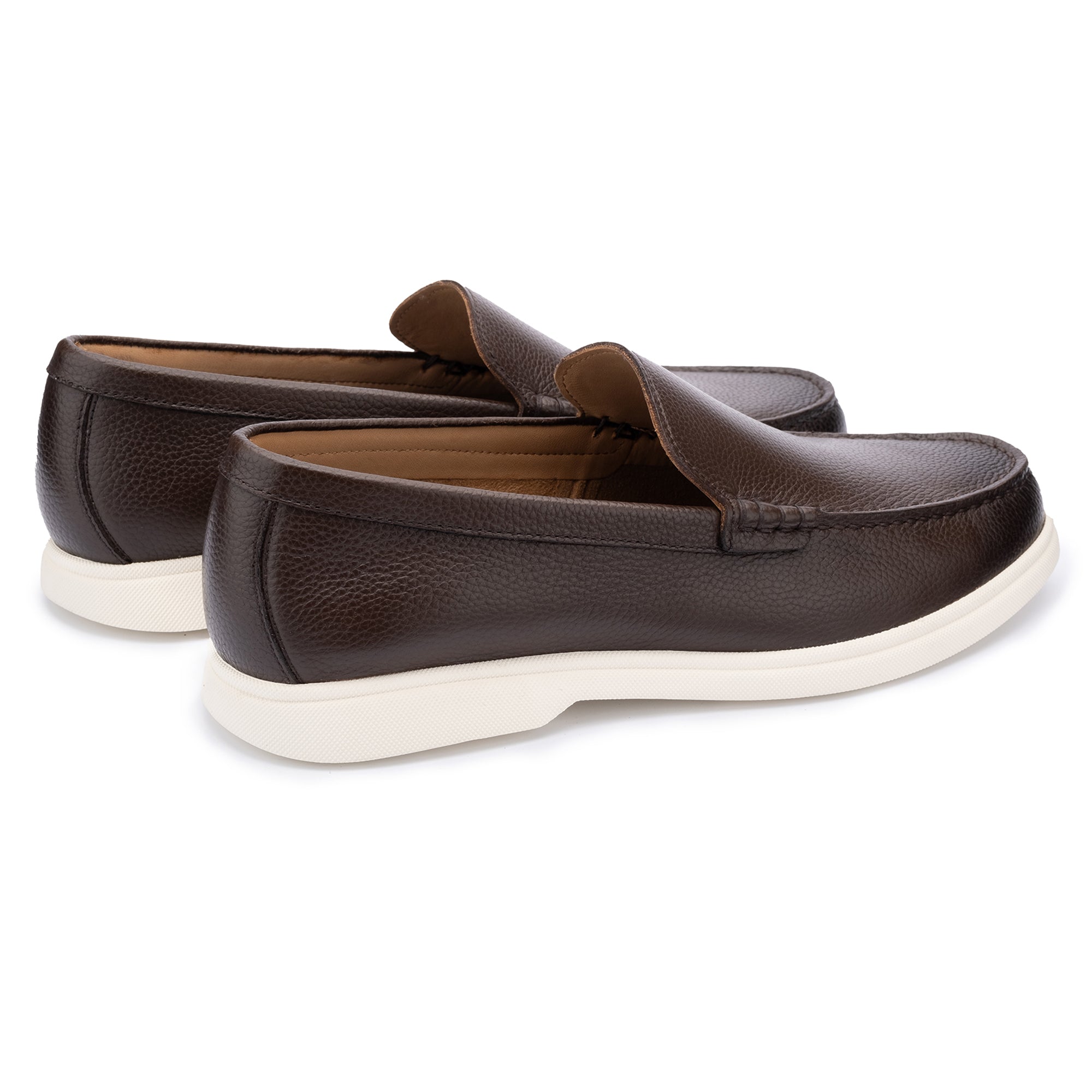
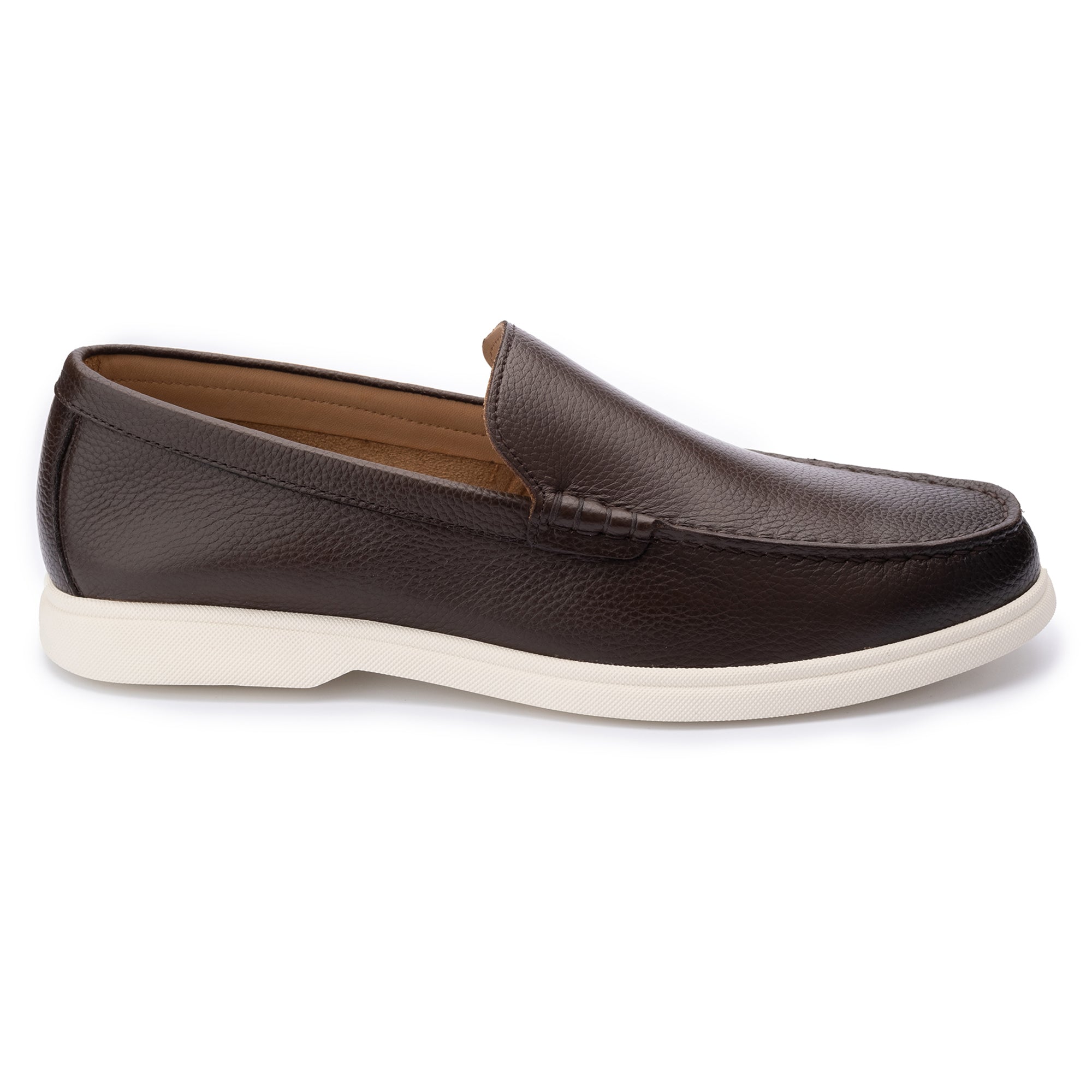
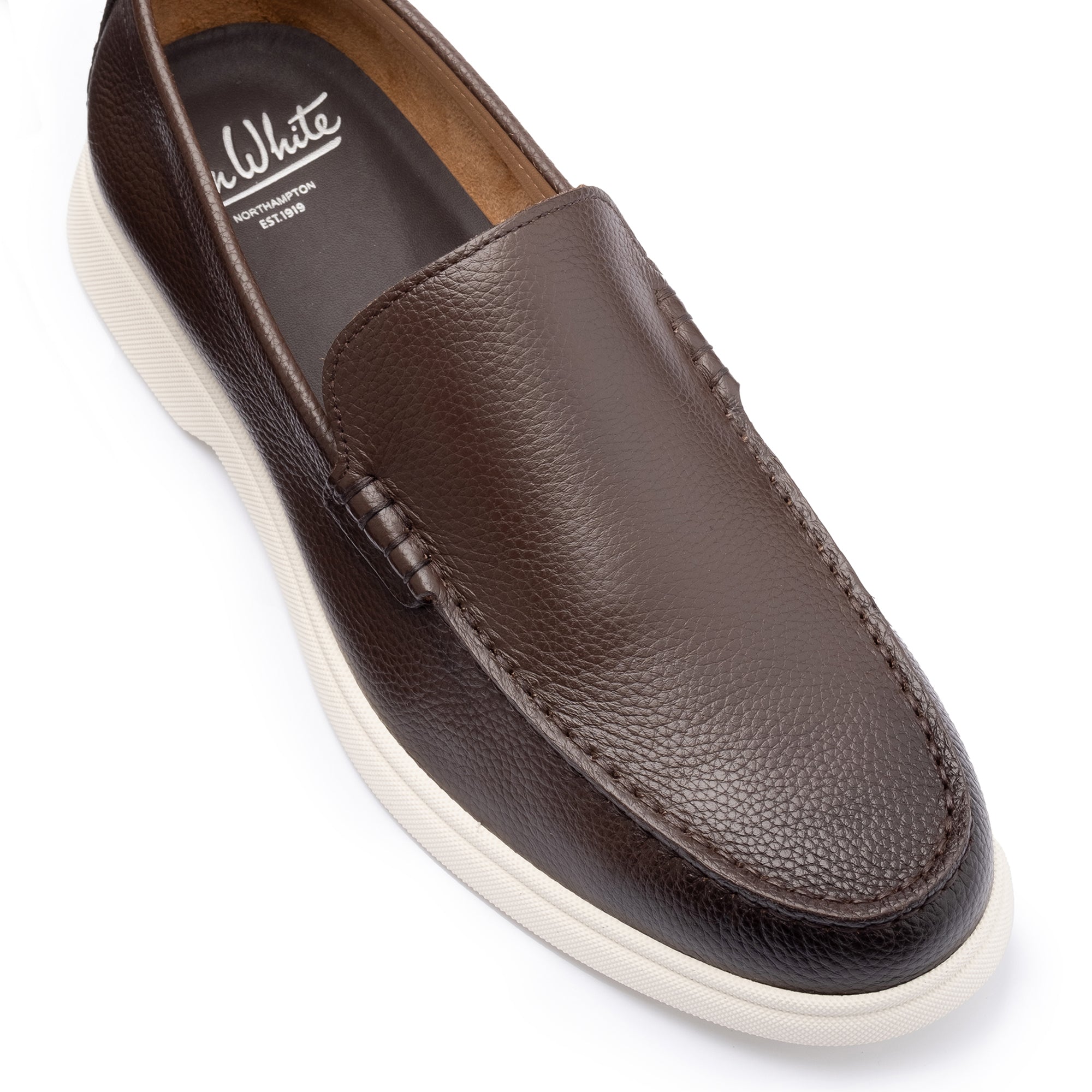
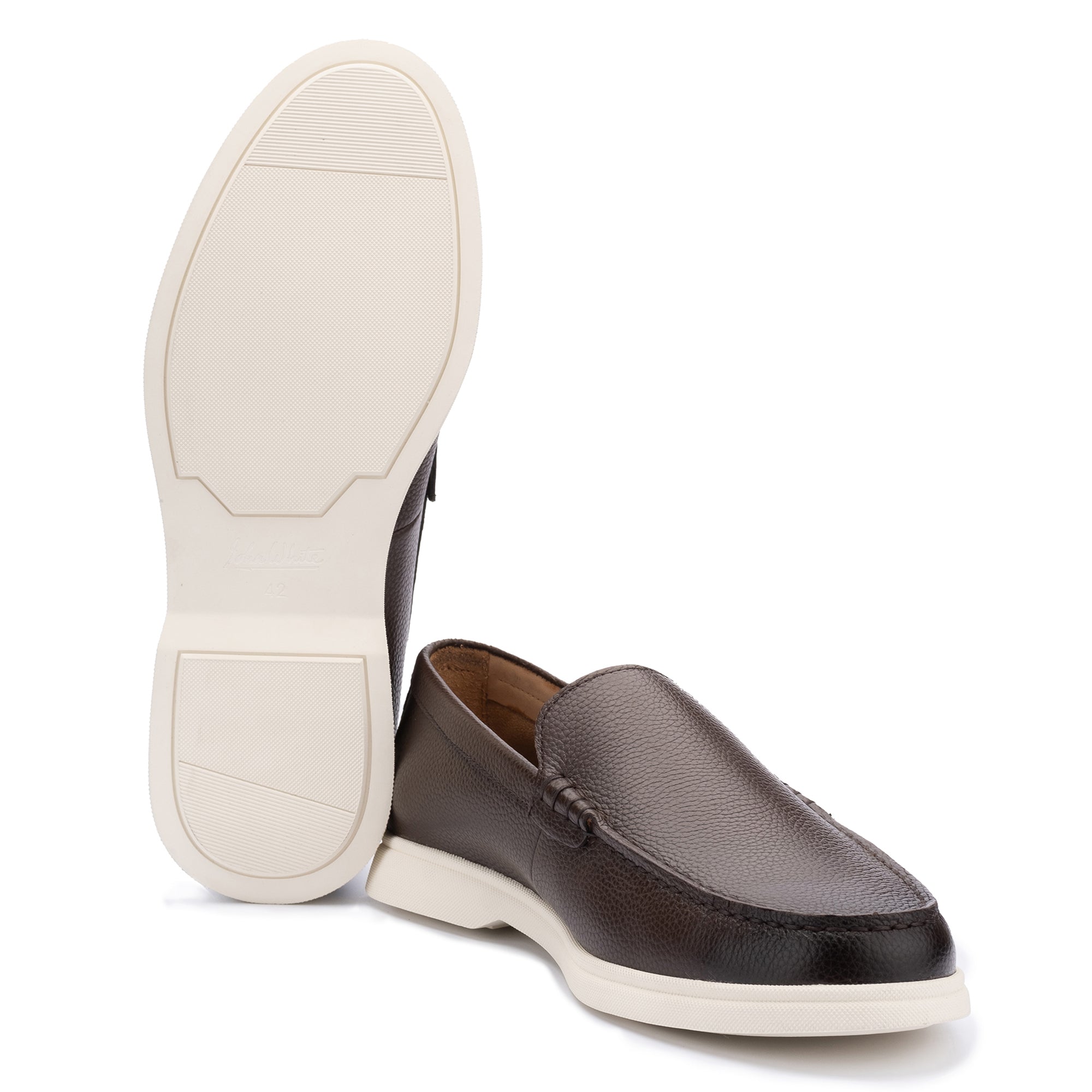
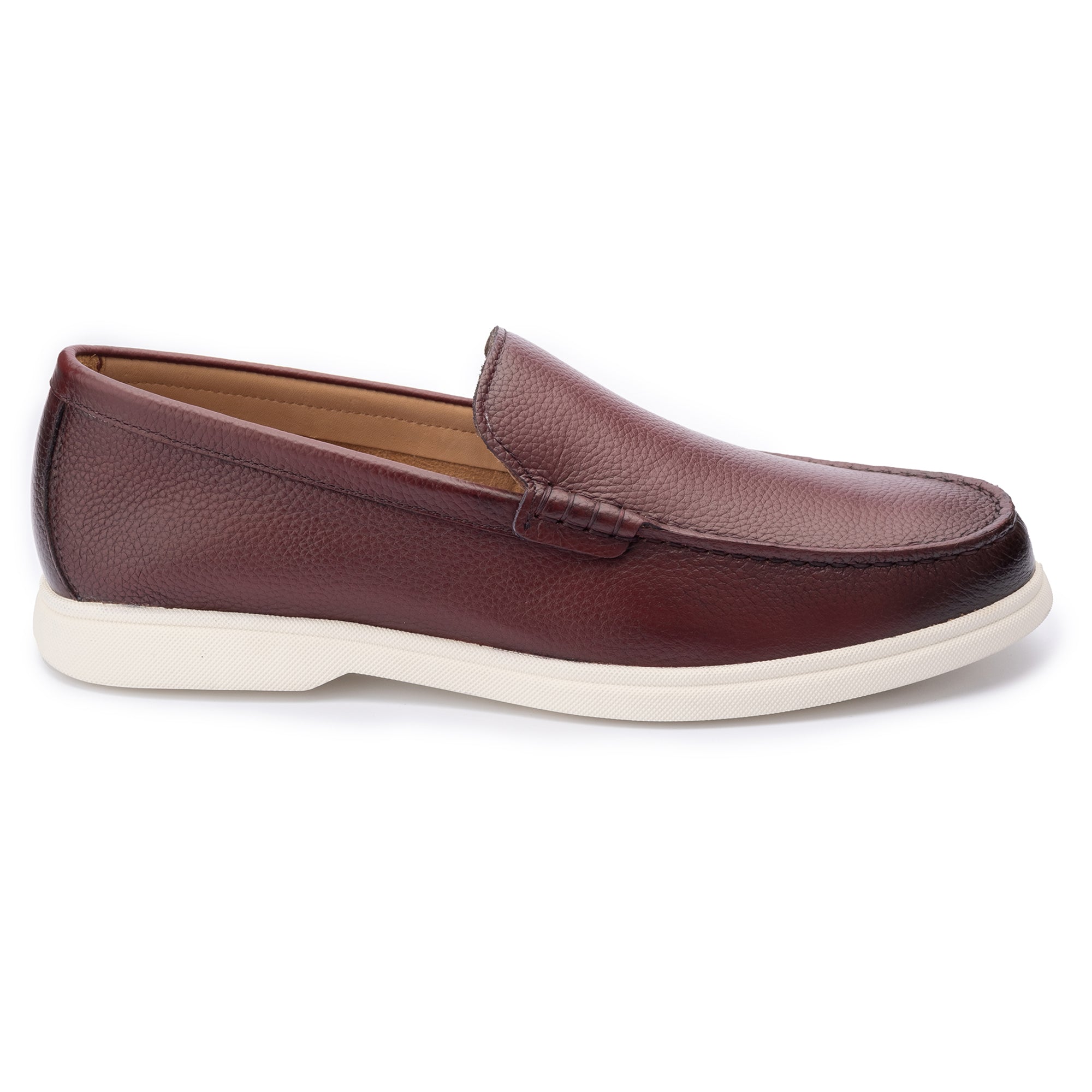
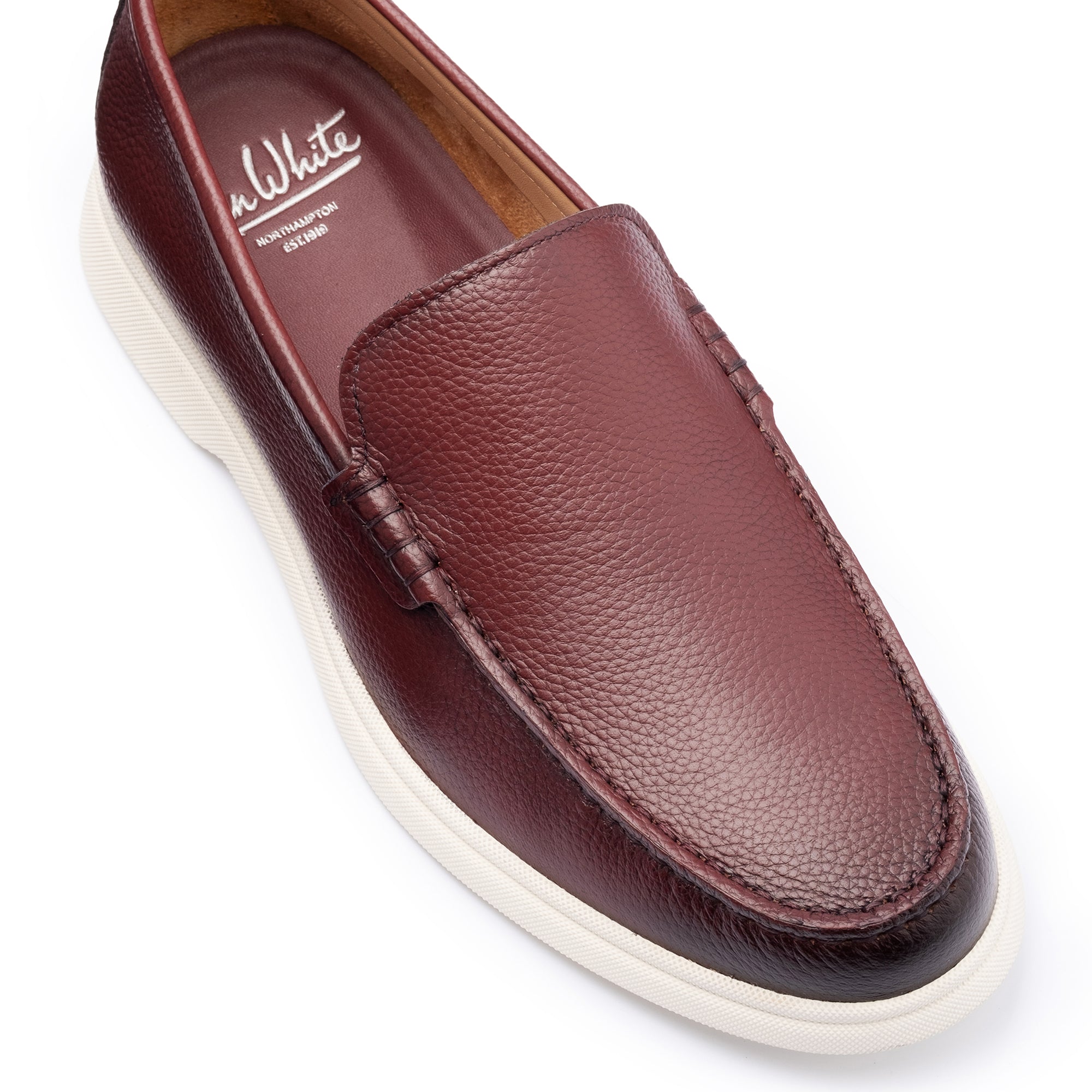
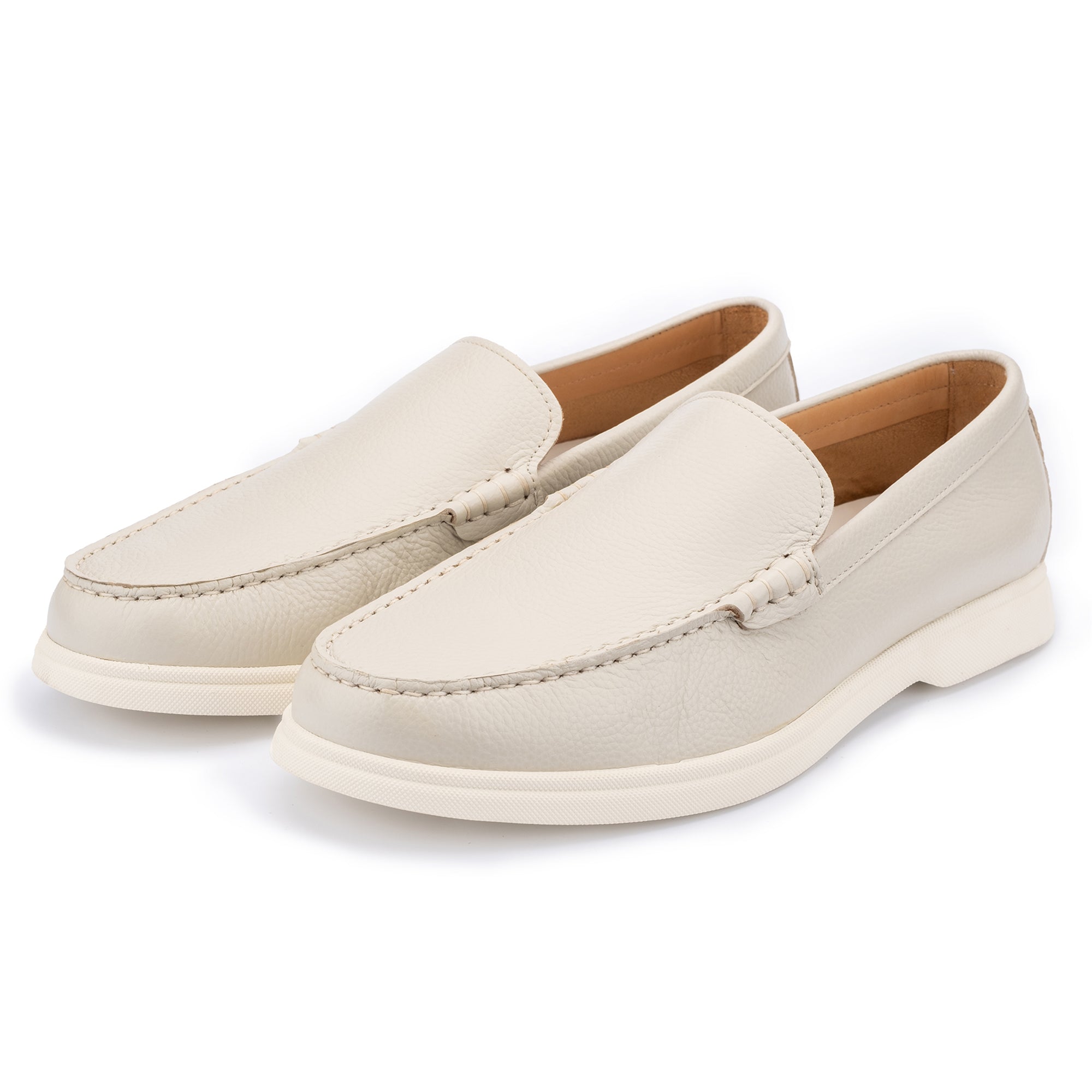
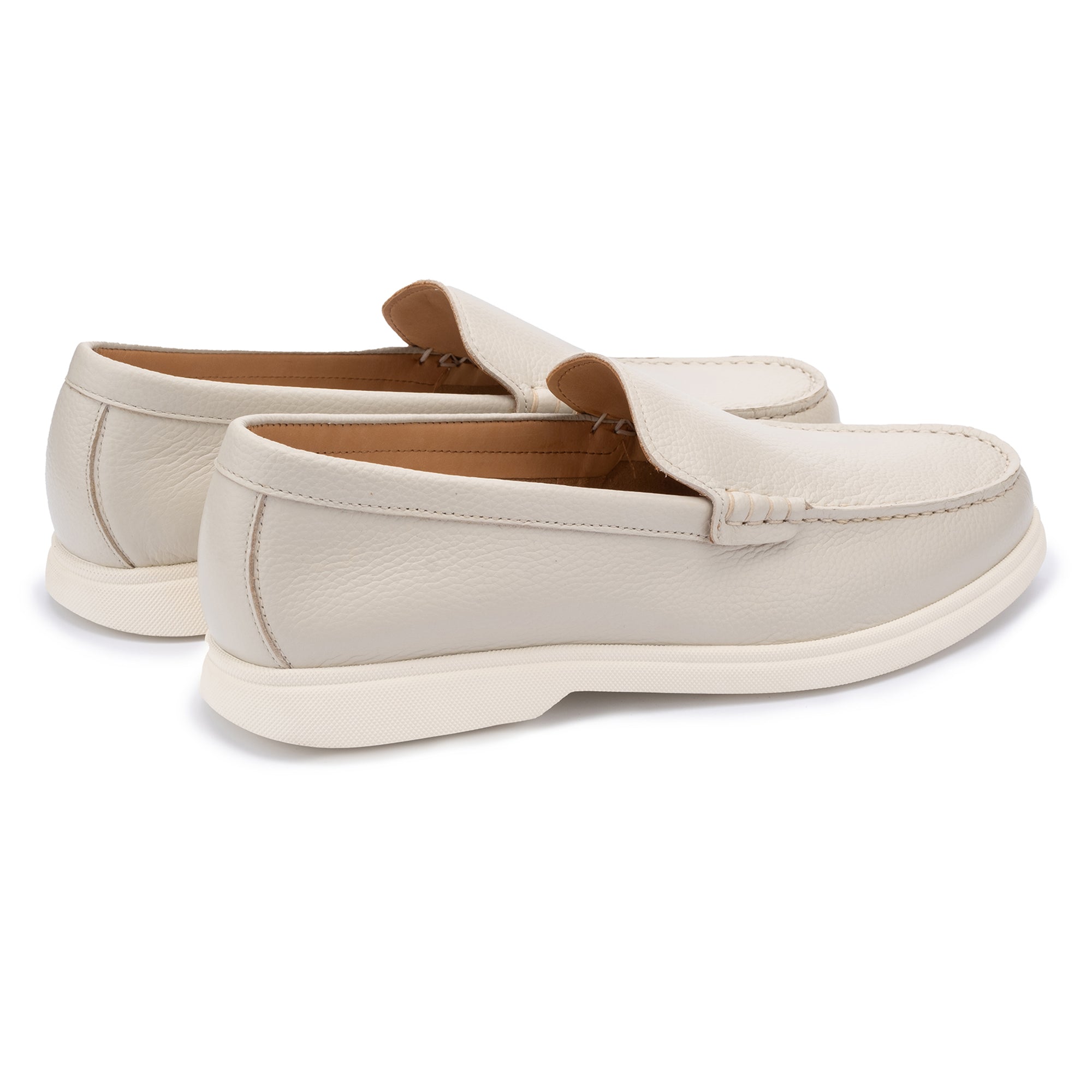
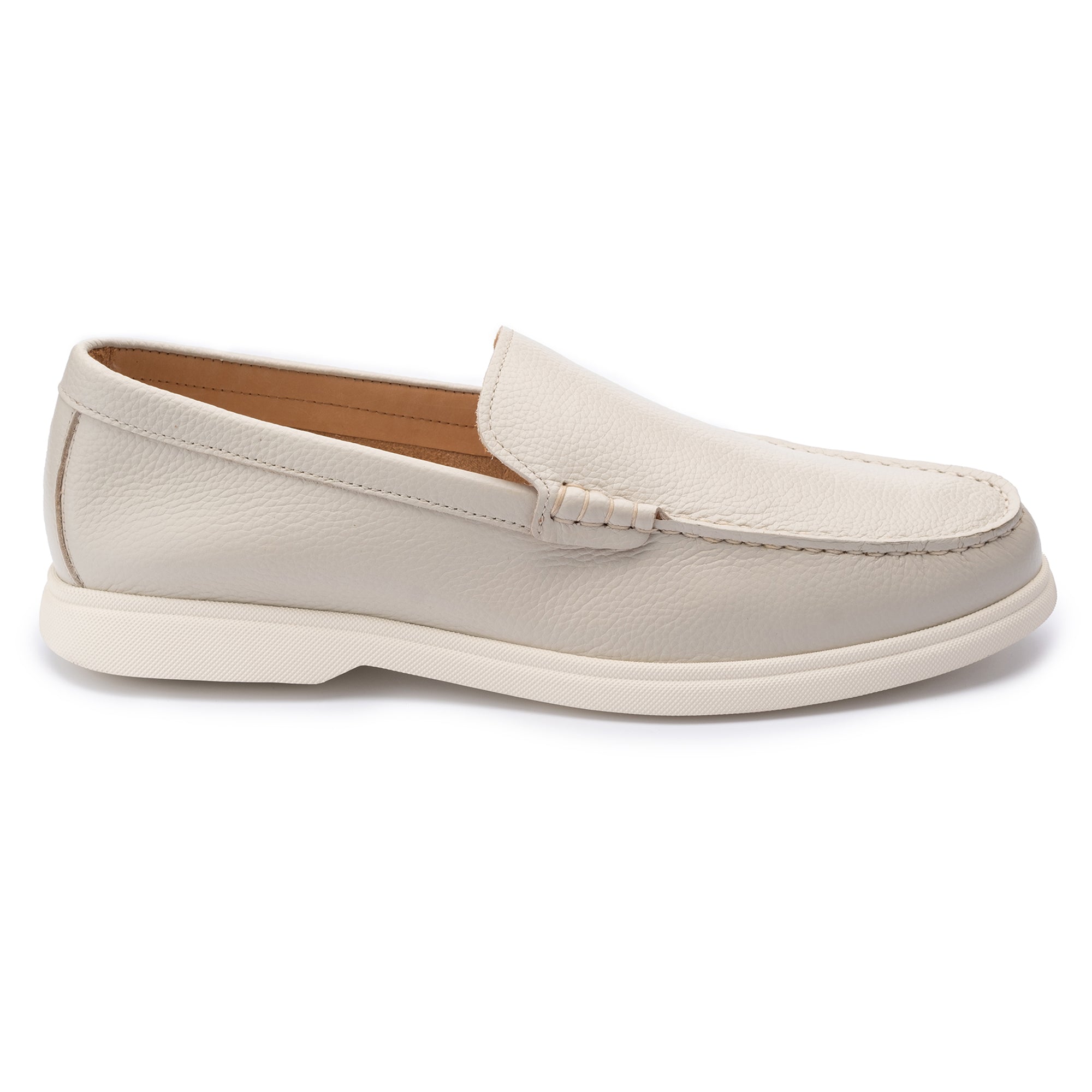
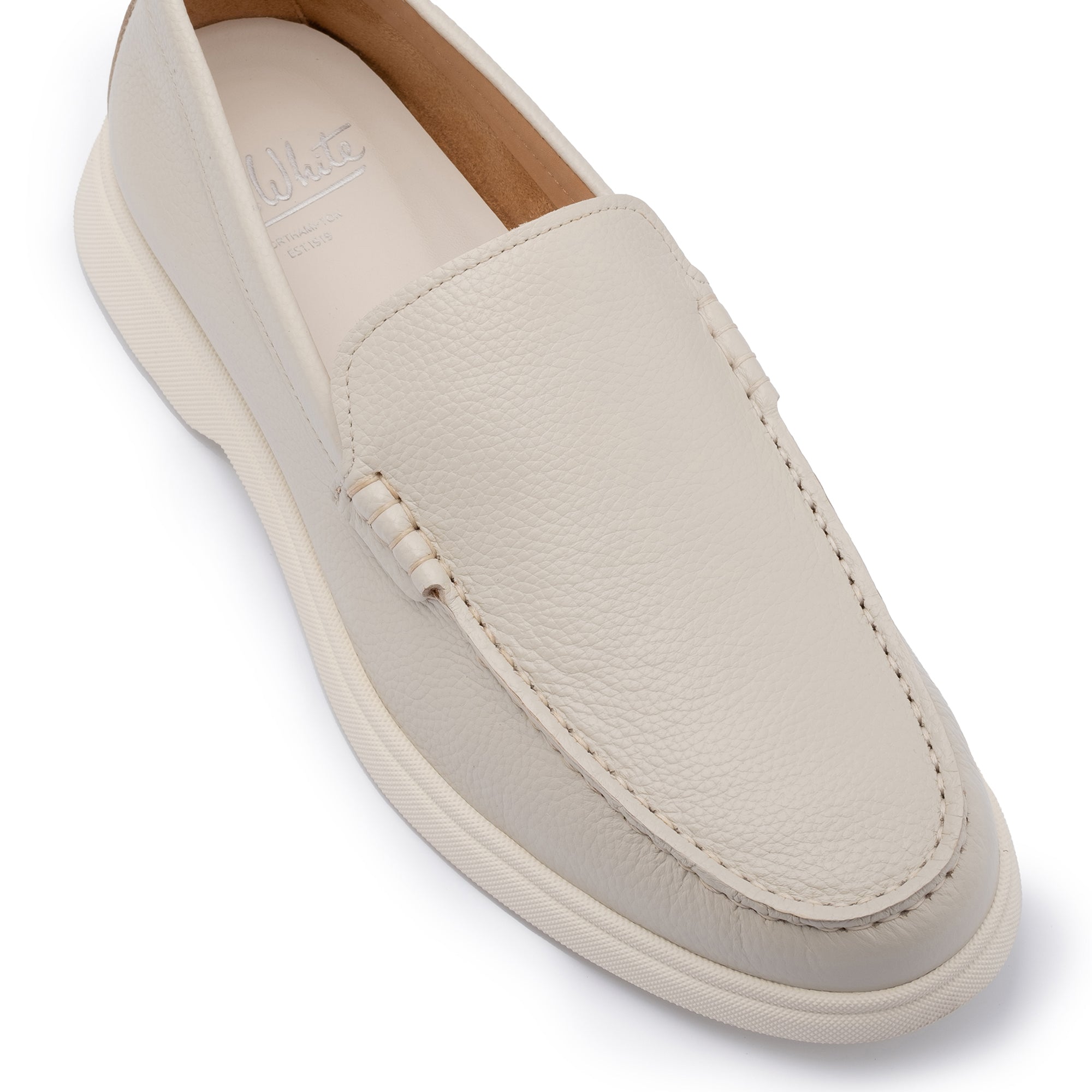
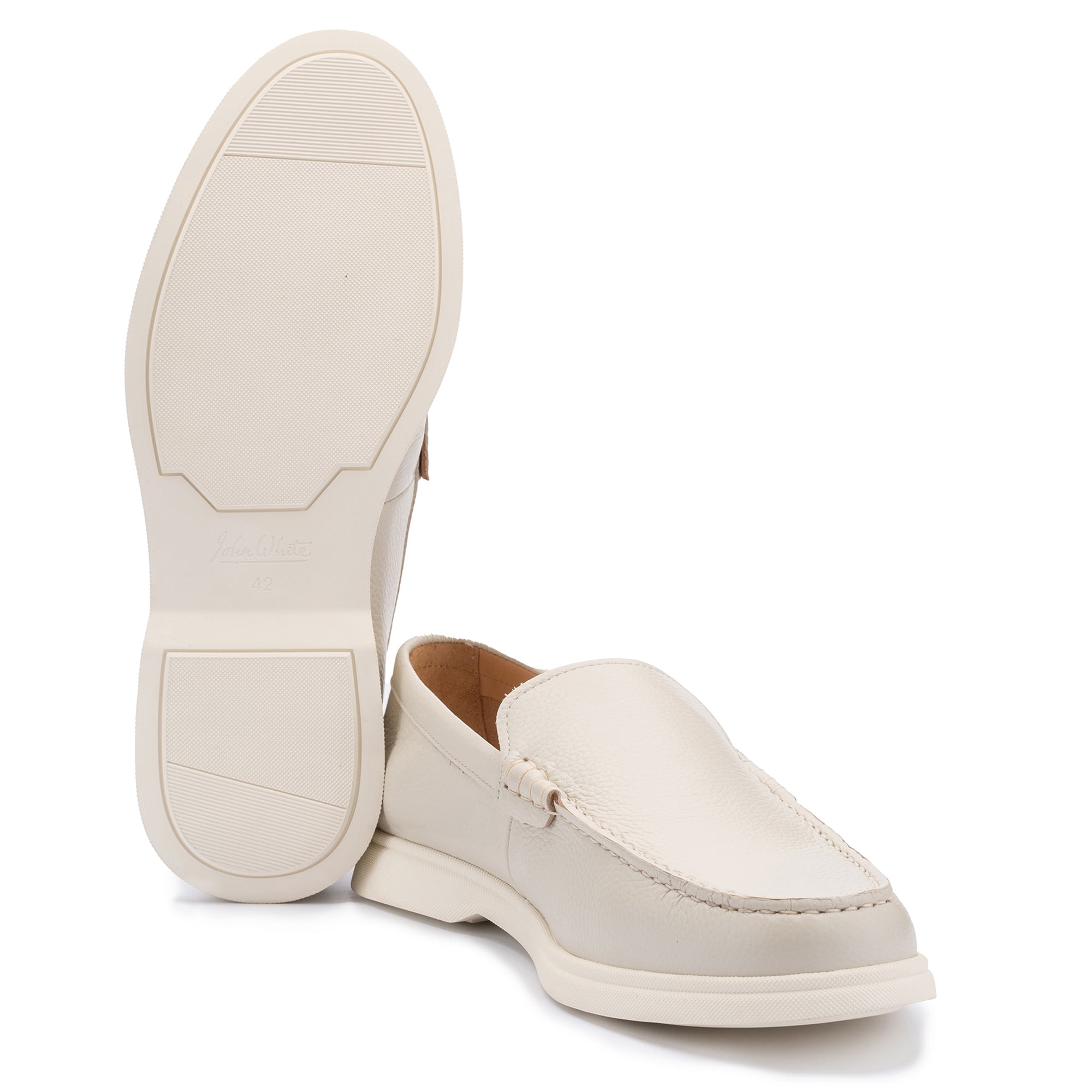
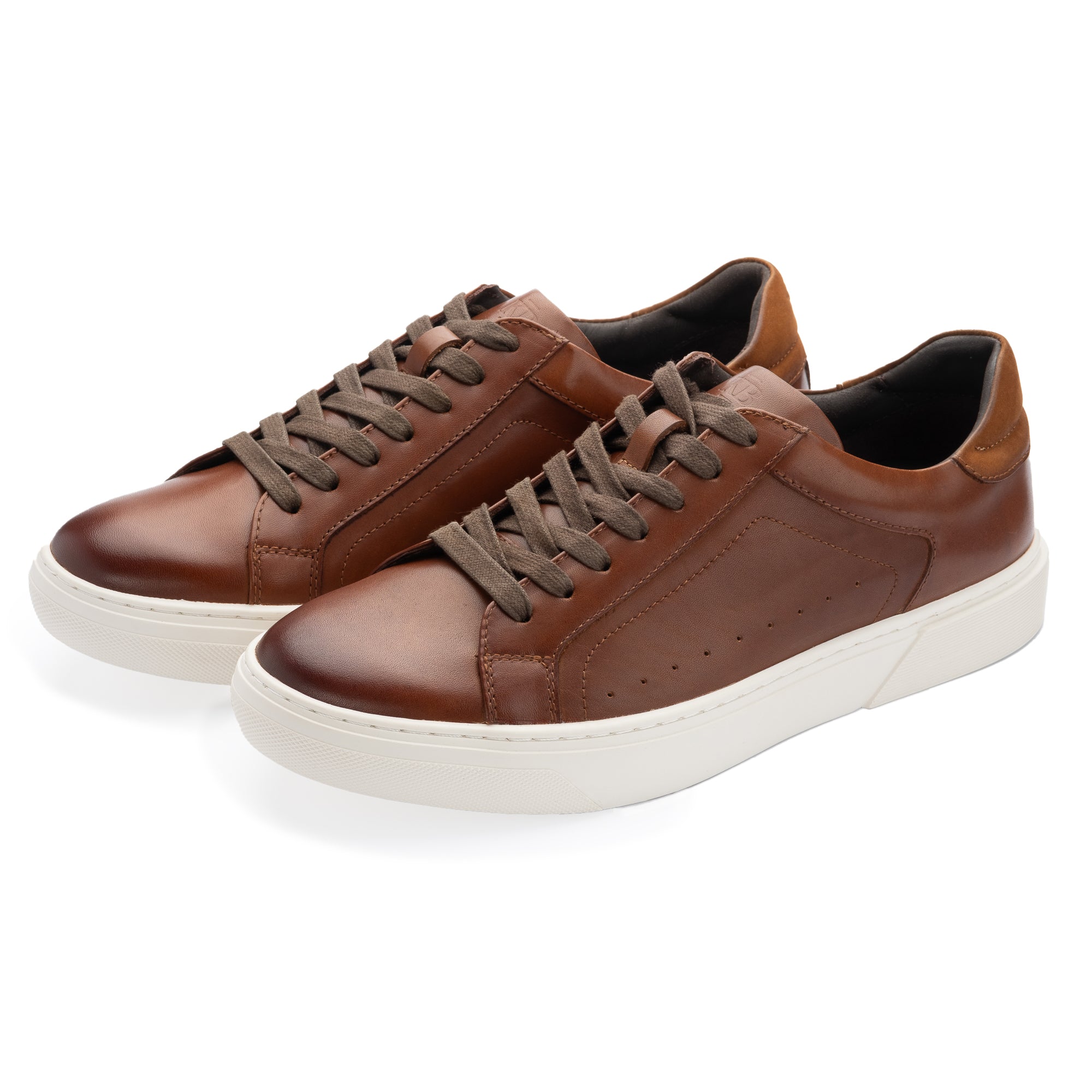
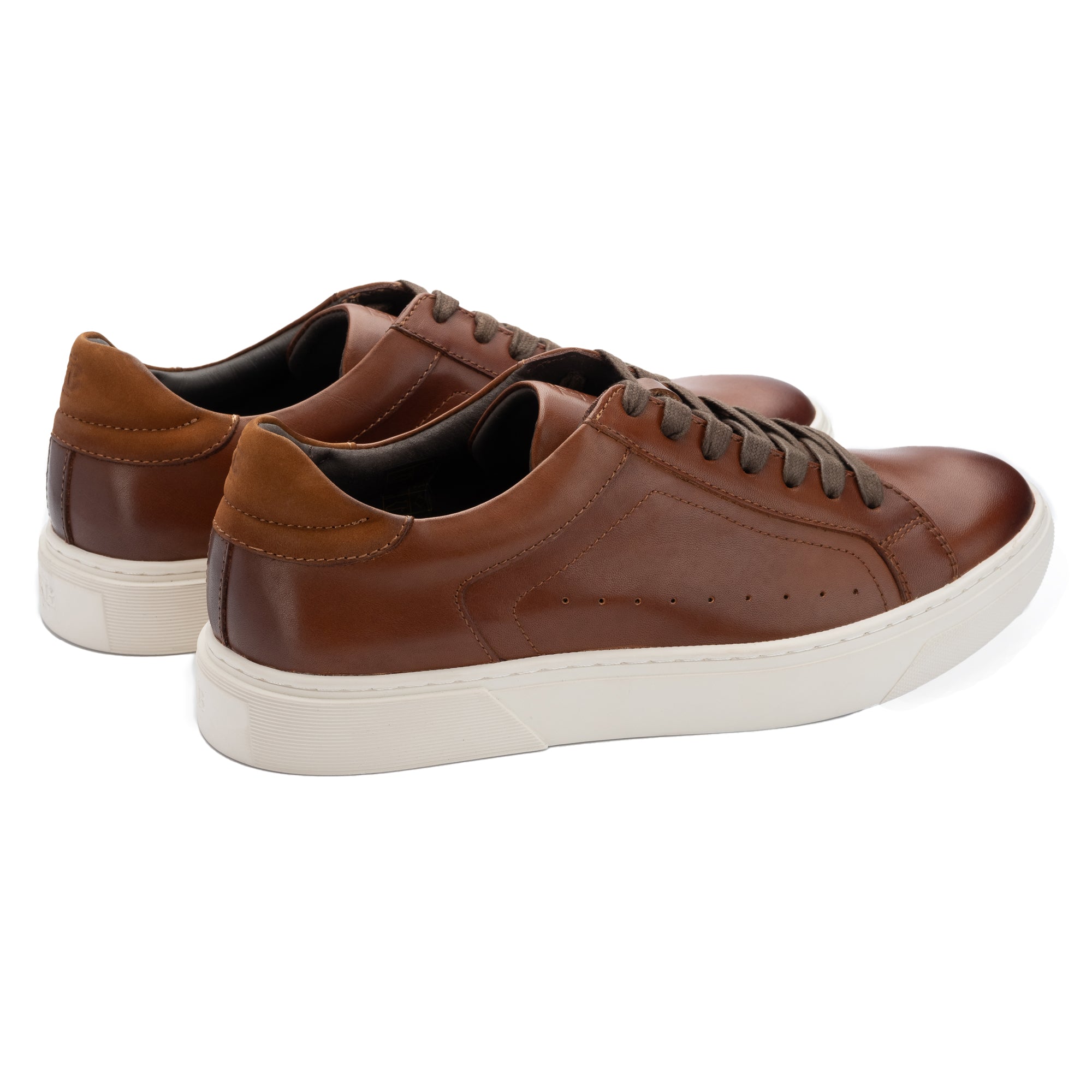
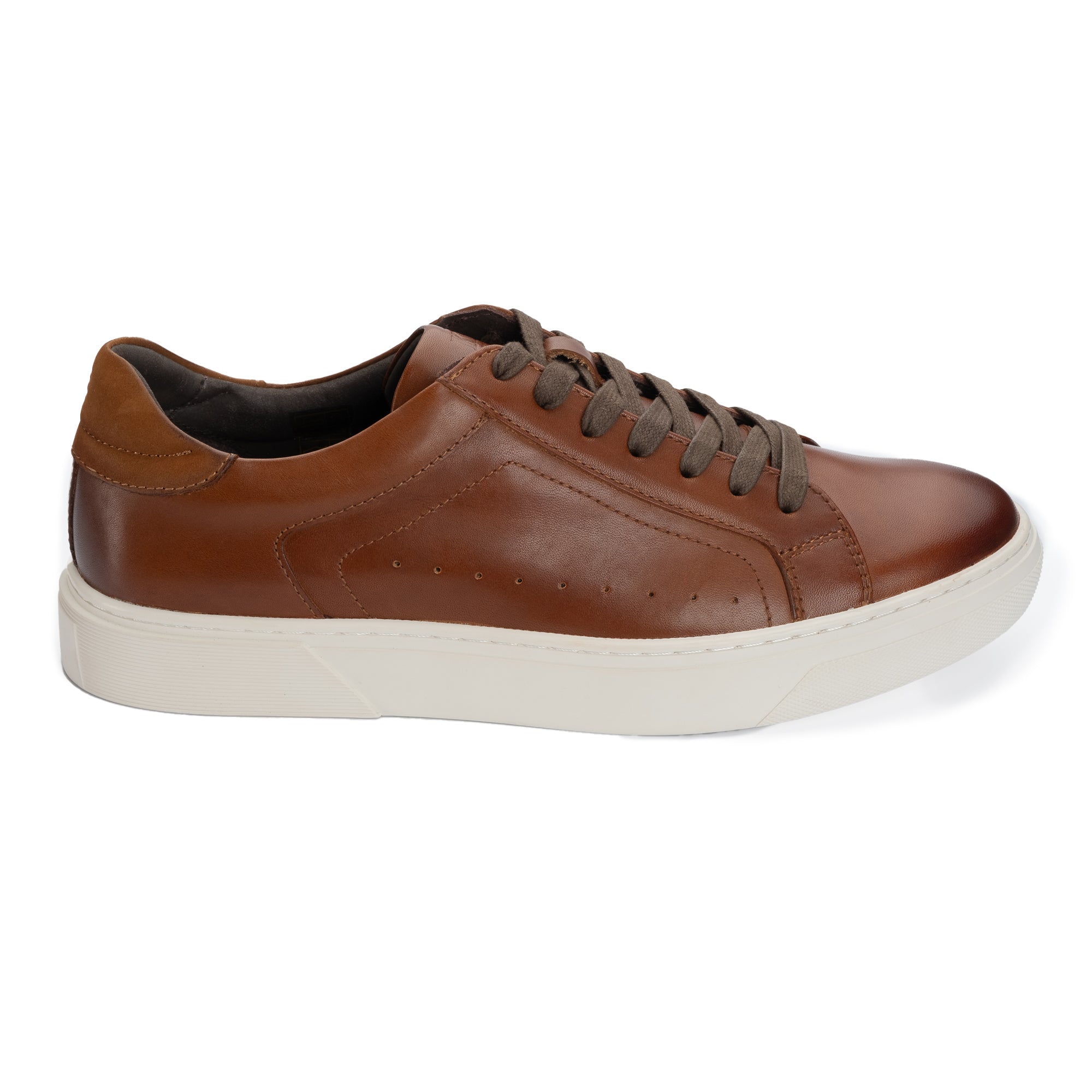
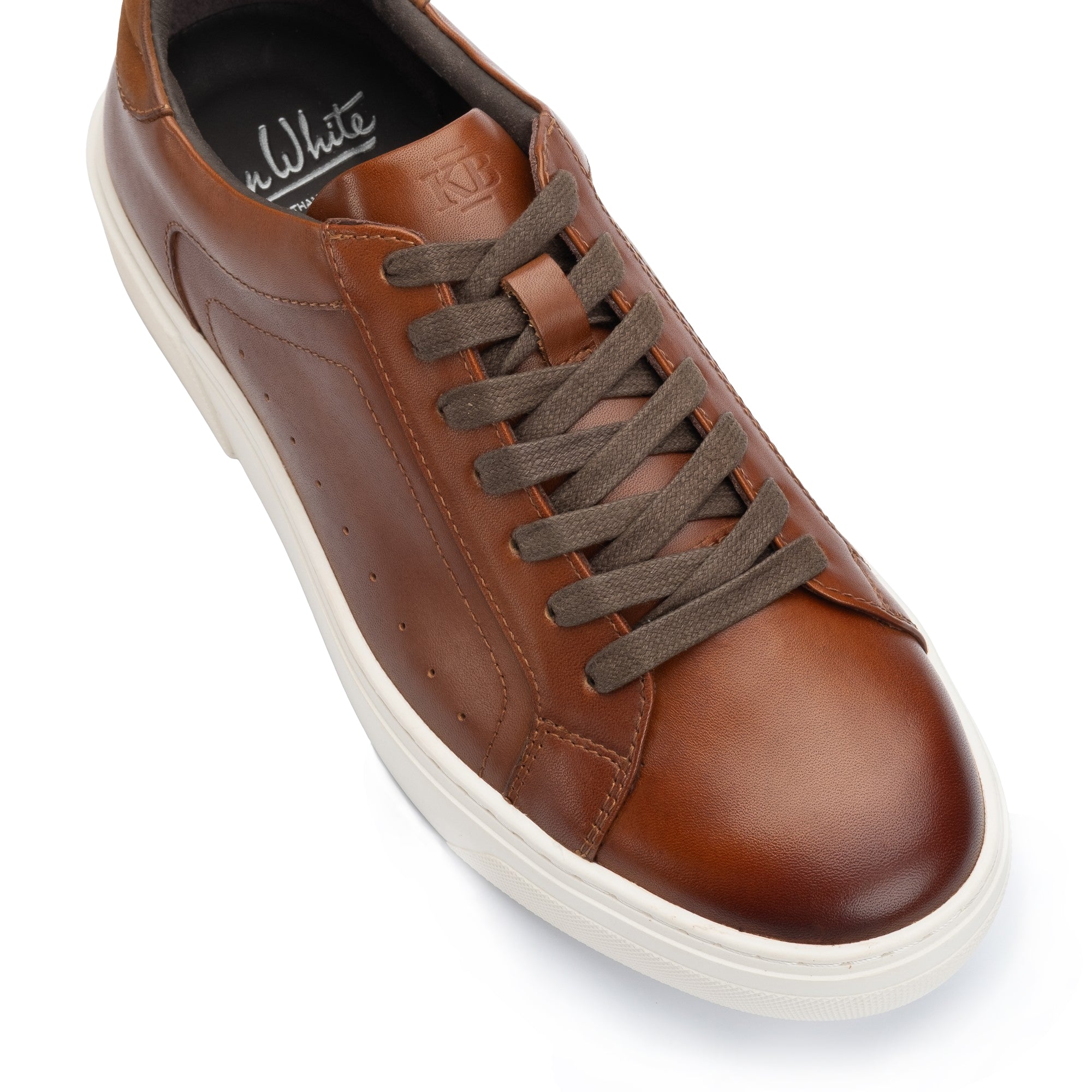
For men investing in quality leather footwear from the John White Shoes collection, regular polishing is the discipline that keeps dress shoes looking as considered as the rest of the outfit — and ensures the leather holds its colour over years of use.
A light cream polish every fortnight and a full wax application once a month is a sound baseline for any premium leather shoe worn regularly.
Does Leather Type Change What You Should Use?
Different leather types carry different levels of porosity and surface treatment, which directly determines how they absorb conditioner and respond to polish. Using the wrong product on the wrong leather can do more harm than using nothing at all.
- Full-grain calfskin: The most responsive leather for both conditioning and polishing. Absorbs conditioner readily and takes a deep, even wax polish. This is the standard for quality dress shoes and boots, and the leather that rewards a consistent care routine most visibly over time.
- Corrected-grain leather: Has had its surface sanded and coated, reducing porosity. Conditioner penetrates less readily; cream polish generally performs better than heavy wax on these surfaces. For a detailed comparison of leather grades, see our guide to full-grain vs corrected-grain leather.
- Burnished or antiqued leather: These finishes are built from layered tonal variation applied selectively to the leather. Use only neutral or precisely colour-matched conditioner — the wrong product can strip or blur the finish irreparably. Our guide to burnished vs. antiqued leather finishes covers the nuances of caring for these surfaces in full.
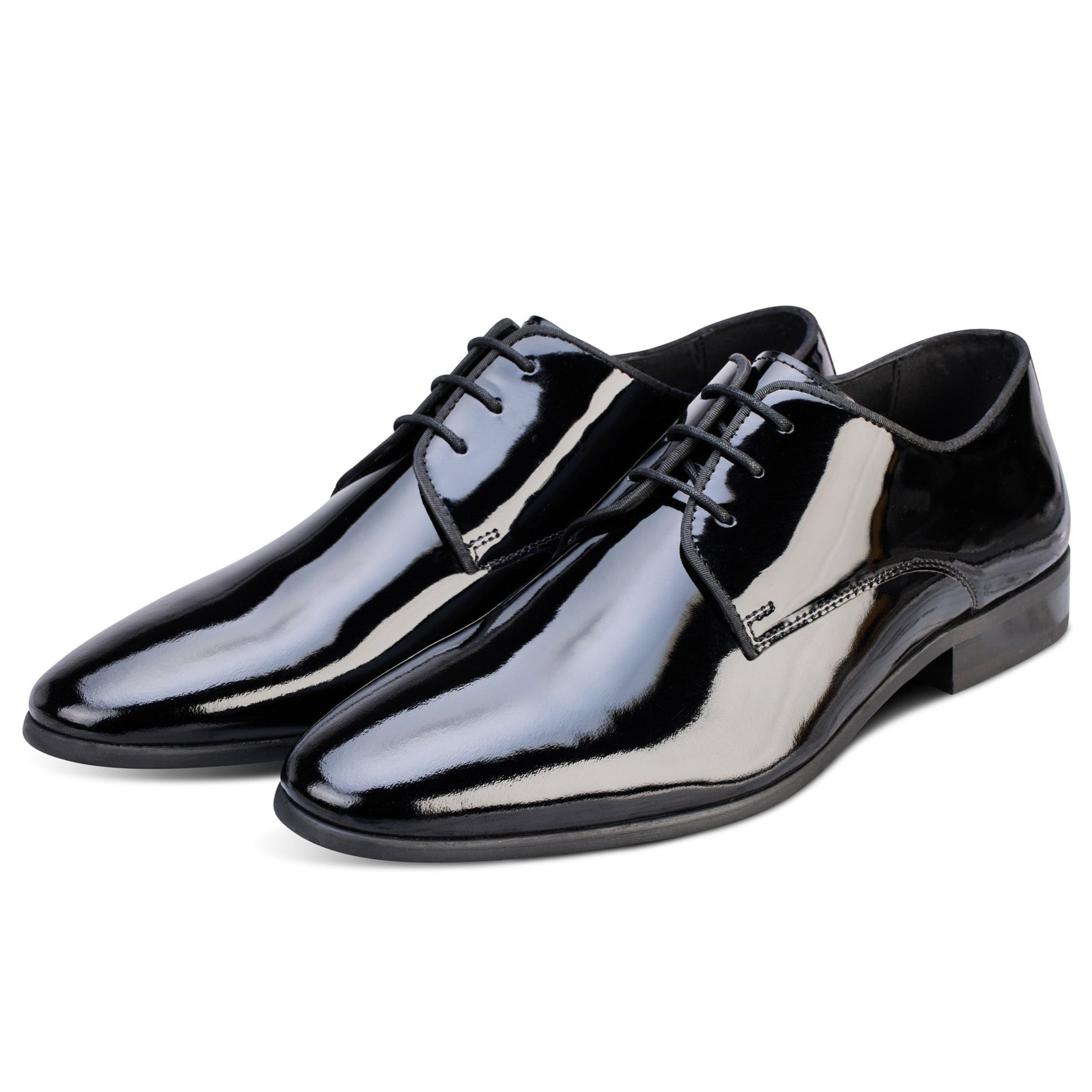
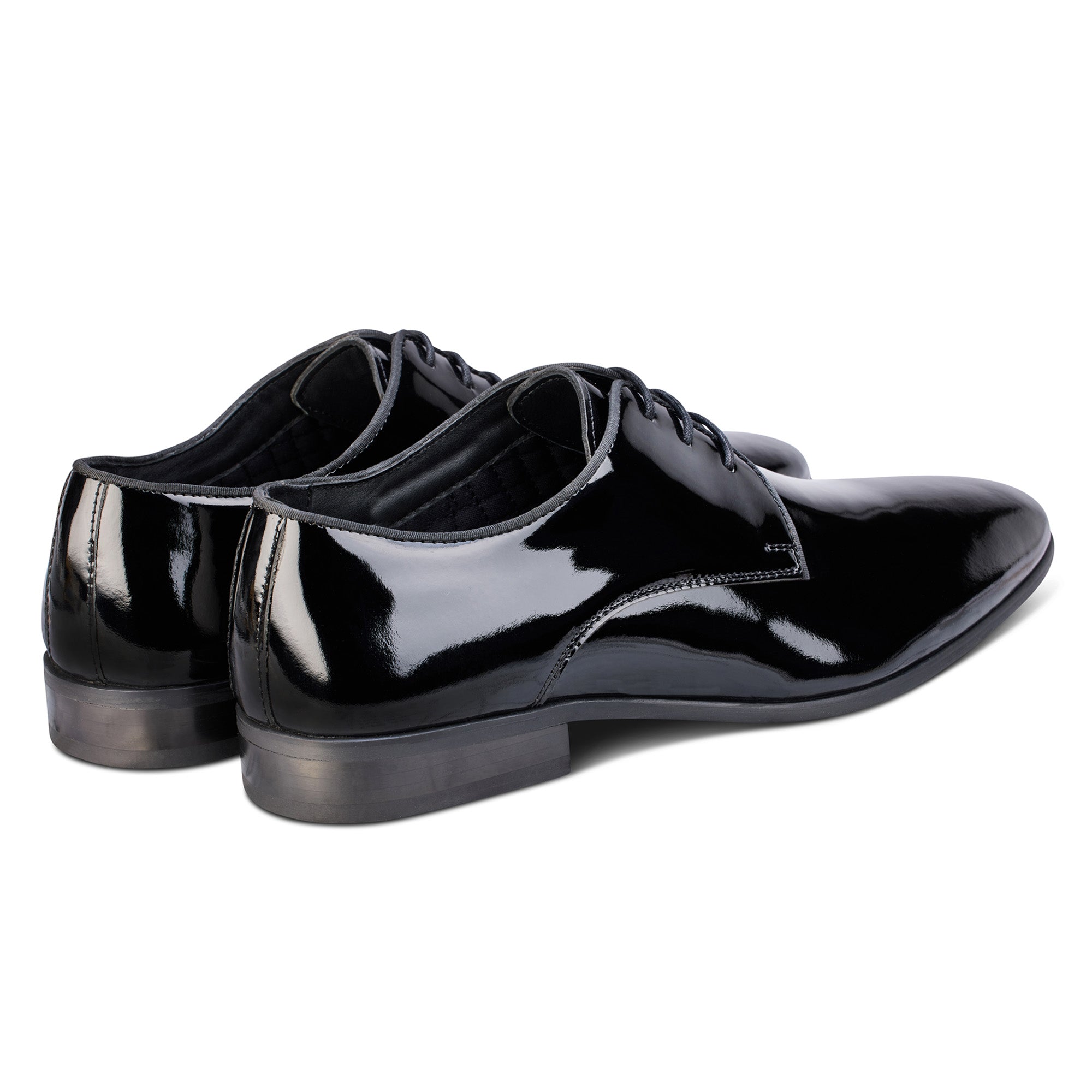
- Patent leather: Does not require conditioning or wax polish. Use a dedicated patent cleaner and buff with a soft cloth.
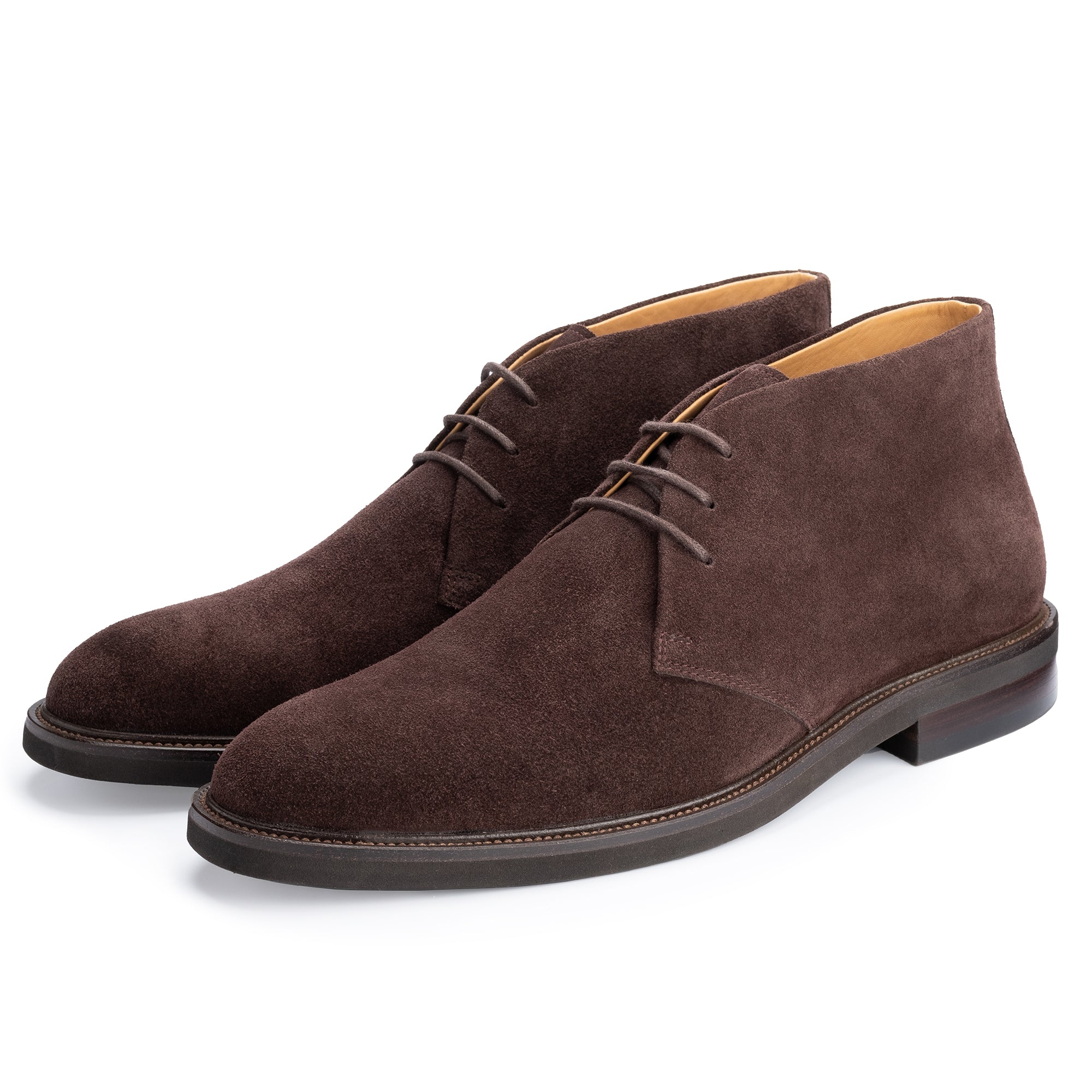
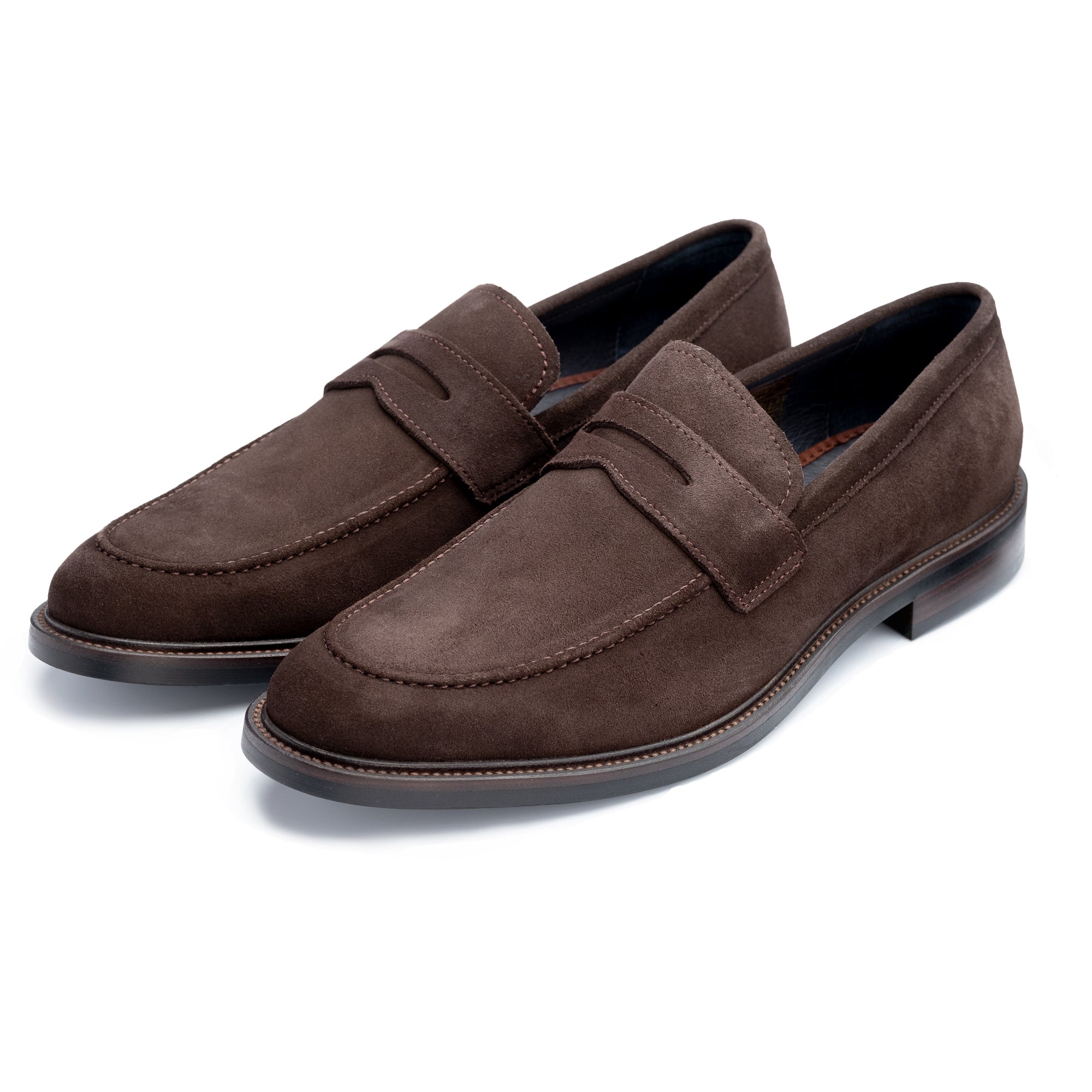
- Suede and nubuck: Neither conditioner nor polish is appropriate. These leathers require entirely separate specialist care products.
Always match your care products to your leather type — what conditions full-grain calfskin perfectly can damage a burnished finish or do nothing useful on patent.
Related Guides
- From Northampton to the World: The Story Behind British Shoemaking — our comprehensive guide
- The History of British Shoemaking — our comprehensive guide
- The Complete Guide to Leather Shoe Care
- Leather Shoe Care: Clean, Condition, Polish and Store
- The Essential Valet Box: An Authoritative Guide to Your Shoe Care Arsenal
TL;DR
Leather conditioner penetrates the leather to restore suppleness and prevent cracking; shoe polish sits on the surface to restore colour and add shine. Condition first, polish second — every time. Condition every six to eight weeks; polish every two to four weeks. Match products carefully to leather type, since full-grain calfskin, corrected-grain, burnished, and patent leathers each respond differently. A consistent routine combining both products, maintained from the day a shoe is bought, will extend the life of quality leather footwear by a decade or more.
Frequently Asked Questions
Can I use shoe polish instead of leather conditioner?
No. Shoe polish is a surface treatment that restores colour and shine but does not nourish the leather. Applying polish without conditioning first can seal the surface and trap dryness inside, accelerating cracking over time. Both products are necessary and cannot substitute for one another.
How often should I condition my leather shoes?
Every six to eight weeks under regular wear conditions, according to the Leather Conservation Centre. Increase frequency during winter months, after water exposure, or if shoes are kept in centrally heated rooms. Always condition before and after any extended period of storage.
Does wax shoe polish dry out leather over time?
Regular wax build-up without conditioning can reduce the leather's ability to absorb moisture, contributing to gradual dryness. This is precisely why conditioning precedes polishing in every proper care routine — the conditioner counteracts the cumulative drying effect of wax layers applied over months and years.
Is leather cream polish the same as leather conditioner?
Not necessarily, though the terms are sometimes used loosely. A dedicated leather conditioning cream is formulated specifically to nourish and restore moisture, typically containing lanolin or plant-based oils. Cream polish contains colourants and waxes and is primarily a cosmetic treatment, even if some quality formulations include conditioning agents. Check the product description before use.
For a comprehensive overview of the products that belong in a well-equipped care kit, our guide to the essential shoe care valet box covers every tool worth owning. To see how conditioning and polishing fit into a longer-term seasonal maintenance schedule, the annual leather shoe maintenance checklist sets out the full routine across the calendar year.
Browse the complete John White Shoes men's collection — premium leather footwear, built from the outset to reward exactly this level of care.