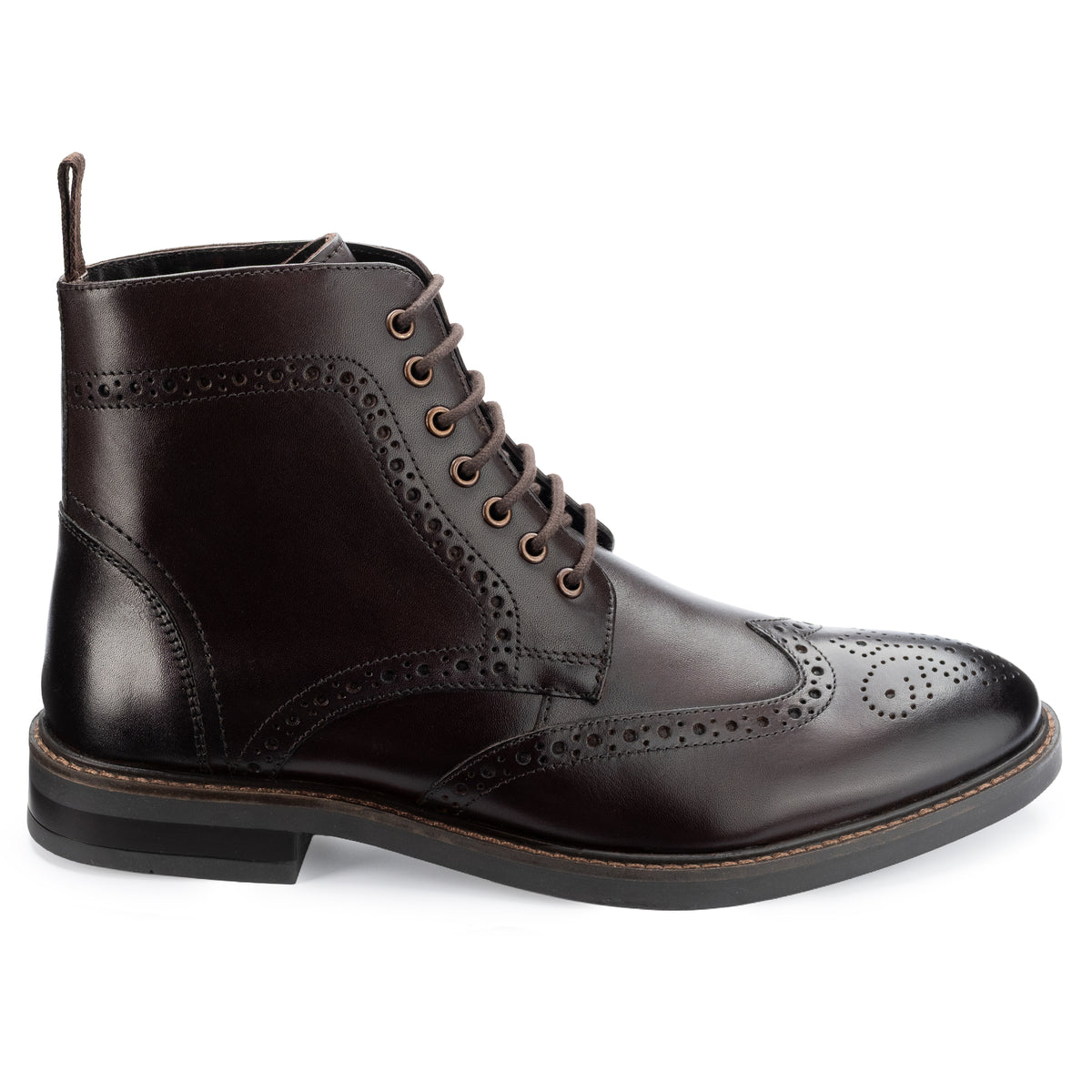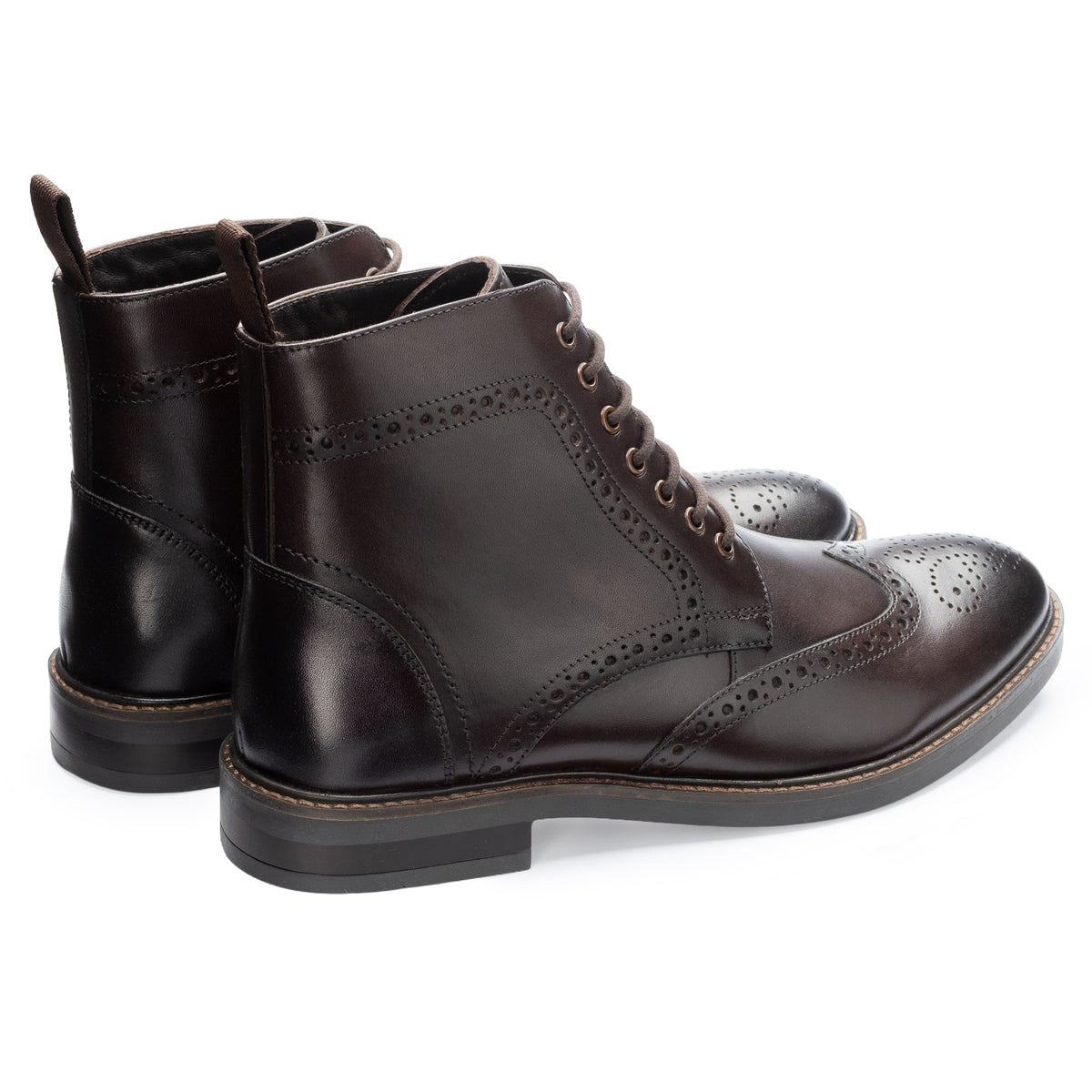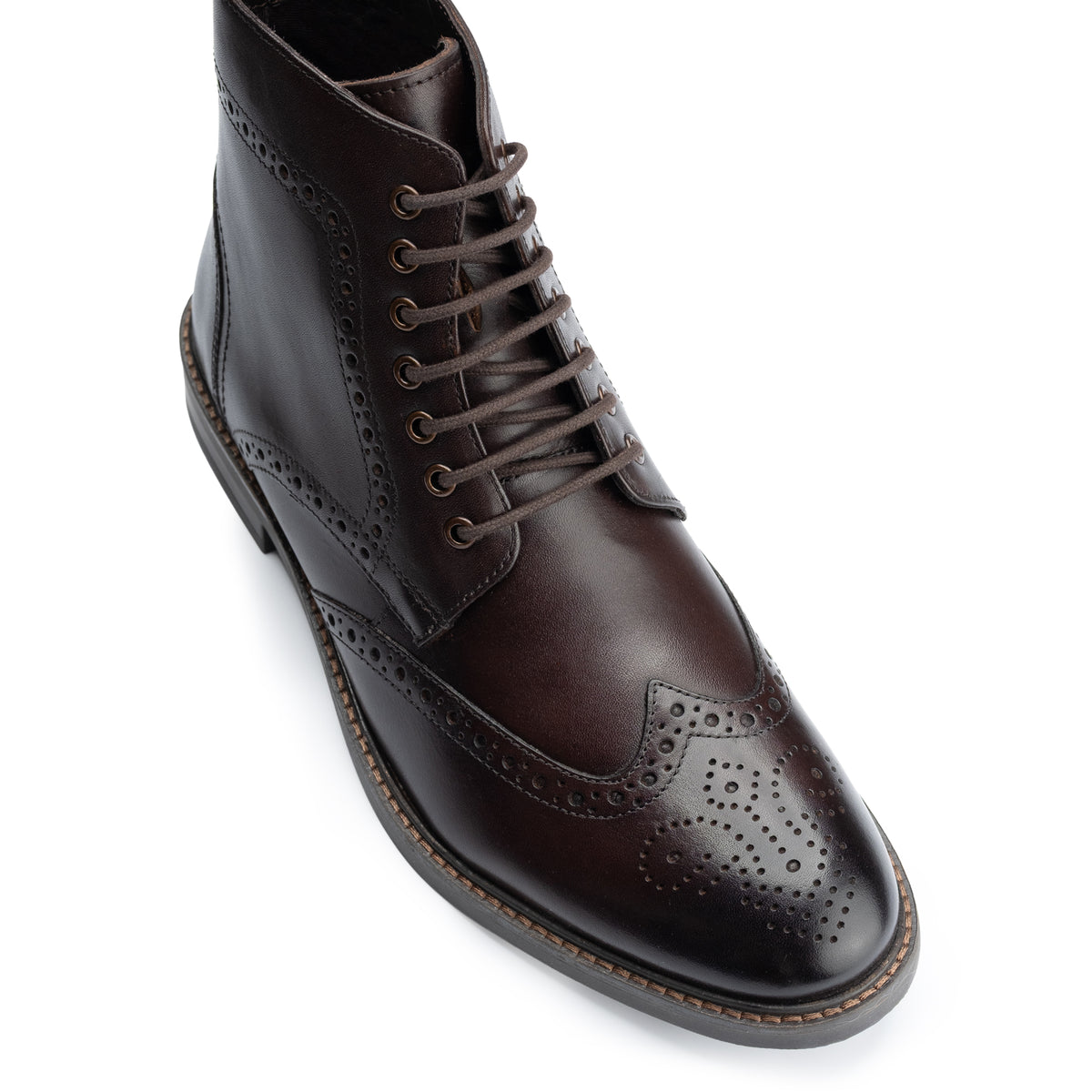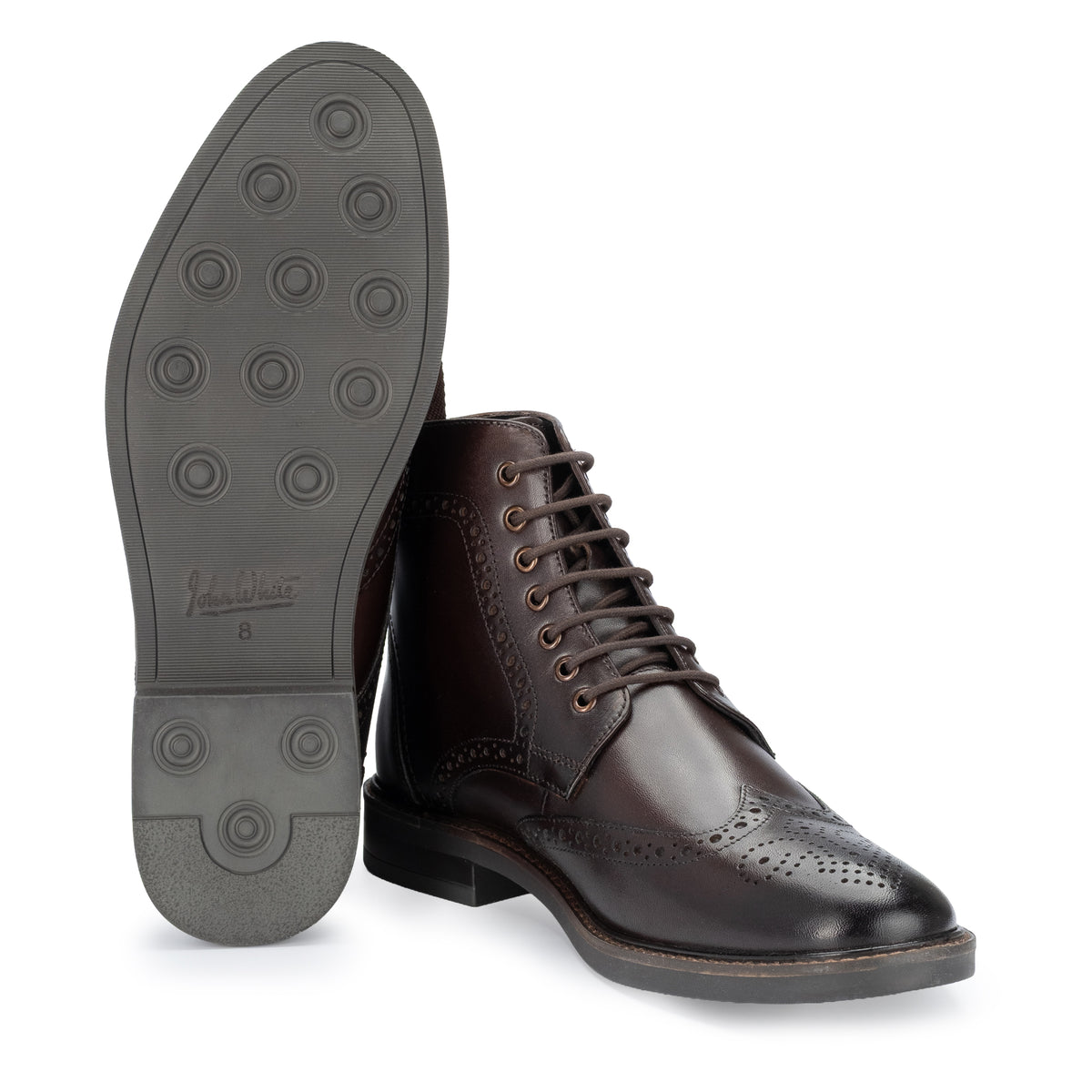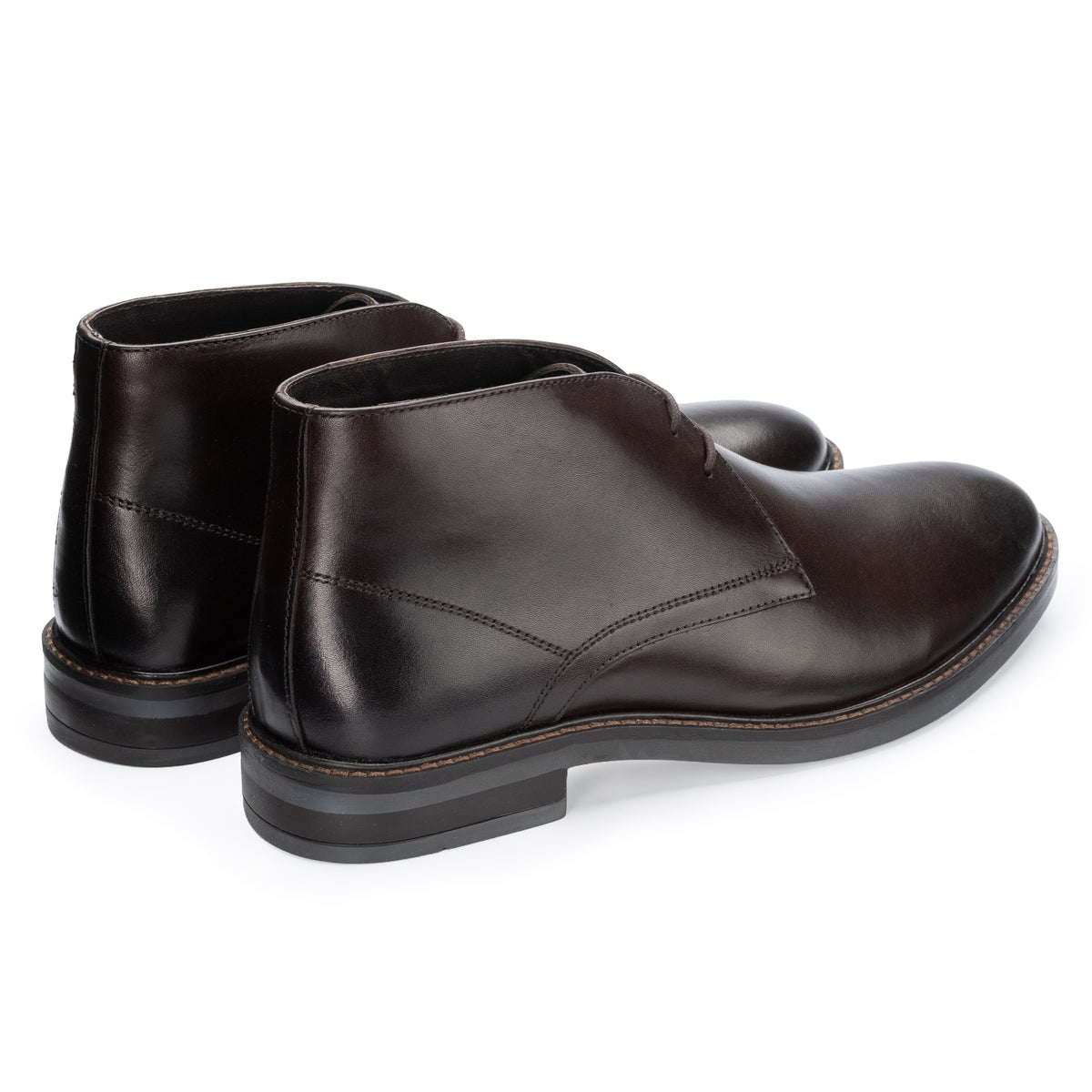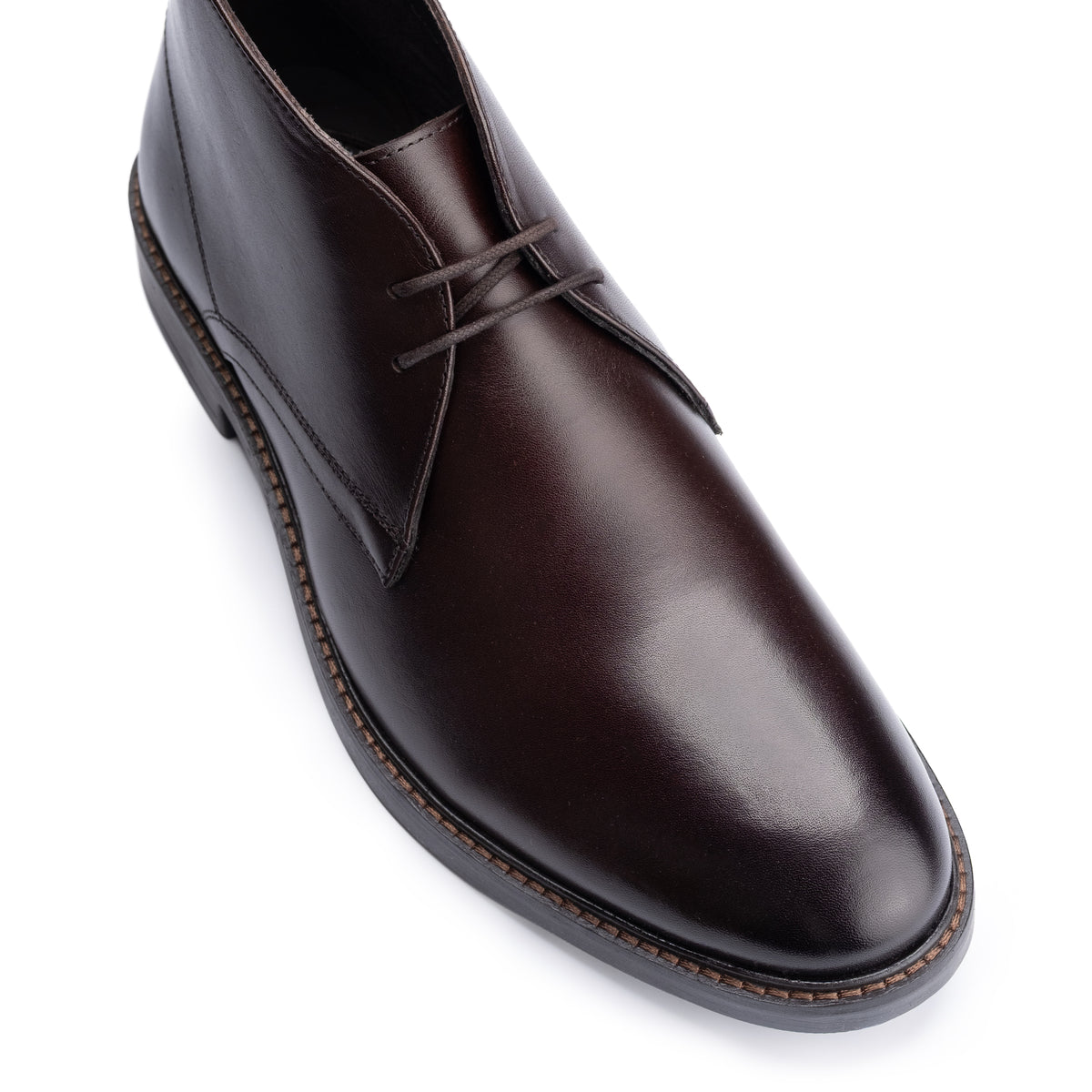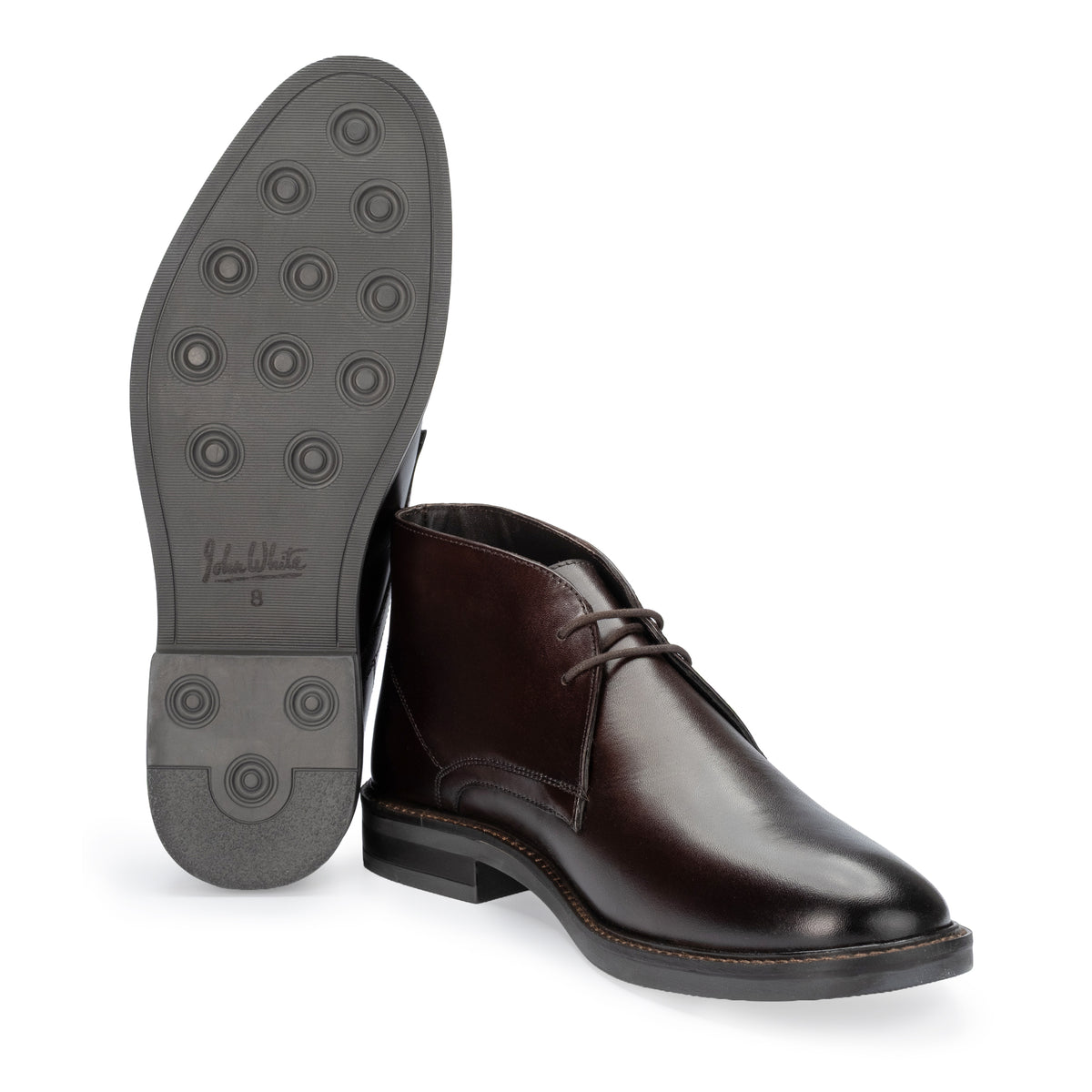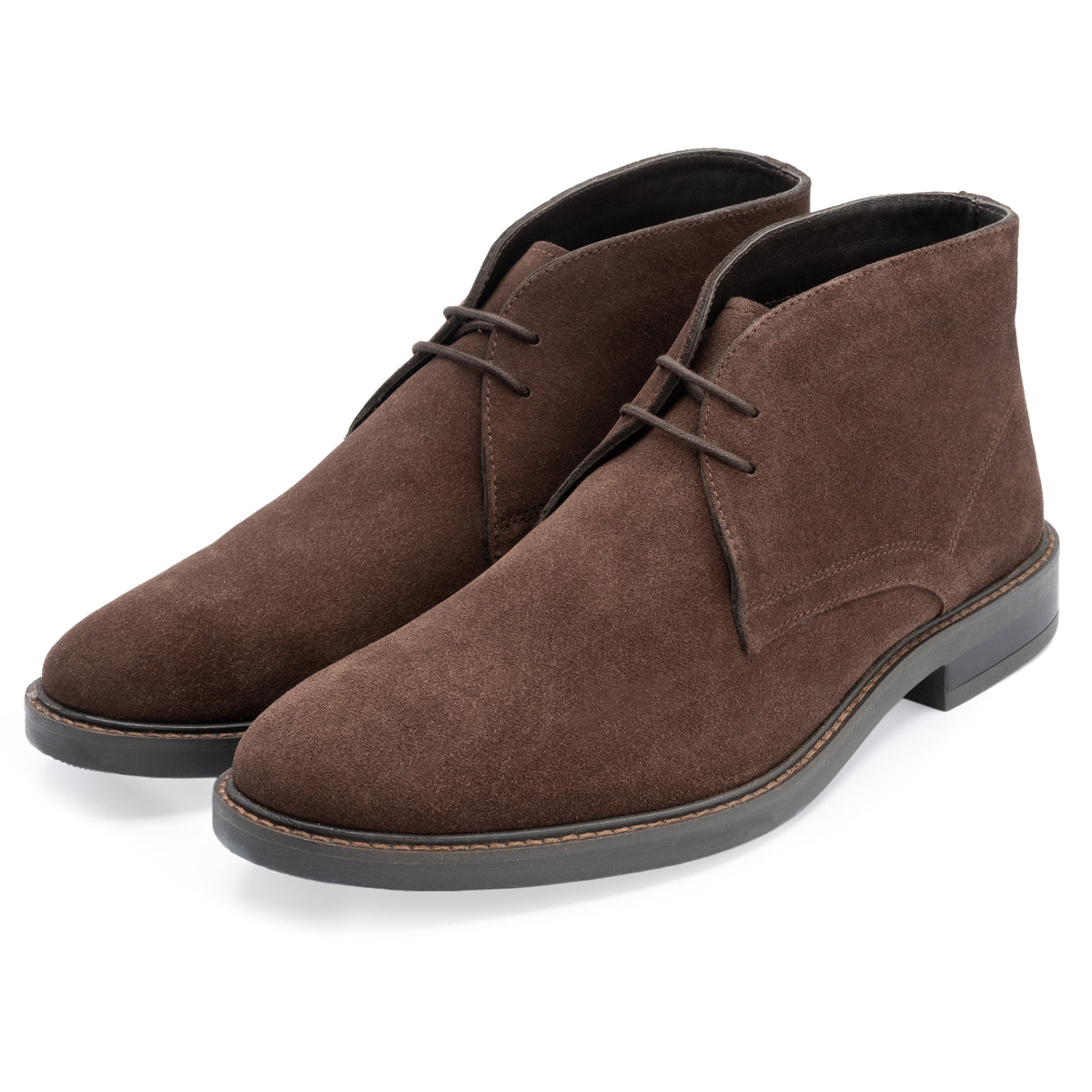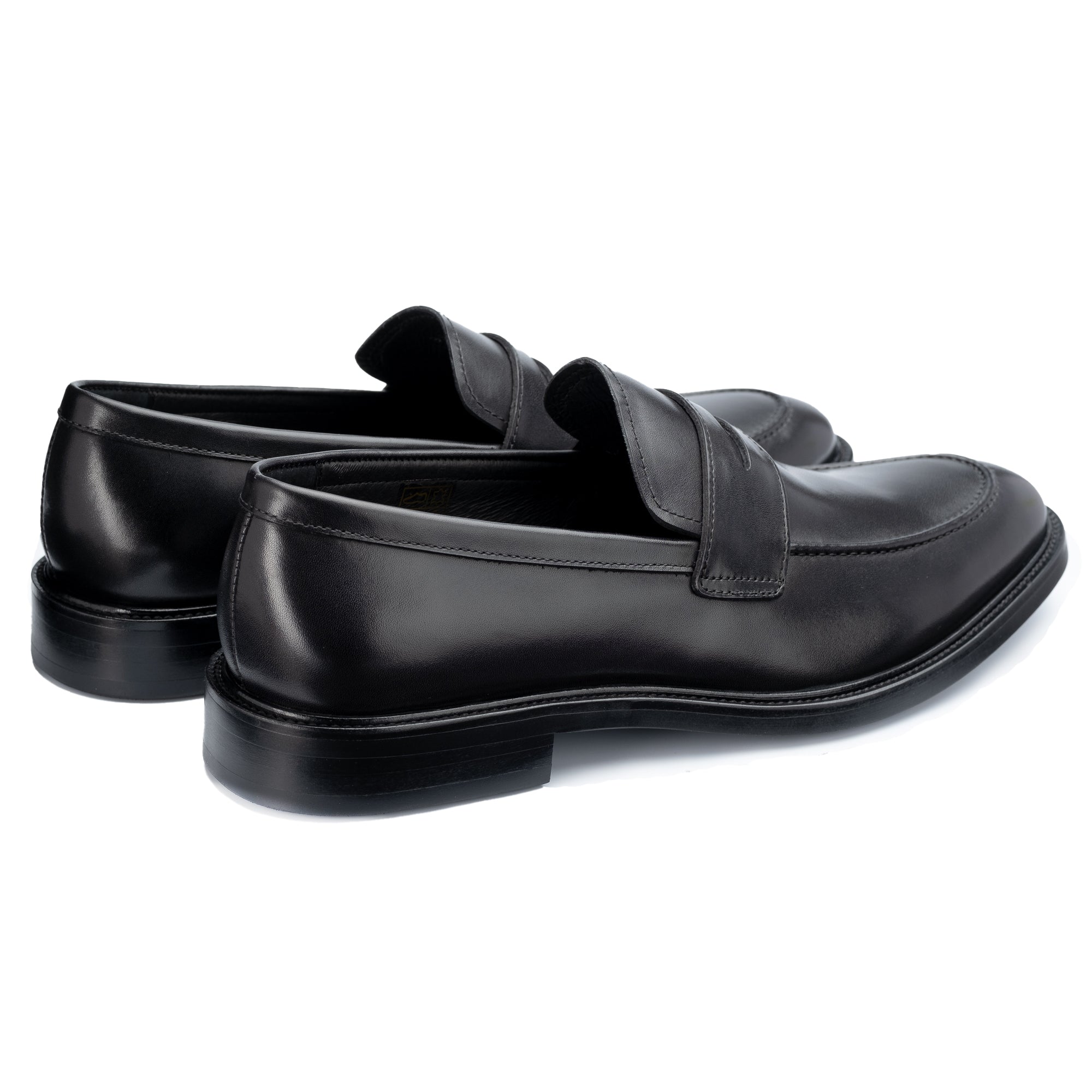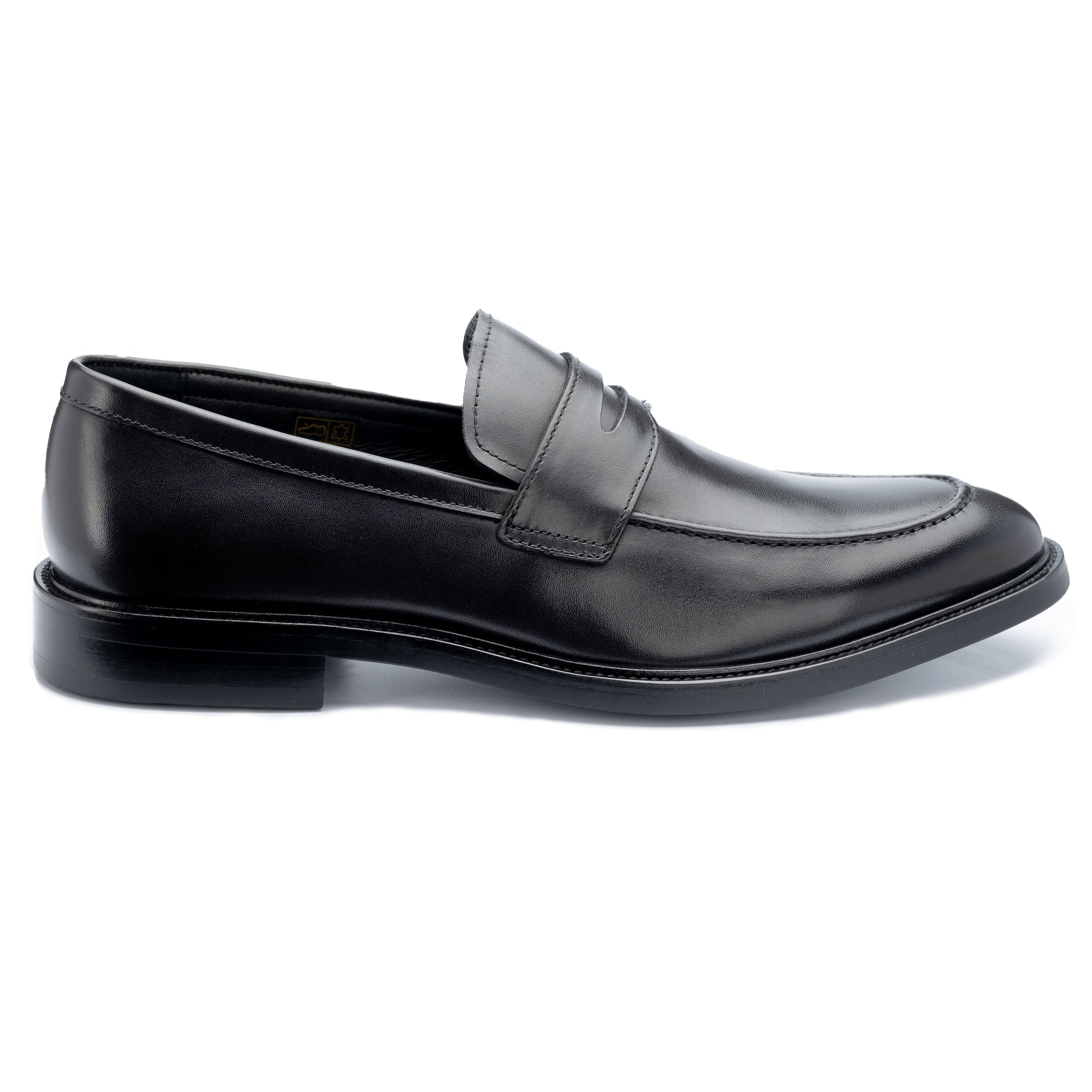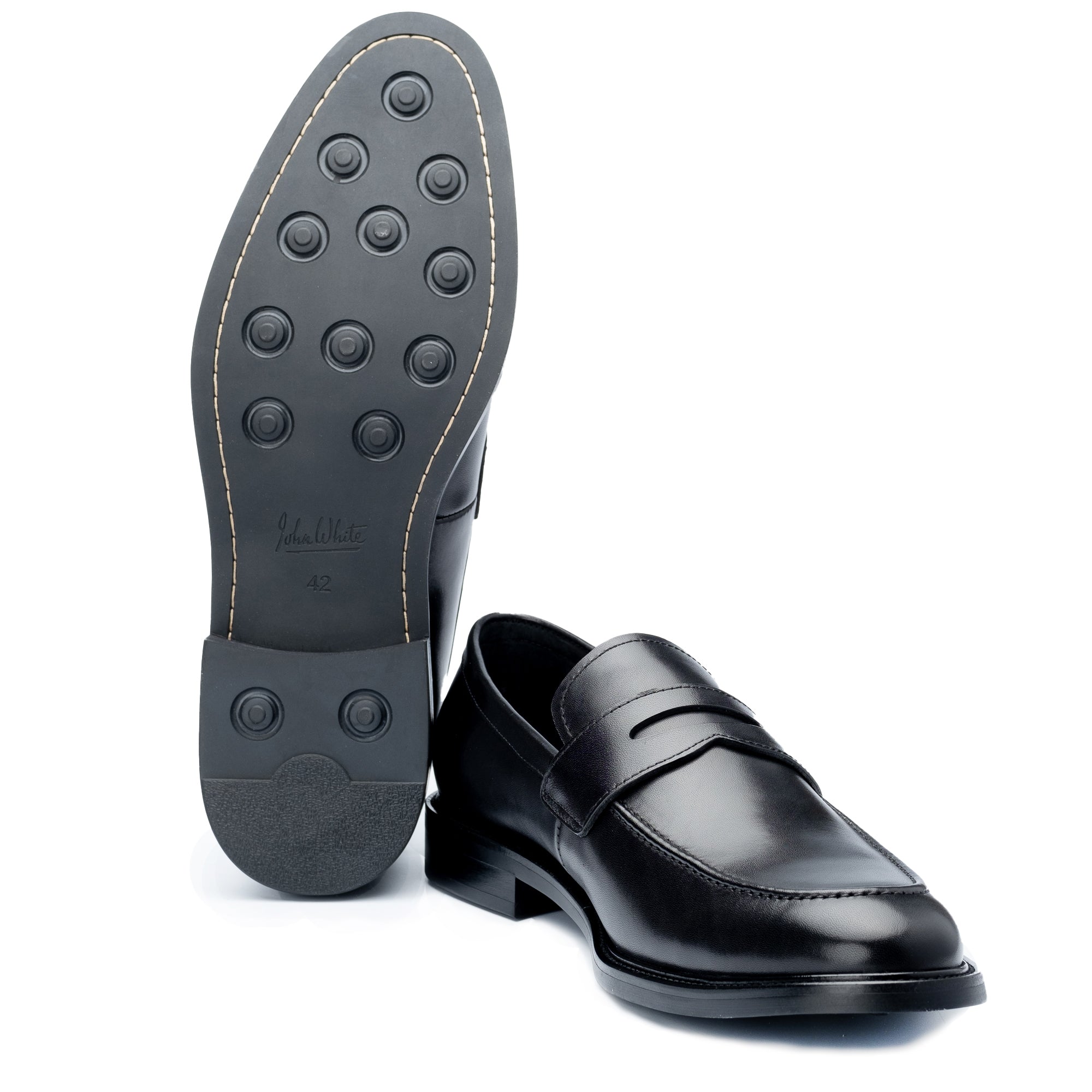

Full-Grain vs Corrected-Grain Leather: How to Spot Quality in Men's Shoes
Quick Answer: Full-grain leather is the highest quality hide available — it retains the natural surface of the skin, breathes well, and develops a rich patina over years of wear. Corrected-grain leather has been sanded or buffed to remove surface imperfections, then embossed with an artificial grain pattern. Full-grain shoes last significantly longer, mould to the foot, and improve with age; corrected-grain shoes are cheaper to produce but tend to crack and deteriorate faster.
Walk into any shoe shop and you'll see "genuine leather" stamped on the insole of a £60 pair of Derbys and a £250 pair of Oxfords alike. Both statements are technically true. What they don't tell you is which part of the hide was used, or how it was treated.
Understanding full-grain versus corrected-grain leather is the single most important skill for buying quality men's shoes. This guide explains what each is, how to tell them apart with your hands and eyes, and why it matters to your wardrobe long-term.
Related Guides
- The Complete Guide to Men's Dress Shoes — our comprehensive guide
- How to Break In New Leather Shoes
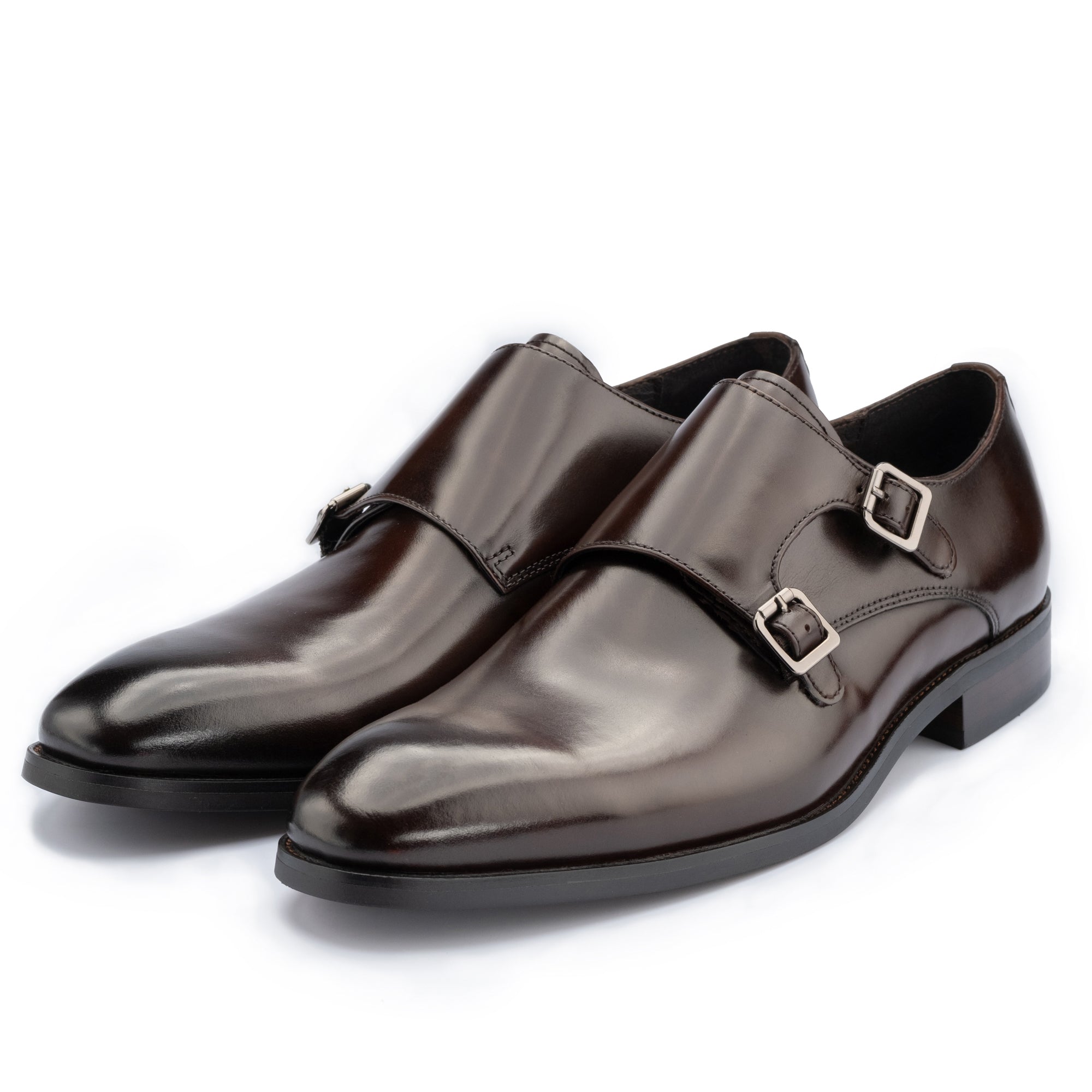
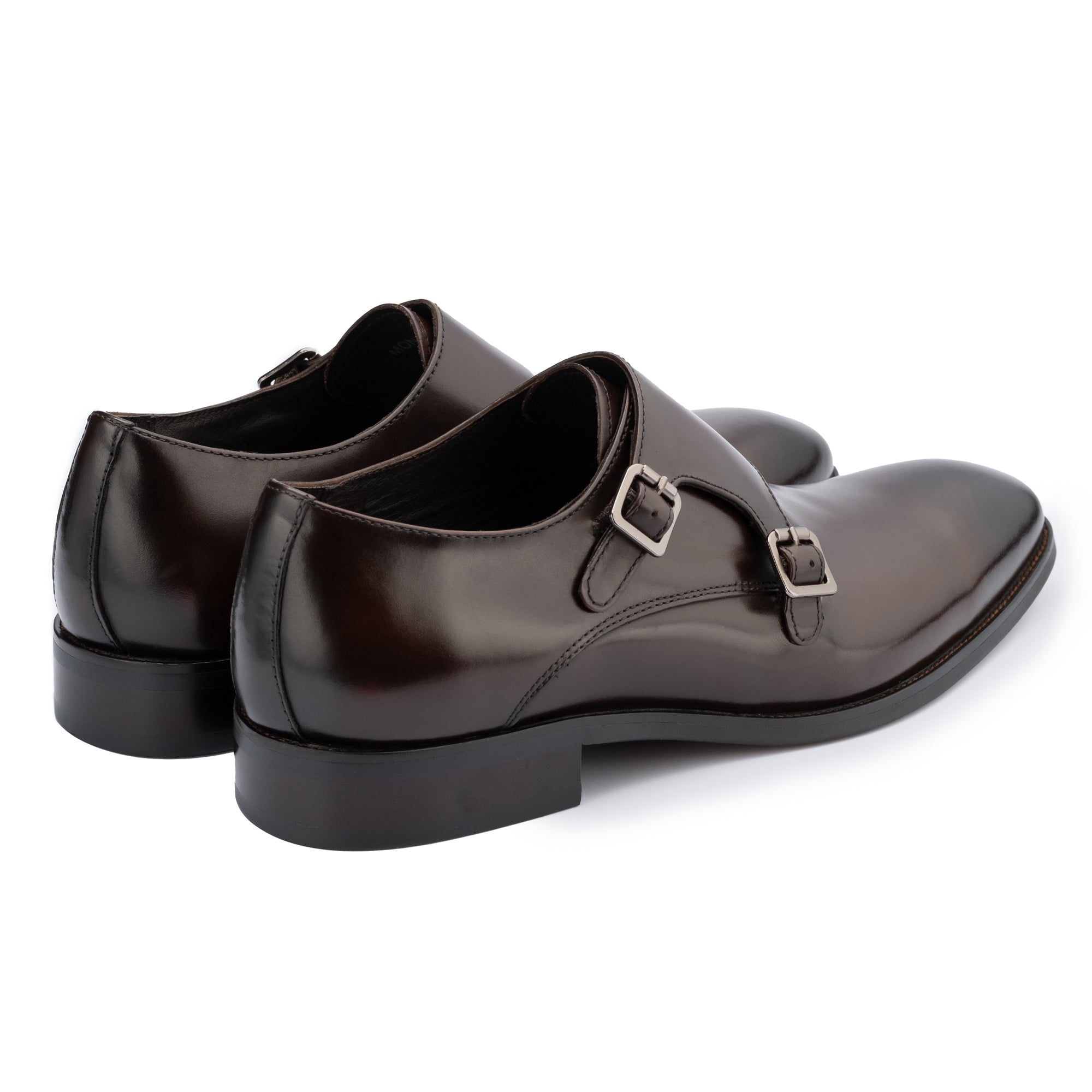
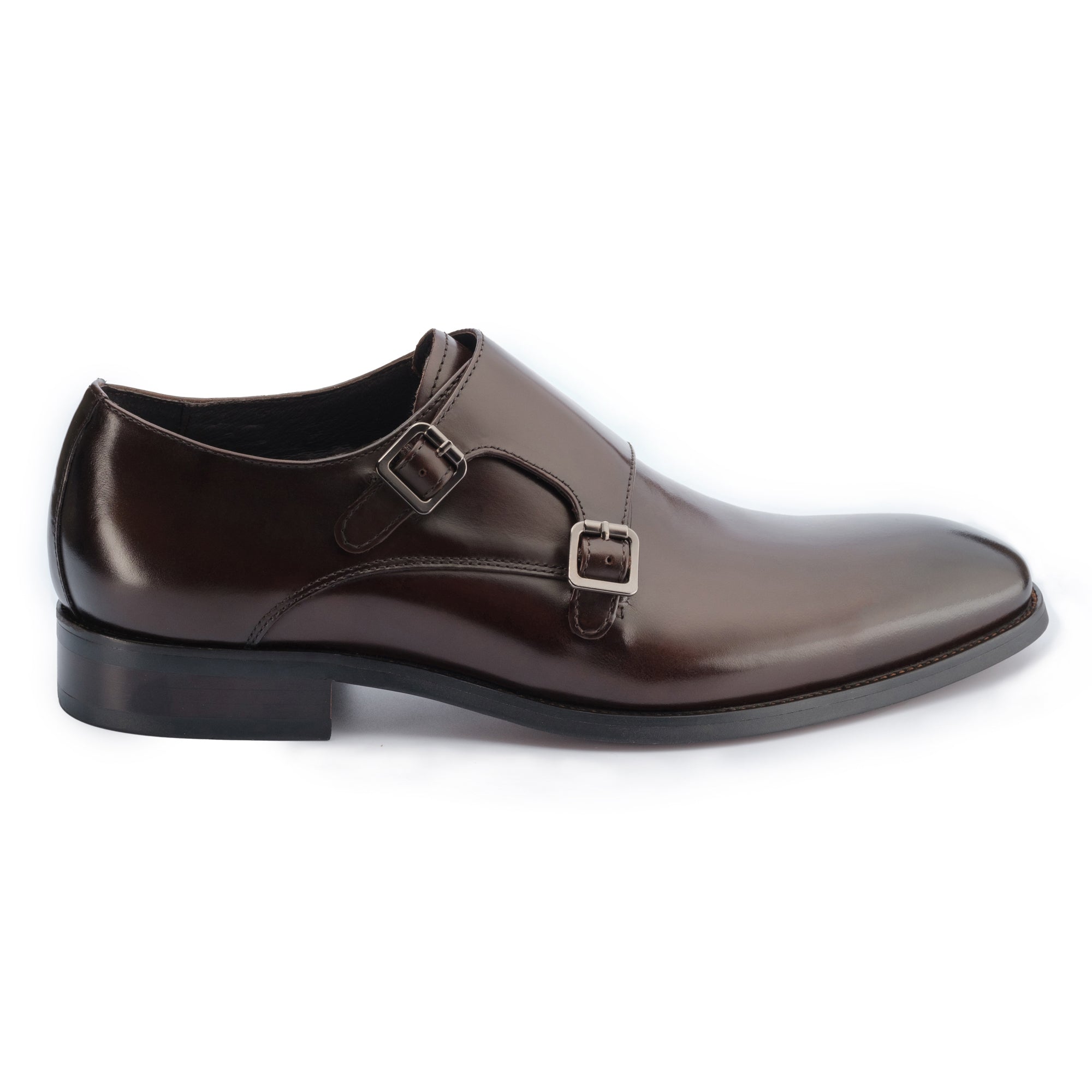
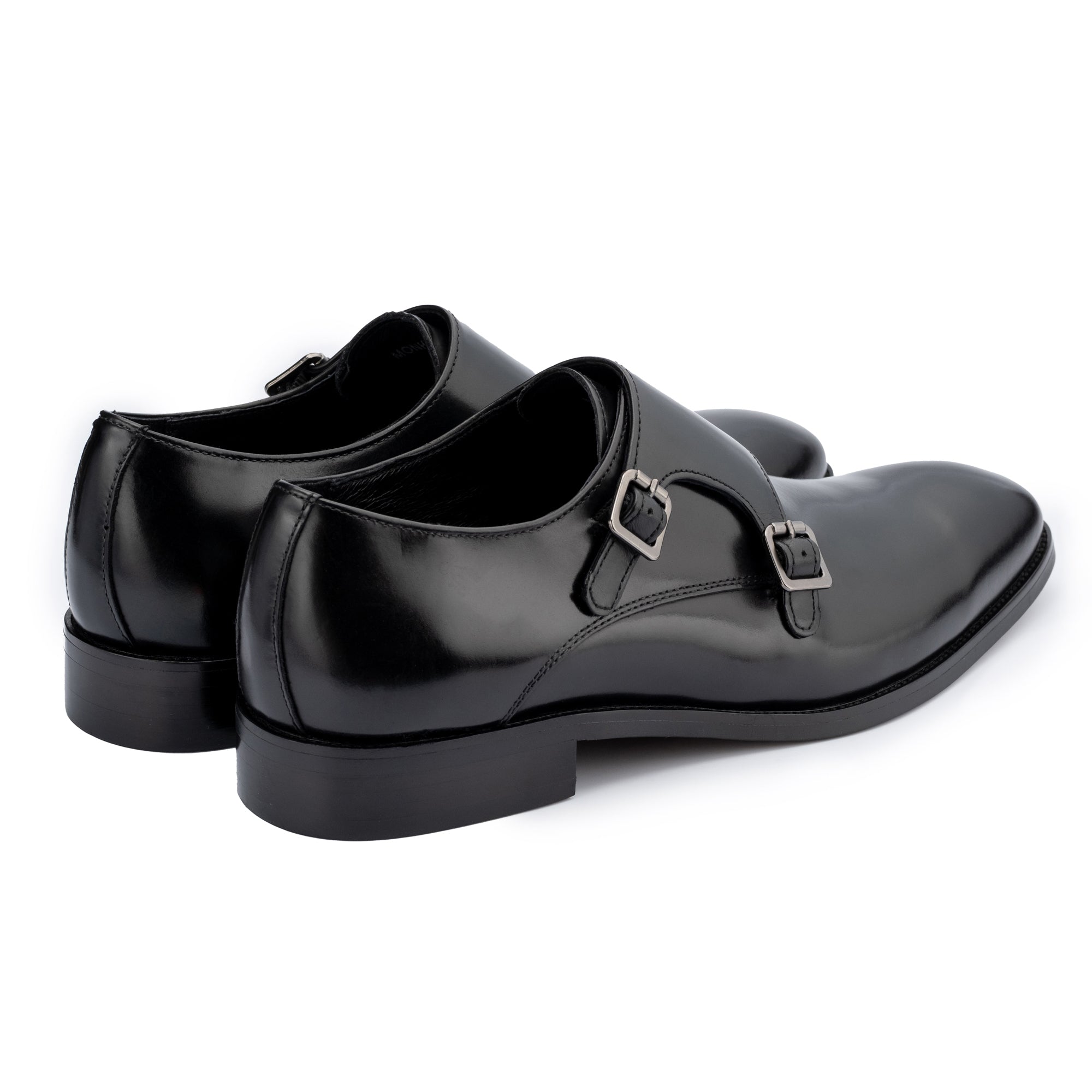
- Guide to Monk Strap Shoes: Style & Care
- How to Clean and Care for Suede Shoes
What Is Full-Grain Leather?
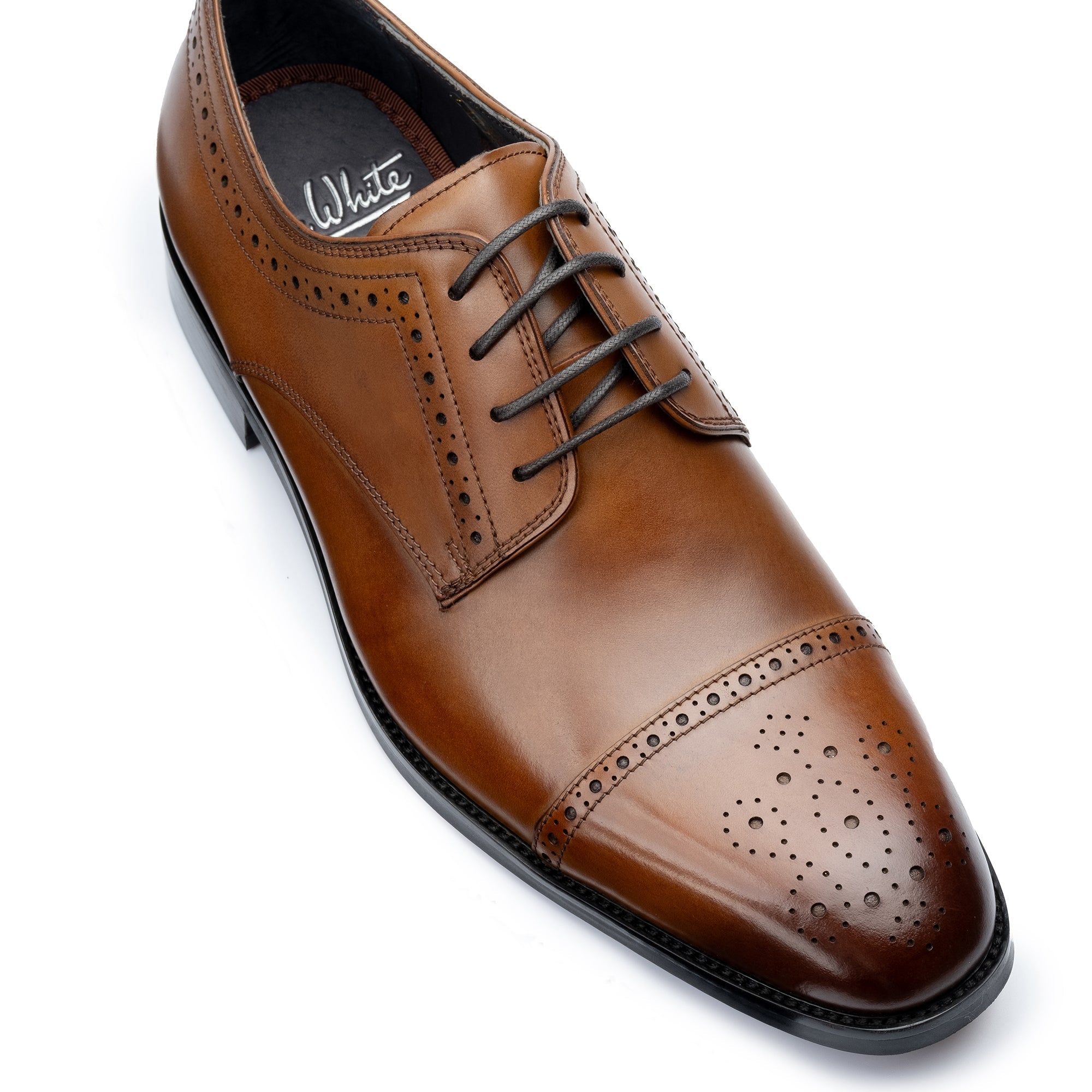
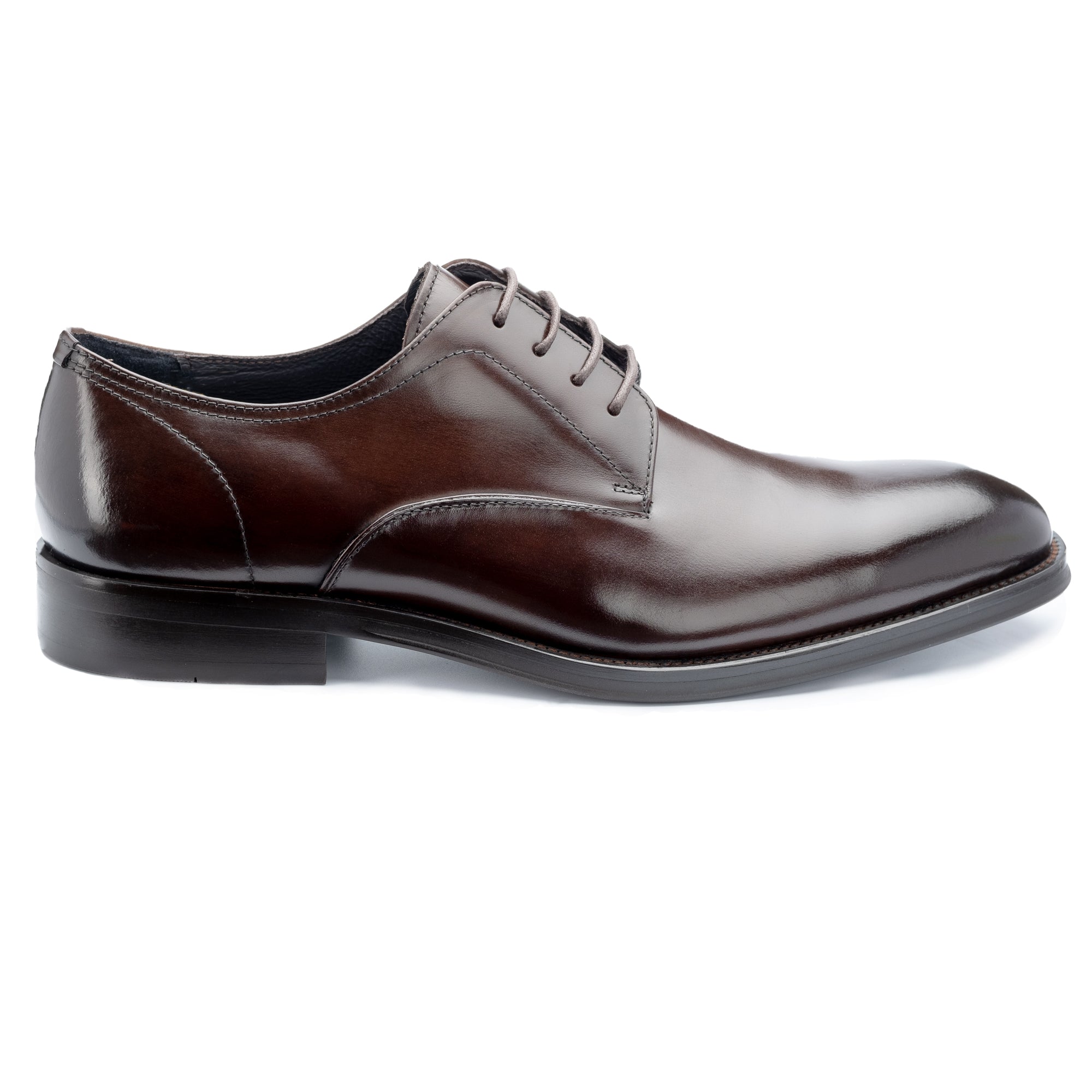
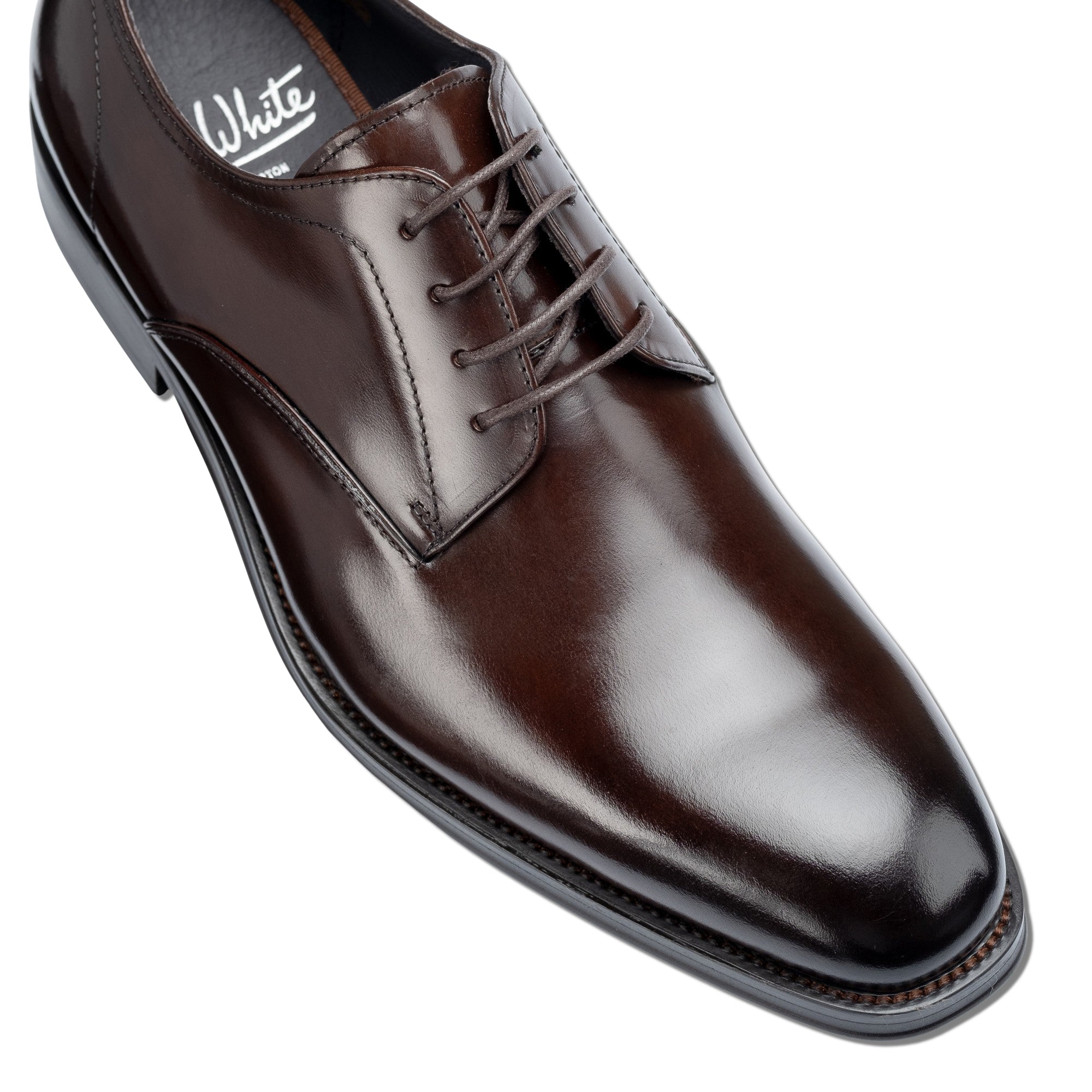
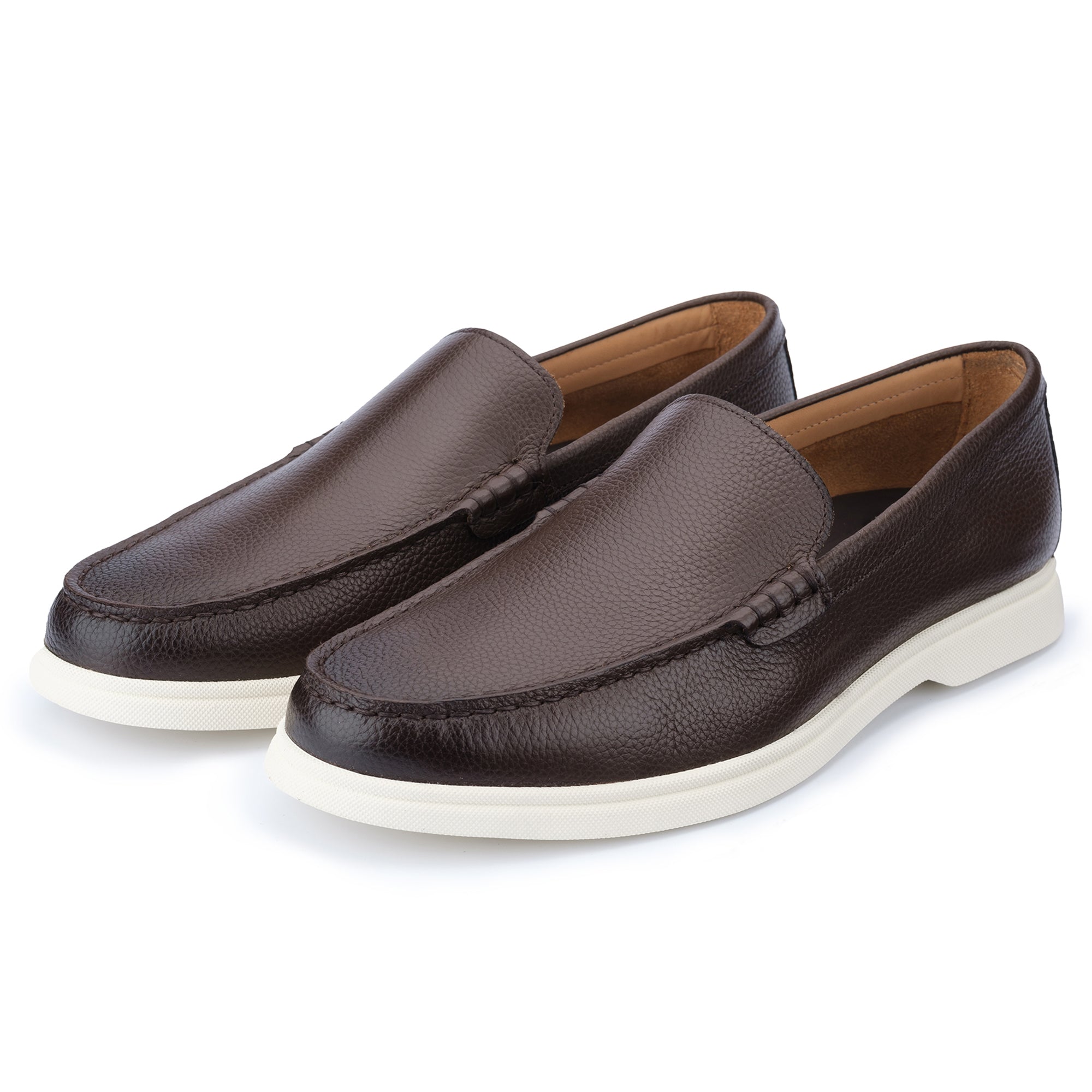
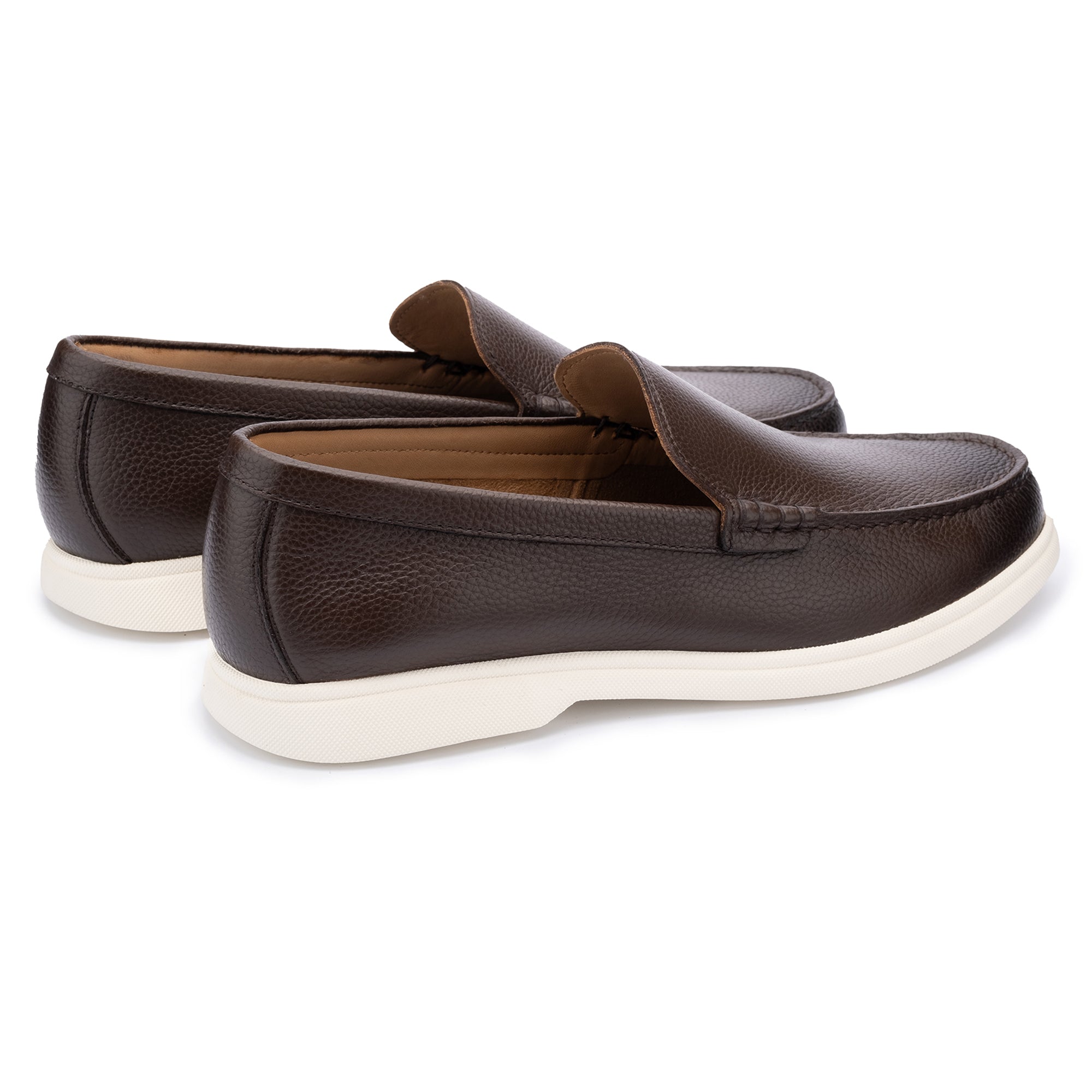
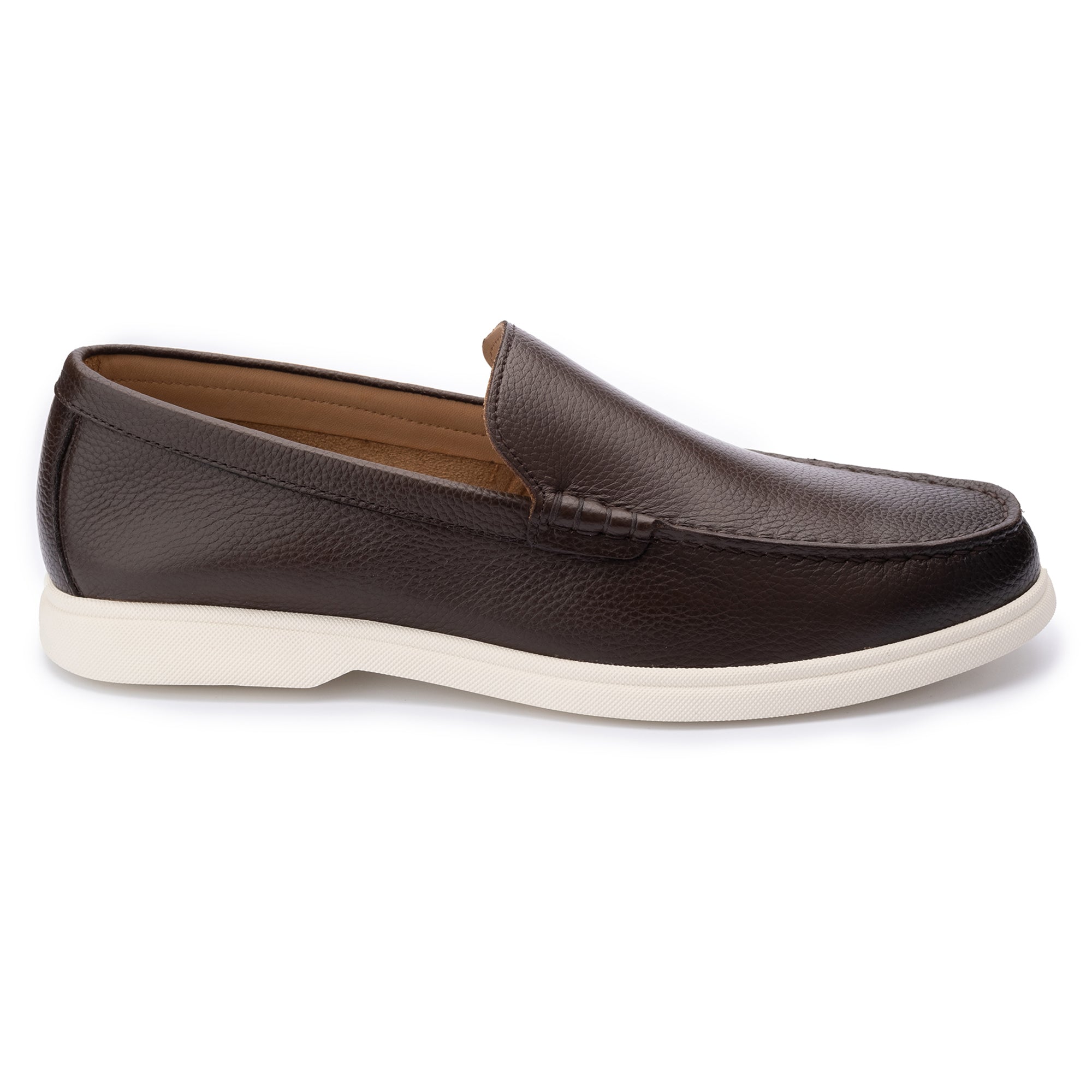
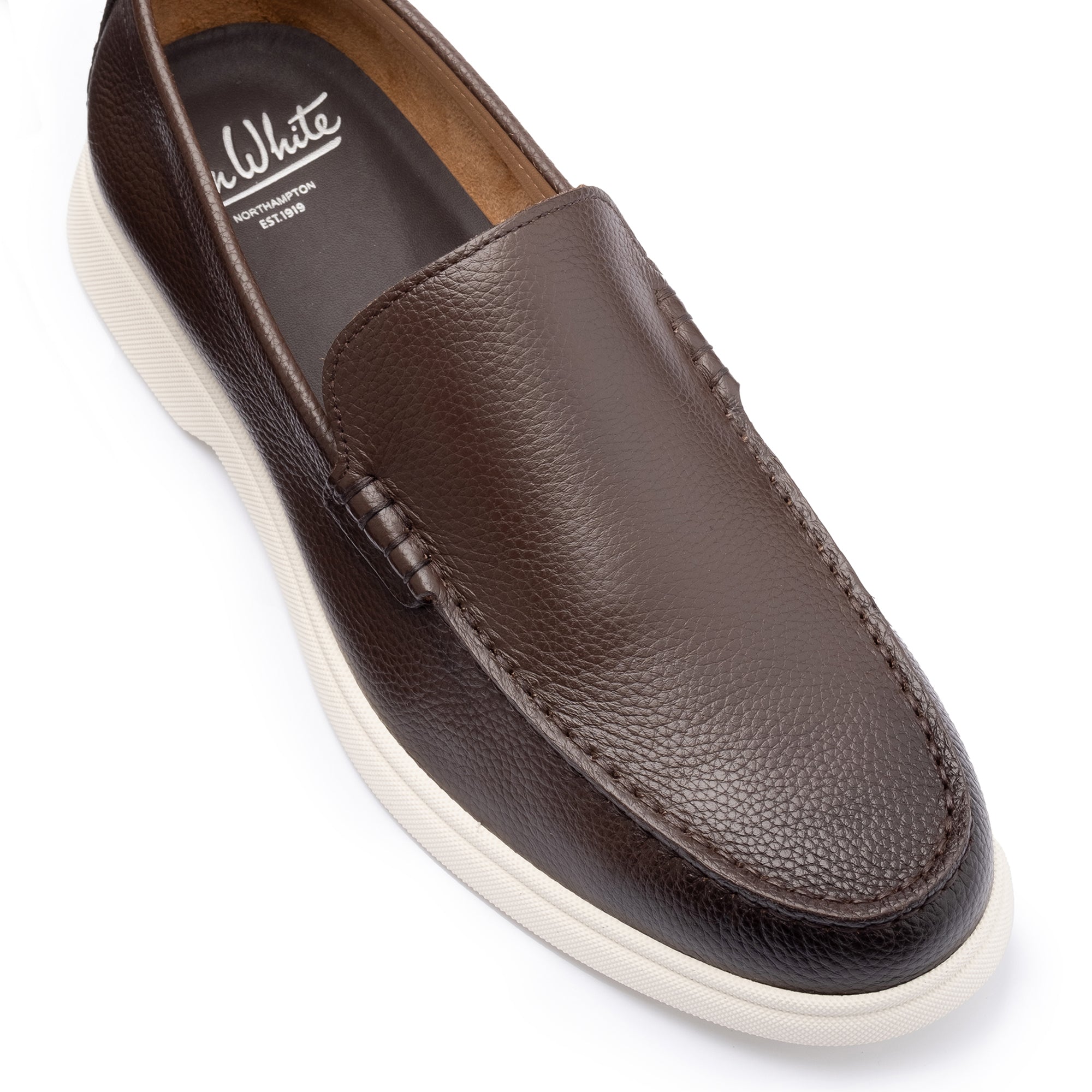
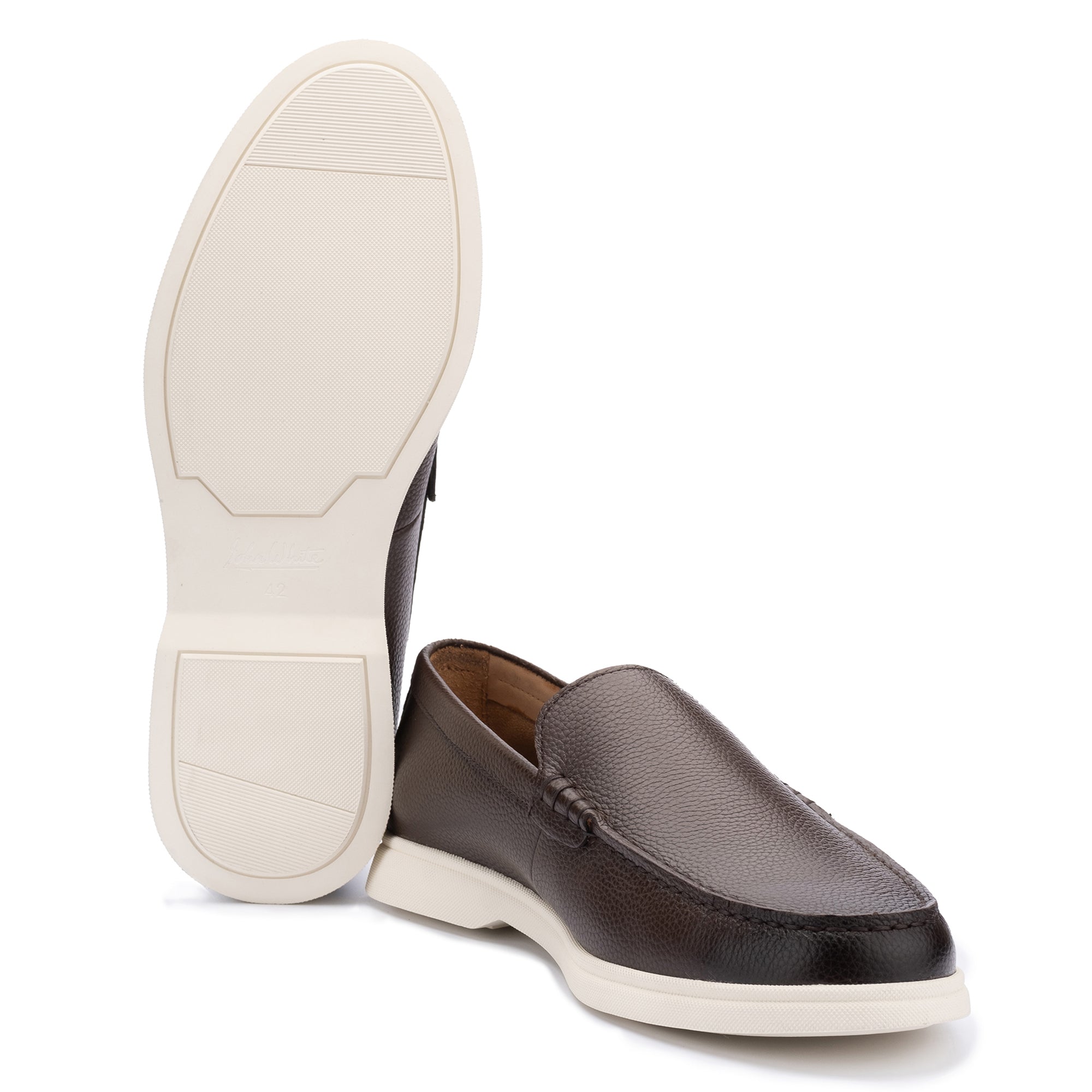
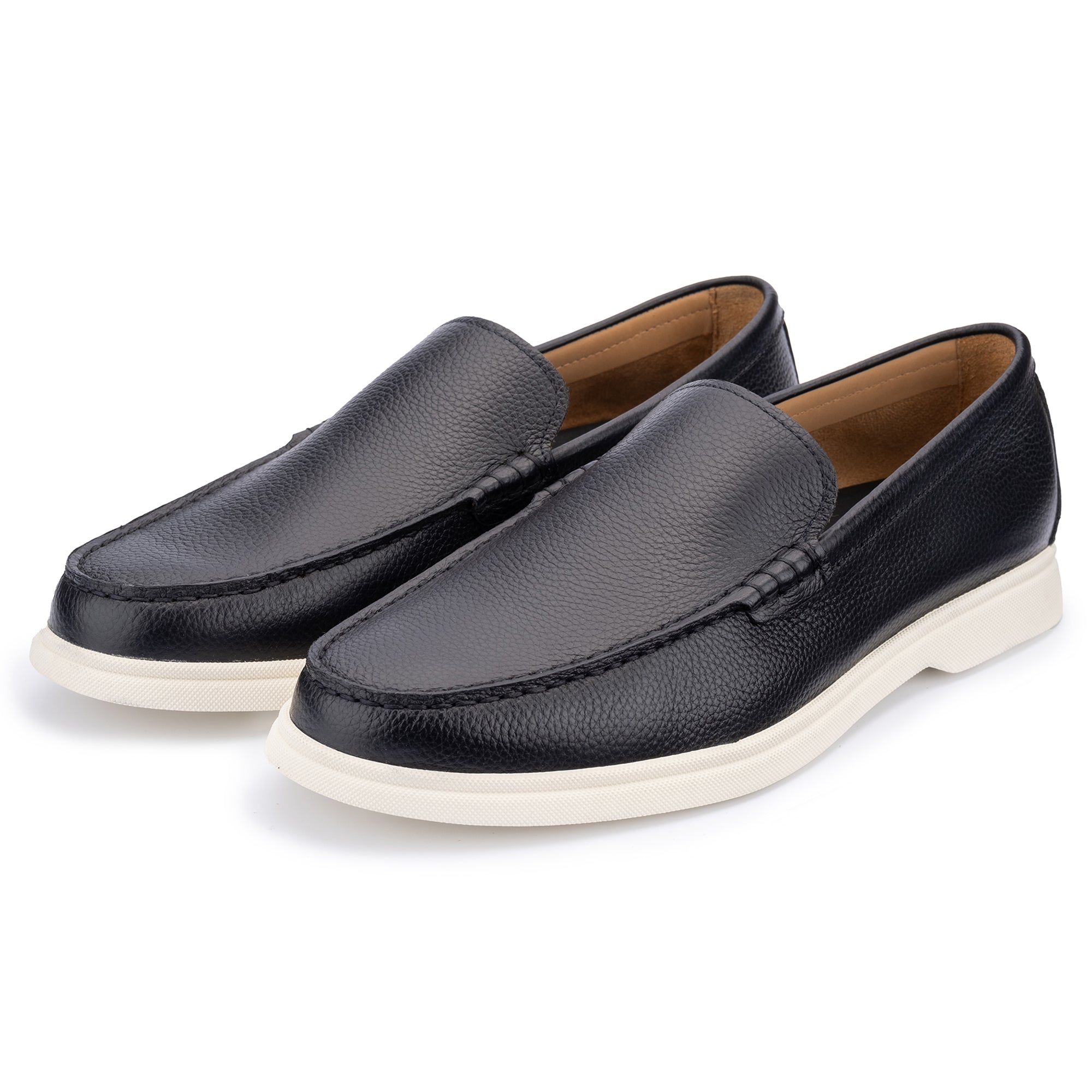
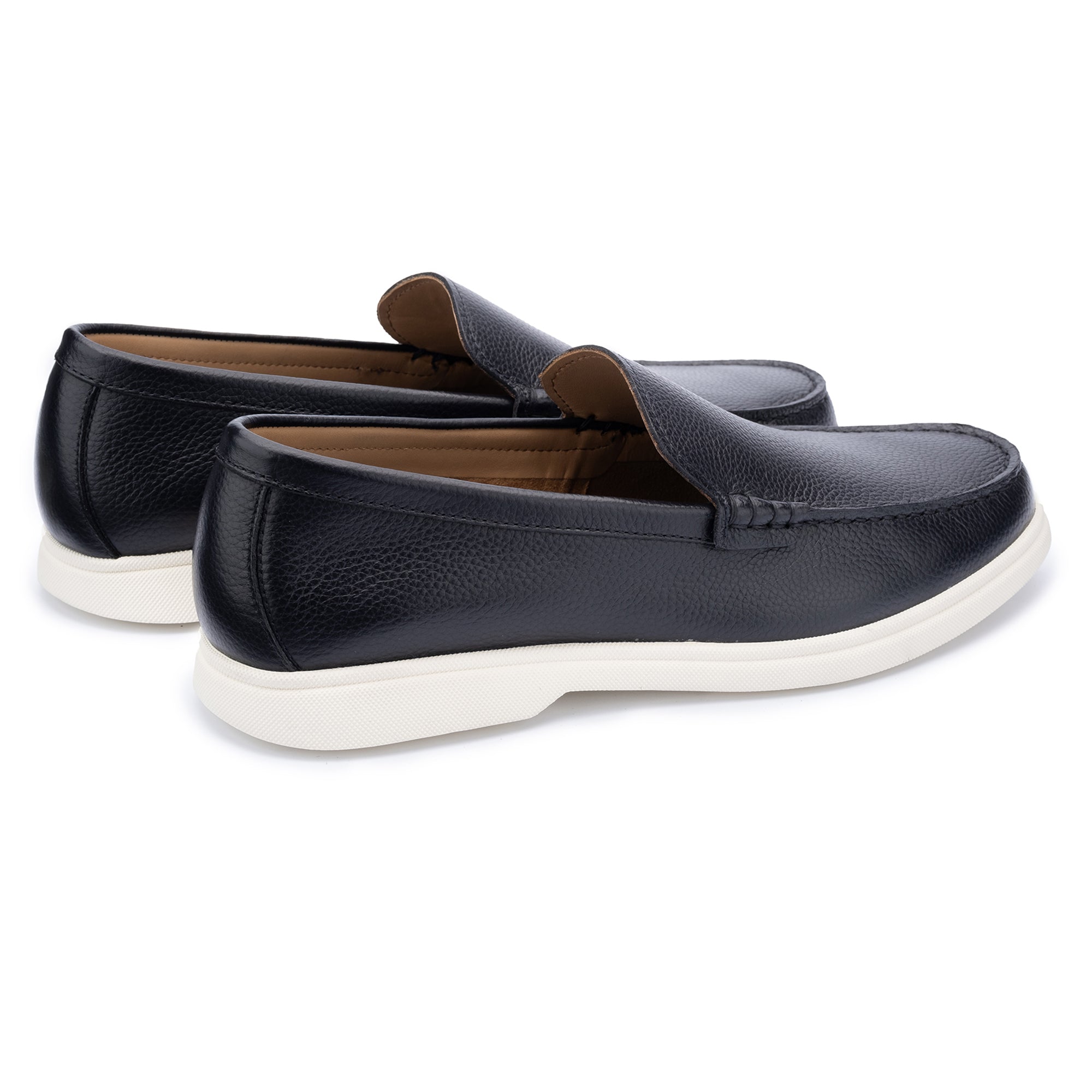
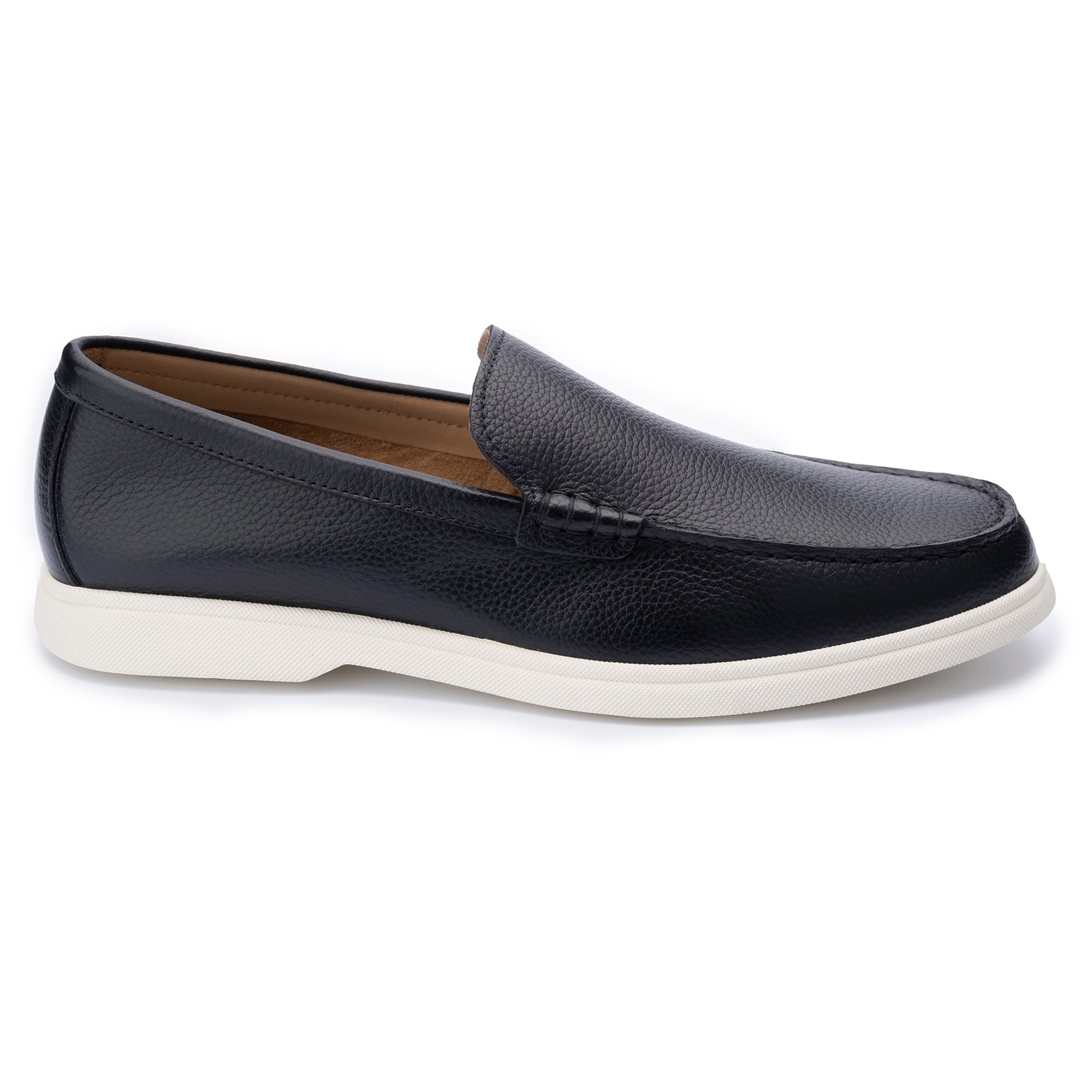
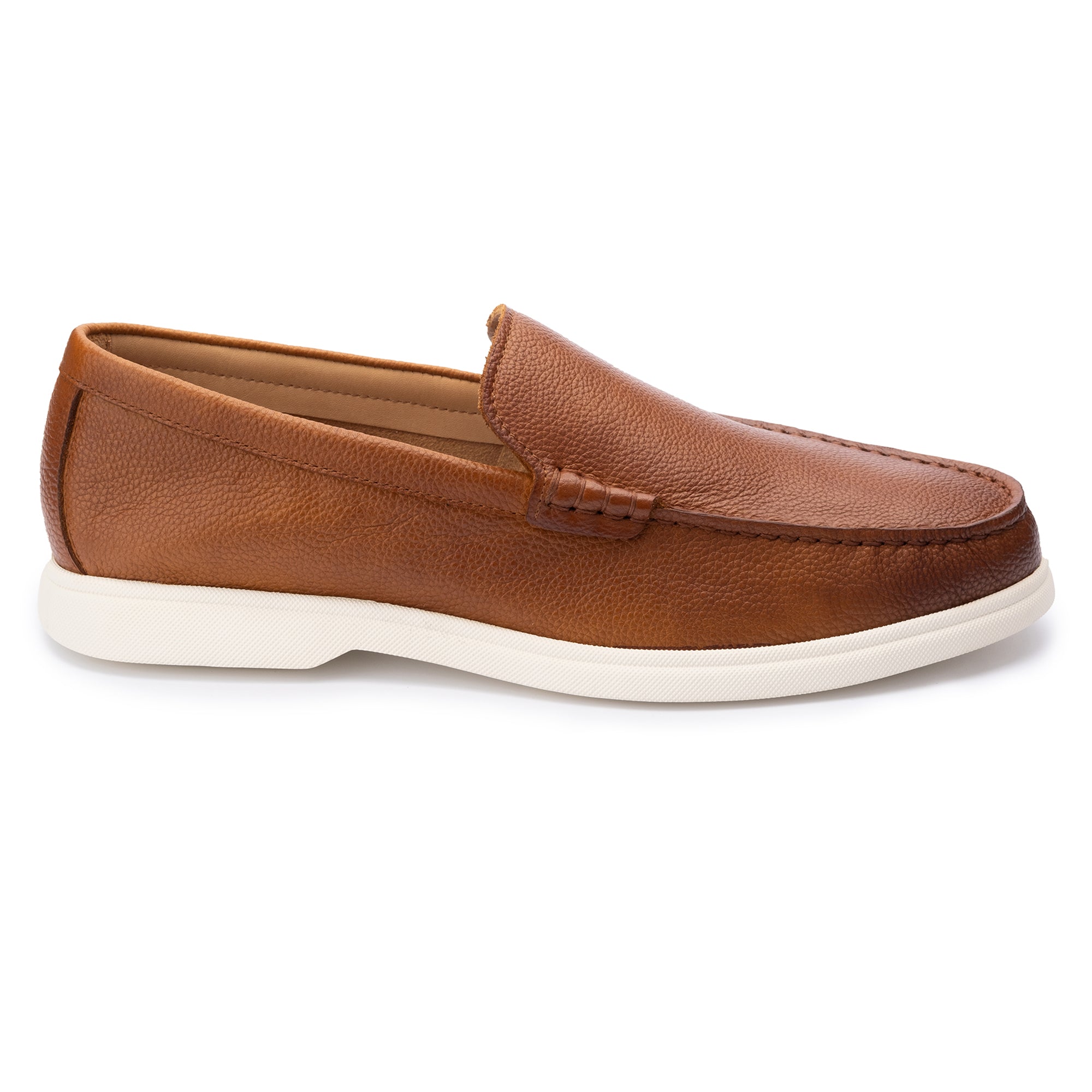
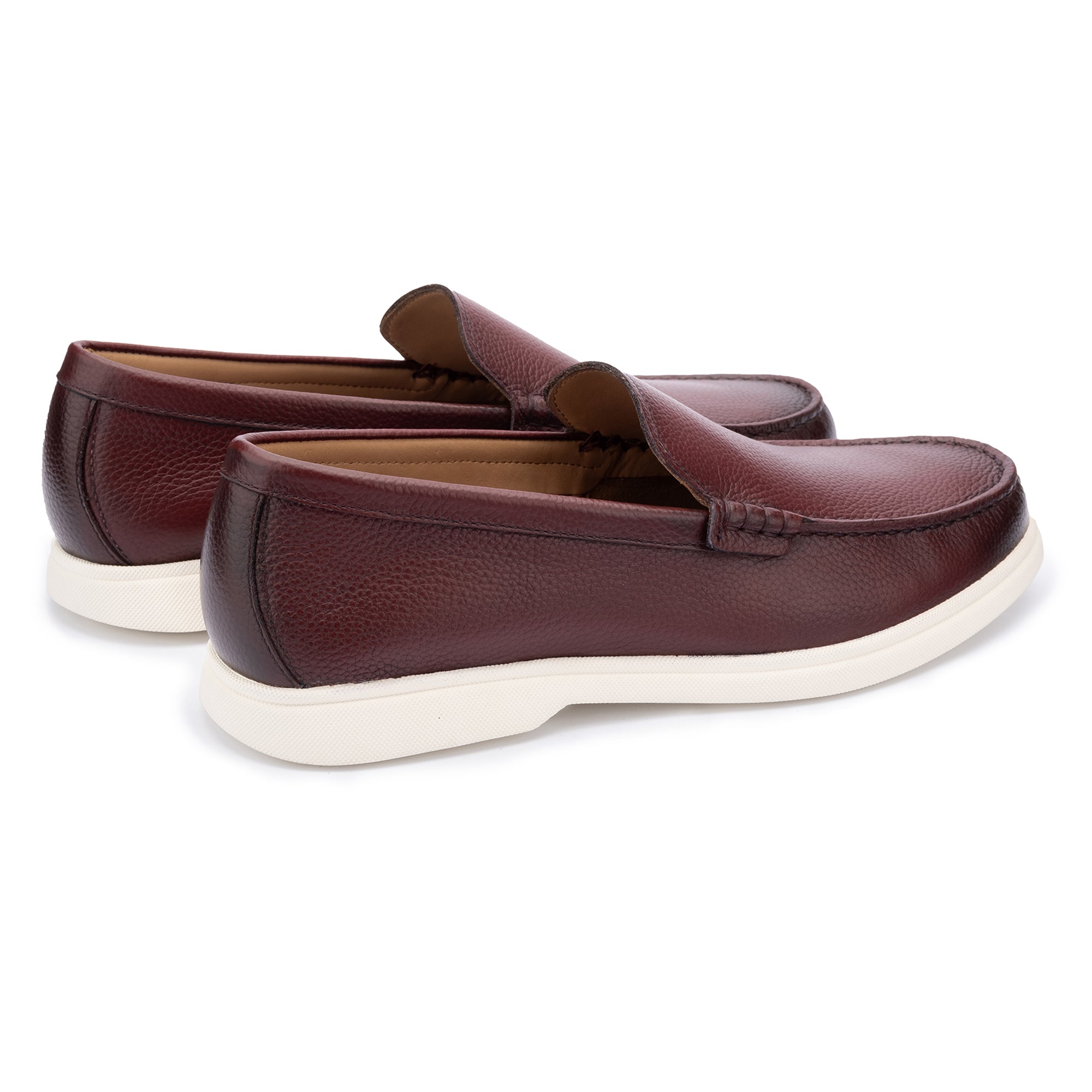
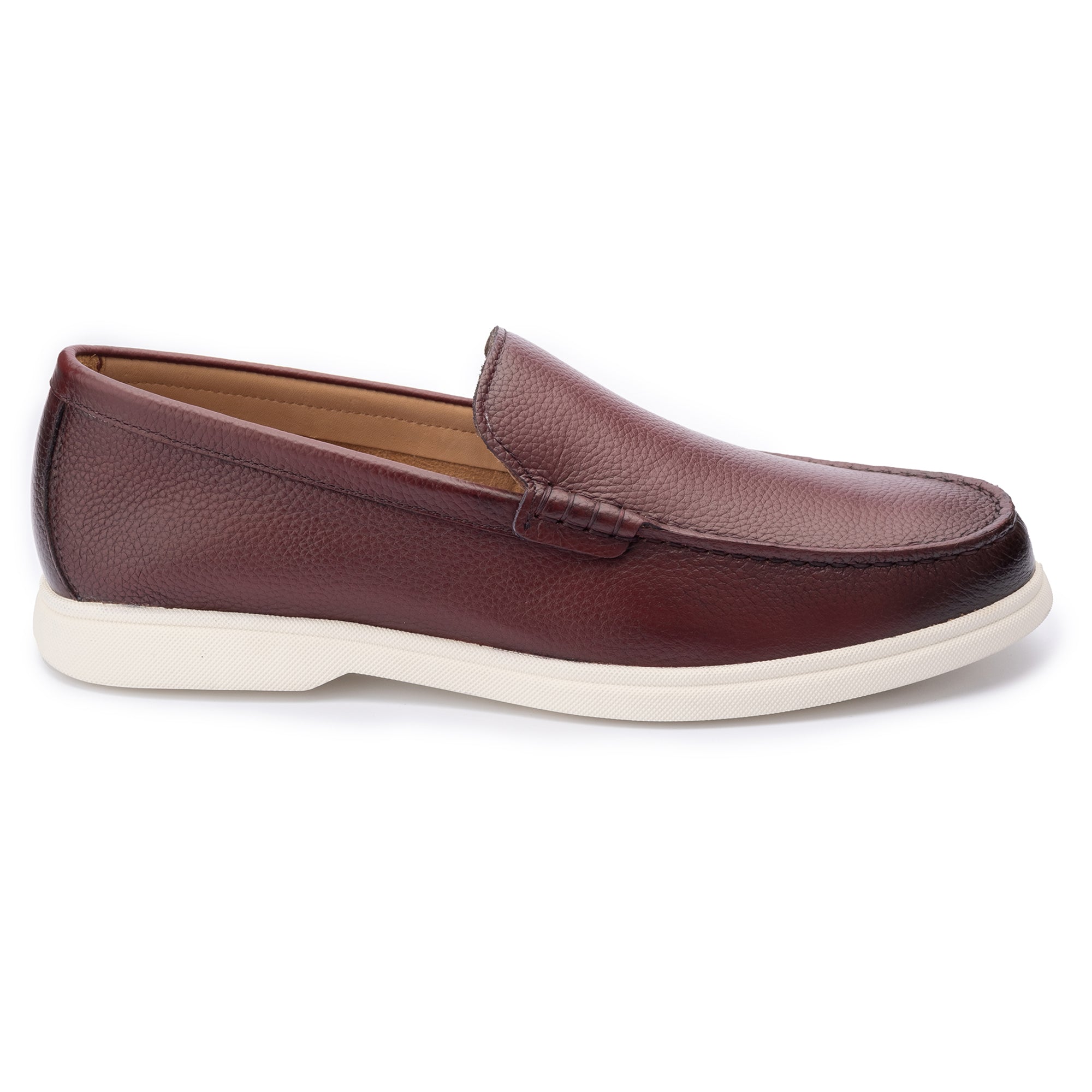
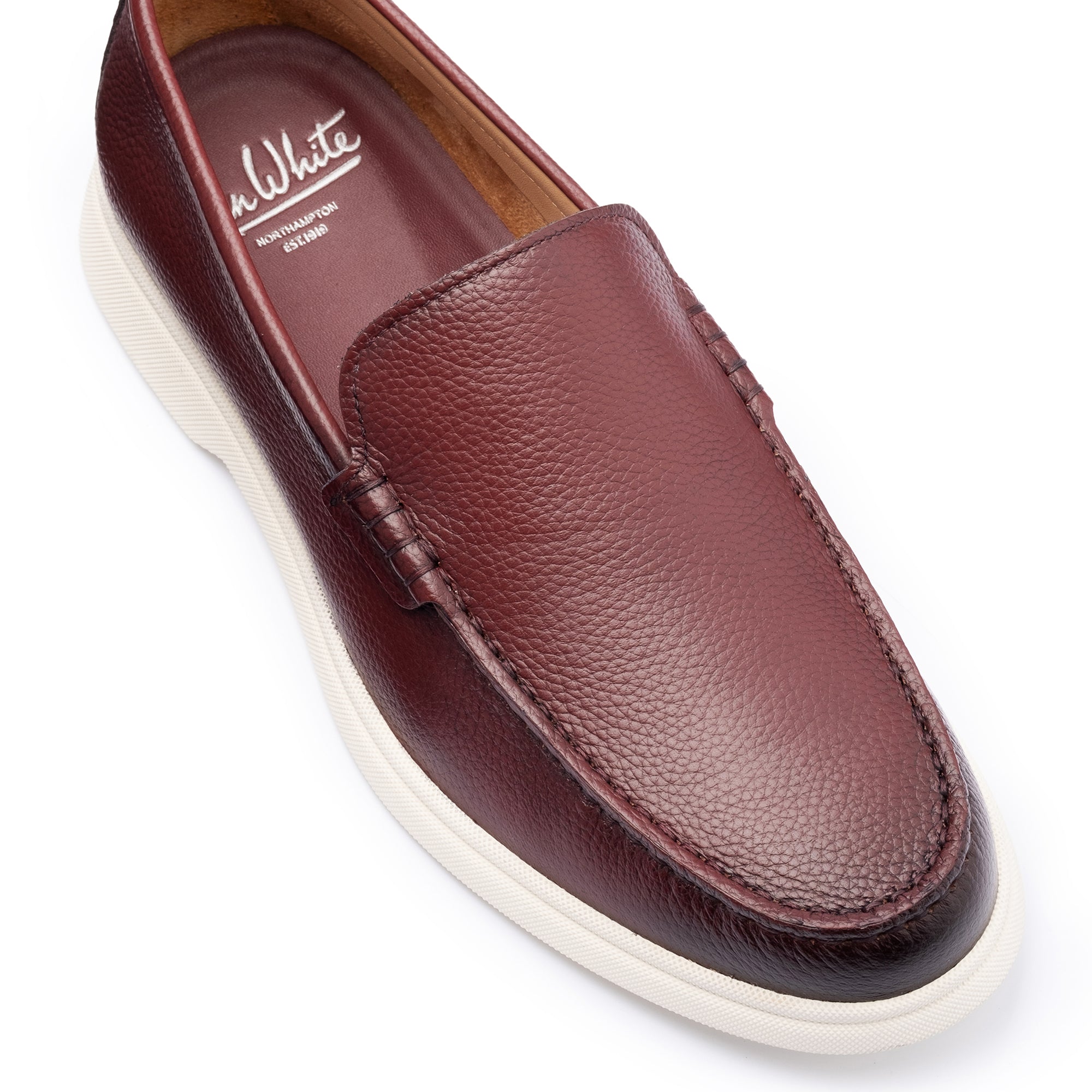
Full-grain leather comes from the outermost layer of the hide — the tightest, most durable part of the skin. Crucially, the surface is left intact. No sanding, no buffing, no correction.
Because the grain layer is undisturbed, the leather retains the hide's natural fibre structure. This is what gives full-grain leather three properties that no other leather can replicate:
- Breathability — the natural pore structure remains open, allowing moisture to pass through
- Patina development — oils from your hands and feet, along with conditioning products, penetrate the surface and build colour and depth over time
- Durability — the dense fibre structure resists cracking and tearing; a well-maintained full-grain shoe can last 20 years or more
You will find small natural marks on full-grain leather — insect bites, minor scars, variations in texture. These are not defects. They are evidence that the leather is exactly what it claims to be.
What Is Corrected-Grain Leather?
Corrected-grain leather starts as a lower-grade hide with surface imperfections — scarring, unevenness, blemishes that would be visible on a finished shoe. To make it usable, manufacturers sand or buff the surface down, removing the natural grain layer entirely.
What's left is a smooth, featureless surface. To give it a consistent appearance, manufacturers then emboss an artificial grain pattern using a heated metal plate.
The result looks uniform and clean in the shop. But the dense, protective outer layer of the hide is gone. What remains is more porous, less breathable, and far more prone to cracking once the surface coating dries out.
What Is the Difference Between Full-Grain and Corrected-Grain Leather?
The differences affect every aspect of how the shoe performs and ages.
| Property | Full-Grain Leather | Corrected-Grain Leather |
|---|---|---|
| Surface | Natural, with minor variations | Uniform, embossed pattern |
| Breathability | High — natural pores intact | Low — surface sealed or coated |
| Patina | Develops richly over time | Minimal — coating blocks penetration |
| Durability | Exceptional — 10–20+ years with care | Moderate — surface prone to cracking |
| Repair | Can be reconditioned, resoled, restored | Difficult to restore once surface cracks |
| Cost | Higher — premium raw material | Lower — makes use of imperfect hides |
How Do You Spot Full-Grain Leather on a Shoe?
You don't need a materials science degree. The following checks take under a minute and work in any shop or when examining a shoe you already own.
The Visual Check
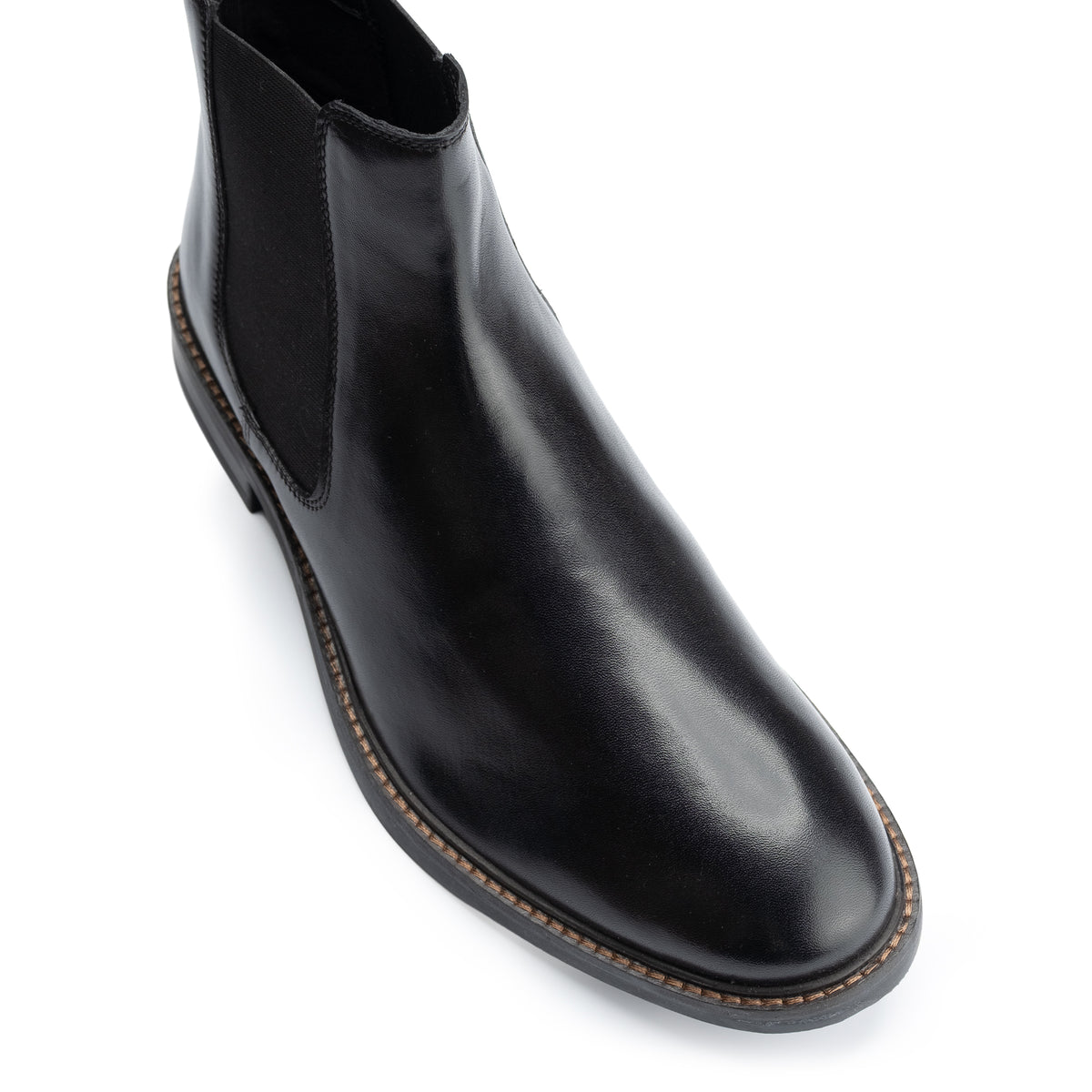
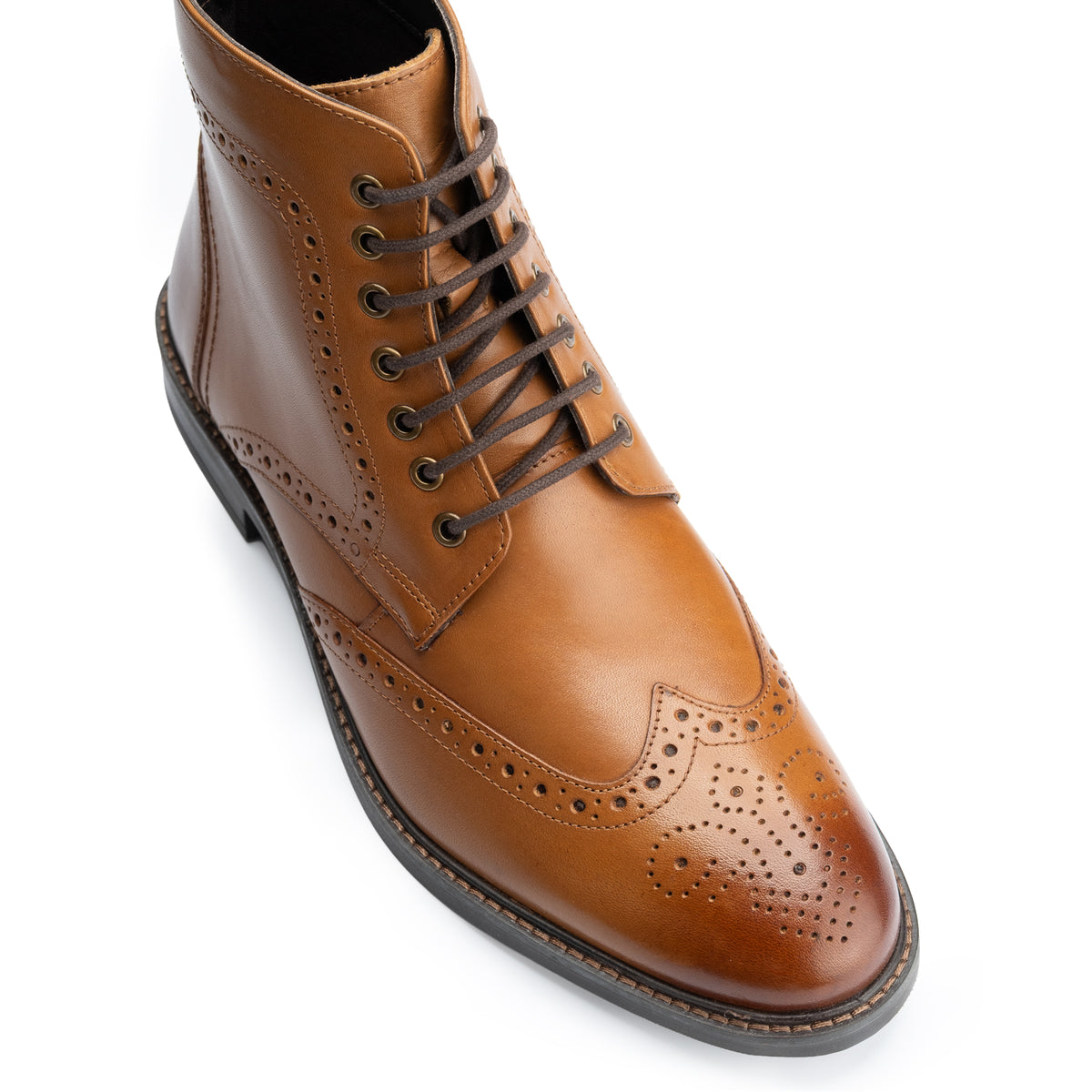
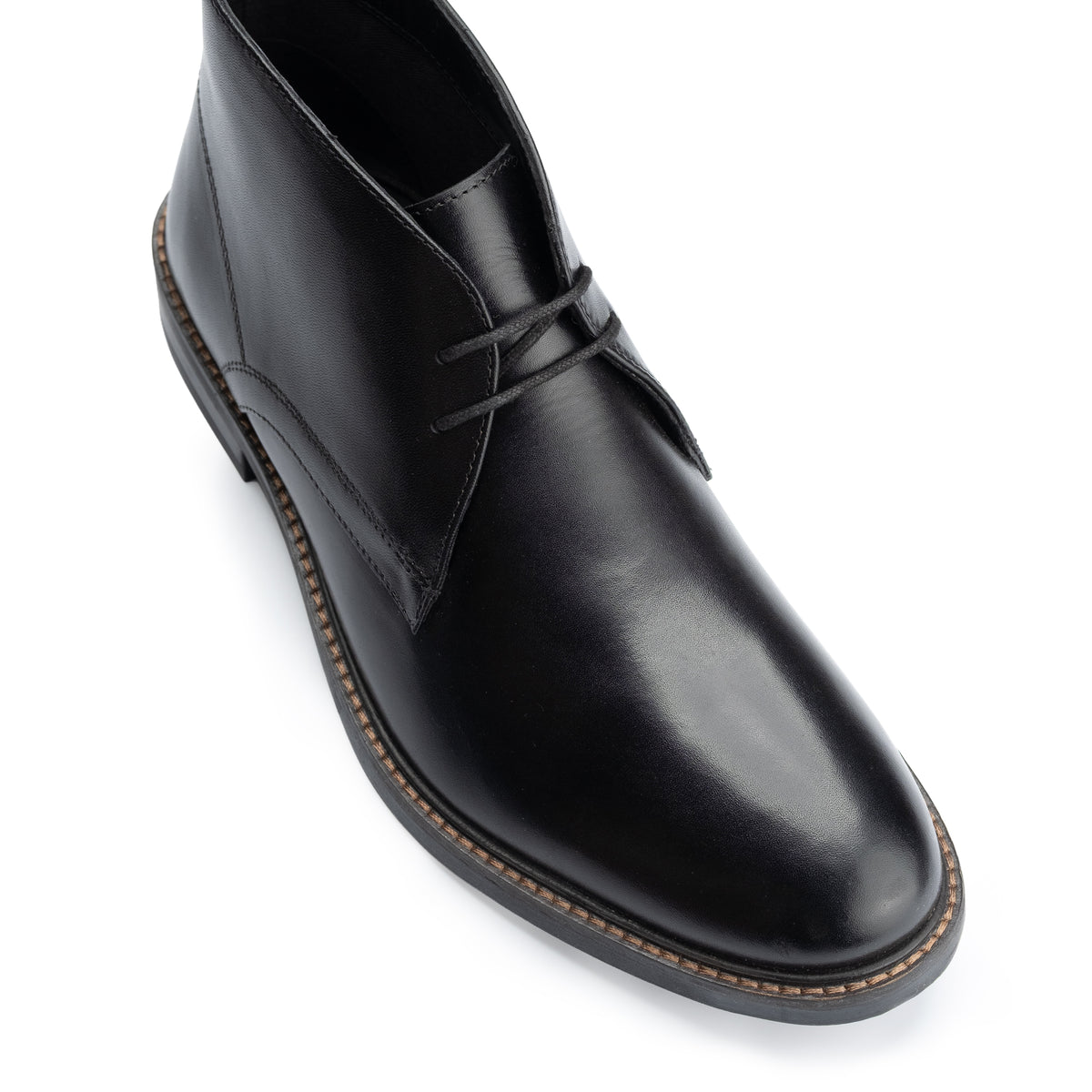
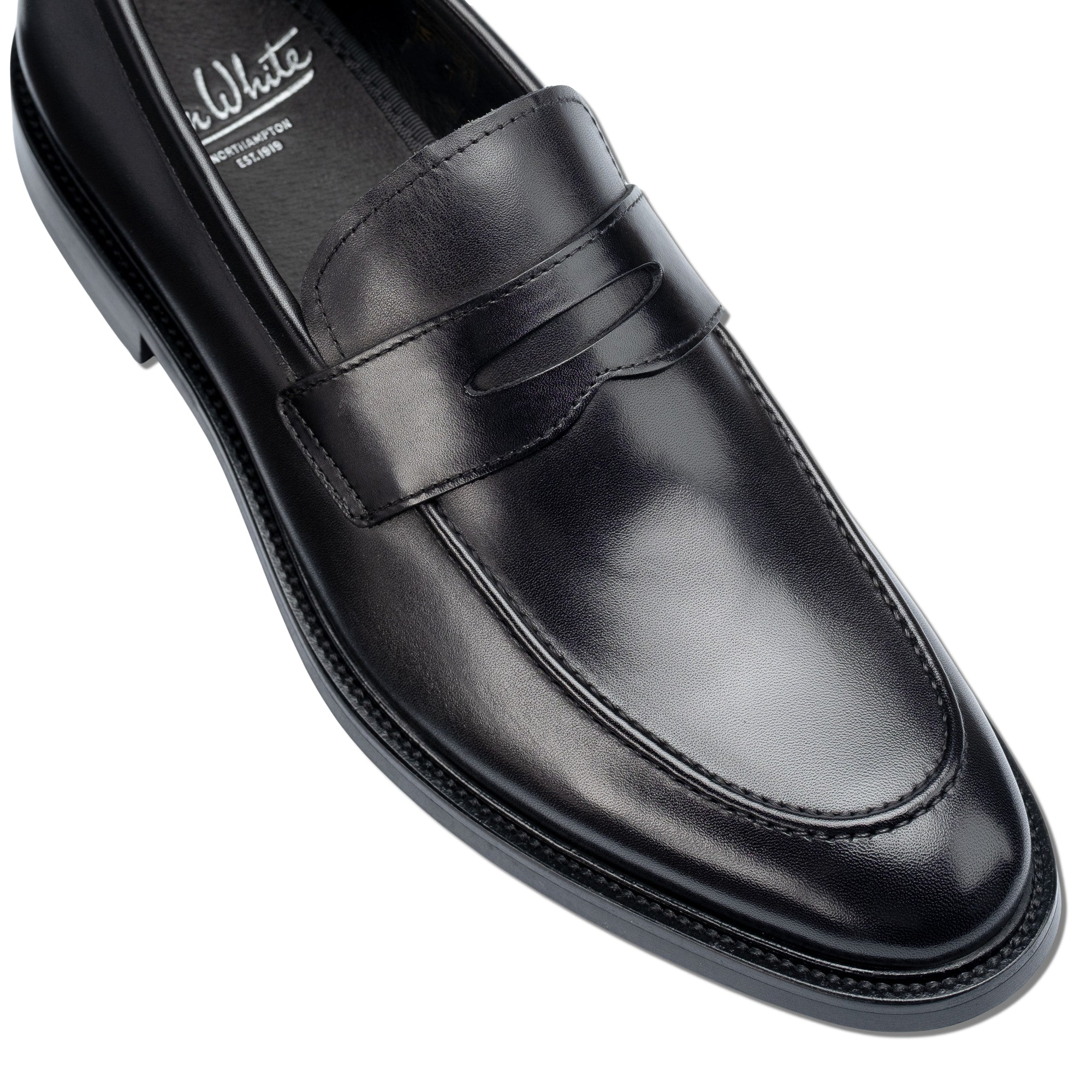
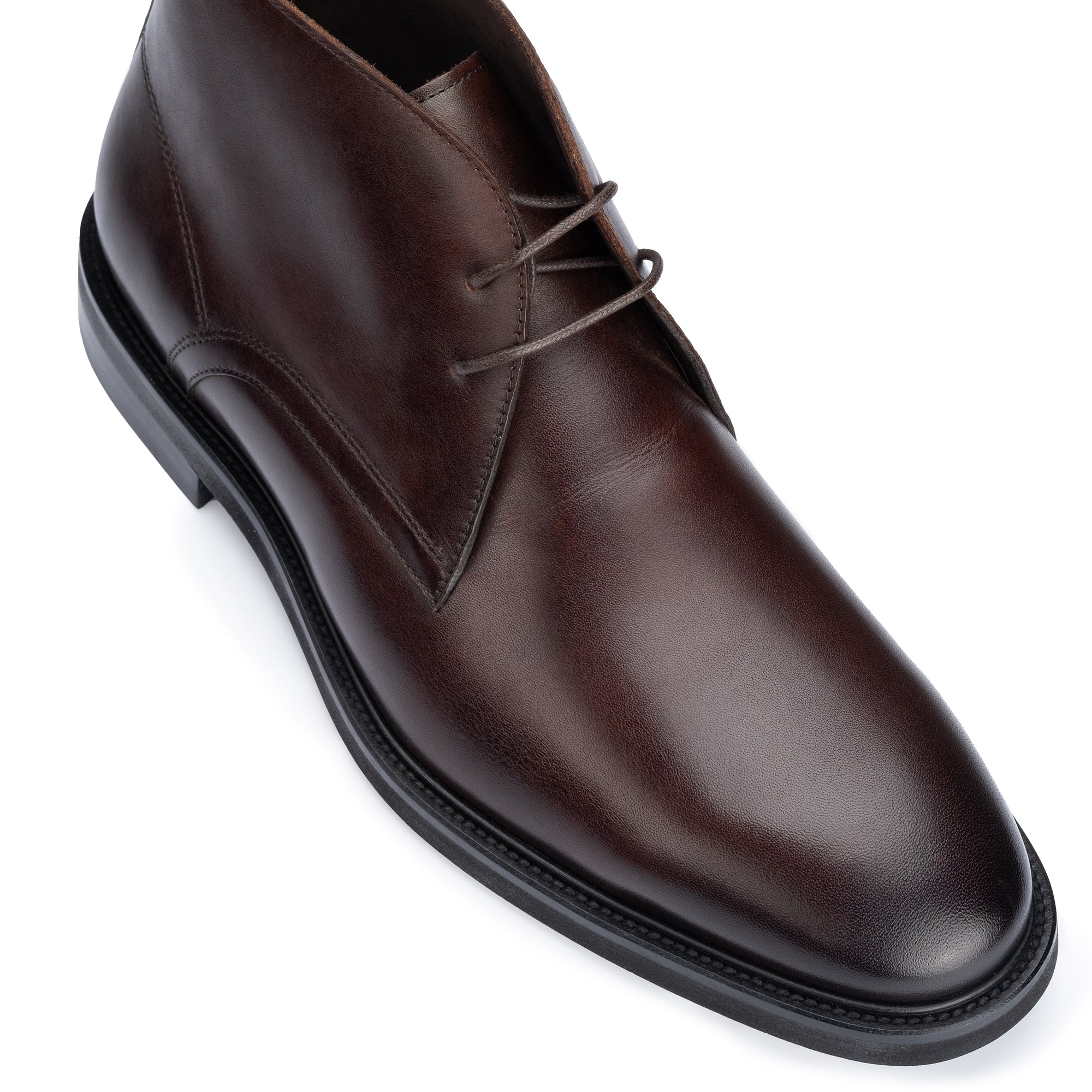
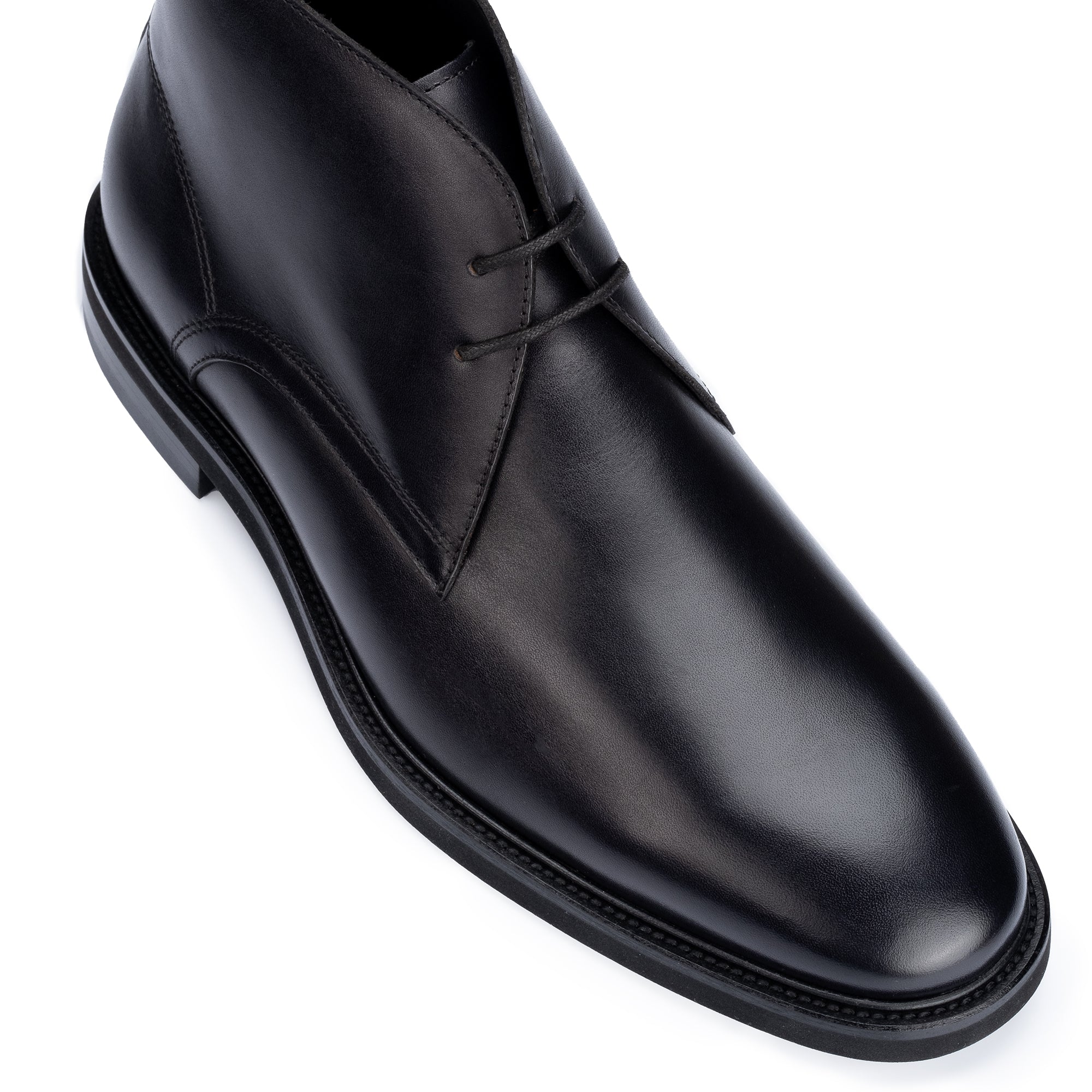
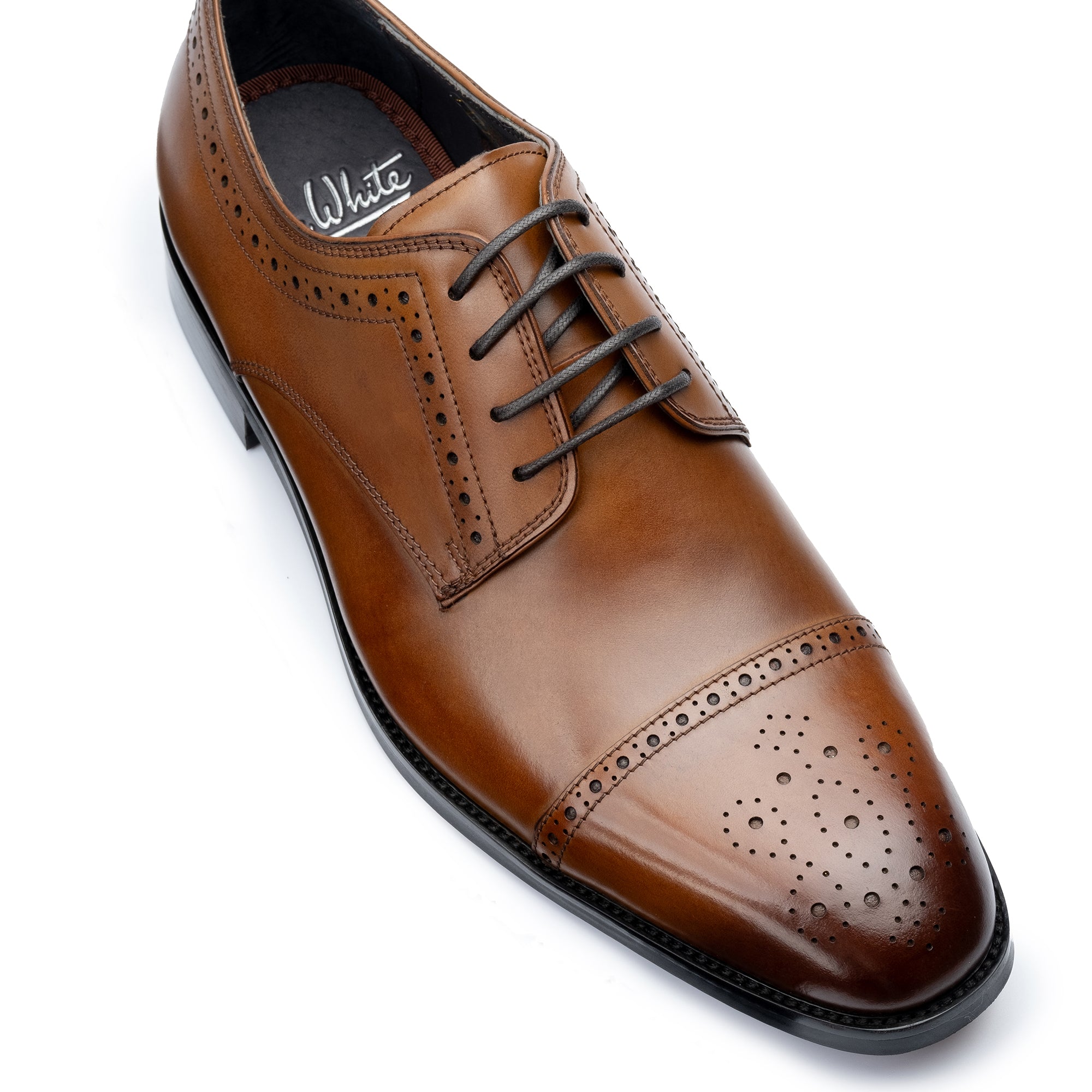
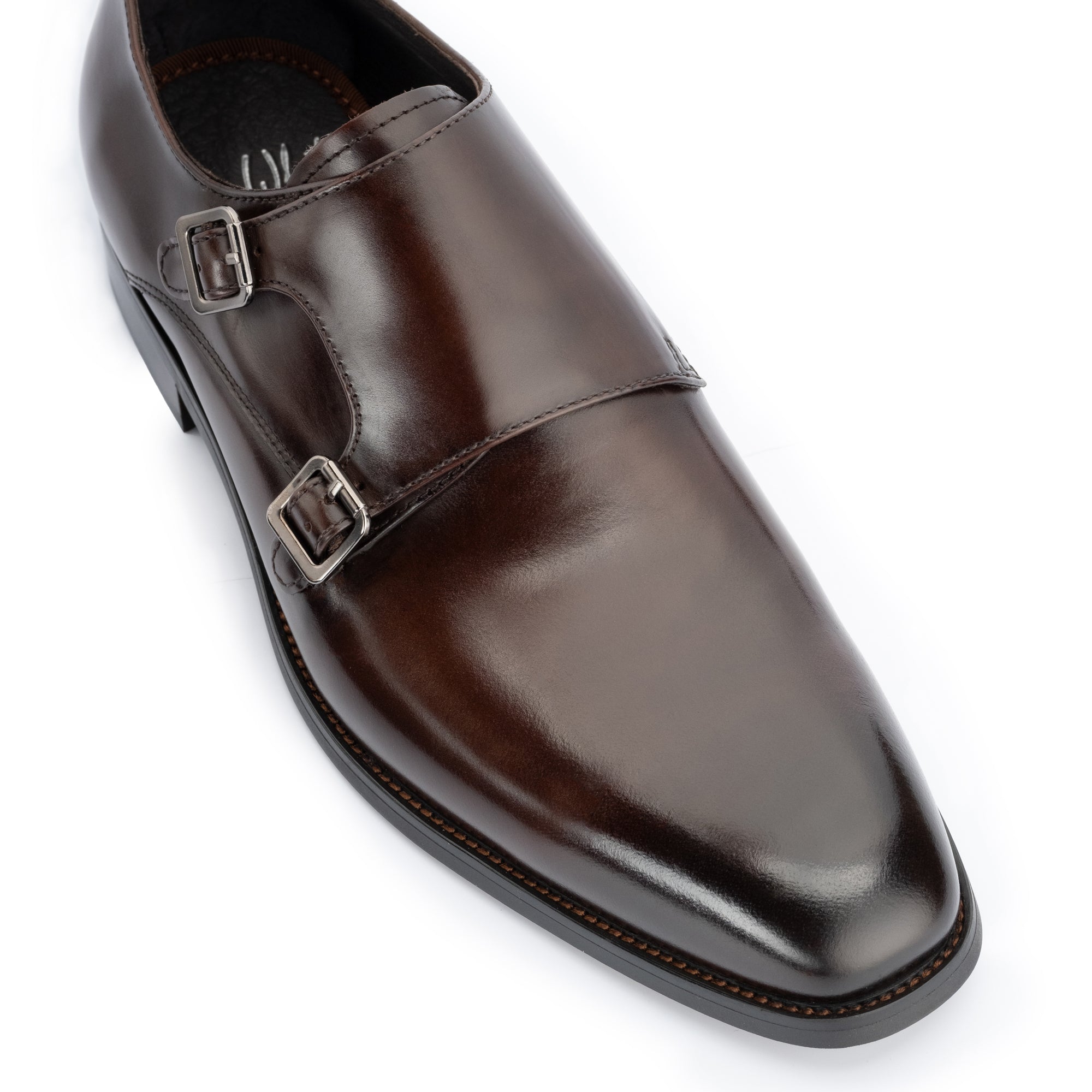
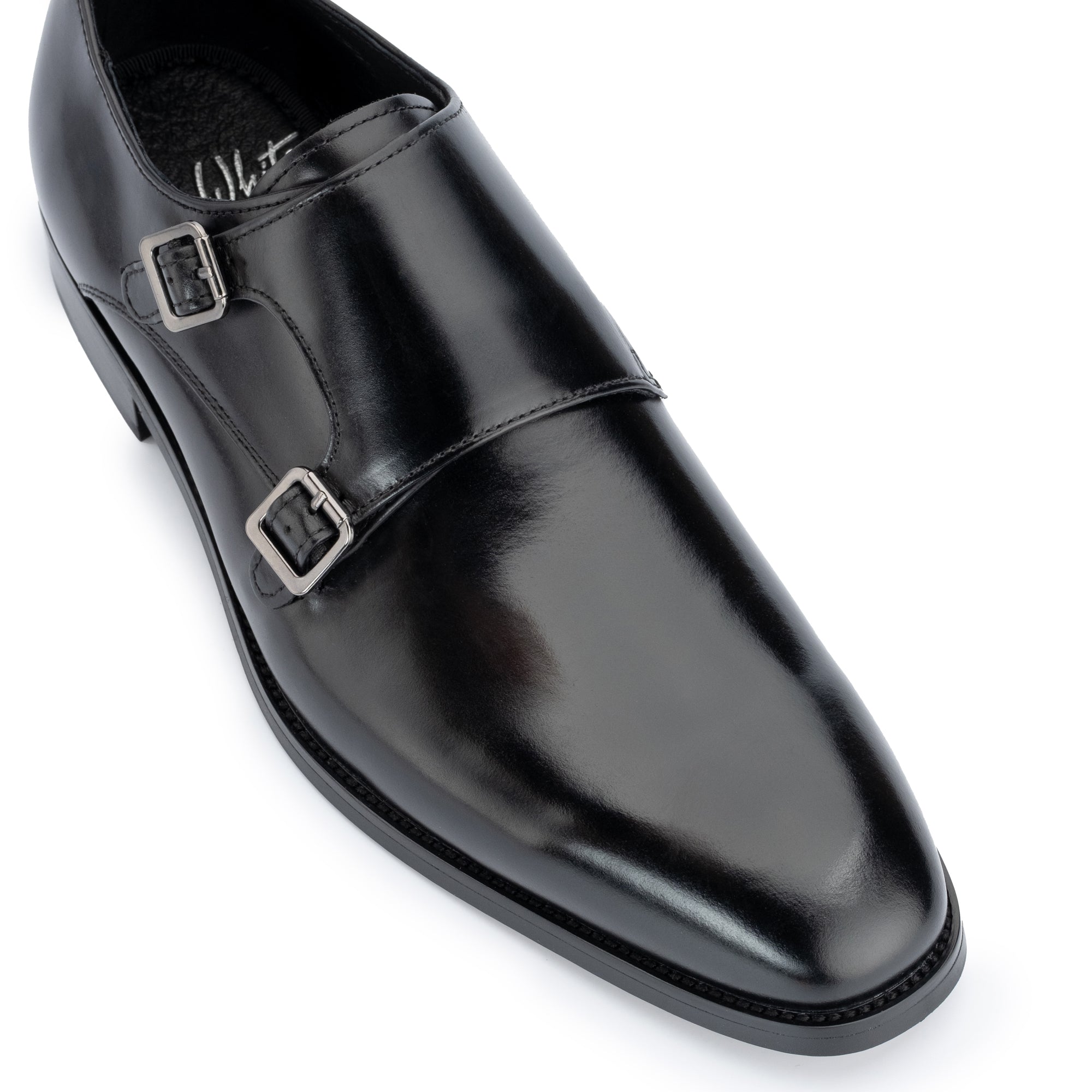
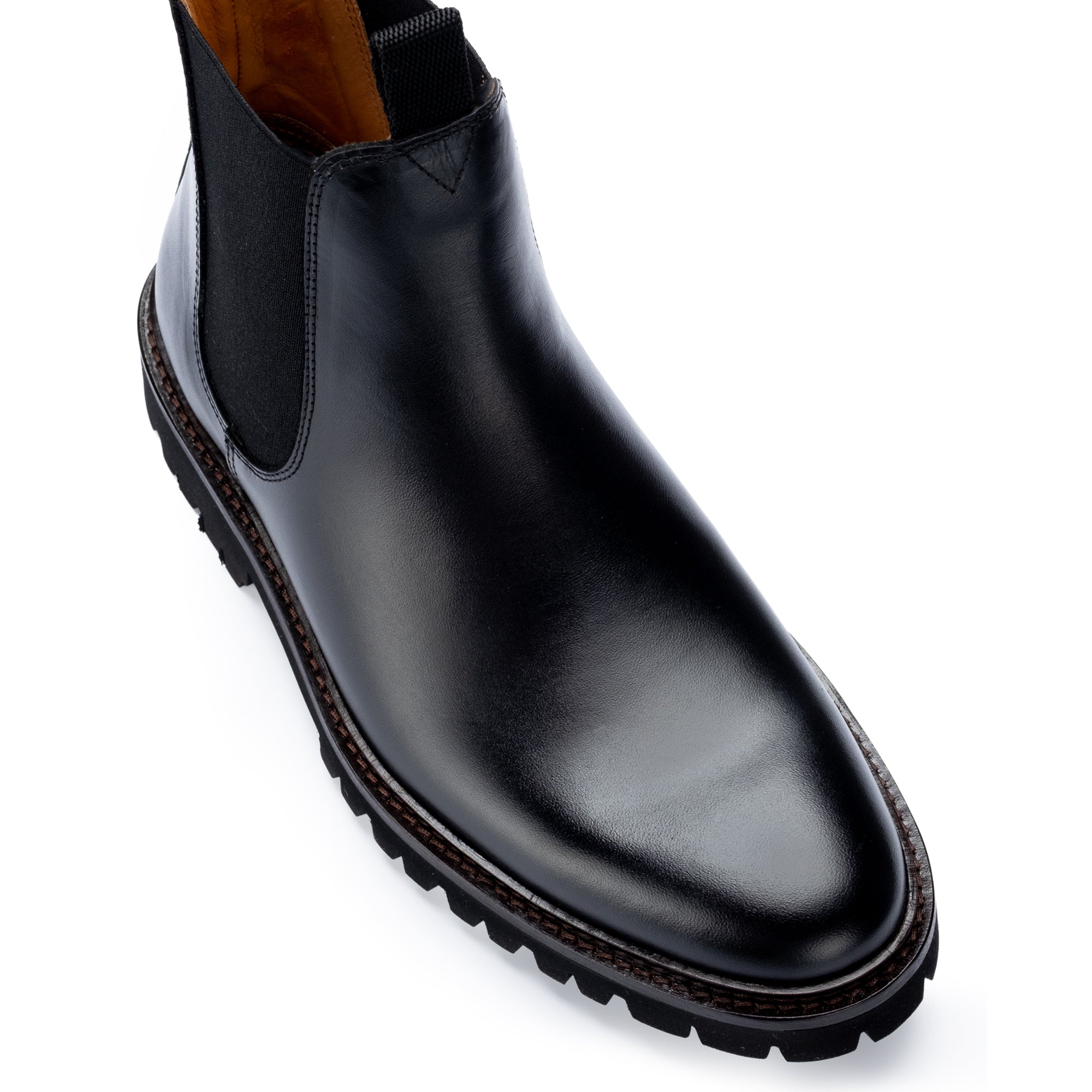
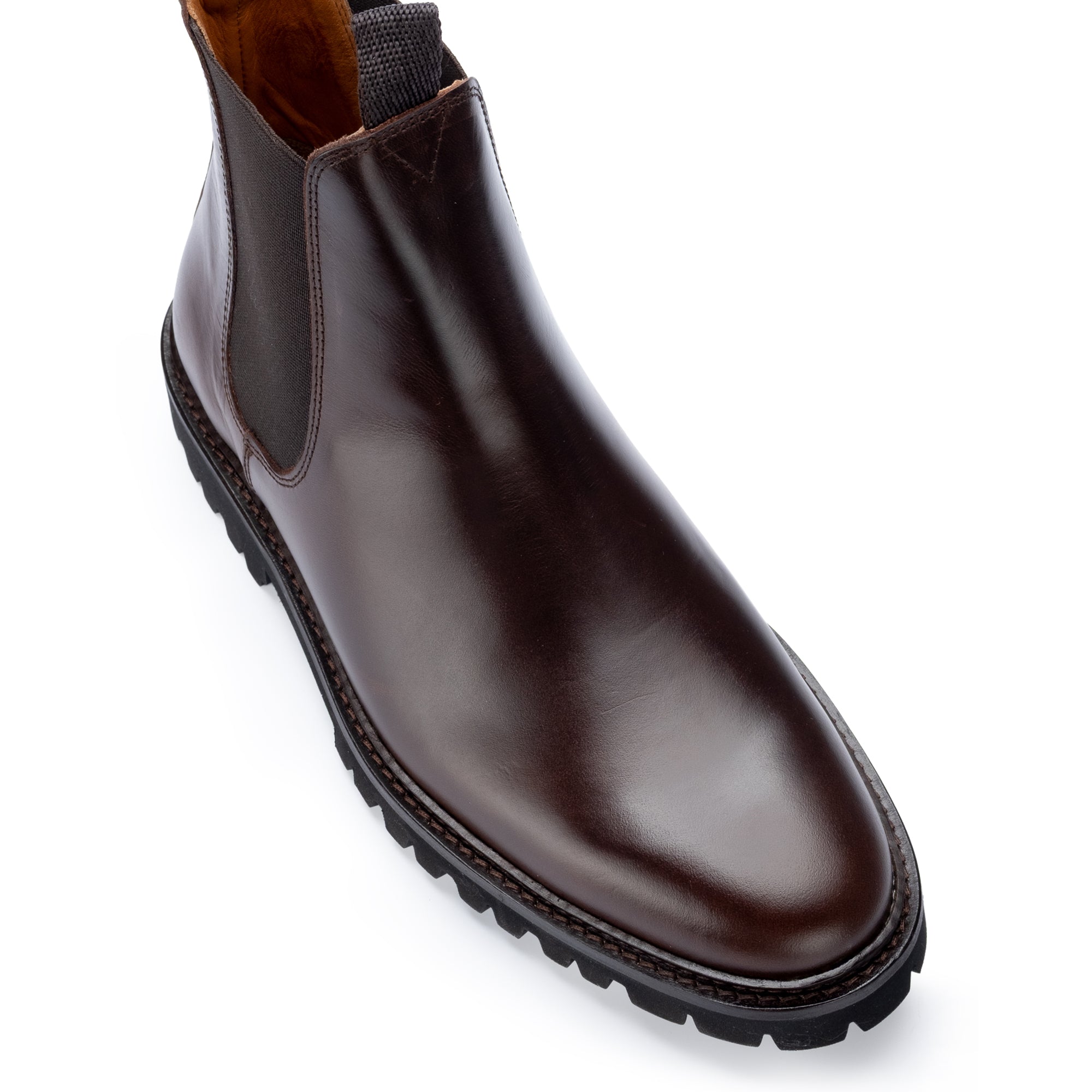
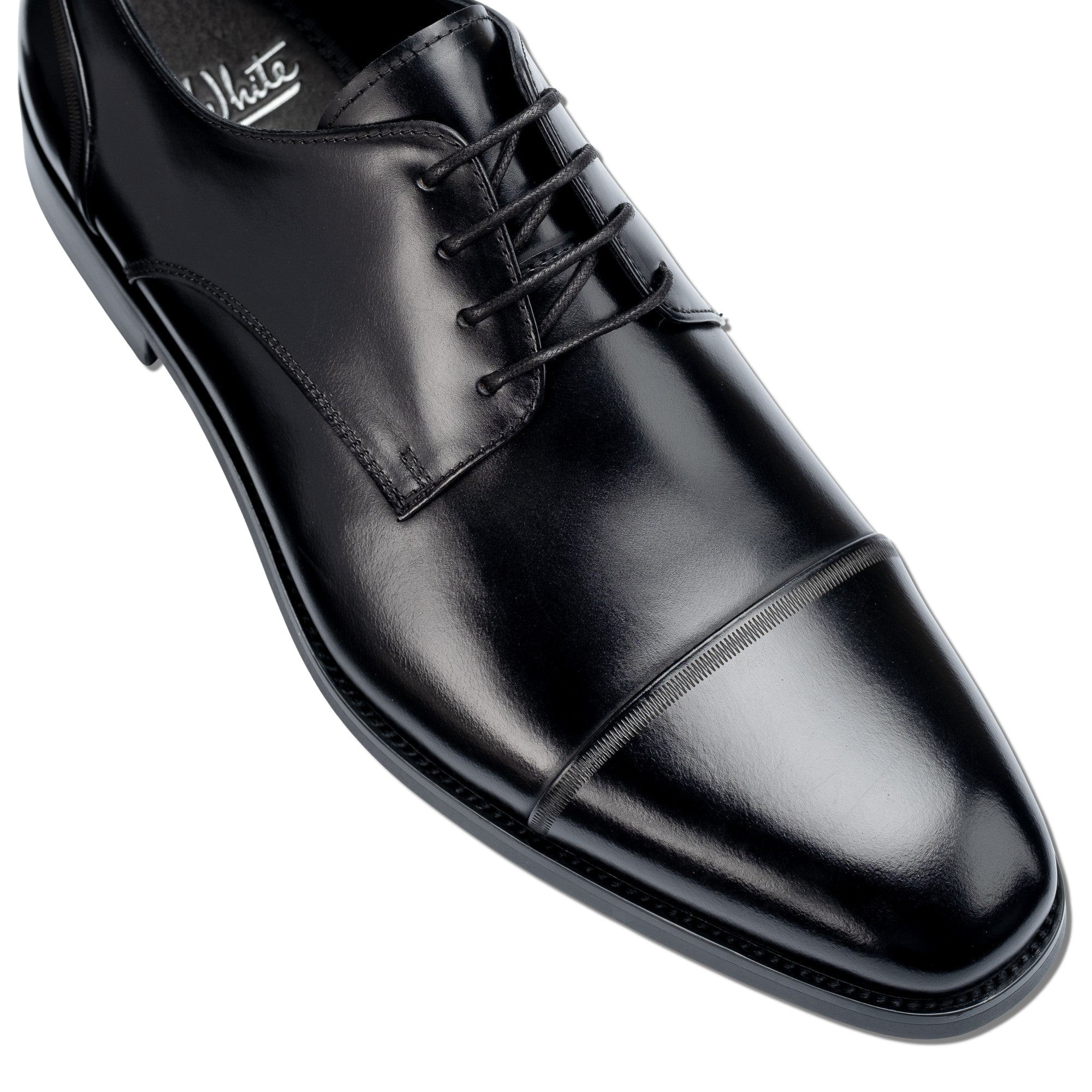
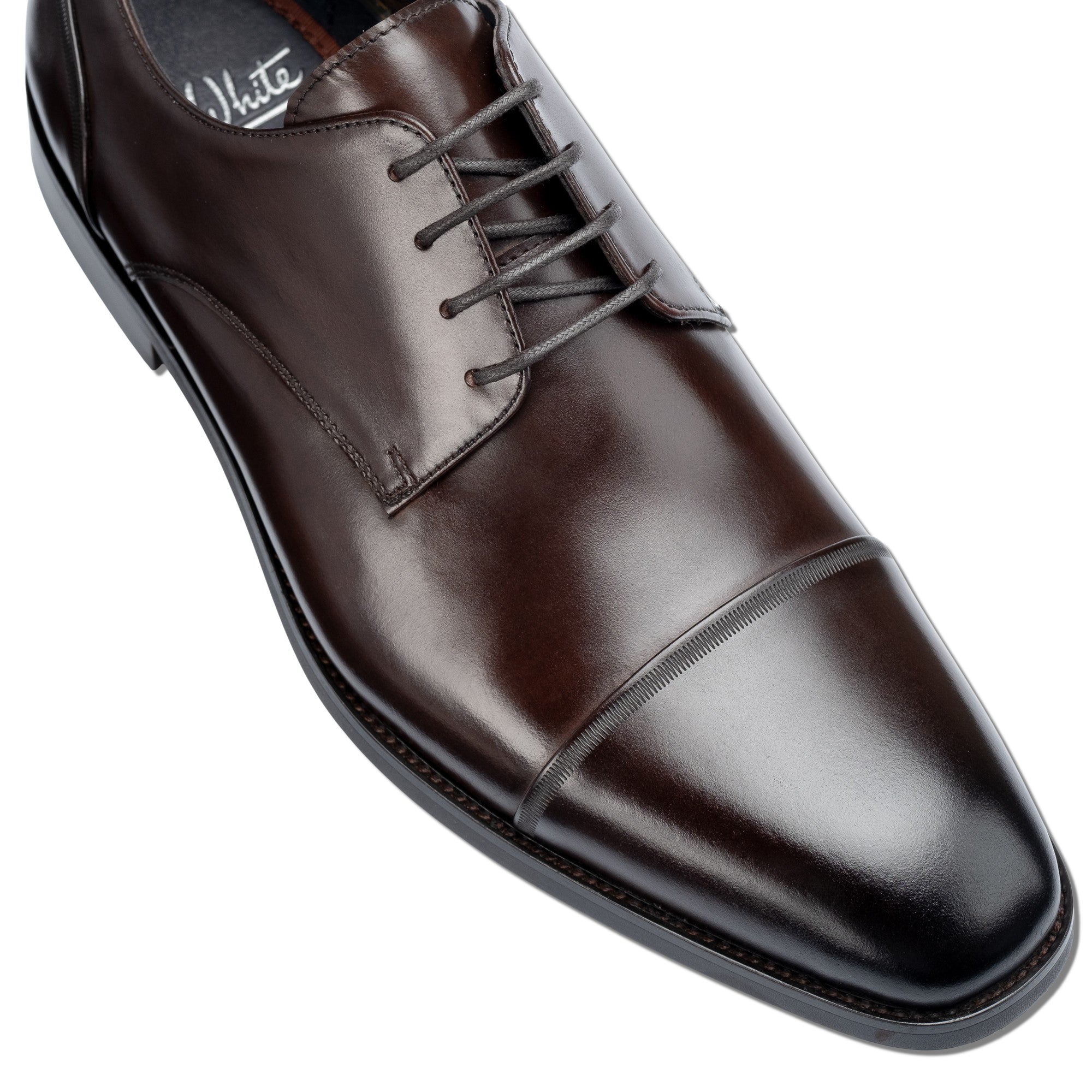
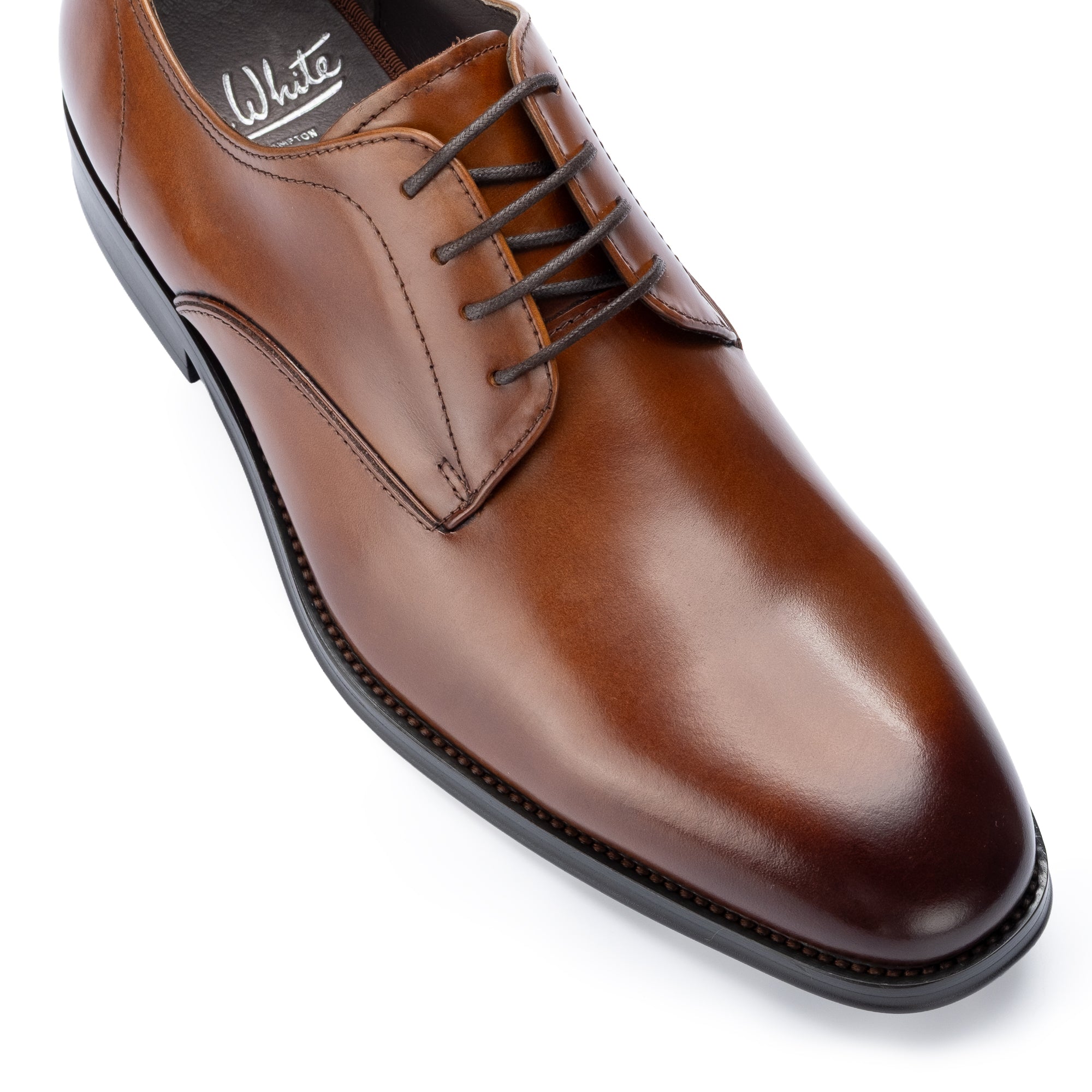
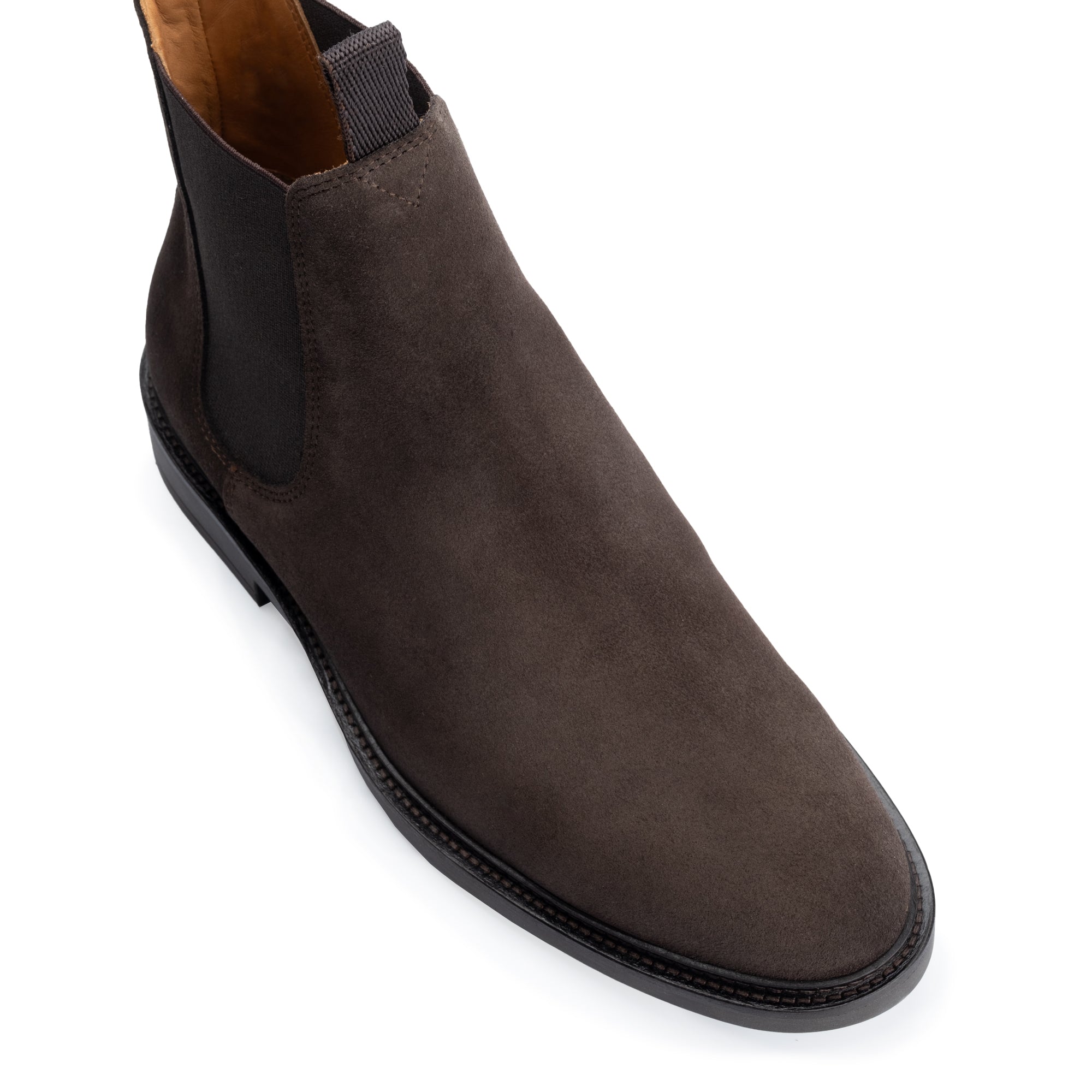
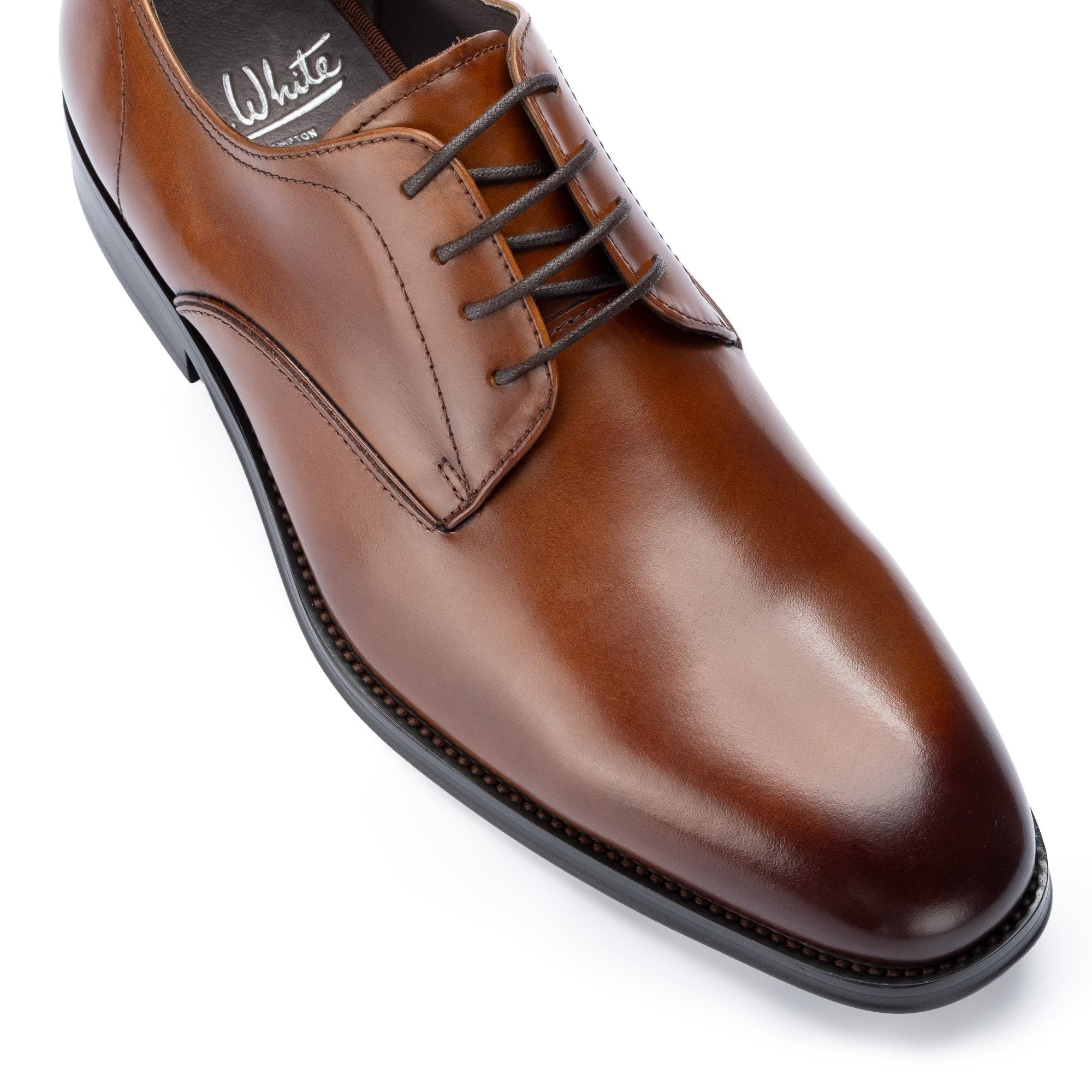
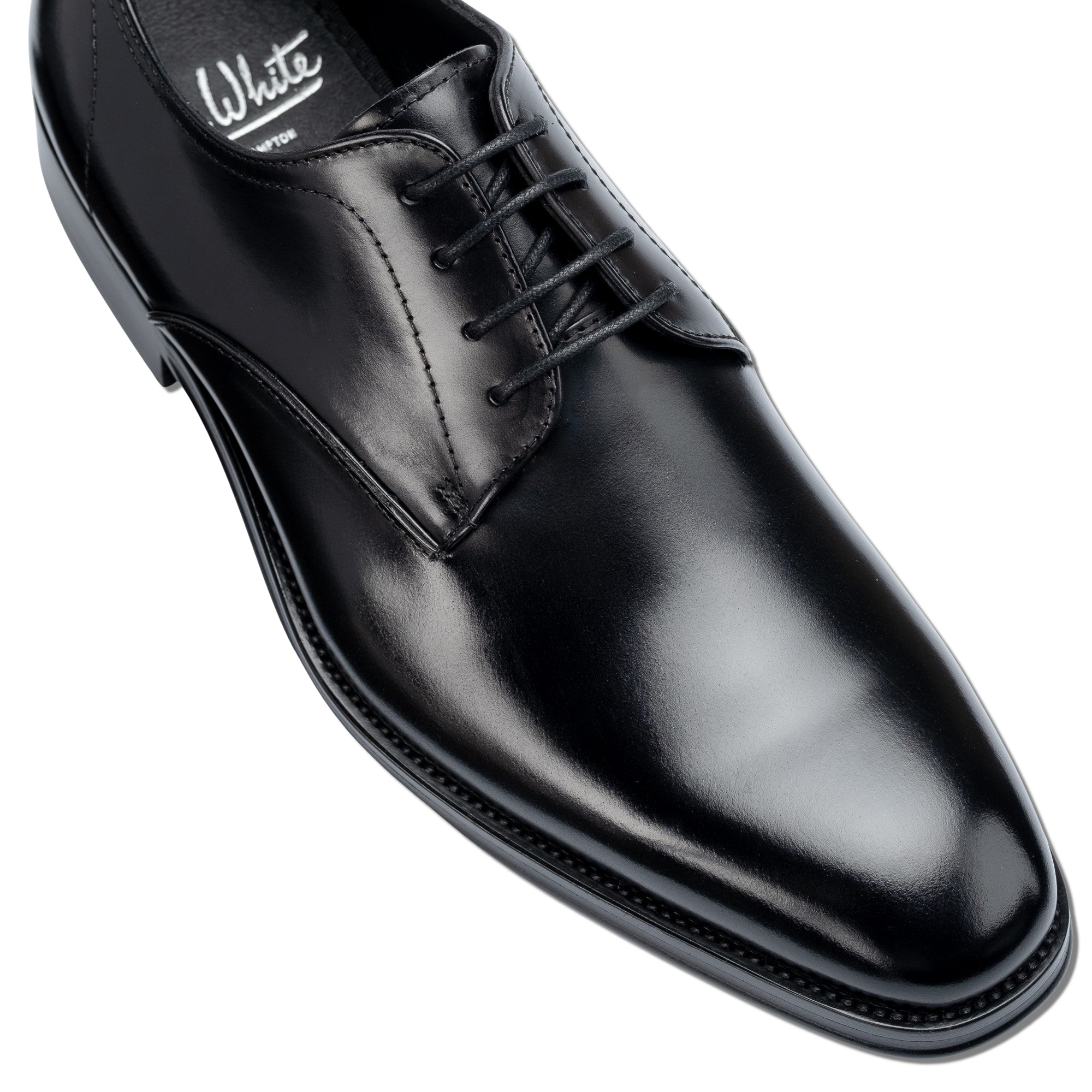
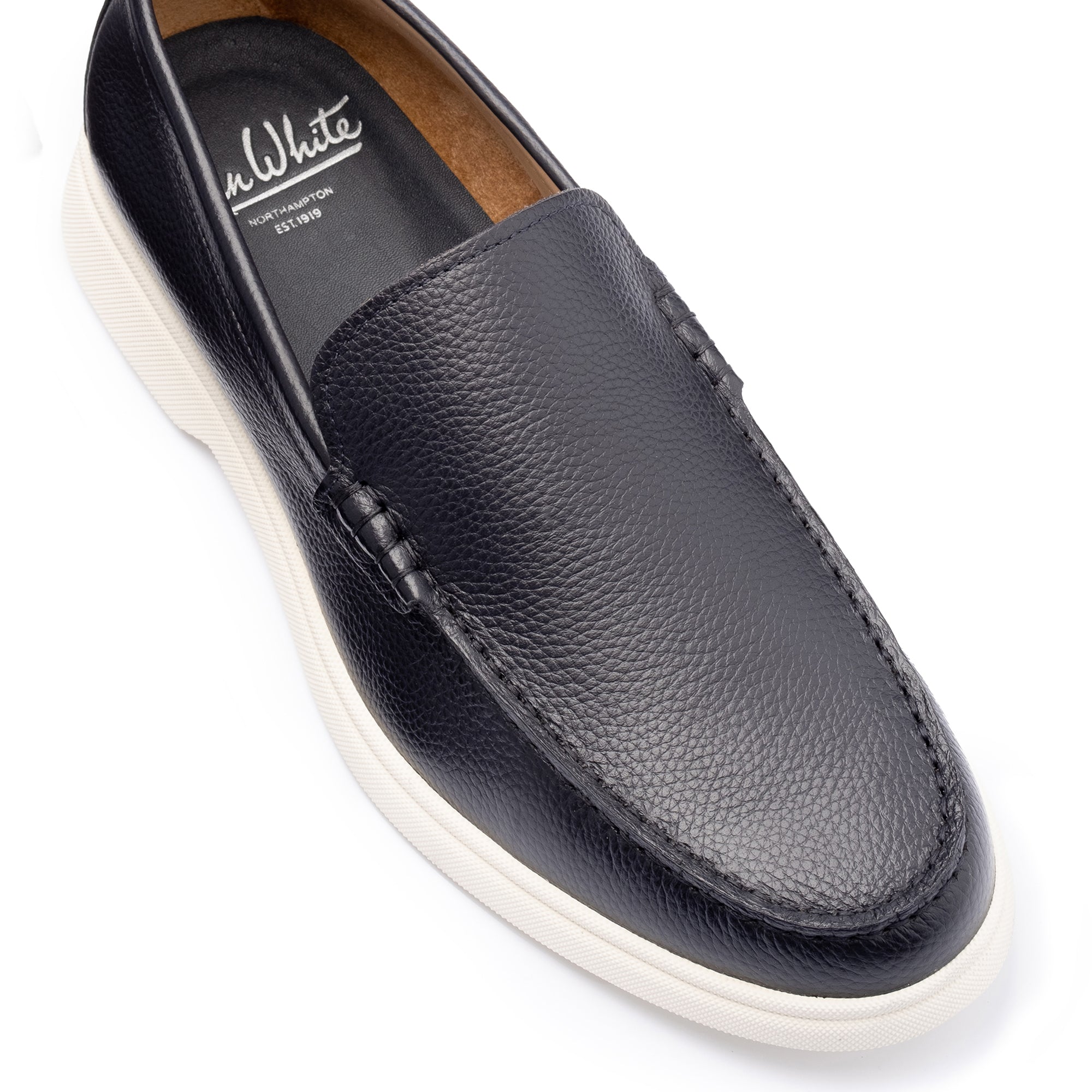
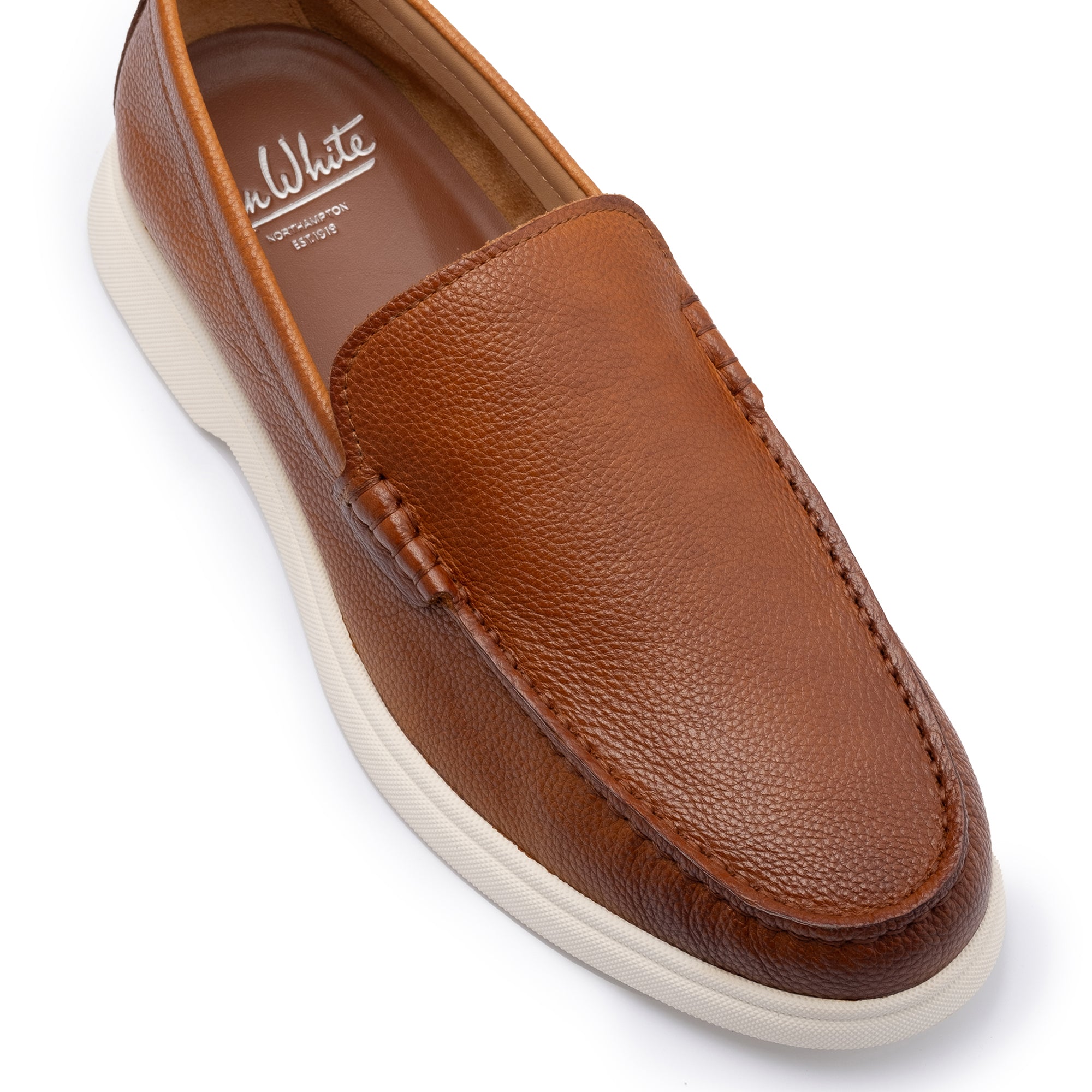
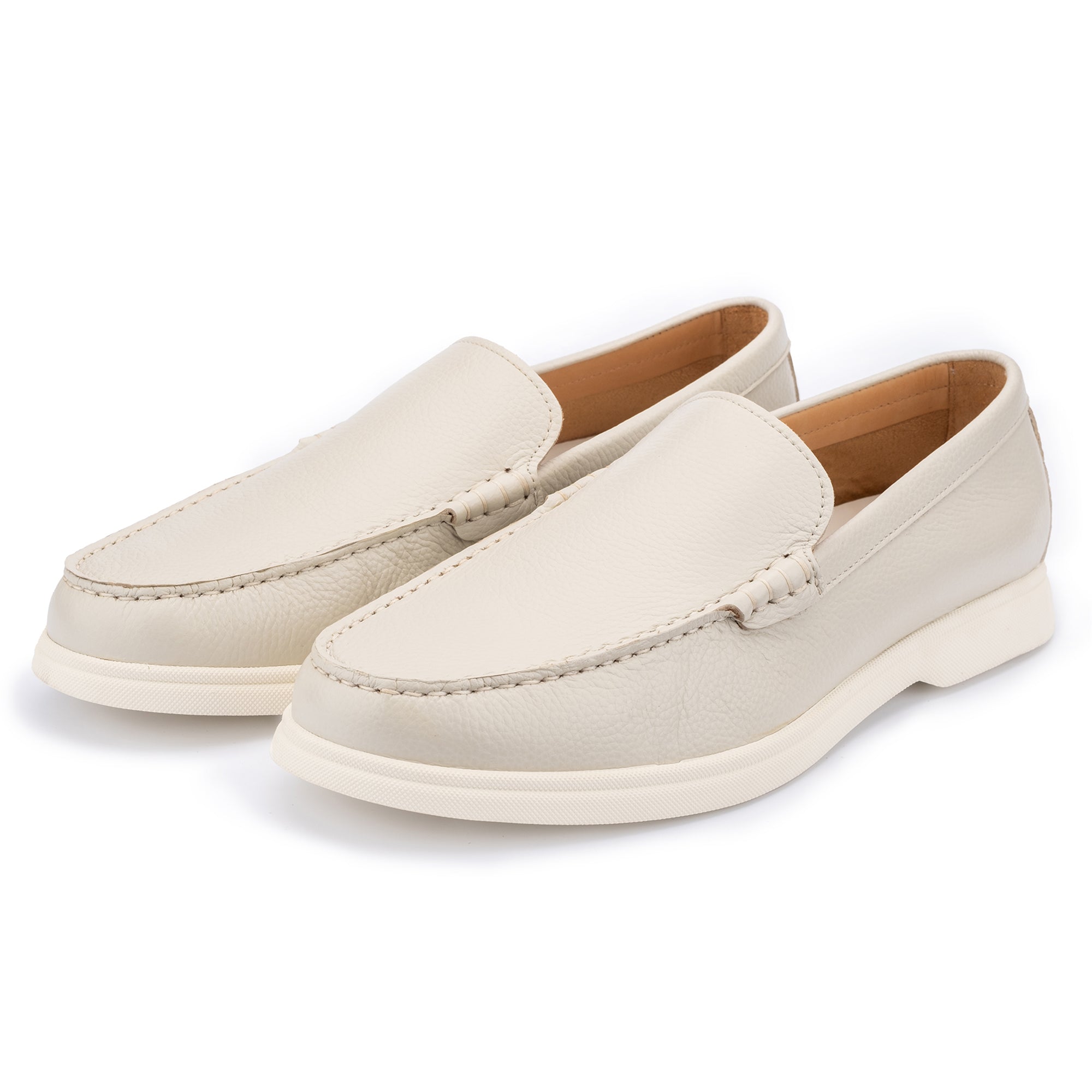
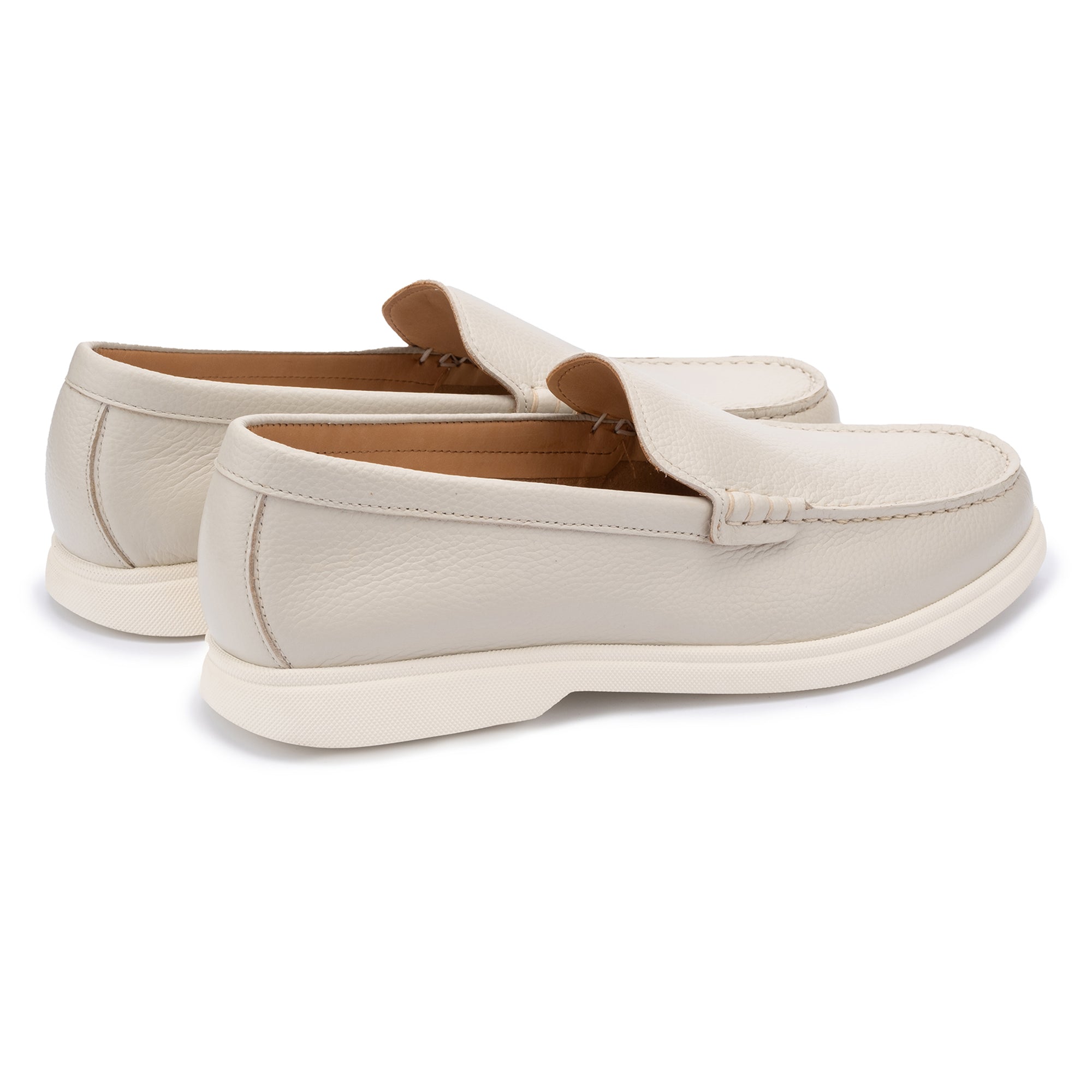
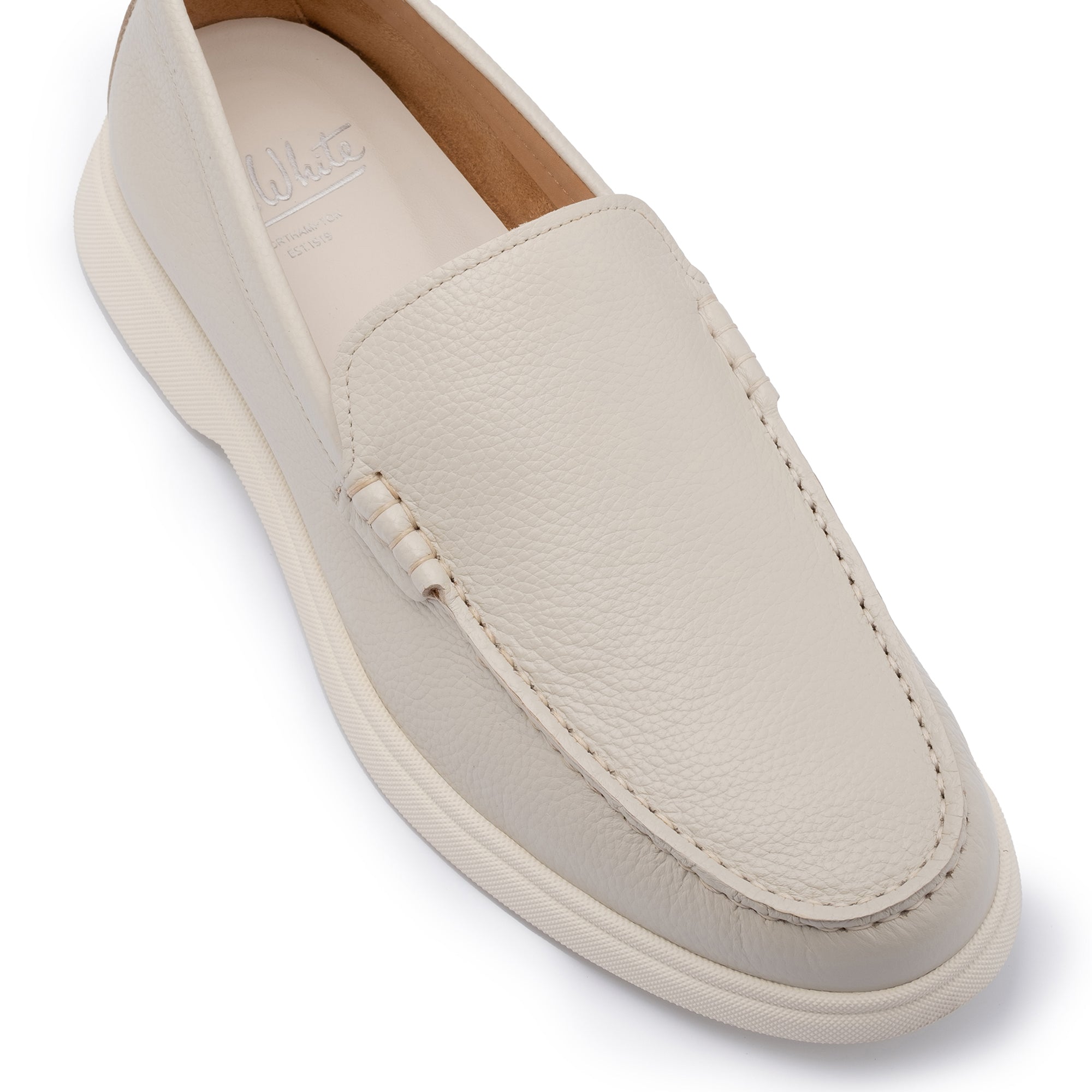
Look closely at the surface. Full-grain leather is not perfectly uniform. You should see subtle variations in the grain pattern — slight differences in pore size, occasional tiny marks, a texture that shifts slightly across the upper.
Corrected-grain leather looks too consistent. The embossed pattern repeats in an even, mechanical way. Under direct light, you may see the slight sheen of a surface coating.
The Bend Test
With permission, gently flex the upper of the shoe. Full-grain leather will crease naturally, forming fine lines that smooth out when released. The crease will look organic.
Corrected-grain leather often shows stress lines in the coating when flexed — faint white or pale marks that indicate the surface layer separating from the hide beneath.
The Touch Test
Run your finger across the surface. Full-grain leather feels slightly warm and slightly irregular — there is texture to it. Corrected-grain leather frequently feels cooler, smoother, and almost plastic-like due to the coating applied to the surface.
The Water Drop Test
Place a single small drop of water on the surface. Full-grain leather will absorb it slowly over 30–60 seconds, leaving a darkened patch that fades as it dries. Corrected-grain leather will bead the water or absorb it very slowly due to the sealed surface.
Does Full-Grain Leather Age Better Than Corrected-Grain?
Yes — categorically. This is where the investment argument for quality leather shoes is clearest.
Full-grain leather develops what is known as a patina: a deepening of colour and a subtle lustre that builds with wear and conditioning. Shoes that looked good on day one look exceptional after five years of proper care. The leather moulds gently to the shape of the foot, improving comfort over time.
Corrected-grain leather does not patina in the same way. The surface coating prevents the deep penetration of conditioning products. Over time — typically two to four years of regular wear — the surface begins to dry, then crack. Once the embossed surface layer cracks, the shoe cannot be meaningfully restored.
According to the Leather Conservation Centre, the longevity of leather goods is directly tied to the integrity of the grain layer. Removing it — as corrected-grain processing does — fundamentally compromises the material's ability to resist wear and absorb moisture.
How Should You Care for Full-Grain Leather Shoes?
Full-grain leather rewards consistent, simple care. The goal is to keep the leather supple and protected without blocking the natural pores.
- Remove dirt first — use a soft brush or slightly damp cloth to clear surface dust and grit before applying anything
- Condition regularly — apply a quality leather conditioner every 4–6 weeks to prevent drying; more frequently in cold or dry weather
- Polish for protection — a good wax polish feeds the leather and builds a protective layer against moisture and scuffing
- Allow 24 hours between wears — full-grain leather needs time to dry out fully; rotating two or three pairs extends each pair's life significantly
- Use shoe trees — cedar shoe trees absorb moisture and hold the shape, preventing the creasing that accelerates surface wear
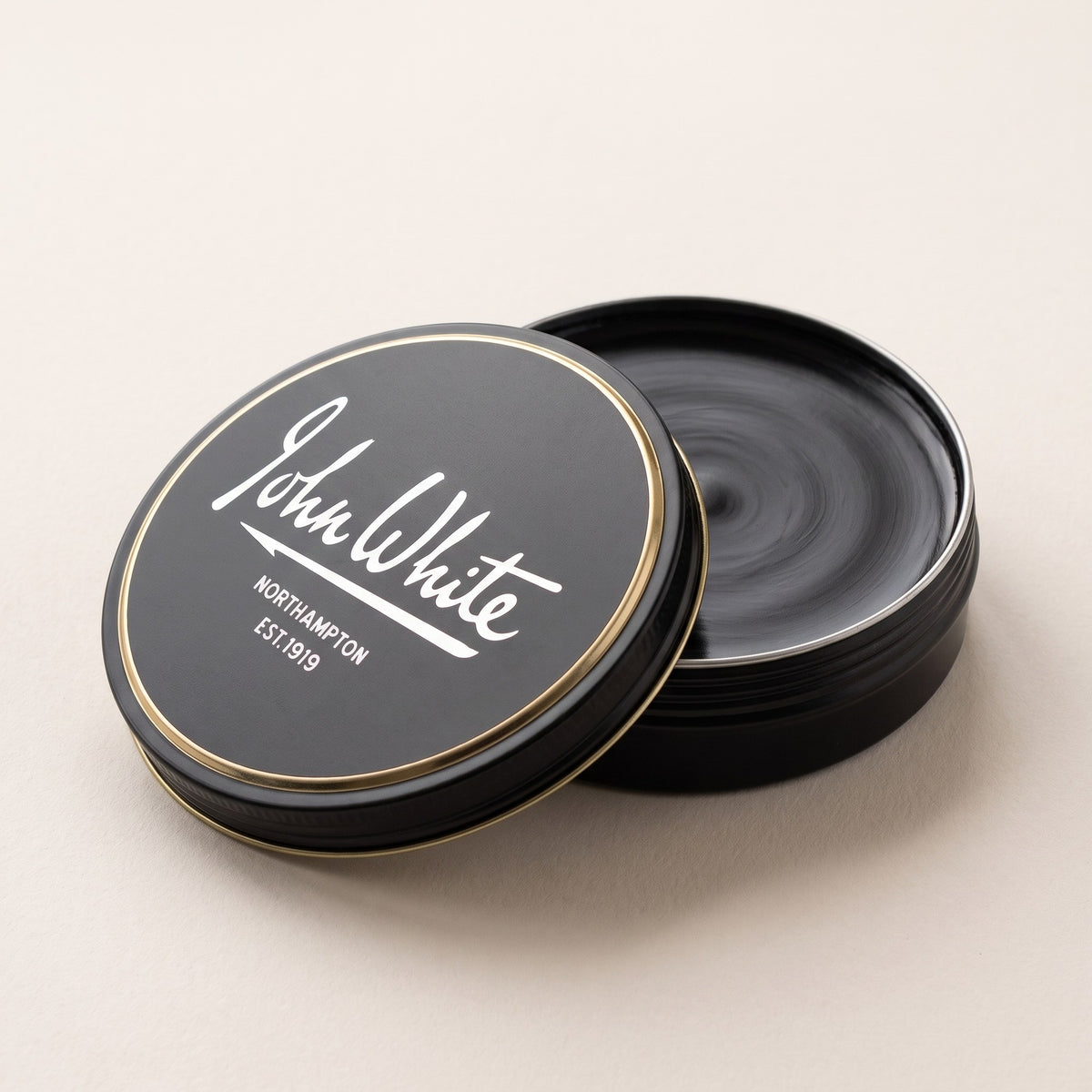
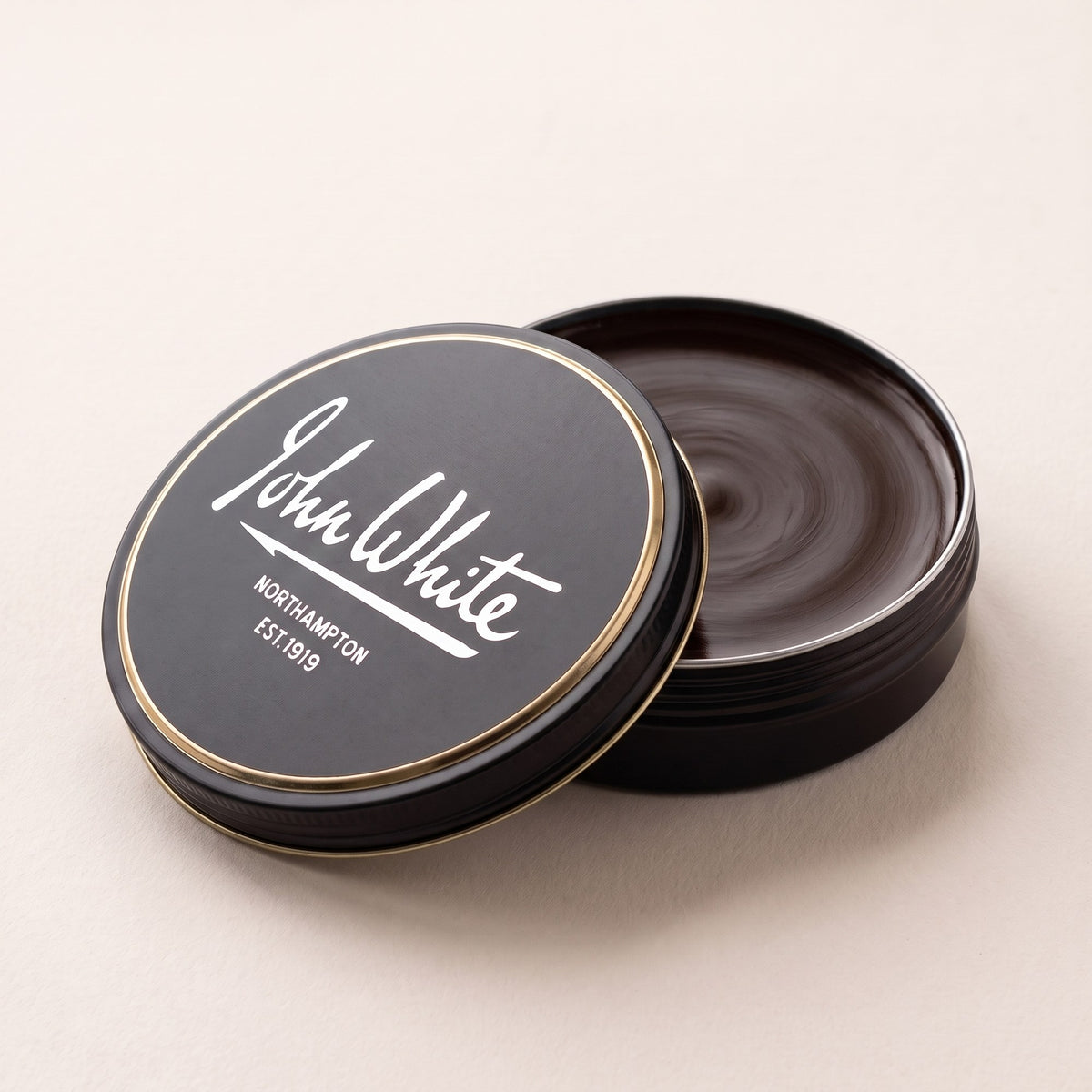
JW Premium Wax Polish is formulated specifically for full-grain calf leather — it nourishes the hide, builds a deep shine, and provides a water-resistant barrier without blocking the leather's natural breathability. It is the single most effective product for extending the life of quality leather shoes.
Are Corrected-Grain Leather Shoes Worth Buying?
They have a place. For occasional-wear shoes, event-specific pairs, or anyone new to leather shoe care who wants to build the habit before investing heavily, corrected-grain shoes offer reasonable appearance at lower cost.
The problem is when they are sold at full-grain prices without disclosure. A shoe representing itself as premium leather but delivering corrected-grain performance is not a value proposition — it is a poor investment.
For any shoe you intend to wear more than once a week, full-grain leather is the only material that justifies the price and the care routine. Everything else is a short-term calculation.
Which John White Shoes Use Premium Full-Grain Leather?
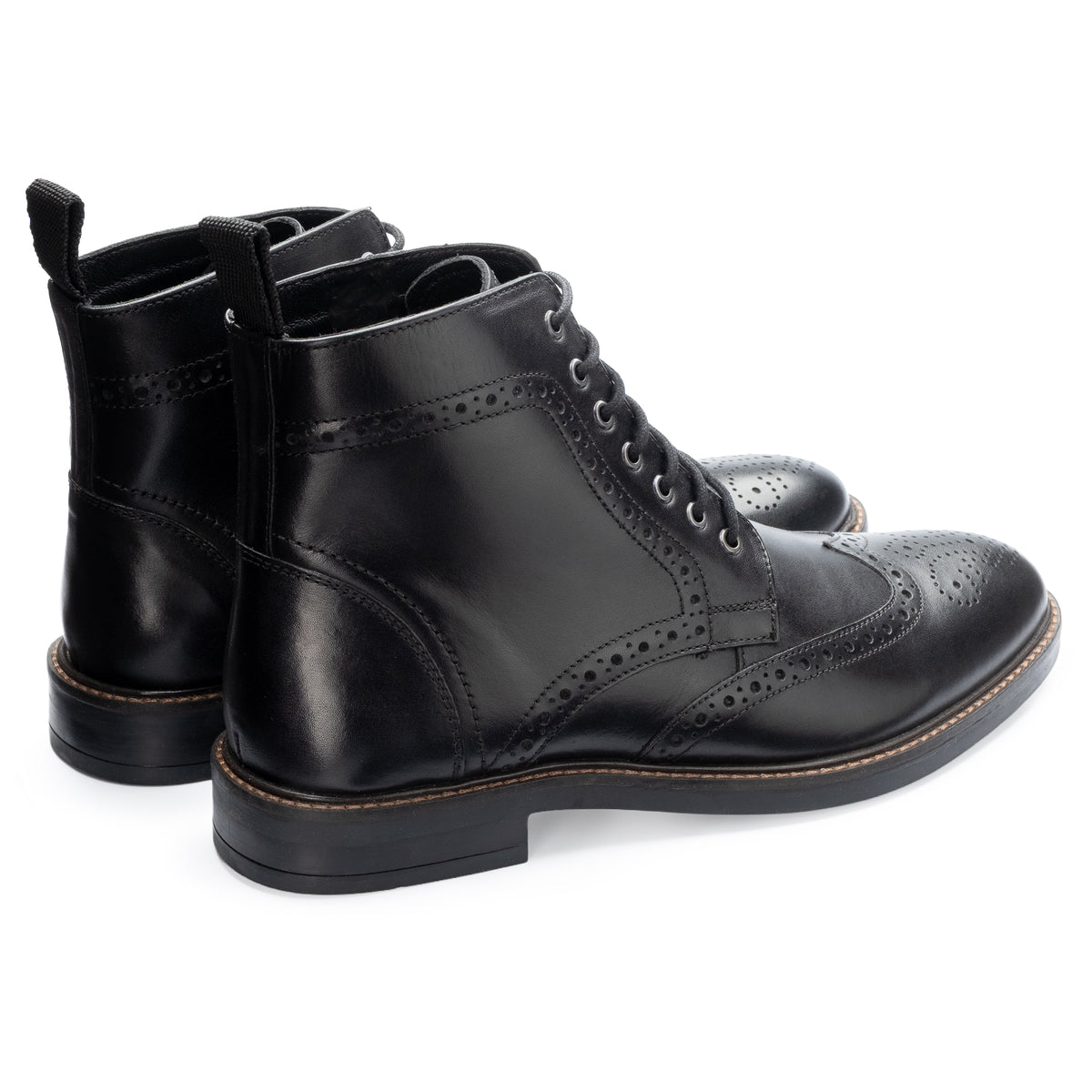
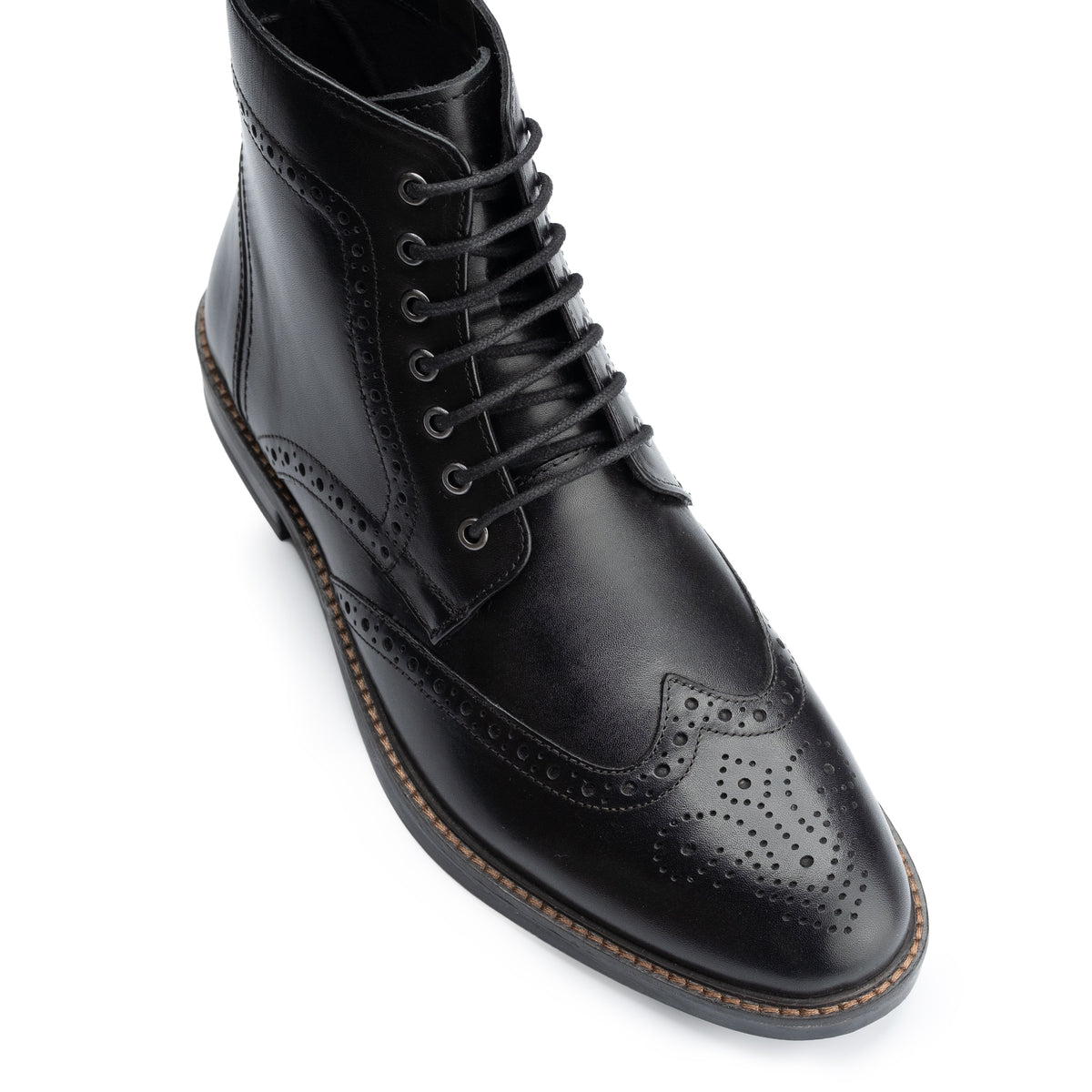
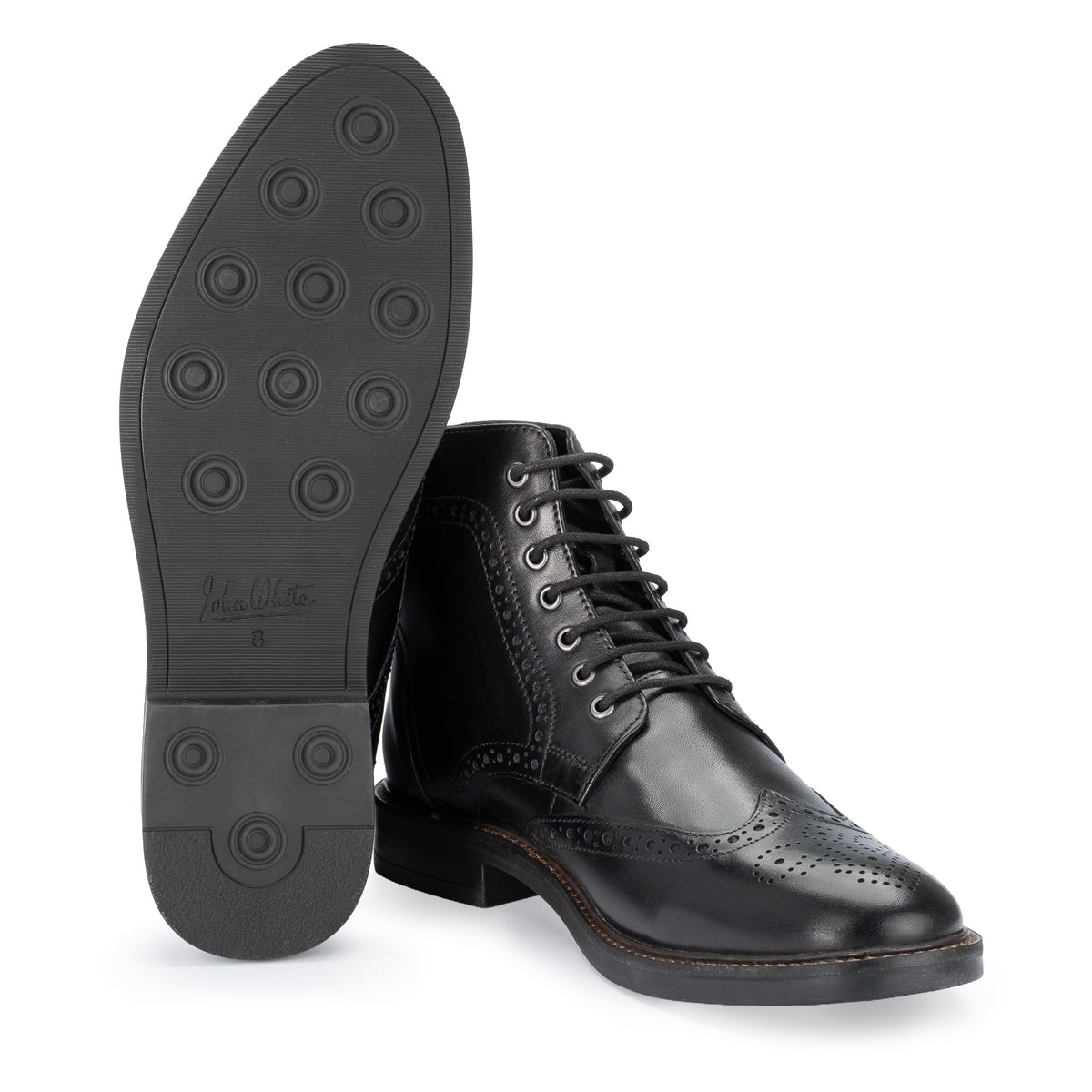
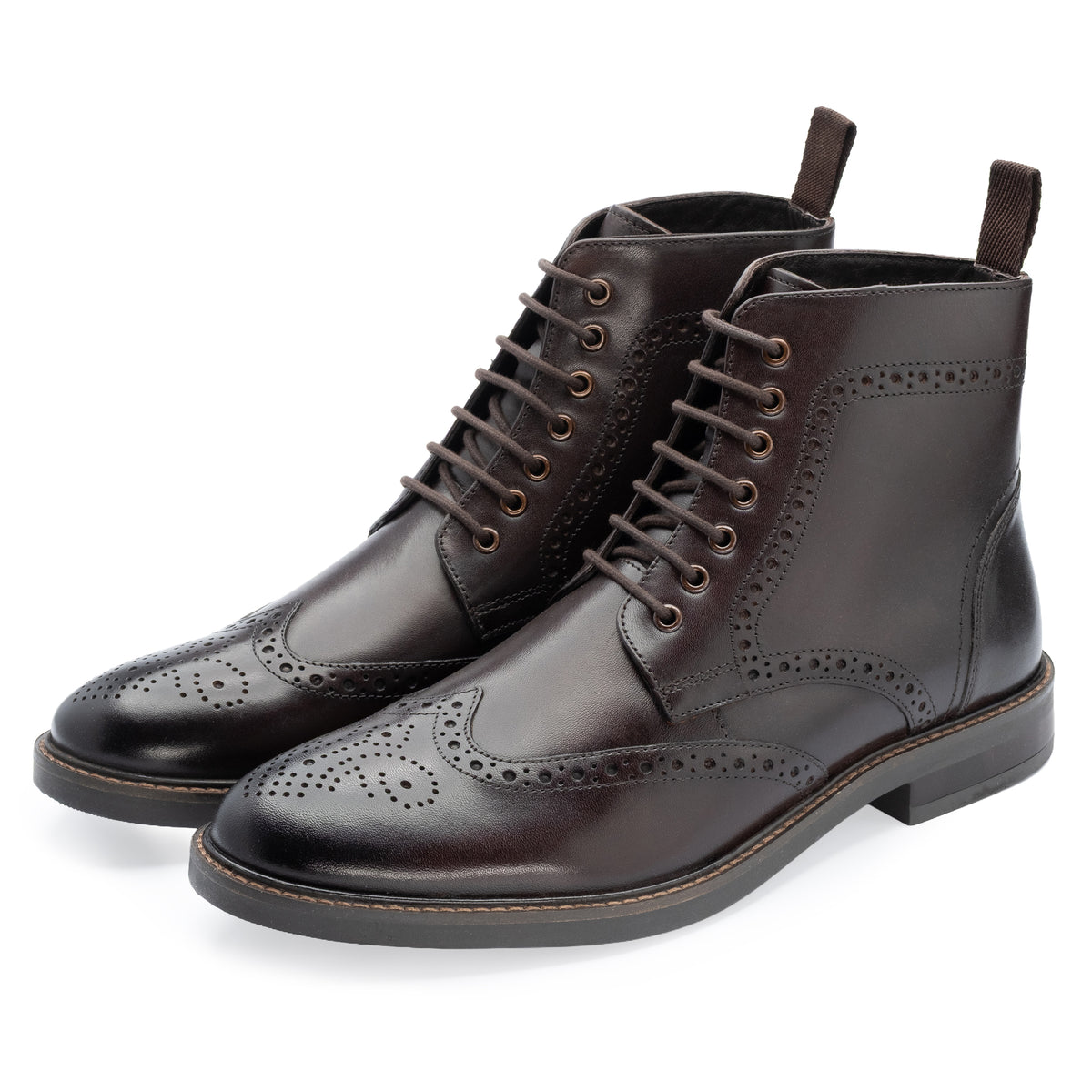
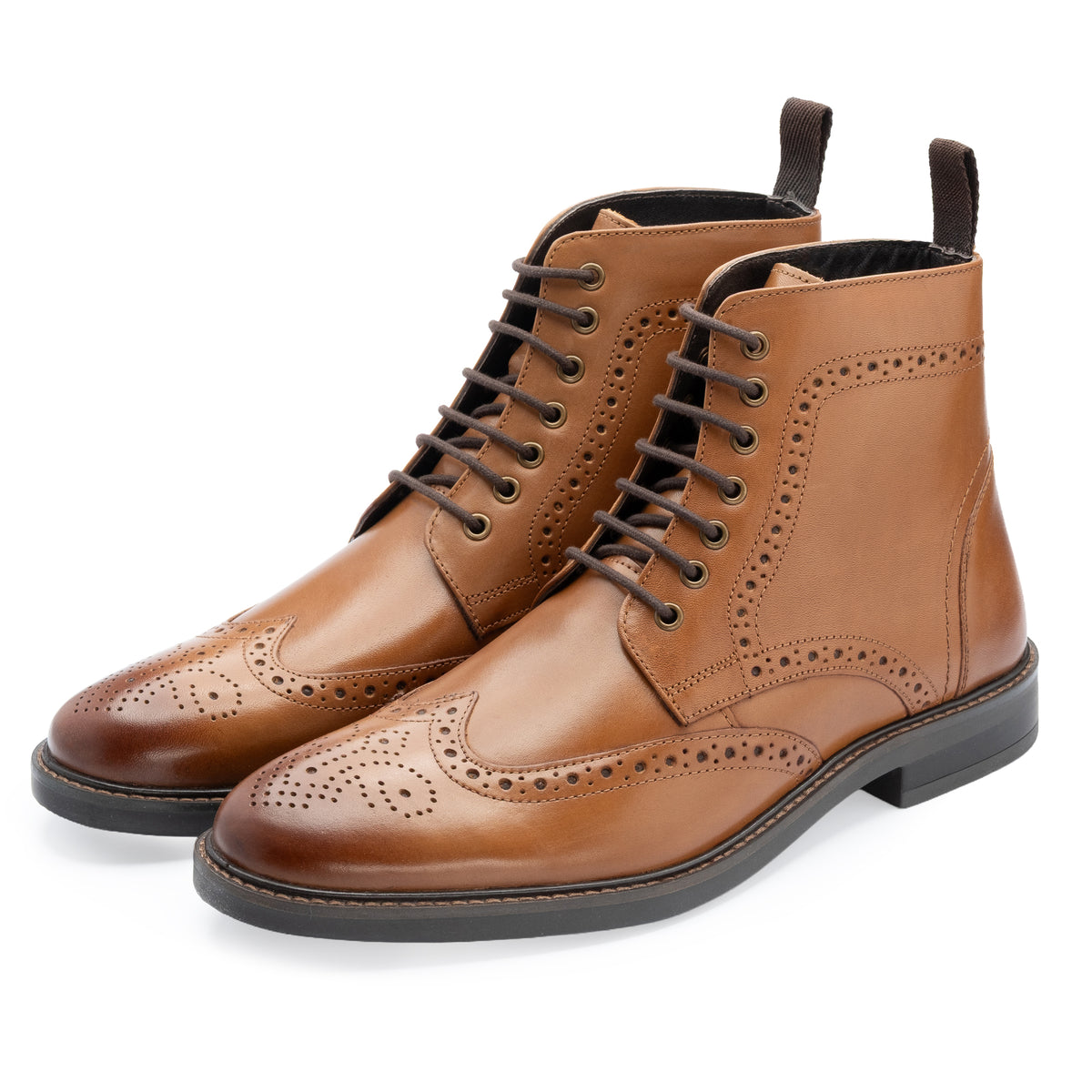
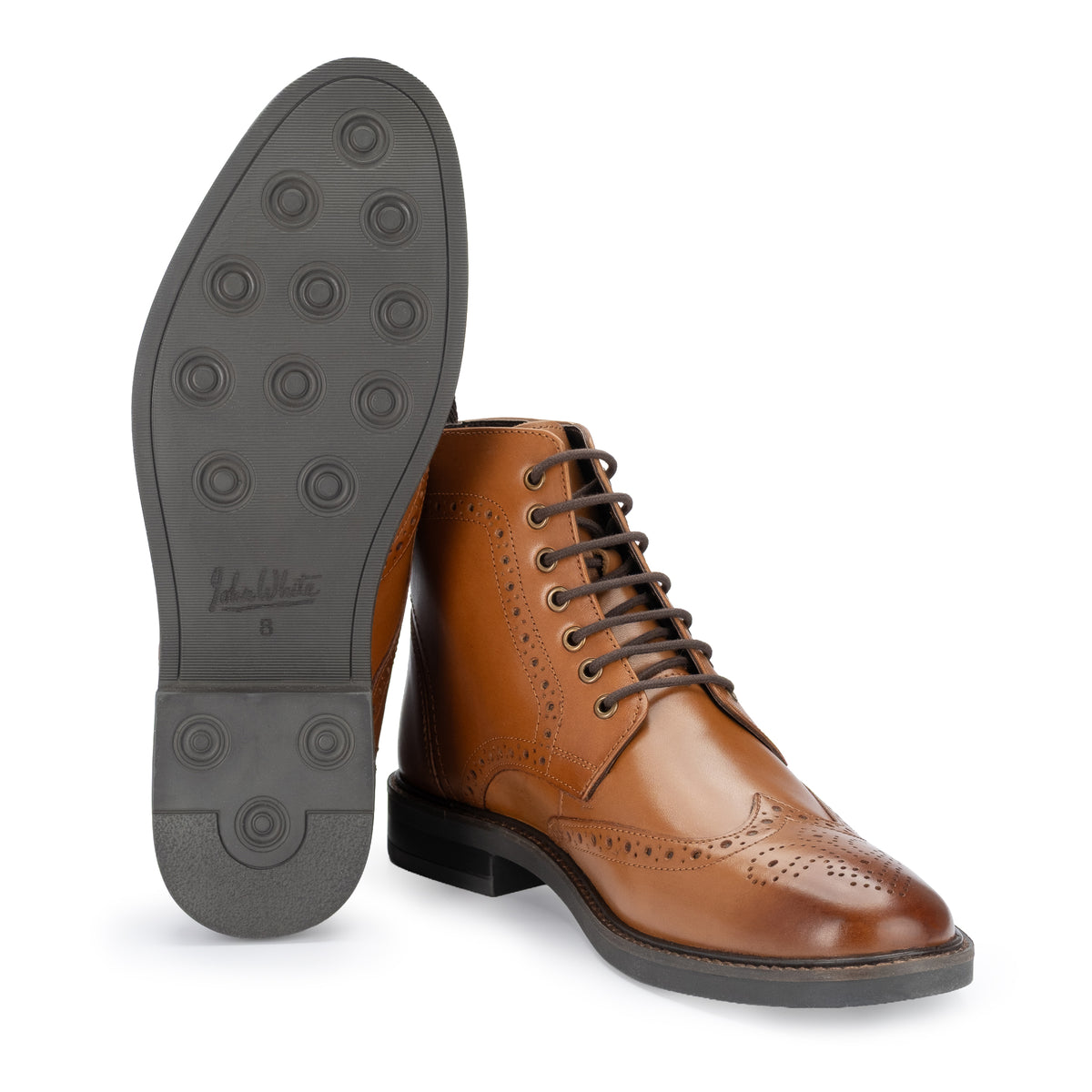
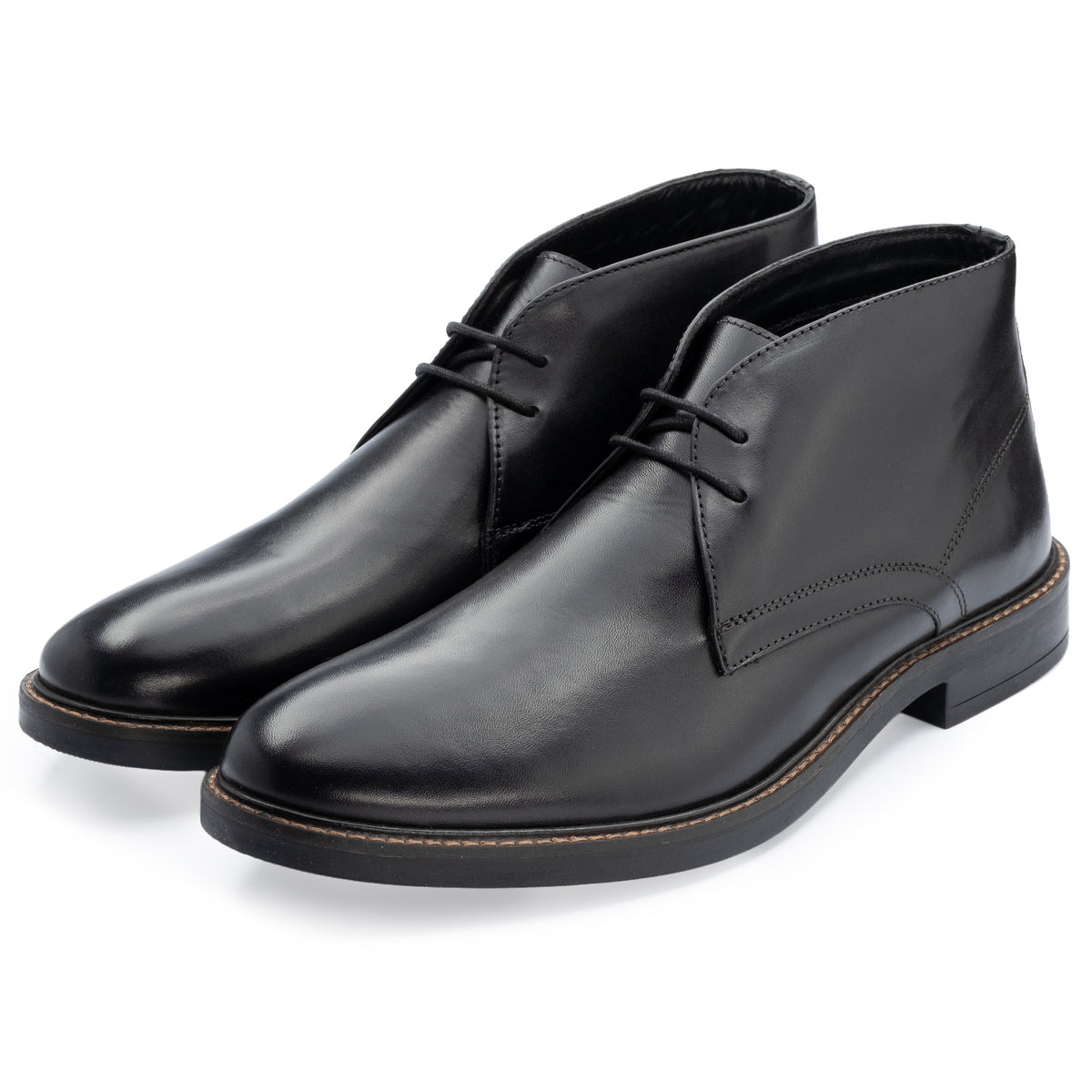
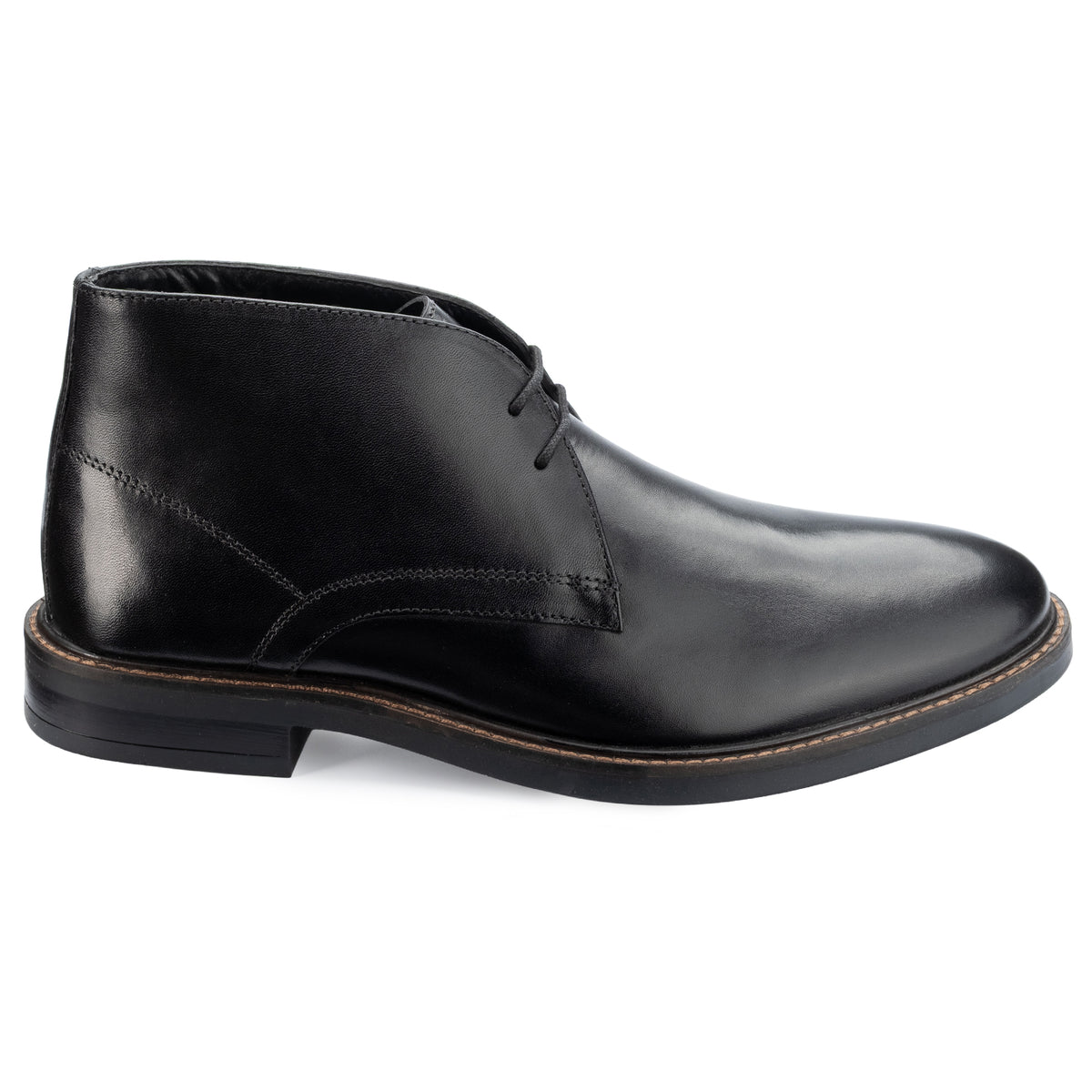
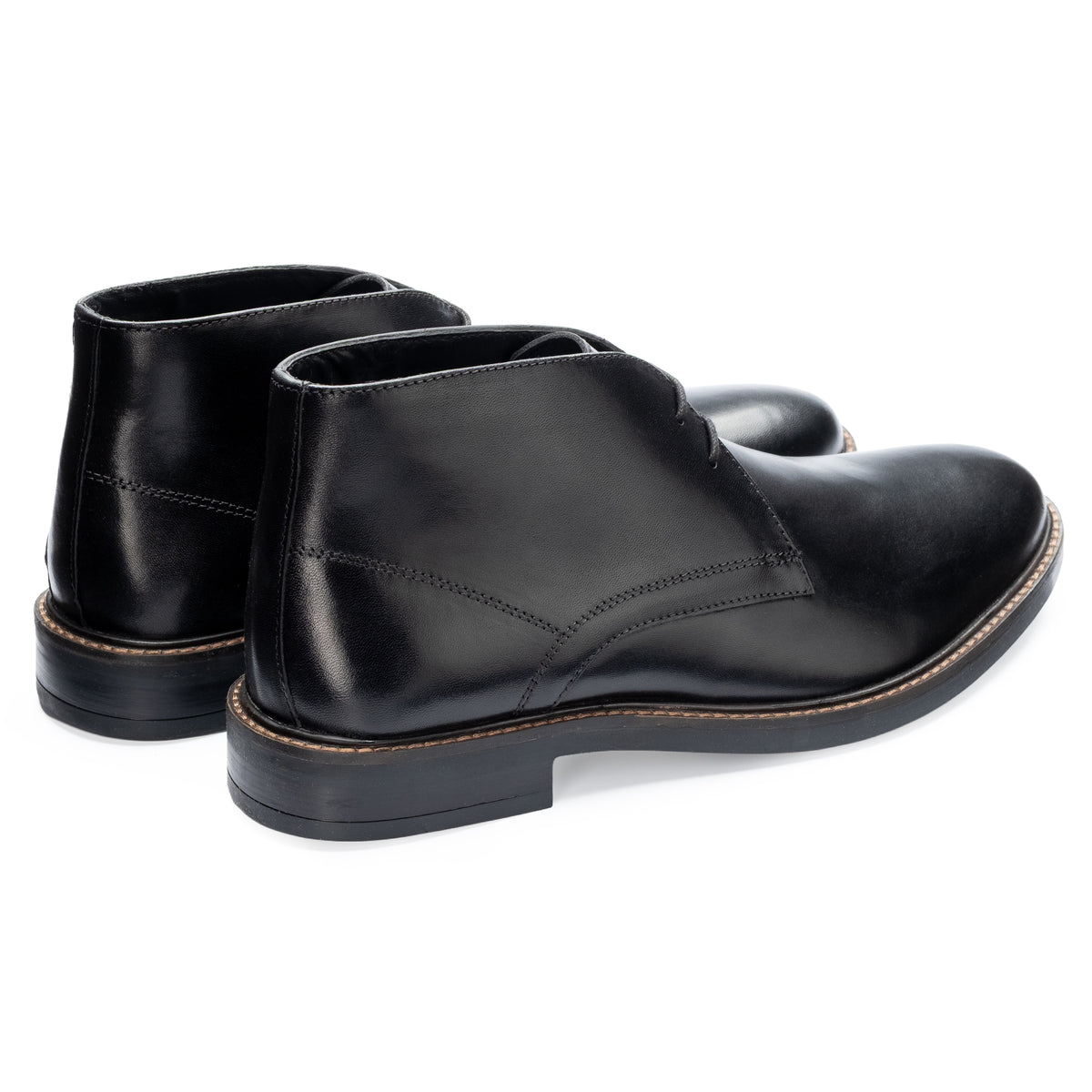
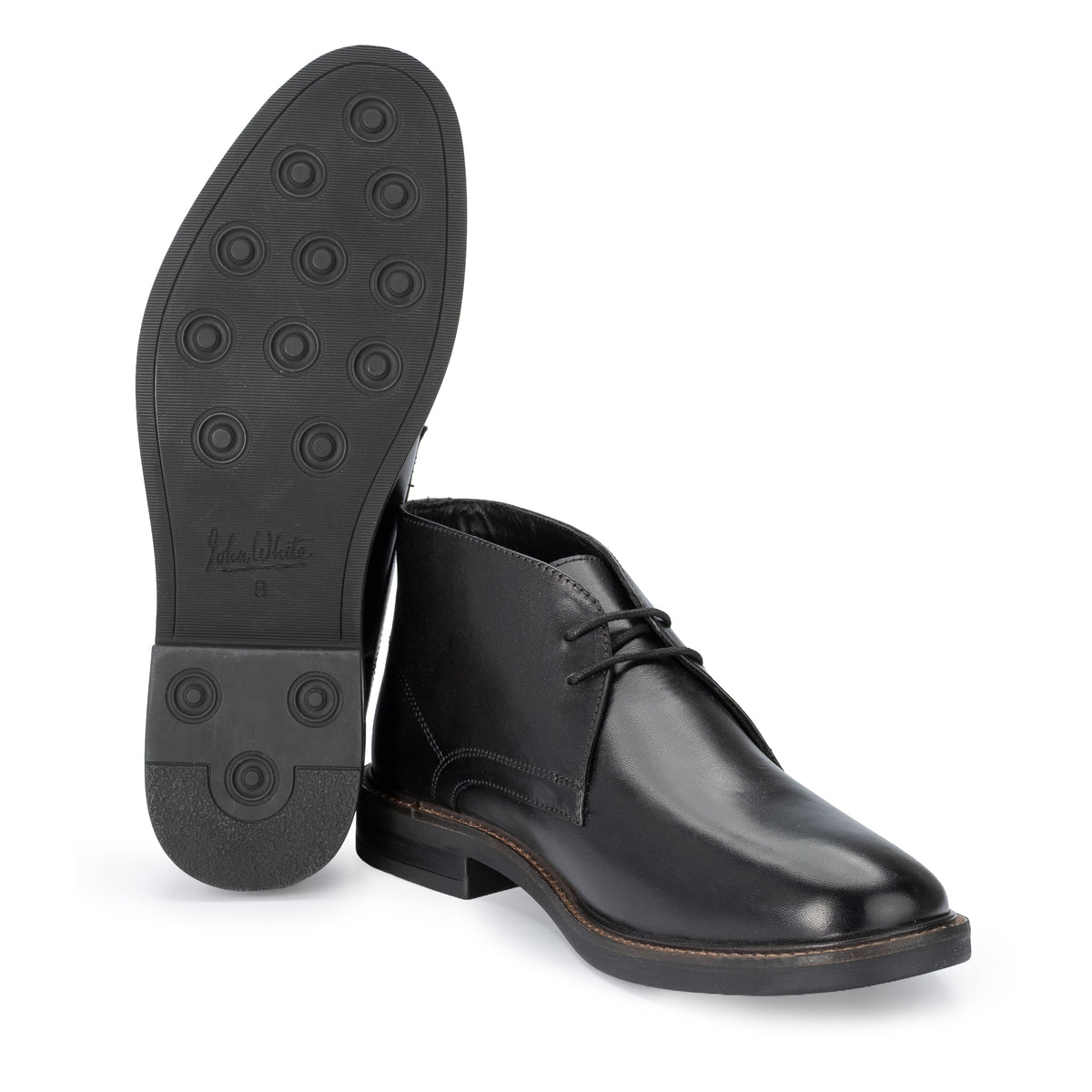
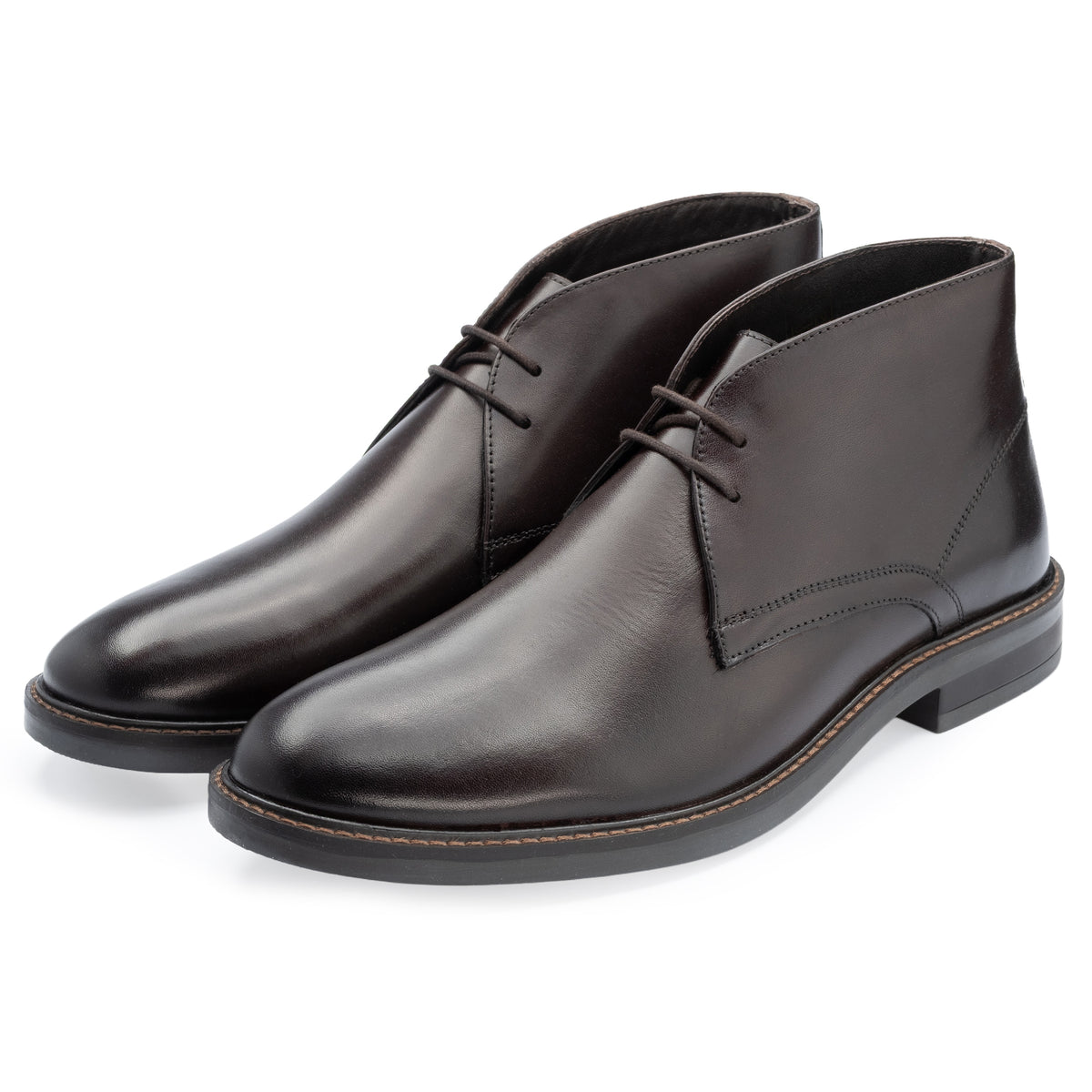
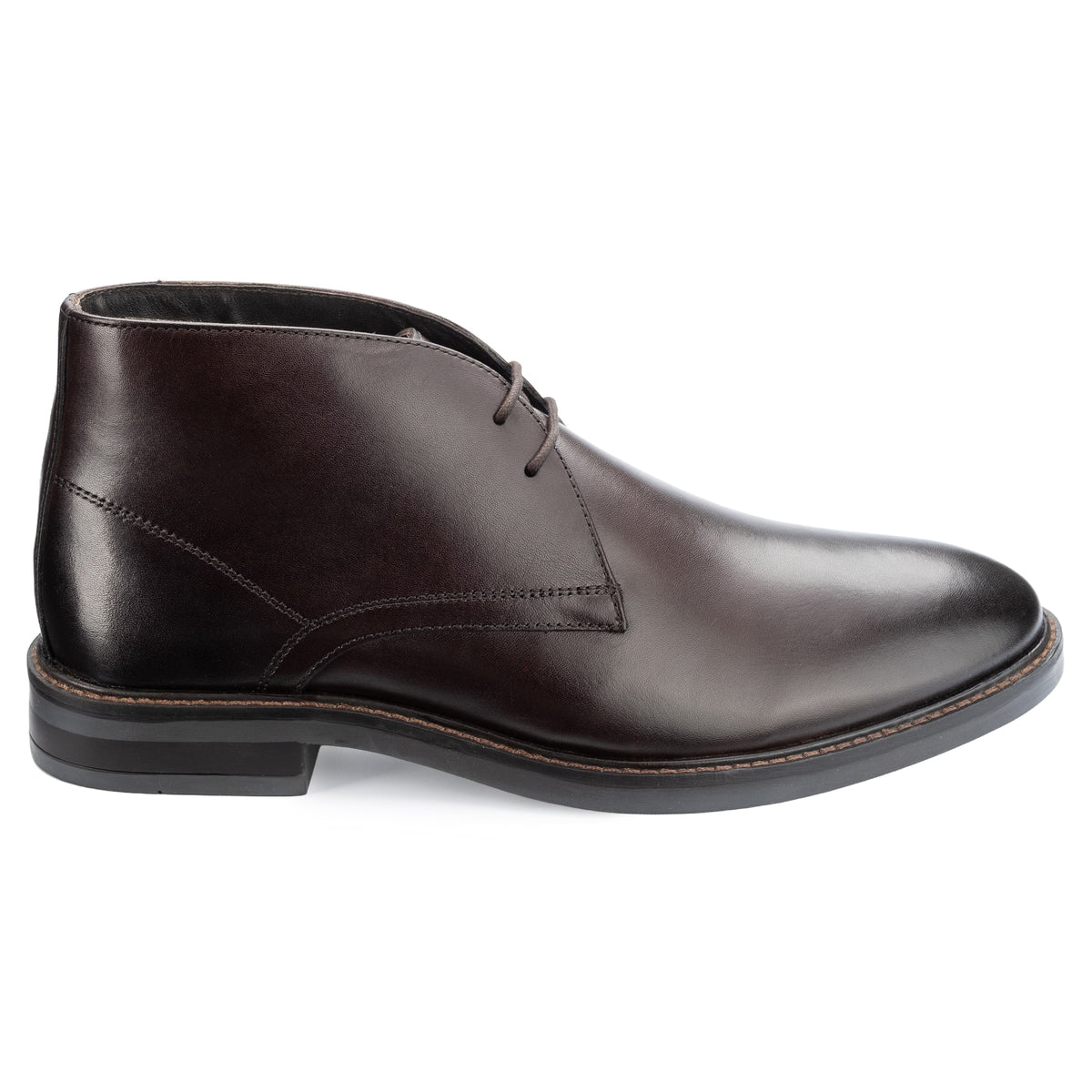
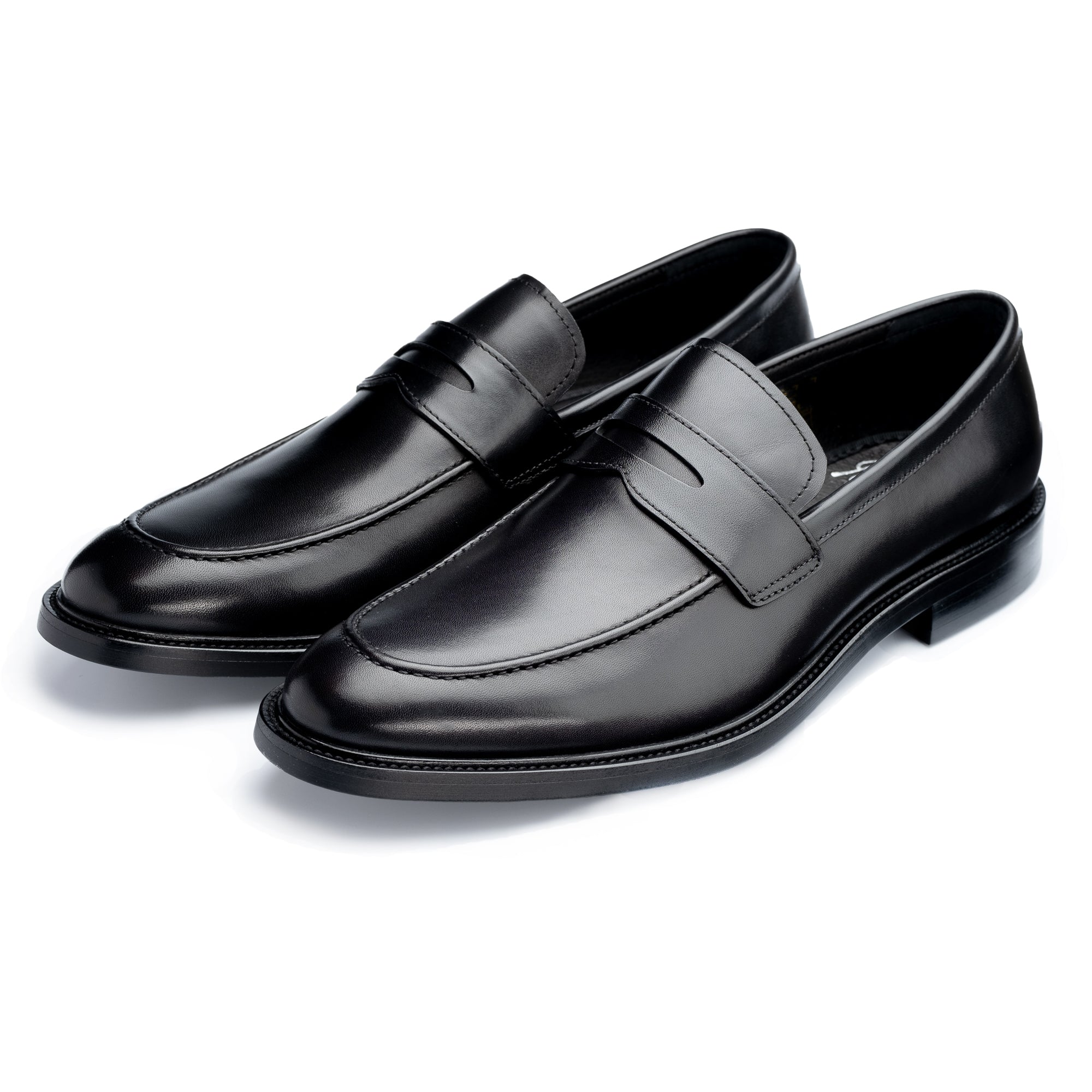
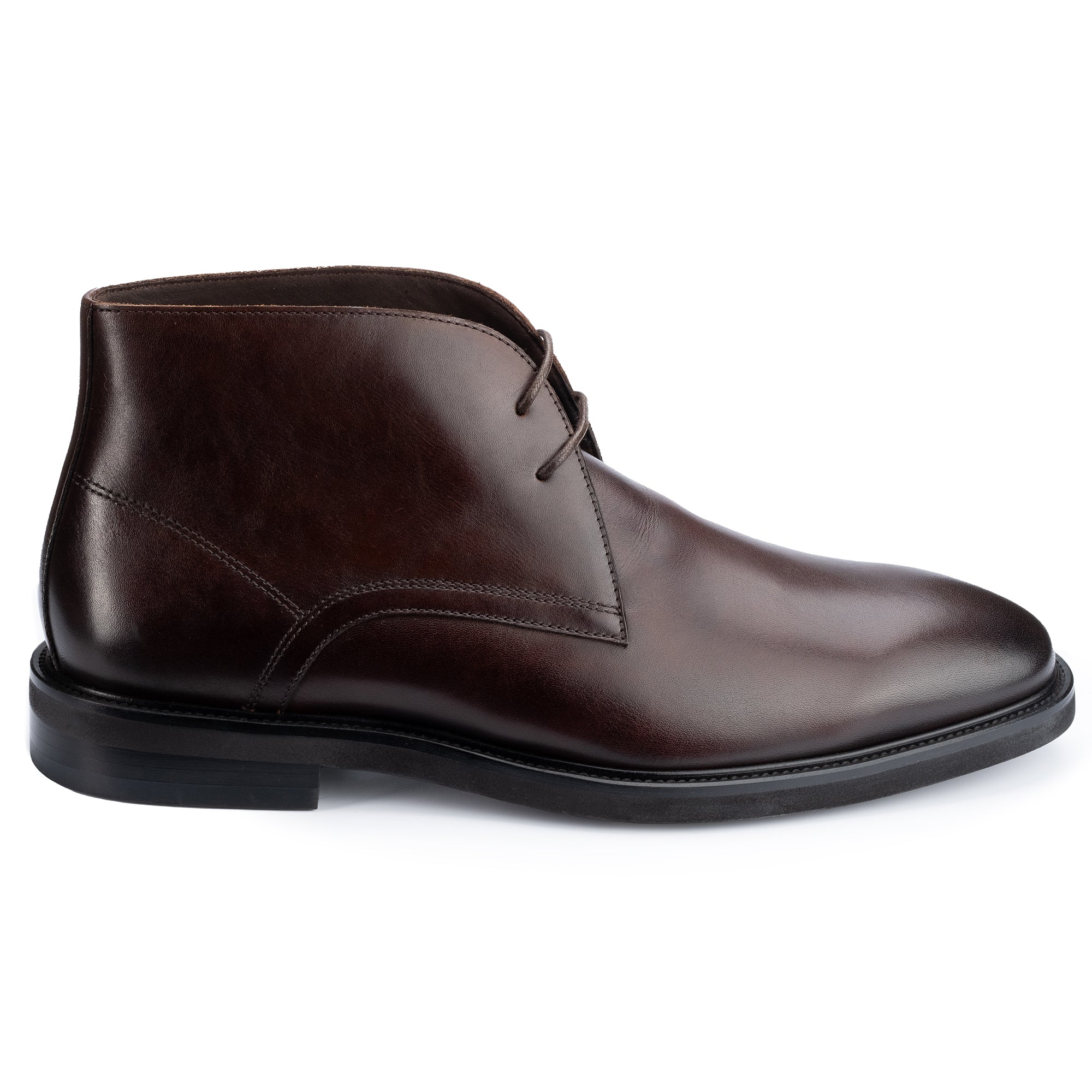
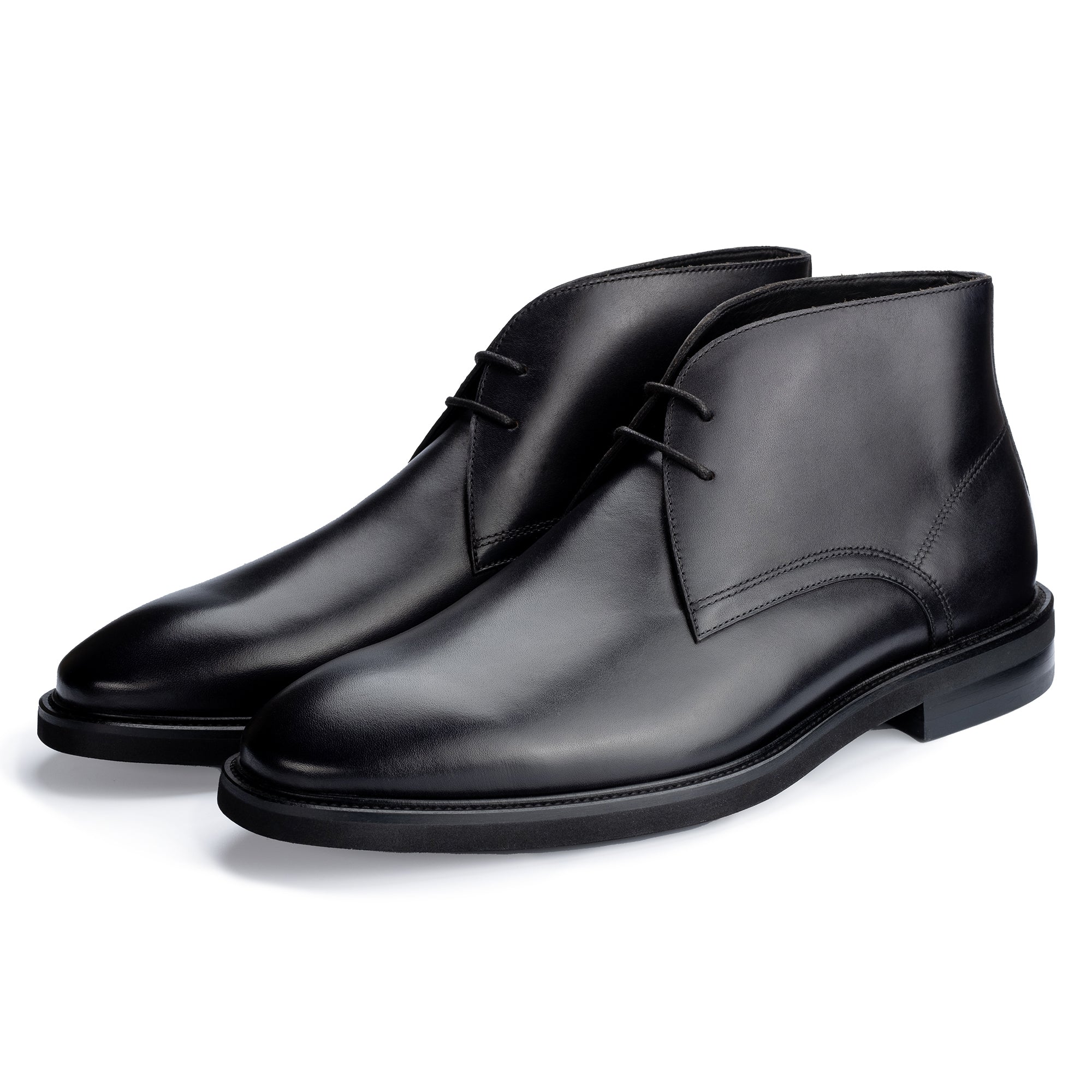
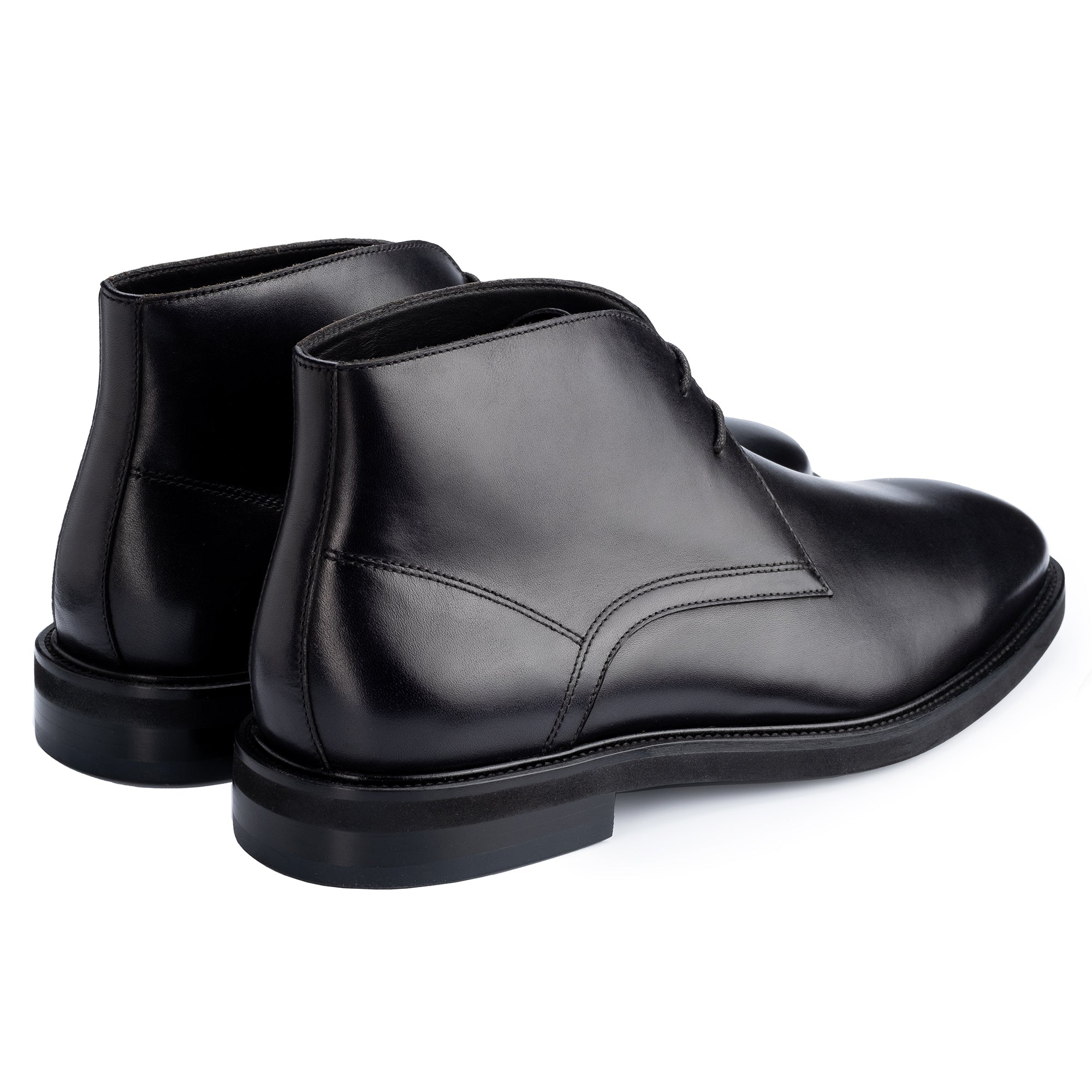
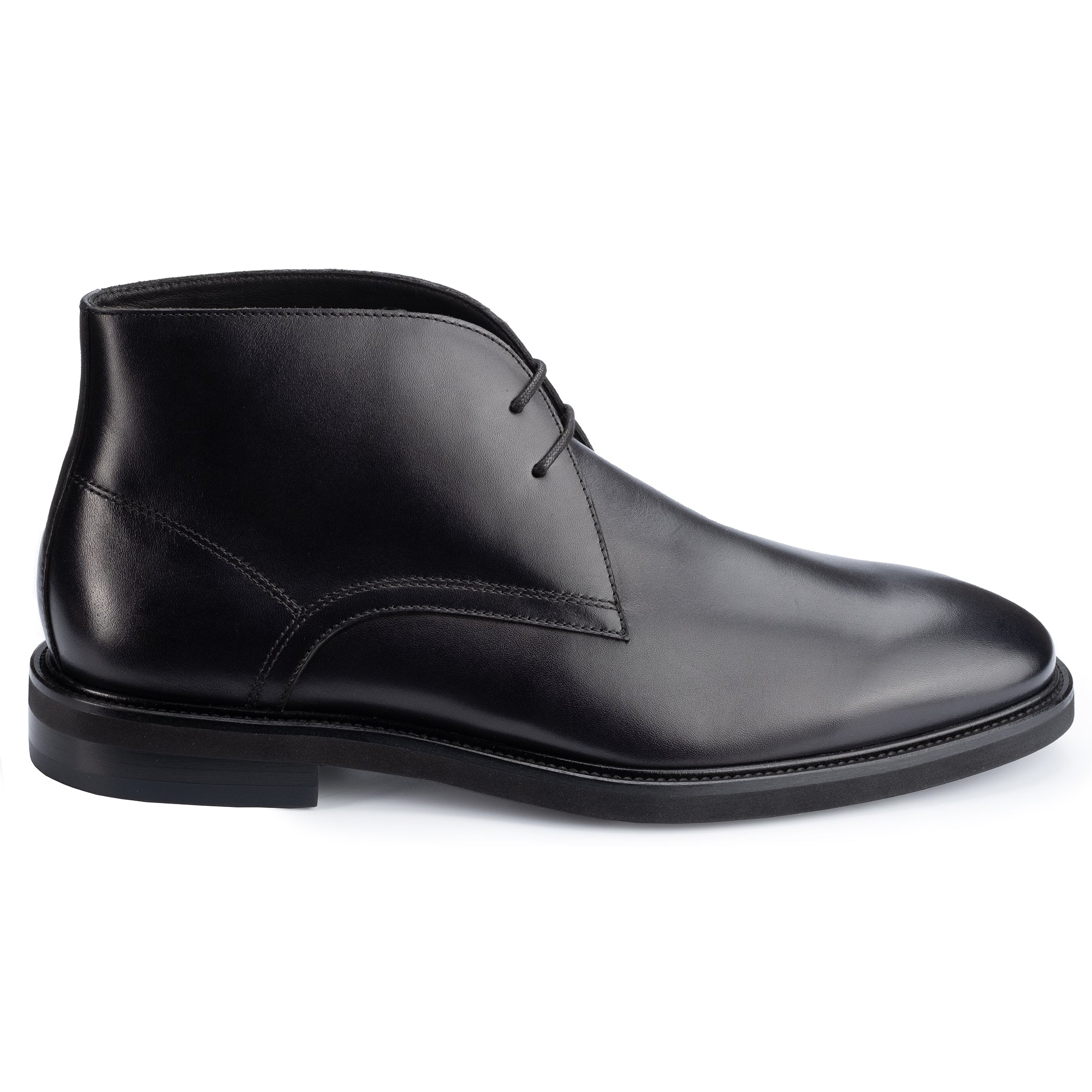
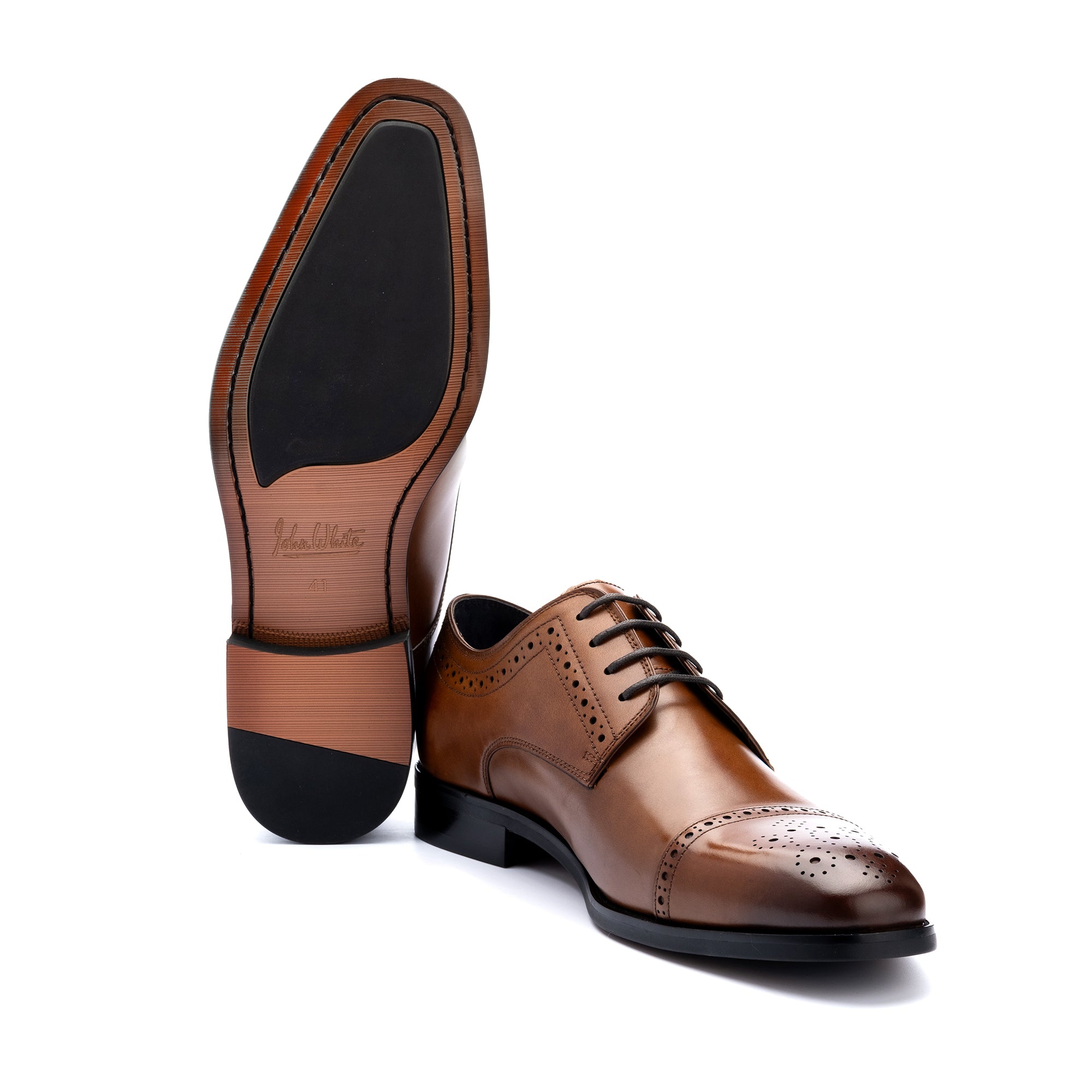
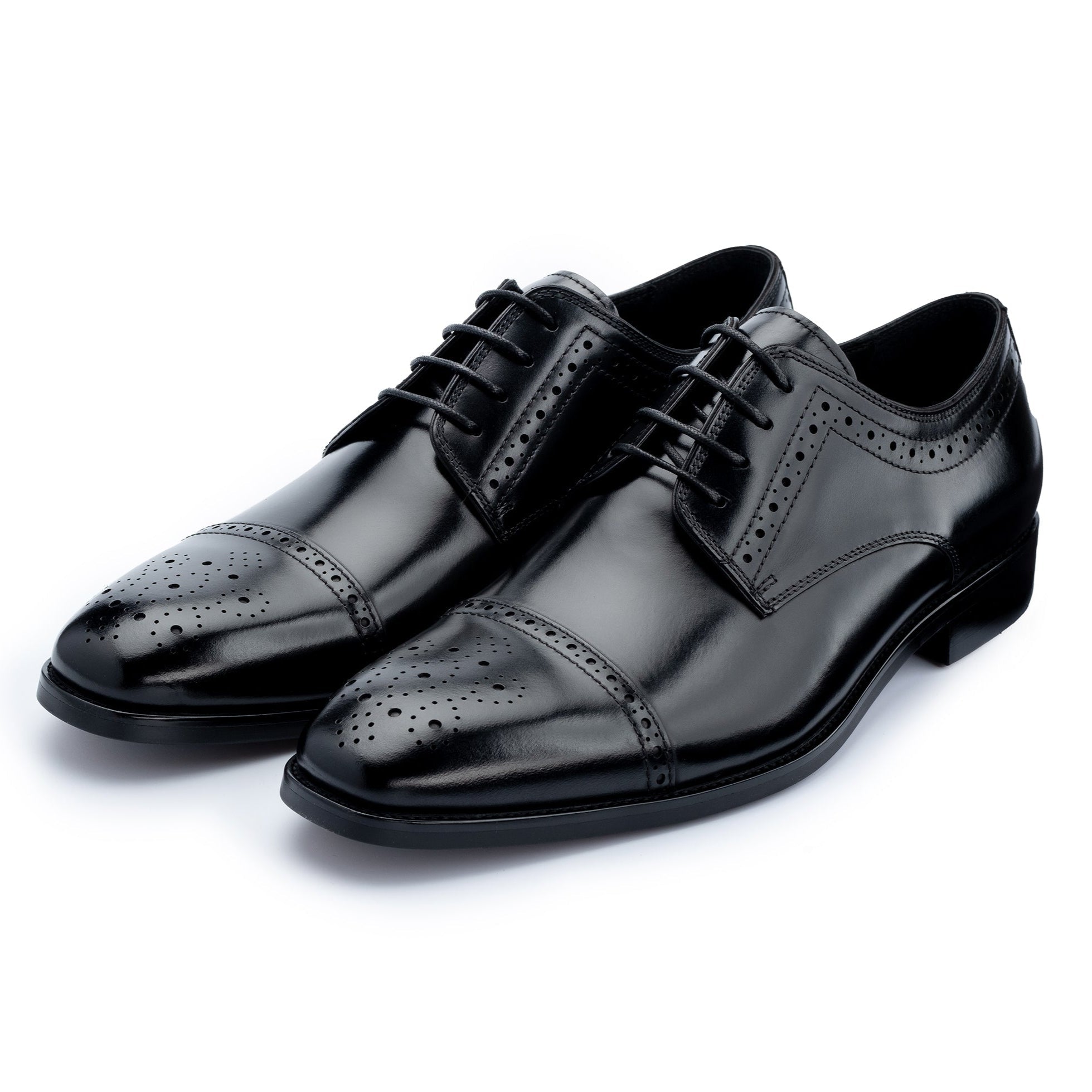
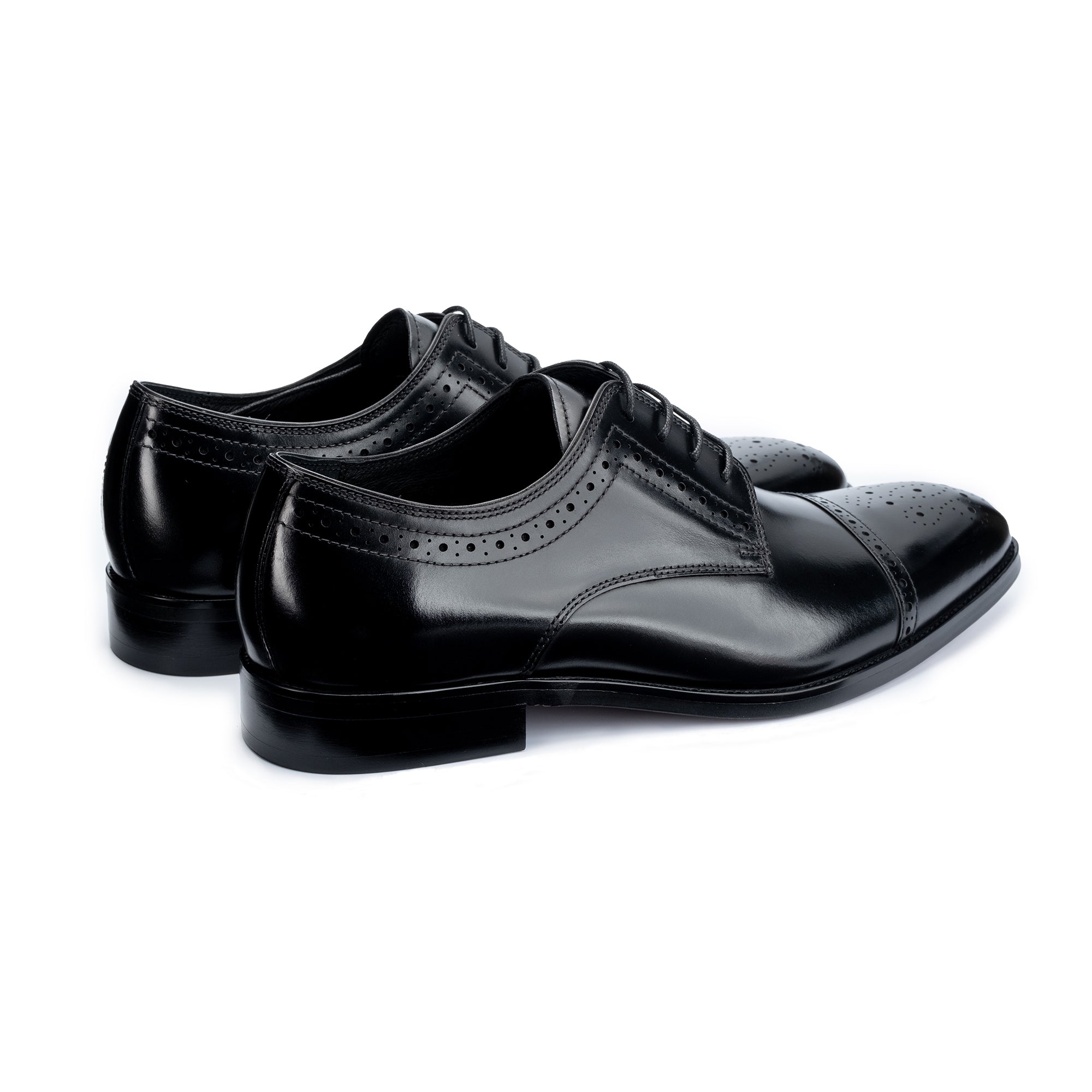
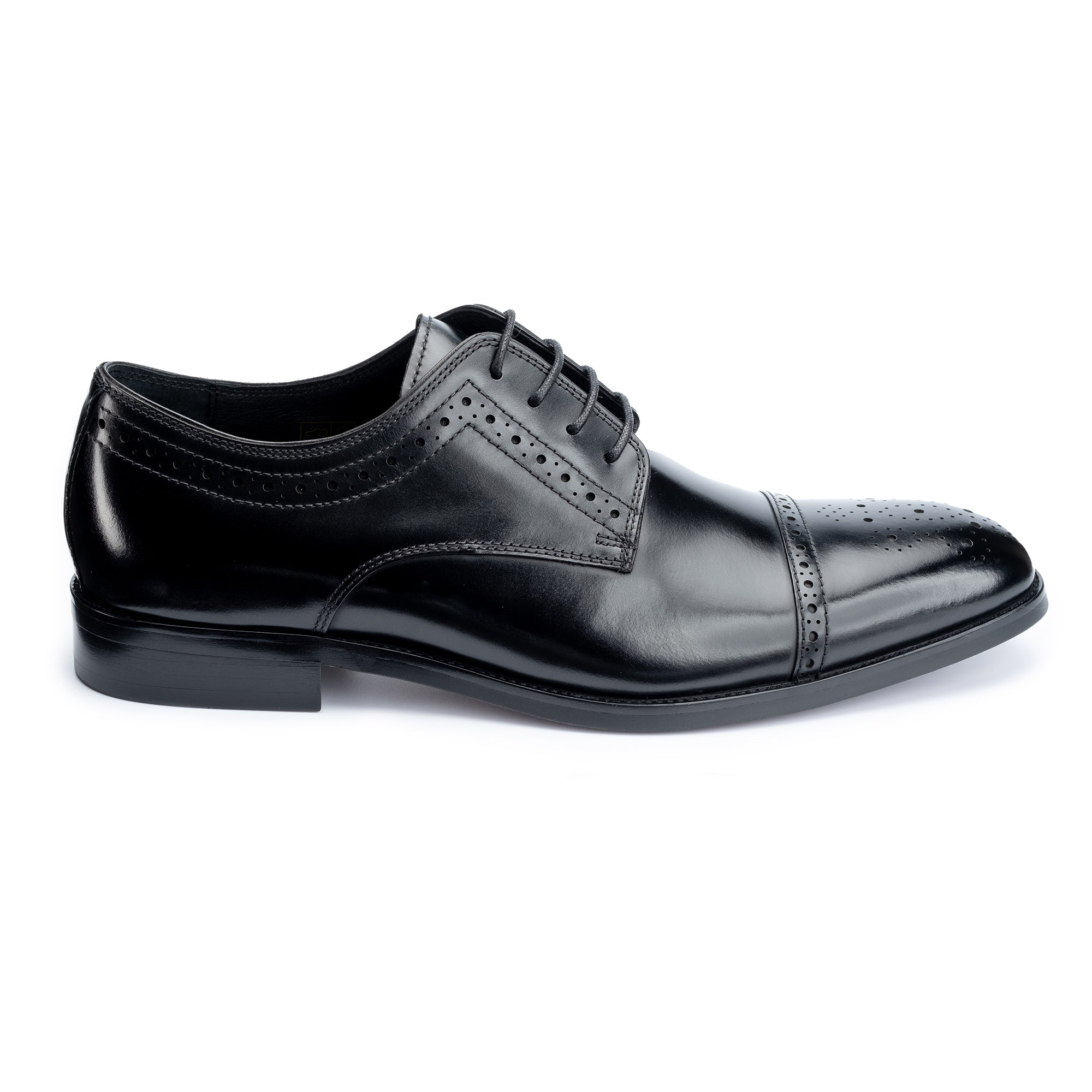
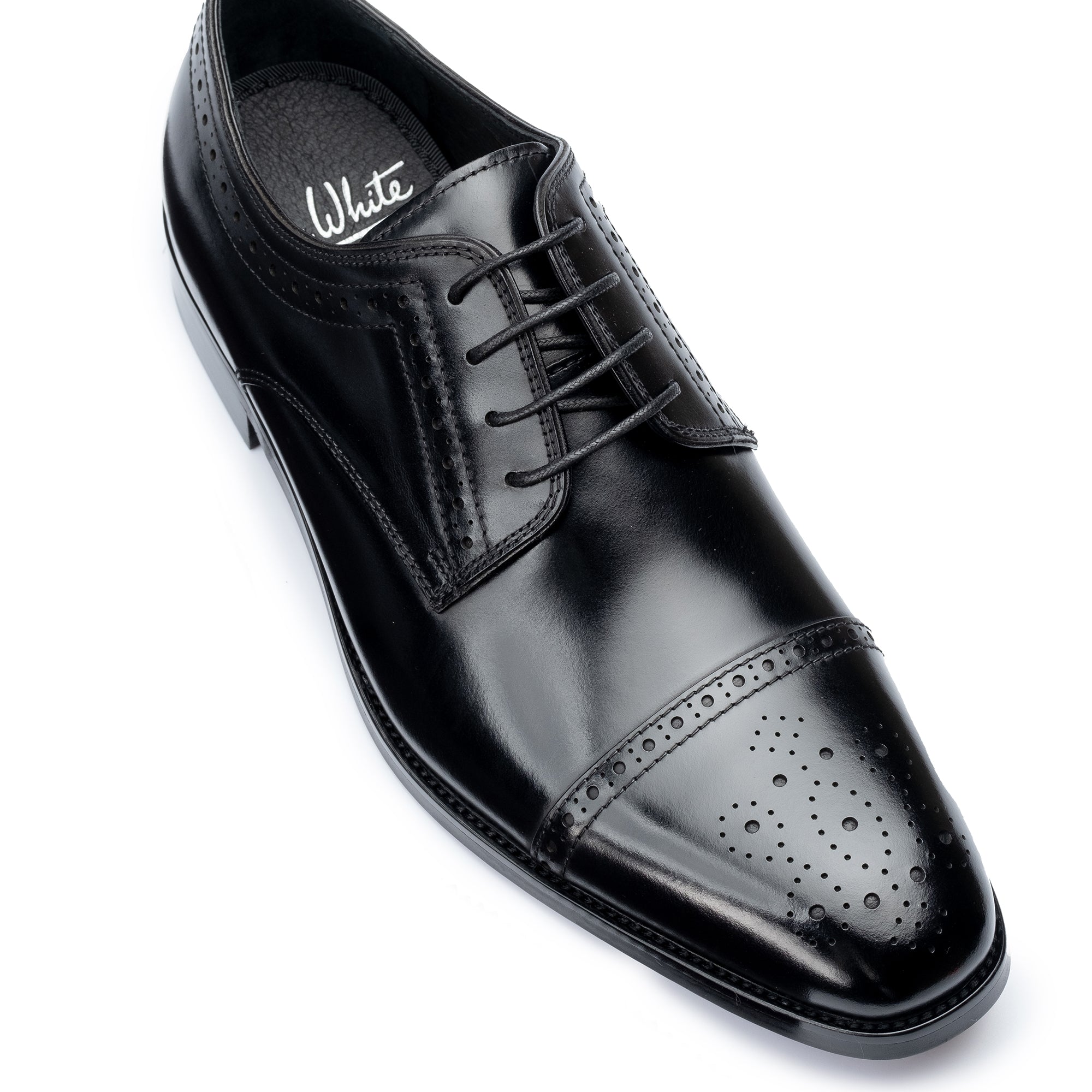
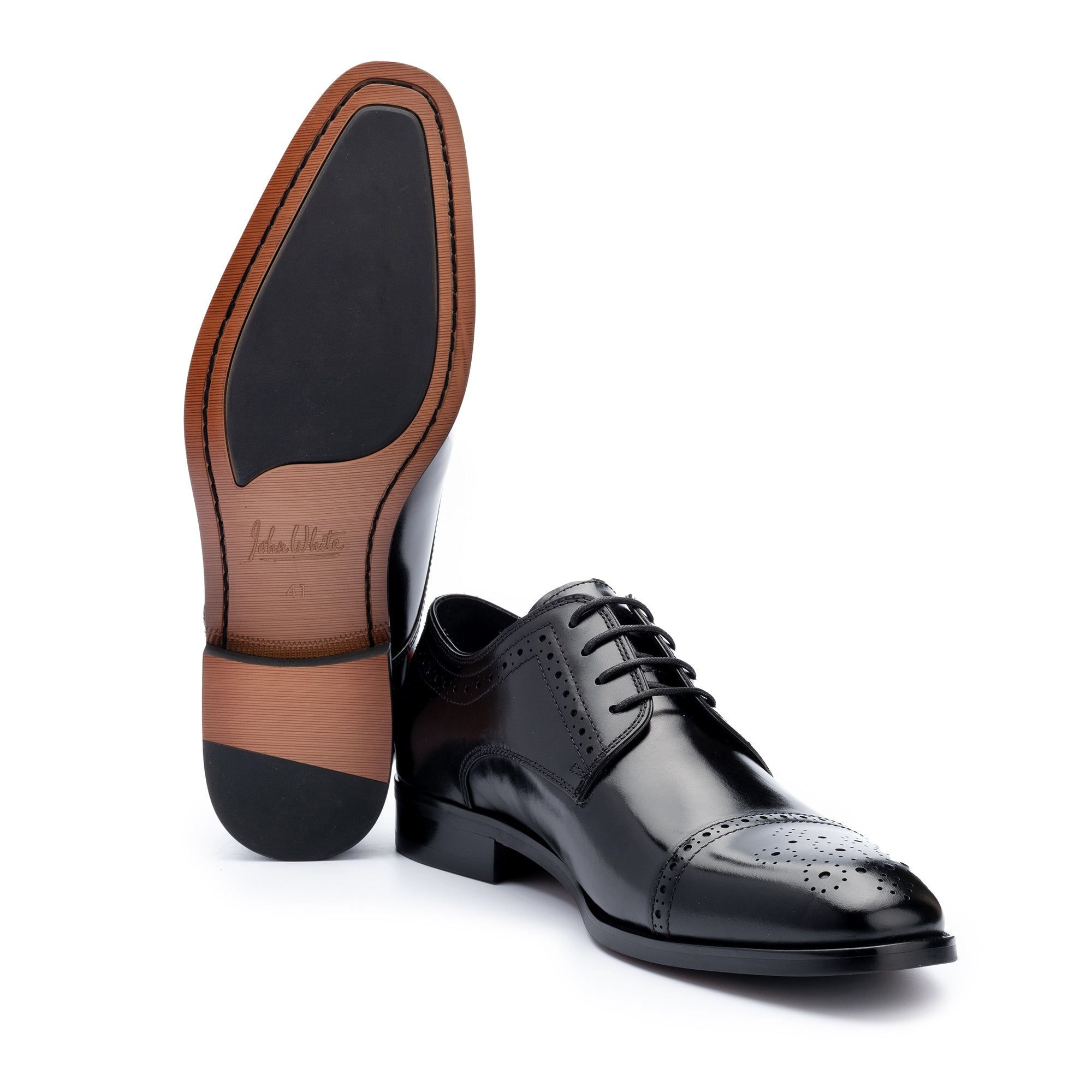
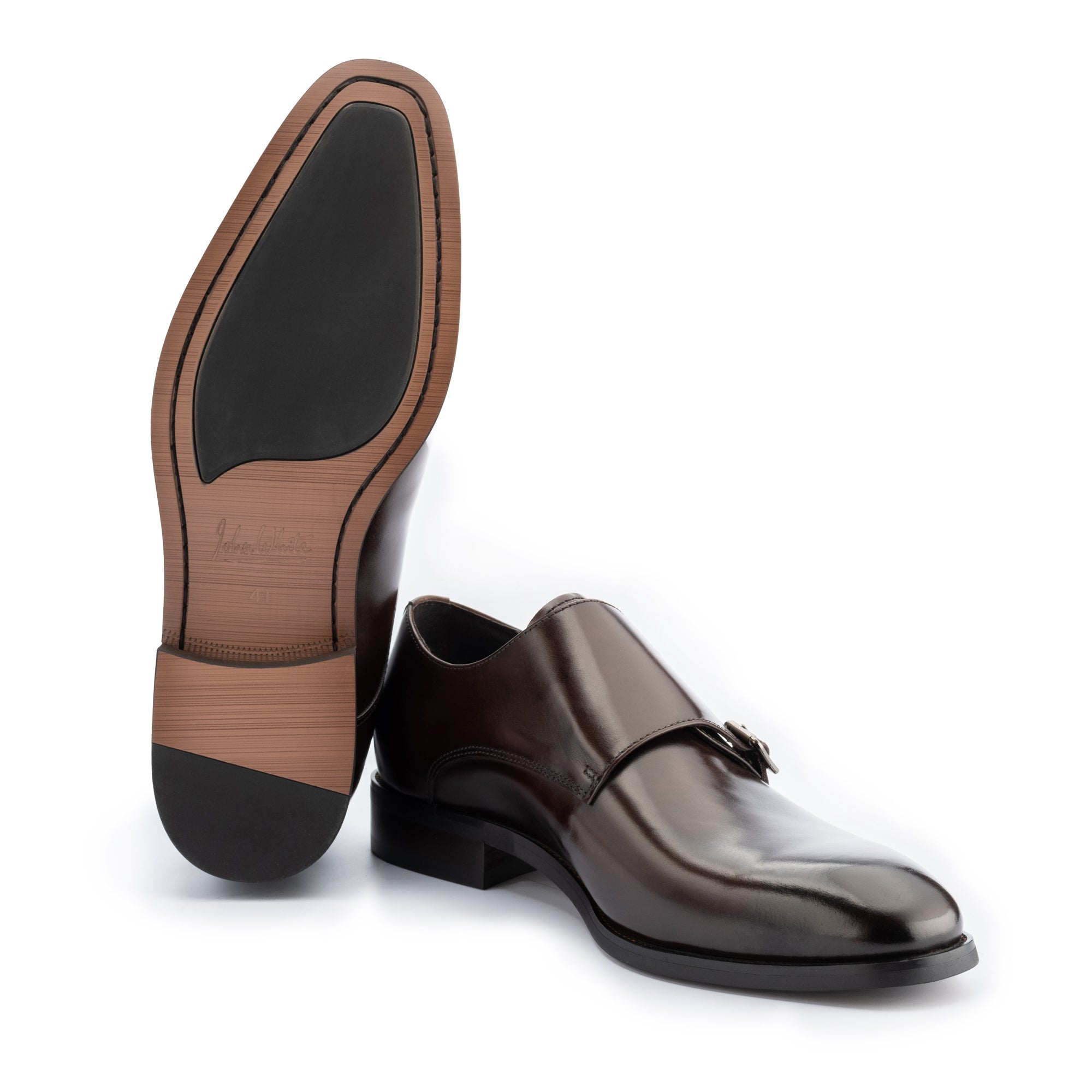
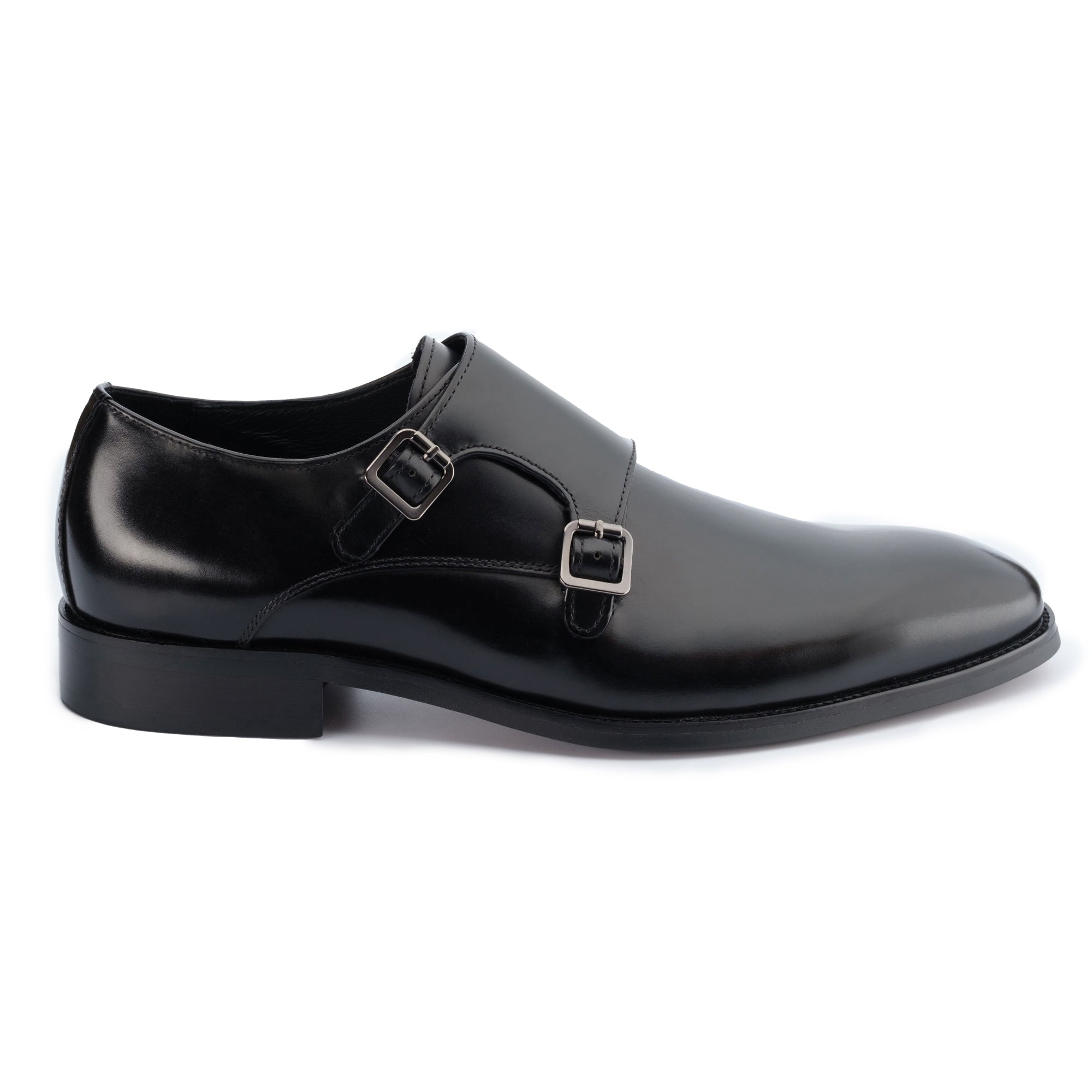
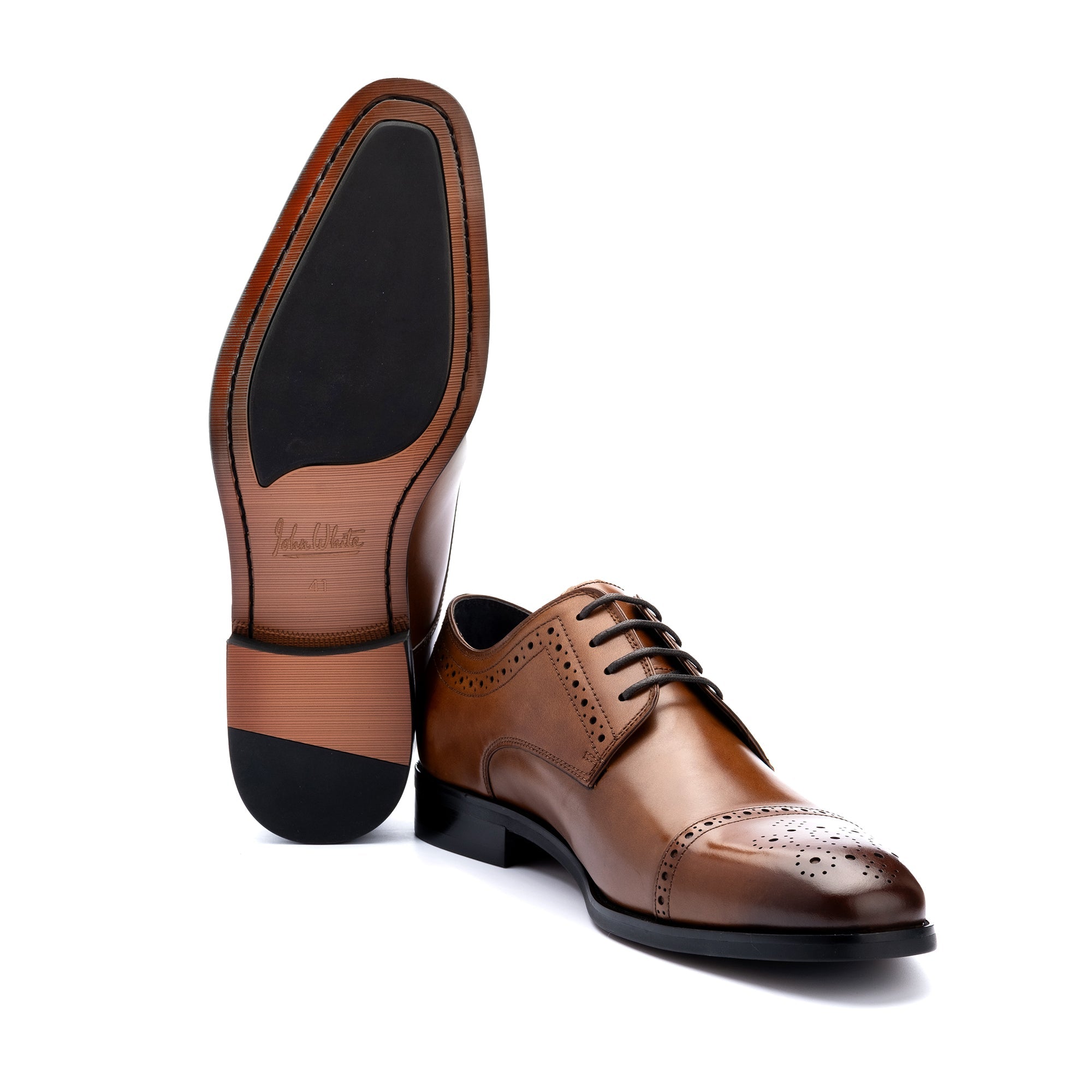
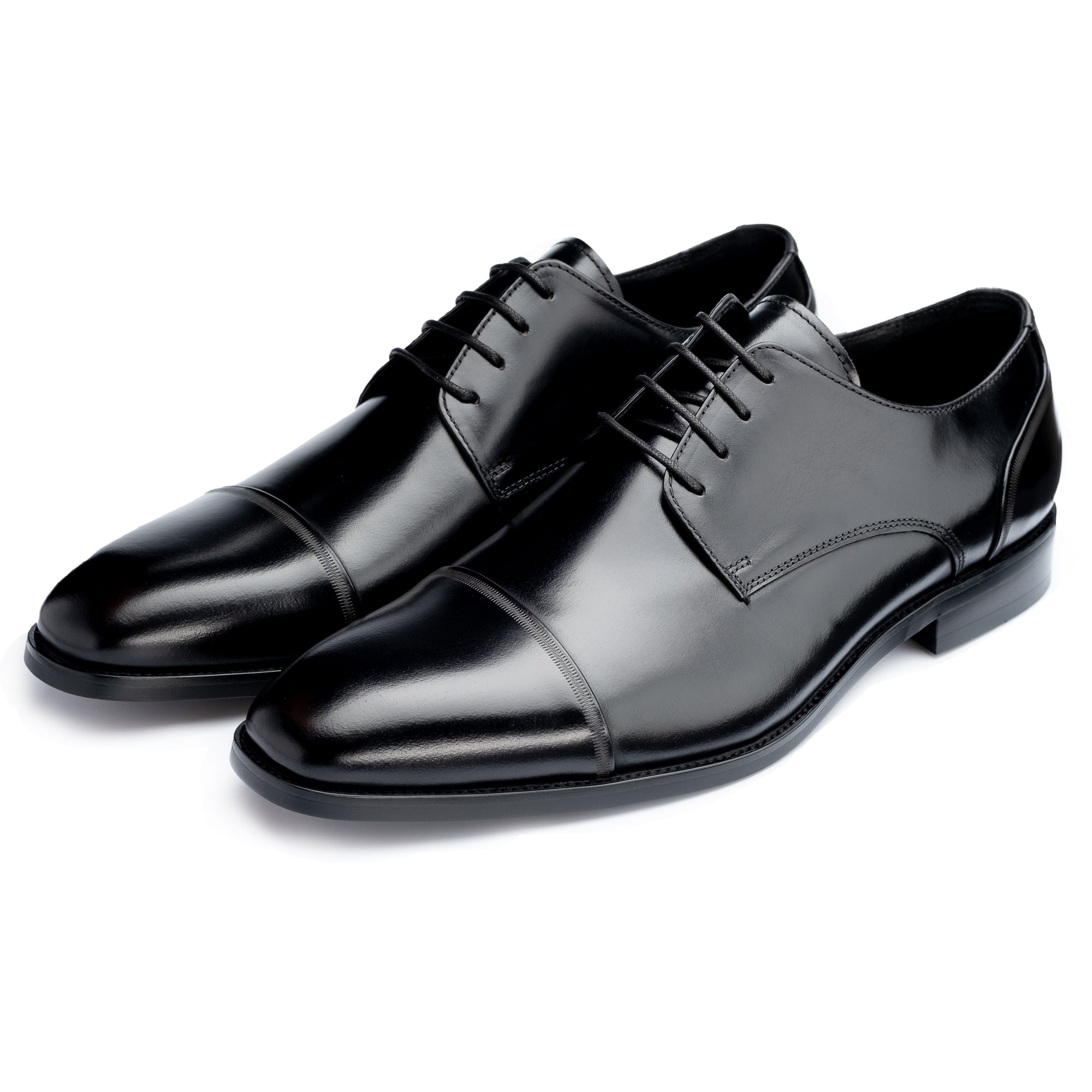
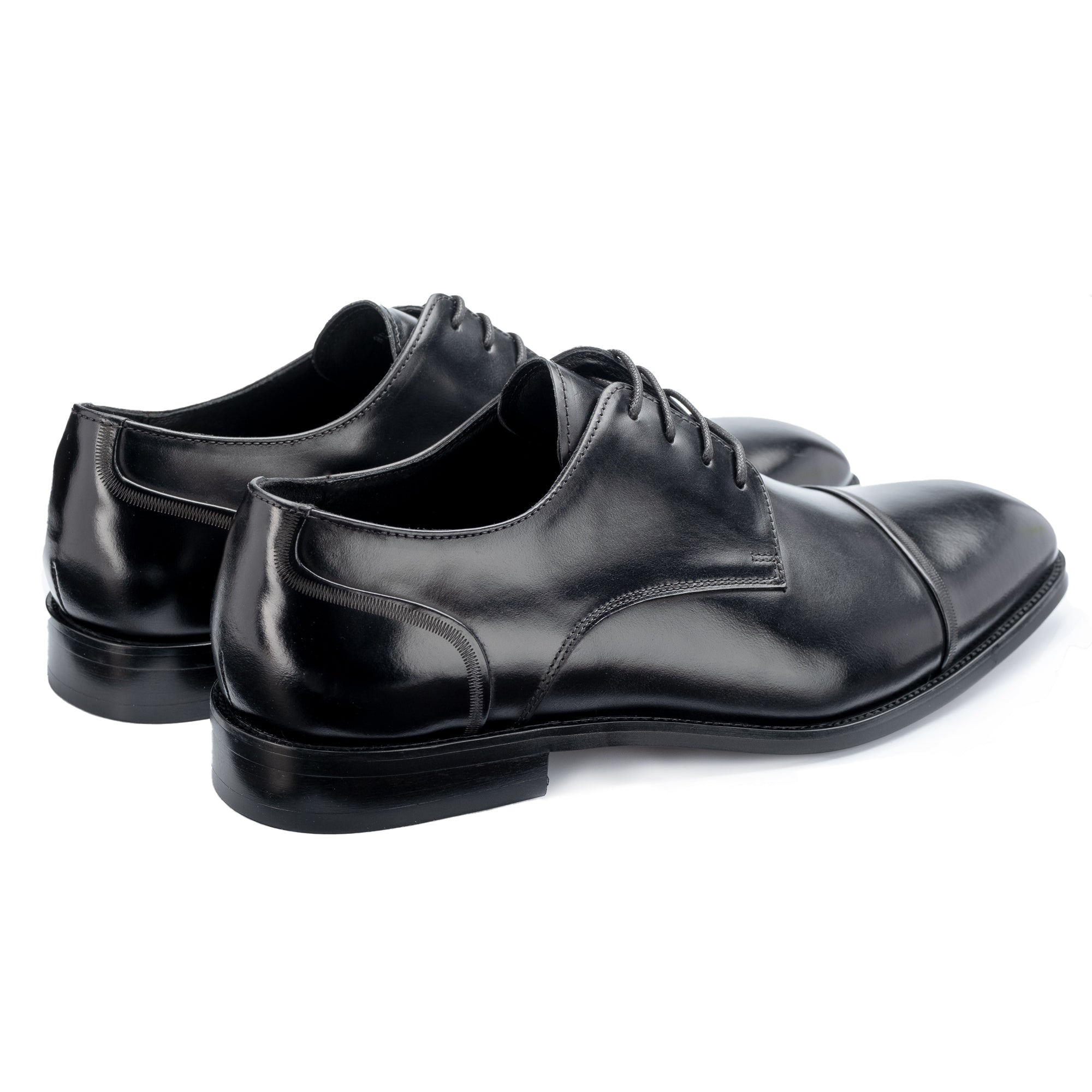
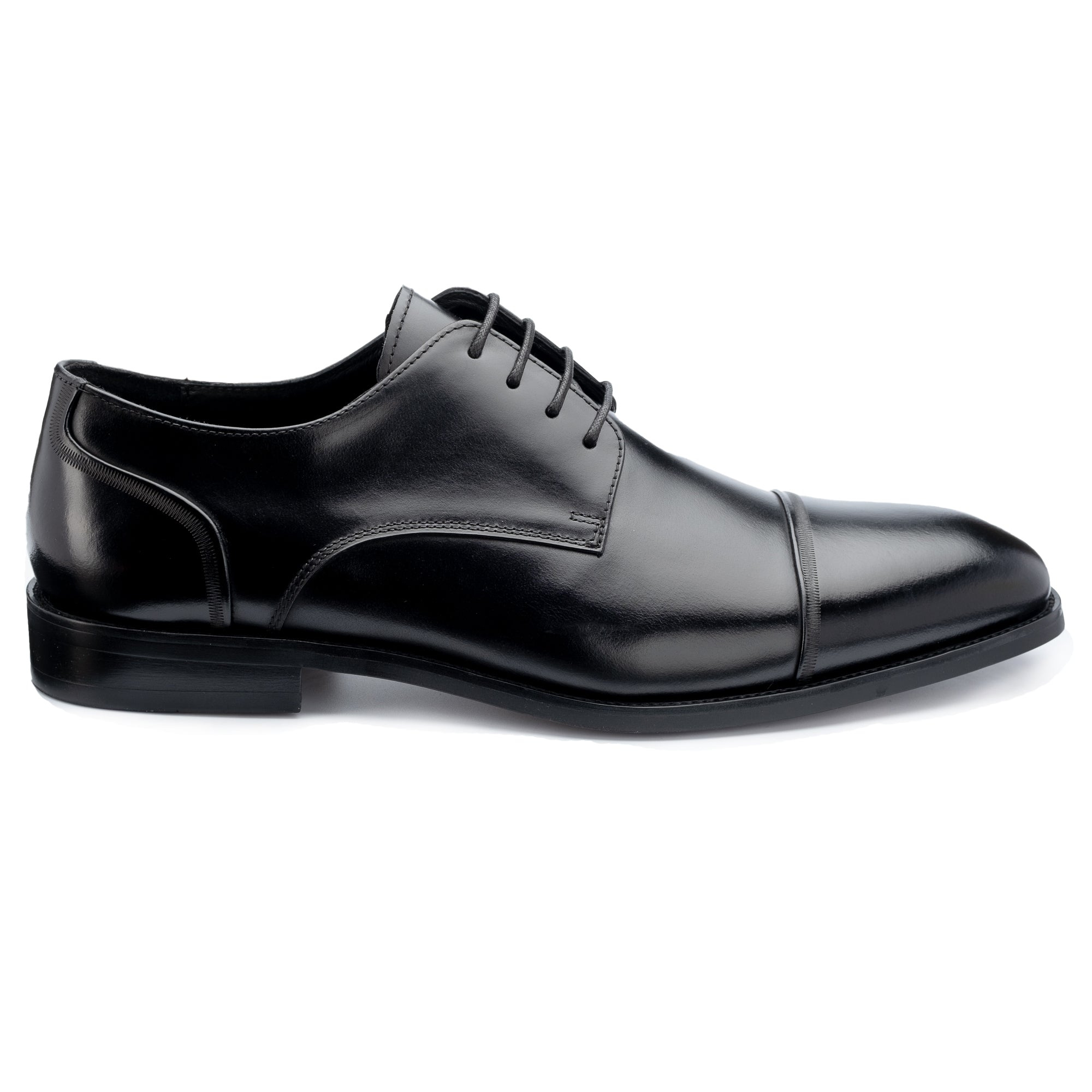
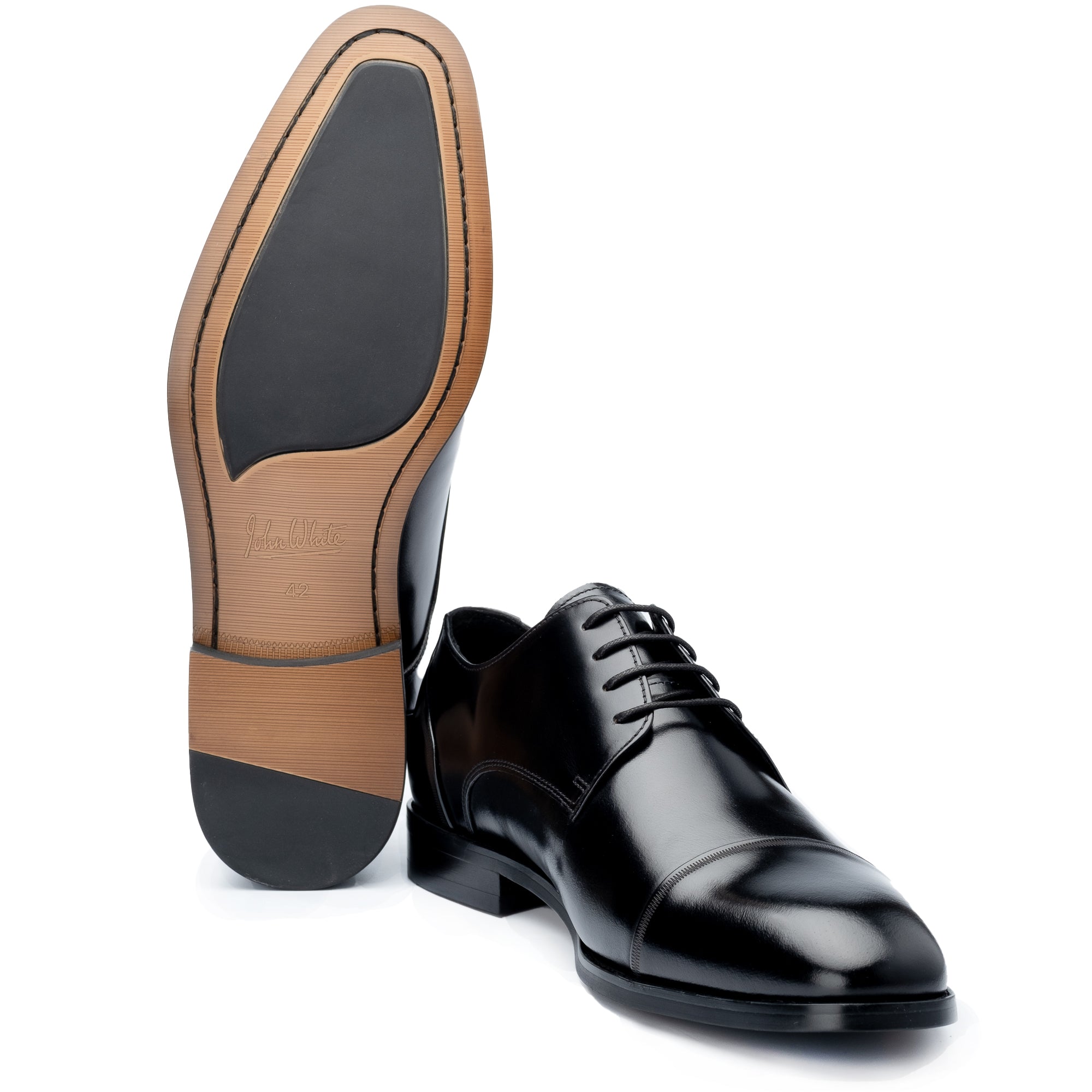
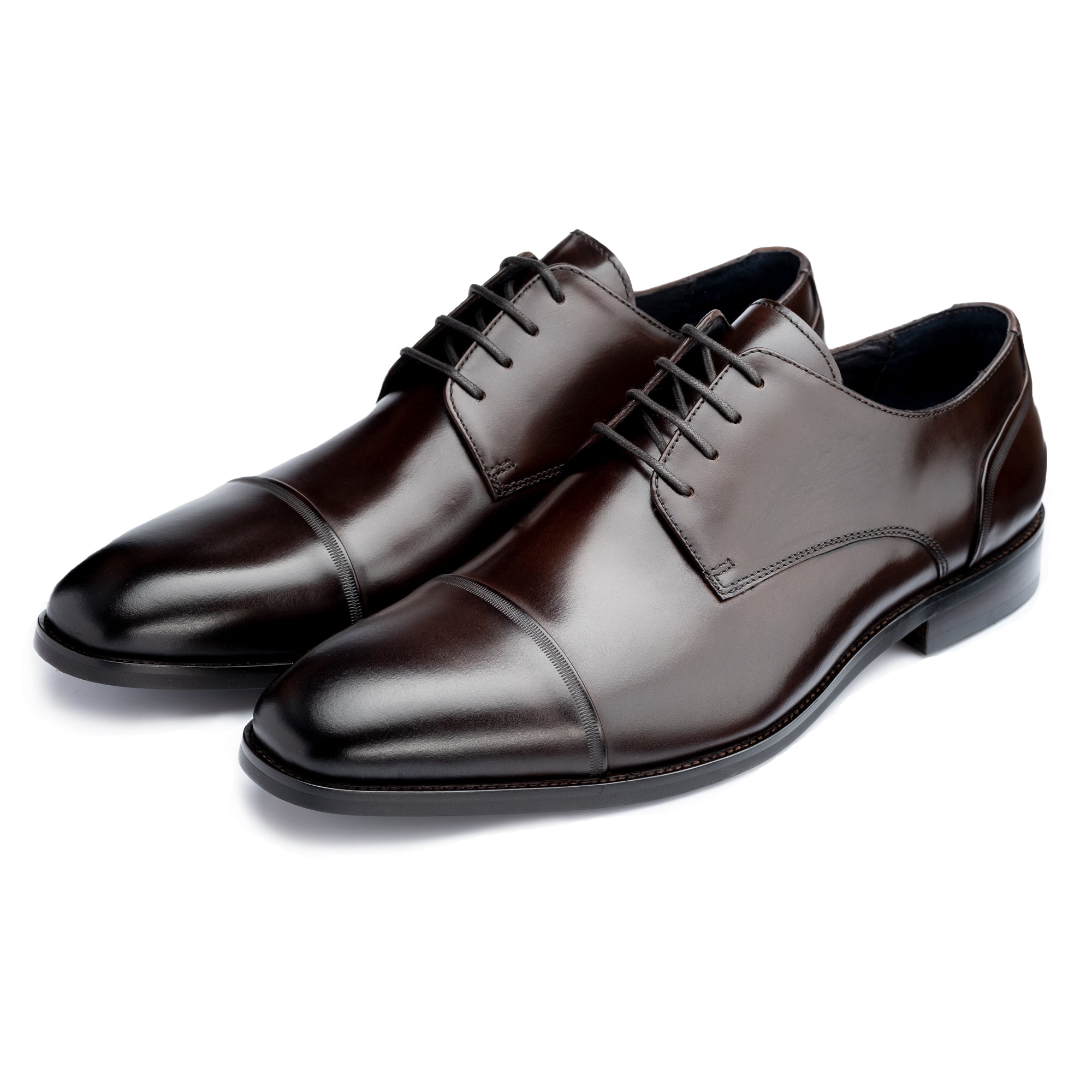
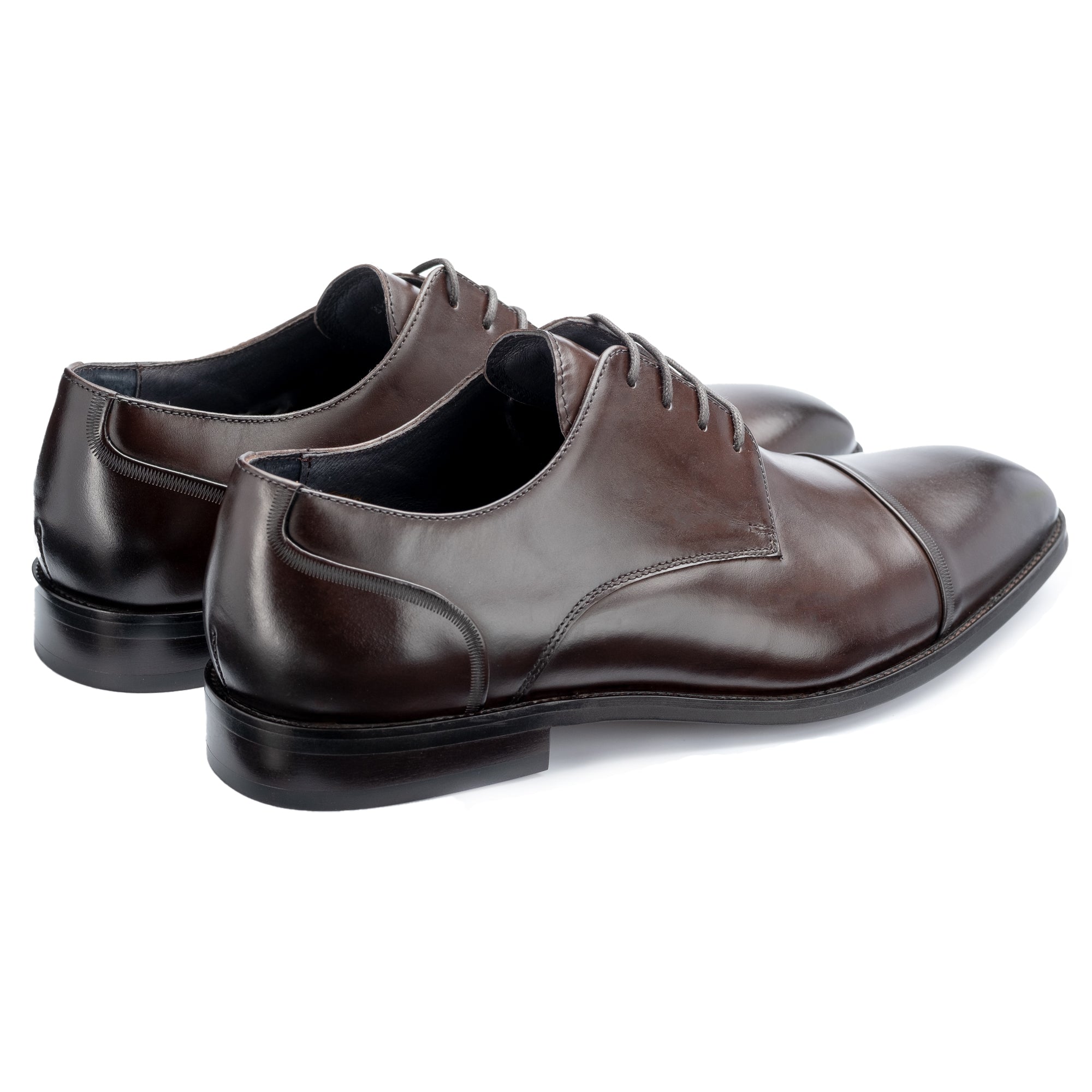
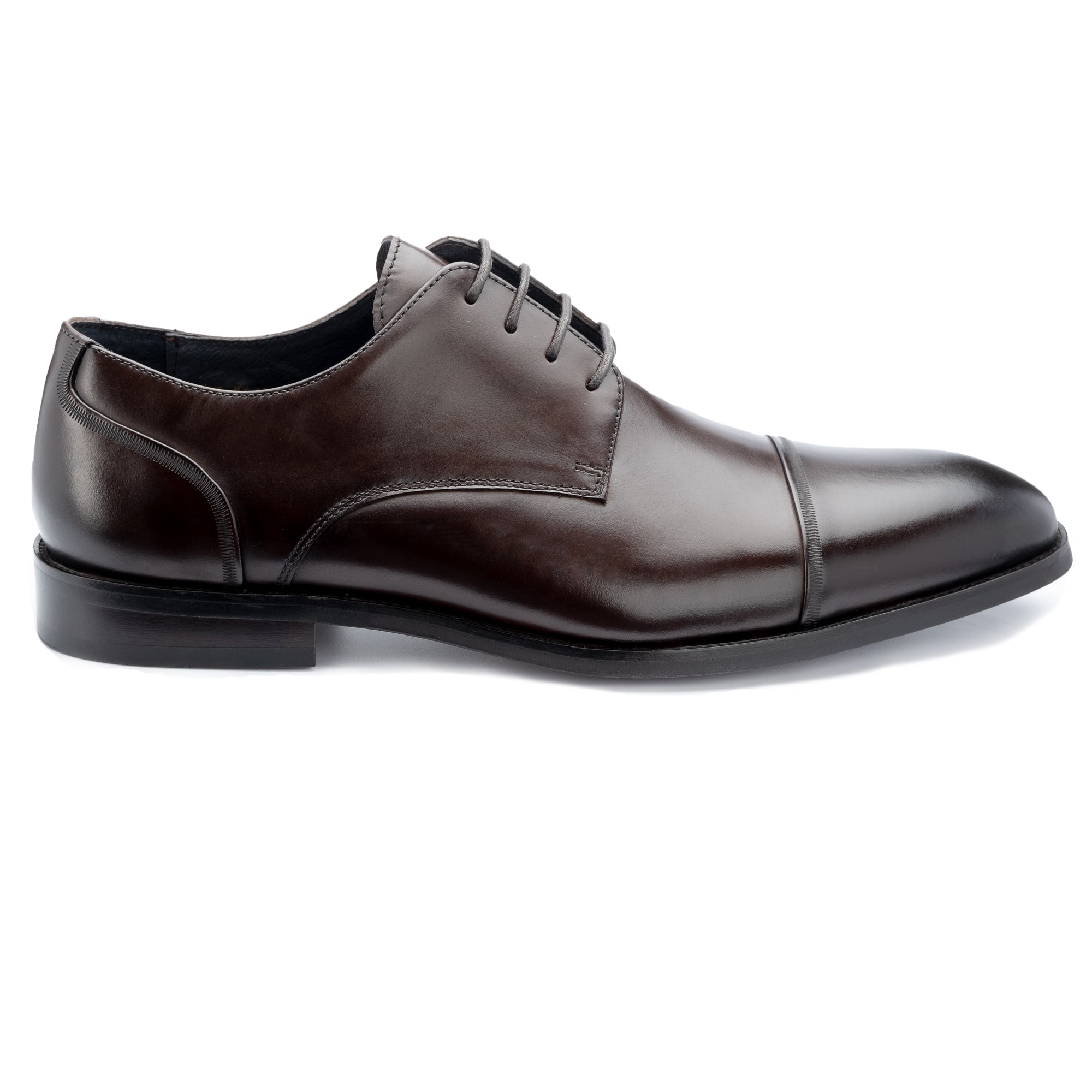
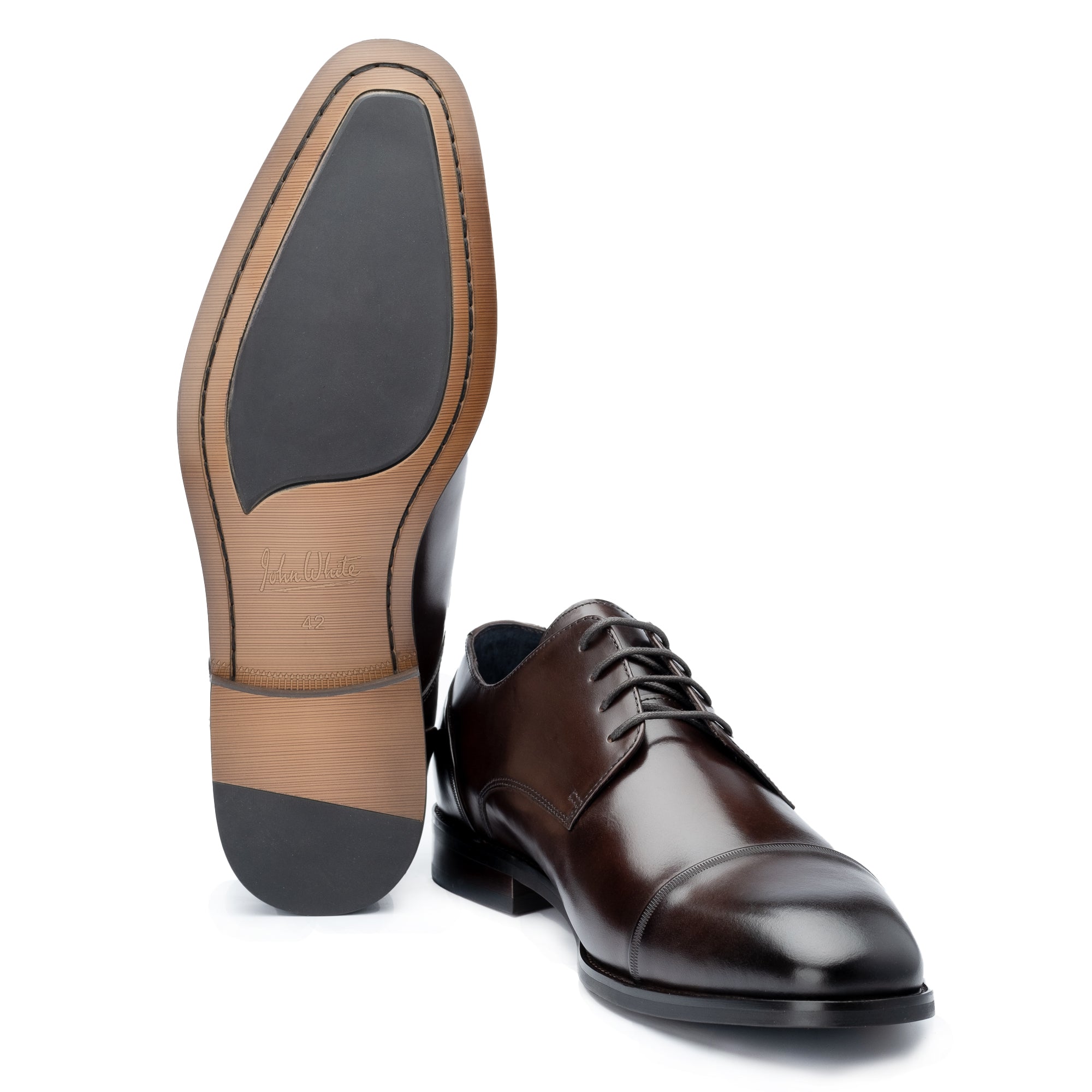
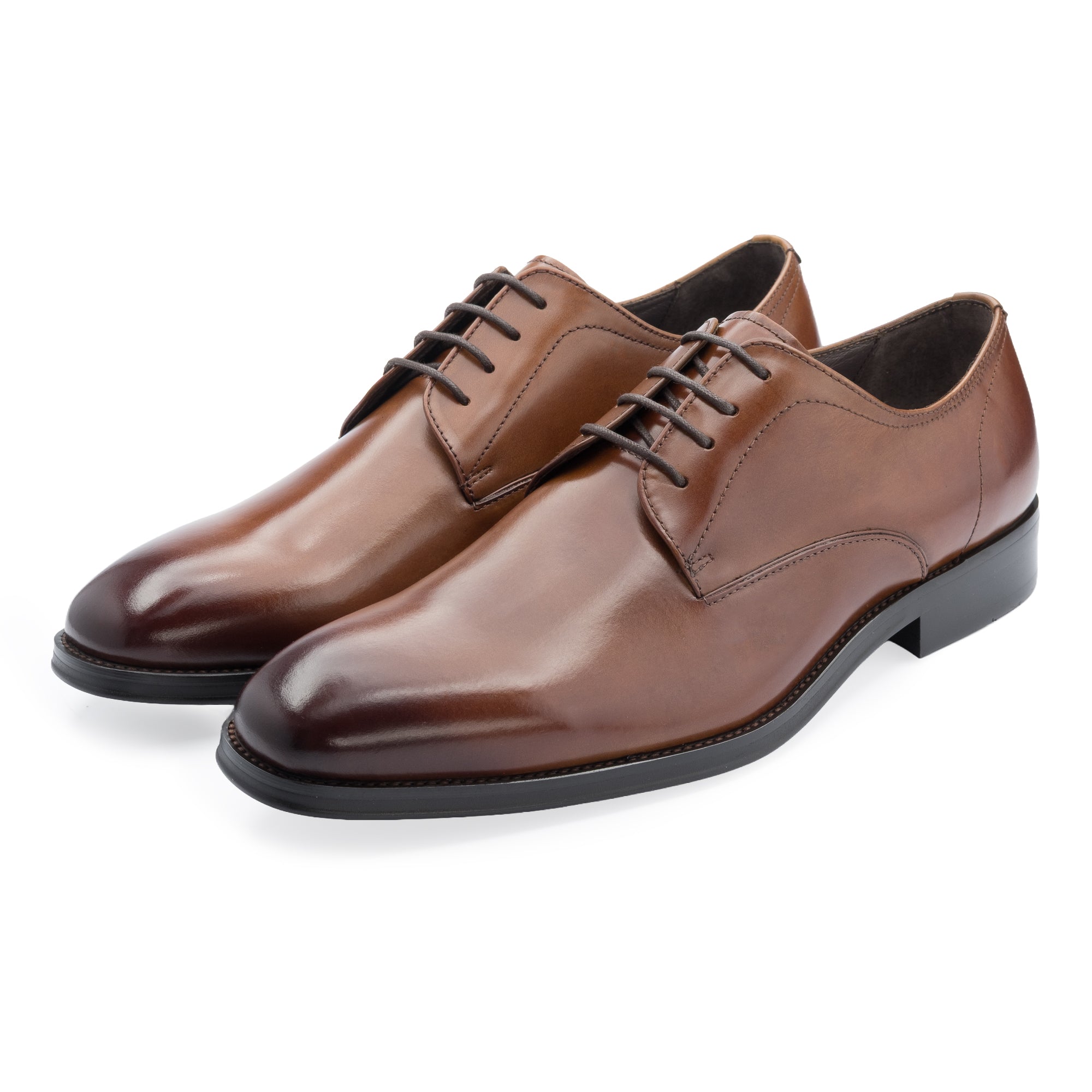
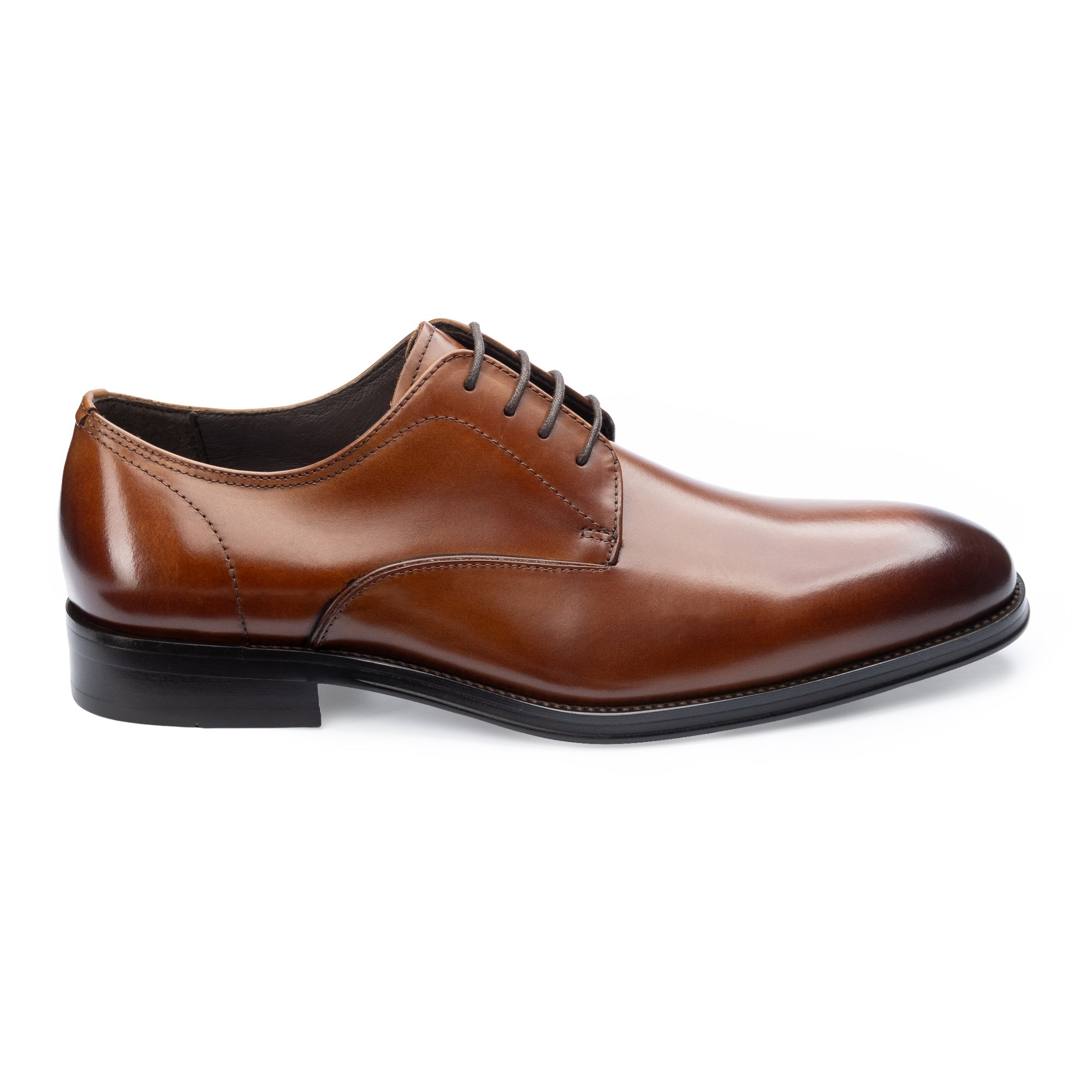
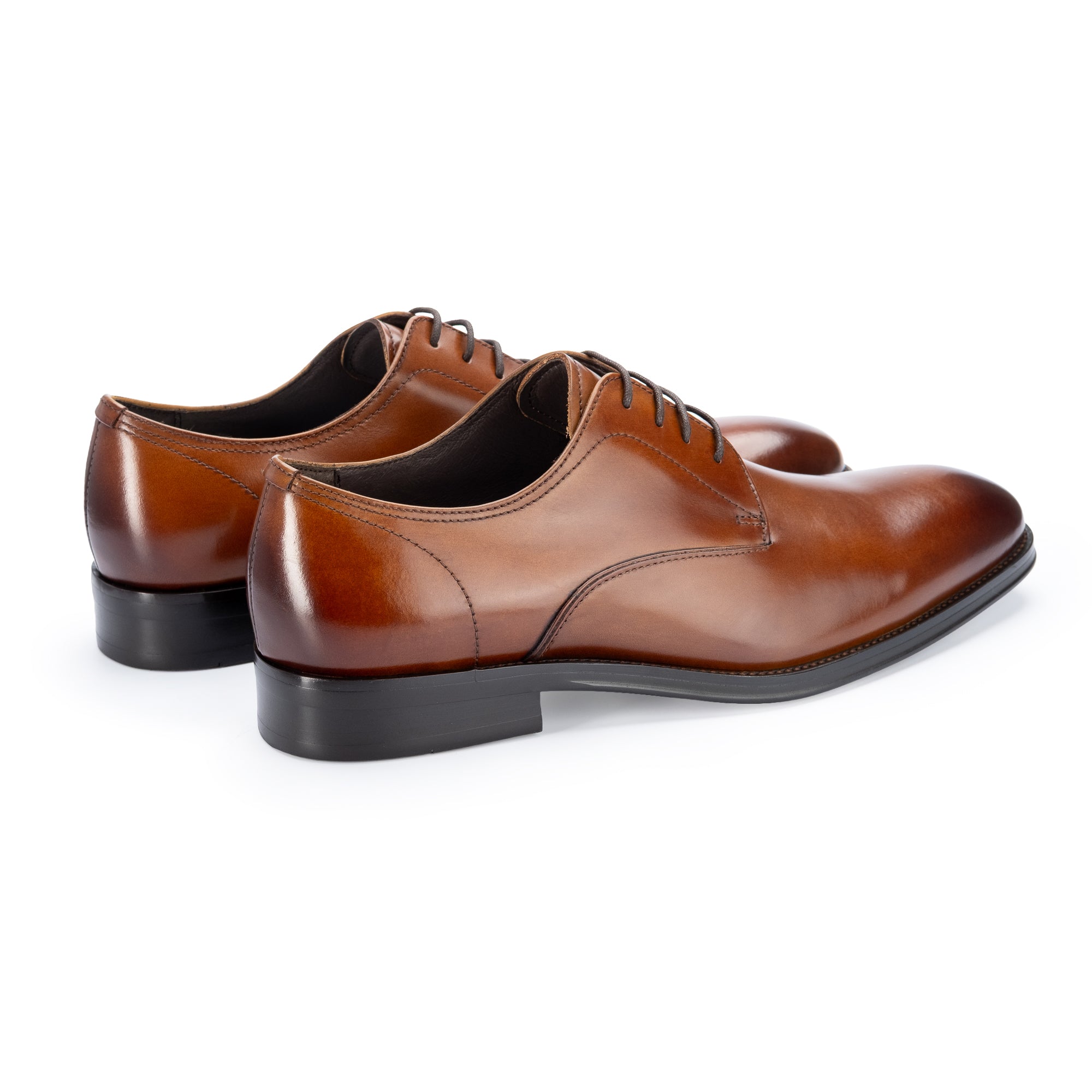
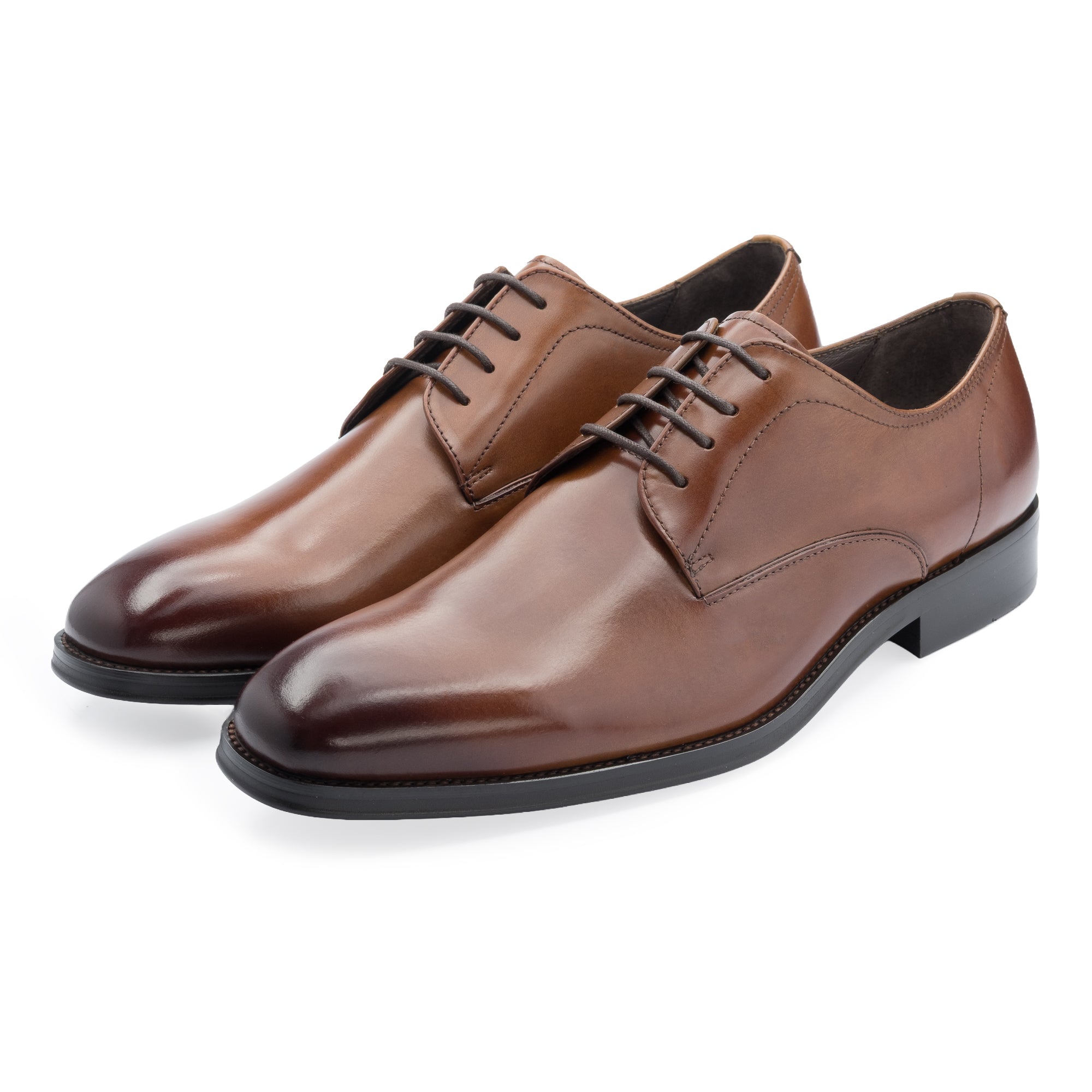
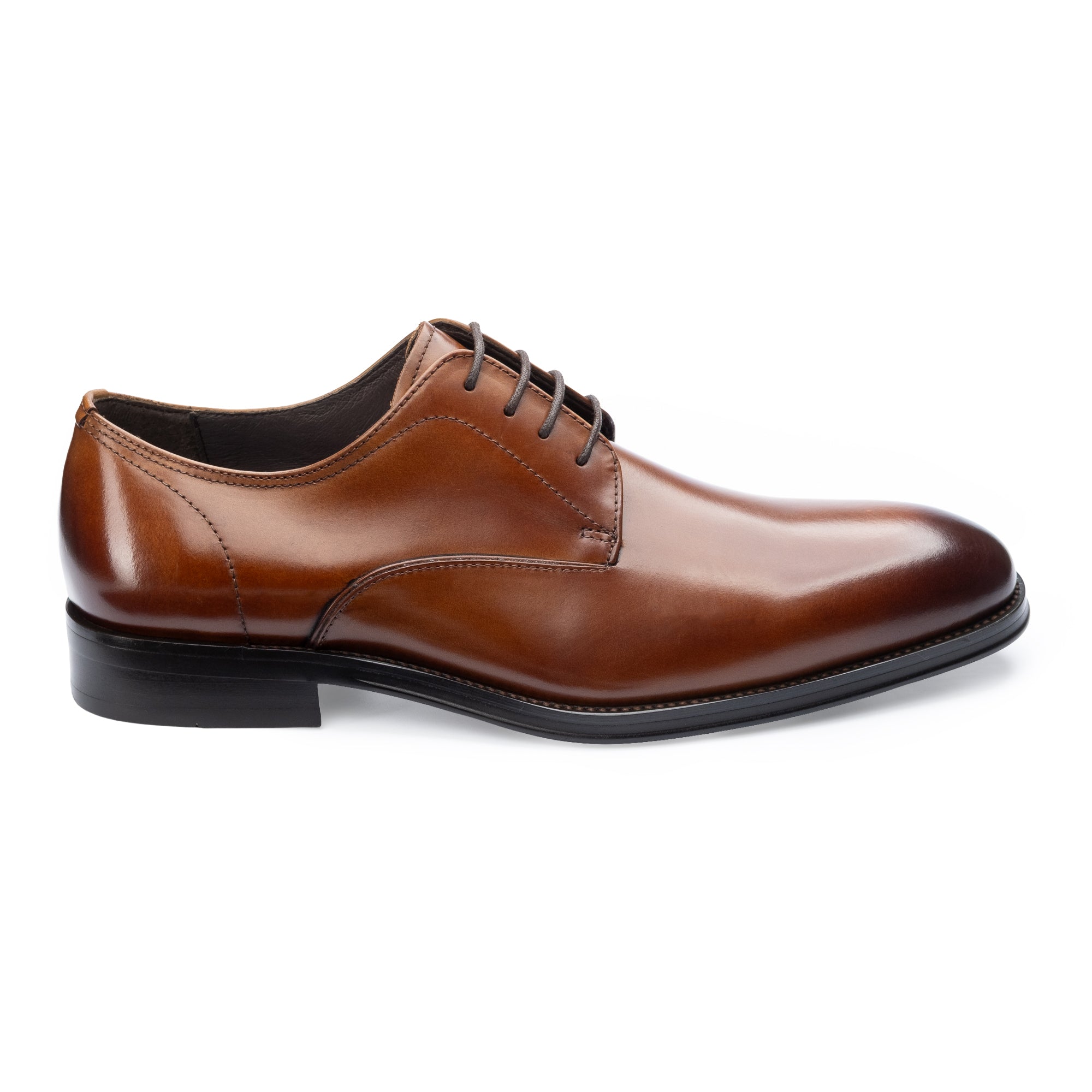
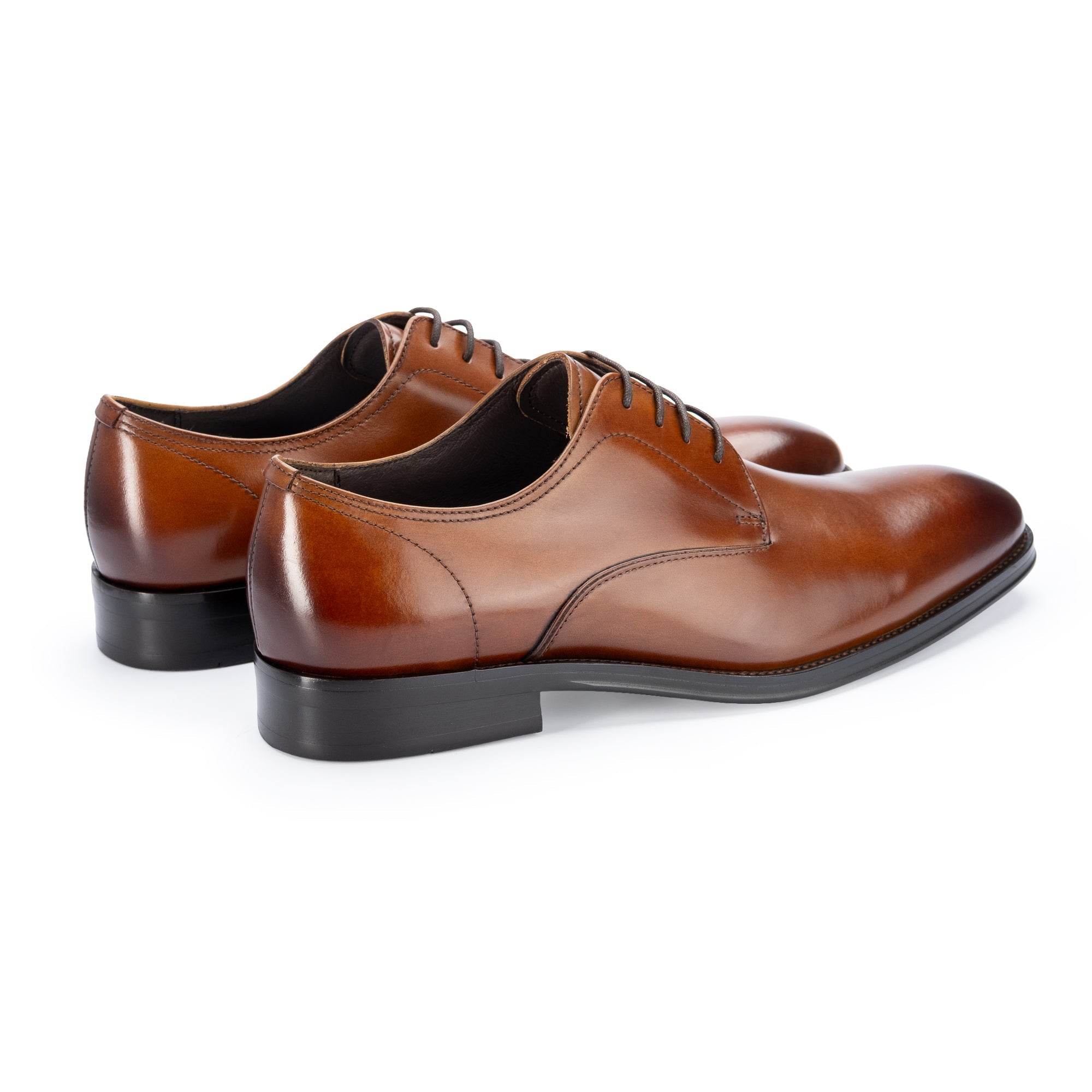
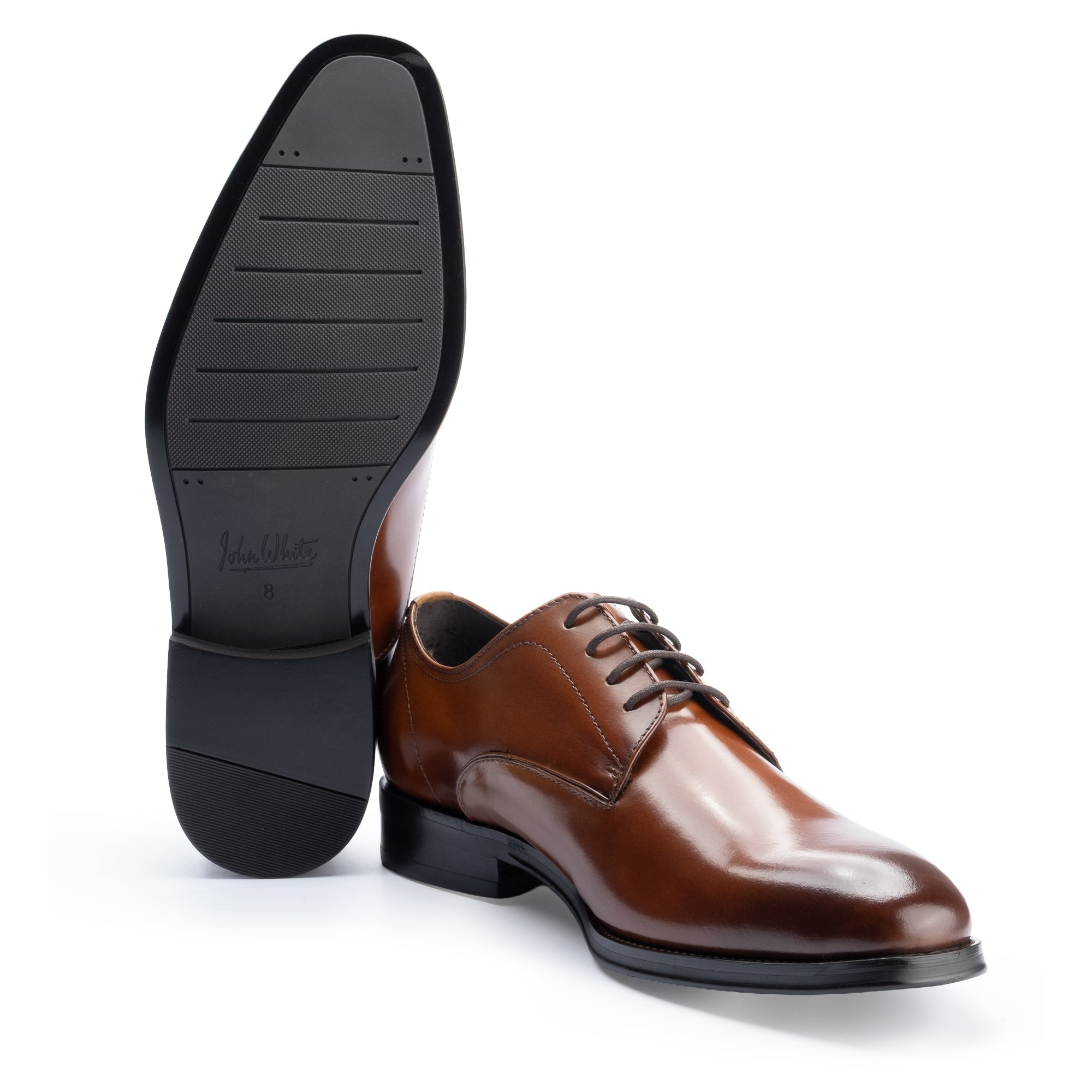
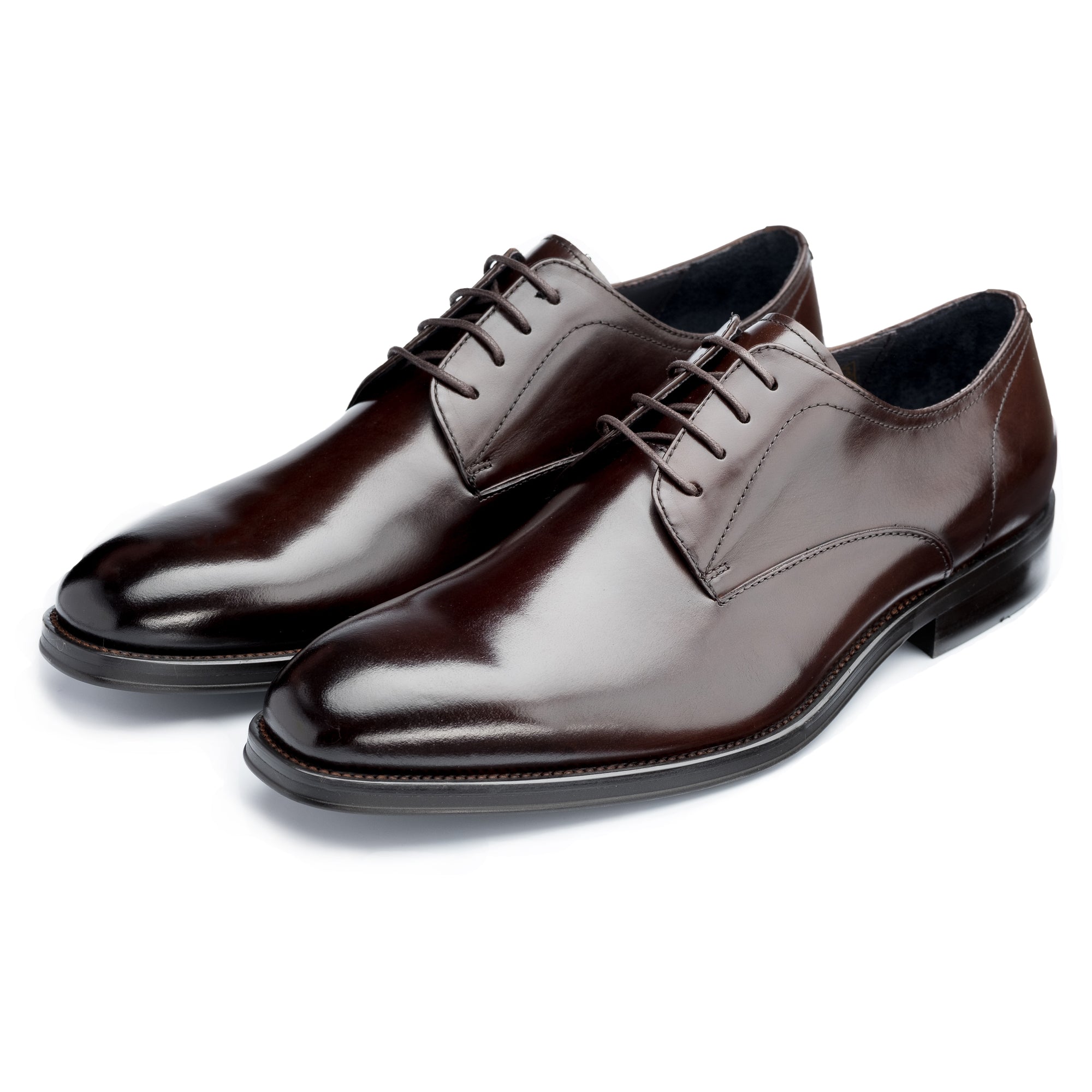
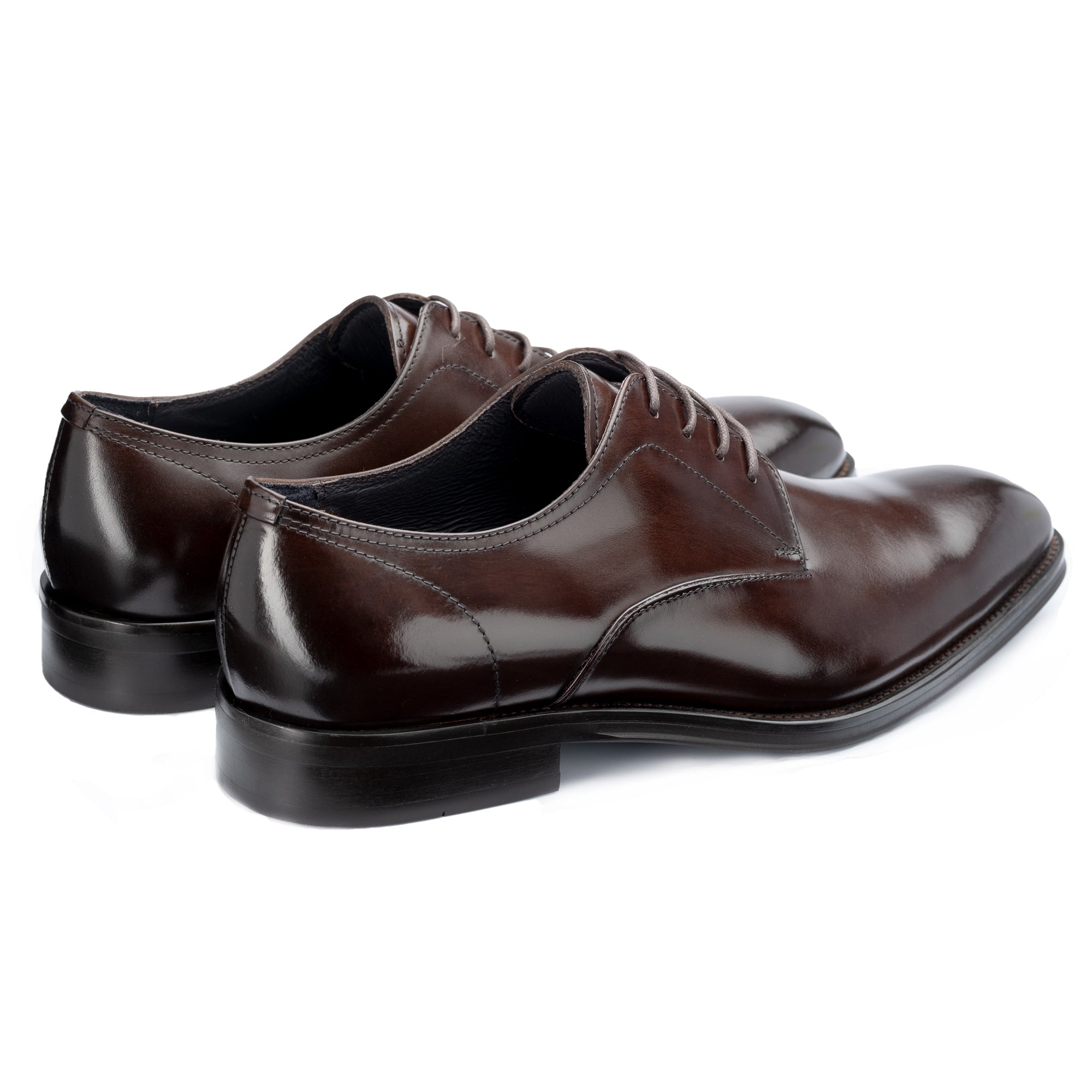
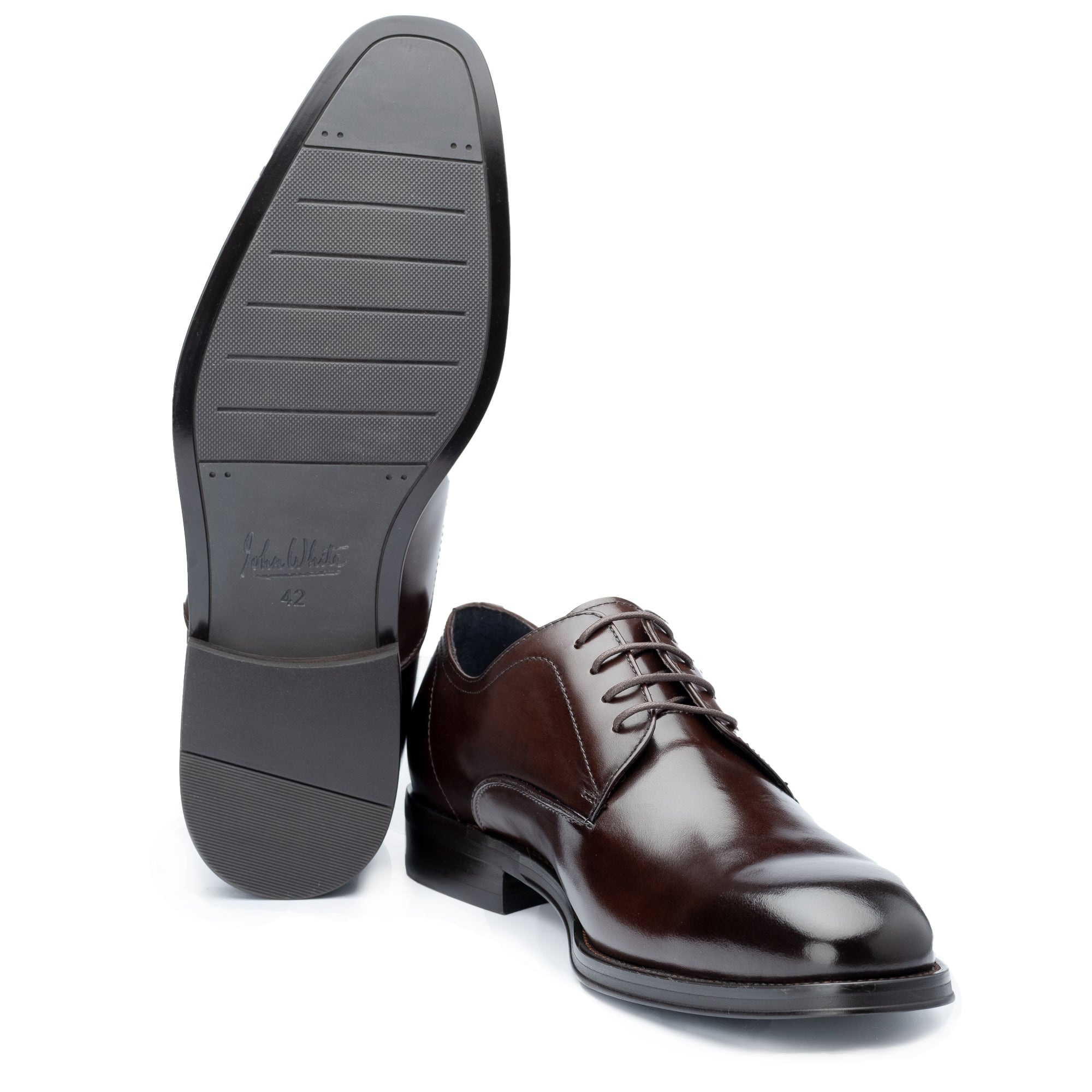
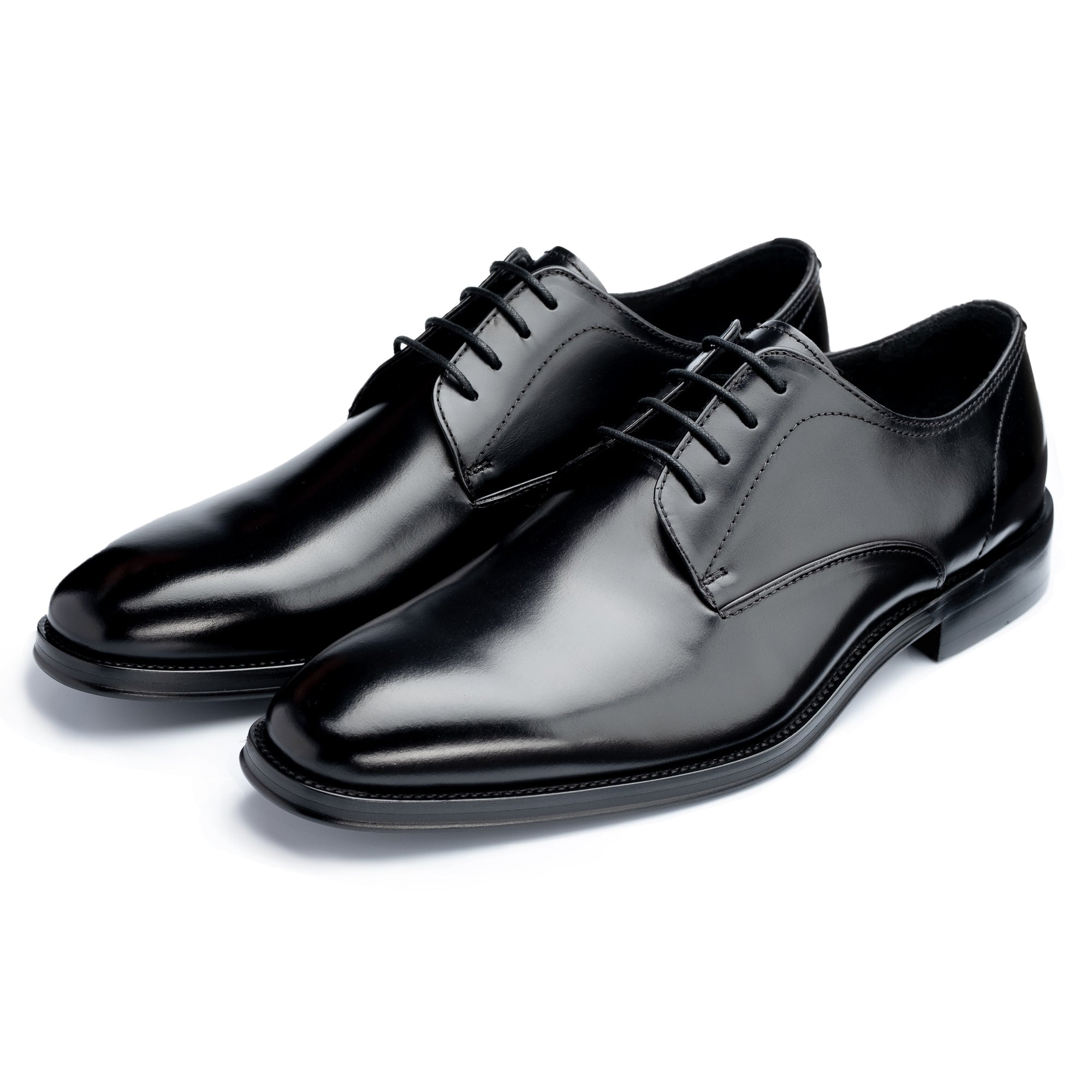
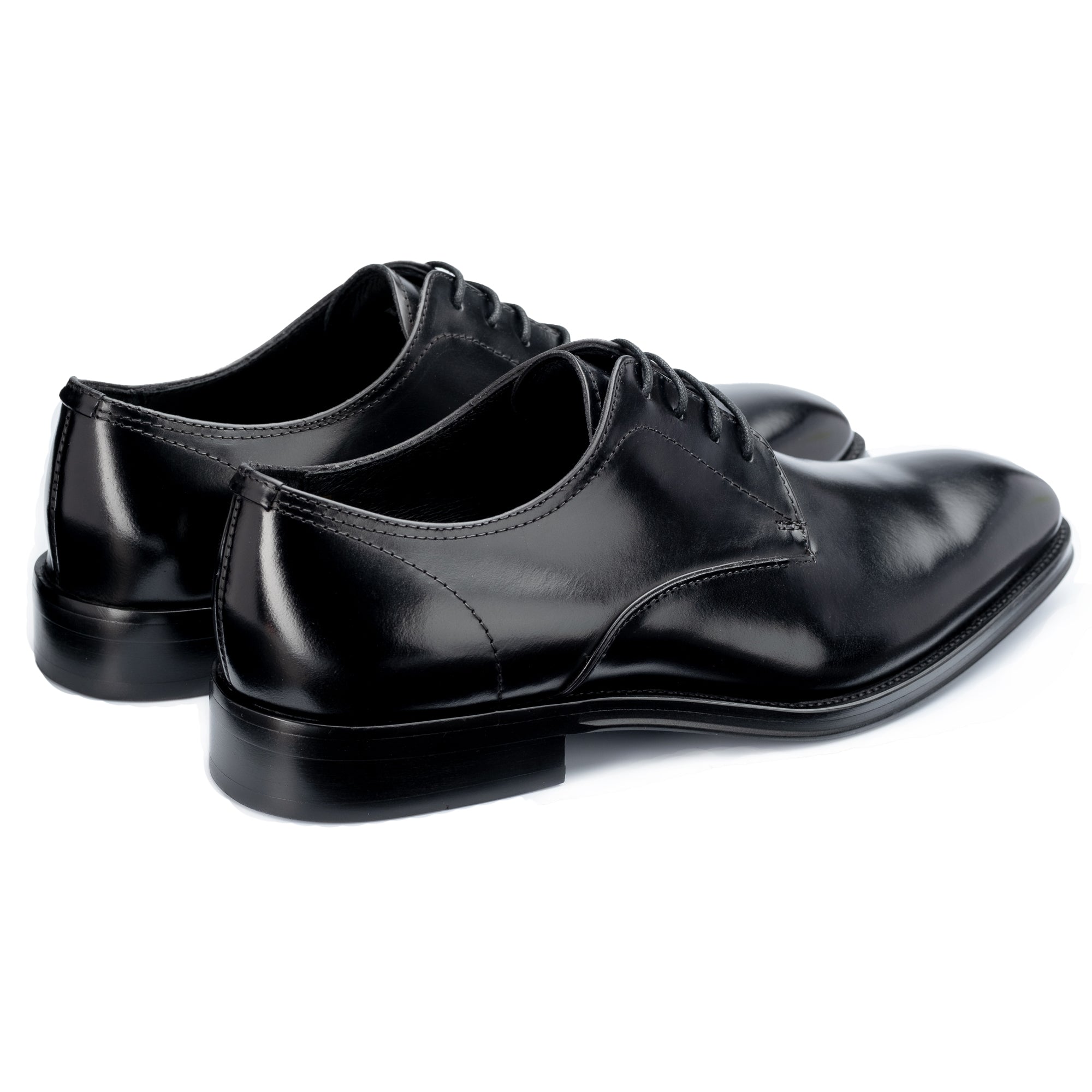
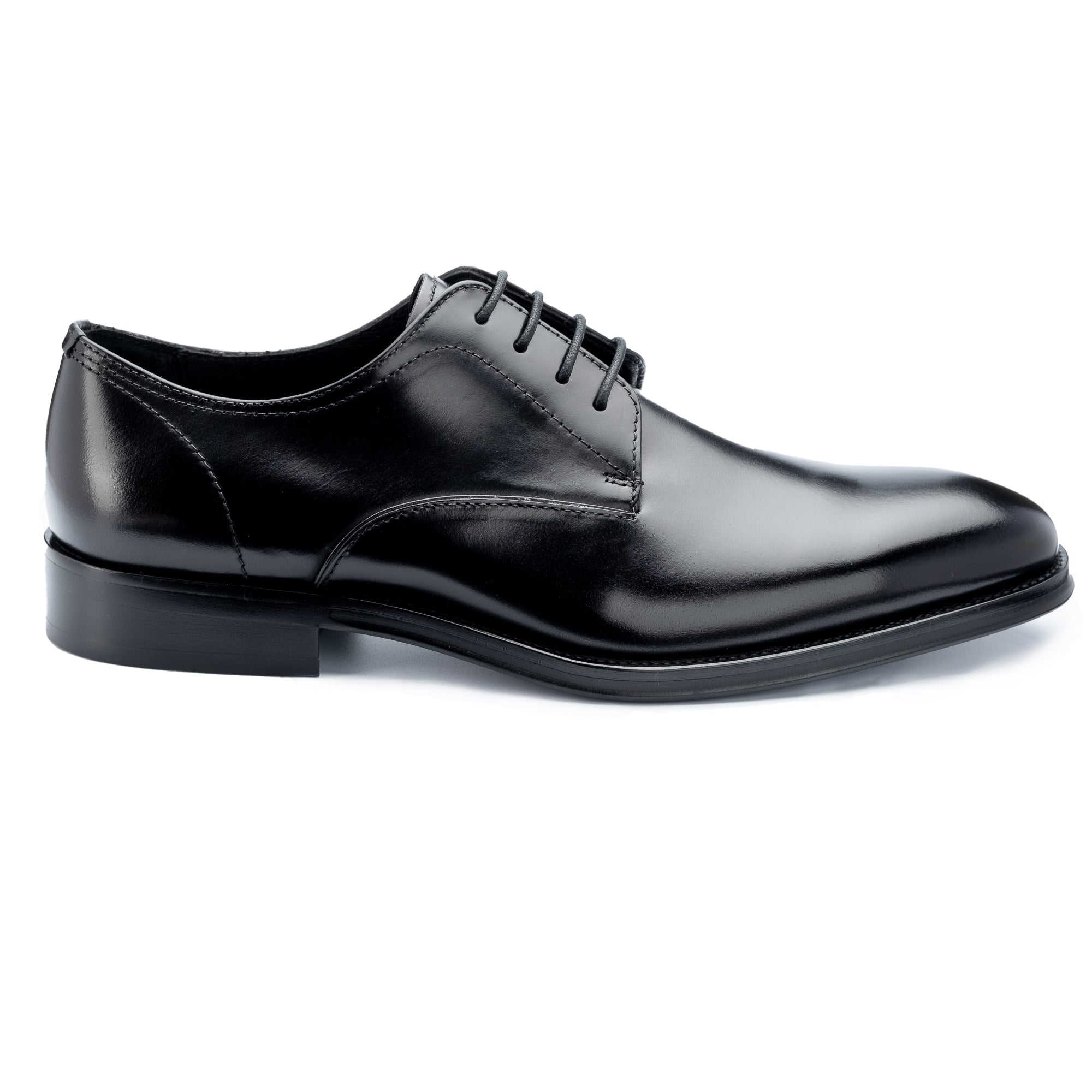
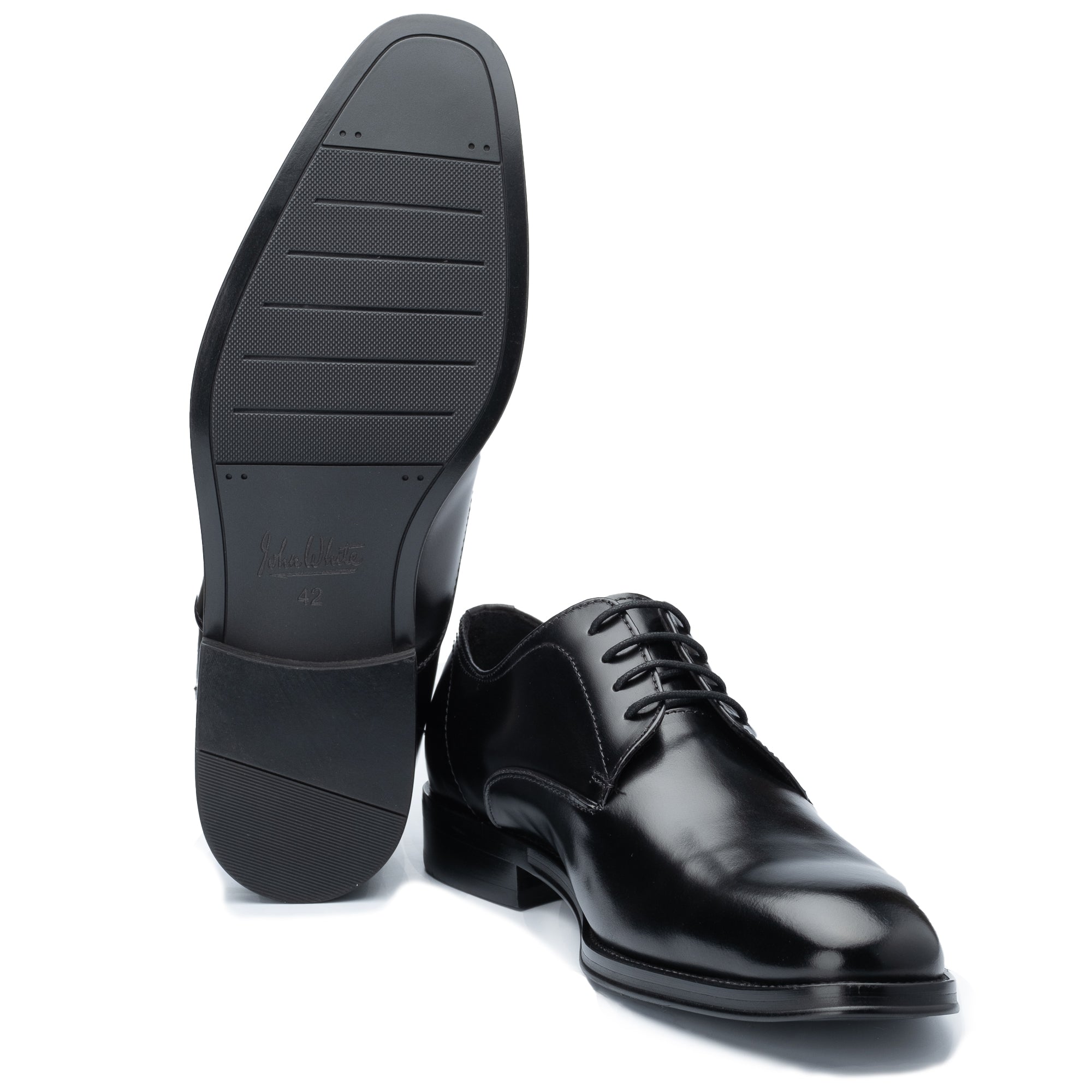
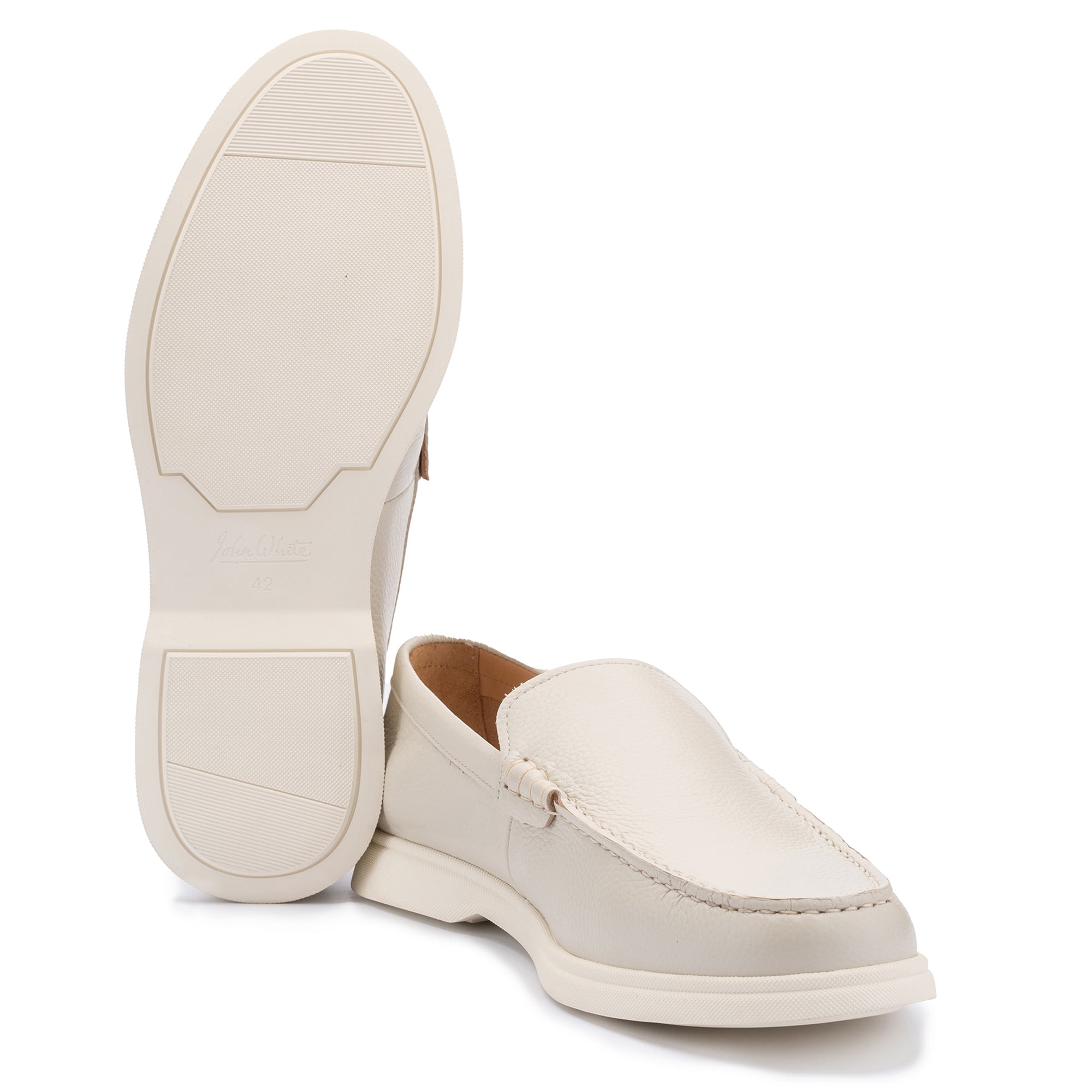
At John White Shoes, every upper in our core range is cut from full-grain calf leather, continuing the tradition of quality established since 1919.
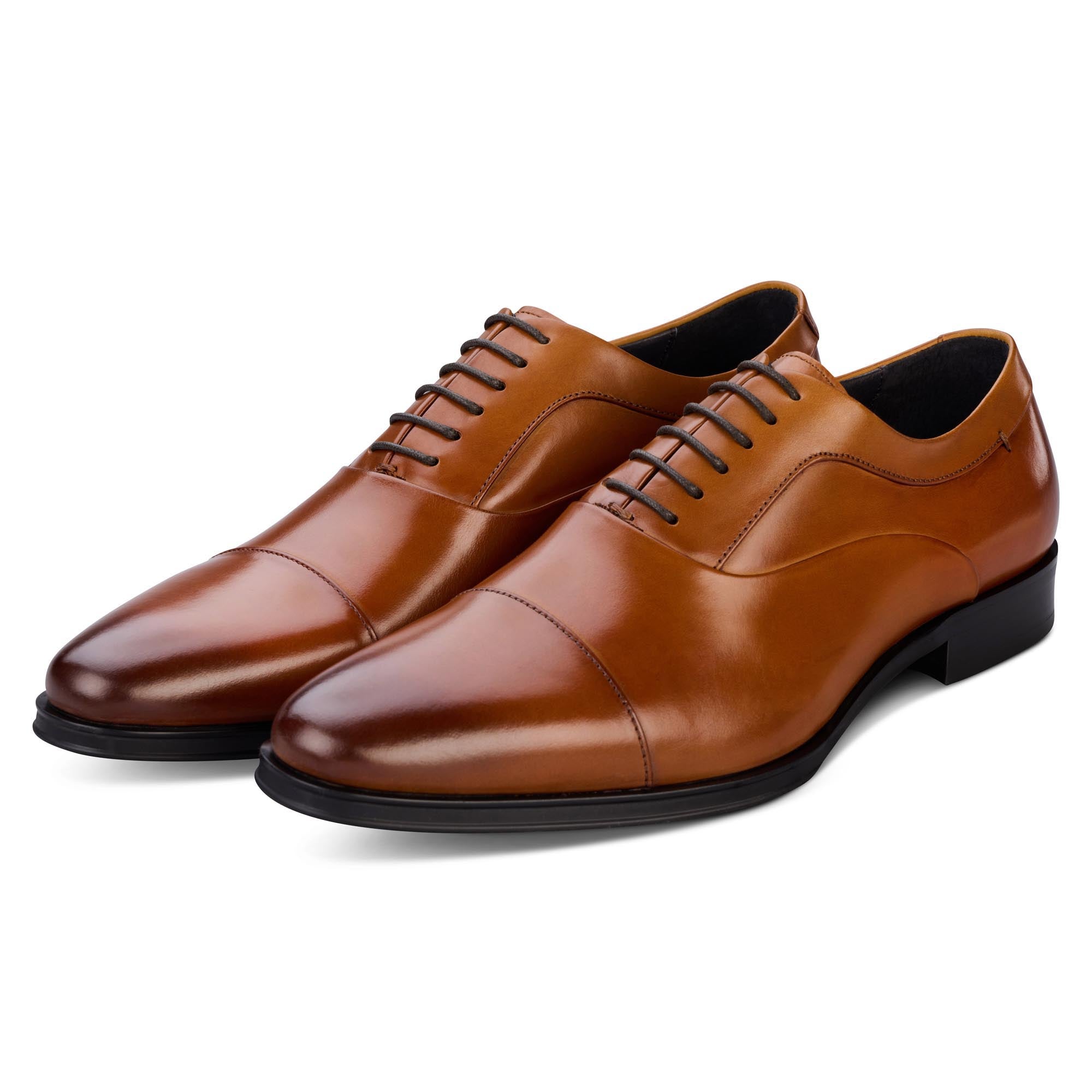
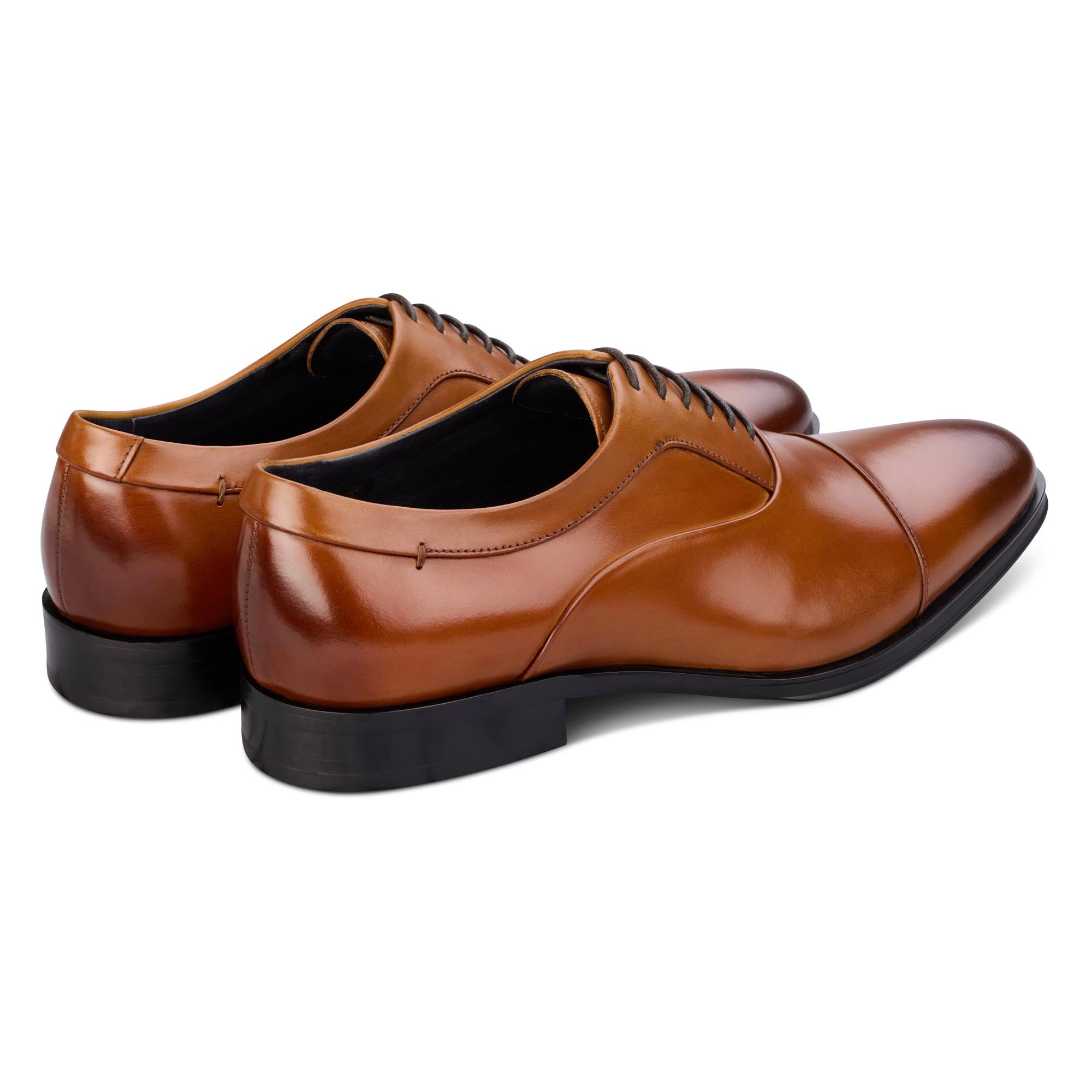
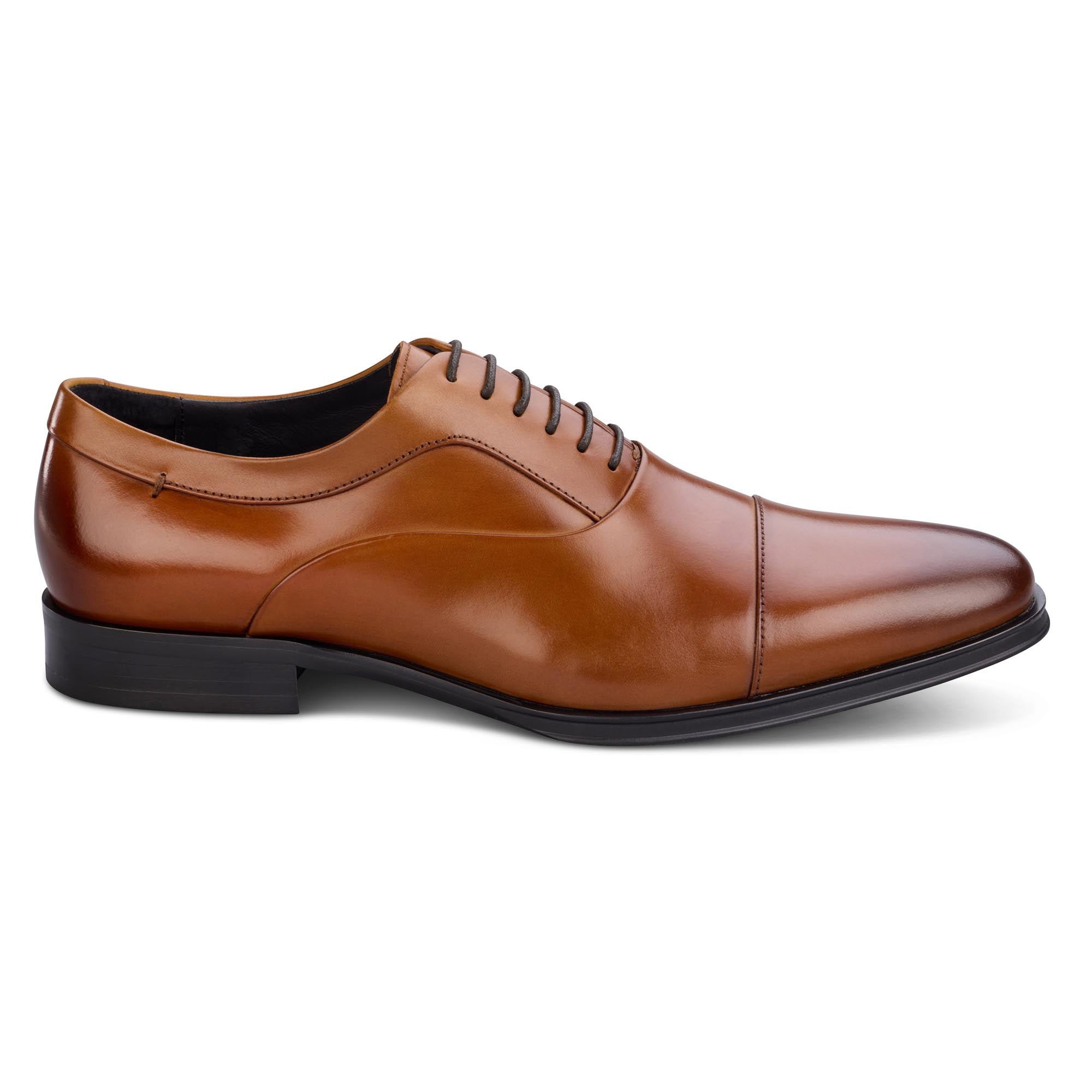
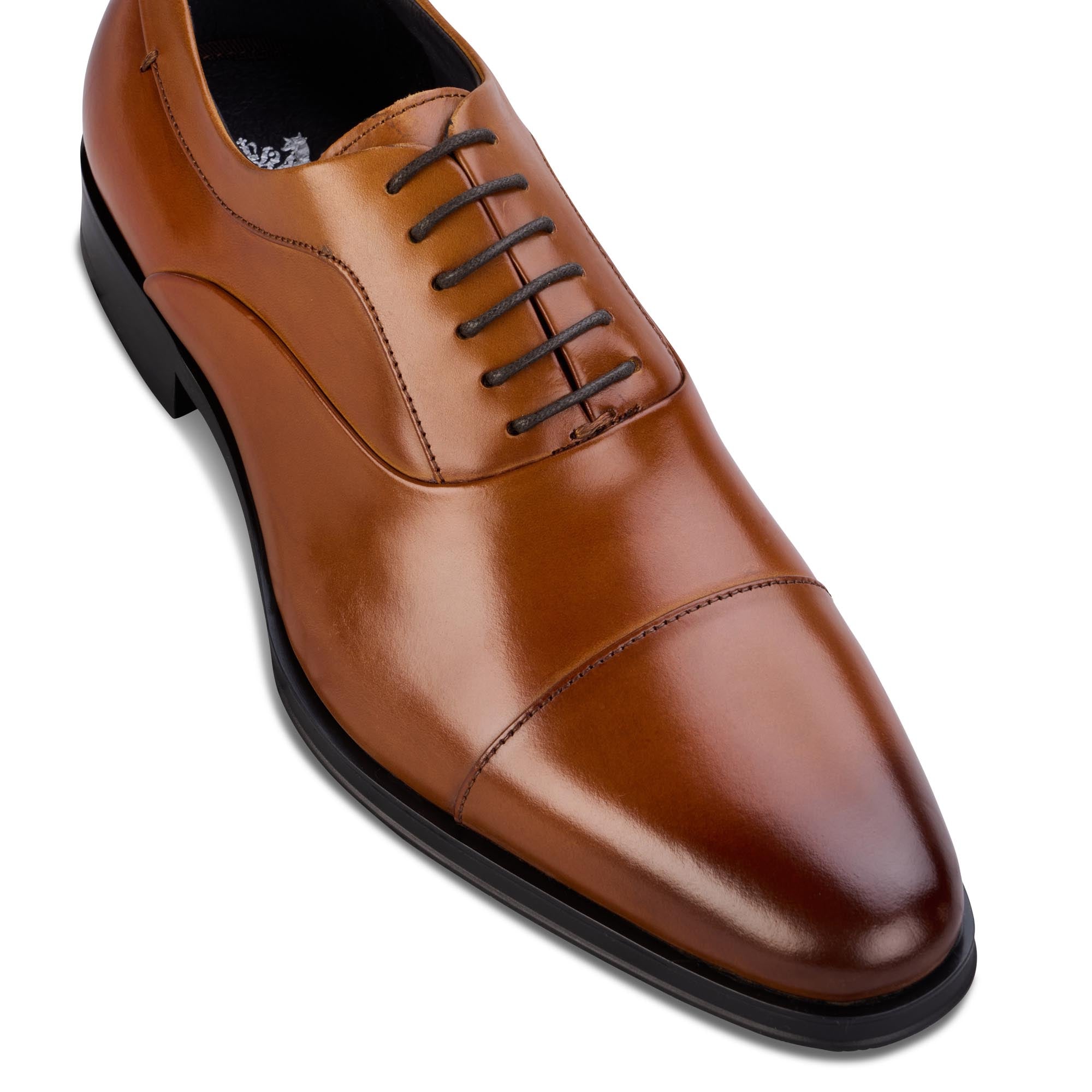
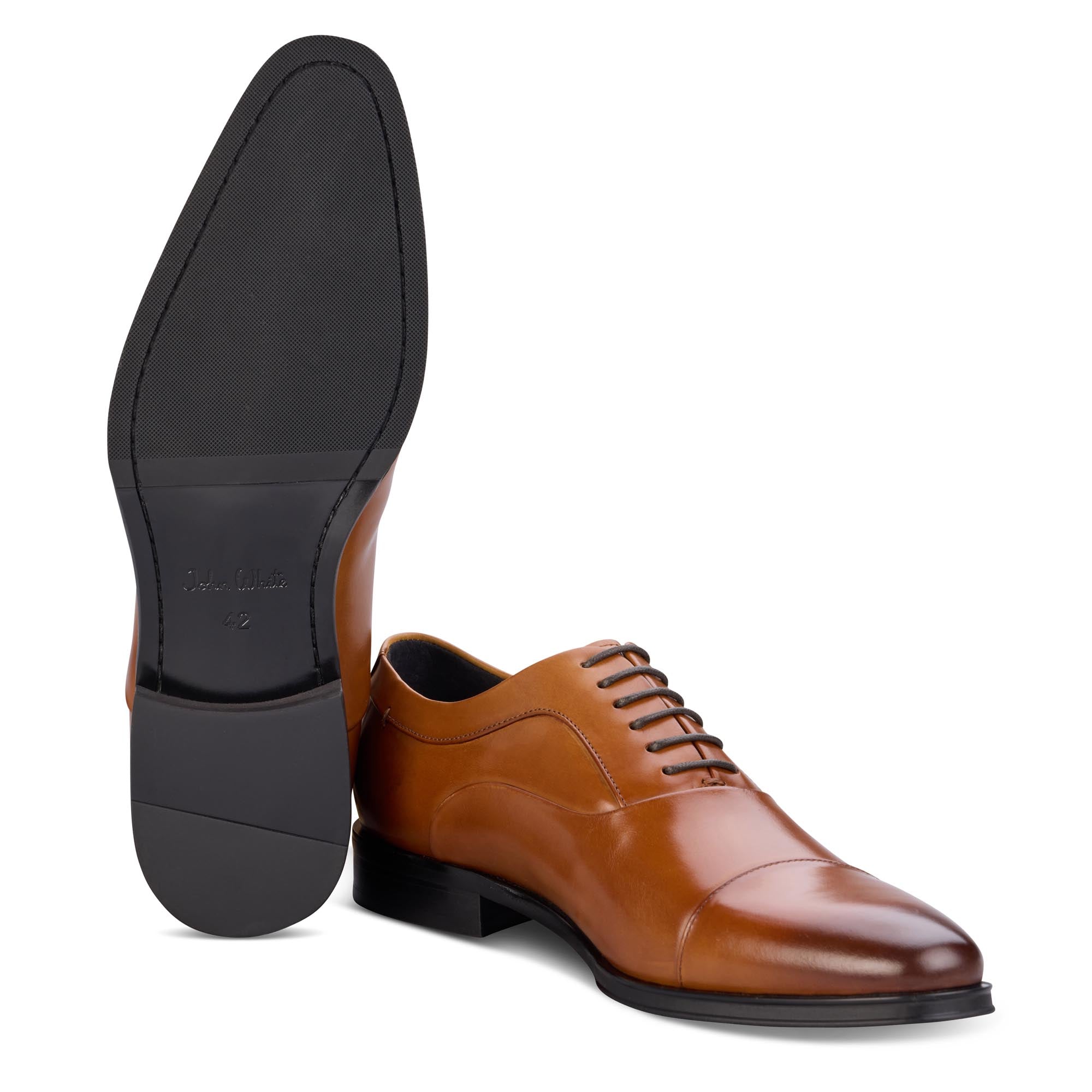
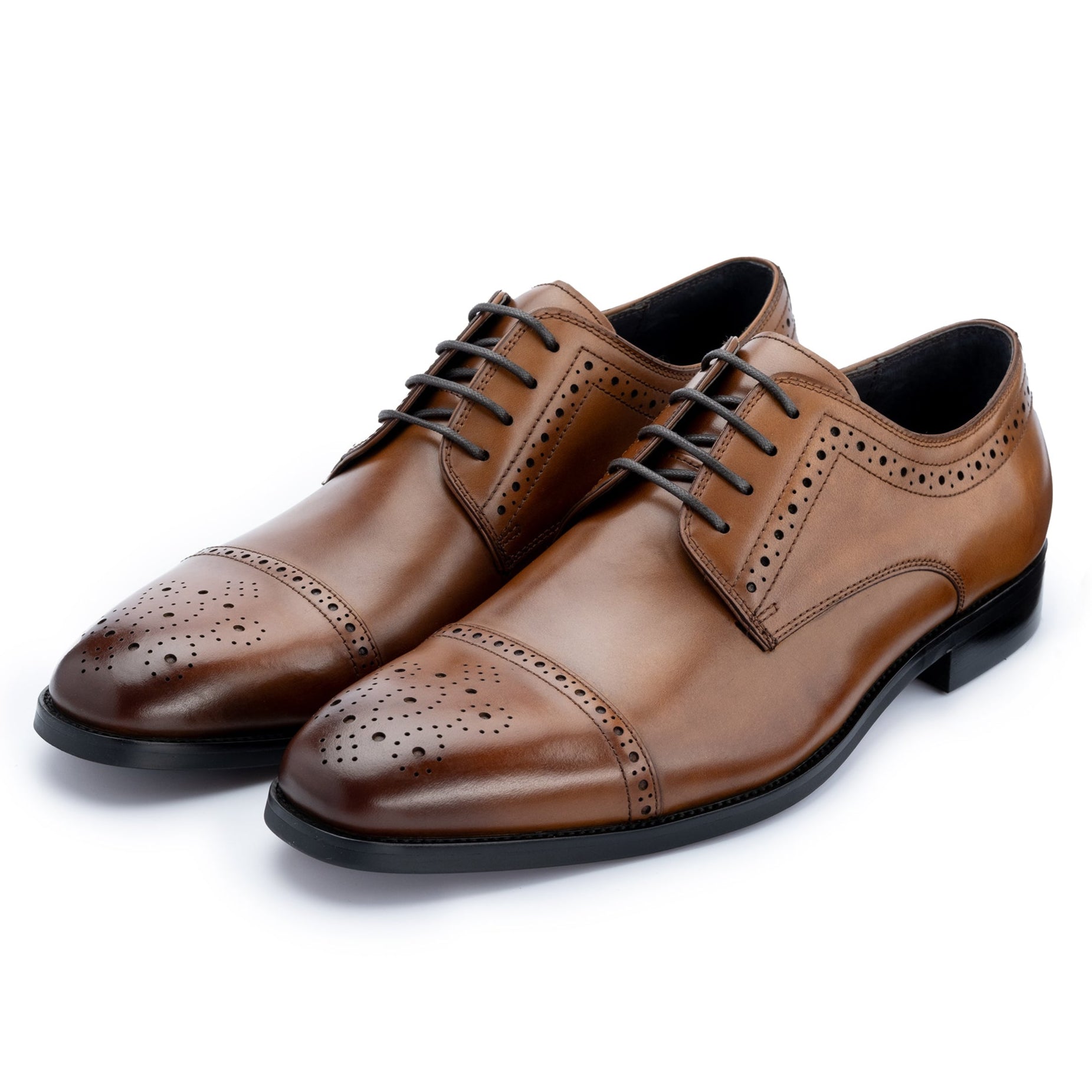
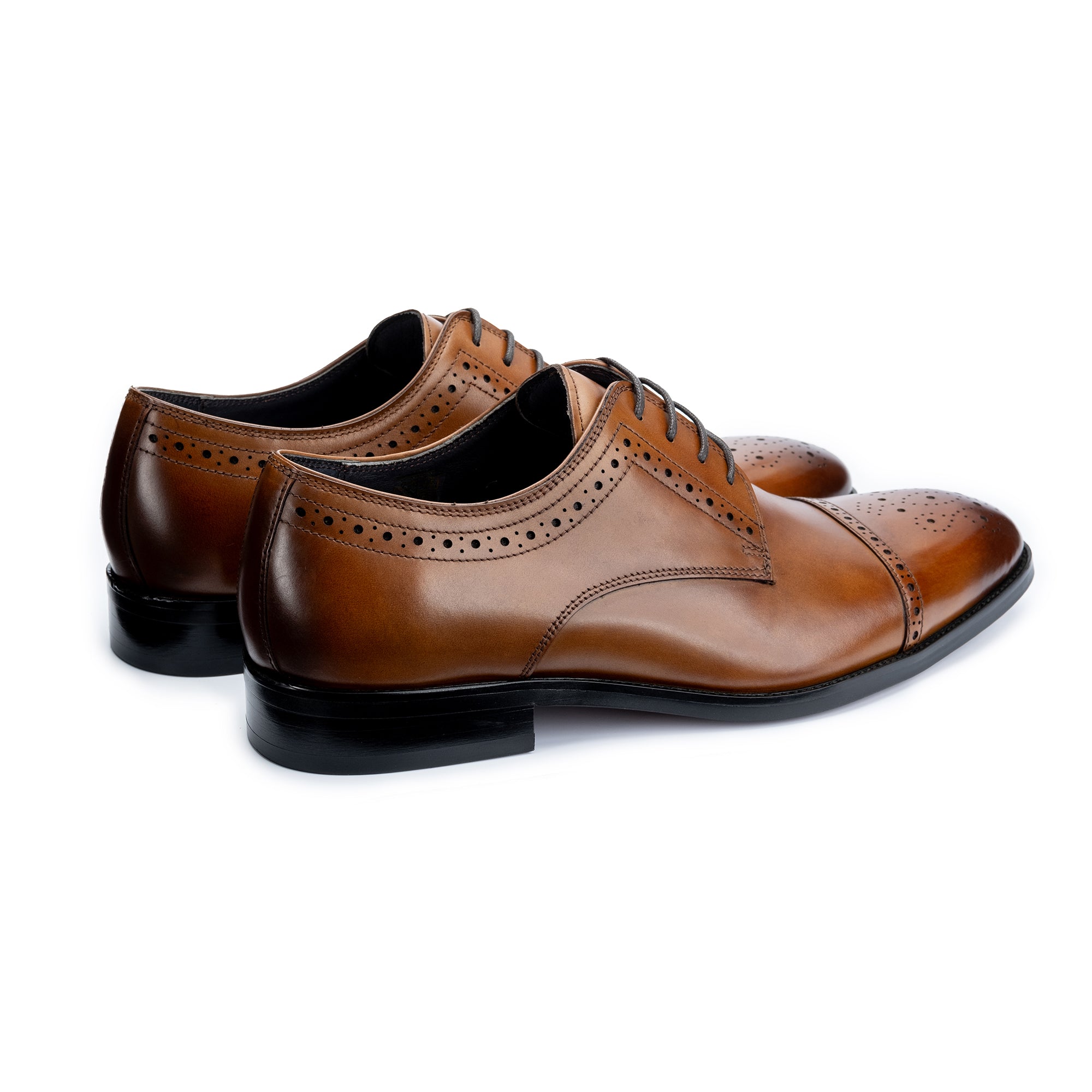
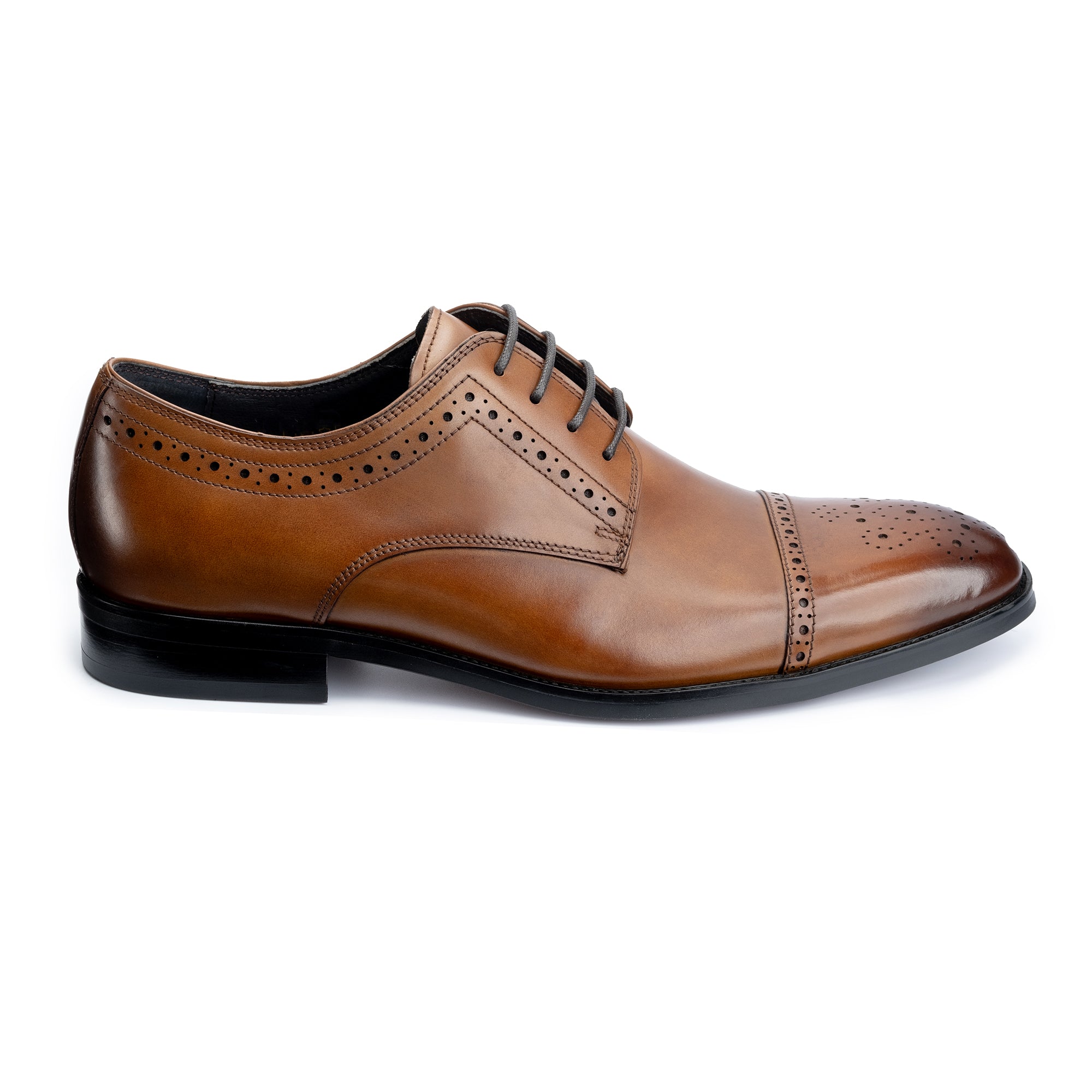
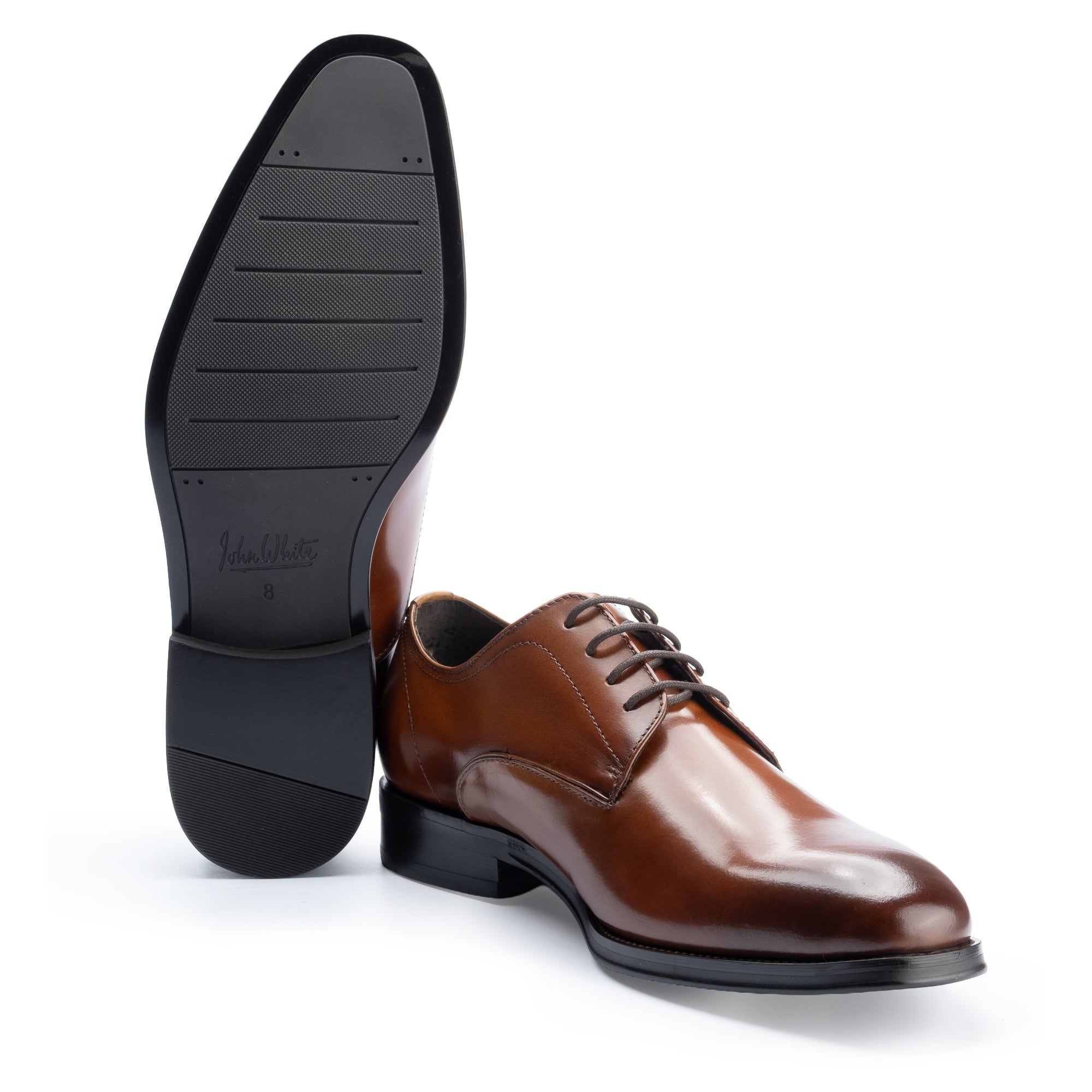
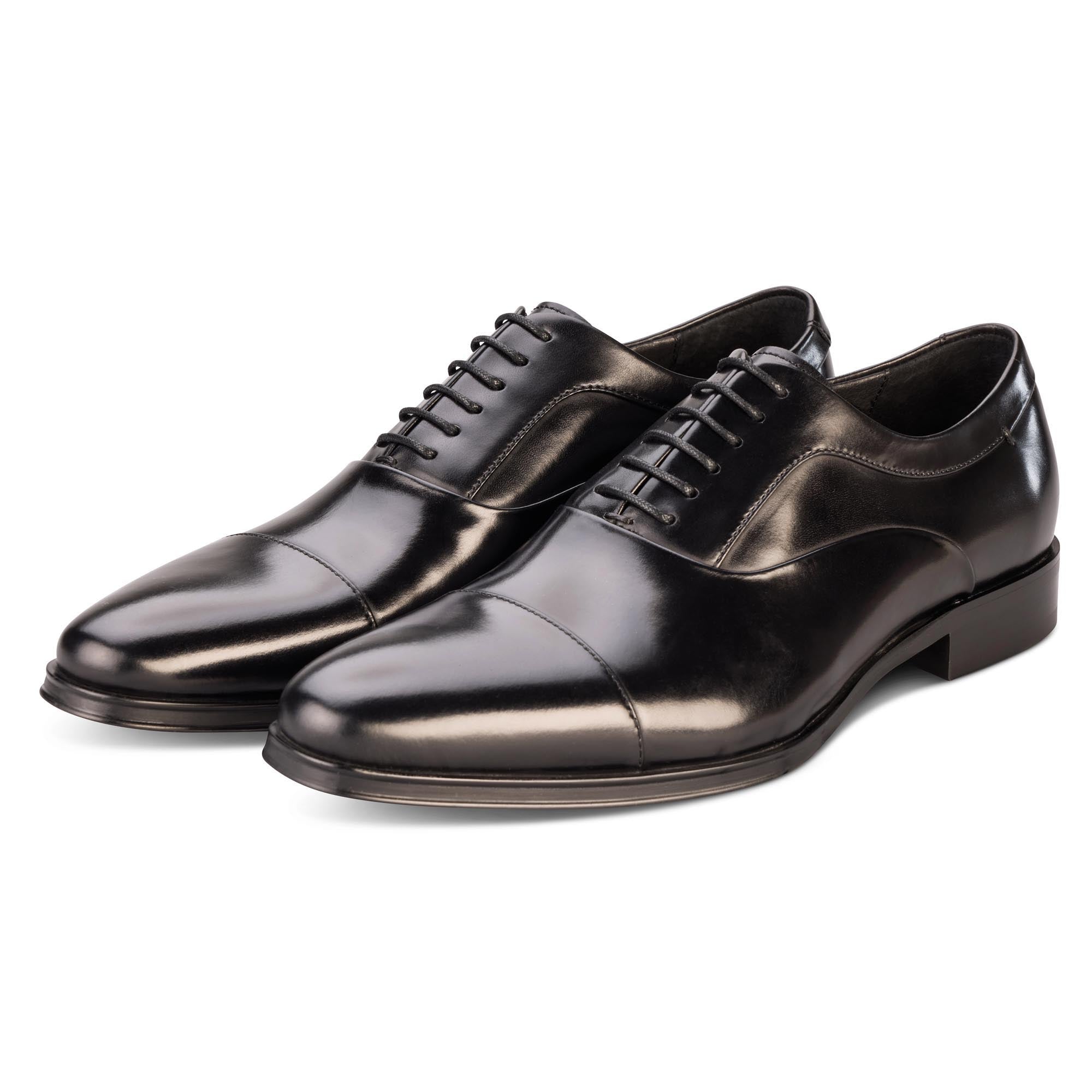
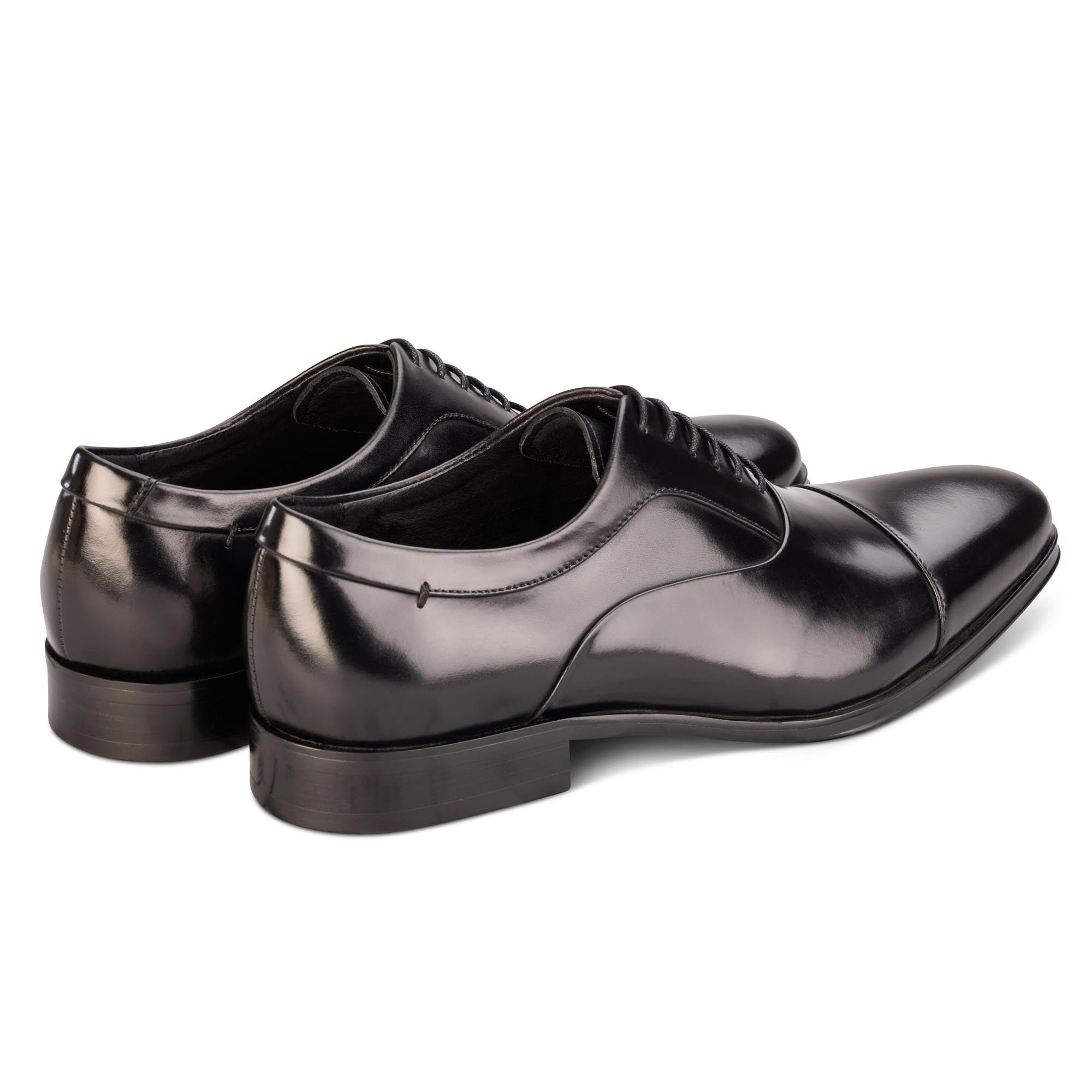
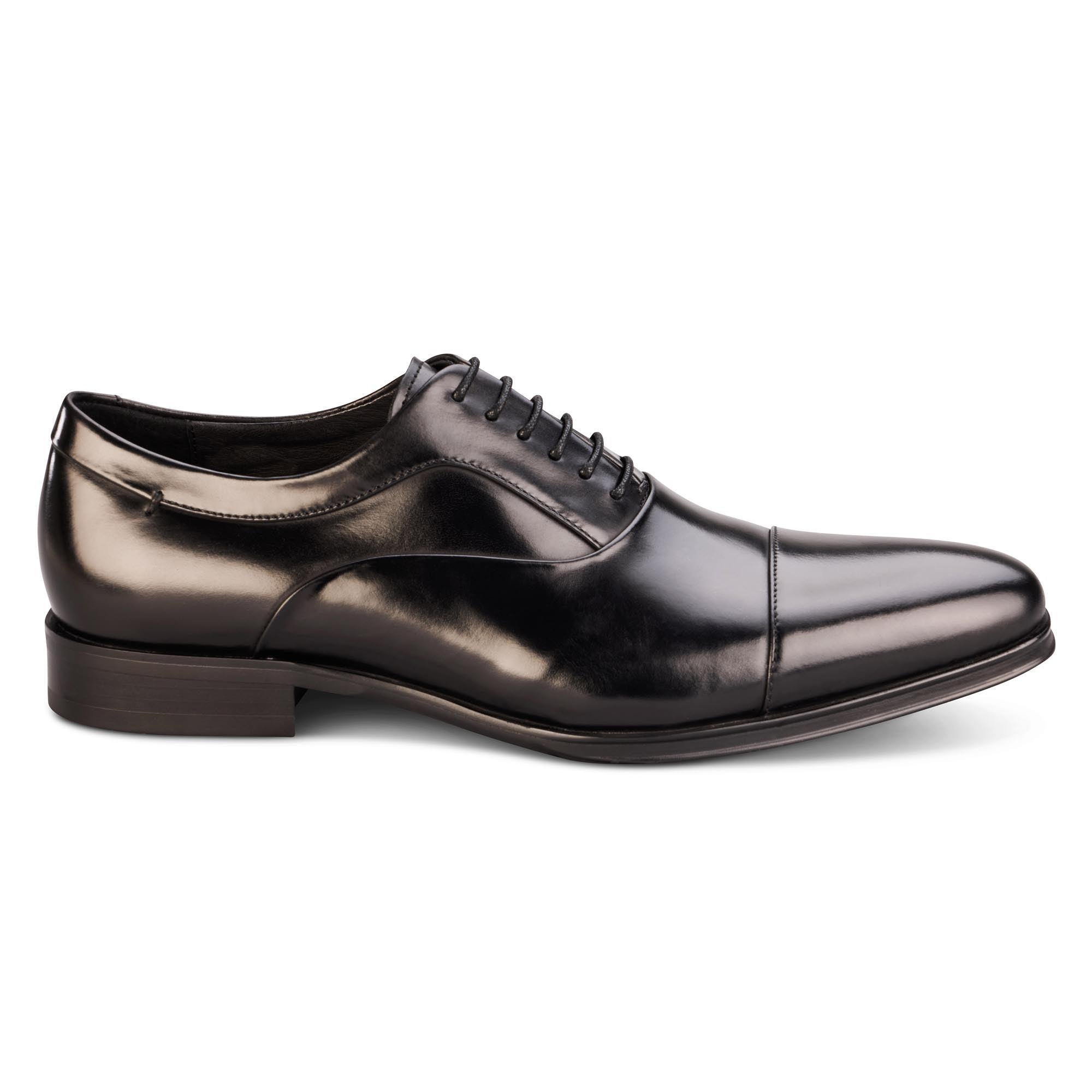
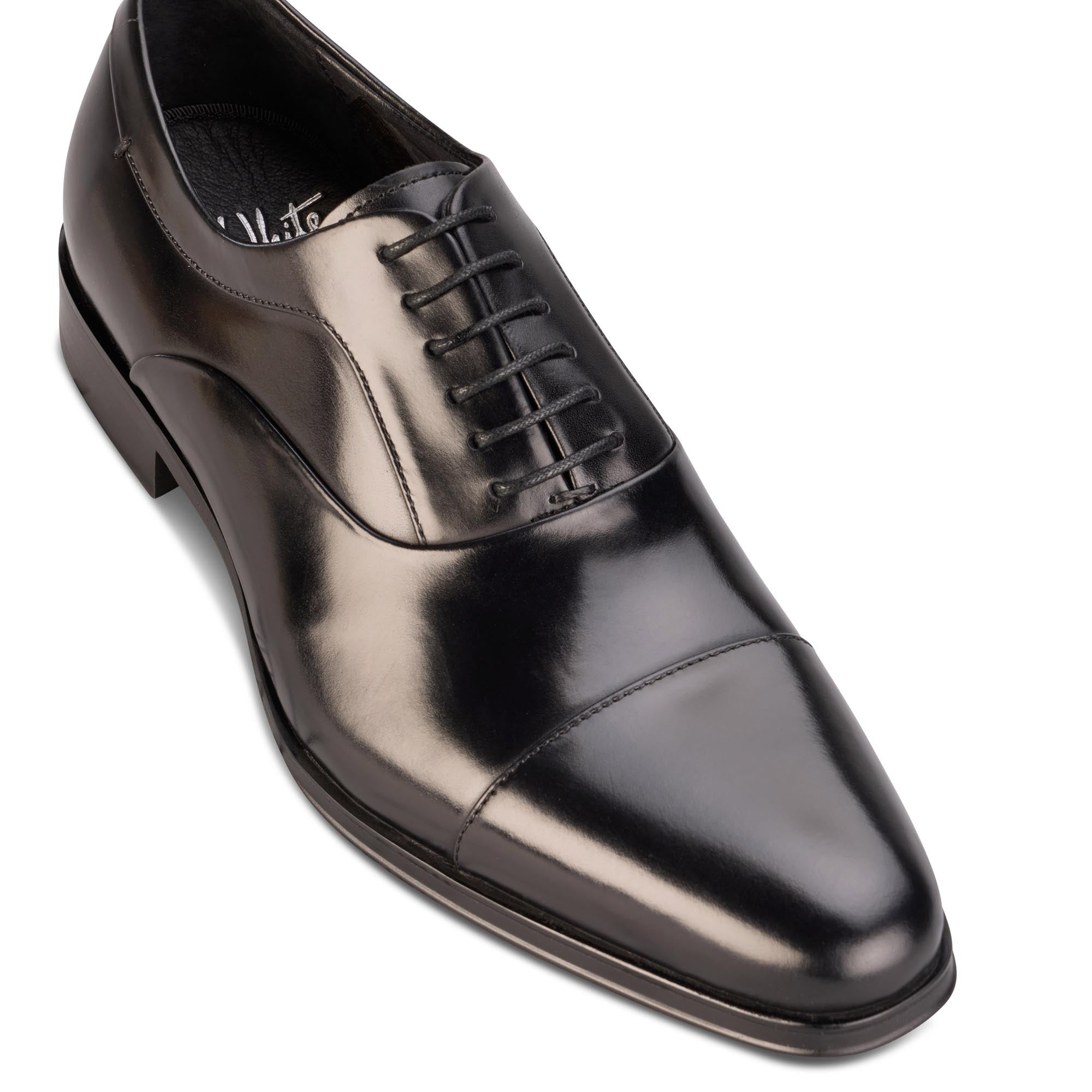
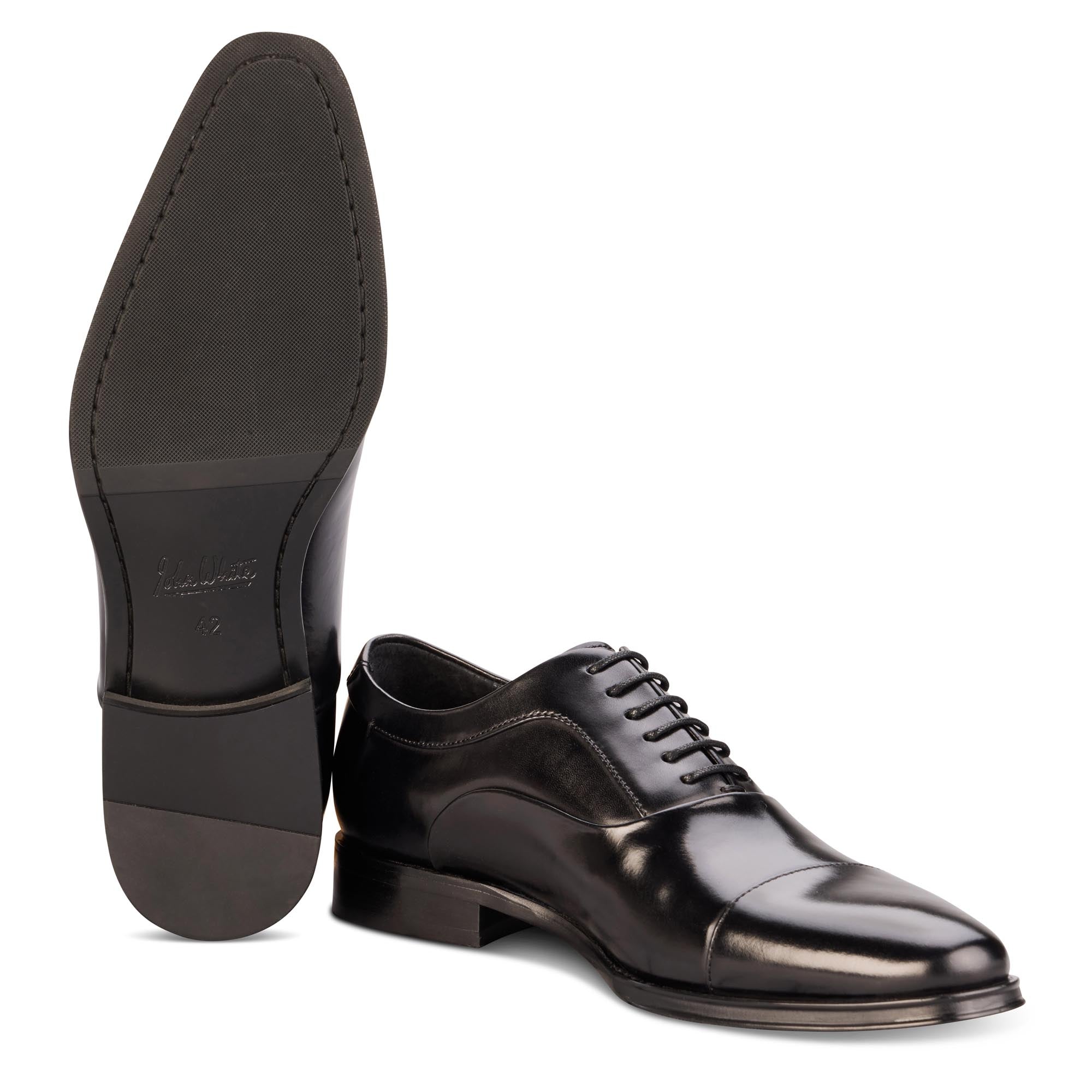
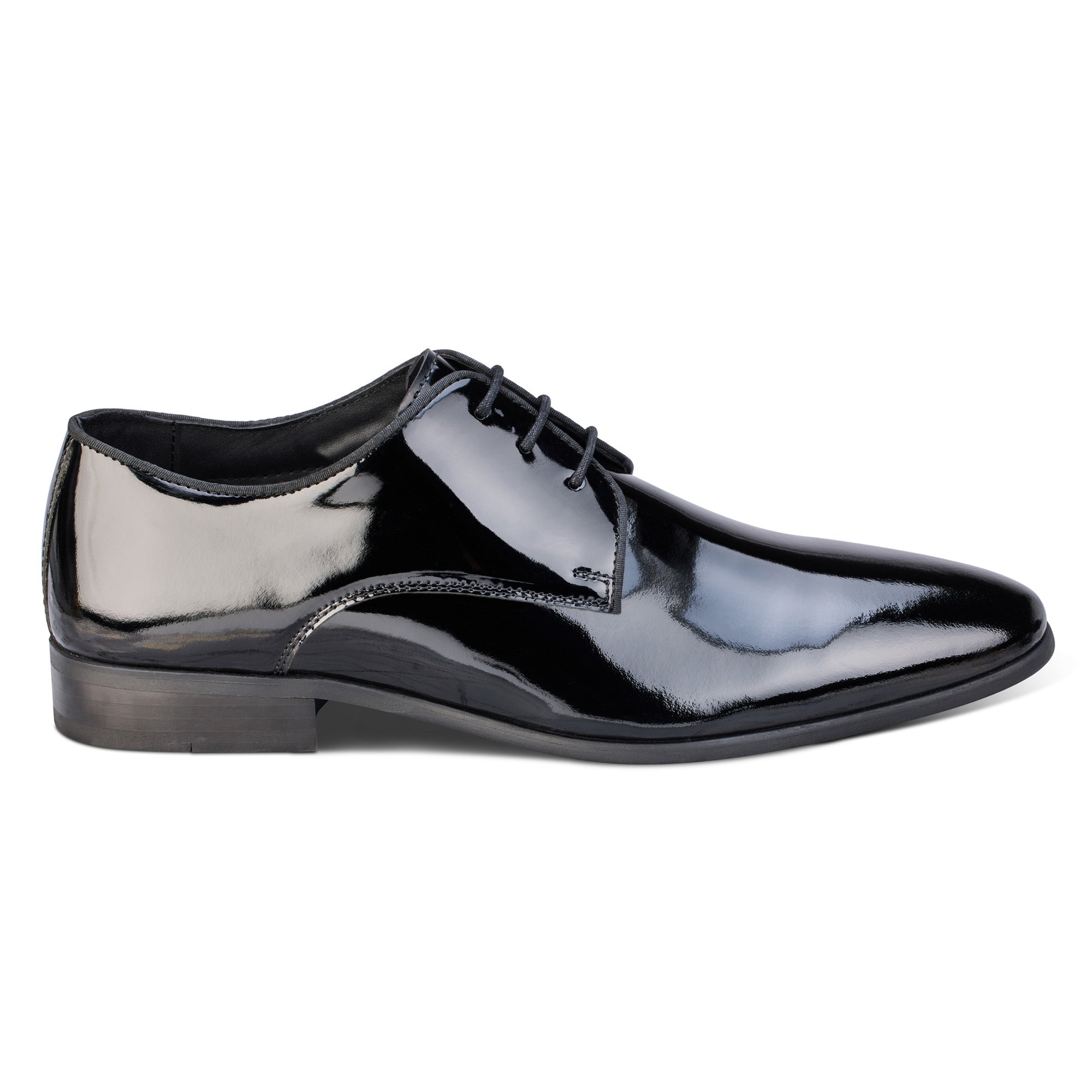
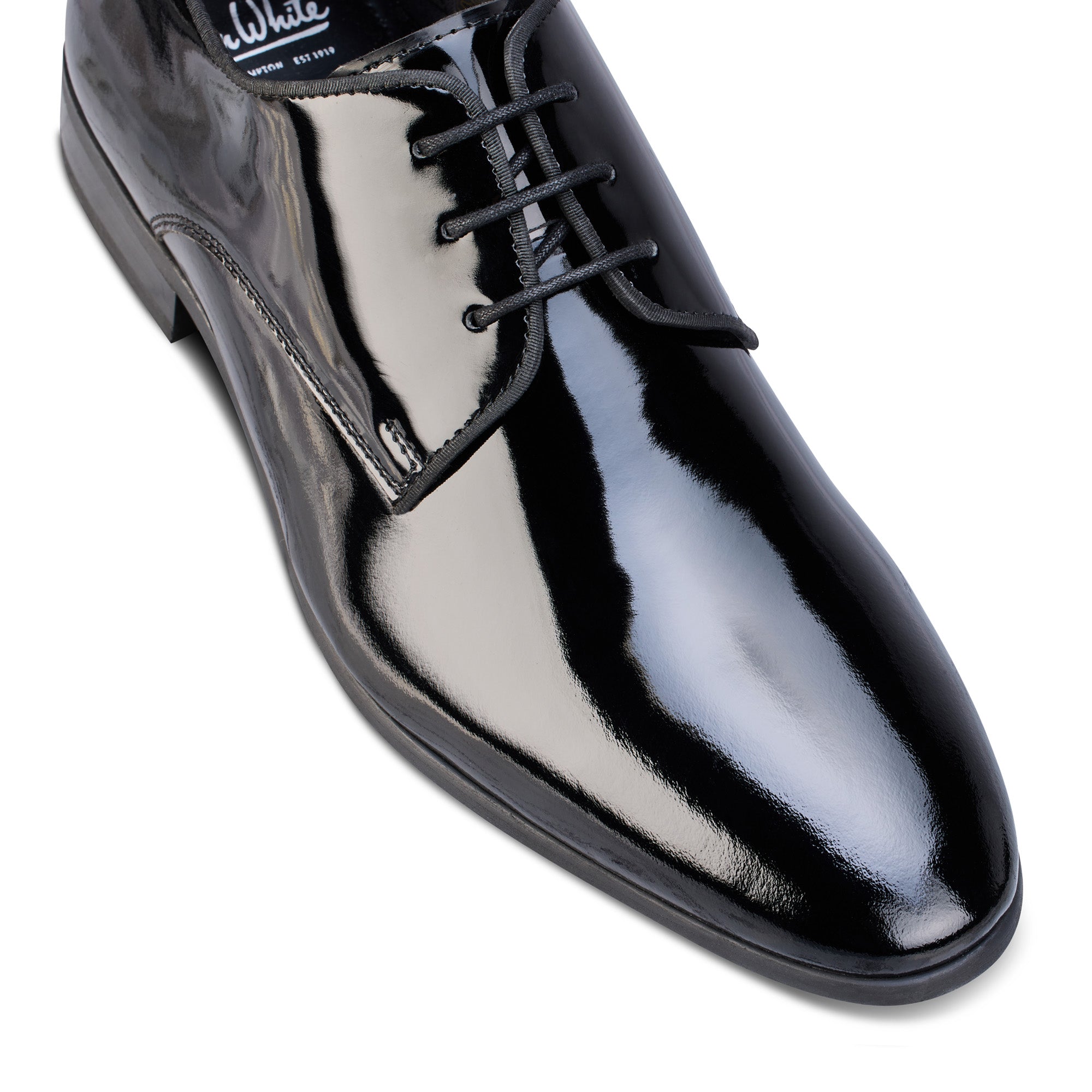
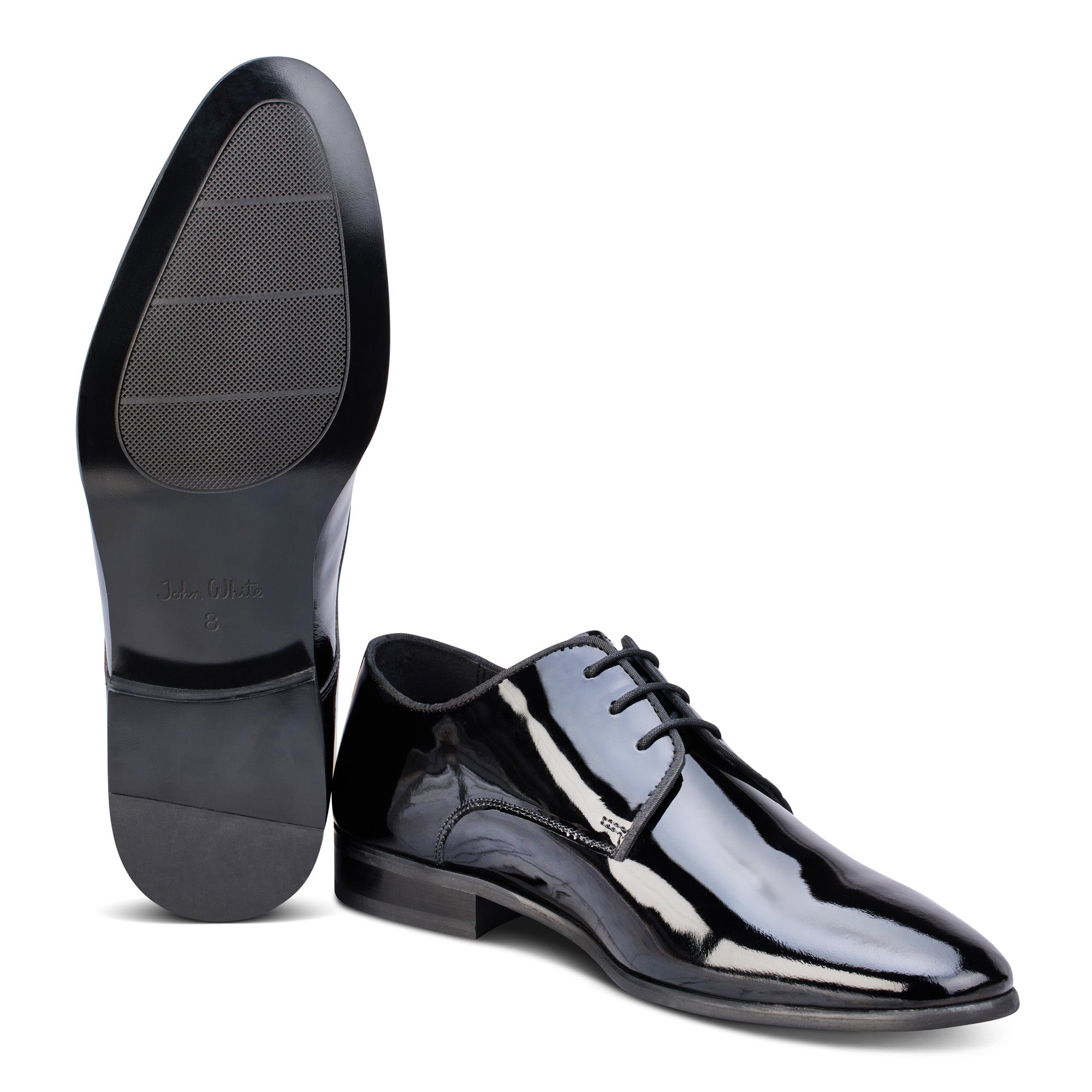
The Guildhall Oxford is the clearest expression of what full-grain leather does over time: the tight grain, the clean lines of the cap toe, and the depth of colour that develops with every polish. It is the benchmark for any serious leather shoe wardrobe.
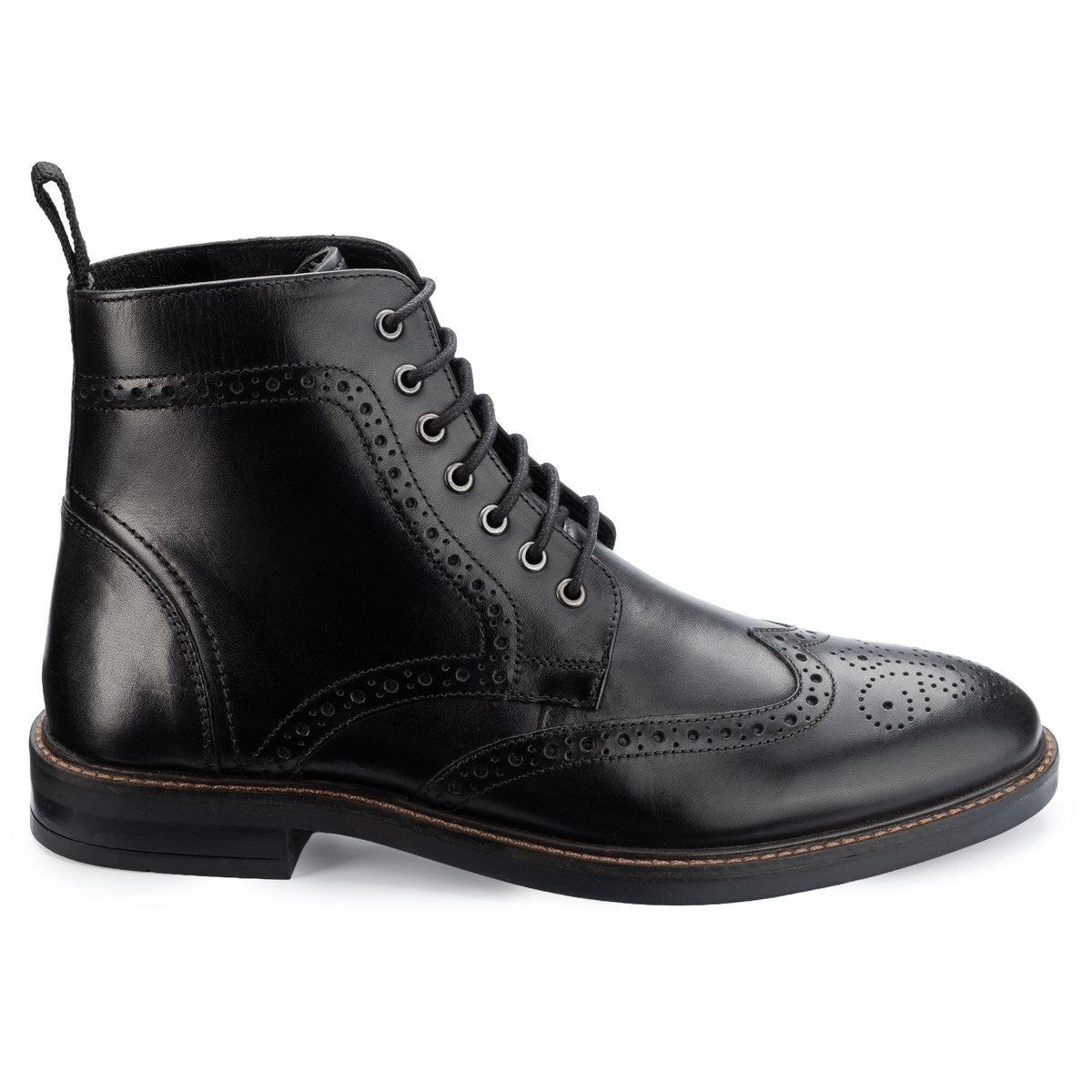
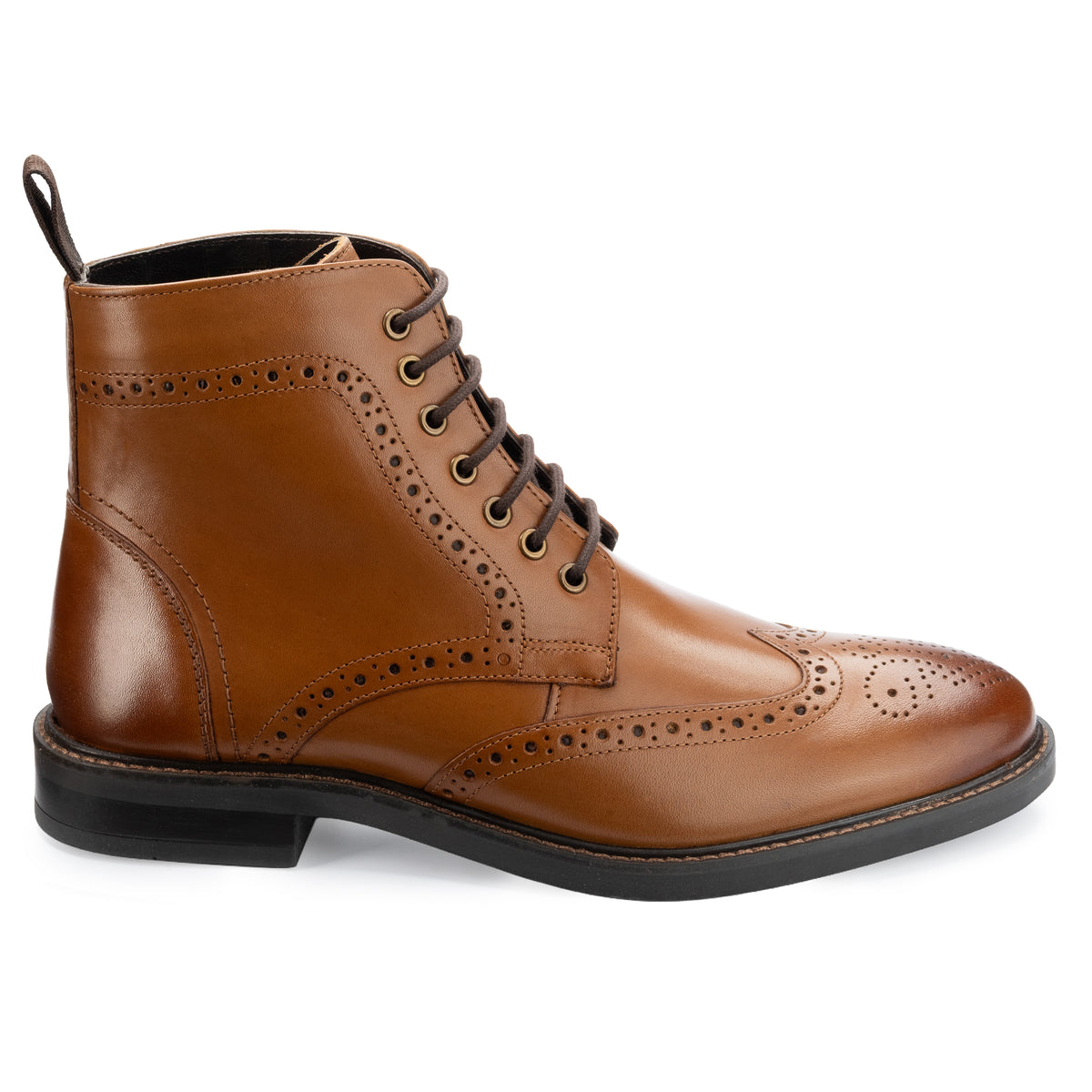
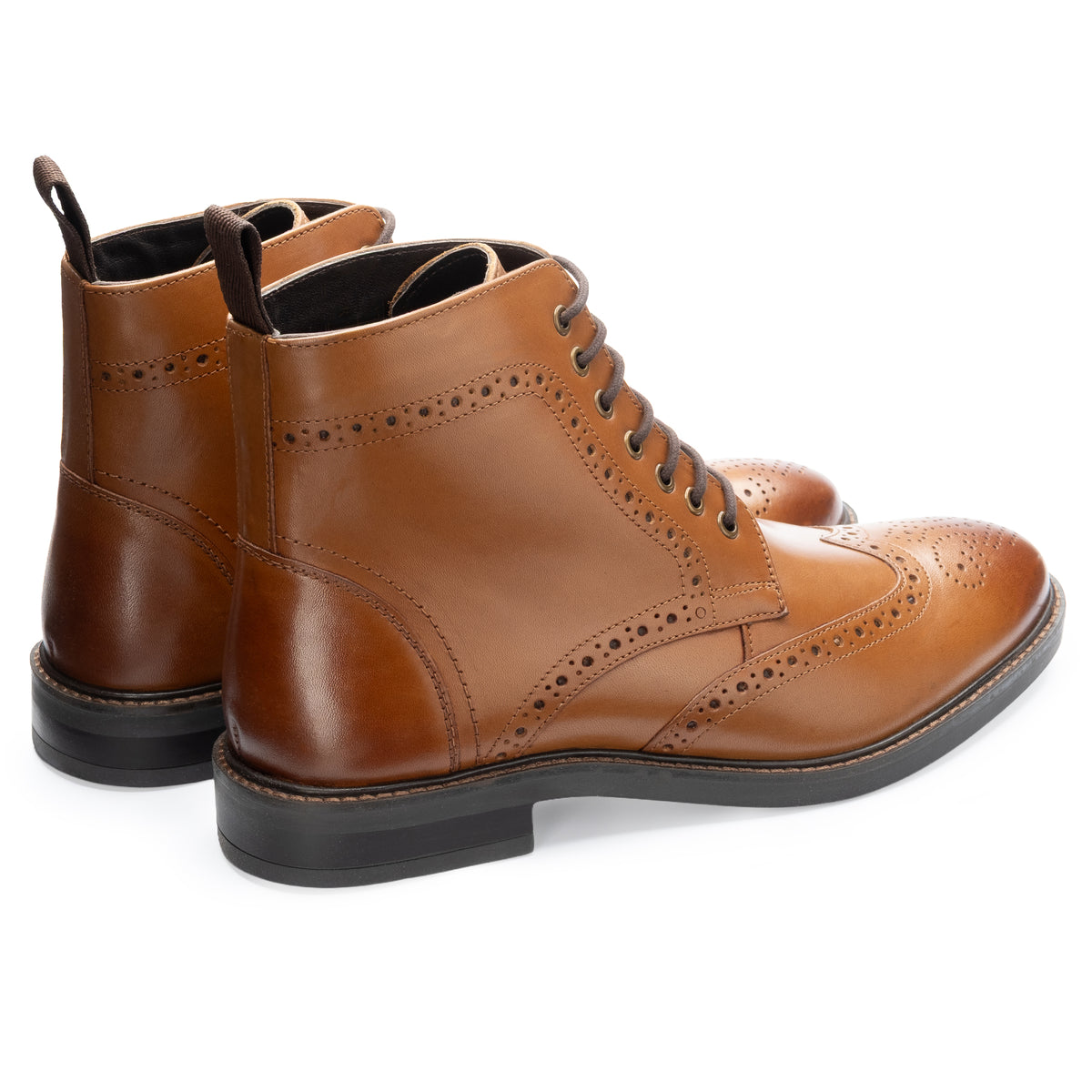
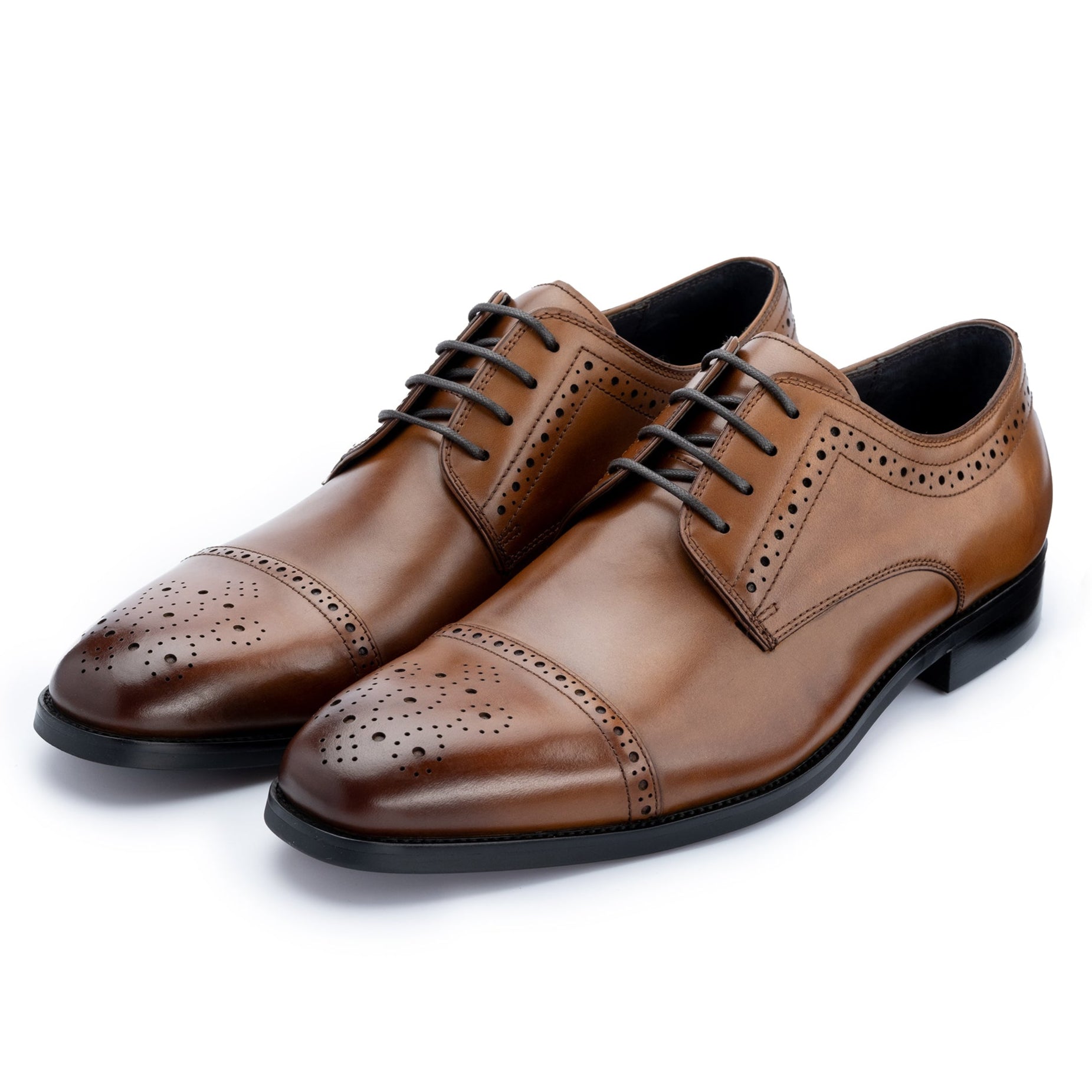
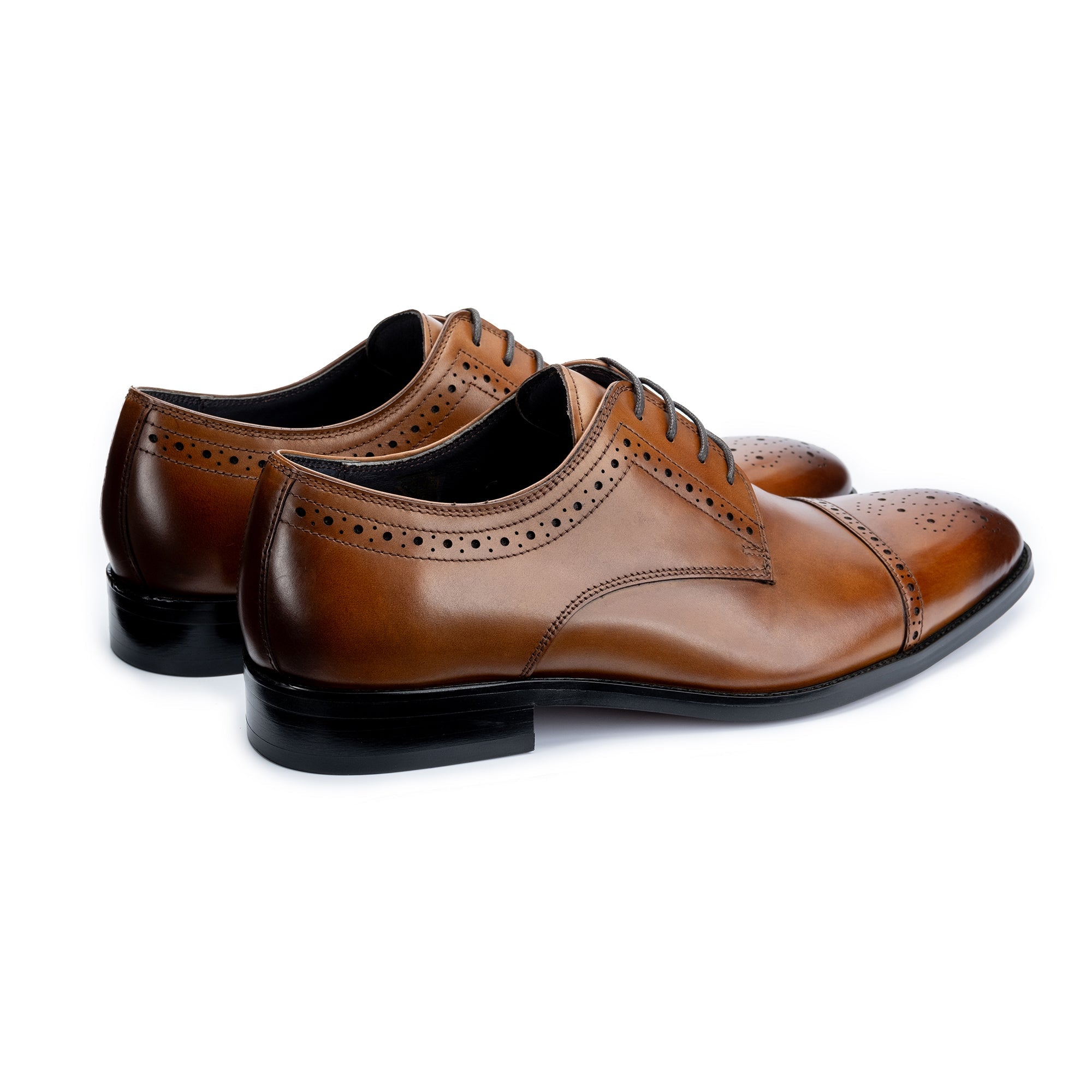
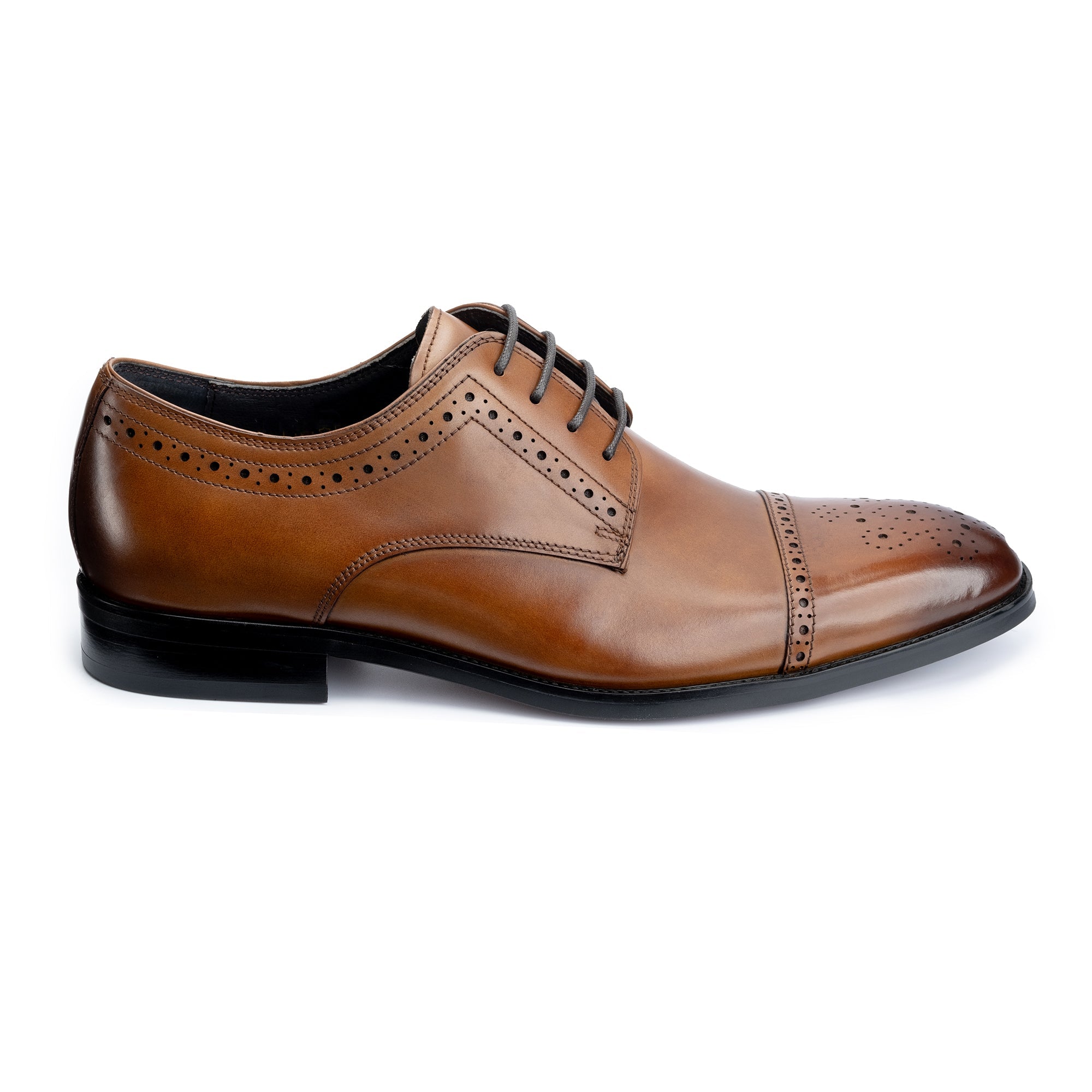
The Hogarth Brogue shows the same quality in a more characterful cut — the broguing punched cleanly through full-grain hide, the medallion crisp and permanent. Pair it with JW Premium Wax Polish in dark tan to deepen the colour progressively over months.
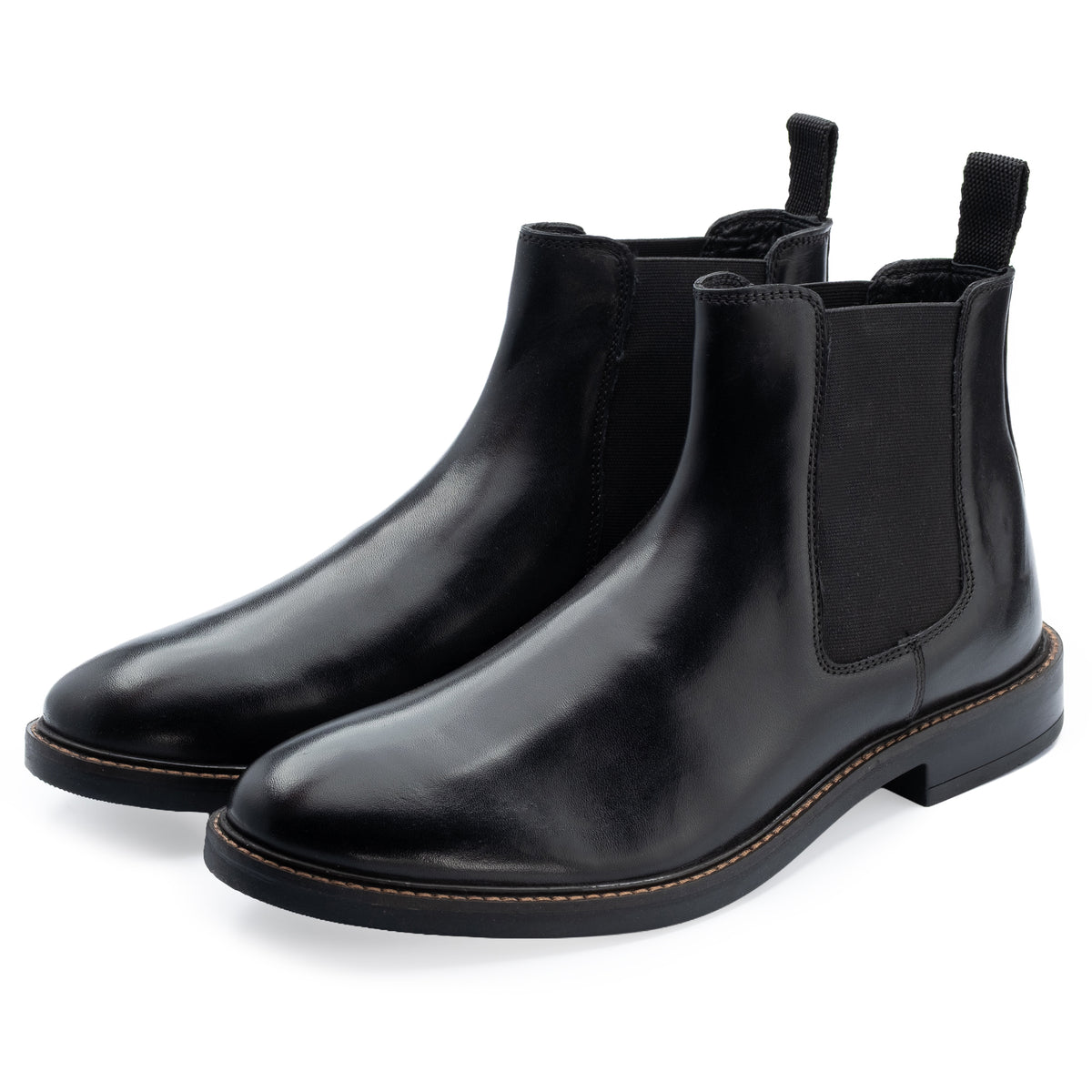
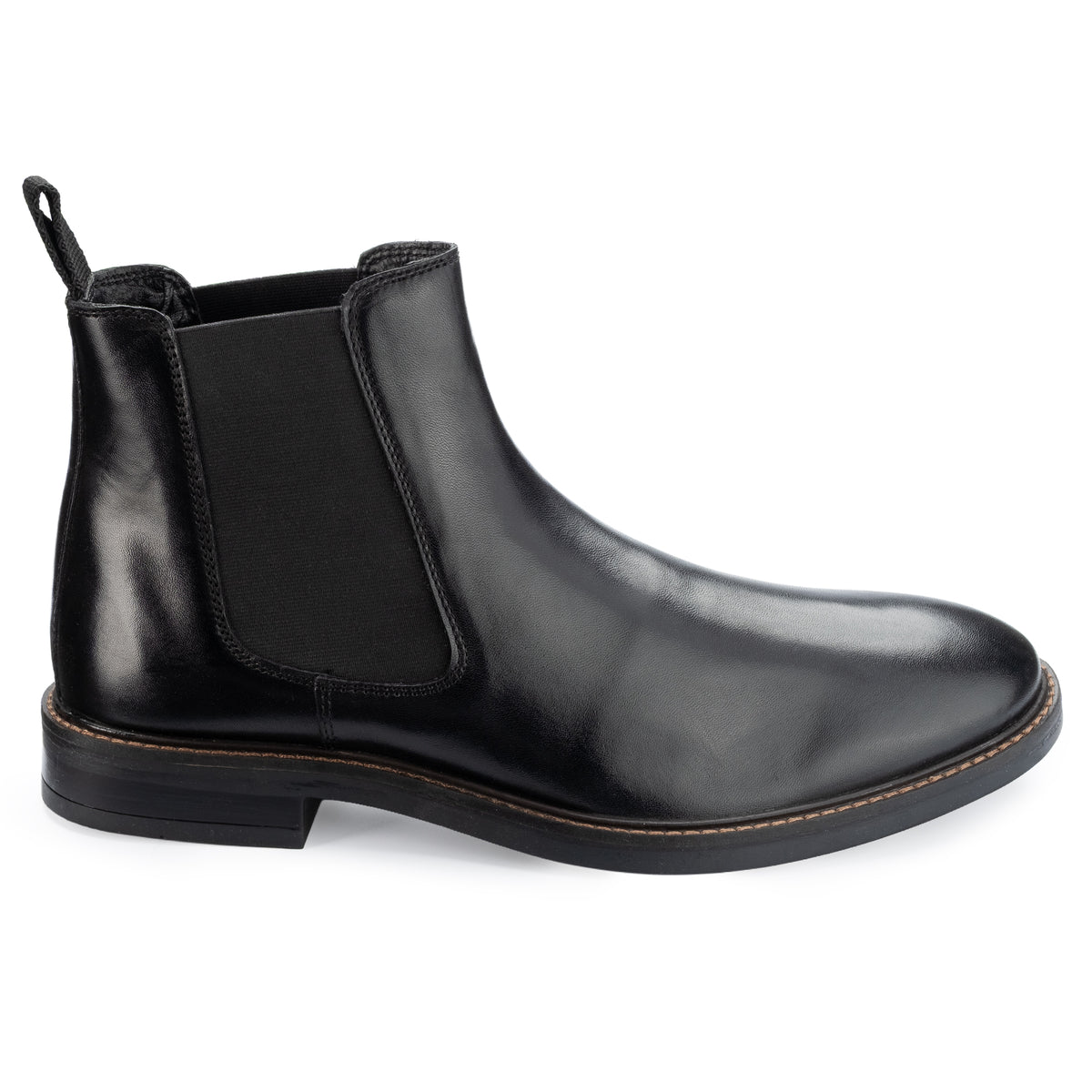
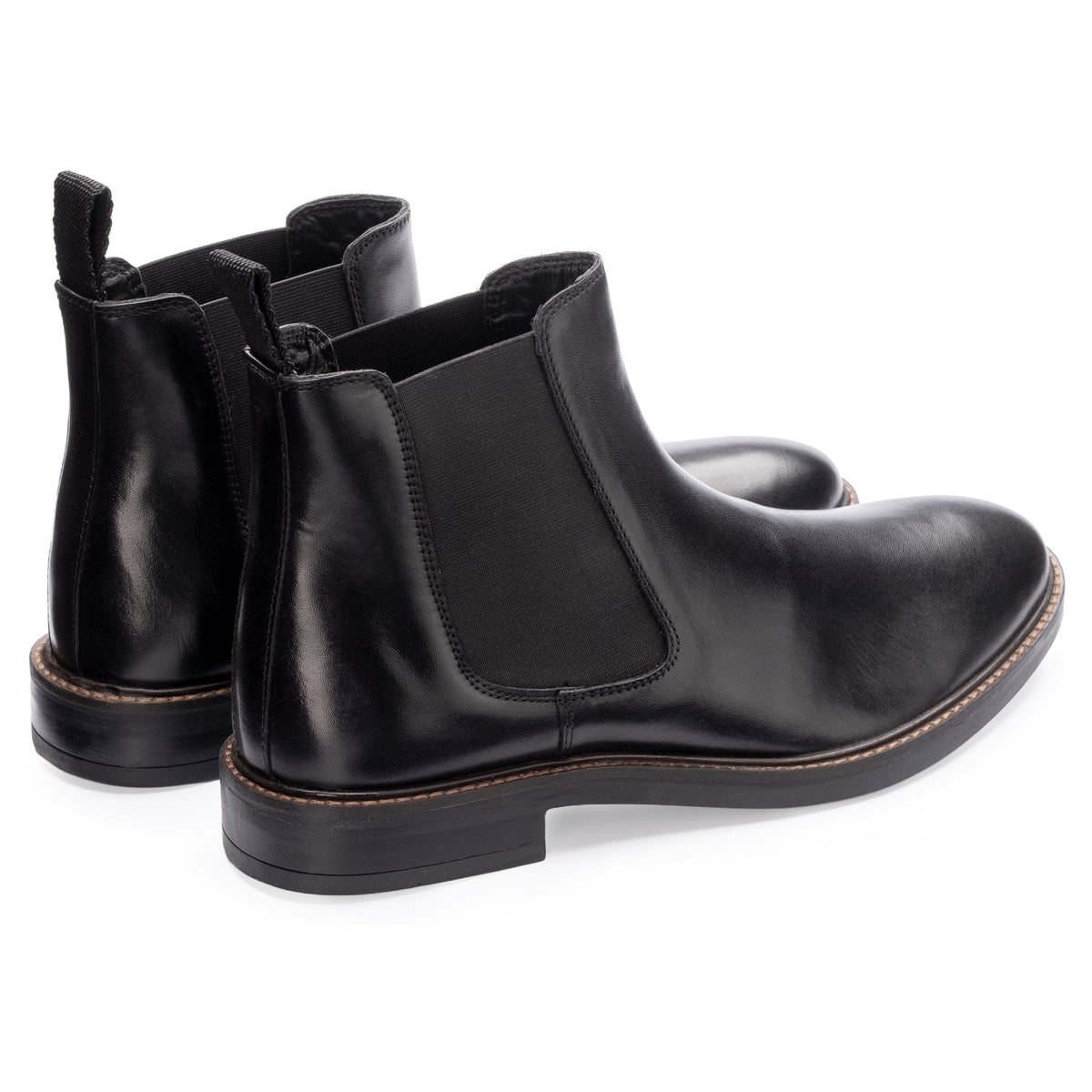
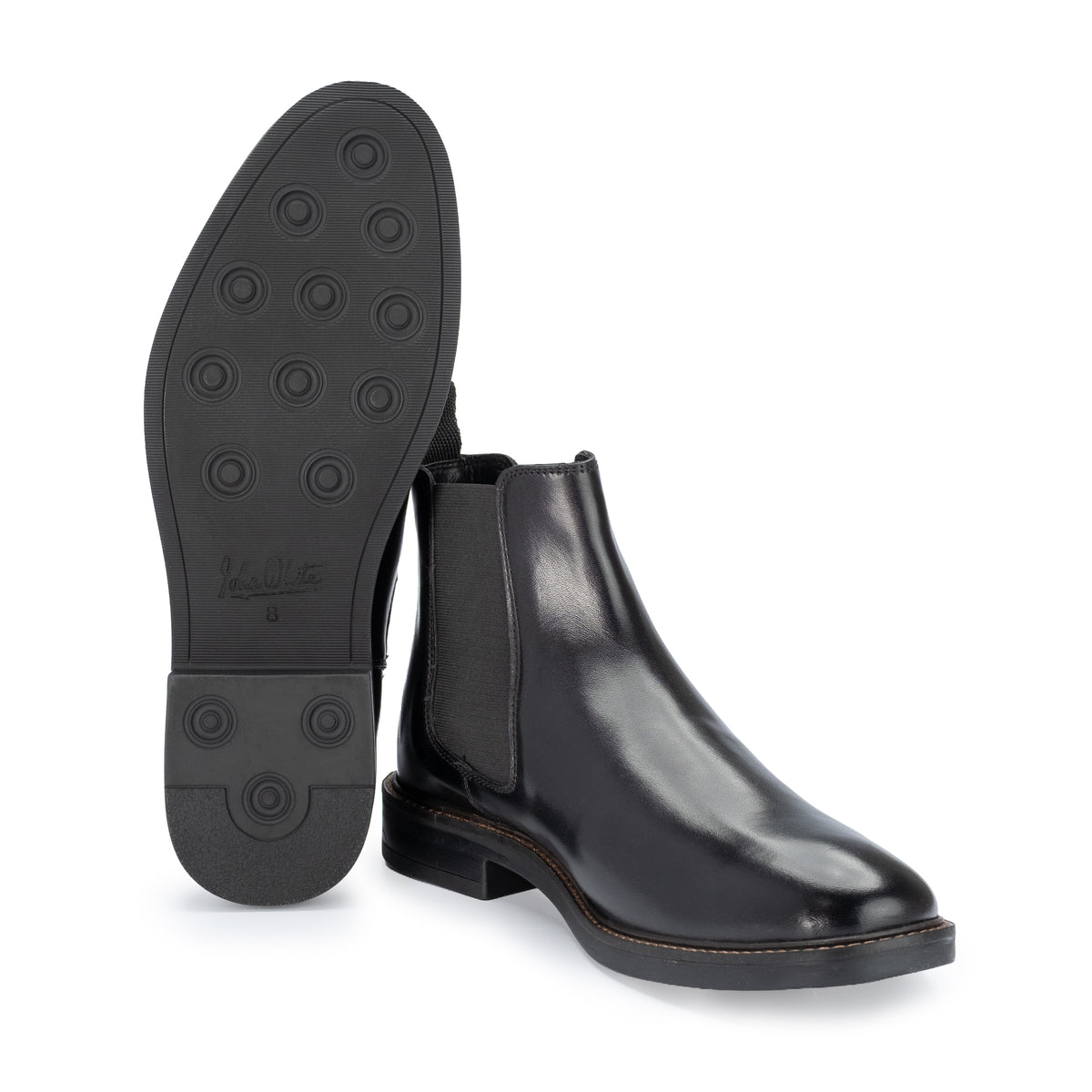
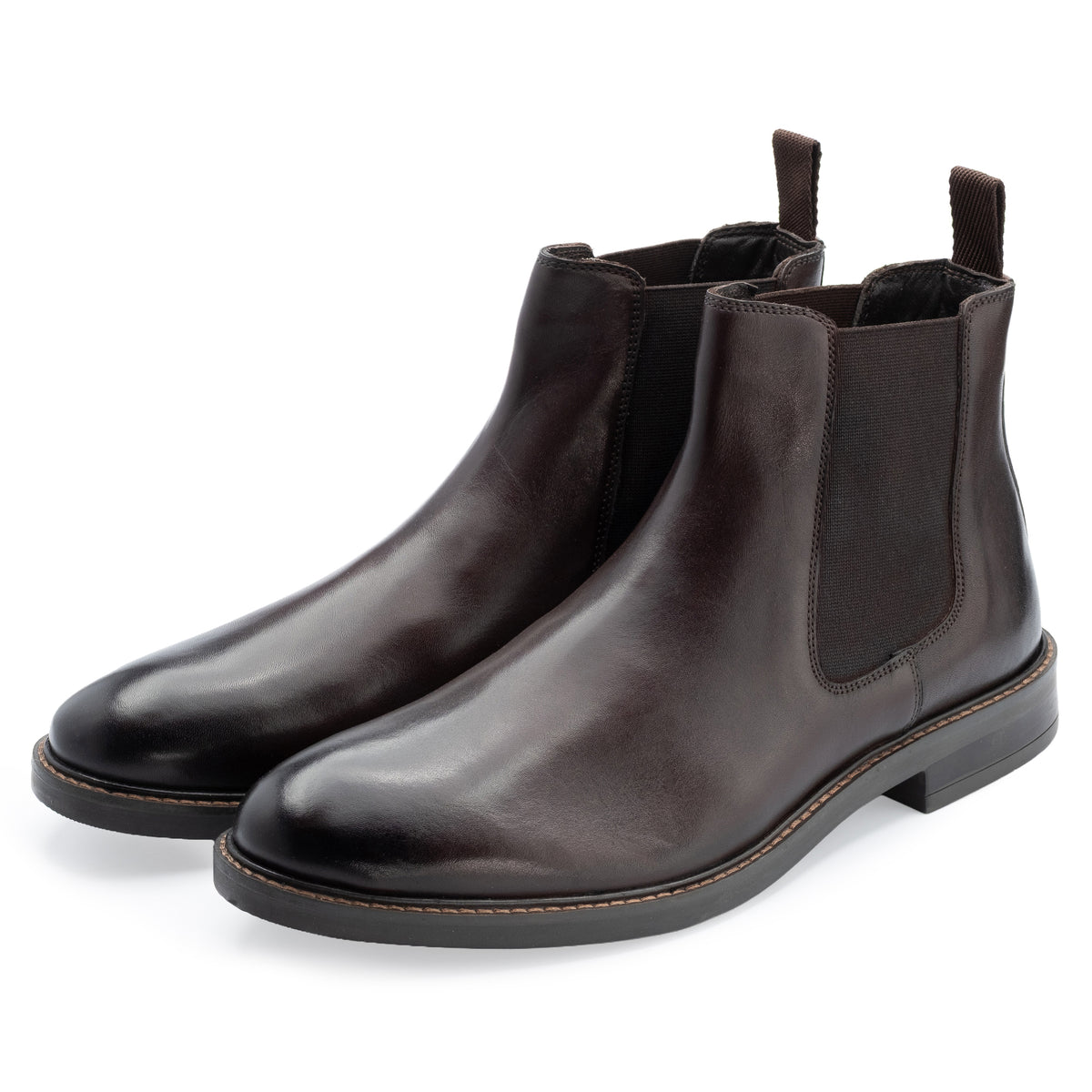
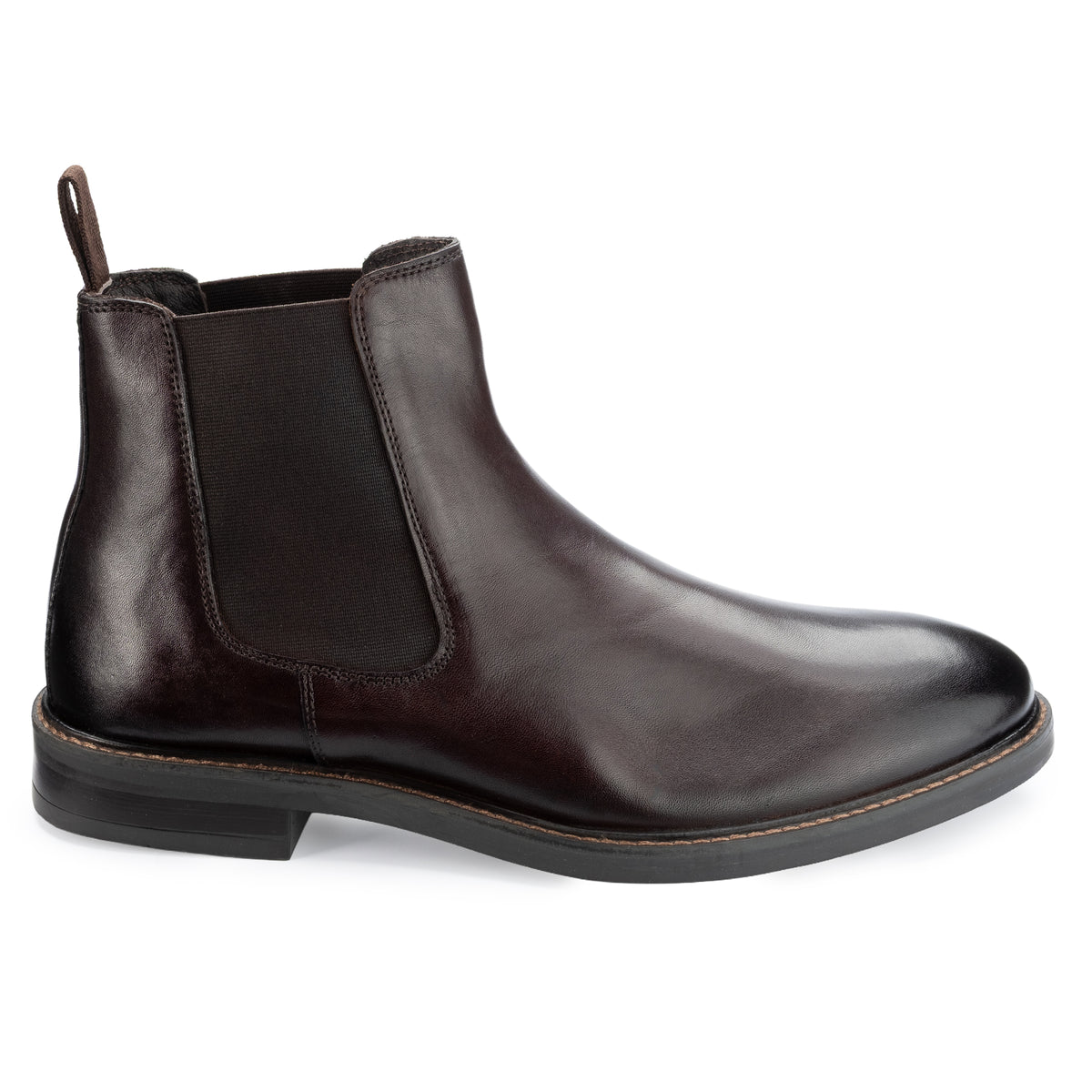
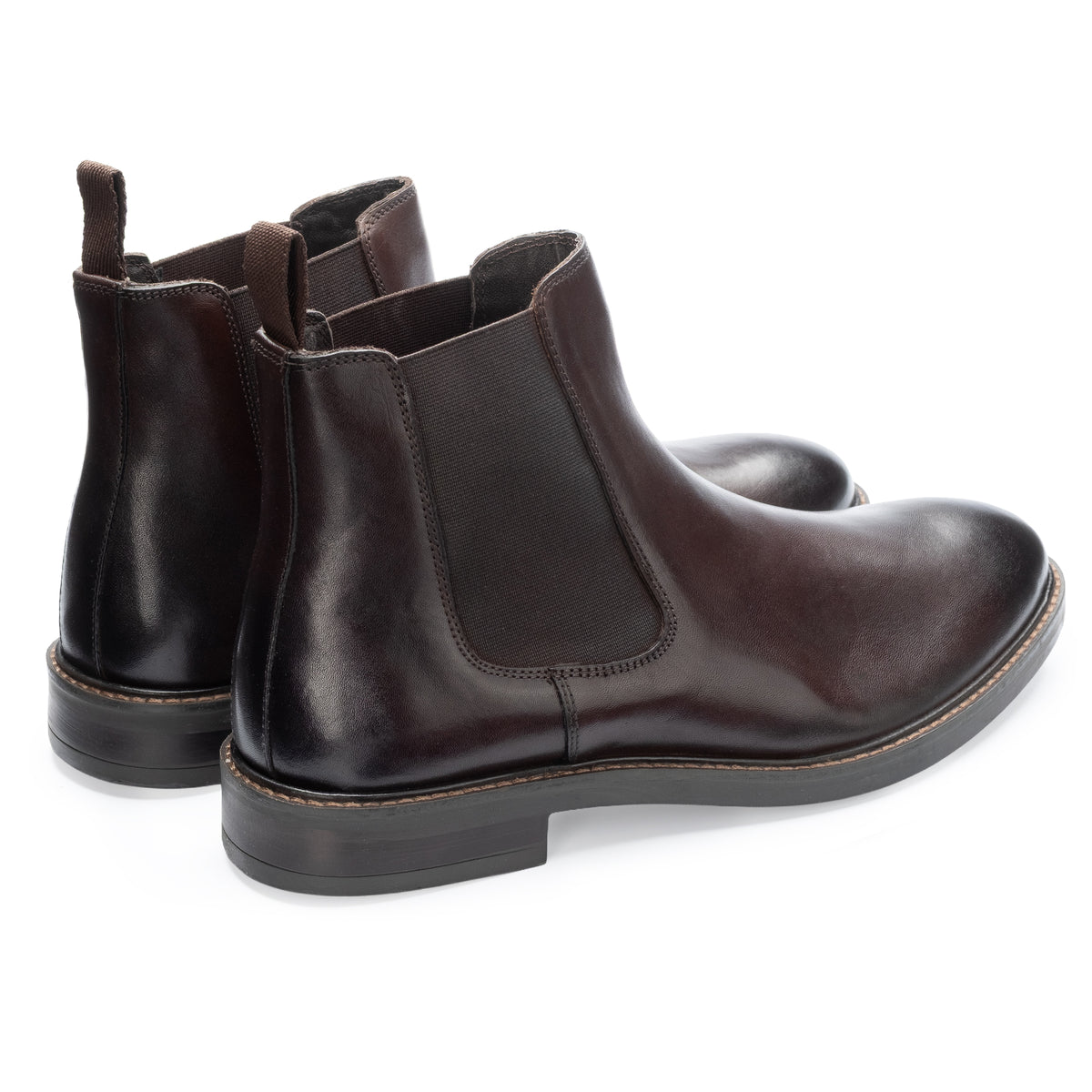
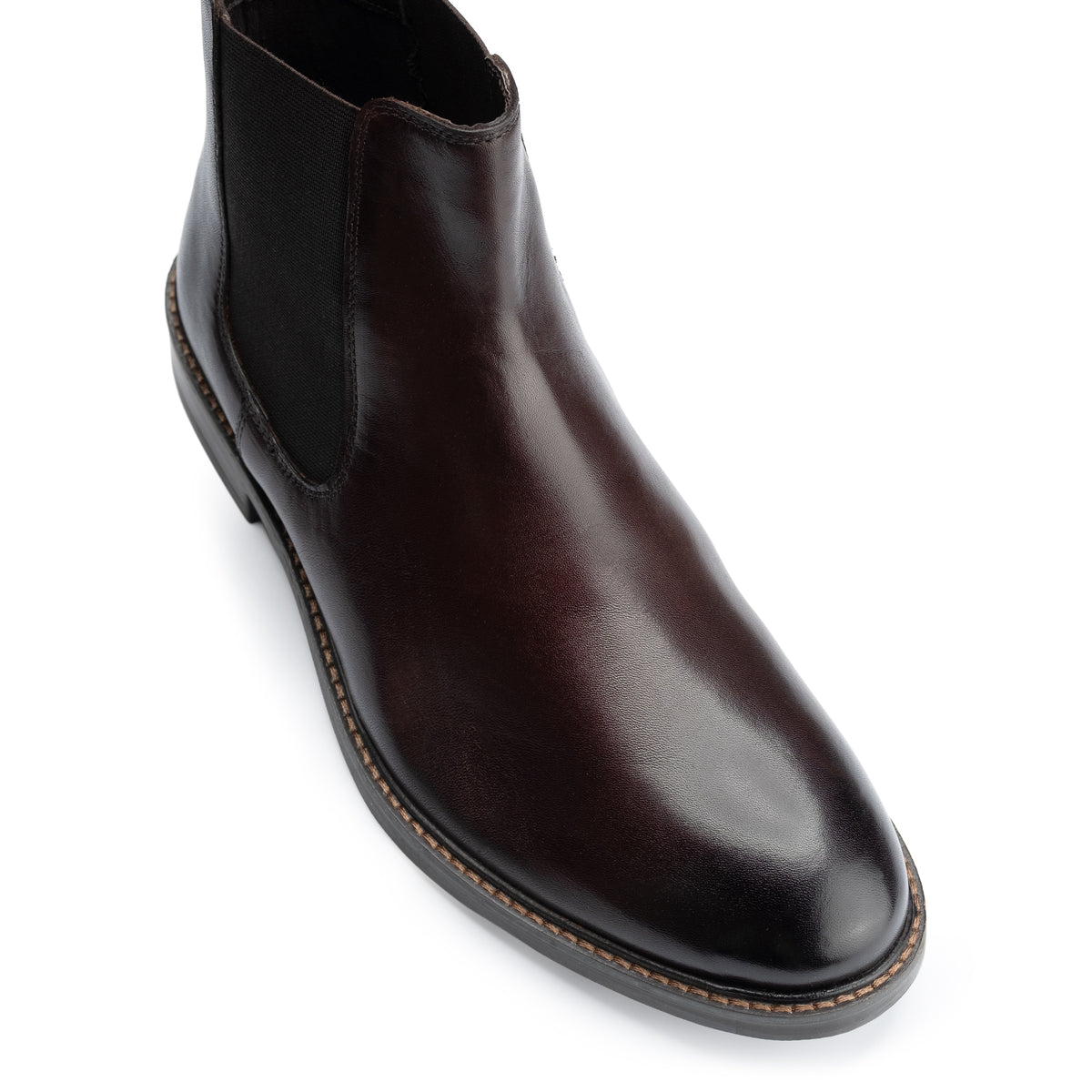
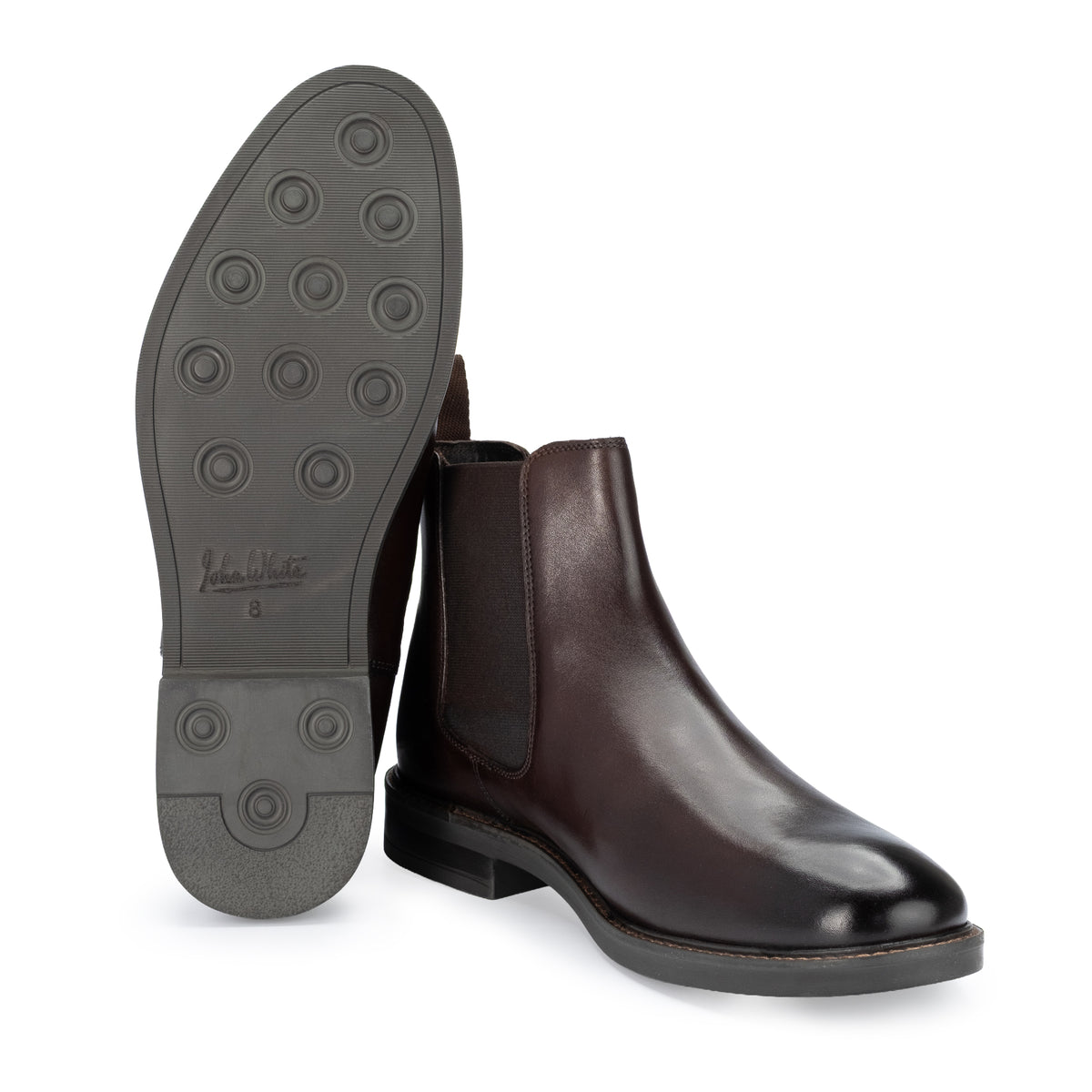
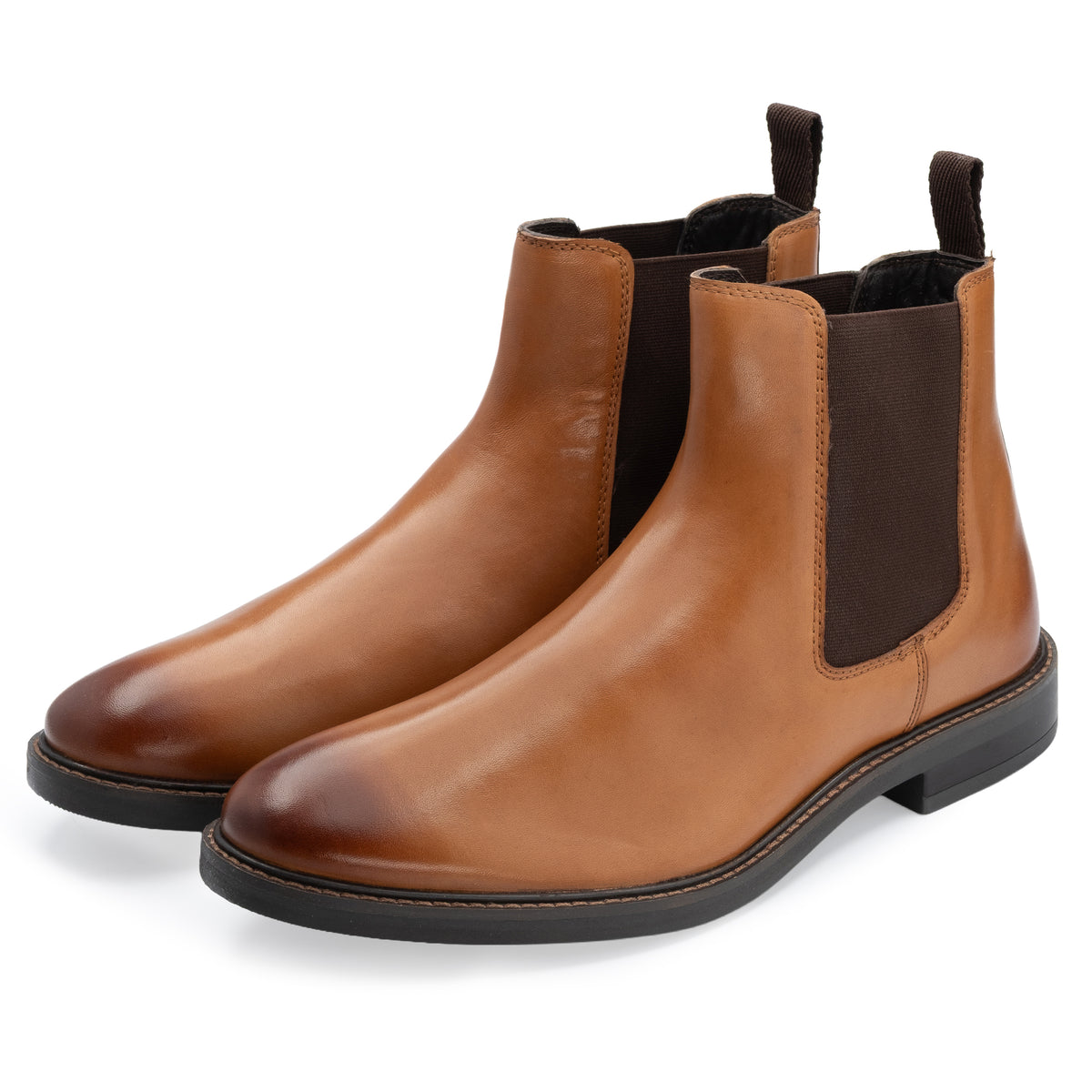
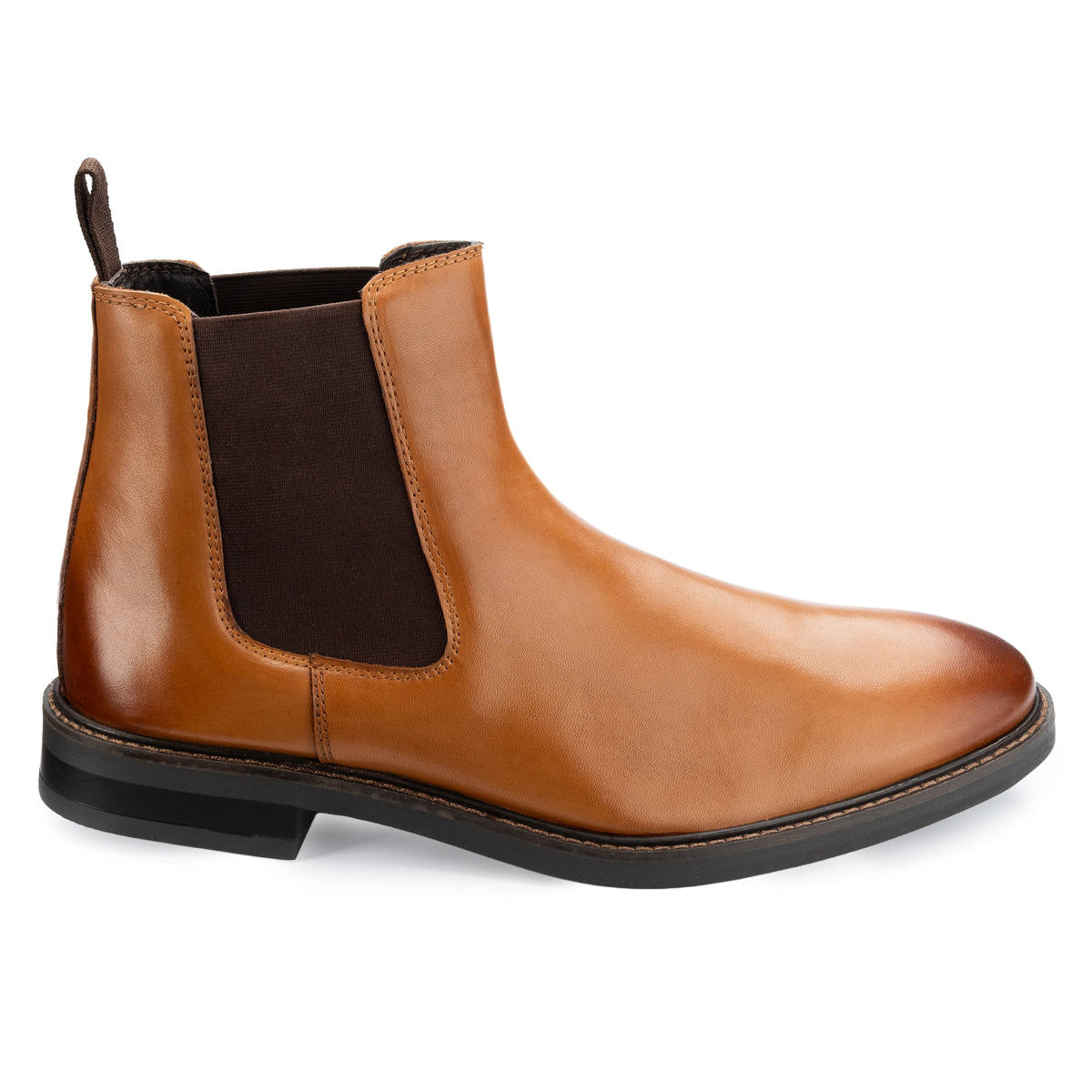
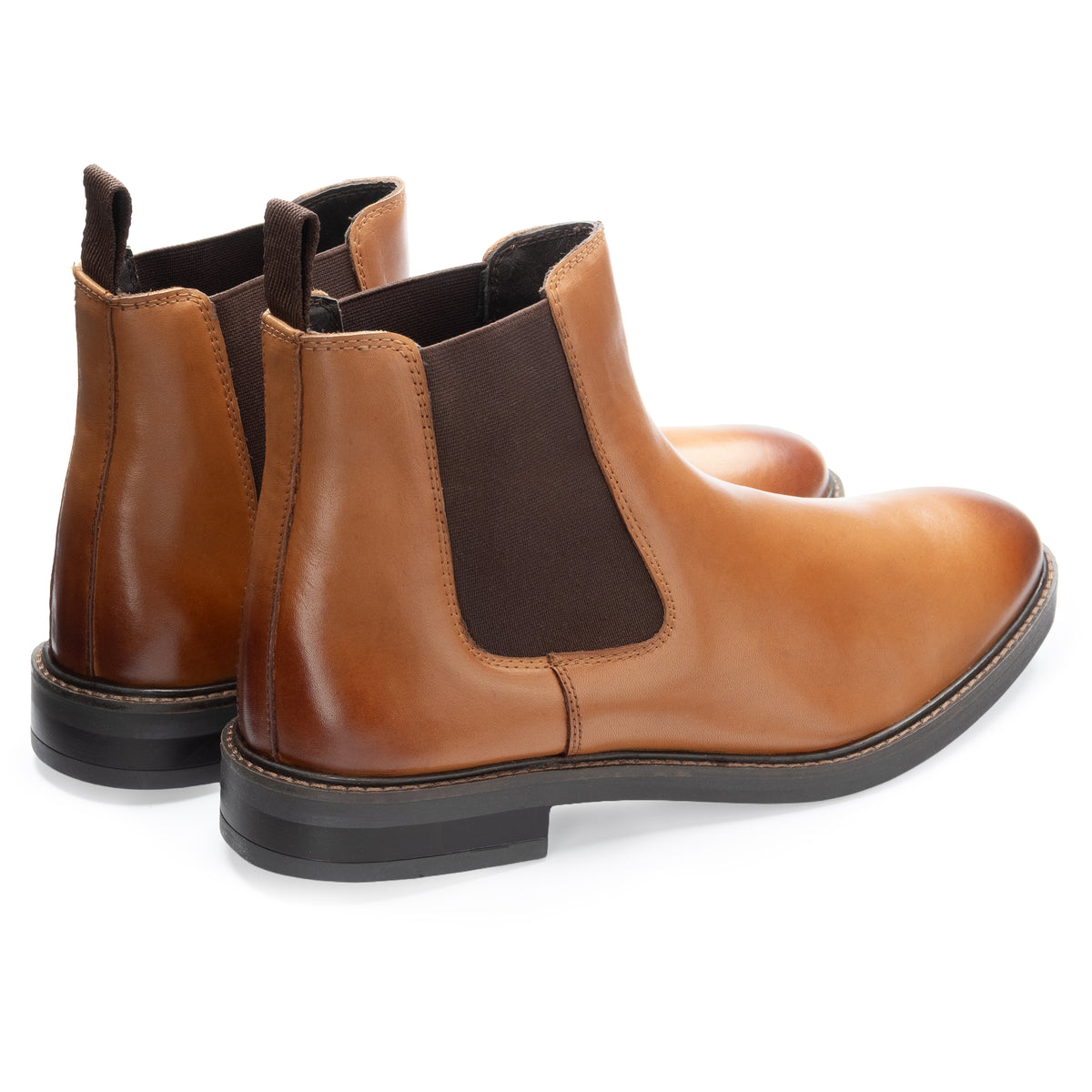
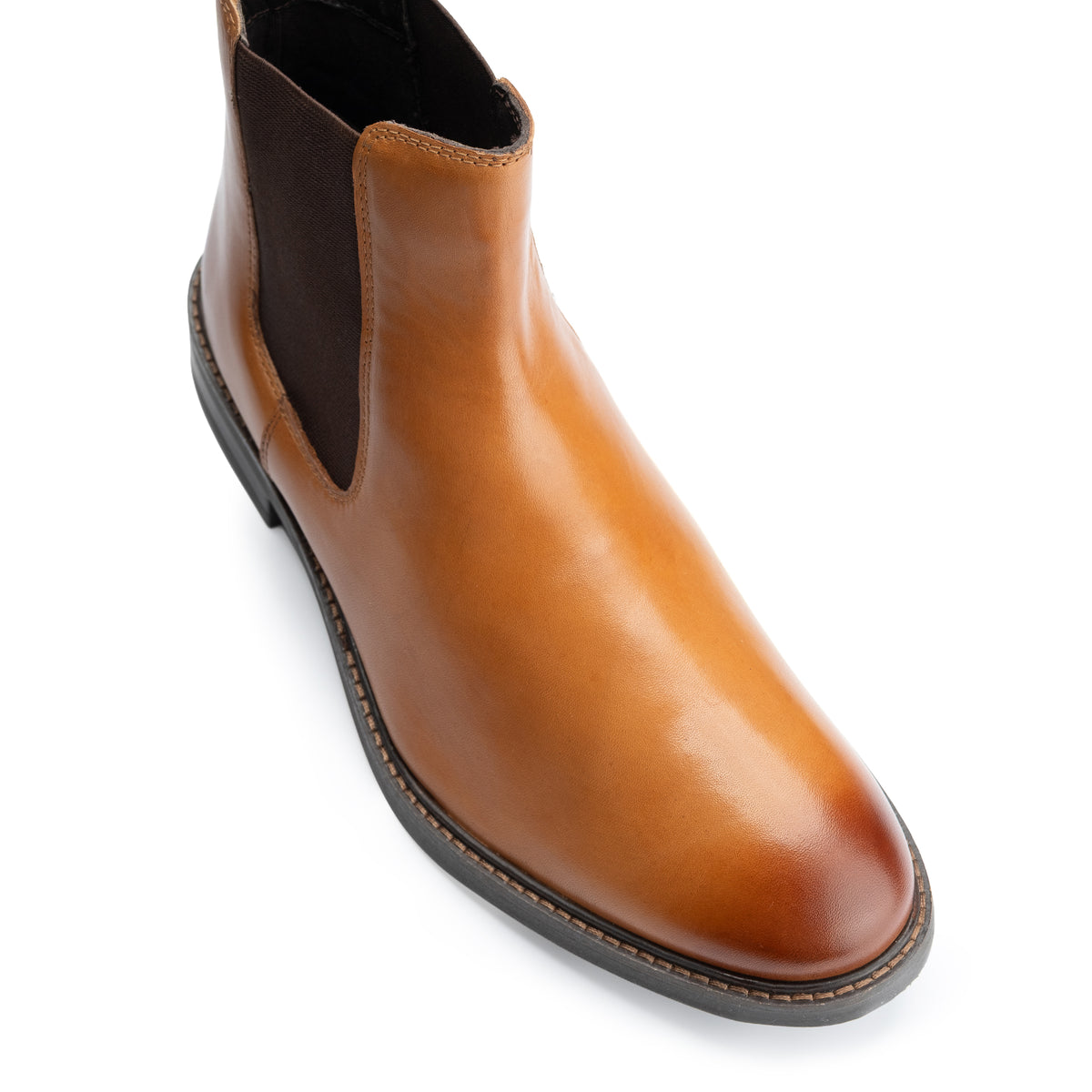
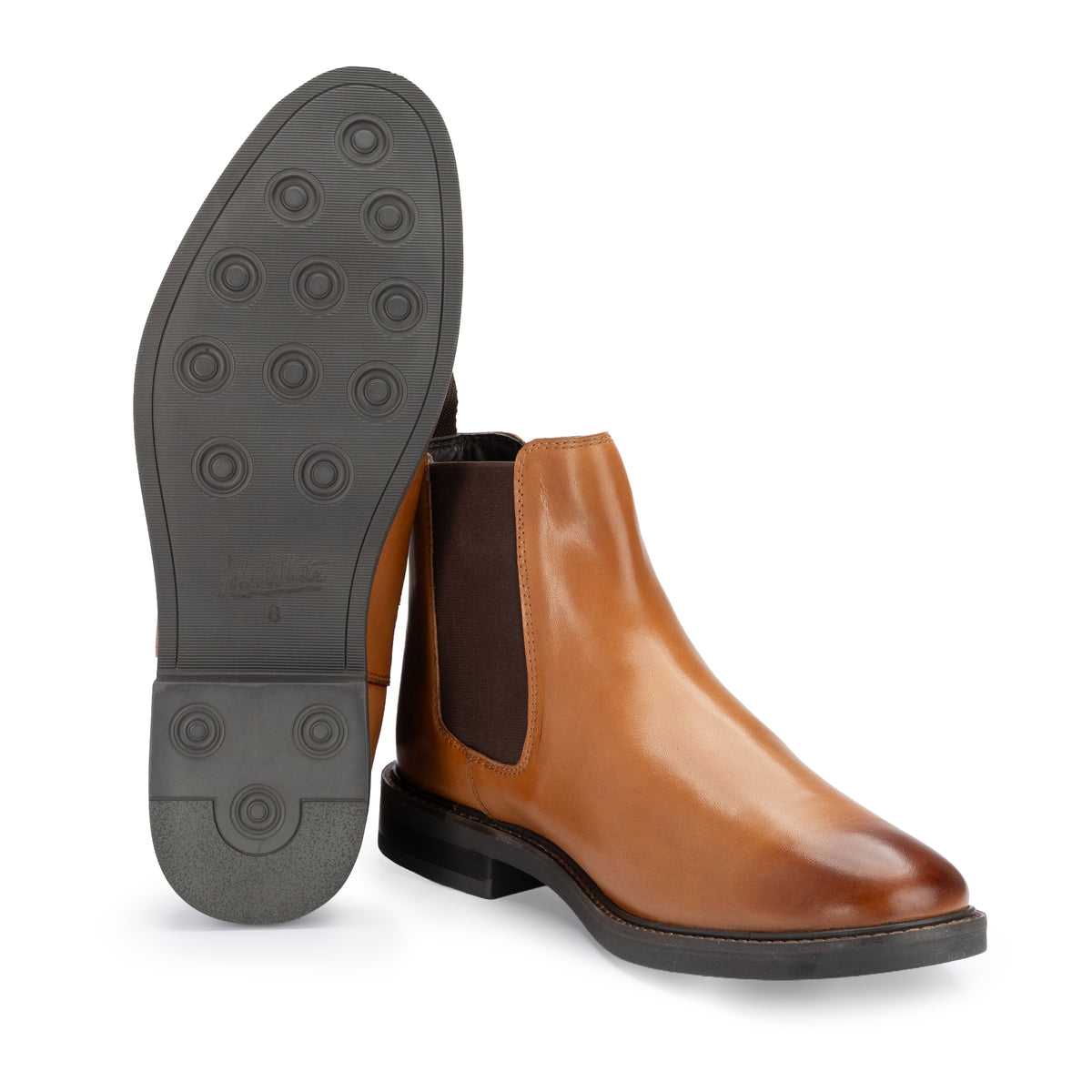
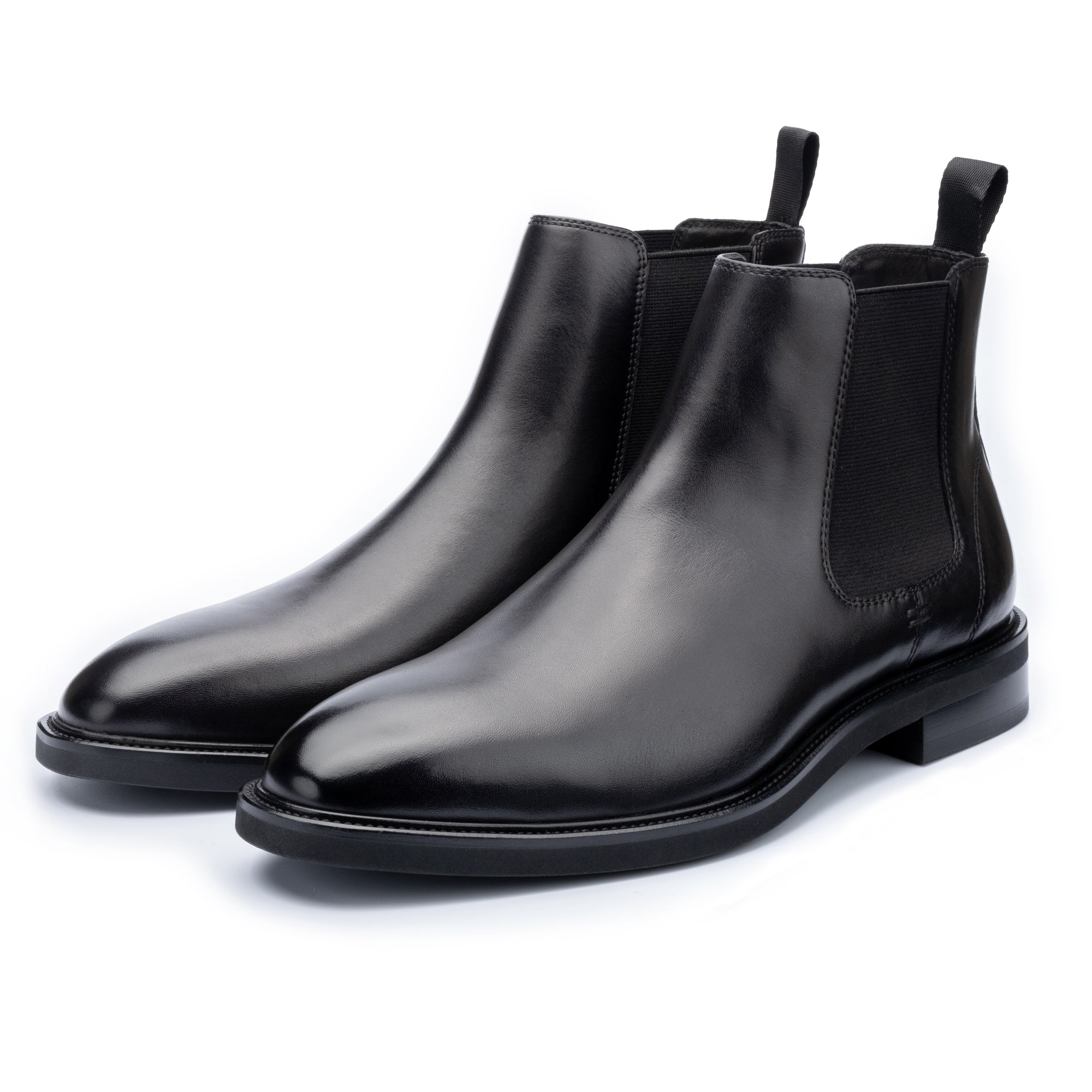
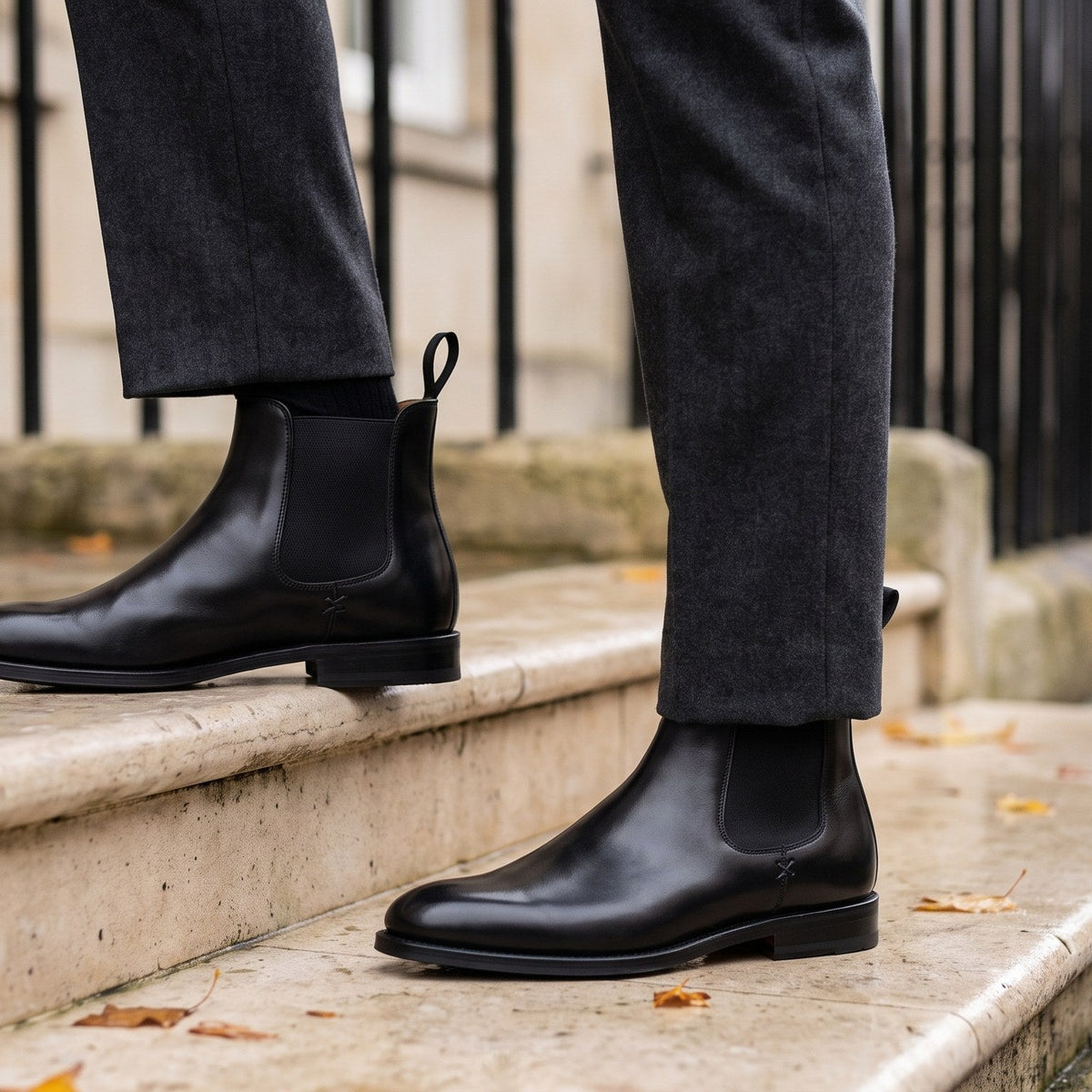
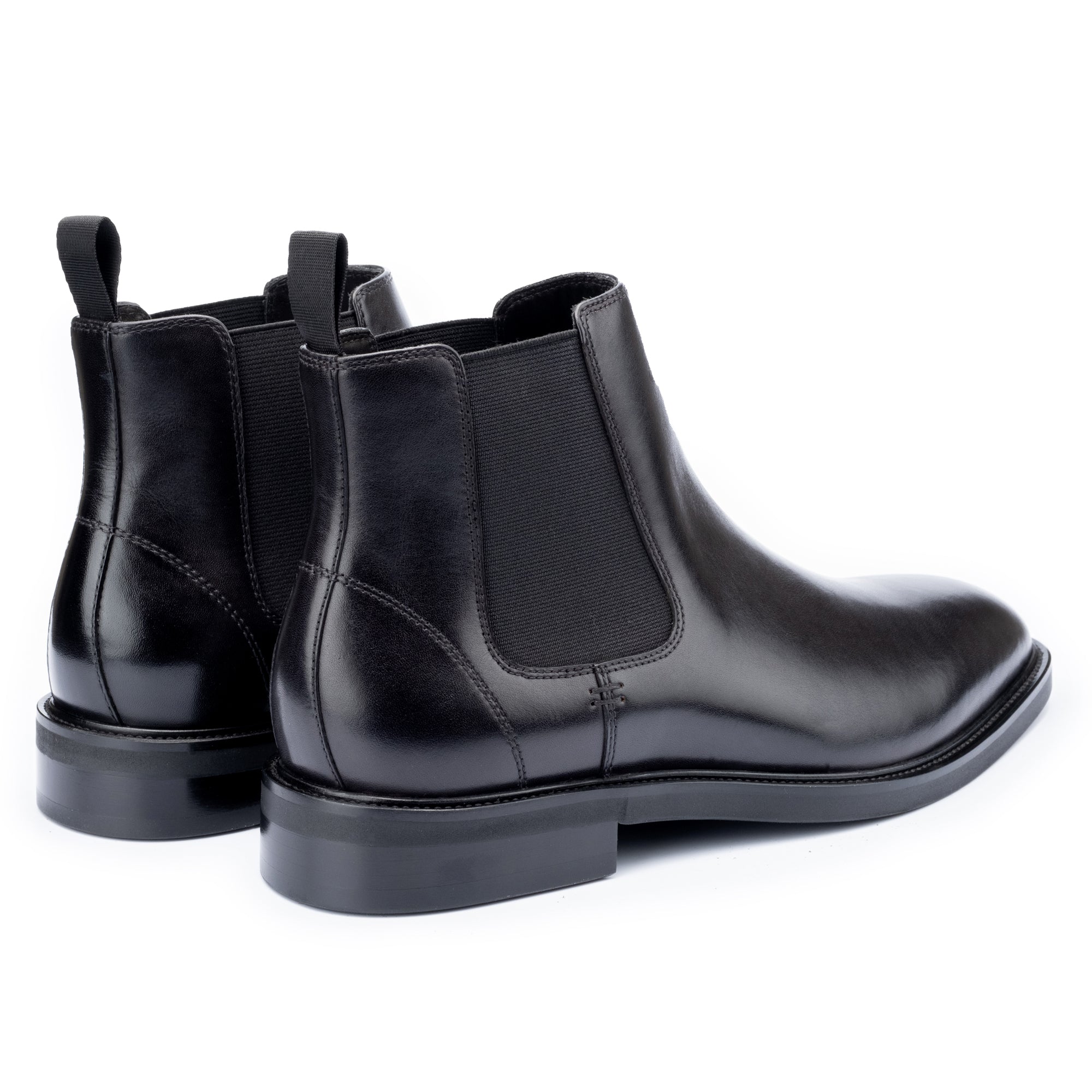
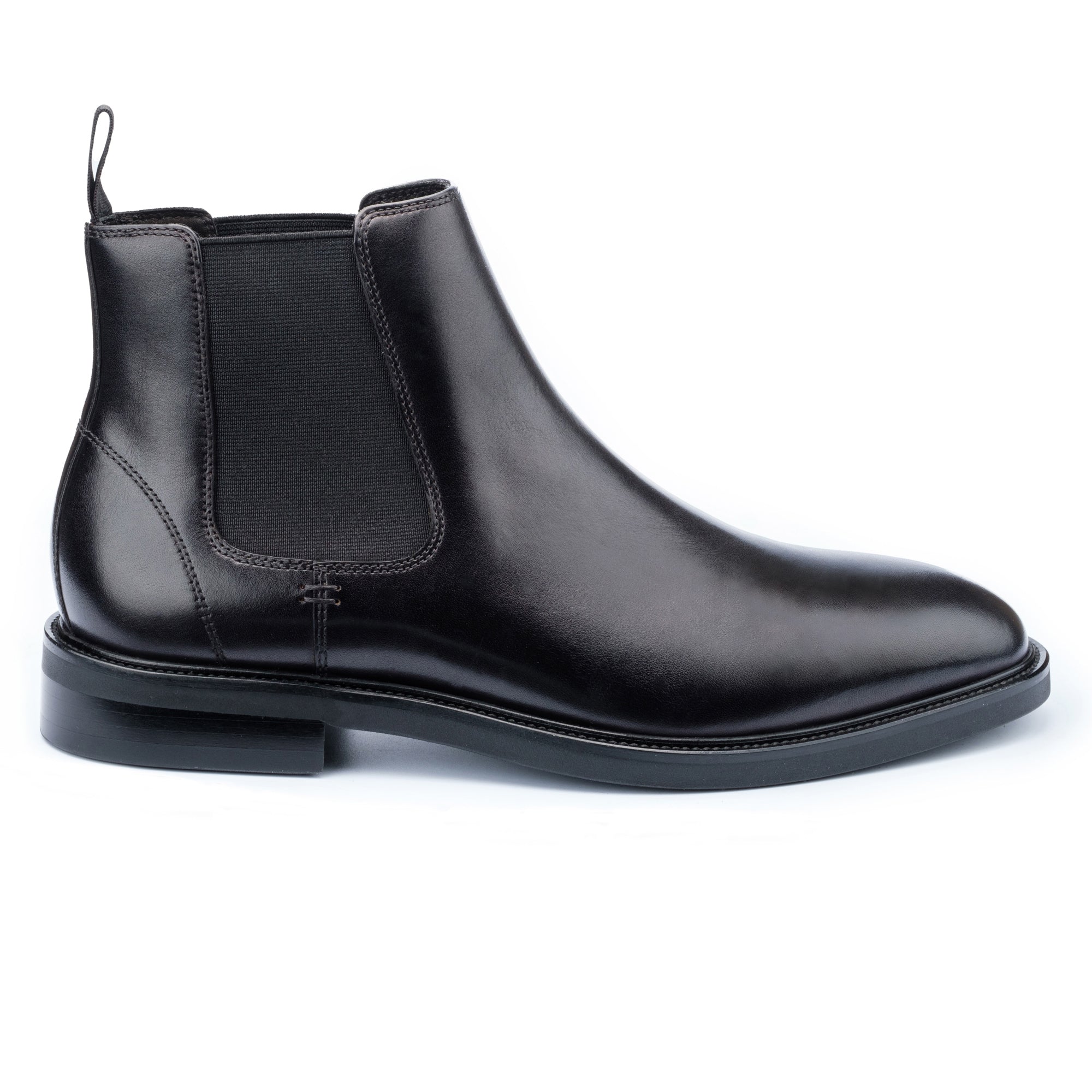
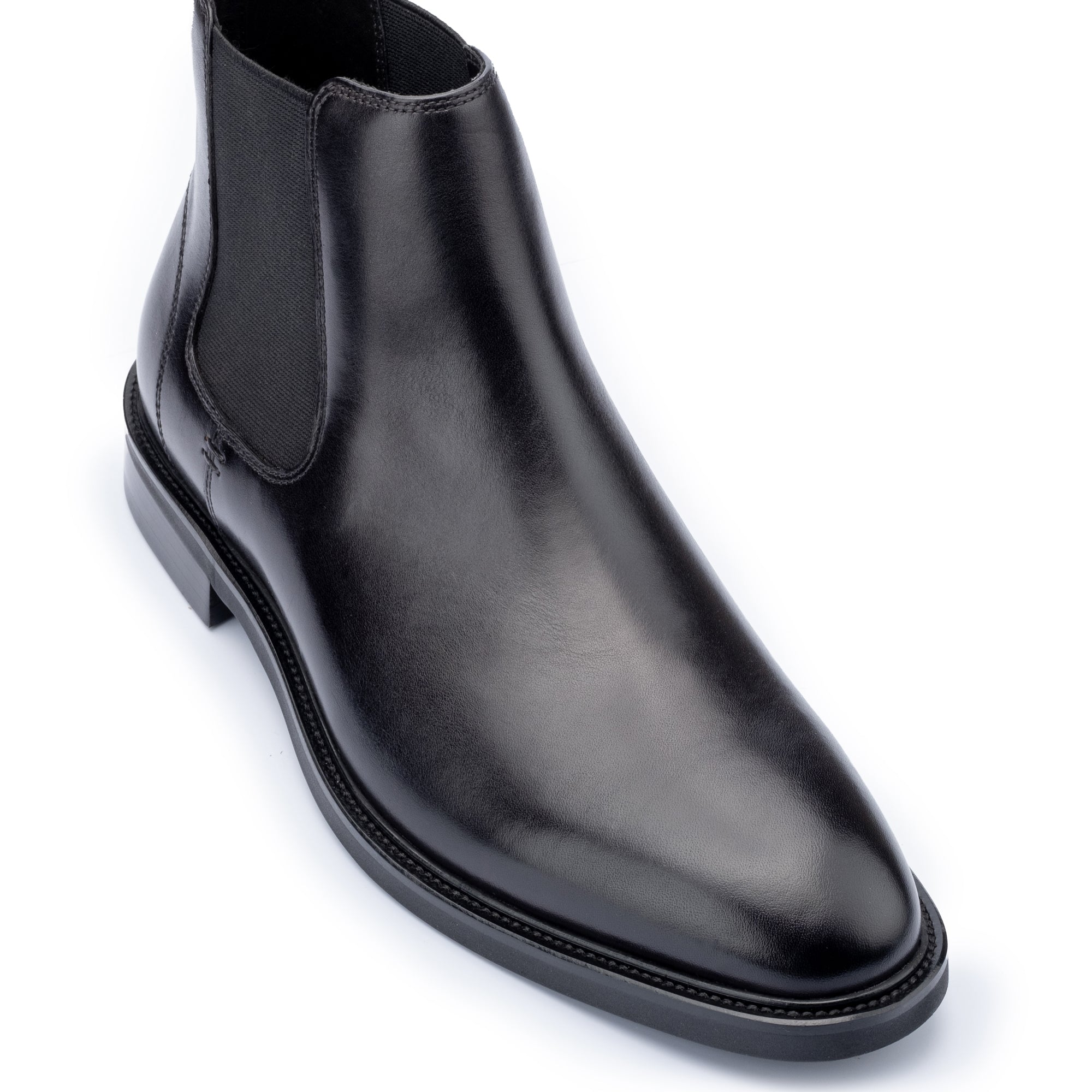
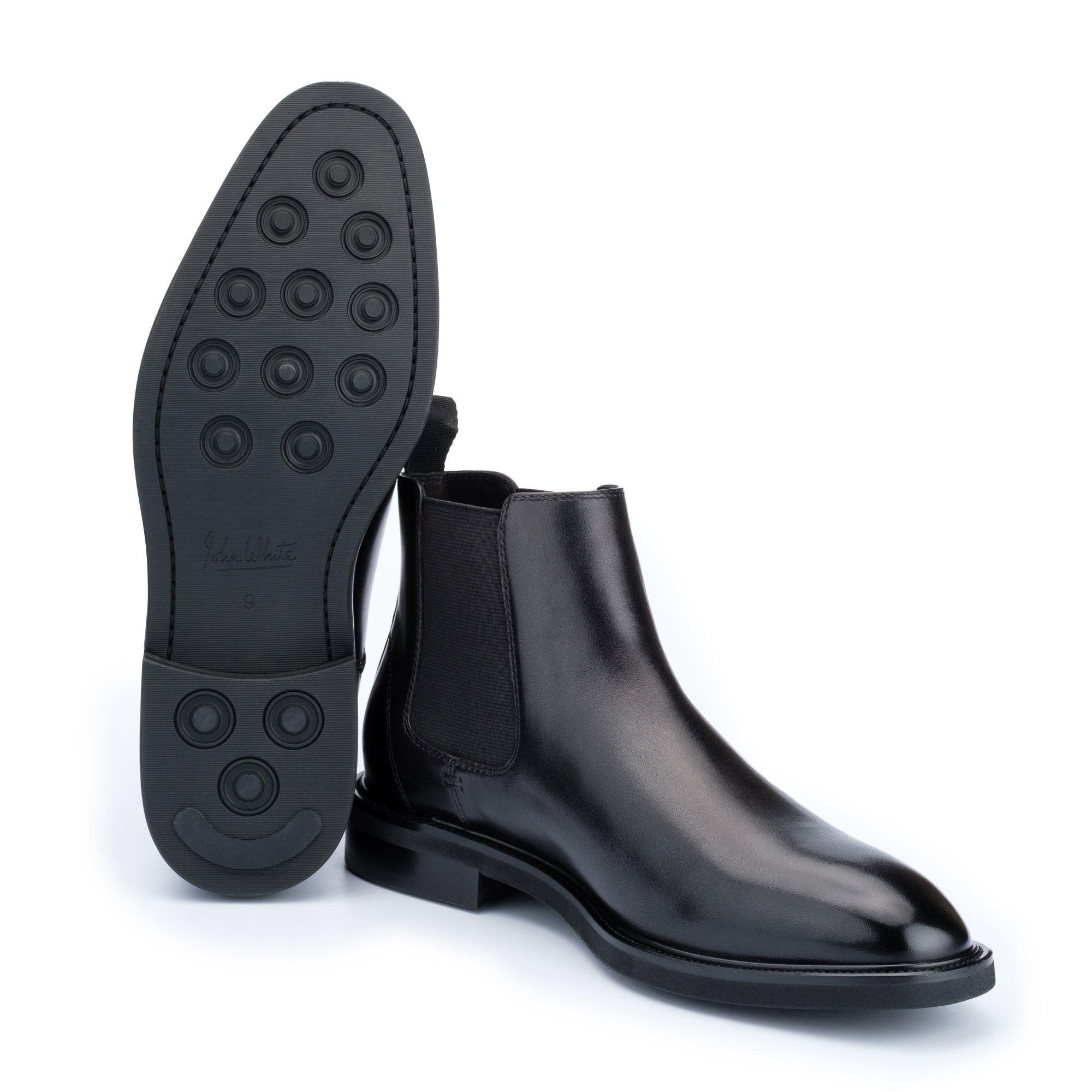
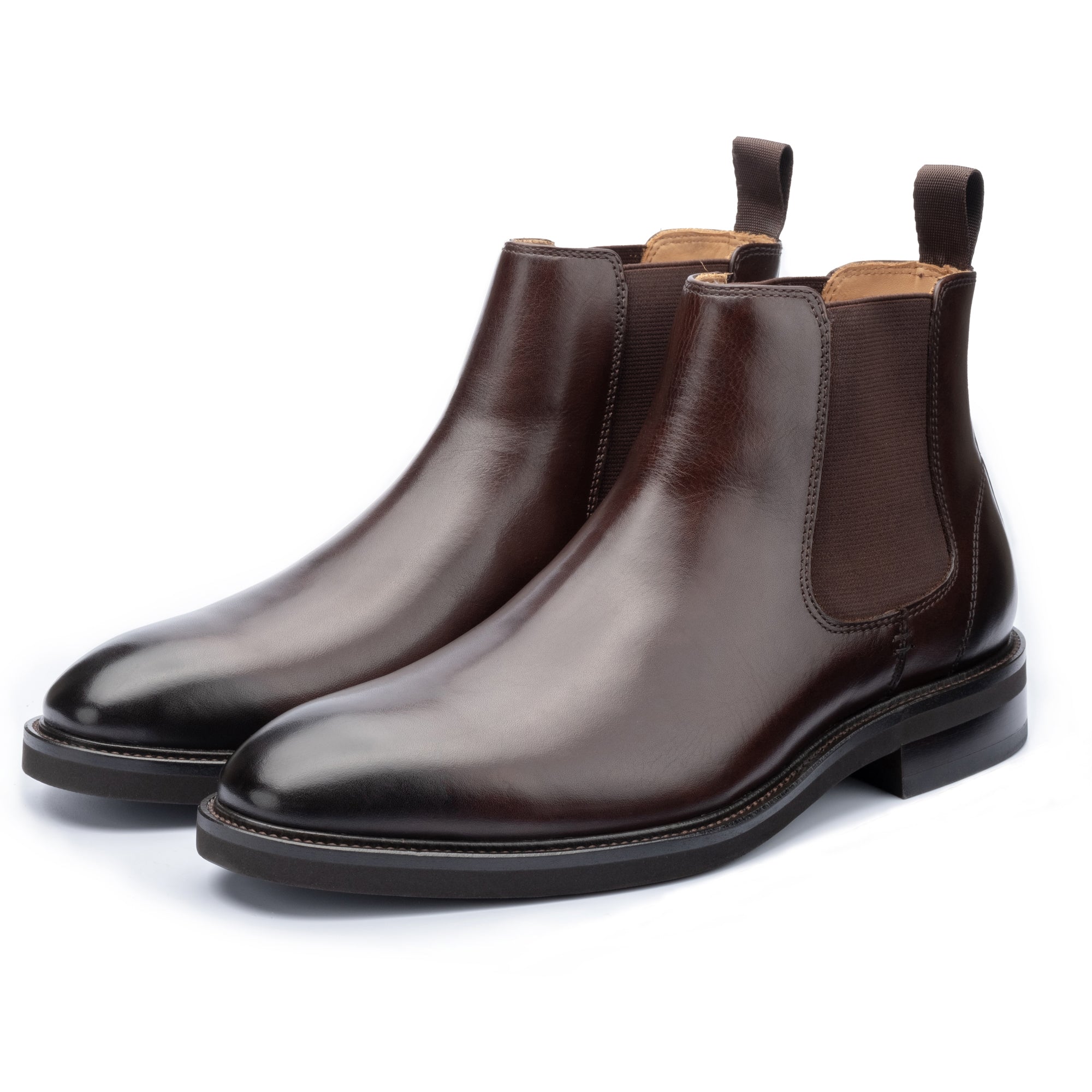
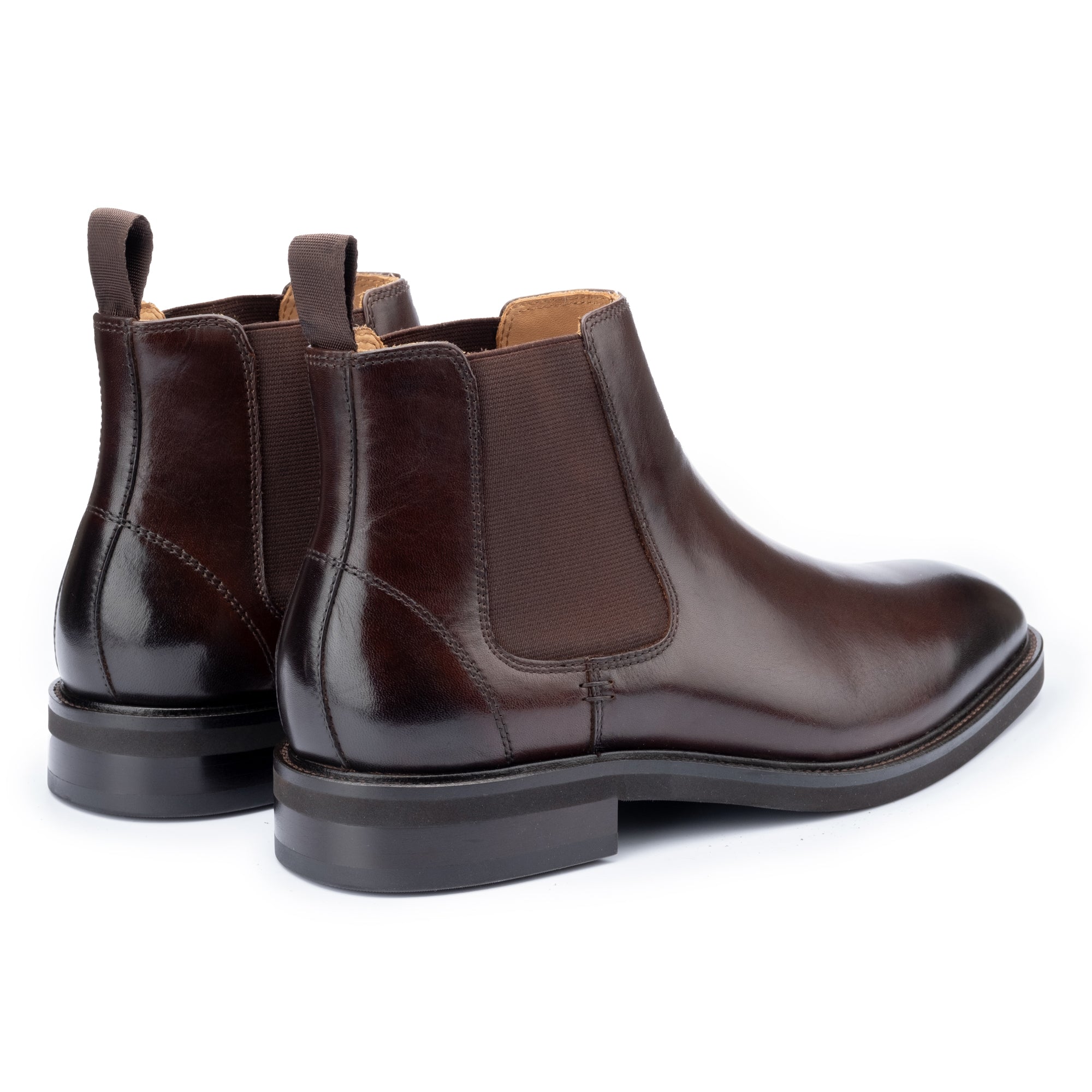
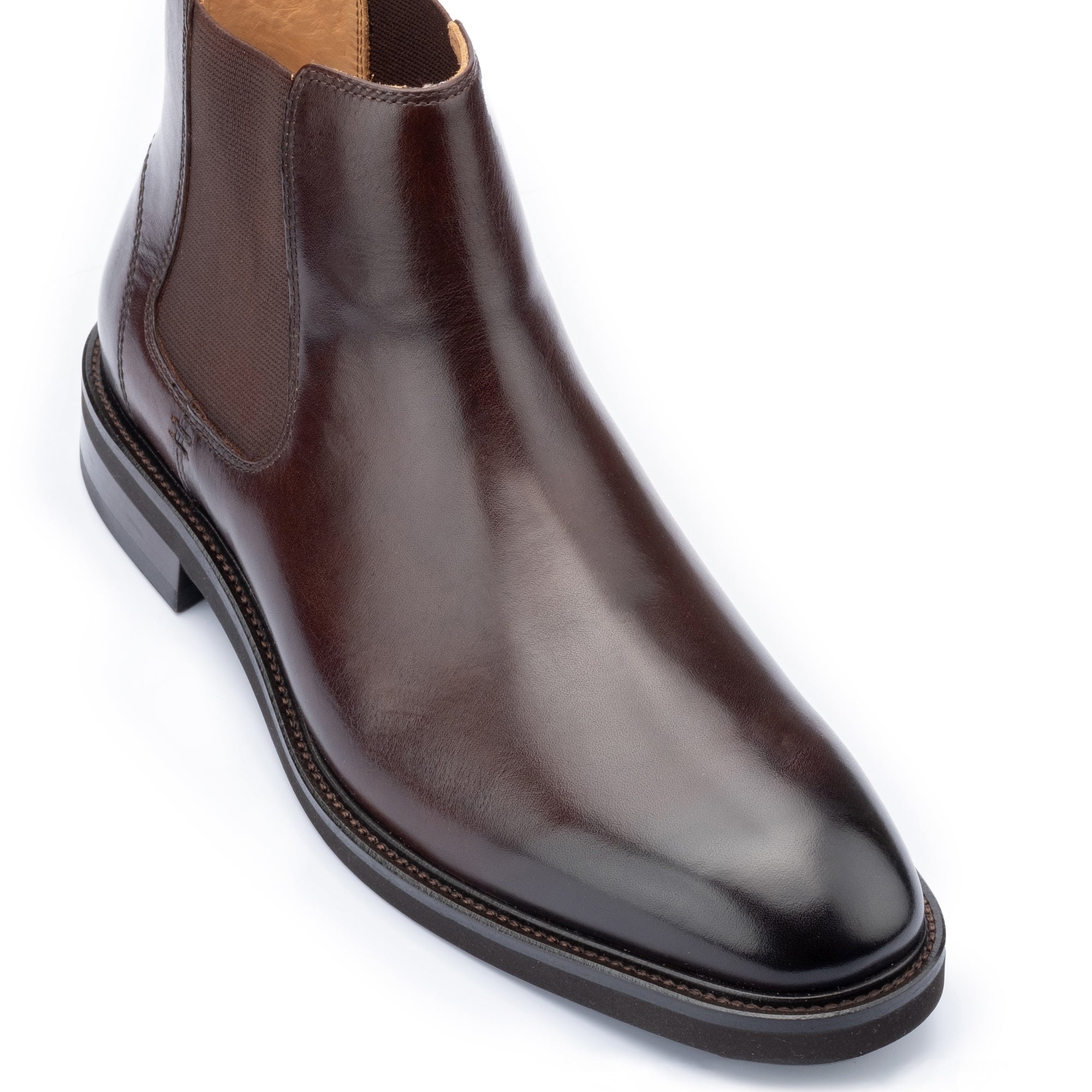
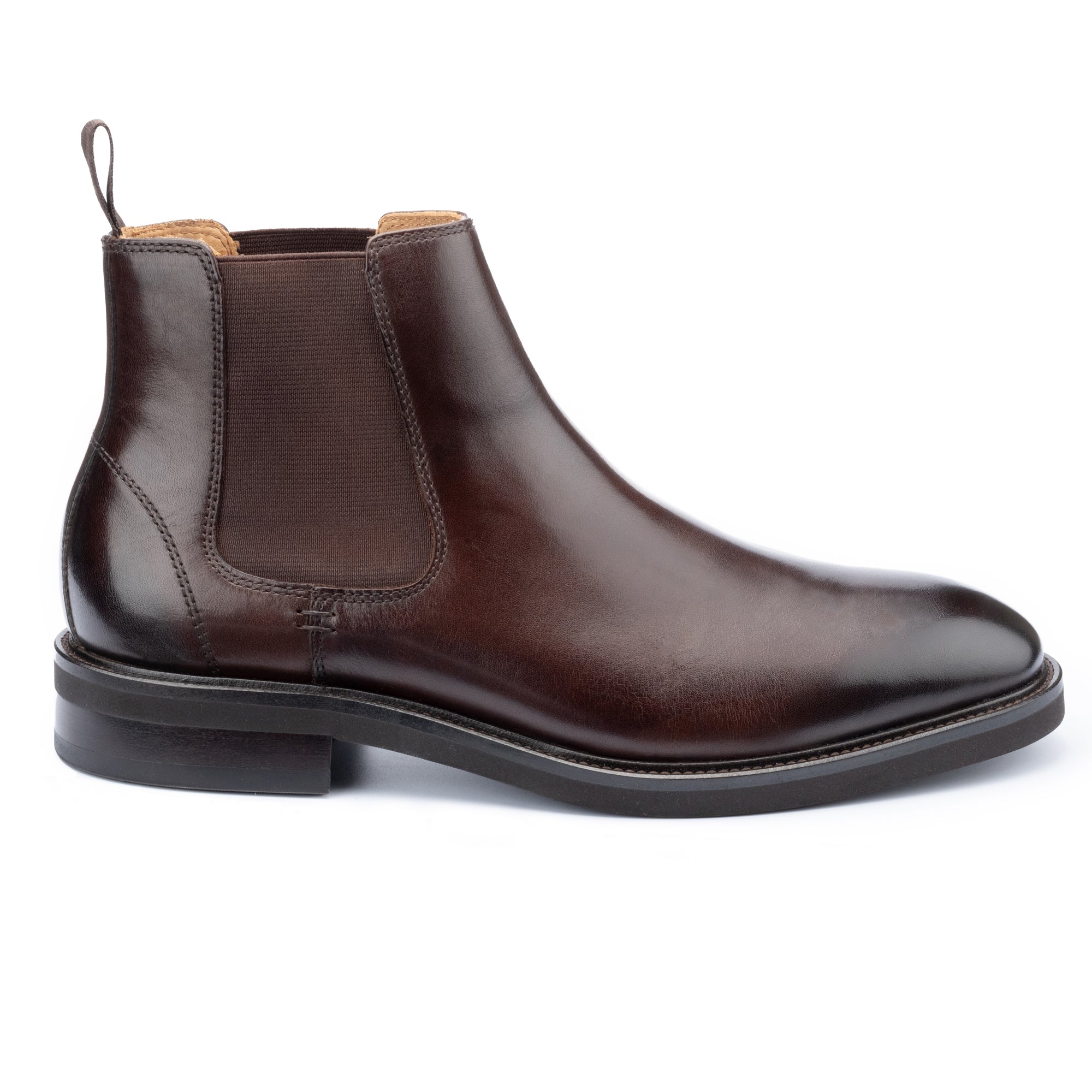
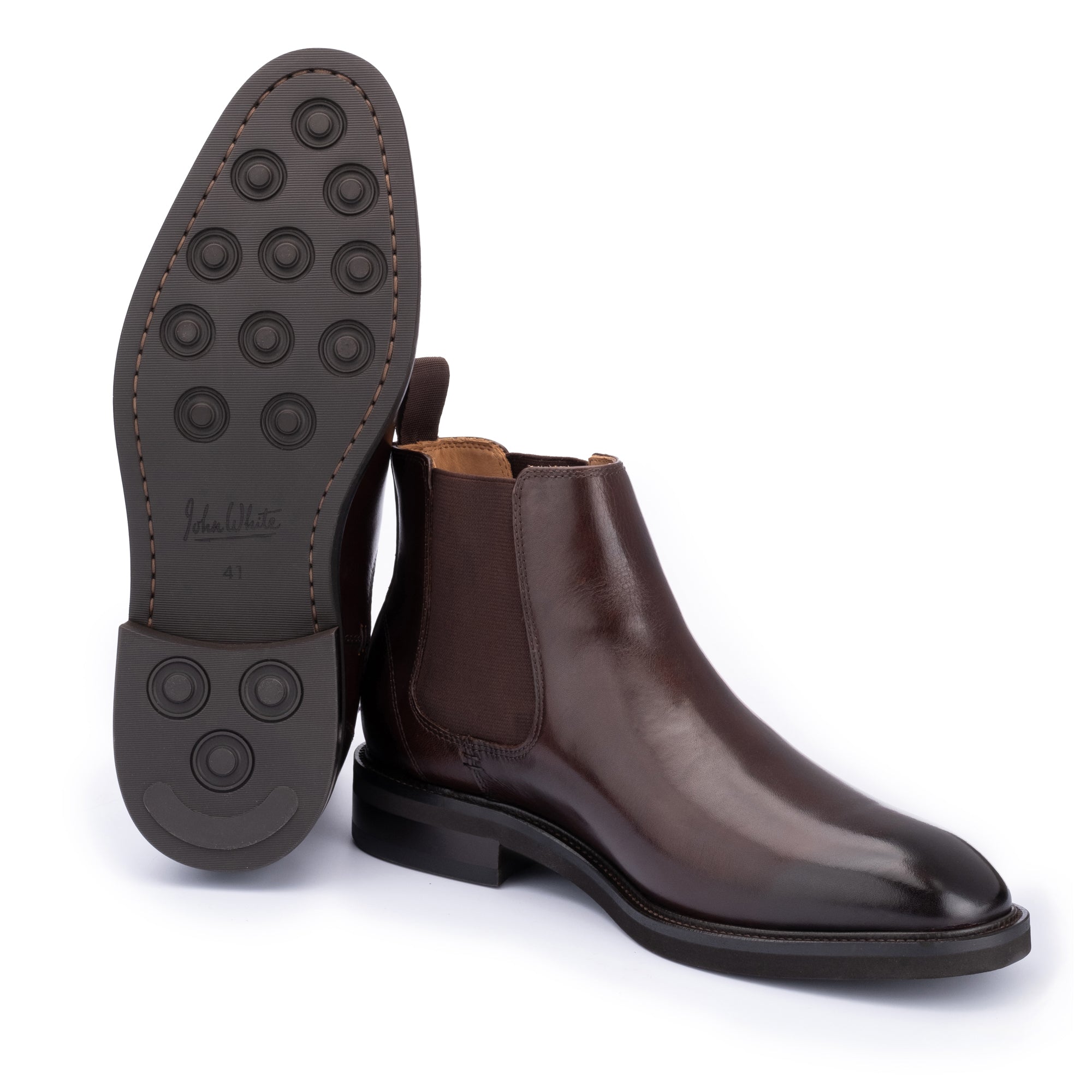
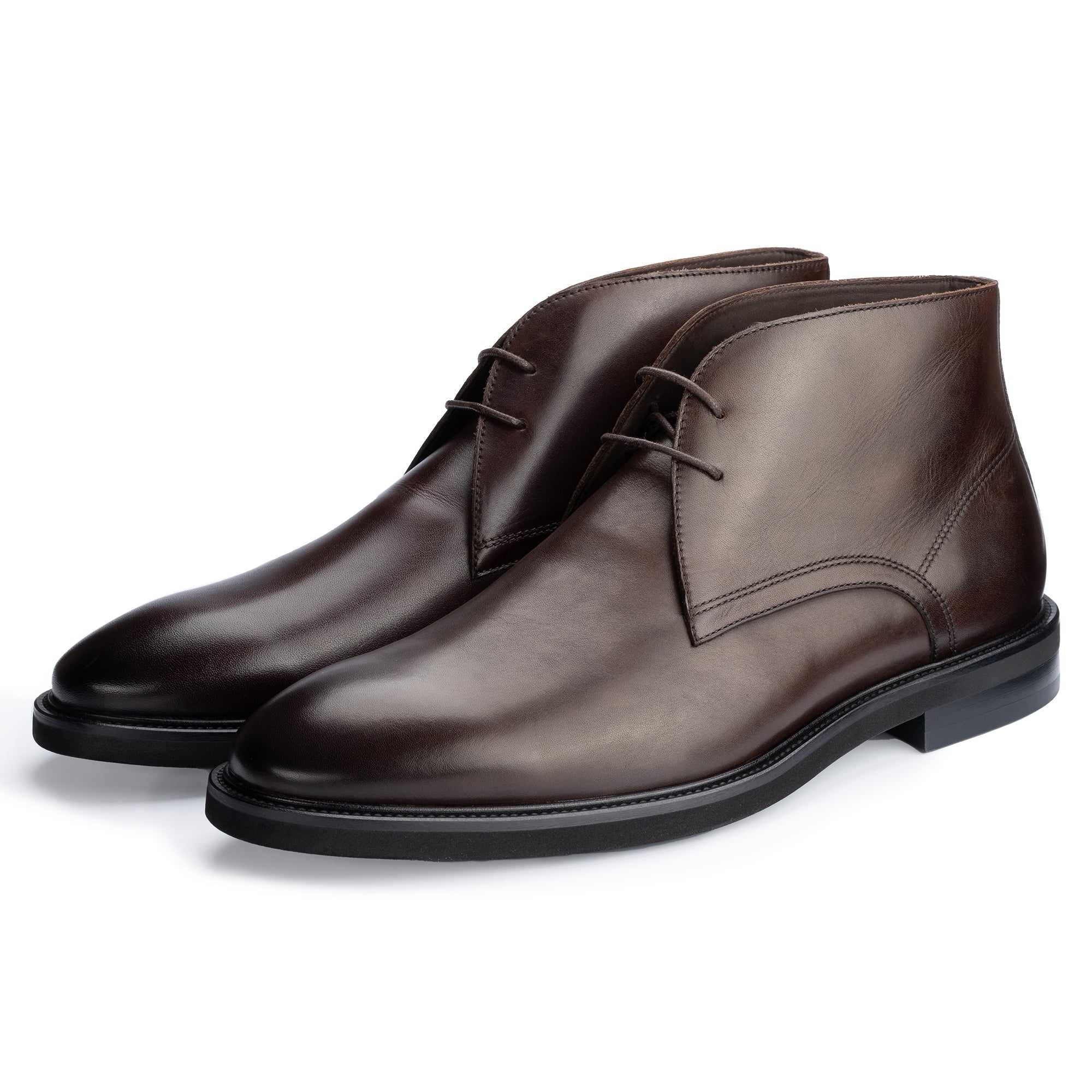
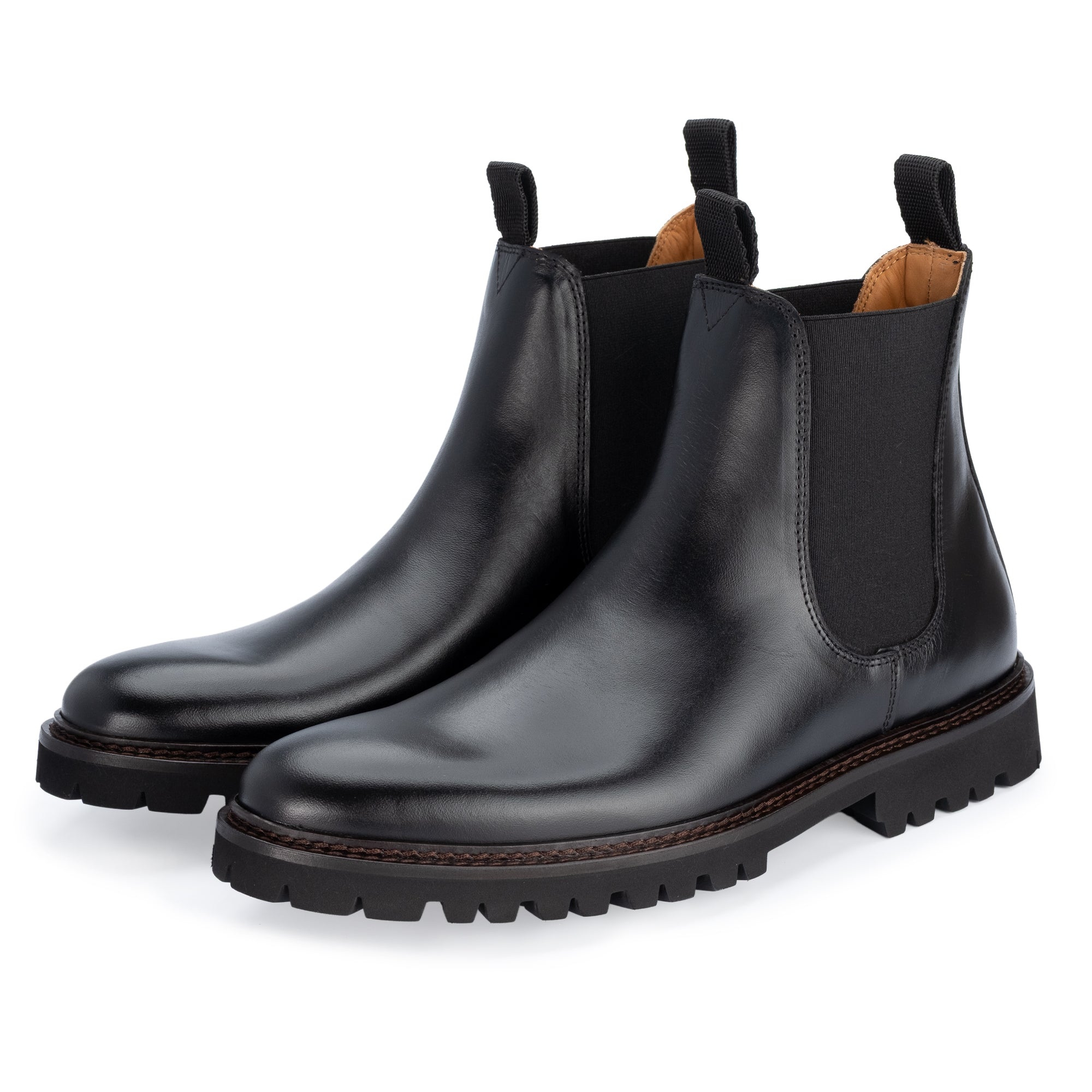
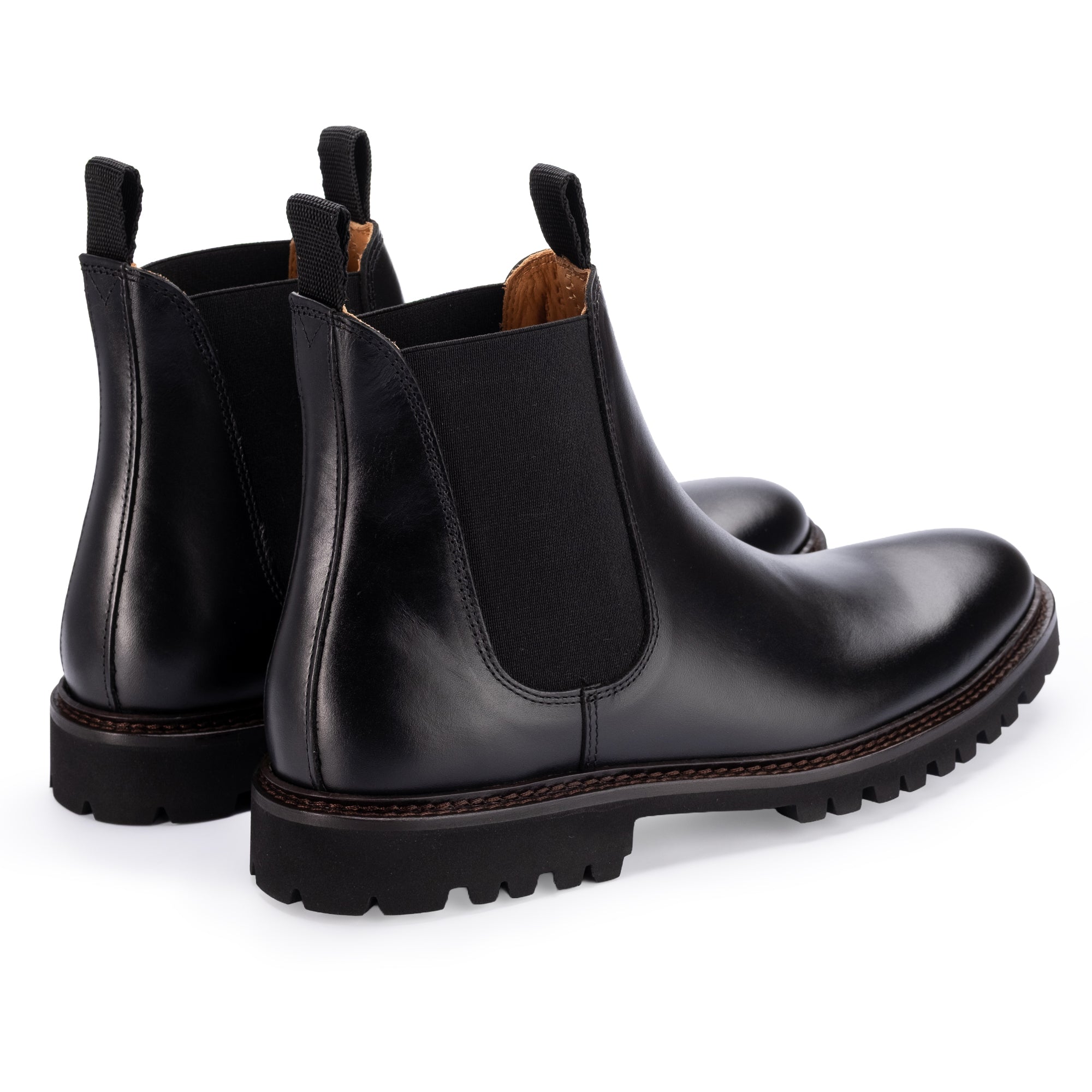
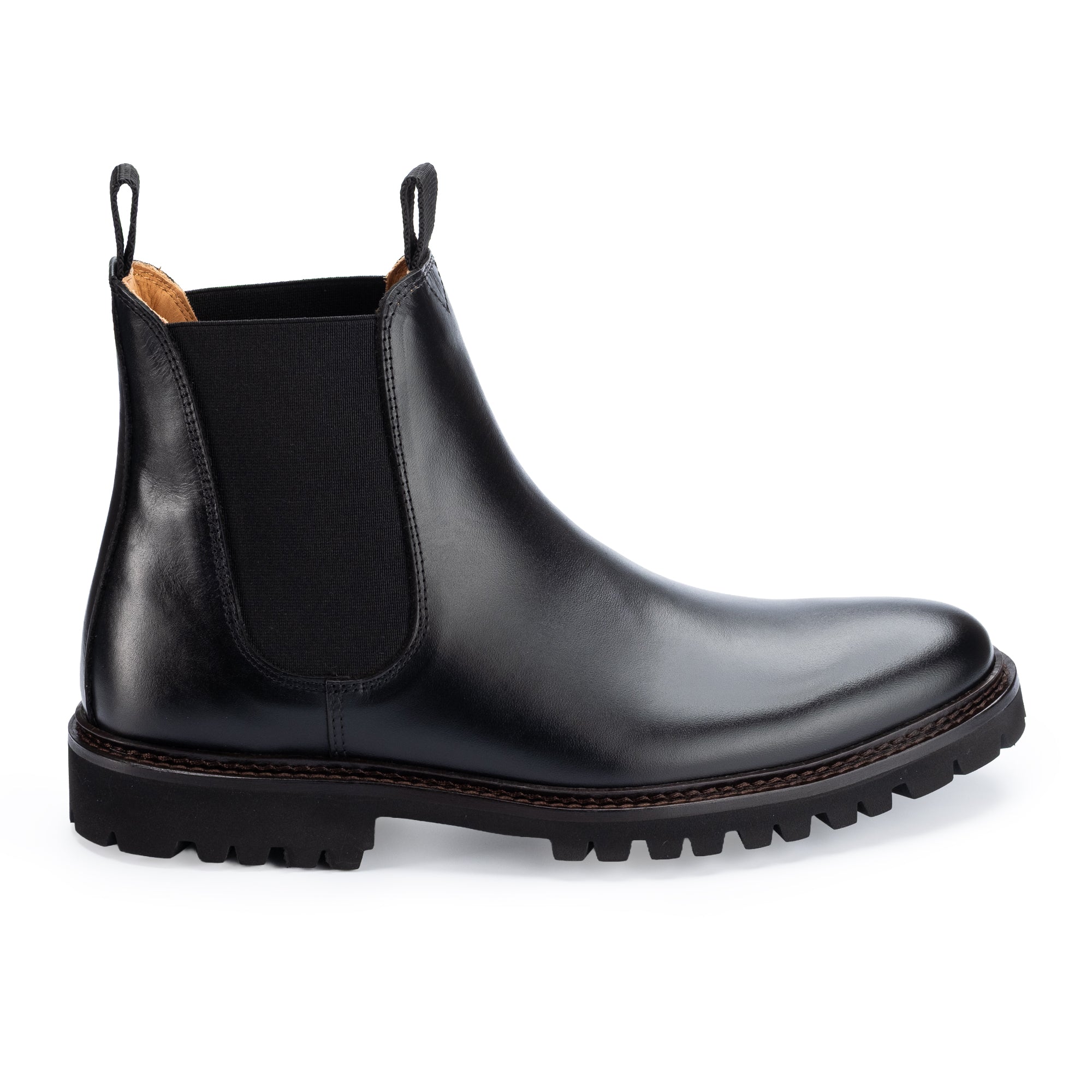
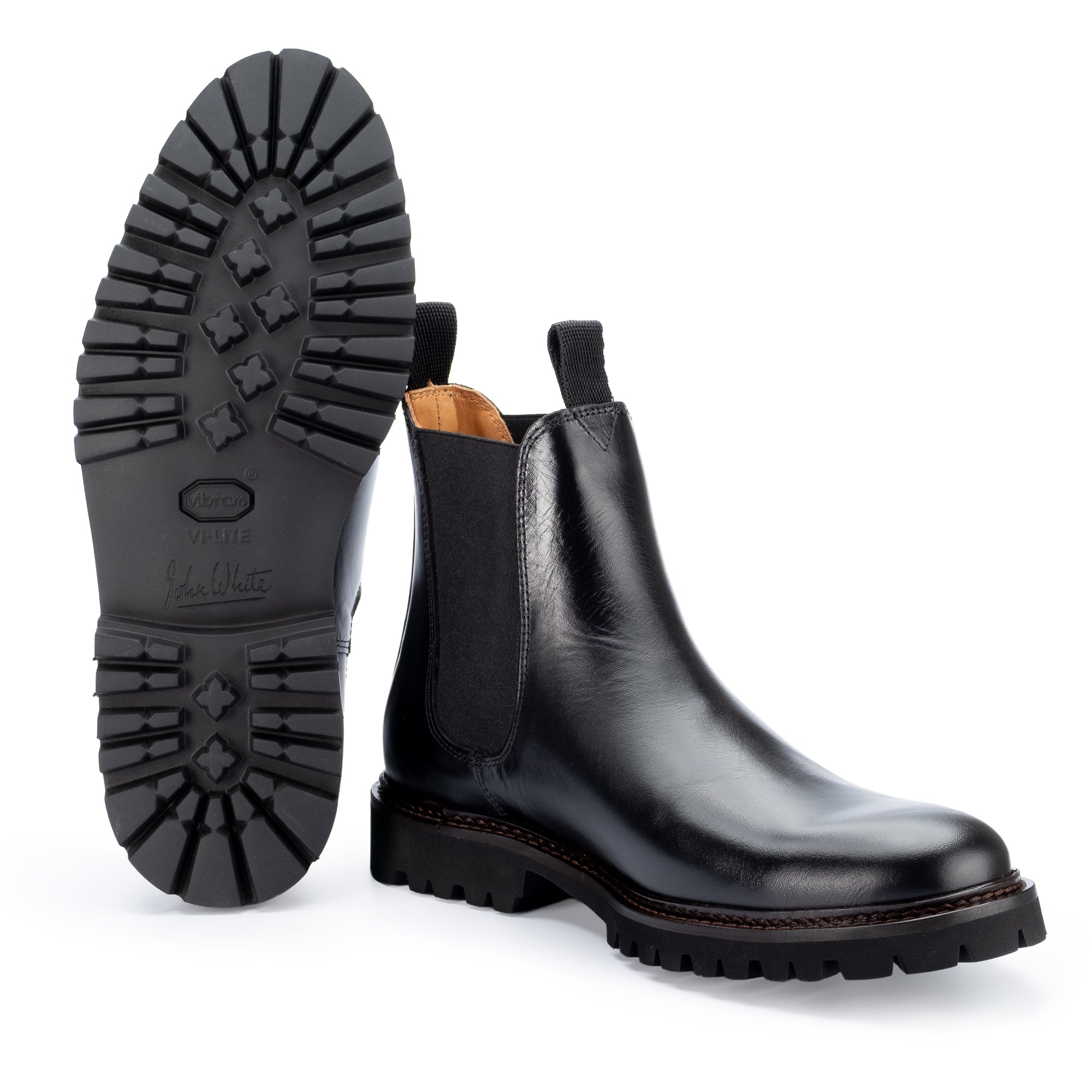
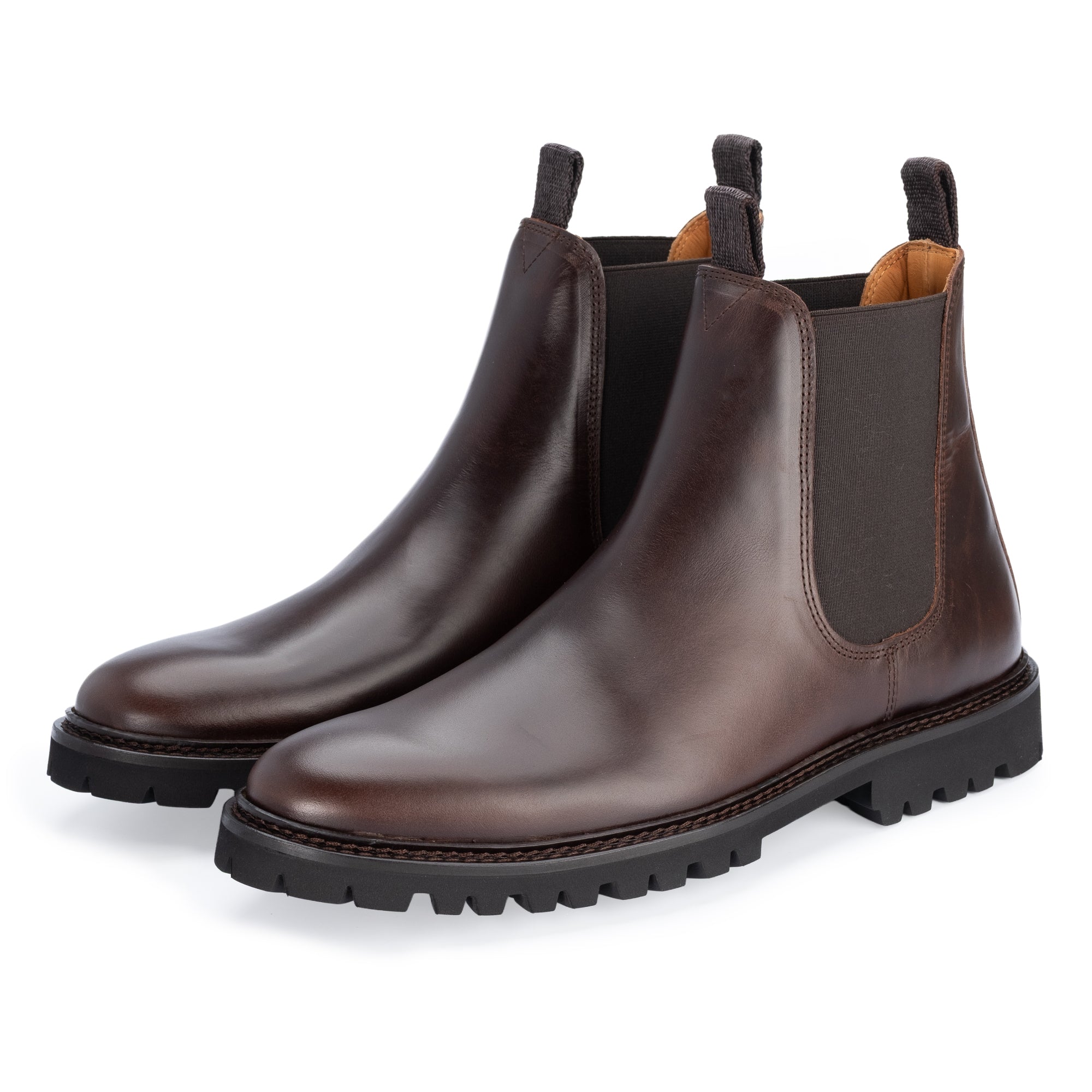
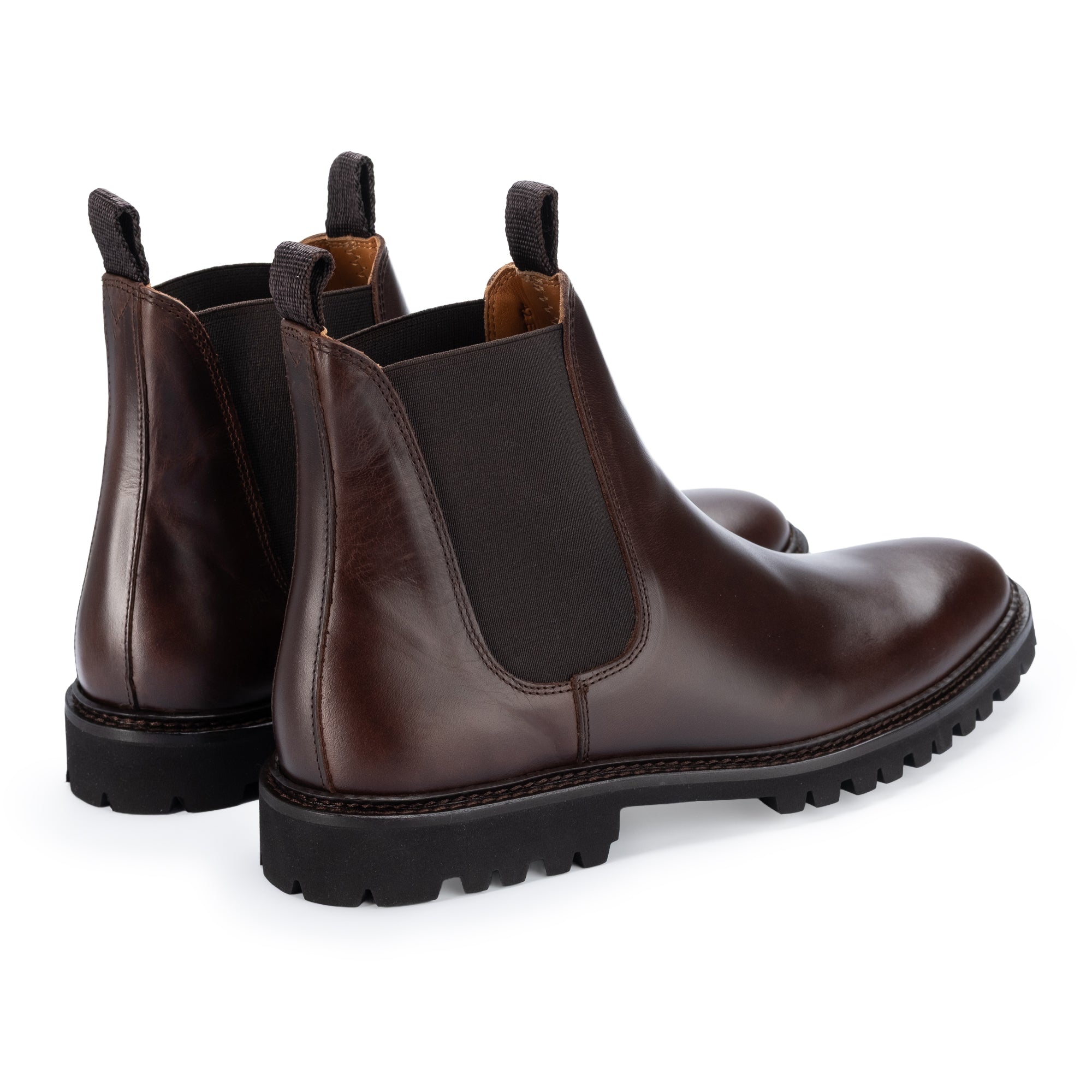
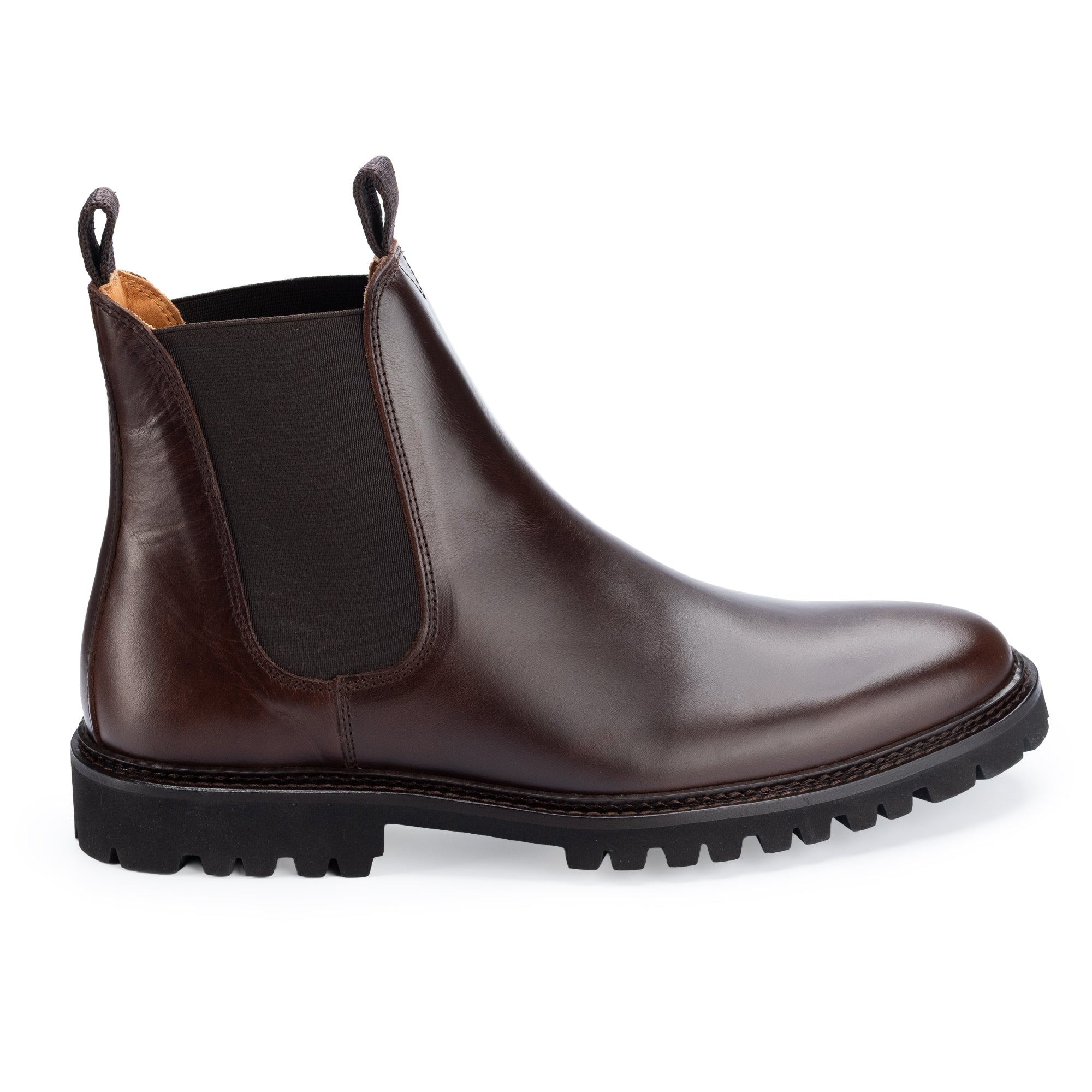
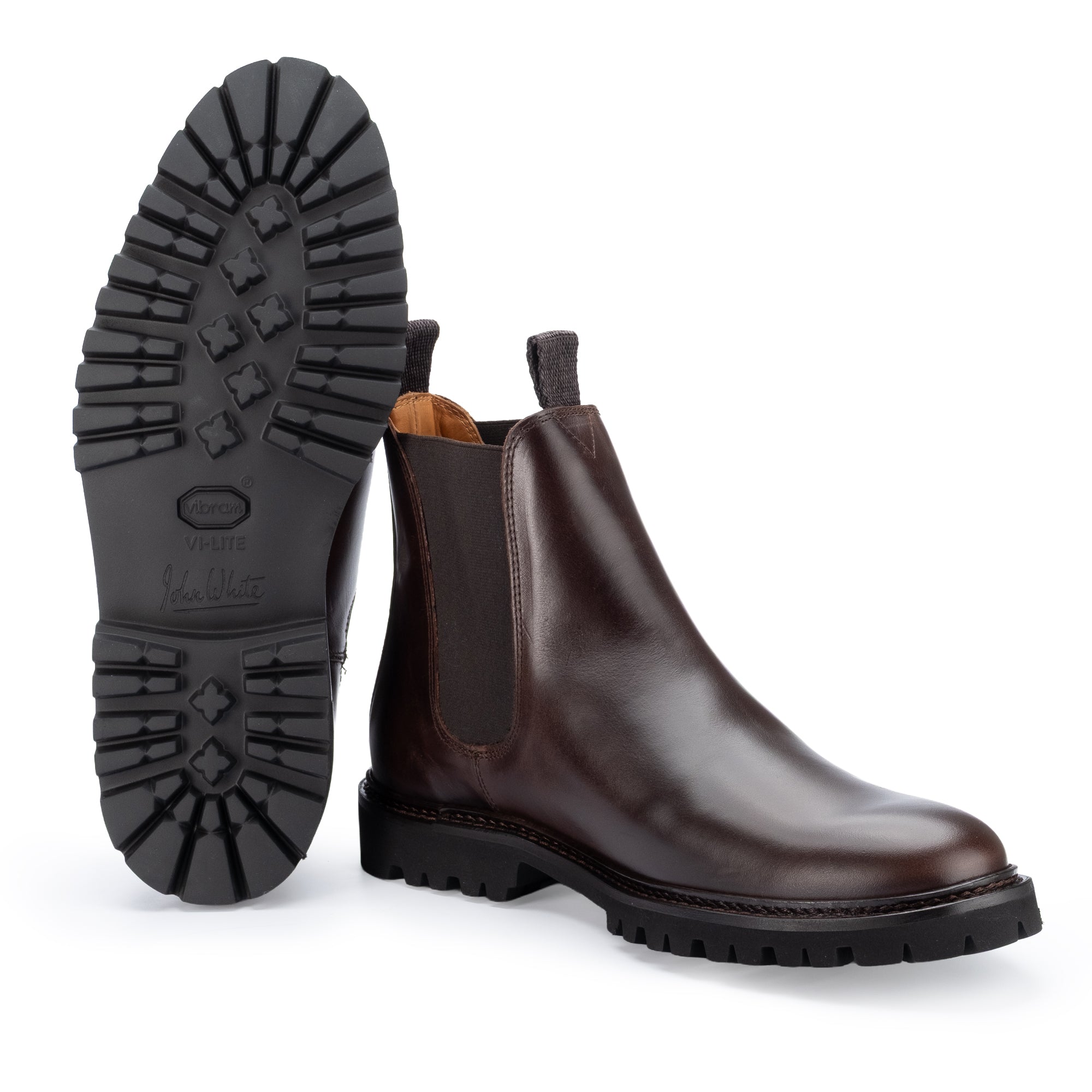
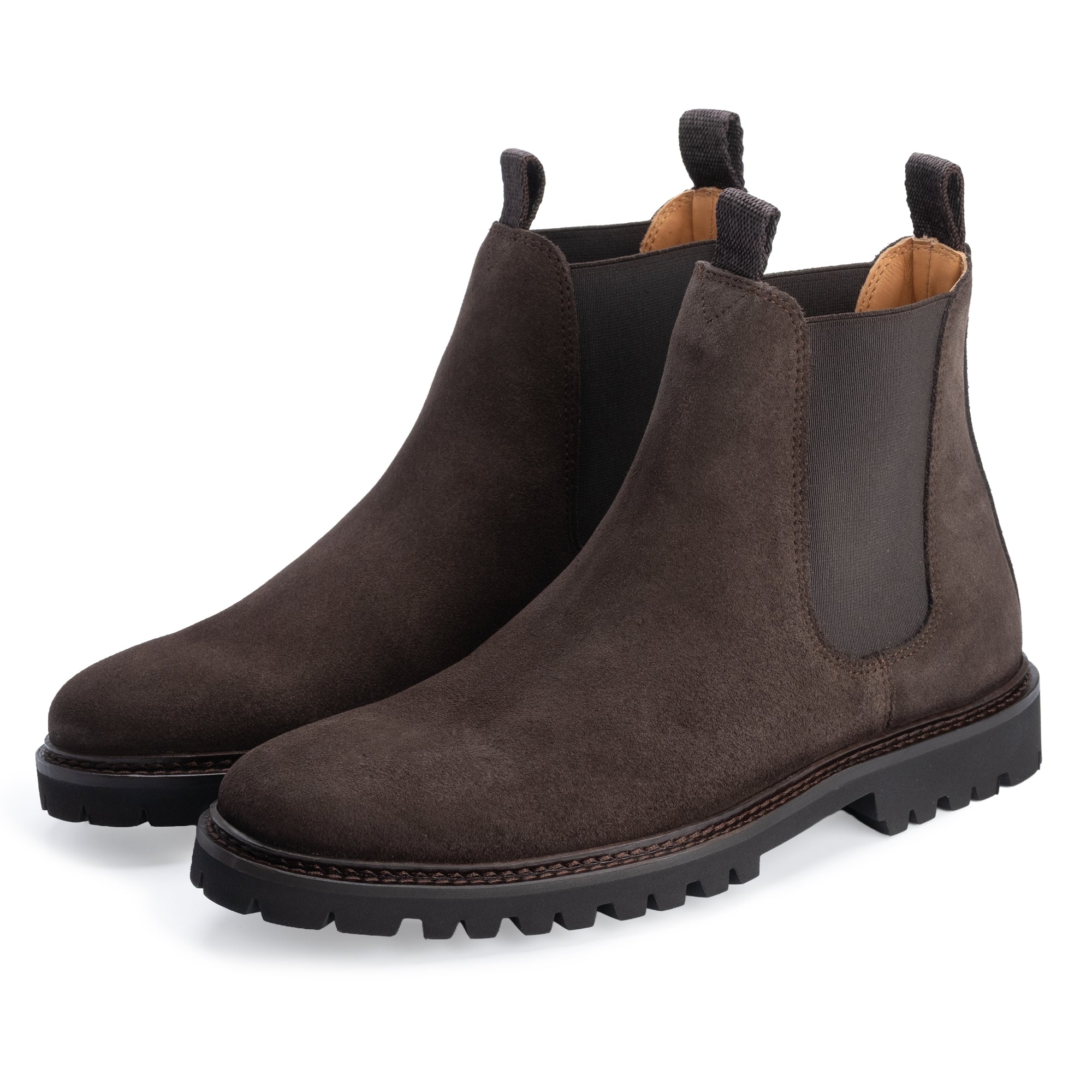
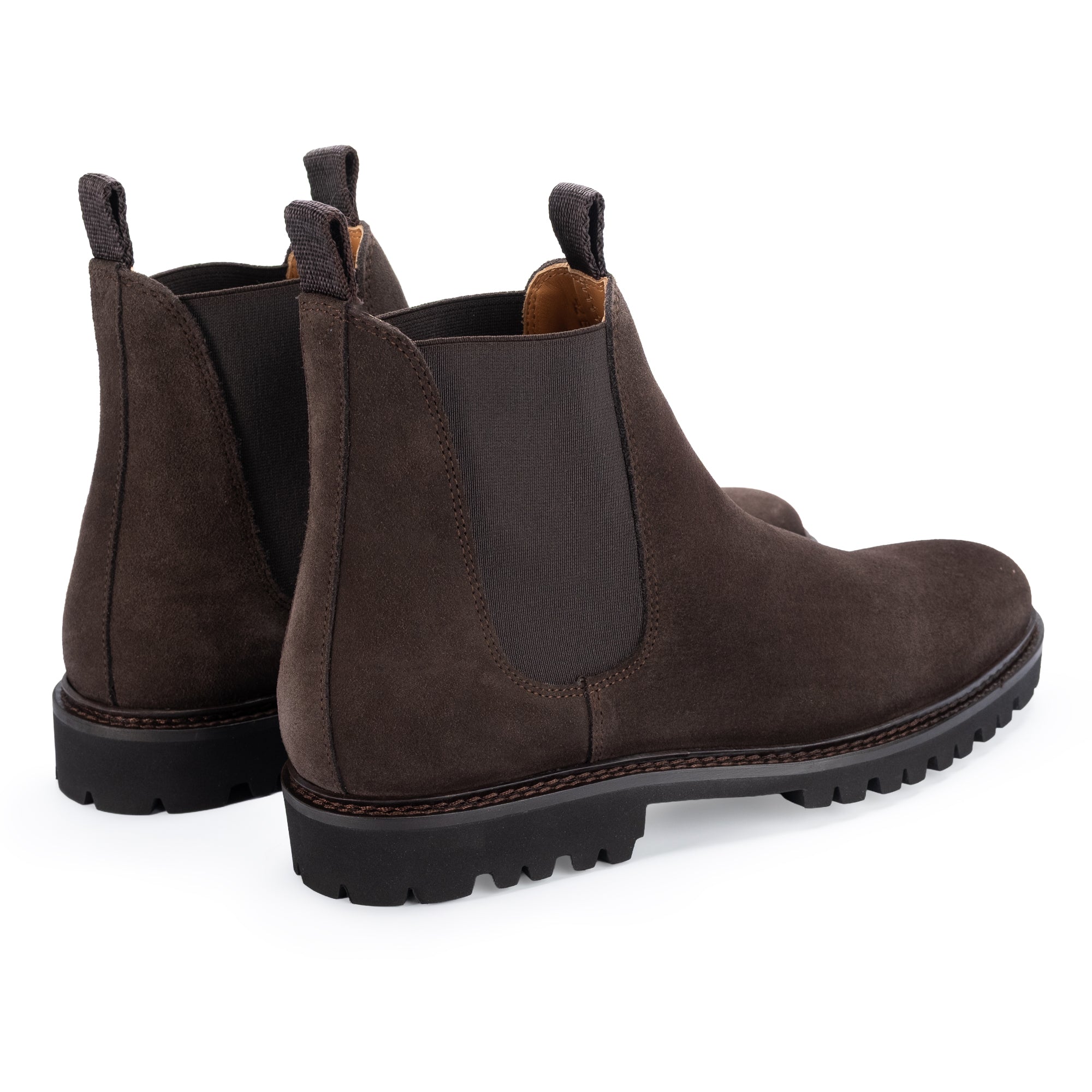
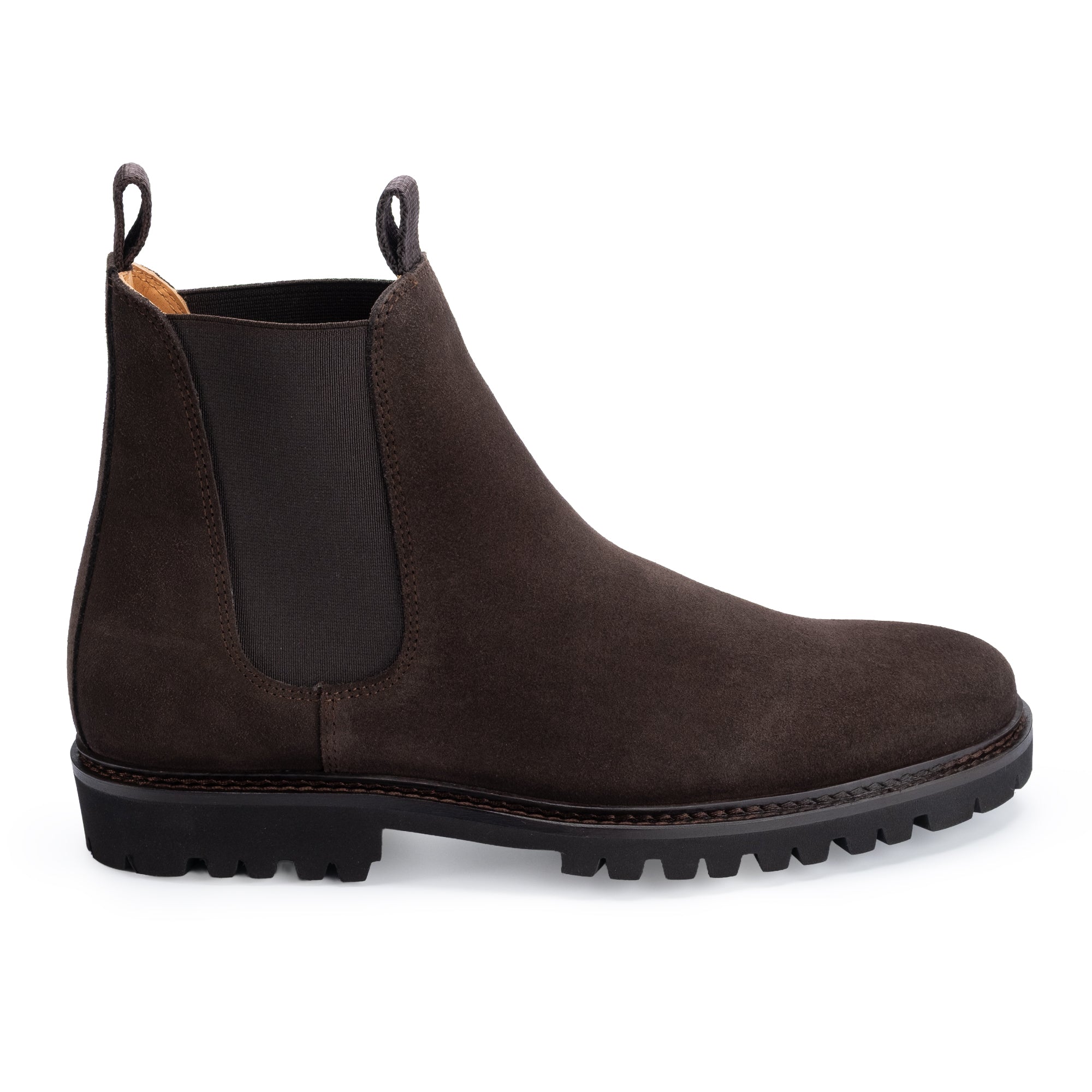
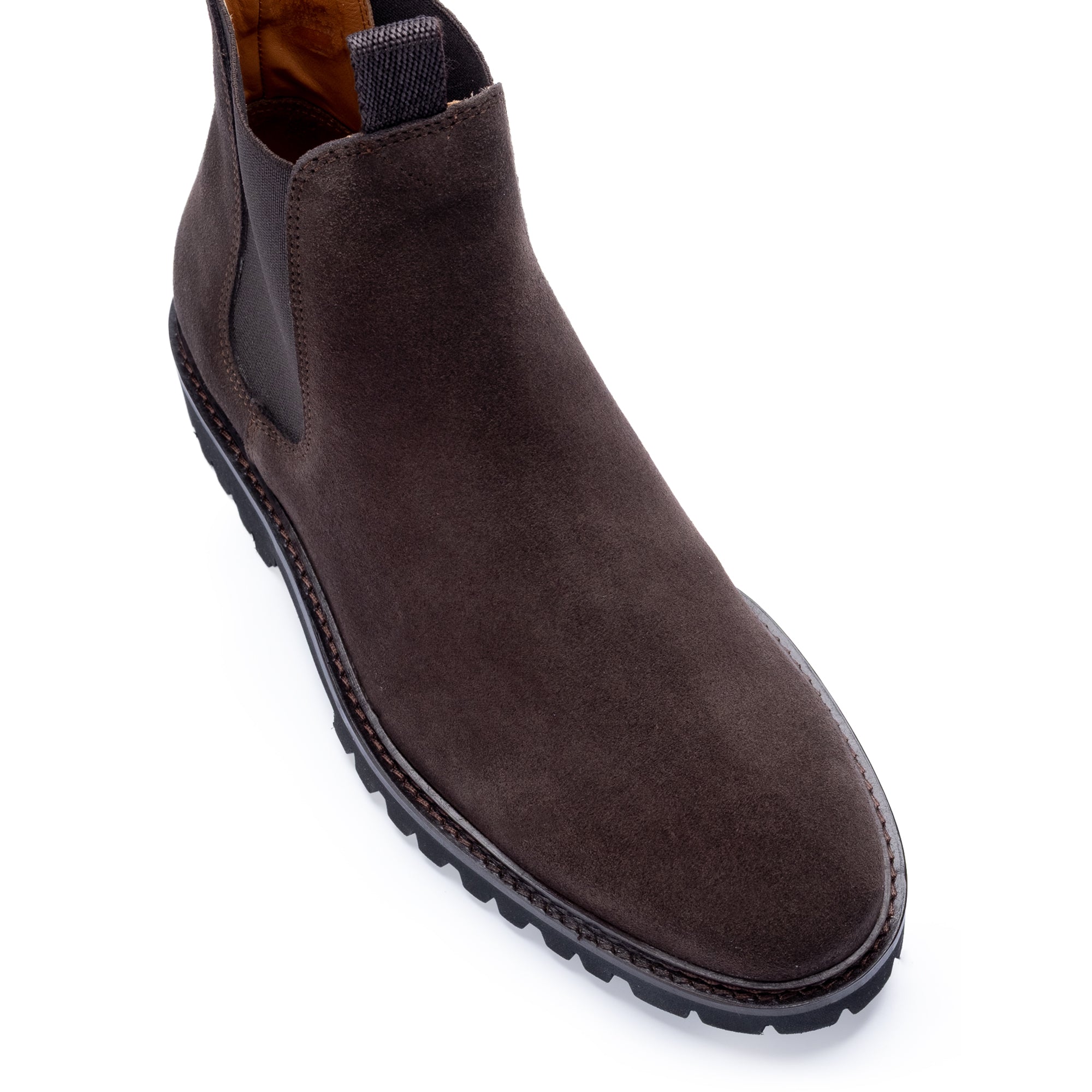
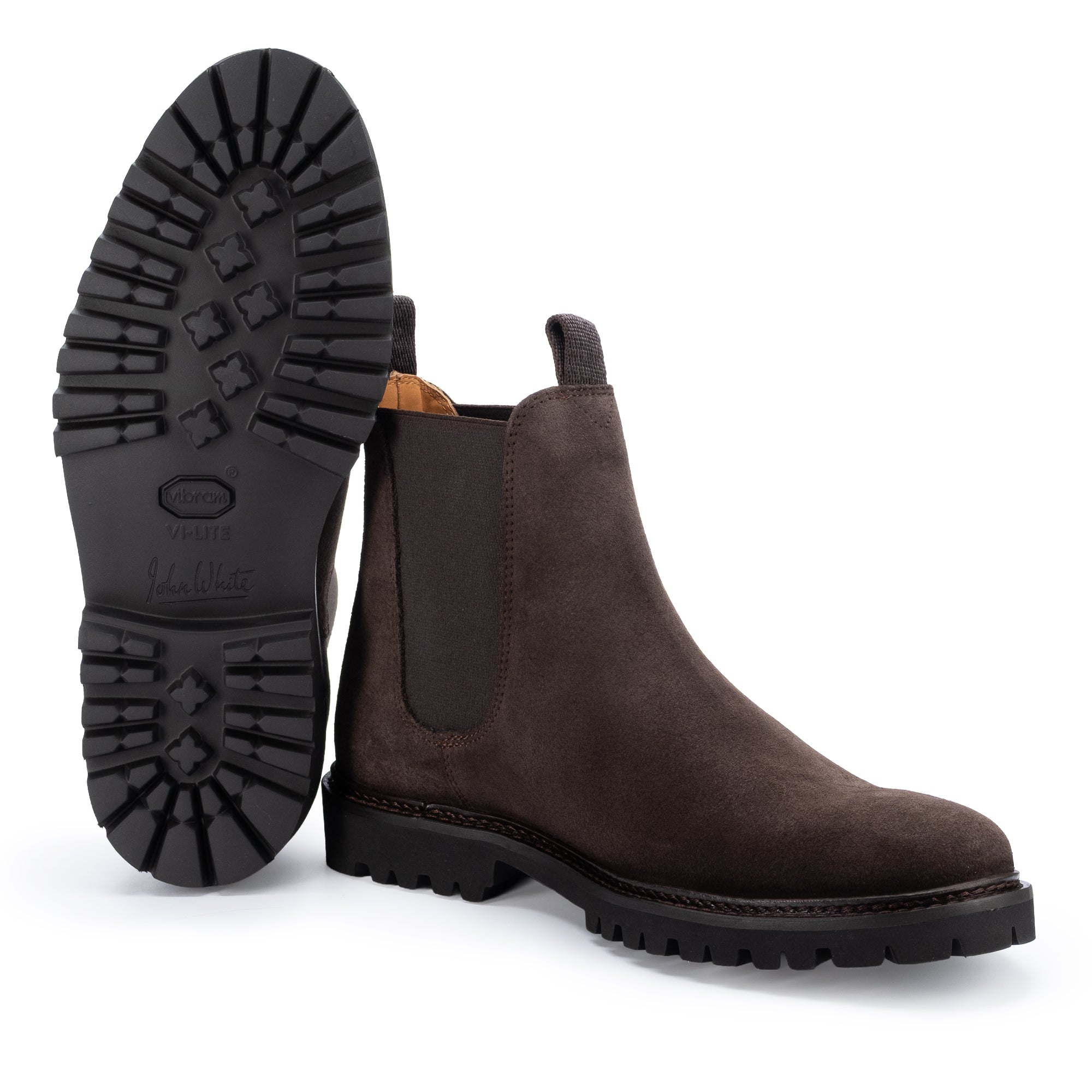
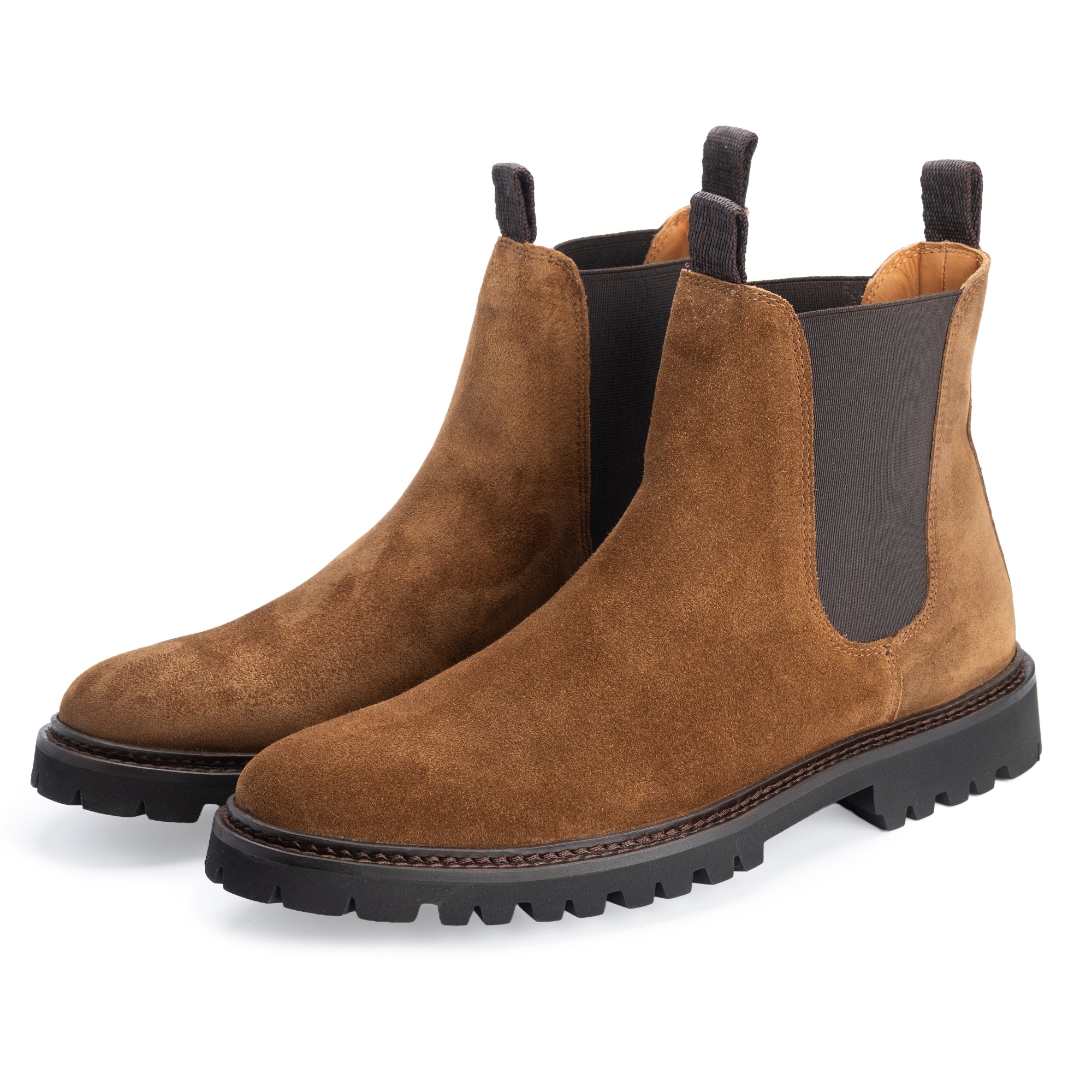
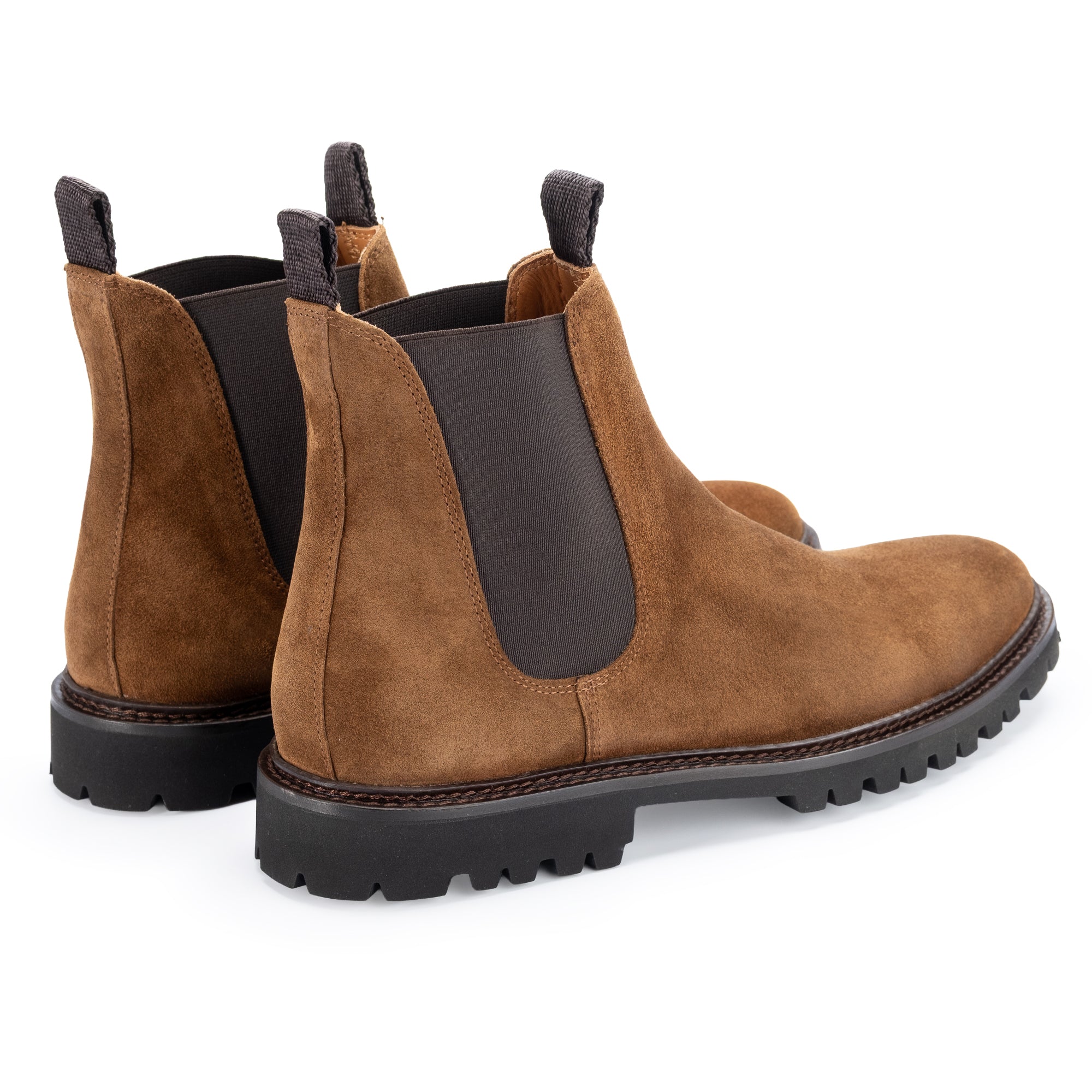
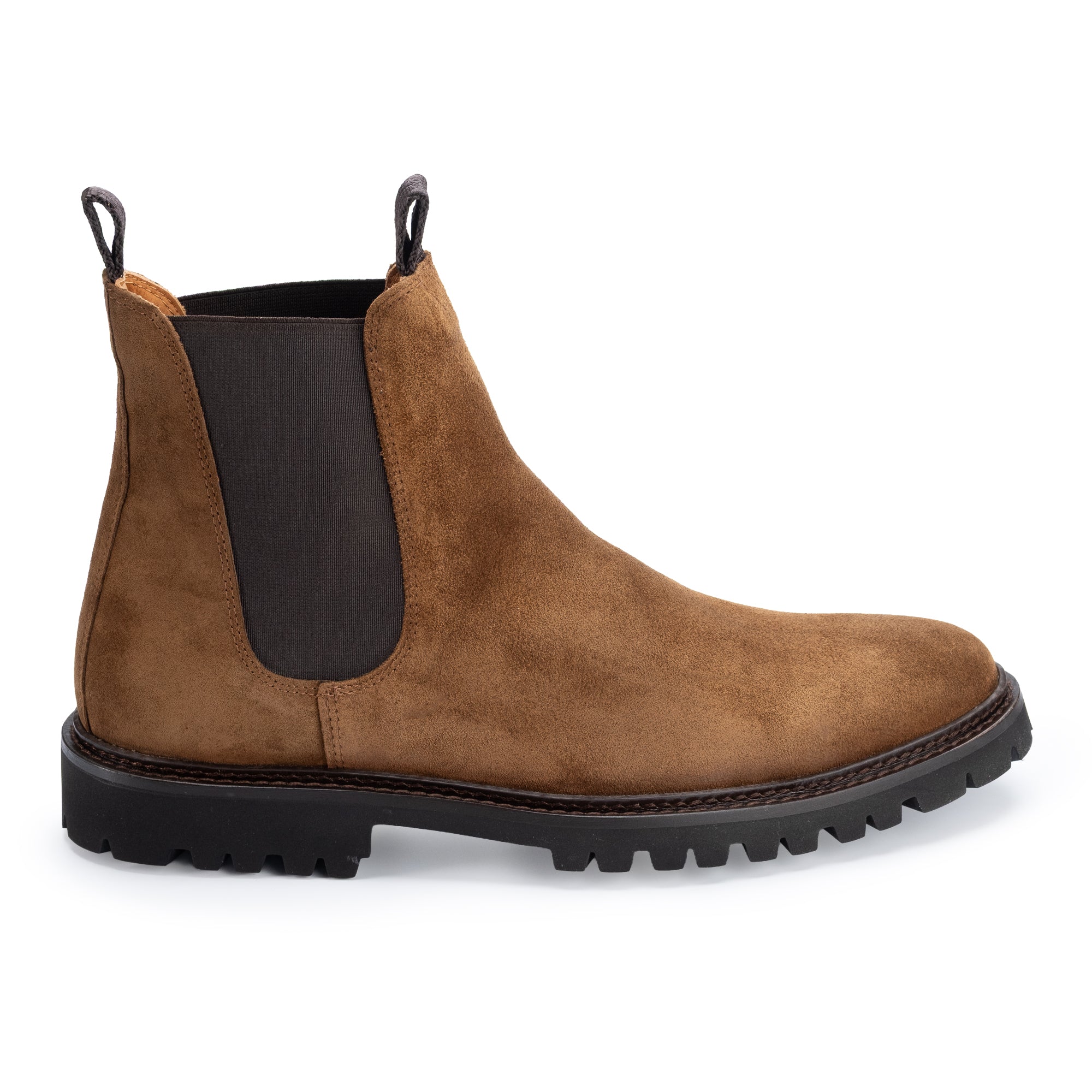
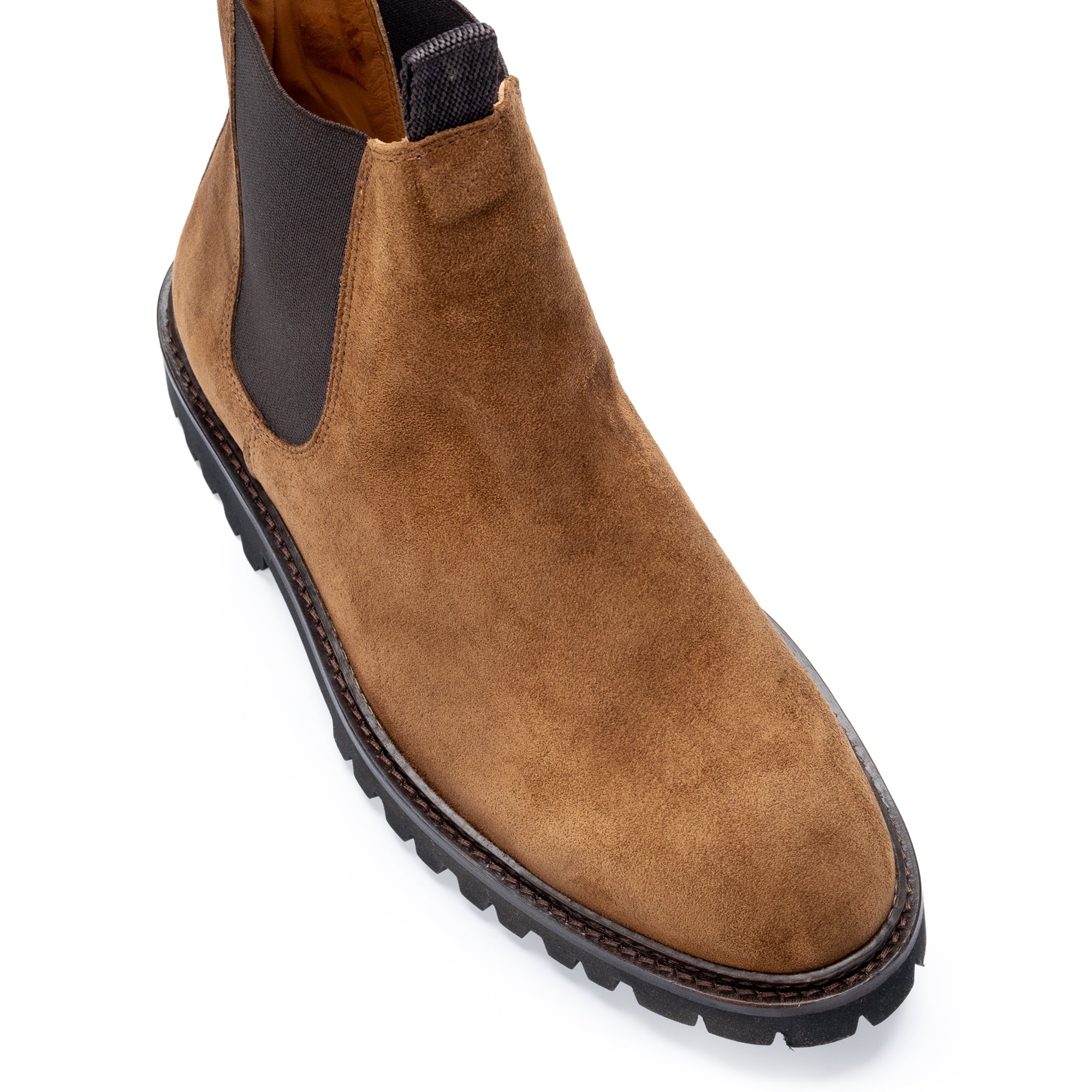
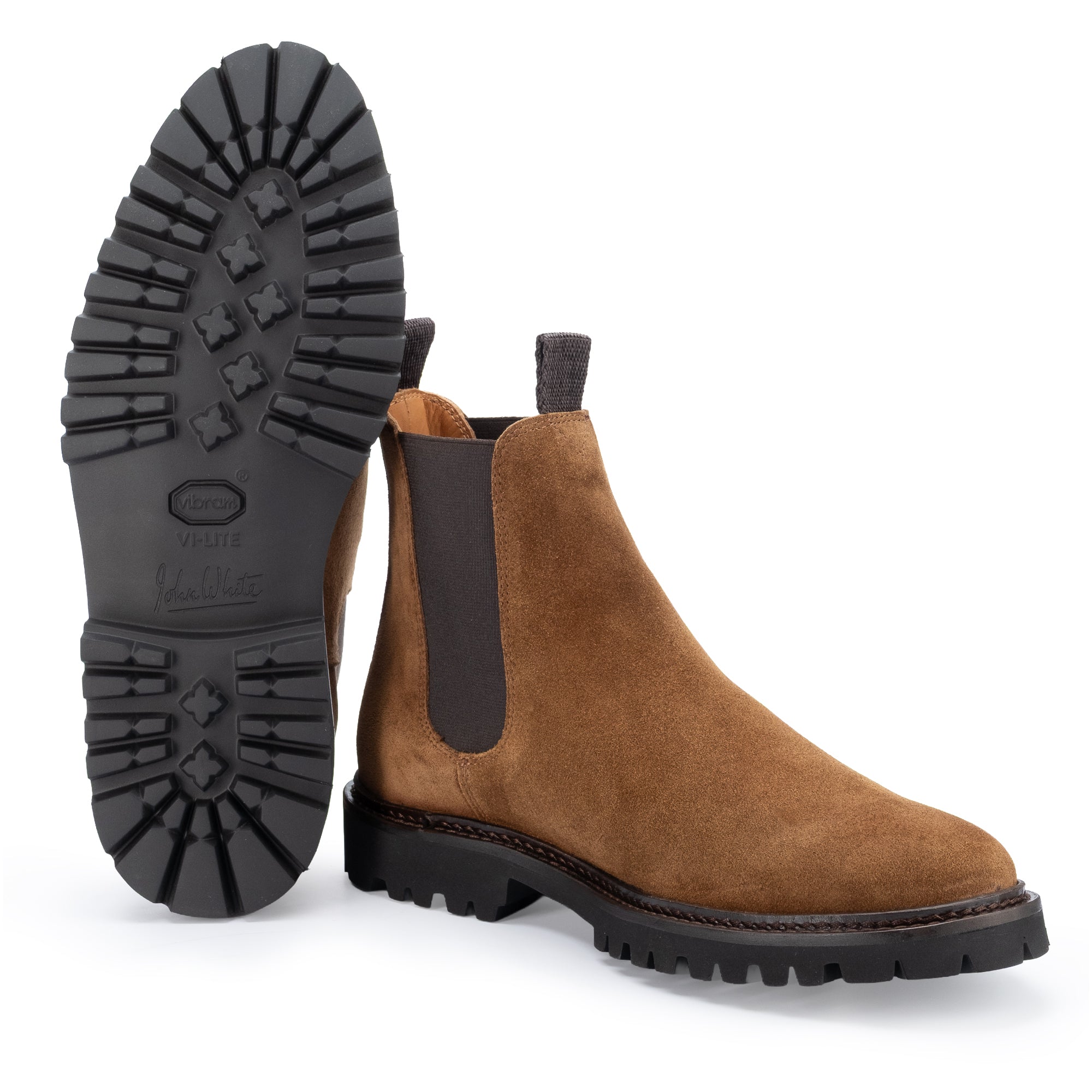
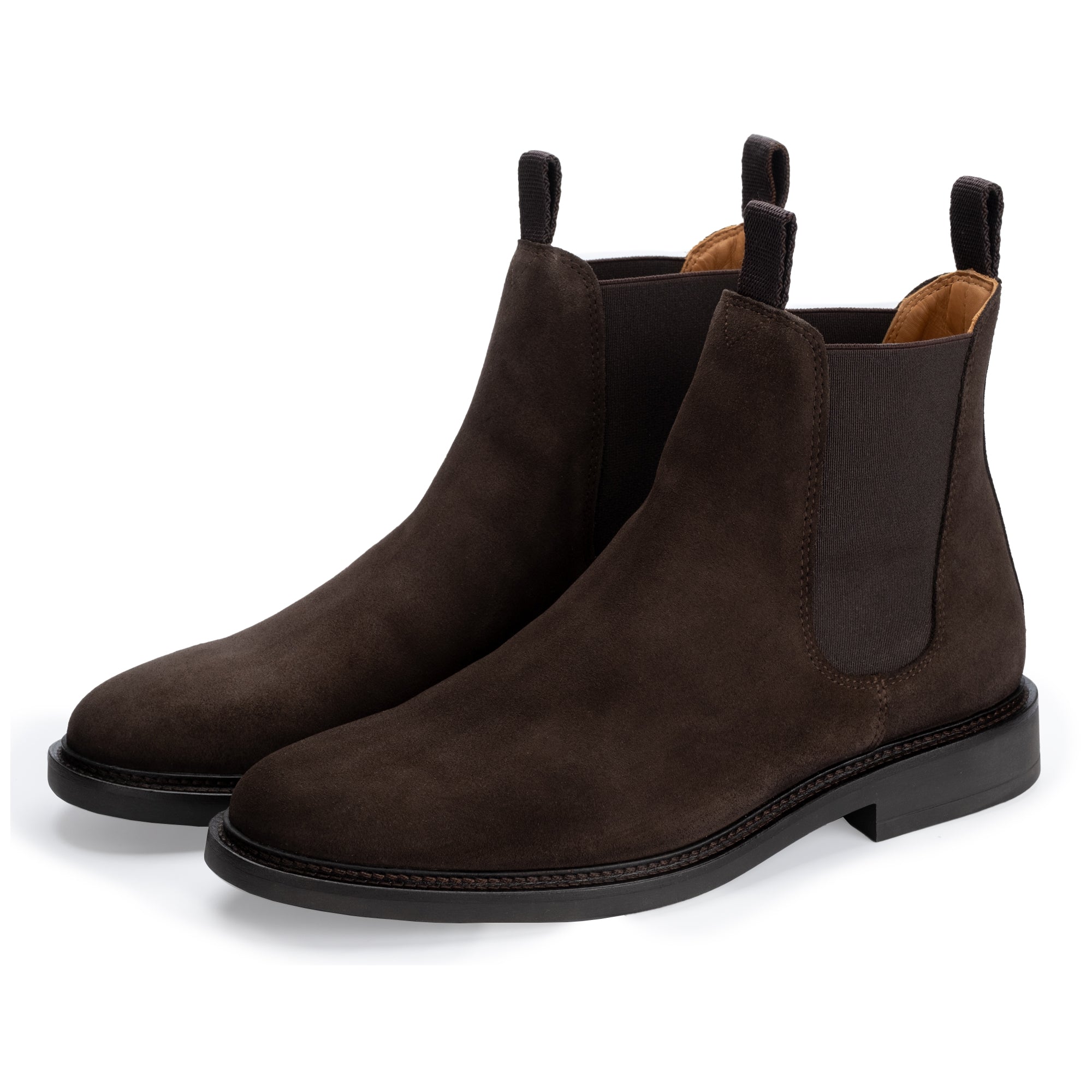
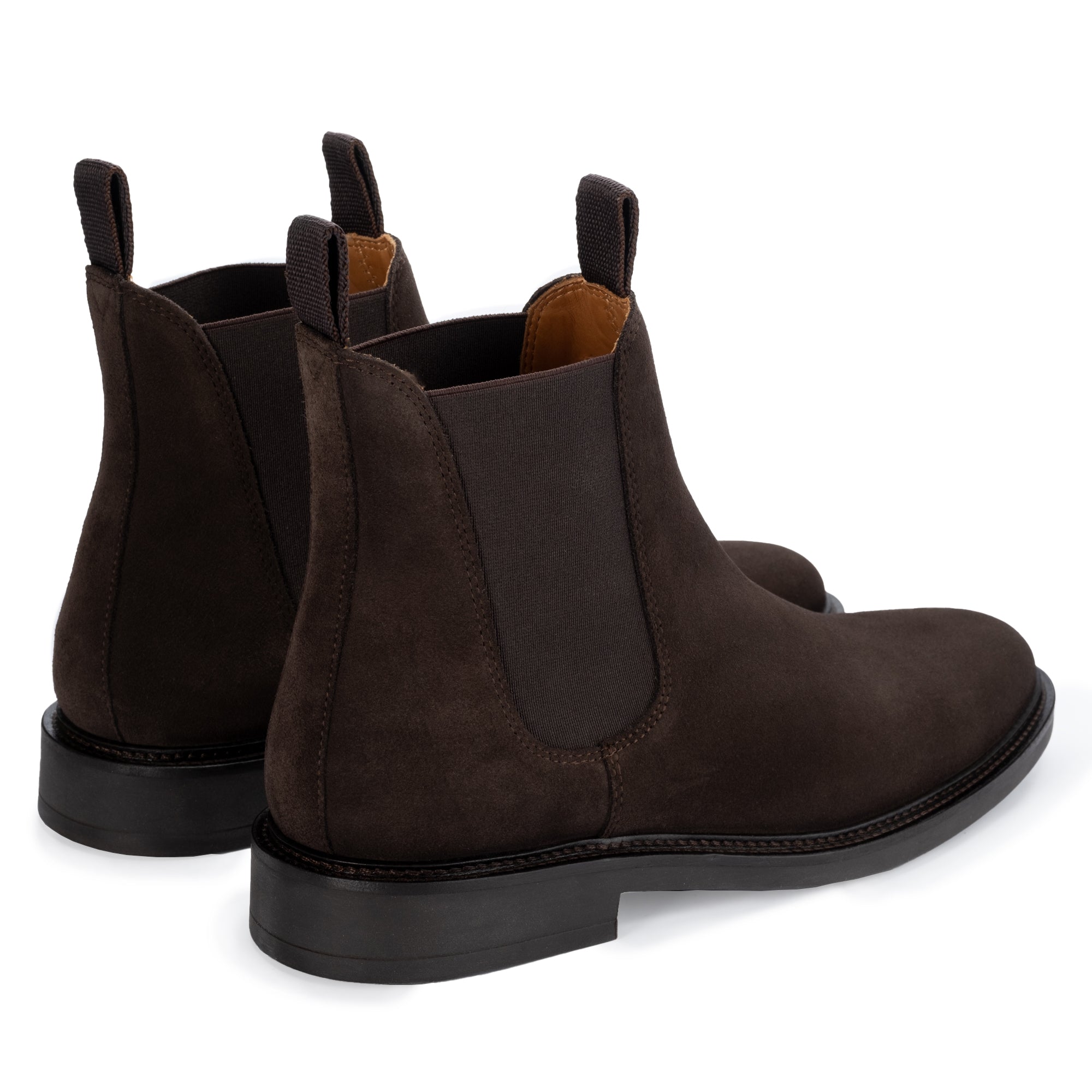
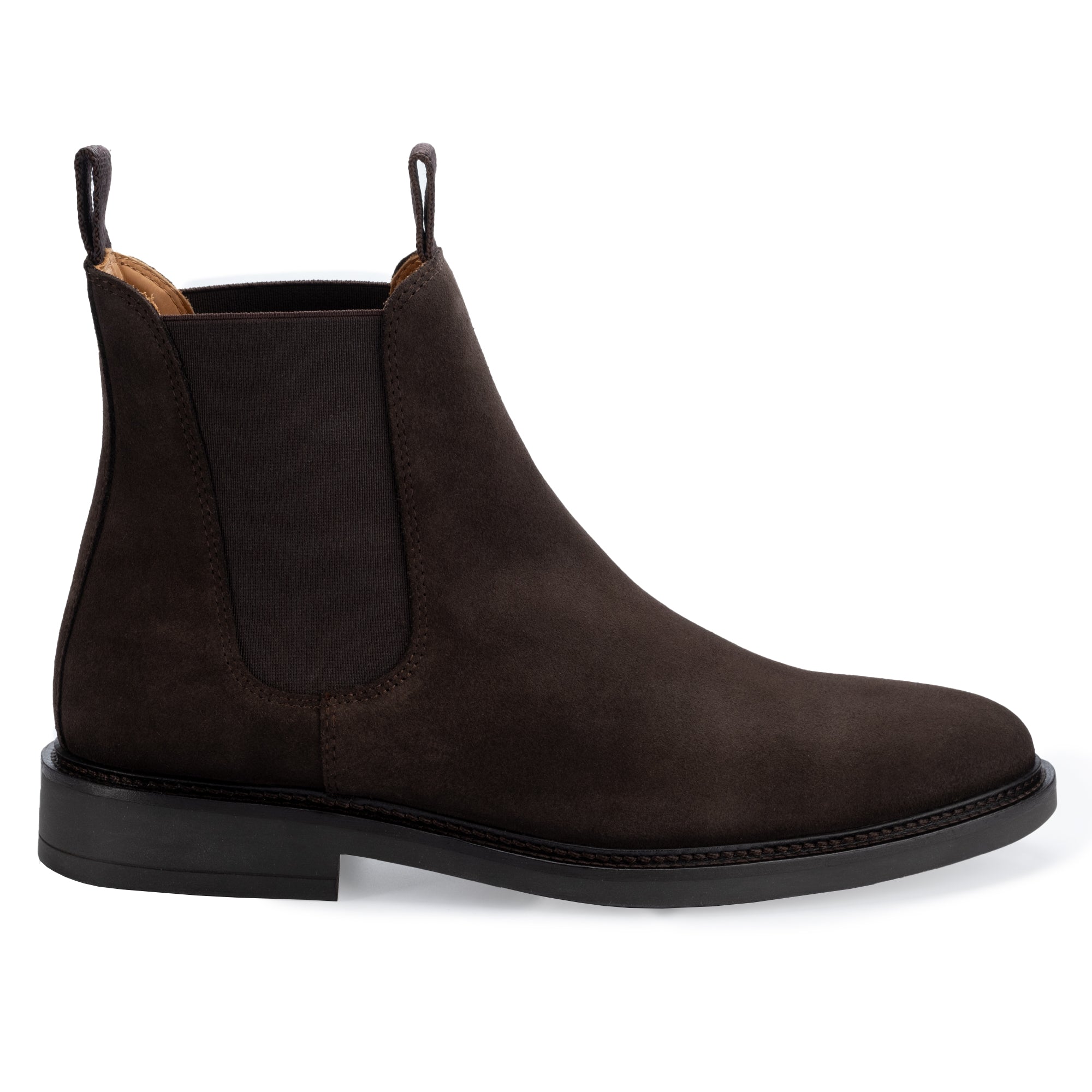
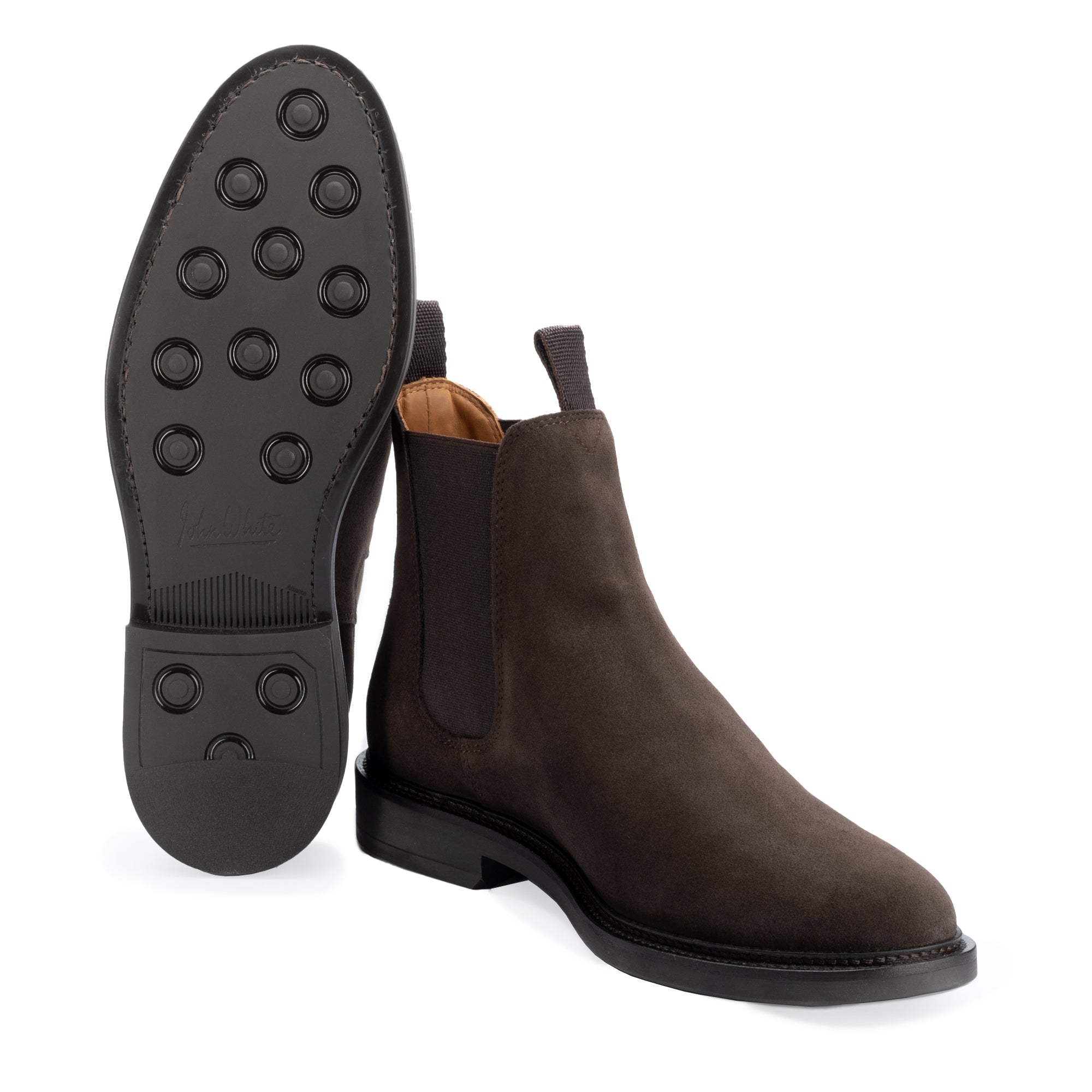
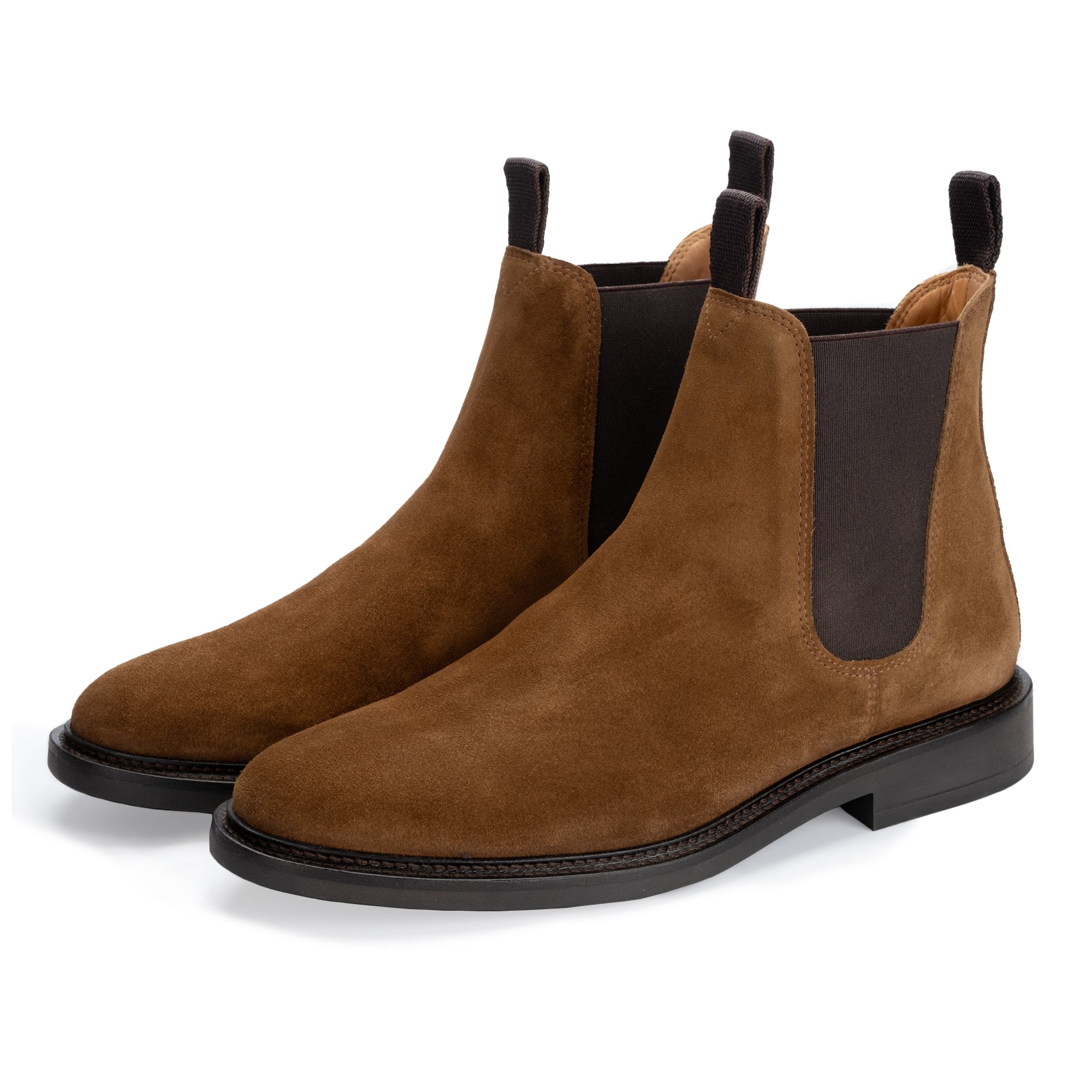
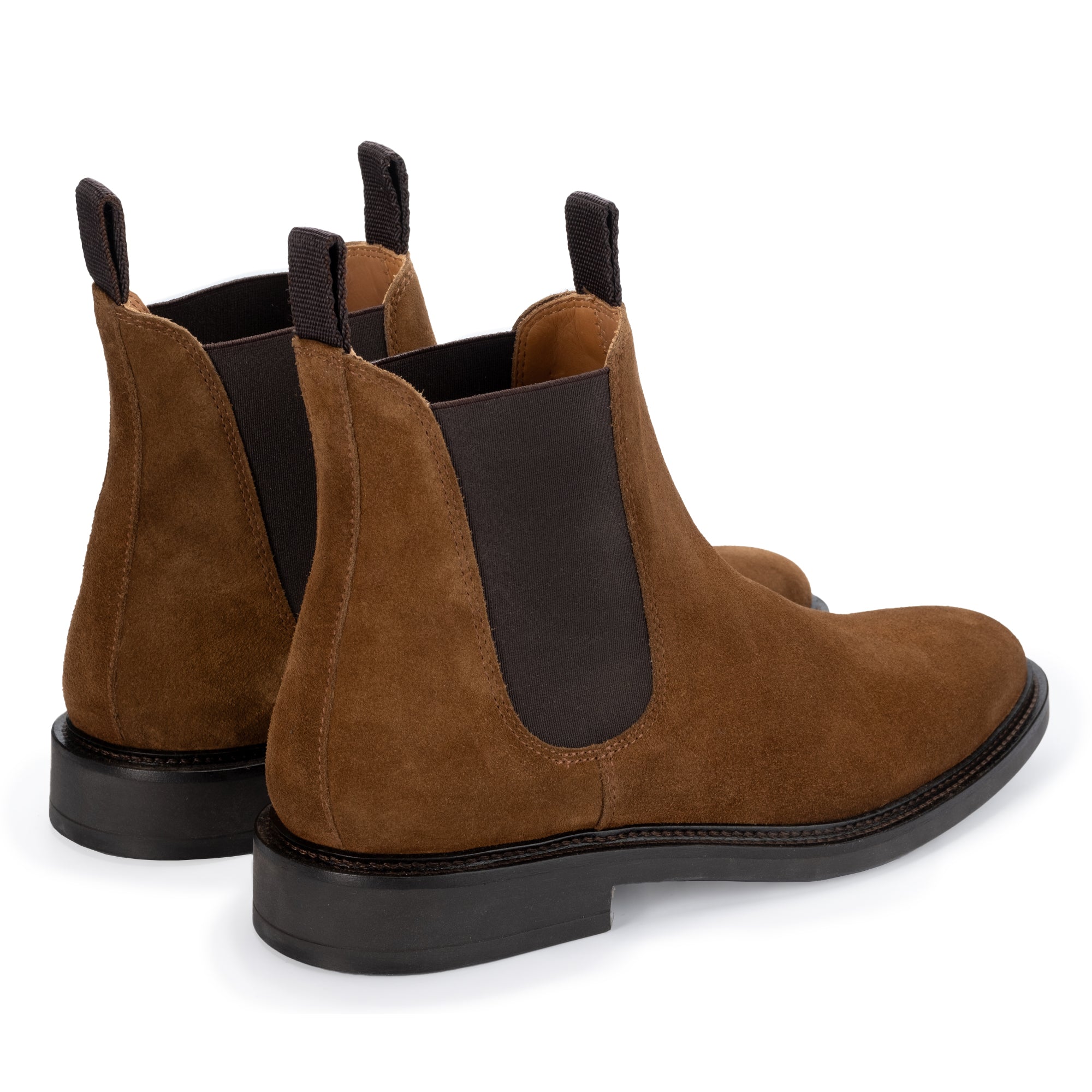
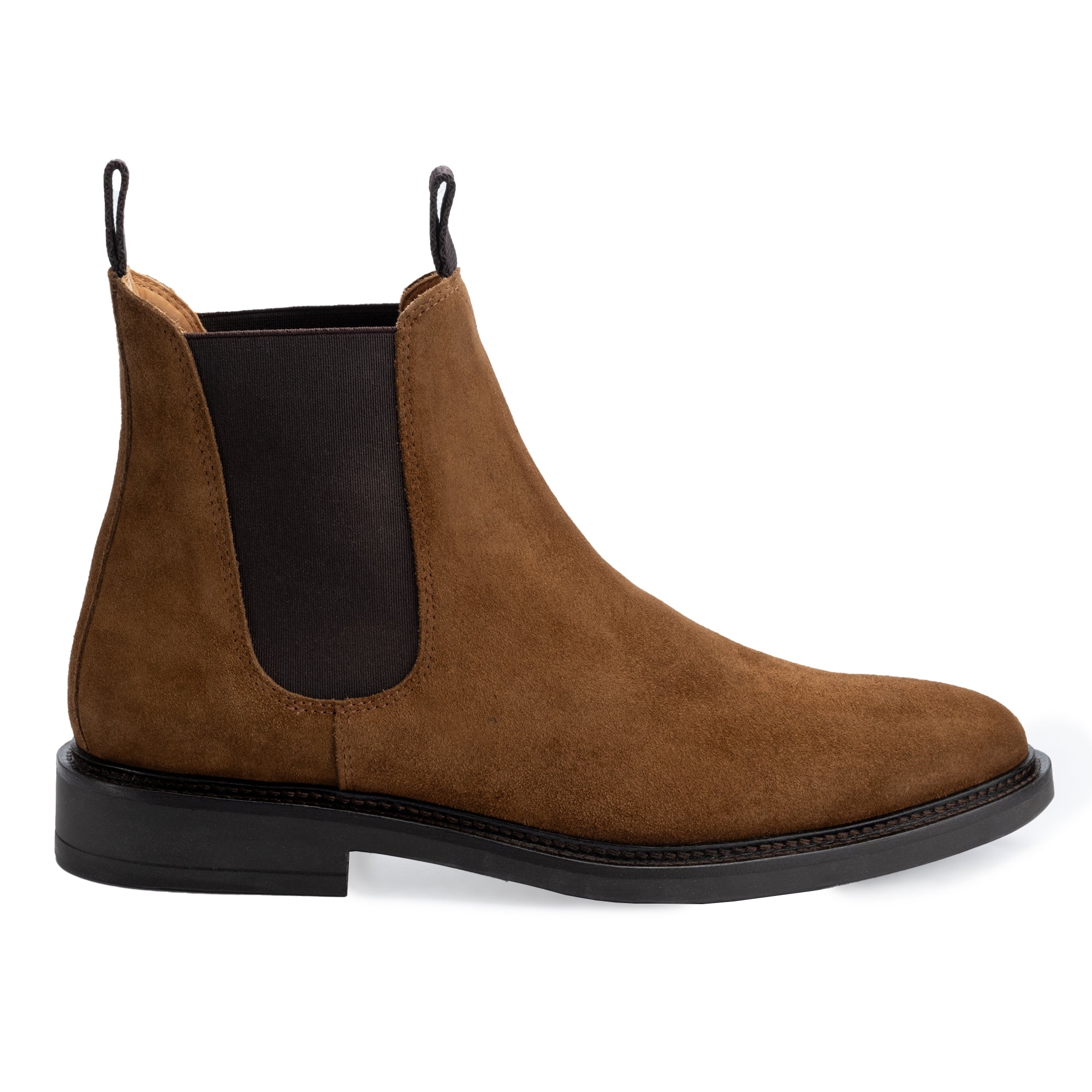
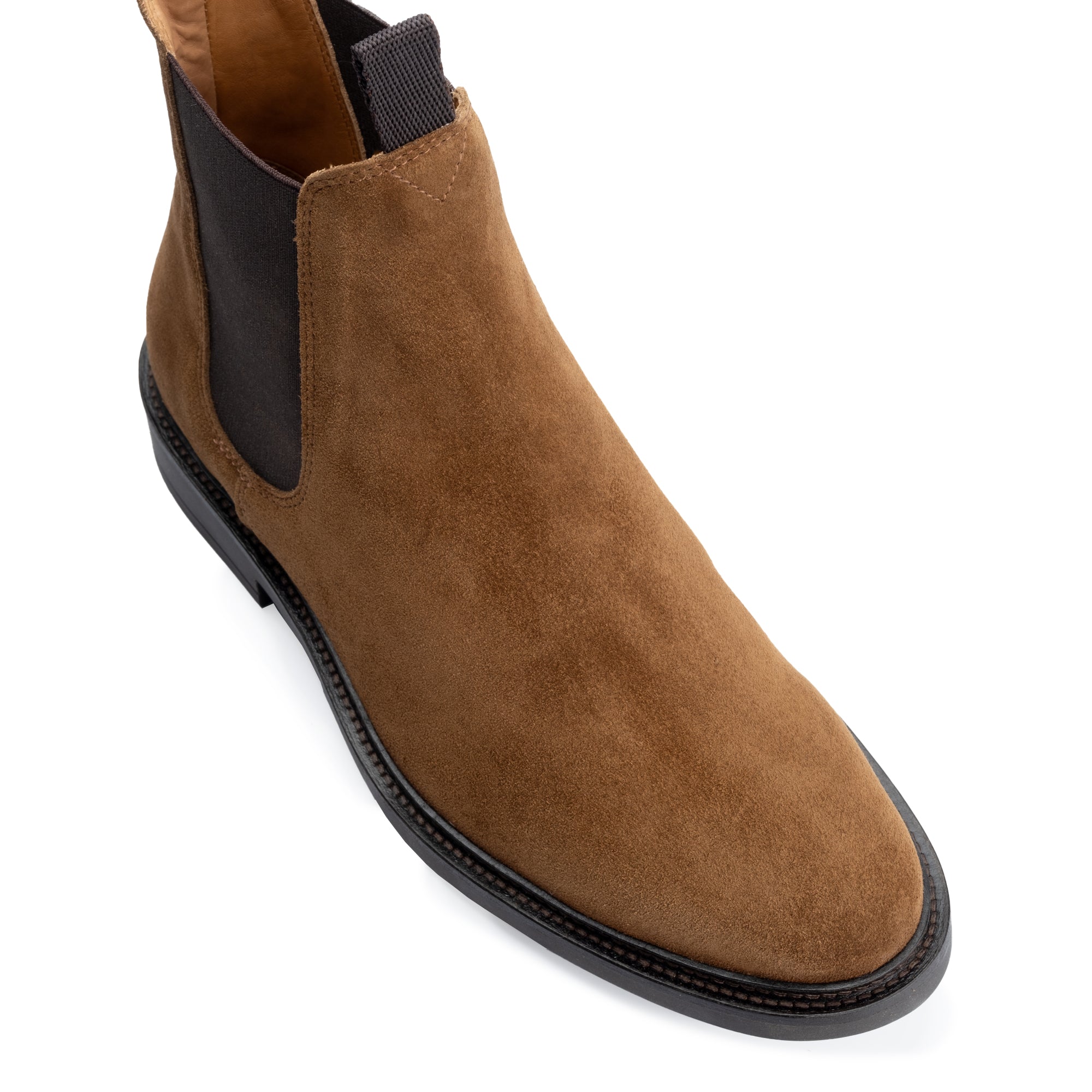
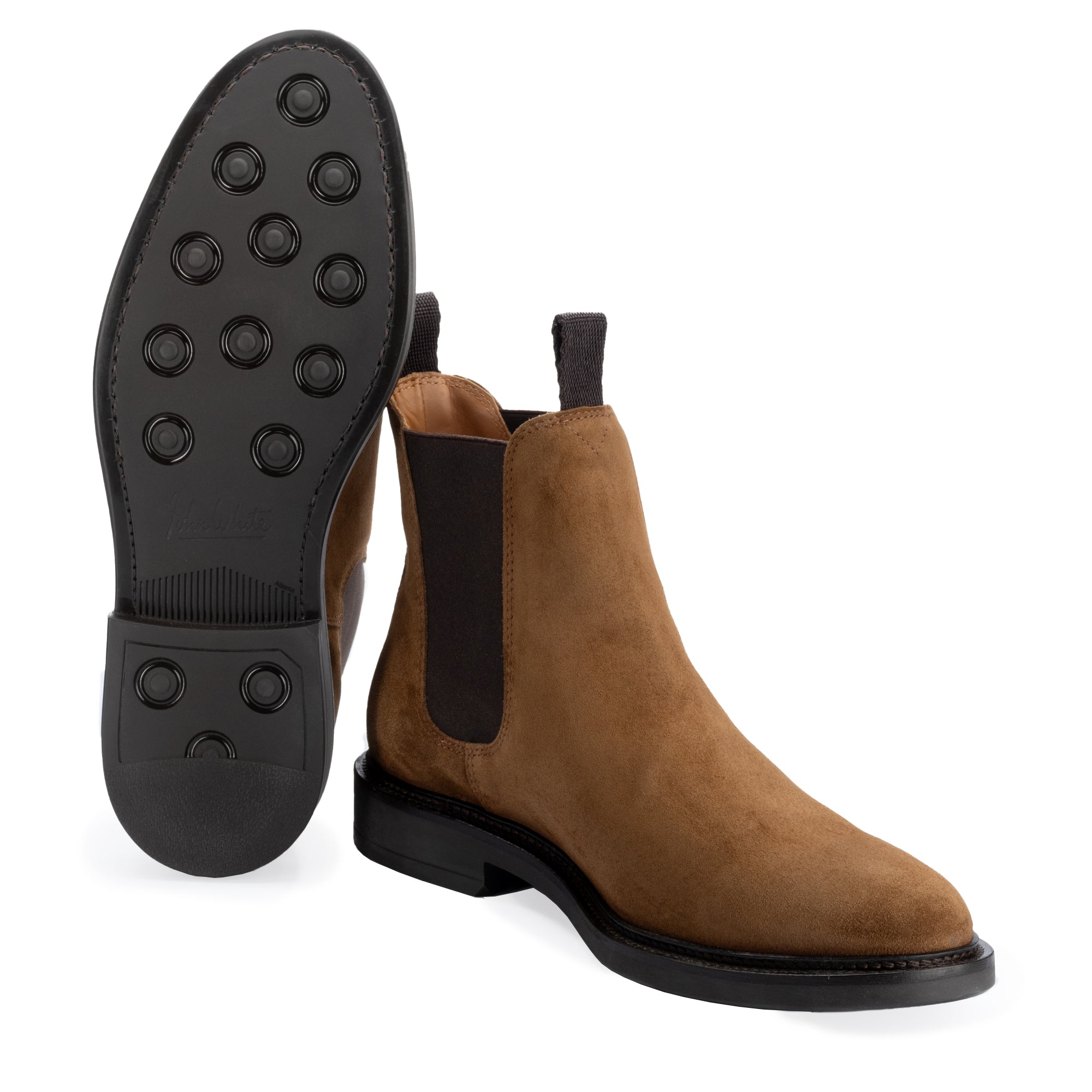
For boots, the Hill Chelsea Boot uses full-grain leather that holds its structure through hard British winters without cracking at the toe box — a failure point that corrected-grain boots routinely exhibit after their first cold, wet season.
Browse the full range of men's leather shoes or explore our current sale to find full-grain quality at reduced prices.
Frequently Asked Questions
How can I tell if a shoe is full-grain leather before buying online?
Check the product description carefully — reputable brands will state "full-grain calf leather" explicitly. If the listing says "genuine leather" or "leather upper" without specifying the grade, treat it as corrected-grain until confirmed otherwise. You can also contact the retailer directly and ask which layer of the hide the upper is cut from.
Is top-grain leather the same as full-grain leather?
No. Top-grain leather is the second-highest grade. Like corrected-grain, the surface has been lightly sanded to remove imperfections — though less aggressively than corrected-grain. Top-grain leather is more durable than corrected-grain but still lacks the longevity and patina development of true full-grain. The terminology is often misused in marketing; "top-grain" does not mean "the top of the grain."
Can corrected-grain leather shoes be repaired or reconditioned?
To a limited degree. Conditioning products can slow the drying process, and coloured creams can mask early cracking. However, once the embossed surface layer begins to crack or peel, the damage is largely irreversible. A cobbler can resole the shoe, but the cracked upper cannot be restored to a presentable standard. Full-grain leather, by contrast, can be reconditioned, re-dyed, resoled, and returned to near-original condition with skilled care.
Does full-grain leather require more maintenance than corrected-grain?
The care routine is similar, but full-grain leather responds to care in a way that corrected-grain does not. Conditioning a full-grain shoe visibly improves it — the leather drinks in the product, darkens slightly, and gains suppleness. Conditioning corrected-grain leather has a more limited effect because the sealed surface restricts penetration. In both cases, a brush, a conditioner, and JW Premium Wax Polish applied every 4–6 weeks is sufficient to maintain the leather properly.