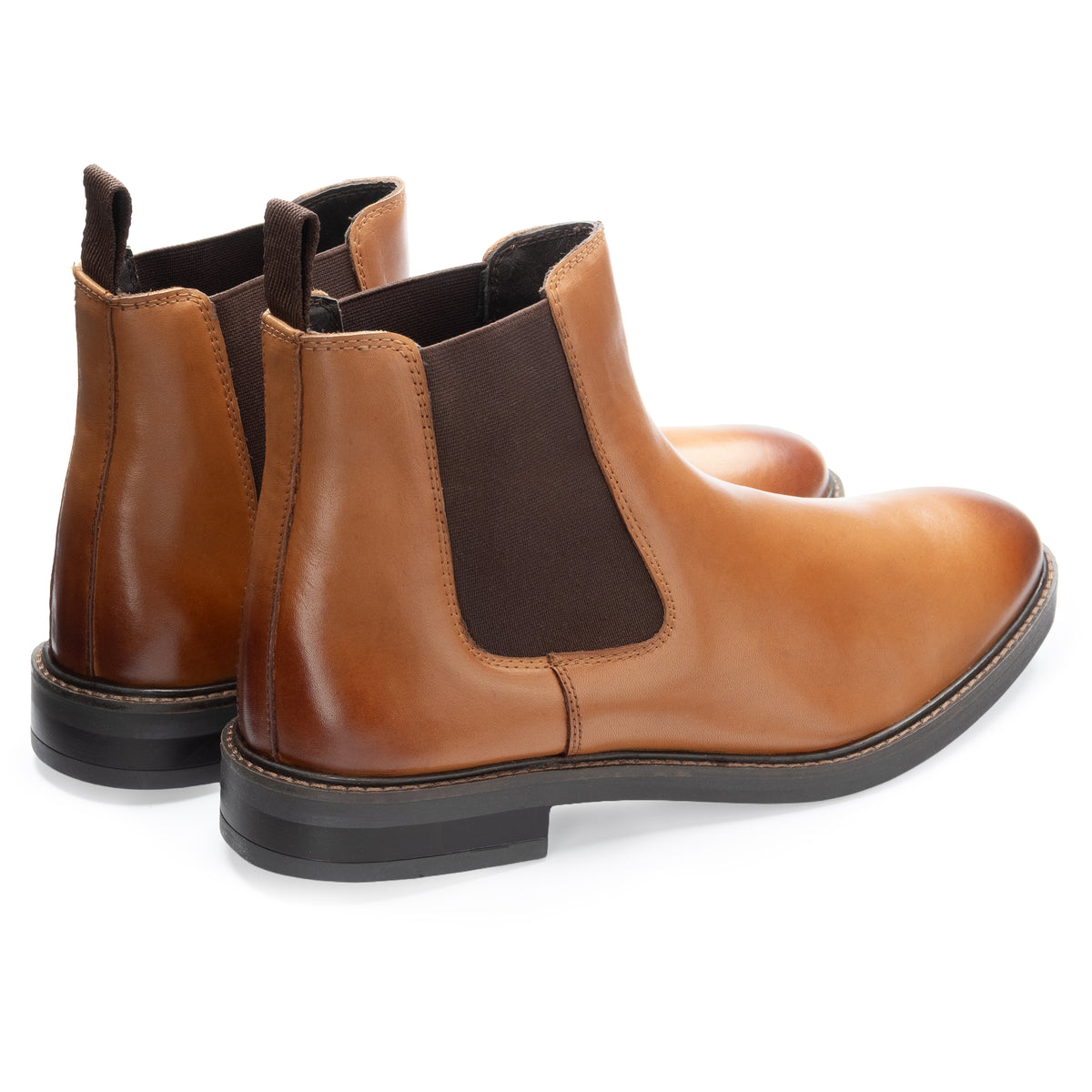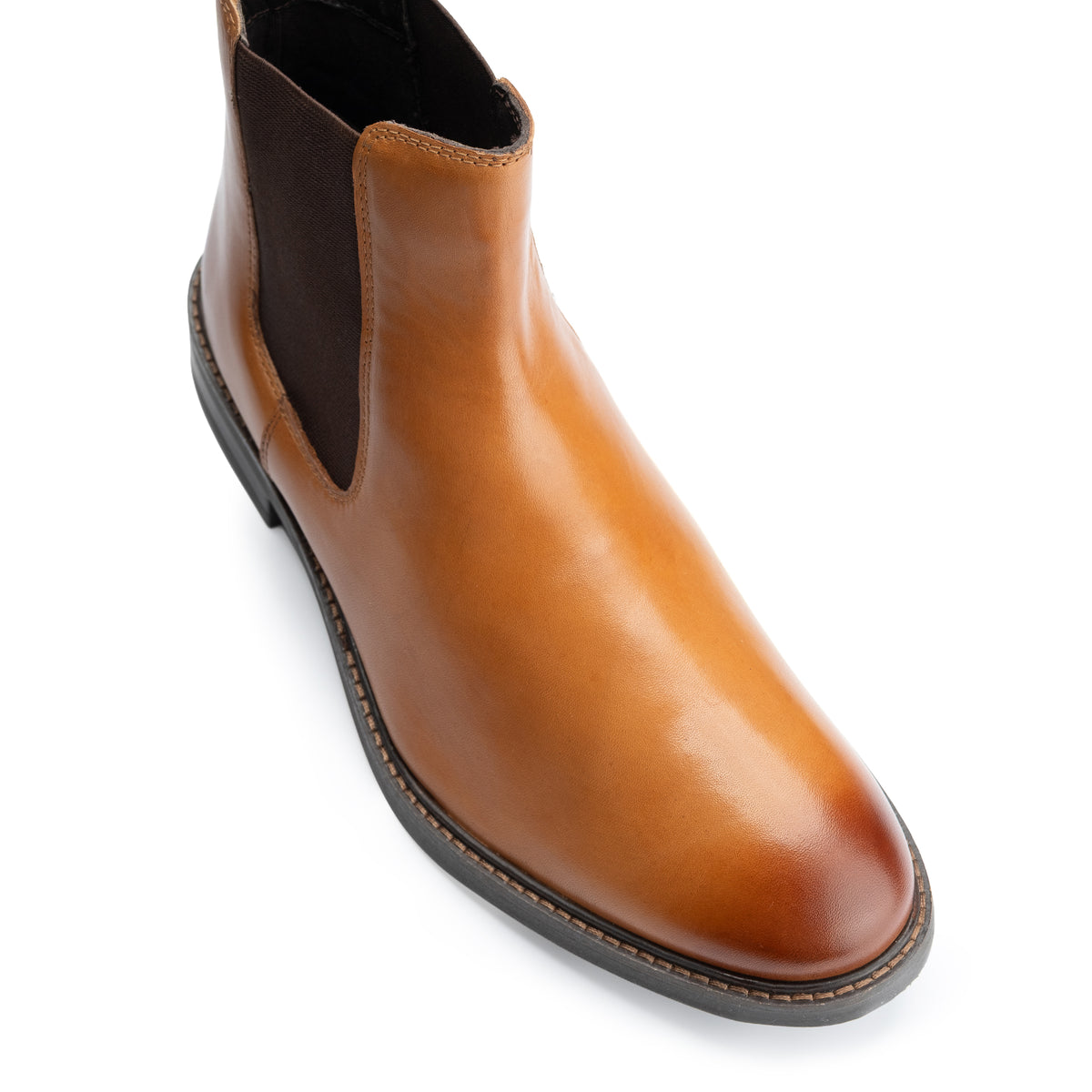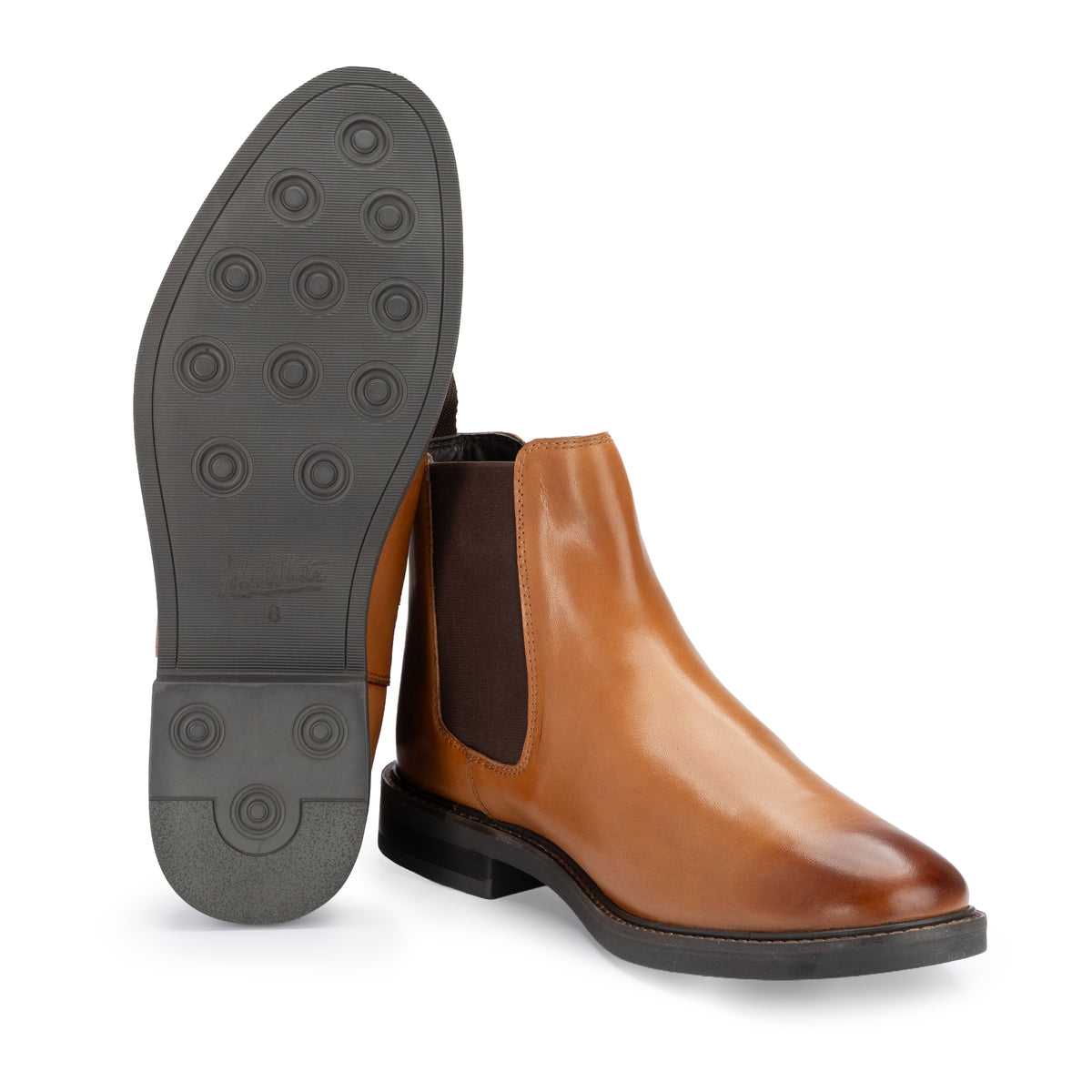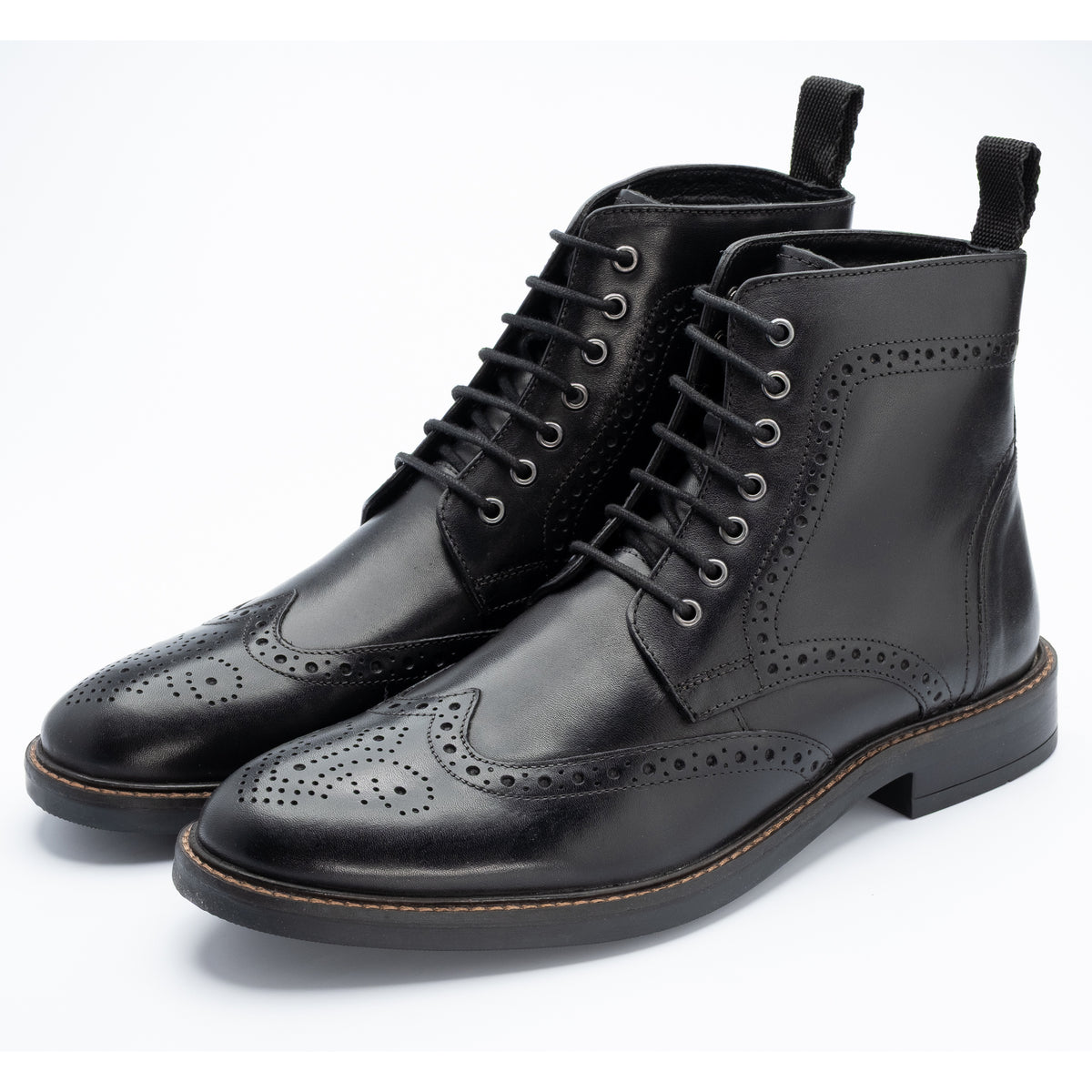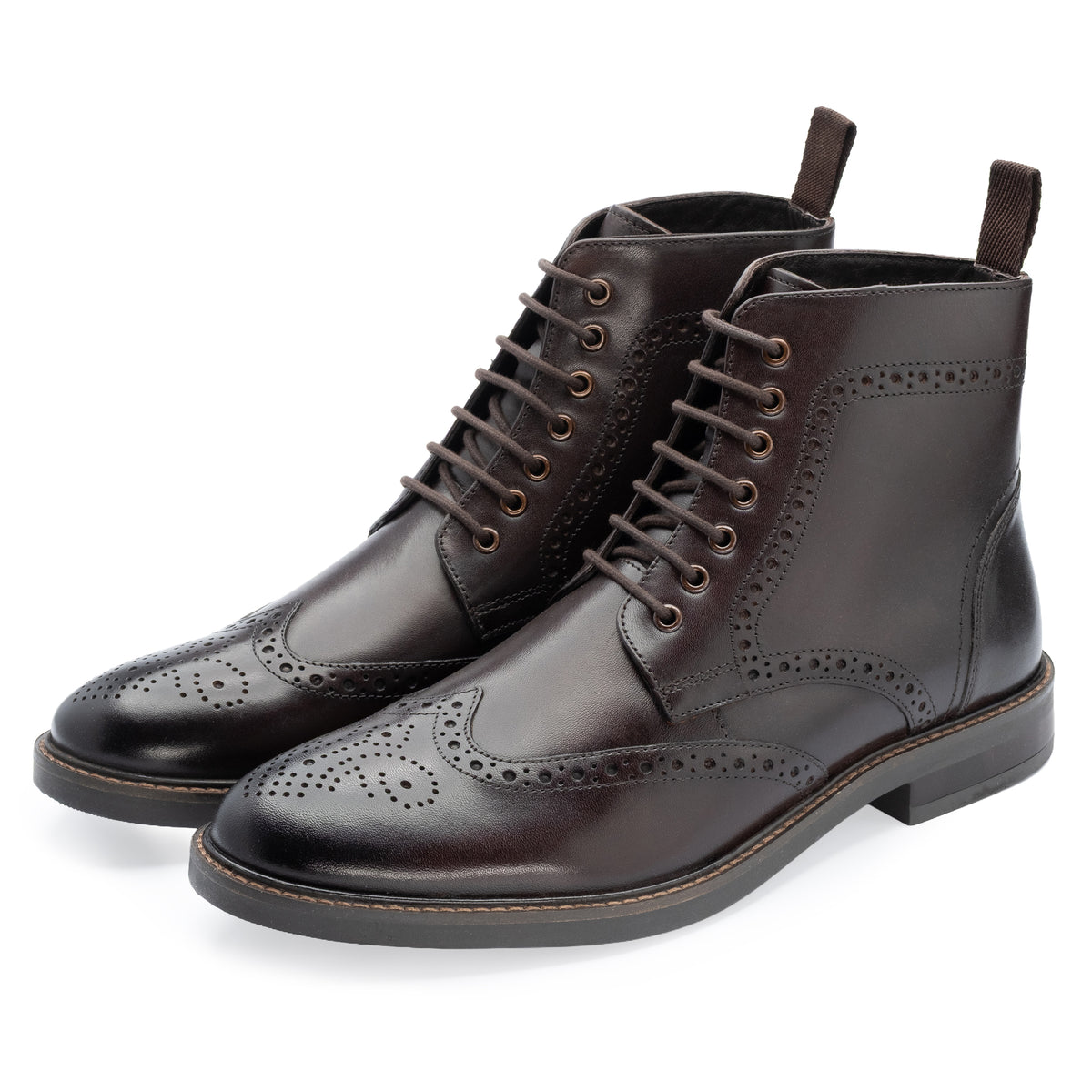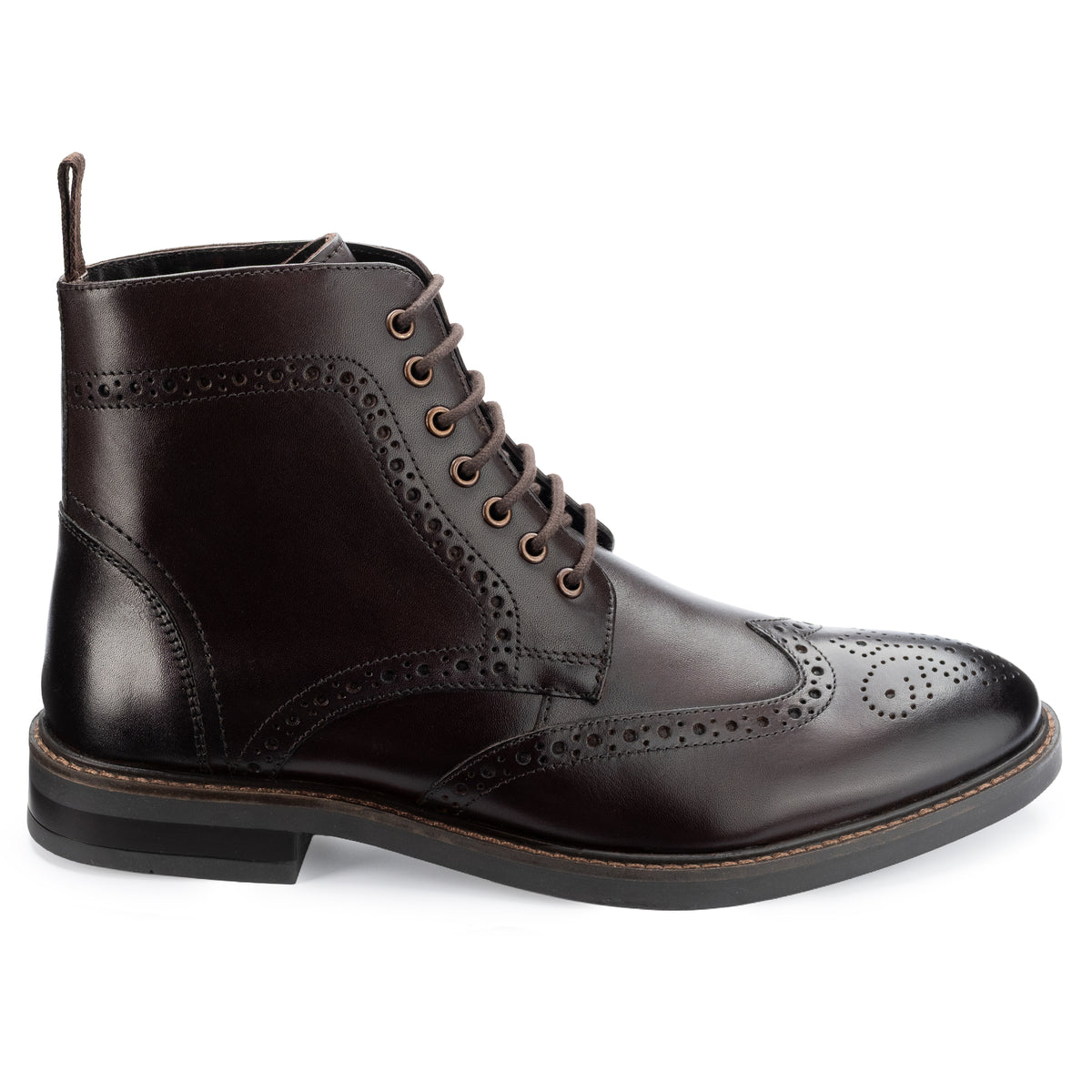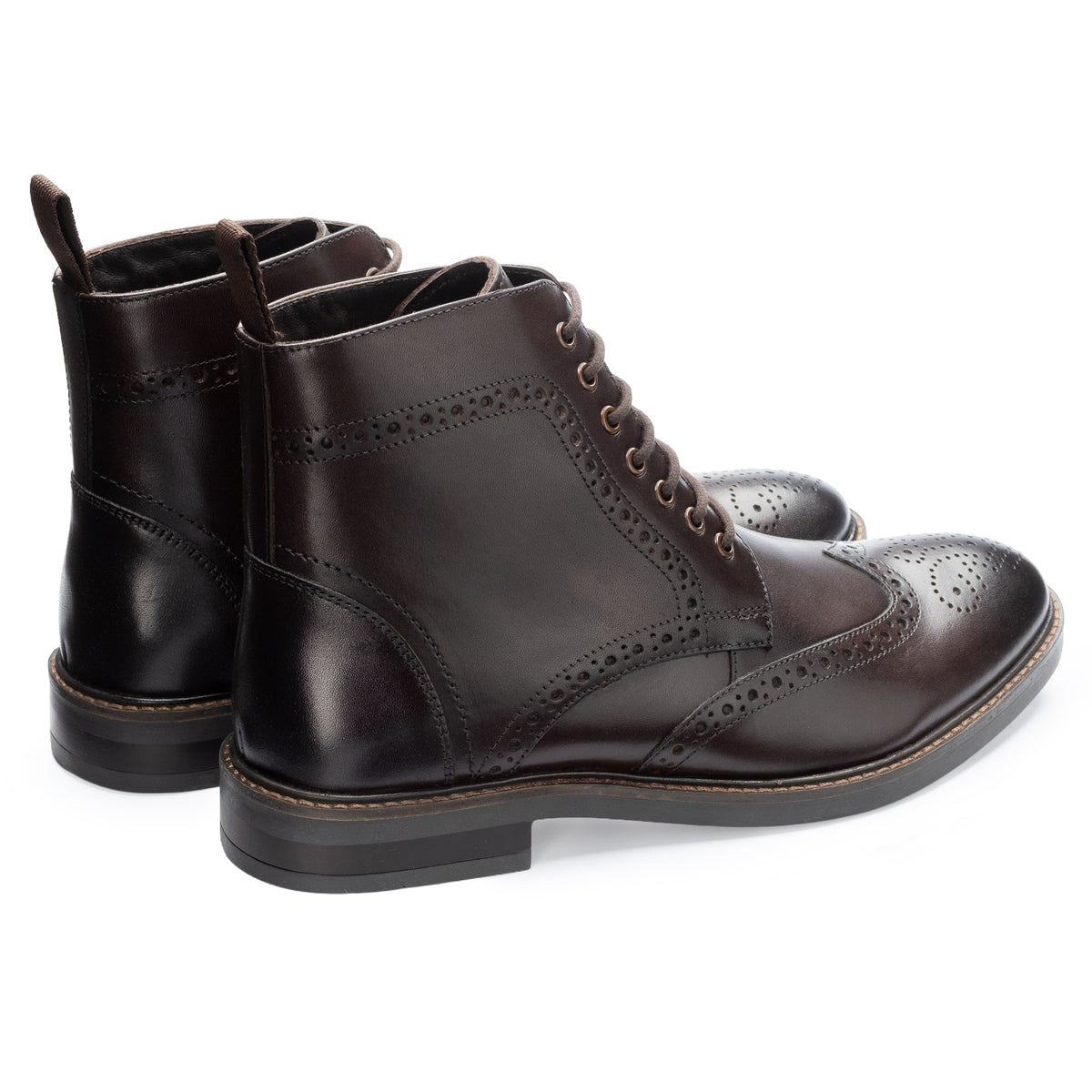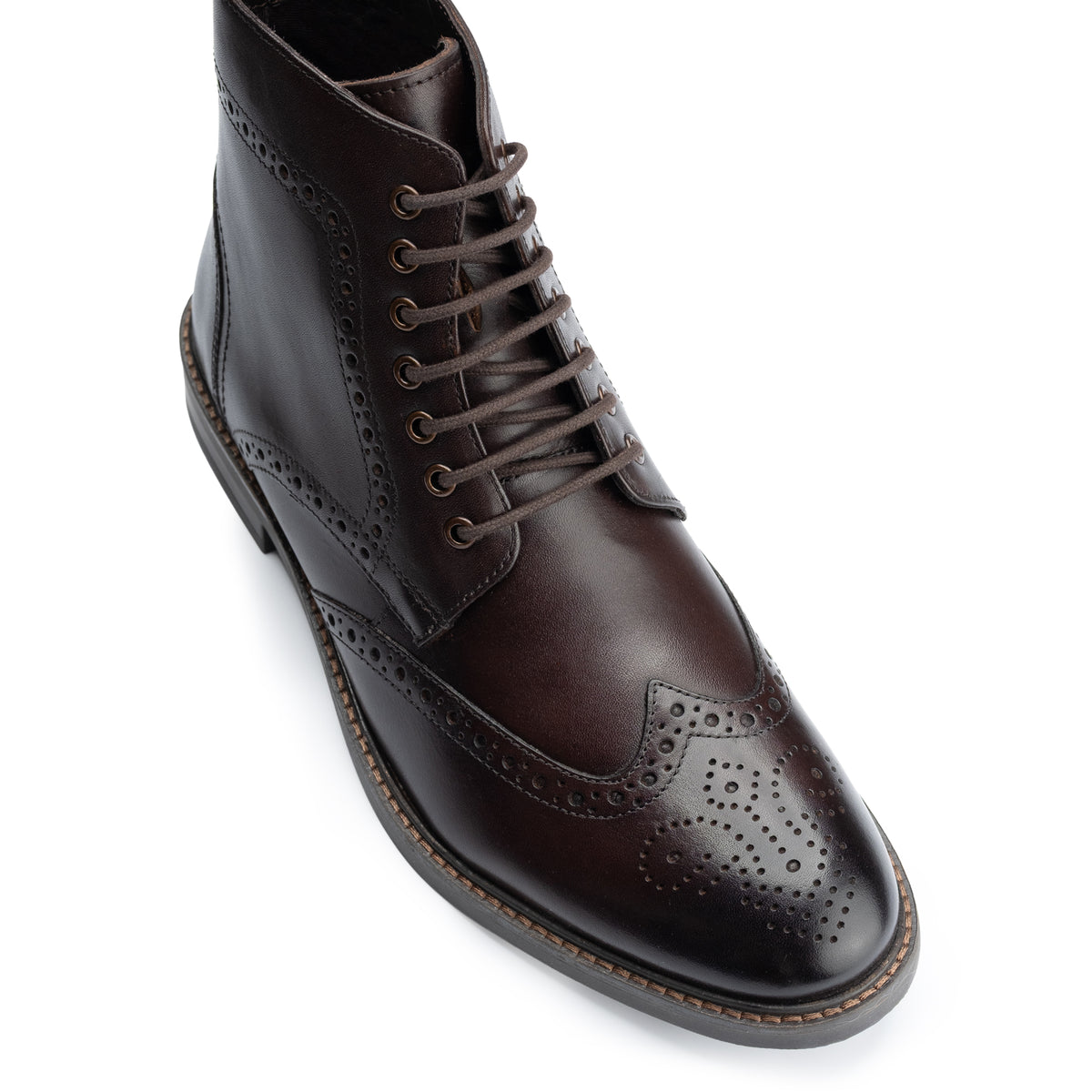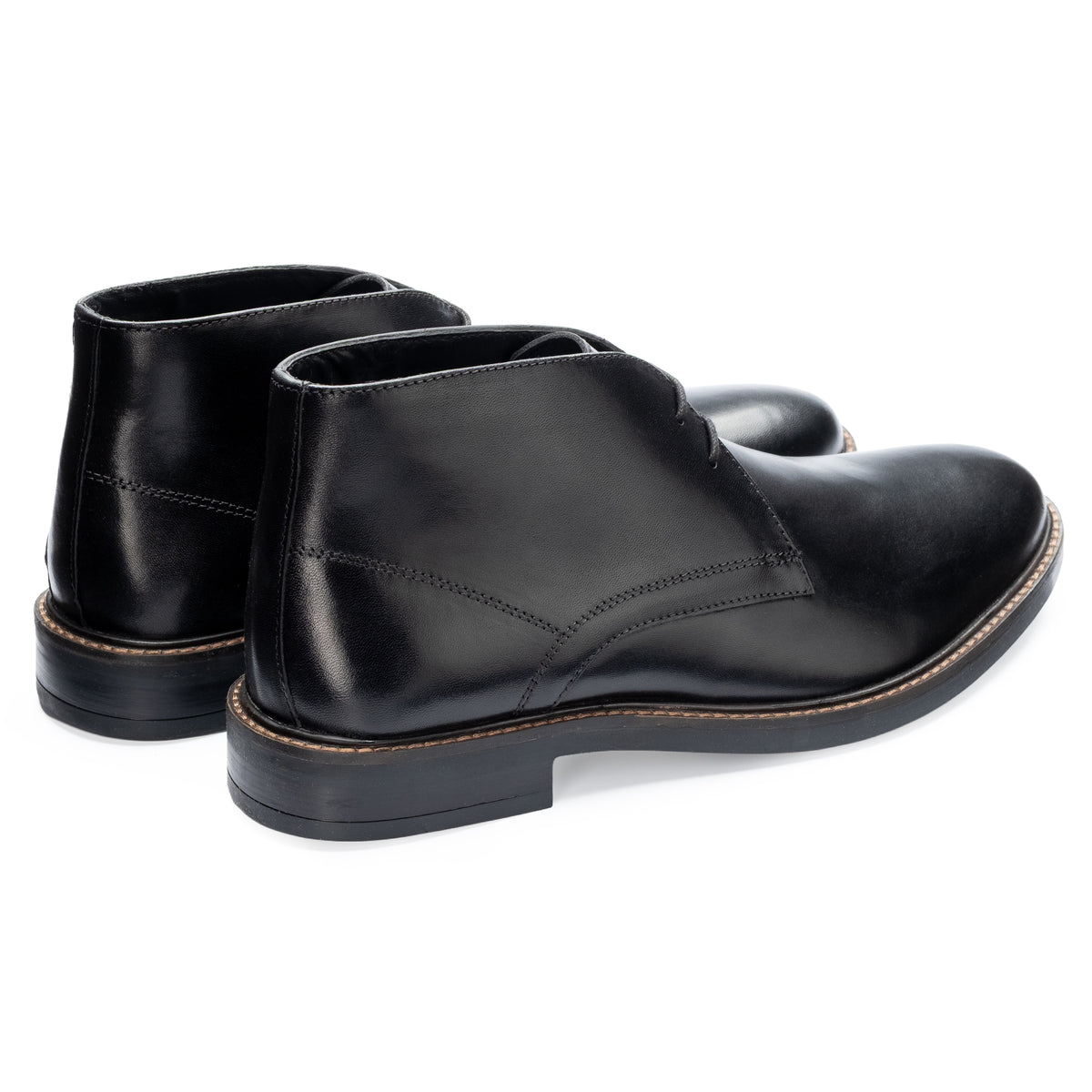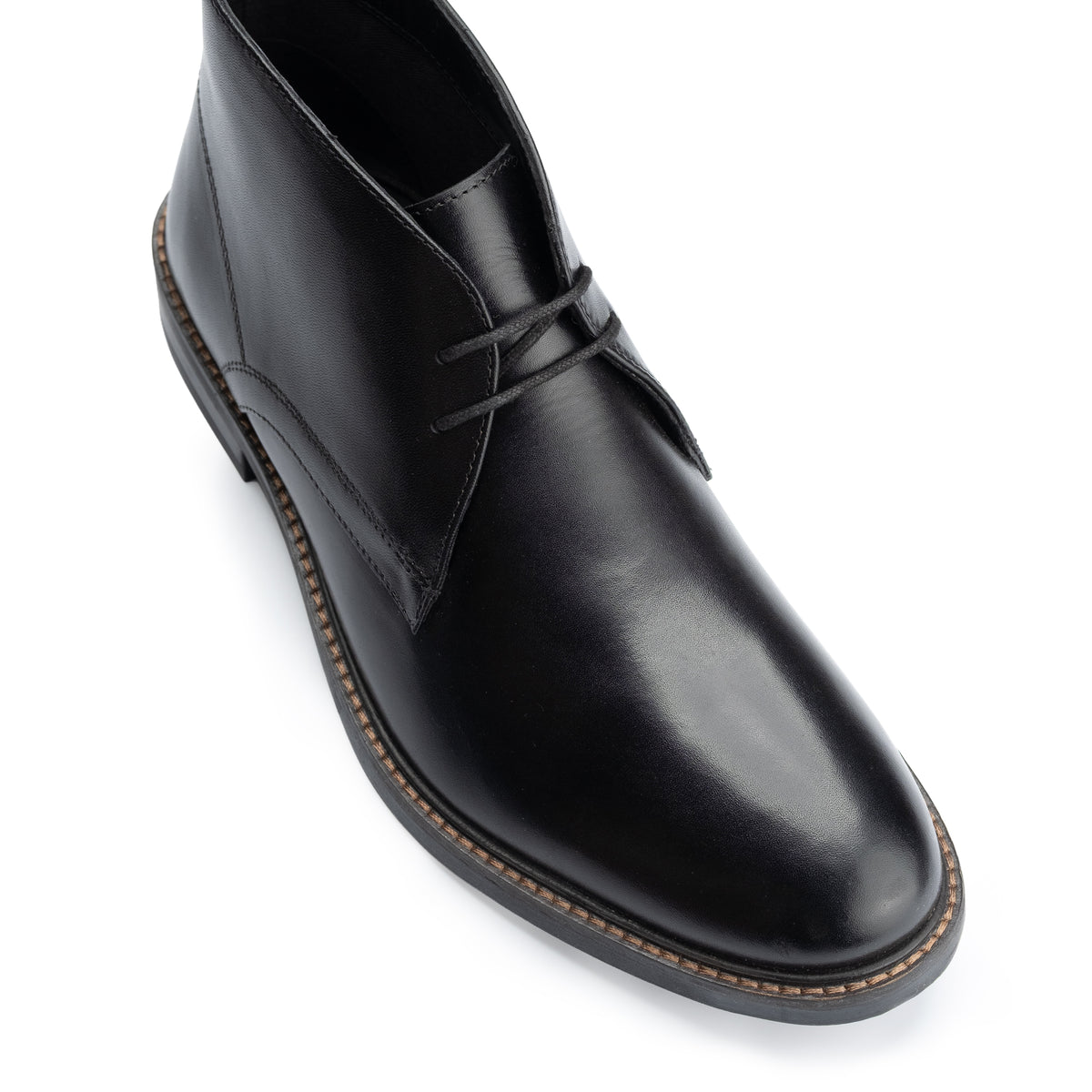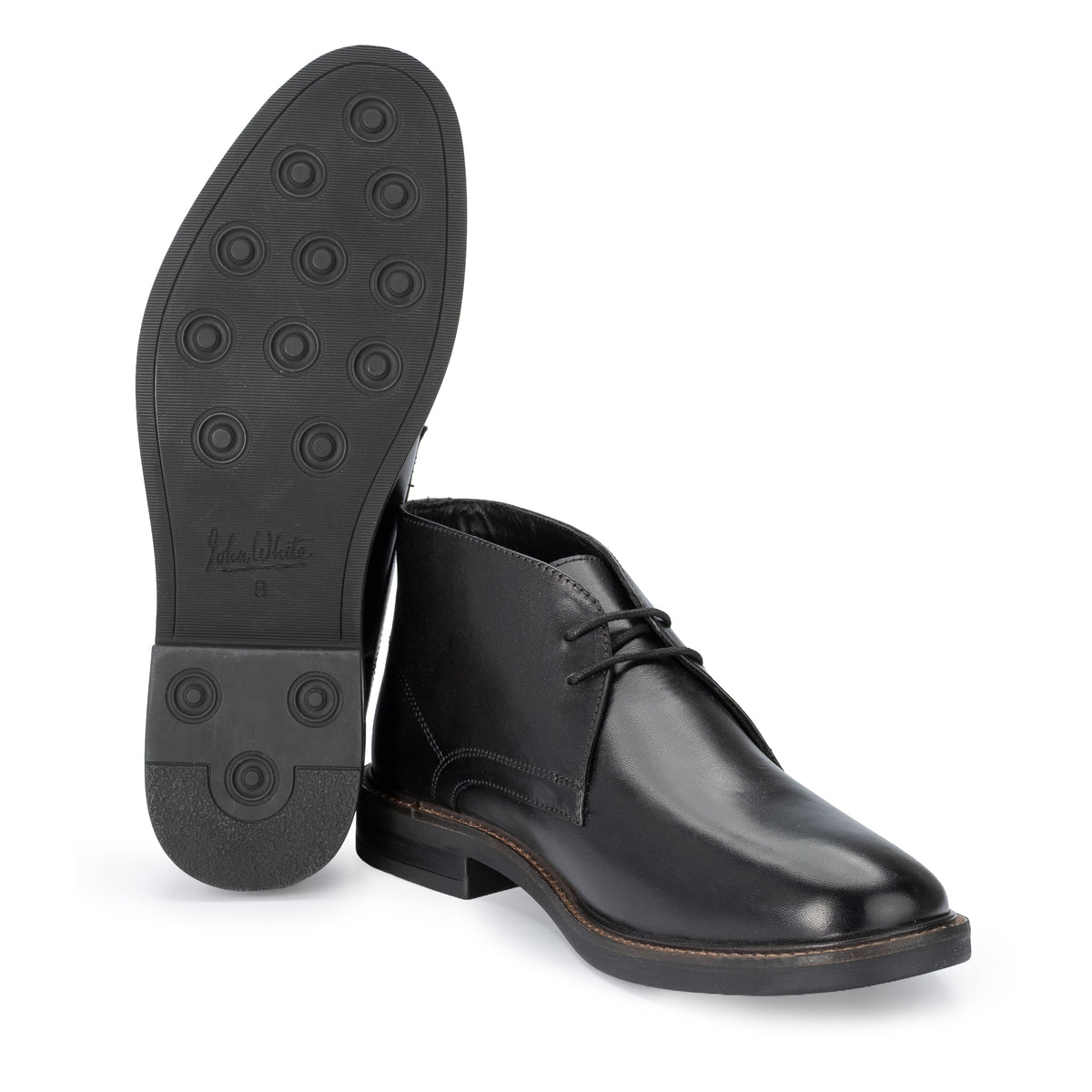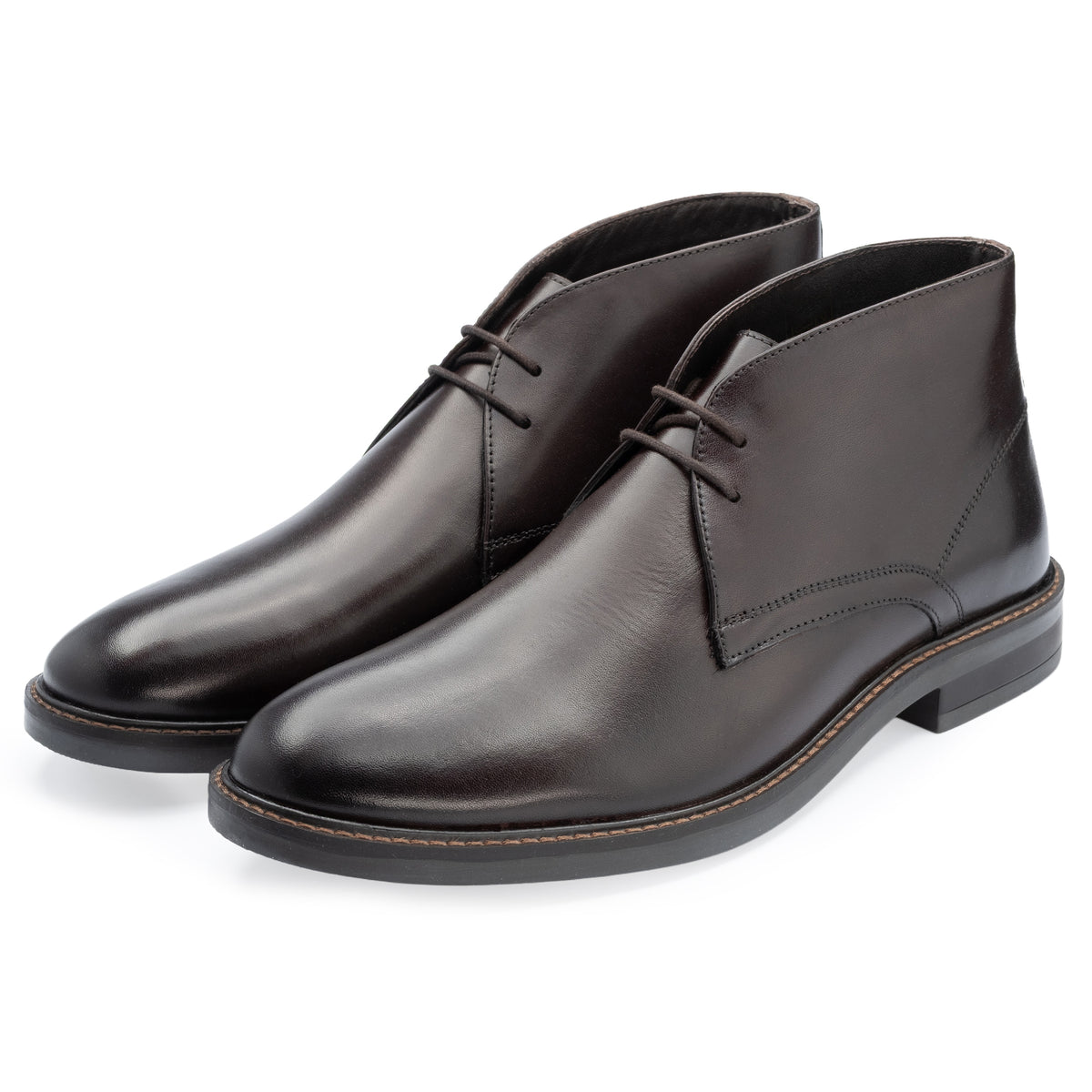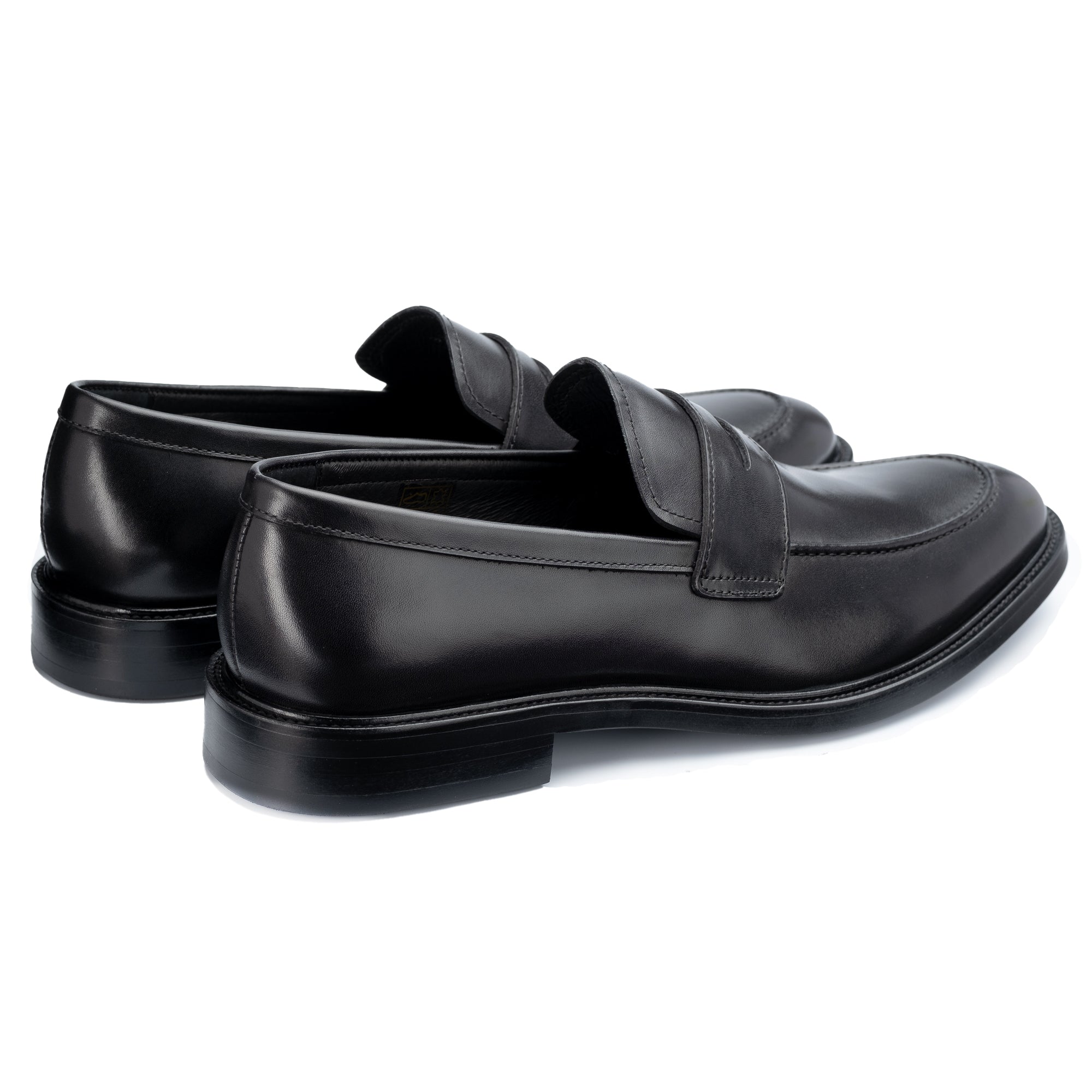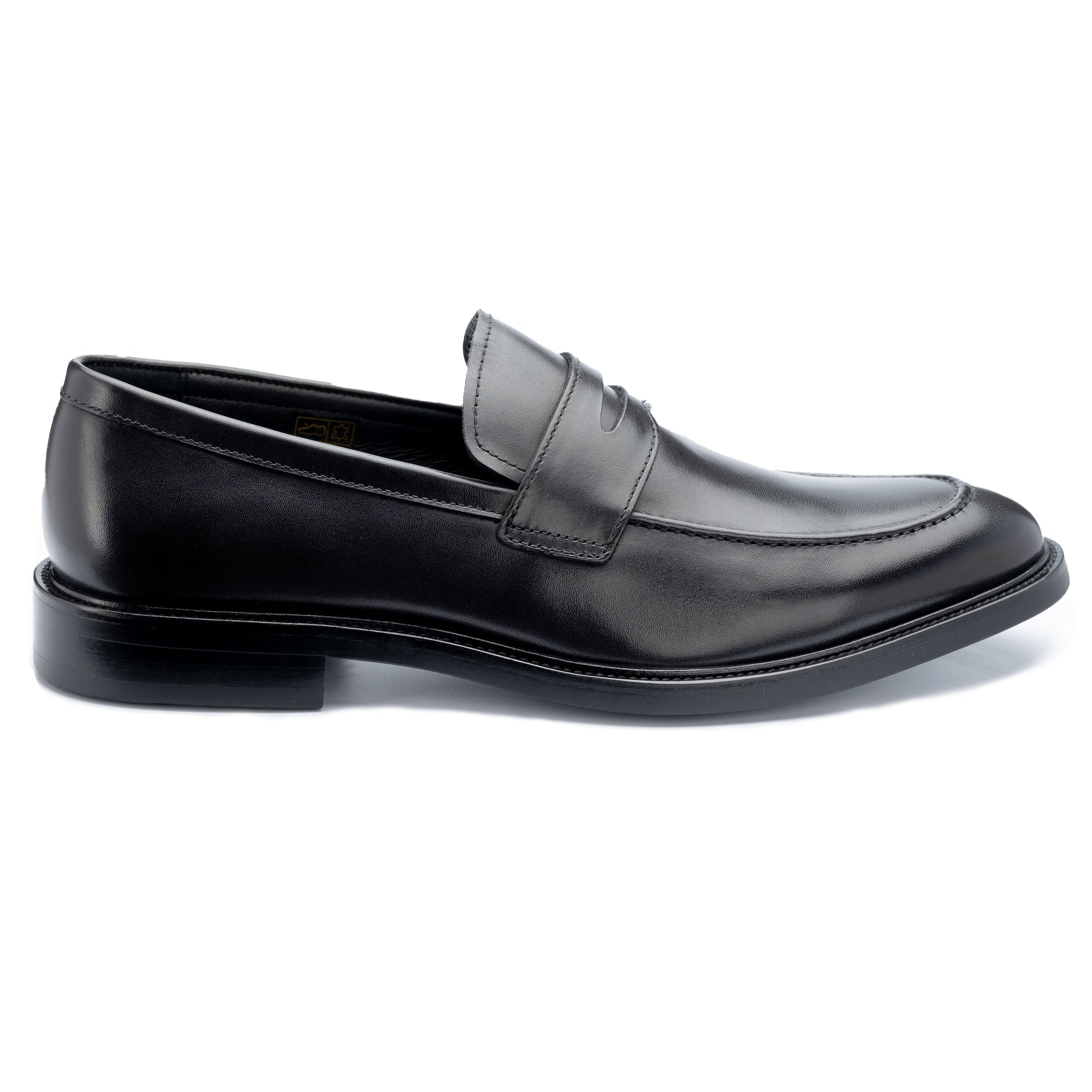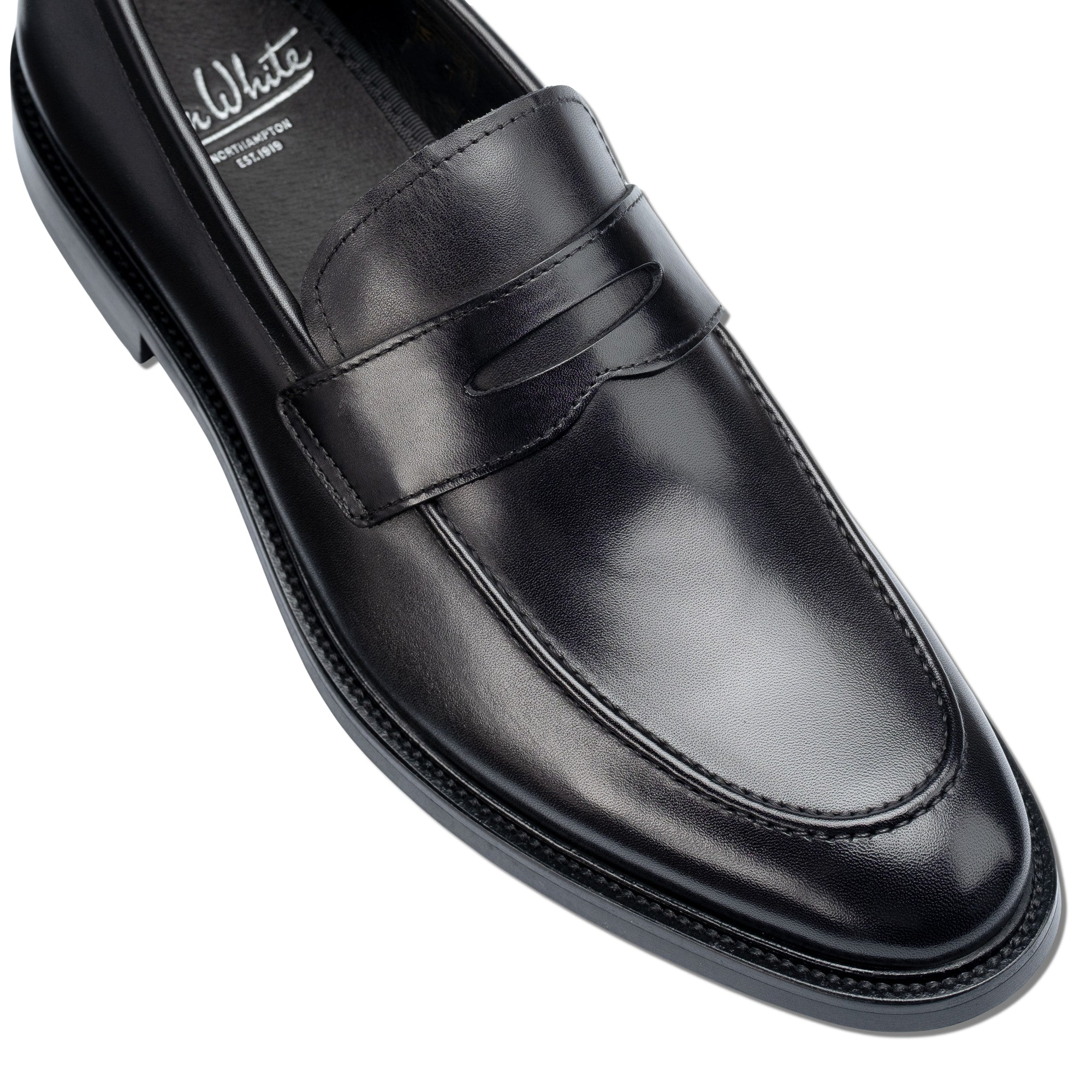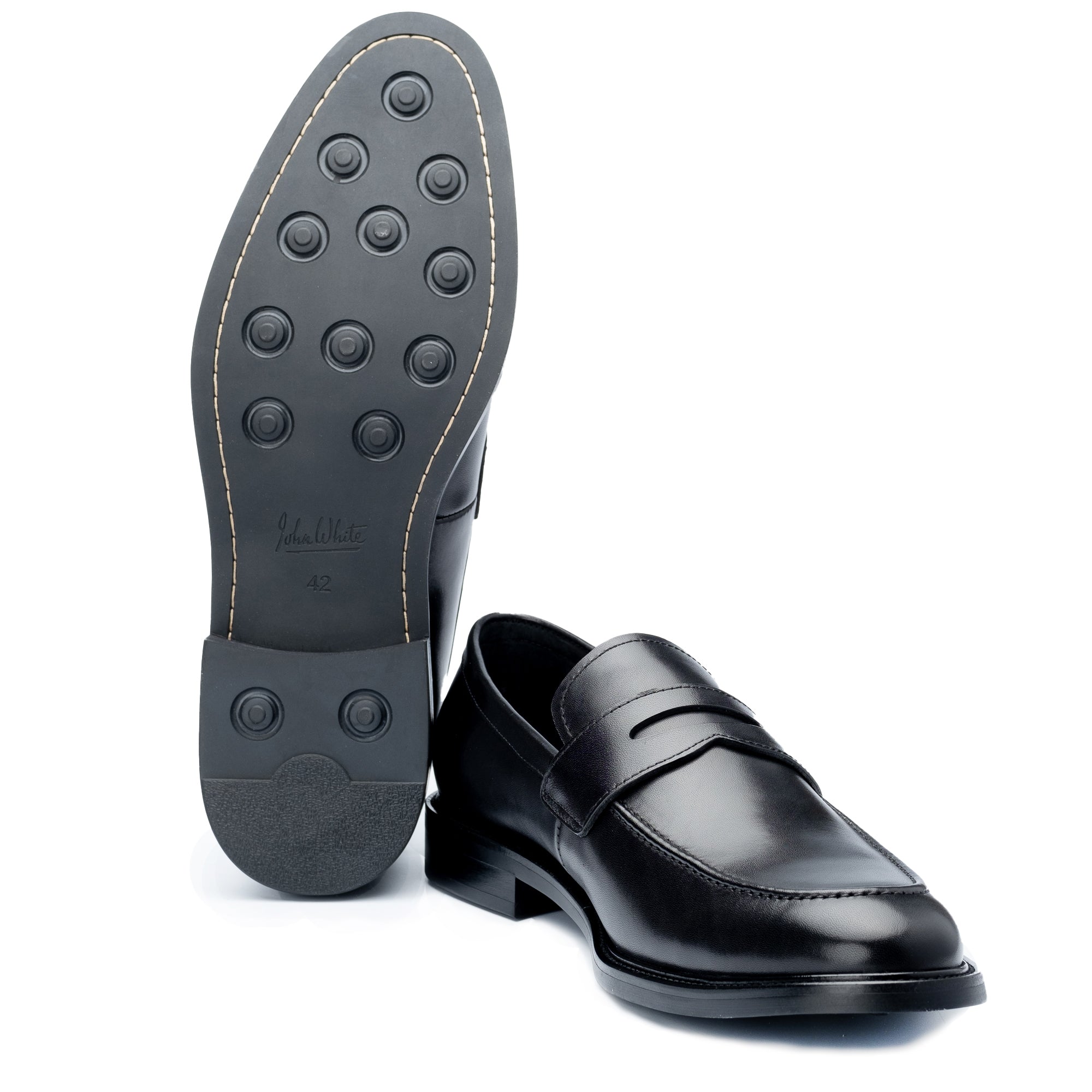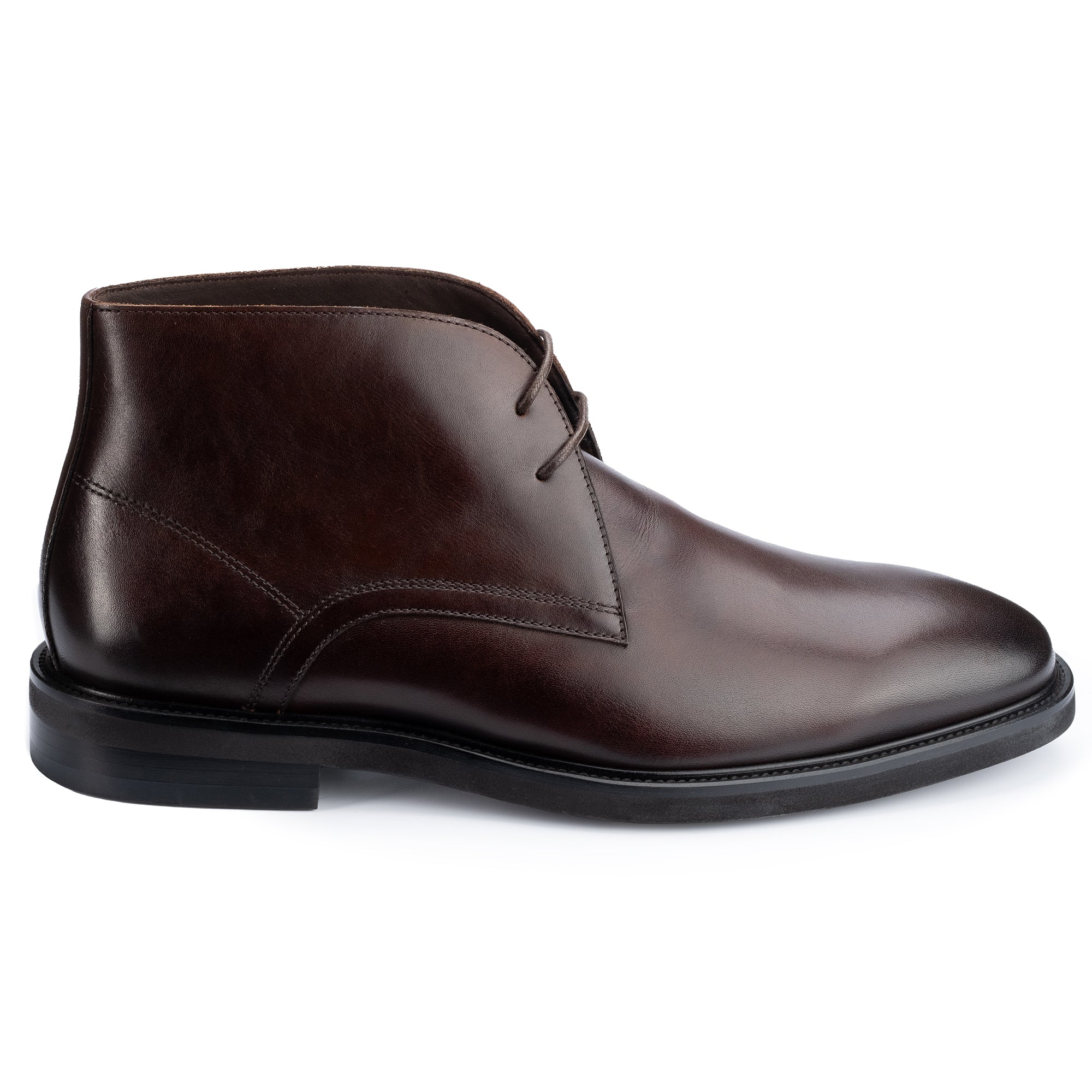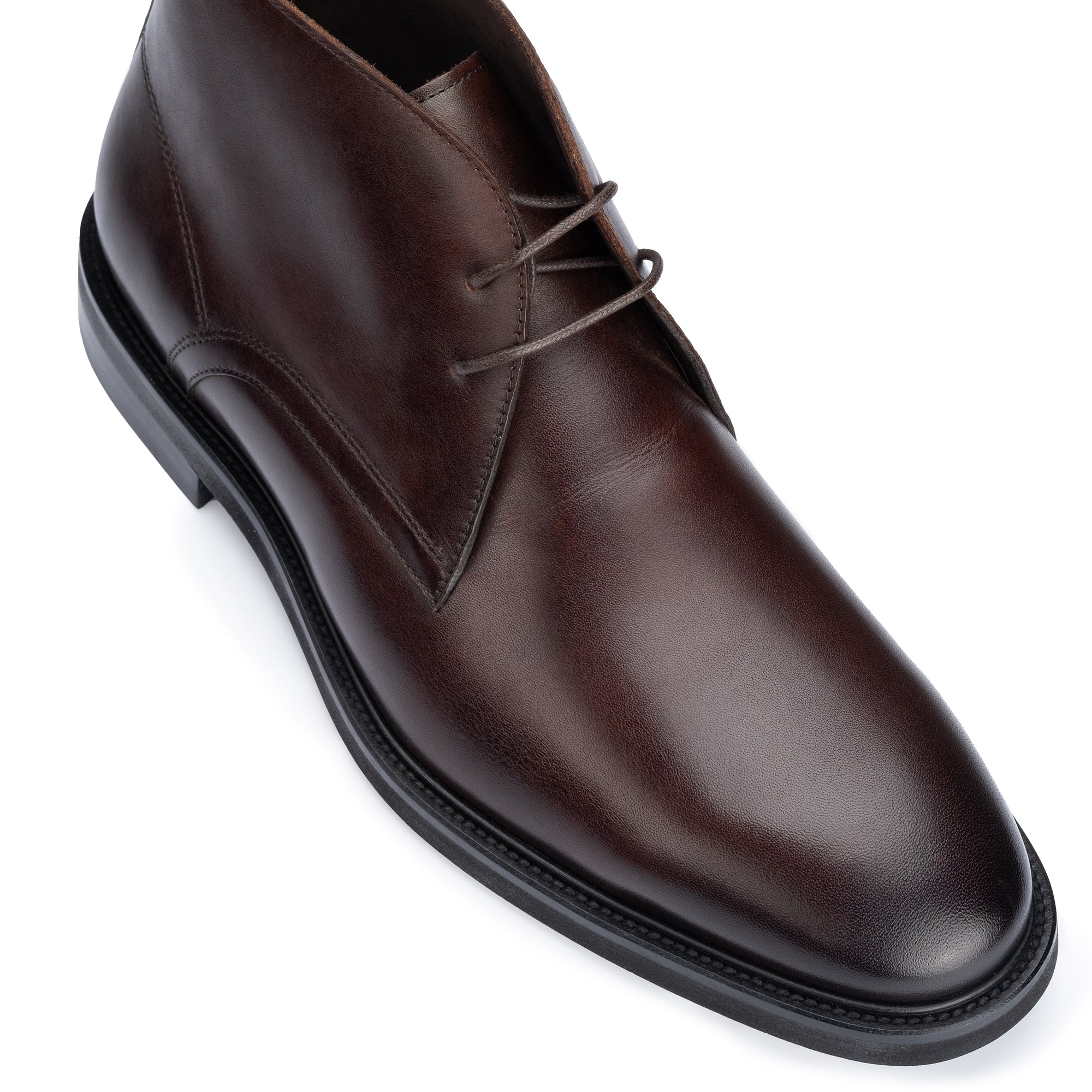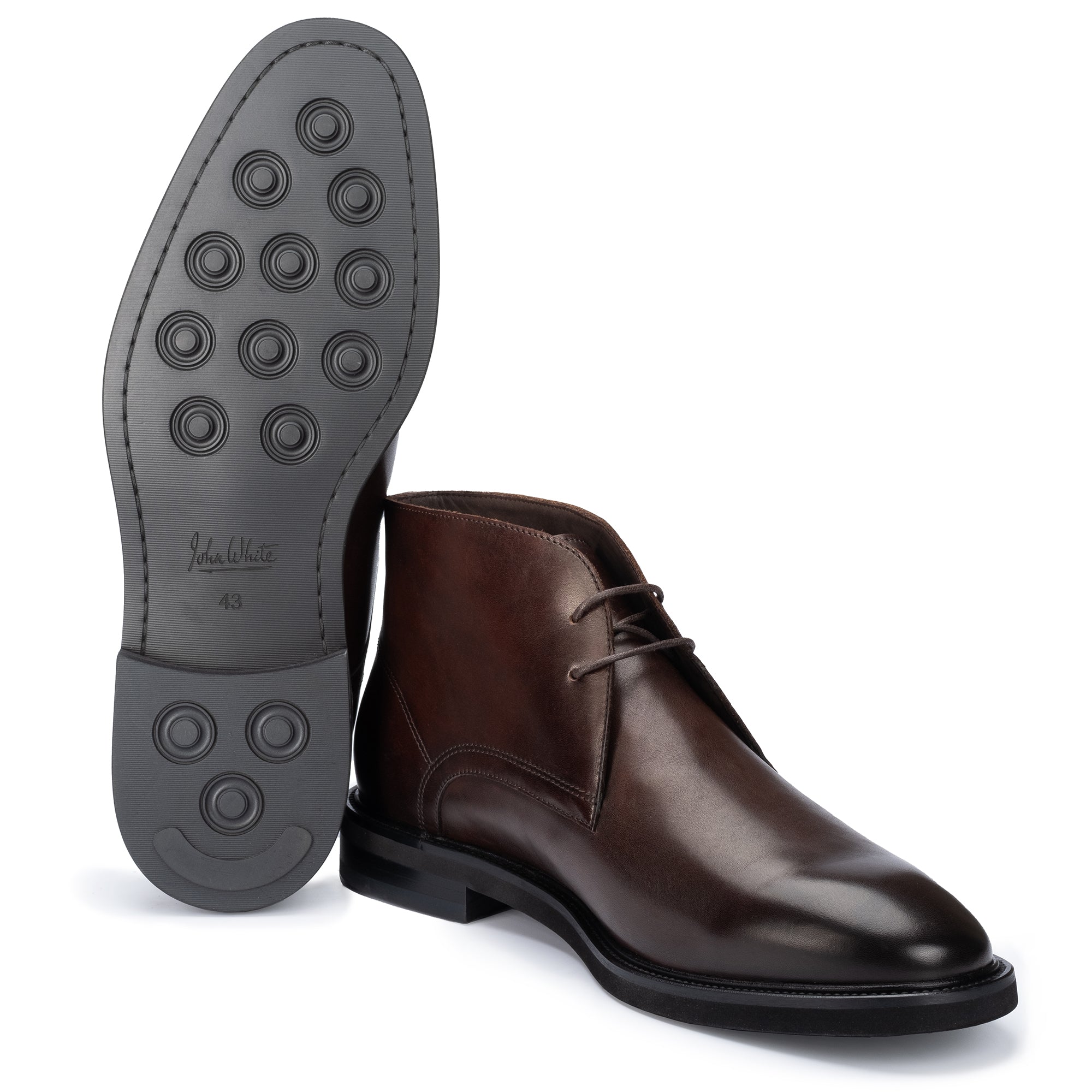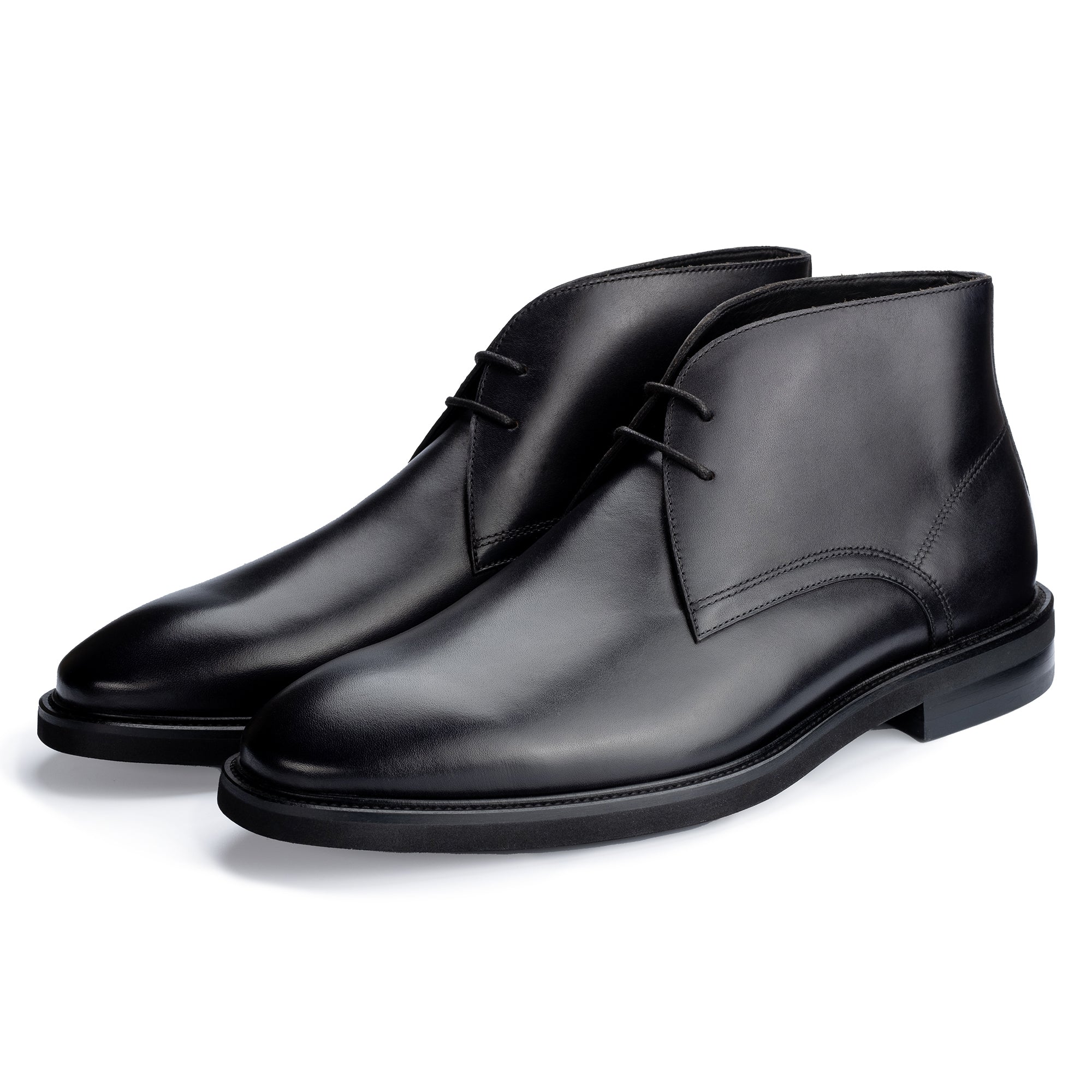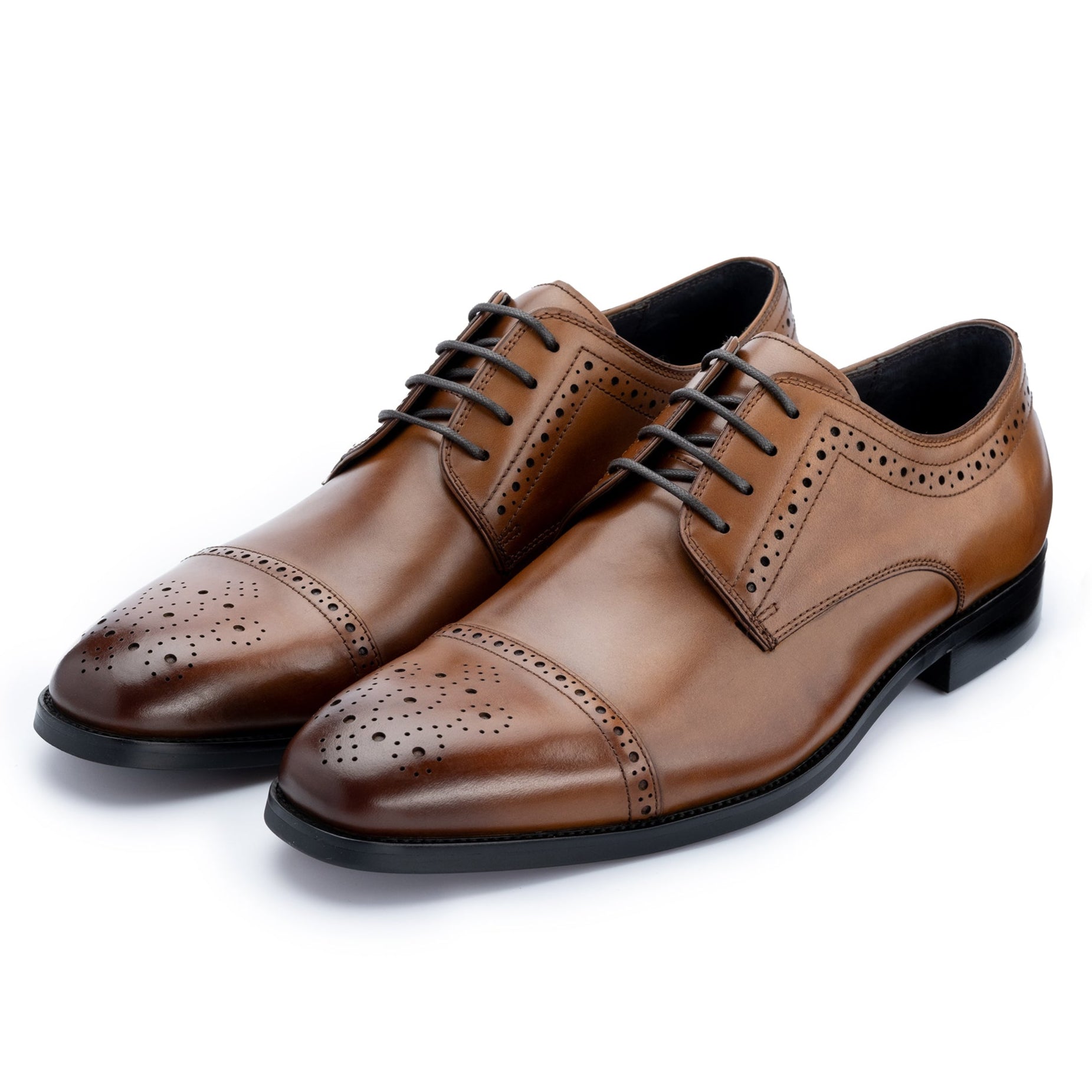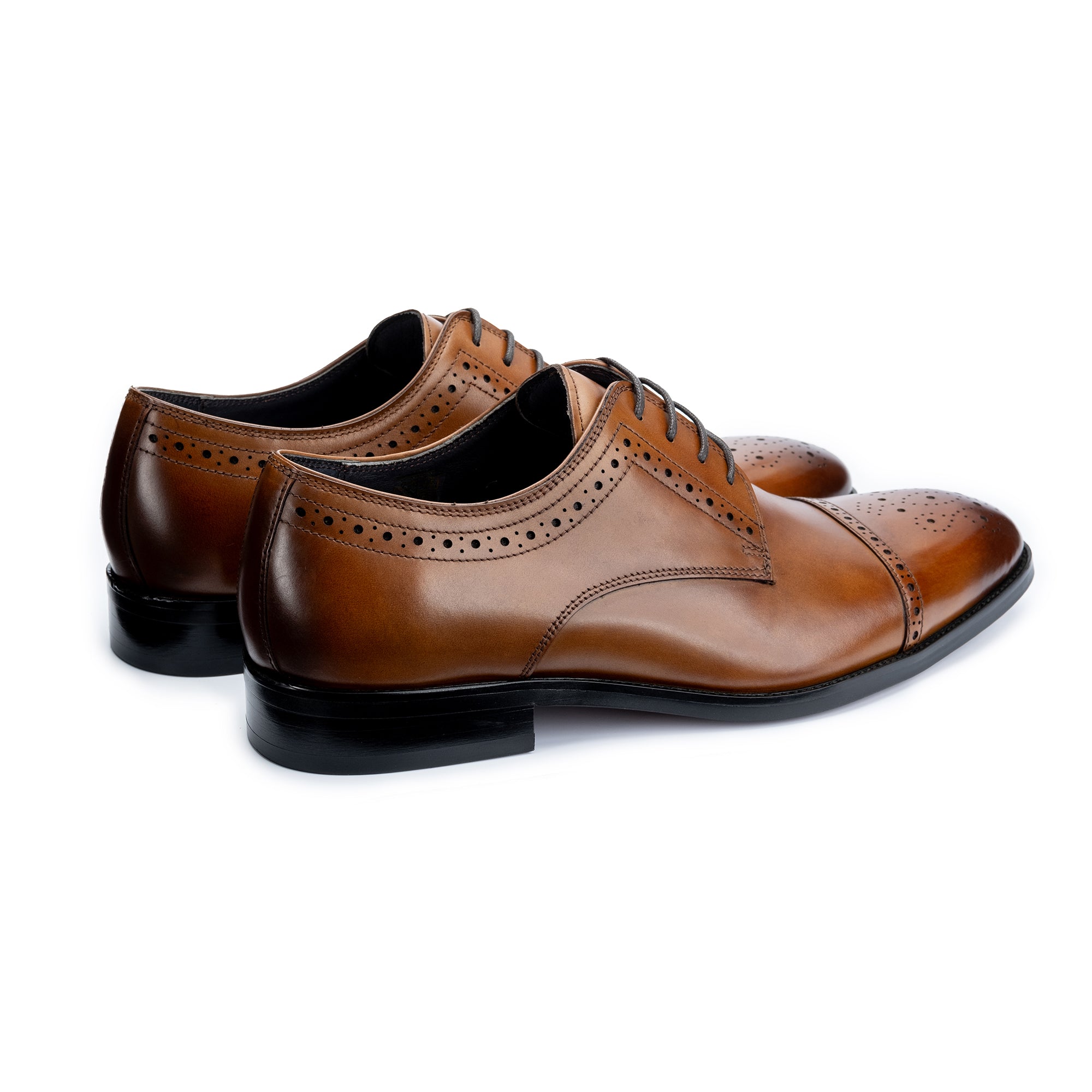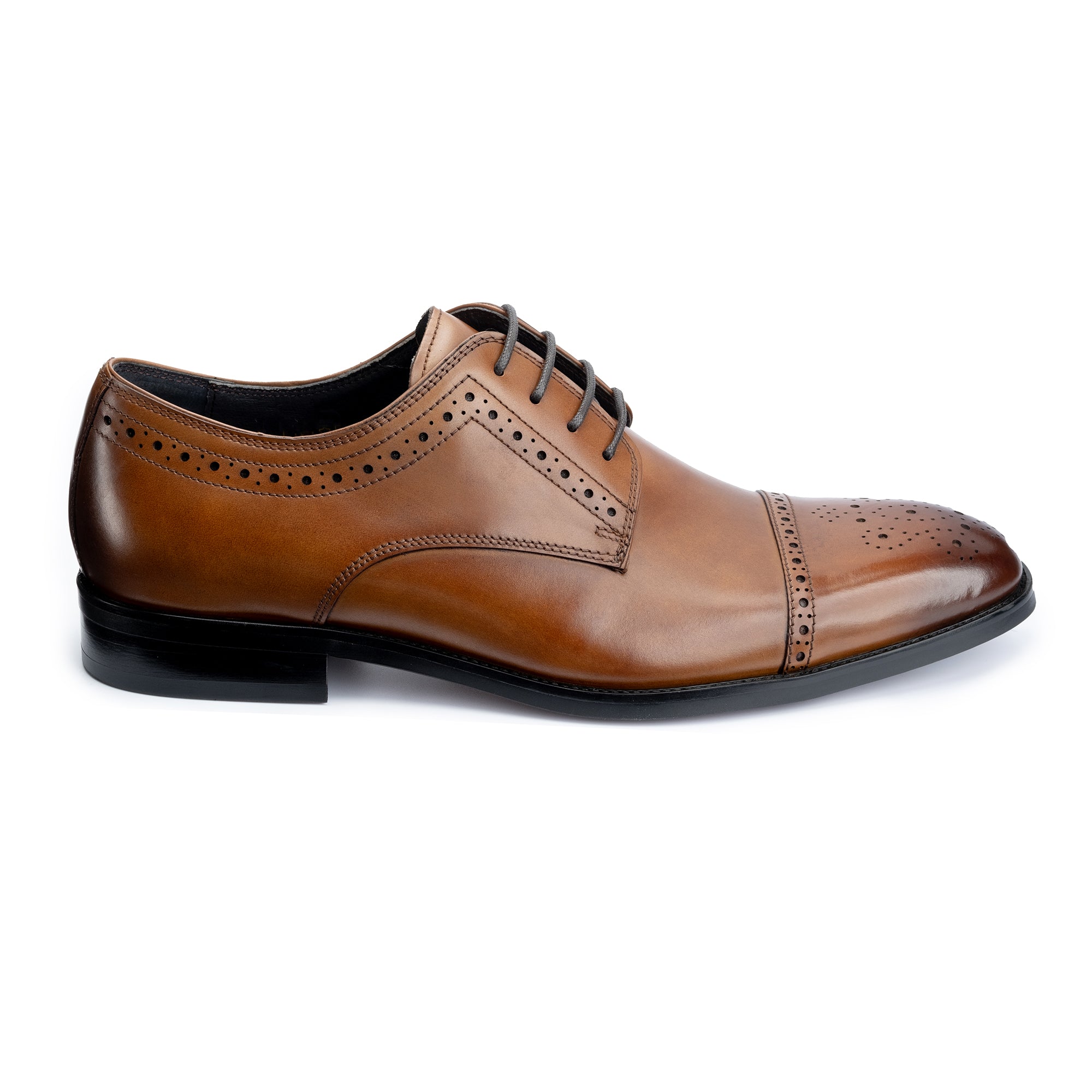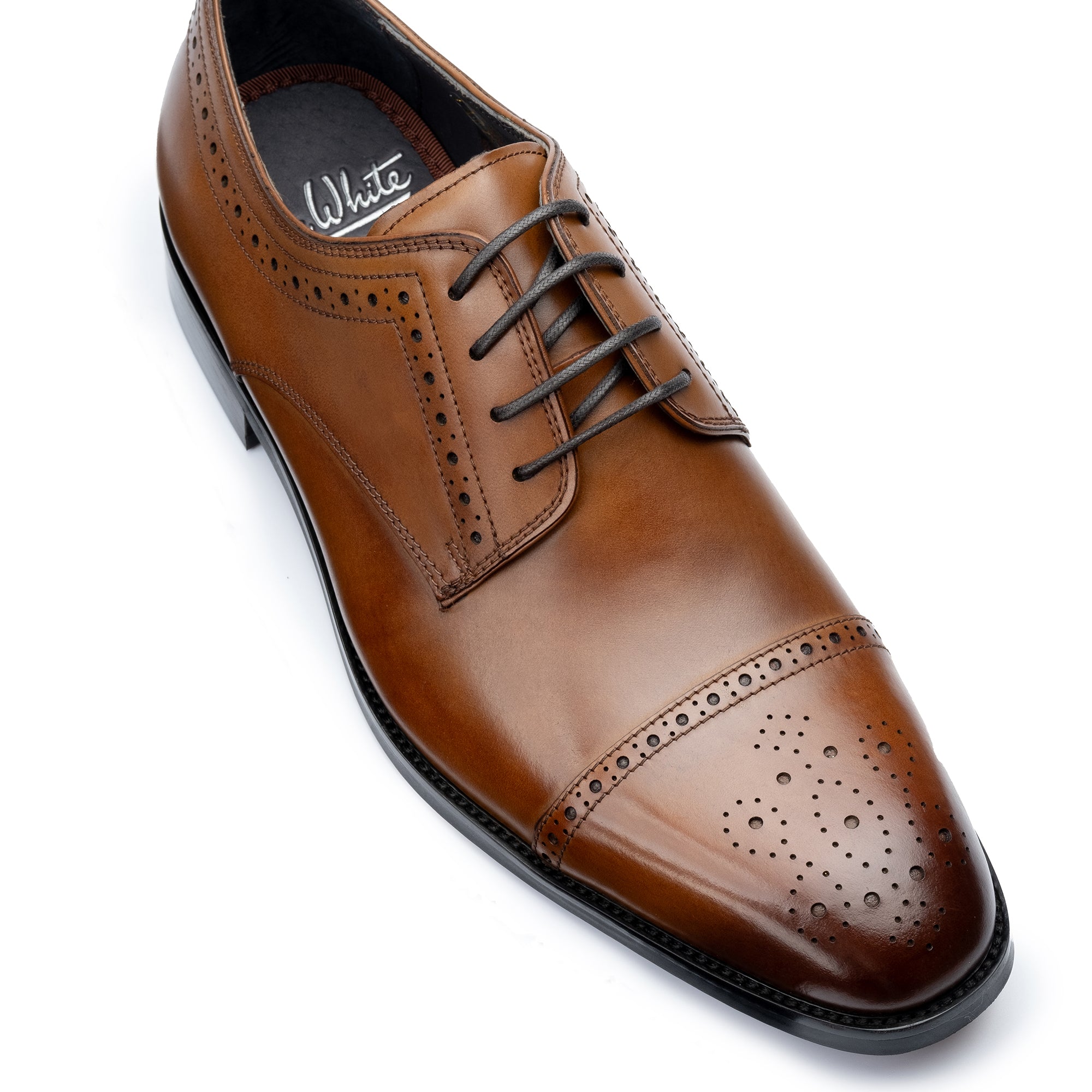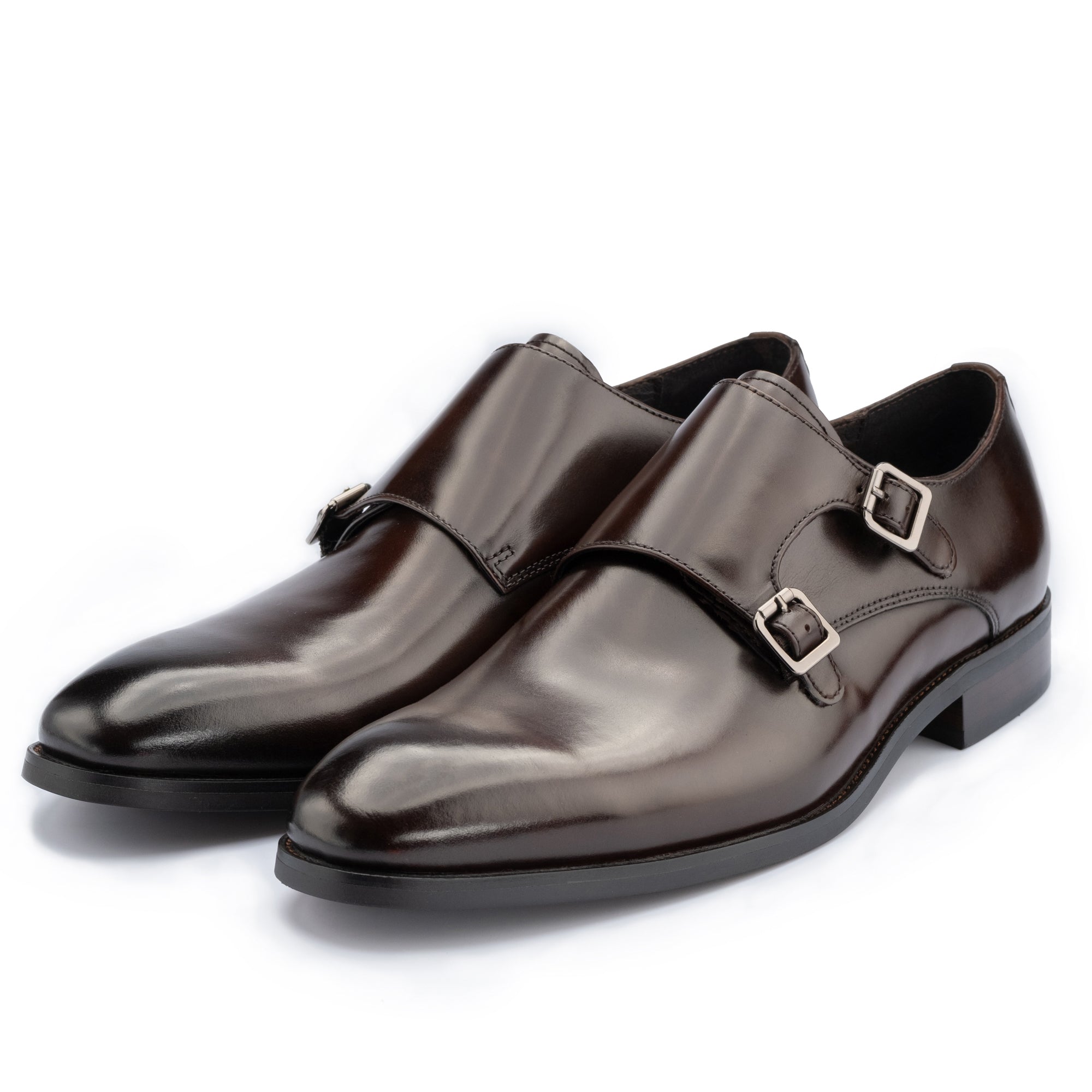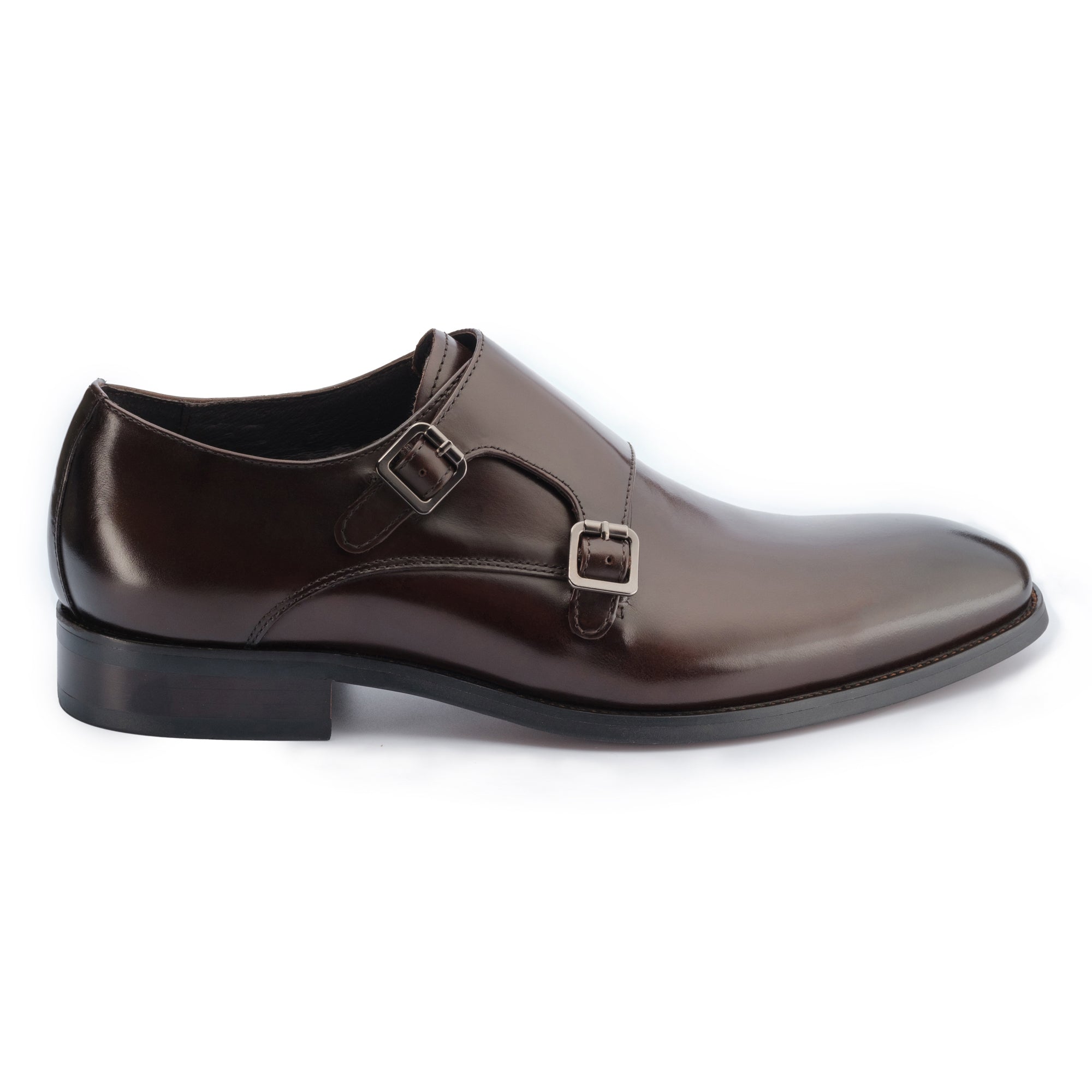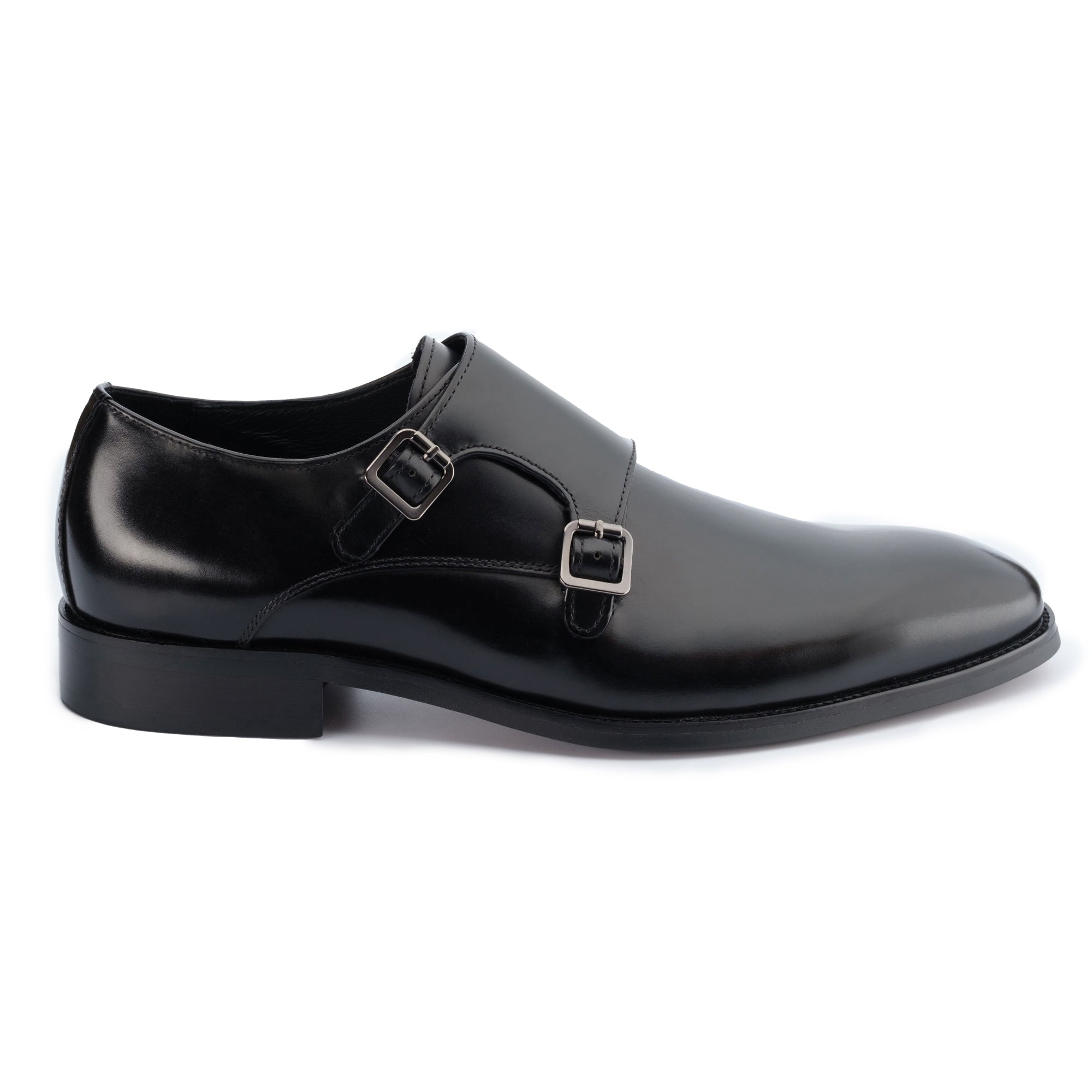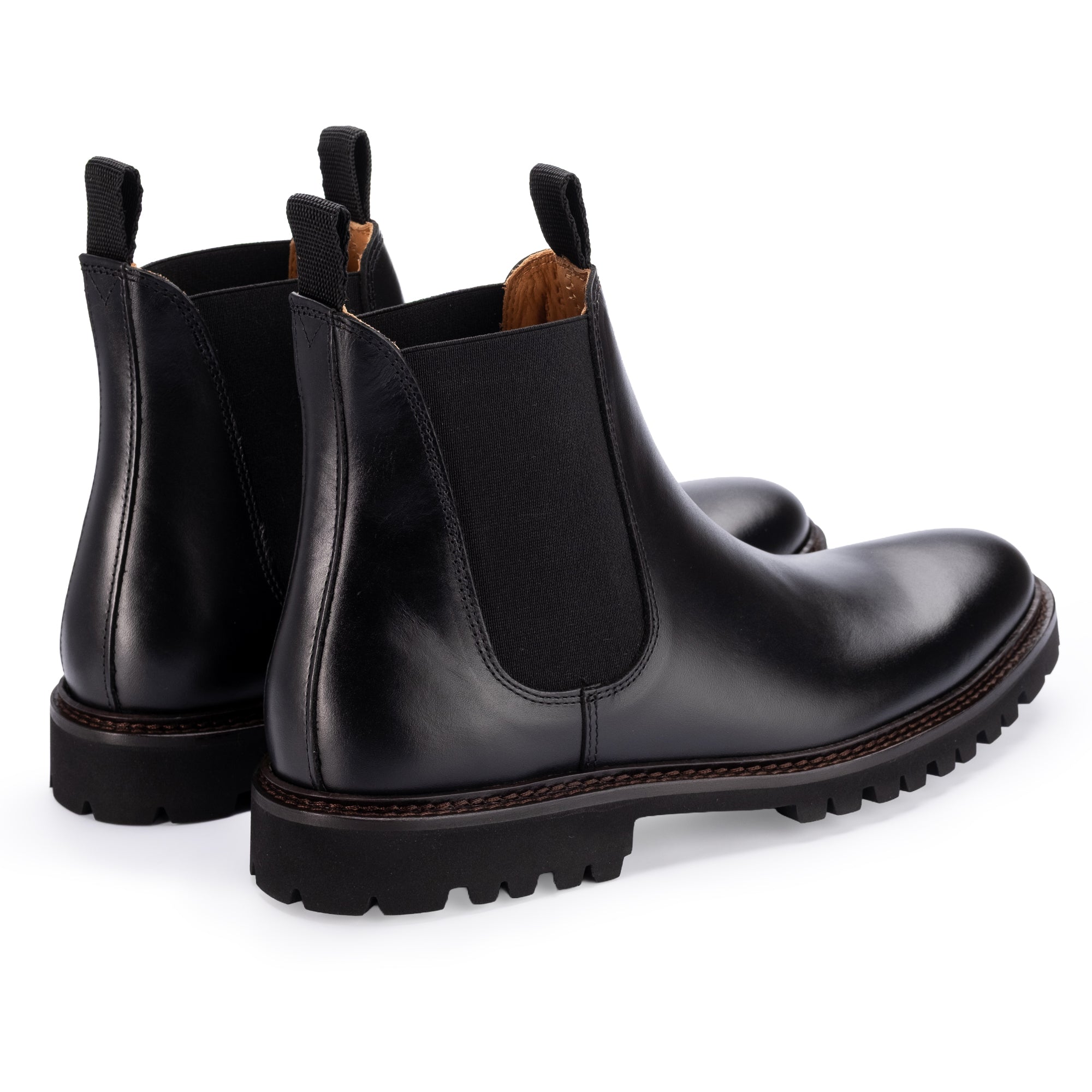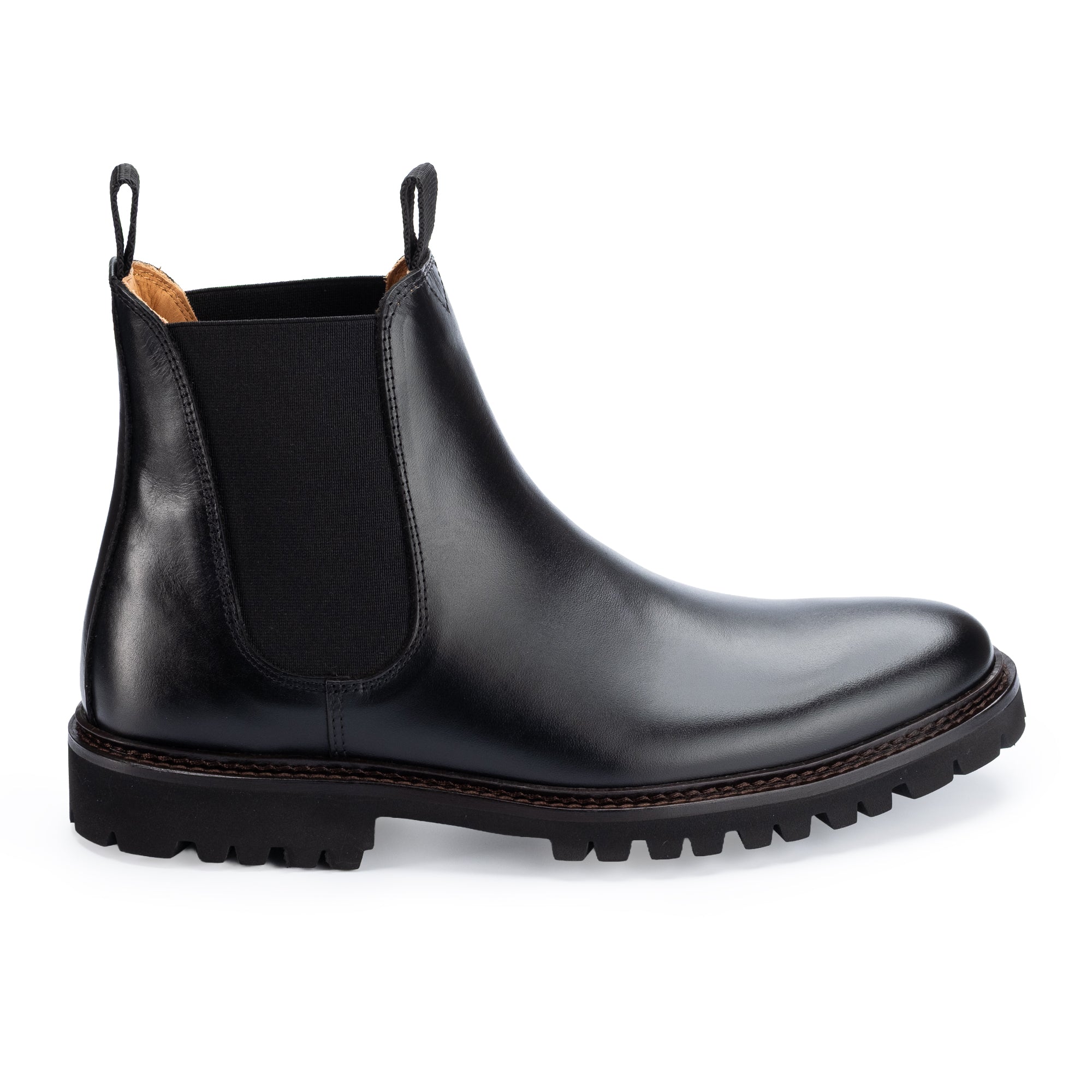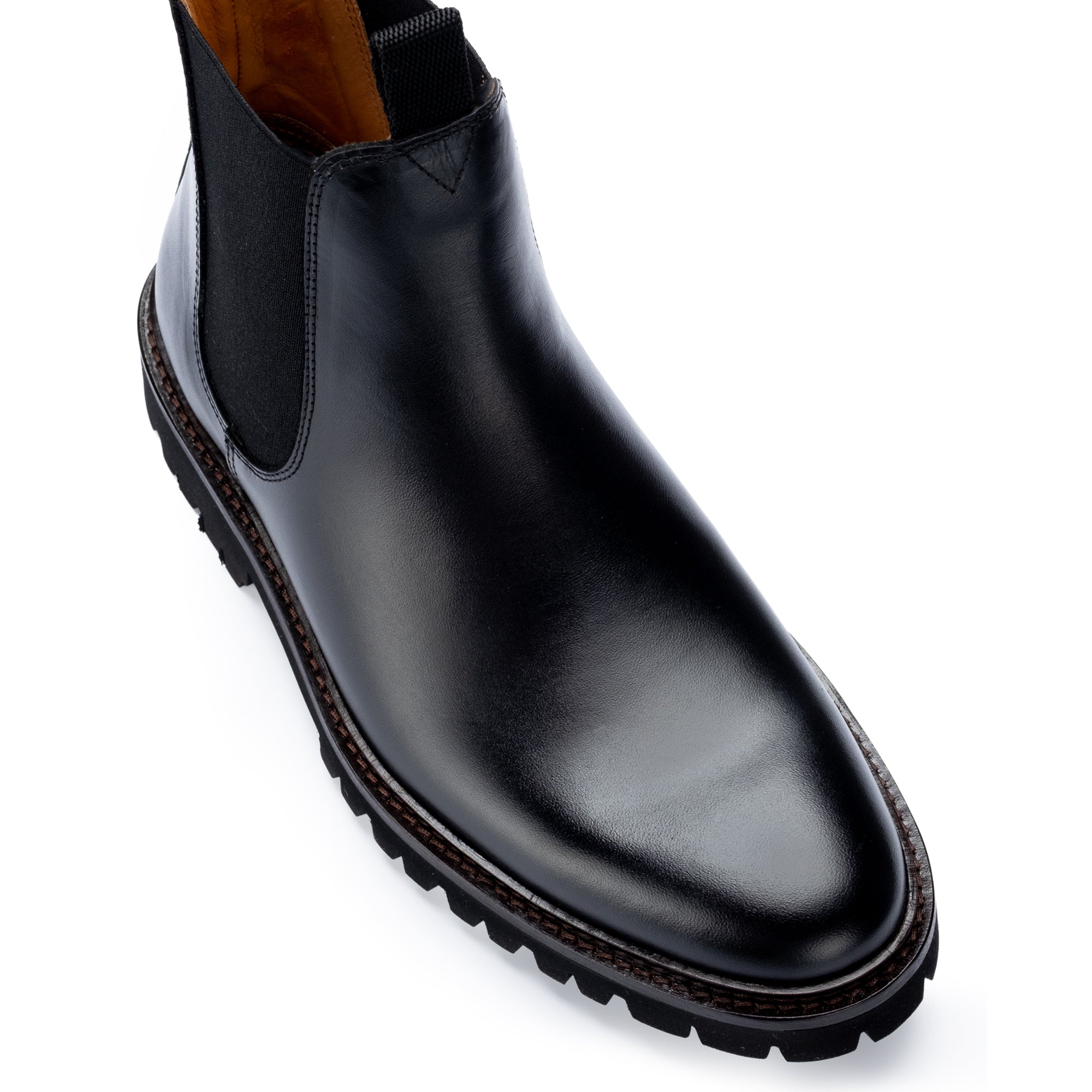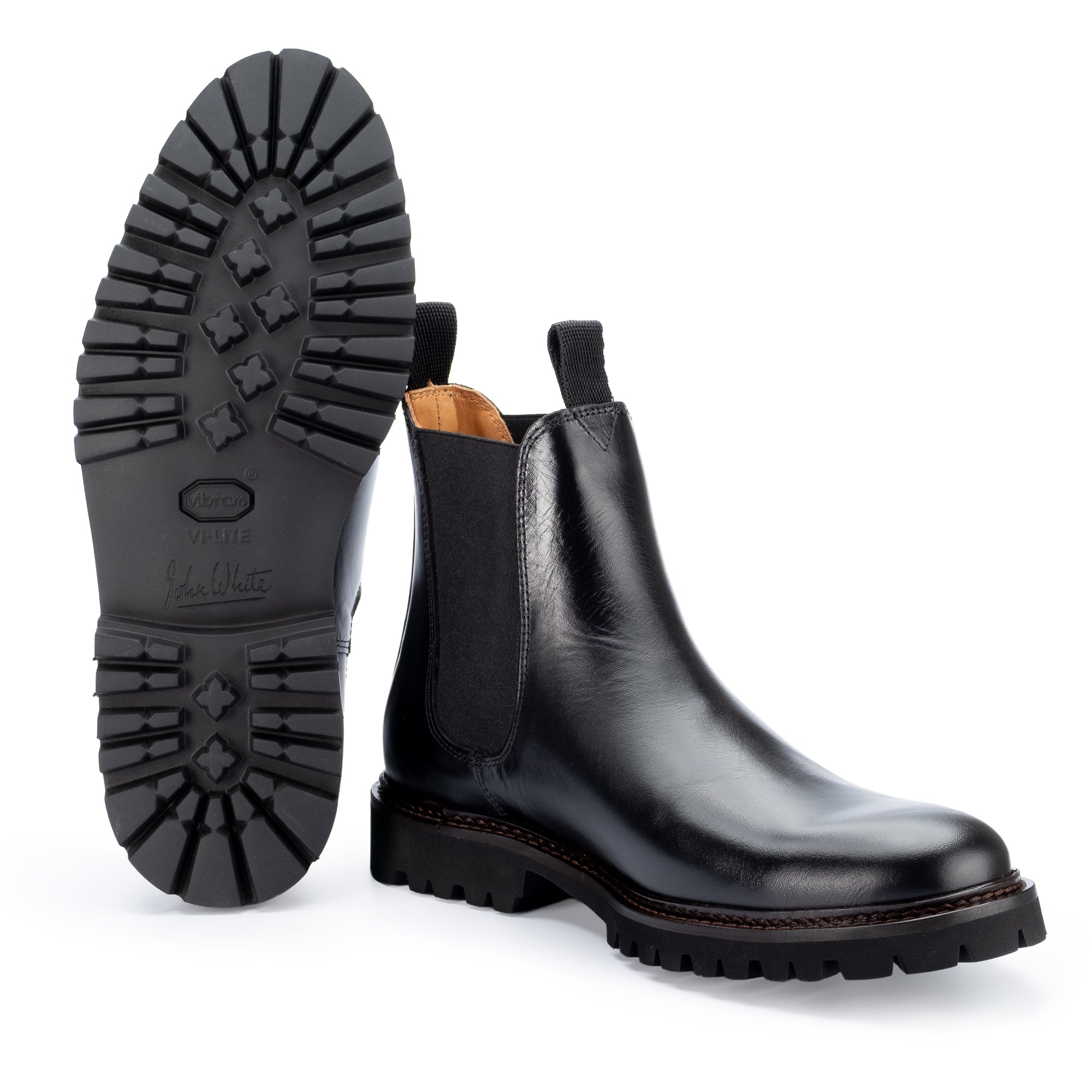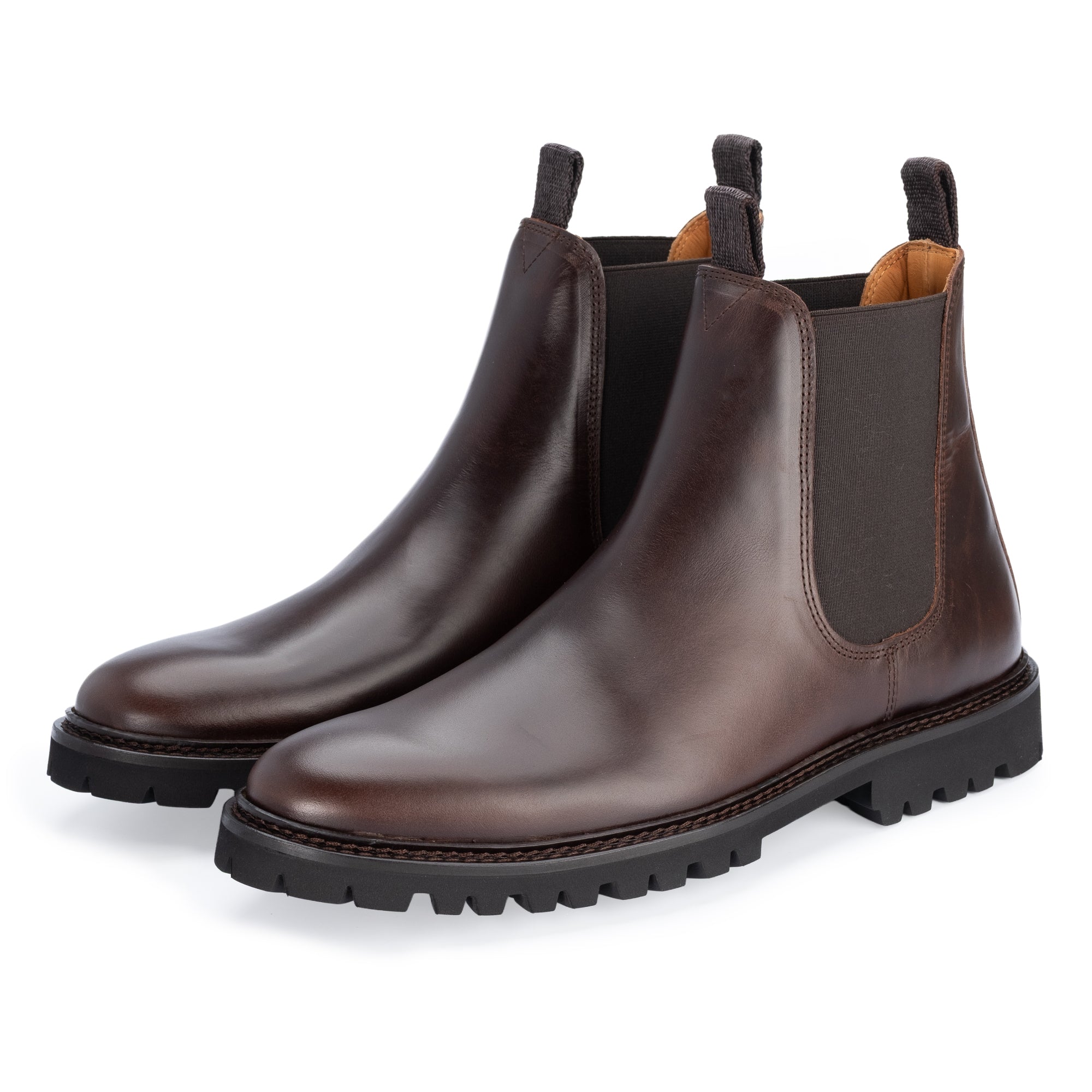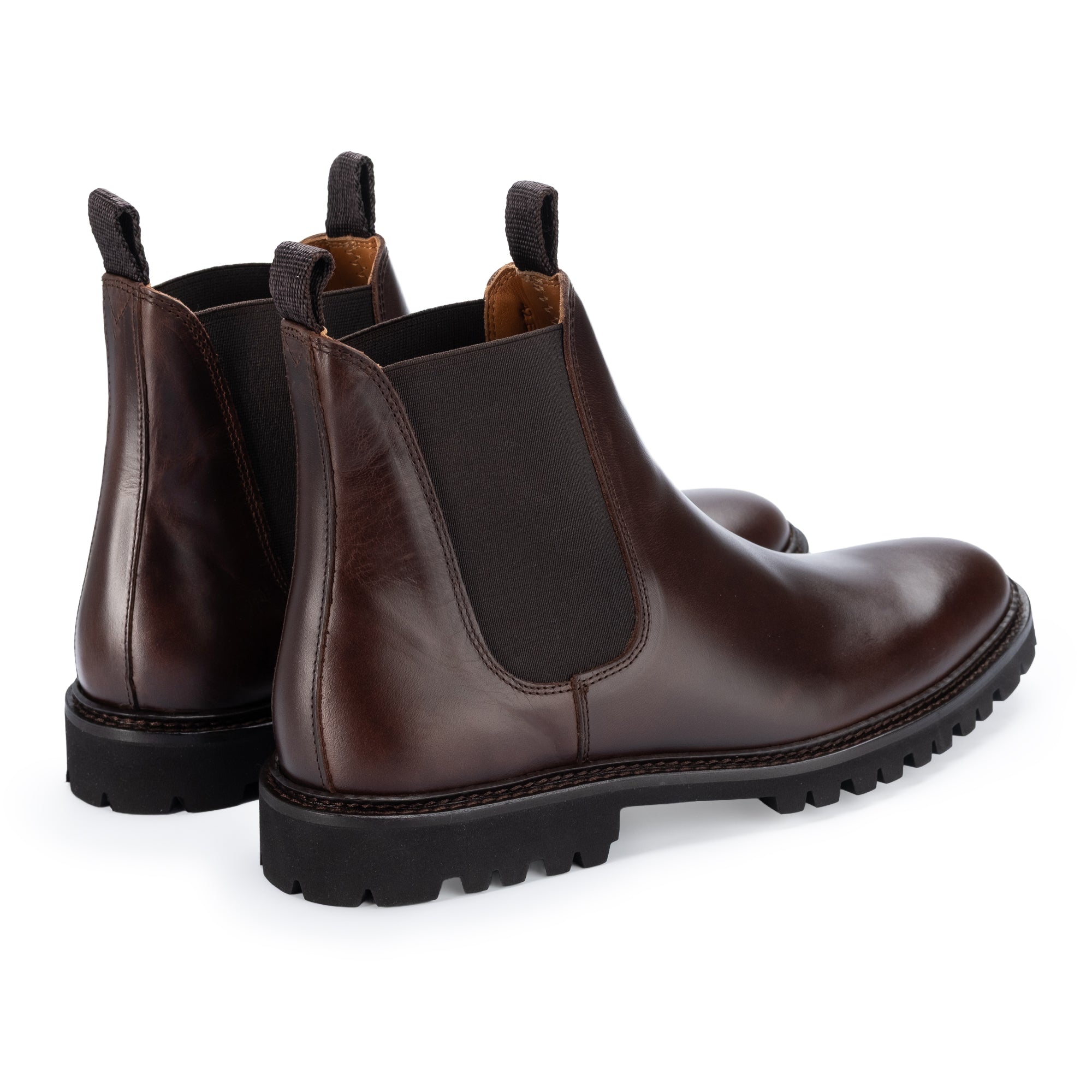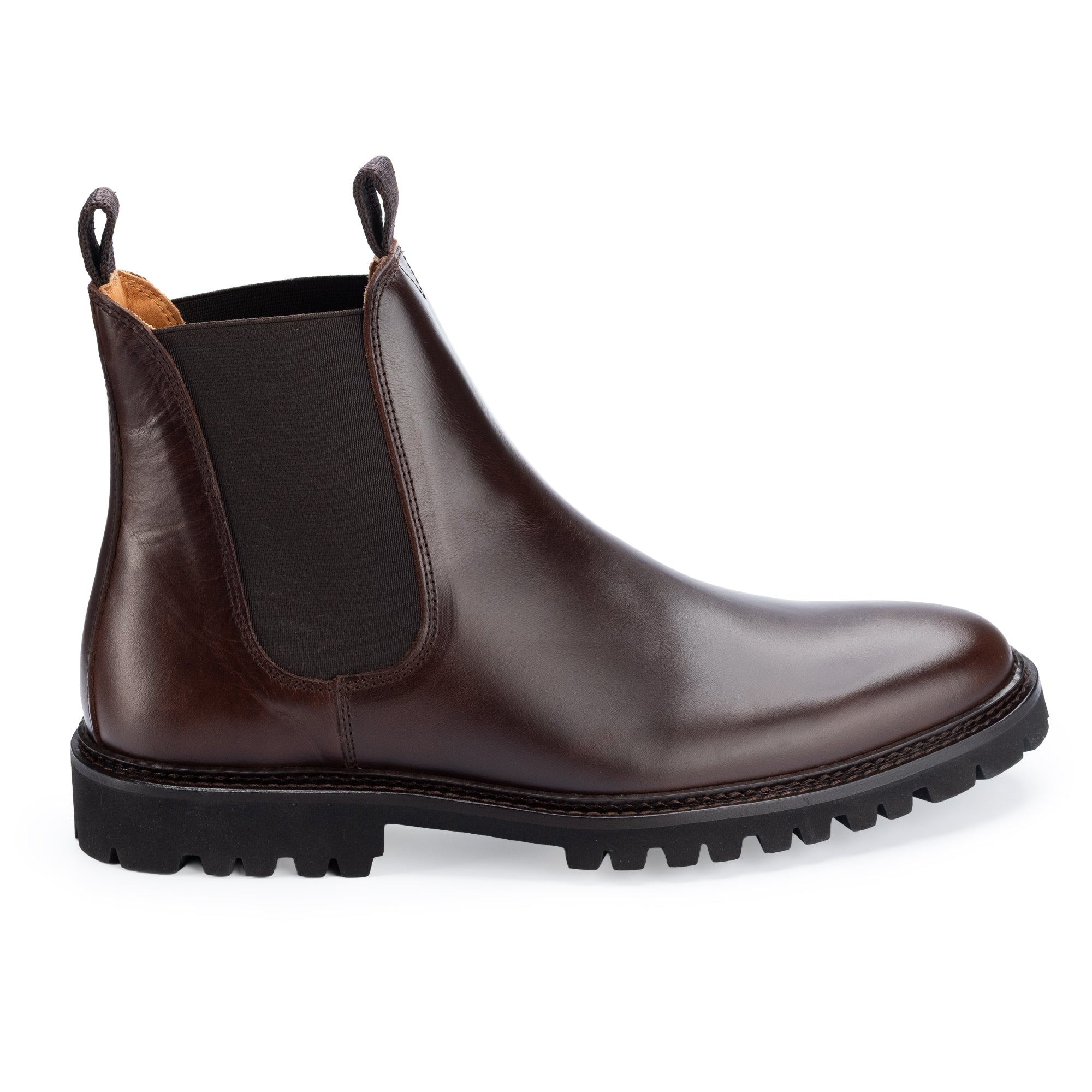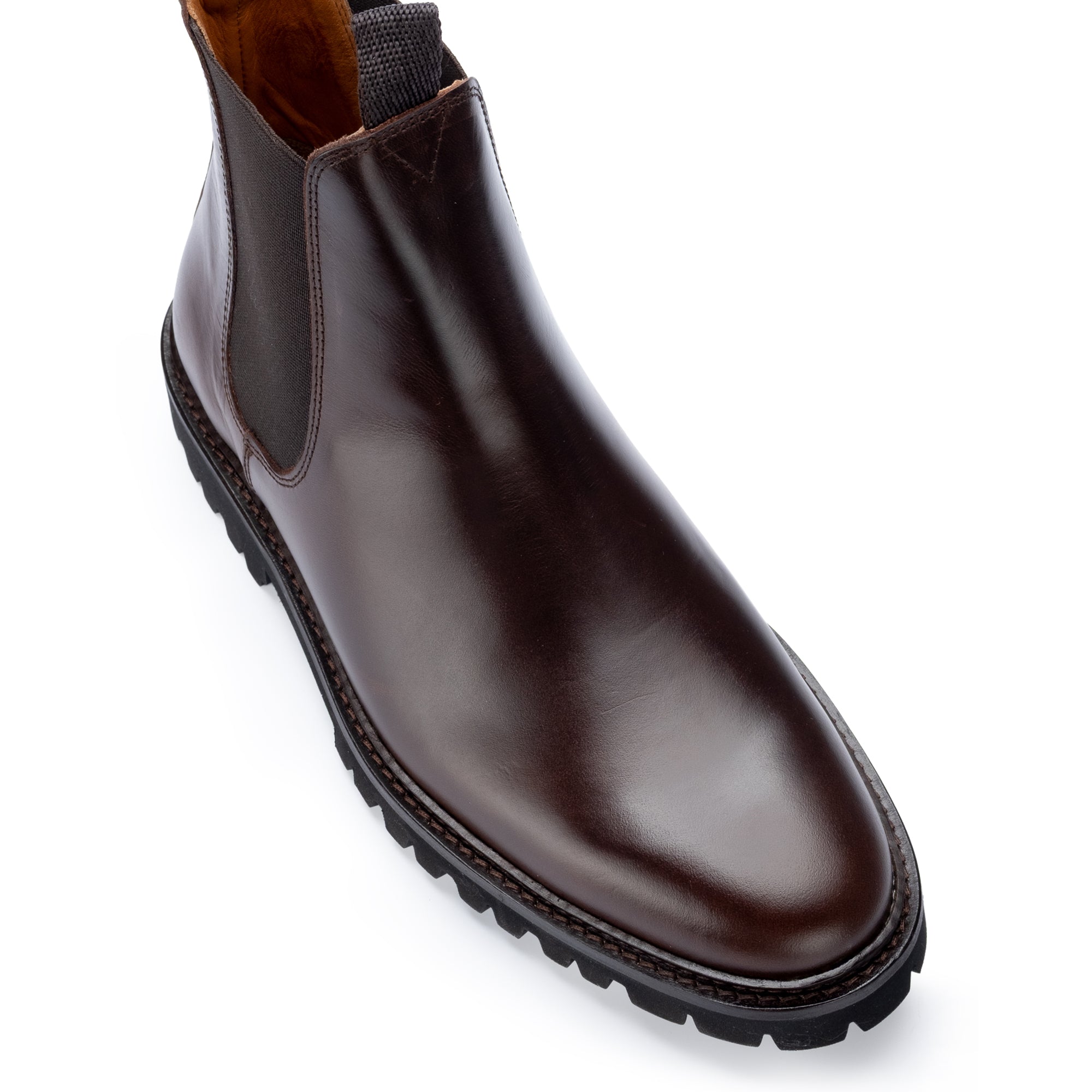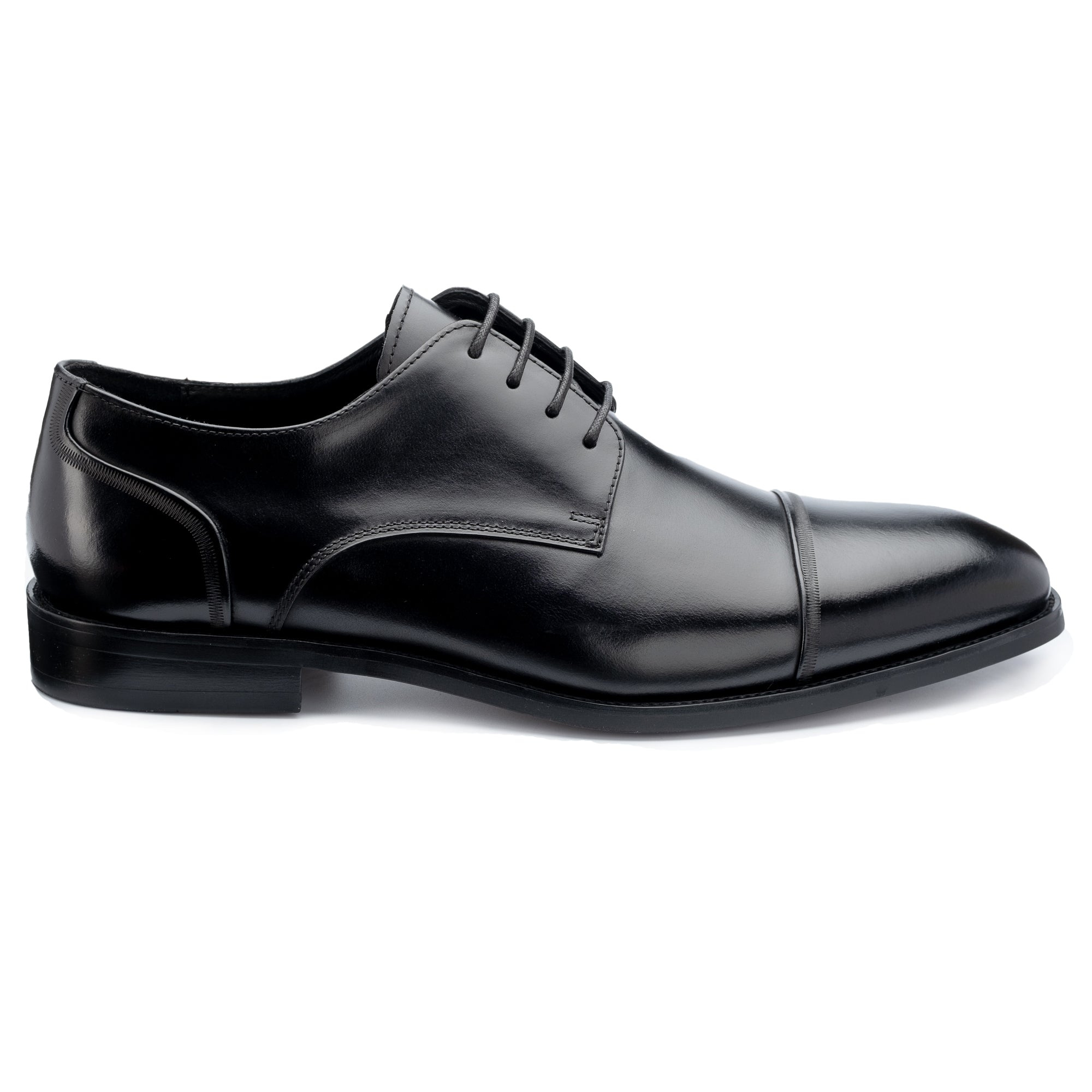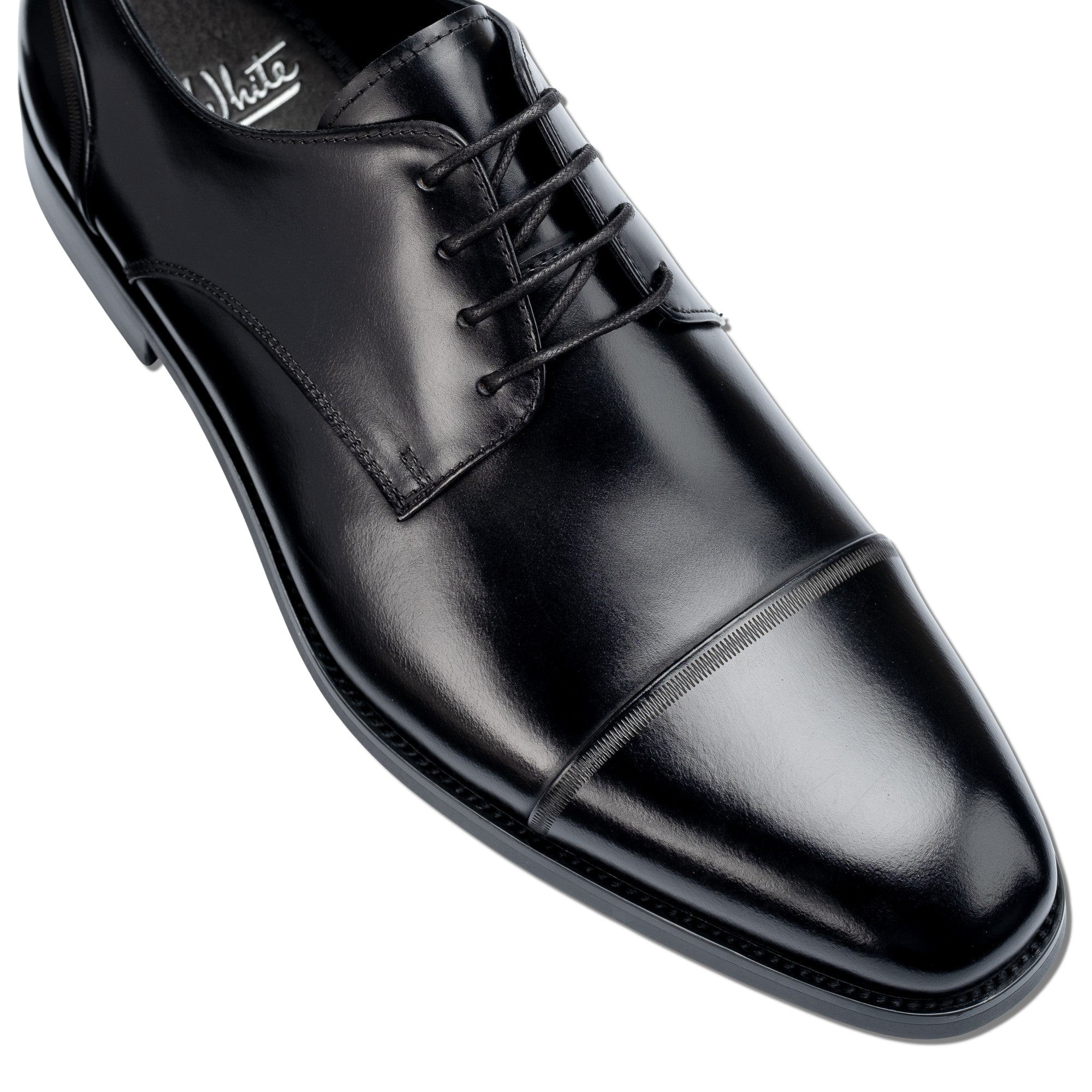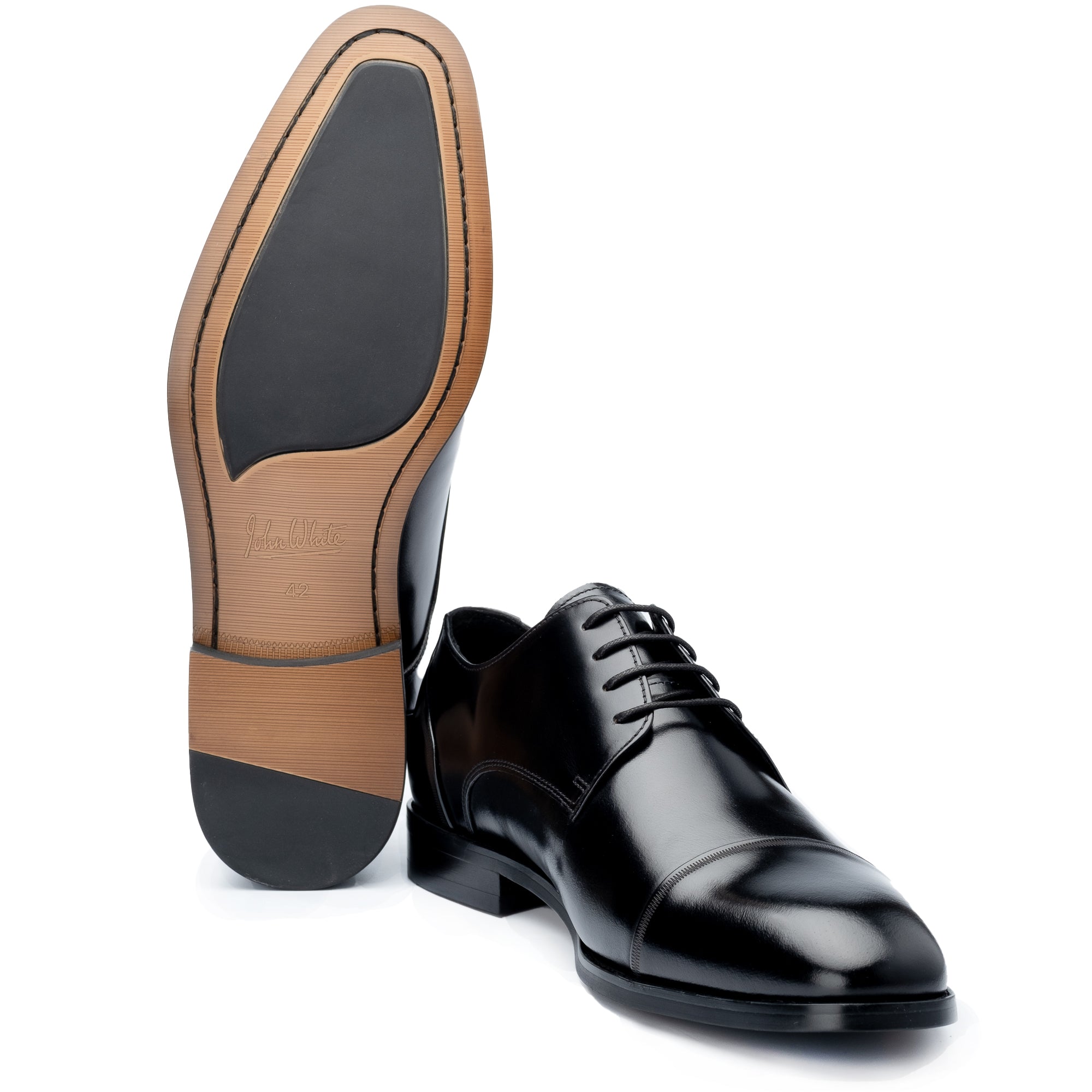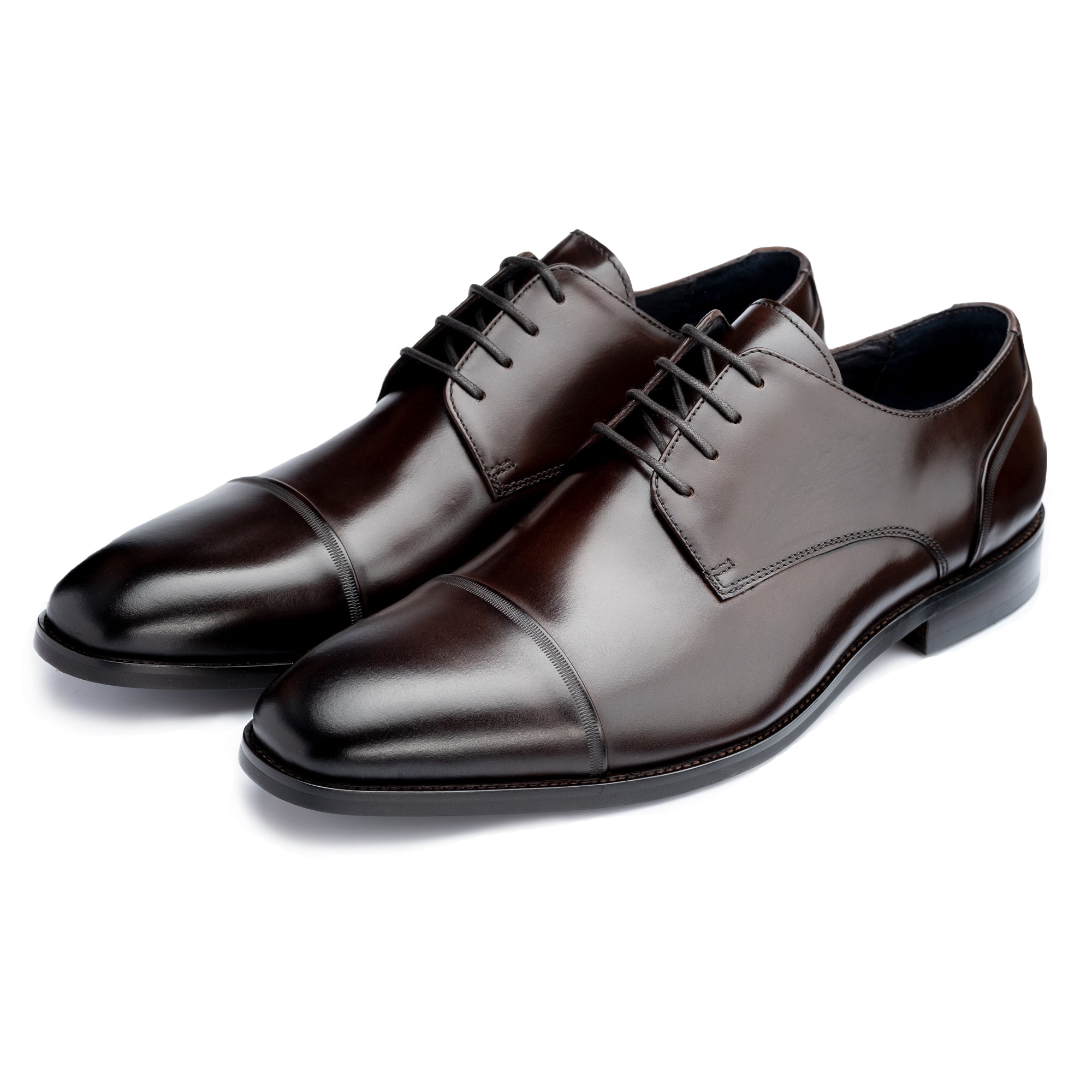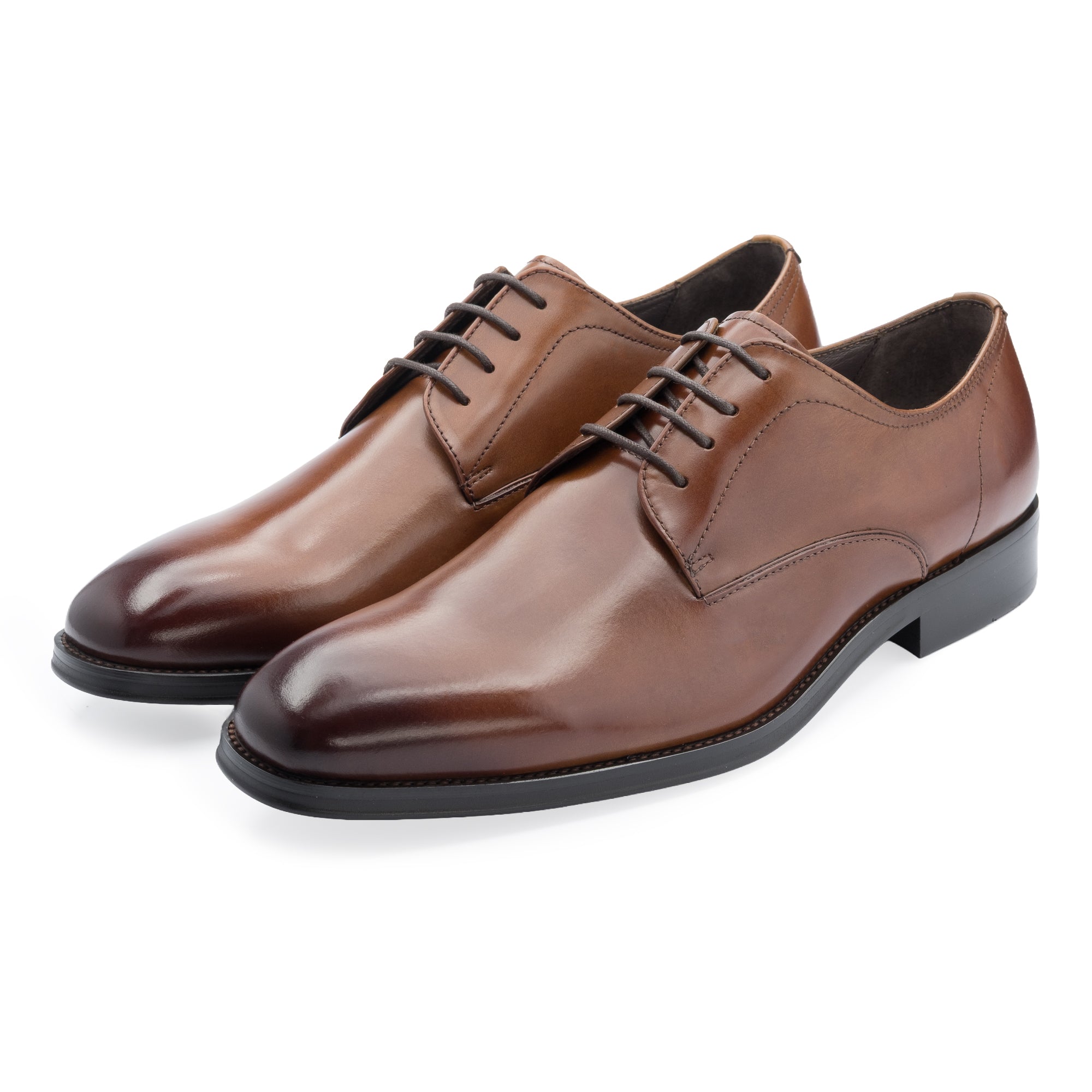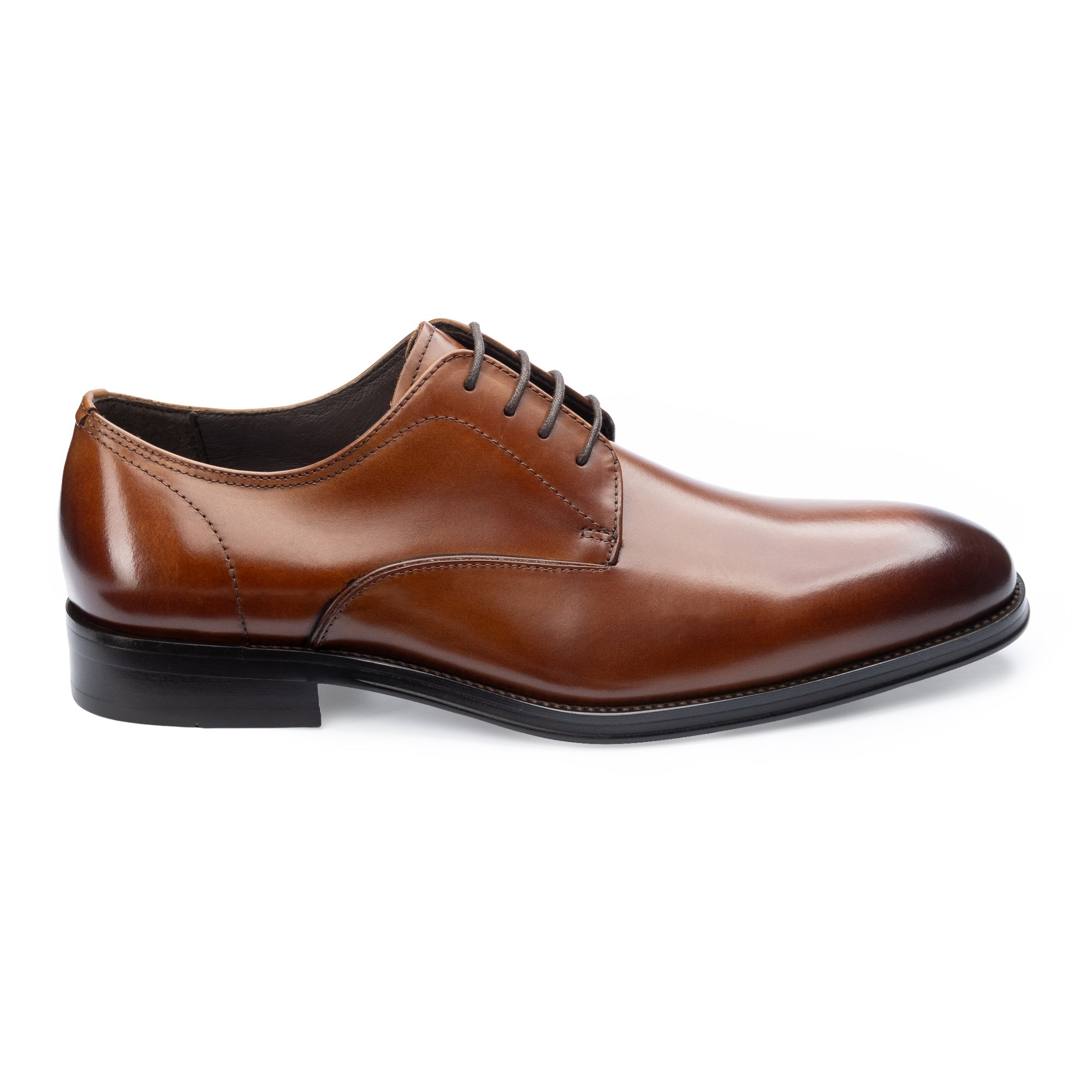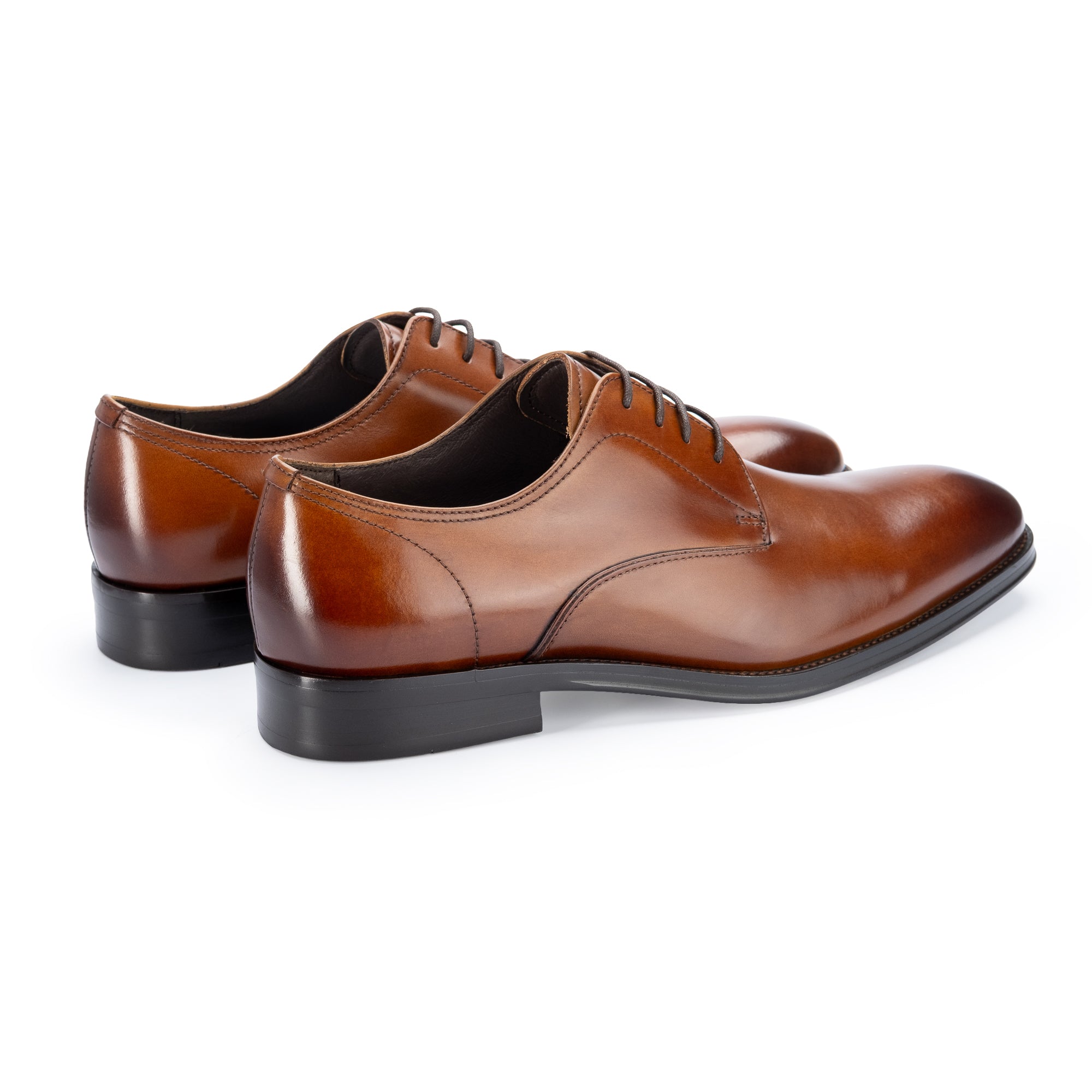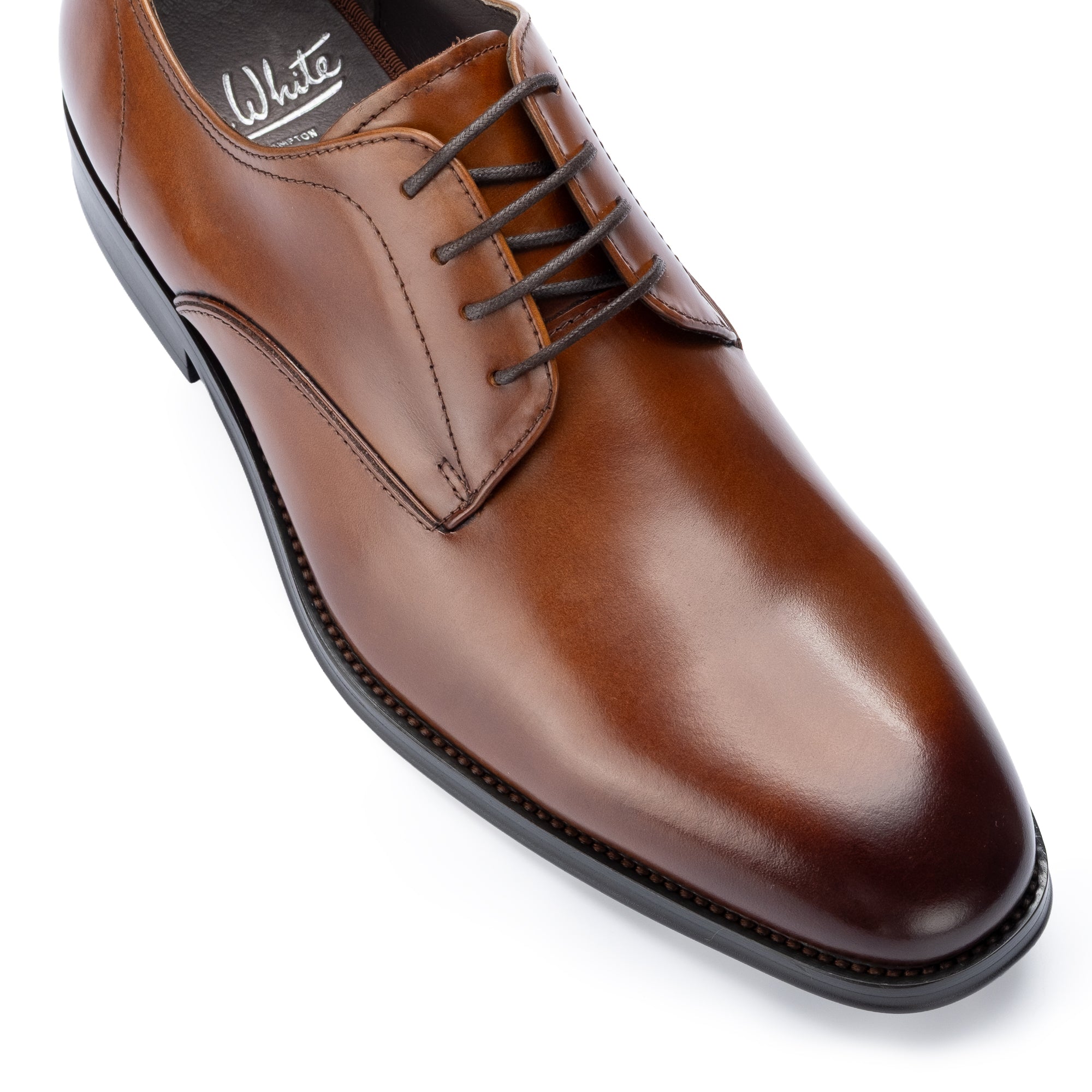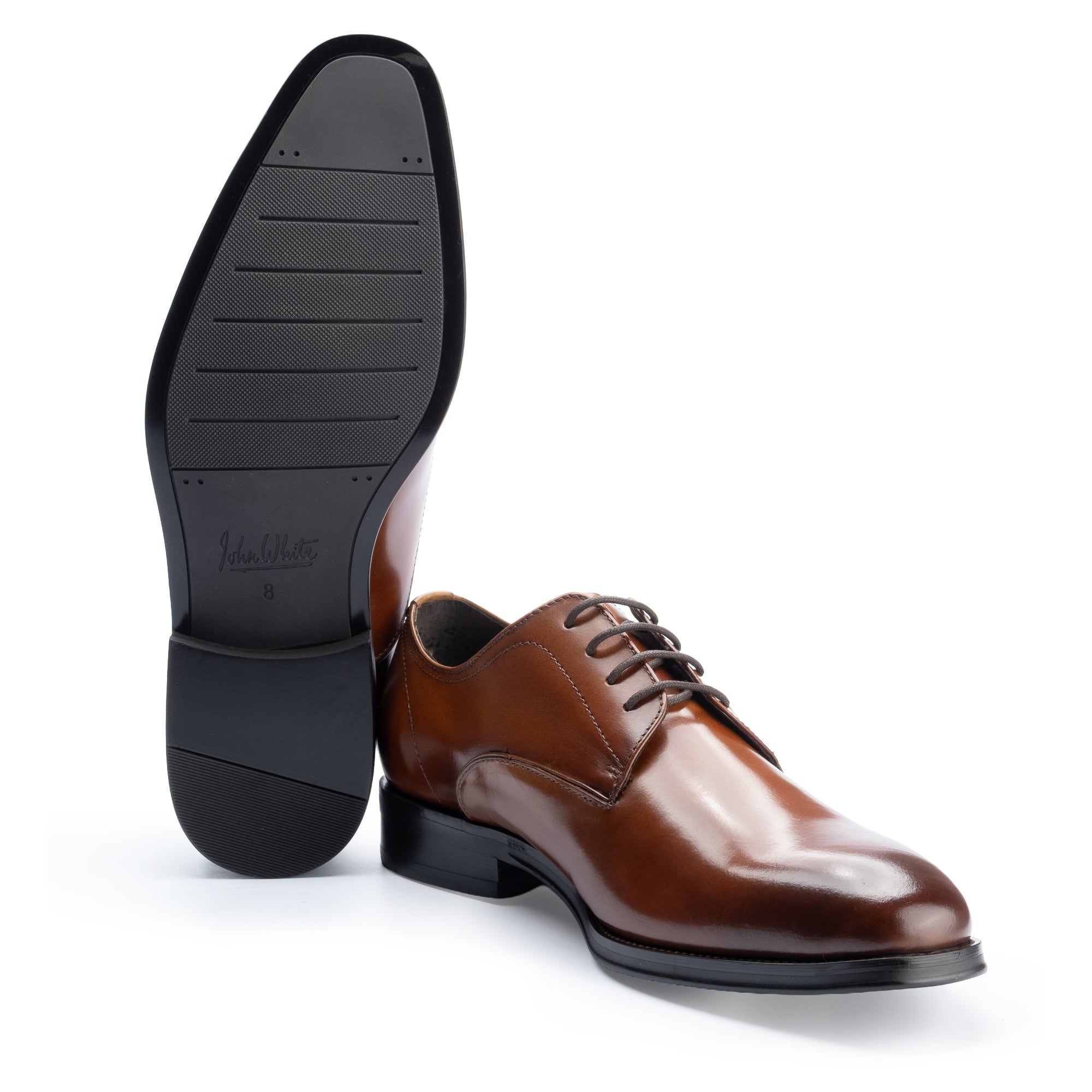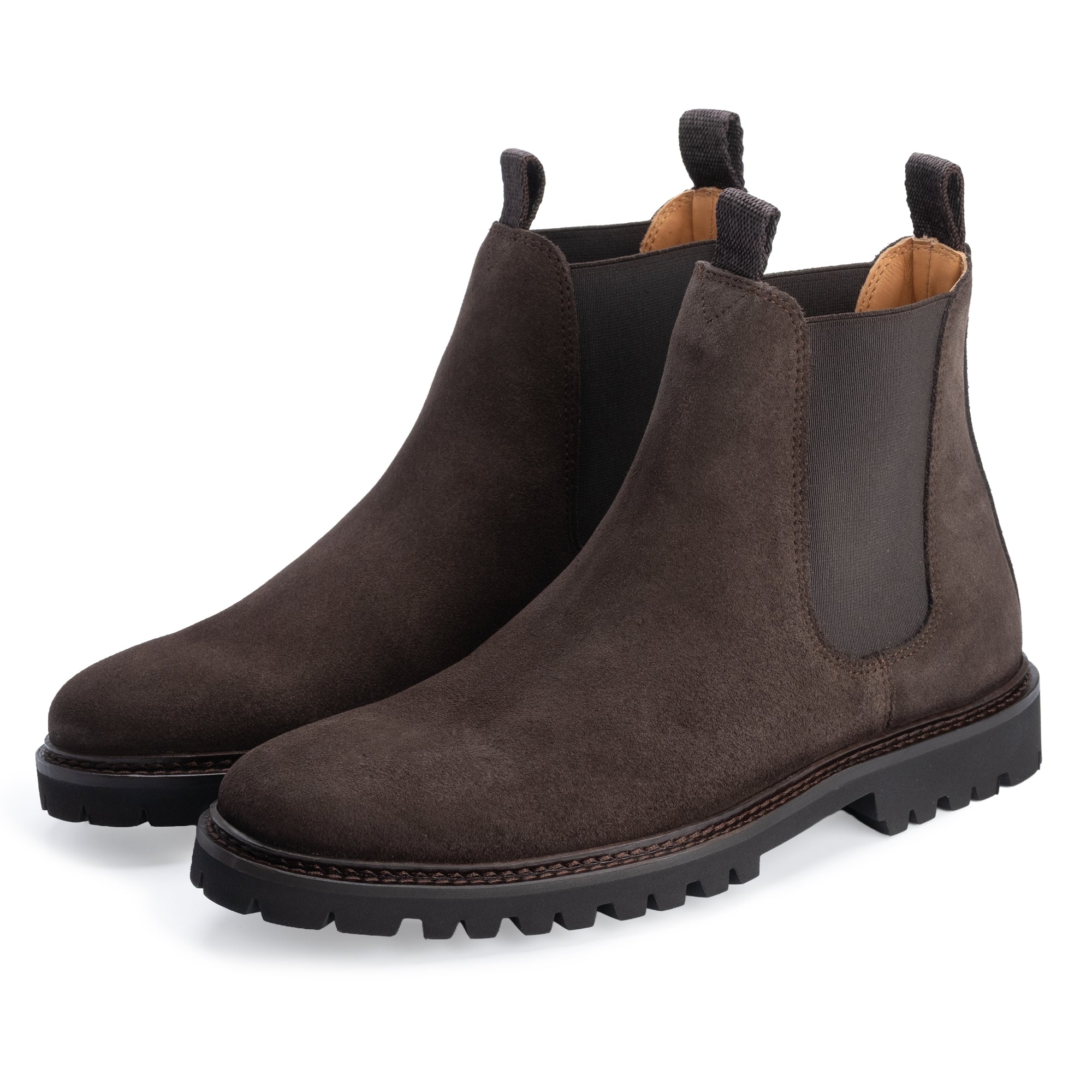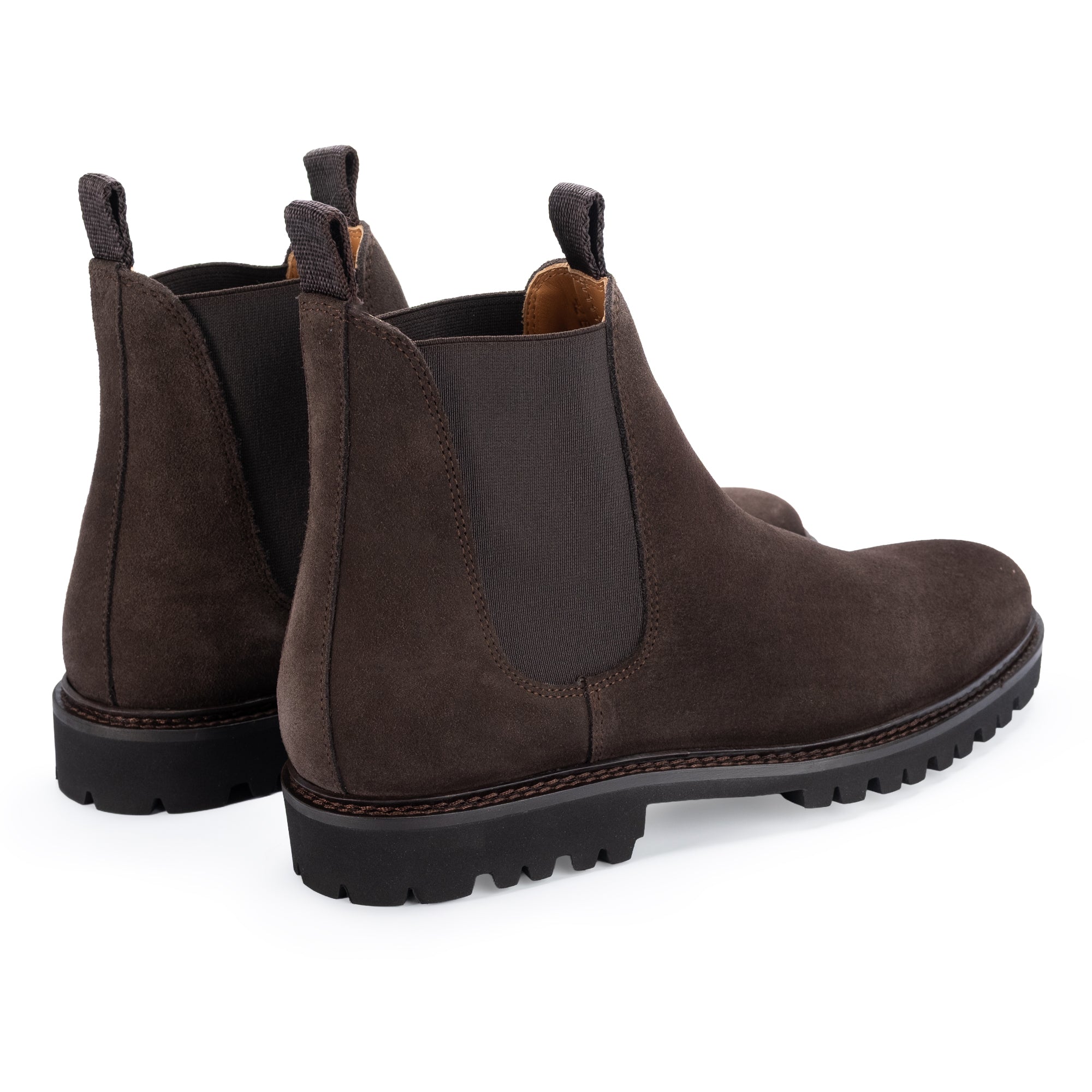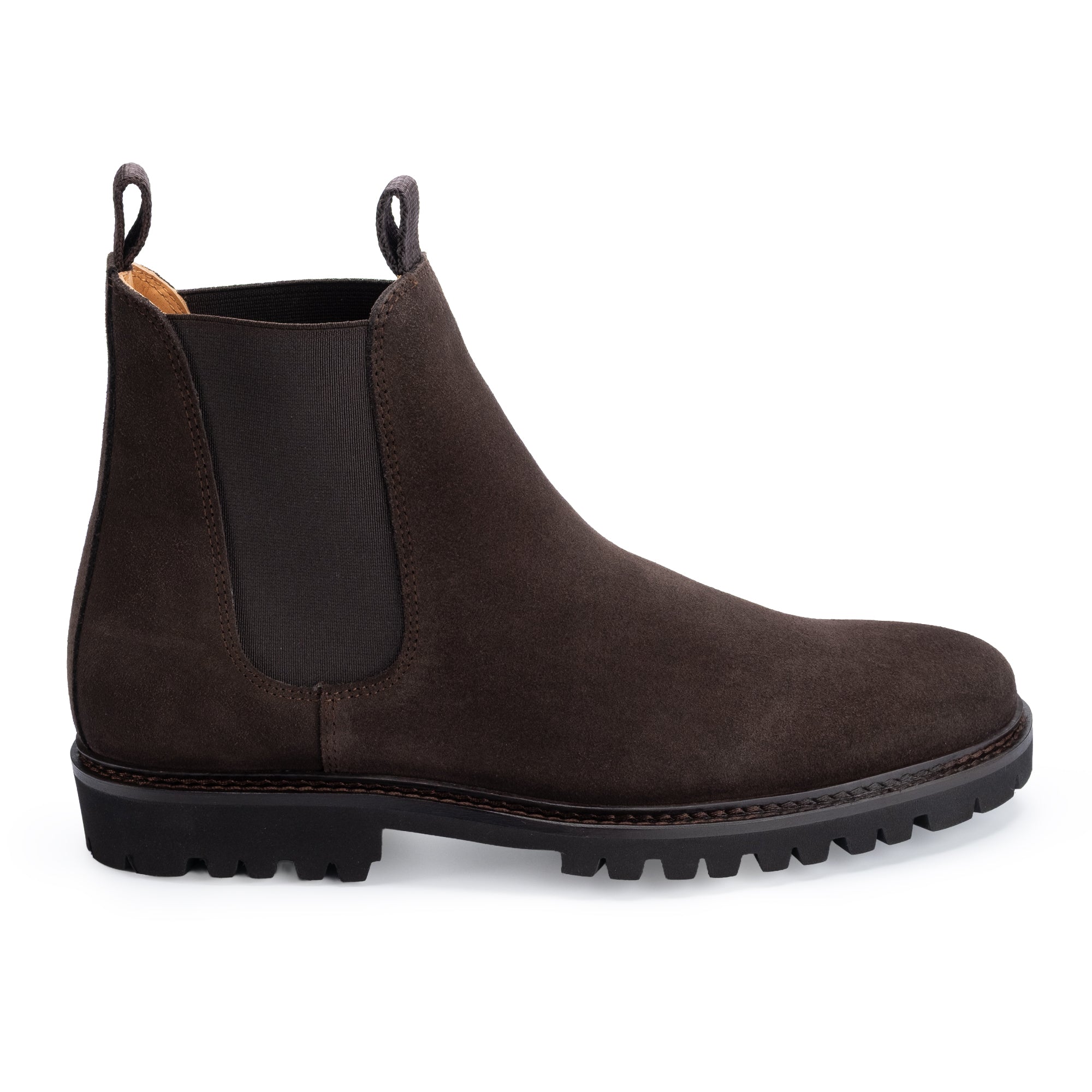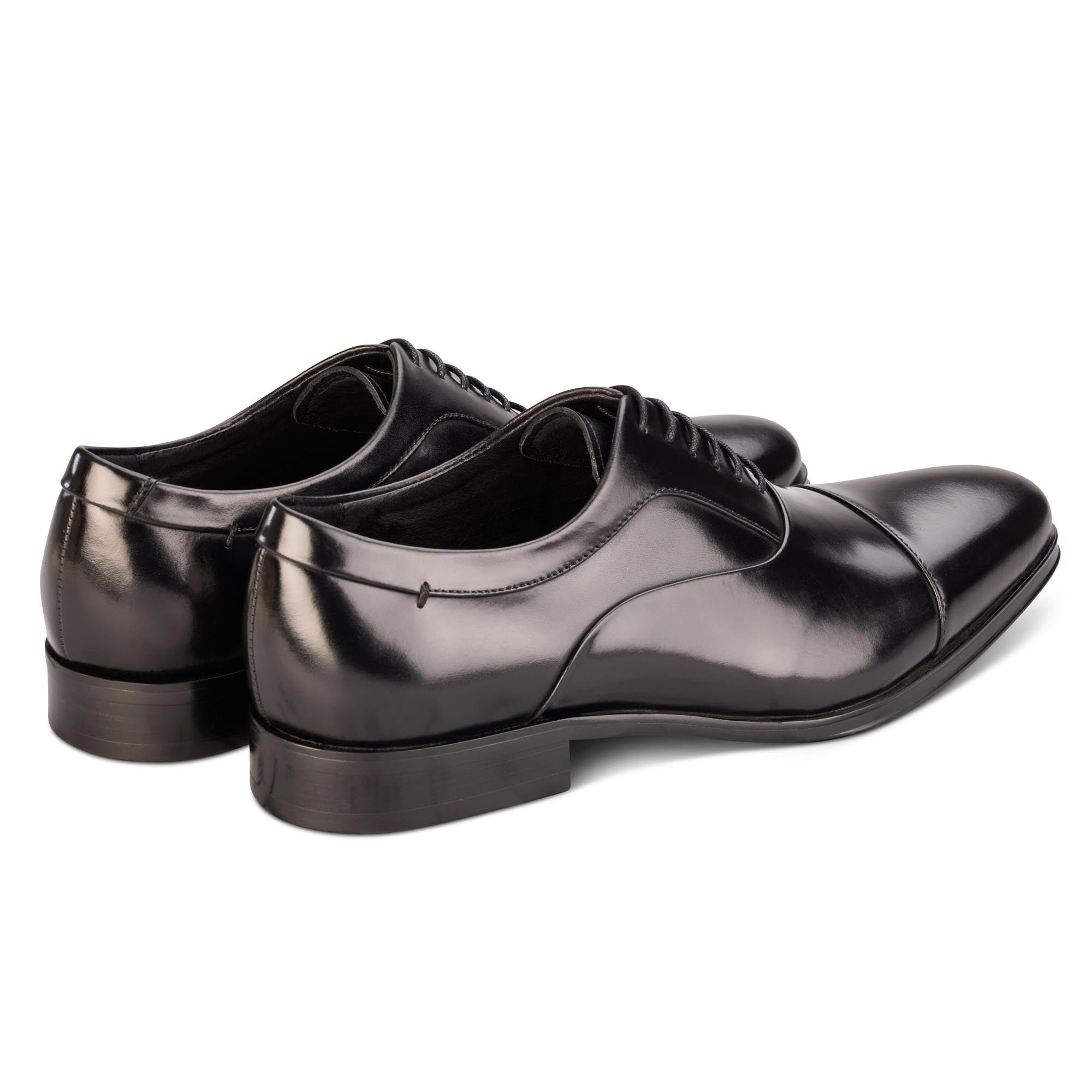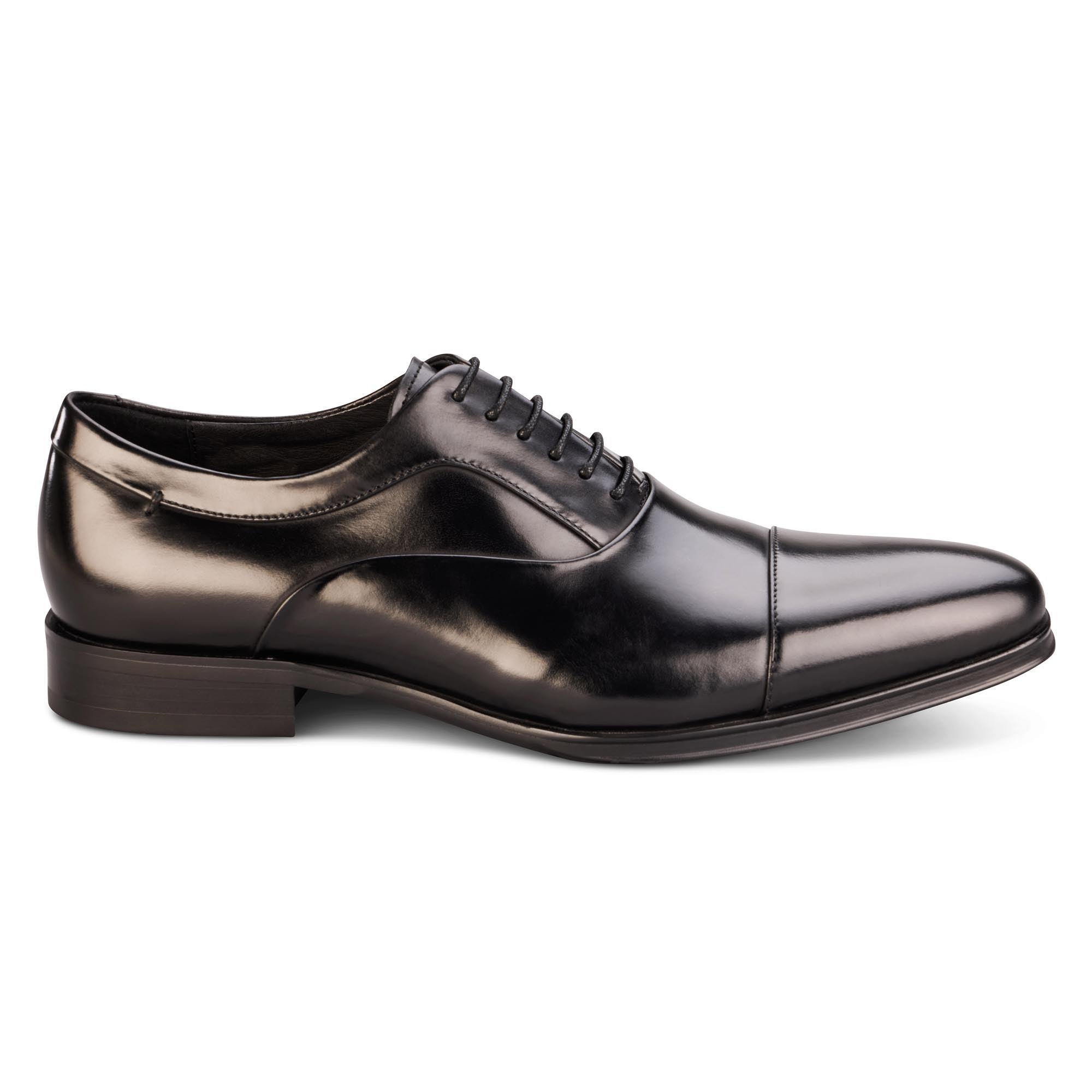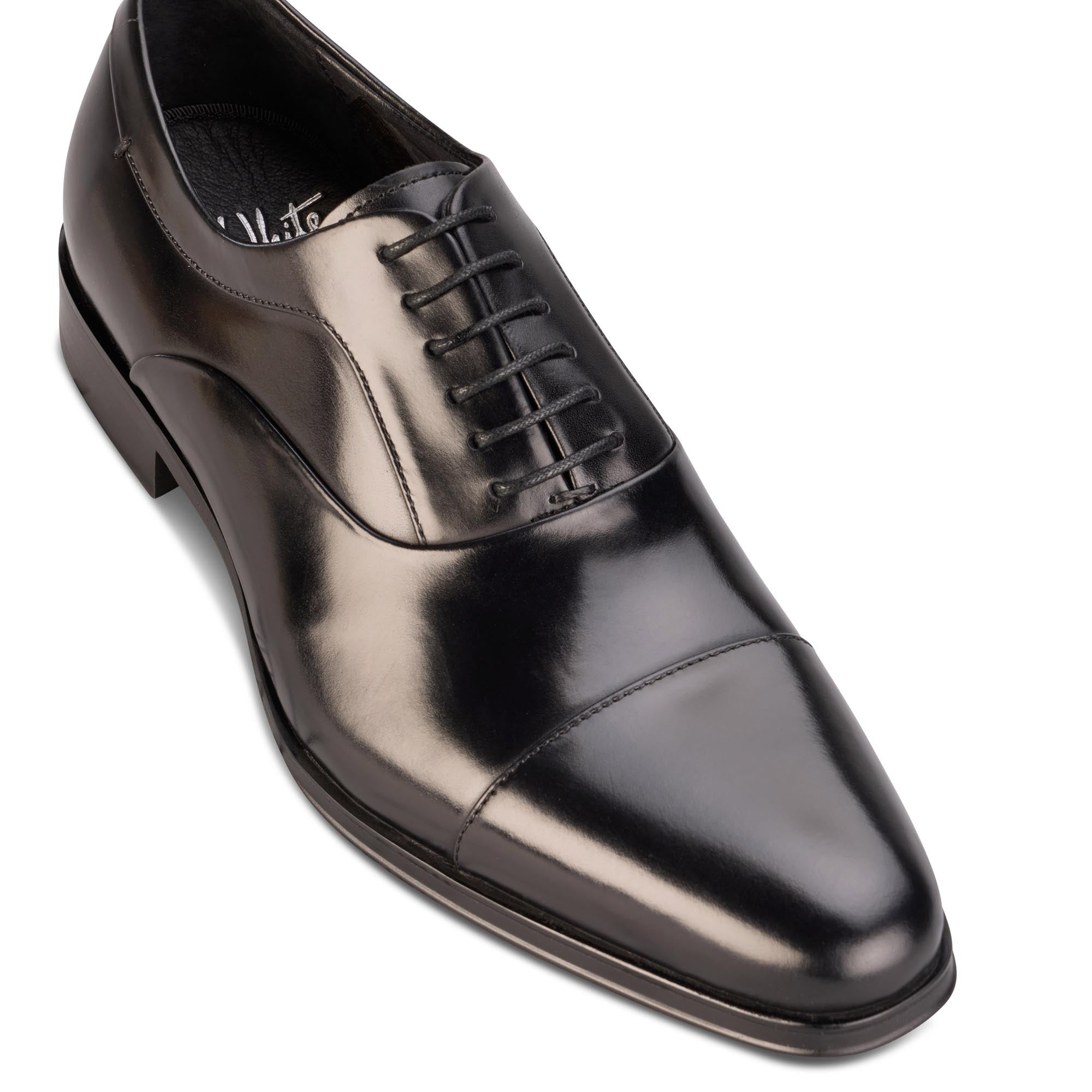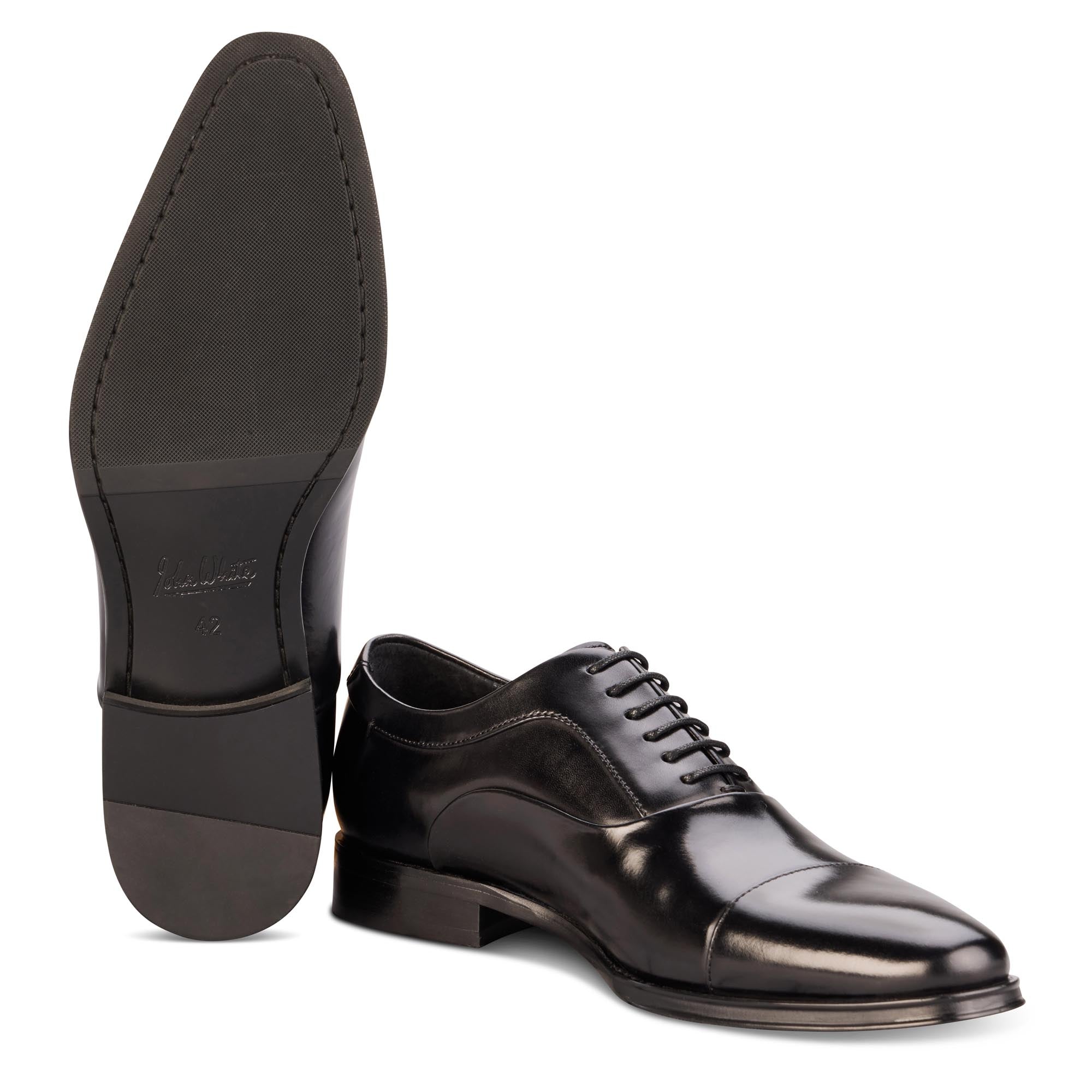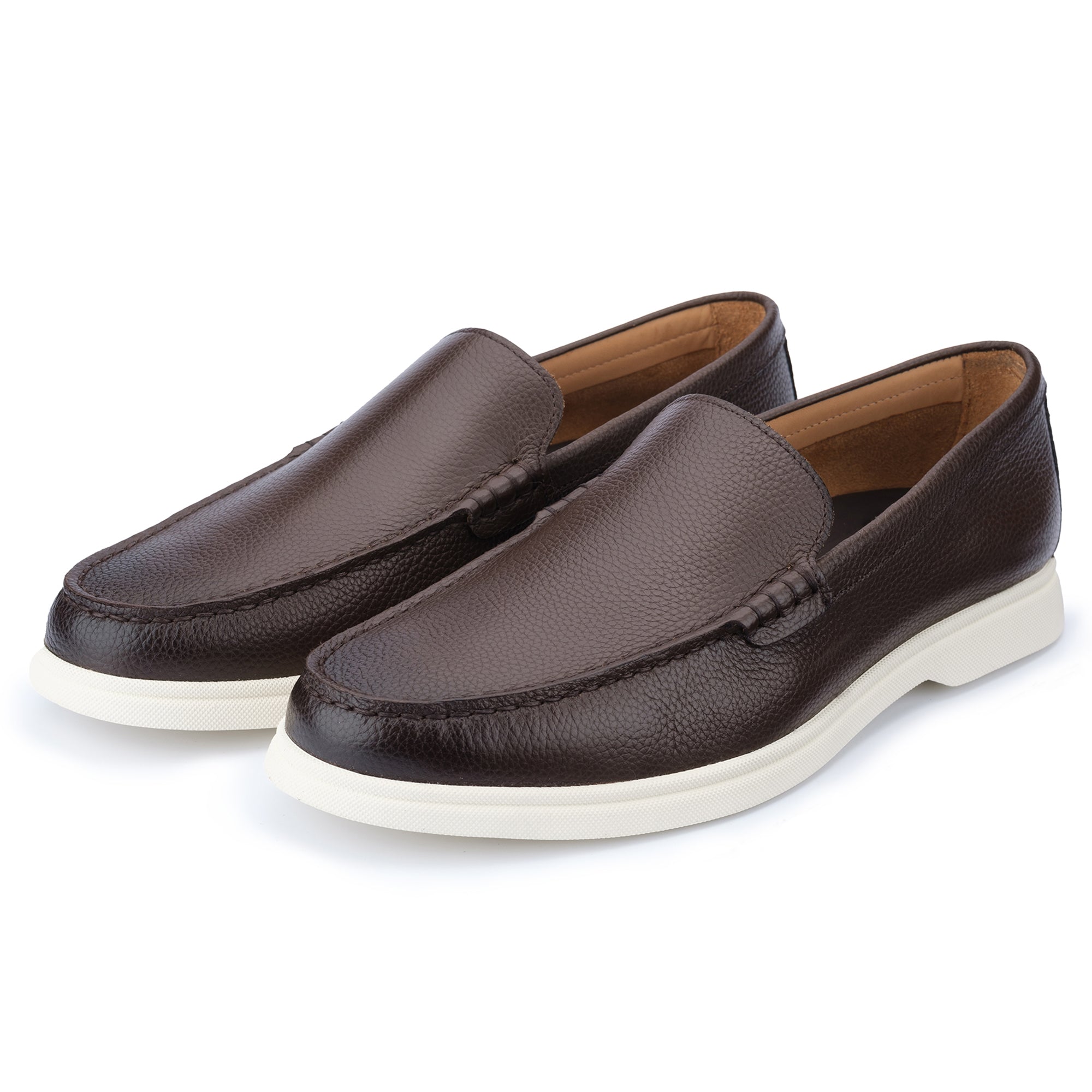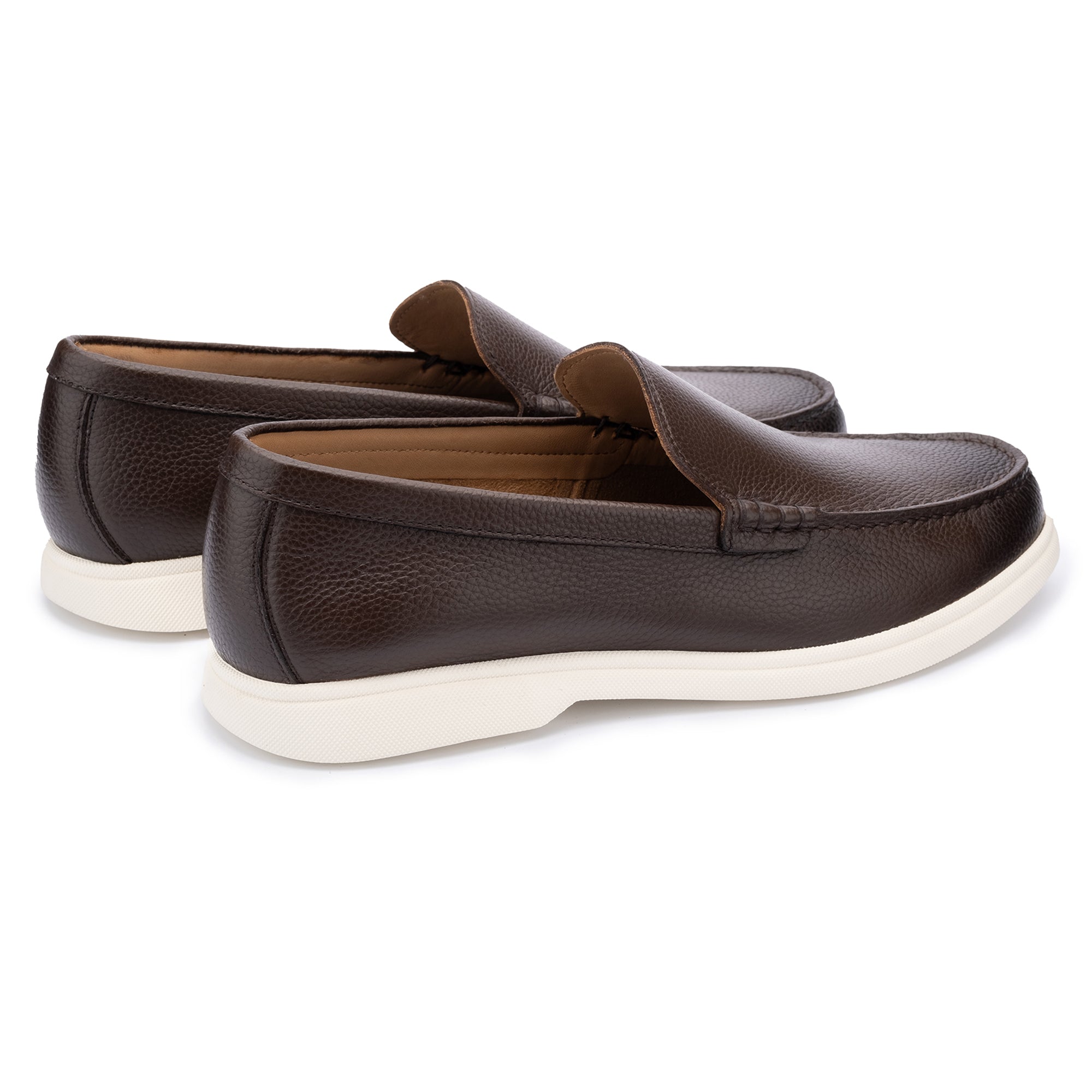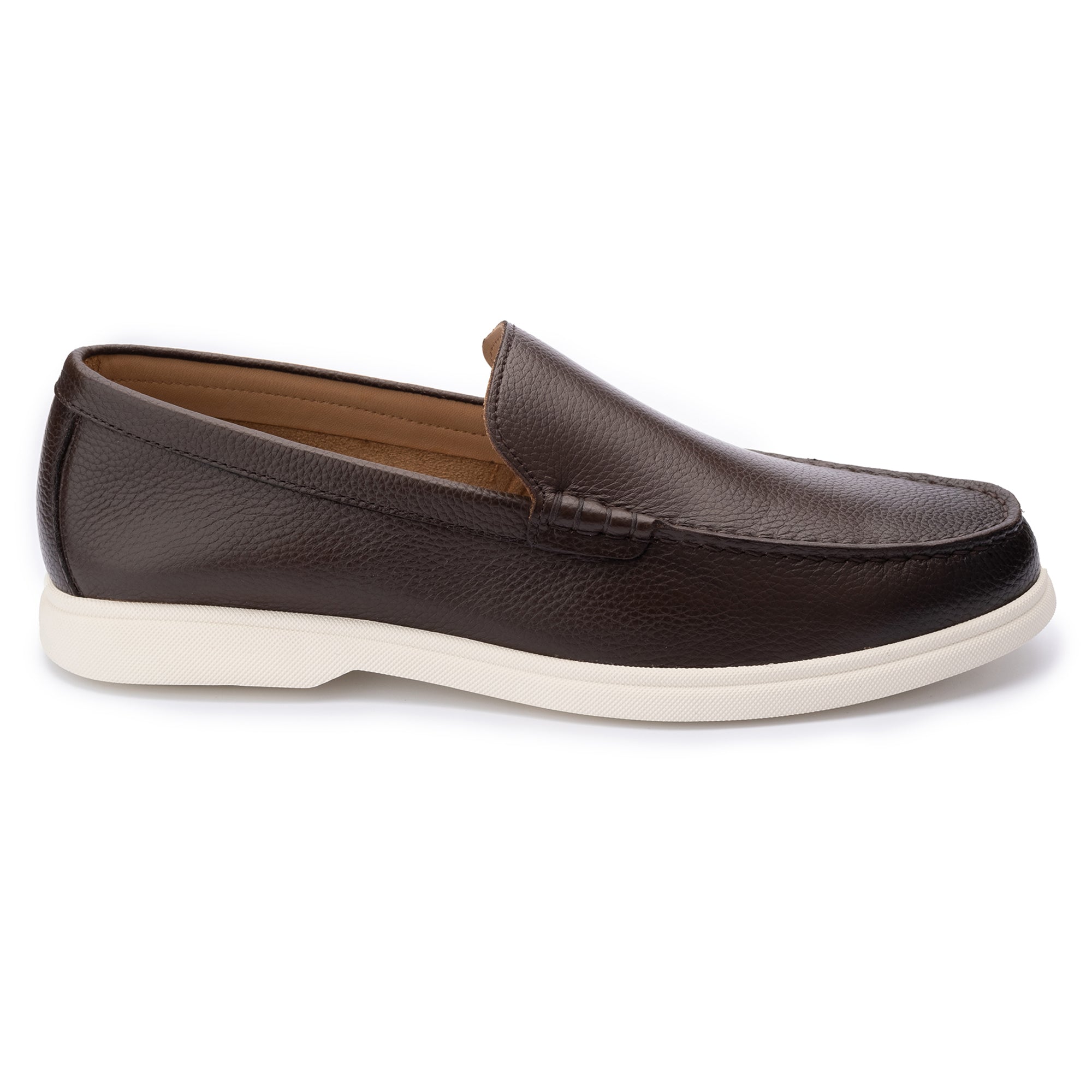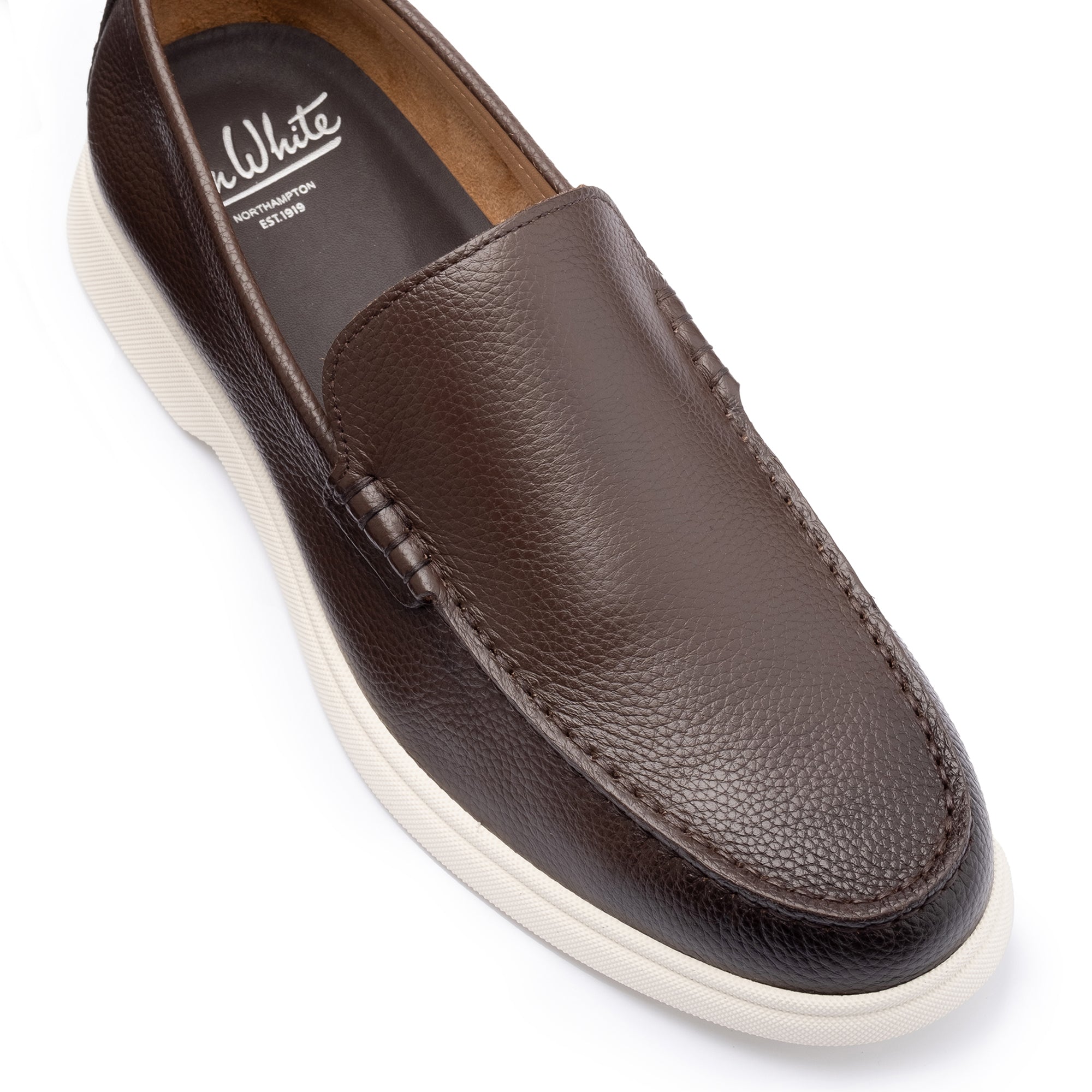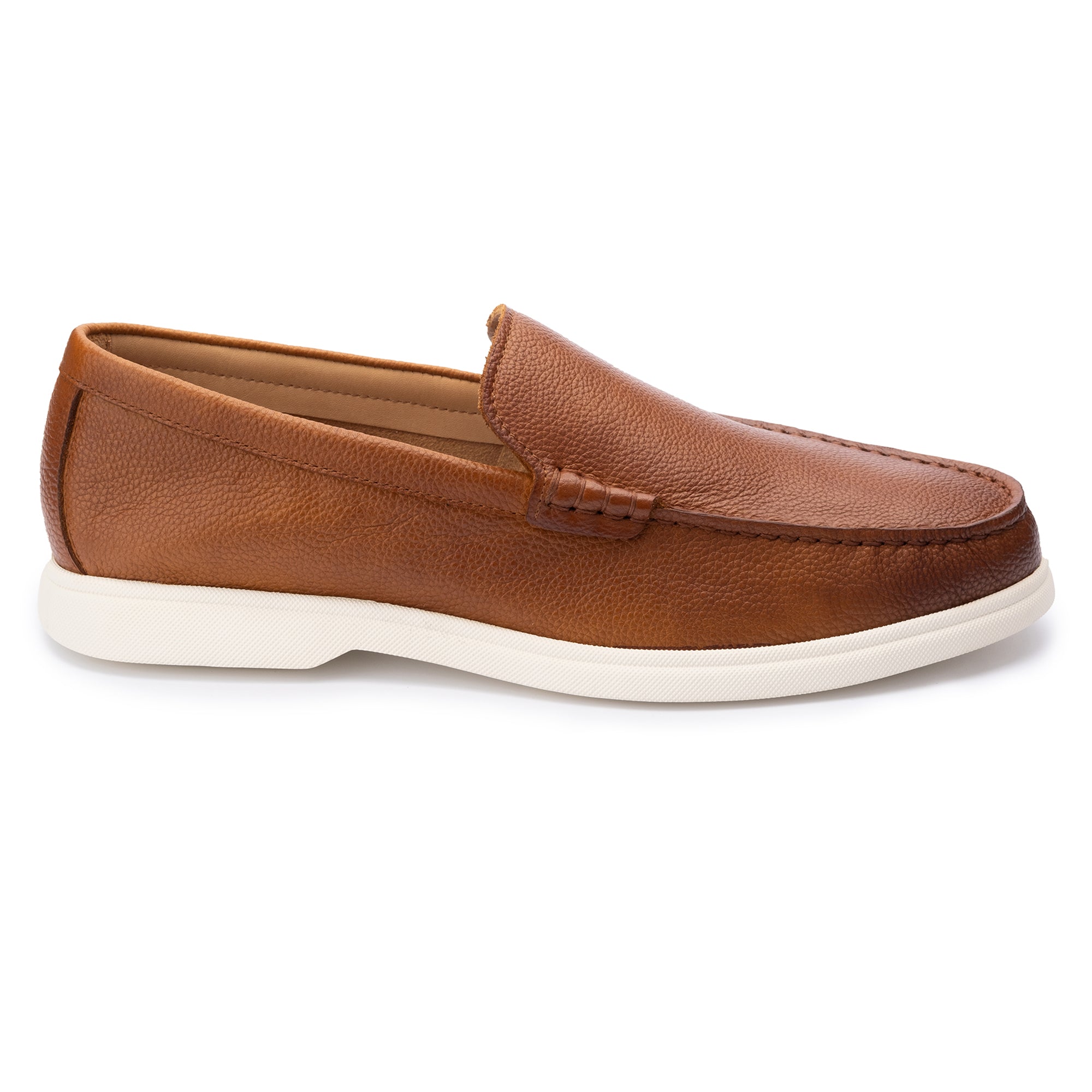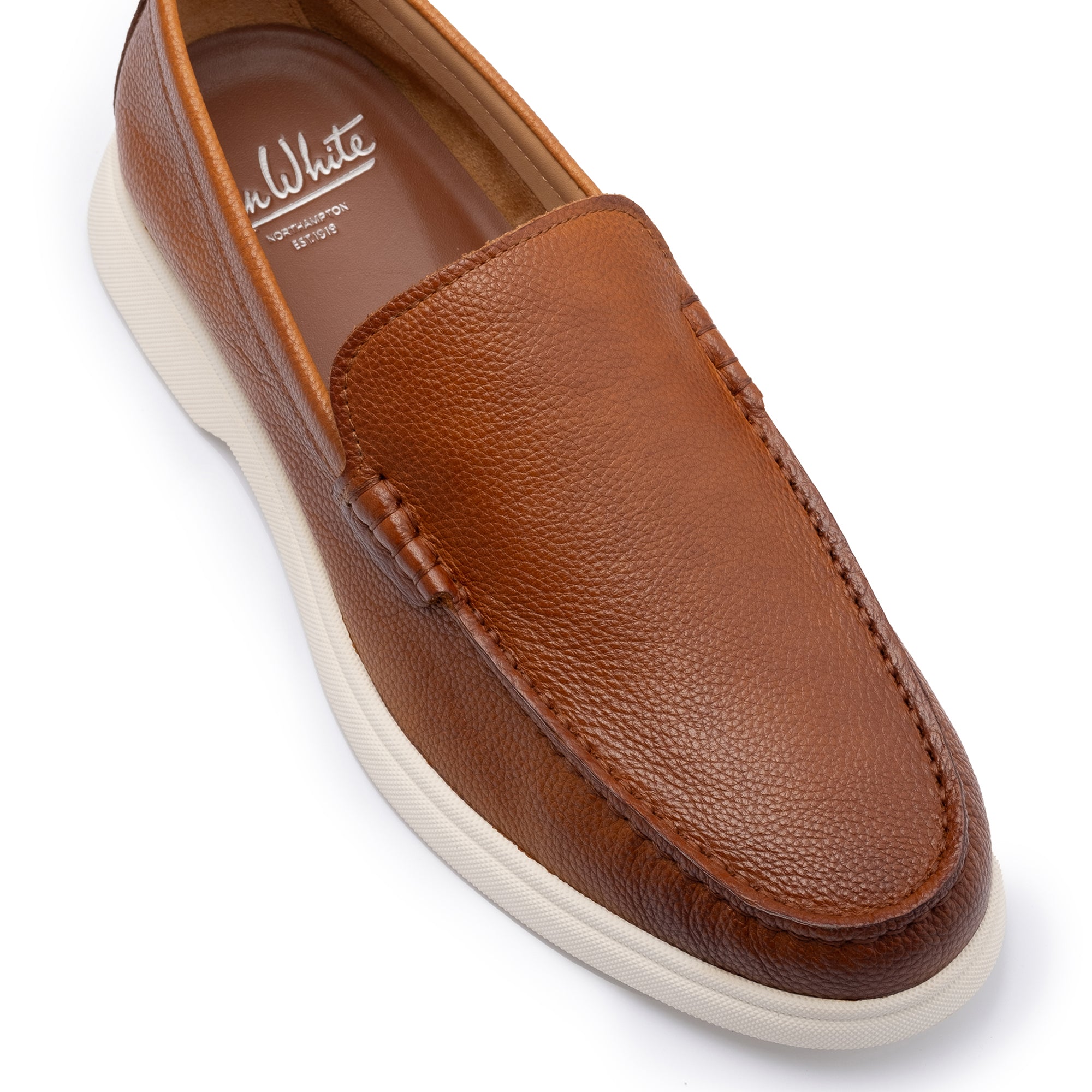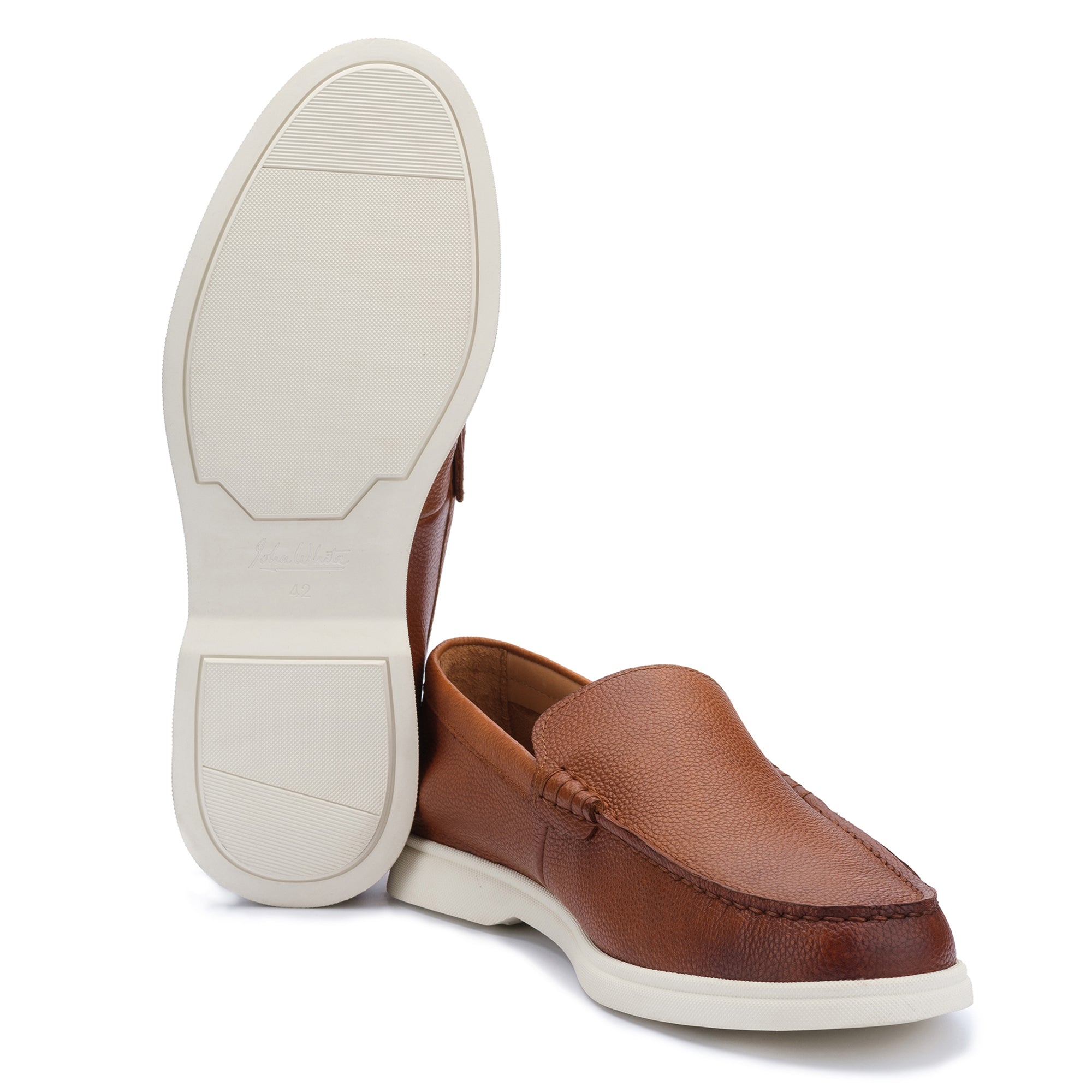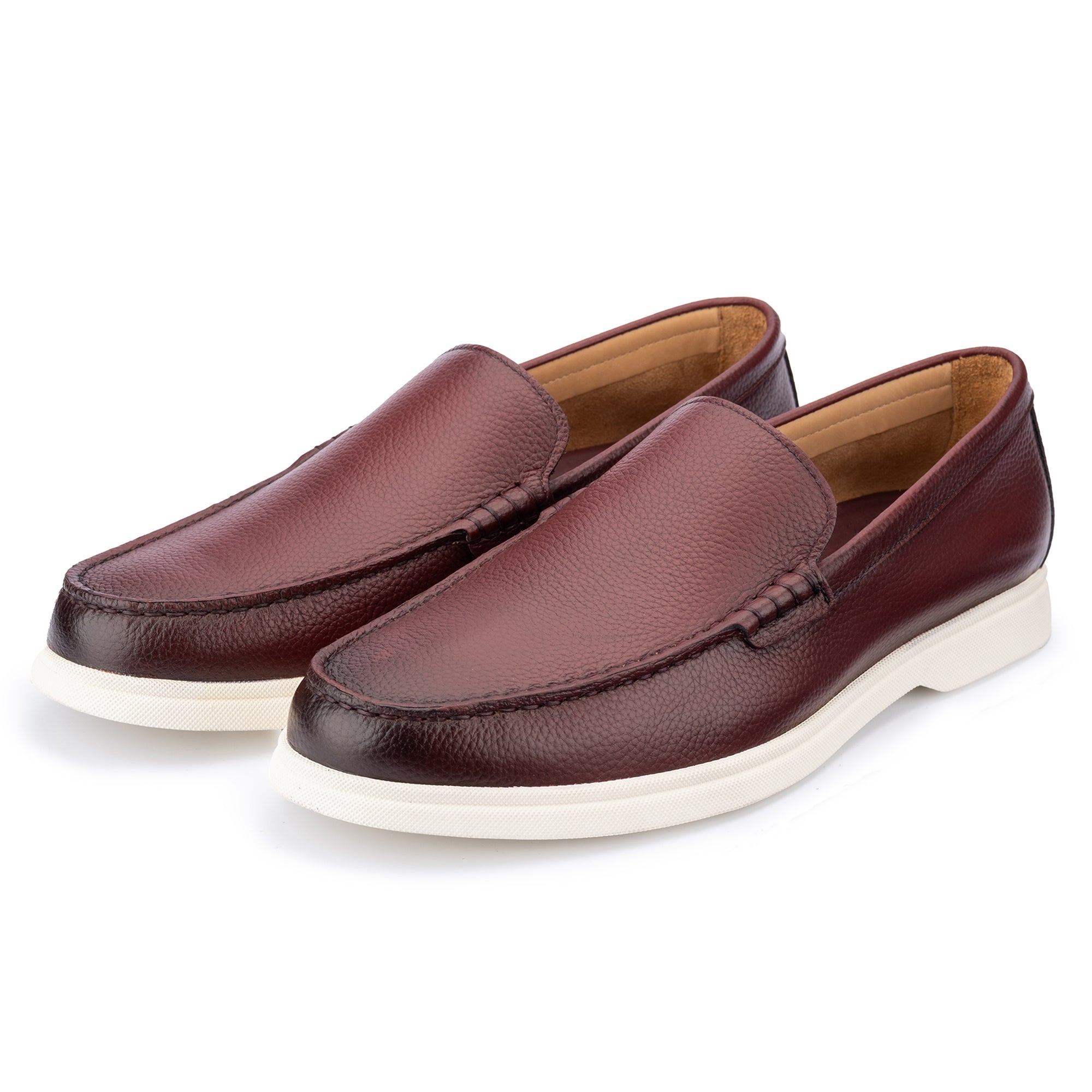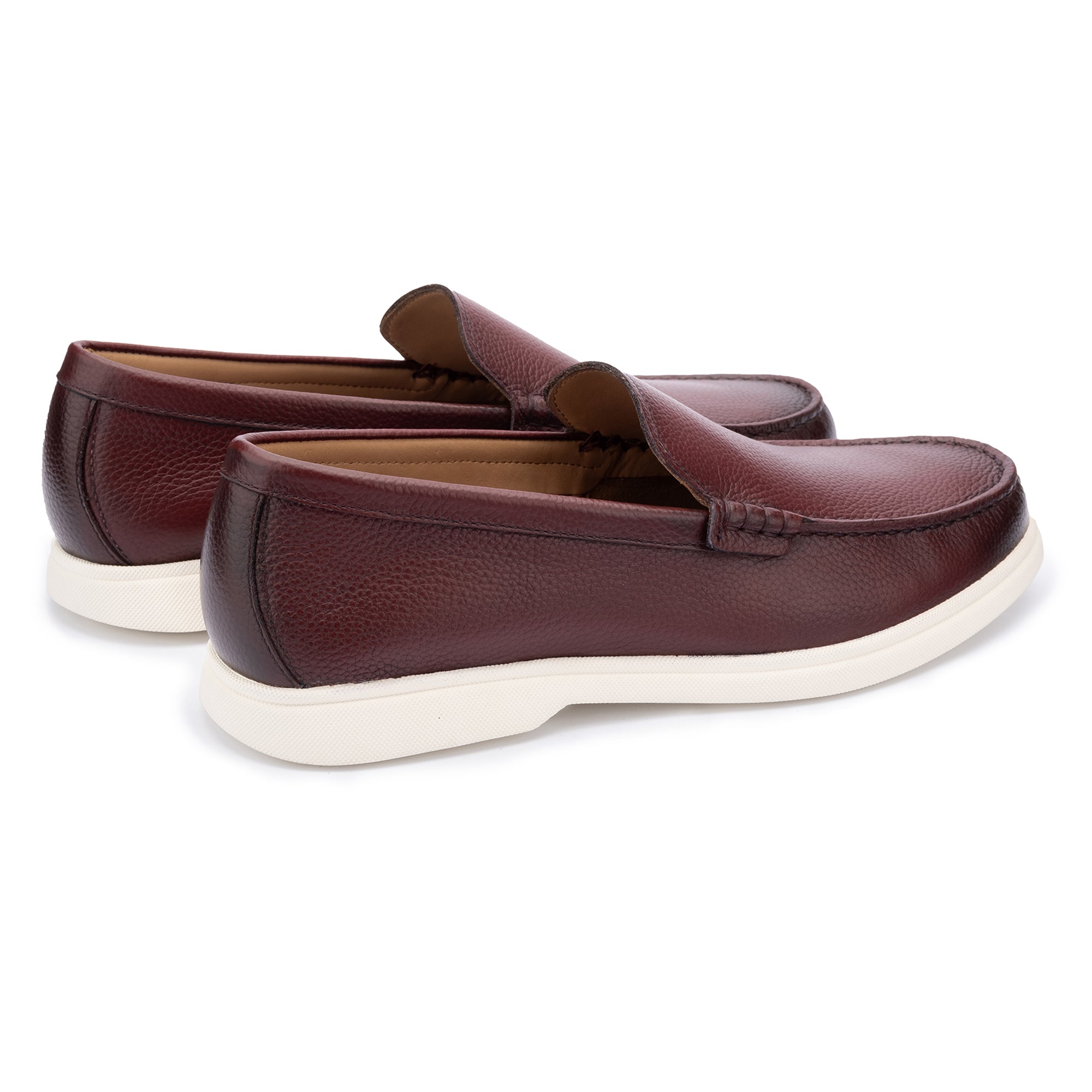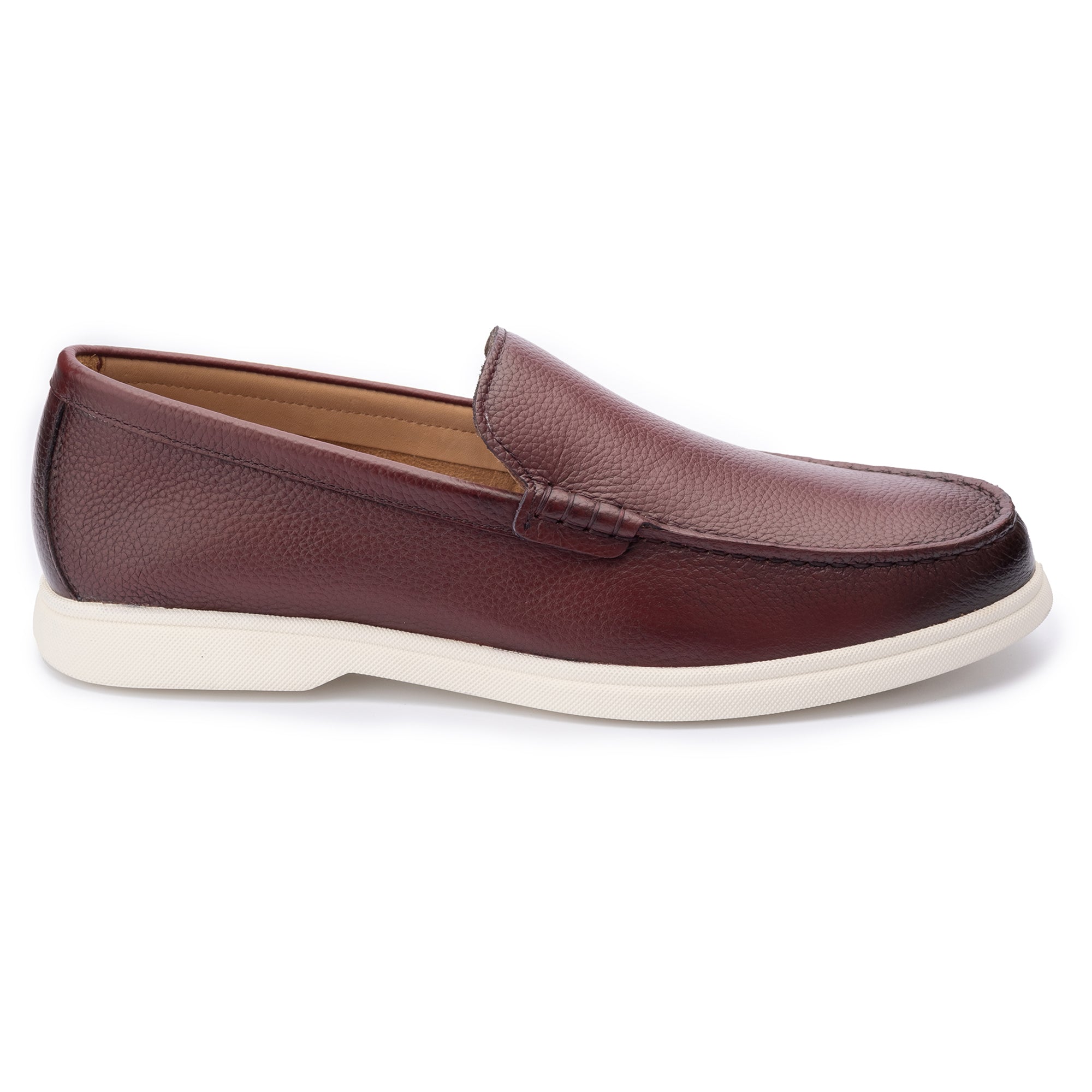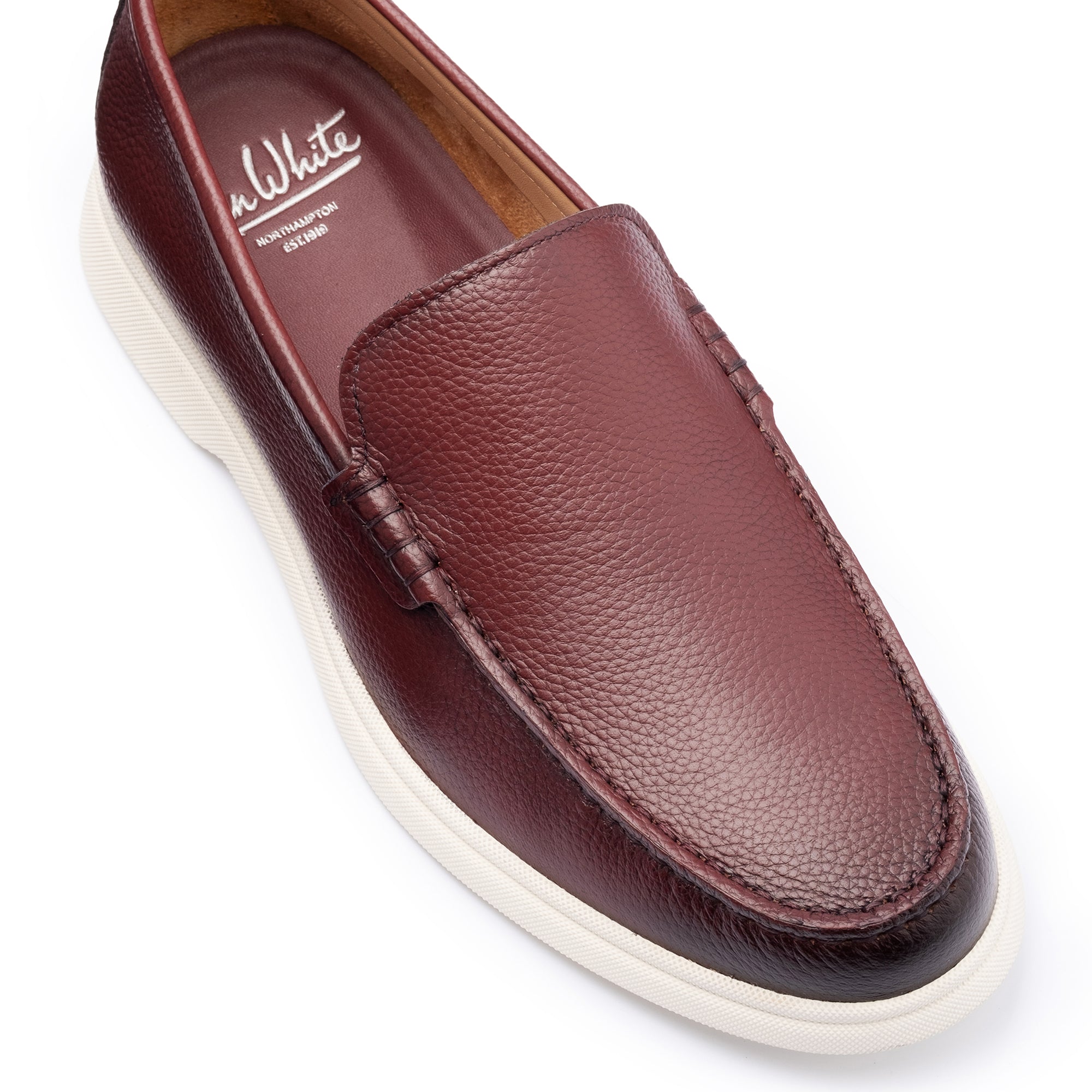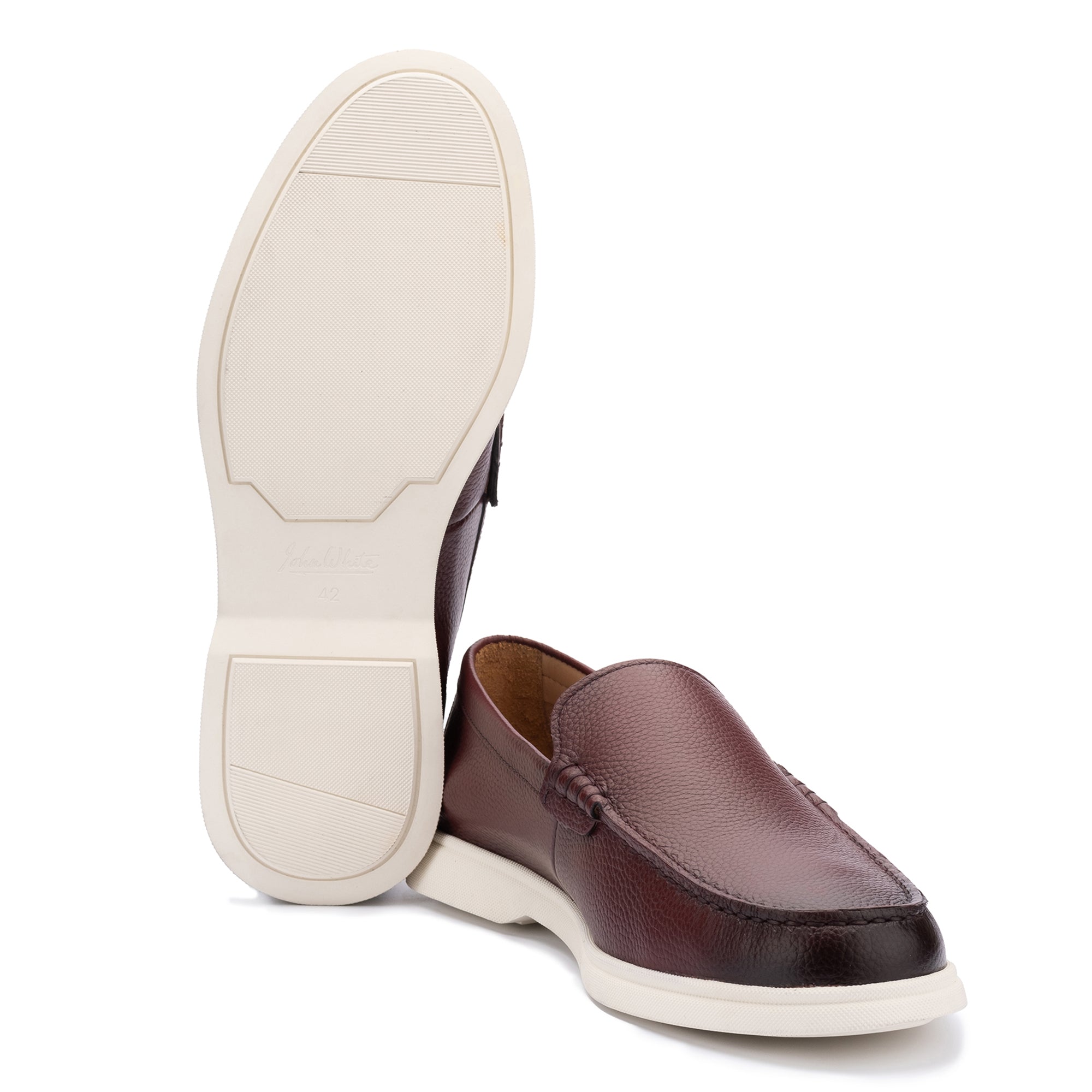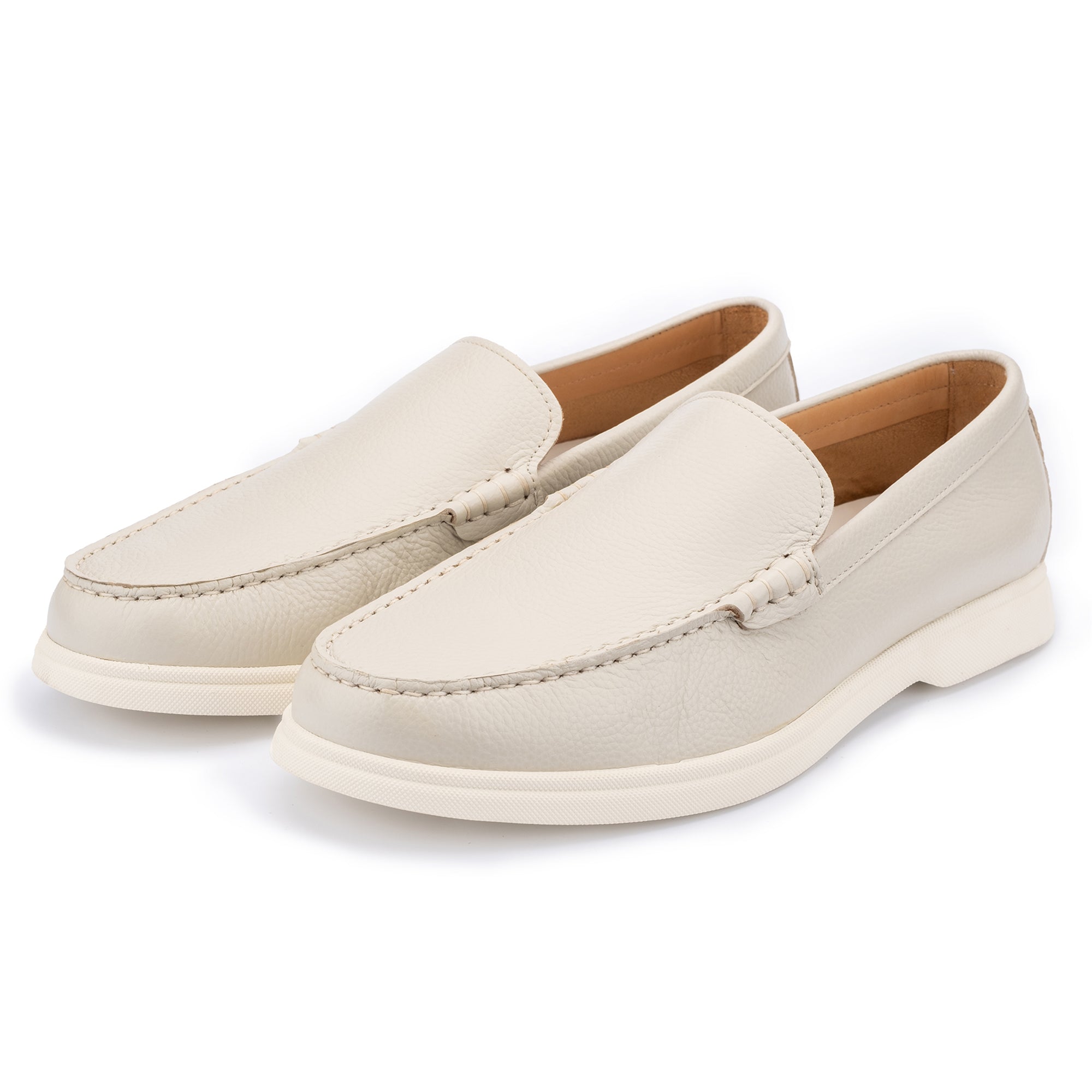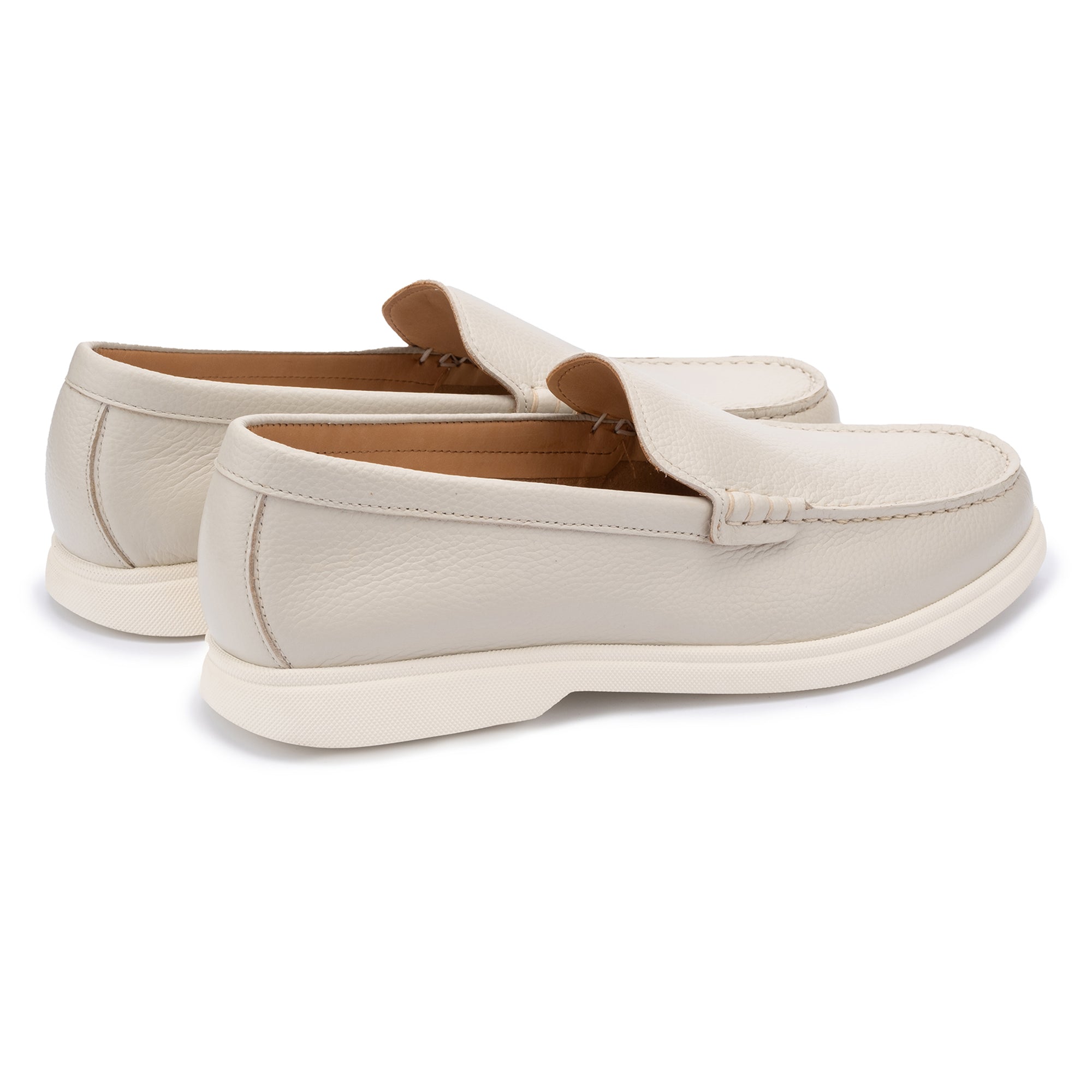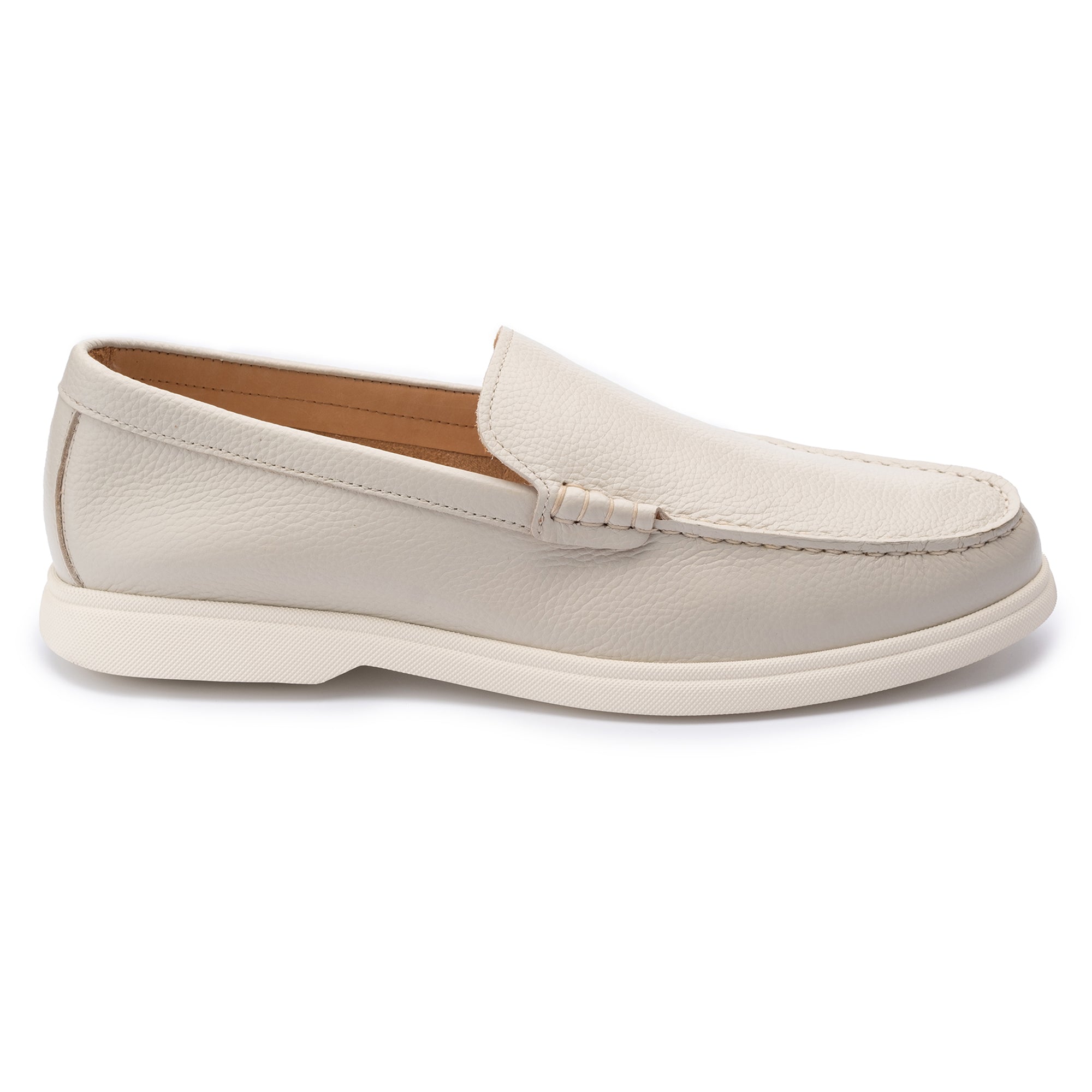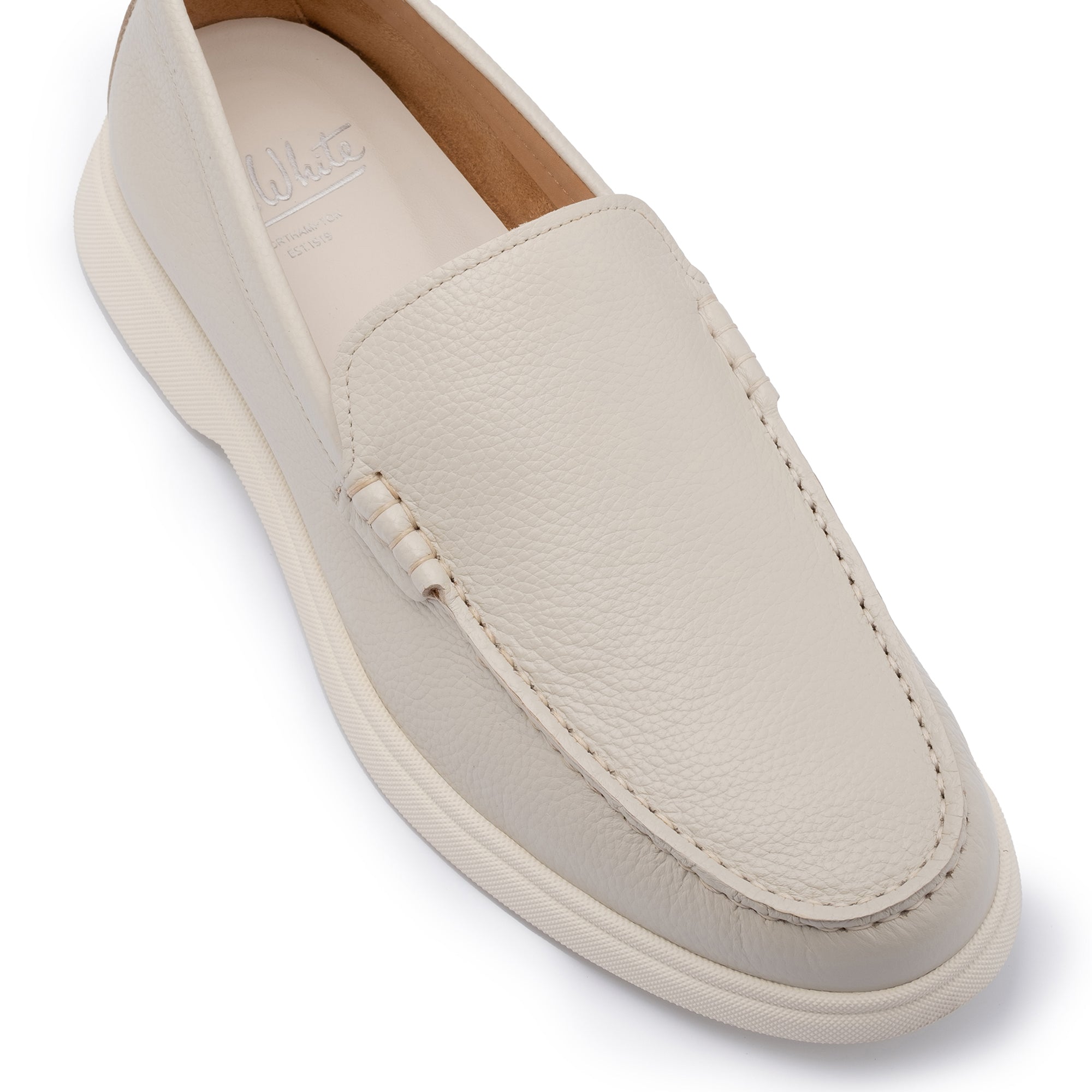

The double monk strap is not a shoe for the undecided. Two buckles across the vamp, no laces, no apology — it announces itself with quiet confidence. Yet in the right context, it is also one of the most elegant things a man can put on his feet. Understanding why requires knowing something about where it came from.
In This Guide
A Shoe Born of Restraint
The monk strap has its origins — as the name suggests — in the monasteries of medieval Europe. Monks wore simple leather footwear with a single strap across the foot: functional, unadorned, built to last. By the fifteenth century, a more enclosed version had migrated into secular dress, and by the nineteenth century it had found its way into the tailoring traditions of London and Vienna alike.
The double monk — two straps rather than one, each with its own buckle — emerged as a Continental refinement. Austrian and Italian tailors favoured it through the early twentieth century. British adoption came later, and typically with the restraint that characterises English footwear taste: the double monk was worn, but not loudly.
What the buckle adds, beyond the aesthetic, is a small functional advantage. Where a laced shoe commits to a fixed closure, the monk strap adjusts. The same shoe can sit snugly on a narrow foot or accommodate a broader one by letting the buckle out a notch. For a shoe designed to last a decade and carry weight across multiple contexts, that adaptability is worth something.
Single vs Double: Why the Double Monk Endures
The single monk strap is the elder sibling — cleaner, more formal, closer in register to an Oxford. It reads well under a slim-cut suit and holds its place in genuinely formal settings where the double might look slightly emphatic.
The double monk occupies a more interesting position. The two buckles add visual weight to the vamp — there is more to look at — but they also, paradoxically, open up the shoe's range. Where a single monk sits firmly in the formal camp, the double monk has real versatility. In black, it accompanies a lounge suit without difficulty. In brown, it moves into smart casual territory — with chinos, tailored trousers, even dressed-up denim — without losing its composure. That range is harder to find in a shoe that otherwise signals as clearly as this one does.
The double monk is also a shoe that ages well in public. Unlike an Oxford or a Derby, which can begin to look pedestrian once the novelty has faded, the monk strap retains its character precisely because it makes a decision. It says something about the wearer's relationship with clothes — that they have thought about it, and arrived at something specific.
There is also a practical hierarchy worth noting. The single monk is the choice when the setting leans formal and you want the shoe to recede. The double monk is the choice when you want the shoe to contribute — not loudly, but visibly. For most men building a working wardrobe rather than a ceremonial one, the double monk is the more useful of the two. It fills a gap between the Oxford's formality and the loafer's ease that very few other styles manage convincingly.
The JWS Monkton: Last, Finish, and Fit
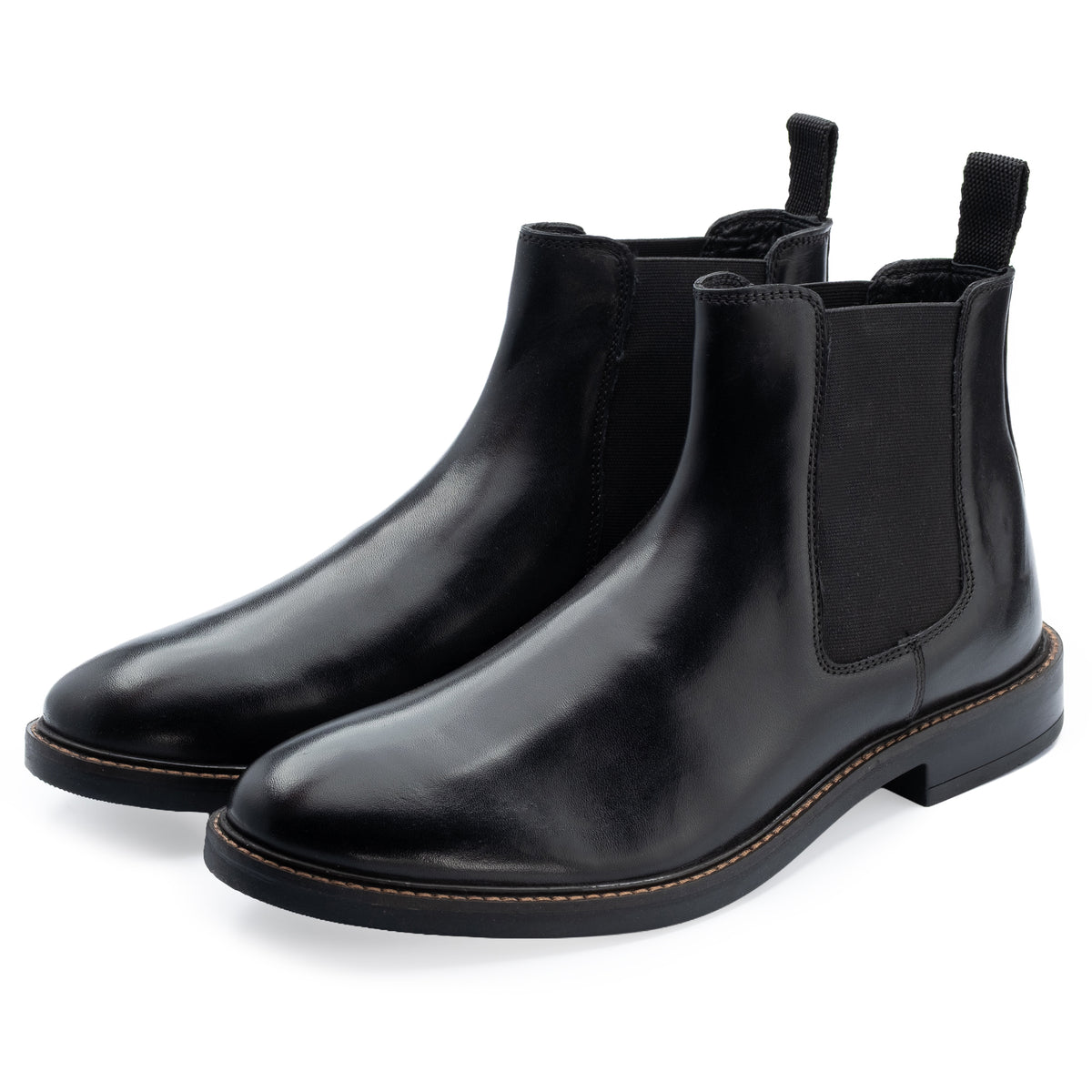
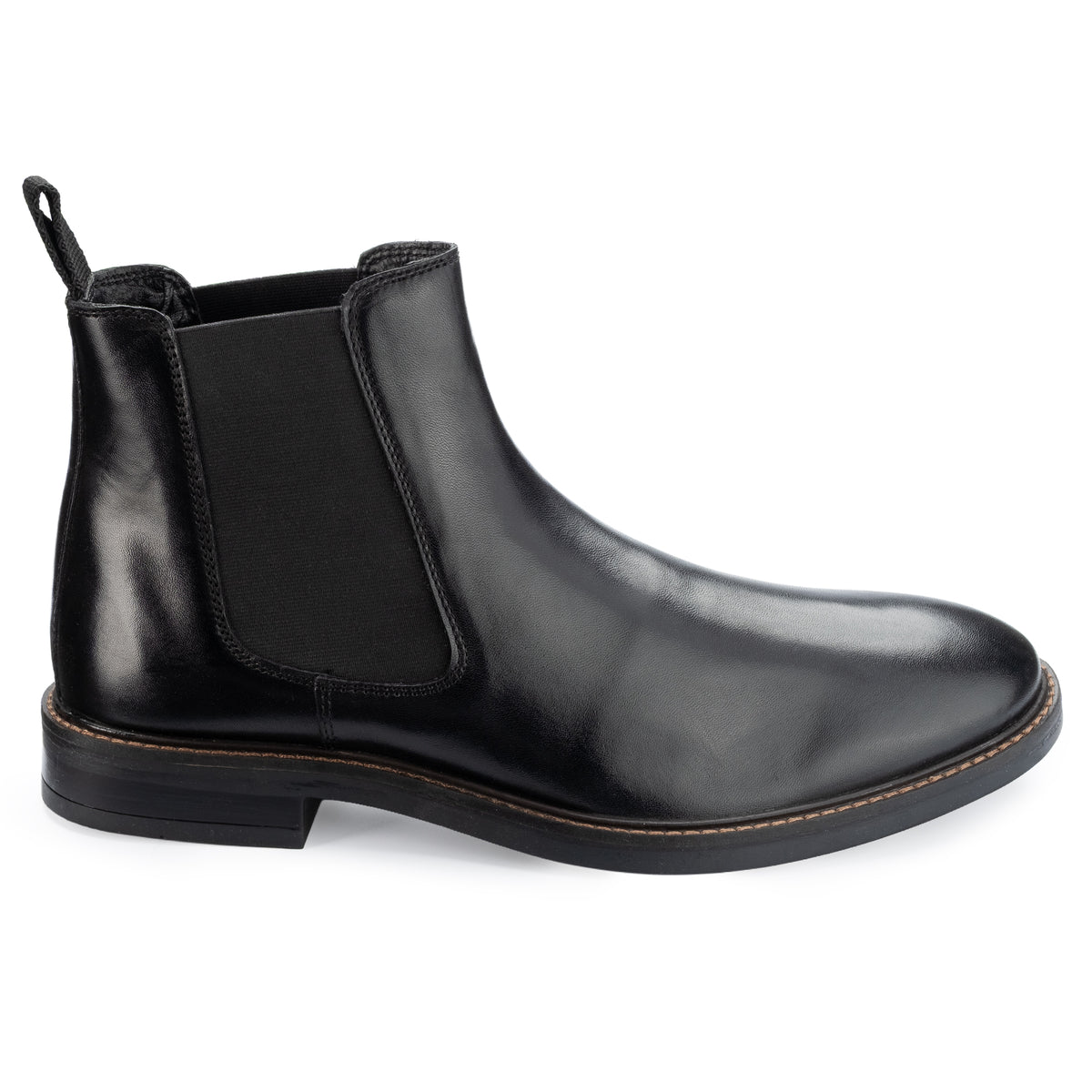
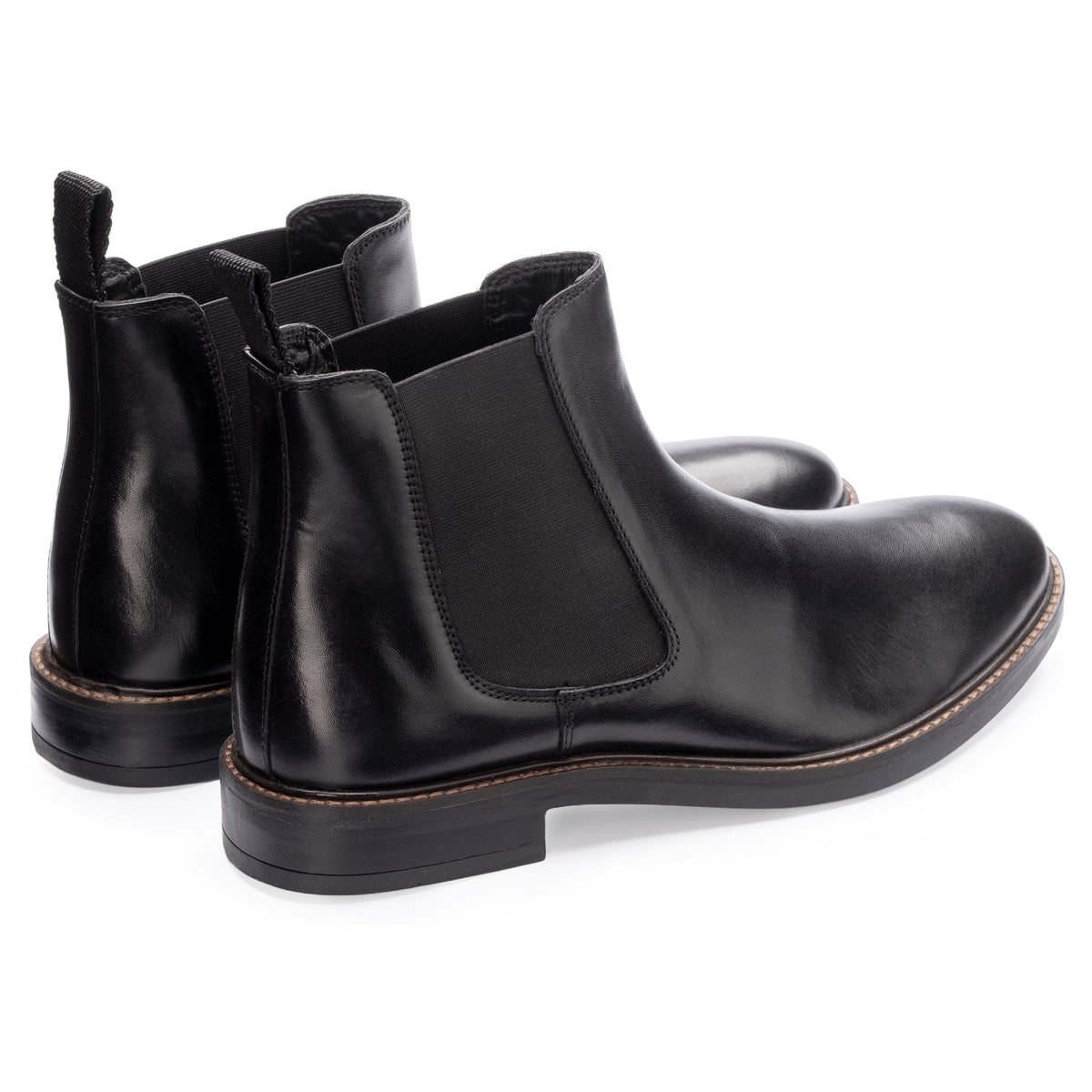
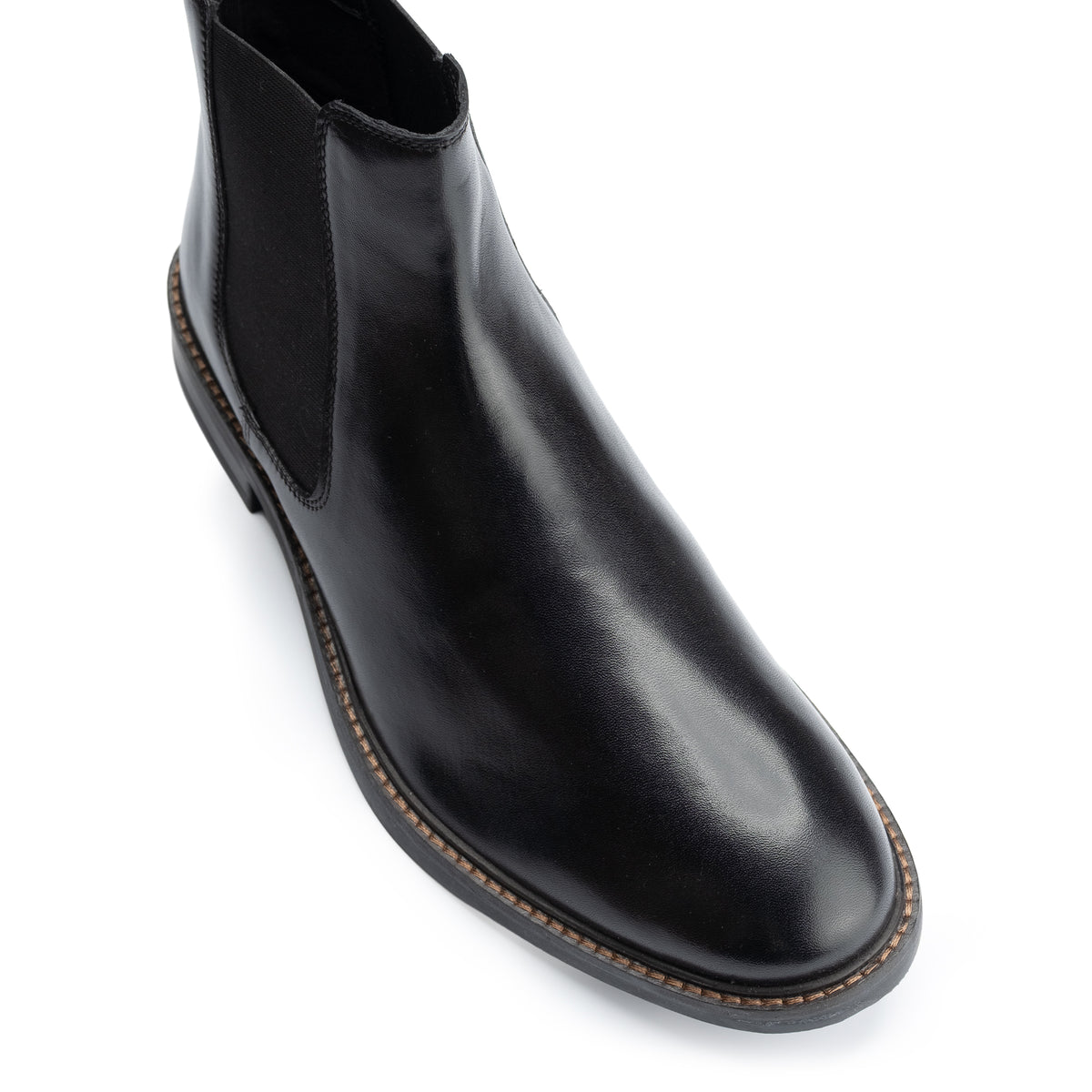
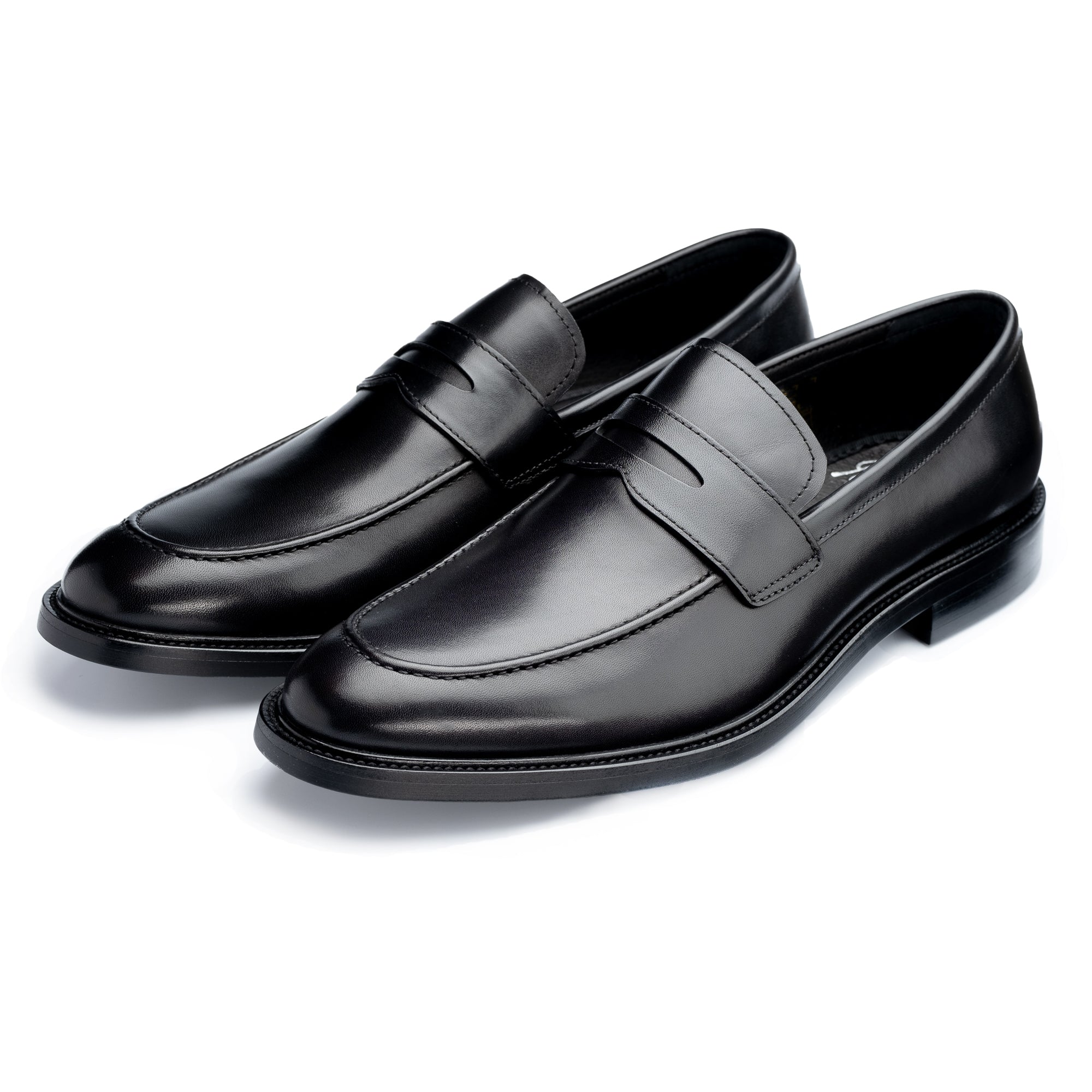
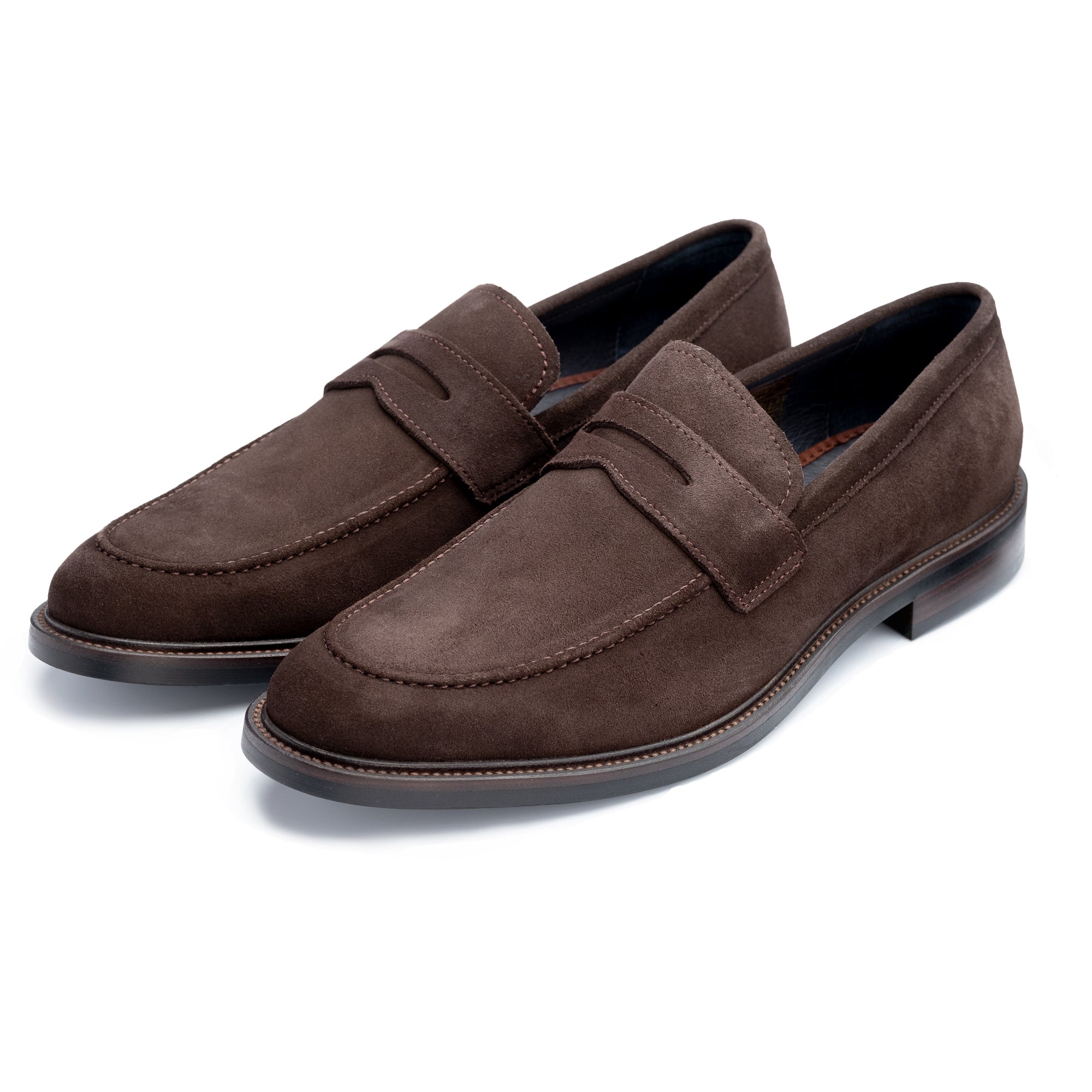
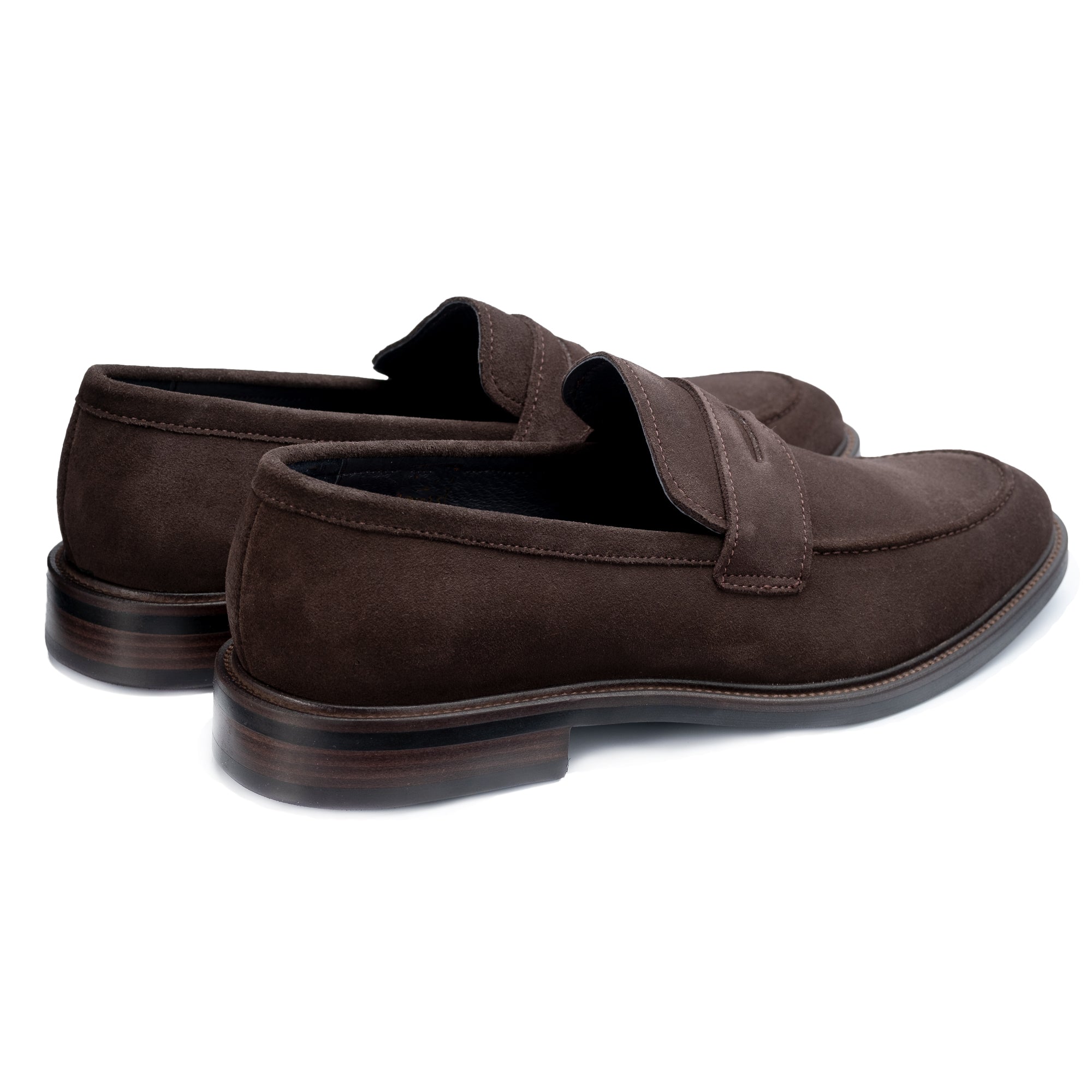
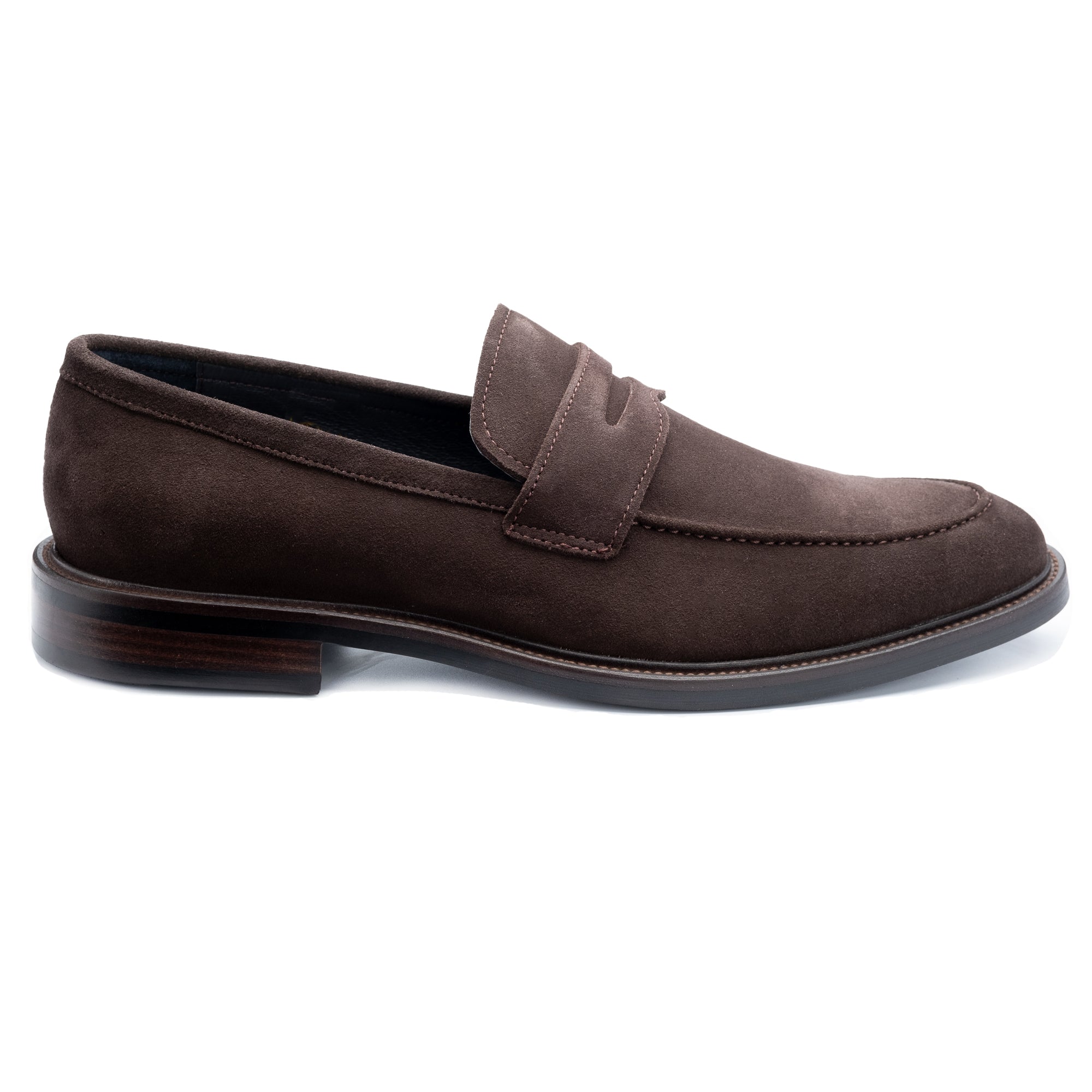
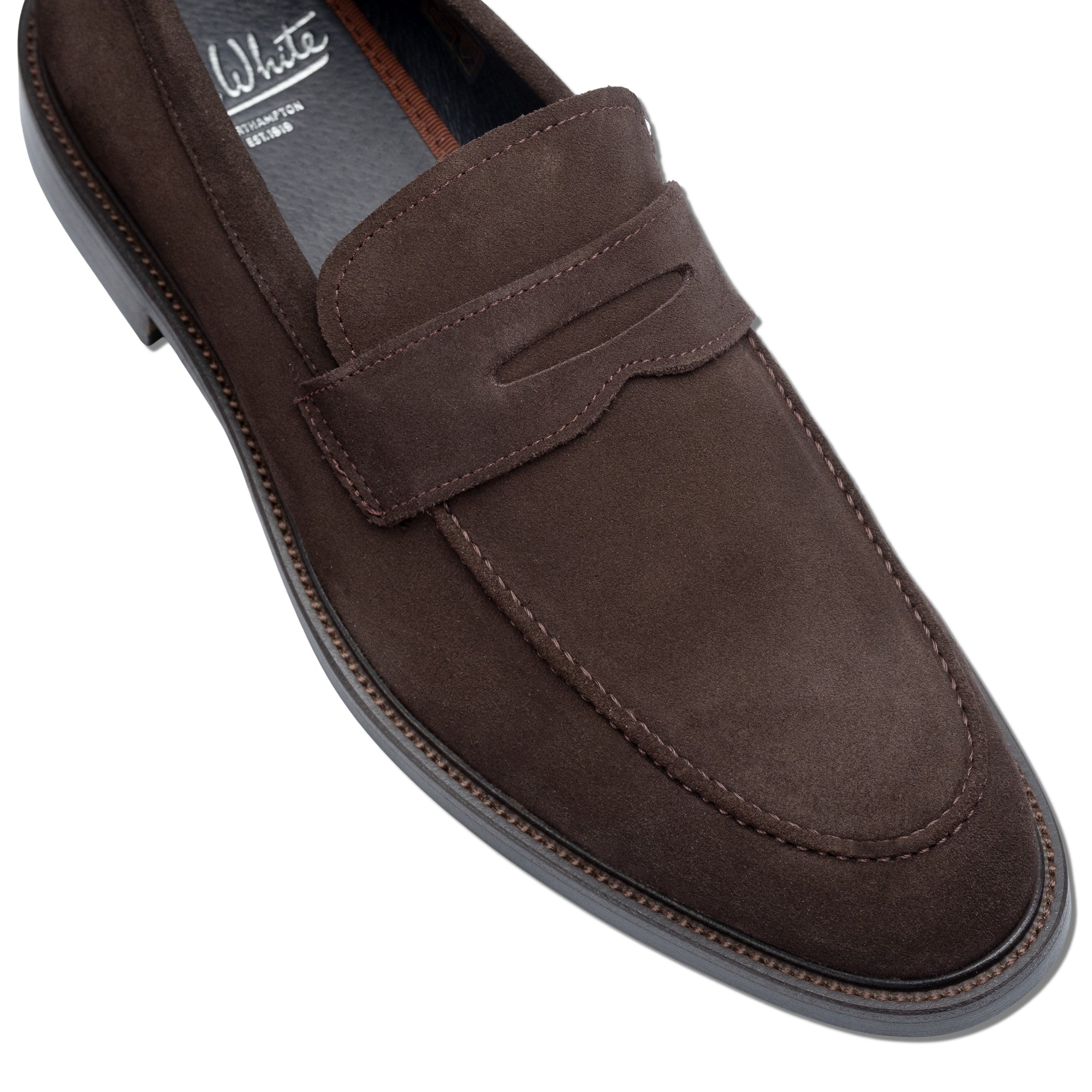
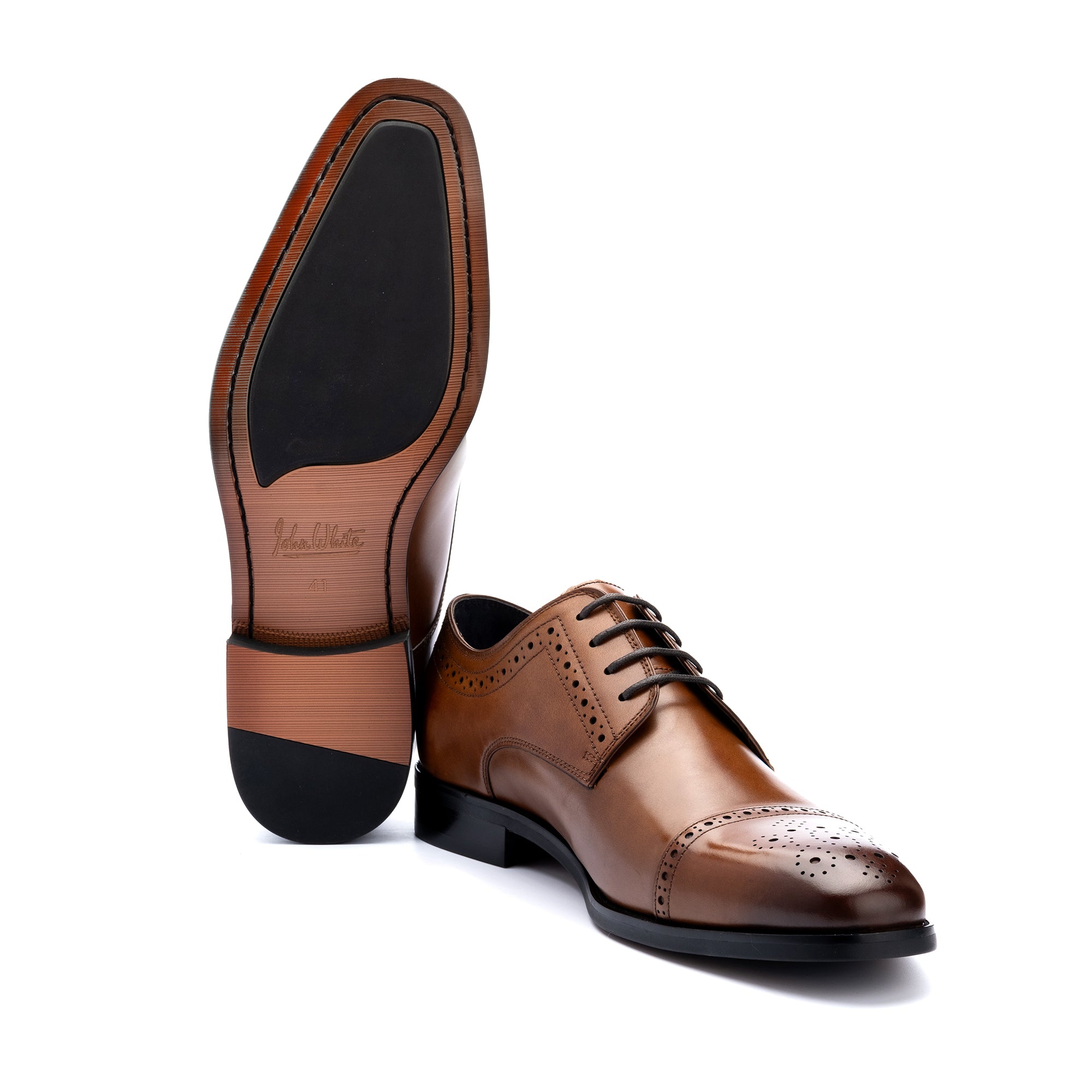
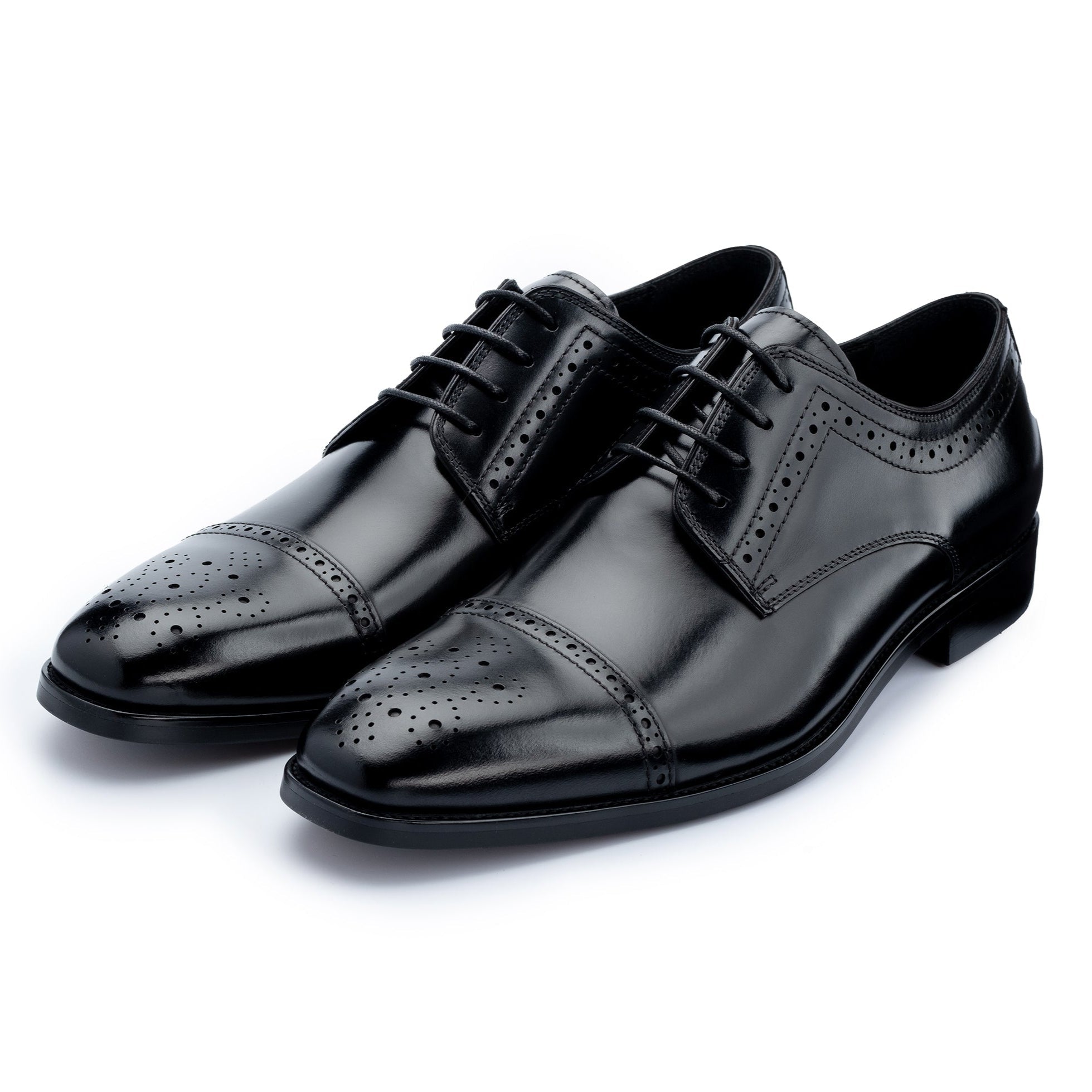
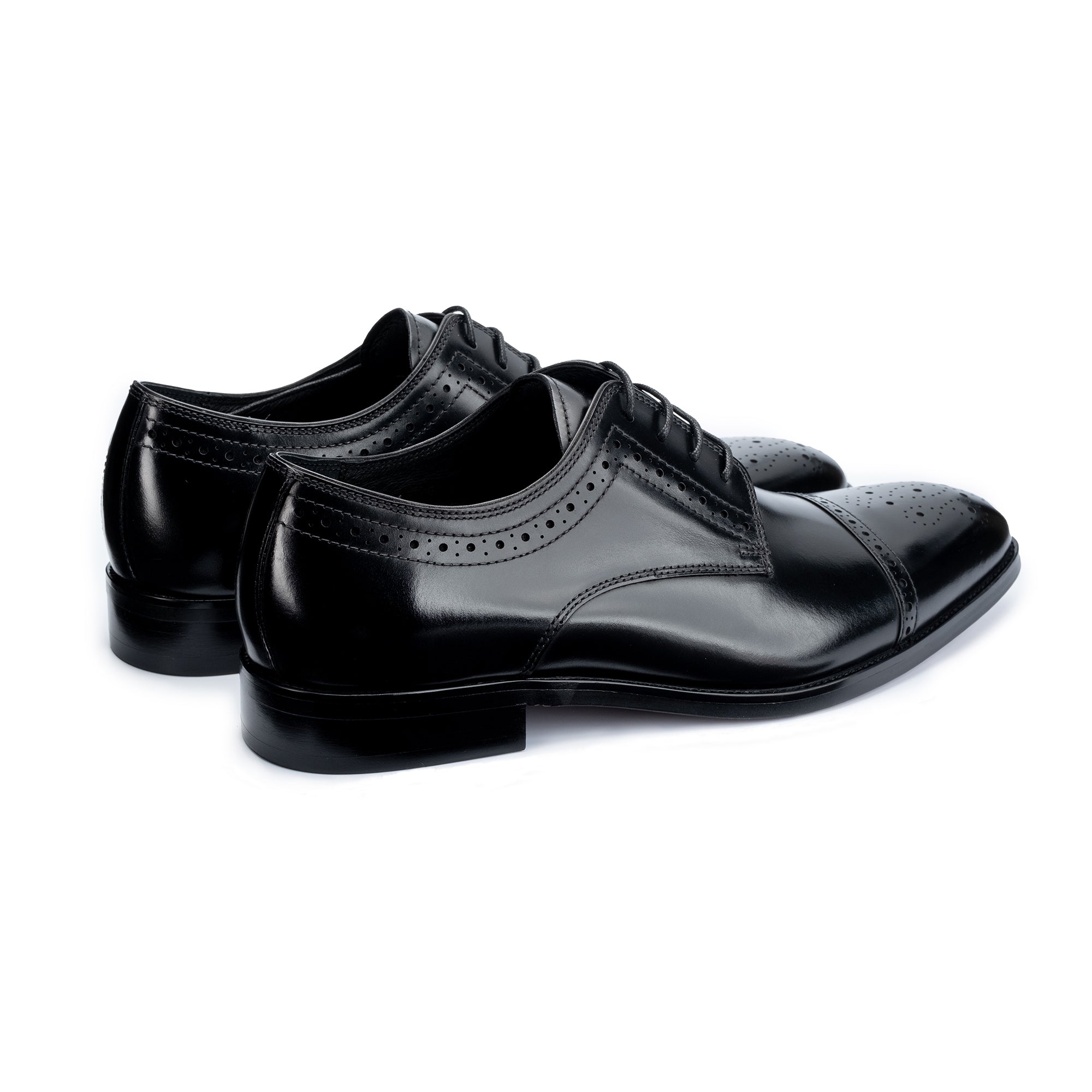
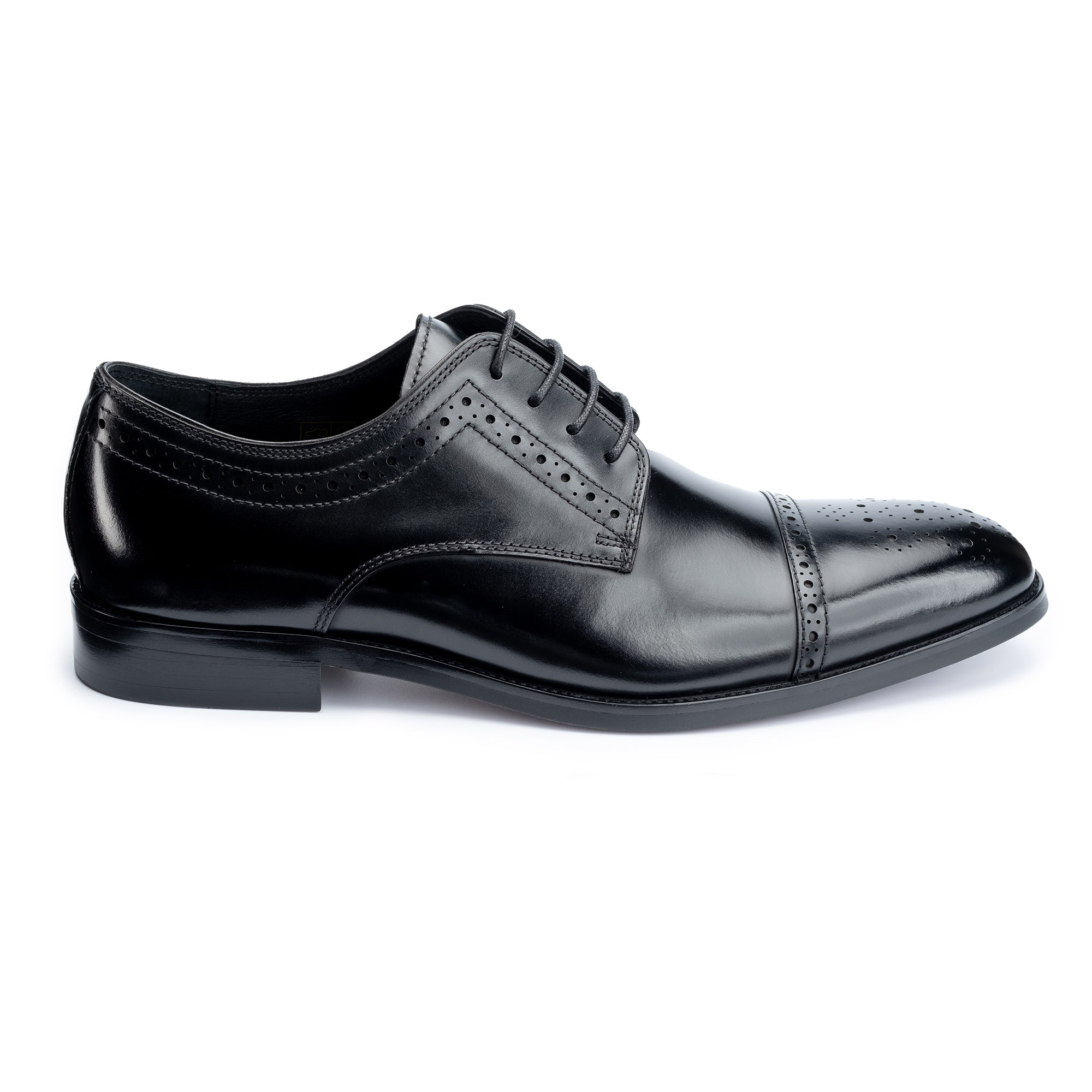
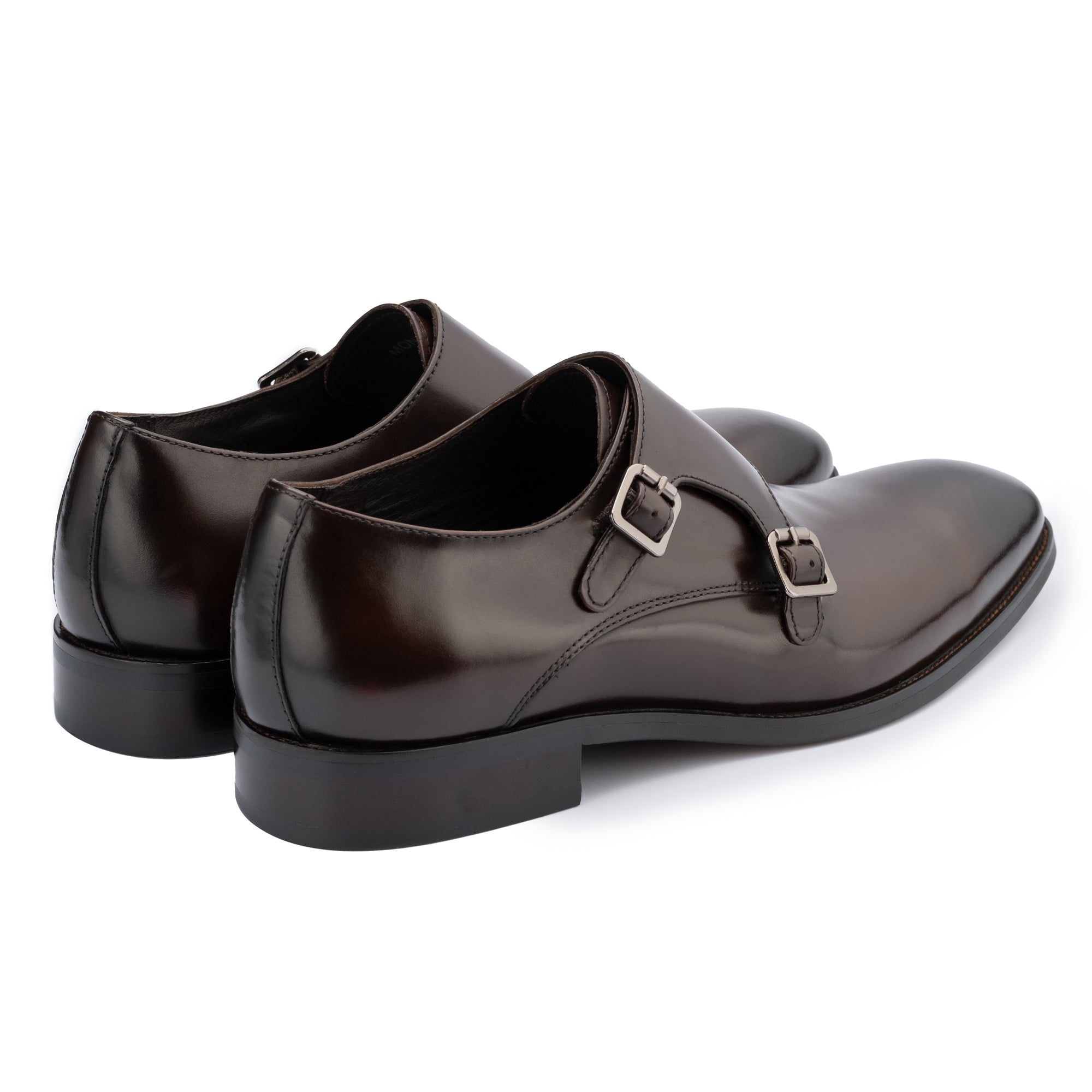
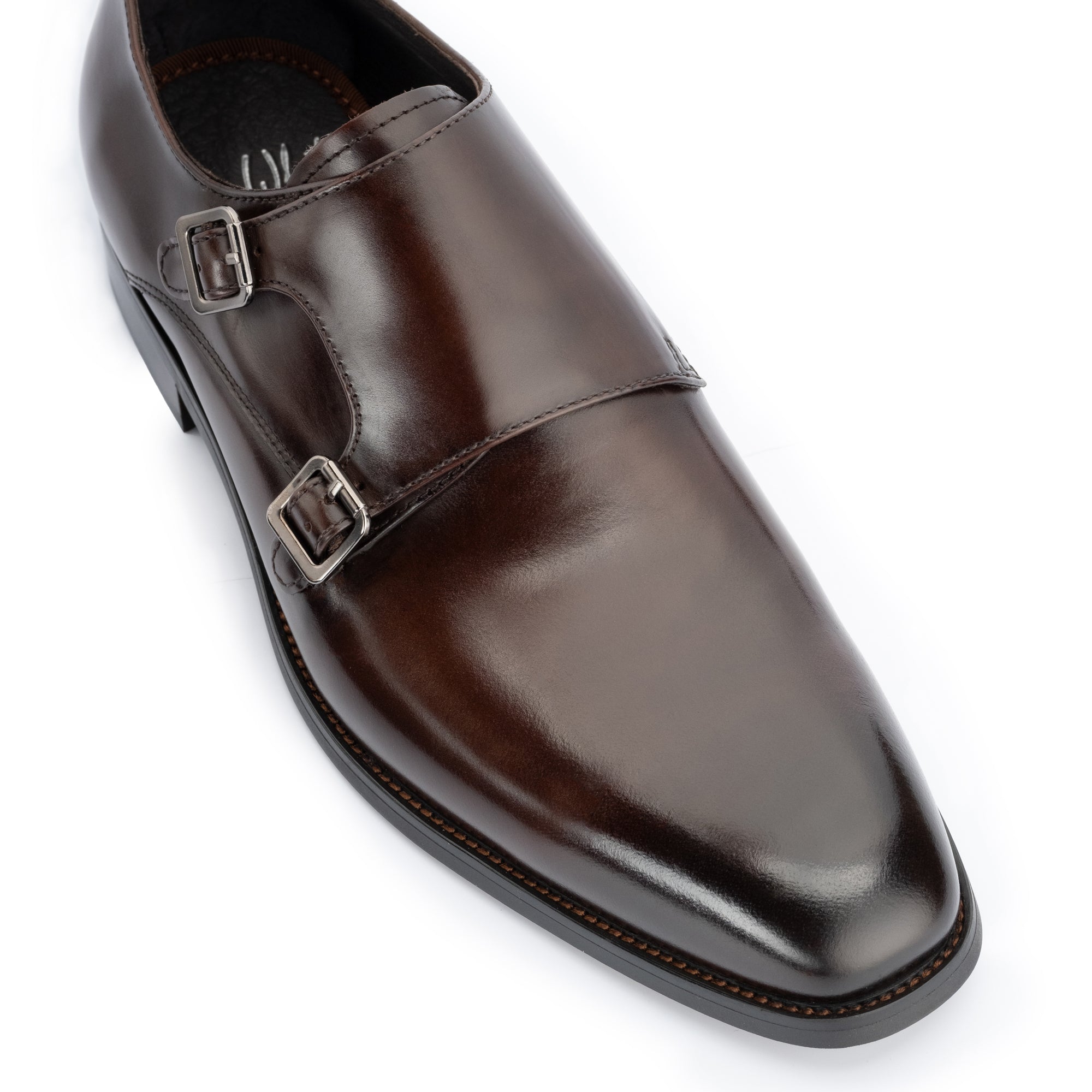
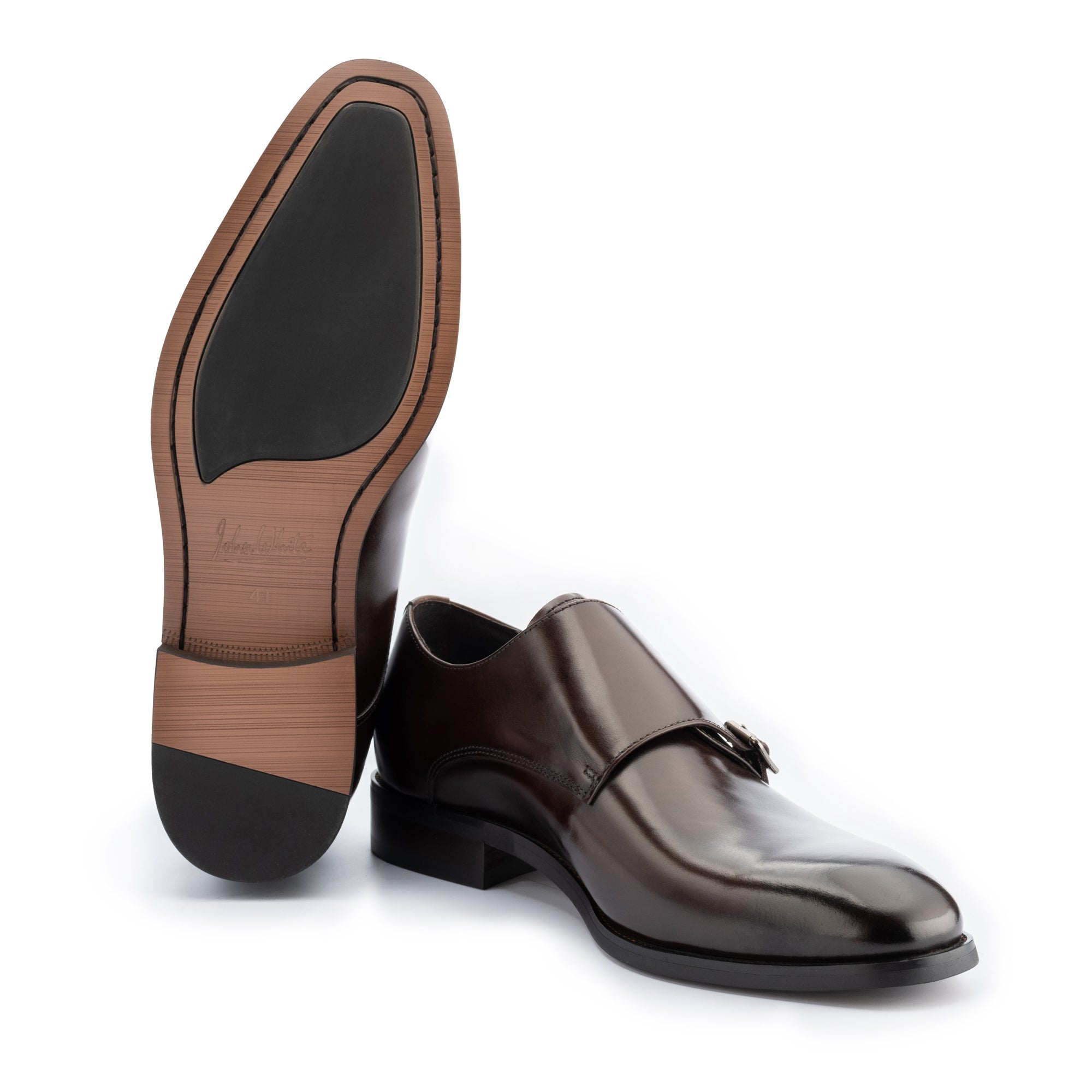
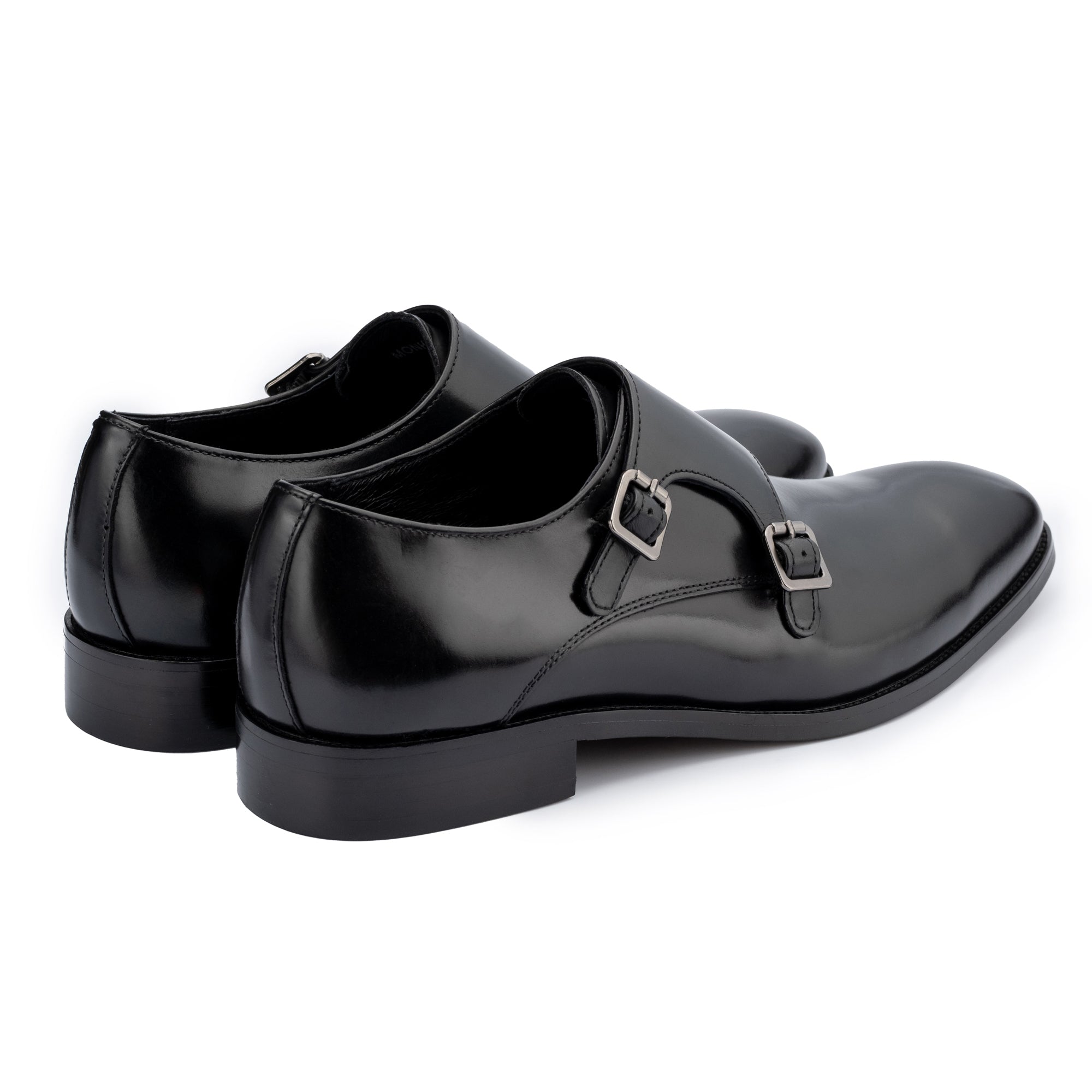
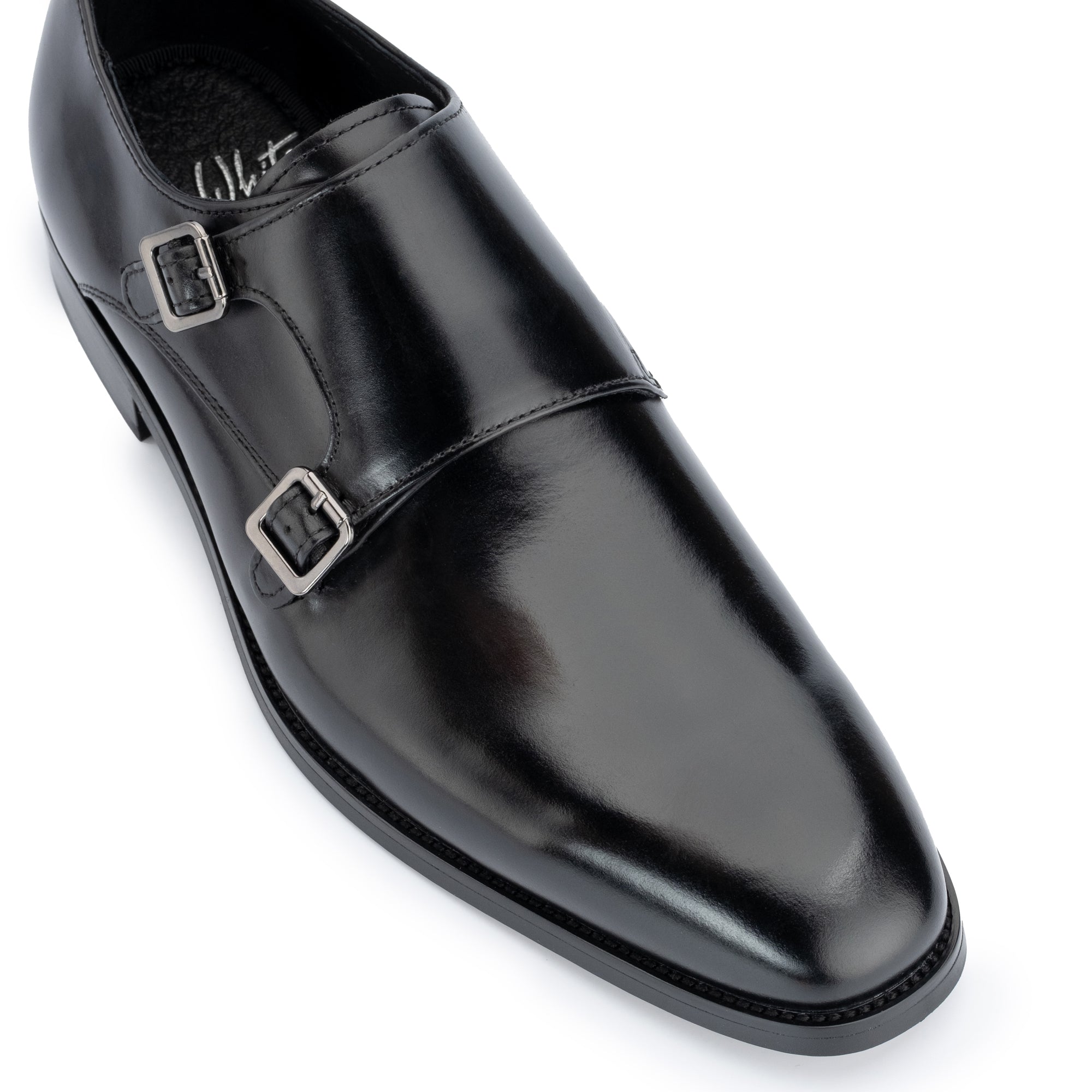
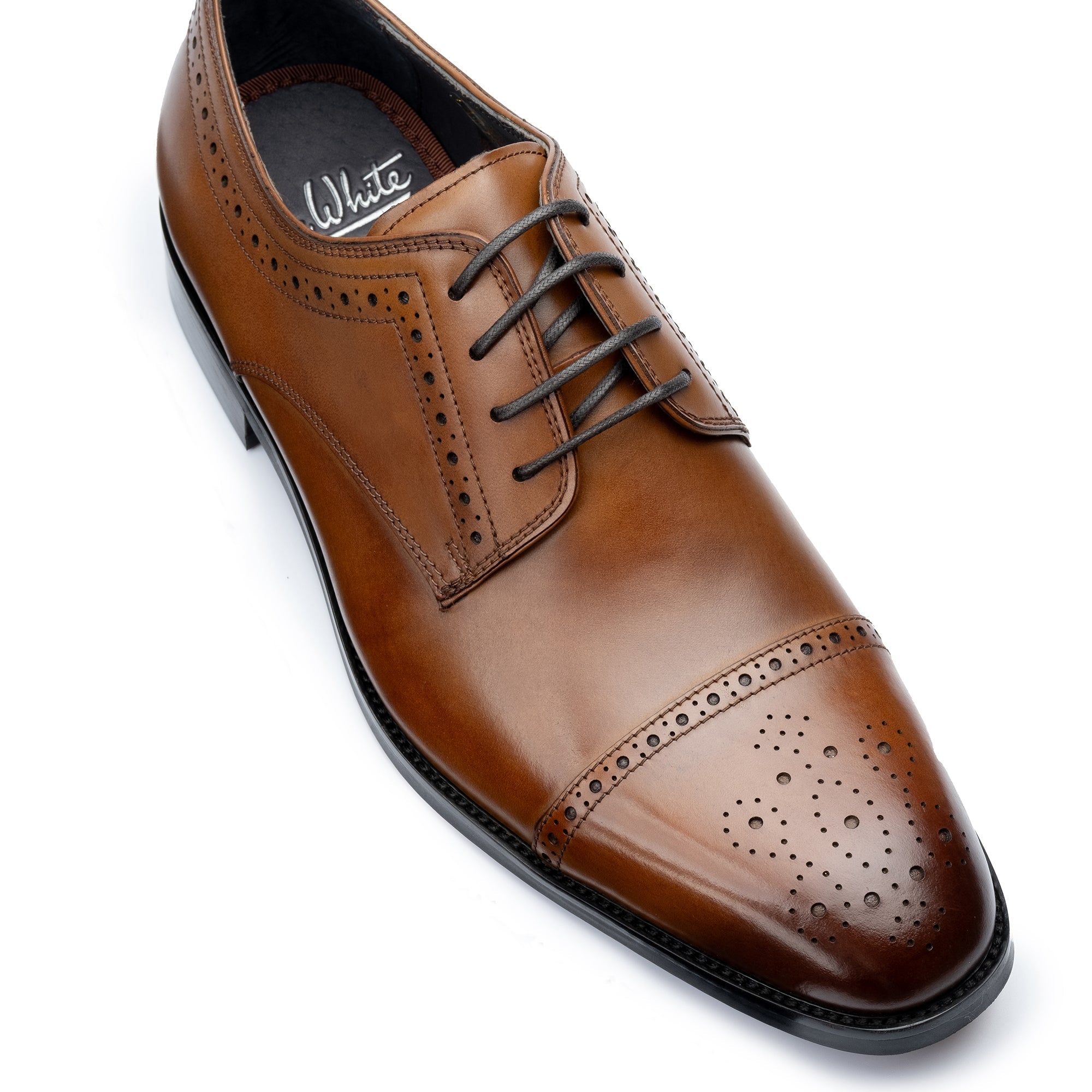
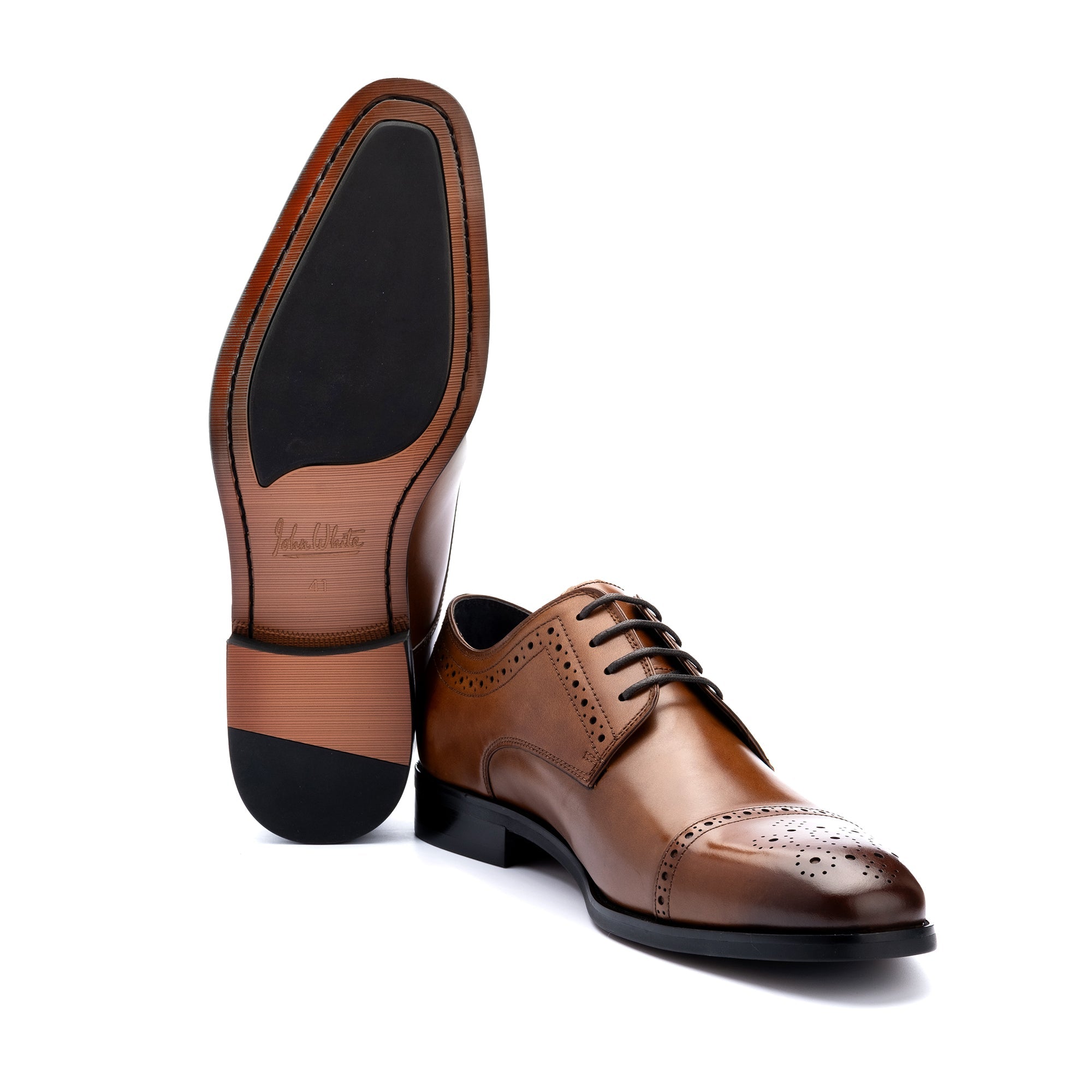
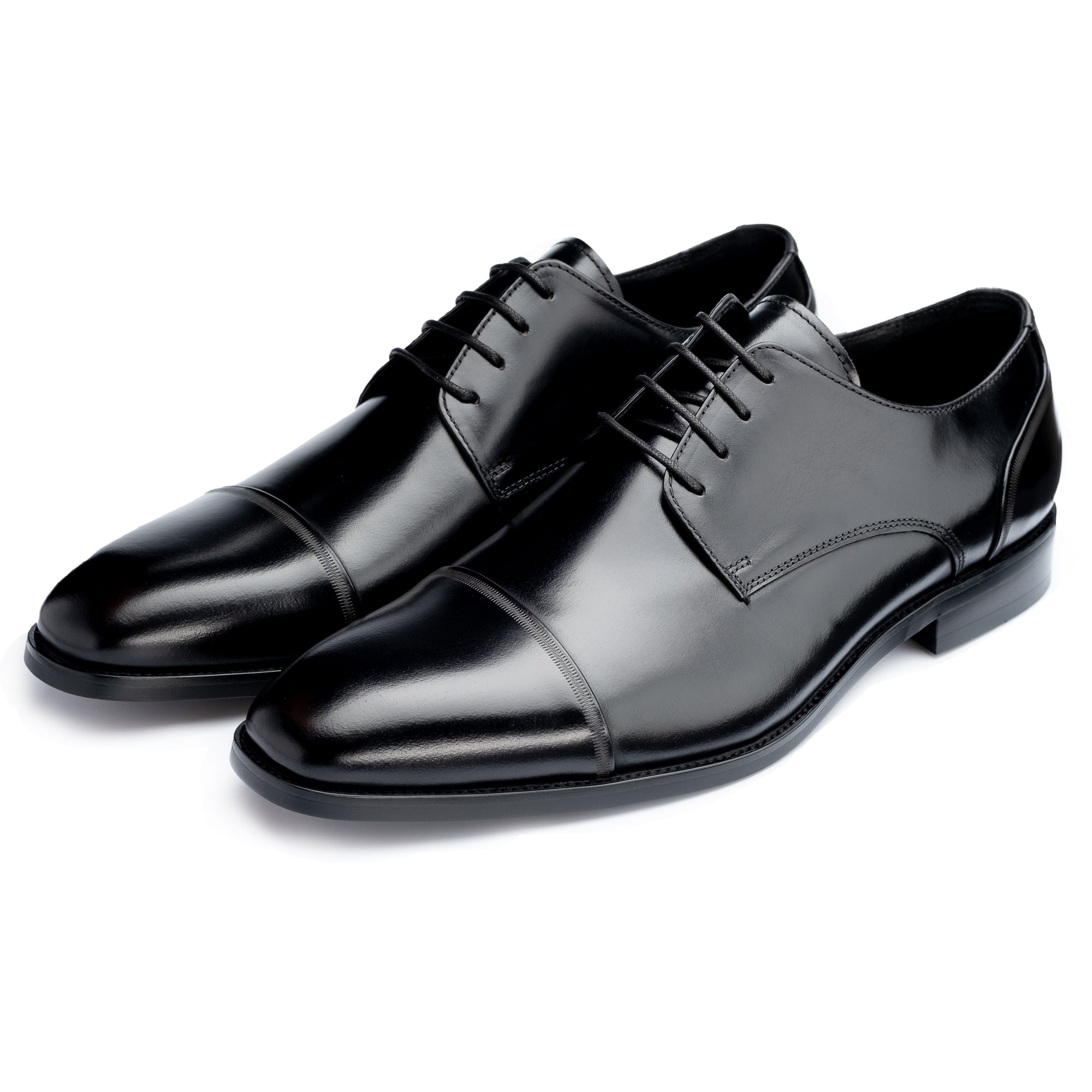
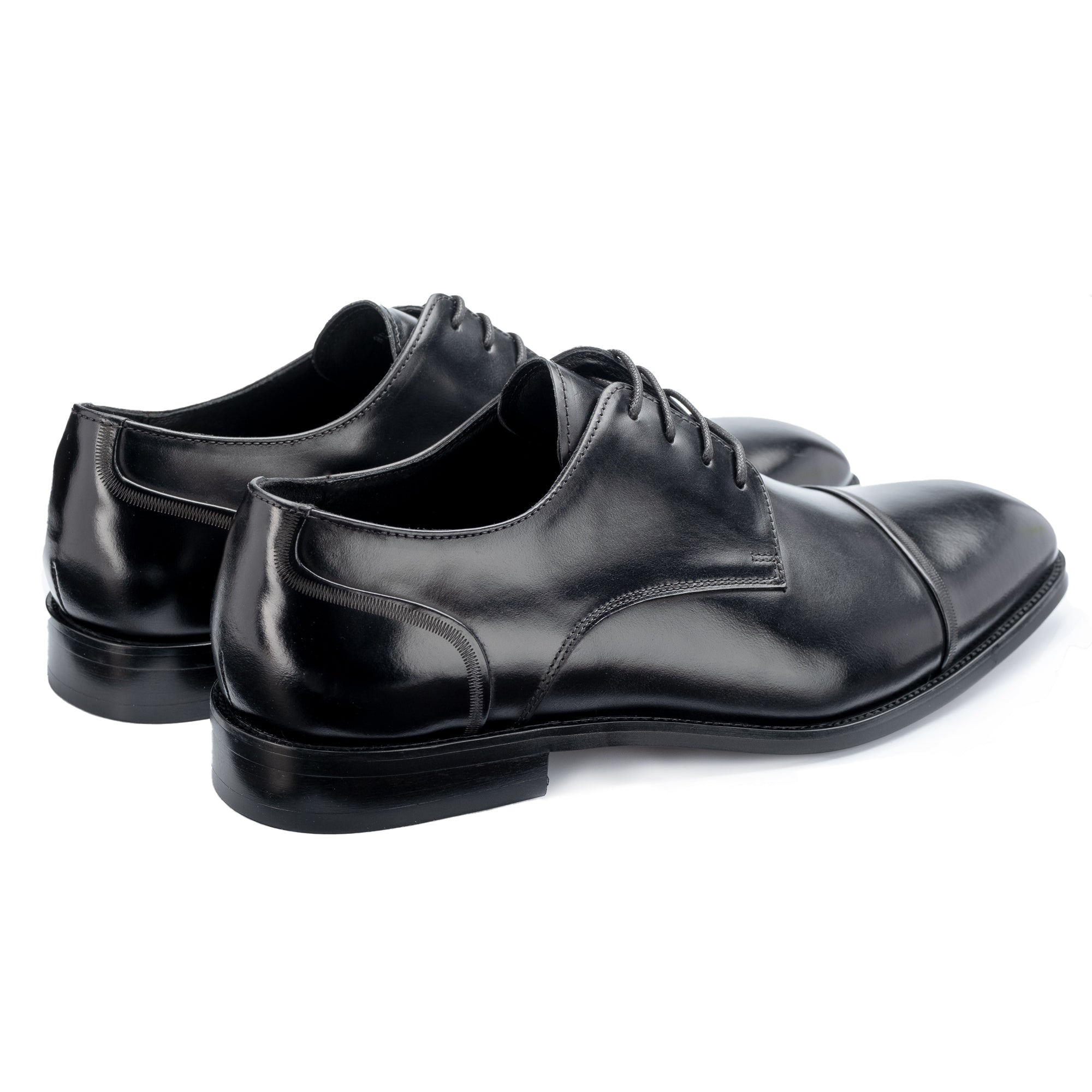
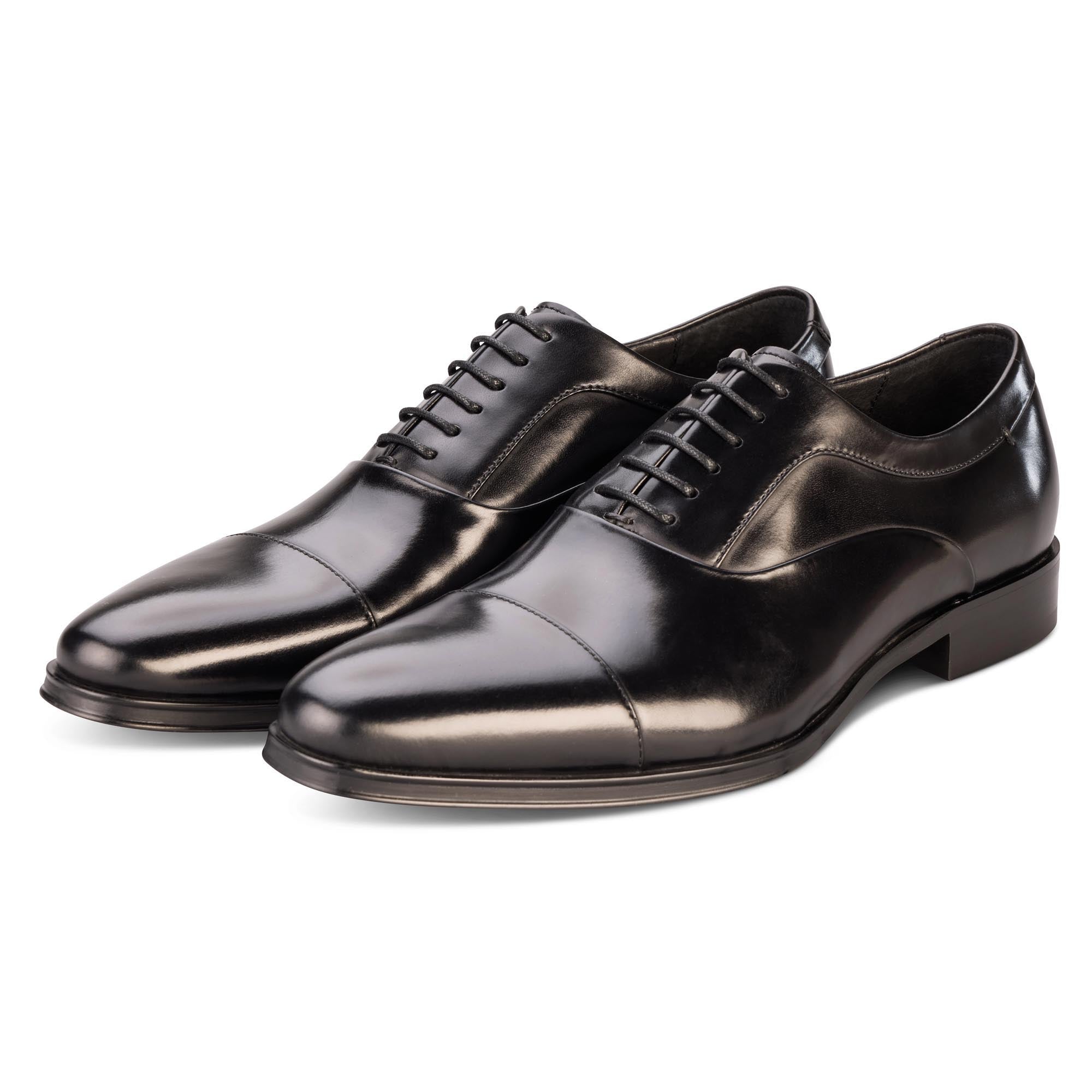
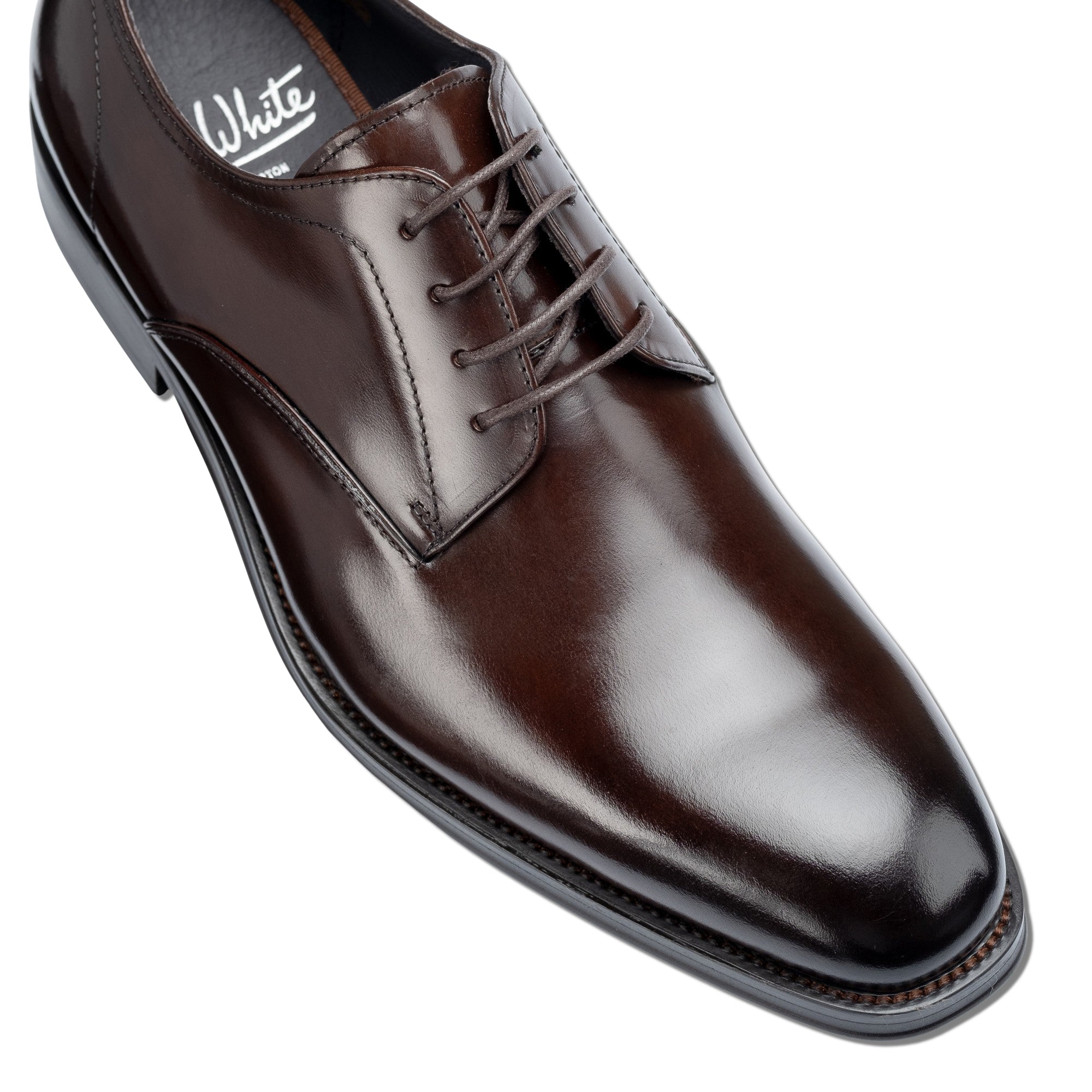
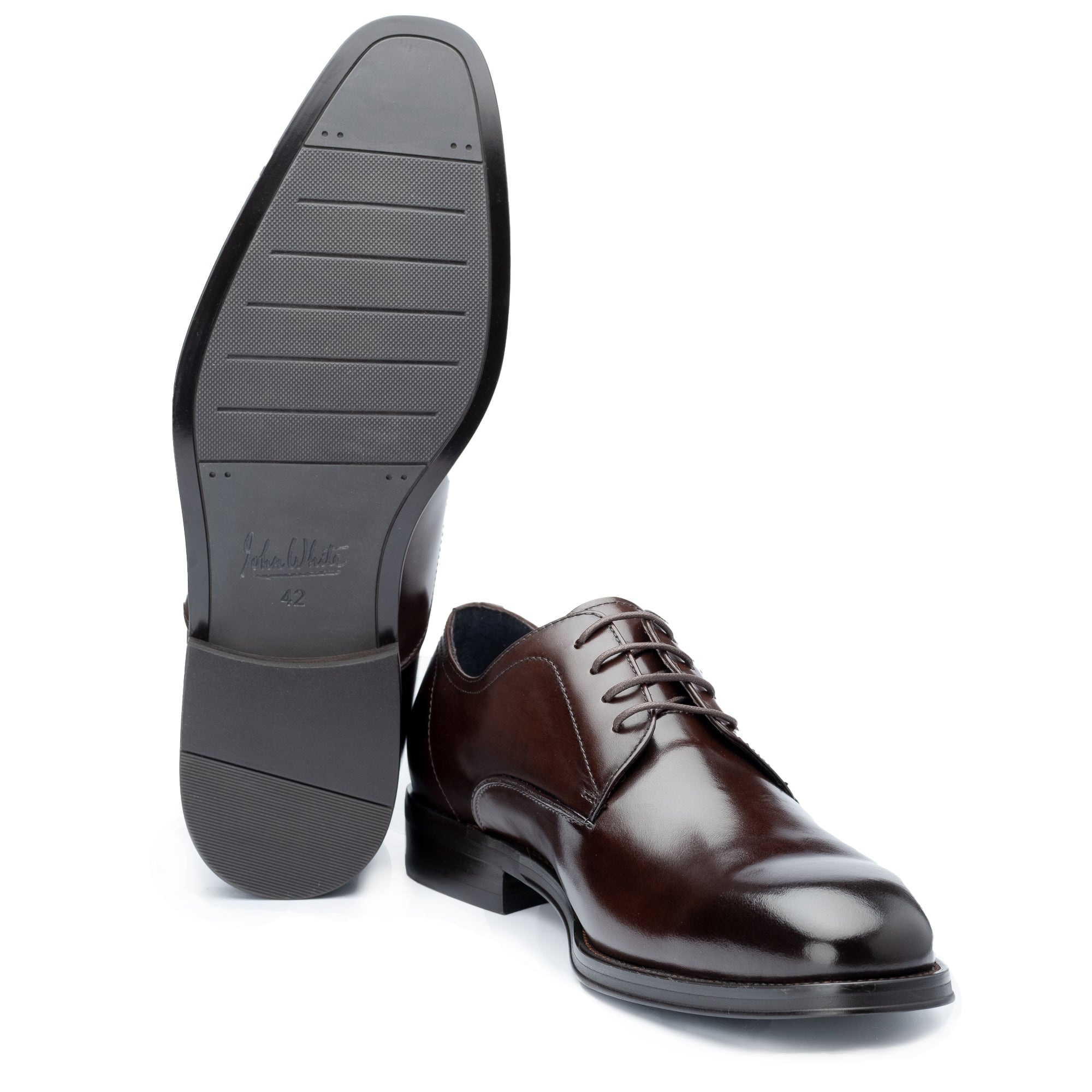
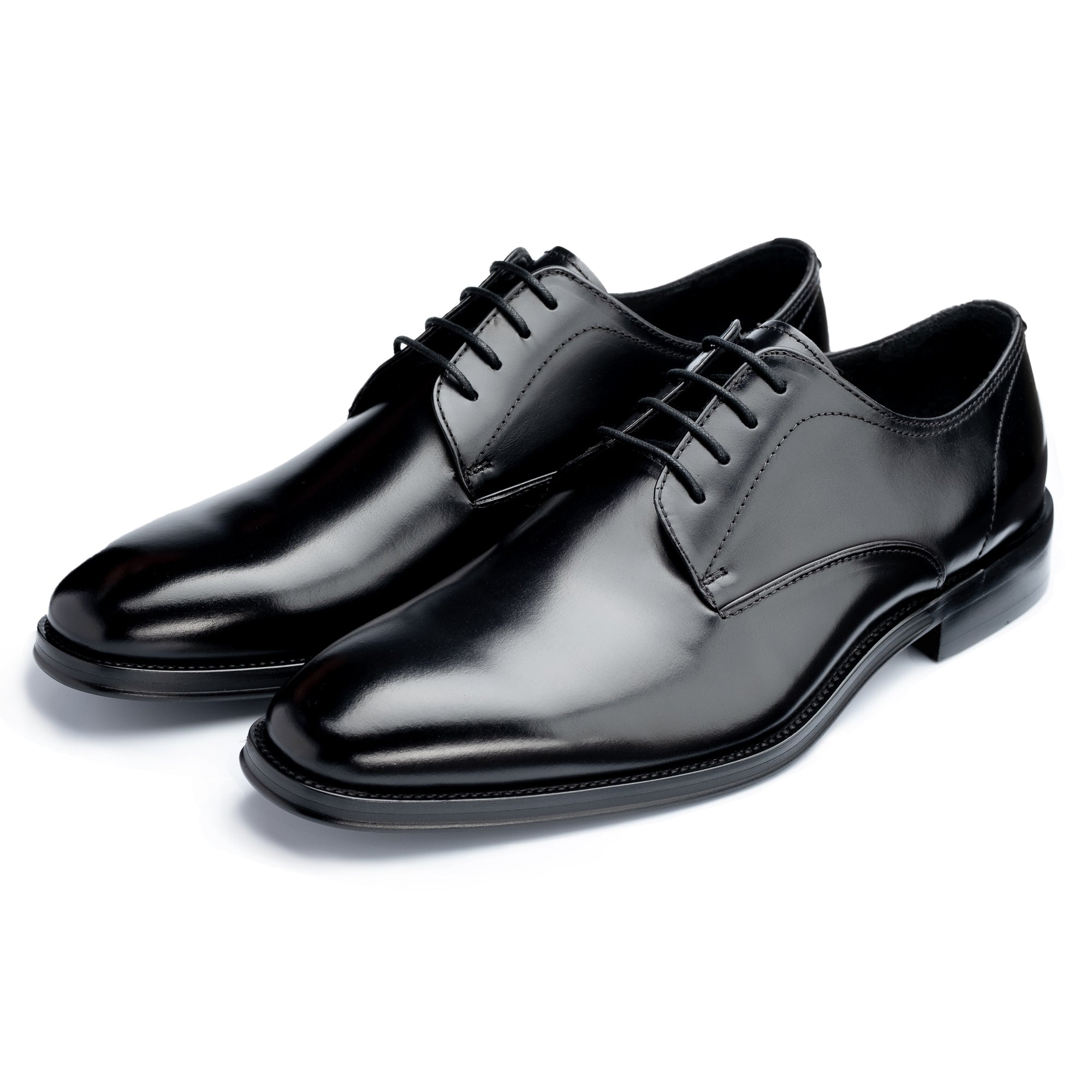
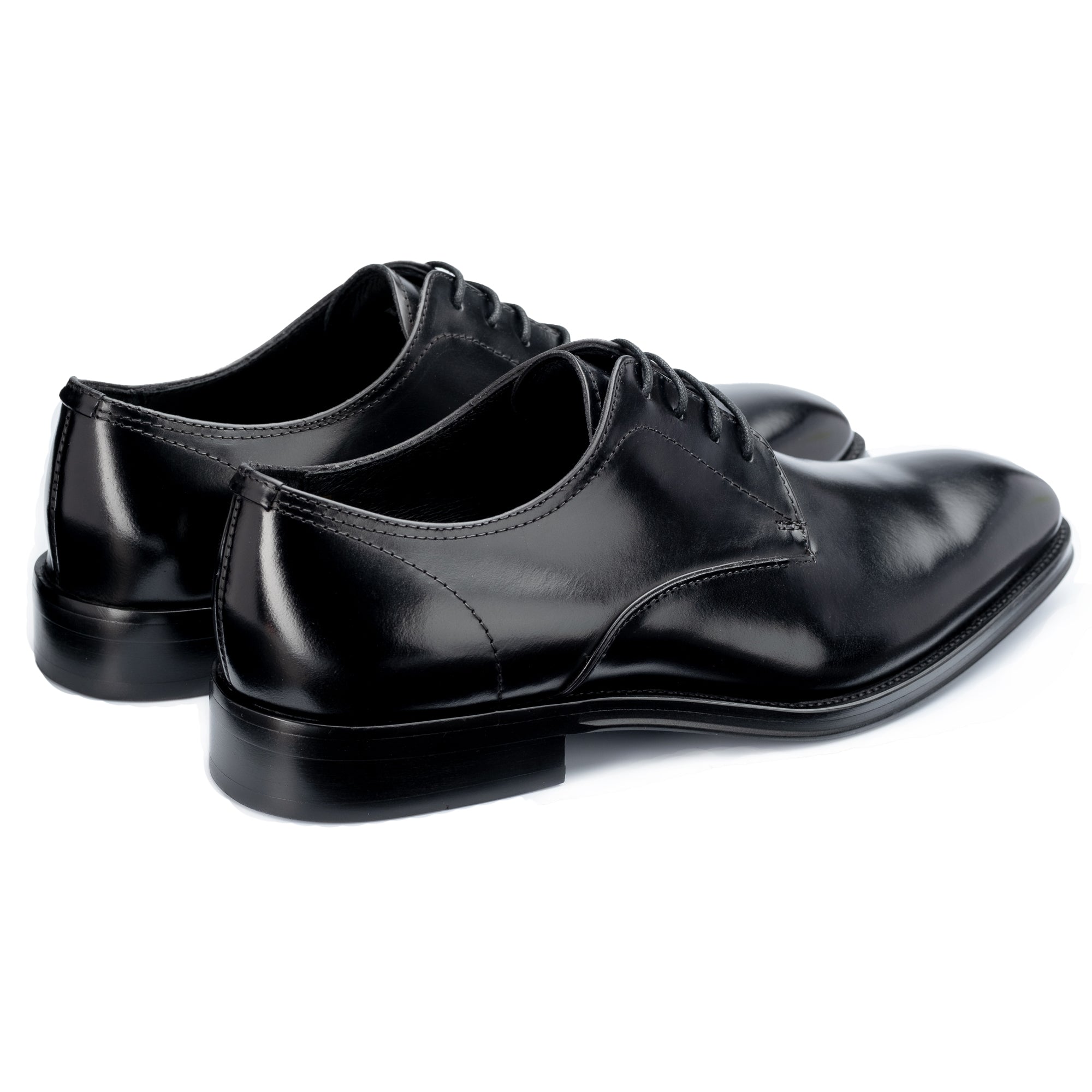
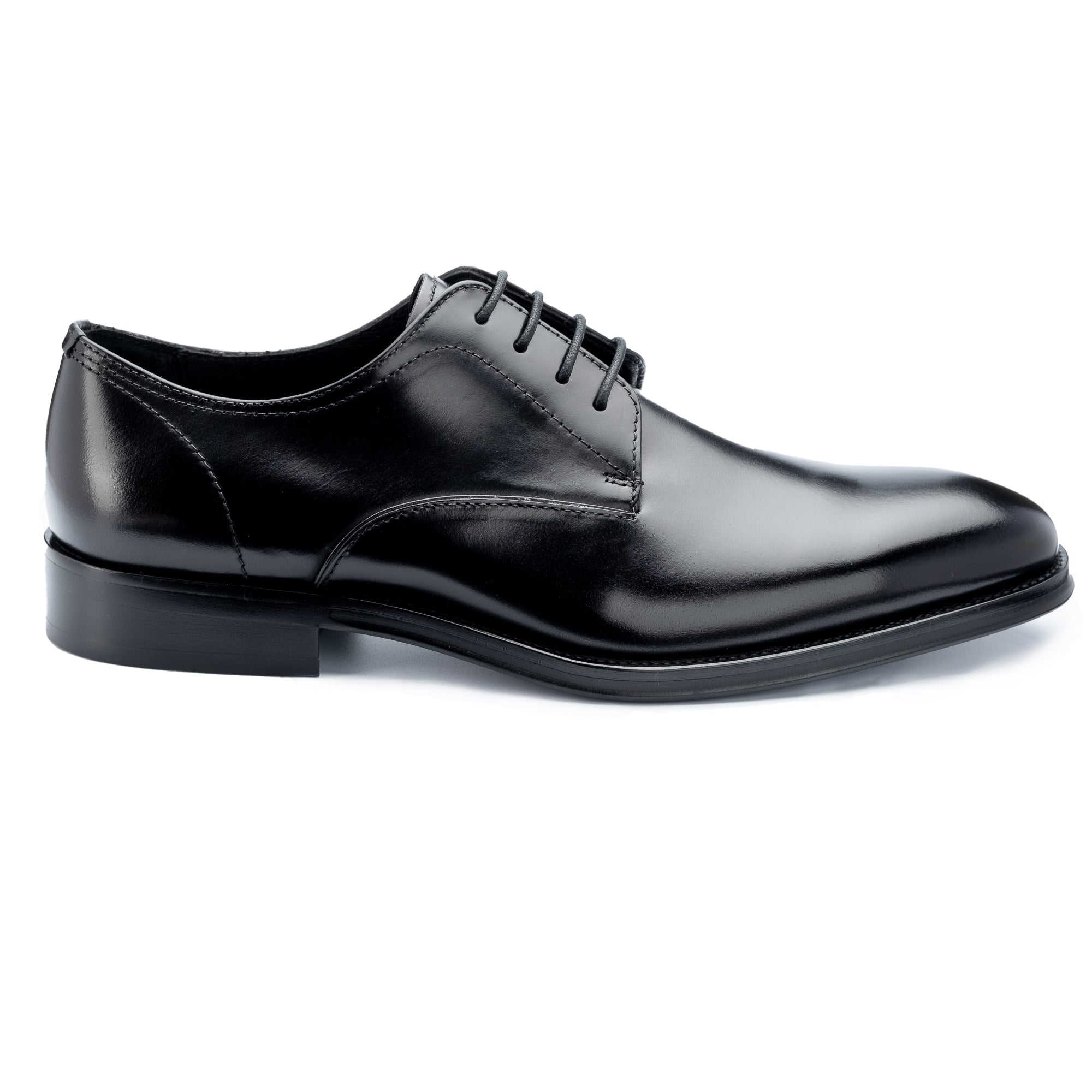
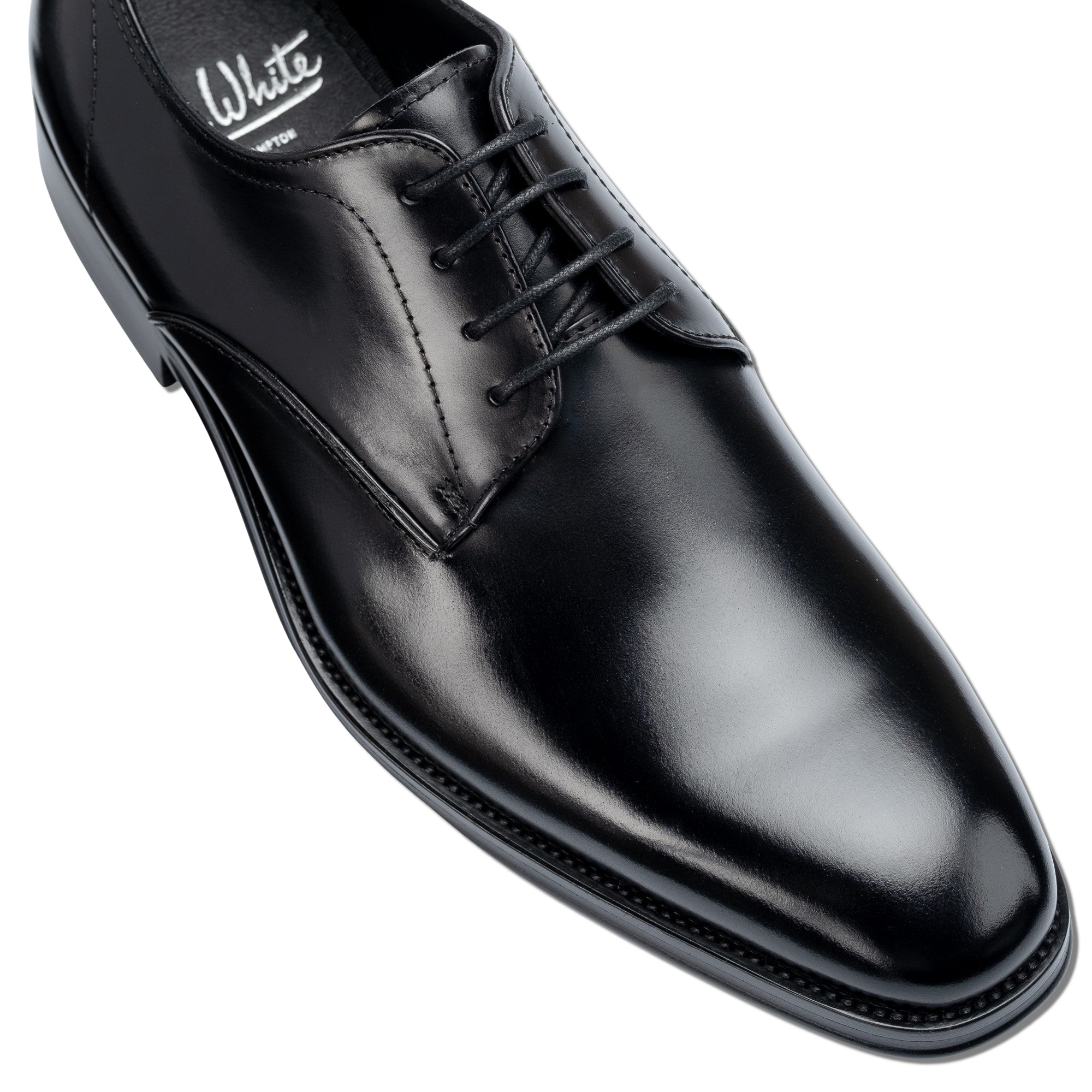
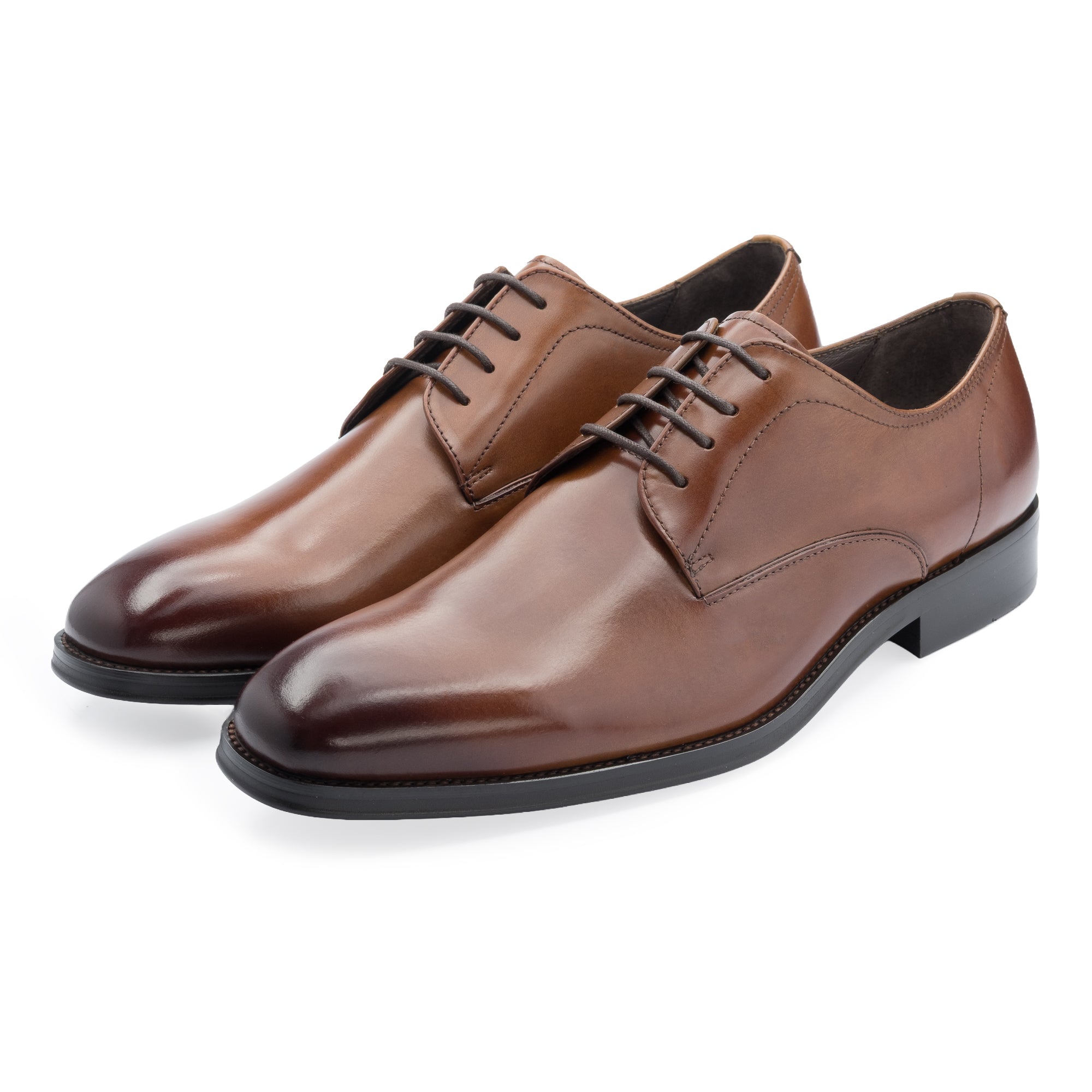
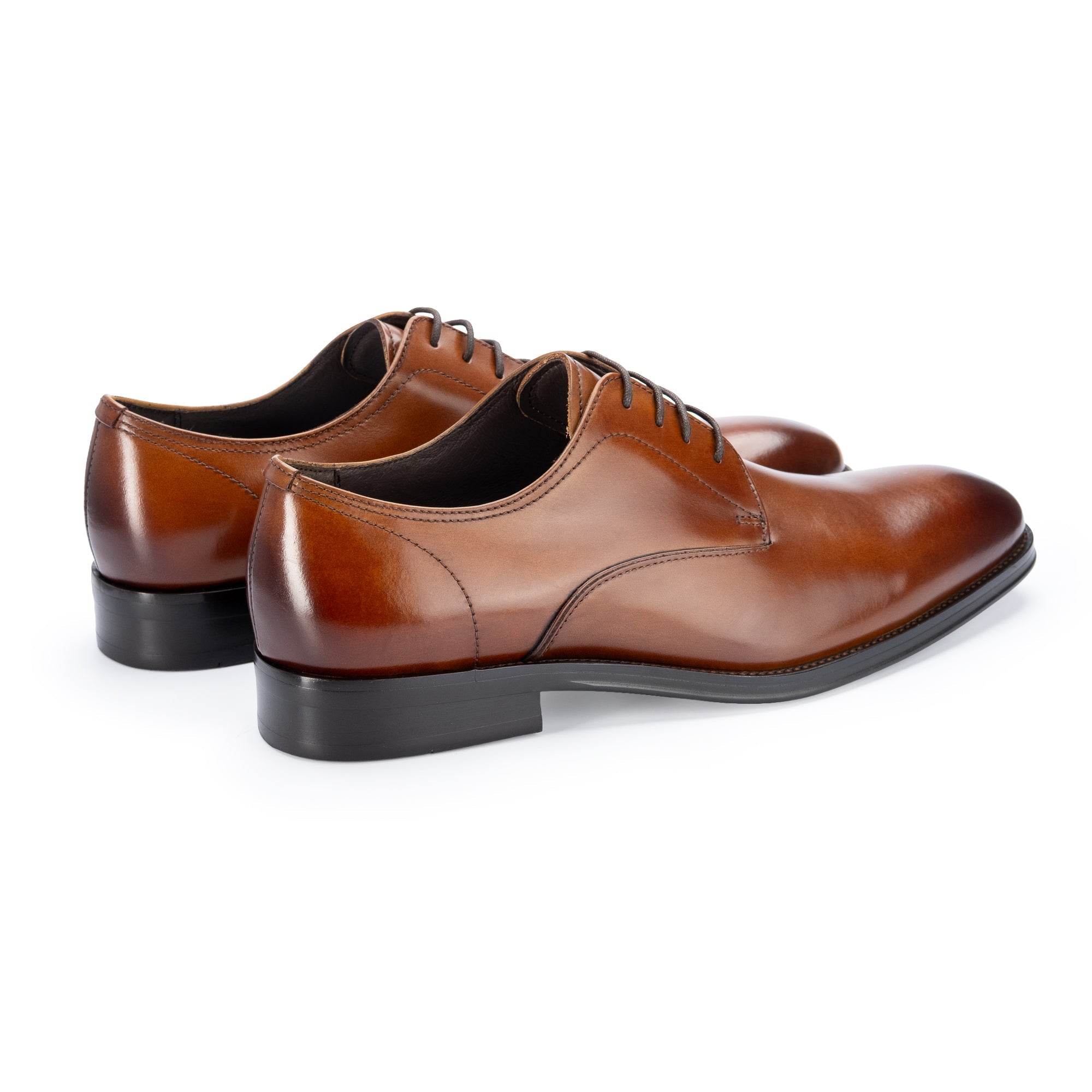
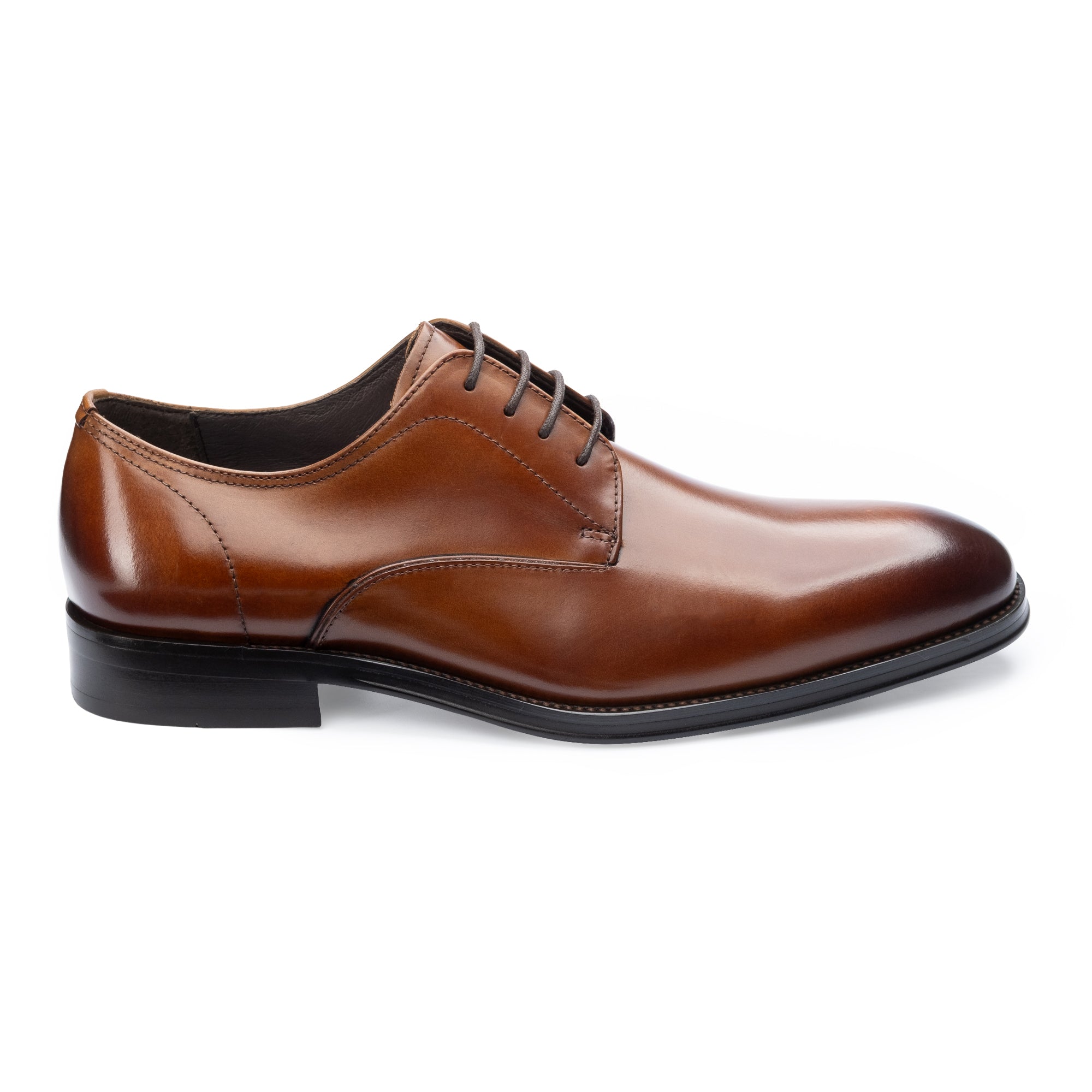
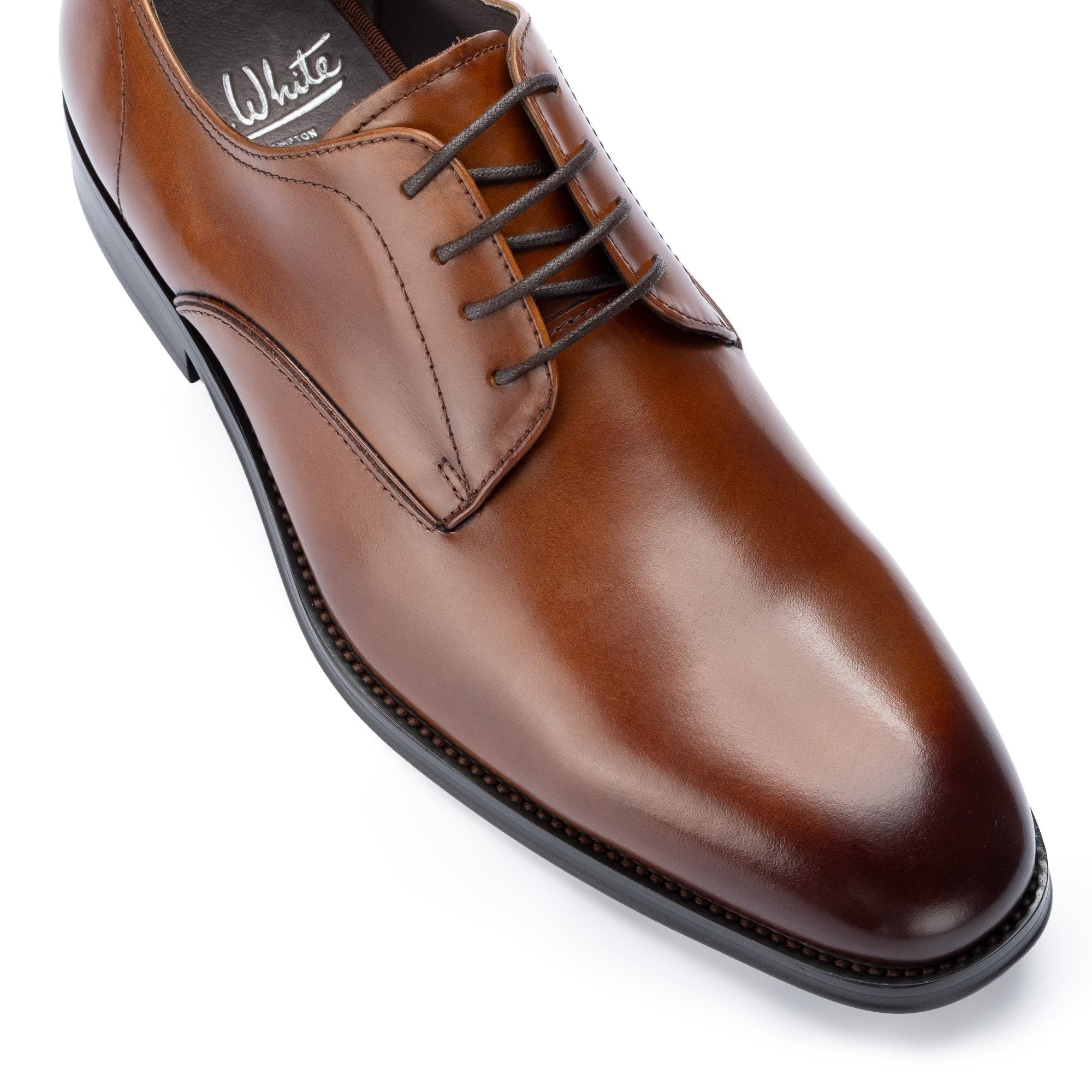
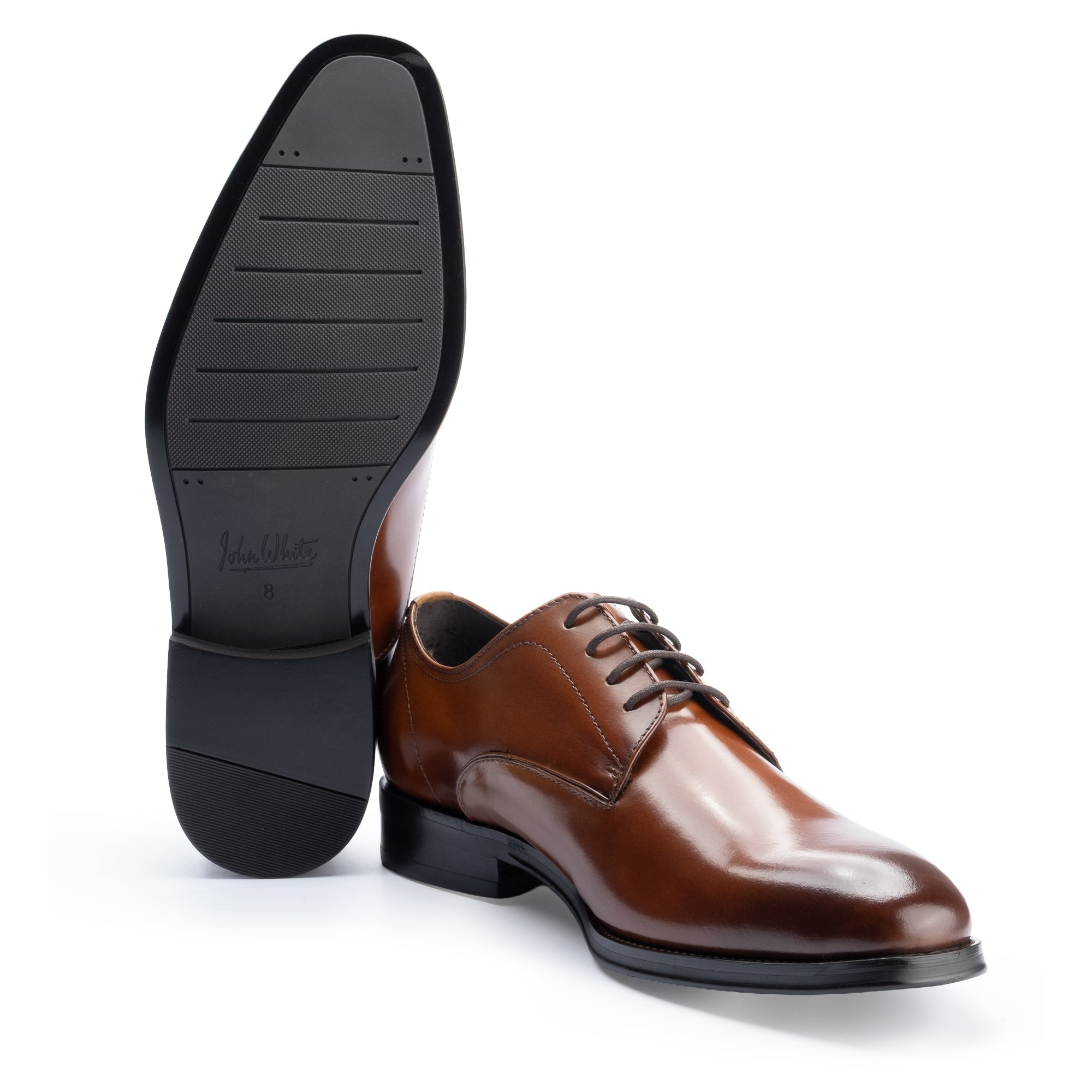
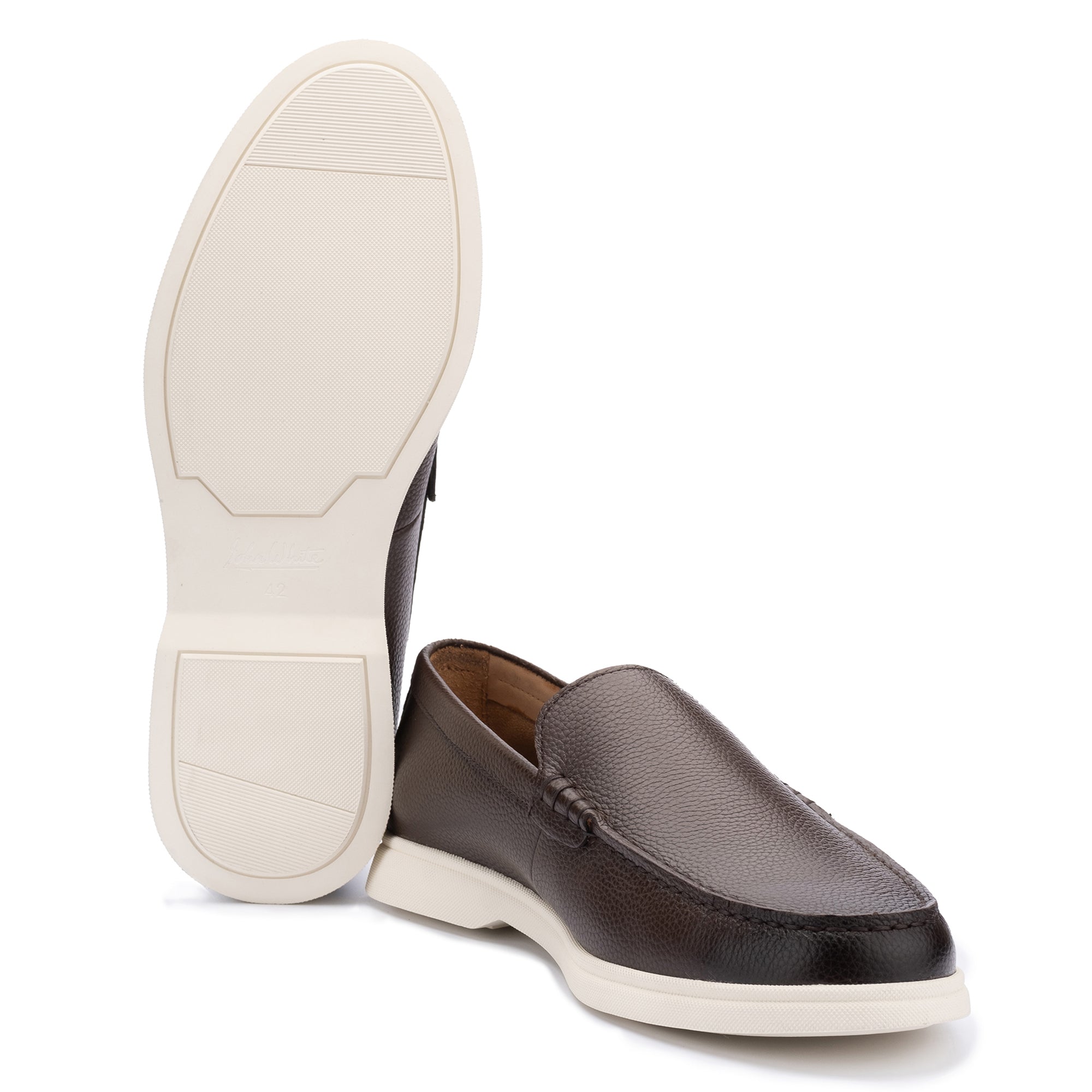
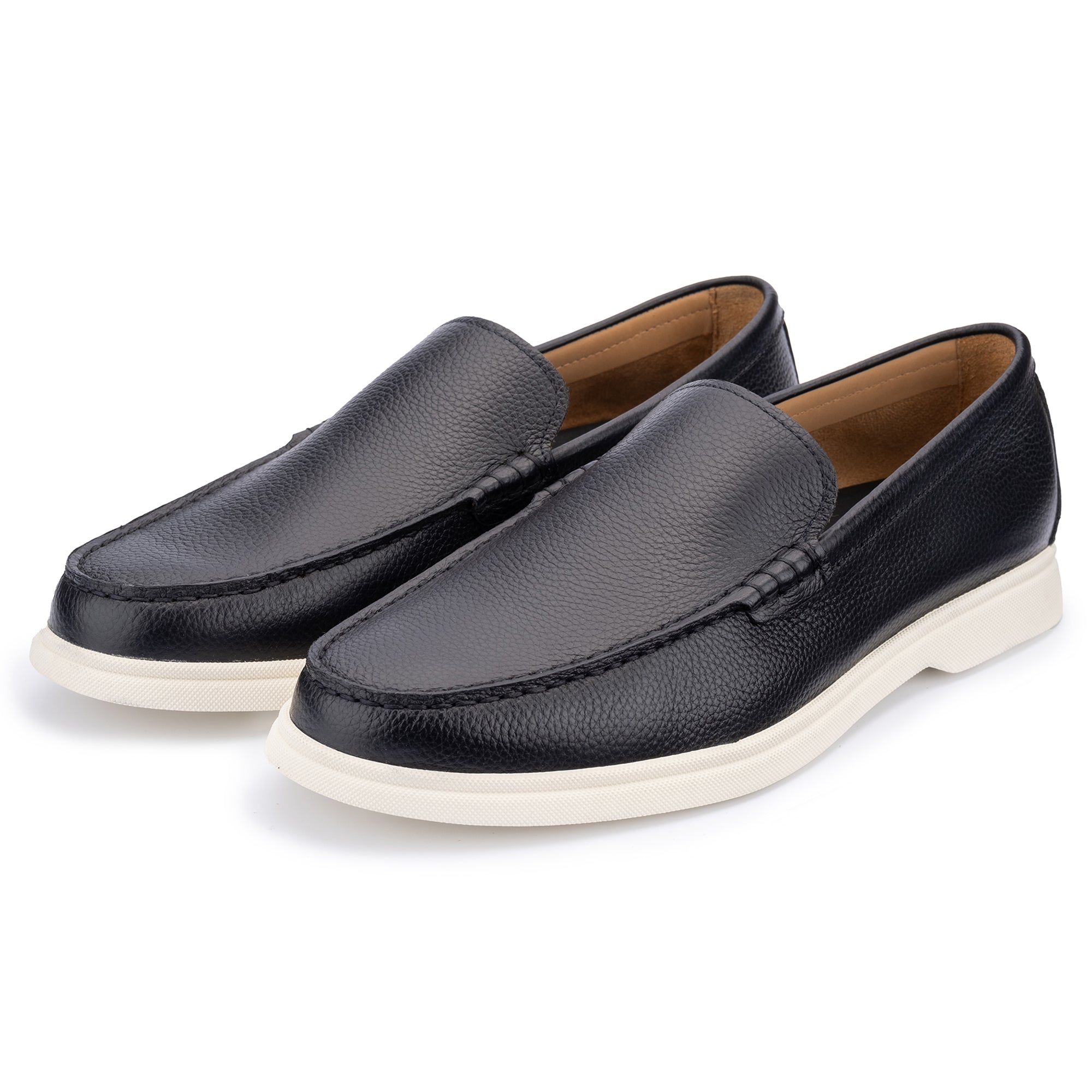
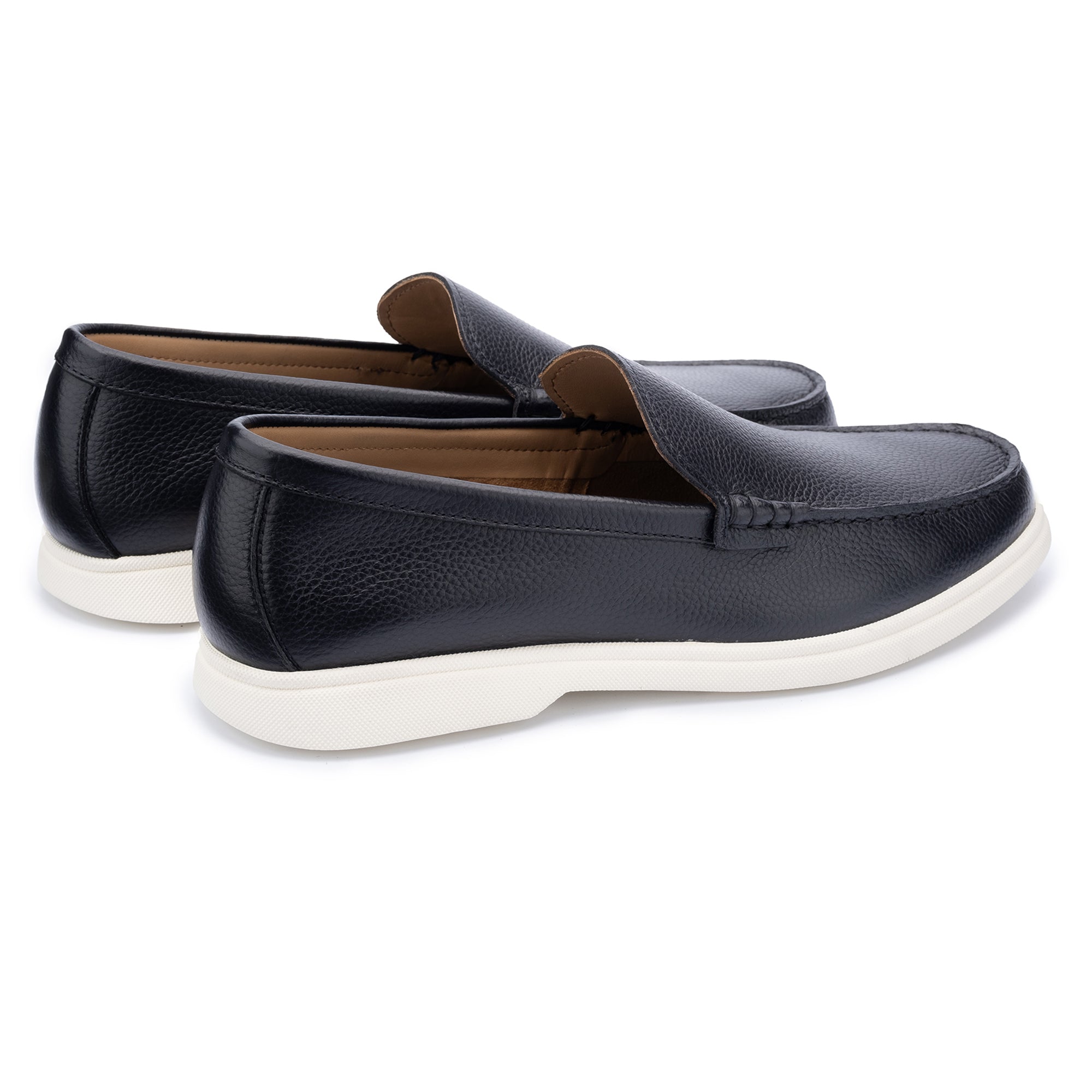
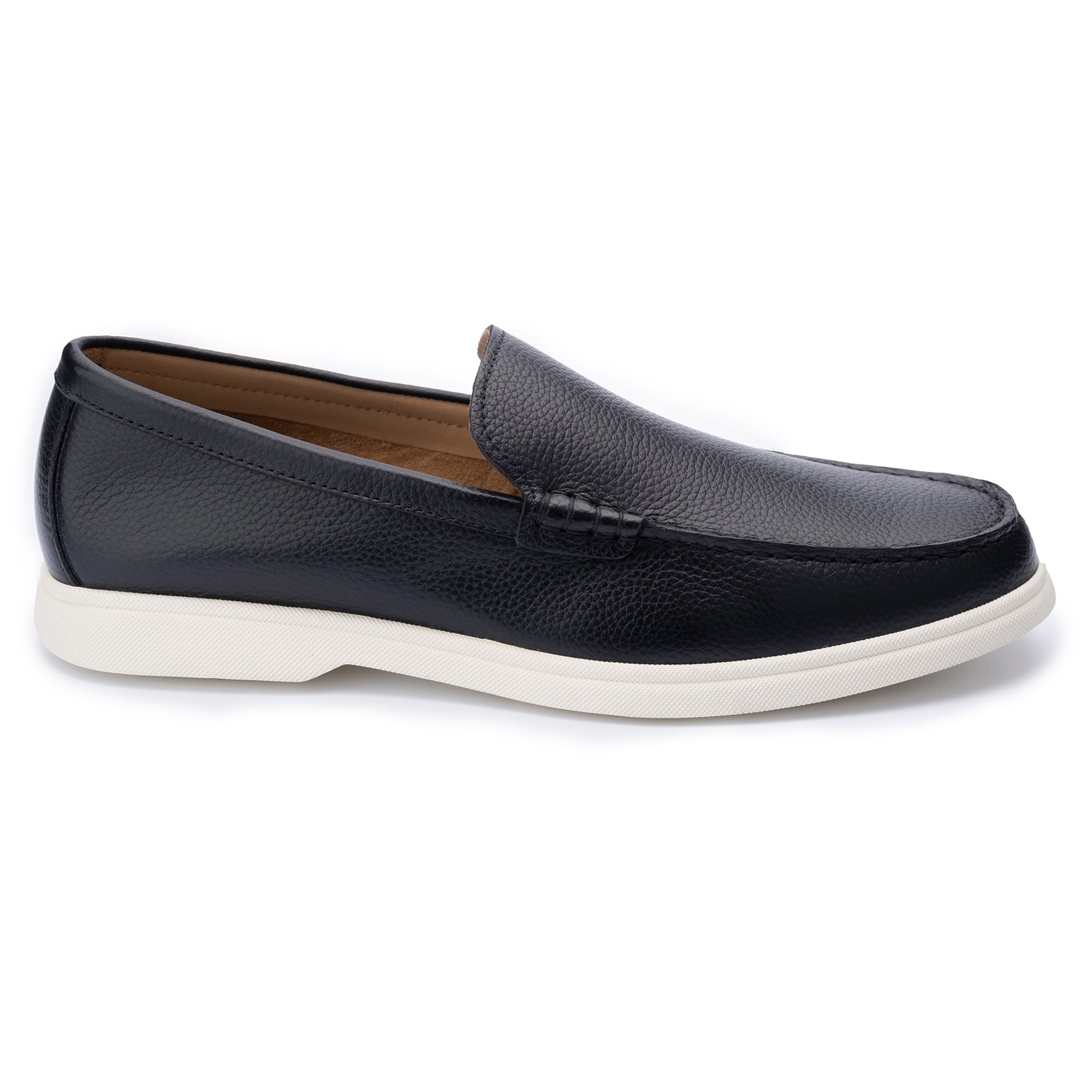
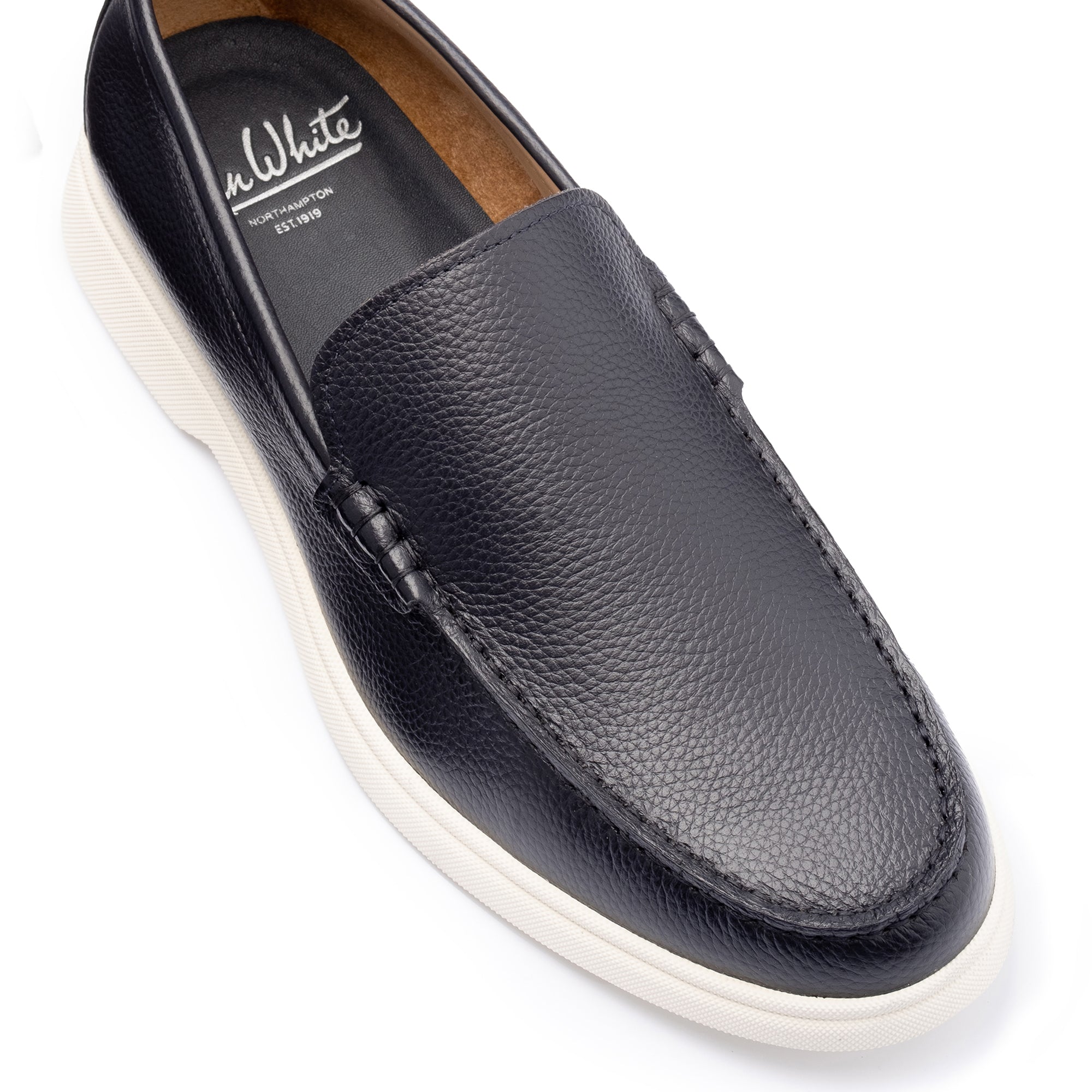
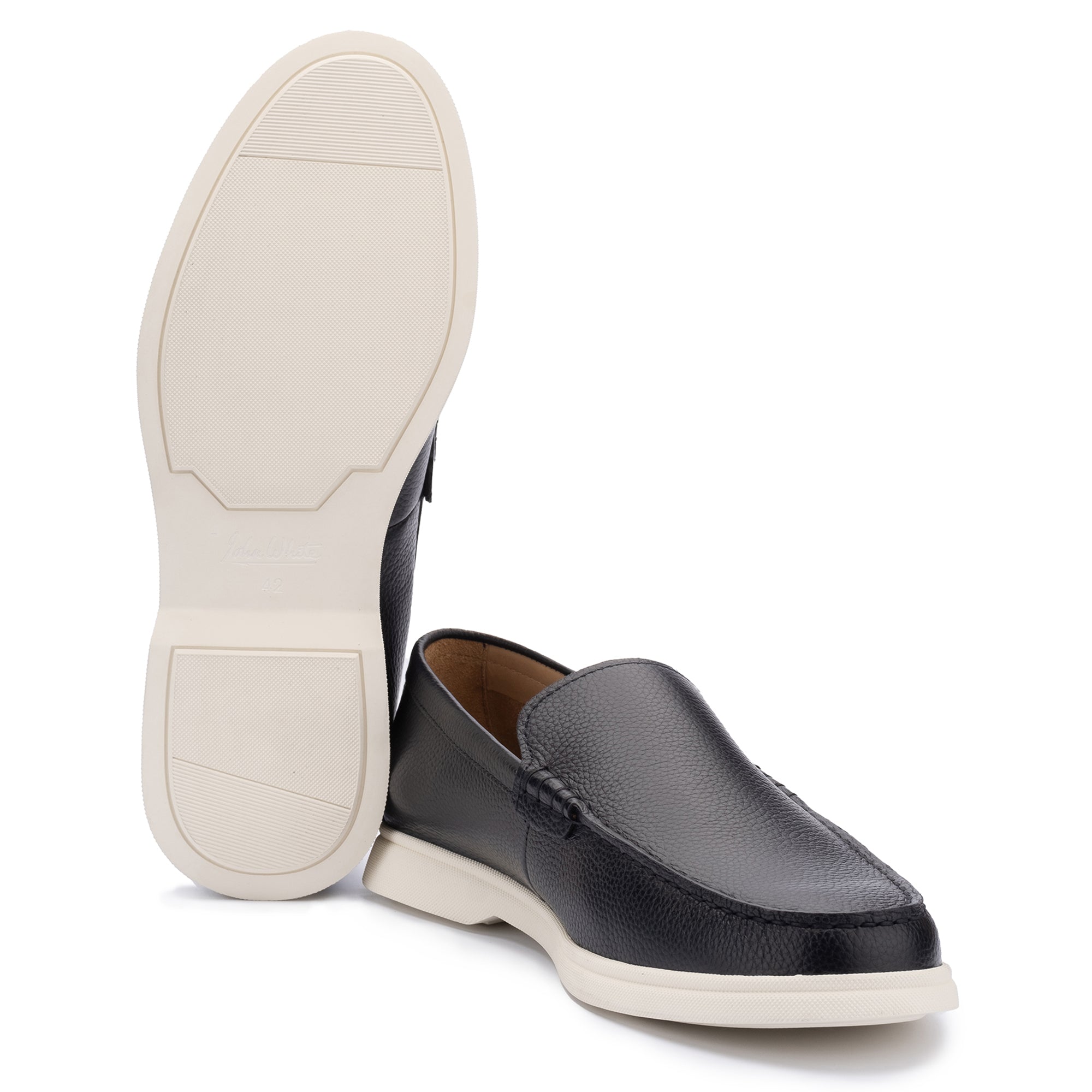
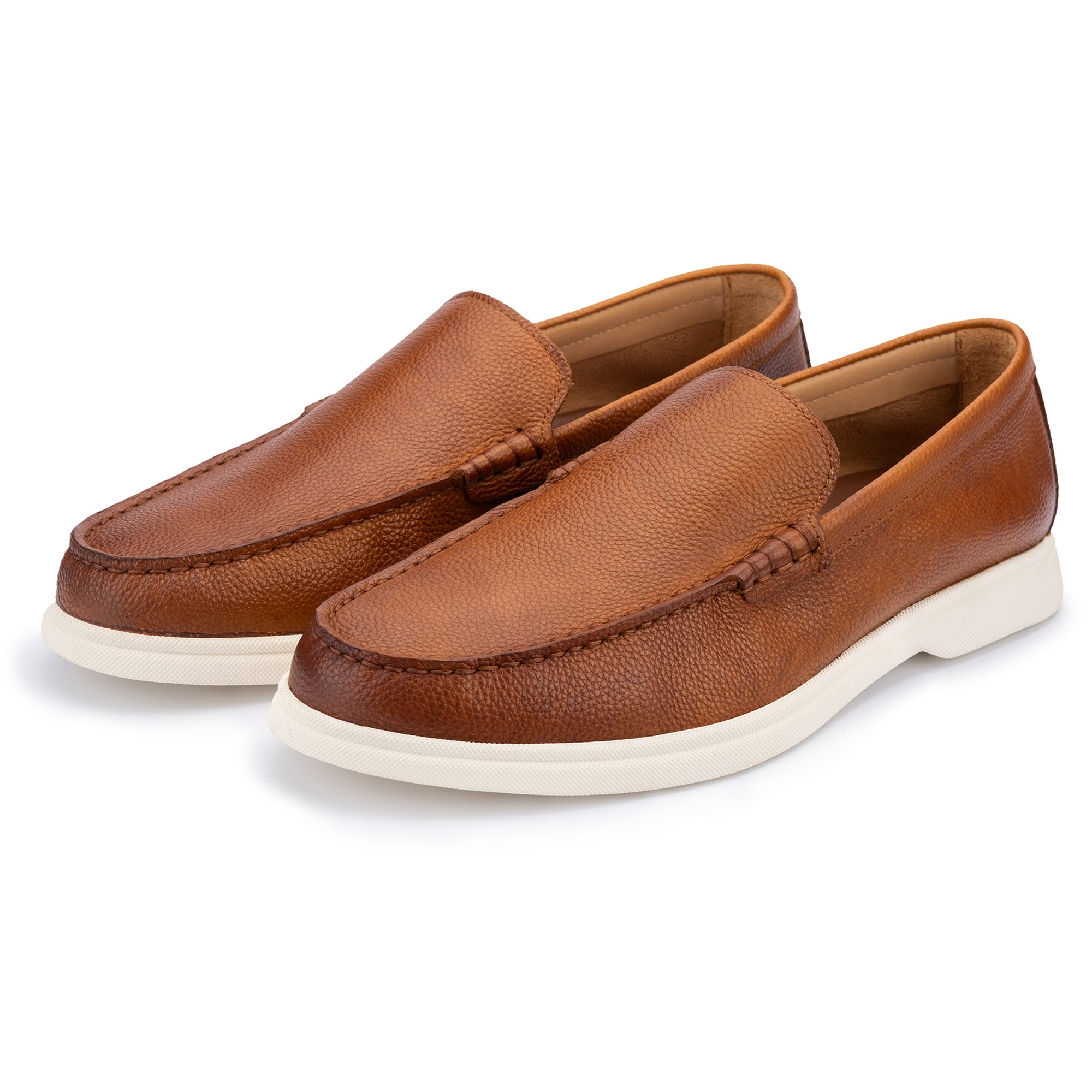
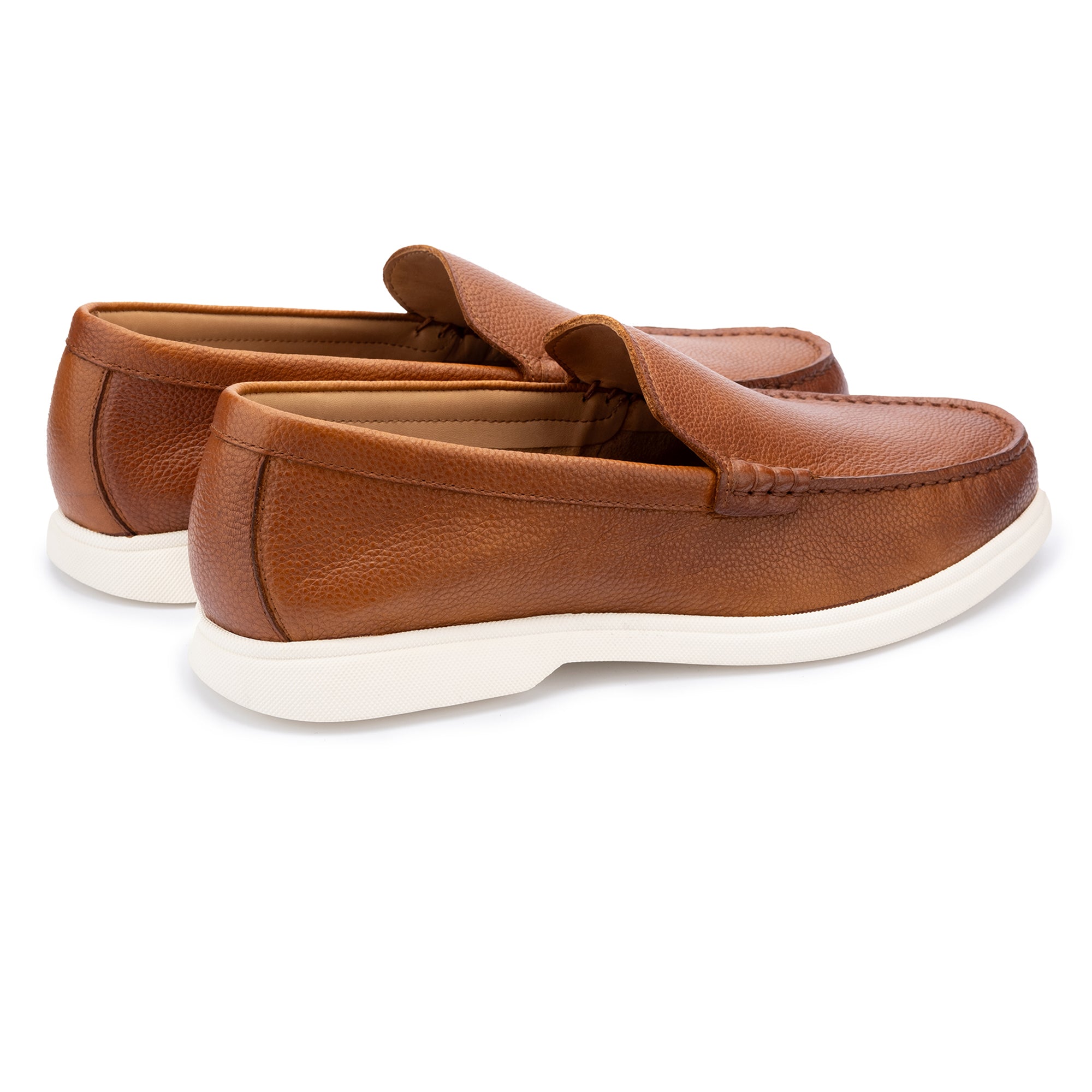
The Monkton Double Monk is JWS's approach to the style: a last with a rounded toe box that resists fashion extremes, twin buckled straps finished with polished hardware, and a leather upper available in black and brown. The silhouette sits in the English tradition — not the exaggerated square toe of some European versions, not the chisel toe that Italian houses have sometimes favoured. It is designed to sit well under a British suit and to remain presentable several years from now.
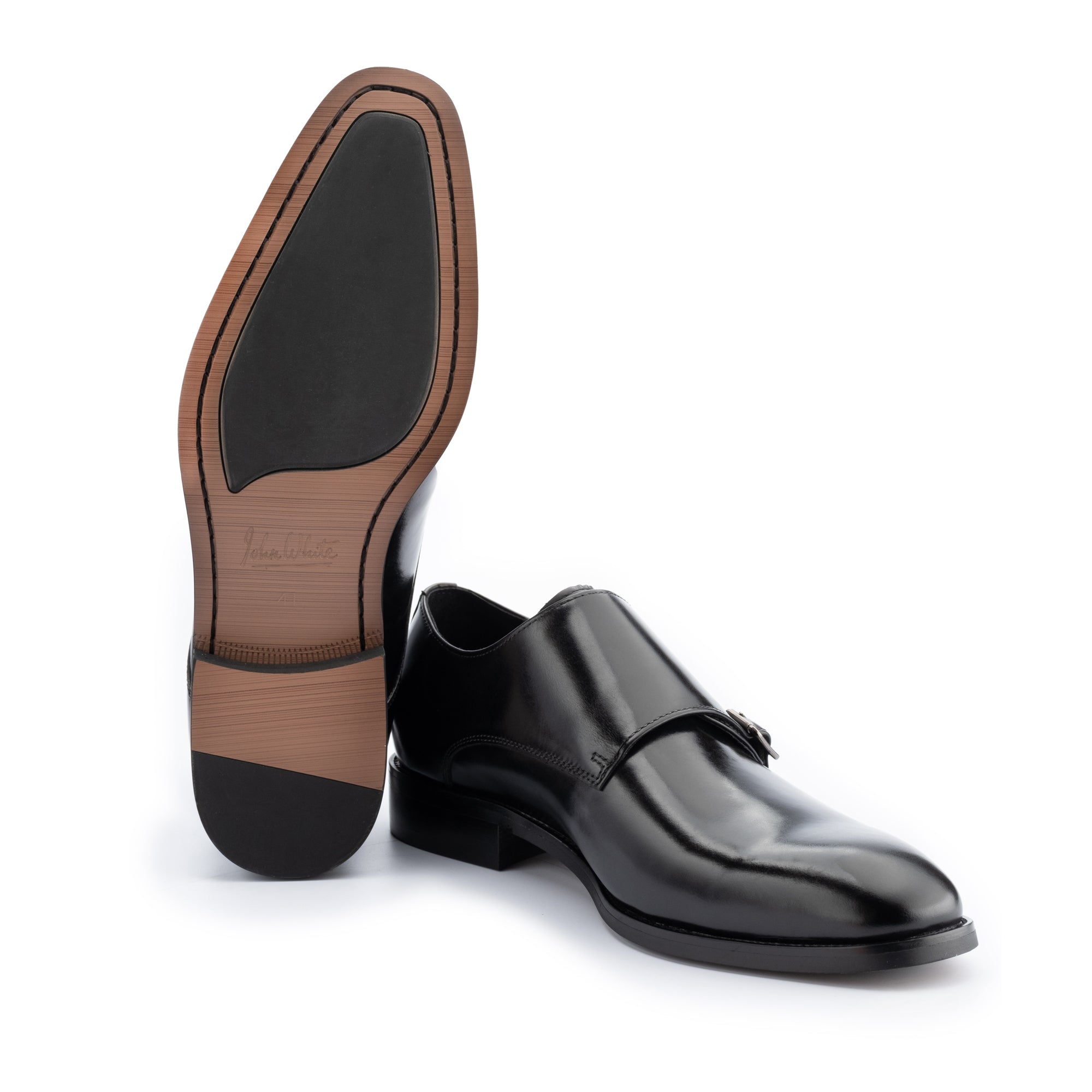
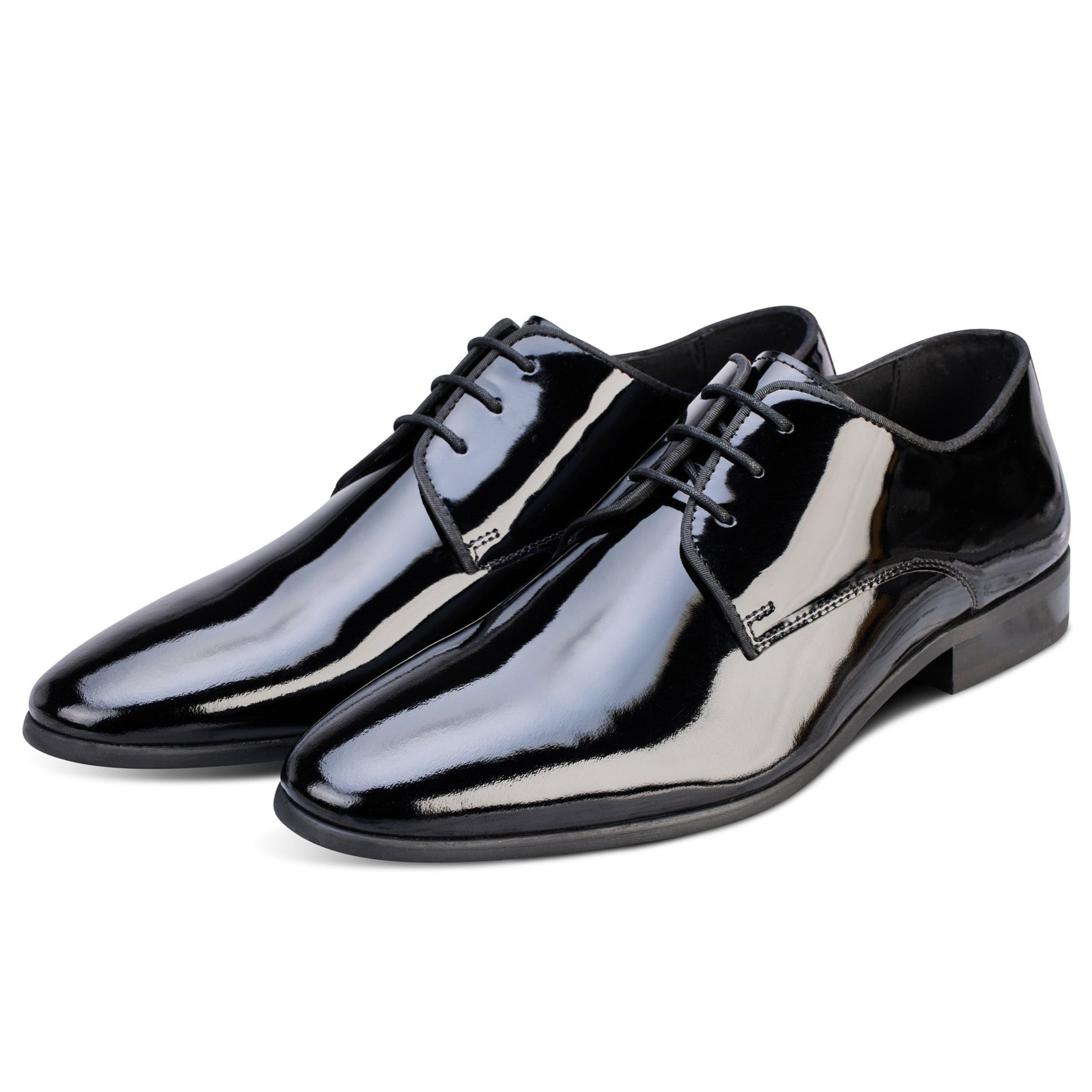
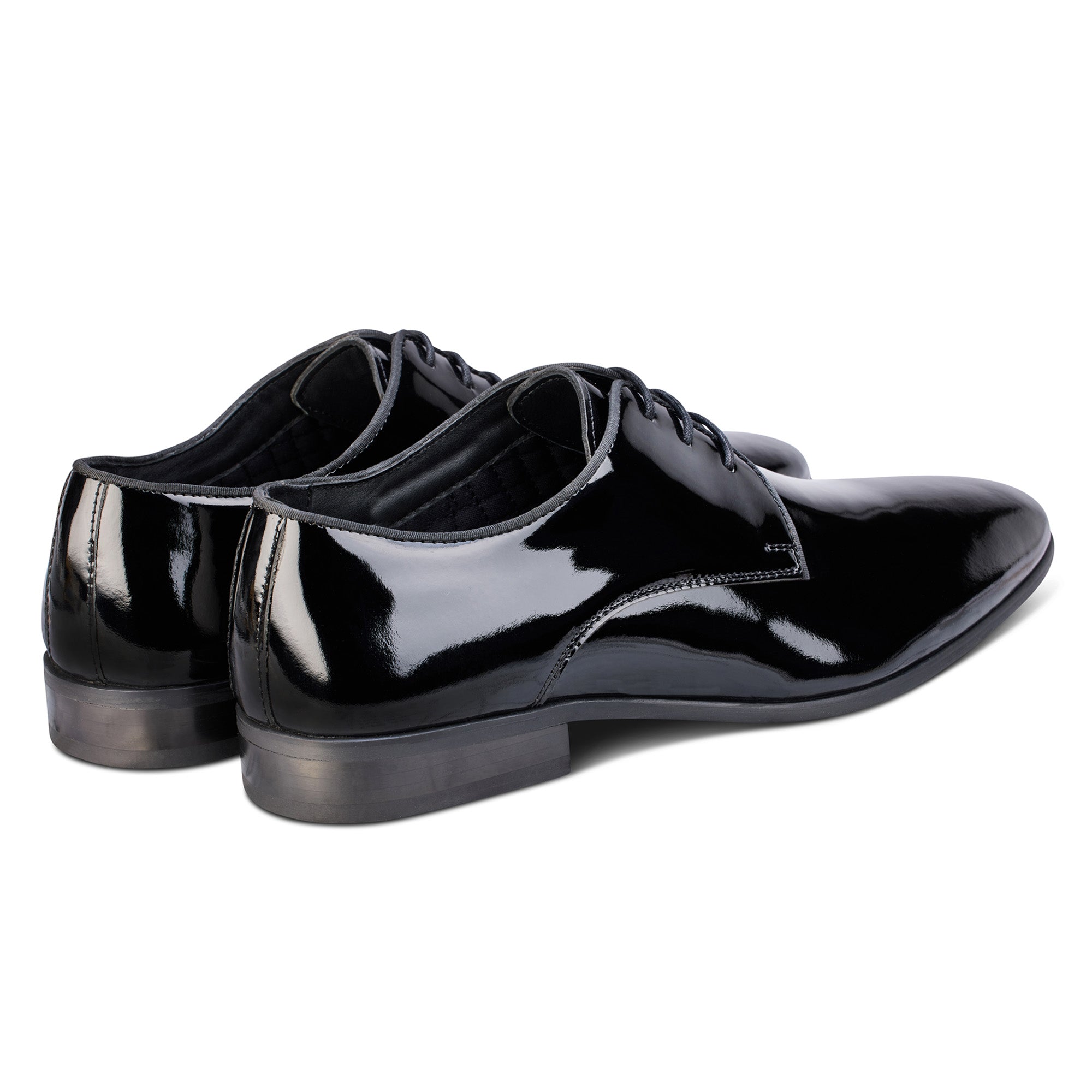
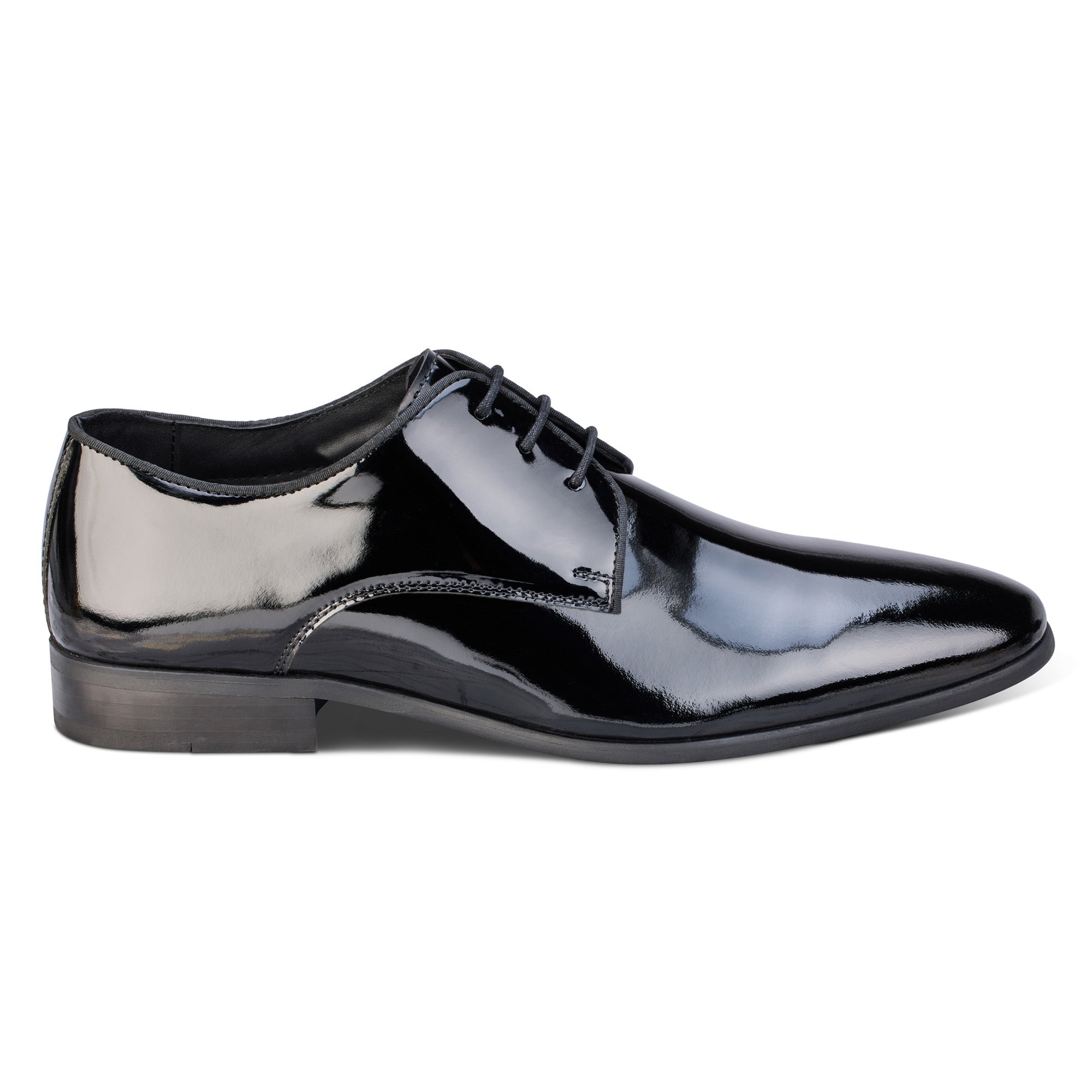
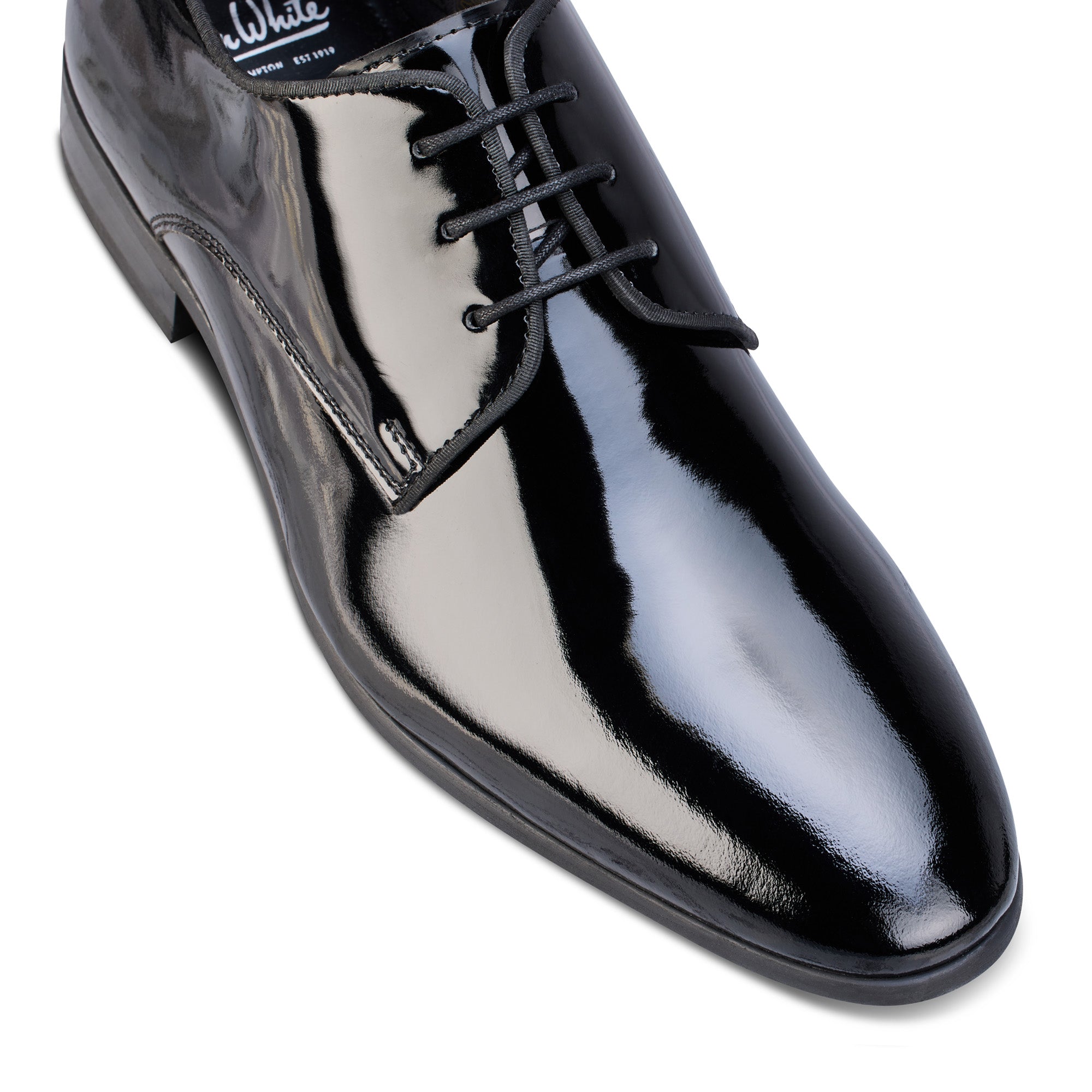
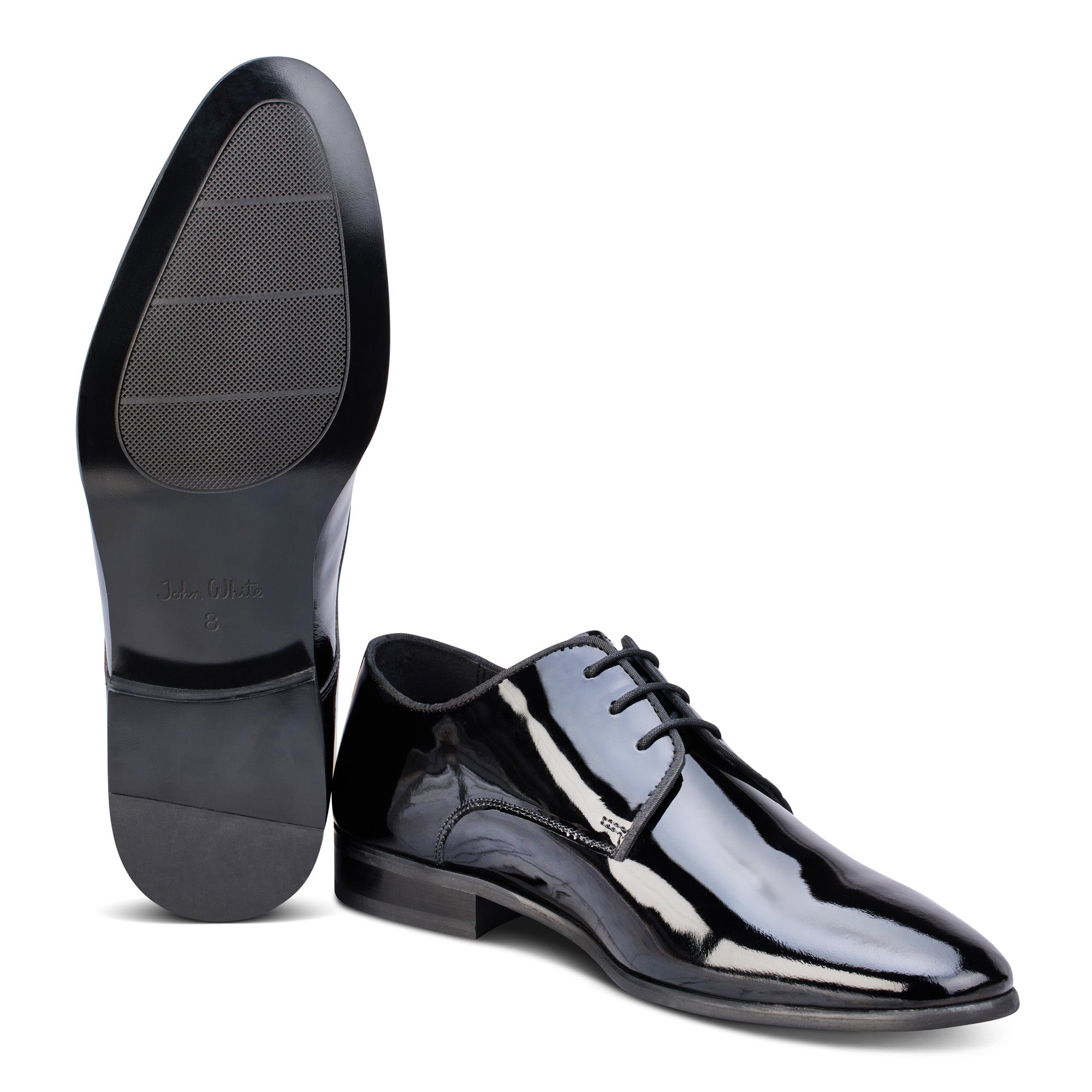
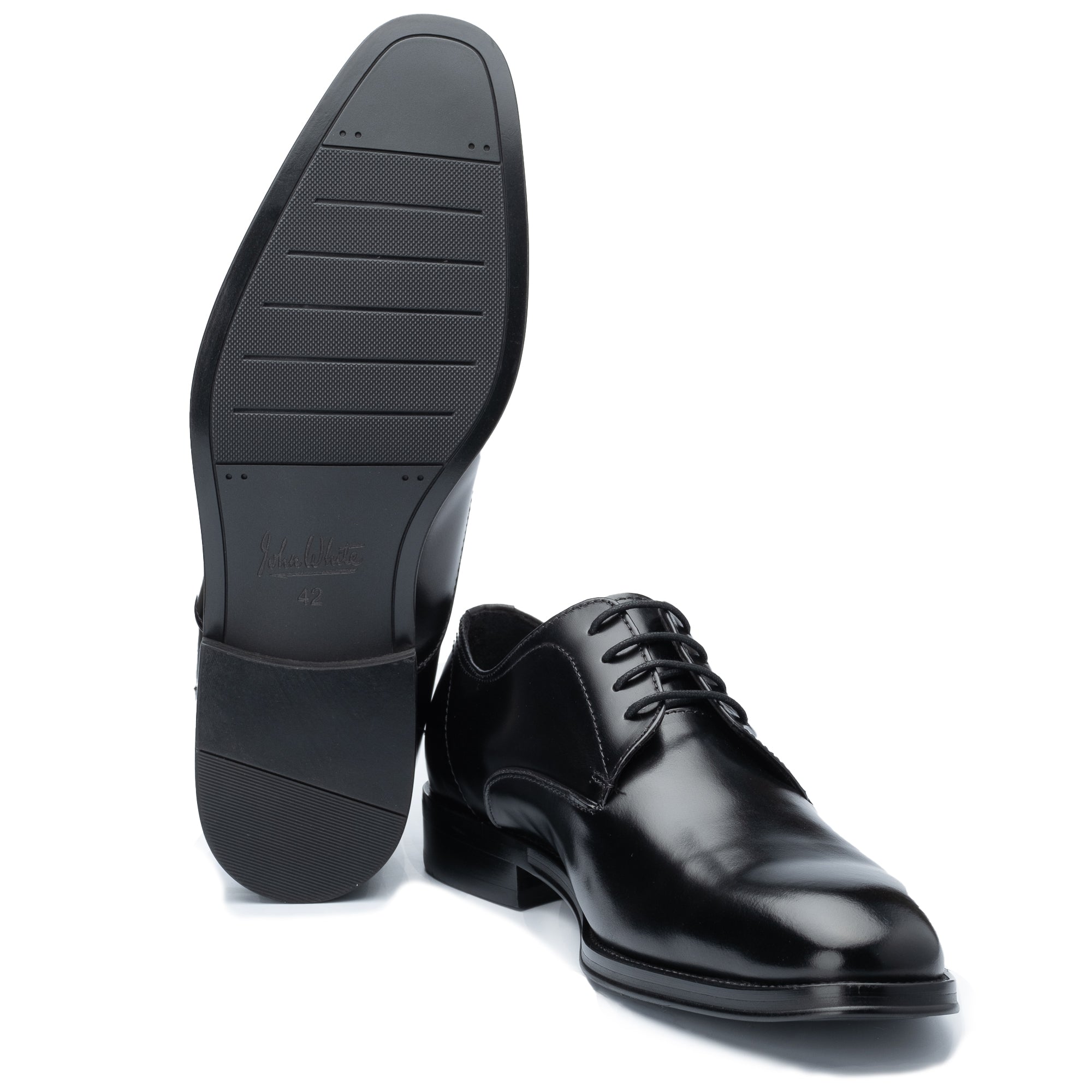
The construction is cemented, which keeps the profile lean. There is no welt bulk at the waist — the shoe maintains a clean line from heel to toe. In black, the mirror finish reads as a formal shoe; in brown, the warm, burnished tone draws it toward contemporary smart-casual use. Both colourways are available in full UK sizes (6–13).
The hardware is worth noting: the buckles are proportionate without being fussy, and the straps sit flat without pulling or gapping. Getting the monk strap hardware right is one of the details that distinguishes a well-made example from a passable one. Done badly, the strap can float or twist; done well, it closes the vamp cleanly and adds to the shoe's authority.
How to Dress with a Double Monk Strap
With a Suit
In black, the Monkton works with most lounge suits. Navy, charcoal, and mid-grey are the natural companions — the clean line of the buckle sits well alongside structured tailoring. The shoe is one degree less formal than a plain-toe Oxford, which is usually appropriate: a meeting or occasion that calls for a suit rarely demands full ceremony.
For black-tie, plain Oxfords remain the correct choice. The double monk is a daywear and business proposition. For everything below that level — business meetings, weddings as a guest, dinner with clients, a smart event — it earns its position. For a broader map of shoe choices with tailored clothes, the JWS guide to shoes with a suit is worth reading alongside this one.
With Smart Casual Trousers
Brown is where the double monk comes properly alive. Pair the Monkton Brown with cream or stone chinos and a soft-shouldered jacket and you have one of the better combinations available in a British summer wardrobe. The warmth of the leather complements earthy tones — tan, camel, olive — and holds its own against the richer end of the casual palette.
Tailored trousers in wool or linen work equally well. The shoe bridges formal and informal without forcing a decision. That in-between territory — not quite a suit, not quite weekend — is where the double monk does its most useful work, and where few other shoes manage the same convincingly.
What to Avoid
Heavy, rigid denim can overwhelm the shoe. The monk strap needs a trouser that reads at least slightly elevated — structured enough that the shoe's character is visible as character, not as incongruity. Highly patterned suit cloths — busy checks, strong overplaids — compete with the double buckle for attention. When the fabric is doing the talking, a plainer shoe wins. For those situations, see the Derby vs Oxford guide for the cleaner alternatives.
Black or Brown: The Colour Question
The old rule — black shoes with dark suits, brown shoes with everything else — broadly holds, but the double monk introduces a nuance worth considering.
Black is formal-facing. It narrows the monk's versatility, pulling it toward suit territory and away from smart casual. You will get fewer wearing occasions from it, but in those occasions it will look deliberately right.
Brown broadens the shoe's range considerably. The Monkton's brown tone — warm, with a slight burnish — reads well in daylight, ages gracefully with regular polish, and works across a wider spread of occasions and cloths. If you are buying one double monk, brown is the more useful starting point.
That said, if the shoe will live primarily in a work wardrobe dominated by dark suiting, the black reads more precisely and finishes those combinations cleanly. The honest answer is that they serve different functions, and a wardrobe with both is better served than one with neither.
Caring for a Double Monk Strap
The double monk's principal maintenance point is the buckle hardware. Polished metal buckles are robust, but accumulate moisture and dust around the tongue of the strap. Buff the hardware dry after wear; do not apply cream or wax to the metal itself — attend to the leather separately.
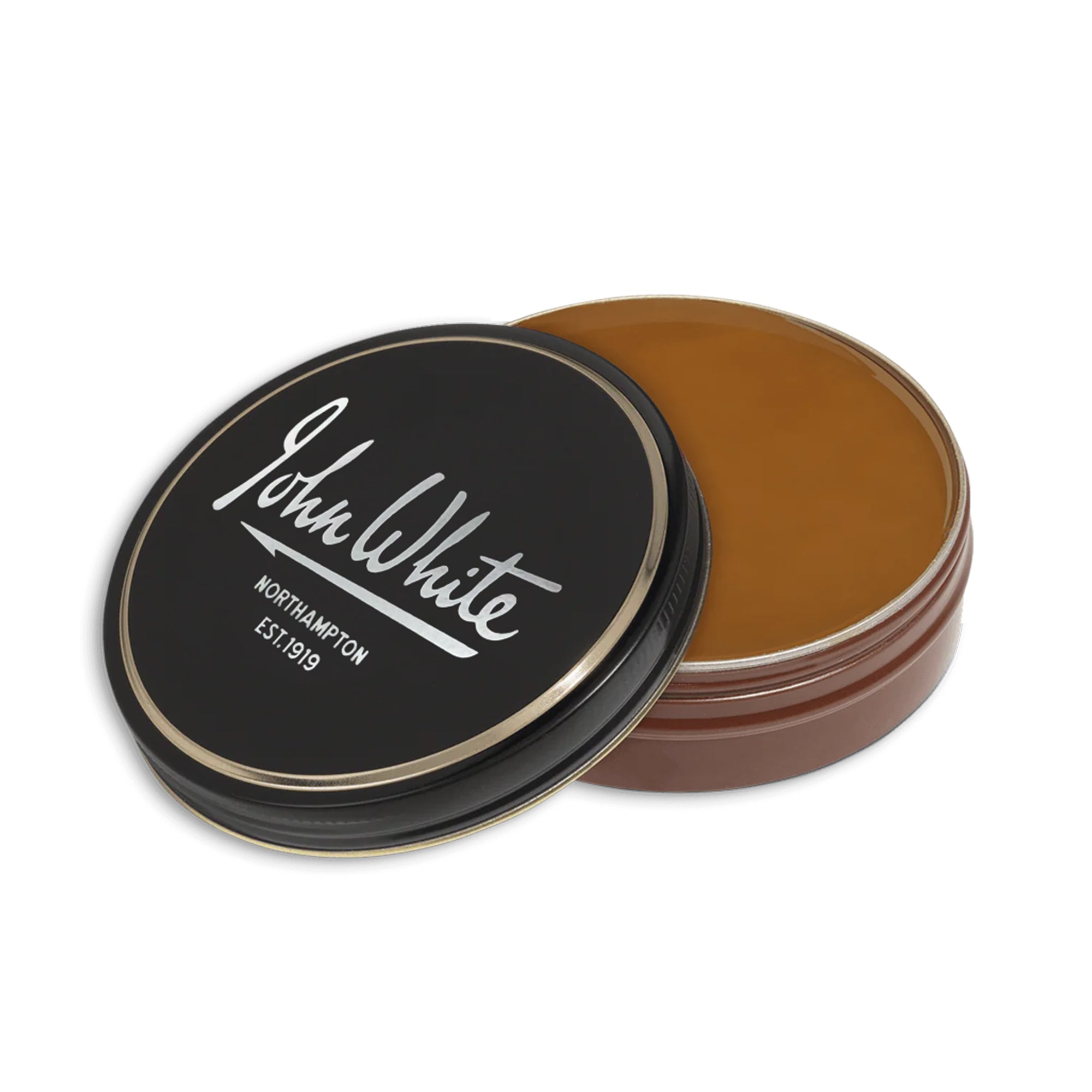
The leather upper responds to the same routine as any smooth calf: clean, condition, polish, in that order. Pay particular attention to the leather beneath and around the straps. This area flexes with every step and is prone to creasing — regular conditioning keeps the fibres supple and prevents cracking along the fold lines.
Cedar shoe trees, inserted after wear, hold the shape and draw moisture from the lining. Rotate the shoe with at least one other pair to allow full drying between wears. A double monk maintained properly, worn with some frequency, should hold its form and finish for years.
Related Guides
- From Northampton to the World: The Story Behind British Shoemaking — our comprehensive guide
- The History of British Shoemaking — our comprehensive guide
- What Shoes to Wear with a Suit
- Derby vs Oxford: Which Lace-Up Should You Buy First?
- Chelsea Boot vs Chukka Boot: Which Should Be Your Next Investment?